Safety Squad Teacher Guide Safety Squad
Teacher Facilitation Guide
Duration
95 MIN
Learning Objectives
Define violent behavior and analyze contributing factors.
Explain bullying's impact on individual health and community well-being.
Distinguish between bullying and cyberbullying with specific examples.
Identify roles in bullying (Bystander vs. Upstander) and the "Bystander Effect."
Apply response strategies and prevention techniques to real-world scenarios.
Key Vocabulary
Violent Behavior Bullying Cyberbullying Bystander Effect Upstander Harassment Hazing Catfishing Safe Zones
Materials Needed
Digital Defenders Slides
Safety Squad Field Notes (1 per student)
Upstander Action Cards (1 set per group)
Laptops/Tablets for Research Task
Lesson Timeline
00 - 10 min
Hook & Defining Violence
Quick-write on the whiteboard: "What makes a behavior 'violent'?" Discuss the difference between physical, verbal, and psychological violence.
10 - 30 min
Direct Instruction (Slides)
Deliver the "Digital Defenders" slides. Students fill out the "Key Terms Decoder" section of their Field Notes. Focus on contributing factors (family, media, social pressure).
30 - 50 min
Rapid Research Task
Groups of 3-4 use devices to research specific state or local bullying laws and the "Bystander Effect" in famous psychological studies (e.g., Kitty Genovese). Record findings in Field Notes.
50 - 75 min
Case Study & Role-Play
Distribute Upstander Action Cards. Groups analyze a case study and then rehearse/perform a 1-minute "Upstander Intervention."
75 - 95 min
Prevention Assessment & Wrap-Up
Whole class discussion on "Safe Zones" and school prevention strategies. Complete the "Prevention Audit" and Exit Ticket in Field Notes.
Activity Deep Dive
The Research Task: Local Laws
Instead of just reading a textbook, students must find real consequences in their own community. Direct them to search for:
"School District Anti-Bullying Policy [District Name]"
"State Statutes on Harassment and Cyberstalking"
"Cyberbullying penalties for minors in [Your State]"
Role-Play: Upstander Mechanics
Emphasize the 4 Direct Ways to Help (The 4 D's):
Direct: "Hey, stop that."
Distract: "Hey, let's go get lunch."
Delegate: "I'm telling a teacher."
Delay: "Are you okay?" (afterwards)
Support & Extension
For Struggling Learners
Provide a "Key Term Bank" with simplified definitions and emojis.
Pre-select the research website for the task to avoid navigation issues.
Allow students to draw a 3-panel comic instead of the role-play performance.
For Advanced Learners
Analyze the "Social Identity Theory" and how it contributes to bullying.
Research "Restorative Justice" as a prevention strategy and debate its effectiveness.
Draft a proposed update to the school's social media policy.
Safety Note
Bullying and violence can be sensitive topics for students who may be currently experiencing them. Remind students of your school's reporting procedures and designated **Safe Zones** (counselors, trusted teachers). If a student discloses a specific incident during role-play, follow mandatory reporting protocols immediately.
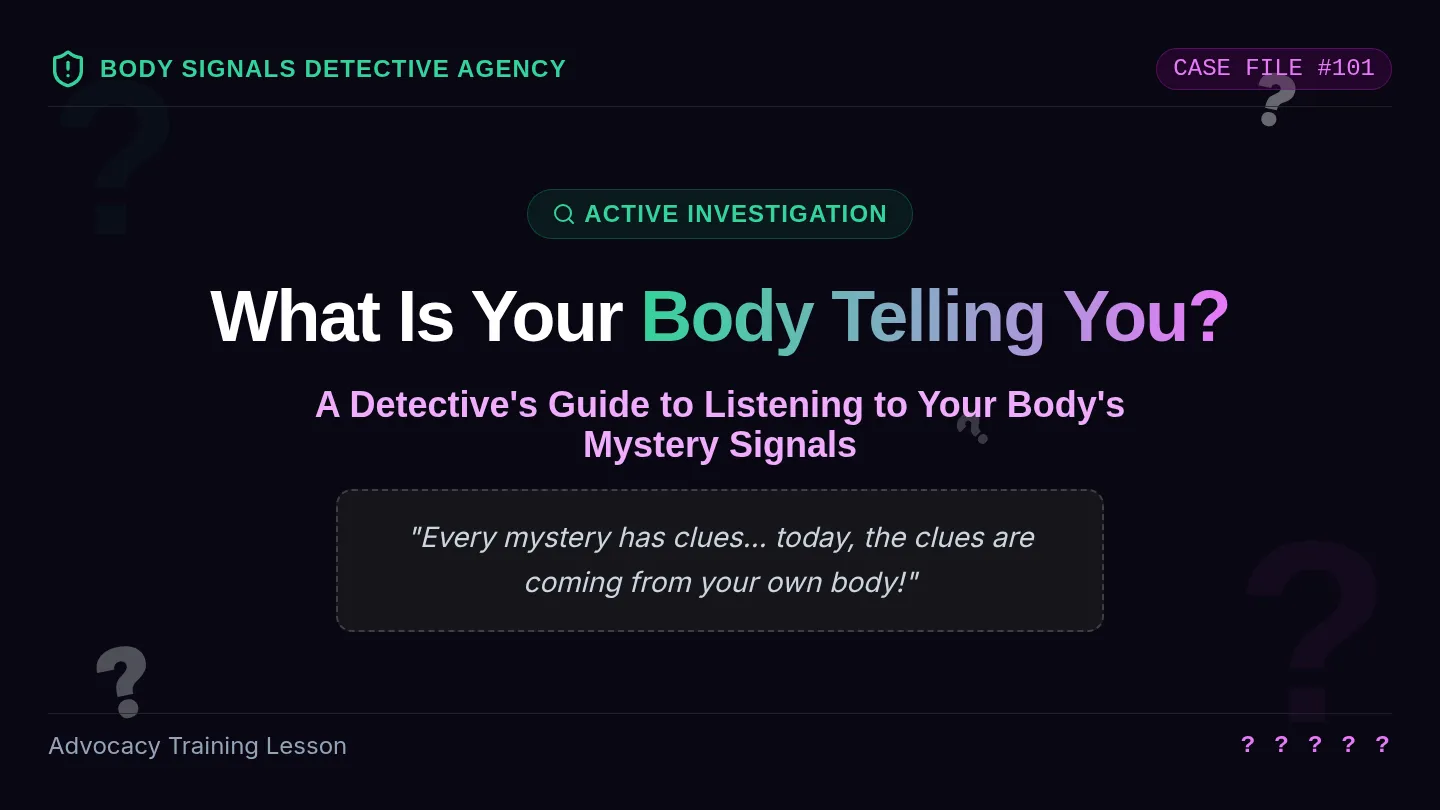
Digital Defenders Slides SYSTEM: ACTIVE
Digital Defenders
Building a safer community through awareness, action, and empathy.
Violent Behavior
Any action that uses force or power to cause harm to others, oneself, or property.
Physical: Hitting, pushing, assault.
Verbal/Emotional: Harassment, threats.
Contributing Factors
Family & Environment
Media Influences
Biological/Mental Health
Peer Pressure/Social Status
The Ripple Effect
Individual
Stress, depression, anxiety, and long-term physical health issues.
Academic
Lower grades, absenteeism, and loss of interest in school activities.
Community
A culture of fear, lack of safety, and erosion of social trust.
Types of Abuse I
Bullying
Repetitive behavior intended to intimidate or harm someone with less power.
Harassment
Unwanted behavior (often based on race, sex, or identity) that creates a hostile environment.
Hazing
Rituals used to initiate people into a group that involve humiliation or danger.
Gossip
Spreading rumors or private information to damage someone's reputation.
Cyber
Bullying
Bullying that takes place over digital devices like cell phones, computers, and tablets.
Difference: It's persistent (24/7), permanent (digital footprint), and often anonymous.
Impersonation
Pretending to be someone else online.
Catfishing
Creating fake personas to deceive.
Cyberstalking
Using the internet to track or harass.
Stalking
Pattern of unwanted attention and contact.
The Bystander Effect
A psychological phenomenon where bystanders are less likely to help a victim when others are present.
Bystander
Watches it happen, but doesn't step in. (Passively allowing harm).
Upstander
Recognizes the wrong and takes action to support the victim or stop the behavior.
Protocol: Response Steps
1
Don't Respond
Bully wants a reaction. Don't give them power.
2
Save Evidence
Take screenshots of everything before it's deleted.
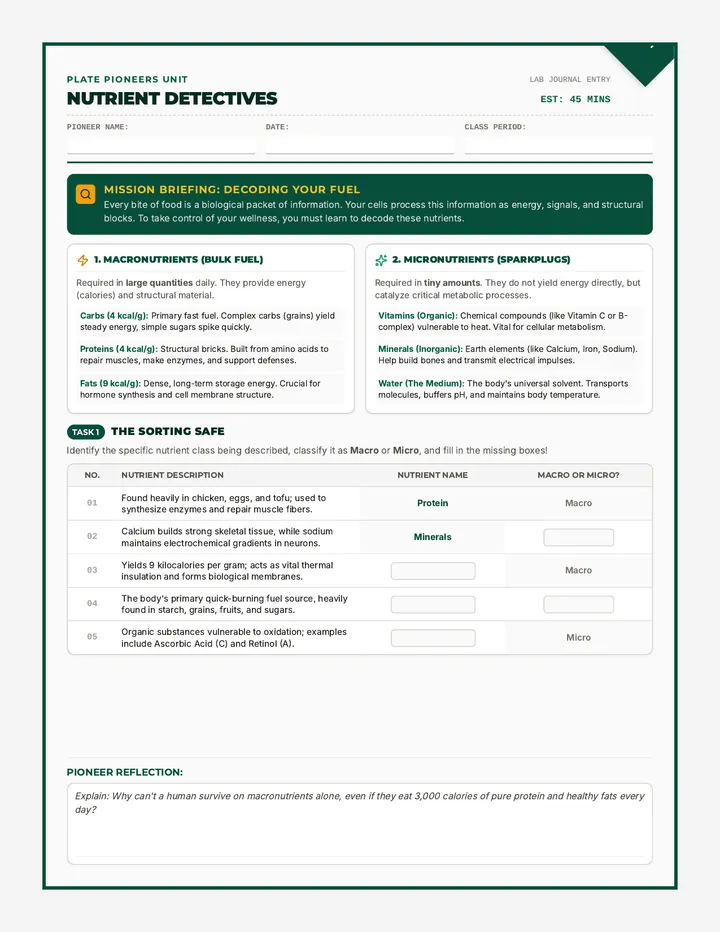
Safety Squad Field Notes Safety Squad
FIELD NOTES & ACTION PLAN
NAME: ____________________
DATE: ___________
Part 1: Key Terms Decoder
As we go through the Digital Defenders slides, define the following terms in your own words.
Violent Behavior
Bullying
Cyberbullying
Bystander Effect
Upstander
Safe Zones
Part 2: Rapid Research Task
Task: Use your device to research the legal or school-wide consequences for harassment or cyberbullying in your specific location/district.
1. Legal Consequence found (State/Local Law):
2. School District Policy (Consequence/Action):
3. Identify one "Contributing Factor" to violence (Environment/Media/Social):
4. How does bullying affect community health?
Part 3: Case Study Analysis
Scenario: The Viral Misunderstanding
Someone creates an impersonation profile of Leo and posts hurtful, fake messages about Leo's friends. By third period, the whole school is gossiping about it. Leo is being ignored in the hallway, and some students are sending him threatening texts (harassment ).
Signs of Cyberbullying present:
Impact on Leo's Health (Emotional/Social):
Upstander Strategy:
How could an ally or upstander intervene in this scenario? Consider the 4 D's (Direct, Distract, Delegate, Delay).
Part 4: Prevention Audit
List 3 strategies for preventing bullying in our school:
Exit Ticket: If you saw cyberbullying happening right now, what is the FIRST step you would take? Why?
Safety Squad Initiative Level: Grade 9 Health Form ID: SS-FN-09
Upstander Action Cards Upstander Action Cards
Cut these cards along the dotted lines. Each group will receive one scenario to analyze and perform.
Mission 01
The Cafeteria Isolation
Scenario: You notice a group of students purposely spreading gossip about Maya as she walks by. They are whispering and laughing loudly enough for her to hear. She looks down at her tray and sits alone.
Your Objective:
Use the "Distract" method to support Maya and stop the bullying behavior without a direct confrontation.
ROLE-PLAY DURATION: 60 SECONDS
Mission 02
The Group Chat Roast
Scenario: A group chat you are in starts a session of harassment against a classmate who isn't in the chat. They are posting screenshots of her private posts and mocking them.
Your Objective:
Use the "Direct" approach. Speak up in the chat to set a boundary and stop the behavior.
ROLE-PLAY DURATION: 60 SECONDS
Mission 03
The Hazing Ritual
Scenario: You're on a sports team and the older players are pressuring the freshmen into a "tradition" that involves drinking something gross and doing something humiliating (hazing ).
Your Objective:
Use the "Delegate" method. Who is a trusted authority figure you can bring in to stop this dangerous behavior?
ROLE-PLAY DURATION: 60 SECONDS
Mission 04
The Catfish Clues
Scenario: Your friend is excited because a "model" from another city is messaging them. You suspect it's a catfishing situation or cyberstalking . The person is asking for private photos.
Your Objective:
Use the "Delay" (Check-in) method. Pull your friend aside later to voice your concerns and offer help reporting the account.
ROLE-PLAY DURATION: 60 SECONDS
Mission 05
The Hallway Threat
Scenario: You see a larger student cornering a smaller student against the lockers, using violent behavior (verbal threats and aggressive posturing). Other students are just walking past (bystander effect ).
Your Objective:
Identify how to break the bystander effect . Act as an upstander by getting help or safely interrupting the situation.