Vocabulary expands to 'abuelo' and 'abuela'. Students draw portraits of their grandparents or older family friends and share them in a circle time.
A lesson focused on identifying and labeling frequently used classroom items using bilingual cards to support language acquisition and environmental literacy.
A beginner English lesson for Japanese-speaking grade 1 students focusing on greetings, introductions, and basic emotions. Includes bilingual slides, practice flashcards, and a facilitator guide.
A vibrant lesson for 4th grade ESL students about the Thai festival of Loi Krathong, featuring a reading passage, a paper lotus craft, and an interactive scavenger hunt.
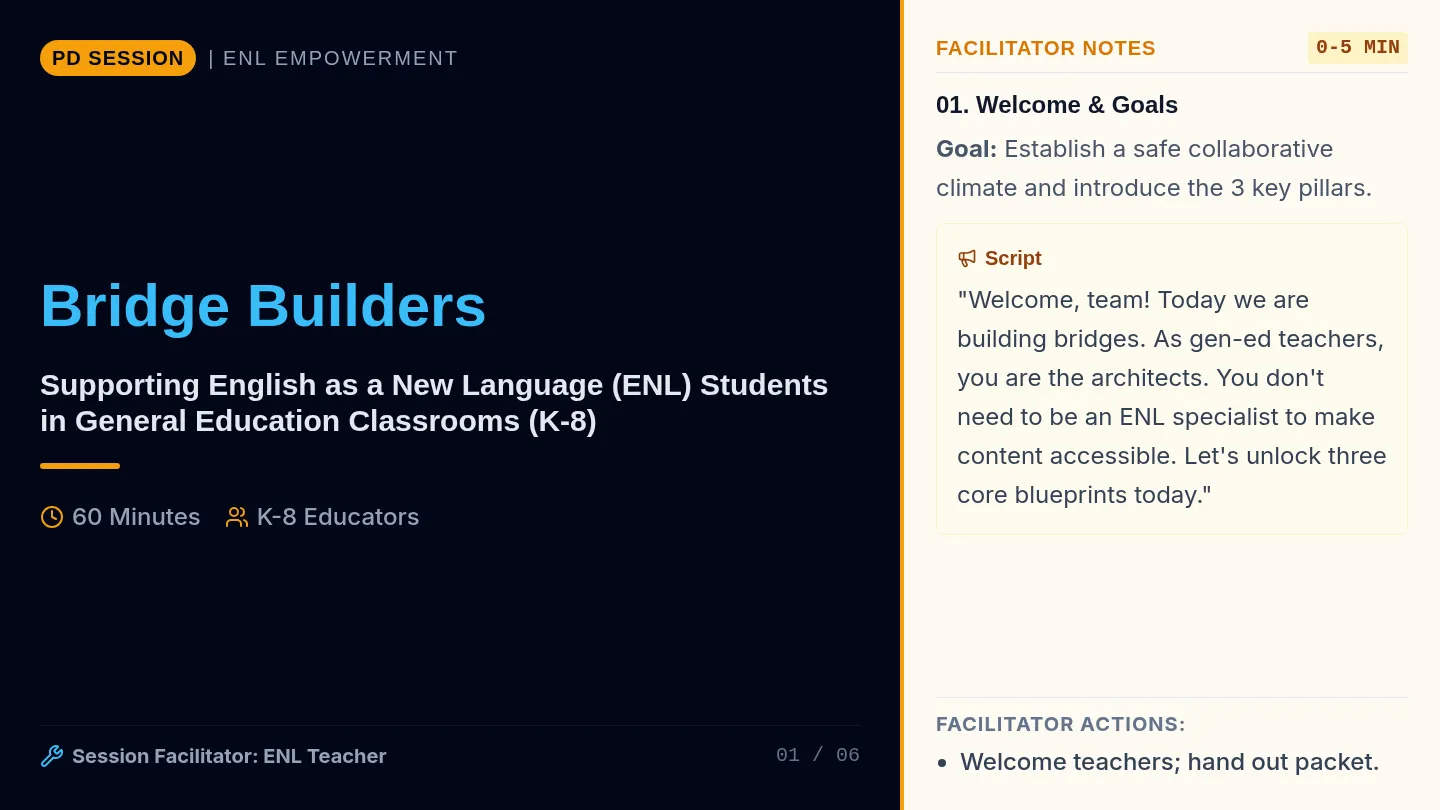
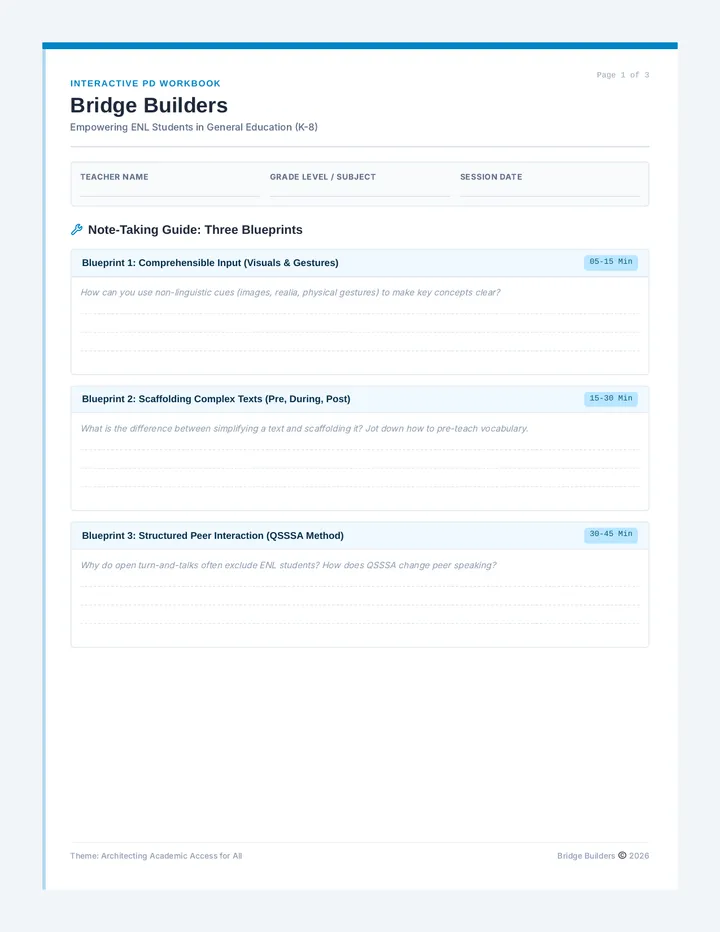
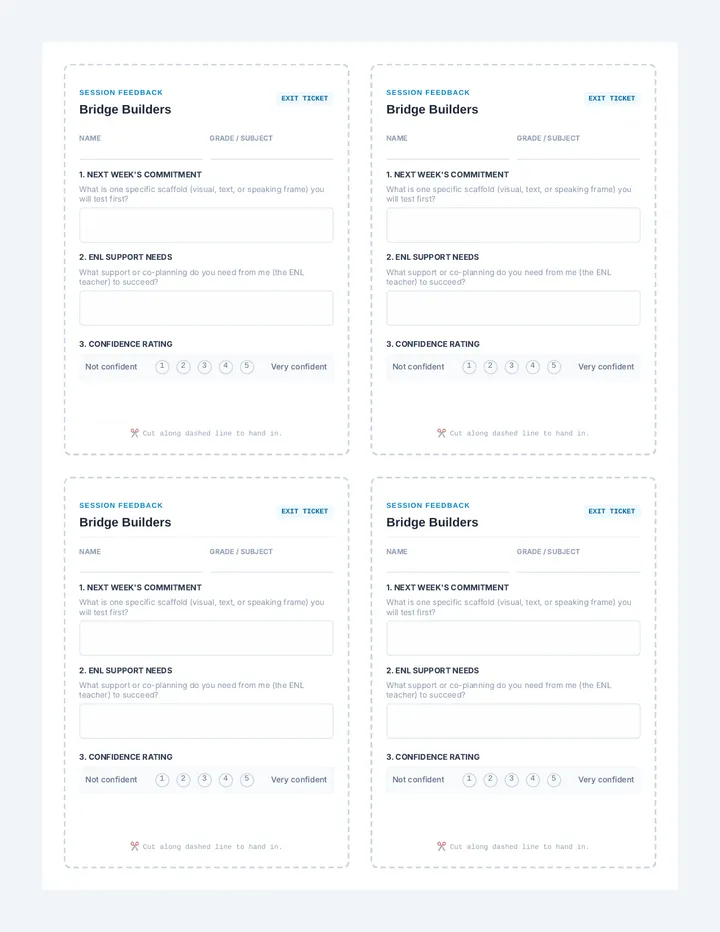
A professional development session for educators focusing on the phonetic properties and instructional strategies for teaching broad vowels, specifically focusing on the vowel 'U'.
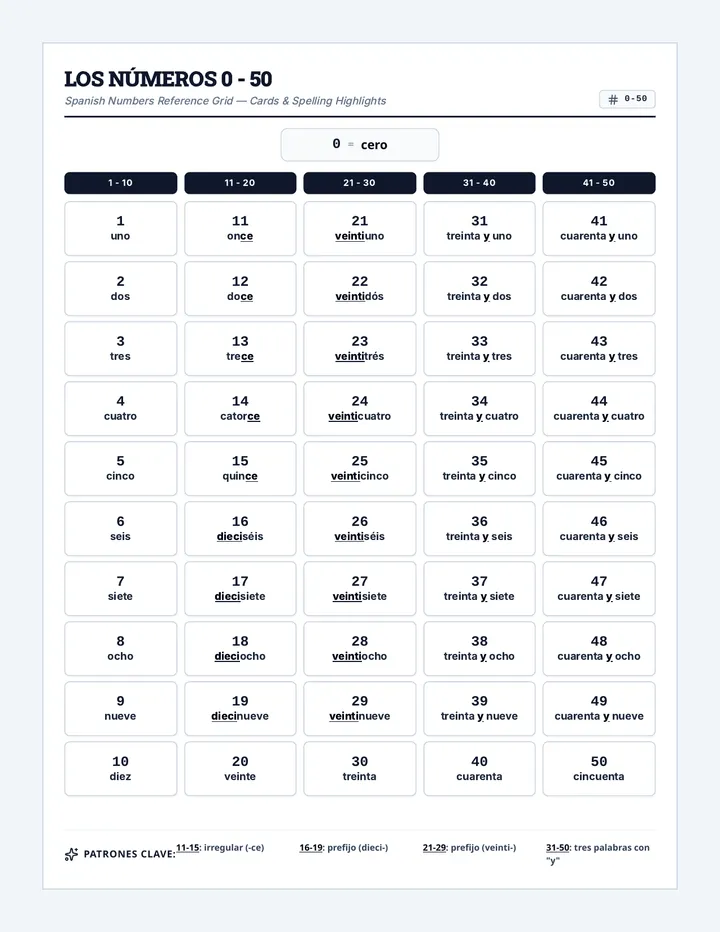
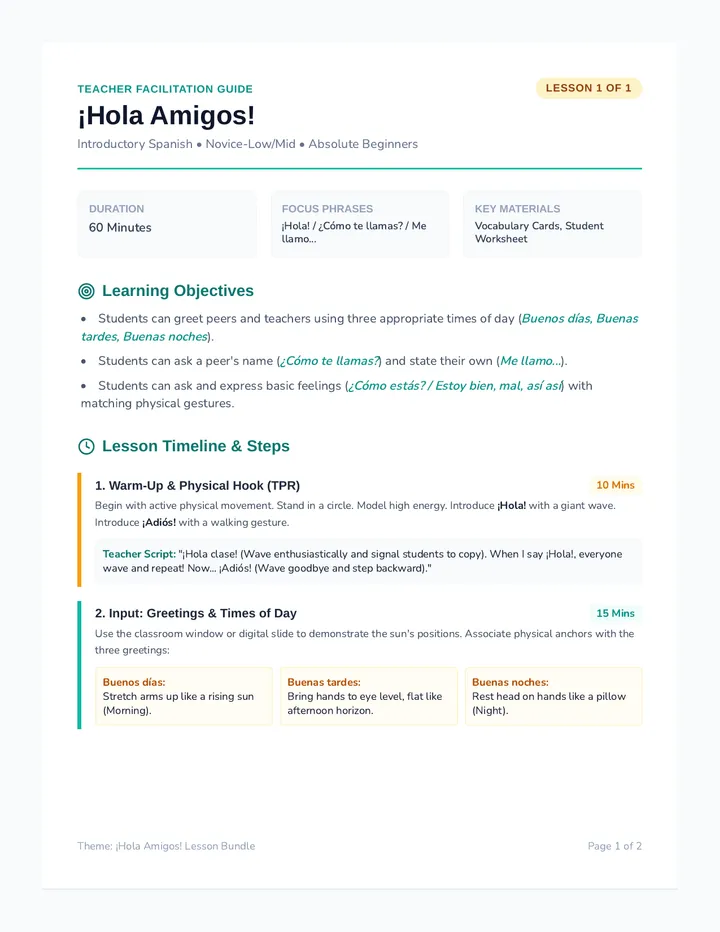
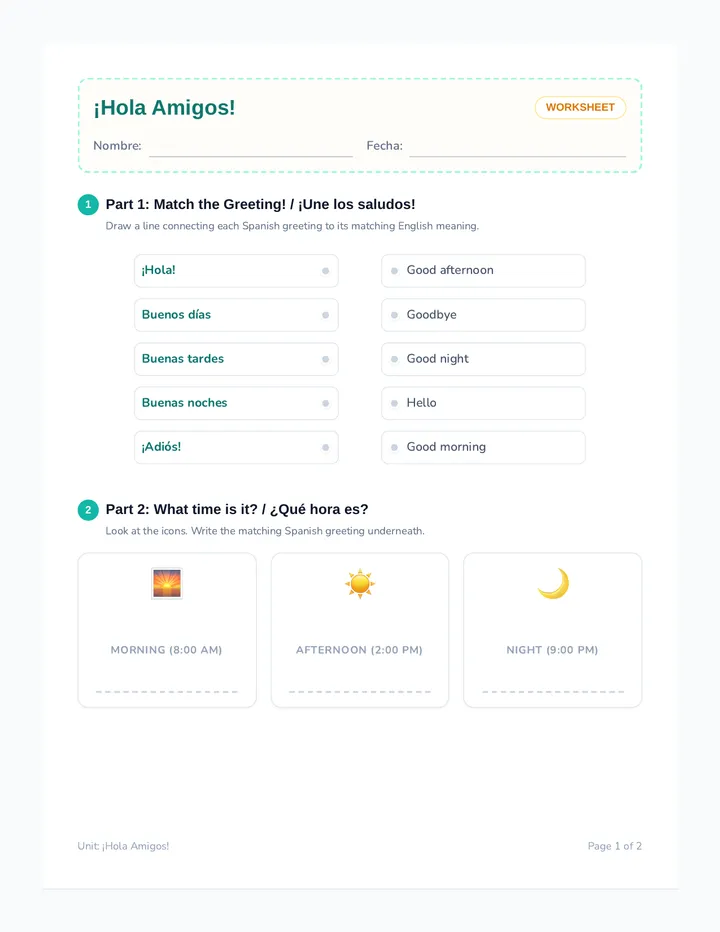
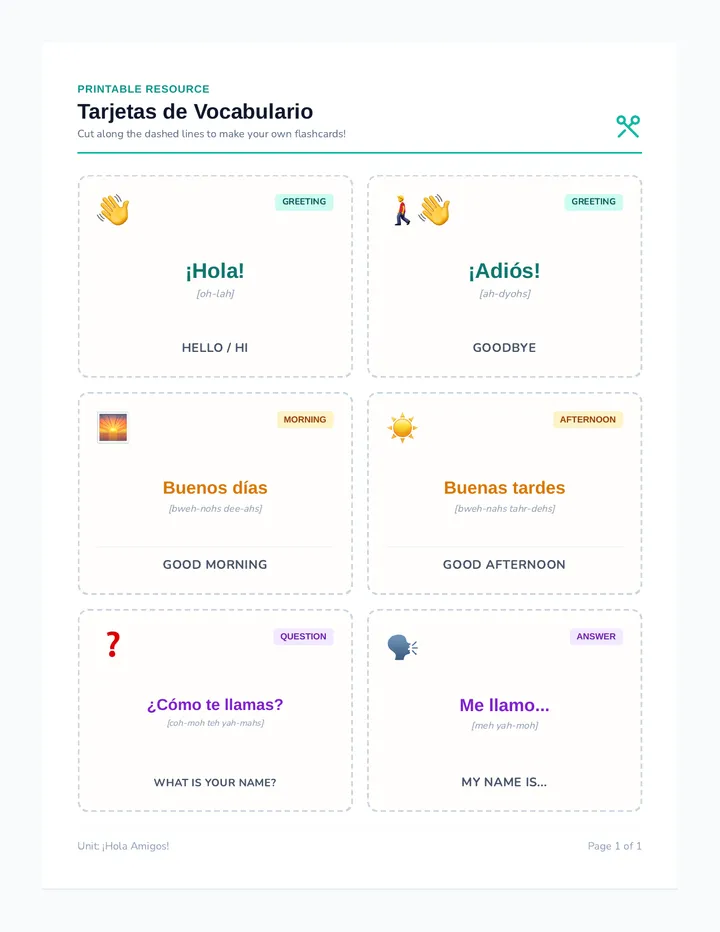
An introductory lesson for 8th grade Spanish beginners focused on greetings, goodbyes, and cultural gestures using Comprehensible Input (CI) strategies. Students will distinguish between formal and informal contexts and learn traditional non-verbal greetings like the 'besito'.
An introductory exploration of German culture for 7th graders, covering daily life, traditions, geography, and leisure activities. Students will compare their own lives with those of German teenagers.
Une leçon courte pour évaluer la capacité des élèves de Grande Section à identifier le son d'attaque d'un mot, se concentrant sur les voyelles de base et les consonnes occlusives.
This lesson introduces students to social issues and real-world events through the context of the Chilean mine collapse, focusing on vocabulary acquisition and sentence stems for proposing solutions.
A 45-minute ESL lesson for Grade 4 (Emerging/Developing proficiency) focused on interpreting and explaining information from infographics. Students act as 'Data Detectives' to decode visual information.
In this 45-minute Grade 5 ESL lesson, students will master precise academic language to describe cause-and-effect relationships. They will explore how natural disasters and social scenarios create chain reactions, using transitional phrases like 'consequently', 'as a result', and 'triggered by'.
A comprehensive introductory English presentation for beginning learners, covering the alphabet, everyday objects, colors, shapes, actions, and basic stories.
A B1-level Spanish lesson for adults focusing on narrative tenses. Students practice translating a multi-tense text and completing a verb-focused fill-in-the-blanks activity centered around the theme of time and personal history. Includes simplified vocabulary and clearer tense structures.
Studies the stages of growth in animals, using WIDA's Narrate (life stories) and Explain (scientific stages) functions.
Analyzes how communities access needs and wants, focusing on the WIDA functions of Argue (persuasive needs) and Explain (the journey of goods).
Investigates the characteristics of living things, utilizing WIDA's Inform function to define life and Explain function to describe biological processes.
Explores family structures, roles, and traditions while focusing on the WIDA functions of Narrate (family stories) and Inform (identifying family members).
A comprehensive diagnostic assessment suite designed for adult learners to determine their current Spanish proficiency level across reading, writing, listening, and speaking. The materials move from foundational basics to advanced structures to provide a clear placement for the learner.
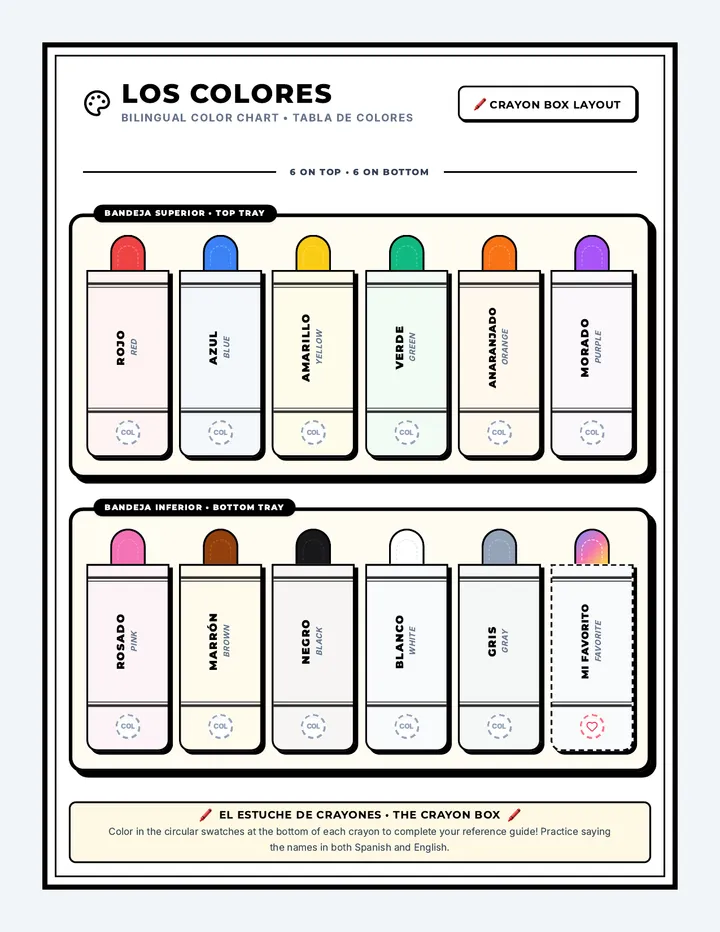
Learn the signs for common classroom objects and a vibrant spectrum of colors to describe the world around you.
Explore signs for the people in our lives and learn how to use facial expressions to show feelings.
Jump into the basics of ASL with a focus on the manual alphabet and essential polite signs like hello, please, and thank you.
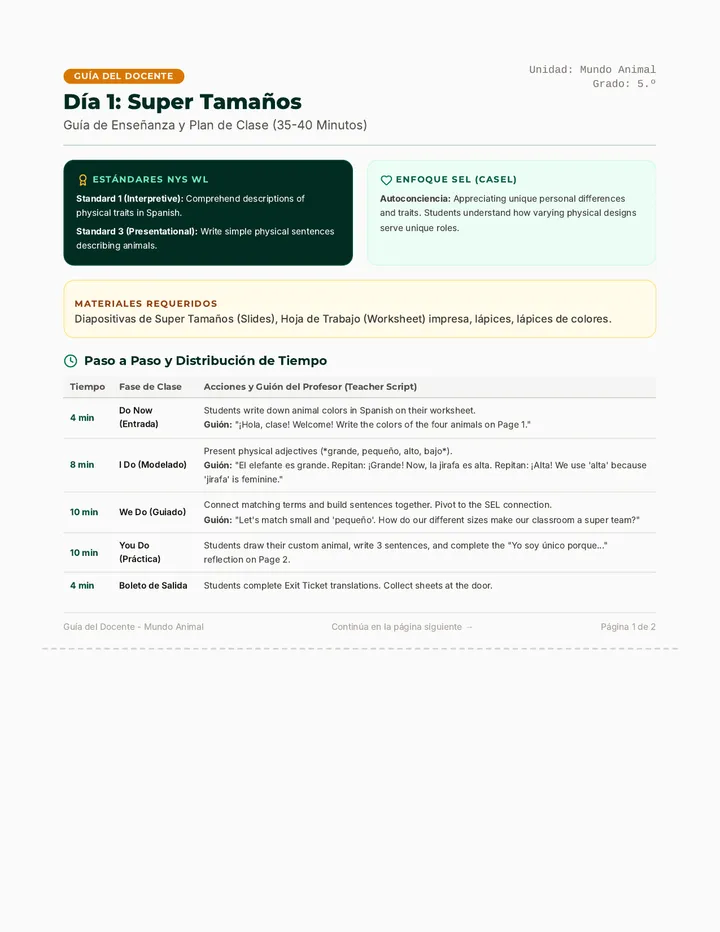
A beginner-friendly lesson introducing common farm animals, their sounds, and basic characteristics for ESL newcomers. Includes a visual slide deck, a reading comprehension worksheet, and an answer key.
A French grammar lesson focused on distinguishing between the Passé Composé and Imparfait through a mystery narrative. Students learn to set the scene with descriptions (Imparfait) and identify completed actions (Passé Composé).
A comprehensive review of the beginning sounds for the letters b, c, f, t, m, and n using a 'Sound Lab' theme. Includes visual articulation supports and hands-on sorting activities.
This lesson provides essential visual tools for 8th-grade ESL beginners, focusing on classroom navigation, common objects, and foundational phonics to build immediate confidence and communication skills.
A foundational lesson for absolute beginner ESL students focusing on high-frequency vocabulary for daily life and basic conversational structures. Students will learn greetings, common objects, and simple "I am/I have" sentences.
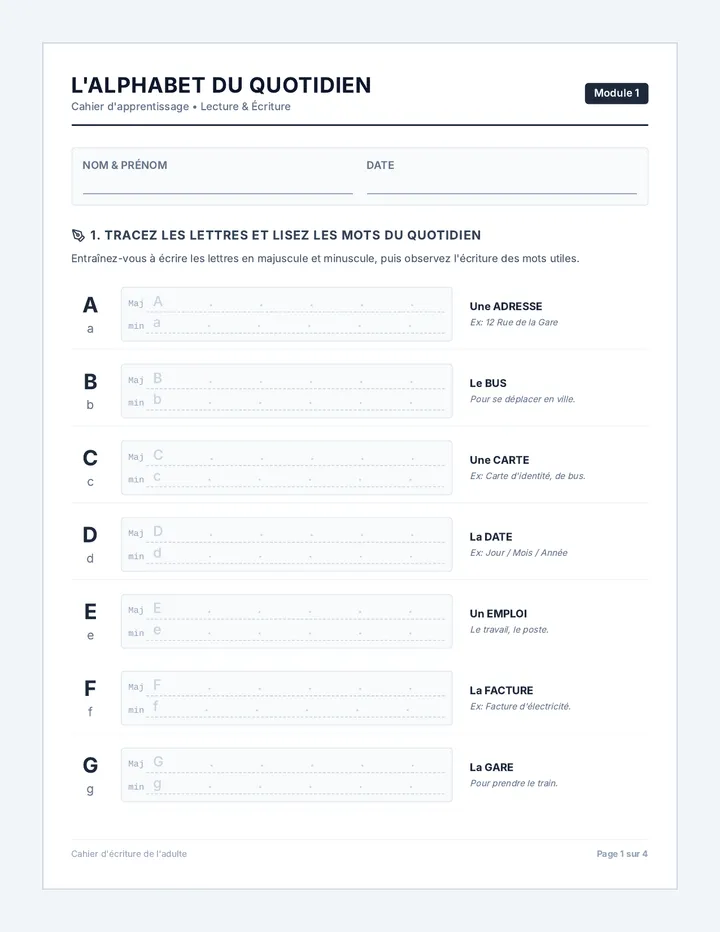
Une leçon complète pour comprendre et identifier les mots d'une même famille, avec une fiche mémo, des exercices et un support de présentation.
A vibrant introduction to Spanish for early learners (0-5) centered around a rainbow theme. This lesson plan provides 15 interactive play station ideas, a circle time presentation with songs and science, and bilingual support materials.
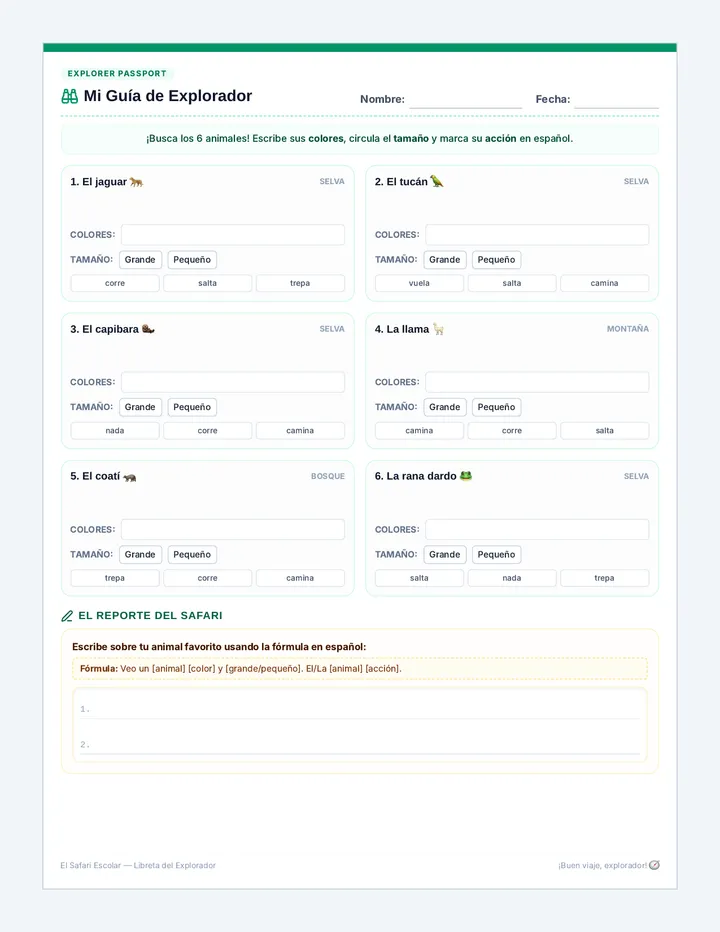
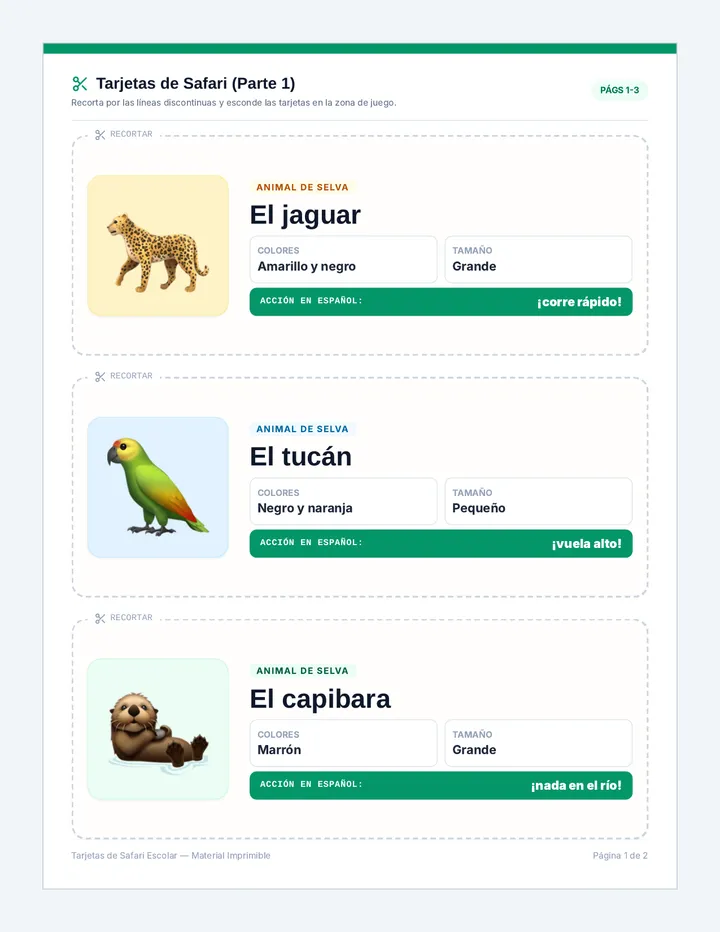
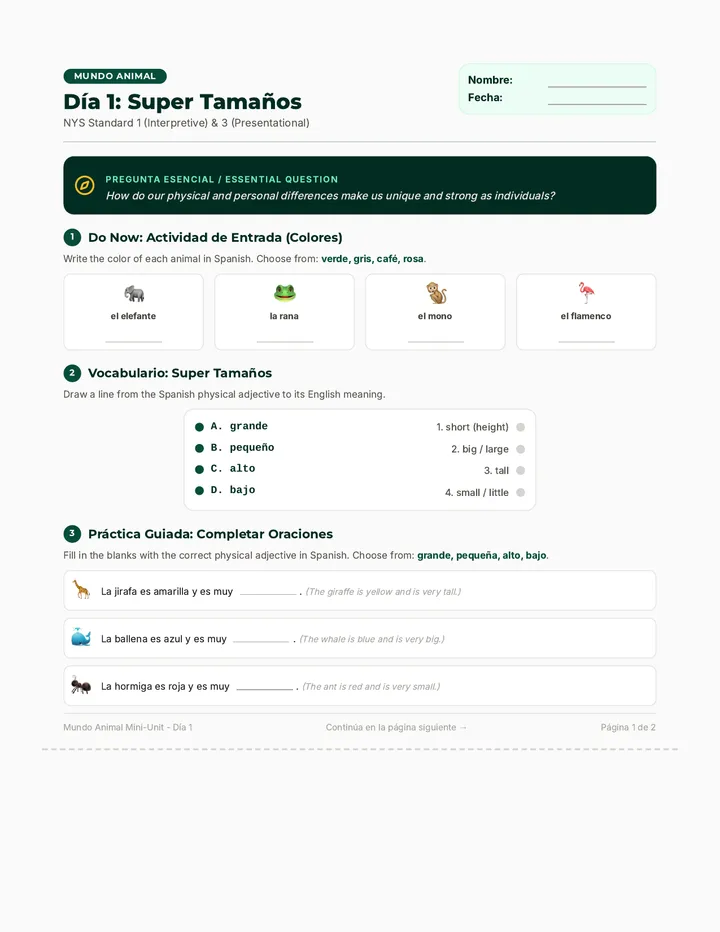
A lesson focused on animal characteristics and habitats, helping students build descriptive vocabulary.
A 30-minute Spanish phonics lesson for 2nd graders focusing on the orthographic differences between s, z, and soft c, themed around the life of Eleanor Roosevelt. Students will distinguish these identical sounds in writing through a historical lens.
An introductory Irish Gaelic (Gaeilge) lesson covering greetings, animals, colors, and basic conversational questions with a focus on pronunciation.
Une leçon interactive centrée sur les interactions sociales au restaurant, permettant aux élèves de maîtriser le vocabulaire de la commande, du service et du paiement.
Una mini-lección de 10 minutos diseñada para enseñar el sonido inicial de la letra 'p' y la formación de sílabas (pa, pe, pi, po, pu) a través de actividades visuales, juegos de emparejamiento y práctica individual.