Choice Lab Slides Choice Lab
NAVIGATING THE HIGH LIFE
The Science of Substance, the Power of Choice, and the Future of Your Brain.
The Under-Construction Brain
The Reward System
Dopamine floods the brain when you take a substance. It creates a "short circuit" that tells your brain this behavior is essential for survival.
The Control Center
The Prefrontal Cortex (decision making) isn't fully developed until age 25. High school brains are wired for risk, but vulnerable to addiction.
Substances change the way your brain connects before it's even finished building.
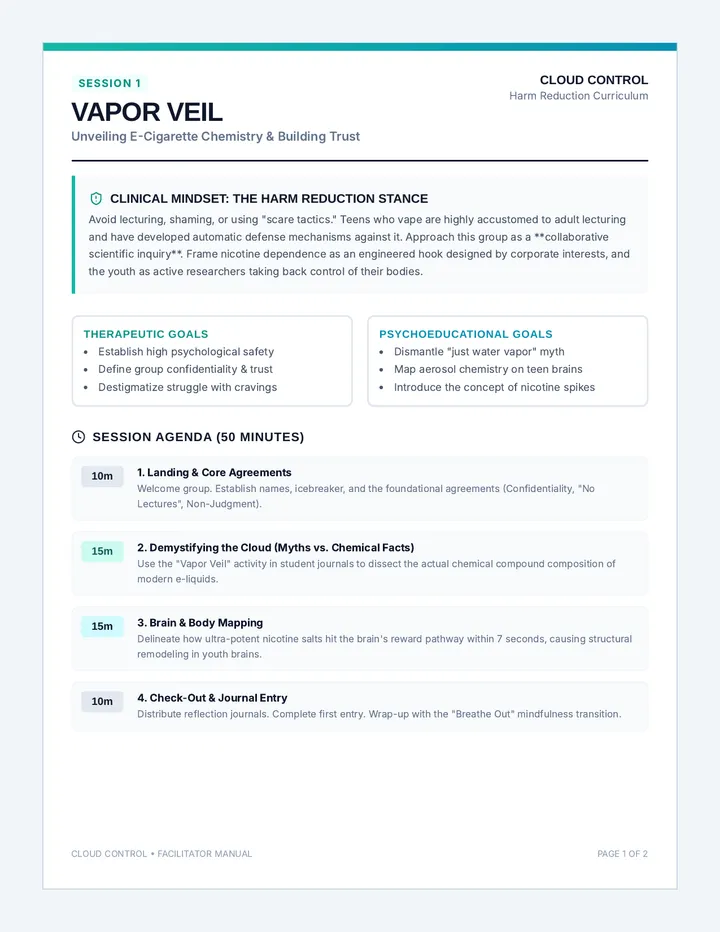
Spotlight: Vaping
99%
Of e-cigarettes sold in the U.S. contain nicotine—even those marketed as "nicotine-free."
Toxic Aerosol
It's not "water vapor." It contains heavy metals like lead, nickel, and cancer-causing chemicals.
Quick Hook
Teen brains get addicted to nicotine faster than adult brains, impacting focus and mood.
Spotlight: Alcohol
Central Nervous System Depressant
Slows down vital functions, resulting in slurred speech, unsteady movement, and delayed reactions.
Judgment Impairment
Shuts down the prefrontal cortex first—making you more likely to take dangerous risks you'd normally avoid.
The Reality Check
Underage drinking is linked to higher rates of academic failure, physical assault, and long-term alcohol use disorder.
Spotlight: Marijuana
Memory & Learning
Regular use can lead to long-term drops in IQ and difficulty processing new information.
Motivation Trap
Impacts the "Amotivational Syndrome"—making it harder to care about or complete long-term goals.
Not Your Parent's Pot
THC levels in modern marijuana are significantly higher than in the 90s, increasing the risk of panic attacks, psychosis, and addiction.
Spotlight: Prescription Misuse
"Legal" doesn't mean "Safe."
The Misconception
"It's from a doctor, so it's safer than street drugs."
The Reality
Prescription opioids and stimulants are chemically similar to heroin and cocaine and are highly addictive.
THE FENTANYL RISK
Street pills (Xanax, Percocet, Adderall) are frequently laced with lethal amounts of Fentanyl. One pill can kill.
THE REFUSAL TOOLKIT
Practical ways to stay in control without being awkward.
1
The Broken Record
Repeat the same firm "No" over and over. Don't argue. Just repeat.
"Nah, I'm good." → "But why?" → "Nah, I'm good."
2
The Quick Redirect
Say no and immediately suggest something else to do.
"No thanks, let's go get some food instead. I'm starving."
3
The X-Plan
Text a specific code (like 'X') to a parent or older sibling. They call with a "family emergency" to get you out immediately.
Effective
No Questions Asked
4
The "Health" Out
Blame it on a sport, a job, or a medical reason. It's hard to argue with biology.
"Coach would kill me if I failed a test," or "My heart can't handle caffeine/vapes."
YOUR SAFETY NET
SAMHSA
National Helpline for mental health and substance use info.
1-800-662-HELP
CRISIS TEXT LINE
Free, 24/7, confidential text-based support.
Text HOME to 741741
LOCAL HELP
School Counselor, Trusted Teacher, or Parent.
Always reach out.
Asking for help is the ultimate power move.
Choice Lab Tactical Guide CHOICE LAB: TACTICAL GUIDE
Substance Awareness & Refusal Skills
Subject: Health & Wellness
Operative Name
Date
The Brain Under Construction
Based on the "Choice Lab" presentation, answer the following questions regarding brain development and substance impact.
1. Which part of the brain is responsible for decision-making and isn't fully developed until age 25?
2. How do addictive substances "short-circuit" the brain's reward system?
Substance Truths
Statement Fact Myth "Vaping is just flavored water vapor and is harmless."
|
| "Marijuana today has higher THC levels than it did 20 years ago." |
|
|
| "Prescription drugs are safe to use even if they aren't prescribed to you." |
|
|
| "Alcohol shuts down the prefrontal cortex first, affecting judgment." |
|
|
The Refusal Toolkit
Match the tool to its description (Draw a line):
The Broken Record
The Quick Redirect
The X-Plan
The "Health" Out
A pre-arranged exit text to family.
Repeating a firm "No" without arguing.
Blaming a sport, job, or medical reason.
Saying no and suggesting a new activity.
Tactical Scenarios
How would you respond in these situations? Use one of your refusal skills.
SCENARIO A: The "Vape Break"
A friend pulls out a vape in the school bathroom and says, "It's just mint, it's not even nicotine. Want a hit?"
My Strategy:
What I'd Say:
SCENARIO B: The Party
You're at a house party and someone hands you a red cup. "It's just a little bit of vodka mixed with Sprite. Everyone's doing it."
My Strategy:
What I'd Say:
SCENARIO C: Study "Help"
You're stressed about finals. A classmate offers you an Adderall pill they got from their sibling. "It'll help you focus. I use them all the time."
My Strategy:
What I'd Say:
Mission Debrief
Think about your personal goals—sports, college, art, a future career. How does staying substance-free protect those goals? Write one sentence that reminds you why YOUR choice matters.
Choice Lab Facilitator Guide CHOICE LAB: FACILITATOR GUIDE
Grade Level: 9-12 | Duration: 60-90 Minutes
Learning Objectives
Identify the impact of substances on the developing prefrontal cortex.
Differentiate between myths and facts regarding vaping, alcohol, and marijuana.
Demonstrate at least 4 practical refusal strategies in social scenarios.
Materials Checklist
Choice Lab Slide Deck
Tactical Guides (1 per student)
Pens/Pencils
Anonymous Question Box (Recommended)
Pacing Guide
10m
Introduction & Brain Science
Slides 1-2. Use the "Tactical Guide" Section 1 to record key brain facts.
20m
Substance Spotlights
Slides 3-6. Interactive True/Myth table in the Tactical Guide (Section 2).
25m
Refusal Skills & Roleplay
Slides 7-8. Tactical Scenarios in the guide. Pair students for roleplay practice.
05m
Resources & Wrap-up
Slide 9. Final reflection and sharing of local resource information.
Instructional Scripts & Discussion
Slide 2: The Under-Construction Brain
"Ask students: Why is a renovation a good metaphor for the teen brain? Explain that the 'walls' (connections) are being built, but the 'security system' (judgment) isn't fully installed yet. Substances don't just affect how you feel today; they change the floor plan of the house being built."
Slides 3-6: Reality Checks
Vaping: Emphasize that aerosol is not steam. It's chemical mist. Ask: "Why would a company want to hide nicotine in 'nicotine-free' products?"
Alcohol: Discuss why alcohol commercials always show "responsible drinking" but the reality of teen use often involves accidents and social fallout.
Prescriptions: Focus on Fentanyl. Modern drug use isn't just about long-term addiction anymore; it's about immediate lethal risk with laced pills.
Slides 7-8: The Refusal Toolkit
"The goal is not to be a hero, but to be effective. Ask: Which of these feels most natural to you? Why is the 'X-Plan' so powerful? (It moves the blame from the student to the parent, preserving social status while ensuring safety.)"
Sensitivity Note
Substance use can be a traumatic topic for students with family history of addiction. Avoid "scare tactics" or shaming. Focus on the biological facts and the empowerment of personal choice.
Supportive Language
Choice Lab Answer Key ANSWER KEY
Choice Lab: Tactical Guide
Section 1: The Brain
1. Which part of the brain is responsible for decision-making and isn't fully developed until age 25?
Answer: The Prefrontal Cortex.
2. How do addictive substances "short-circuit" the brain's reward system?
Answer: They flood the brain with dopamine, sending an artificial signal that the substance is essential for survival, overriding natural reward pathways.
Section 2: Substance Truths
Statement Correct "Vaping is just flavored water vapor and is harmless." Myth "Marijuana today has higher THC levels than it did 20 years ago." Fact "Prescription drugs are safe to use even if they aren't prescribed to you." Myth "Alcohol shuts down the prefrontal cortex first, affecting judgment." Fact
Section 3: Refusal Toolkit Matching
The Broken Record: Repeating a firm "No" without arguing.
The Quick Redirect: Saying no and suggesting a new activity.
The X-Plan: A pre-arranged exit text to family.
The "Health" Out: Blaming a sport, job, or medical reason.
Section 4: Scenarios (Sample Answers)
Scenario A (Vape)
"No thanks, I'm good. Let's just go get lunch, I'm starving." (Quick Redirect)
Scenario B (Alcohol)
"Nah, I can't. Coach has us doing fitness testing tomorrow morning and I need to be 100%." (Health Out)
Scenario C (Adderall)
"No thanks." (Broken Record - repeat as needed)
Choice Lab Resource Directory Handout Support Network Directory
Confidential Resources & Help Lines
Sometimes the strongest thing you can do is ask for a teammate. Whether you're worried about yourself or a friend, these resources are available 24/7.
SAMHSA National Helpline
Treatment referral and information service for individuals and families facing mental and/or substance use disorders.
1-800-662-HELP (4357)
Crisis Text Line
Connect with a volunteer Crisis Counselor. Free, 24/7, and confidential text-based support.
Text HOME to 741741
Local & School Support
School Counseling Office / Wellness Center
Location / Hours / Key Contact
Local Youth Clinic / Support Group
Organization Name & Phone Number
Anonymous Reporting Line (School/District)
App Name or Tip Line Number
Cut-out Reference Cards
Choice Lab: HELP
National Helpline:
1-800-662-HELP
Crisis Text:
741741 (HOME)
My Safety Team
School Contact:
Other Support: