Lenny.com
Explore
Create
ActivitiesNewMathEnglish Language ArtsScience & EngineeringSocial StudiesGlobal LanguagesHealth & Physical EducationSpecial EducationCounseling & Life SkillsArts & CreativityESL
Lenny.com
Lenny.com
Explore
Create
ActivitiesNewMathEnglish Language ArtsScience & EngineeringSocial StudiesGlobal LanguagesHealth & Physical EducationSpecial EducationCounseling & Life SkillsArts & CreativityESL
Lenny.com
Lenny.com

Solutions

Lenny for EducatorsLenny for SchoolsLenny for Districts

Product

ExploreSign inCreateSupportAbout

Resources

Getting startedMTSS Acceleration Program

© 2026 Lenny Learning Inc.

TermsPrivacyAccessibility
LinkedInInstagramX
Lenny

Help-Seeking and Self-Advocacy

Identification of trusted adults and development of communication strategies for expressing personal needs. Strengthens confidence in setting boundaries and navigating health-related resources.

Health & Physical EducationMovement Skills and ConceptsBody ControlLocomotor SkillsNon-Locomotor SkillsFine Motor SkillsManipulative SkillsBalance and CoordinationSpatial AwarenessMovement PatternsRhythmic Activities and DanceRhythm and TimingDance BasicsIndividual and Dual SportsGymnastics and TumblingTrack and FieldRacket SportsSelf-Defense and Martial ArtsTeam SportsCooperative GamesSportsmanshipTeam CommunicationBasketball SkillsSoccer SkillsVolleyball SkillsFootball SkillsGame StrategiesFitness and Physical ActivityCardio FitnessFlexibility and StretchingMuscular Strength and EnduranceSetting Fitness GoalsHealthy HabitsHygiene PracticesSleep and RestPhysical Activity HabitsHydrationInjury PreventionBody Awareness and Self-CareDisease PreventionHealth Decision-MakingHelp-Seeking and Self-AdvocacyMental HealthMental Health BasicsEmotional AwarenessStress ManagementCoping StrategiesMindfulness PracticesBreathing and Relaxation TechniquesMeditation BasicsResilience and PerseveranceHealthy RelationshipsSocial and Emotional SkillsHelp-Seeking and Support SystemsDigital WellbeingNutritionNutrition BasicsFood GroupsBalanced MealsHealthy Eating HabitsReading Food LabelsPersonal SafetyRecognizing Unsafe SituationsHuman and Child TraffickingStranger DangerPersonal BoundariesFire and Water SafetyEmergency ResponseConflict Resolution BasicsInternet and Social Media SafetySafe Personal RelationshipsSubstance AwarenessTobacco AwarenessAlcohol AwarenessCannabis AwarenessOpioid AwarenessStimulant AwarenessPrescription Drug AwarenessRefusing Peer PressureOutdoor and Adventure ActivitiesOutdoor Recreation SafetyHiking and OrienteeringTeam Building Activities

Videos

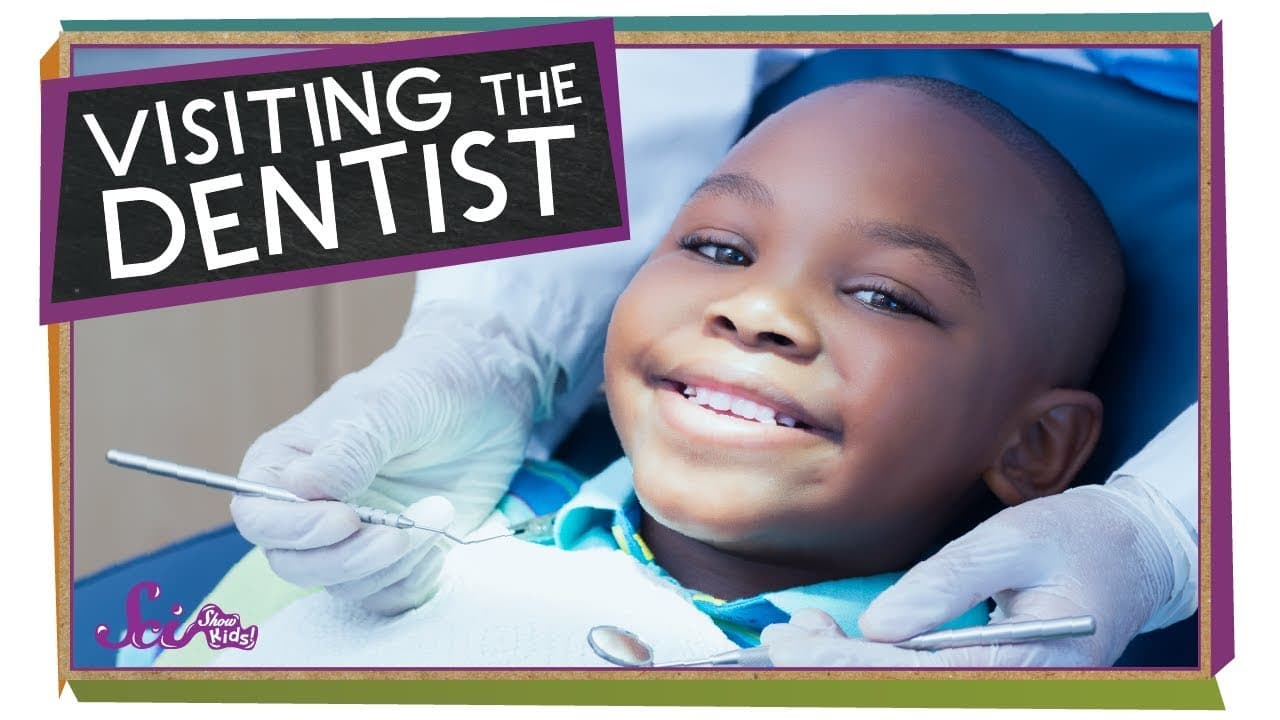
What Happens During a Dental Checkup

What Happens During a Dental Checkup

In this engaging episode of SciShow Kids, host Jessi and her robot friend Squeaks explore exactly what happens during a visit to the dentist. After returning from her own appointment with a "goody bag" of dental supplies, Jessi breaks down the step-by-step process of a professional teeth cleaning. She introduces the role of the dental hygienist and explains the specific tools used to keep teeth healthy, demystifying the strange noises and sensations children experience in the dental chair. The video covers key oral health concepts including plaque buildup, the formation of cavities, and the purpose of X-rays. It provides detailed, age-appropriate explanations for various dental instruments like the metal scaler, the electric scaler (water sprayer), the suction tube, and the polisher. Through clear animations and friendly narration, the video explains why daily brushing isn't always enough and why professional checkups are necessary to remove hardened plaque and check for cavities. This resource is an excellent tool for health education and social-emotional learning, particularly for alleviating anxiety about dental visits. By familiarizing students with the sights, sounds, and vocabulary of a dental appointment, teachers can help transform a potentially scary experience into an understandable routine. It connects well to units on community helpers, body systems, personal hygiene, and healthy habits for early elementary students.

SciShow KidsSciShow Kids

4mins 12s

Exploring How Our Eyes Work

Exploring How Our Eyes Work

This educational video provides a comprehensive and age-appropriate introduction to the human eye, explaining its function as a sense organ and its role in daily life. It covers the biological basics of how eyes gather information, the diversity of eye colors due to genetics, and the physiological function of tears. The narrative transitions seamlessly from biology to practical health advice, emphasizing the importance of hygiene, nutrition, and protection from the sun. A significant portion of the video is dedicated to vision health, normalizing the use of glasses and the role of optometrists. It explains why some people see differently and how glasses act as "special helpers," demystifying the experience of visiting an eye doctor. This helps reduce anxiety children might feel about eye exams or wearing corrective lenses. For educators, this resource is an excellent tool for units on the human body, the five senses, or personal health and hygiene. It offers clear visual examples of healthy habits and provides a springboard for discussions about genetics (eye color), diversity (physical differences), and when to seek help from an adult regarding health concerns.

Next Generation ScienceNext Generation Science

3mins 4s

What Is a Splinter and How to Remove It Safely

What Is a Splinter and How to Remove It Safely

In this engaging episode of SciShow Kids, host Jessi explains the science behind a common childhood injury: the splinter. Using bright, geometric animations, the video breaks down exactly what a splinter is—defining it not just as wood, but potentially glass, metal, or plastic—and how these tiny objects get stuck in our skin. It explains why splinters hurt and details the body's biological response, including redness and swelling, which are signs that the body is fighting off potential germs. The video introduces key health concepts such as infection and hygiene in an age-appropriate way. It visually demonstrates how germs can hitch a ride on splinters like cactus thorns or rough wood, leading to infection if not treated. The narrative guides children through the importance of telling an adult when they get hurt and outlines the step-by-step process of safe removal: washing the area with soap and water, using tweezers, and applying a bandage. For educators, this video is an excellent resource for Health and Science lessons regarding personal safety, the human body, and first aid. It demystifies a painful experience that frightens many children, transforming it into a learning opportunity about biology and hygiene. It can be used to spark discussions about playground safety, the importance of wearing shoes, and why we wash cuts and scrapes to stay healthy.

SciShow KidsSciShow Kids

3mins 25s

What to Expect at a Doctor's Checkup

What to Expect at a Doctor's Checkup

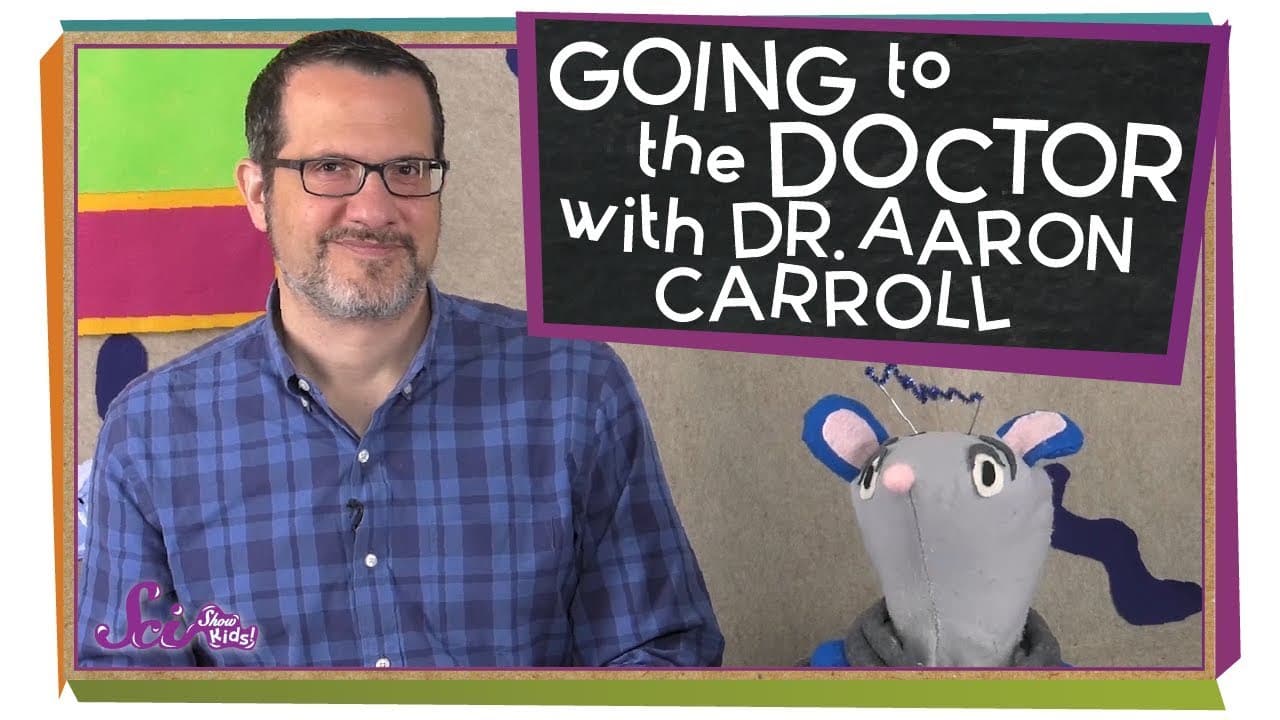
This reassuring and informative video from SciShow Kids tackles the common childhood anxiety surrounding doctor visits. Host Jessi and her robot rat friend Squeaks—who is nervous about his upcoming appointment—are joined by pediatrician Dr. Aaron Carroll. Together, they walk viewers through a step-by-step simulation of a typical checkup, demystifying the tools and procedures involved to help children feel more comfortable and prepared. The video covers the entire process of a medical appointment, starting from the waiting room and moving through the collection of vital signs like blood pressure, temperature, and oxygen levels. Dr. Carroll demonstrates real medical equipment, including a blood pressure cuff and stethoscope, on Squeaks, explaining how each tool works and what sensations a child might feel (like a "tight hug" on the arm). The segment details the physical exam from head to toe, explaining why doctors check eyes, ears, throats, hearts, lungs, and bellies. Ideally suited for early elementary students, this resource serves as an excellent tool for Health and Science curriculums or for social-emotional learning regarding anxiety. It provides clear, age-appropriate explanations for why medical procedures—including the dreaded shots—are necessary for staying healthy. Teachers can use this video to introduce units on the human body, community helpers, or healthy habits, fostering a positive attitude toward healthcare professionals.
SciShow KidsSciShow Kids

9mins 24s

How Your Ears Work: Hearing, Balance, and Safety

How Your Ears Work: Hearing, Balance, and Safety

This educational video provides a child-friendly introduction to the human ear, explaining its dual functions as a sense organ for hearing and a critical tool for maintaining balance. Through clear narration and relatable visuals of children playing, listening to music, and visiting the doctor, the video breaks down how ears capture sound and communicate with the brain. It emphasizes that ears are always active, processing everything from the subtle chirping of birds to the loud excitement of fireworks. A significant portion of the video focuses on health and safety, offering practical advice on how to care for ears. It explicitly warns against inserting objects like cotton swabs into the ear canal, explains the importance of drying ears after swimming to prevent infection, and highlights the need for hearing protection in loud environments. The video draws a helpful analogy between how bright lights affect eyes and how loud sounds affect ears, making the concept of noise-induced damage accessible to young learners. For educators, this resource is an excellent tool for health and science curriculums centering on the five senses and personal hygiene. It provides a natural entry point for discussing body autonomy, recognizing symptoms of illness (like earaches or muffled hearing), and understanding when to seek help from a trusted adult or doctor. The content encourages students to take an active role in protecting their own health while fostering an appreciation for the complex job their ears perform every day.

Next Generation ScienceNext Generation Science

2mins 53s

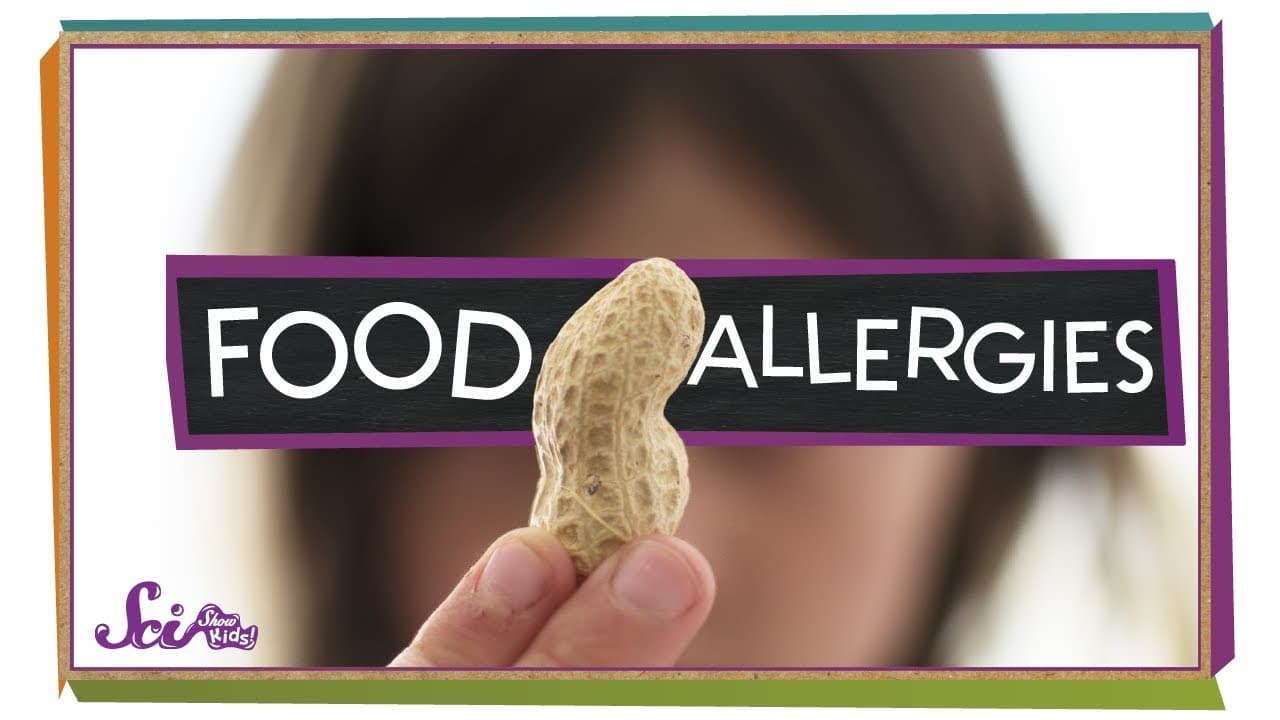
How Food Allergies and the Immune System Work

How Food Allergies and the Immune System Work

This educational video from SciShow Kids explores the science behind food allergies, using peanut allergies as a primary example to explain complex biological concepts in an age-appropriate way. Hosted by Jessi and her robot friend Squeaks, the video distinguishes between simply disliking a food and having a physical allergy to it. It introduces the concept of the immune system, explaining how this body system normally fights germs but sometimes makes a mistake by attacking safe foods like peanuts. The video breaks down the biological process of an allergic reaction, describing how the body releases chemicals to fight an imaginary attacker. It details common symptoms of allergic reactions, ranging from runny noses and itchy skin to more serious breathing difficulties. Crucially, it touches on the importance of medicine for severe reactions and emphasizes safety, teaching children why even a tiny amount of an allergen can be dangerous. For educators, this video is an excellent tool for teaching health, human biology, and social-emotional learning. It helps demystify why some students have strict dietary restrictions, fostering empathy and understanding in the classroom. It provides a clear, non-scary explanation of the immune system that serves as a foundation for understanding human biology, while also offering practical safety advice about respecting food allergies and recognizing when a friend might need help.

SciShow KidsSciShow Kids

3mins 25s

Materials

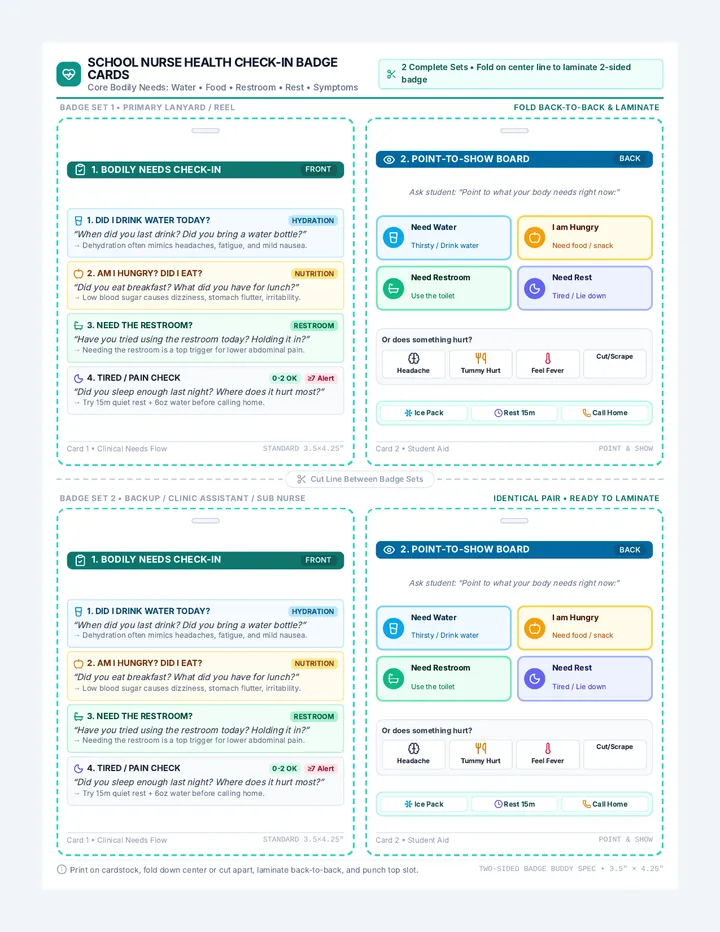
Health Check-In Badge Checklist

Health Check-In Badge Checklist

A print-and-laminate school nurse badge checklist focused on core bodily check-in prompts: drinking water, hunger and food intake, restroom needs, rest, and symptom identification.

CS

Courtney Scherer

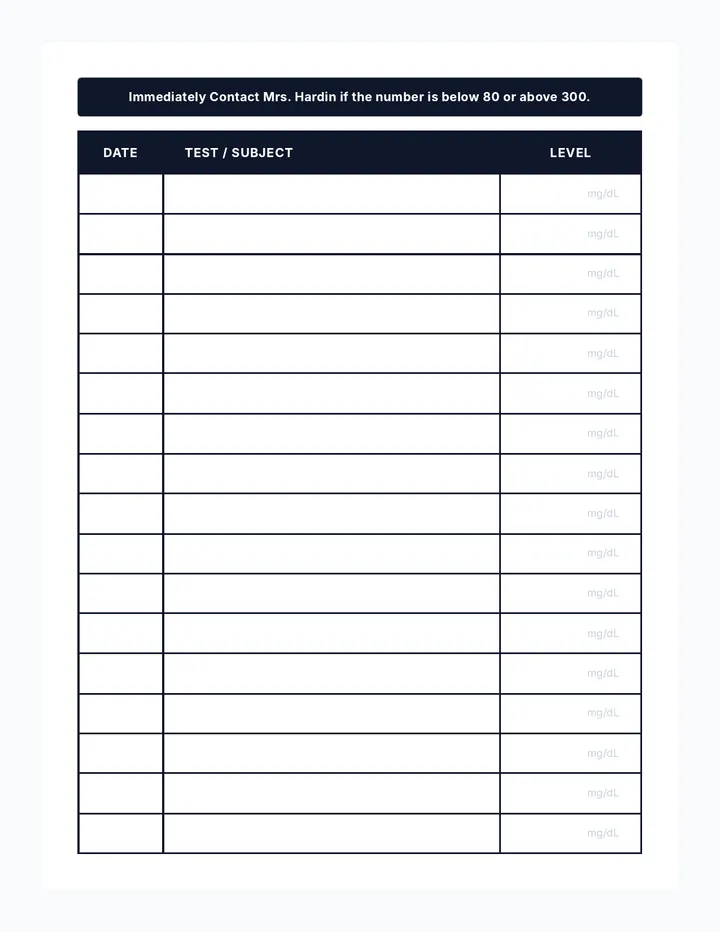
Blood Sugar Test Log

Blood Sugar Test Log

An ultra-simplified, high-contrast 3-column log sheet for students to track their levels and dates before taking tests. Designed for maximum focus and legibility with zero visual distractions.

KS

Kaila Strubhart

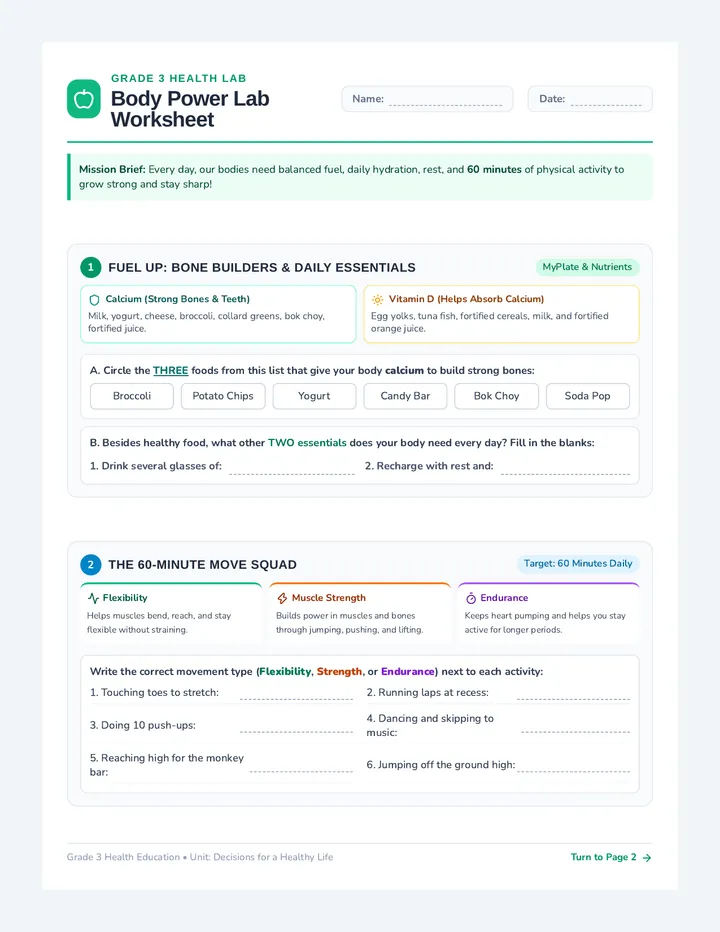
Body Power Lab Worksheet

Body Power Lab Worksheet

A two-page printable 3rd-grade health worksheet covering decision-making steps, trusted adult helpers, MyPlate food groups, calcium and vitamin D bone-builders, 60 minutes of physical activity types, media advertising literacy, and a healthy snack design challenge.

S

SD

Safe Shift Slides

Safe Shift Slides

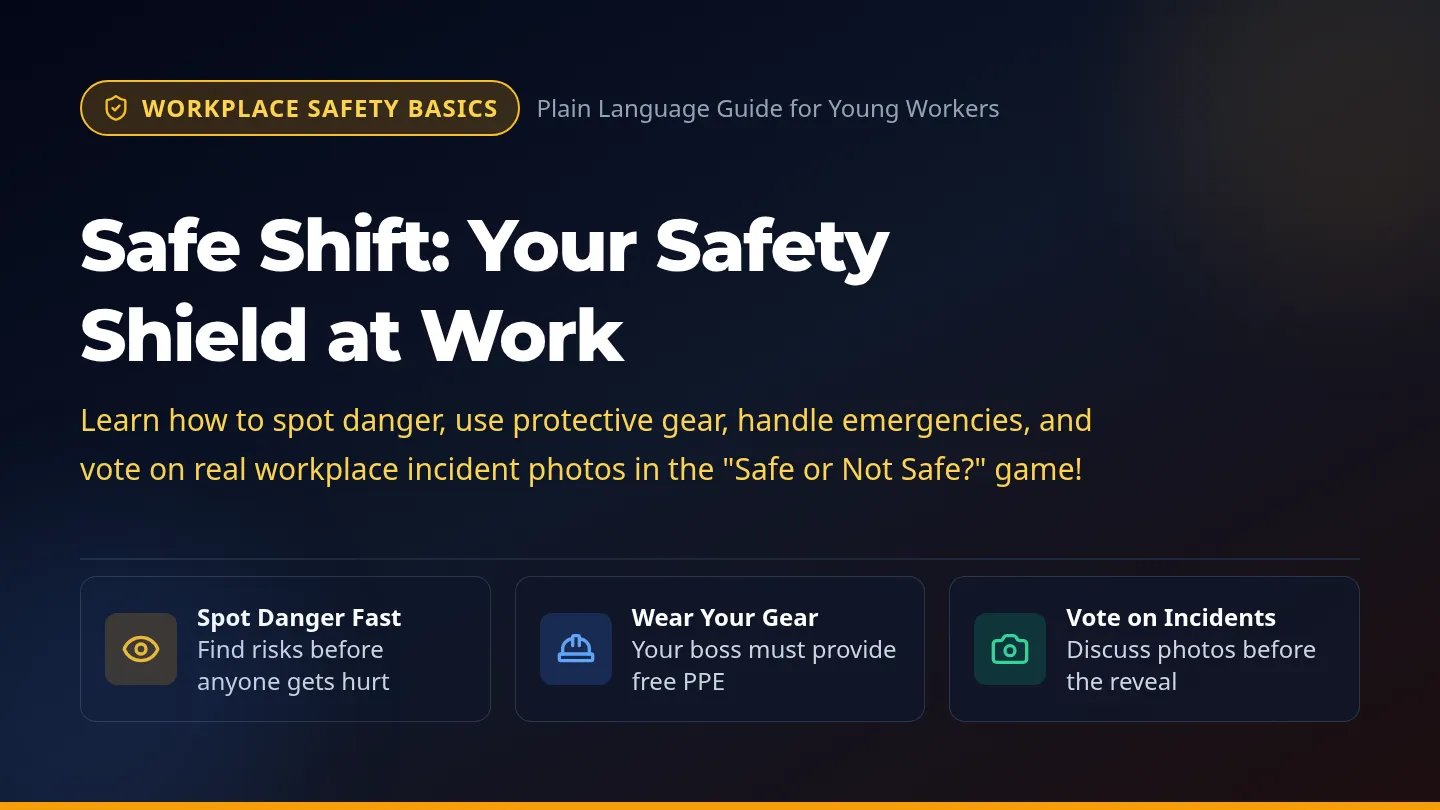
A 21-slide middle-school accessible workplace safety presentation featuring embedded OSHA instructional videos, core safety rights, and a two-step 'Safe or Not Safe?' photo voting game where students discuss and vote on scrambled incident photos before the official OSHA verdict and breakdown are revealed on the following slide.

KB

Kelly Brown

Healthy Cafe Habits Poster Pack

Healthy Cafe Habits Poster Pack

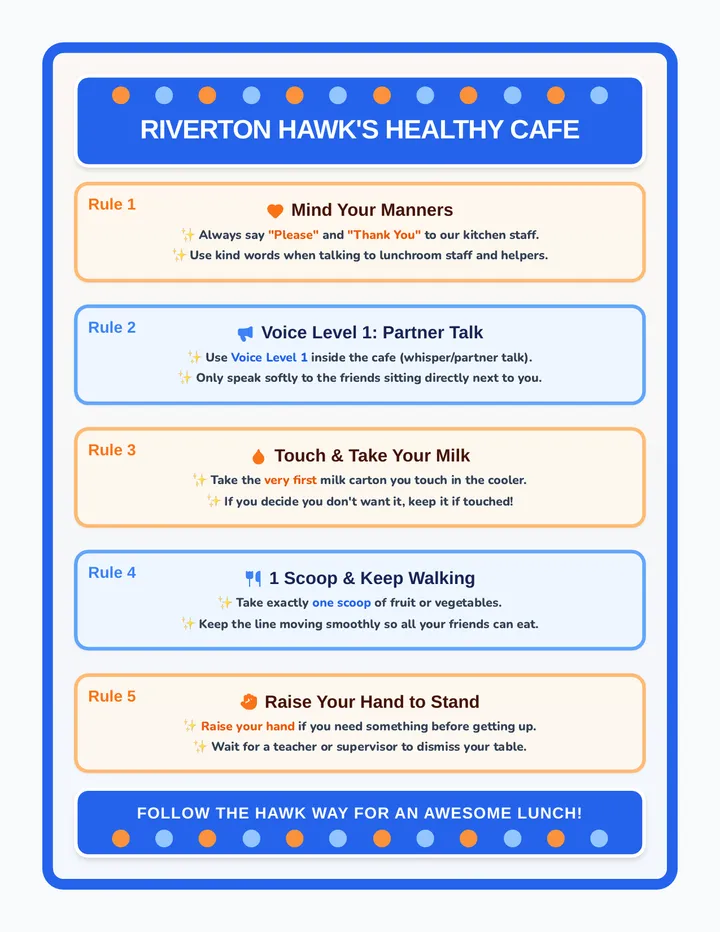
A comprehensive 6-page cafeteria rules poster pack in an orange-and-blue theme, including a master overview poster and 5 individual printable sheets (one for each rule) with large centered text and playful polka dot headers and footers.

B

bscranton

Operation Ice Cube Slides

Operation Ice Cube Slides

A concise 3-slide morning announcement presentation for K-4 students about staying cool. Covers hydration, shade, identifying 'Heat Grumpiness,' and using coping tools like breathing and asking for help. Designed for informational delivery without interactive prompts.

DG

Devlin Gauthier

Sequences

Freshness Slides (3) v2

Glow Up Guide (K-4)

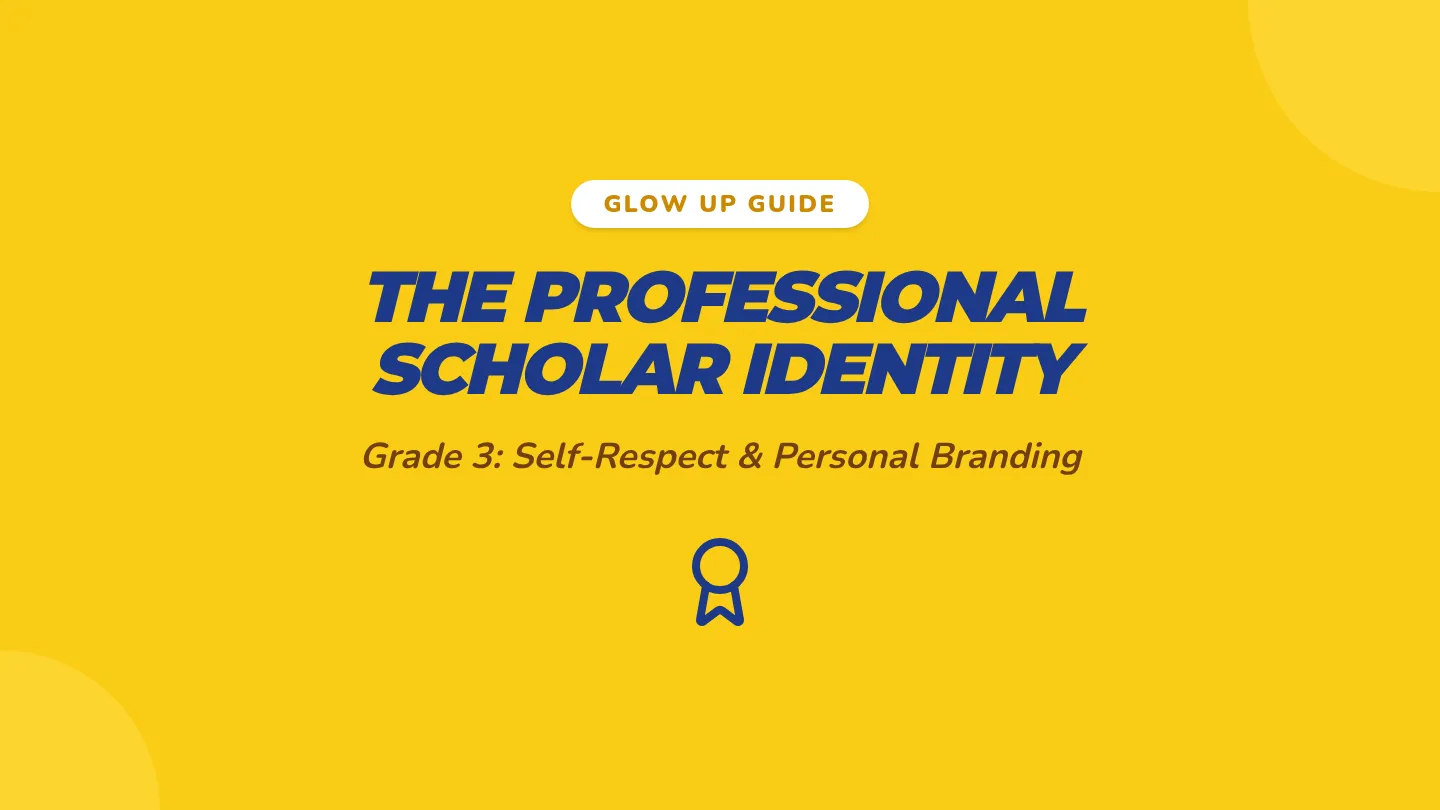
A comprehensive SEL-integrated hygiene curriculum for elementary scholars (K-4), focusing on self-awareness, social impact, and personal responsibility through the lens of a 'Glow Up'.

T

tkeya.void

86
Safe Circles Slides

Mindful Choices

A two-week wellness unit for middle schoolers focused on analyzing influences (media, tech, values) and mastering health-enhancing decision-making models. Students culminate their learning by creating a collaborative research poster on a chosen wellness topic.

CH

Collin Harney

39
Summer Safety Hero Slides

Summer Safety Academy

A multi-grade social-emotional learning unit focused on 'Summer Safety Heroes'. Lessons are tailored for different developmental levels, from 1st-grade foundations to 3rd-grade scientific mastery and risk management.

HM

Heidi Moore

26
Peacekeeper Slides Presentation

Social Harmony Sequence

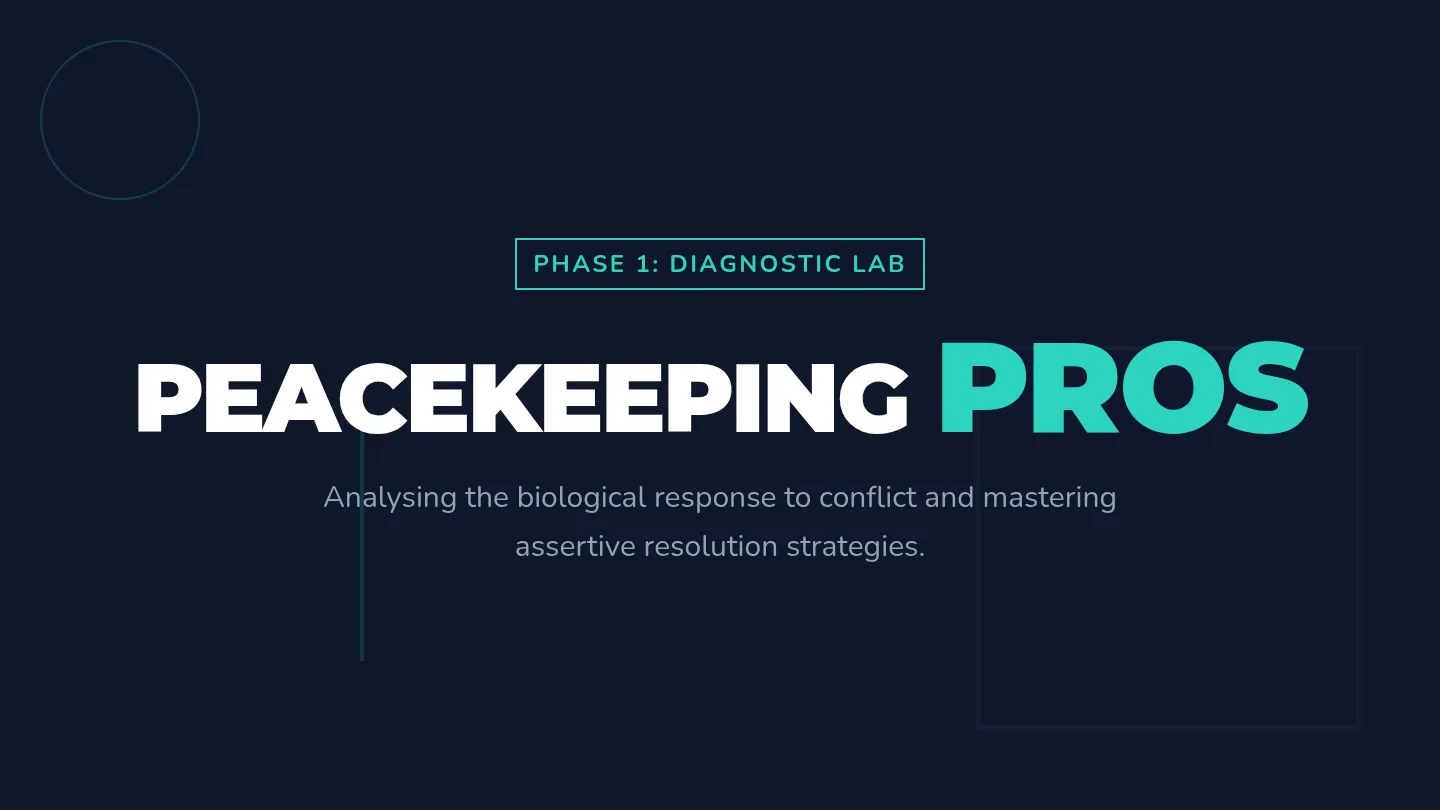
A comprehensive sequence of lessons for secondary students (Yr 7-8) focused on conflict resolution, social media responsibility, and assertive communication in both physical and digital spaces.

KH

Kellee Hodge

29
Brain Hack Slides

The Vape Void

A comprehensive tobacco and vaping cessation program focused on the science of addiction, long-term health impacts, and practical refusal and quitting strategies for students.

GG

Gina Guerrero

8
Routine Runway Slides

Gym Foundations

A comprehensive physical education unit for the first weeks of school, focusing on establishing solid daily routines, teaching safety rules, and practicing self-regulation using the Gym Reset System. It sets primary elementary students up for a safe, structured, and active year.

C

Chad.Koke

16