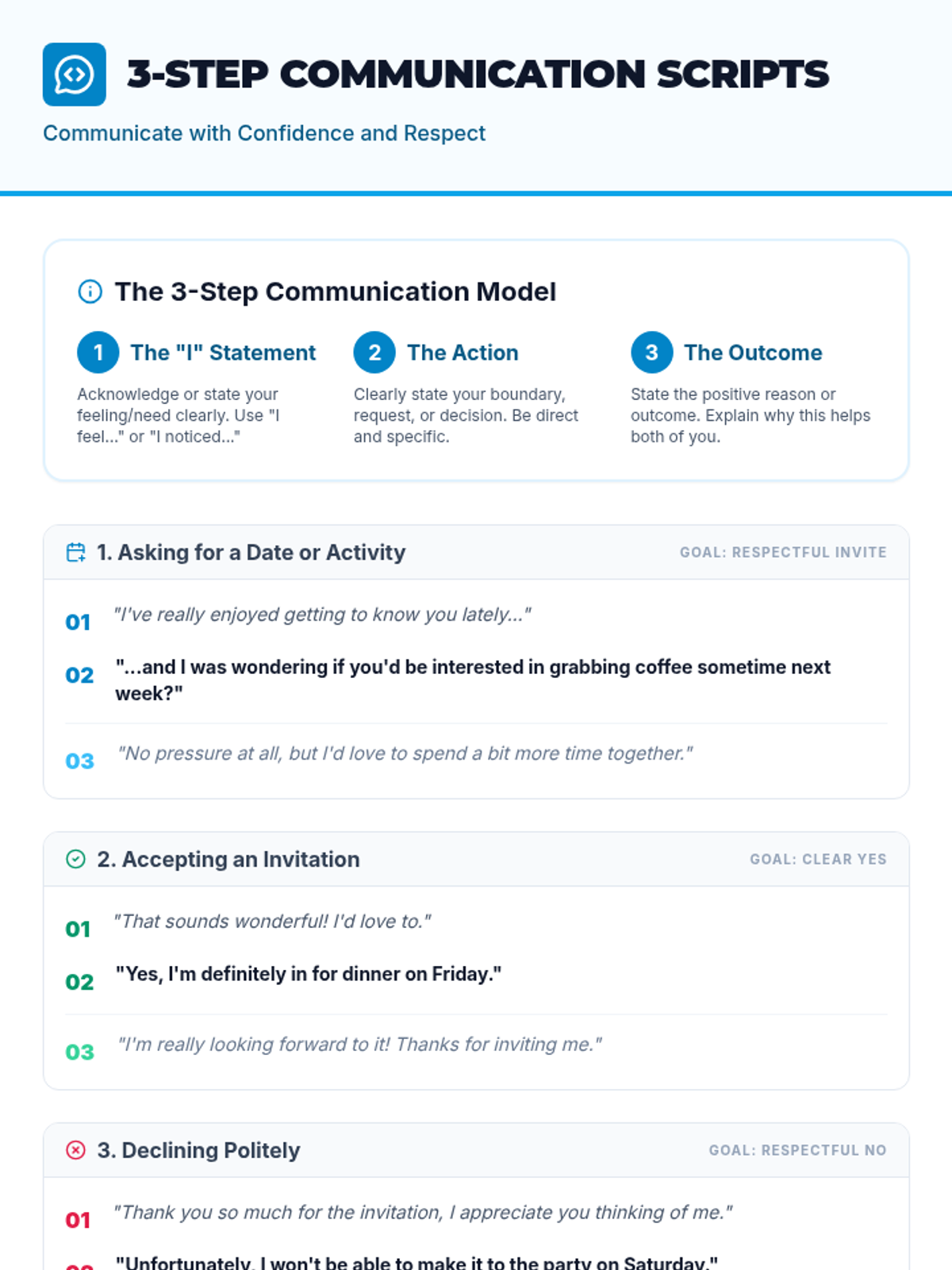
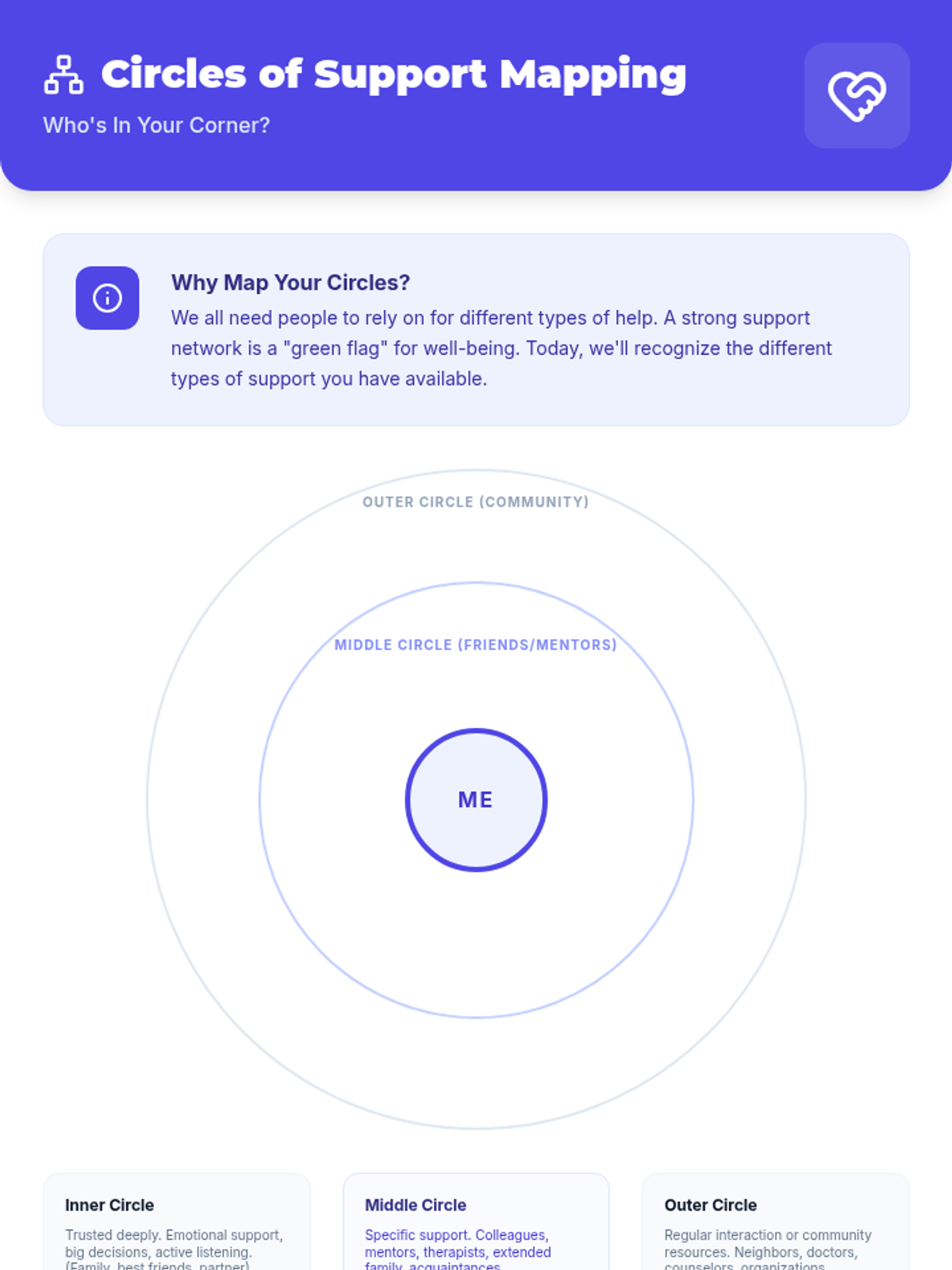
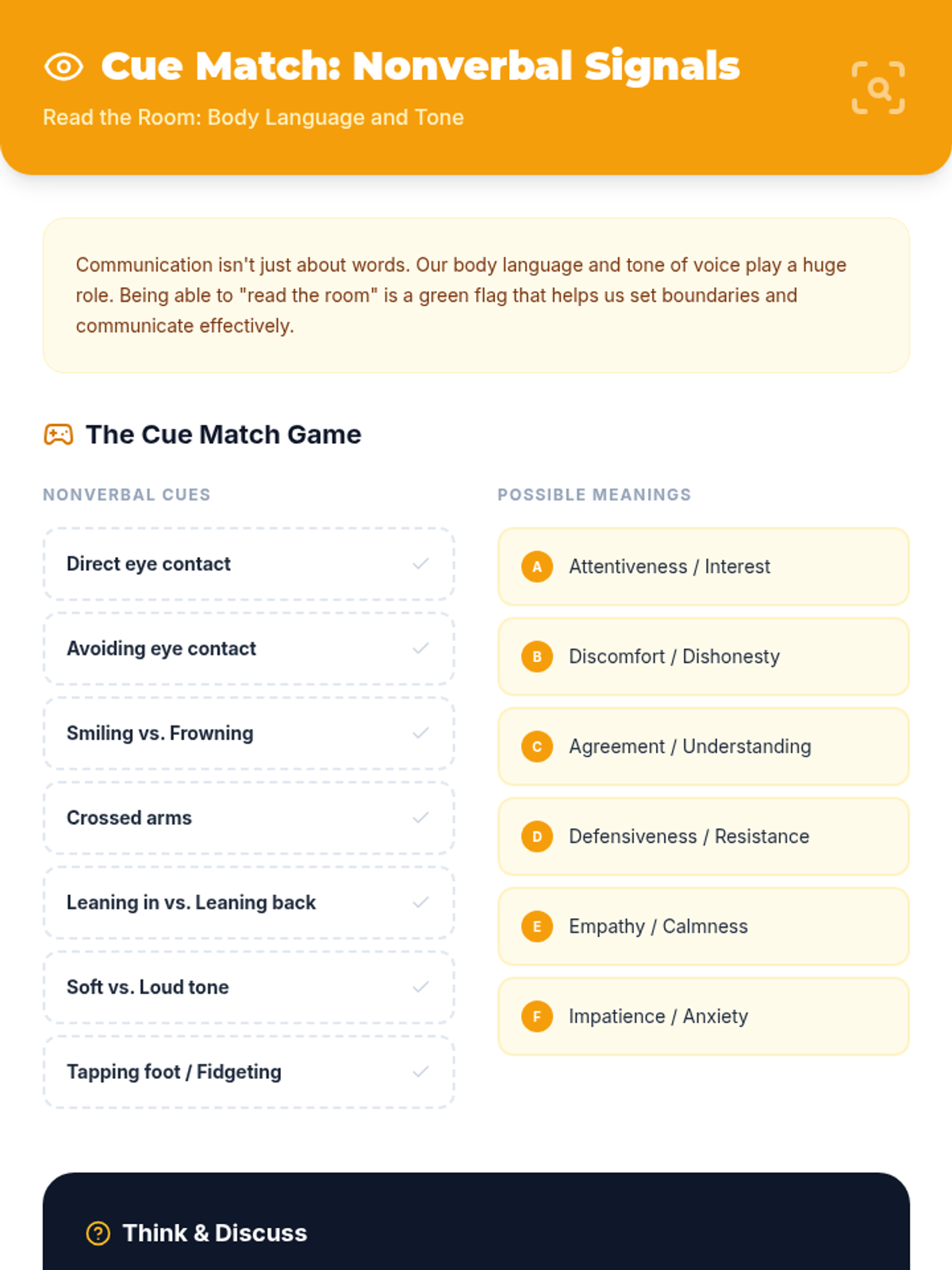
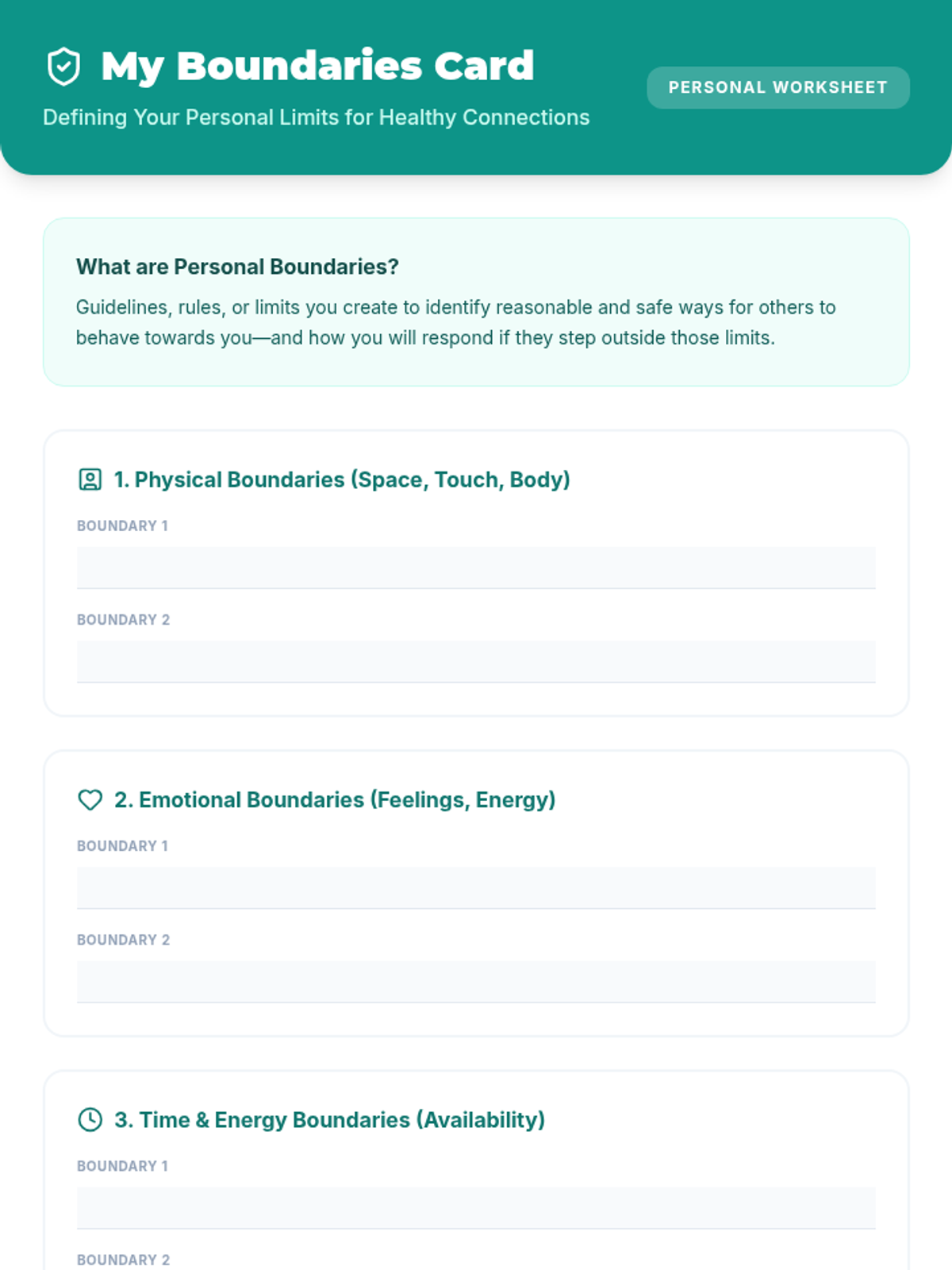
Active listening, assertive expression, and boundary-setting strategies for interpersonal success. Develops proficiency in conflict mediation, cooperative teamwork, and the cultivation of healthy romantic and platonic connections.
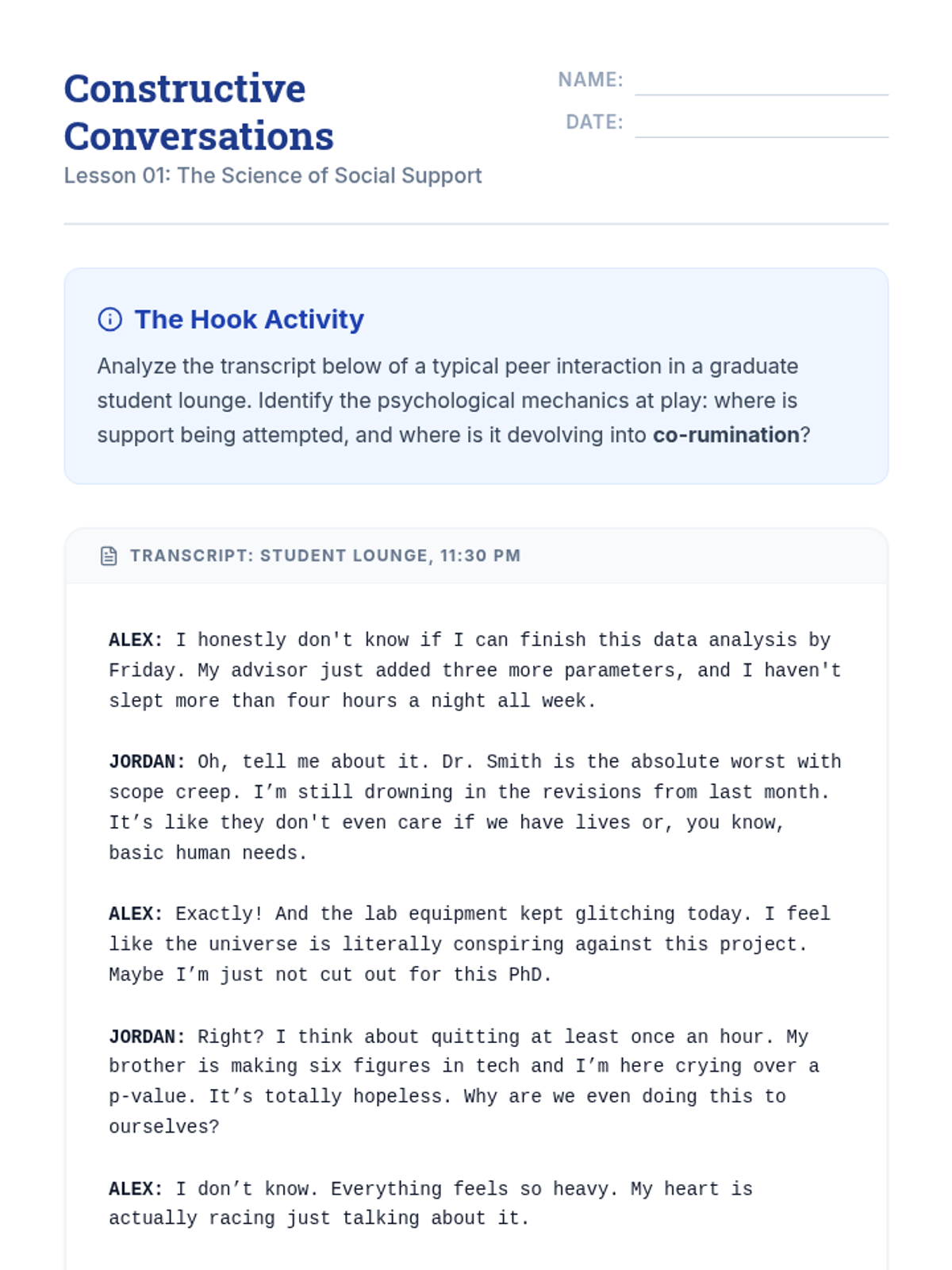
A graduate-level training sequence on facilitating peer support systems to mitigate stress and anxiety. Students learn the science of social support, micro-skills for active listening, boundary setting to prevent burnout, and group facilitation techniques to create sustainable communities of care.
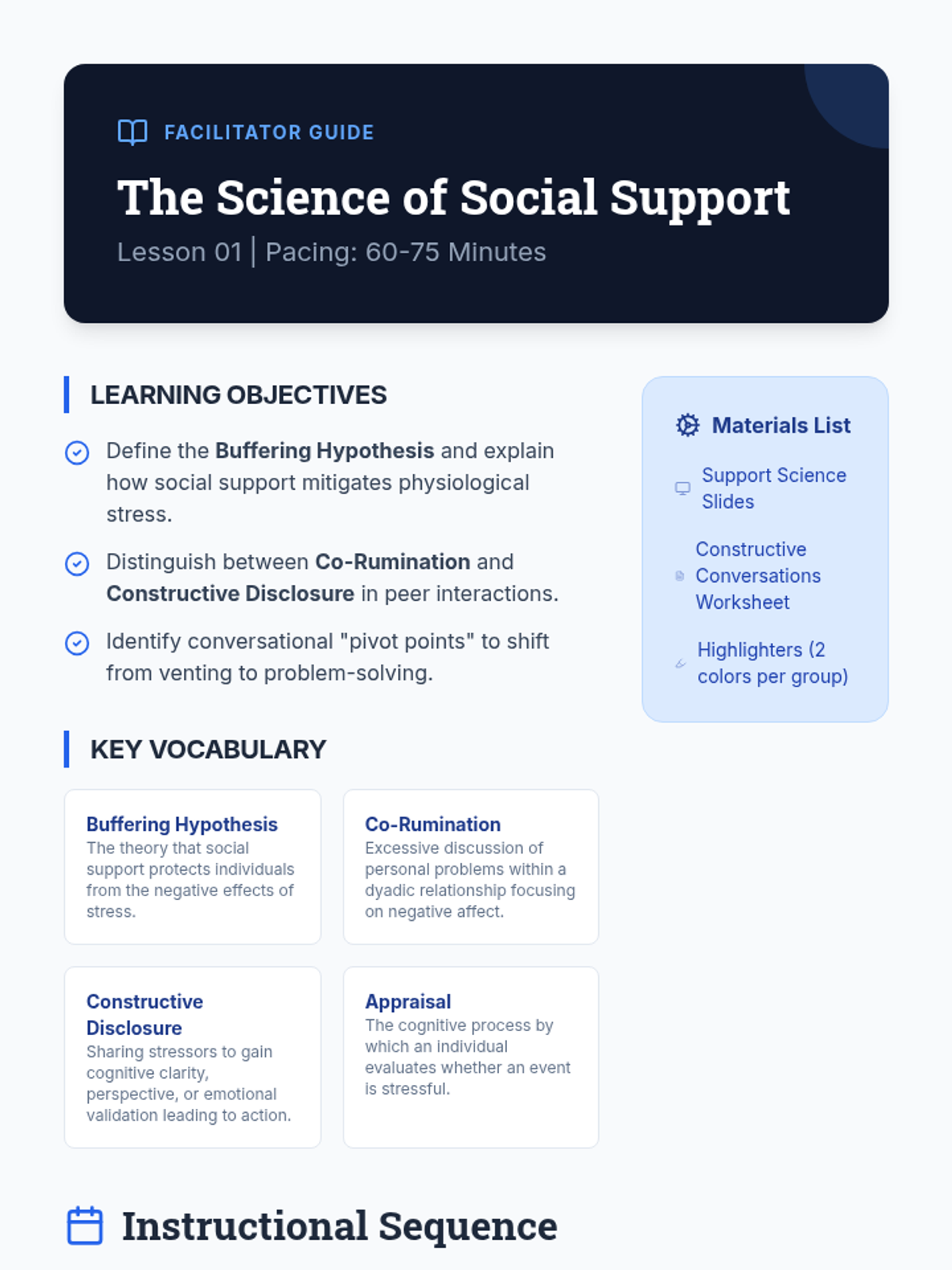
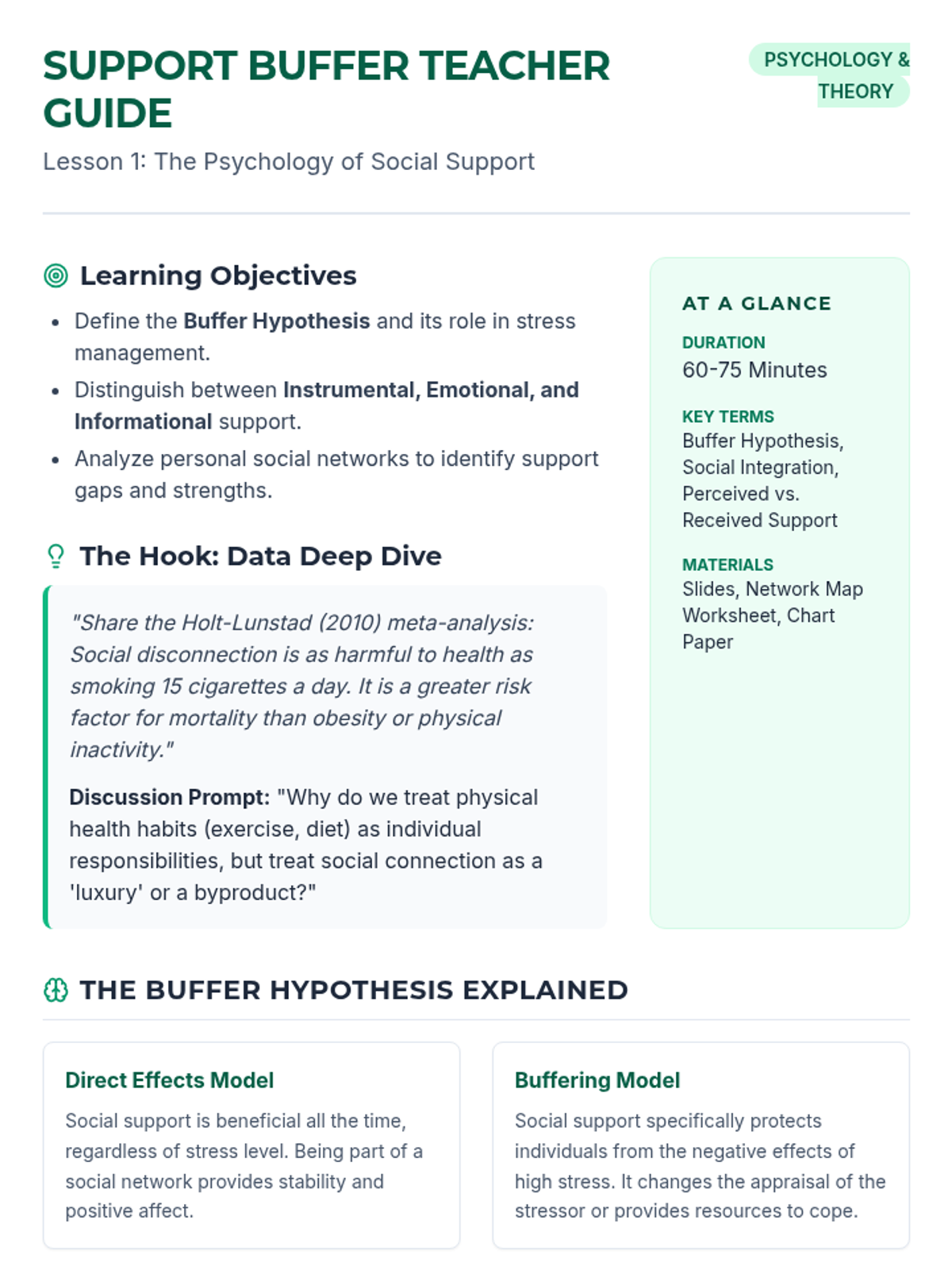
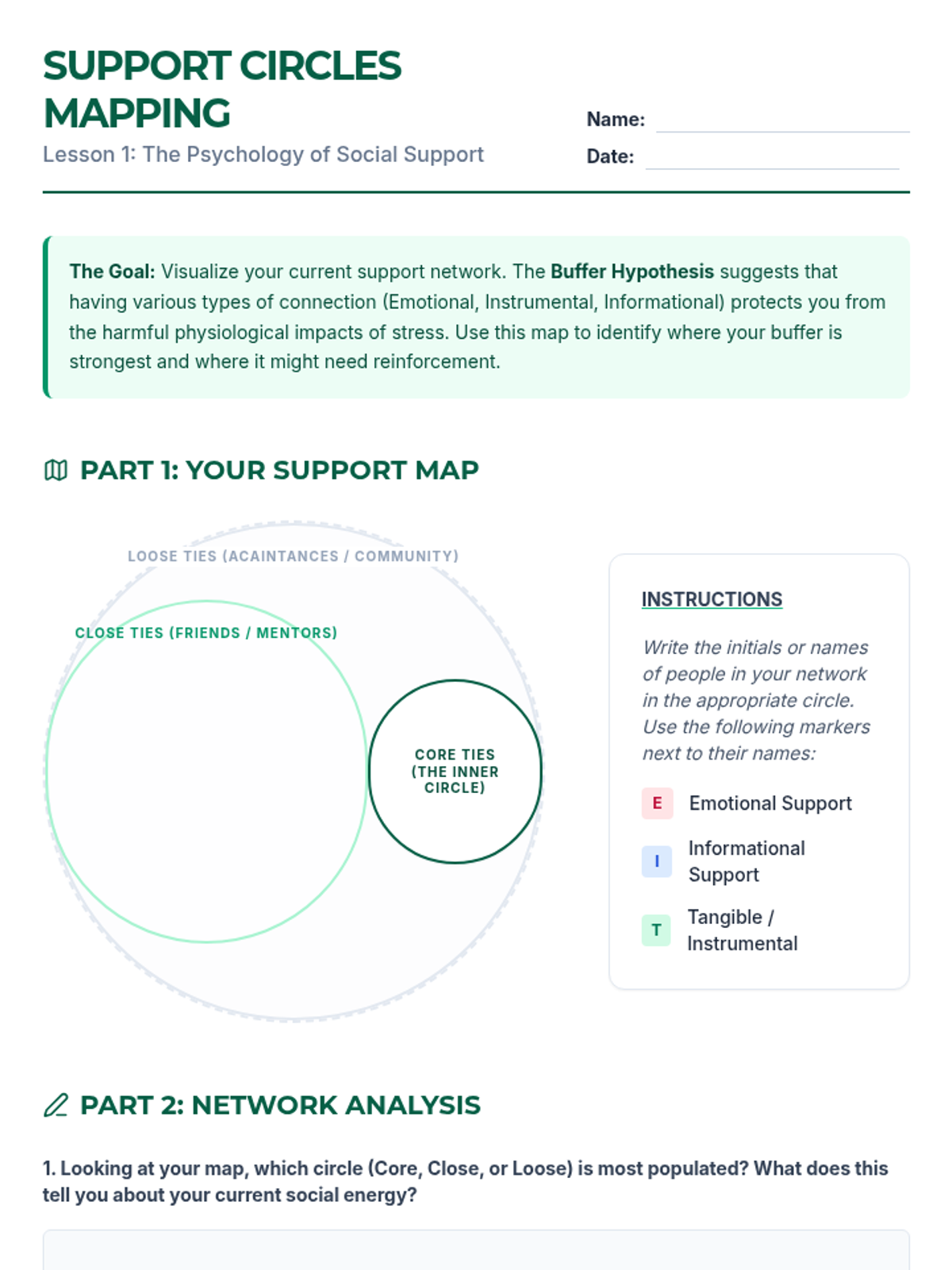
A comprehensive sequence for undergraduate students exploring the social psychology of stress and the practical skills needed to build resilient peer support networks. Students move from theoretical understanding to practical facilitation and community planning.
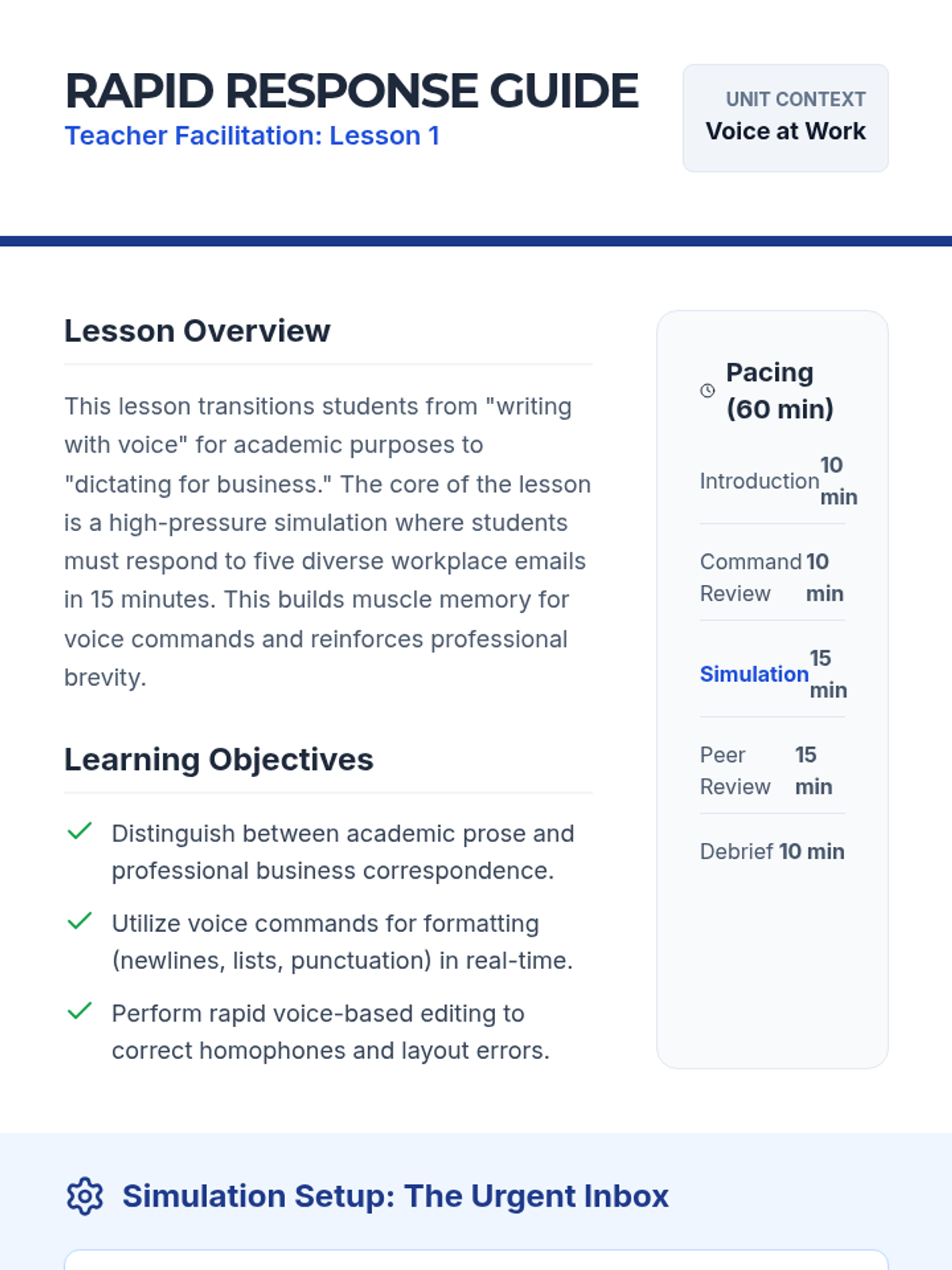
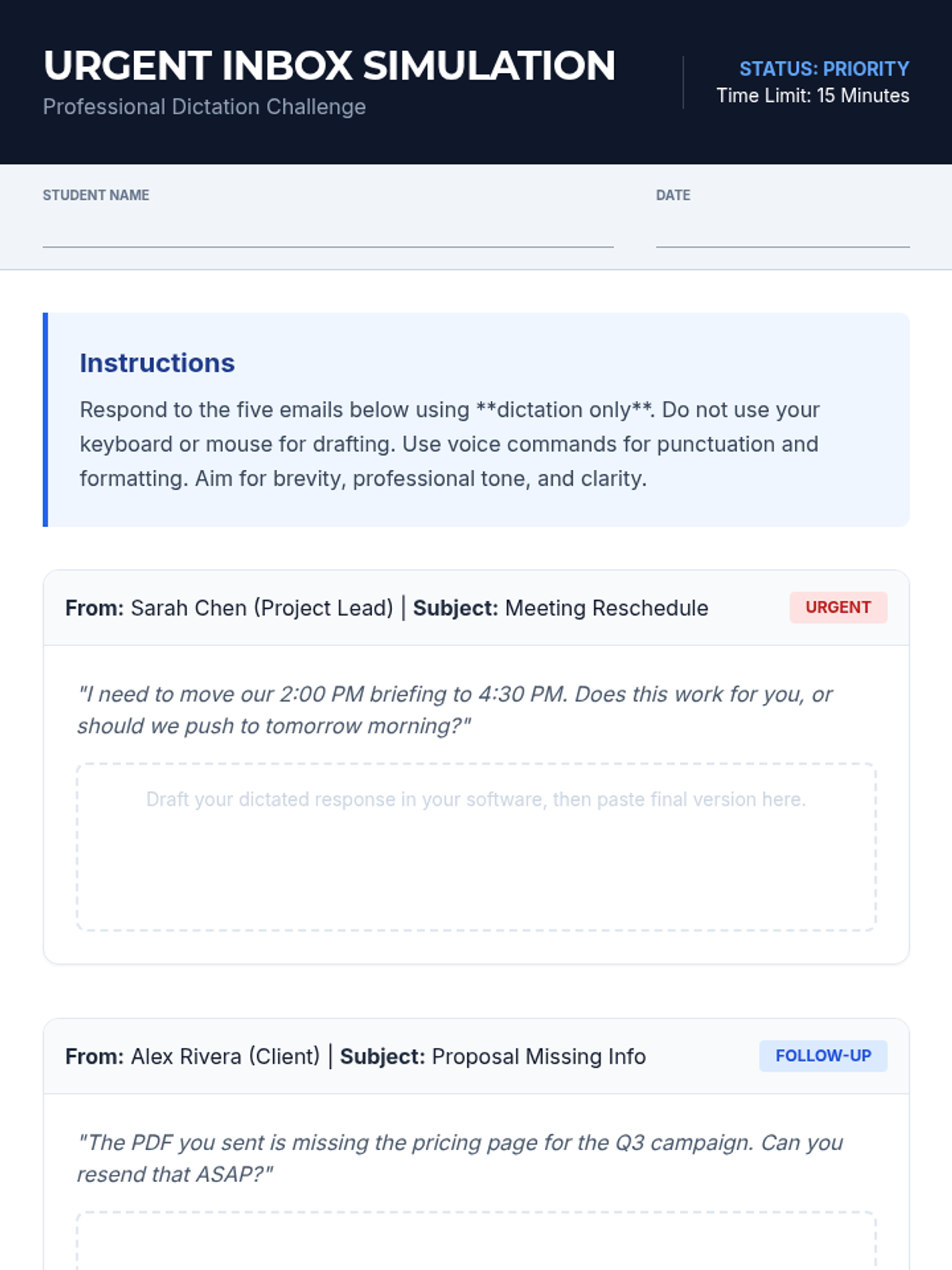
A comprehensive sequence for undergraduate students exploring the professional application of dictation technology. Students master business communication, mobile productivity, data privacy, workplace etiquette, and real-time transcription to prepare for assistive technology integration in the workforce.
This sequence explores the psychology of group dynamics and community care. Students learn to recognize burnout, offer effective support, and advocate for cultures where requesting breaks is normalized and valued.
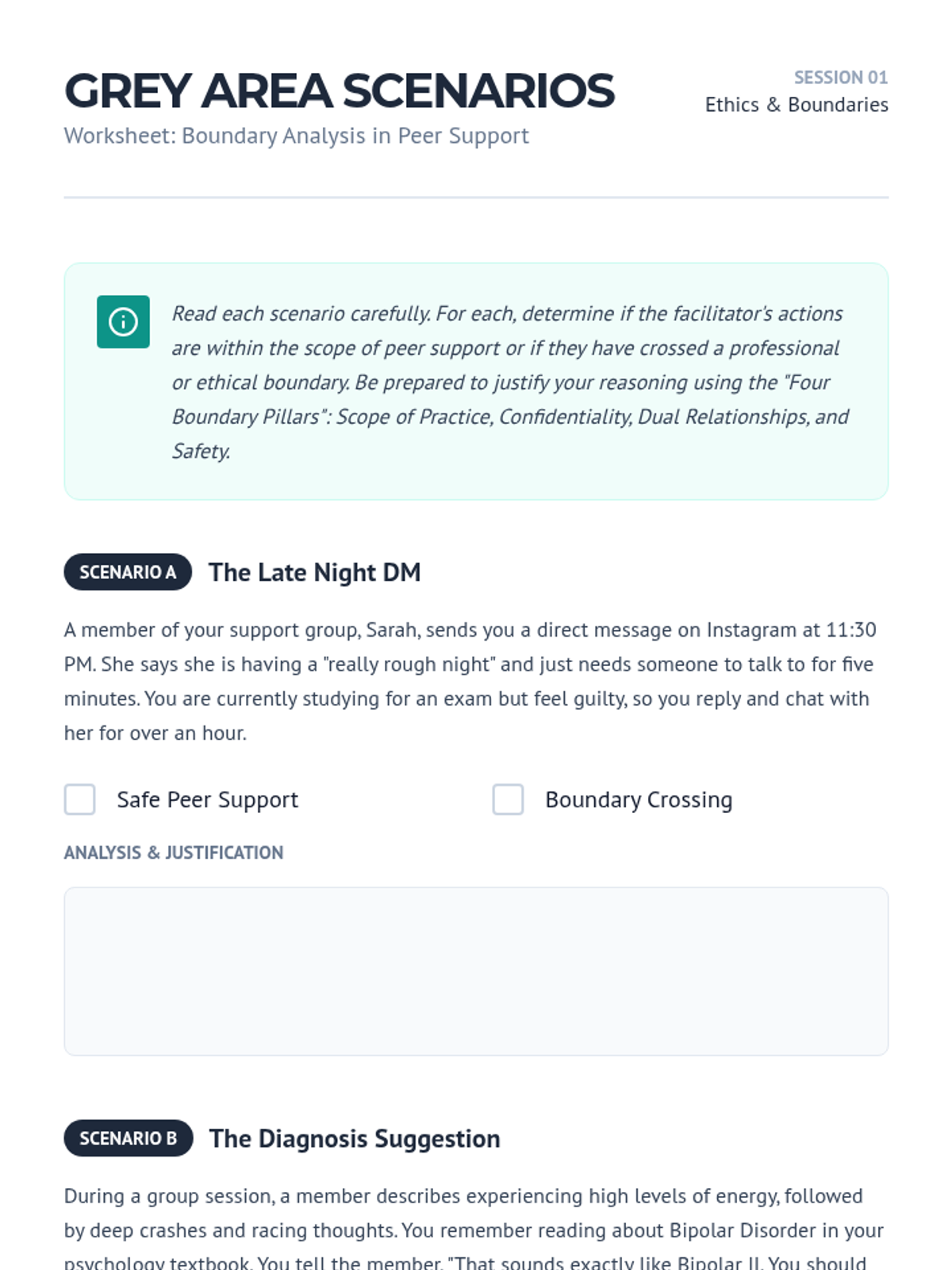
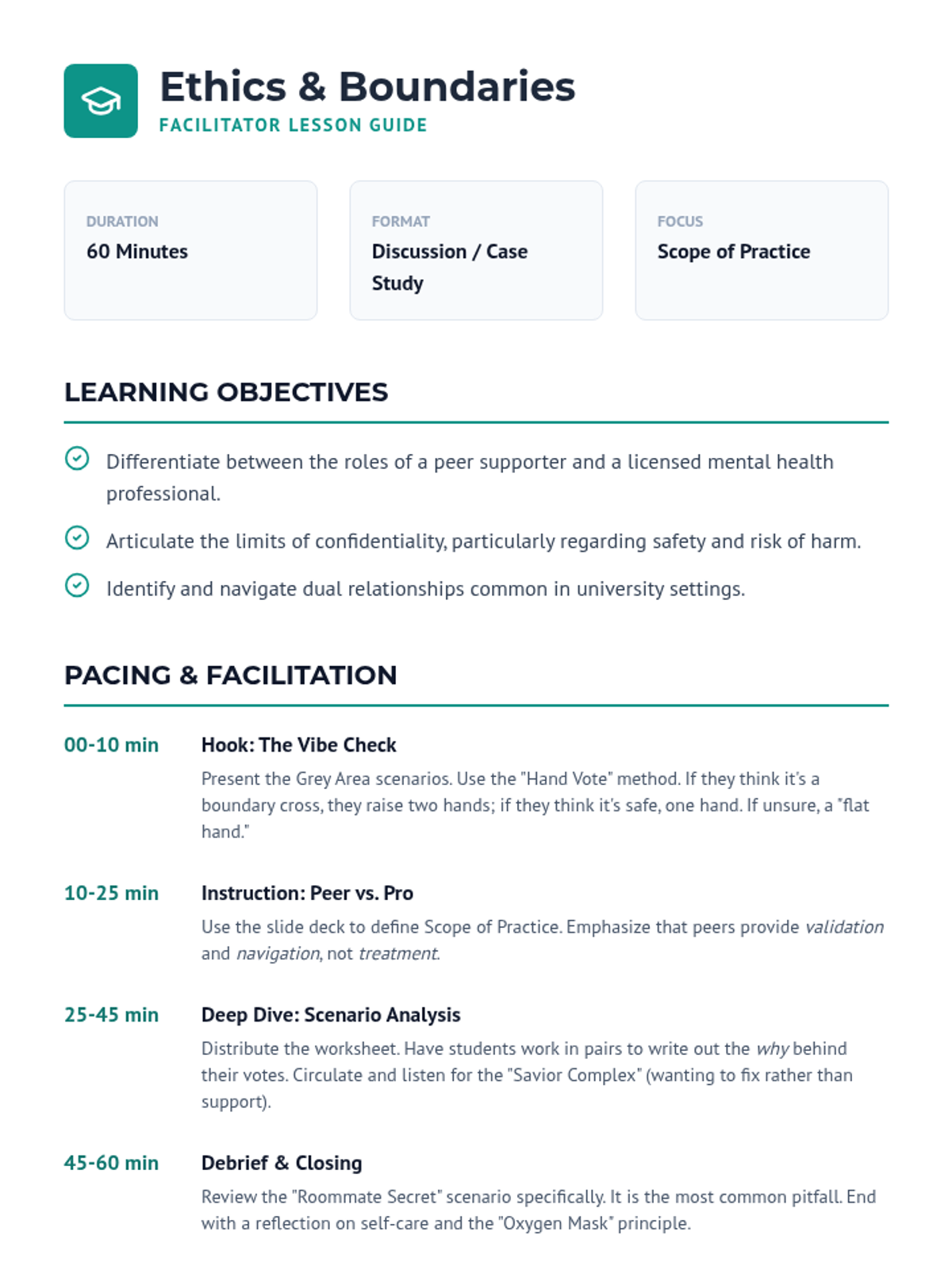
This sequence prepares undergraduate students to facilitate peer-led mental health support groups. It covers ethical boundaries, group safety, advanced communication skills, crisis protocols, and concludes with a practical facilitation session.
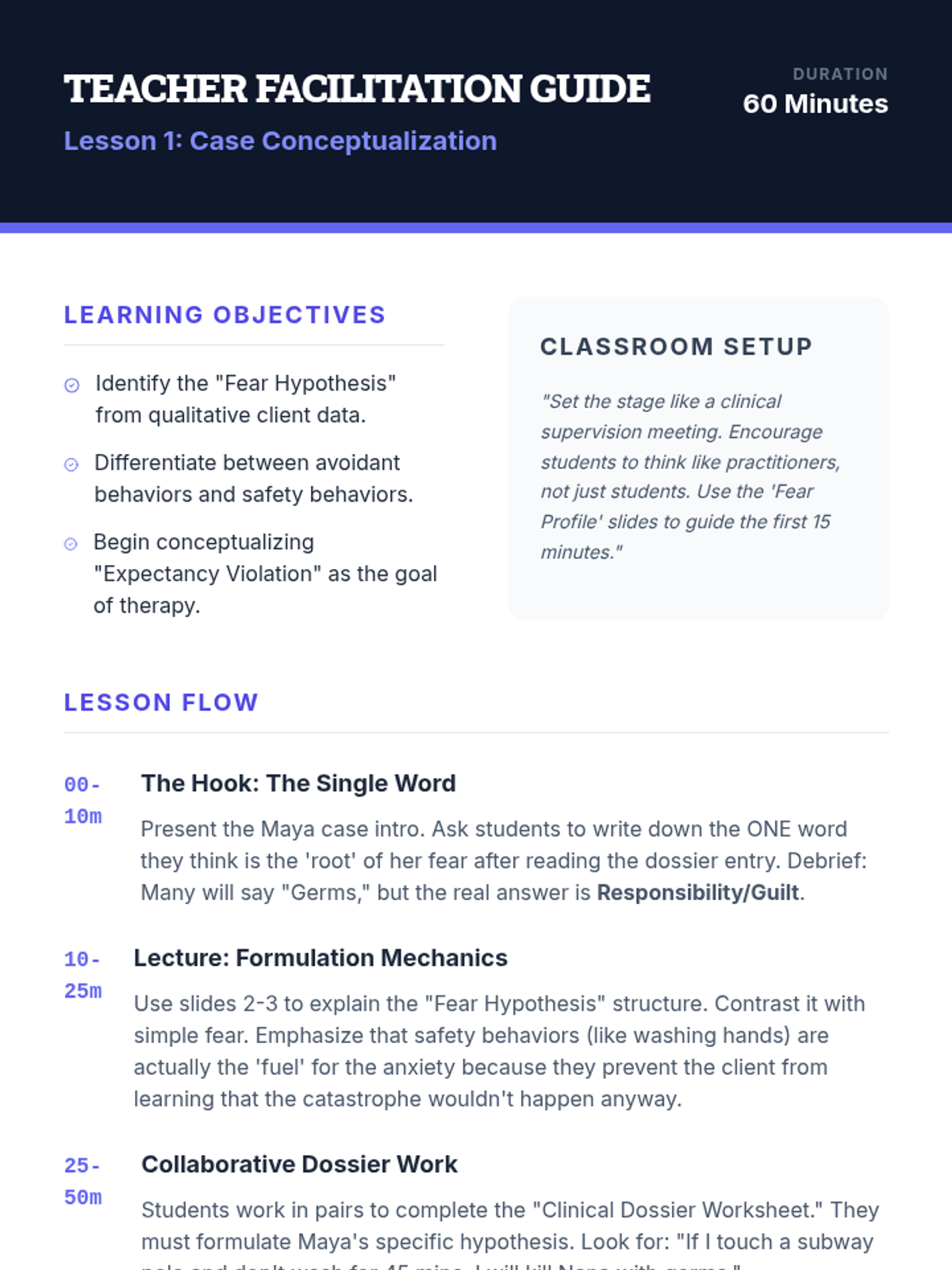
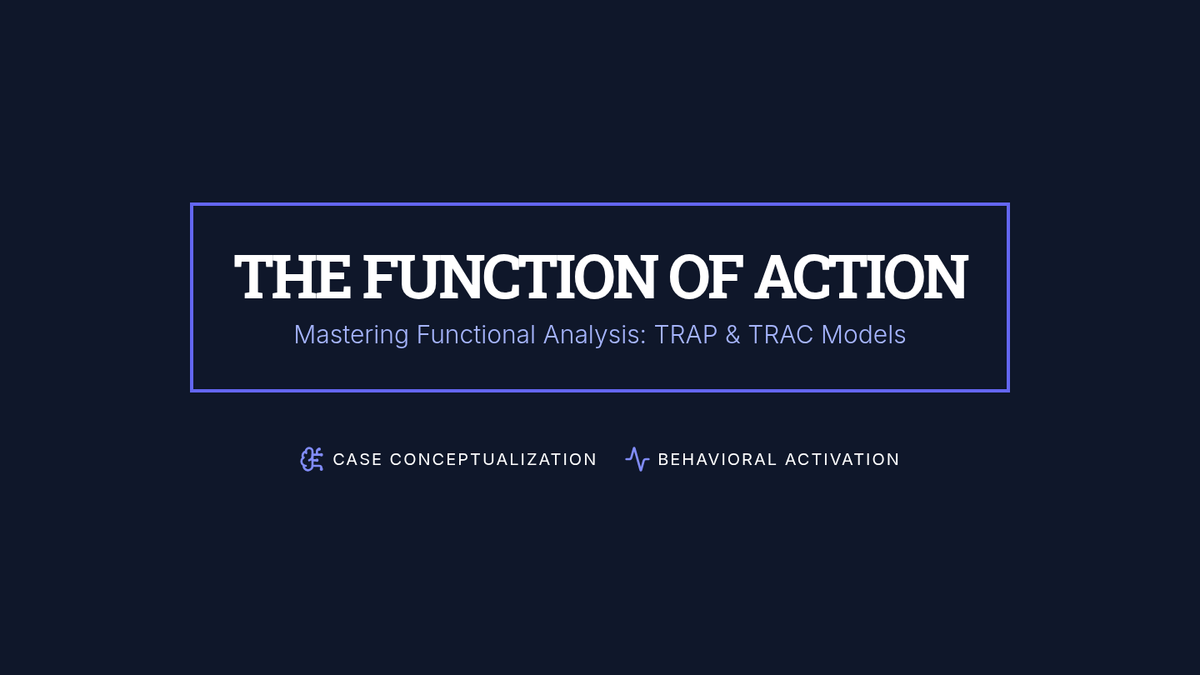
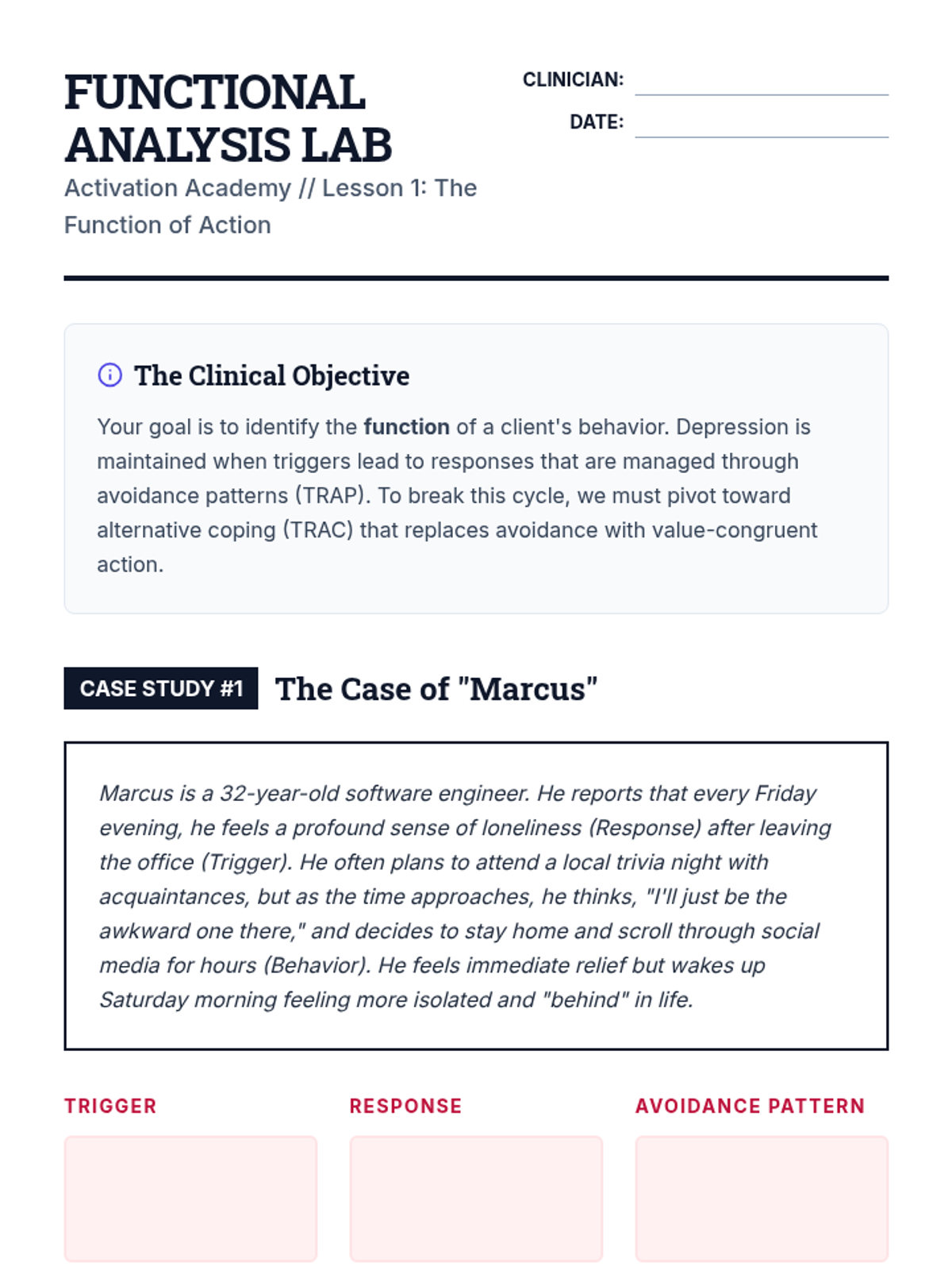
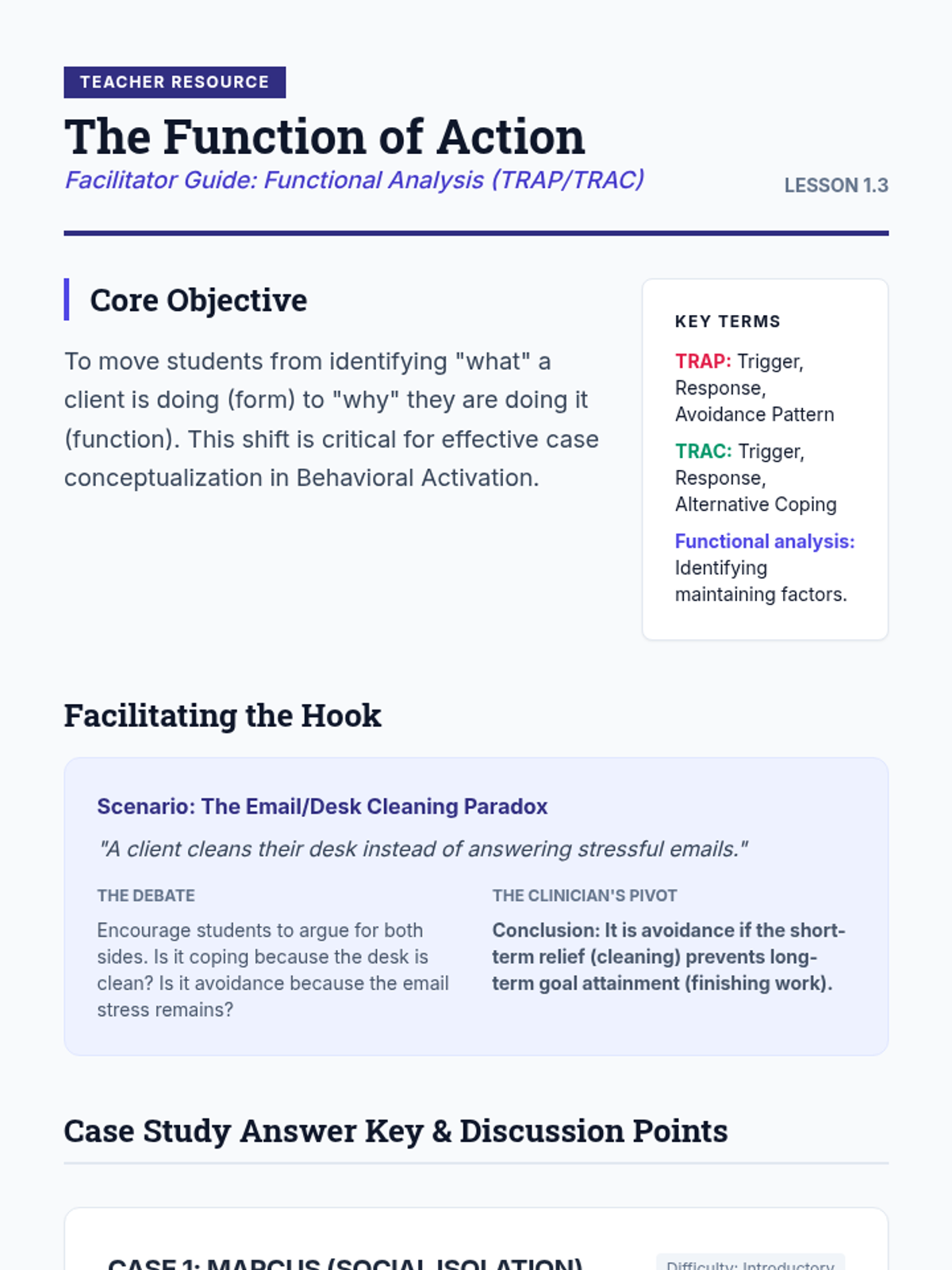
A comprehensive clinical training sequence for undergraduate students focusing on the application of Behavioral Activation (BA). Students learn to conduct functional analyses using the TRAP and TRAC models, deliver treatment rationales through collaborative empiricism, navigate client resistance, and design relapse prevention plans.
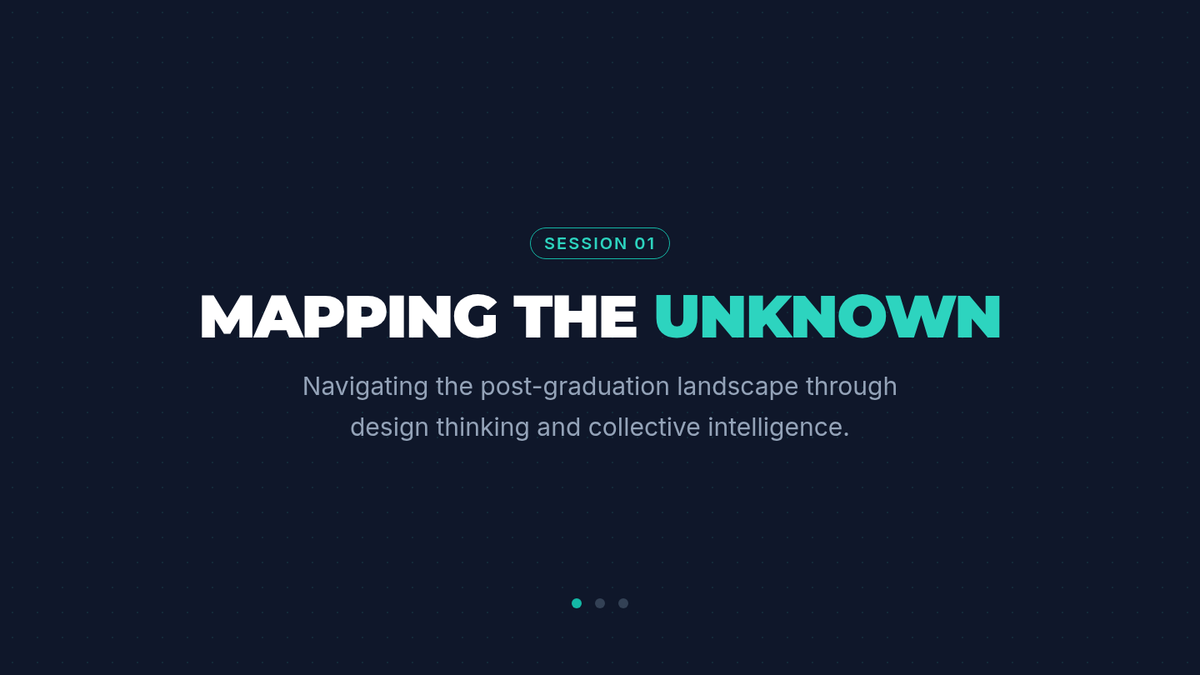
A project-based sequence for undergraduate students using Design Thinking to navigate post-graduation anxiety. Students collaborate to prototype future paths and build a collective resource repository.
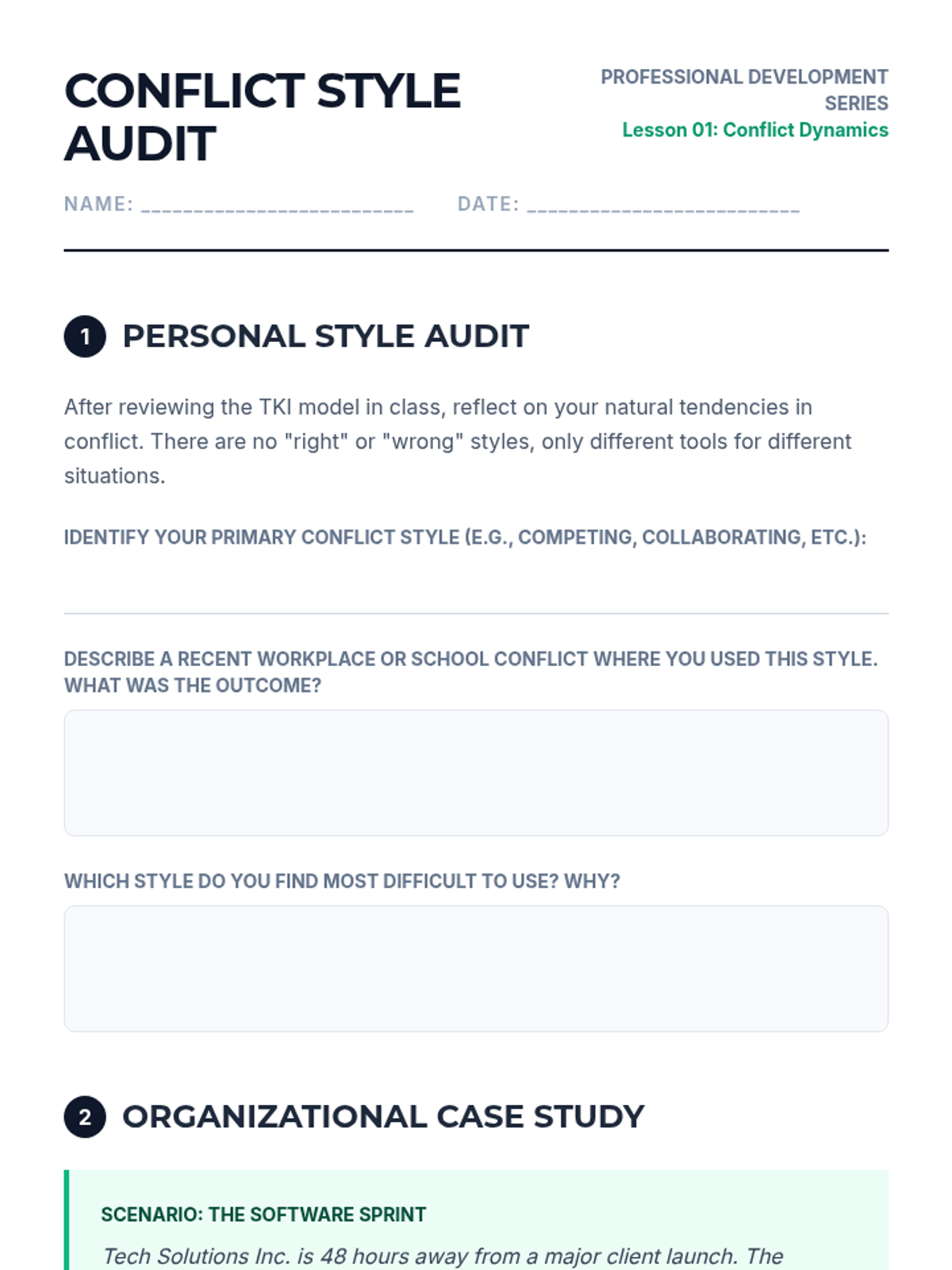
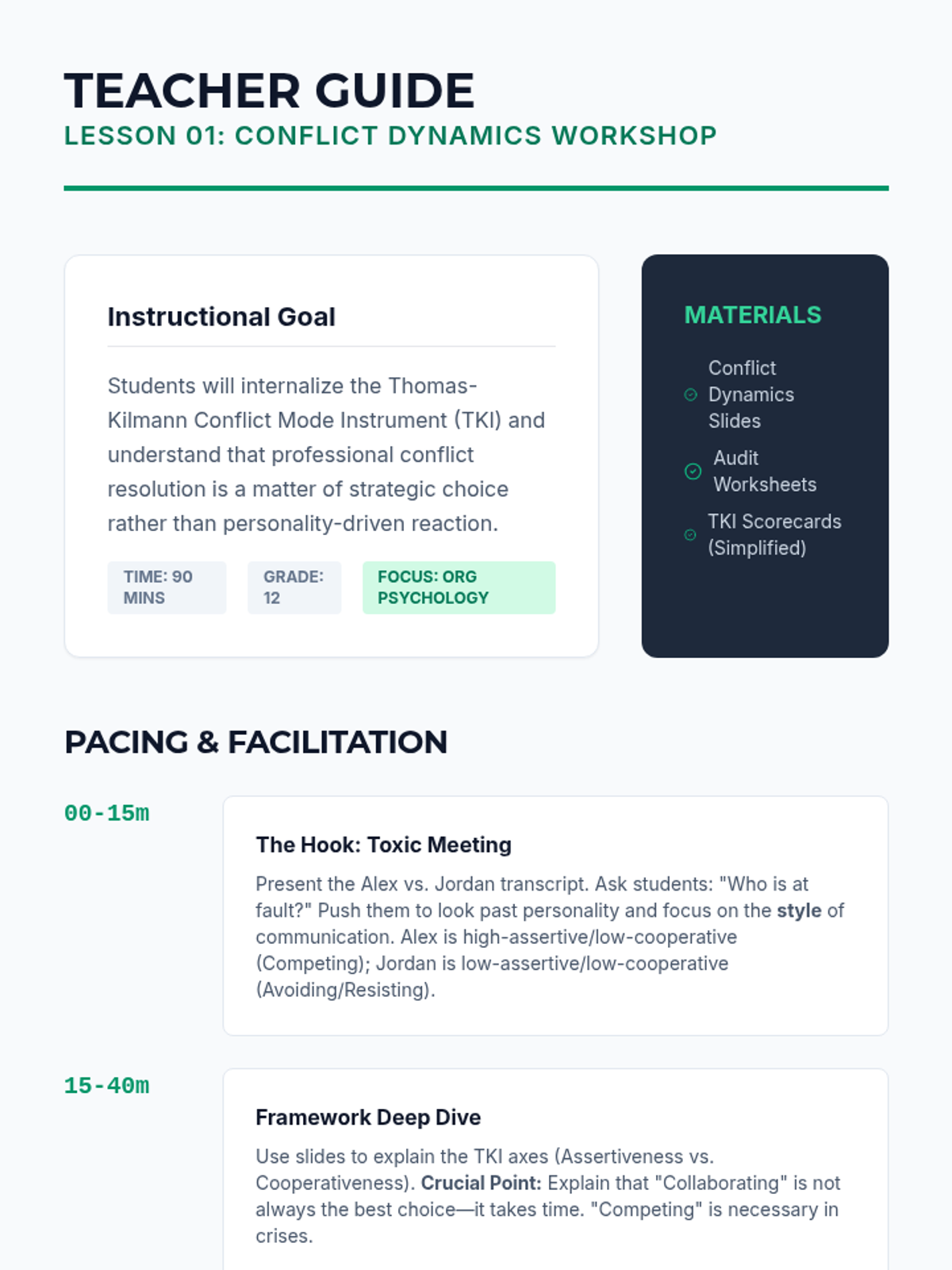
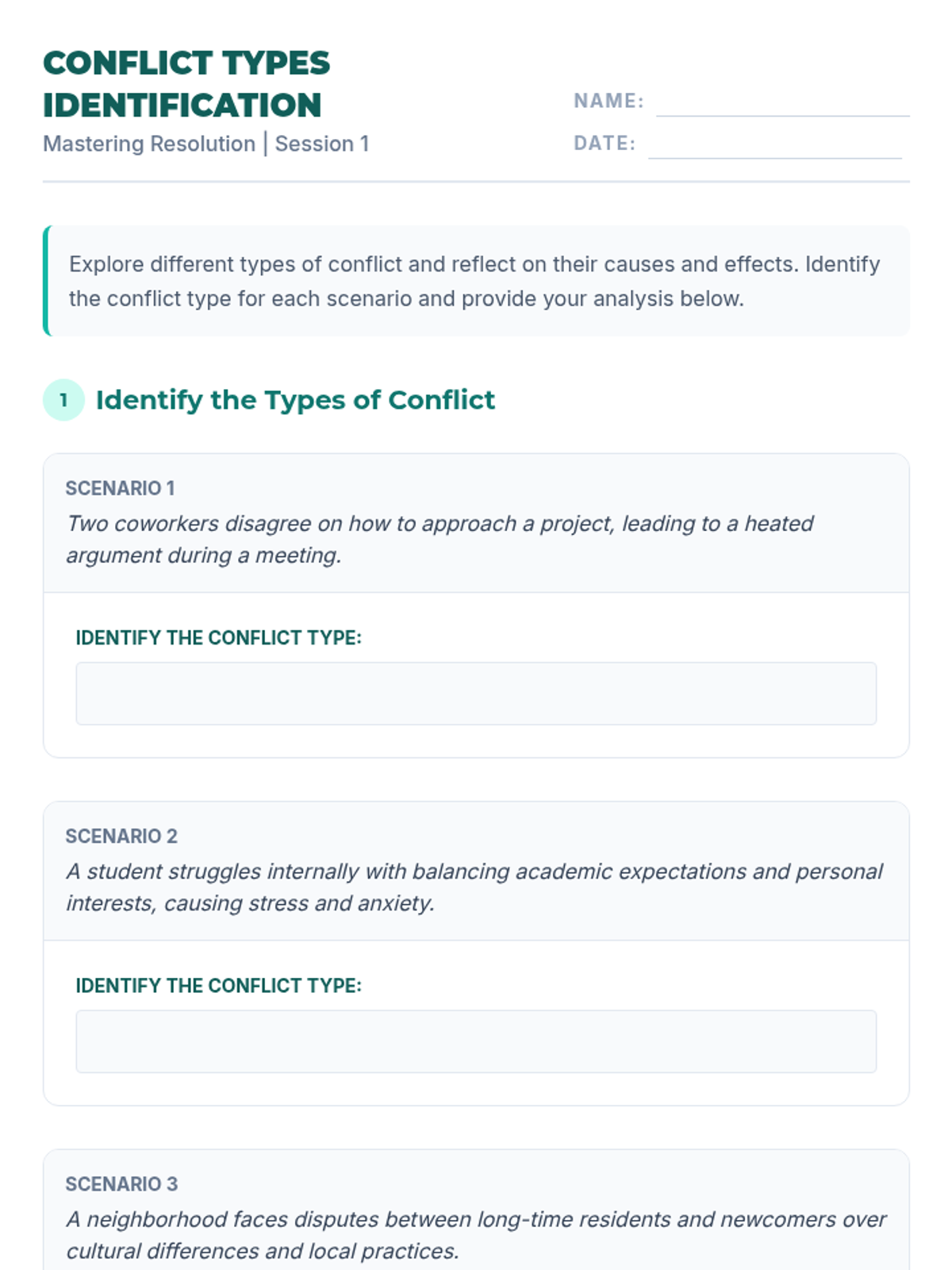
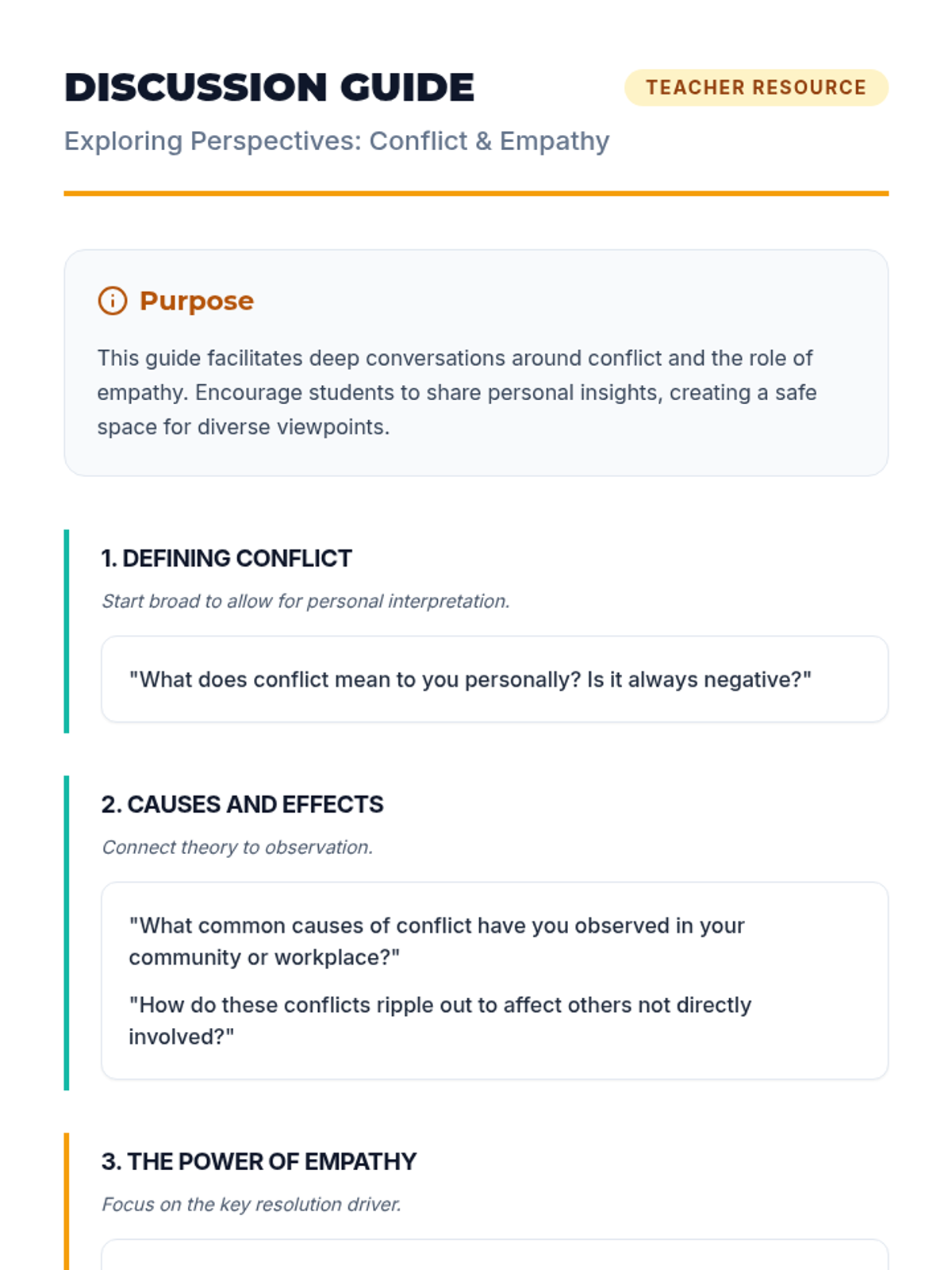
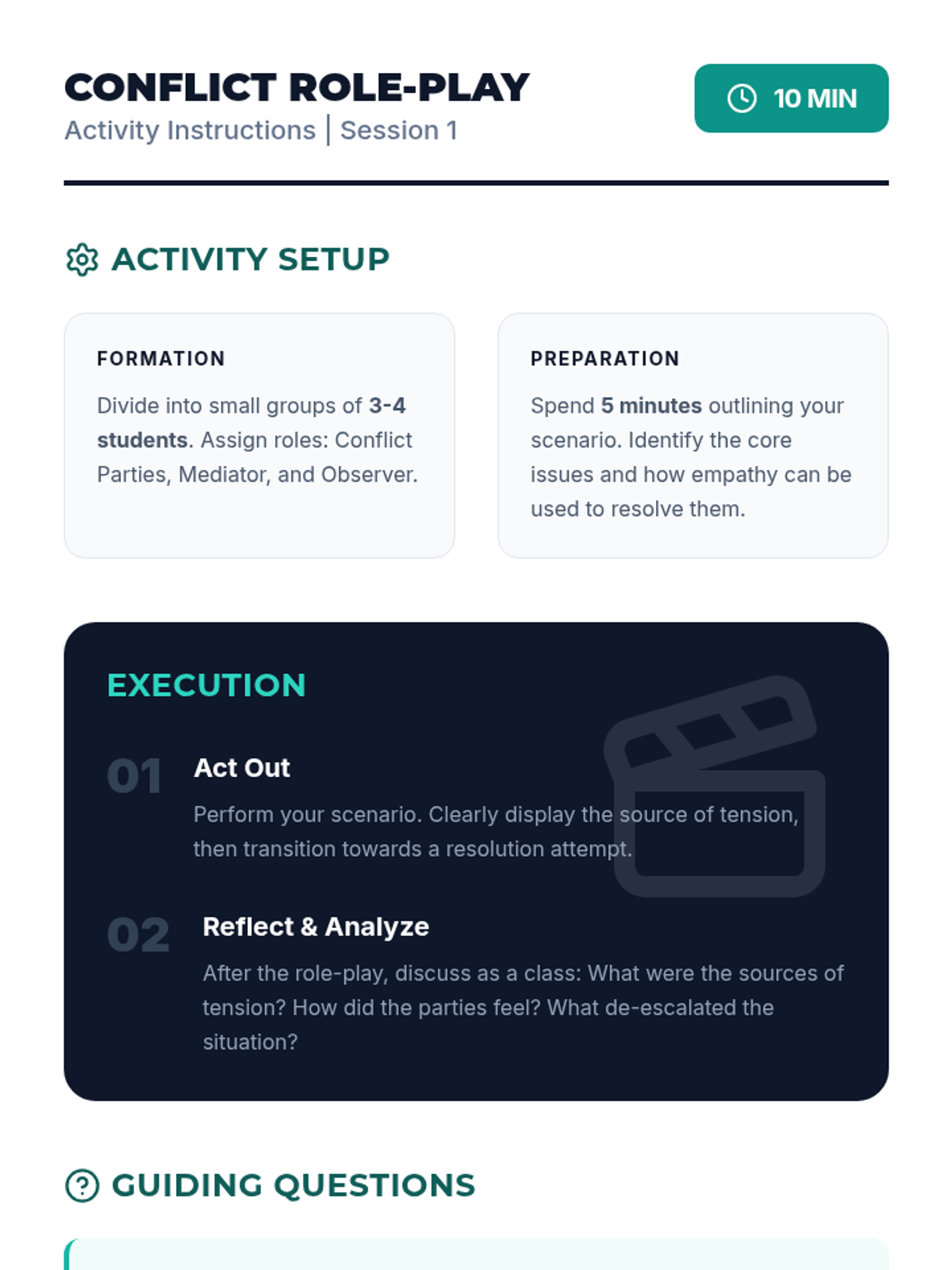
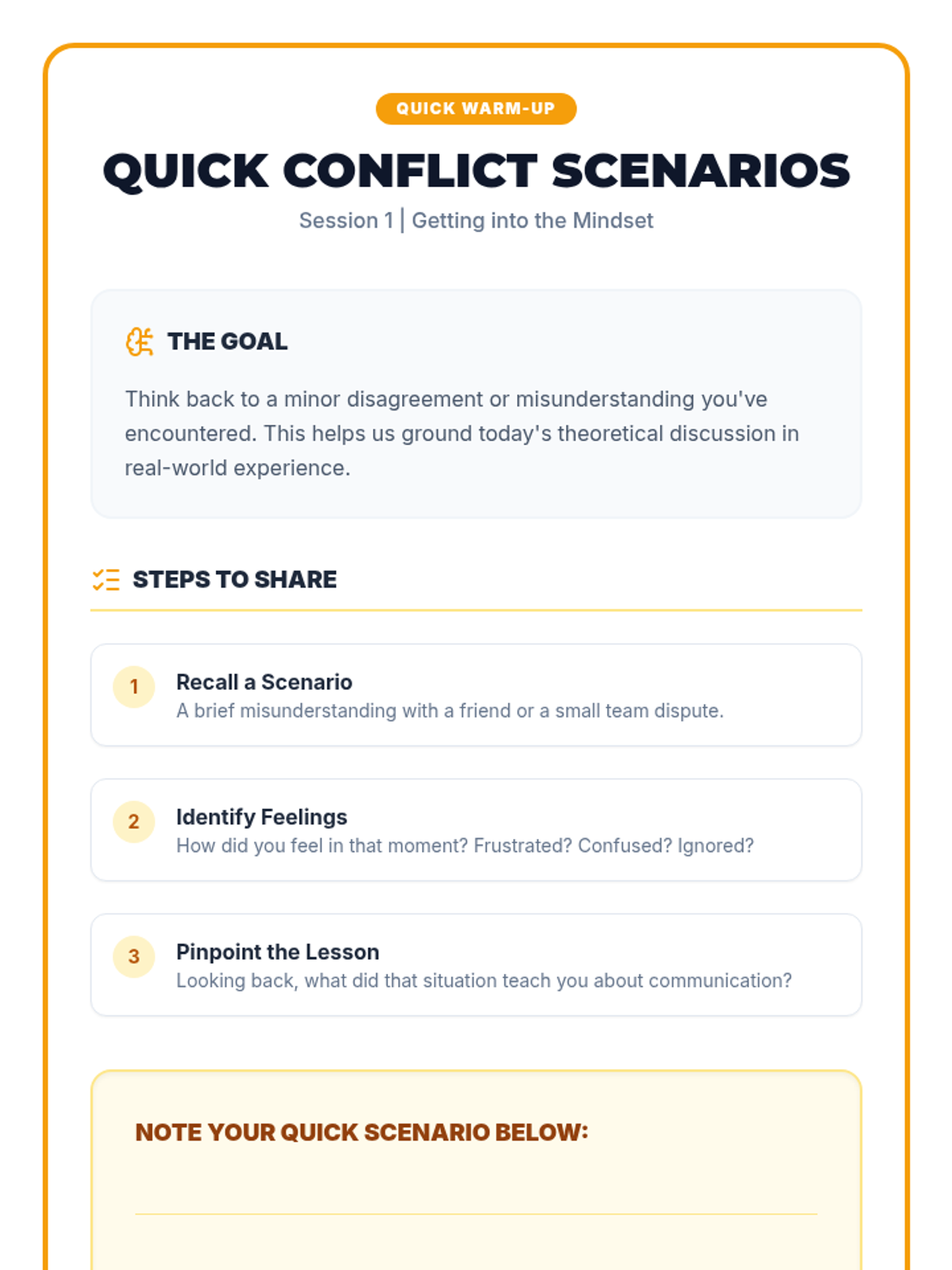
A 5-lesson unit for undergraduates on navigating interpersonal conflict, setting boundaries, and developing communication skills for shared living and working environments. Students explore their own conflict styles, engage in simulations, and practice assertive communication and de-escalation techniques.
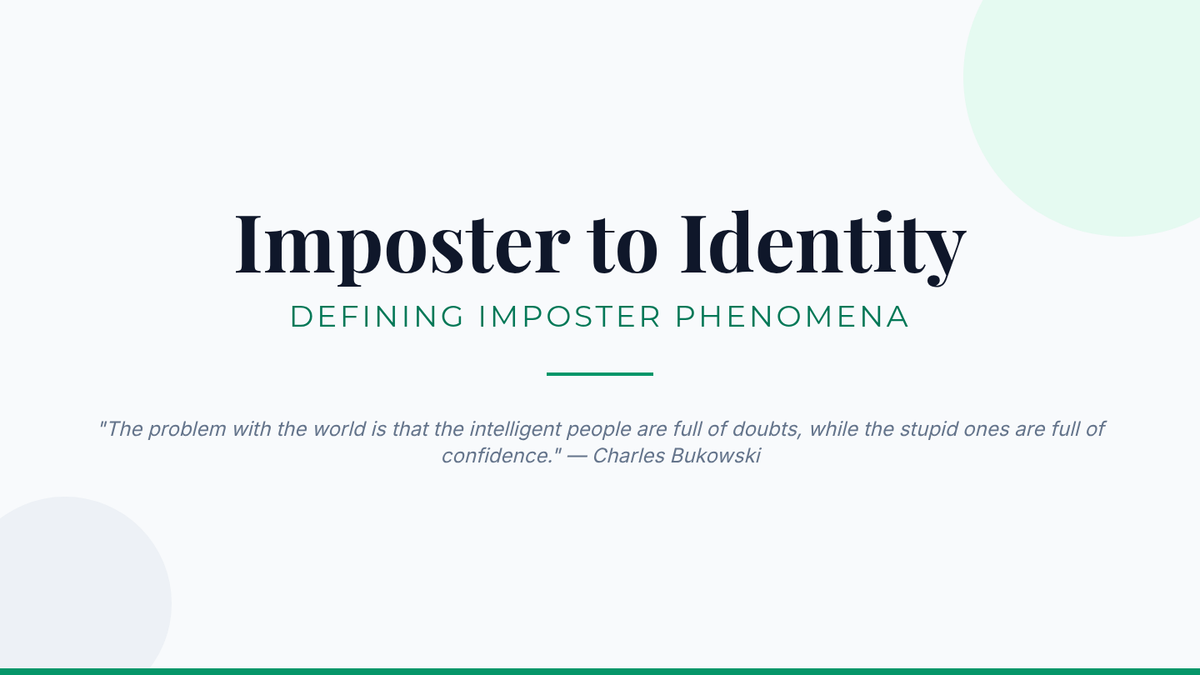
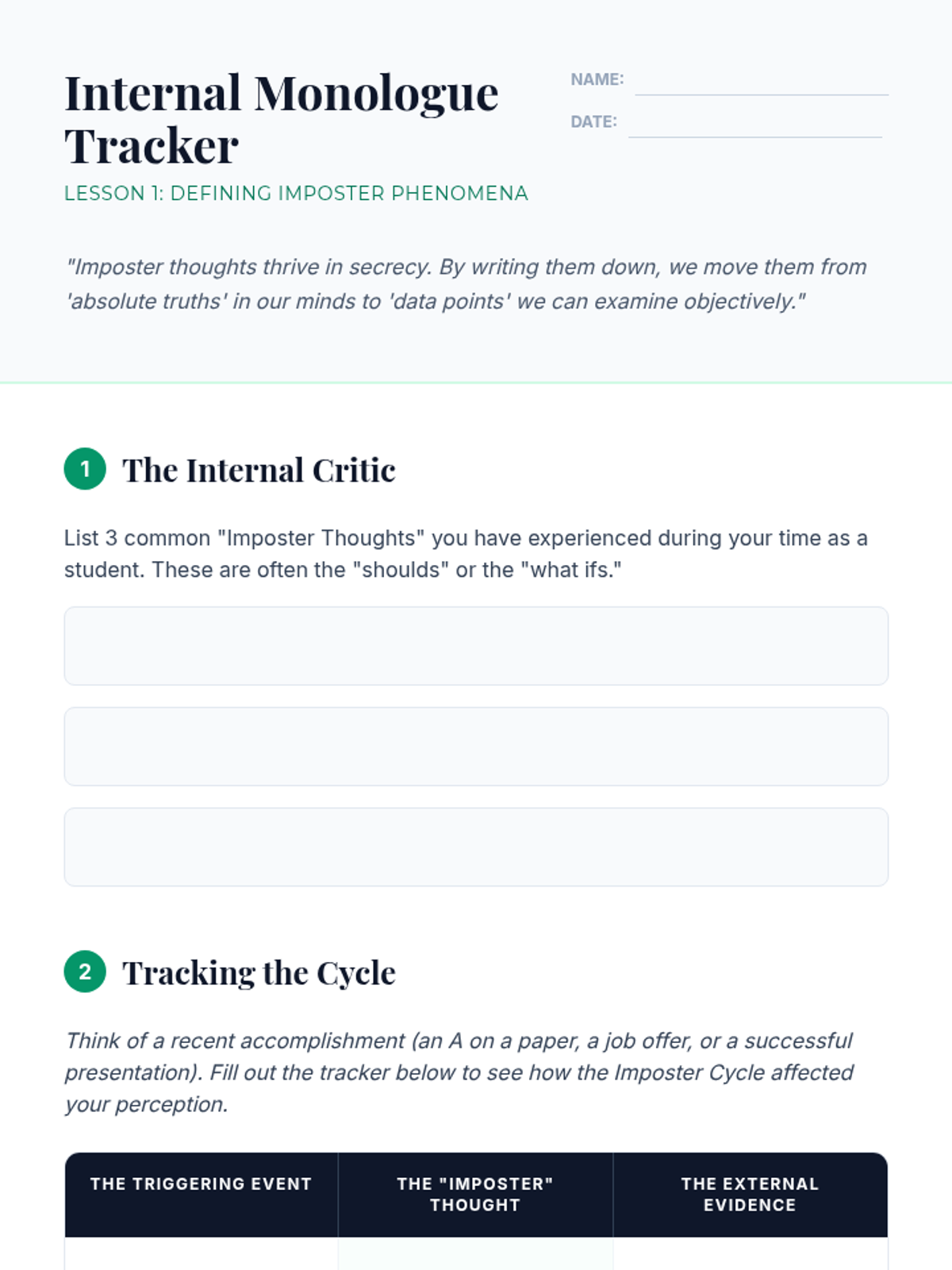
A 5-lesson workshop sequence for undergraduate students to understand, challenge, and overcome imposter syndrome through peer validation and evidence-based identity building.
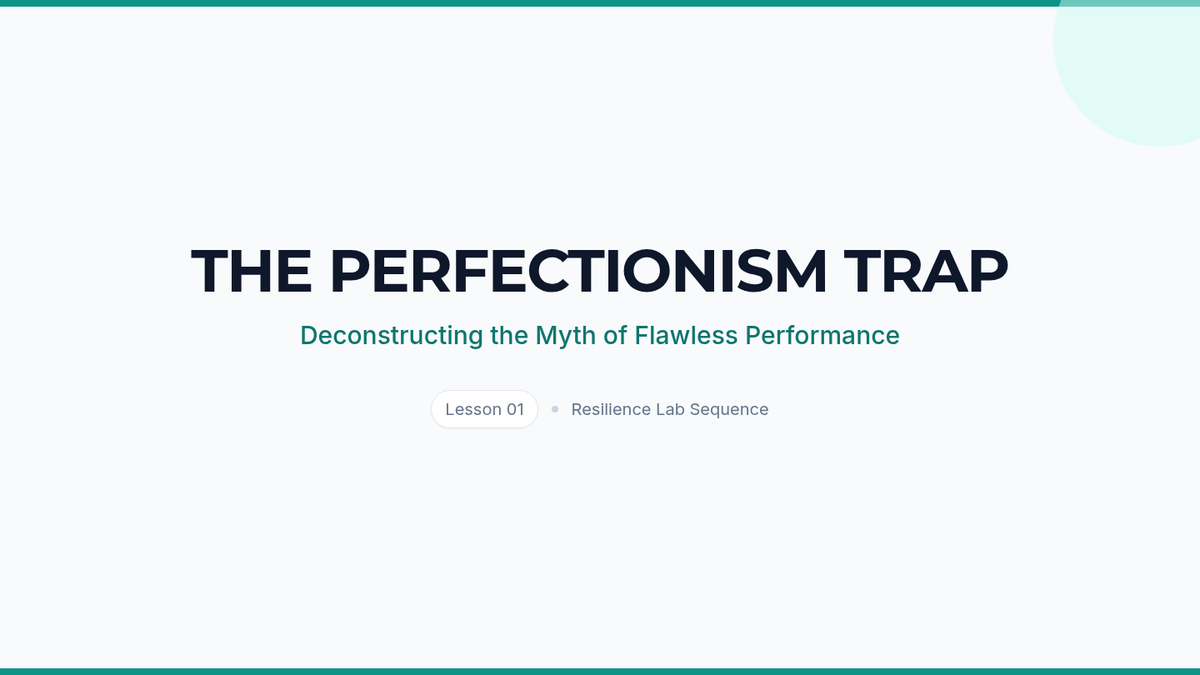
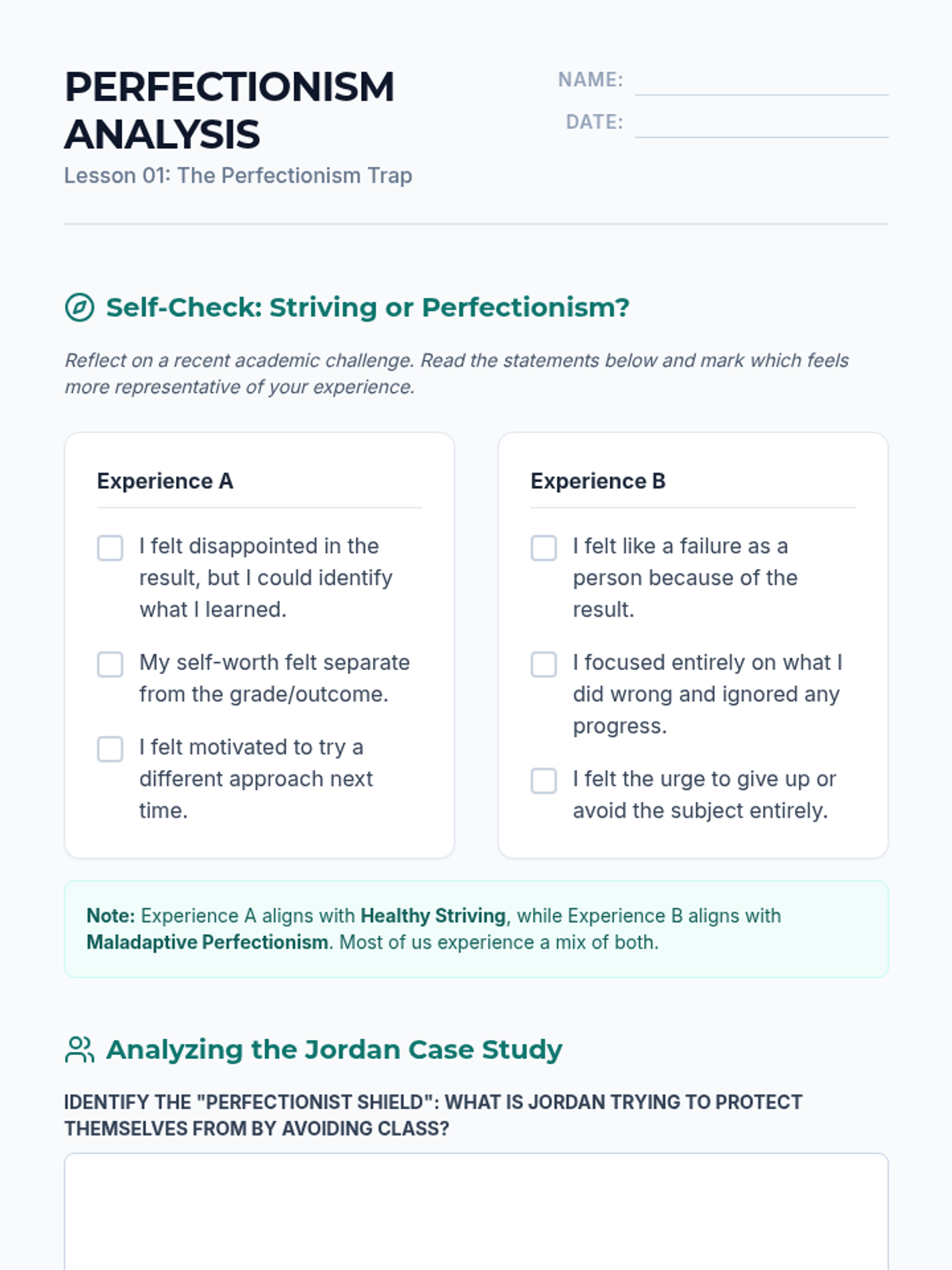
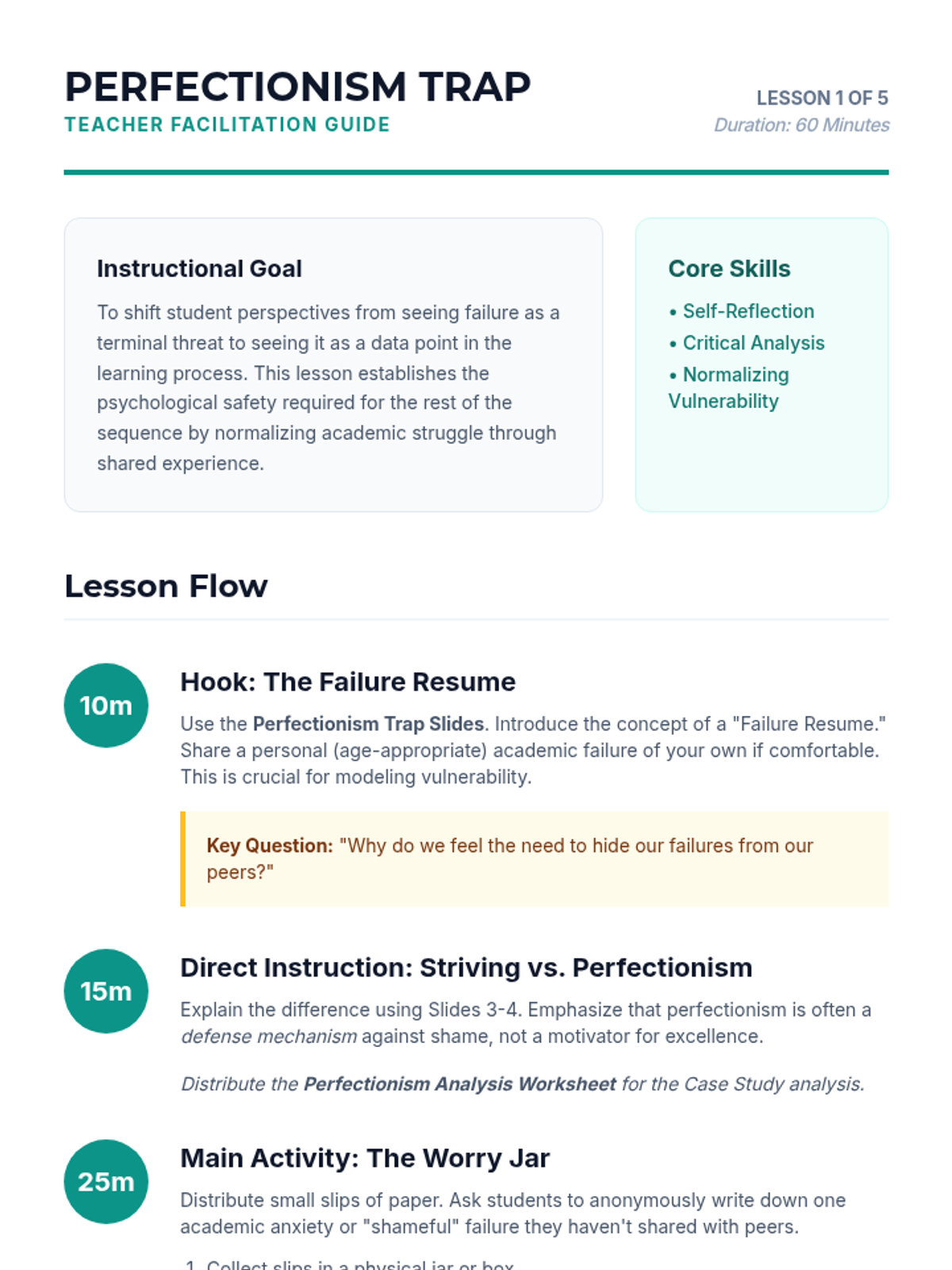
A 5-lesson sequence for undergraduate students focused on deconstructing academic failure, understanding stress physiology, practicing vulnerability through storytelling, and creating personalized resilience frameworks through peer support.
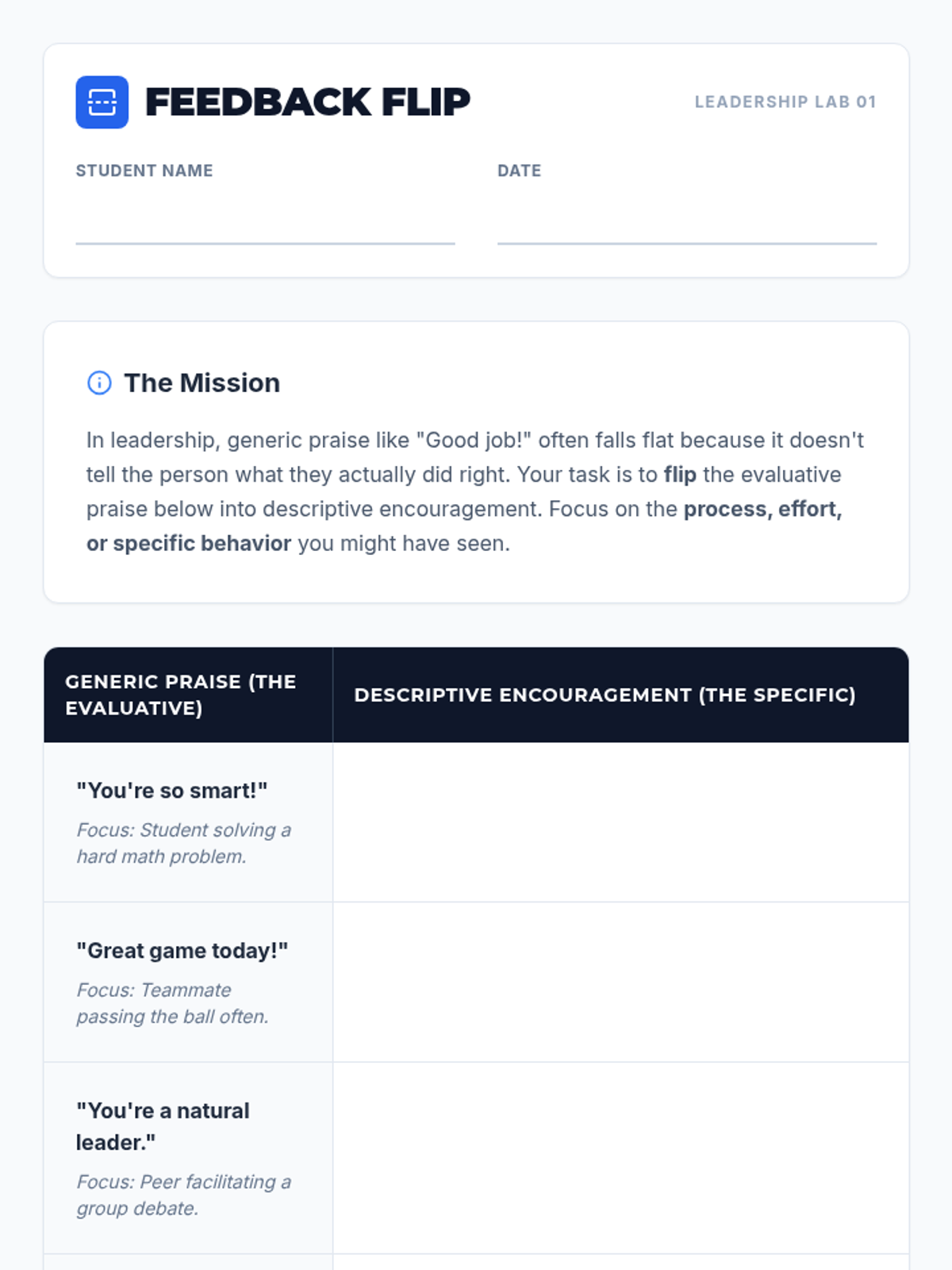
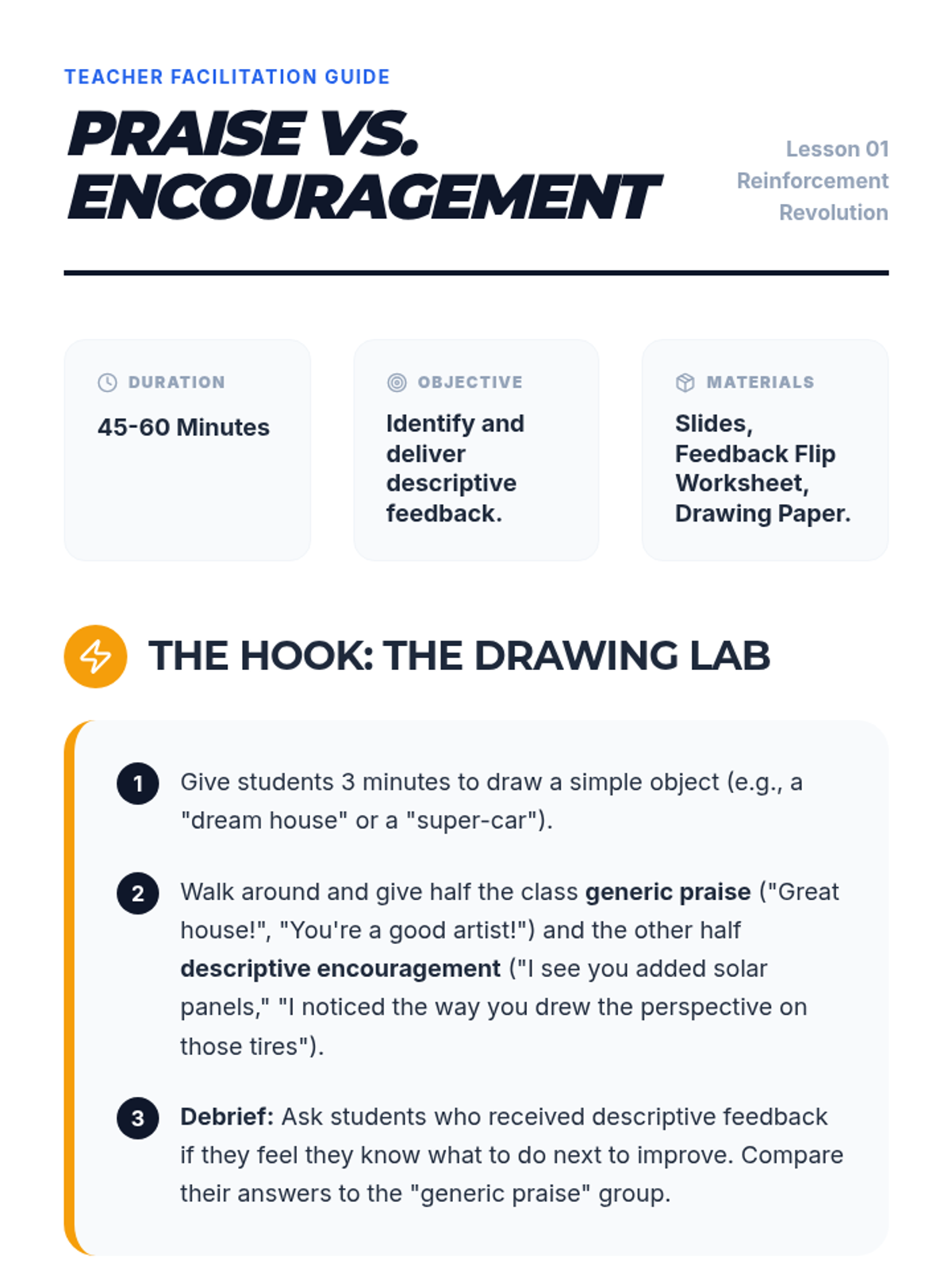
This sequence explores the interpersonal application of positive reinforcement in leadership, coaching, and mentoring contexts. Students examine how leaders influence group culture and individual performance through specific praise and recognition systems.
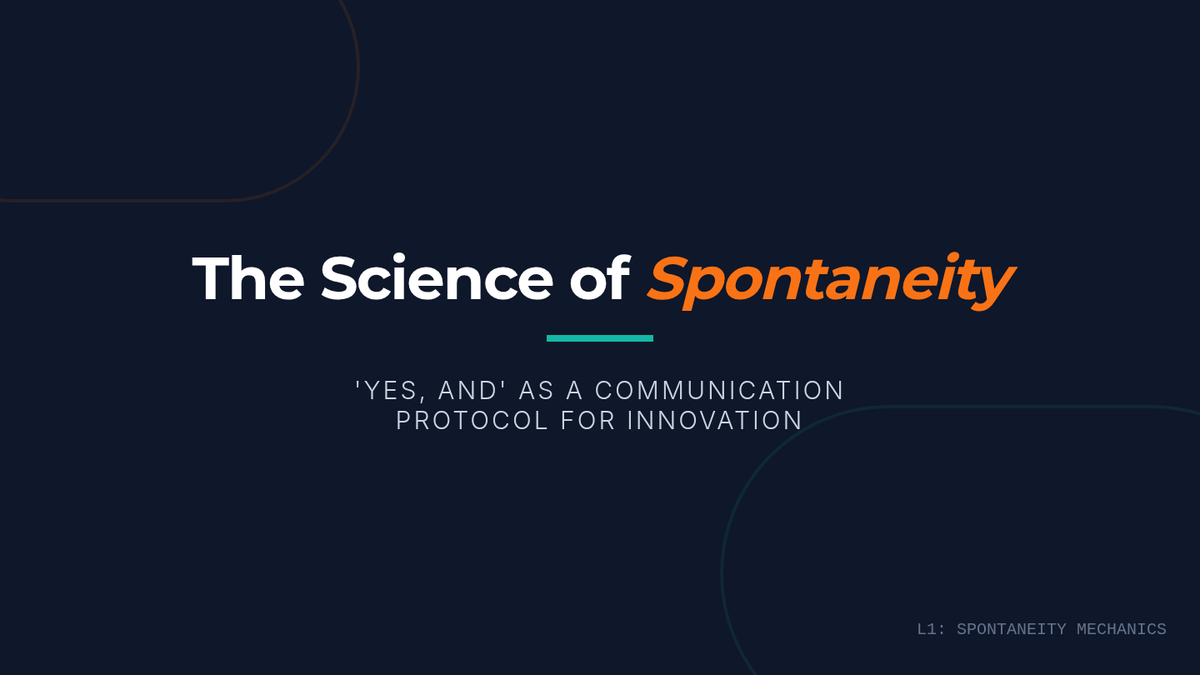
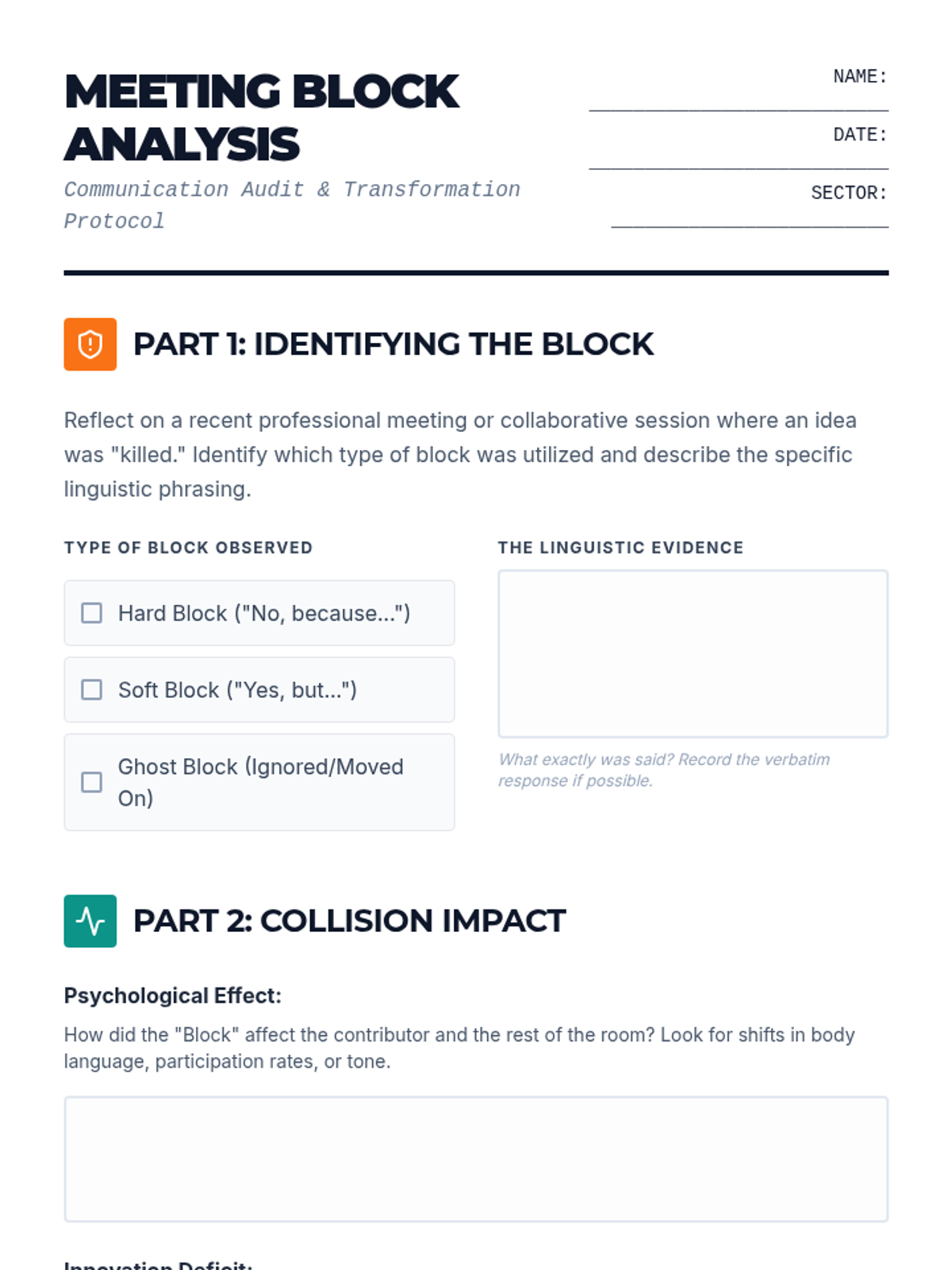
This graduate-level sequence bridges the gap between improvisational theater techniques and organizational leadership. Students explore how the mechanics of spontaneity, 'Yes, And' communication protocols, and narrative arcs can be applied to crisis management, negotiation, and high-stakes corporate communication.
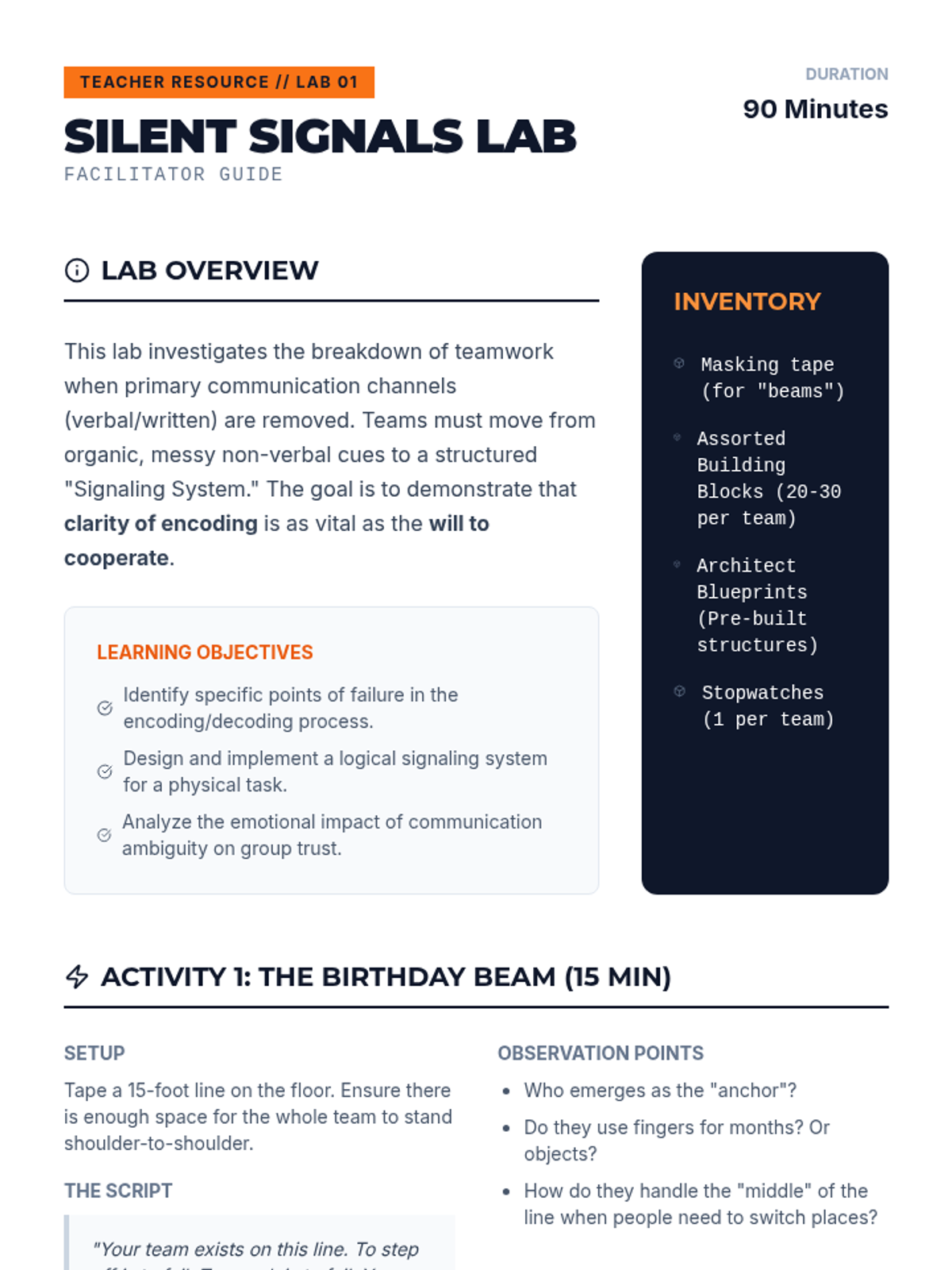
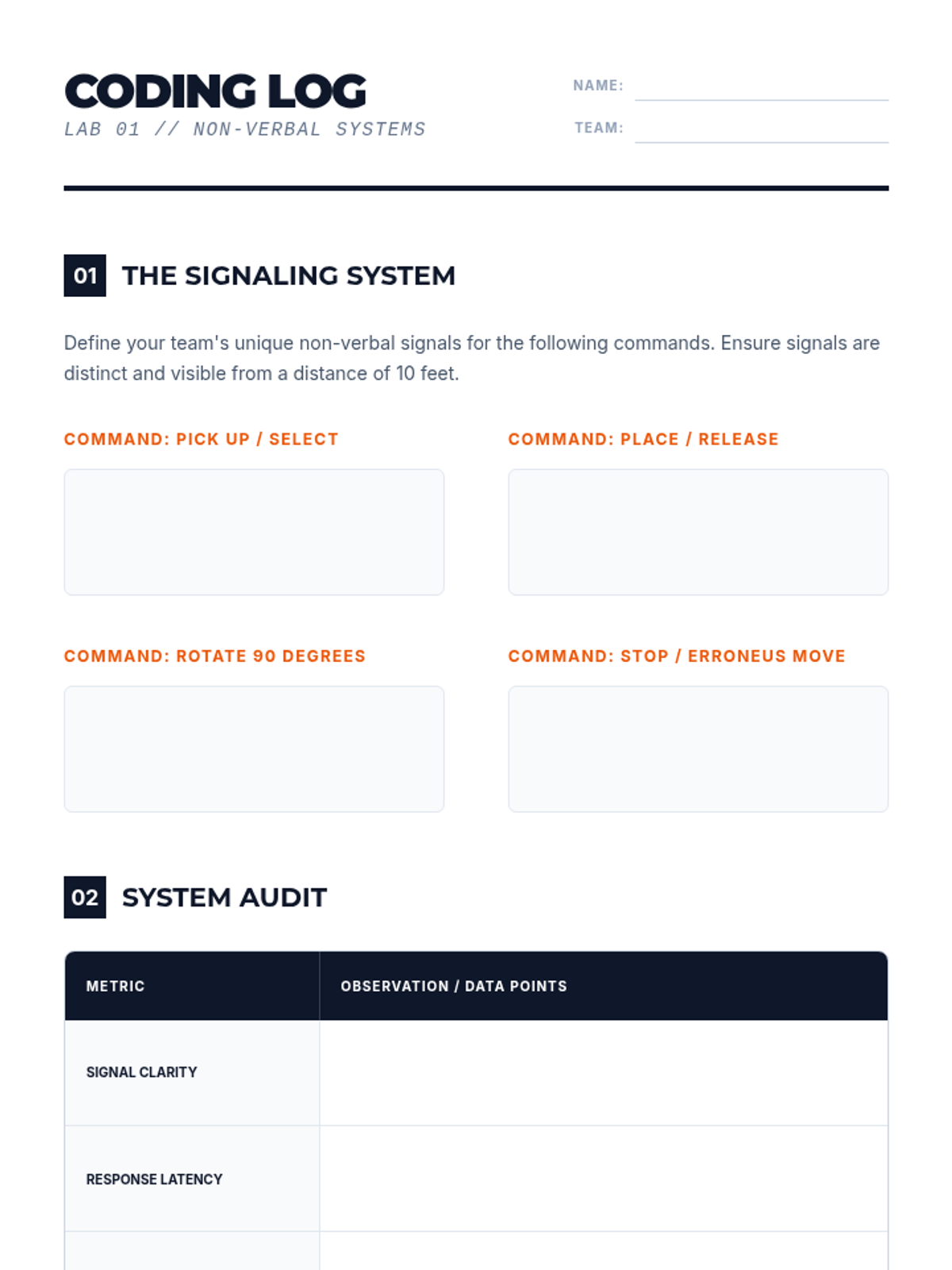
A comprehensive sequence for undergraduate students exploring high-stakes problem-solving through outdoor and adventure activities. Students move from analyzing communication systems to executing adaptive strategies, culminating in professional leadership development plans.
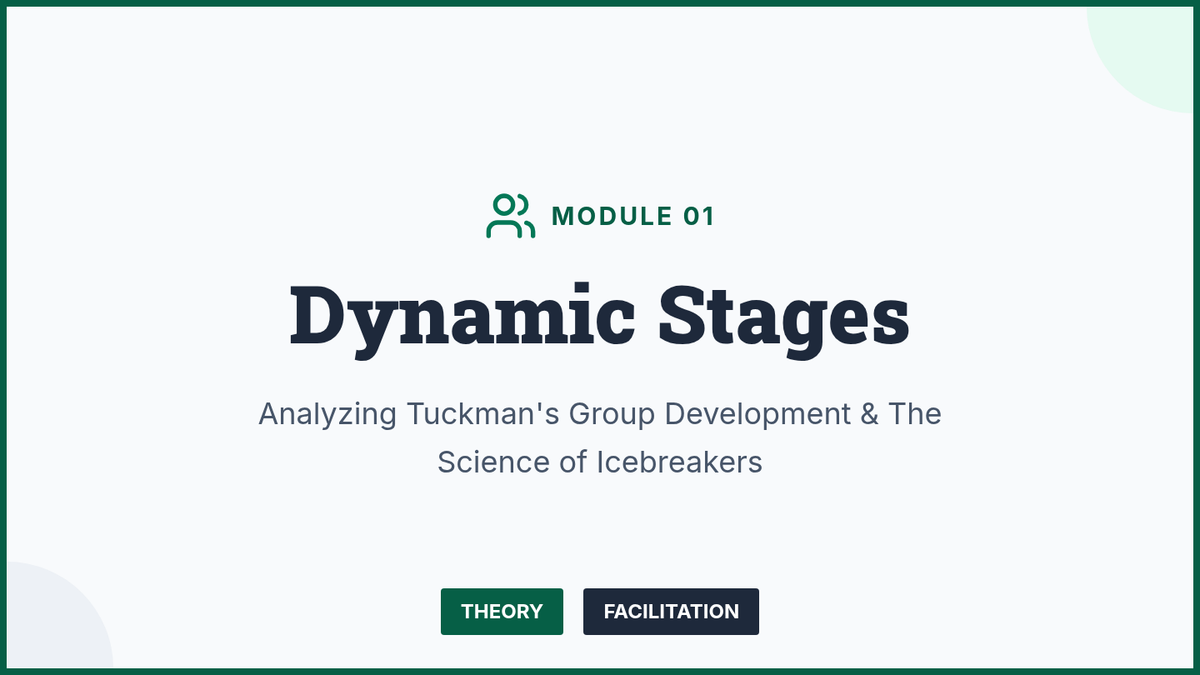
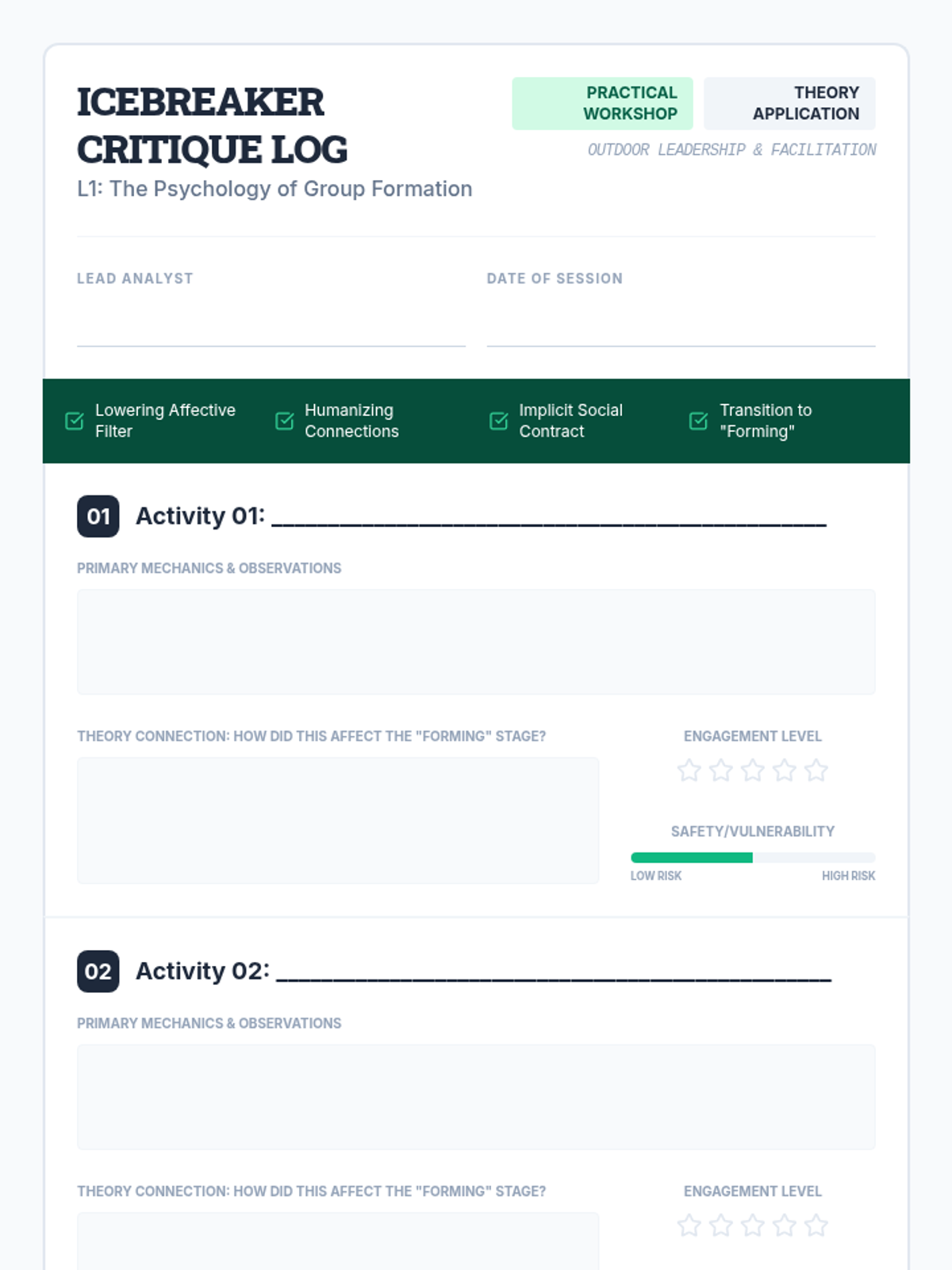
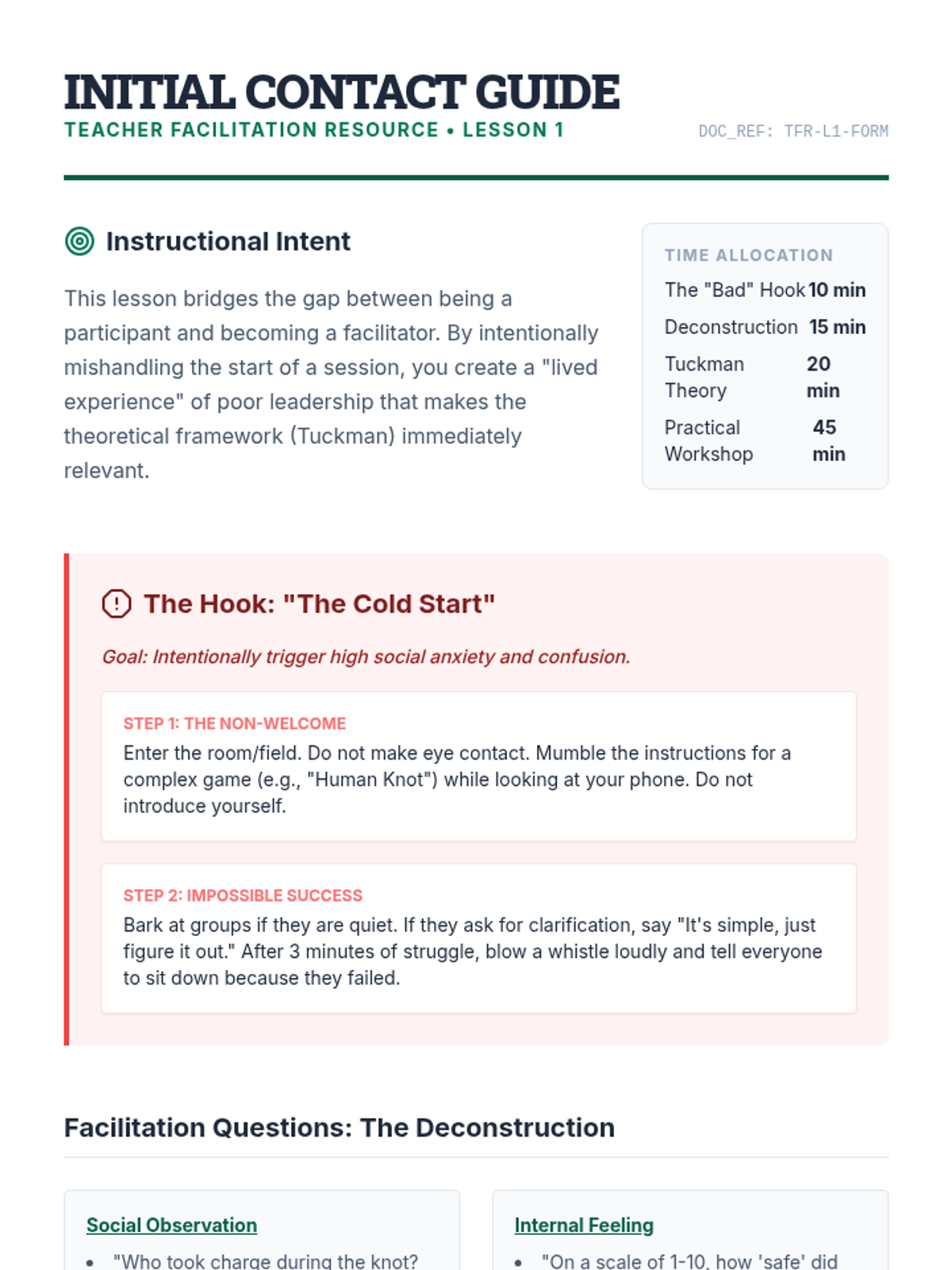
This sequence transitions undergraduate students from participants to facilitators of outdoor adventure activities. It explores group development theory, psychological safety, conflict mediation, universal design, and advanced debriefing techniques through a workshop-based approach.
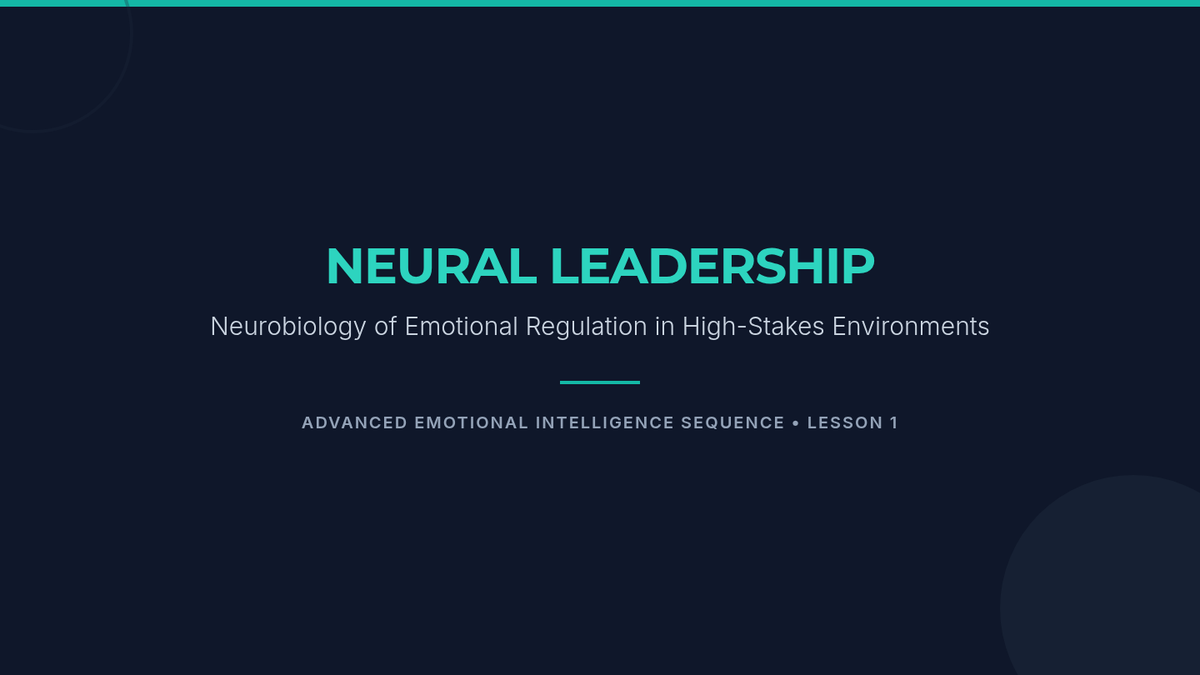
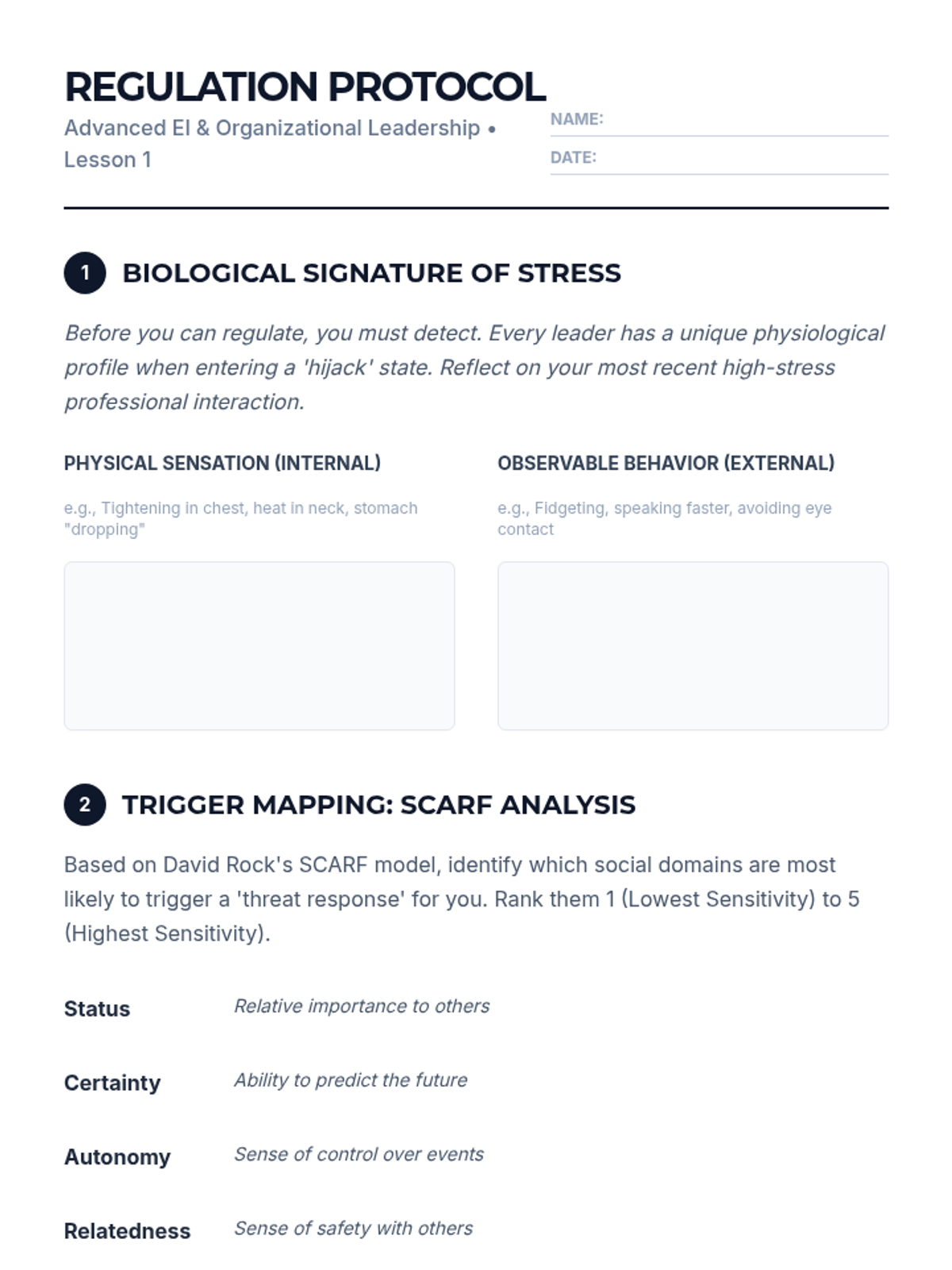
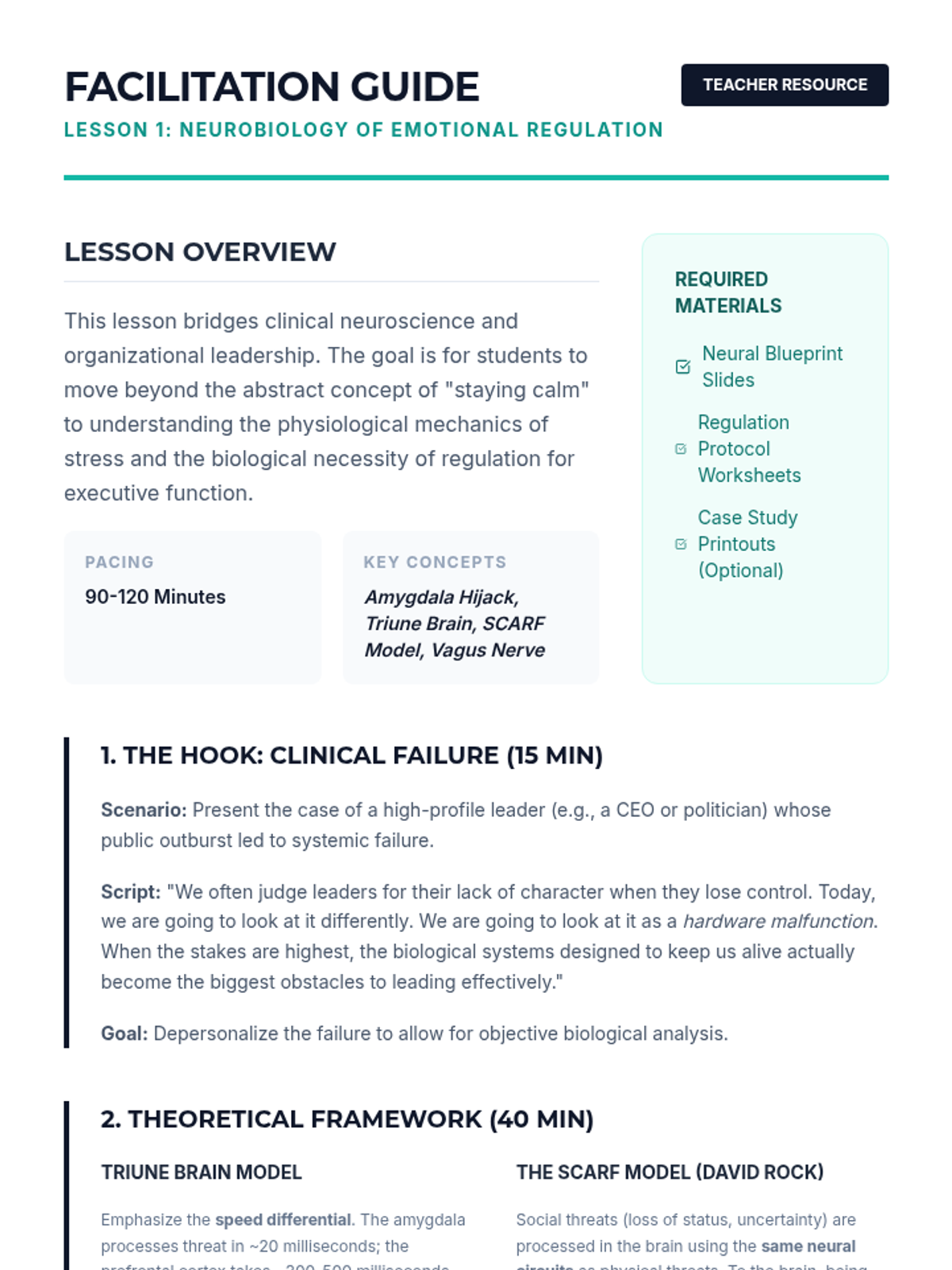
An advanced course for graduate students exploring the intersection of neurobiology, psychological theory, and organizational leadership. Students develop high-level social and emotional competencies to navigate complex professional environments and foster psychological safety.
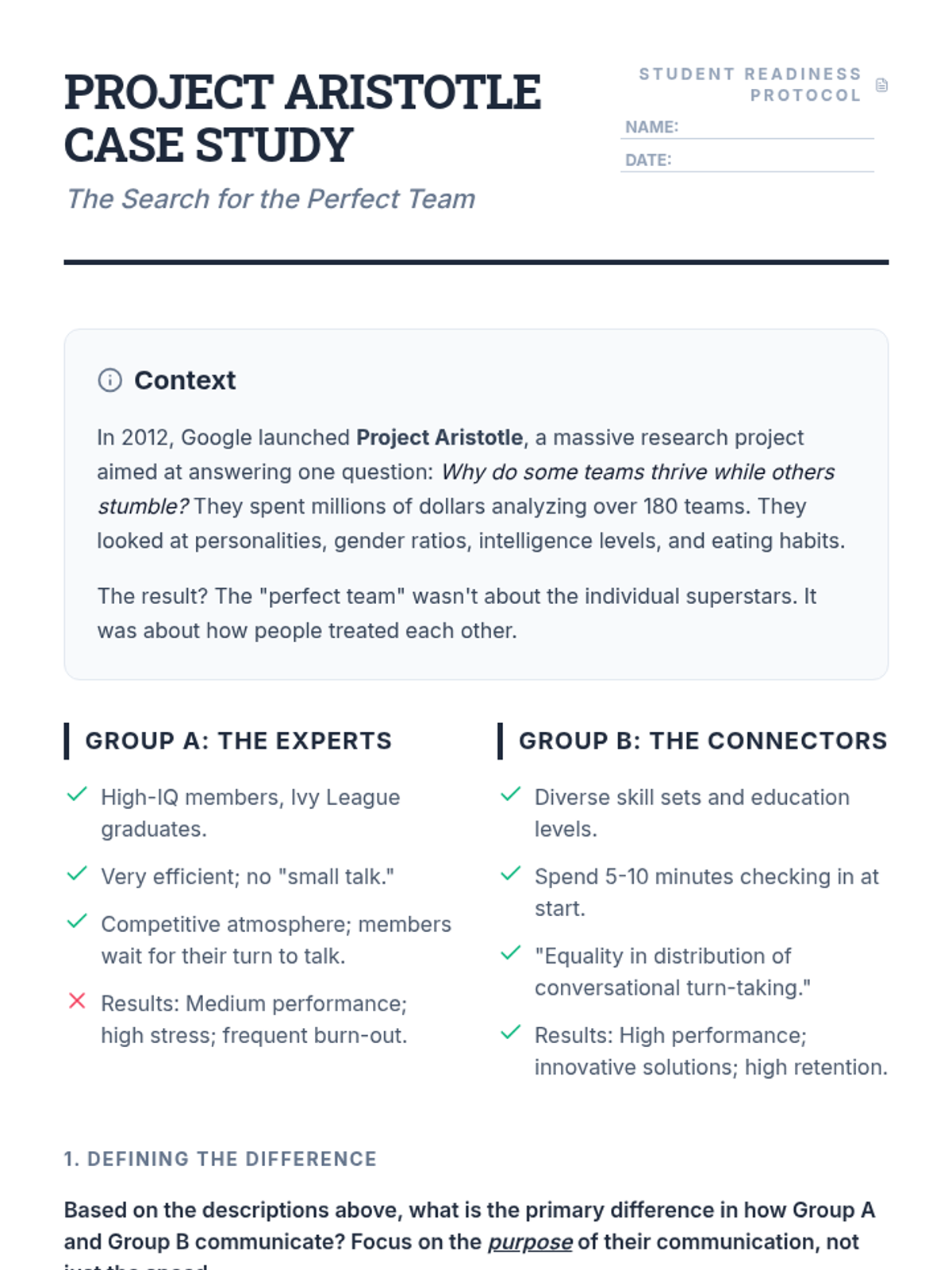
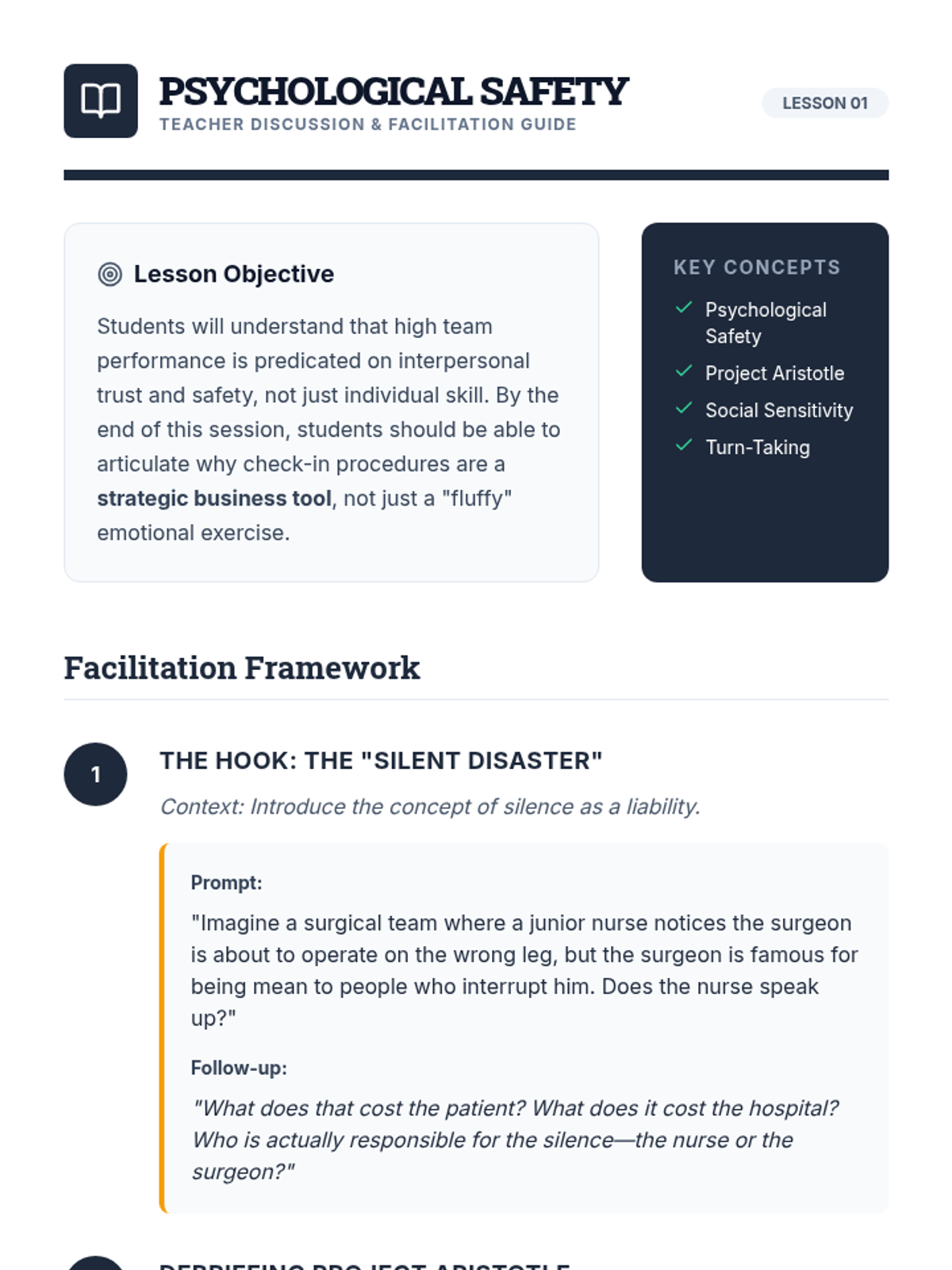
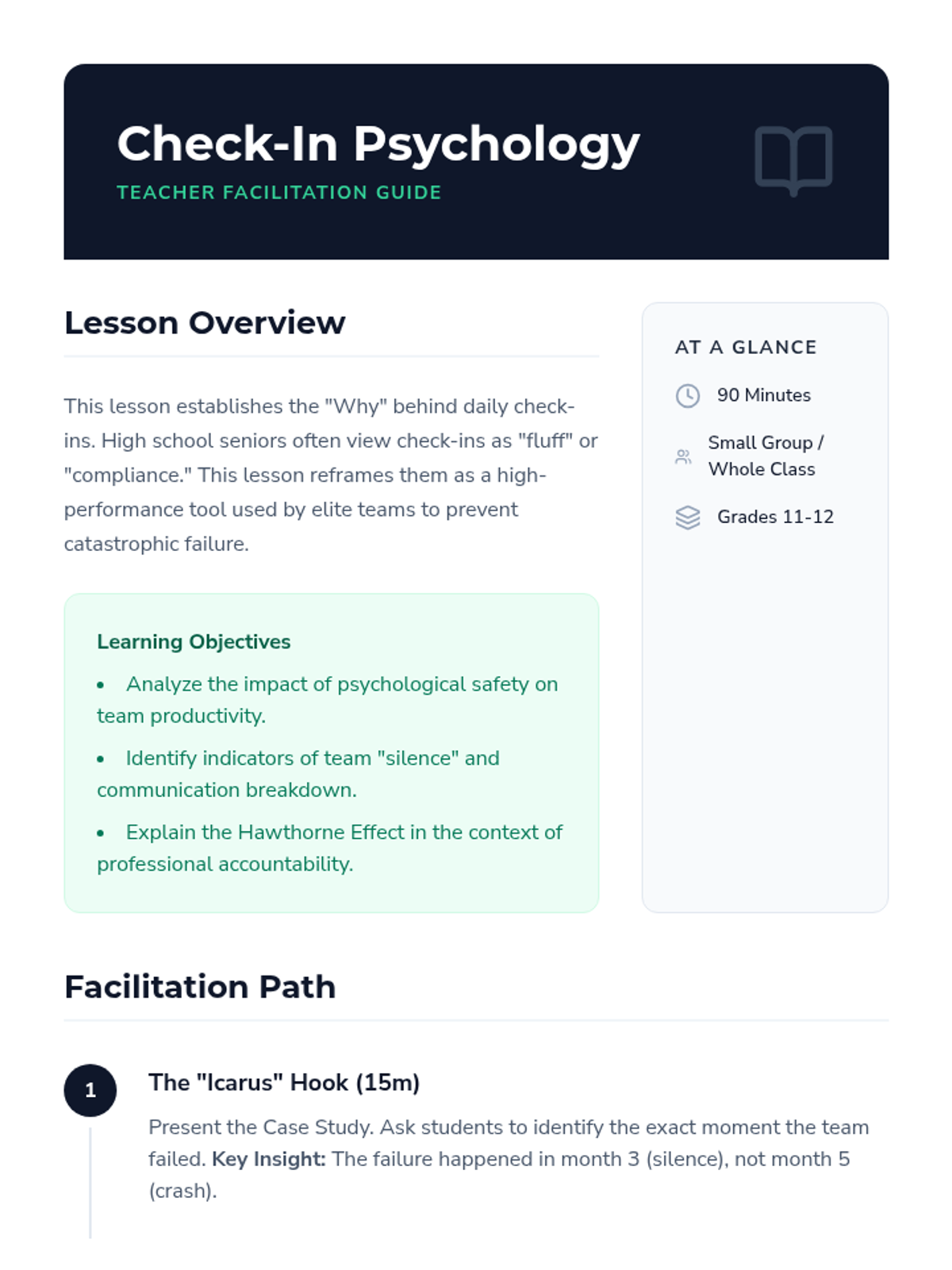
This sequence frames daily check-ins as a professional leadership and team management competency. Students explore psychological safety, real-world professional stand-ups, and facilitation techniques to design their own 'Readiness Protocols' for teams.
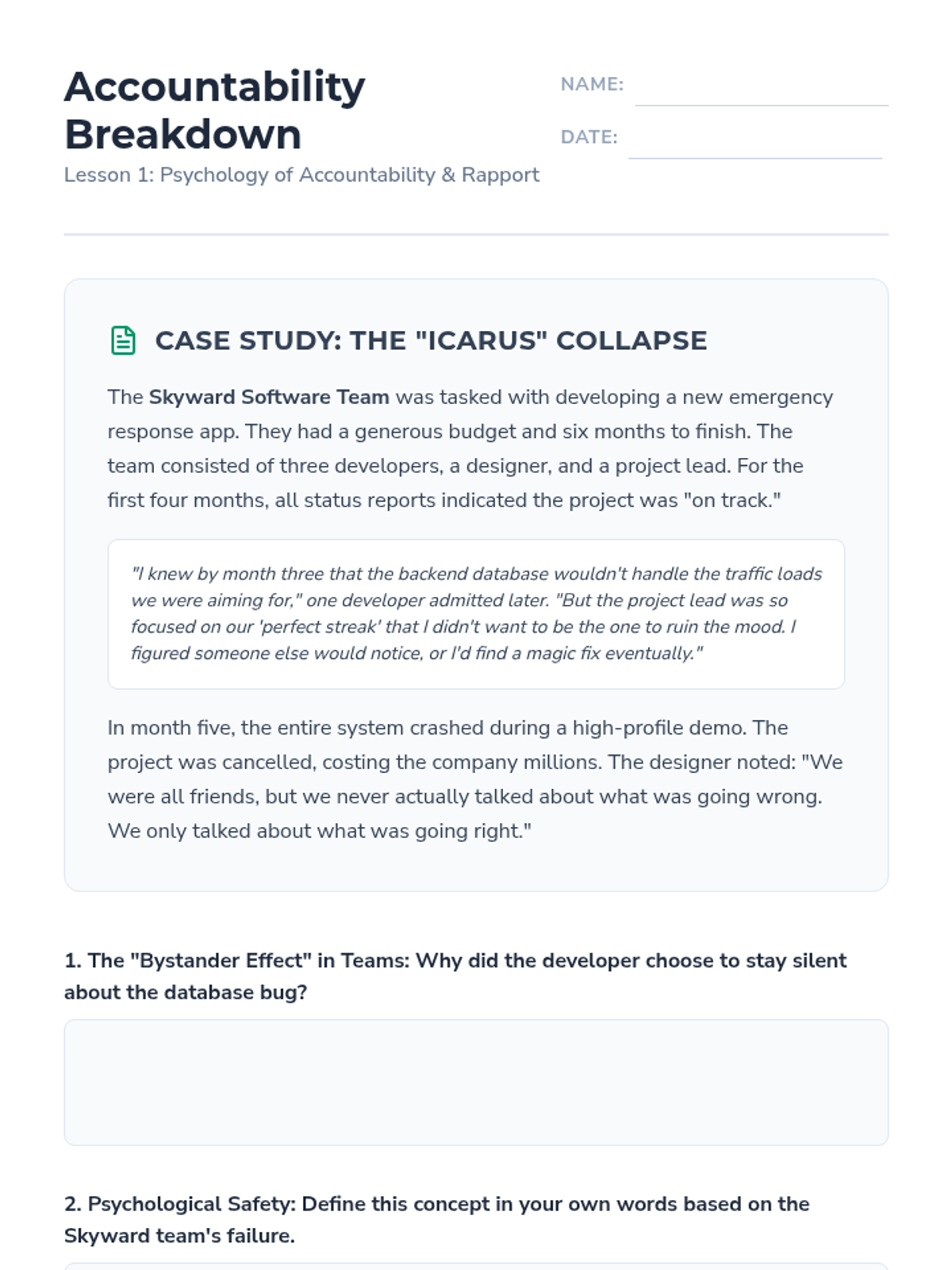
This sequence explores the role of structured daily check-ins in fostering psychological safety and collective productivity. Students move from understanding the psychological foundations of rapport to mastering professional frameworks like Agile Stand-Ups, eventually leading their own community circles.
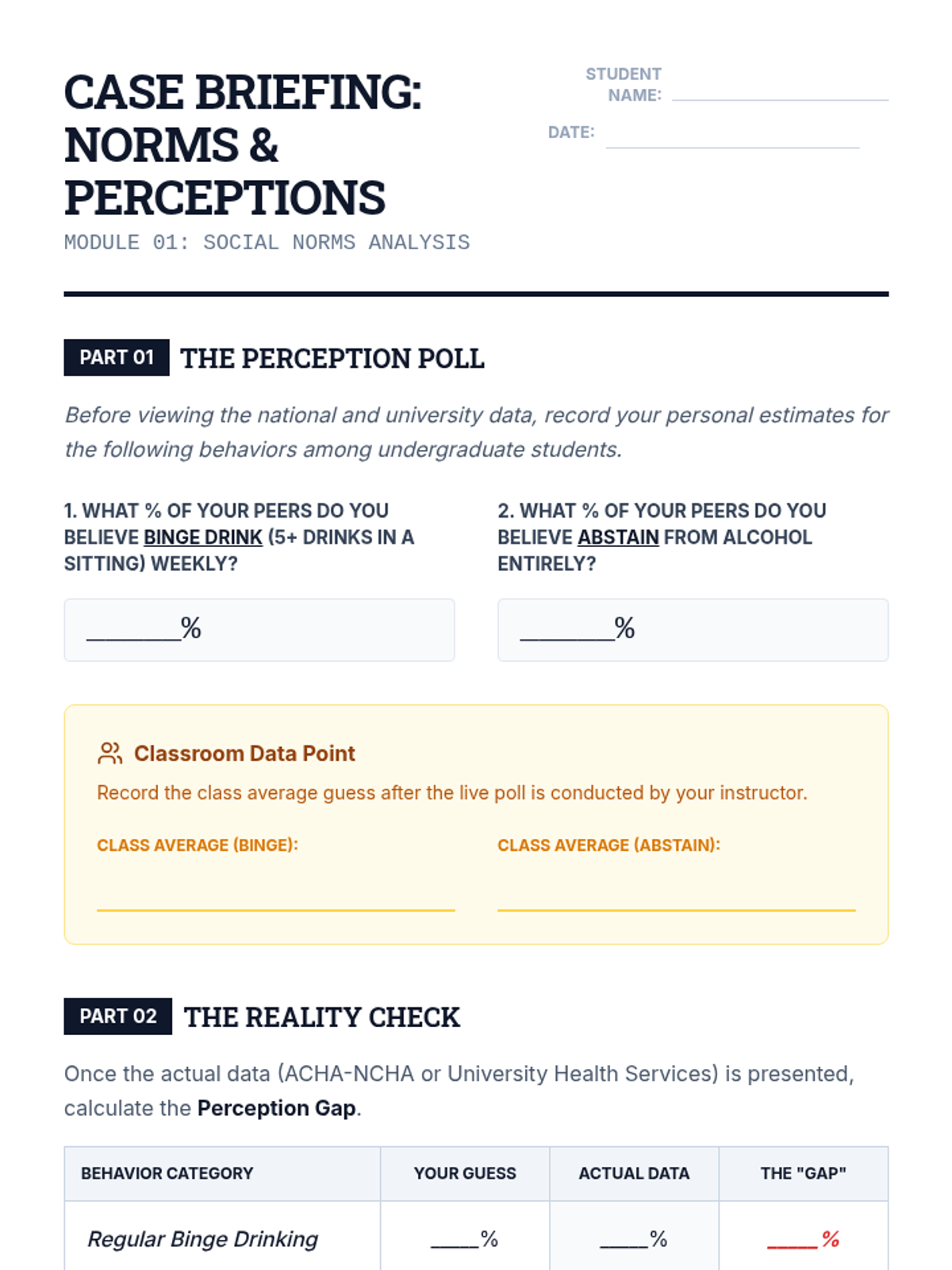
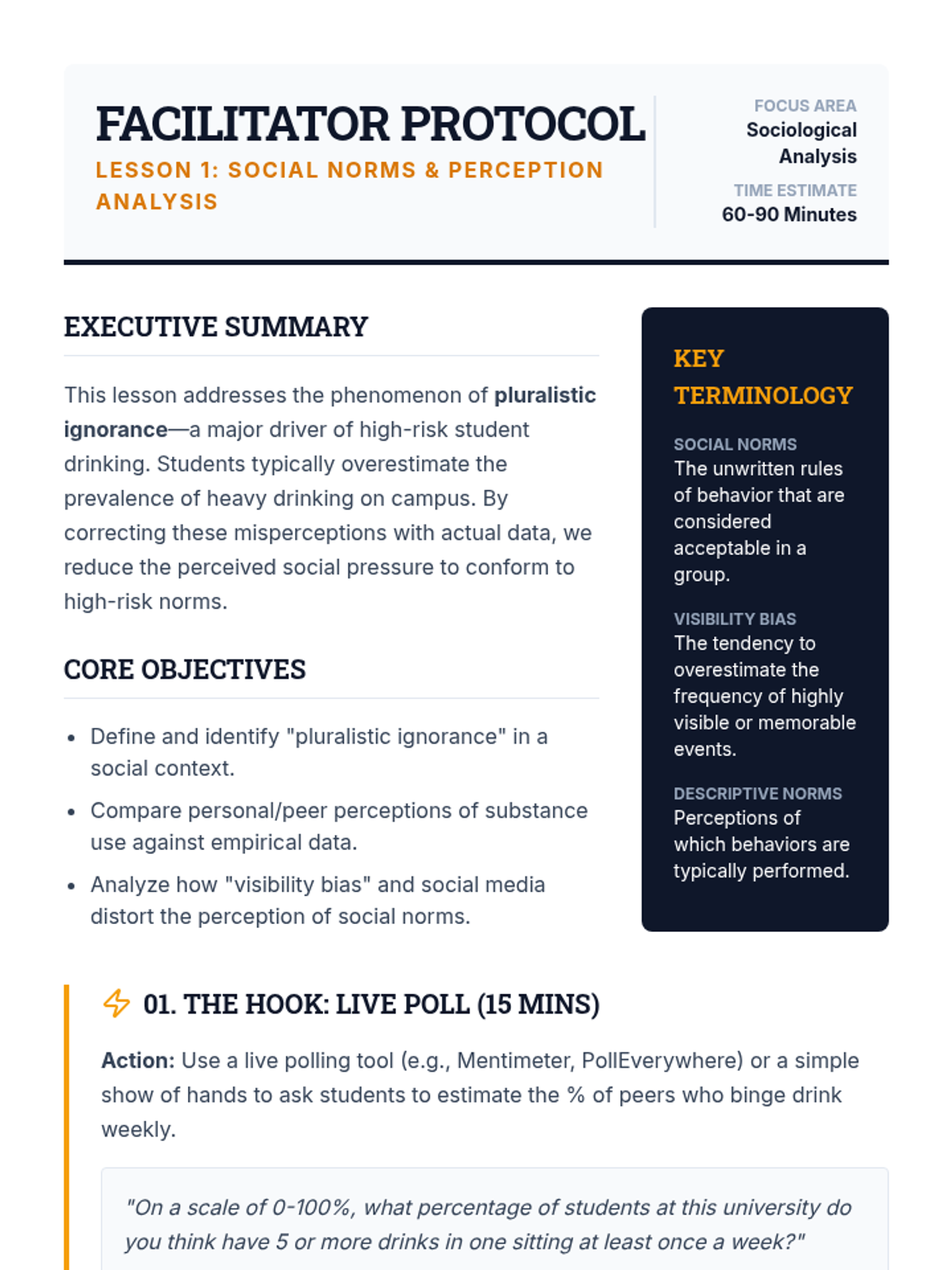
A comprehensive exploration of the social, legal, and behavioral dimensions of alcohol use for undergraduate students. The sequence covers social norms, legal liability, consent, bystander intervention, and risk mitigation planning.
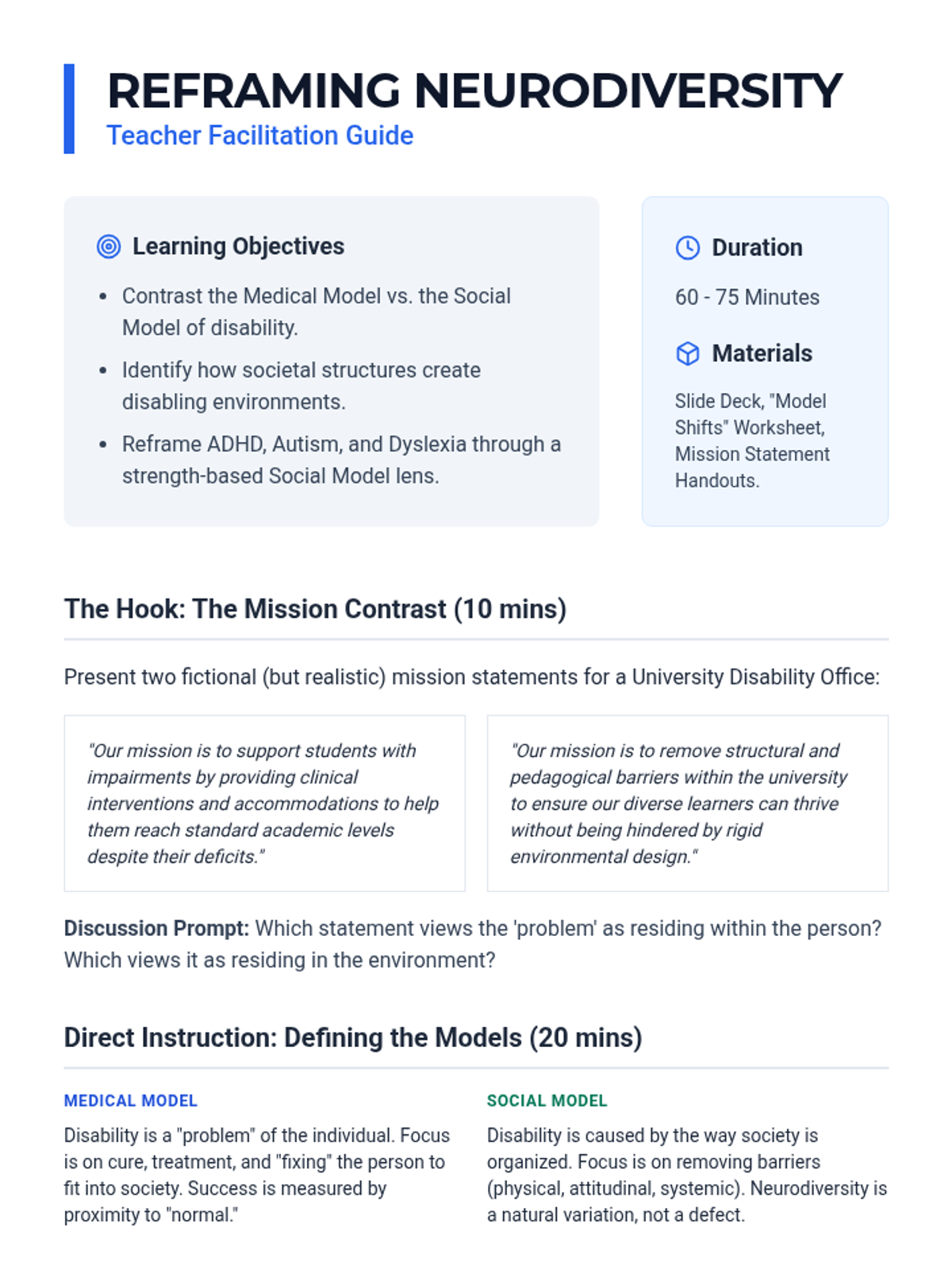
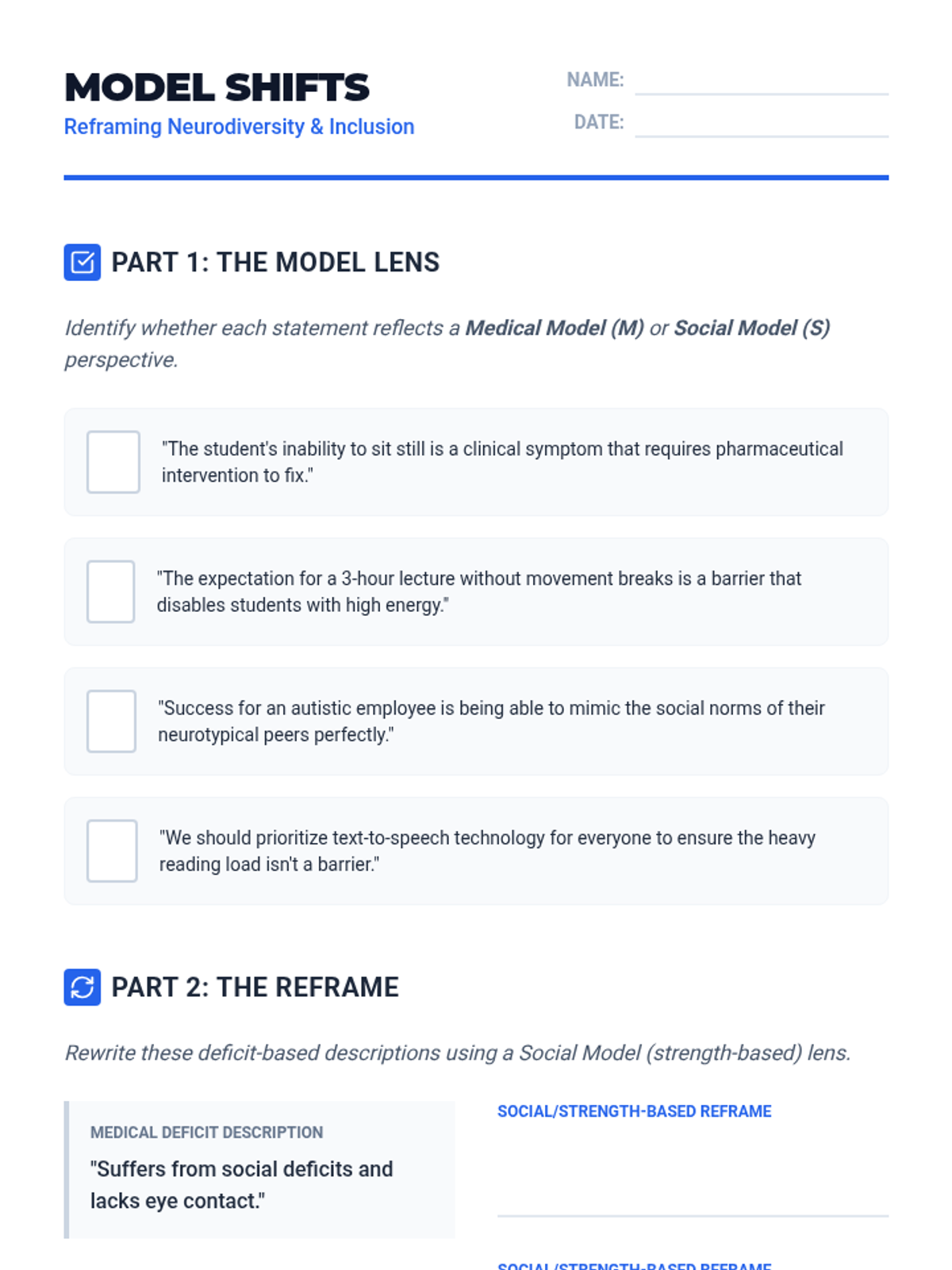
This sequence explores neurodiversity through the Social Model of disability, challenging traditional norms of professionalism and designing inclusive environments. Students will move from theoretical understanding to practical application in organizational policy and advocacy.
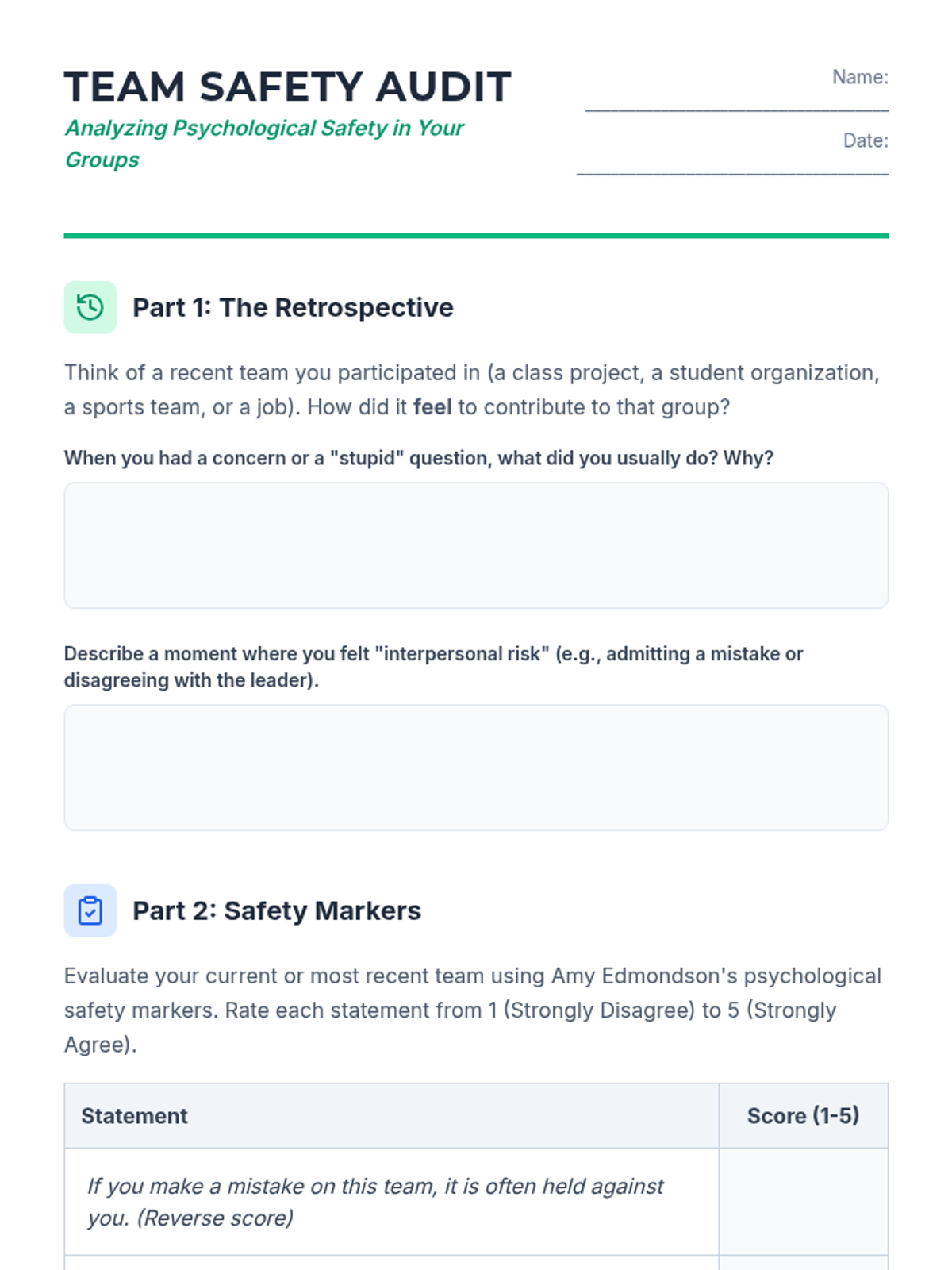
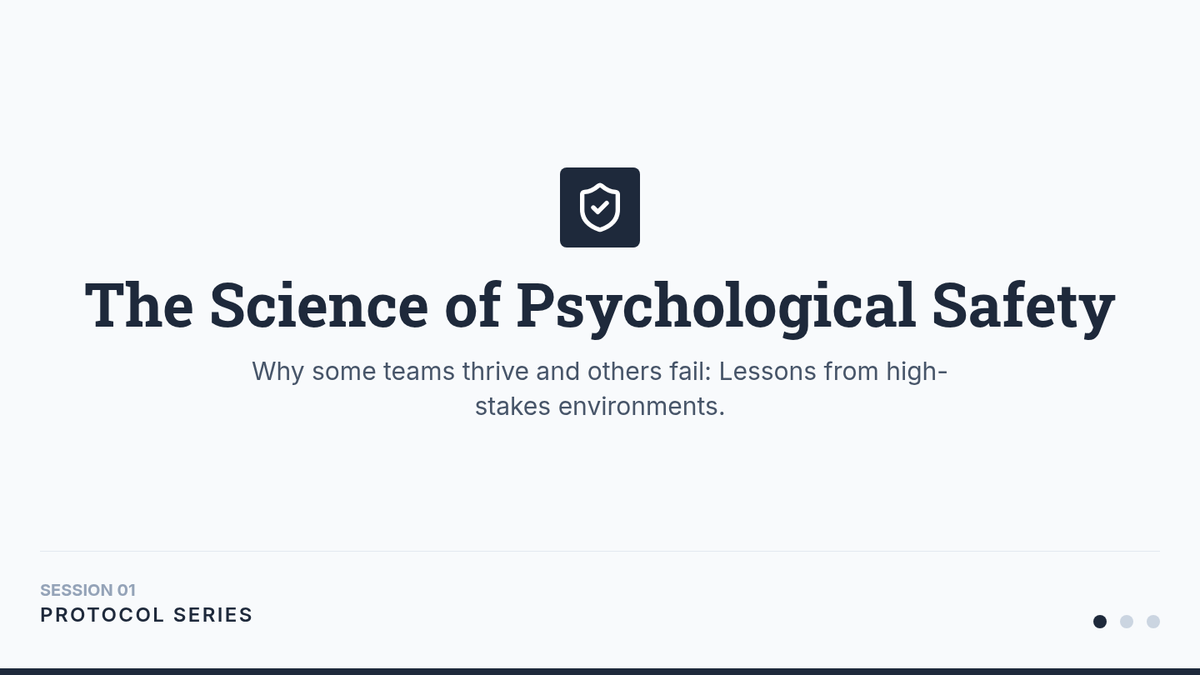
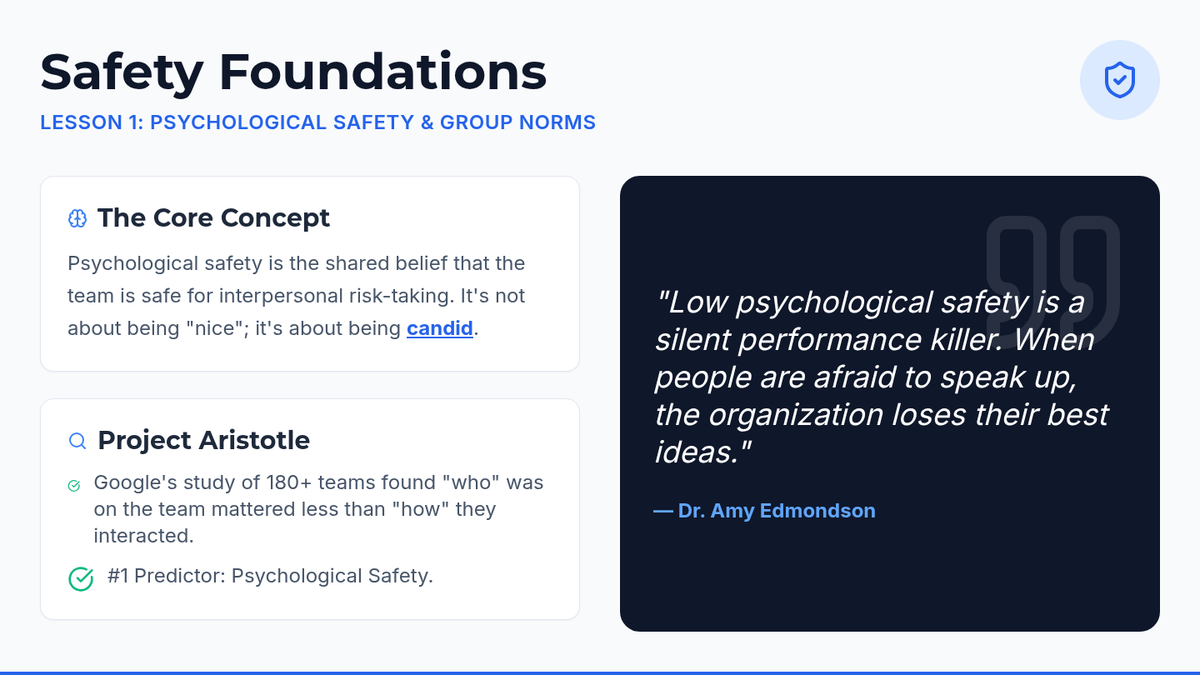
A comprehensive sequence for undergraduate students to master the art of creating psychological safety, fostering belonging, and designing inclusive community rituals through theoretical frameworks and practical facilitation skills.
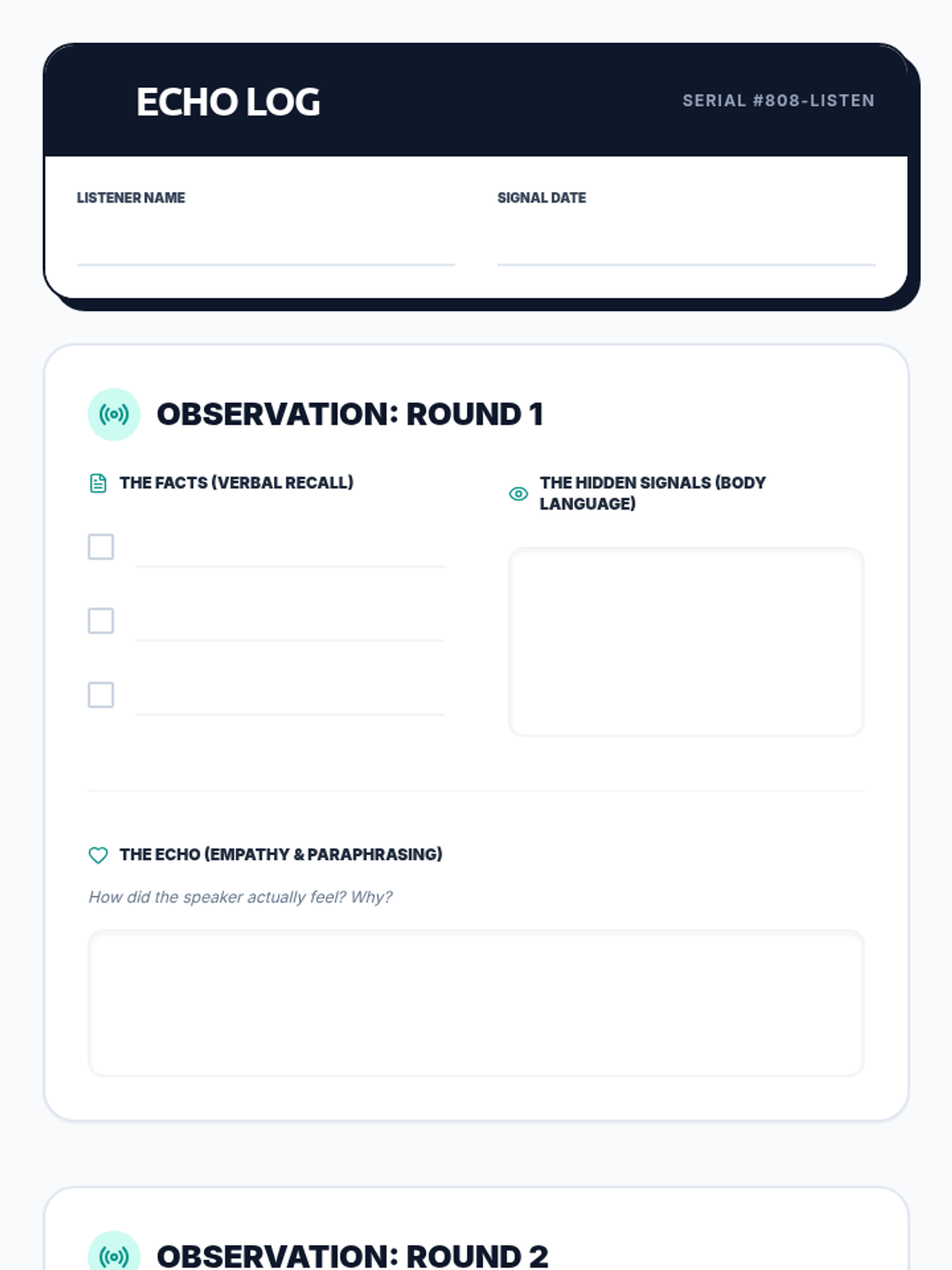
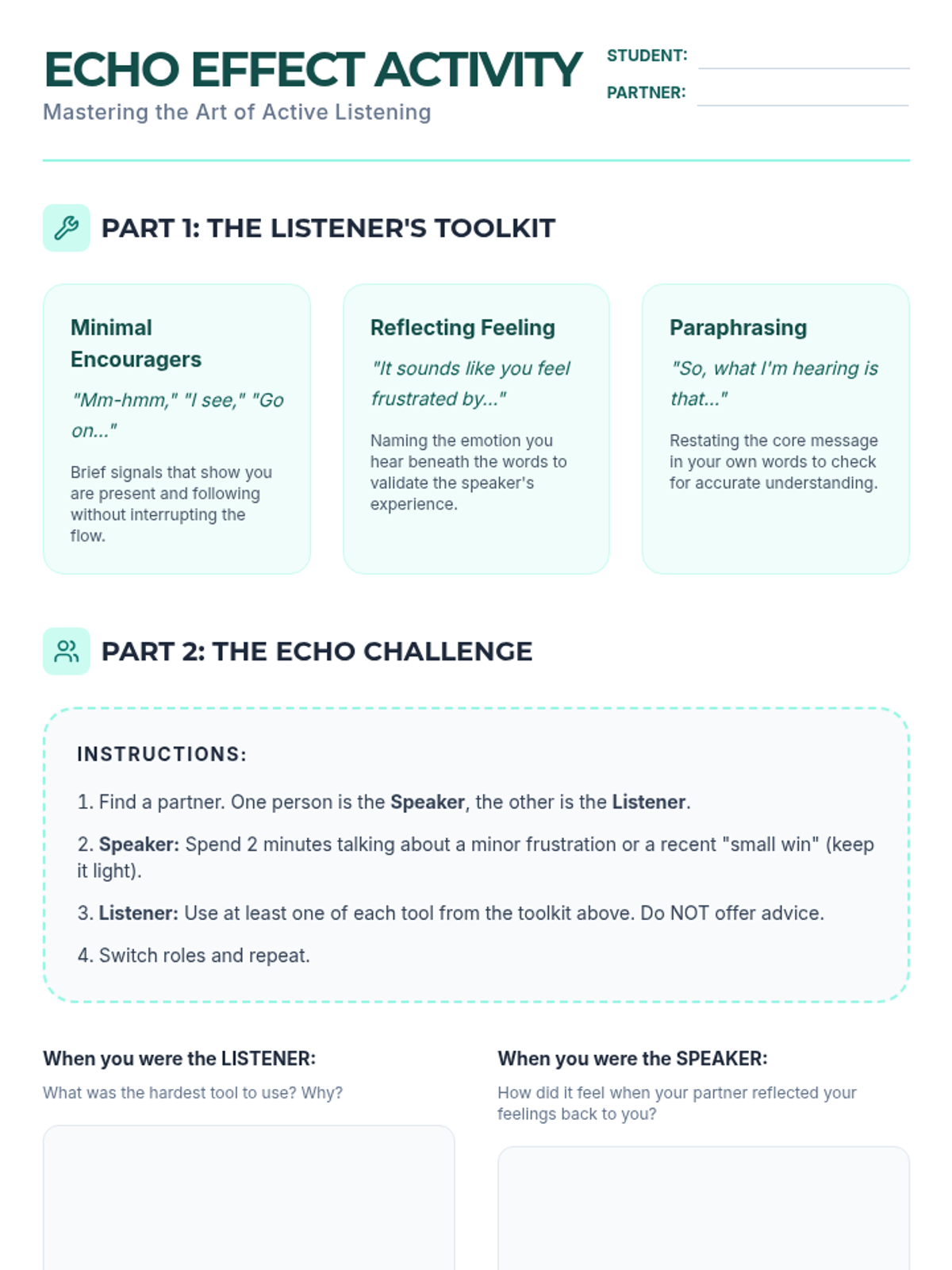
A series focused on interpersonal communication skills, helping students become more effective communicators and empathetic listeners.
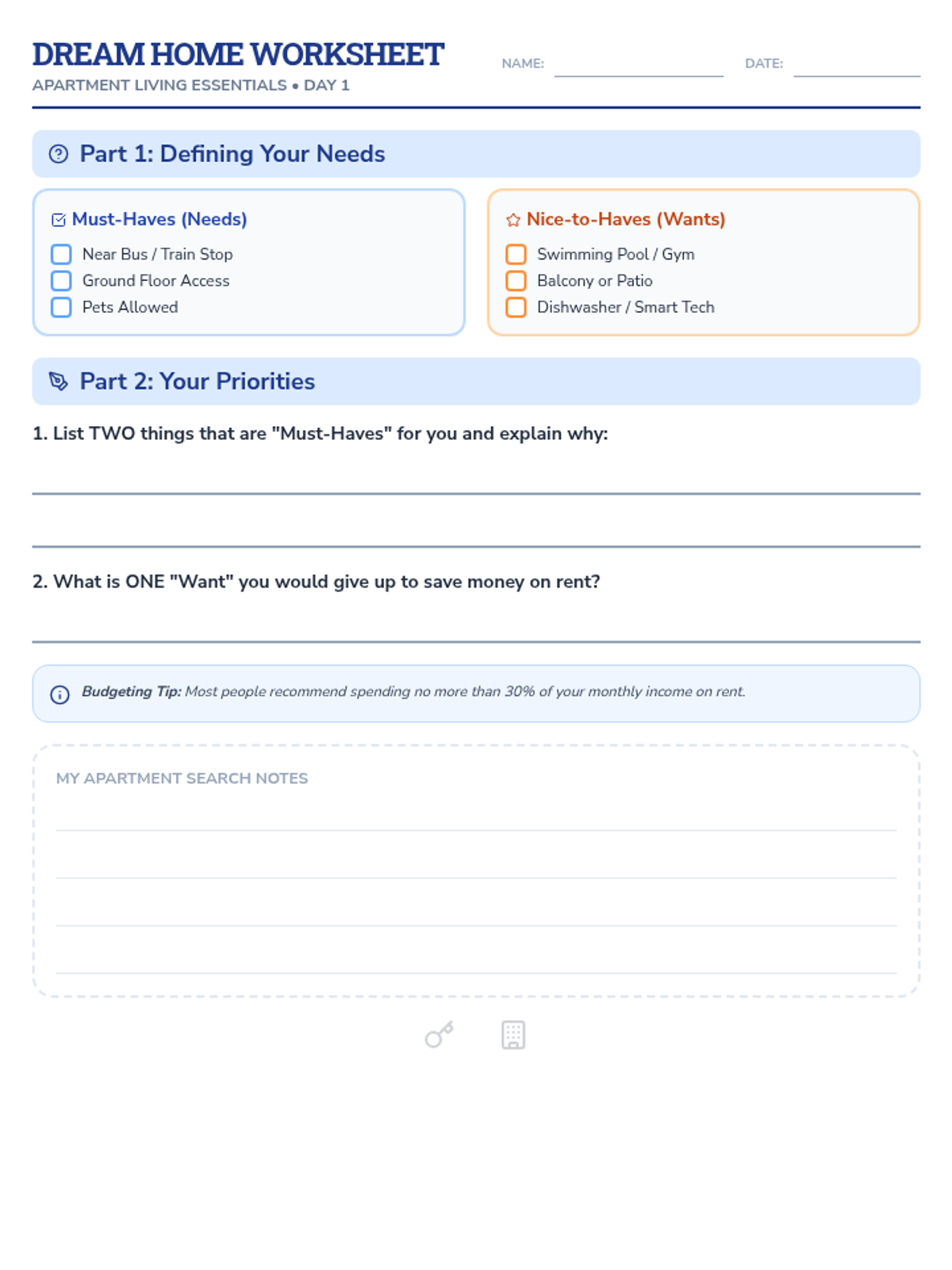
A comprehensive 5-day unit designed for adult transition students to master the essentials of finding, securing, and maintaining an apartment. Topics include budgeting, understanding leases, setting up utilities, and being a responsible neighbor.
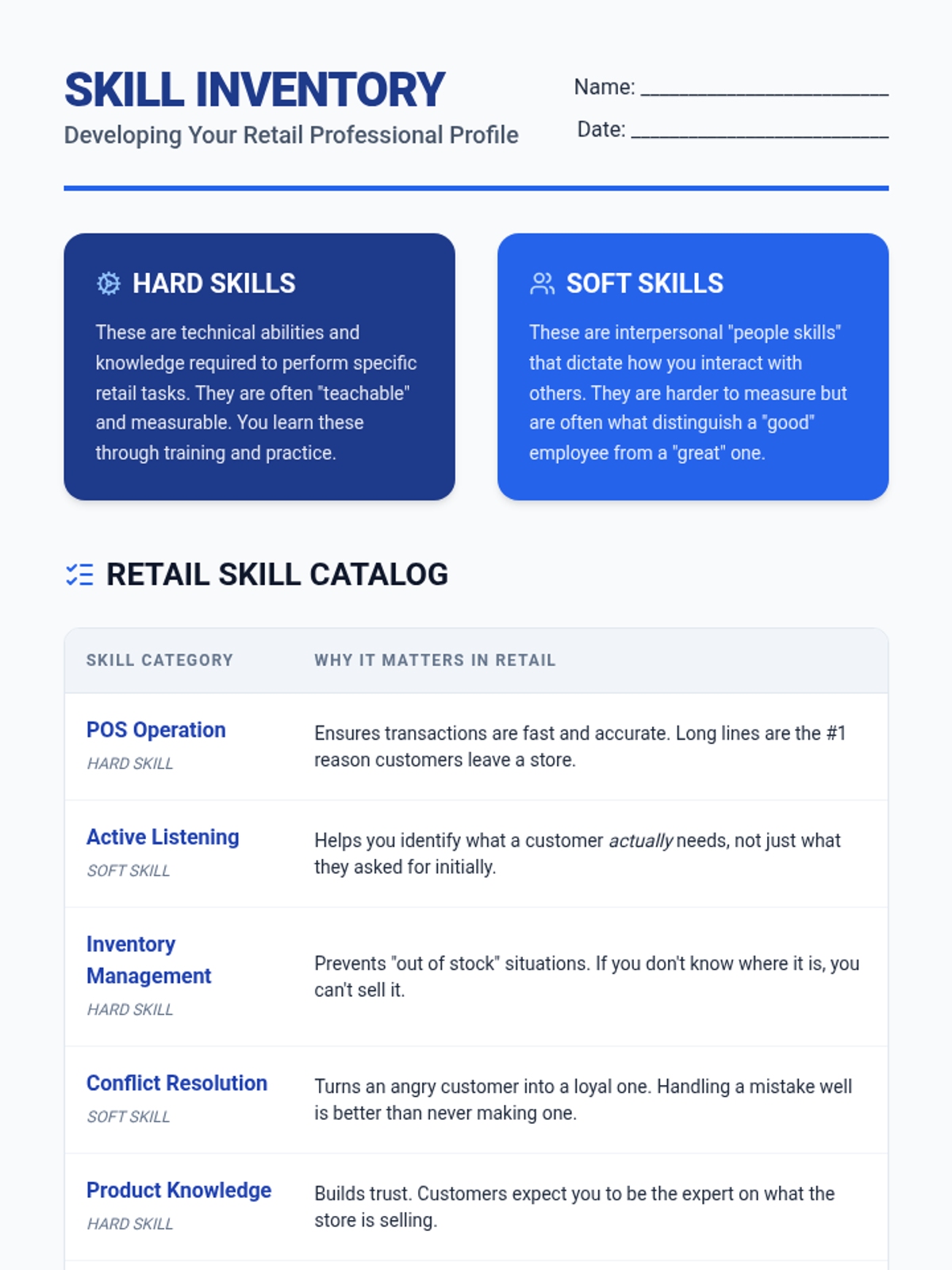
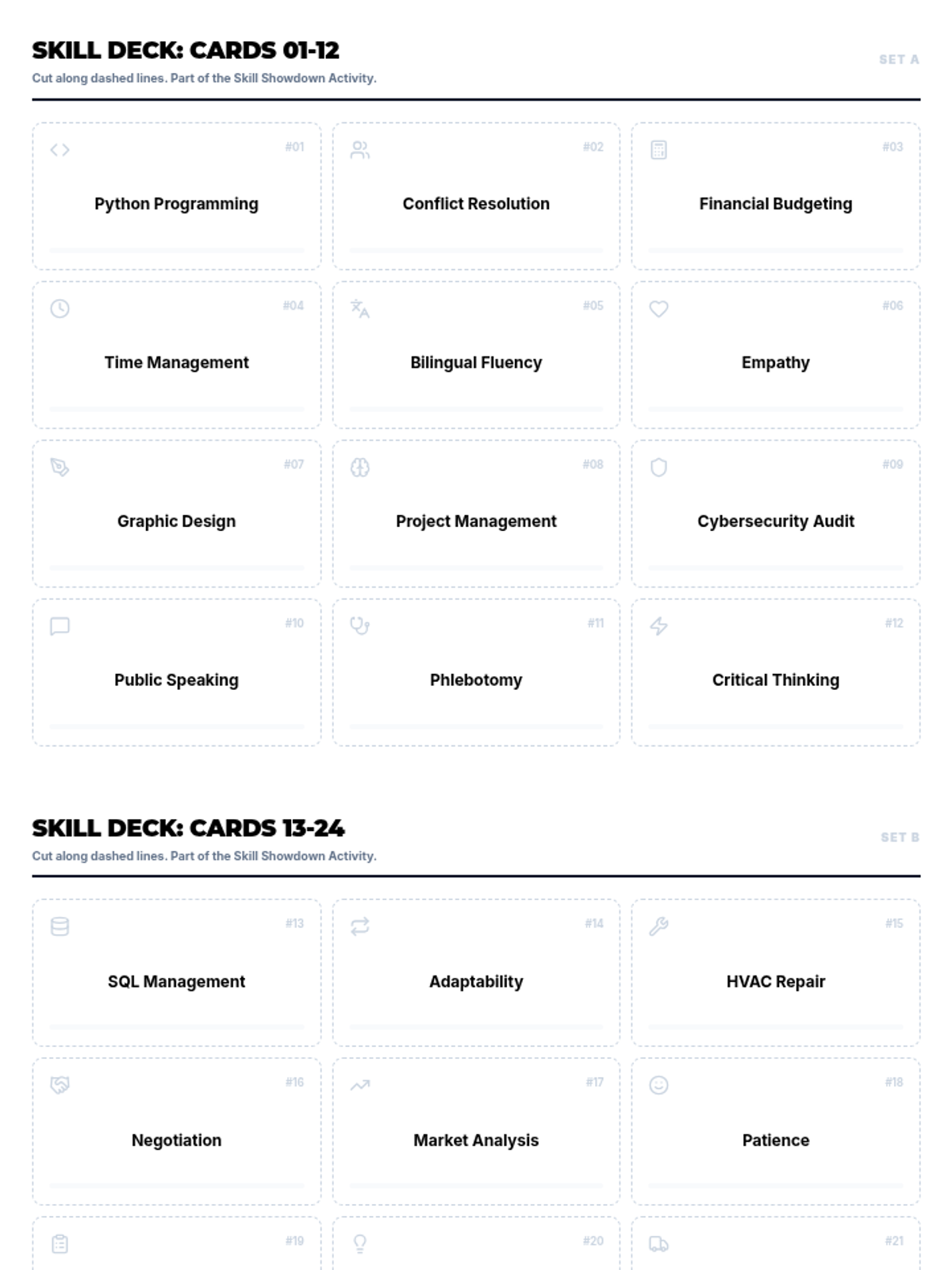
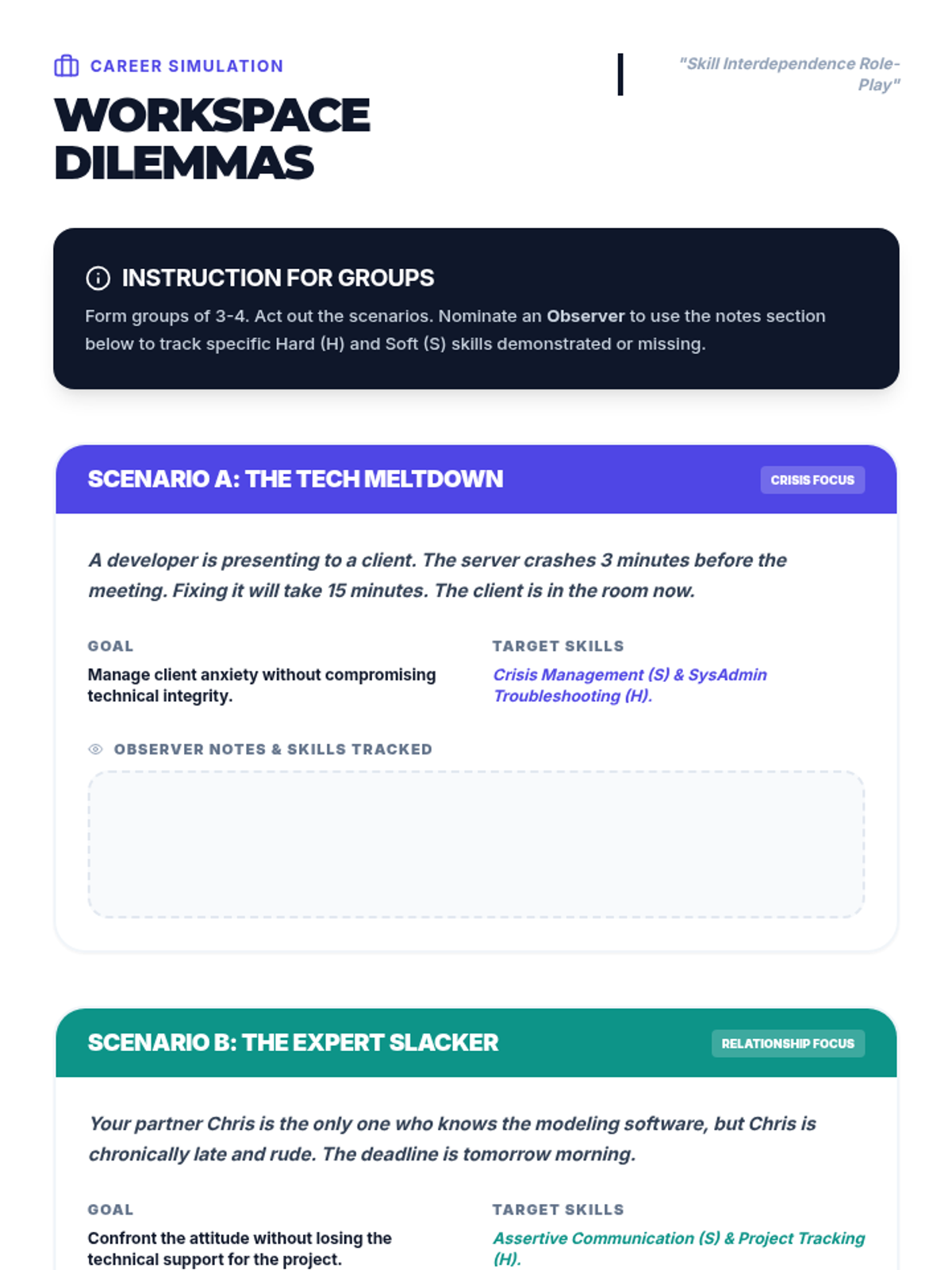
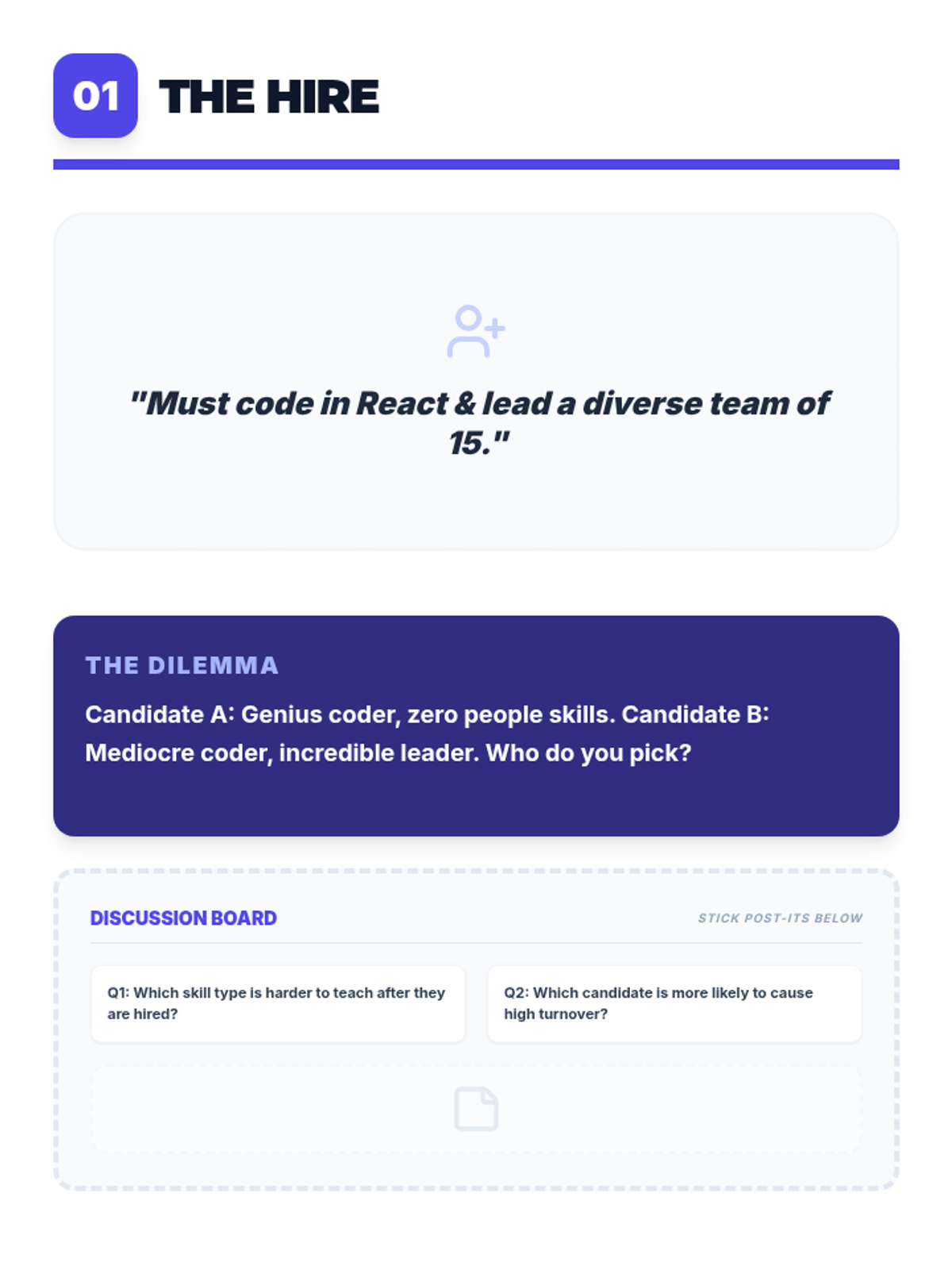
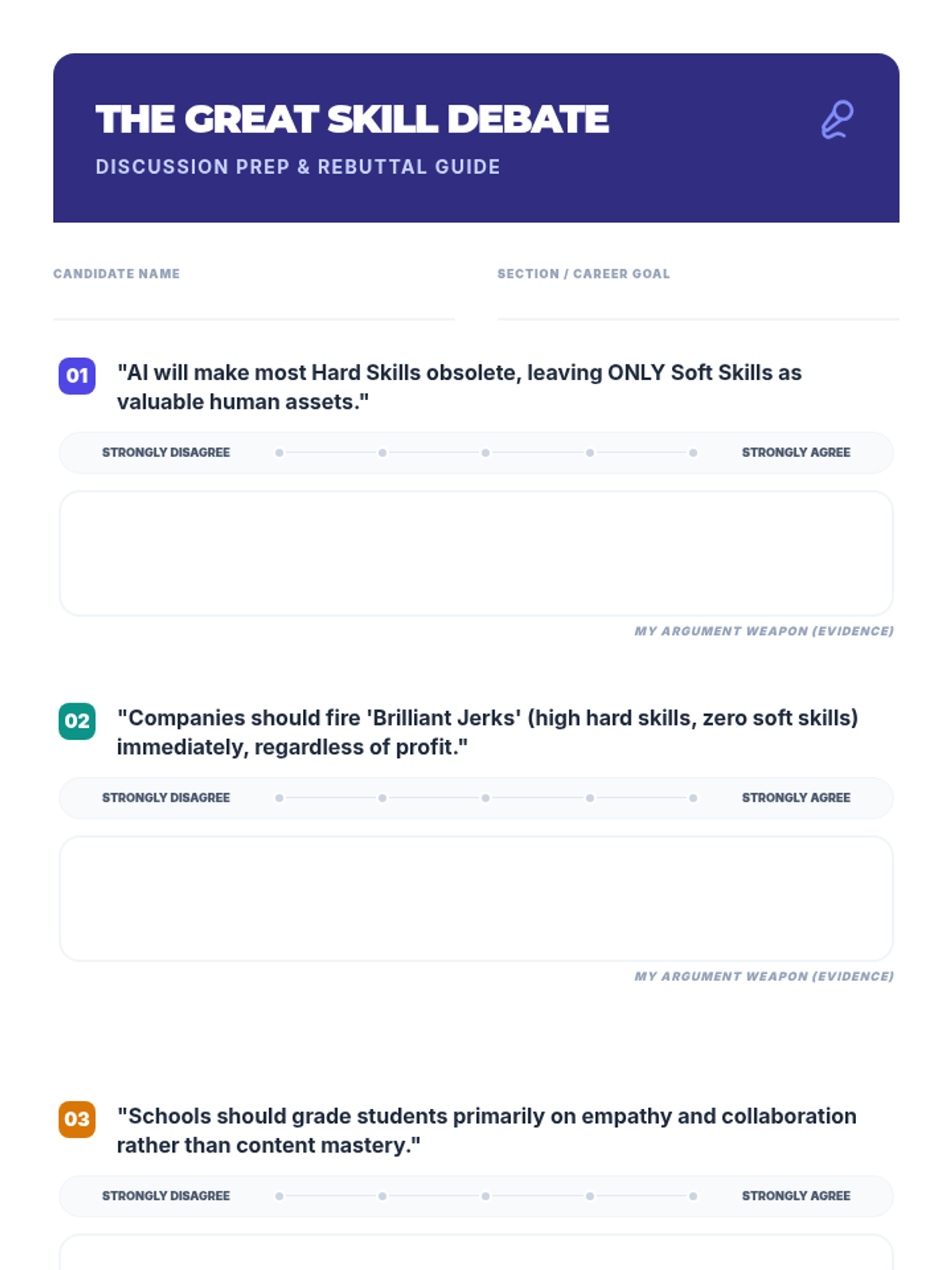
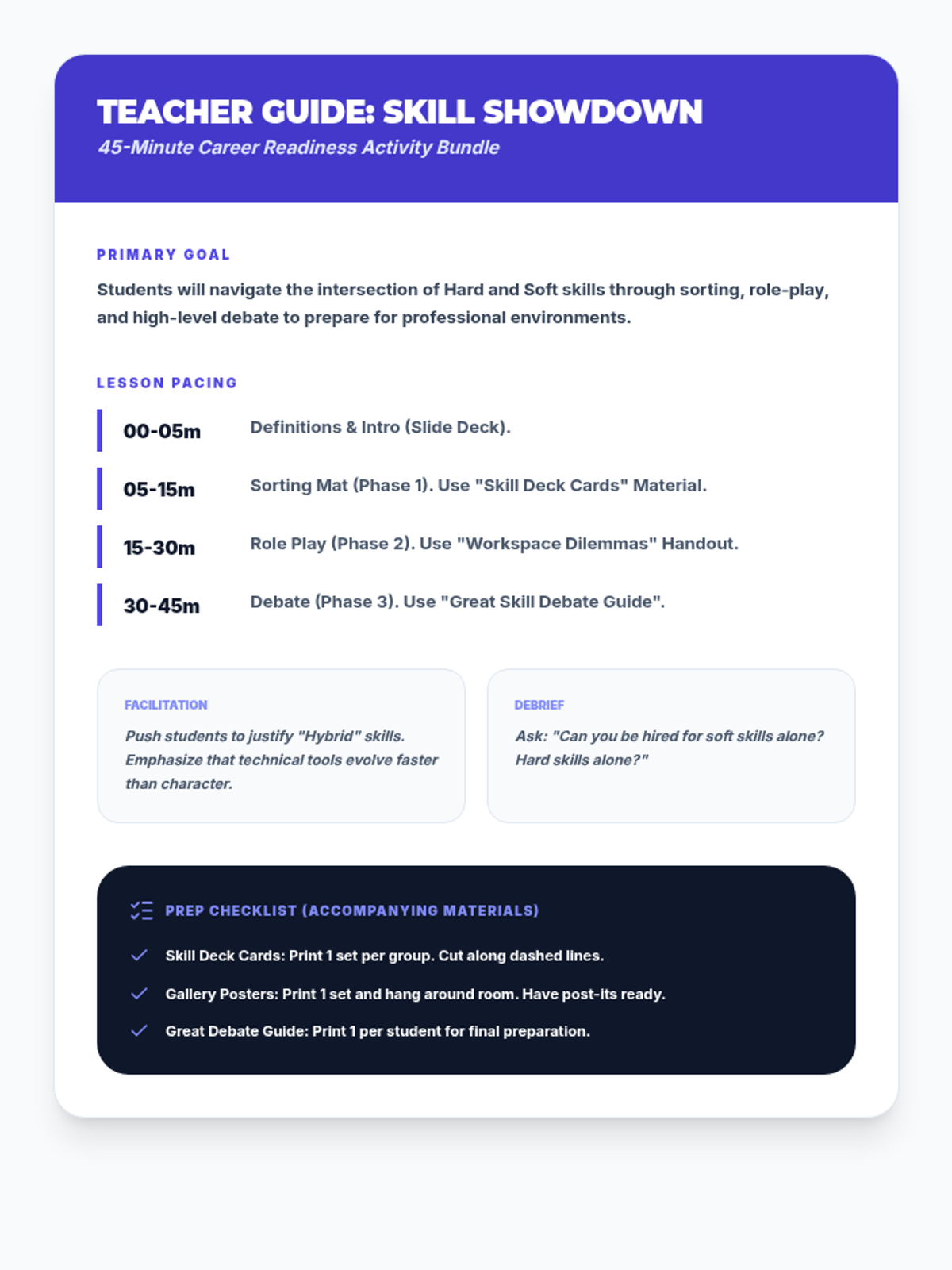
A career readiness module focused on identifying, comparing, and applying hard and soft skills through interactive workplace simulations.
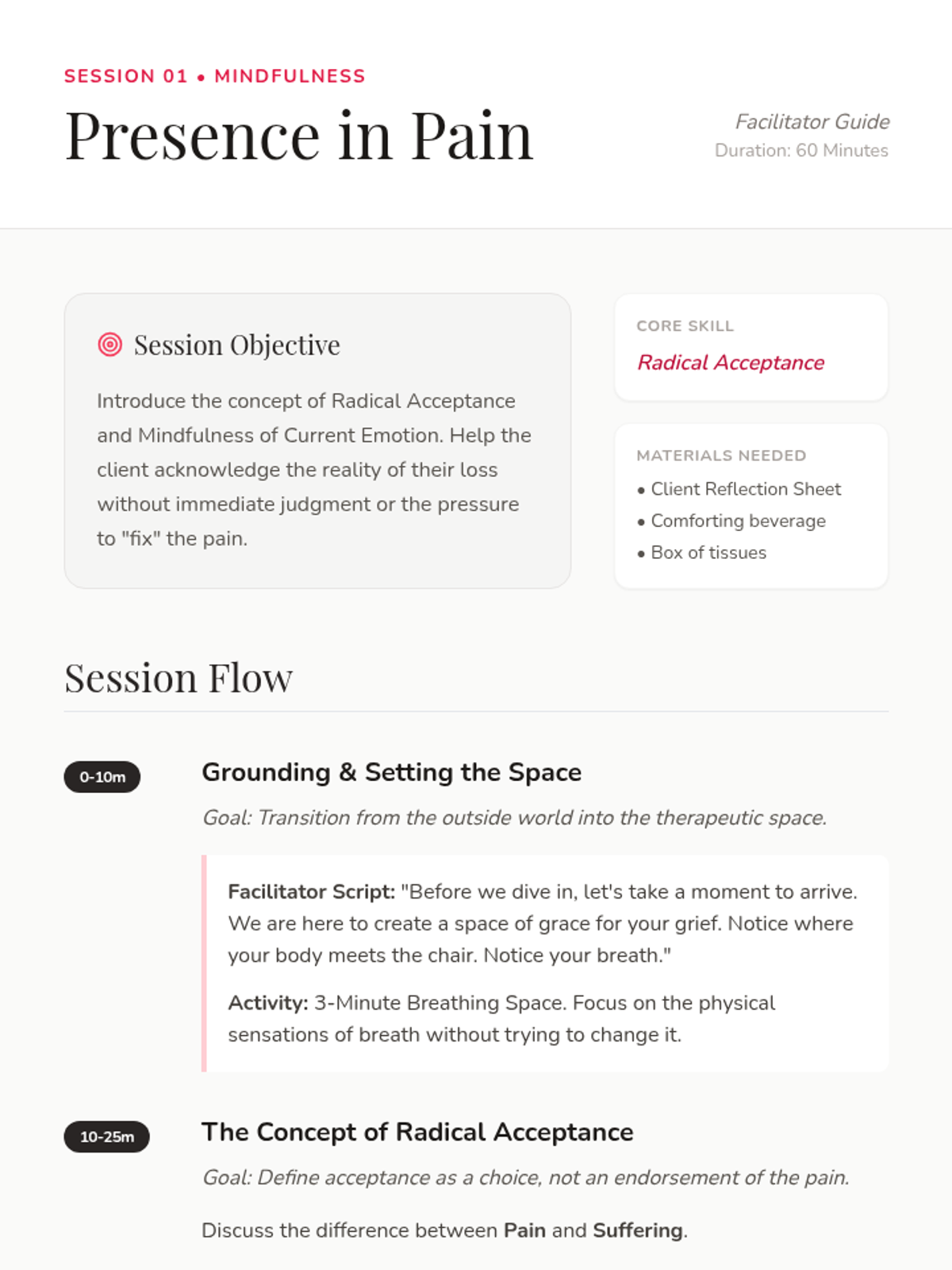
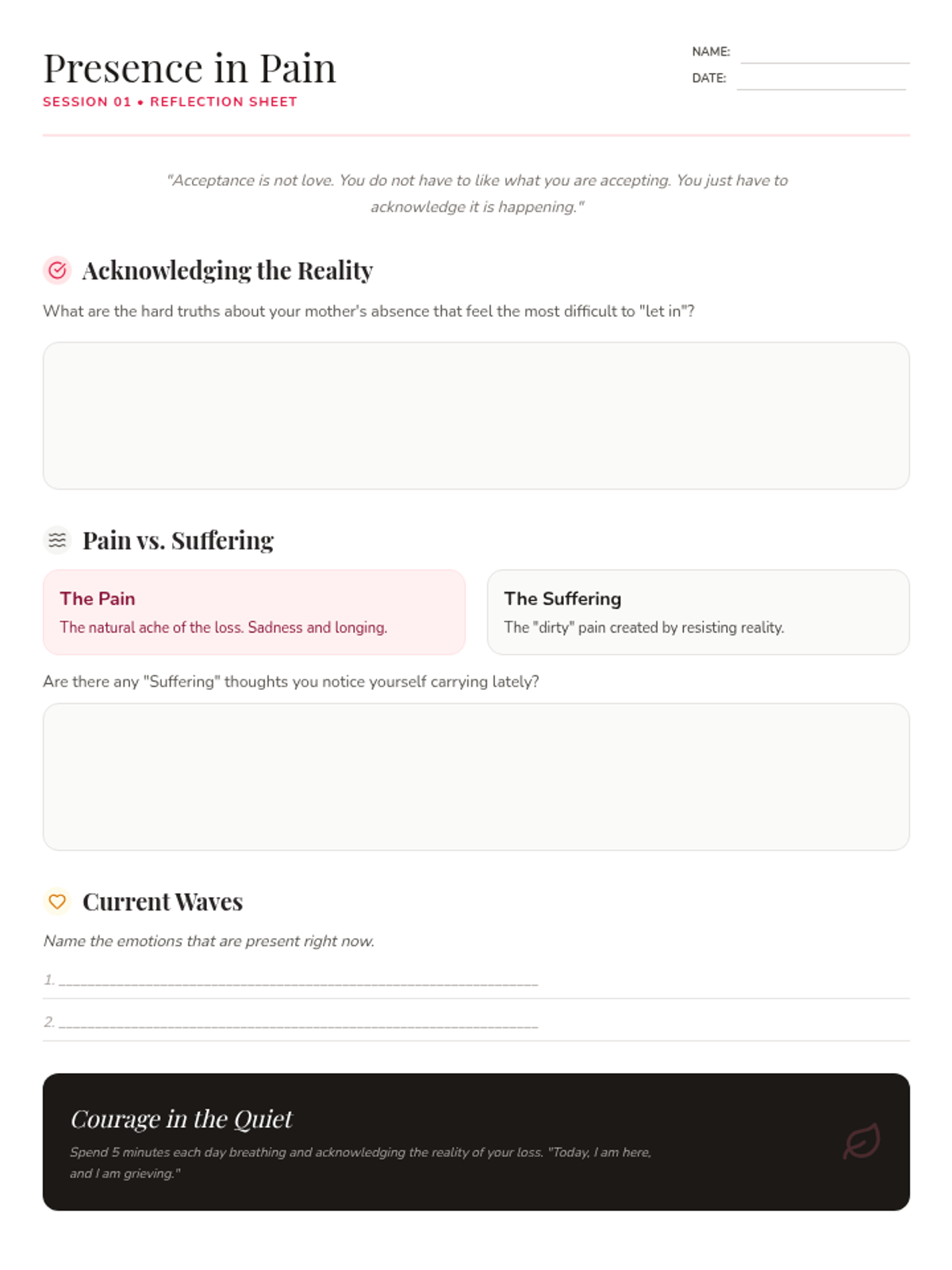
A 9-week therapeutic curriculum for adults processing maternal loss, integrating Dialectical Behavior Therapy (DBT) skills to foster acceptance, emotional regulation, and resilience.
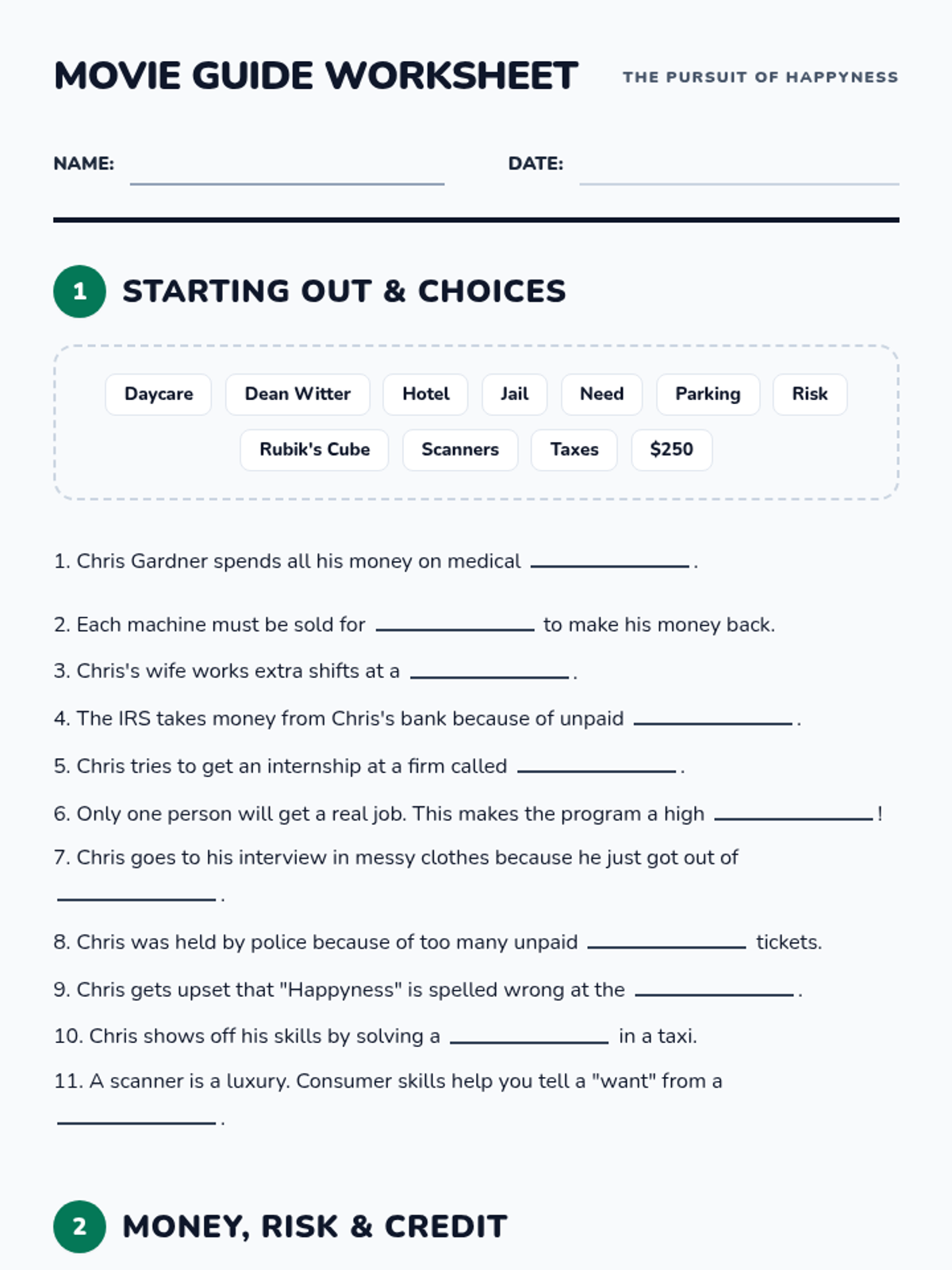
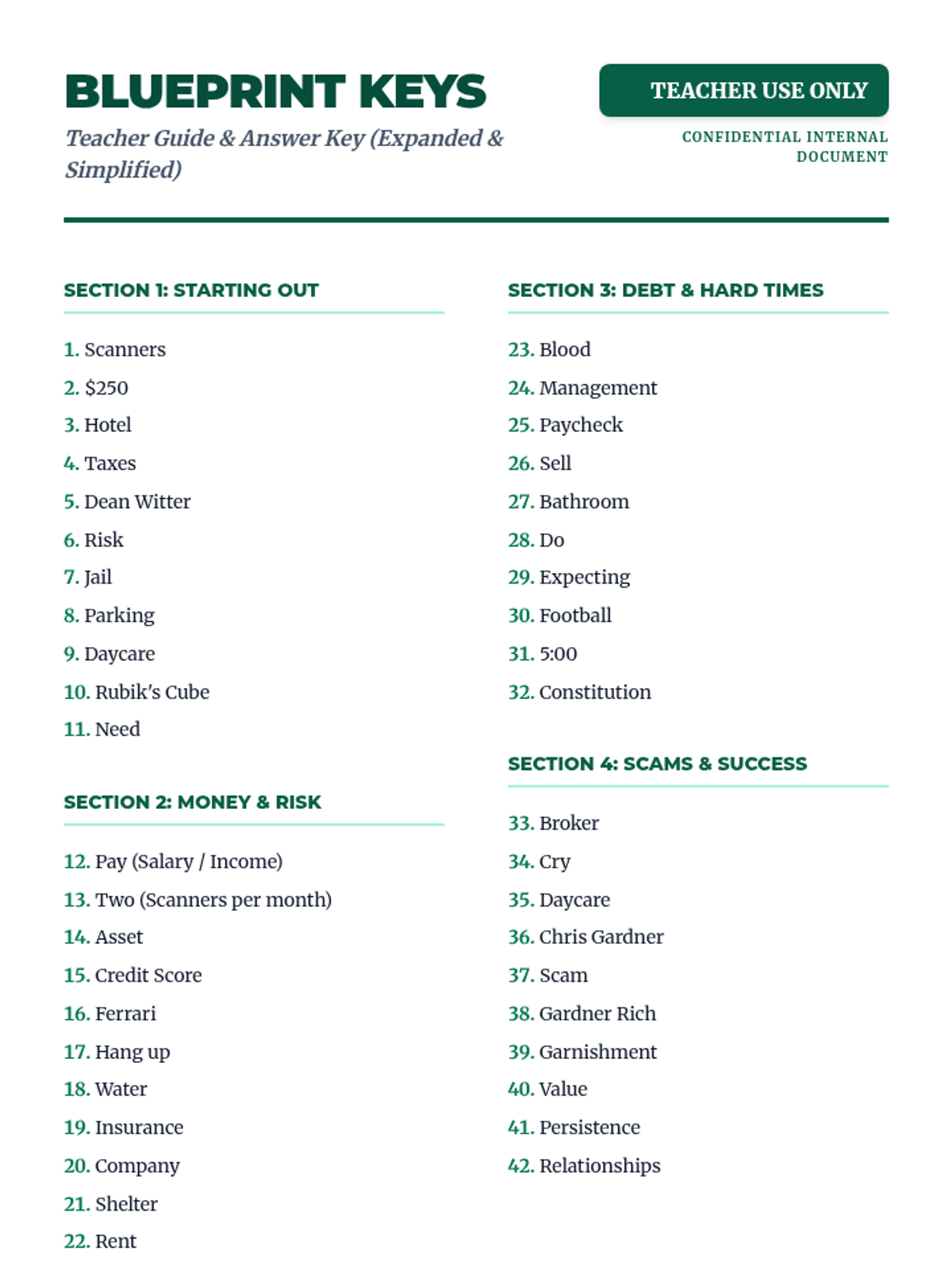
A series of lessons exploring real-world financial concepts through the lens of popular cinema, helping students connect abstract economic theories to relatable human stories.
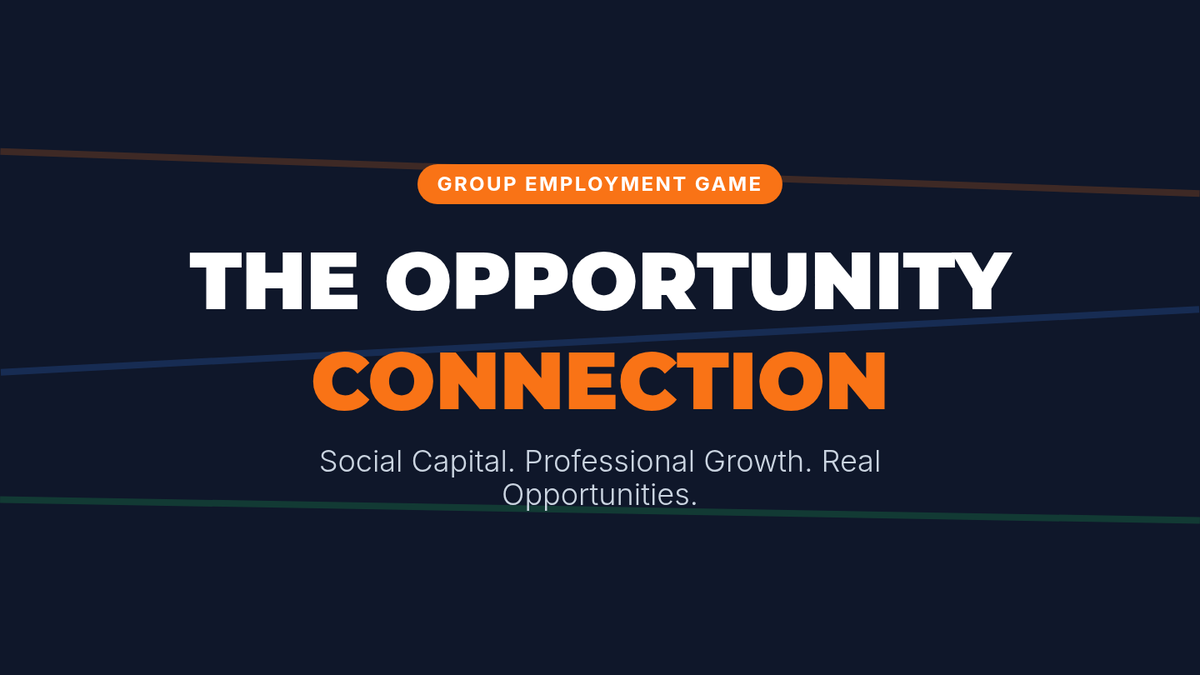
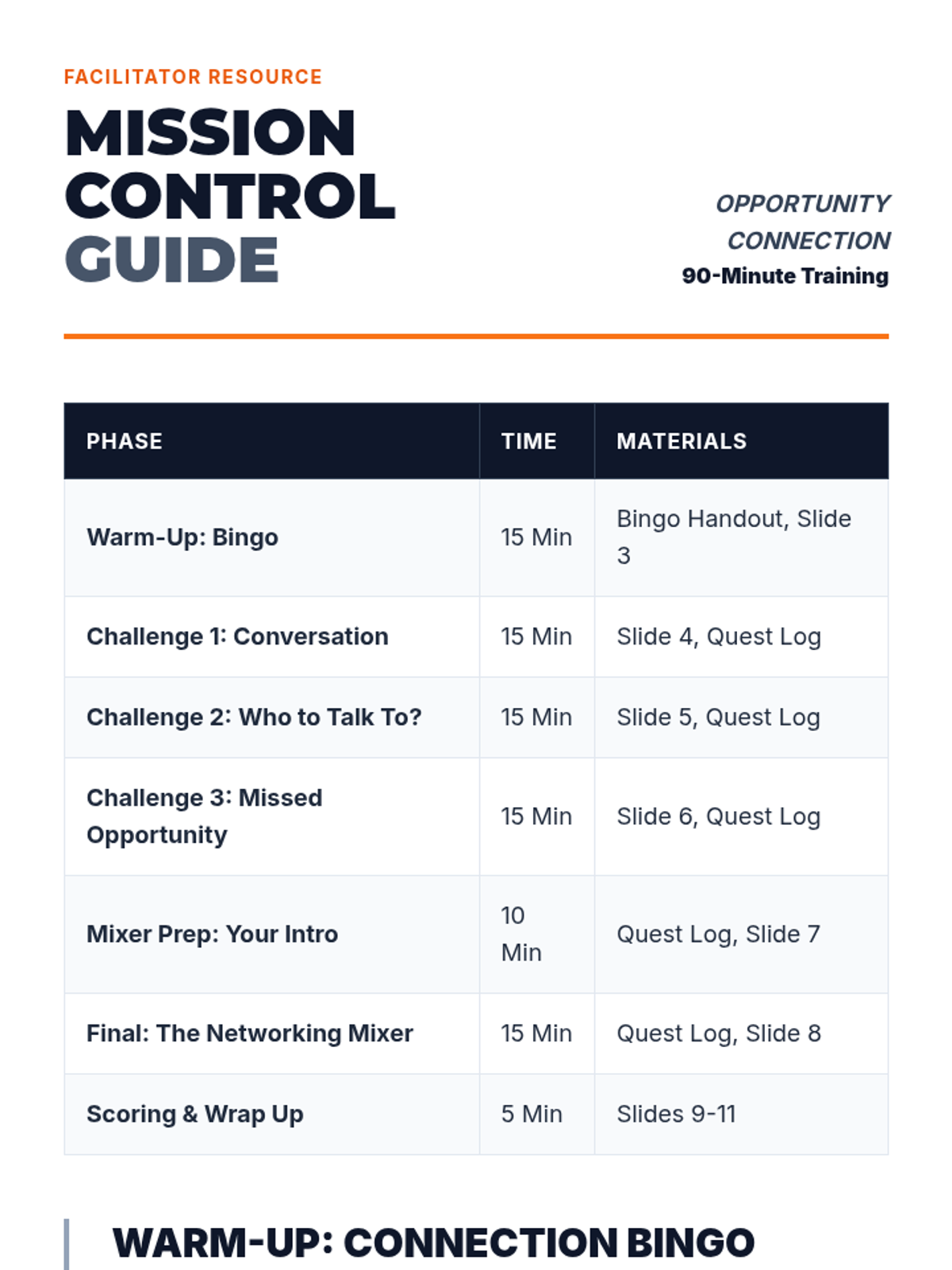
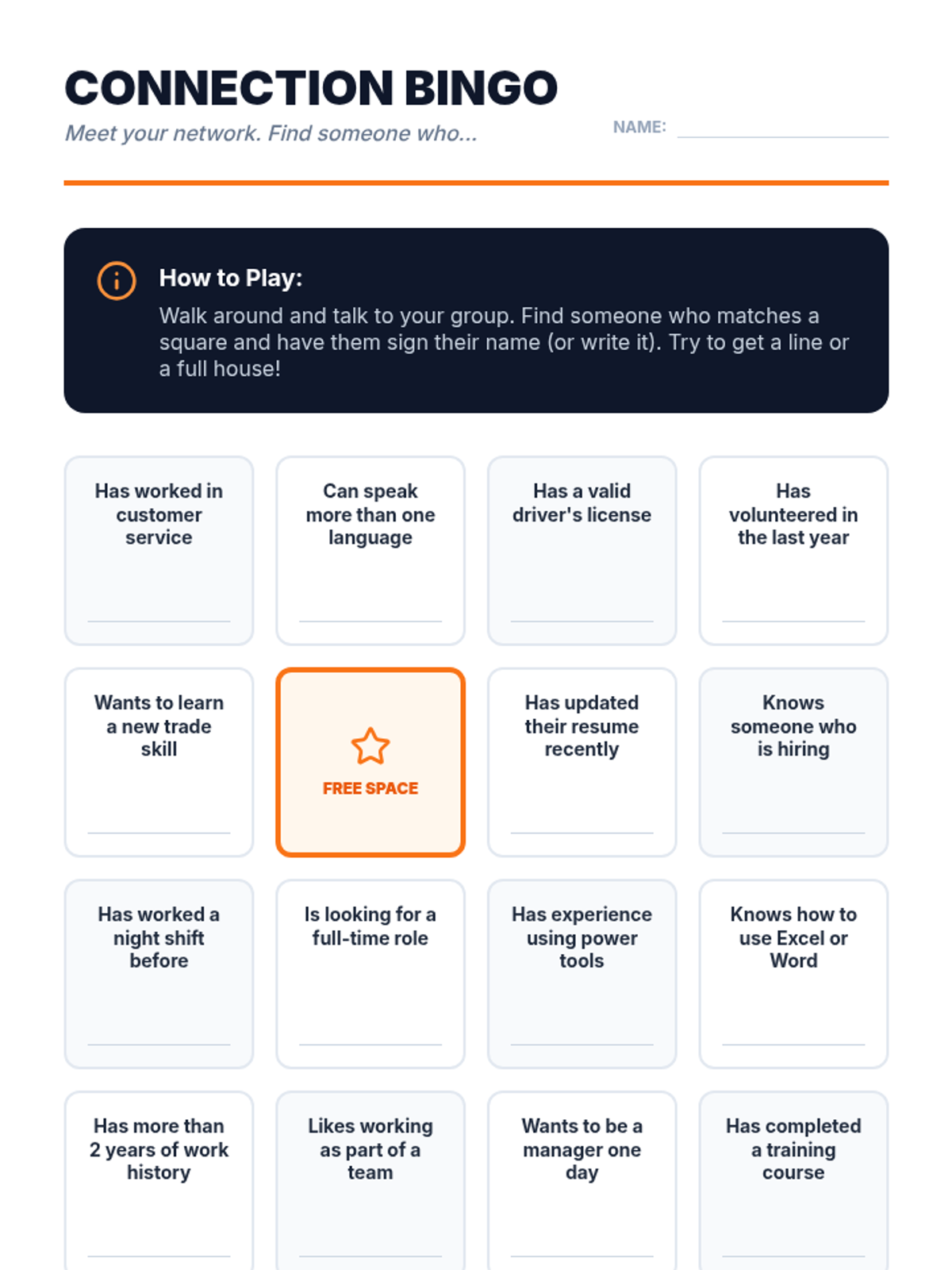
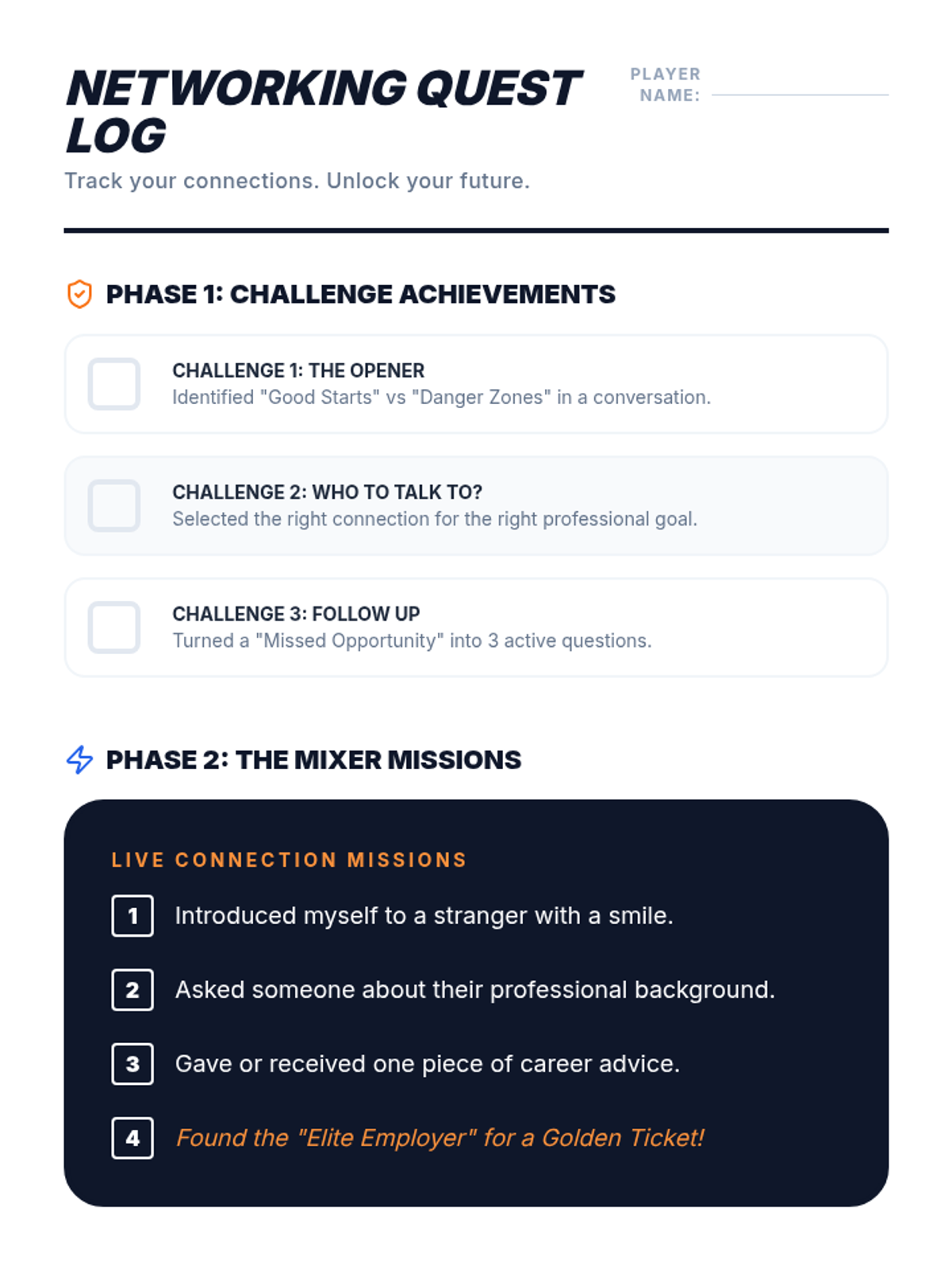
A high-energy, game-based training program focused on demystifying networking and building social capital for job seekers. Participants engage in a series of 'Connection Challenges' to earn opportunity rewards and build their own professional network maps.
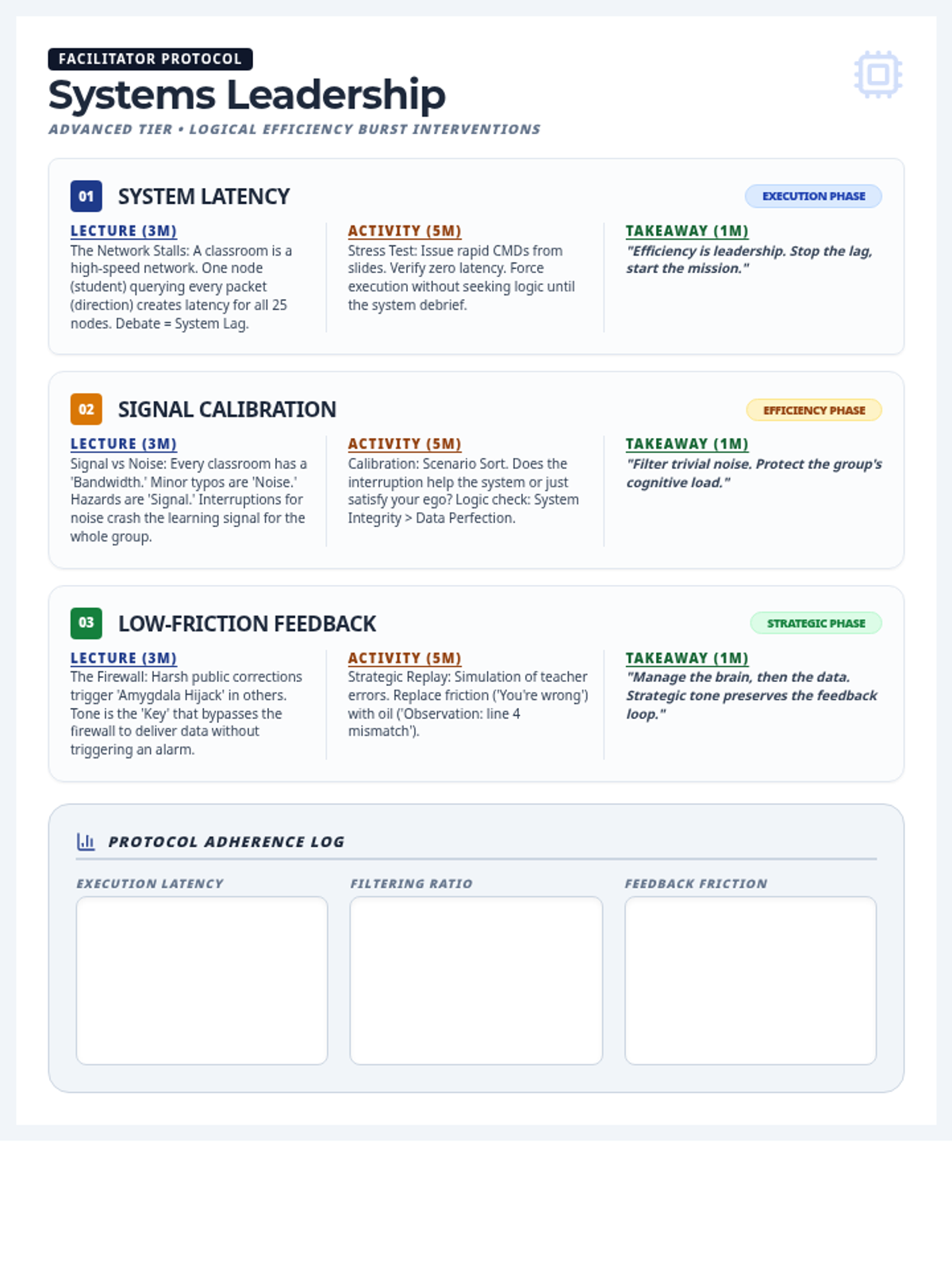
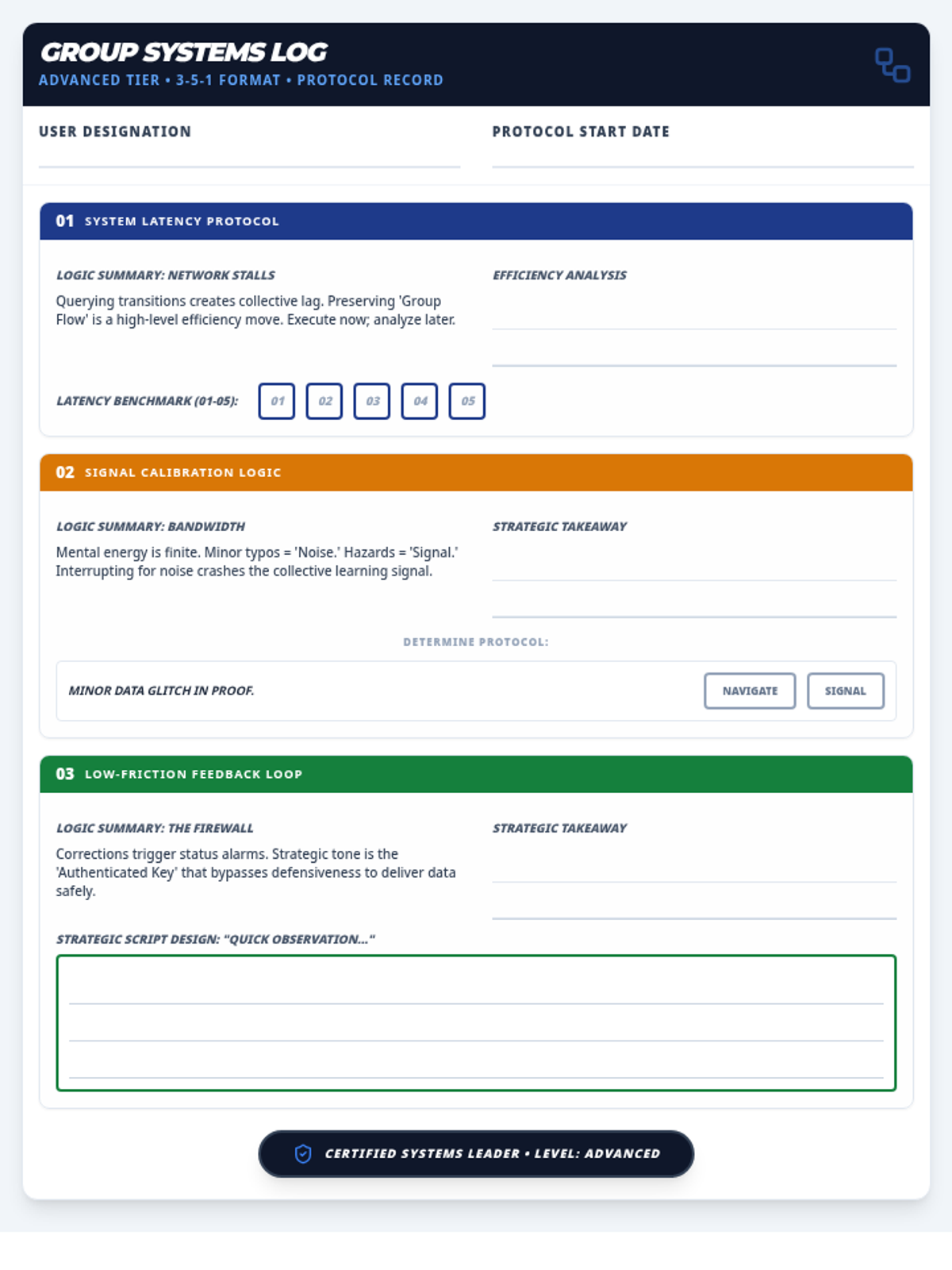
A series of three 10-minute 'burst' sessions designed to teach classroom leadership through systems-thinking and logical efficiency. Focuses on minimizing group latency, calibrating priority, and mastering low-friction feedback.
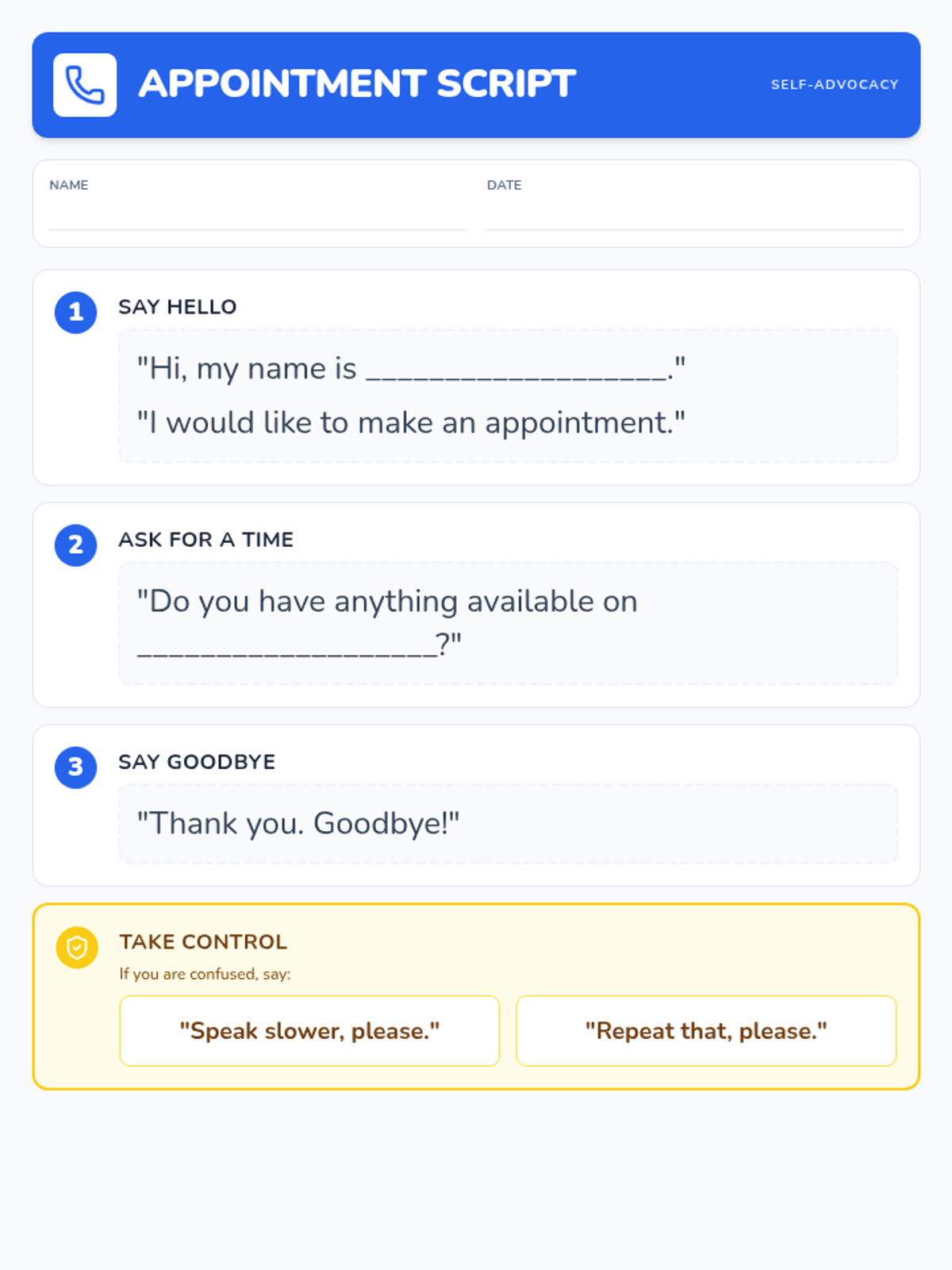
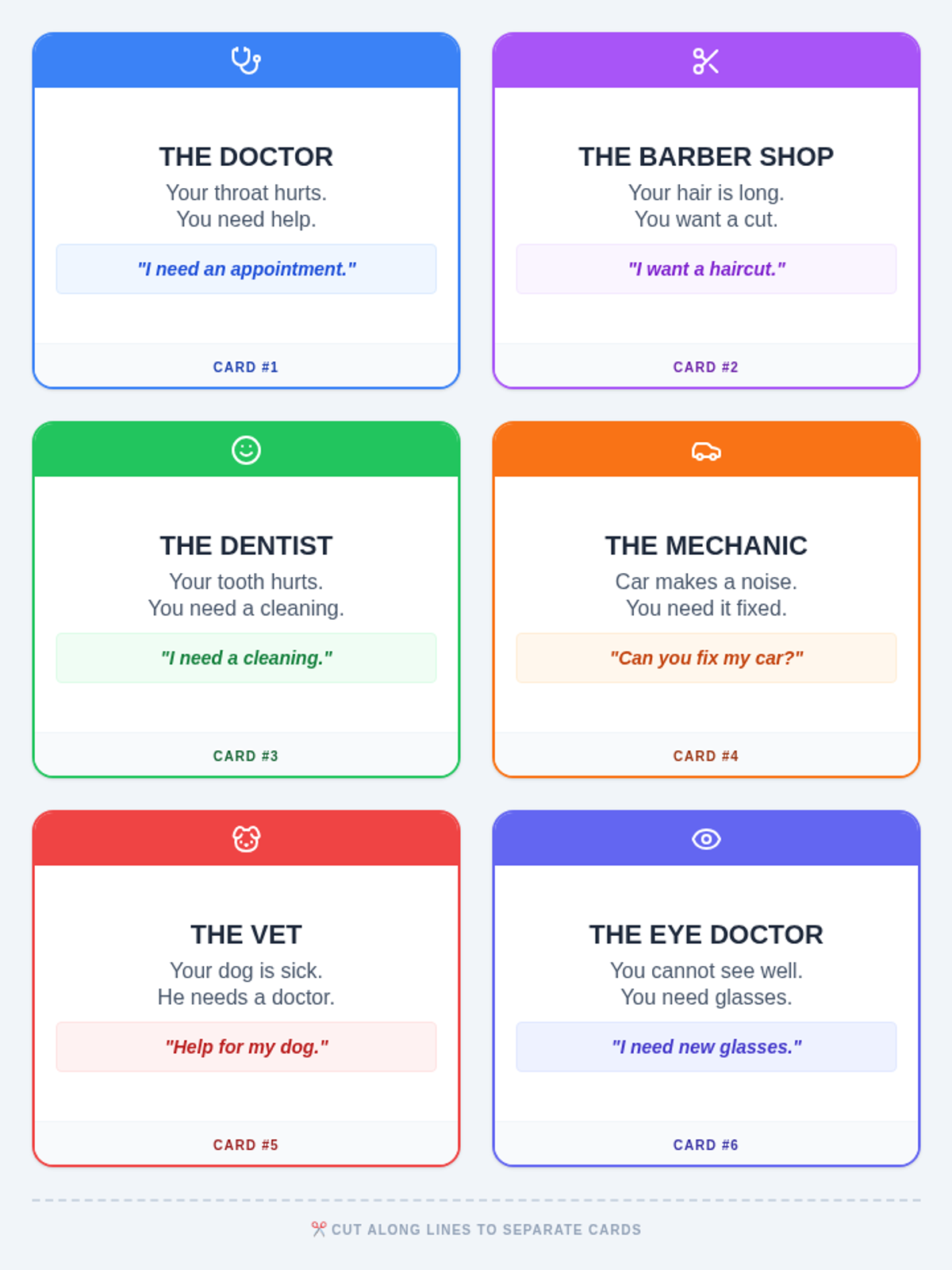
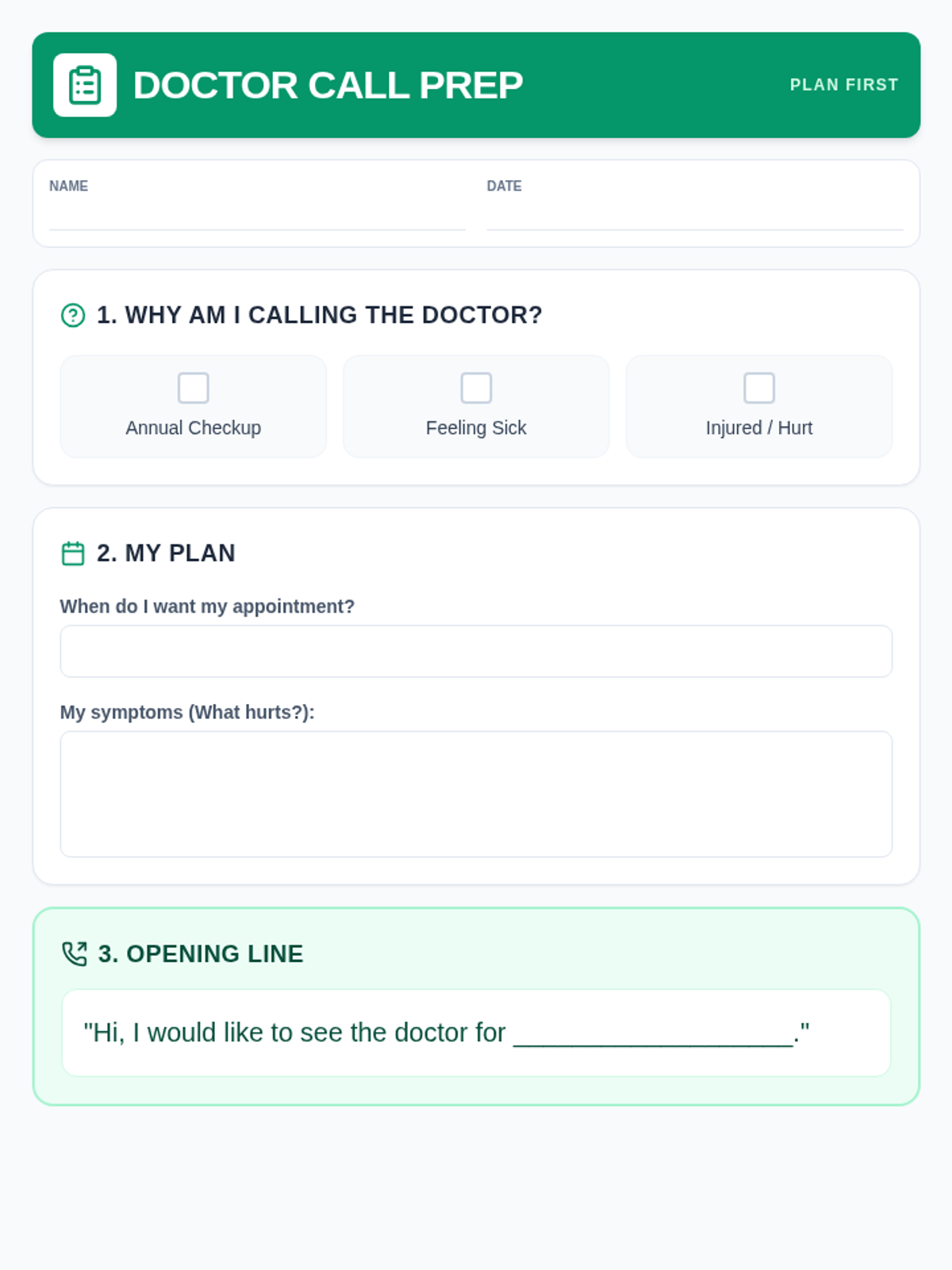
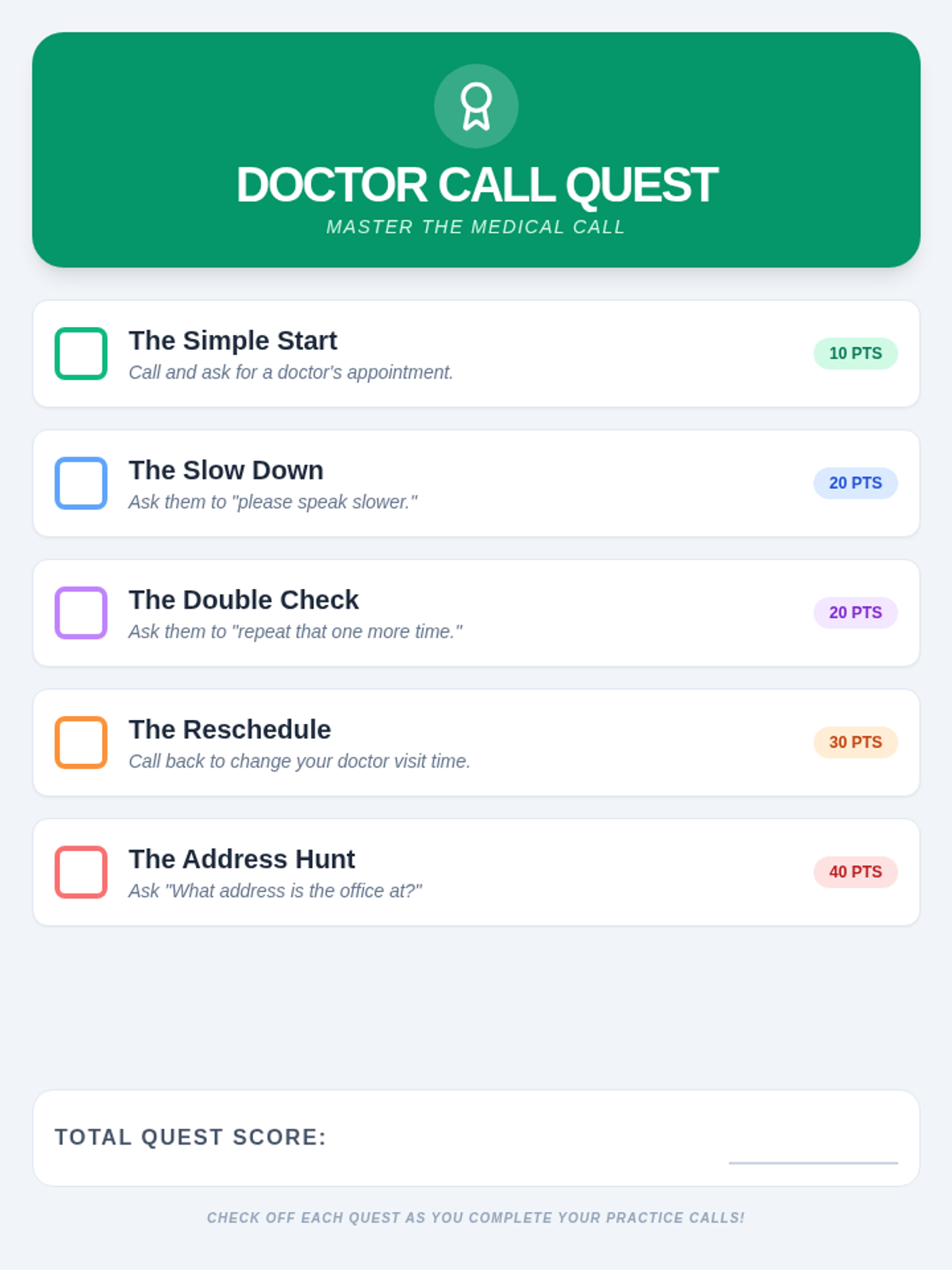
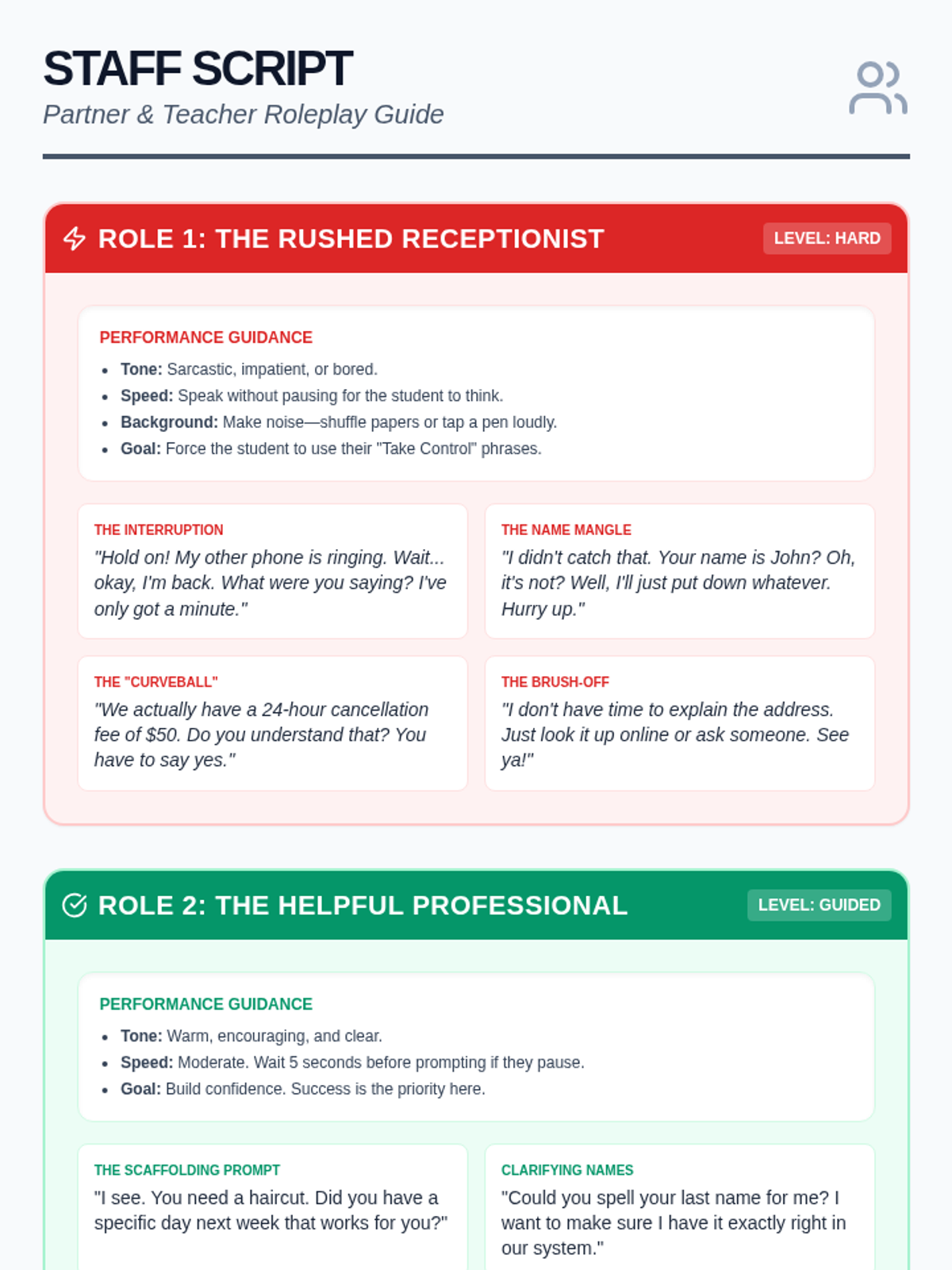
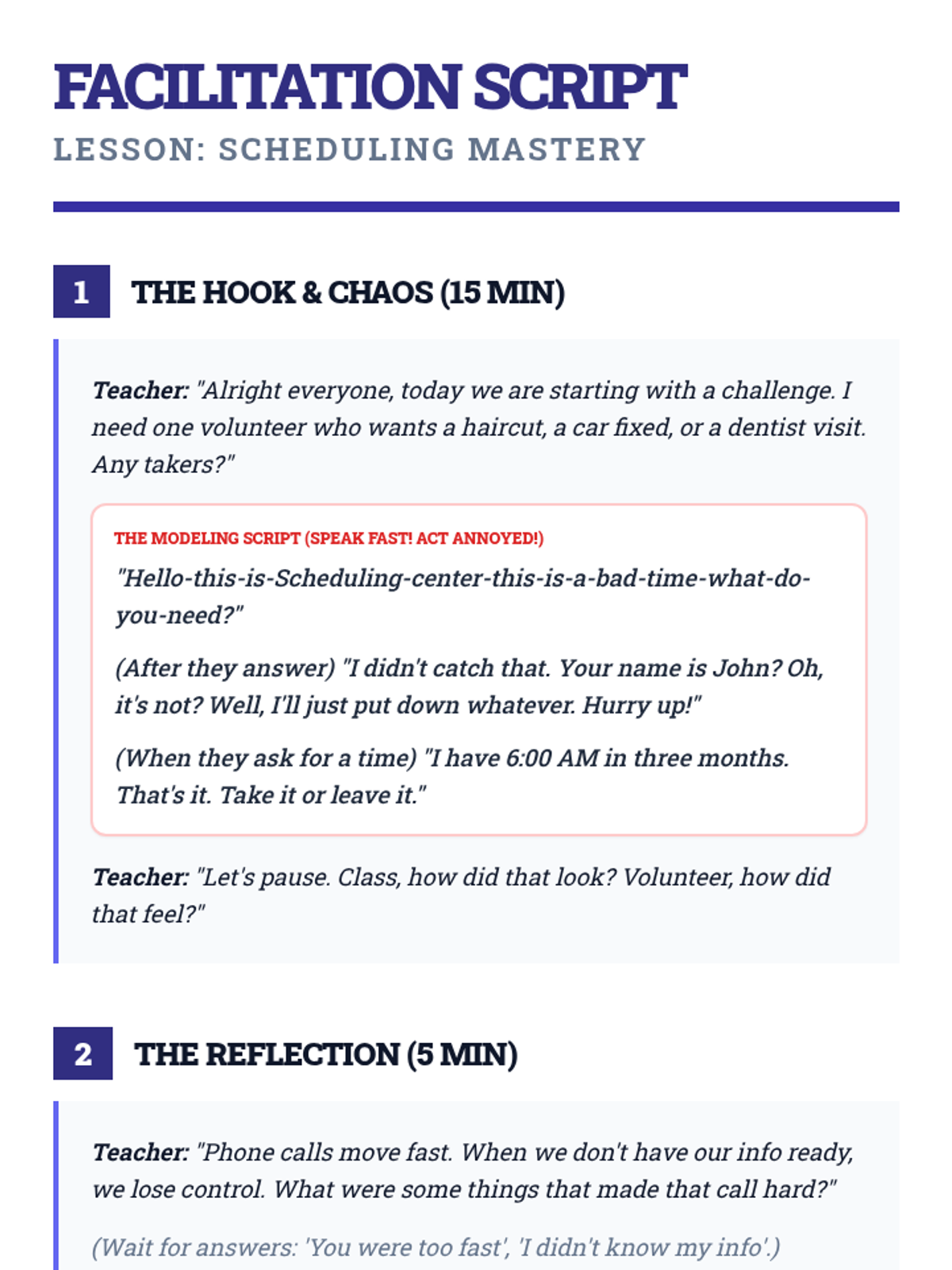
A sequence focused on building self-advocacy skills through experiential learning, specifically for scheduling and managing various types of professional and personal appointments.
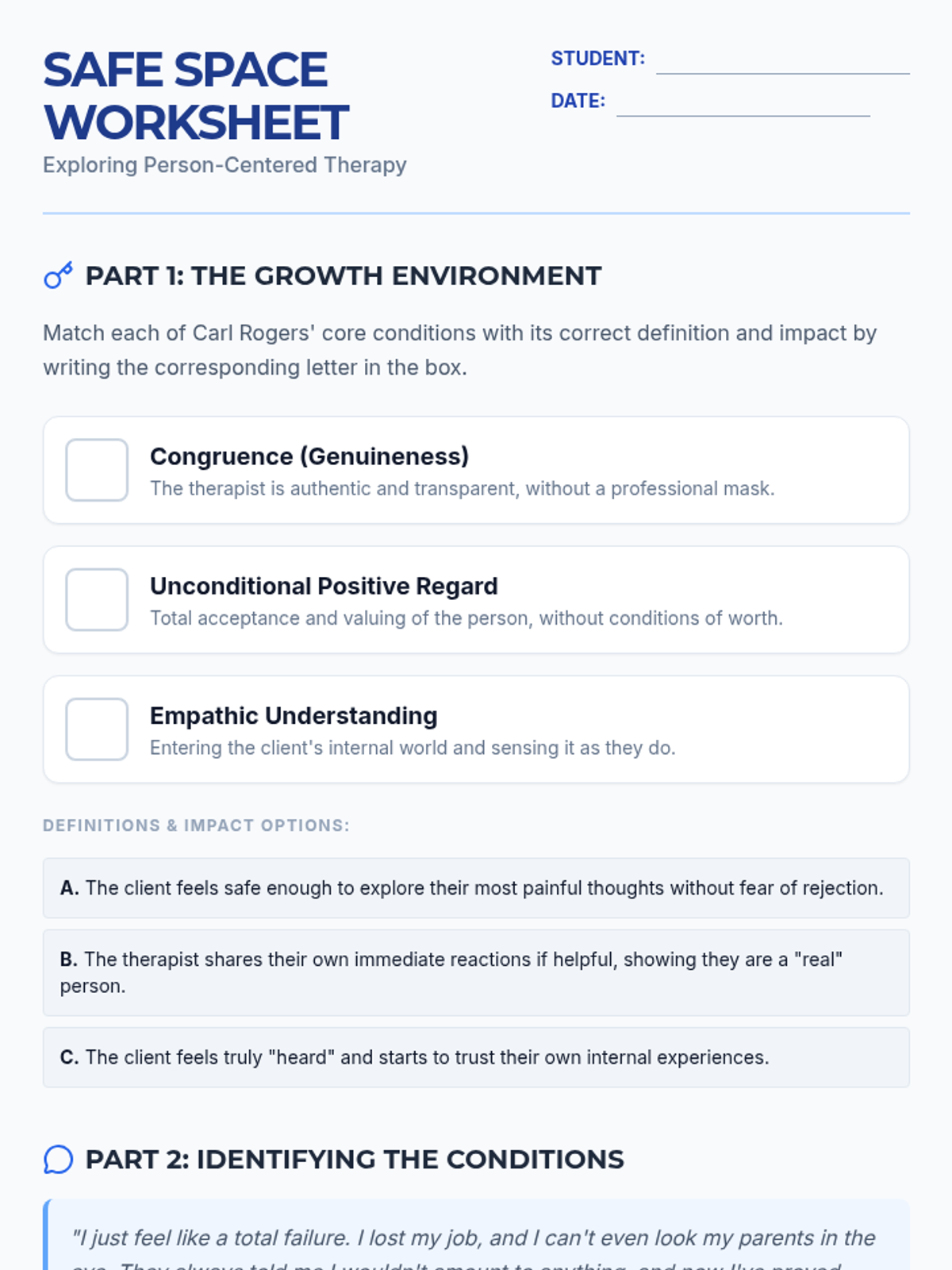
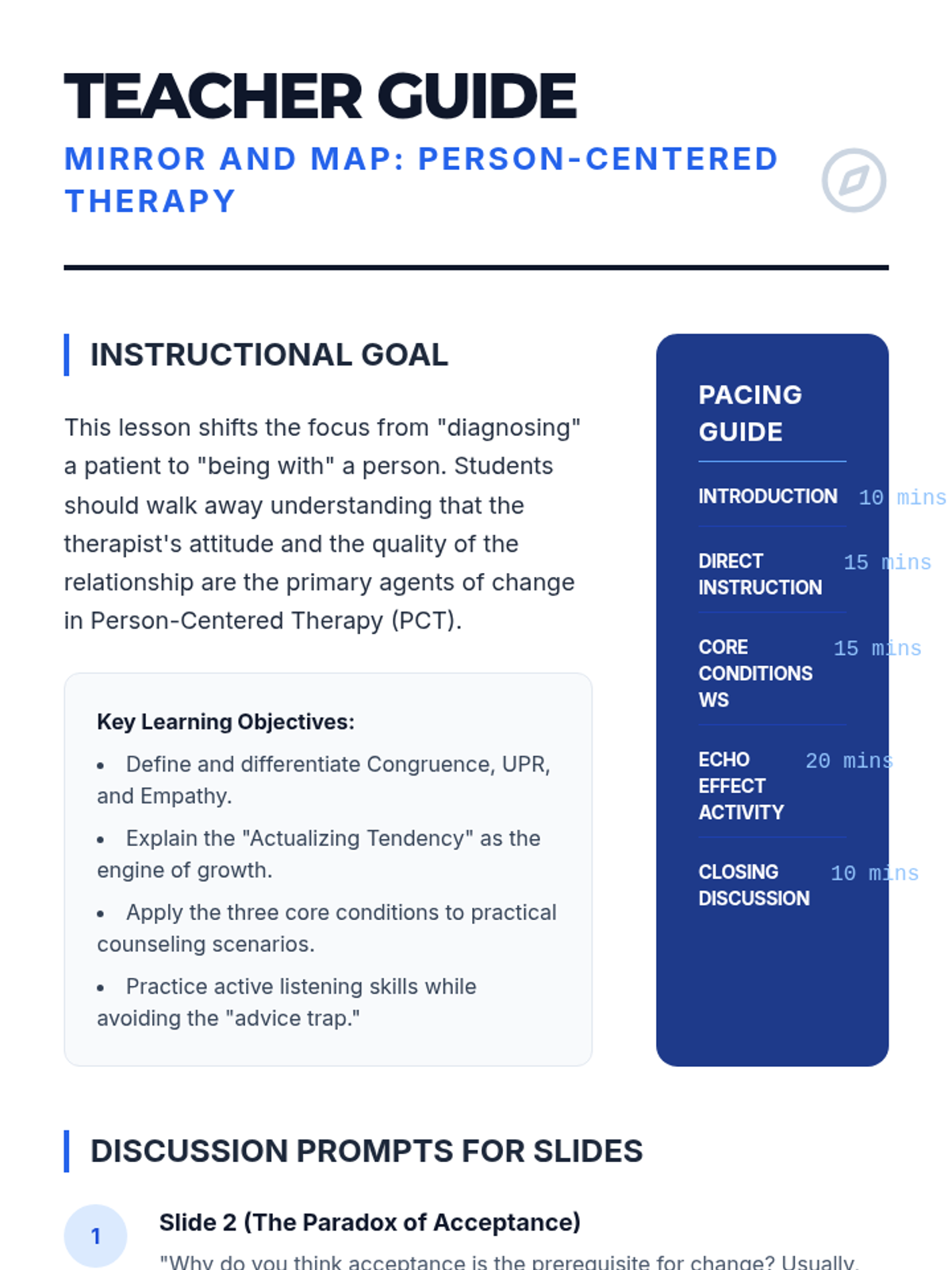
A unit exploring the foundations of humanistic psychology, focusing on person-centered approaches, therapeutic relationships, and the drive toward self-actualization.
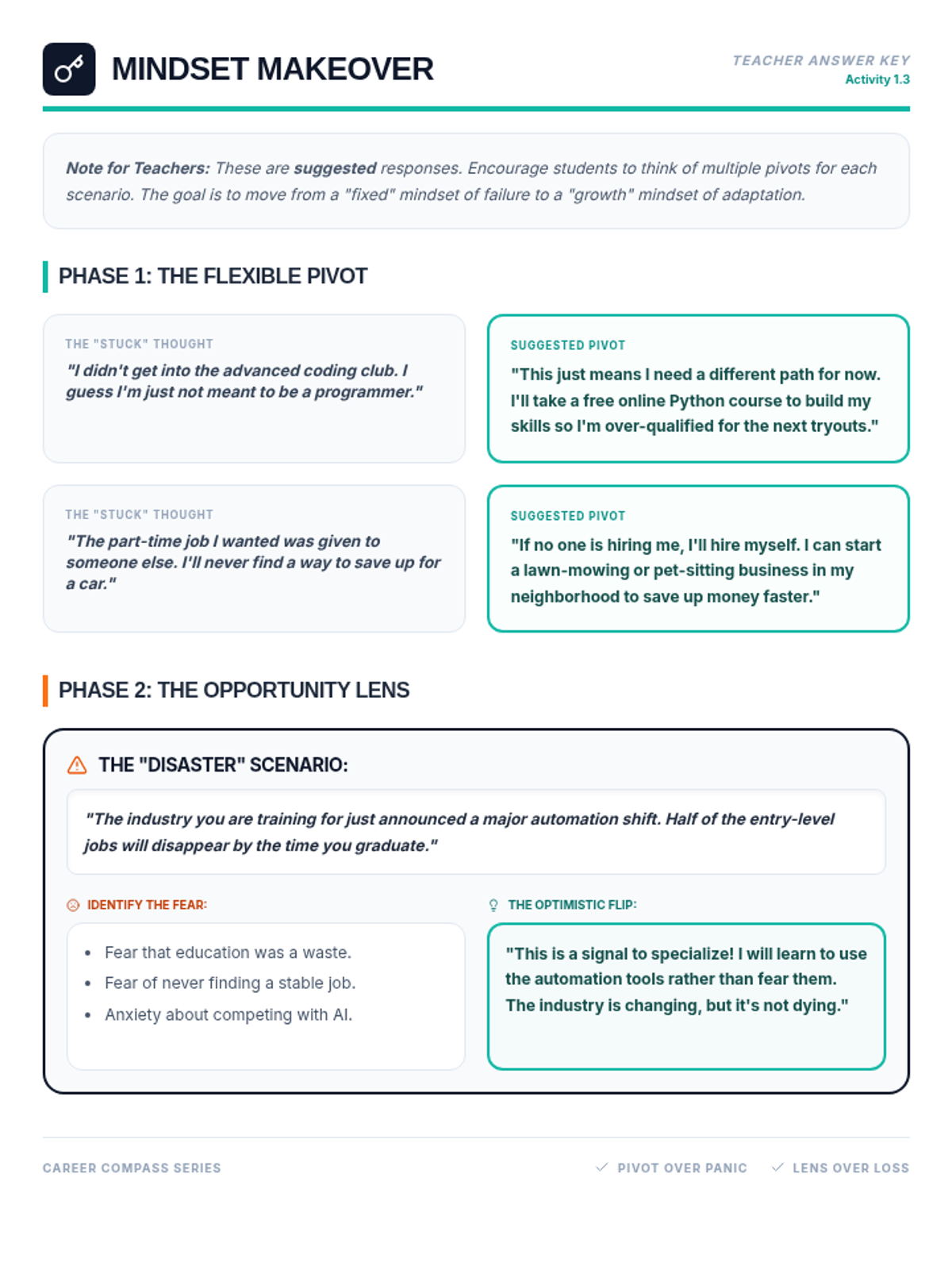
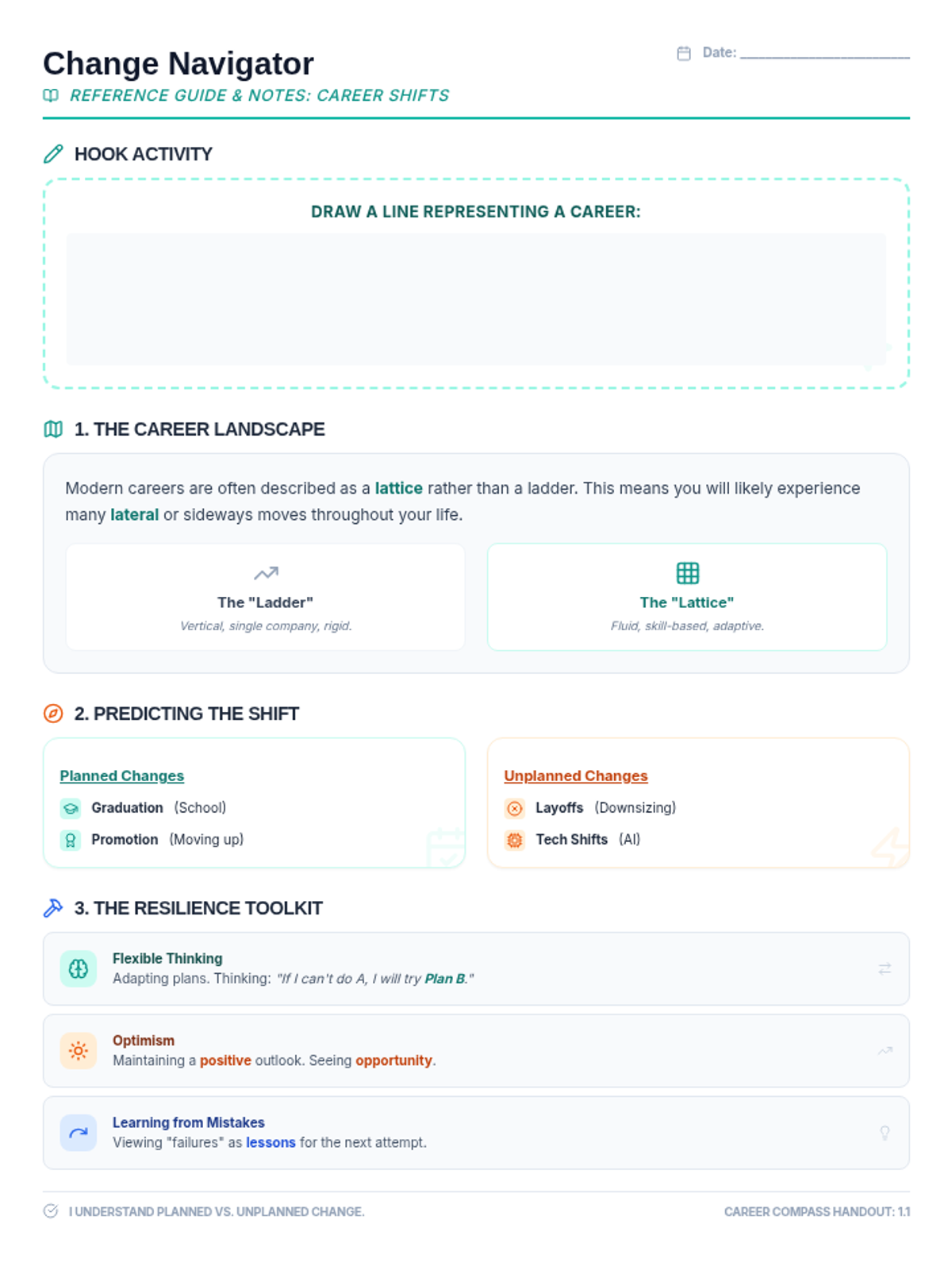
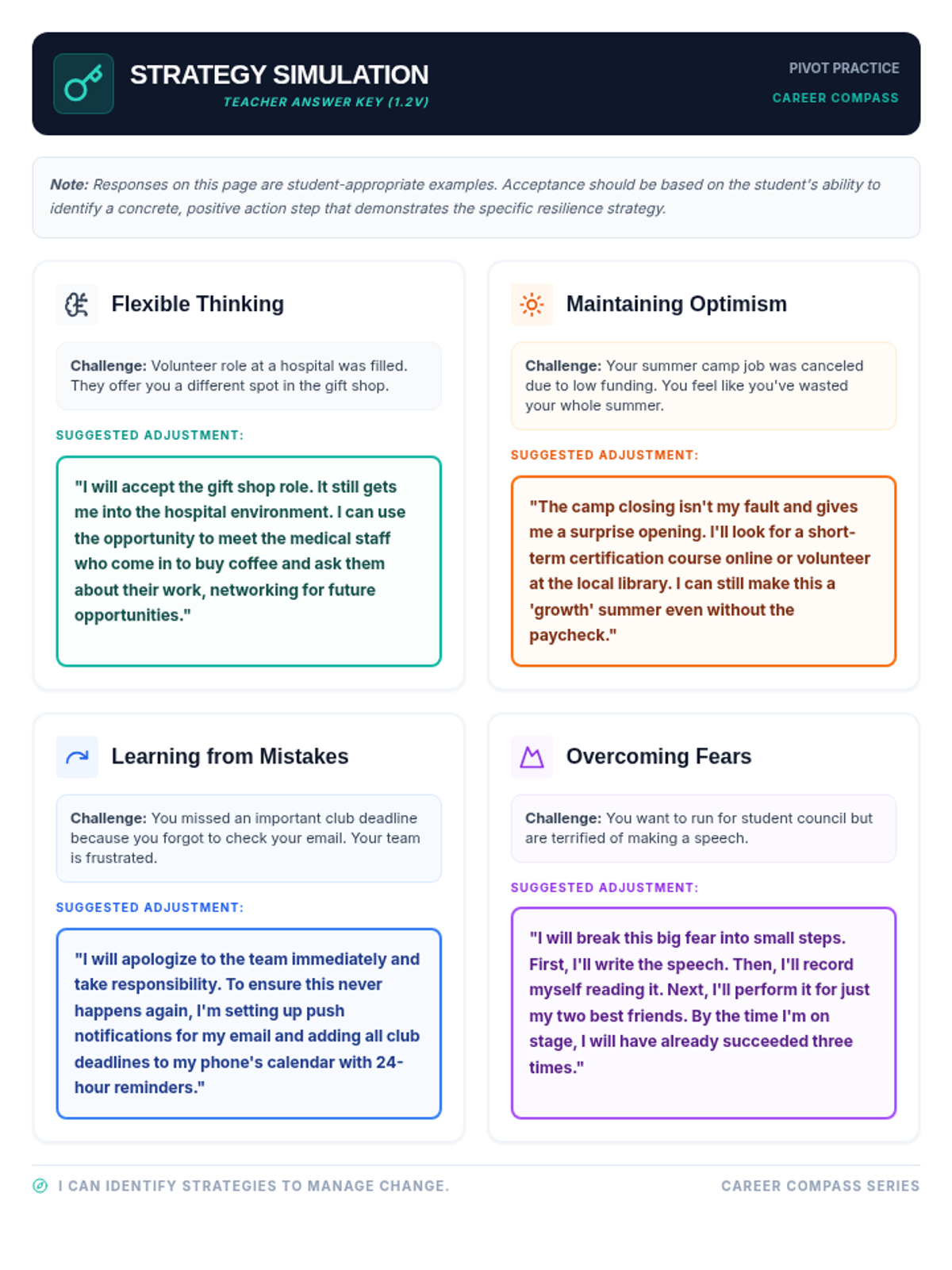
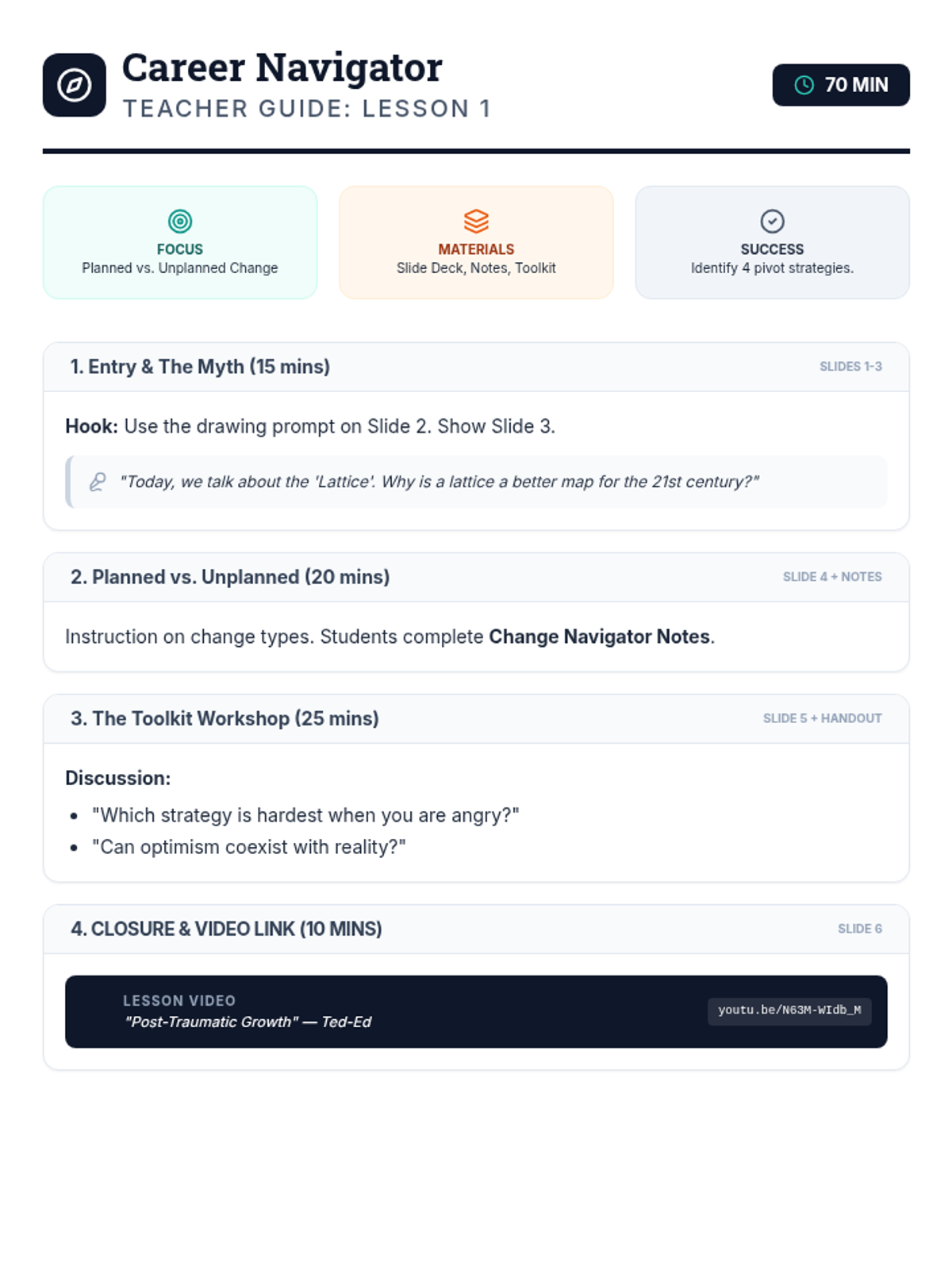
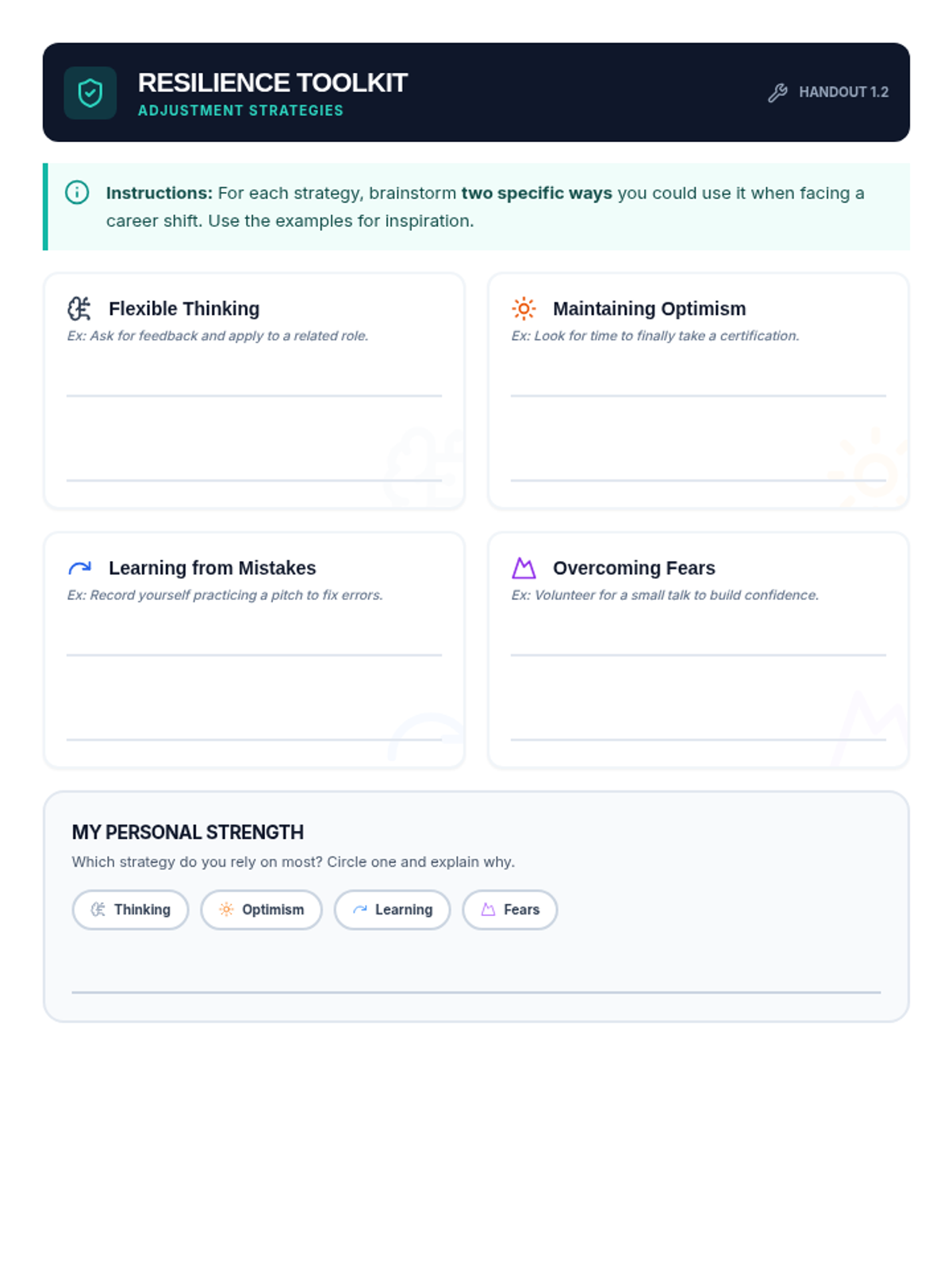
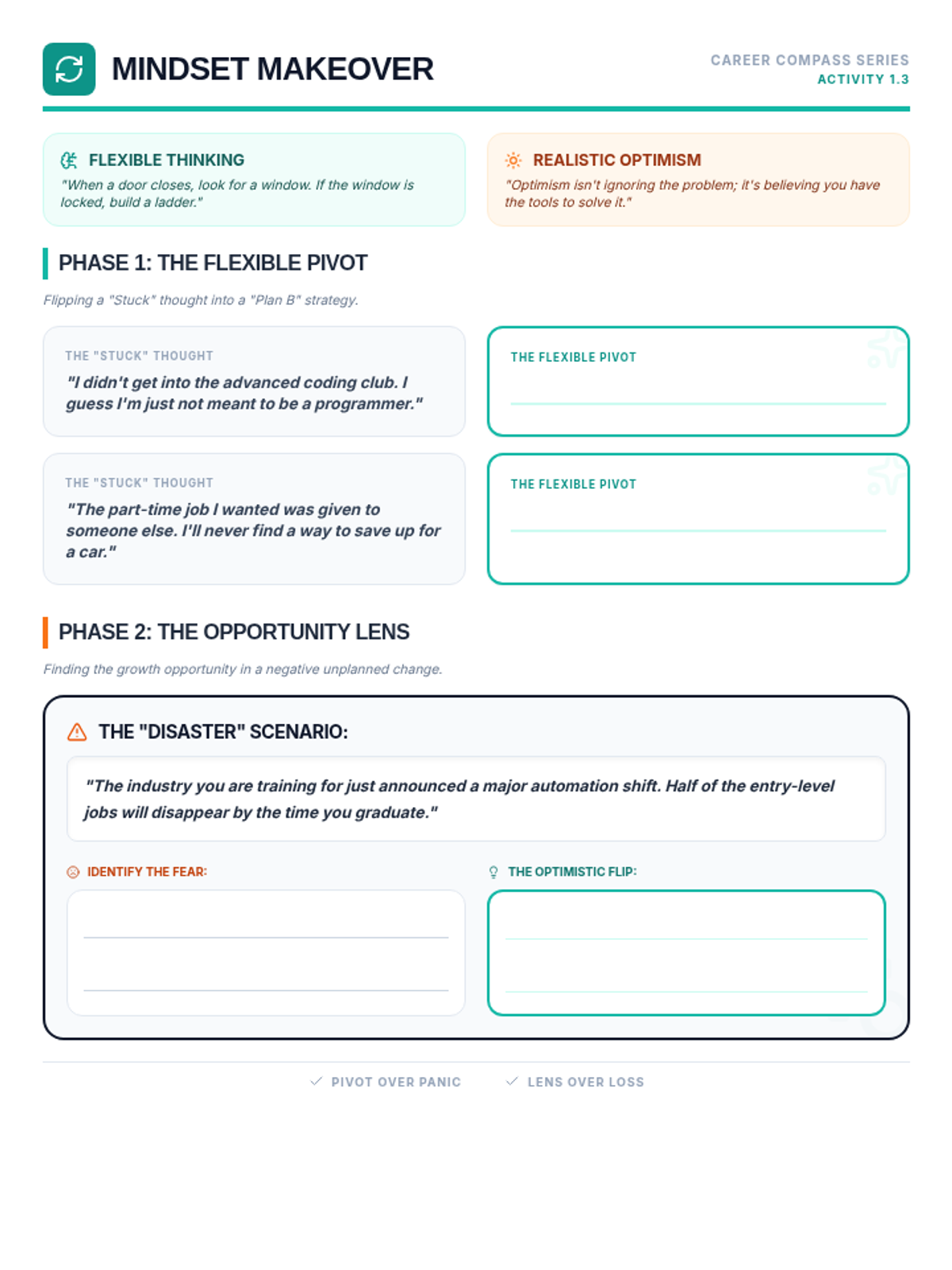
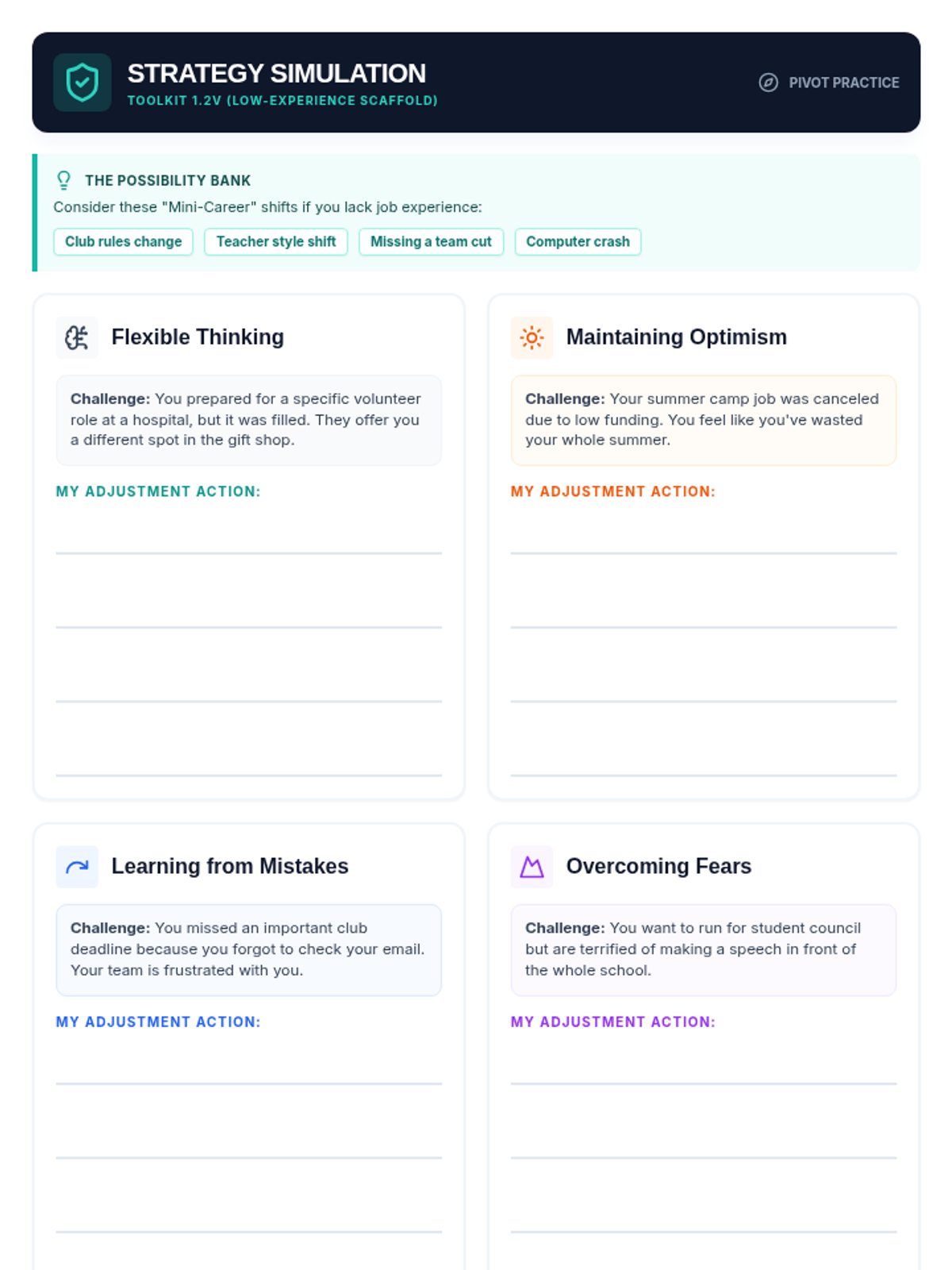
A 2-day unit focused on managing planned and unplanned career changes, featuring visual-heavy instruction, scaffolded reflections, and Universal Design for Learning (UDL) principles. Students will learn to identify strategies like flexible thinking and optimism to navigate their future professional paths.
A series of lessons designed to equip students with the foundational skills needed to navigate the professional world, secure employment, and thrive in their careers.
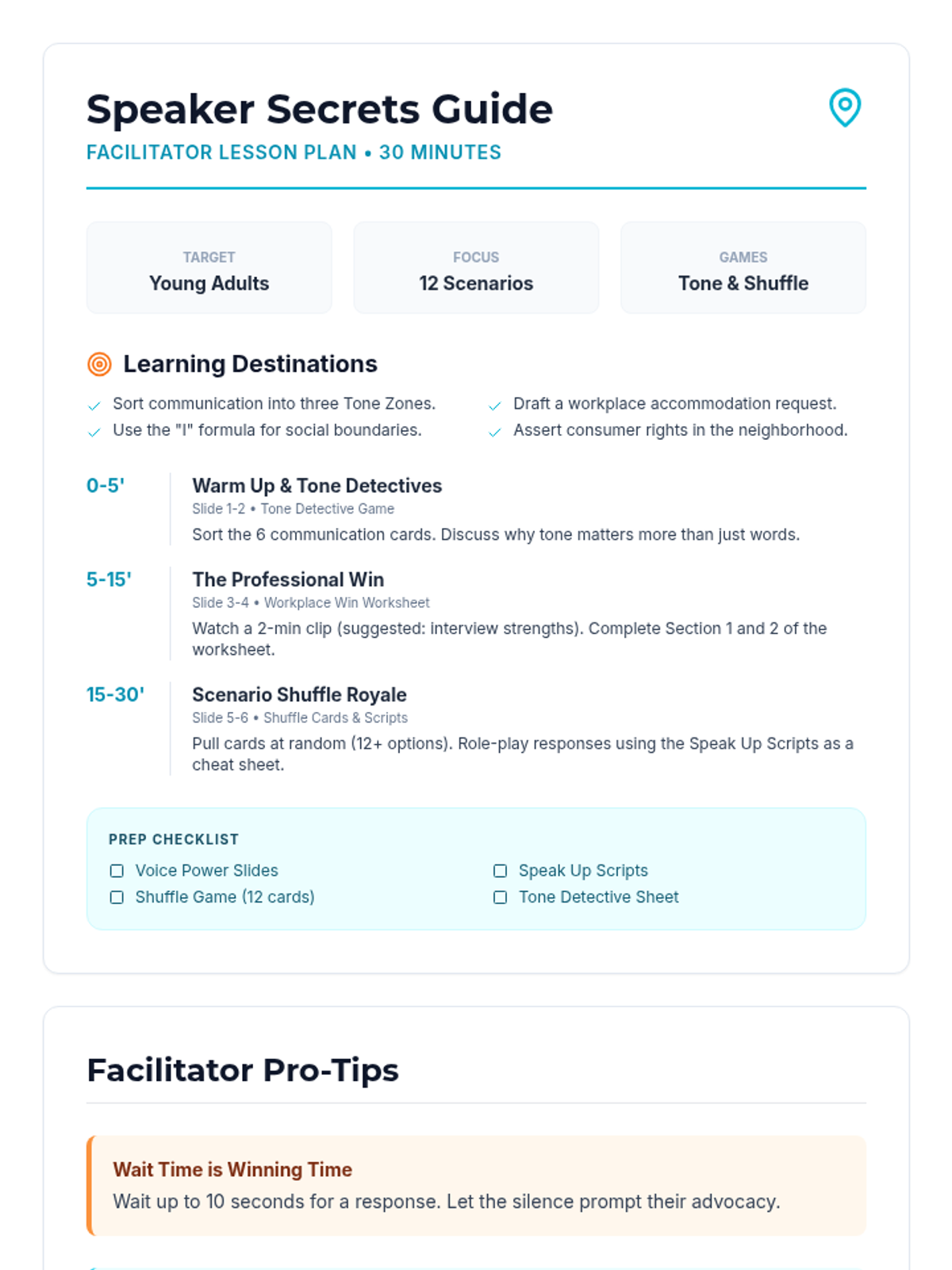
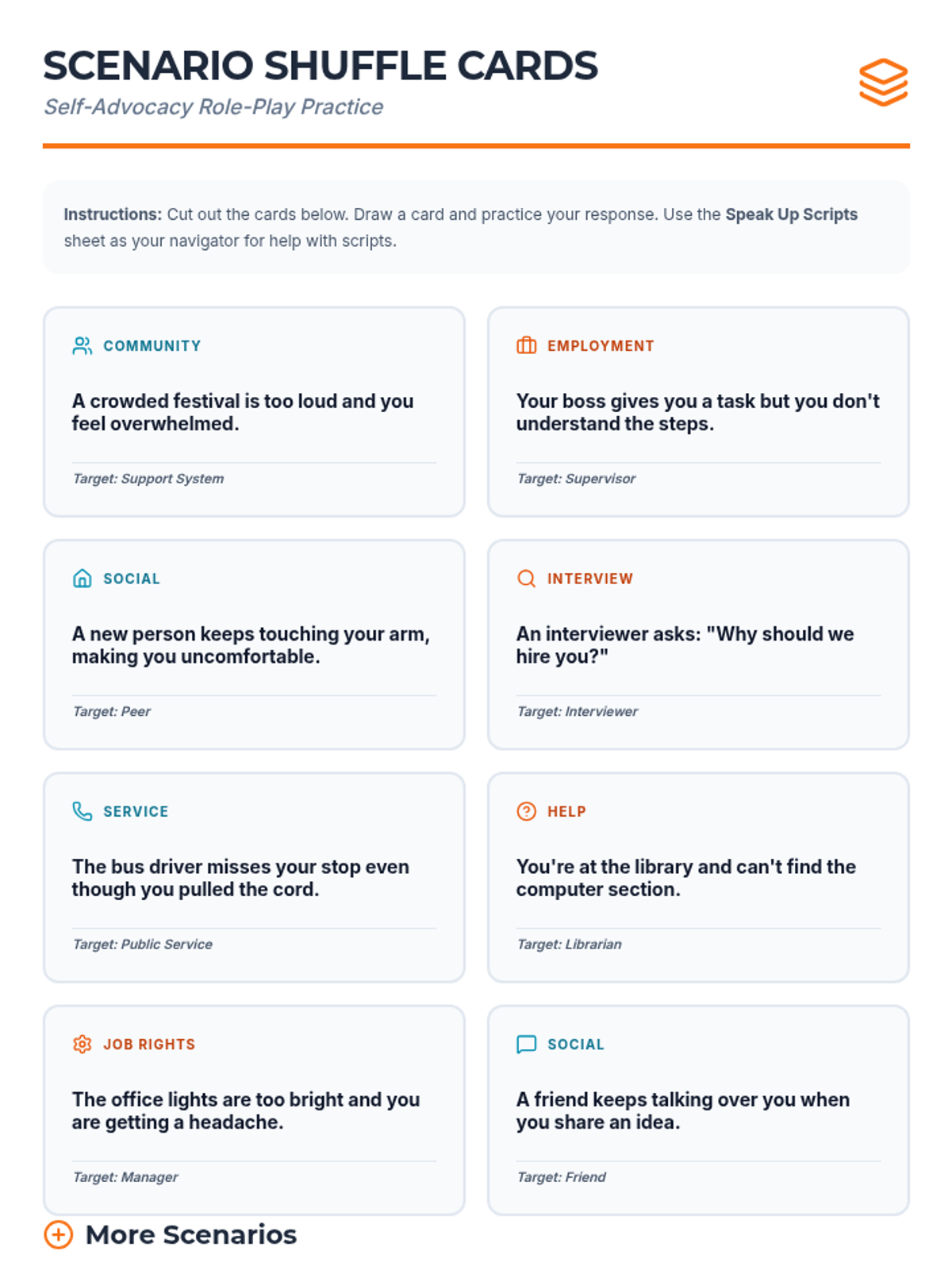
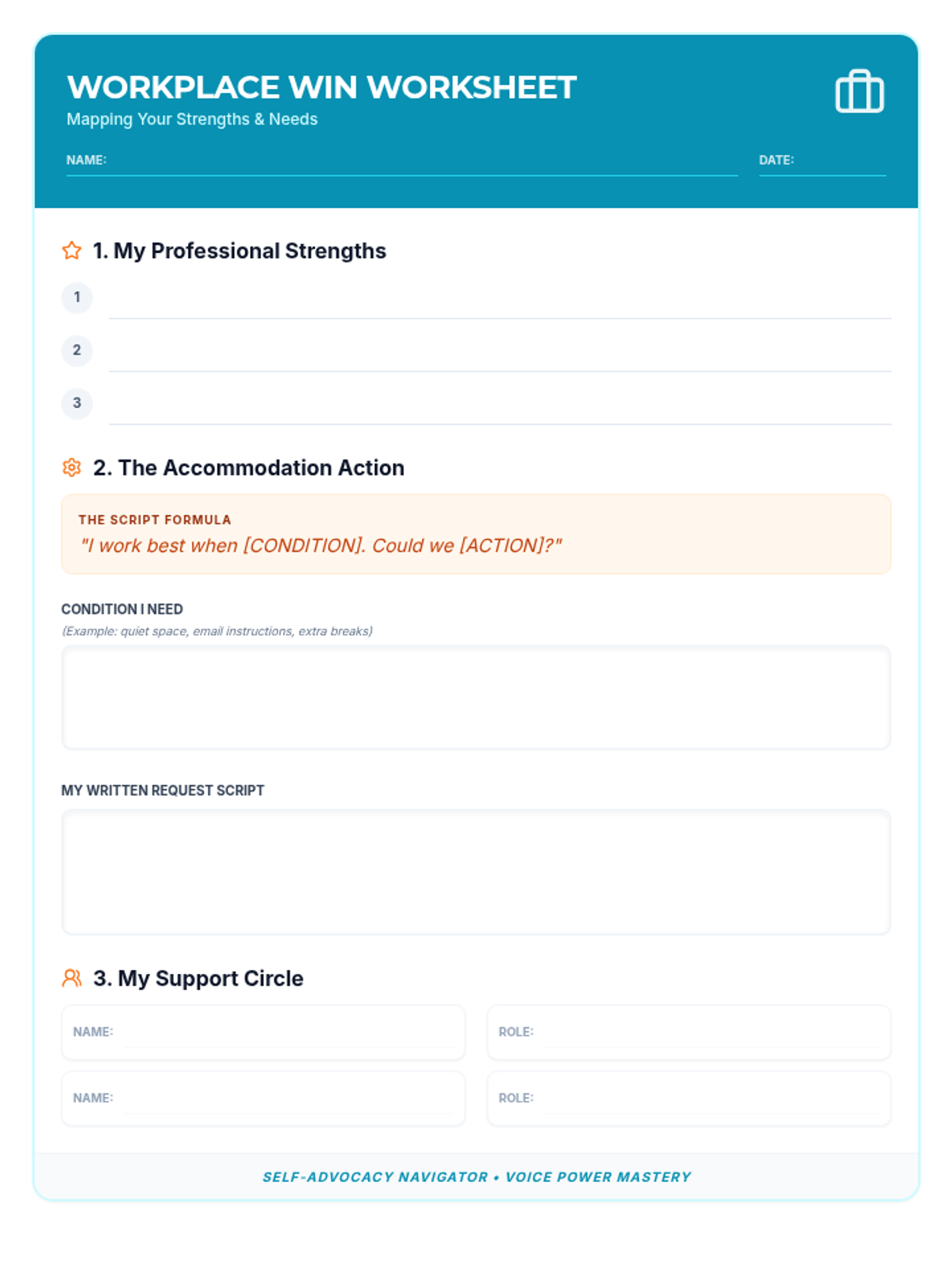
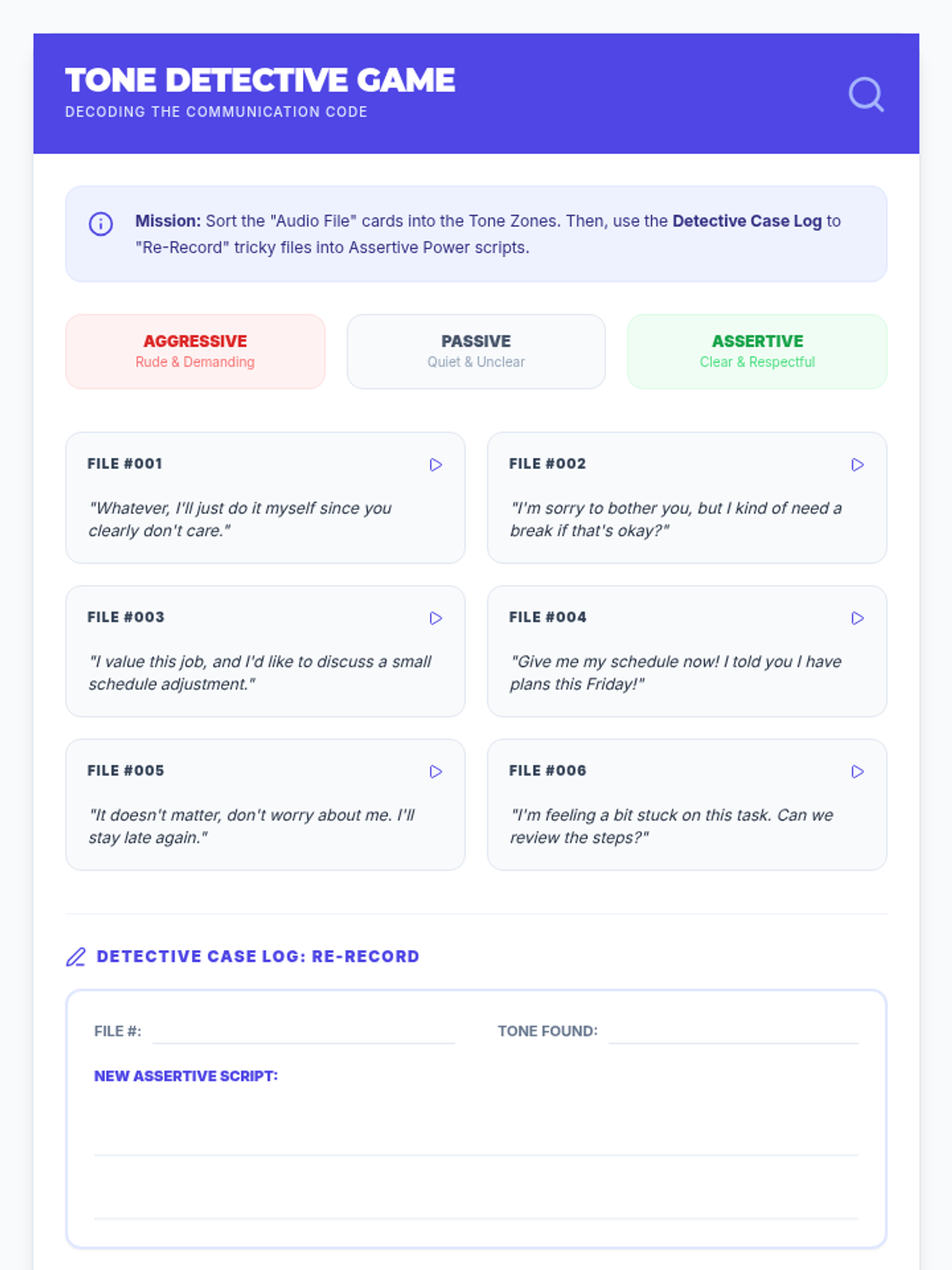
A comprehensive unit designed for young adults to master self-advocacy across workplace, community, and social environments. Through interactive scenarios and guided practice, learners build confidence in asserting their needs and showcasing their strengths.
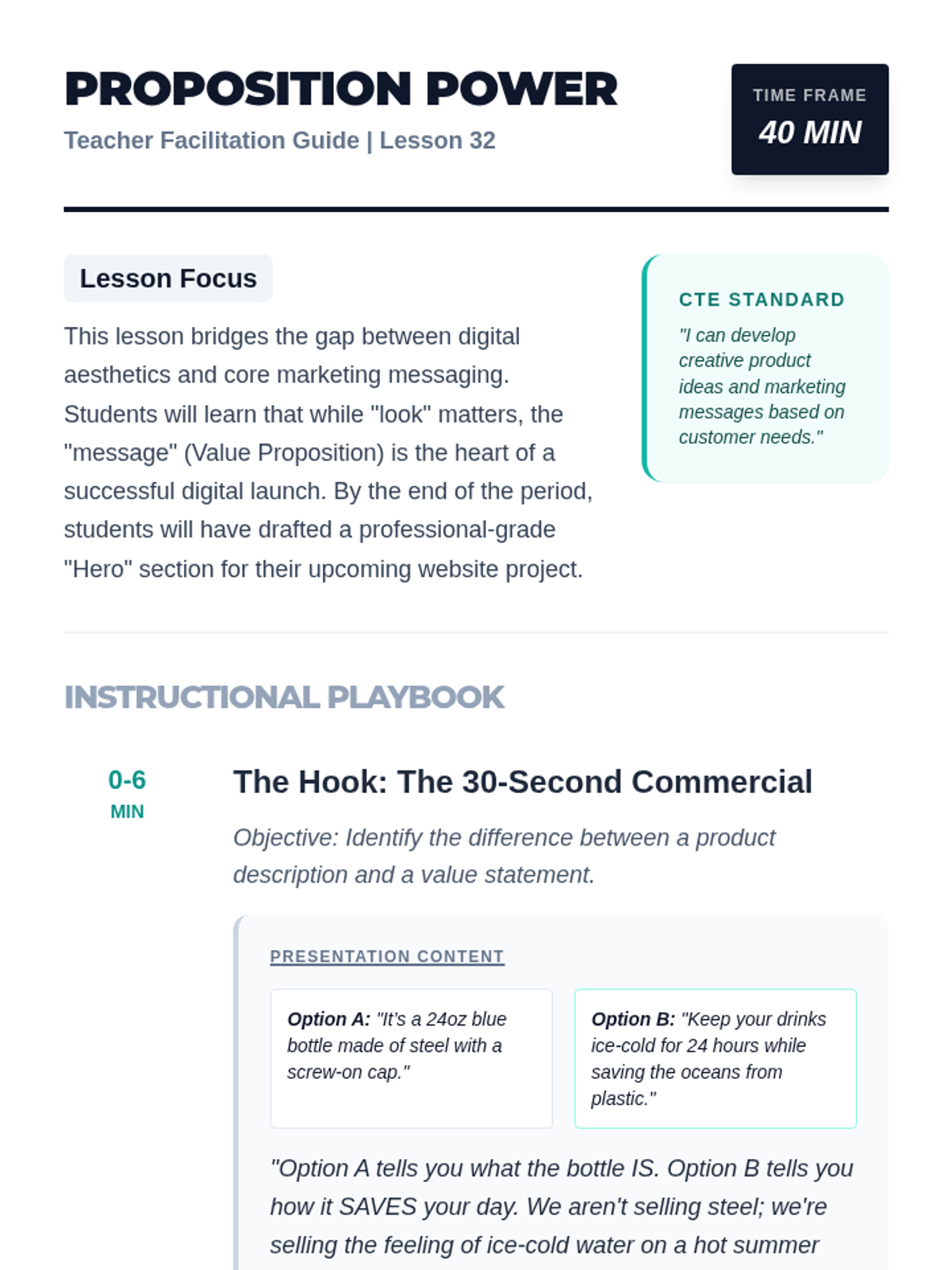
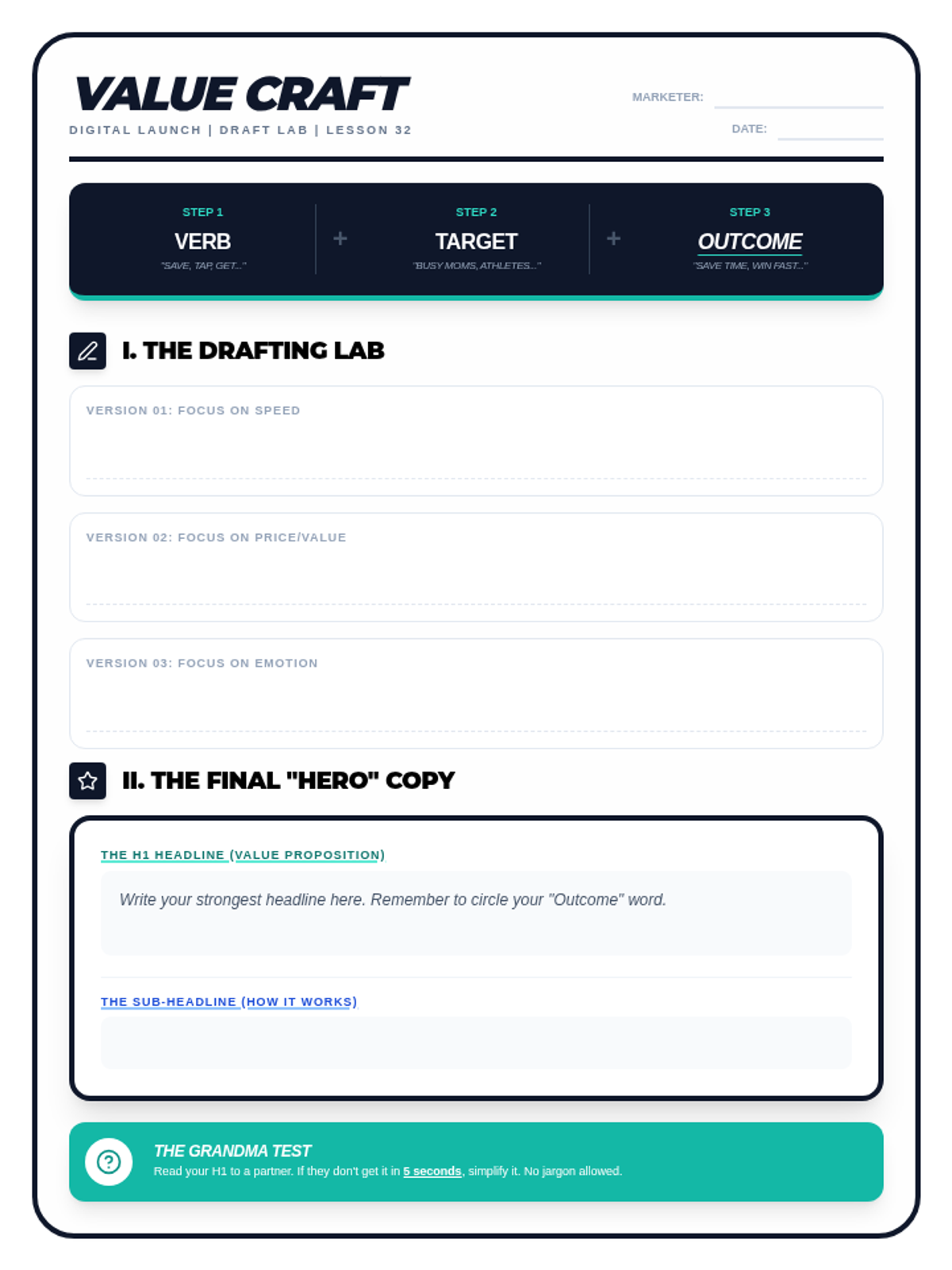
A comprehensive unit focused on the digital launch of marketing campaigns, bridging the gap between design and messaging to create persuasive online presences.
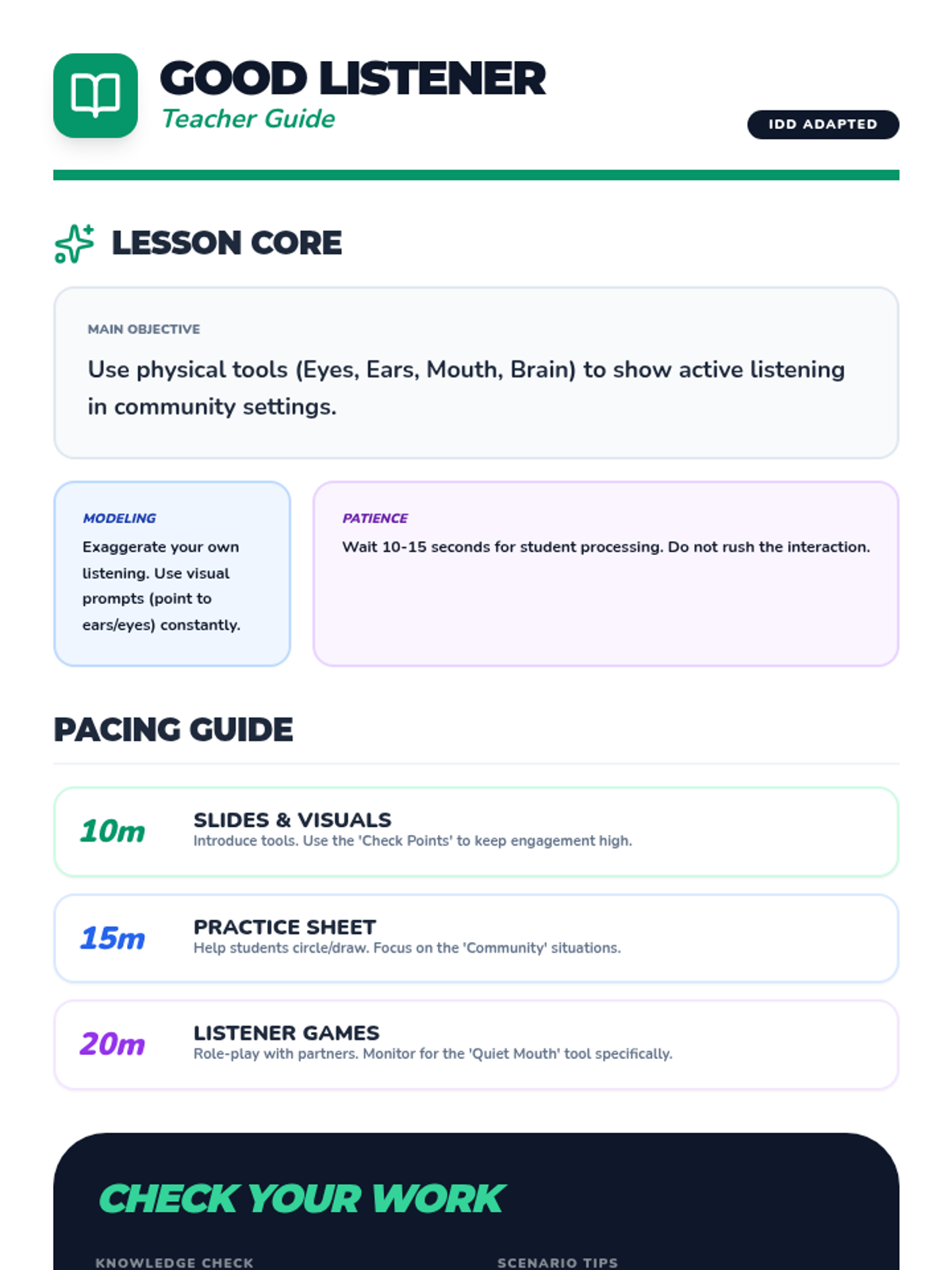
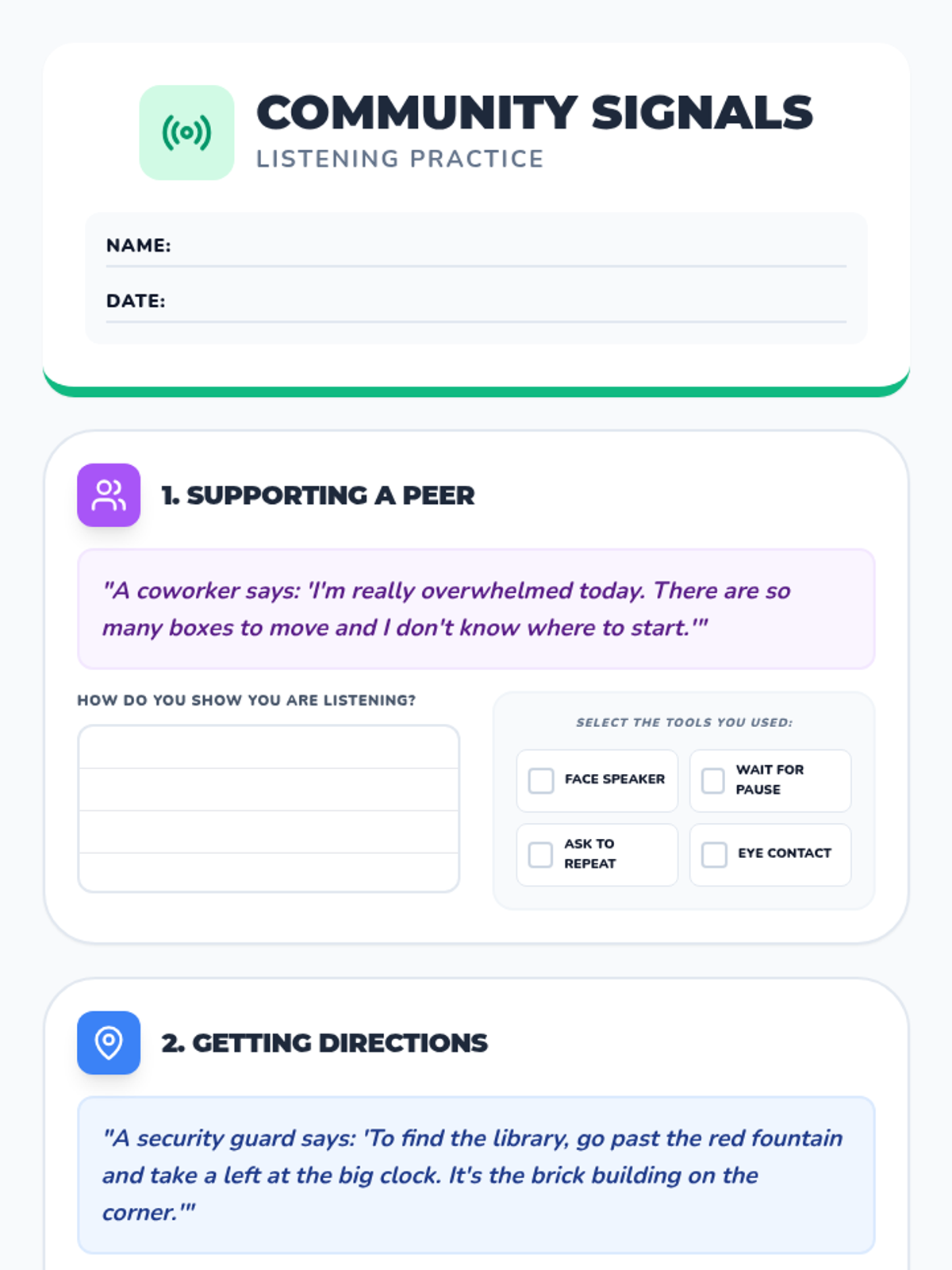
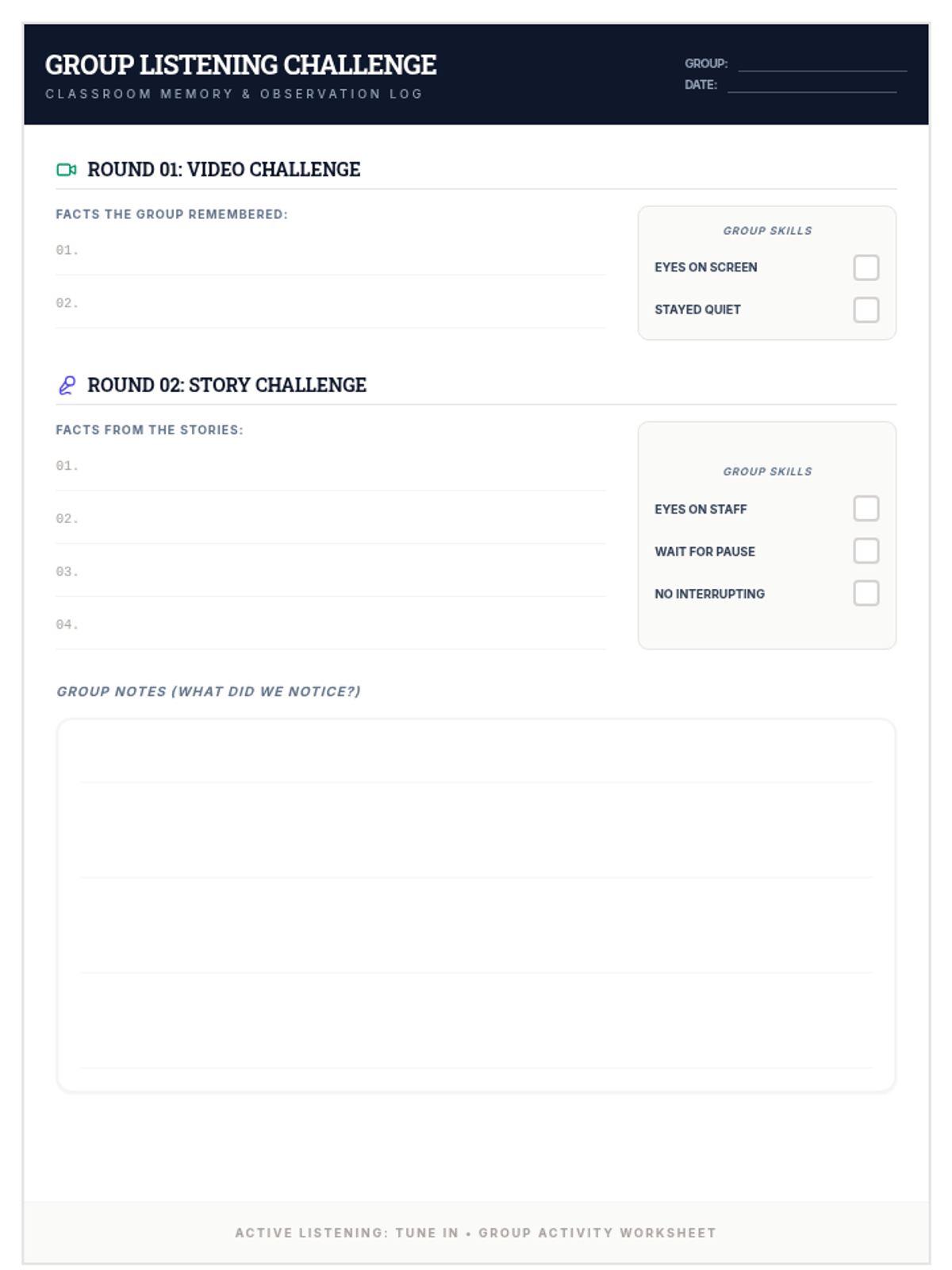
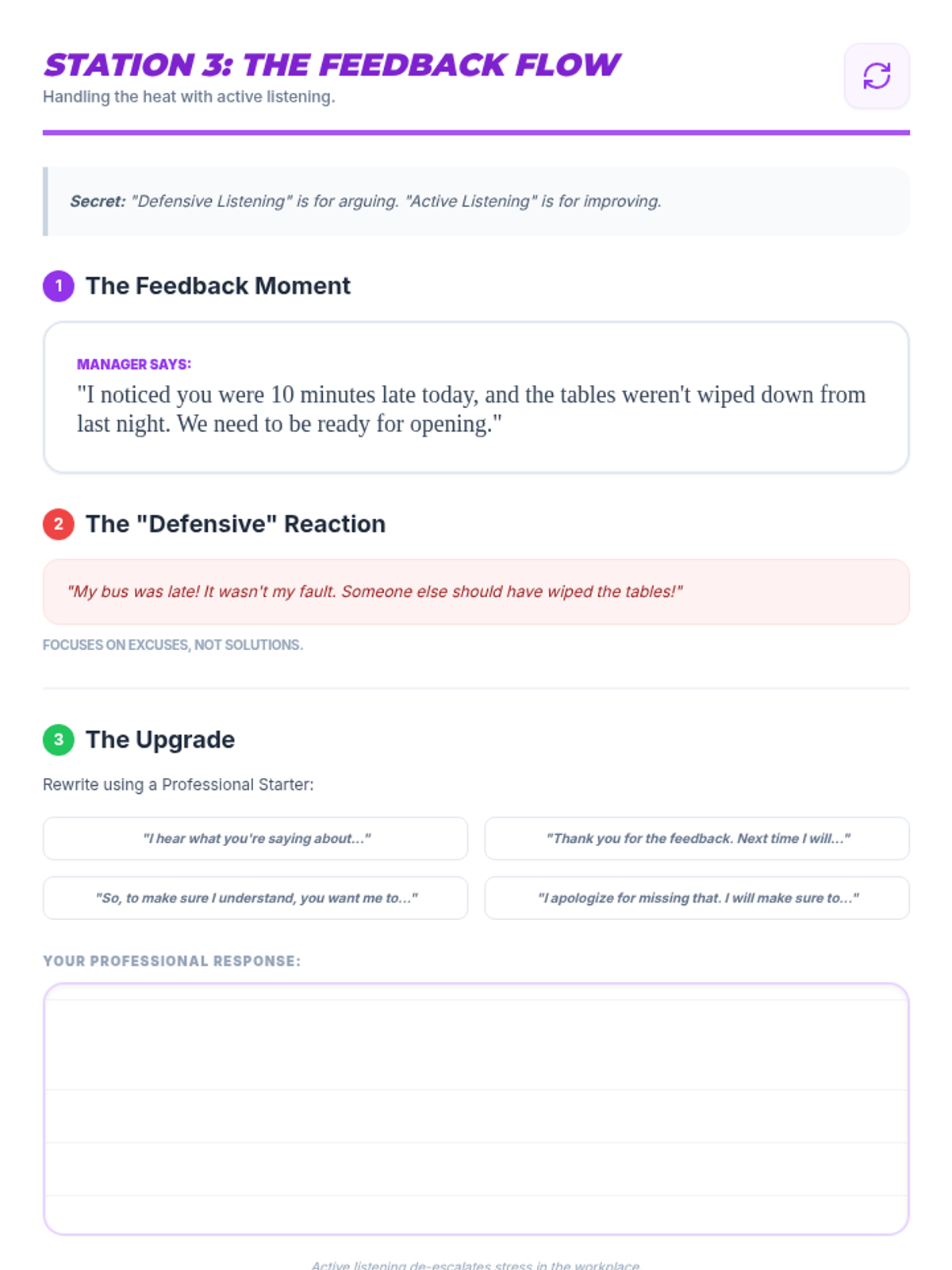
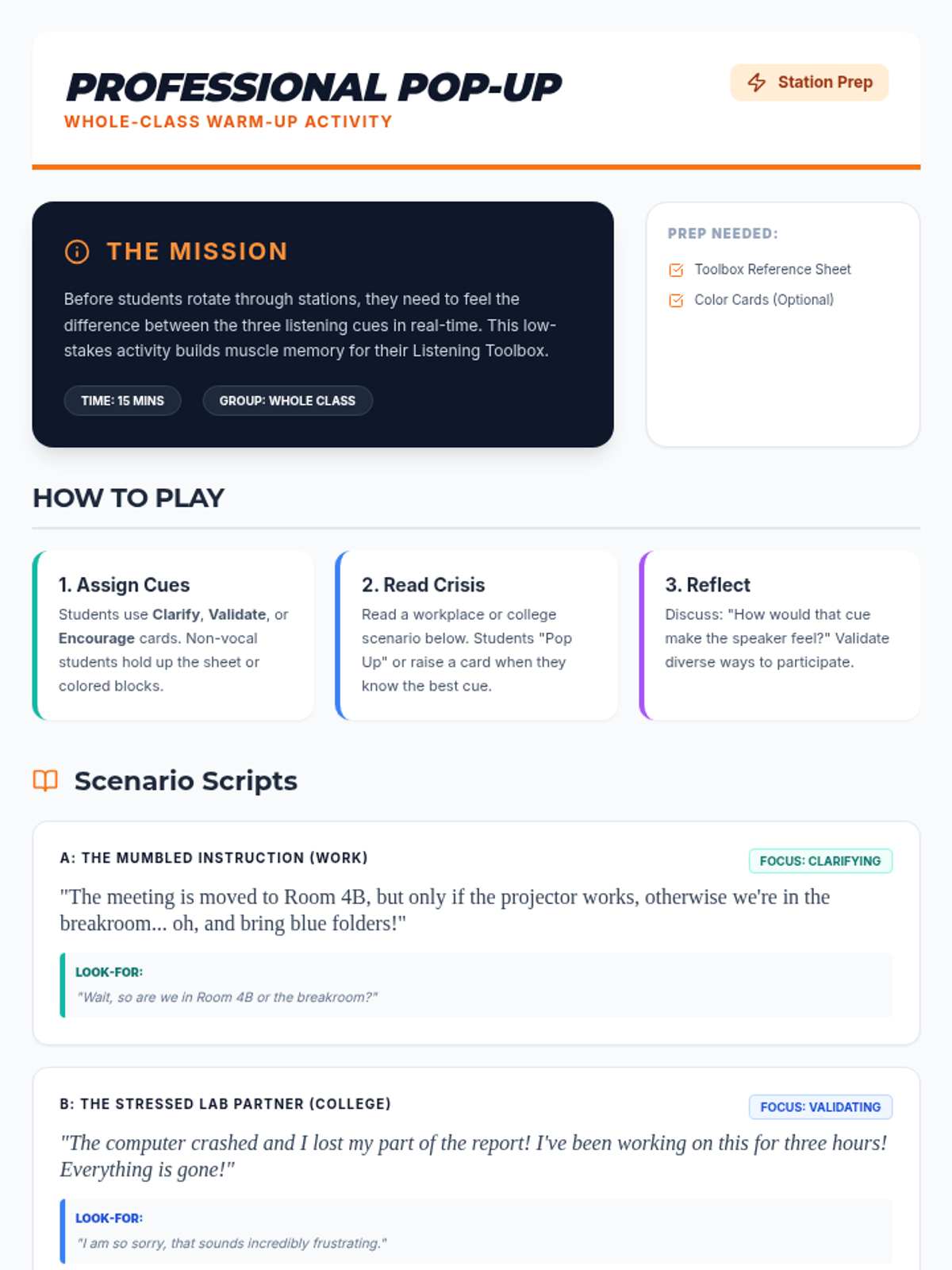
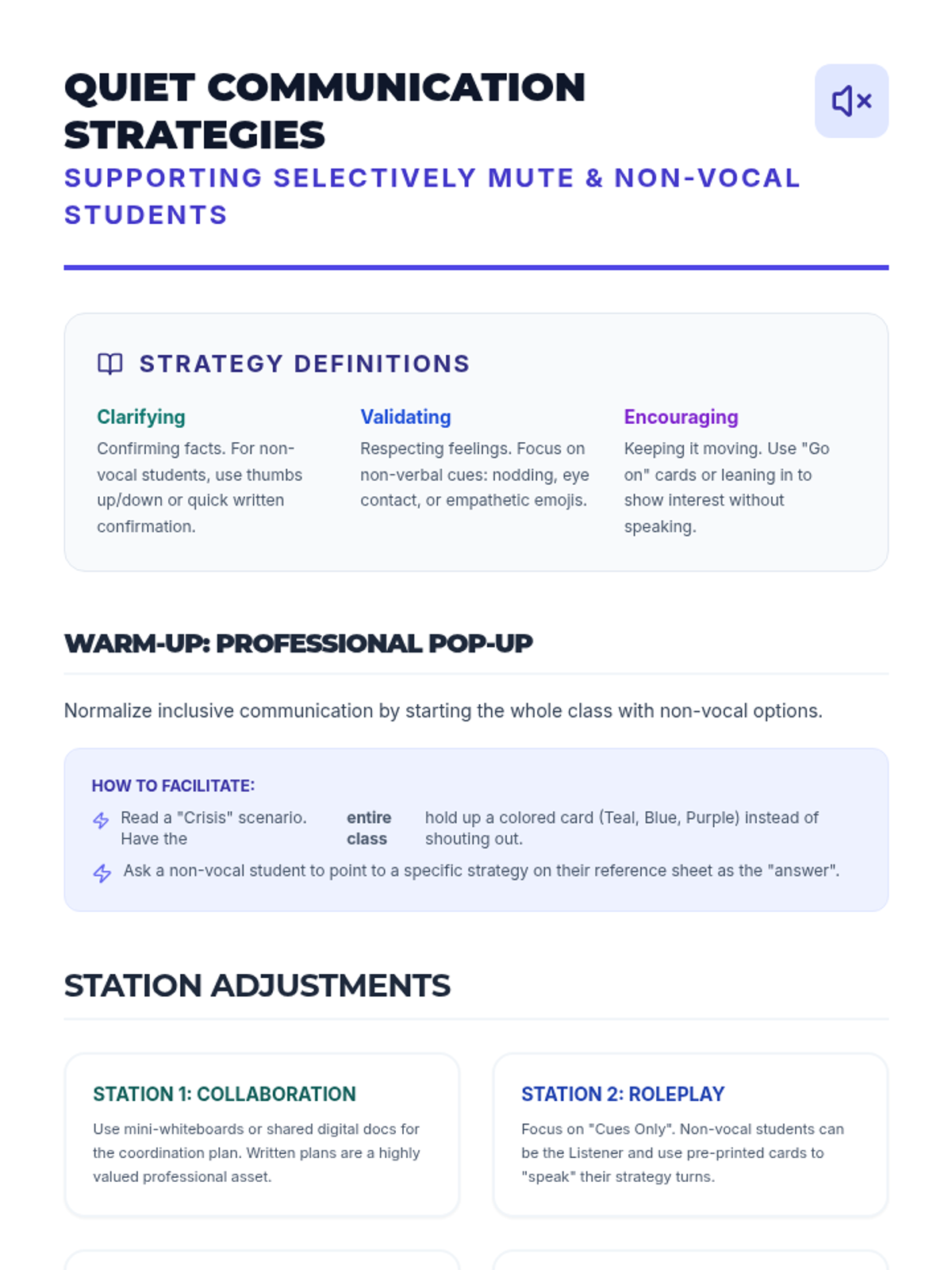
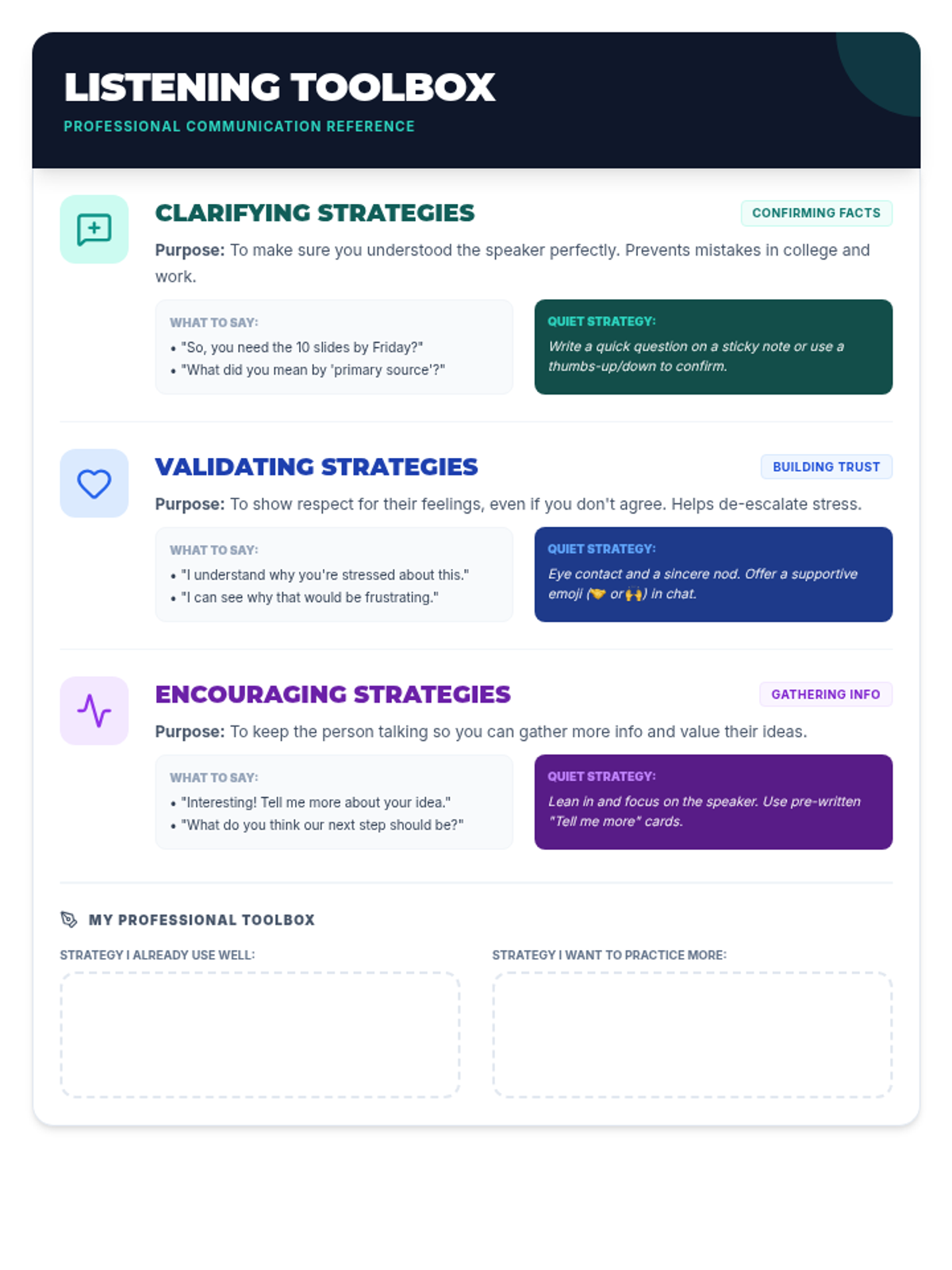
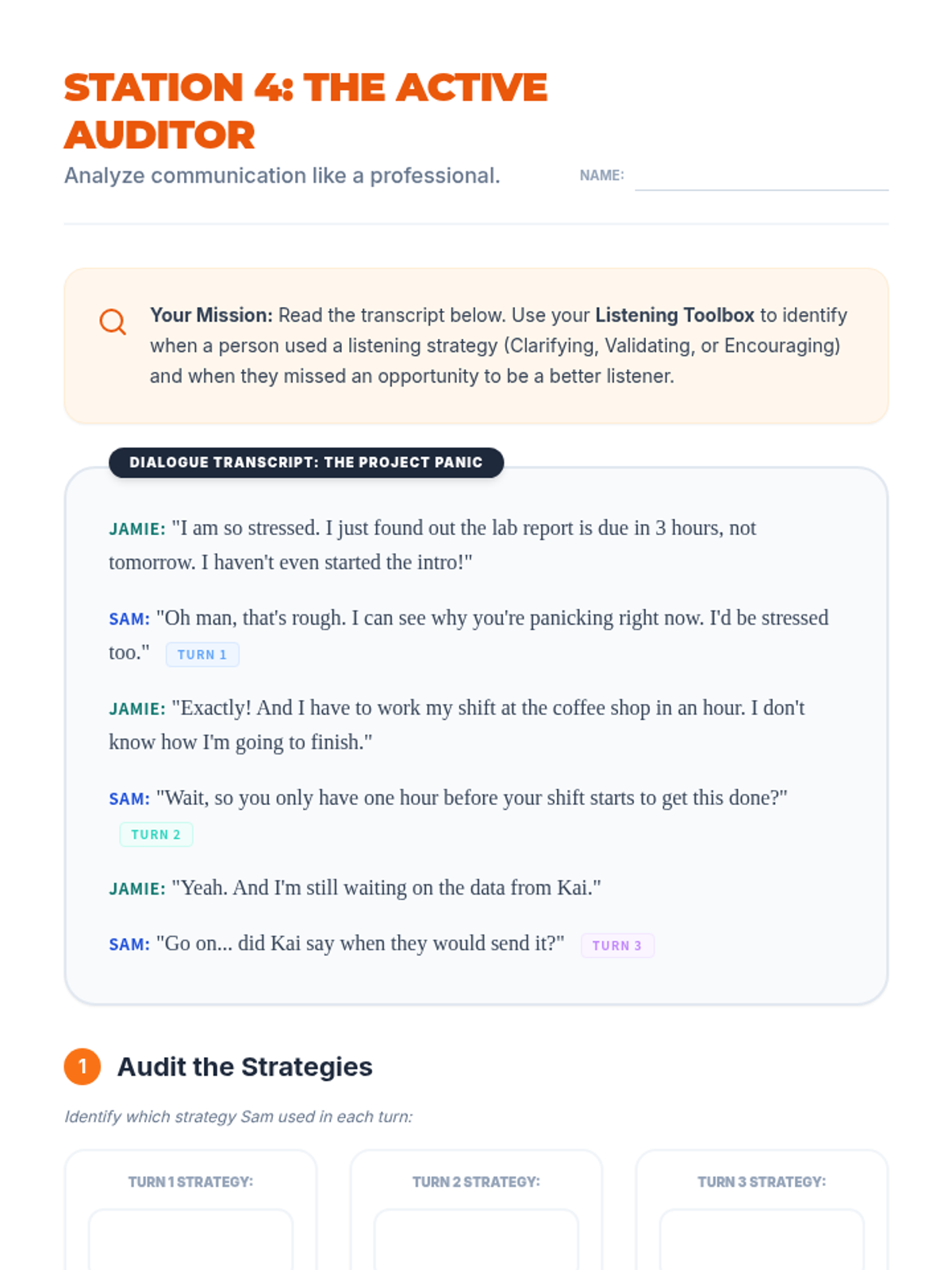
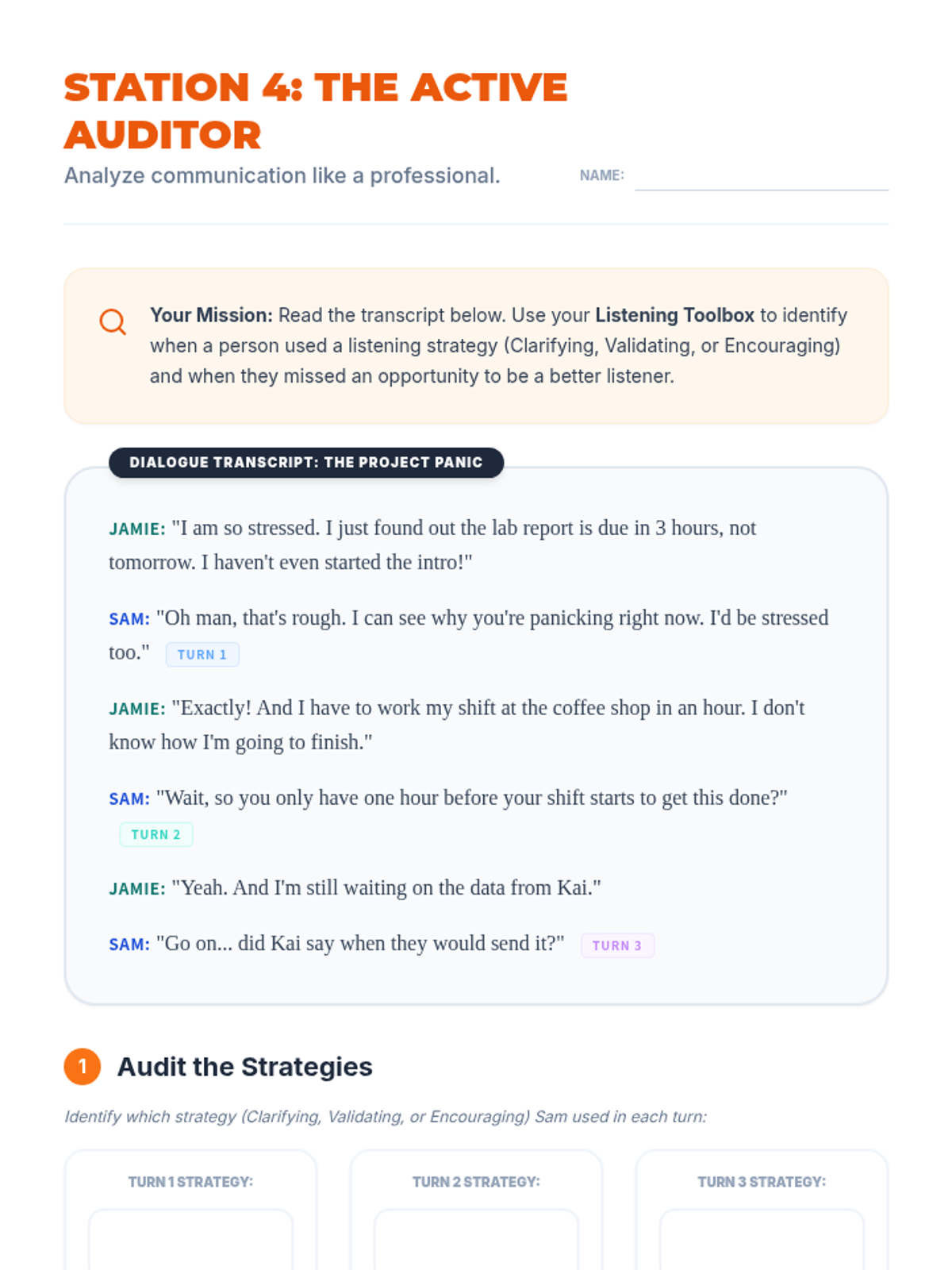
This sequence focuses on building fundamental active listening skills through relatable social scenarios and professional data-driven practice. Students learn to focus visually, manage verbal impulses, and retain key information in both casual and community-based environments.
A series of lessons designed to prepare students for the transition to the workforce by developing critical soft skills, digital literacy, and professional communication strategies.
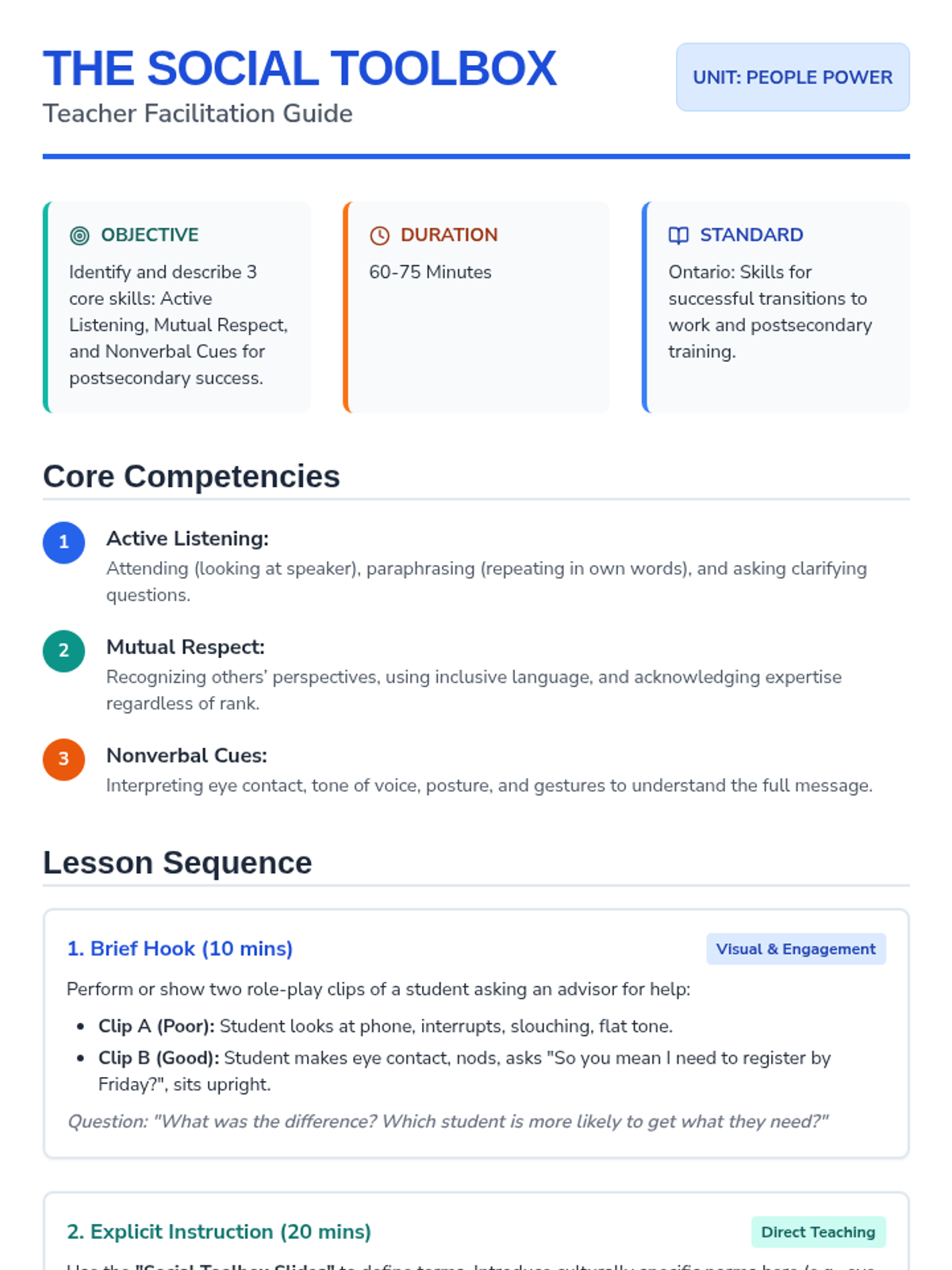
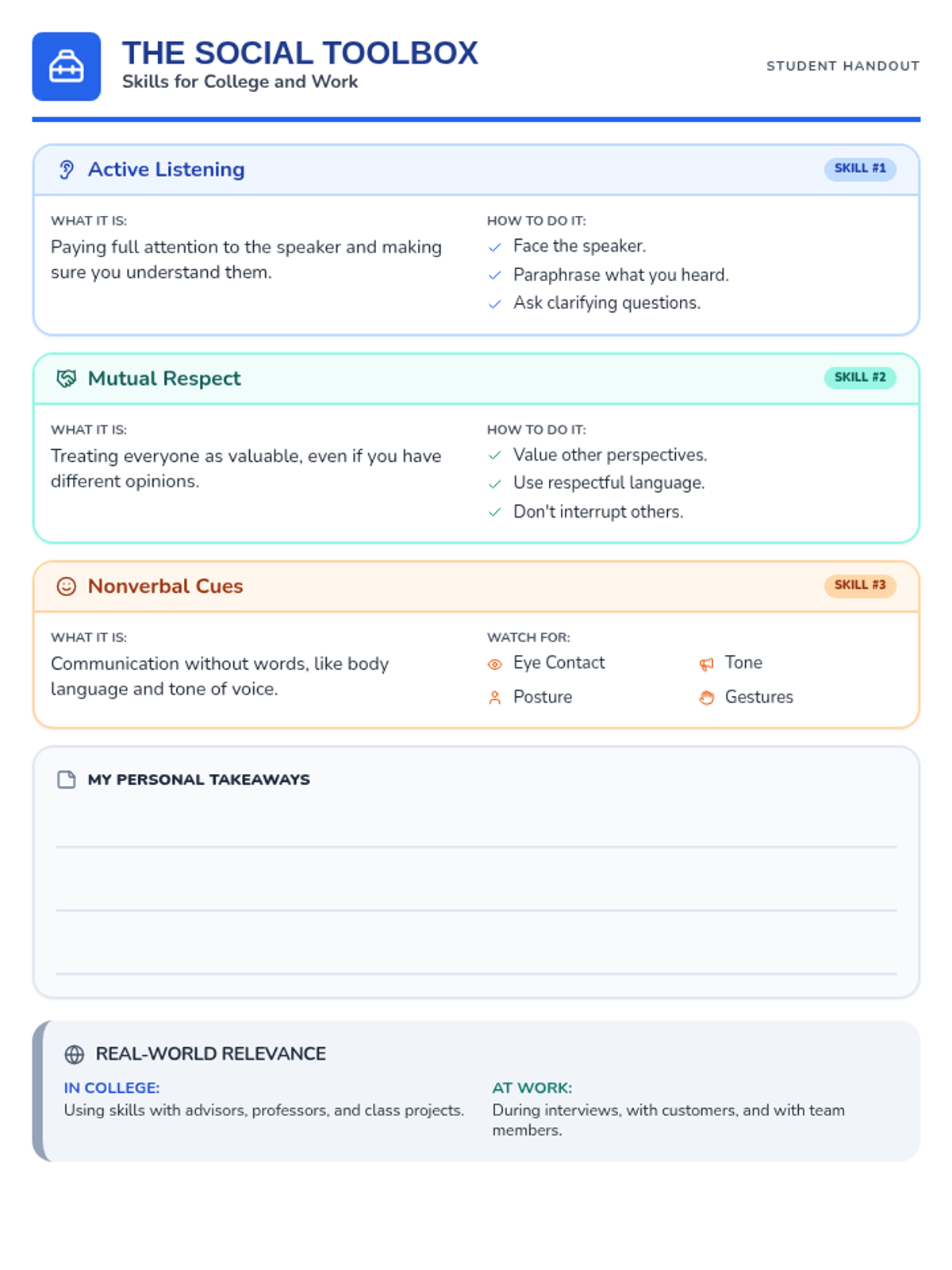
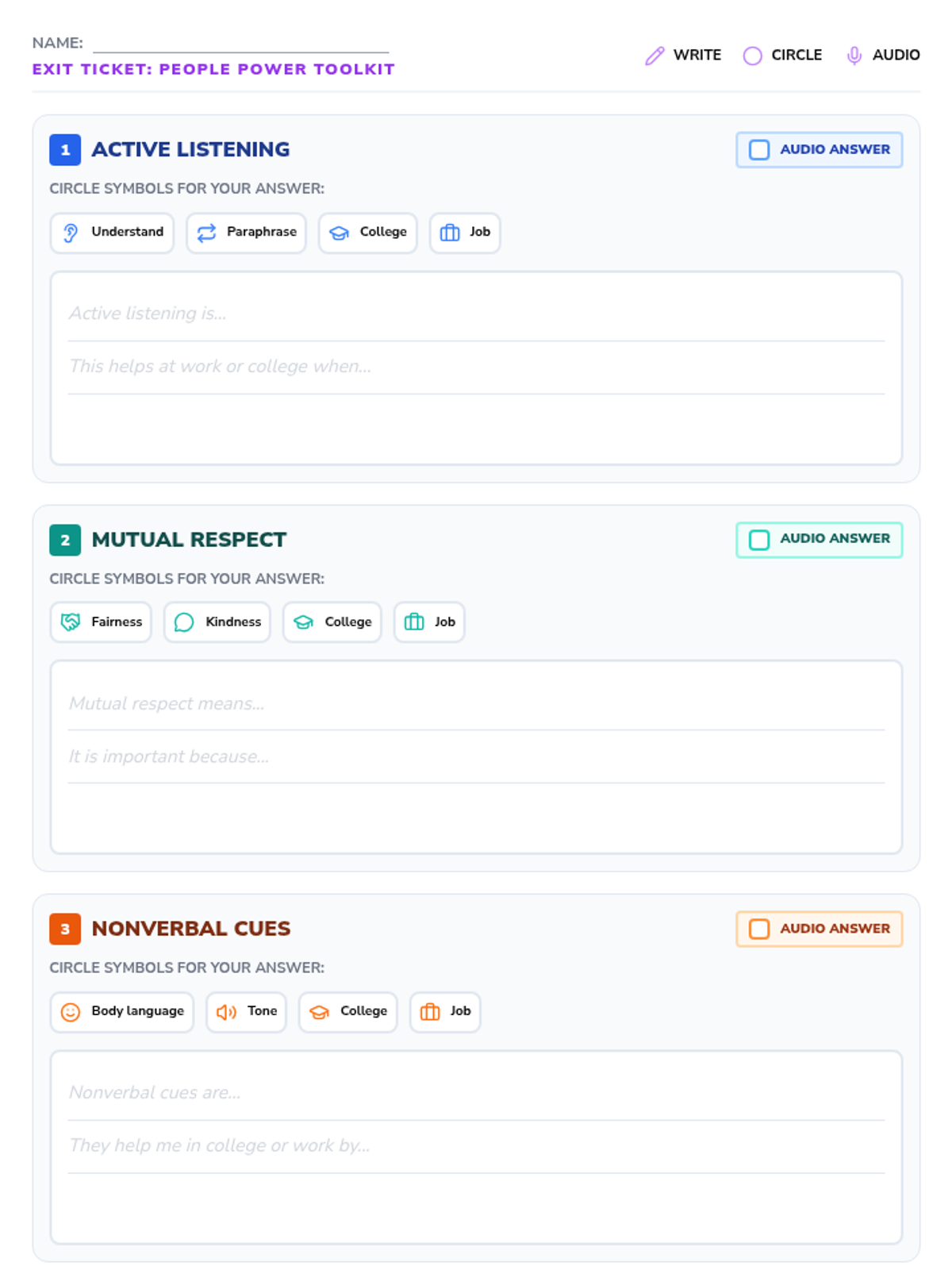
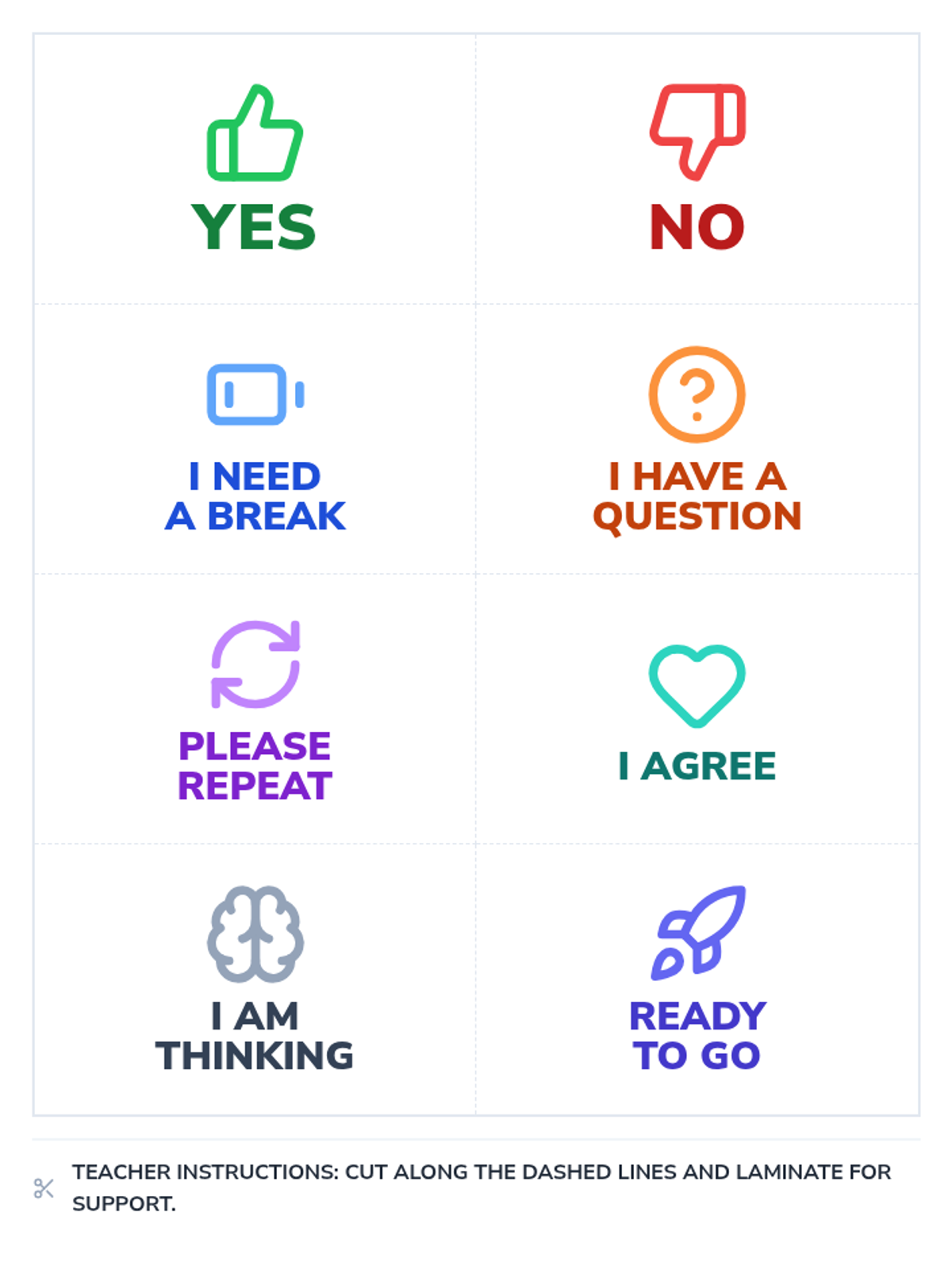
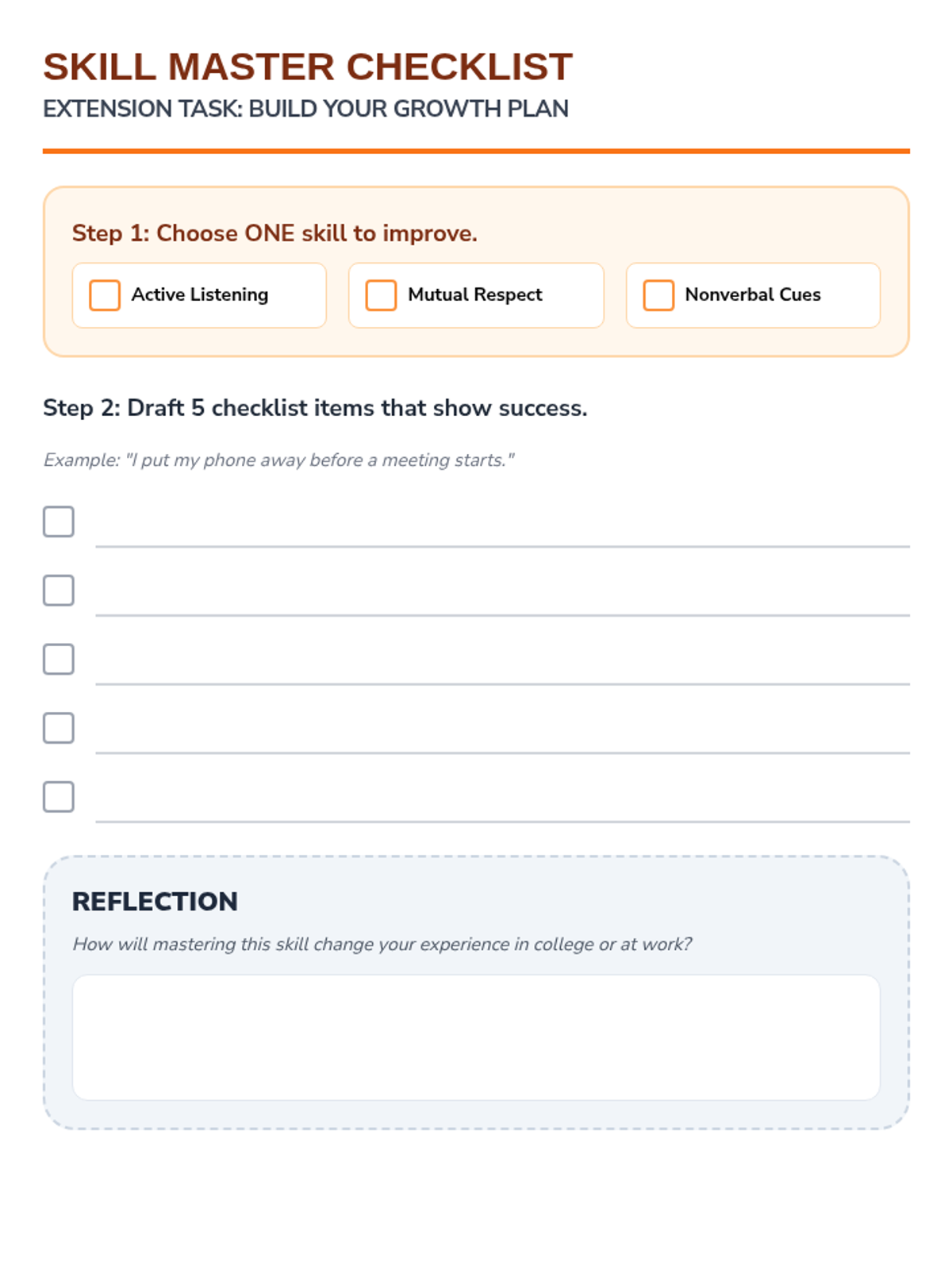
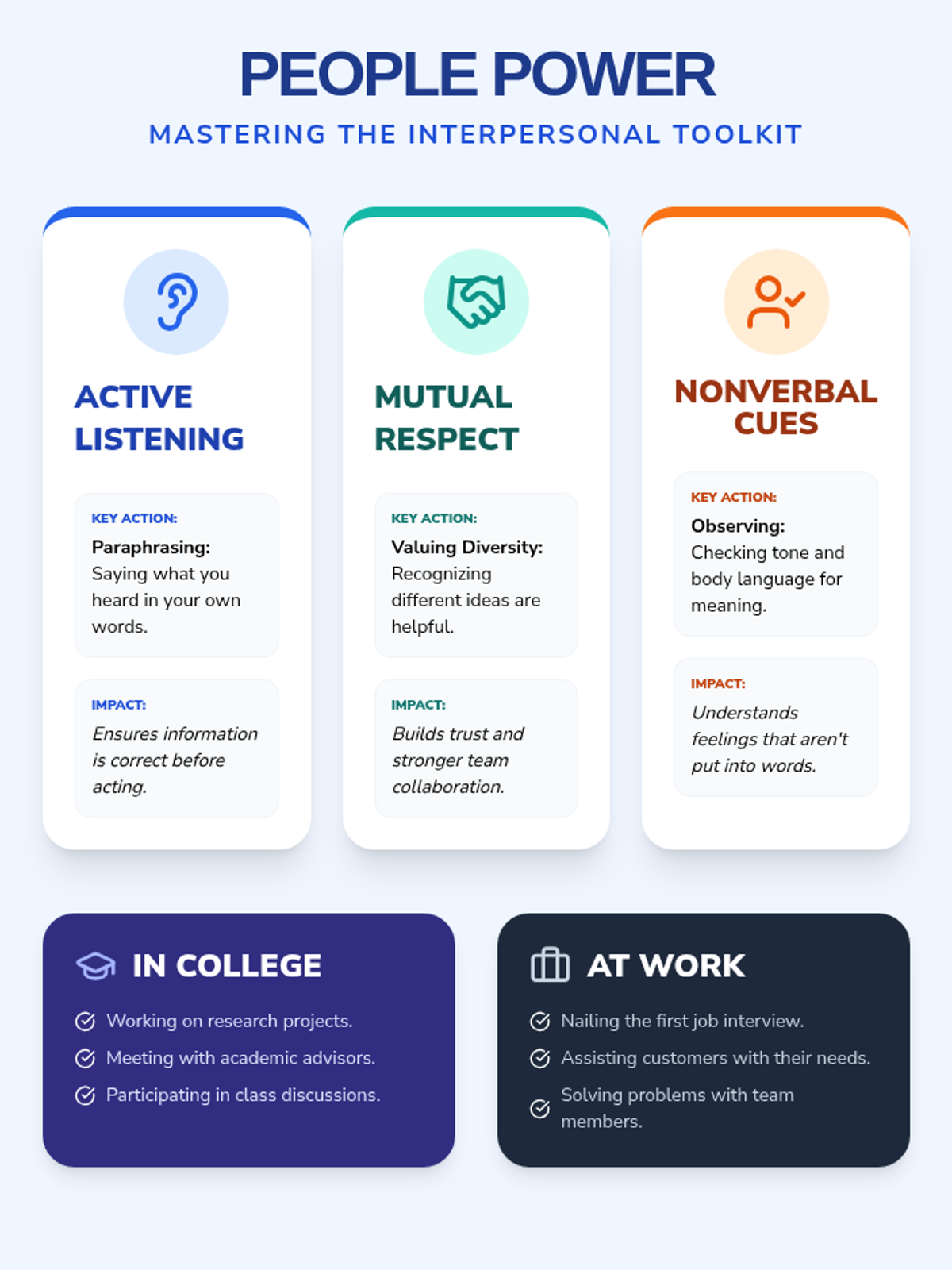
A comprehensive lesson sequence focused on developing core interpersonal skills (active listening, mutual respect, and nonverbal communication) to support student transitions to postsecondary education and the workplace. The materials incorporate Universal Design for Learning (UDL) and culturally responsive practices to ensure accessibility for all learners.
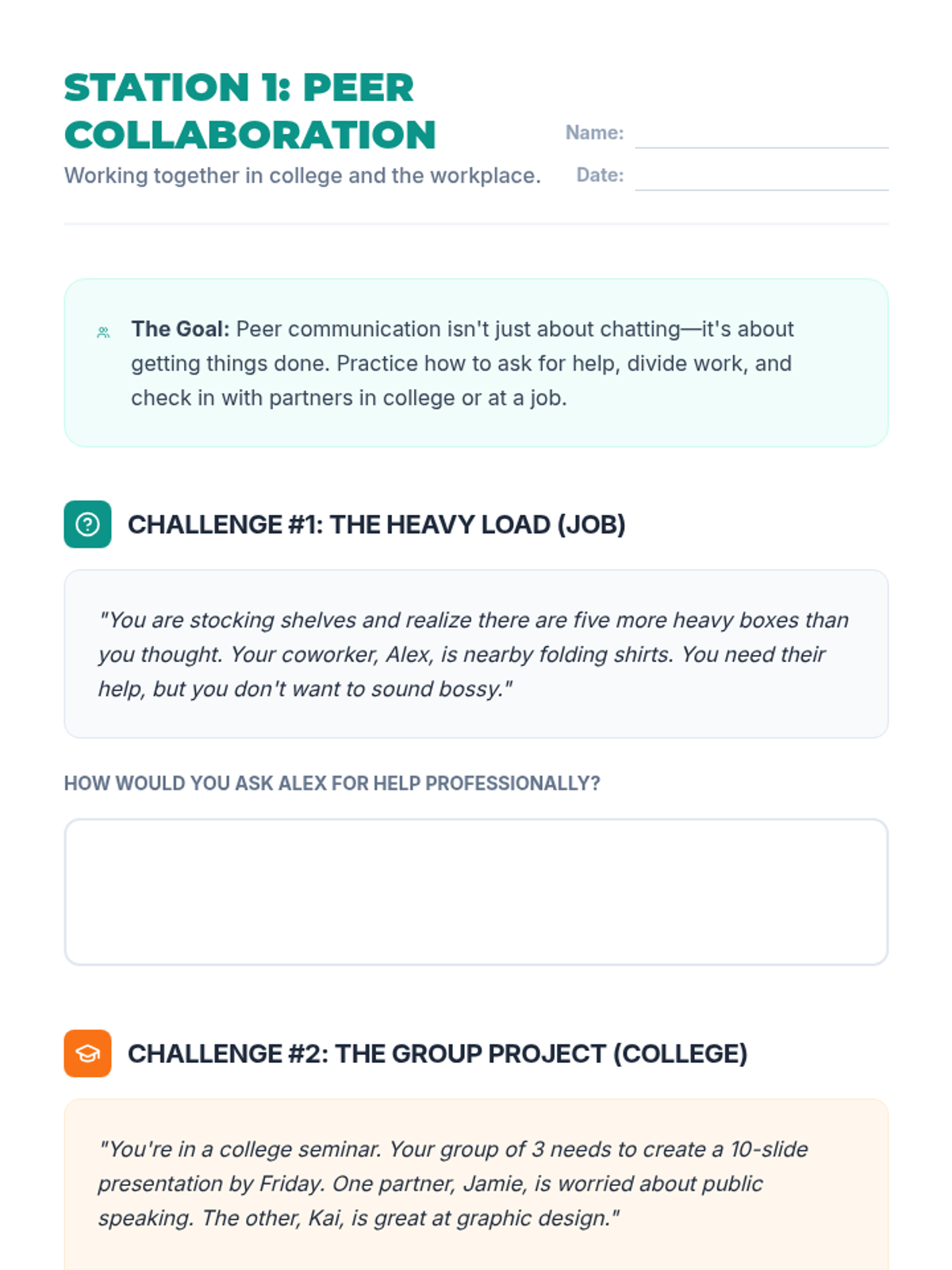
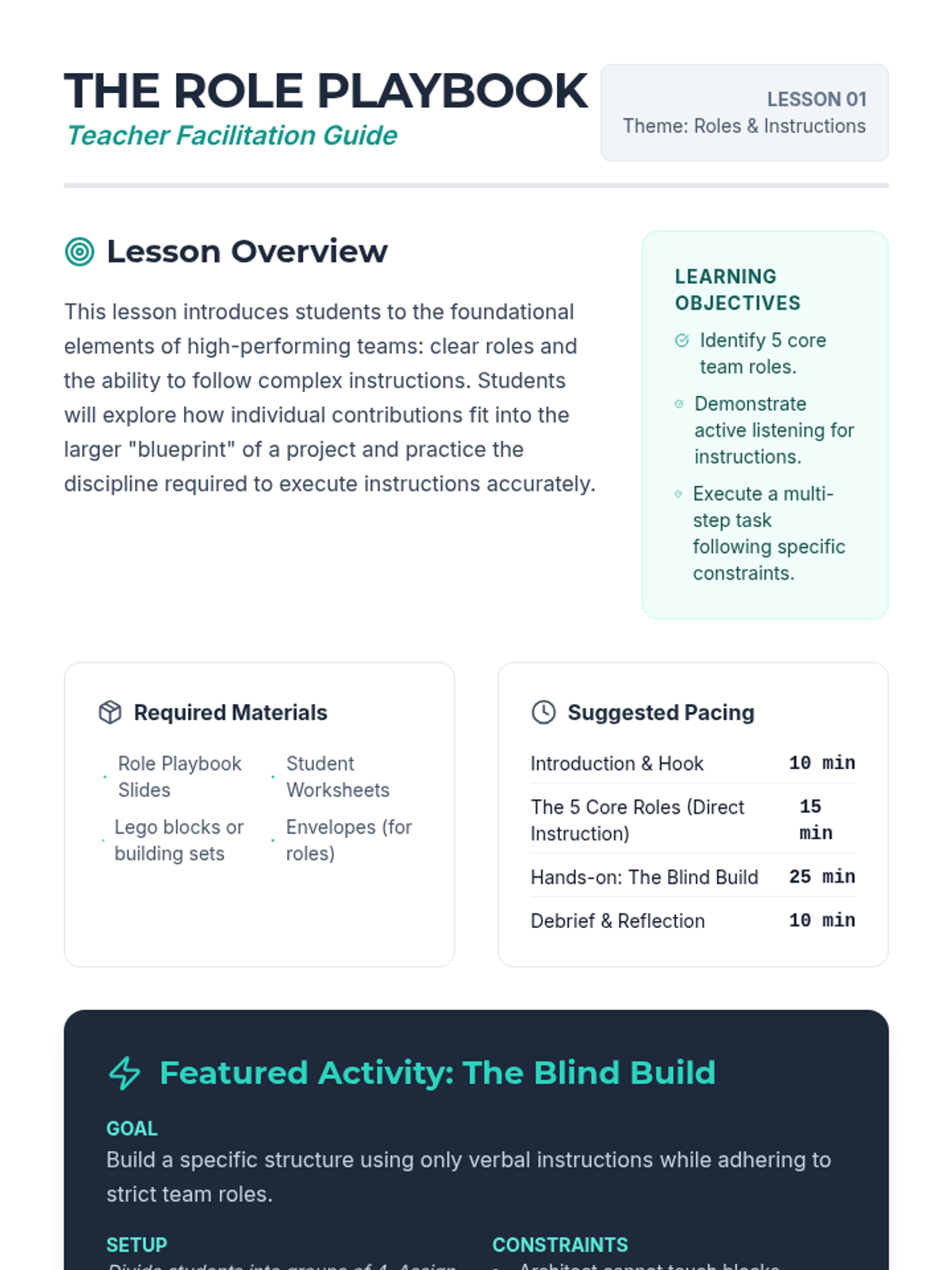
A comprehensive professional development series designed to equip individuals with essential workplace teamwork skills, including role definition, communication, feedback loops, and conflict management.
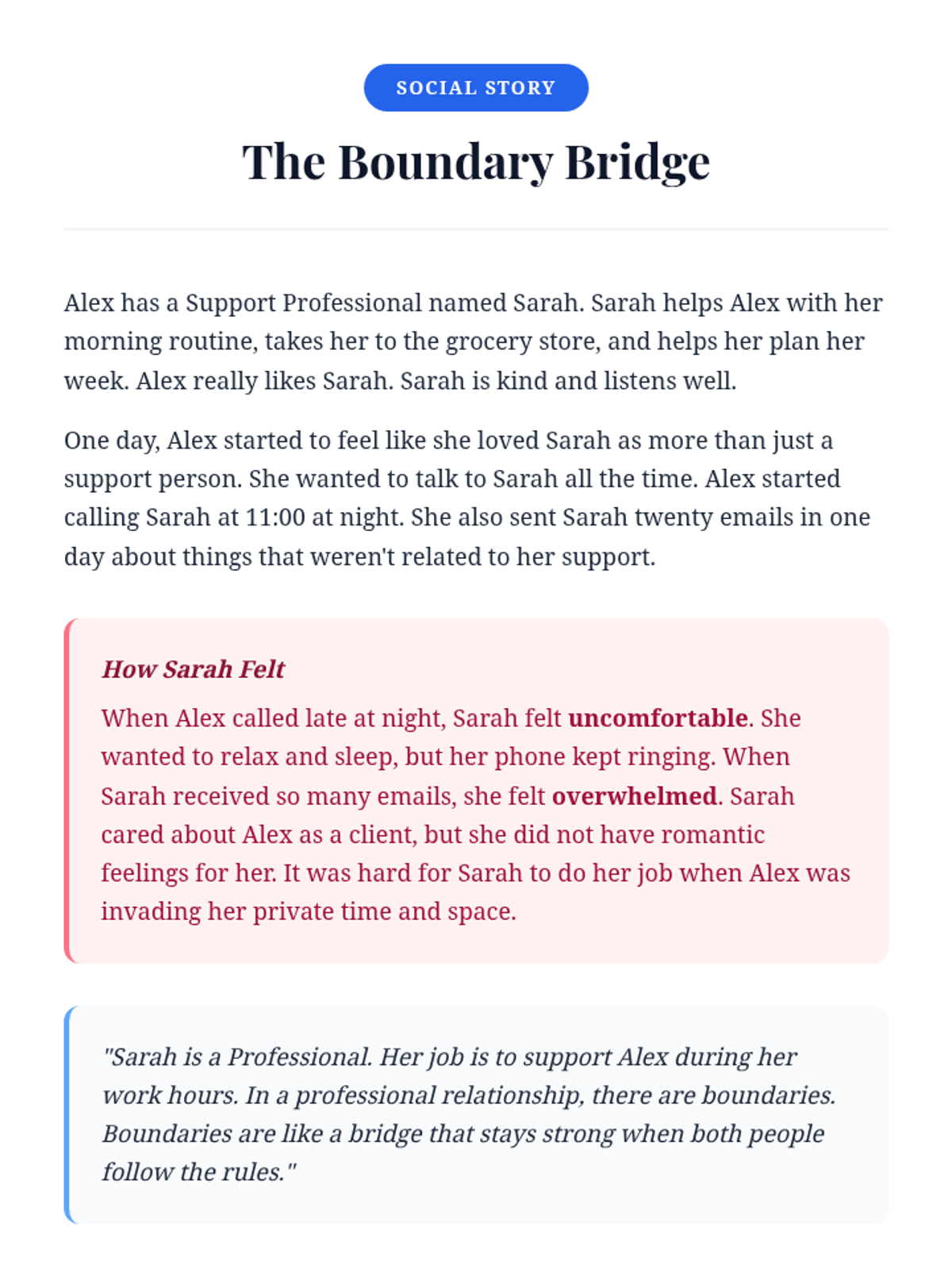
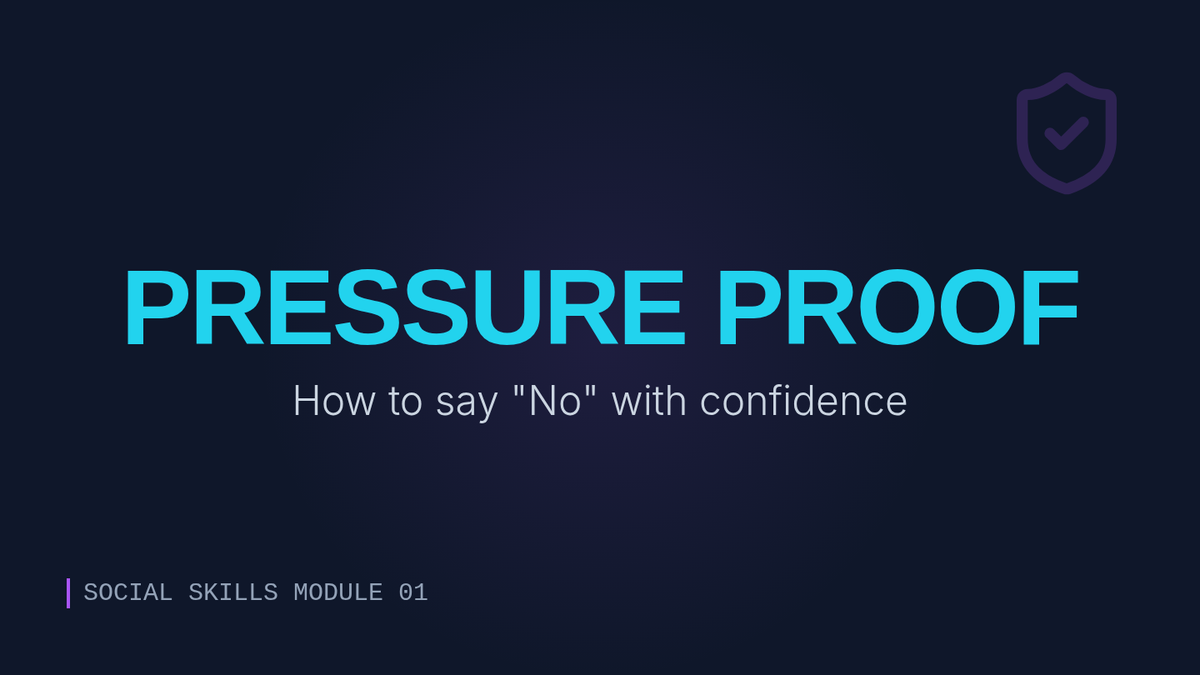
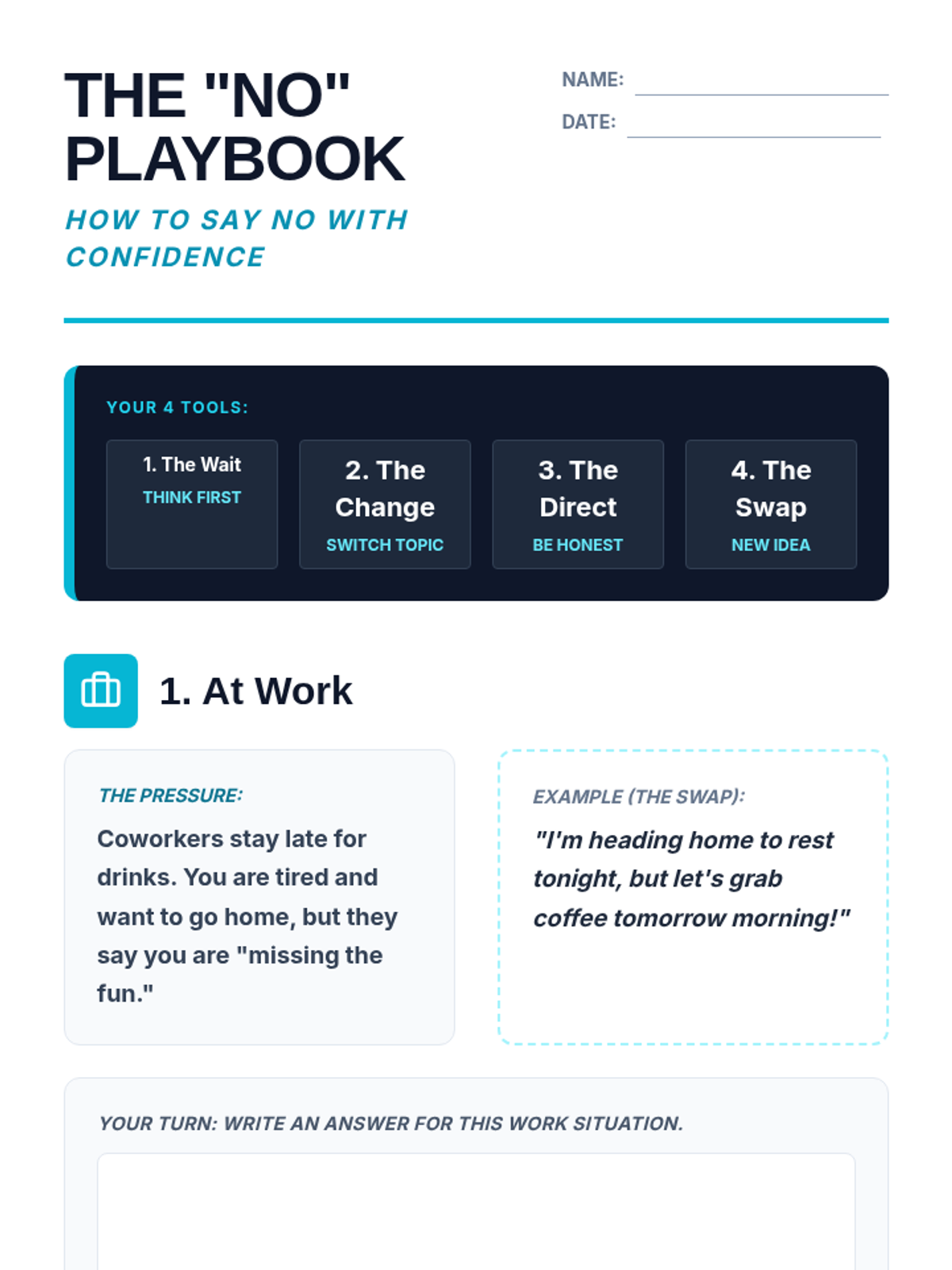
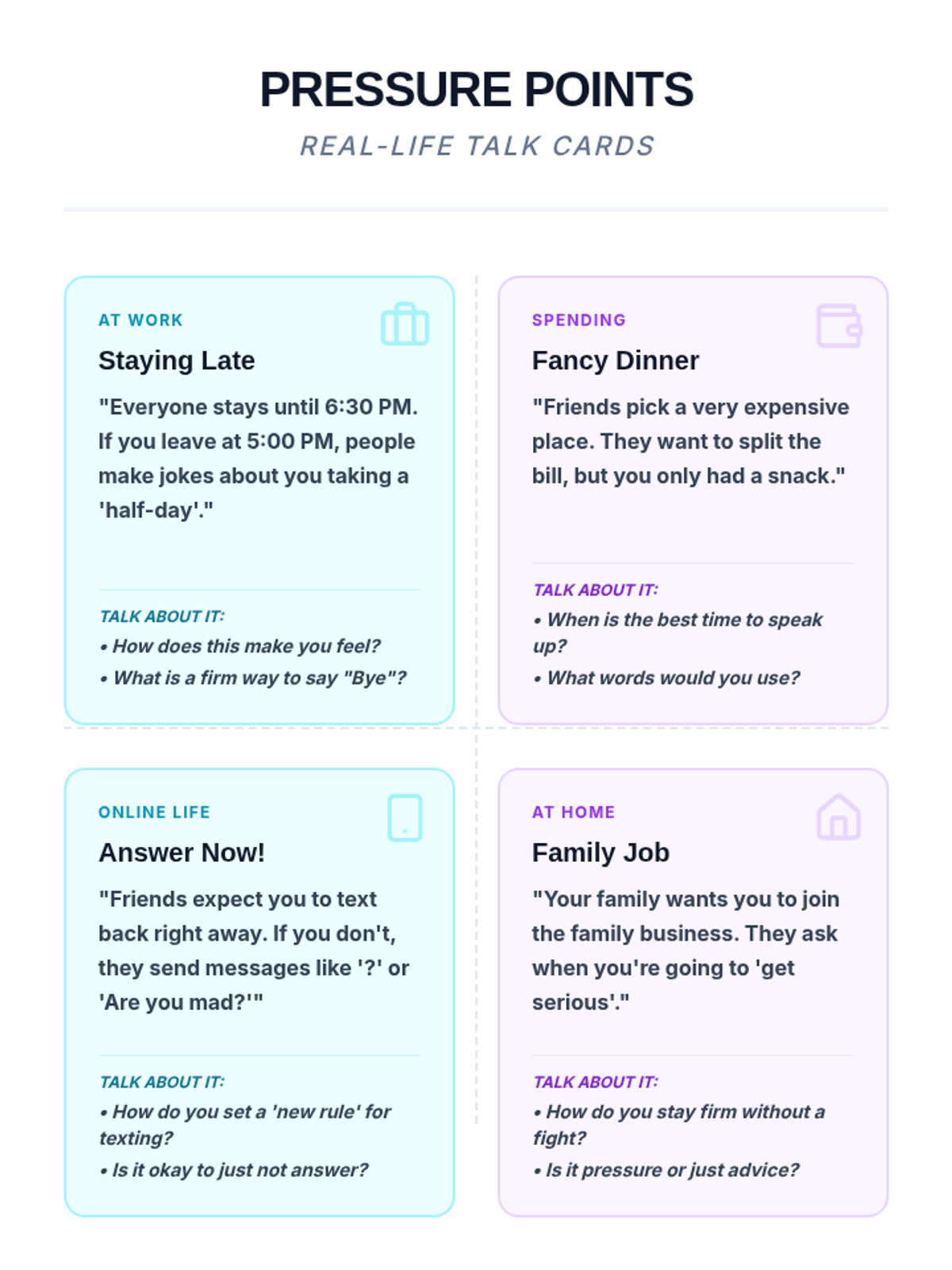
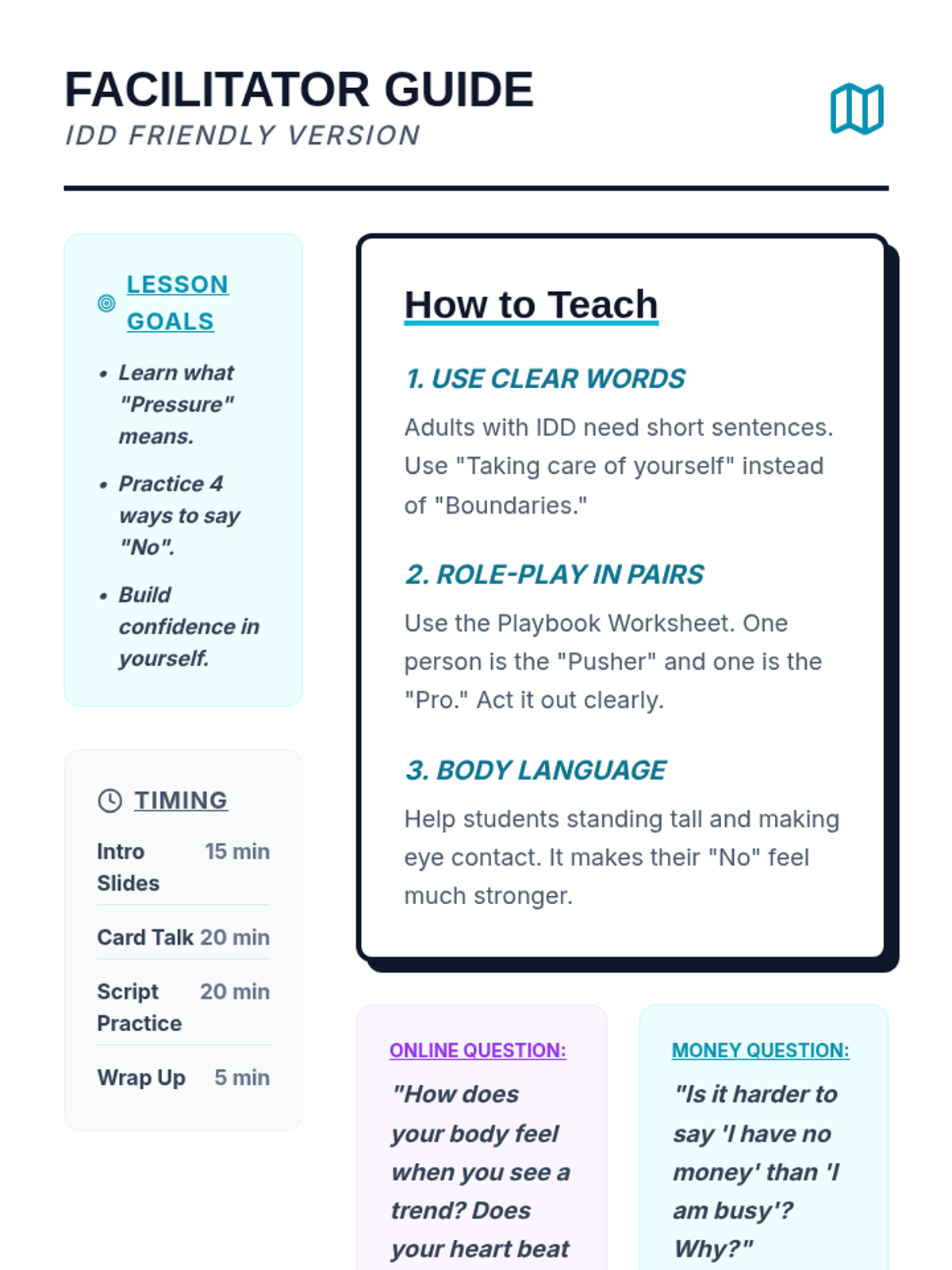
A comprehensive social skills unit designed for adults, focusing on building boundaries and mastering refusal strategies across workplace and social settings.
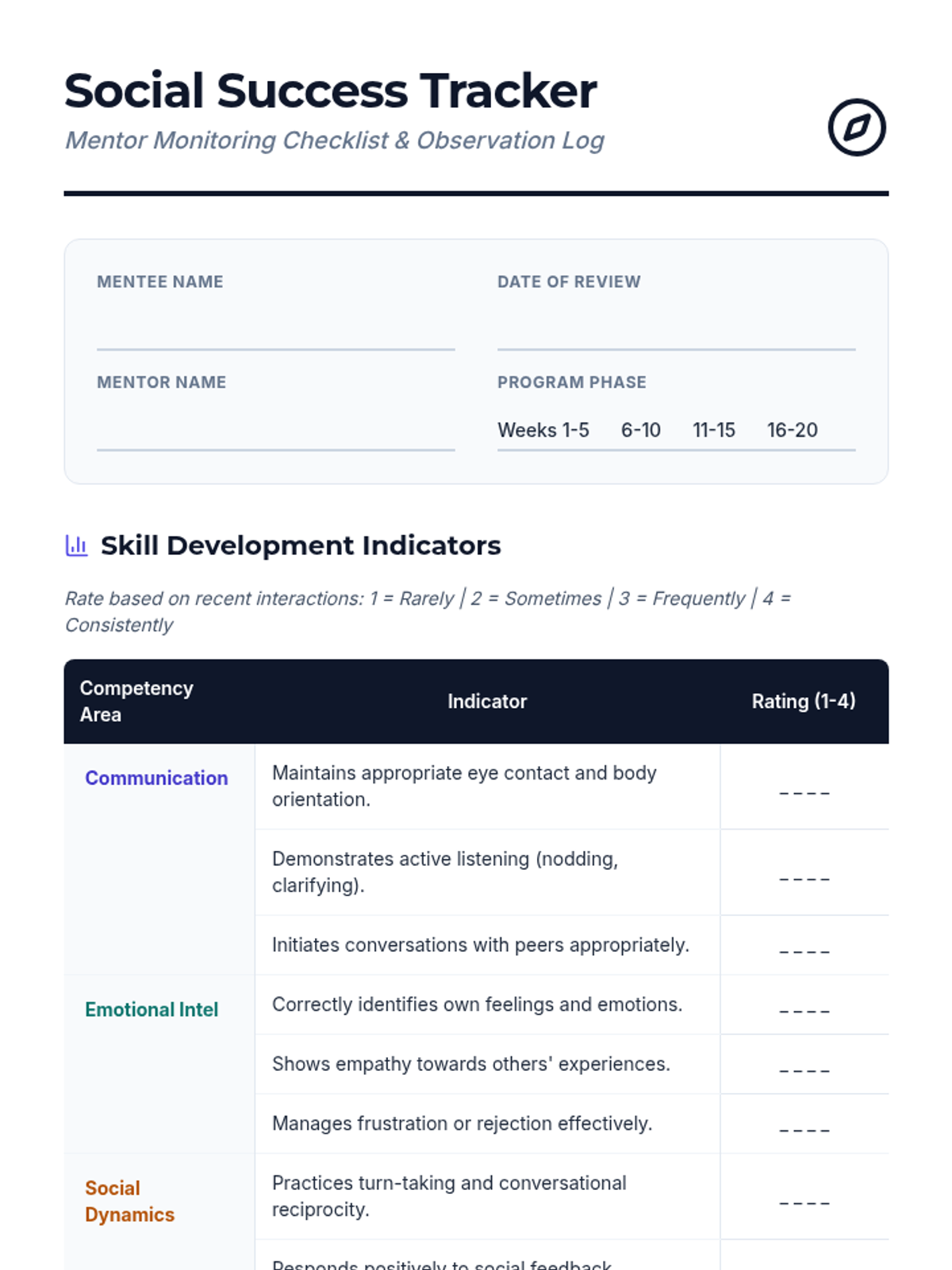
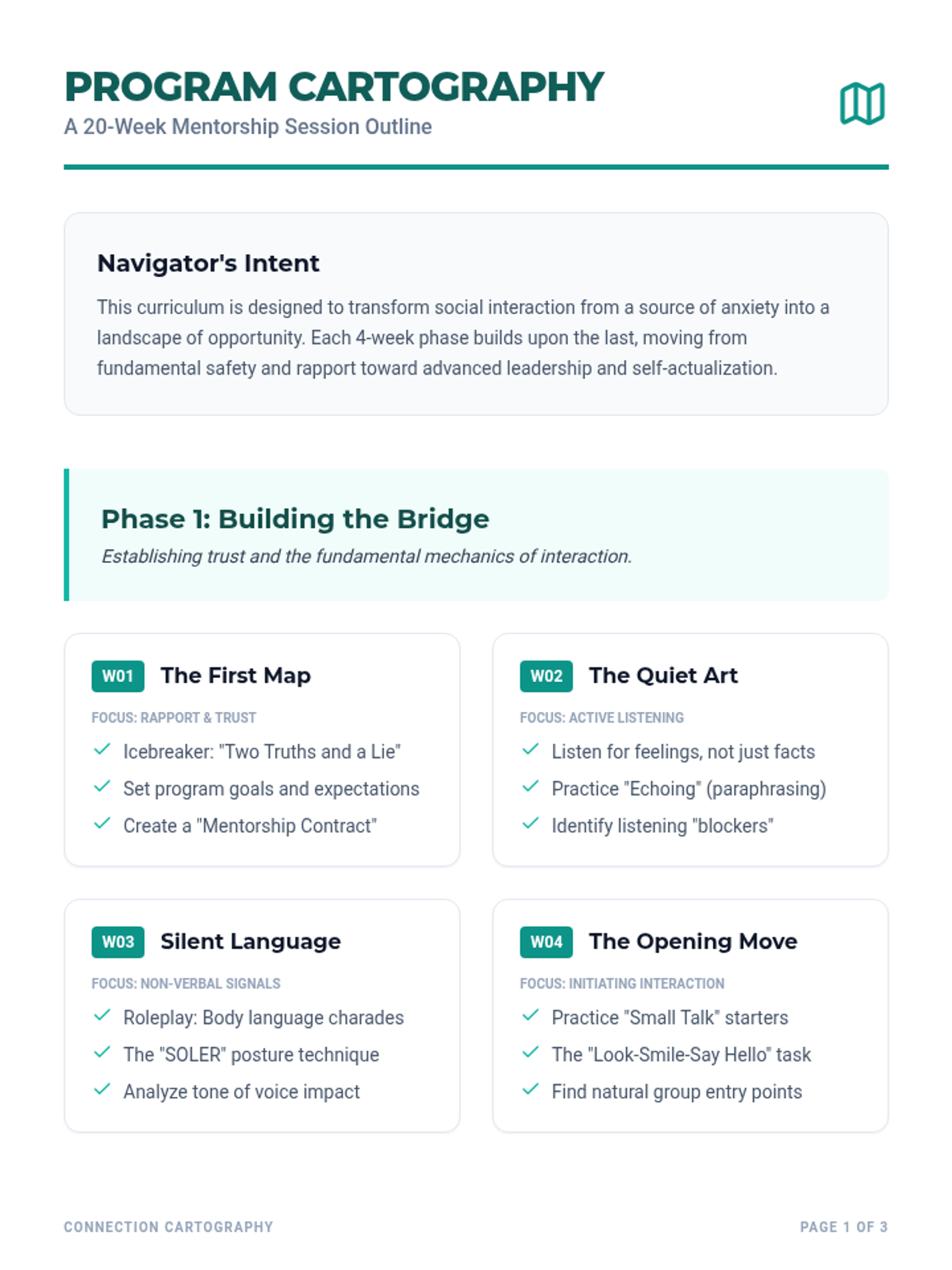
A comprehensive 20-week mentorship program designed to help students navigate social environments, build meaningful friendships, and master communication.
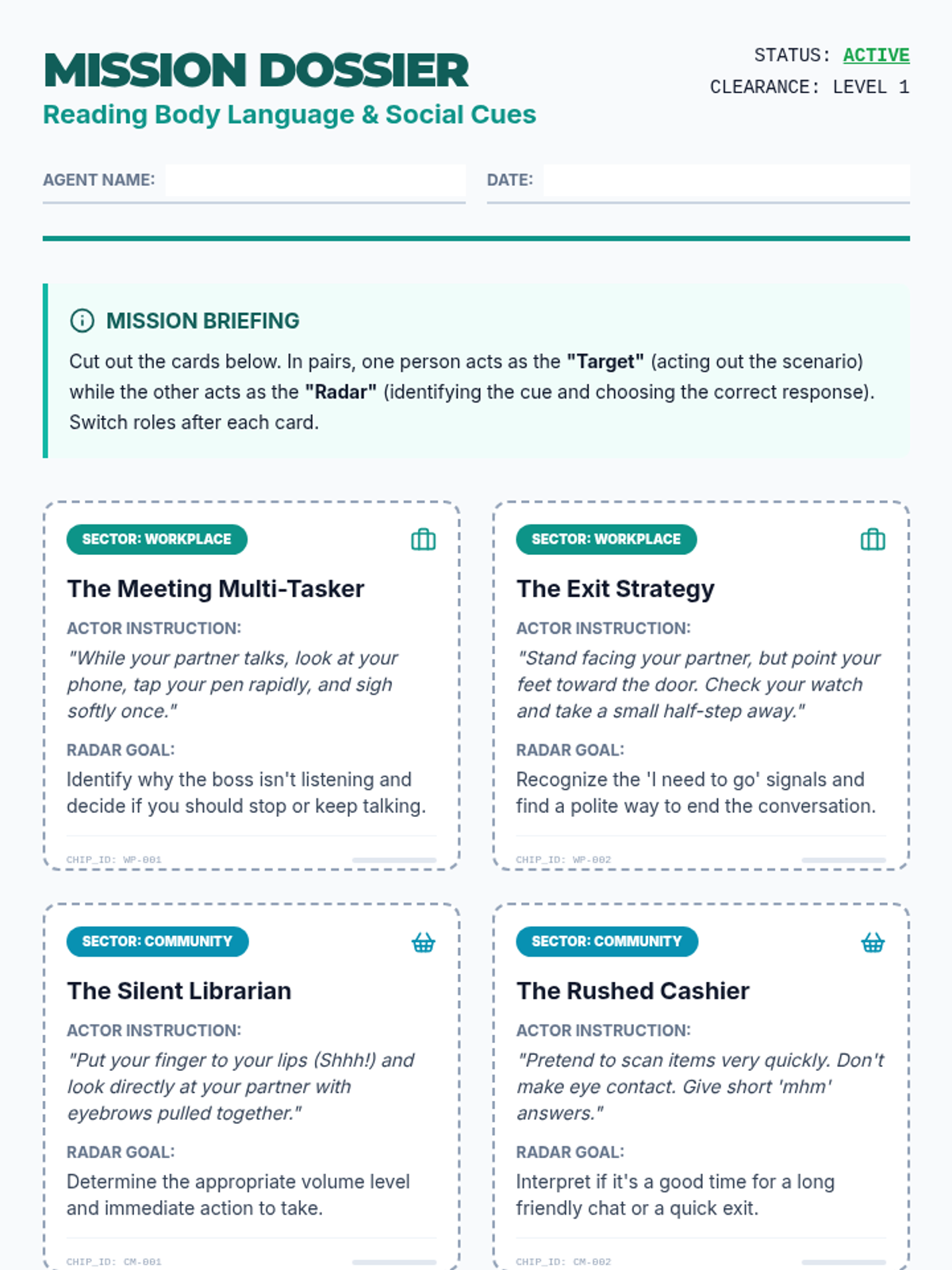
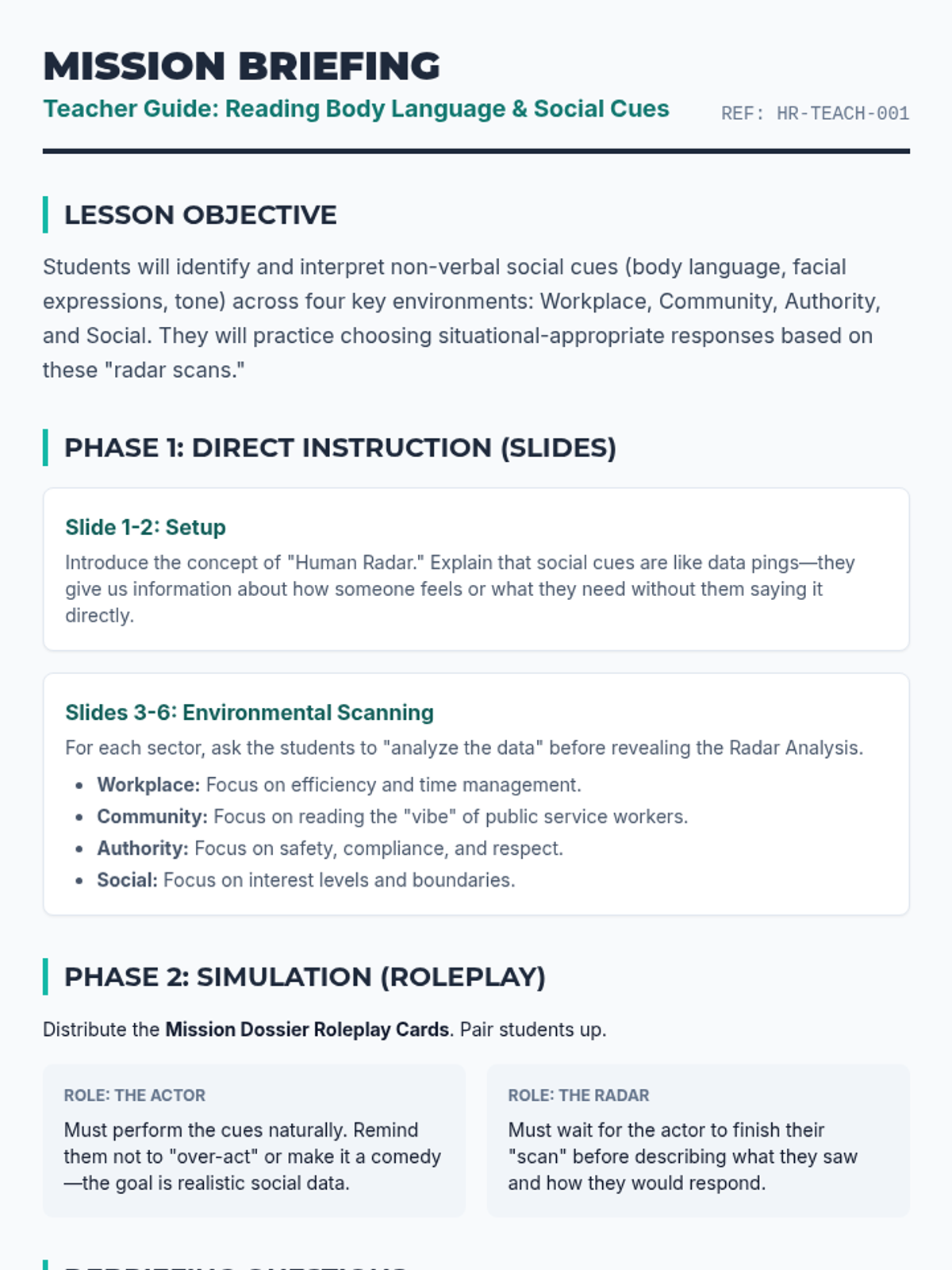
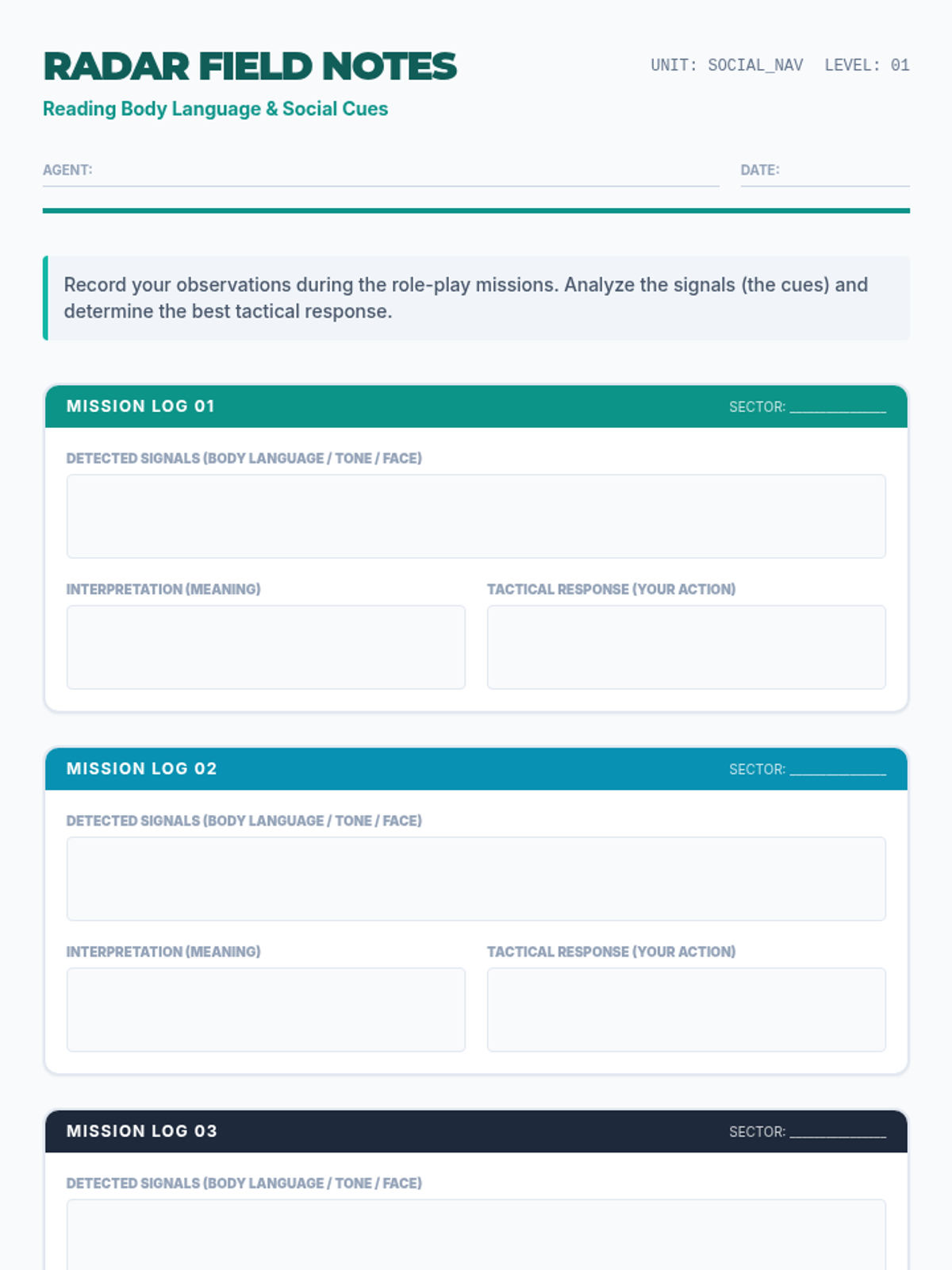
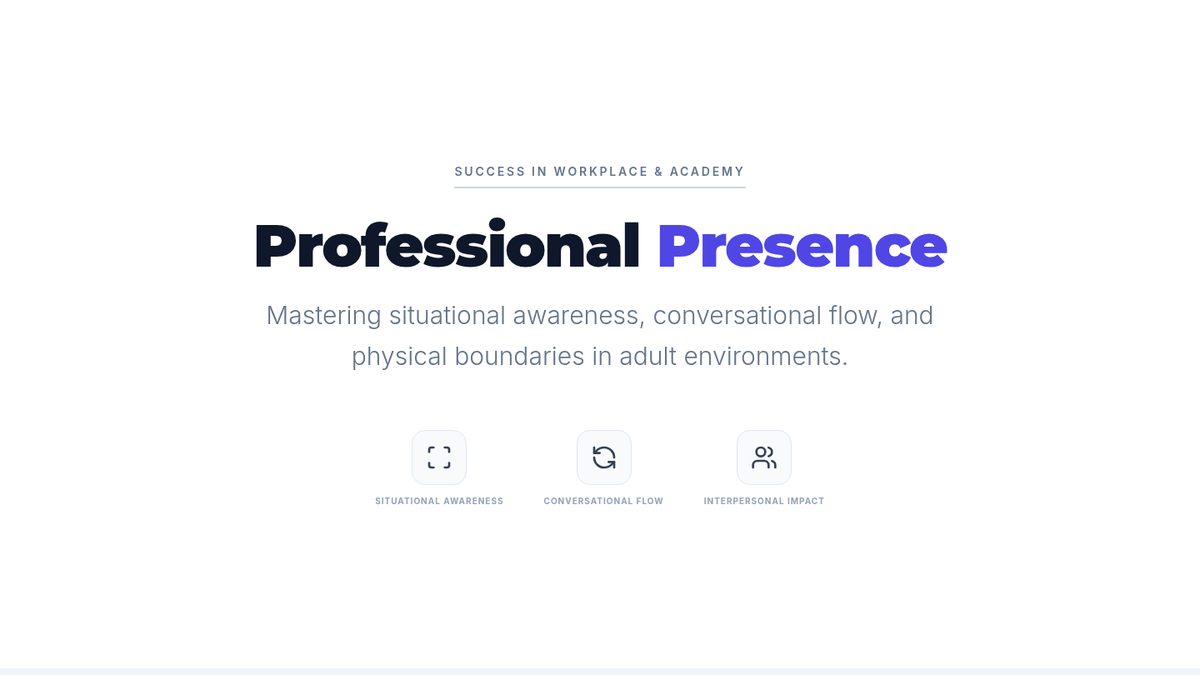
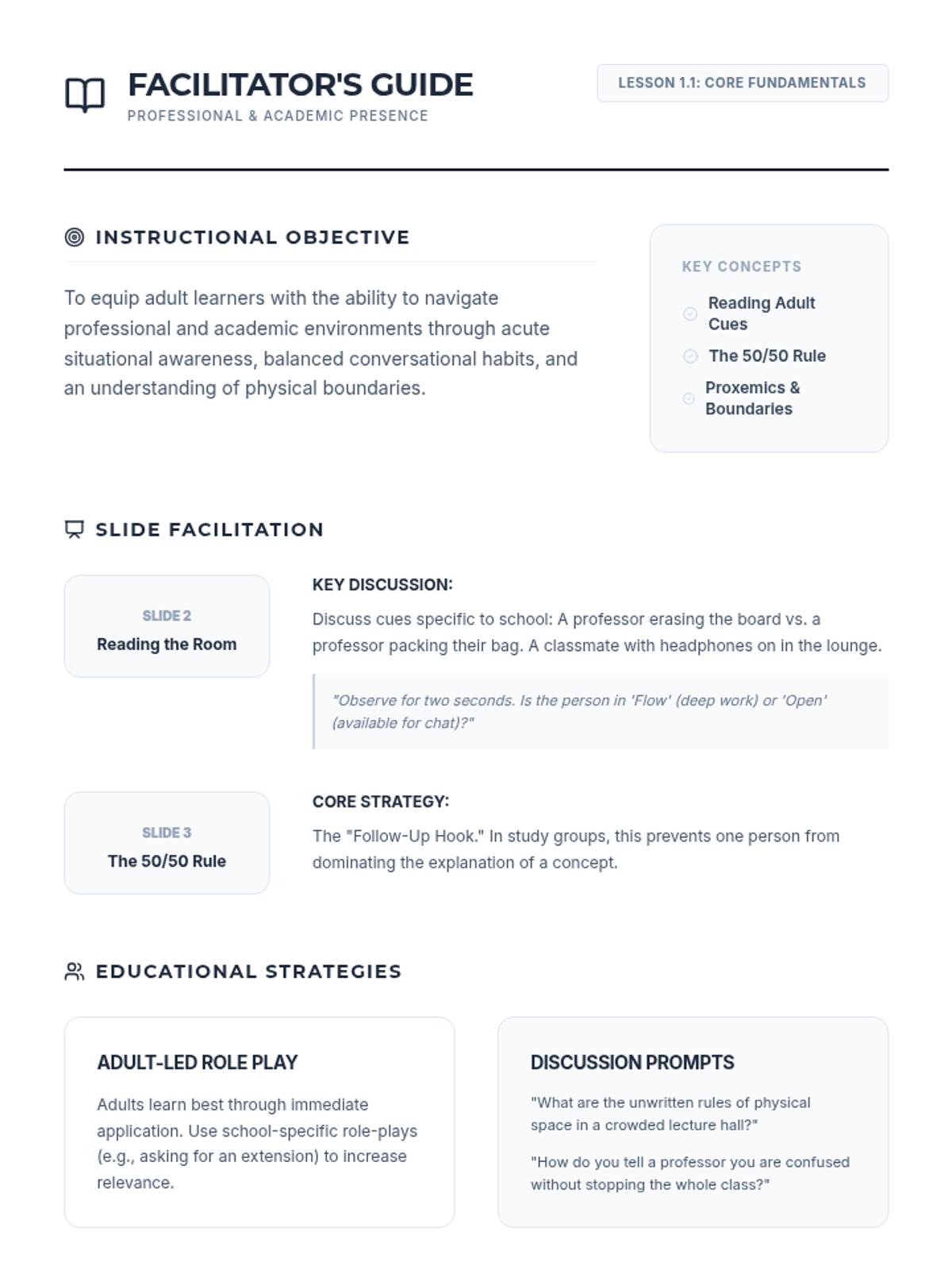
A series of lessons designed to improve social awareness, non-verbal communication, and situational appropriateness in diverse real-world environments.
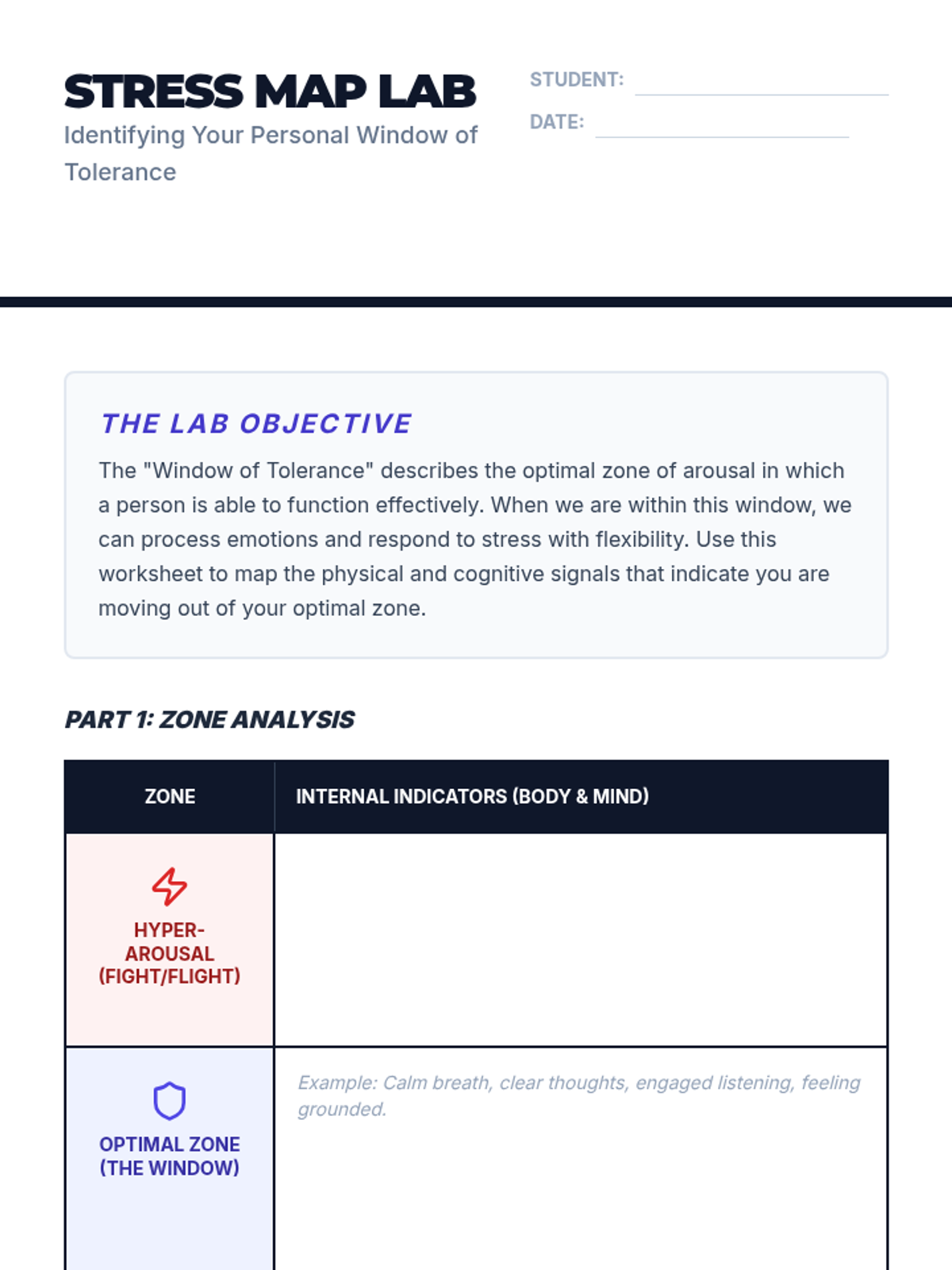
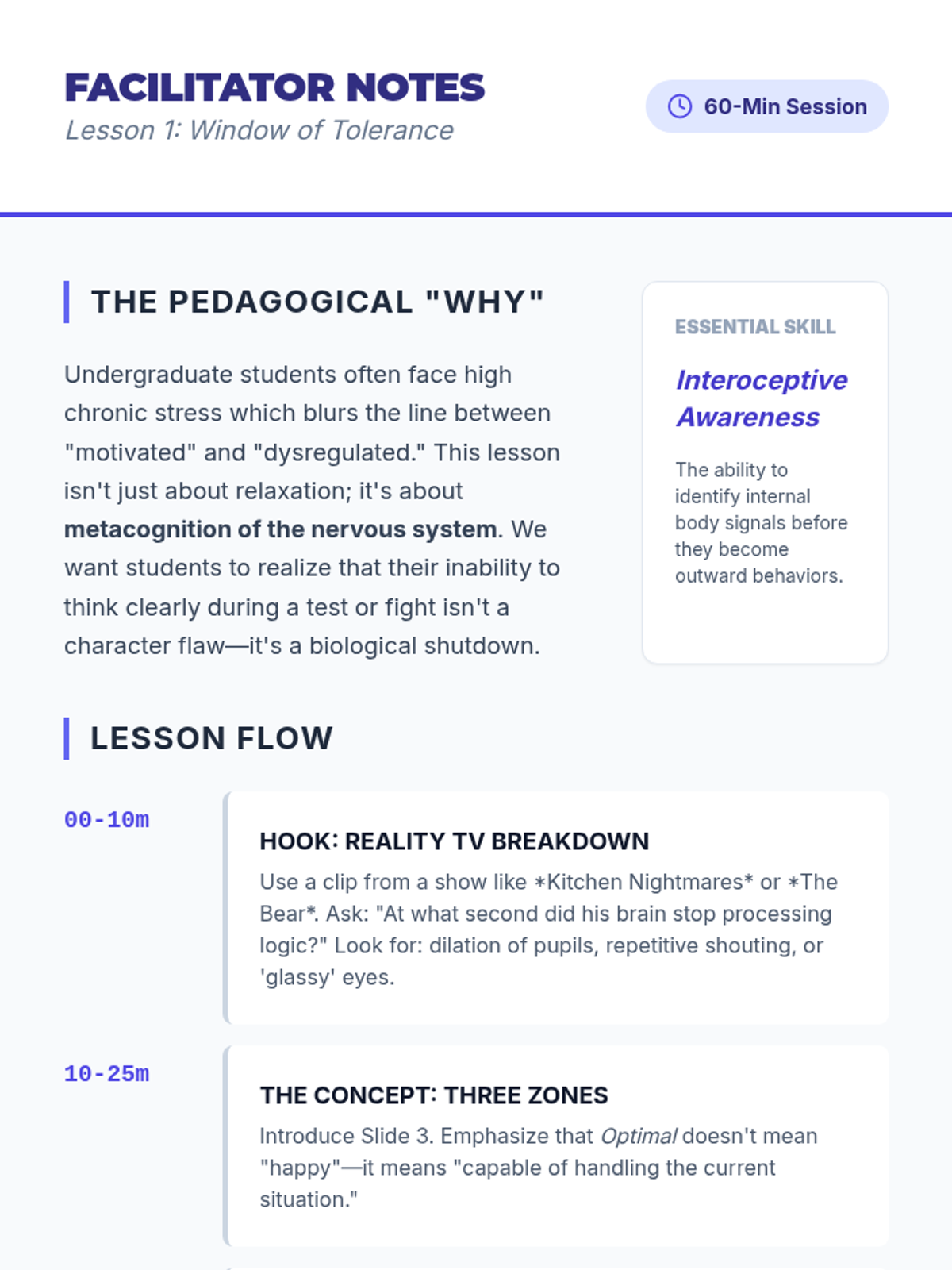
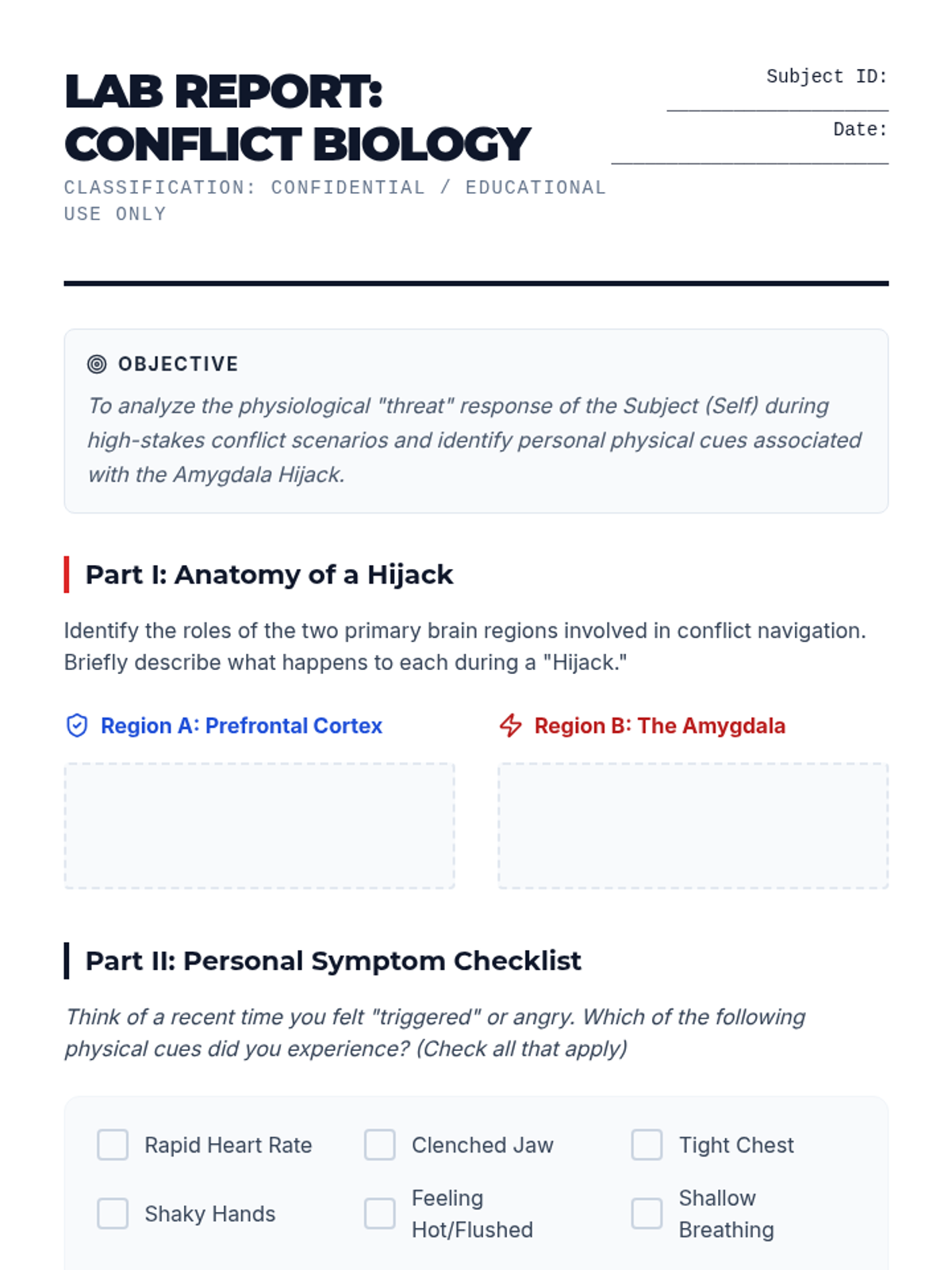
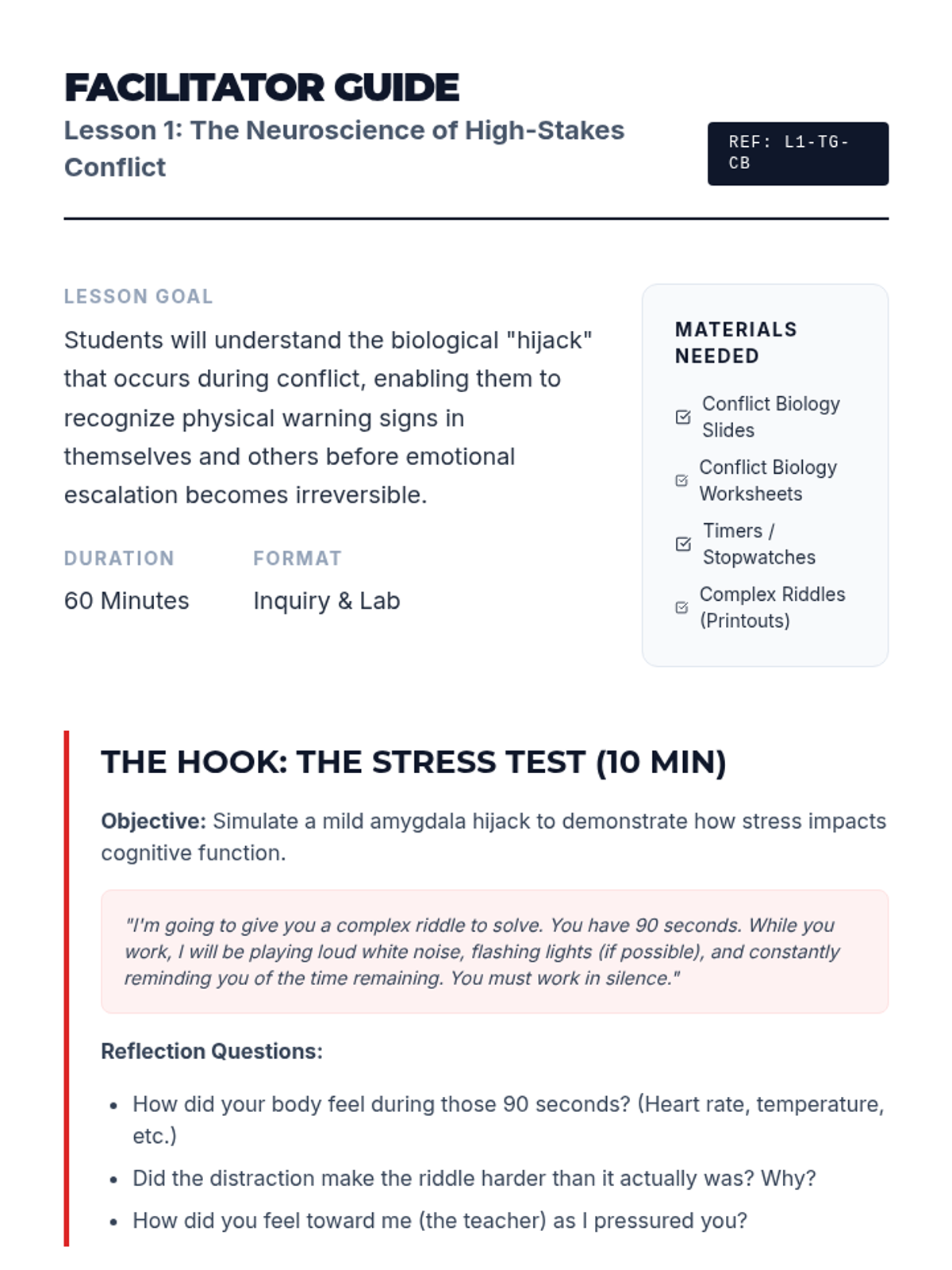
An applied sequence for undergraduate students to master self-regulation and de-escalation techniques in high-pressure academic and interpersonal contexts. Students move from identifying personal physiological triggers to practicing real-time regulation during active conflict and performance.
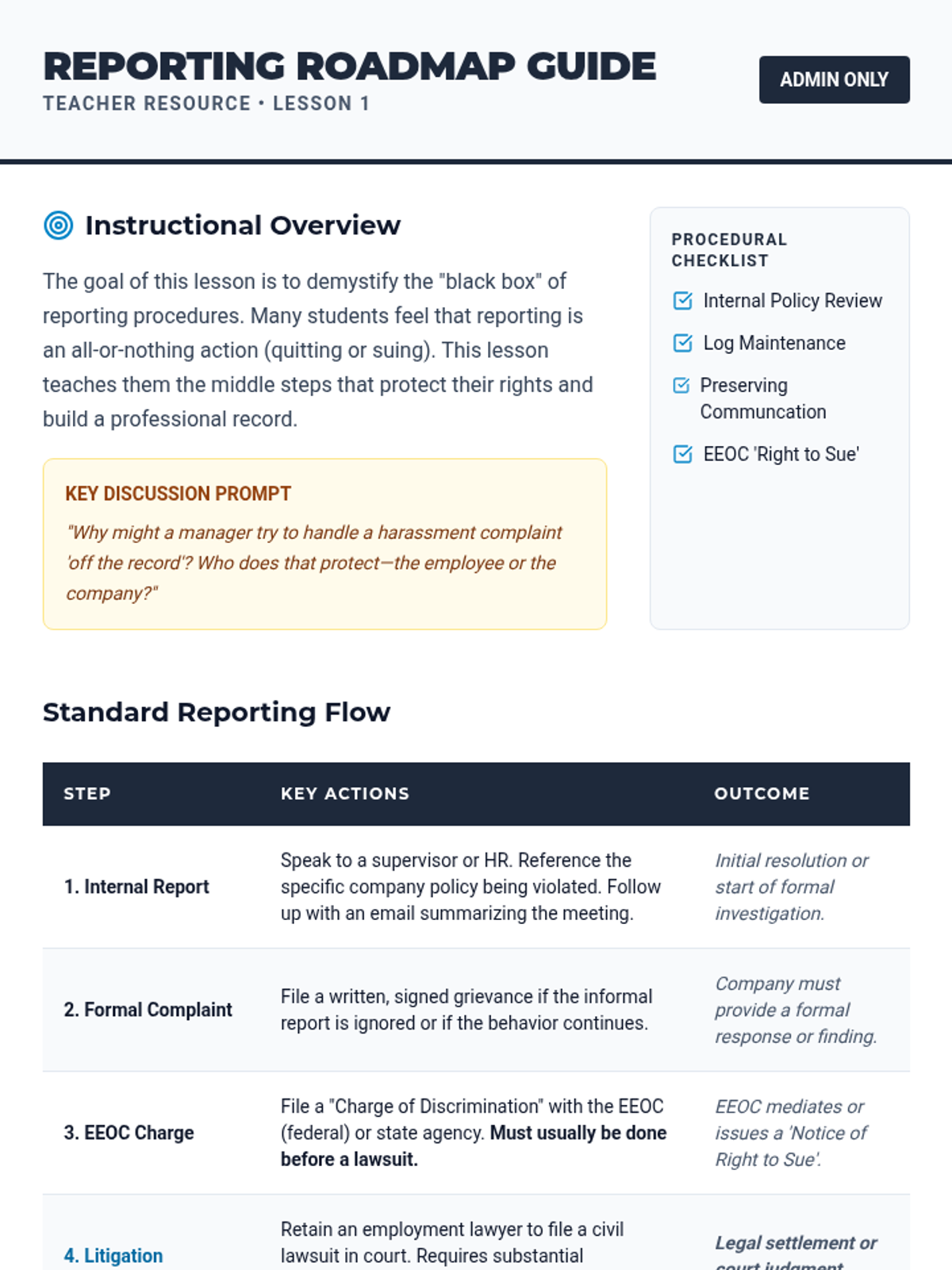
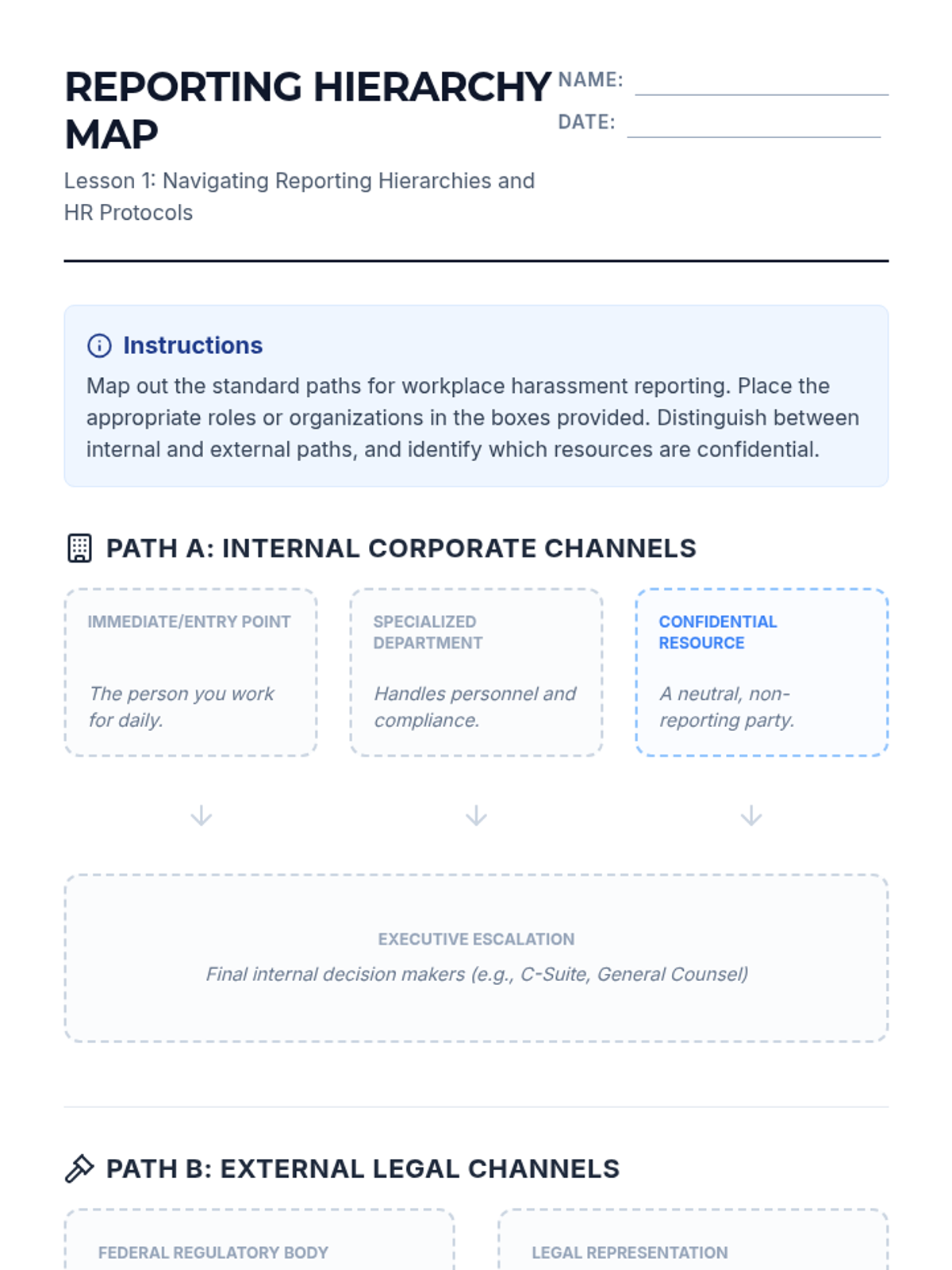
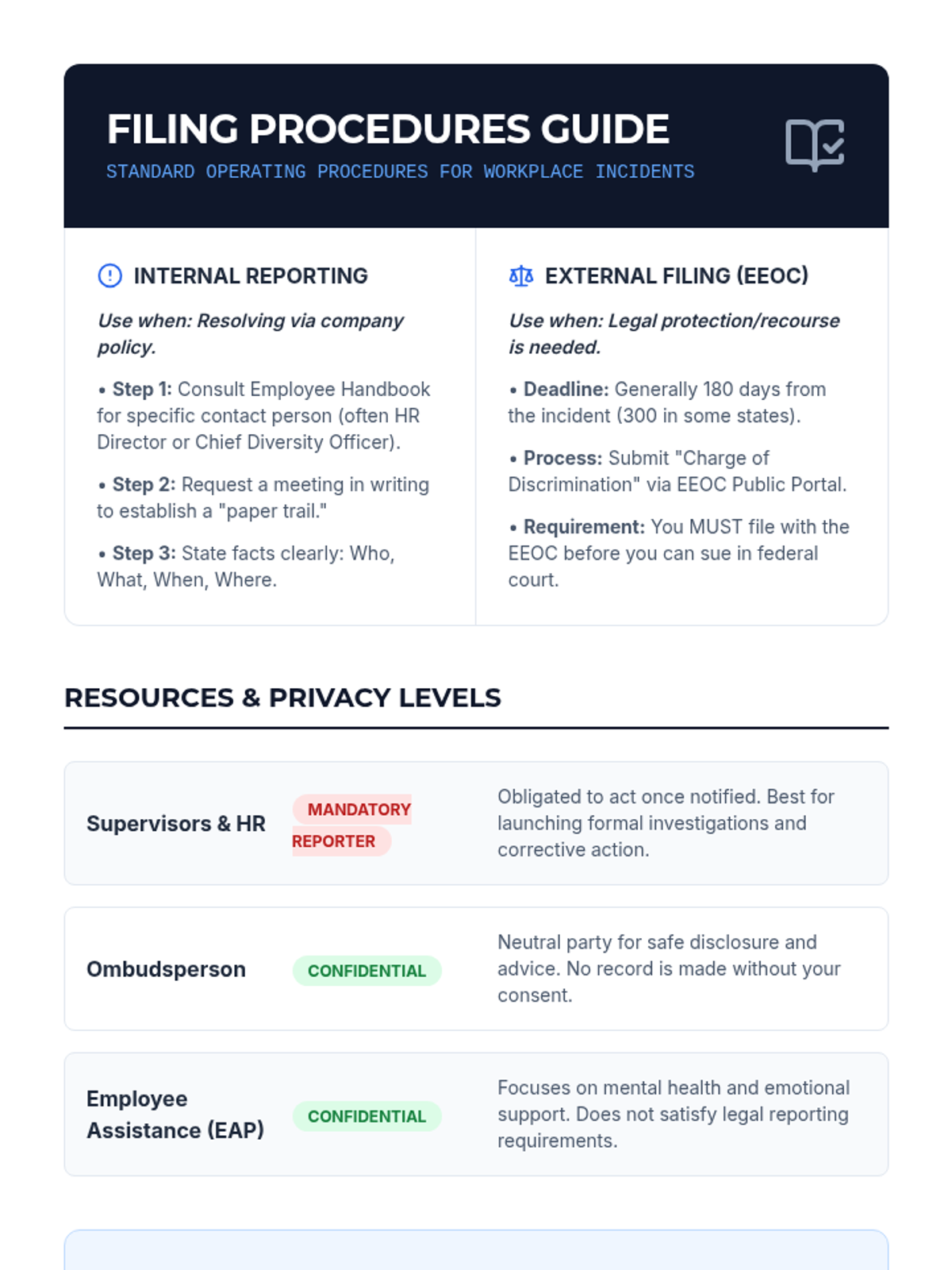
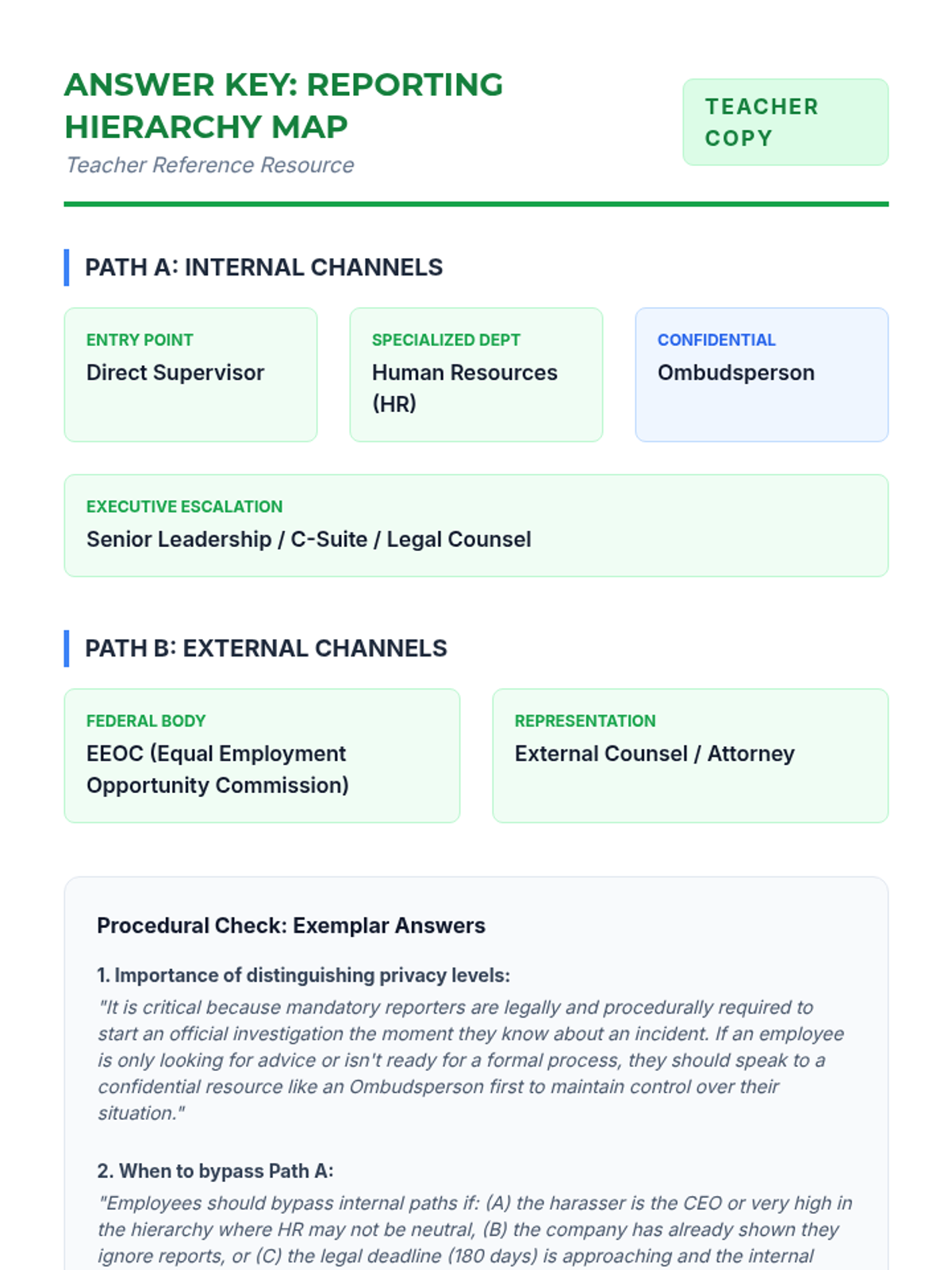
This sequence shifts from identification to action, equipping students with the tools to report misconduct and intervene safely. Students learn the formal mechanisms for reporting discrimination, protections against retaliation, and the '4 Ds' of bystander intervention.
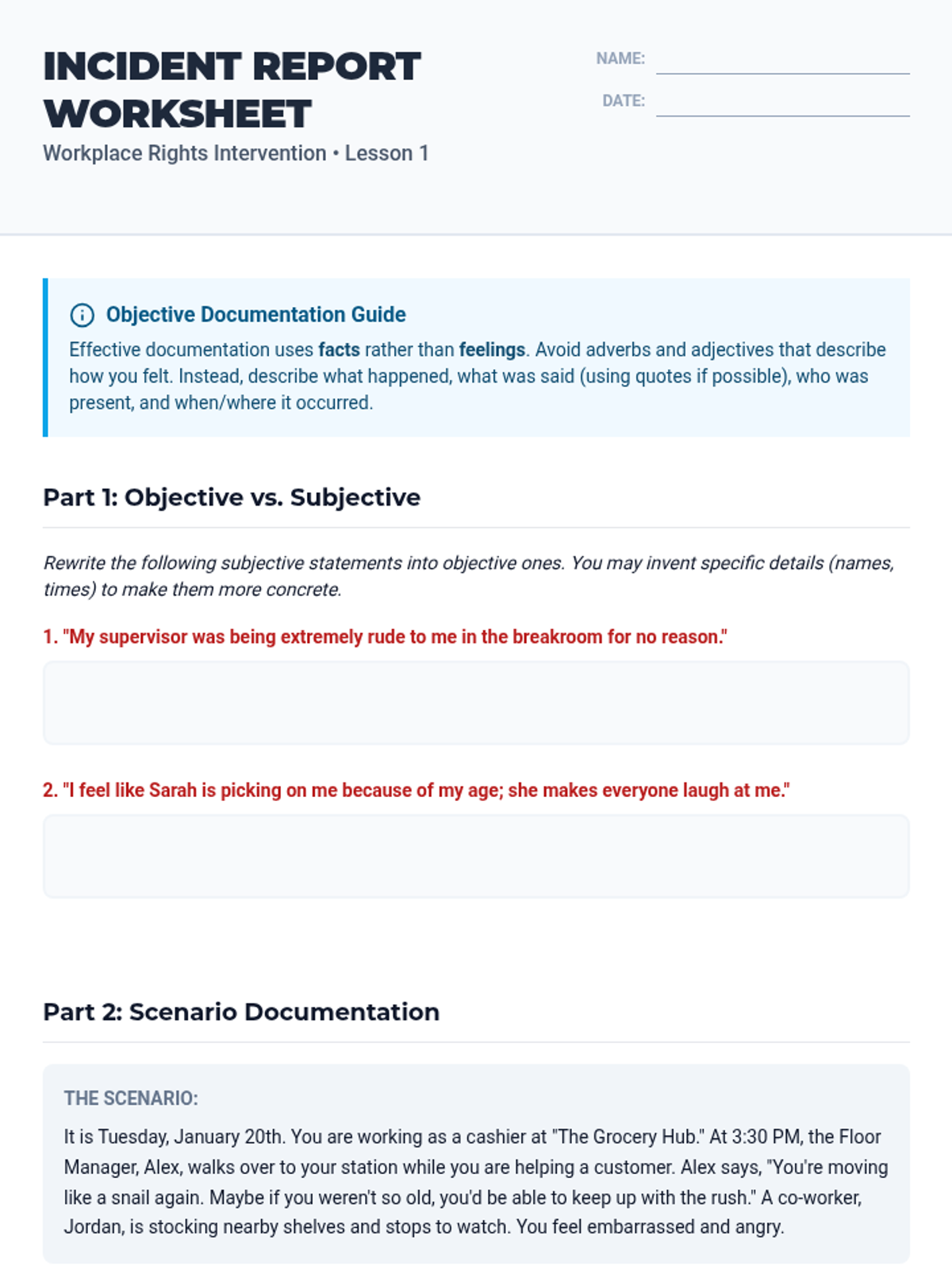
A comprehensive training sequence for undergraduate students on workplace harassment reporting, bystander intervention, and legal protections. Students progress from understanding HR protocols to mastering active intervention techniques and evidence documentation through high-fidelity simulations.
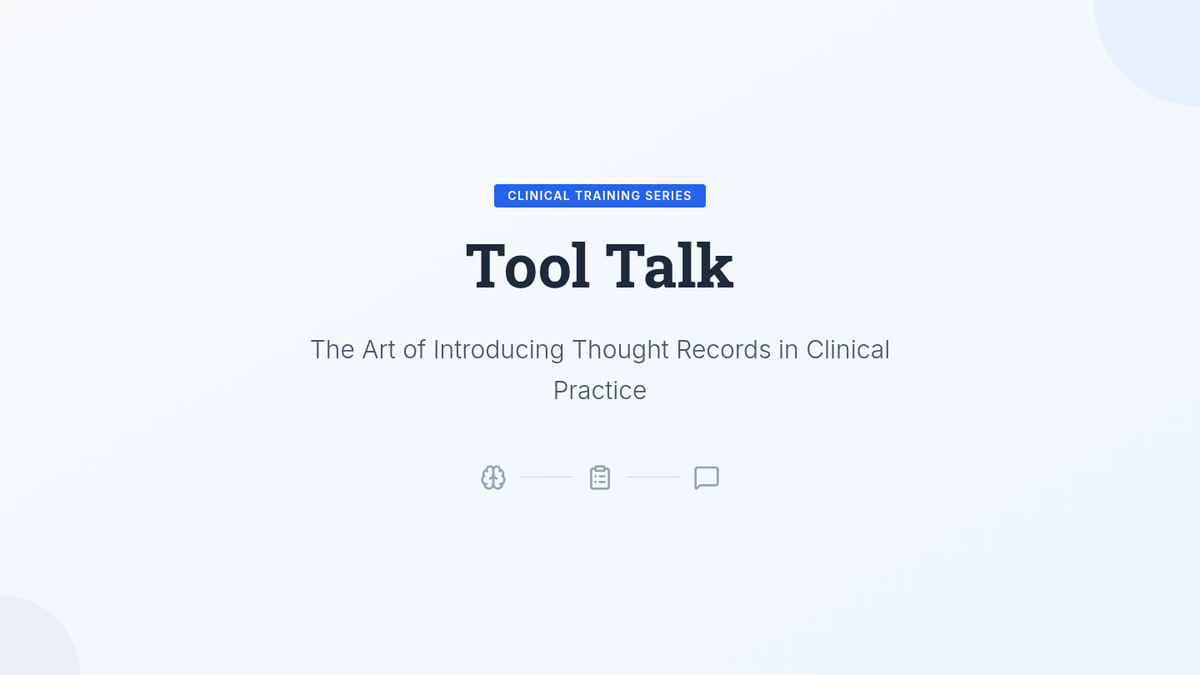
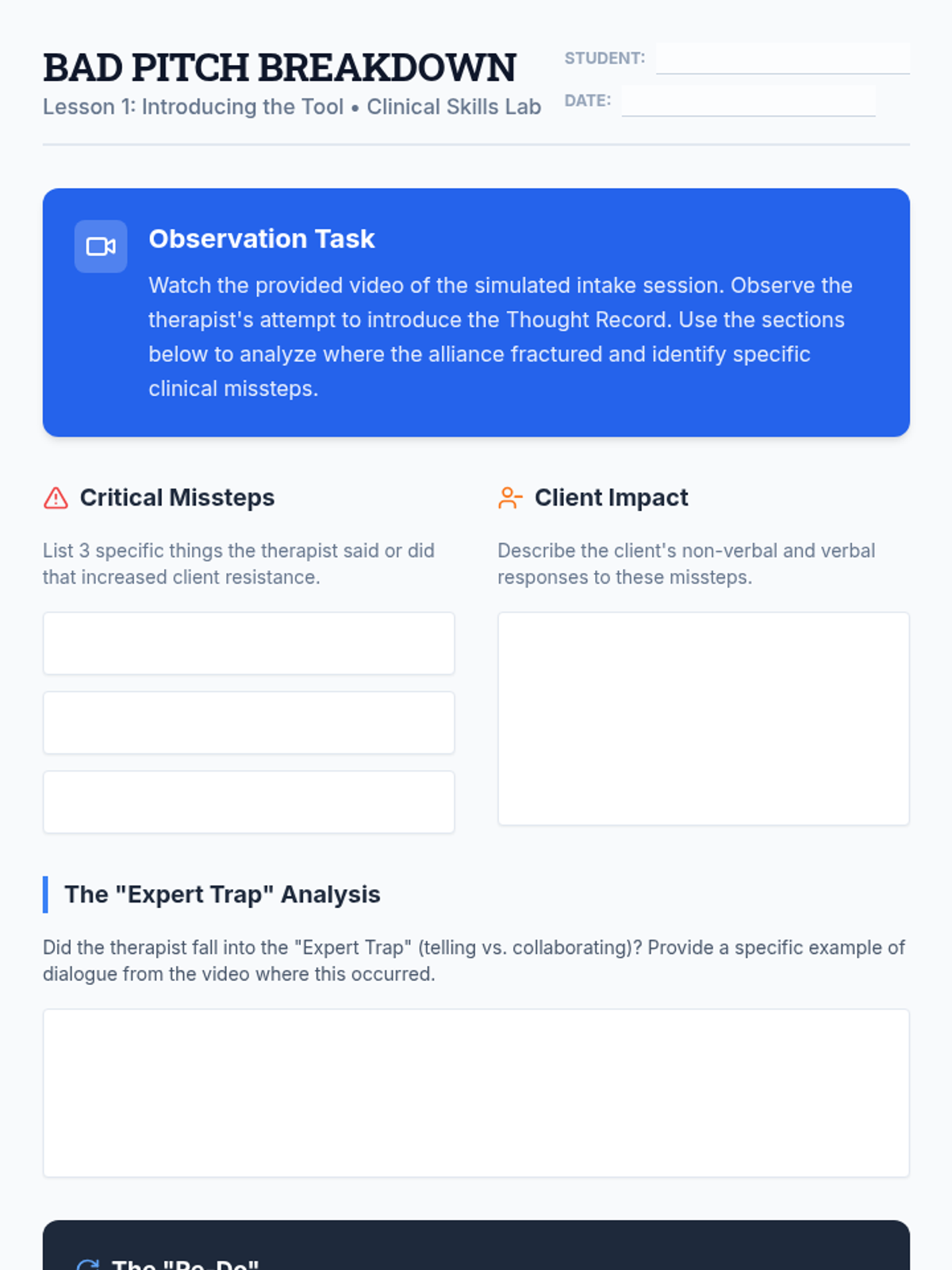
A comprehensive training sequence for undergraduate students focused on the clinical application of Thought Record tracking. Students transition from understanding the tool to facilitating it, mastering psychoeducation, Socratic questioning, and managing clinical resistance.
This sequence equips high school seniors with professional-grade negotiation and mediation skills. It moves from understanding conflict styles to mastering interest-based negotiation, BATNA/ZOPA calculations, and emotional regulation, culminating in a complex multi-party corporate simulation.
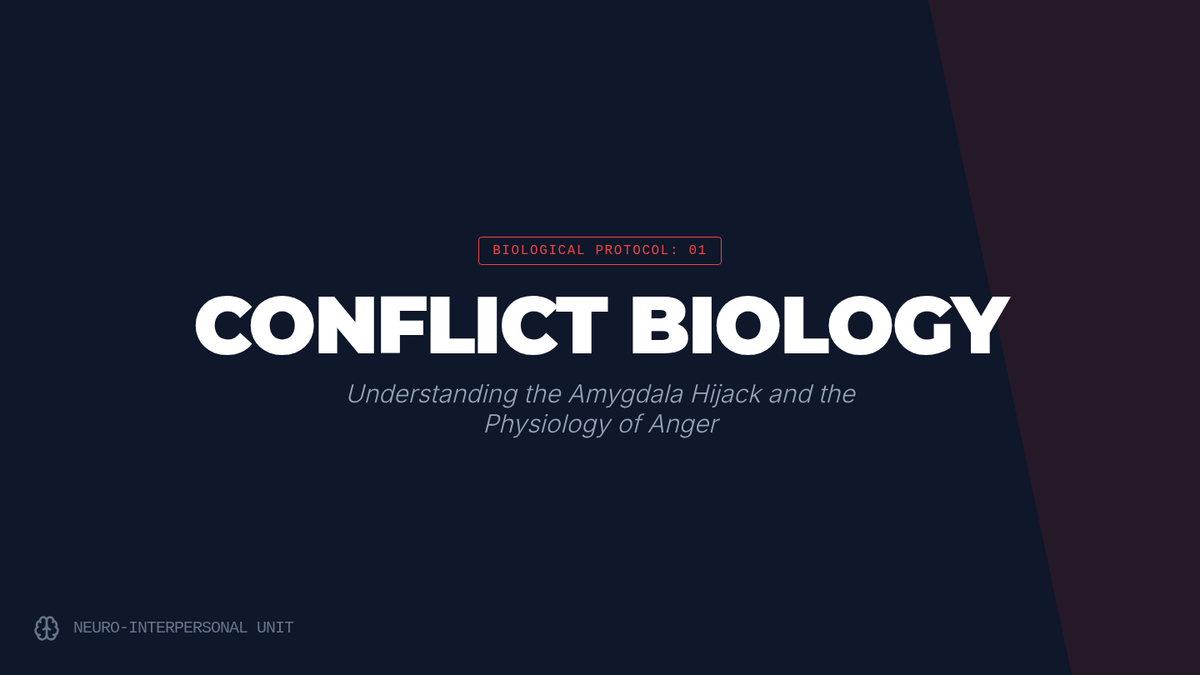
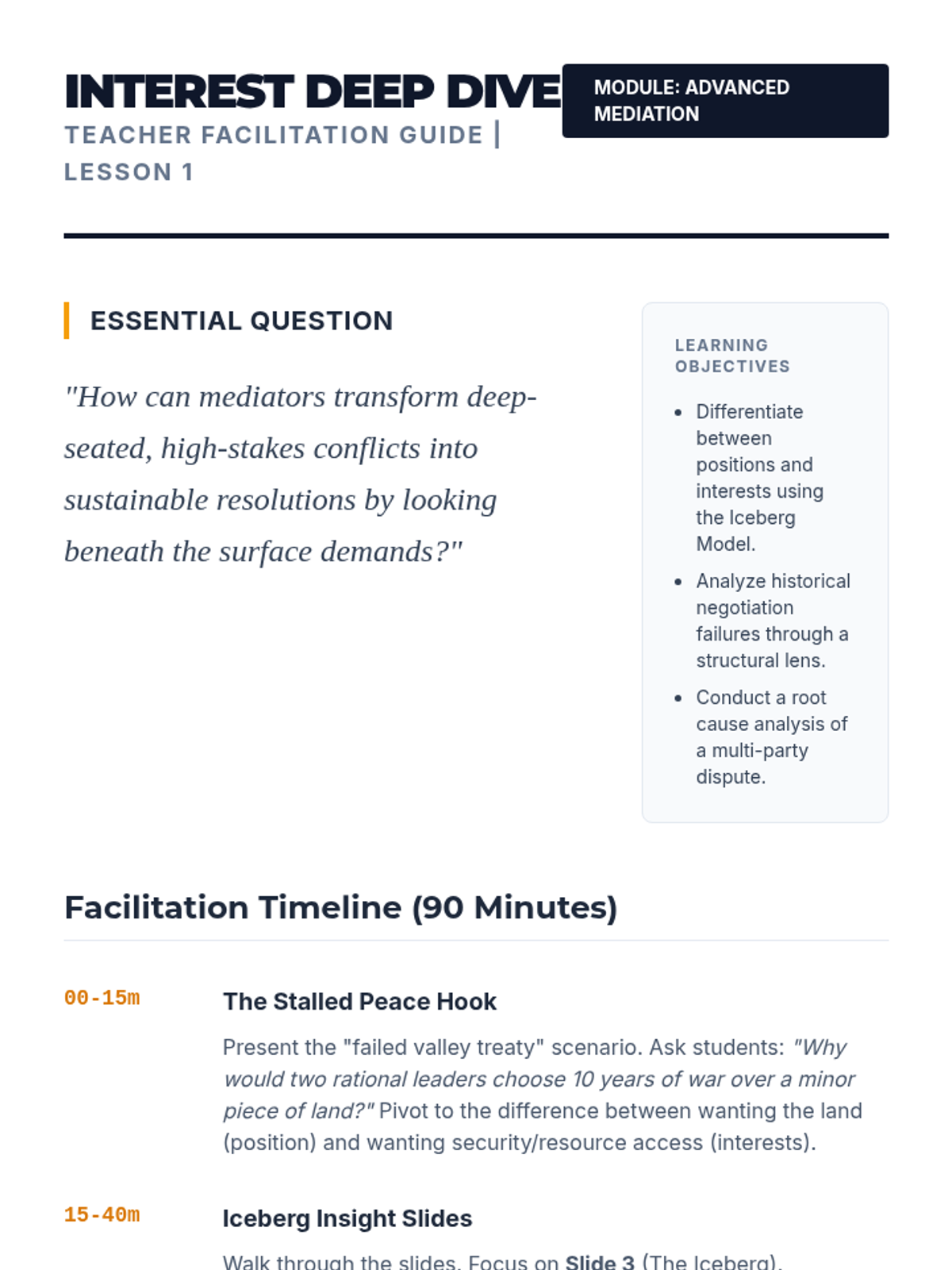
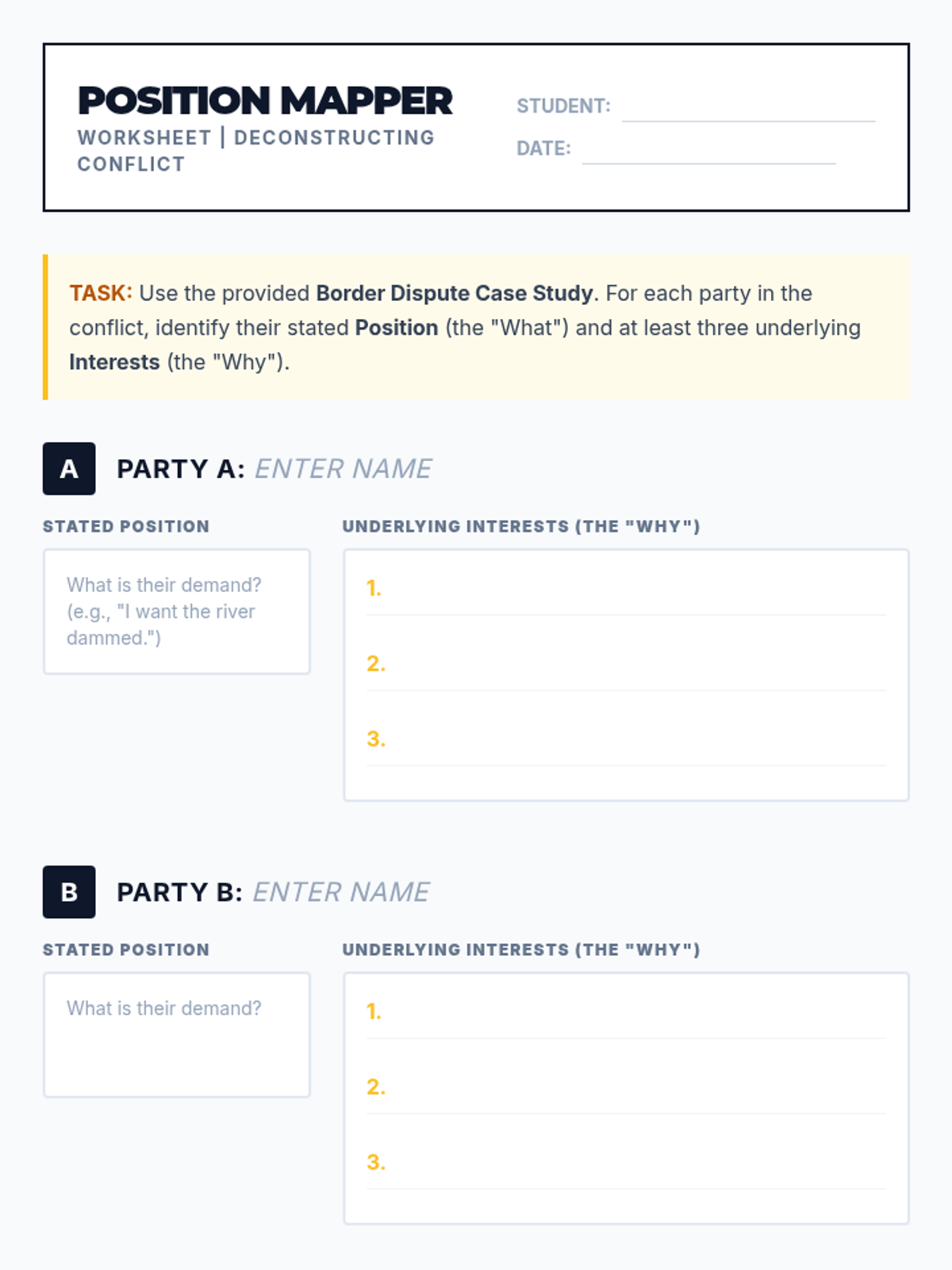
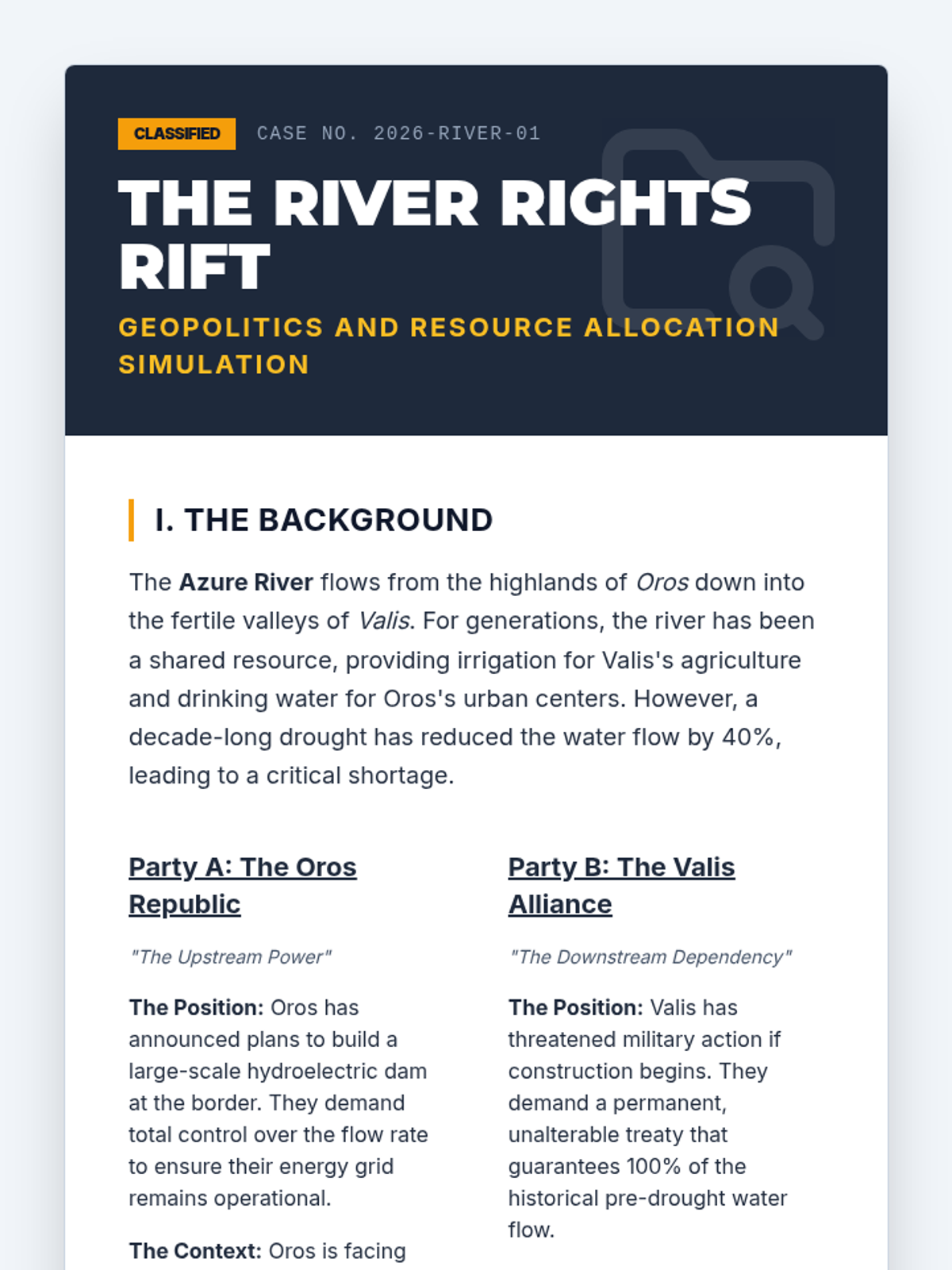
A comprehensive 5-lesson sequence on the psychological and interpersonal mechanics of managing high-conflict situations. Students explore the neuroscience of anger, practice verbal and non-verbal de-escalation, use the Iceberg Model to find root causes, and master assertive communication through simulations.
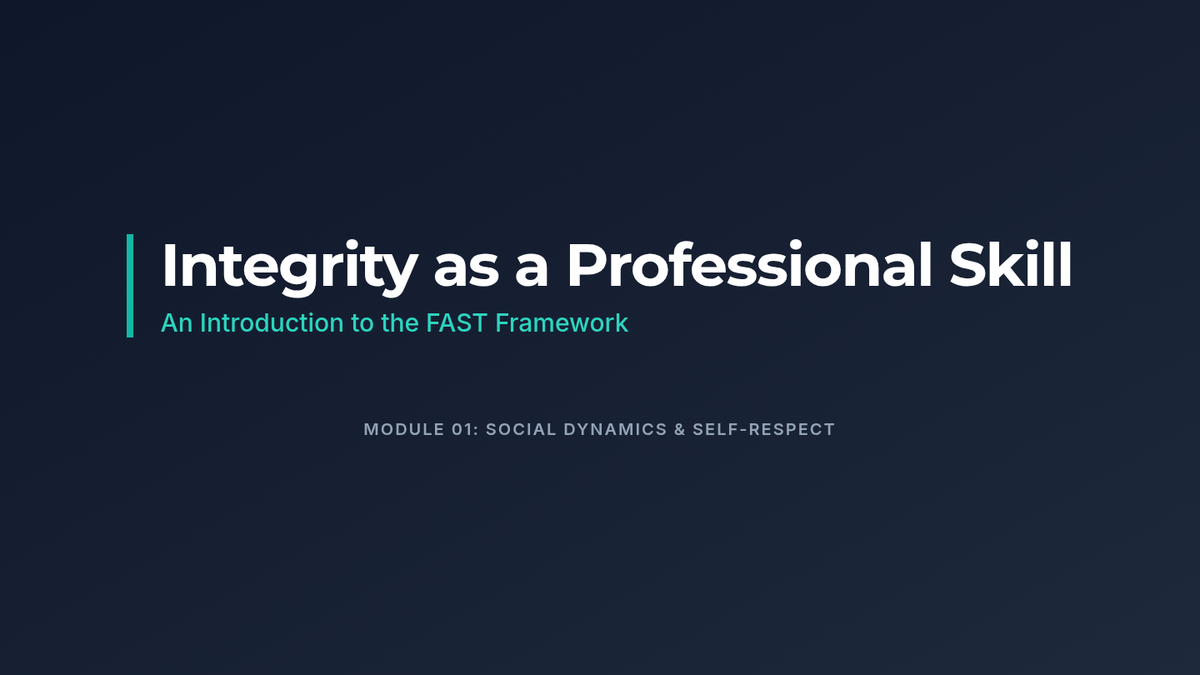
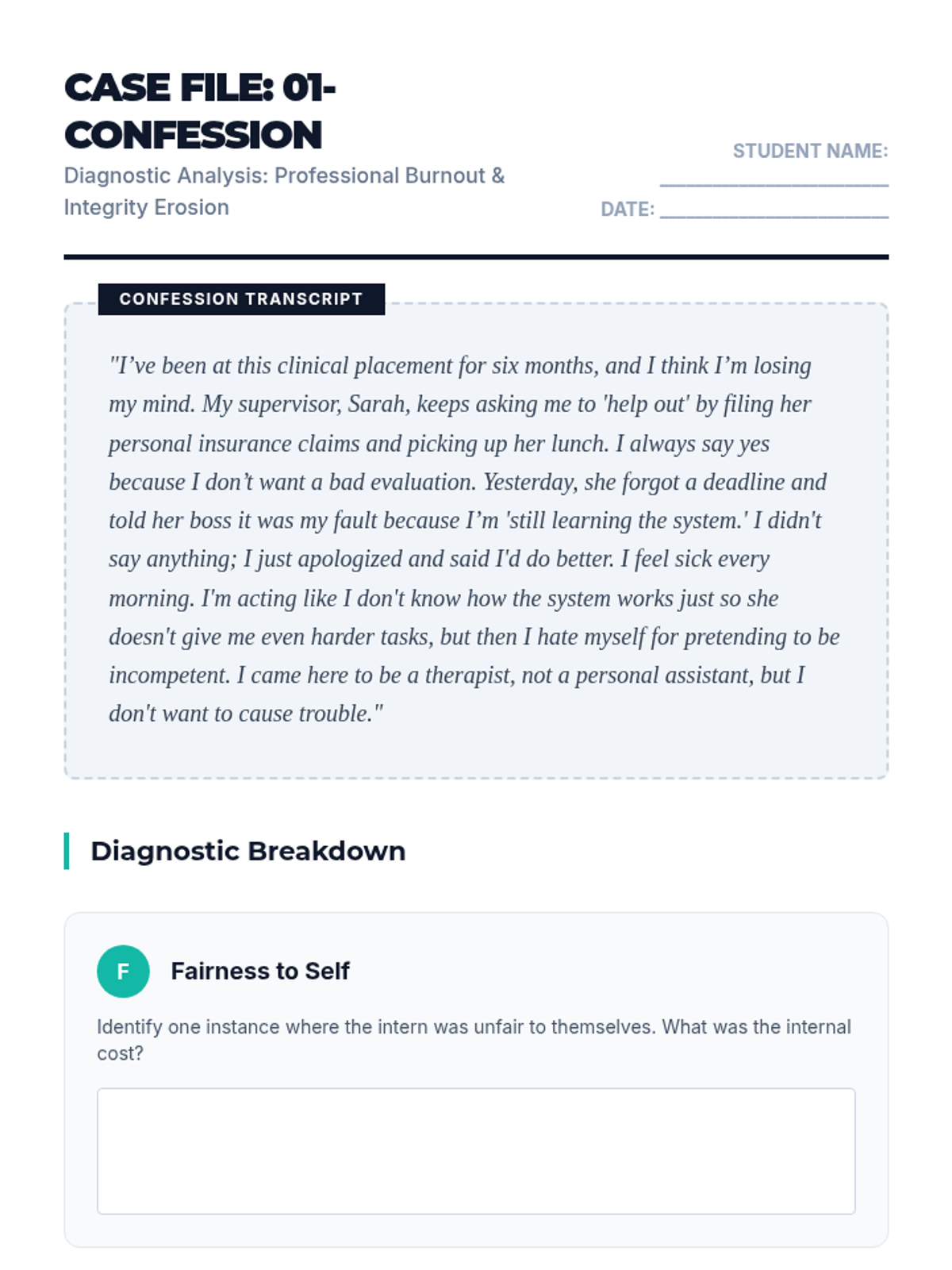
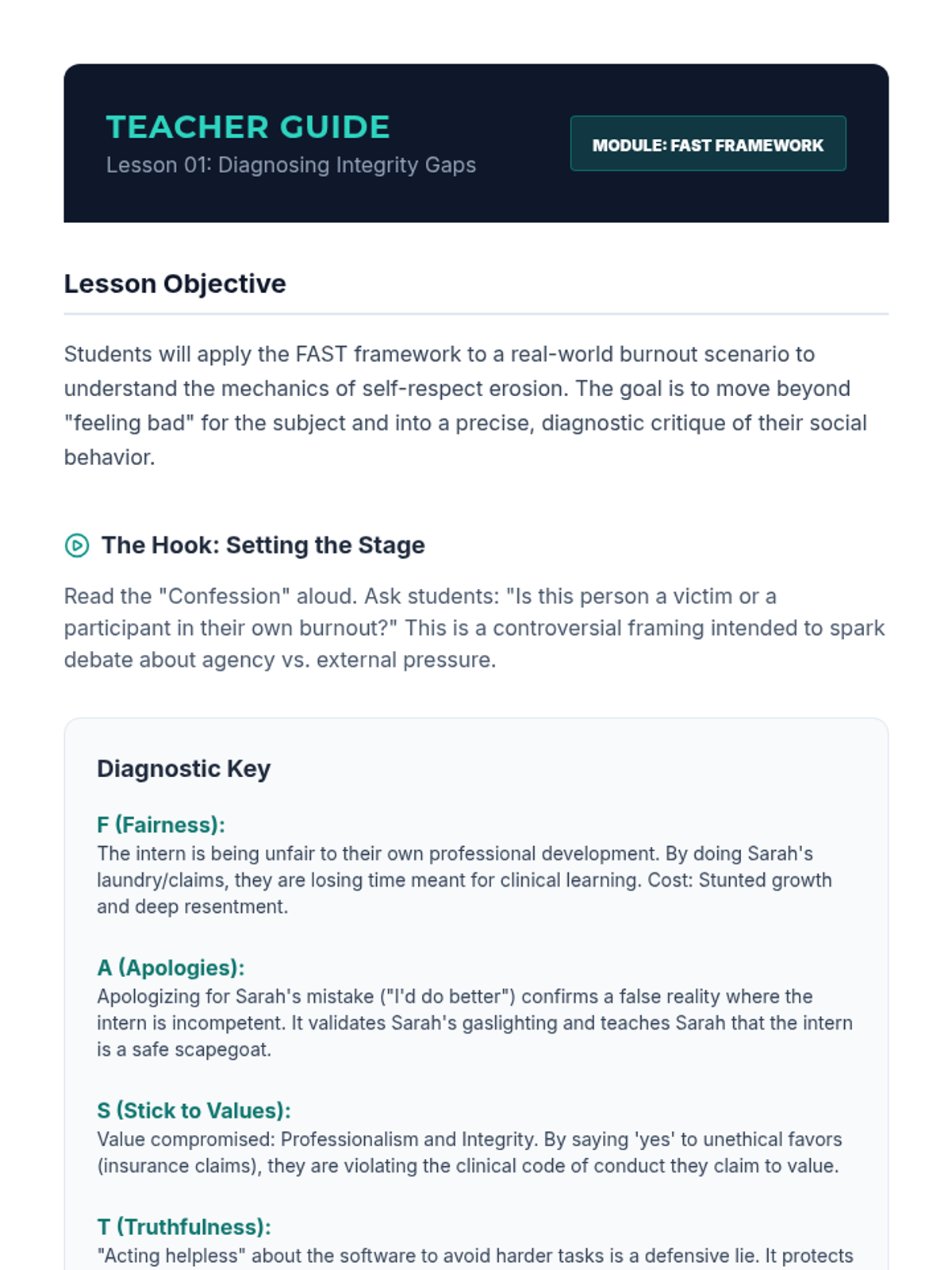
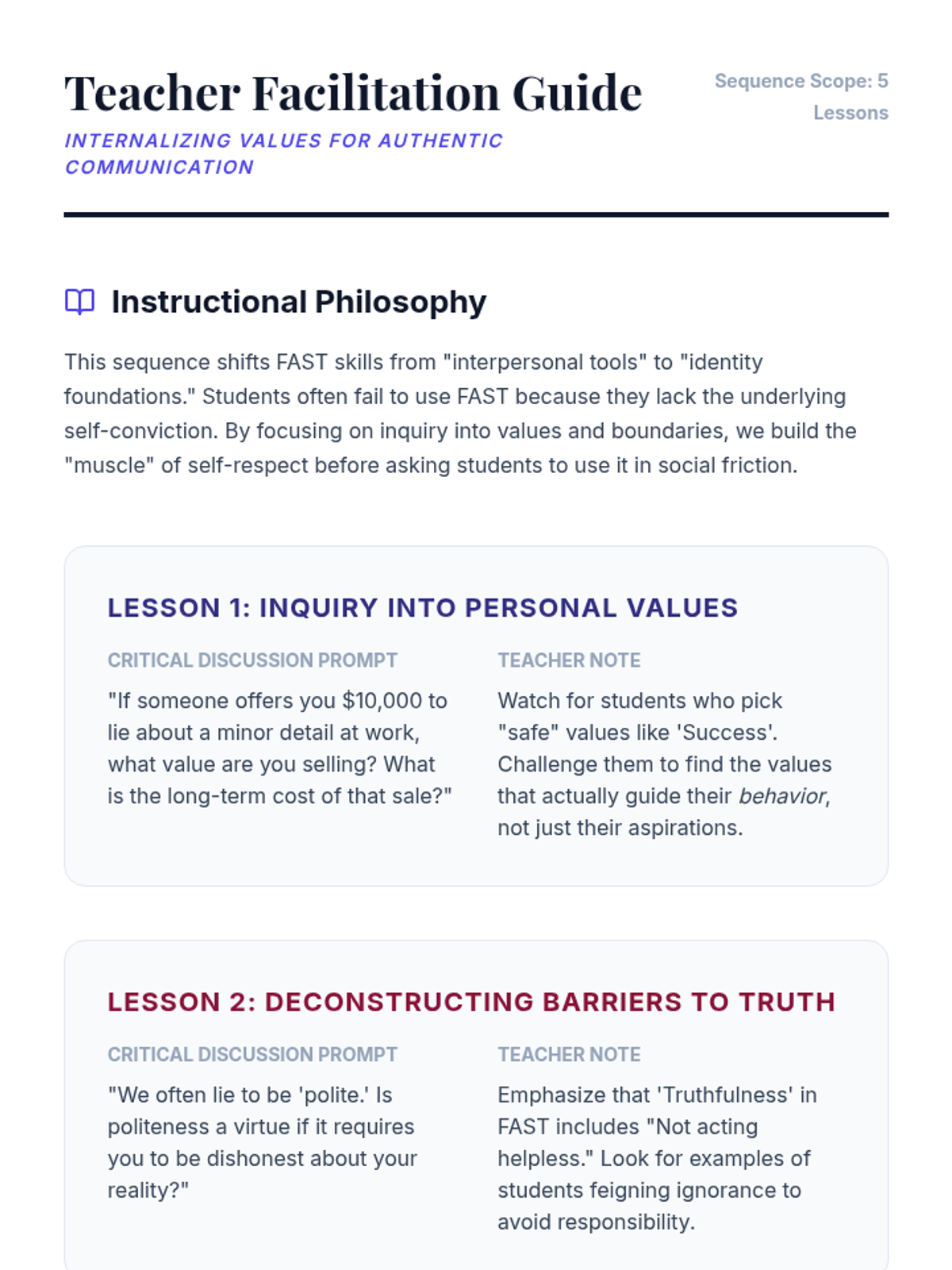
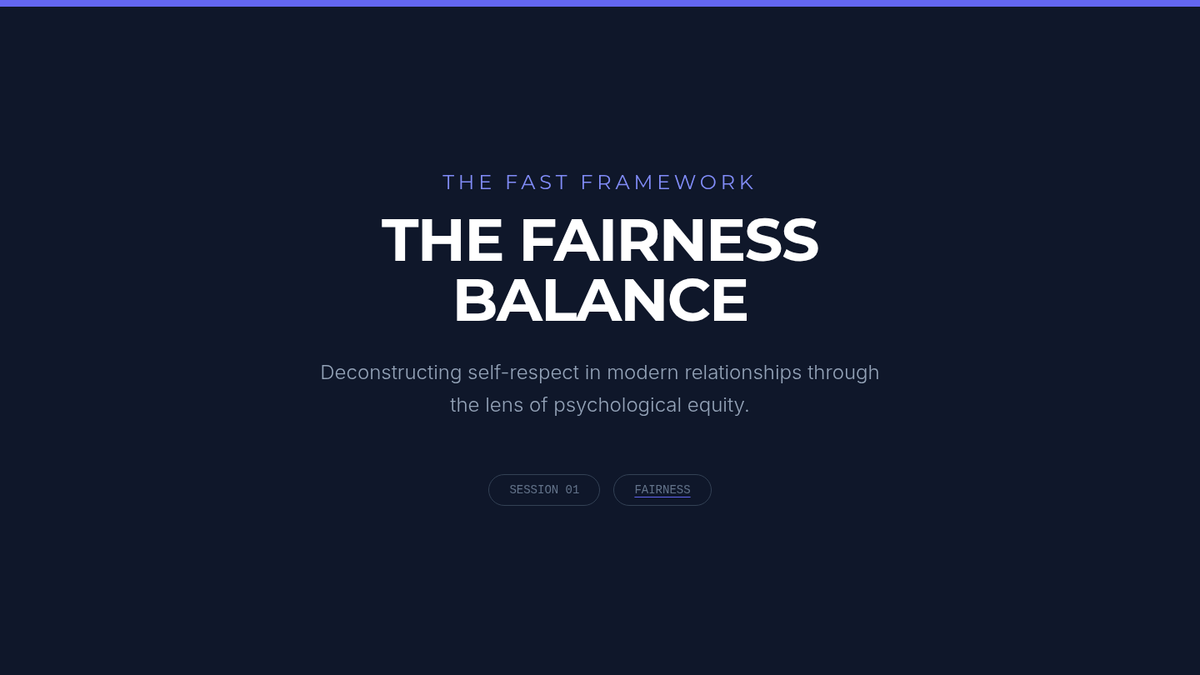
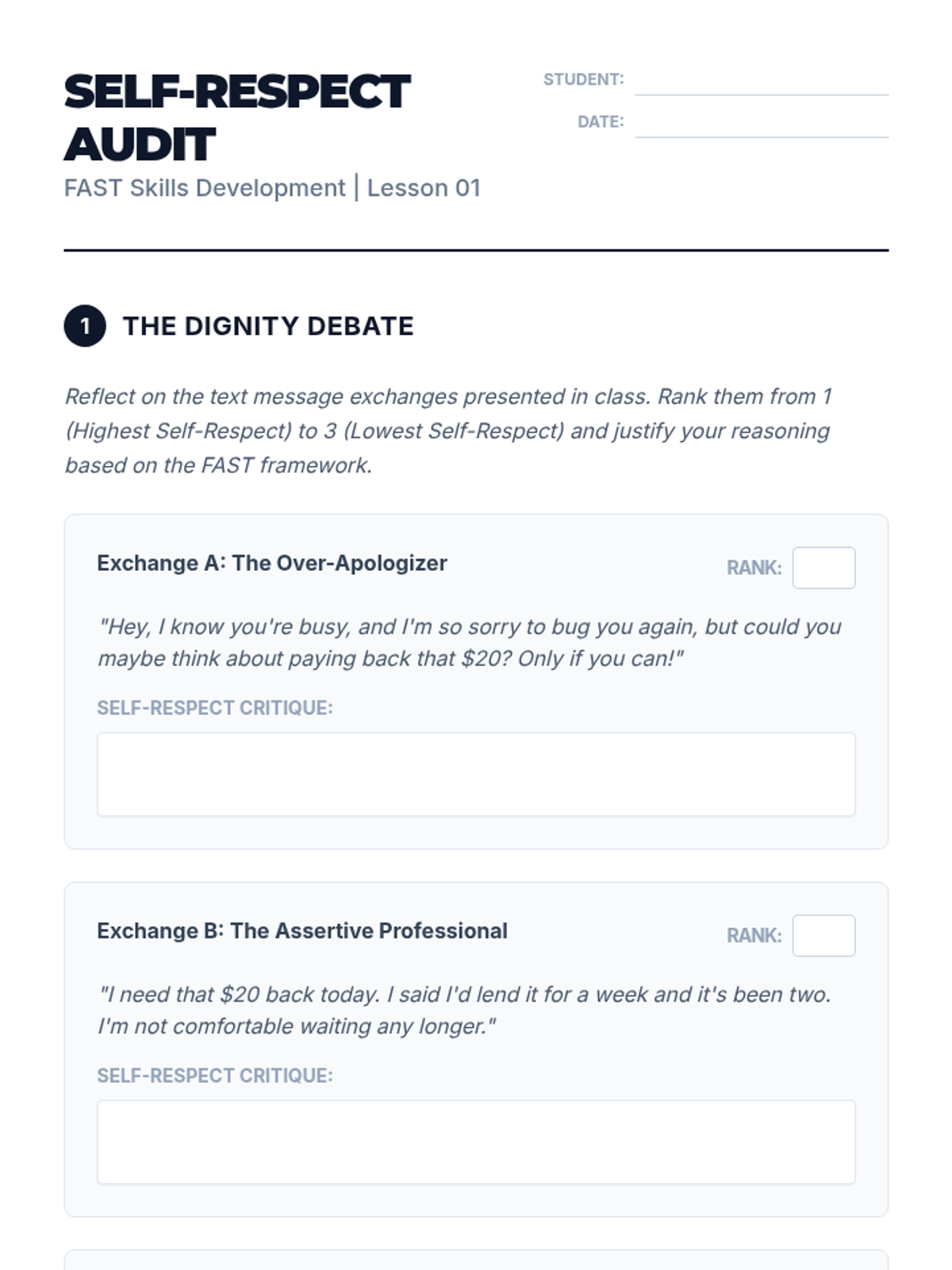
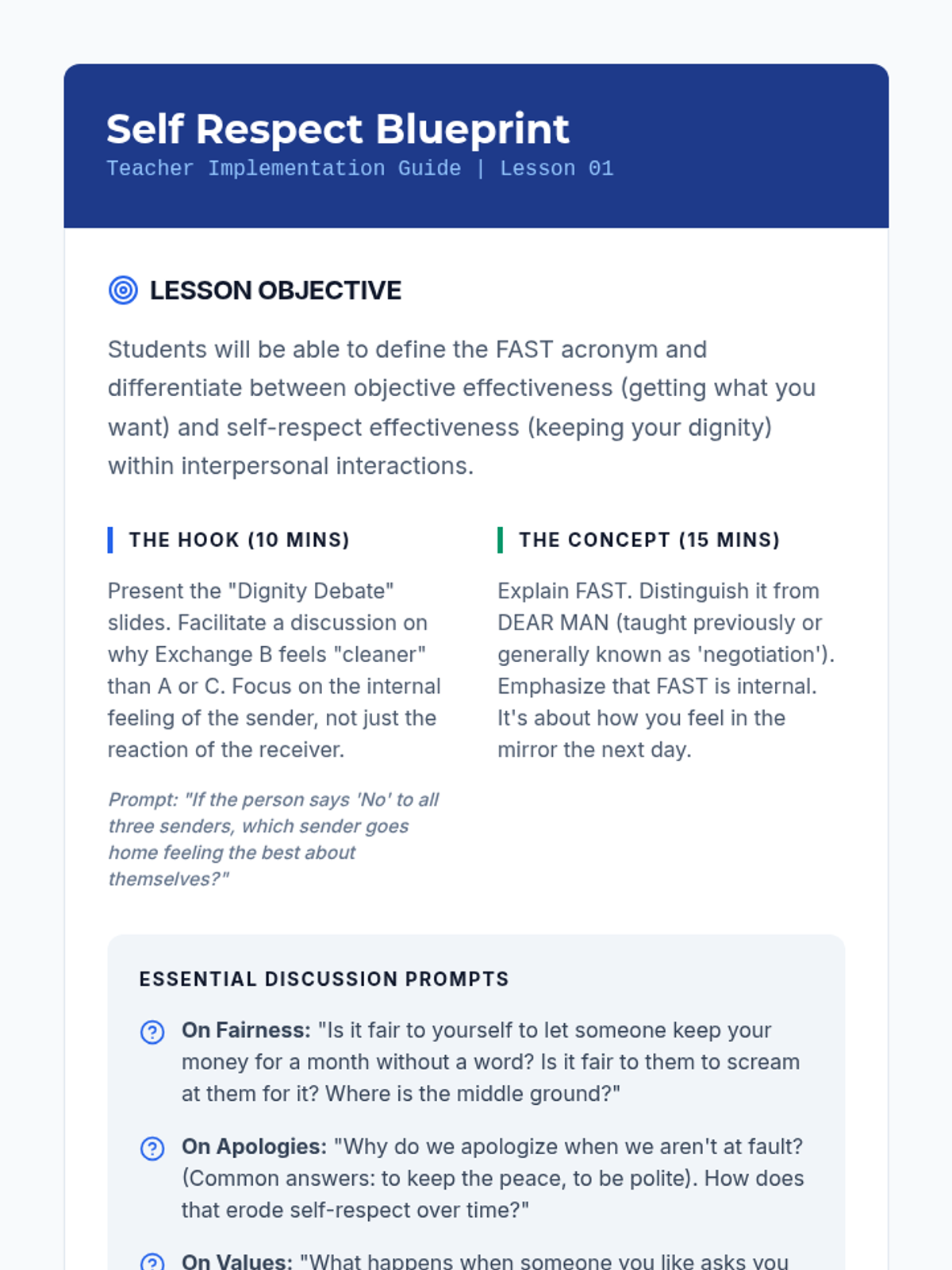
This sequence uses the FAST framework (DBT) to analyze professional social dynamics, helping undergraduate students identify and mitigate the erosion of self-respect in high-stakes environments like internships and early careers. Students progress from diagnostic analysis of professional failure scenarios to prescriptive intervention design.
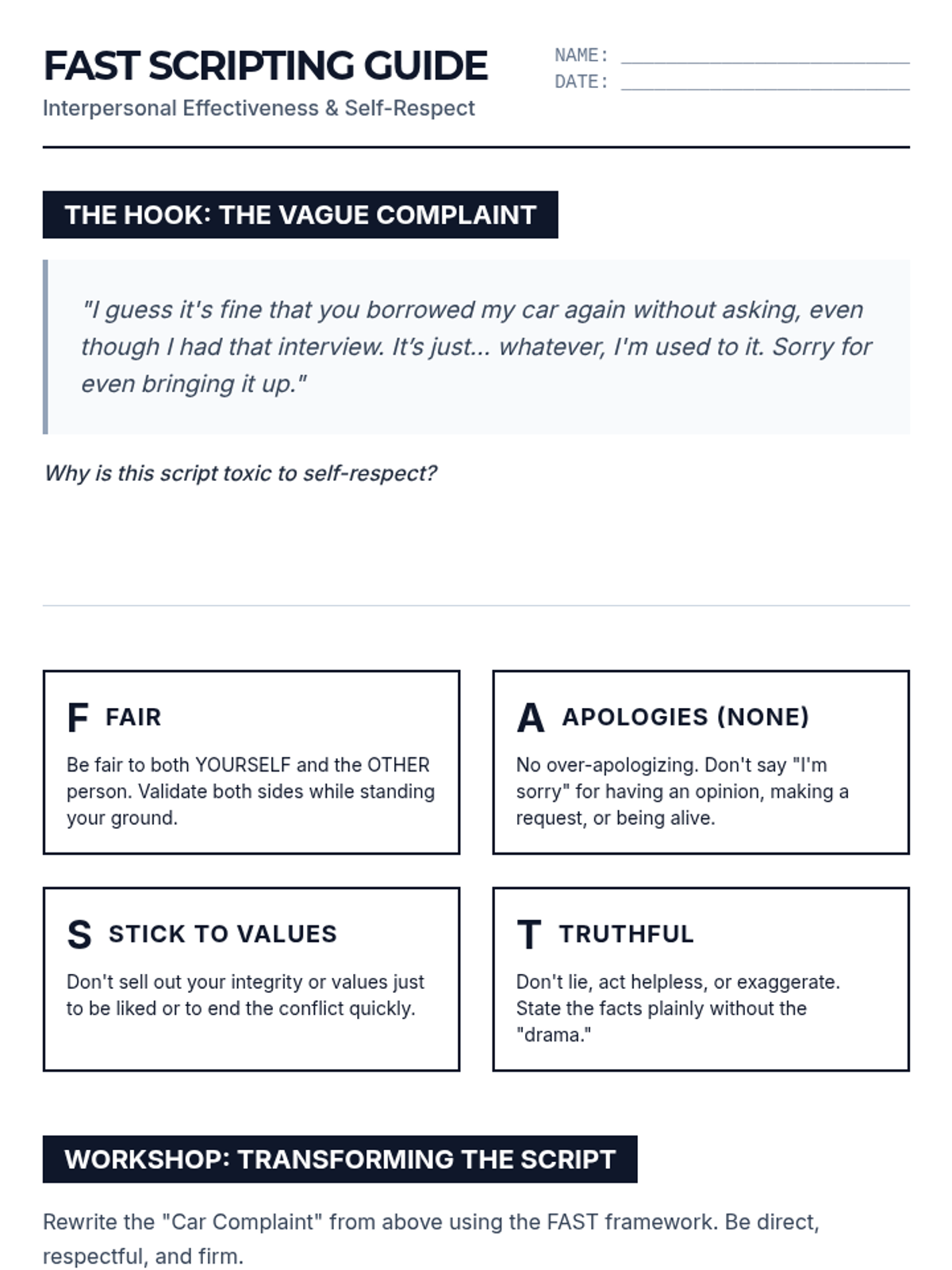
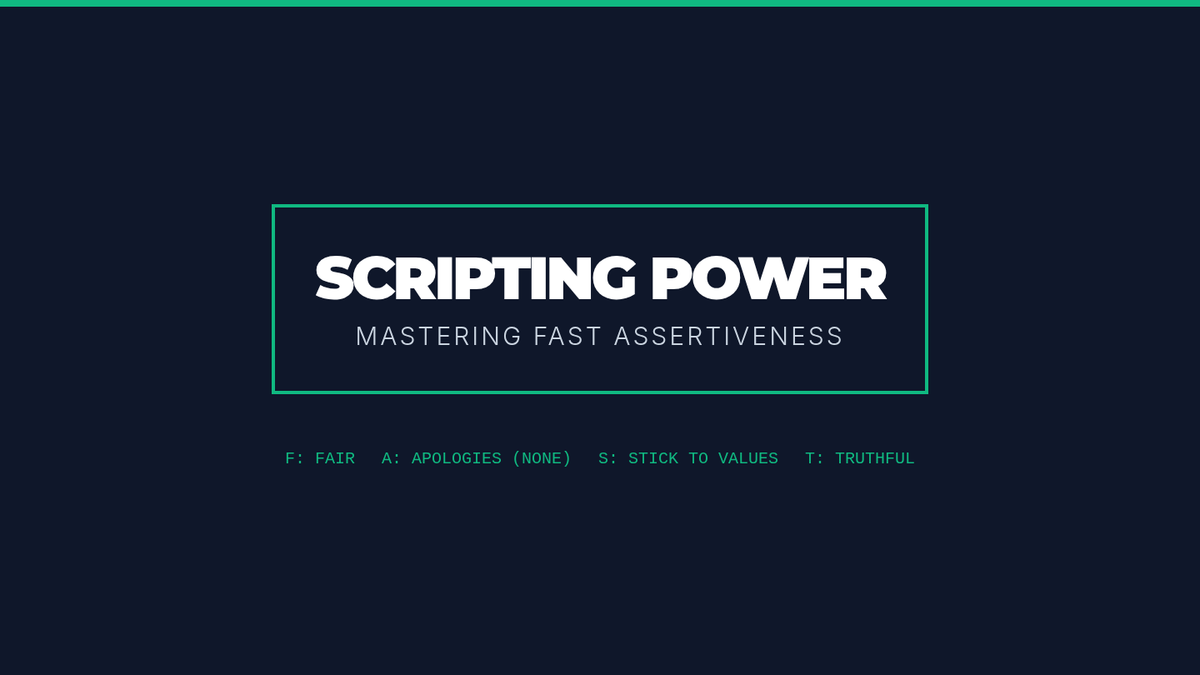
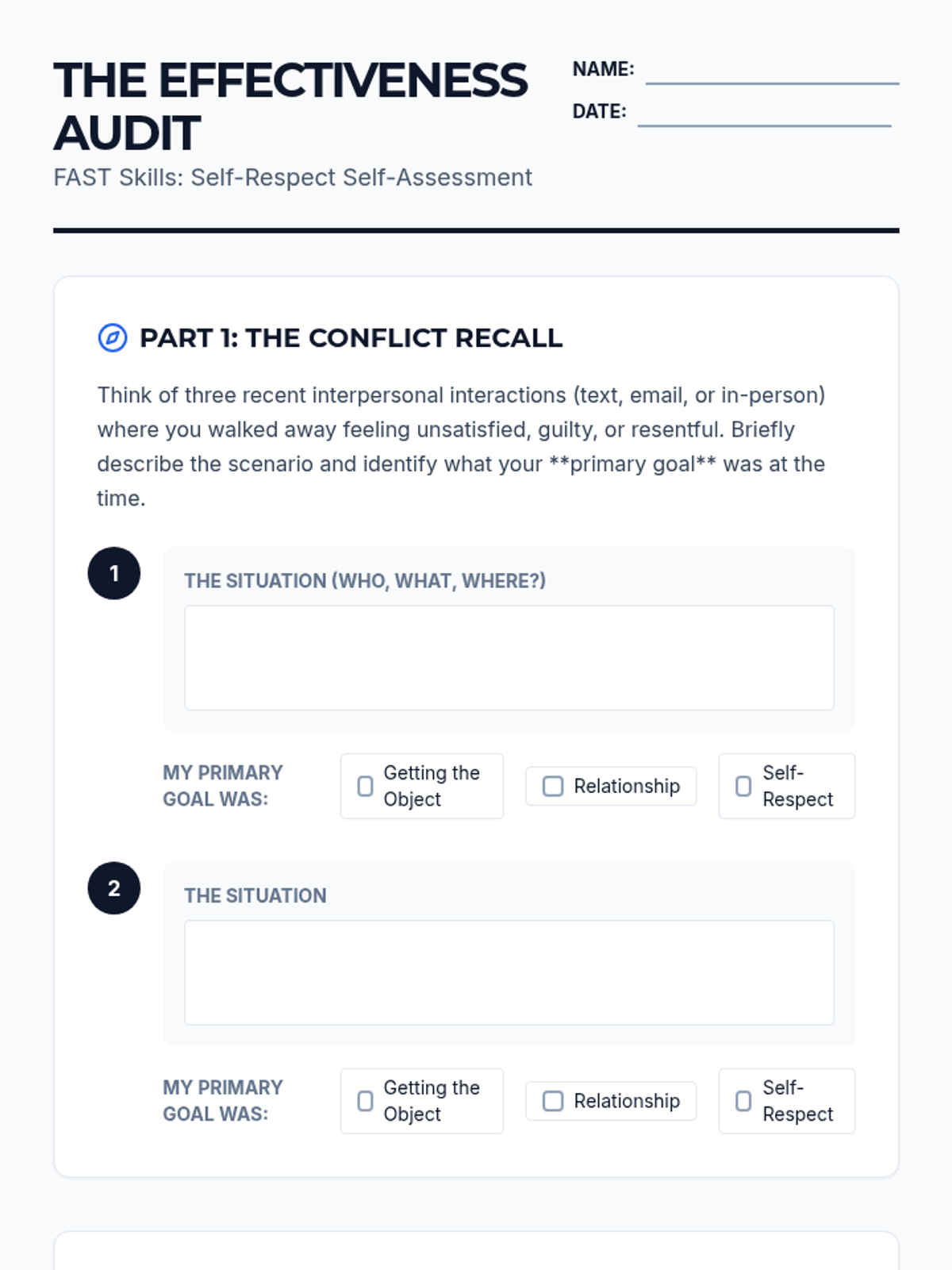
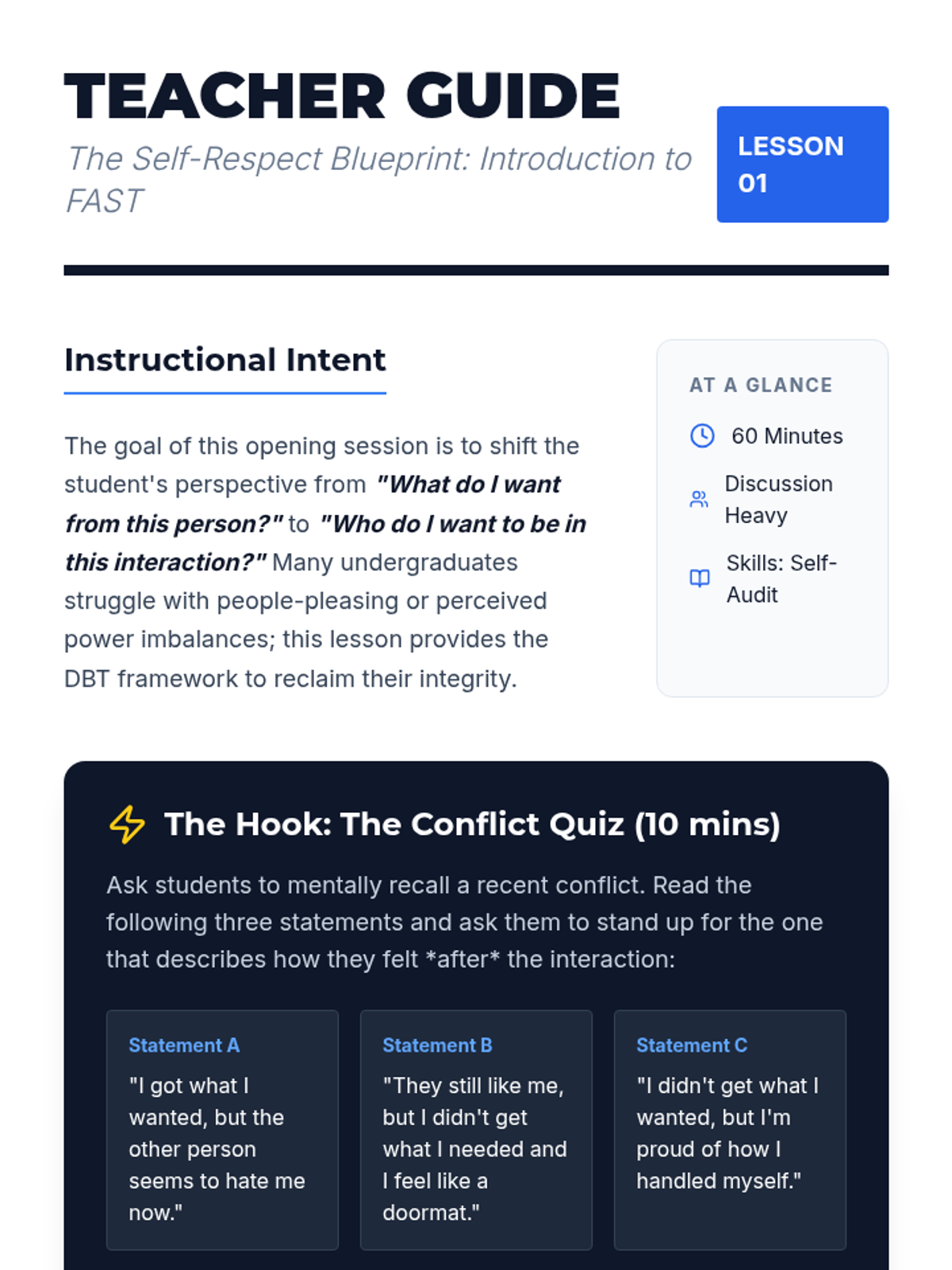
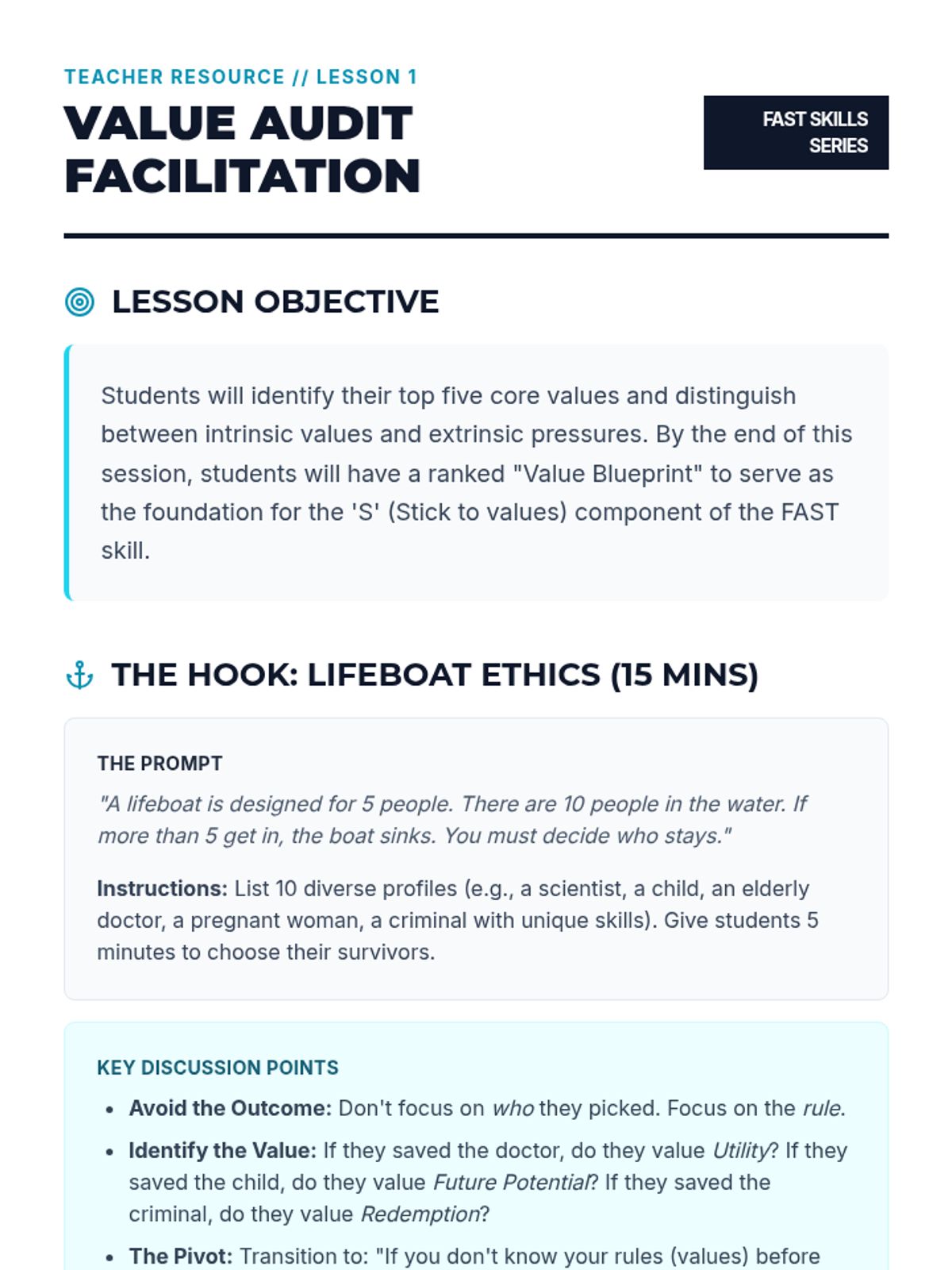
A high-intensity, simulation-based sequence for undergraduate students to master DBT's FAST skills (Fair, Apologies-free, Stick-to-values, Truthful) for interpersonal effectiveness and self-respect.
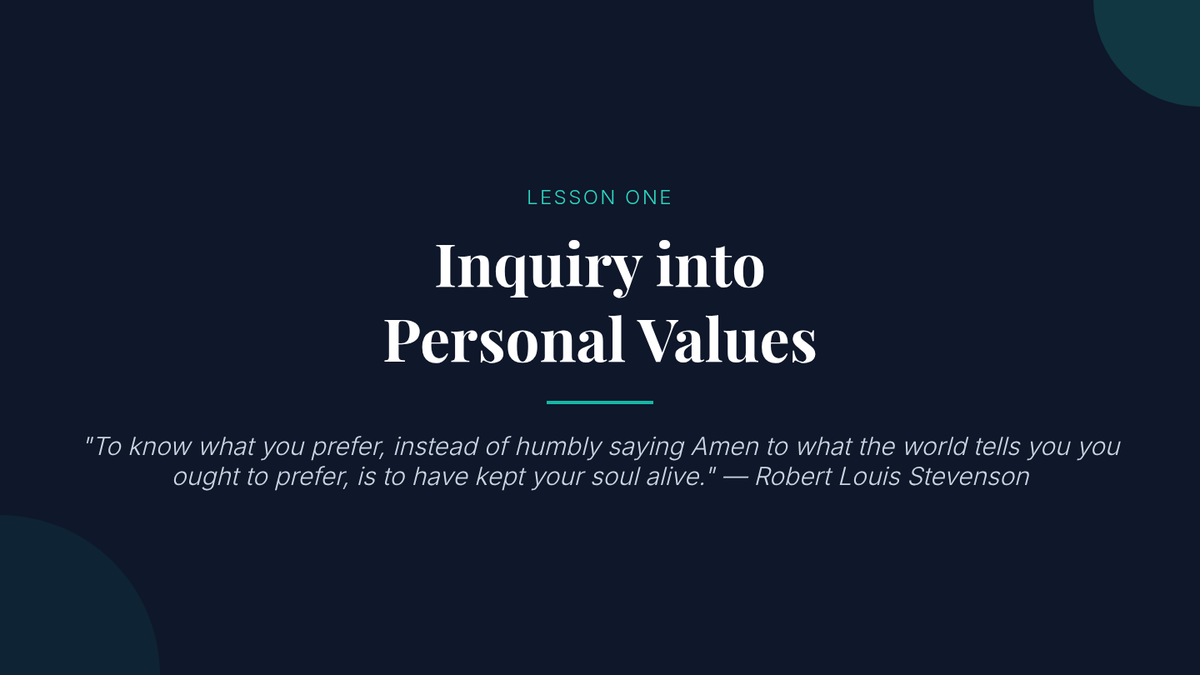
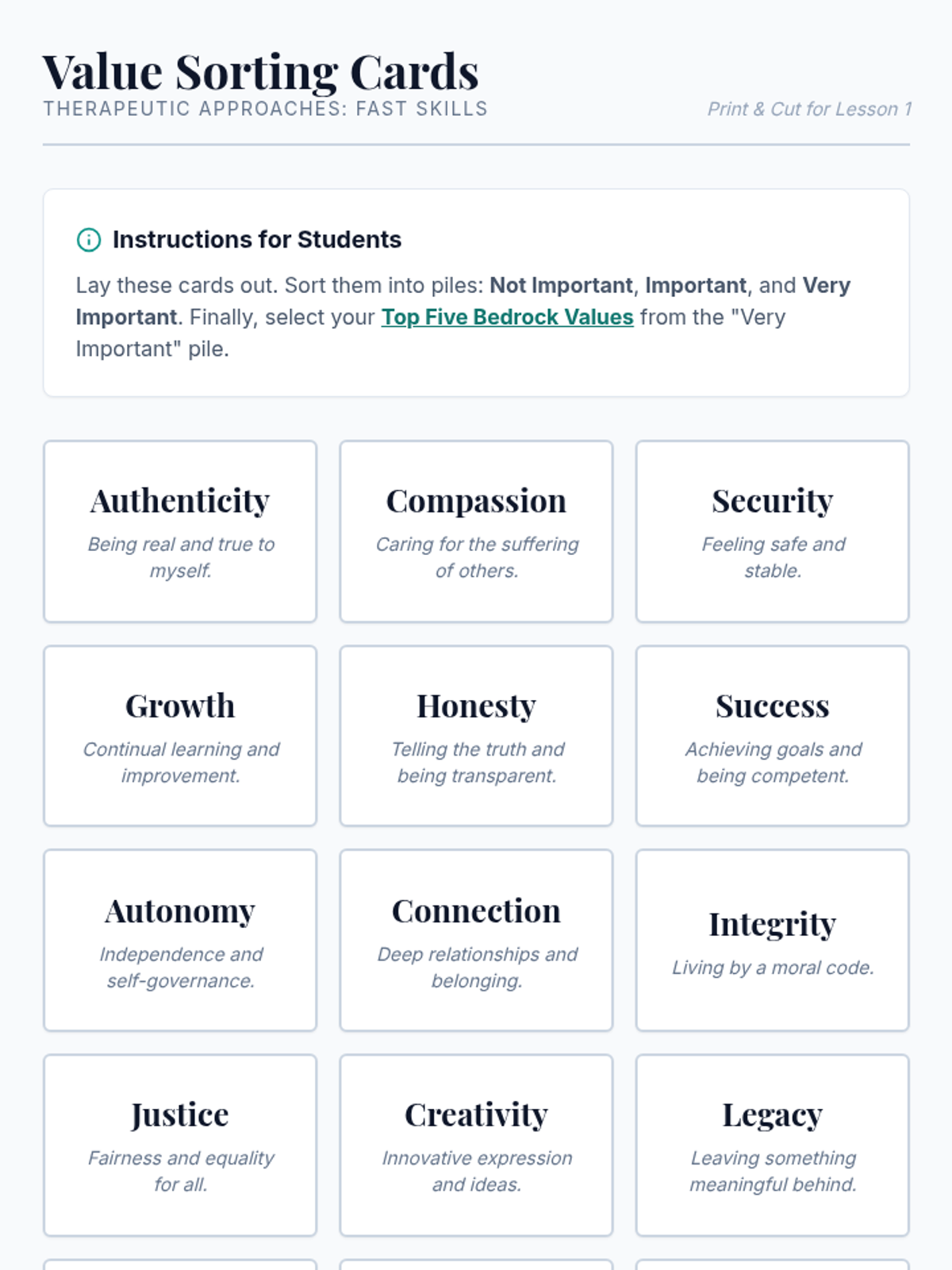
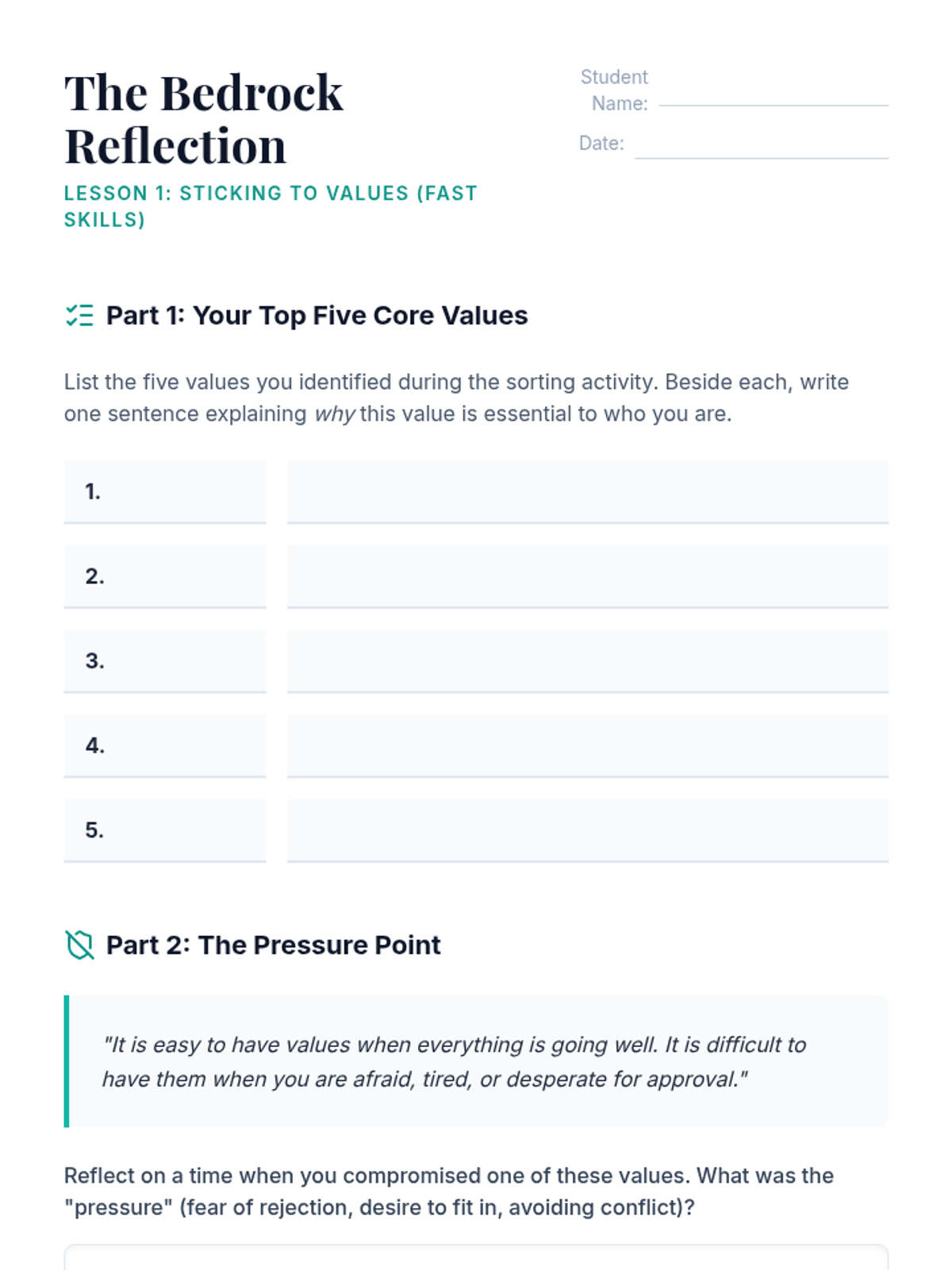
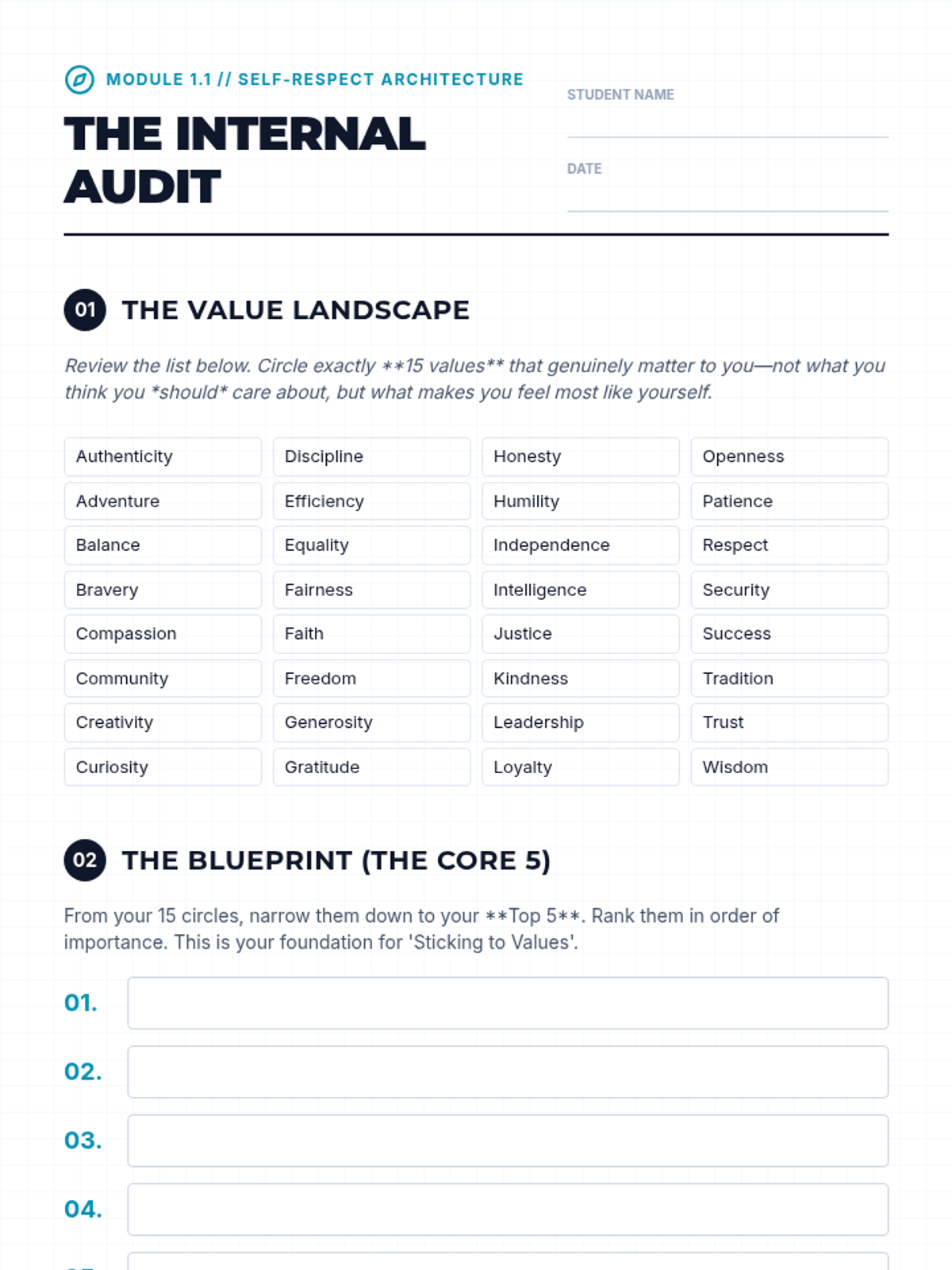
An inquiry-based exploration of the FAST skills (Fairness, Apologies, Stick to Values, Truthfulness) for undergraduate students. This sequence moves from internal value identification to external boundary setting and integrity planning.
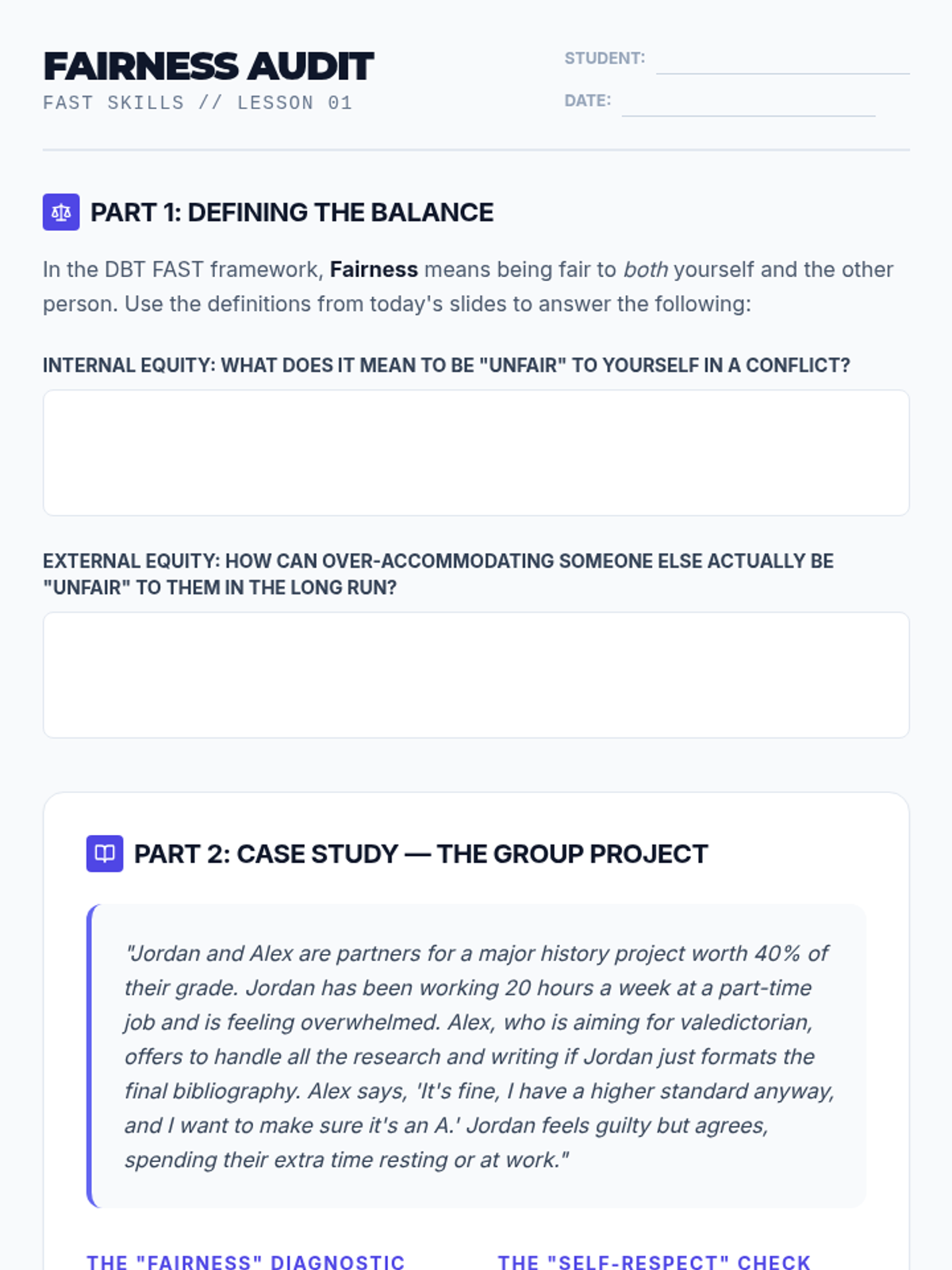
A comprehensive 5-lesson series for undergraduate students on the Dialectical Behavior Therapy (DBT) FAST skills. Students explore Fairness, Apologies, Sticking to Values, and Truthfulness to build a foundation for maintaining self-respect in social and professional contexts.
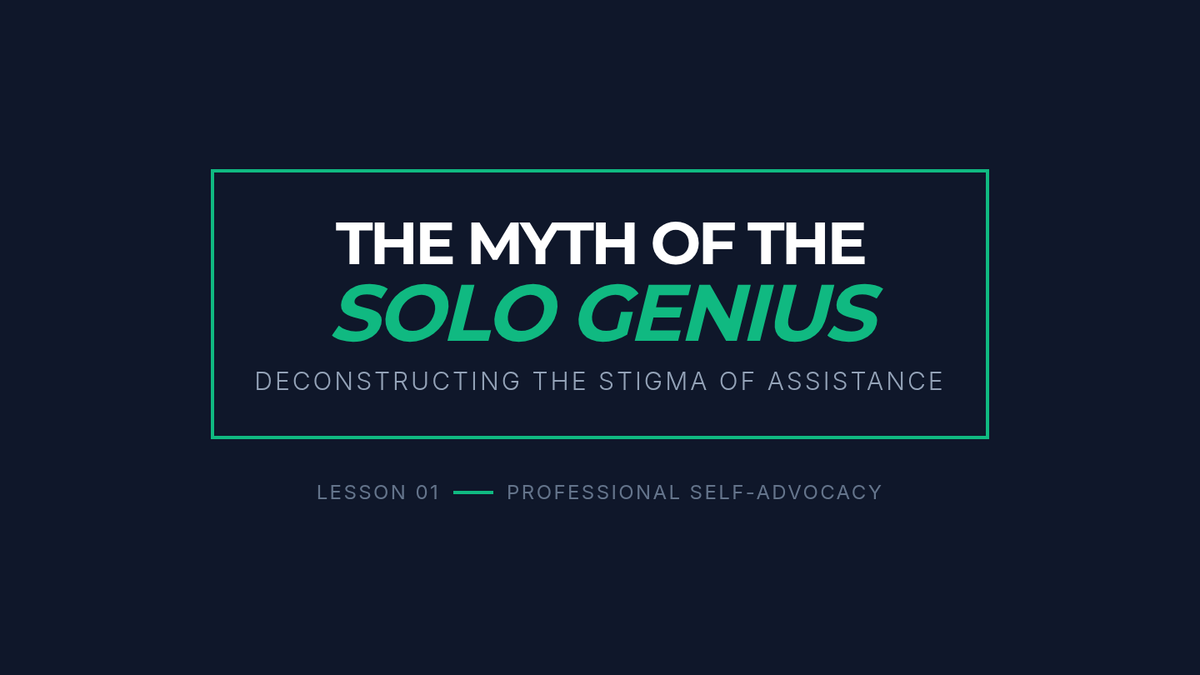
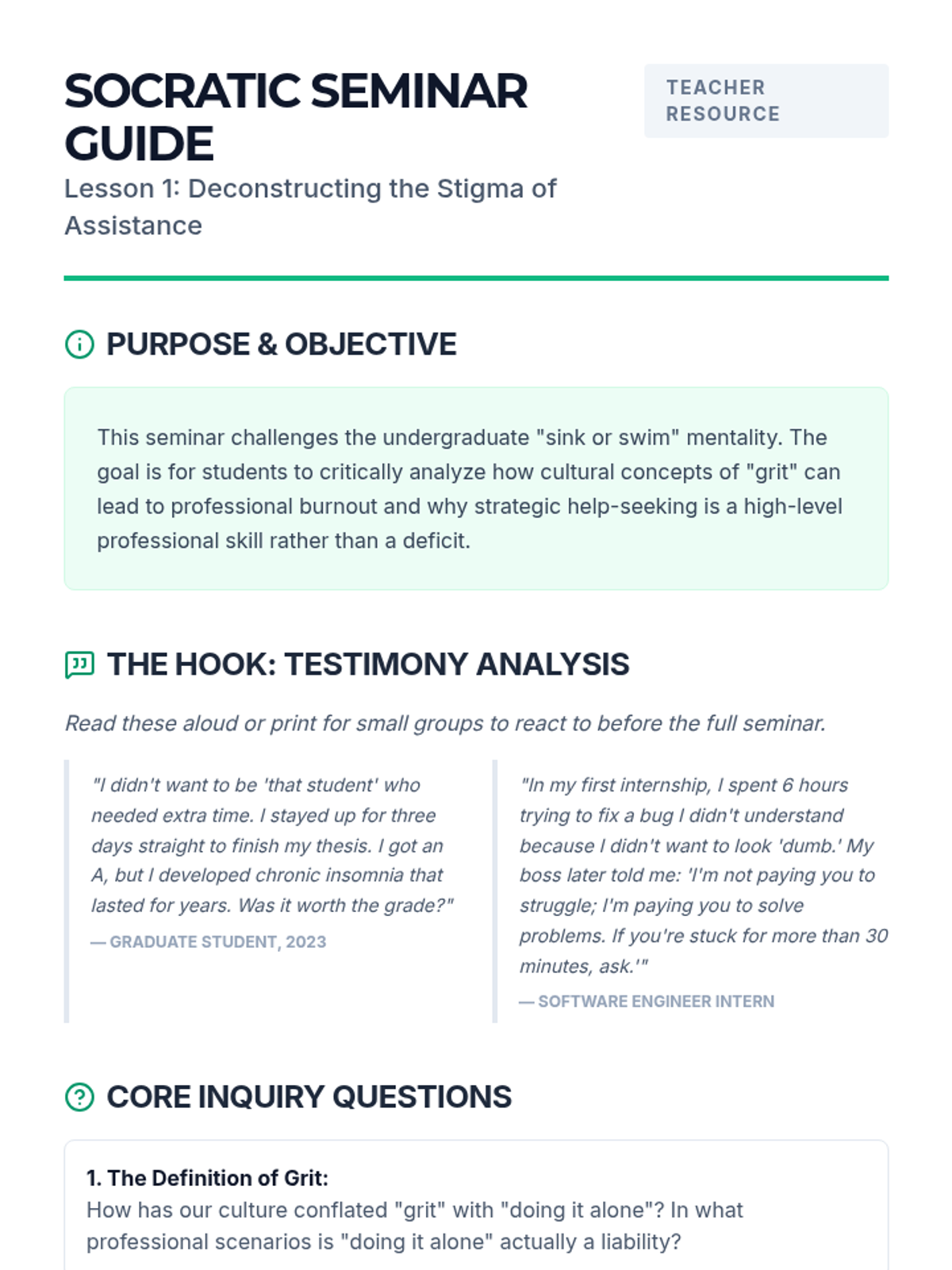
This sequence equips undergraduate students with the rhetorical skills and legal knowledge to advocate for their needs in academic and professional settings. It transitions from exploring cultural stigmas around help-seeking to practical skill-building in written and verbal communication, culminating in high-stakes negotiation simulations.
A comprehensive 11th-grade sequence deconstructing the DBT FAST framework. Students analyze psychological principles of self-respect through case studies, sociolinguistic analysis, and values audits to master interpersonal integrity.
A 12th-grade sequence on FAST skills for self-respect, focusing on personal ethics, integrity in communication, and maintaining values in the face of external pressure and digital influence.
A comprehensive 5-lesson sequence for 12th graders to master DBT FAST skills (Fairness, No Apologies, Stick to Values, Truthfulness) through real-world adult simulations and deep self-reflection.
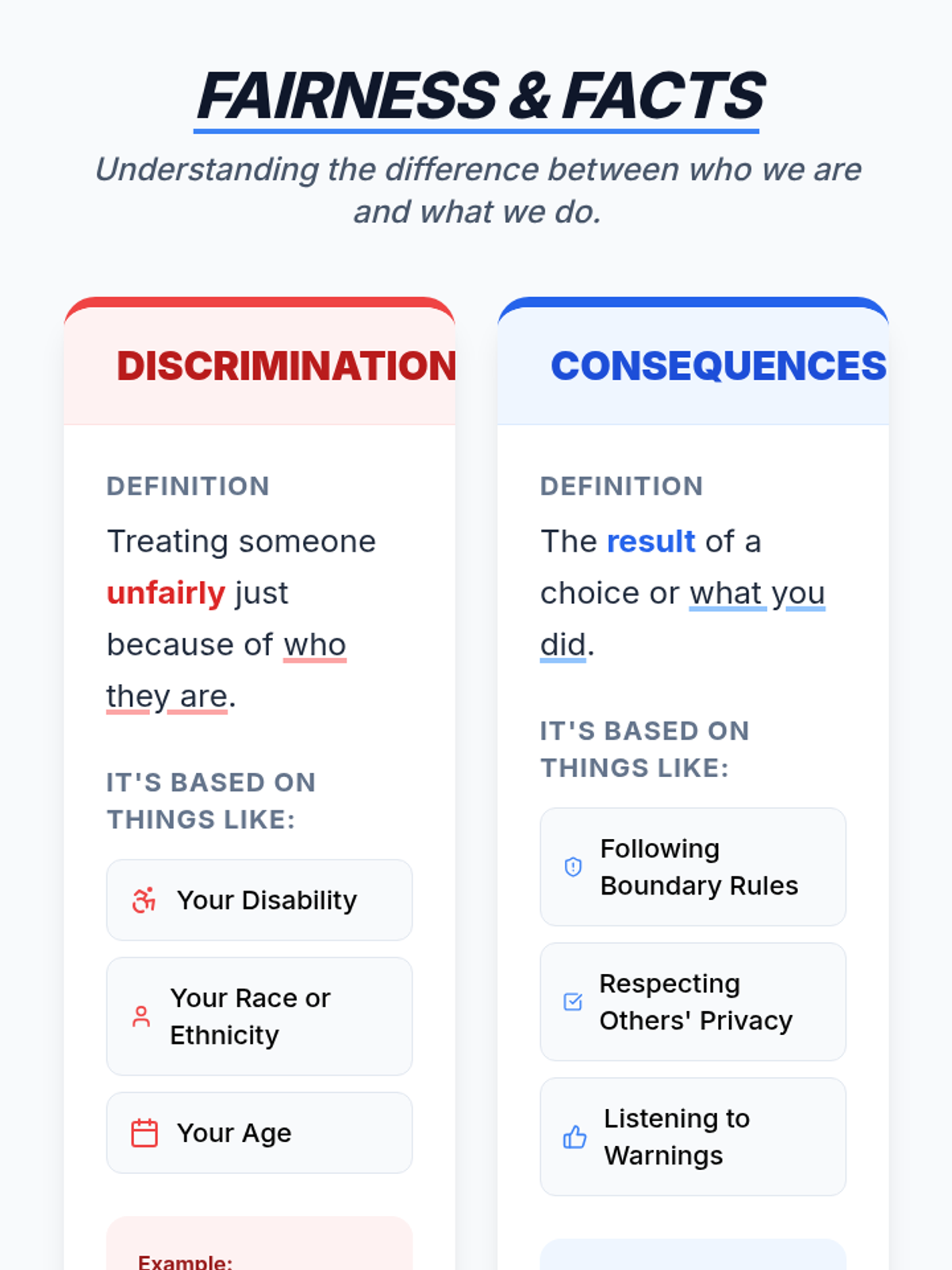
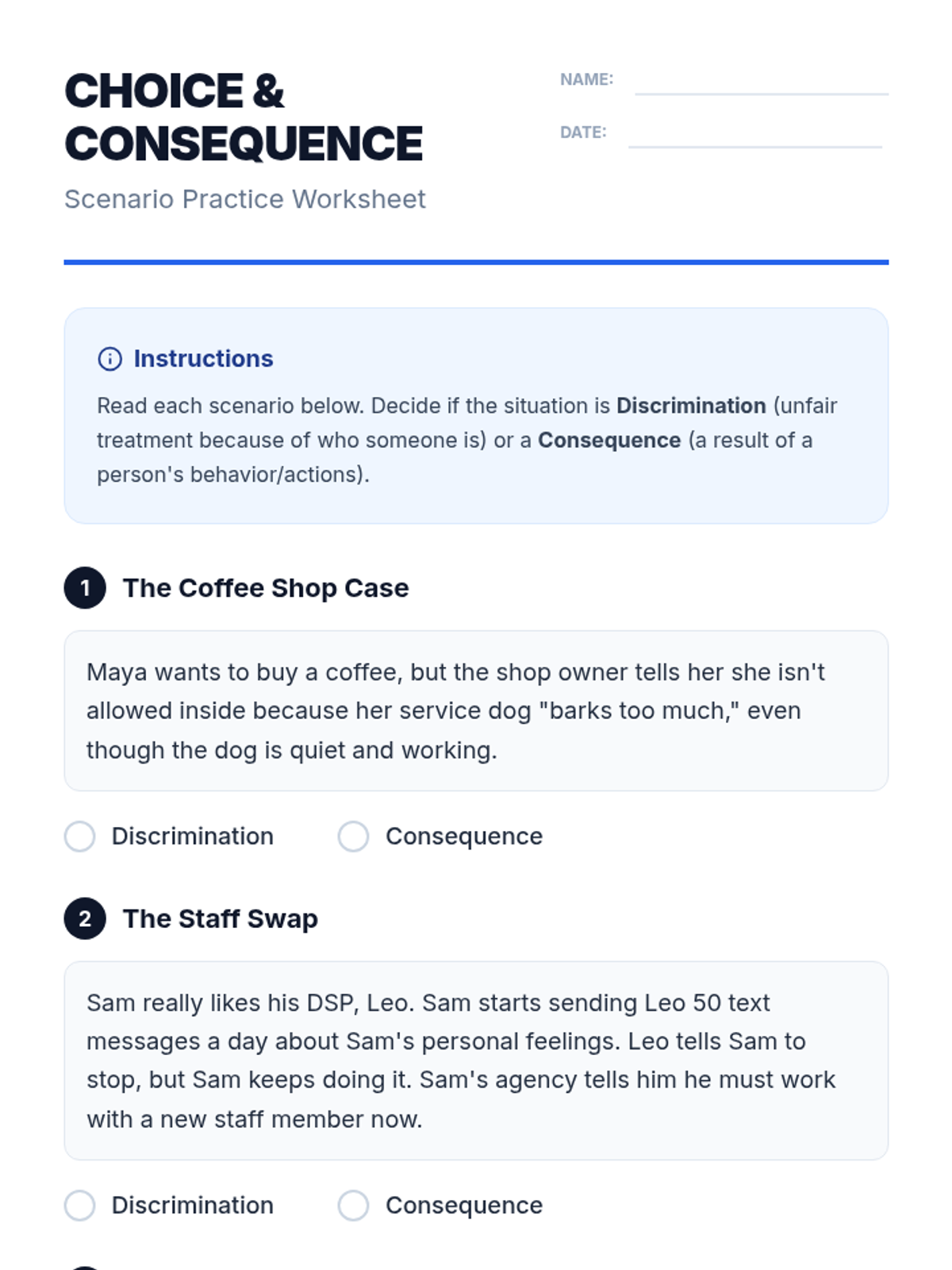
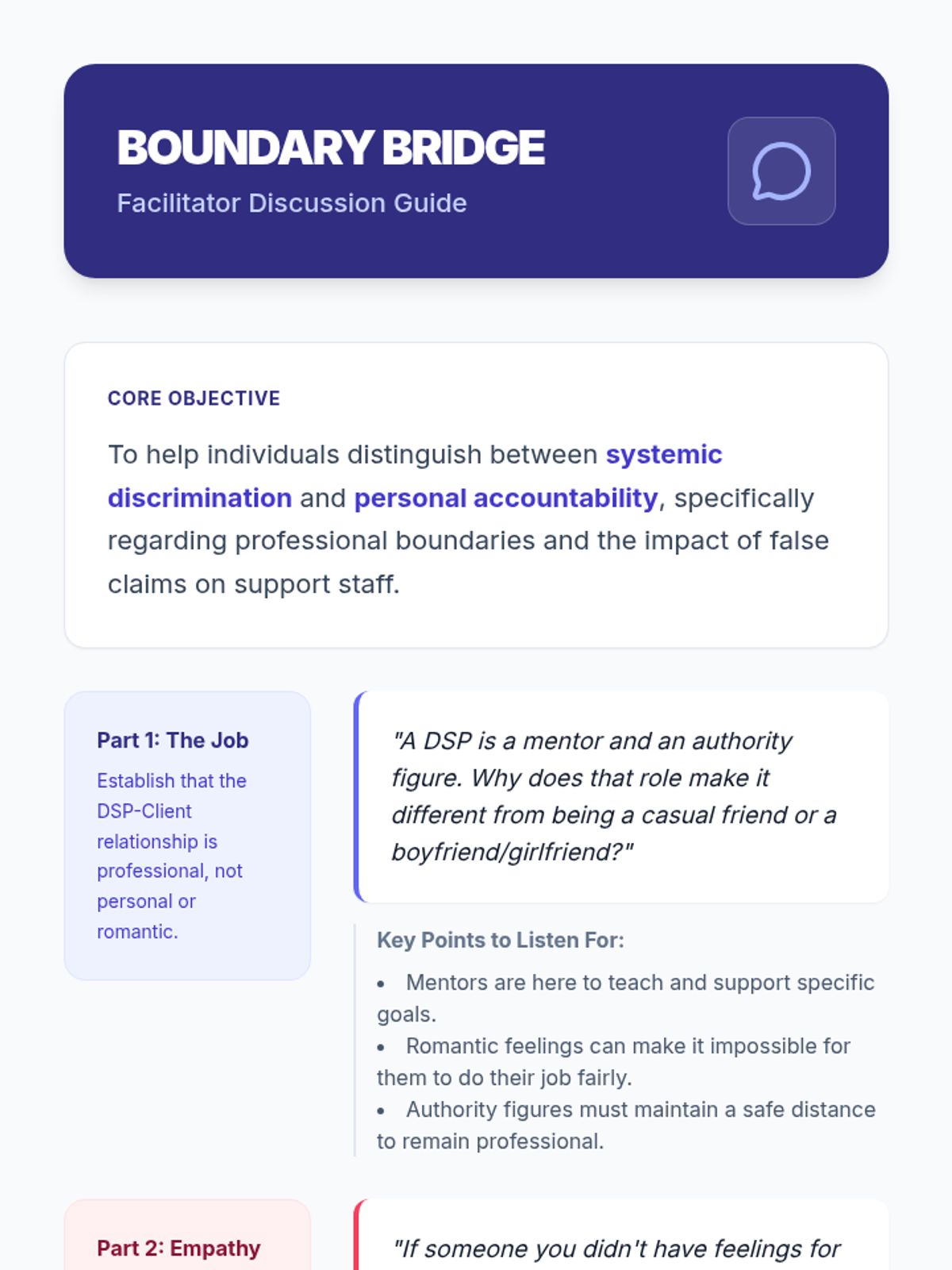
A series of lessons designed to help individuals understand the difference between discrimination and the consequences of personal behavior, focusing on professional boundaries and the impact of false claims.
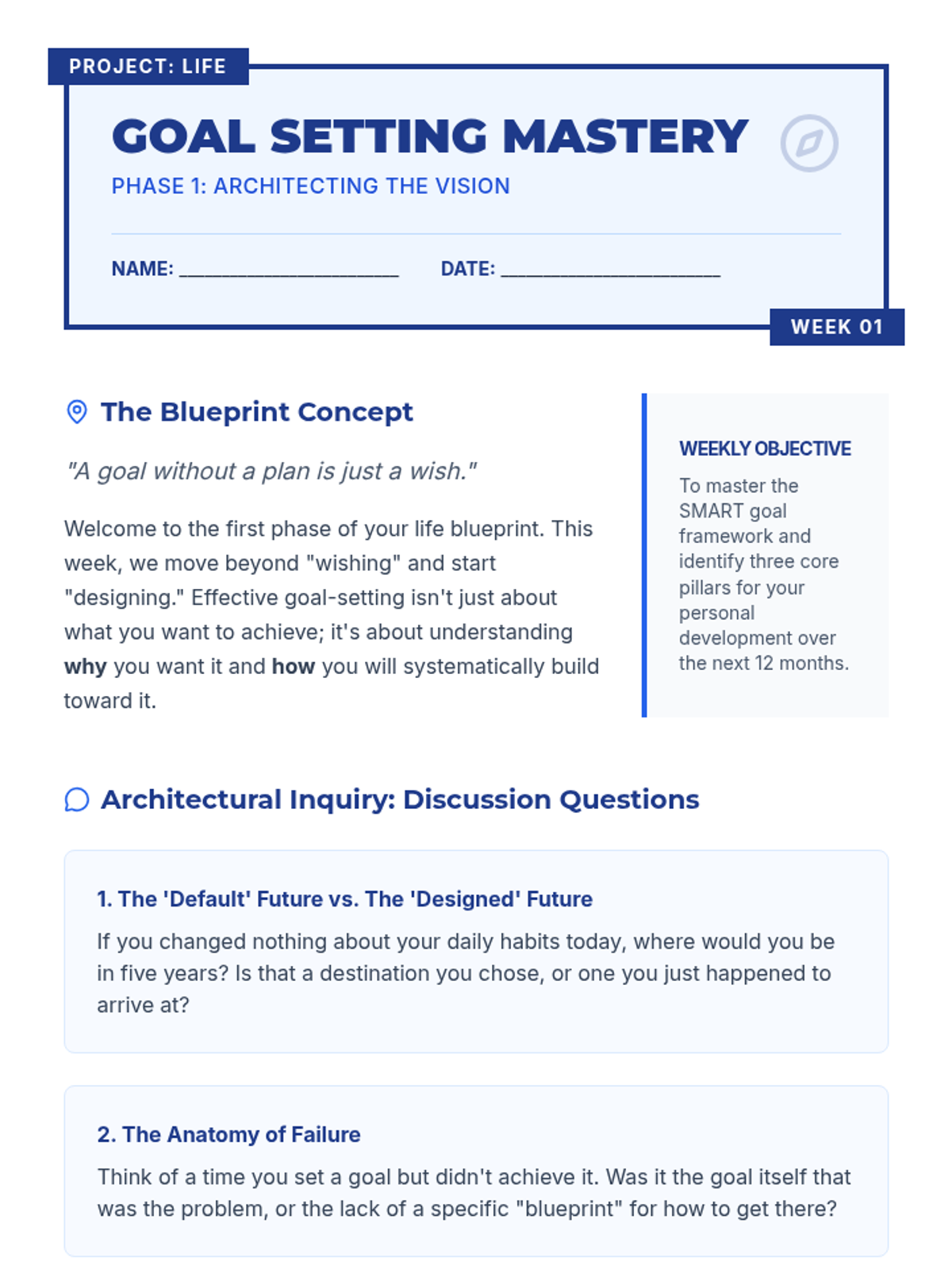
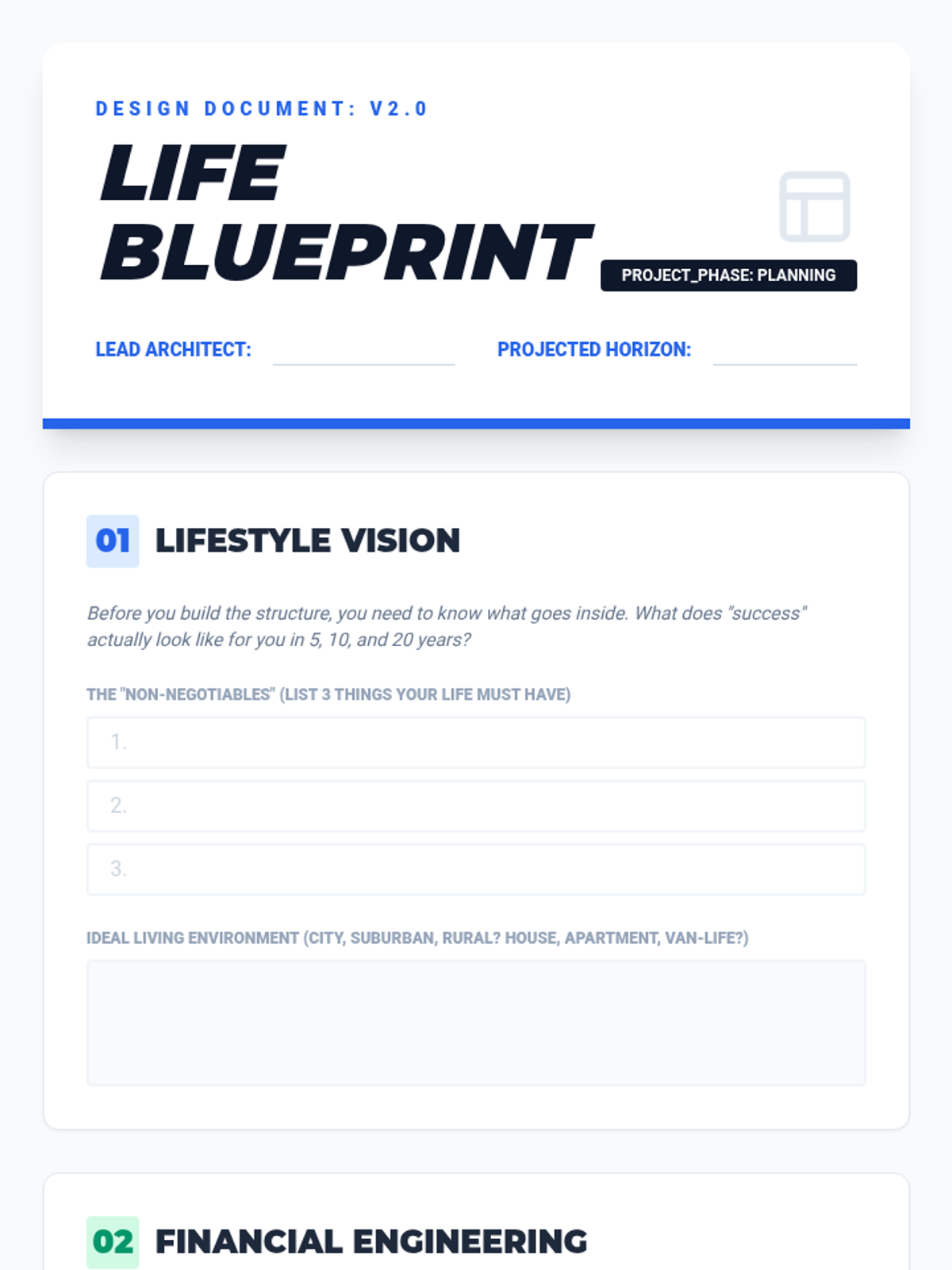
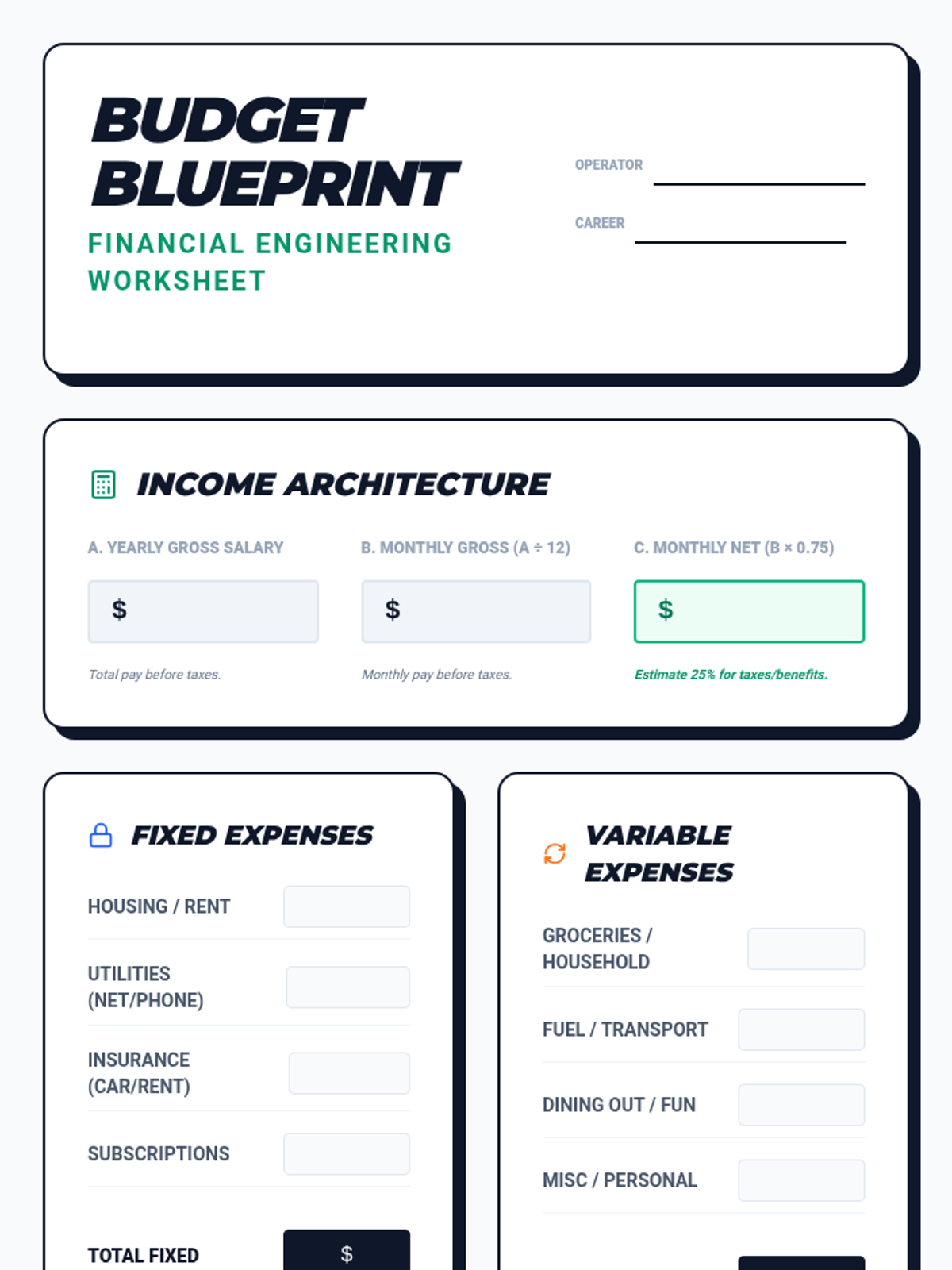
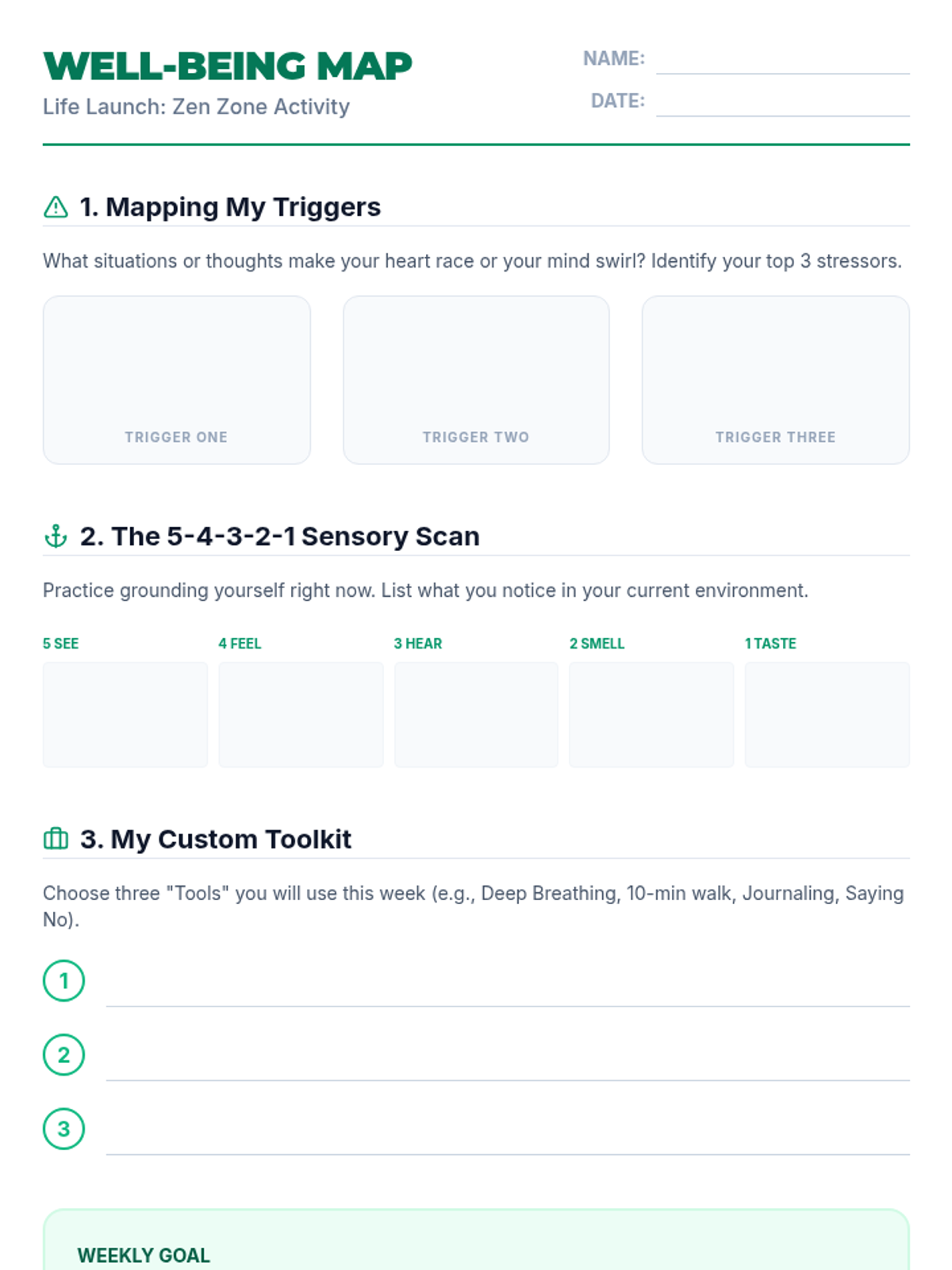
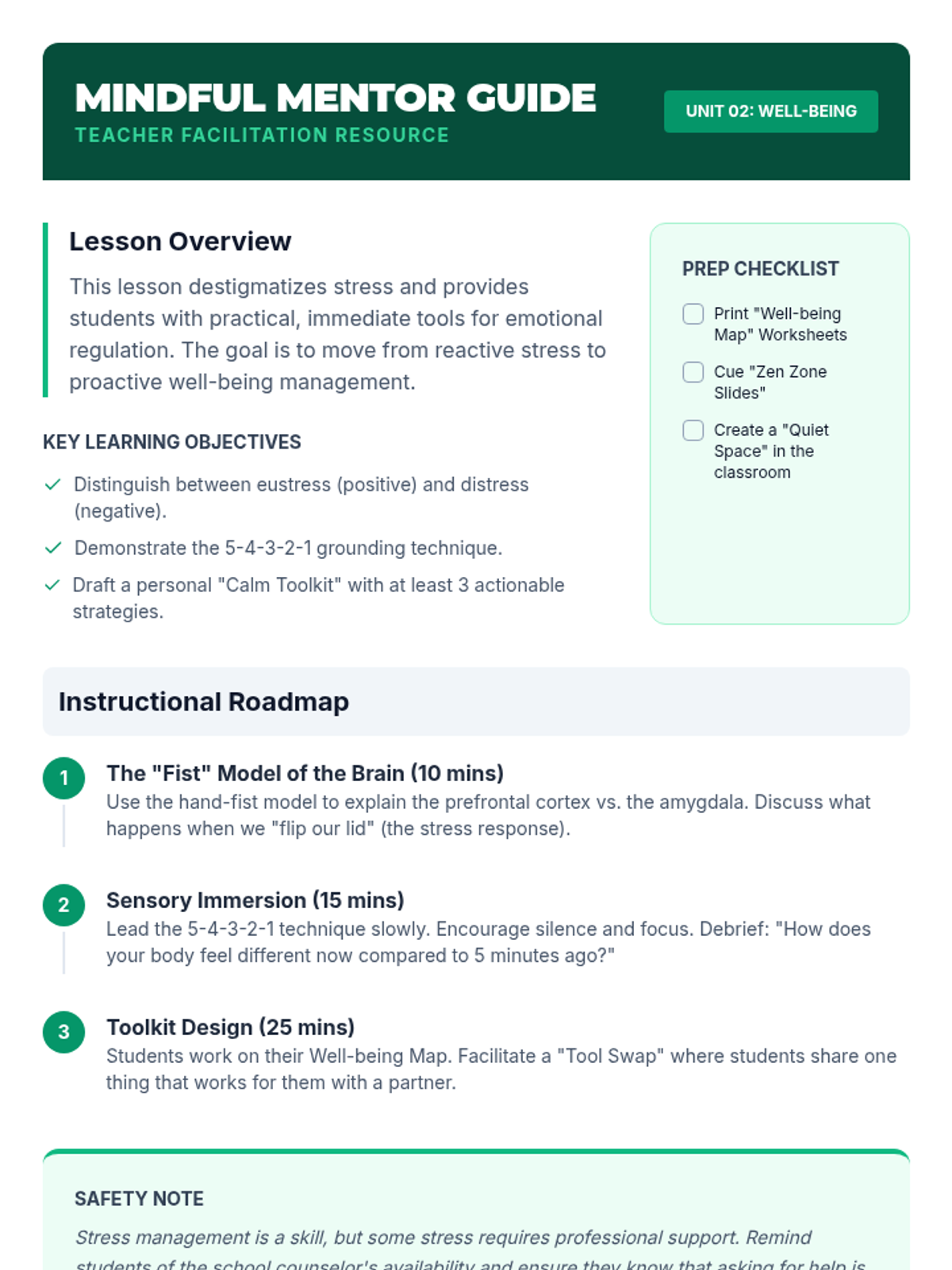
A comprehensive 9-week curriculum designed to equip young adults with essential skills for personal well-being, effective communication, and healthy relationships. This course uses a 'blueprint' theme to help students architect their own futures through goal-setting, stress management, and interpersonal growth.
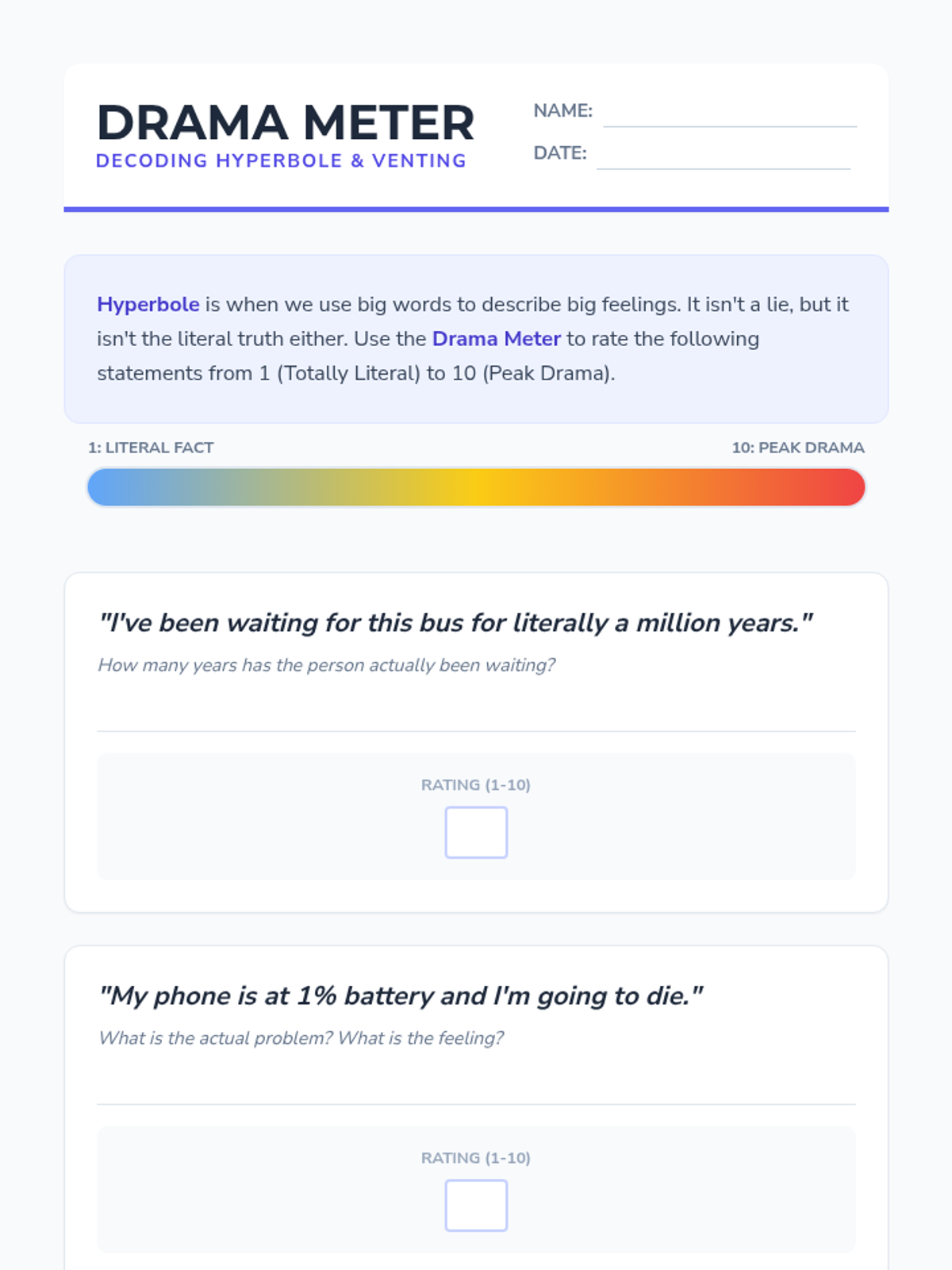
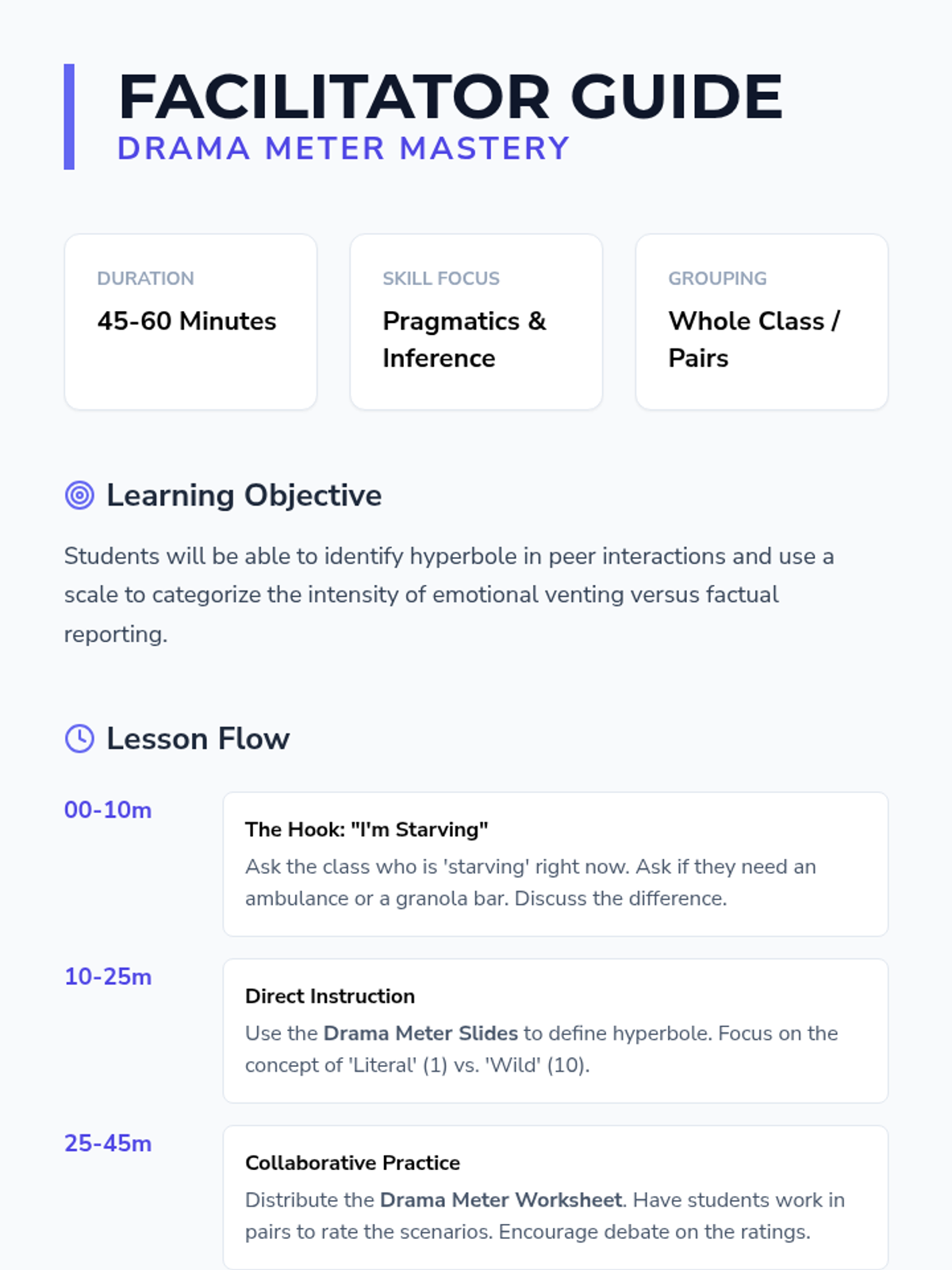
A high-school level sequence focusing on social communication through the lens of modern slang, hyperbole, and digital nuances. This unit helps students decode the figurative language used in peer groups, dating, and texting to improve social-emotional processing and relationship management.
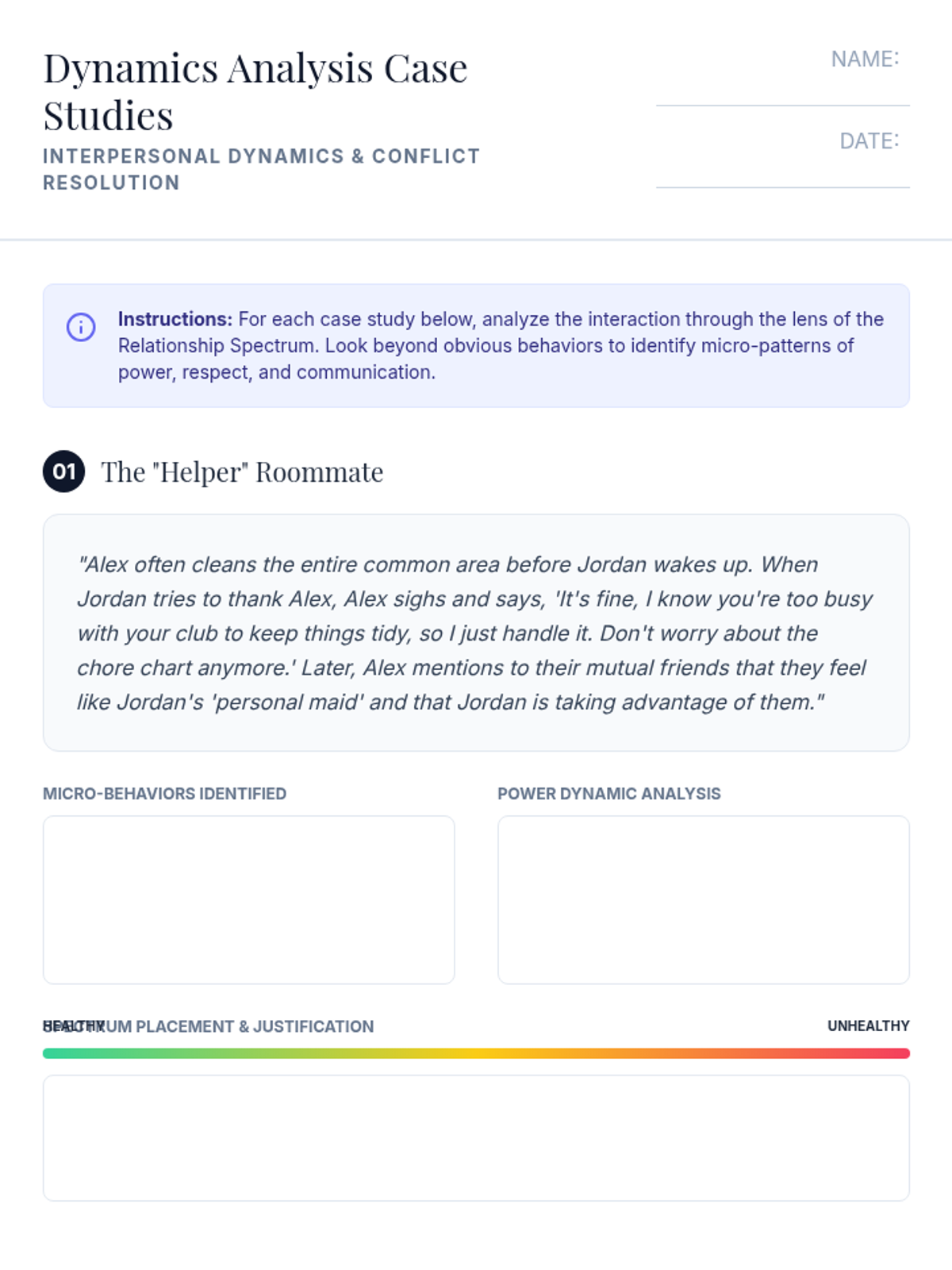
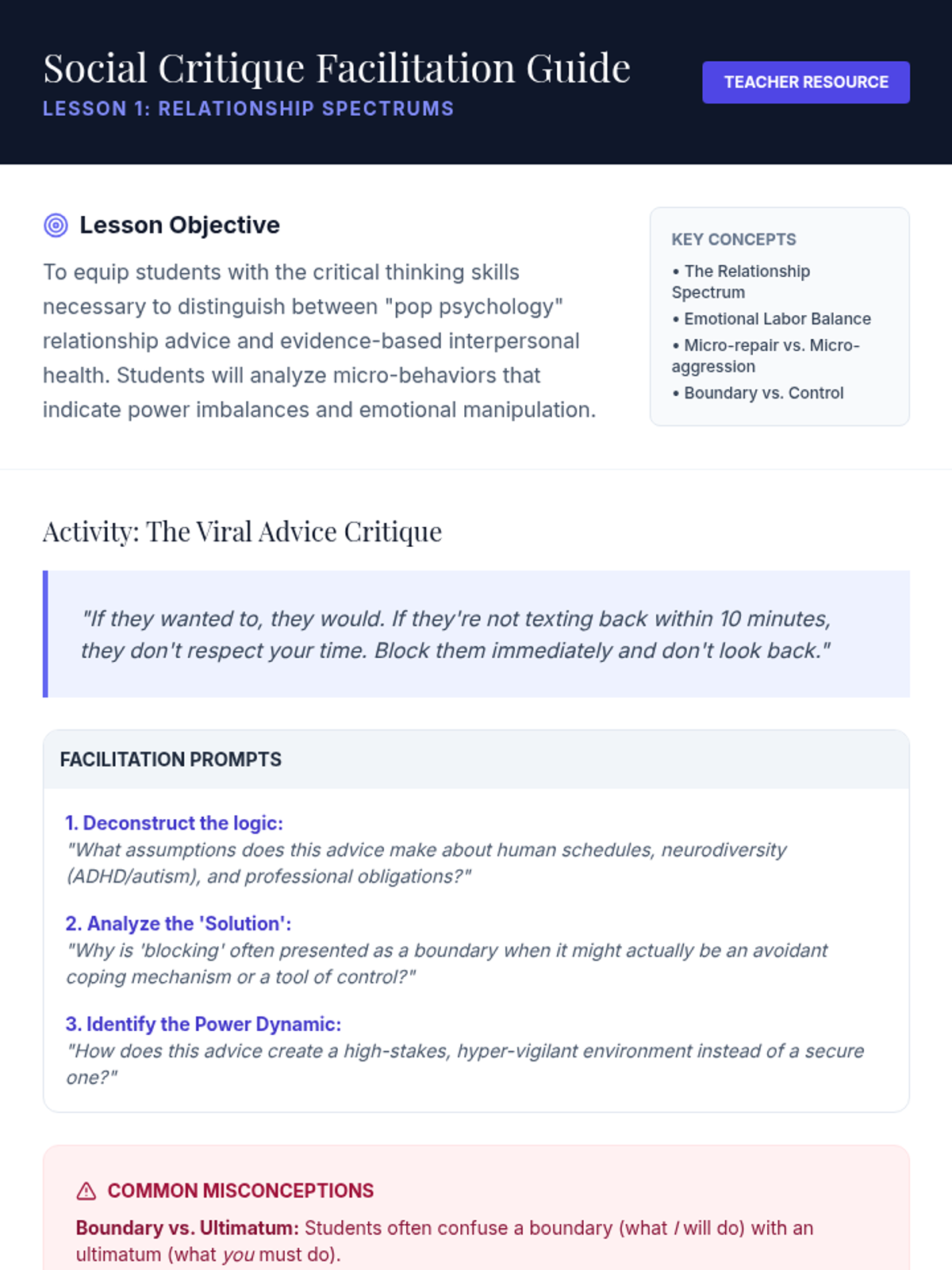
A comprehensive unit for undergraduate students exploring the nuances of human connection, boundary setting, and conflict resolution in academic and professional contexts.
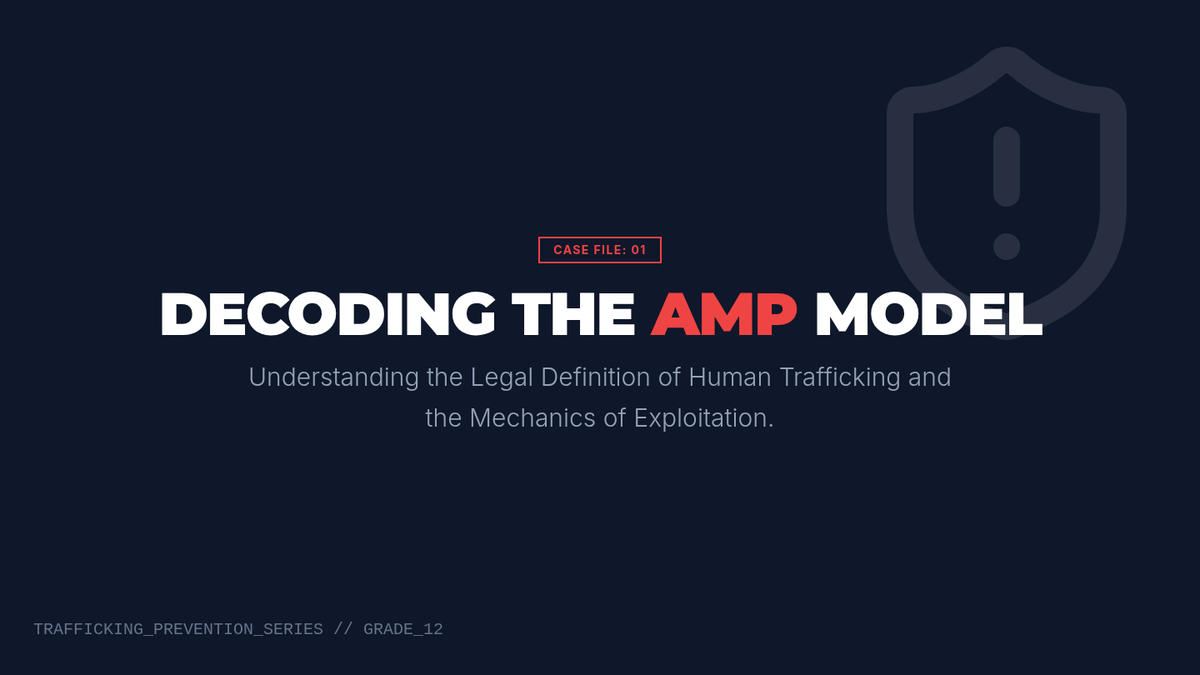
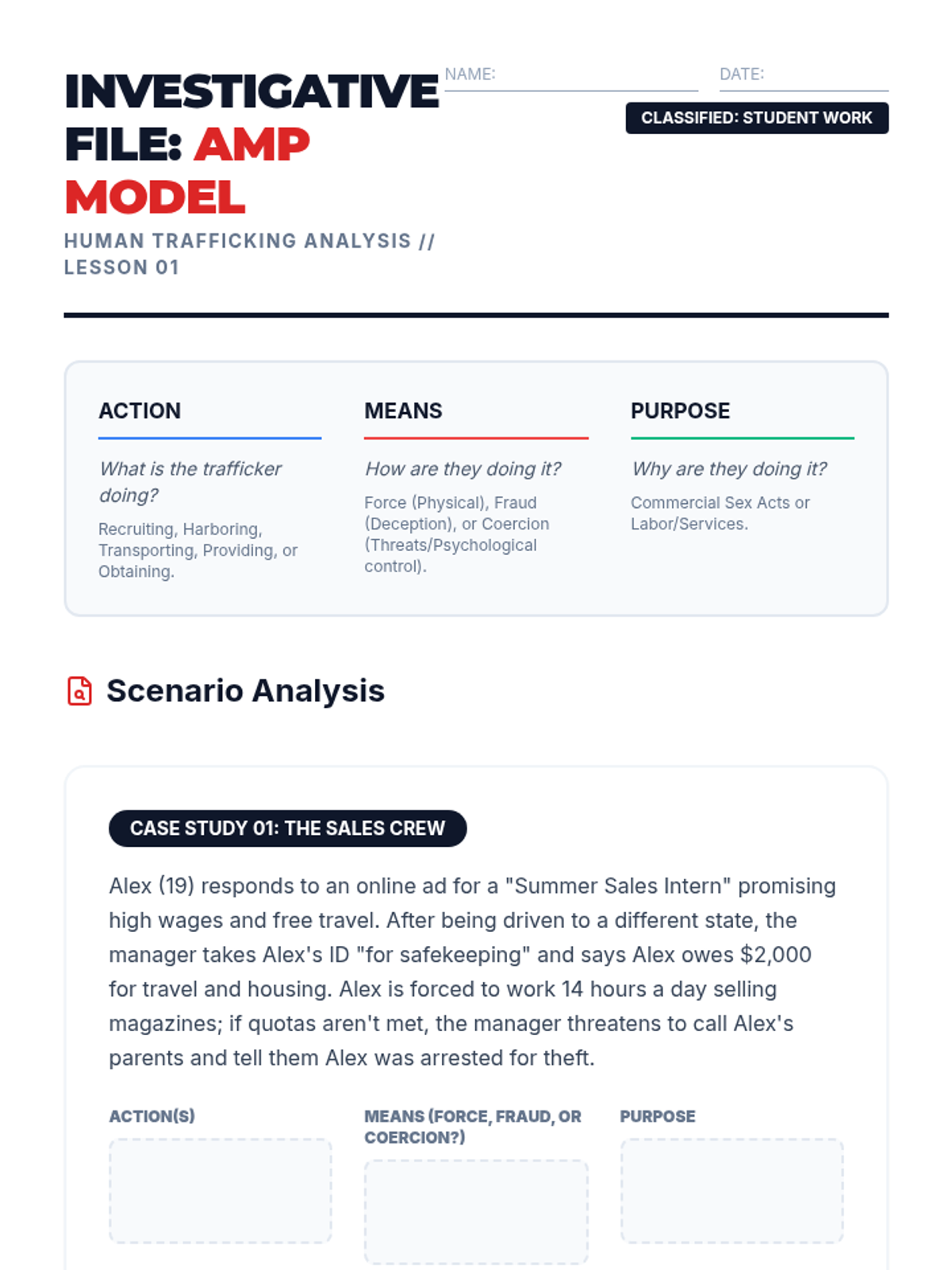
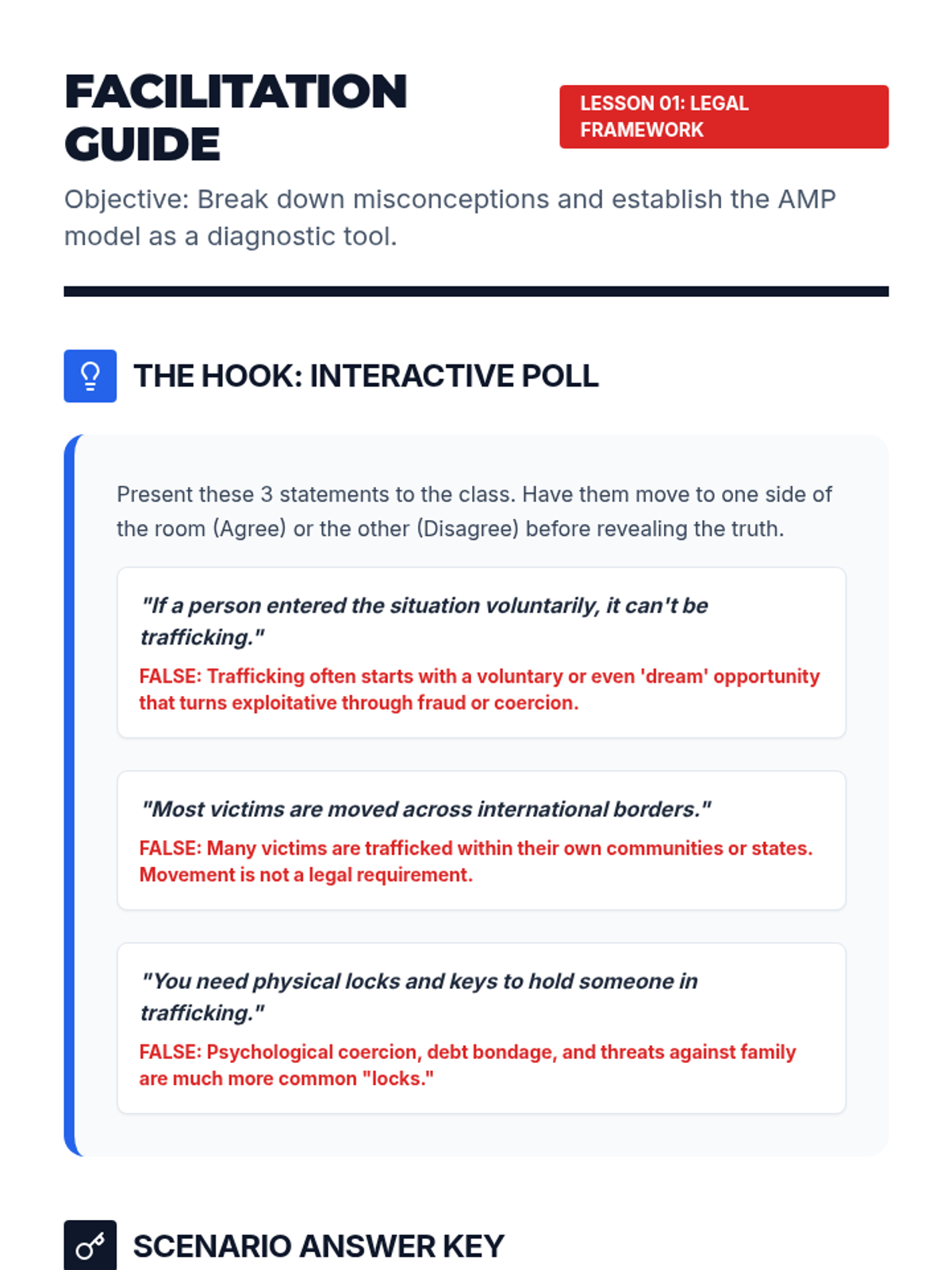
This sequence equips graduating seniors with the critical analytical skills necessary to identify and prevent human trafficking as they transition to independent living. Students analyze legal frameworks, grooming cycles, digital recruitment tactics, and labor exploitation indicators to develop actionable safety plans and reporting protocols.
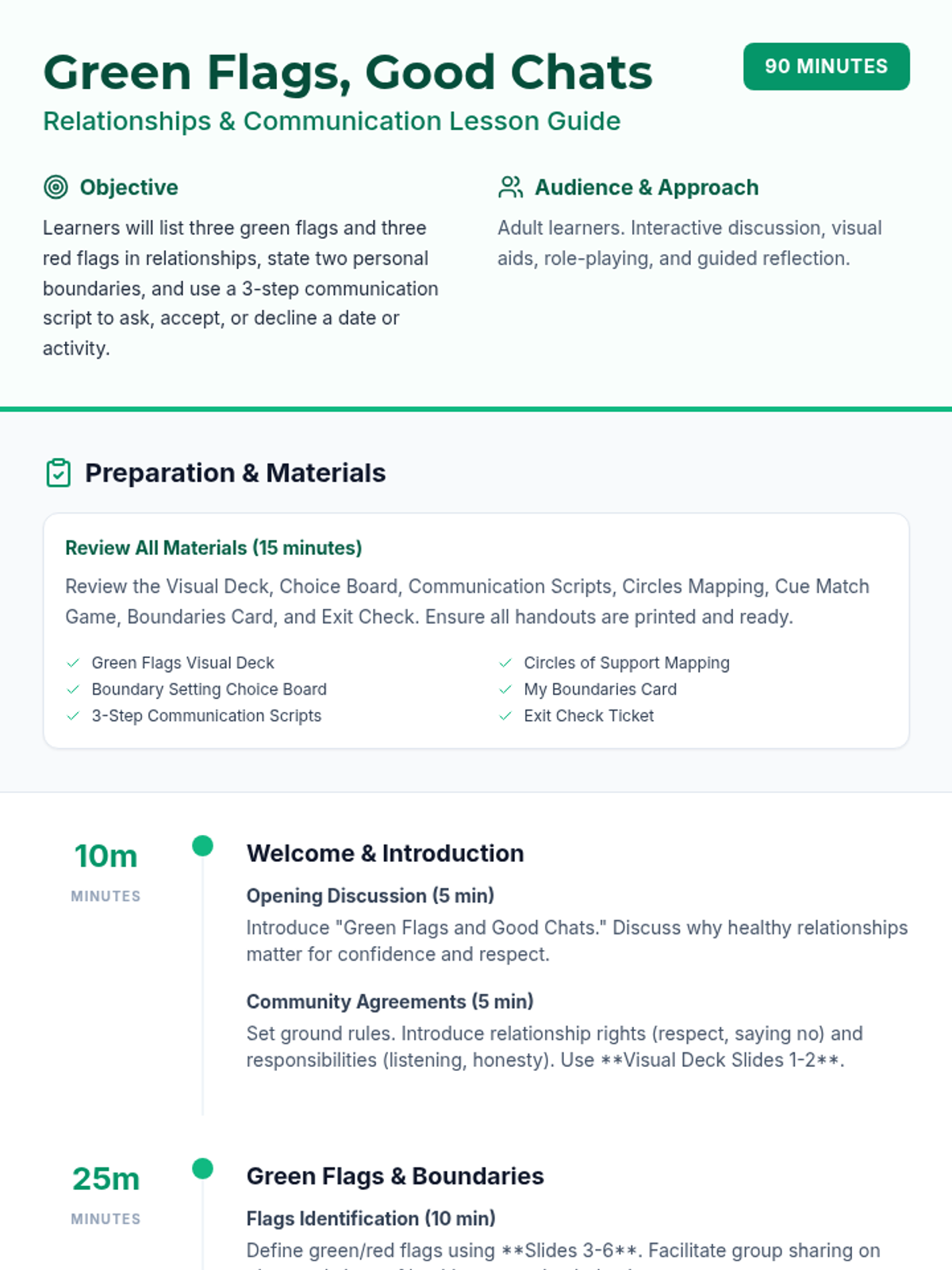
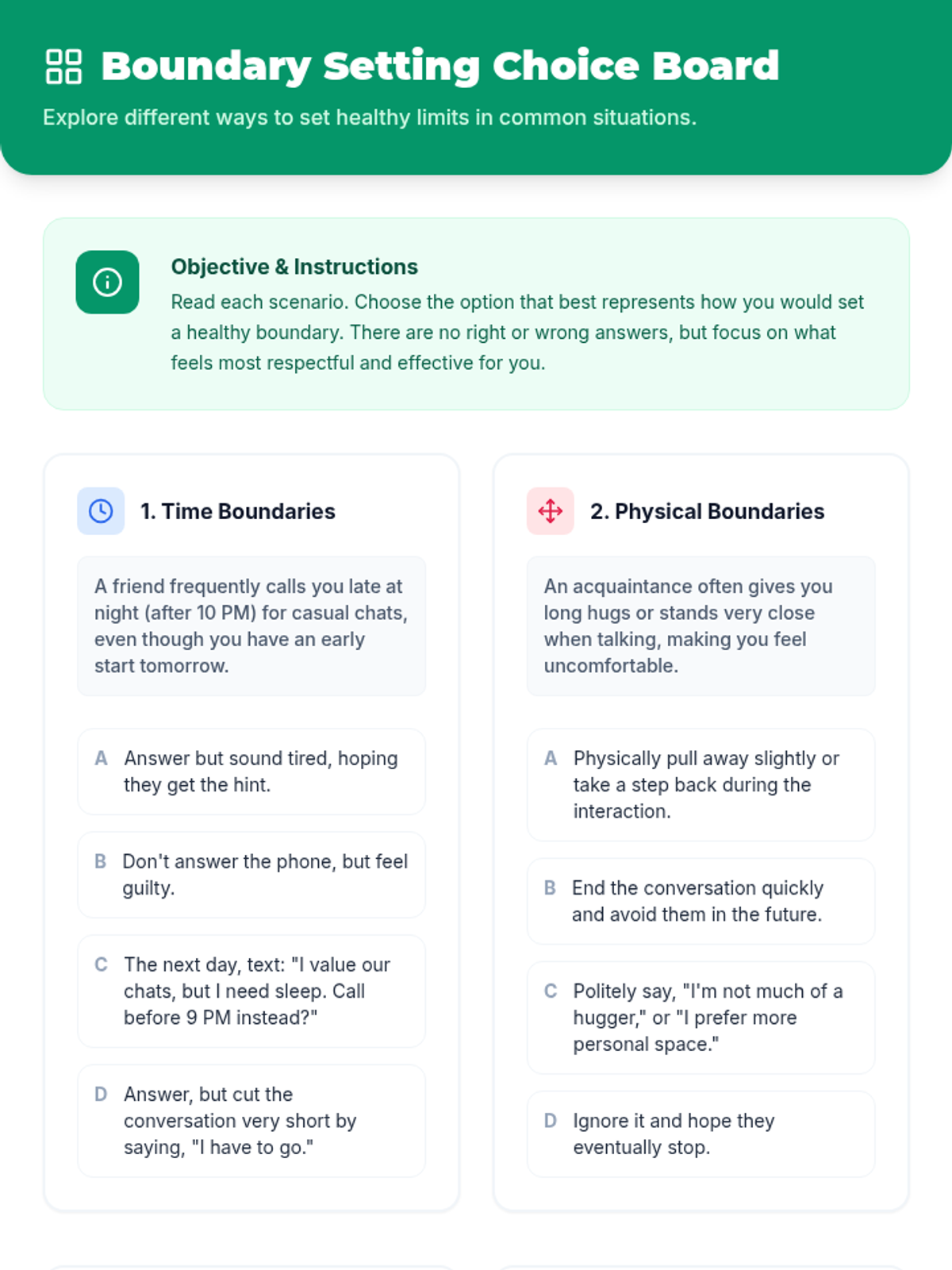
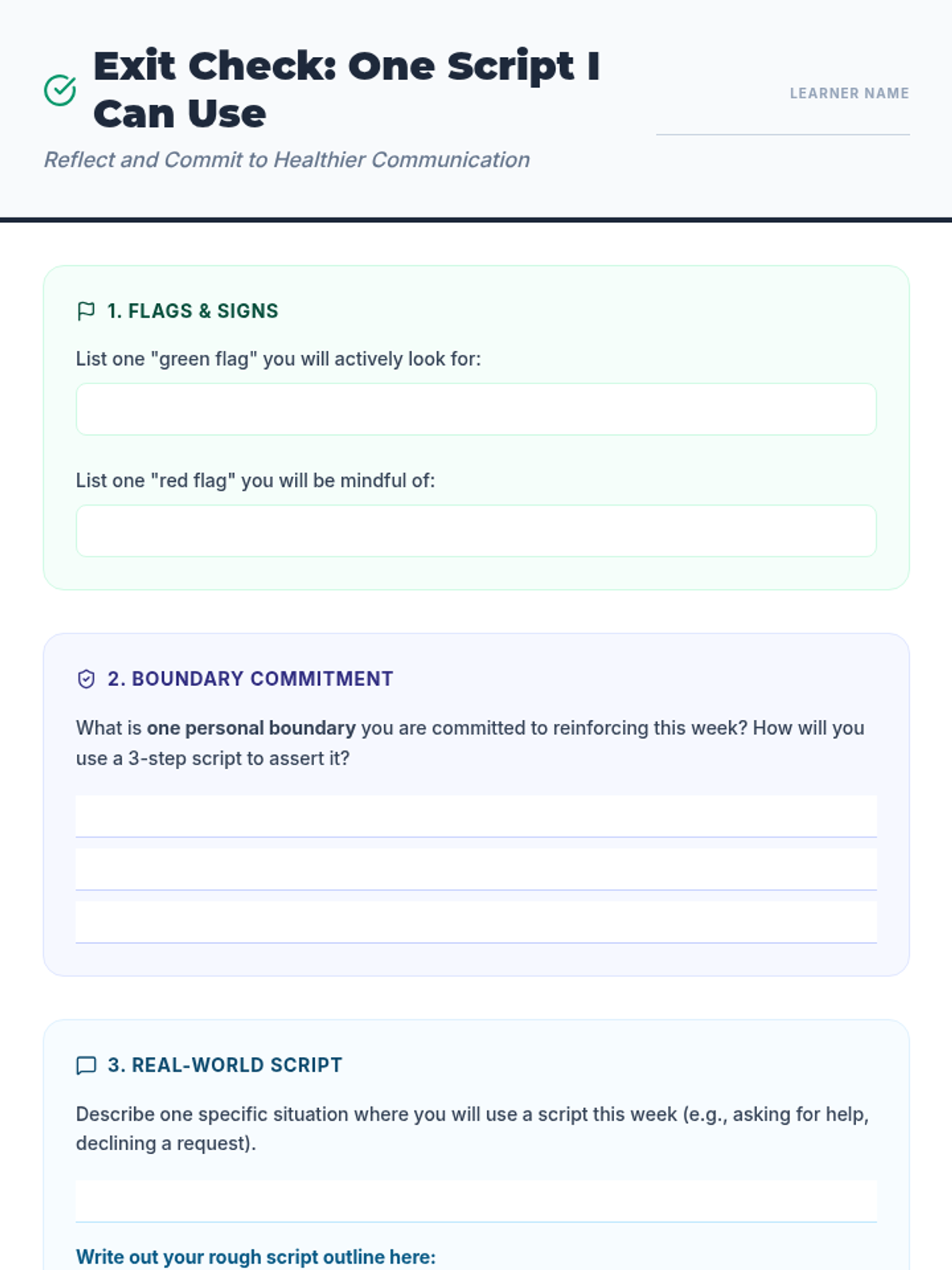
A comprehensive lesson sequence for adults focused on identifying healthy relationship traits, setting personal boundaries, and mastering effective communication scripts.
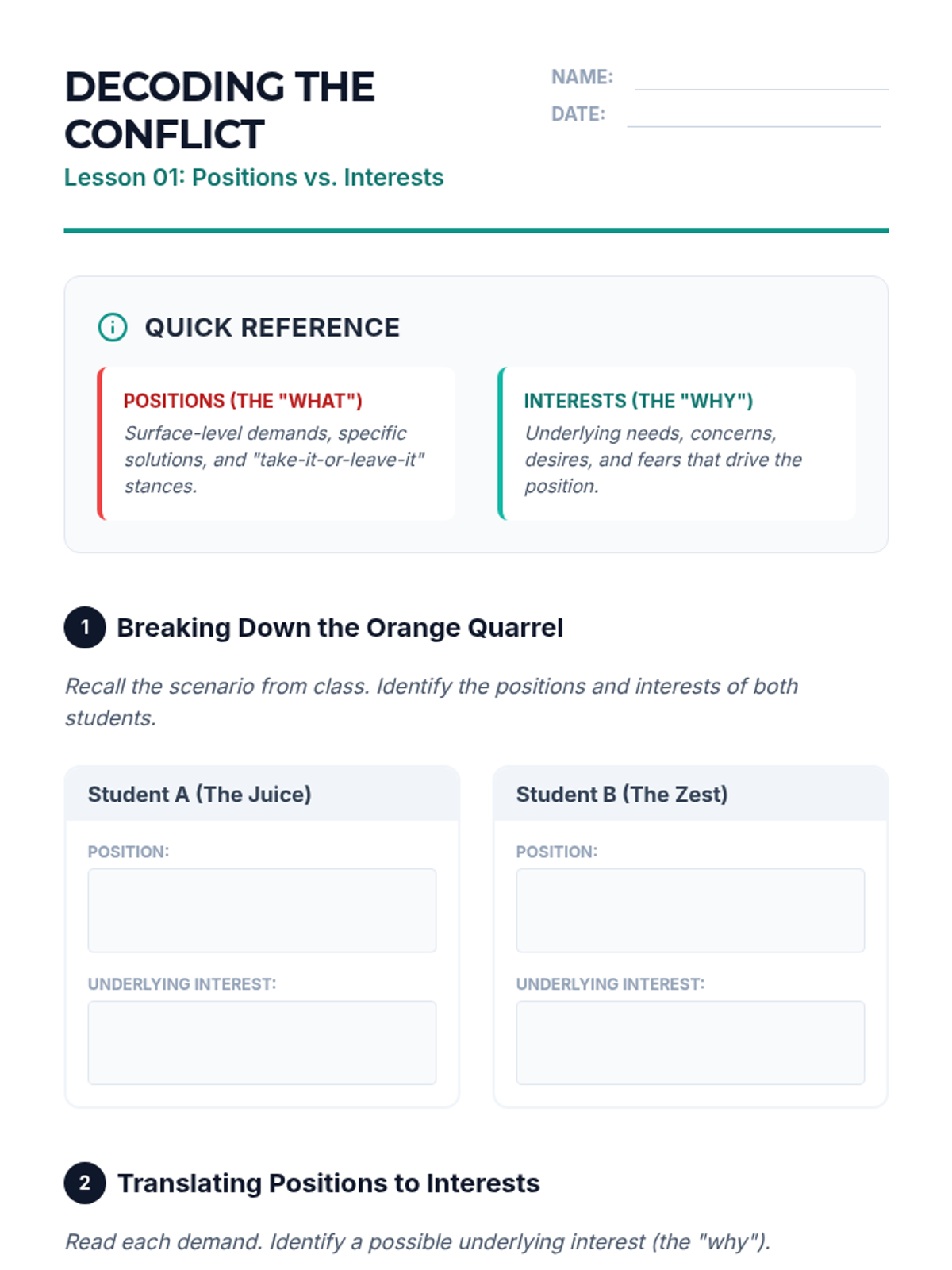
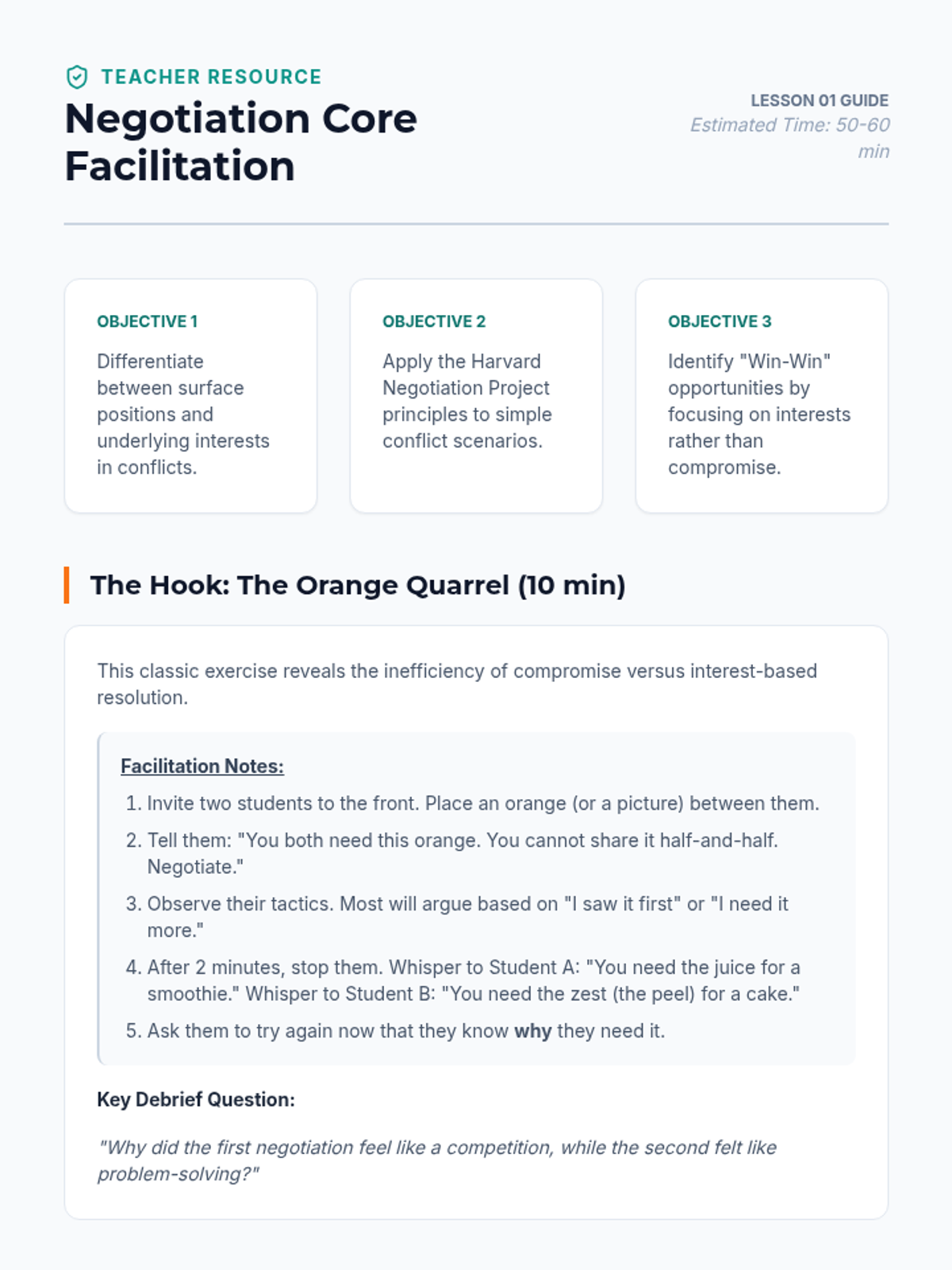
A comprehensive high school unit on interest-based negotiation and formal mediation. Students move from understanding individual interests to facilitating multi-party resolutions using the Harvard Negotiation Project framework and professional mediation stages.
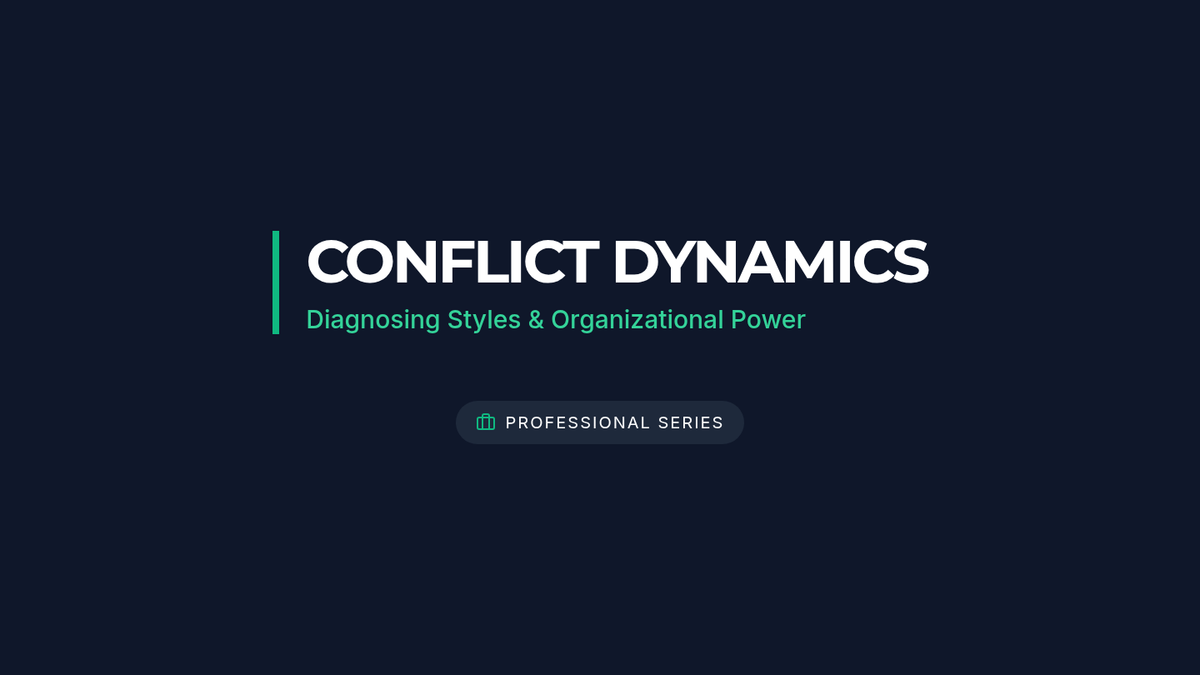
This sequence immerses undergraduate students in the theoretical and practical application of advanced conflict resolution, moving beyond basic interpersonal skills to systemic mediation strategies. Students will master interest-based negotiation, emotional regulation, reframing, and power analysis through simulations and case studies.
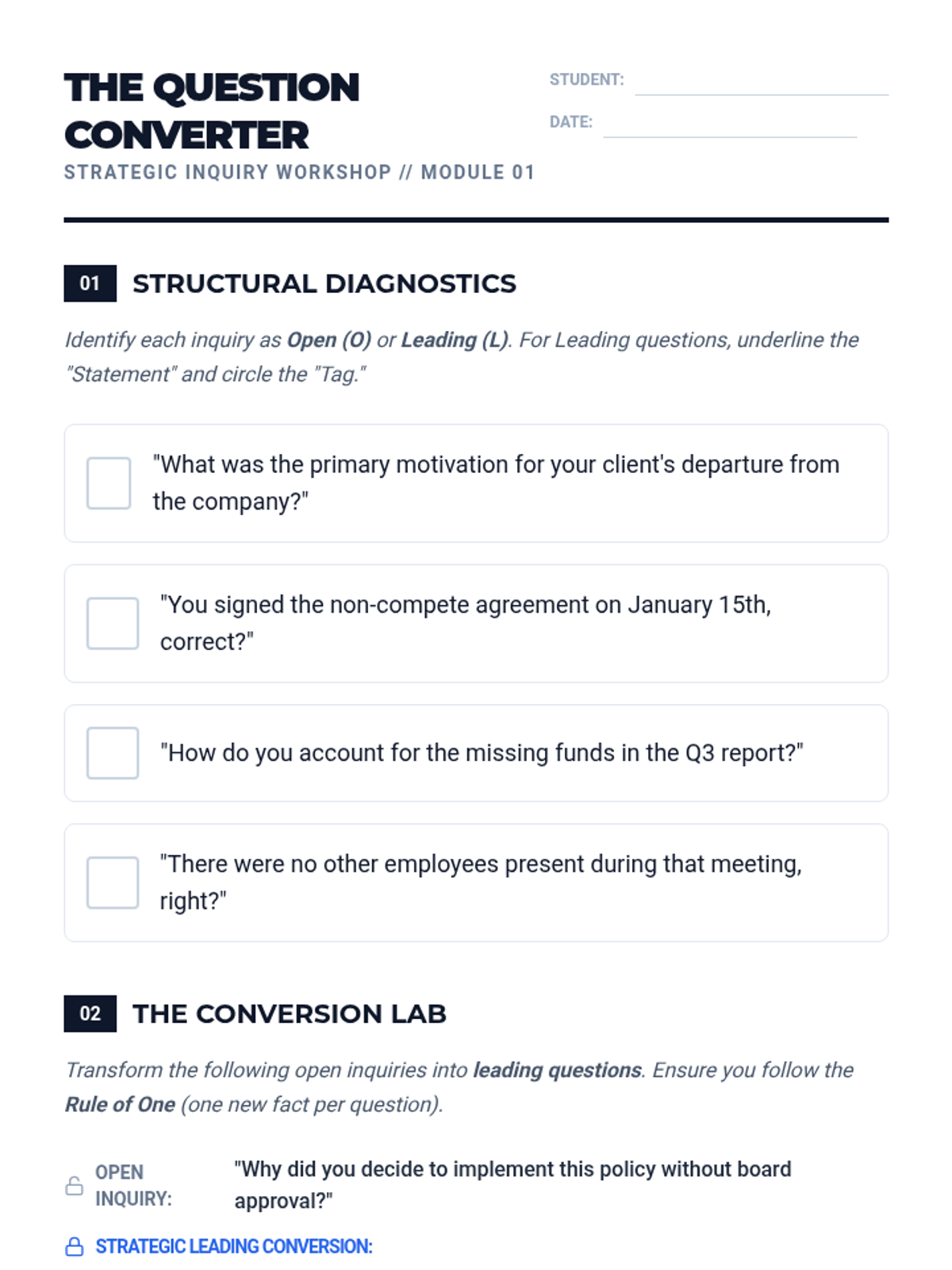
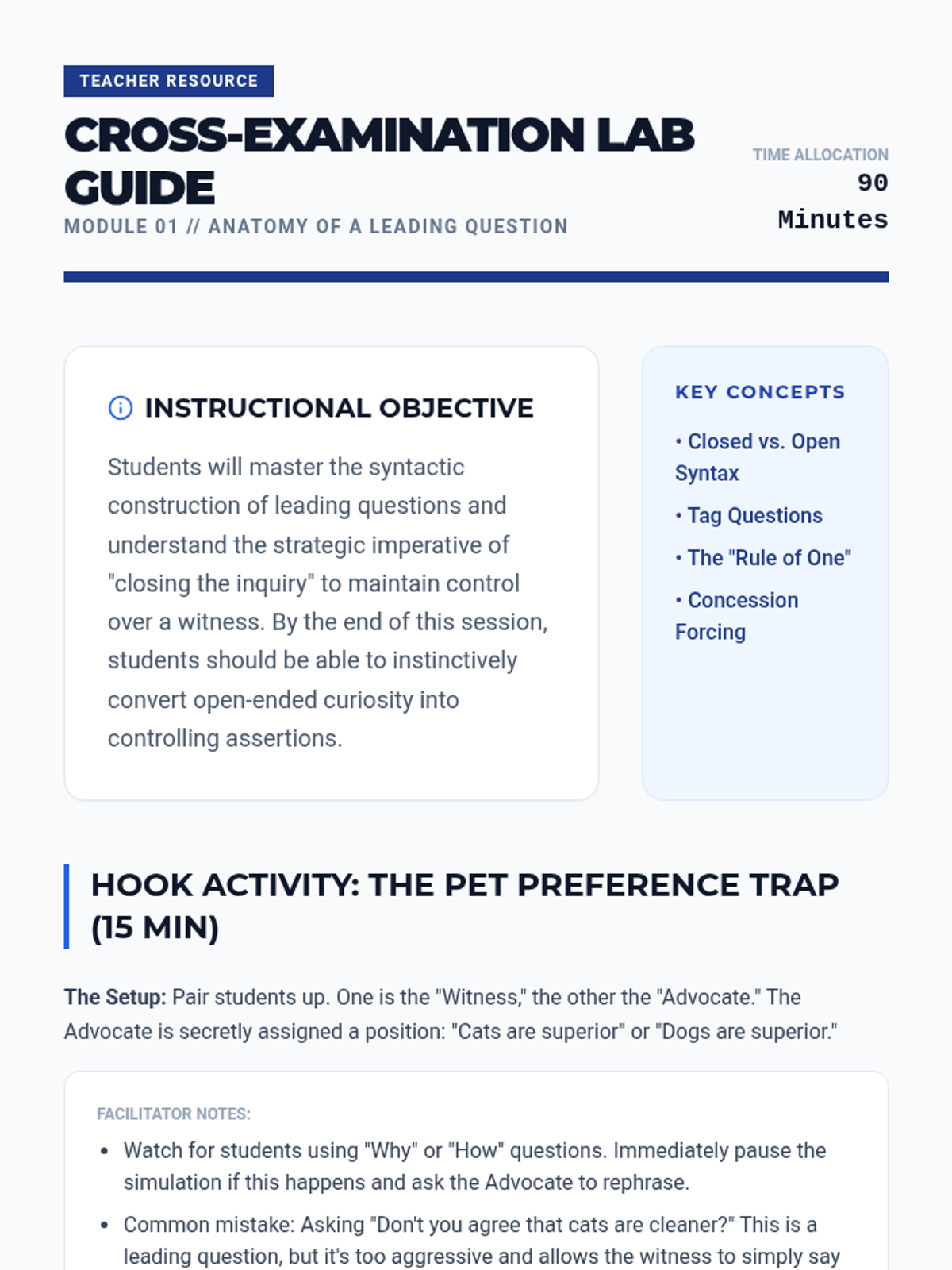
A comprehensive workshop sequence for undergraduate students to master the mechanics of strategic inquiry, moving from individual question syntax to complex lines of questioning designed to force logical concessions.
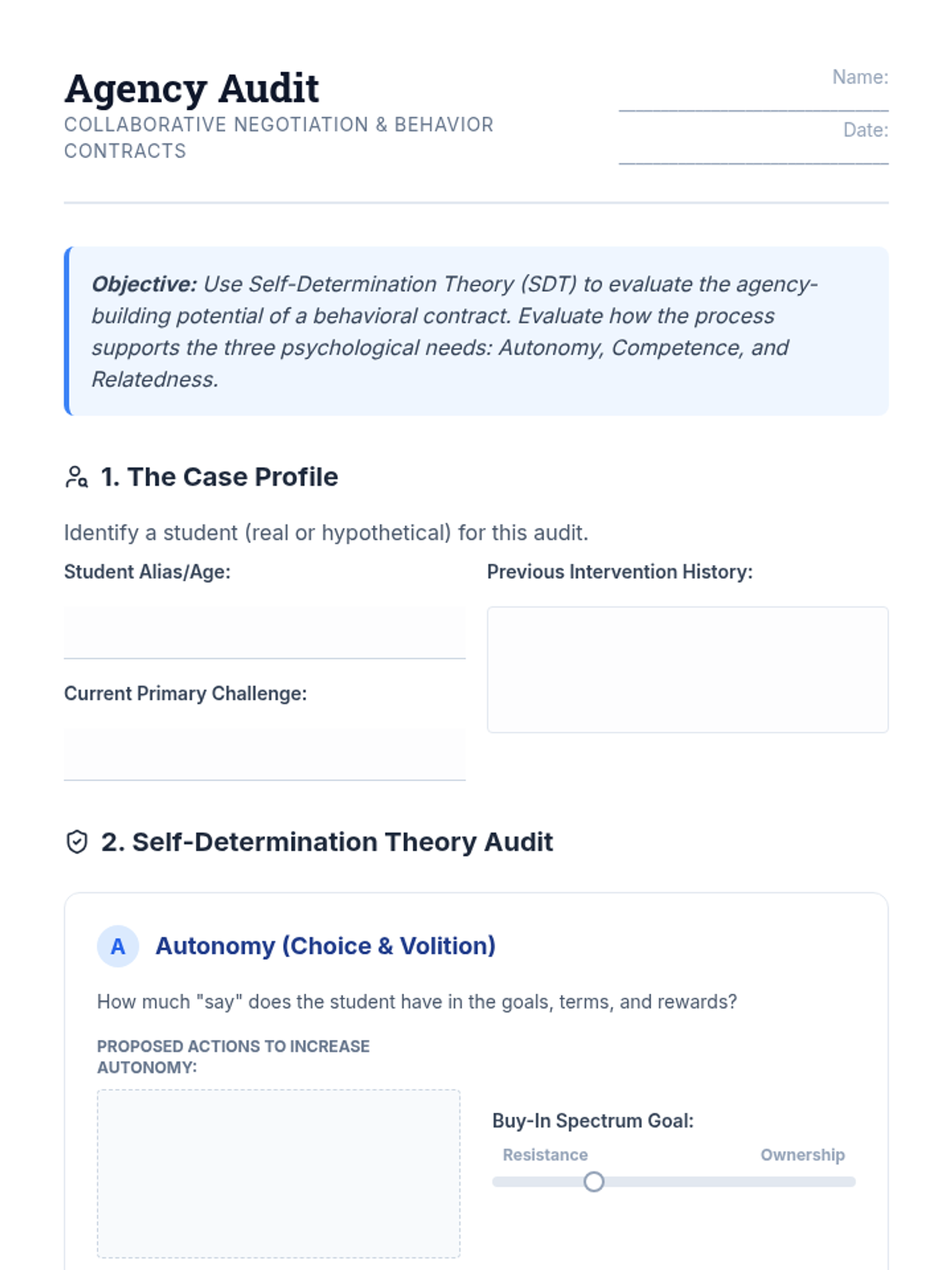
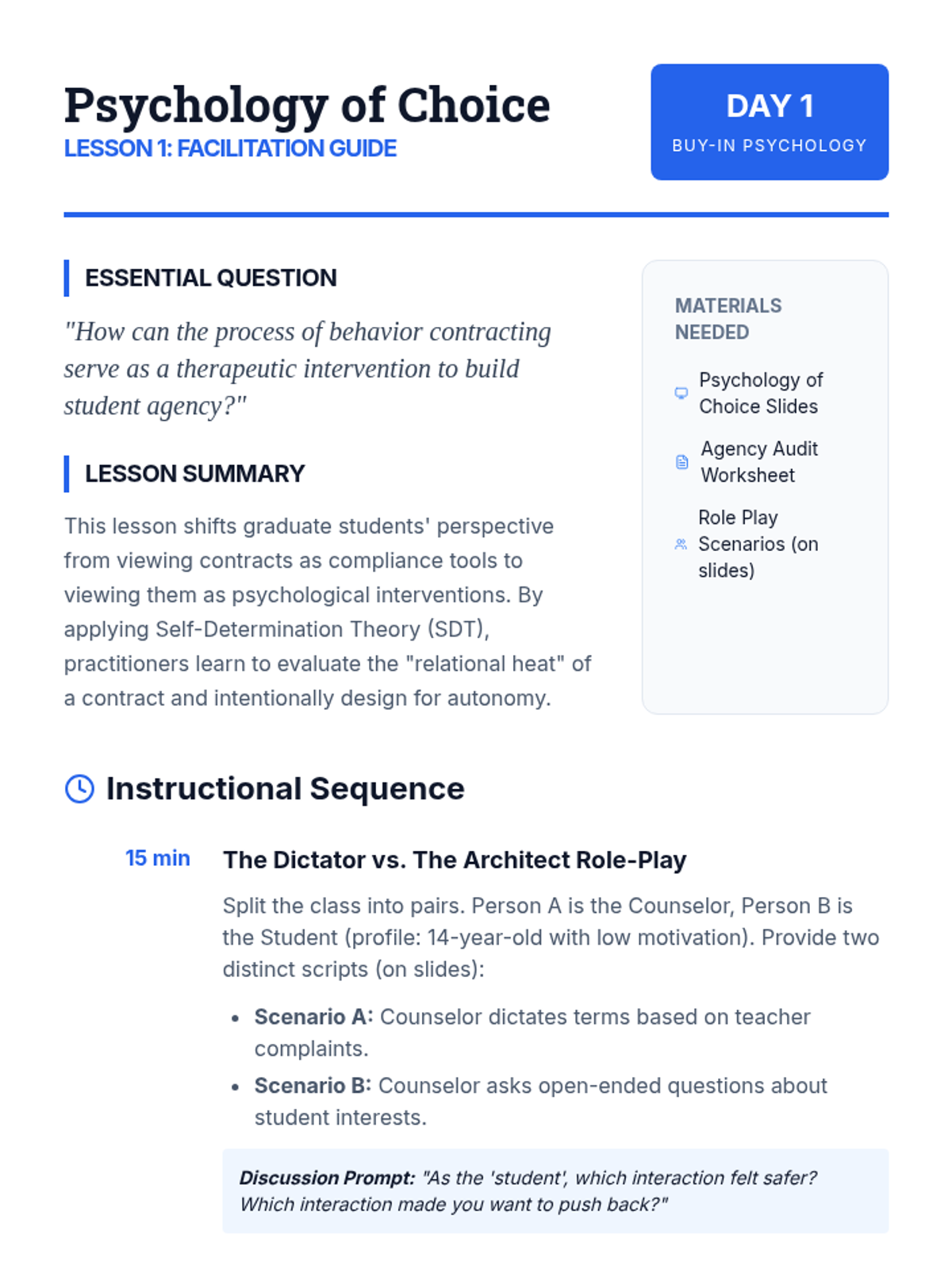
This graduate-level sequence focuses on the interpersonal and therapeutic aspects of behavior contracting. Rather than treating the contract as a static document, students explore it as a collaborative intervention designed to build student agency, self-regulation, and stakeholder alignment using Motivational Interviewing and negotiation strategies.
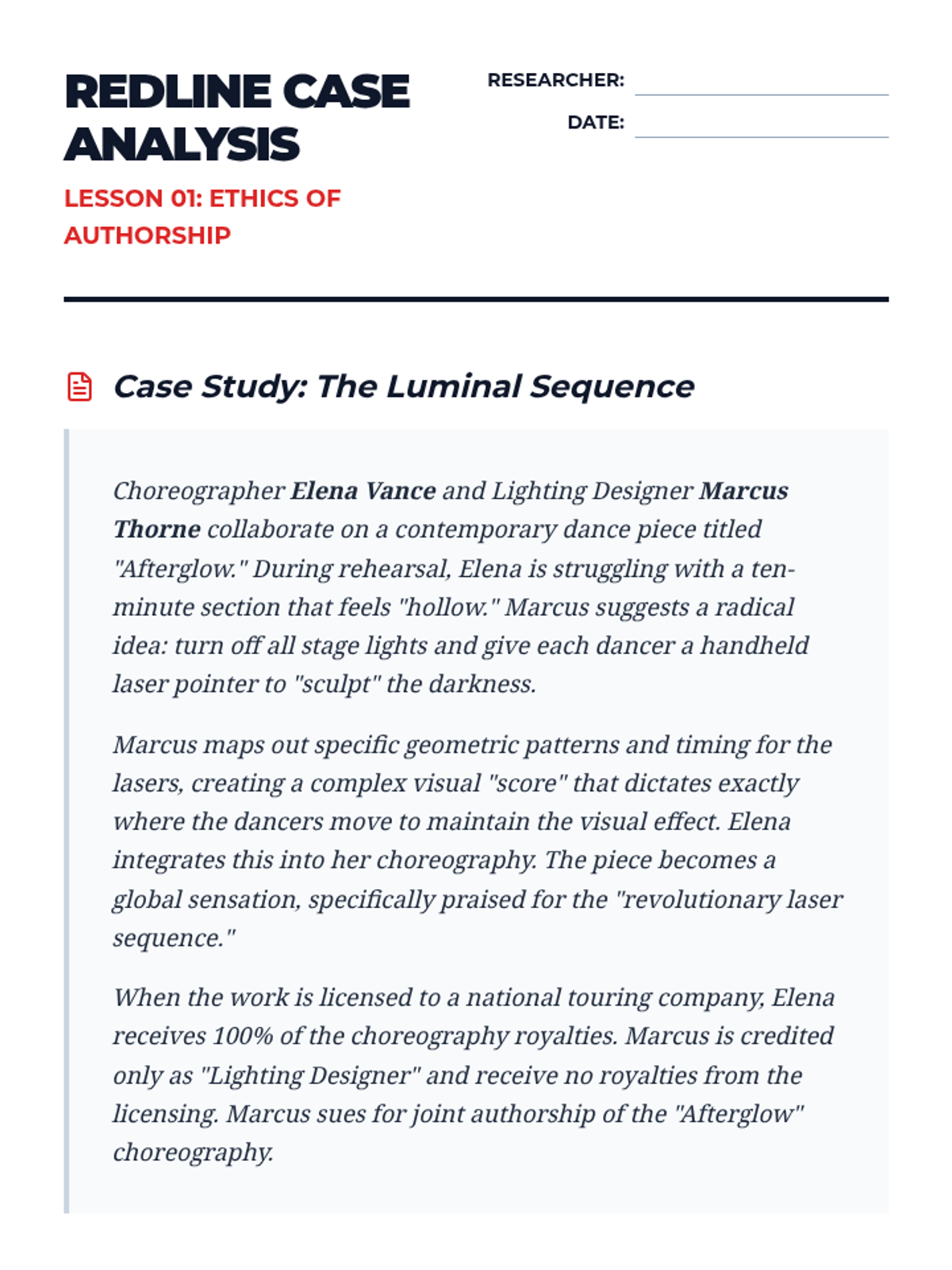
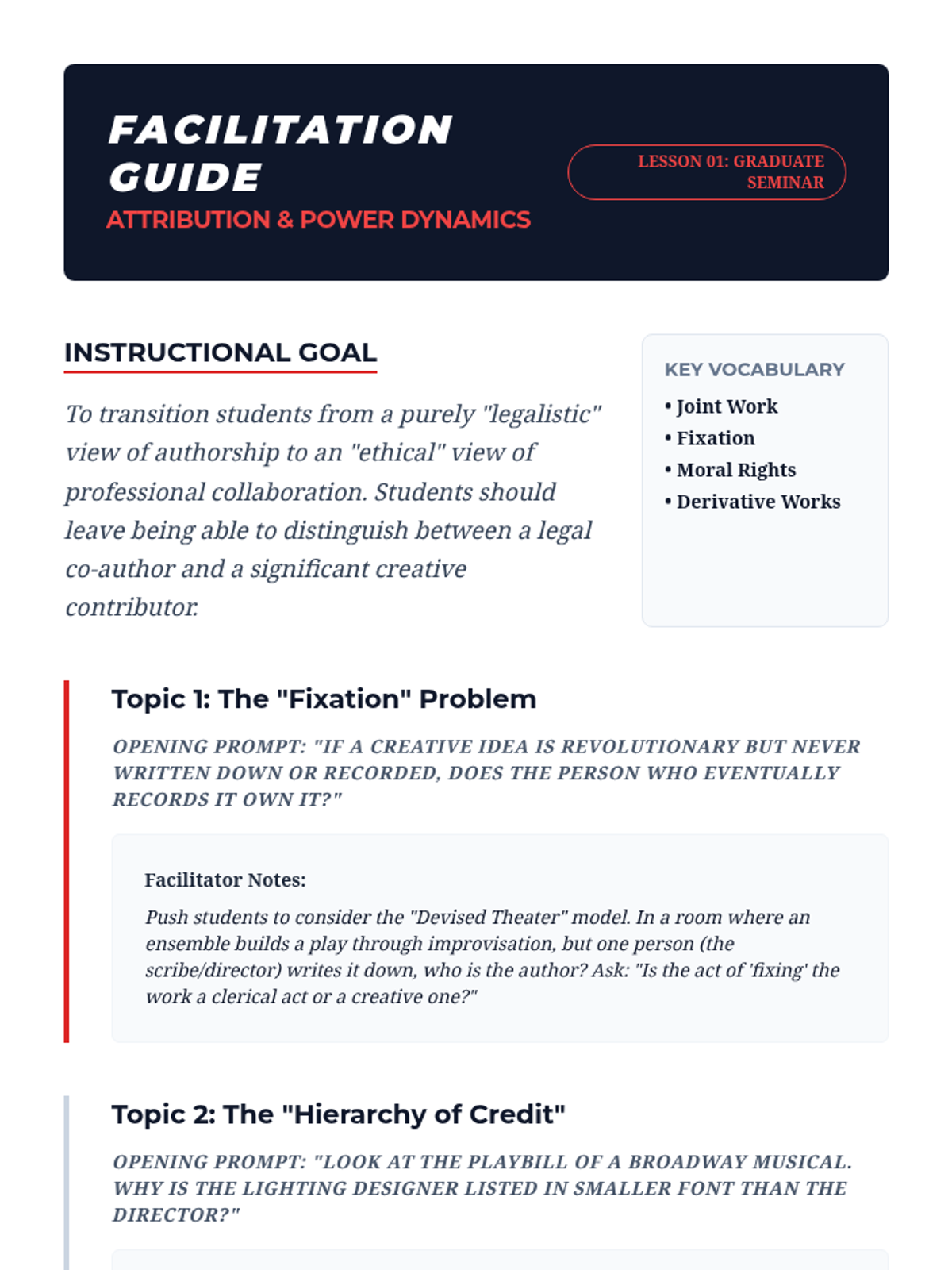
A graduate-level sequence exploring the ethical, legal, and leadership dimensions of collaborative arts practice. Students investigate authorship, intellectual property, and conflict resolution to prepare for professional creative leadership.
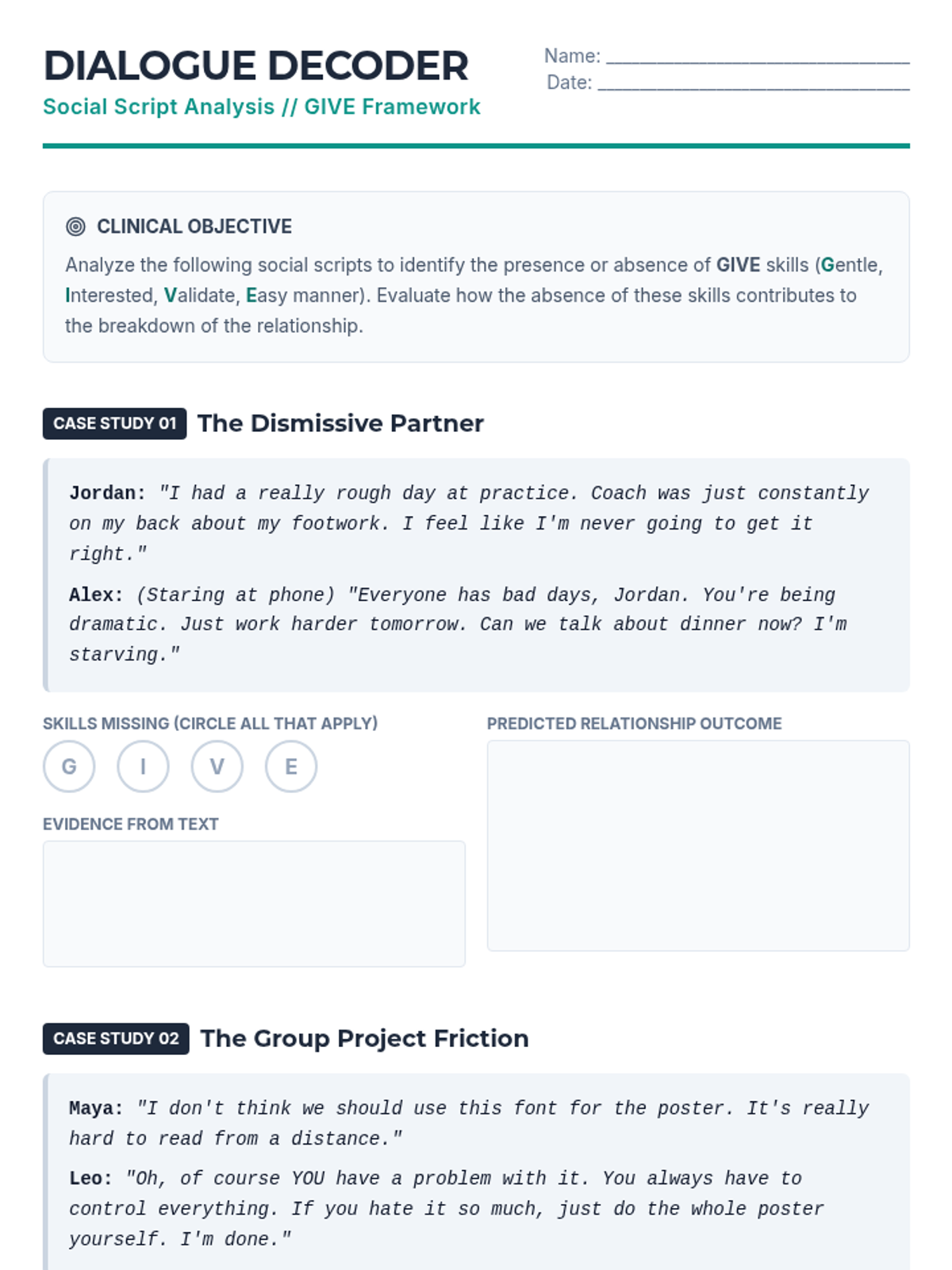
An analytical sequence for 11th-grade students to evaluate and deconstruct relationship communication using the DBT GIVE framework. Students analyze literary, digital, and historical interactions to master validation and gentleness as strategic tools for relationship longevity.
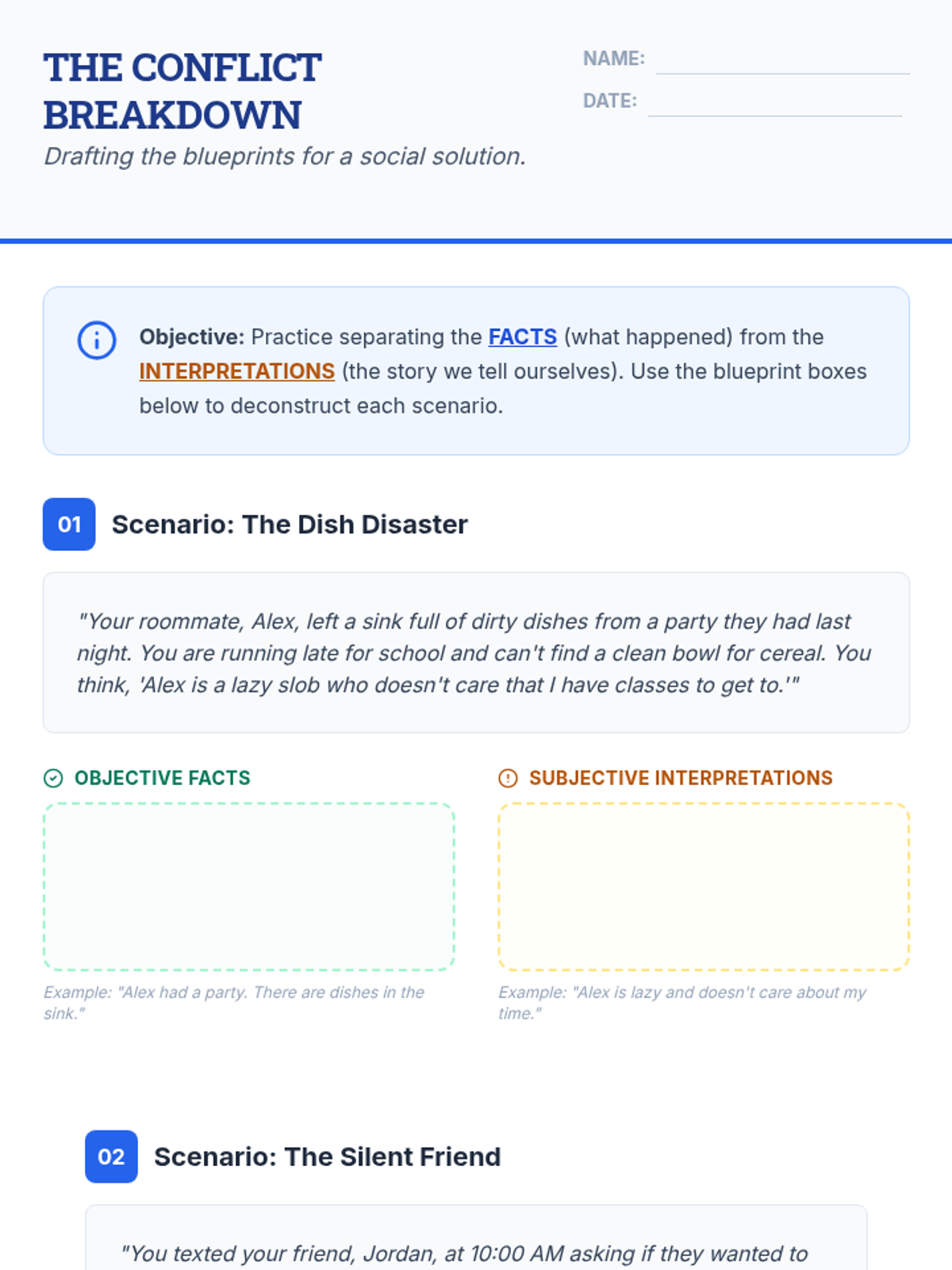
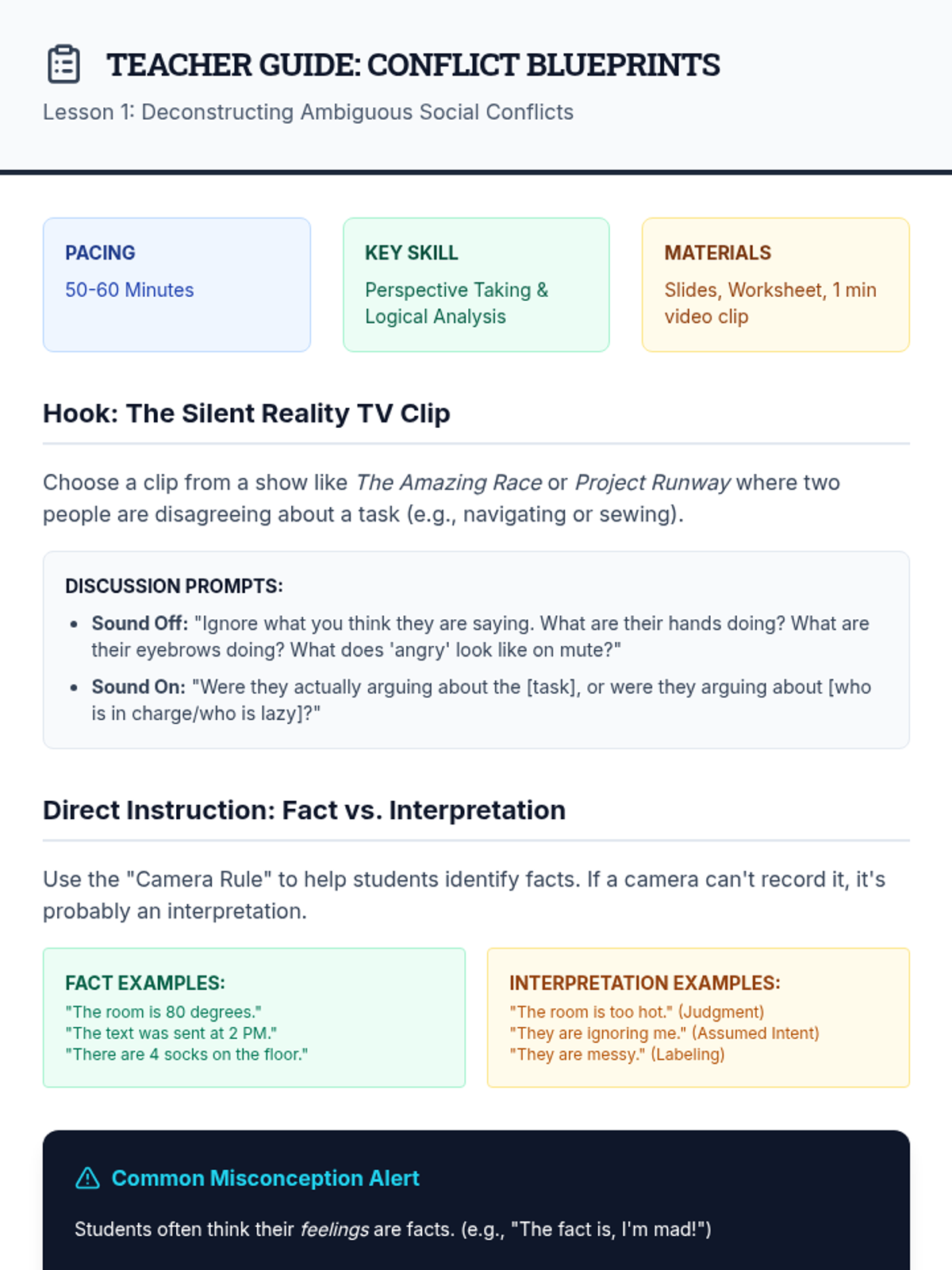
A 5-lesson unit for 11th-grade students focusing on navigating complex interpersonal conflicts with roommates and peers. Students learn to deconstruct ambiguous social situations, regulate their emotions, brainstorm collaborative solutions, and evaluate the long-term impact of their choices on relationships.
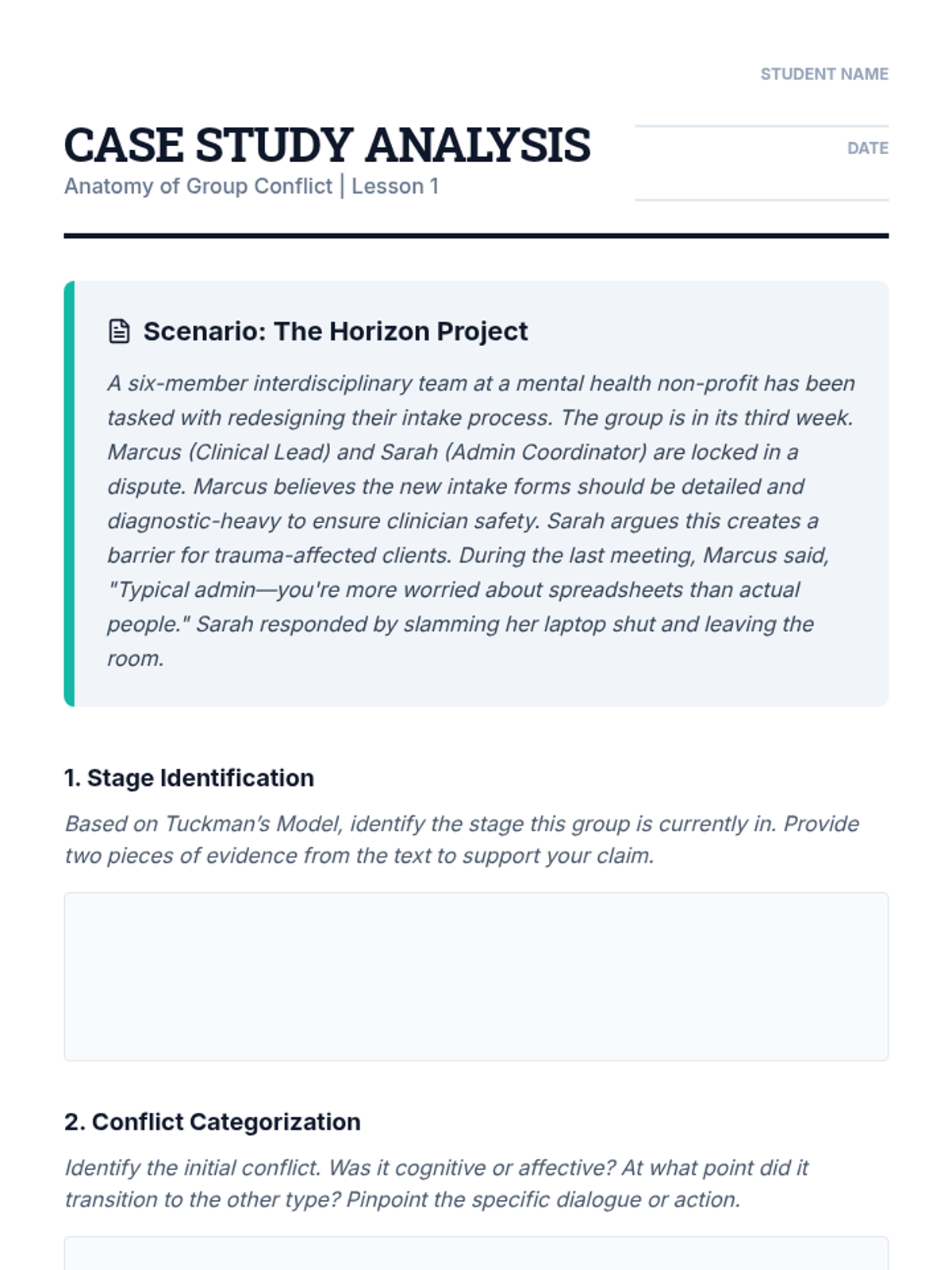
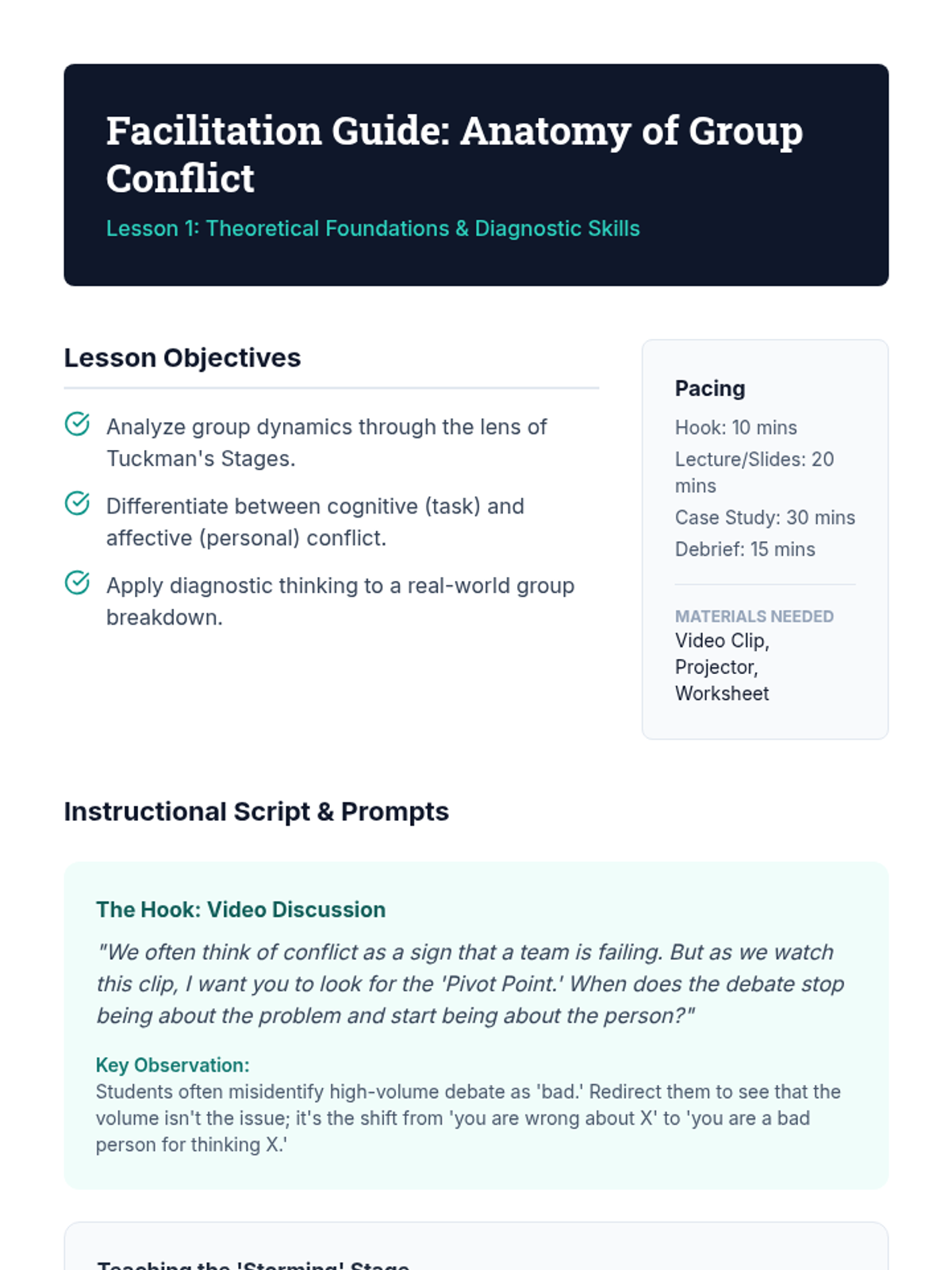
A comprehensive undergraduate sequence on group conflict resolution, exploring the theoretical underpinnings of group development, de-escalation skills, negotiation strategies, and power dynamics through immersive simulations.
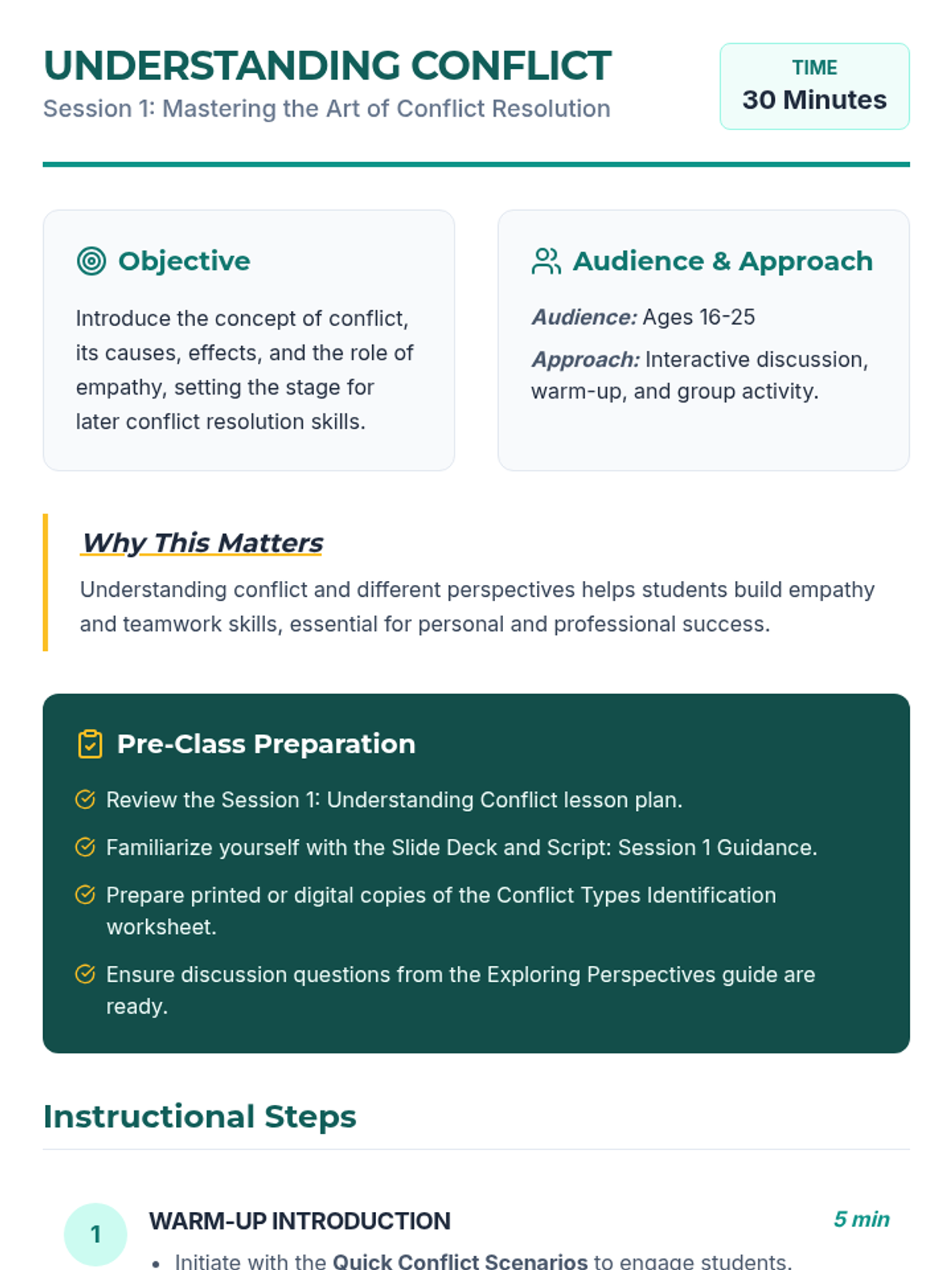
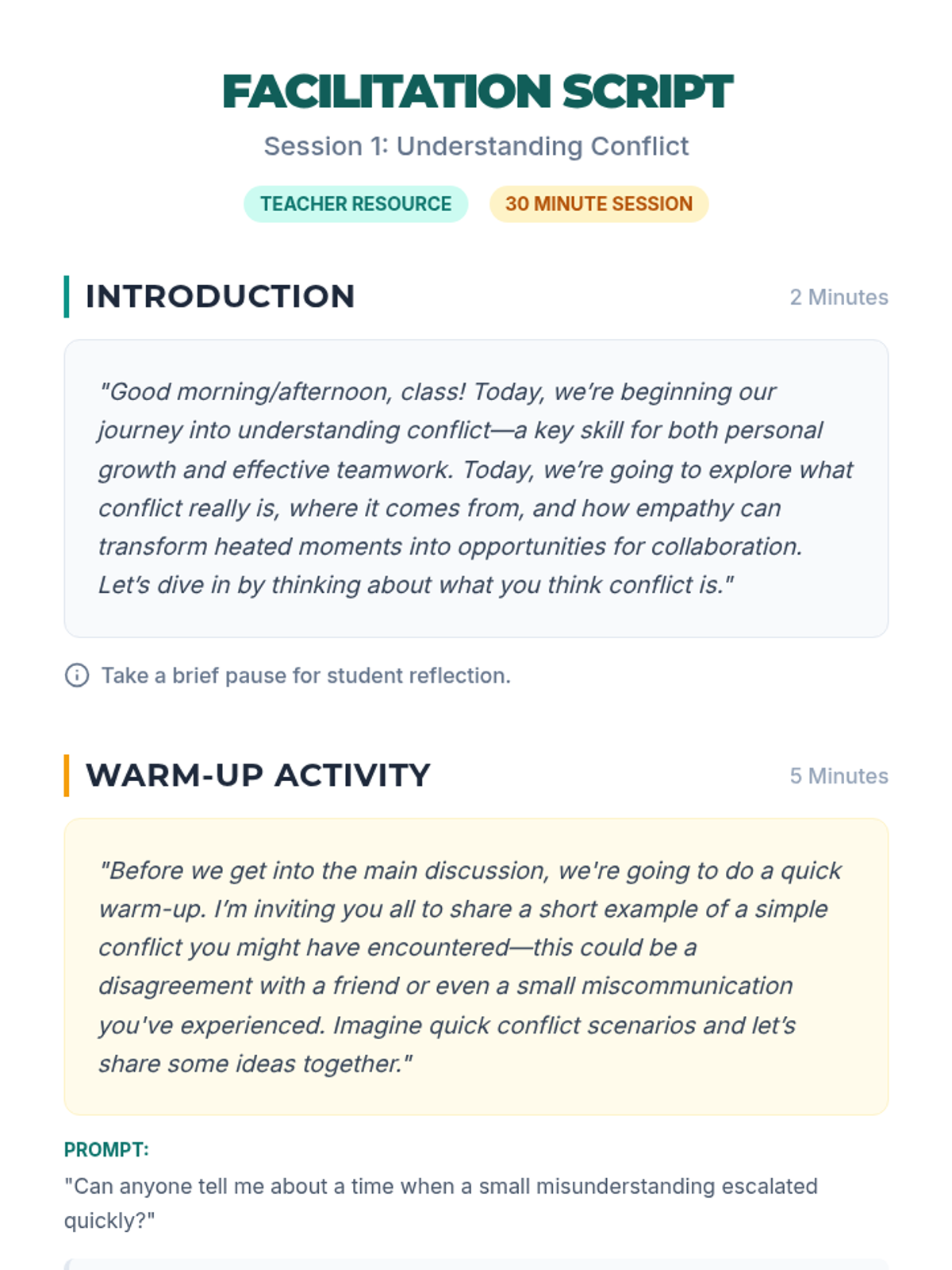
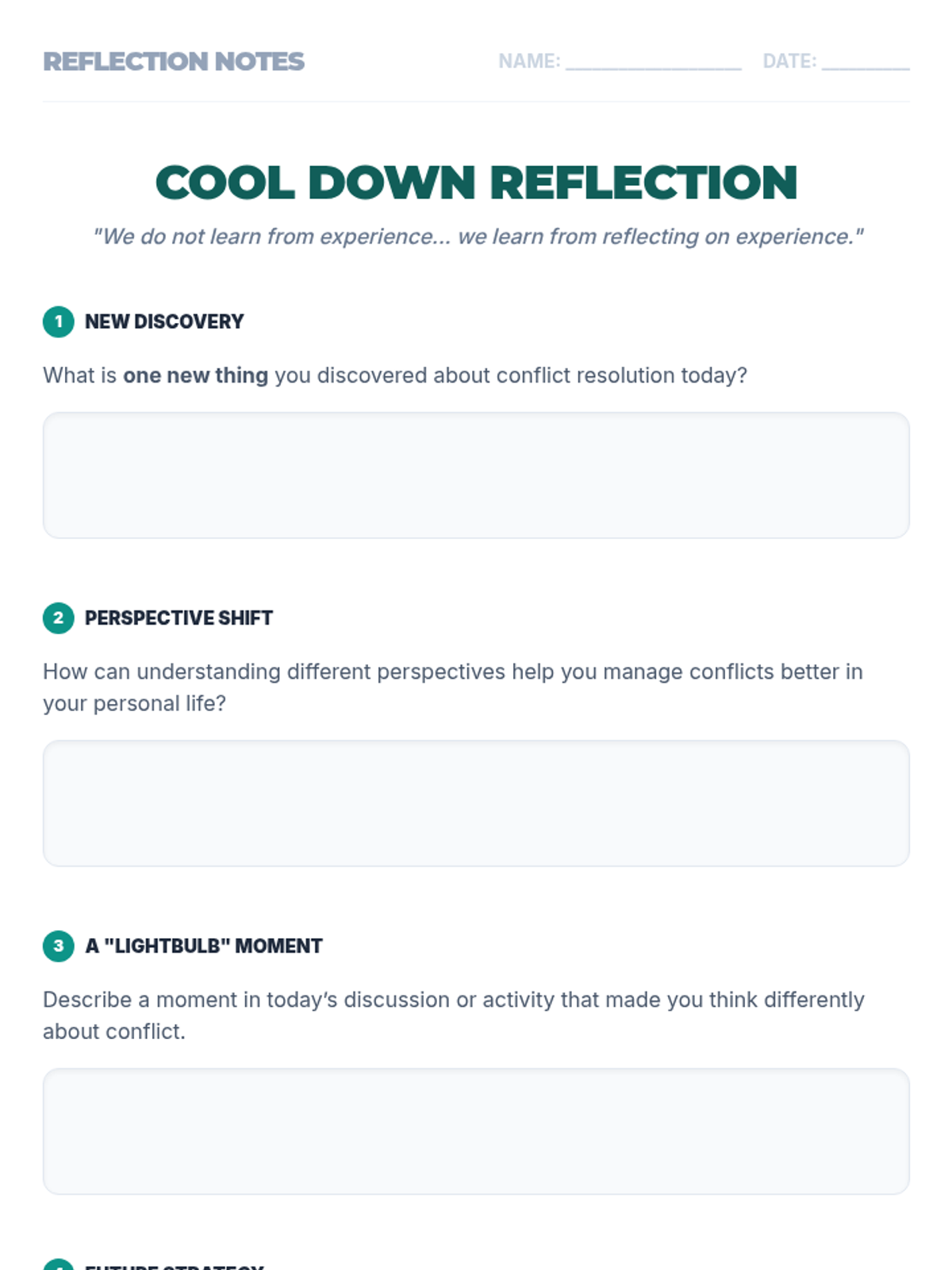
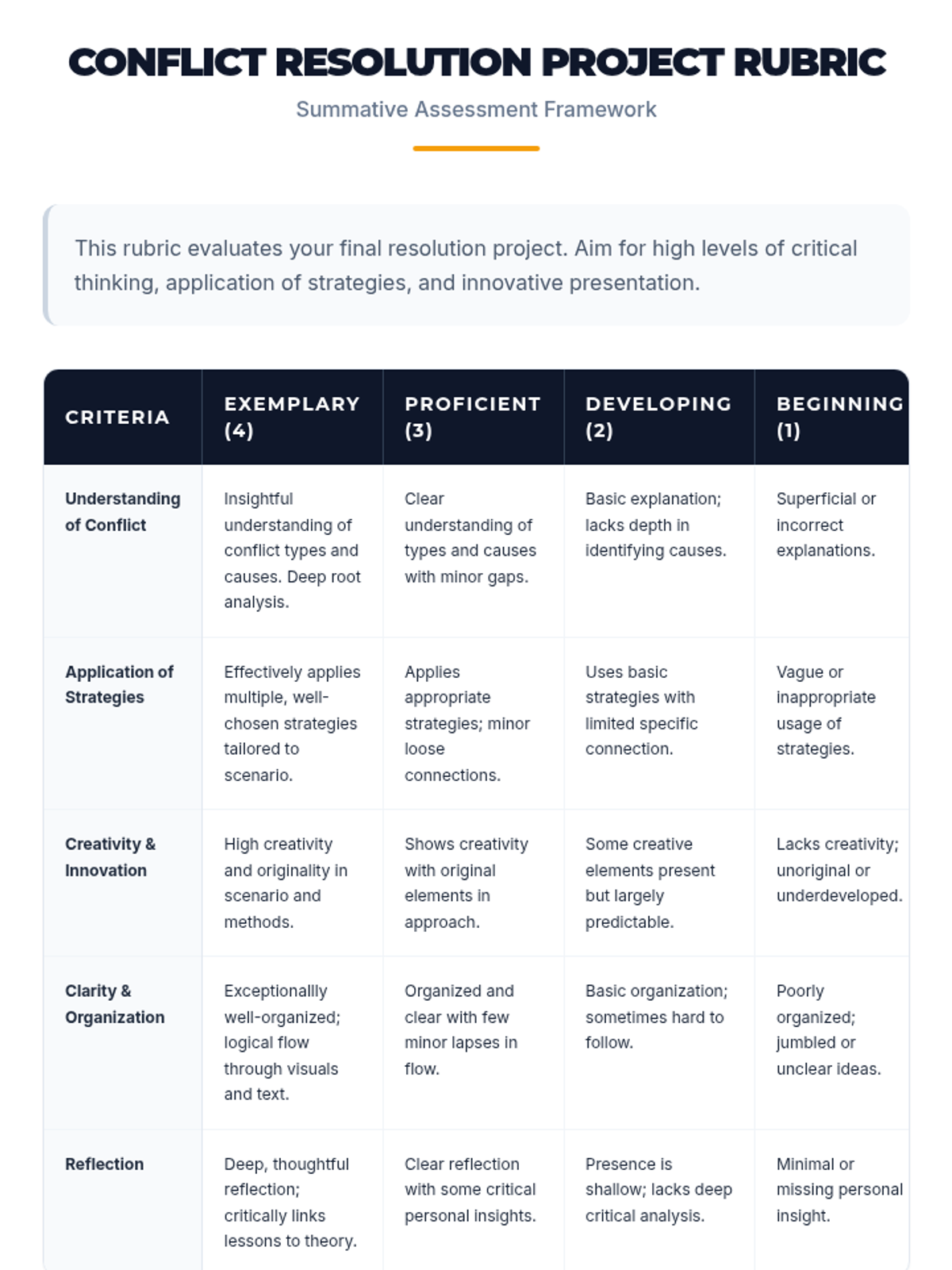
A comprehensive 4-session sequence designed for students aged 16-25 to master conflict resolution. Students will move from understanding the nature of conflict to practicing active listening, negotiation, and collaborative problem-solving, culminating in a final resolution project.
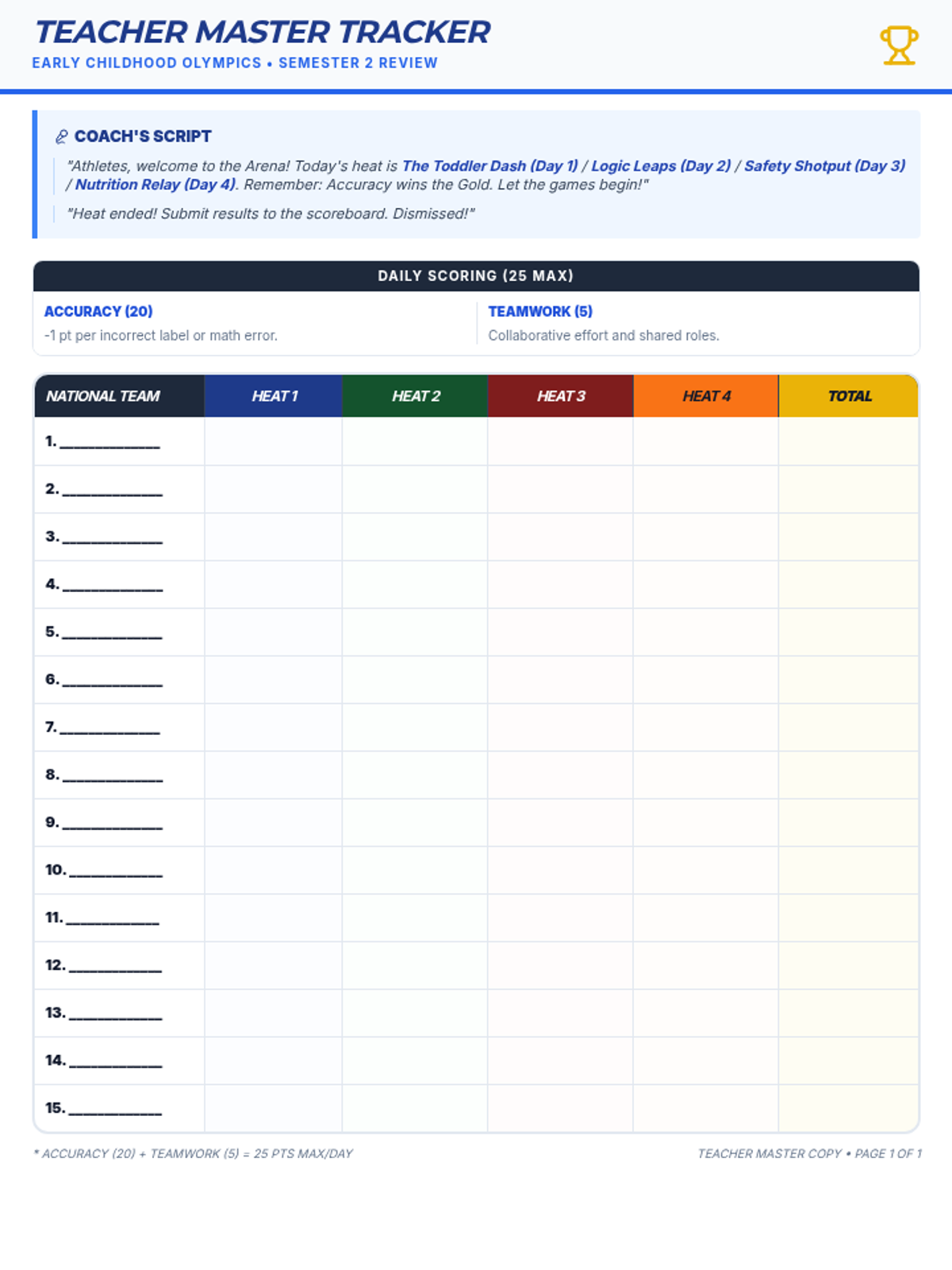
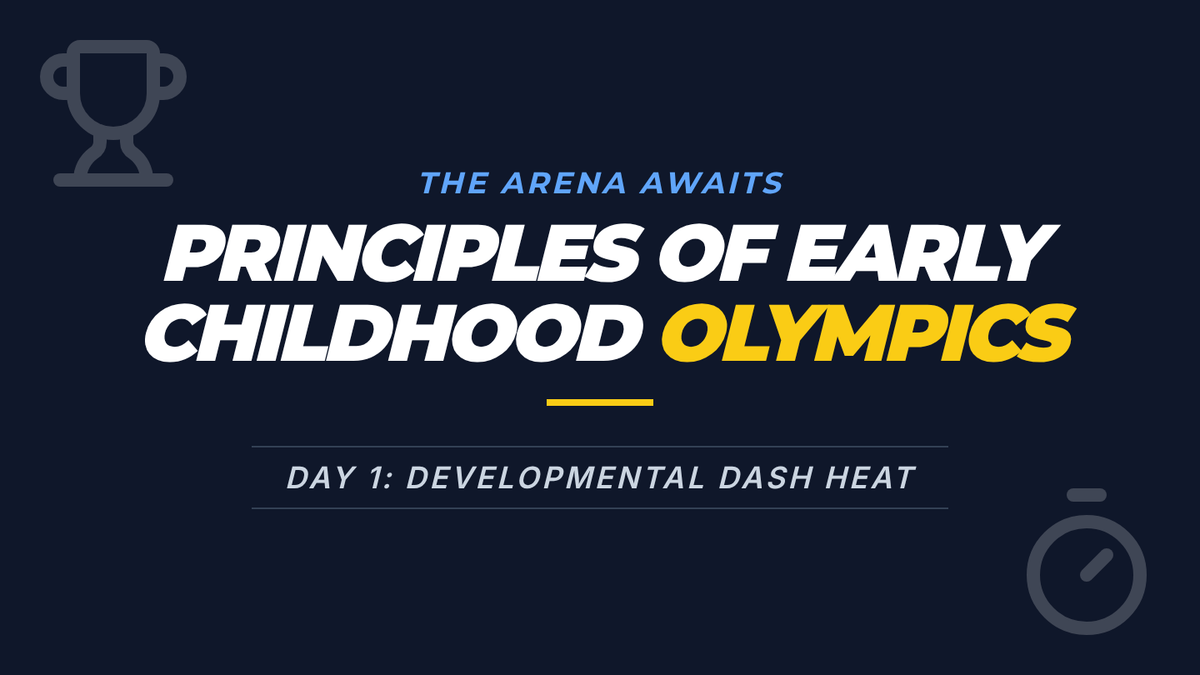
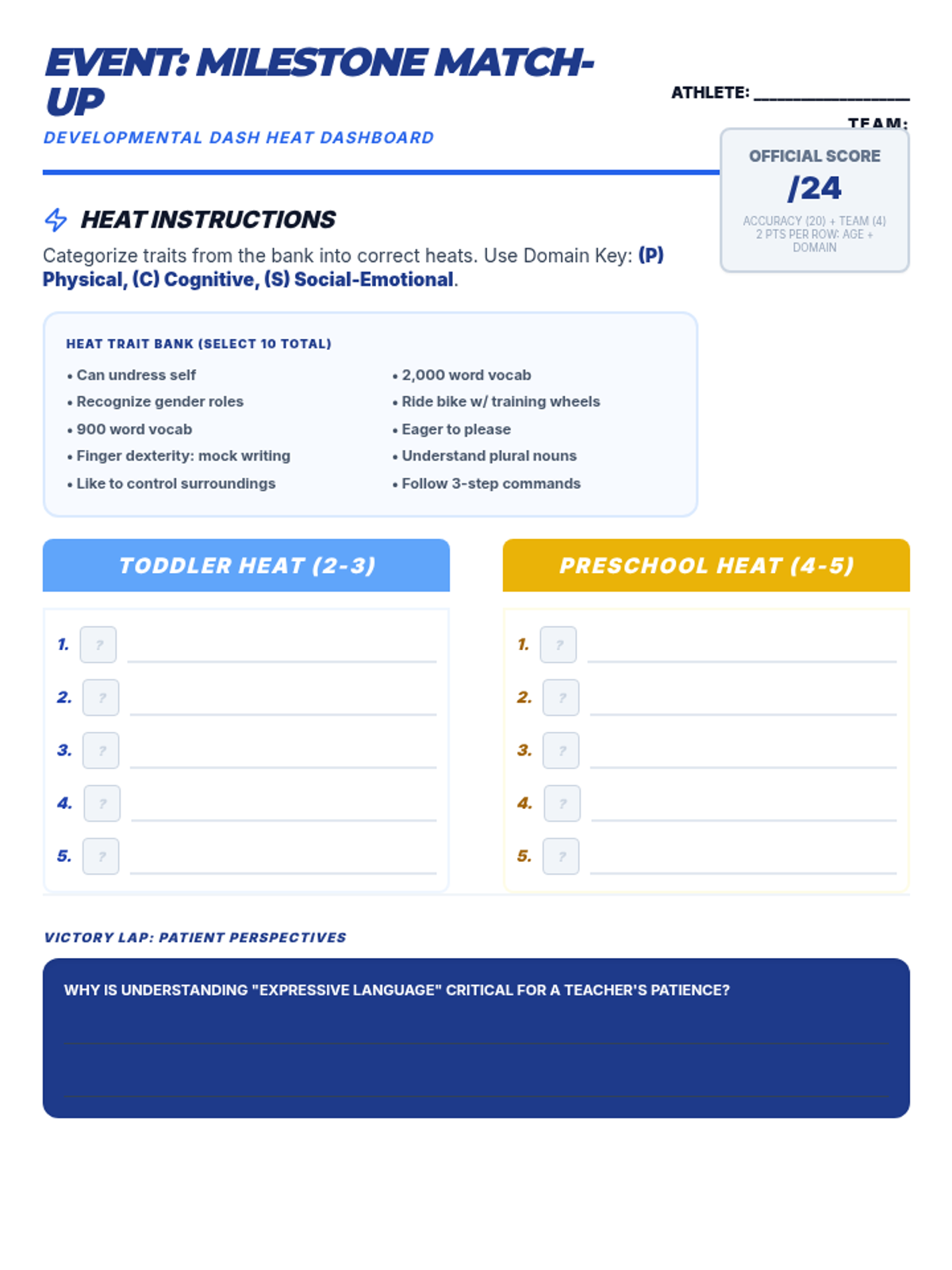
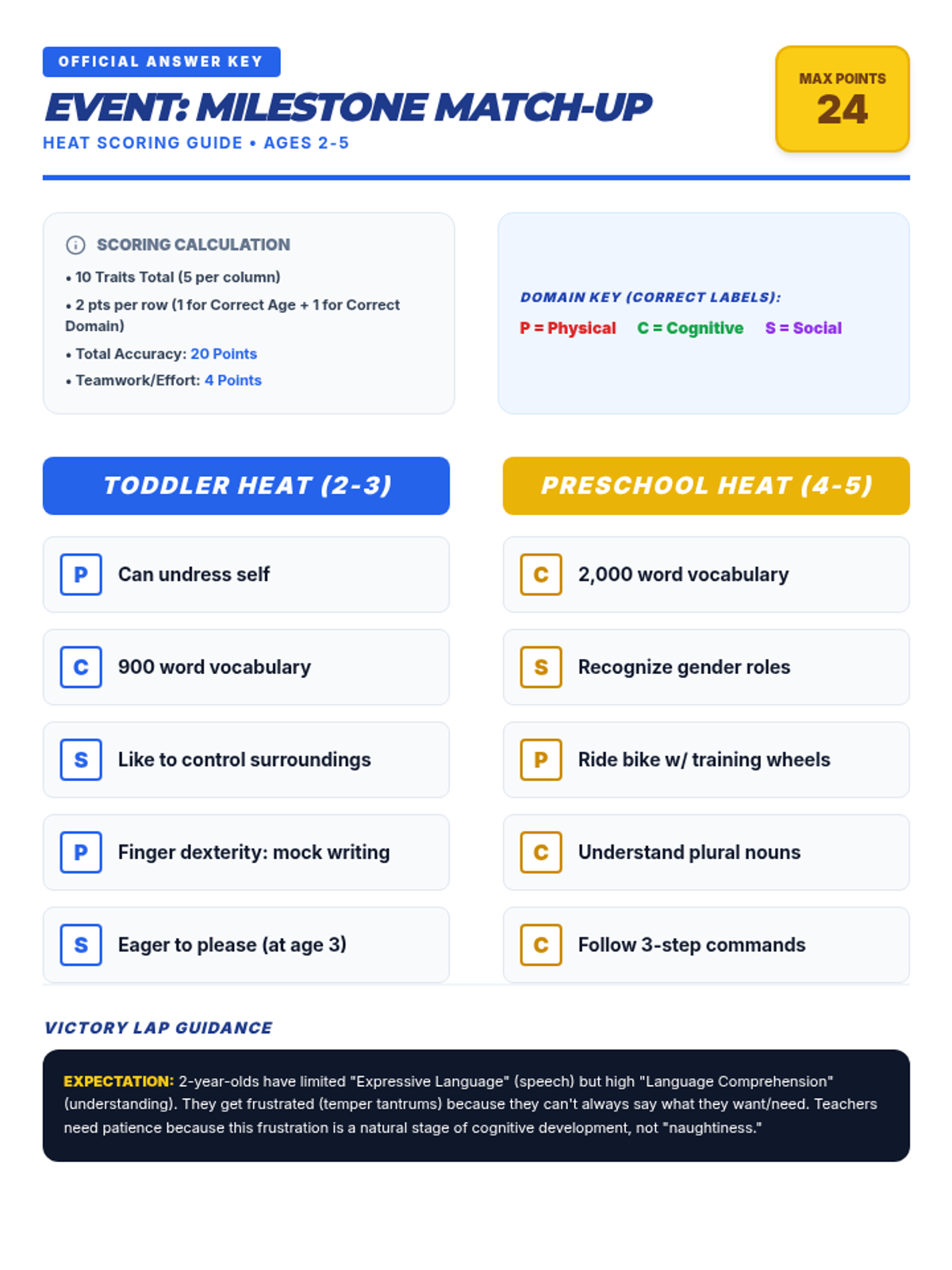
A 4-day end-of-semester review event where students compete in 'Olympic heats' covering child development from toddlers to middle childhood, safety protocols, and nutrition. Each day features competitive activities that reward accuracy and teamwork as teams aim for the gold medal.
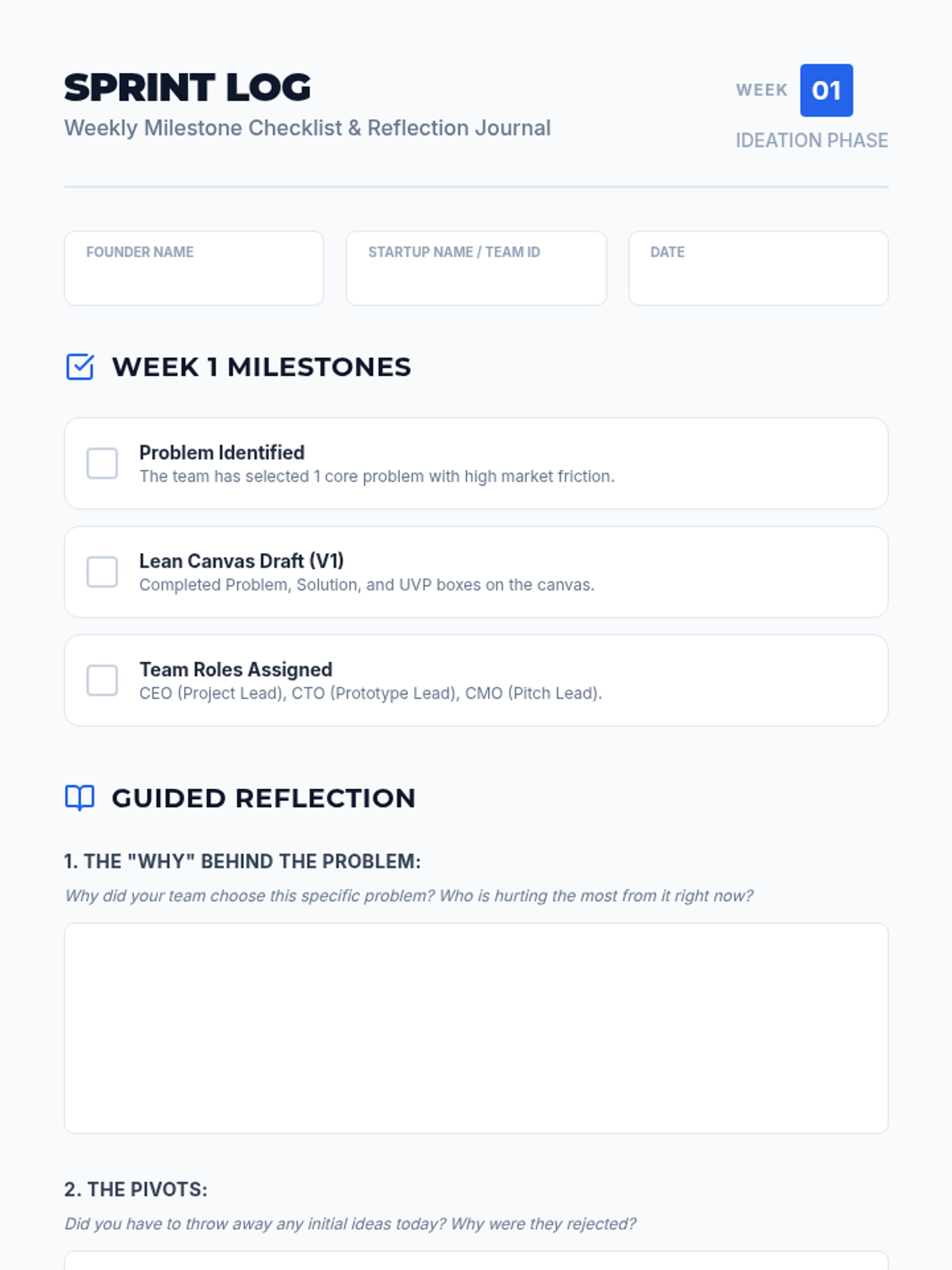
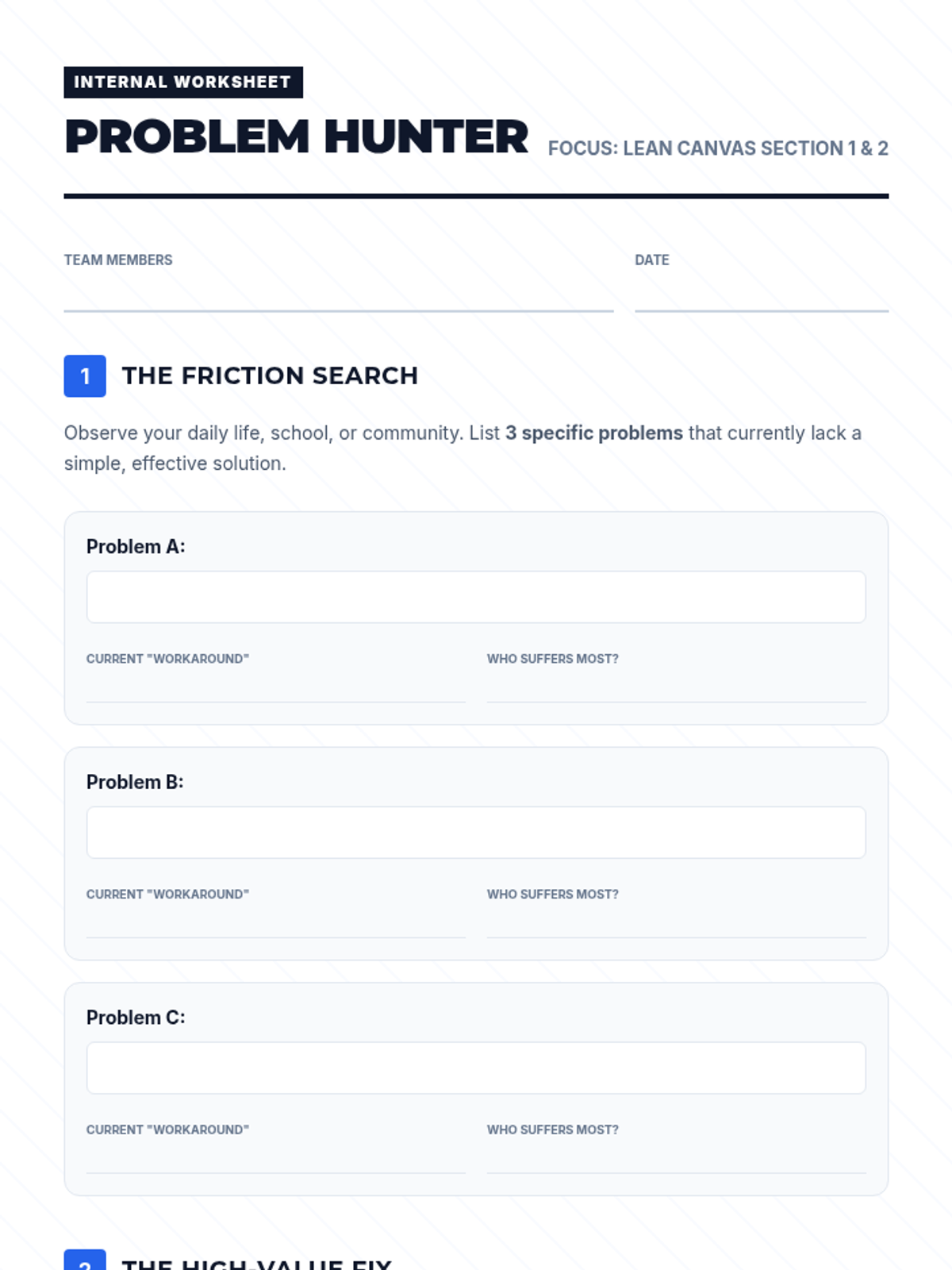
A comprehensive 4-week entrepreneurship project where high school CTE students use the Lean Business Canvas to develop a startup concept, build a tangible prototype, and deliver a professional pitch. Includes weekly reflection journals, milestone checklists, and peer feedback cycles.
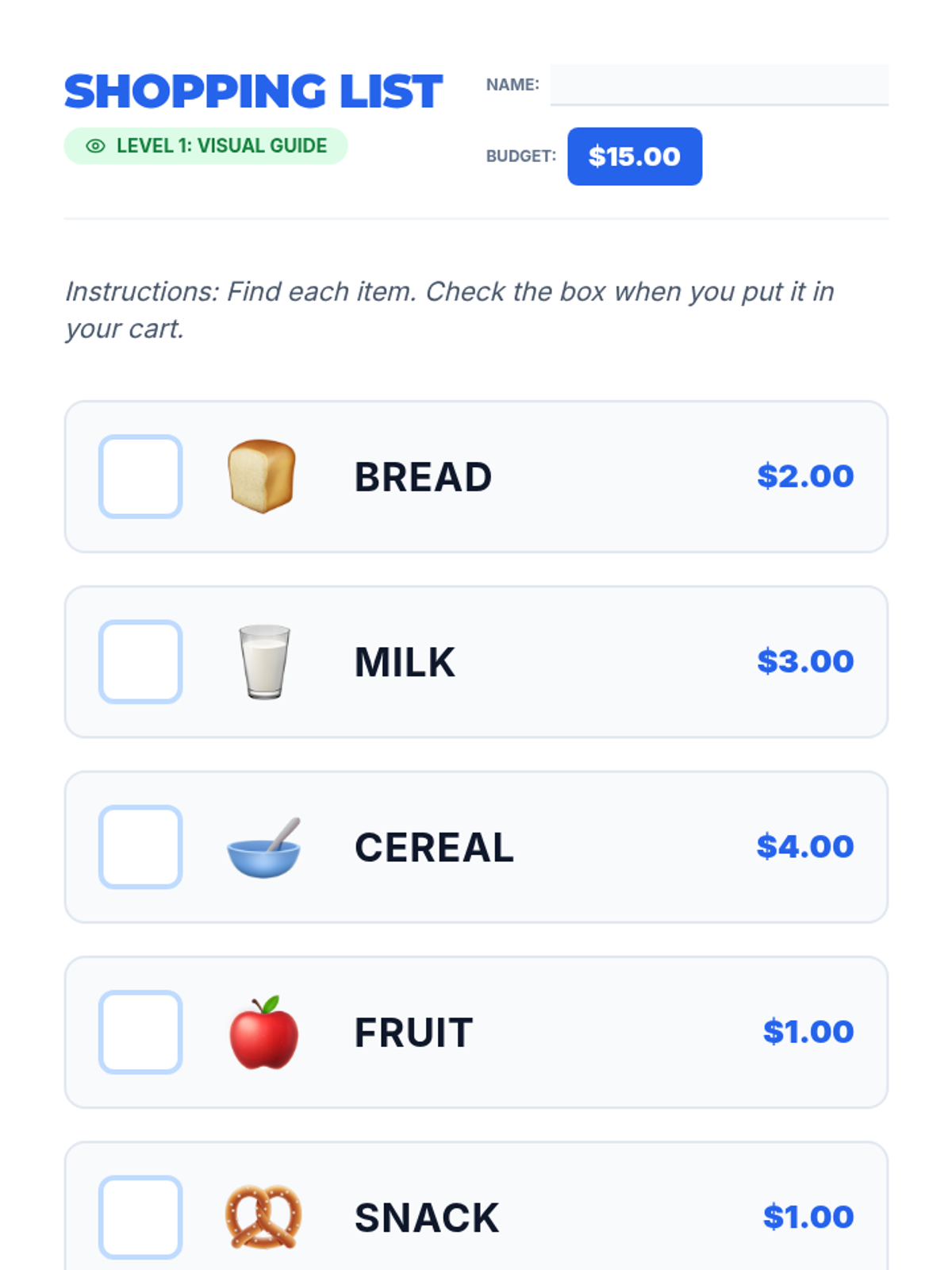
A full-month curriculum focused on developing independence through real-world simulations, role-playing, and practical application of functional life skills.
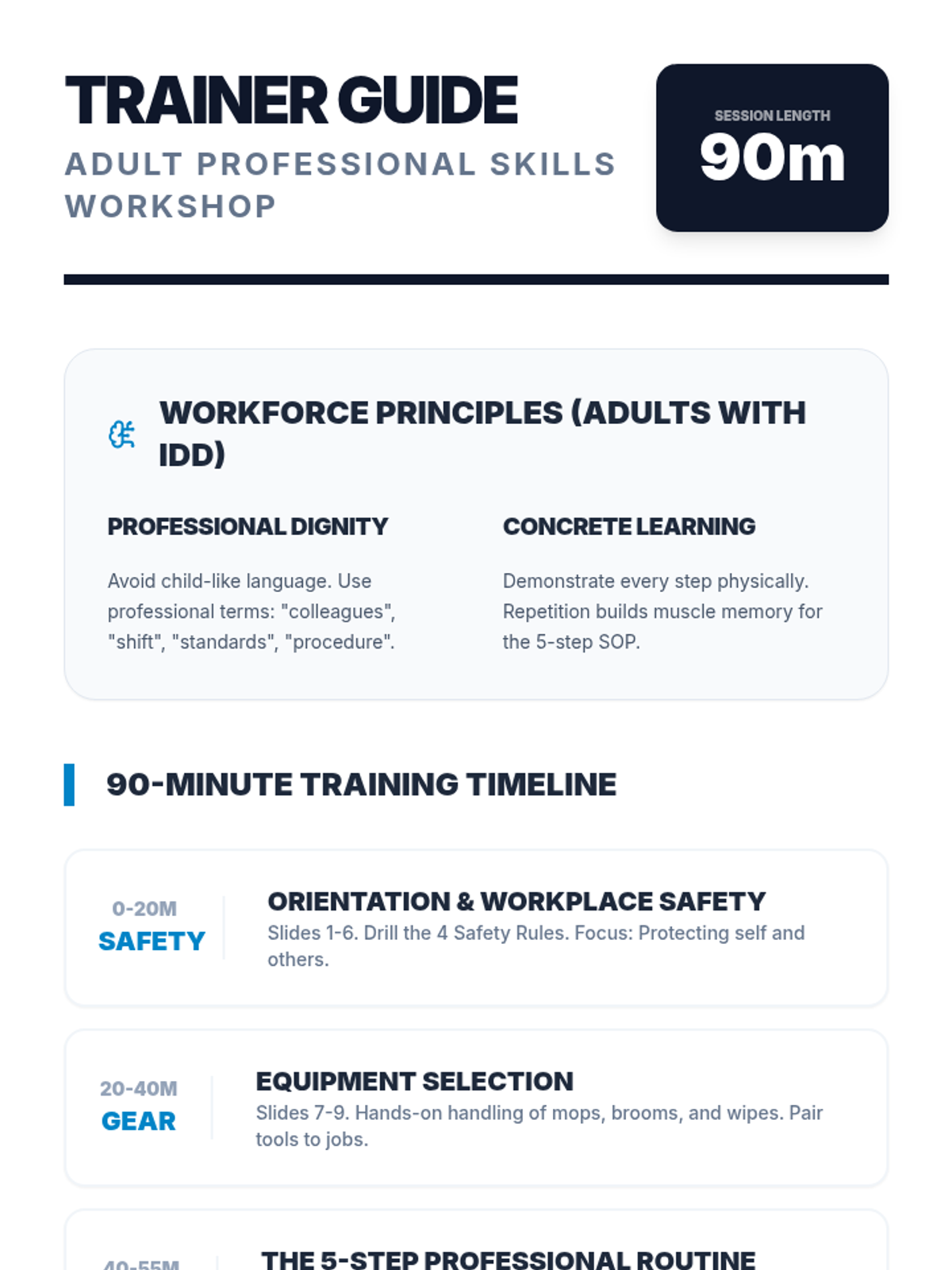
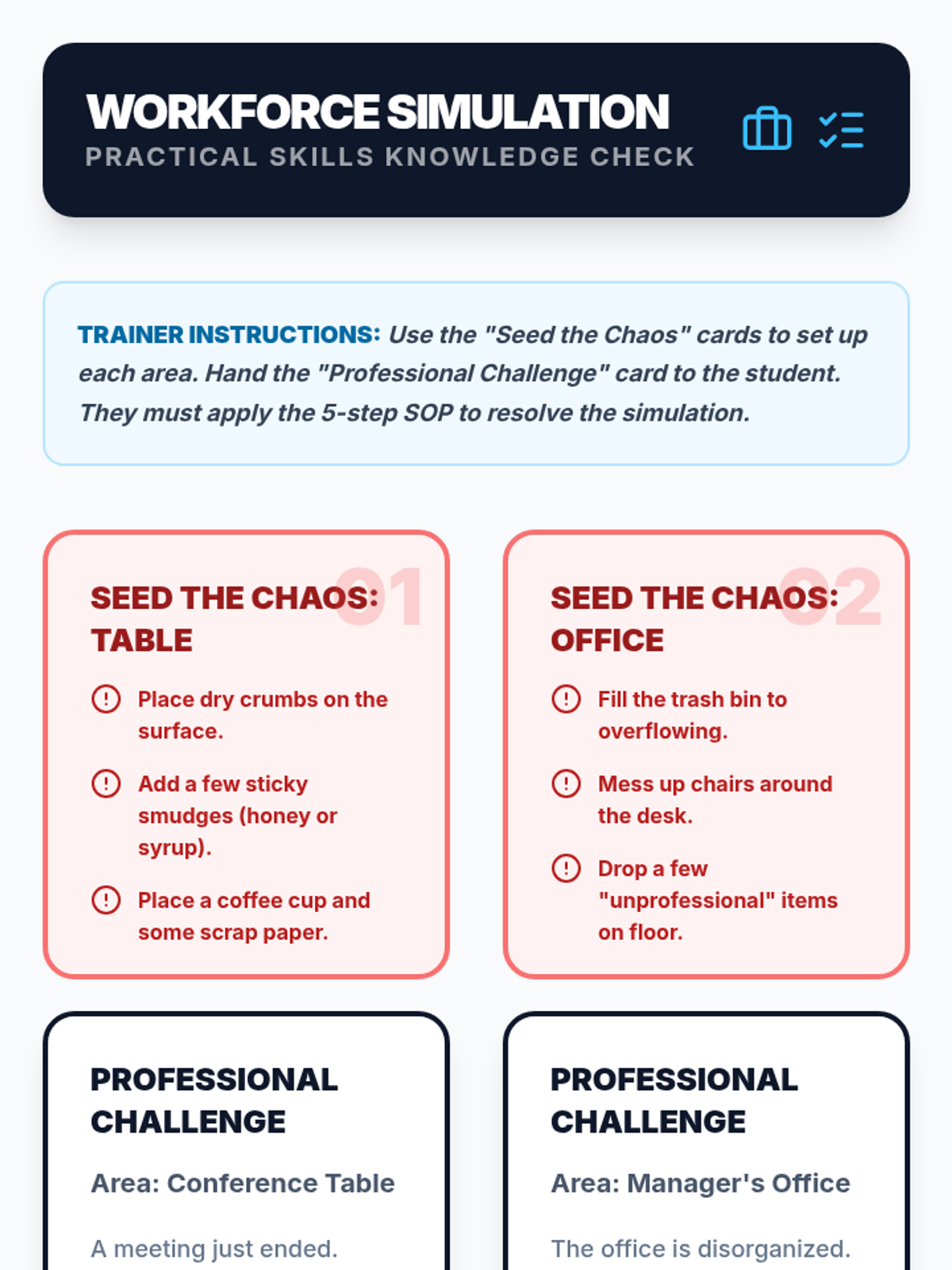
A comprehensive 5-lesson module designed to teach foundational housekeeping skills, focusing on safety, equipment identification, procedural cleaning, and professional work habits.
A series of lessons and projects designed to transition students from job-seeking skills to workplace success and independent living, focusing on professional ethics, communication, and long-term planning.
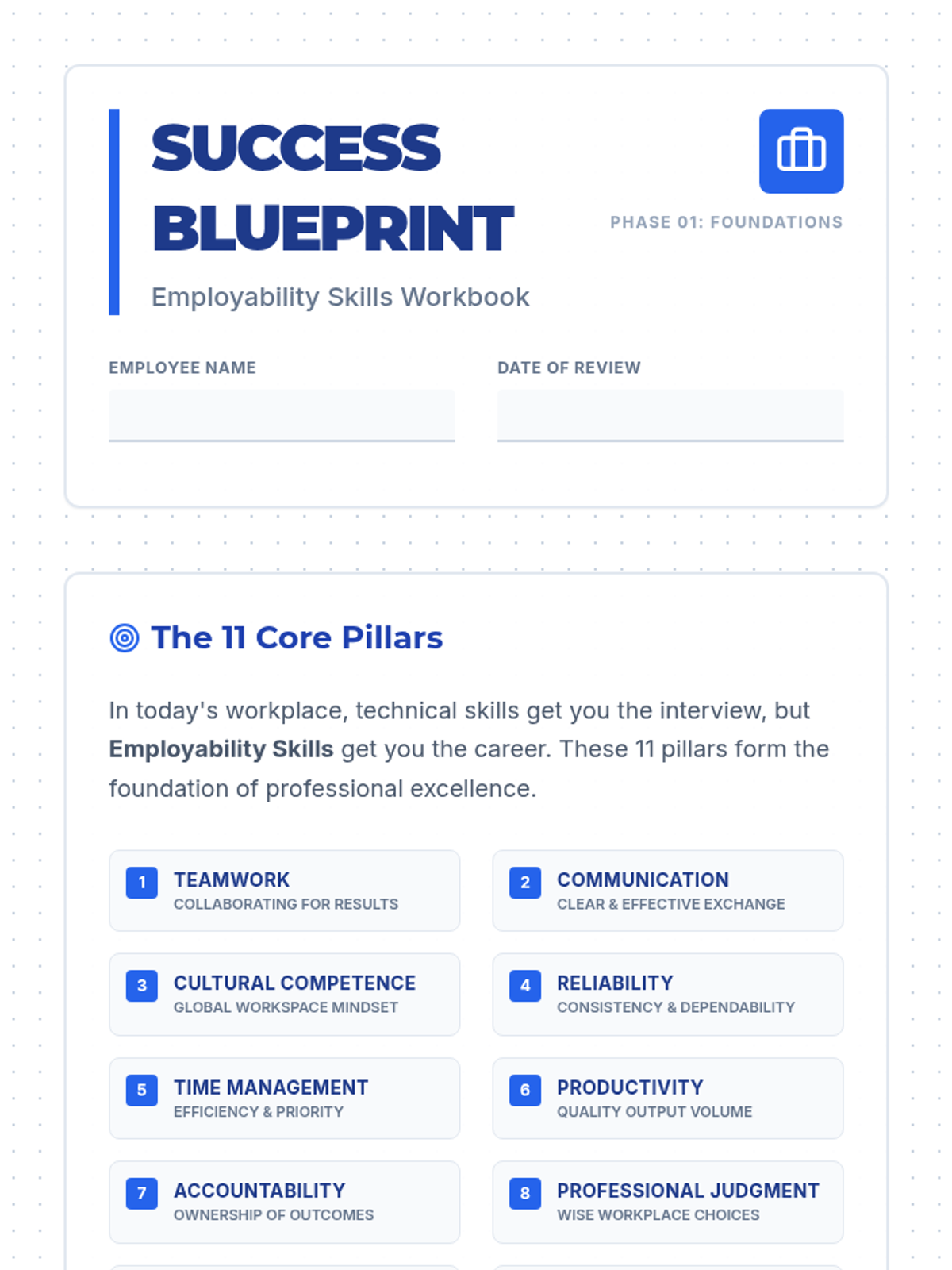
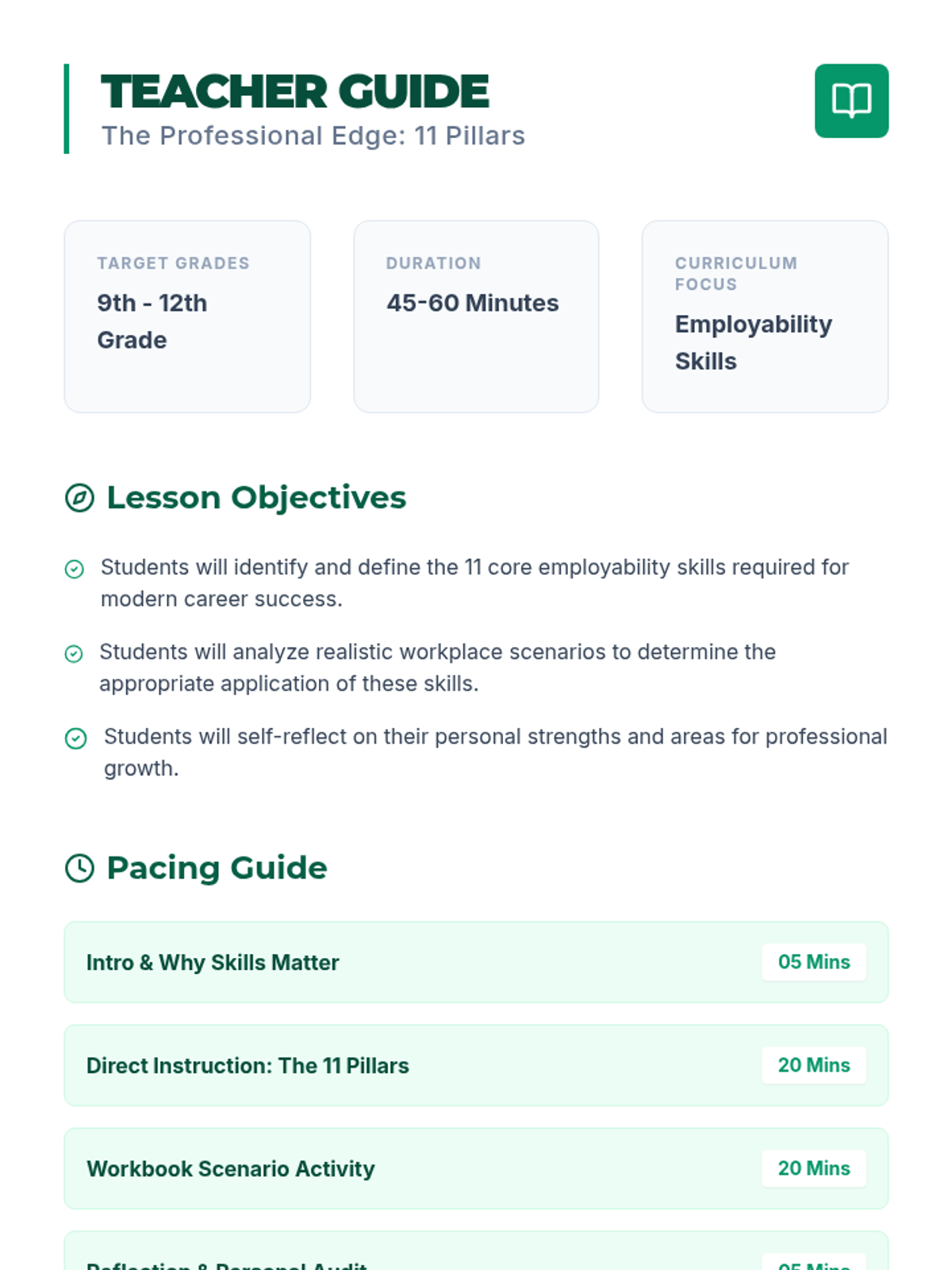
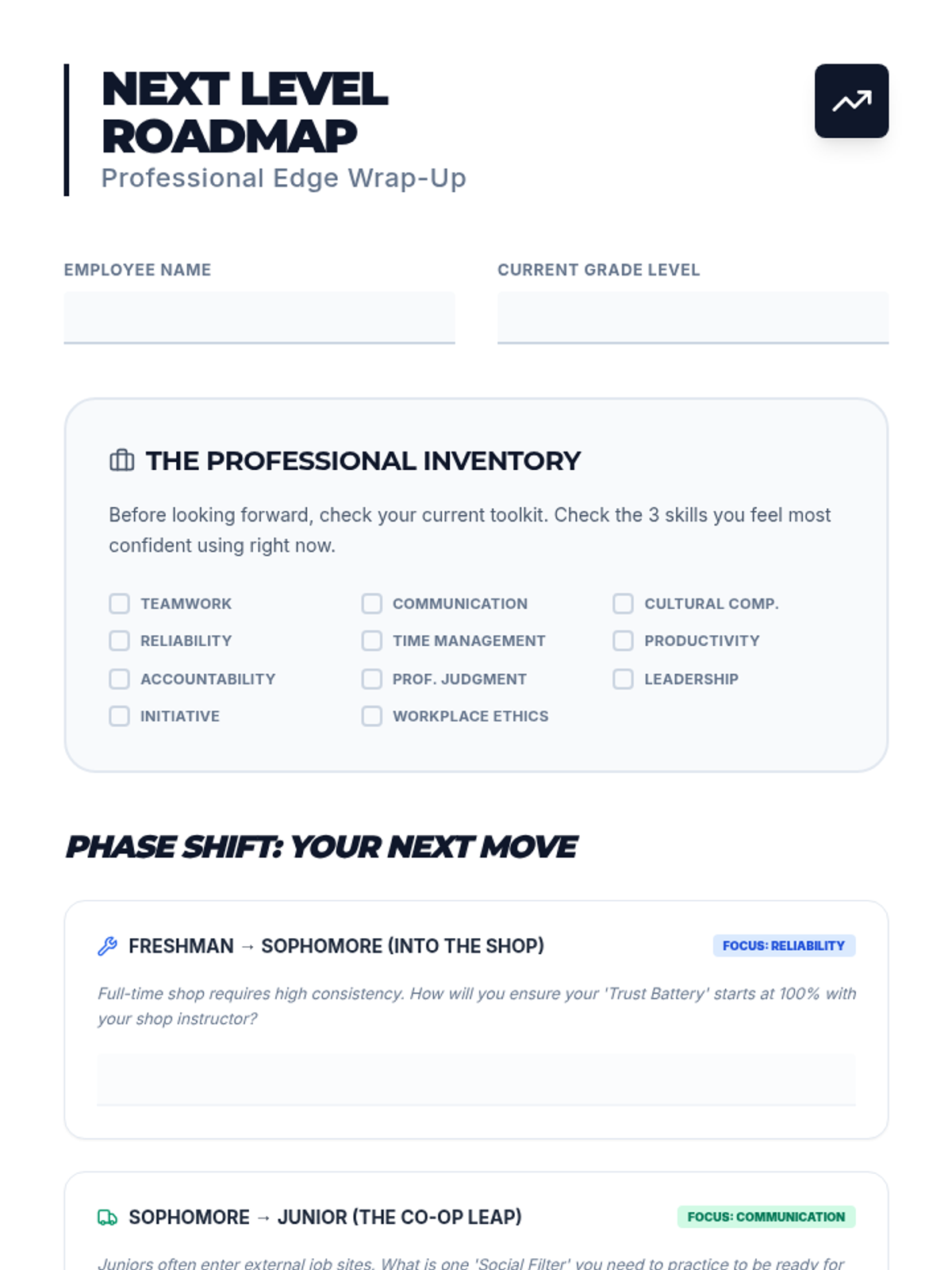
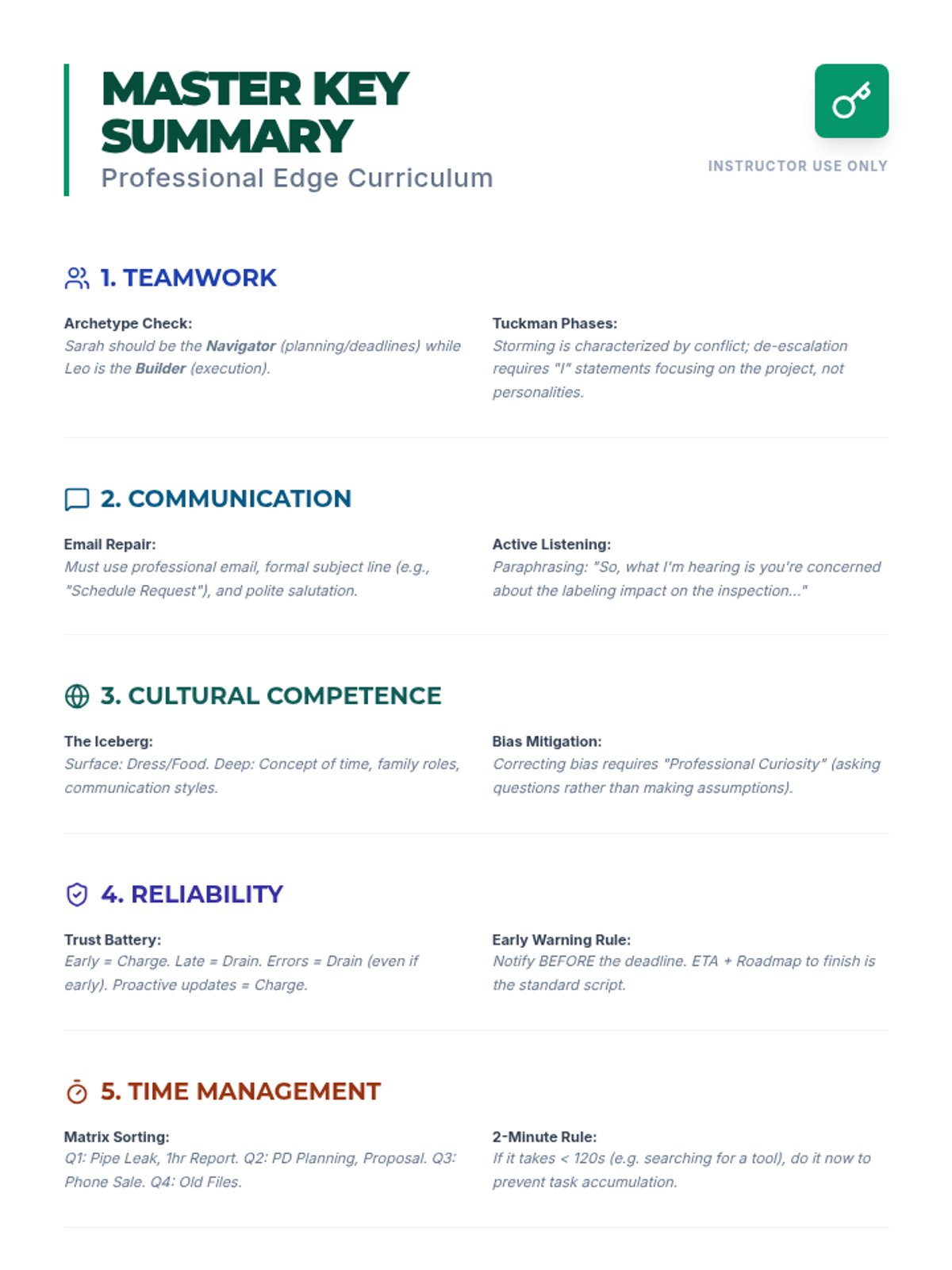
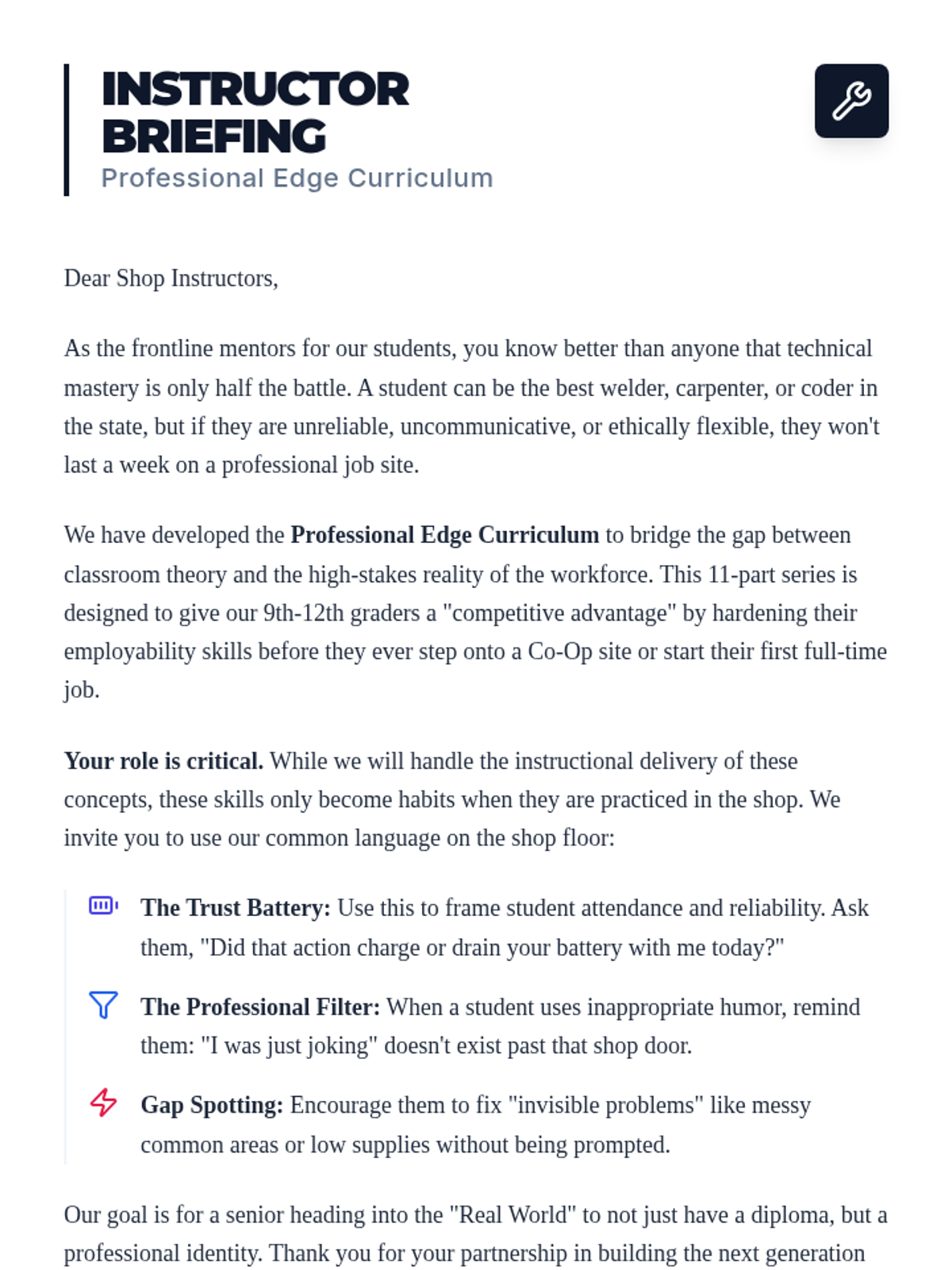
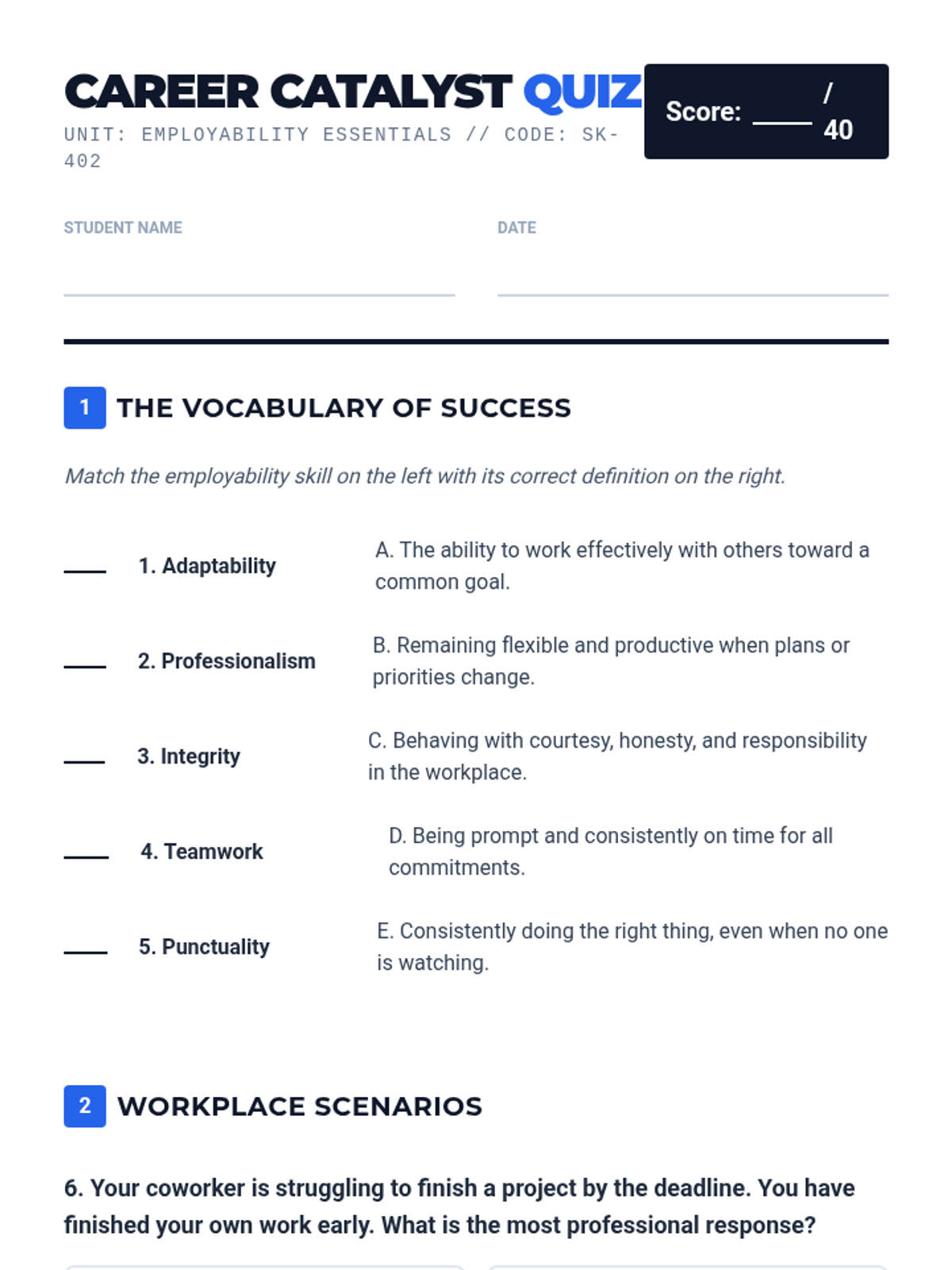
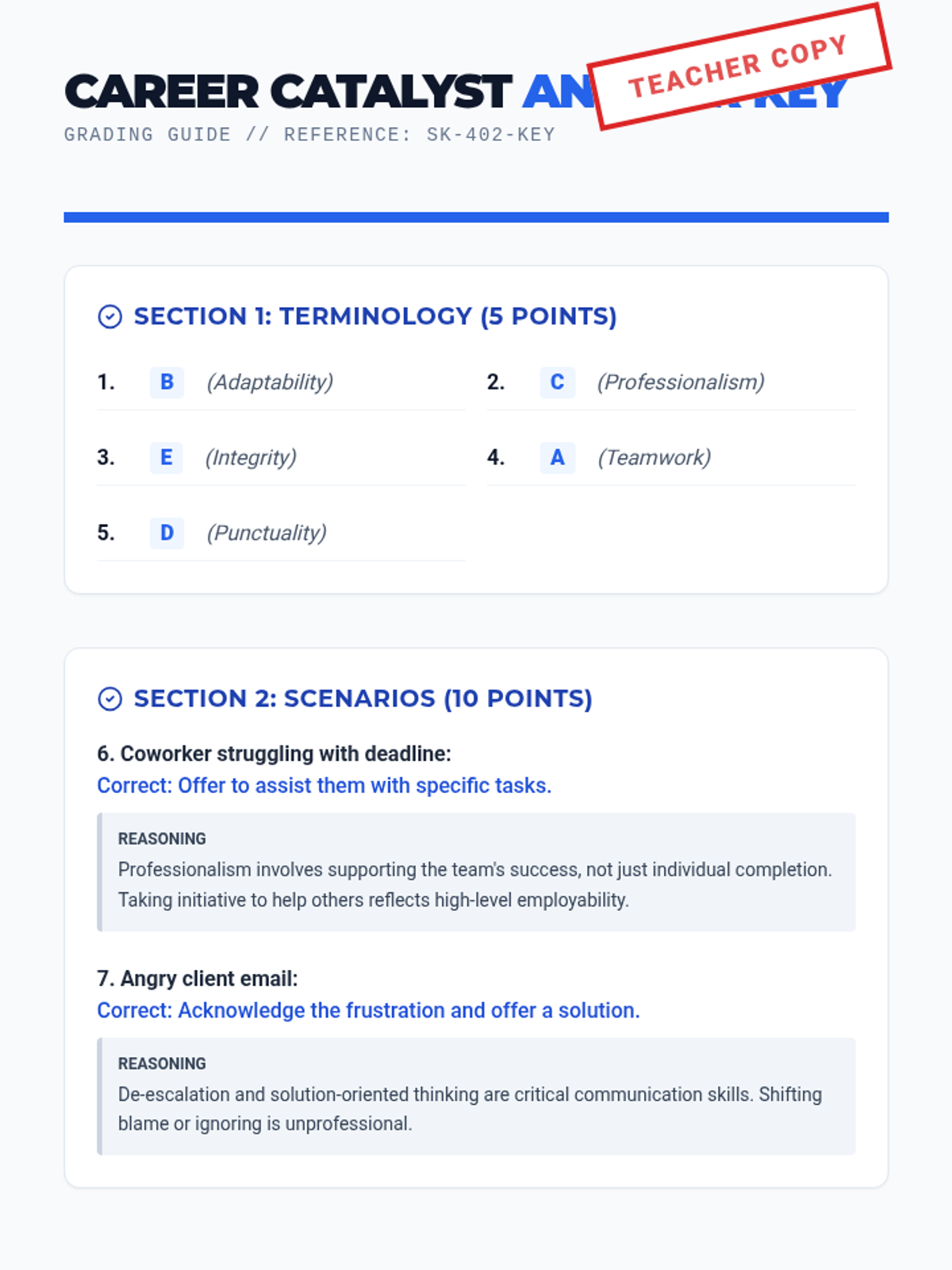
A comprehensive high school curriculum covering 11 essential employability skills, from foundational concepts to advanced application in professional settings. Includes instructional slides, student worksheets, and teacher guides for every skill.
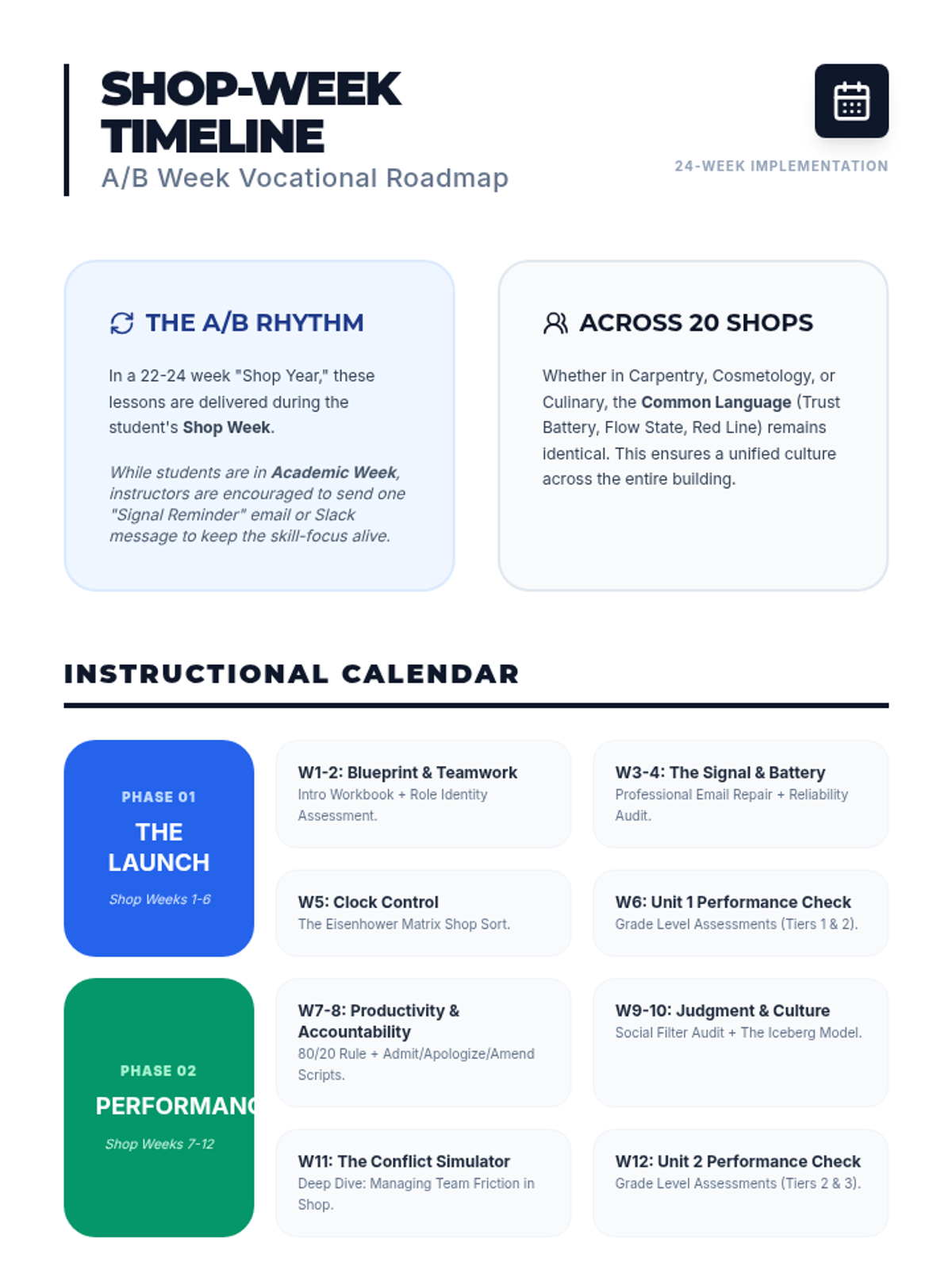
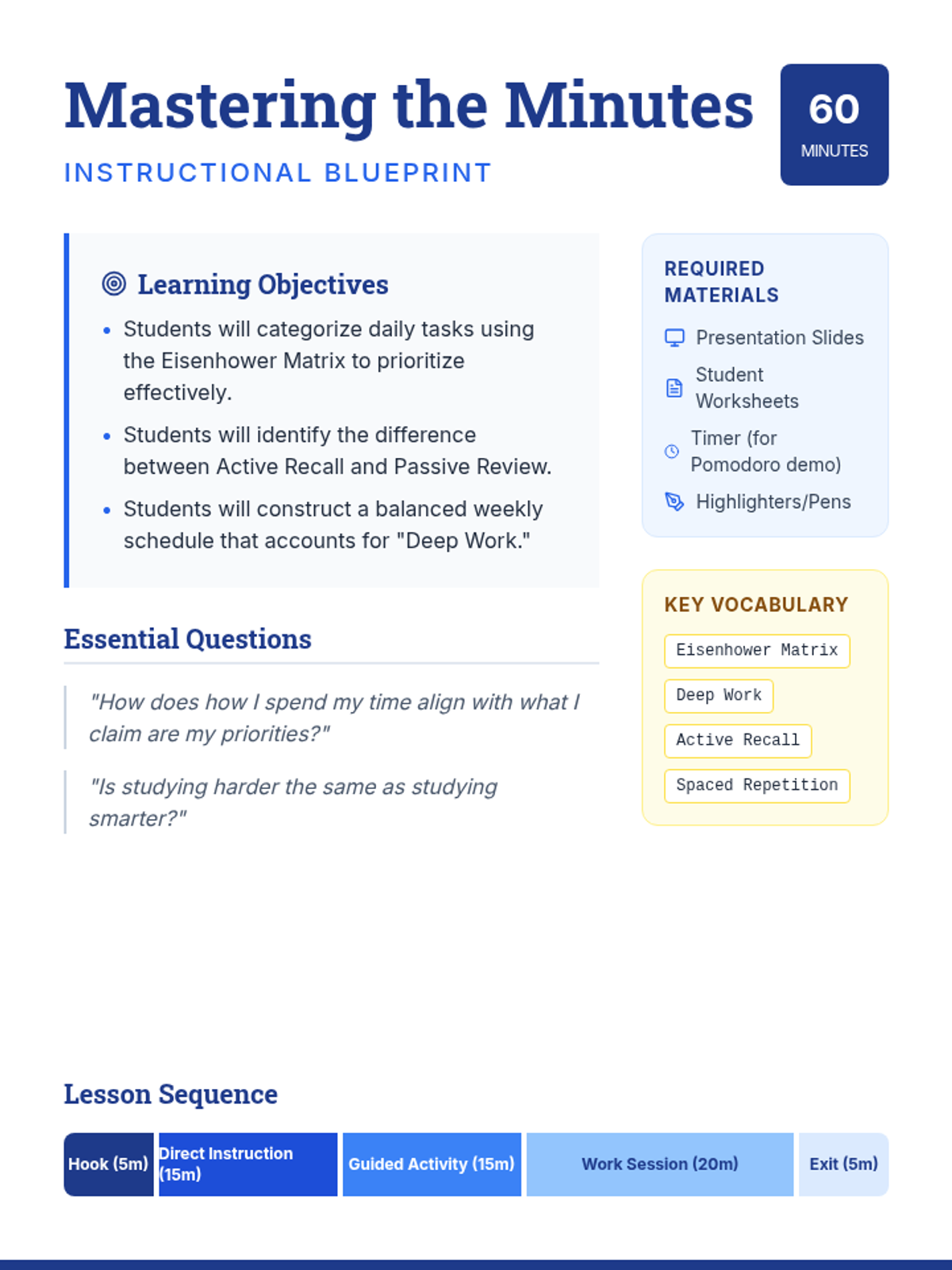
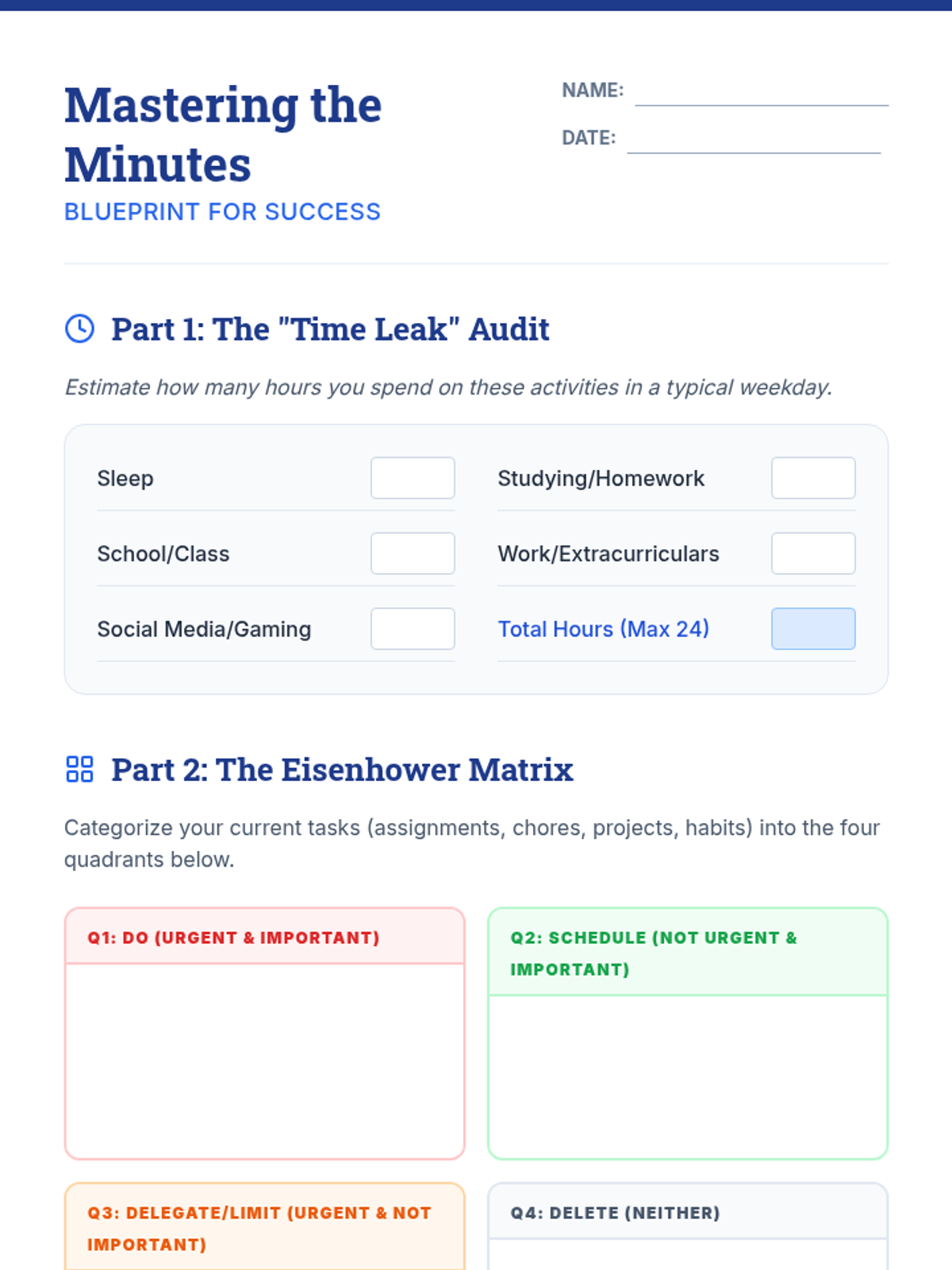
A comprehensive series designed to prepare students for post-secondary success through essential life skills, including time management, study habits, and digital literacy.
A collection of lessons that use modern cultural icons to teach literacy, social-emotional skills, and creative expression to elementary and middle school students.
A series of lessons designed to enhance social and professional communication skills for adult learners, focusing on workplace and community interactions.
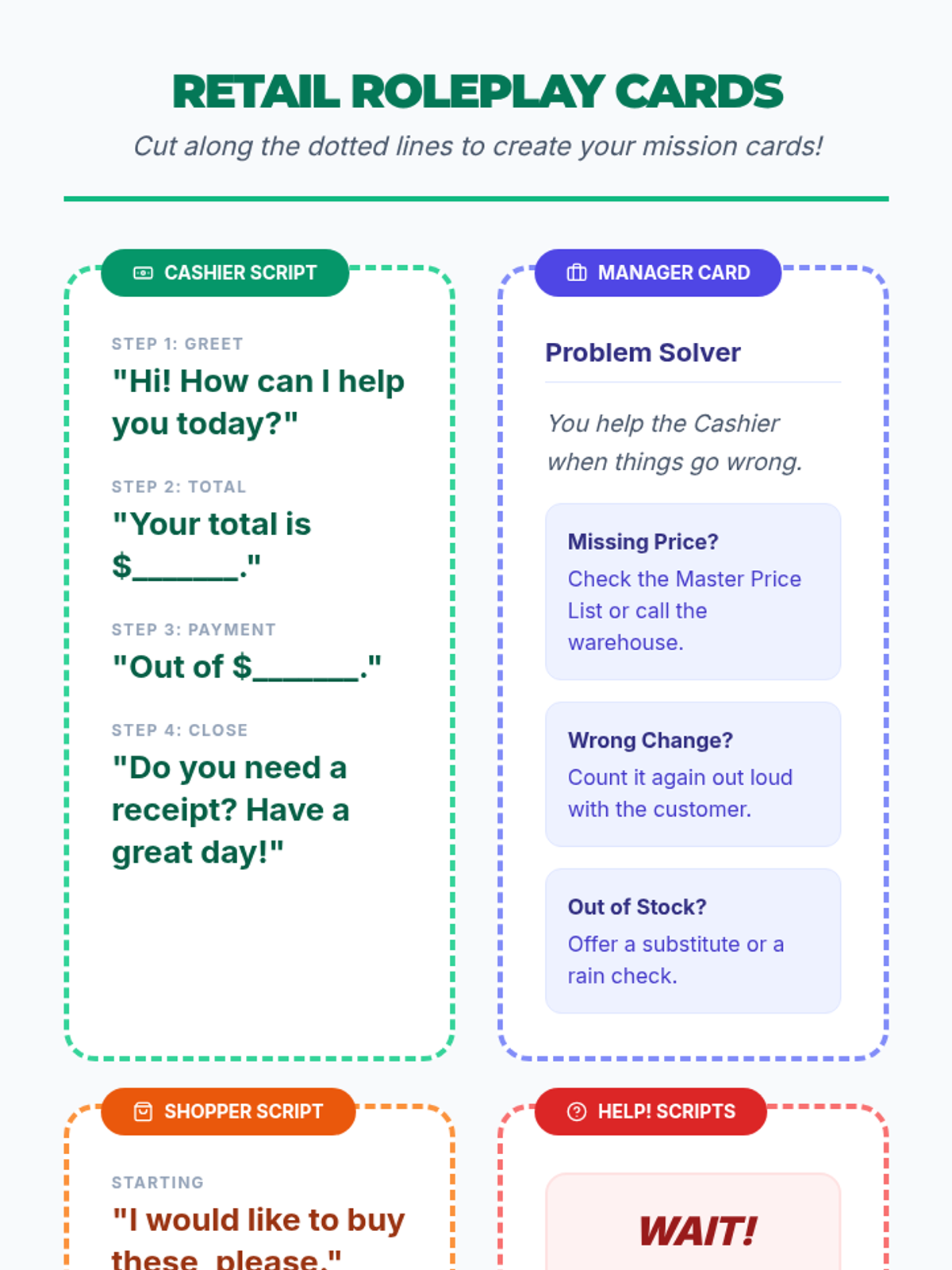
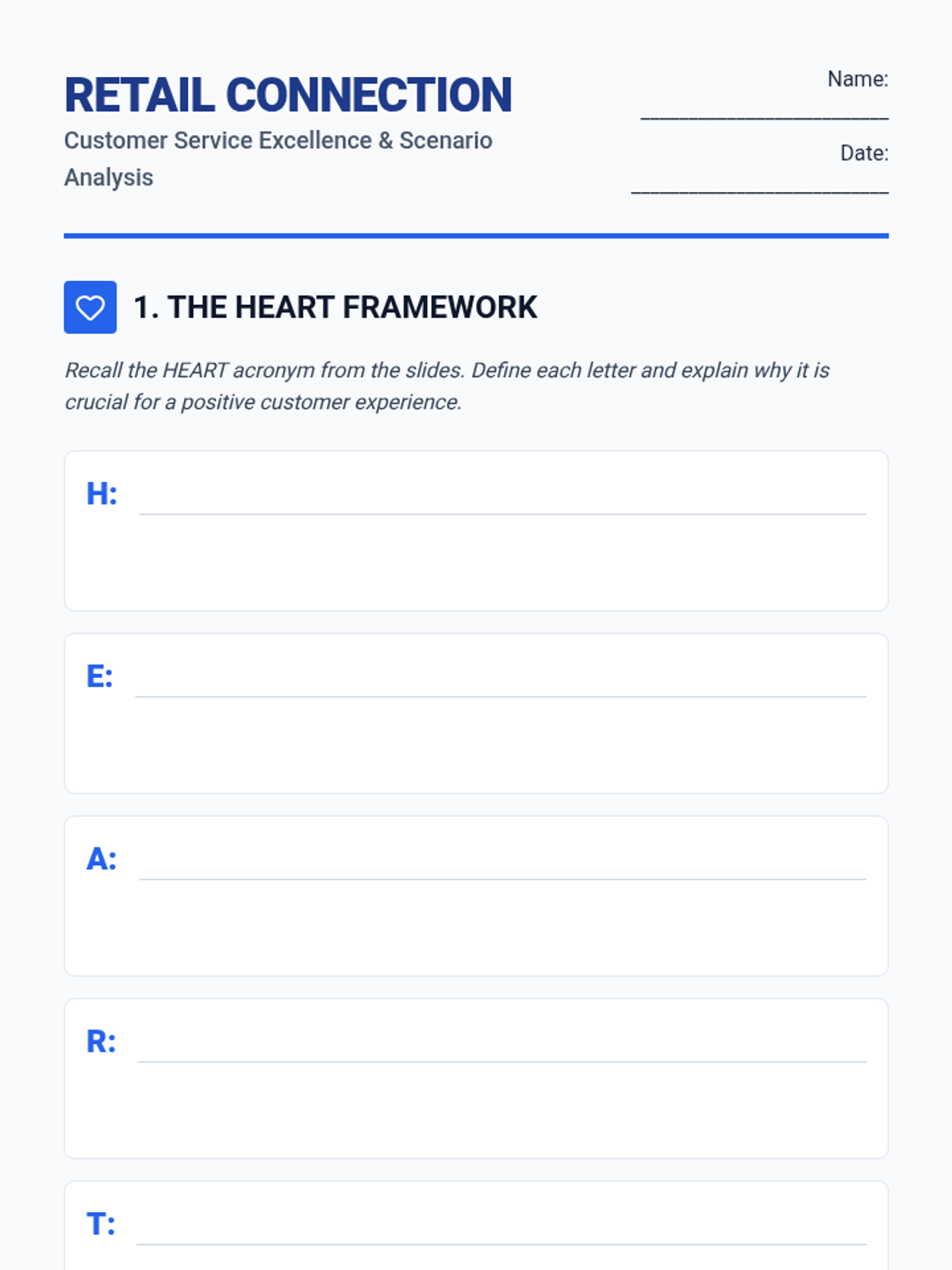
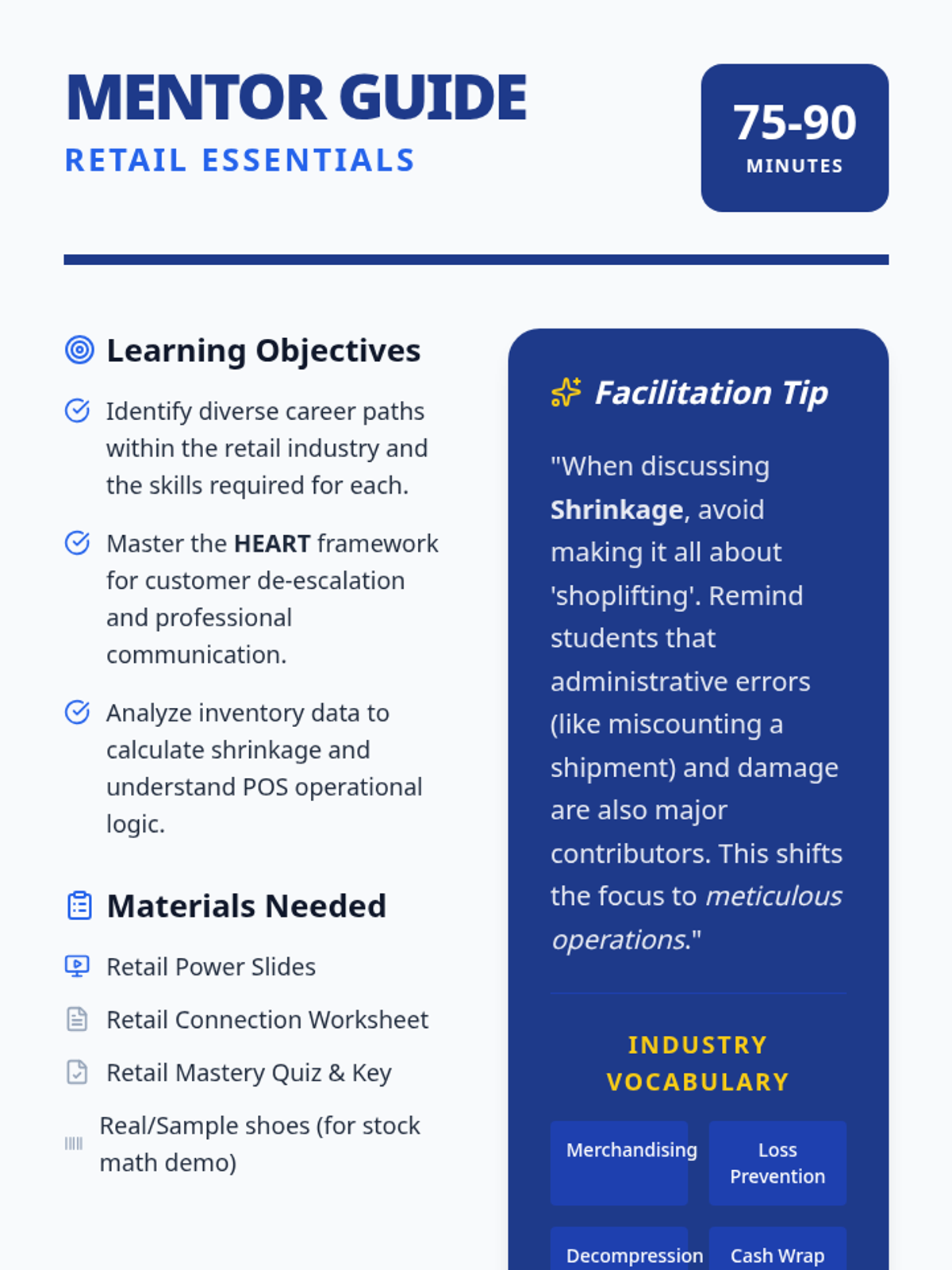
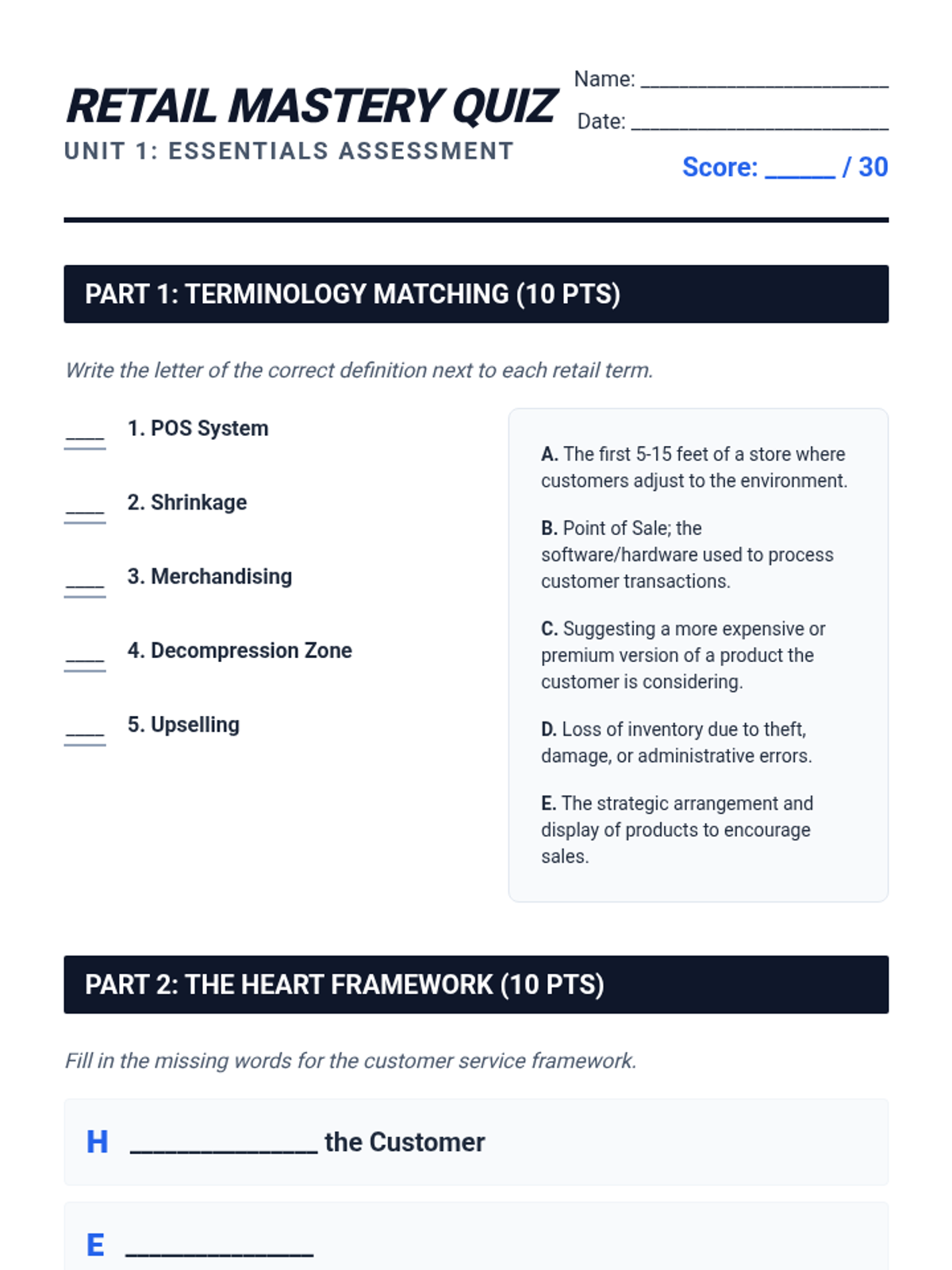
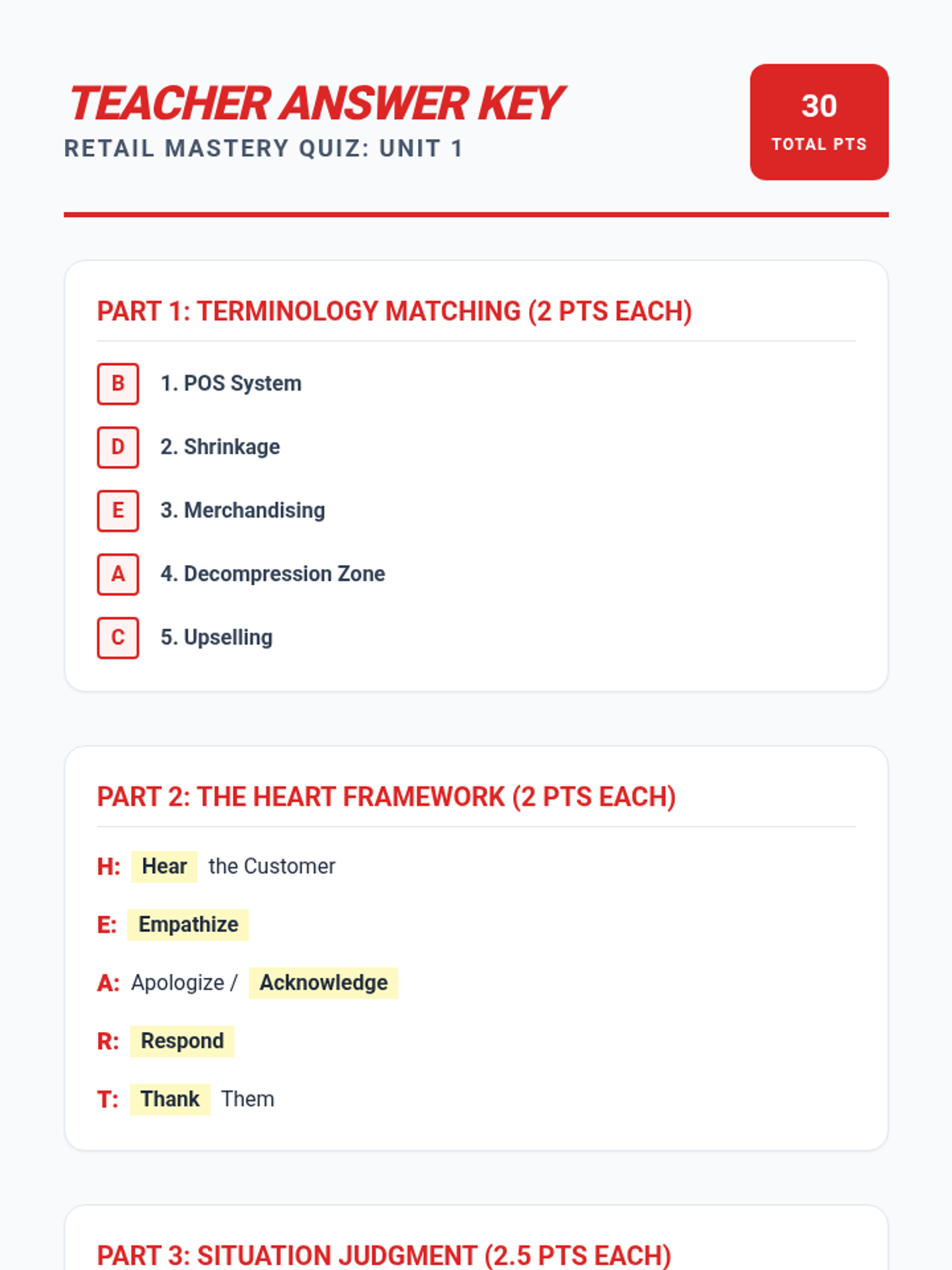
A hands-on career exploration unit focusing on the dynamic world of retail. Students will master customer service excellence, learn retail operations like inventory and POS systems, and design their own retail floor plan and brand strategy.
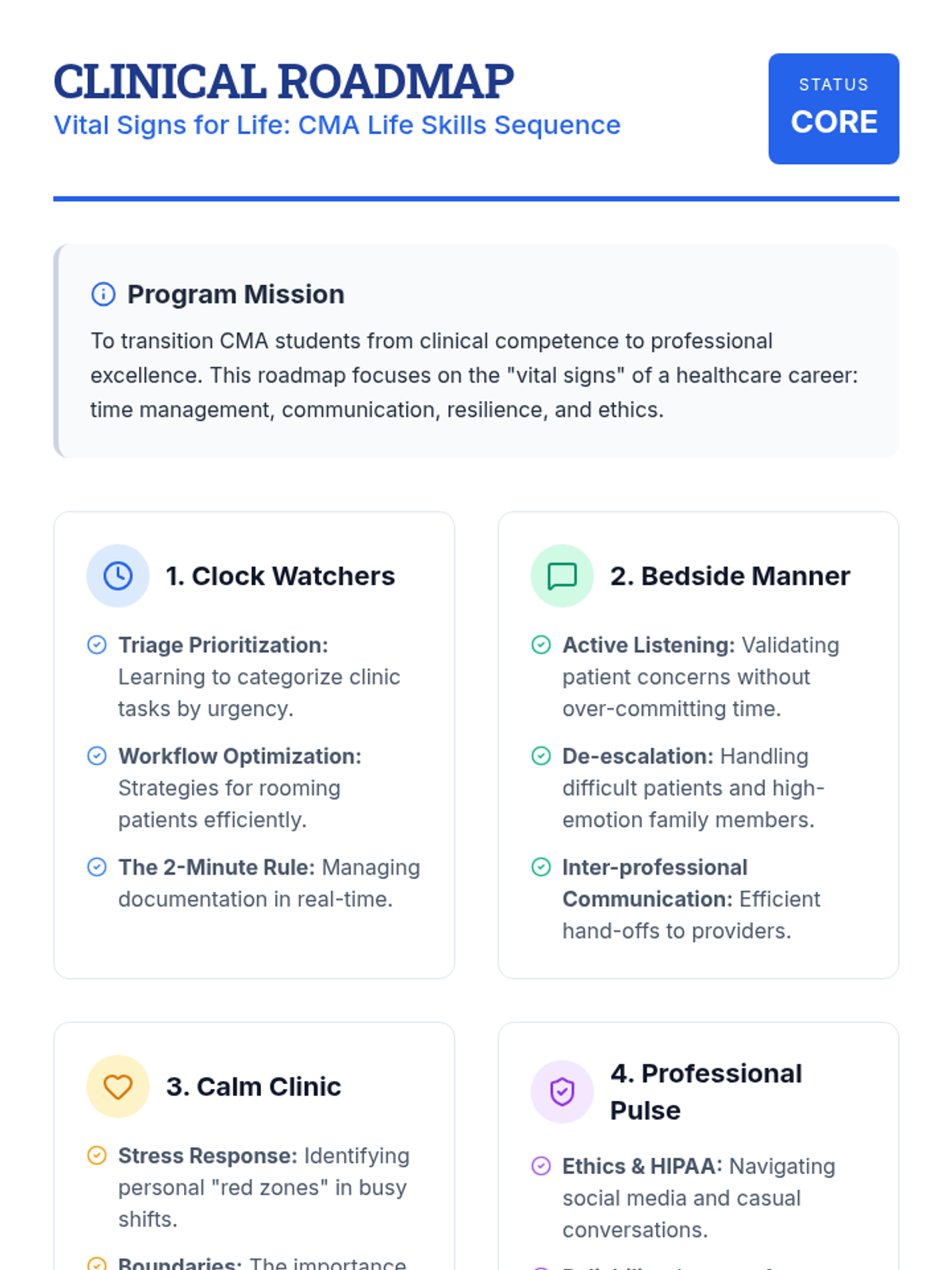
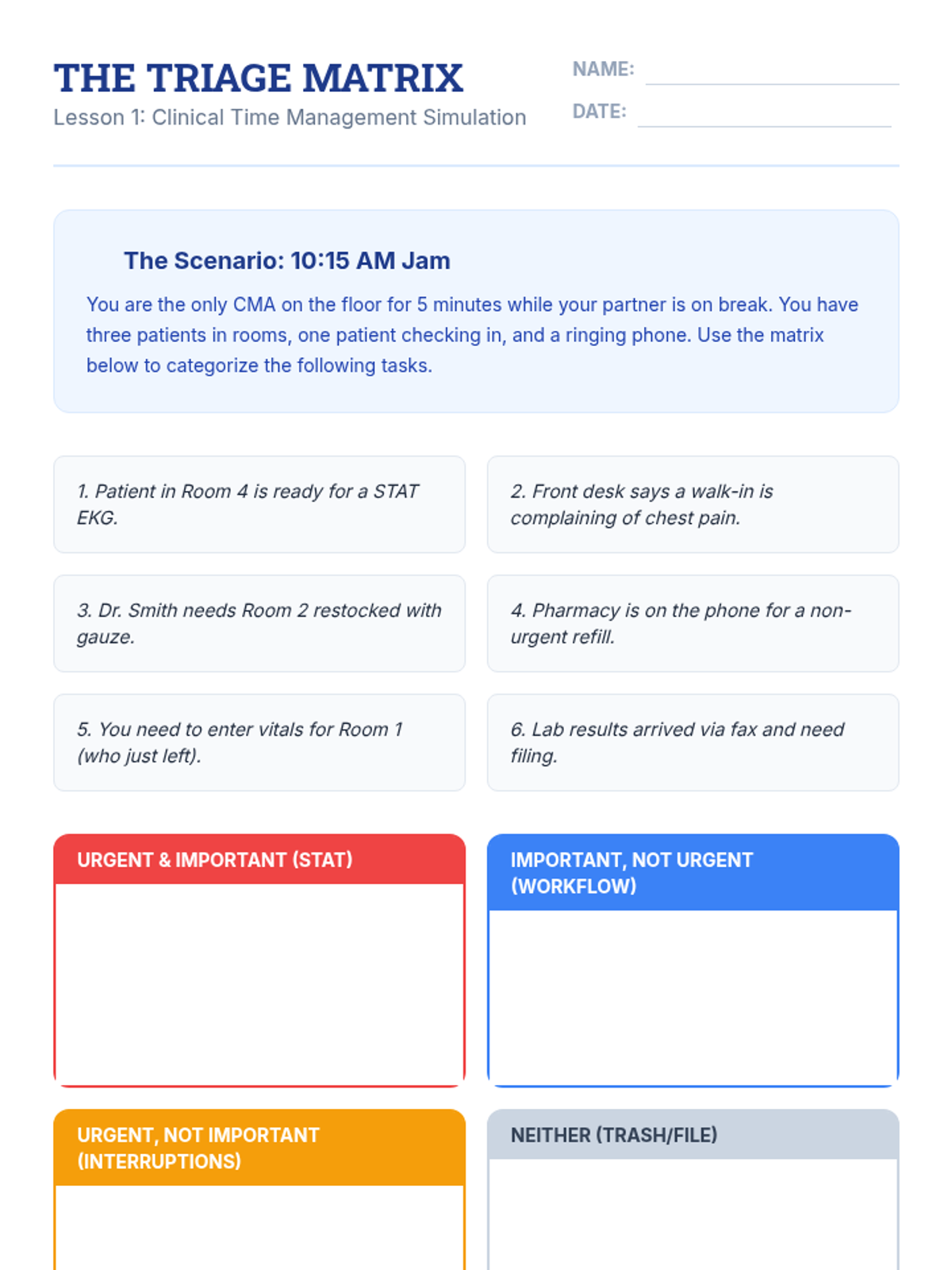
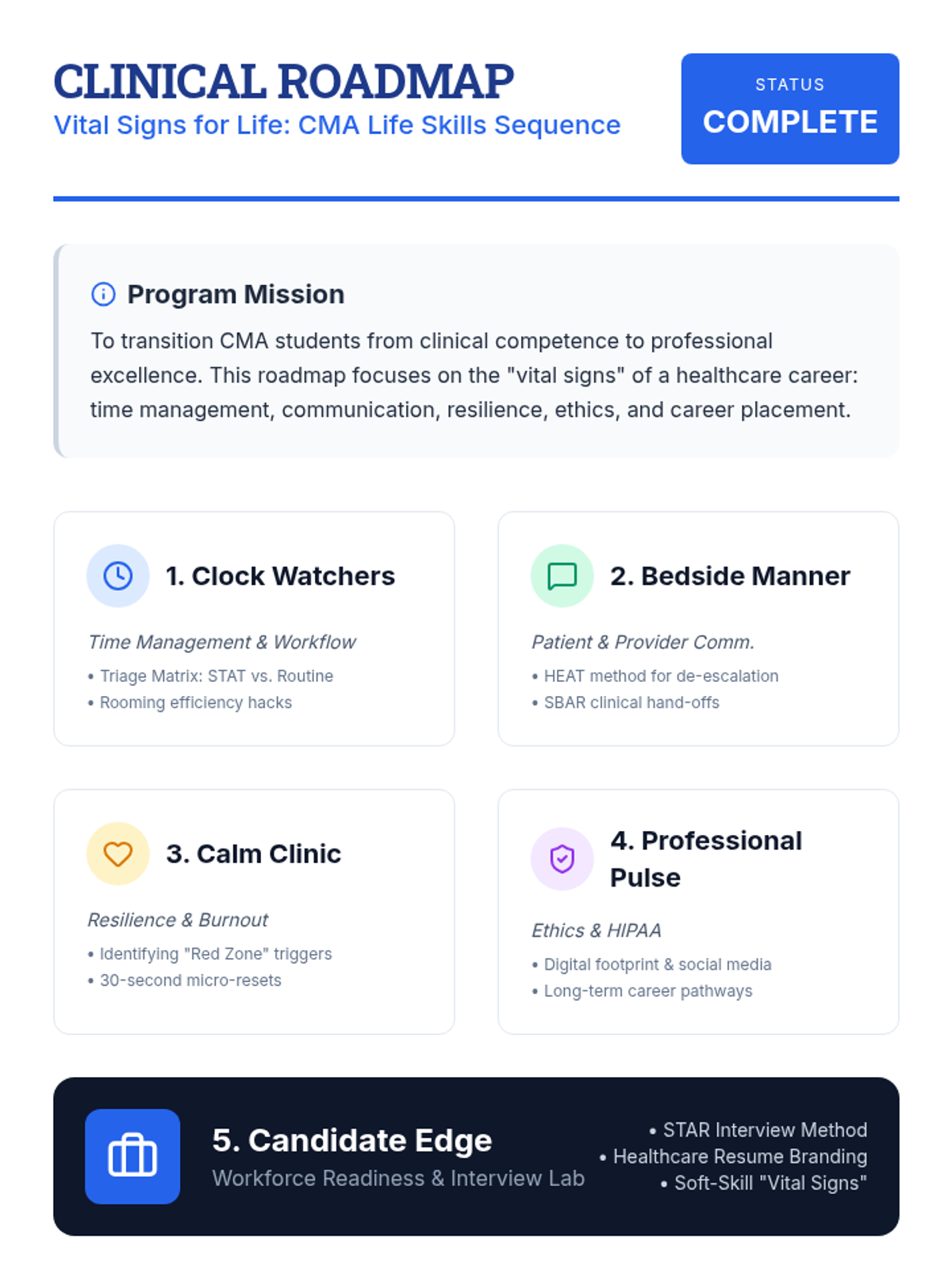
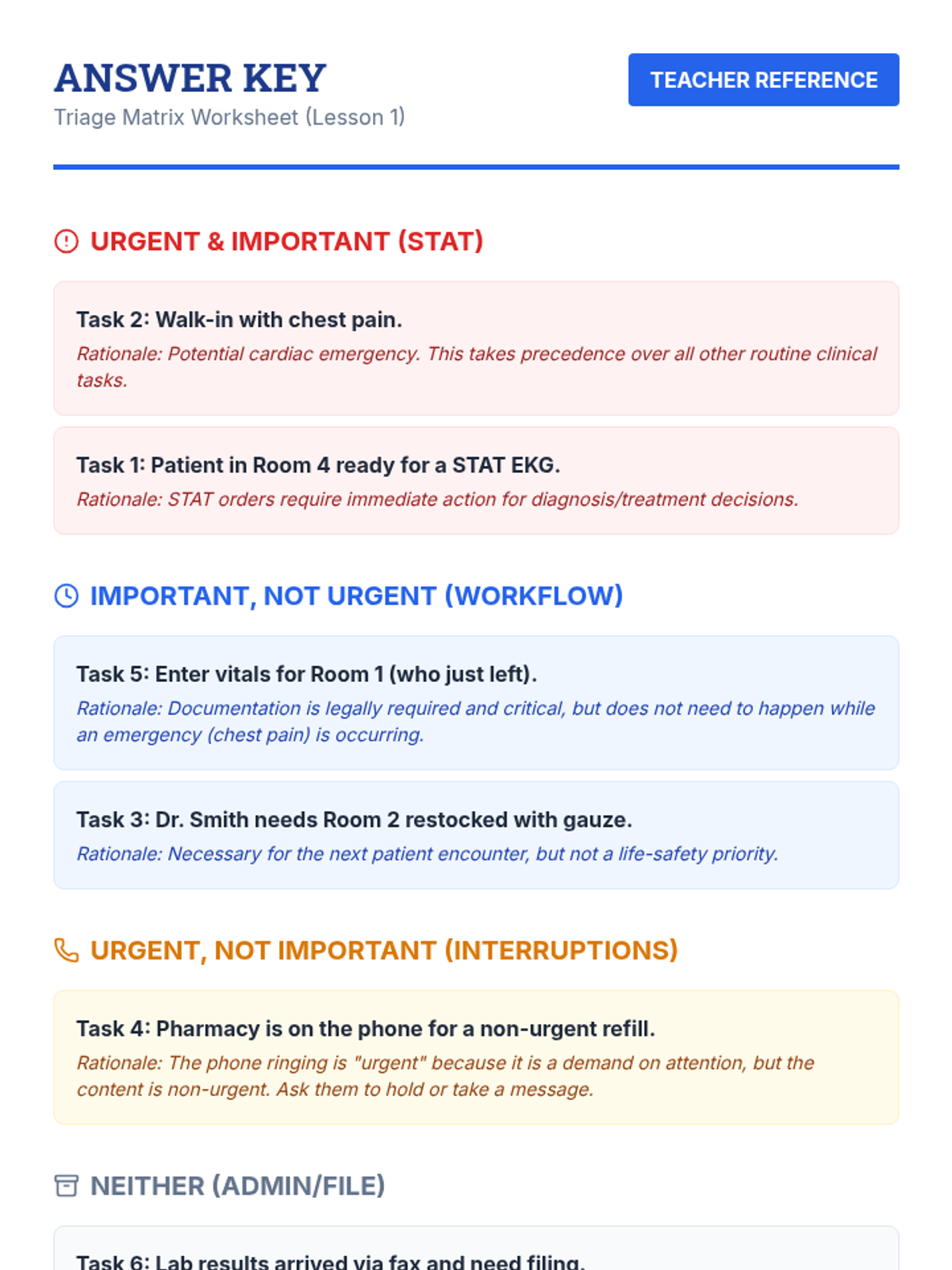
A comprehensive life skills training program designed specifically for Medical Assistant students, focusing on the essential soft skills needed to thrive in a high-pressure clinical environment.
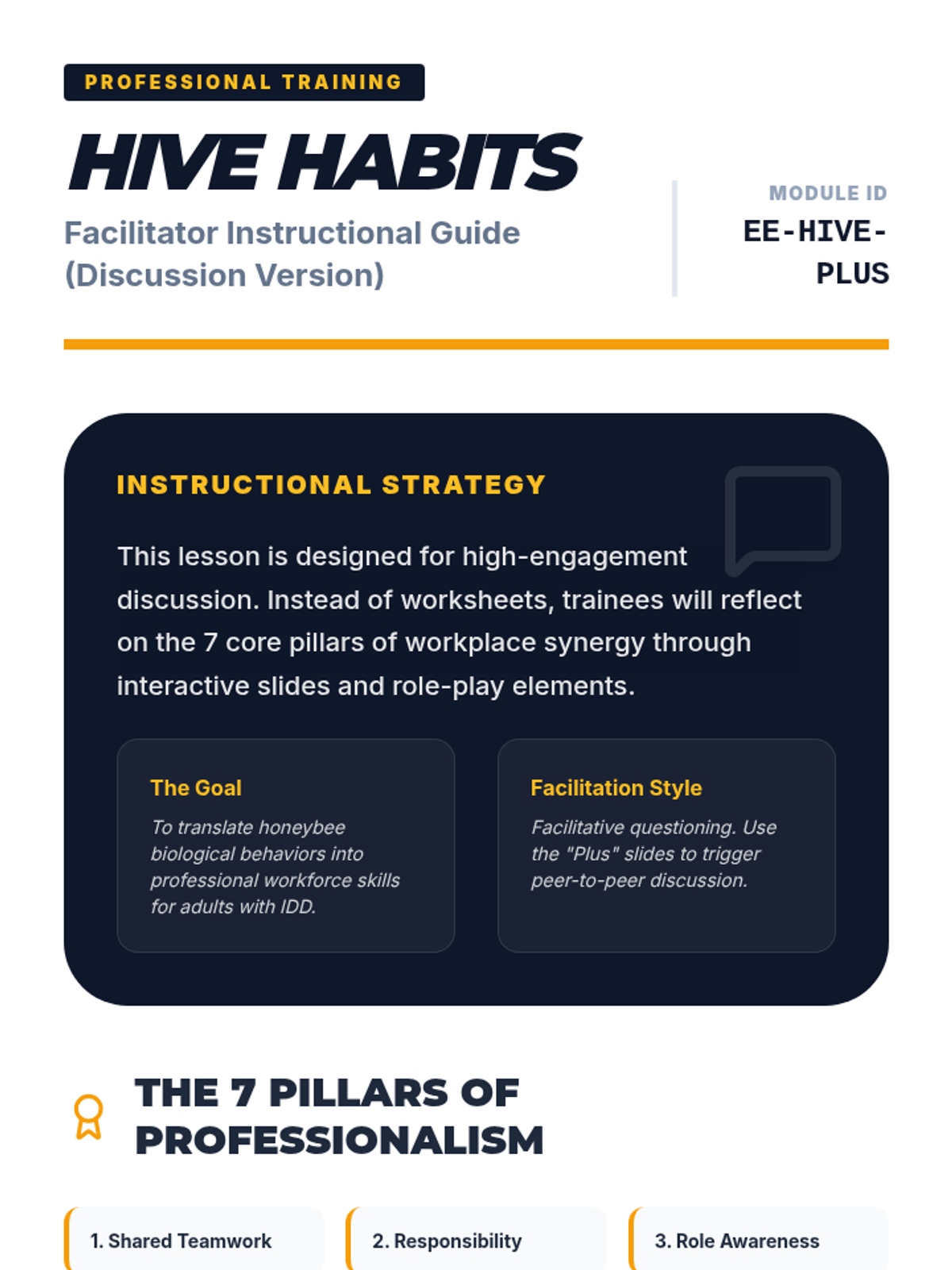
A series of lessons focused on developing essential employment skills for adults with IDD through engaging metaphors and hands-on activities.
A dual-unit program designed to equip students with essential life skills for the post-application phase of job hunting and personal well-being. This sequence focuses on interpersonal communication, interview excellence, and mental health.
A series focused on social health and interpersonal skills for young adults, focusing on the intersection of self-worth and social dynamics.
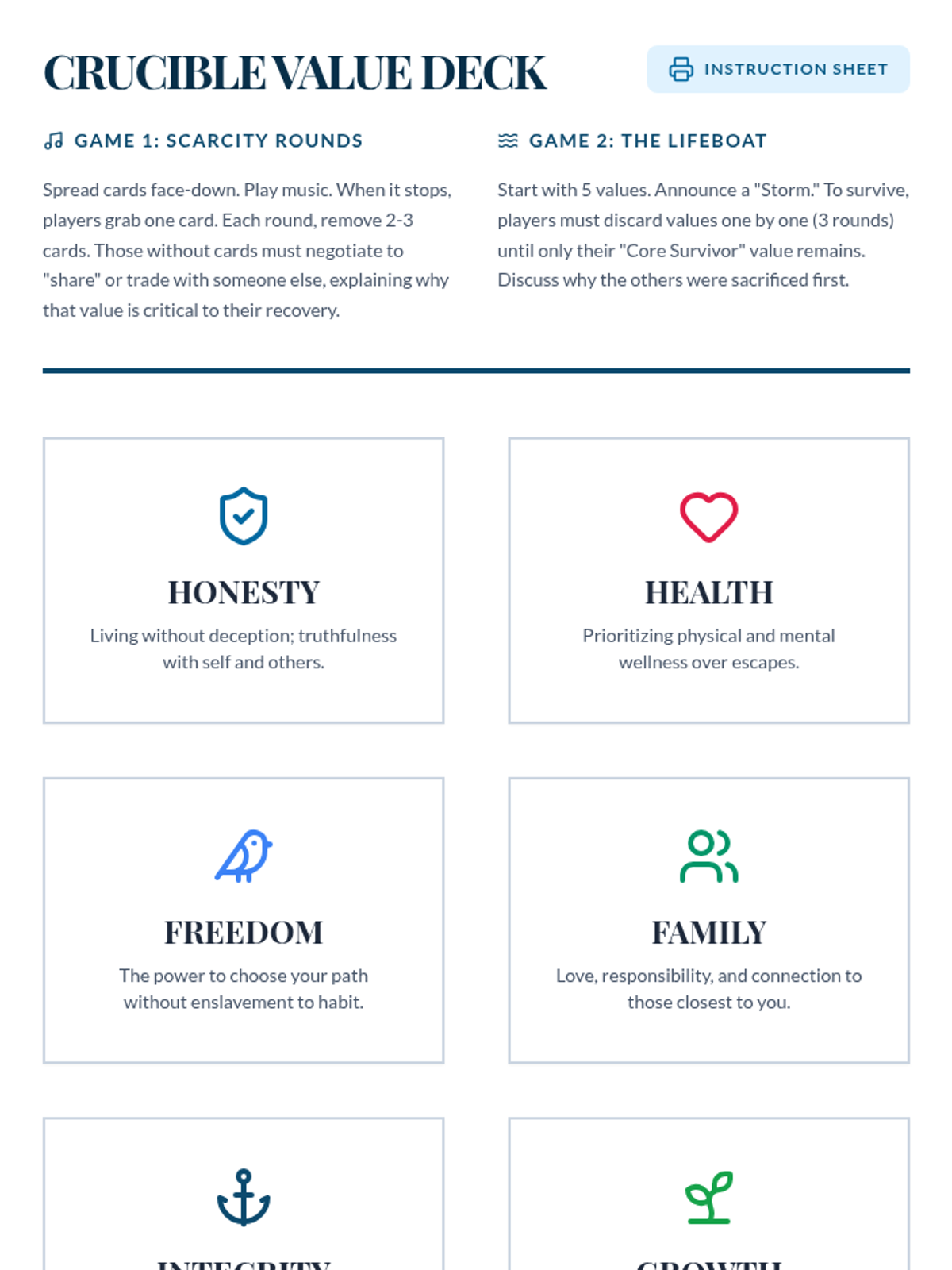
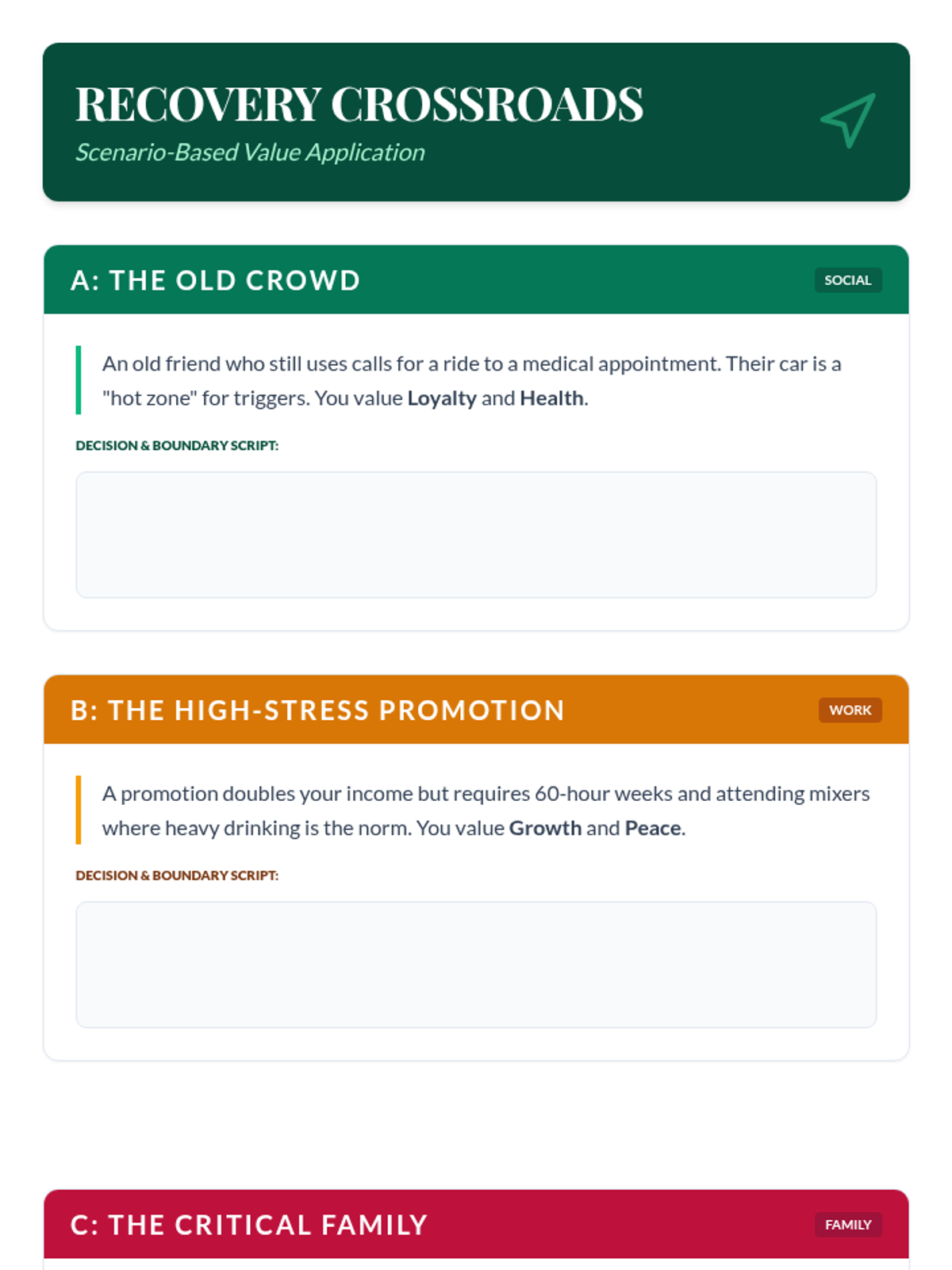
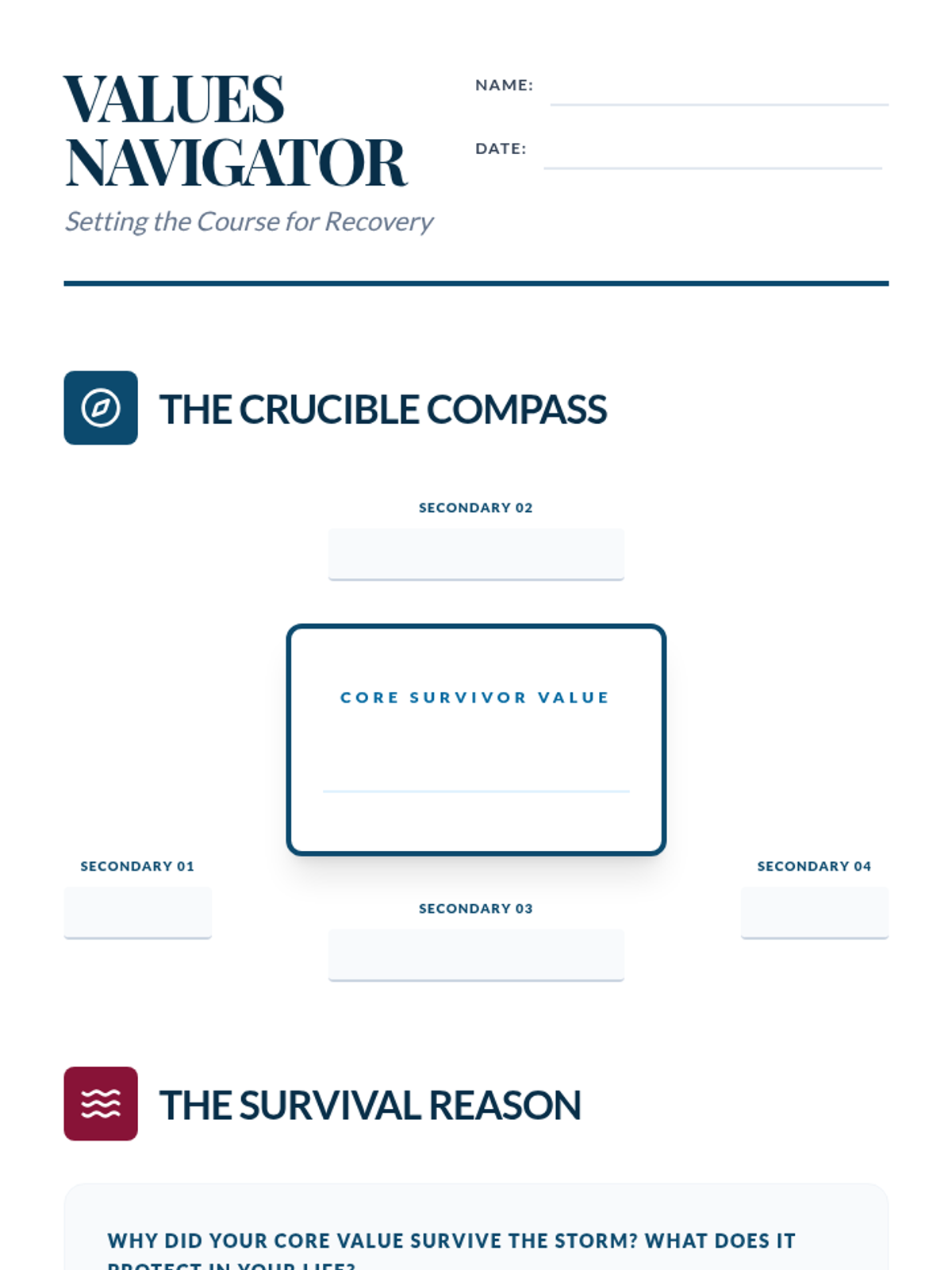
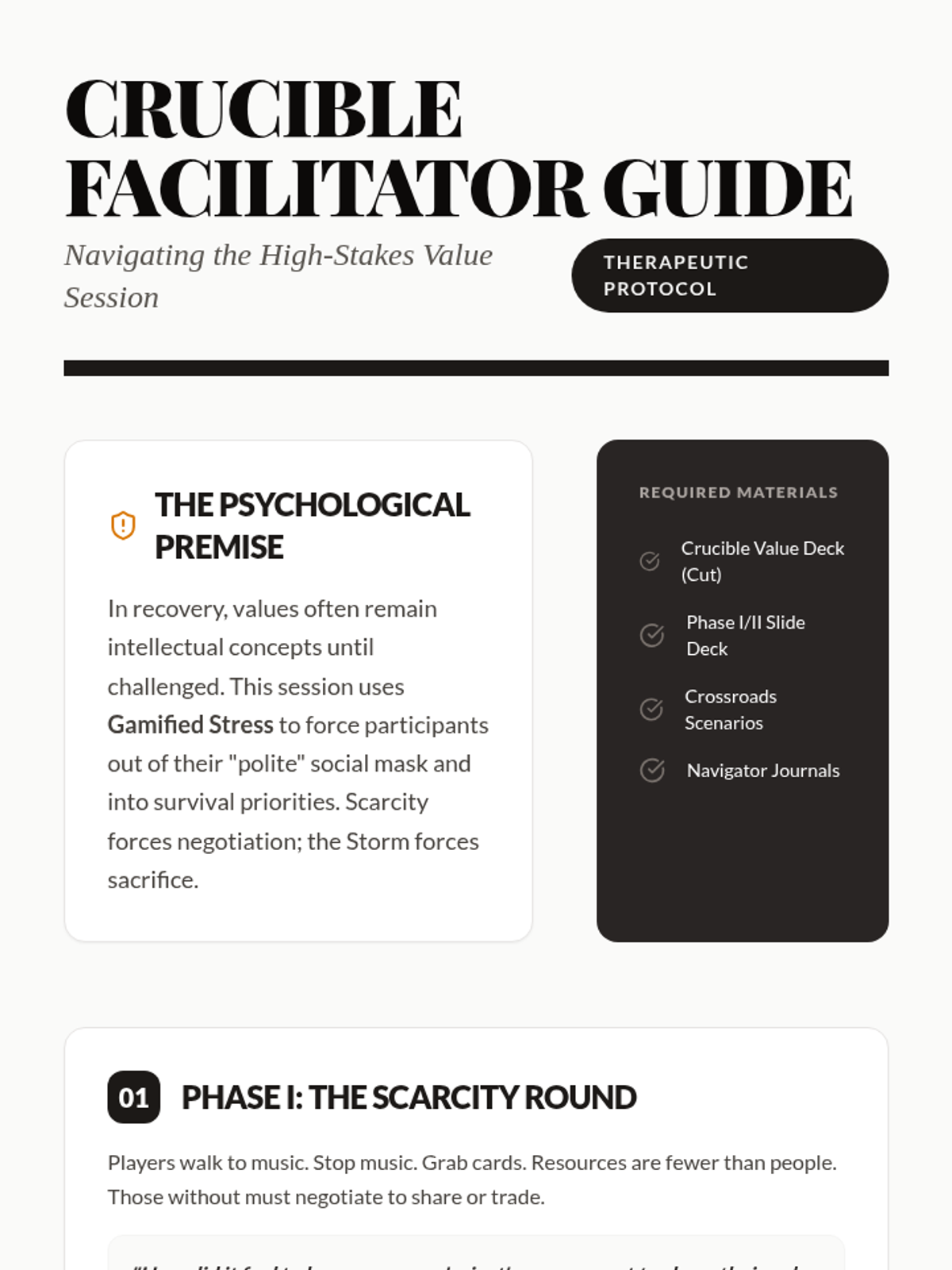
A therapeutic series designed to help individuals in recovery identify their non-negotiable core values through high-stakes decision-making and real-world application. Students move from broad concepts to a refined personal compass.
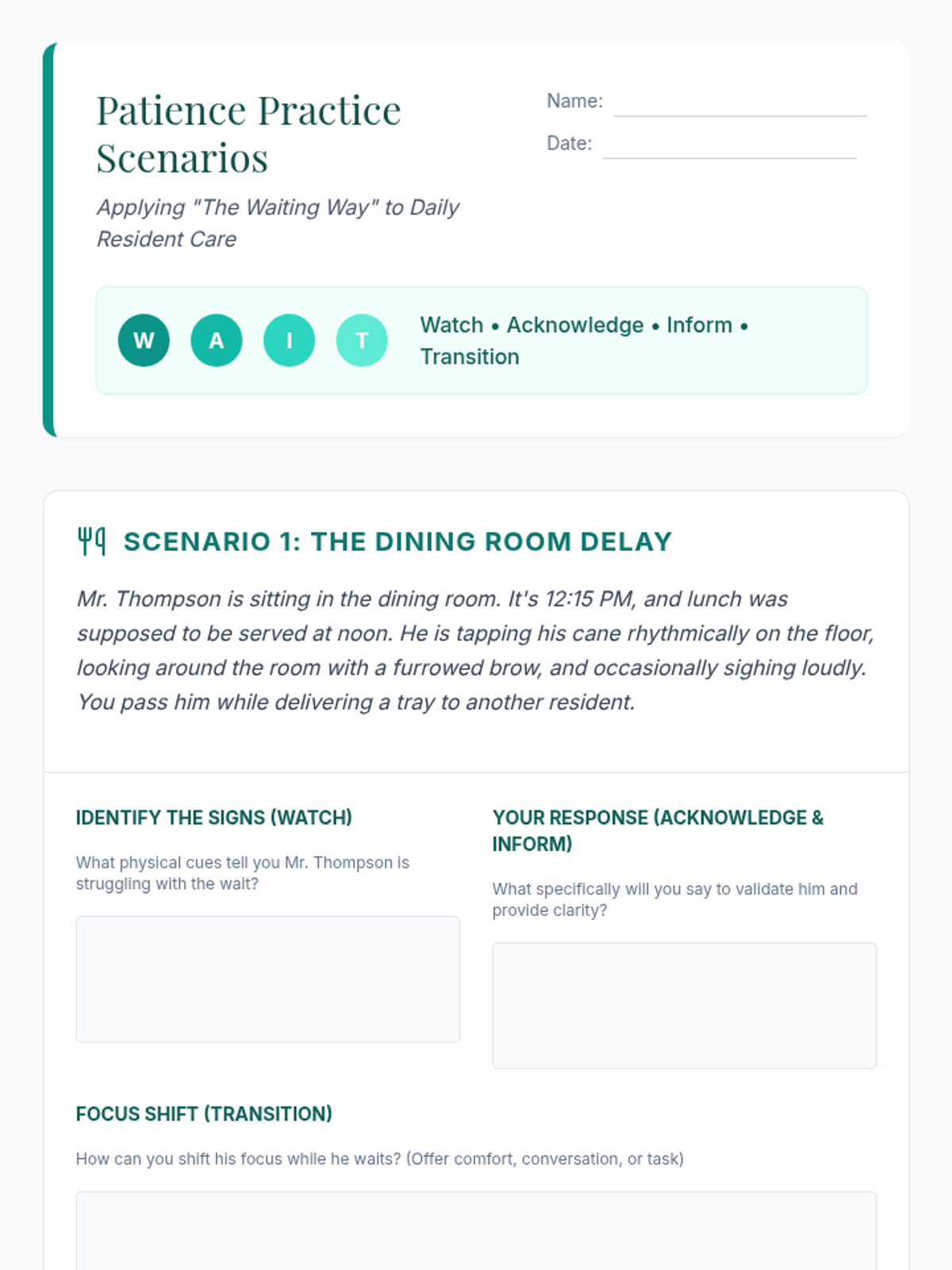
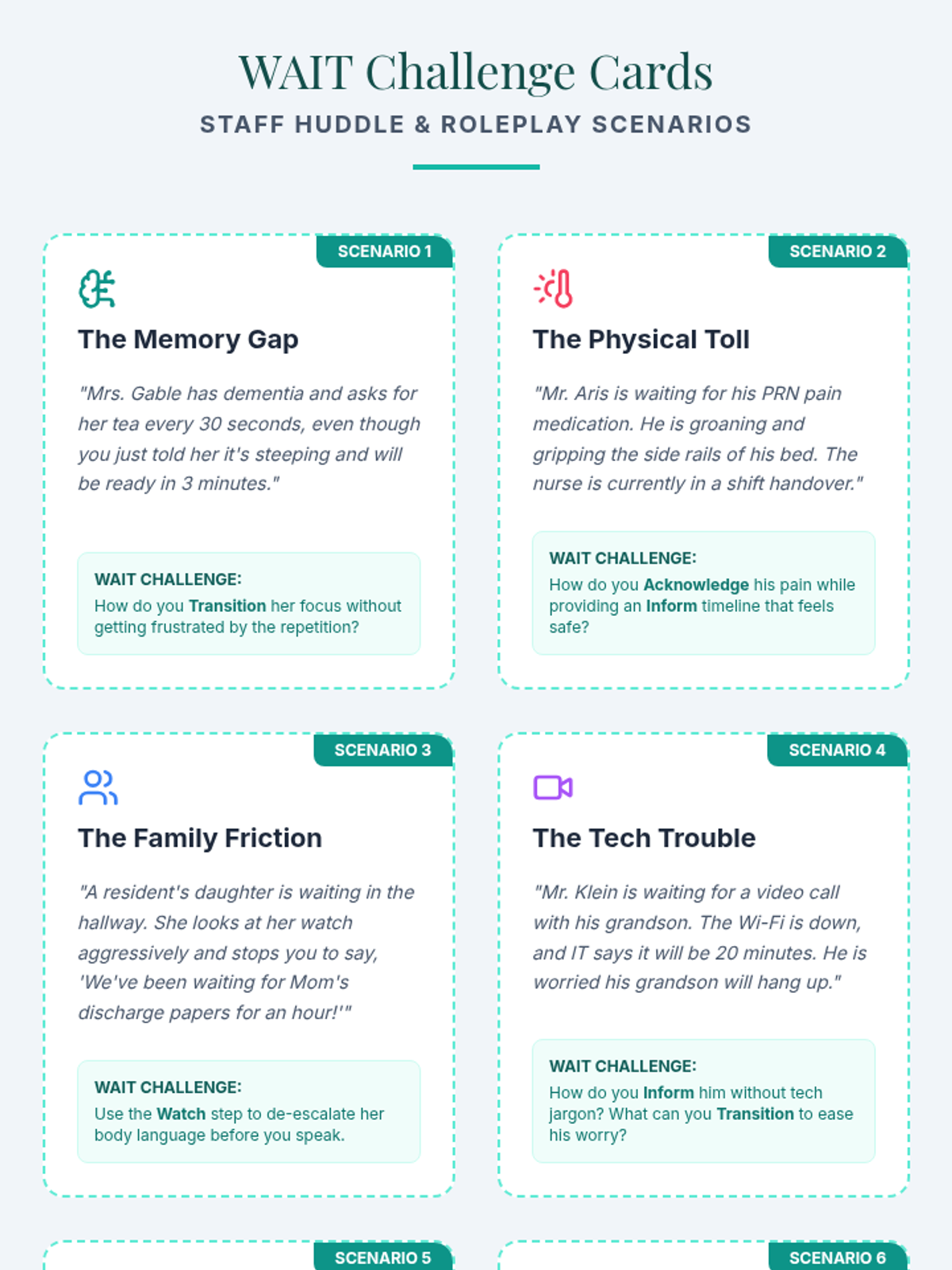
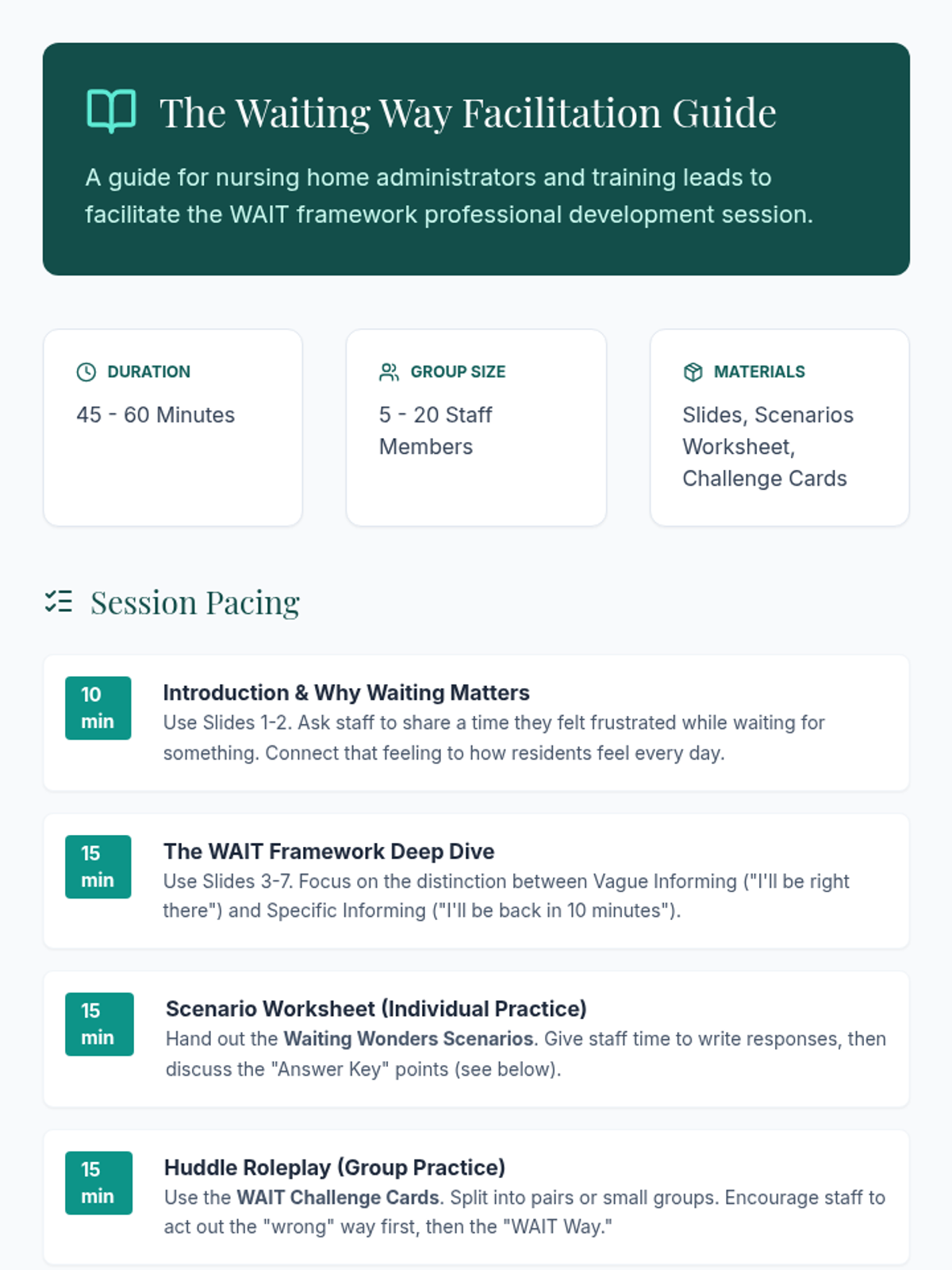
A professional development series for nursing home staff and volunteers focused on enhancing resident communication and emotional support through practical strategies.
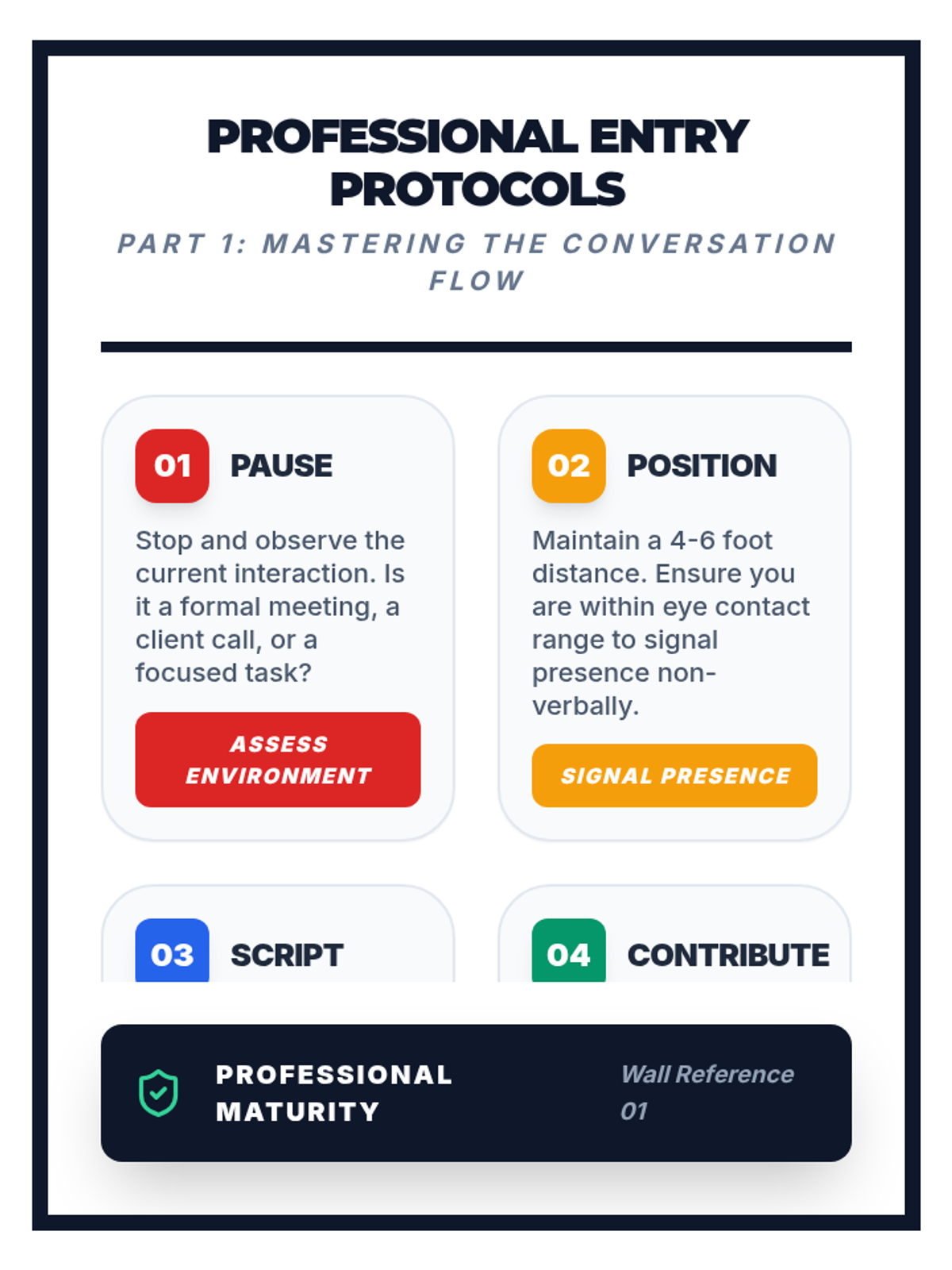
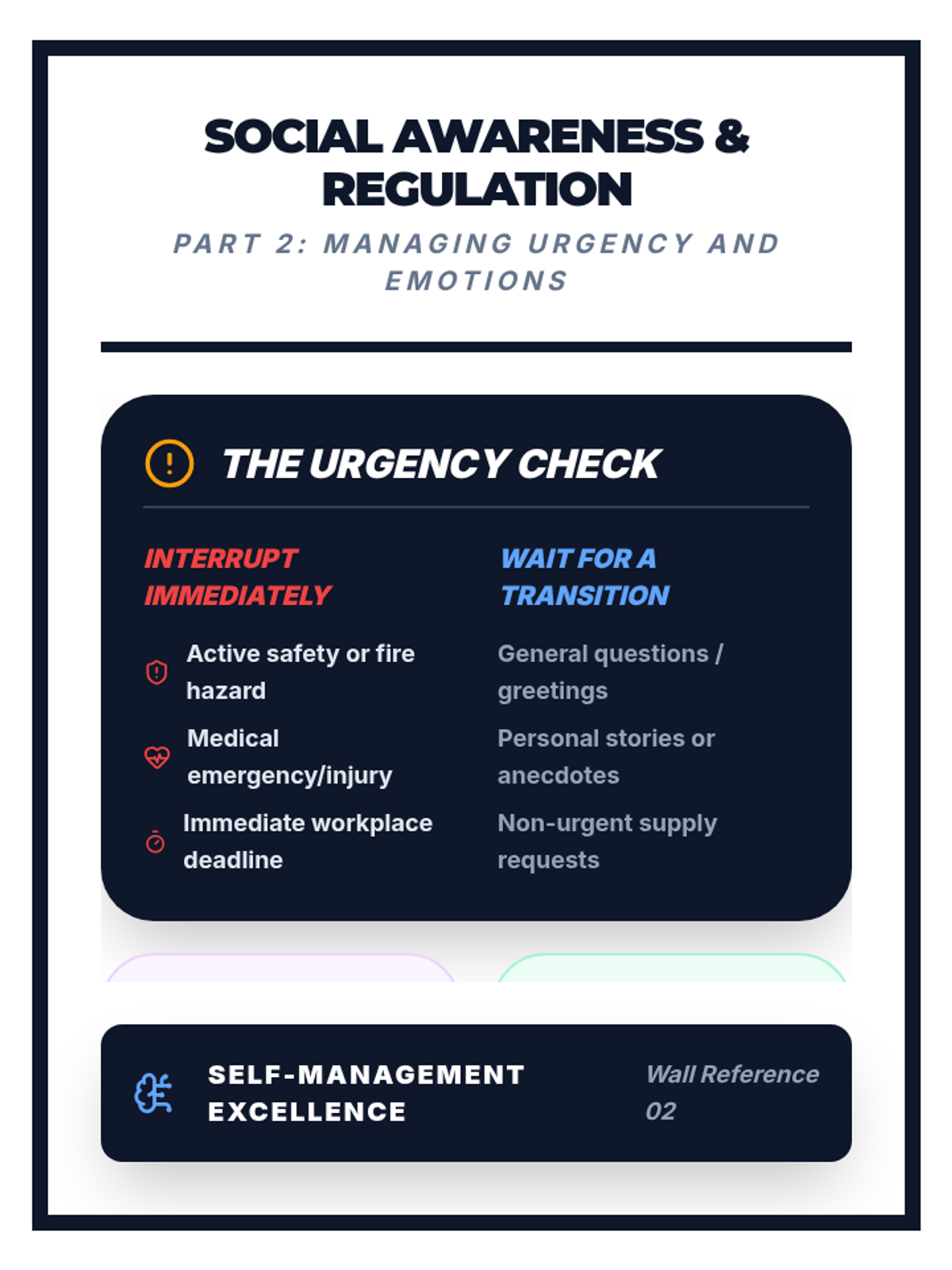
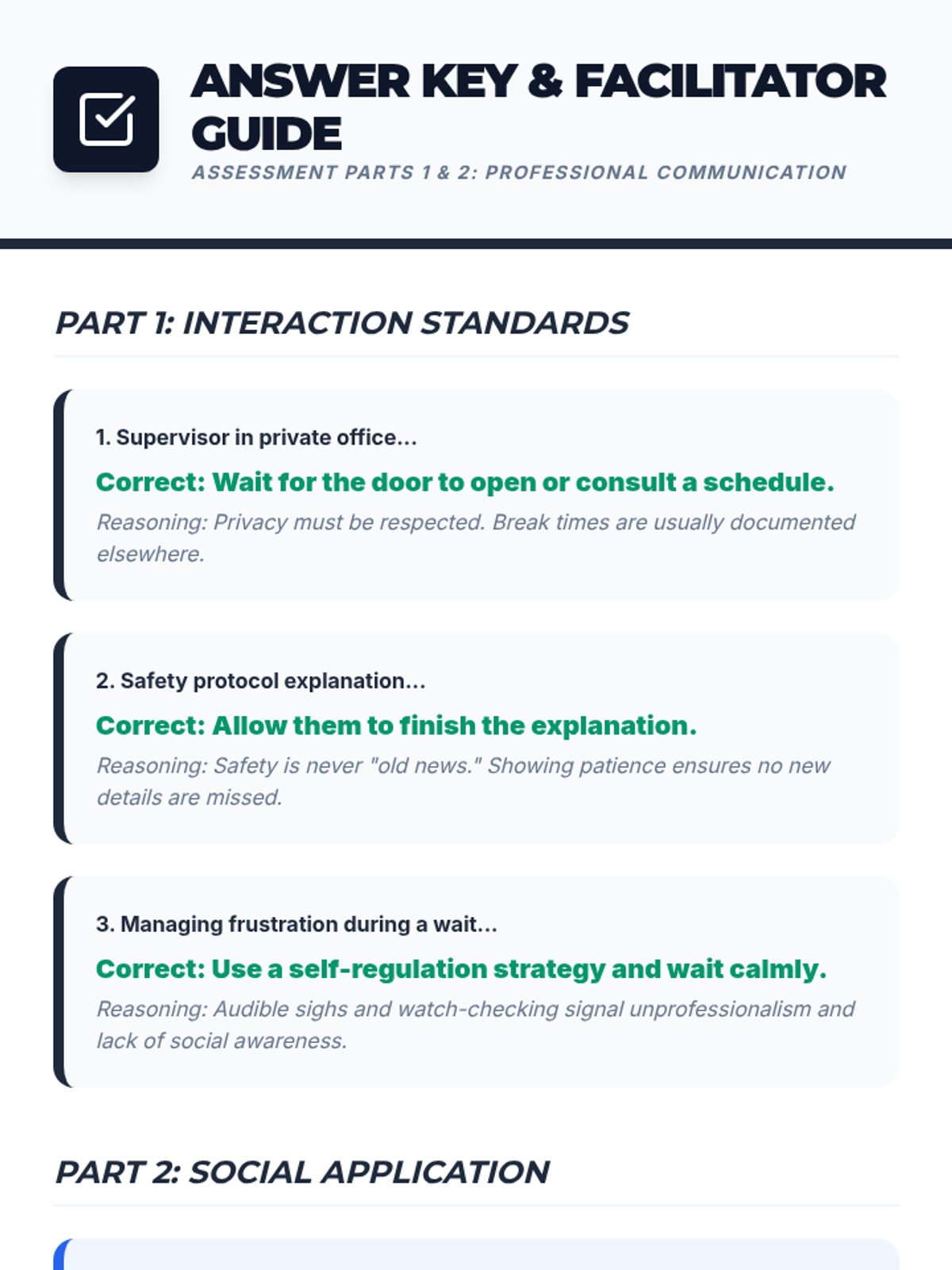
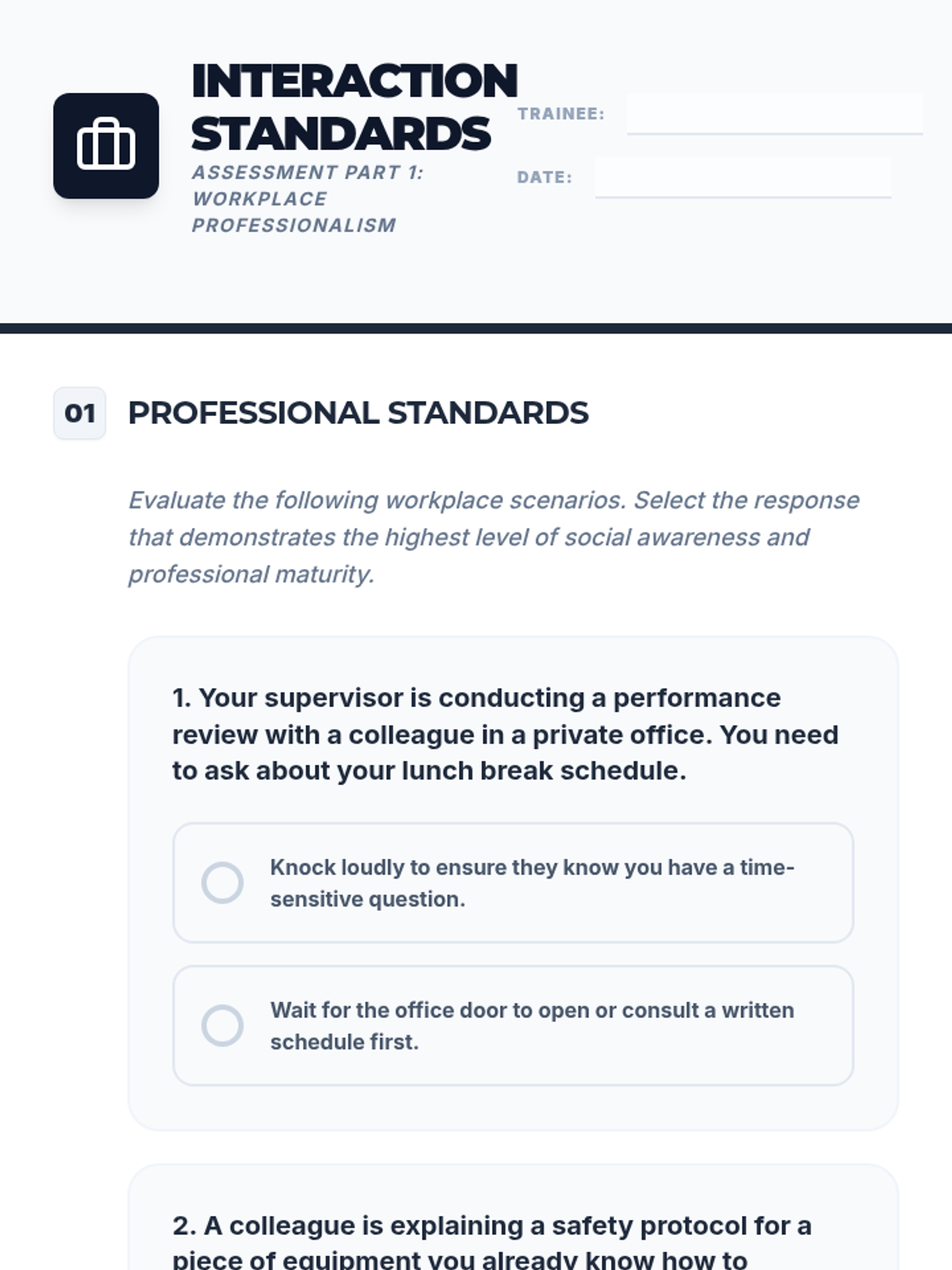
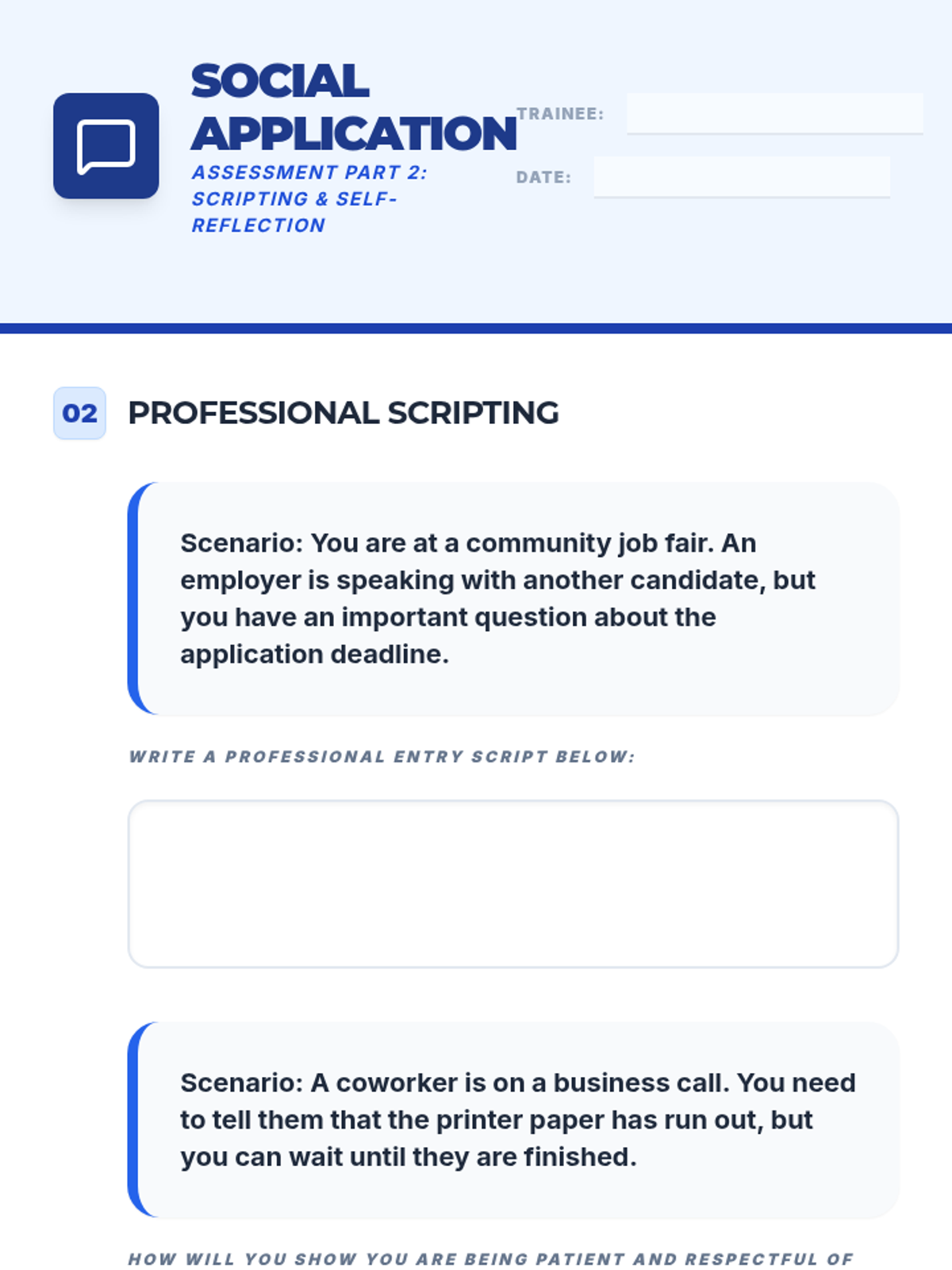
A comprehensive guide to navigating social interactions and professional boundaries in the workplace, specifically focusing on respectful interruption and emotional regulation.
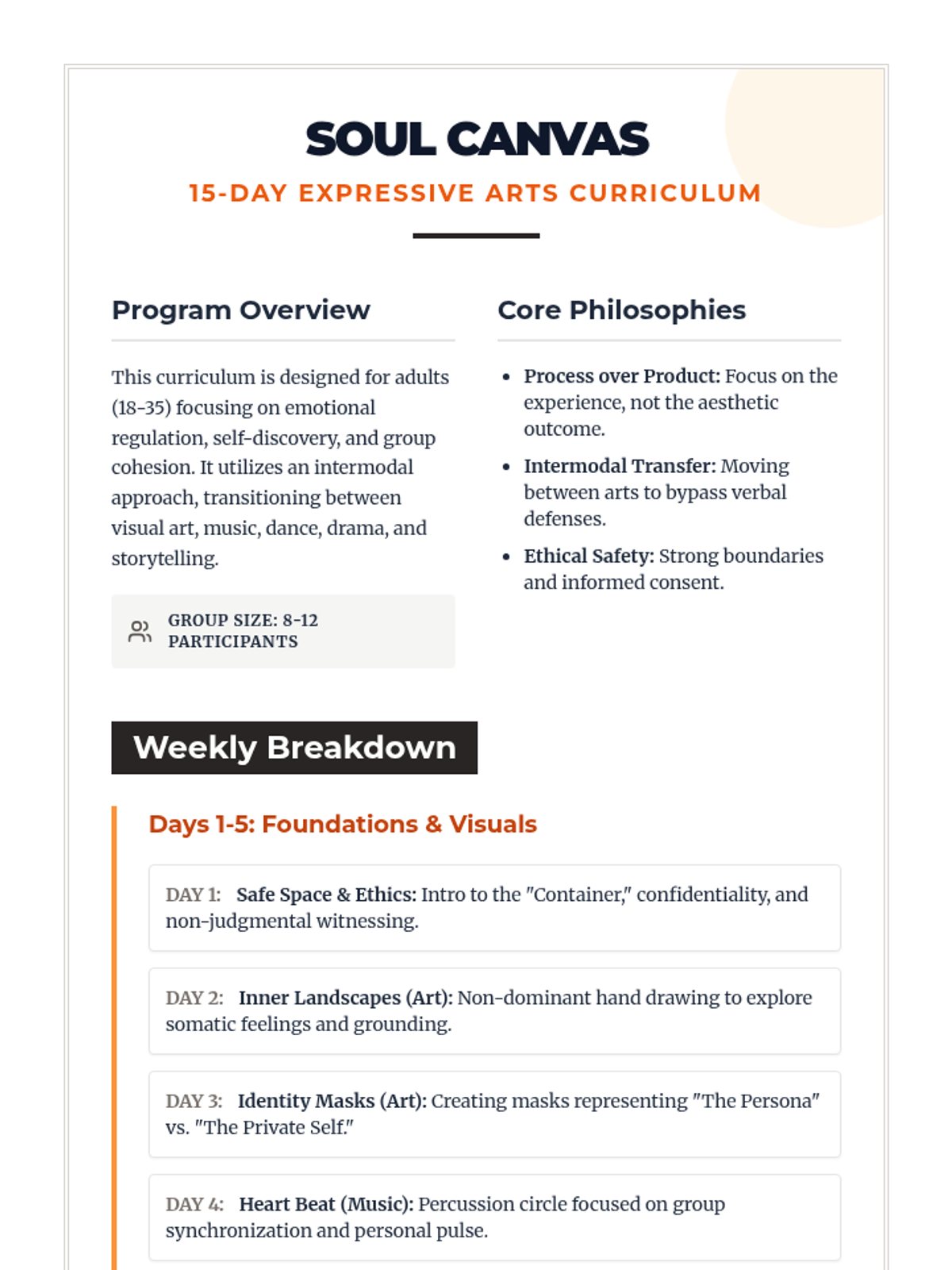
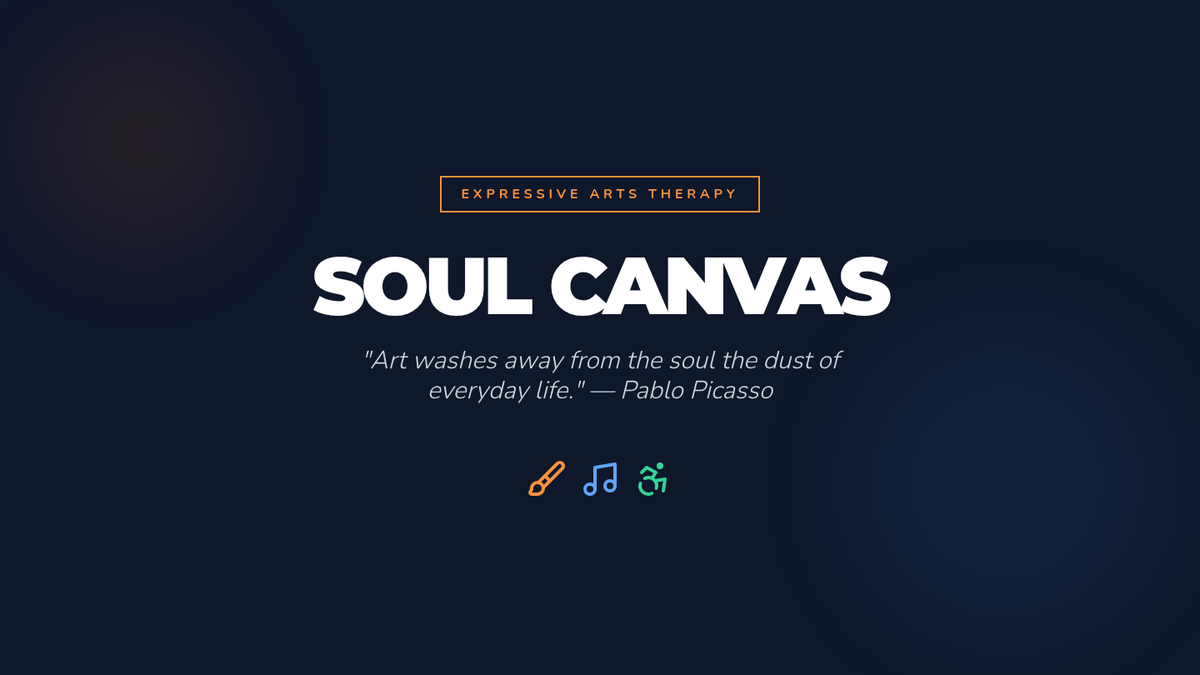
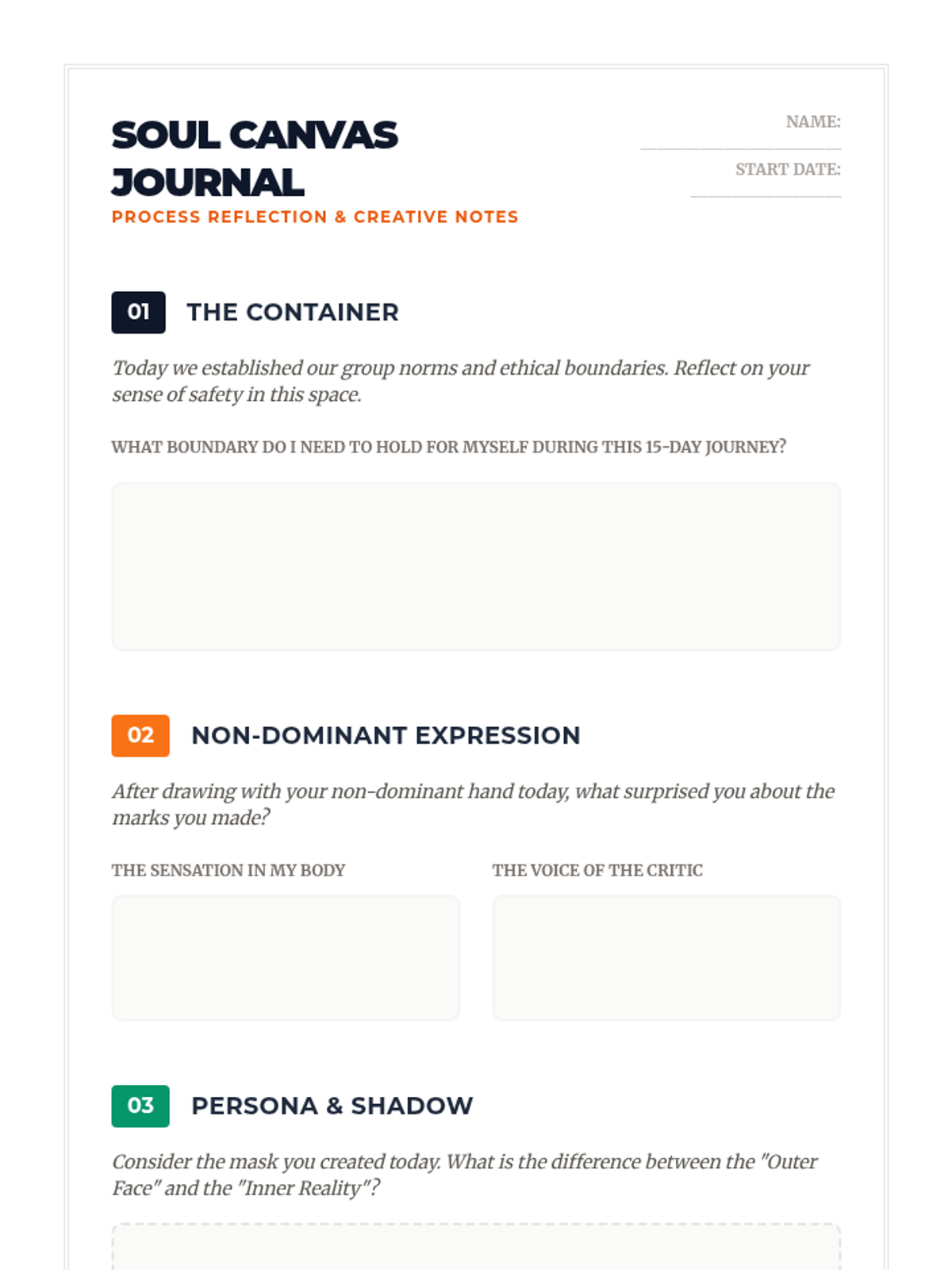
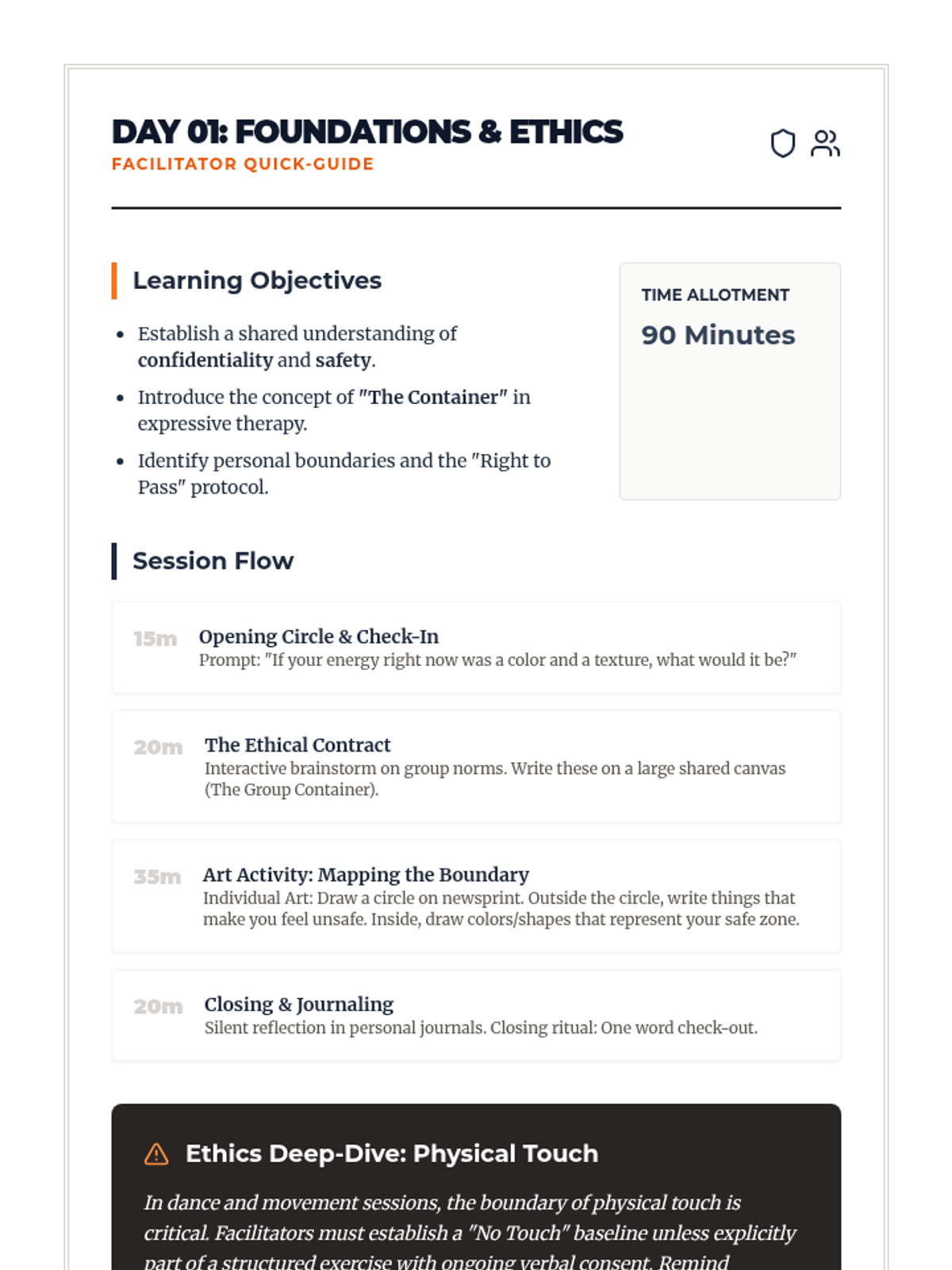
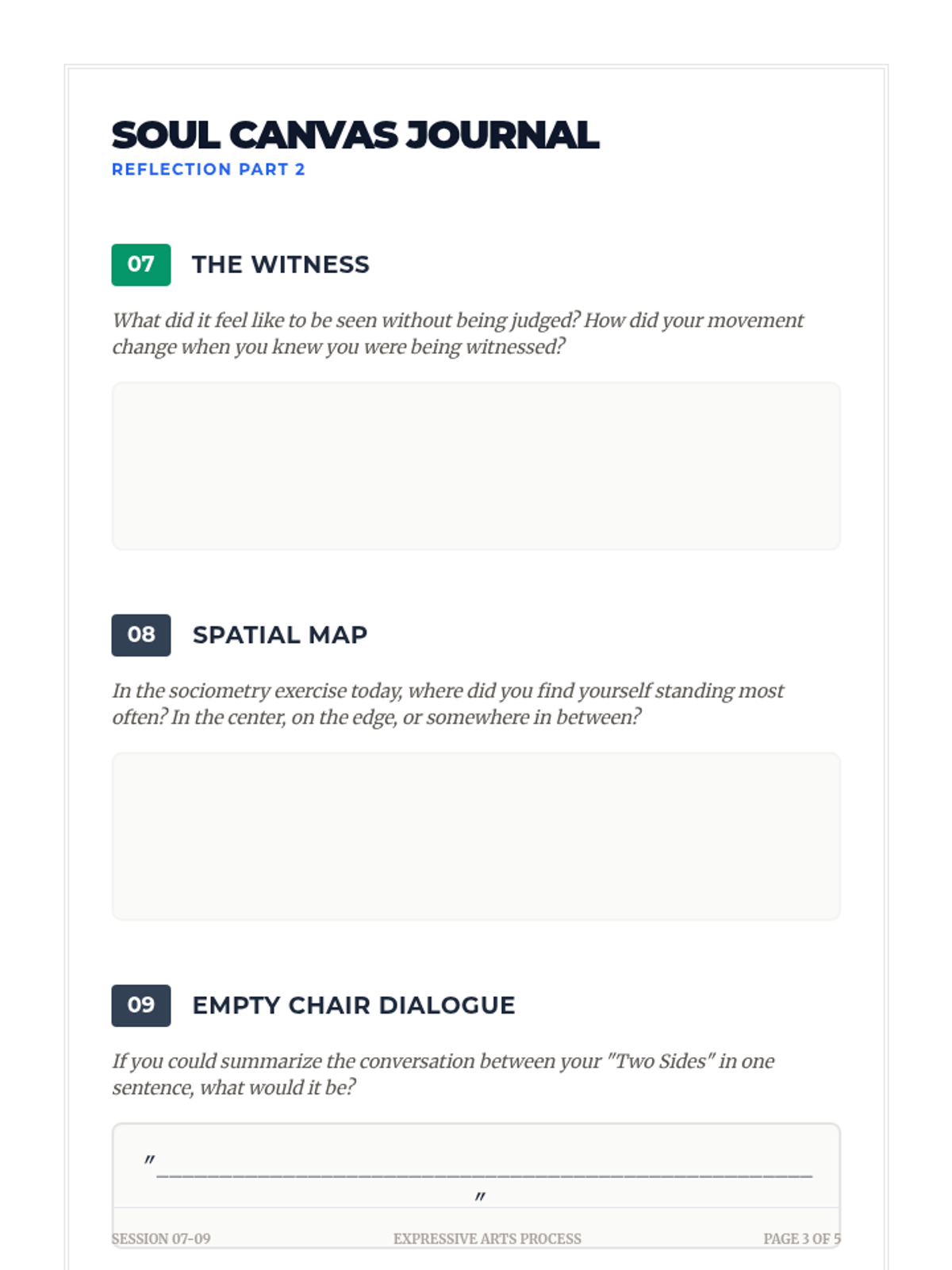
A comprehensive 15-day expressive arts therapy program for adults, integrating visual arts, music, dance, psychodrama, storytelling, and professional ethics.
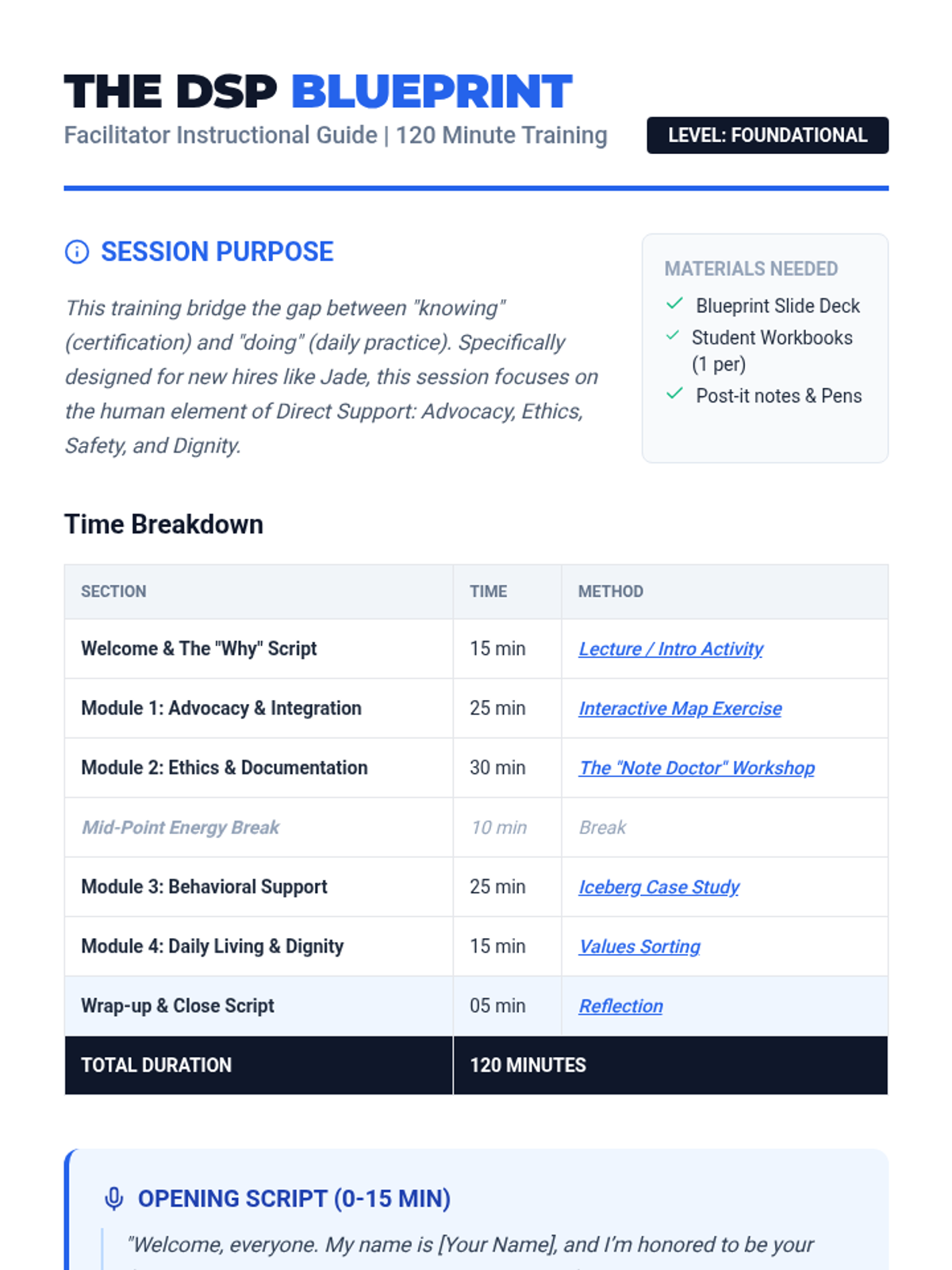
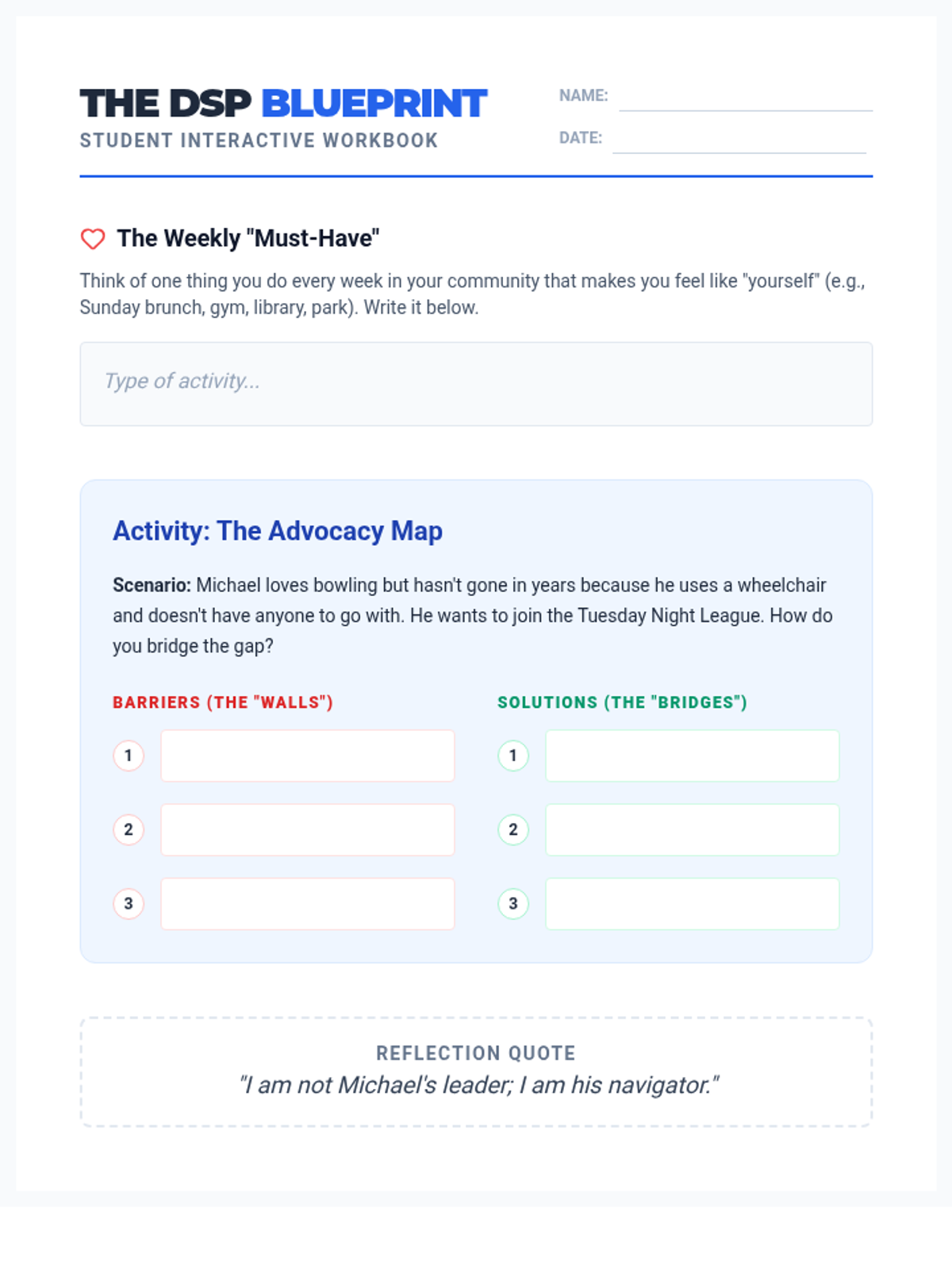
A comprehensive training sequence designed for new Direct Support Professionals (DSPs). It covers the core pillars of the role including advocacy, ethics, behavioral support, and daily care through a 120-minute immersive training experience.
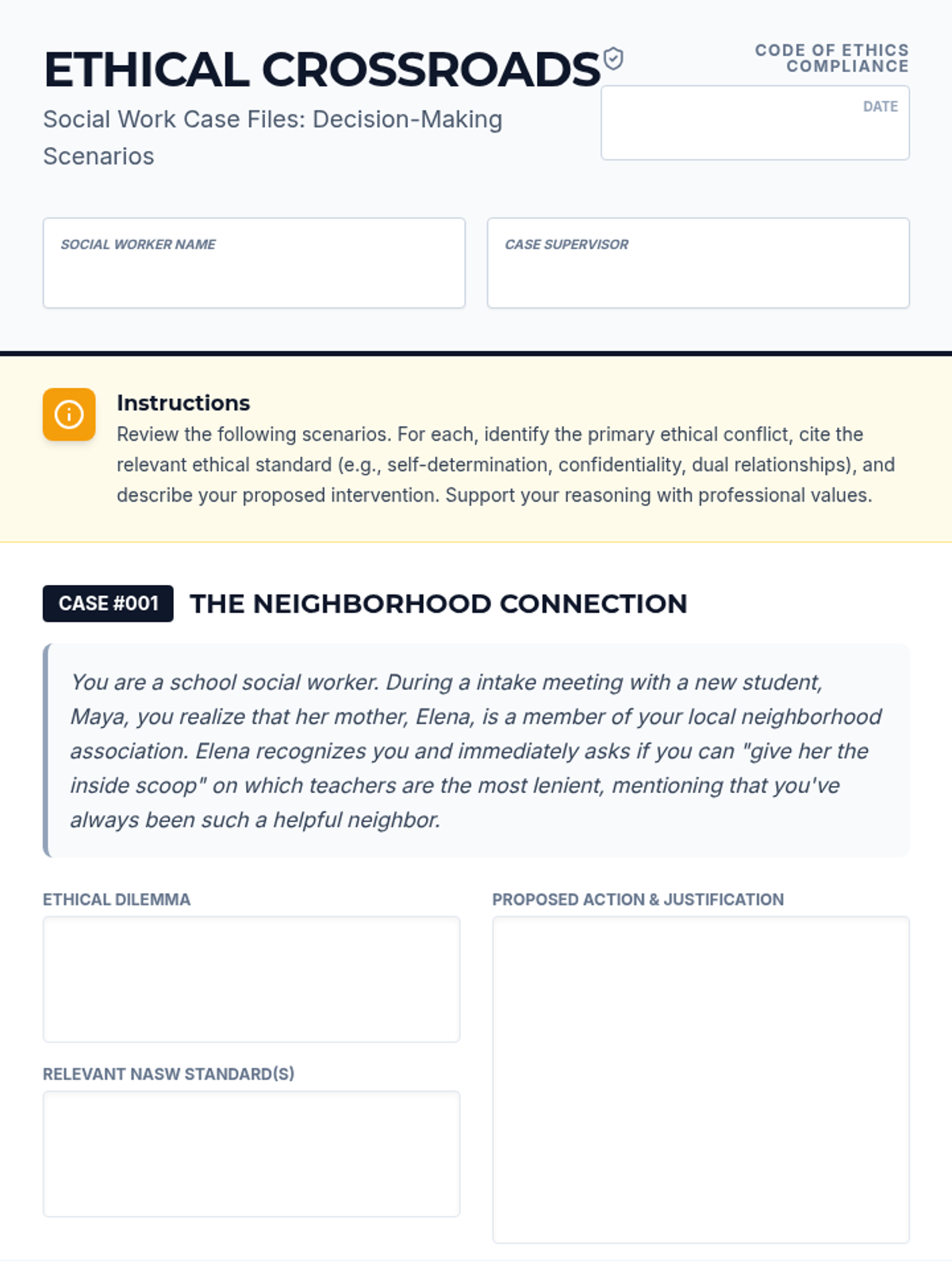
A comprehensive suite of professional resources for social work students and practitioners, covering ethical decision-making, crisis management, grant acquisition, trauma-informed practices, and community evaluation.
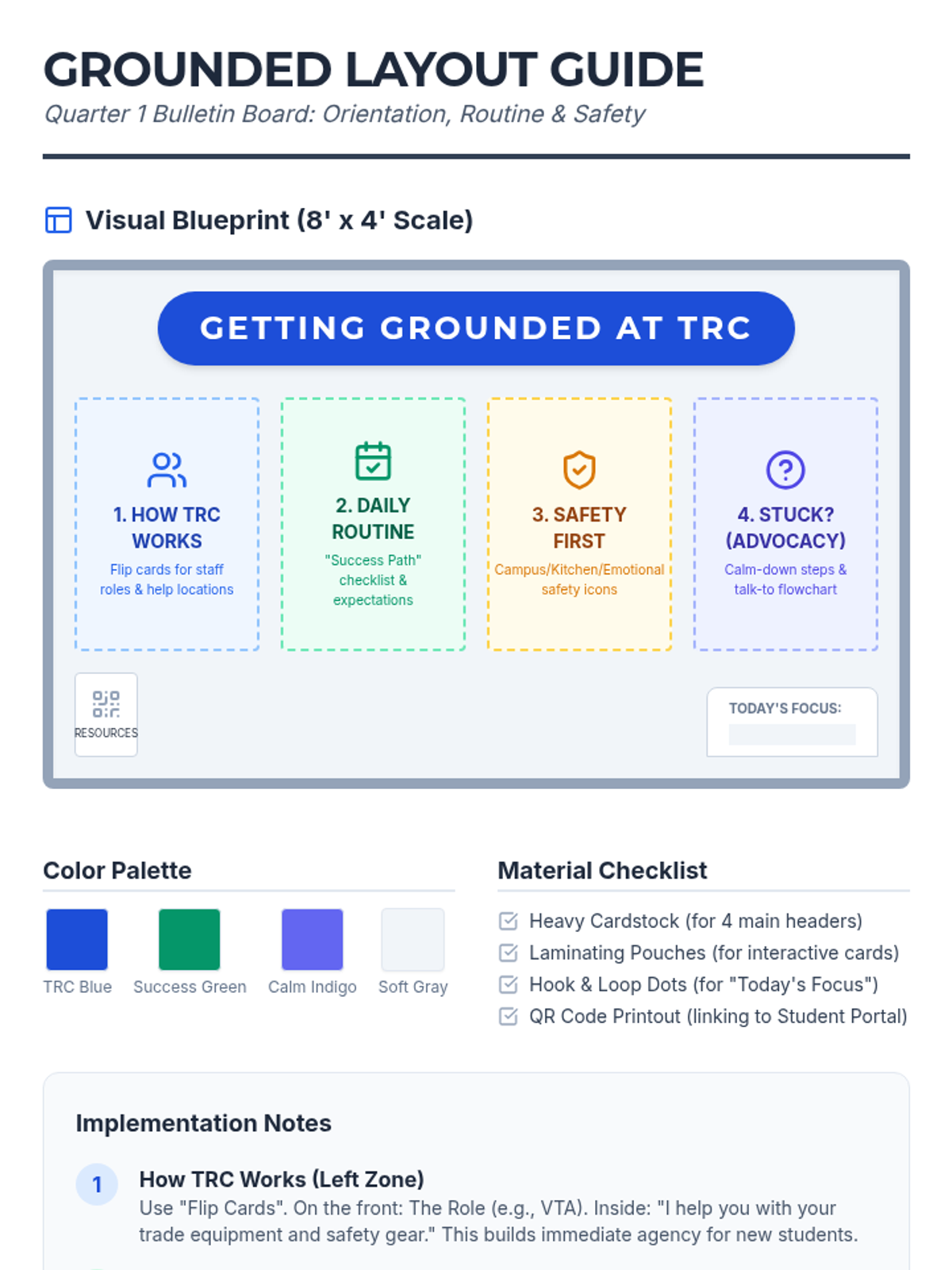
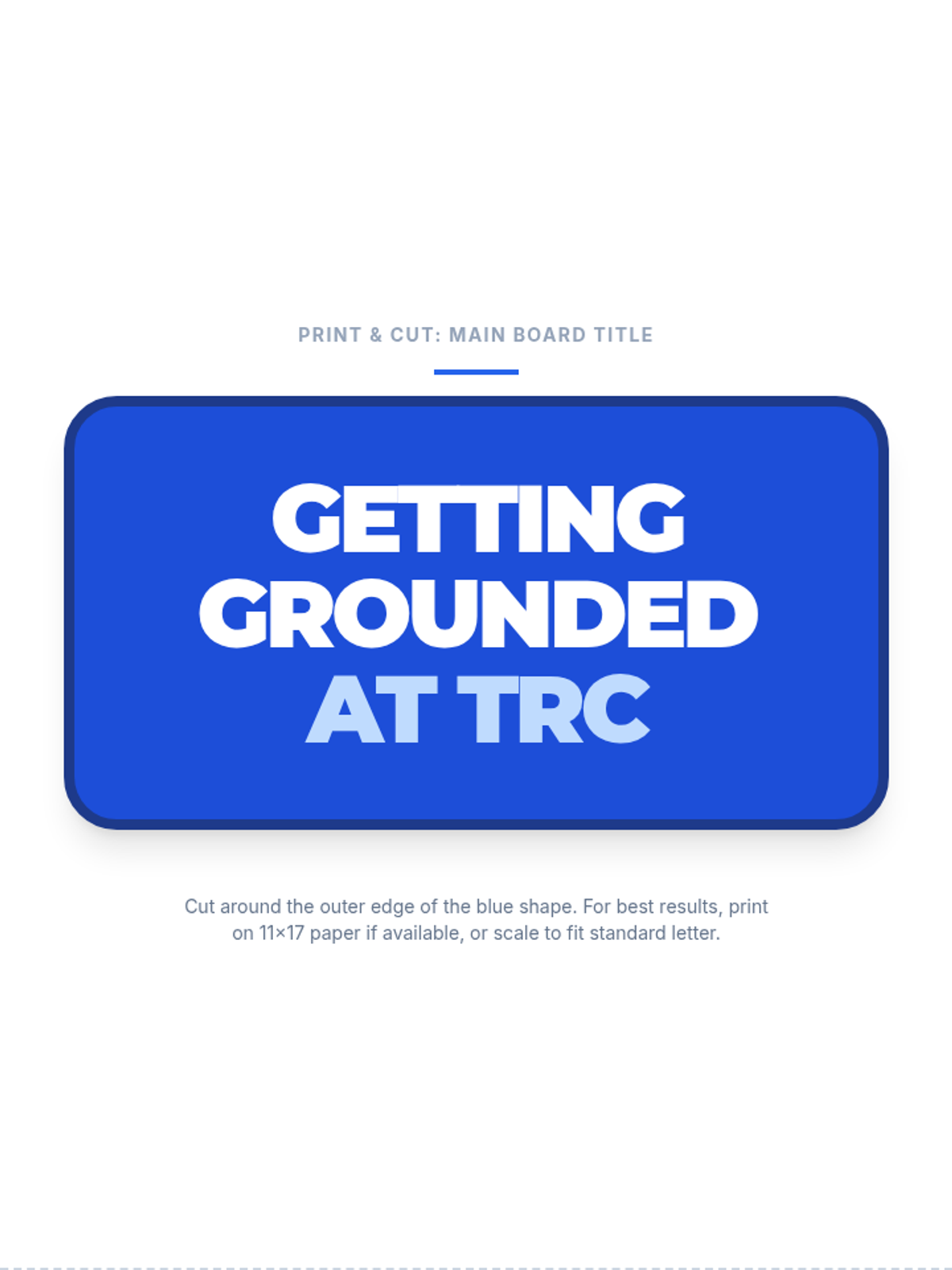
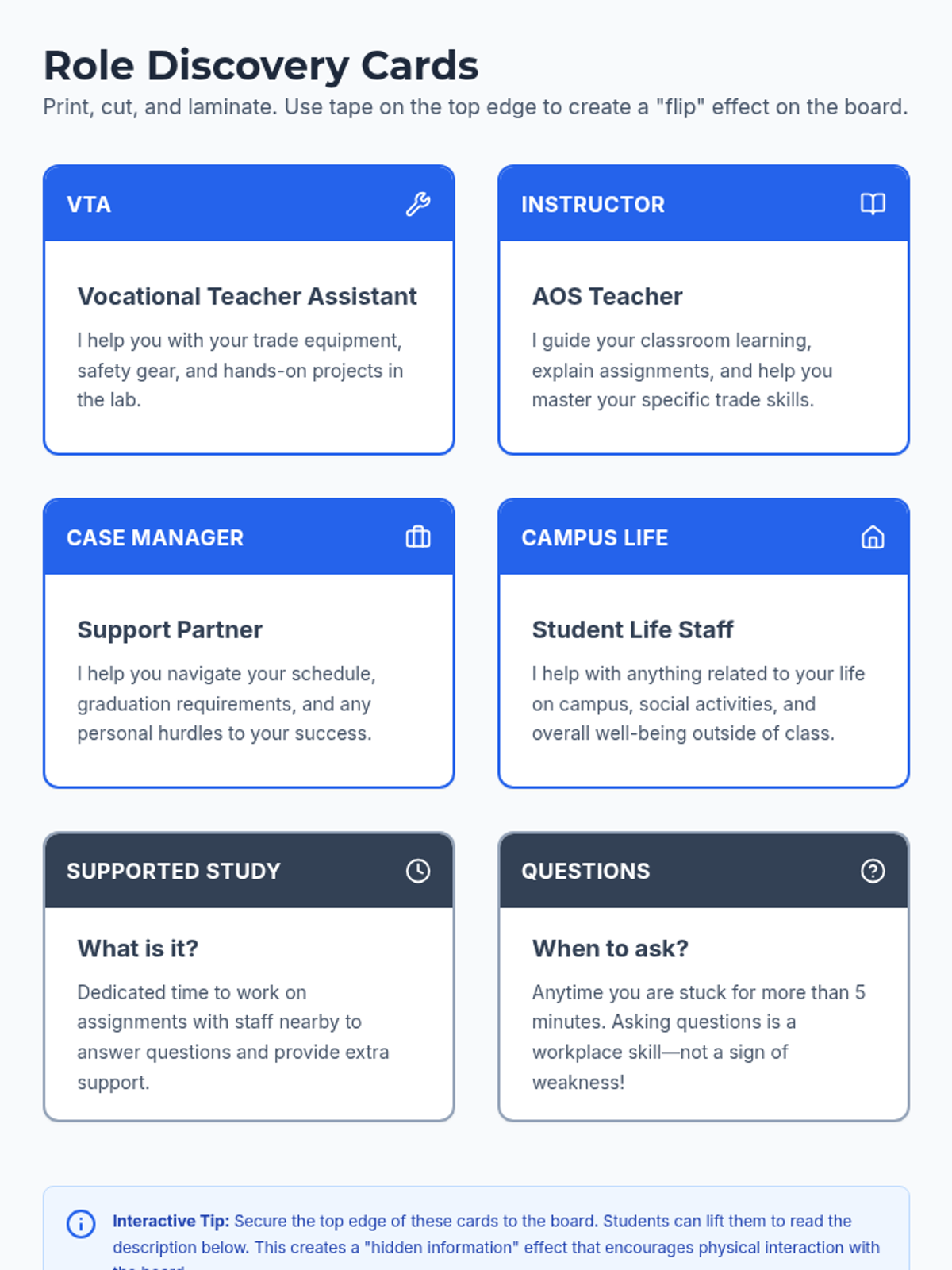
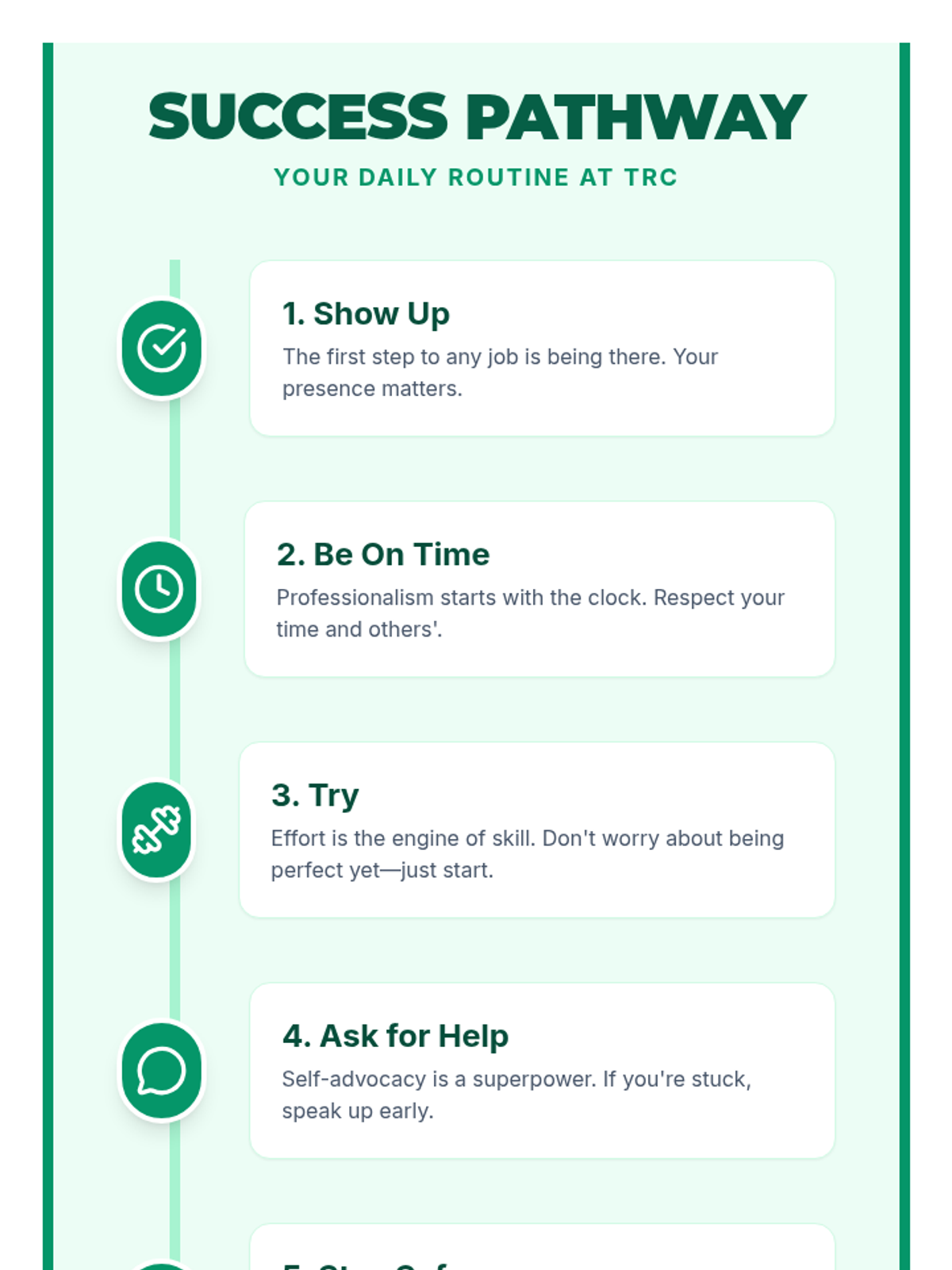
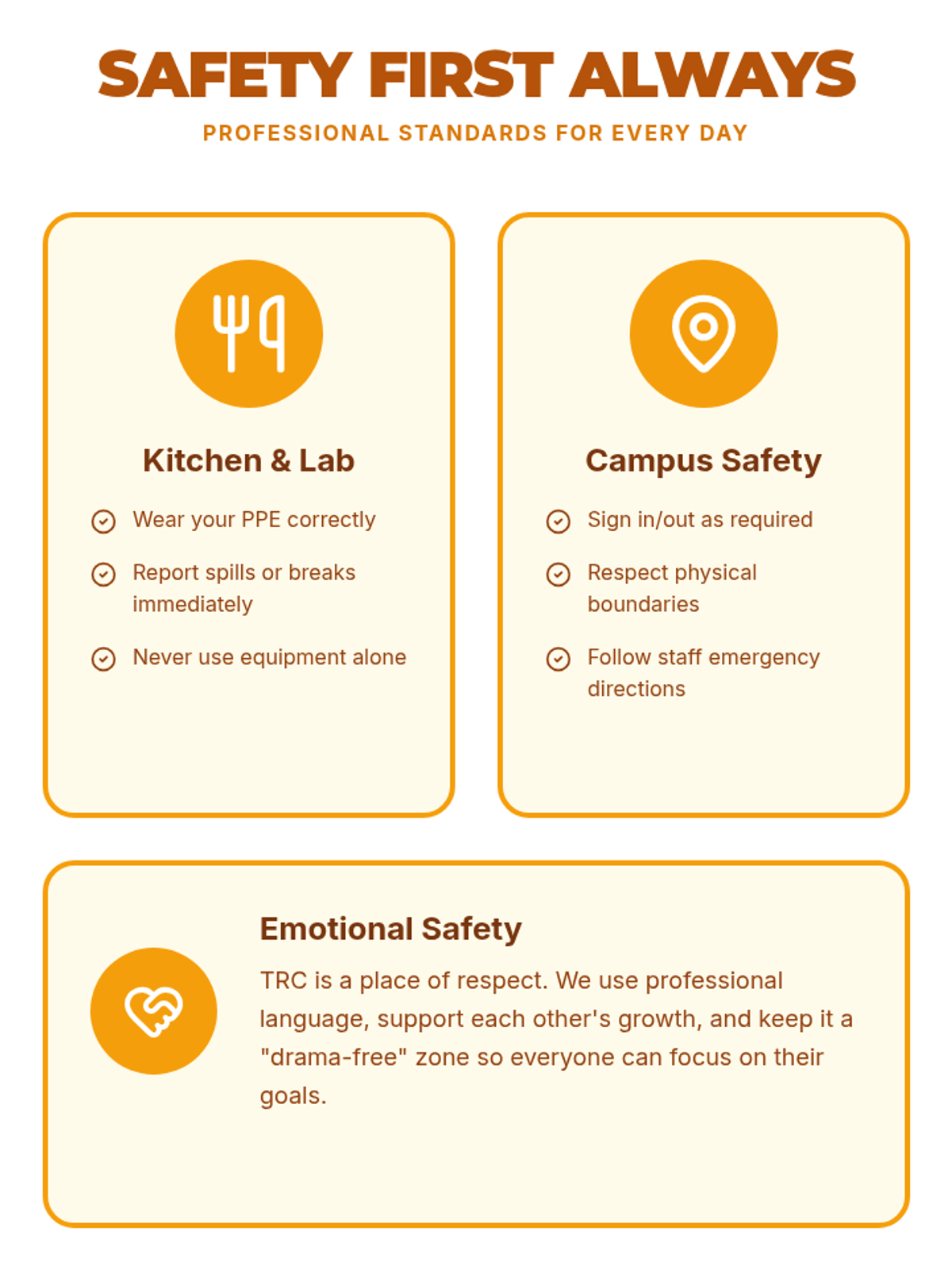
A collection of quarterly bulletin board designs for TRC, providing visual blueprints and printable components to help students navigate orientation, skill-building, and transition planning.
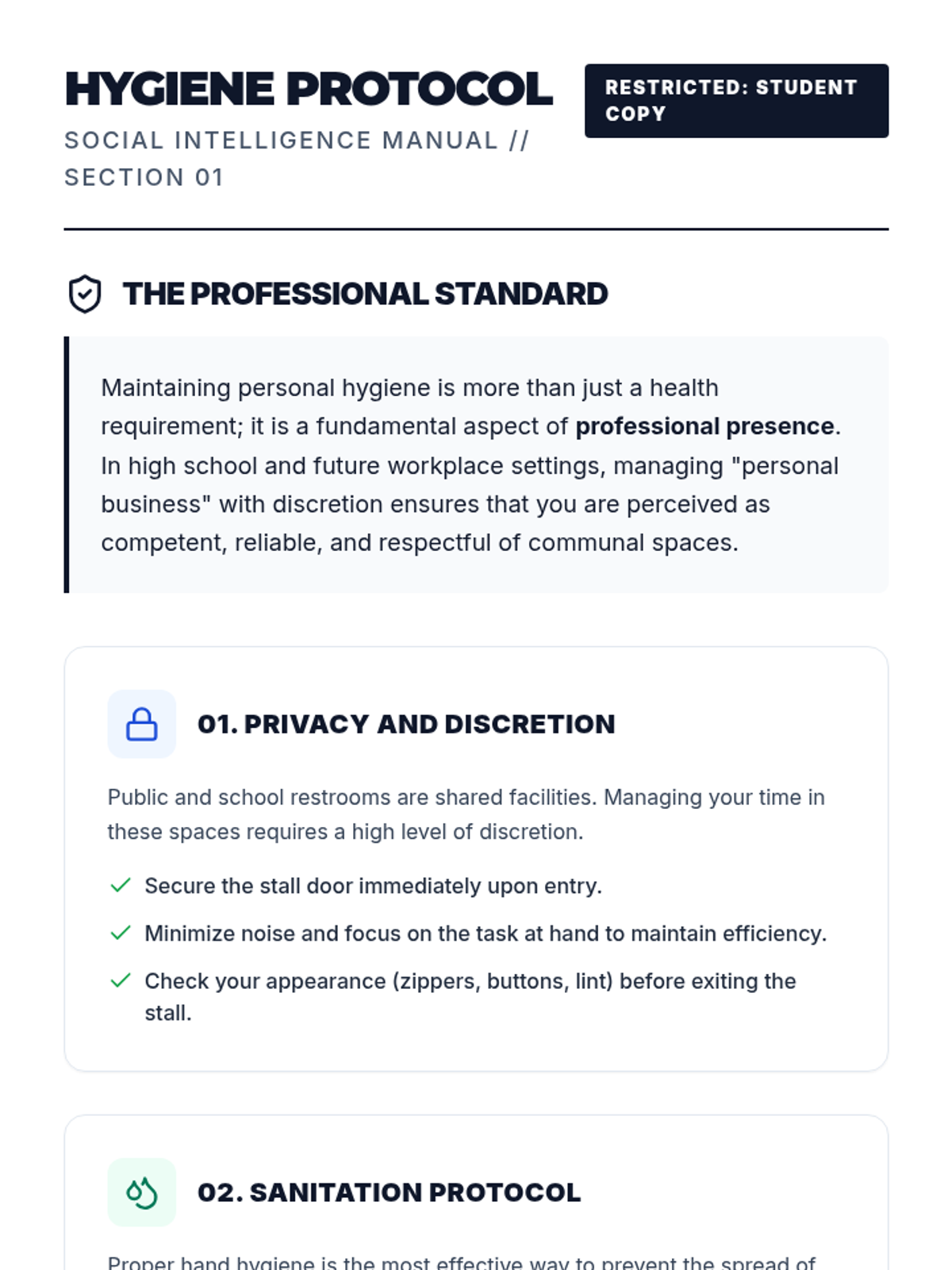
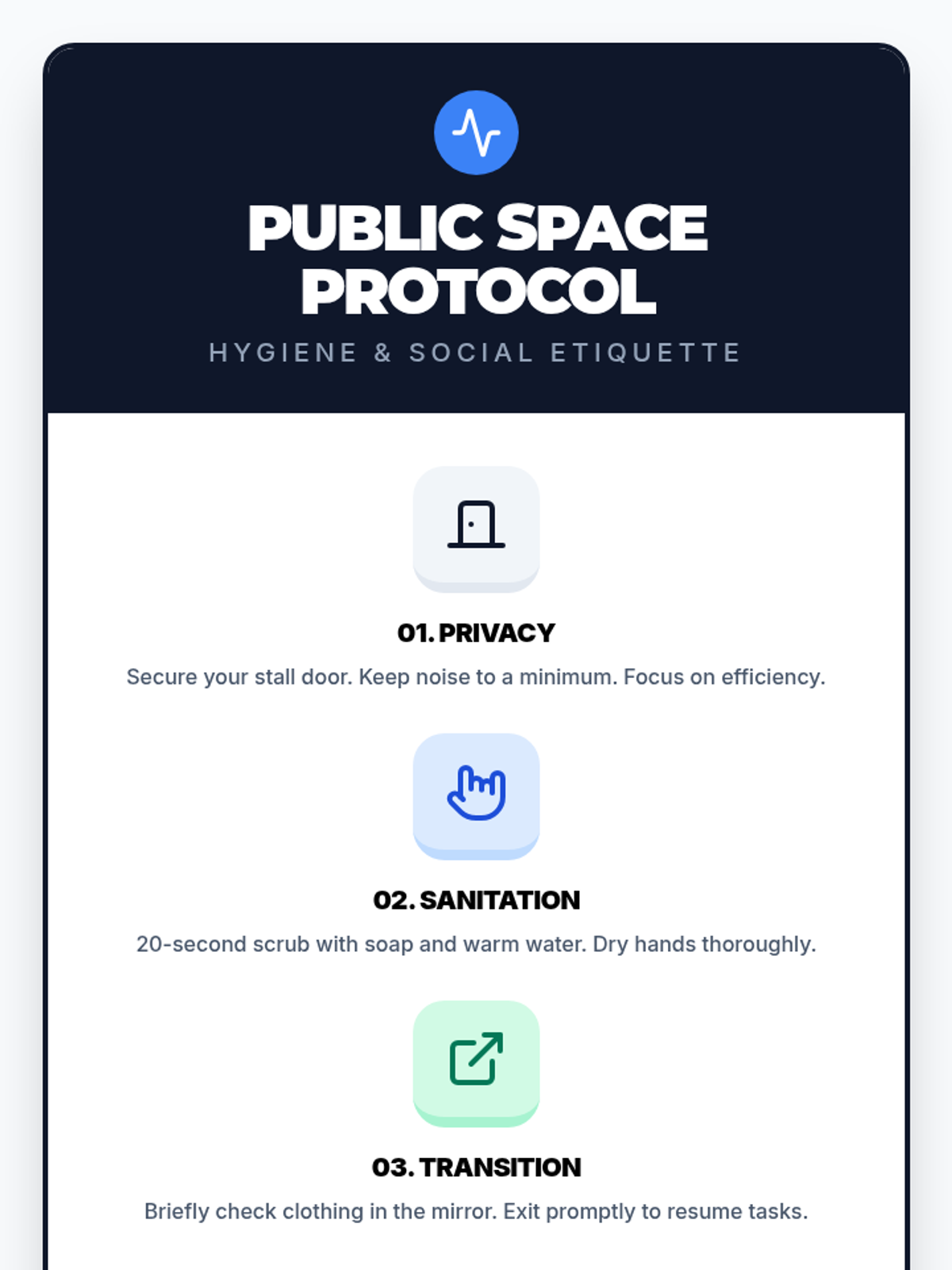
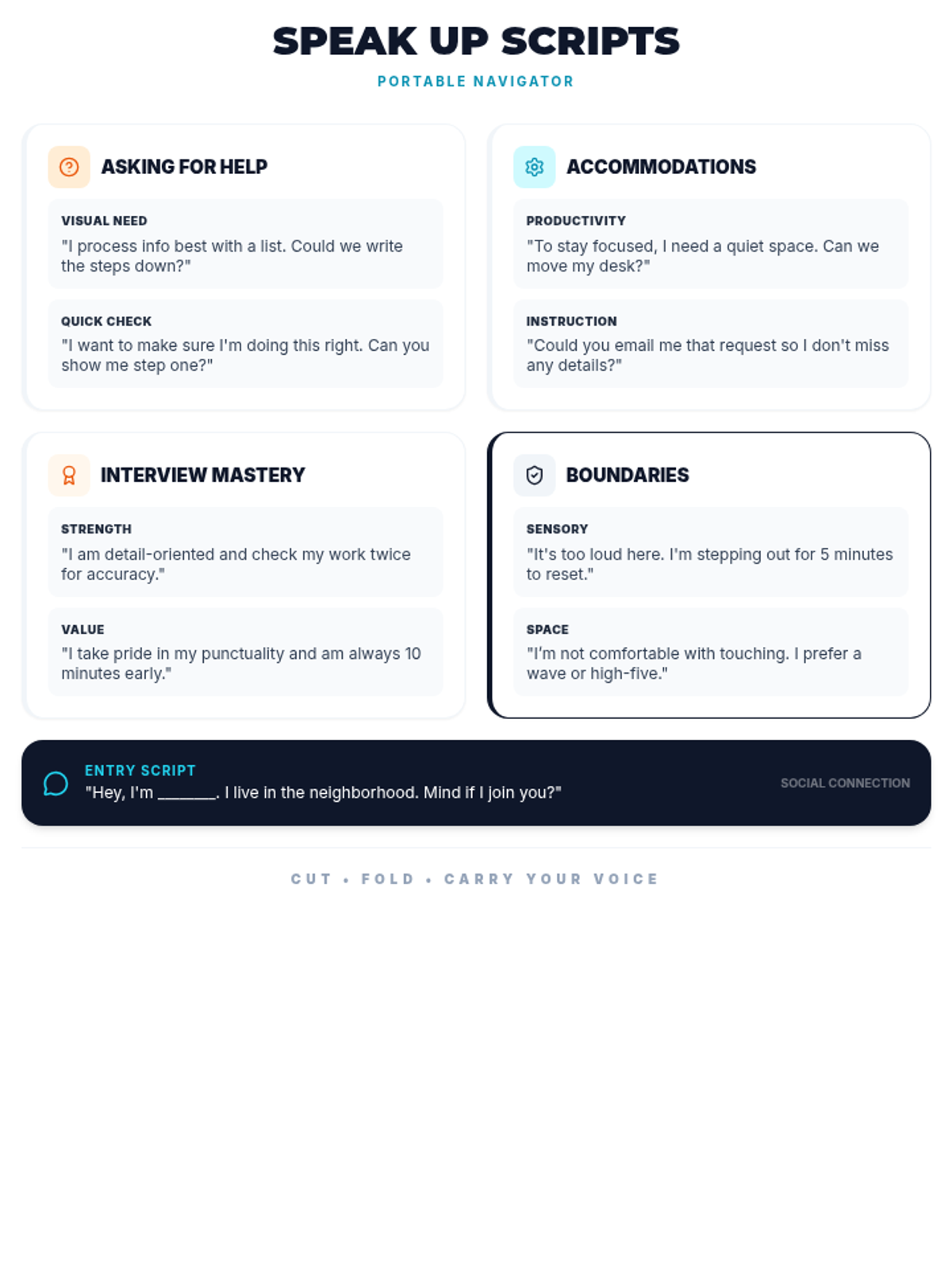
A specialized collection of social navigation guides and visual protocols designed for high school students to master professional routines, interpersonal boundaries, and active engagement in academic and vocational settings.
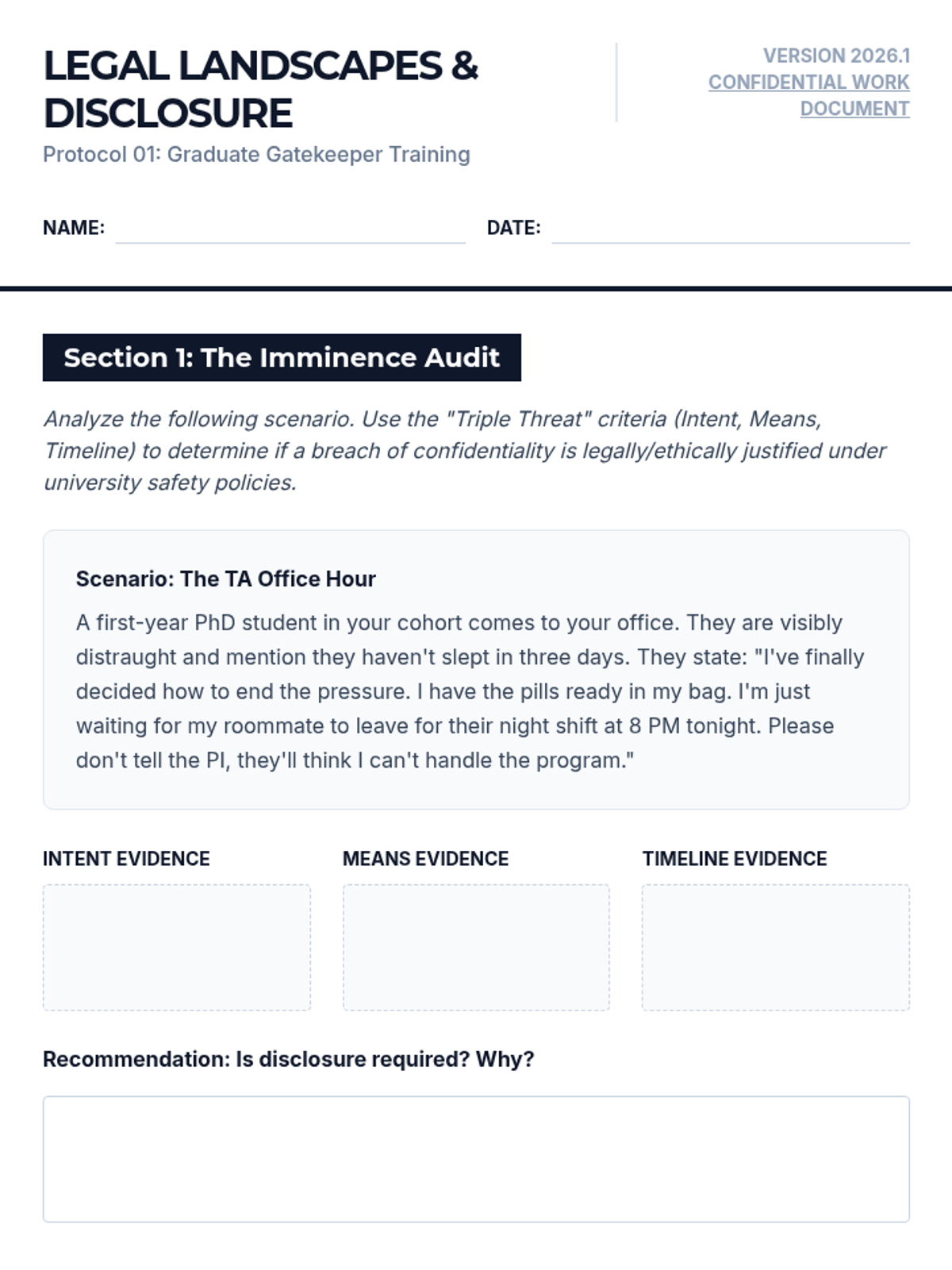
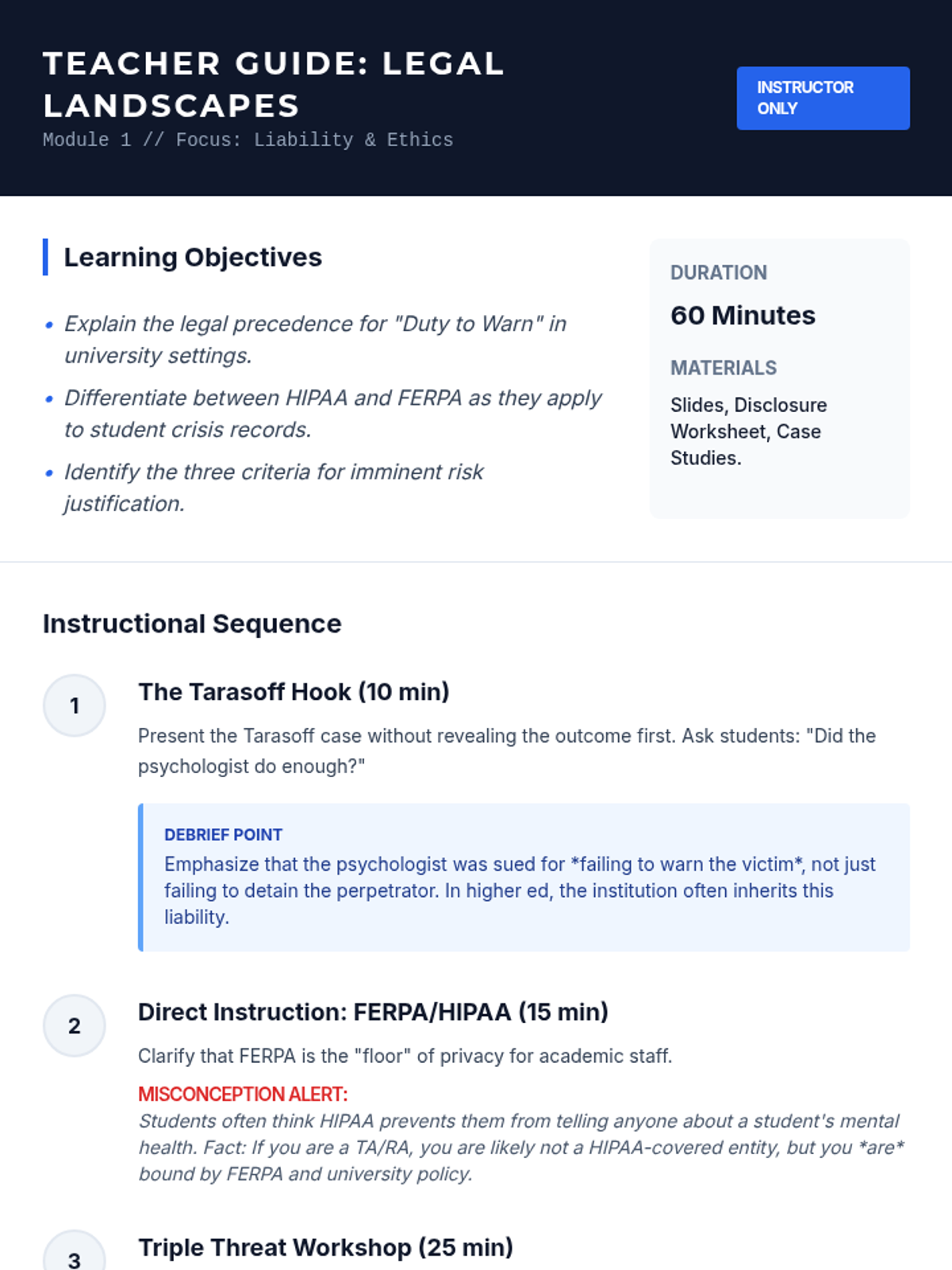
A comprehensive training for graduate student leaders on the legal, ethical, and systemic dimensions of peer gatekeeping in university settings. This sequence bridges the gap between supportive listening and institutional crisis intervention.
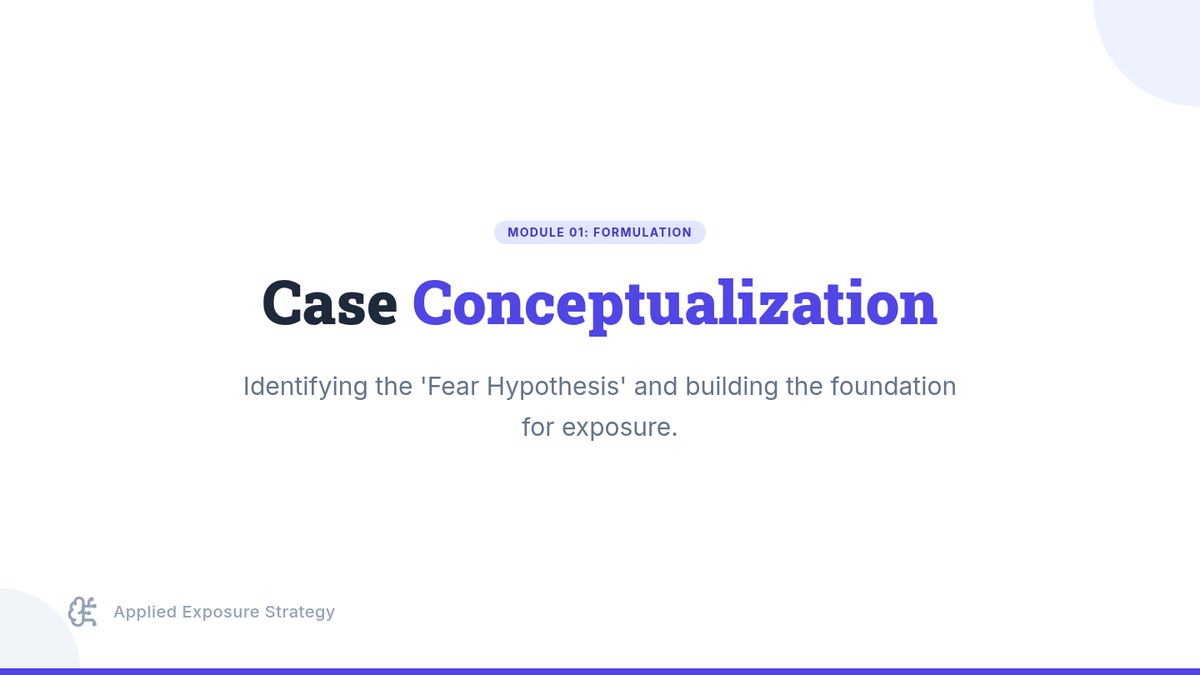
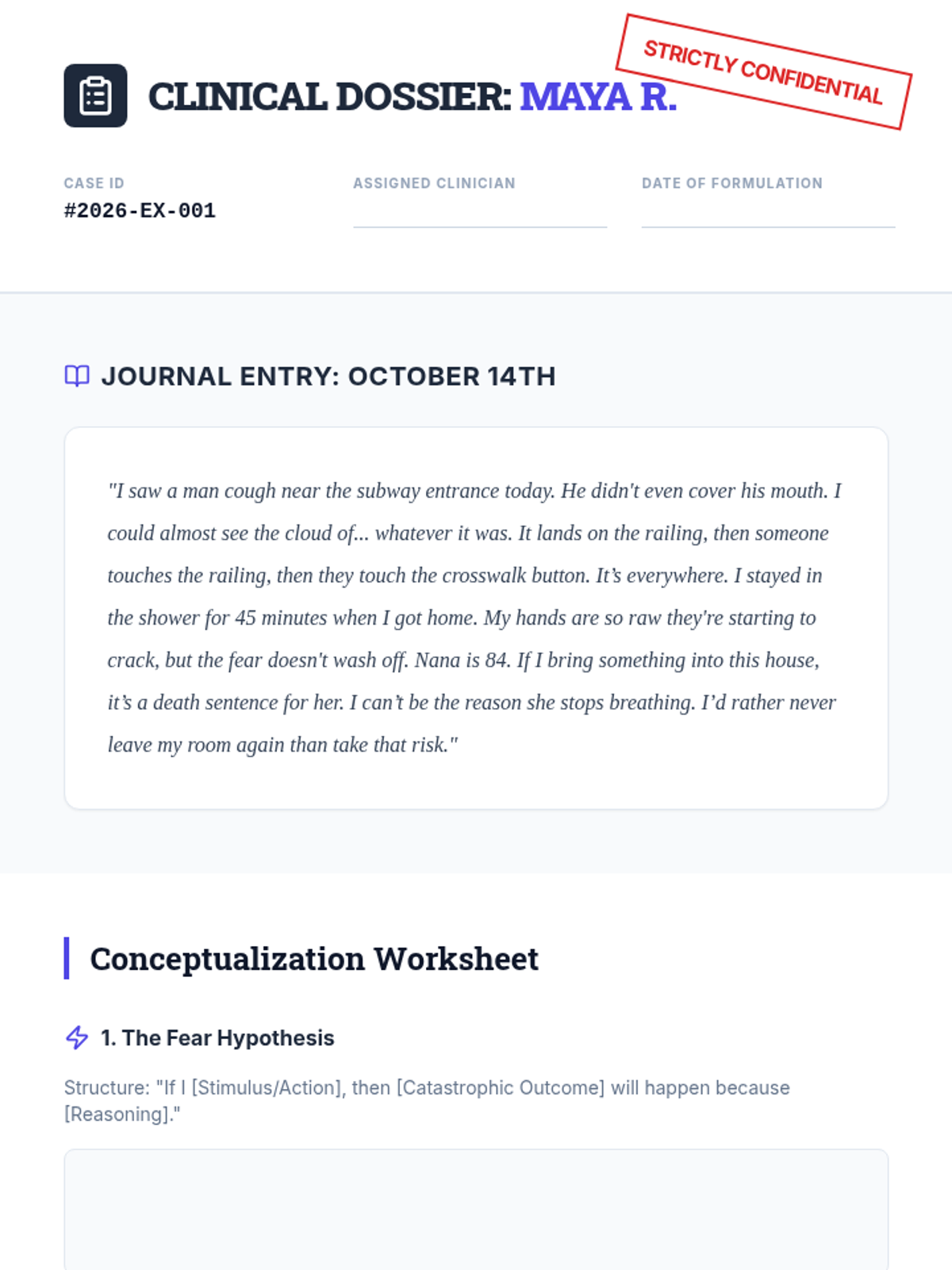
A comprehensive clinical simulation sequence for undergraduate students, focusing on the assessment, design, and delivery of exposure-based interventions for anxiety disorders. Students progress from initial case formulation to live session simulation, balancing therapeutic distress with clinical alliance.
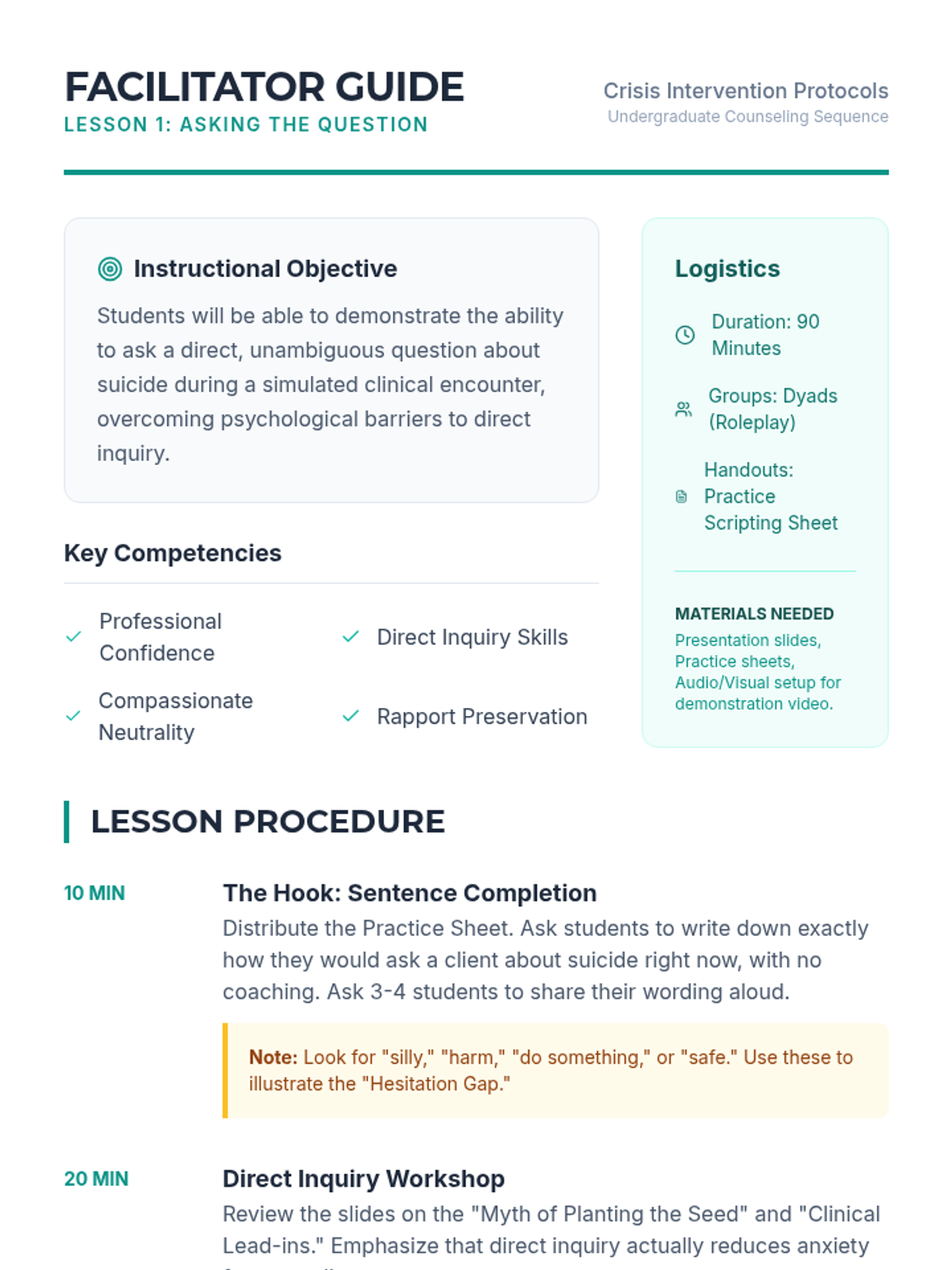
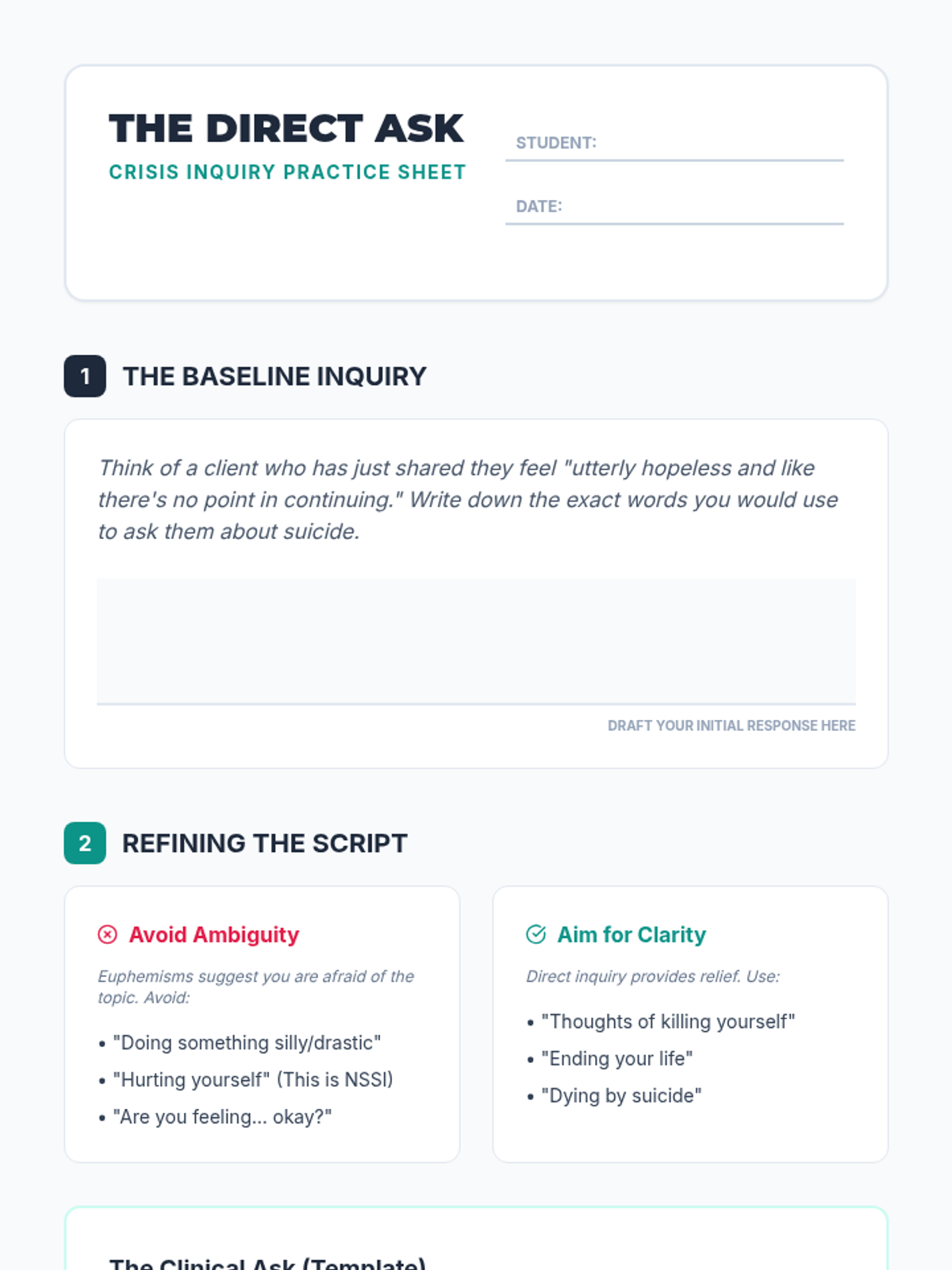
This sequence equips undergraduate counseling students with the interpersonal and procedural skills necessary for suicide intervention, covering direct communication, de-escalation, safety planning, lethal means counseling, and legal/ethical mandates.
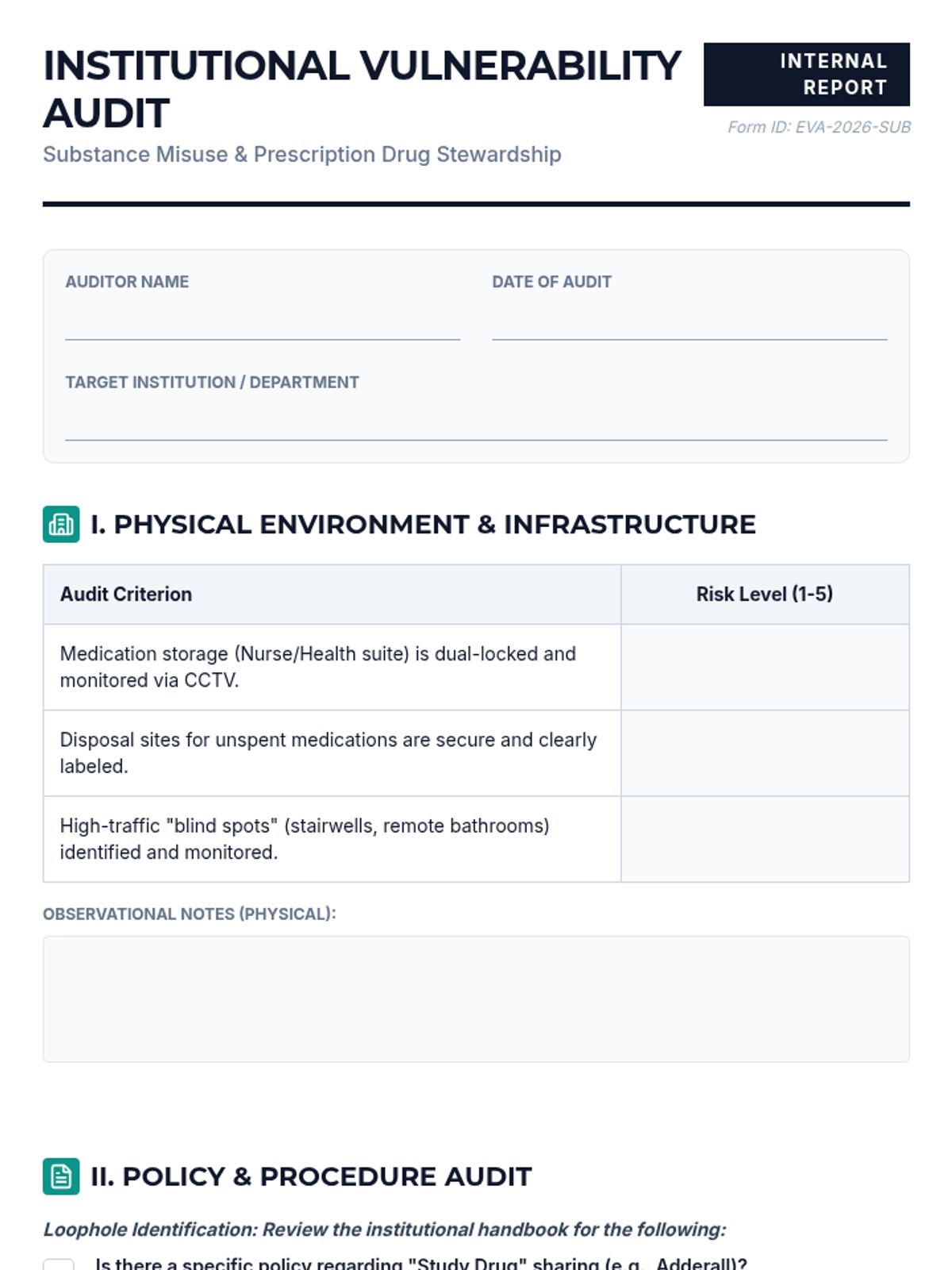
A practicum-style sequence for graduate students focusing on SBIRT techniques, institutional risk assessment, and emergency overdose protocols. Students move from environmental auditing to high-intensity crisis simulation and post-crisis management.
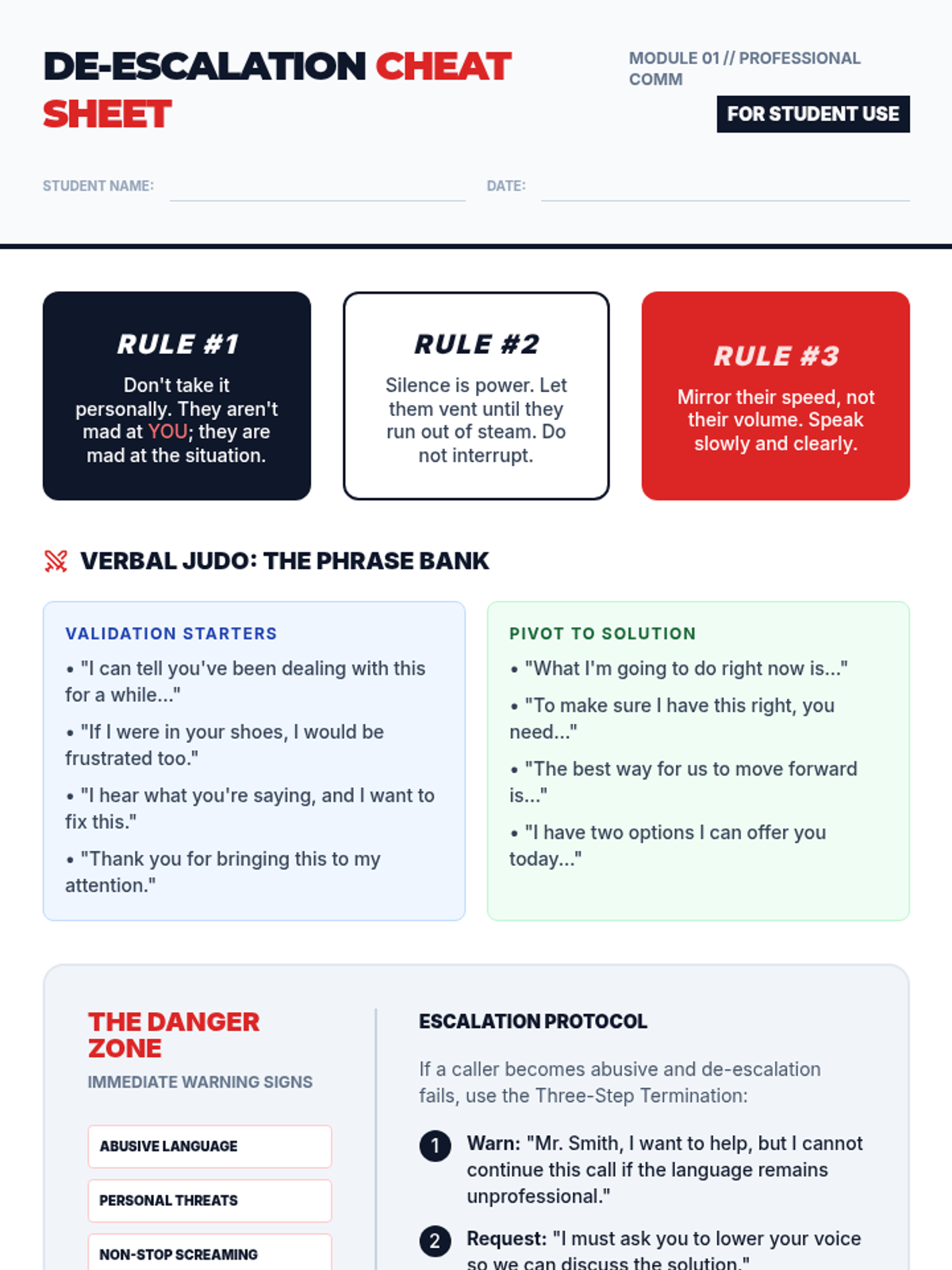
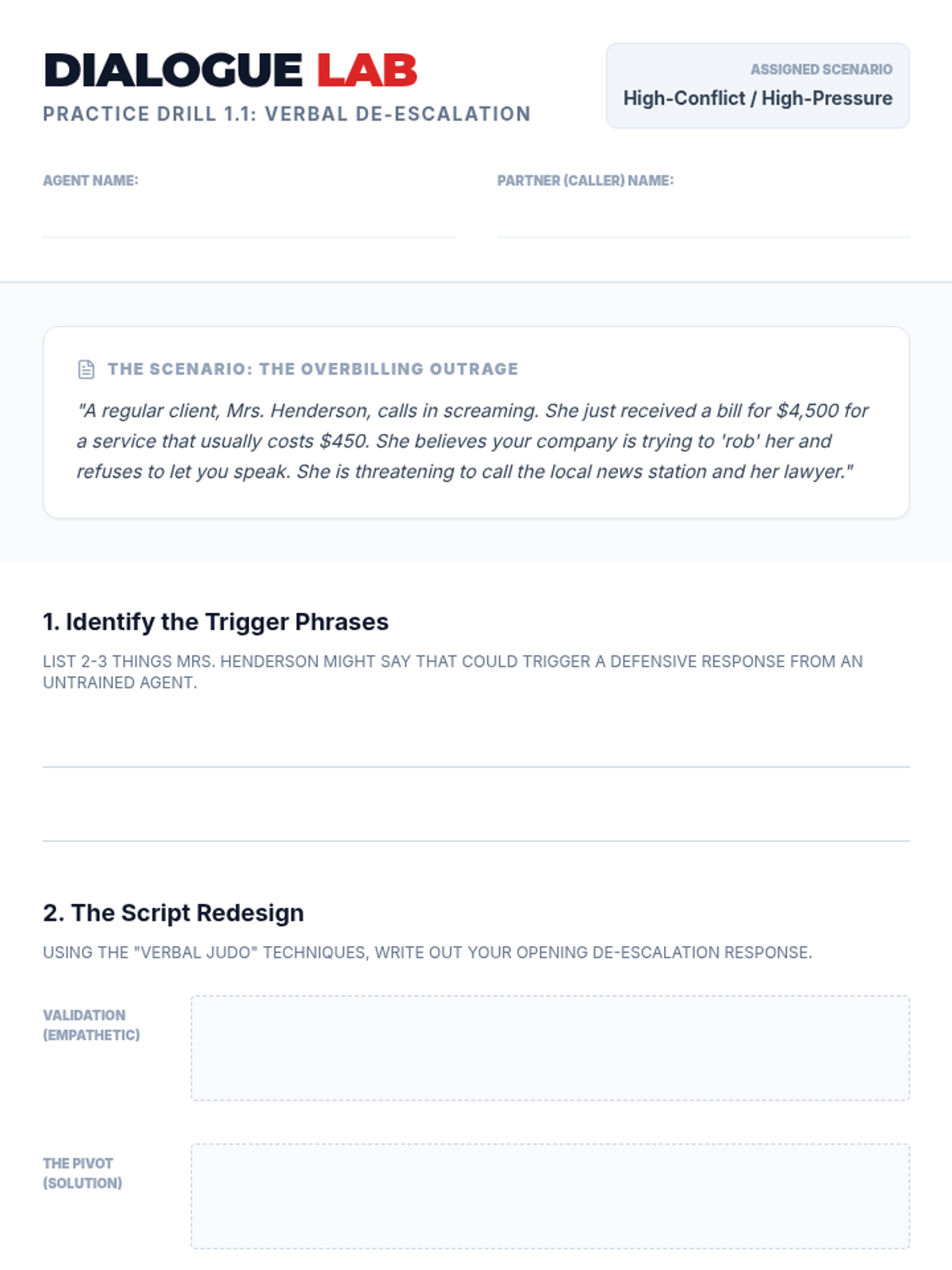
A high-stakes sequence where students master de-escalation, gatekeeping, and crisis management in professional telephonic communication, preparing them for the pressures of modern business environments.
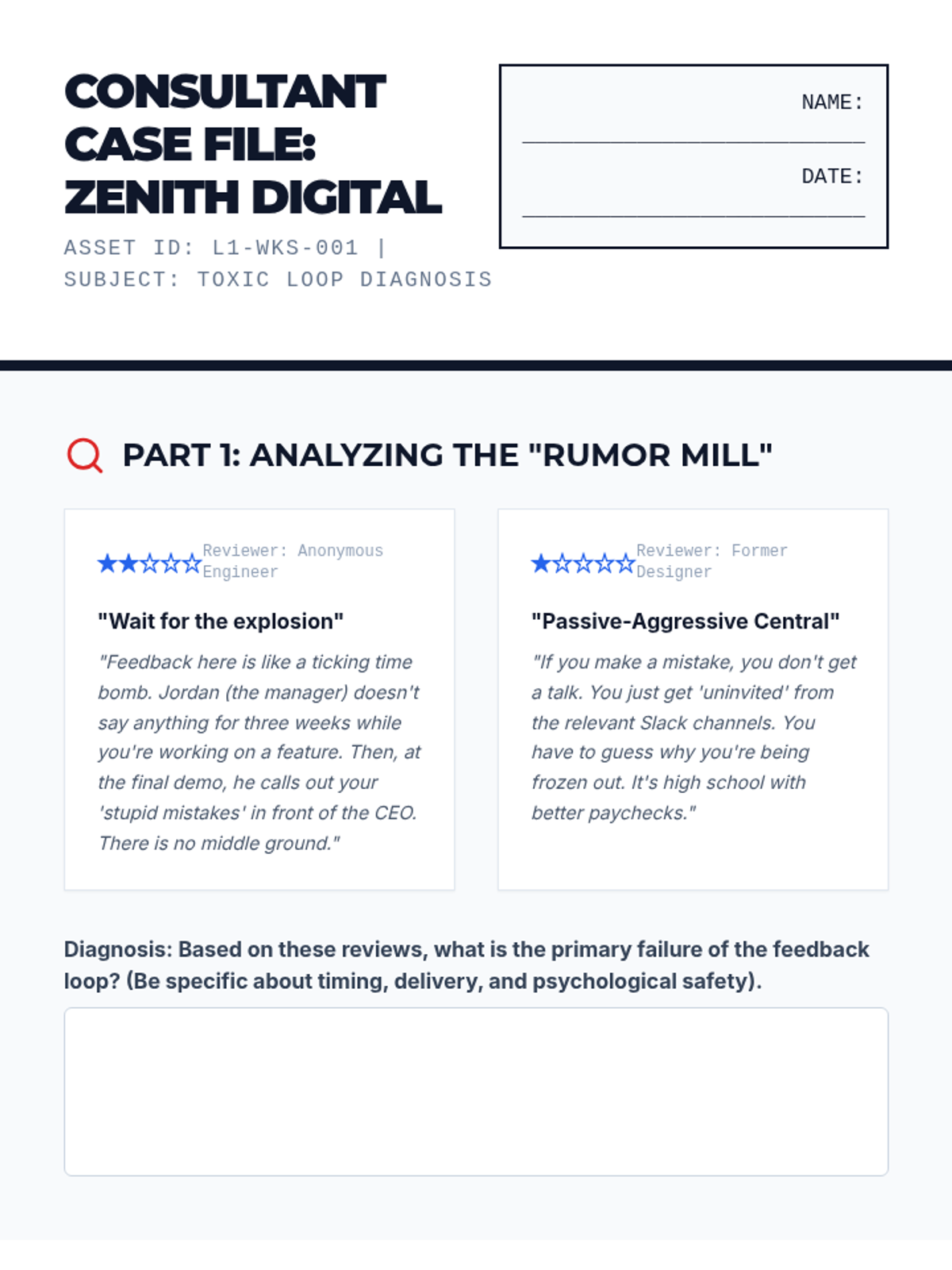
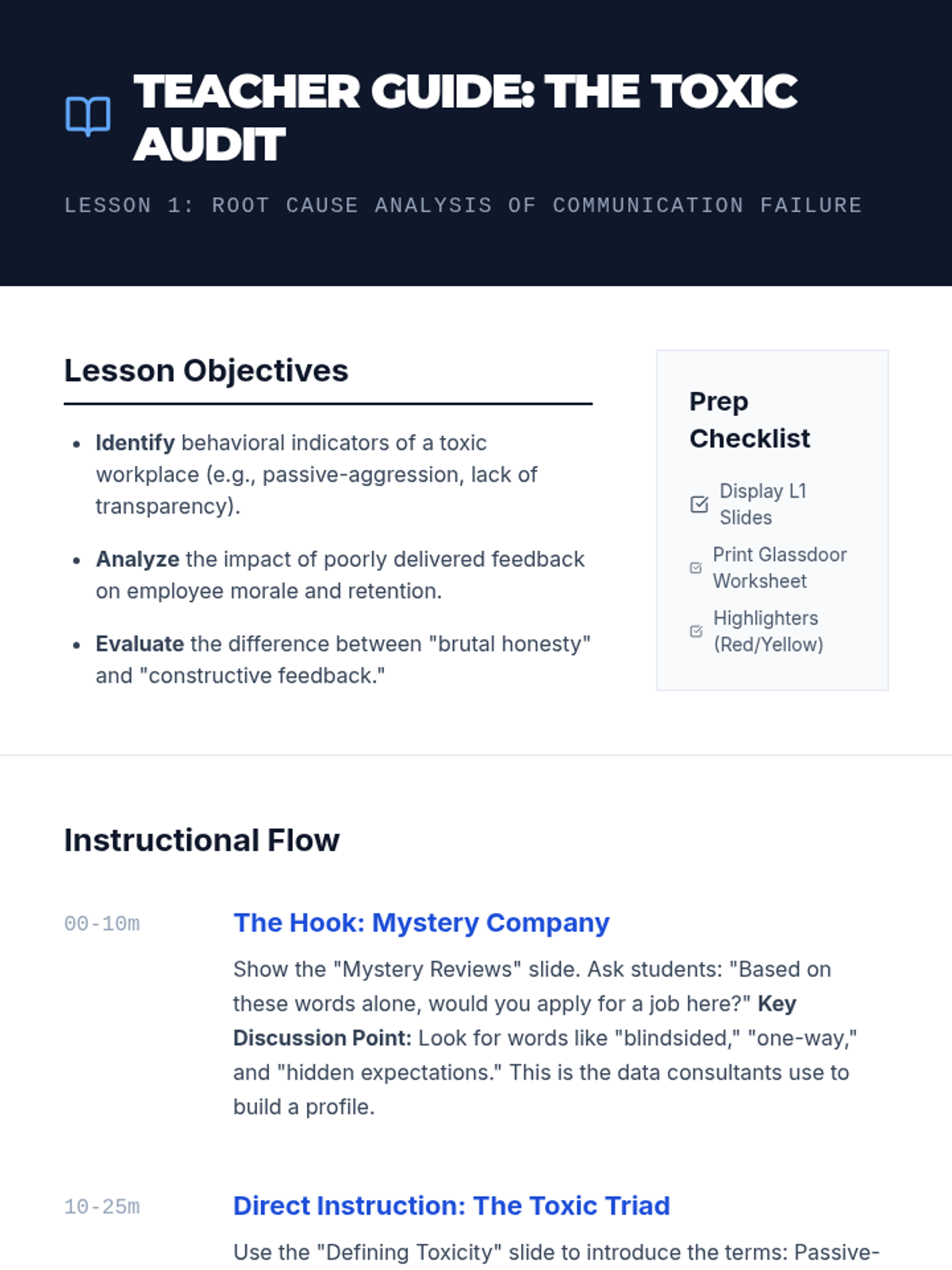
A case-study-driven sequence where students act as external consultants to diagnose communication breakdowns, analyze feedback systems like 360-degree reviews and PIPs, and design a positive corporate culture.
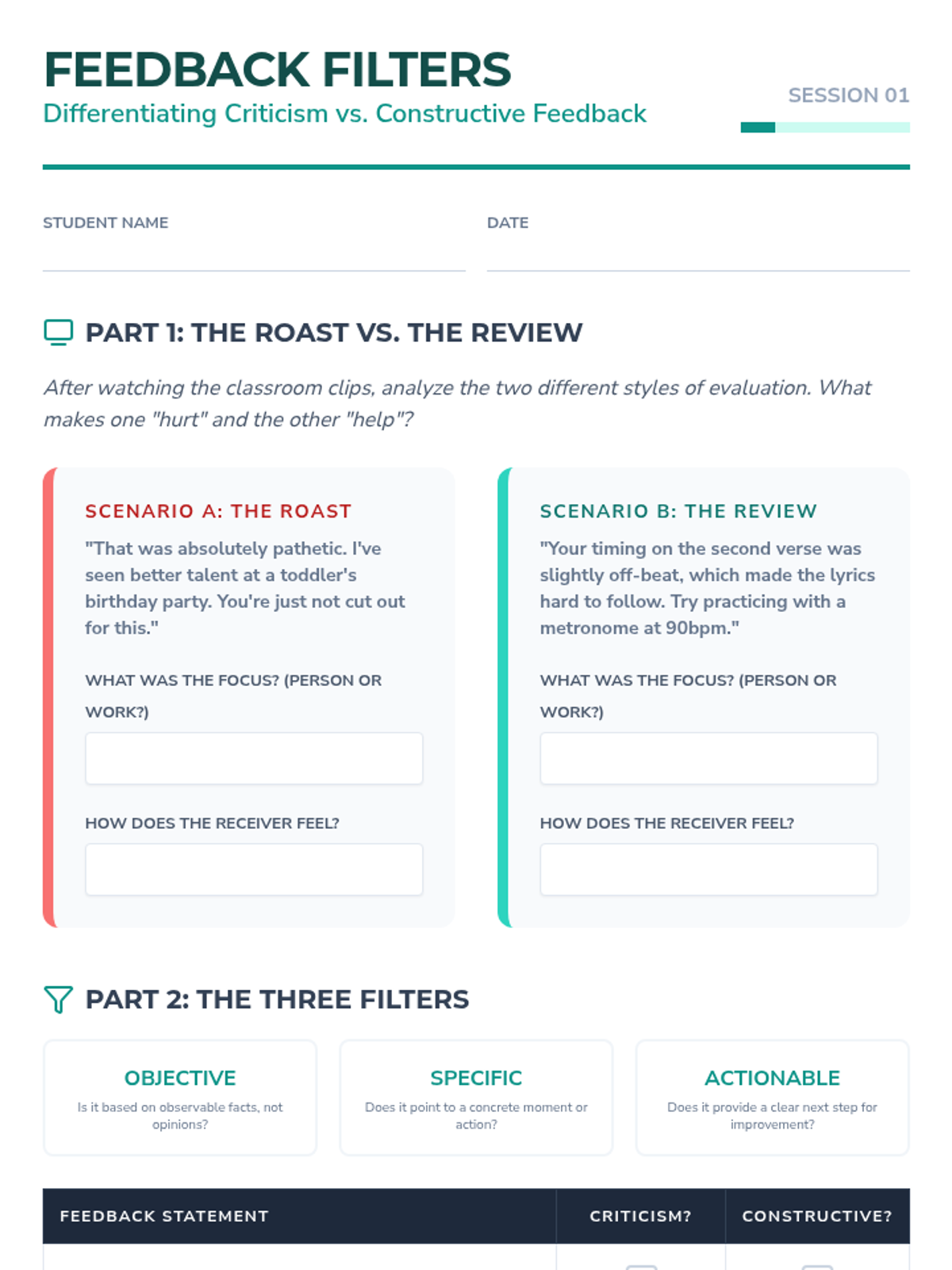
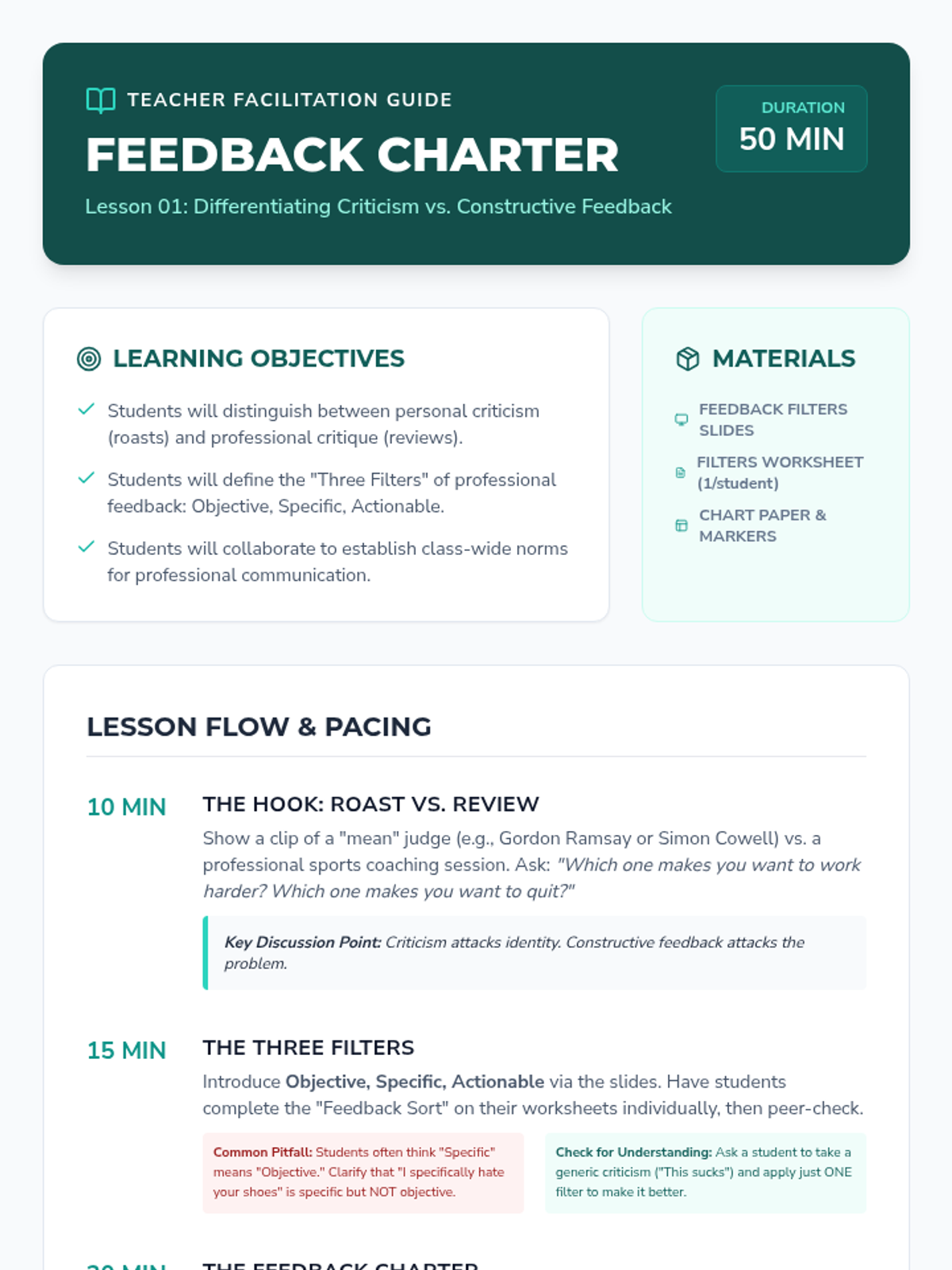
This sequence immerses students in the professional mechanics of giving and receiving evaluations, moving beyond simple peer review into workplace readiness. Students learn to differentiate personal criticism from professional critique, use the Situation-Behavior-Impact (SBI) model, and practice emotional regulation during performance simulations.
A series of lessons focused on professional communication and career readiness, helping students master the written and verbal skills needed for the workplace.
A comprehensive year-long curriculum for high school seniors focusing on college readiness, career planning, financial literacy, and social-emotional well-being. This sequence guides students through the complexities of post-secondary transitions with a special focus on arts-based pathways.
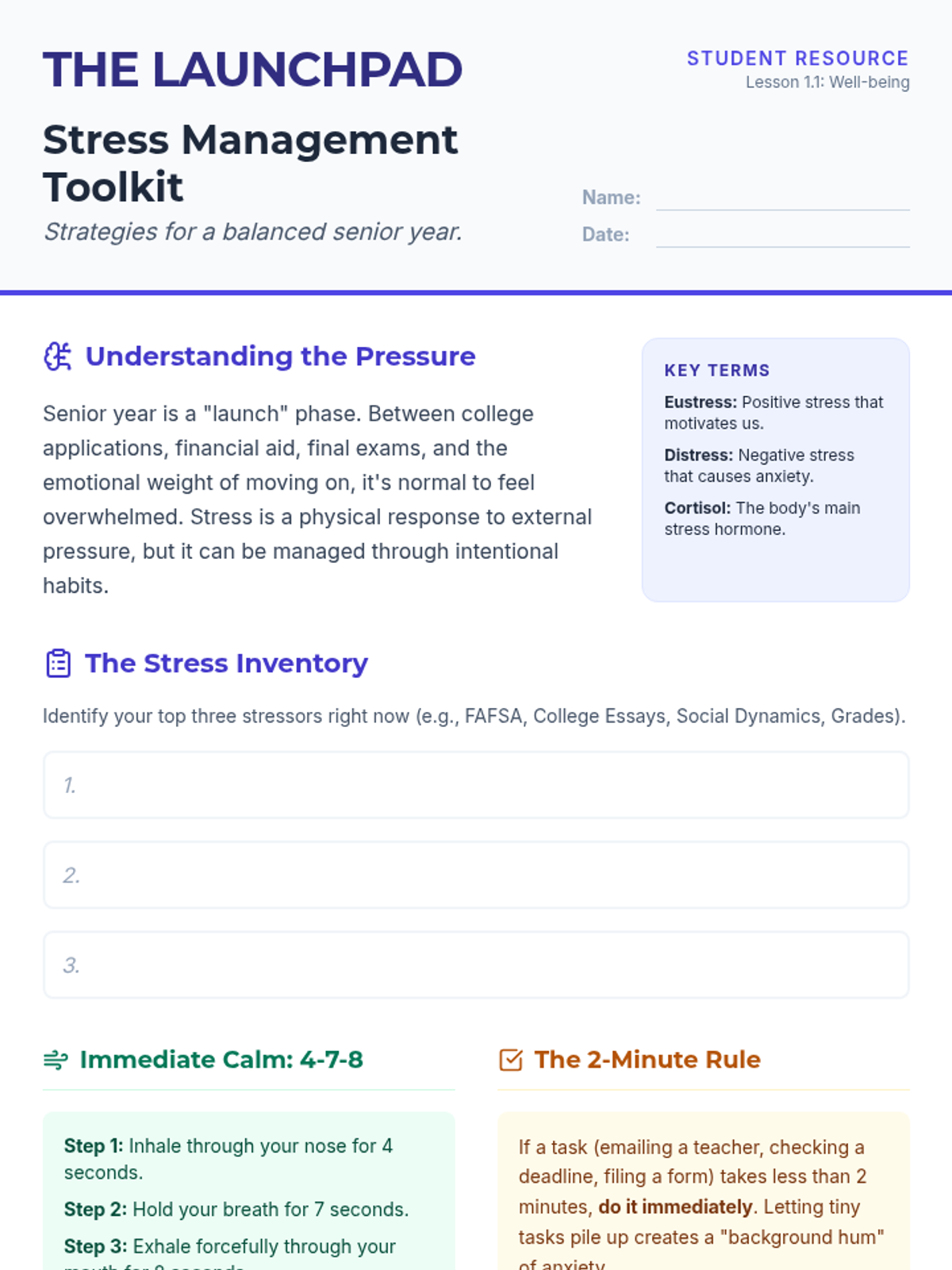
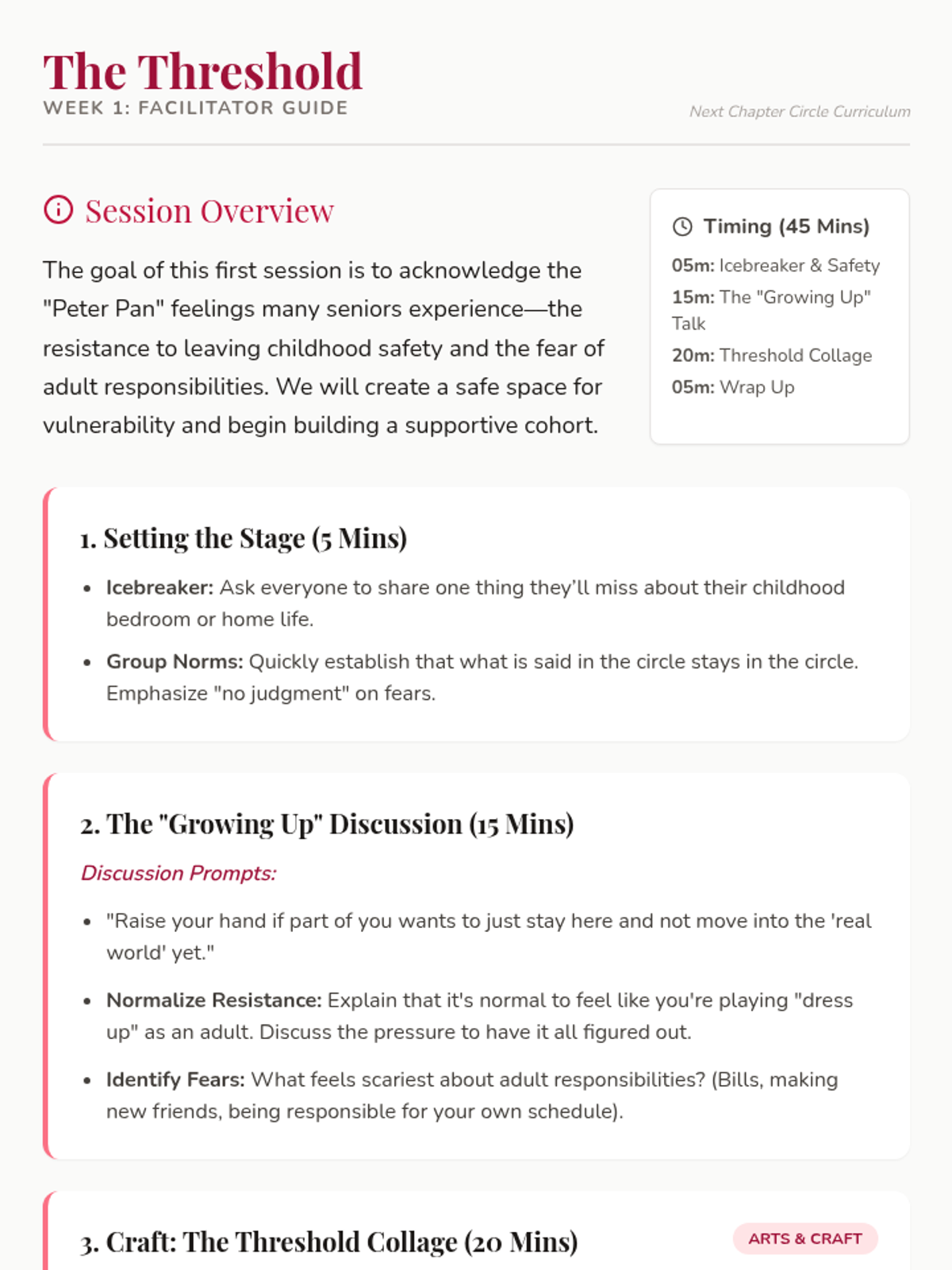
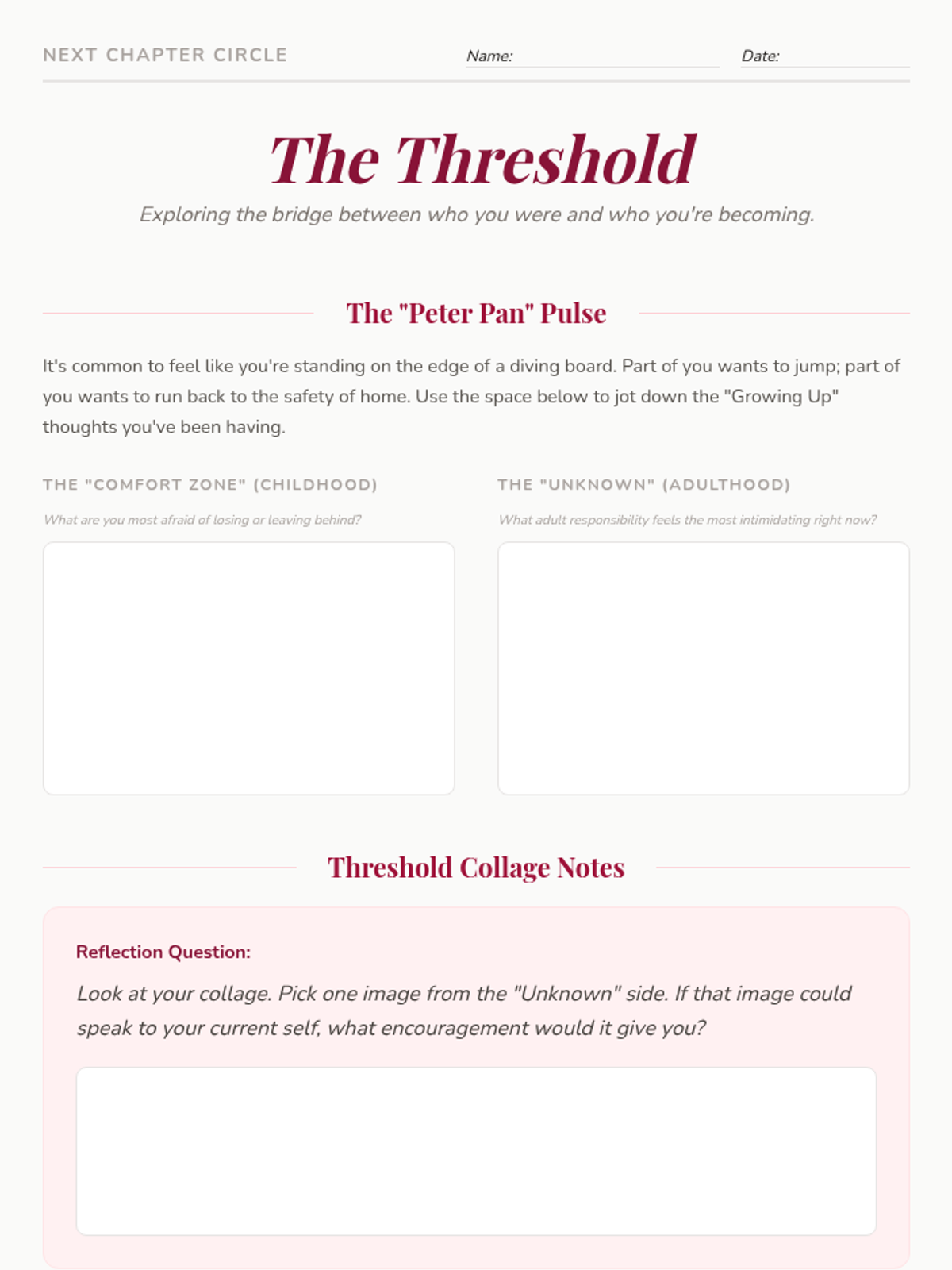
A comprehensive 8-week curriculum for high school senior girls transitioning to college. The program combines group counseling techniques with hands-on arts and crafts to address stress management, resource-seeking, and the emotional complexity of adulthood.
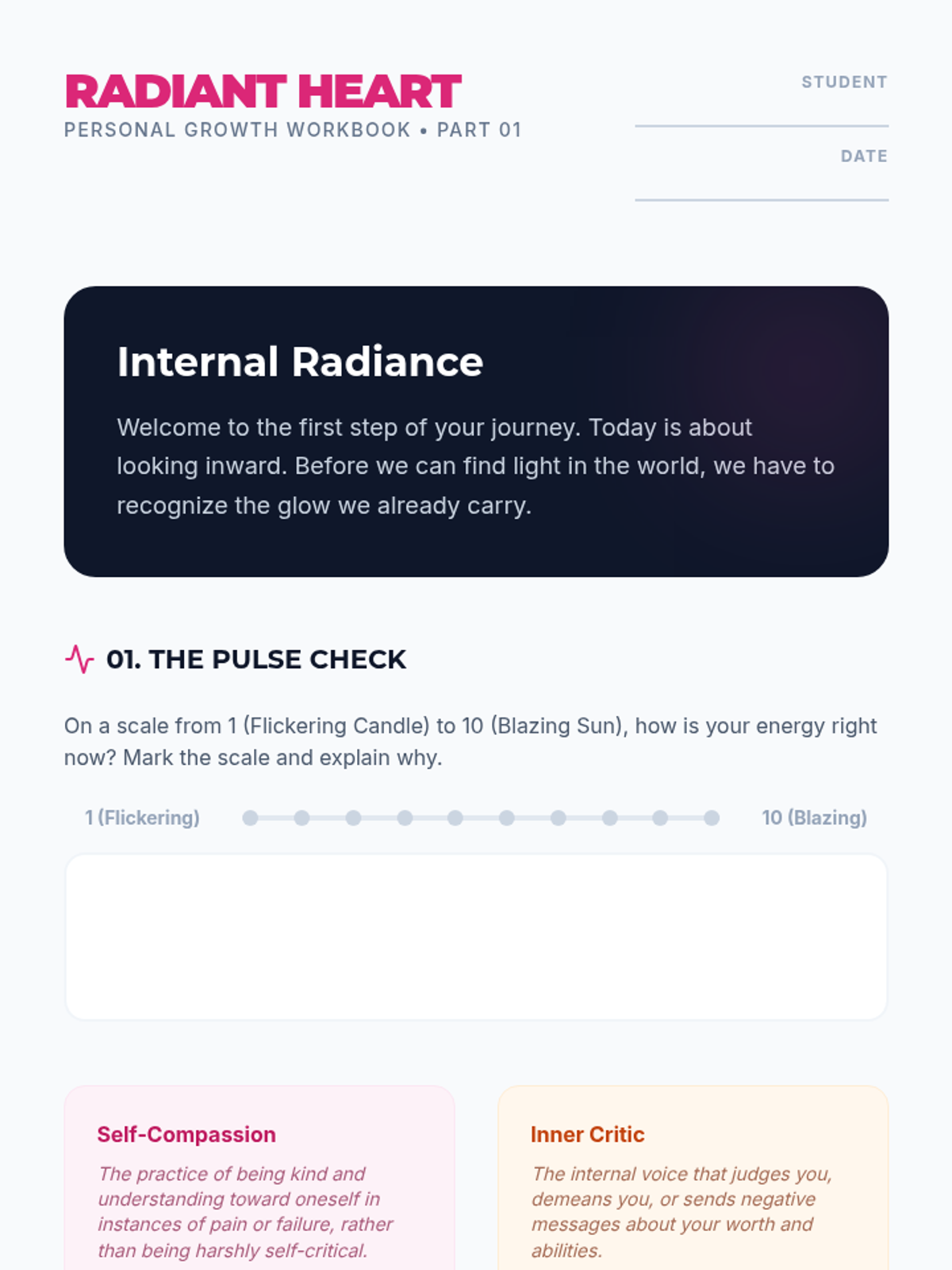
A four-part comprehensive self-love and positivity program designed for older teens and young adults to build self-compassion and identify 'bright spots' in their lives and surroundings.

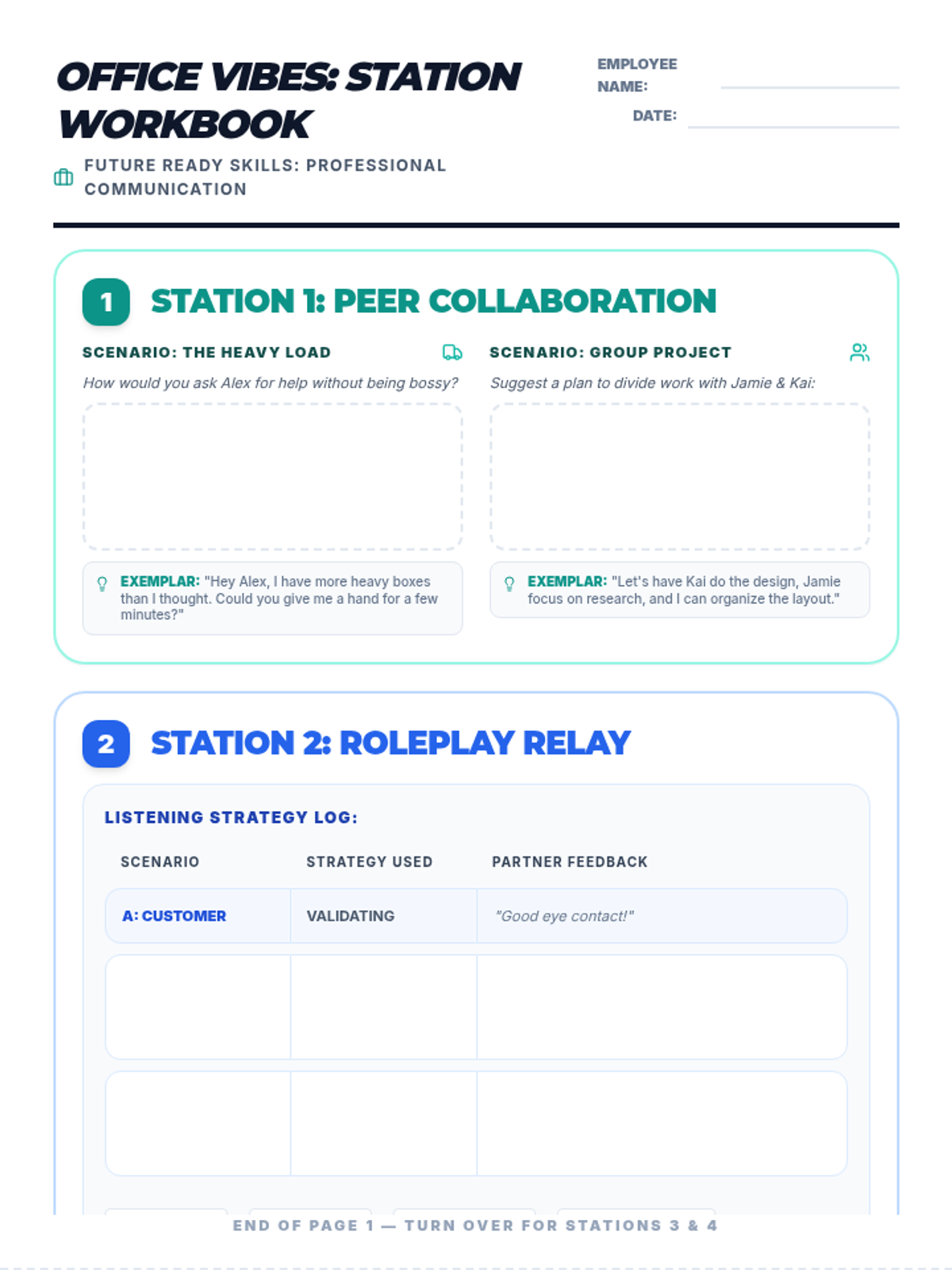
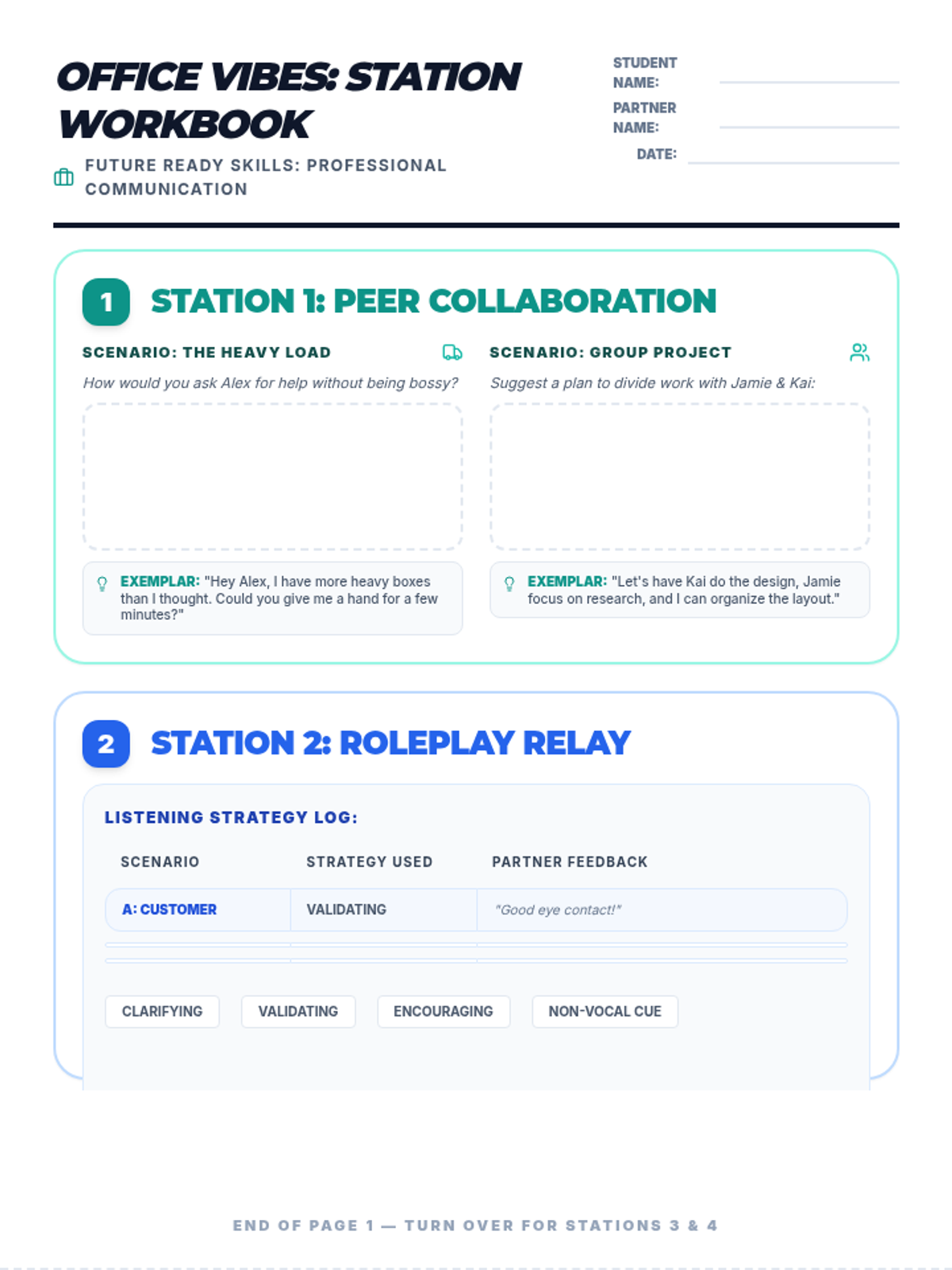
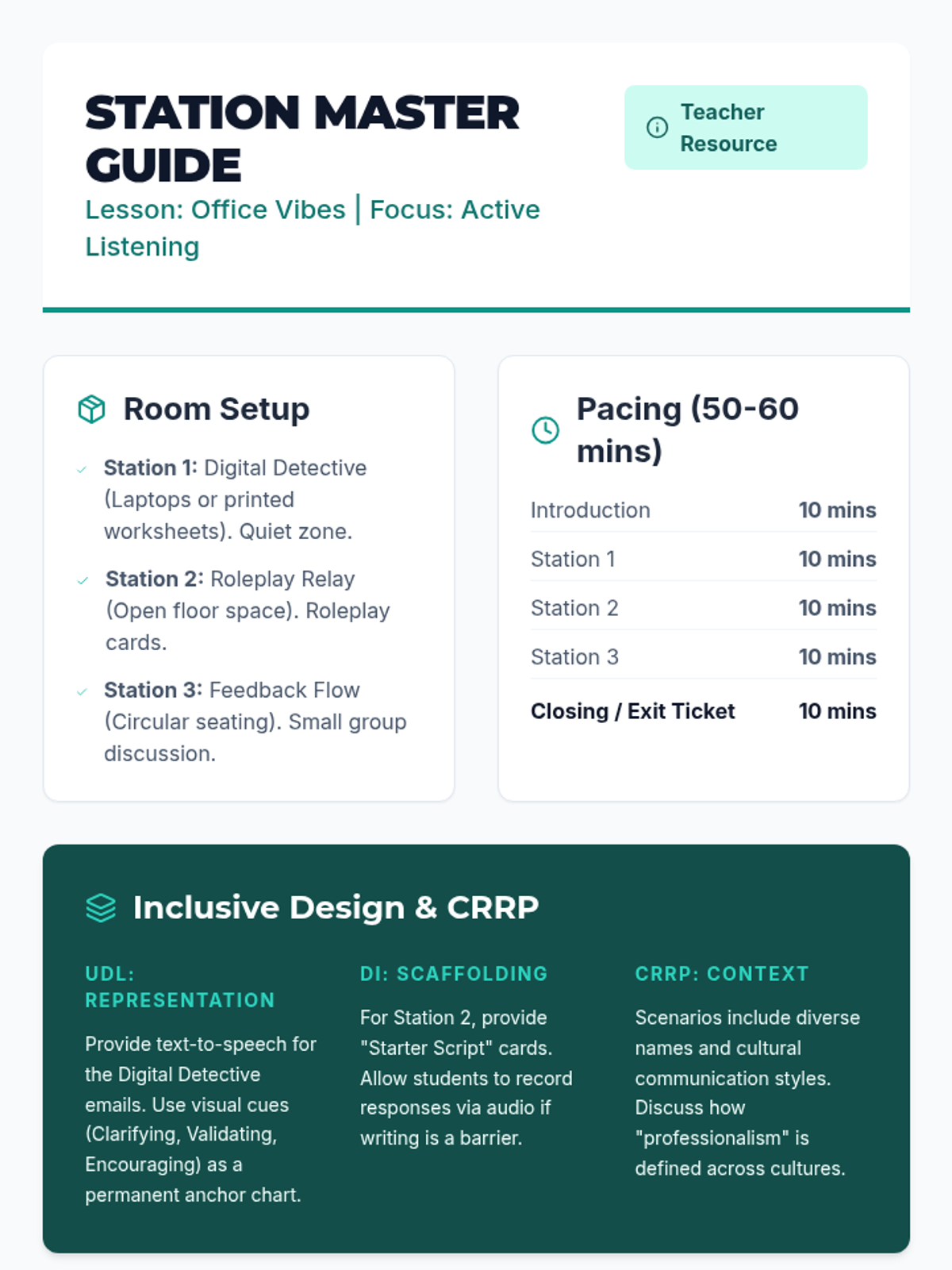
![[ARCHIVED] Pressure Points Cards 1](https://www.lenny.com/api/preview/217d4cb7-da06-4e17-9243-a20b84b13d40/1200.png?selected_locale_code=null)
![[ARCHIVED] Pressure Points Cards 3](https://www.lenny.com/api/preview/3e0574ca-7872-4985-bcb7-daa3968afdf0/1200.png?selected_locale_code=null)
![[ARCHIVED] Pressure Points Cards 2](https://www.lenny.com/api/preview/f849bf48-09f0-43ff-8b3e-27e1abc46cda/1200.png?selected_locale_code=null)
![[ARCHIVED] Pressure Proof Slides 2](https://www.lenny.com/api/preview/413c85b3-3eff-4bba-9ff0-156325a779b0/1200.png?selected_locale_code=null)
![[ARCHIVED] Pressure Proof Facilitator Guide 2](https://www.lenny.com/api/preview/f3956daf-6693-45cb-ba80-d369c35f5671/1200.png?selected_locale_code=null)
![[ARCHIVED] Refusal Playbook Worksheet 2](https://www.lenny.com/api/preview/9a4f233a-a54d-4a8a-b21b-932cc85e758c/1200.png?selected_locale_code=null)
![[ARCHIVED] Pressure Proof Facilitator Guide 3](https://www.lenny.com/api/preview/413b6171-7866-444b-9326-bbfb0f6e4a01/1200.png?selected_locale_code=null)
![[ARCHIVED] Pressure Proof Slides 3](https://www.lenny.com/api/preview/fa5bb225-106c-4b80-92b7-fc371f327dff/1200.png?selected_locale_code=null)
![[ARCHIVED] Refusal Playbook Worksheet 1](https://www.lenny.com/api/preview/ed0c10be-ad6c-4152-a521-bca8b2972b76/1200.png?selected_locale_code=null)
![[ARCHIVED] Pressure Proof Facilitator Guide 1](https://www.lenny.com/api/preview/01158e9b-231c-4cef-b6f2-667df499189f/1200.png?selected_locale_code=null)
![[ARCHIVED] Pressure Proof Slides 1](https://www.lenny.com/api/preview/783a2e0c-4303-4520-943a-28202dc7bd06/1200.png?selected_locale_code=null)
![[ARCHIVED] Pressure Proof Slides 4](https://www.lenny.com/api/preview/3085c551-44e8-4f65-8d54-656cfc0cf760/1200.png?selected_locale_code=null)
![[ARCHIVED] Pressure Points Cards 4](https://www.lenny.com/api/preview/66f628db-ebca-4e09-8c6d-4aacbcb8de9a/1200.png?selected_locale_code=null)
![[ARCHIVED] Pressure Proof Facilitator Guide 4](https://www.lenny.com/api/preview/5fb172af-3d25-4f85-8634-9f5df4bc5e03/1200.png?selected_locale_code=null)
![[ARCHIVED] Refusal Playbook Worksheet 3](https://www.lenny.com/api/preview/6c6f31d5-f95c-4468-950d-5ad427ac3843/1200.png?selected_locale_code=null)
![[ARCHIVED] Pressure Proof Slides 5](https://www.lenny.com/api/preview/541df7f1-5726-4a36-9d88-9b4fd381c139/1200.png?selected_locale_code=null)