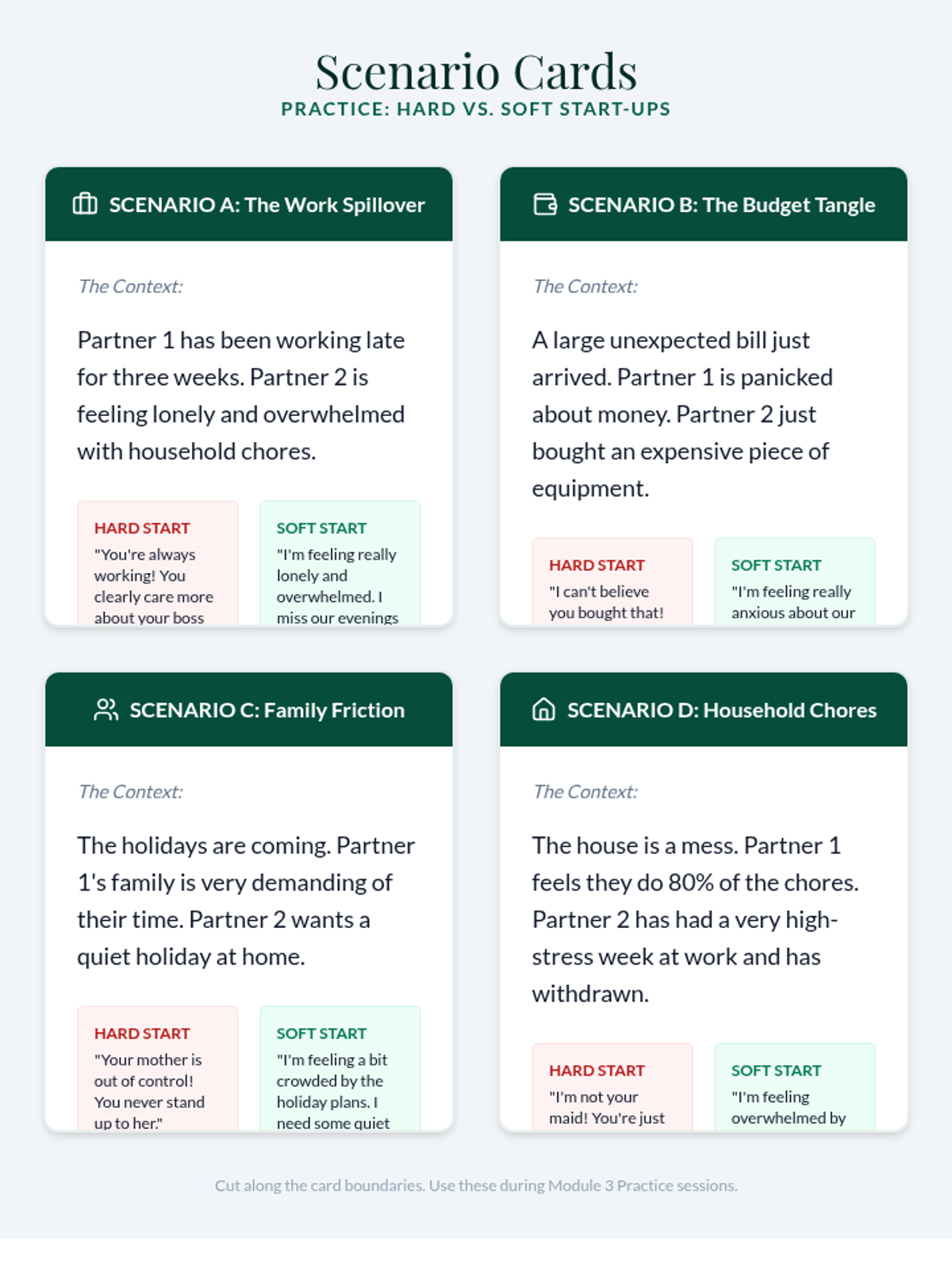
Active listening, assertive expression, and boundary-setting strategies for interpersonal success. Develops proficiency in conflict mediation, cooperative teamwork, and the cultivation of healthy romantic and platonic connections.
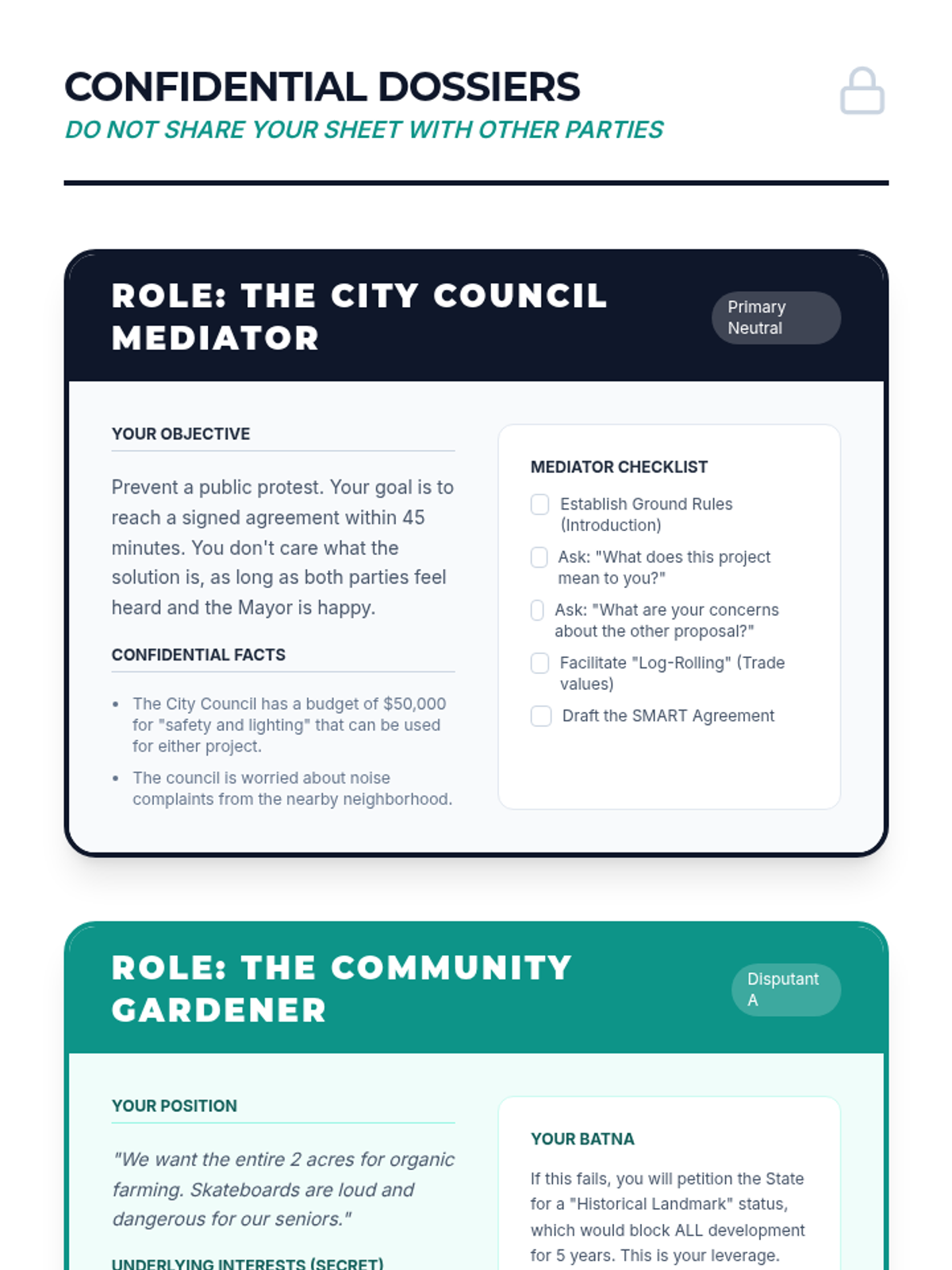
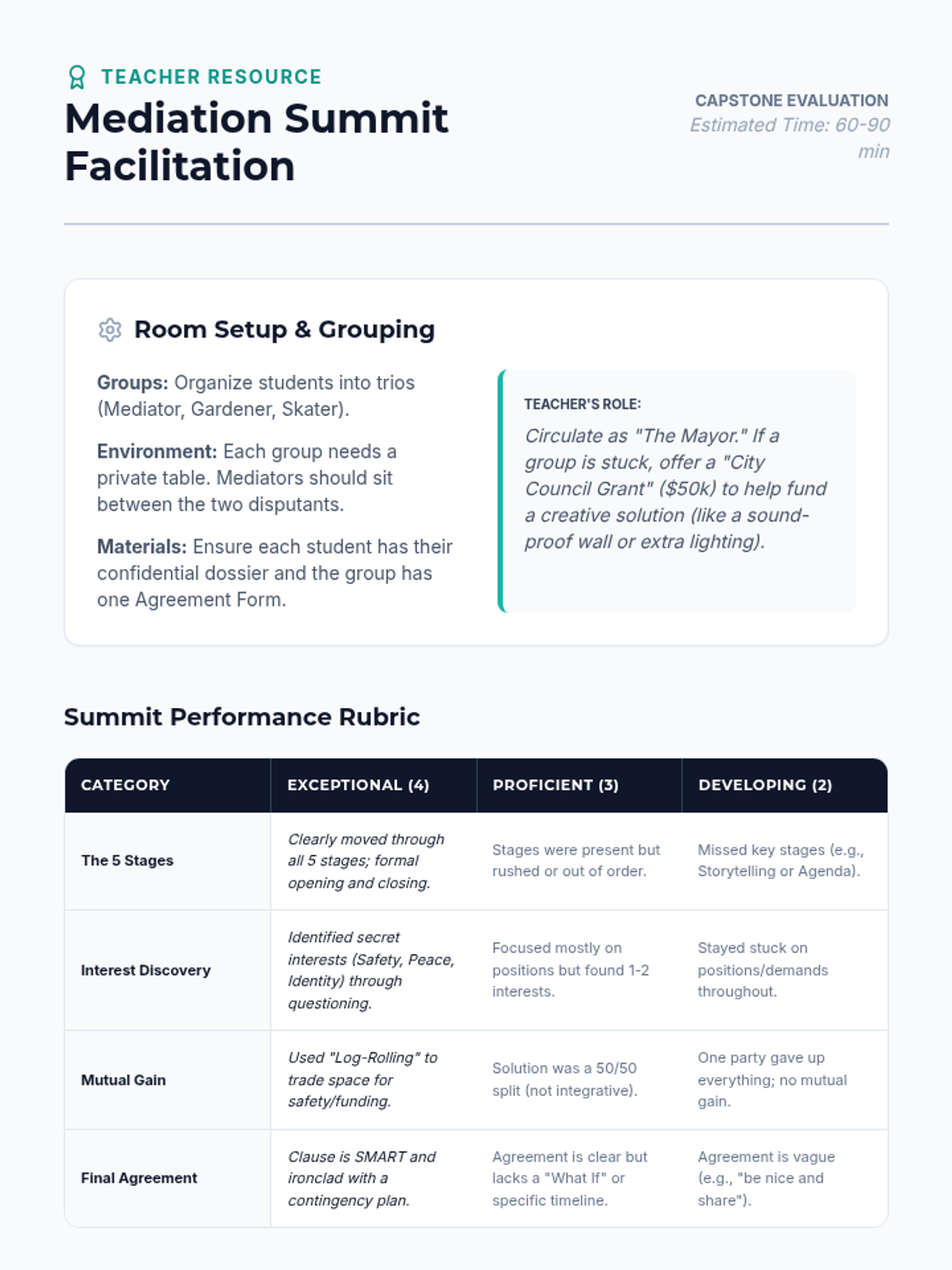
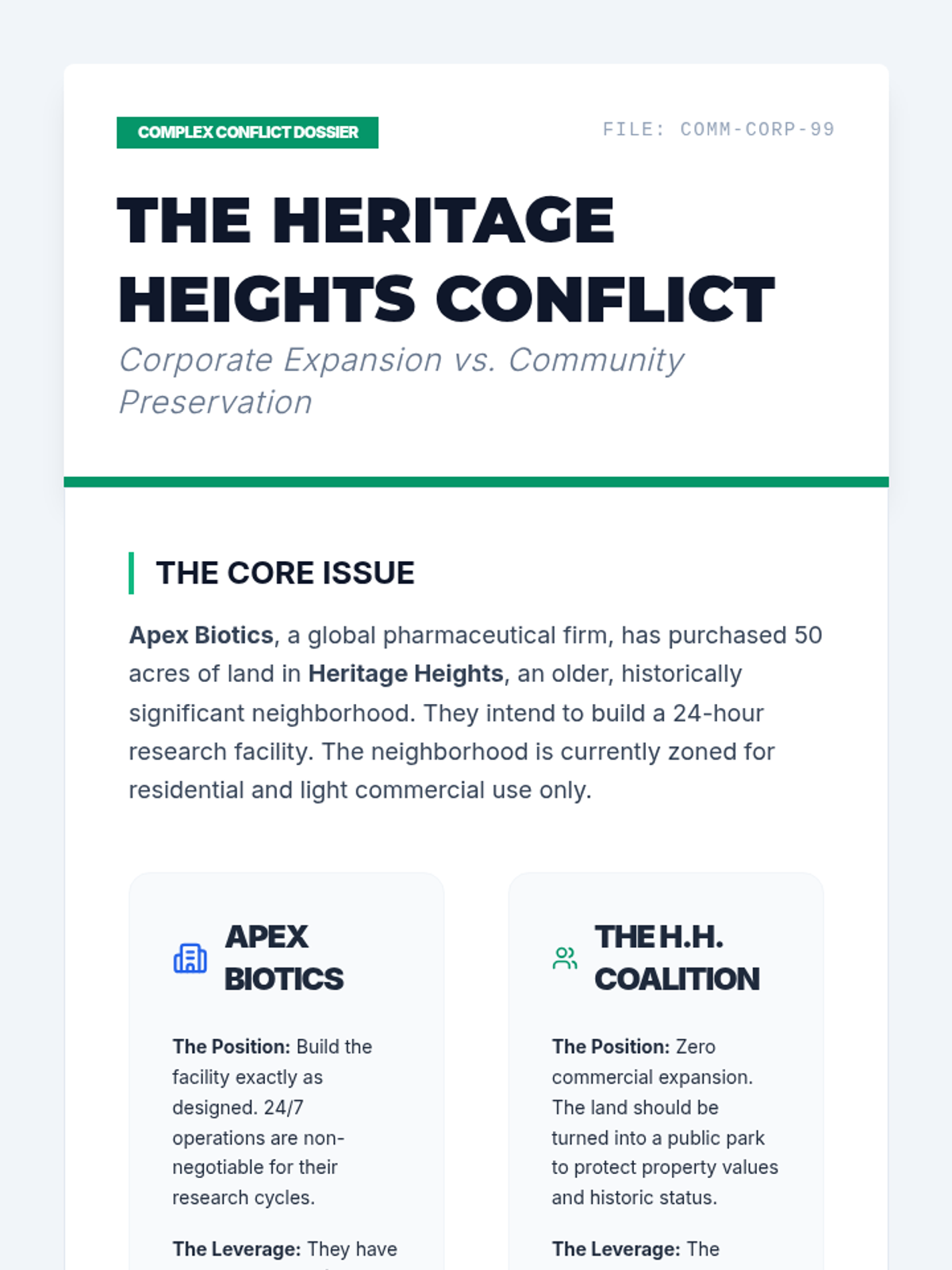
Students assume roles of mediators and disputants in a complex, multi-party dispute scenario (e.g., a land use dispute or school policy change). Mediators must facilitate the process, uncover interests, help generate options, and finalize a written agreement. The lesson focuses on synthesizing all previous frameworks into a cohesive professional performance.
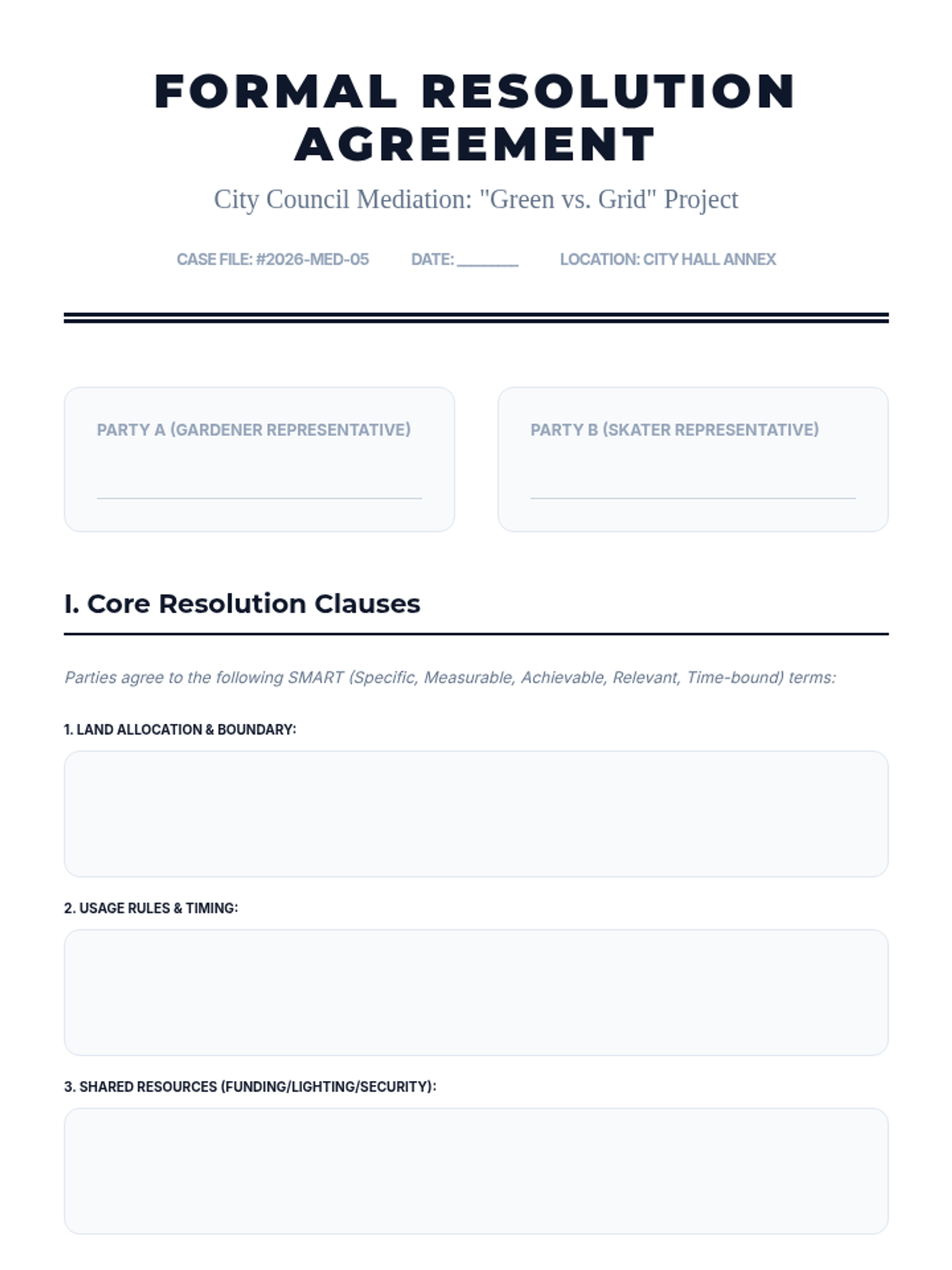
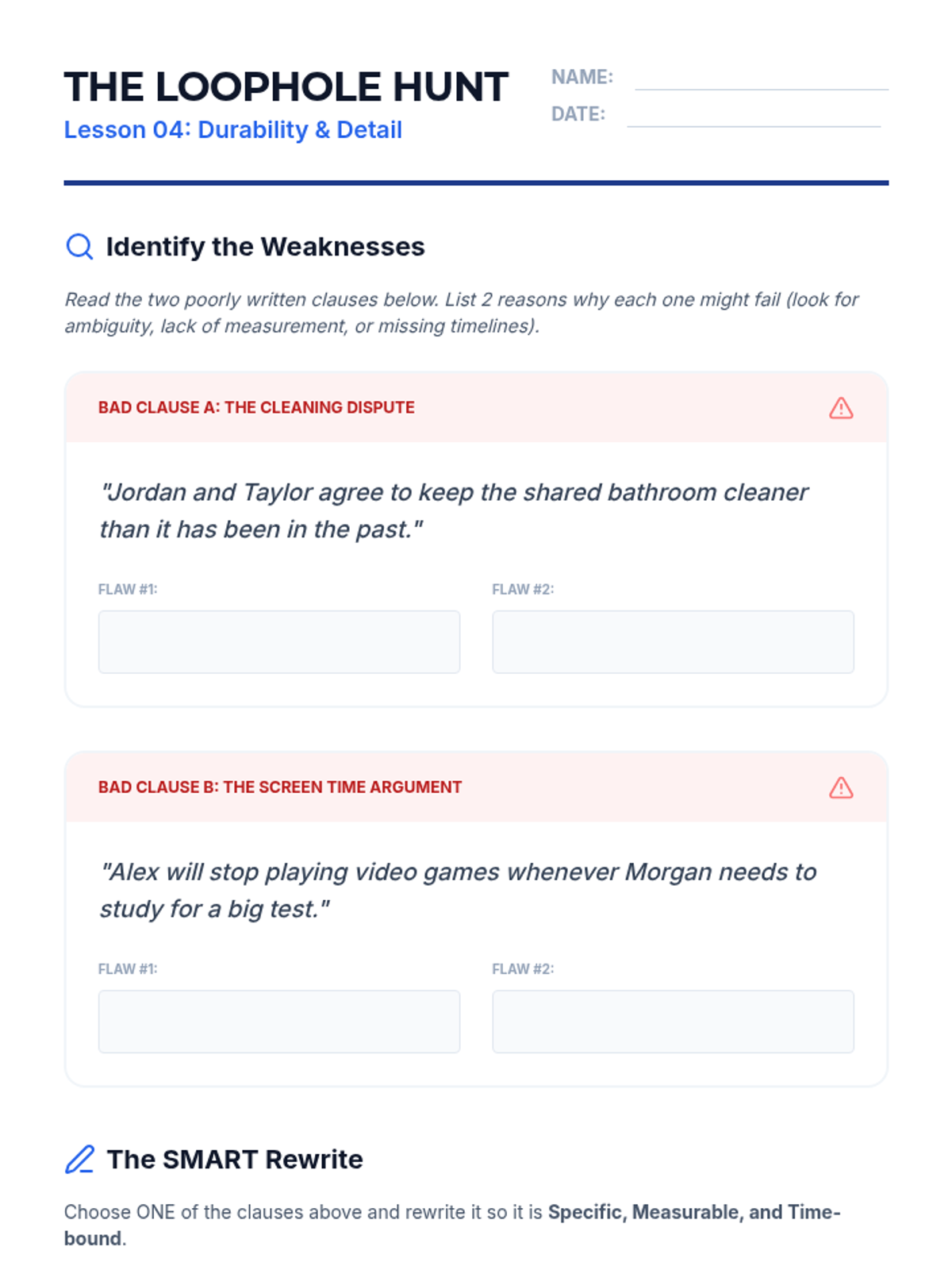
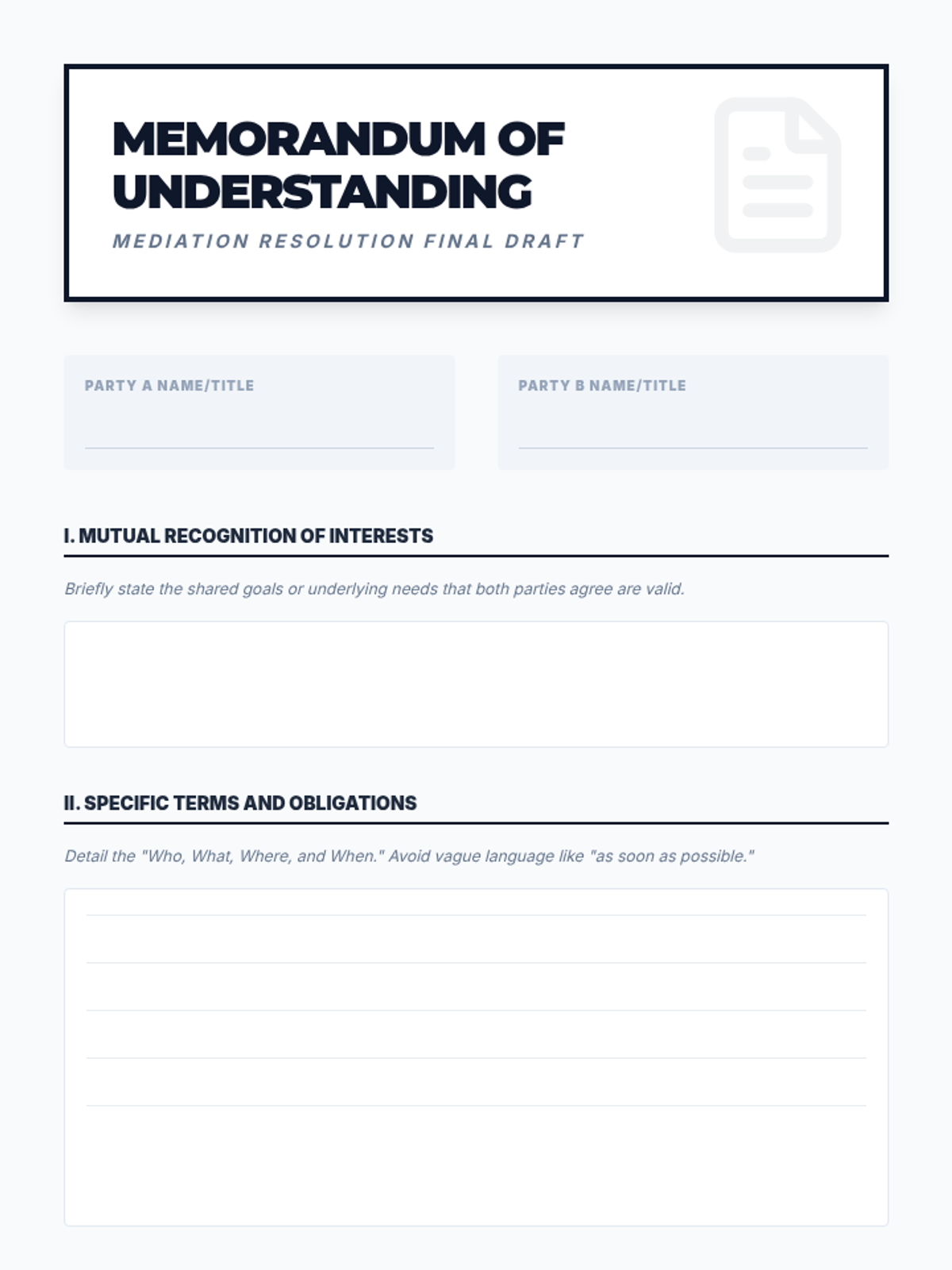
Resolving the conflict is only half the battle; writing a durable agreement is the rest. Students learn the components of a SMART agreement (Specific, Measurable, Achievable, Relevant, Time-bound) in a conflict context. They review failed contracts or treaties to identify loopholes and ambiguity, then practice drafting ironclad resolution clauses.
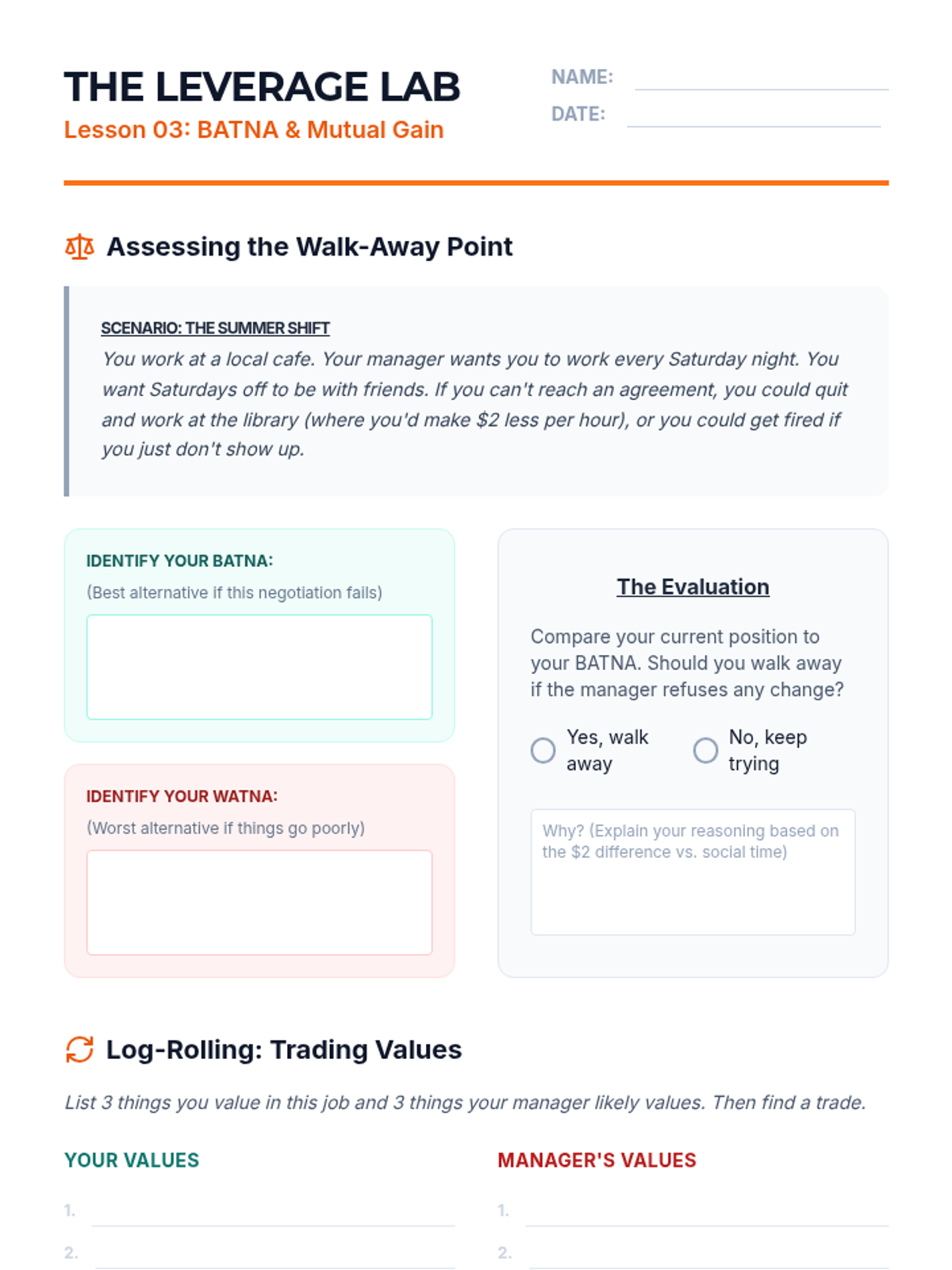
Students practice brainstorming techniques designed to break deadlocks. They learn about BATNA (Best Alternative to a Negotiated Agreement) and WATNA (Worst Alternative) to assess leverage. The class engages in exercises to expand the 'pie' rather than just dividing it, finding creative solutions that satisfy multiple interests.
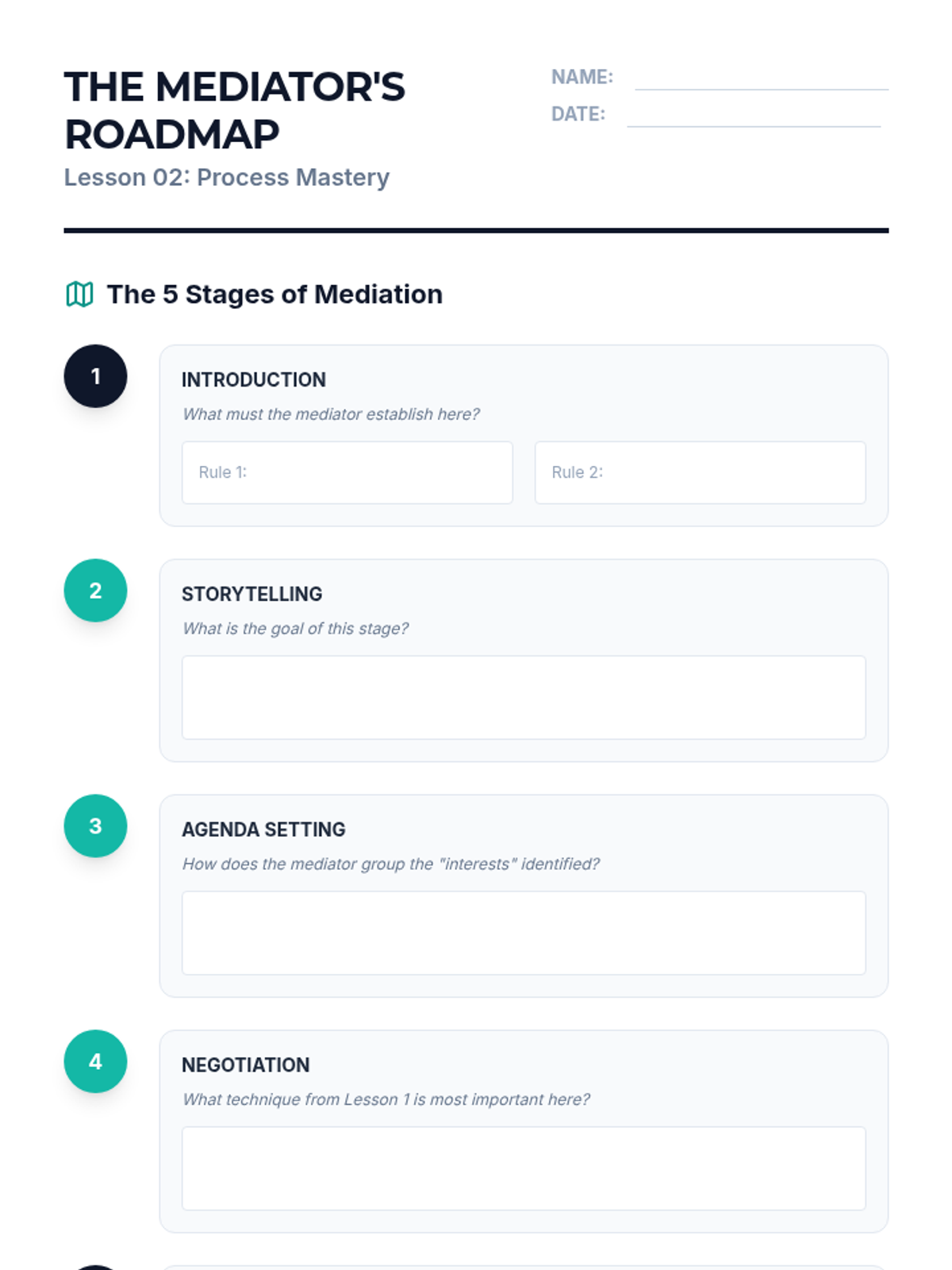
This lesson outlines the formal stages of mediation: Introduction, Storytelling, Agenda Setting, Negotiation, and Agreement. Students learn the procedural responsibilities of a mediator to maintain safety and order. They create visual flowcharts of the process to understand how to guide disputants from chaos to order.
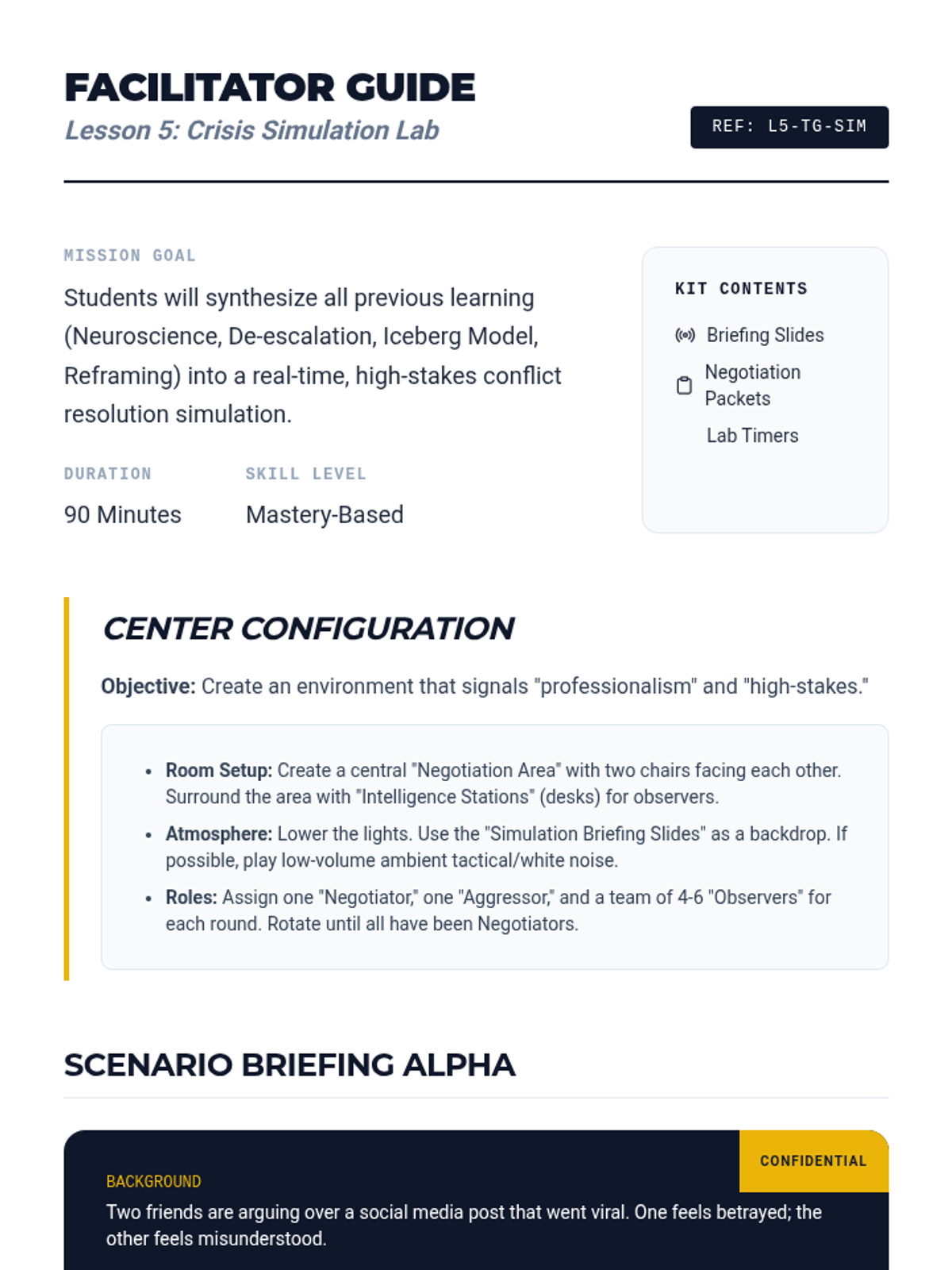
A culminating simulation lab where students apply all learned skills to resolve a high-stakes interpersonal dispute.
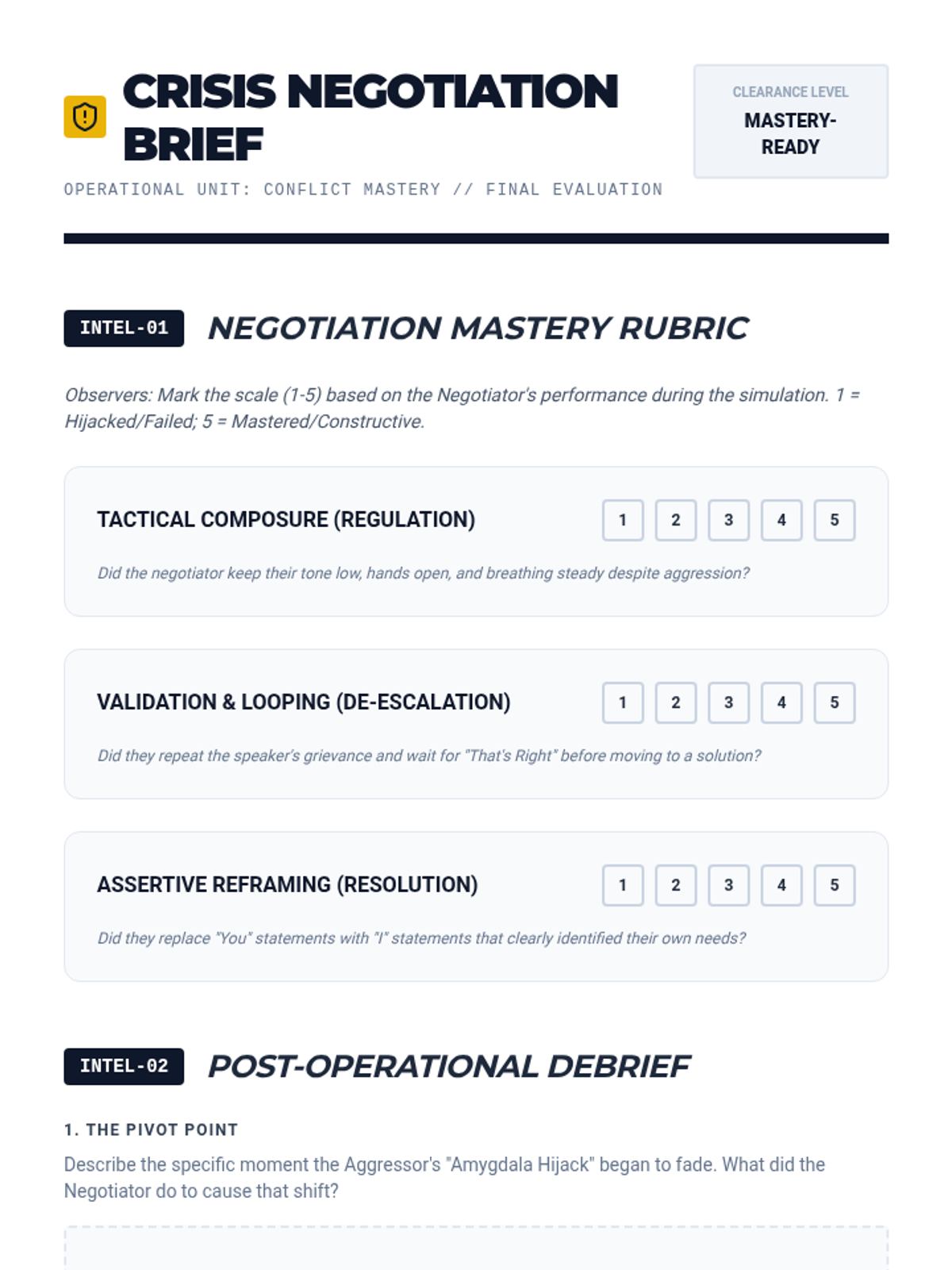
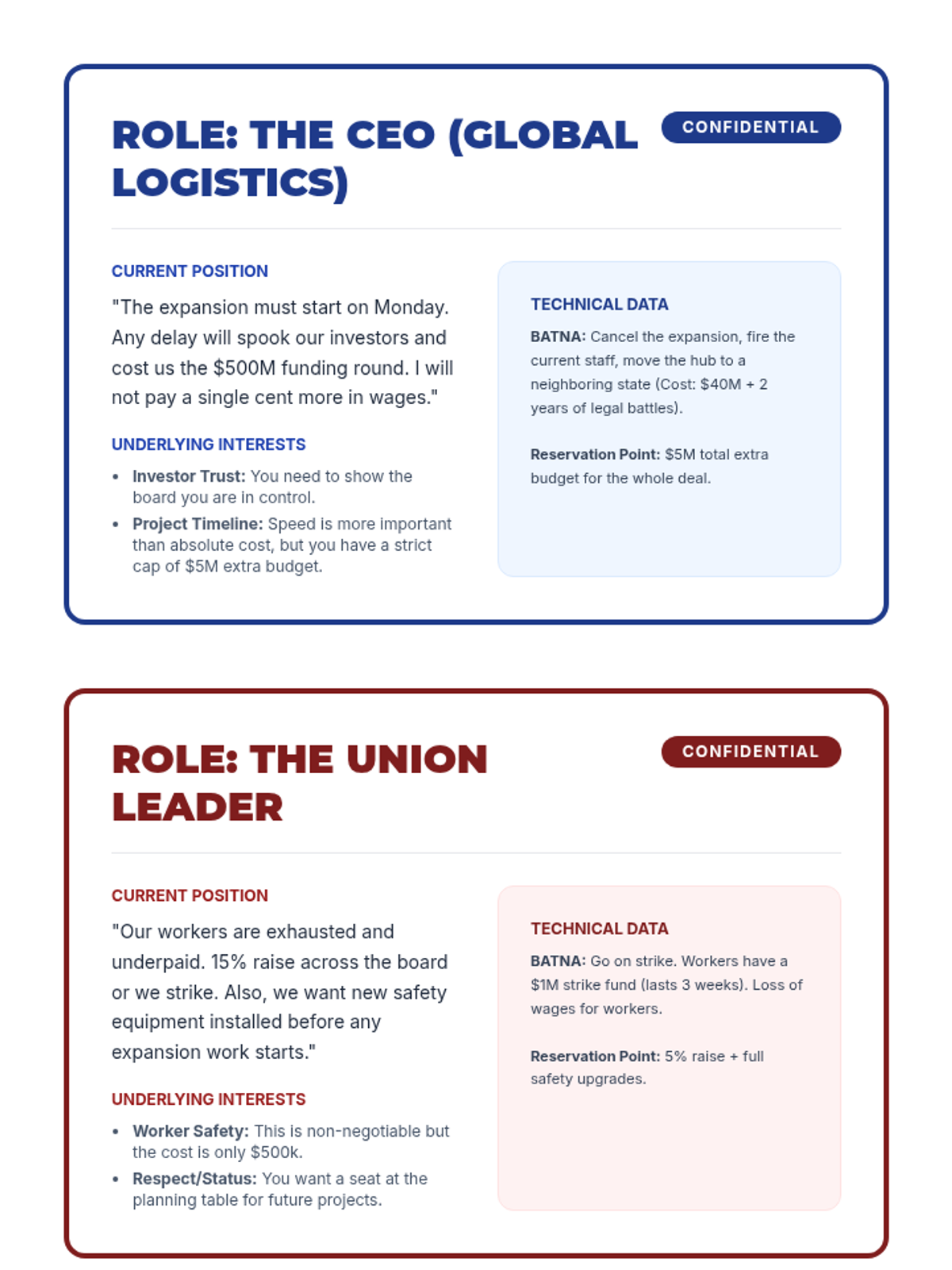
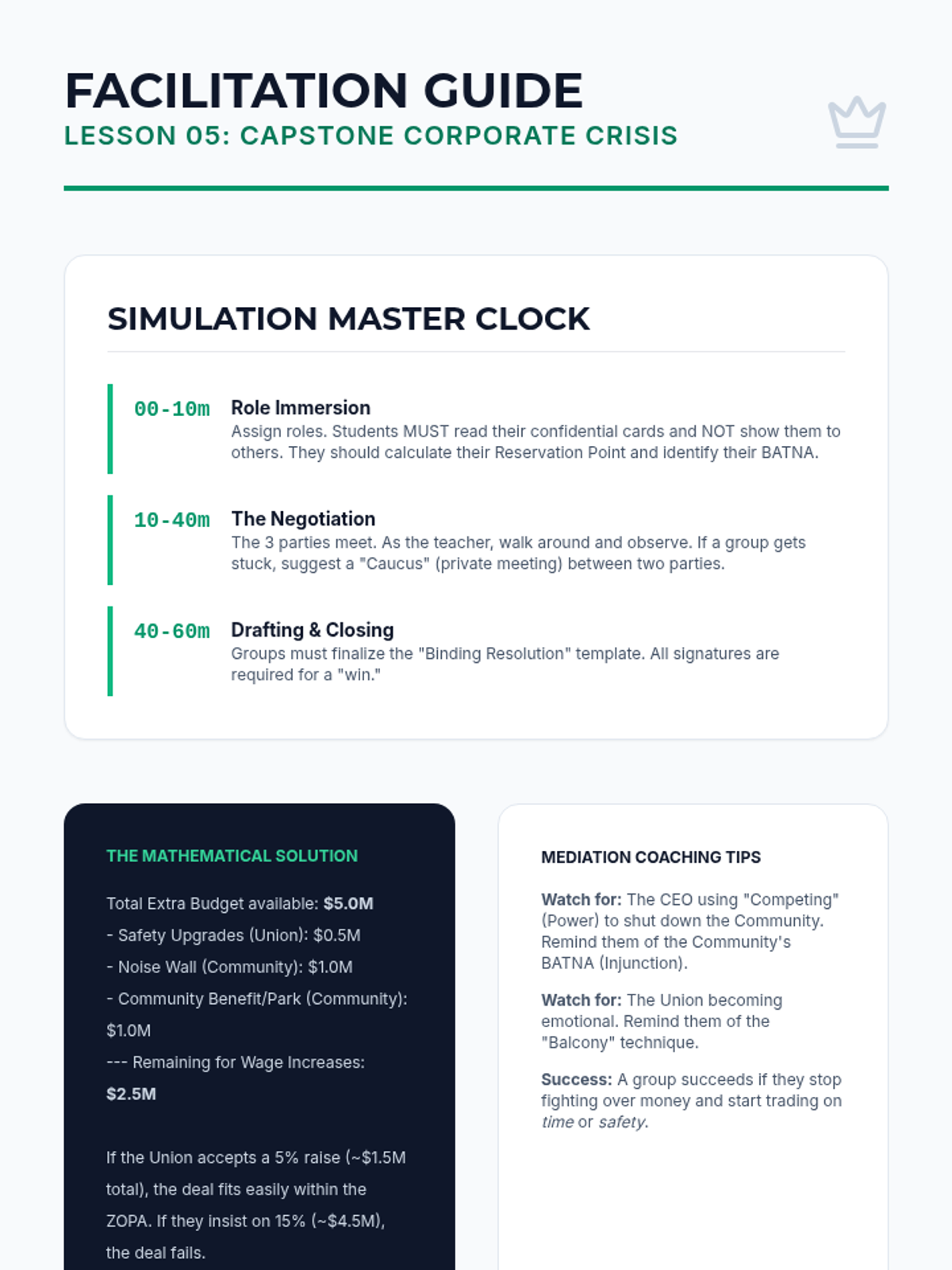
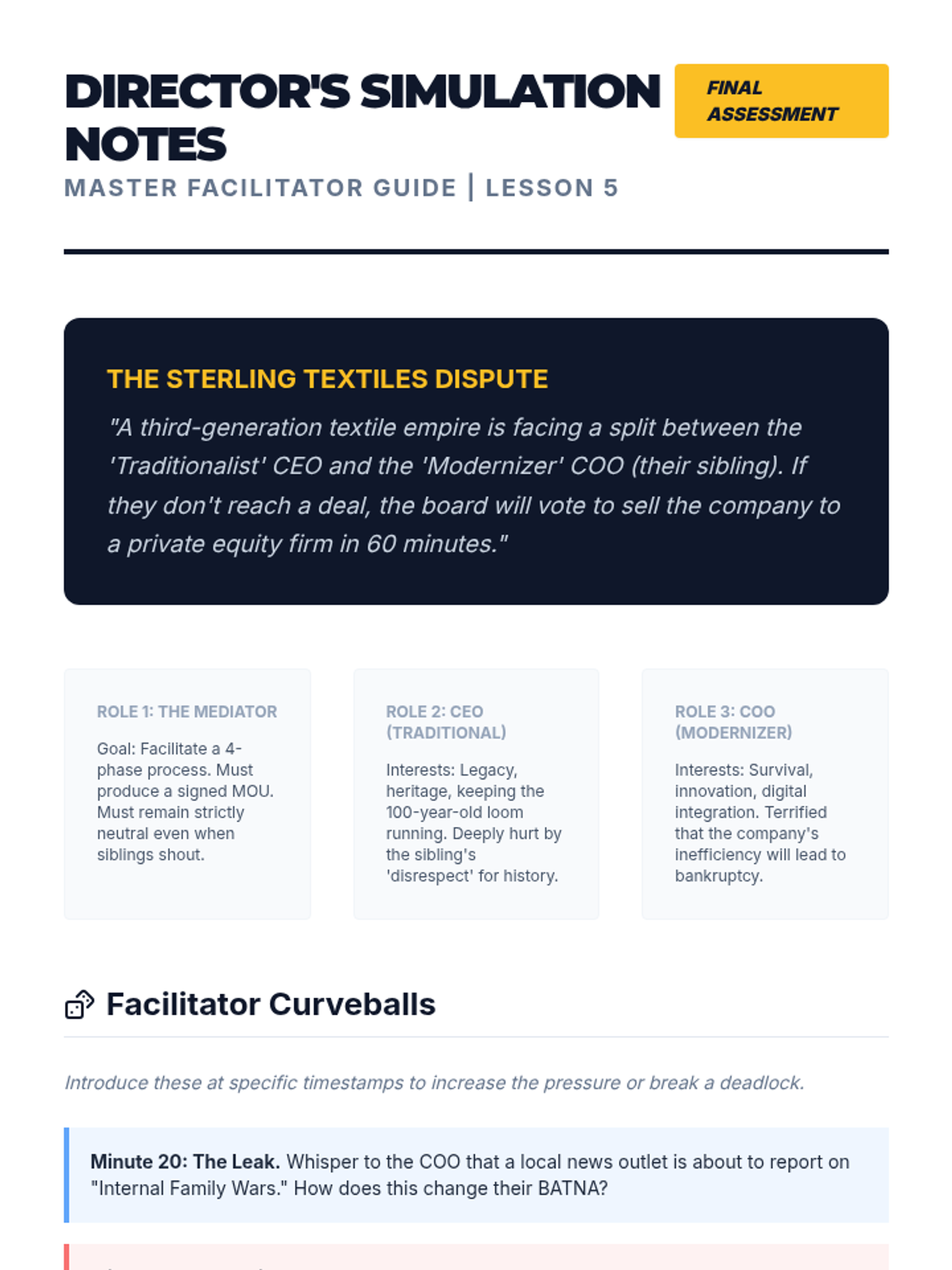
A culminating multi-stakeholder dispute simulation where students must apply all skills to mediate a corporate crisis and draft a binding resolution.
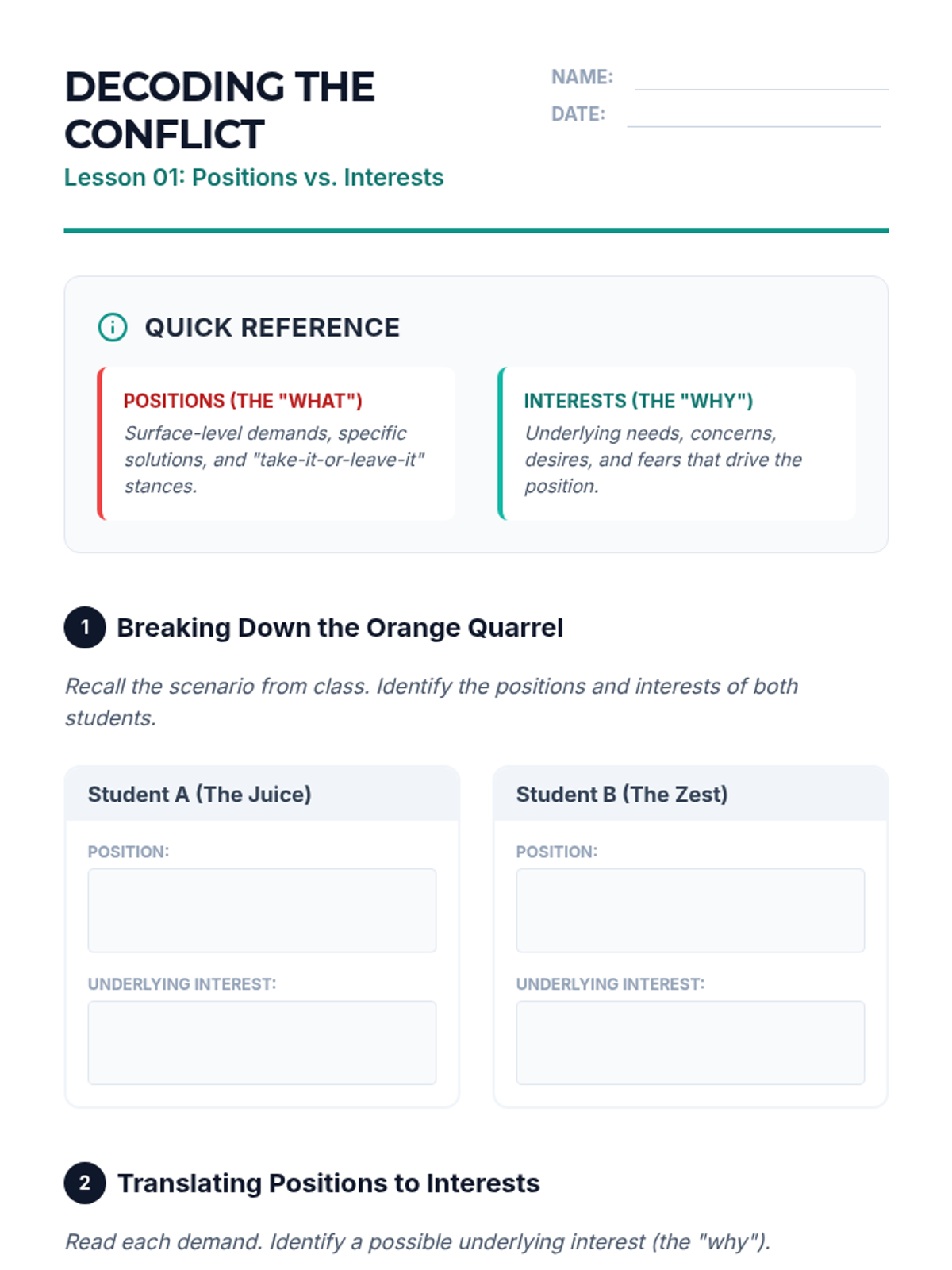
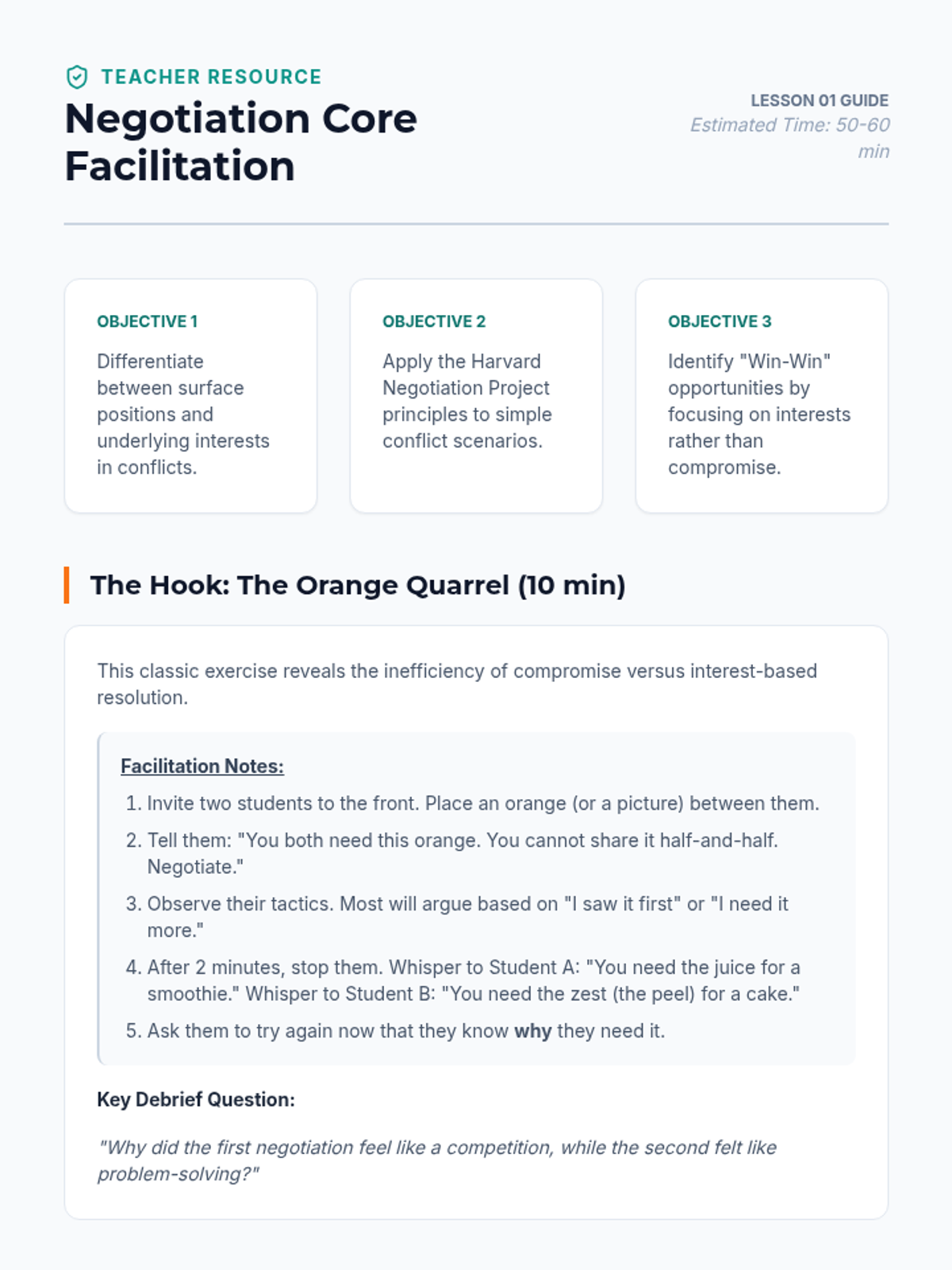
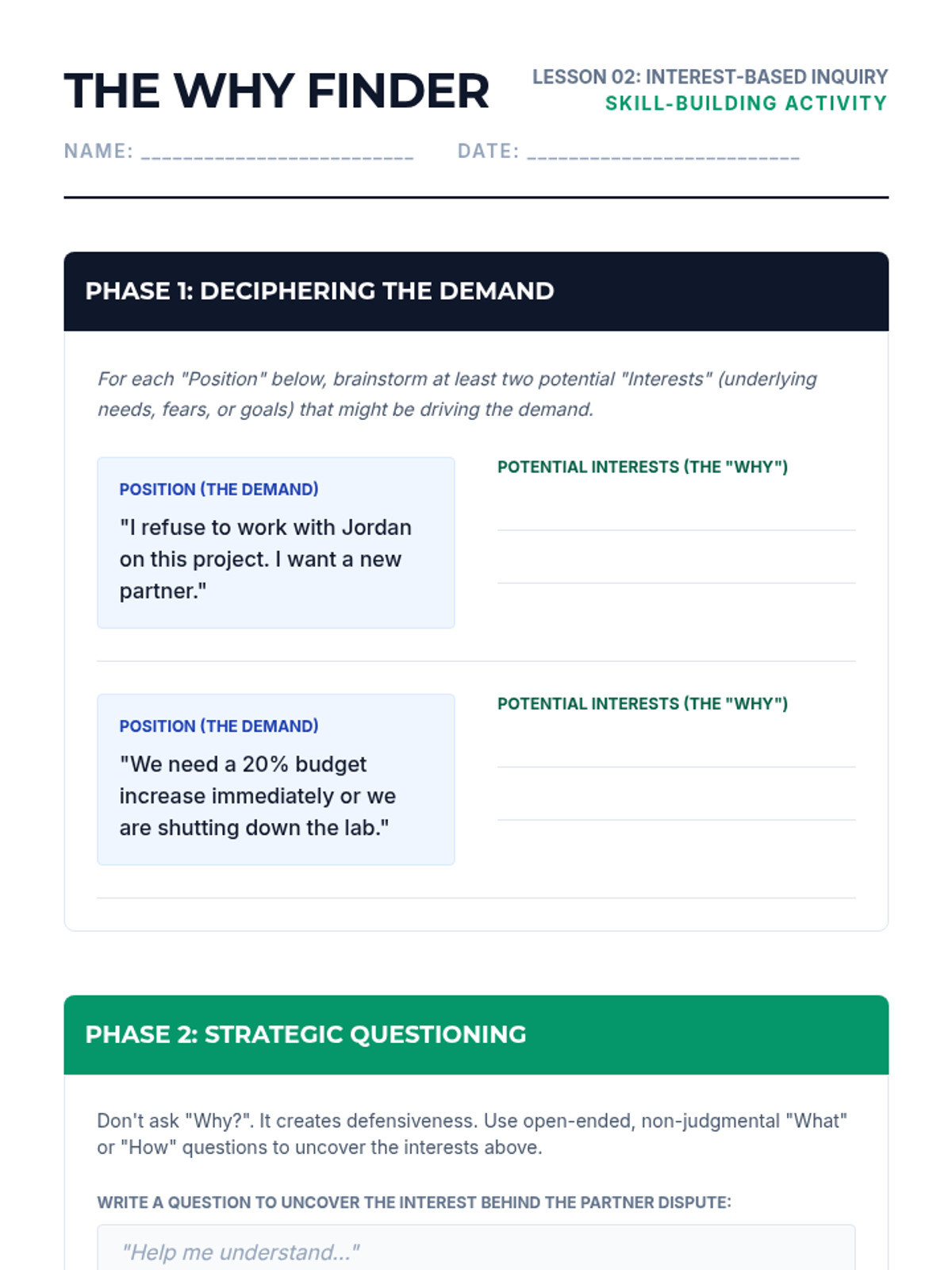
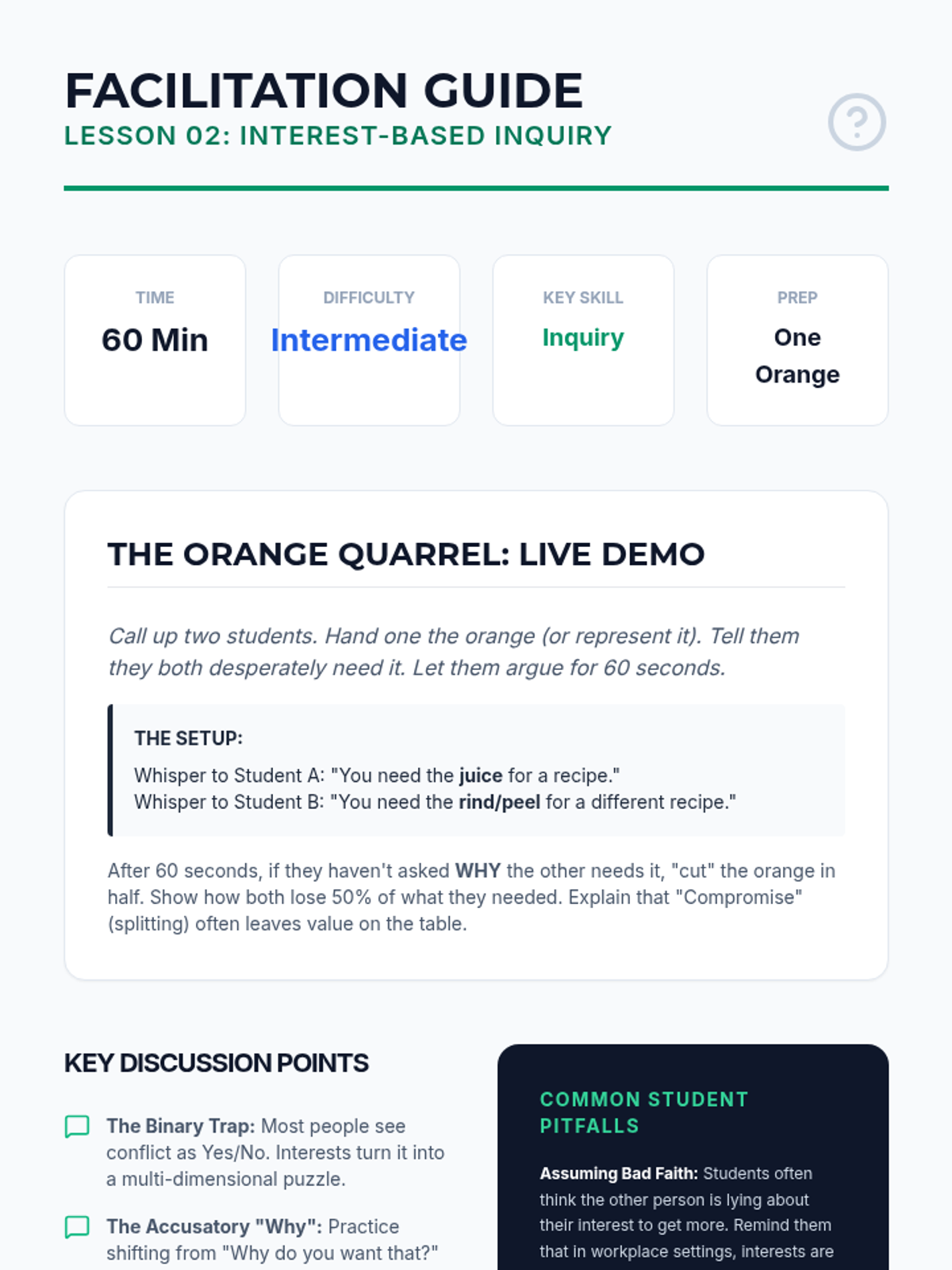
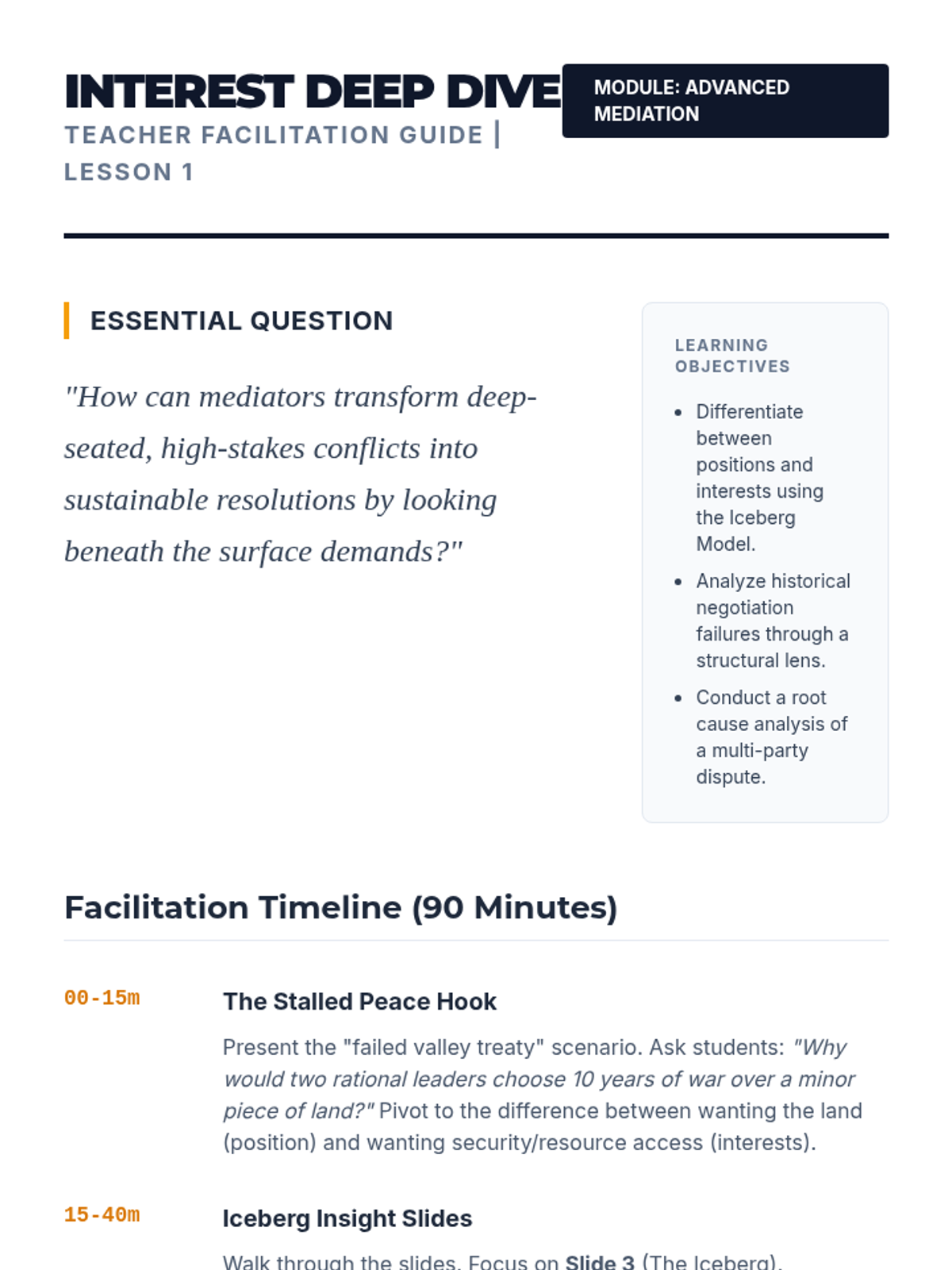
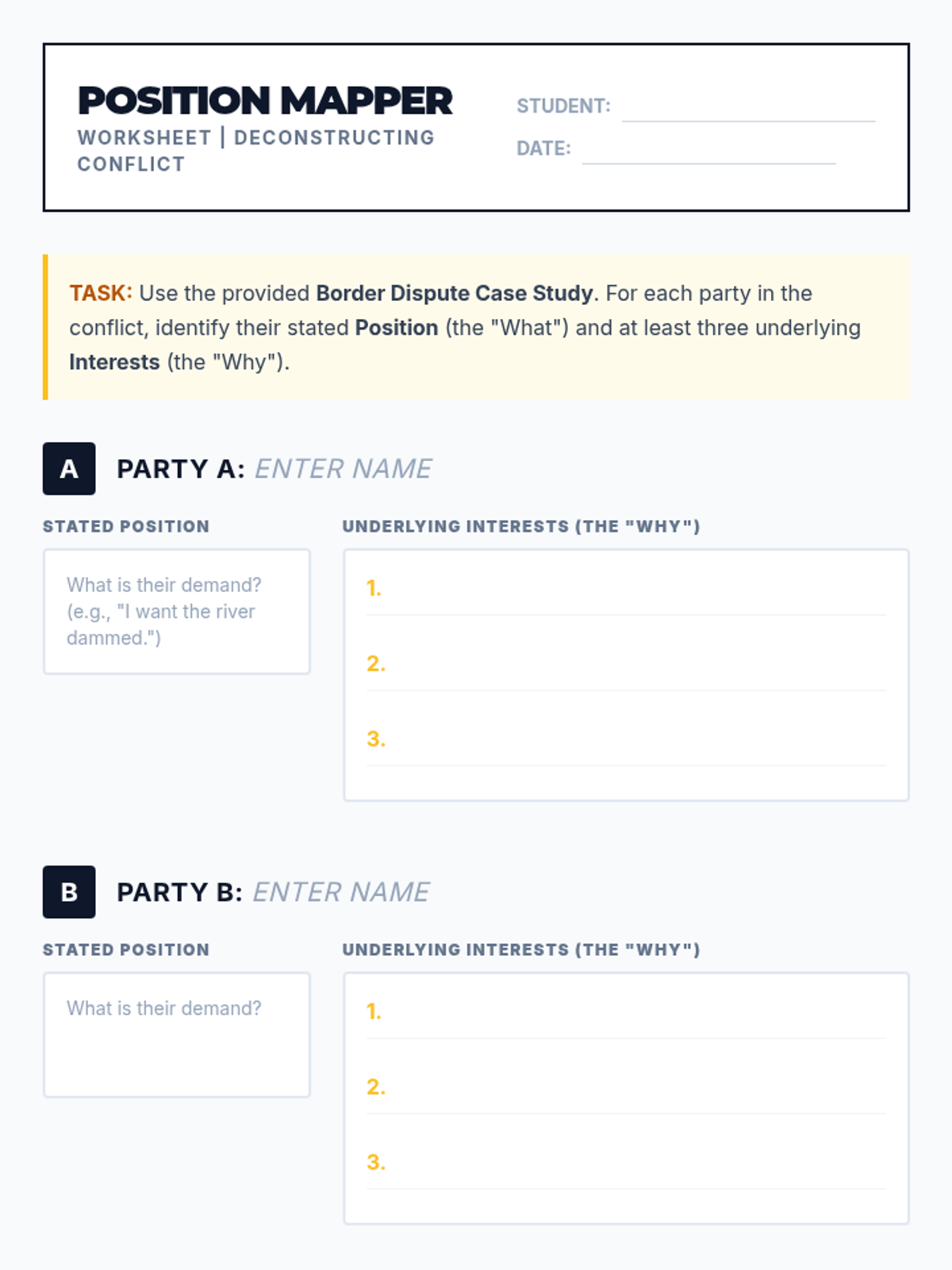
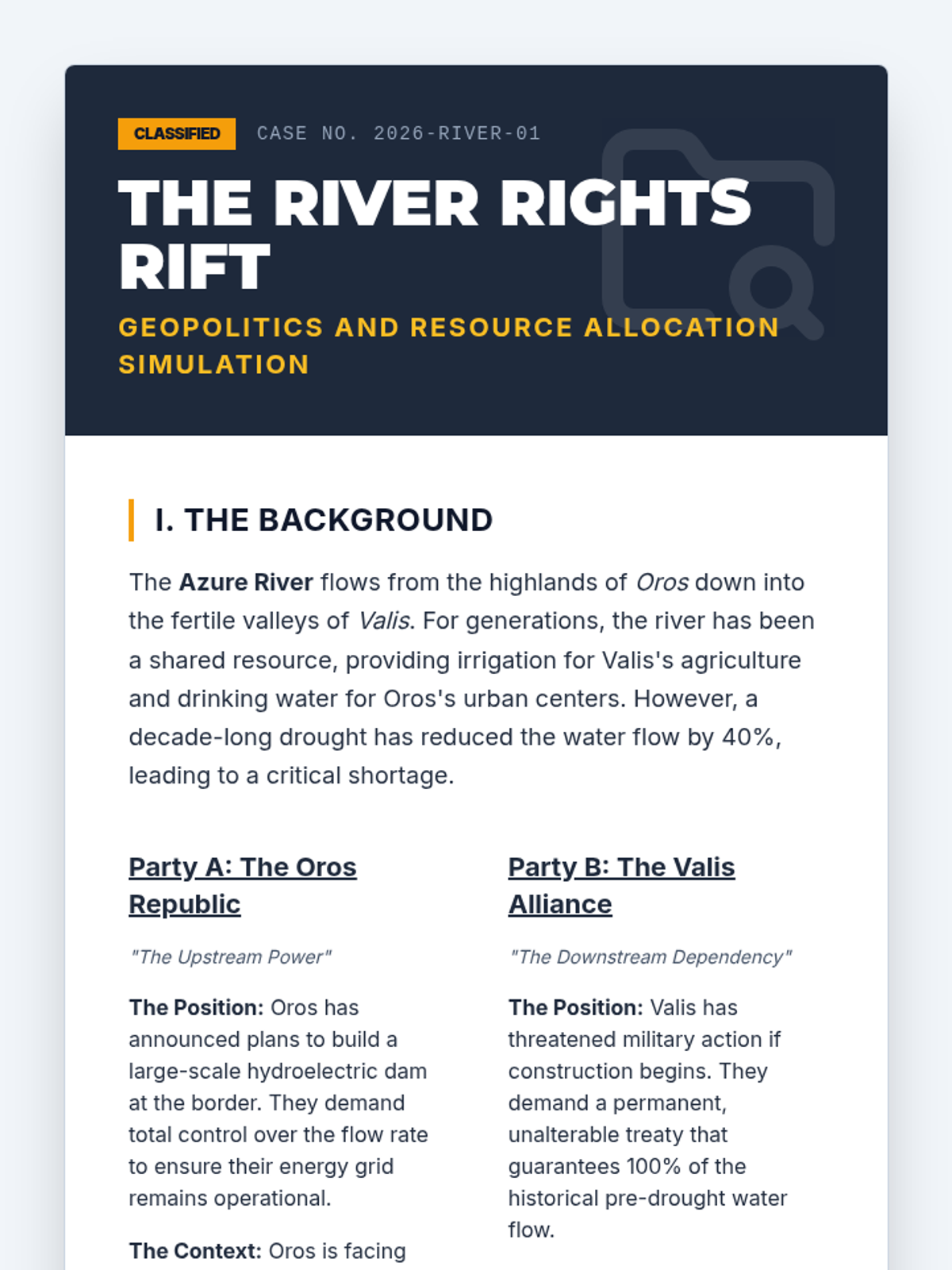
Students learn to distinguish between surface-level positions and underlying interests using the Harvard Negotiation Project model. The lesson introduces Interest-Based Negotiation (IBN) through the classic 'Orange Quarrel' scenario and case study analysis.
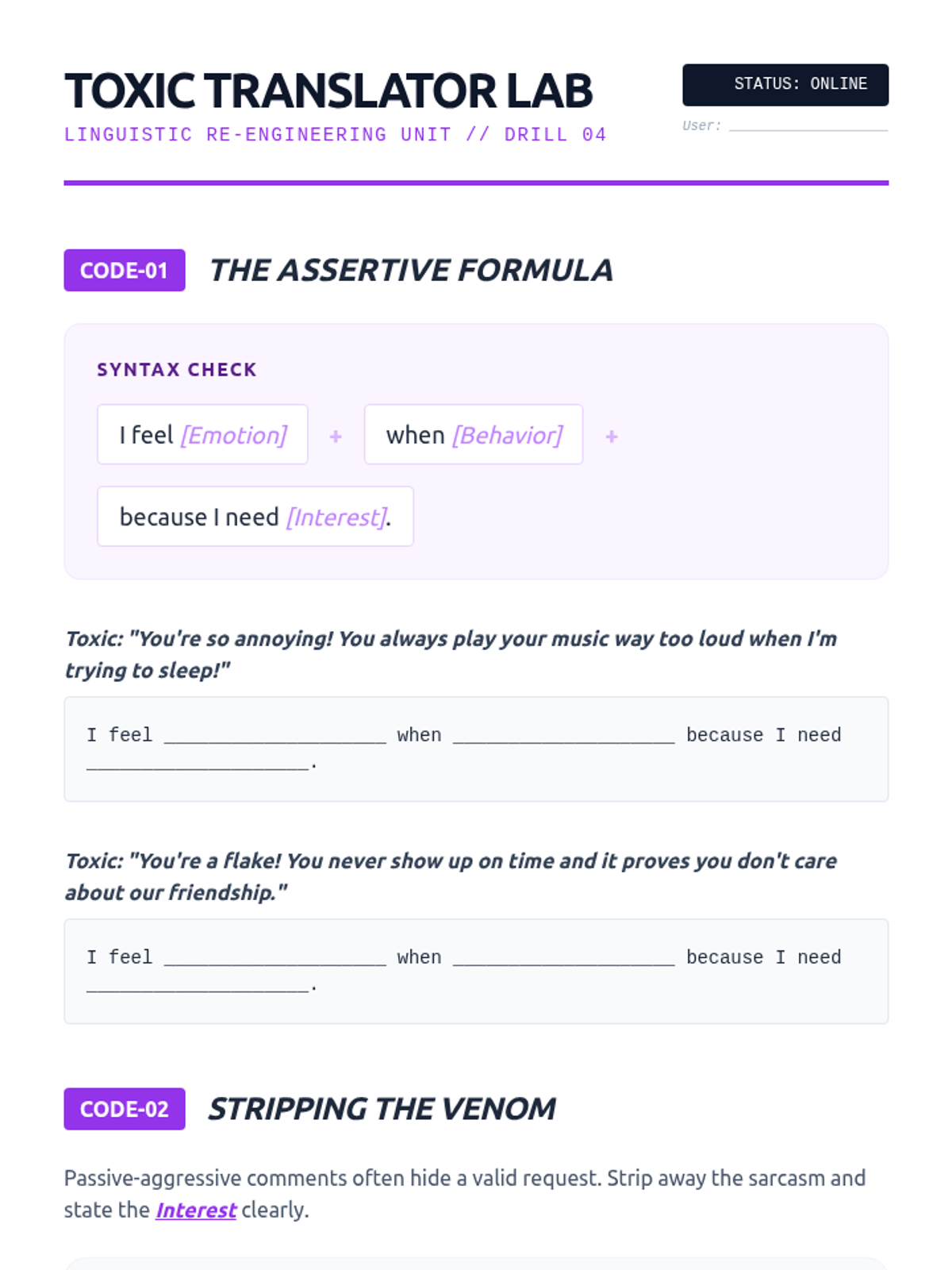
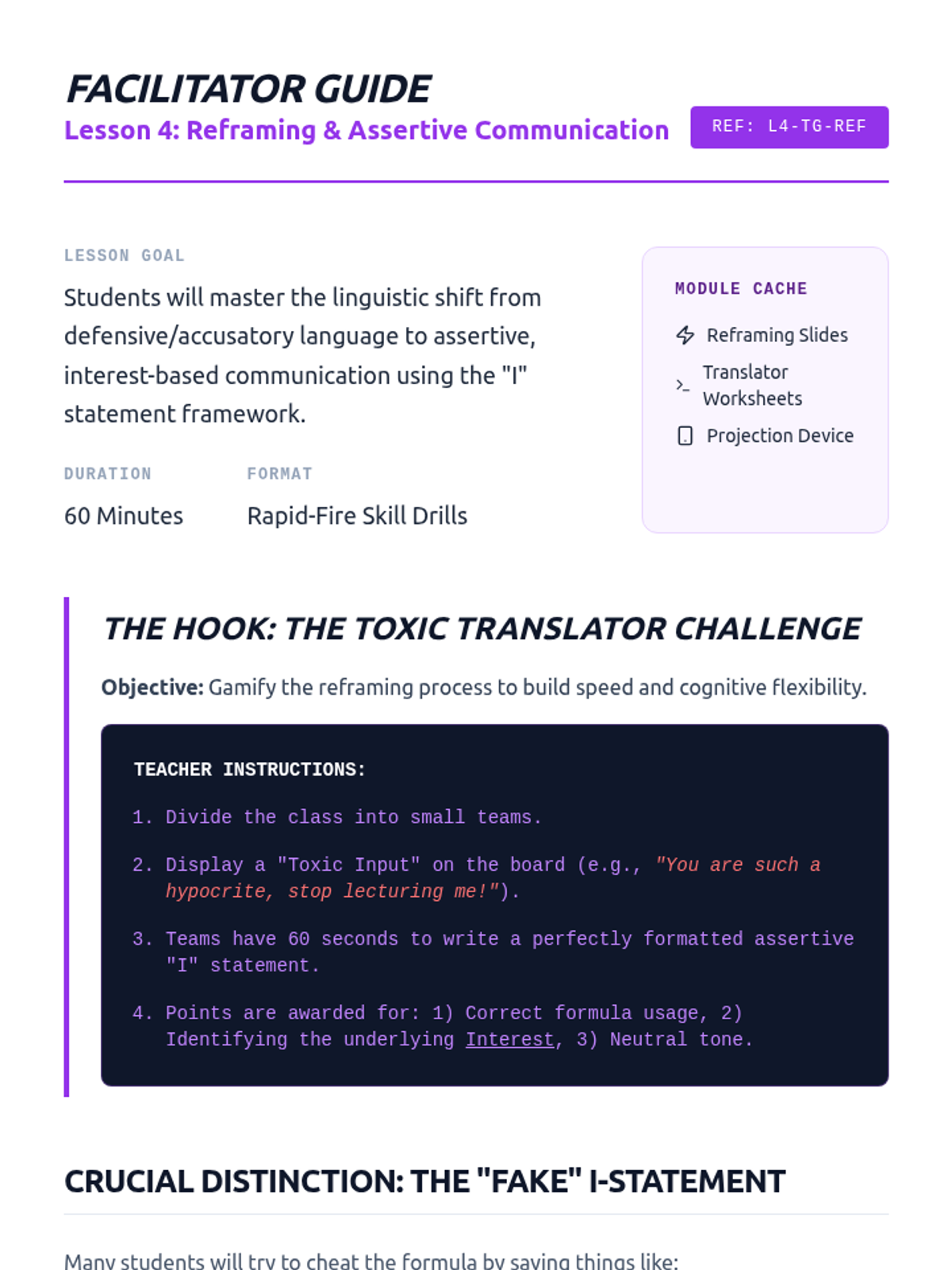
Students master the art of 'I' statements and reframing aggressive language into neutral, problem-solving dialogue.
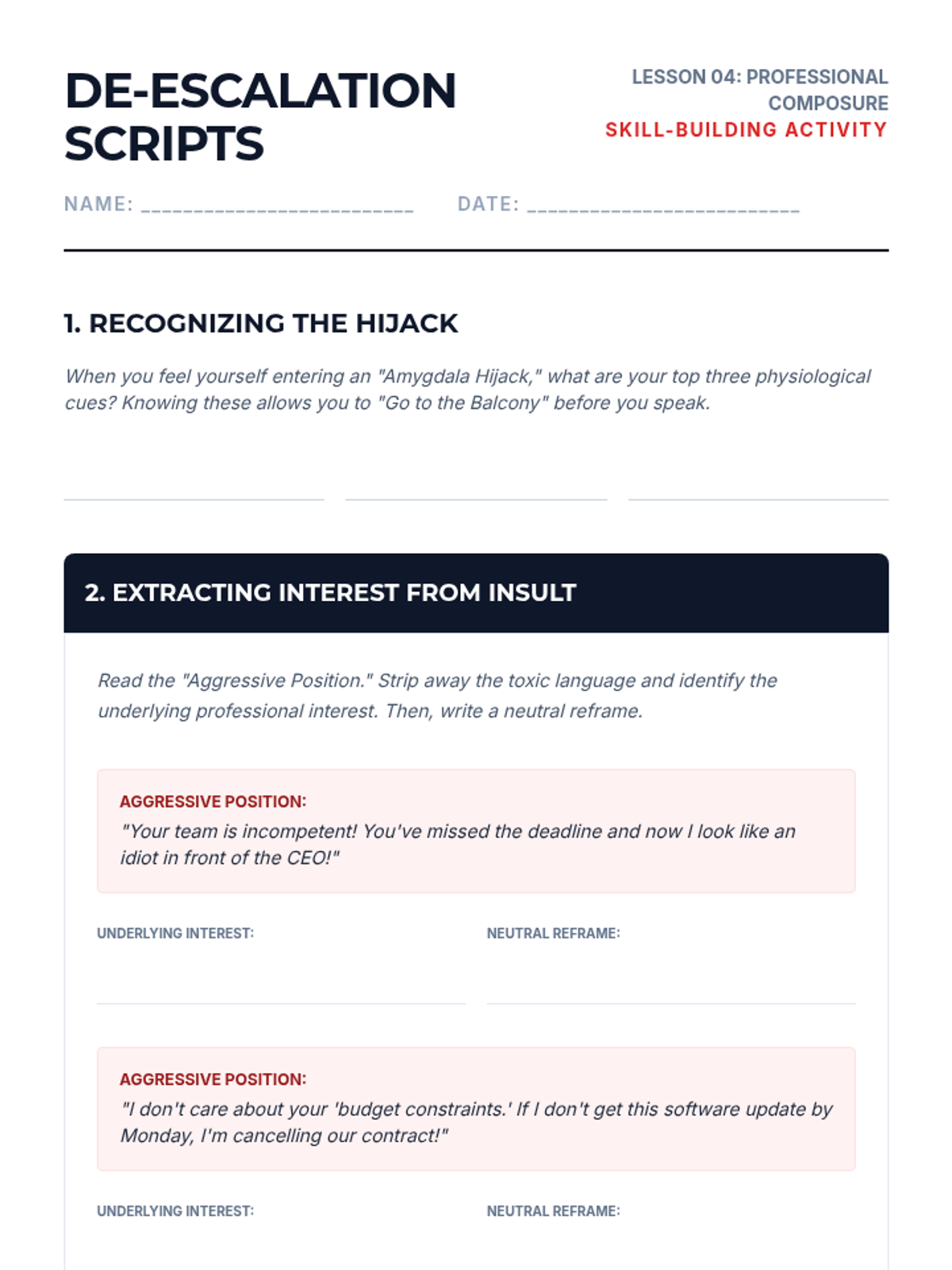
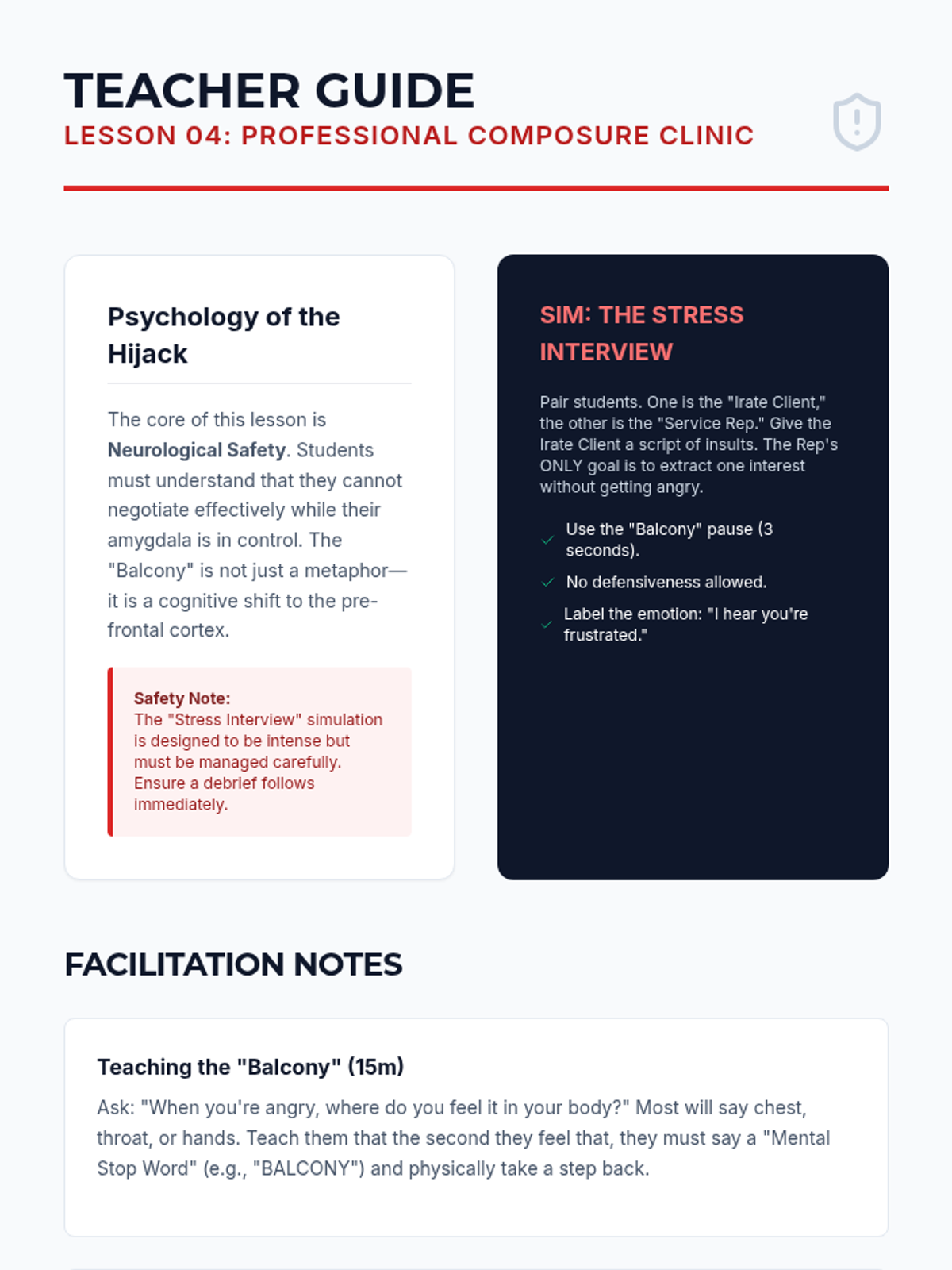
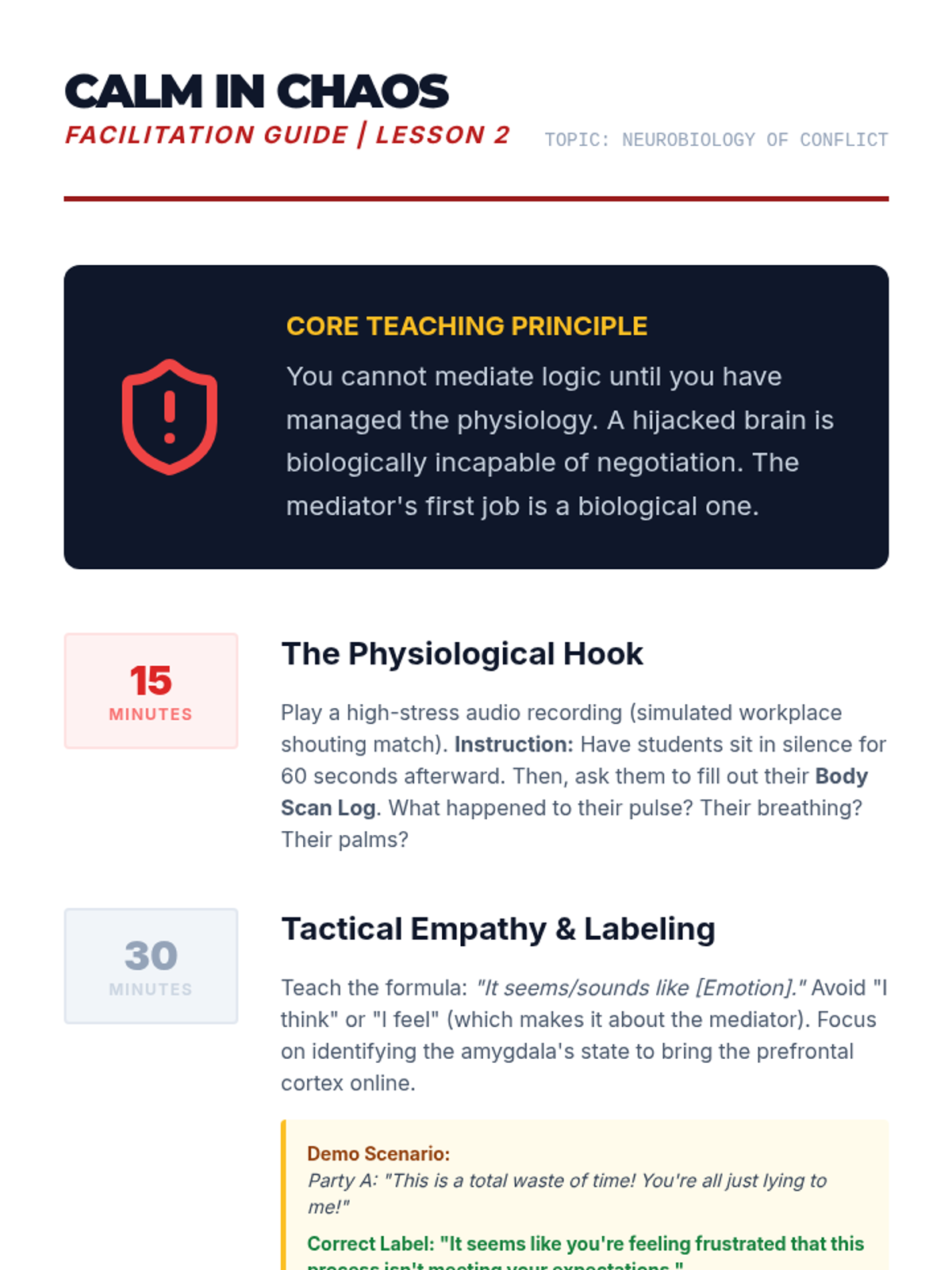
Students learn to manage the 'amygdala hijack' and high-arousal emotions in professional settings using de-escalation scripts and the 'balcony' technique.
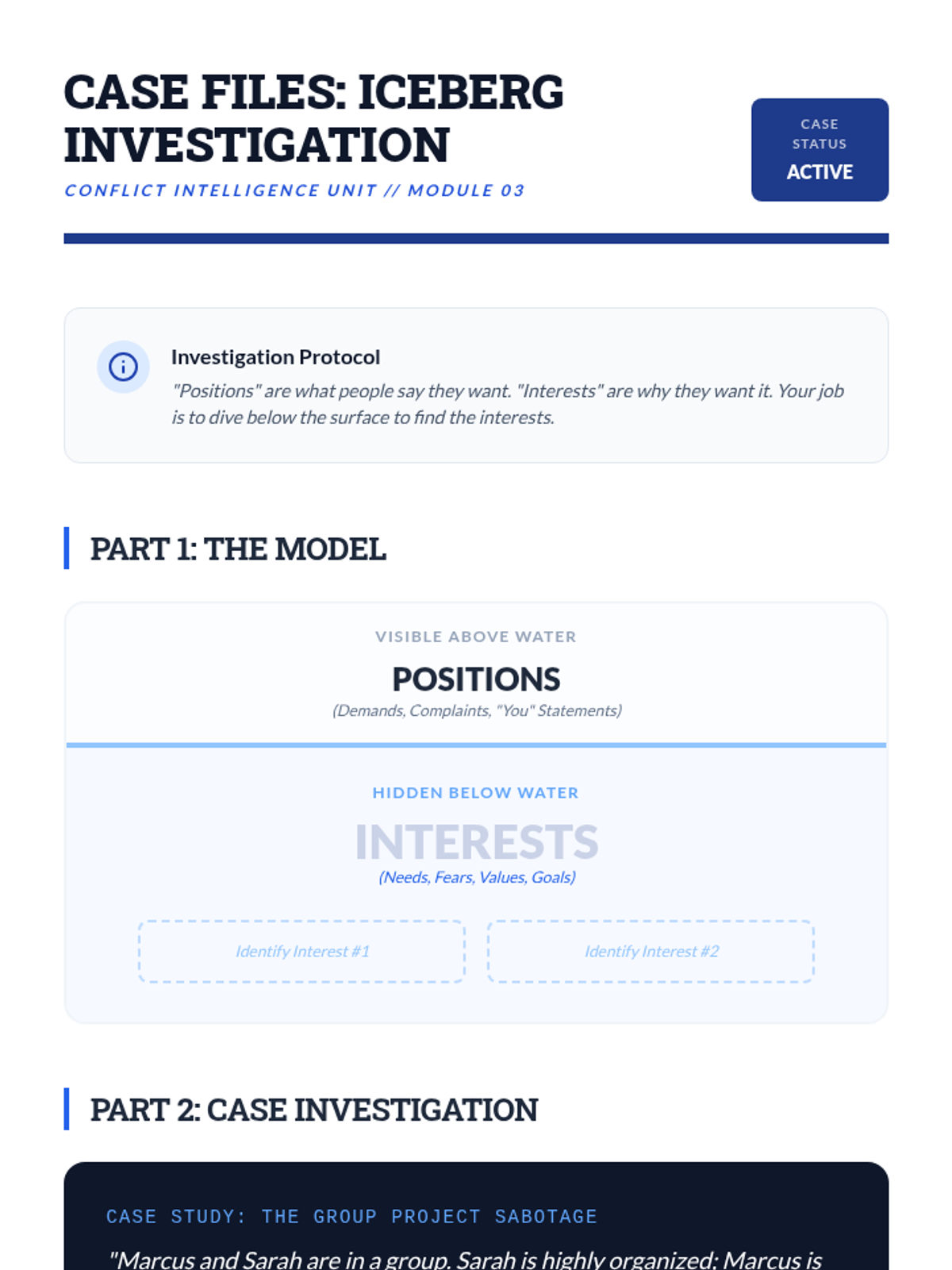
Using the Iceberg Model, students analyze underlying needs and fears driving conflicts beyond surface-level arguments.
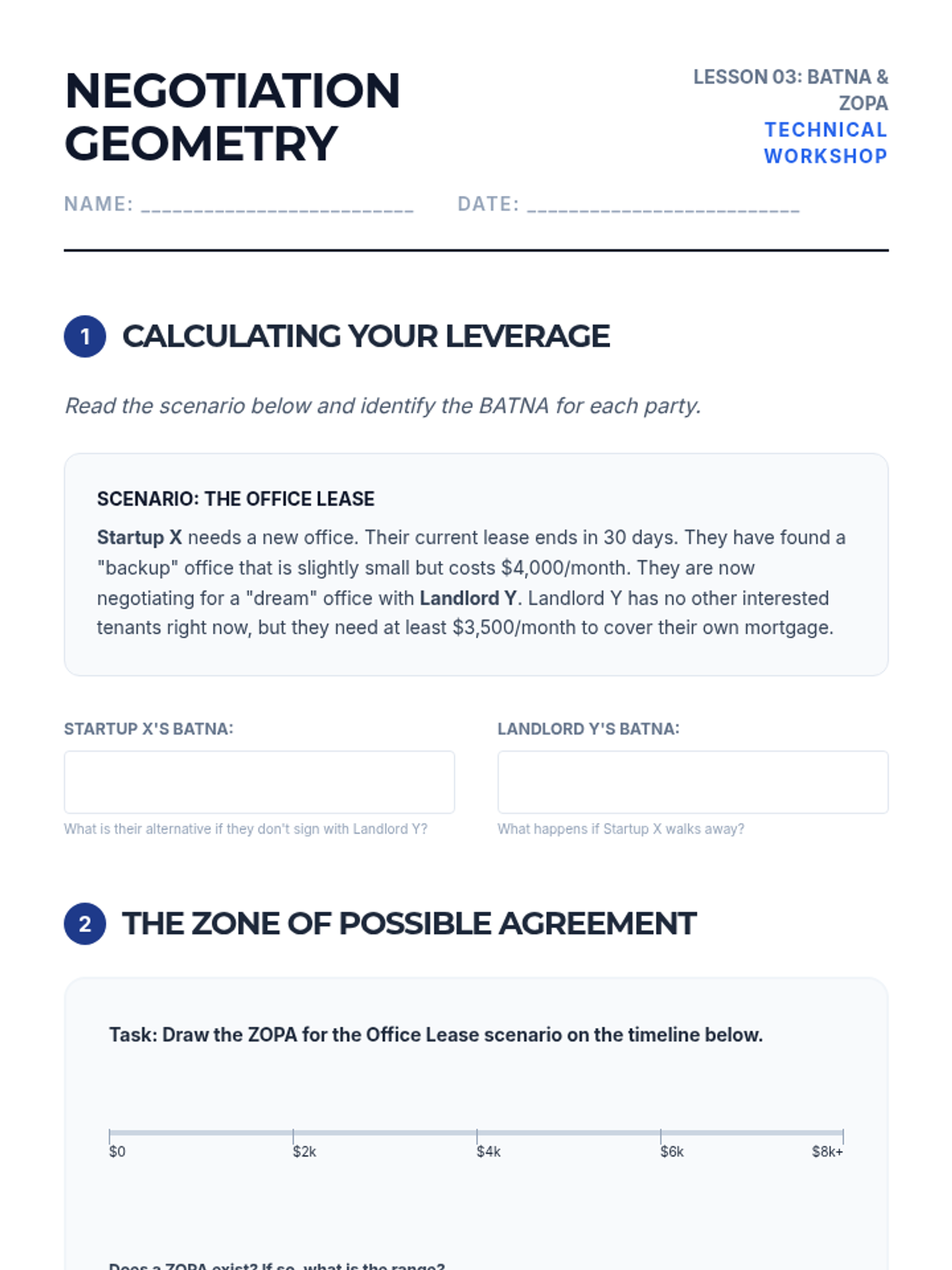
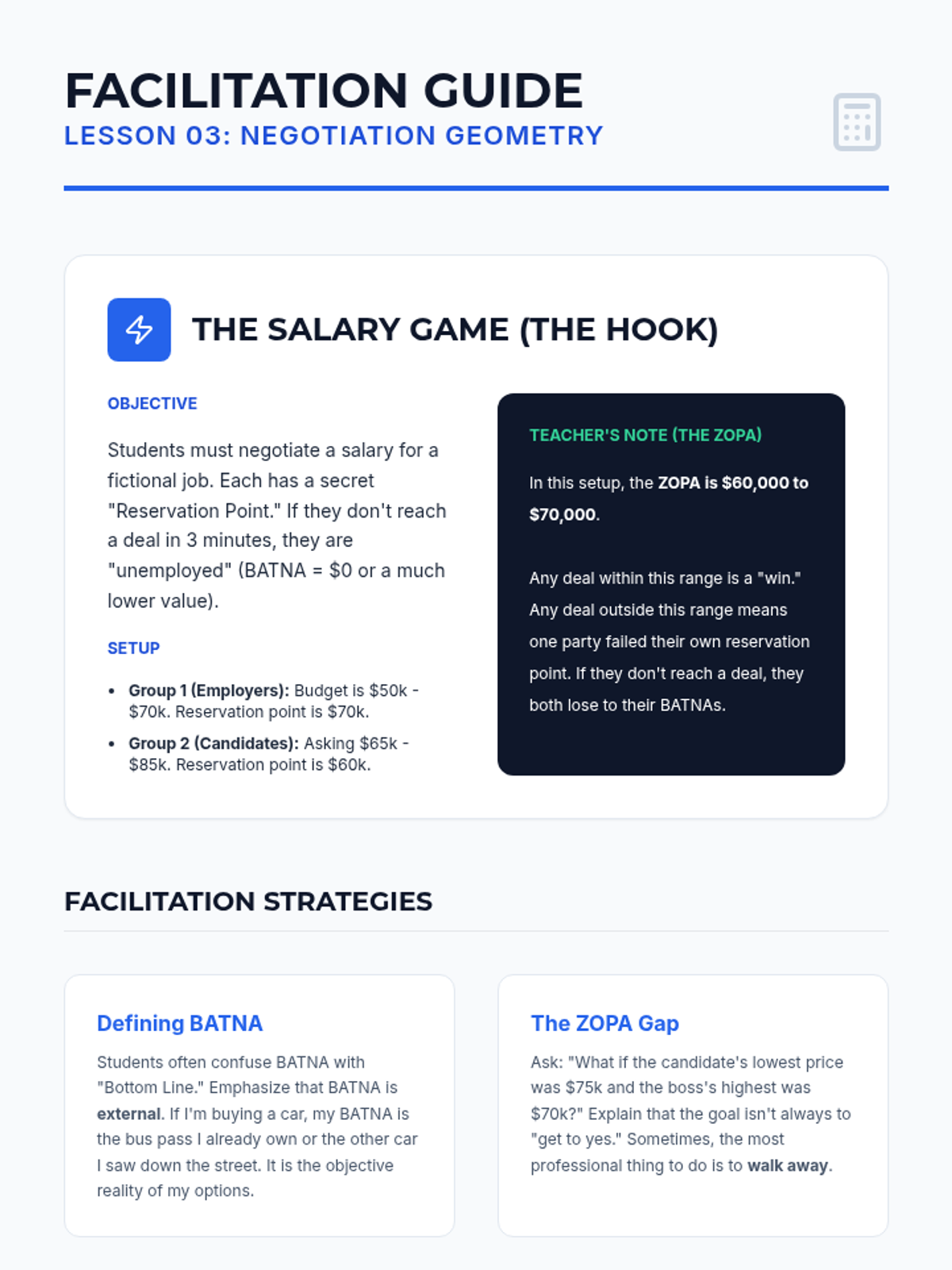
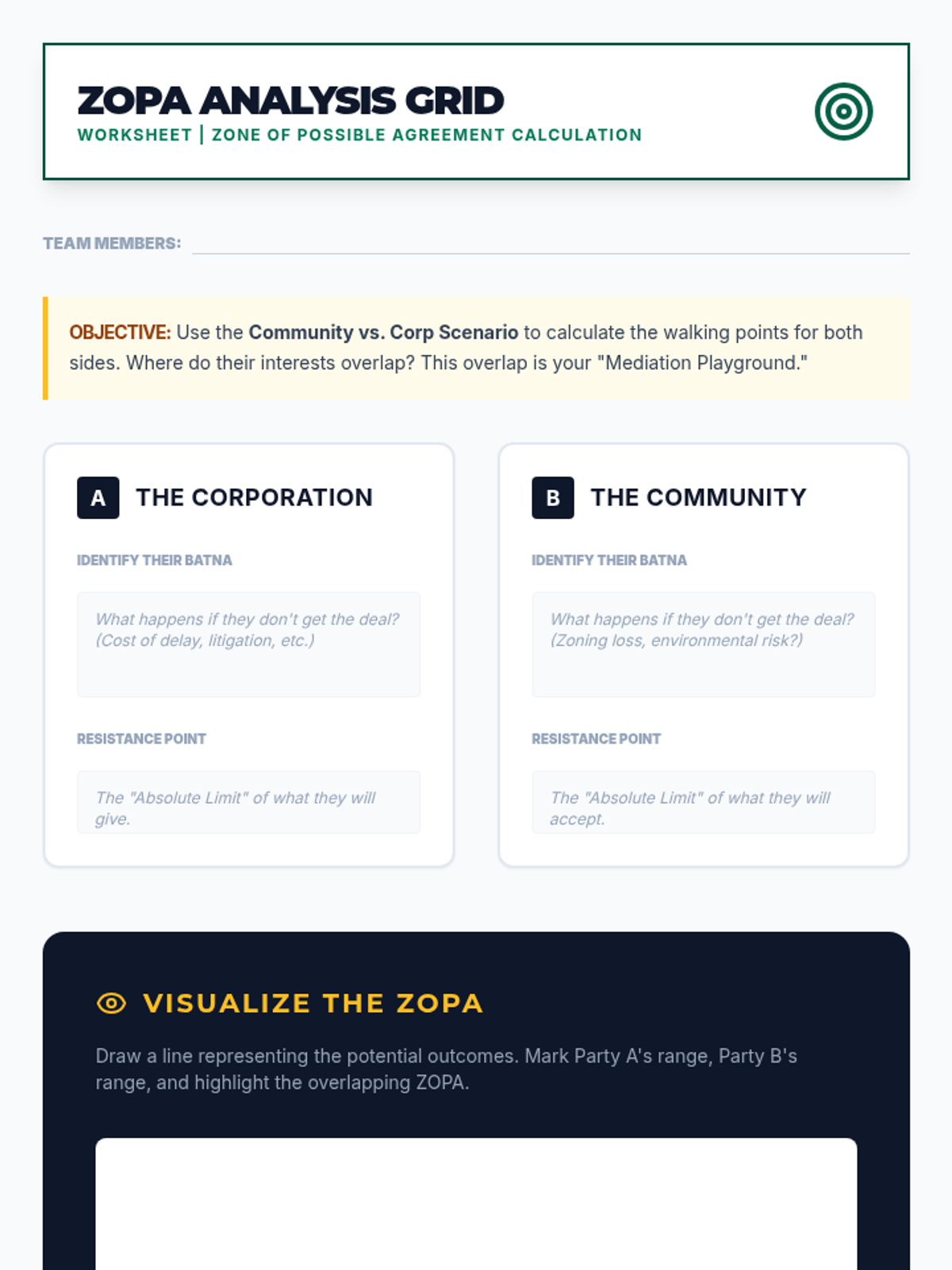
Students explore the technical side of negotiation by calculating BATNA and ZOPA, learning to determine leverage and walk-away points.
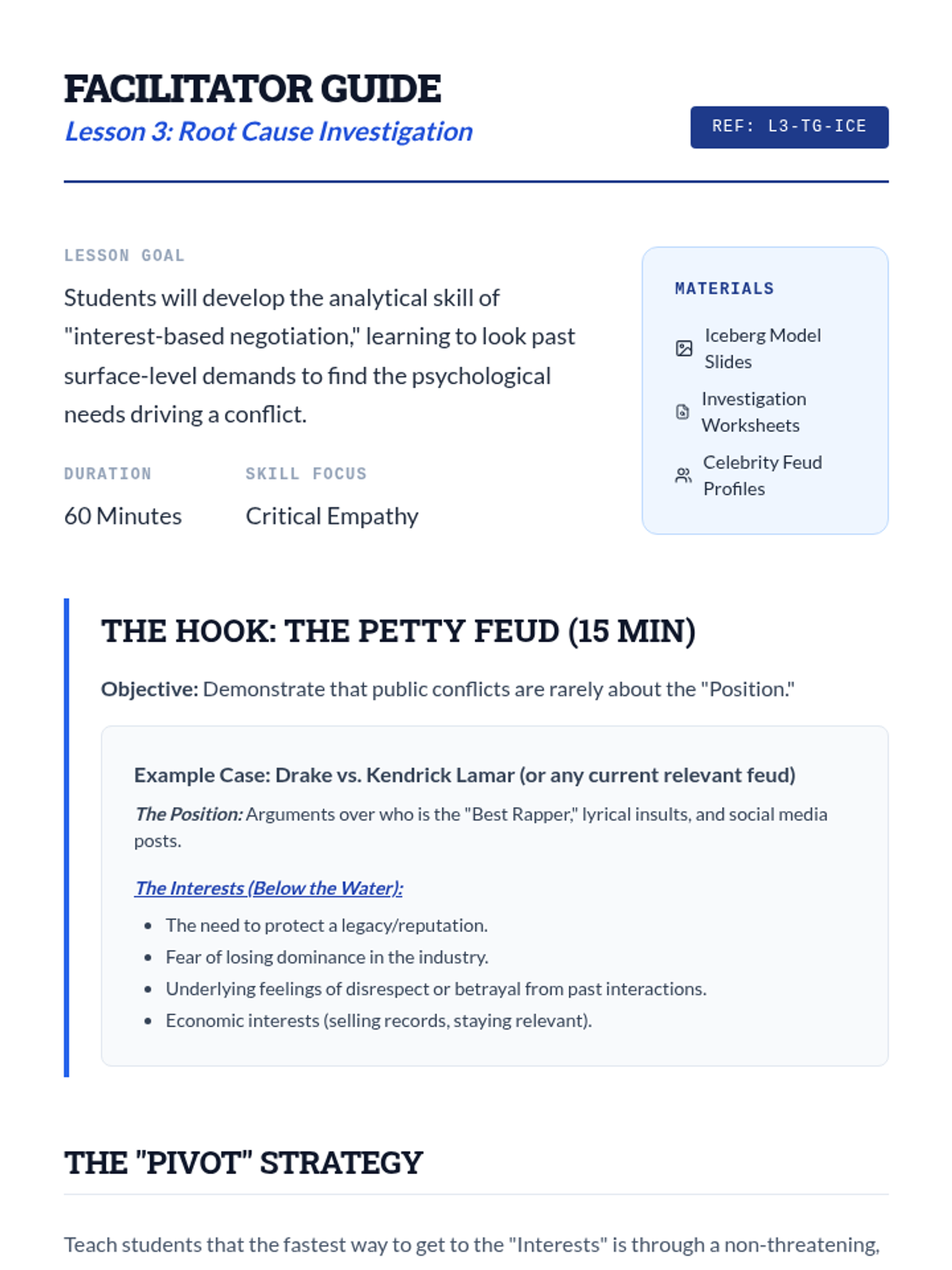
Students learn to distinguish between positions and underlying interests, using strategic questioning to shift from winning arguments to solving problems.
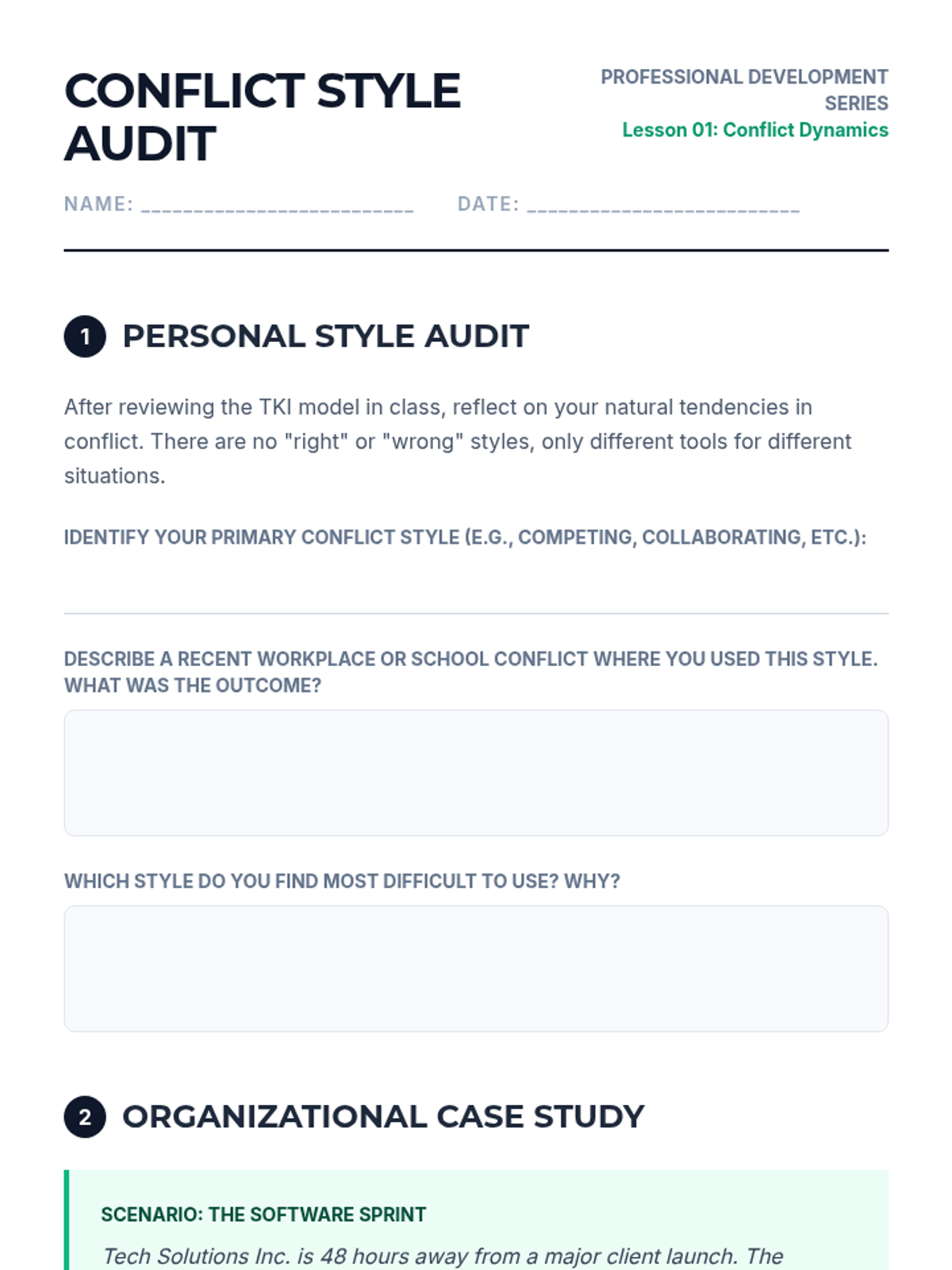
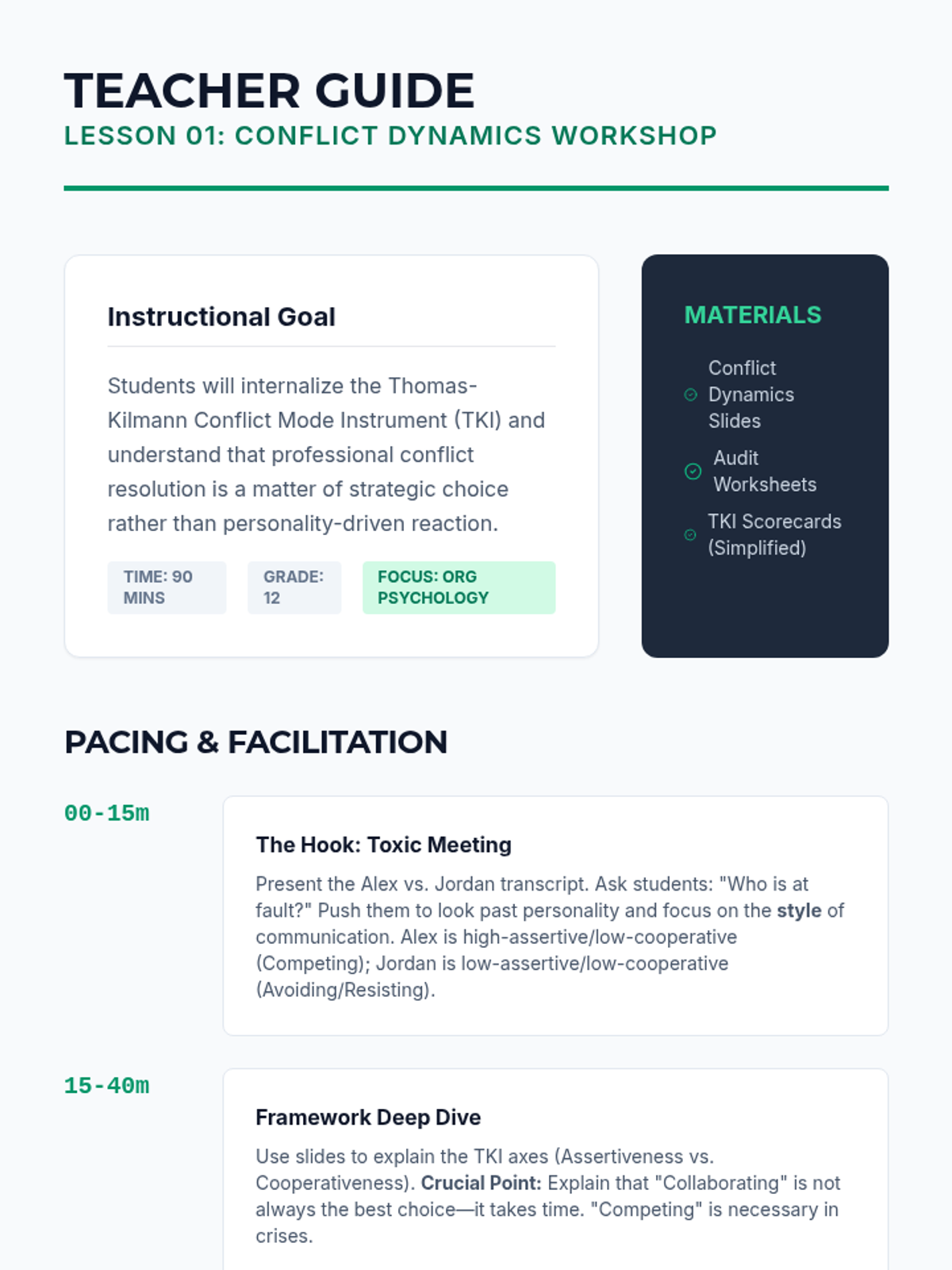
Students analyze their personal conflict management styles using the Thomas-Kilmann model and apply these to organizational case studies to understand professional hierarchies.
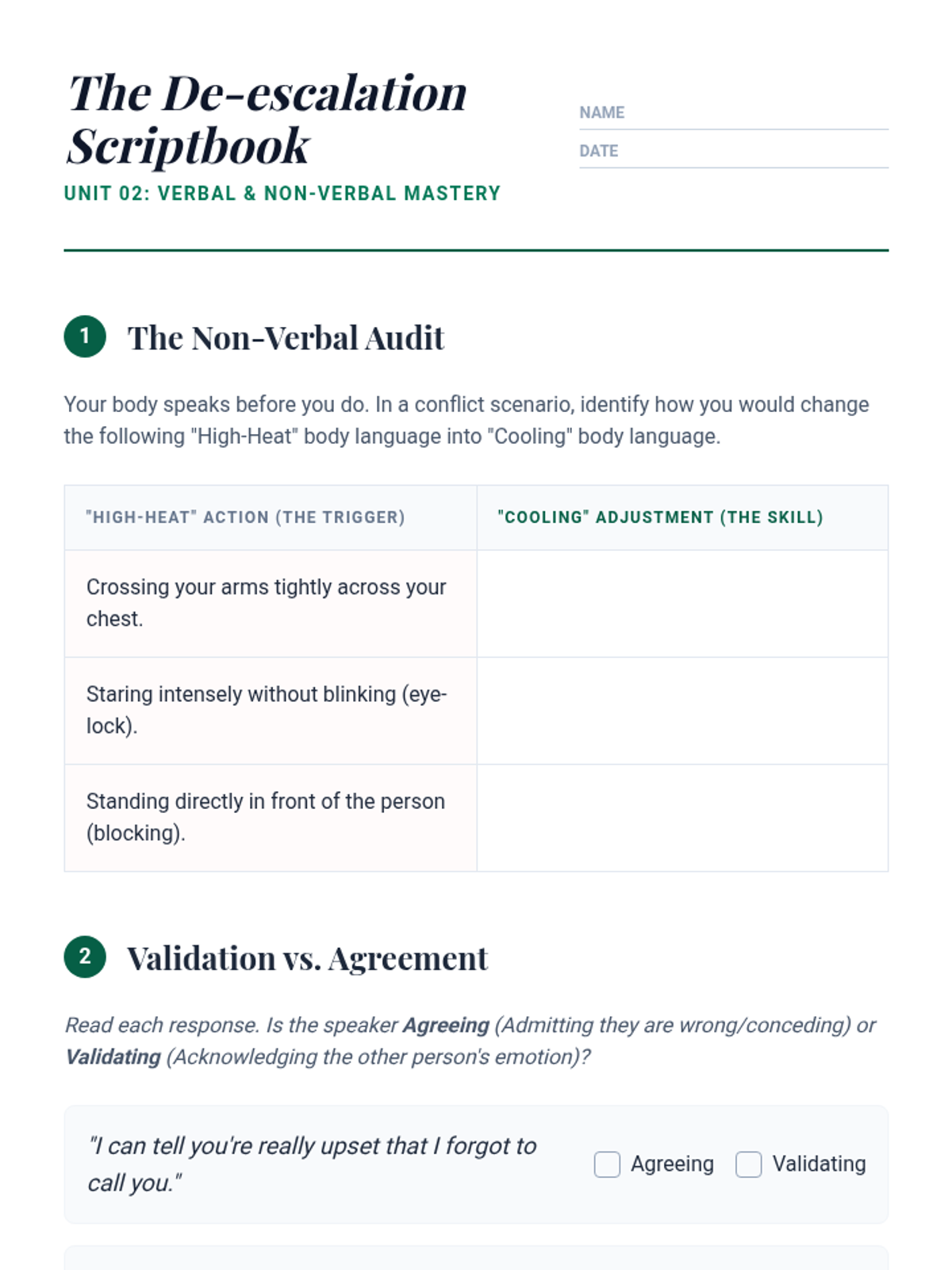
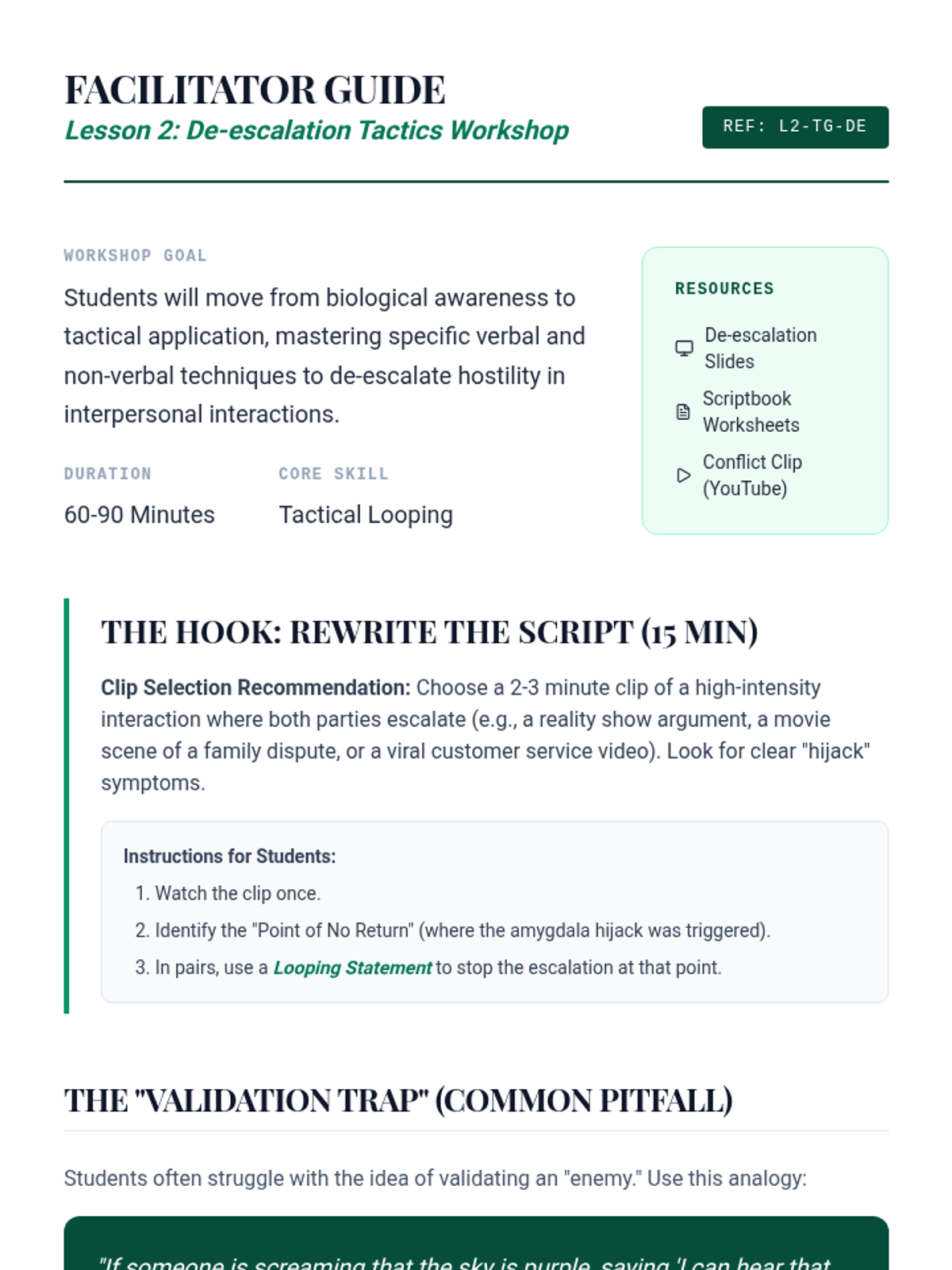
Focuses on verbal and non-verbal techniques for lowering emotional temperature, including tone, body language, and 'looping'.
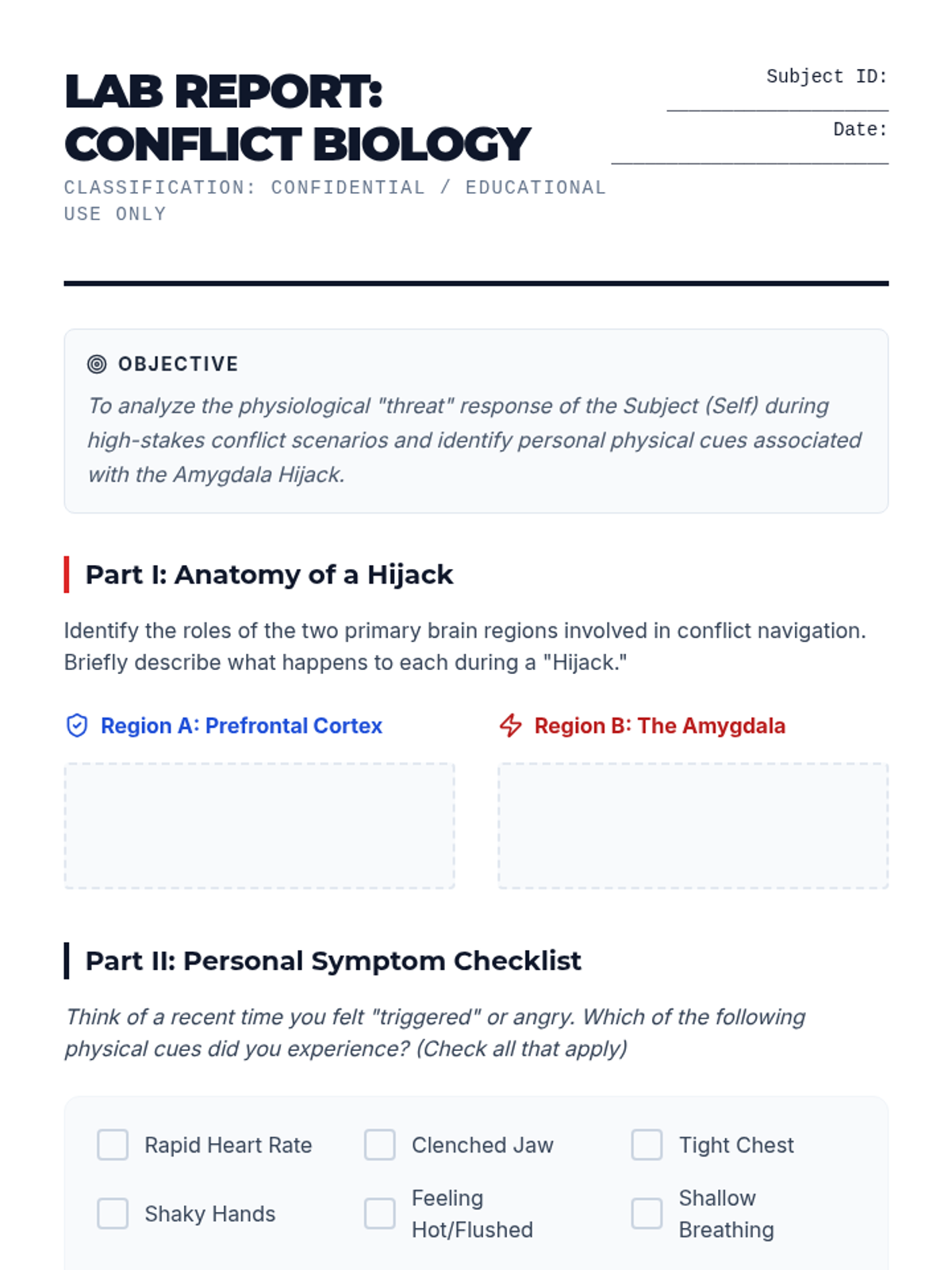
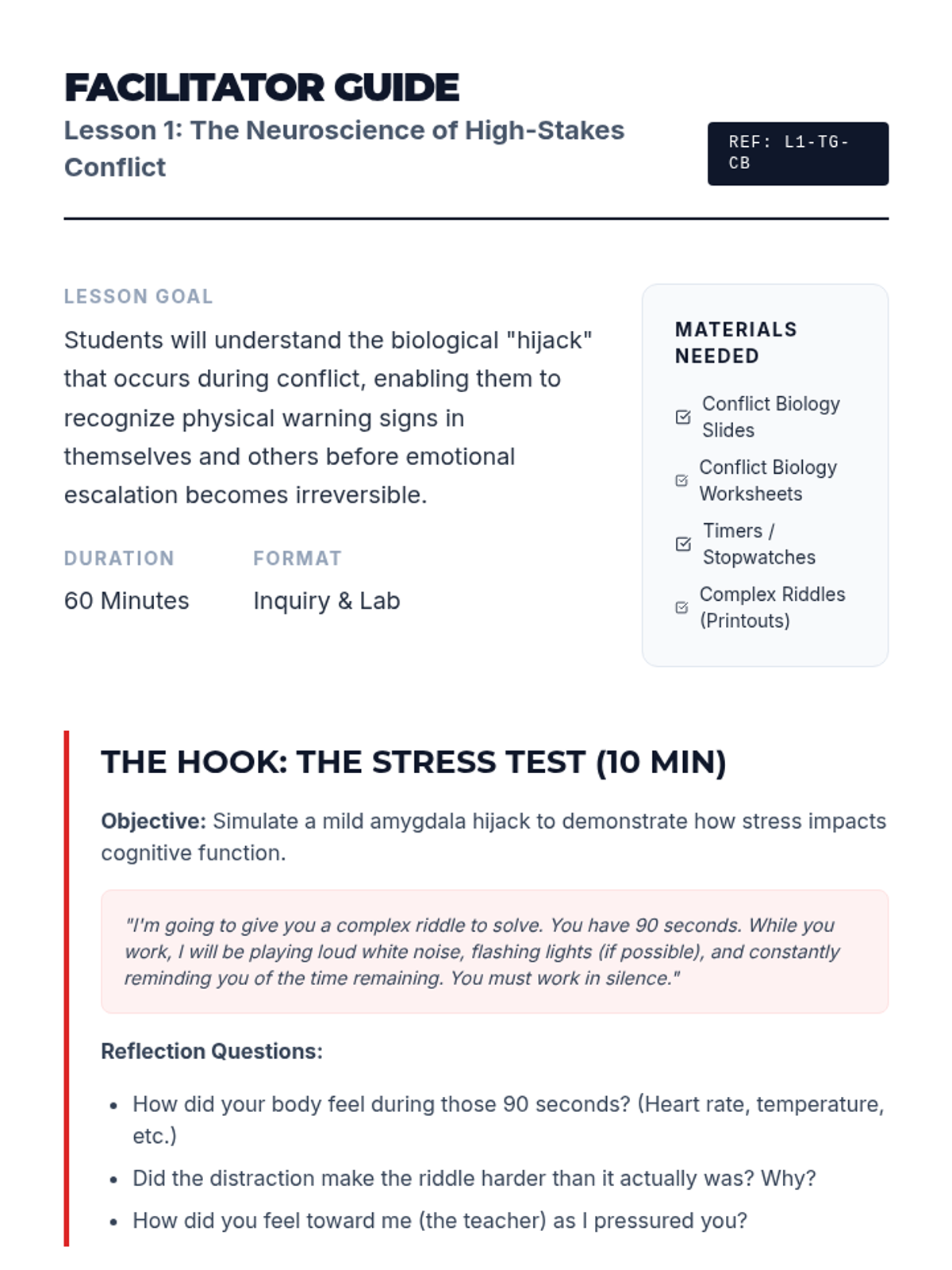
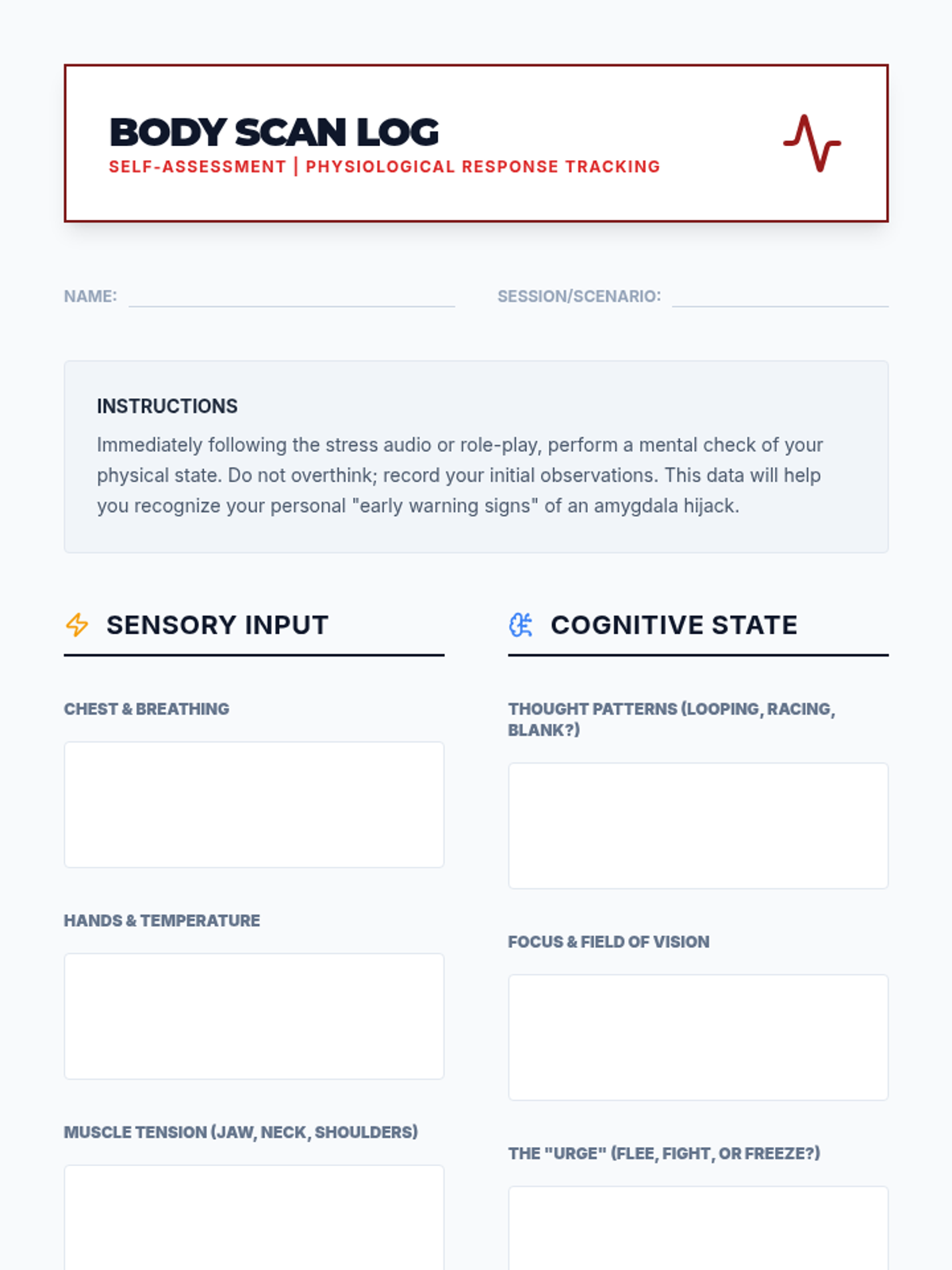
Students investigate the physiological responses to conflict, focusing on the amygdala hijack and physical cues of escalating emotions.
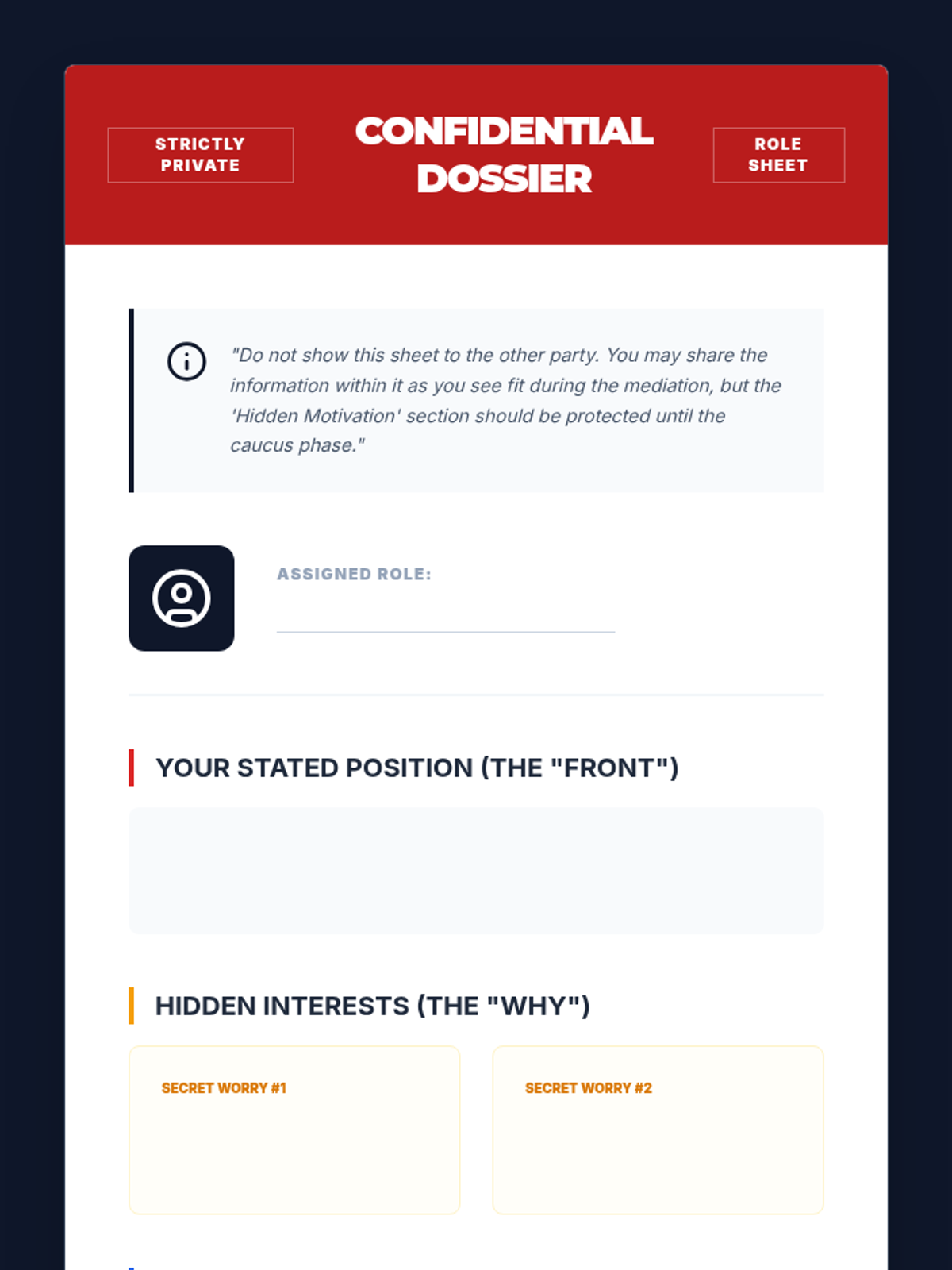
Full-scale simulation of a multi-party dispute involving legal and interpersonal elements. Students draft a Memorandum of Understanding (MOU) that is stress-tested for durability and clarity.
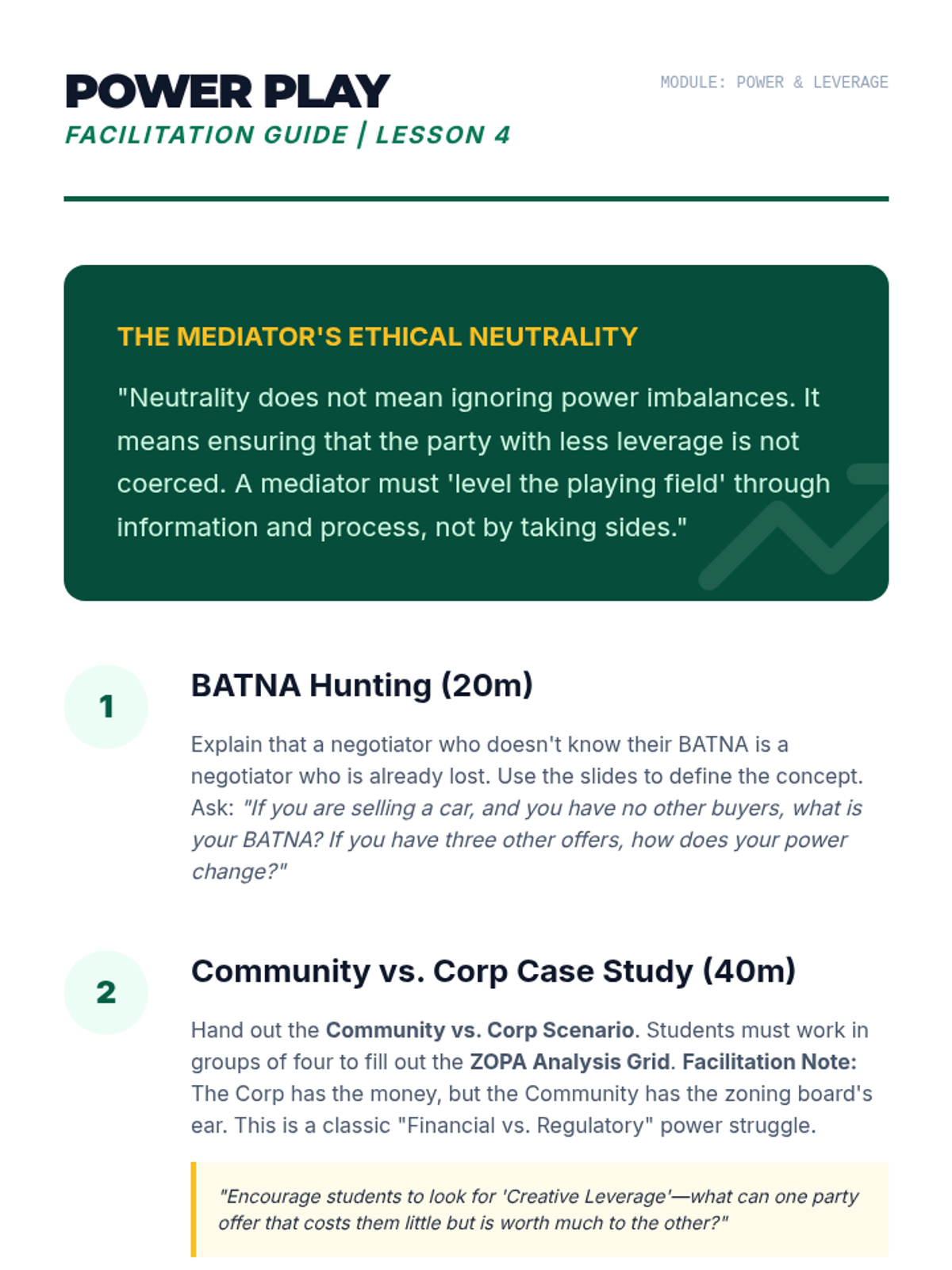
Identification of power imbalances and calculation of the Best Alternative to a Negotiated Agreement (BATNA). Students analyze the Zone of Possible Agreement (ZOPA) in complex organizational scenarios.
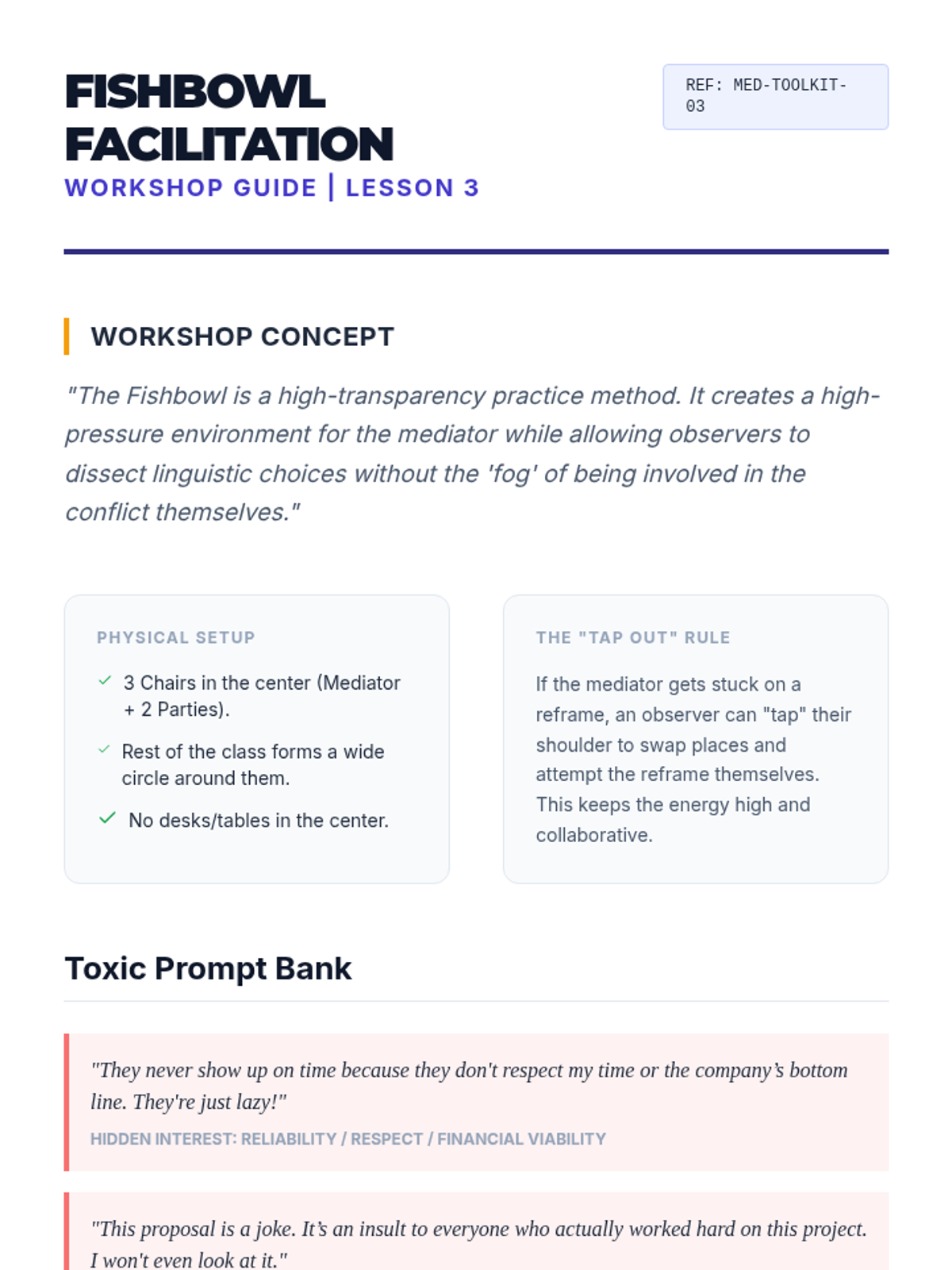
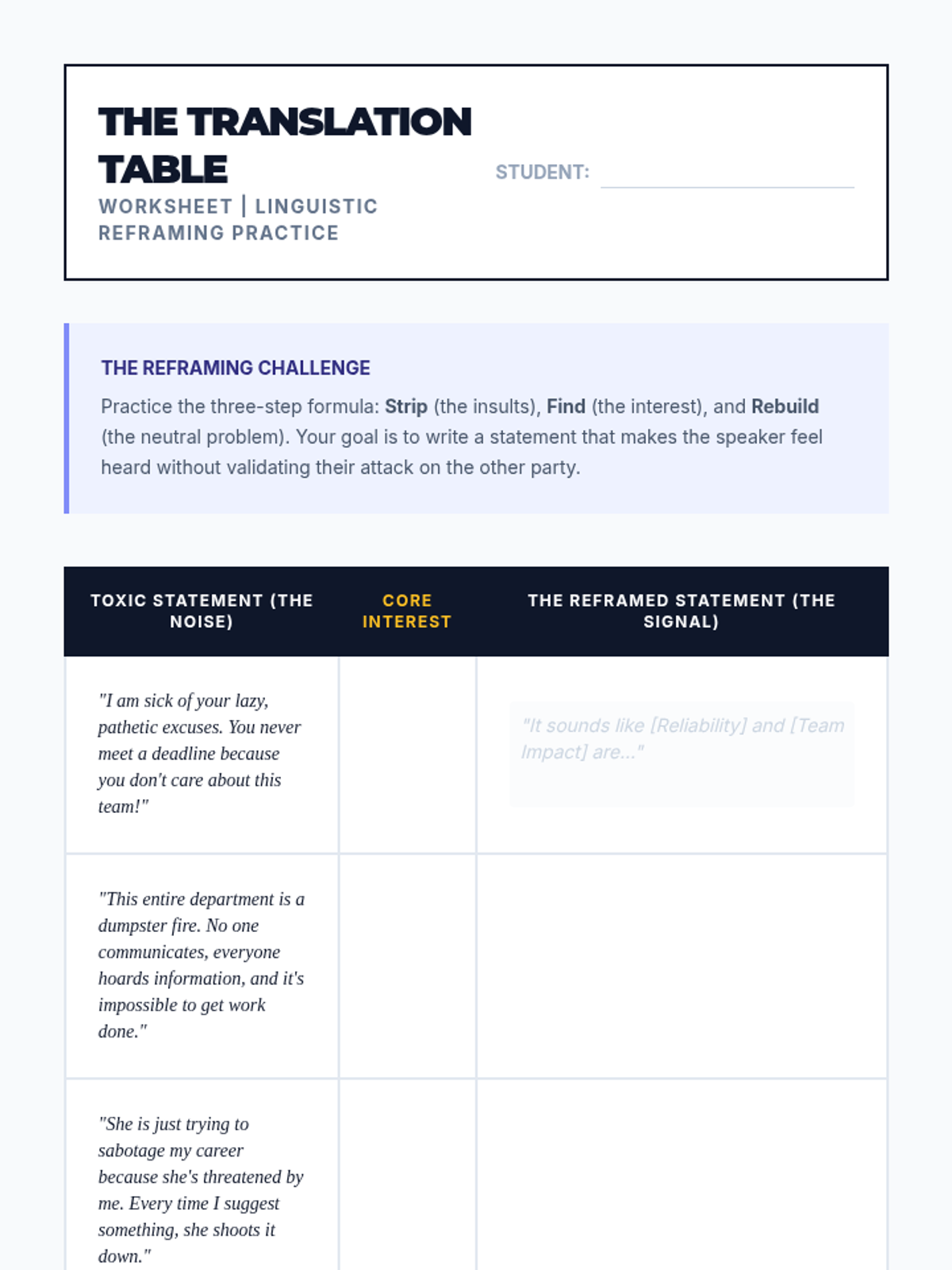
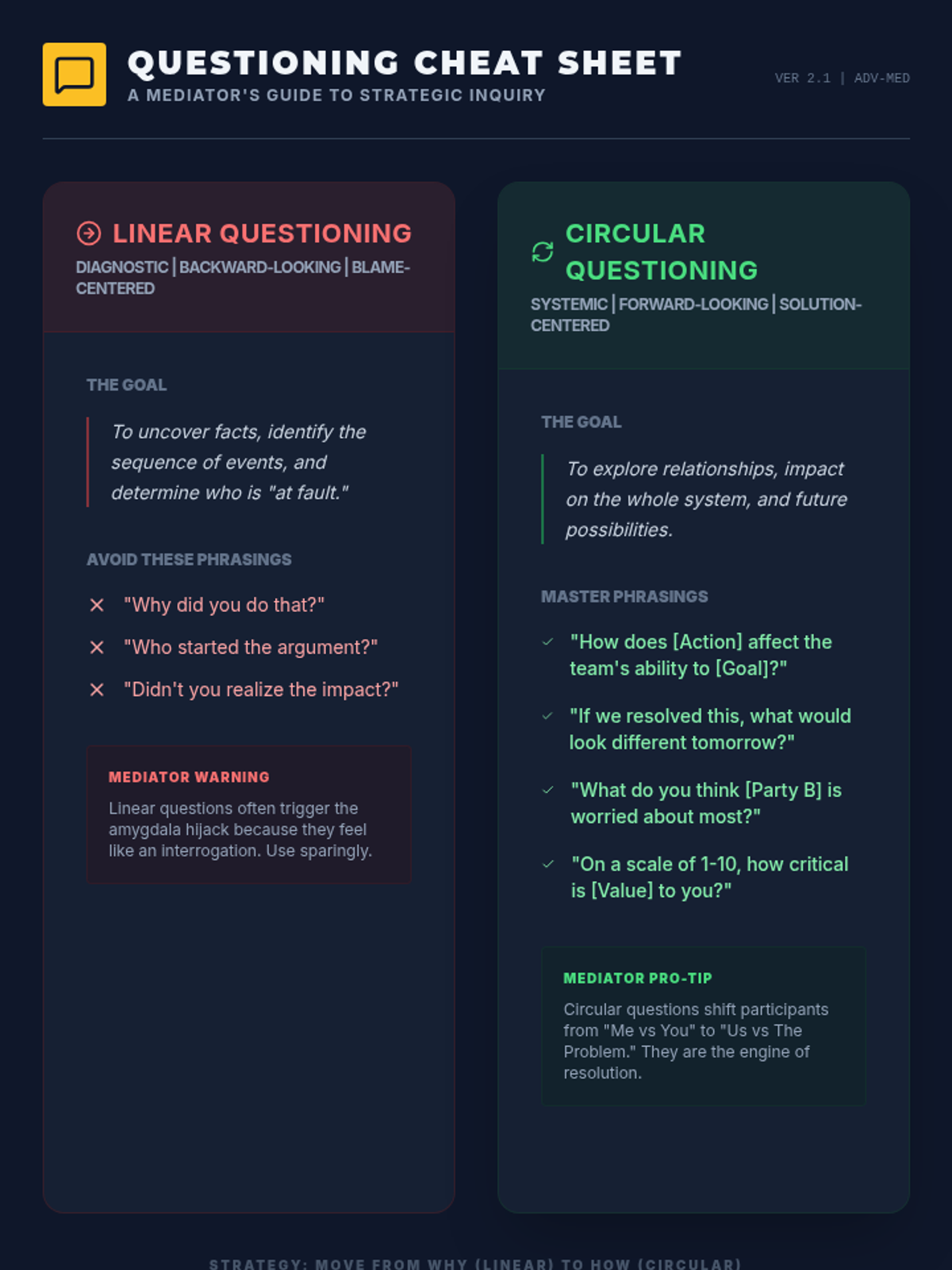
Practice in reframing toxic language into neutral, problem-solving statements and utilizing circular questioning to uncover systemic issues. Focuses on the linguistic tools required for effective mediation facilitation.
Exploration of the 'amygdala hijack' and its impact on rational decision-making during disputes. Students practice de-escalation techniques and neutrality maintenance while managing their own physiological responses to high-arousal emotions.
Students analyze the theoretical distinction between surface-level demands (positions) and underlying needs (interests) using the 'Iceberg Model' of conflict. They will diagnose root causes in complex disputes and apply the Harvard Negotiation Project framework.
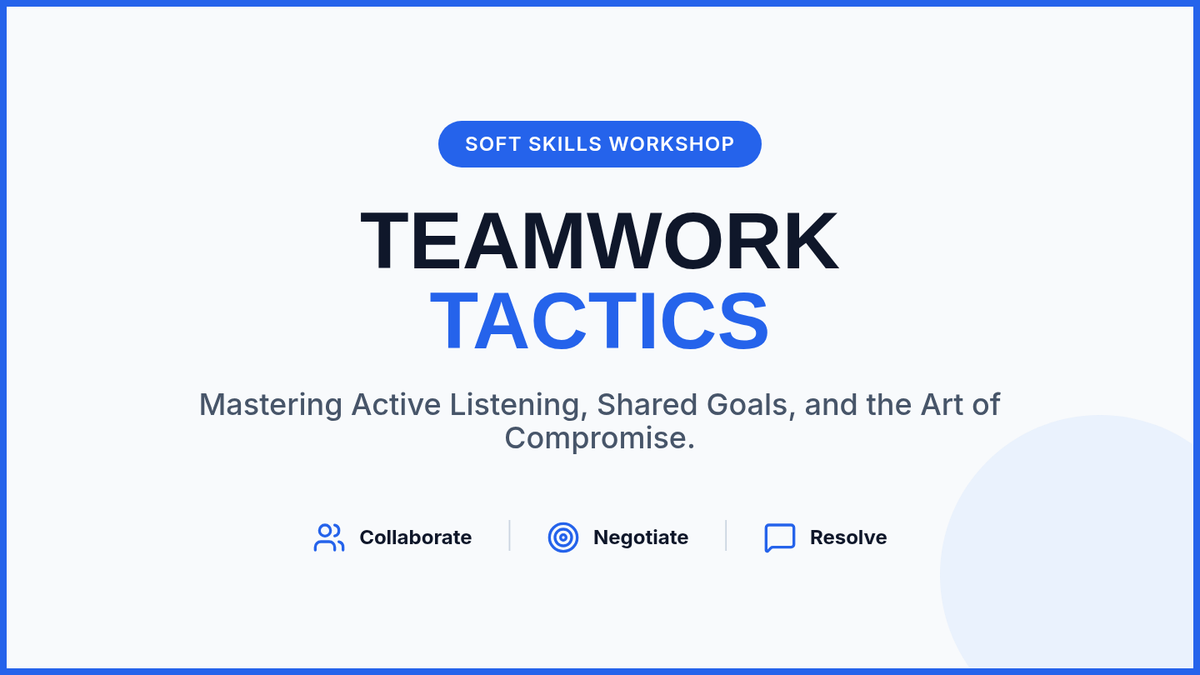
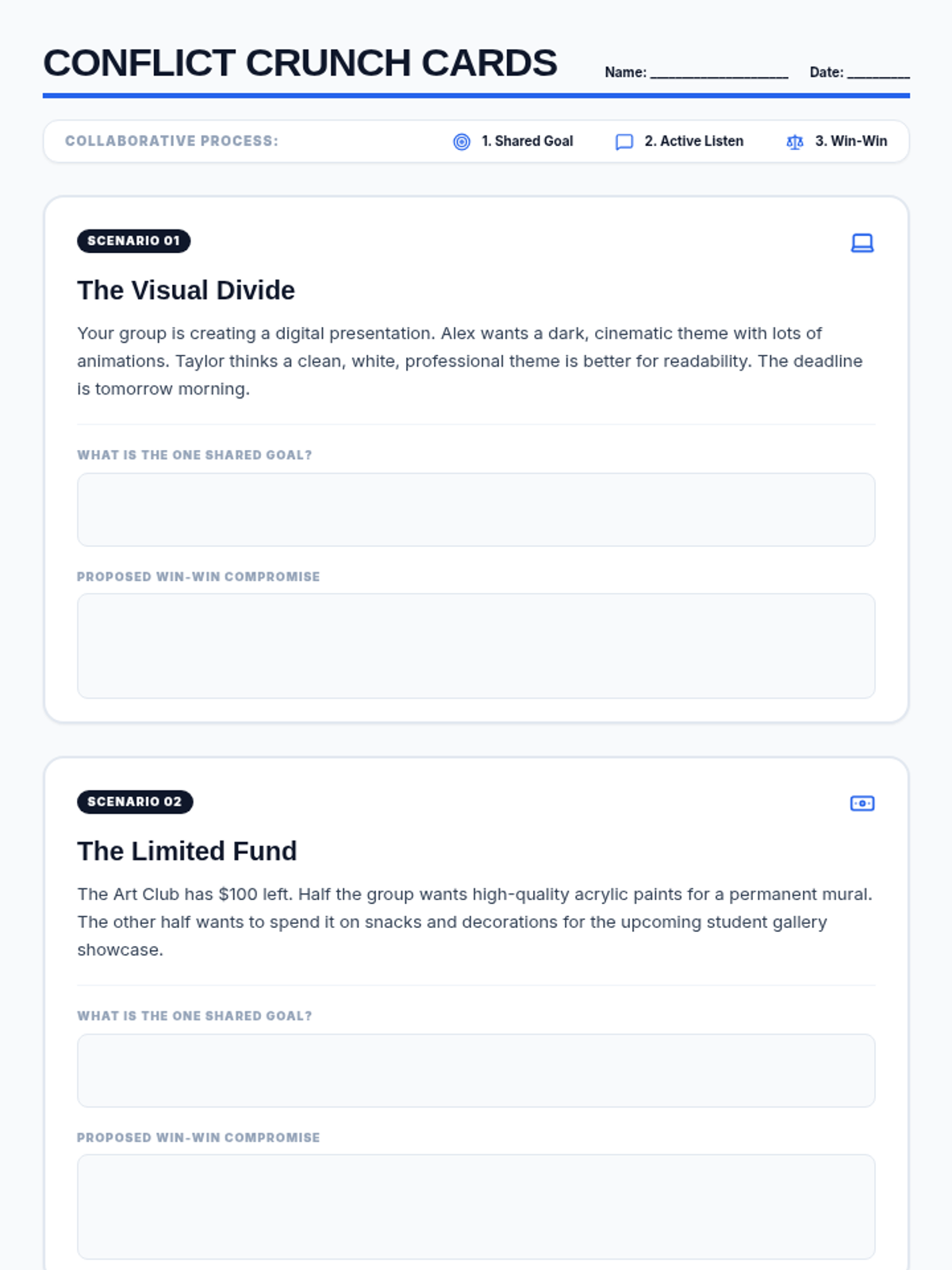
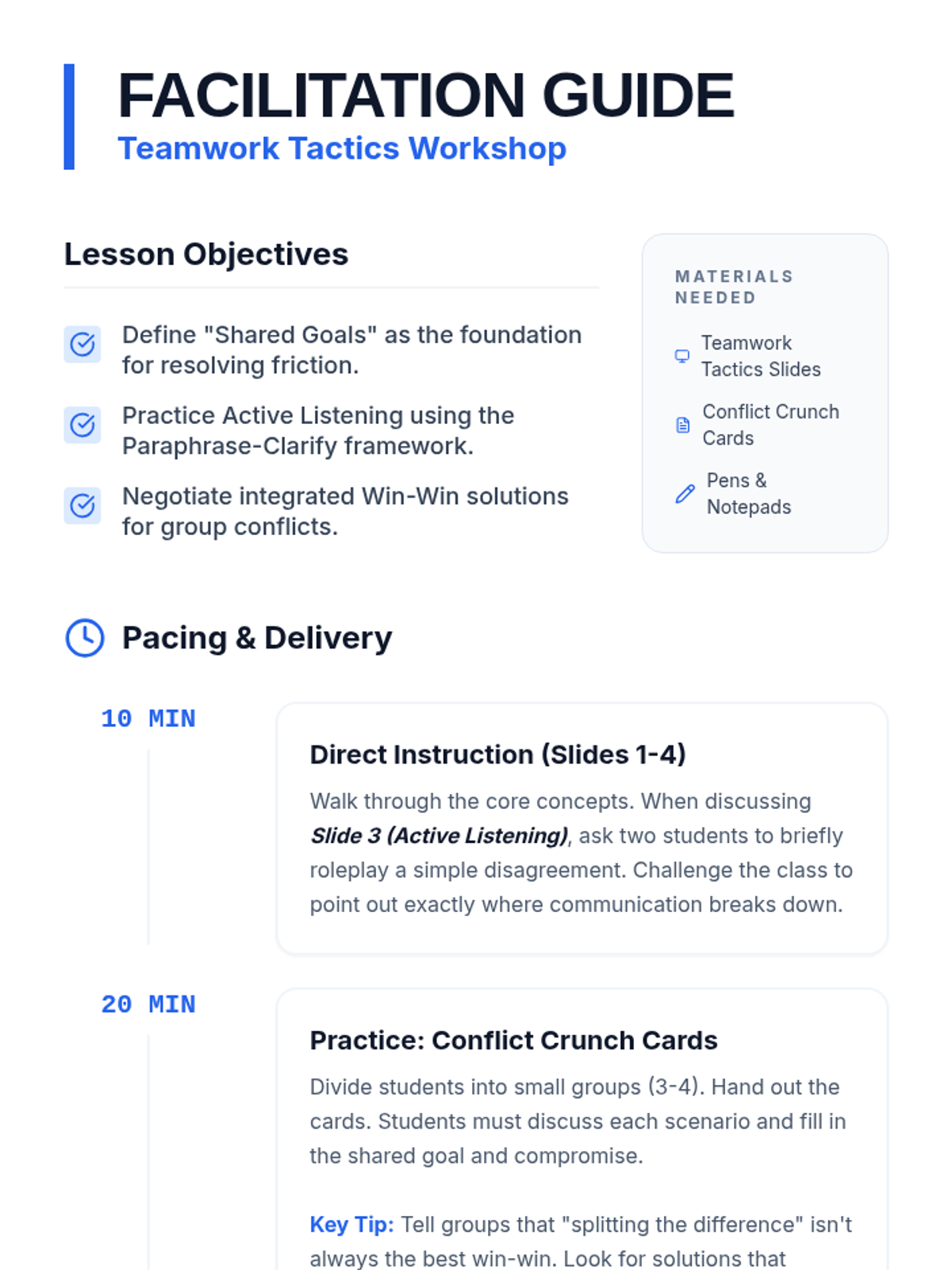
A workshop-style lesson focusing on three essential pillars of group dynamics: active listening, identifying shared goals, and the art of compromise and negotiation.
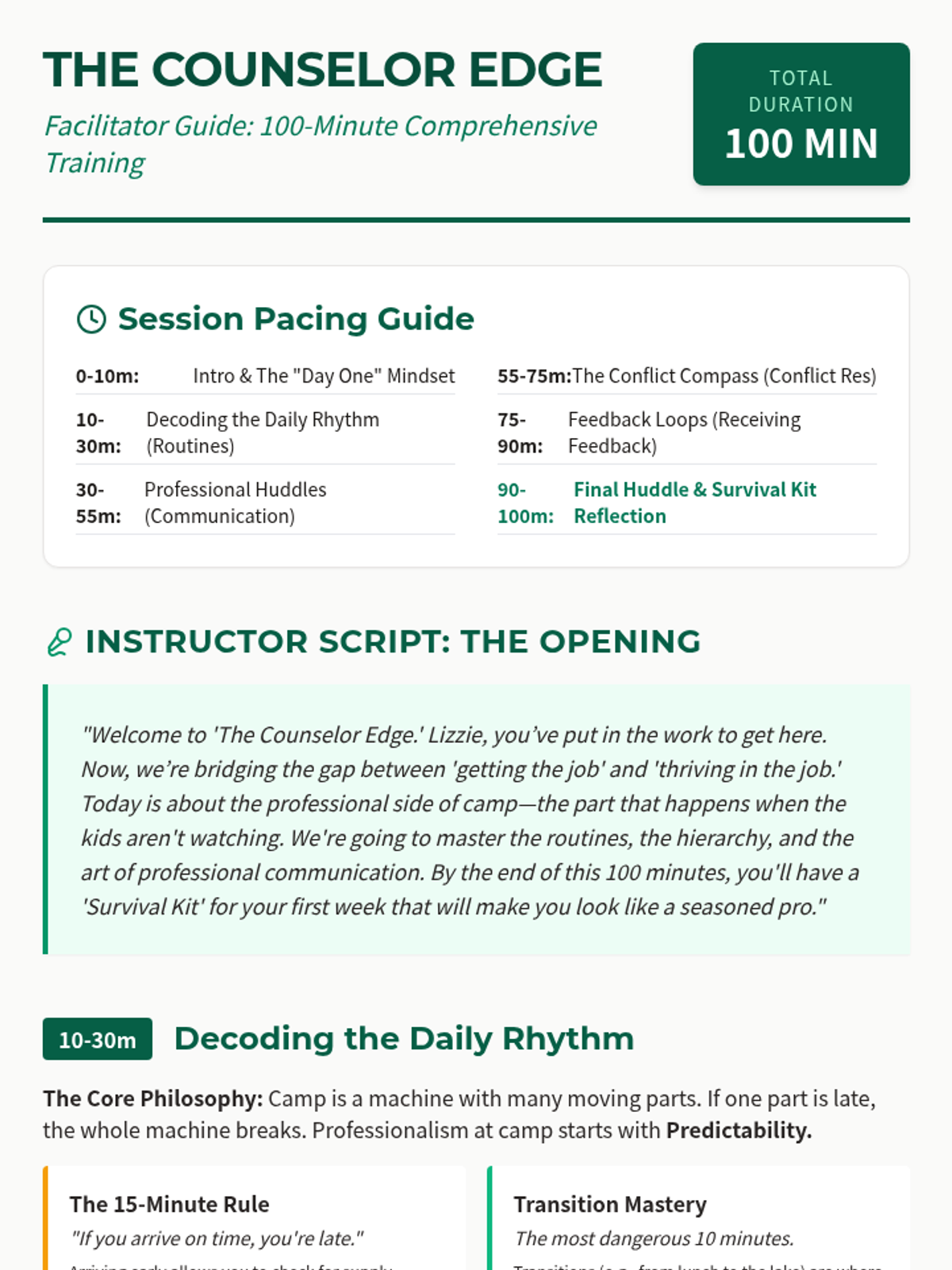
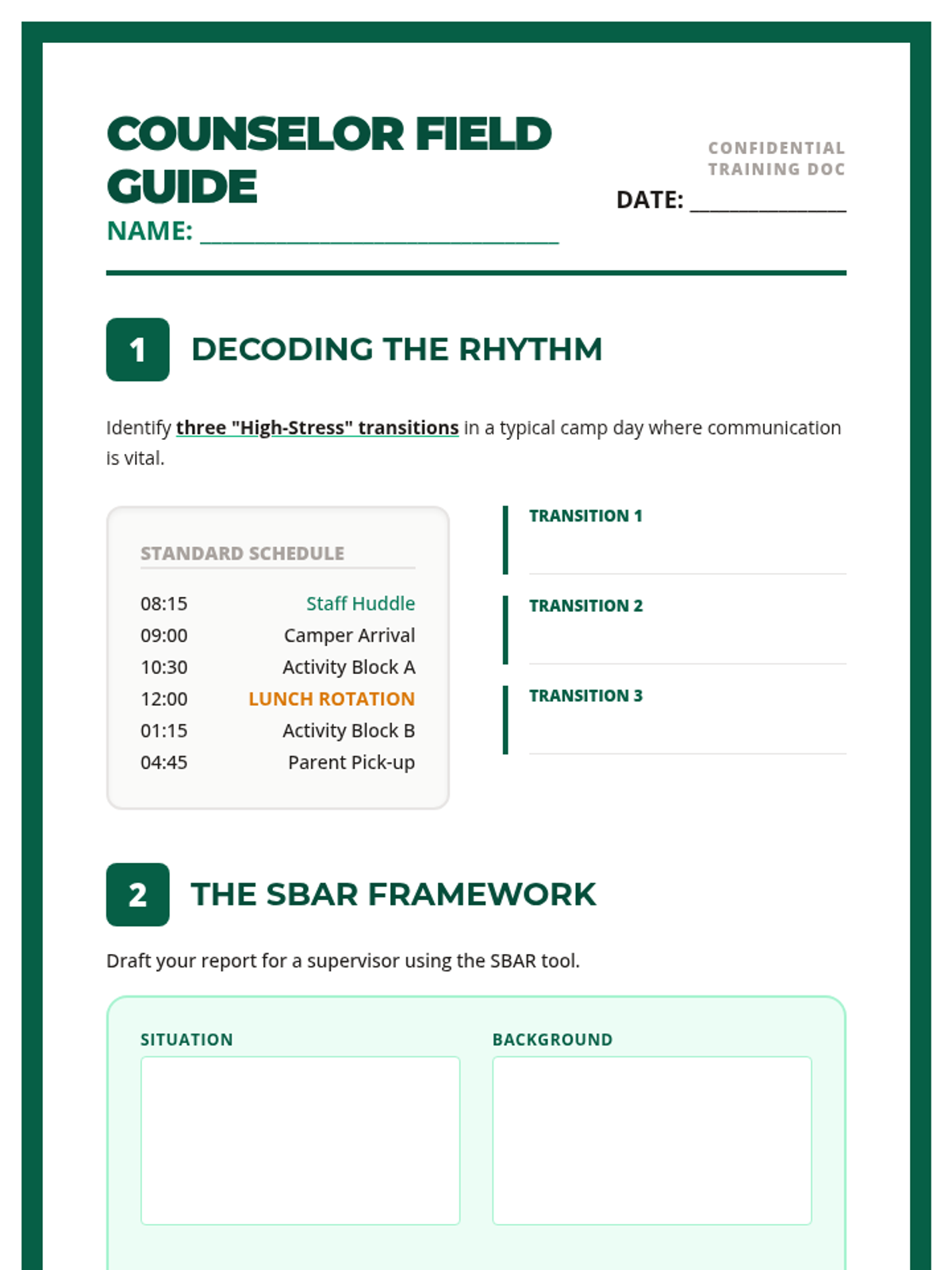
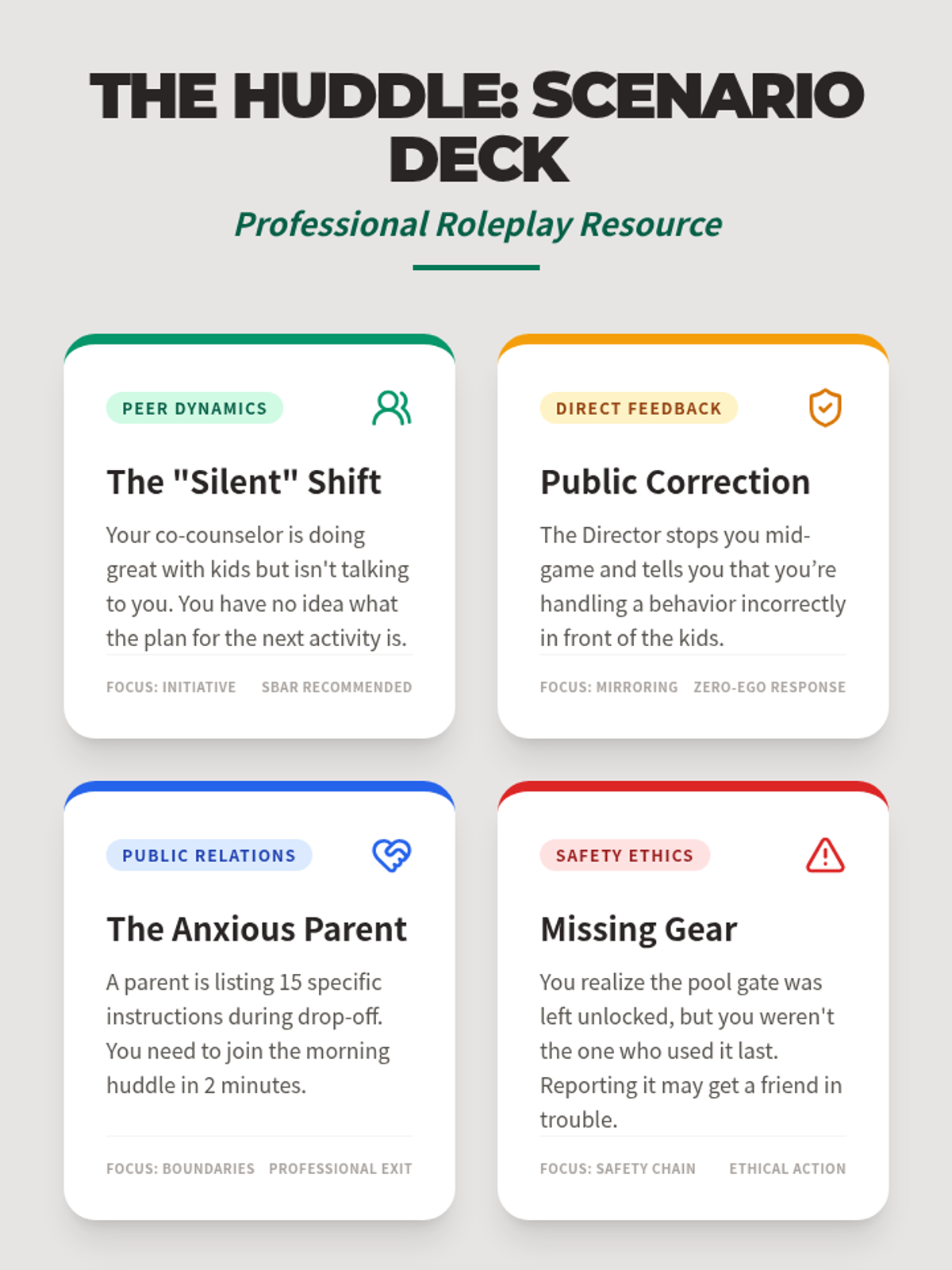
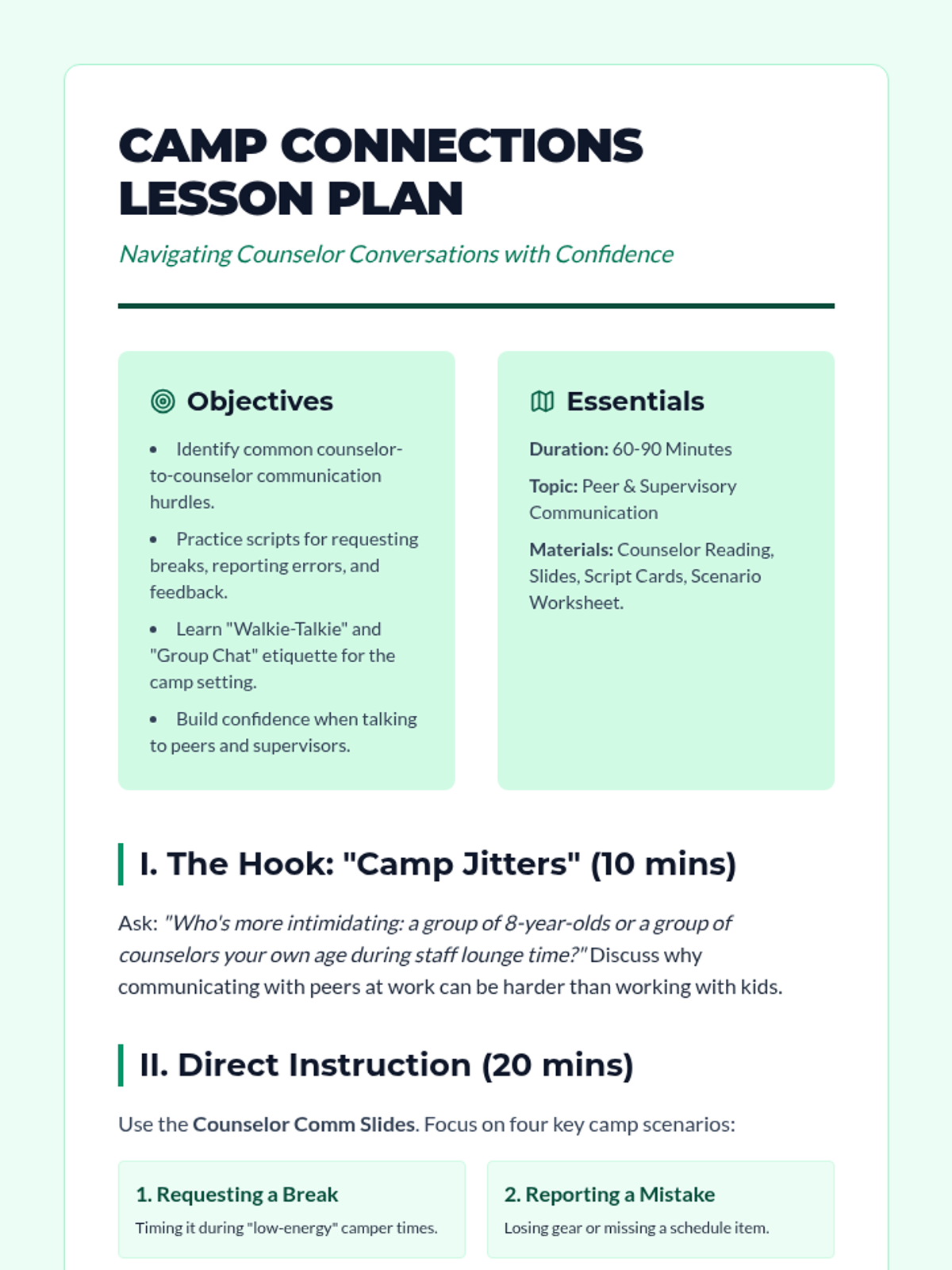
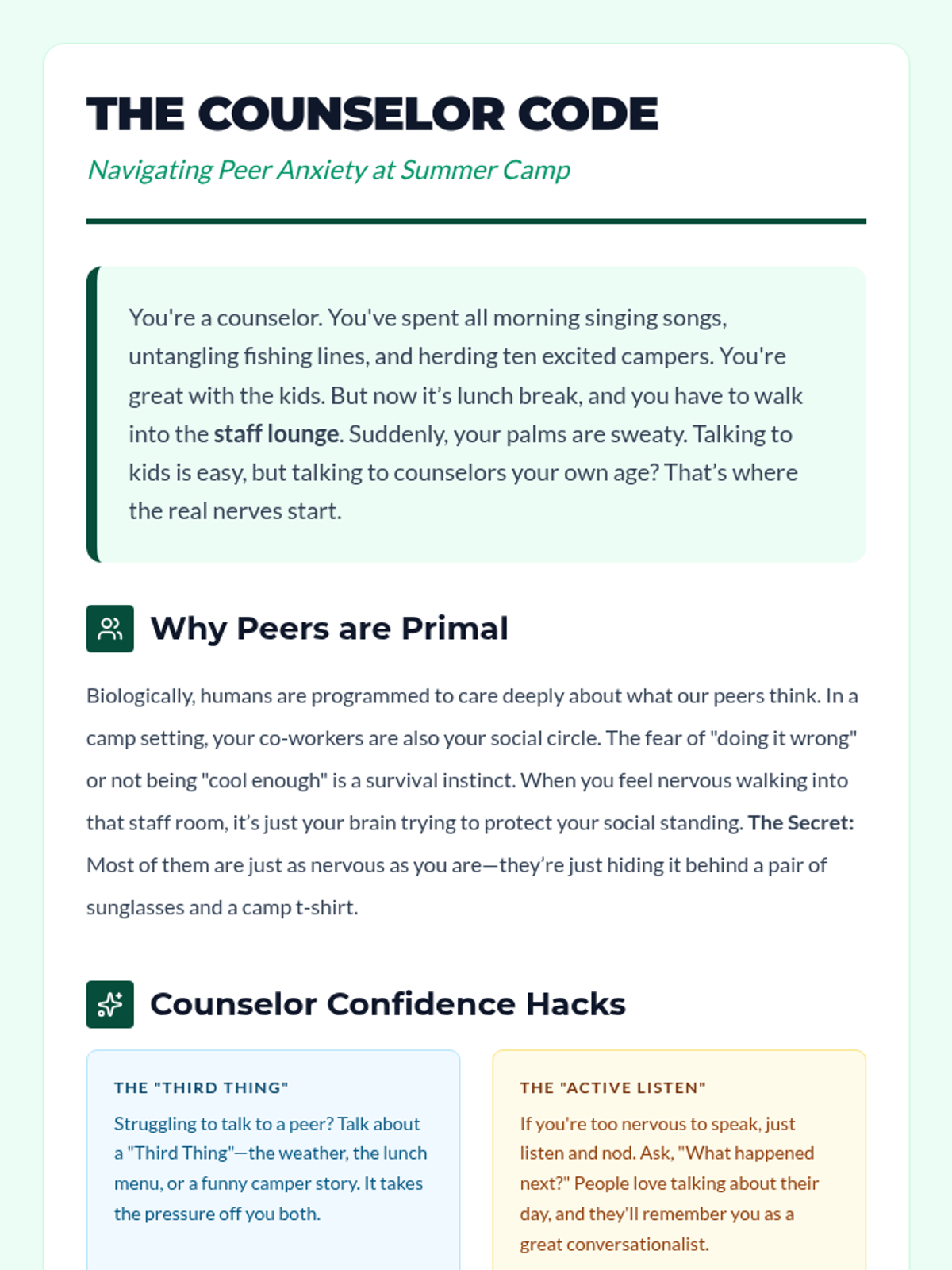
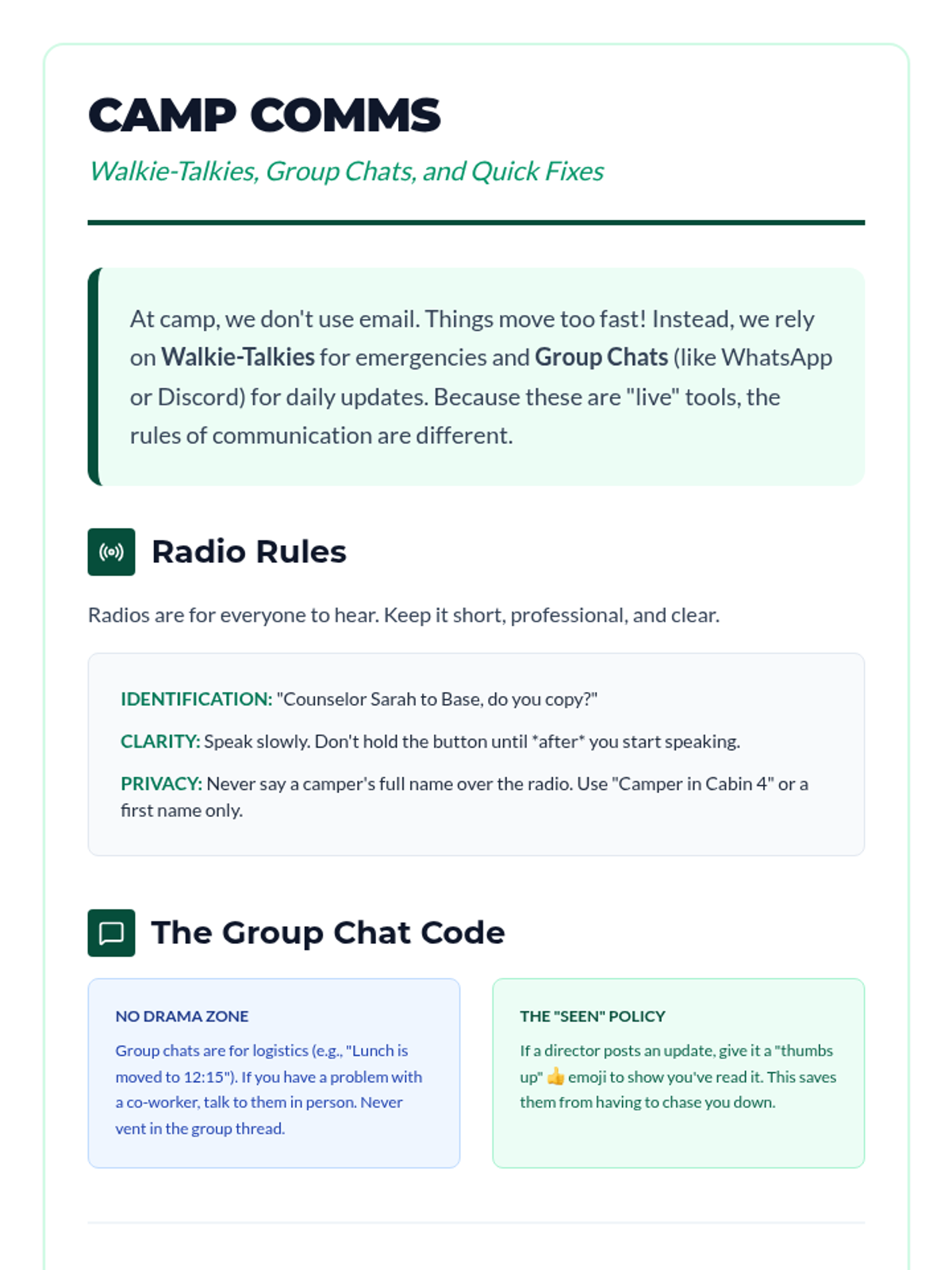
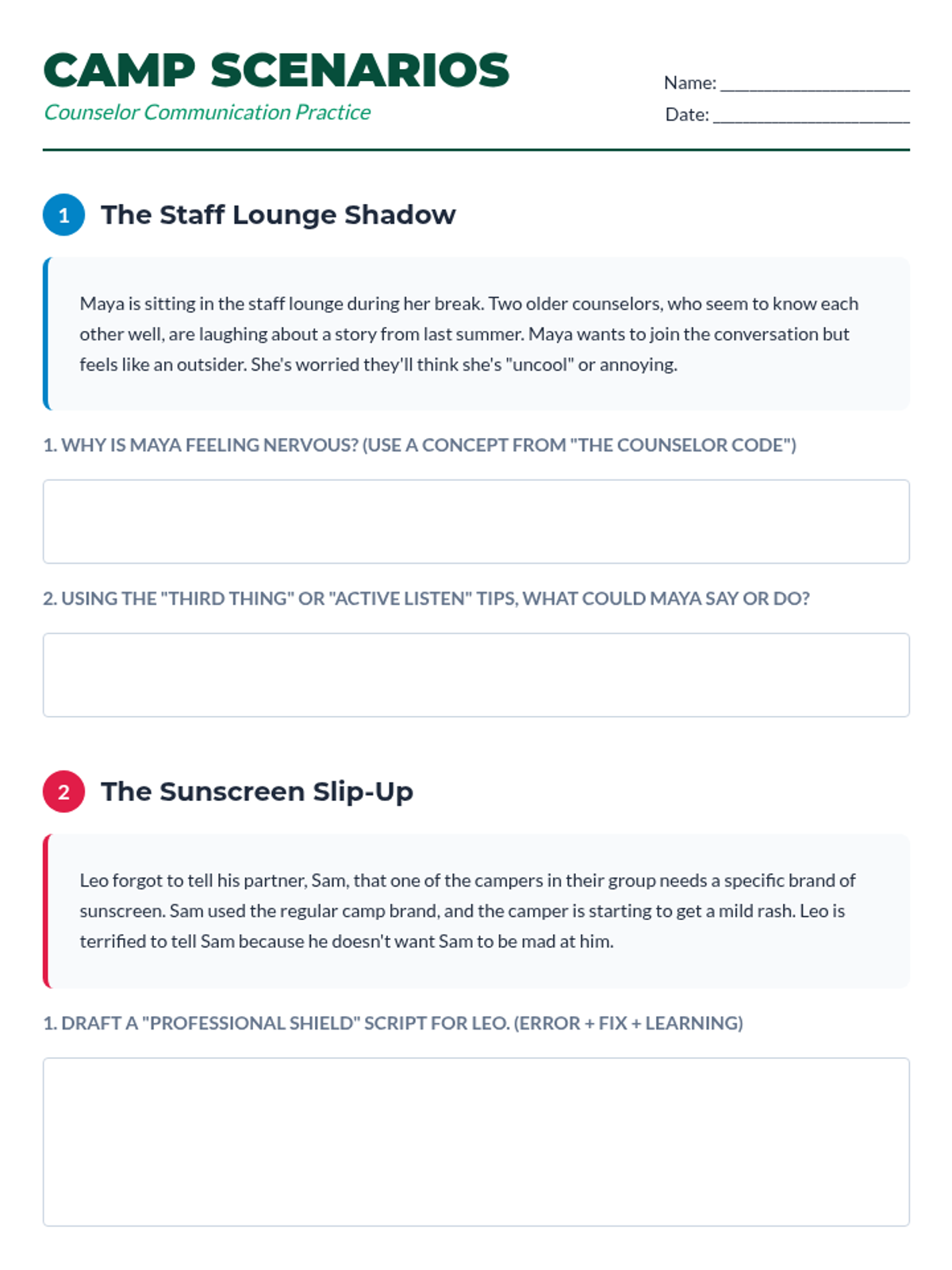
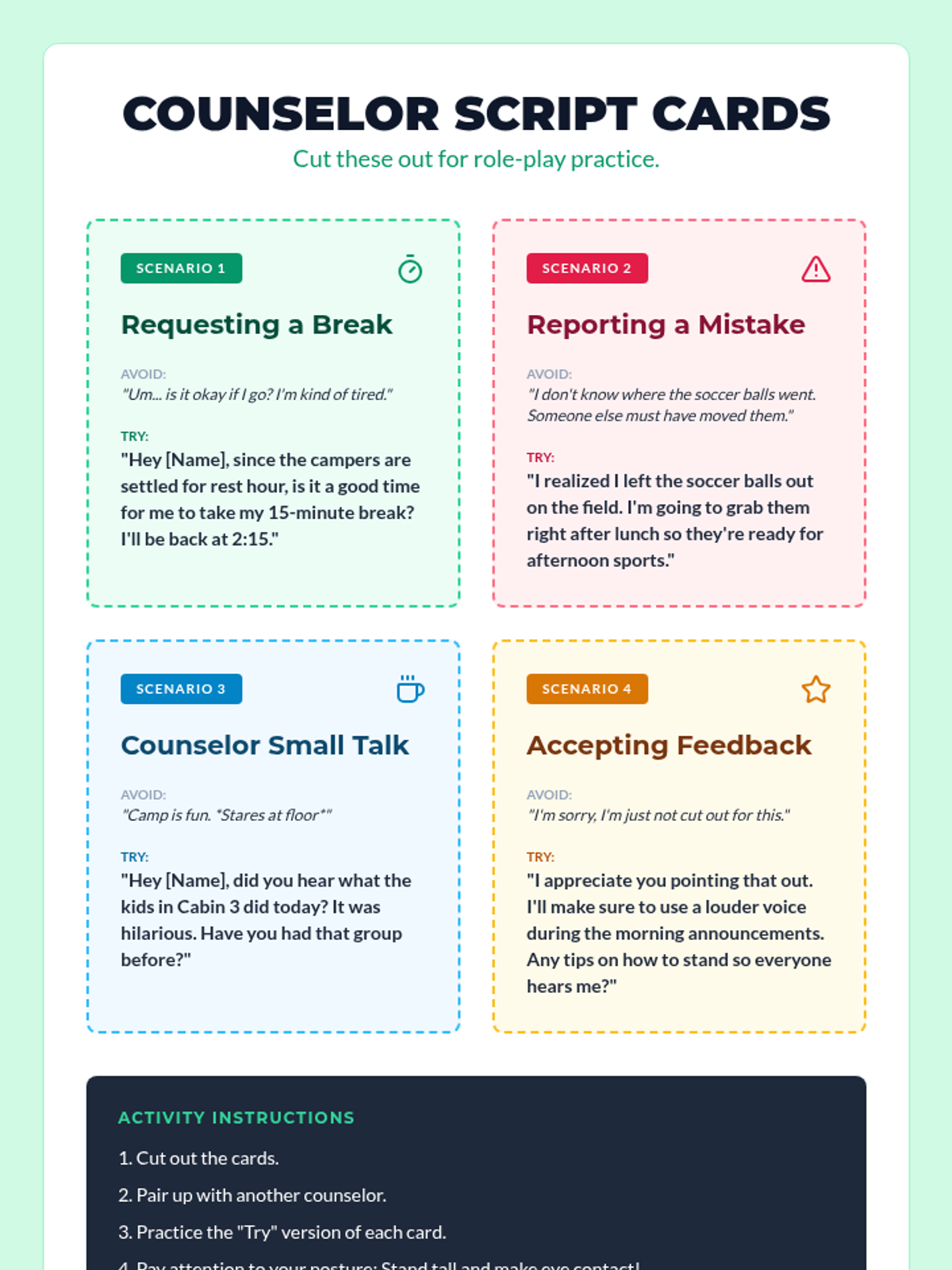
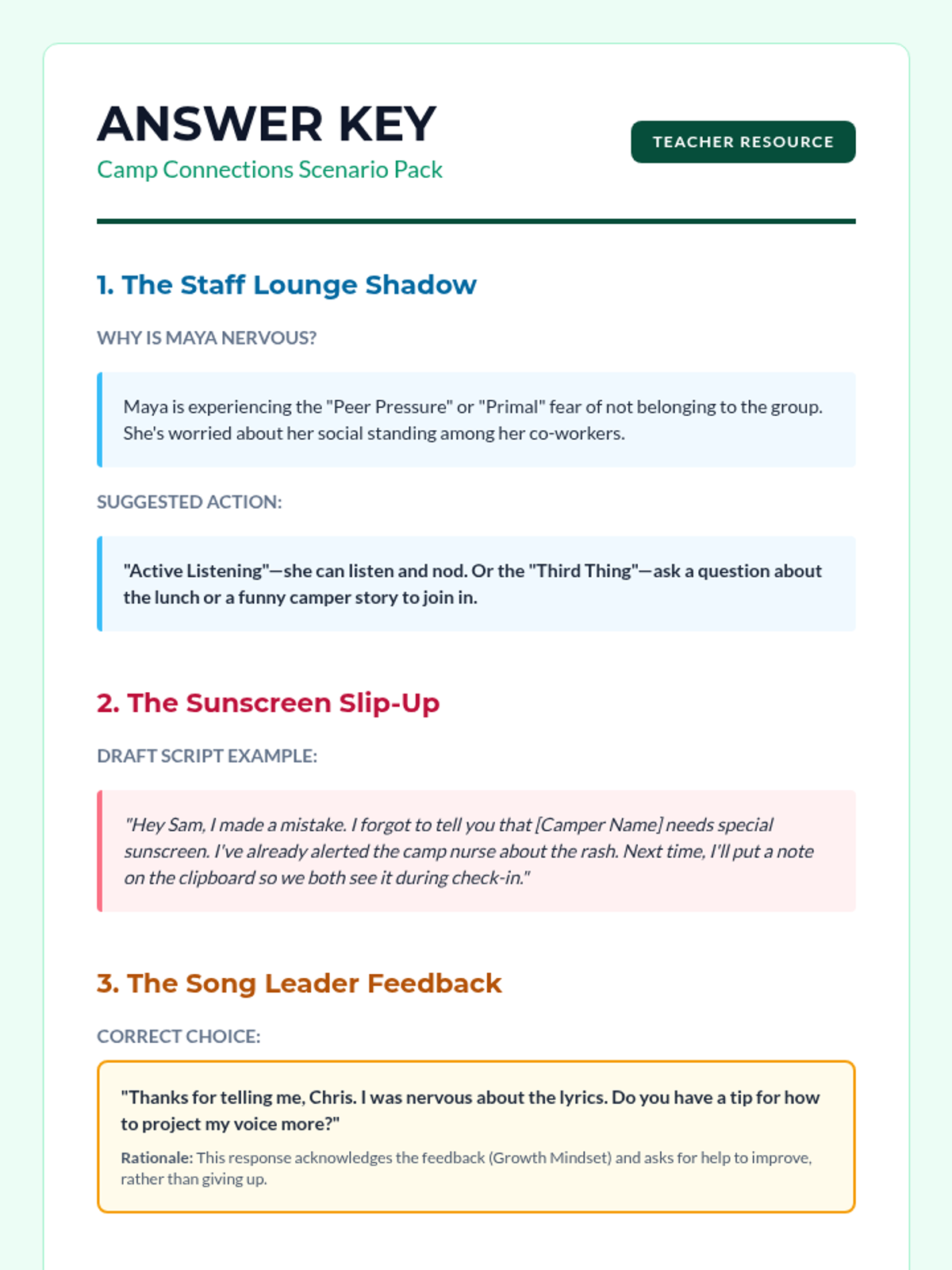
A comprehensive 100-minute training session designed to prepare a new camp counselor for the day-to-day realities of the job, focusing on professional communication, routines, and navigating workplace dynamics.
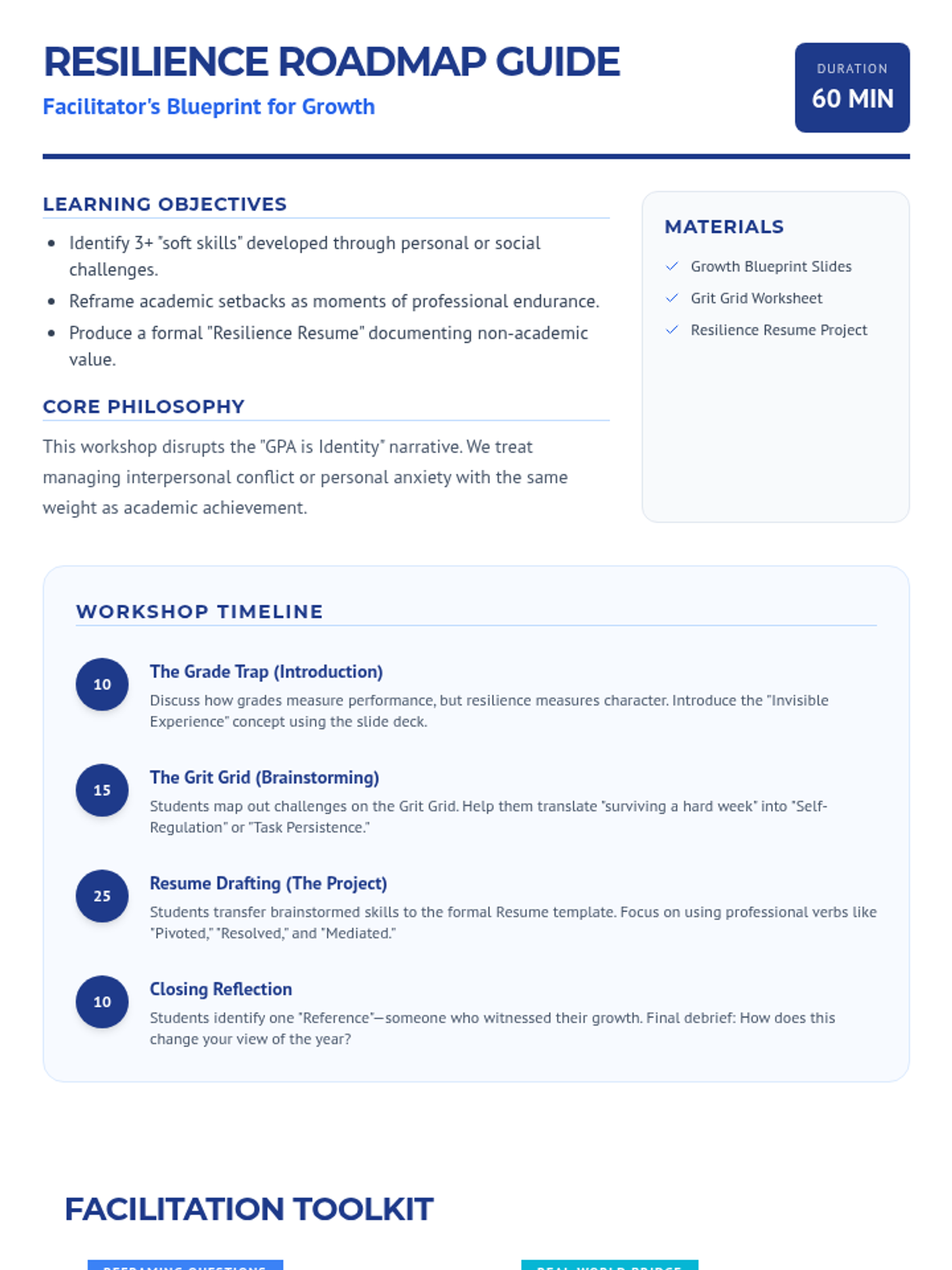
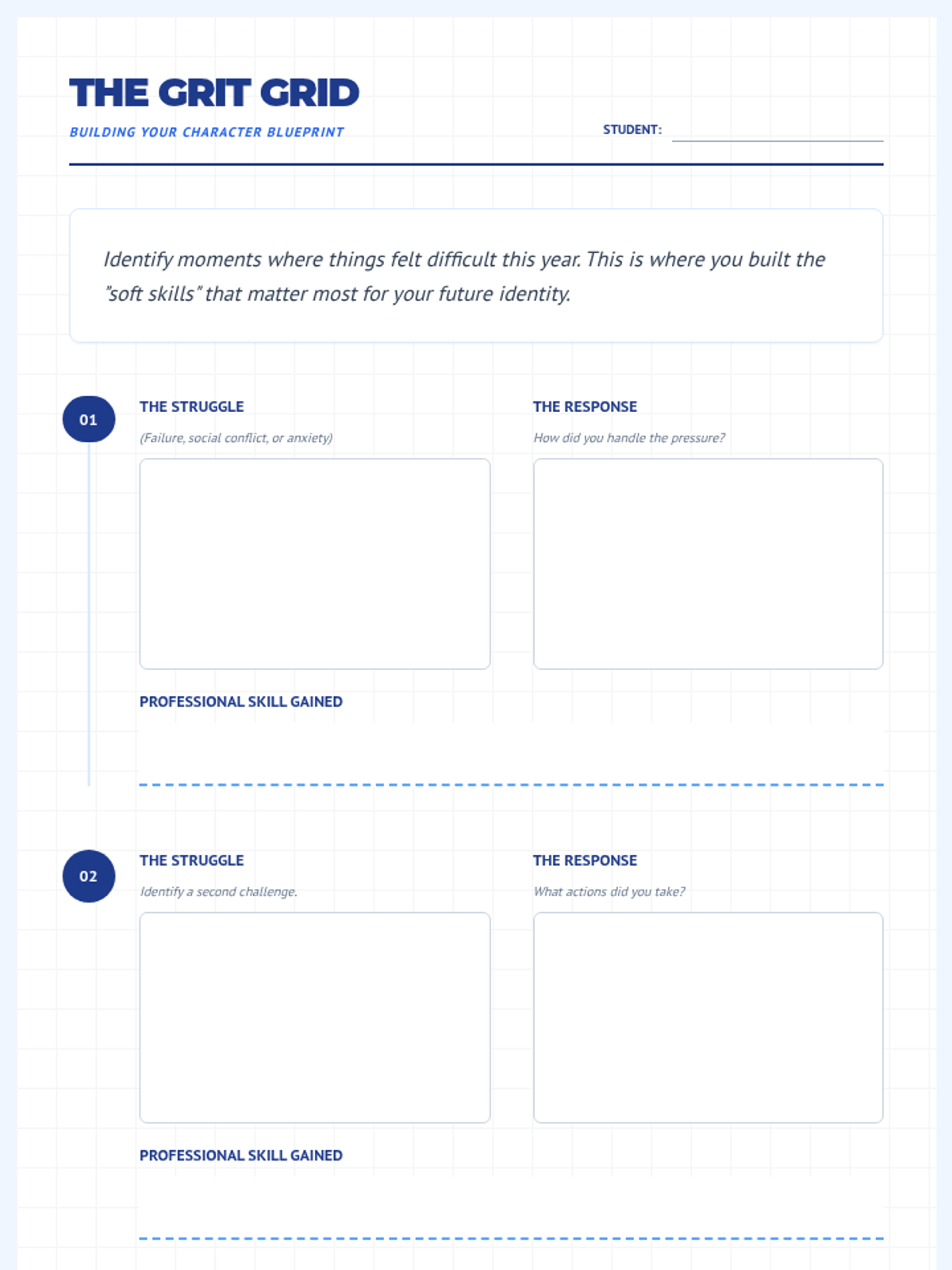
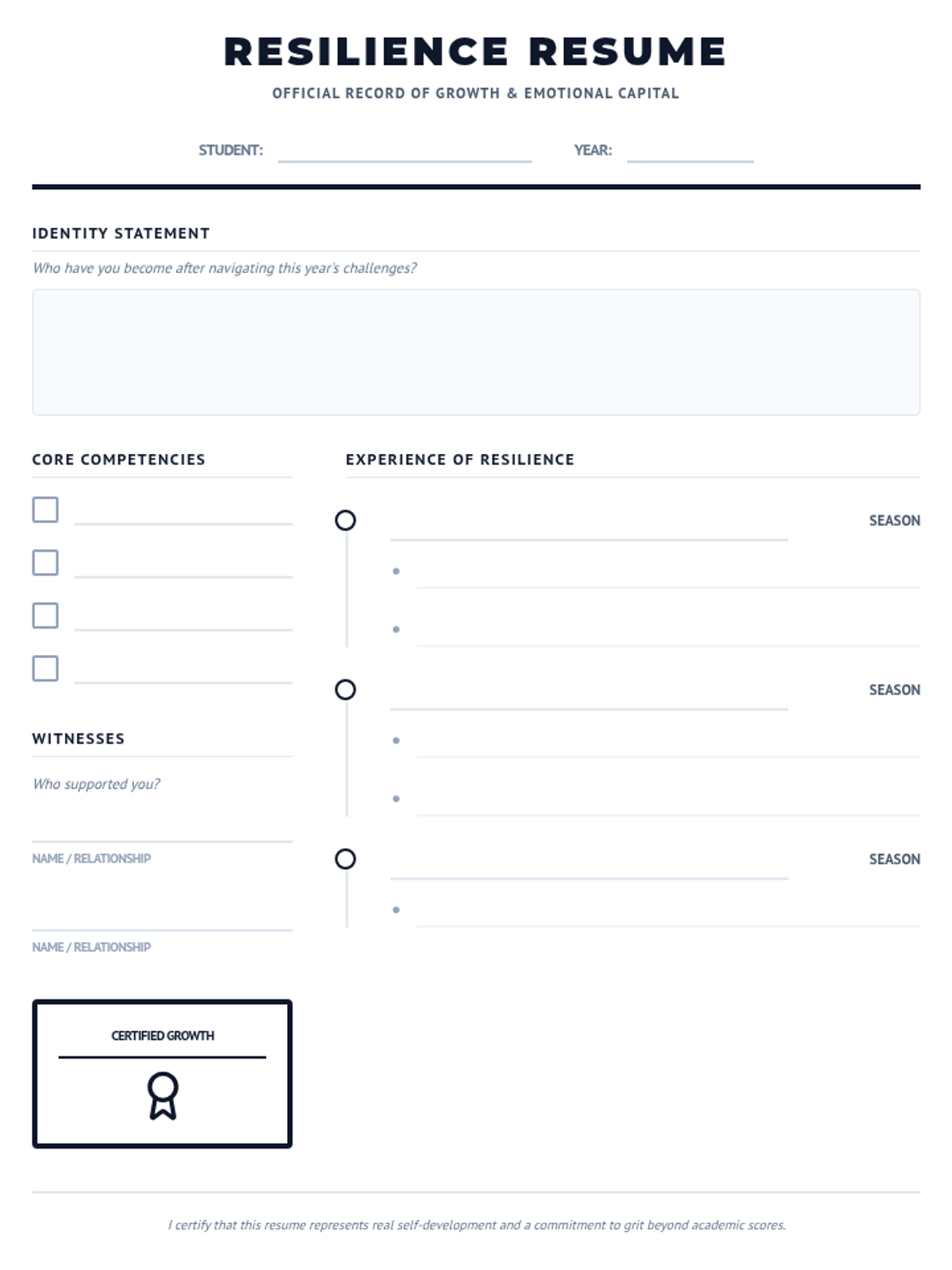
A workshop that reframes student achievements from academic grades to emotional endurance and social growth, culminating in a personal 'Resilience Resume' for the school year.
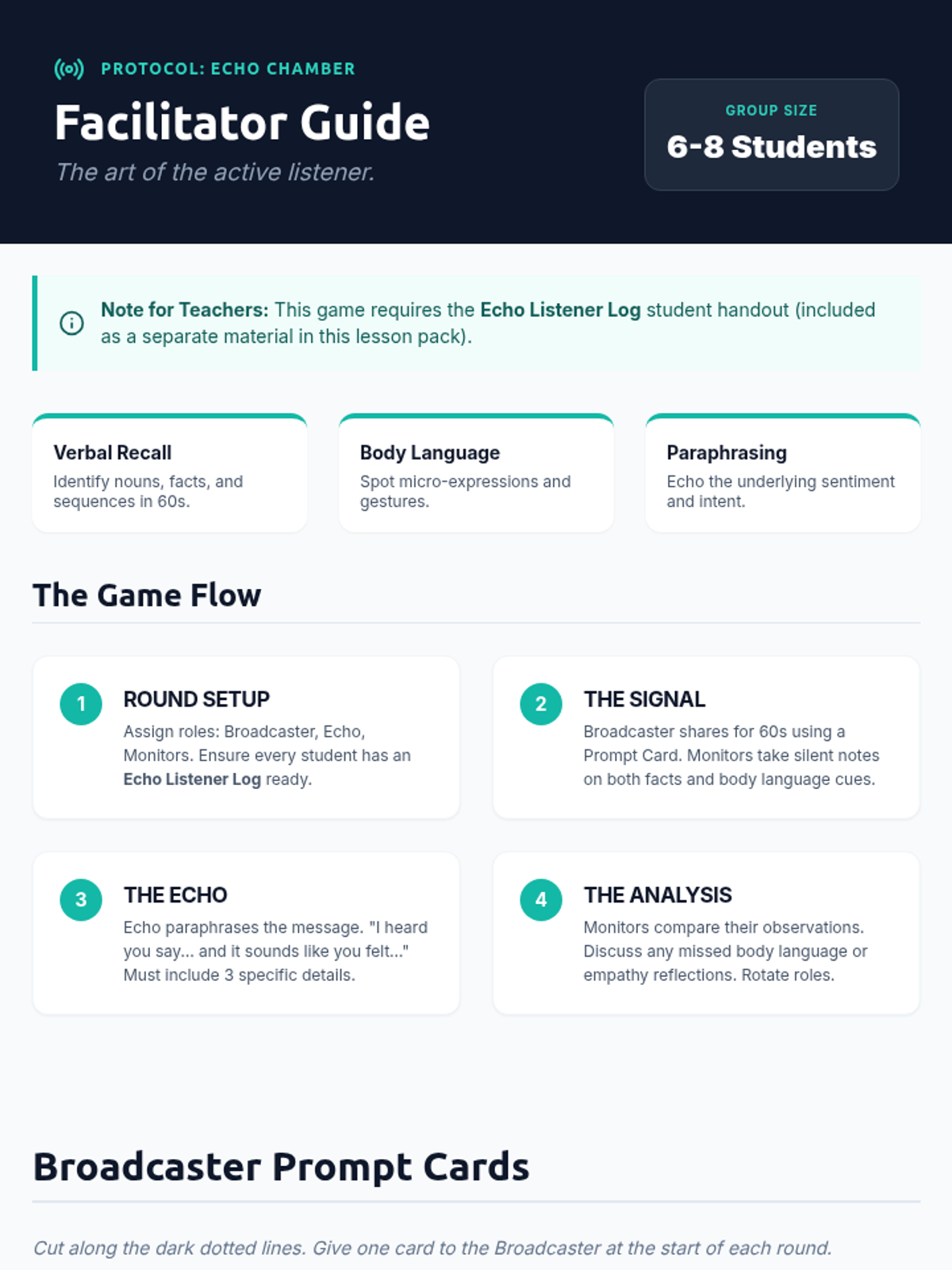
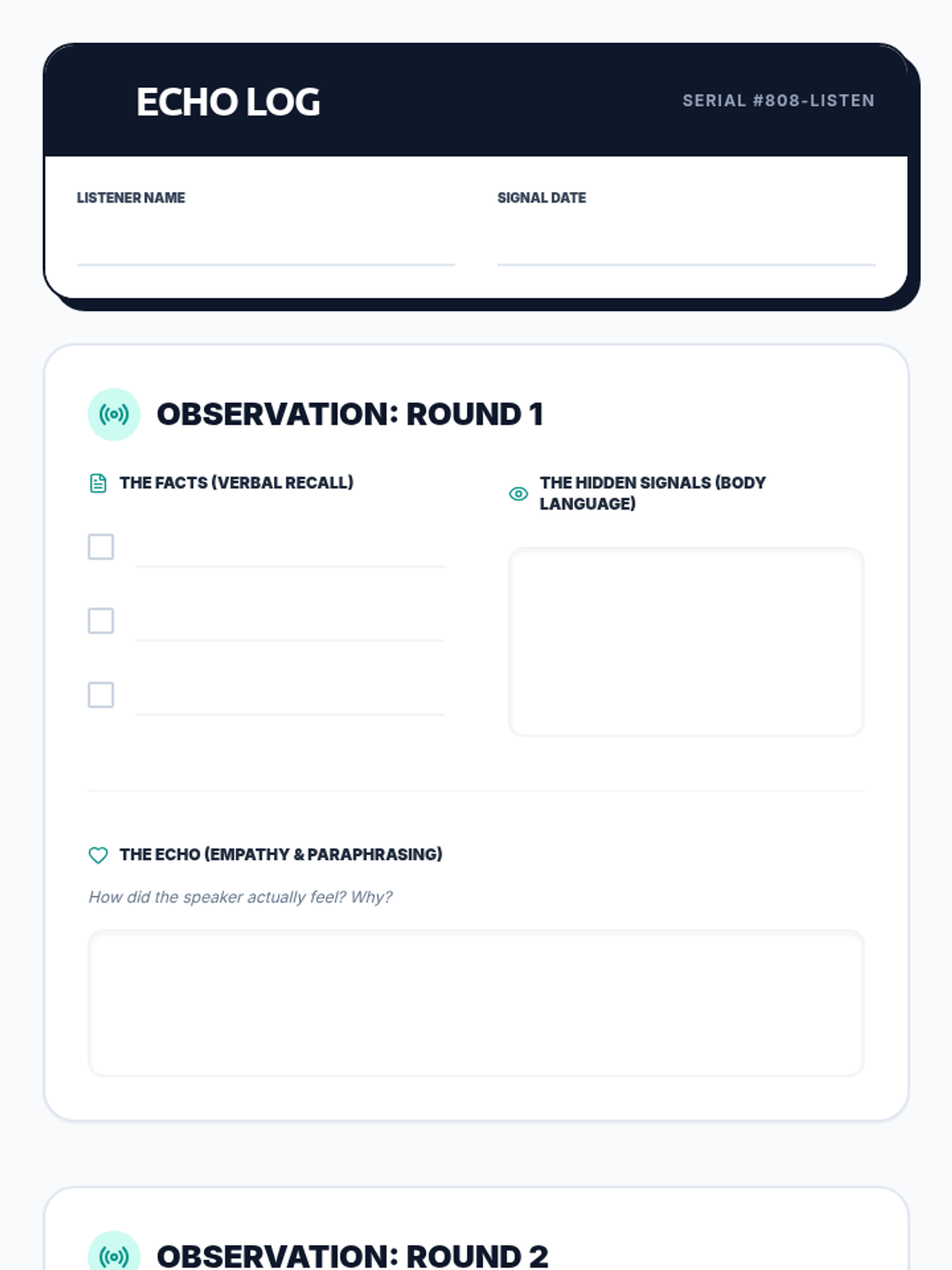
A high-energy, interactive session where students master the art of active listening through a multi-role game. They will practice precise verbal recall, interpret non-verbal cues, and demonstrate empathy through paraphrasing.
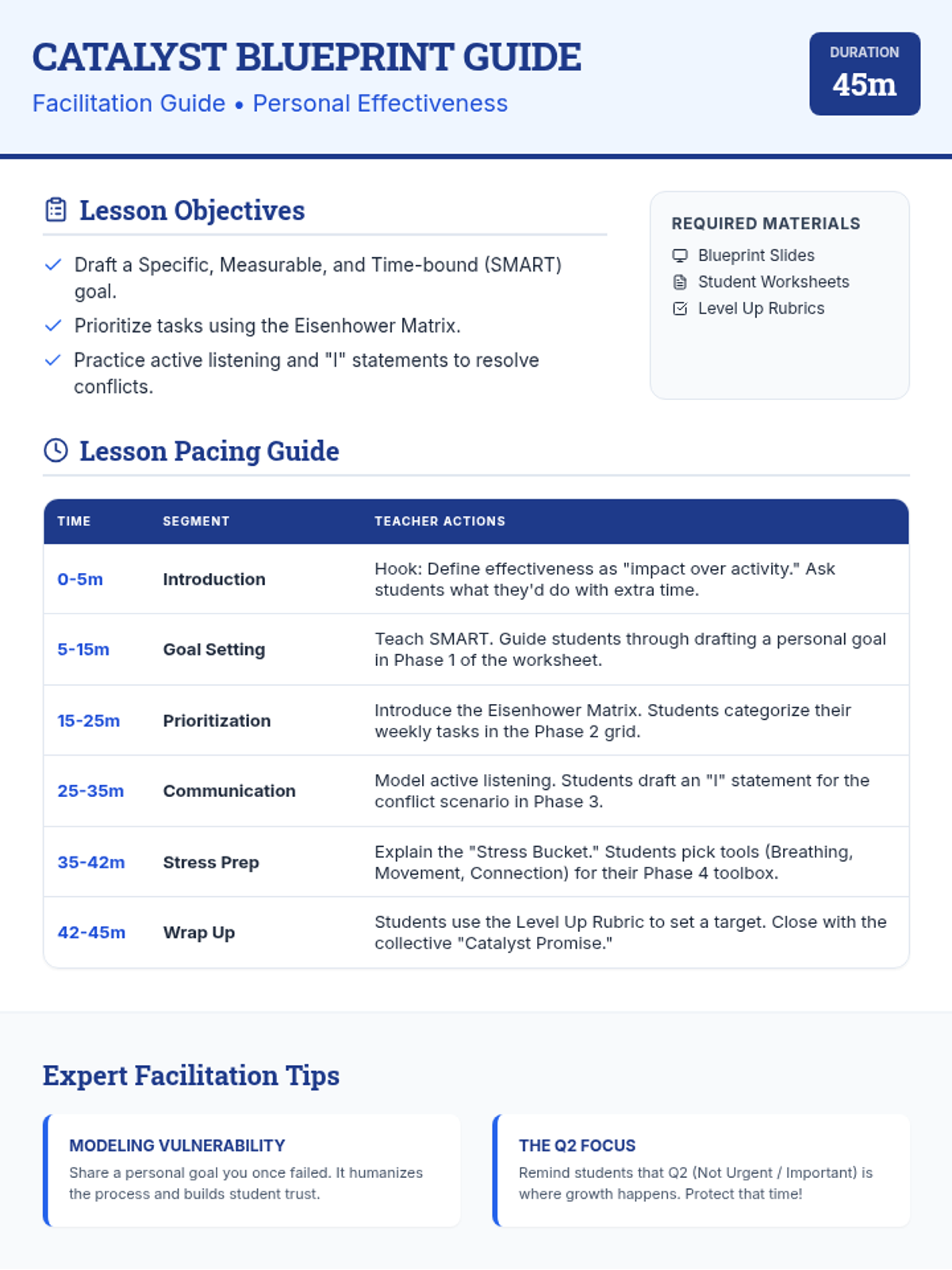
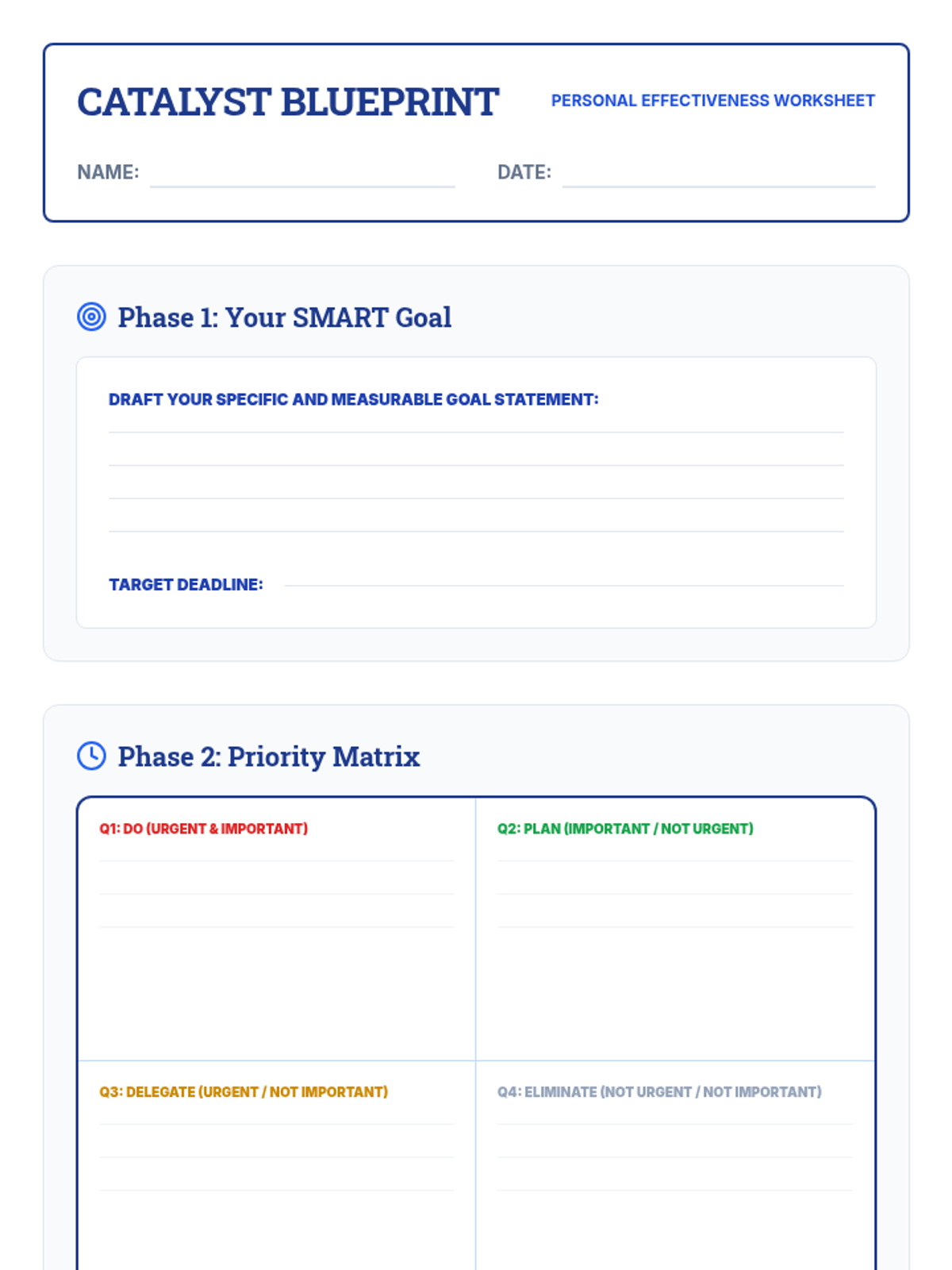
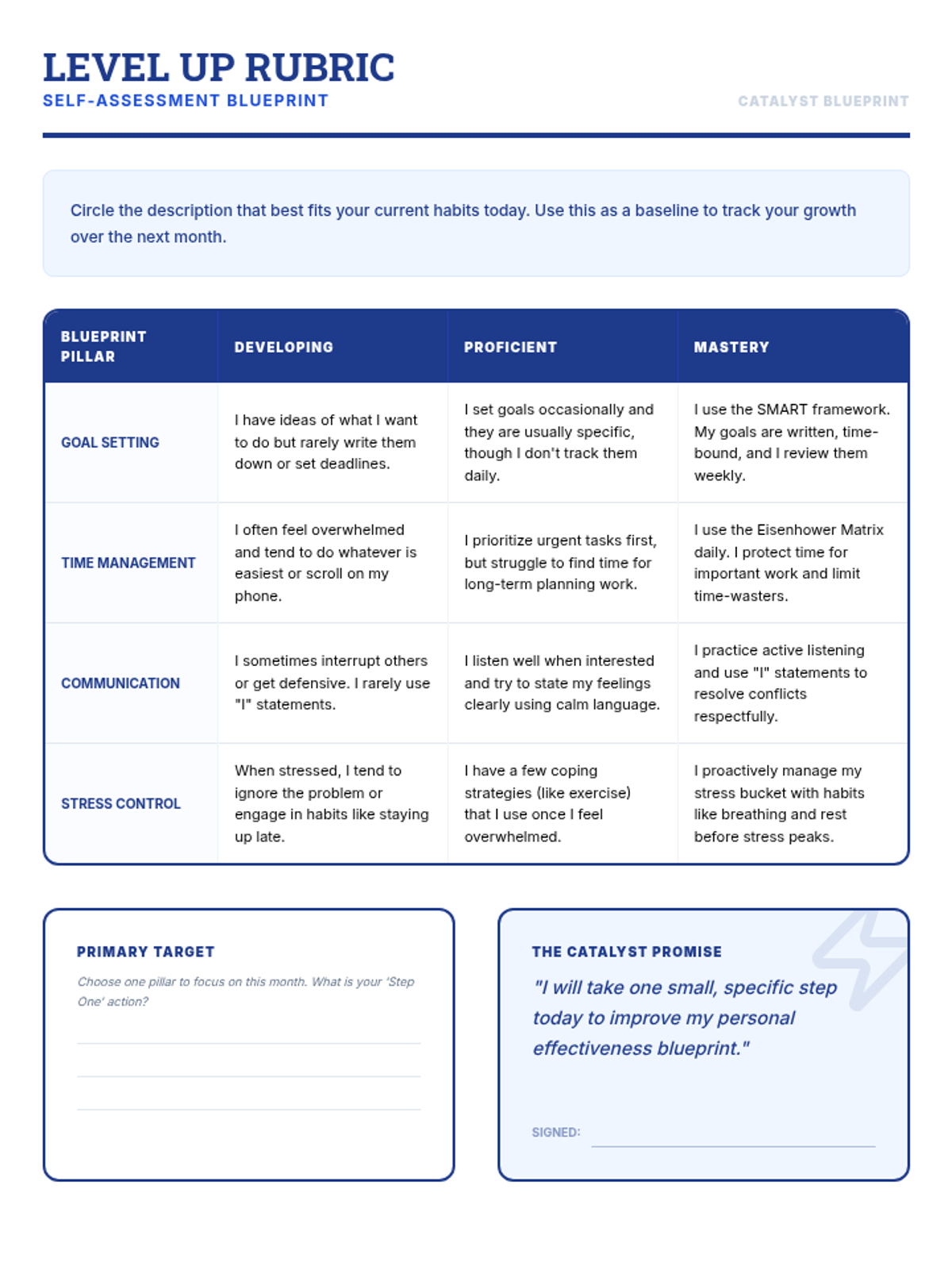
A comprehensive 45-minute session designed to equip students with core personal effectiveness skills including SMART goal setting, the Eisenhower Matrix for time management, active listening techniques, and stress reduction strategies.
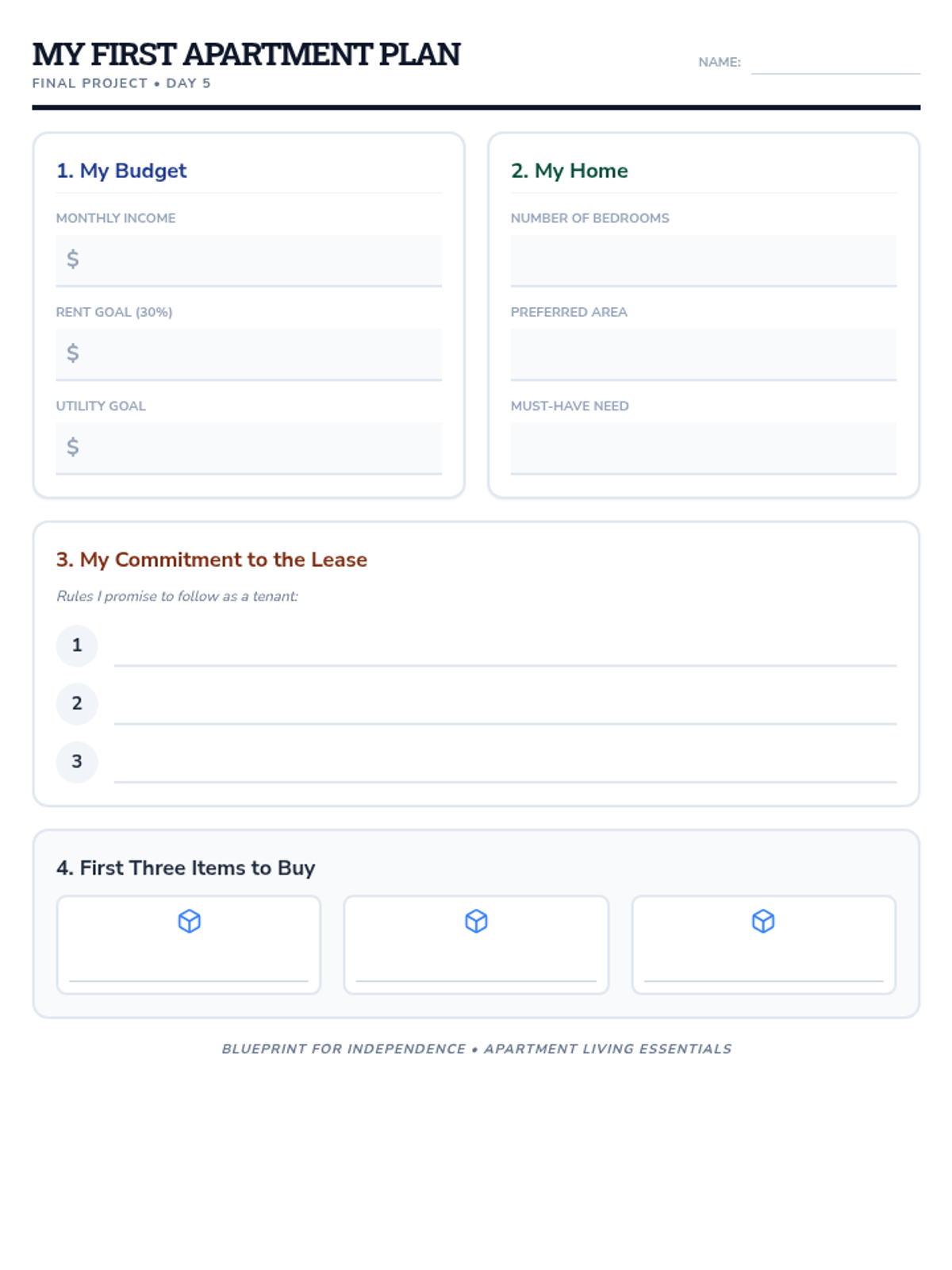
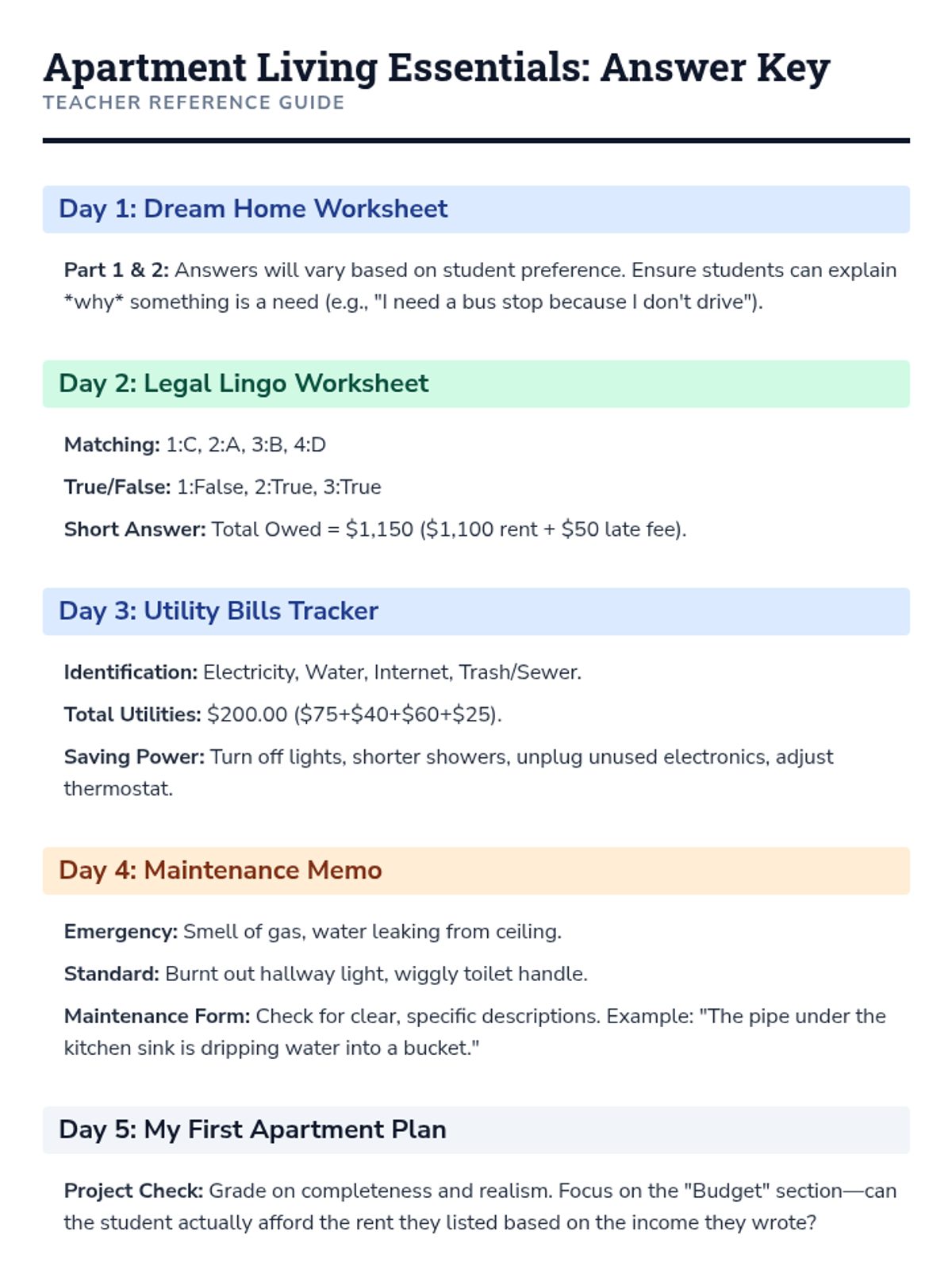
A culminating review where students create a personal apartment plan and demonstrate their knowledge through a final assessment.
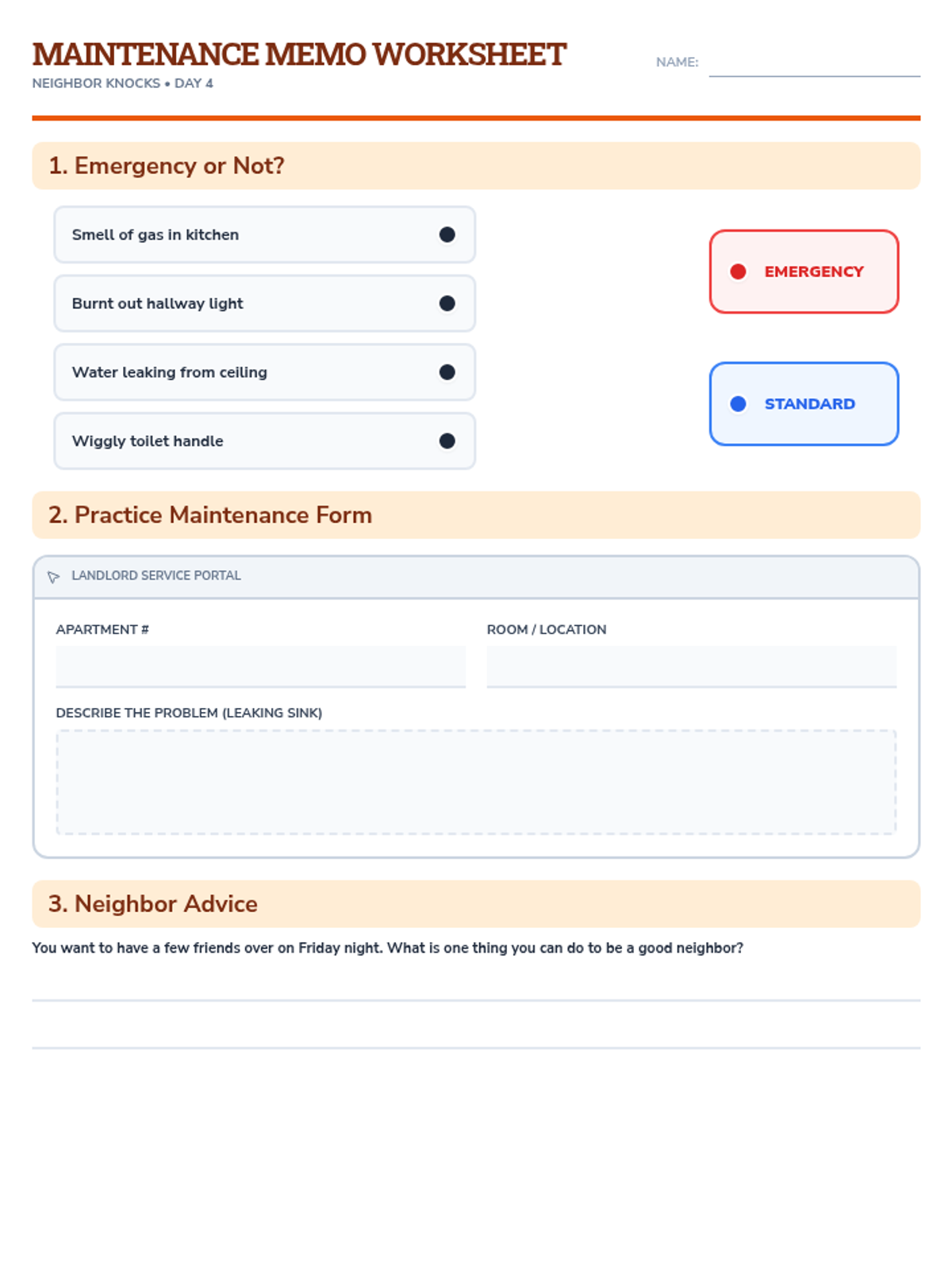
Covers the social and practical side of apartment living, including neighbor etiquette, safety protocols, and how to file maintenance requests.
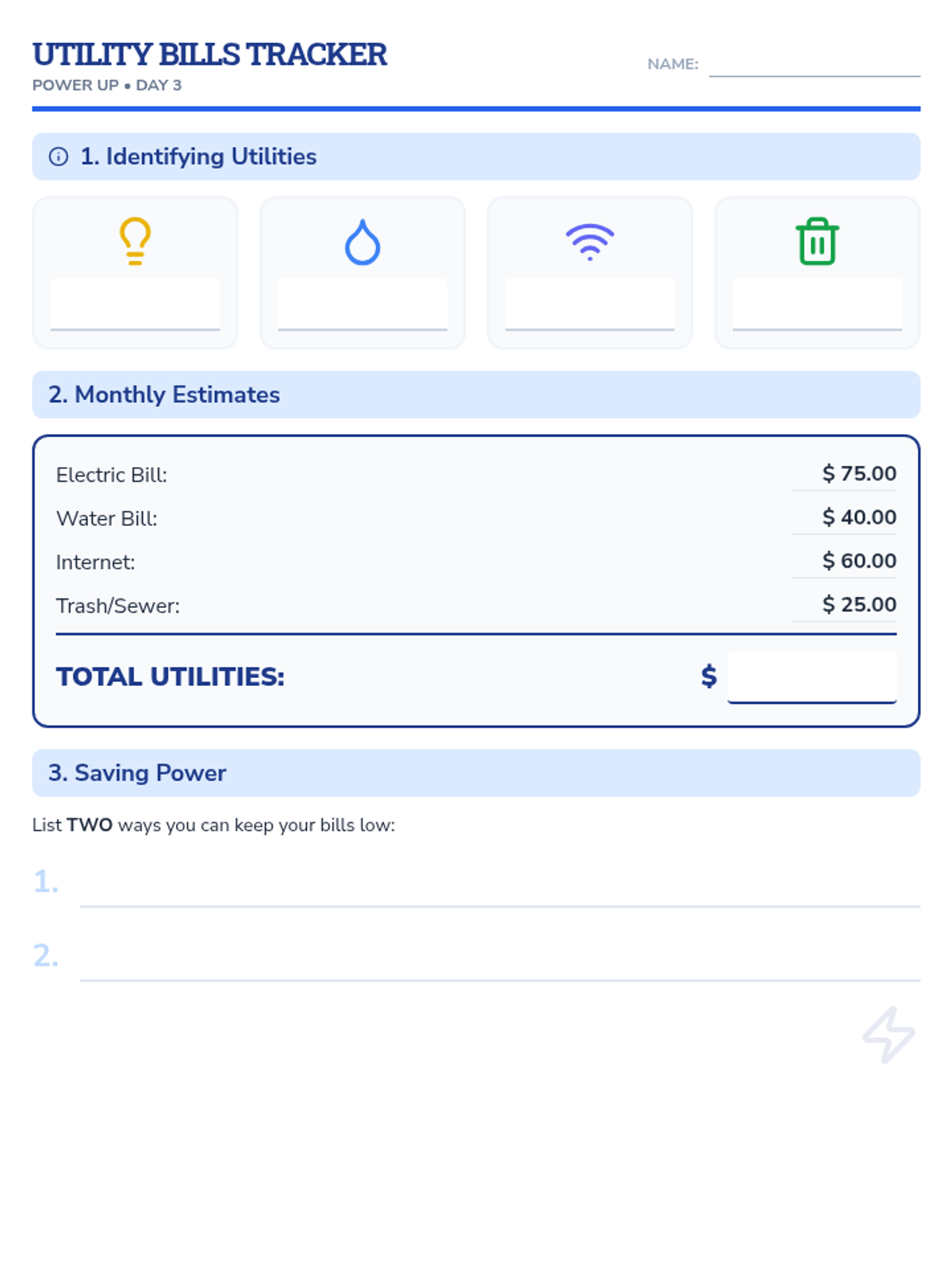
Teaches students how to set up essential utilities (electricity, water, internet) and plan for the physical items needed to move in.
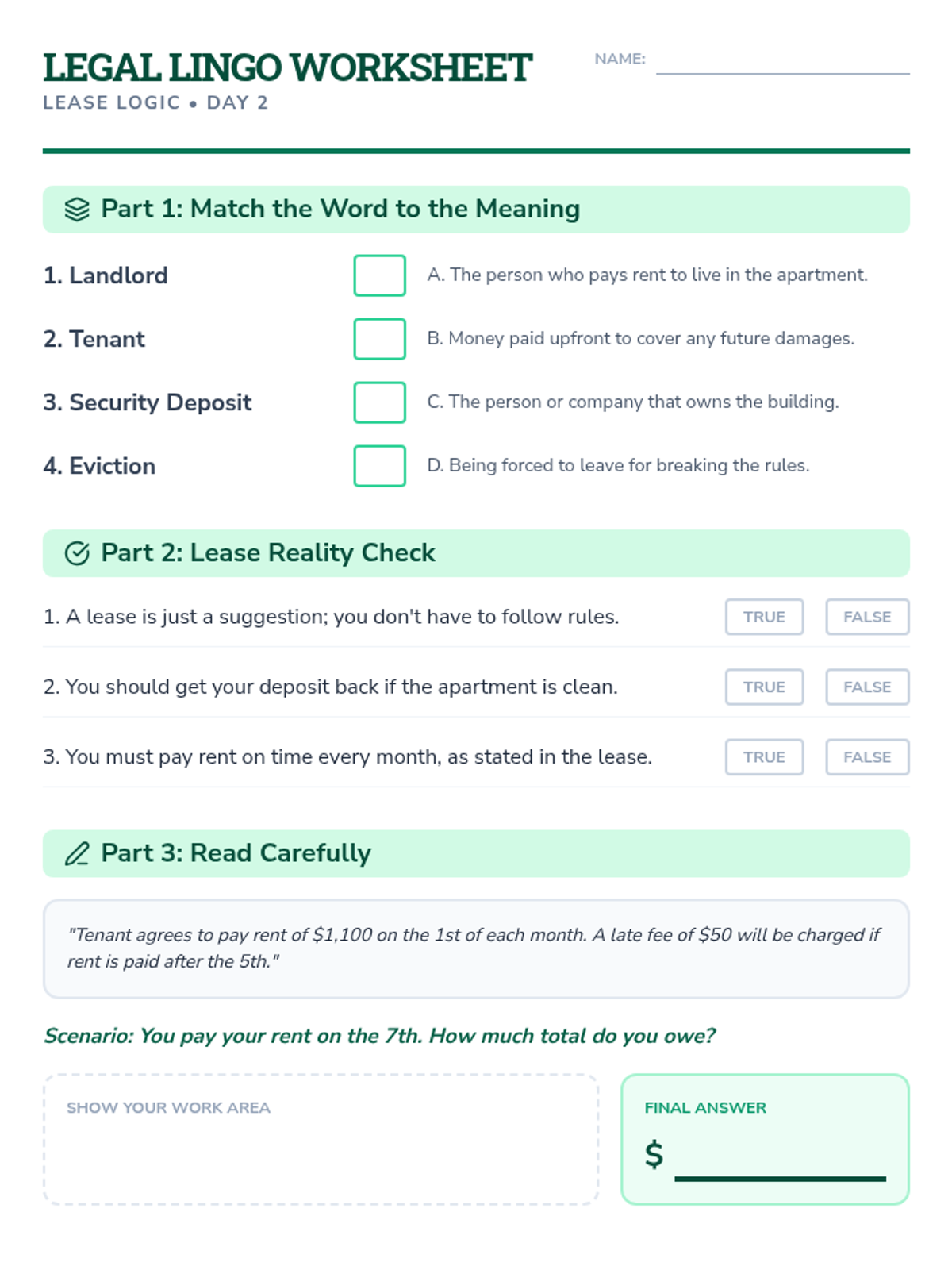
Demystifies the legal aspects of renting, including security deposits, lease terms, and the responsibilities of both tenants and landlords.
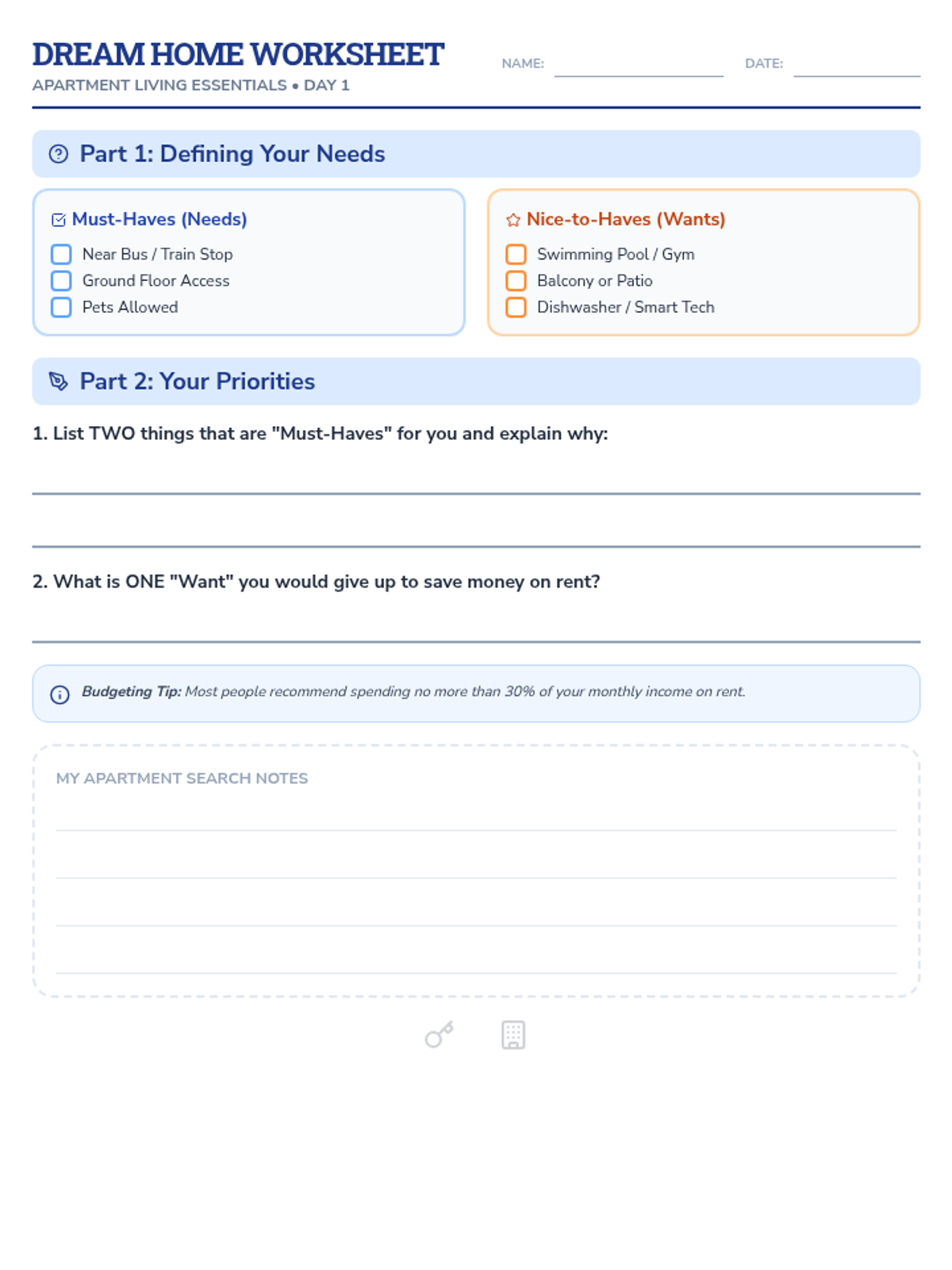
Focuses on identifying personal needs versus wants in housing and learning how to read and compare apartment listings.
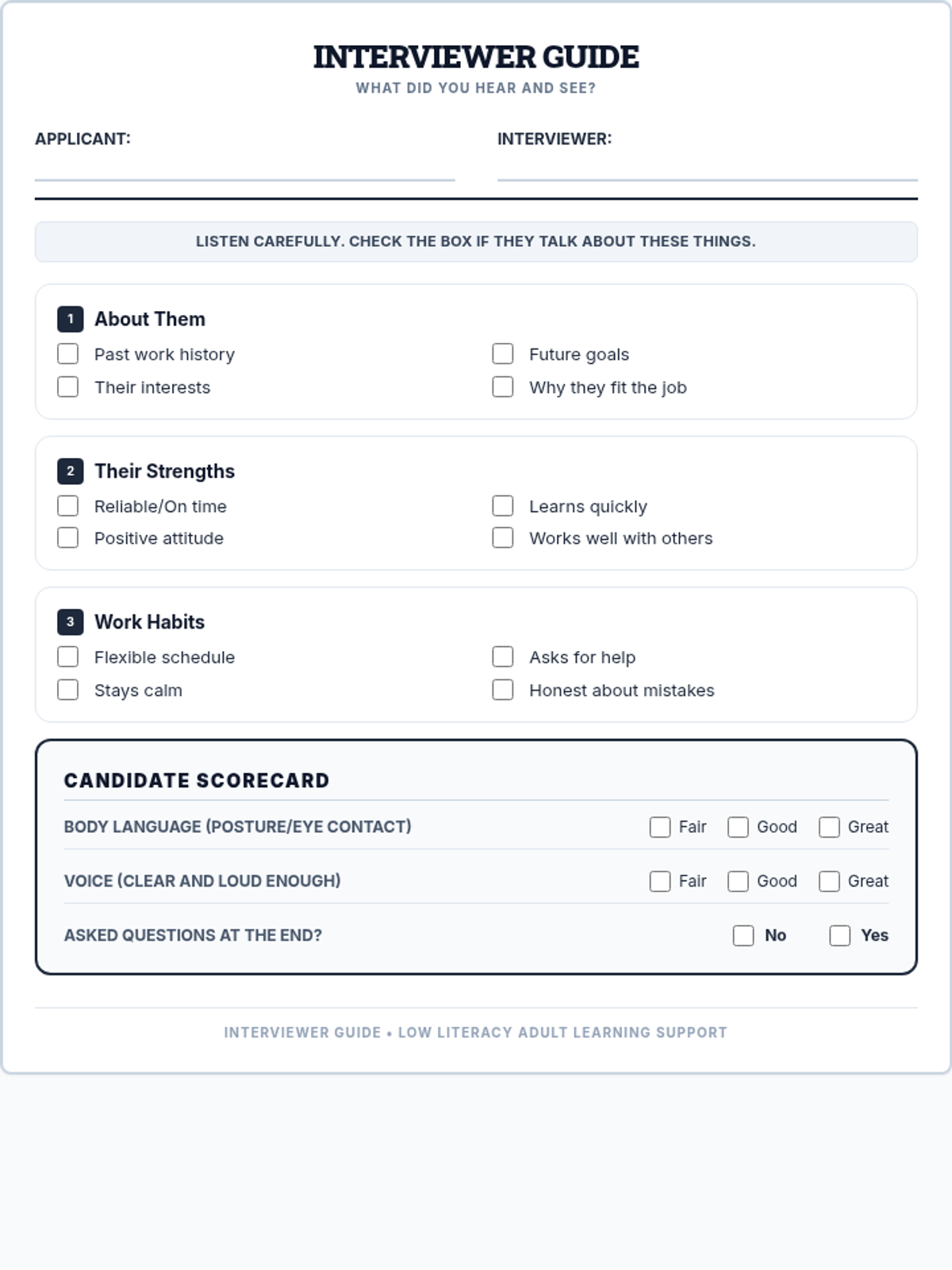
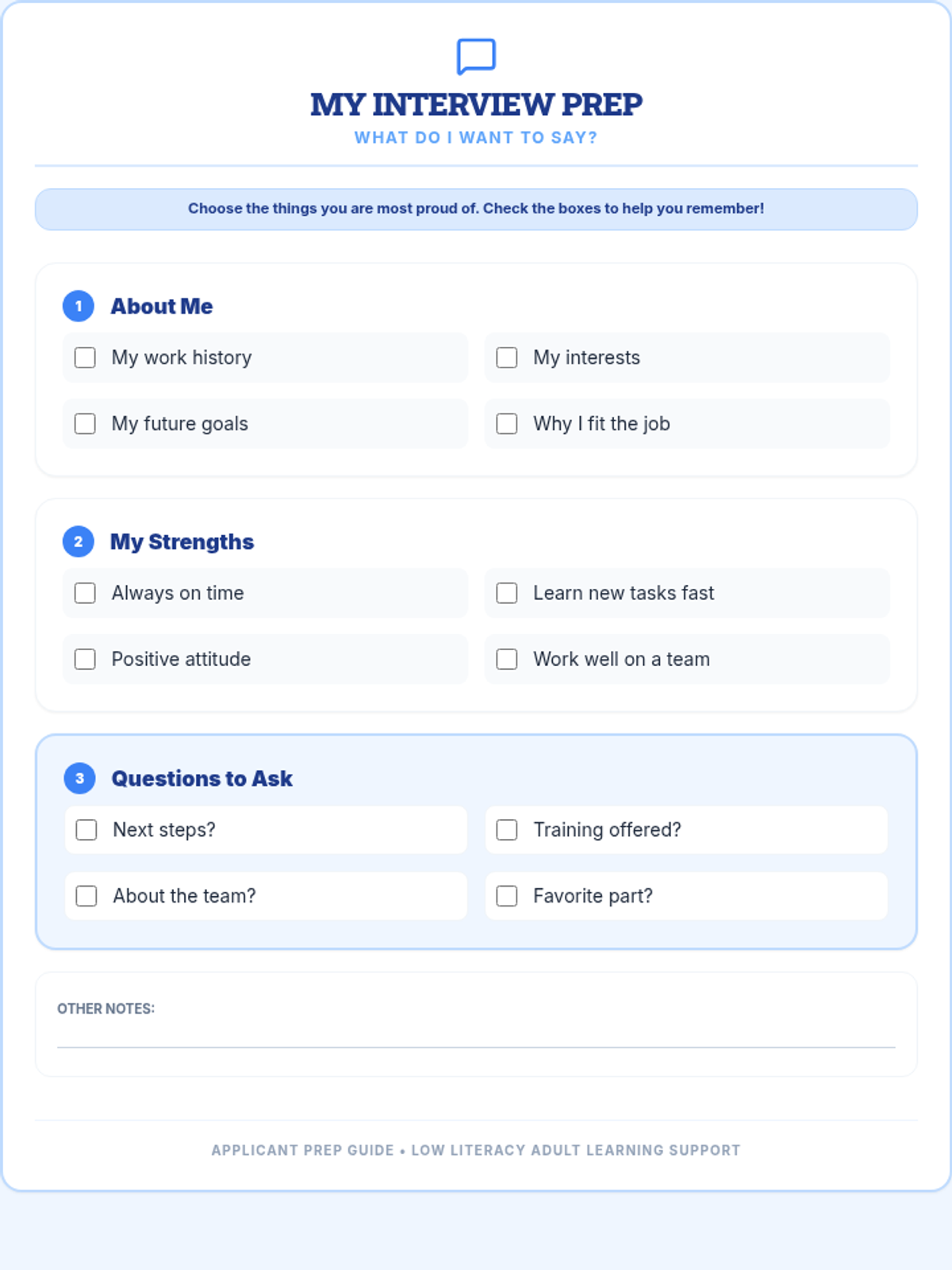
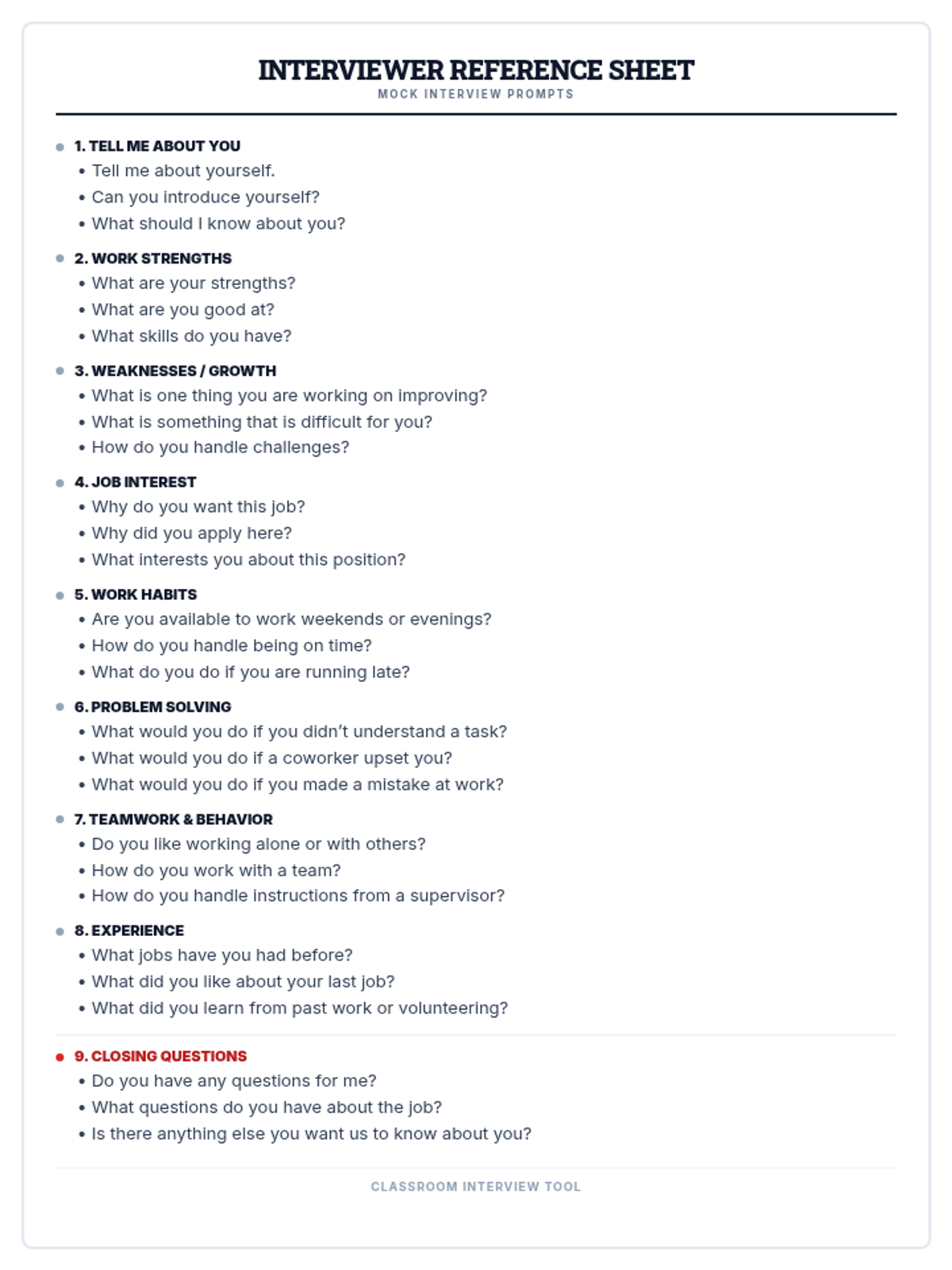
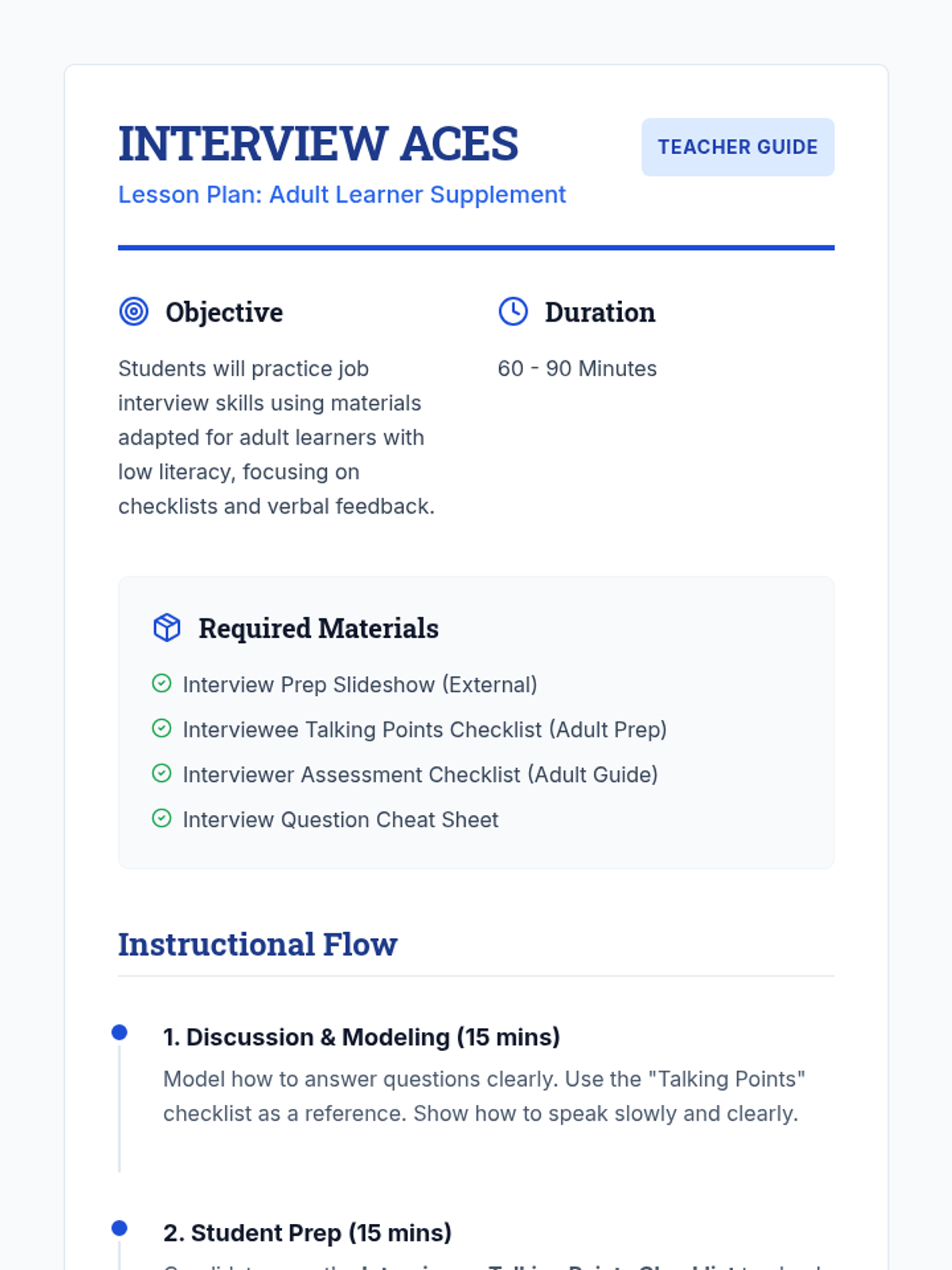
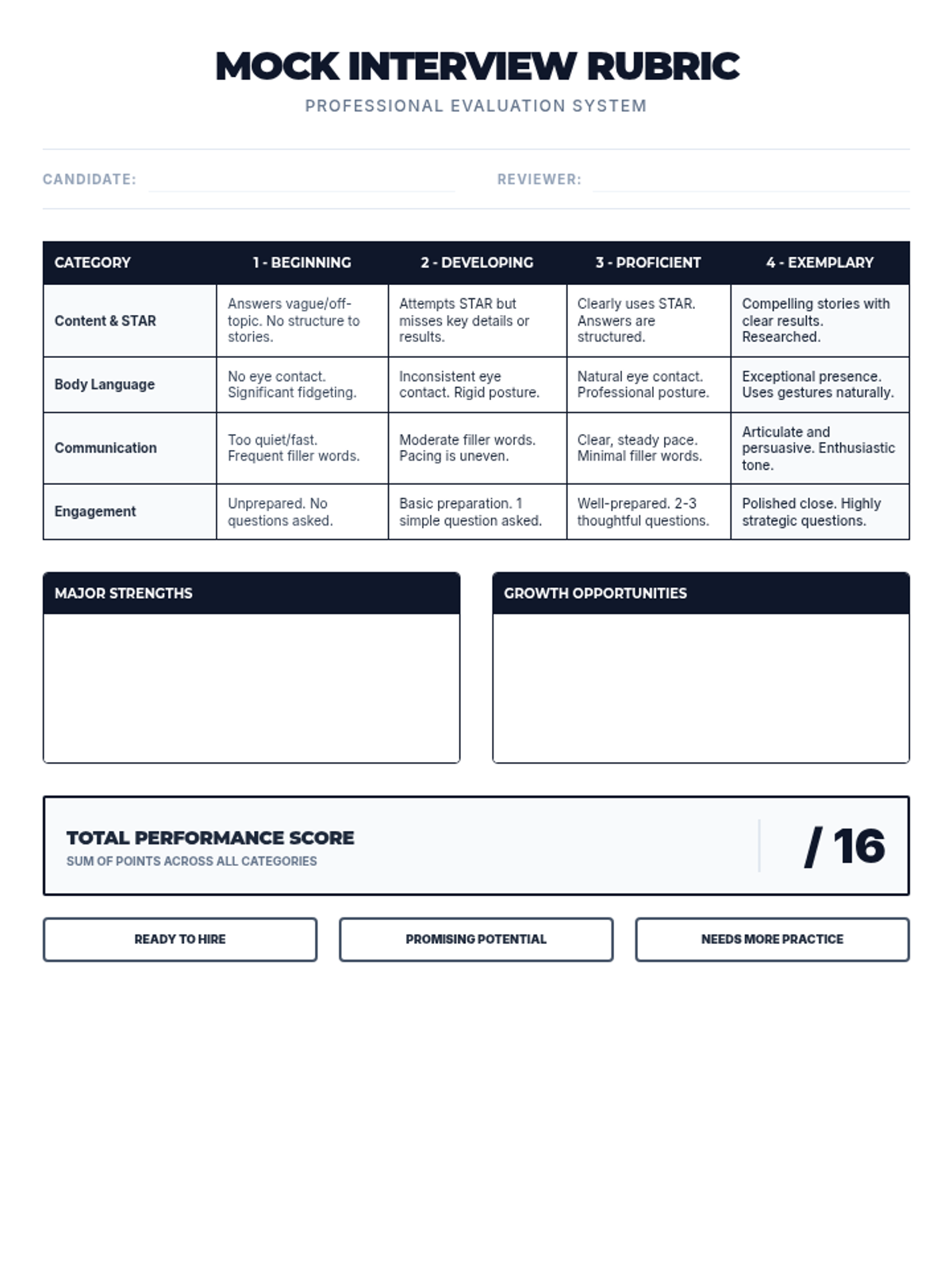
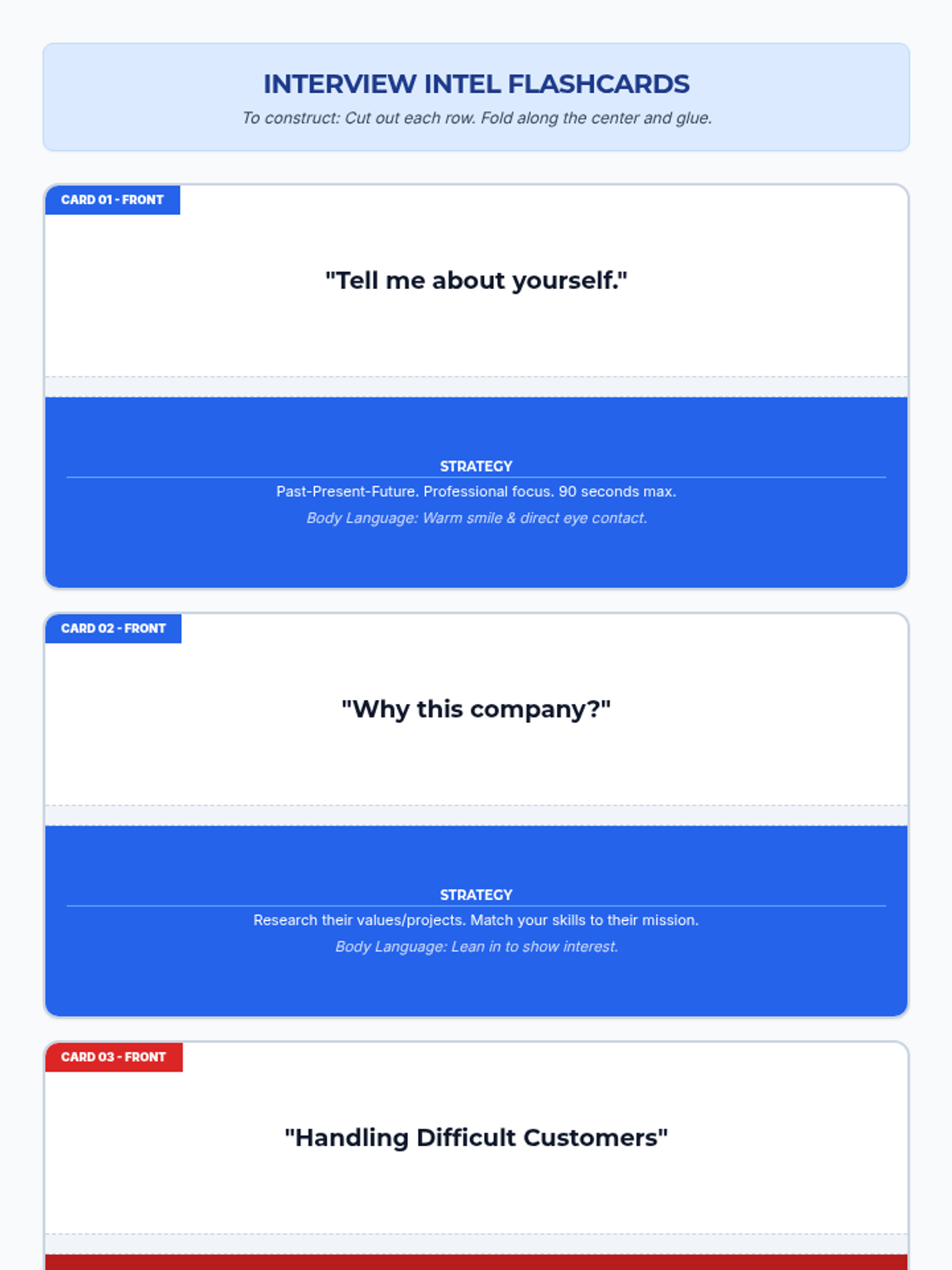
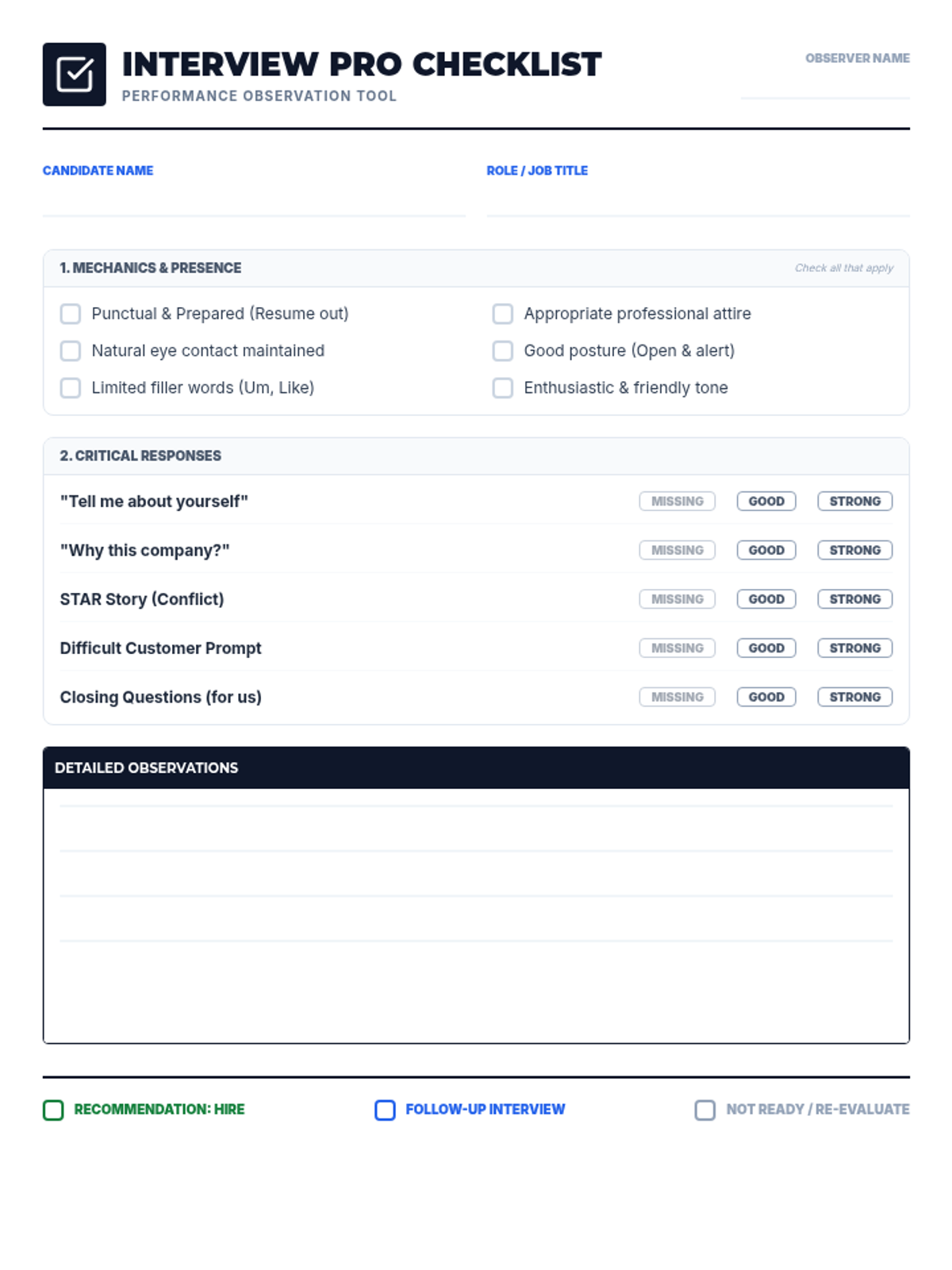
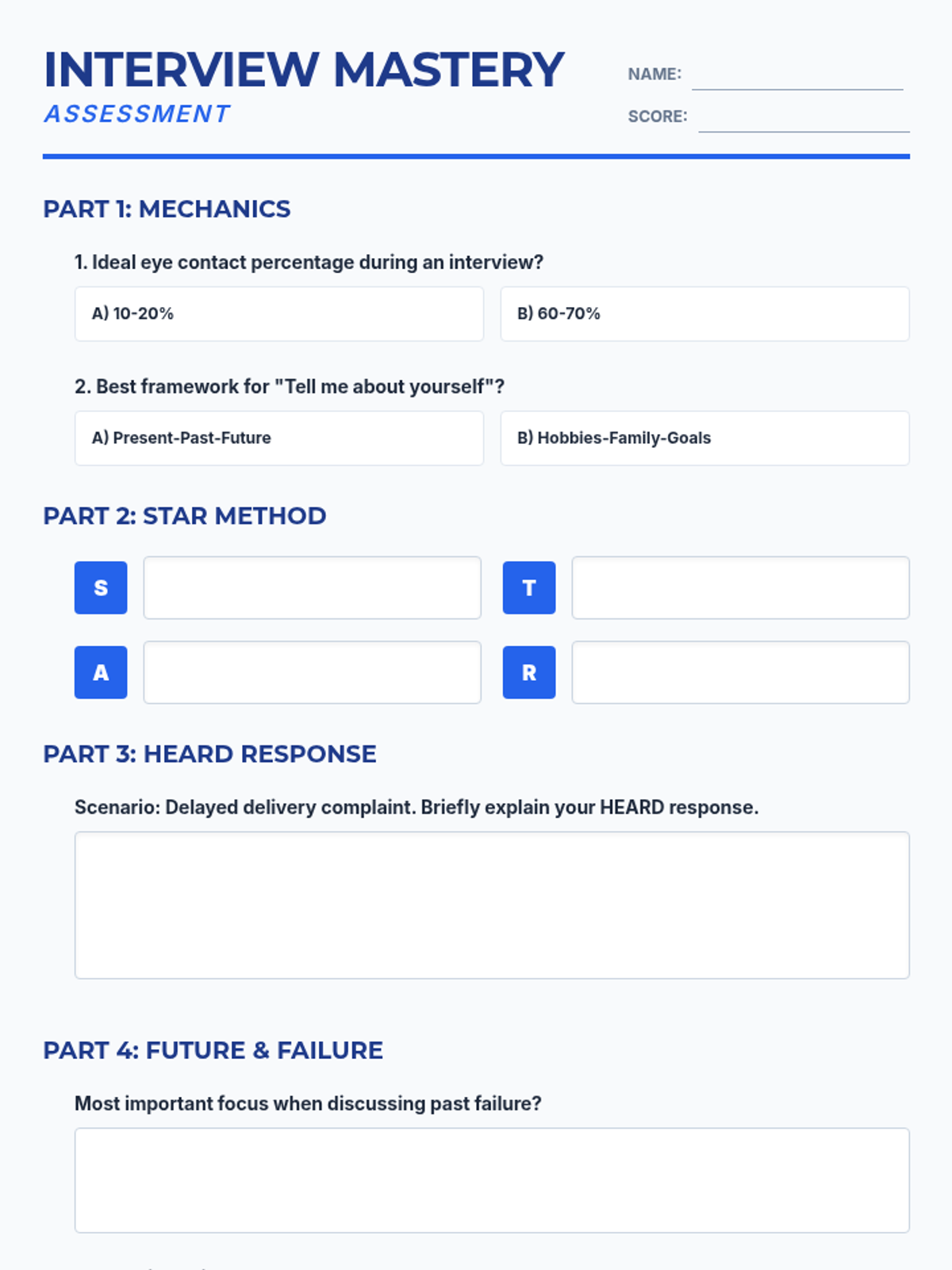
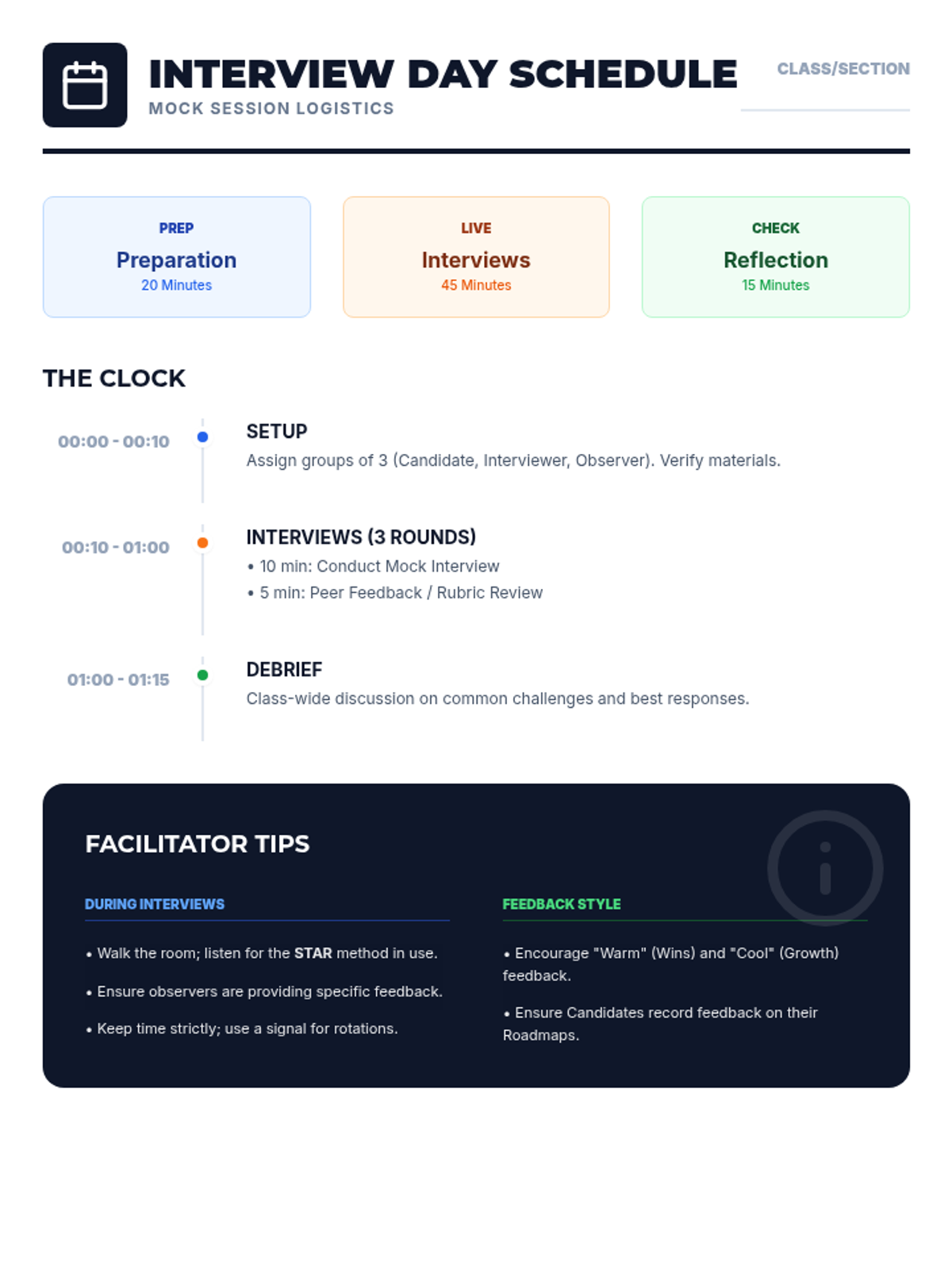
A comprehensive lesson on mastering job interviews through peer-to-peer practice, feedback loops, and self-reflection based on real-world interview categories.
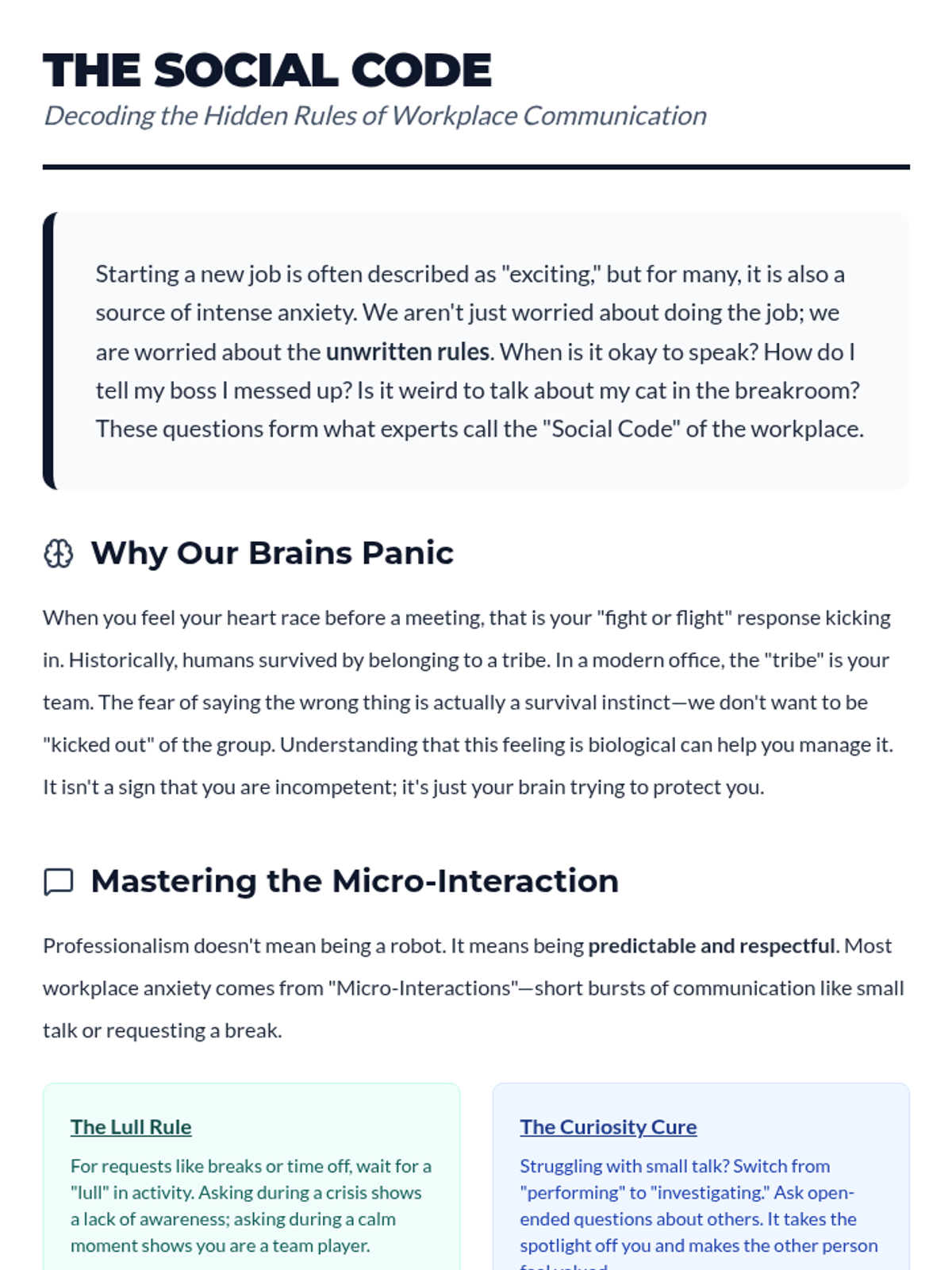
A comprehensive lesson on navigating professional workplace communication, focusing on building confidence and reducing anxiety in common social scenarios.
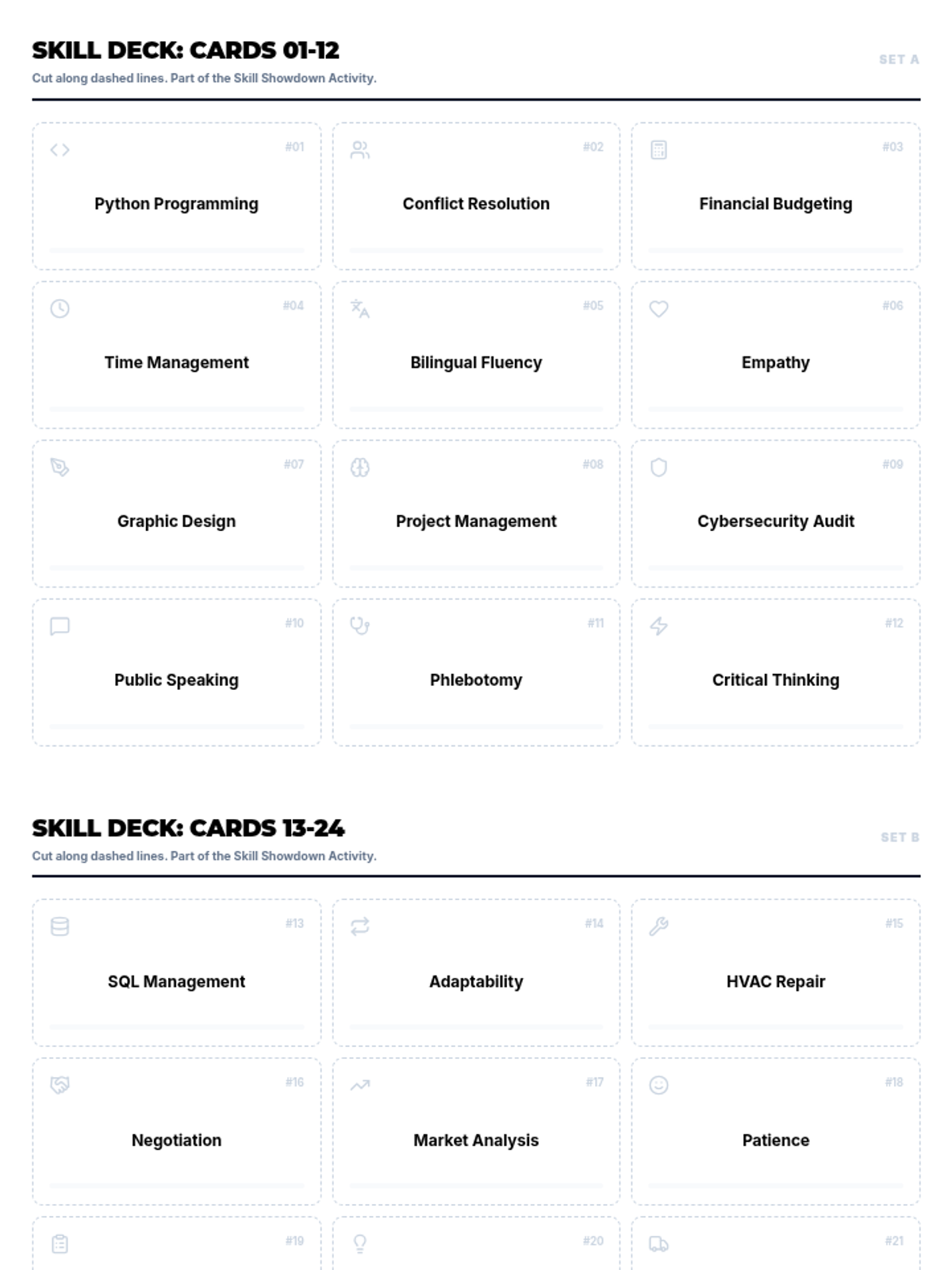
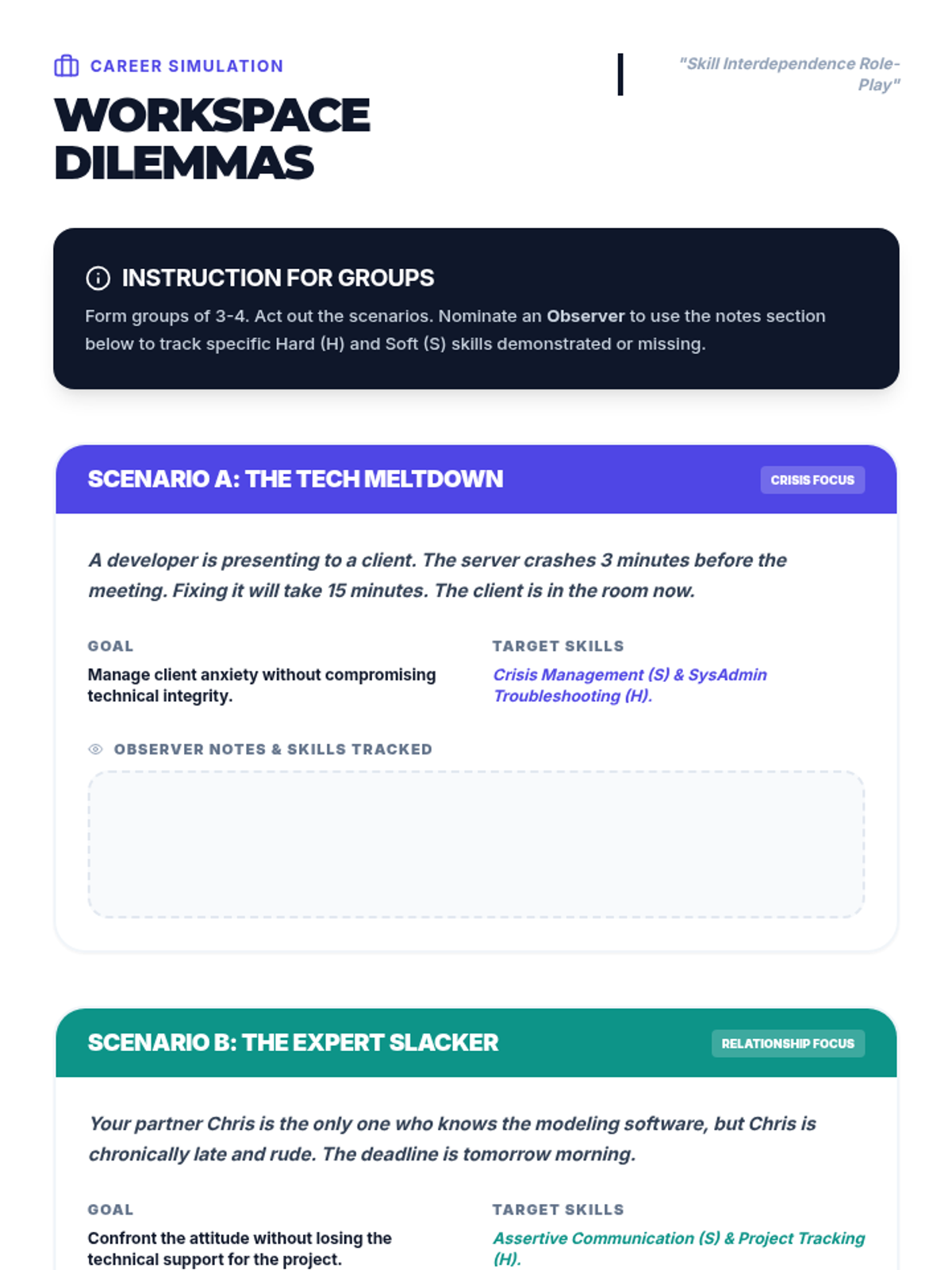
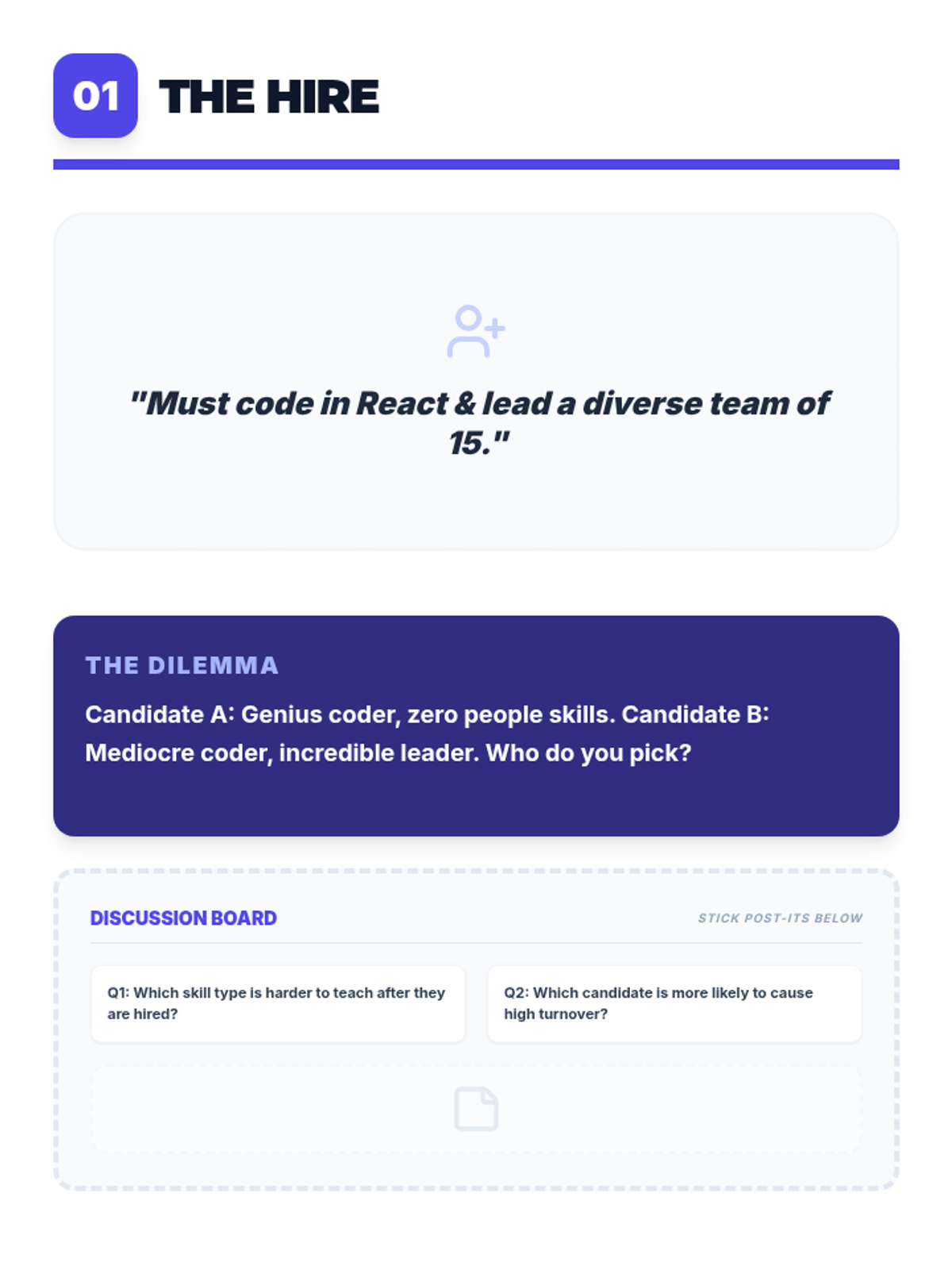
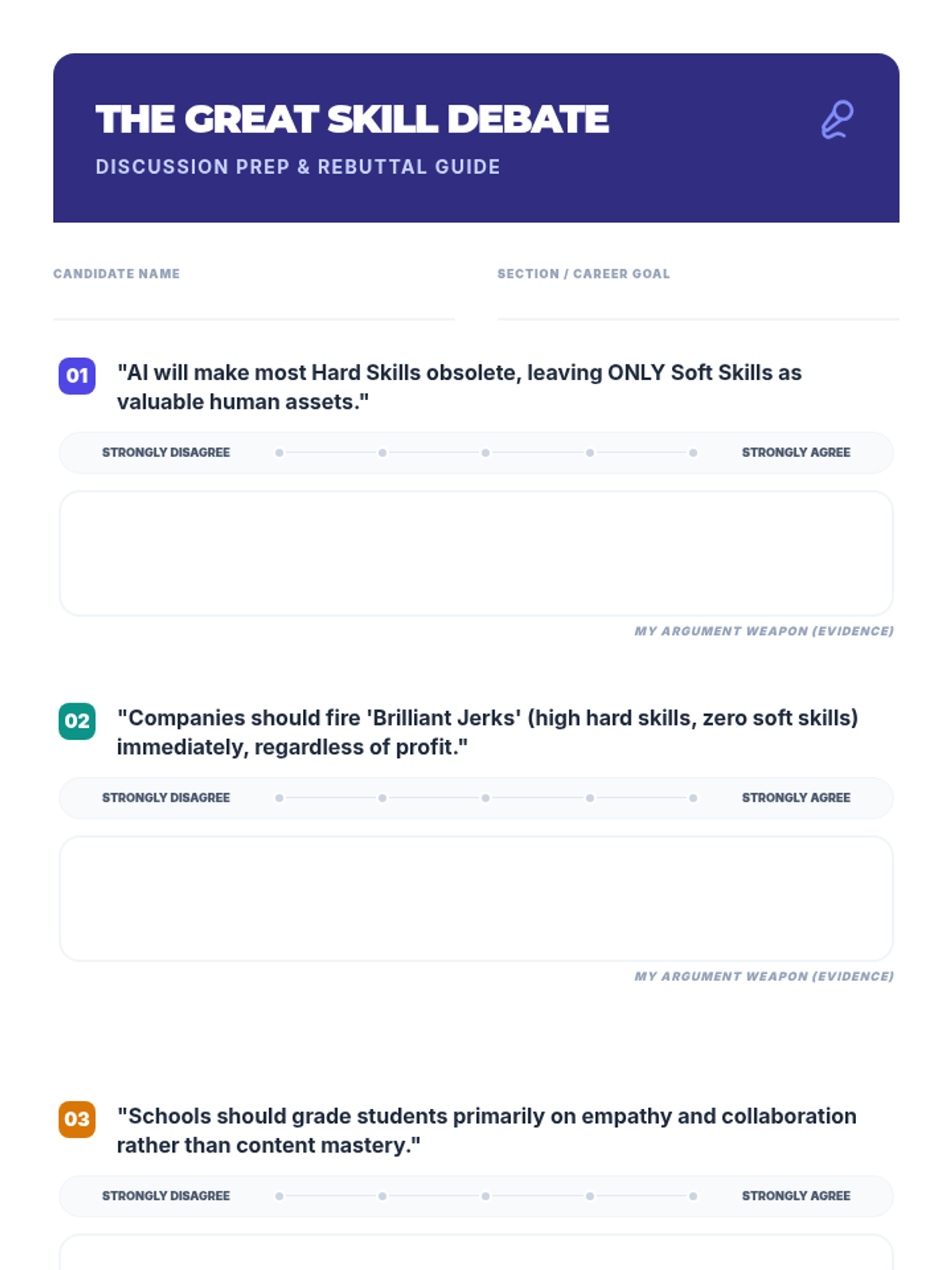
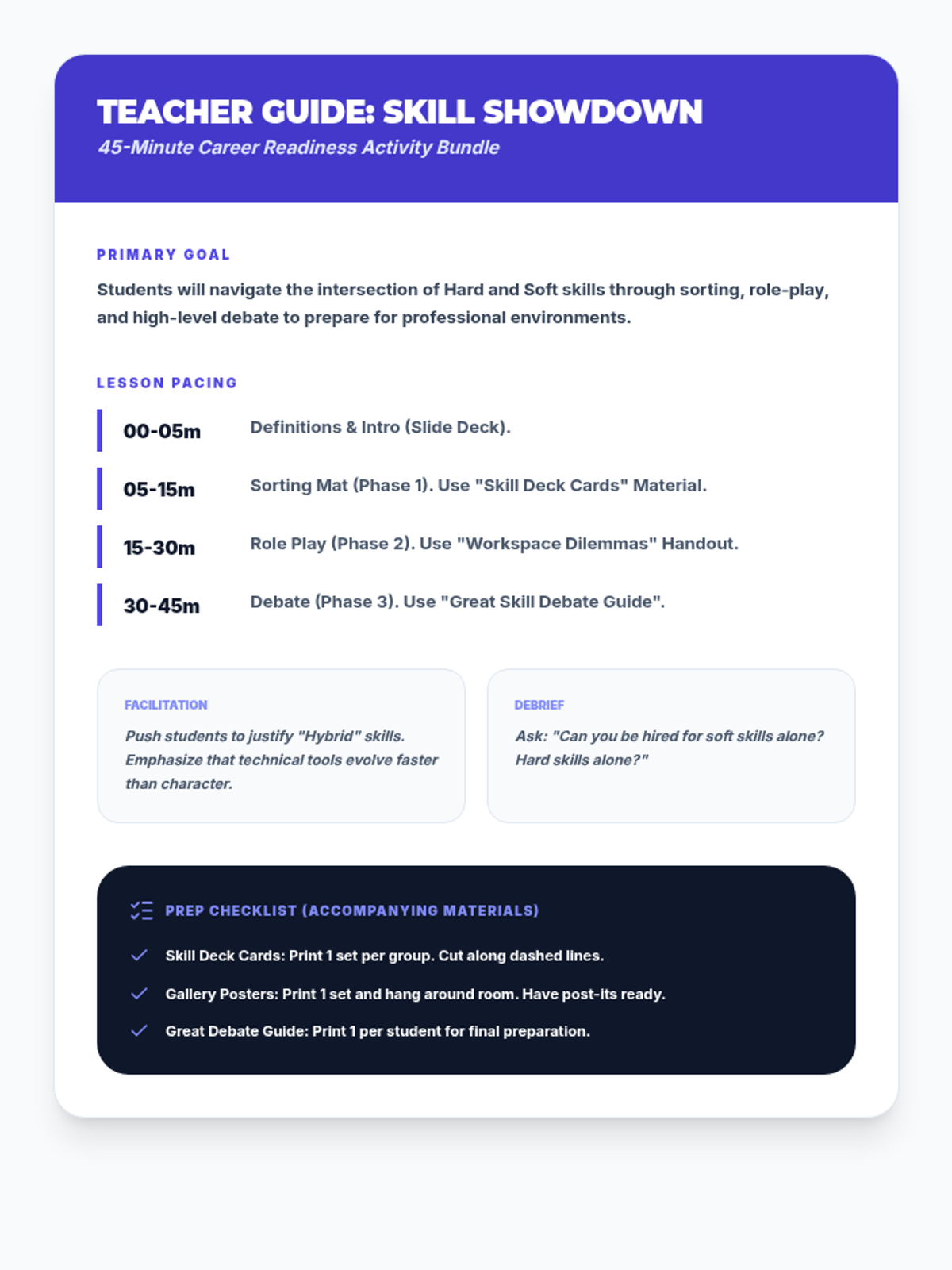
An interactive lesson comparing hard and soft skills using card sorting, role-play, gallery walks, and debates to prepare seniors for the workplace.
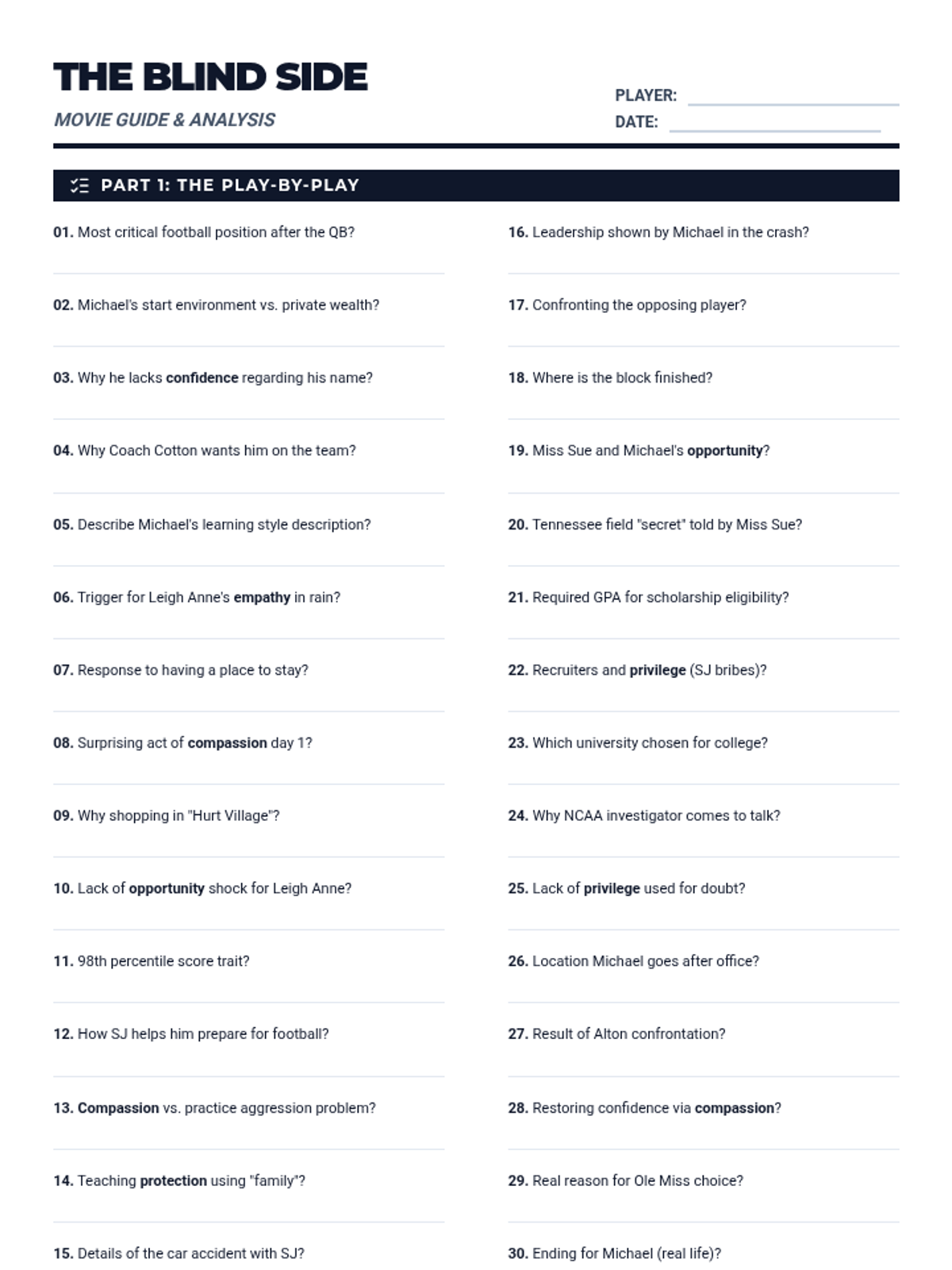
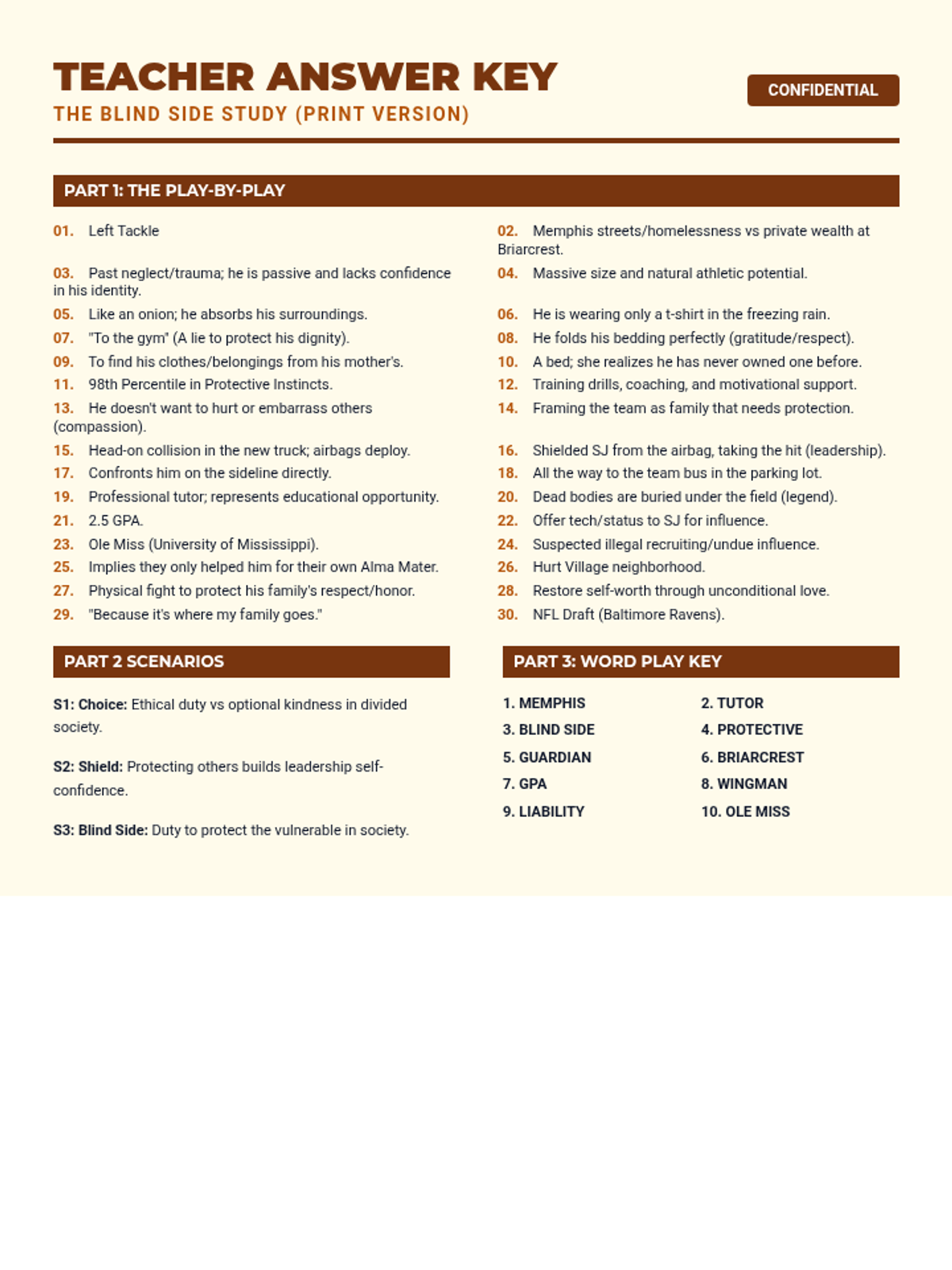
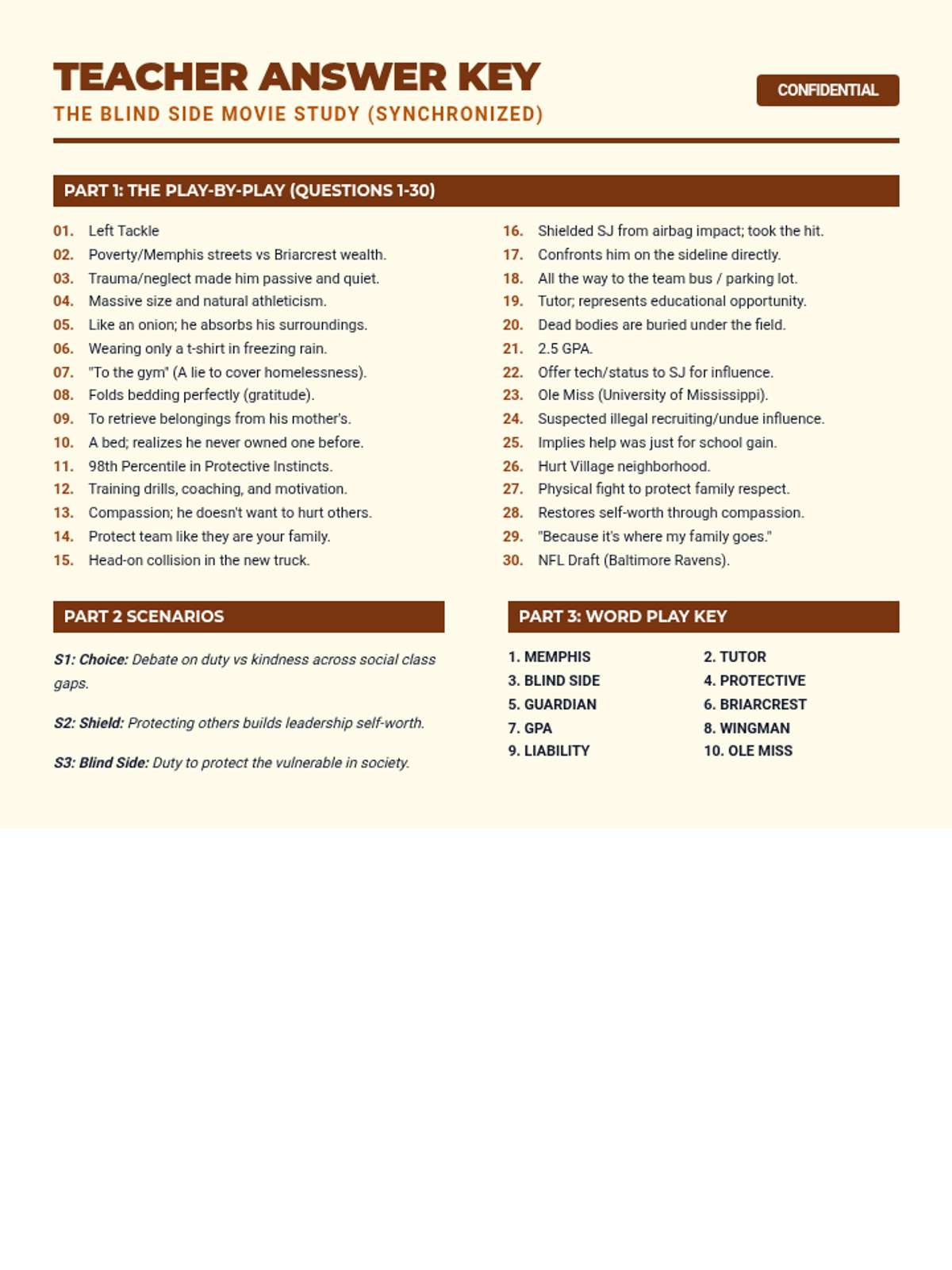
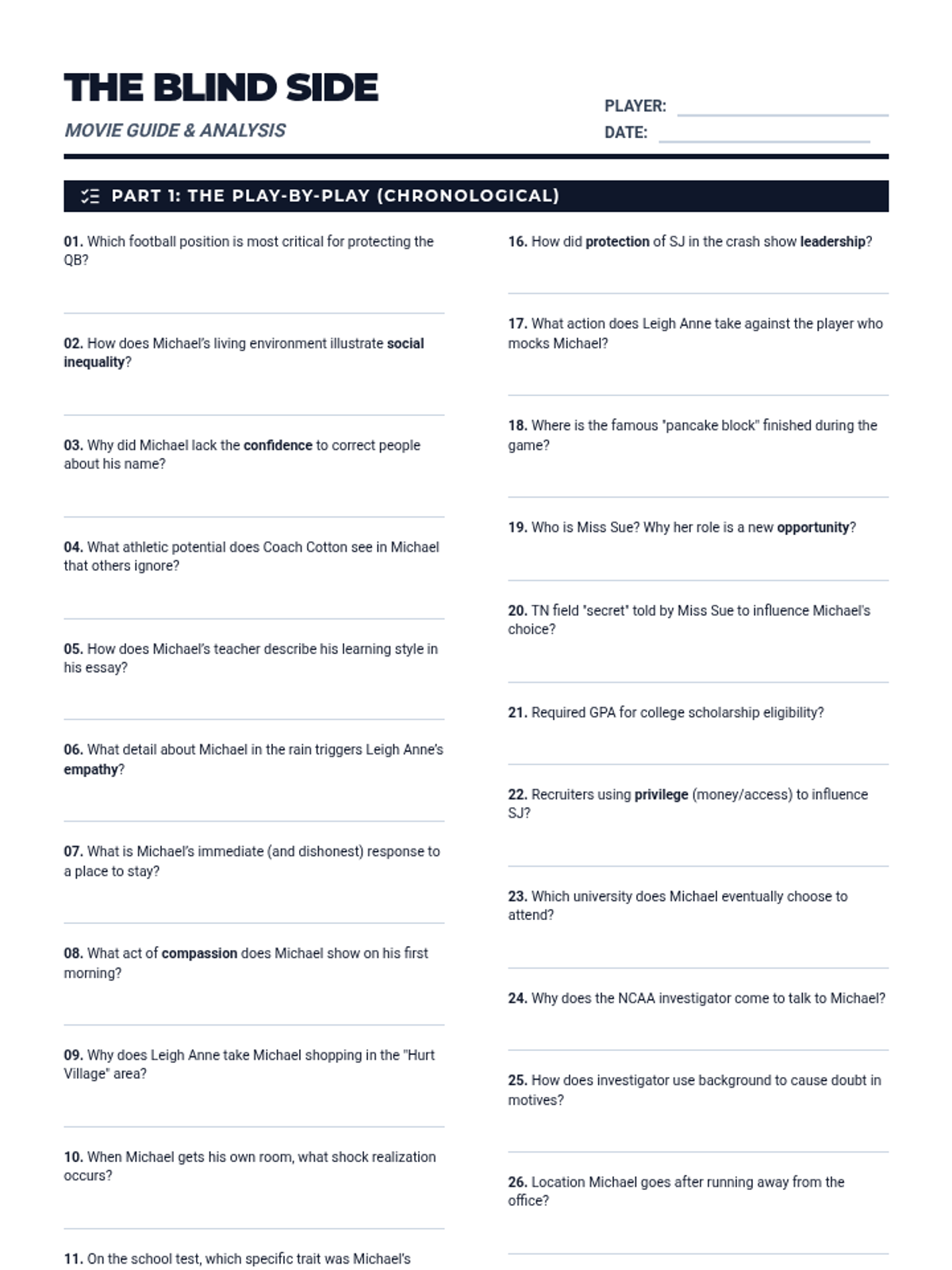
A comprehensive movie study for 'The Blind Side' focusing on character development, ethics, and leadership through Michael Oher's journey.
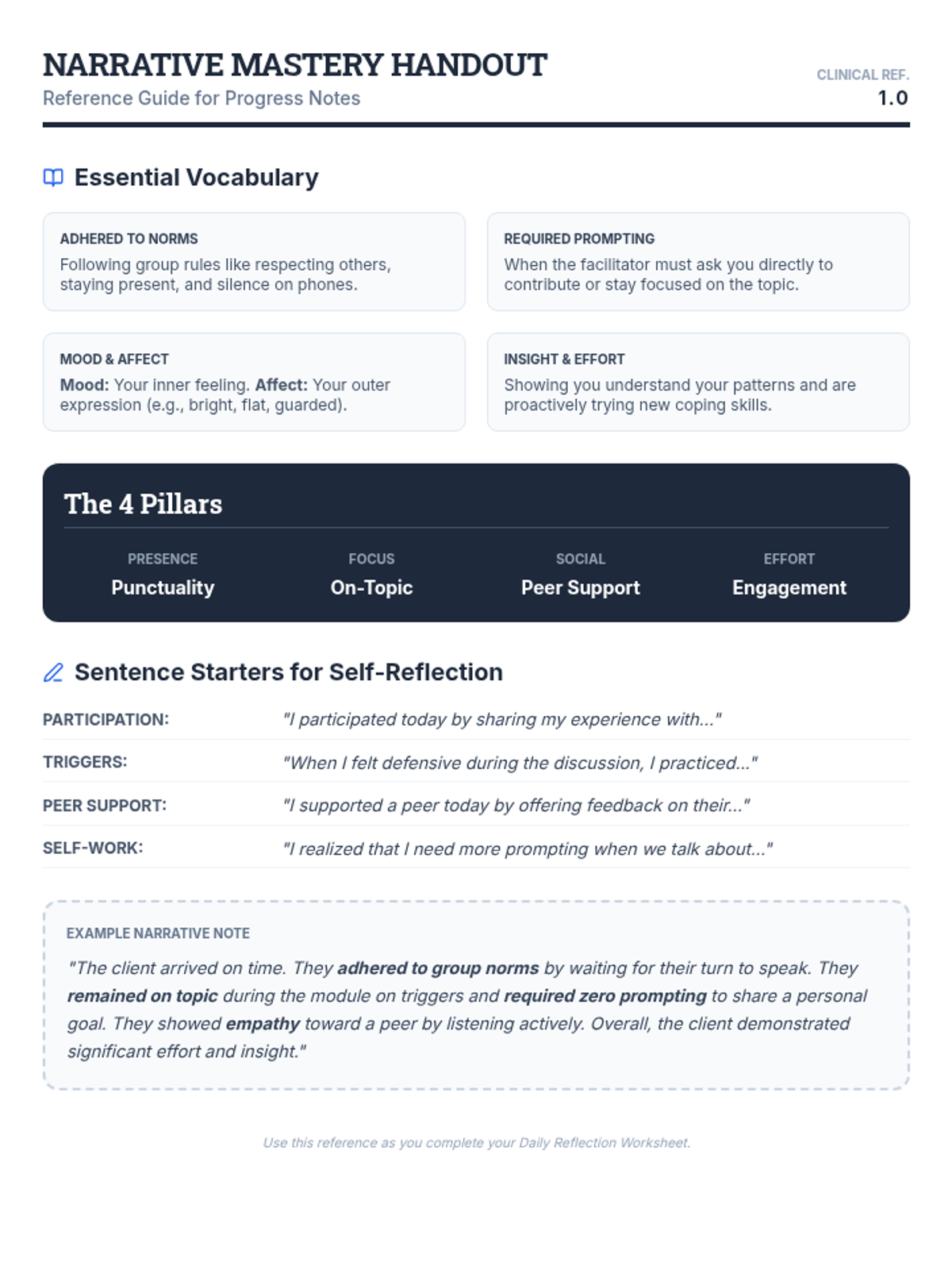
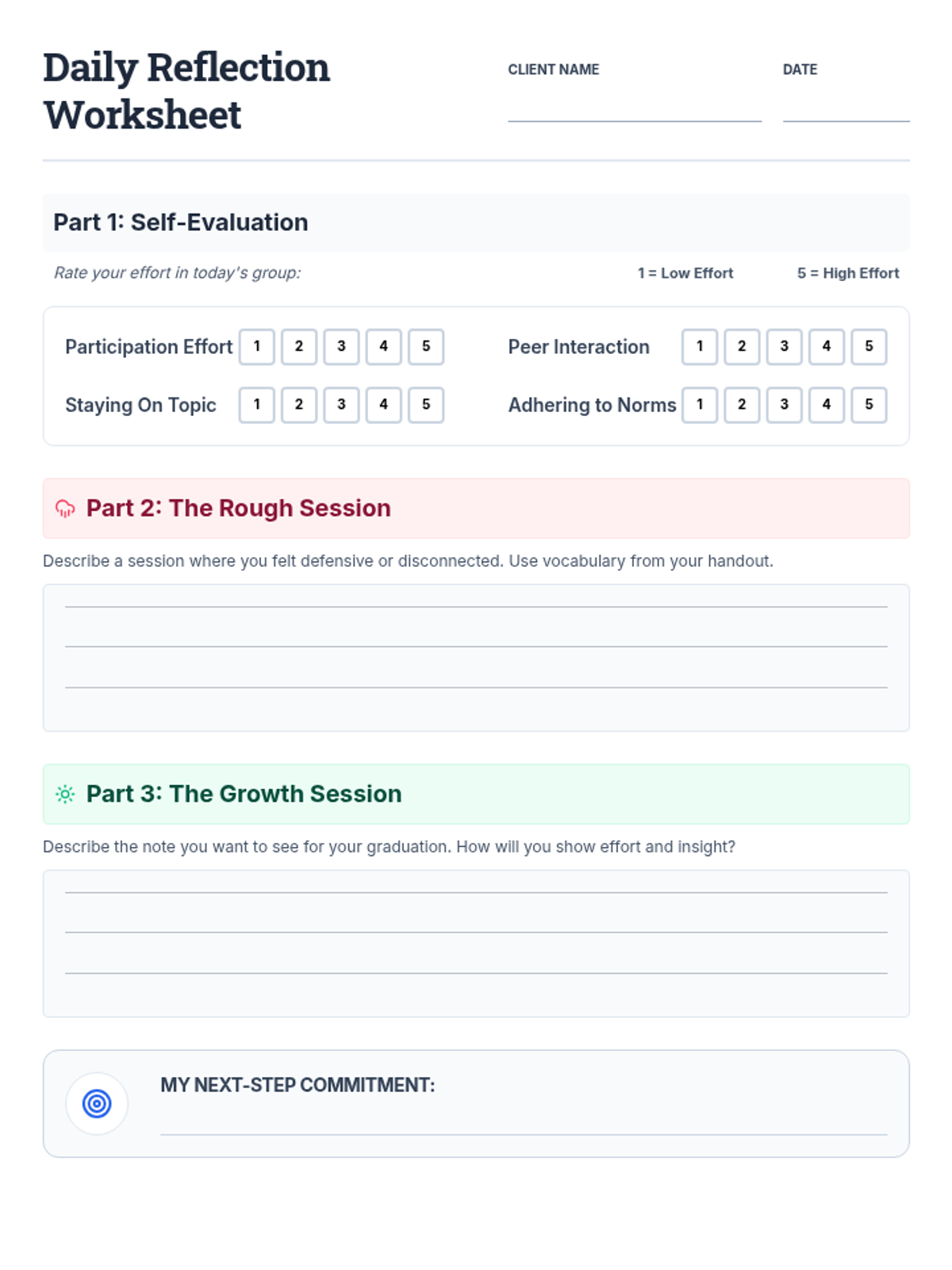
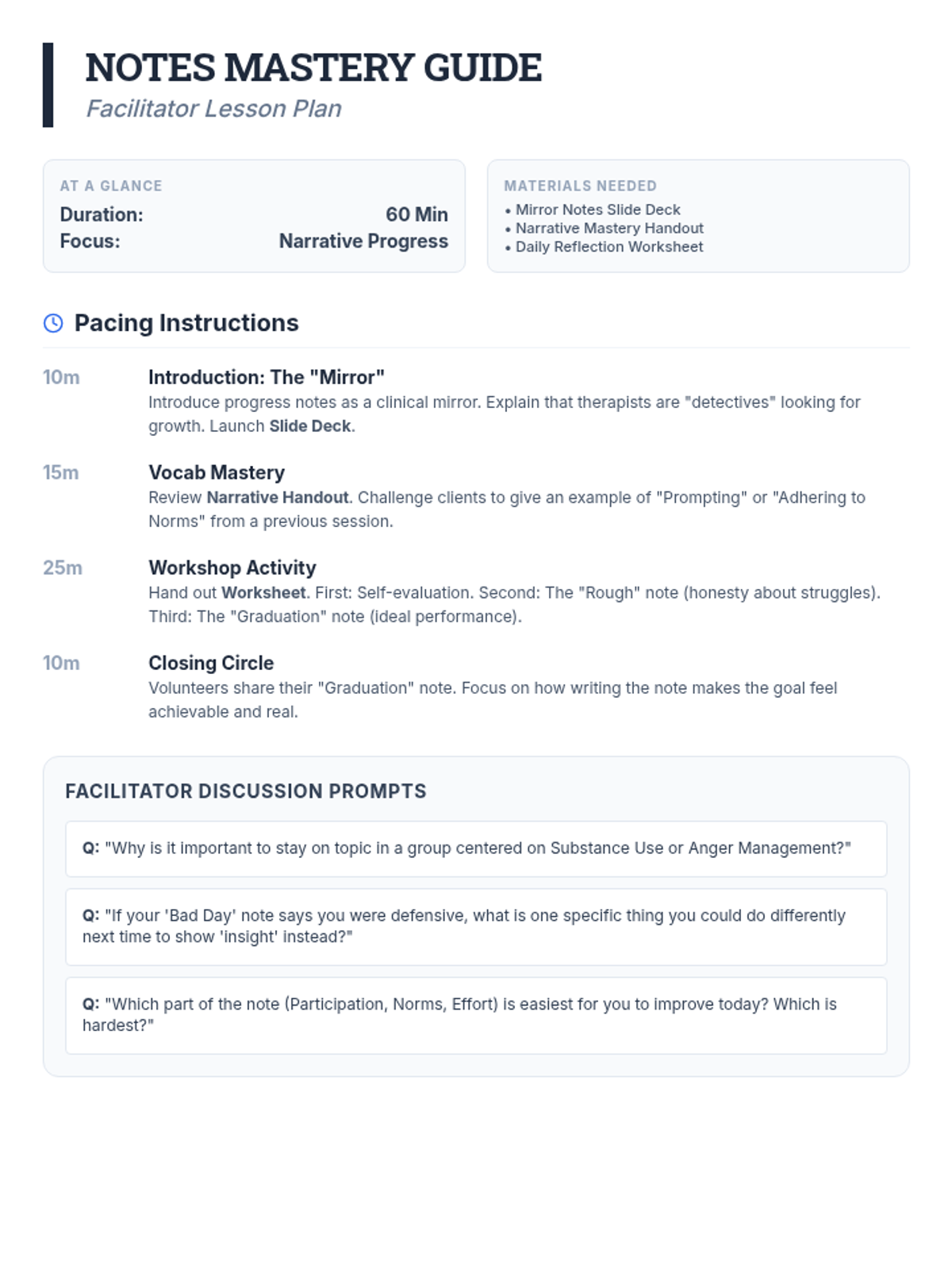
A lesson designed to empower clients in recovery to understand and write their own narrative progress notes, focusing on self-evaluation of group participation, behavior, and future goals.
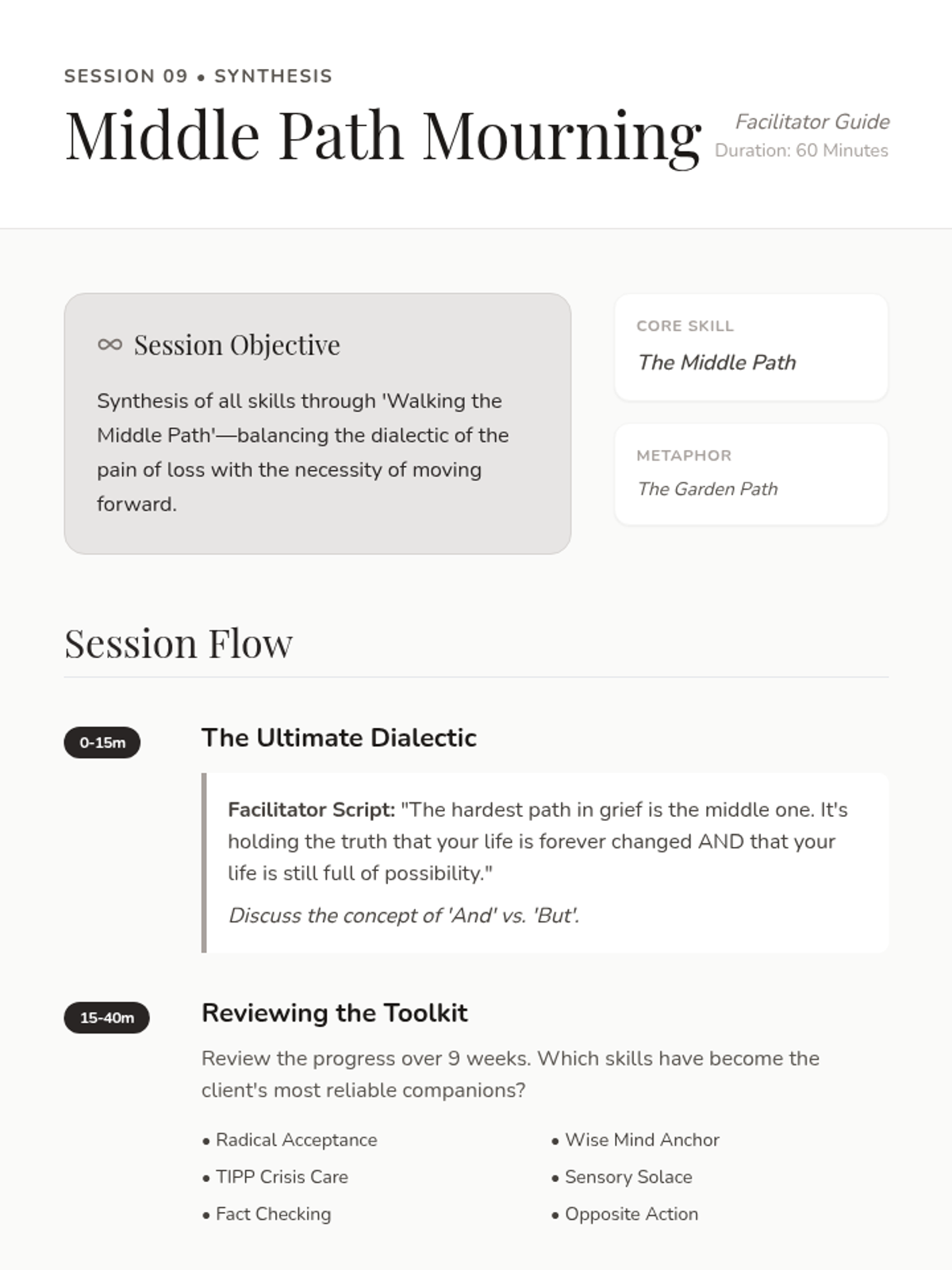
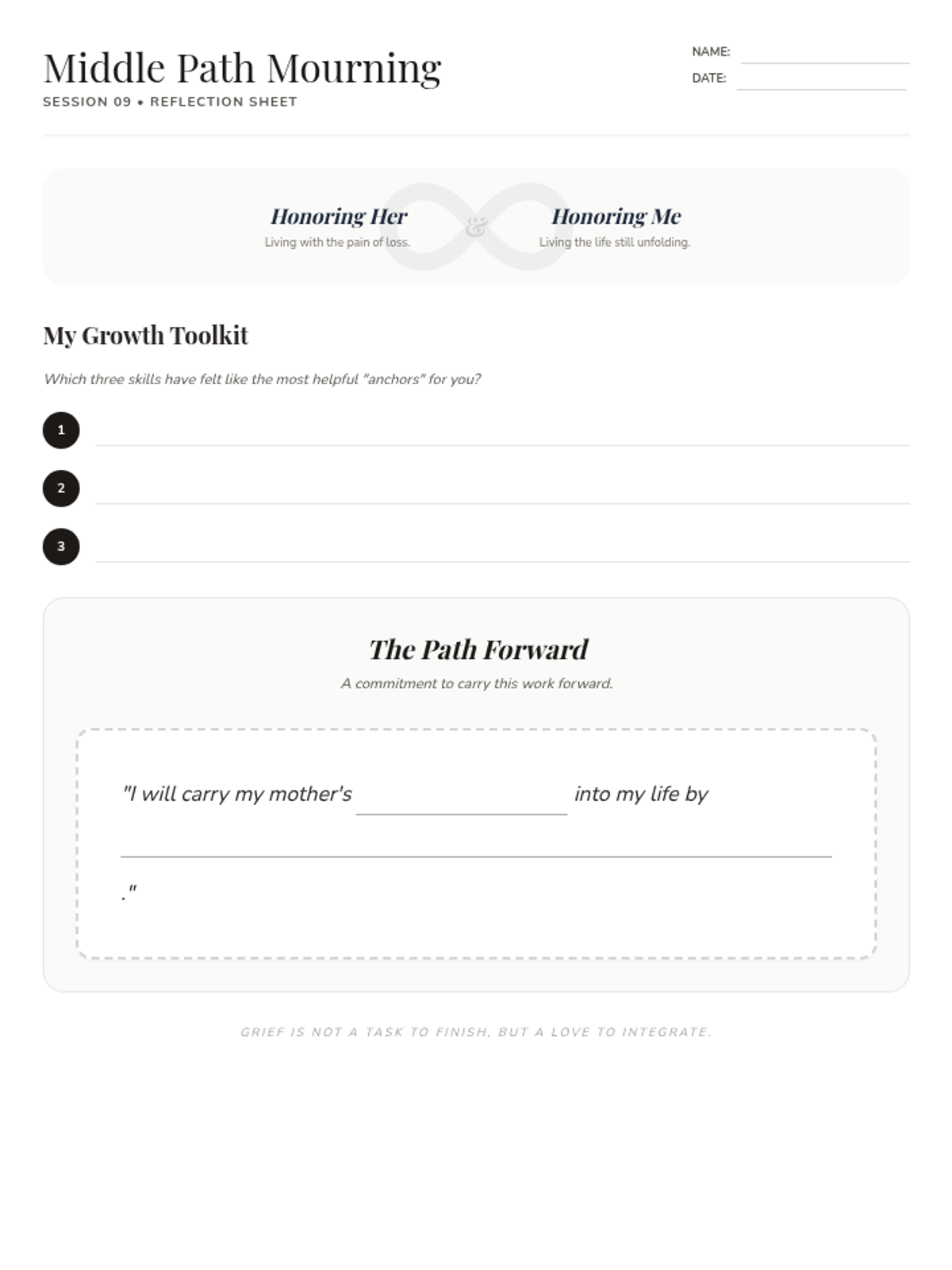
Synthesis of skills through 'Walking the Middle Path'—balancing the pain of loss with the necessity of moving forward.
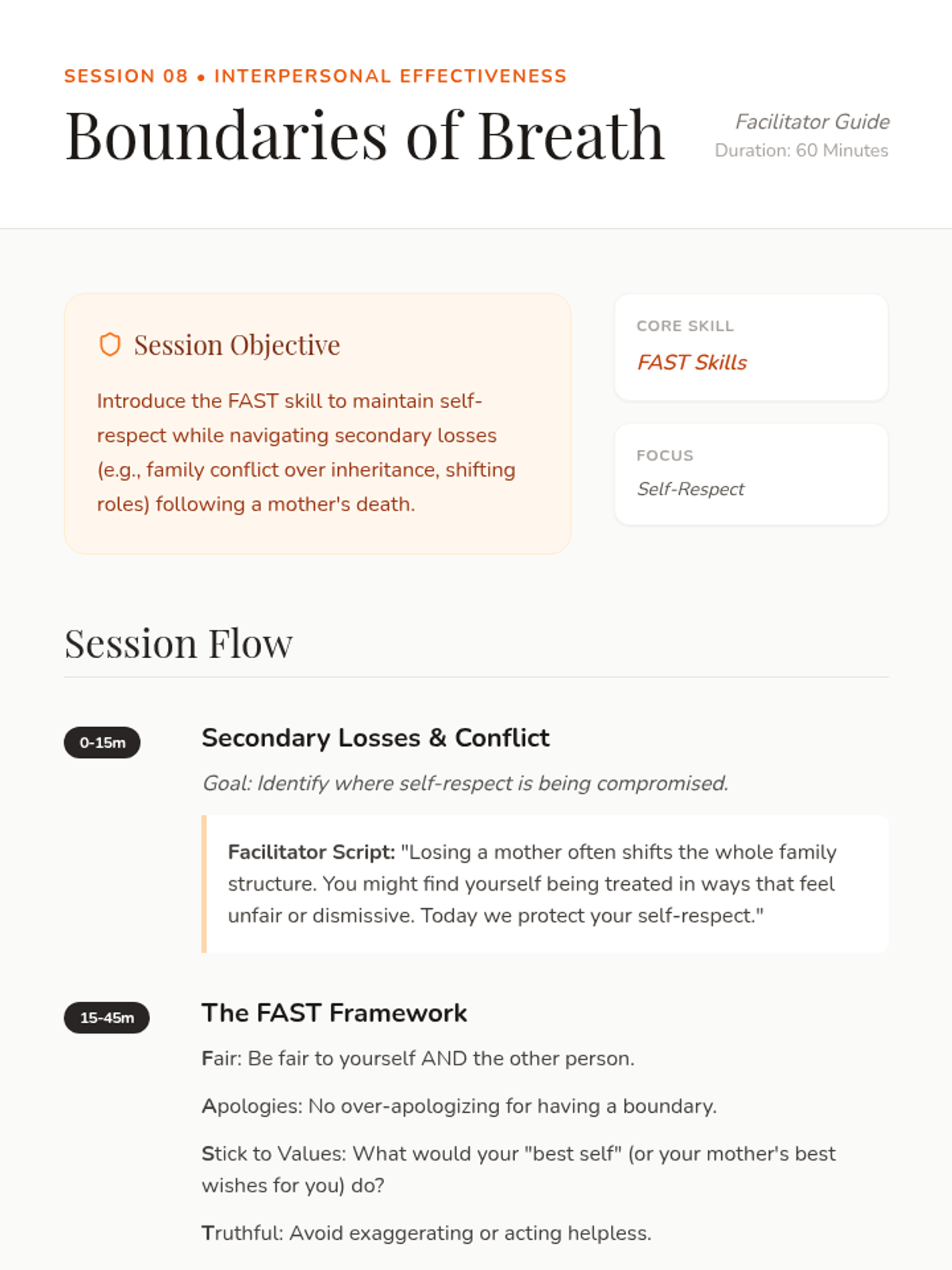
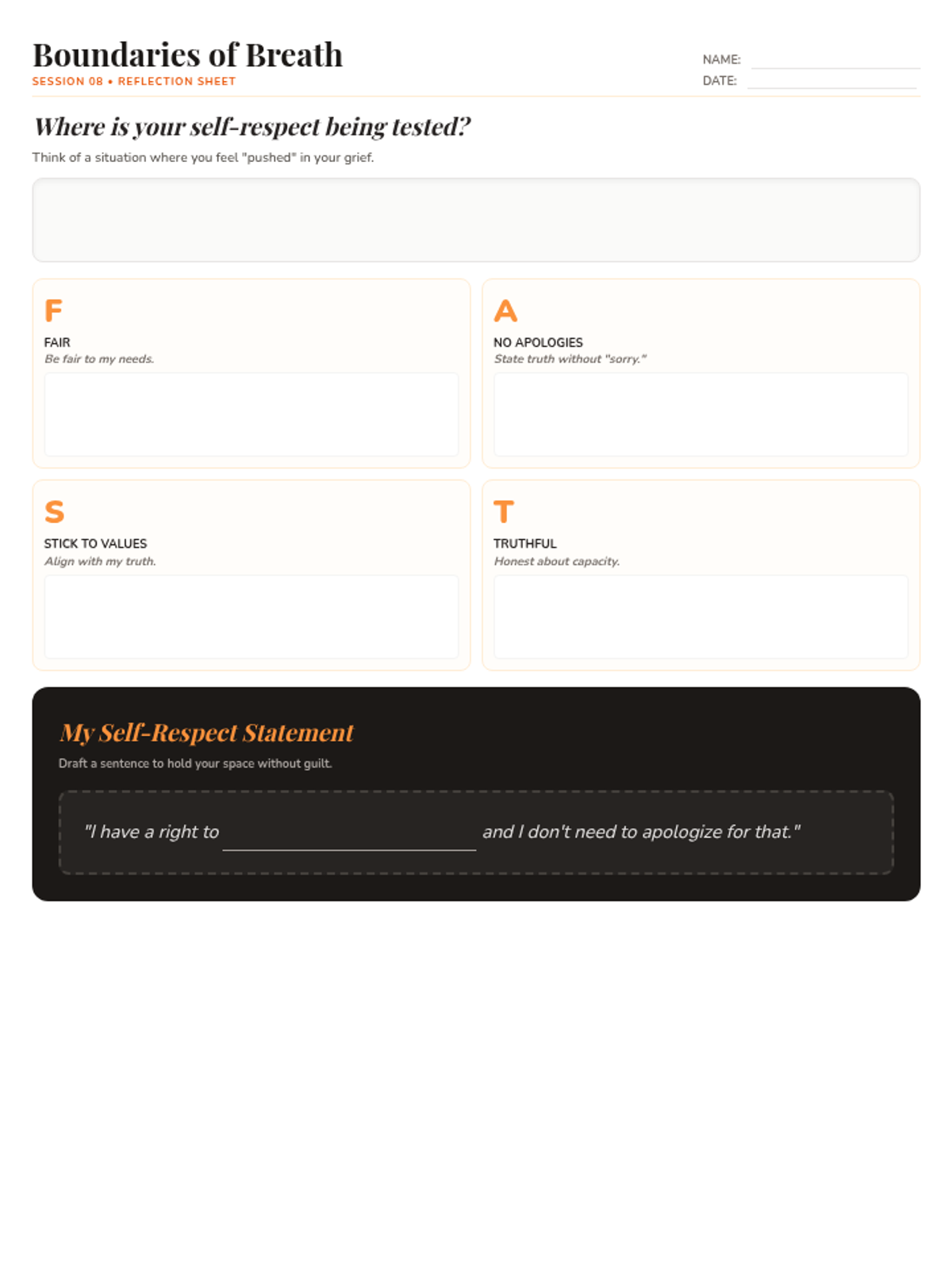
Applying the FAST skill to maintain self-respect and values when navigating the secondary losses associated with maternal death.
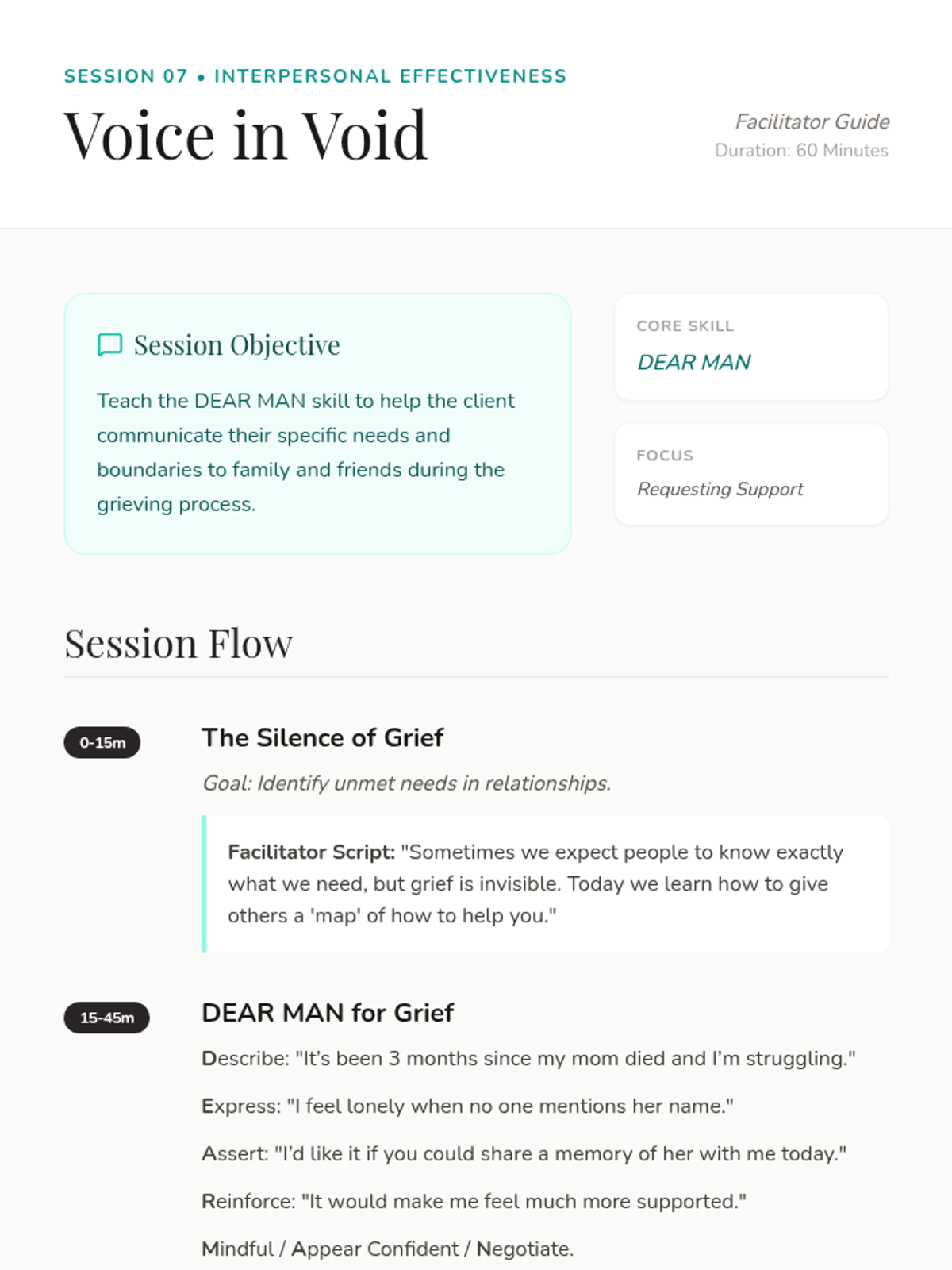
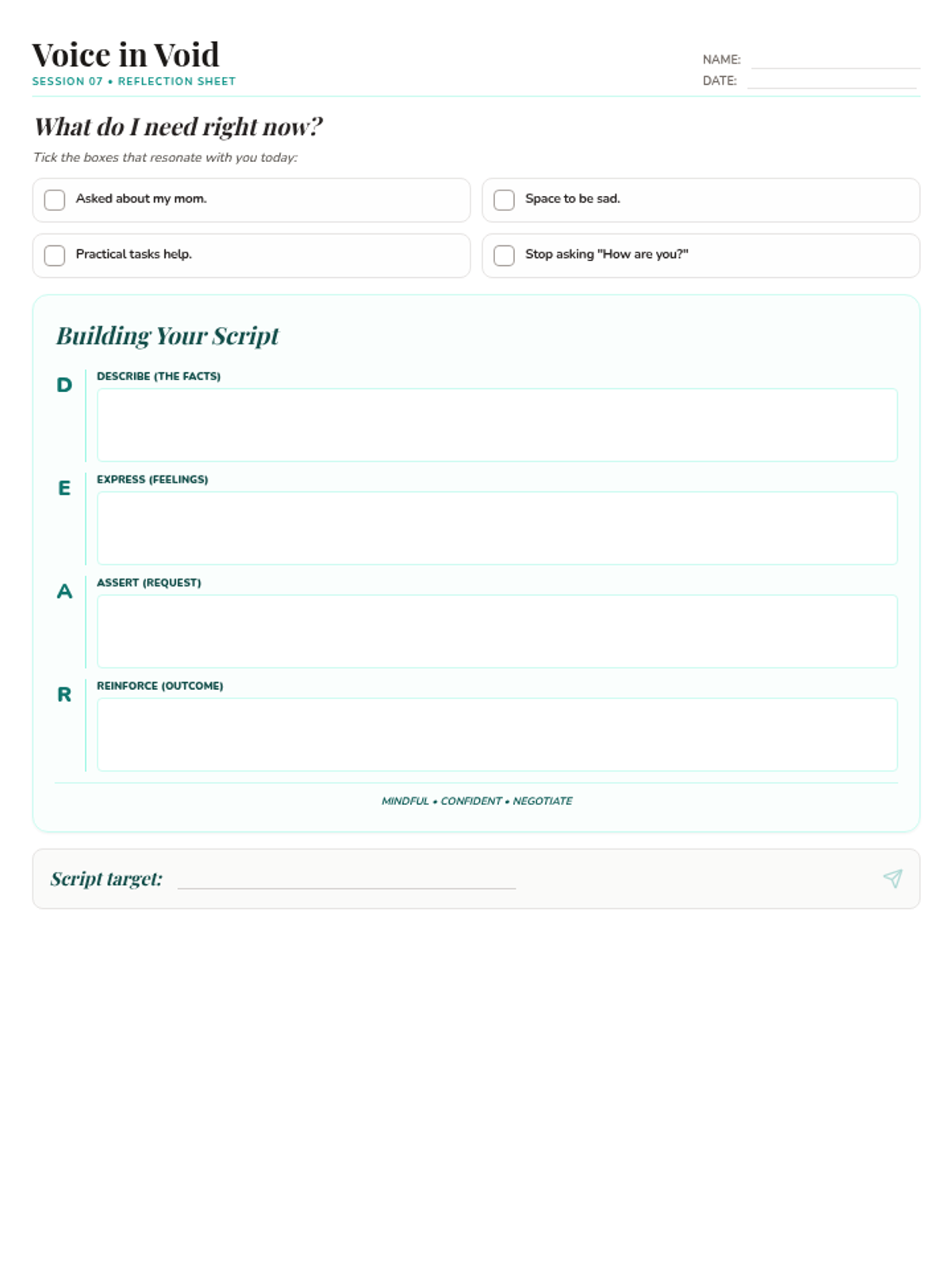
Using the DEAR MAN skill to communicate needs and boundaries to family and friends during the grieving process.
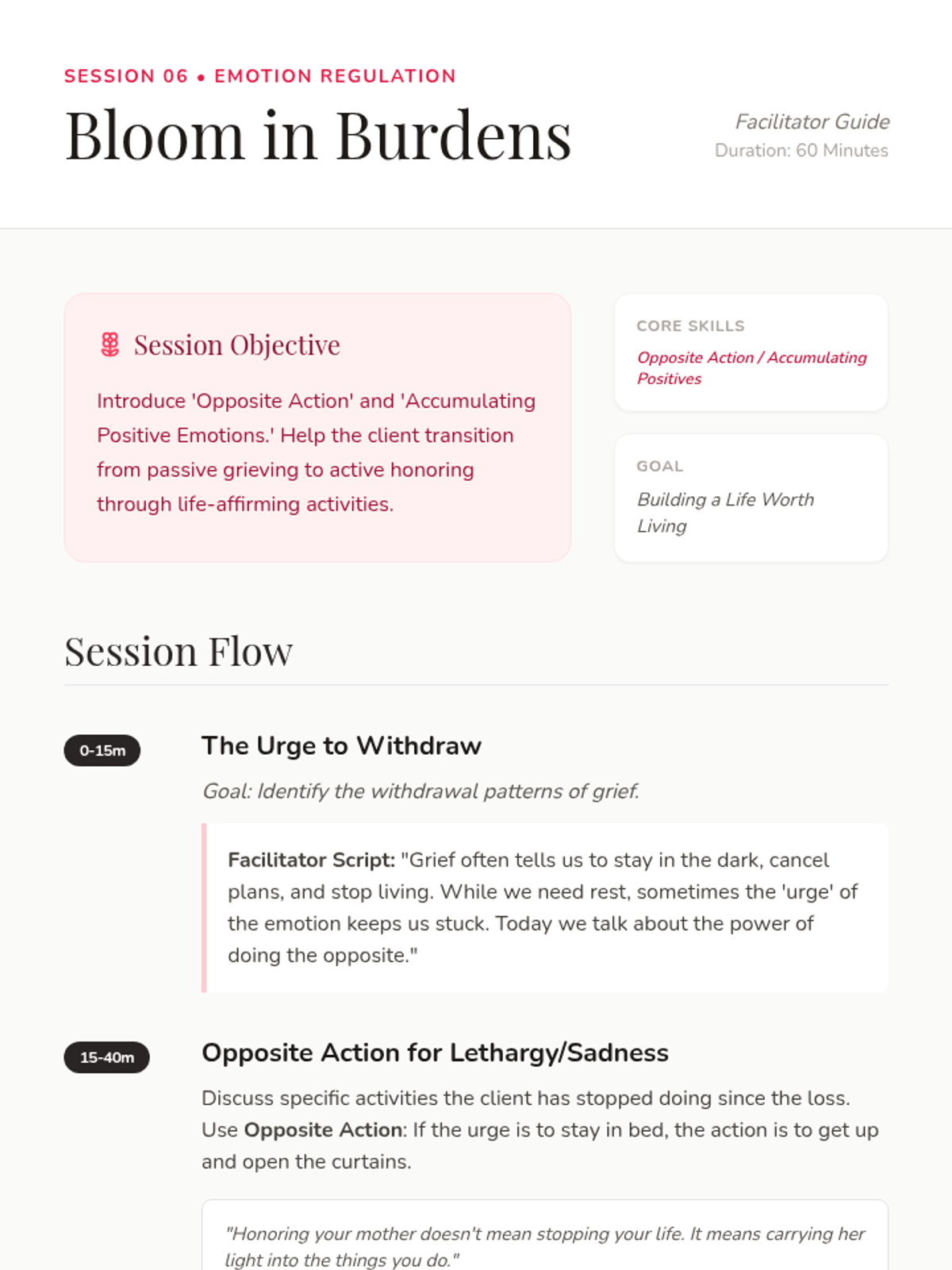
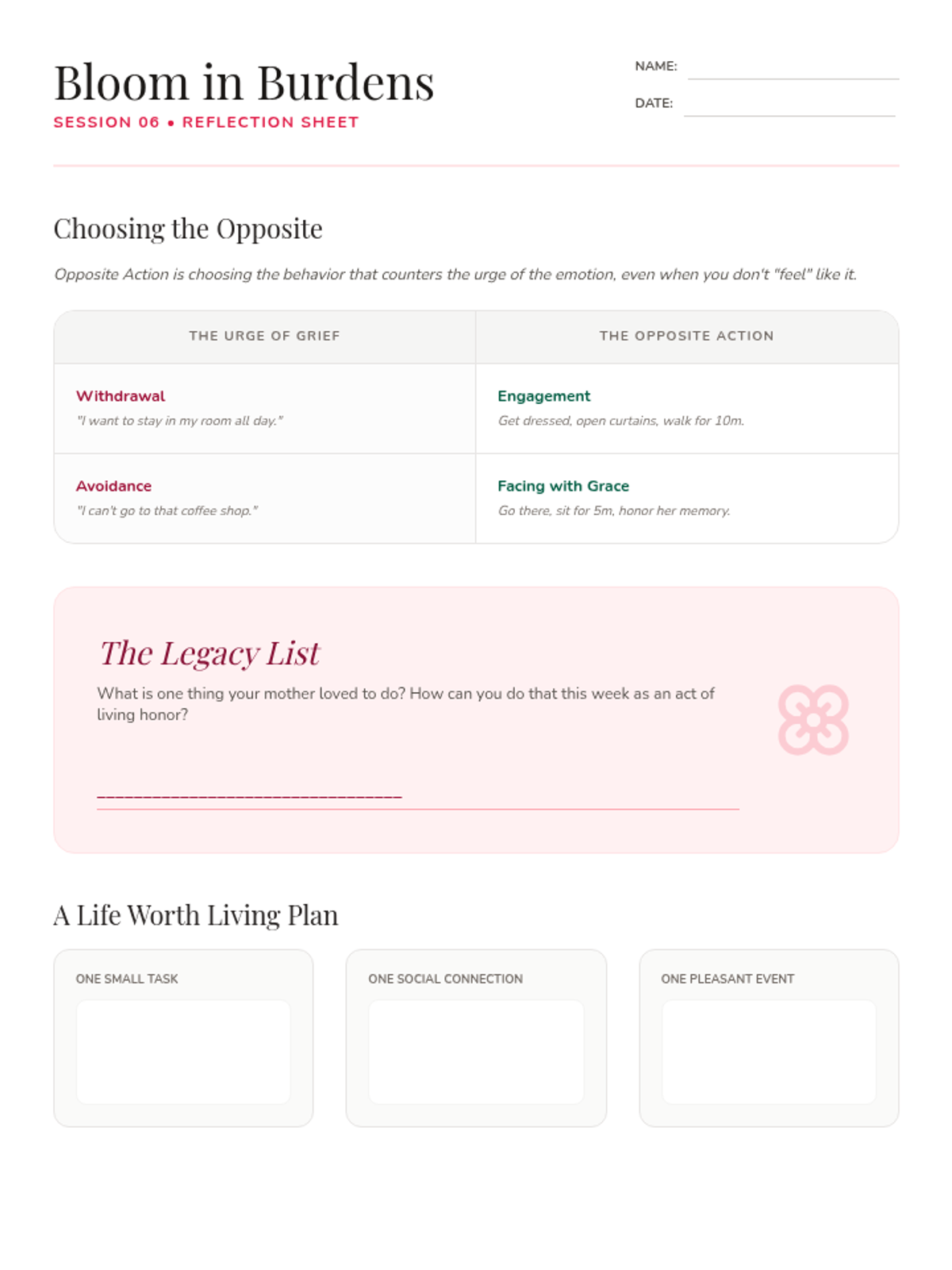
Implementing 'Opposite Action' and 'Building a Life Worth Living' by intentionally engaging in activities that honor the relationship.
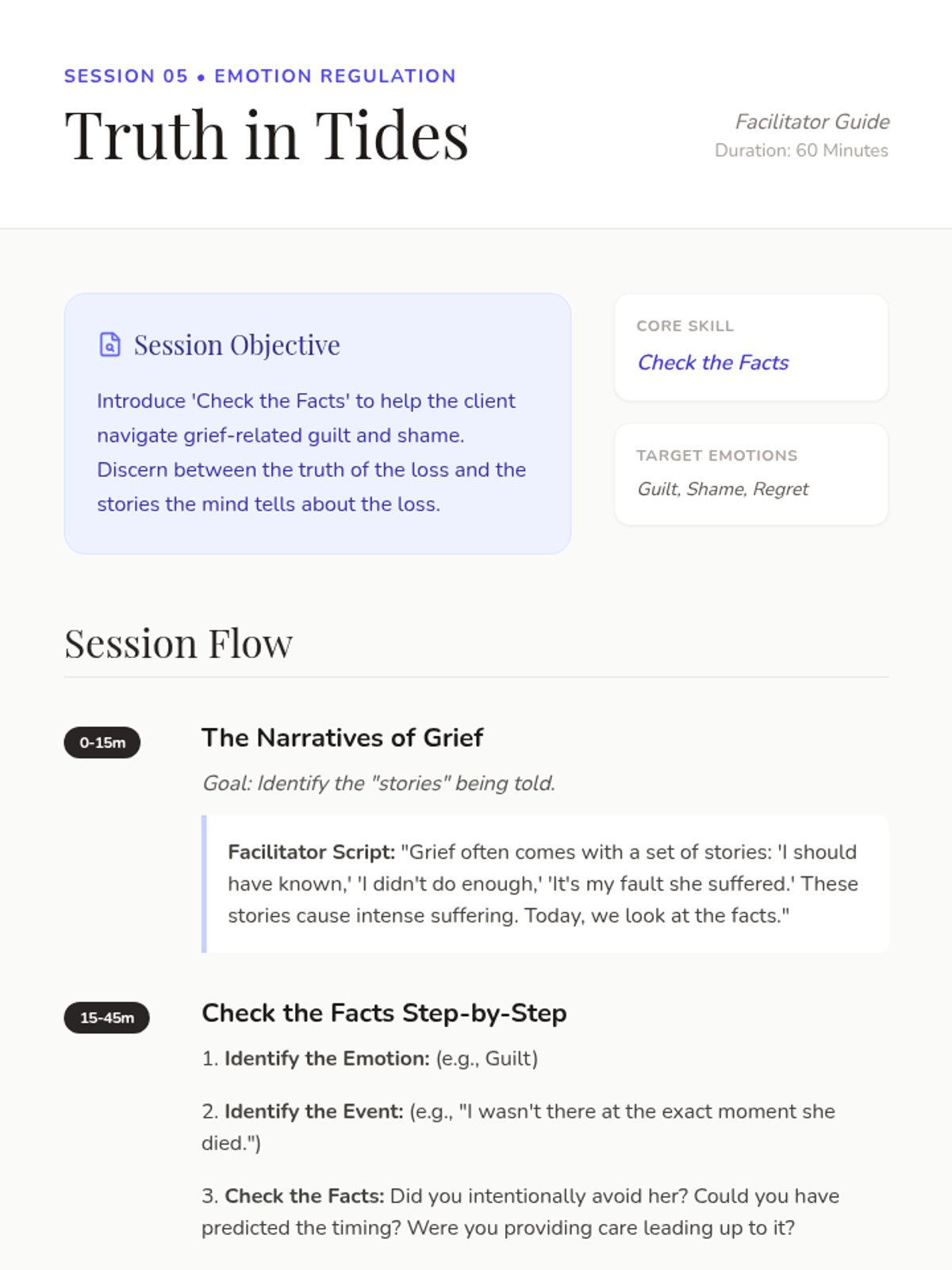
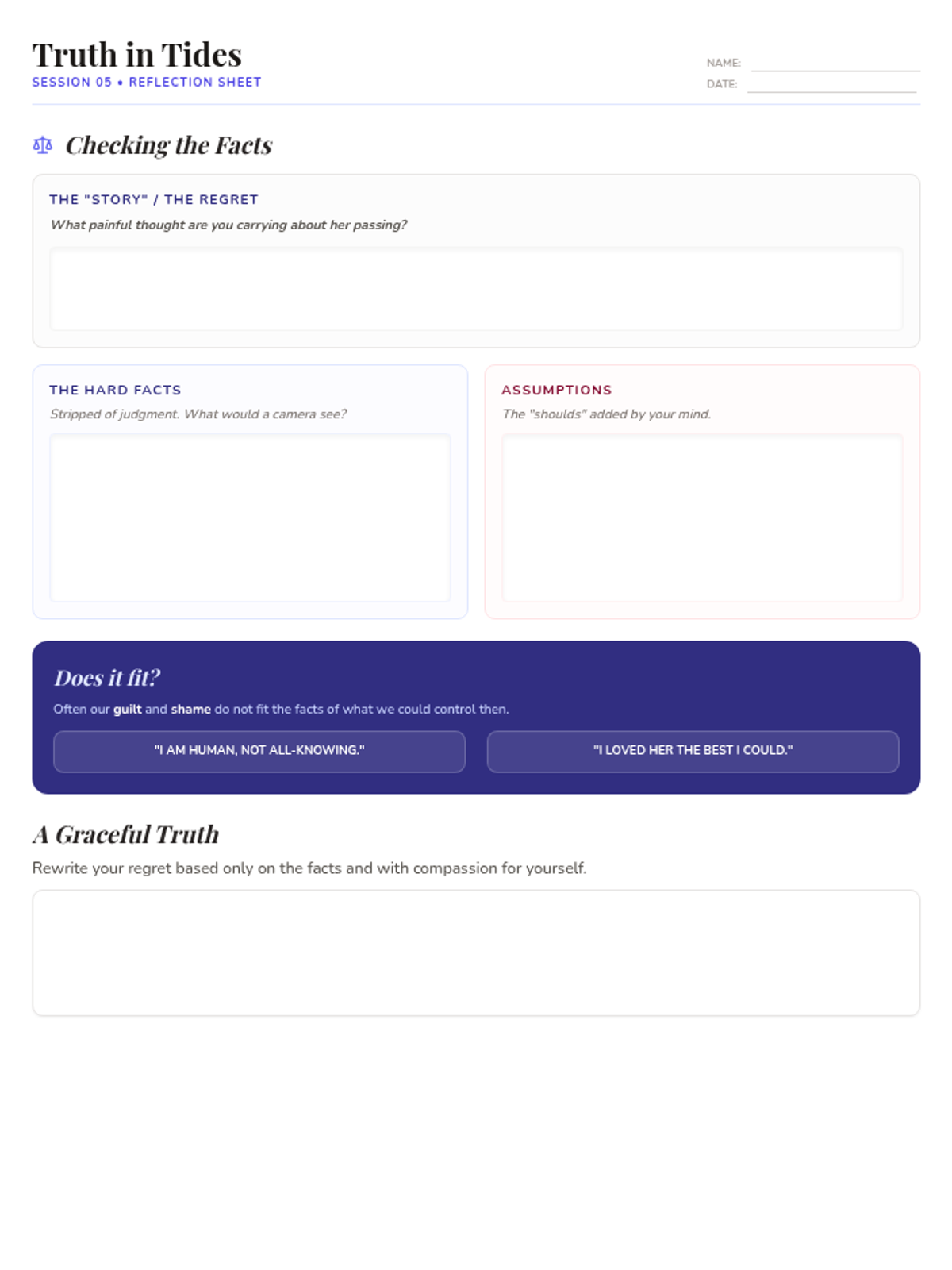
Applying 'Check the Facts' to common grief-related emotions like guilt, shame, and regret.
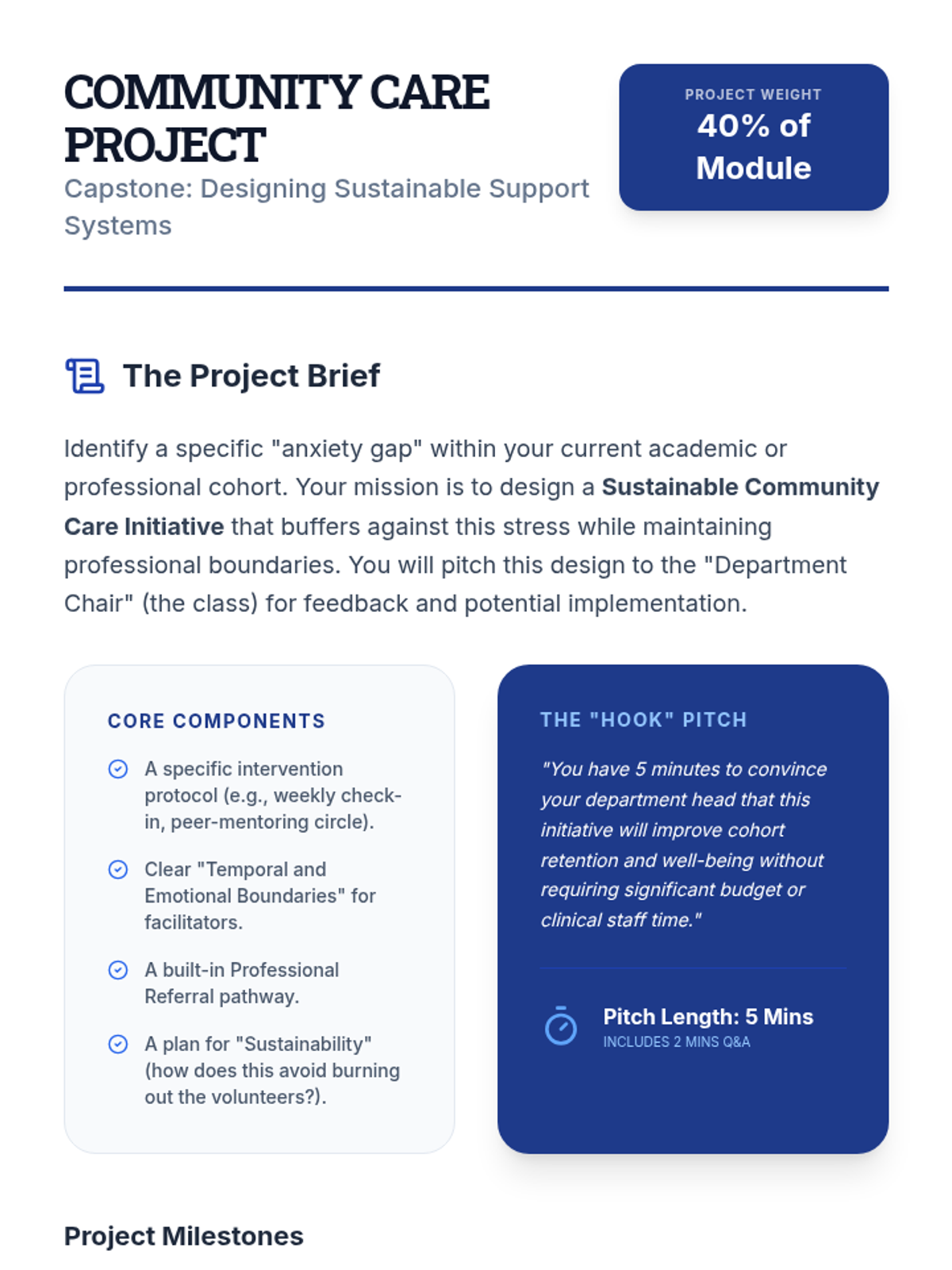
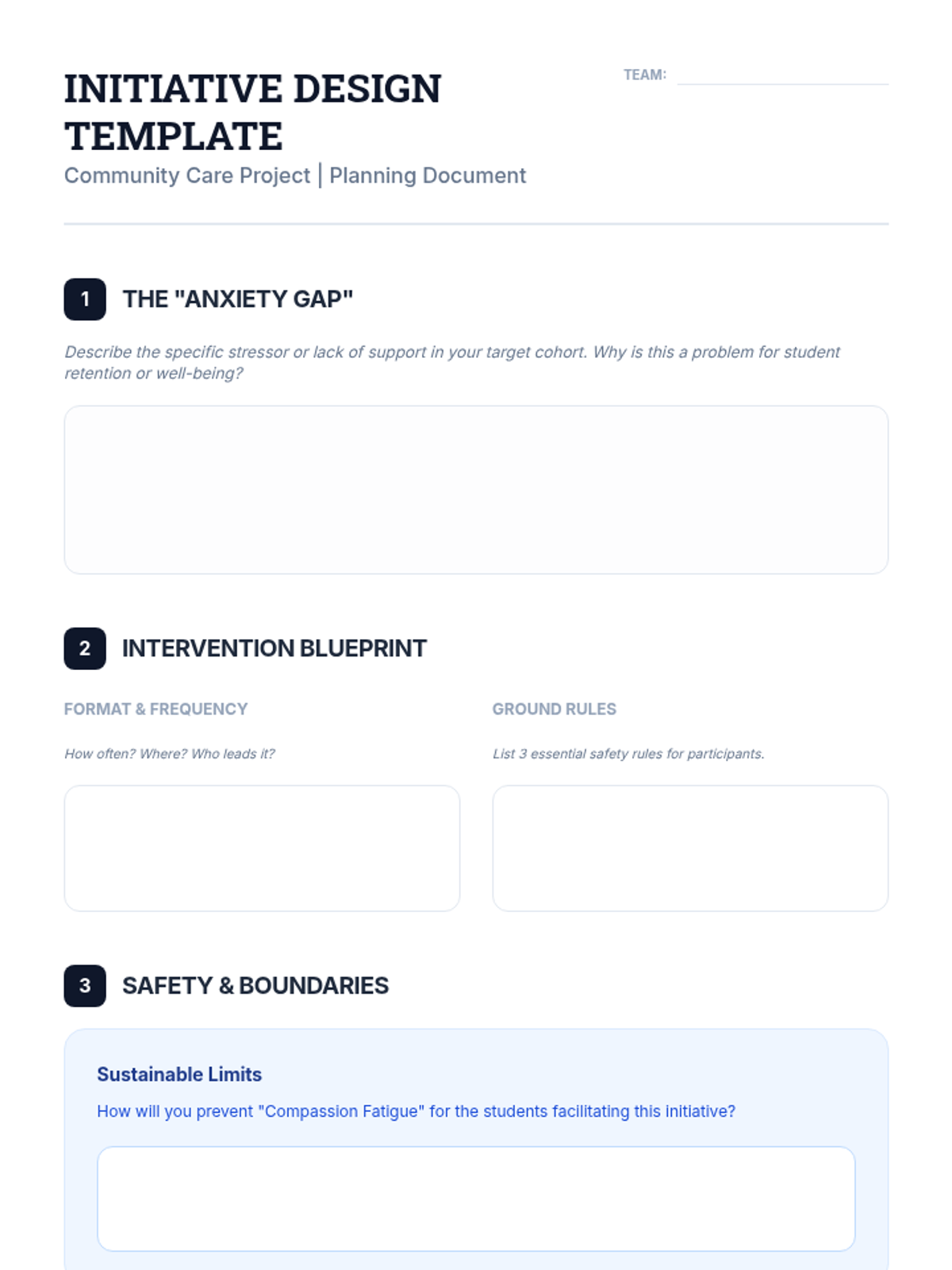
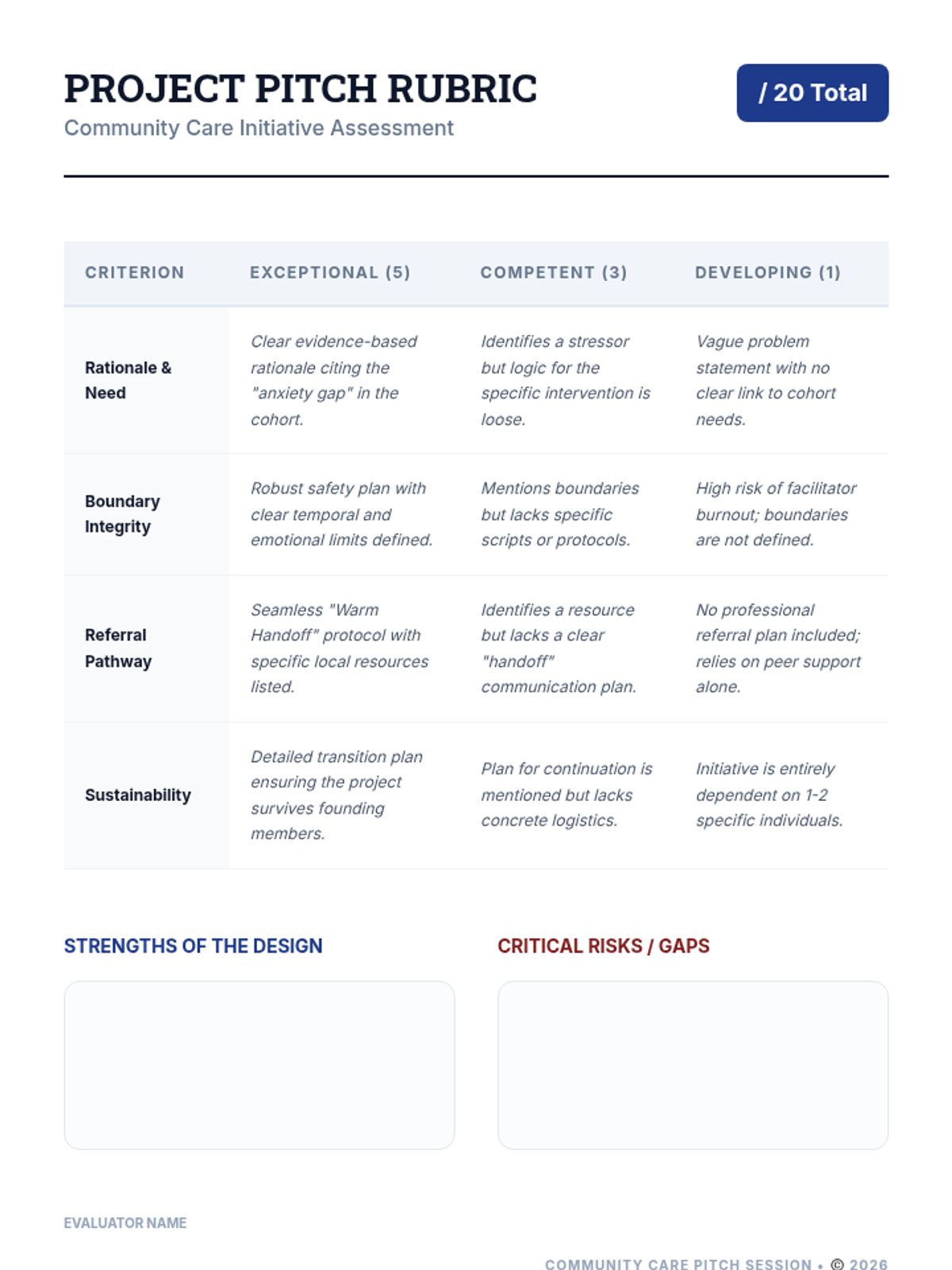
Students design and pitch a sustainable community care initiative tailored to their specific academic or professional cohort.
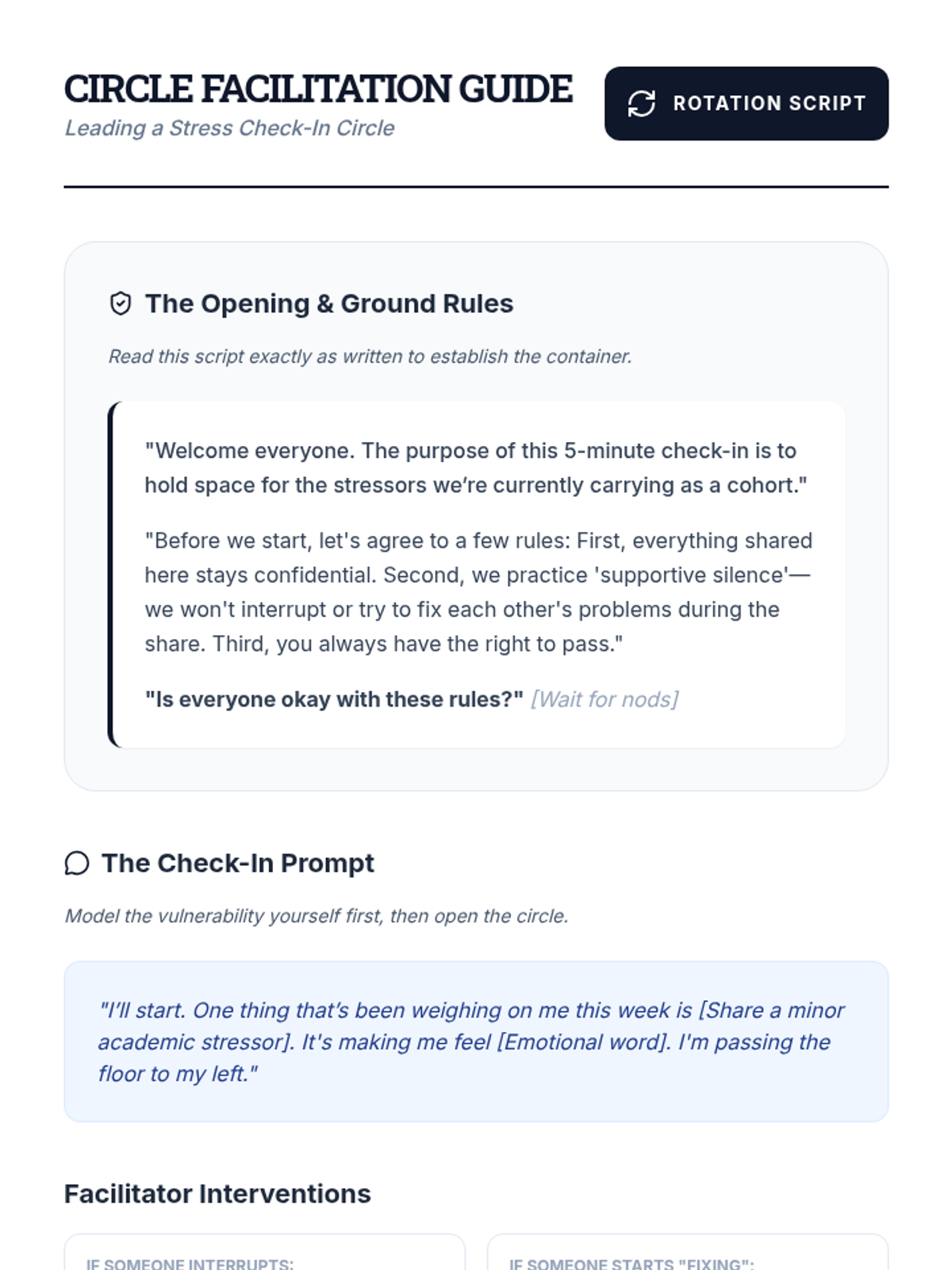
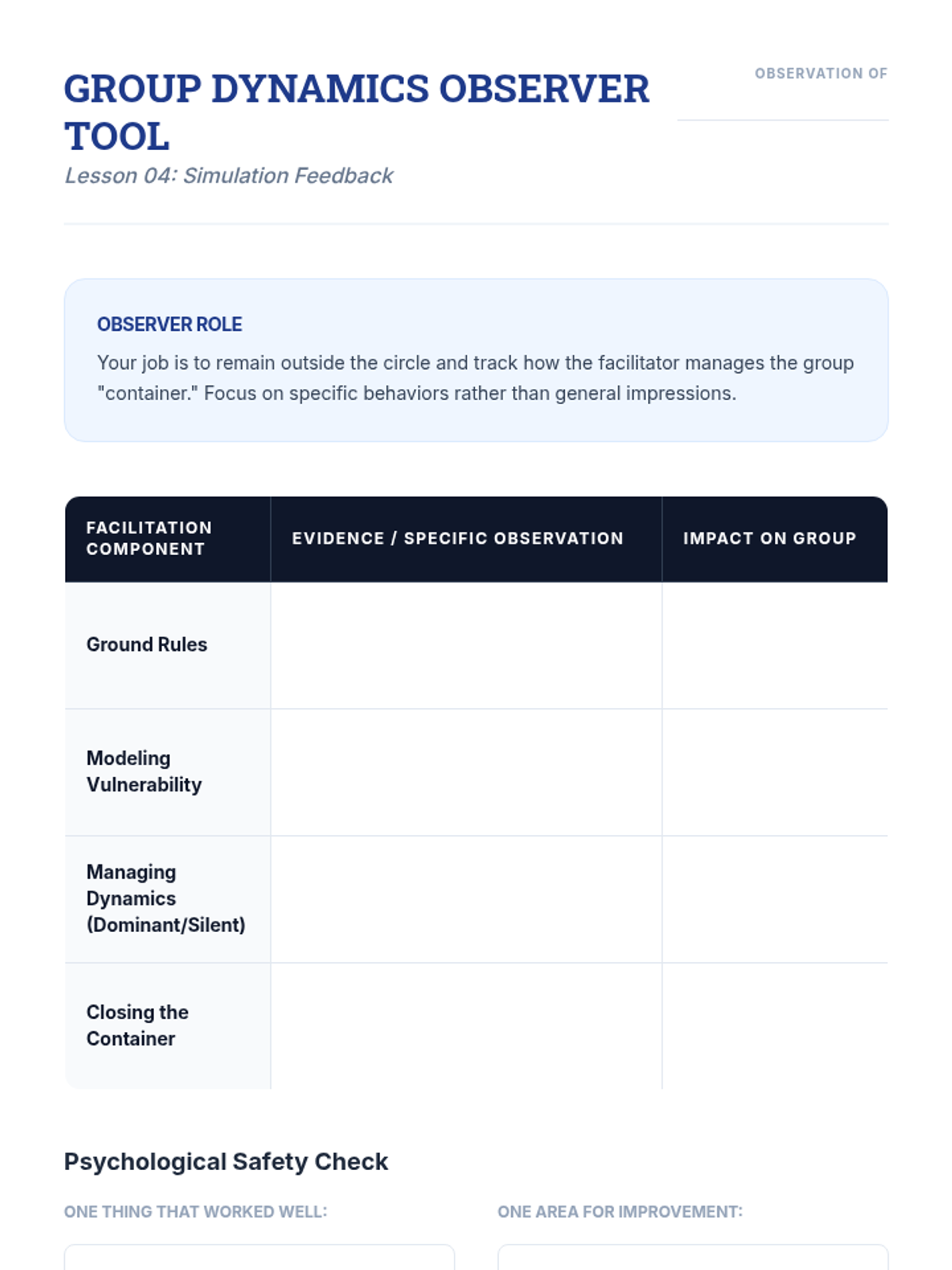
Develops skills for leading group stress check-ins, managing dynamics, and ensuring psychological safety in group settings.
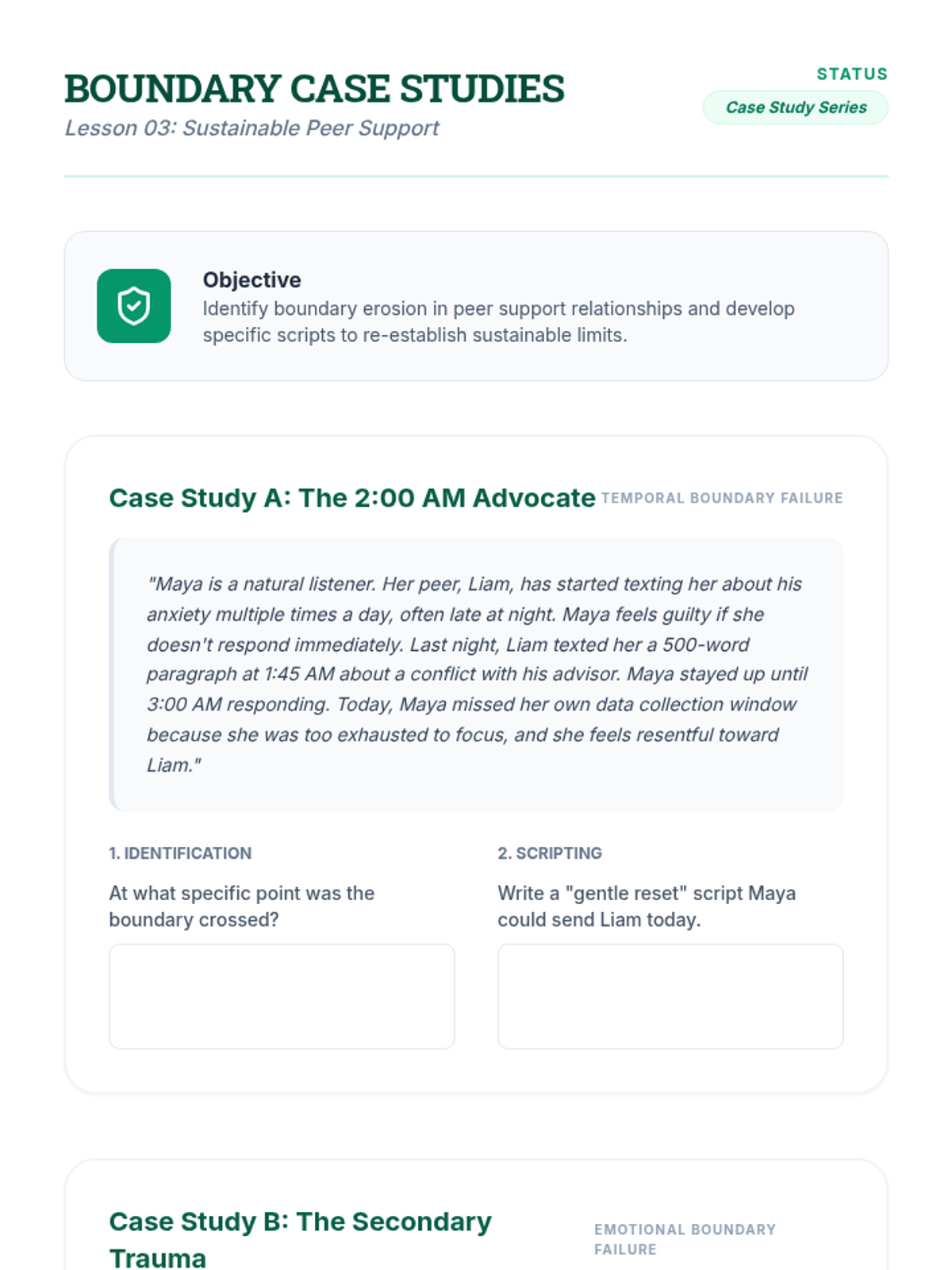
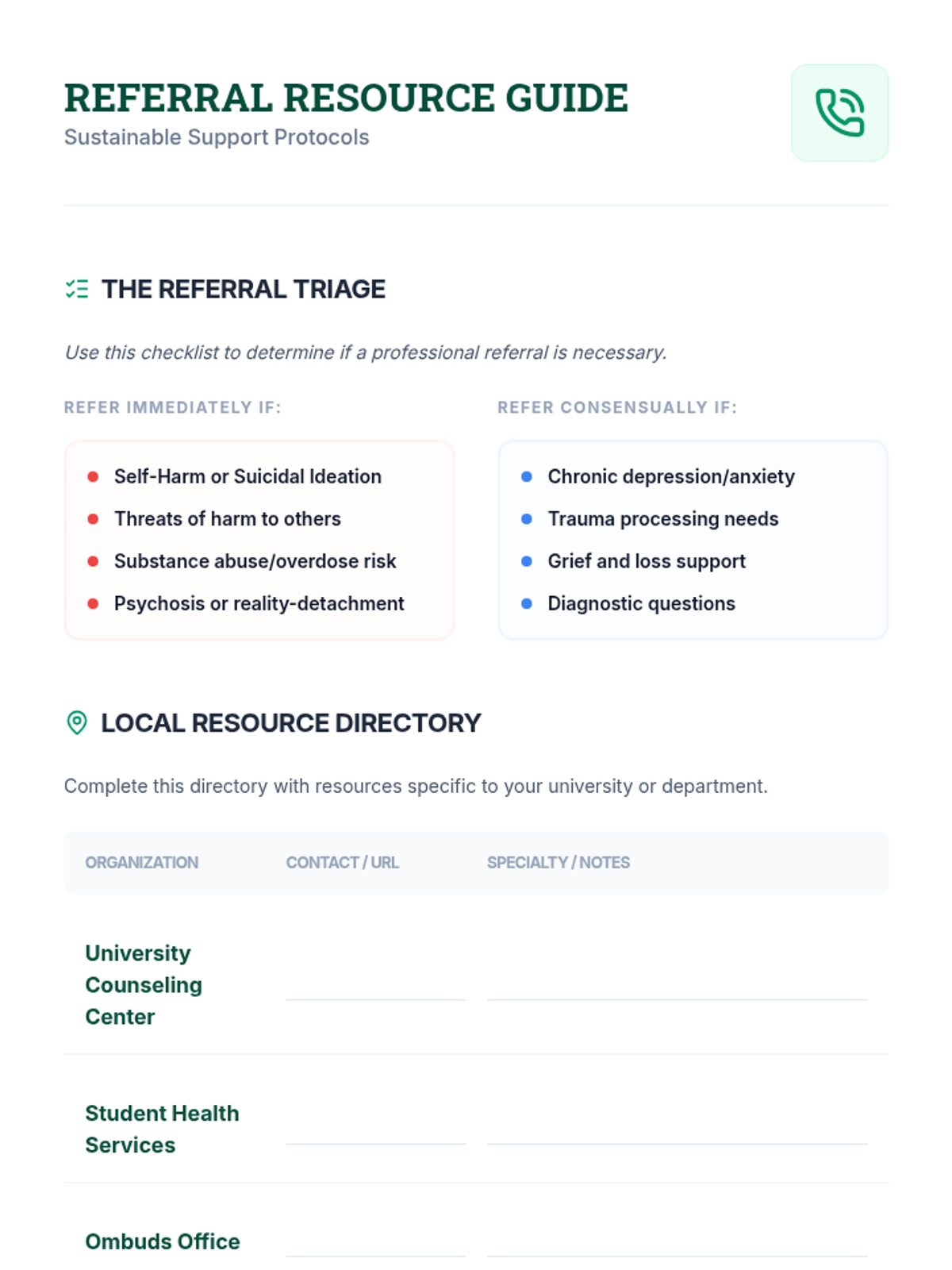
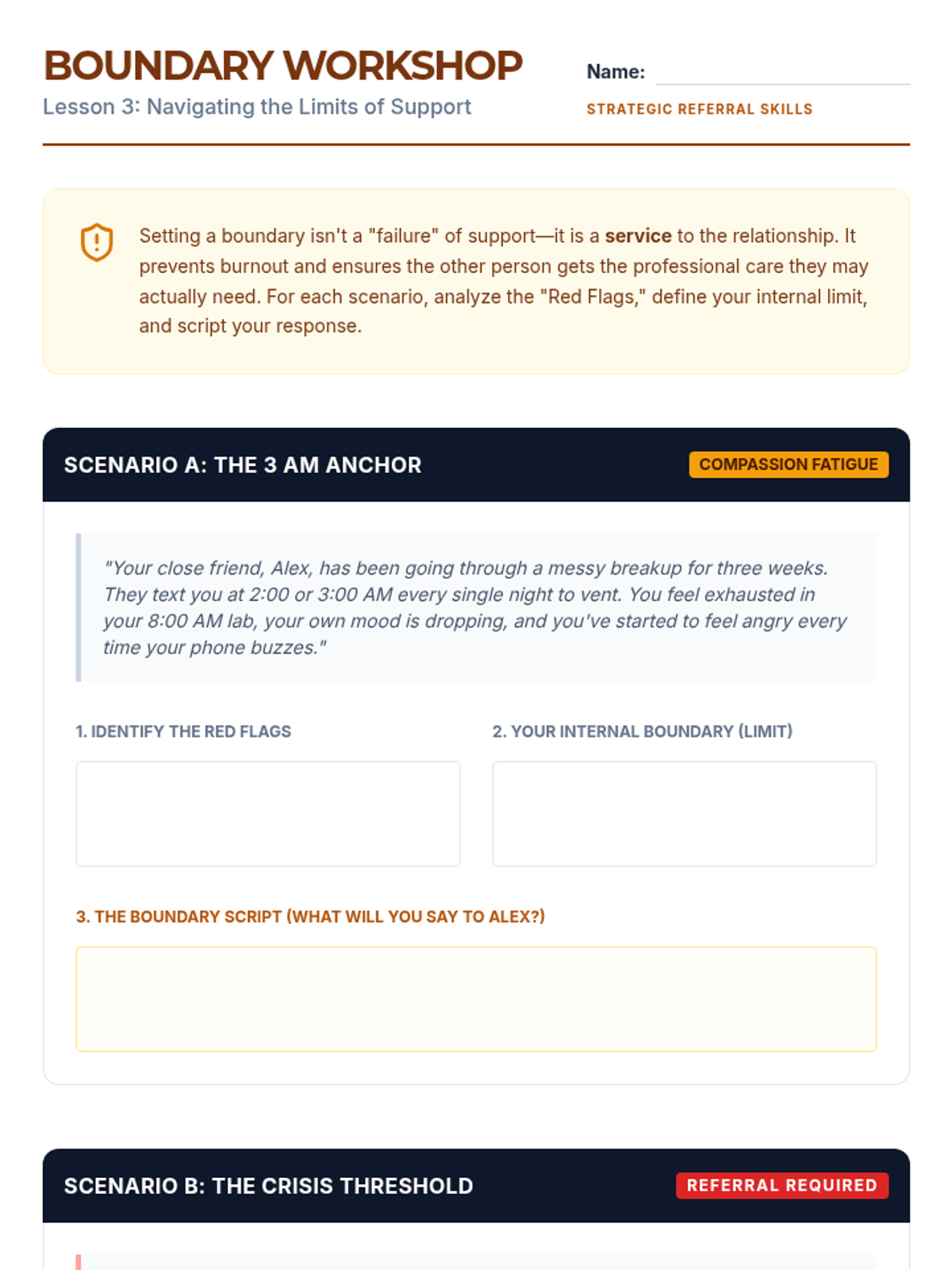
Focuses on preventing compassion fatigue through emotional and temporal boundaries and professional referral protocols.
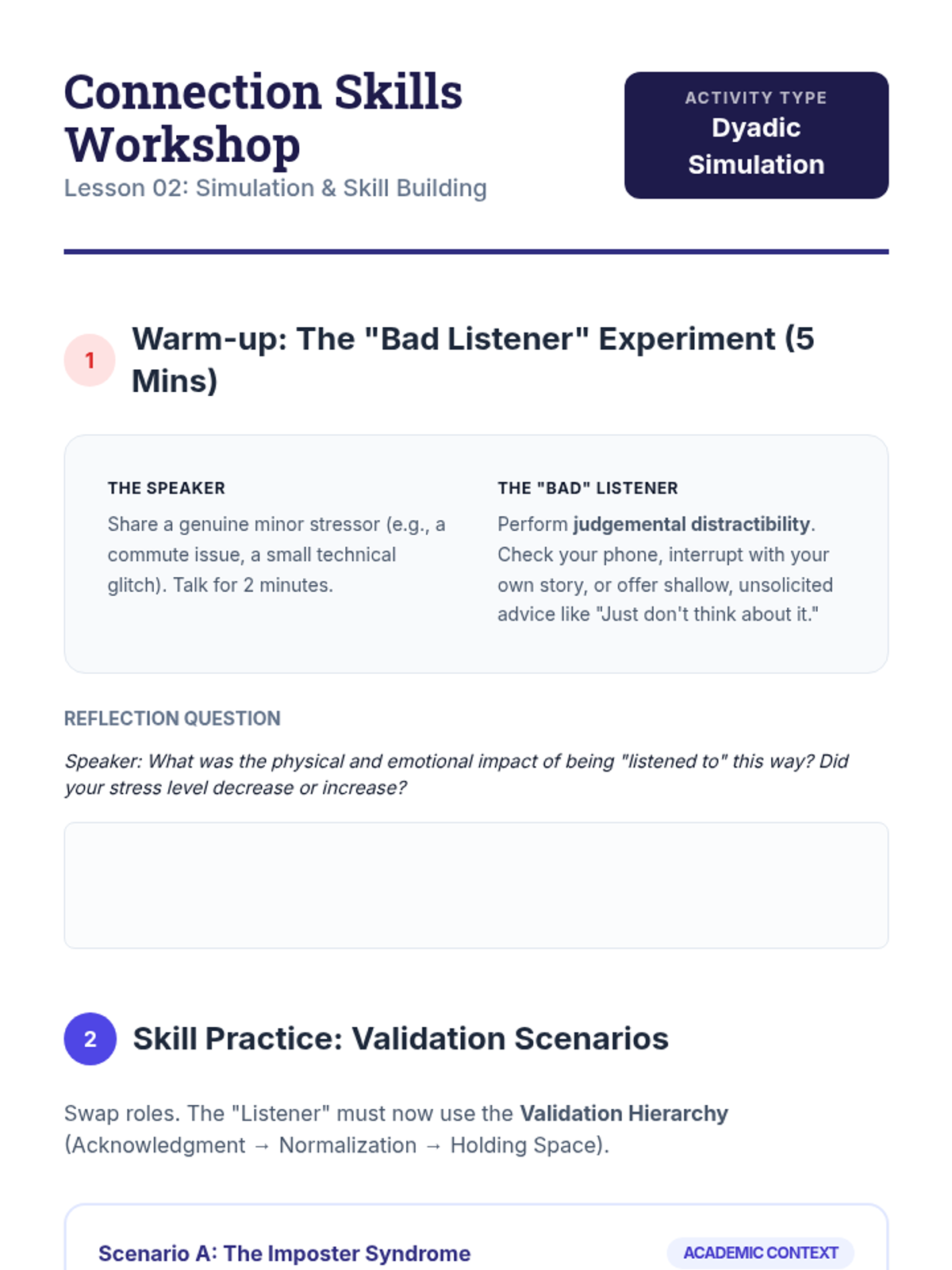
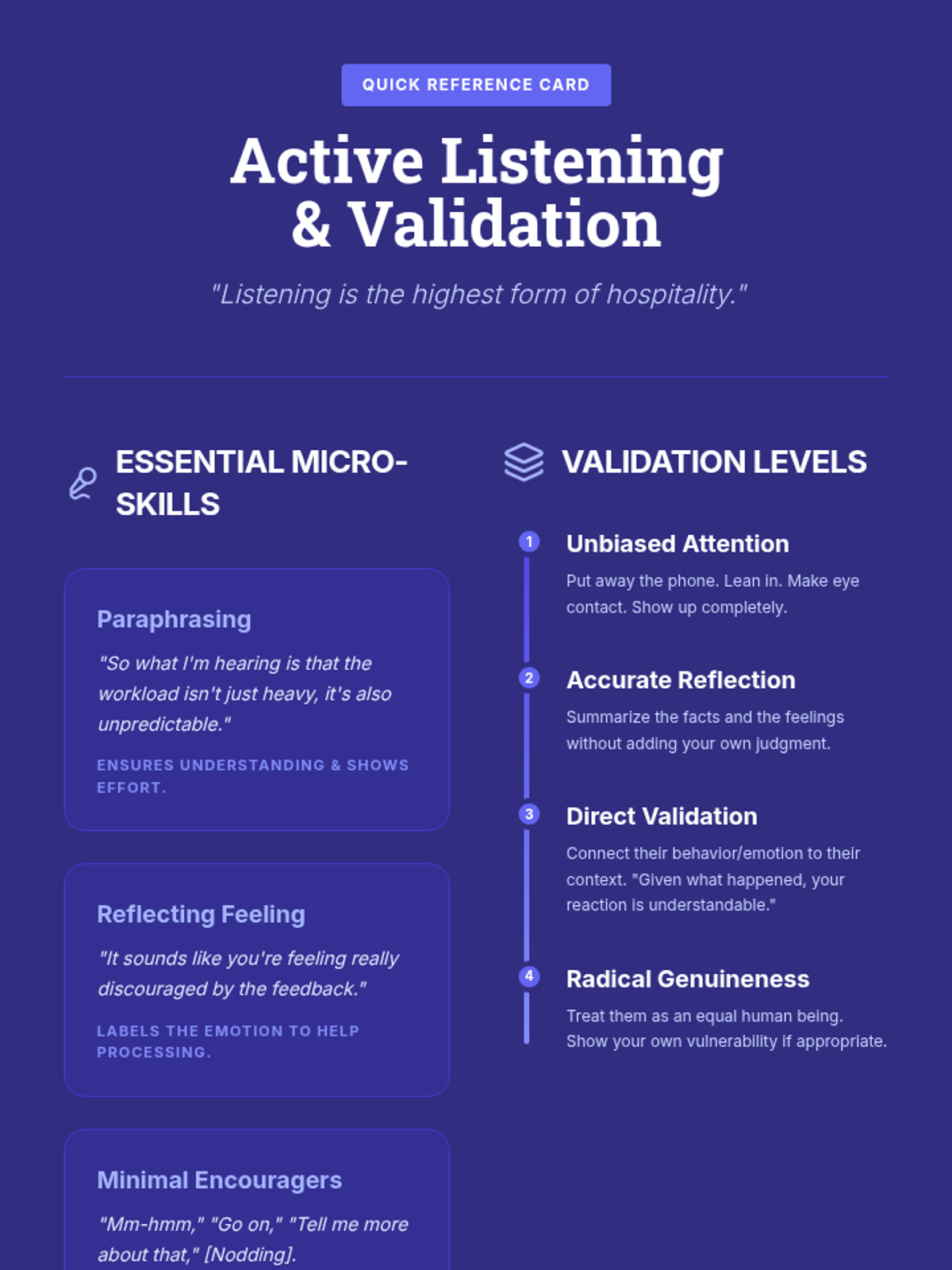
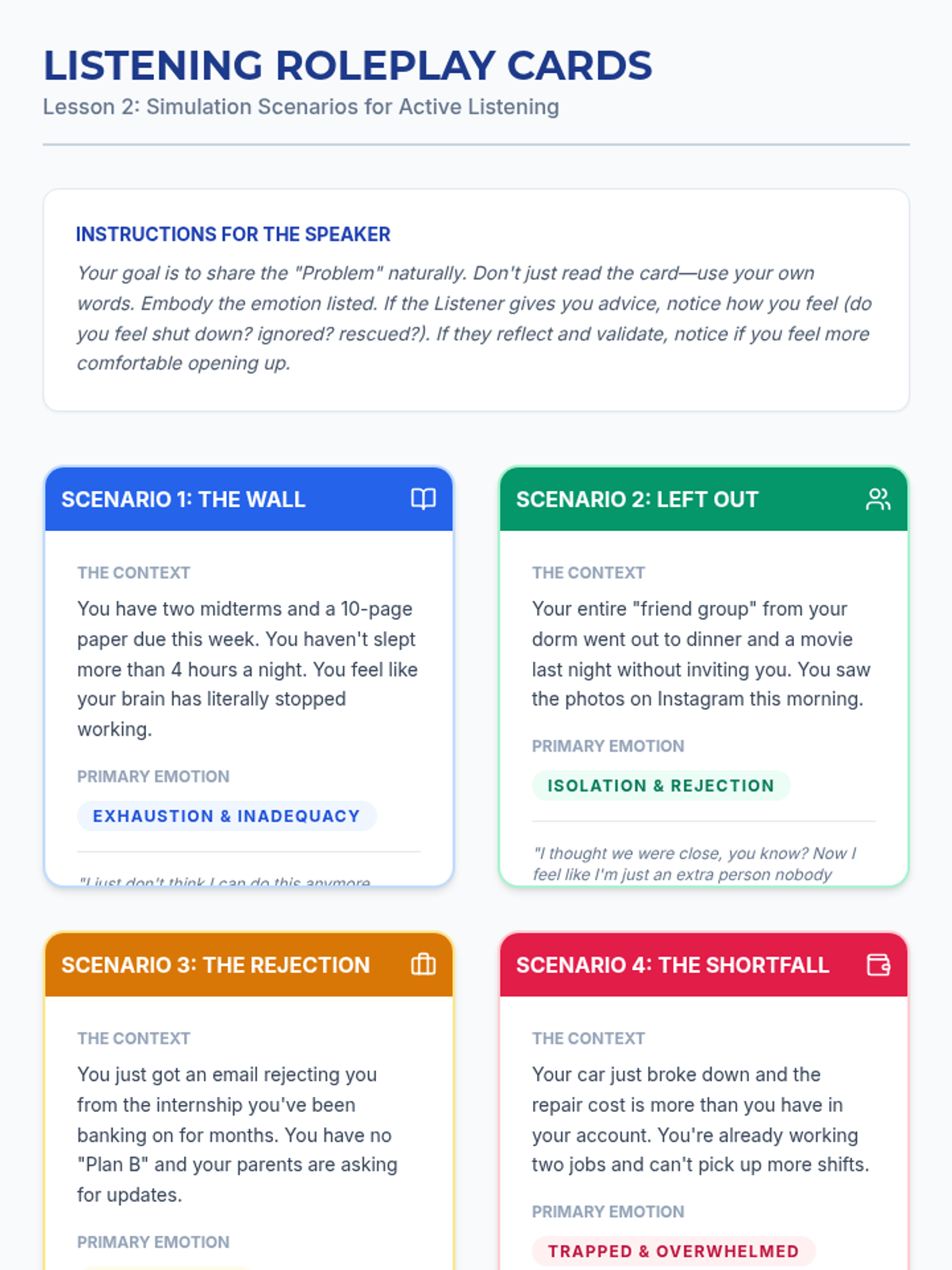
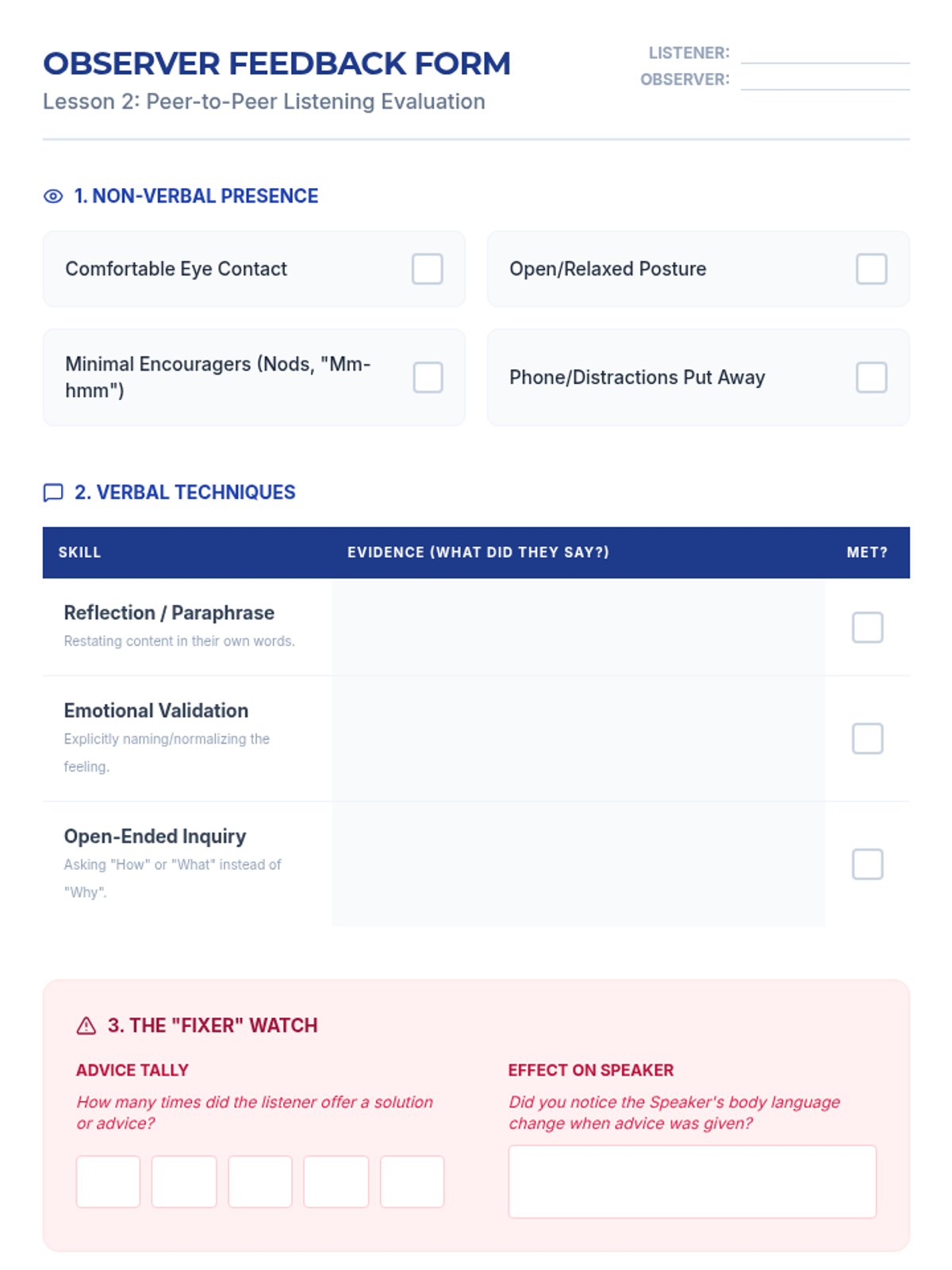
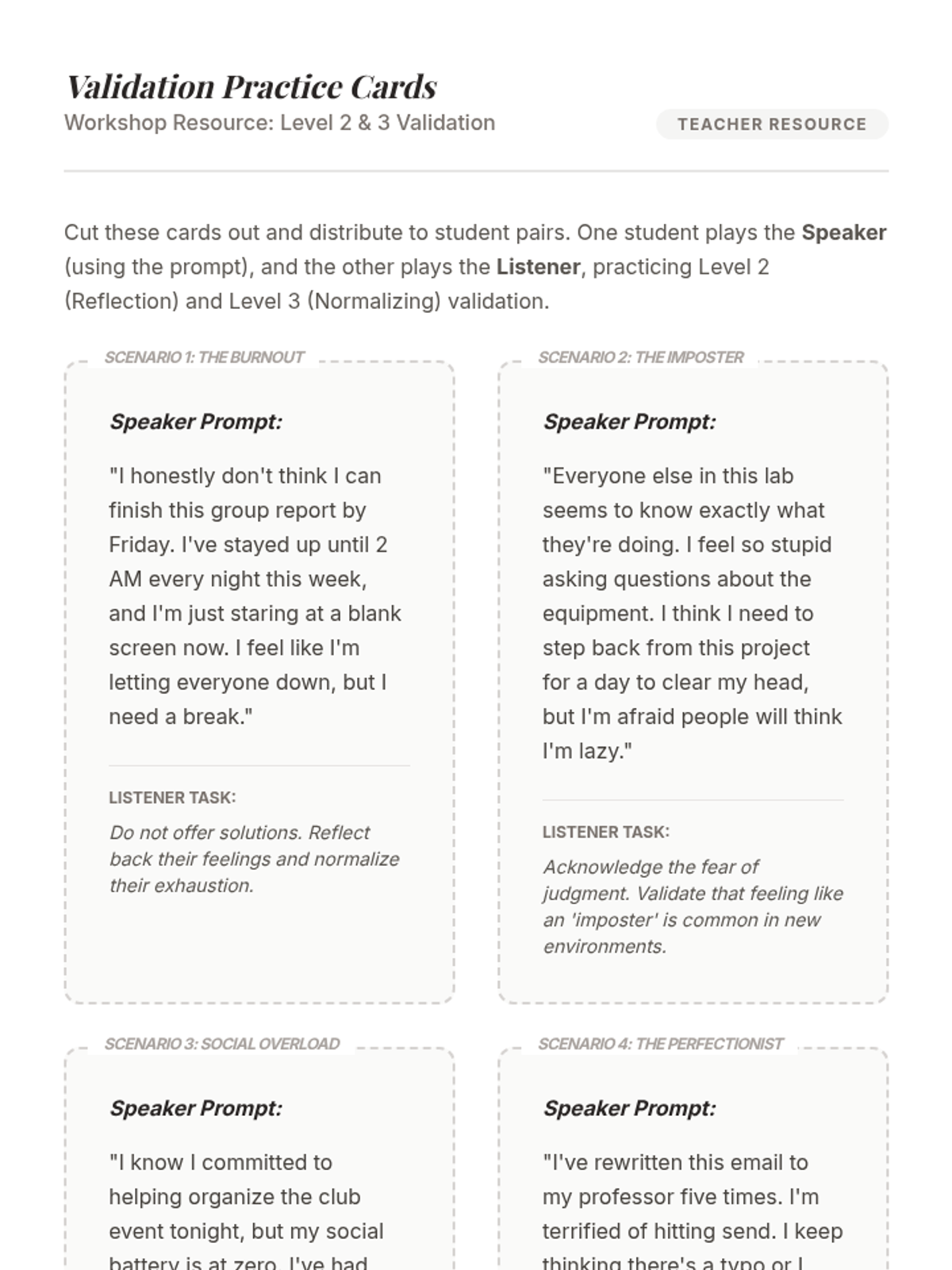
Practical workshop on active listening, validation, and holding space for peers without the pressure to provide immediate solutions.
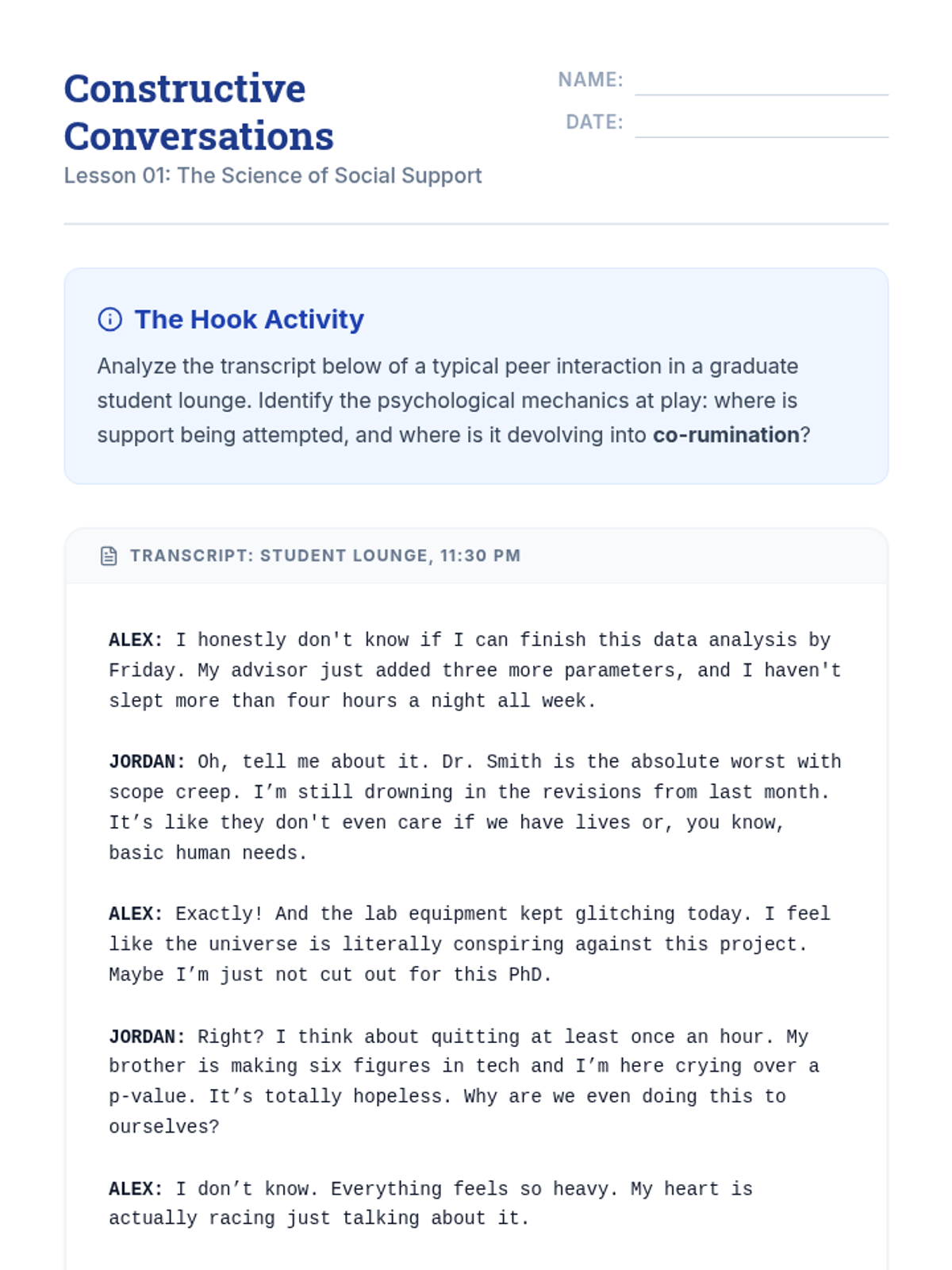
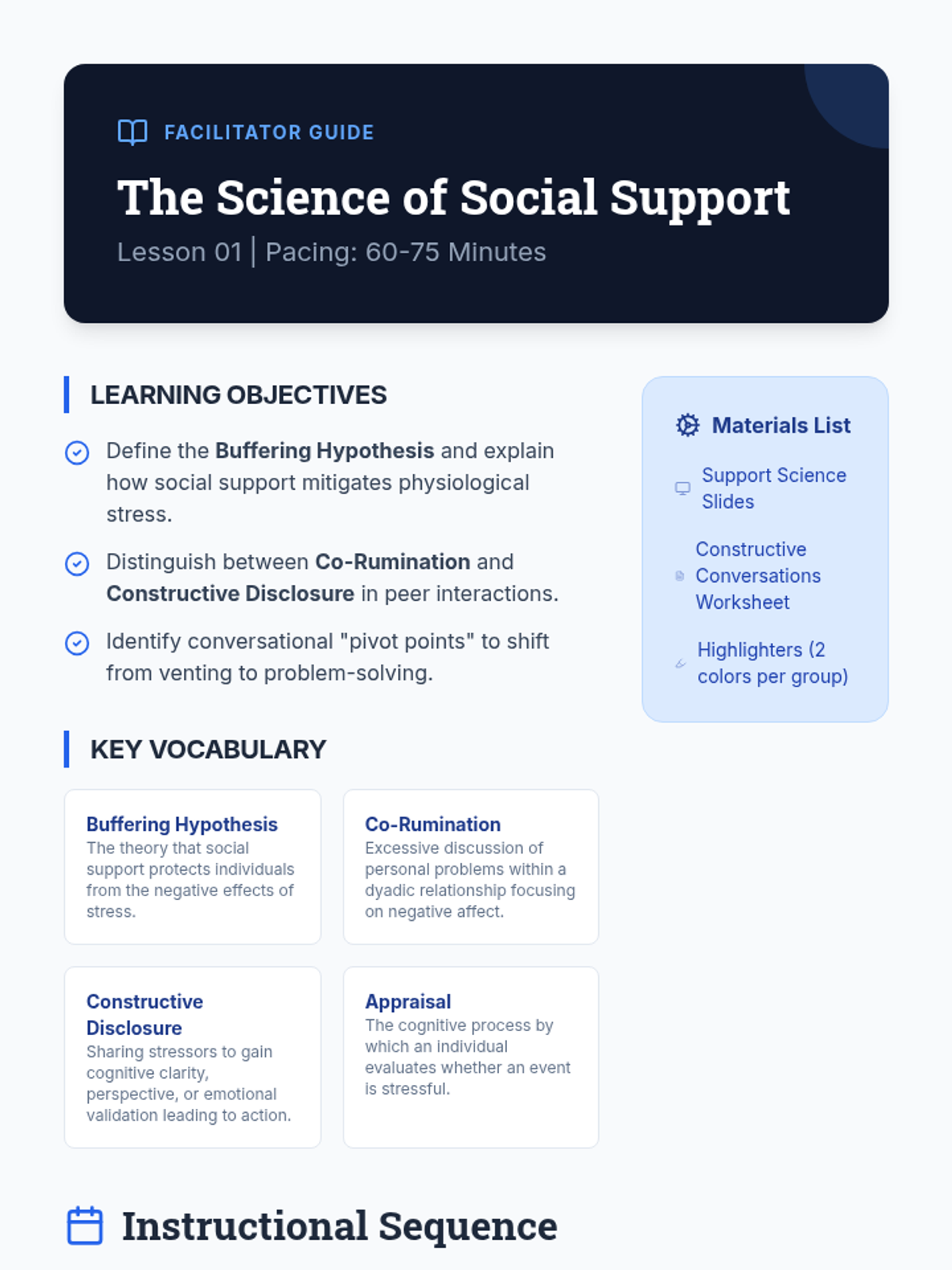
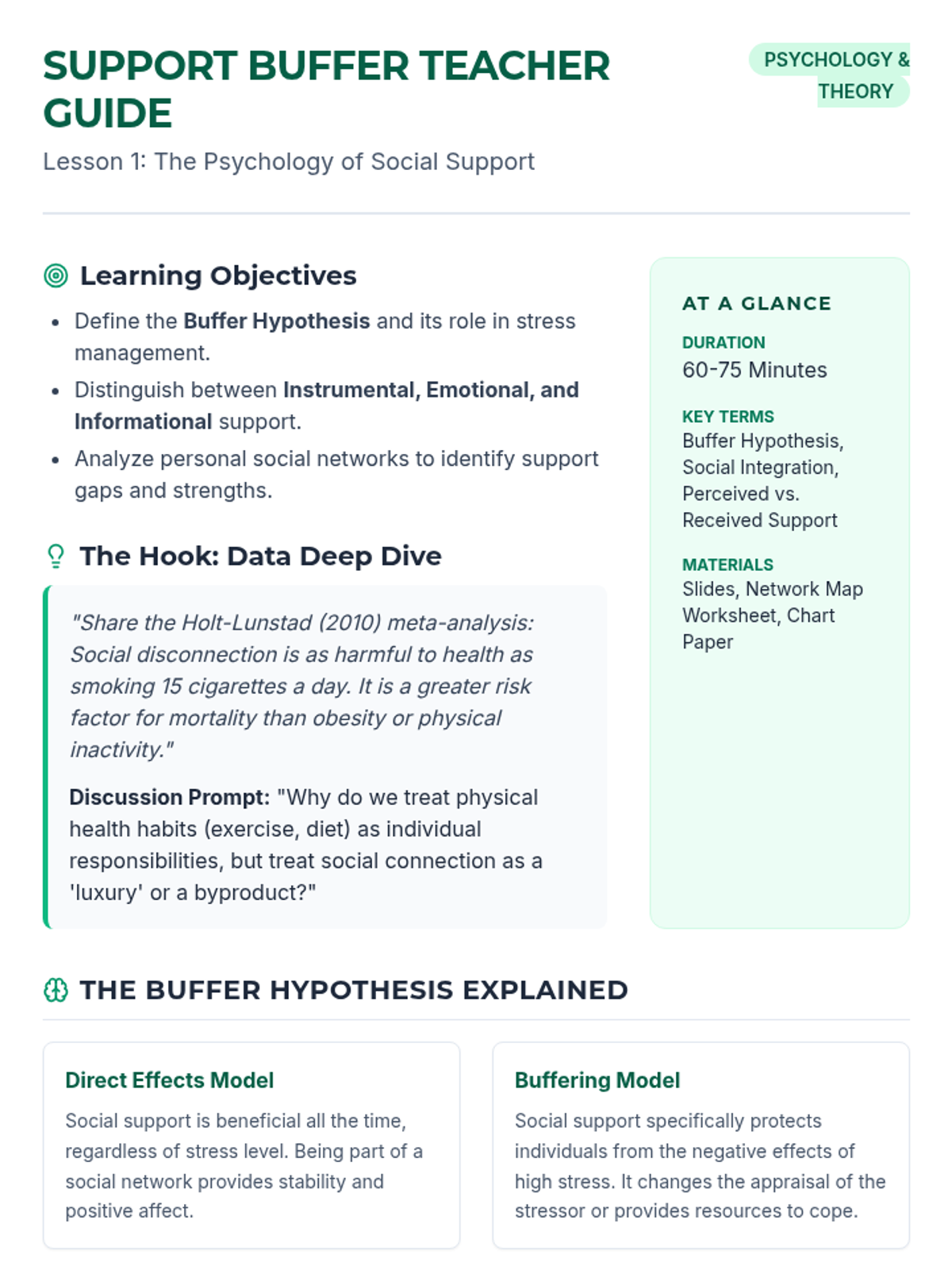
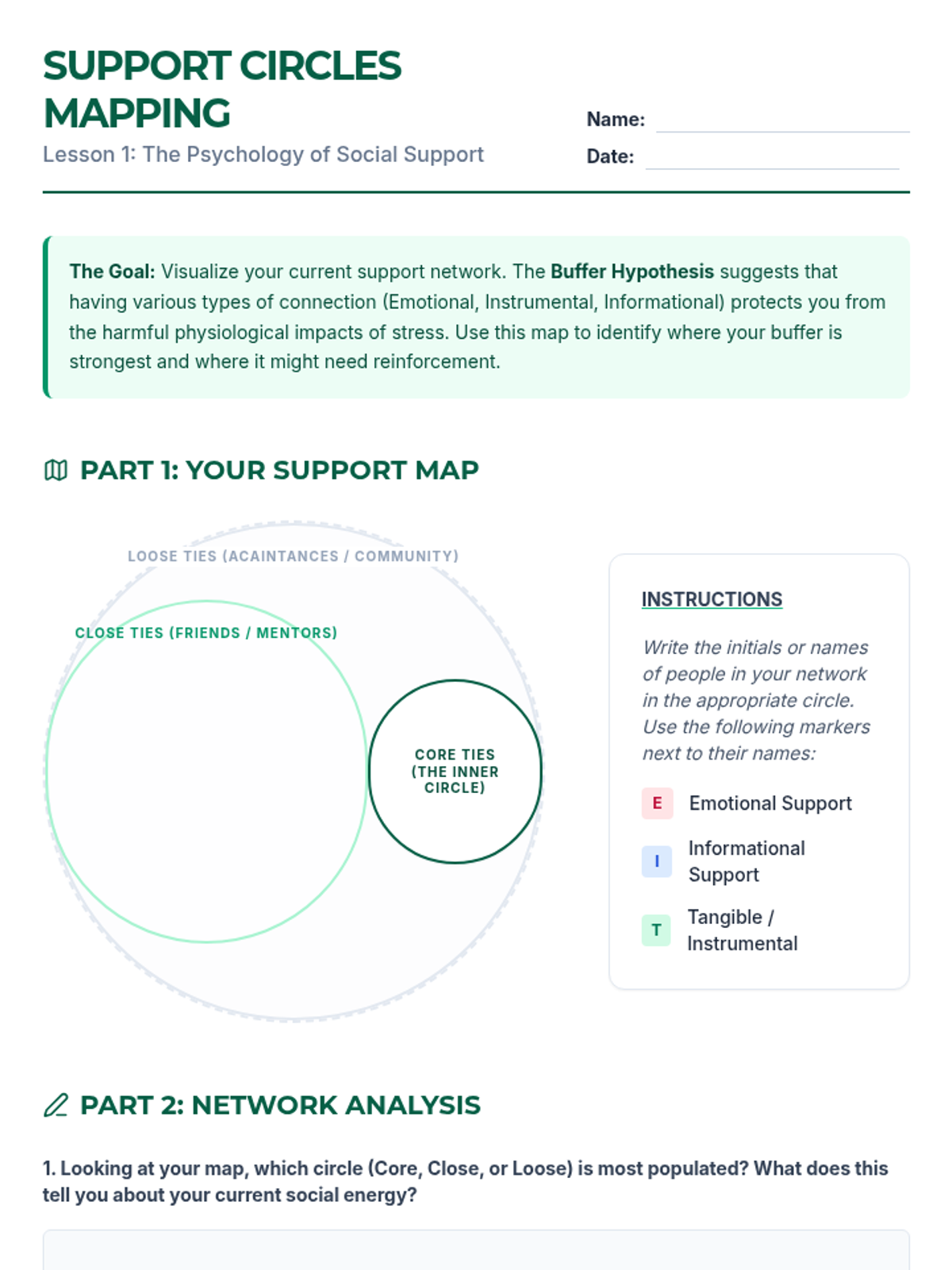
Examines the buffering hypothesis and the psychological mechanics of how social connection mitigates stress, contrasting co-rumination with constructive disclosure.
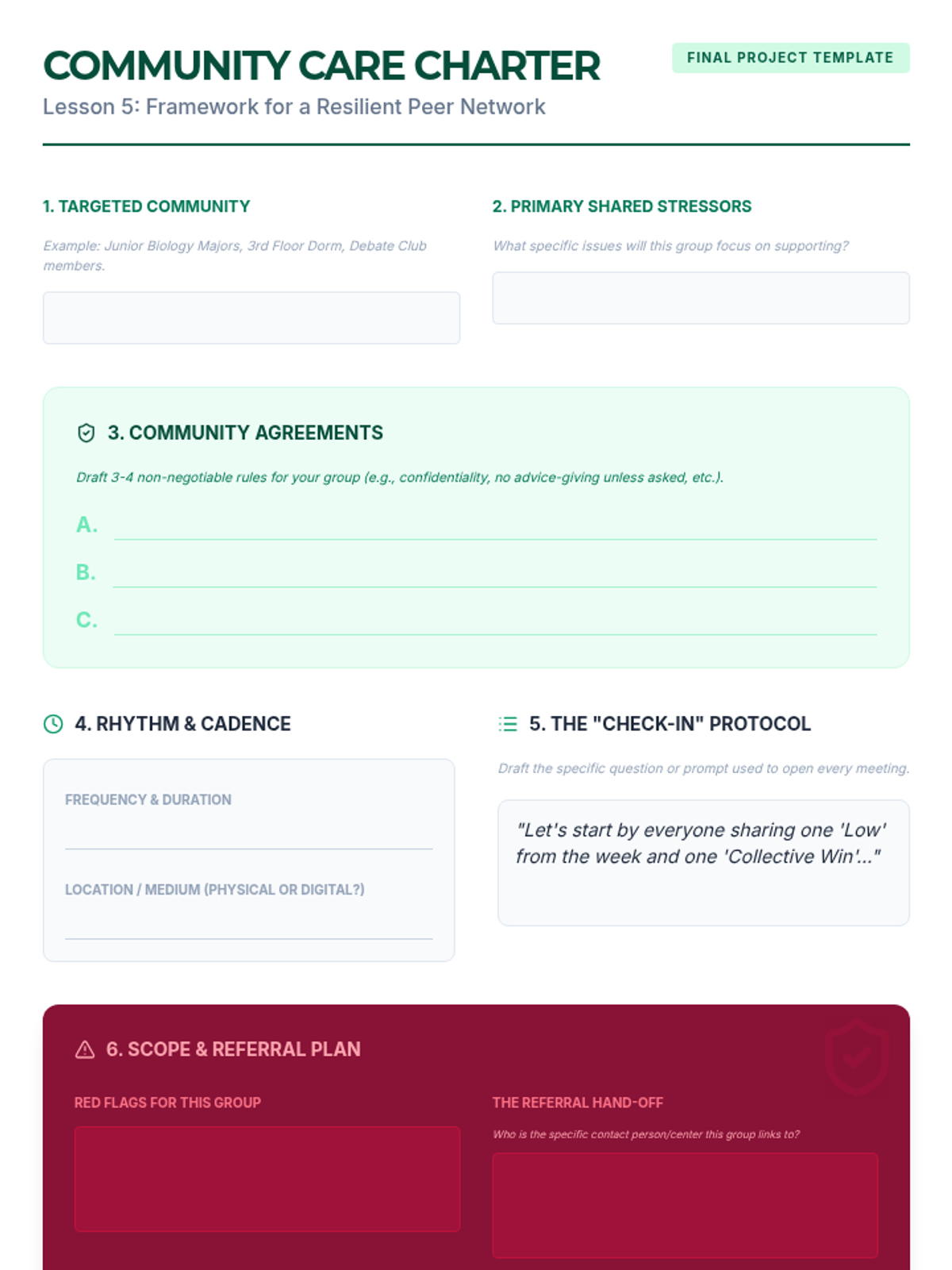
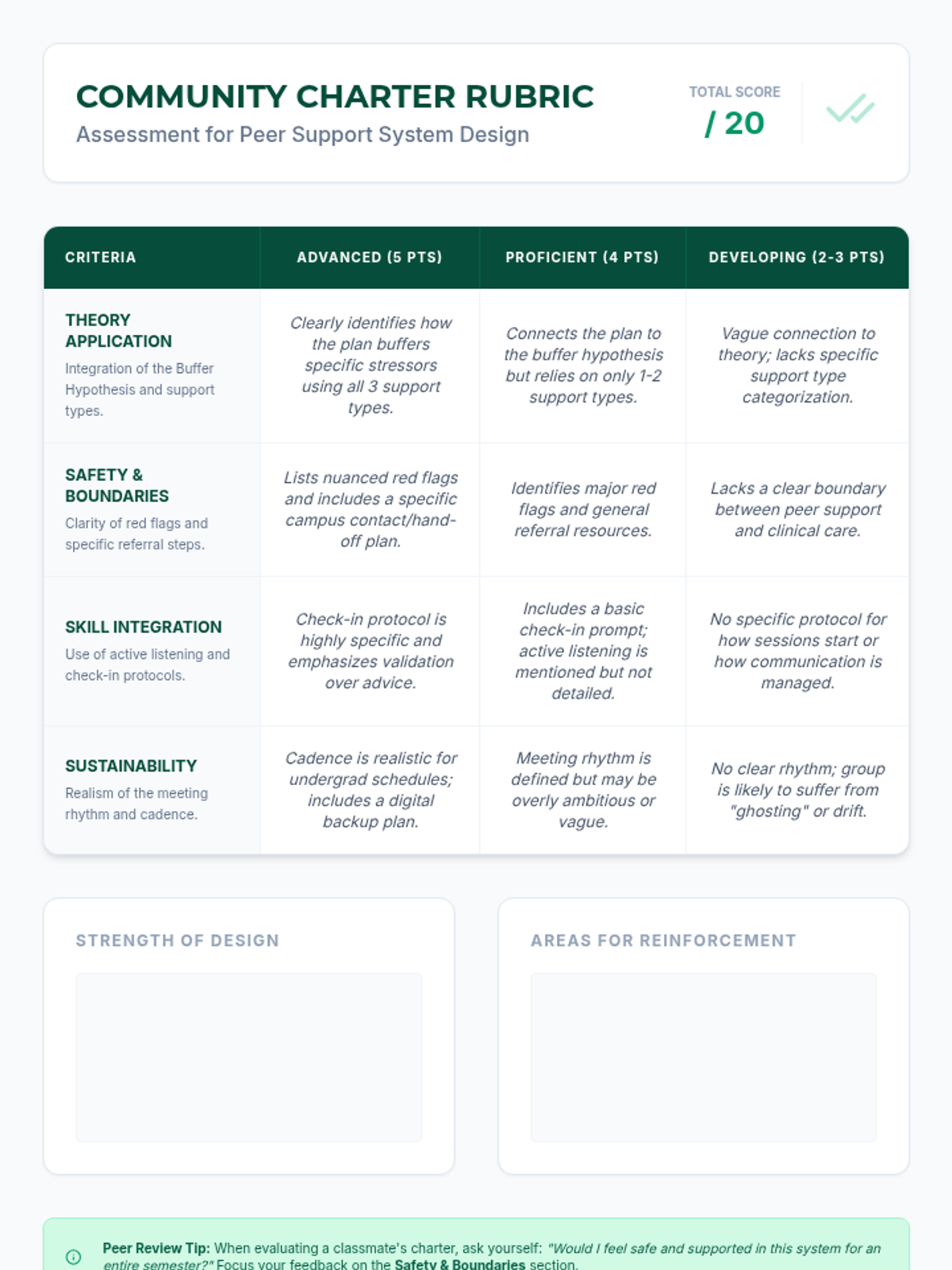
Students design a framework for a community care plan, producing a 'Community Charter' for peer support in a specific campus context.
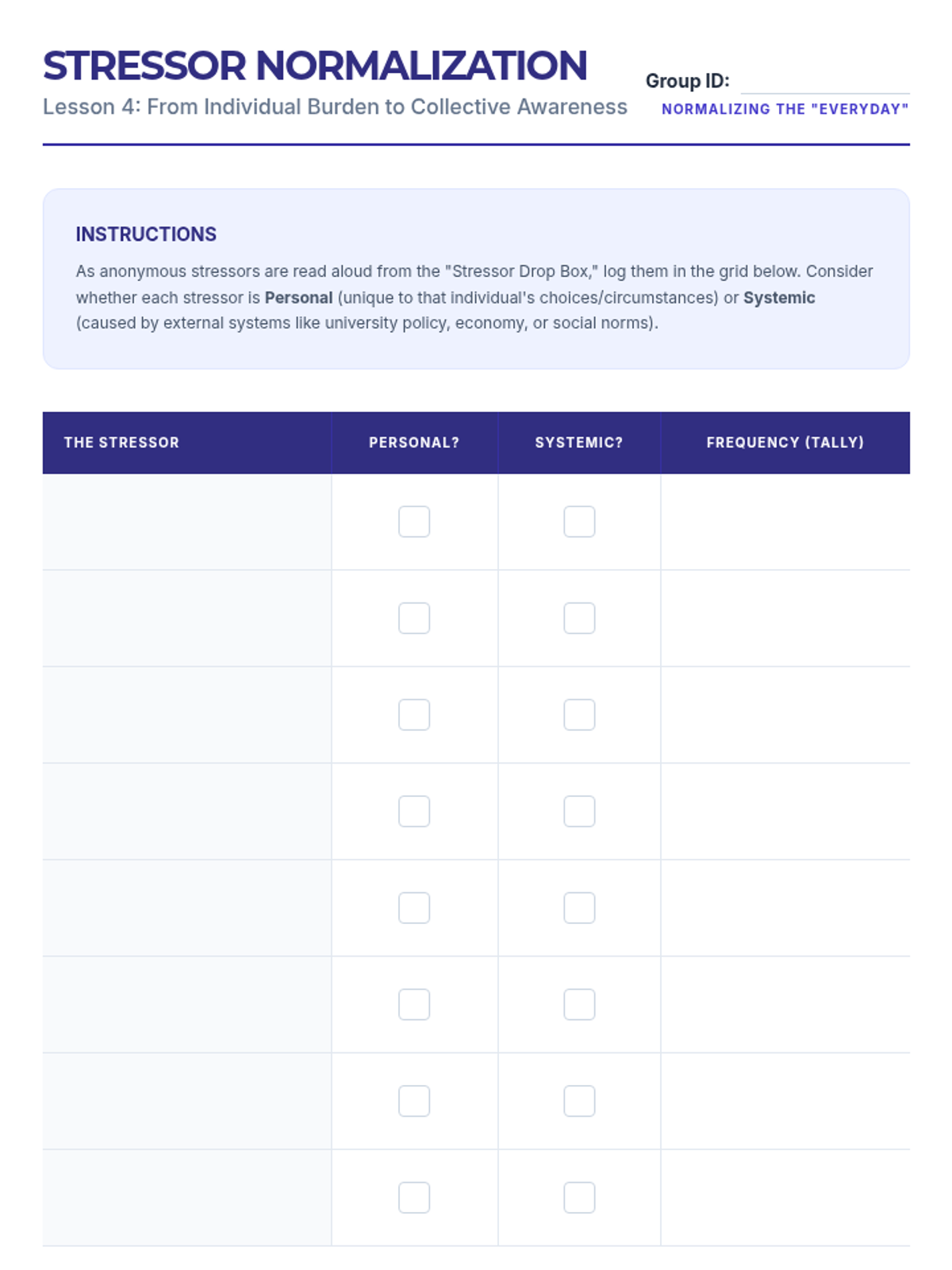
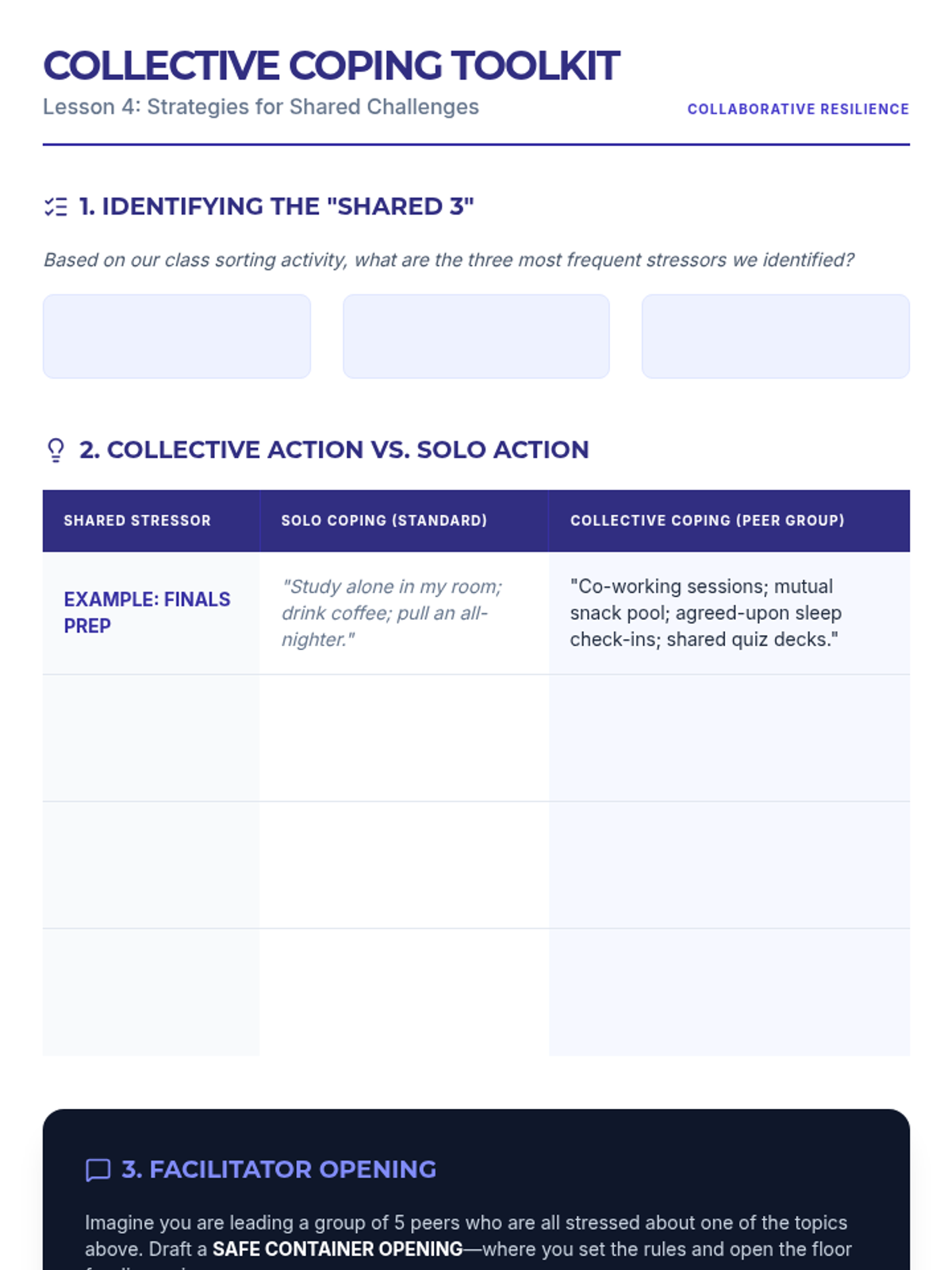
A facilitated dialogue session focusing on common undergraduate stressors, practicing normalization and collective coping strategies.
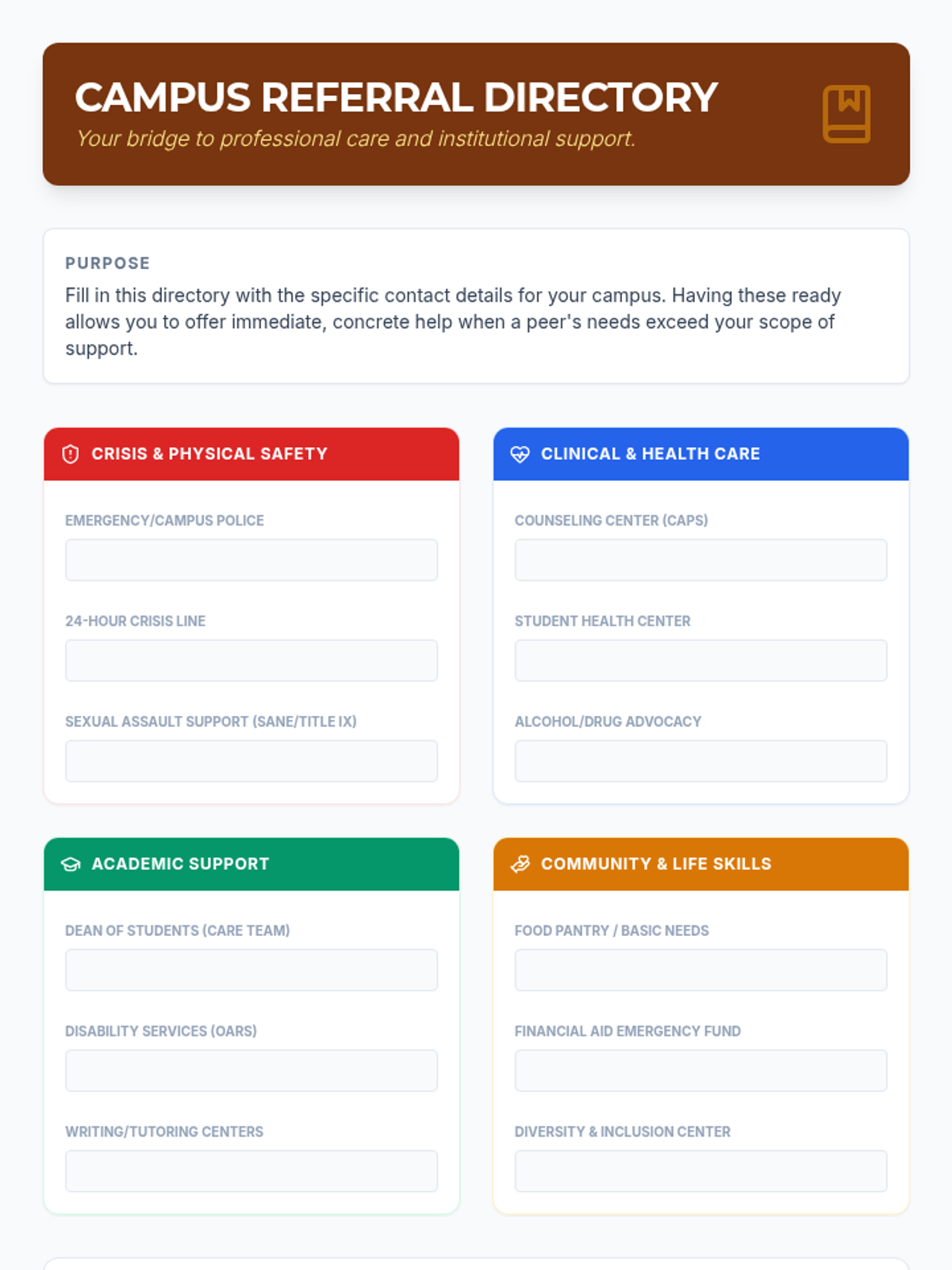
Training on recognizing the limits of peer support and when to refer to professionals, with a focus on setting emotional boundaries to prevent burnout.
A skill-building session on non-judgmental listening, reflecting, and validating emotions, focusing on 'holding space' rather than problem-solving.
Students explore the 'Buffer Hypothesis' and how social connection mitigates the health impacts of stress, focusing on the difference between instrumental, emotional, and informational support.
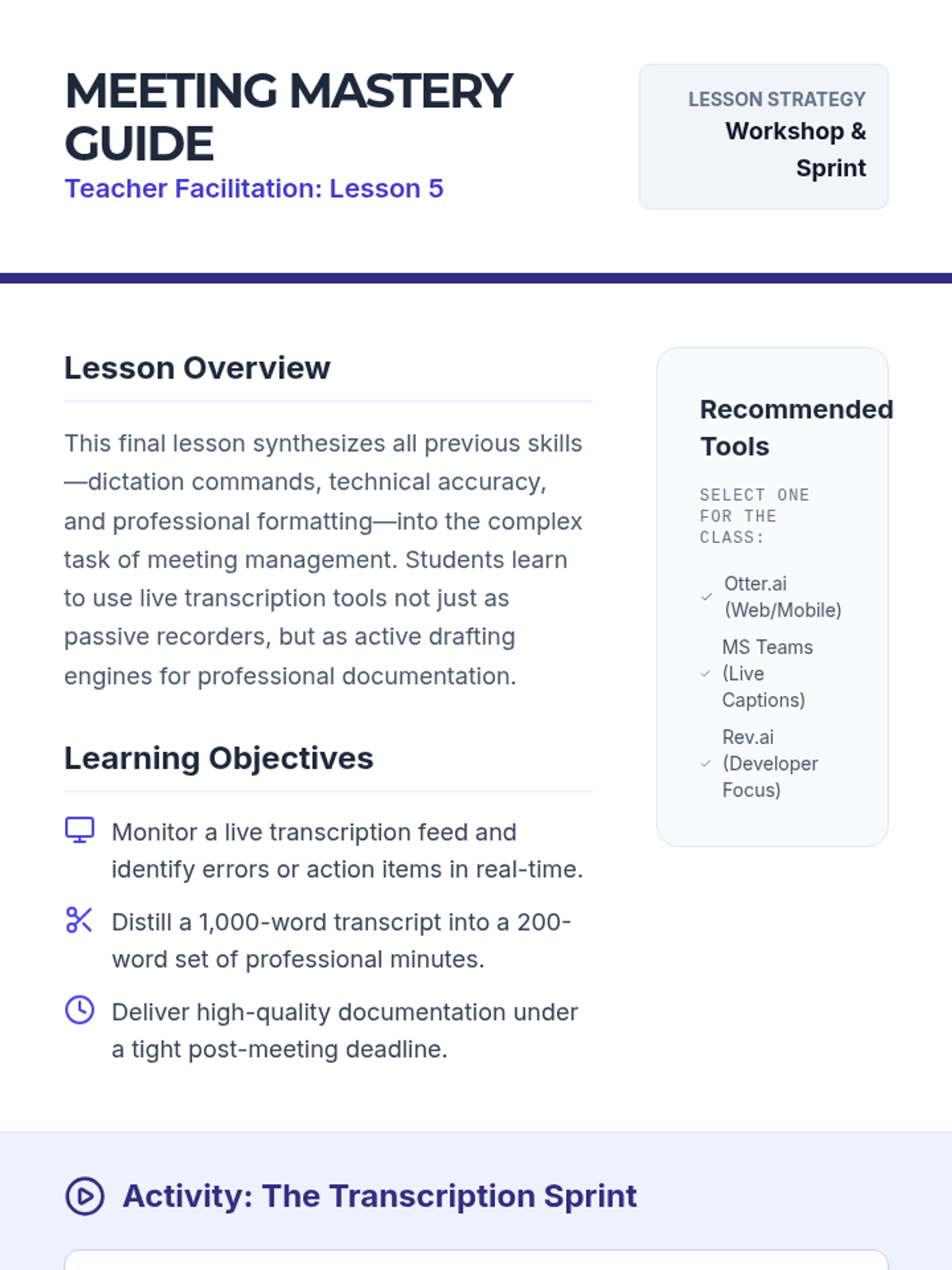
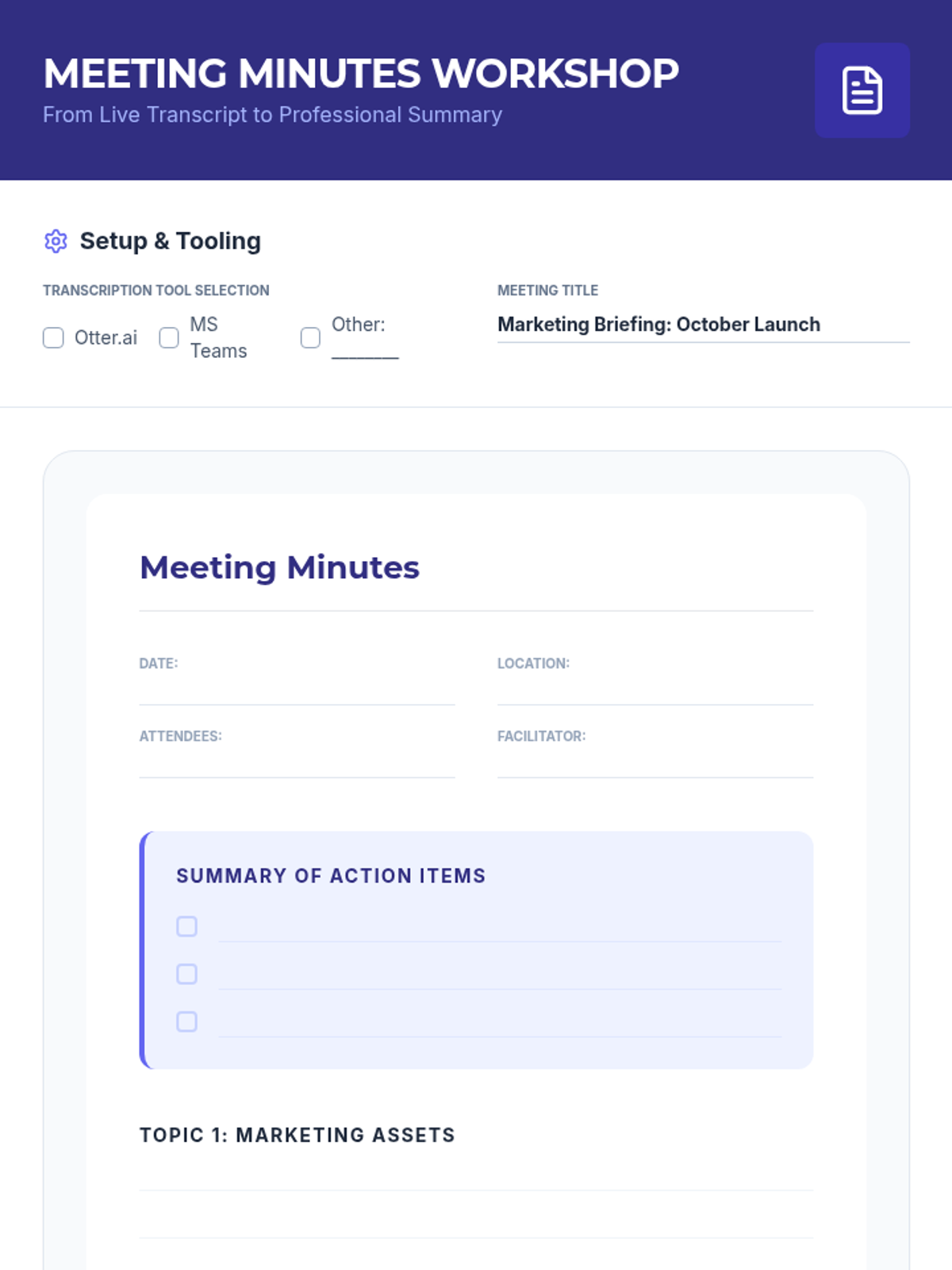
Students explore tools that offer live transcription of meetings. They learn to monitor these live feeds for accuracy, highlight key action items, and edit the transcript into minutes immediately after the meeting.
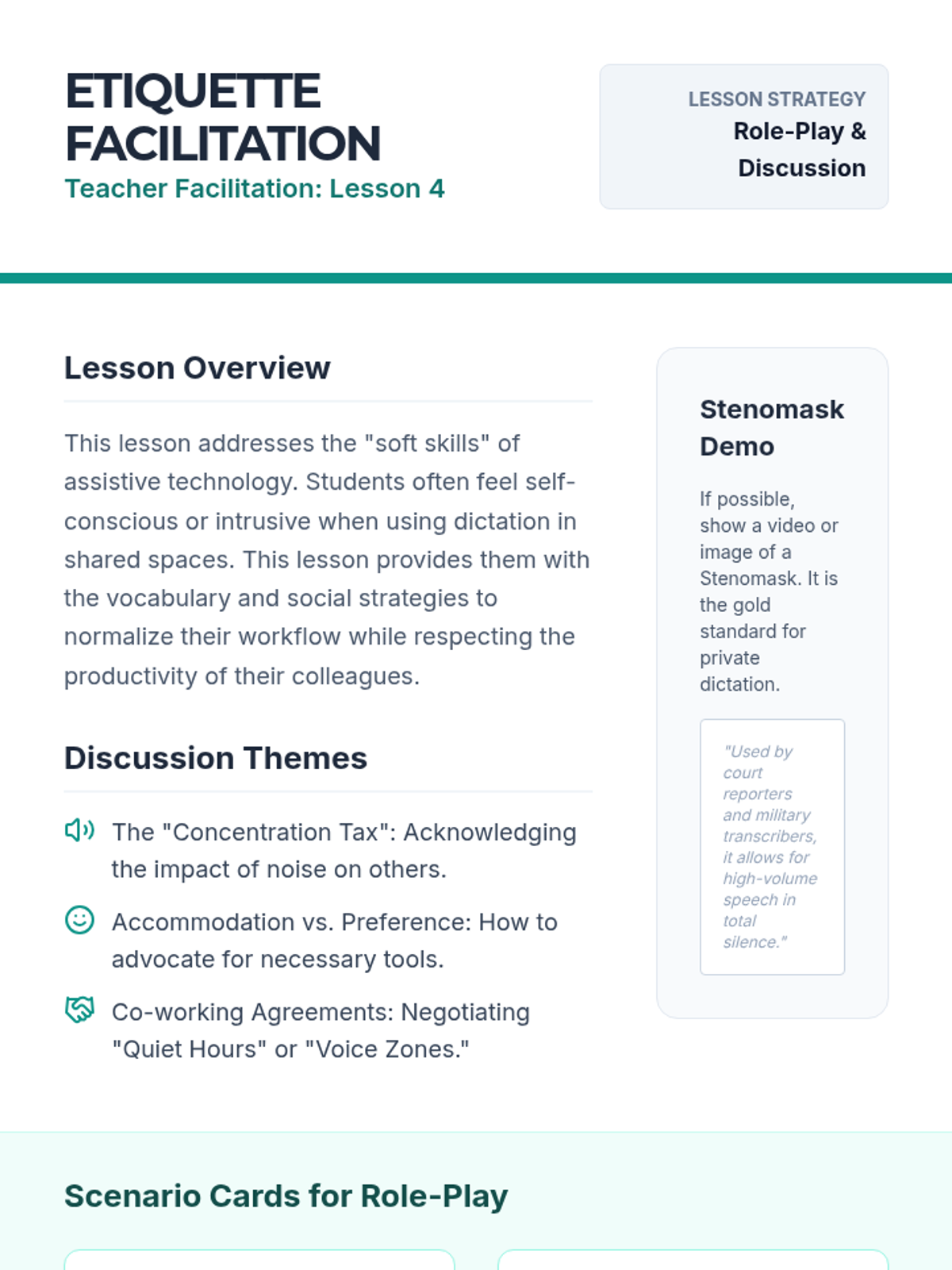
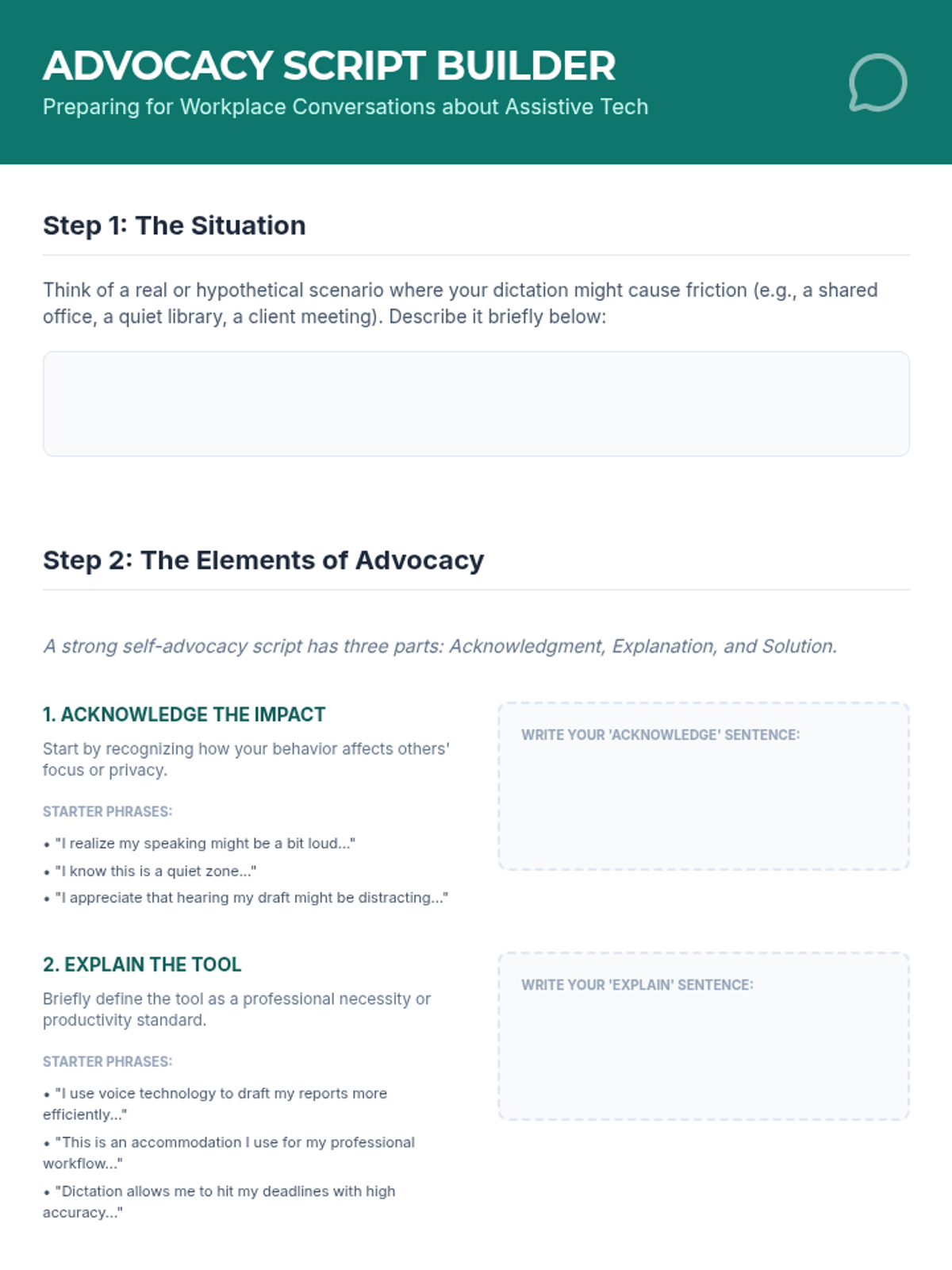
Students discuss and role-play the social aspects of using voice technology in open offices or libraries. They learn strategies for 'stenomask' usage, low-volume dictation, and explaining their accommodation to colleagues.
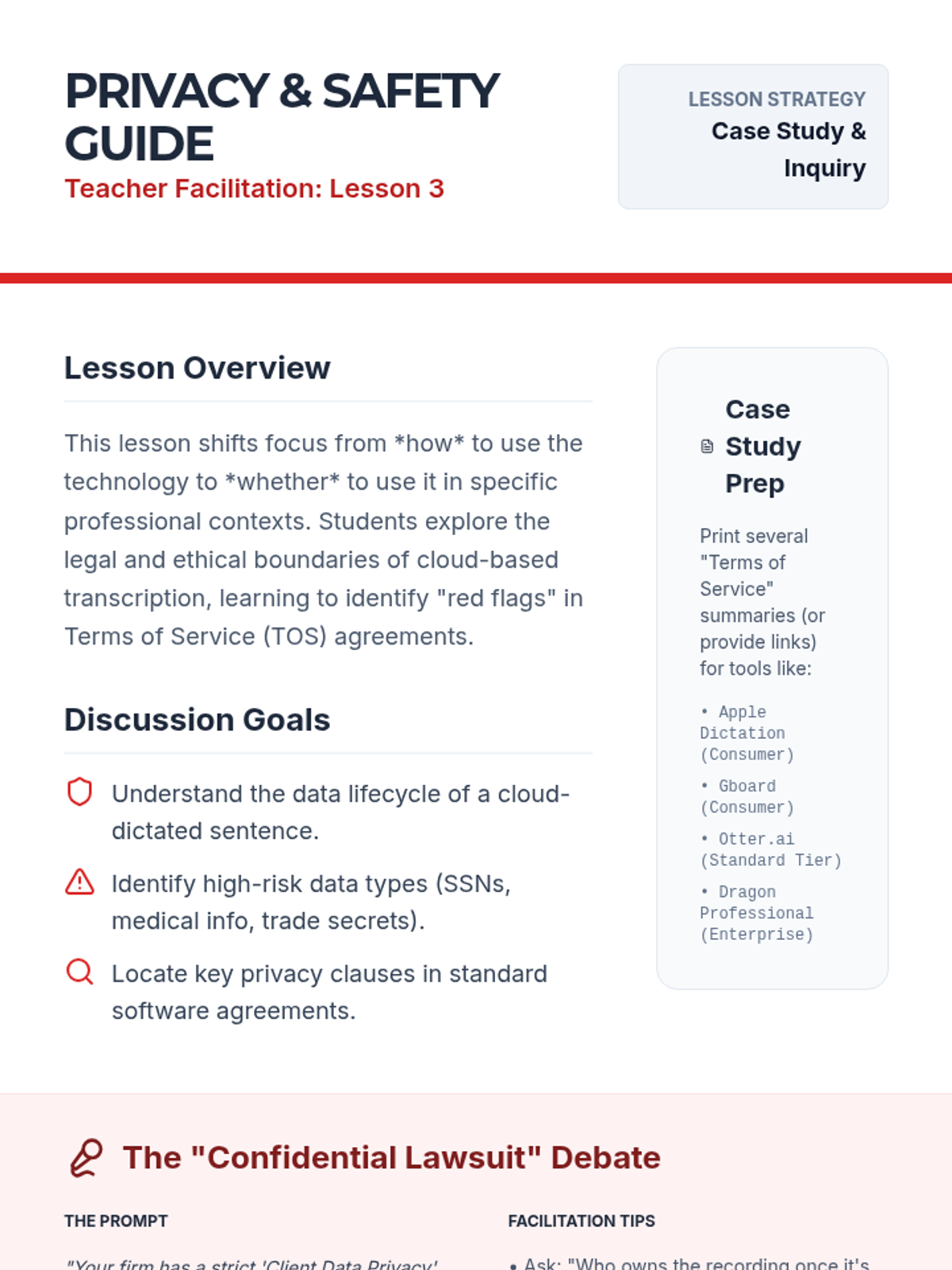
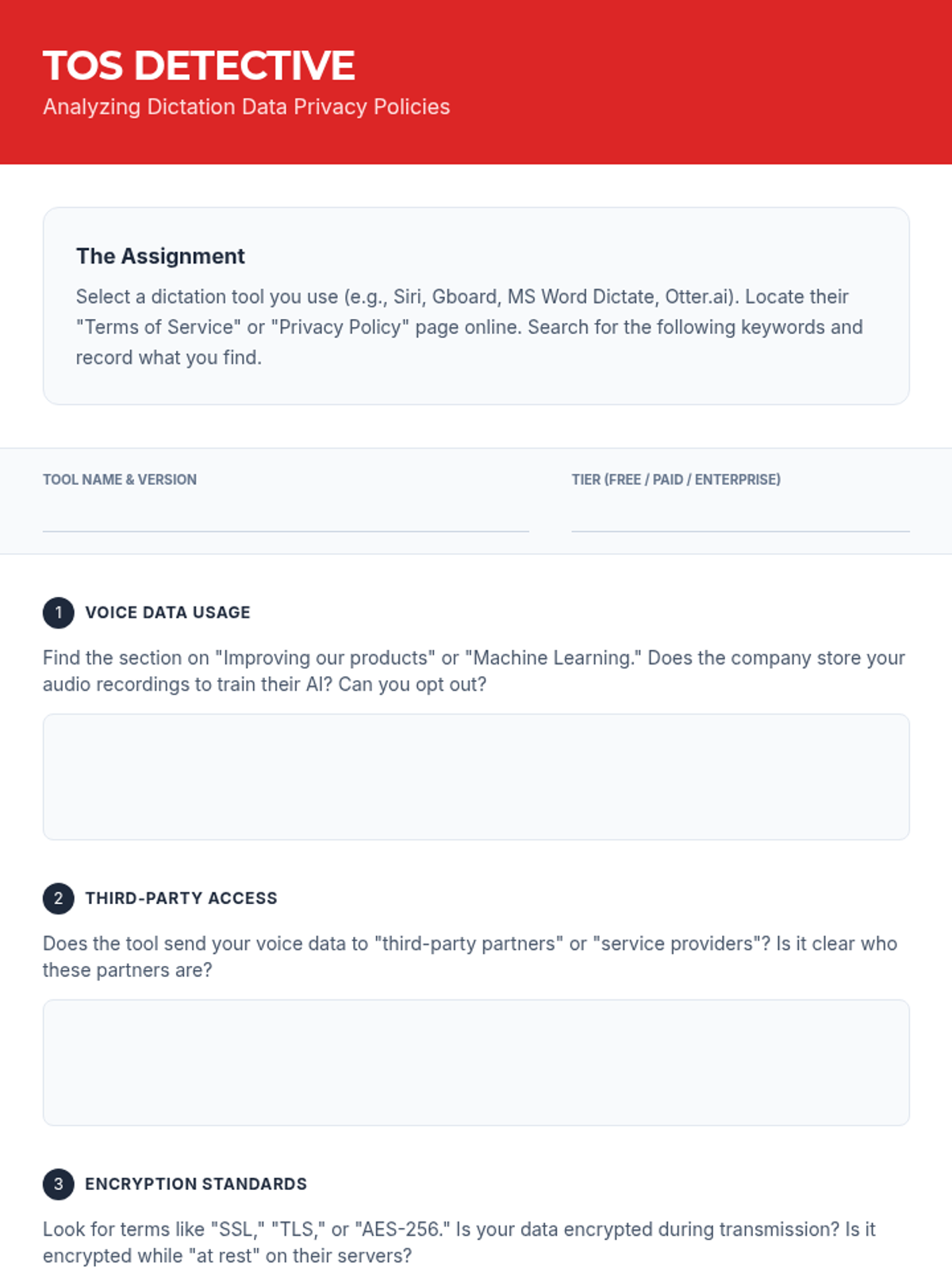
An inquiry-based lesson on where voice data goes. Students review terms of service for common dictation tools to understand data privacy, HIPAA compliance implications, and when *not* to use dictation.
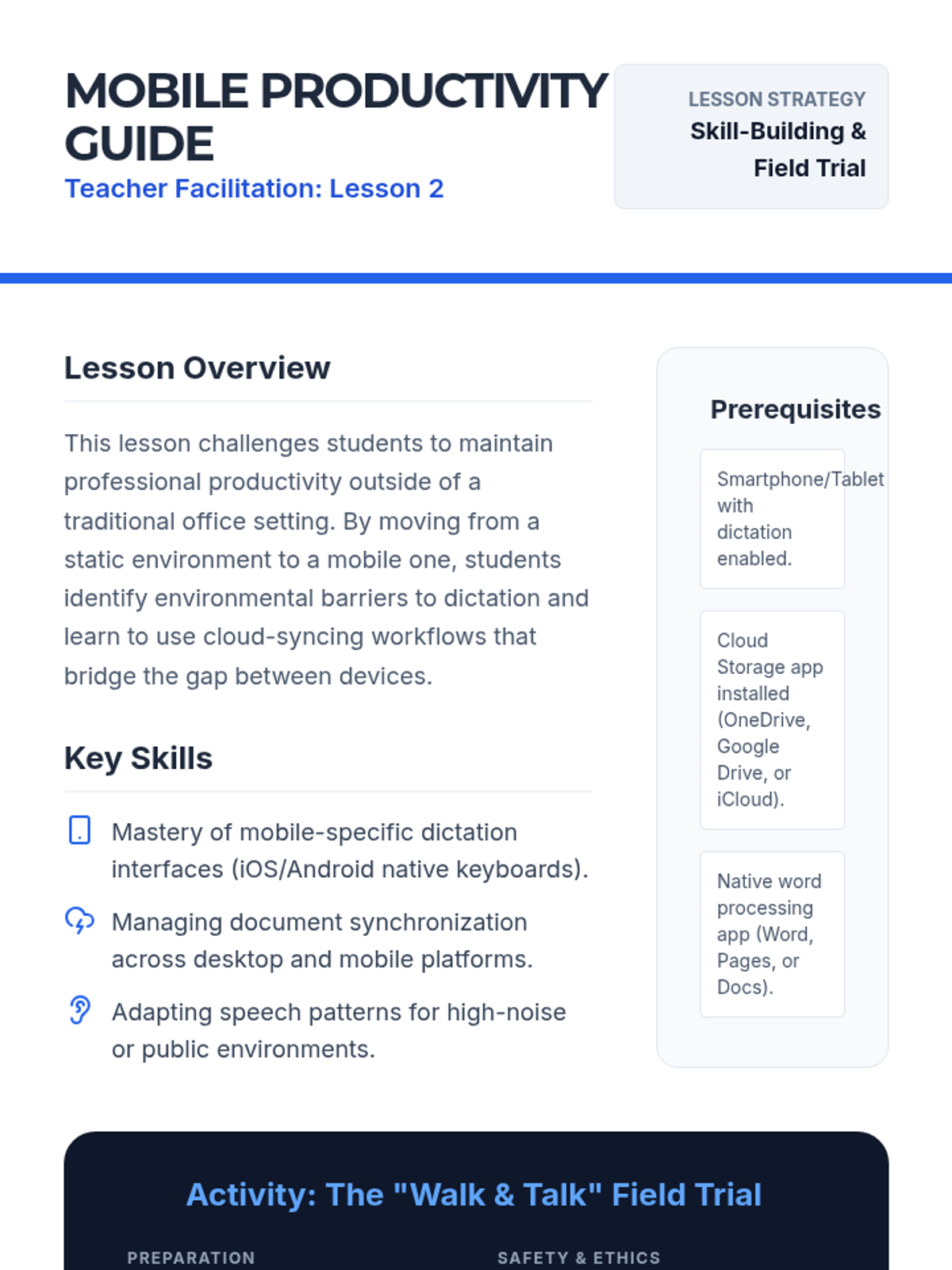
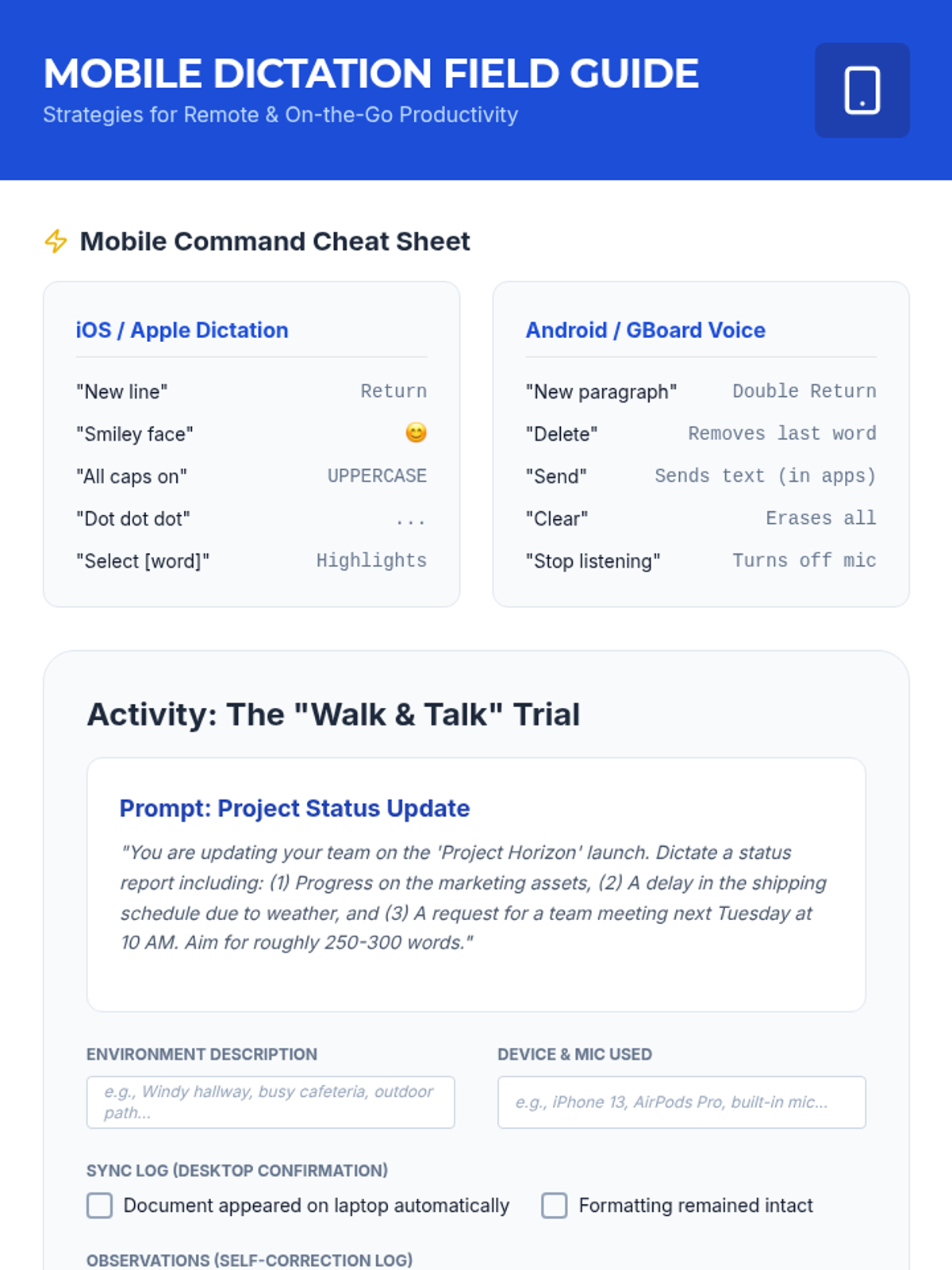
Focusing on mobile devices and tablets, students learn to use dictation for productivity while away from a desk. They explore the limitations of mobile interfaces and strategies for syncing work back to desktop platforms.
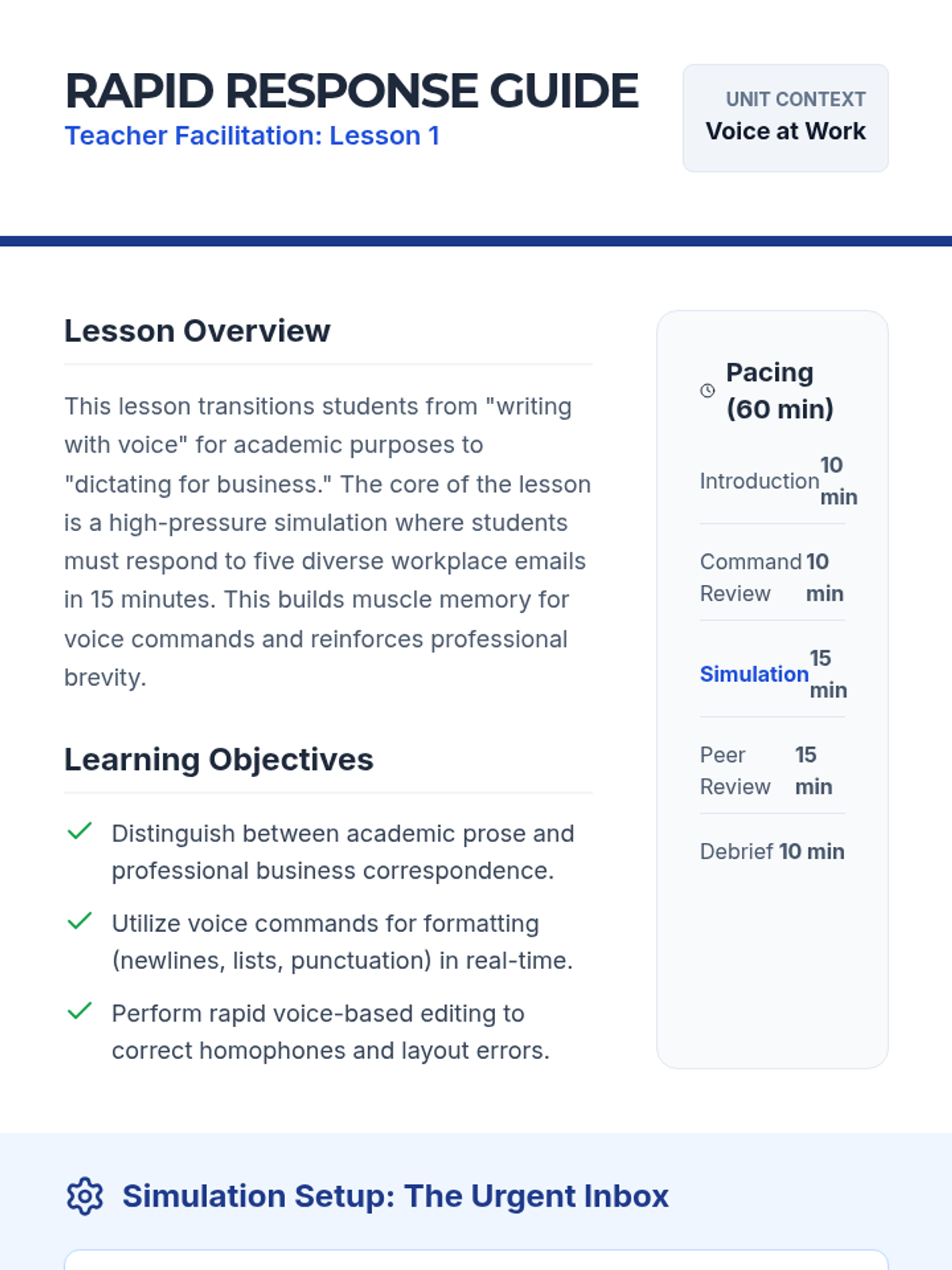
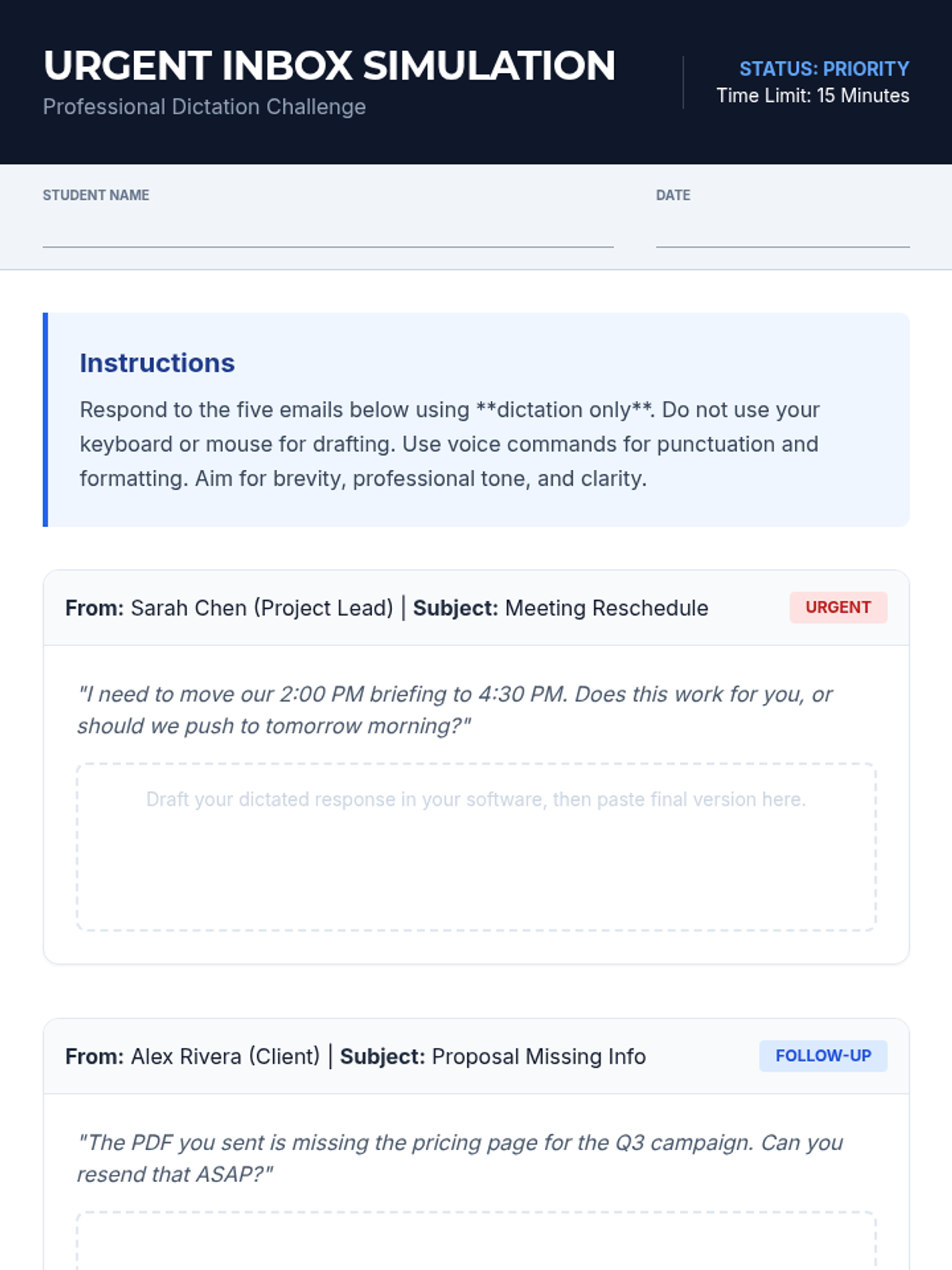
Students practice dictating emails and memos, focusing on brevity, clarity, and standard business formatting in a rapid-response simulation.
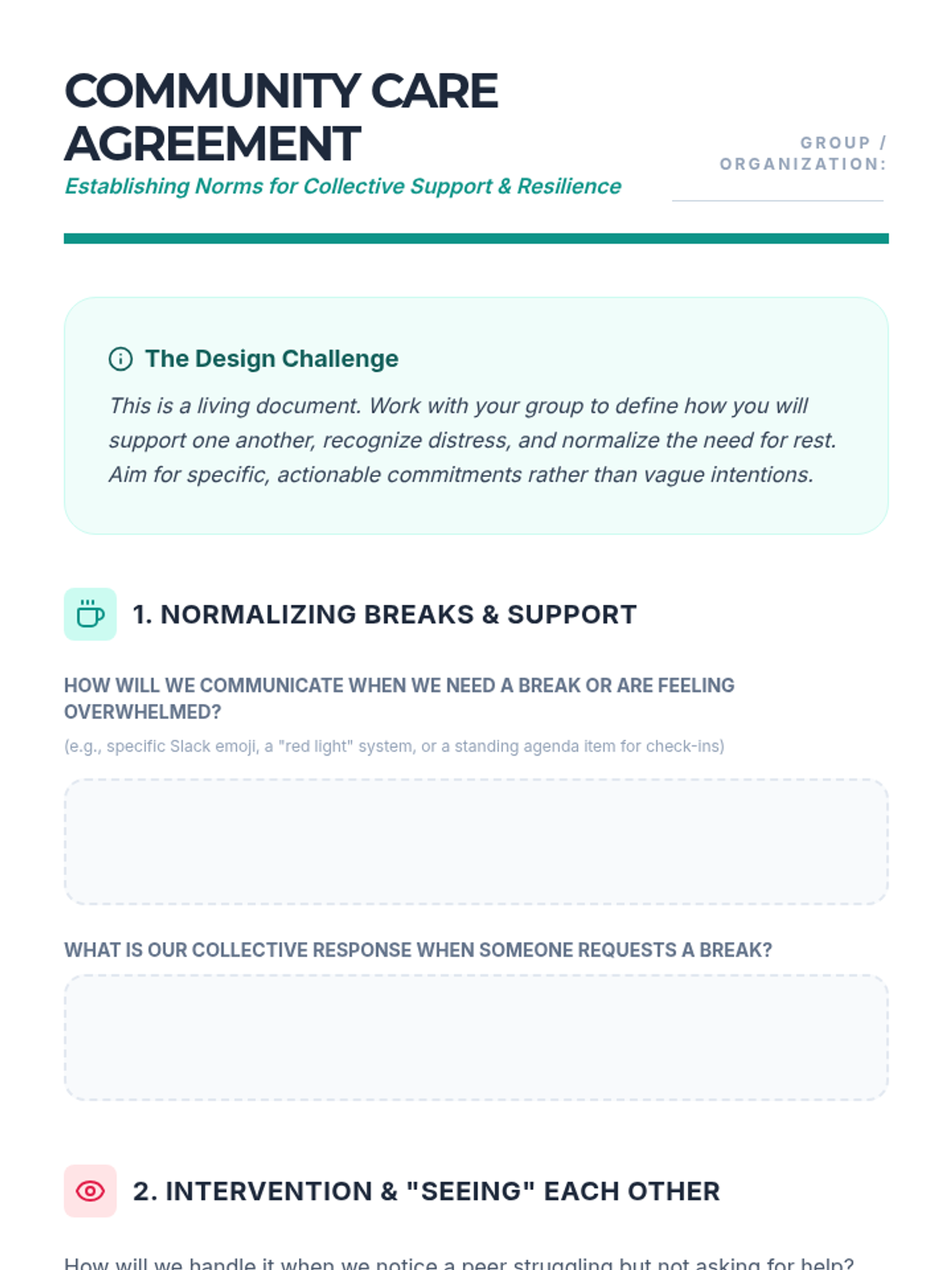
The sequence concludes with students designing a 'Community Care Agreement' to establish norms for mutual support and collective rest in their own communities.
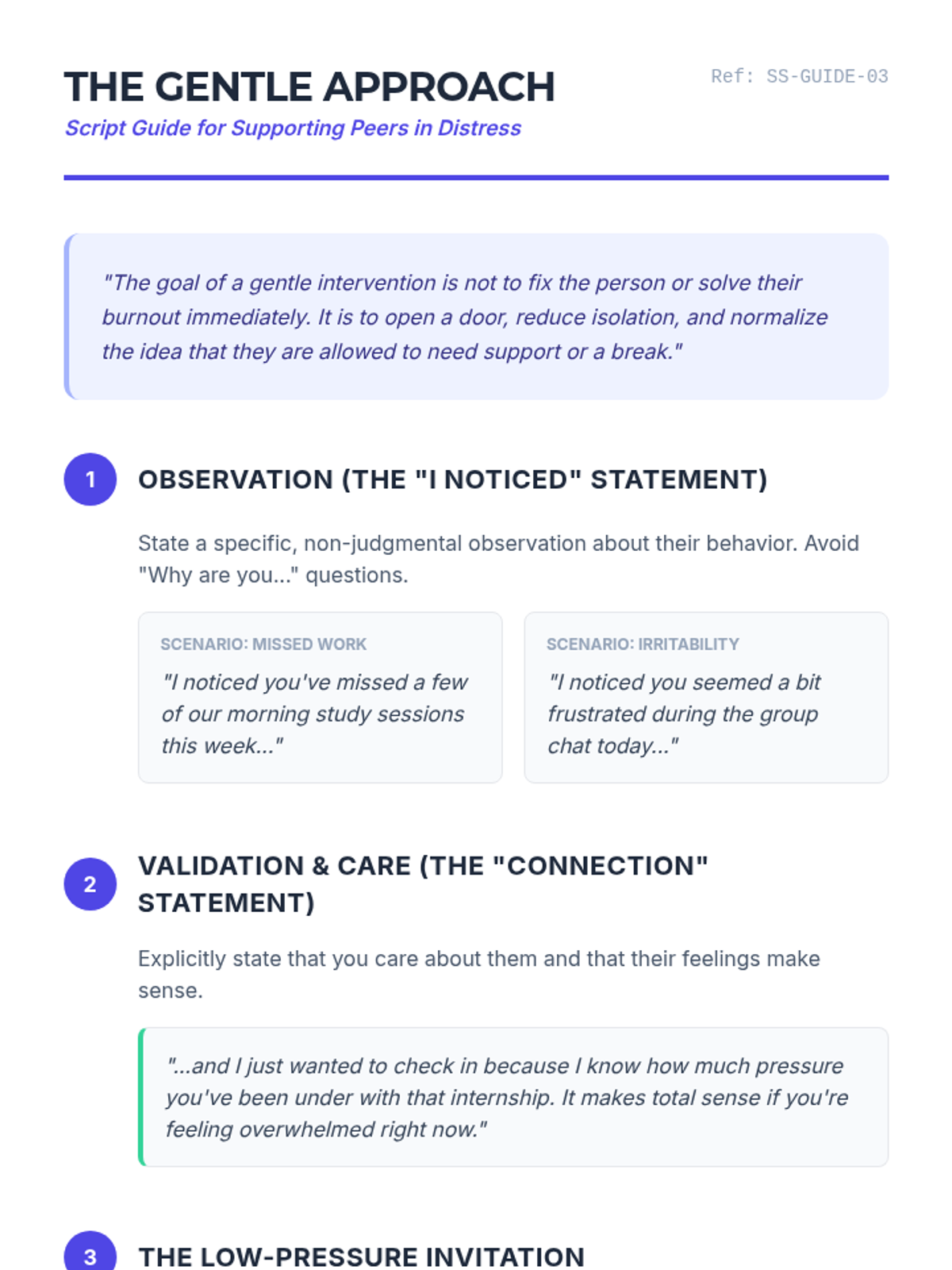
This lesson teaches specific bystander intervention strategies to bridge the gap between noticing distress and connecting a peer to resources.
Students learn to identify subtle behavioral and non-verbal signs of distress in their peers and practice gentle intervention strategies.
A workshop focusing on the listening skills required to support peers, emphasizing validation over immediate problem-solving.
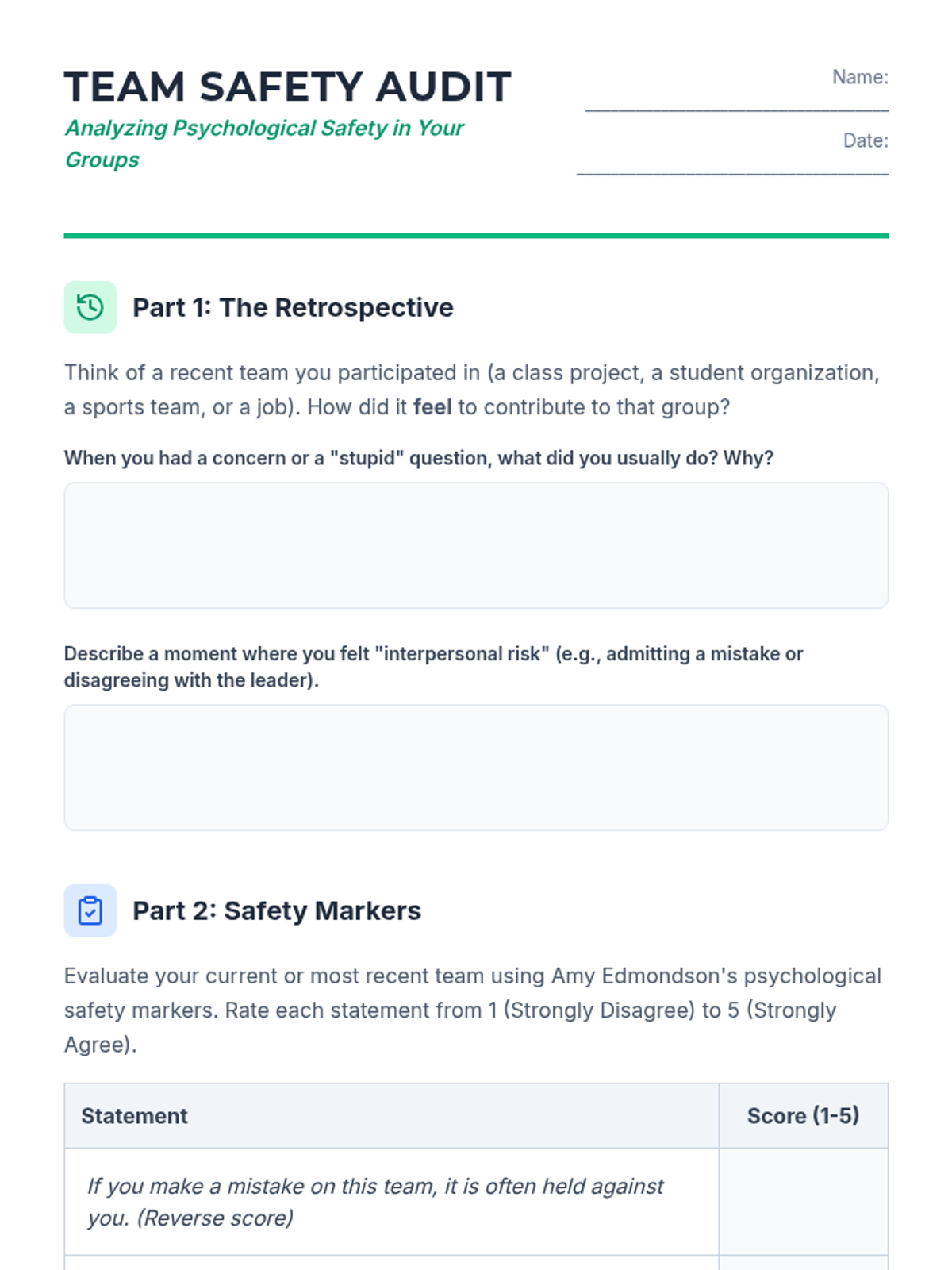
Students define psychological safety and analyze its impact on team performance, using Google's 'Project Aristotle' as a primary case study.
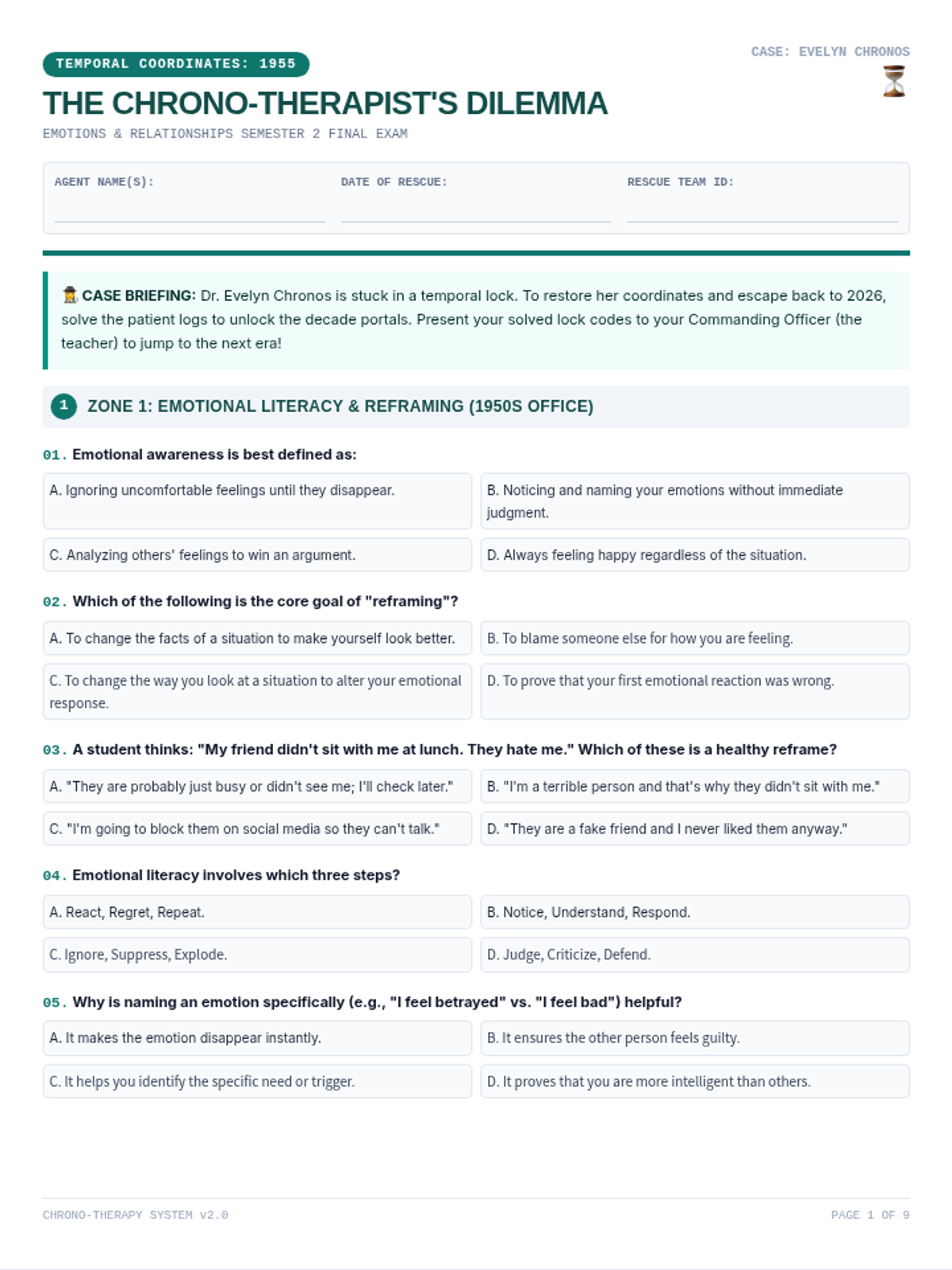
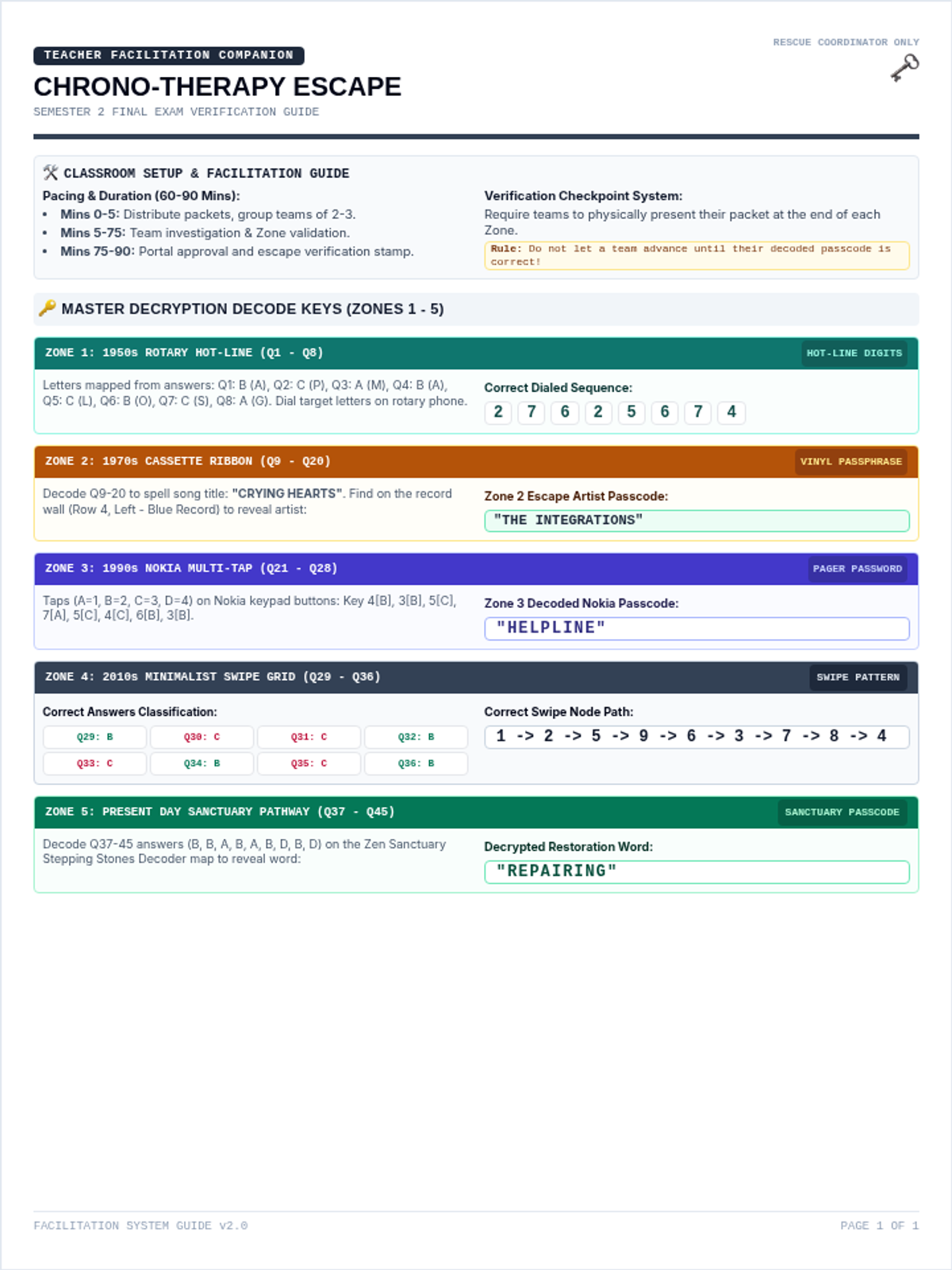
An immersive, multi-decade escape room activity designed to review relationships, grief, boundaries, and emotional regulation concepts for a Semester 2 final exam.
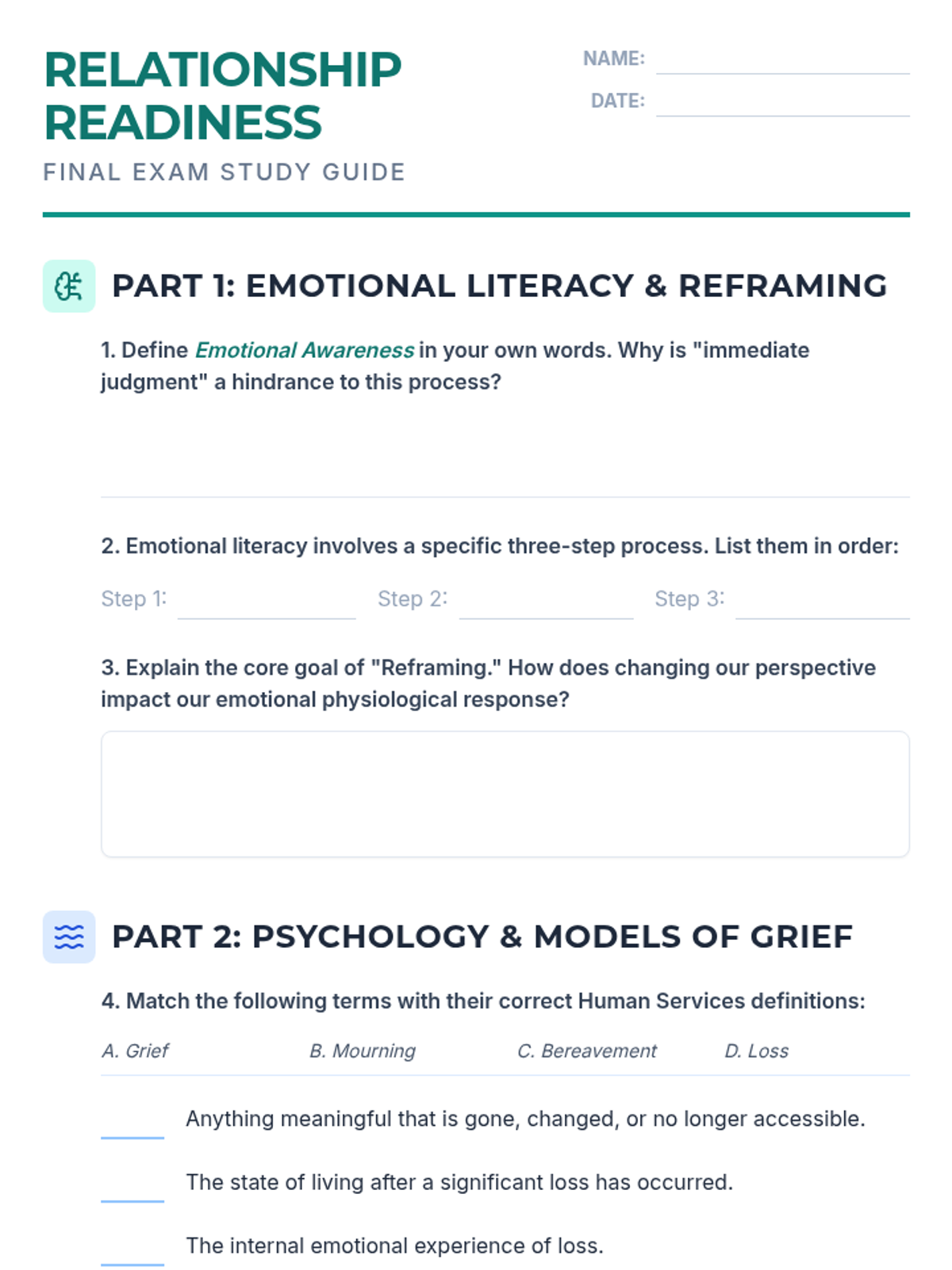
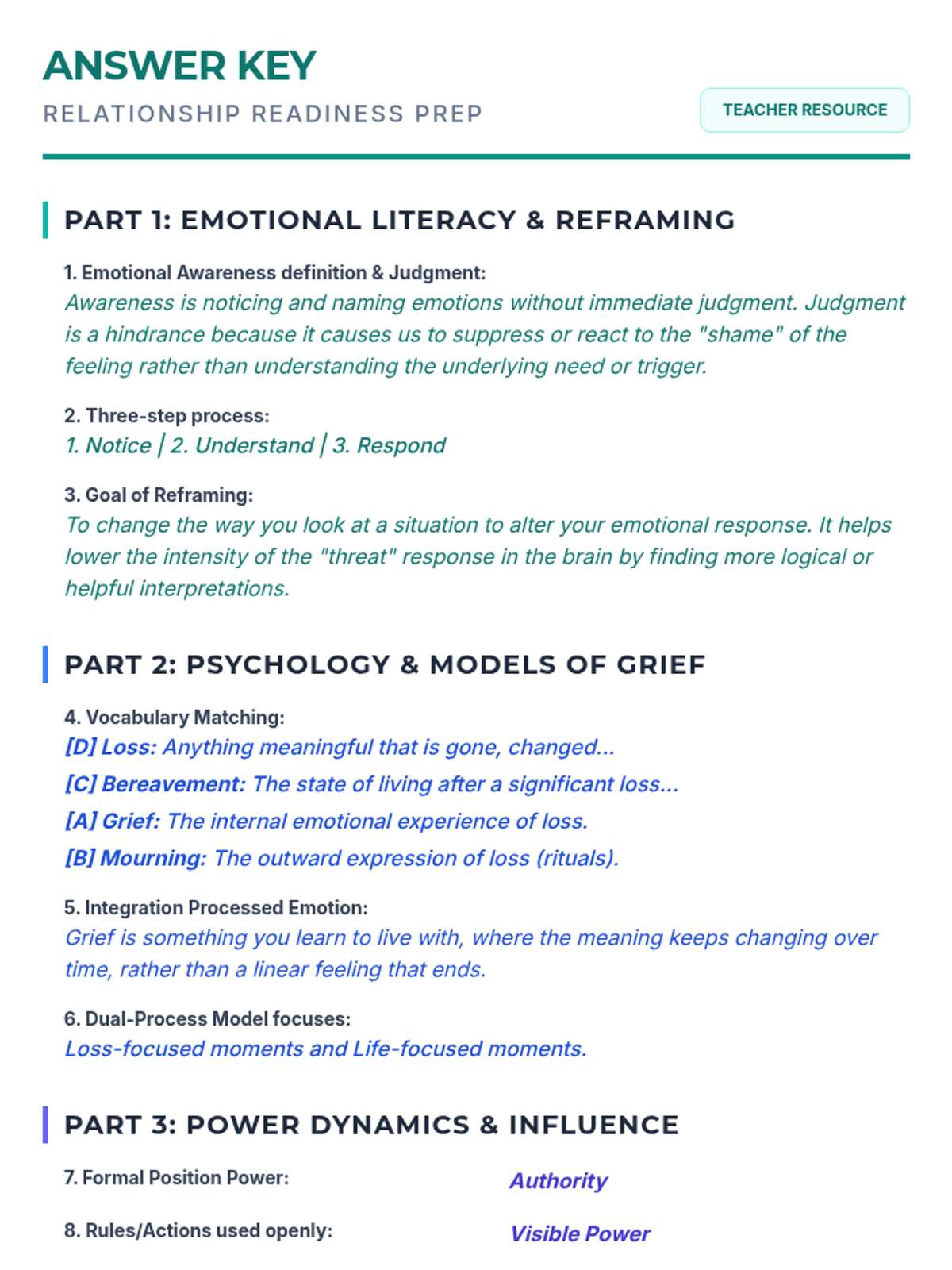
A comprehensive study guide and answer key designed to help junior and senior students prepare for their final exam on emotional literacy, grief models, power dynamics, and relationship repair.
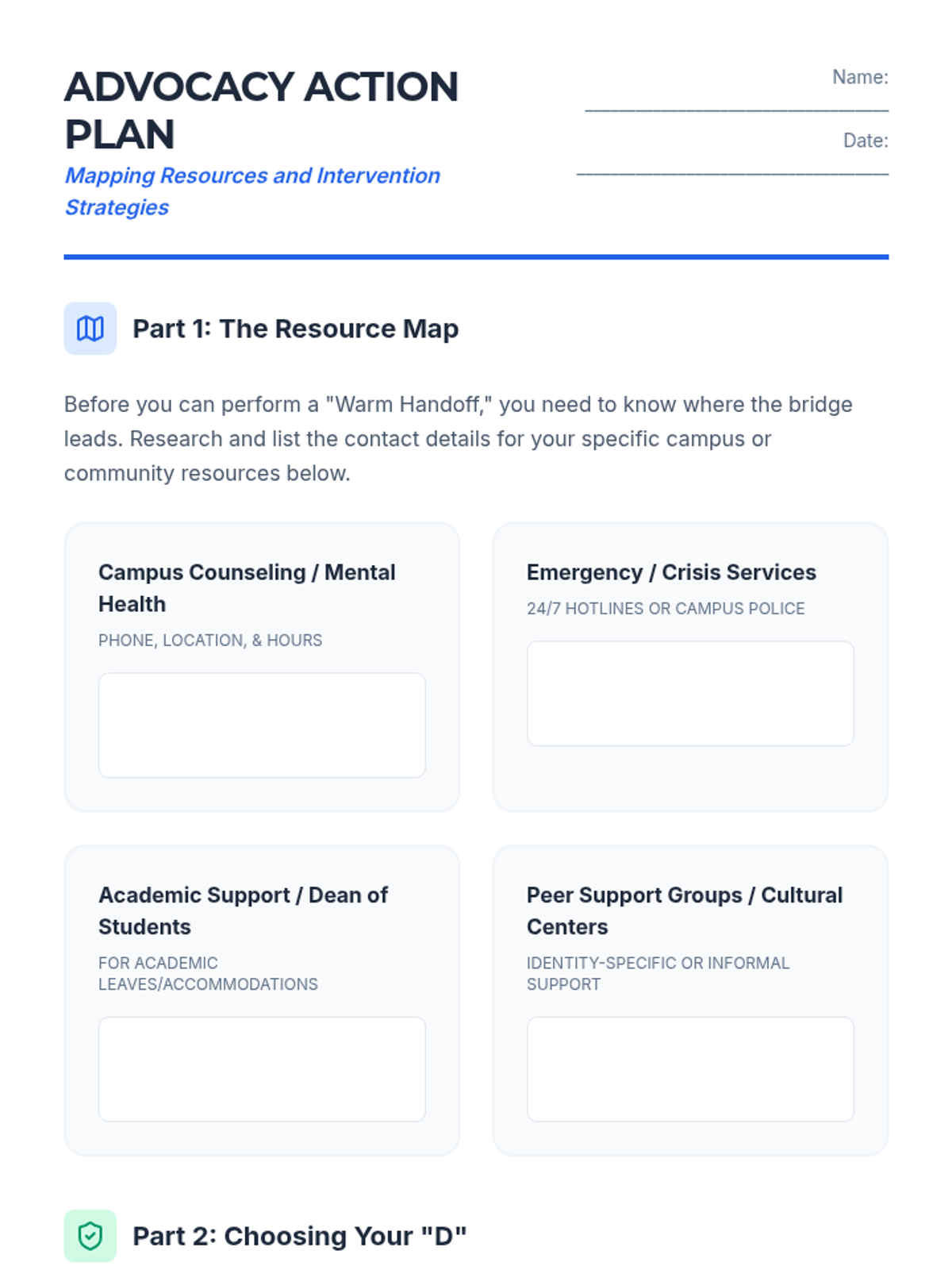
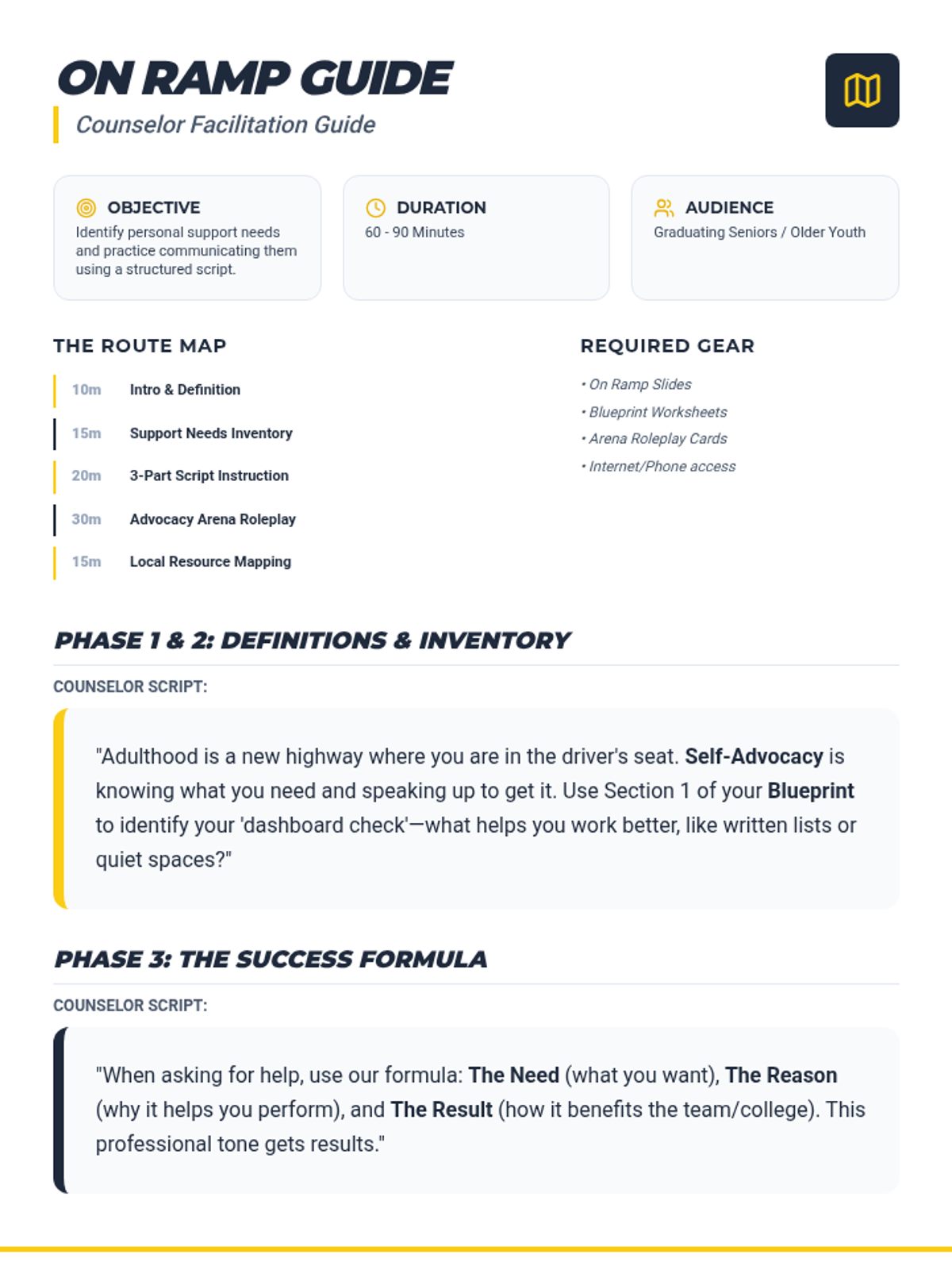
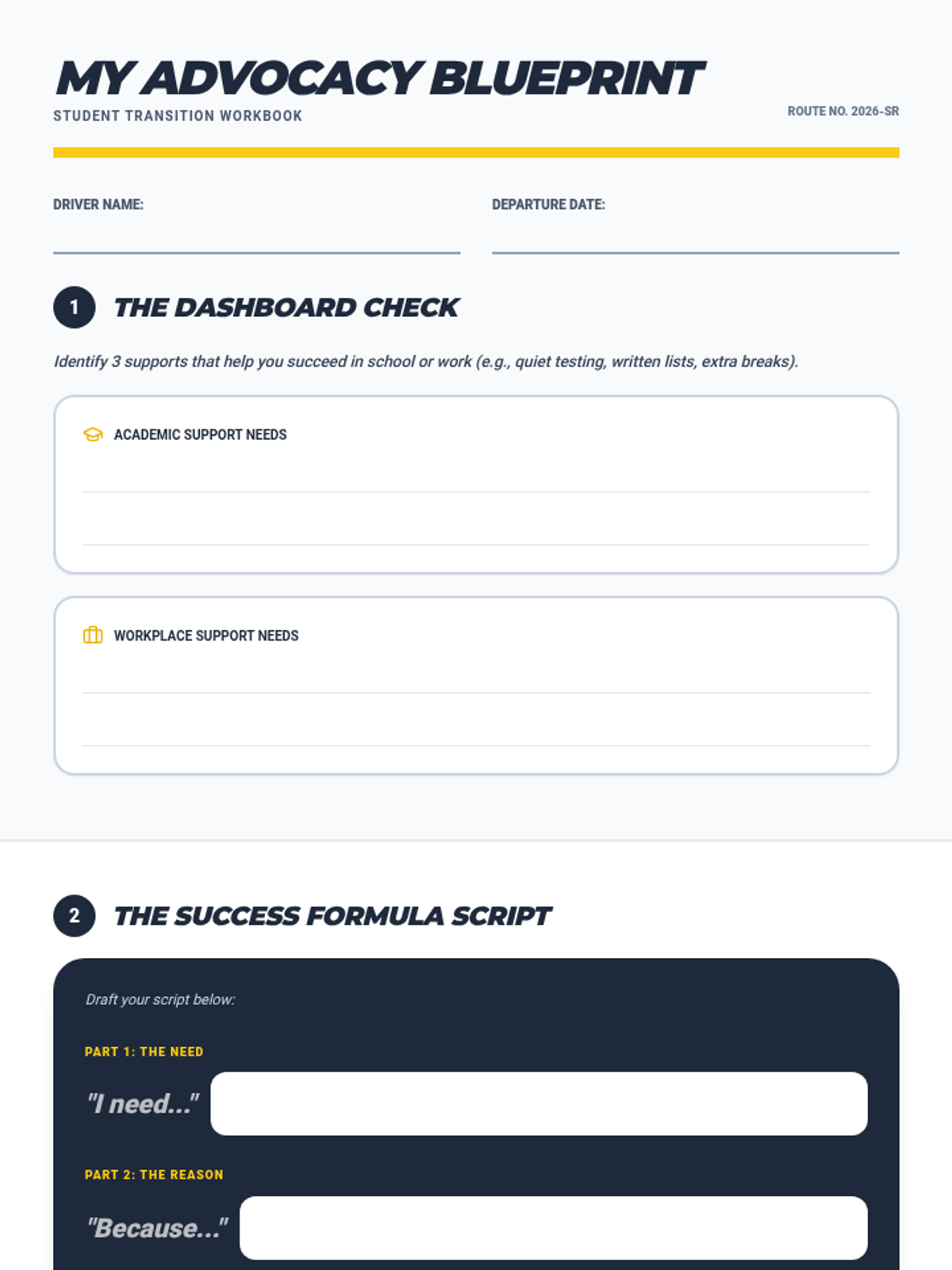
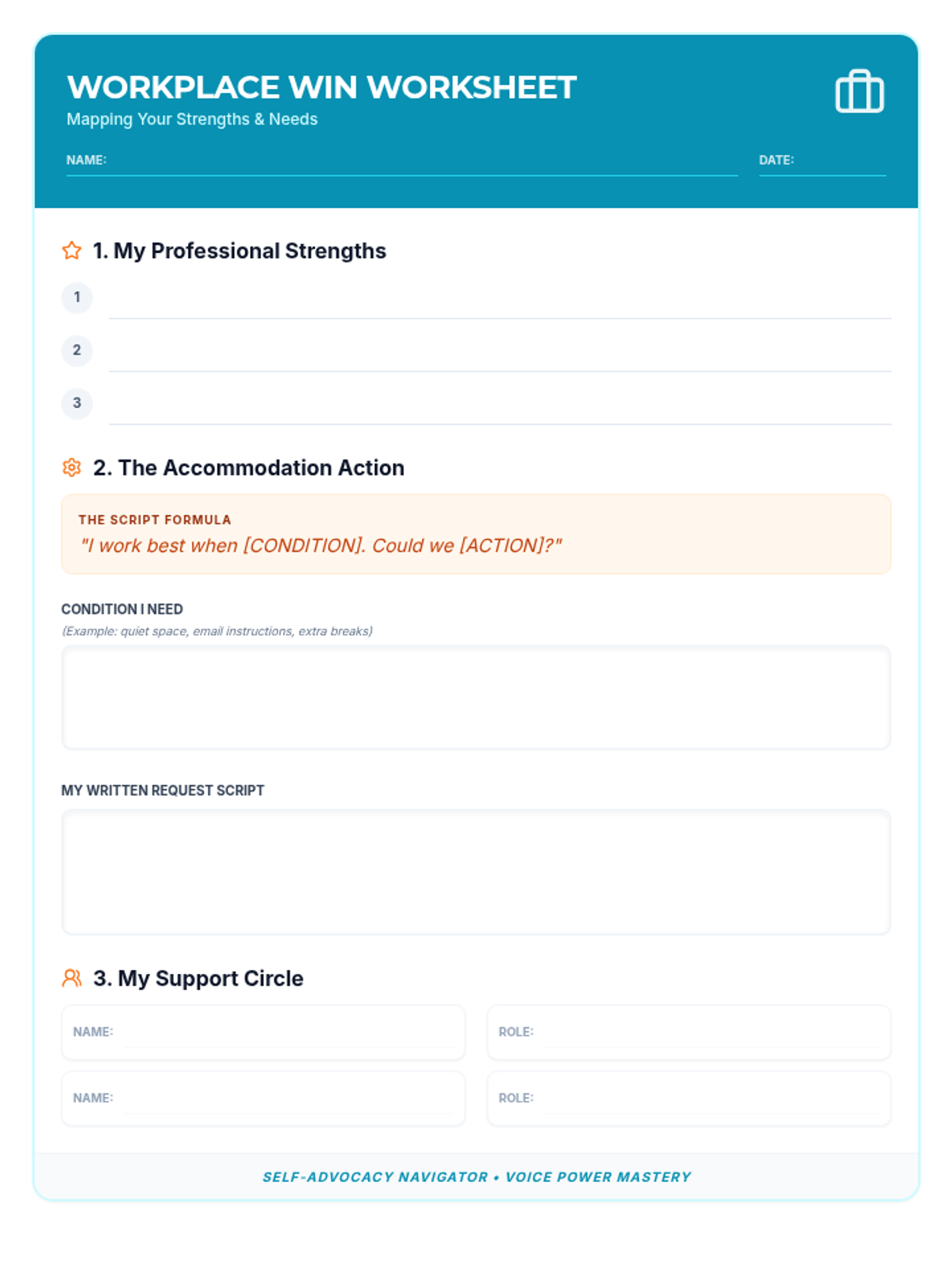
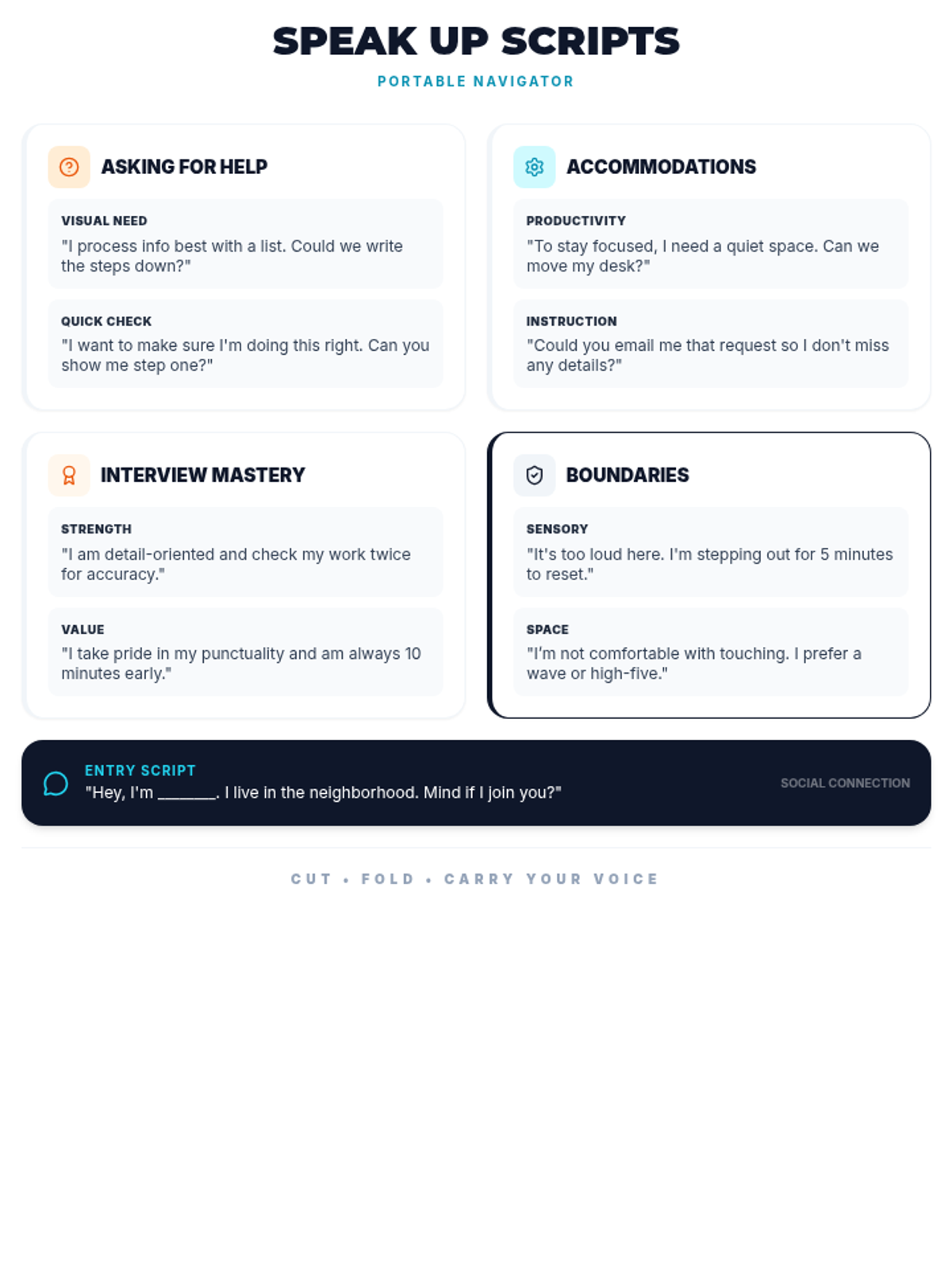
A comprehensive guide for counselors to help graduating students transition to adulthood by mastering self-advocacy skills. Students identify their support needs, practice communication scripts, and map out essential community resources for their next chapter.
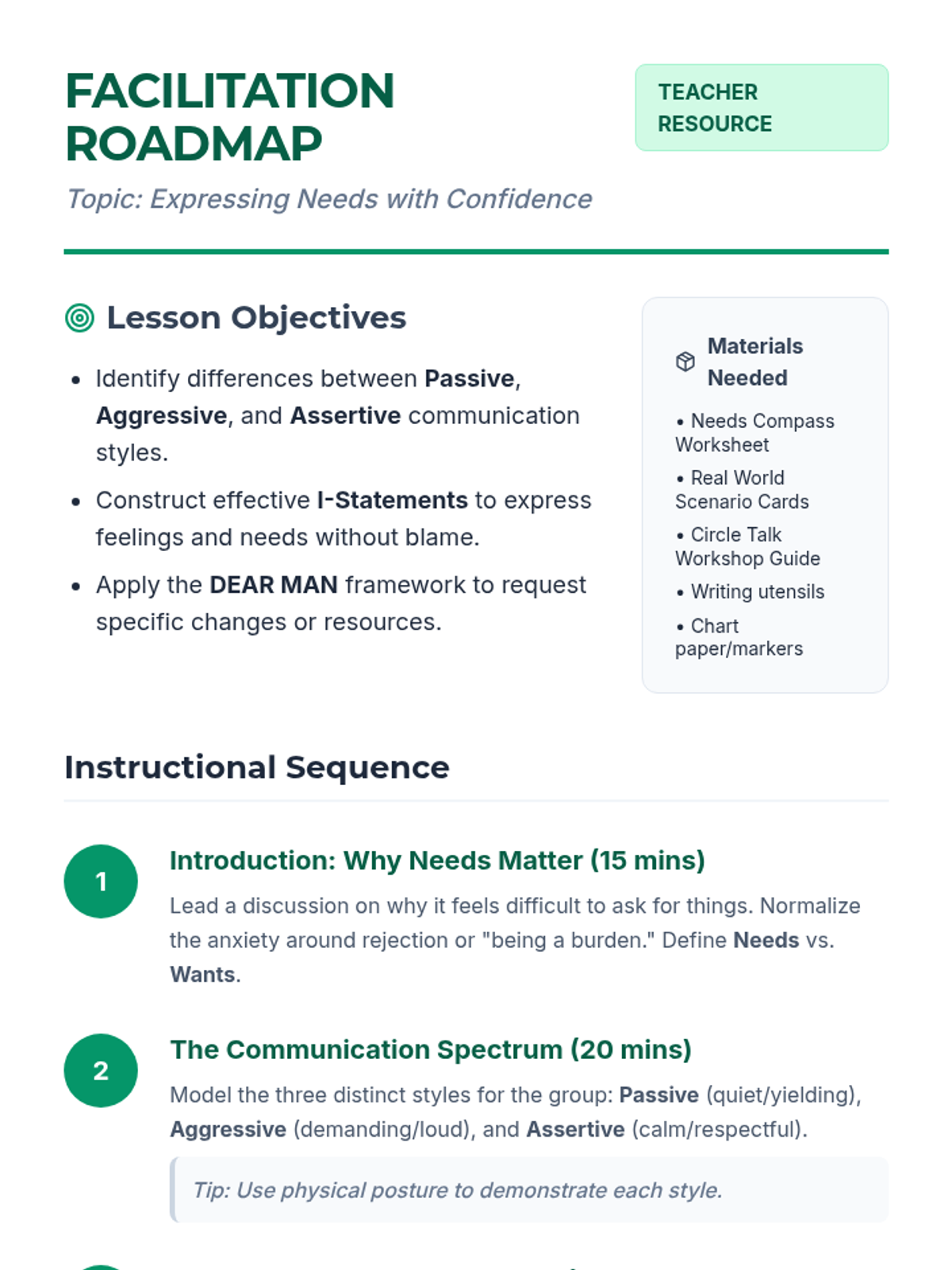
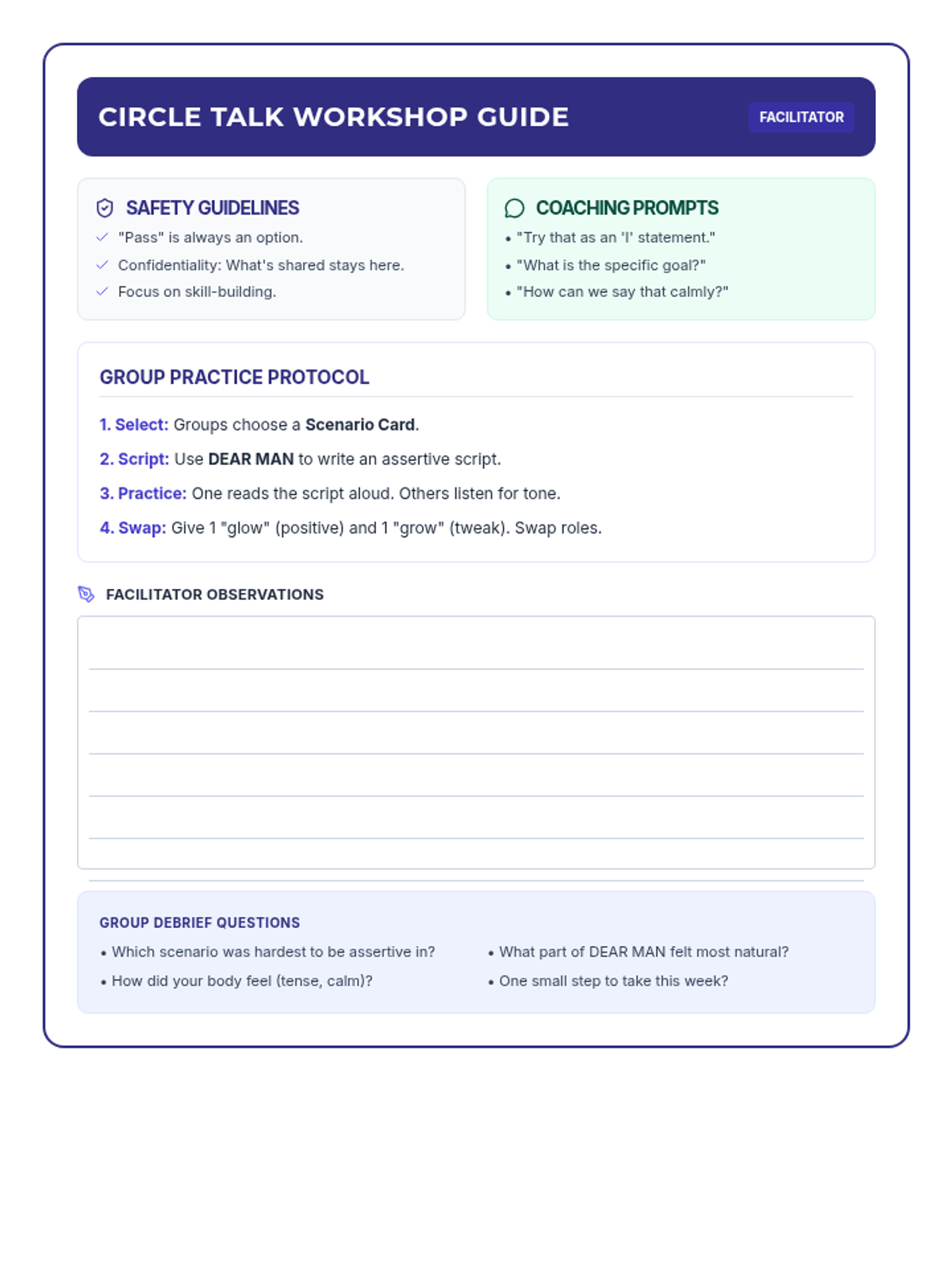
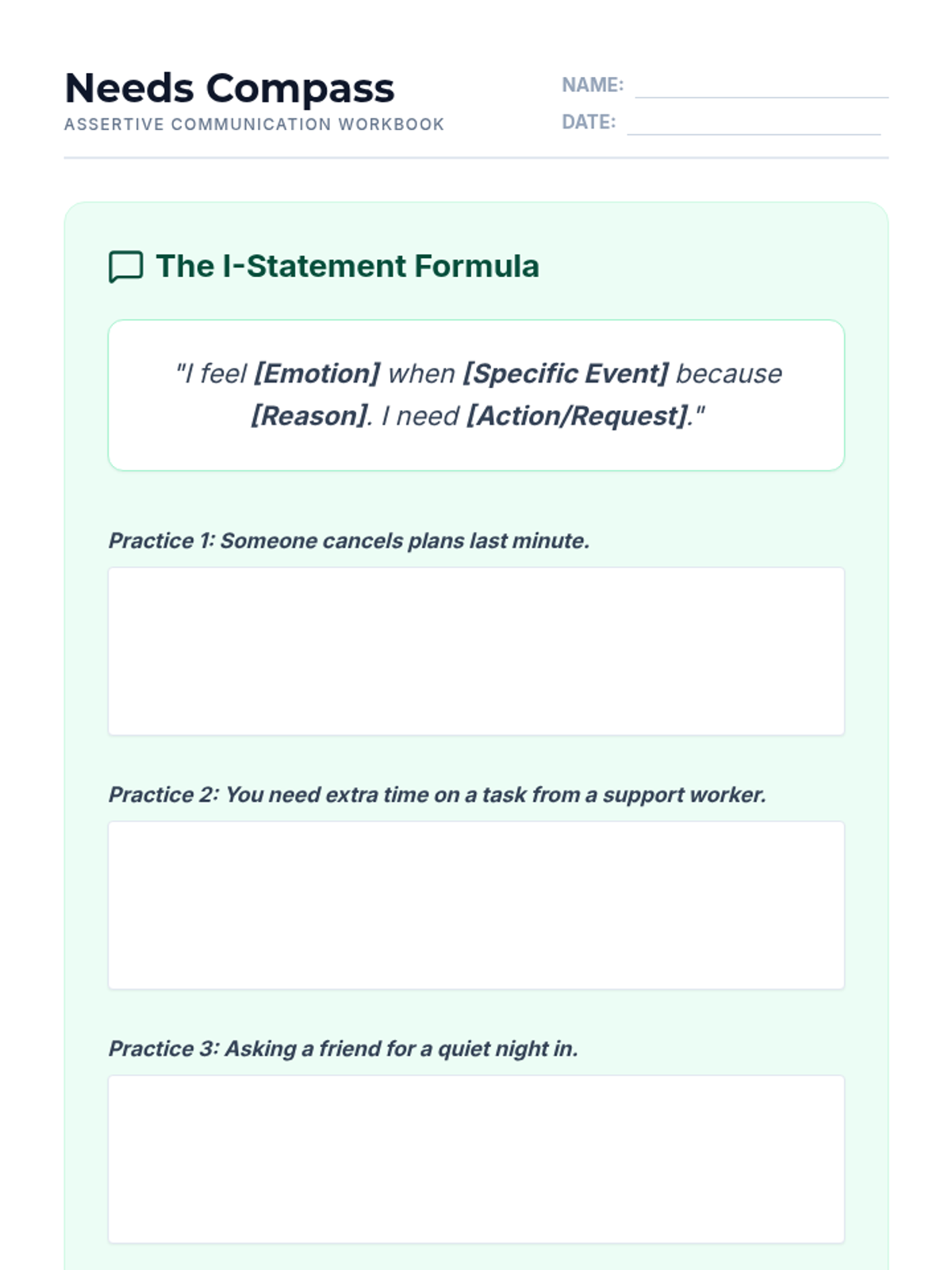
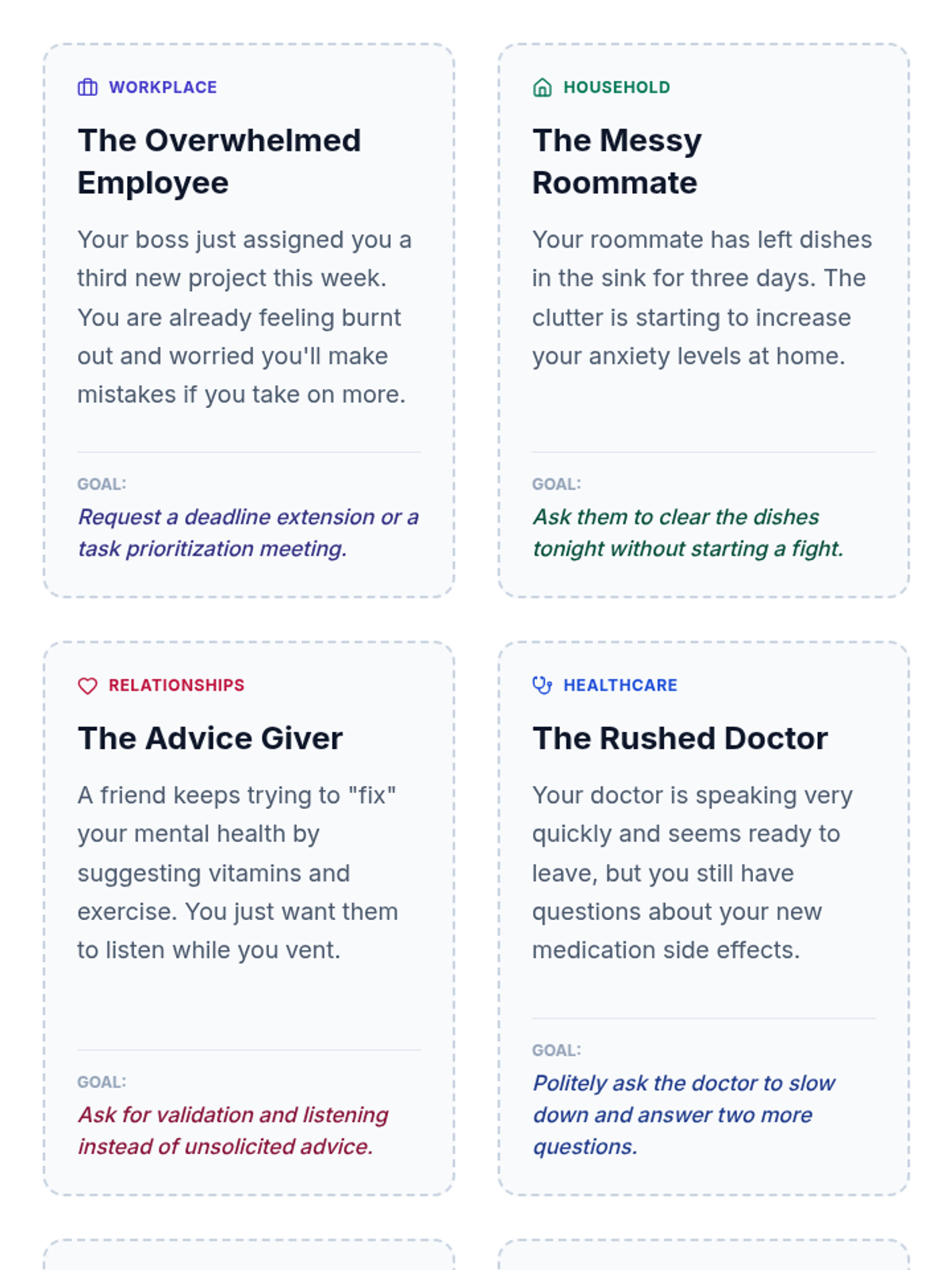
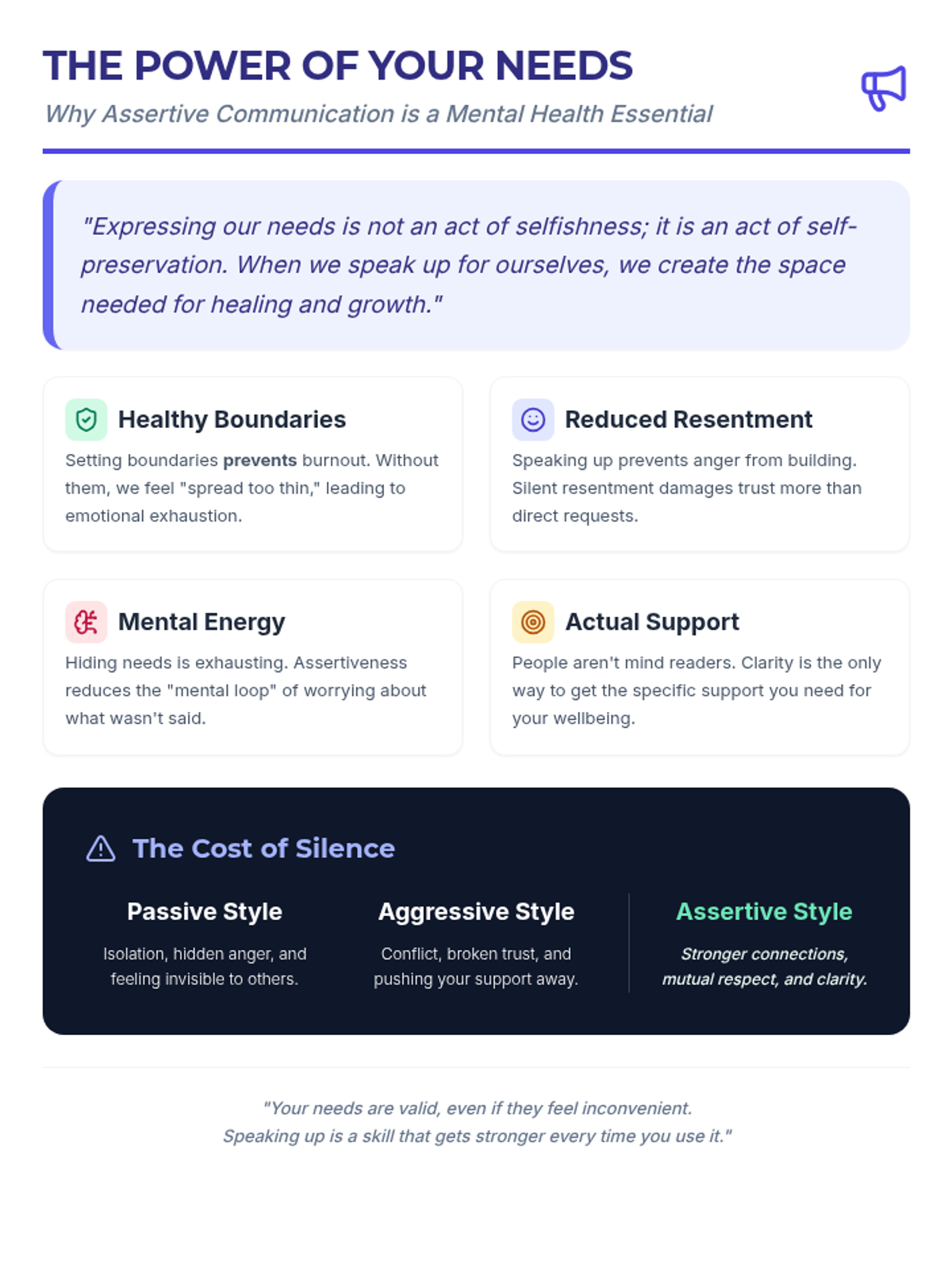
A comprehensive lesson designed for adult learners to master assertive communication techniques including I-Statements and the DBT DEAR MAN framework to effectively express personal needs in a mental health context.
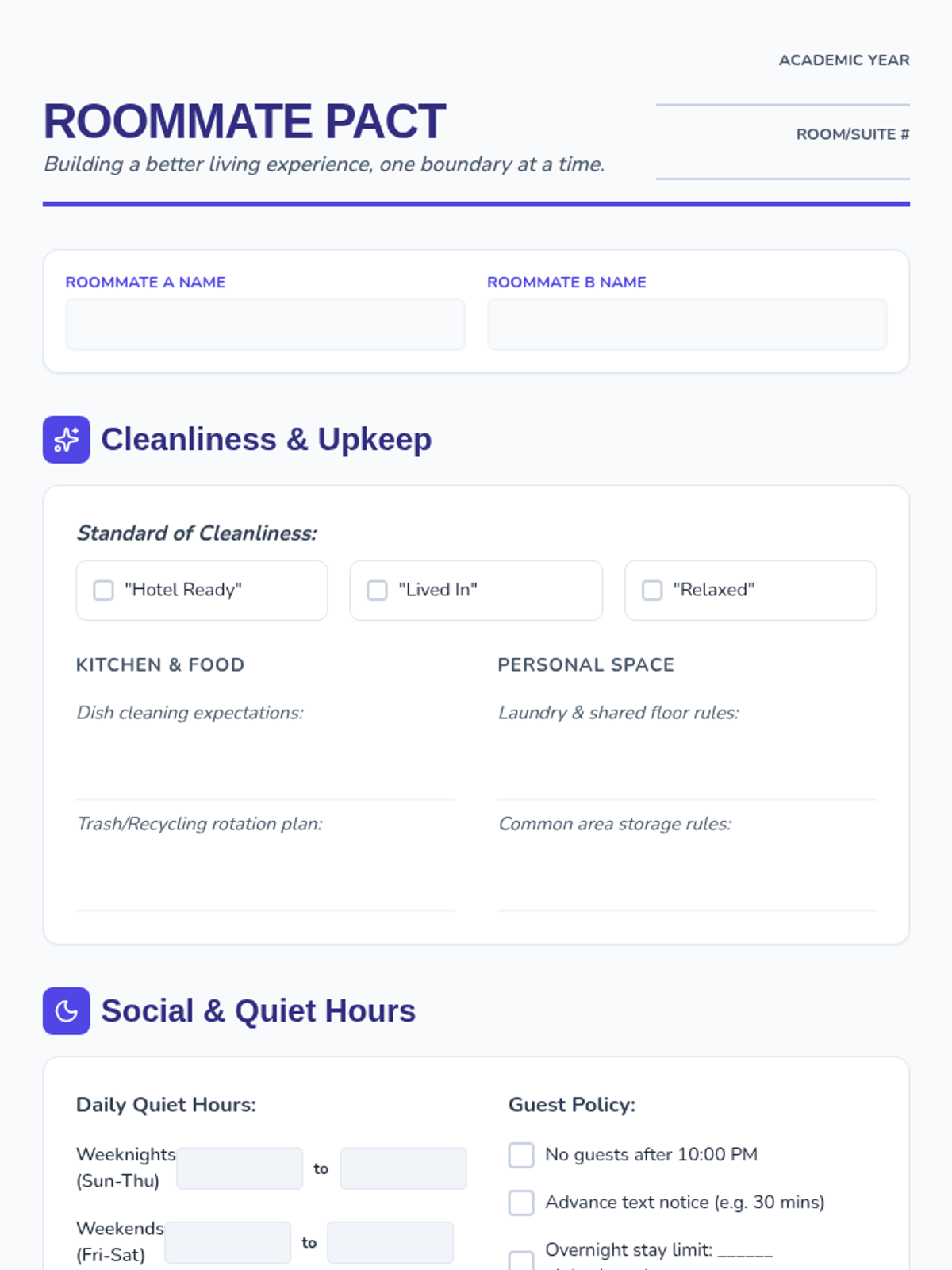
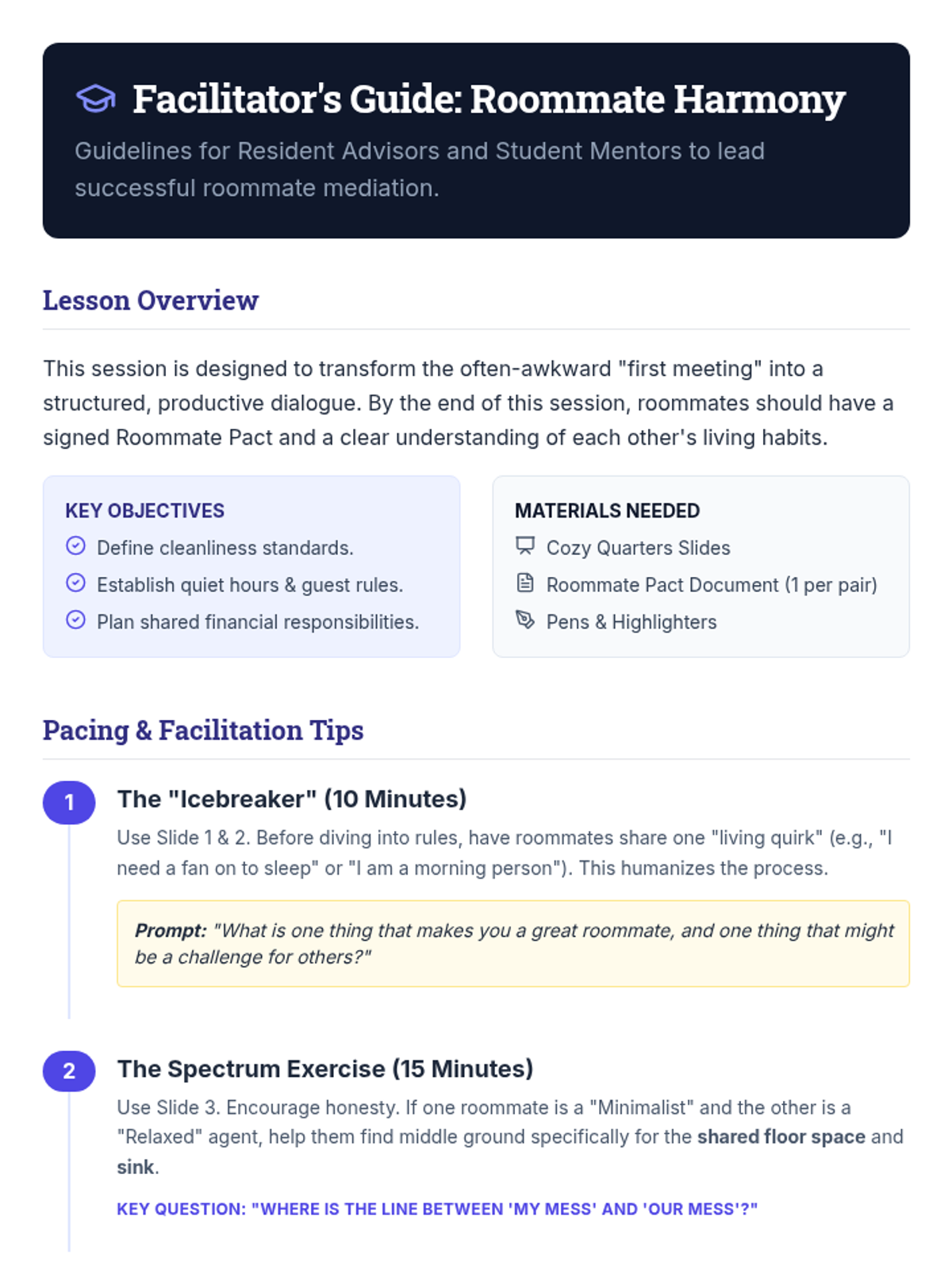
A comprehensive guide for college students to establish healthy living boundaries, manage shared expenses, and maintain a clean environment through a formal roommate agreement.
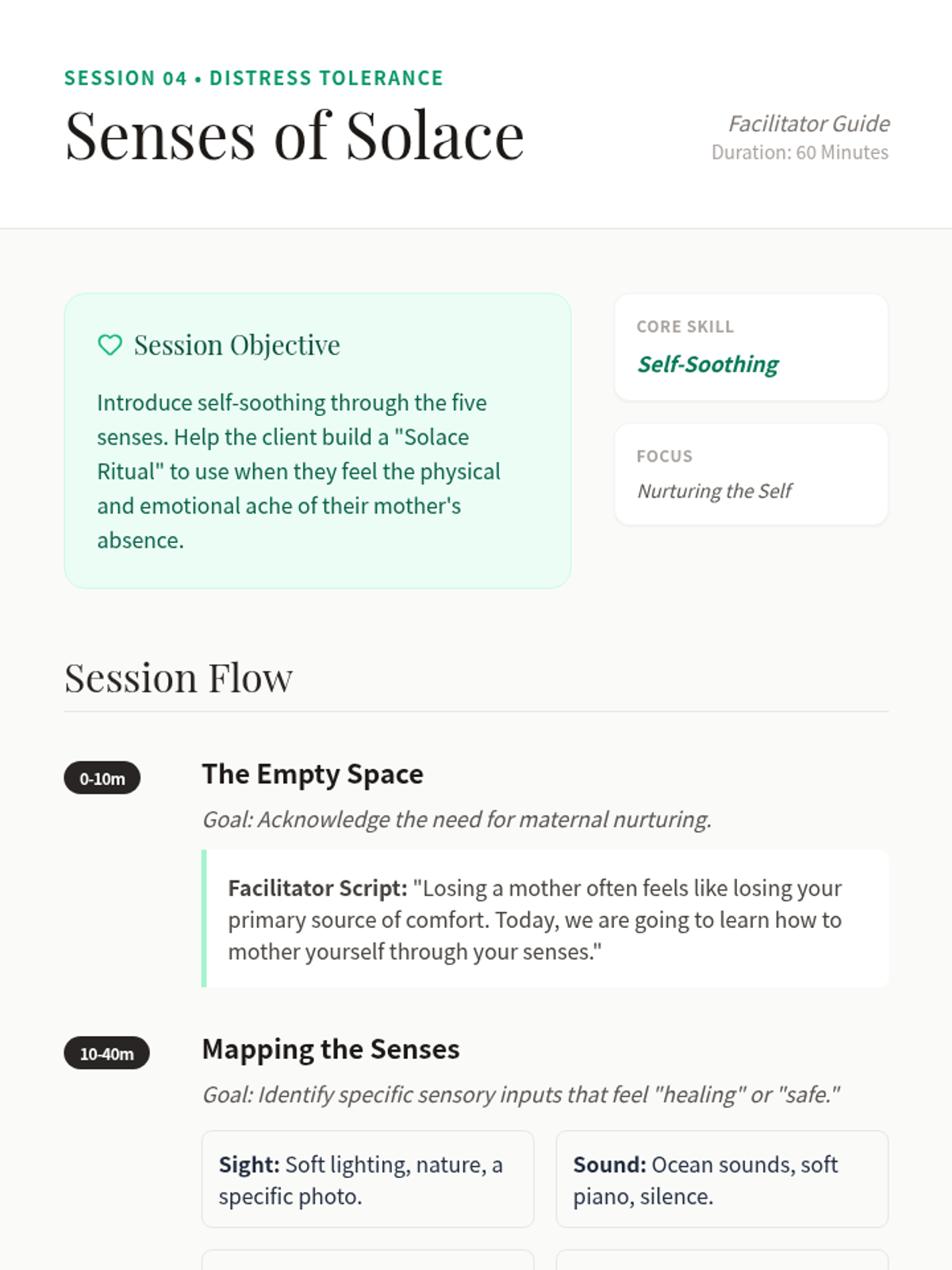
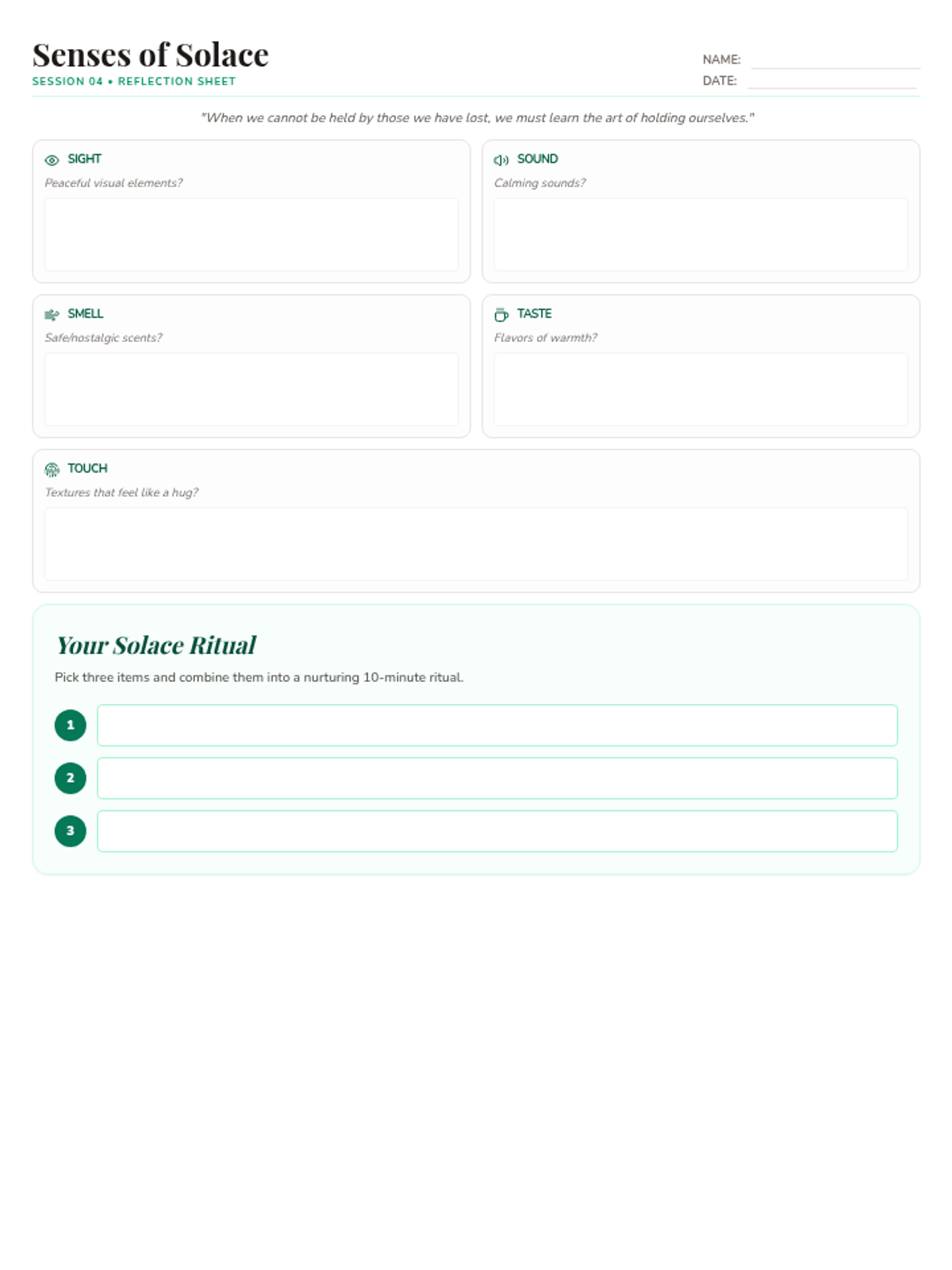
Using the five senses to create a self-soothing ritual for times when the absence of a mother is felt most acutely.
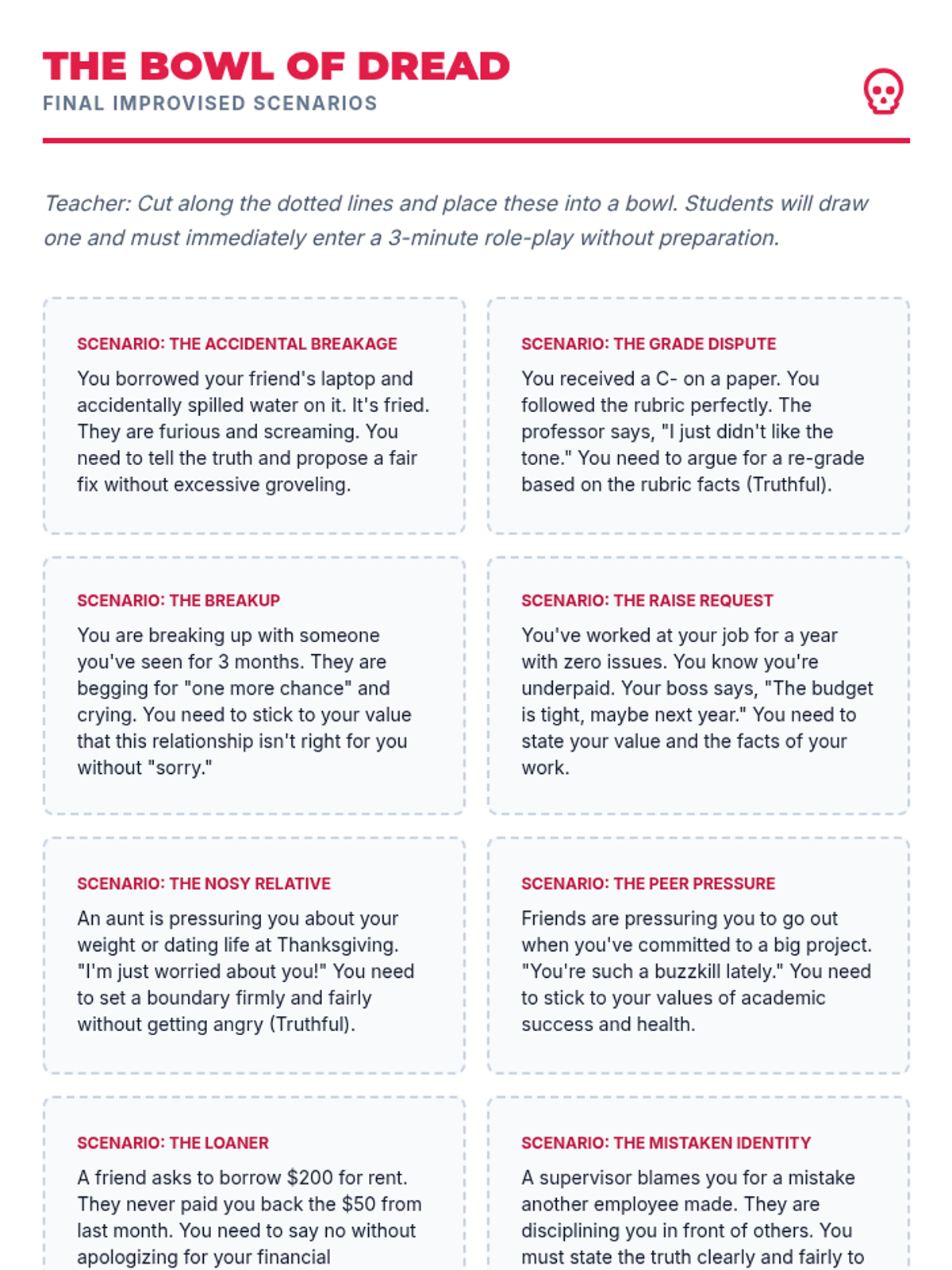
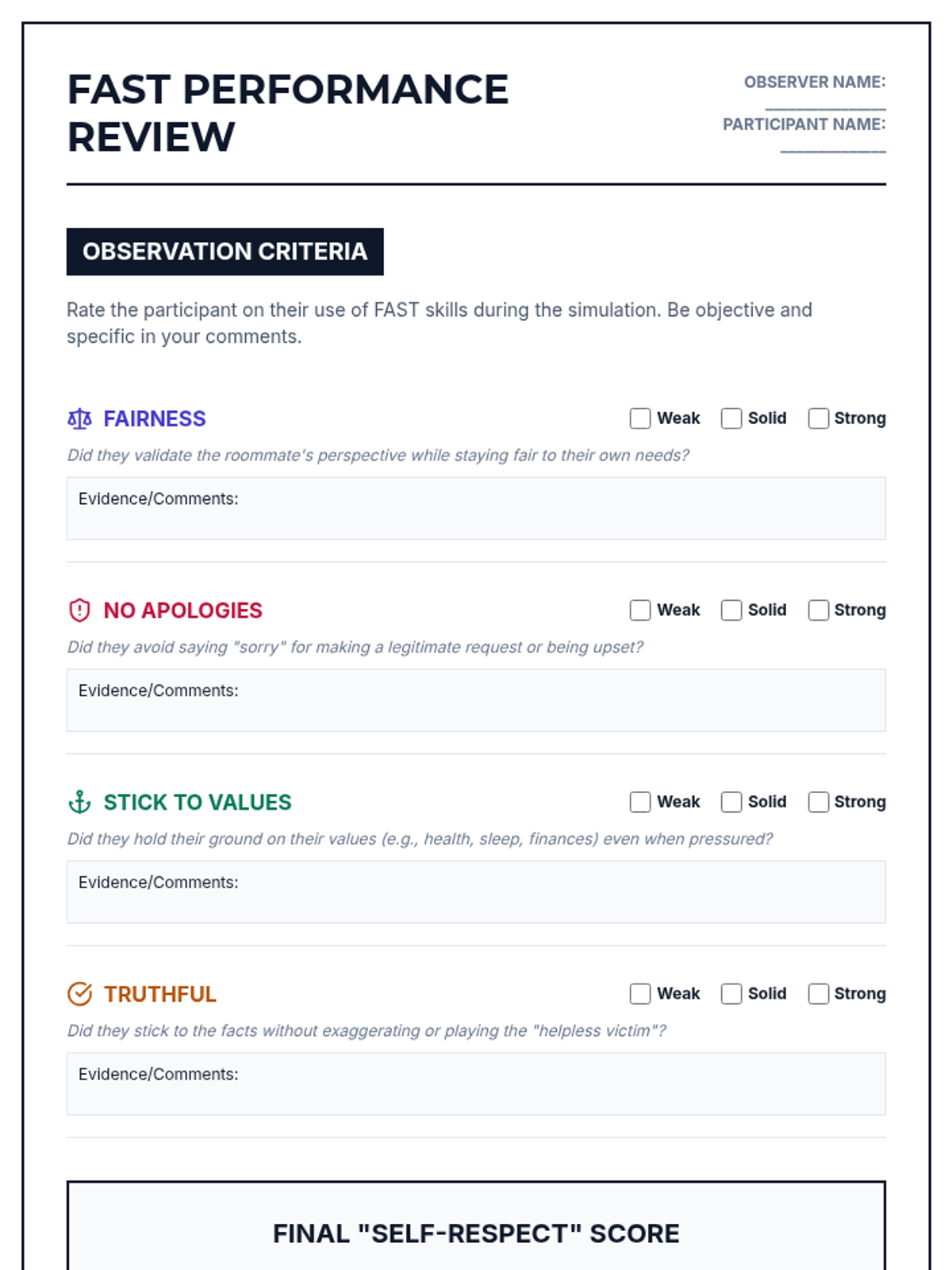
Final assessment session where students engage in improvised conflict resolution using random scenarios to demonstrate mastery of FAST skills.
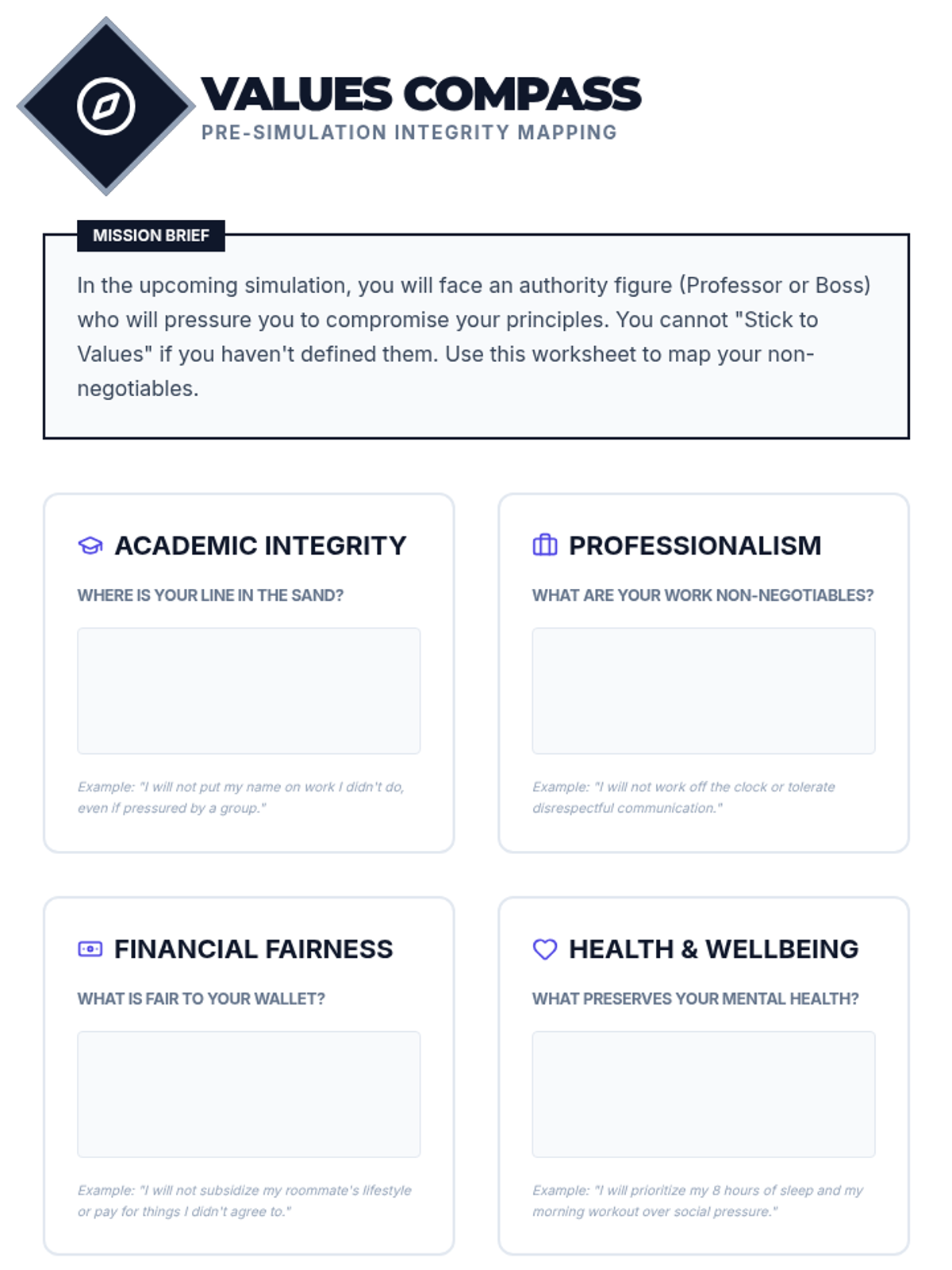
Students face high-power differential role-plays (professor/boss) to practice sticking to their values under external pressure.
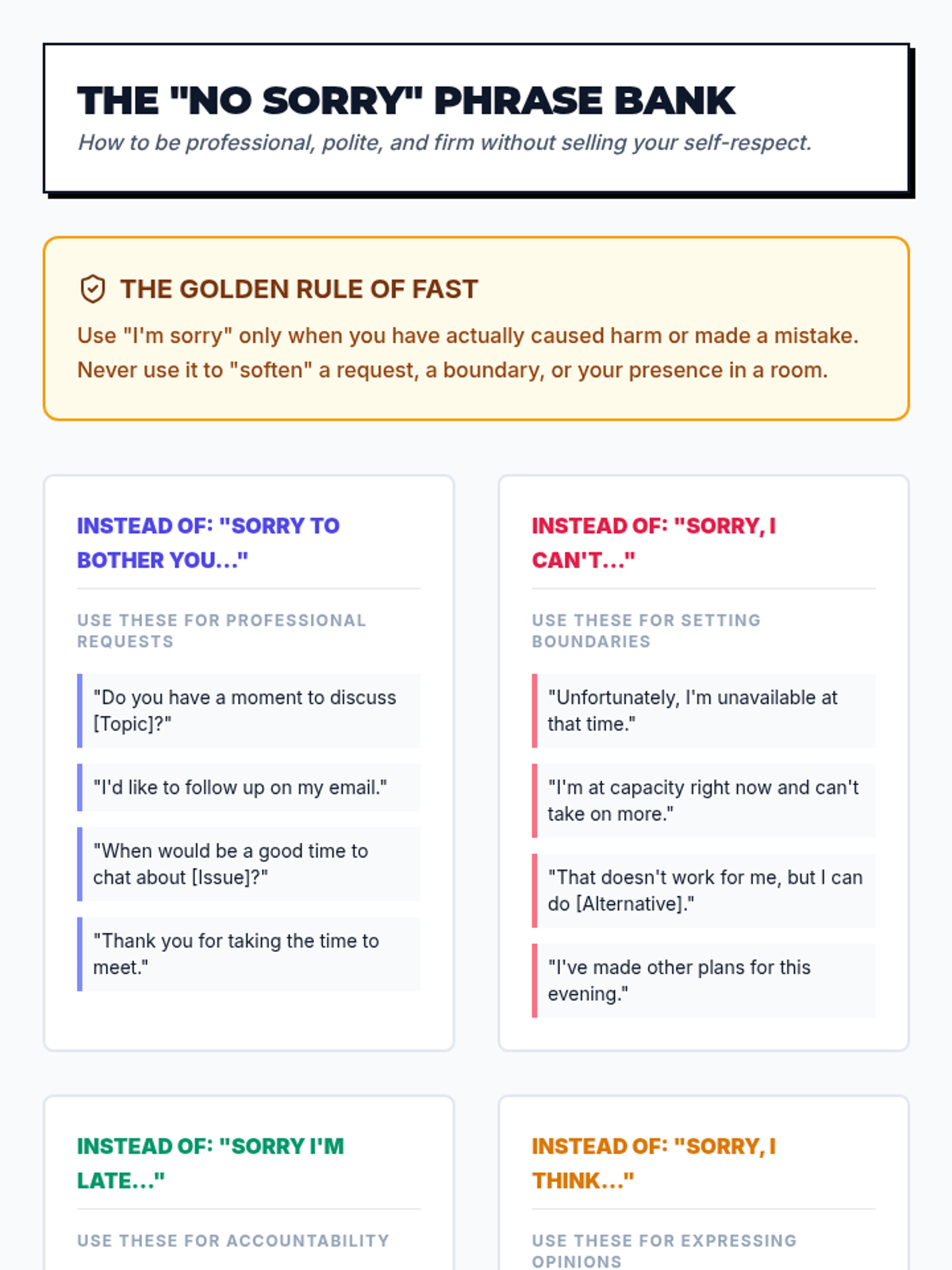
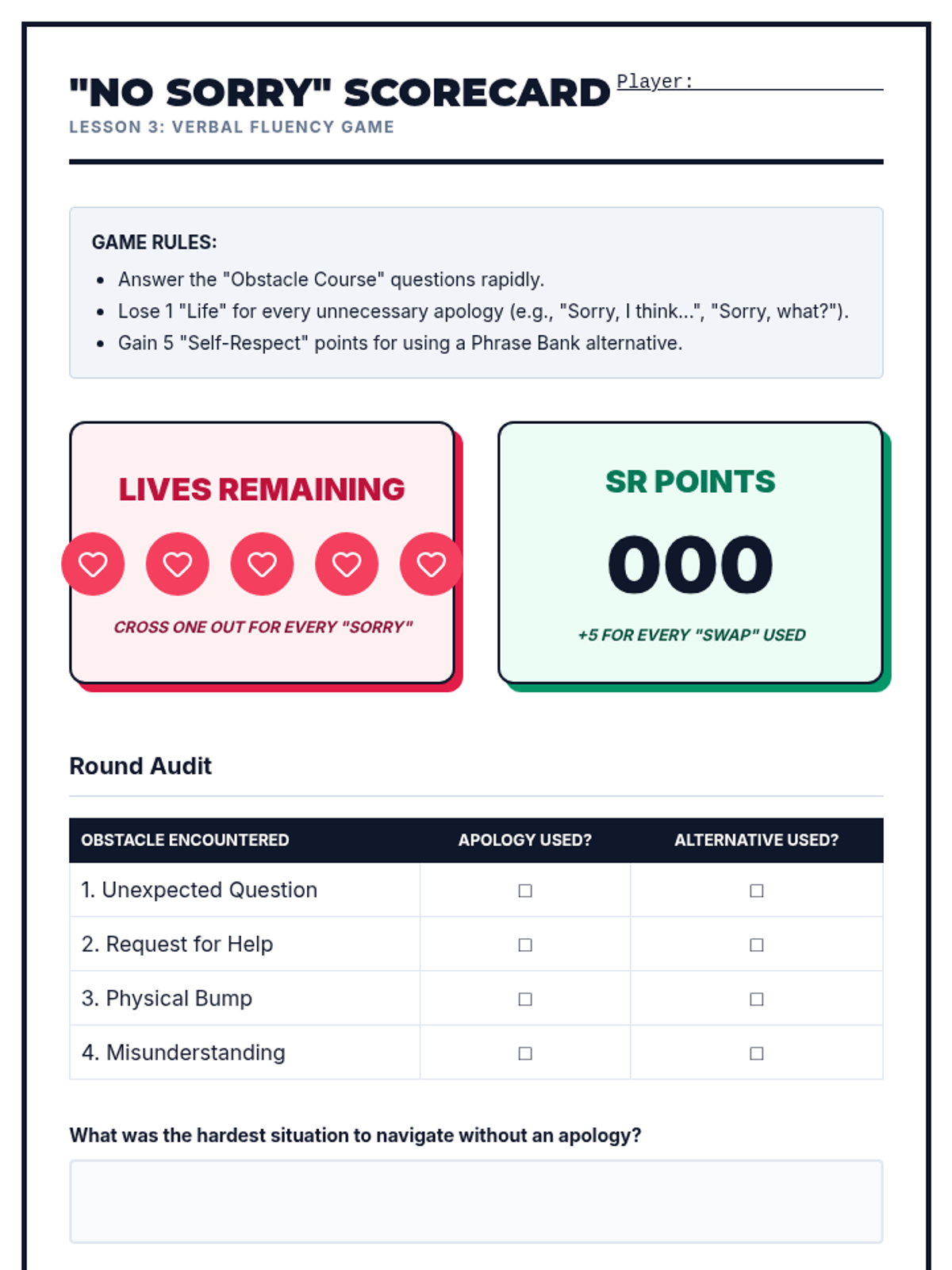
A game-based lesson that challenges students to navigate social interactions without unnecessary apologies, building verbal fluency and self-monitoring.
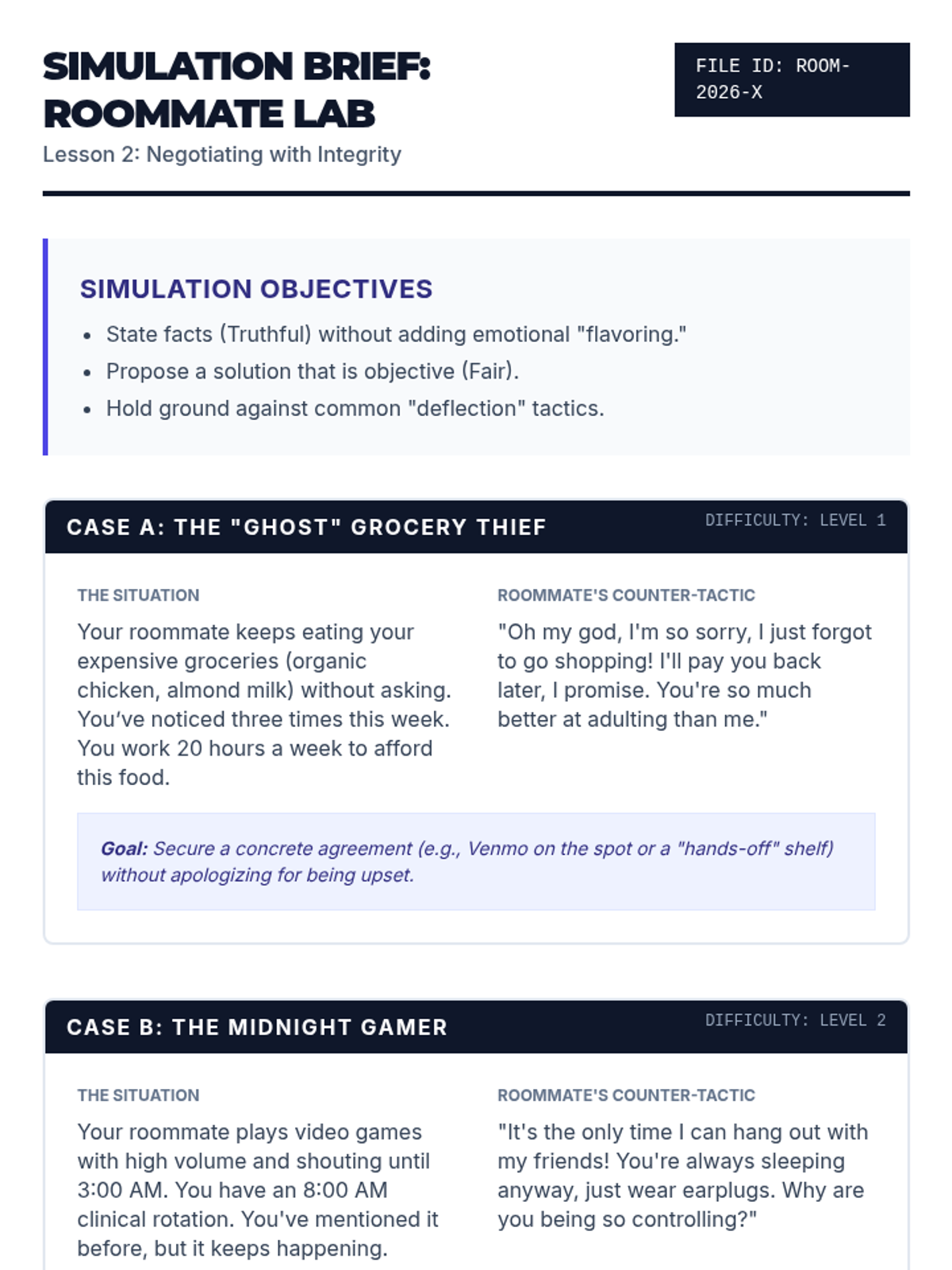
A simulation-based session where students practice negotiating roommate disputes, focusing on being 'Fair' and 'Truthful' while maintaining their ground.
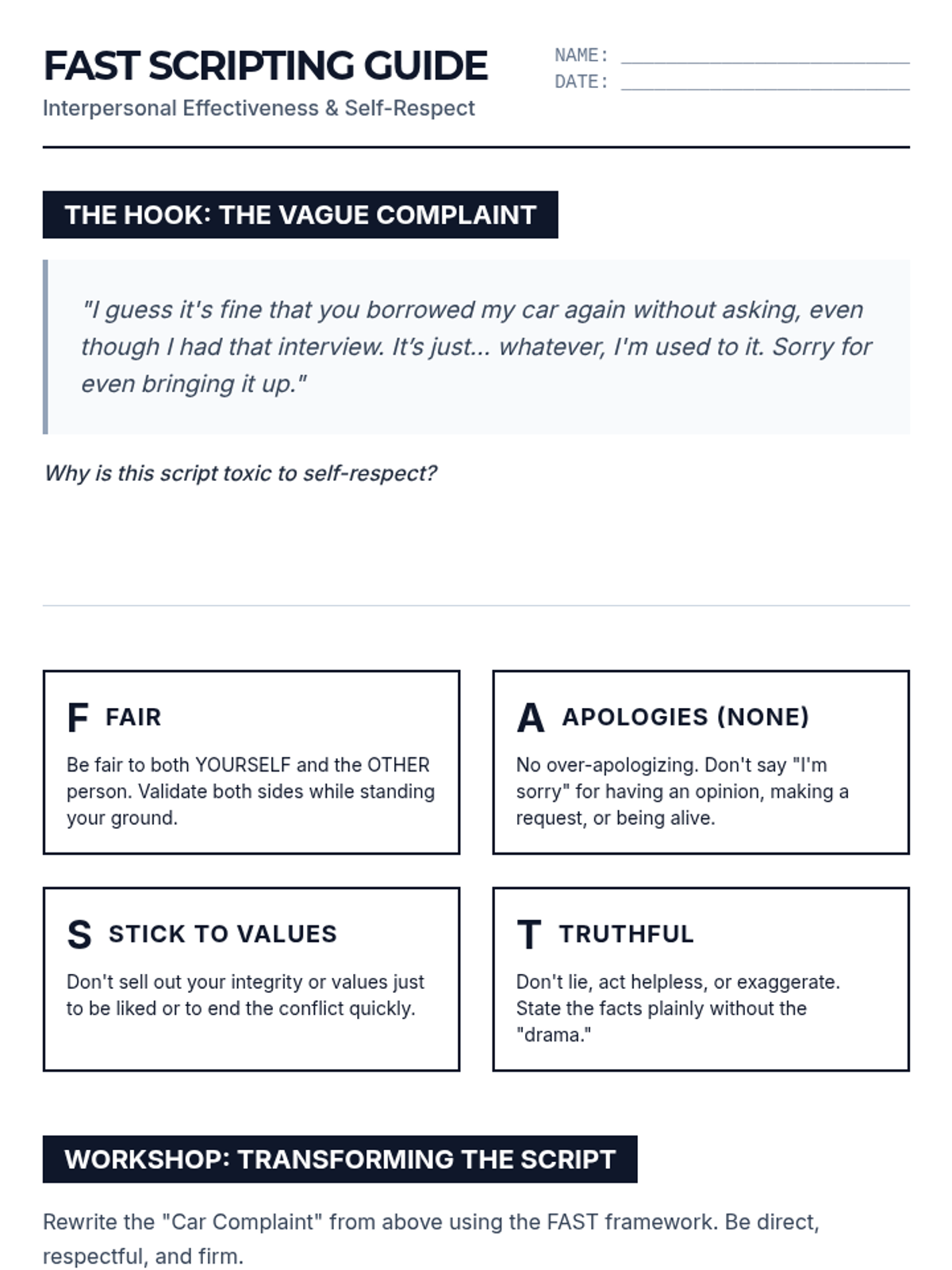
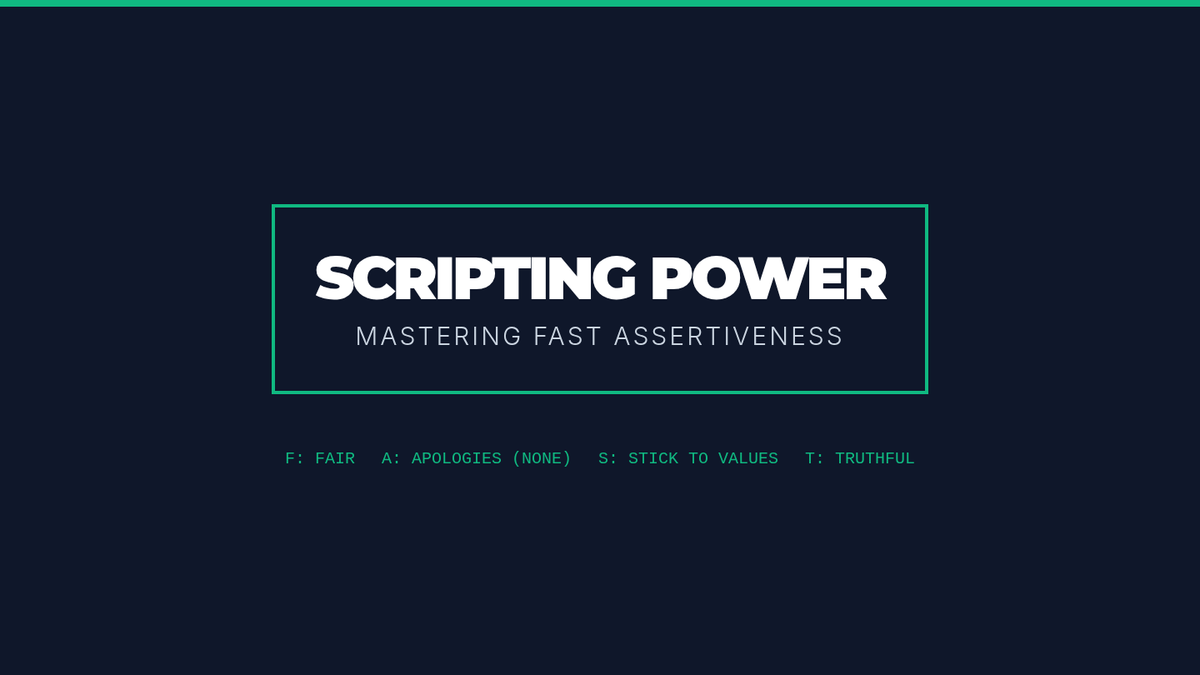
Students transition from vague complaints to structured, assertive scripts using the FAST framework, building the linguistic foundation for conflict resolution.
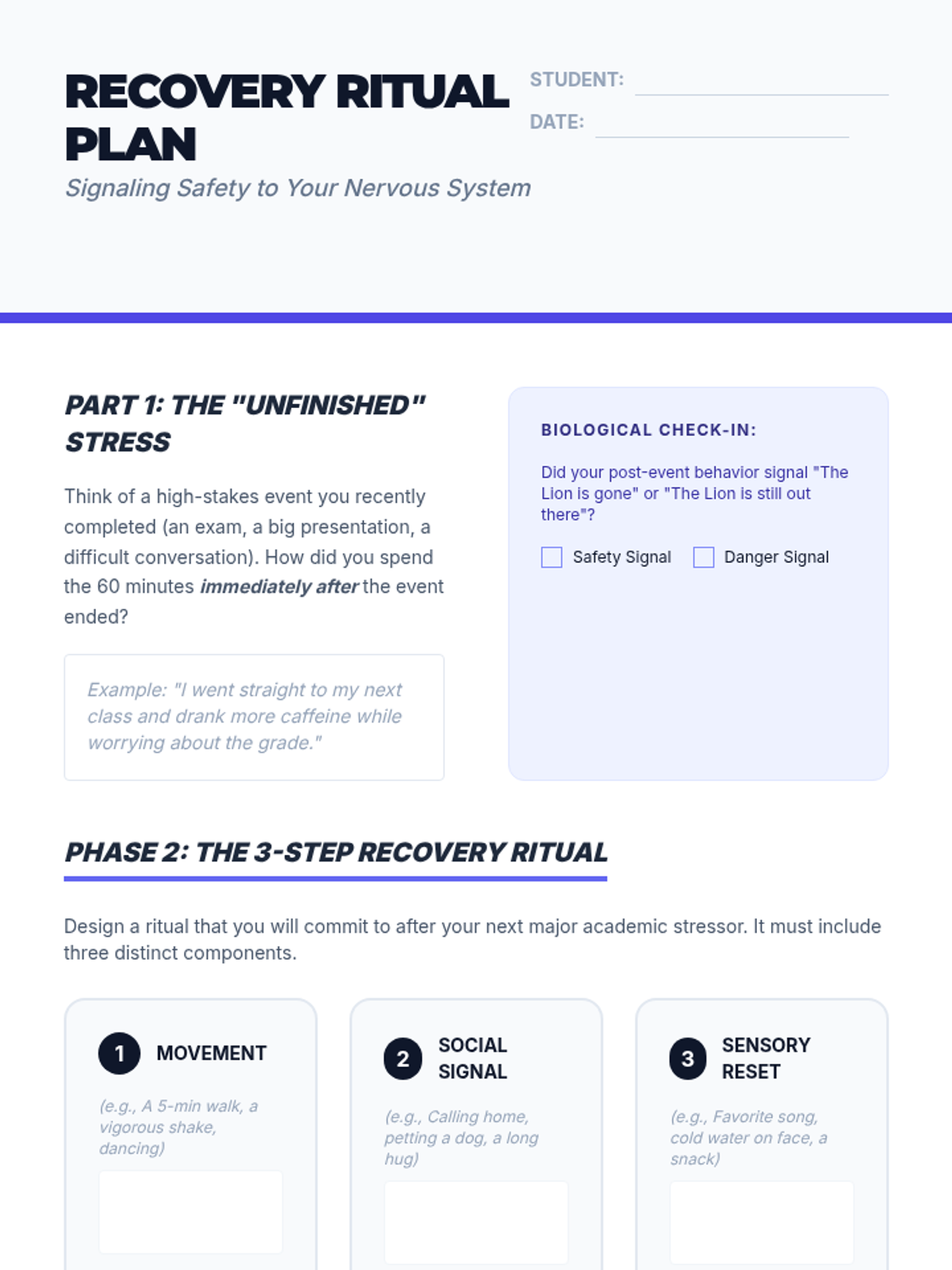
Covers the physiological completion of the stress cycle to prevent burnout. Students design personalized post-event rituals to signal safety to their nervous systems.
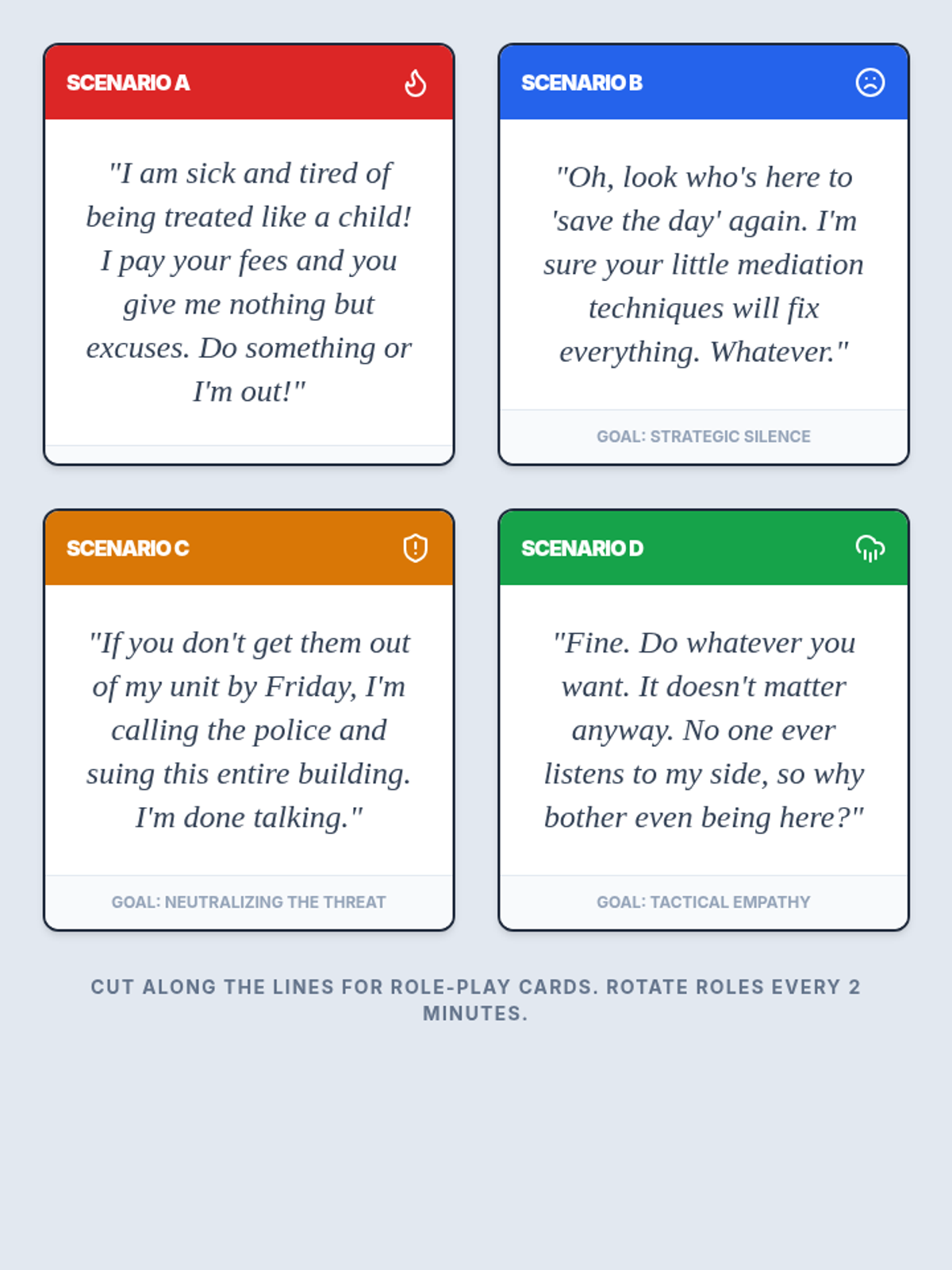
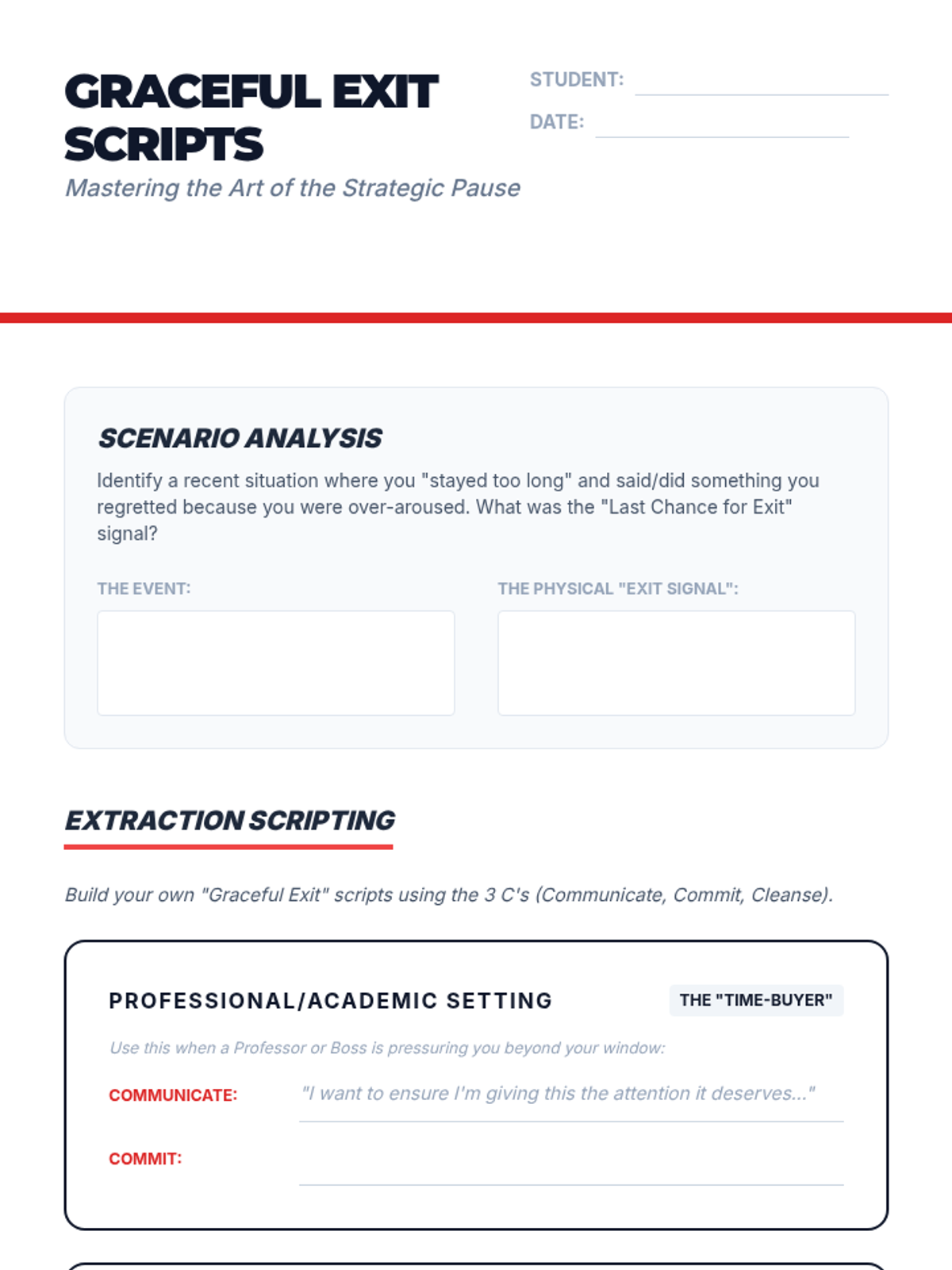
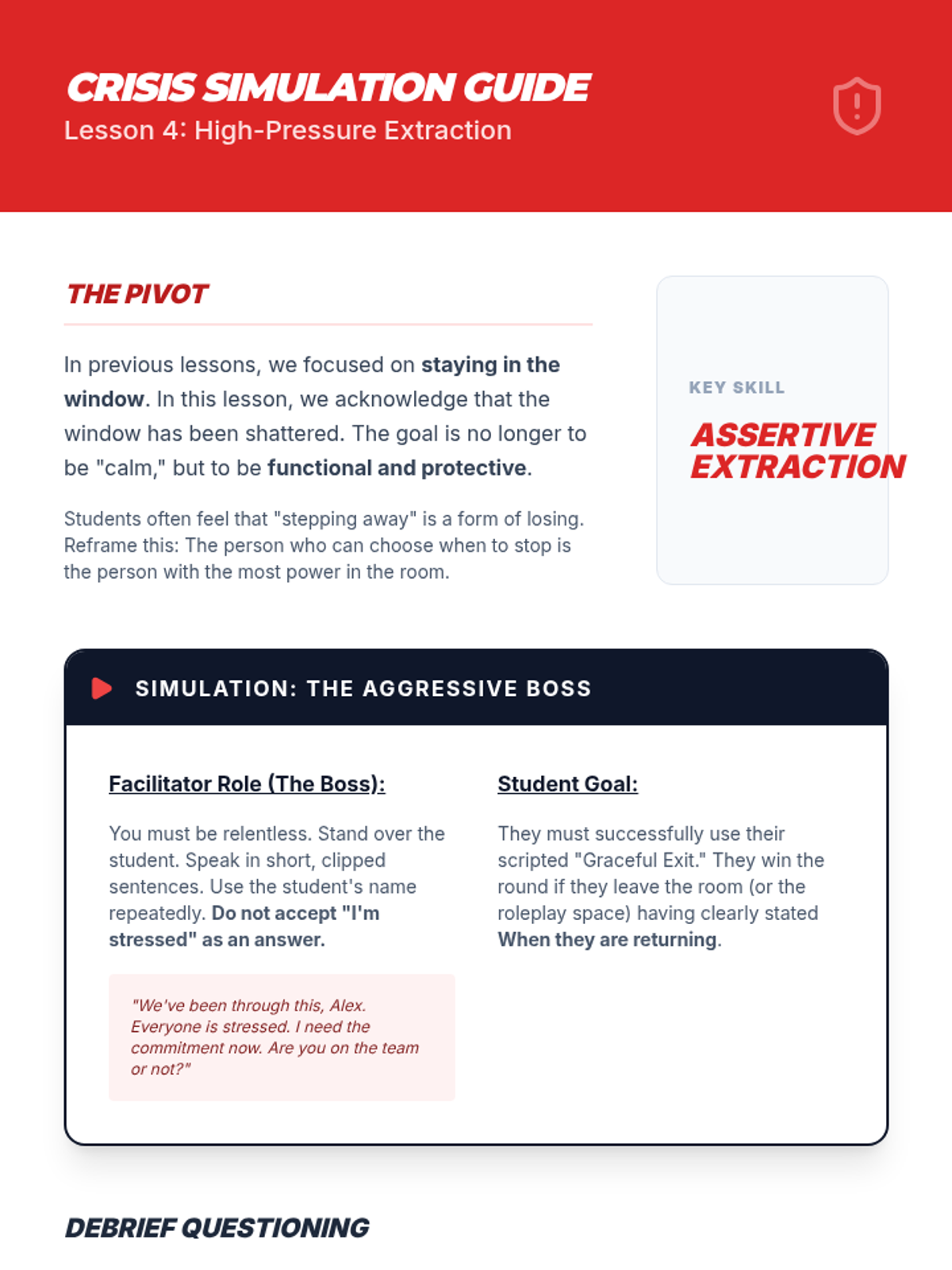
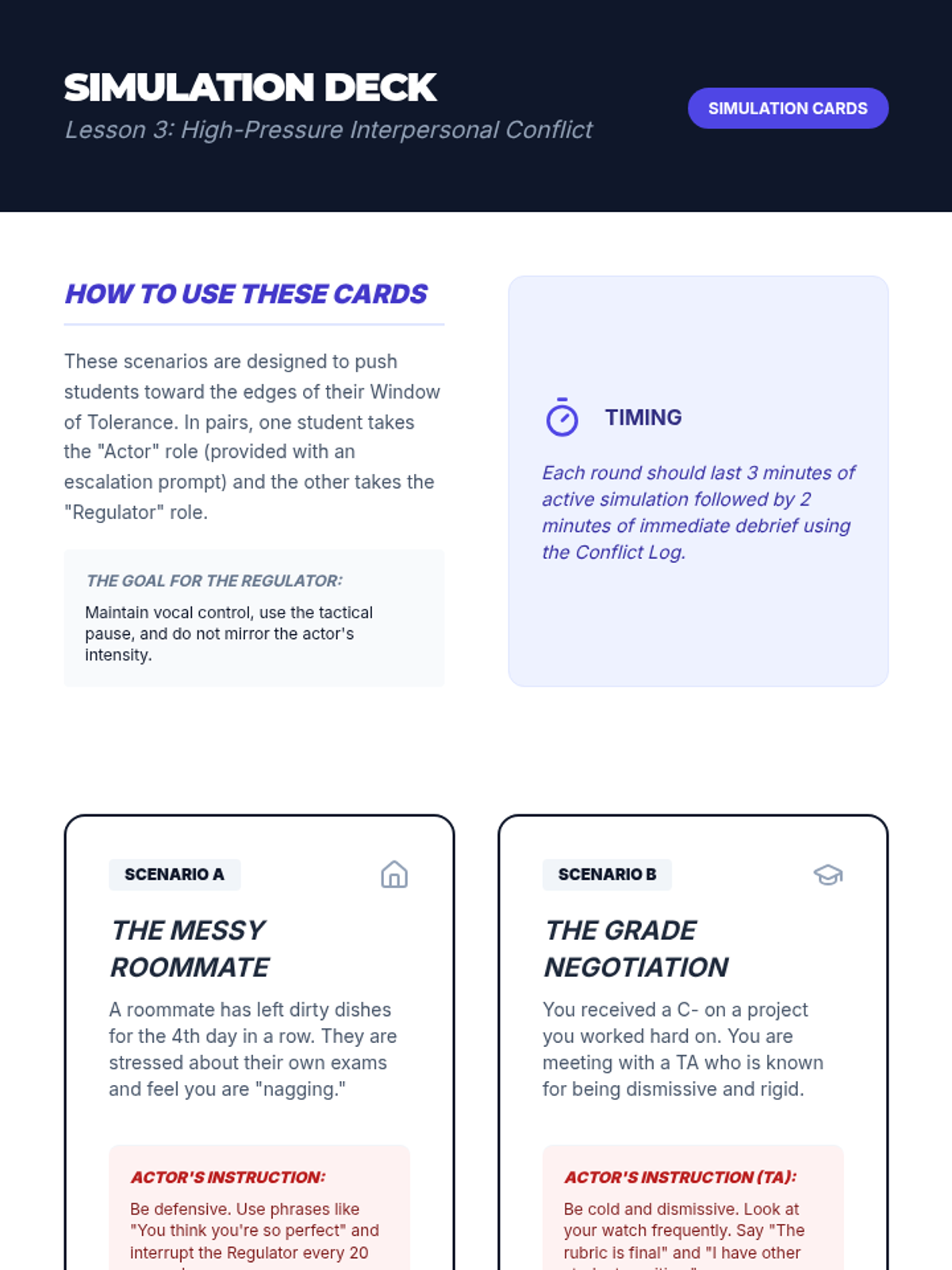
Explores intense de-escalation scenarios, teaching 'stepping away' and 'returning' strategies. Students learn assertive communication to buy time during high-stress professional or personal demands.
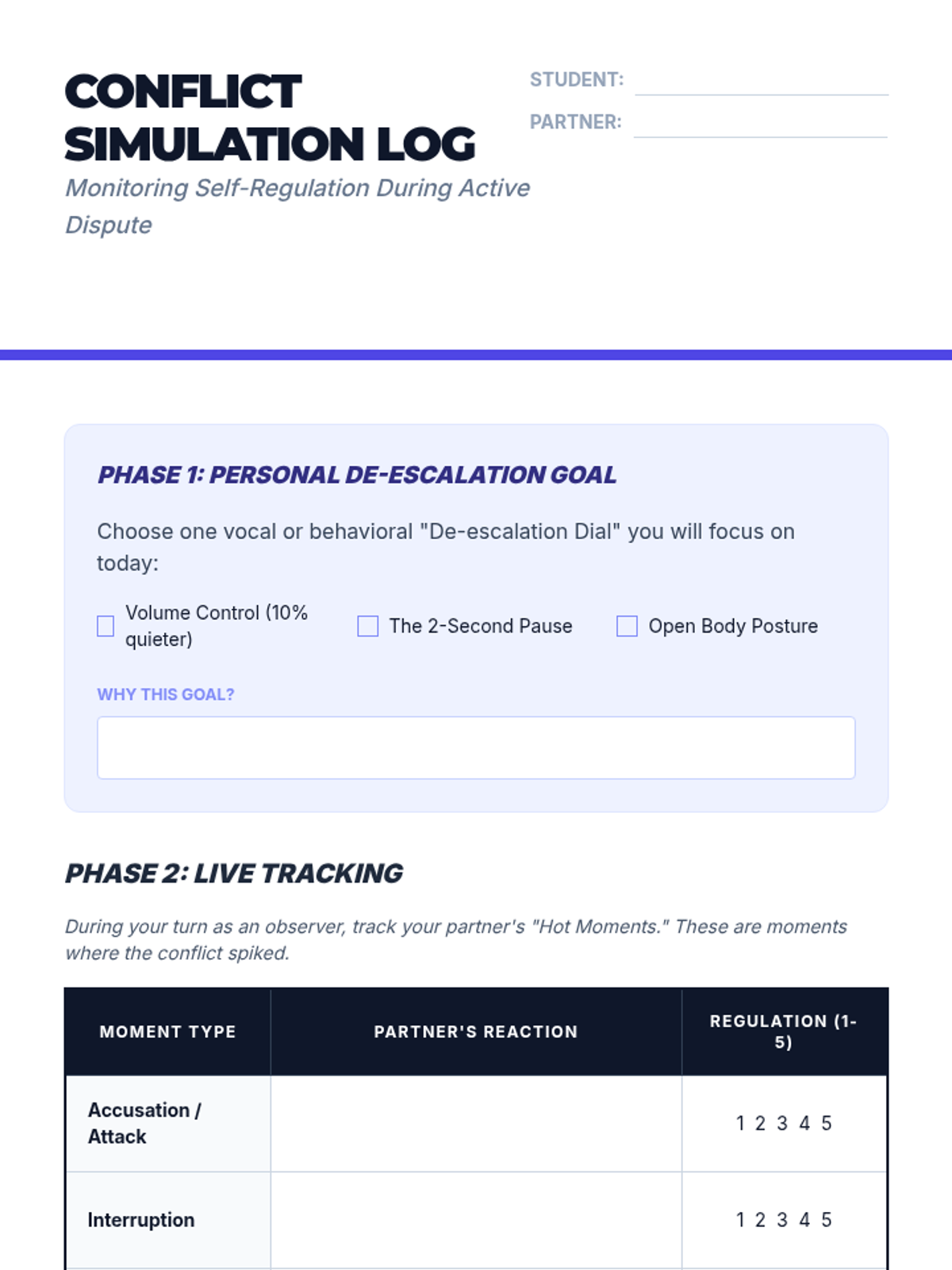
Students practice de-escalating interpersonal conflict through role-play and games. The lesson emphasizes pausing, breathing, and regulating vocal tone to prevent escalation.
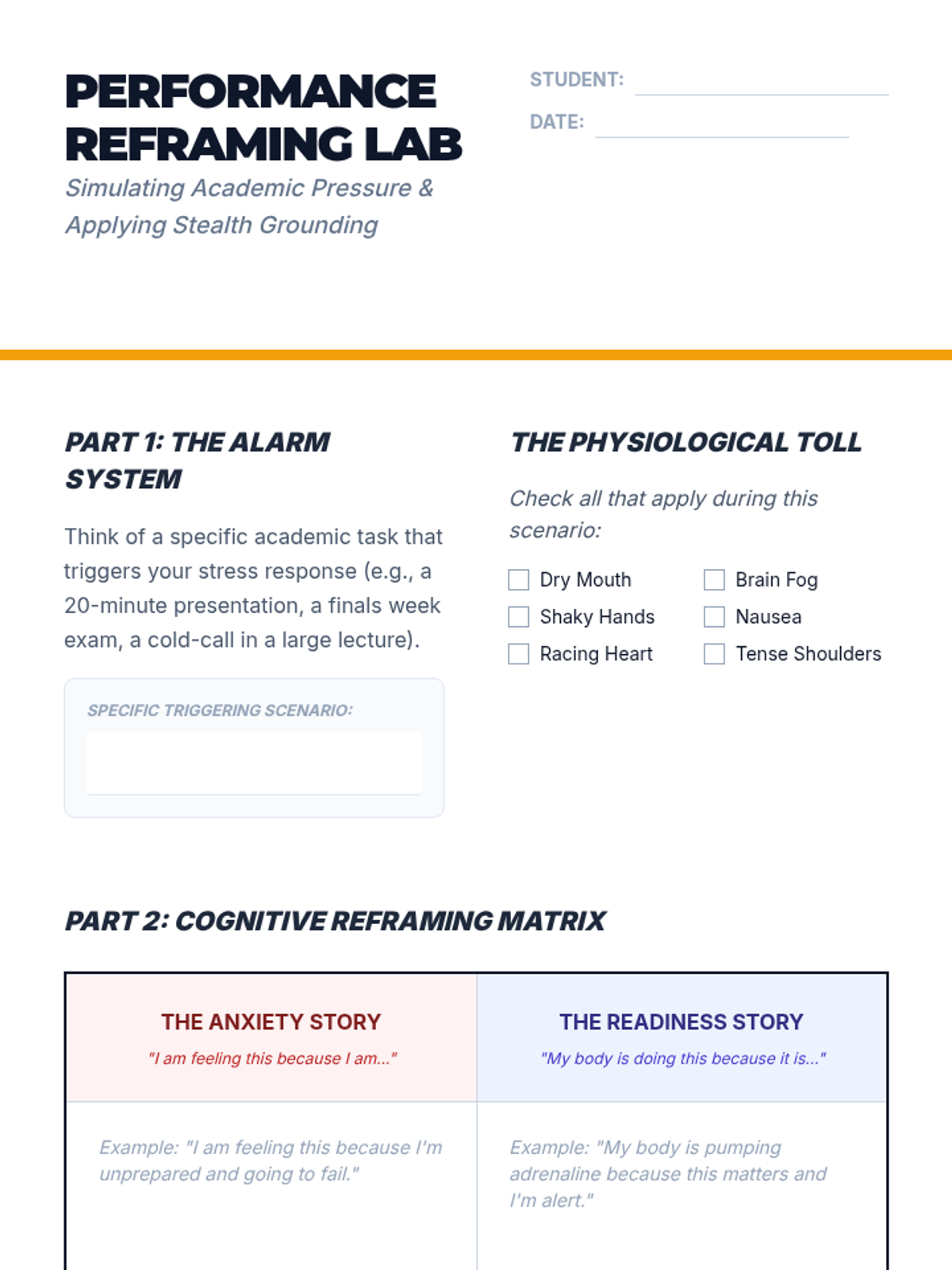
Focuses on test anxiety and public speaking, teaching stealth grounding techniques and cognitive reframing. Students practice converting anxiety signals into readiness signals through simulations.
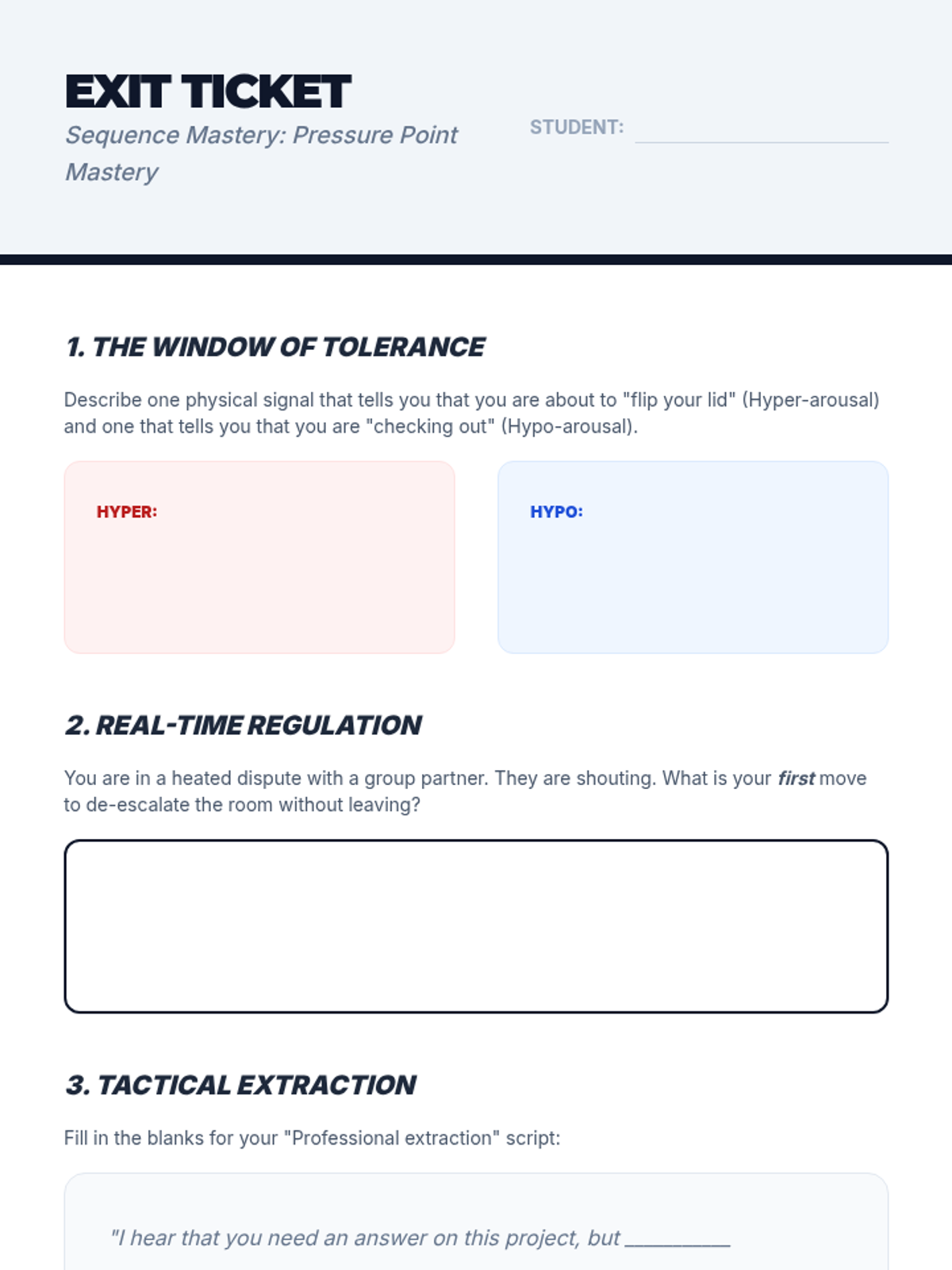
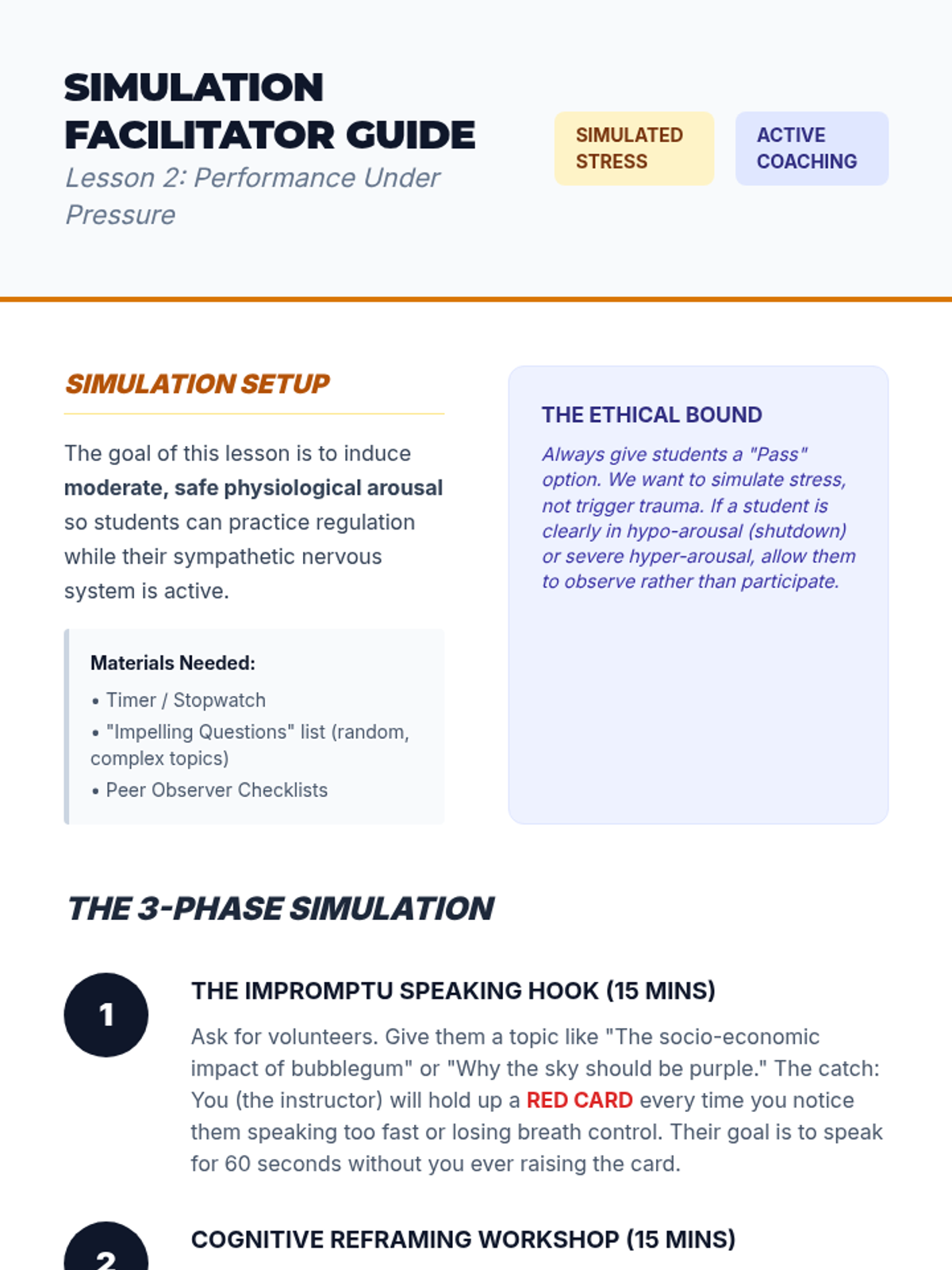
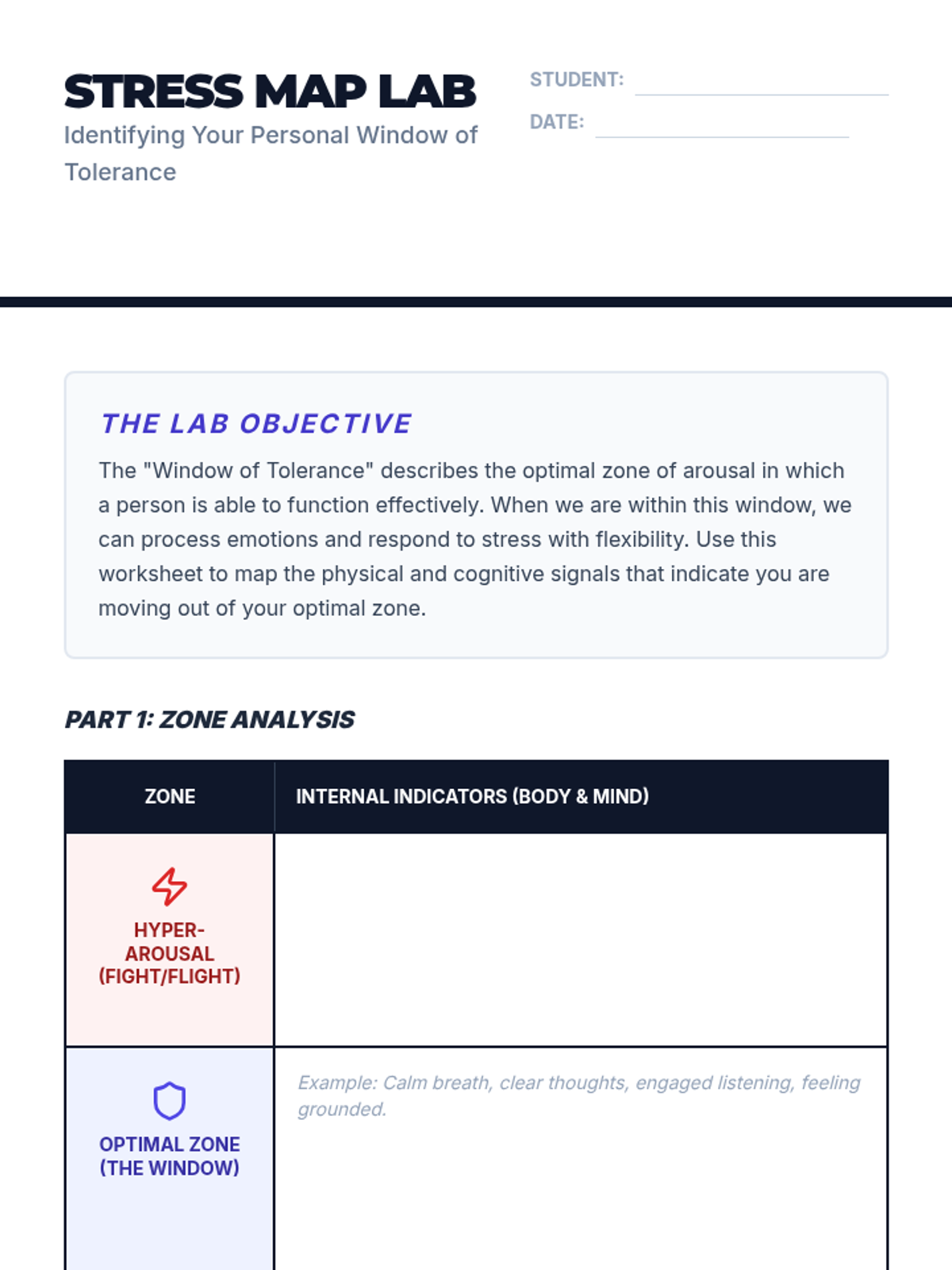
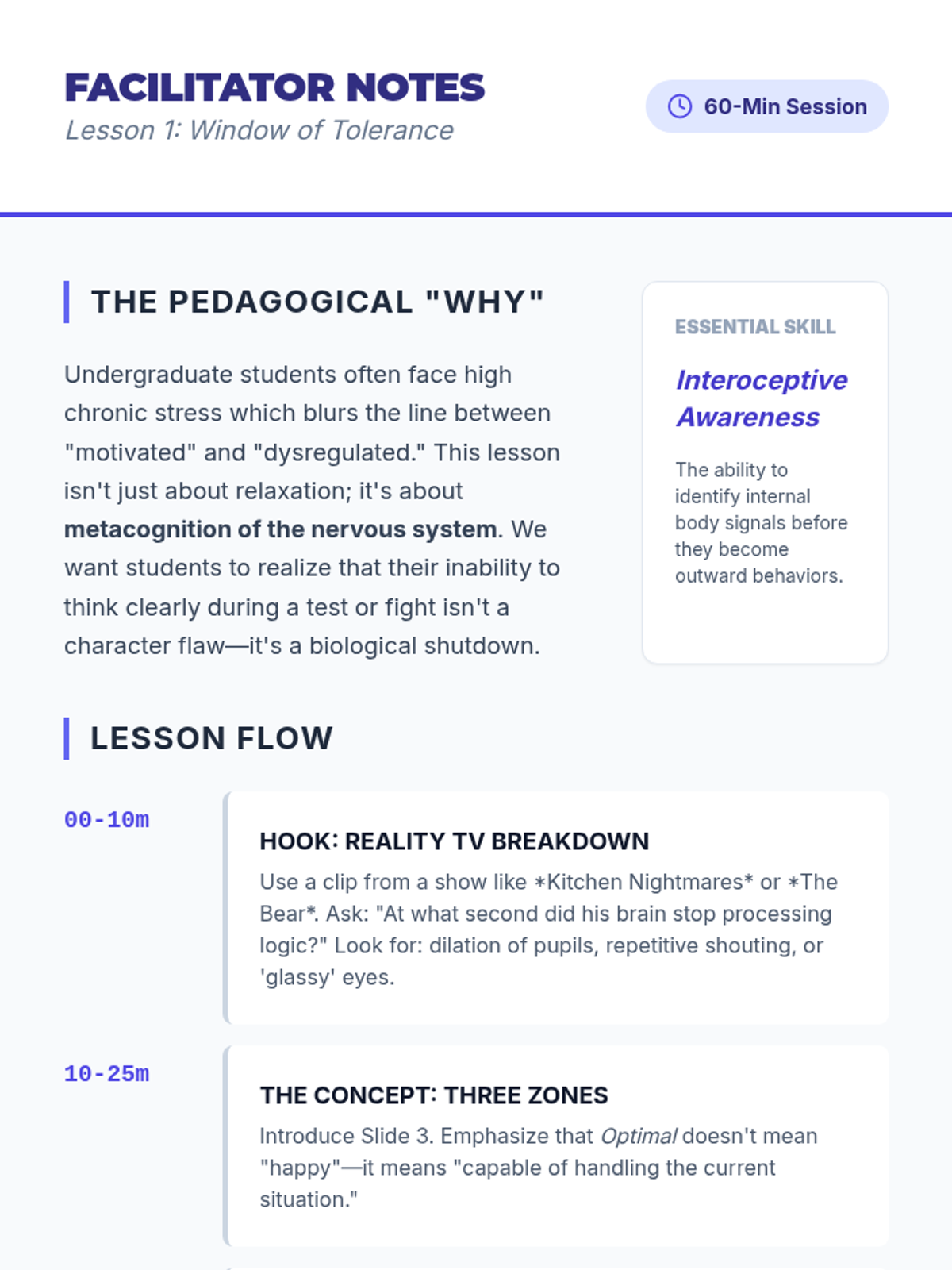
Students define their personal Window of Tolerance and identify signs of hyper-arousal and hypo-arousal in response to stressors. They analyze real-world behaviors to map their own emotional boundaries.
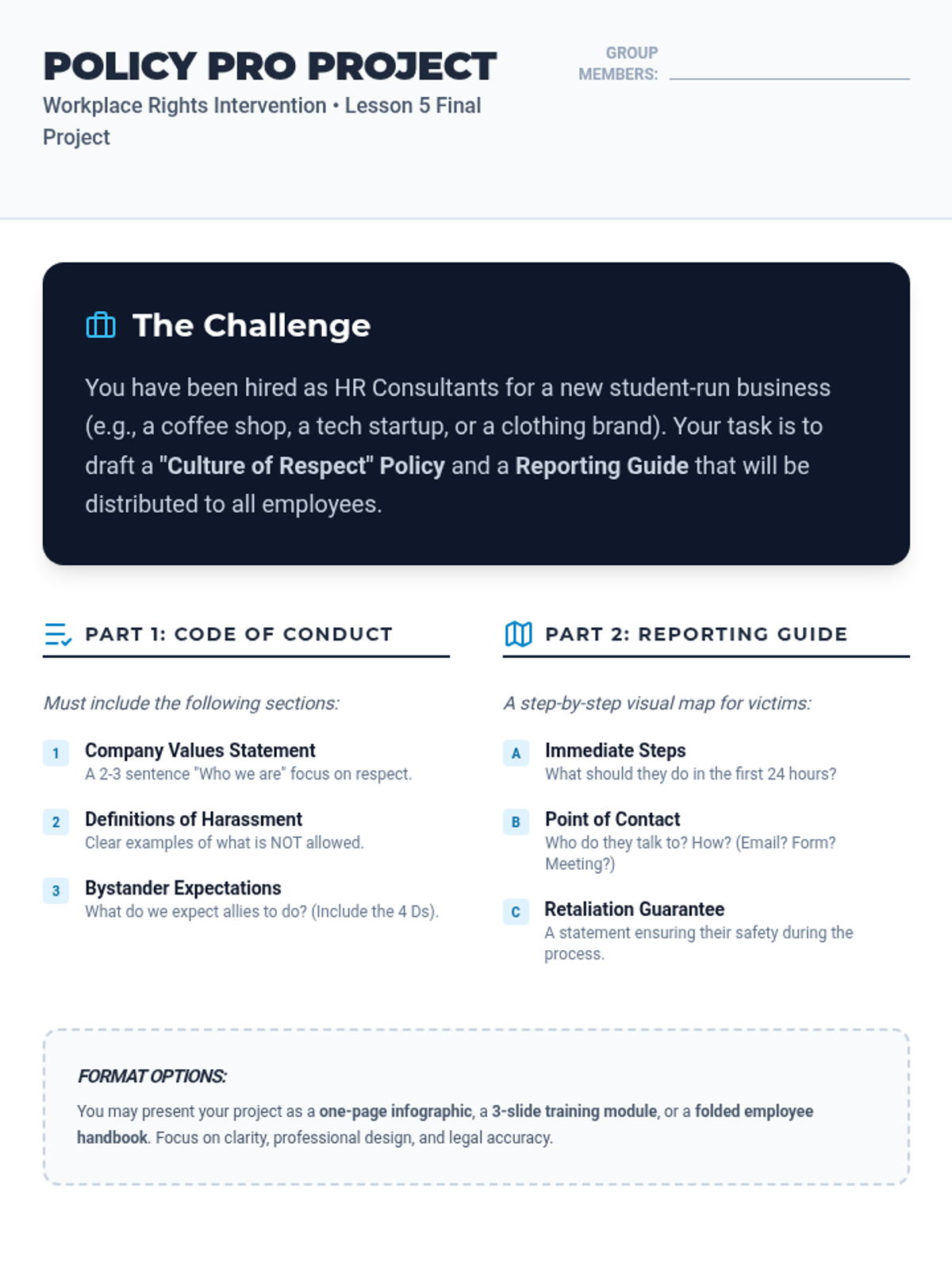
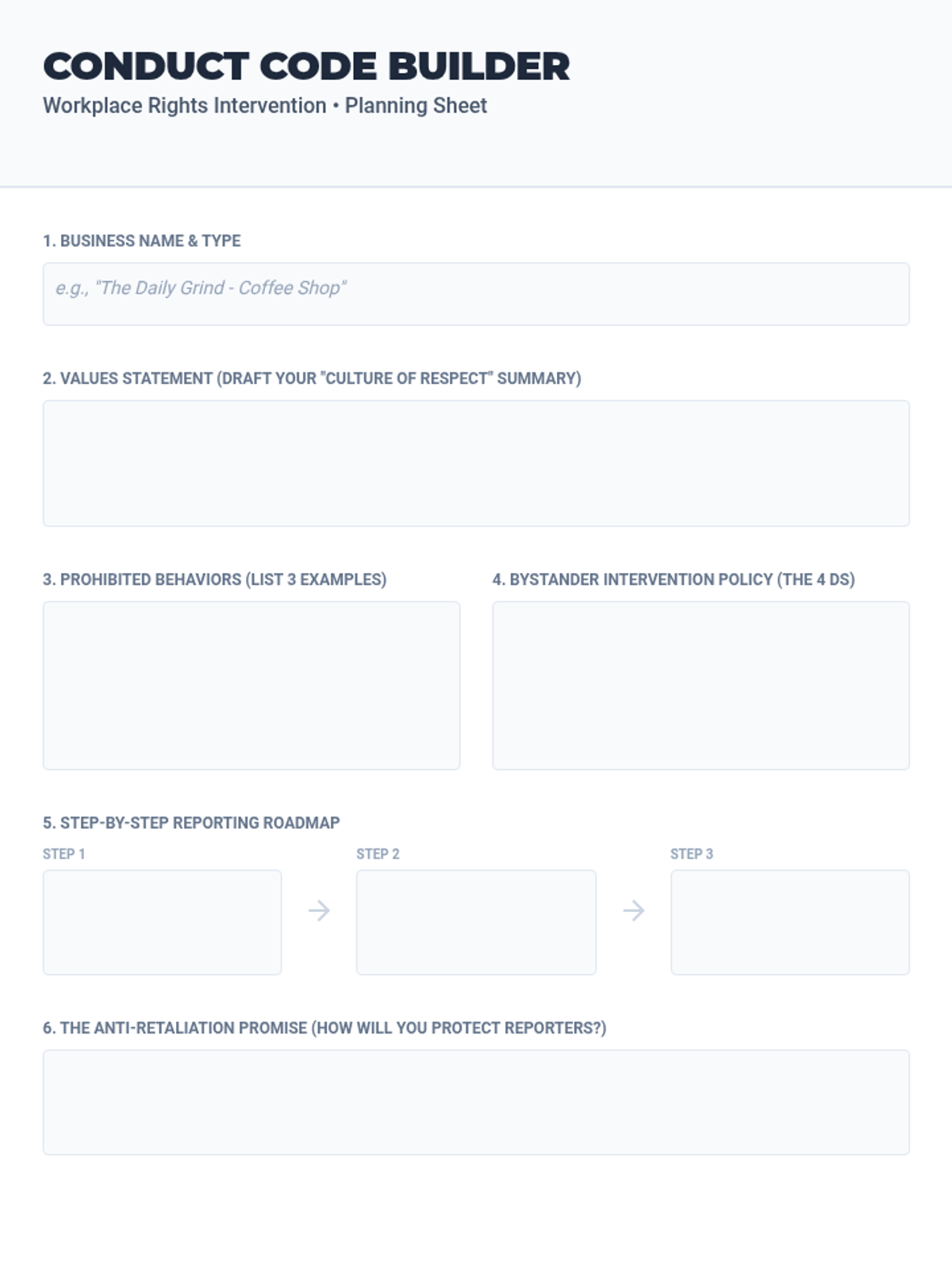
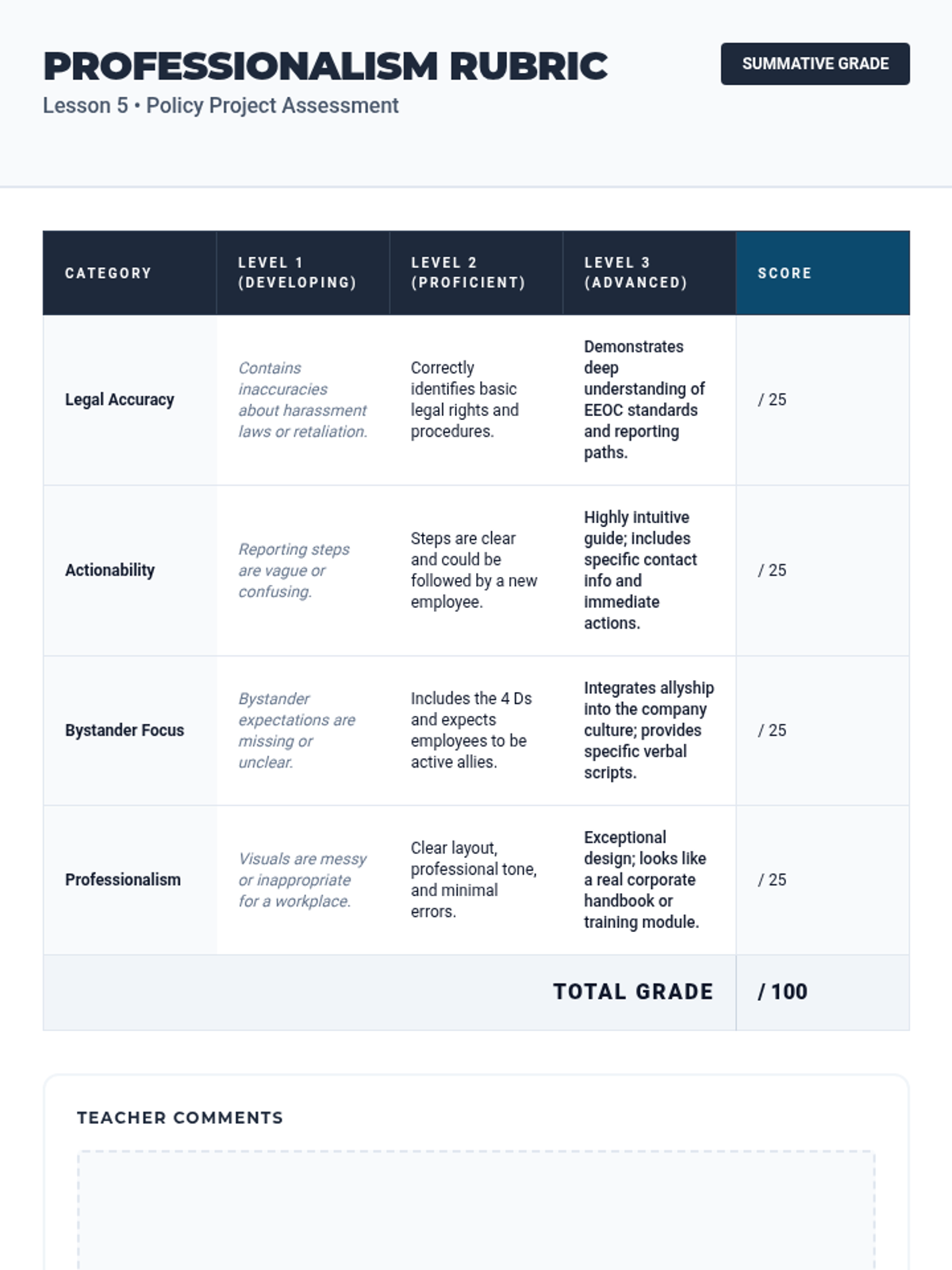
Students work in groups to draft a 'Code of Conduct' and a 'Reporting Guide' for a student-run business or organization, synthesizing all sequence concepts.
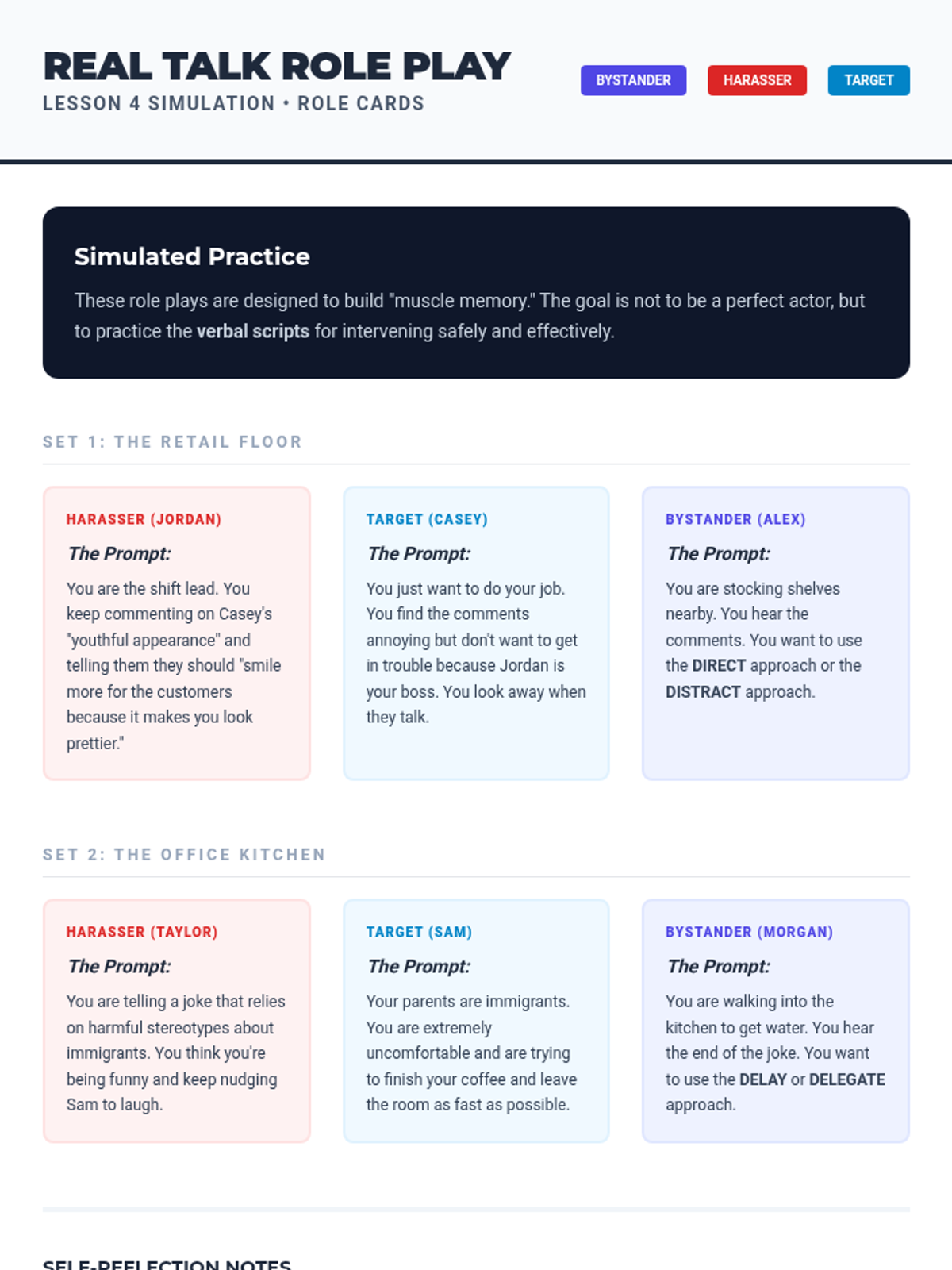
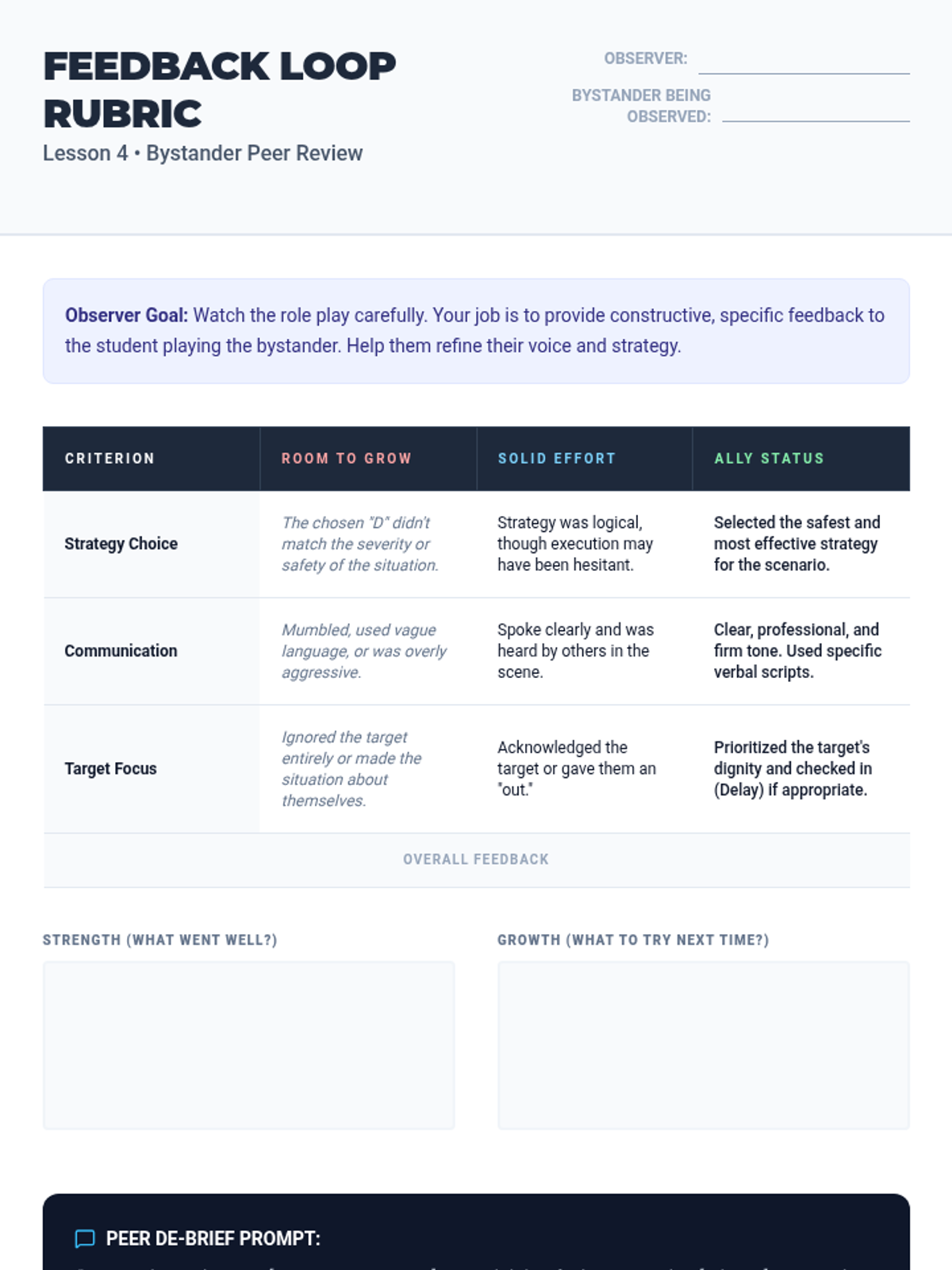
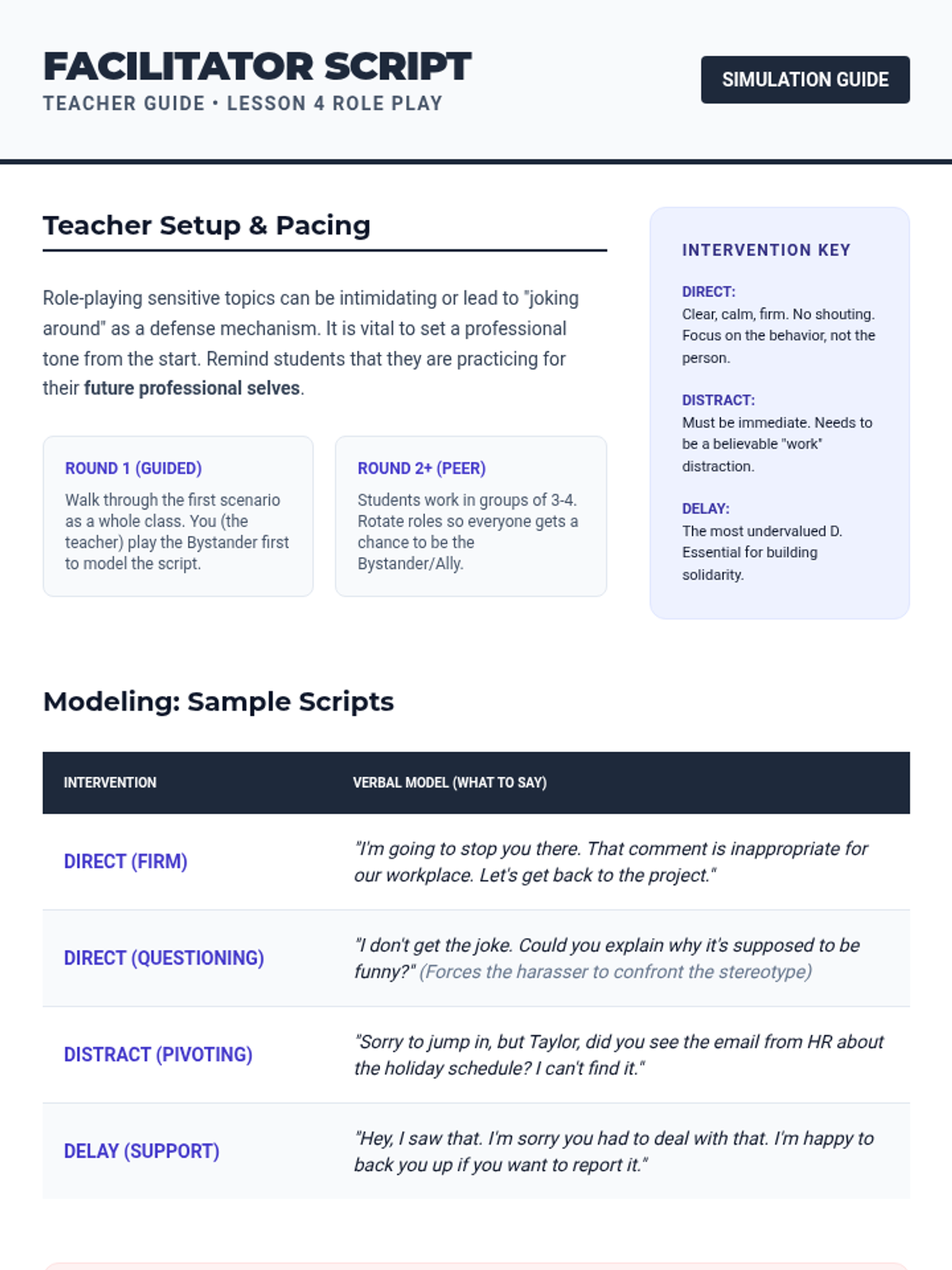
Students engage in structured role-plays to practice the intervention strategies learned. They take turns acting as the target, the harasser, and the bystander.
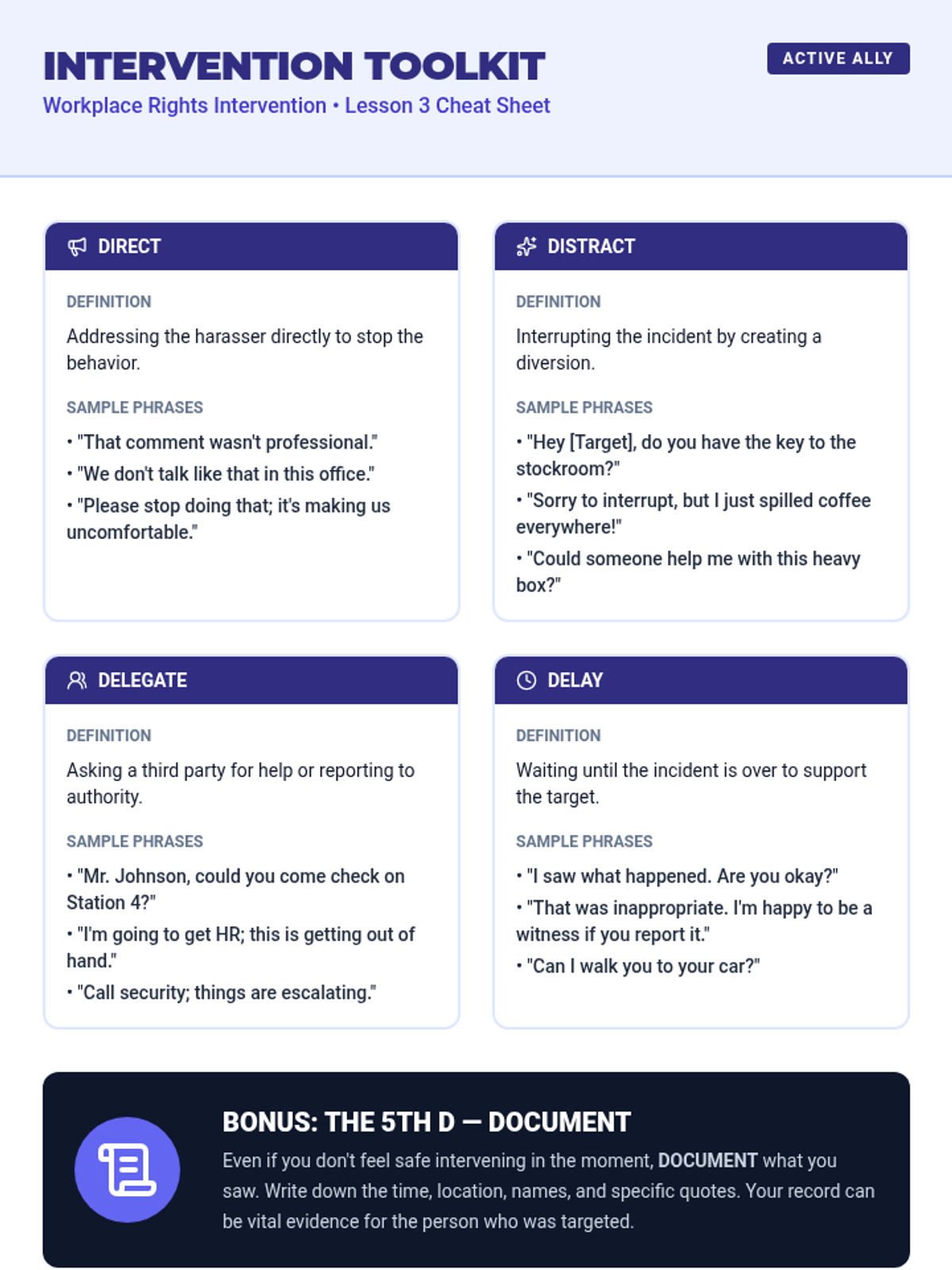
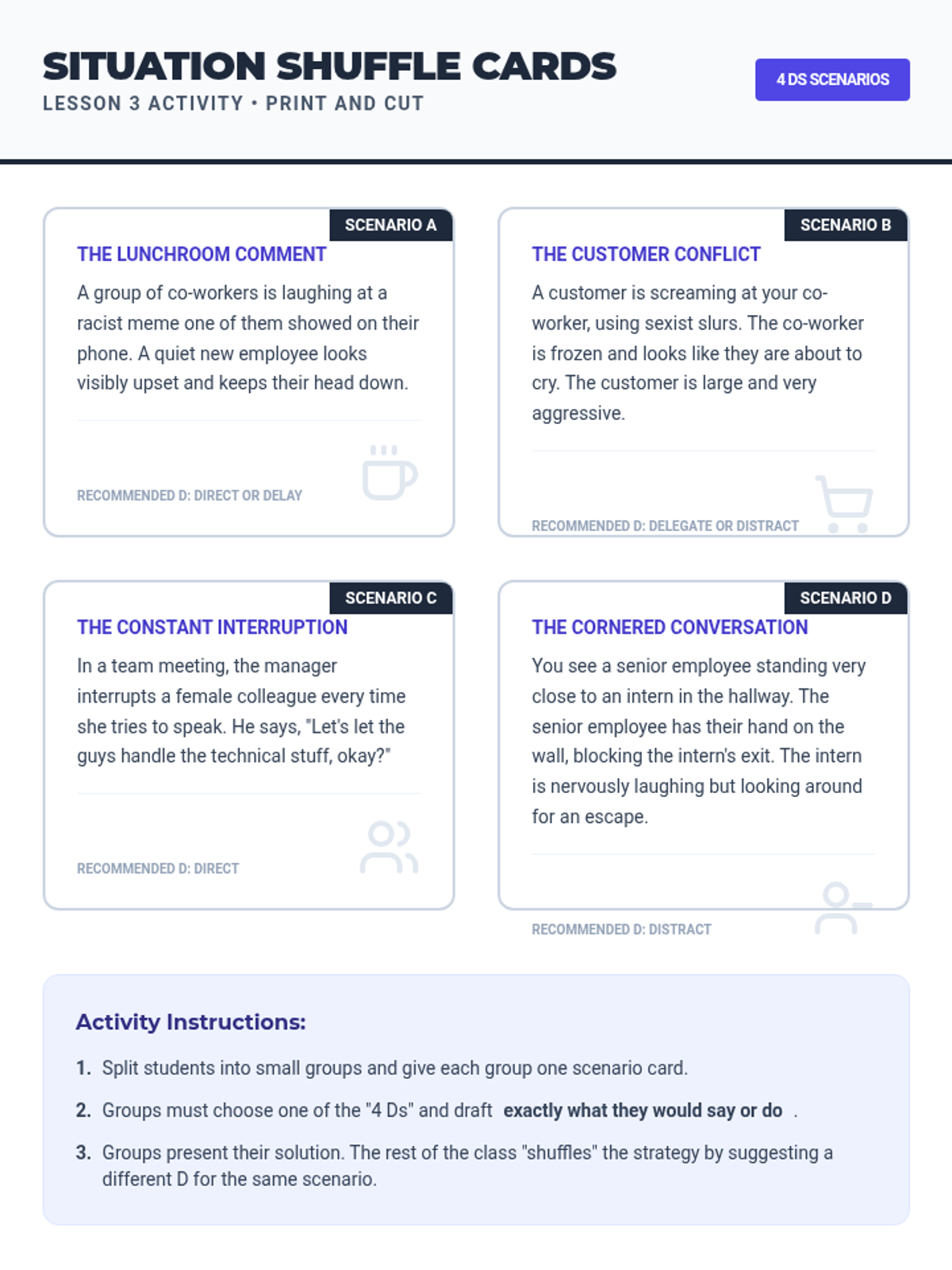
Students are introduced to the '4 Ds' of bystander intervention: Direct, Distract, Delegate, and Delay. They analyze scenarios to determine the best intervention strategy.
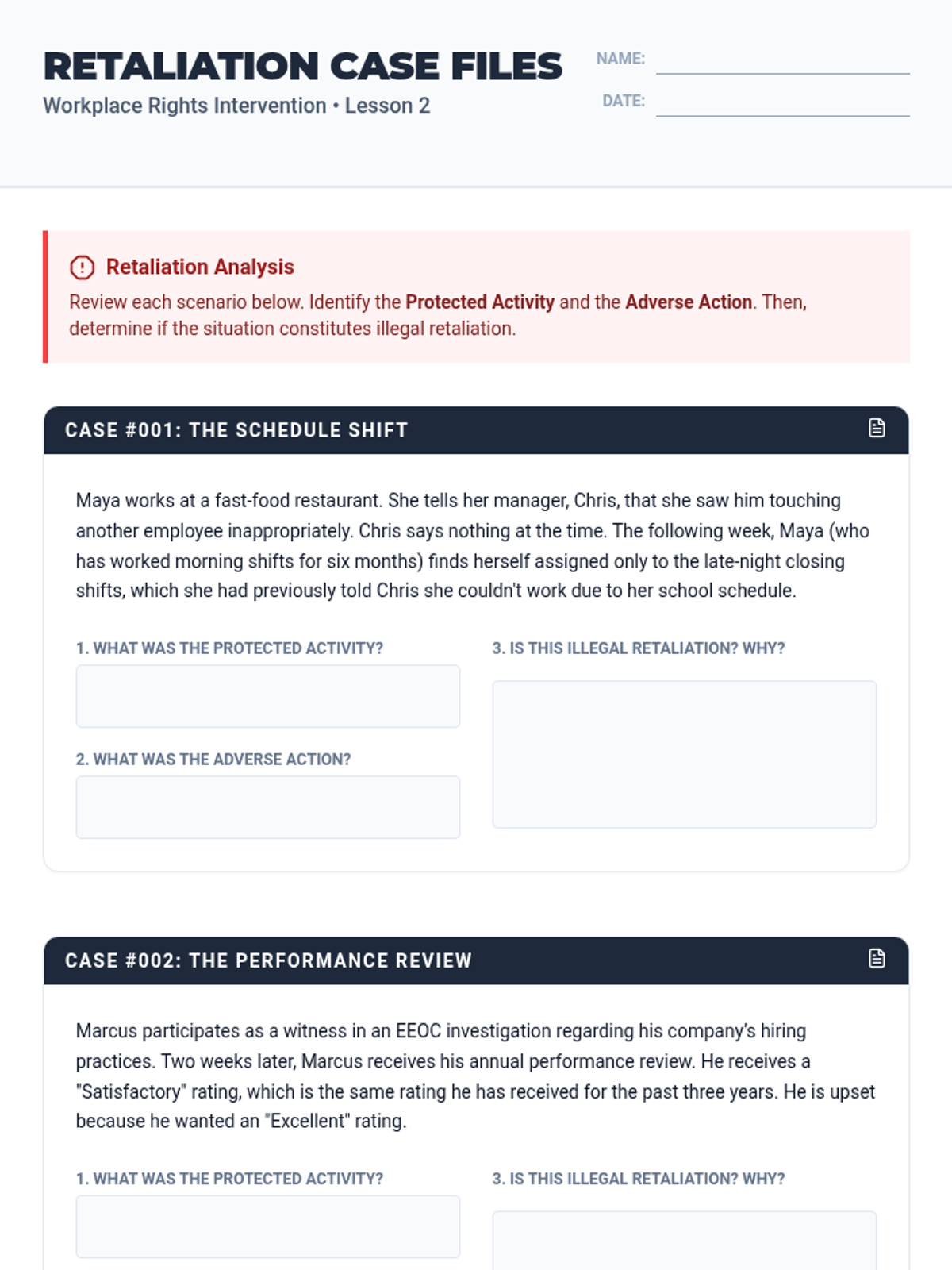
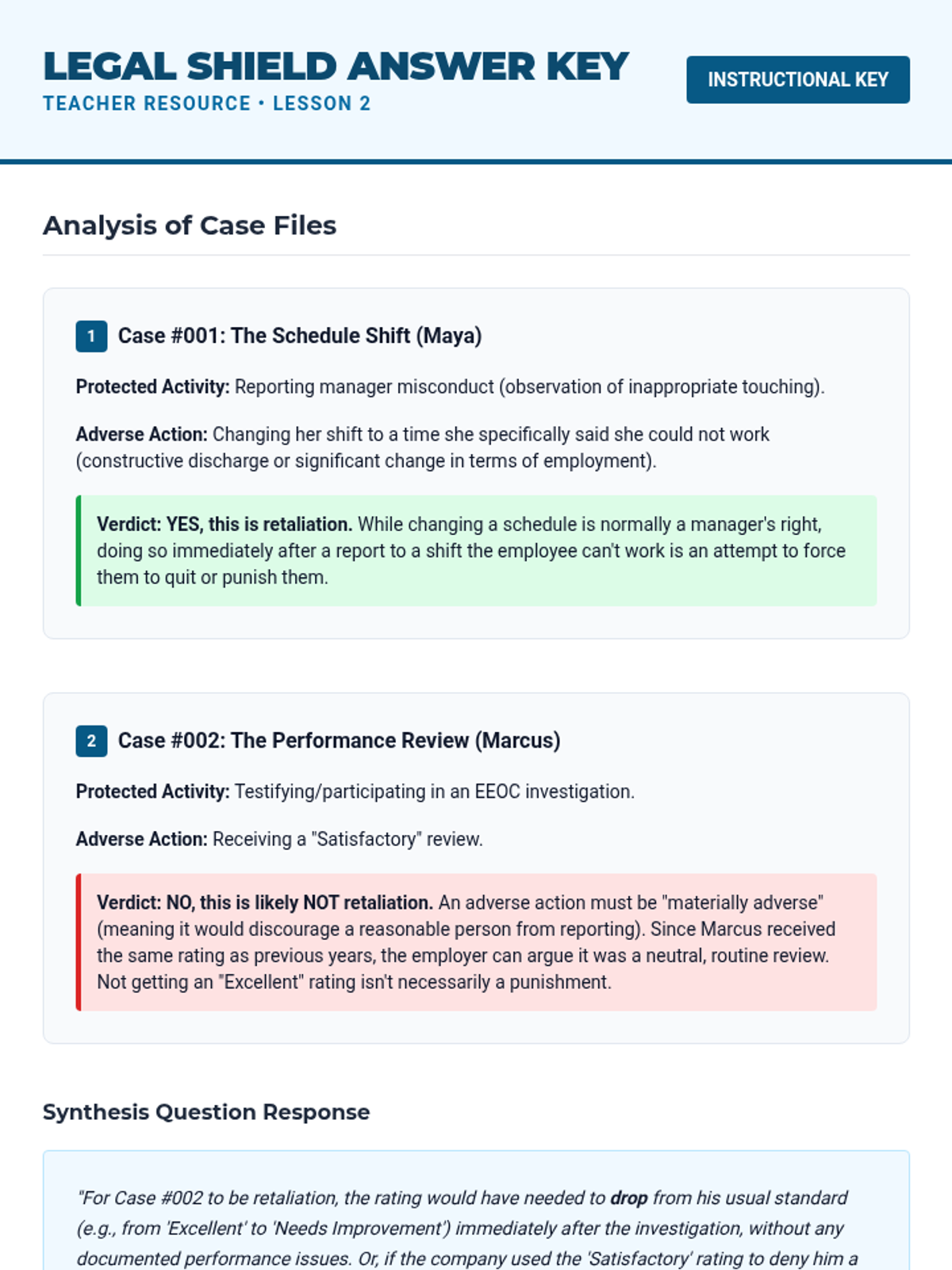
This lesson covers the legal protections for employees who report misconduct, focusing on the concept of 'retaliation' and identify which actions constitute illegal retaliation.
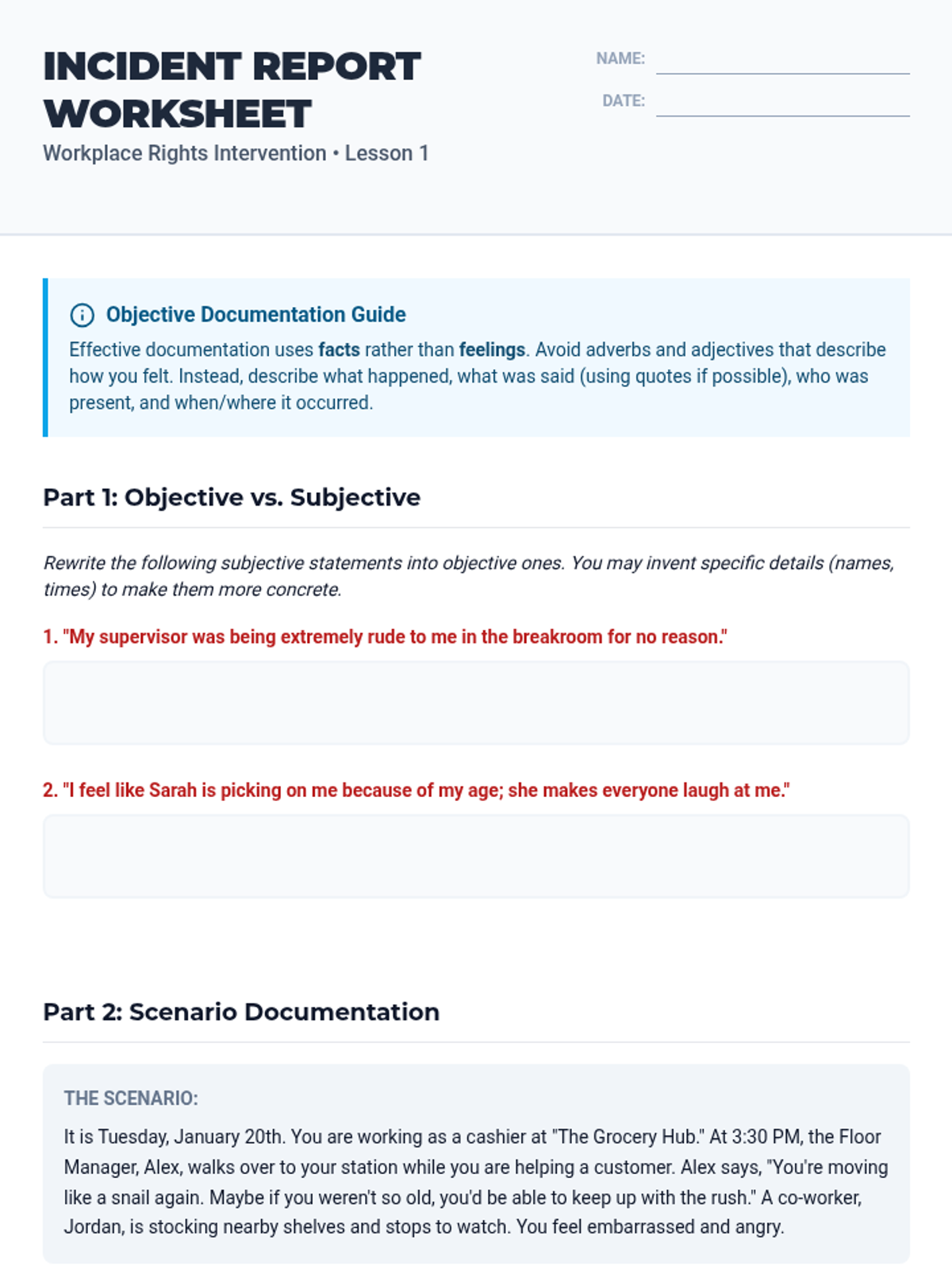
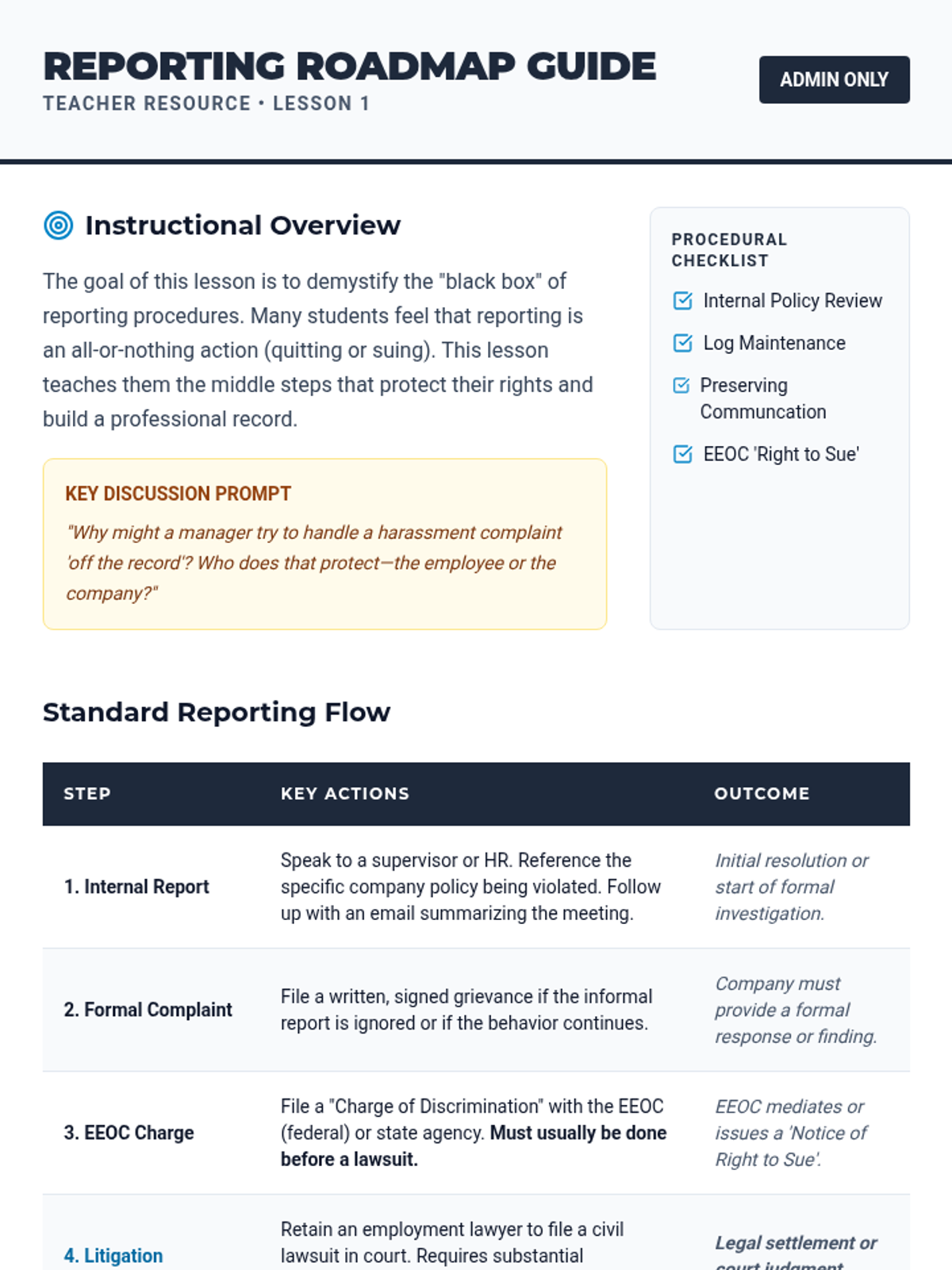
Students learn the standard procedures for reporting harassment, including internal HR complaints and external EEOC filings. They practice the skill of objective documentation.
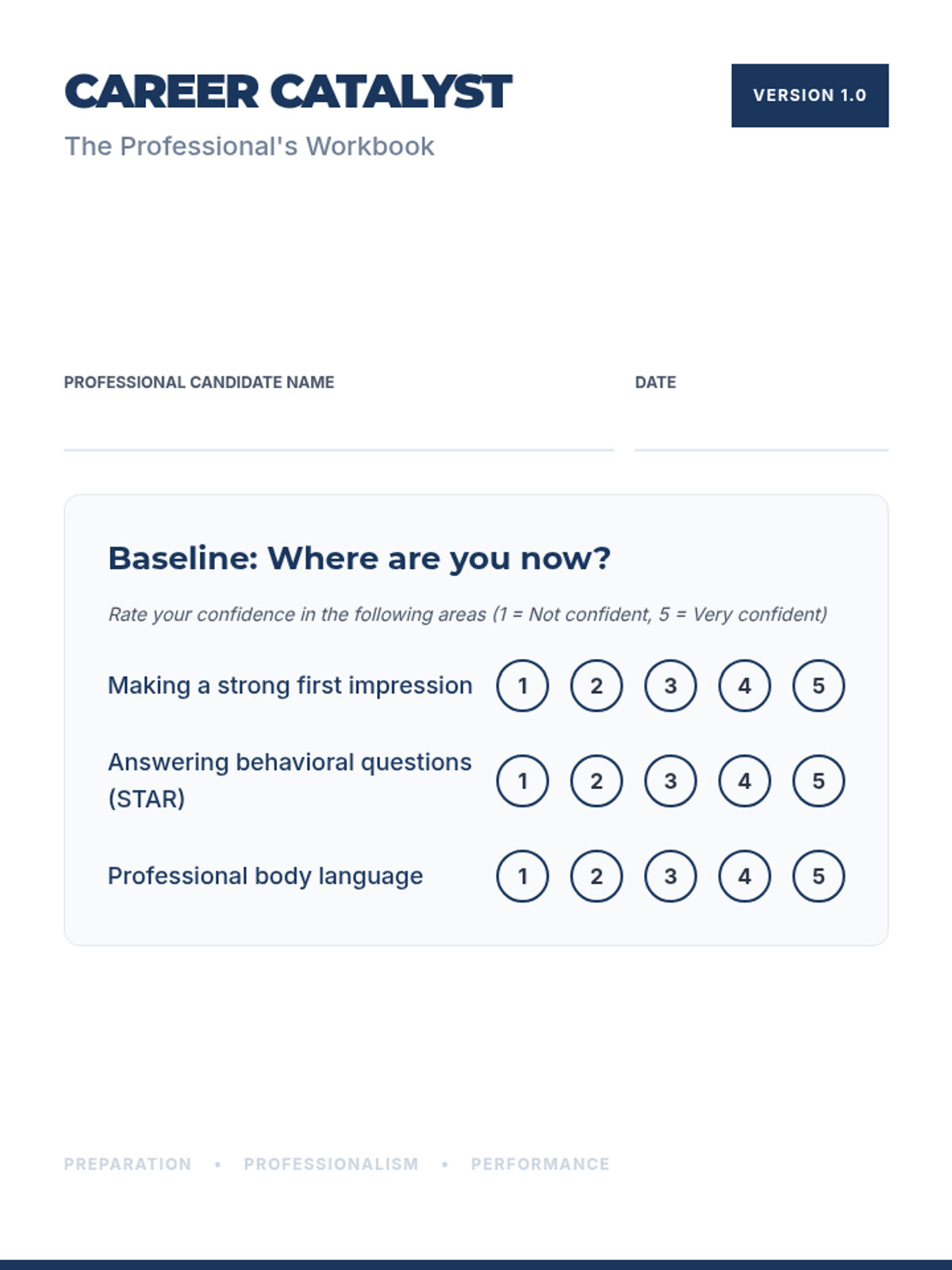
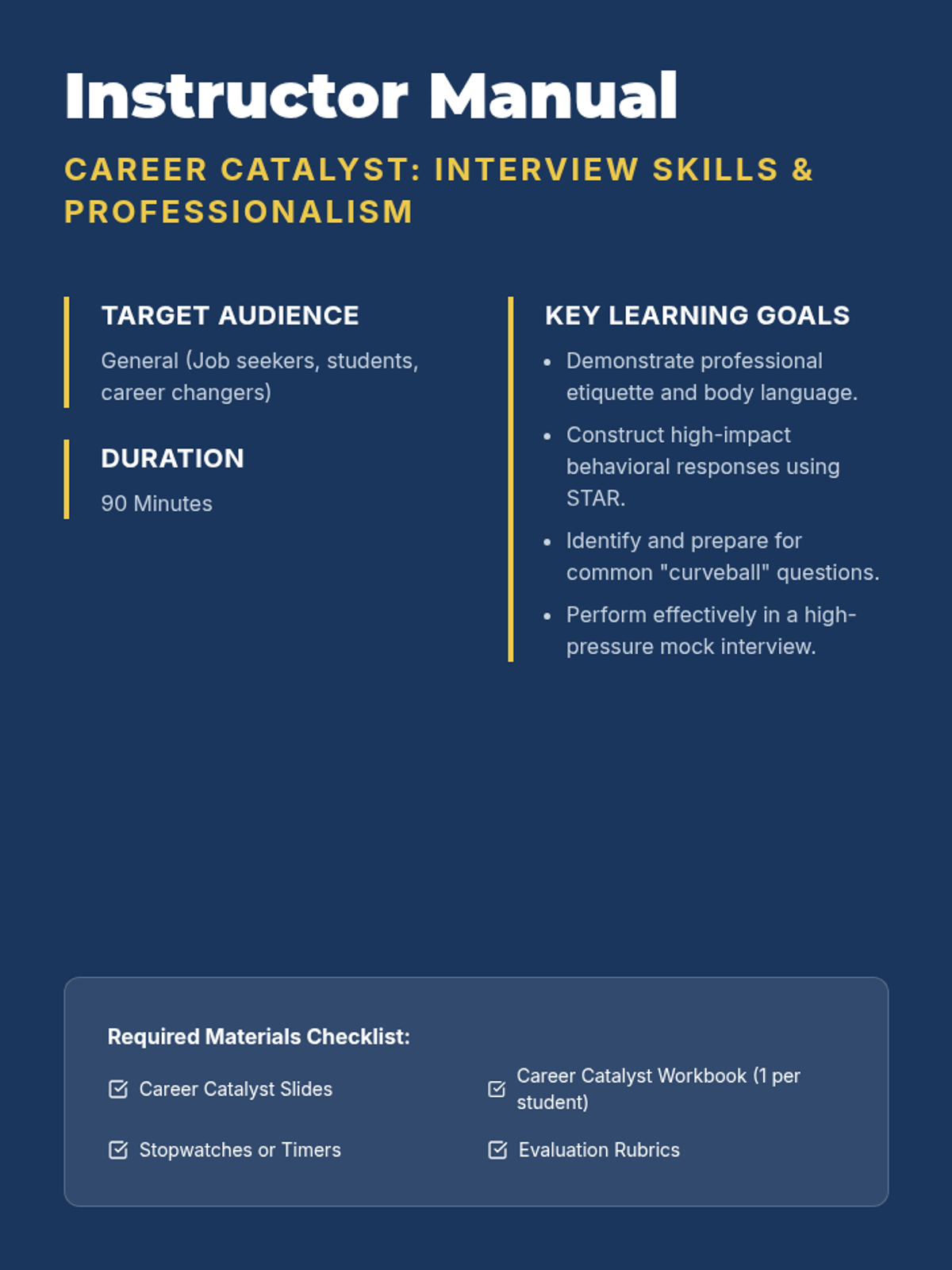
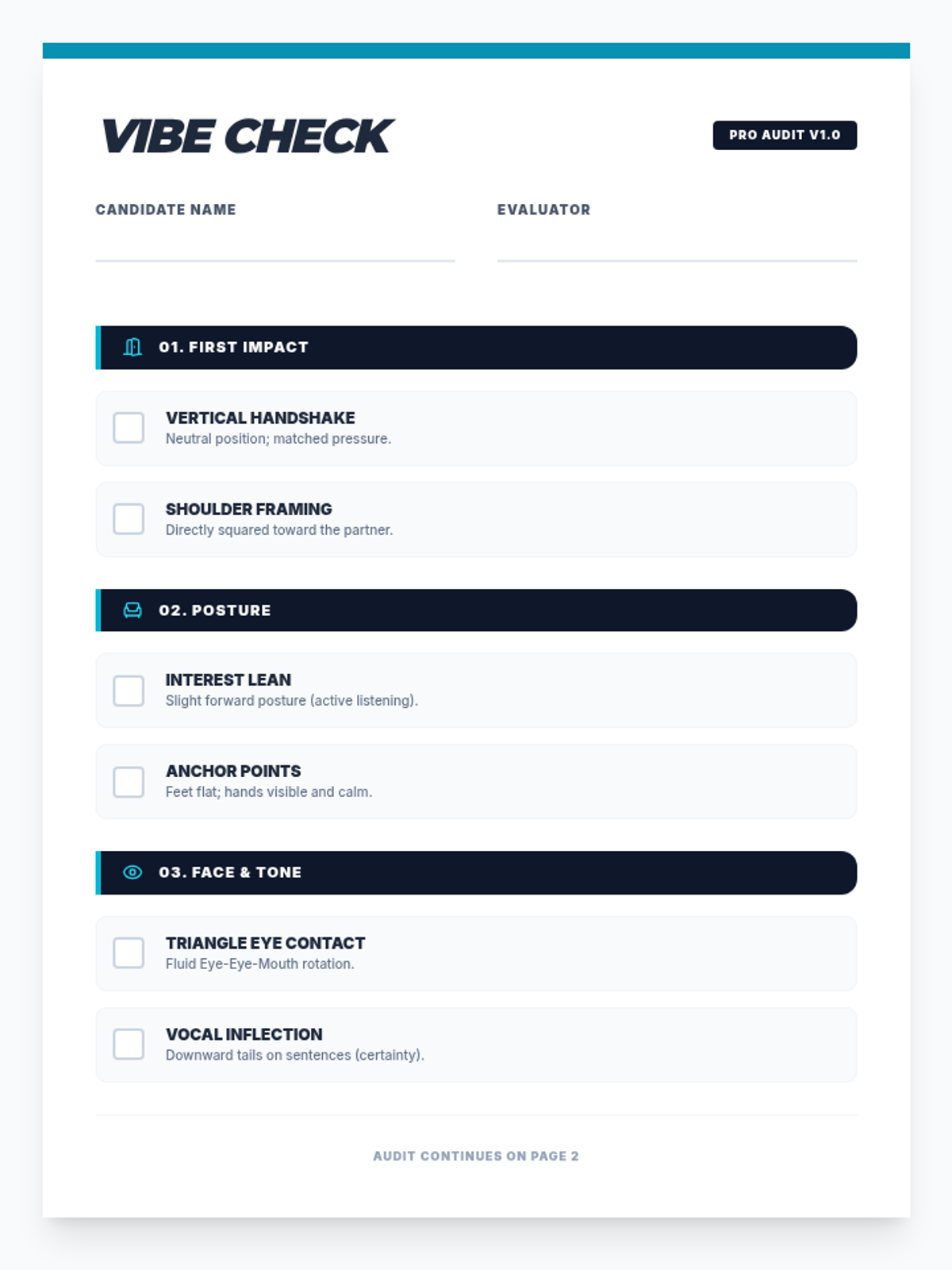
A comprehensive 90-minute lesson covering first impressions, the STAR method for behavioral questions, and professional etiquette for job seekers.
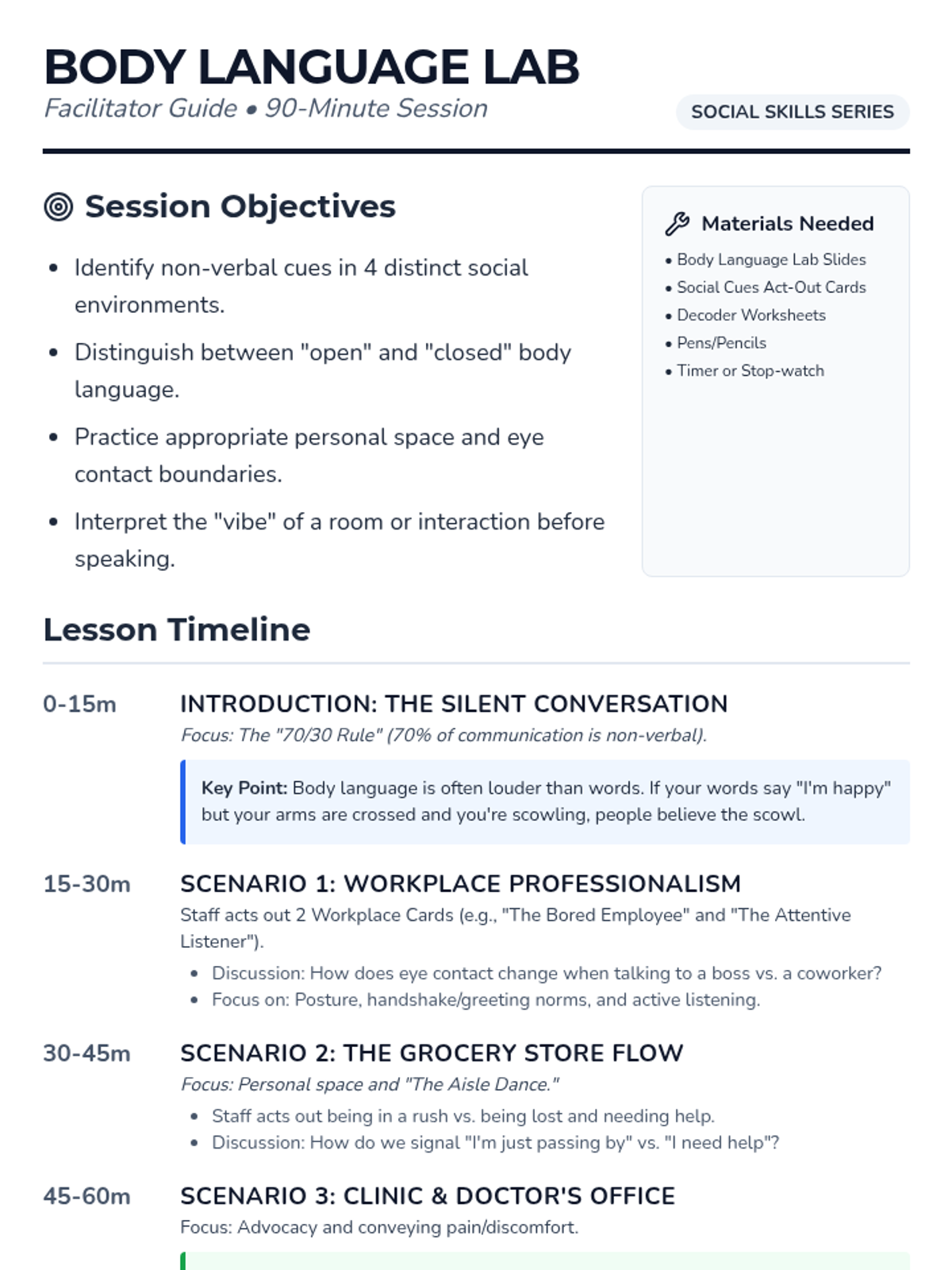
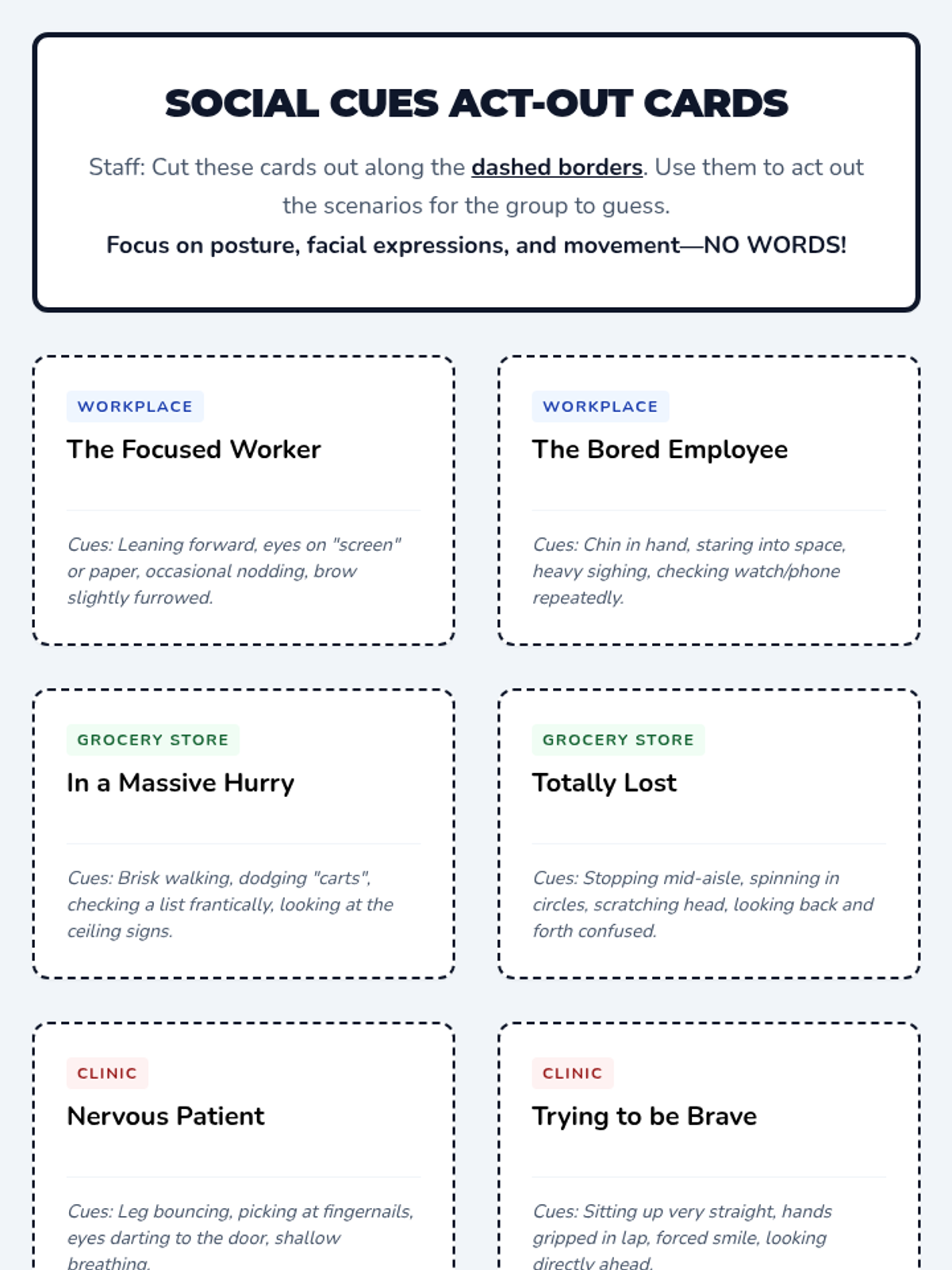
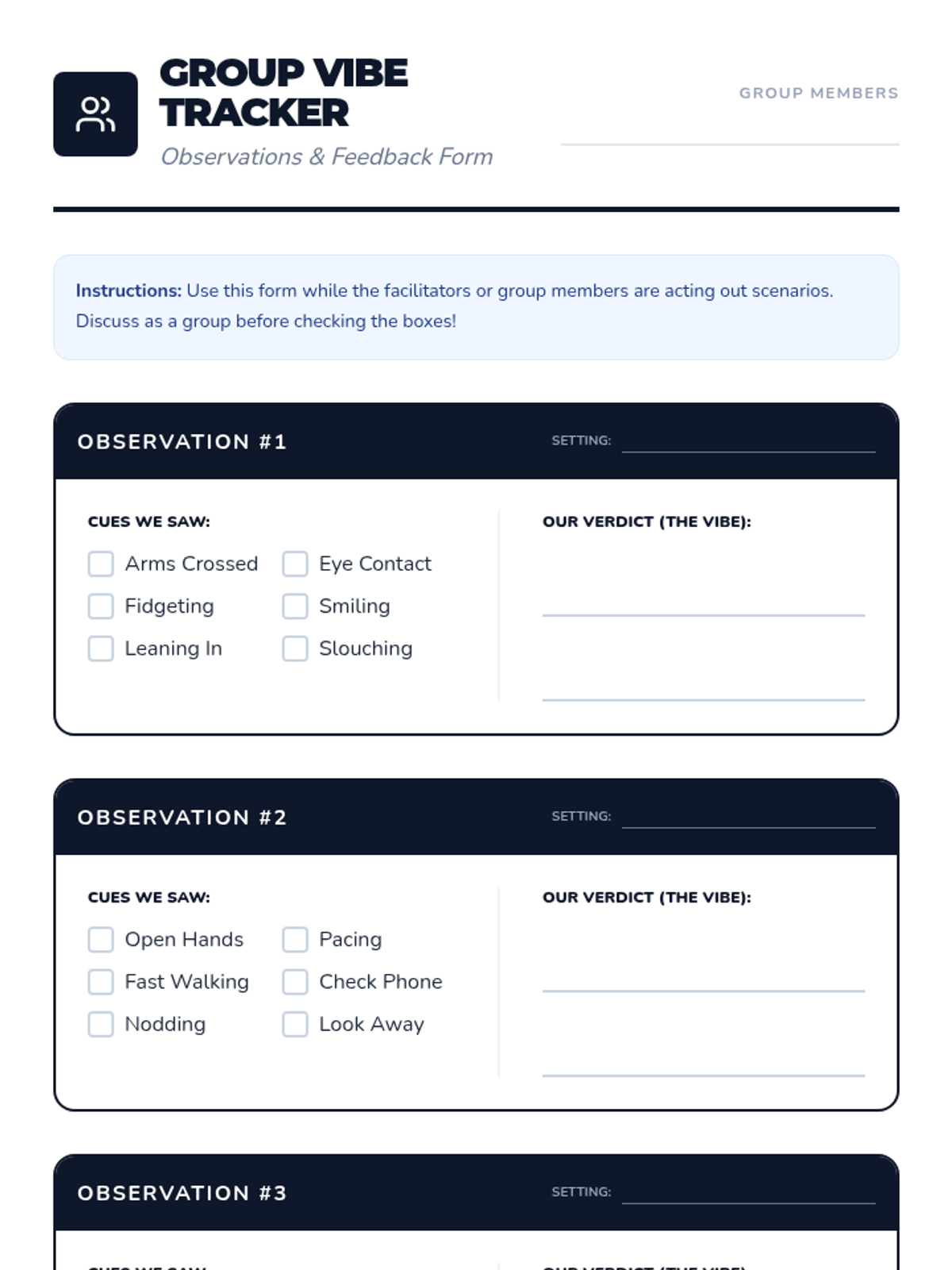
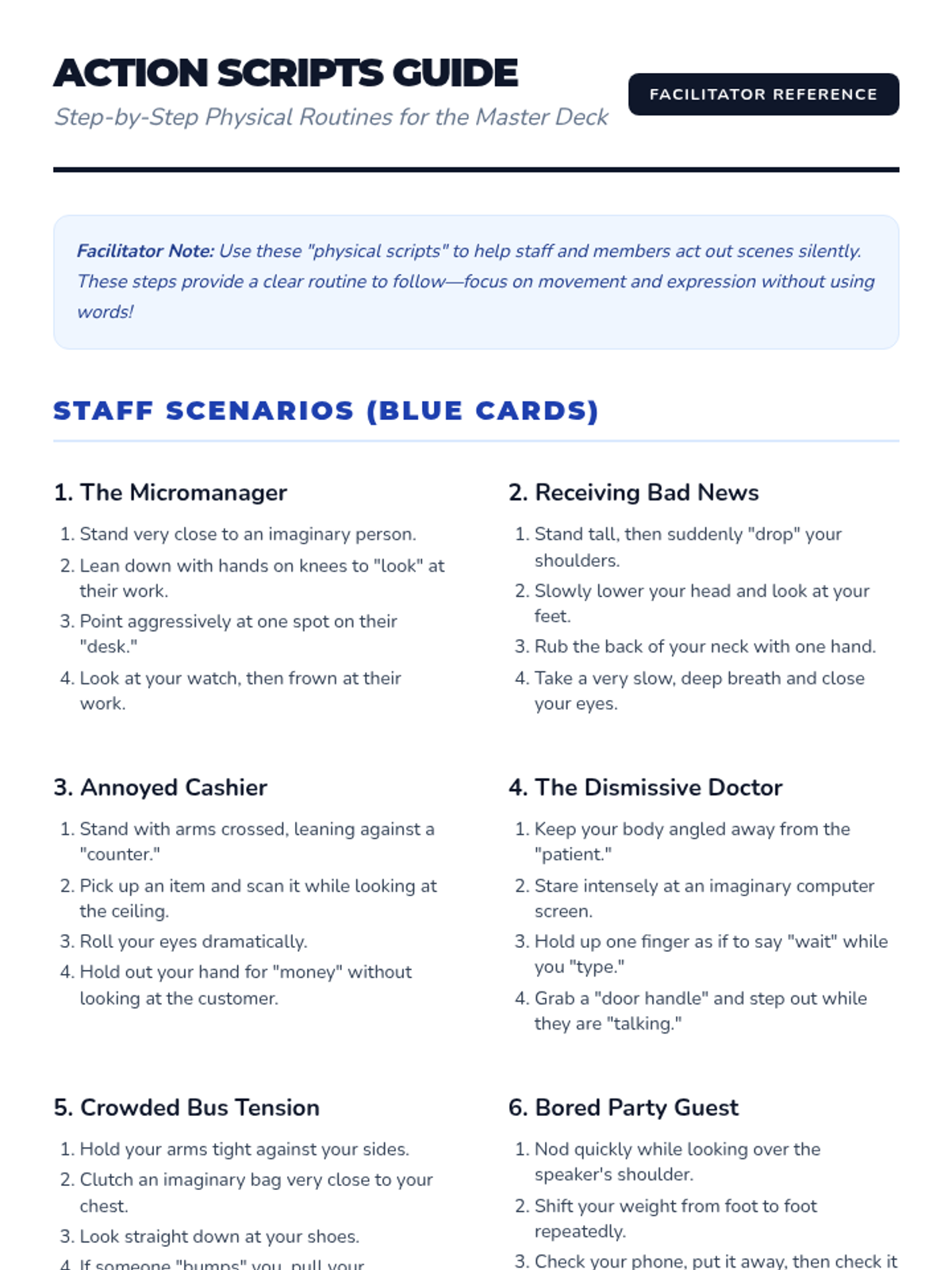
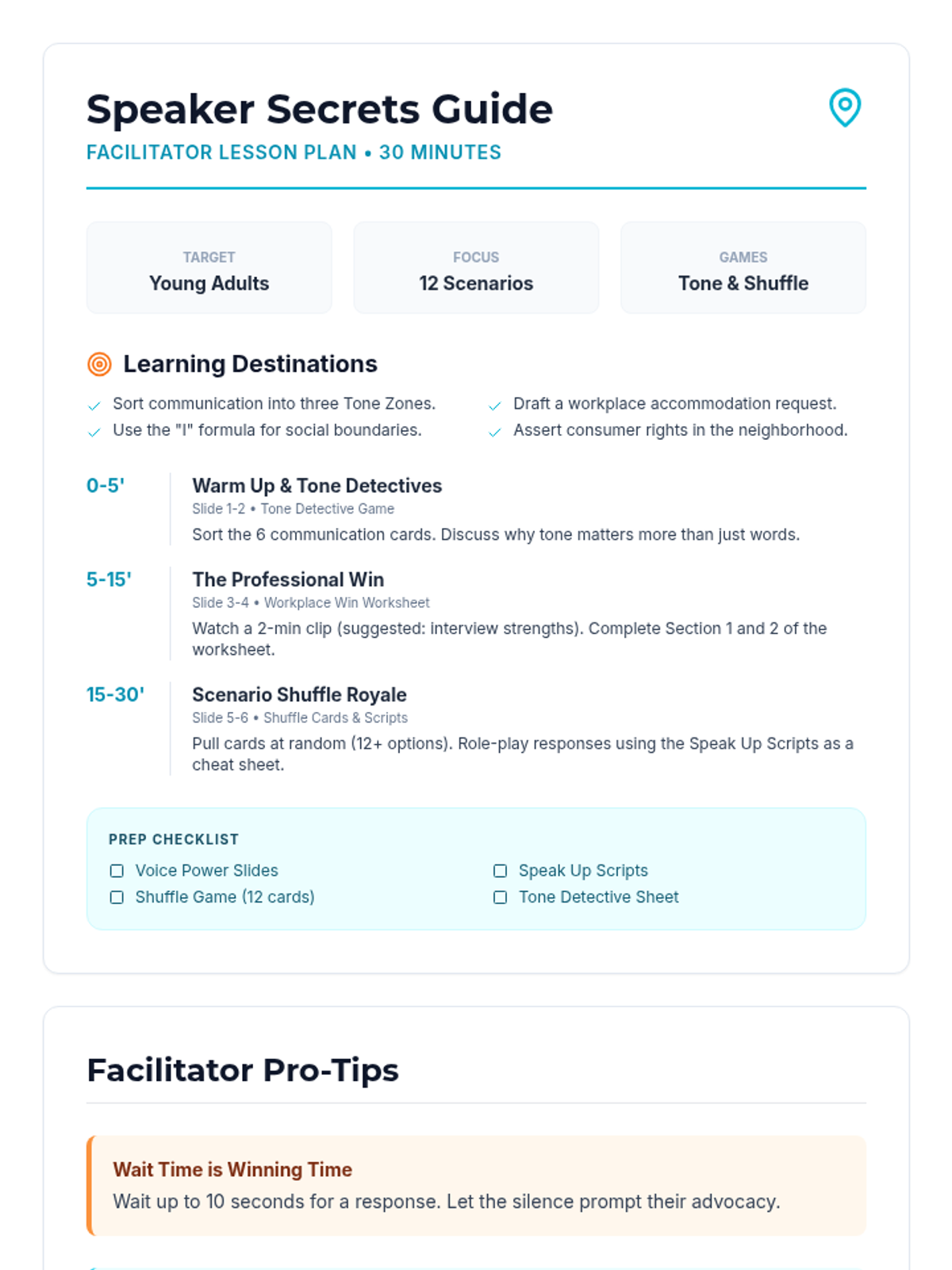
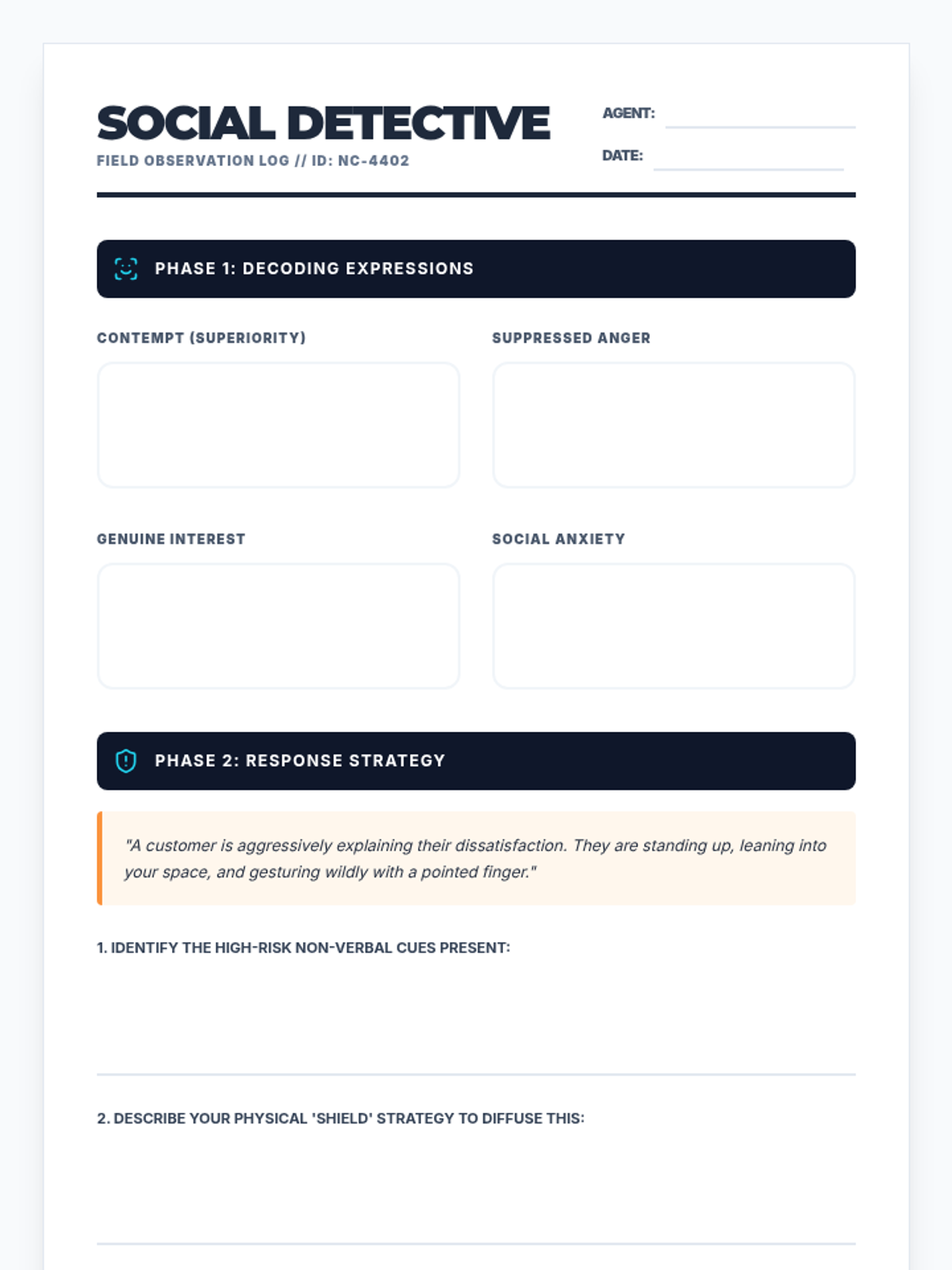
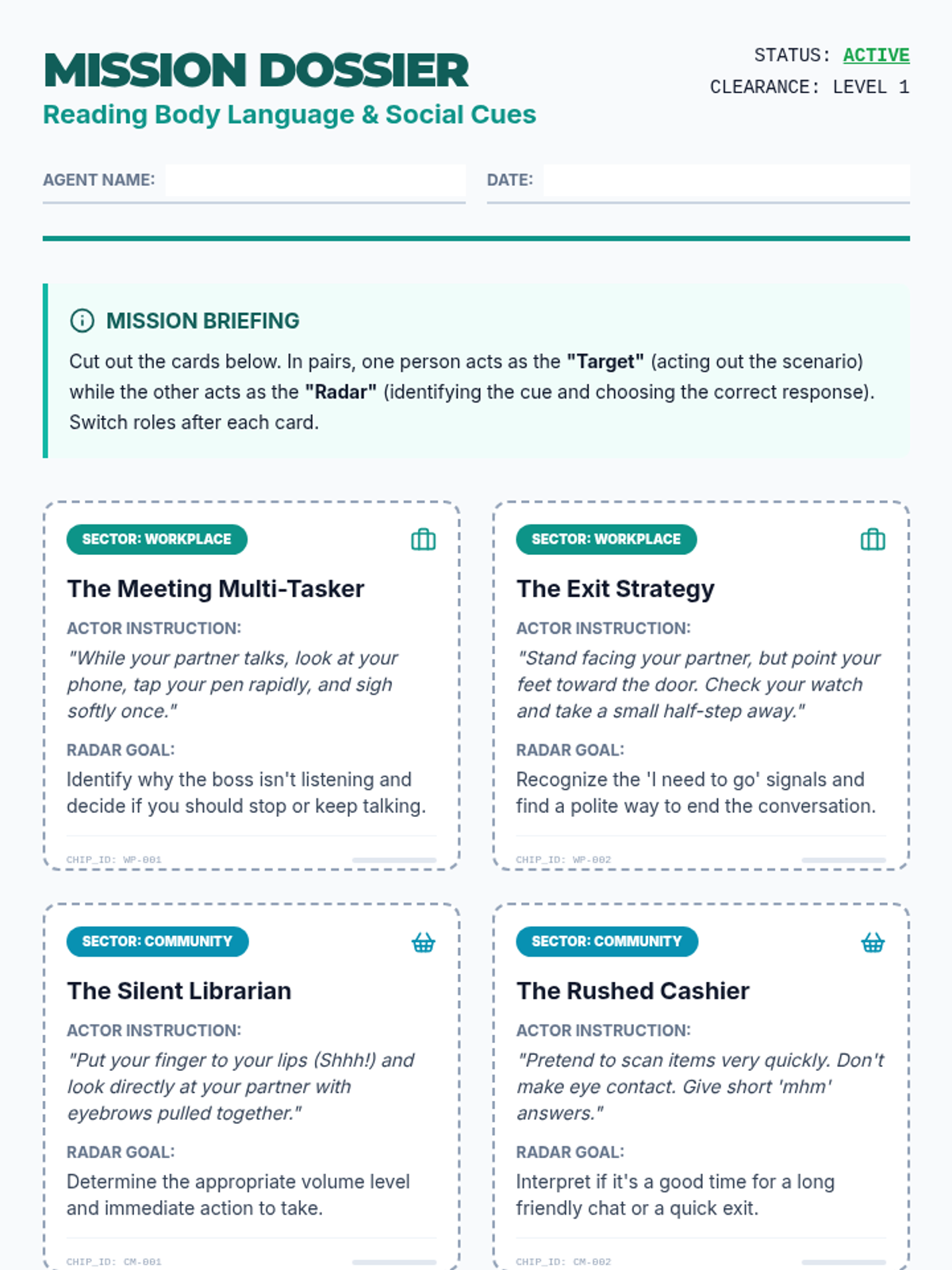
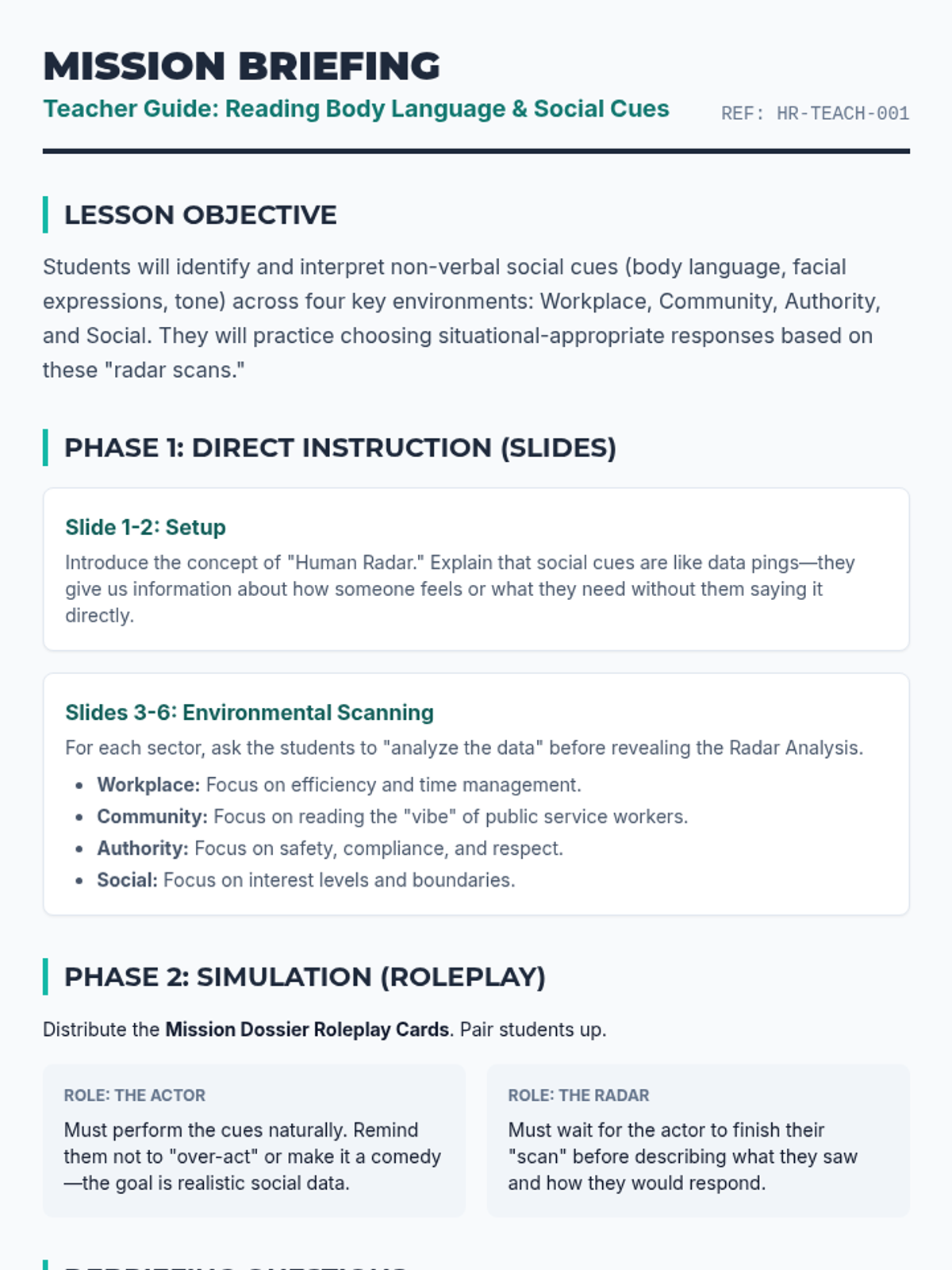
A 90-minute verbal-only workshop on body language in workplace, retail, clinical, and social settings. Uses interactive live acting and guided group discussion.
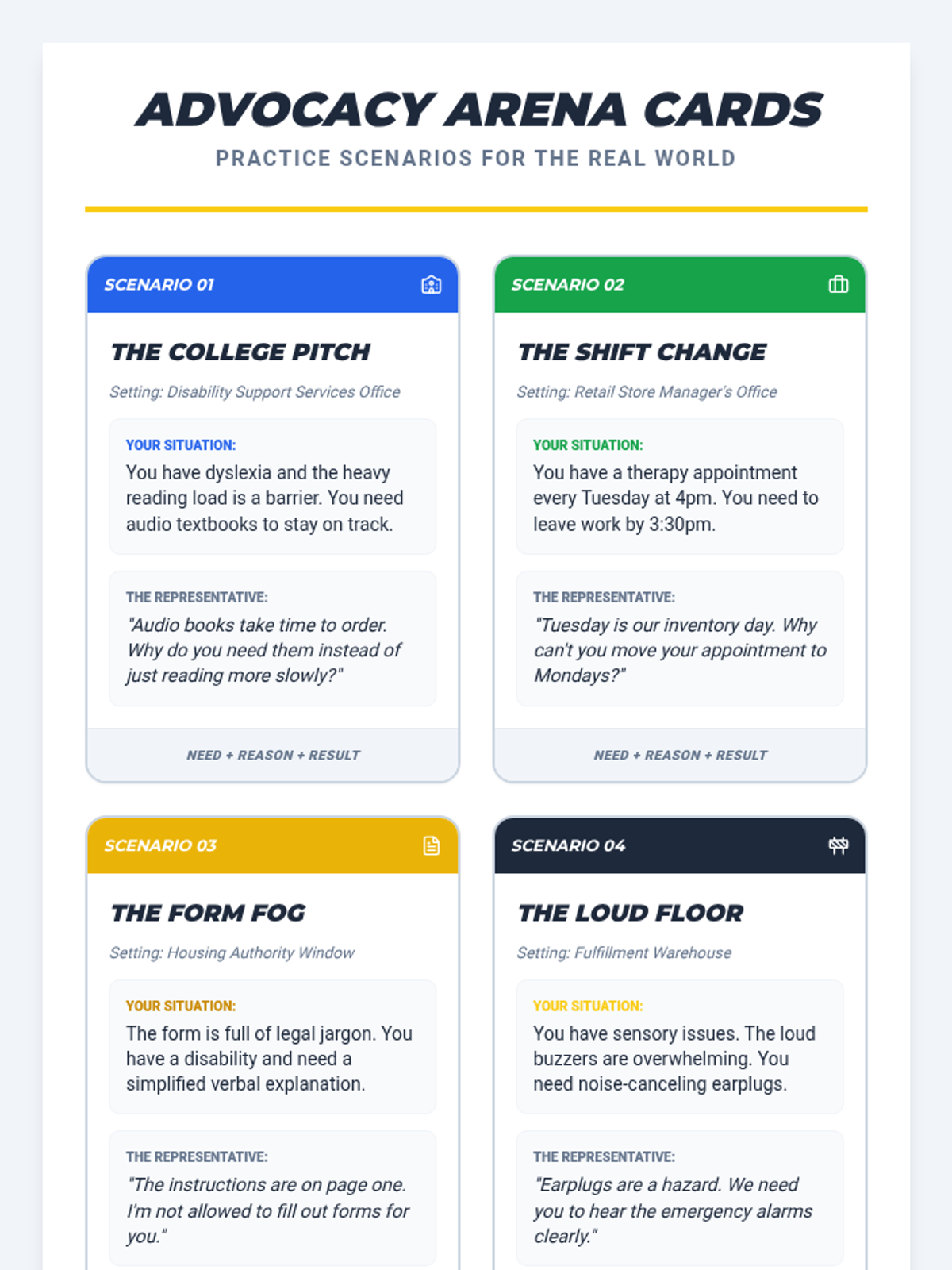
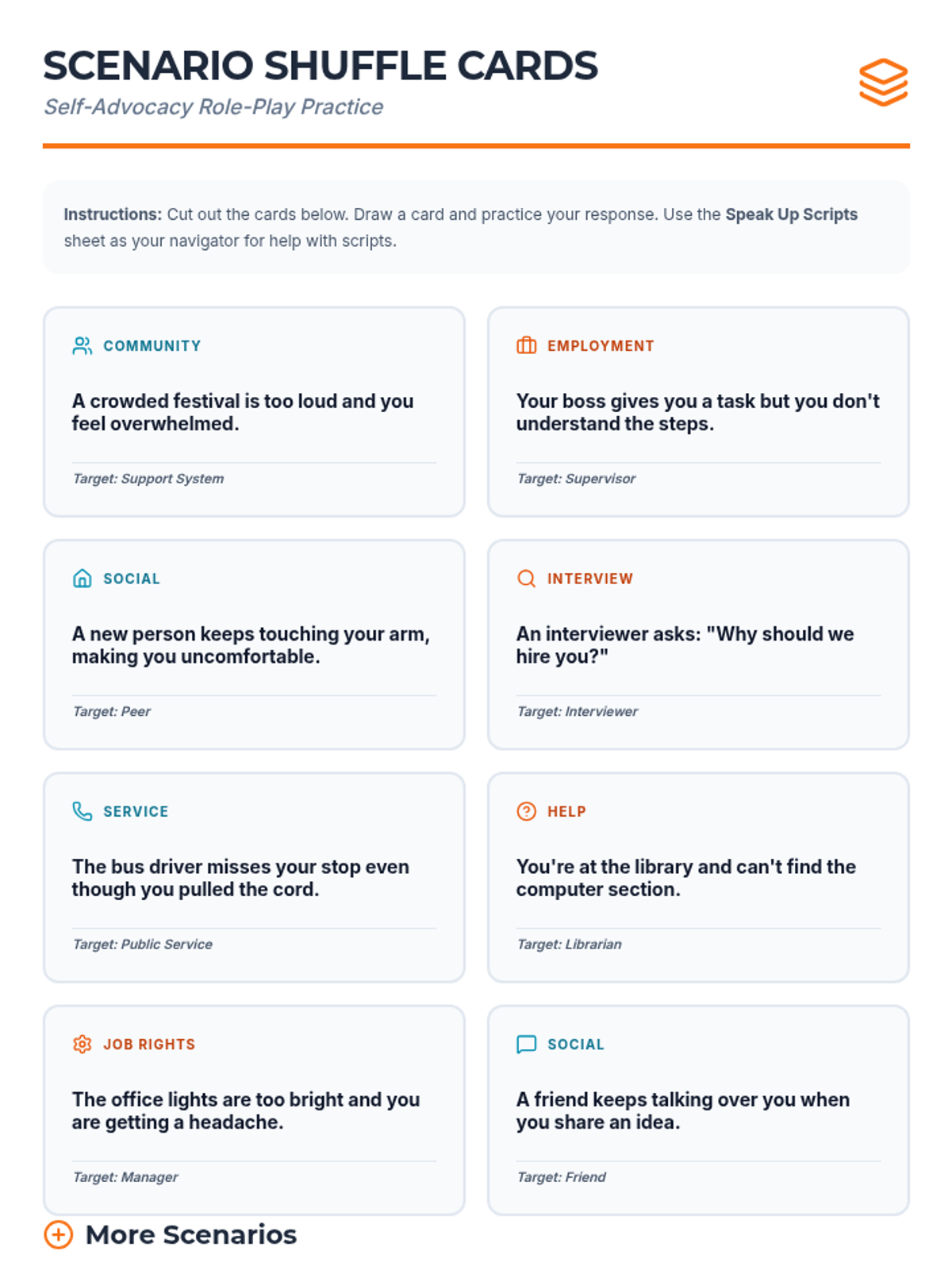
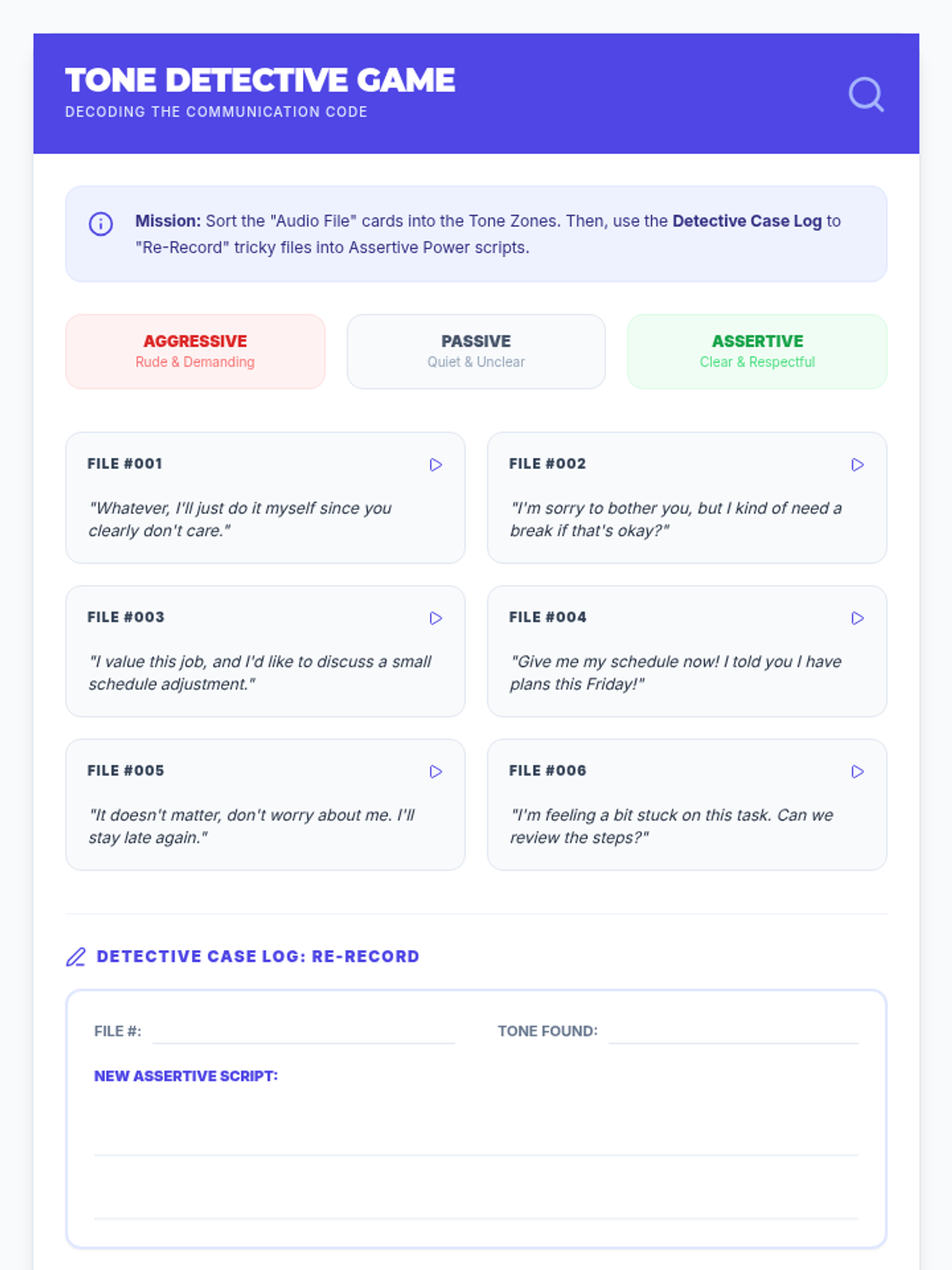
A high-energy, 30-minute coaching session focused on five critical self-advocacy scenarios. Includes role-play, visual aids, and practical toolkits for immediate application in real-world settings.
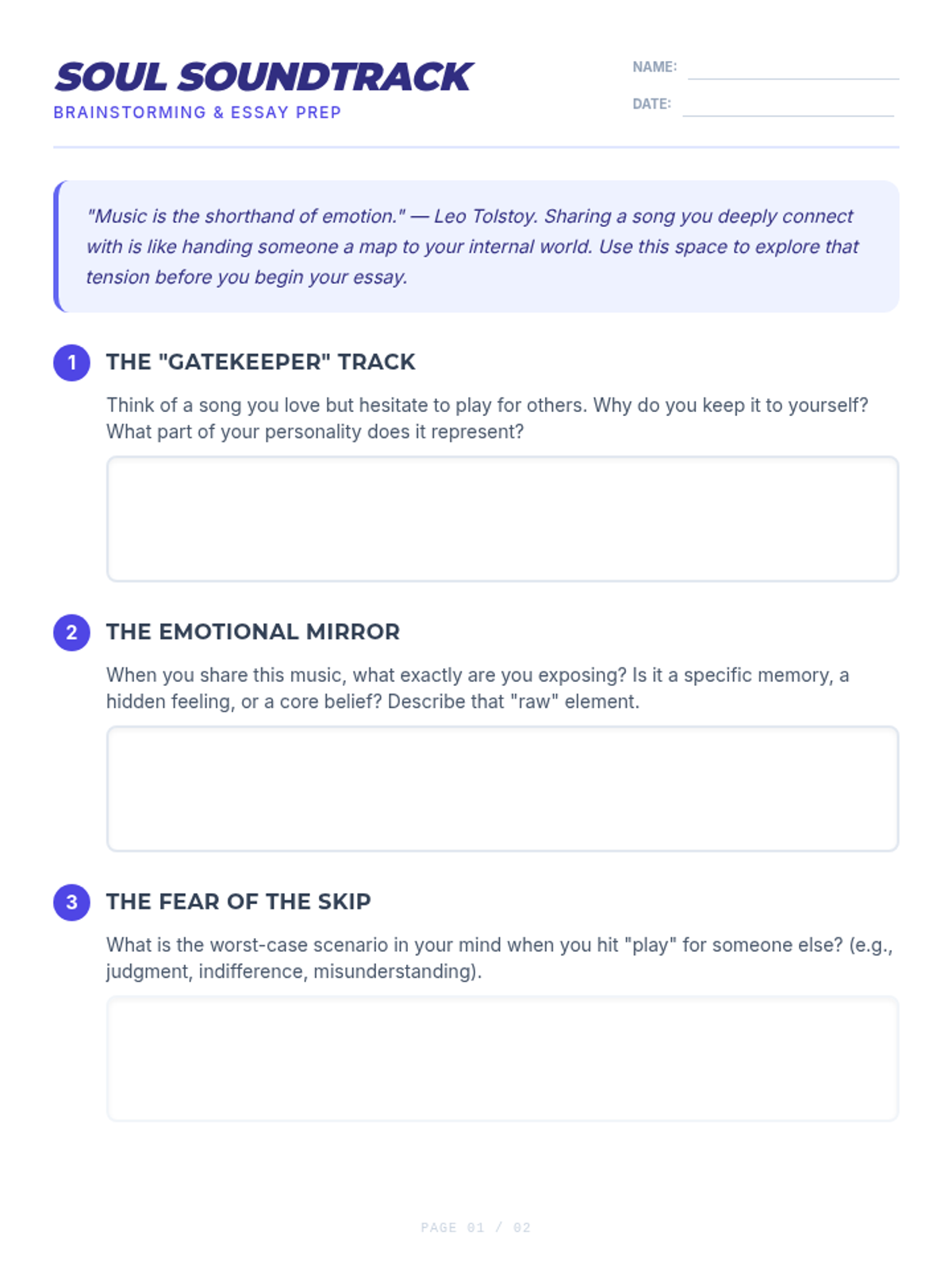
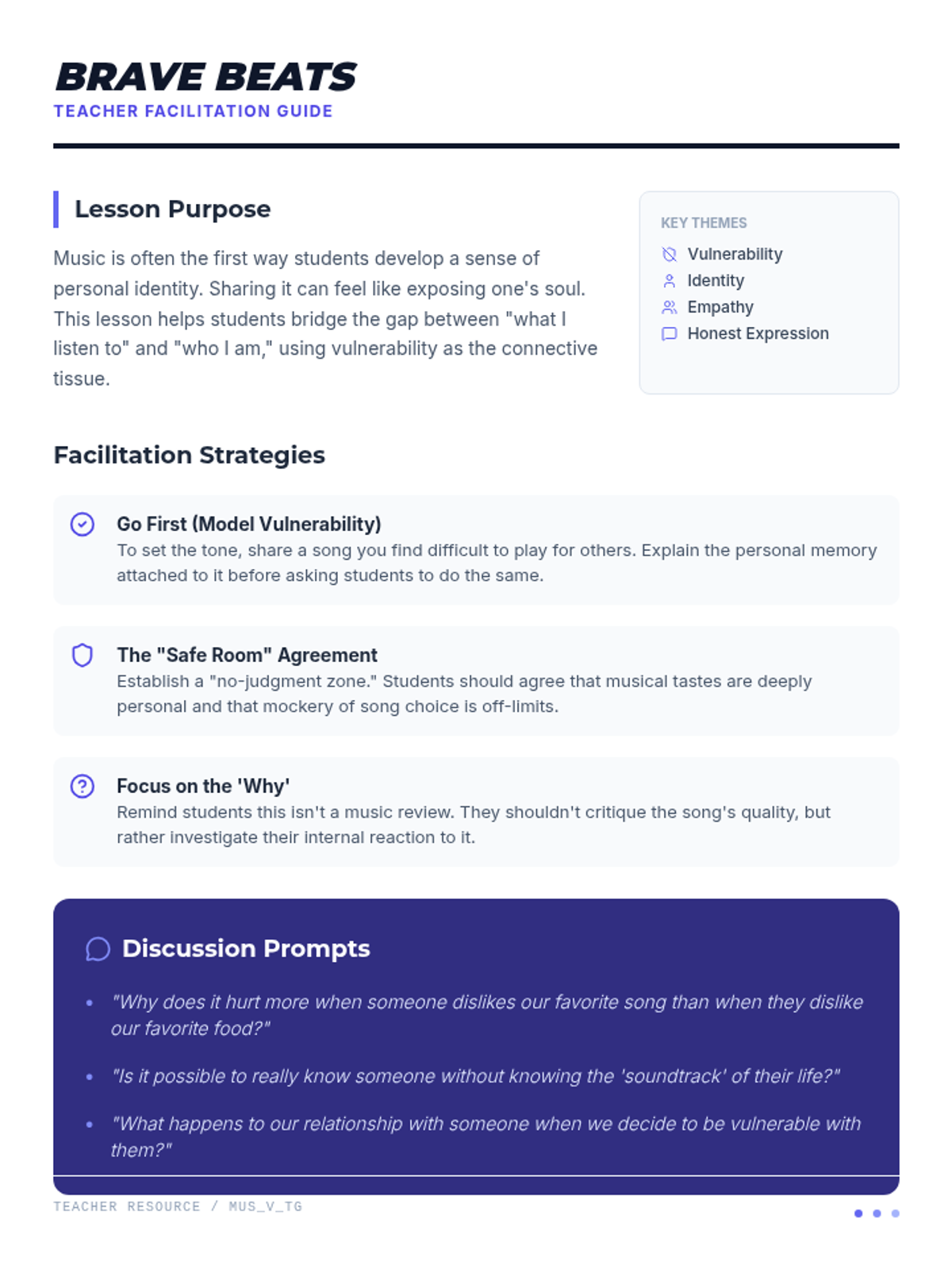
A lesson exploring the intersection of personal identity and music, focusing on the vulnerability required to share the songs that define us.
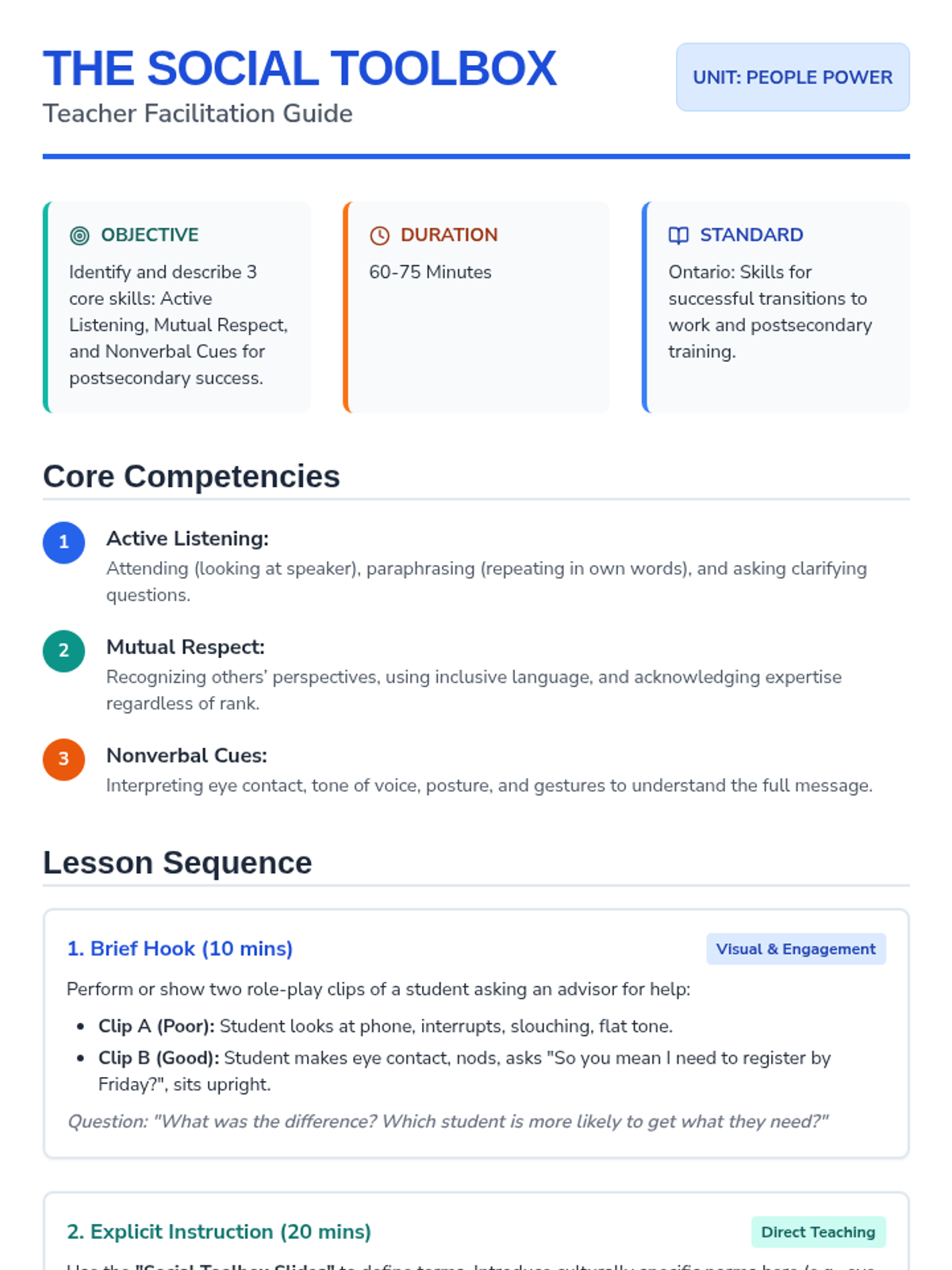
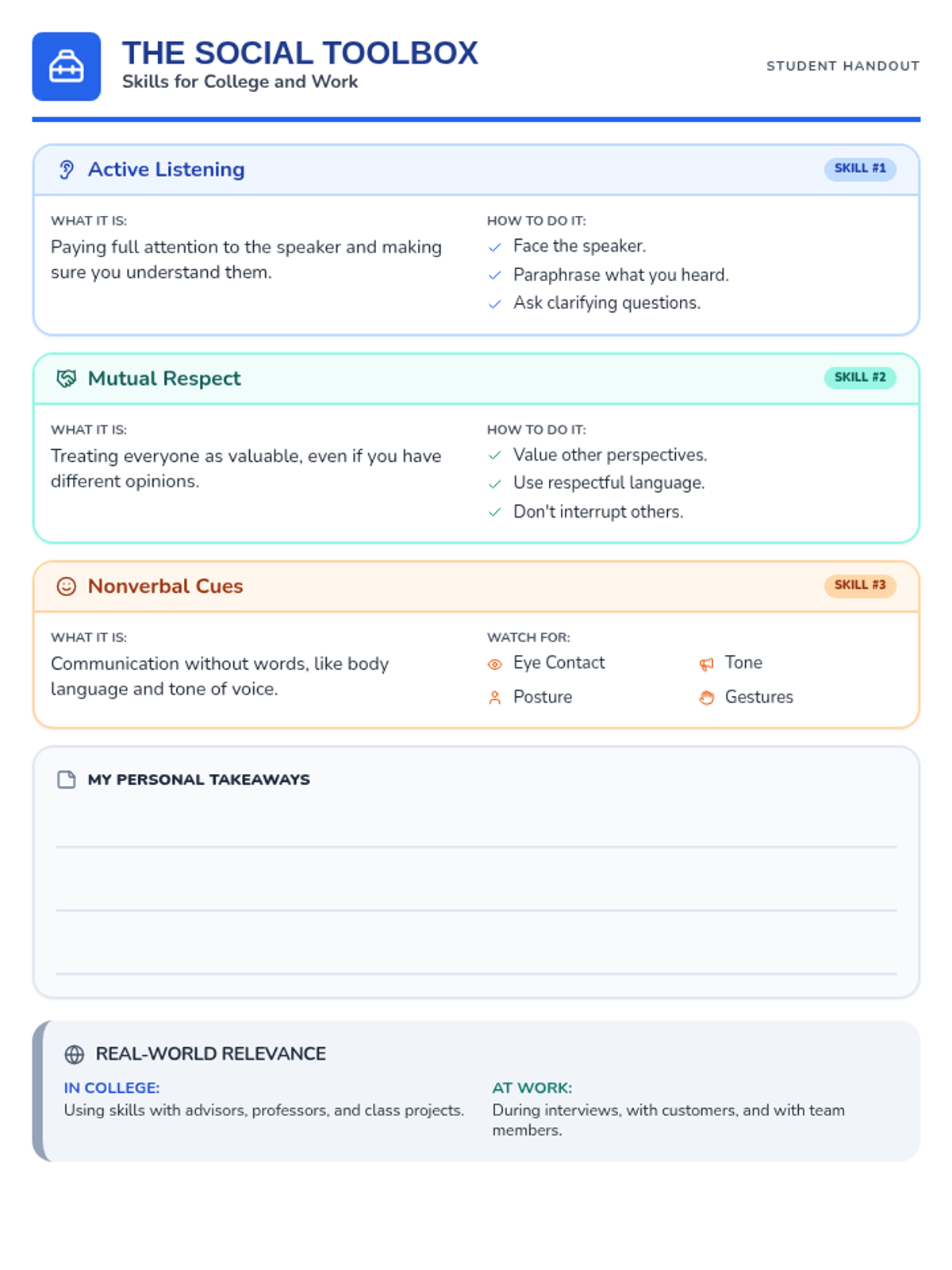
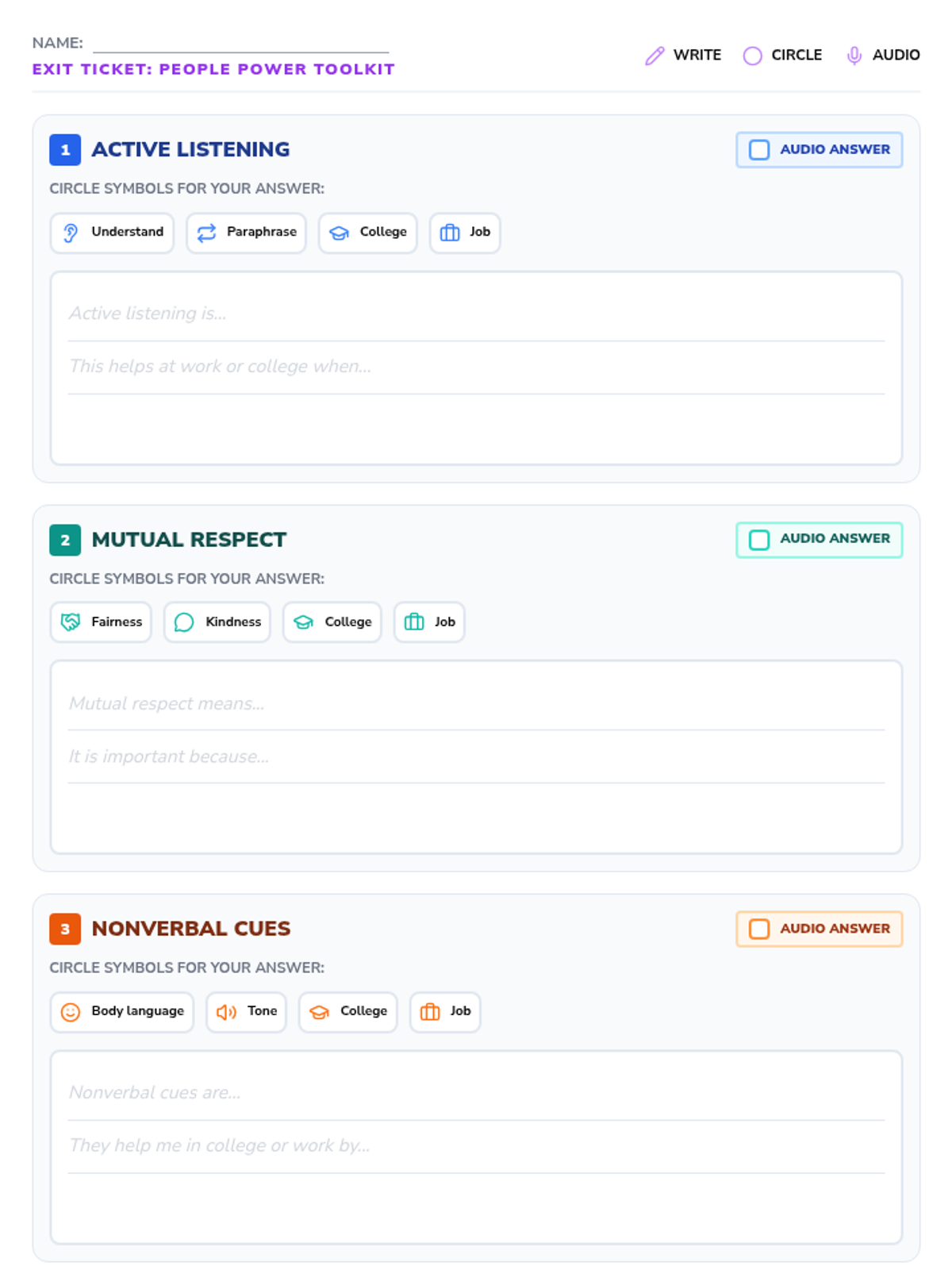
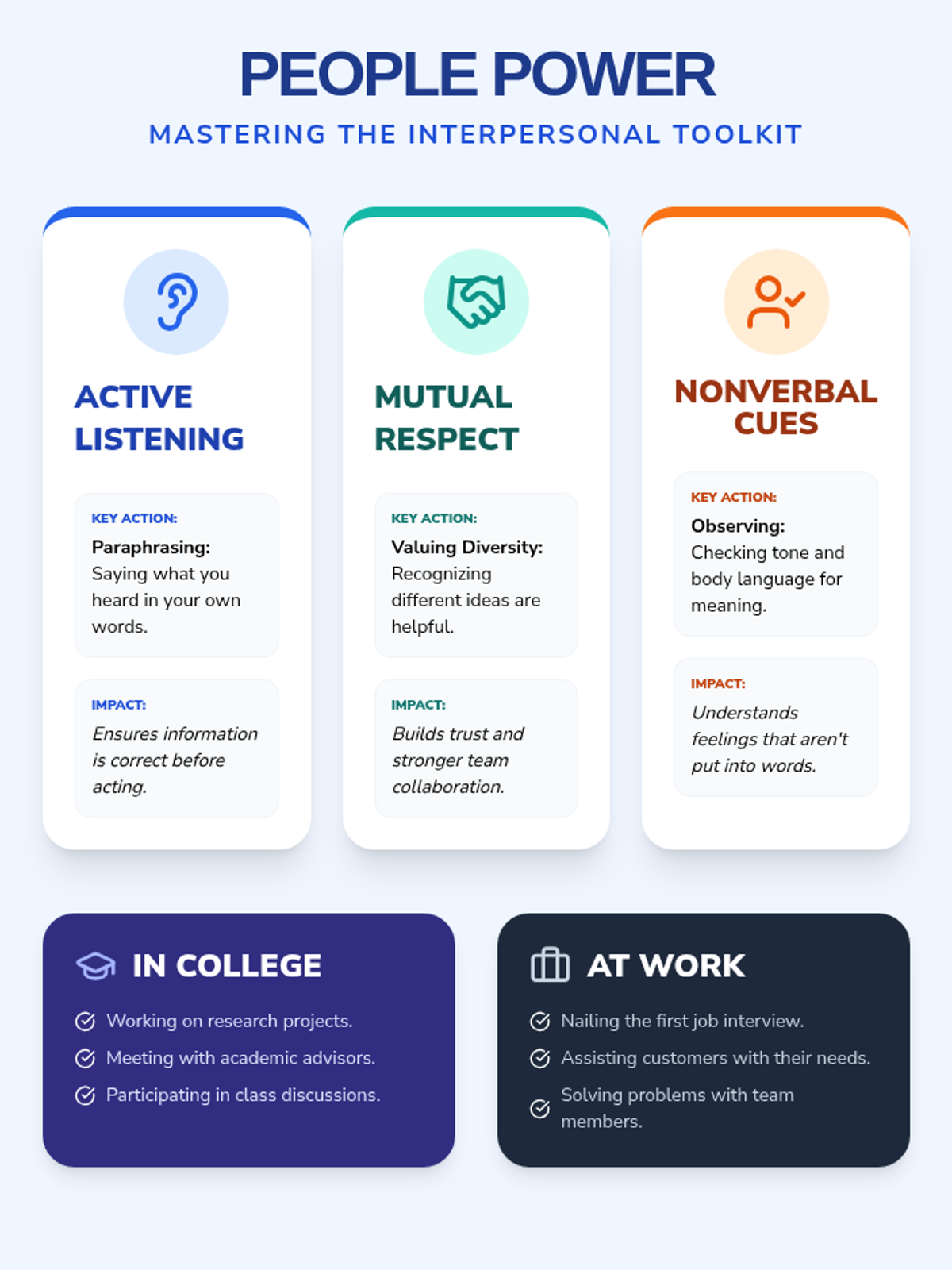
This lesson introduces three essential interpersonal skills—active listening, mutual respect, and interpreting nonverbal cues—demonstrating their real-world application in college and workplace settings. Students engage in interactive scenario analysis and complete a multi-modal exit ticket to demonstrate understanding.
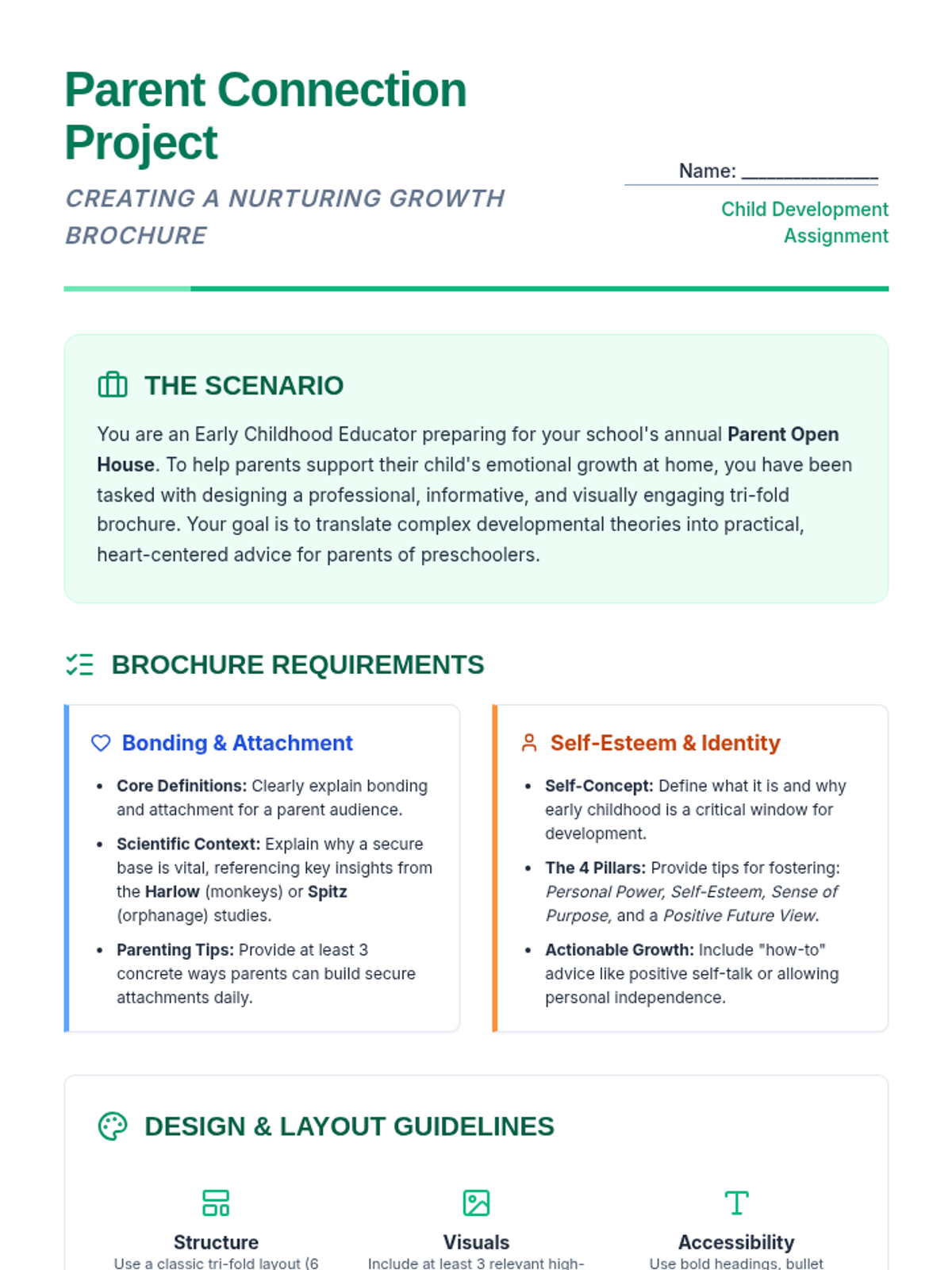
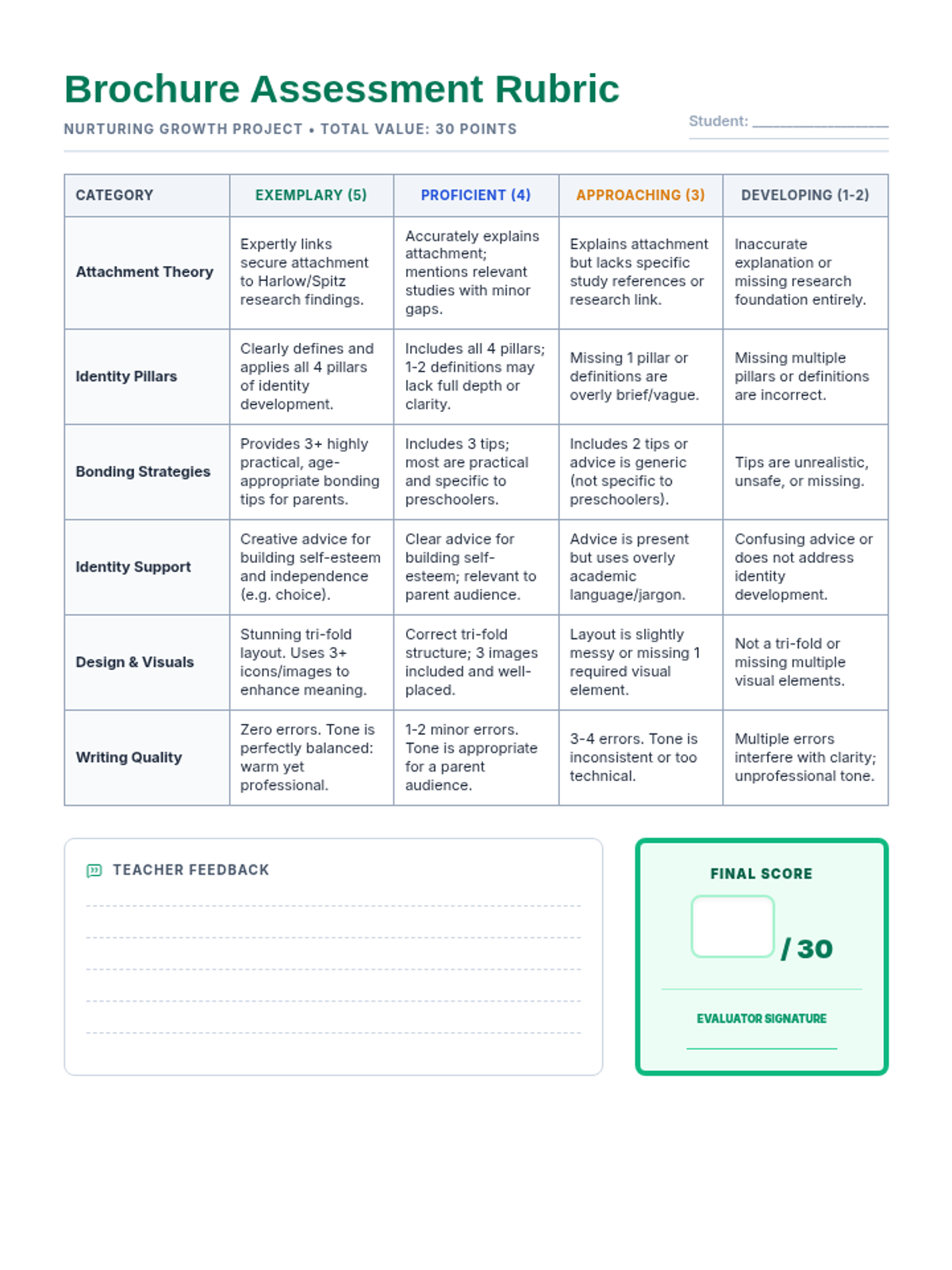
Students will apply their knowledge of bonding, attachment, and child development to create an informative brochure for parents of preschoolers.
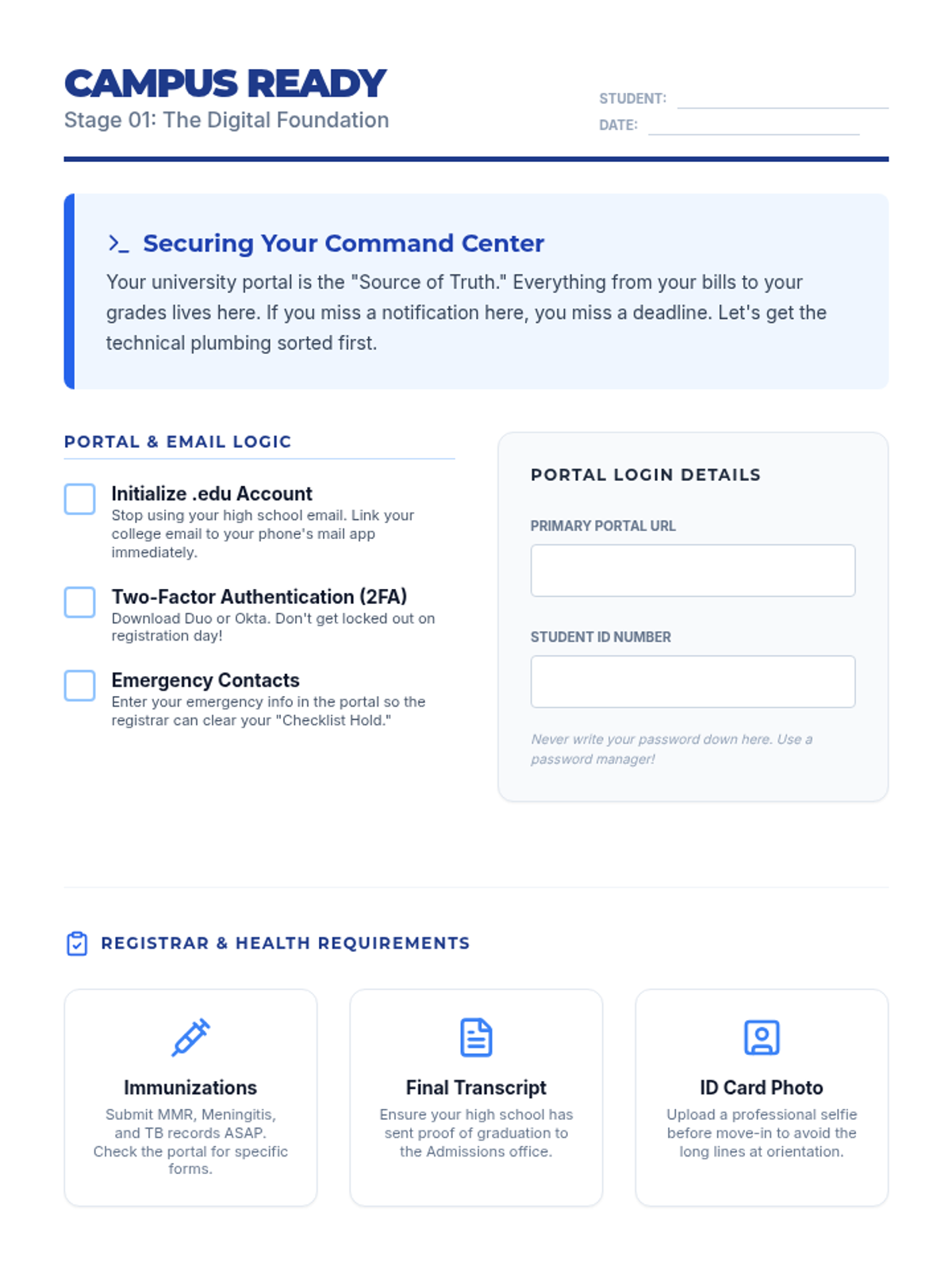
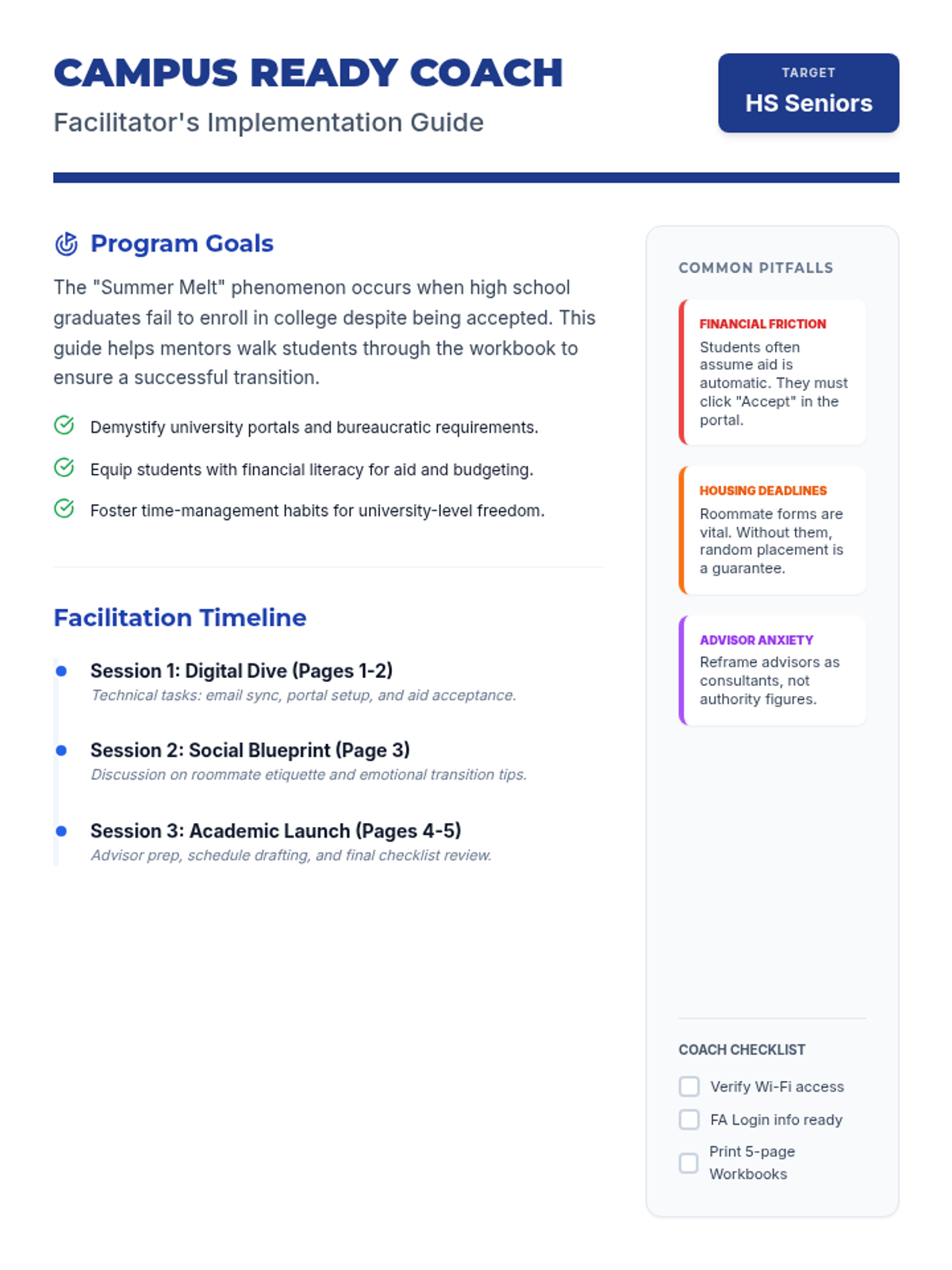
A comprehensive guide and workbook designed to help graduating high school seniors navigate the technical, financial, and social transitions of entering college. It covers everything from portal setup to roommate etiquette and financial literacy.
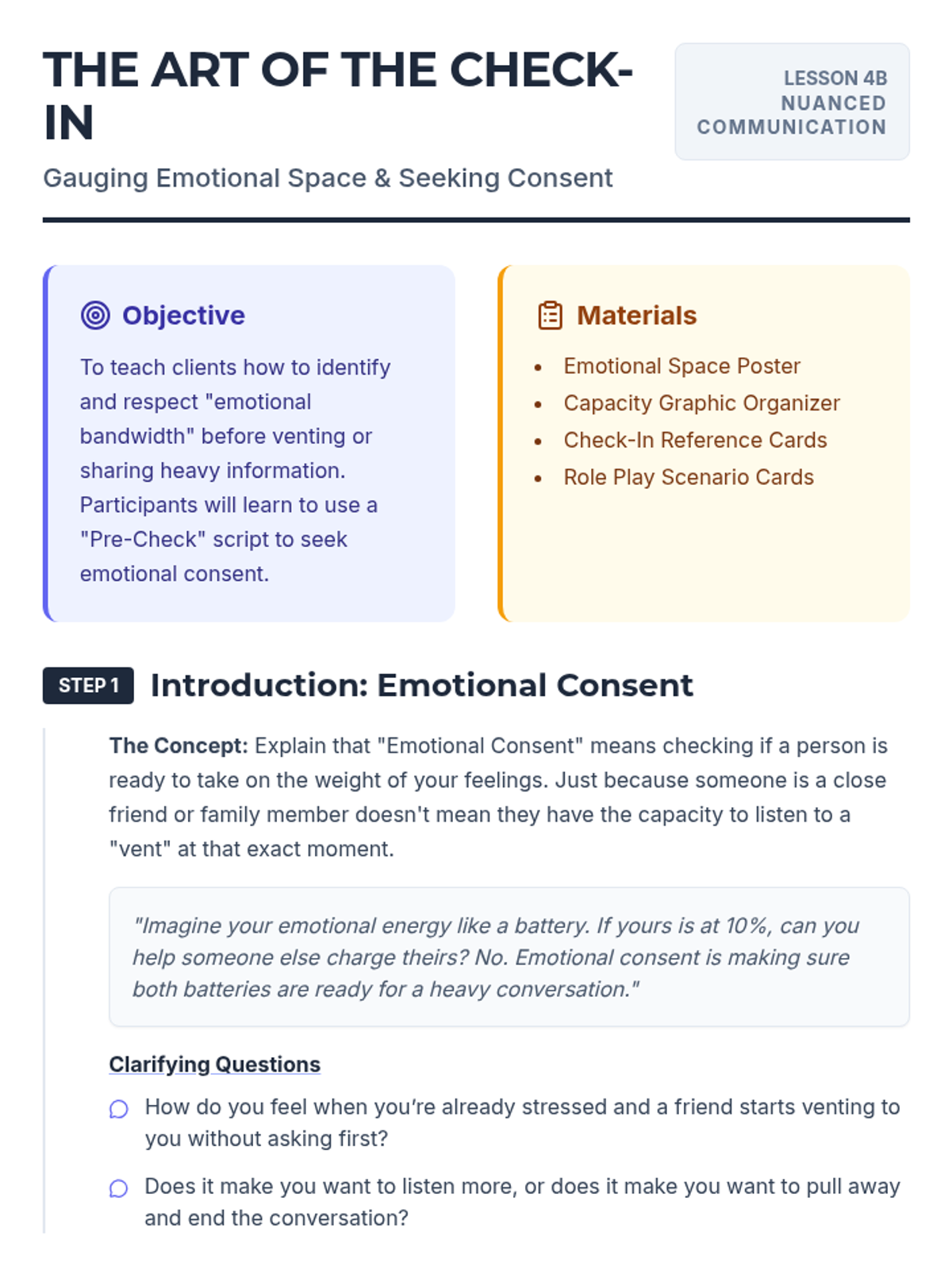
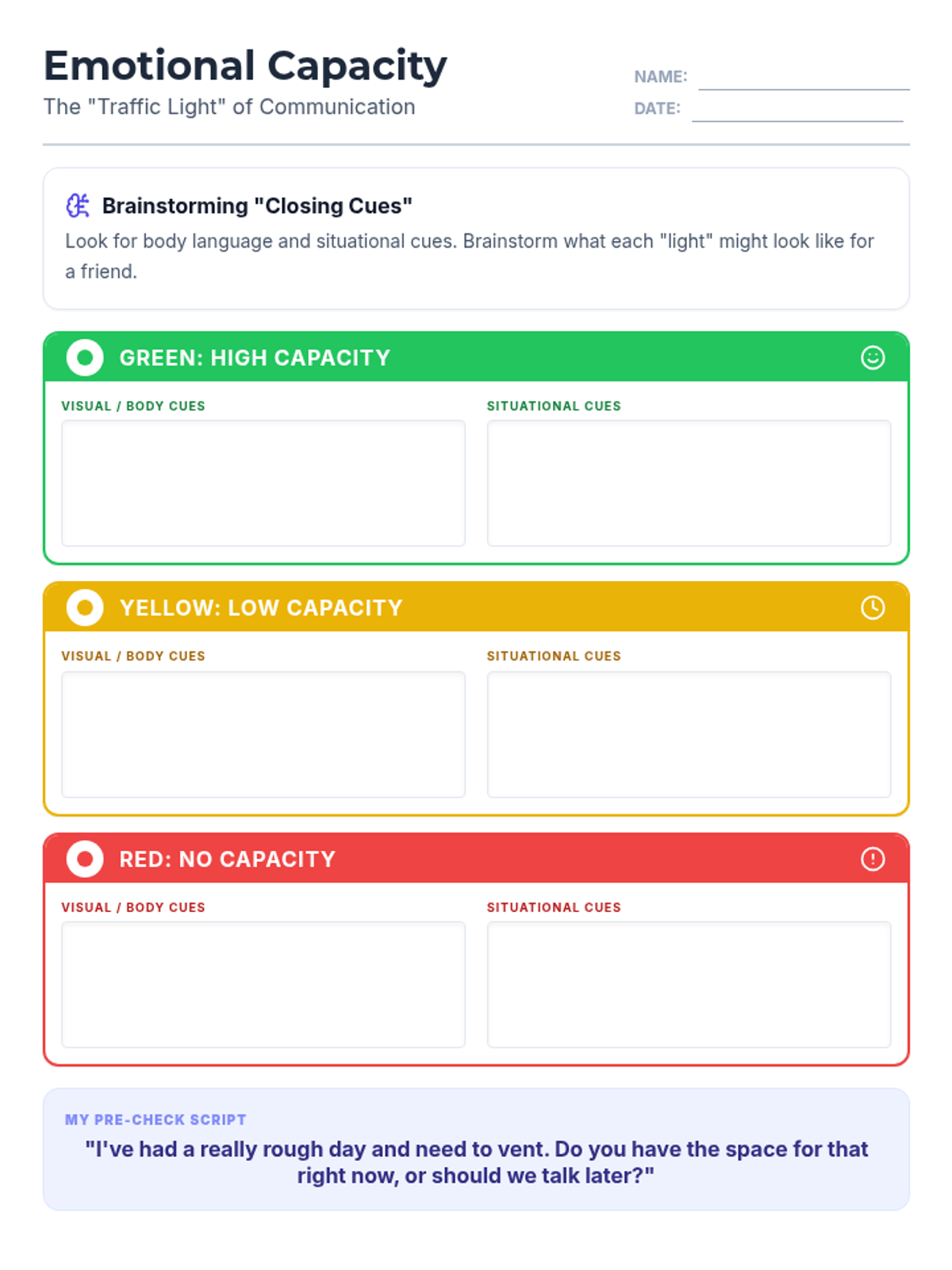
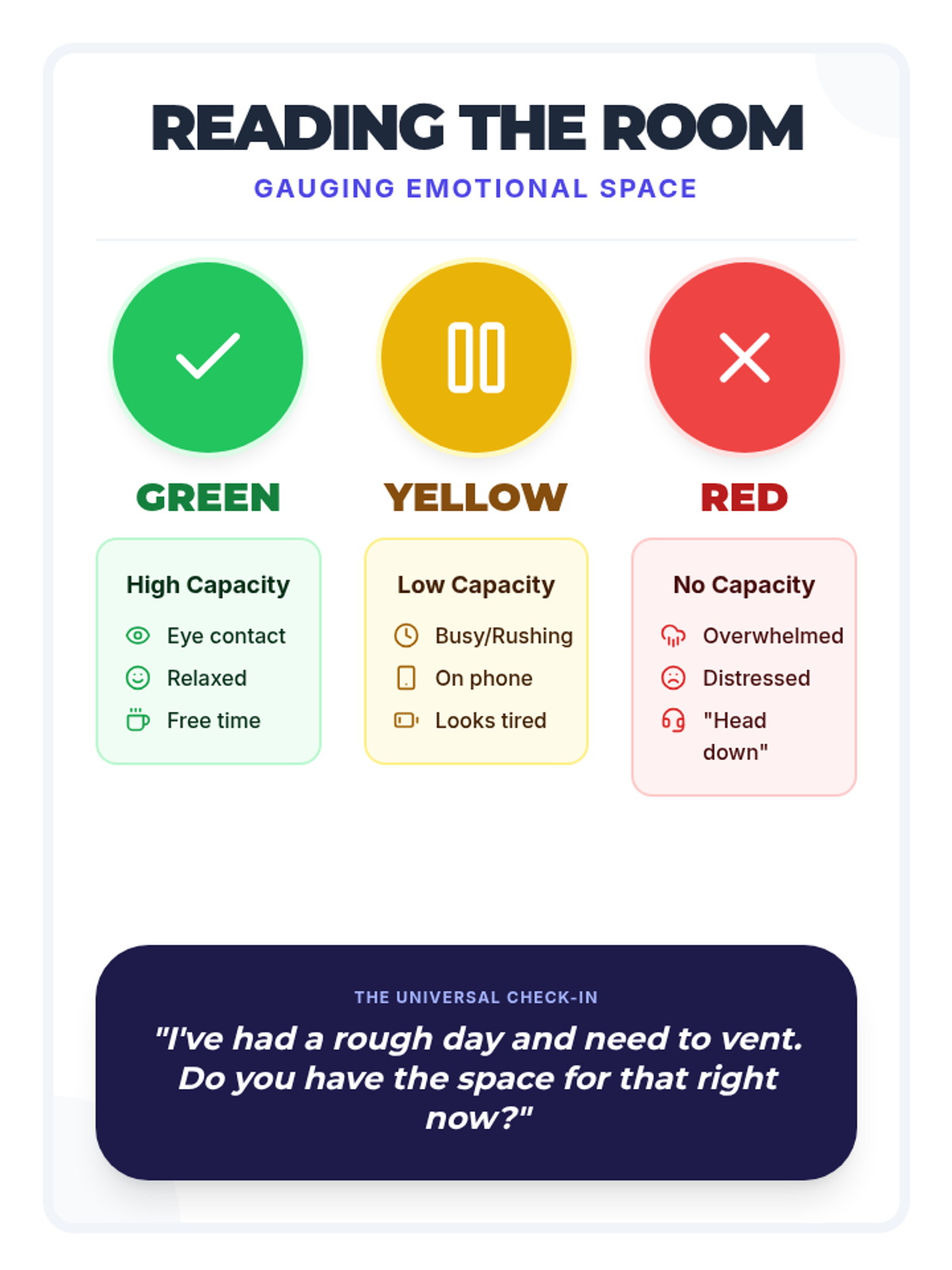
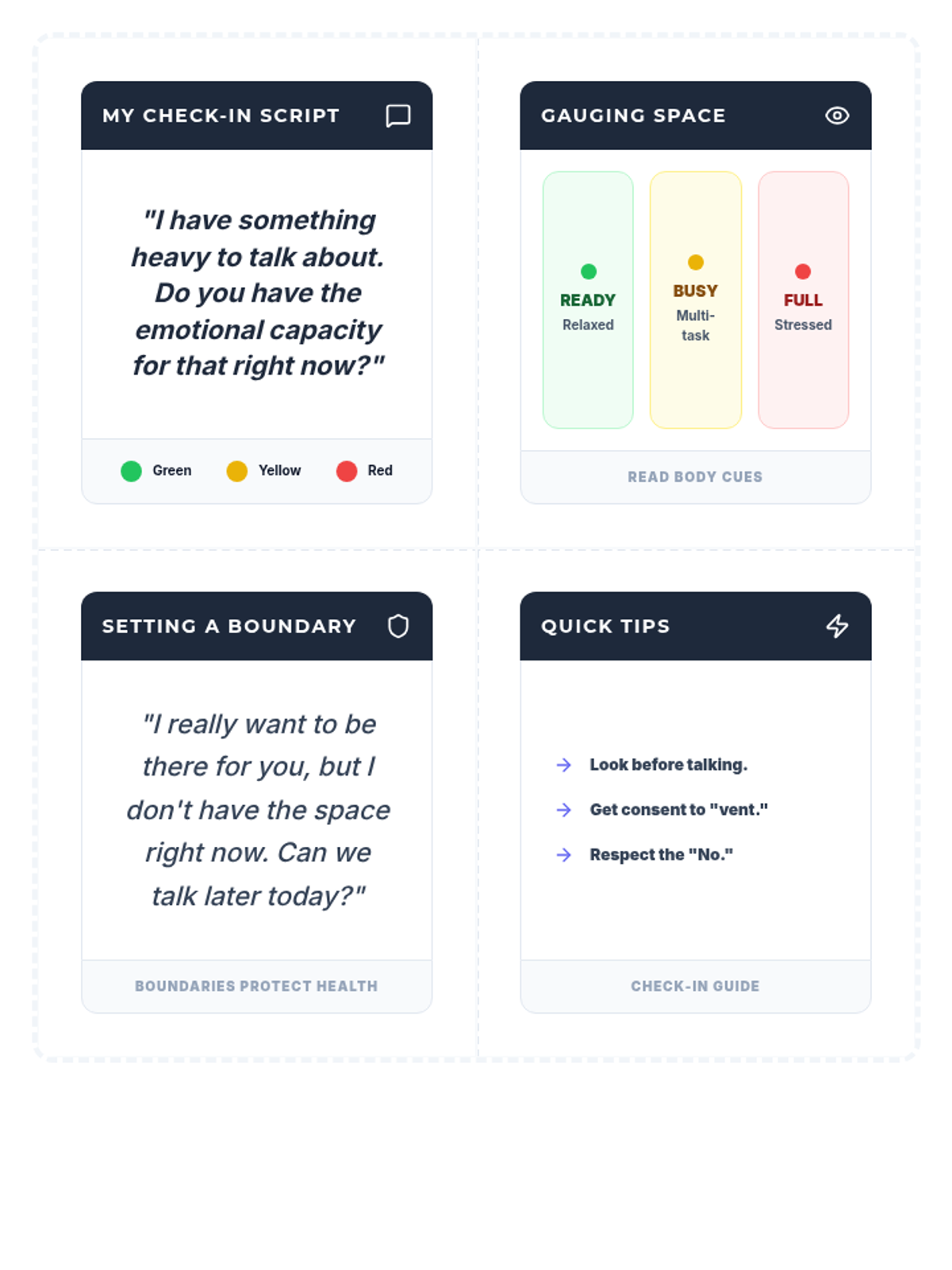
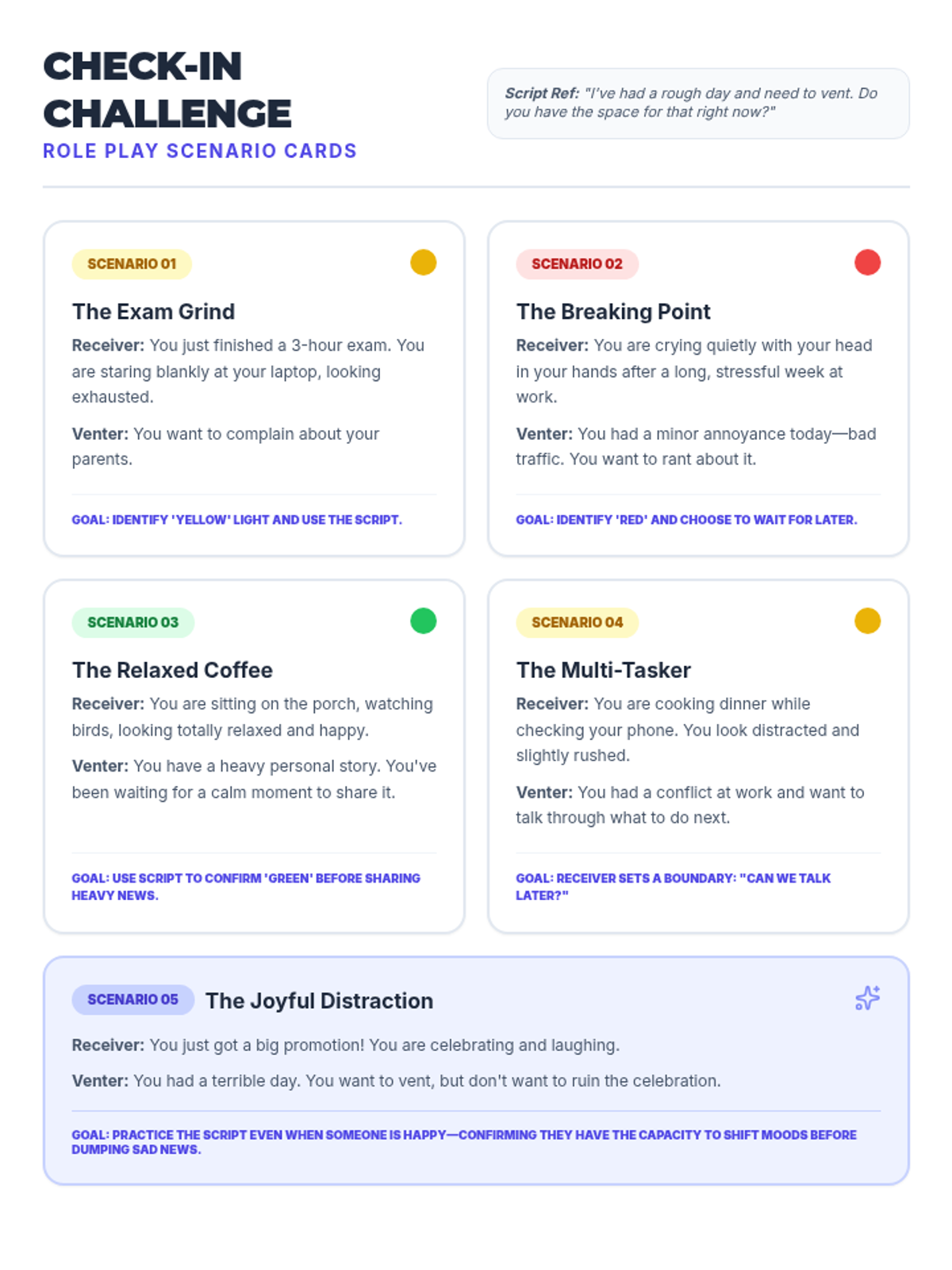
A comprehensive lesson for teens and adults on the concept of 'Emotional Consent' and learning to gauge someone's capacity before sharing heavy or stressful information.
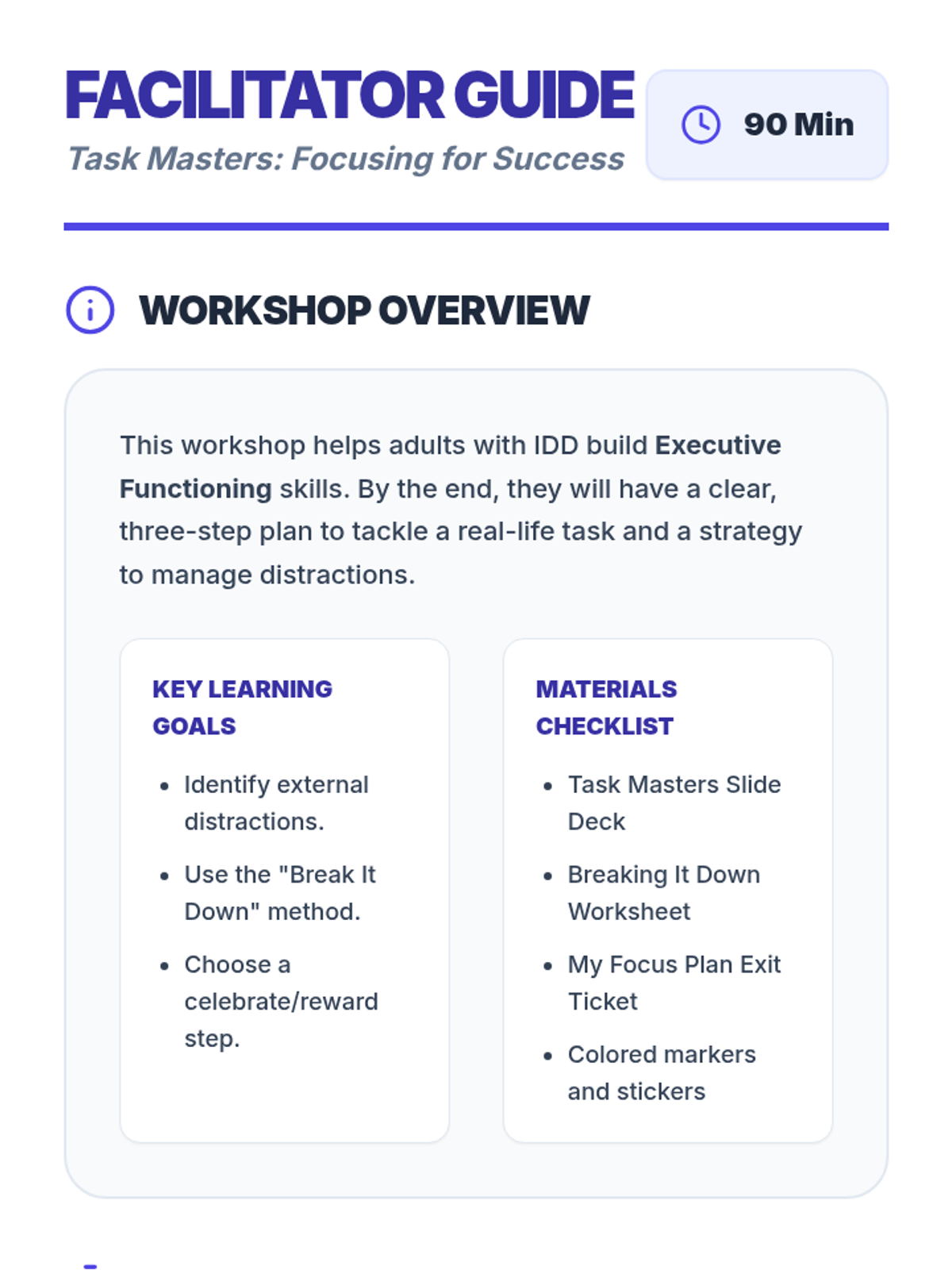
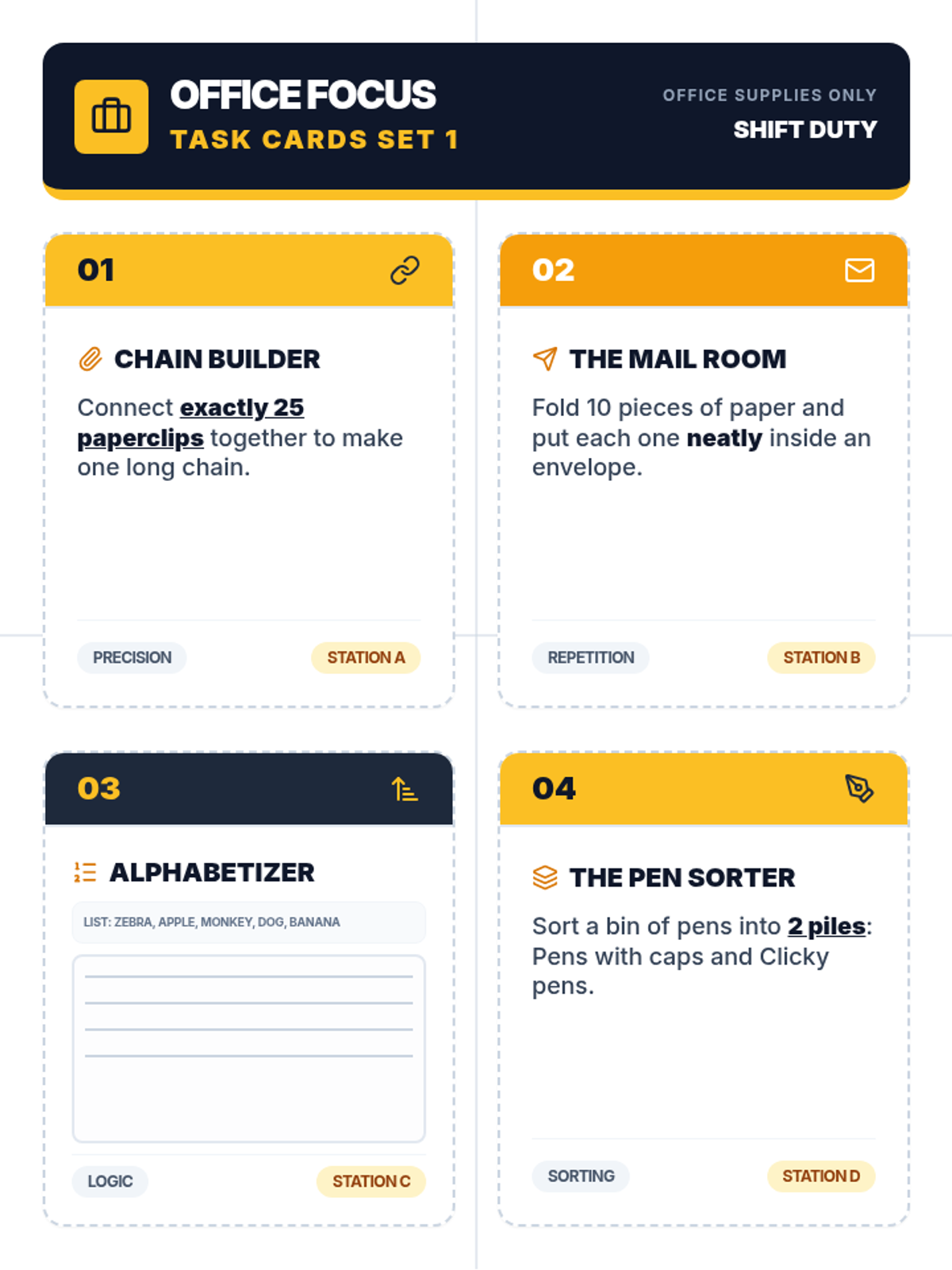
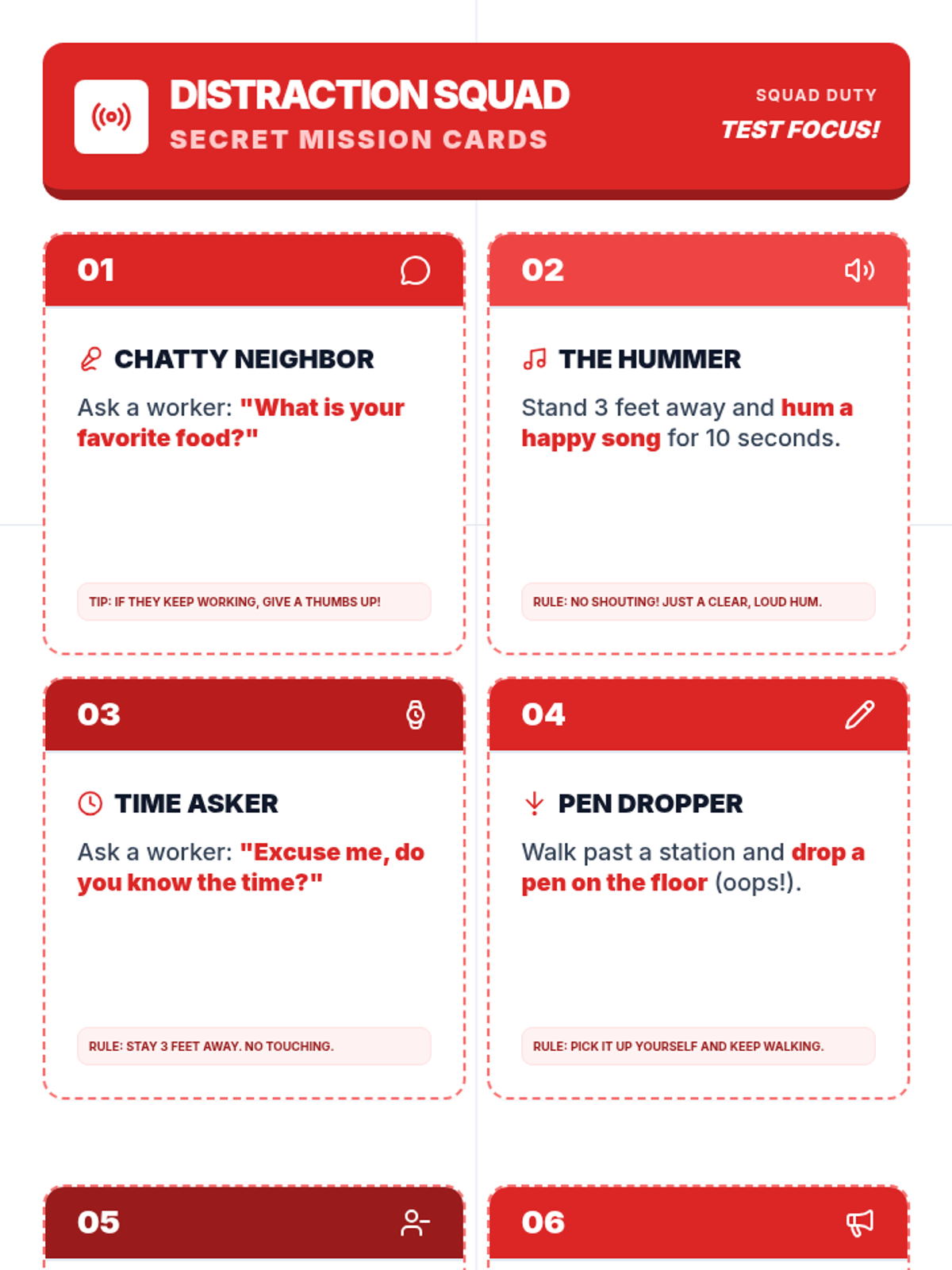
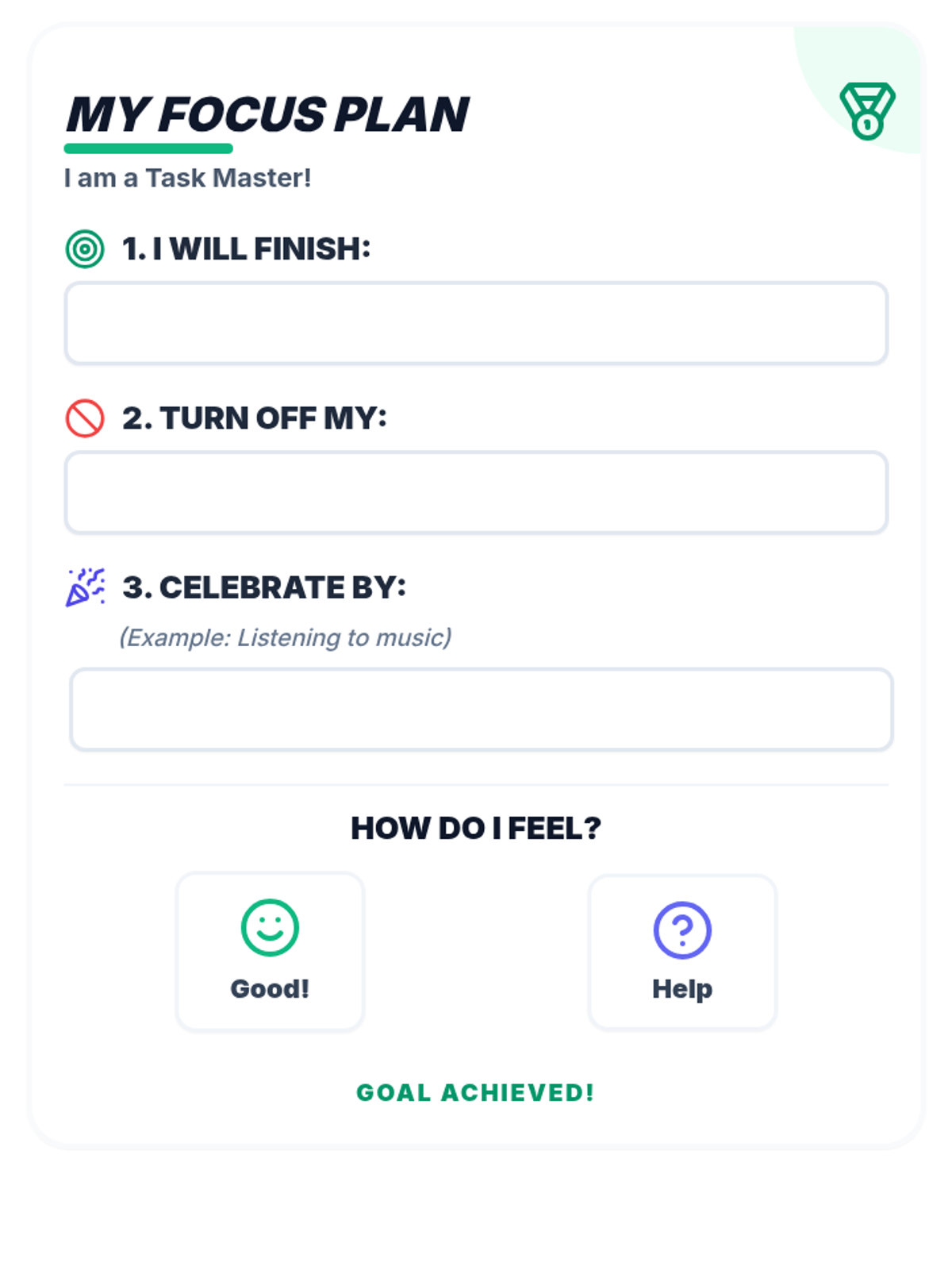
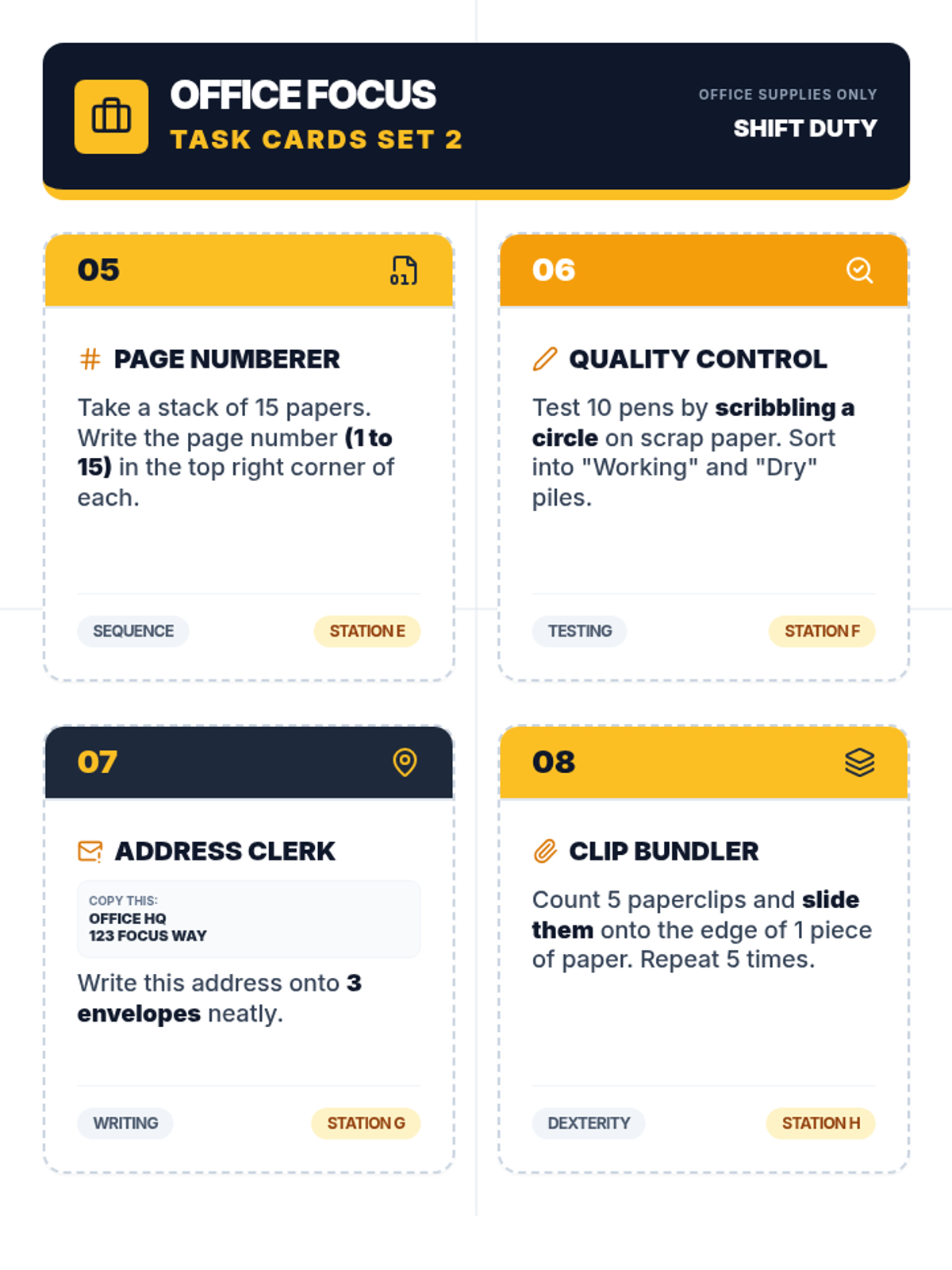
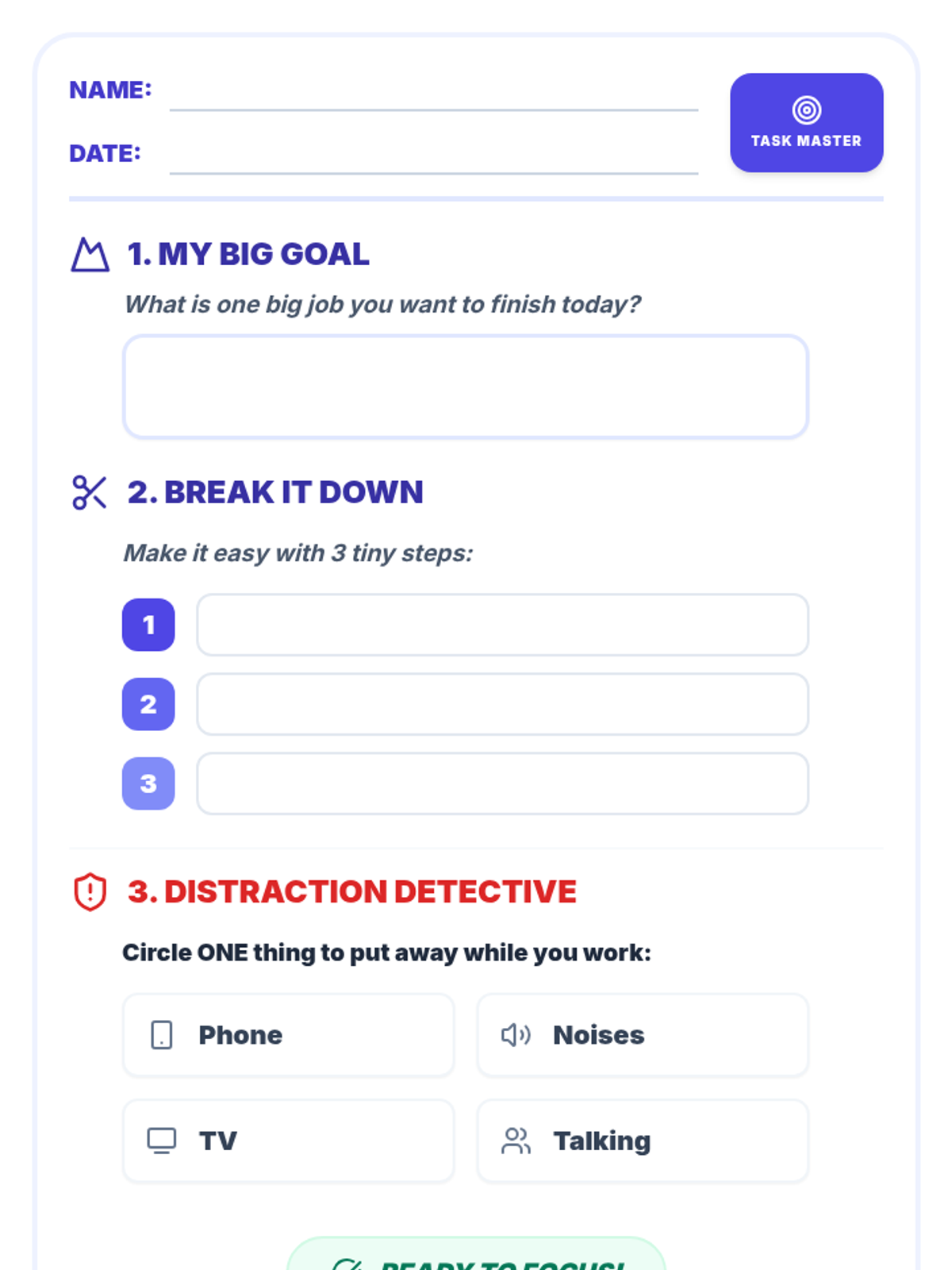
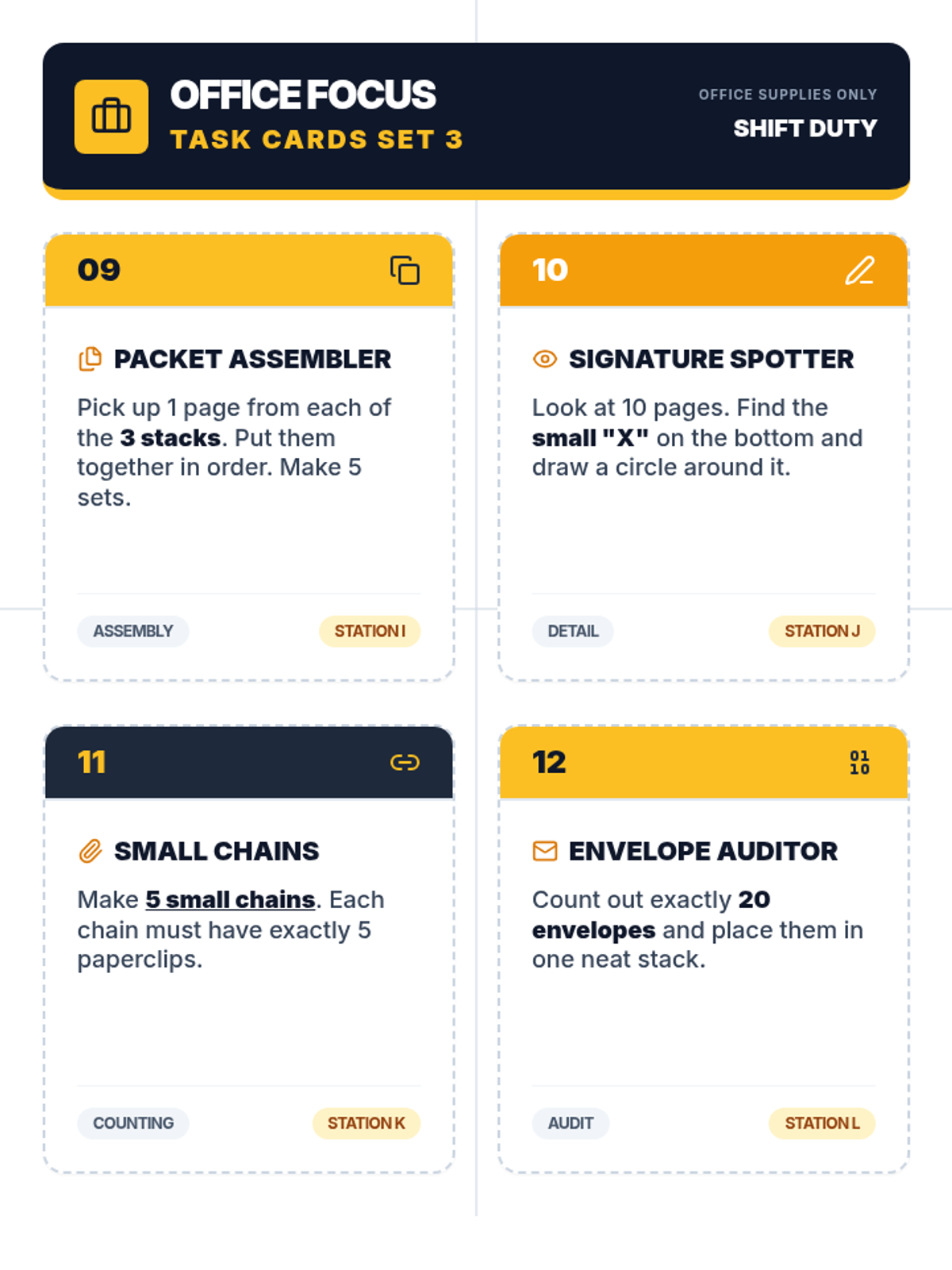
A high-energy, hands-on workshop where students practice executive functioning skills through a 'Focus Factory' simulation. Students rotate between being 'Task Workers' completing physical tasks and 'Distraction Squad' members trying to (kindly) test their peers' focus.
Managing social media trends and the pressure to always be online.
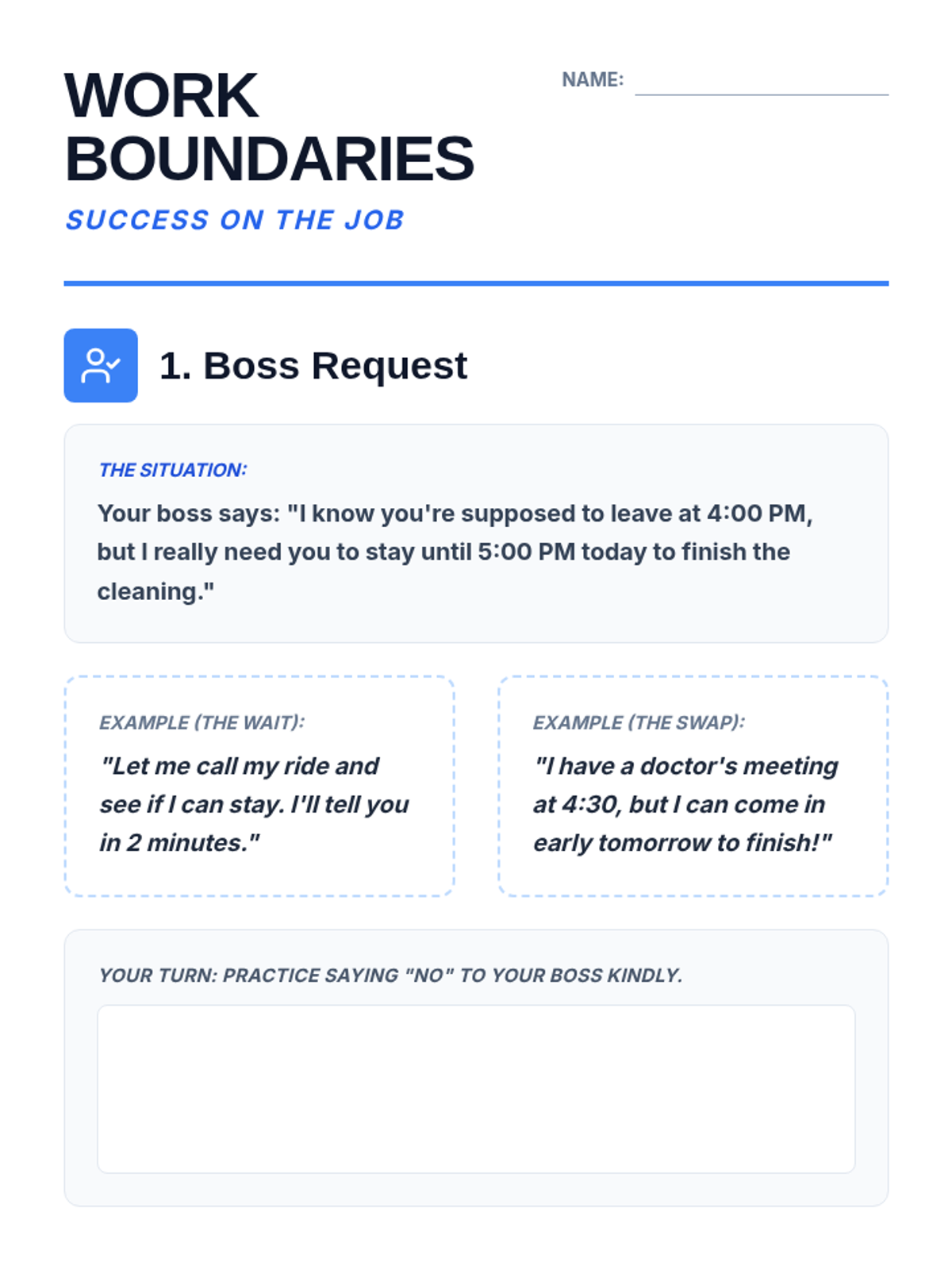
Practice setting boundaries at work, including how to handle extra shifts, boss requests, and coworker pressure.
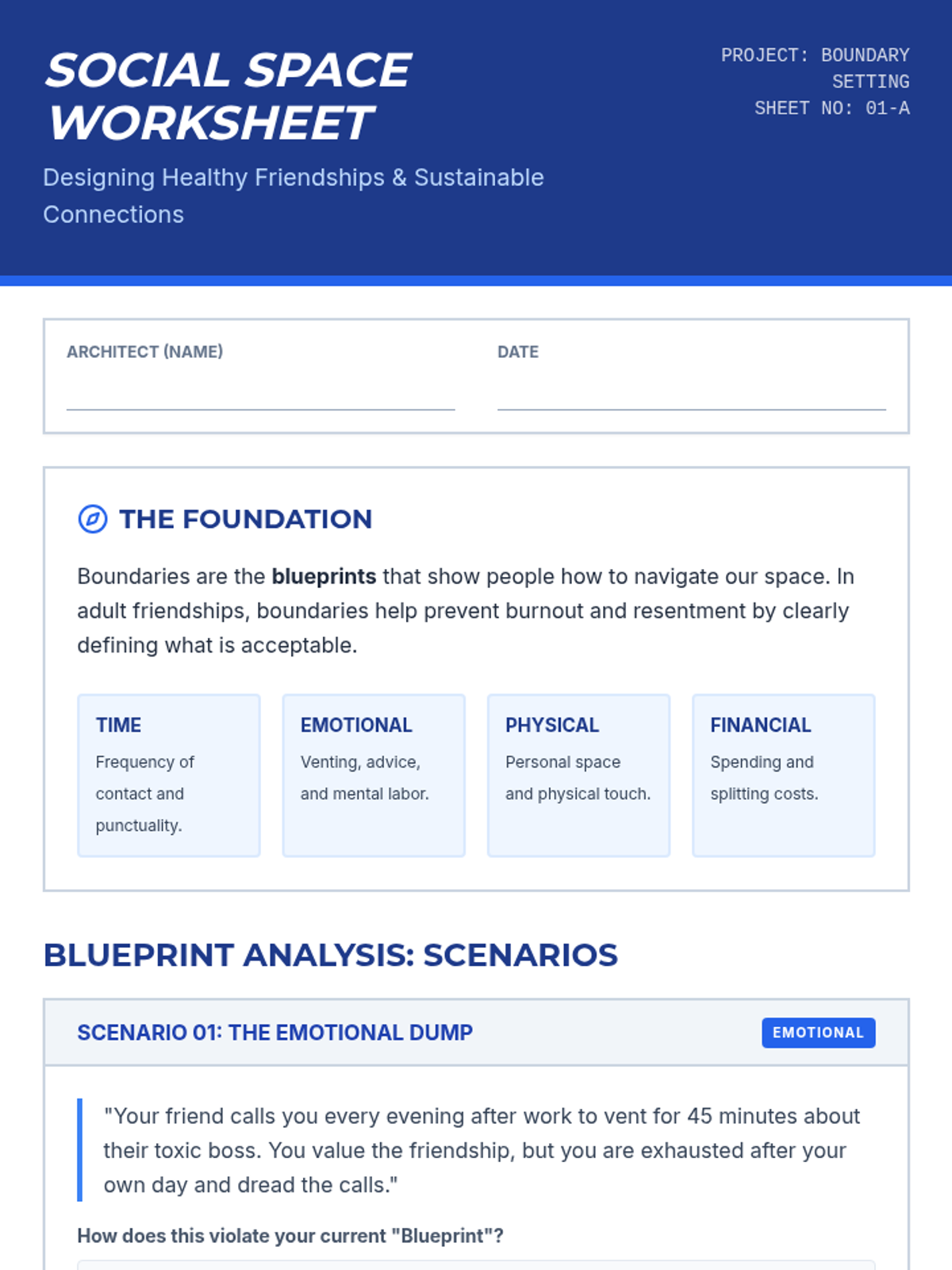
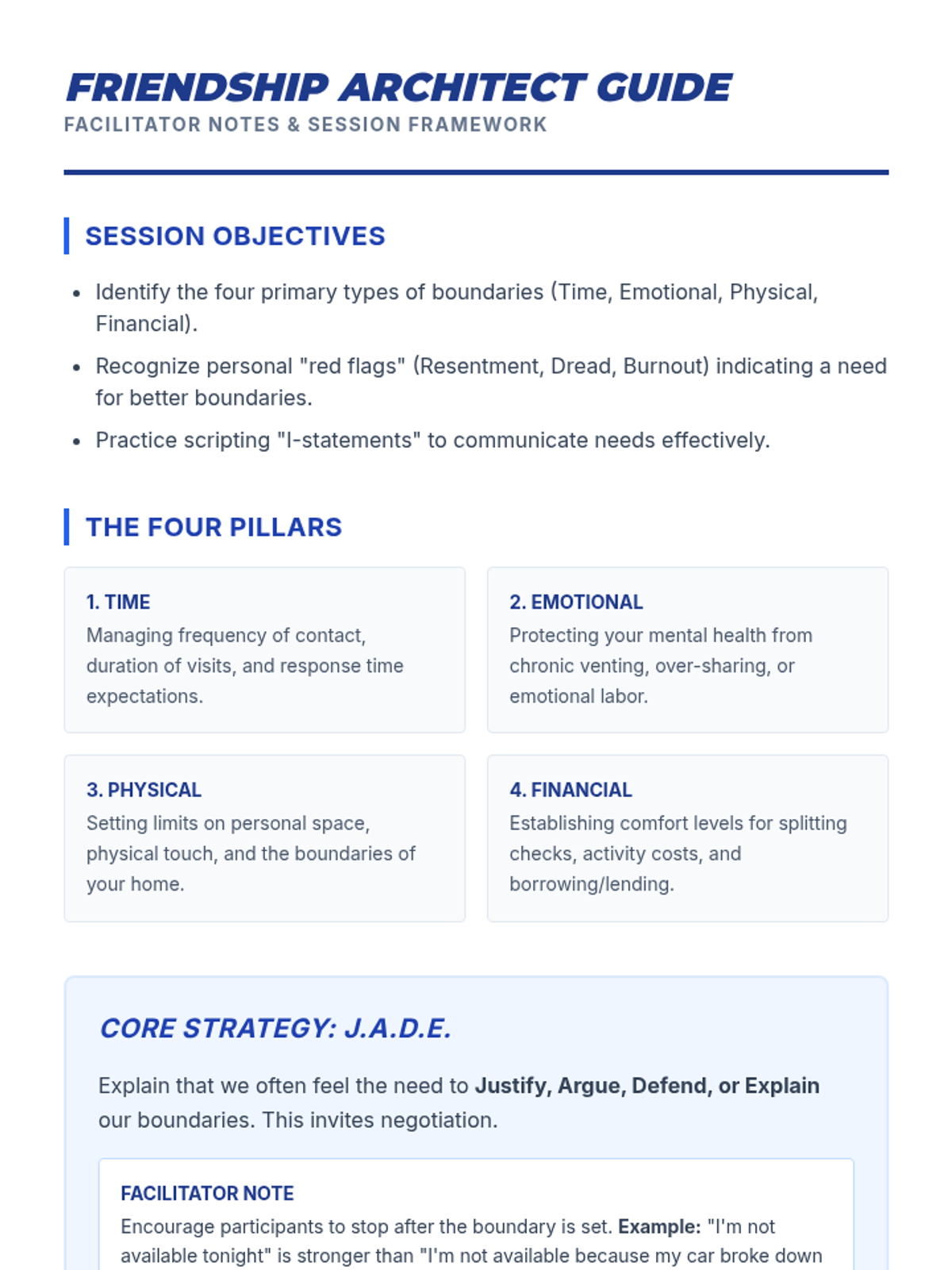
A comprehensive lesson on establishing healthy boundaries within adult friendships, focusing on identifying boundary types, navigating common social scenarios, and practicing effective communication scripts.
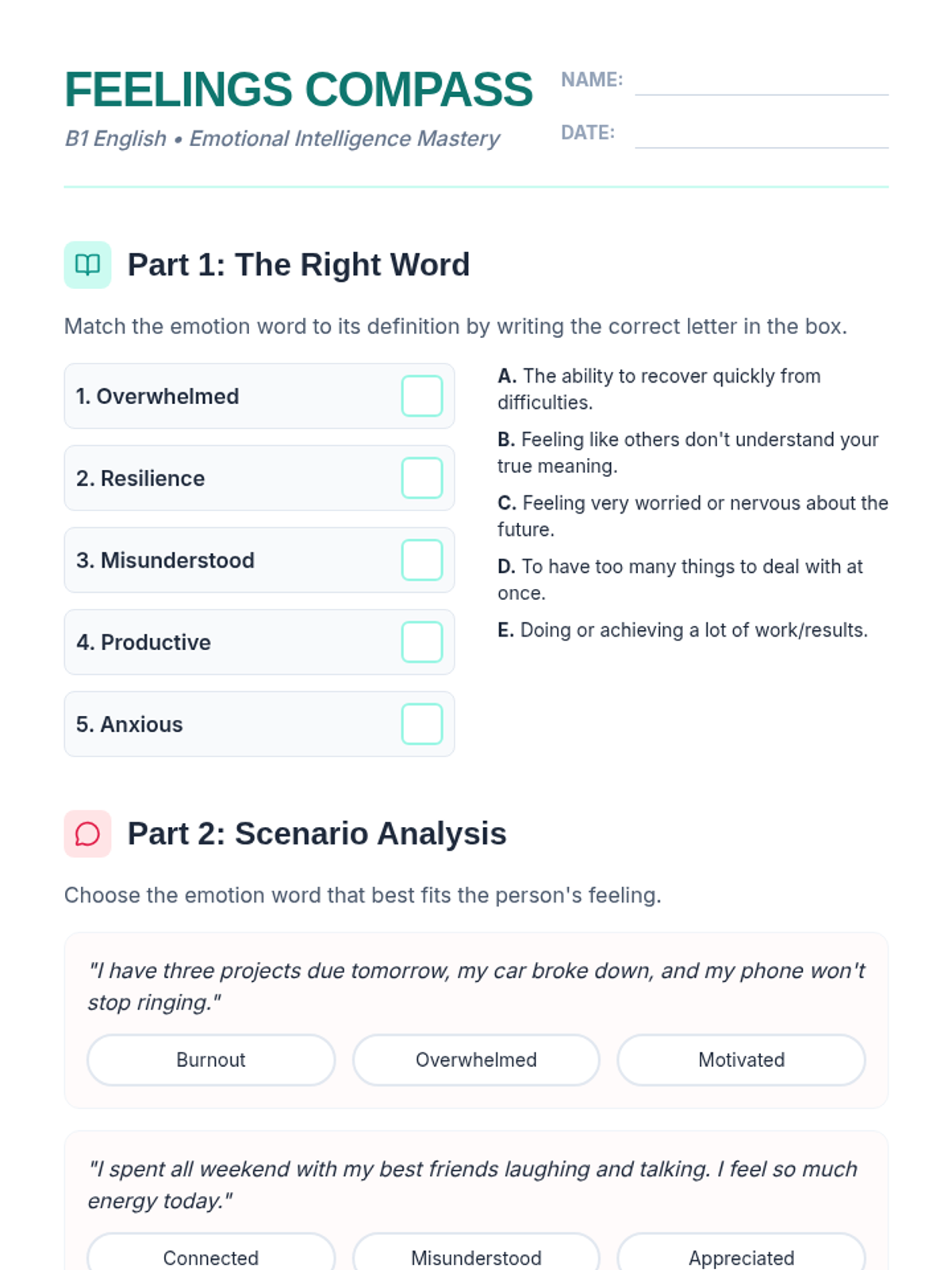
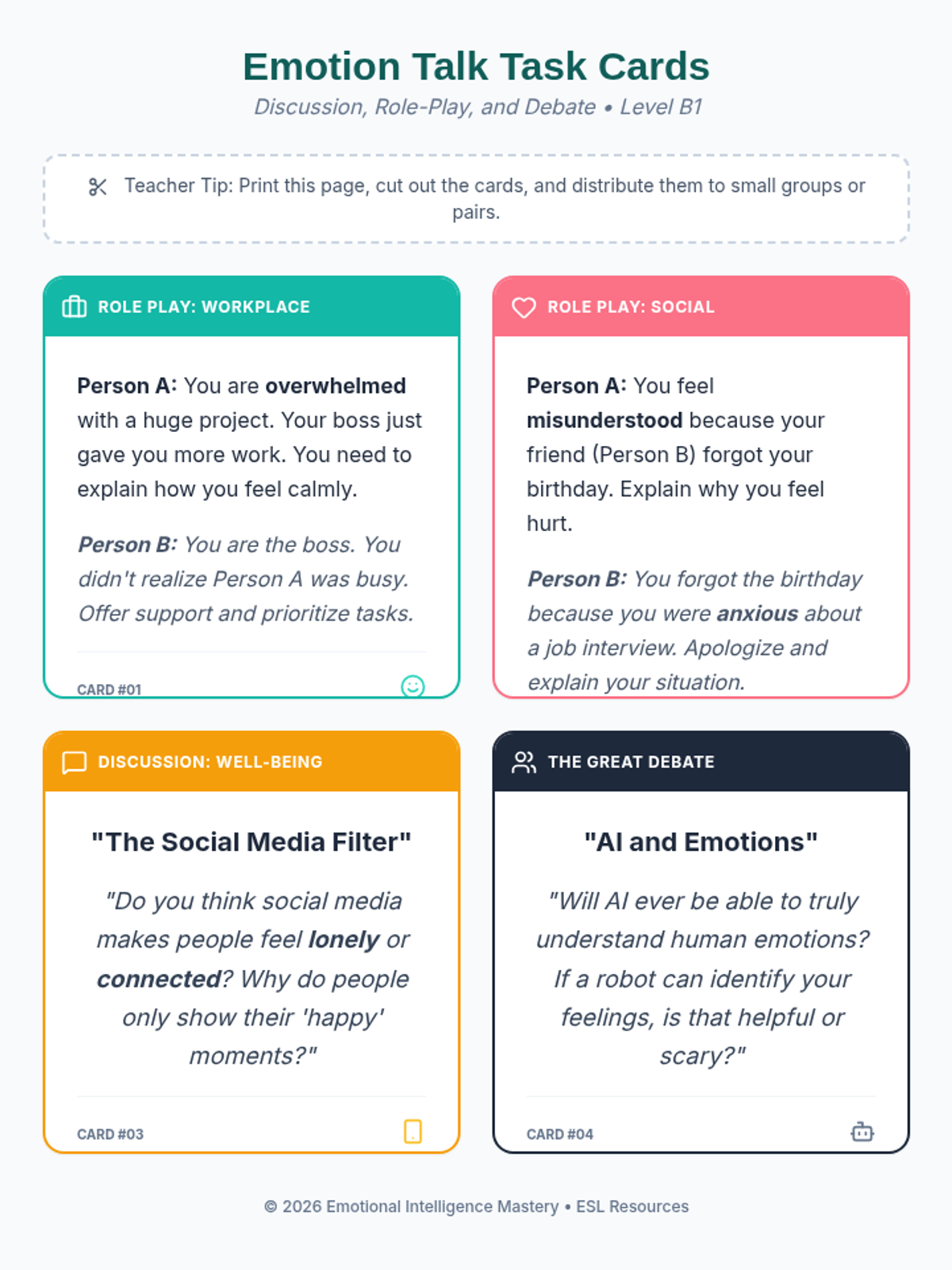
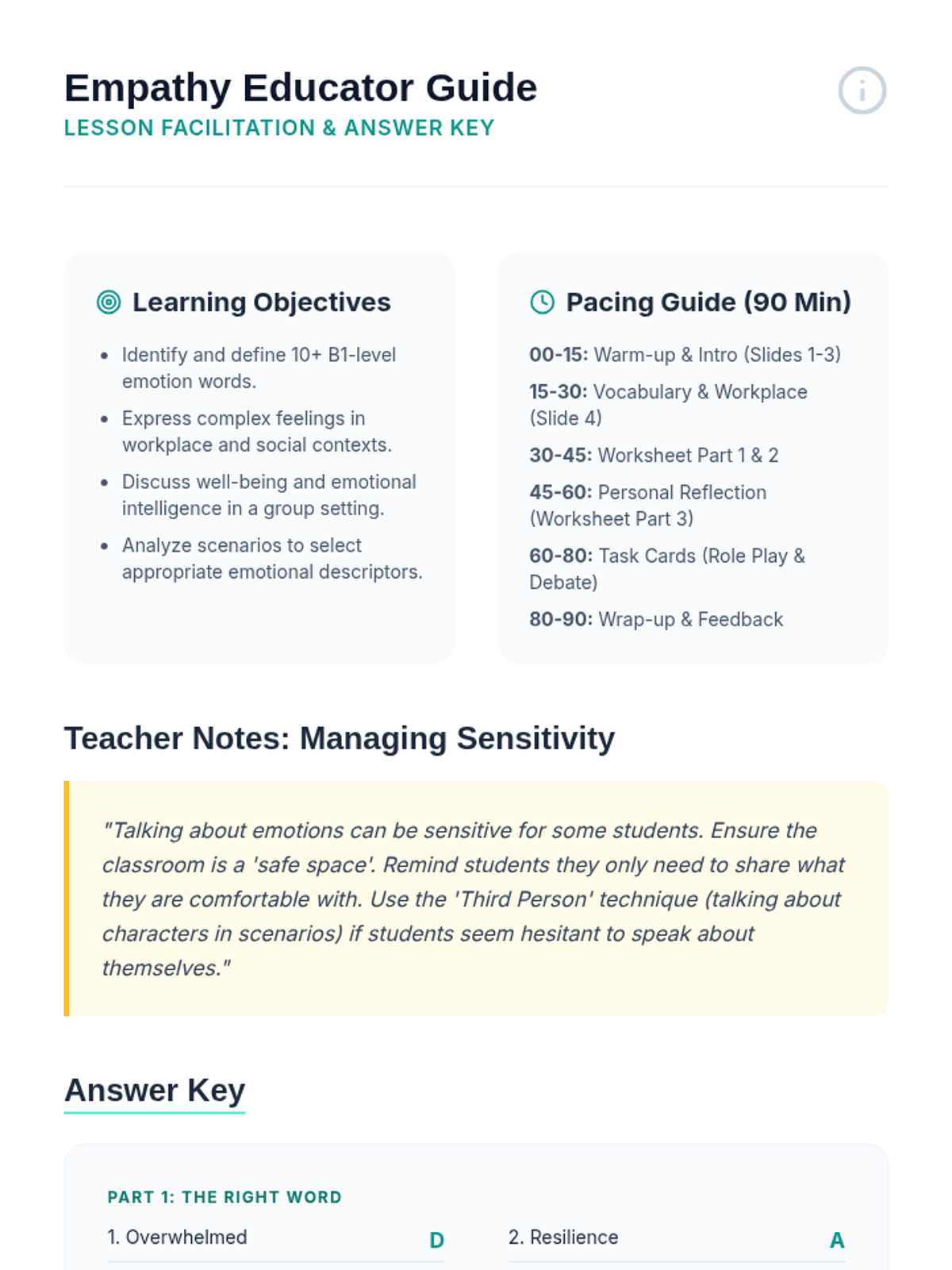
A comprehensive B1 ESL lesson focused on identifying and discussing complex emotions in workplace, social, and personal contexts through a structured emotions wheel and interactive speaking tasks.
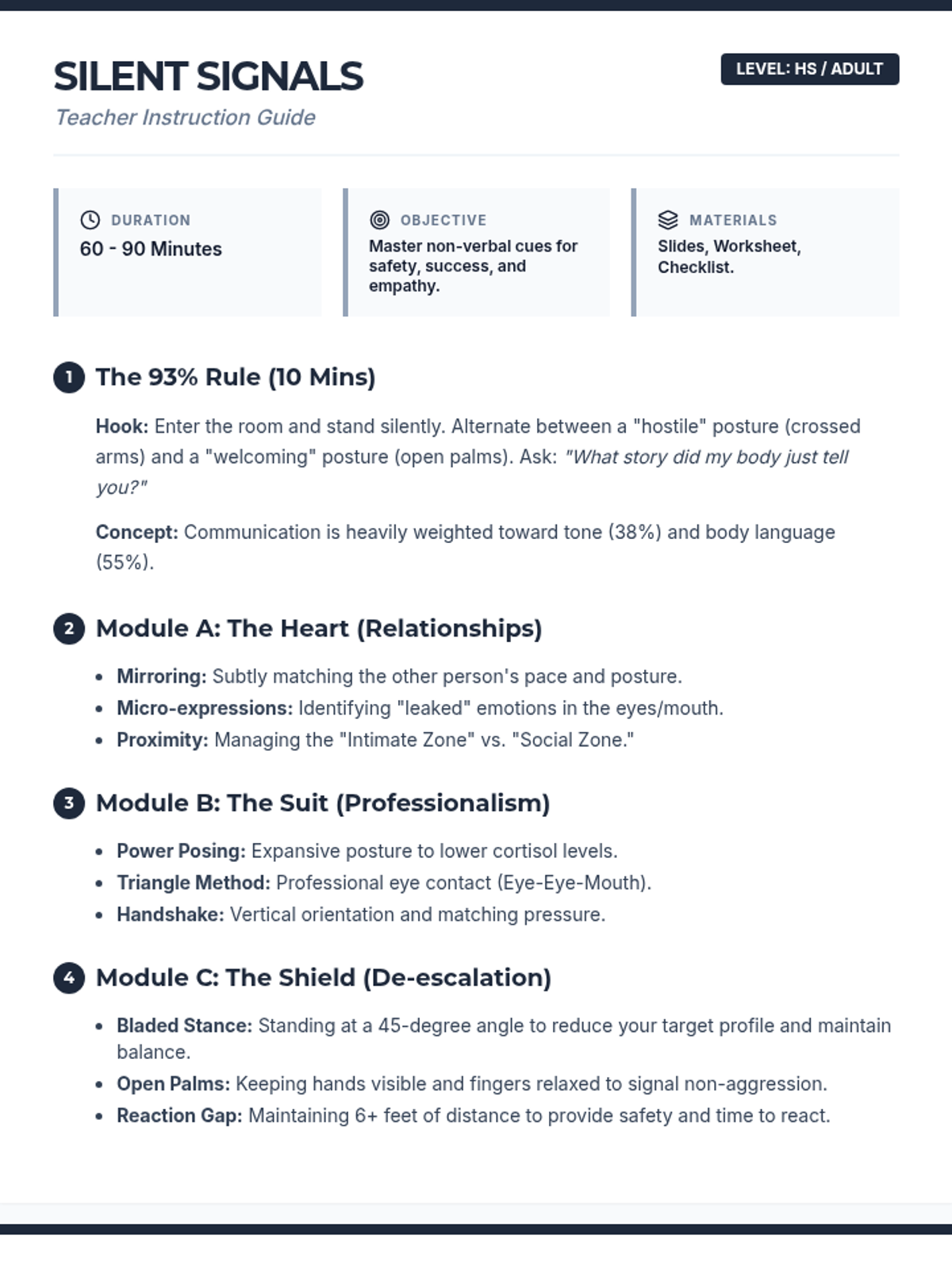
A comprehensive lesson on mastering non-verbal communication across interpersonal relationships, professional interviews, and high-stakes de-escalation scenarios. Students learn to decode 'silent signals' to improve empathy, professionalism, and safety.
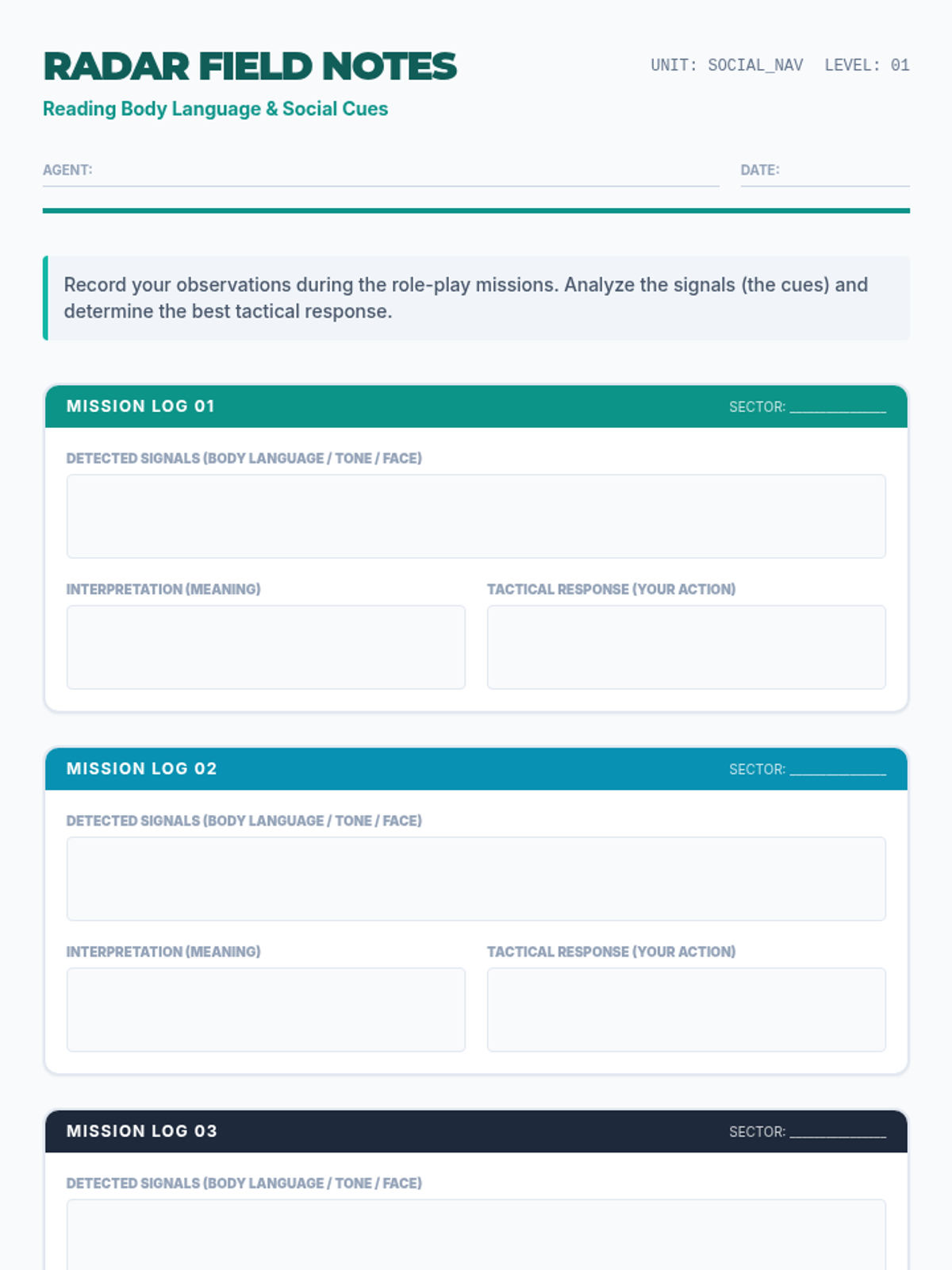
A lesson on interpreting body language and social cues across various professional and community settings. Students will learn to decode non-verbal communication and practice responding appropriately through role-play.
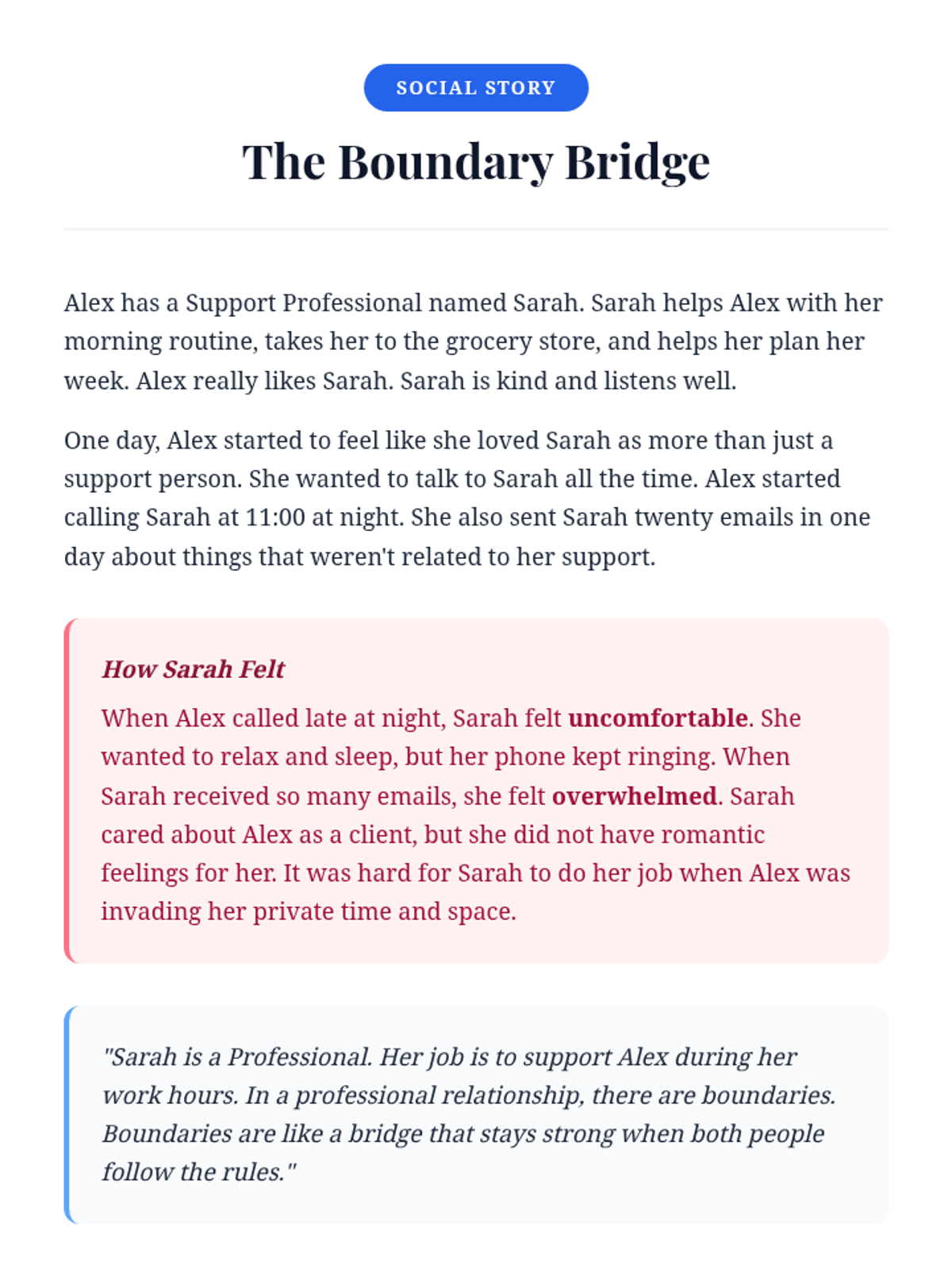
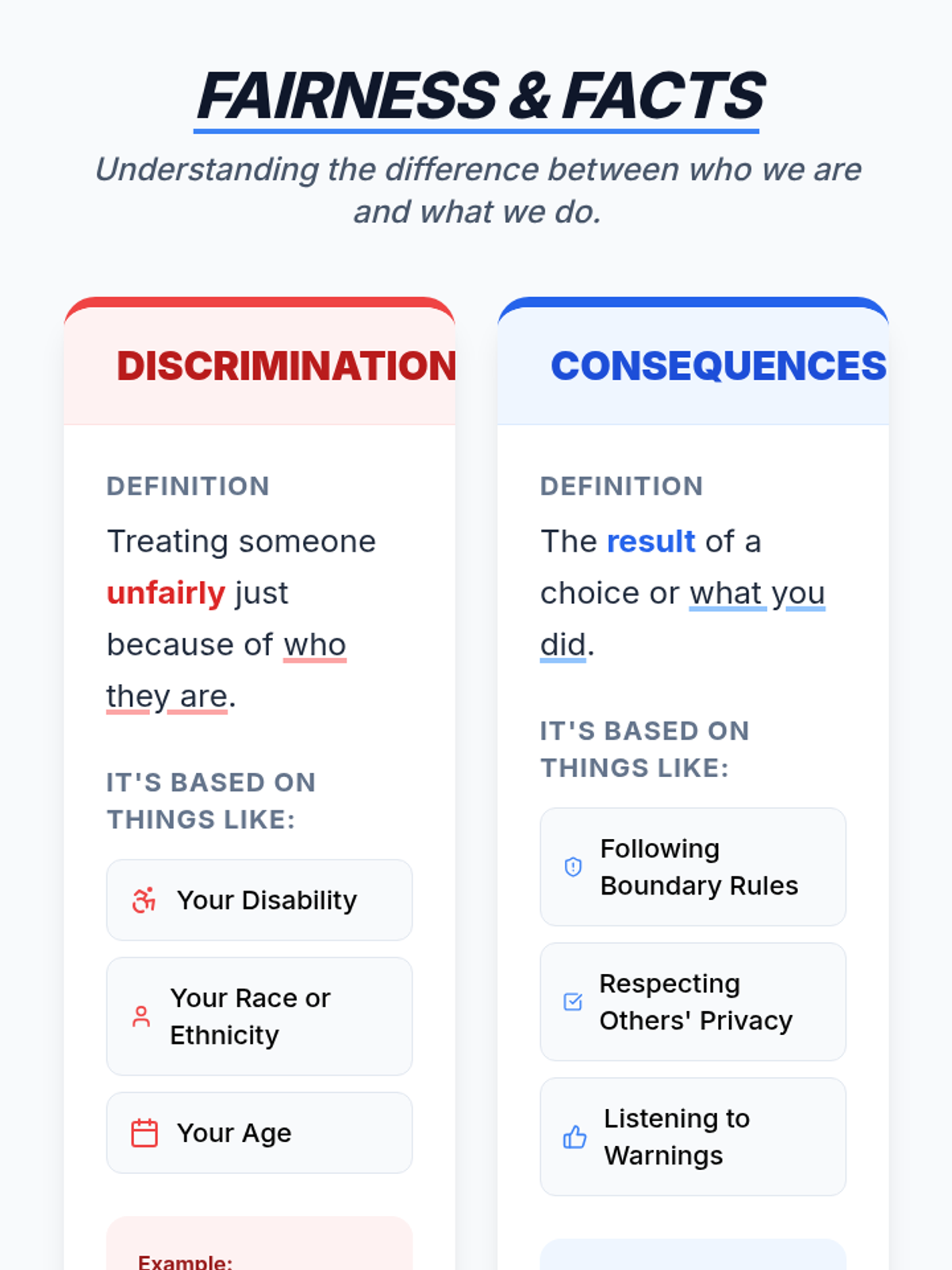
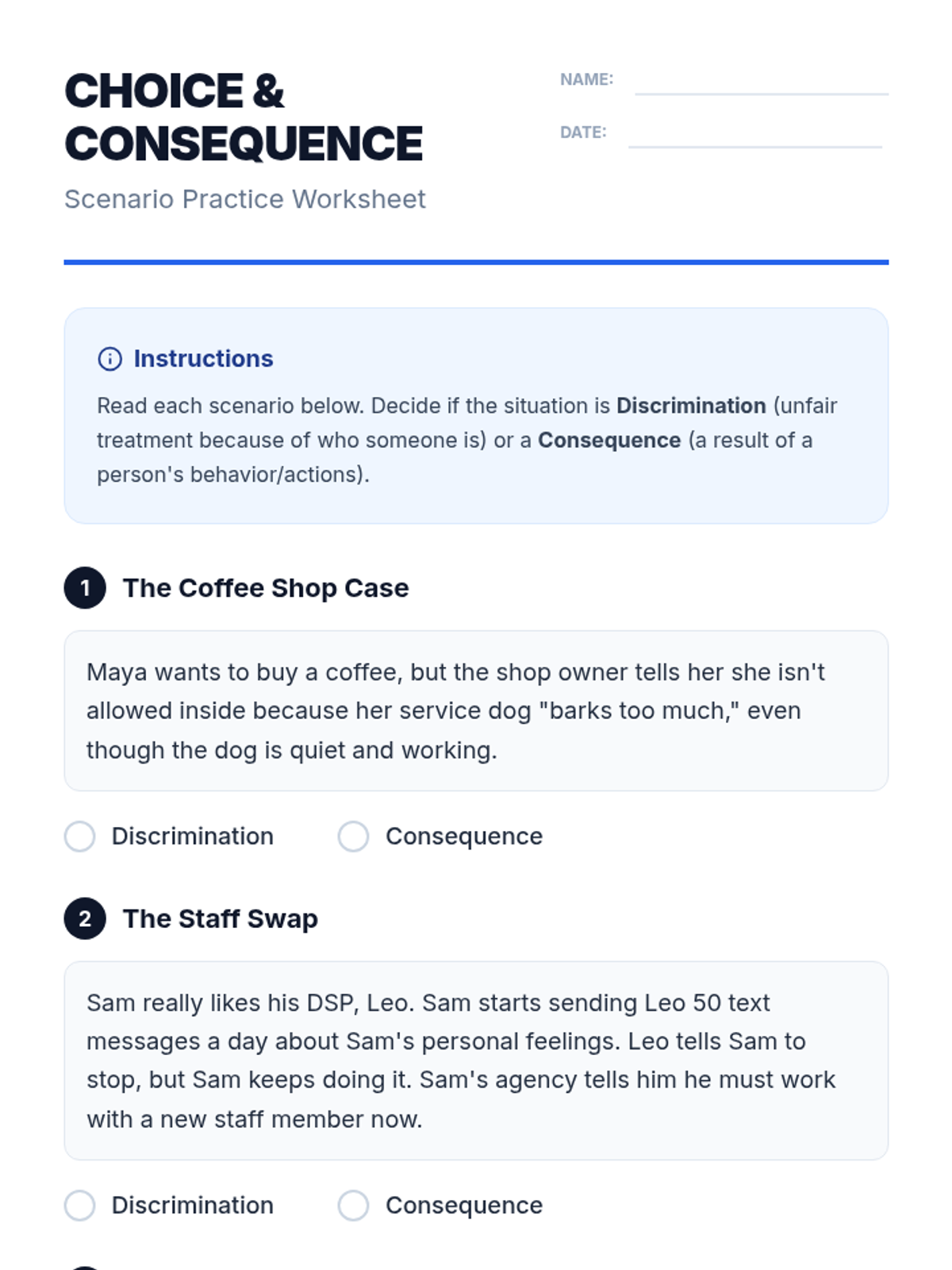
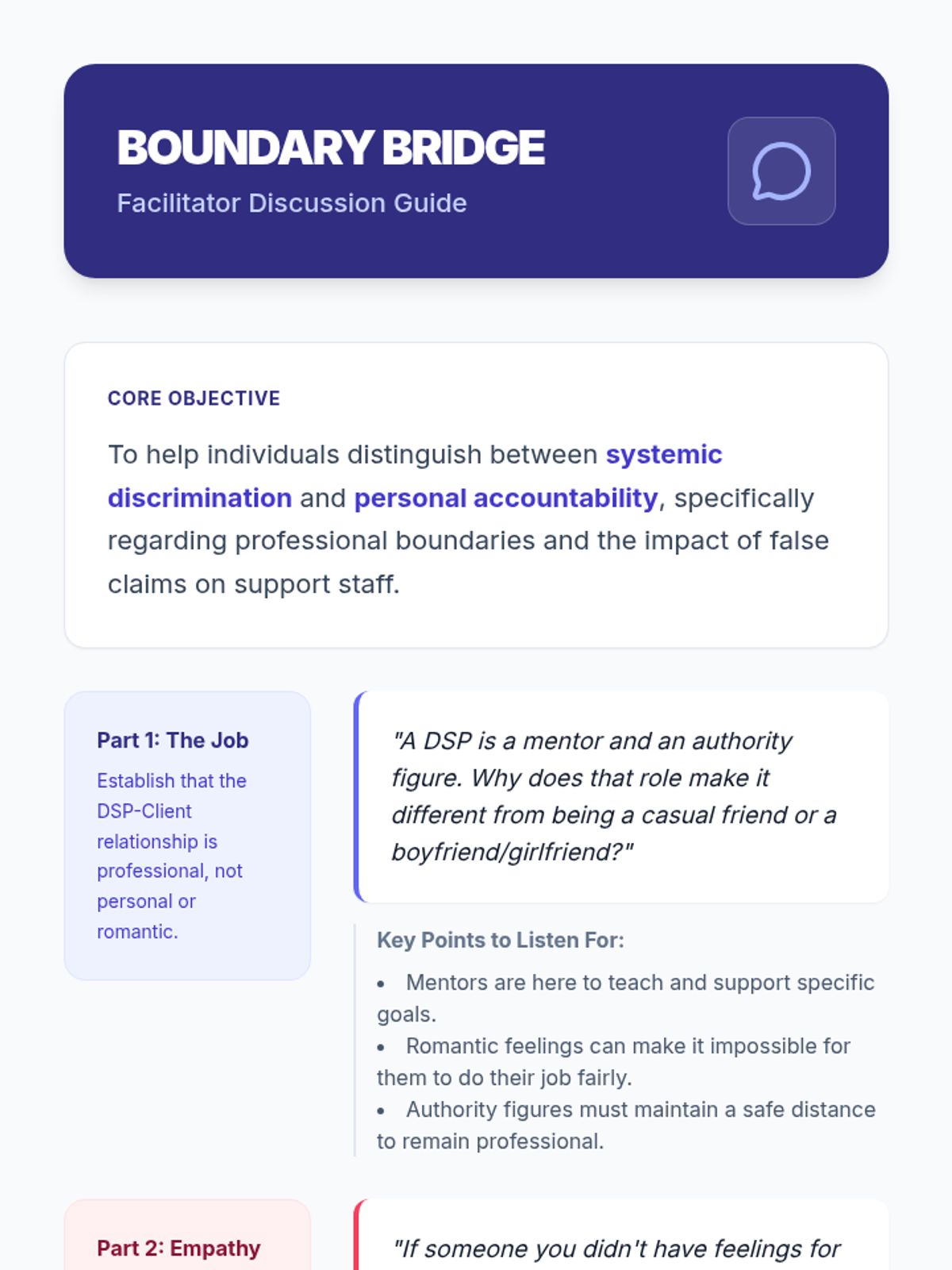
This lesson explores the definition of discrimination, the importance of professional boundaries in DSP relationships, and how actions lead to specific consequences.
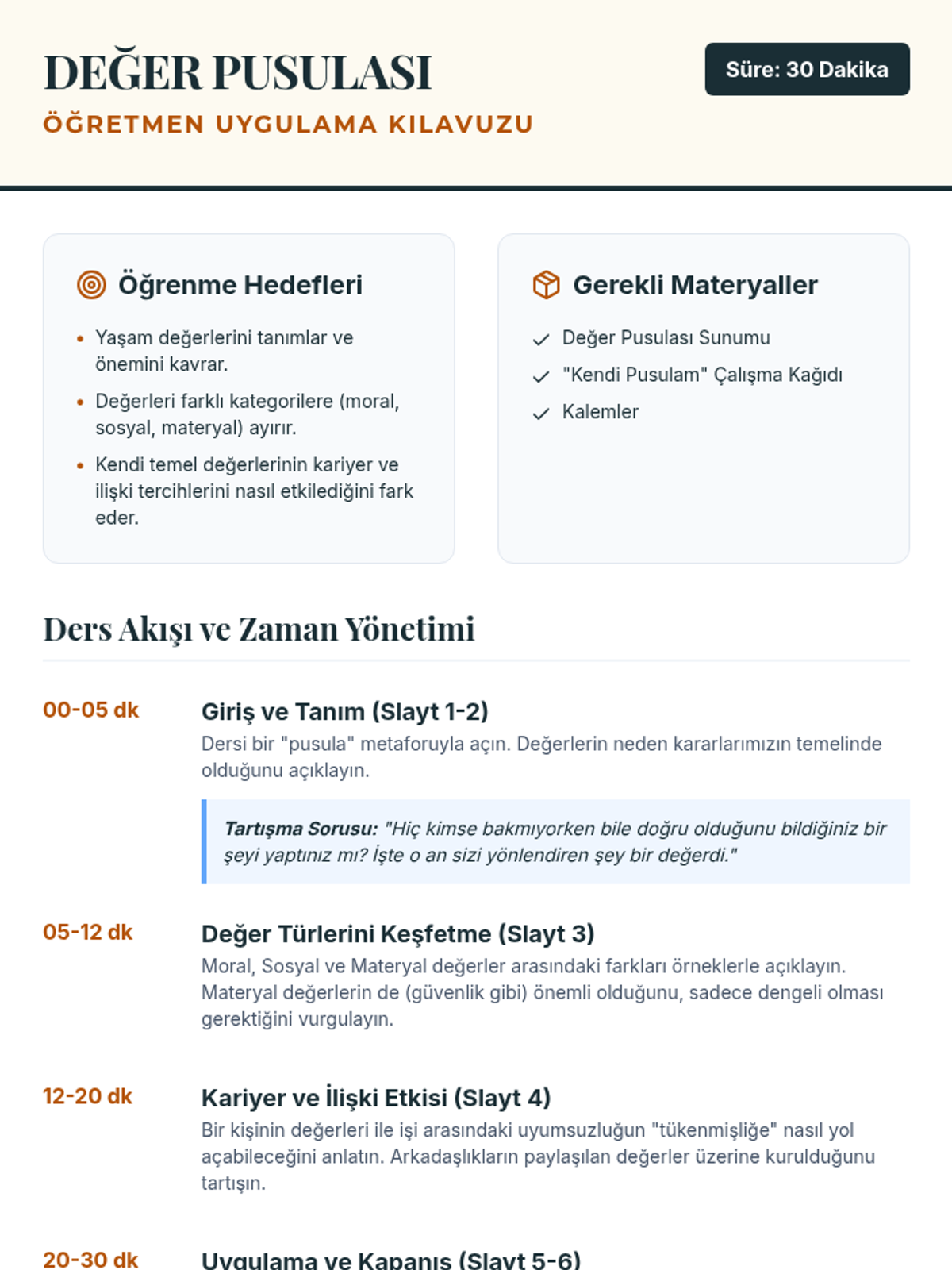
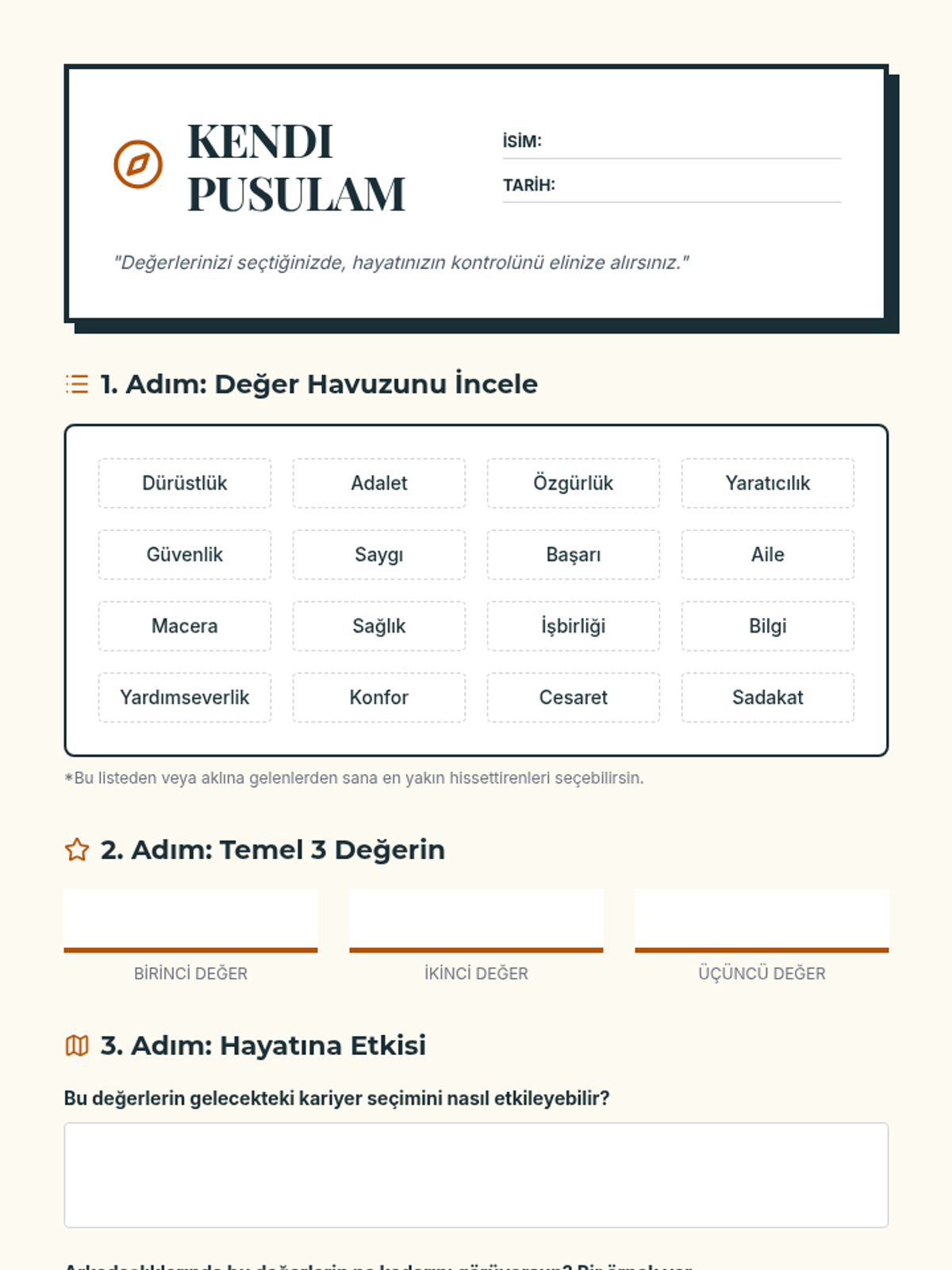
A 30-minute interactive lesson exploring life values, their impact on life choices, and strategies for living authentically.
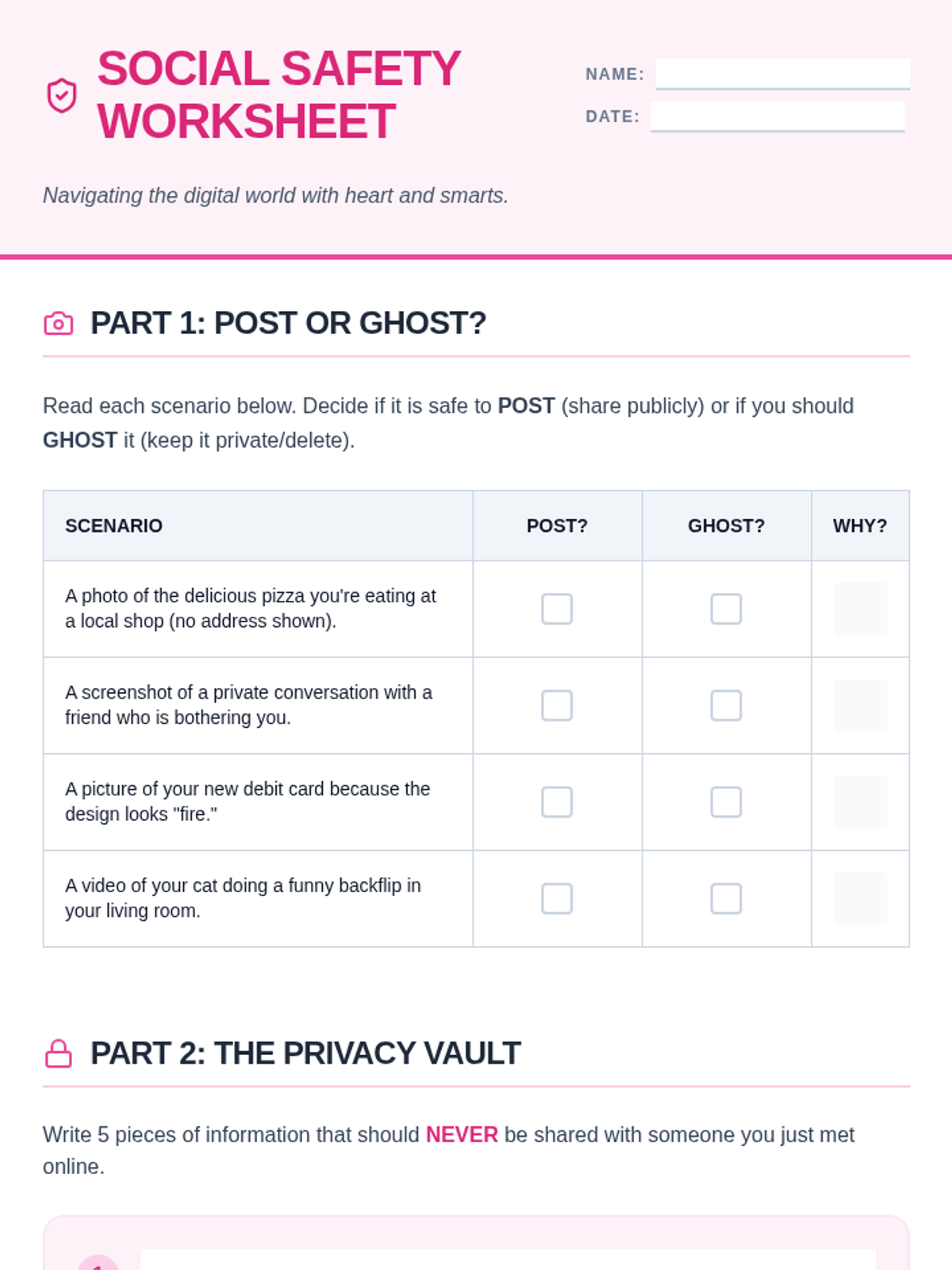
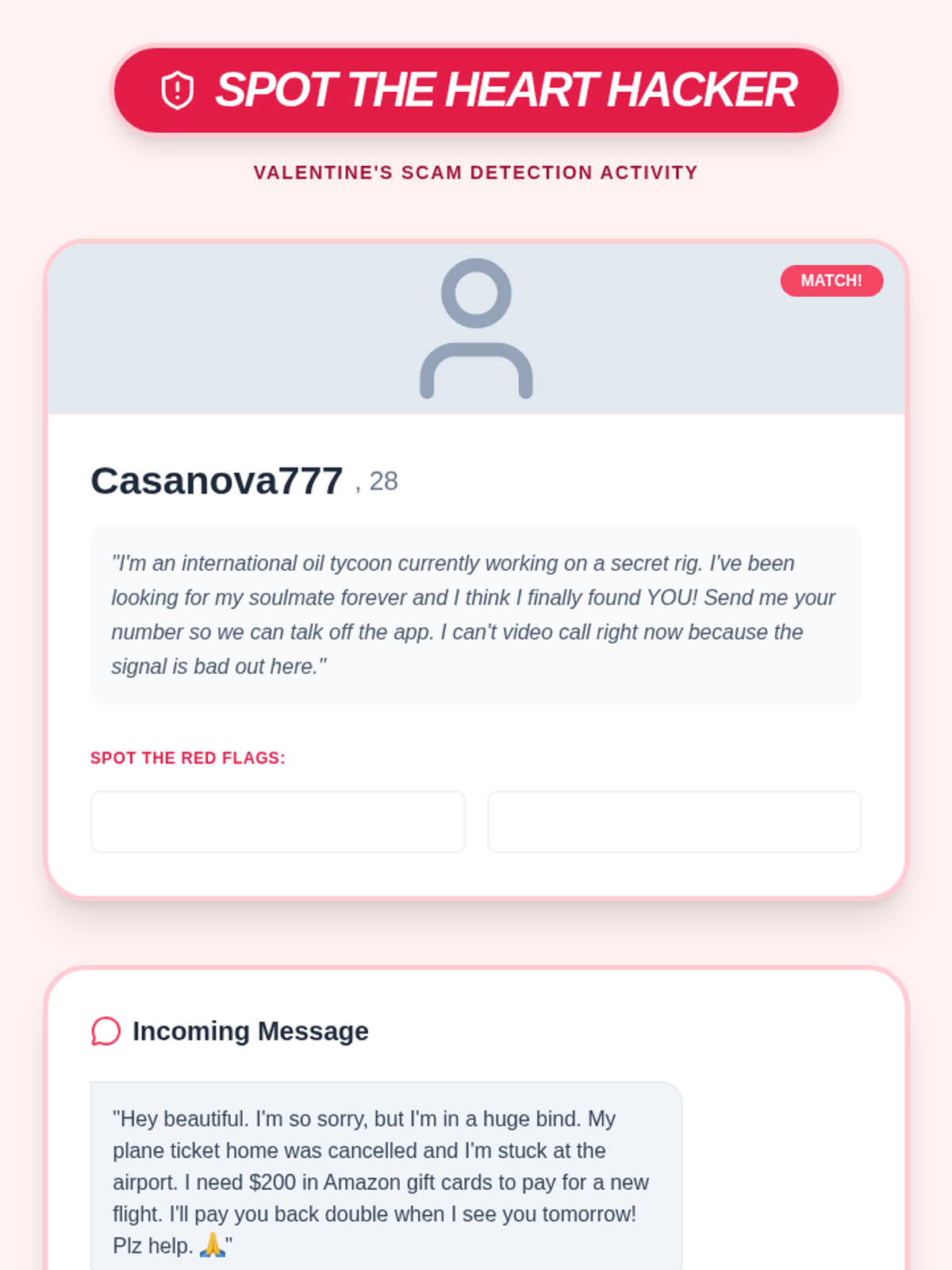
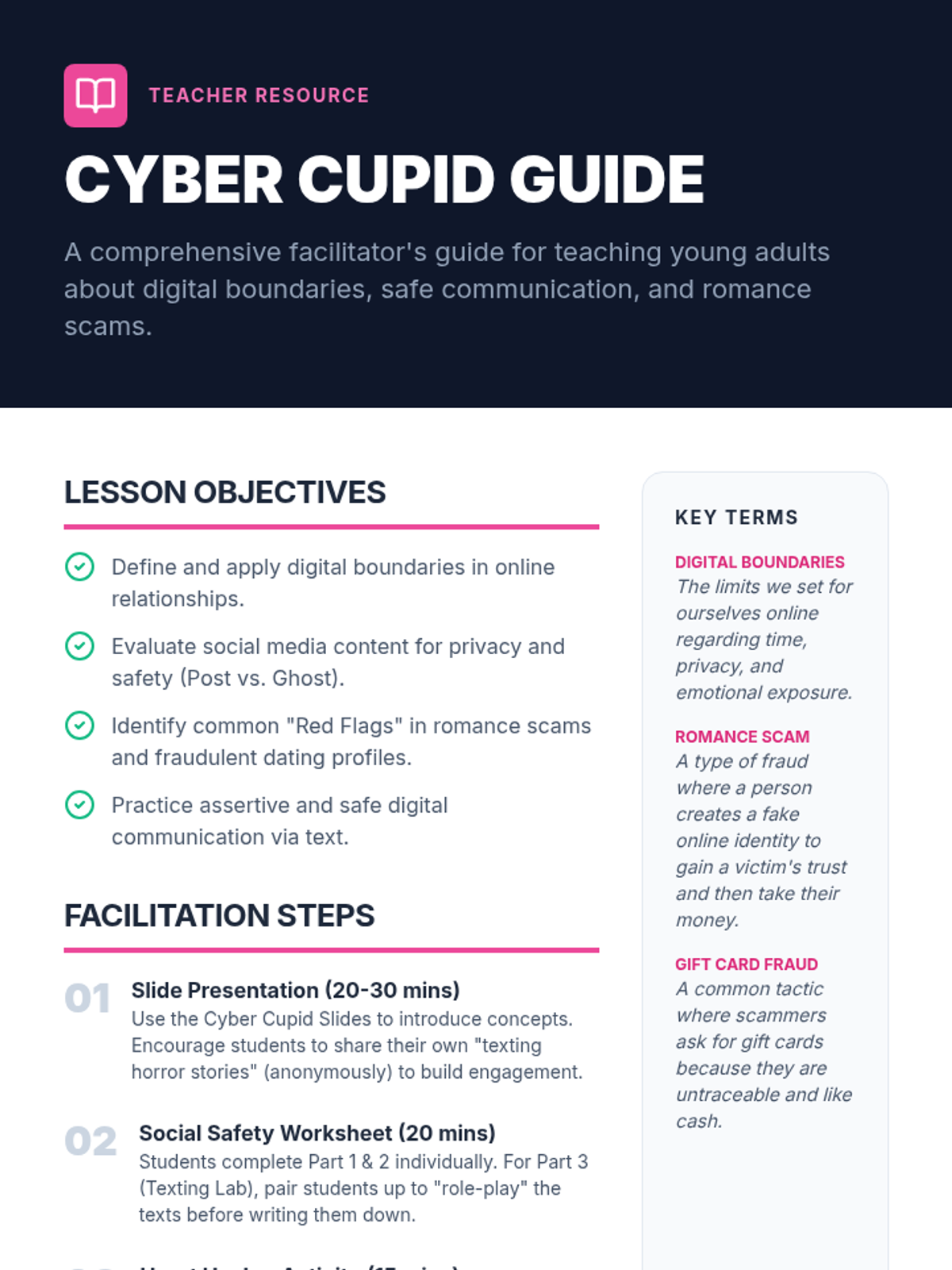
A Valentine's-themed lesson for young adults focusing on safe online communication, digital boundaries, and identifying romance scams. Students will practice appropriate texting and learn what information to keep private in digital relationships.
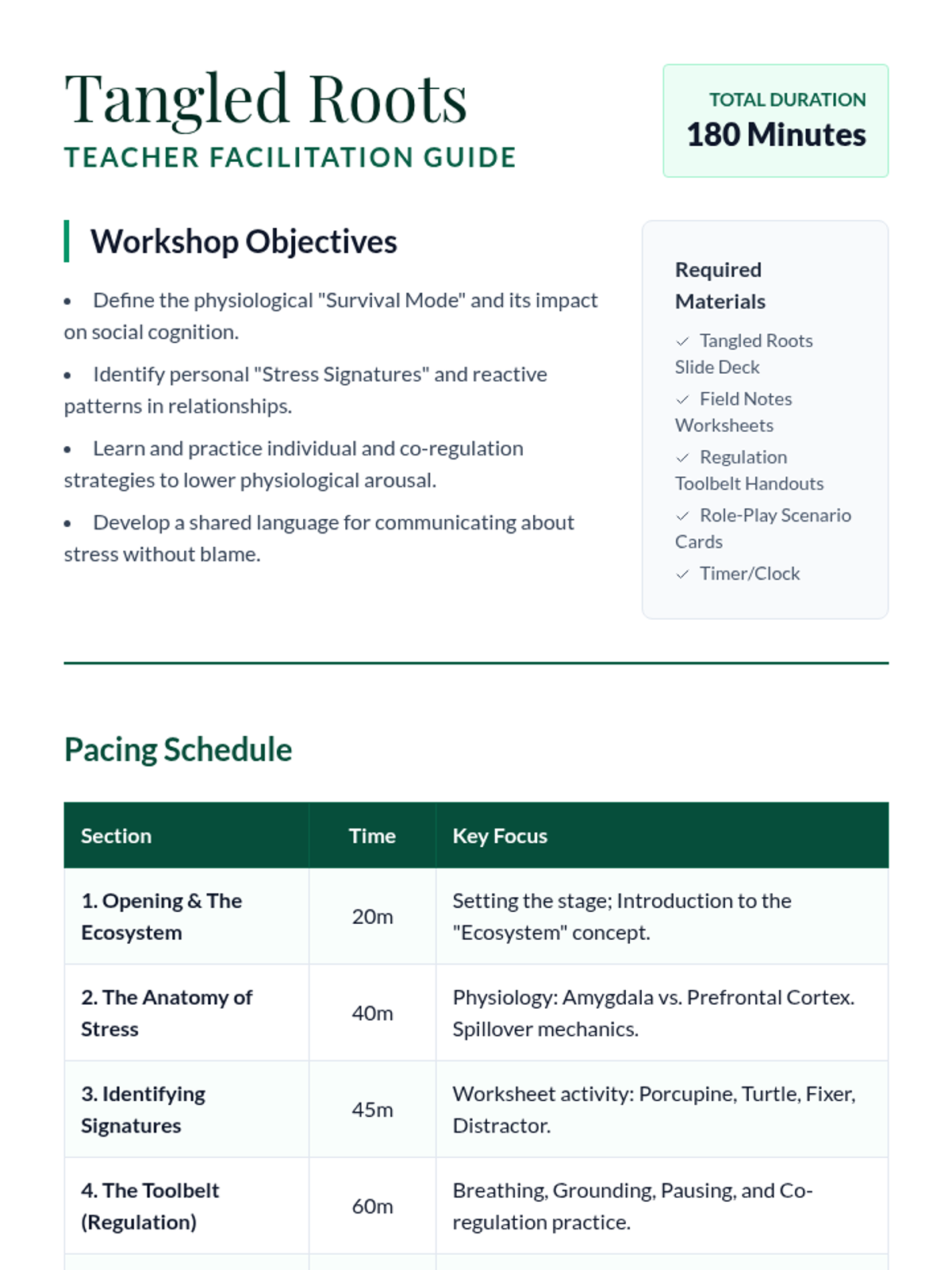
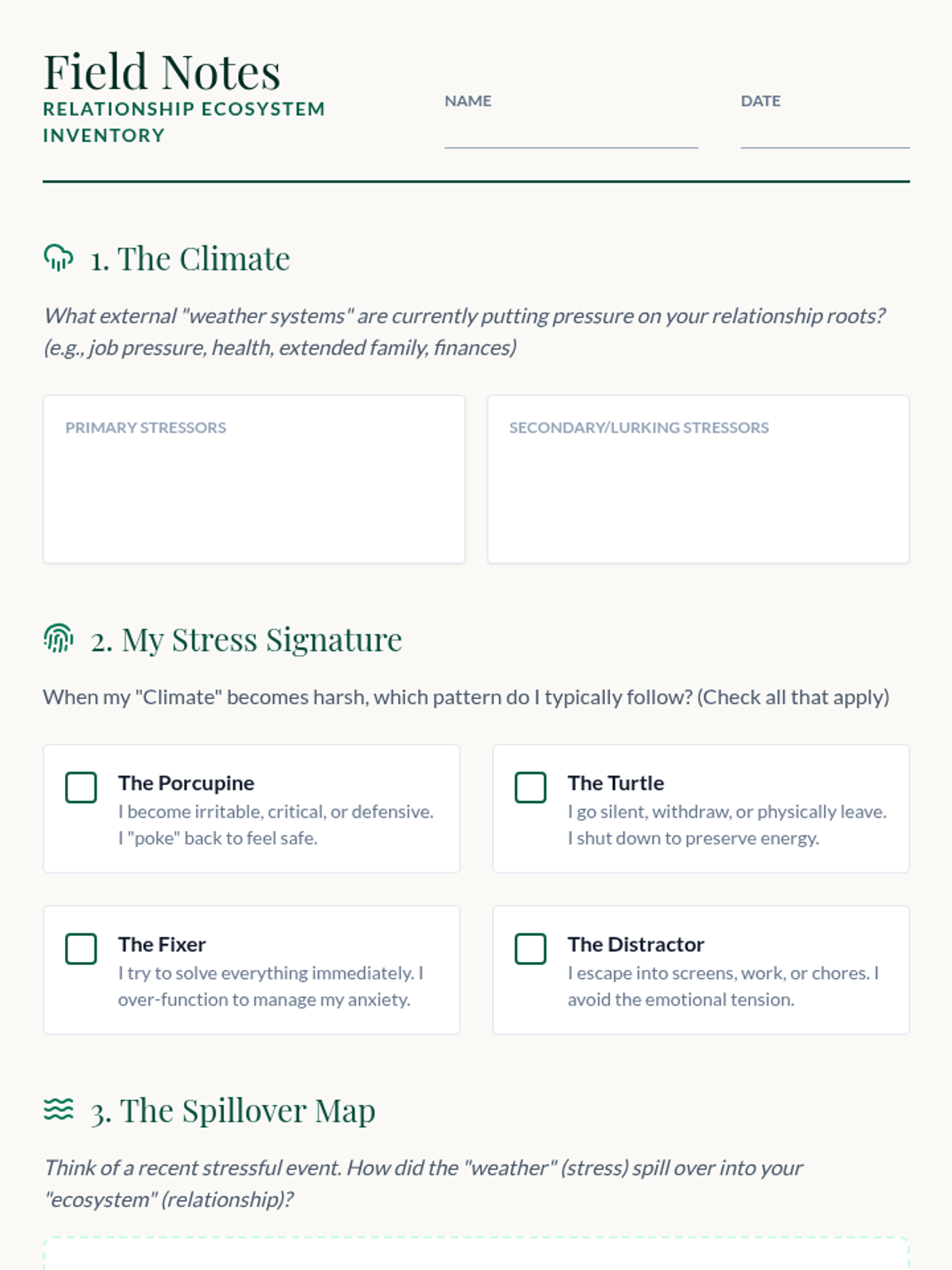
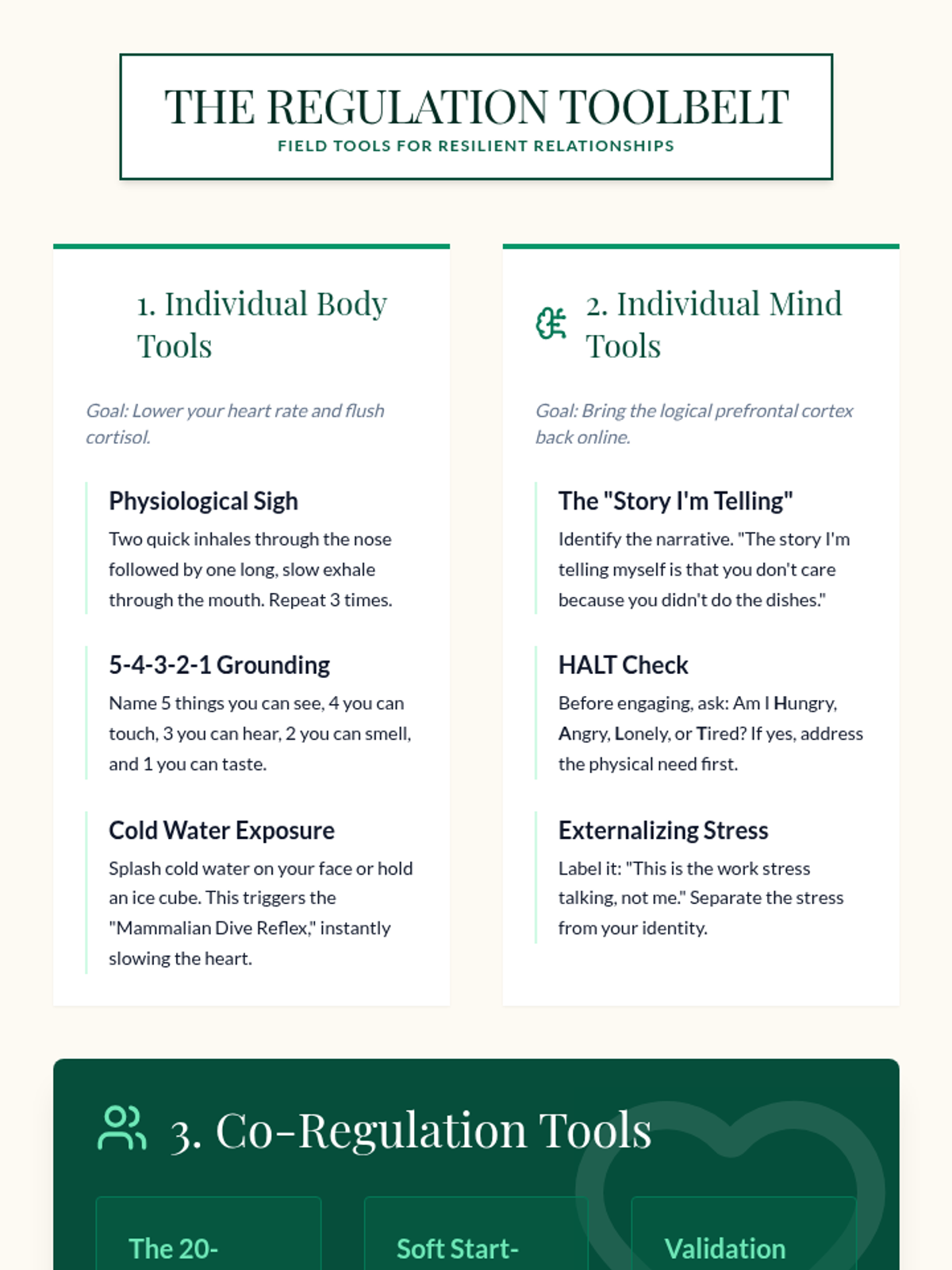
A comprehensive 3-hour workshop exploring the physiological and psychological impact of stress on interpersonal relationships, featuring practical strategies for individual and co-regulation.
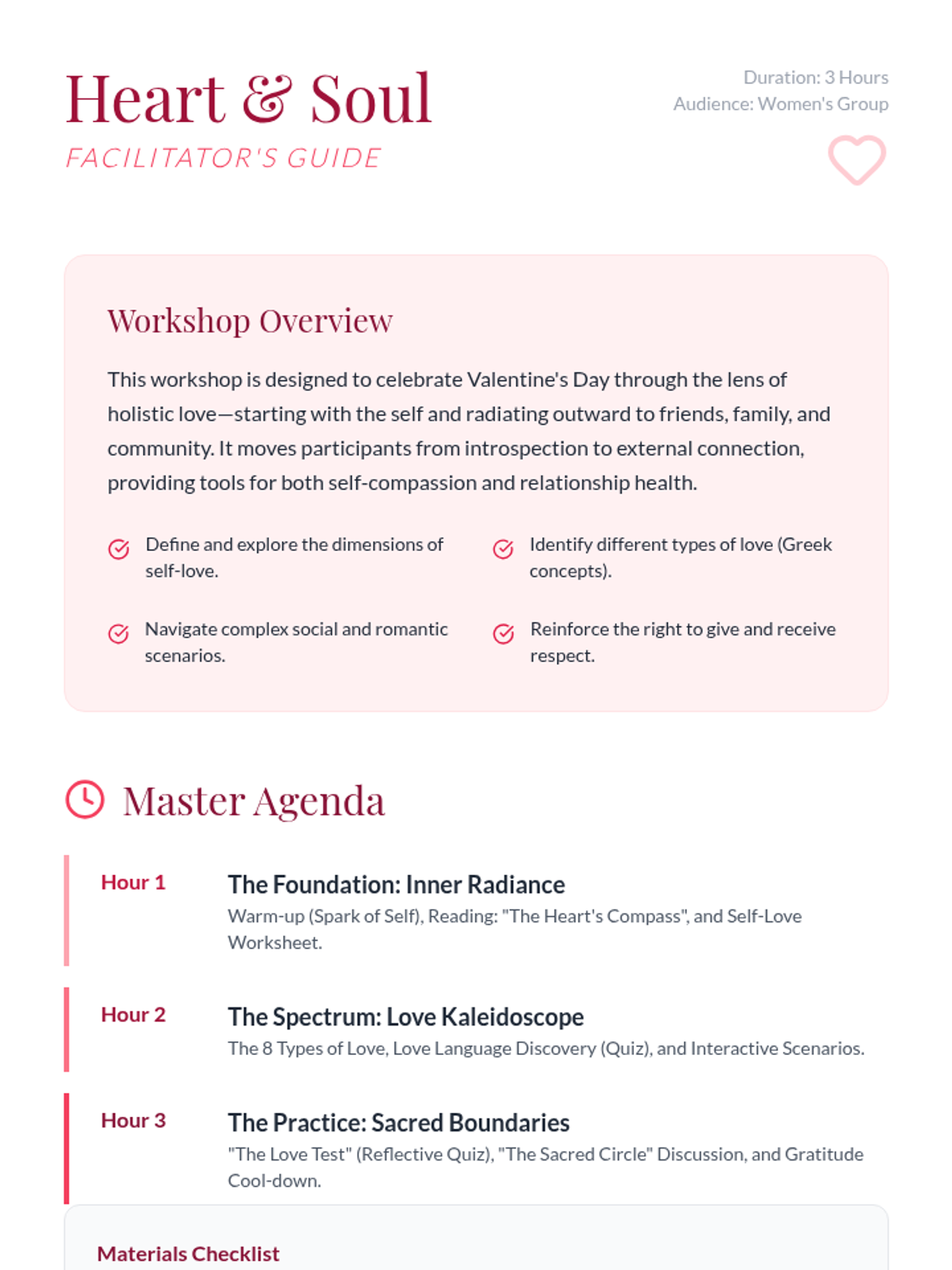
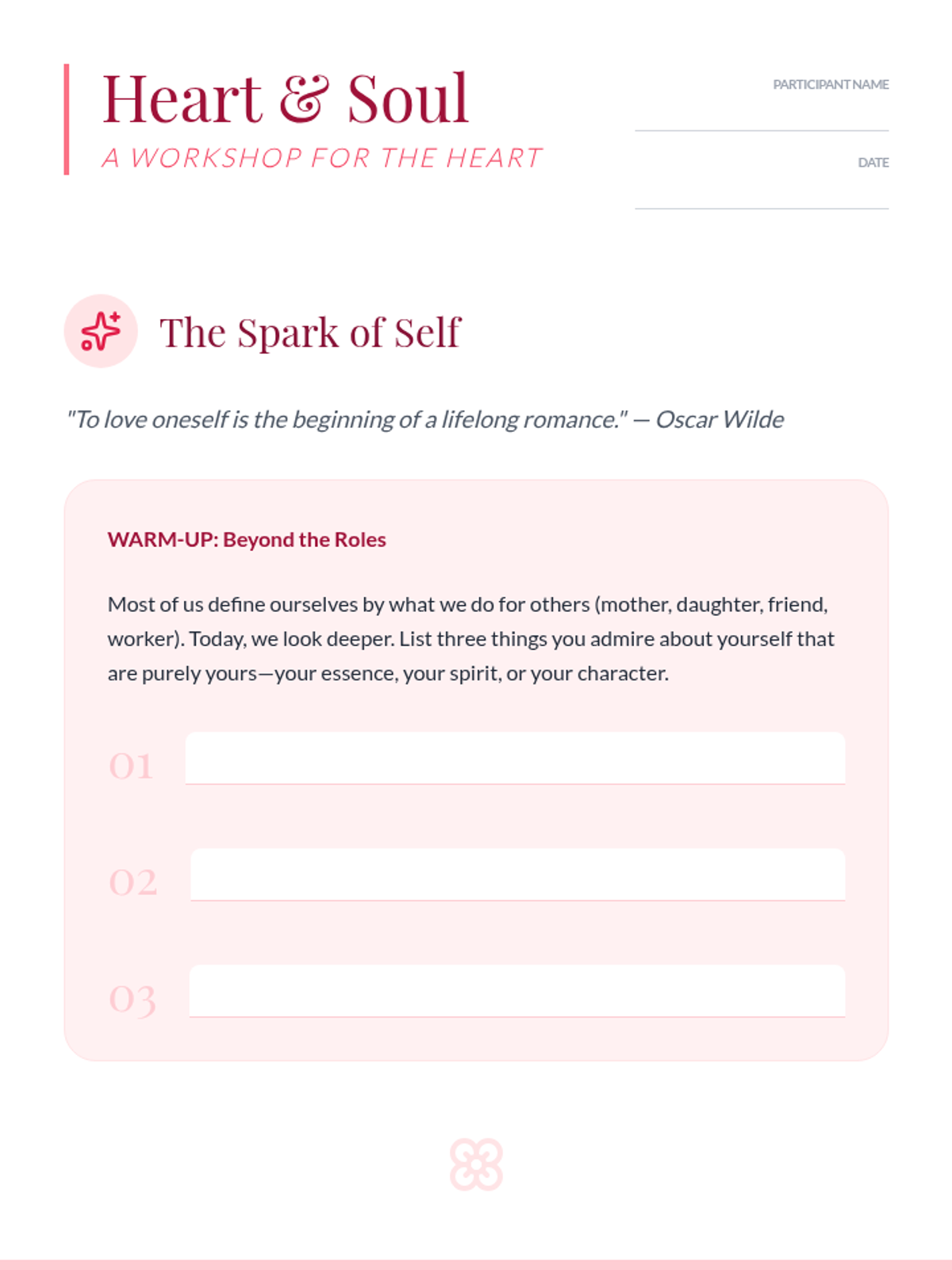
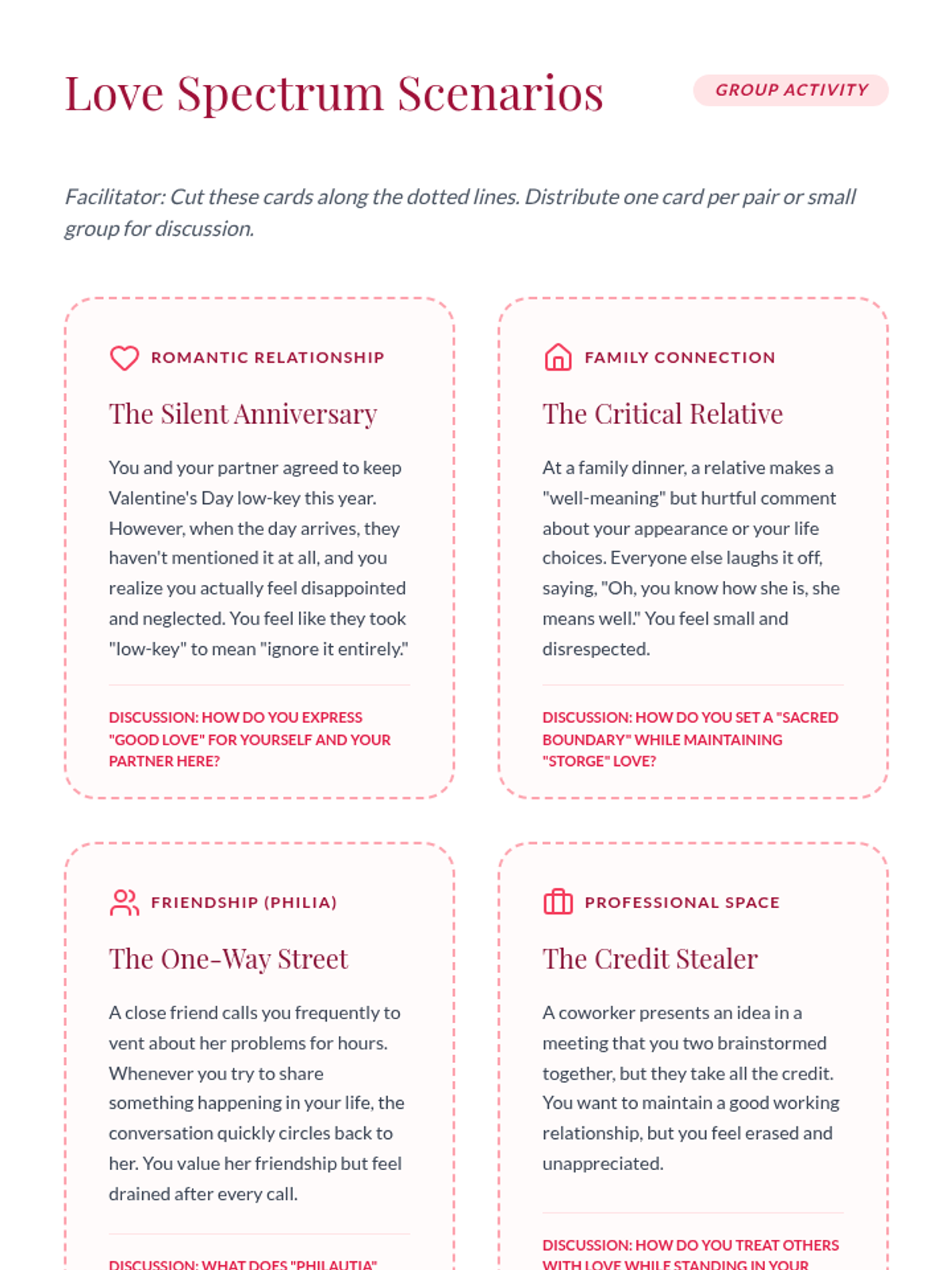
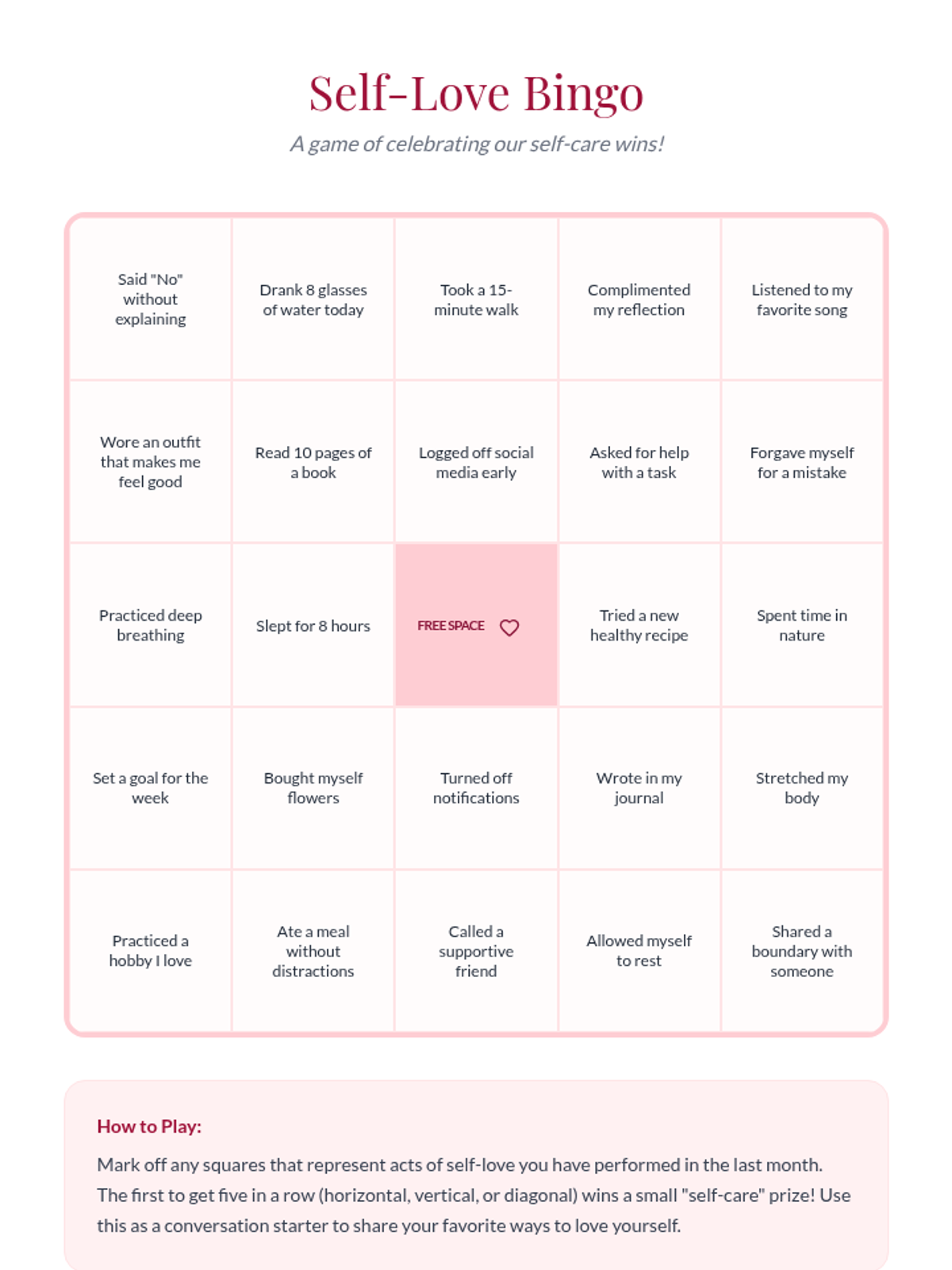
A comprehensive three-hour workshop for women focusing on self-love, different types of love, and the importance of healthy relationships. Includes guided reflections, interactive scenarios, and personal growth exercises.
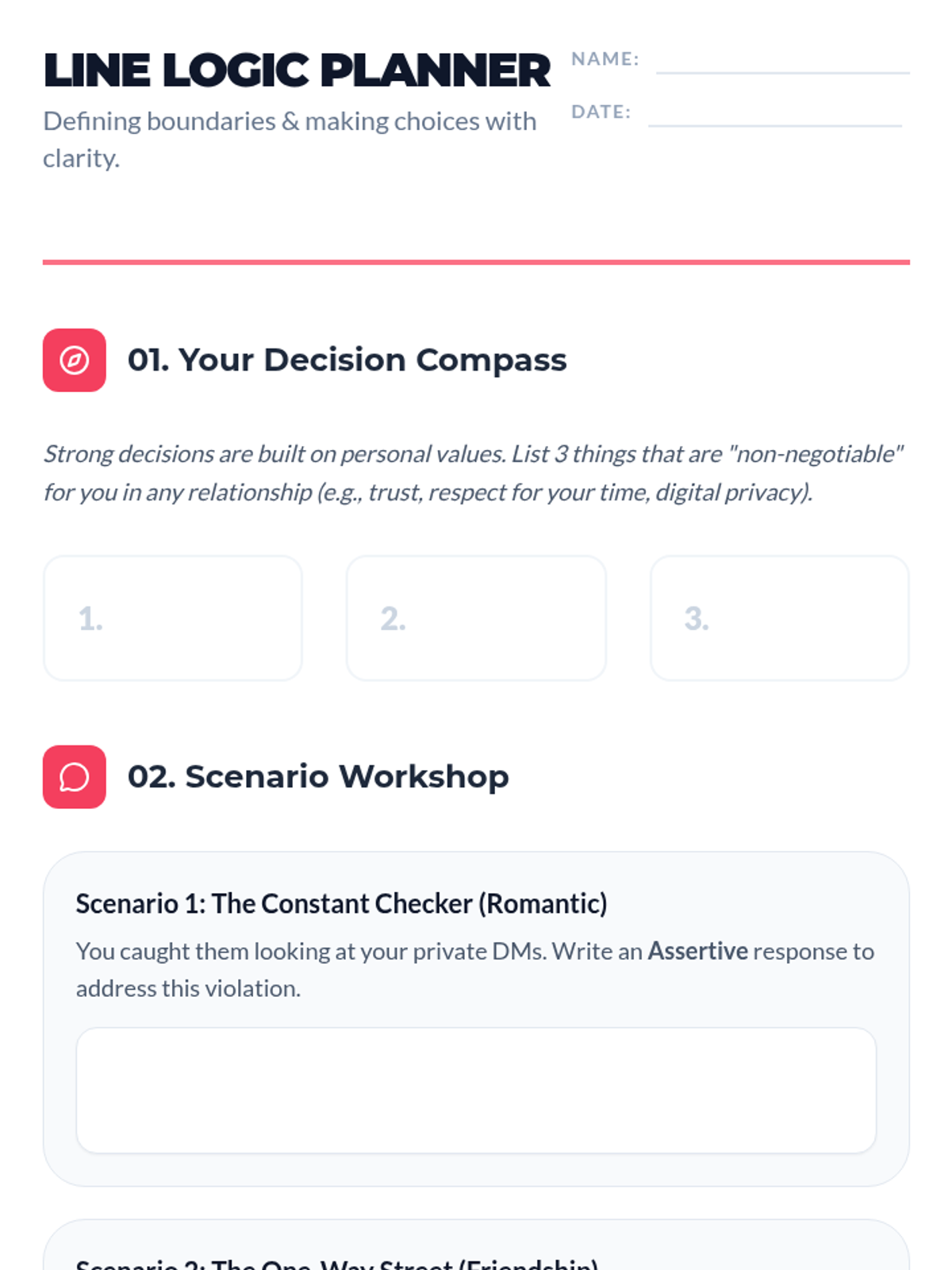
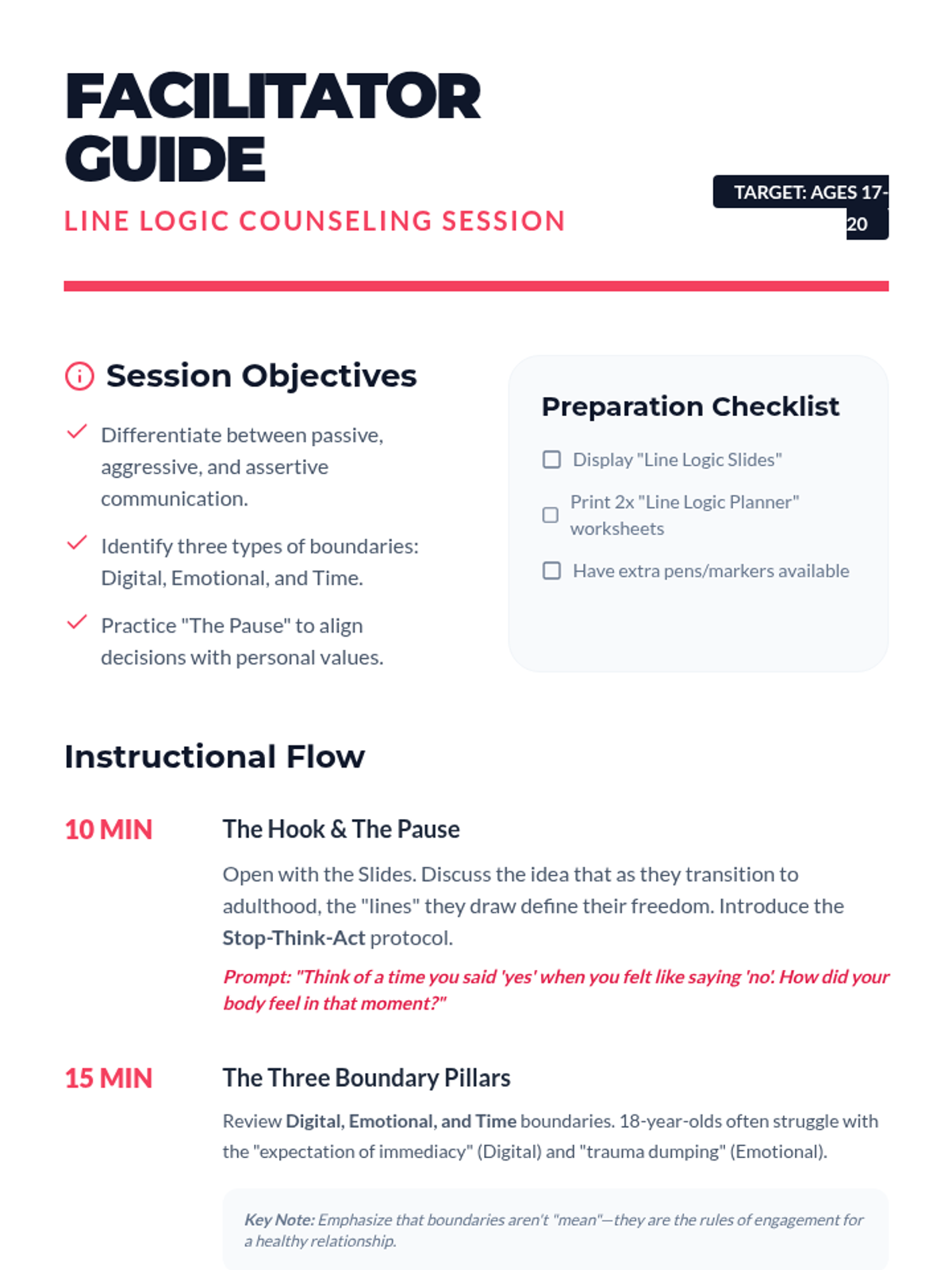
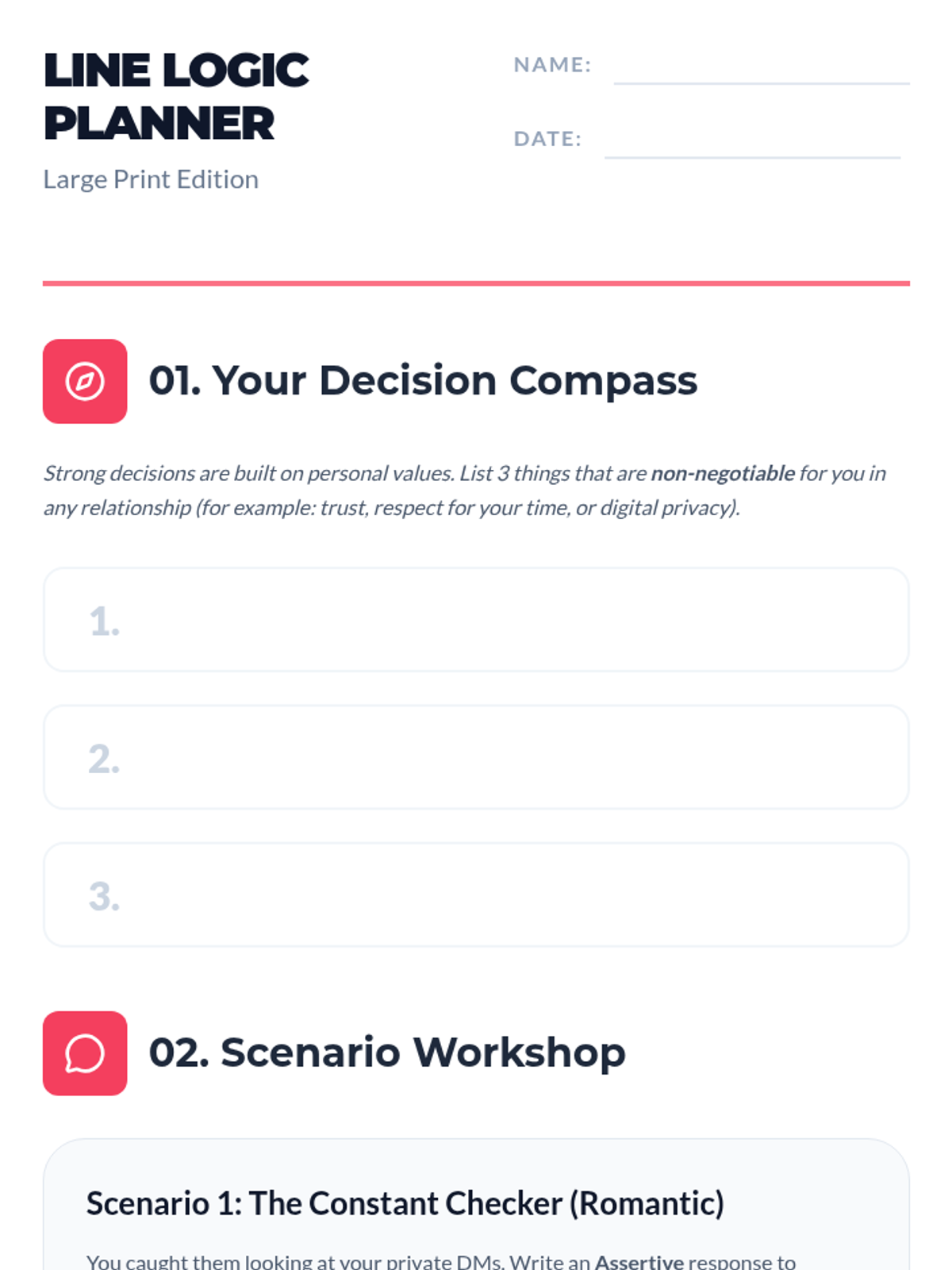
A counseling lesson designed for young adults to develop healthy decision-making skills, understand personal boundaries, and practice assertive communication in friendships and romantic relationships.
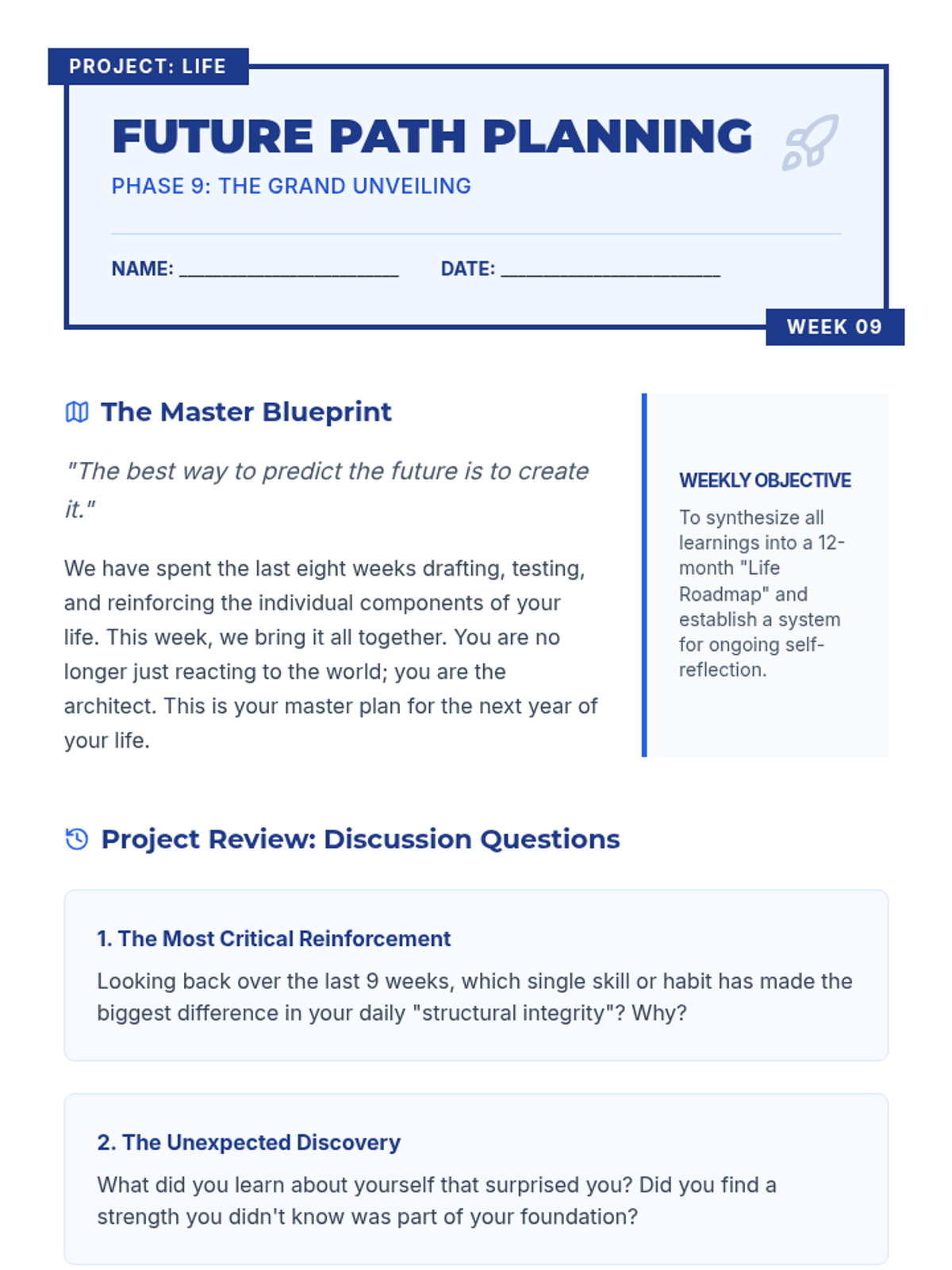
A final capstone week where students reflect on their growth and create a 12-month life roadmap.
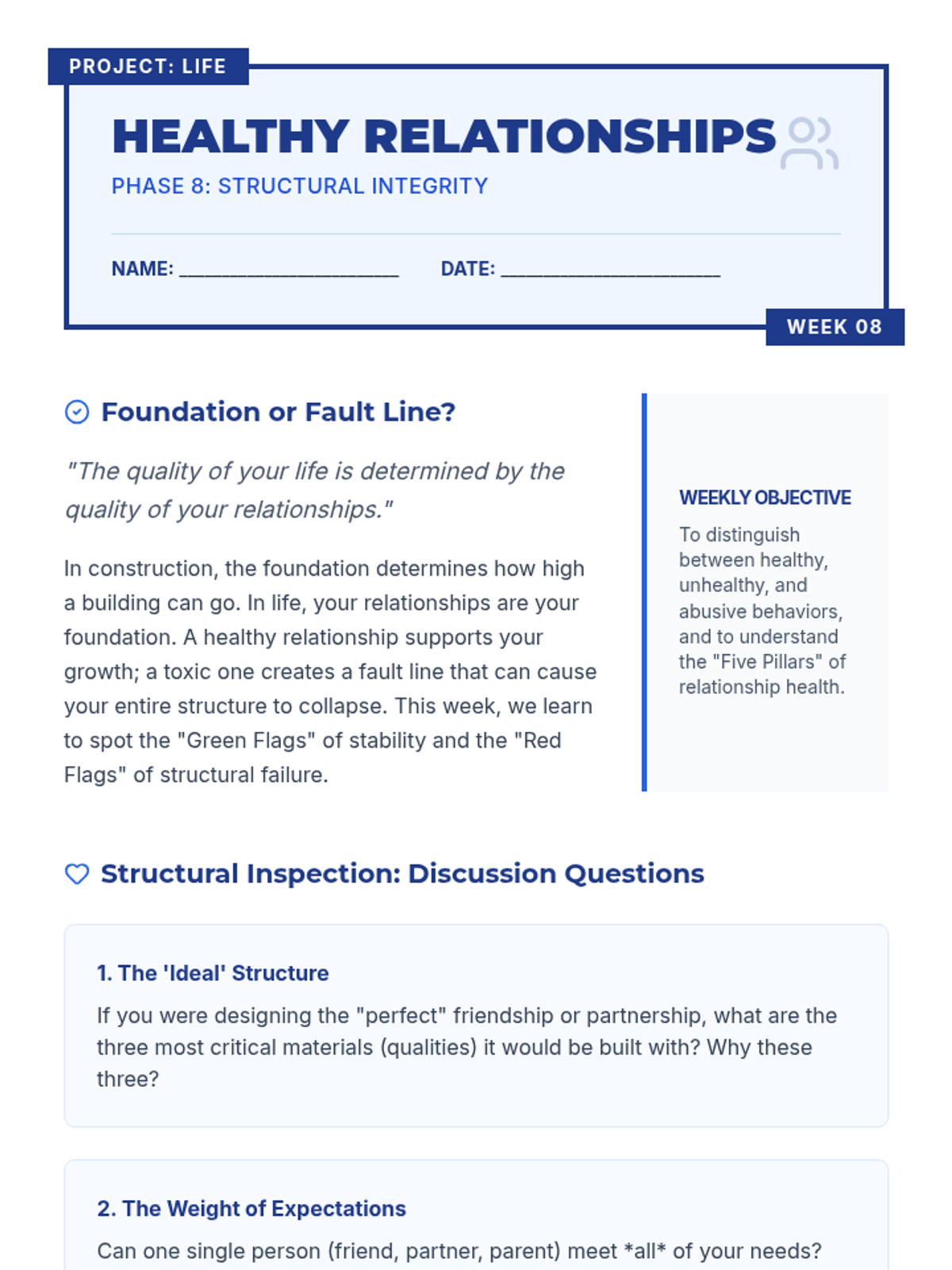
Analyzes the green and red flags of relationships, focusing on mutual respect, trust, and support.
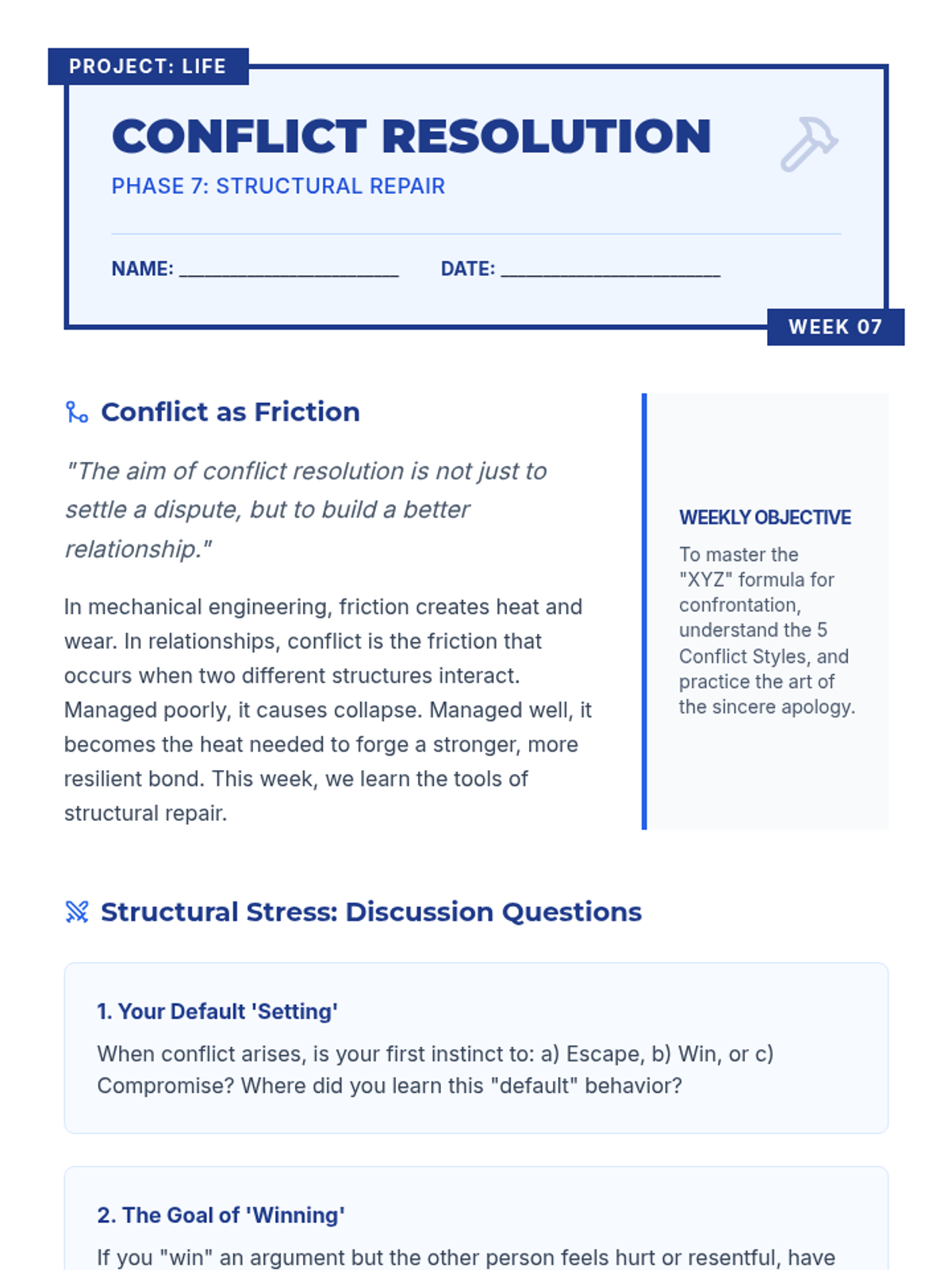
Provides a framework for navigating disagreements constructively and finding win-win solutions.
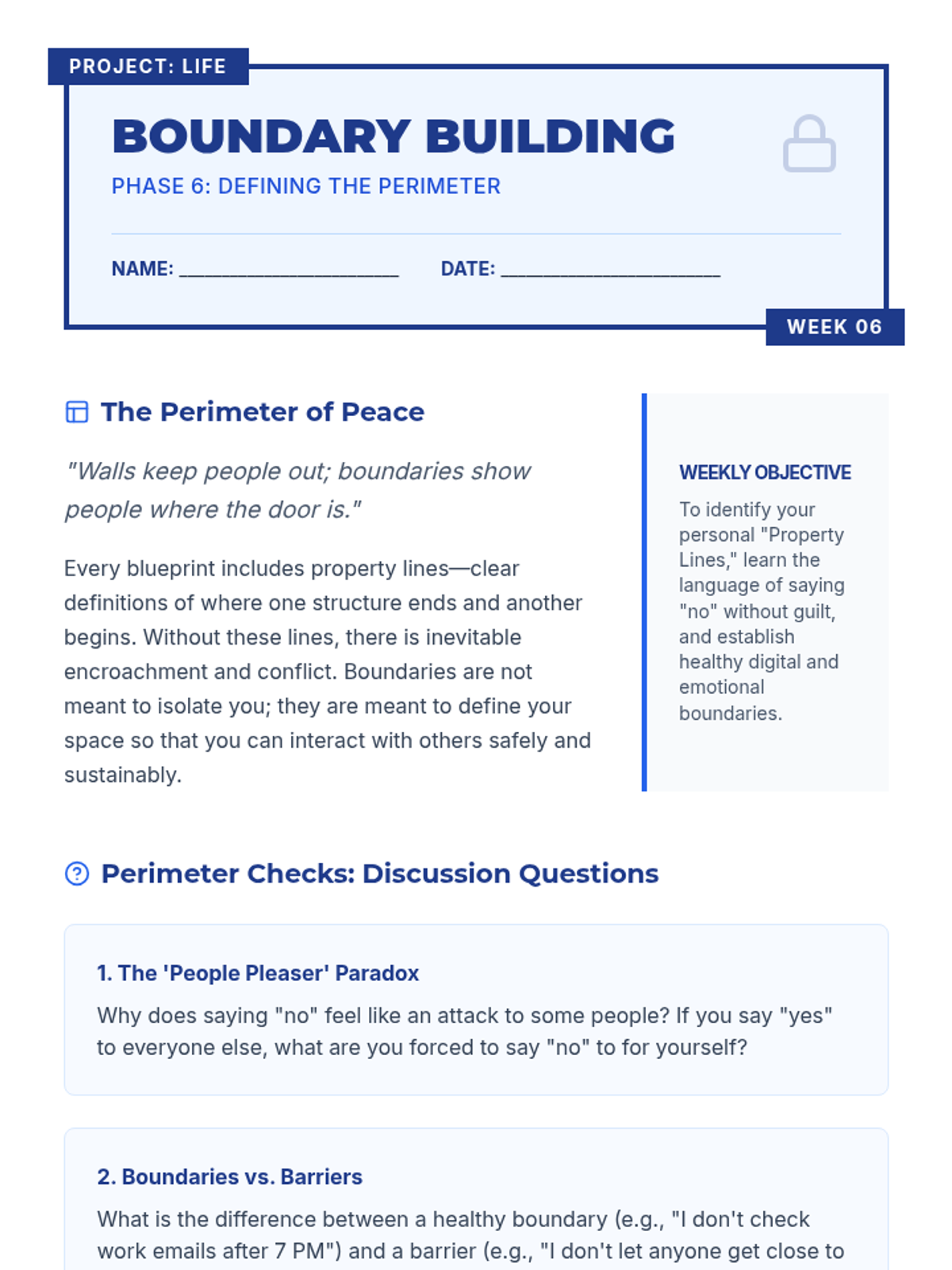
Teaches students how to identify, set, and maintain healthy personal boundaries in various types of relationships.
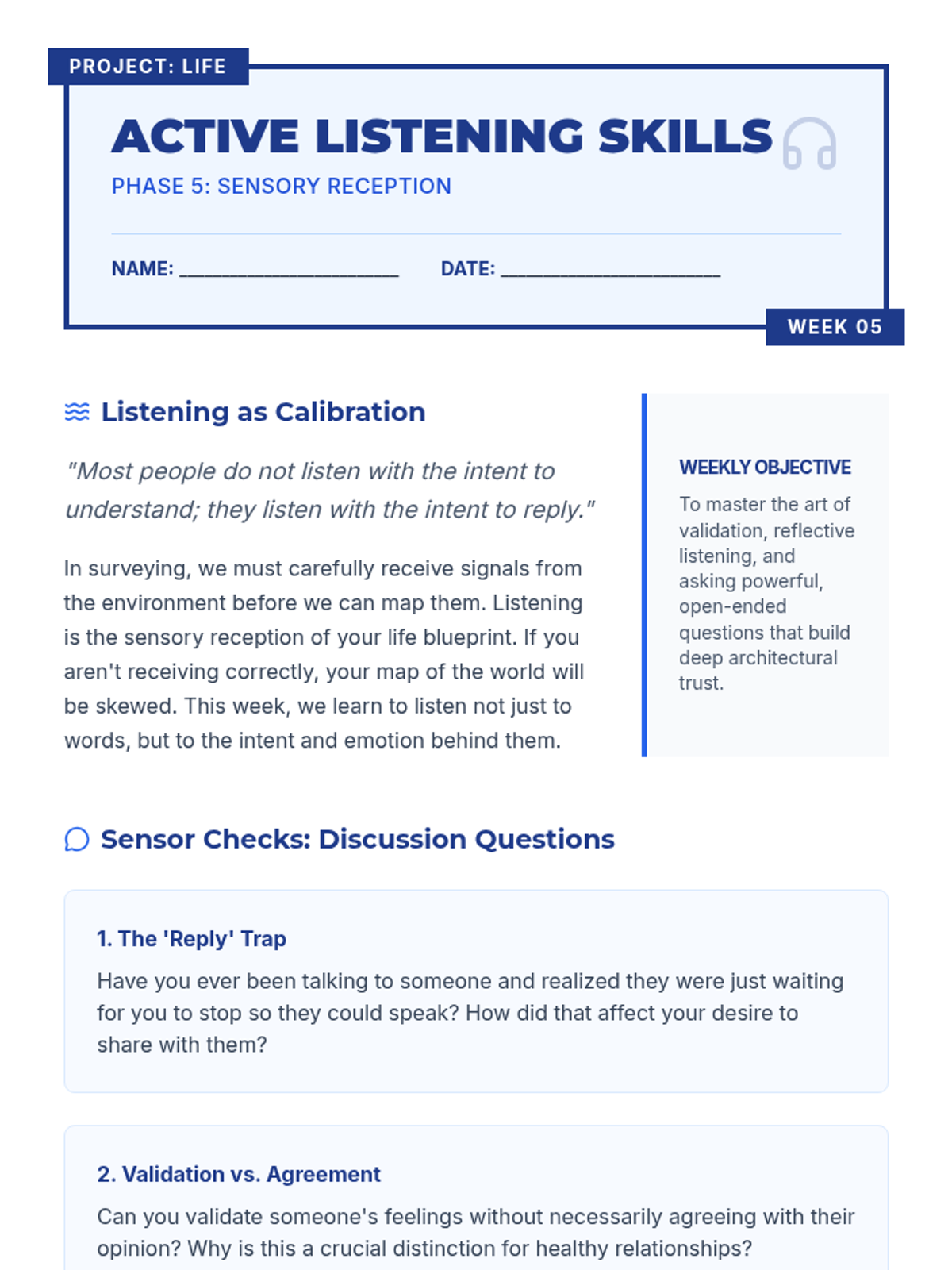
Develops the critical skill of active listening, empathy, and validating others' perspectives.
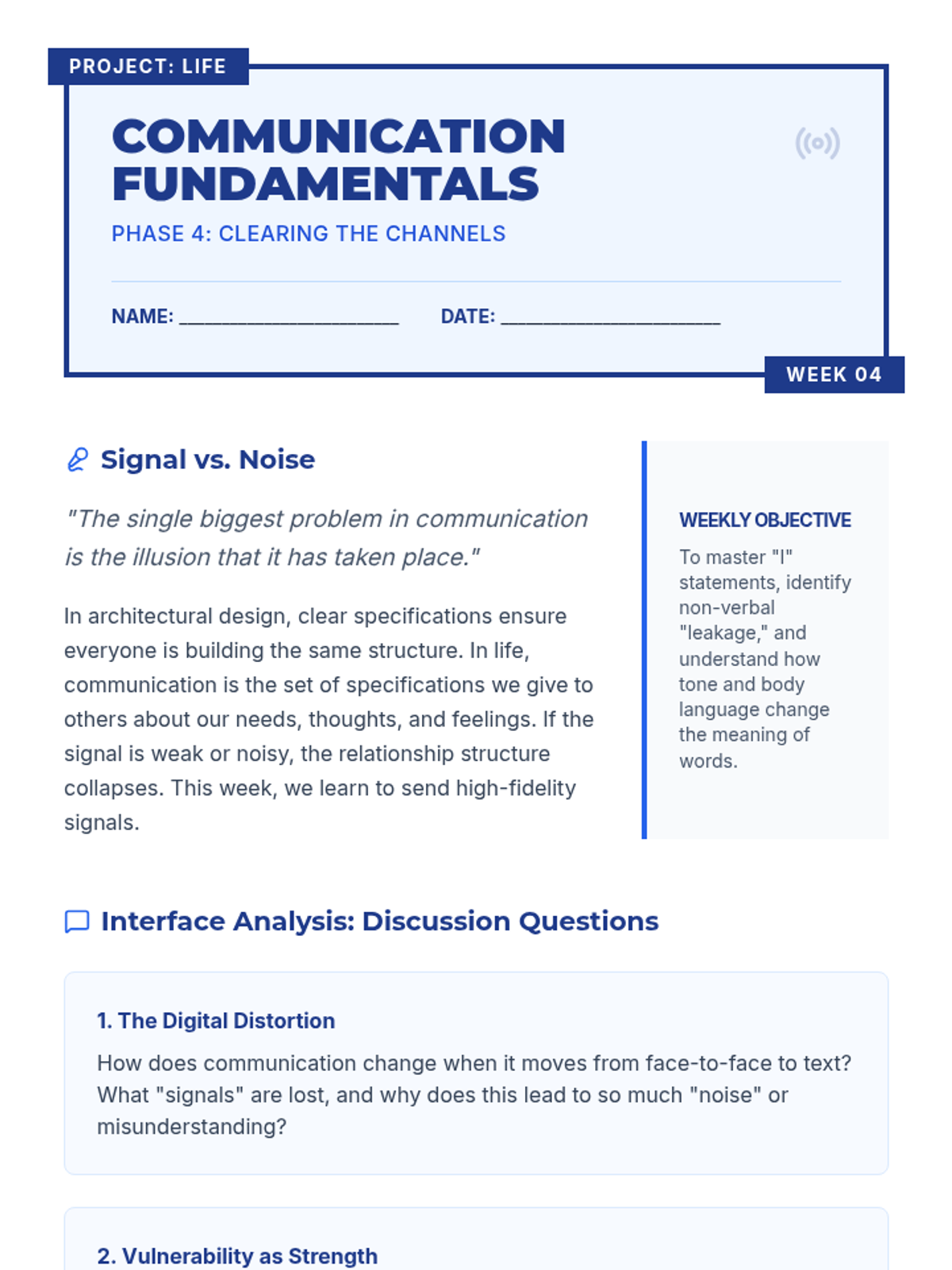
Introduces the core components of verbal and non-verbal communication, including 'I' statements and body language.
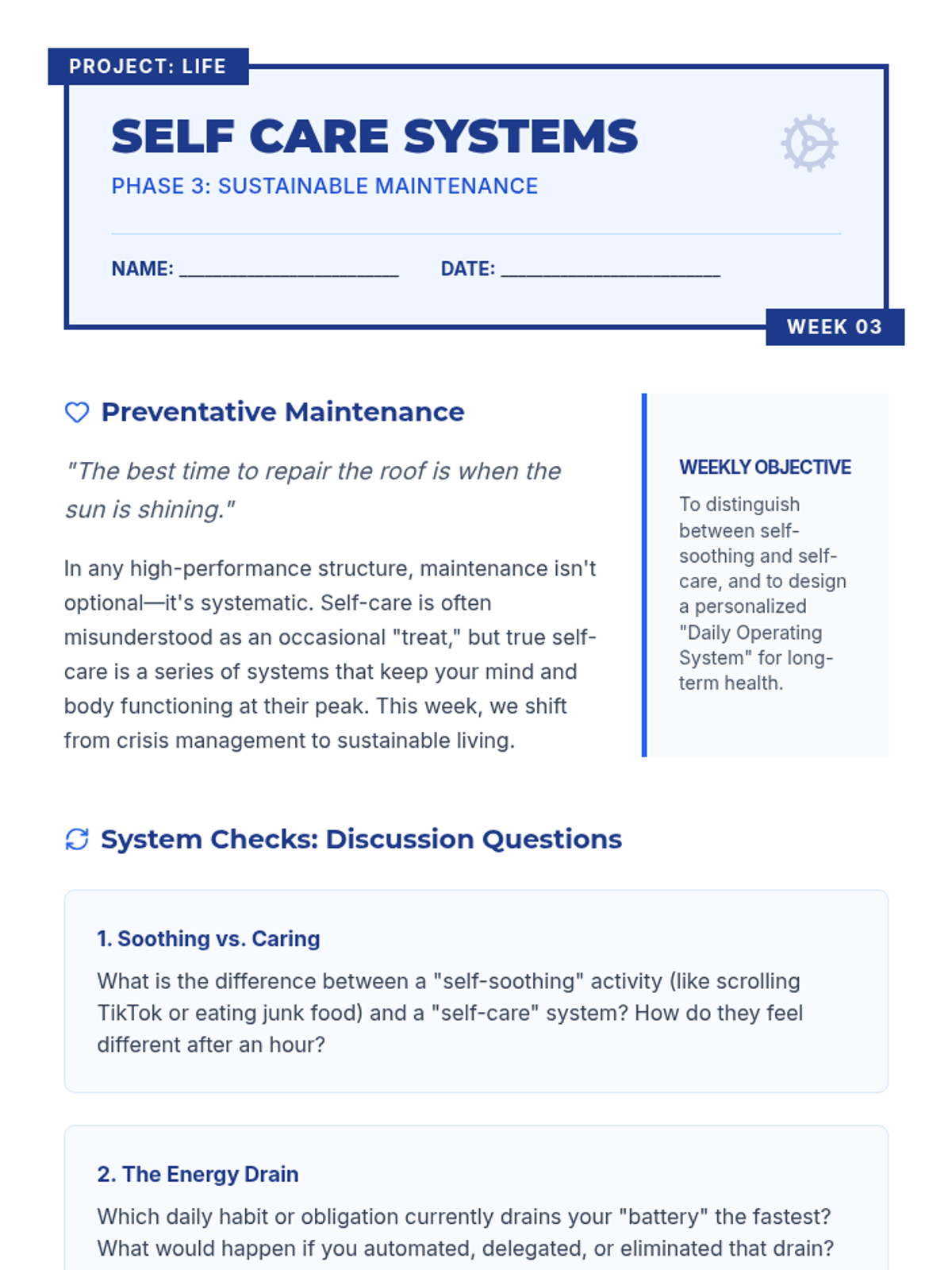
Shifts the focus to proactive well-being through sustainable self-care routines and health habits.
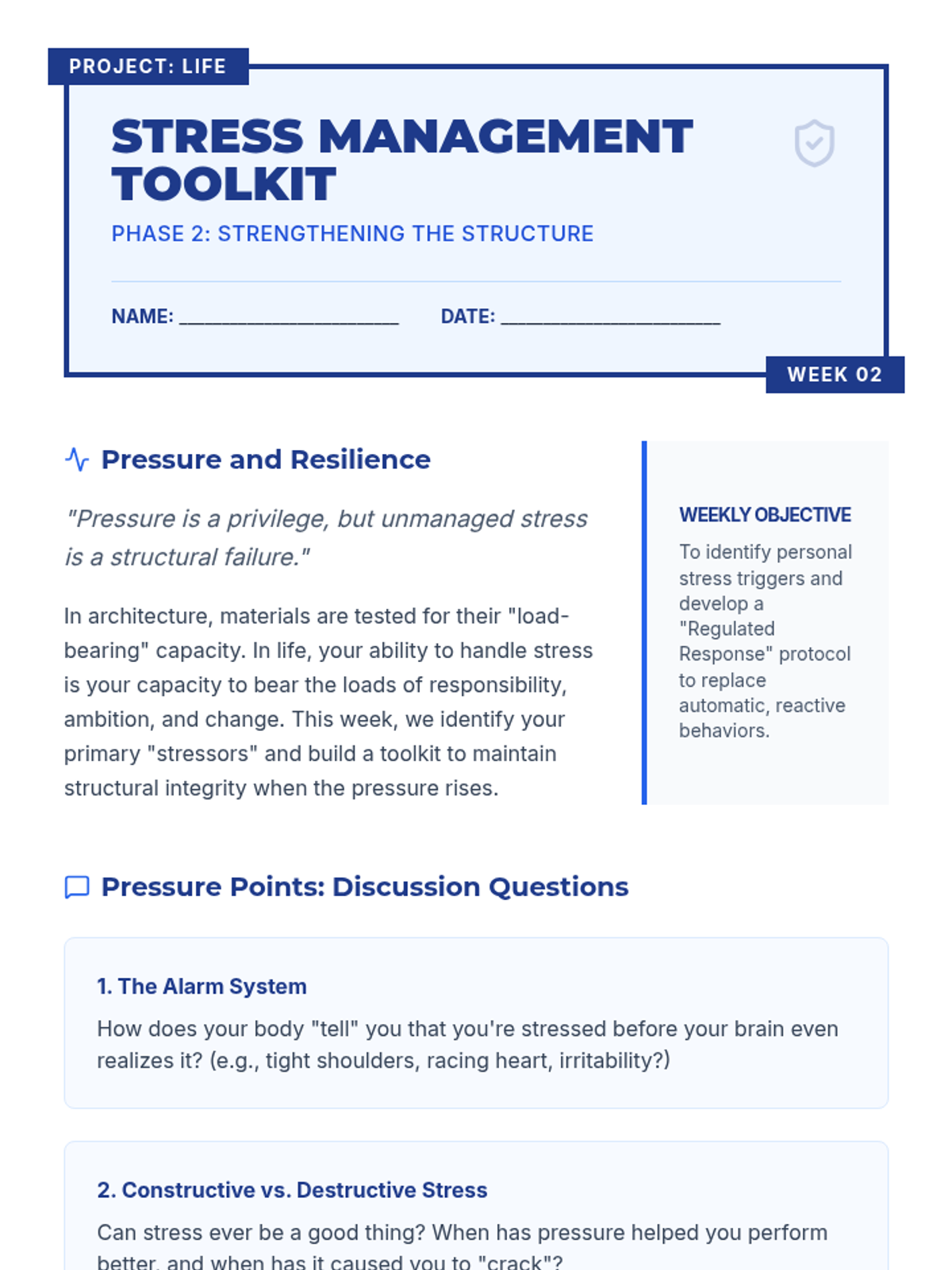
Explores practical tools for managing stress, identifying triggers, and building a personalized 'calm down' kit.
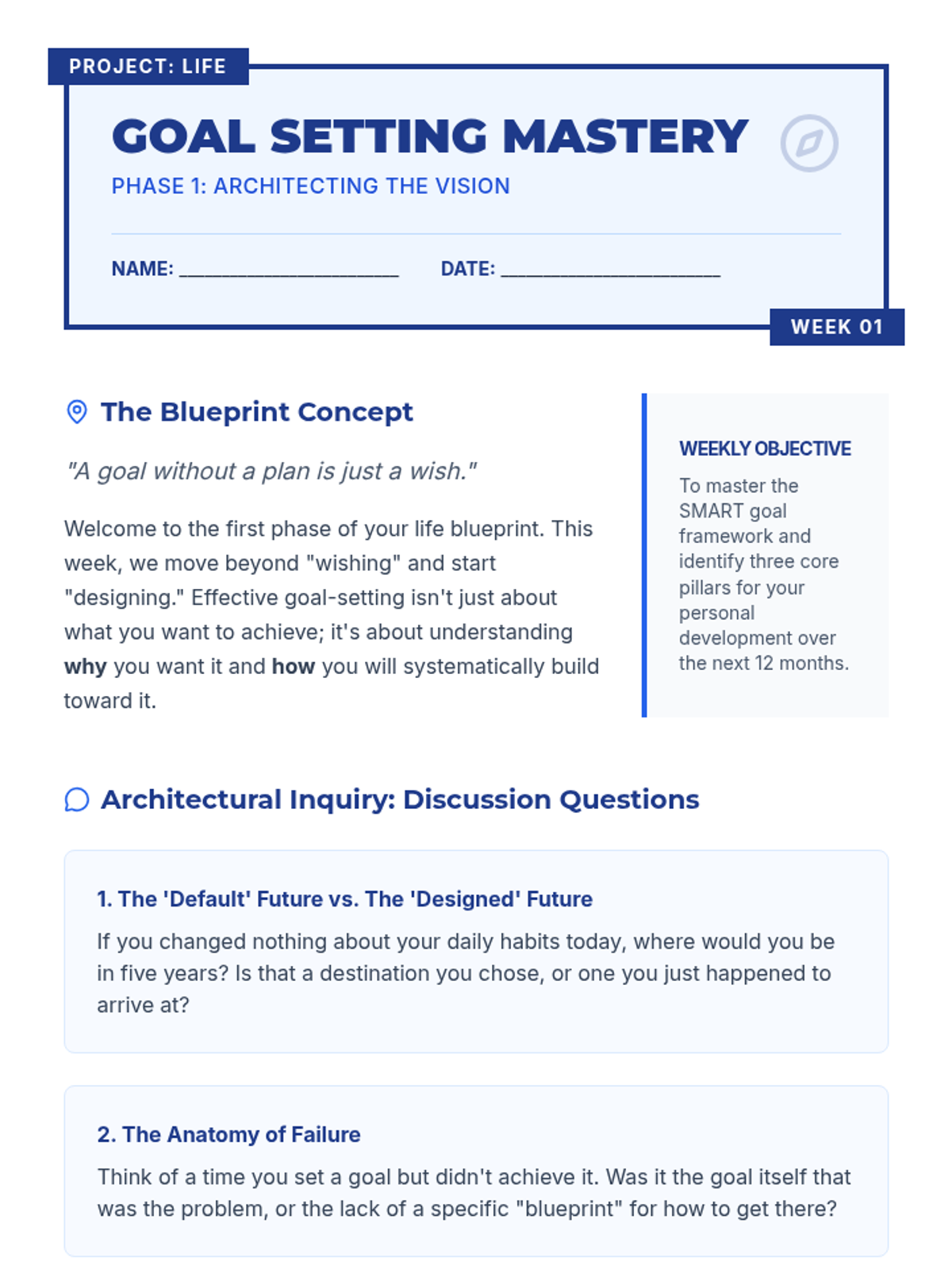
Focuses on the fundamentals of goal-setting, introducing the SMART criteria and the importance of long-term visioning.
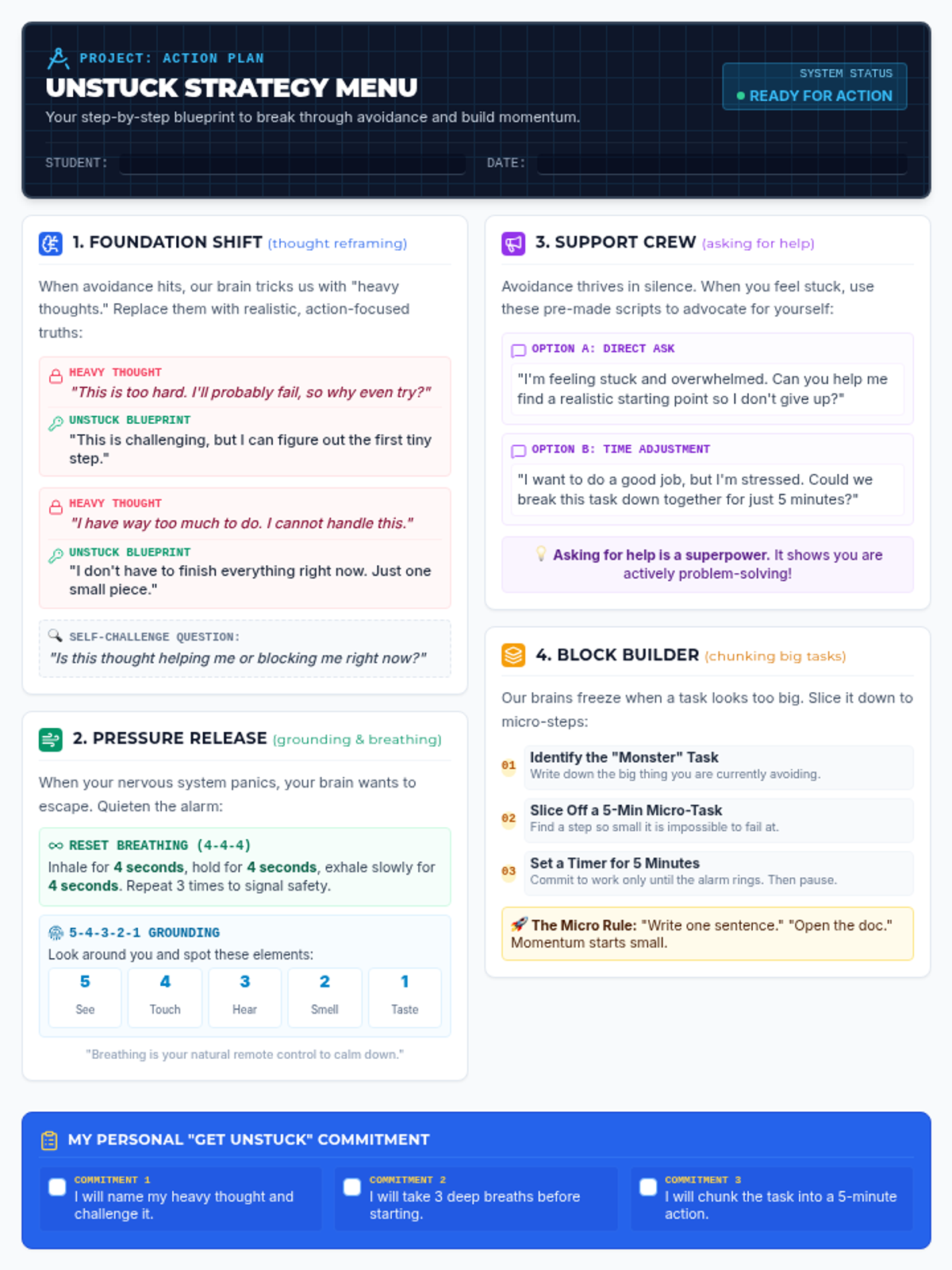
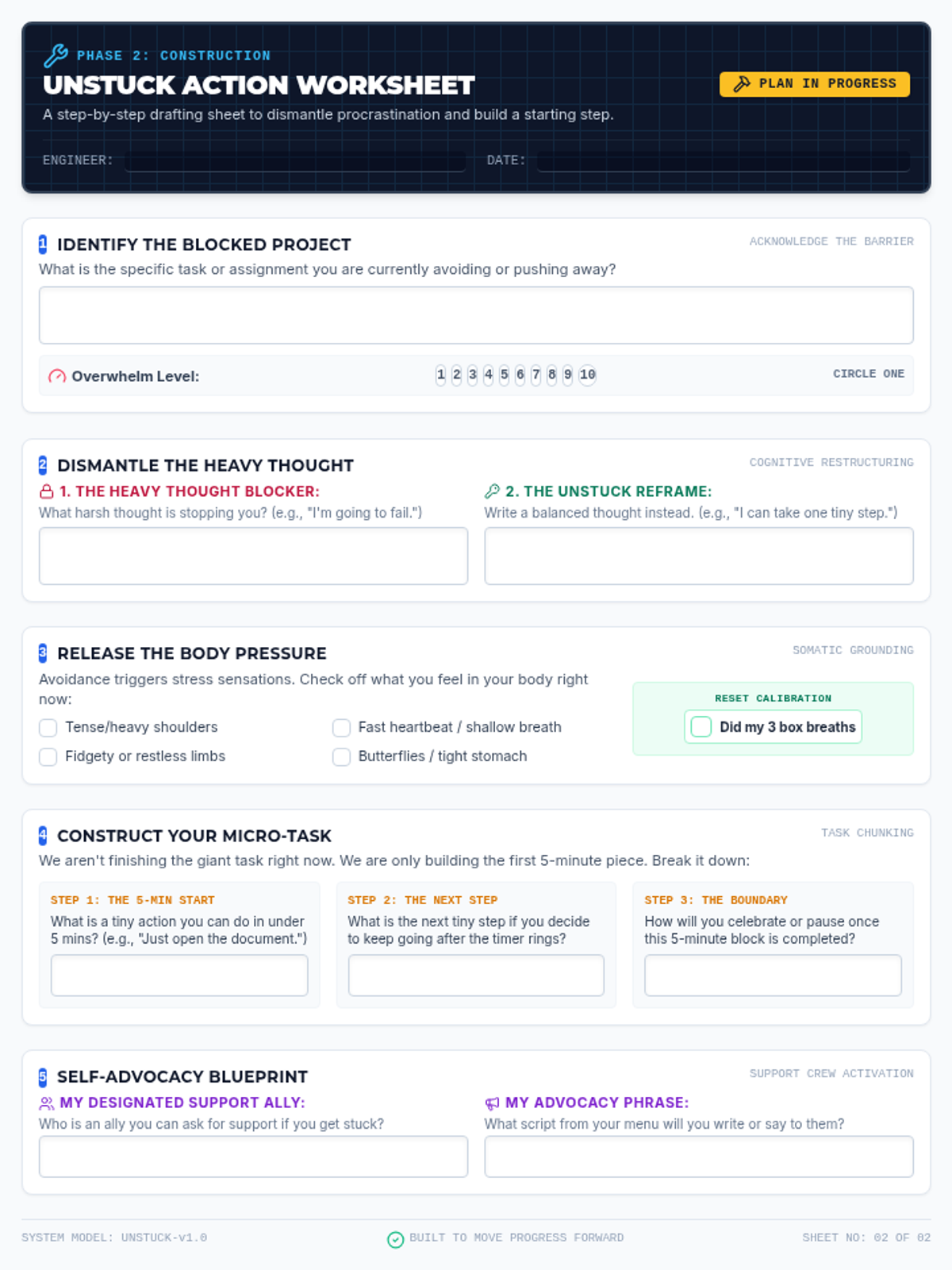
A structured problem-solving framework designed for students who use avoidance as a coping mechanism. This lesson provides practical tools for cognitive reframing, sensory grounding, self-advocacy, and task-chunking to help students move from avoidance to action.
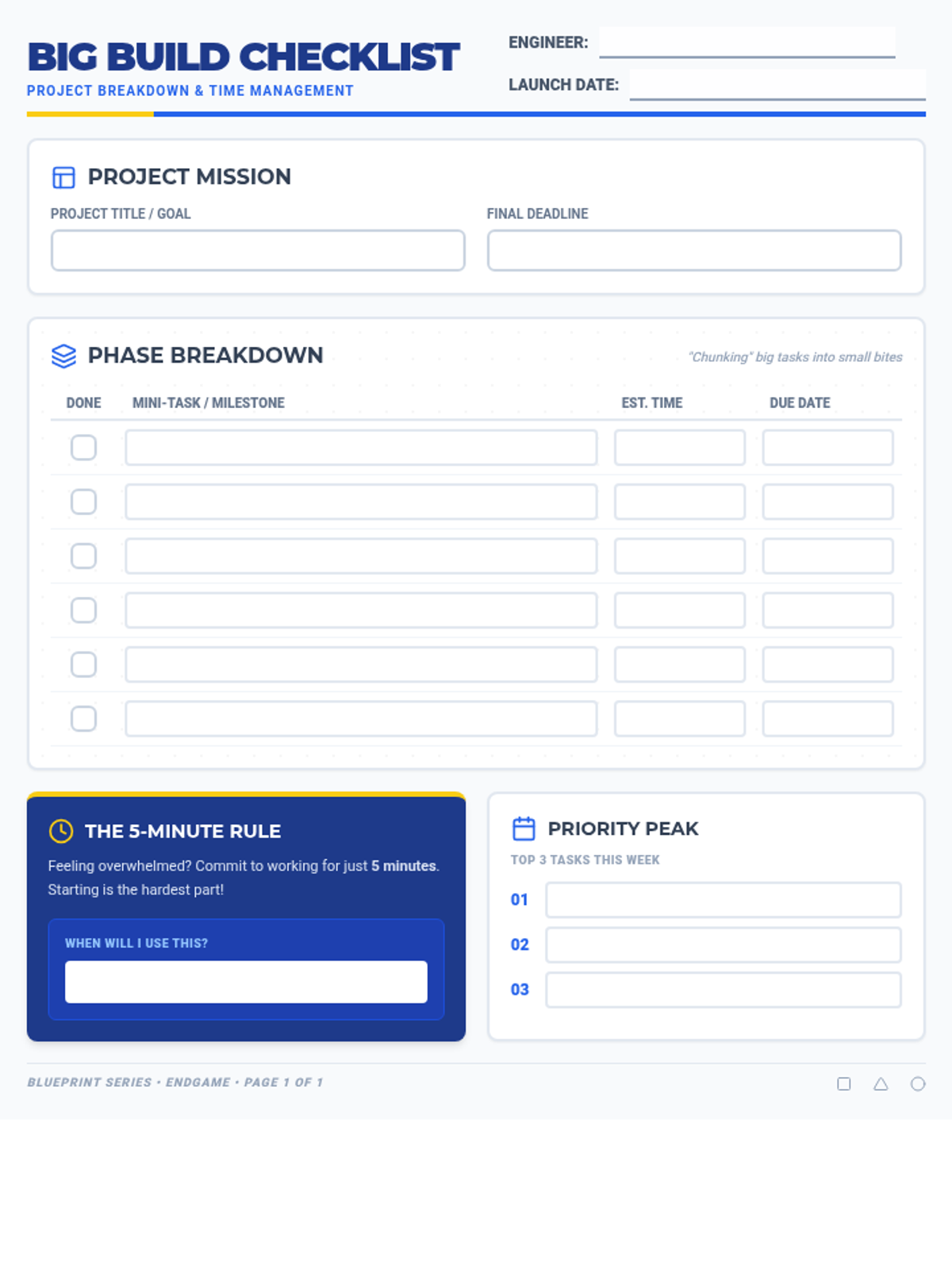
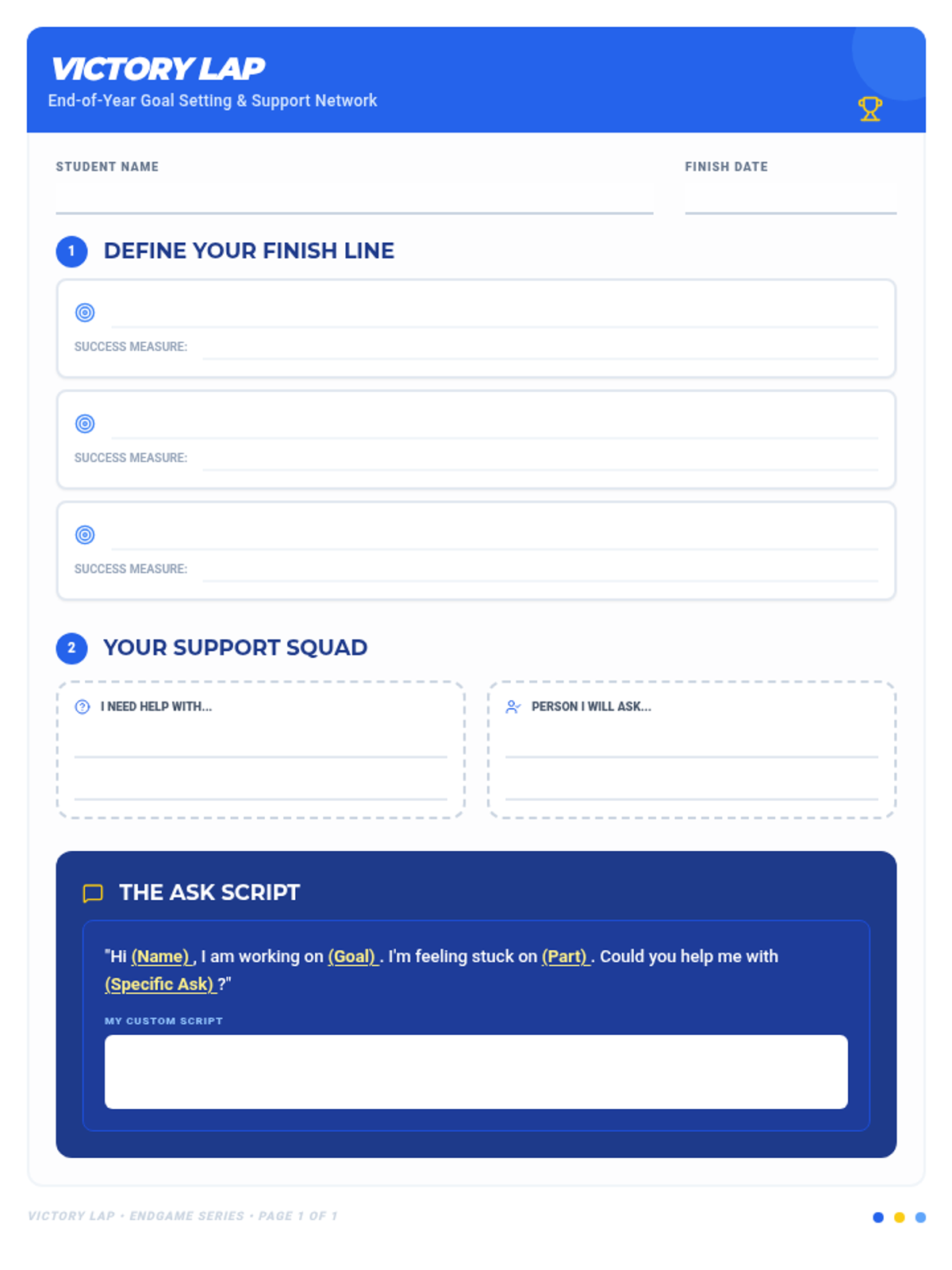
A comprehensive lesson focused on teaching students how to manage their end-of-year workload through project decomposition, time management, and effective self-advocacy.
A comprehensive guide for managing anxiety using CBT-based techniques, specifically designed with simple language and concrete strategies for an 18-year-old autistic student. Includes grounding, thought-challenging, and social role-playing.
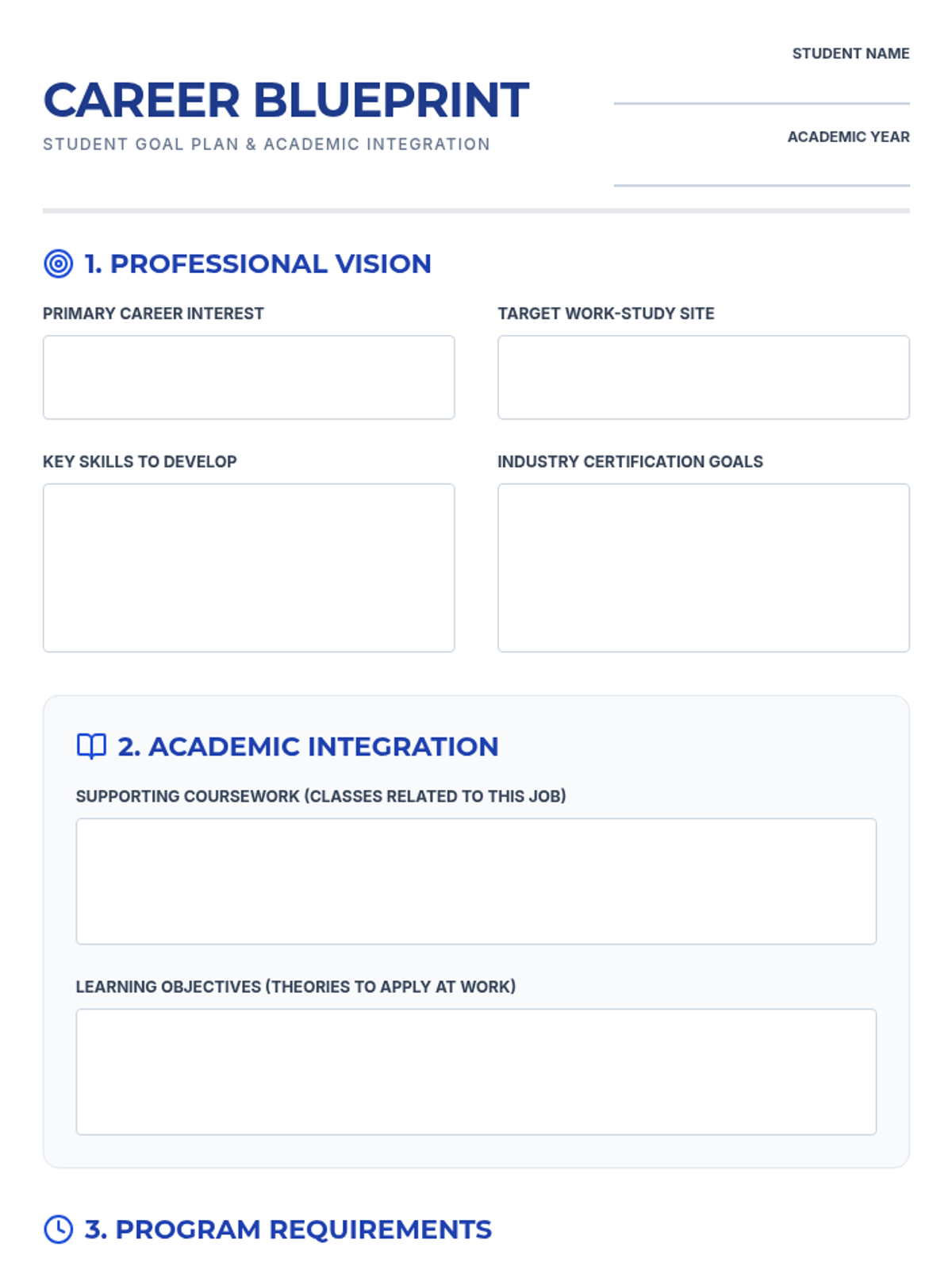
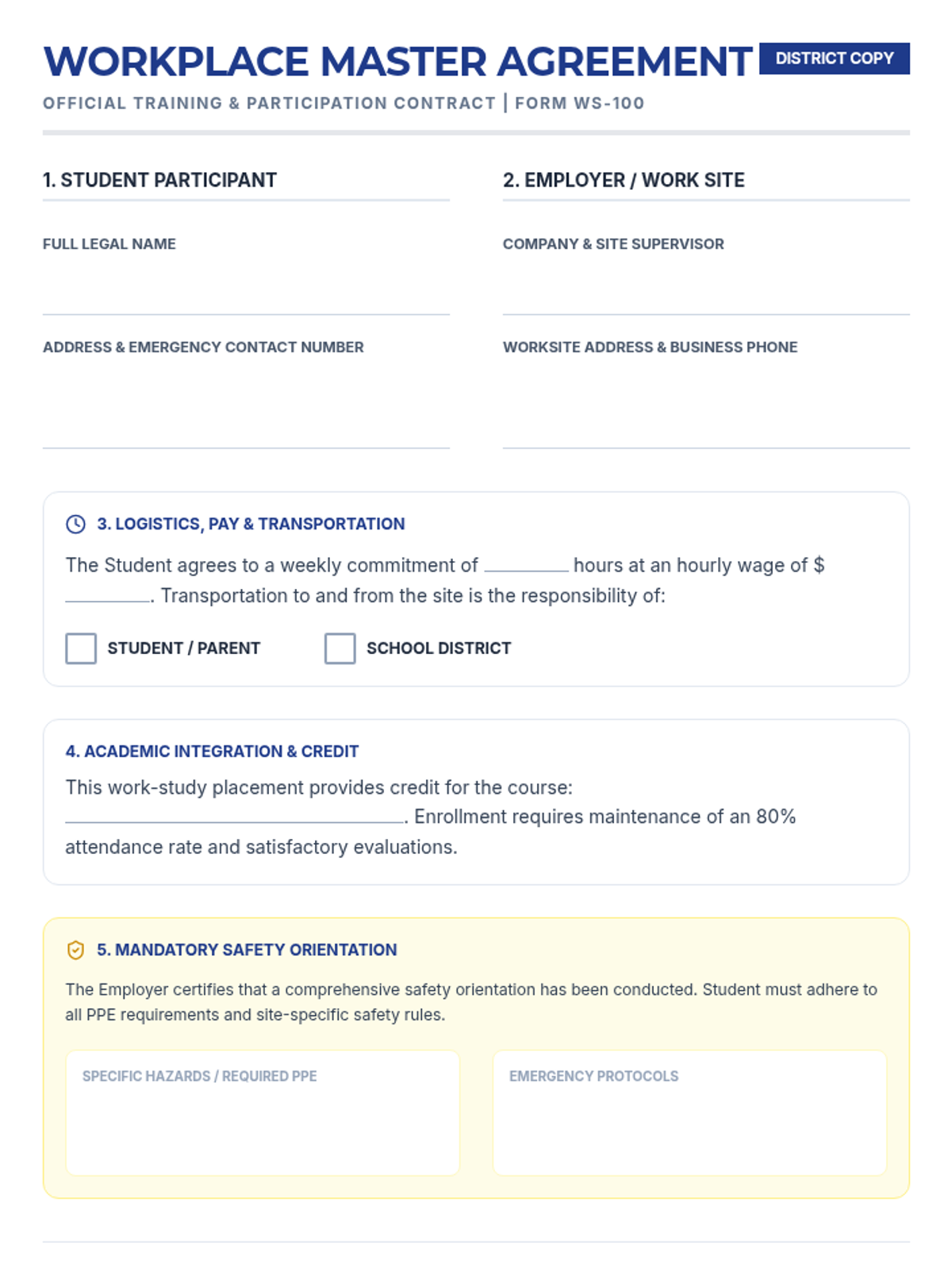
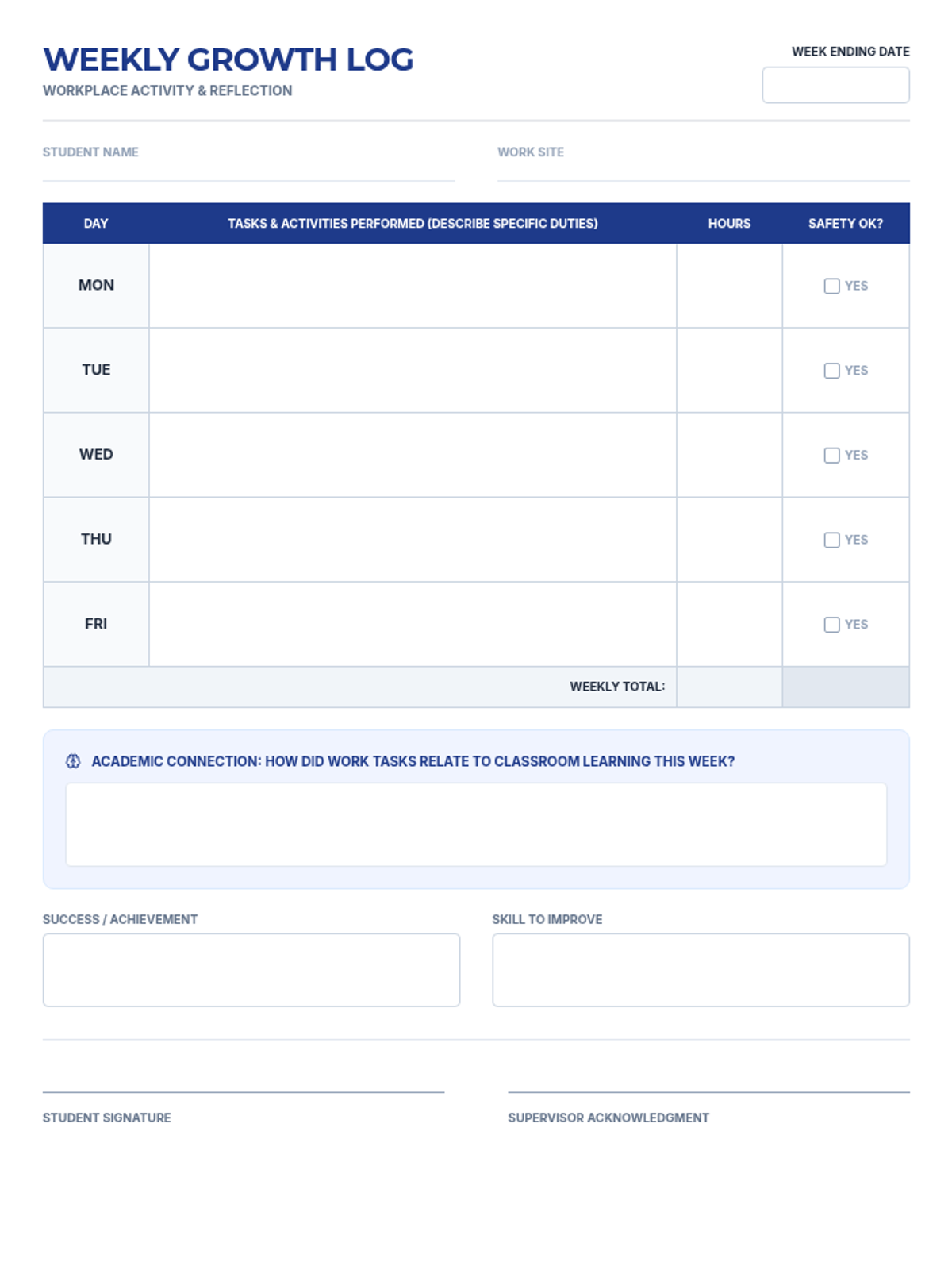
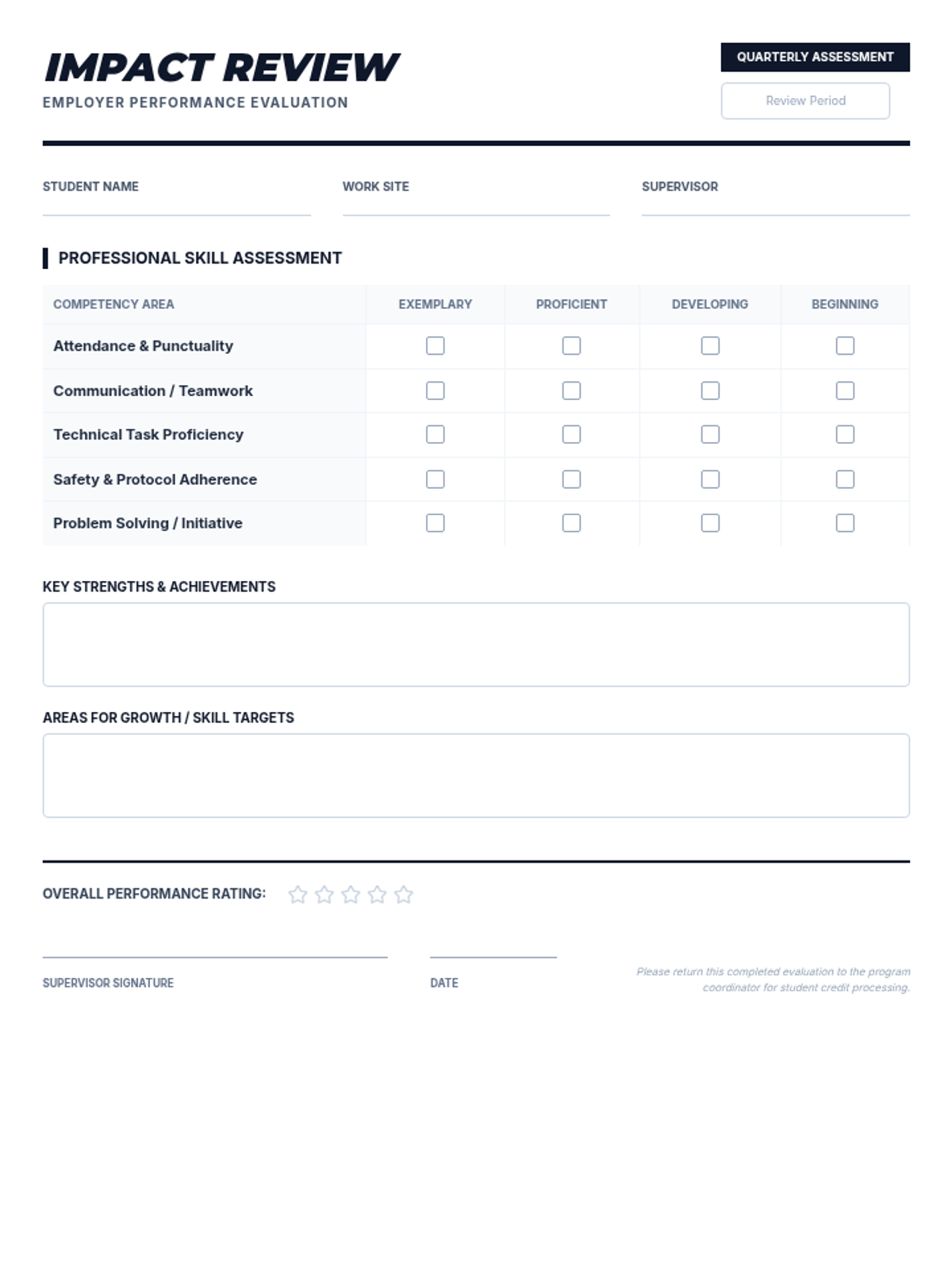
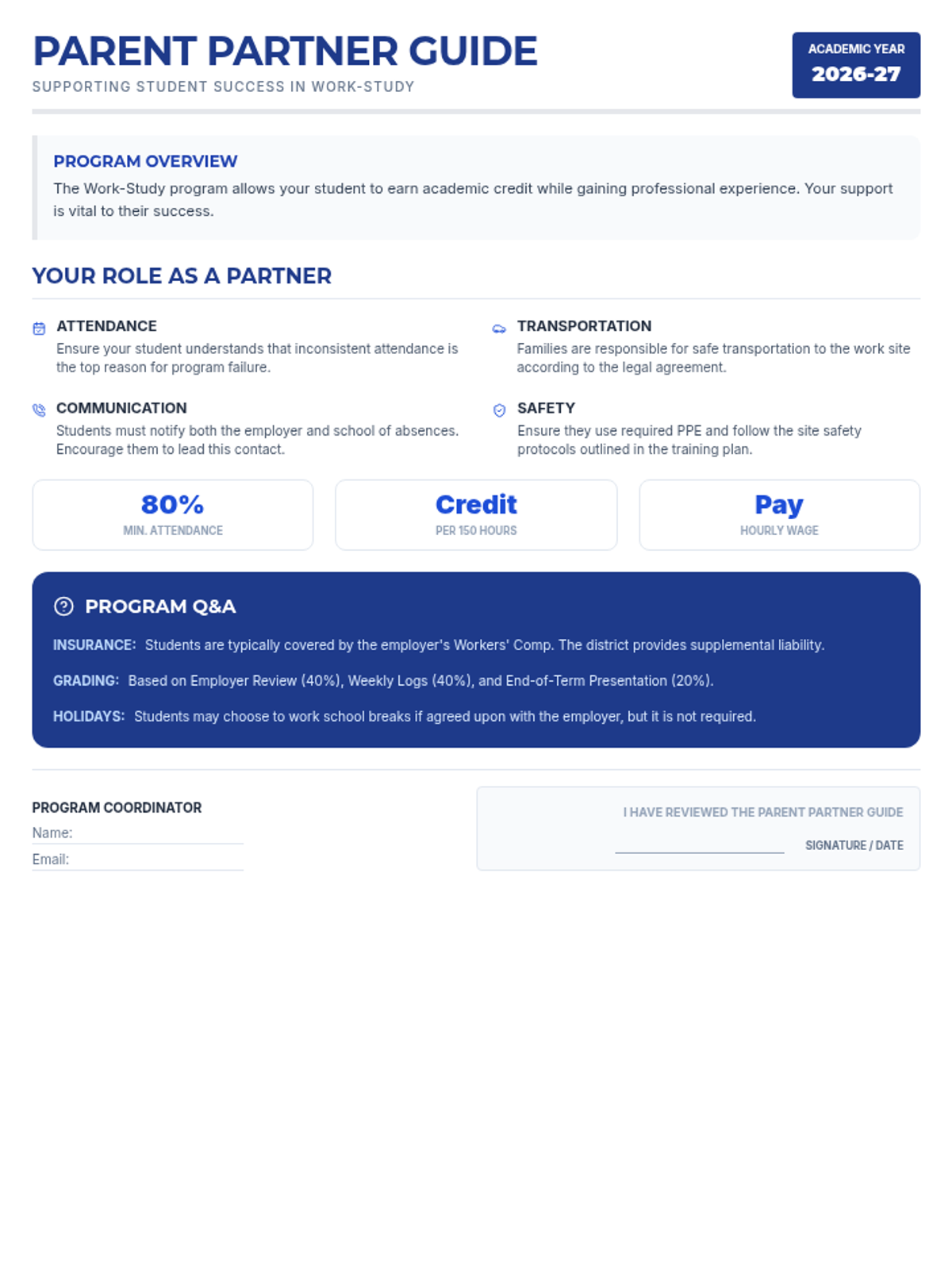
A comprehensive suite of documents for managing a work-study program, including goal setting, legal agreements, reflection logs, and performance evaluations.
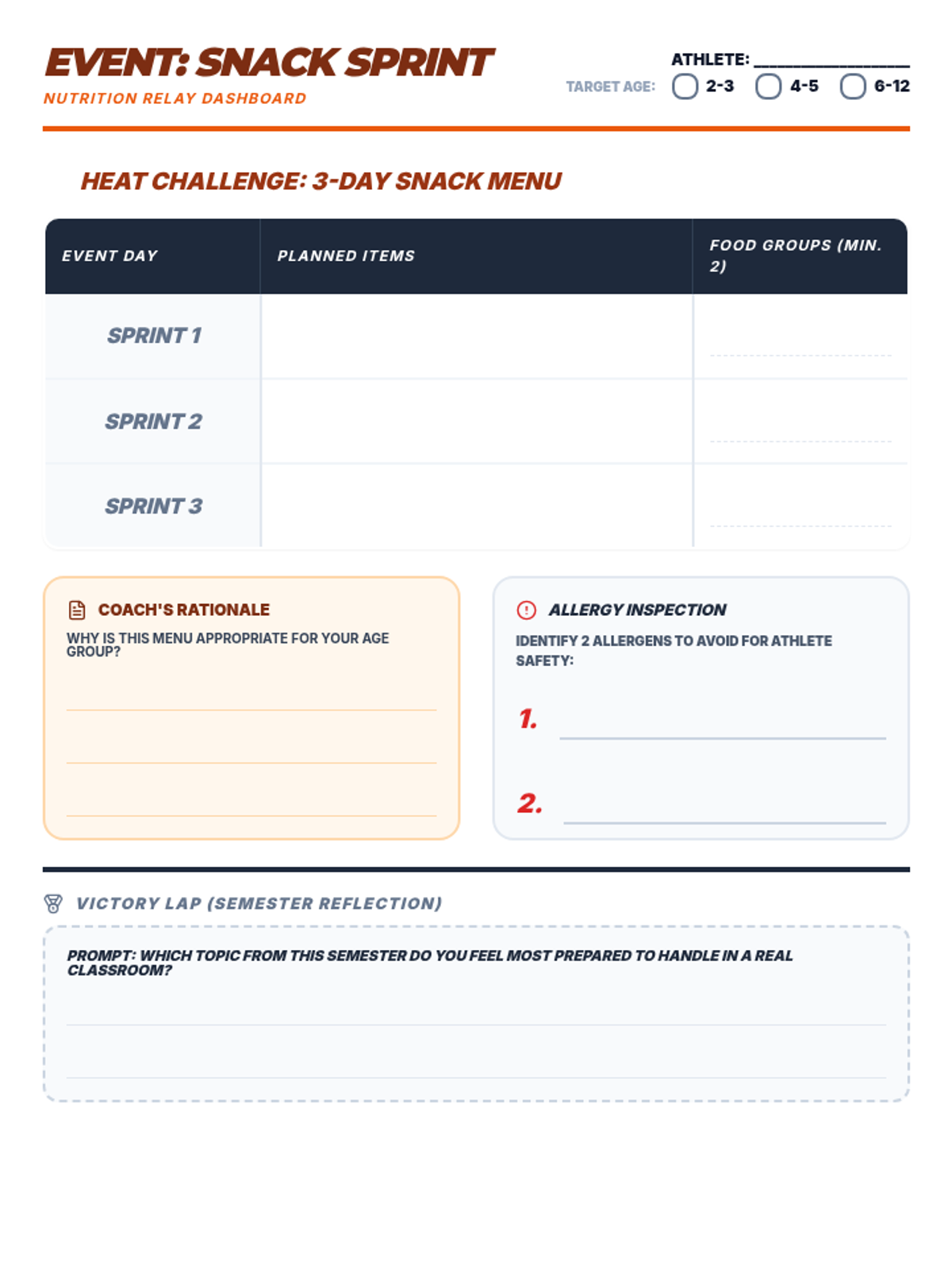
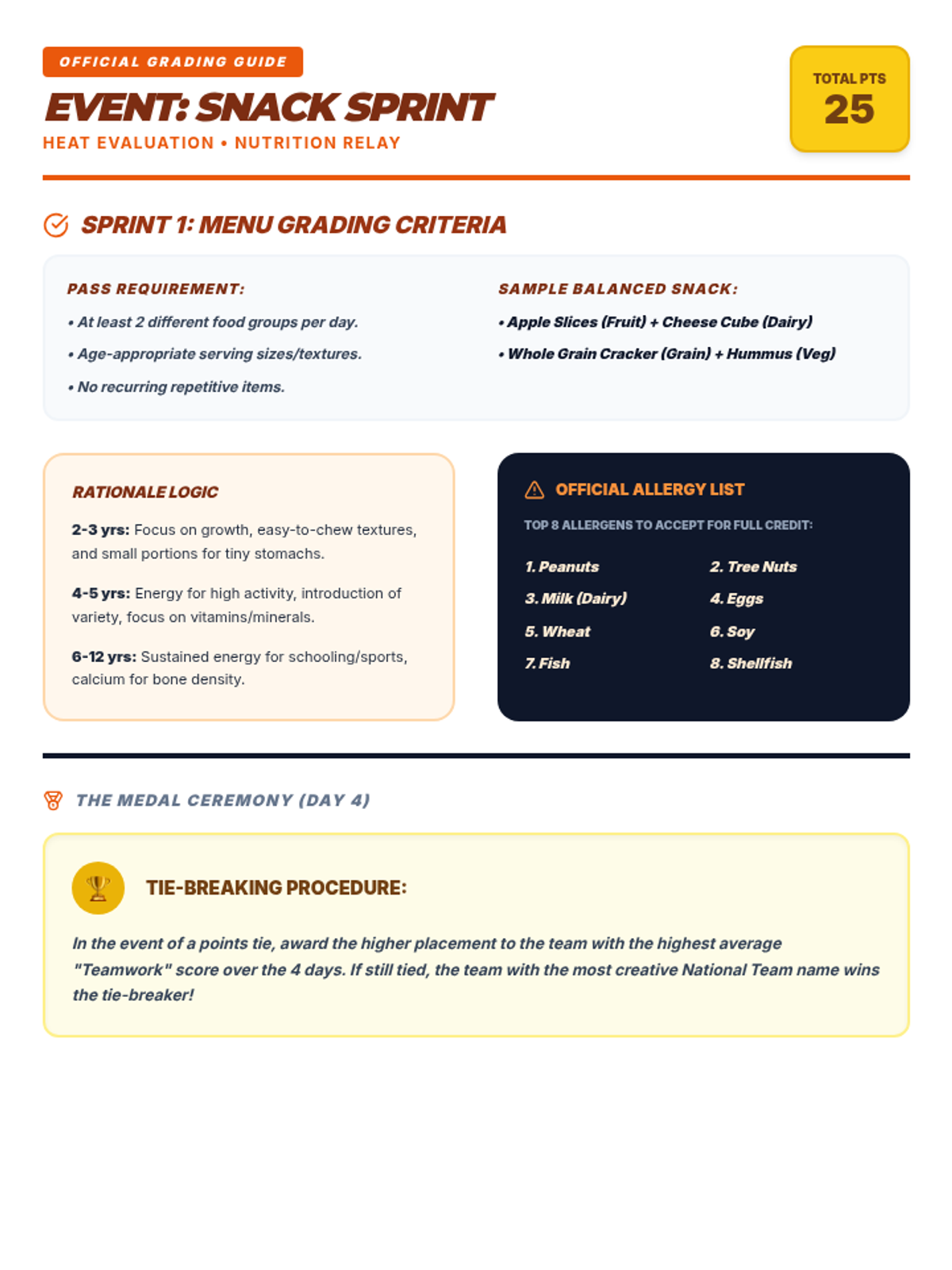
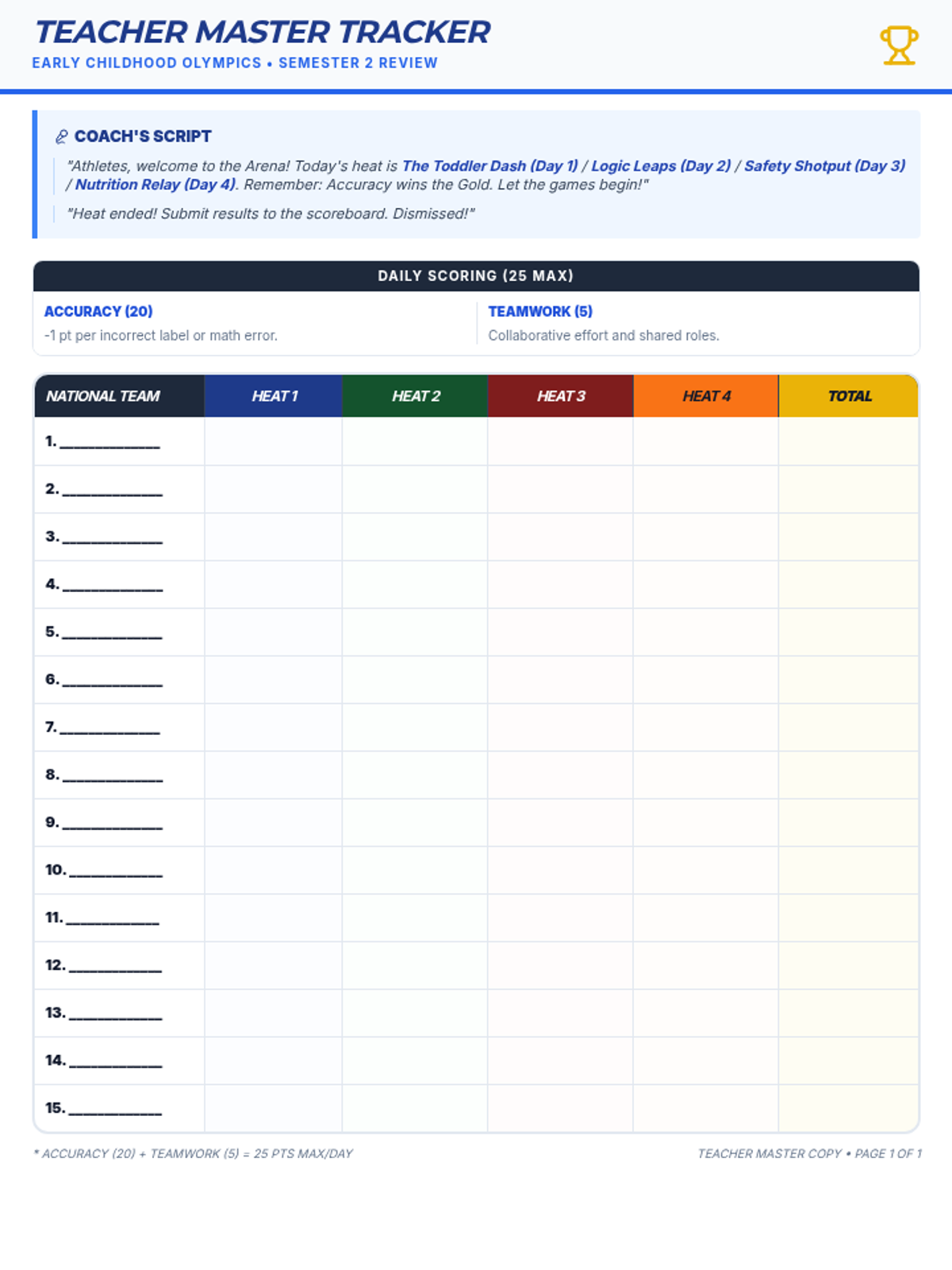
The final day covers nutrition and meal planning, followed by the grand tallying of points and the medal ceremony to conclude the semester.
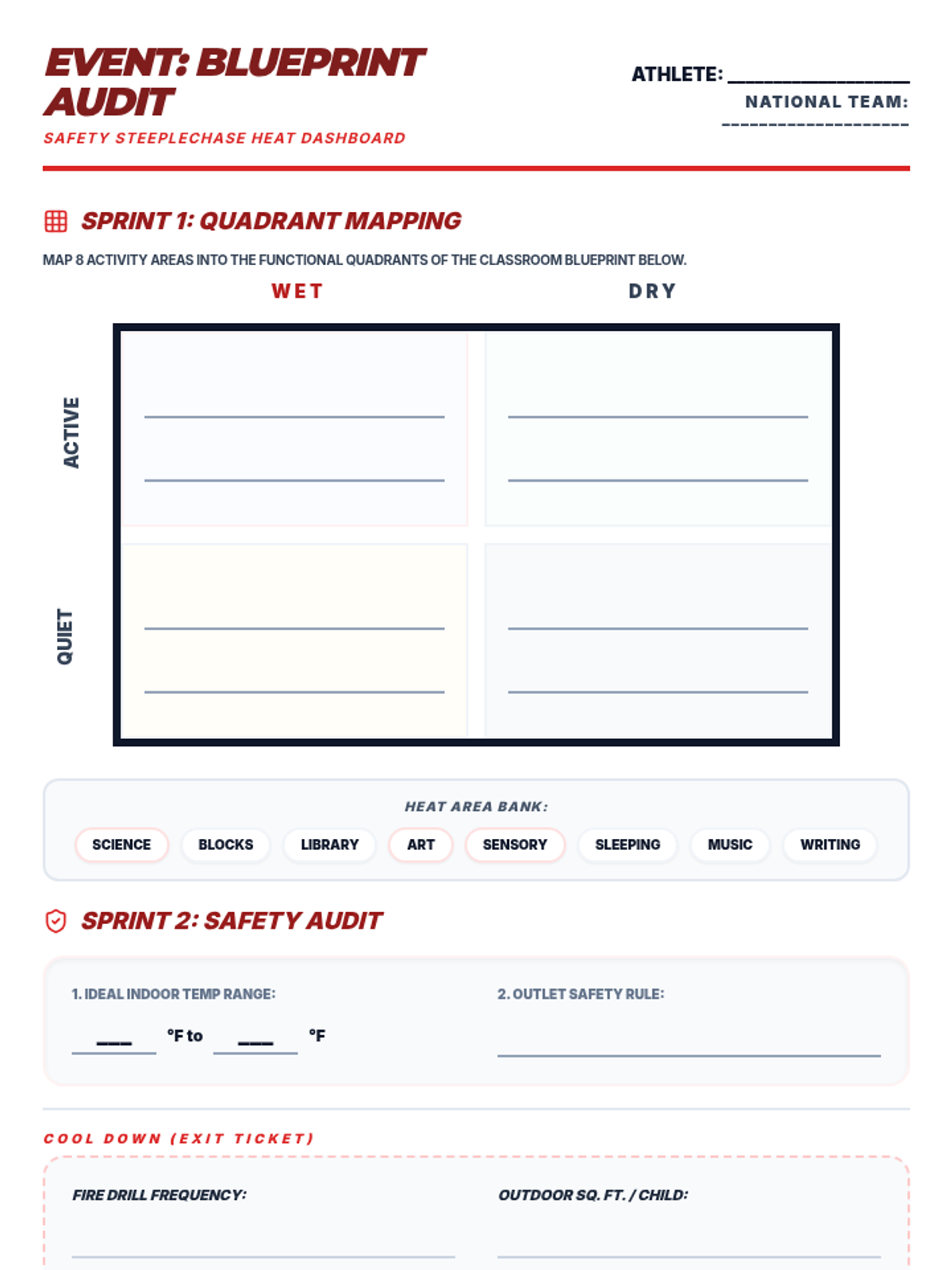
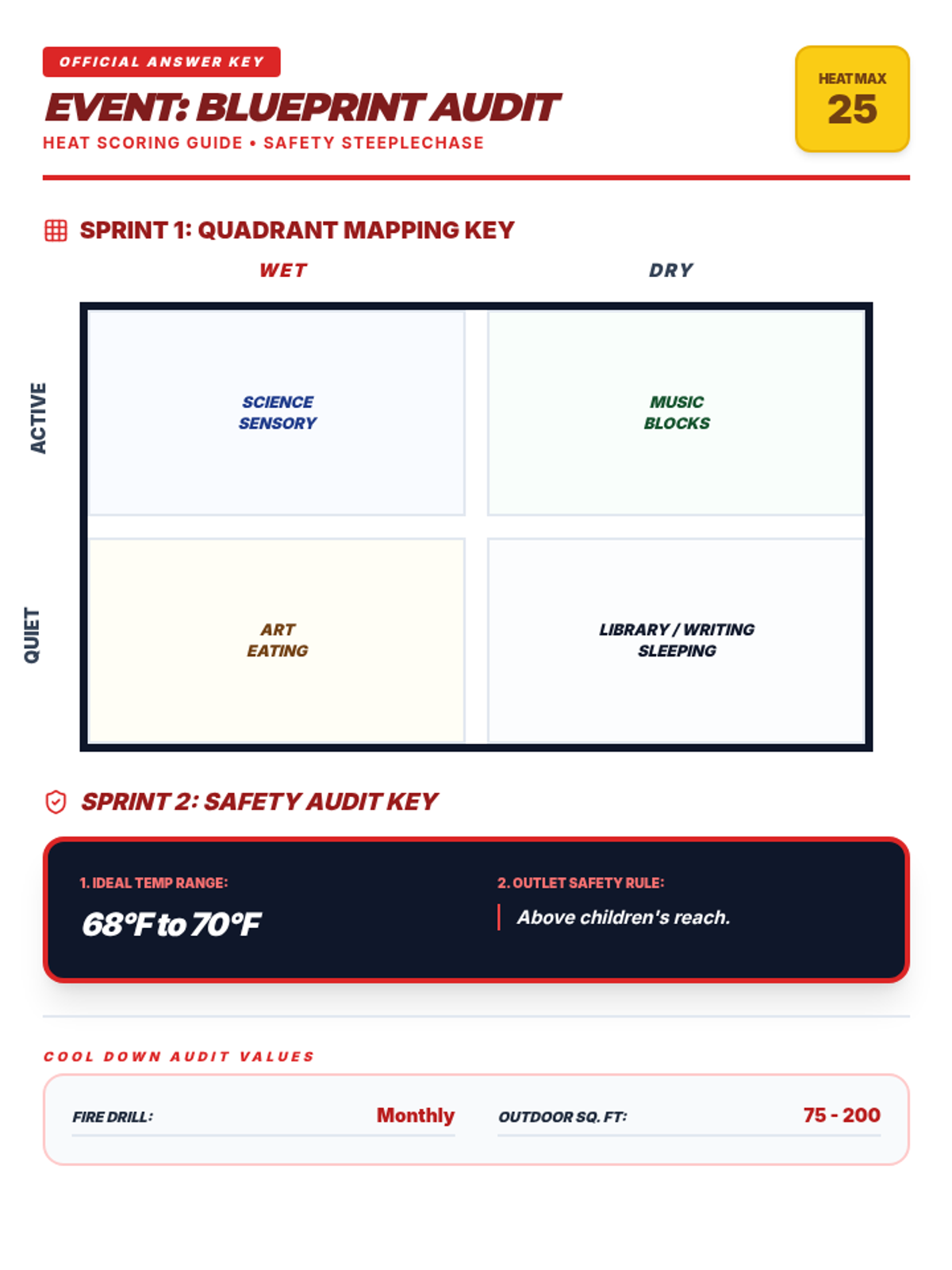
Day 3 focuses on environmental preparation and safety promotion, requiring students to apply knowledge of classroom layout and safety regulations to score points.
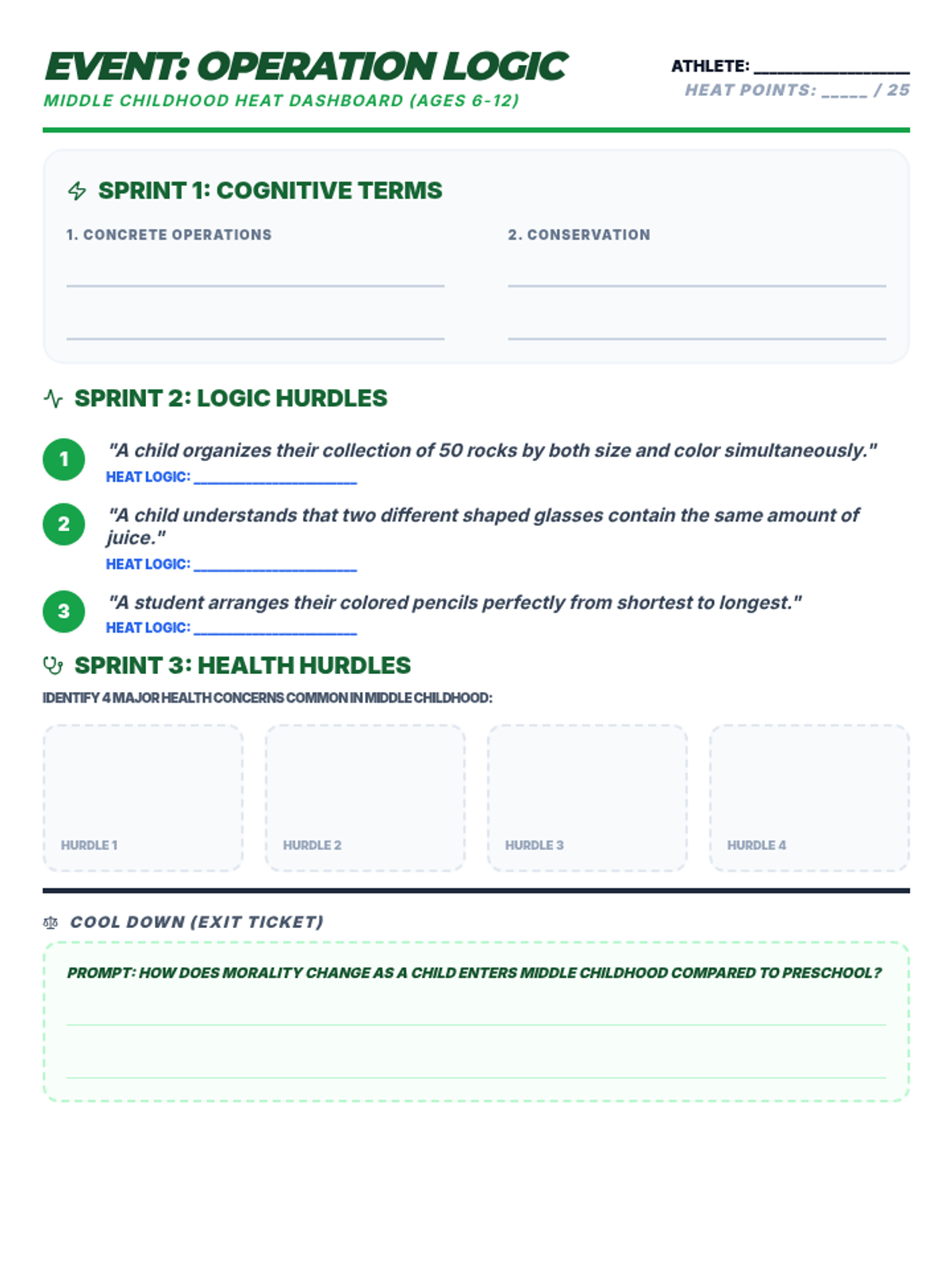
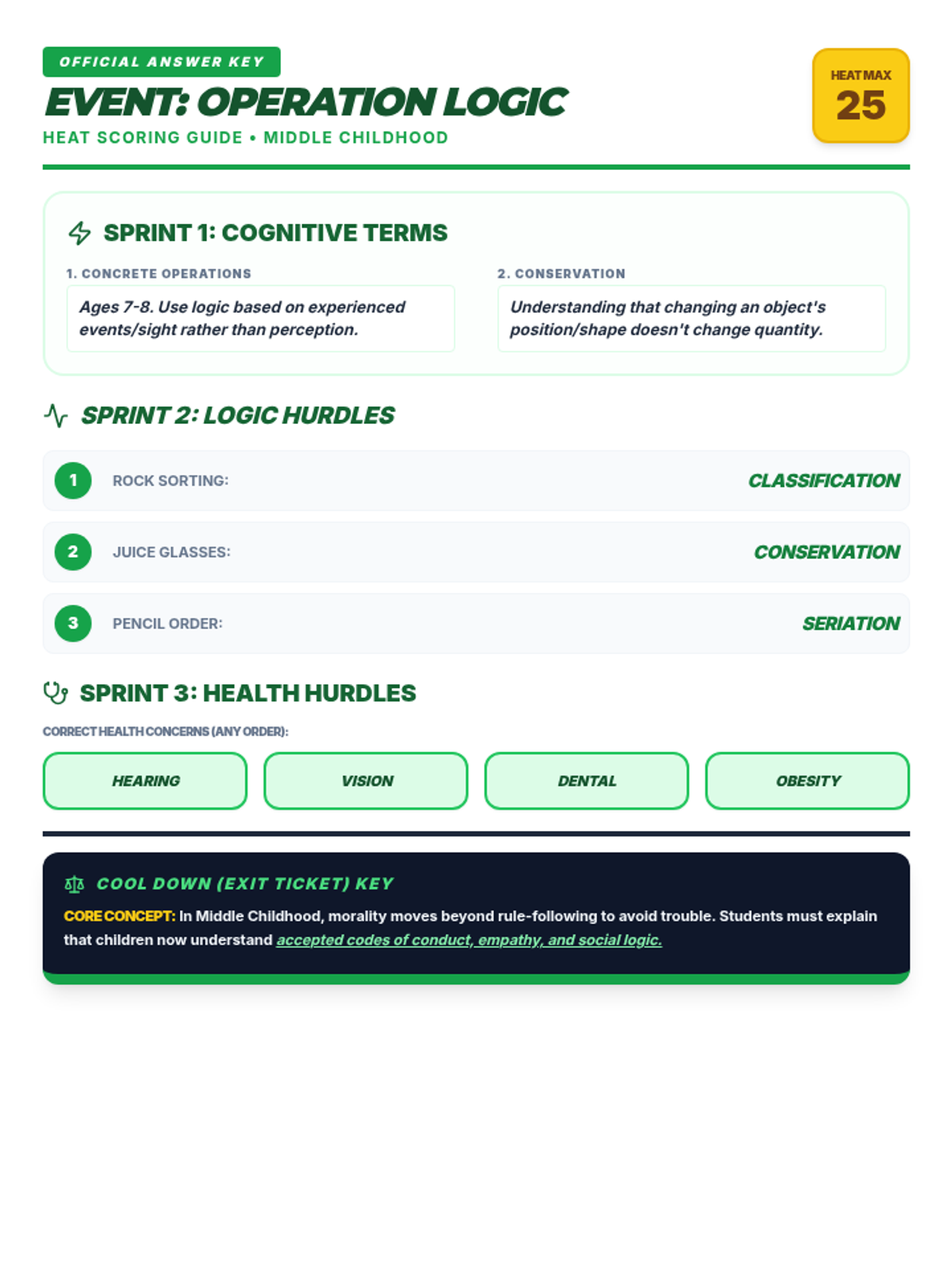
Day 2 explores middle childhood (ages 6-12), focusing on logical thinking, moral development, and the complexities of school-age social relationships.
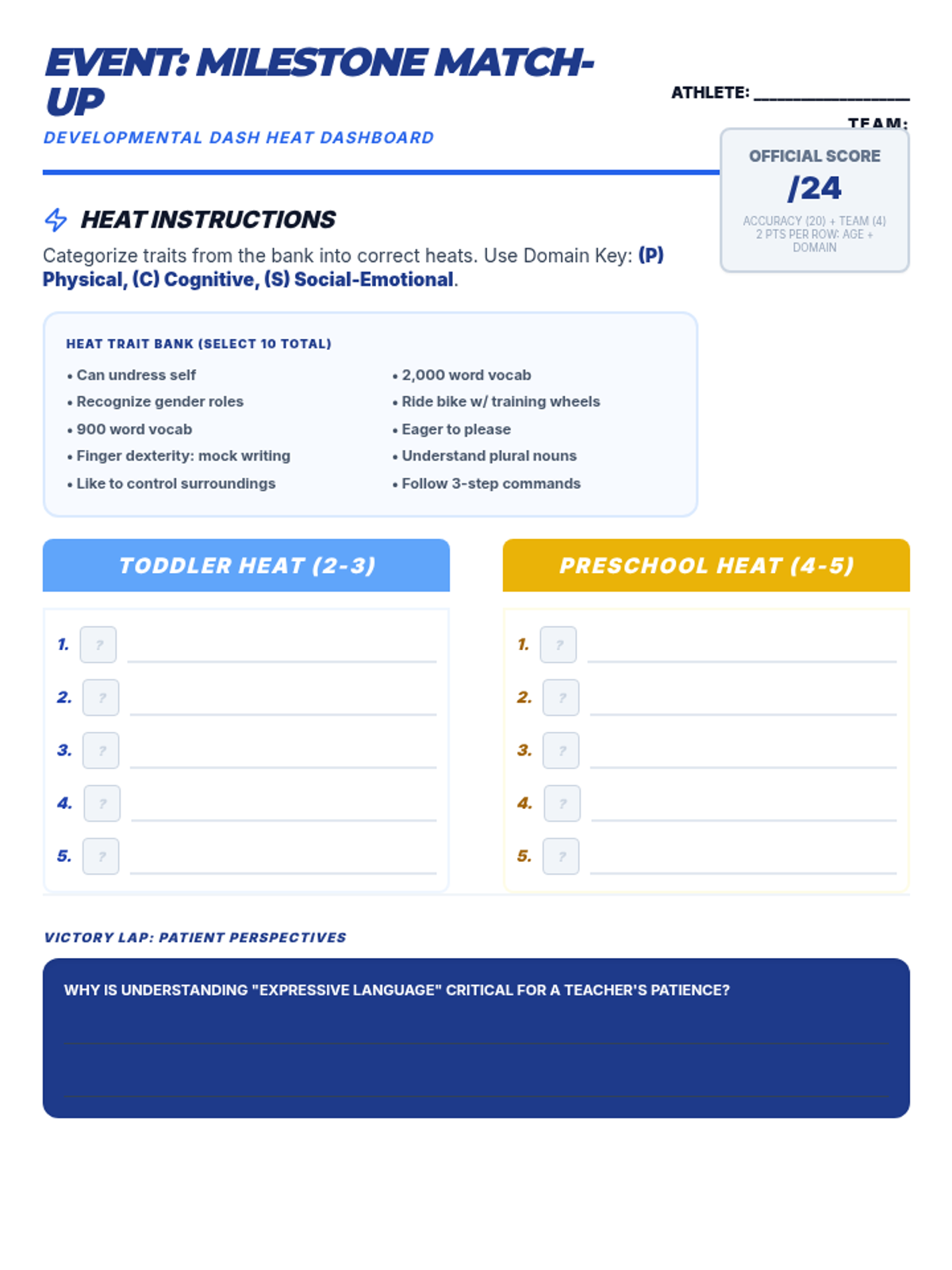
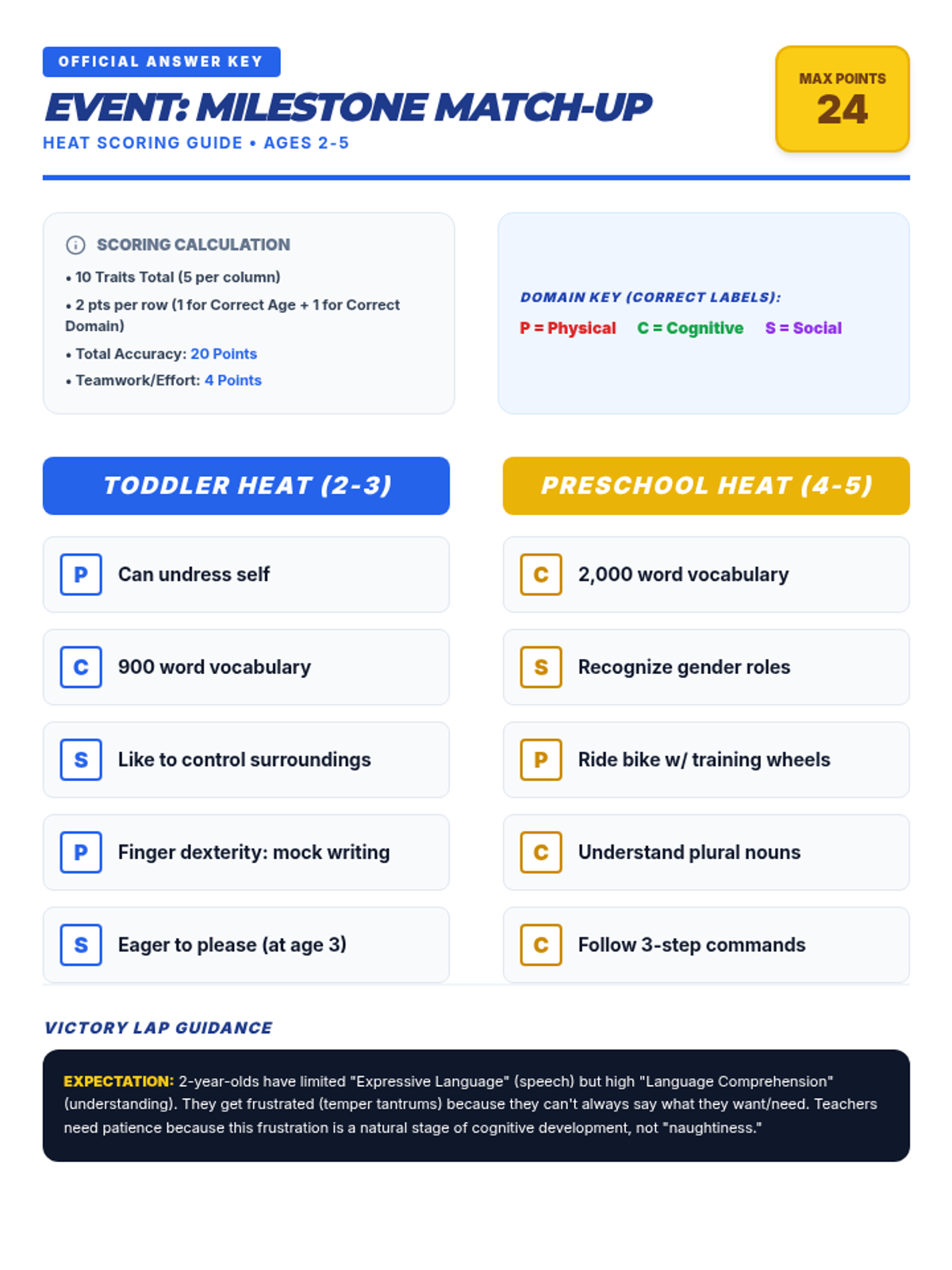
Day 1 of the Olympics focuses on the rapid development of children aged two through five, challenging students to accurately categorize physical, cognitive, and social milestones.
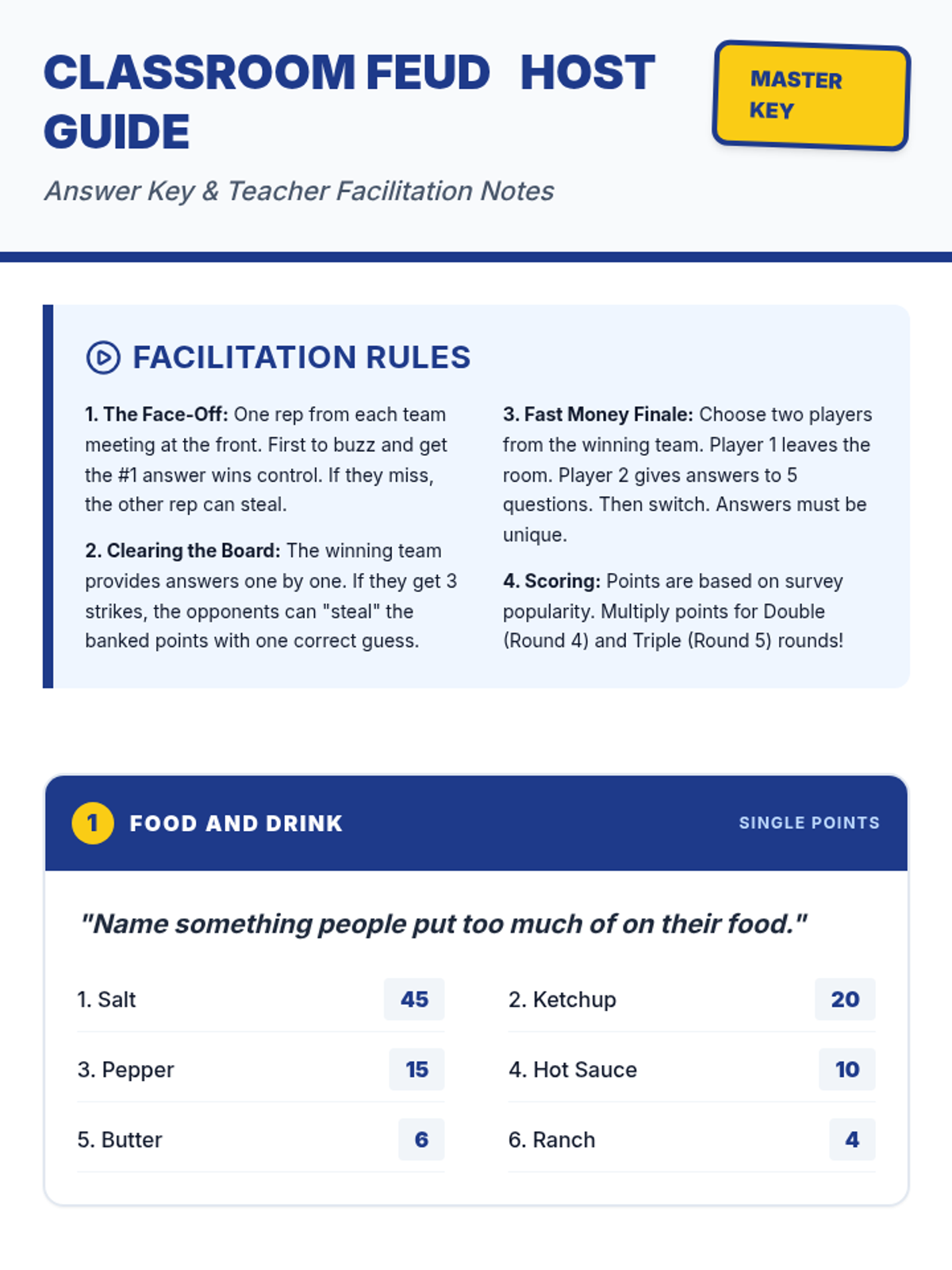
An interactive, game-show style lesson where students compete in teams to guess the most popular answers to various survey questions. This session promotes teamwork, quick thinking, and social engagement through diverse categories ranging from food to pop culture.
A gamified 90-minute training session focused on job retention skills. Students master the behaviors and mindsets required to keep a job during the critical first 90 days, through hands-on escape room challenges and performance analysis.
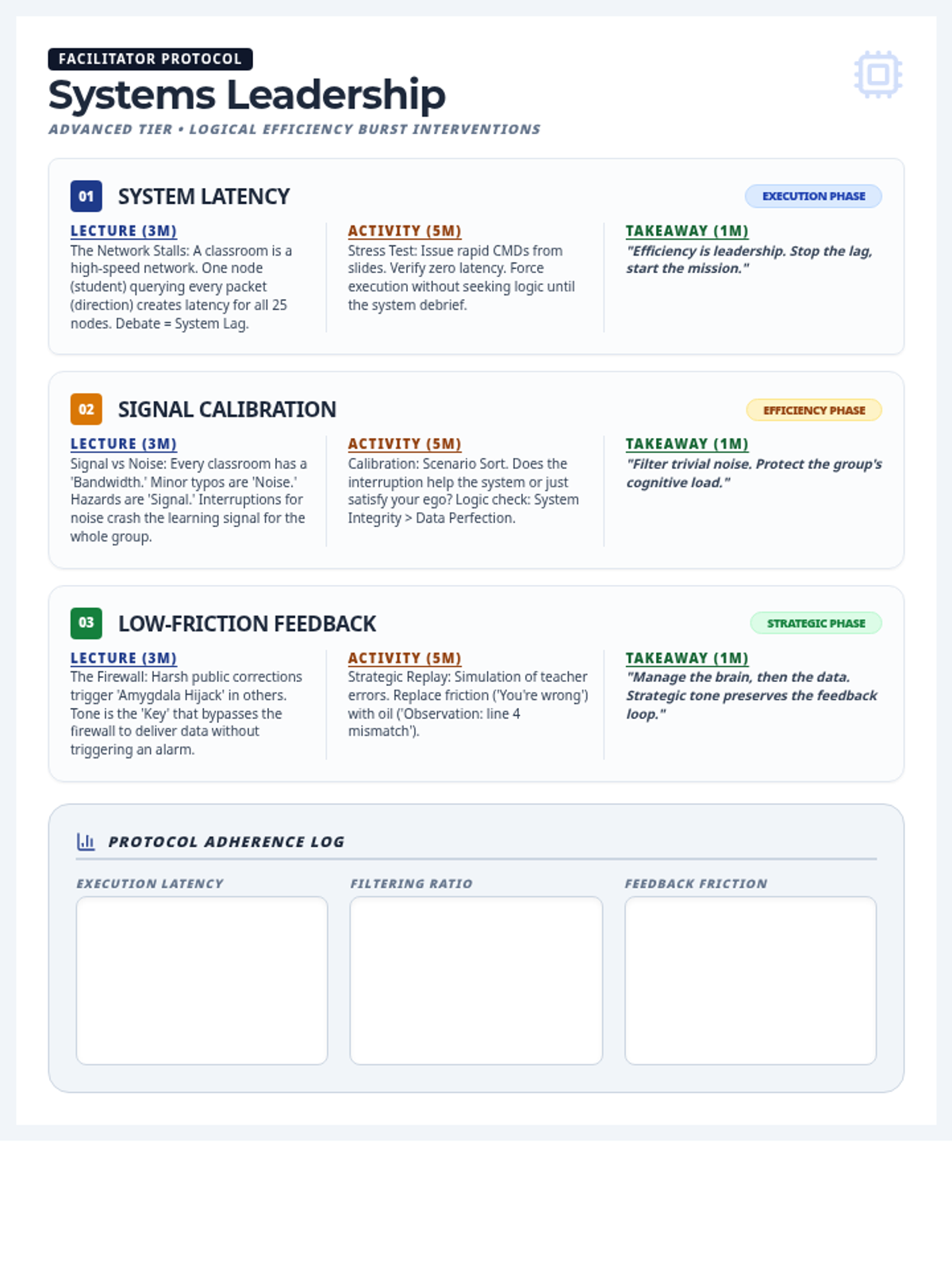
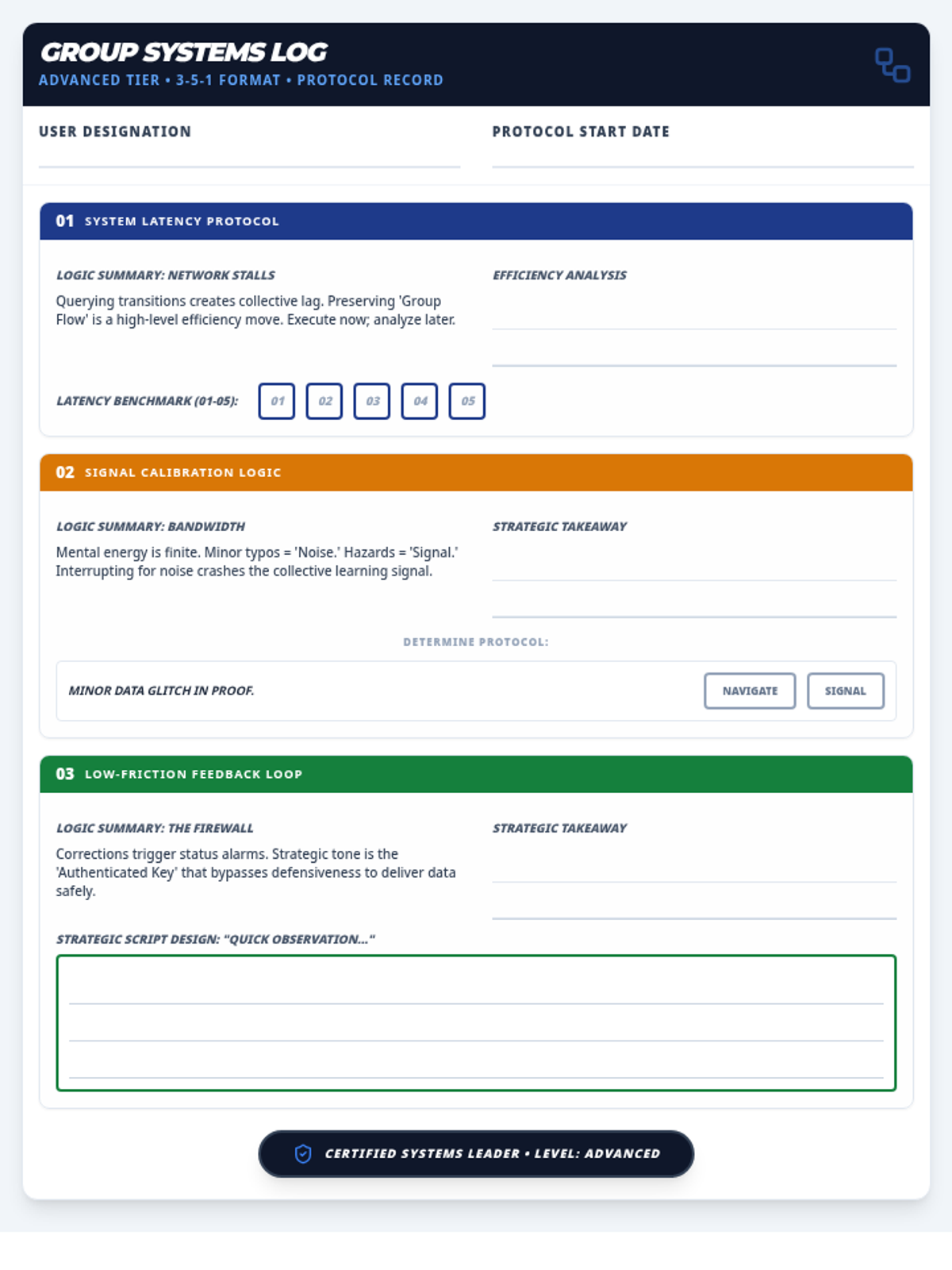
Advanced session on 'Strategic Communication'. Uses social neuroscience to explain how low-friction feedback bypasses defensive firewalls. Structure: 3-5-1 Minutes.
A session on 'Signal-to-Noise' calibration. Teaches students to logically calculate the interrupt cost of minor corrections versus major system failures. Structure: 3-5-1 Minutes.
A high-level session on minimizing 'Group Latency'. Framing following directions as a system efficiency move rather than submission. Structure: 3-5-1 Minutes.
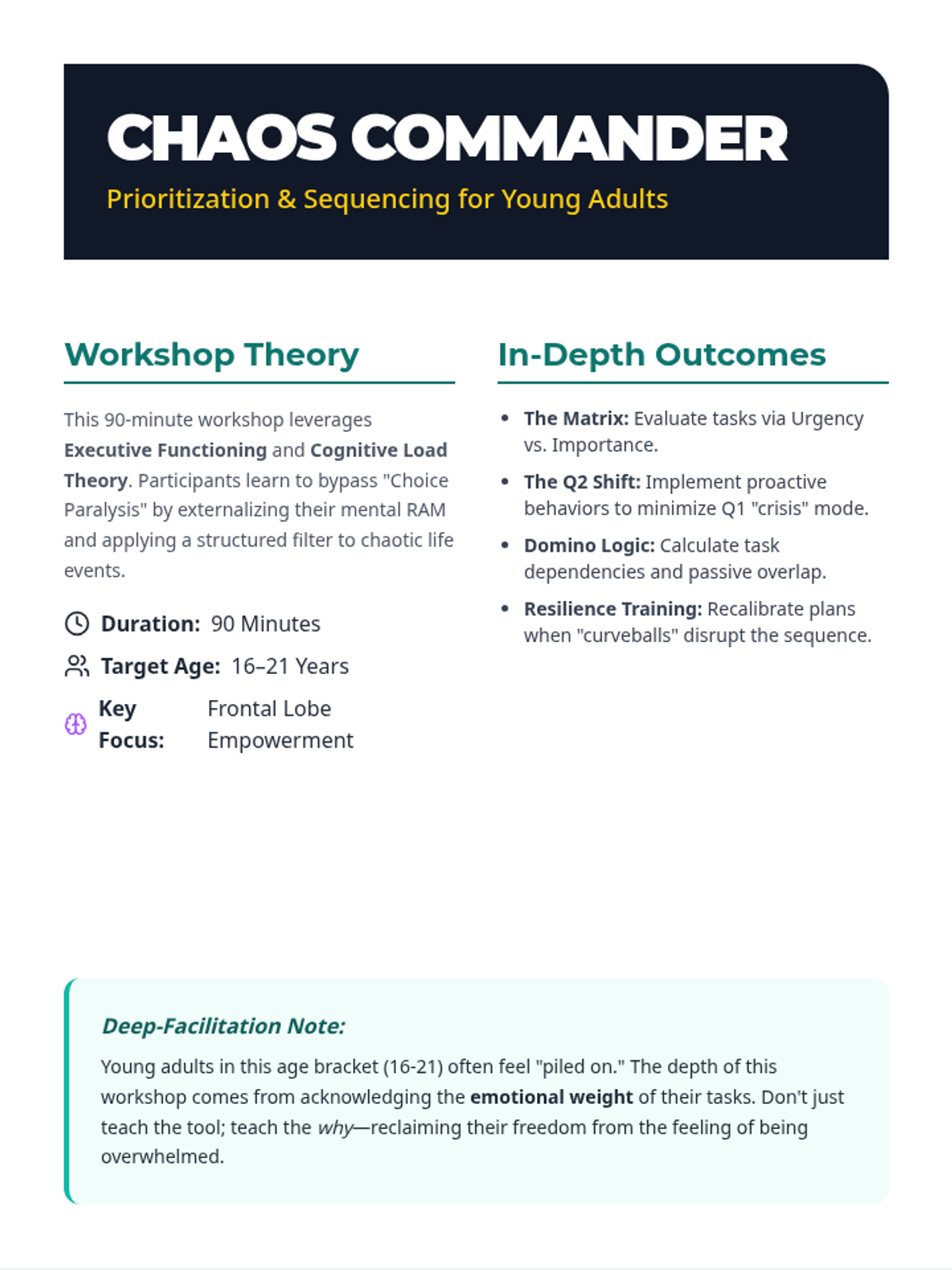
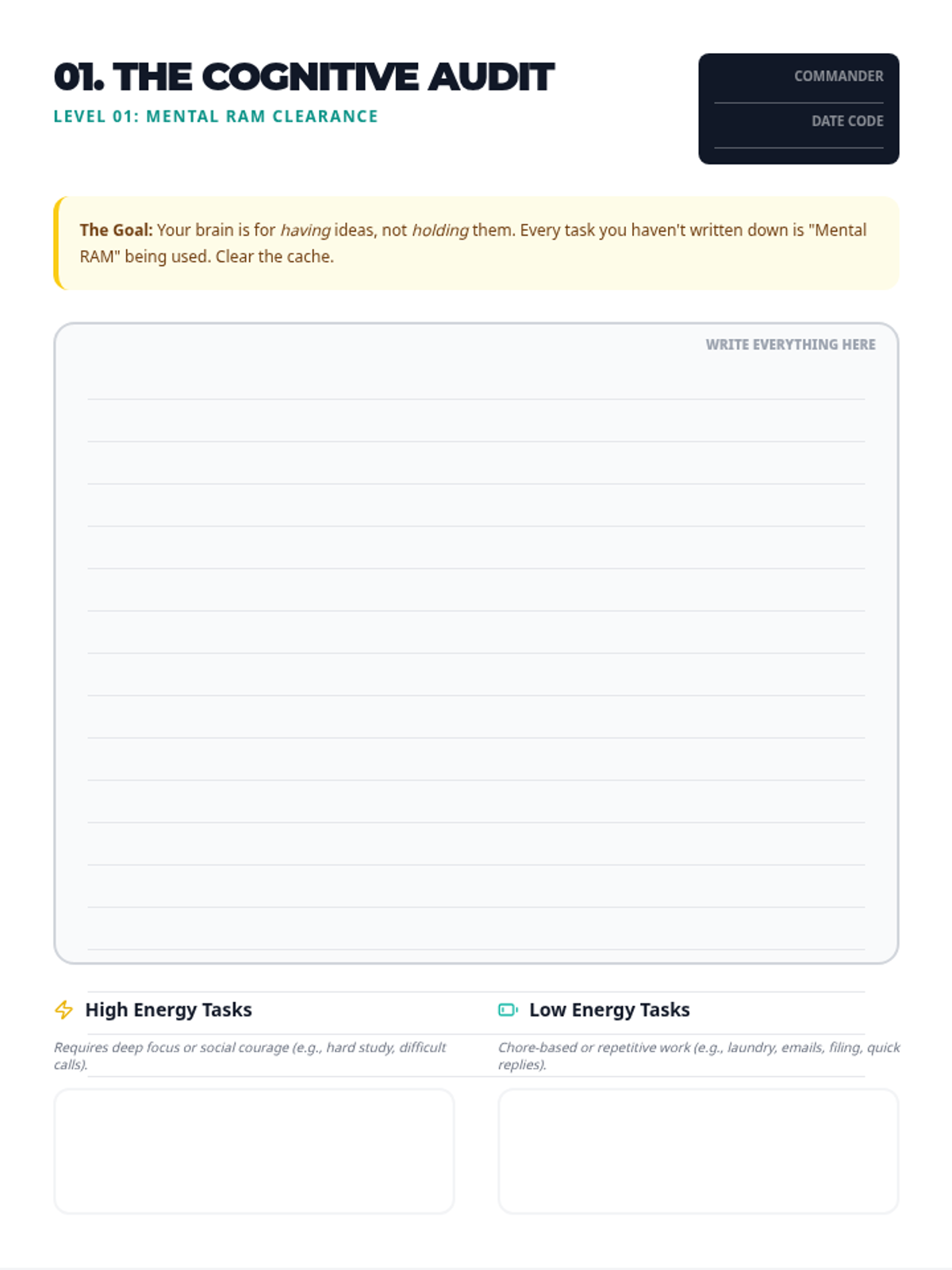
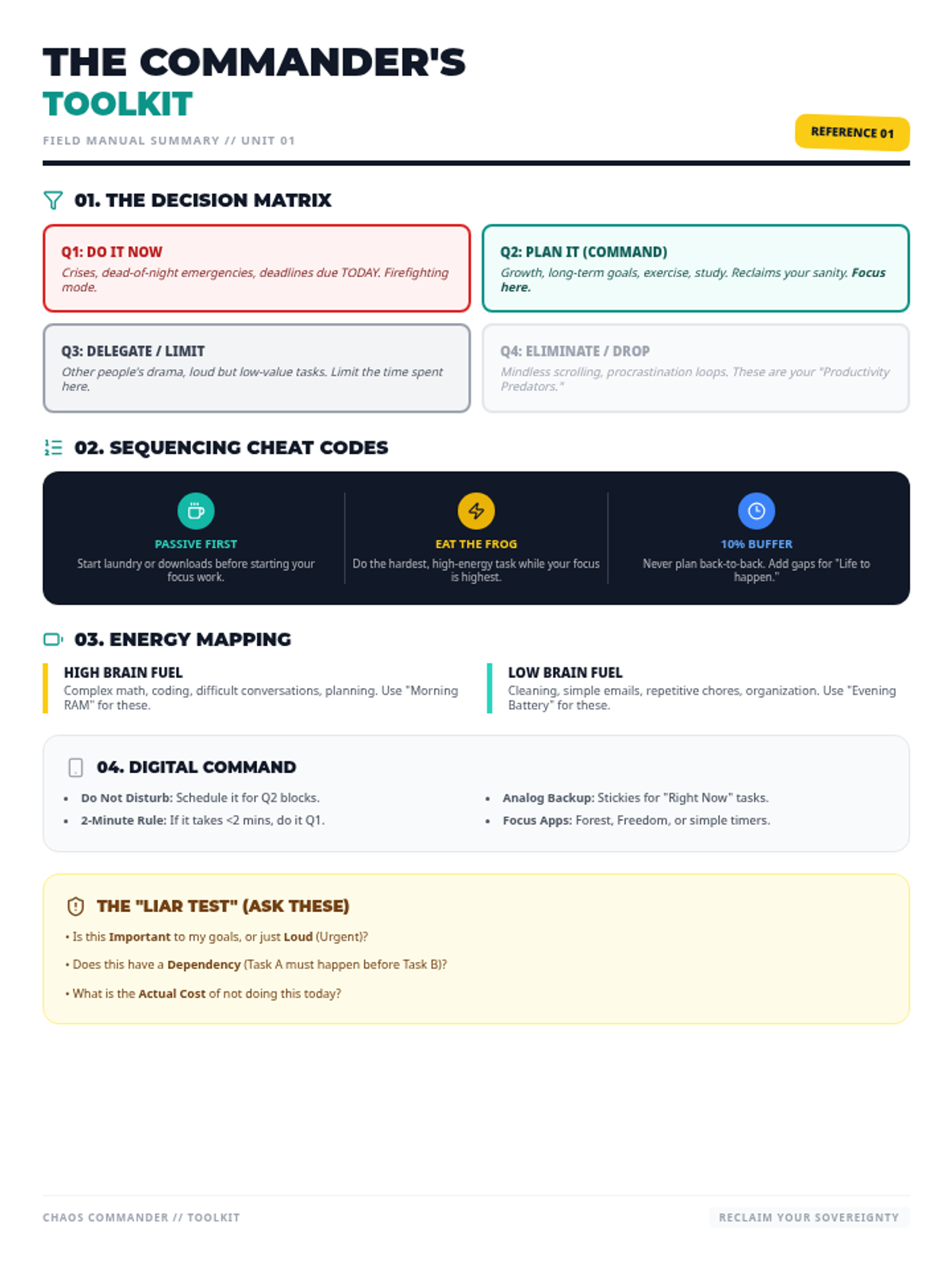
A comprehensive 90-minute workshop designed for young adults (16-21) to master the art of prioritization and sequencing amidst life's competing demands. The session uses the Eisenhower Matrix and sequencing strategies to help participants navigate work, school, and personal life with confidence.
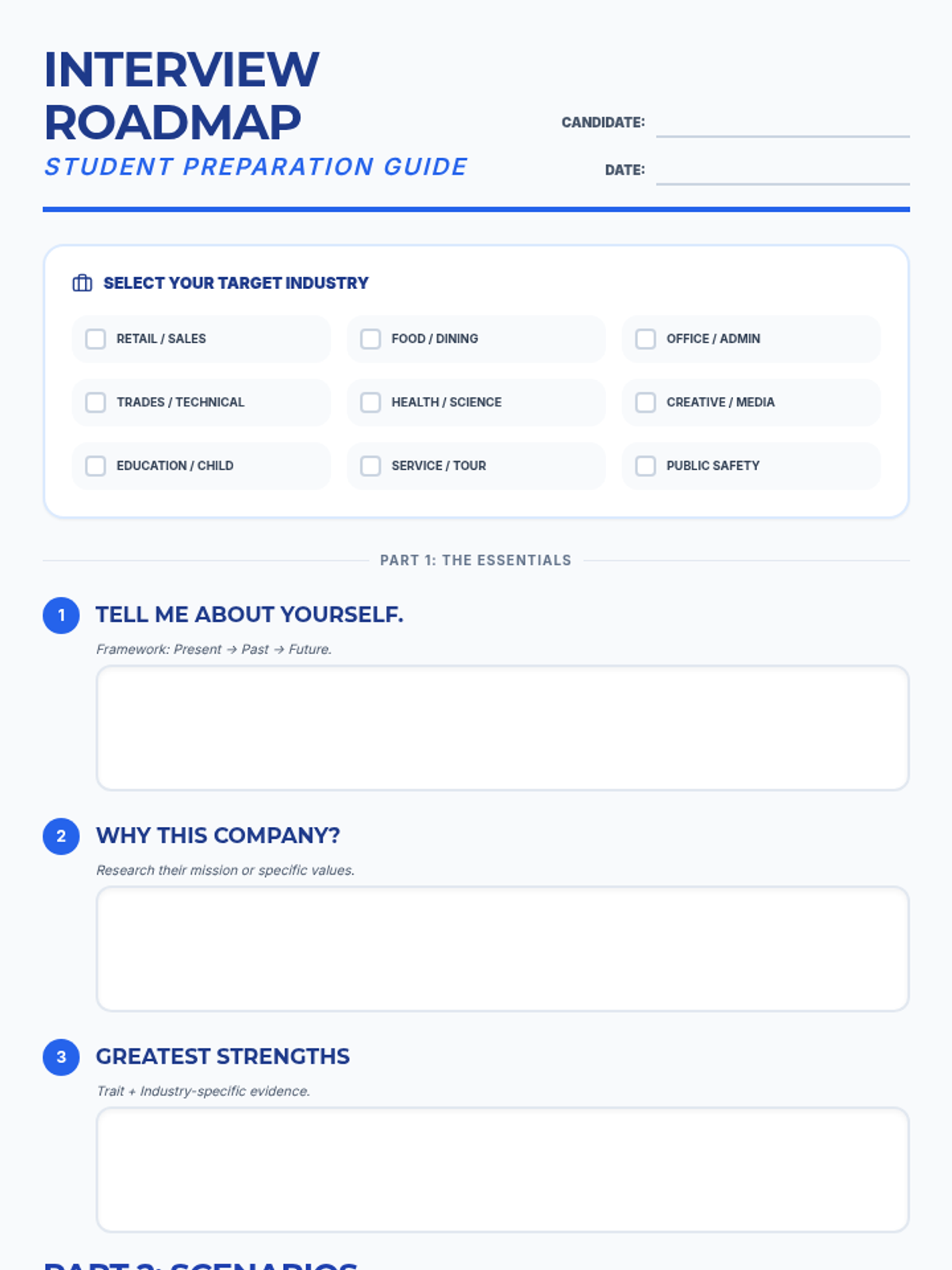
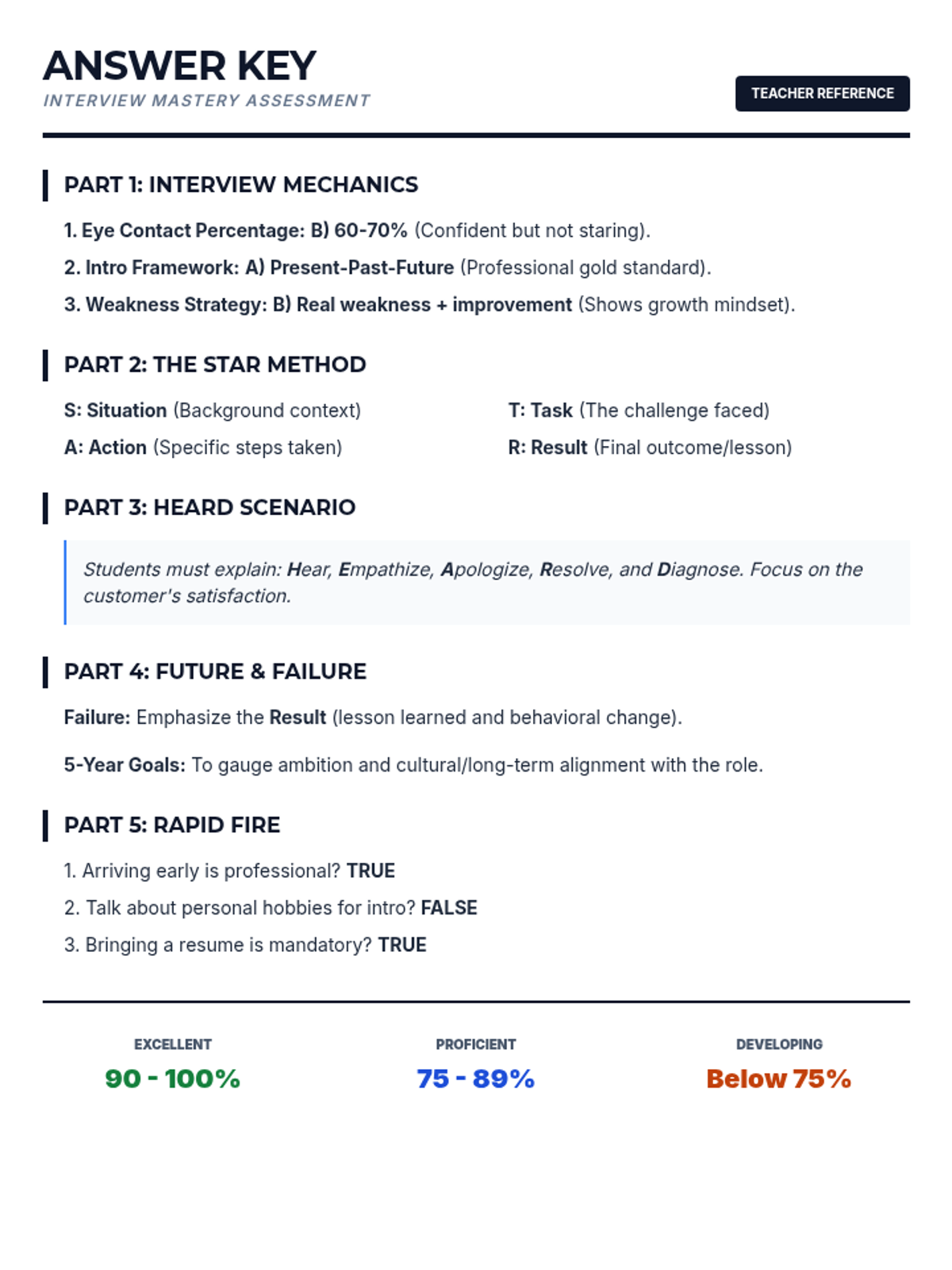
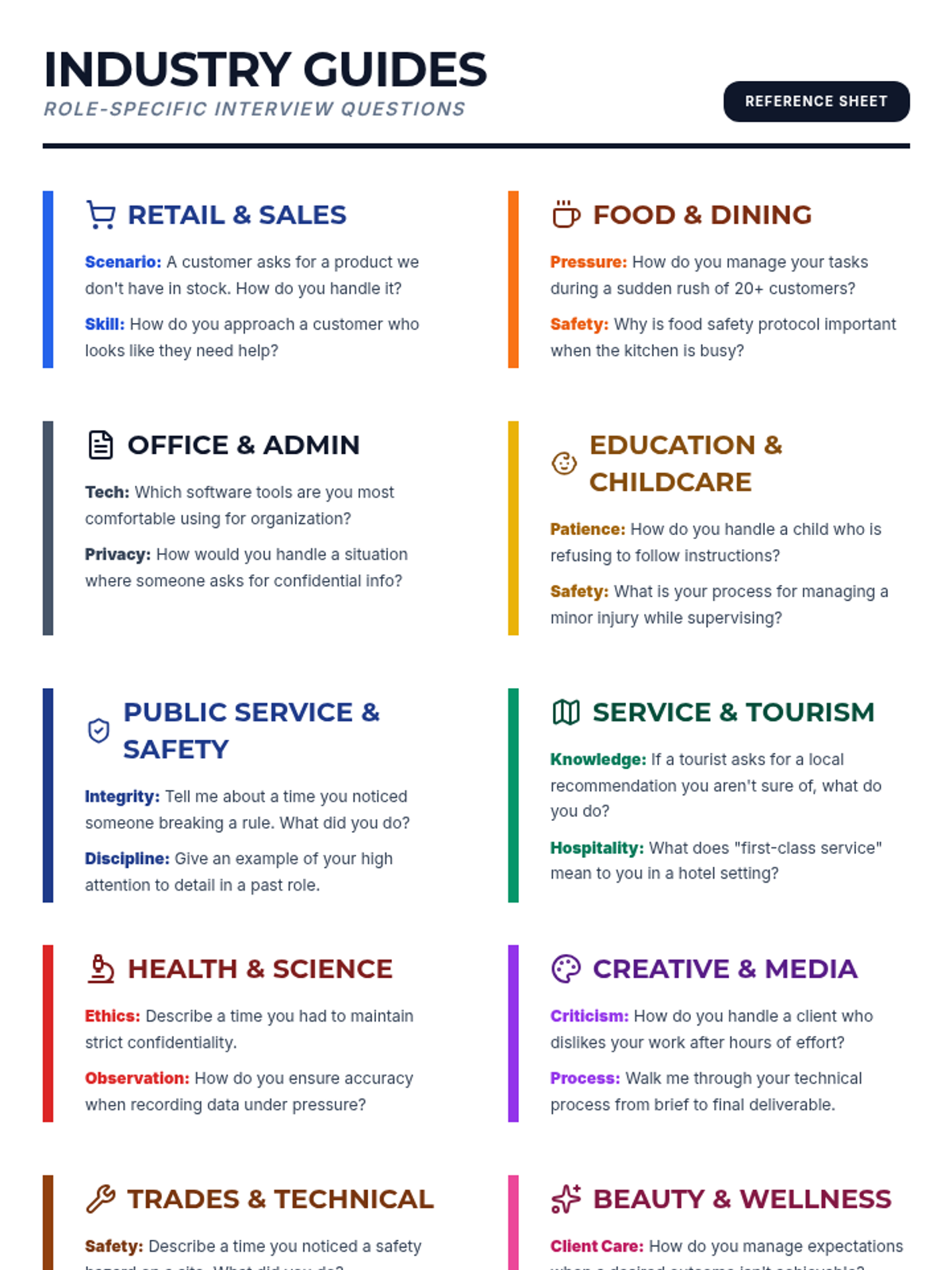
A comprehensive guide to mastering the job interview process, covering essential questions, non-verbal communication, and self-evaluation. Students will prepare responses, practice with peers, and receive professional feedback.
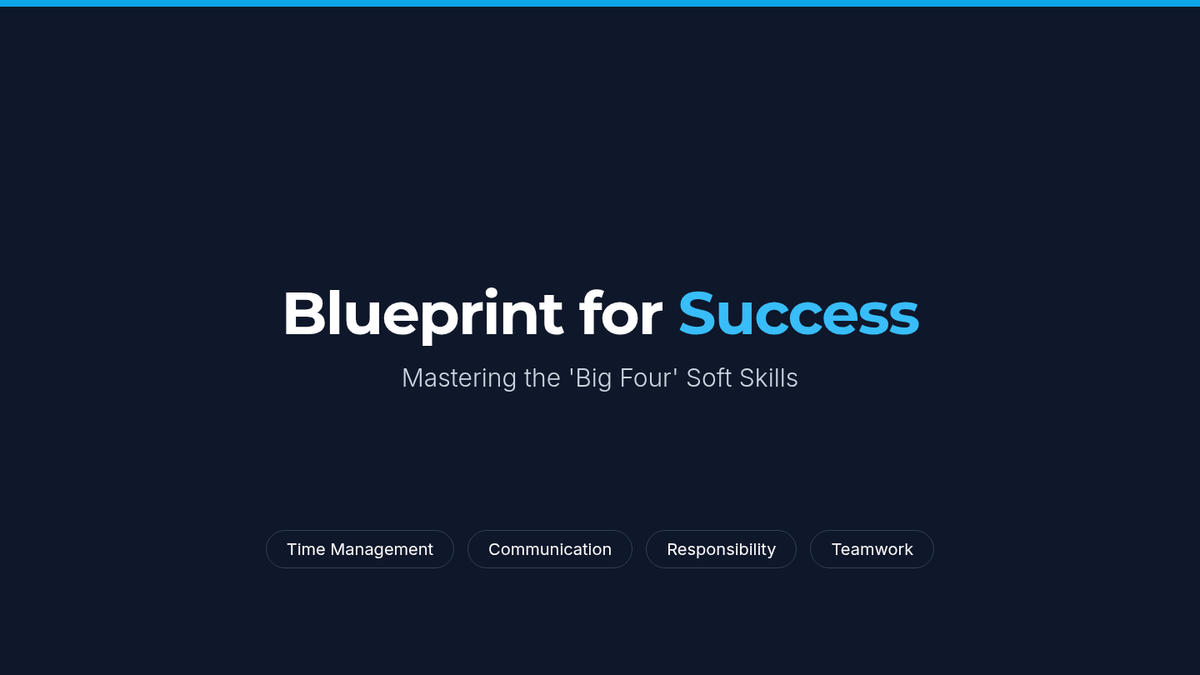
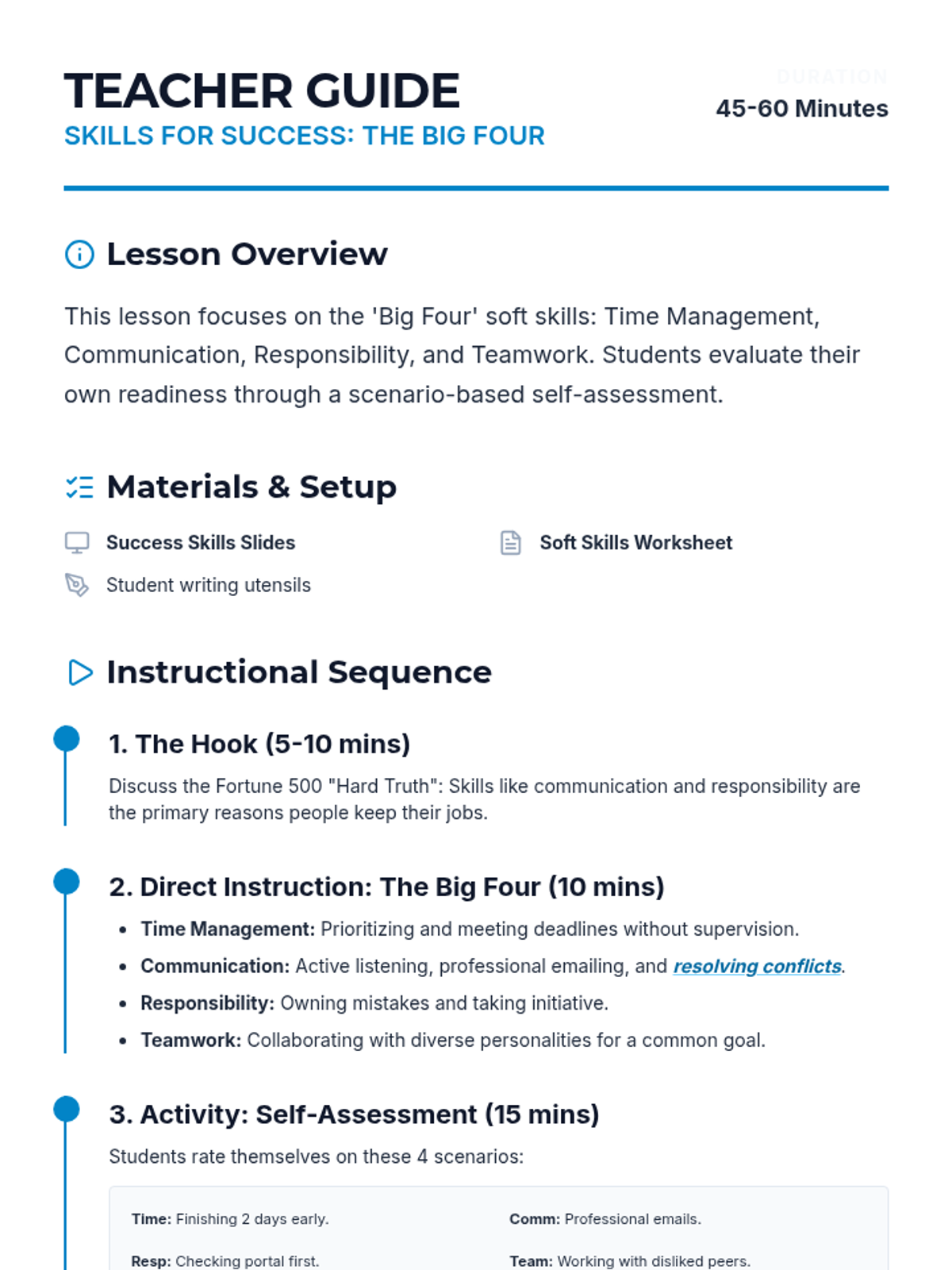
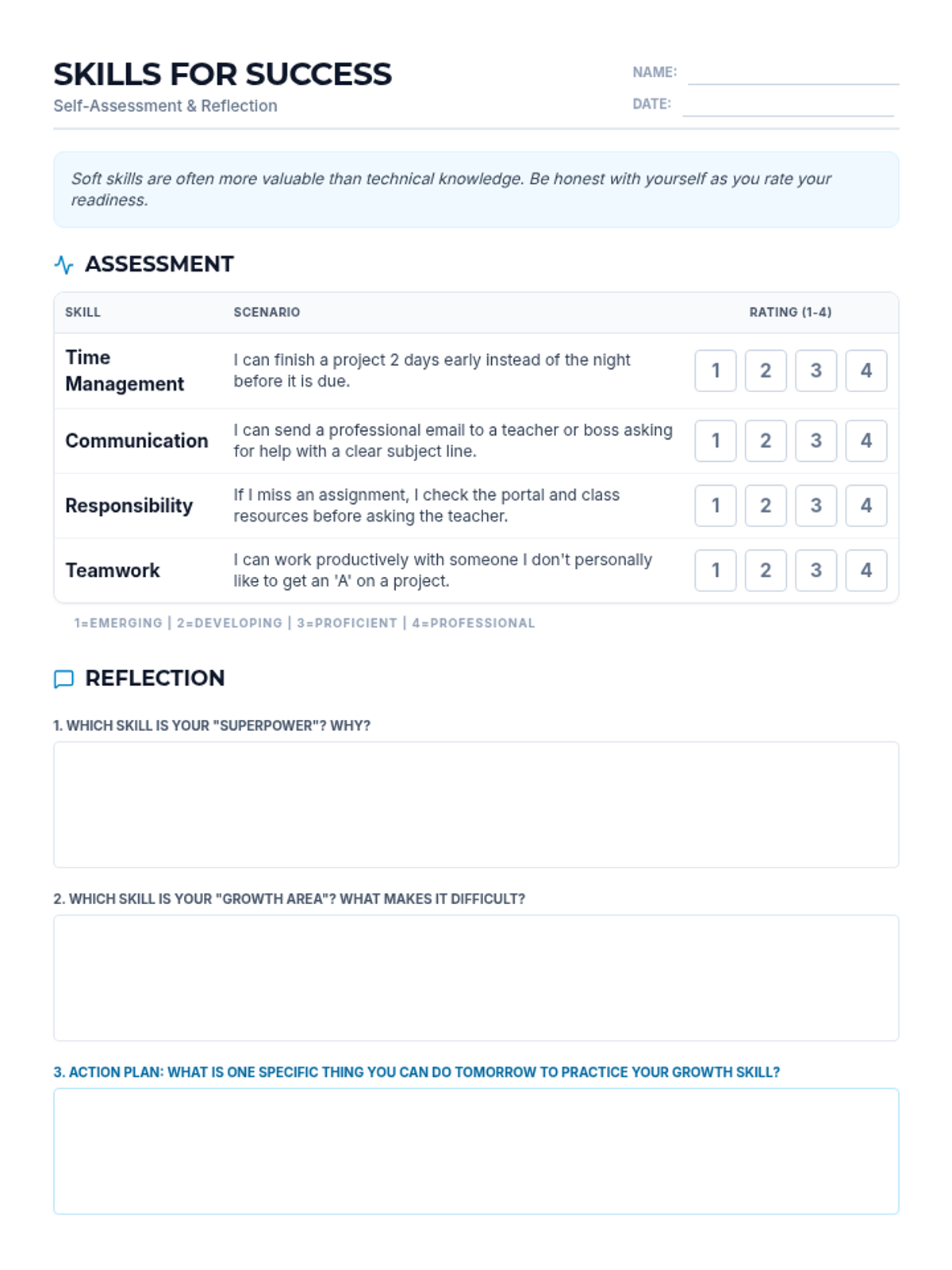
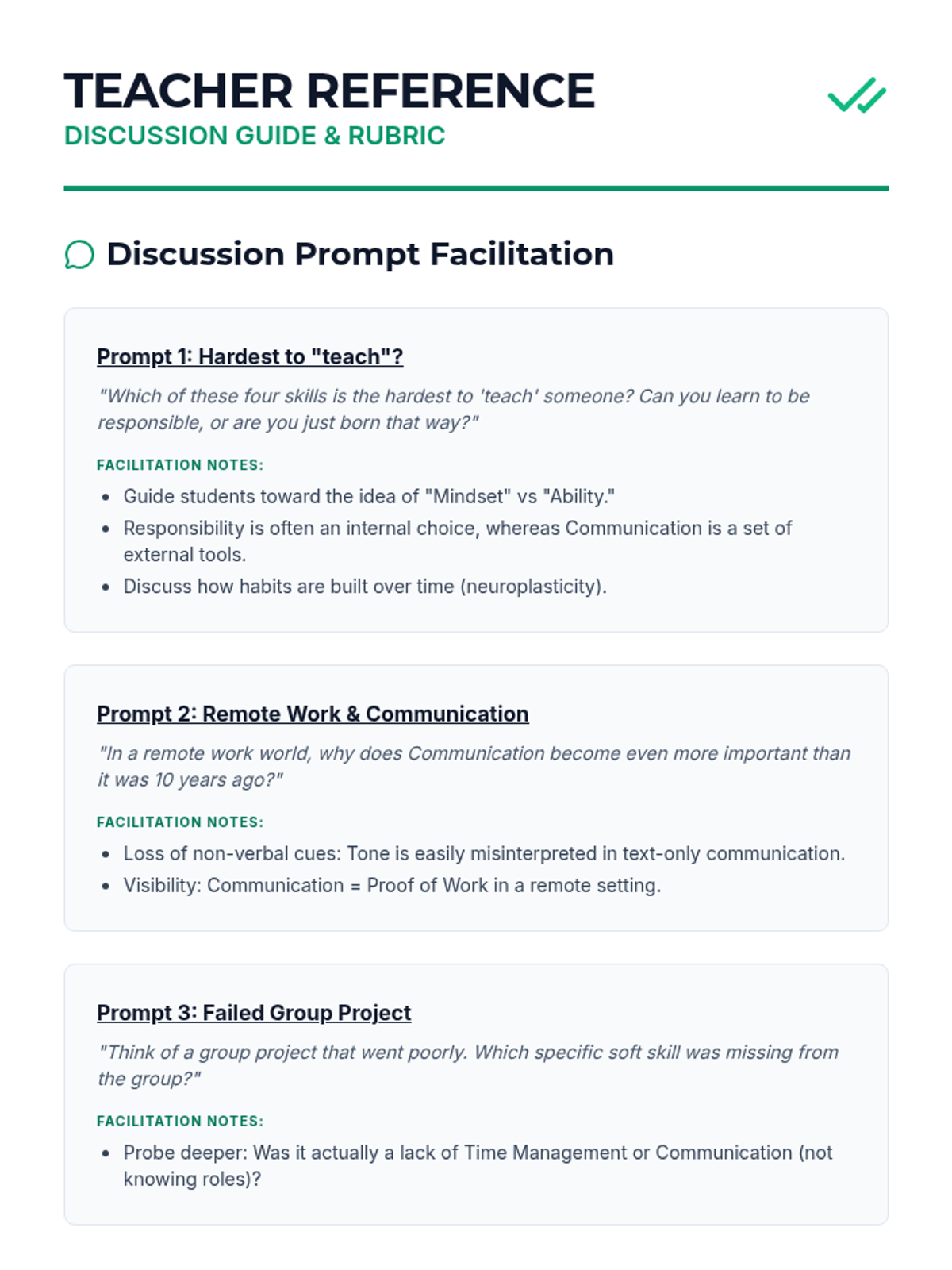
A lesson focused on the 'Big Four' soft skills: Time Management, Communication, Responsibility, and Teamwork. Students evaluate their own readiness through a scenario-based self-assessment and reflective discussion.