Root cause analysis and brainstorming techniques for everyday problem-solving. Equips learners with ethical frameworks and risk-benefit evaluation skills to predict consequences and make informed choices.
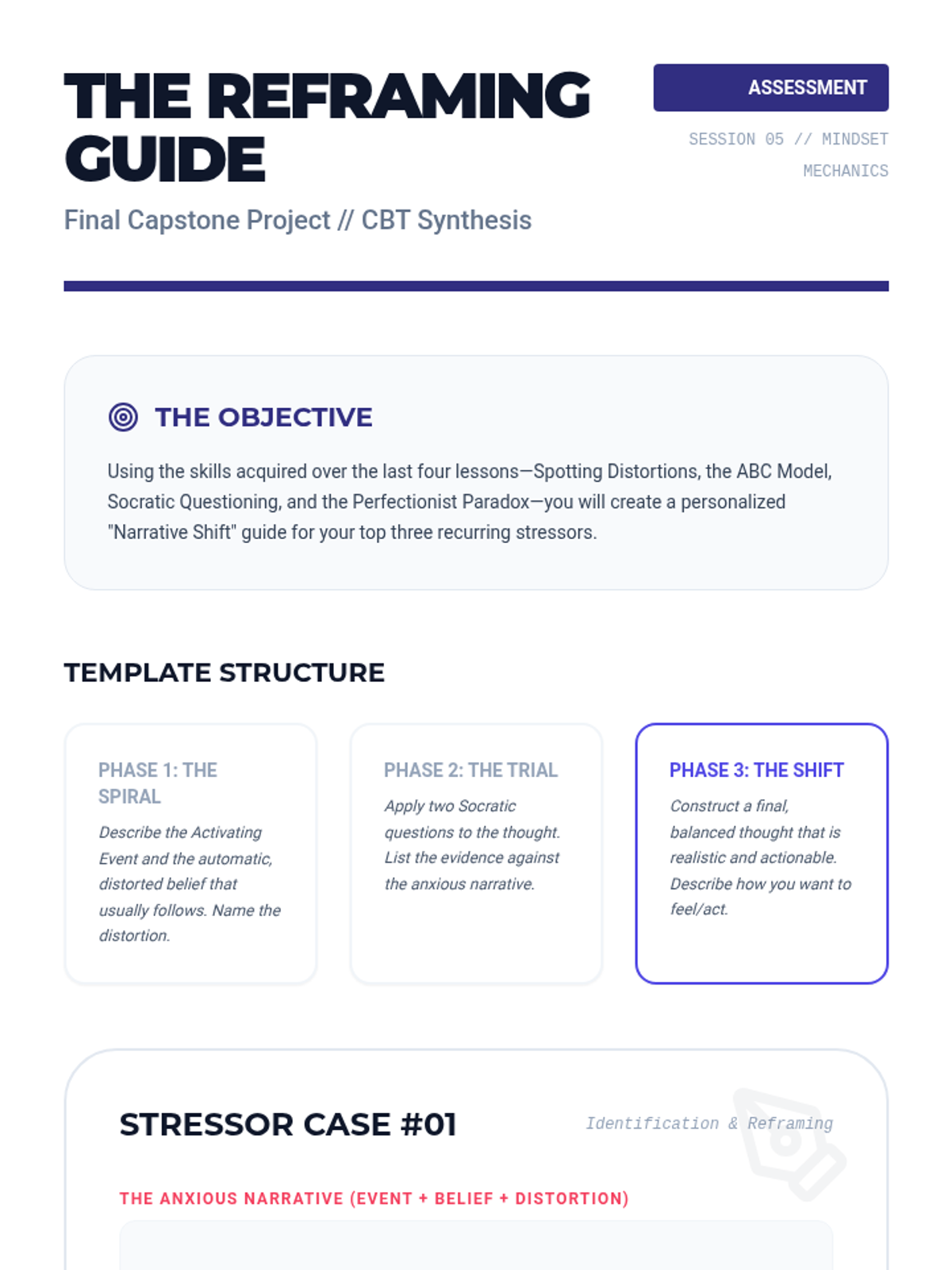
Synthesis of skills to create personal reframing guides, shifting from anxious spiraling to balanced, realistic internal narratives.
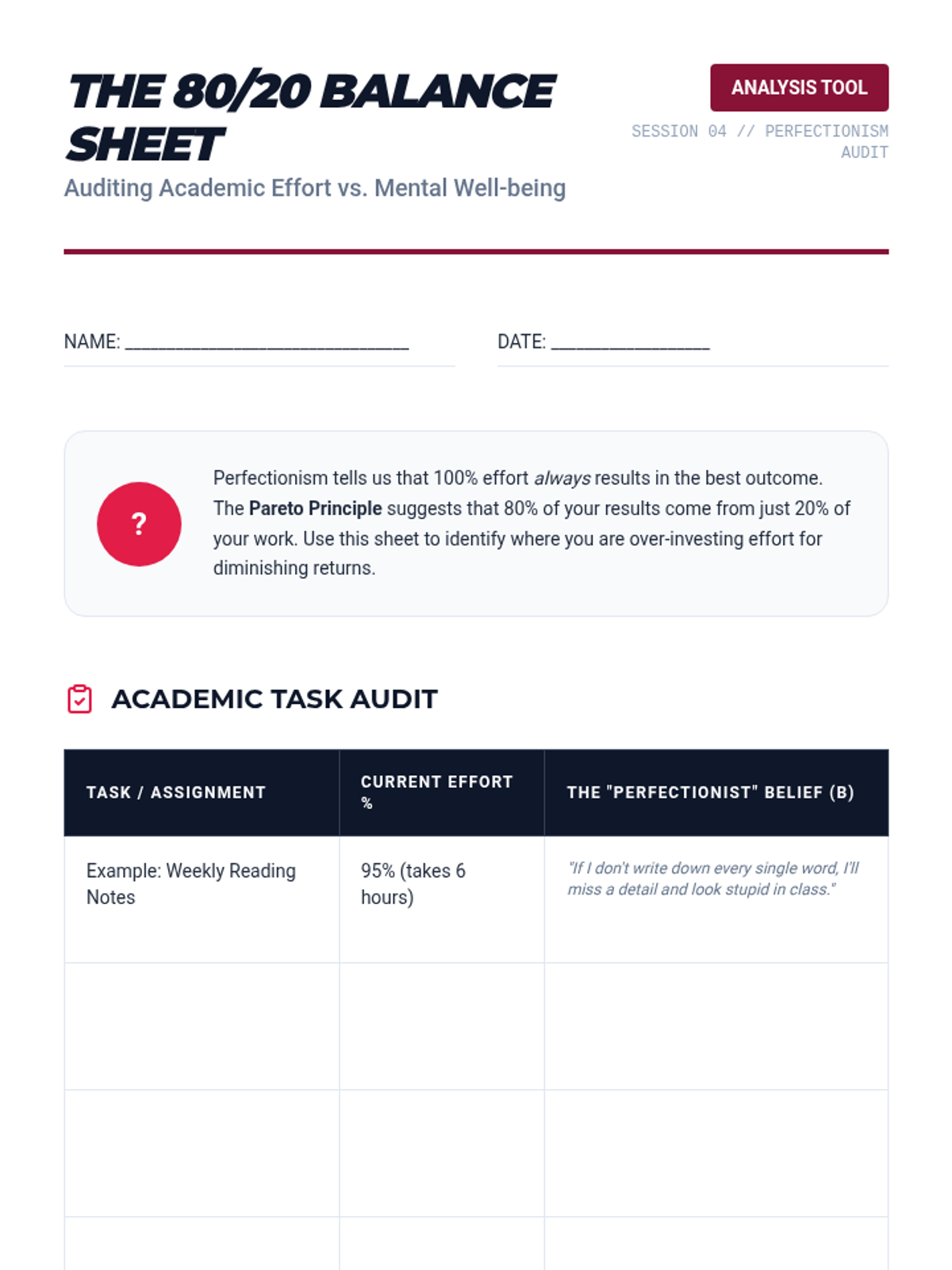
Exploration of perfectionism's role in undergraduate stress, utilizing the Pareto Principle to find balance in academic pursuits.
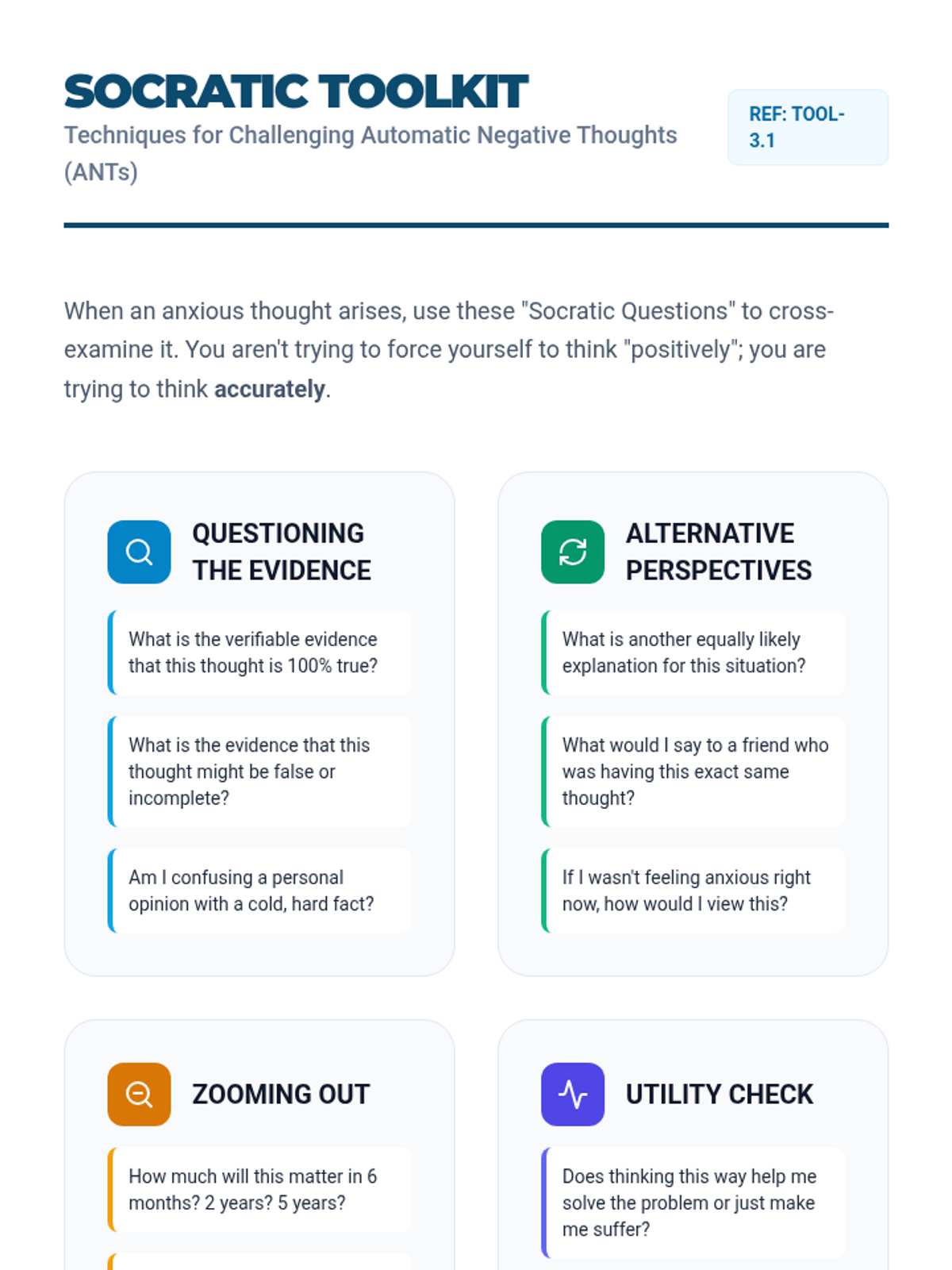
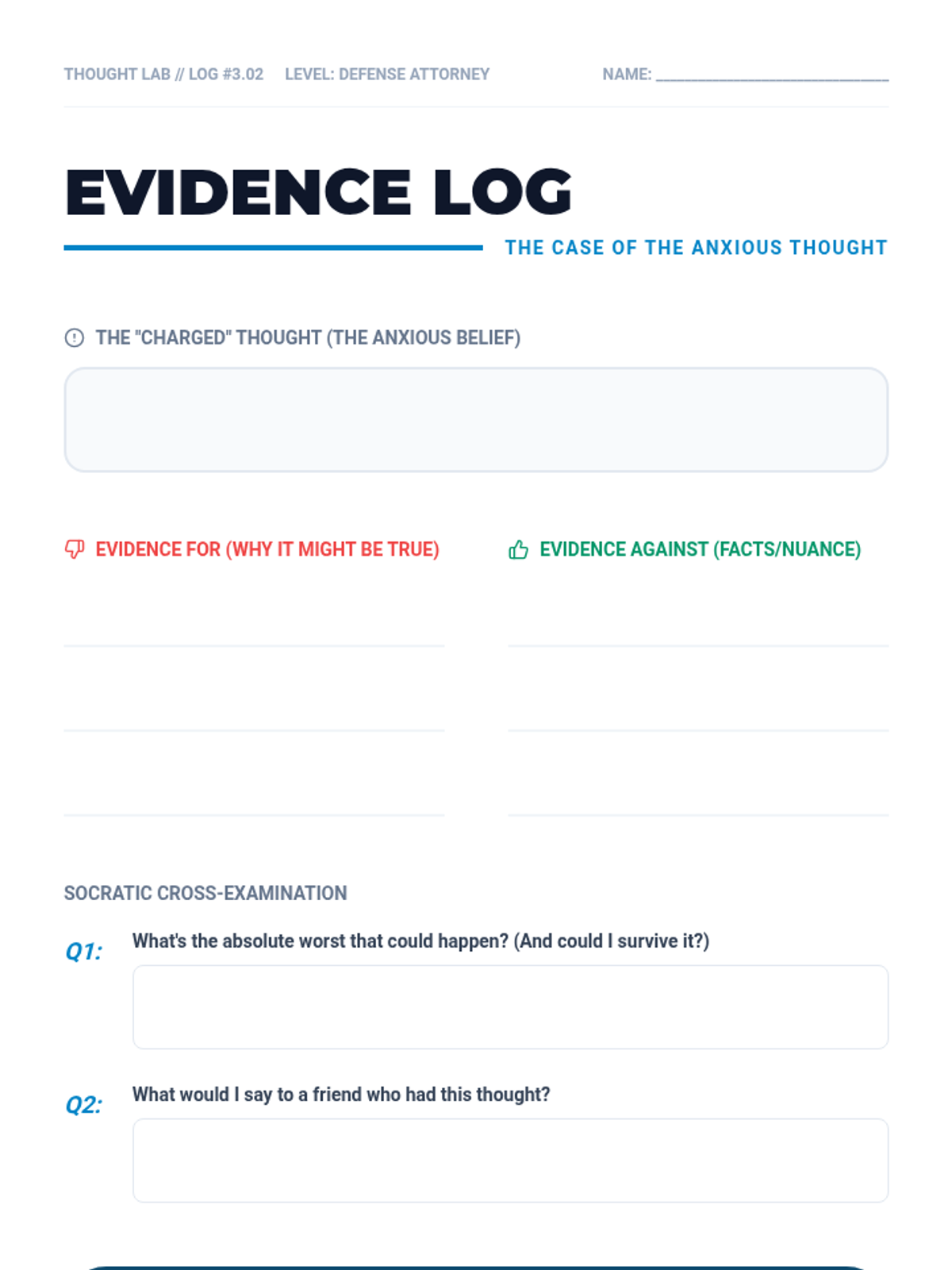
Application of Socratic questioning and evidence-based analysis to challenge and dismantle automatic negative thoughts (ANTs).
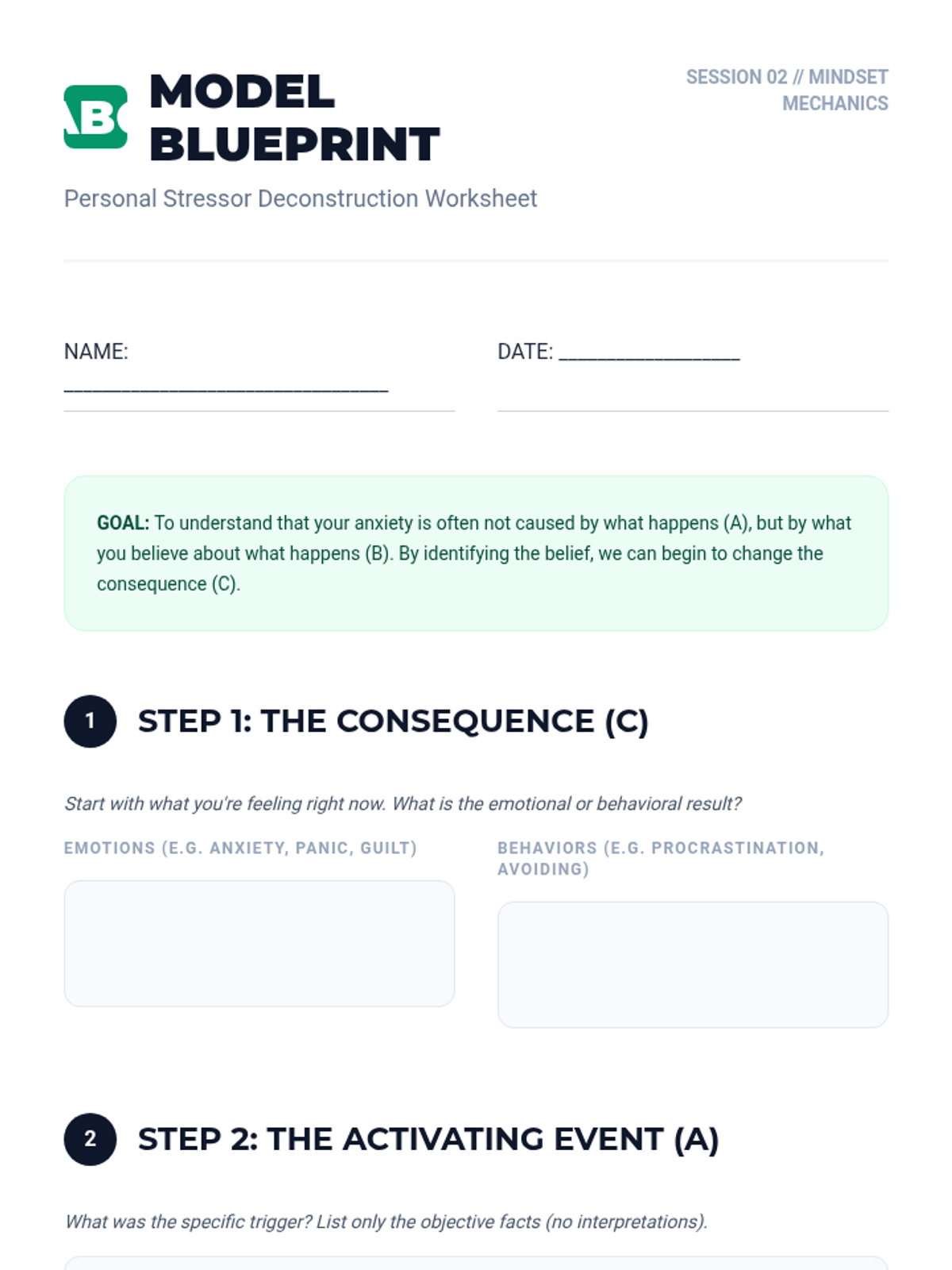
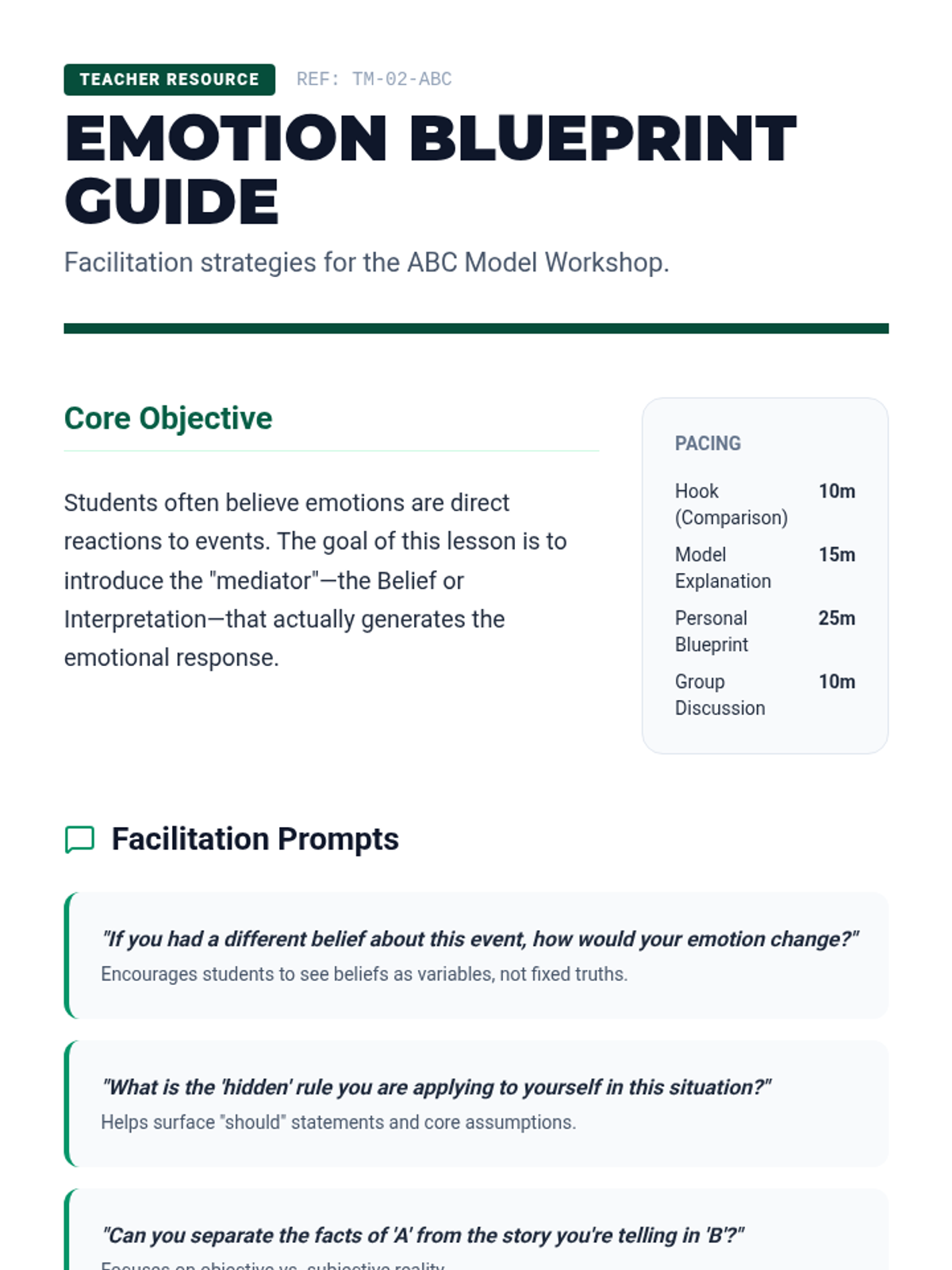
Deep dive into the Activating event, Belief, and Consequence (ABC) model to analyze the internal interpretations that trigger anxious responses.
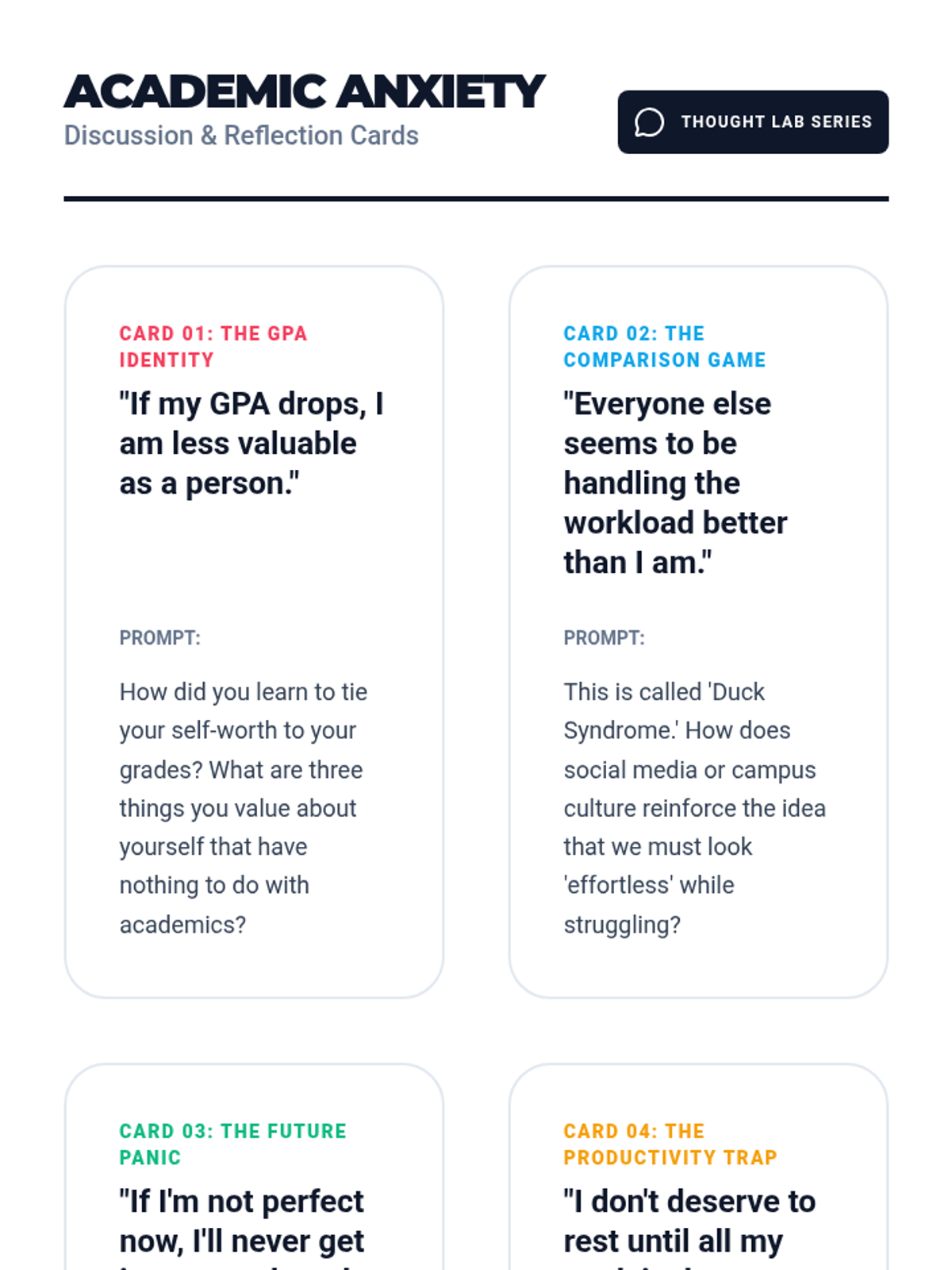
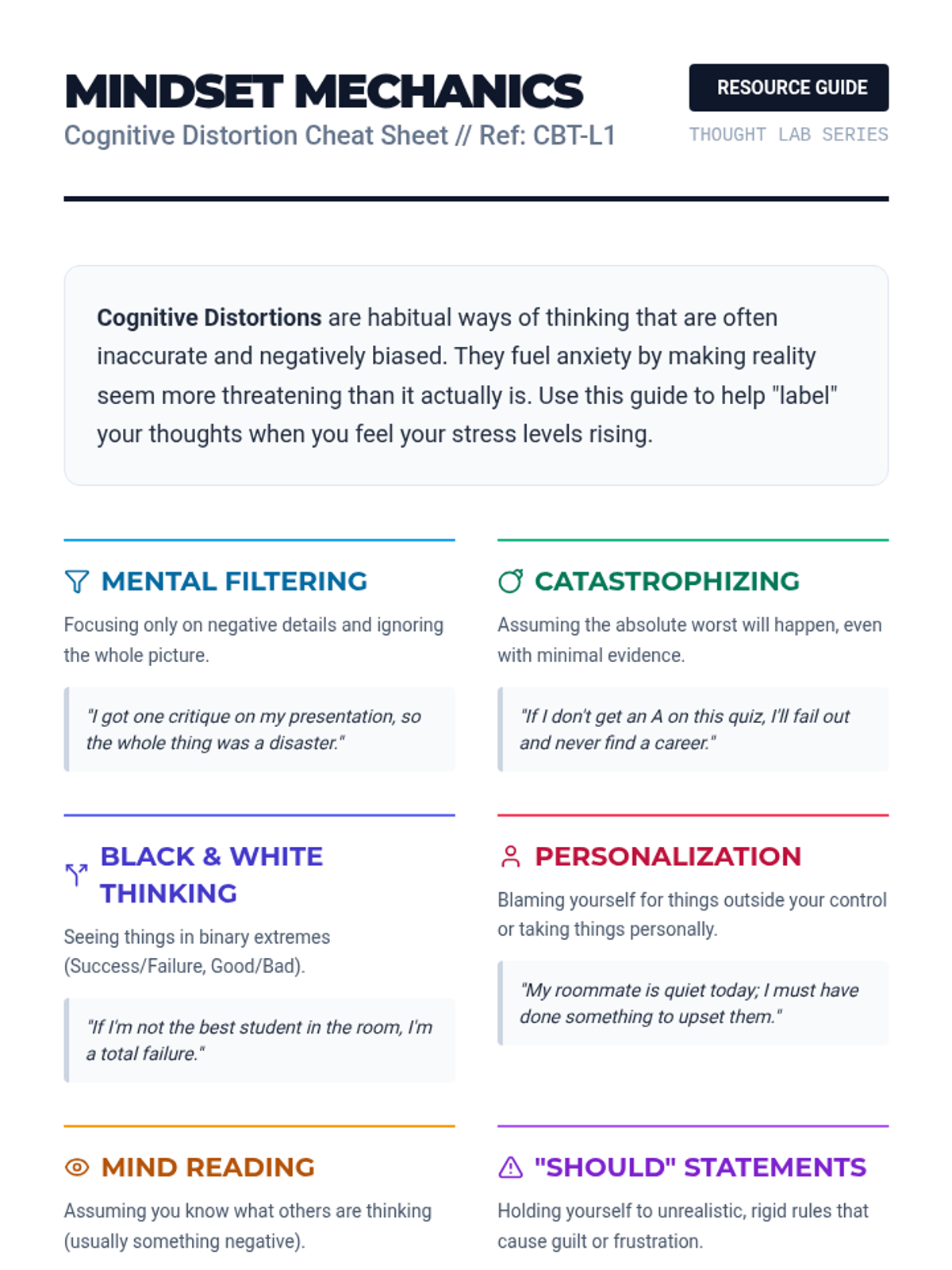
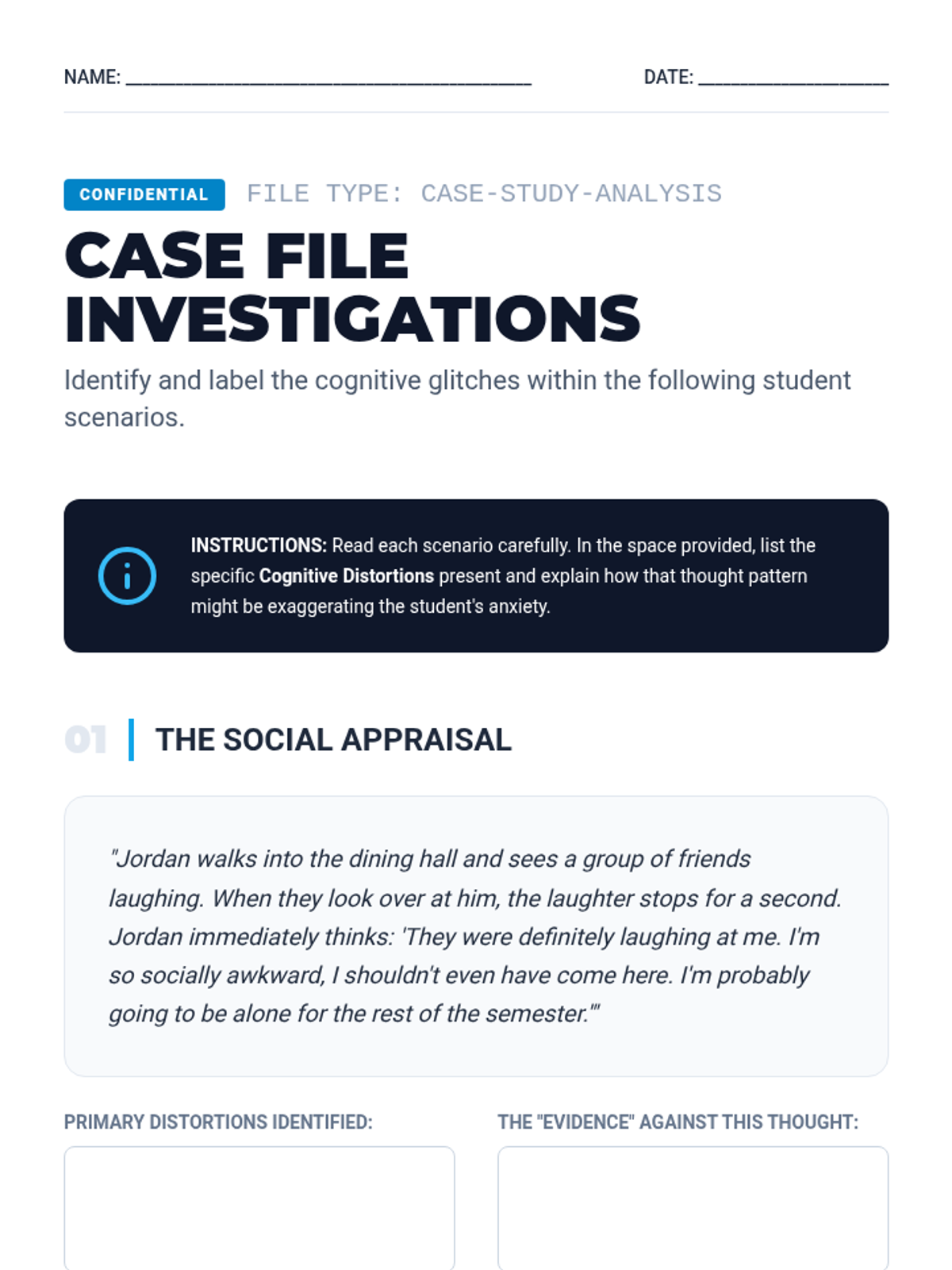
Introduction to common cognitive distortions like filtering, polarization, and catastrophizing through interactive scenarios and a technical cheat sheet.
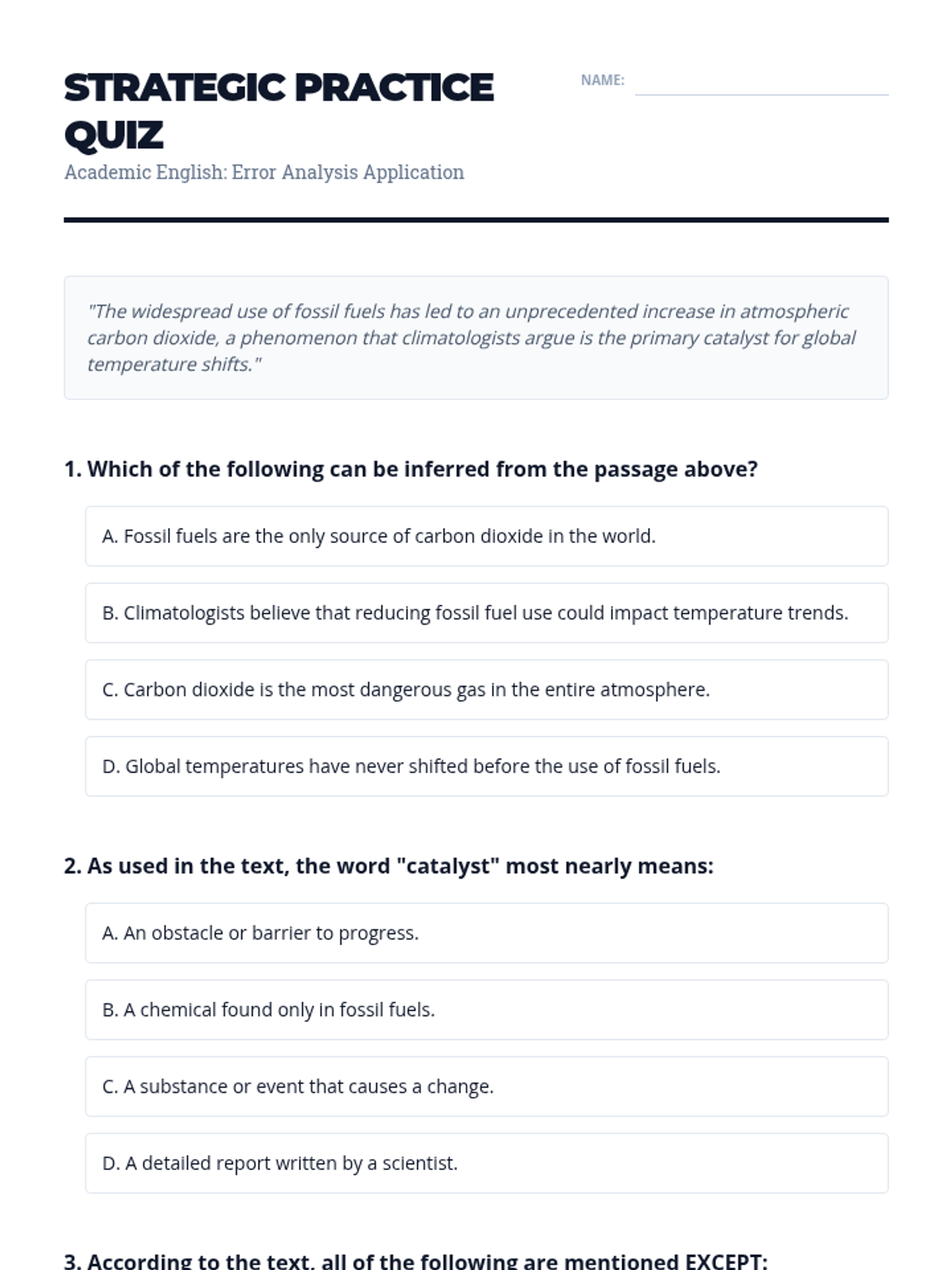
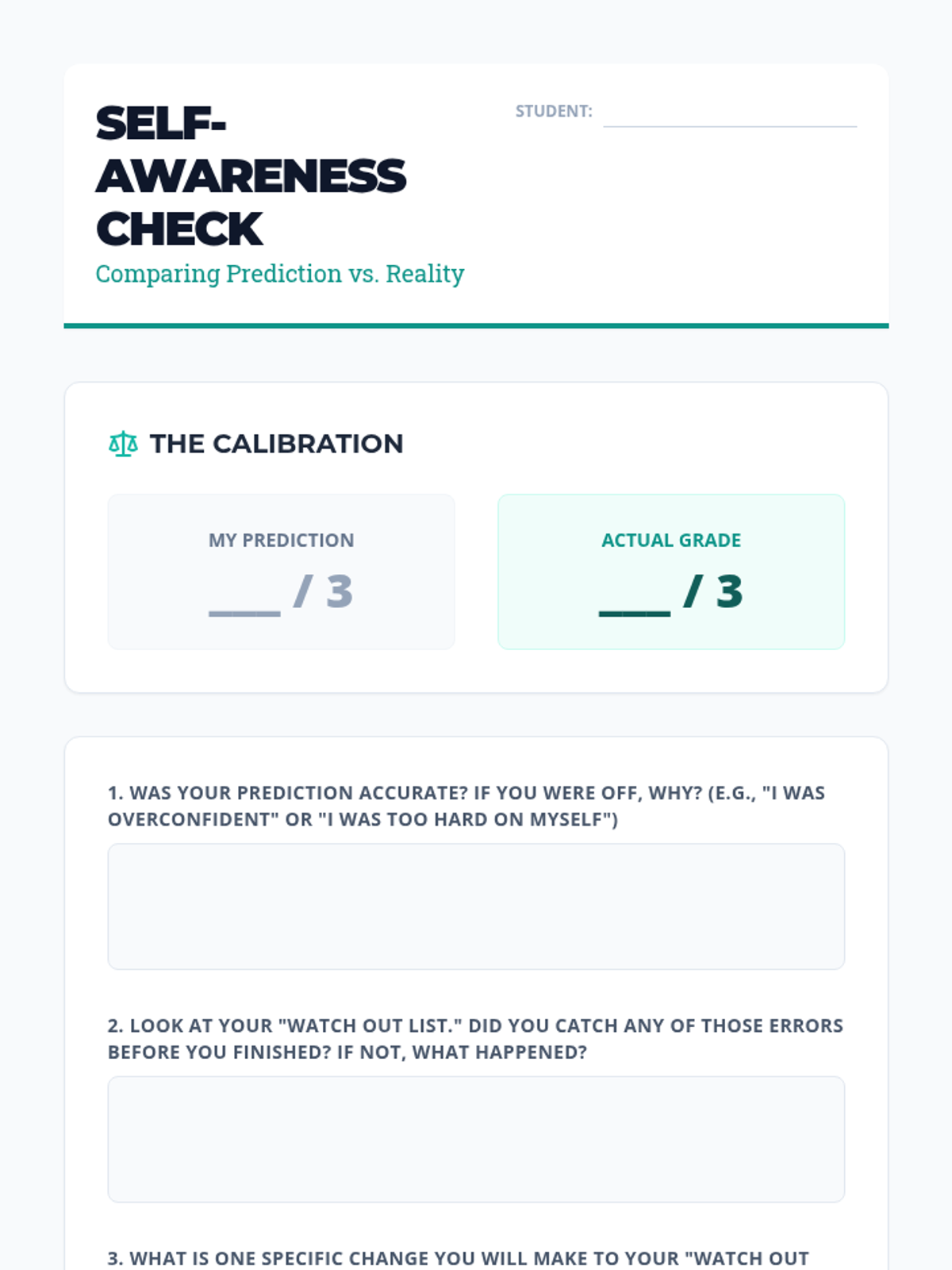
Students take a short assessment and immediately apply their error analysis protocol. They verify if their 'Watch Out' list helped them avoid previous habitual mistakes.
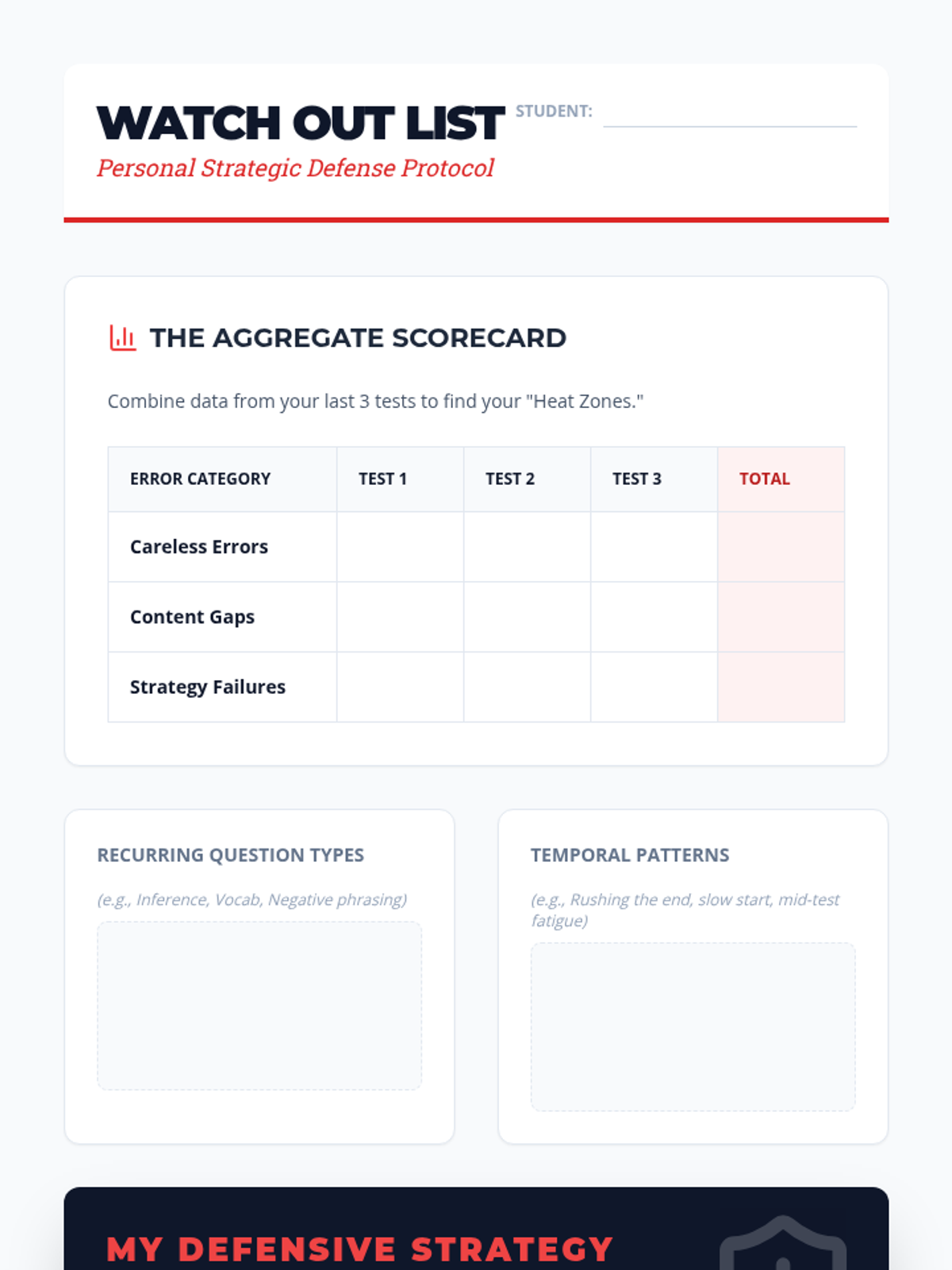
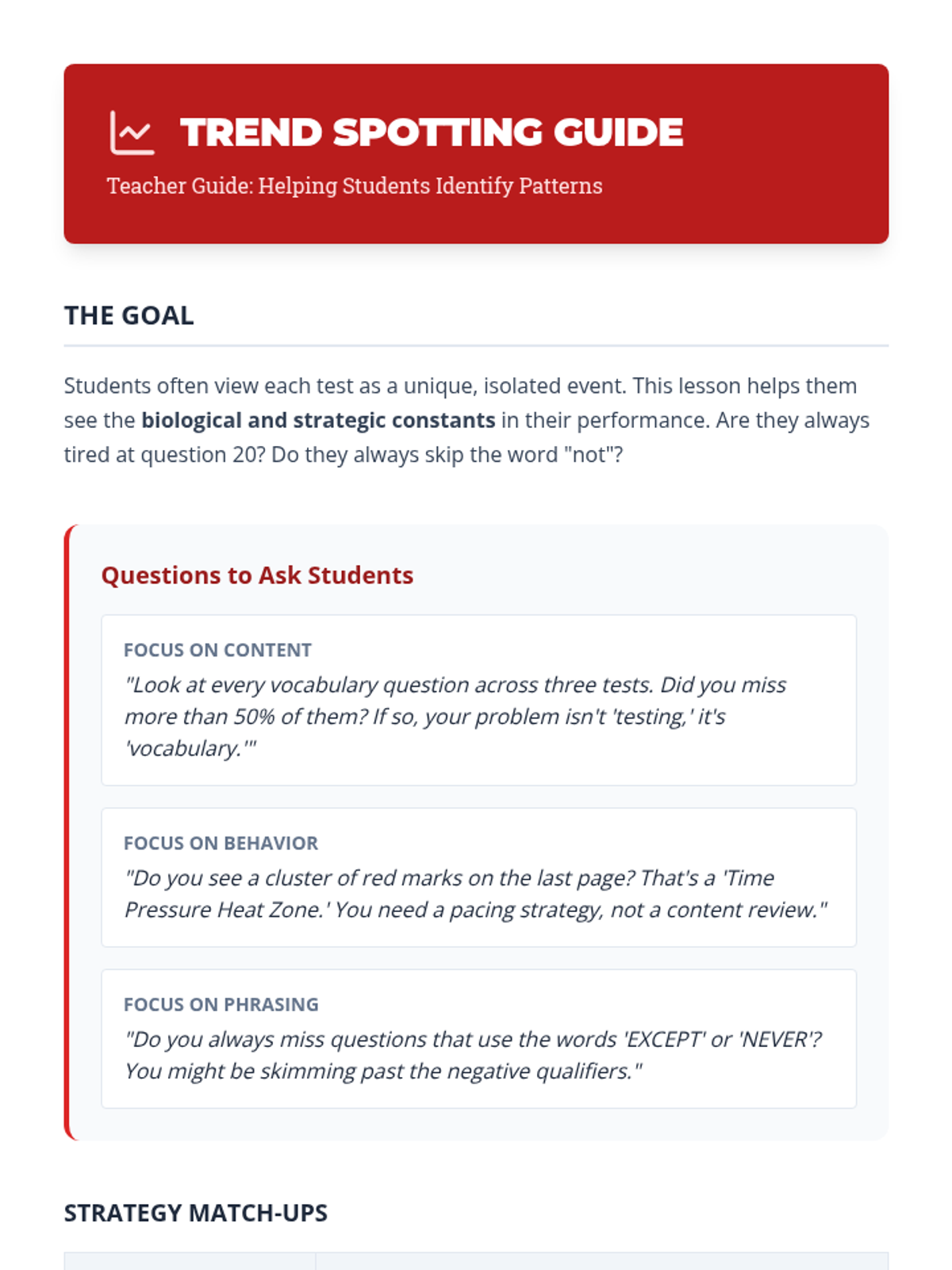
Students aggregate their error data to find personal patterns (e.g., 'I always miss inference questions' or 'I rush the last 5 minutes'). They create a personal 'Watch Out' list for future exams.
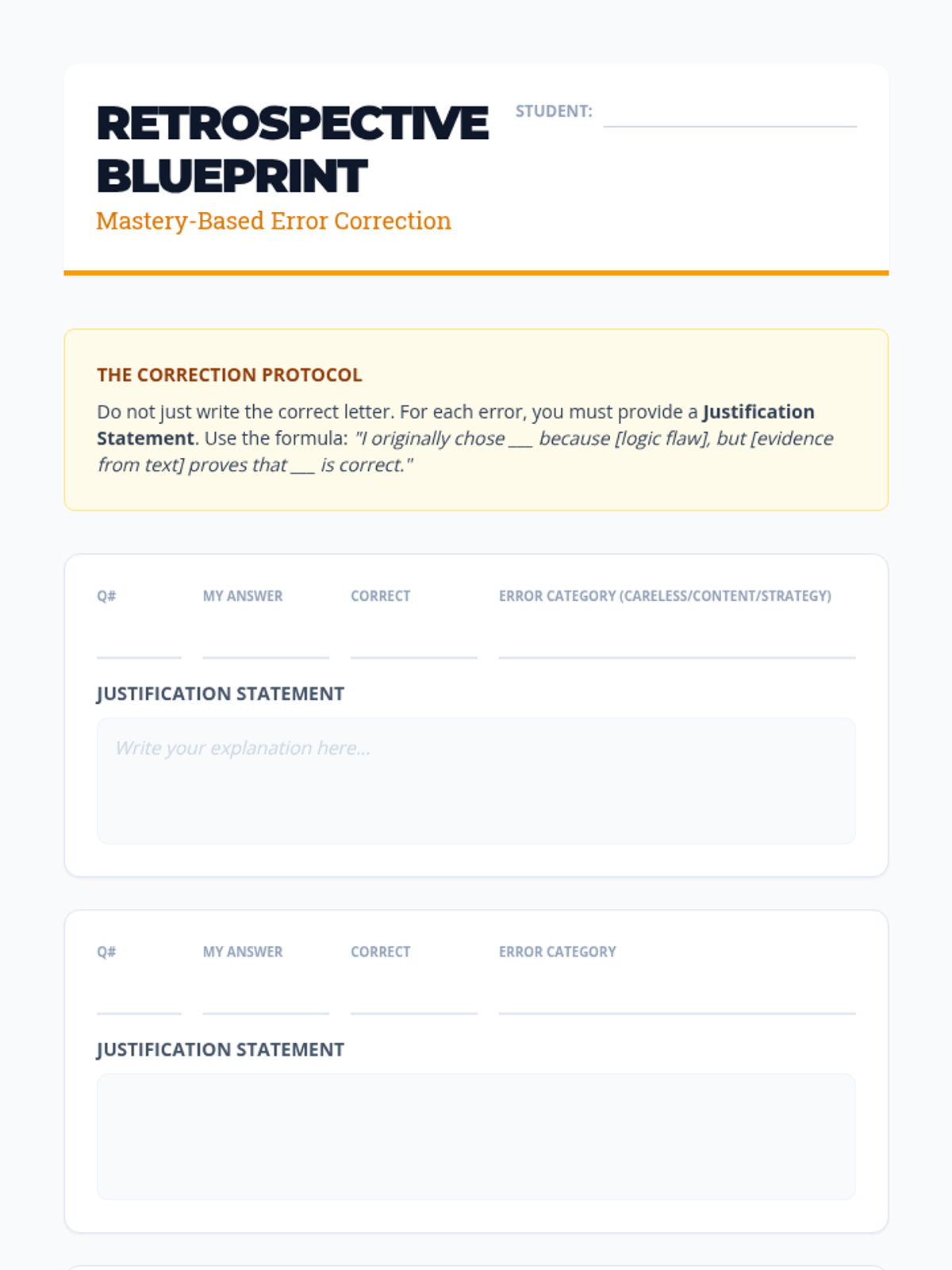
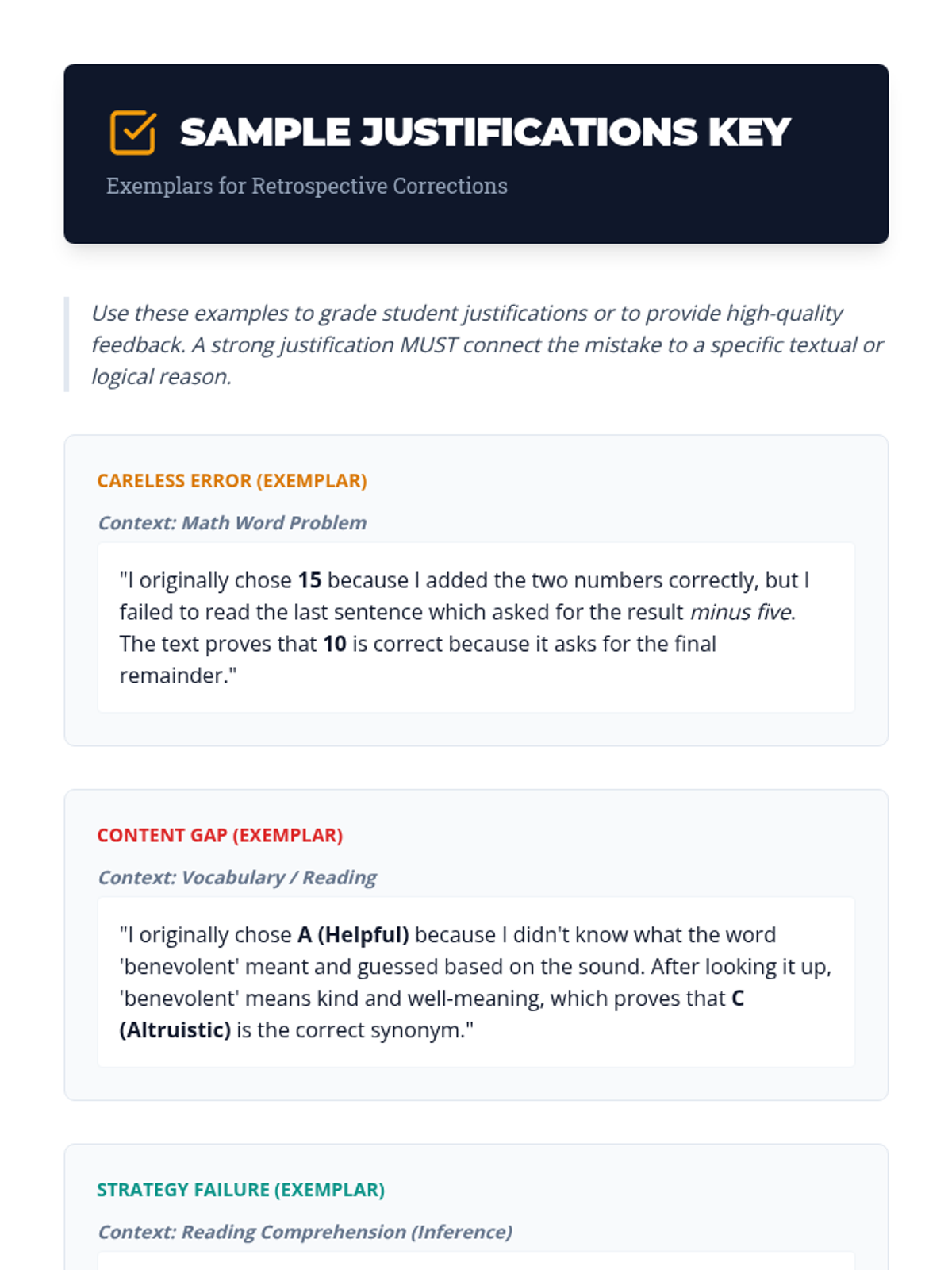
Instead of just marking correct answers, students must write a sentence explaining *why* their original answer was wrong and *why* the new answer is right. This ensures deep processing of the error.
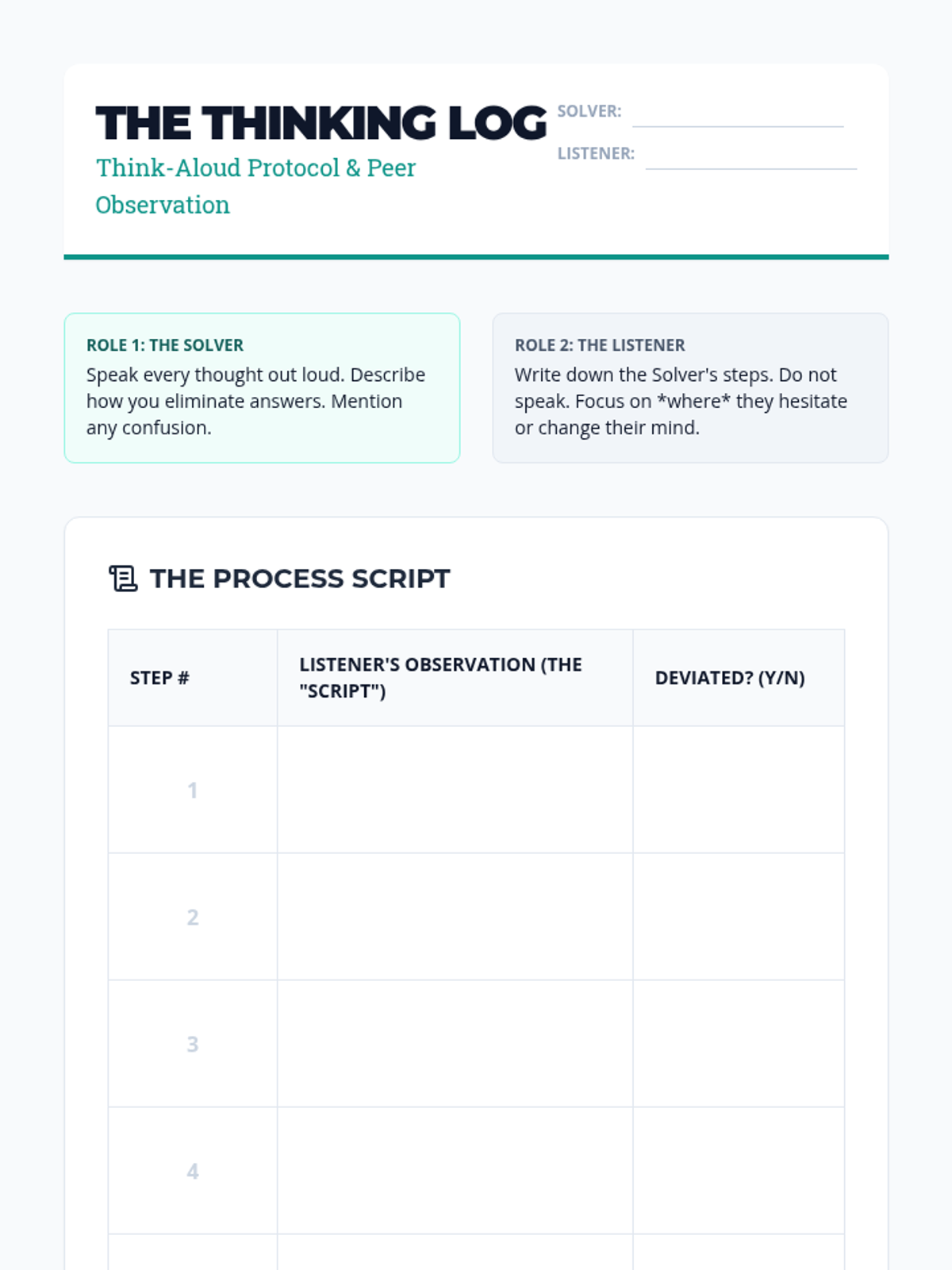
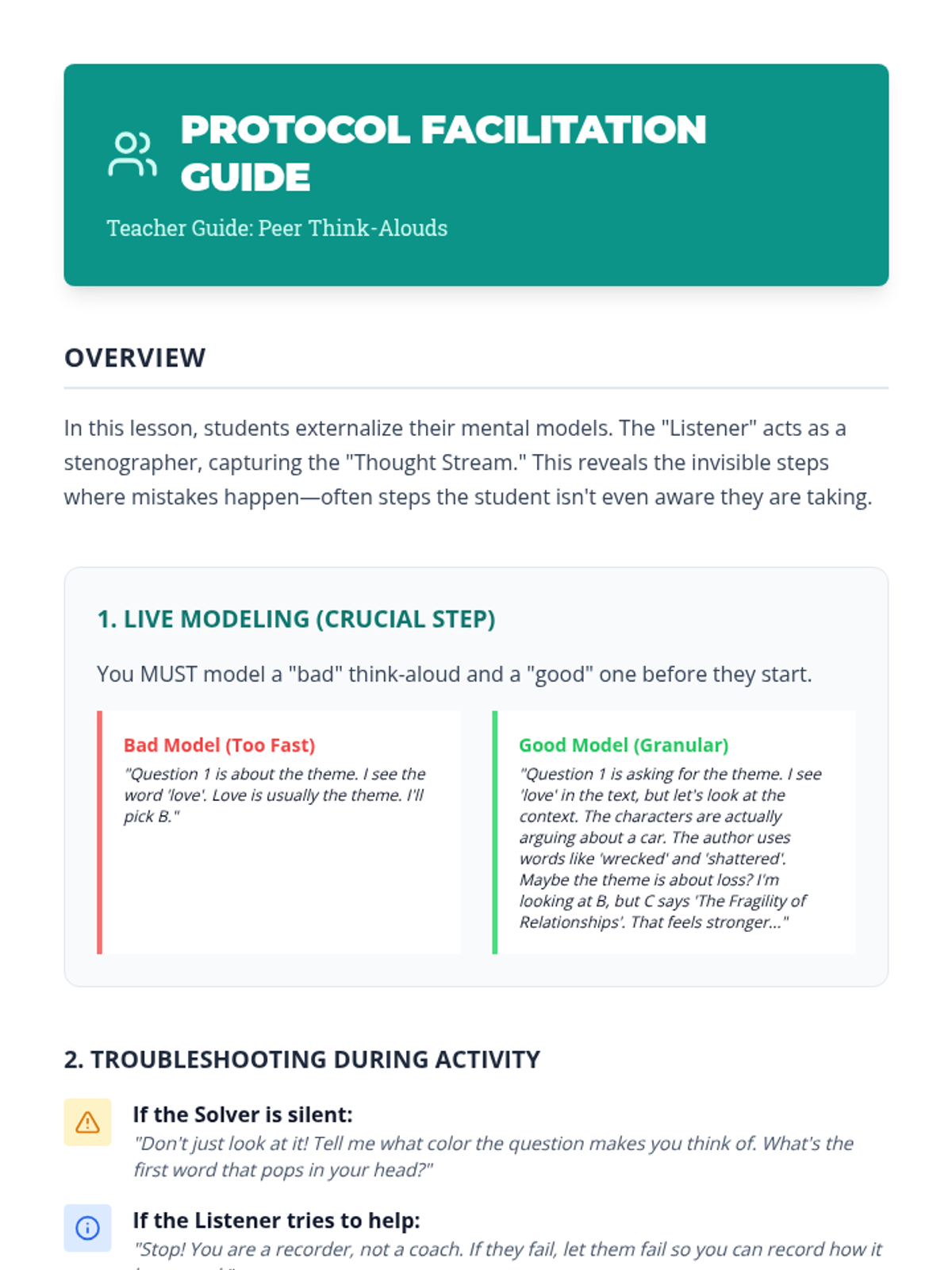
Working in pairs, students vocalize their thinking process while solving a problem while a partner records their steps. They analyze these recordings to identify where their logic deviated from the correct path.
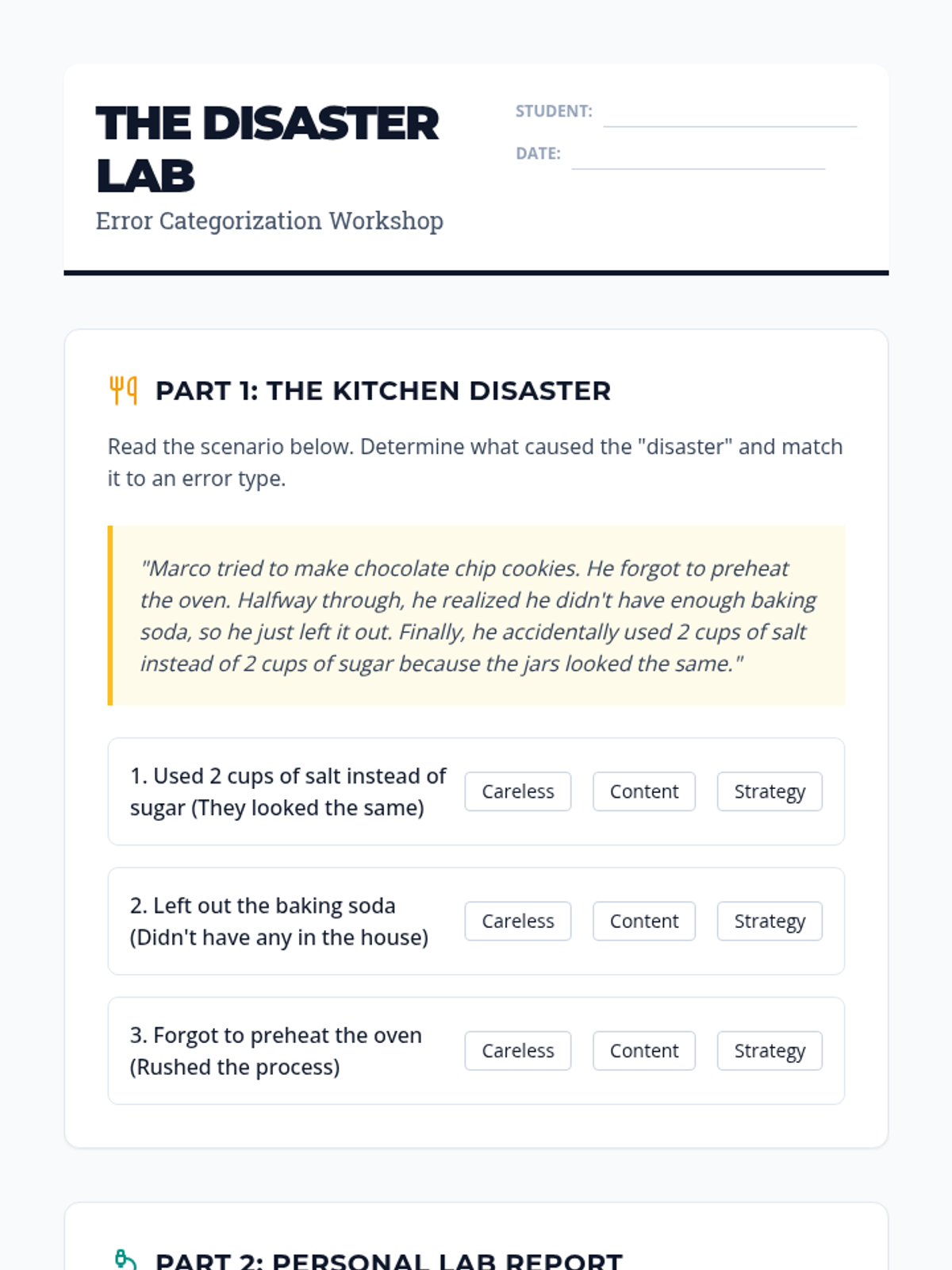
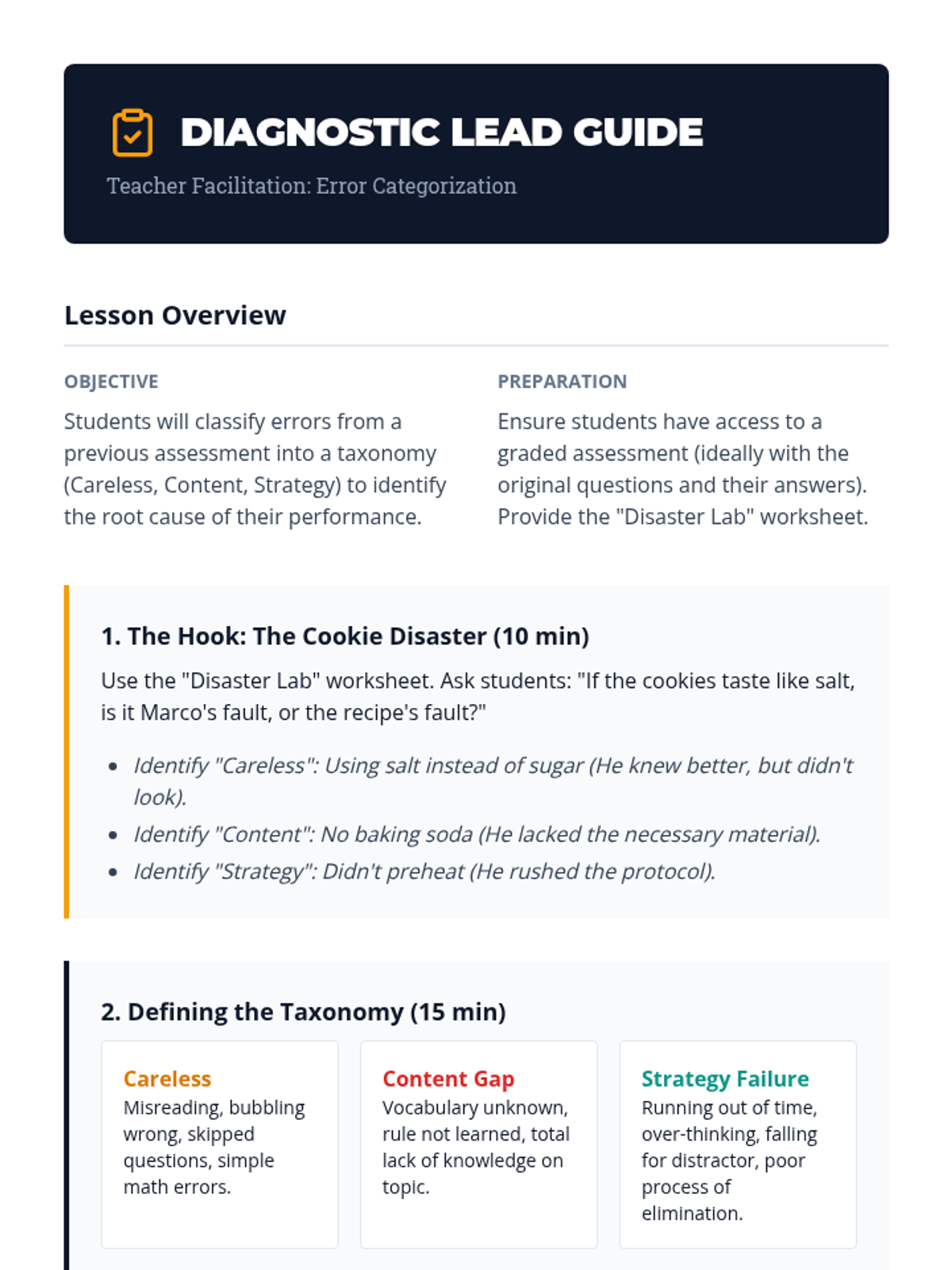
Students review a past assessment and categorize every incorrect answer as a 'Careless Error,' 'Content Gap,' or 'Strategy Failure.' This taxonomy helps them understand that not all mistakes are created equal.
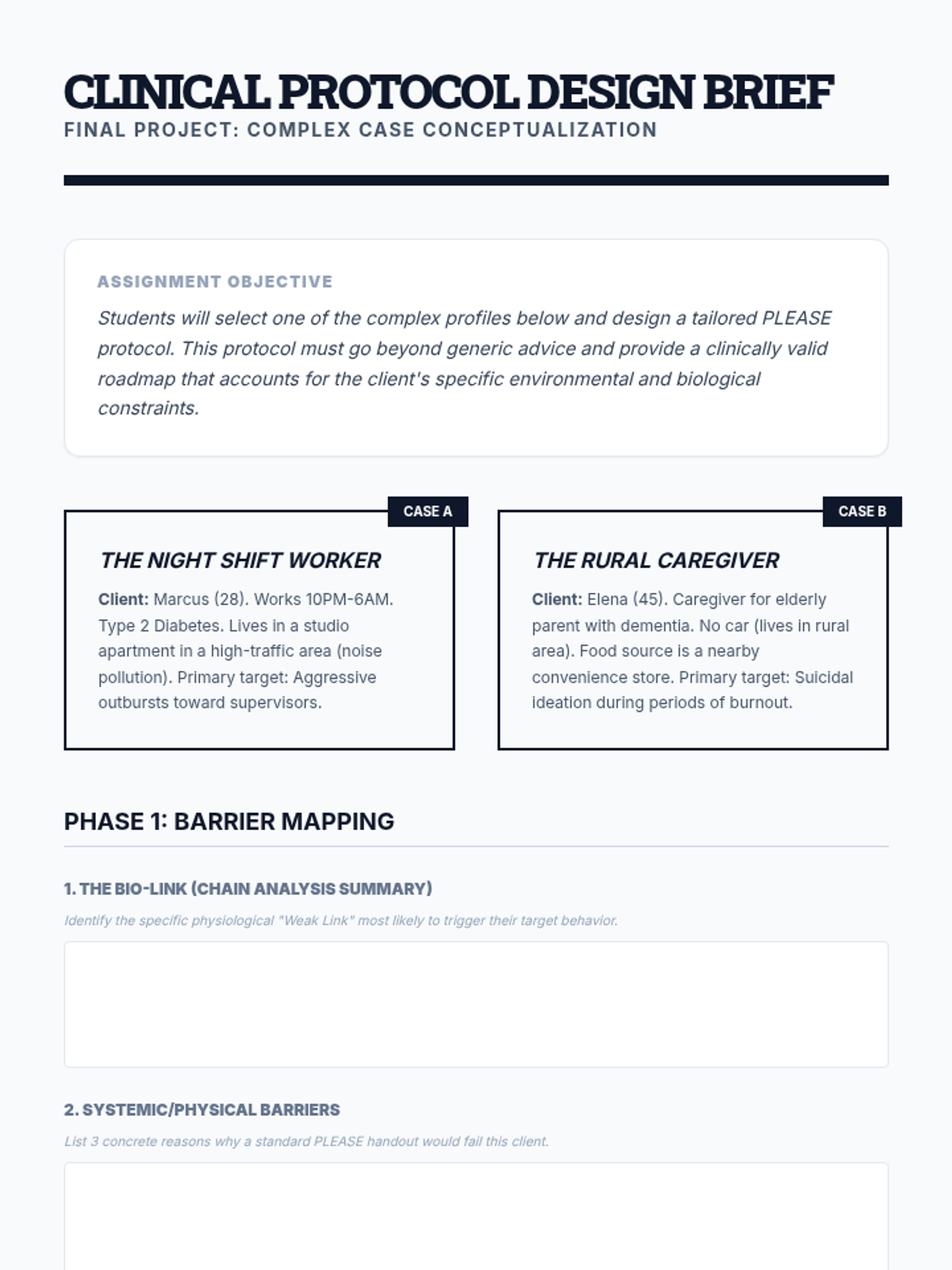
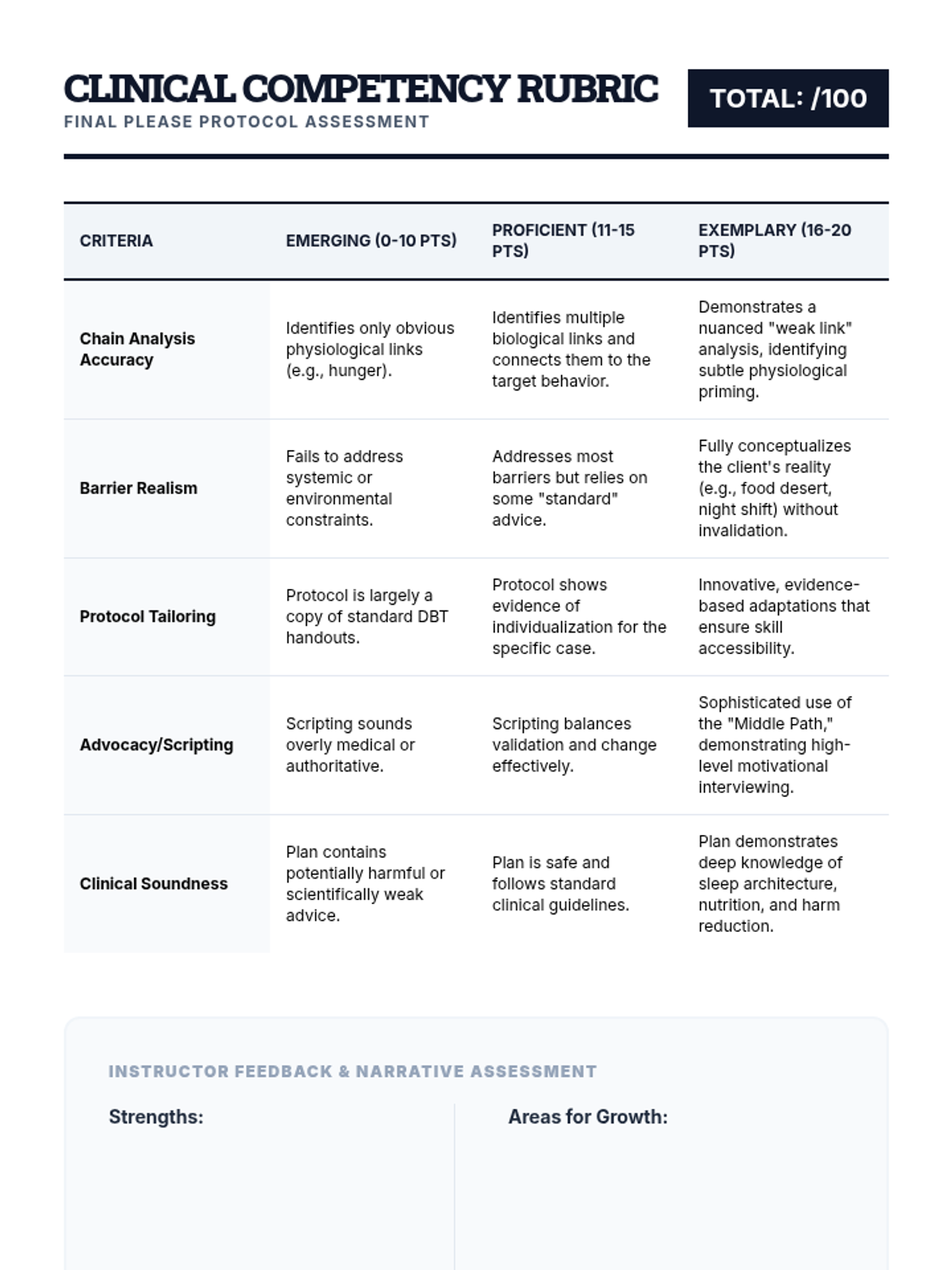
In this culminating lesson, students design individualized PLEASE plans for complex client profiles. They must account for comorbidities, socioeconomic status, and physical ability levels.
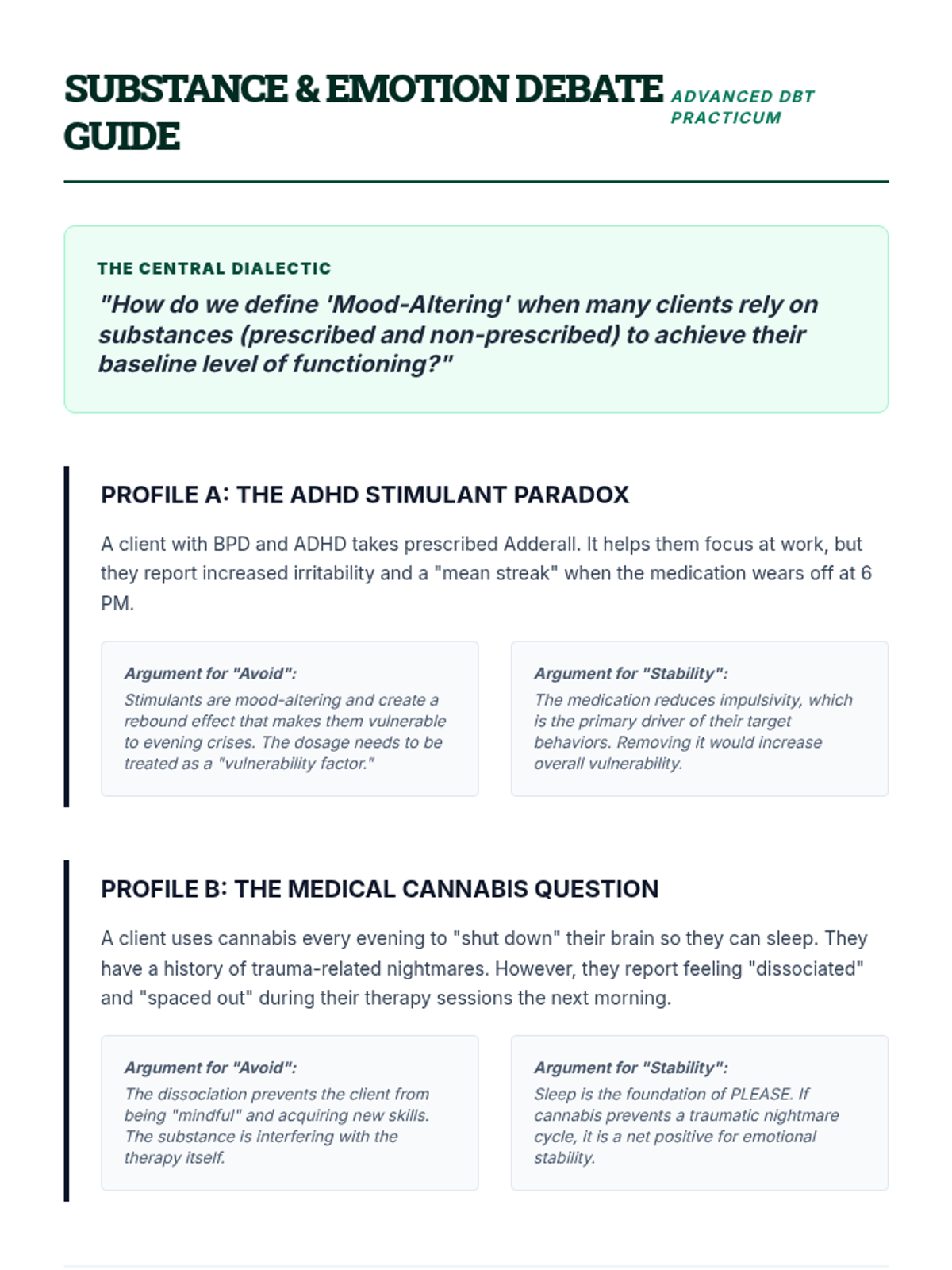
This lesson navigates the complex 'A' skill, distinguishing between prescribed psychotropics and non-prescribed substances. Students discuss harm reduction frameworks and how to track the emotional half-life of various substances.
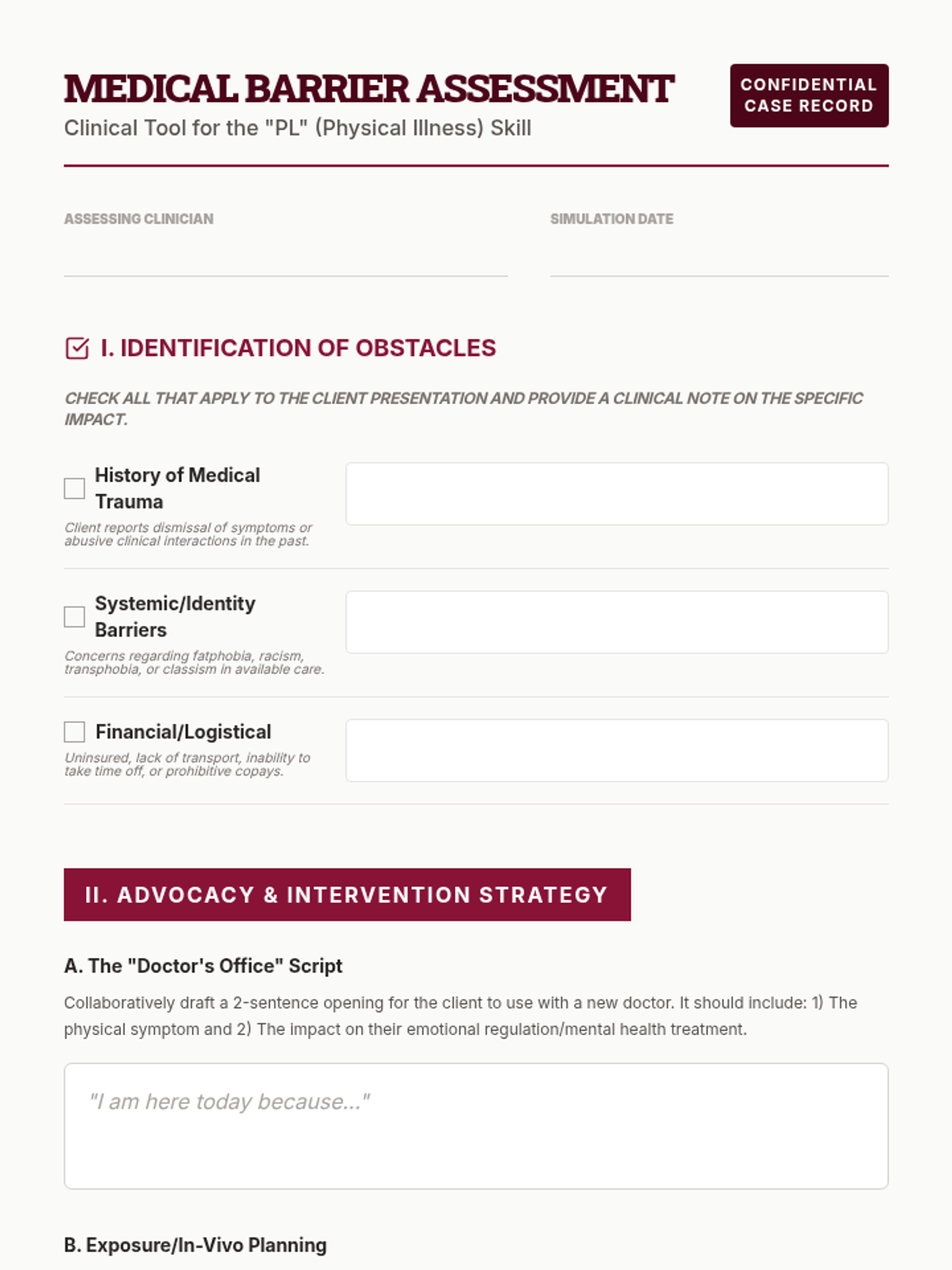
Students address the 'PL' (Treat Physical Illness) component, exploring how to support clients who avoid medical care due to anxiety or financial/systemic barriers. The lesson includes navigating the healthcare system as an advocate.
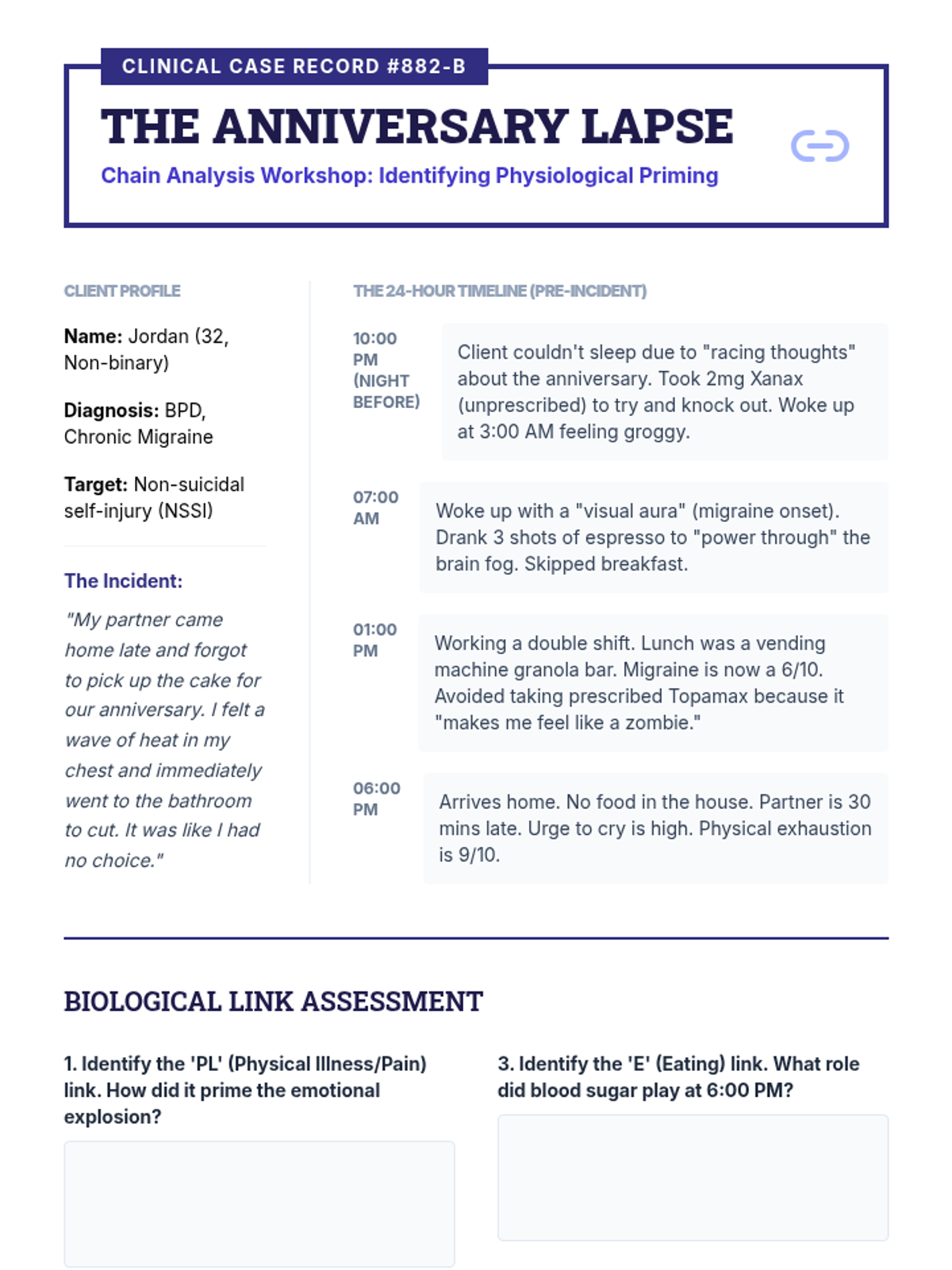
This lesson focuses on the micro-assessment of problem behaviors, specifically tracing back to vulnerability factors like hunger, fatigue, or illness. Students practice identifying the 'weak links' in the chain related to the PLEASE skills.
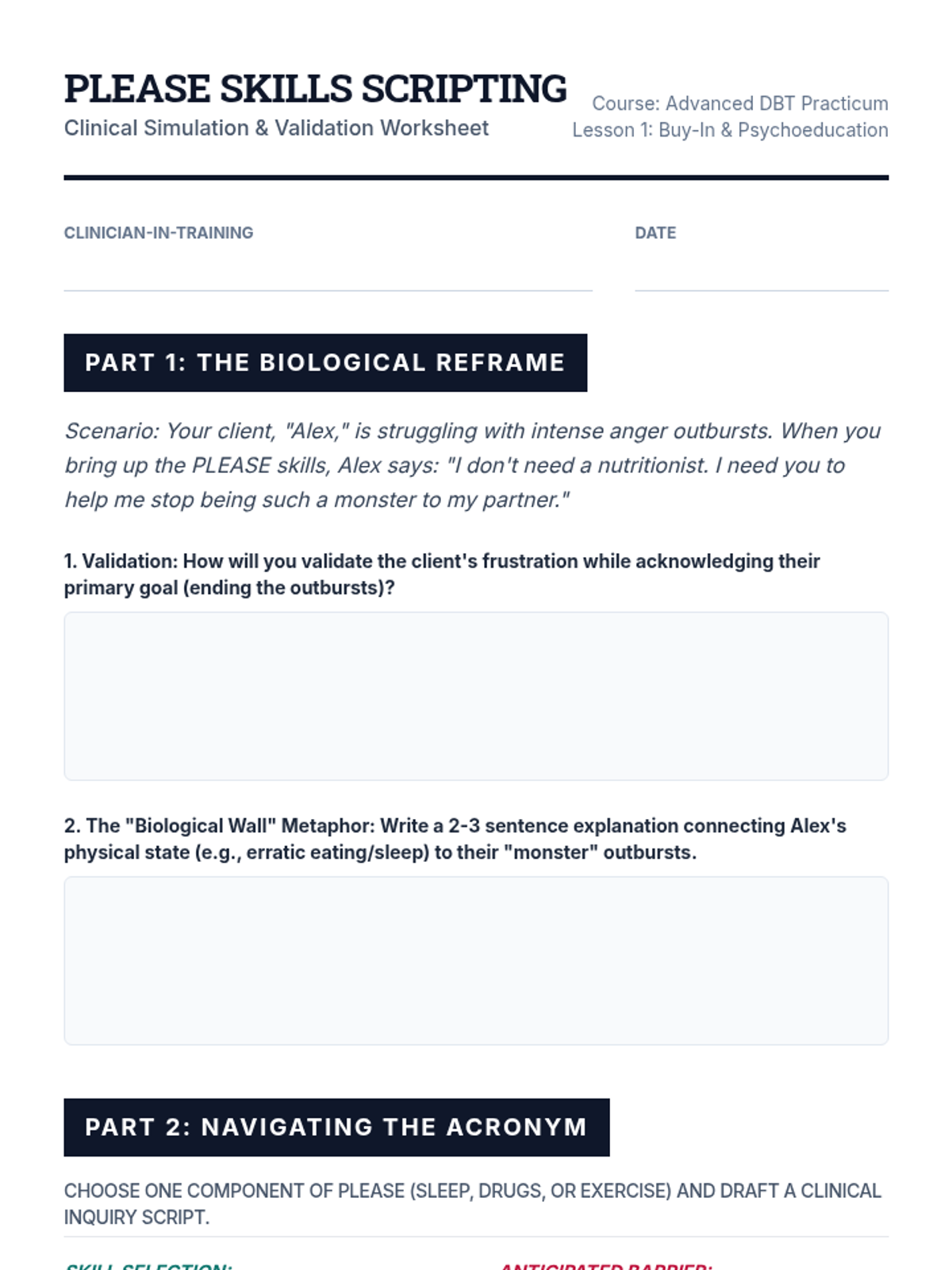
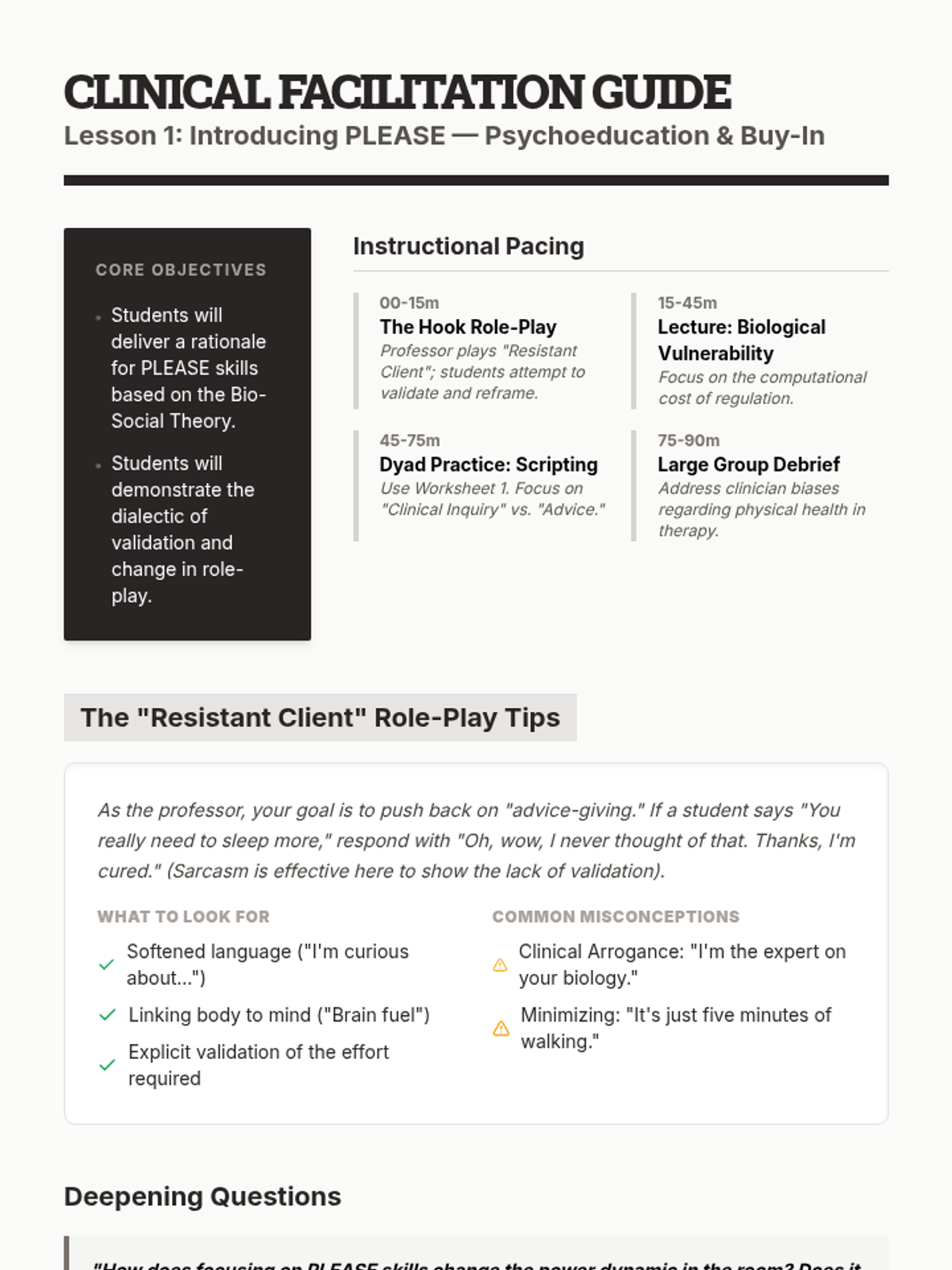
Students practice introducing the PLEASE acronym to clients, focusing on building motivation for lifestyle changes in a therapeutic context. They learn strategies to validate the difficulty of these tasks while maintaining the necessity of change.
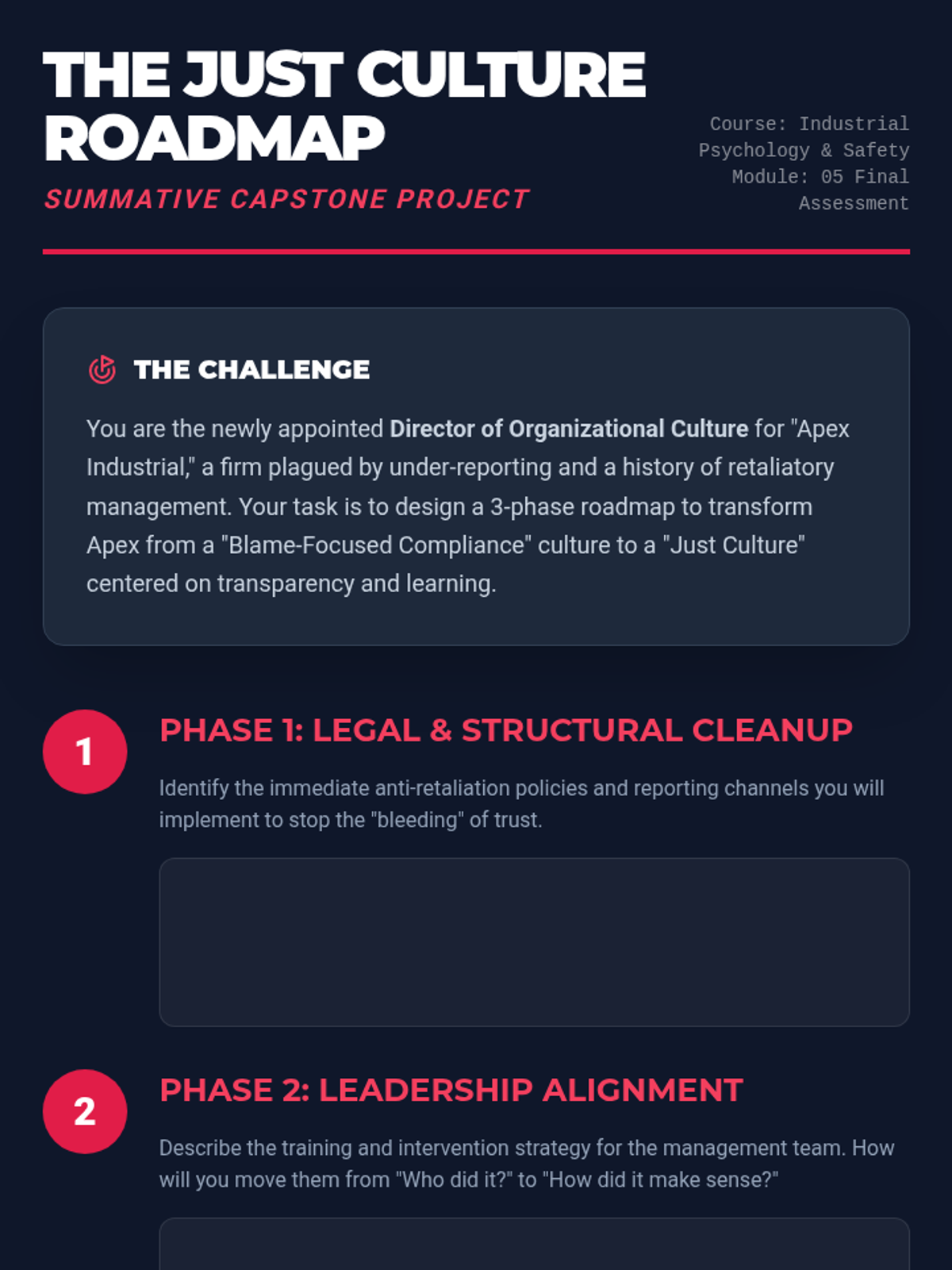
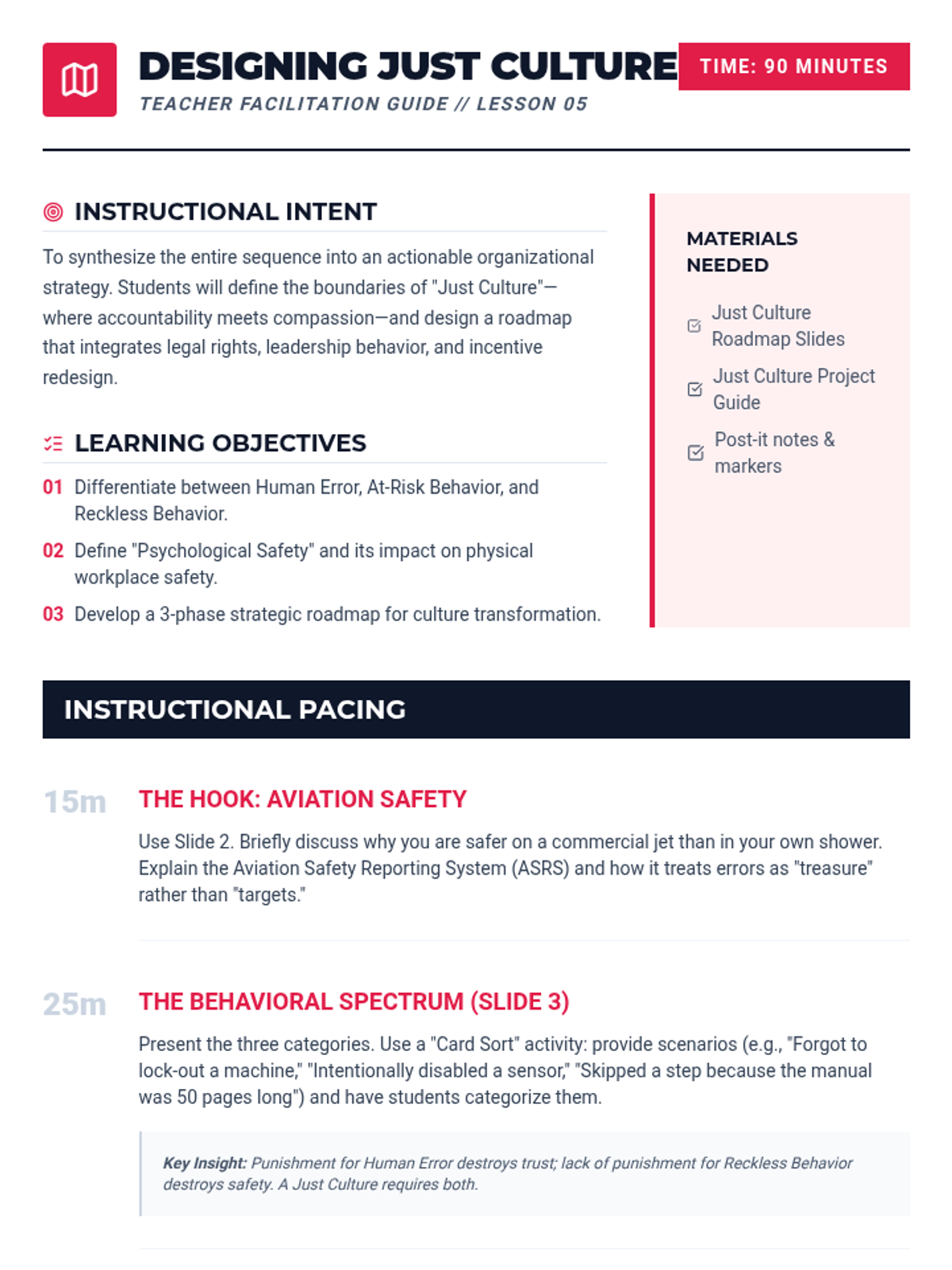
Synthesize learning to create a roadmap for 'Just Culture,' integrating physical and psychological safety as core organizational values.
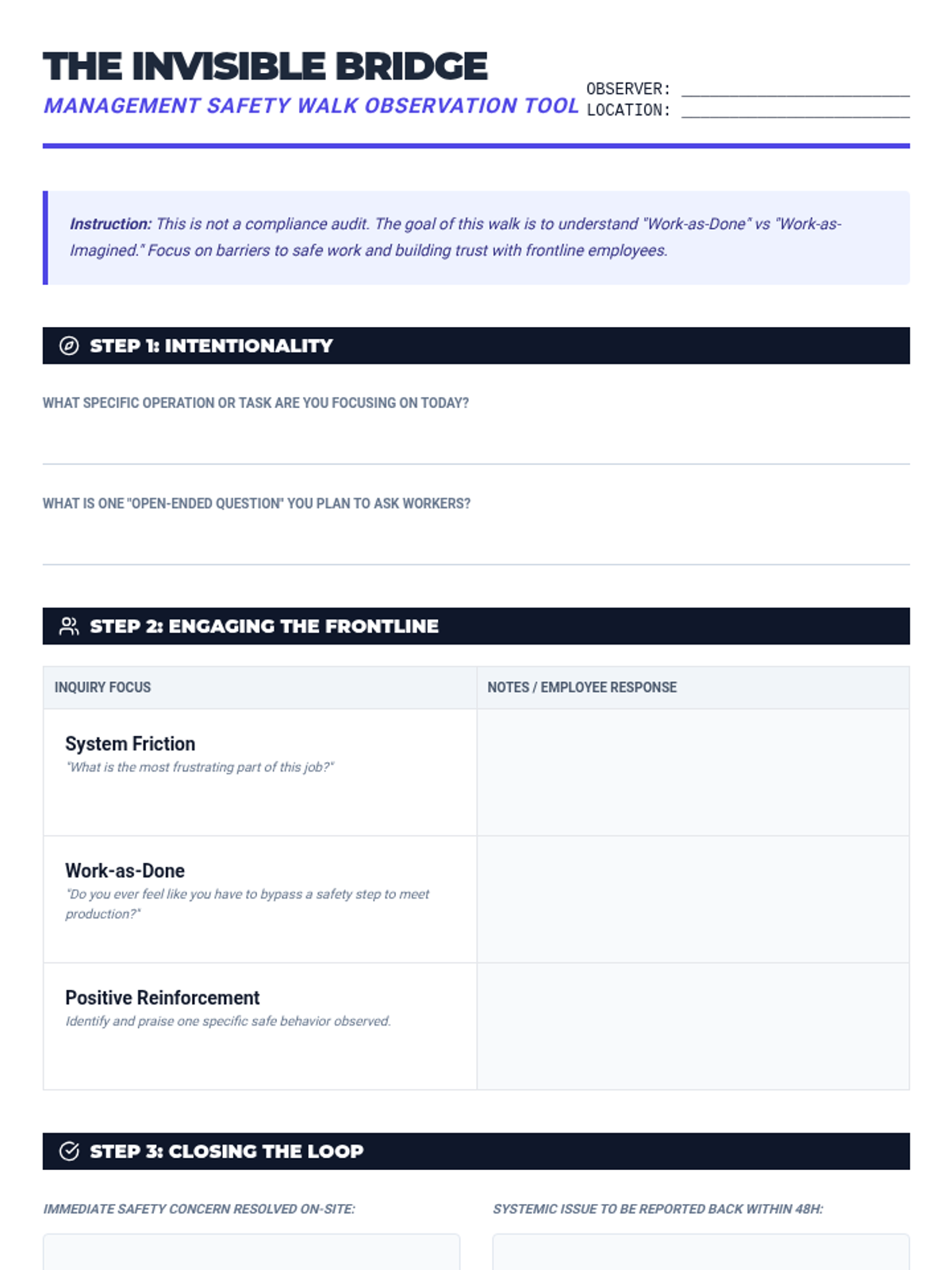
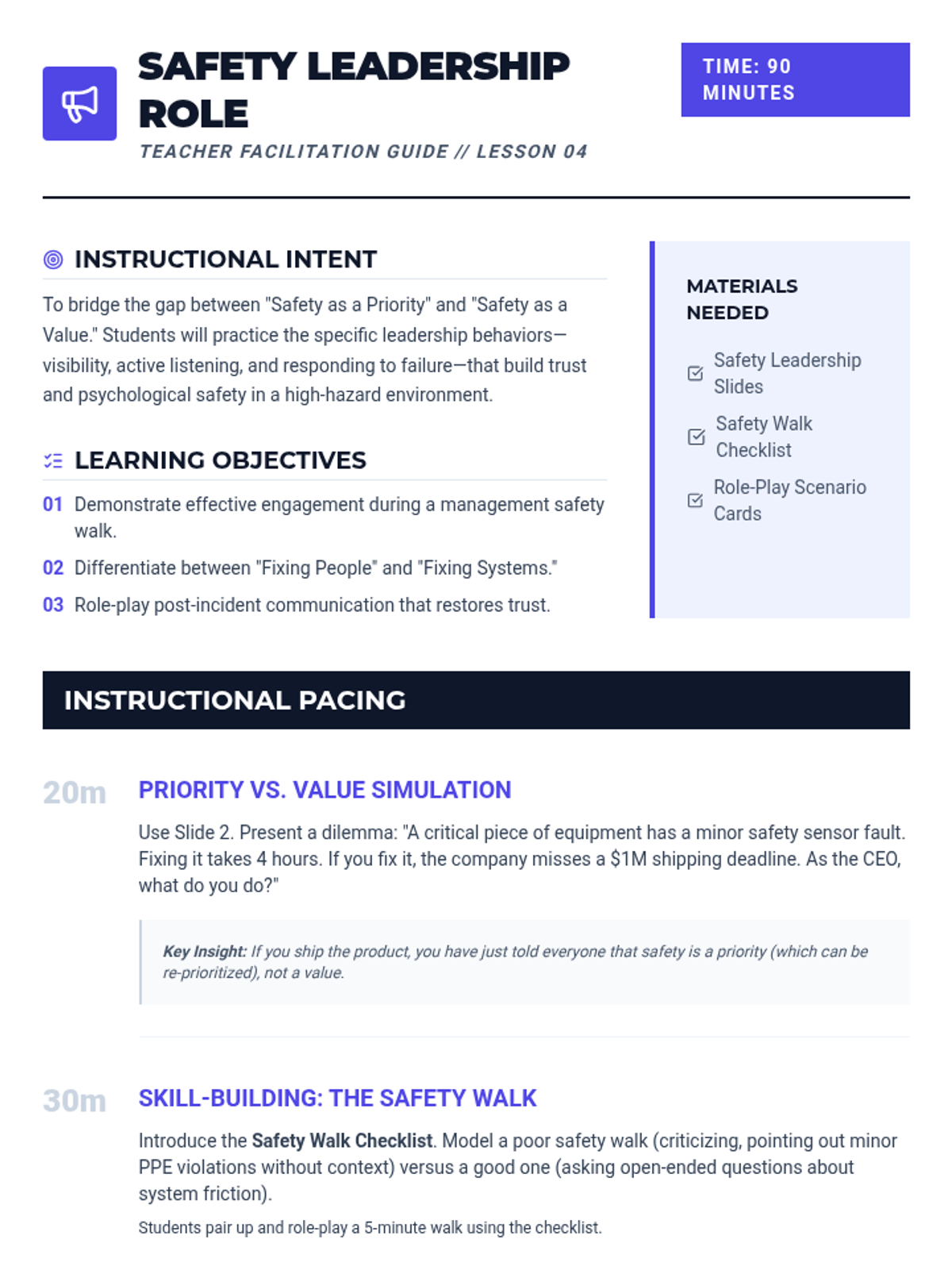
Explore the impact of leadership communication and behavior on safety culture, including practical techniques for management-led safety walks and trust-building.
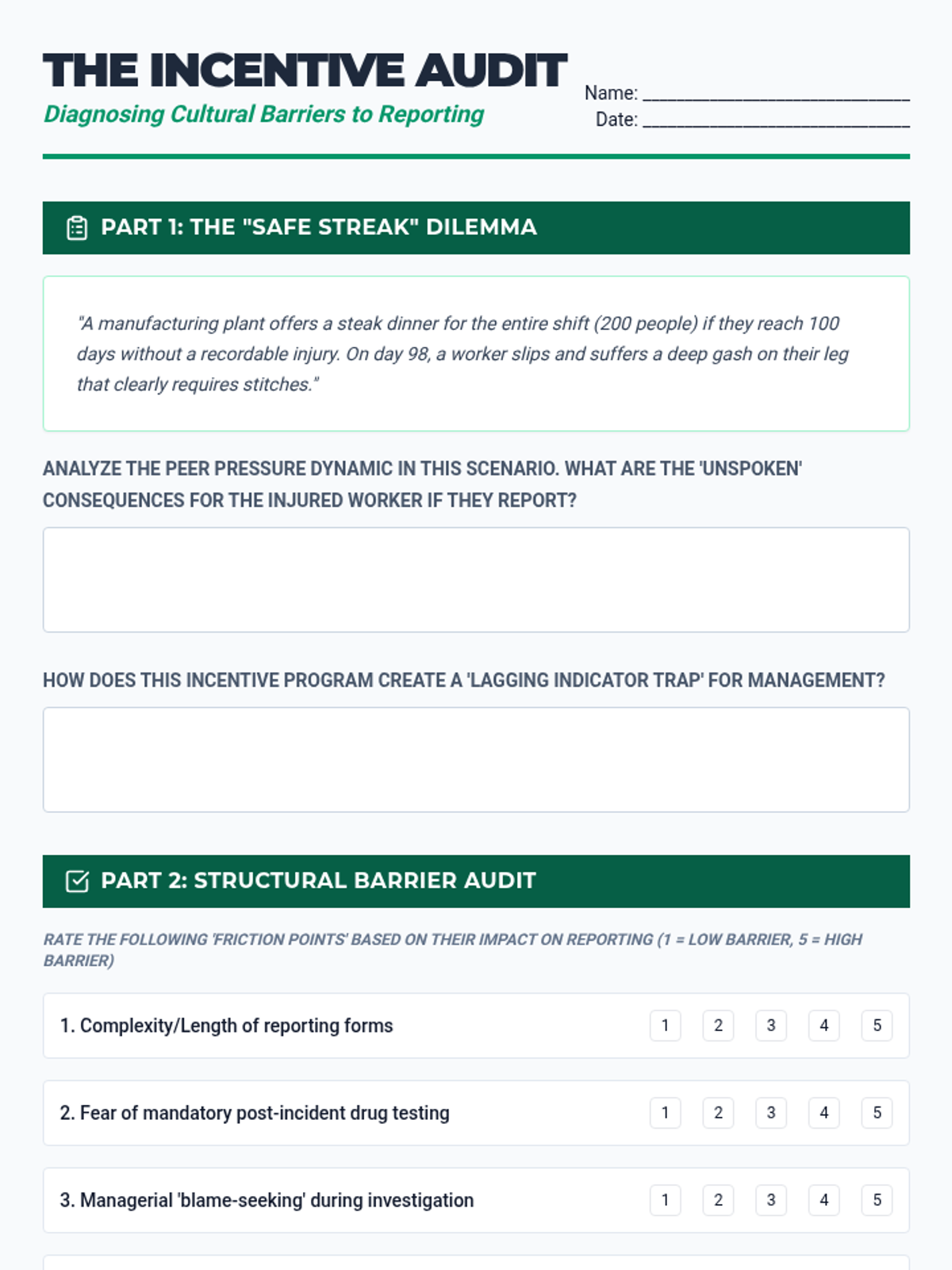
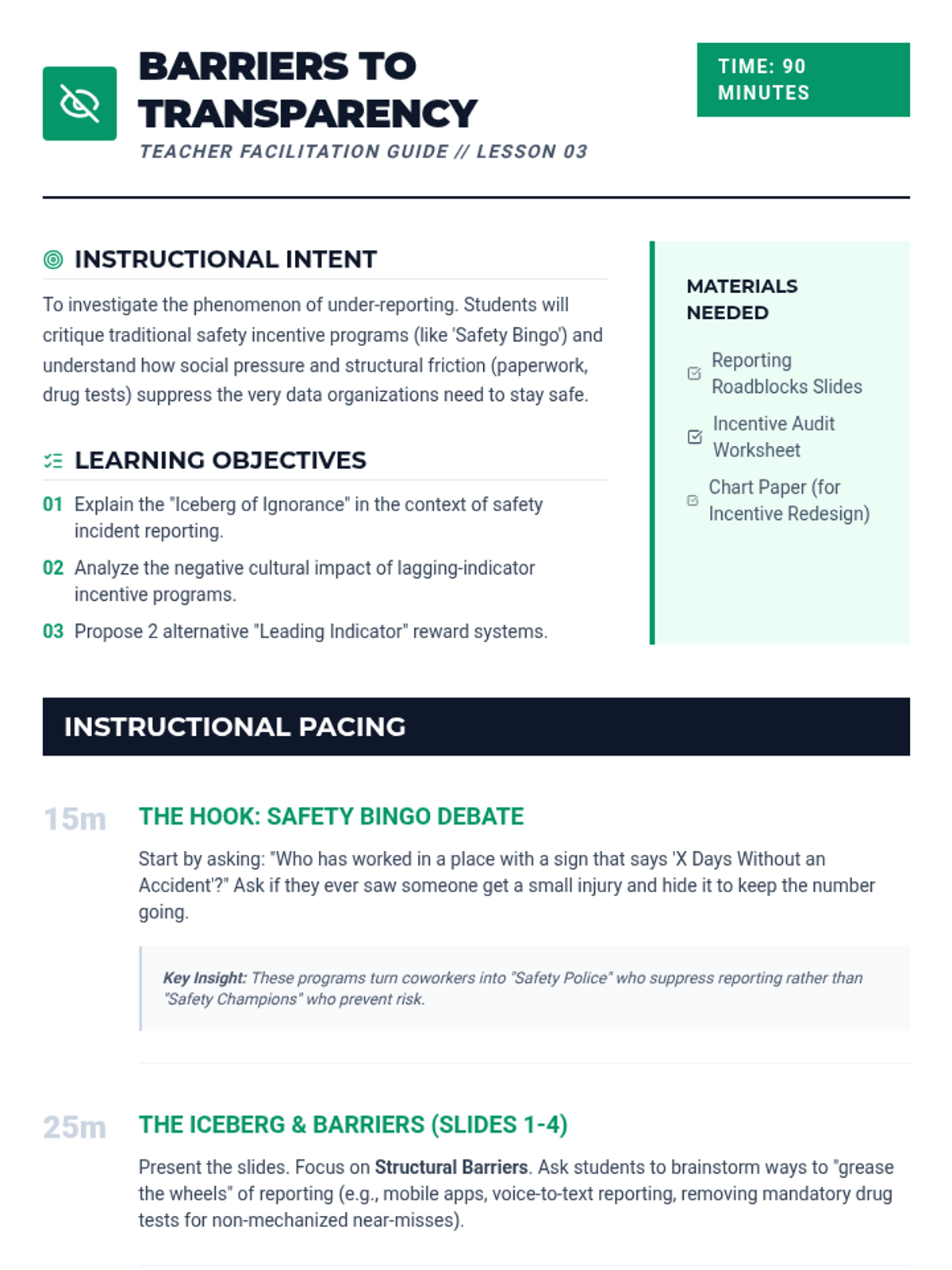
Investigate the systemic and cultural factors that lead to under-reporting of incidents and design alternative incentive structures to promote transparency.
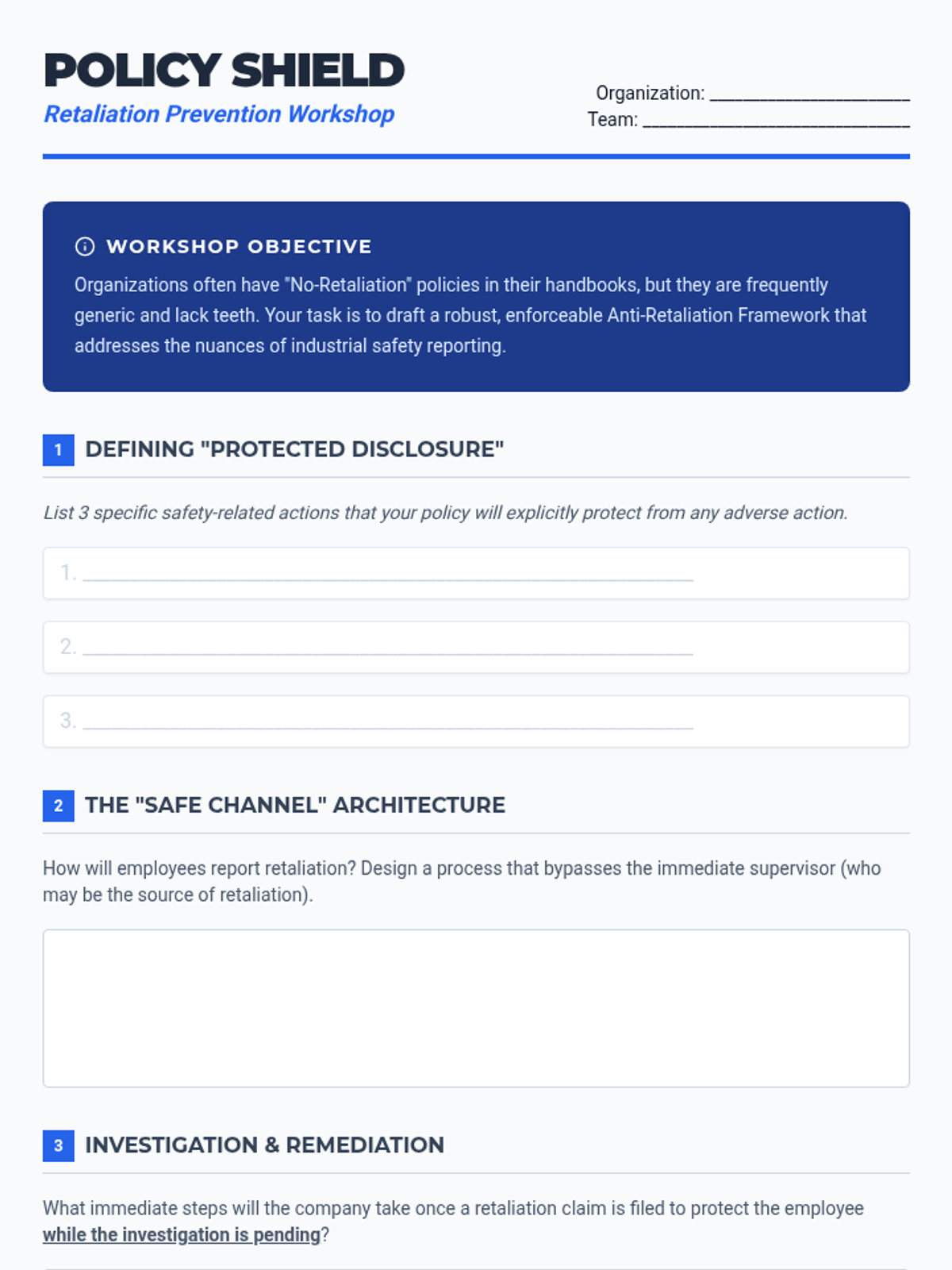
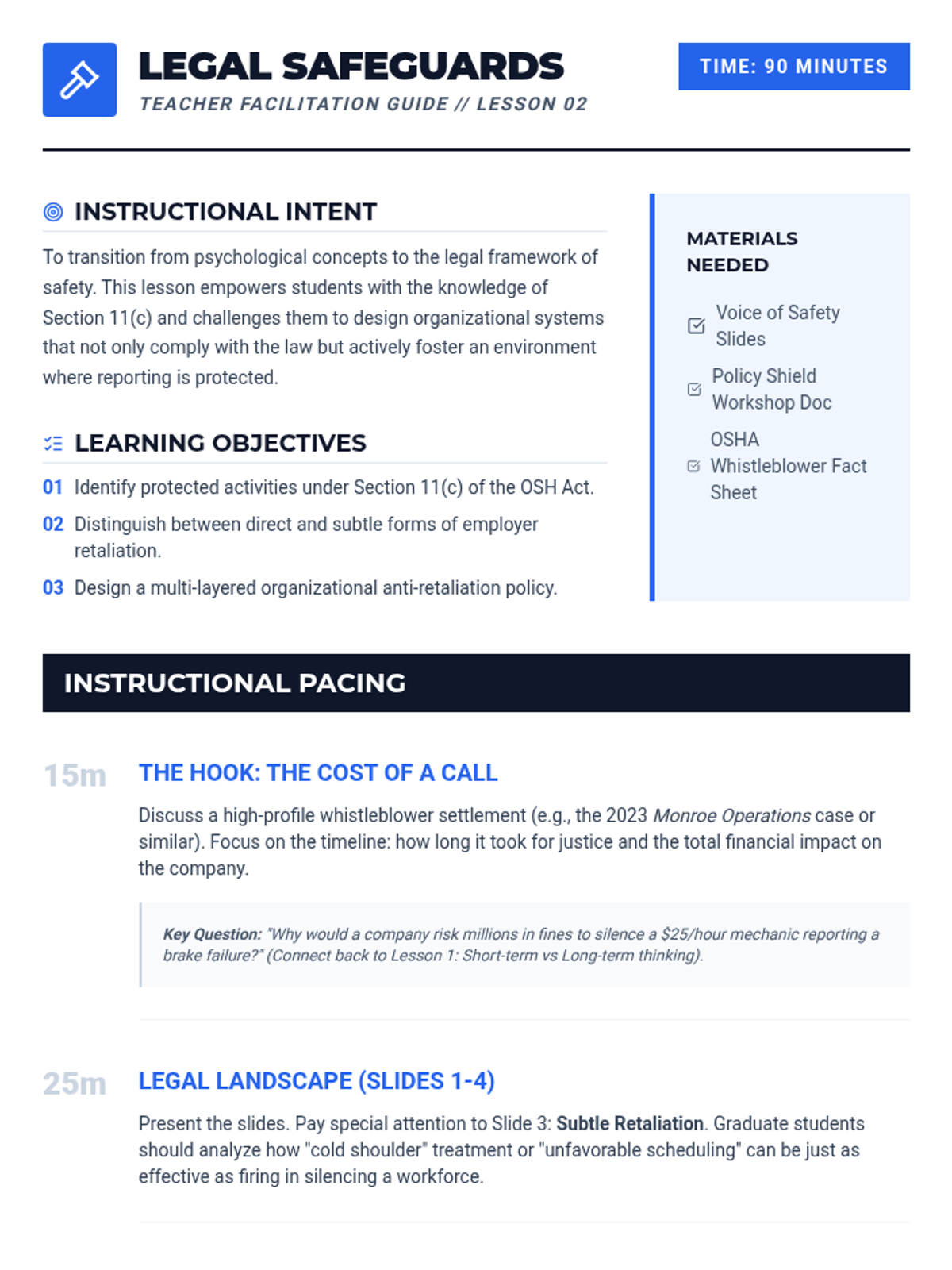
Analyze the legal protections afforded to whistleblowers under the OSH Act and develop organizational policies that prevent retaliation and encourage ethical reporting.
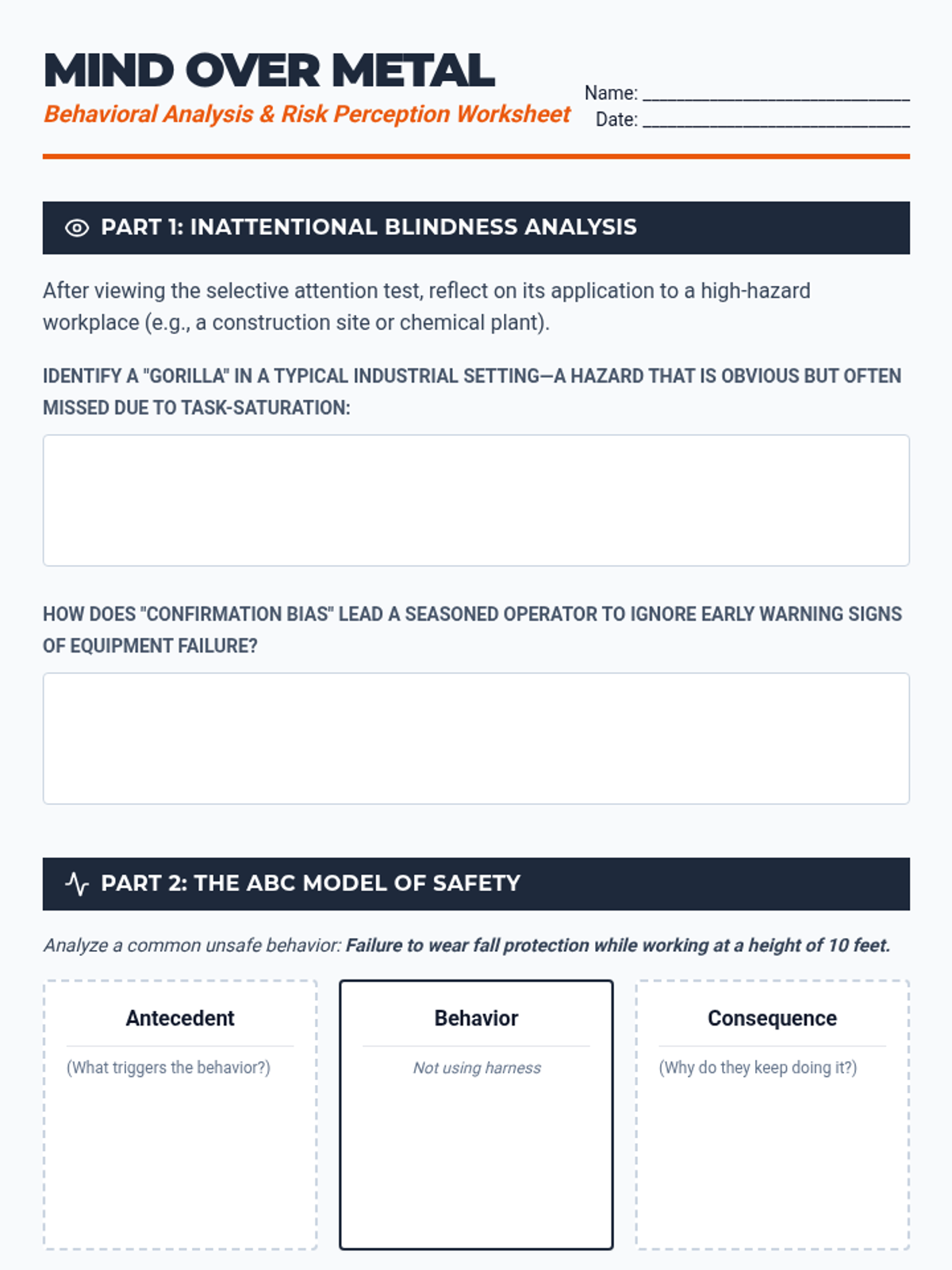
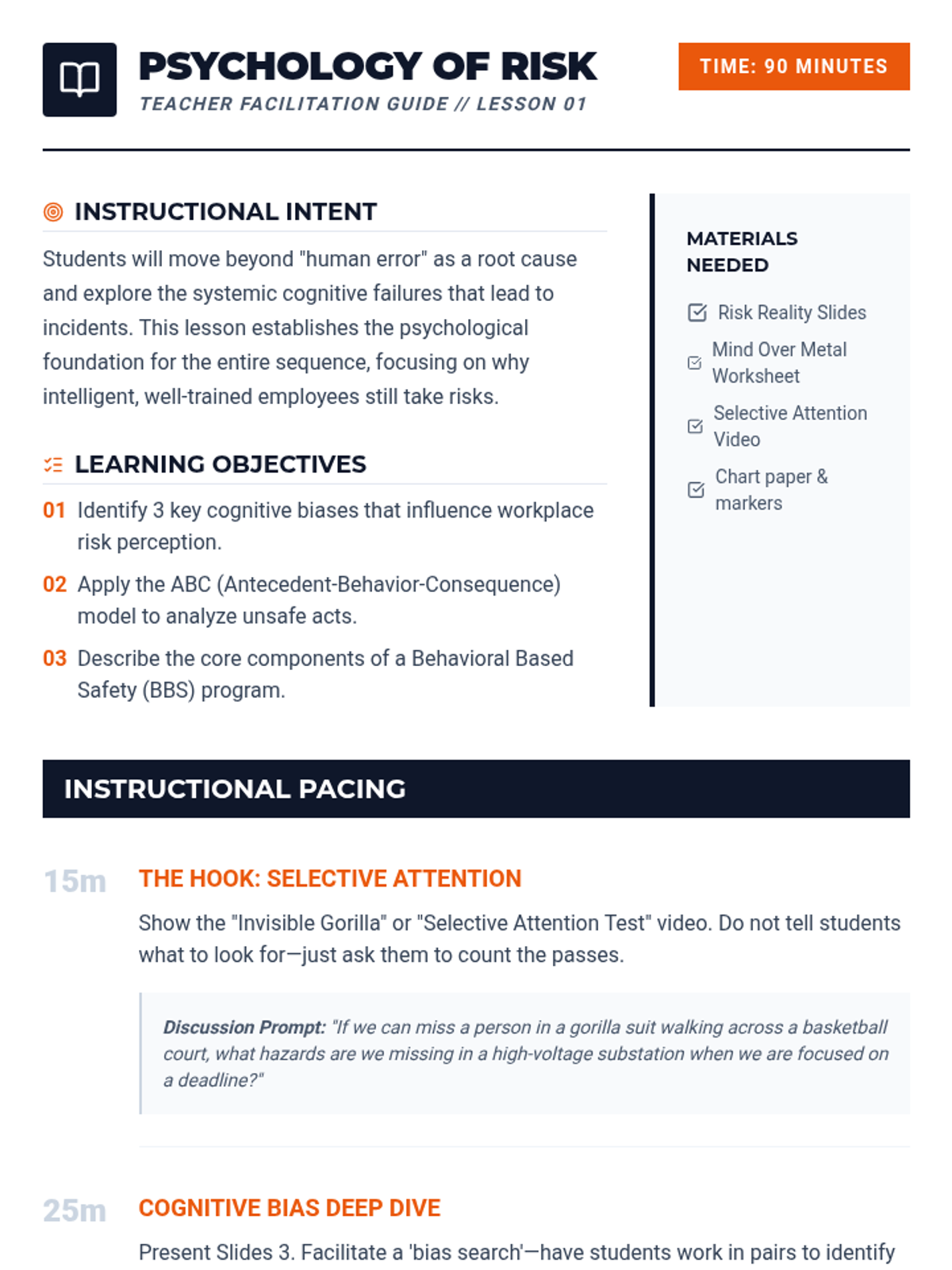
Examine the cognitive biases and psychological factors that influence risk perception and safety-related behavior in industrial and corporate environments.
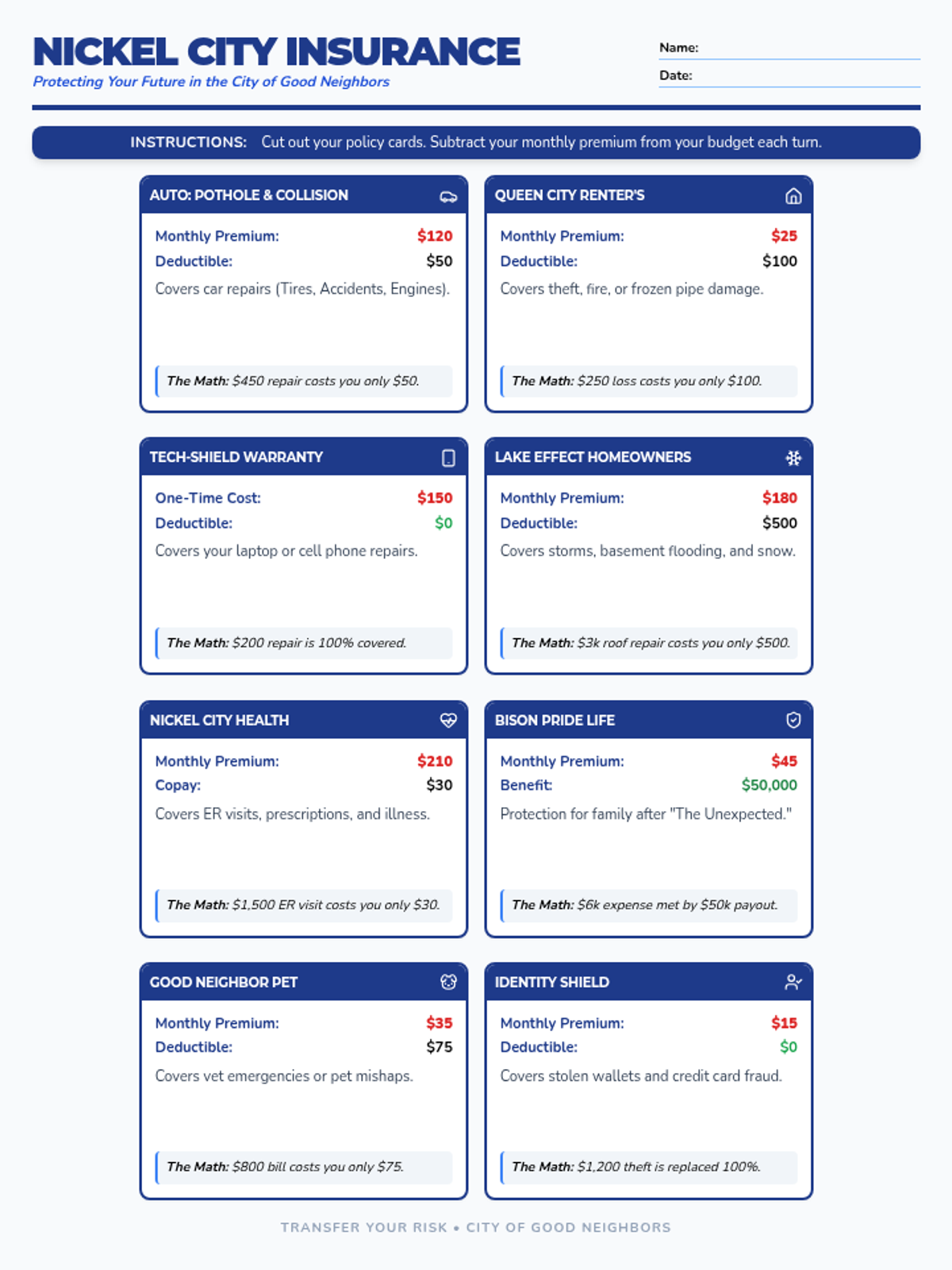
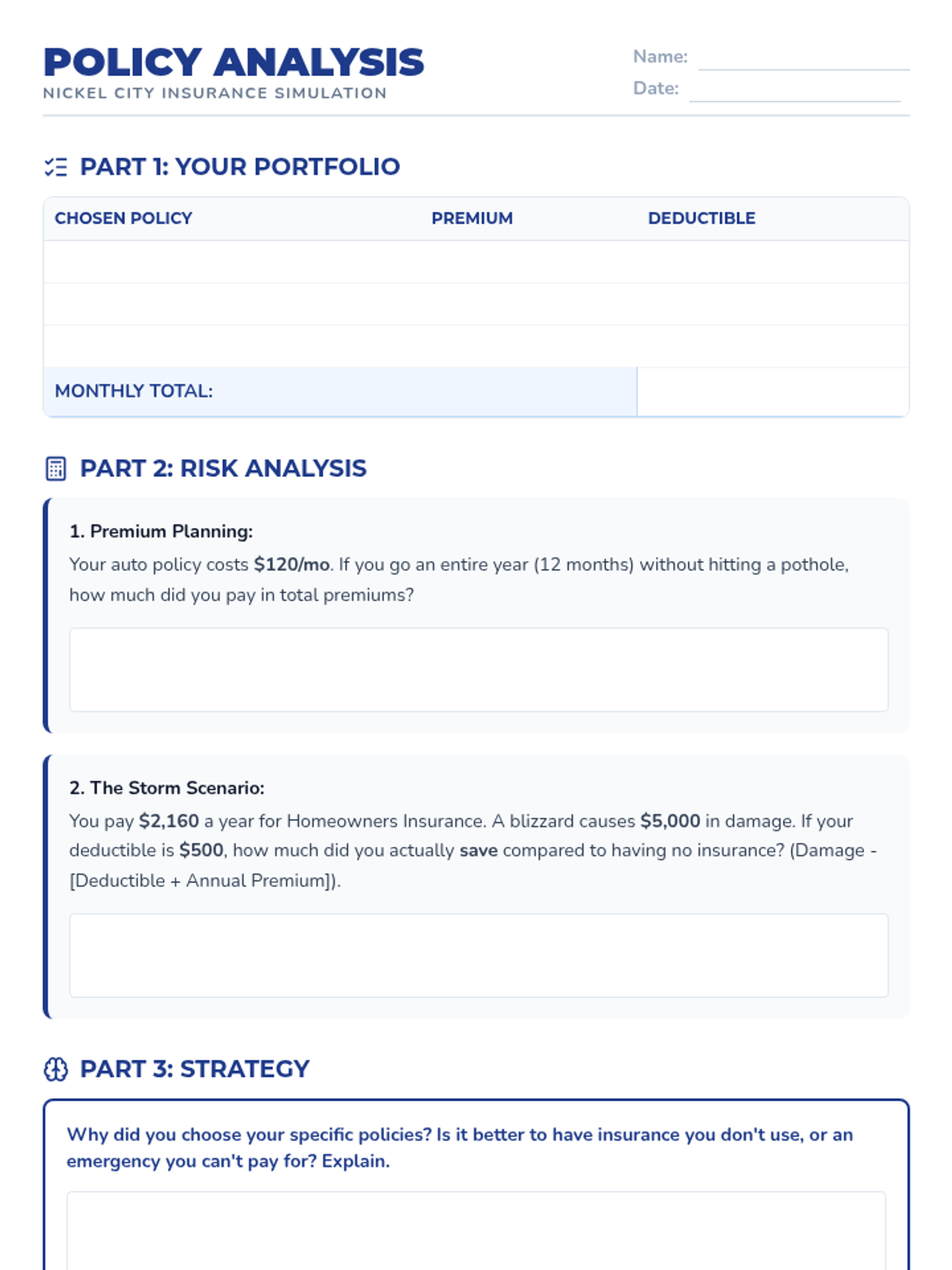
A financial literacy lesson where students choose insurance policies based on risk analysis and cost-benefit ratios, themed around the unique challenges of living in Buffalo, NY.
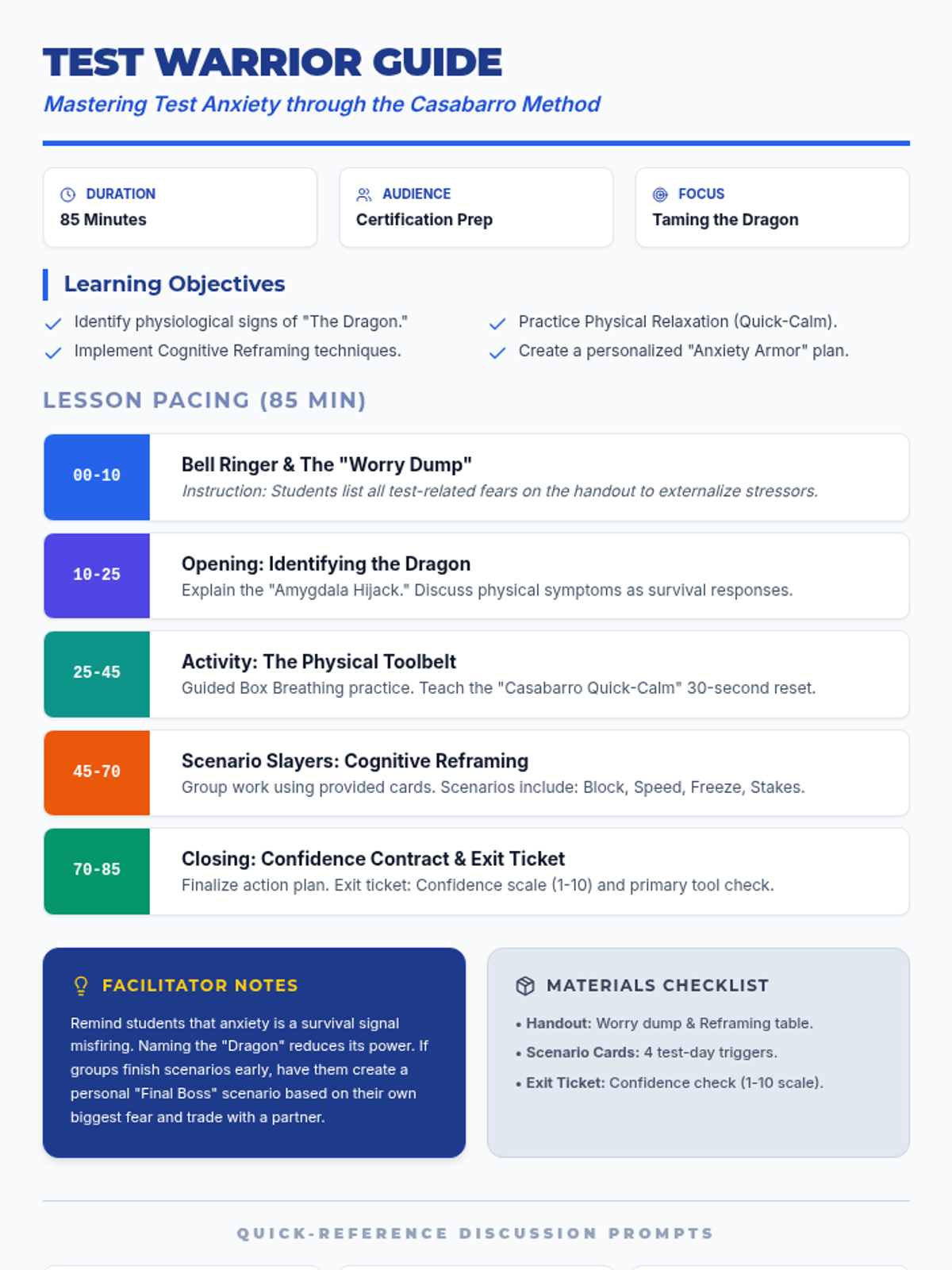
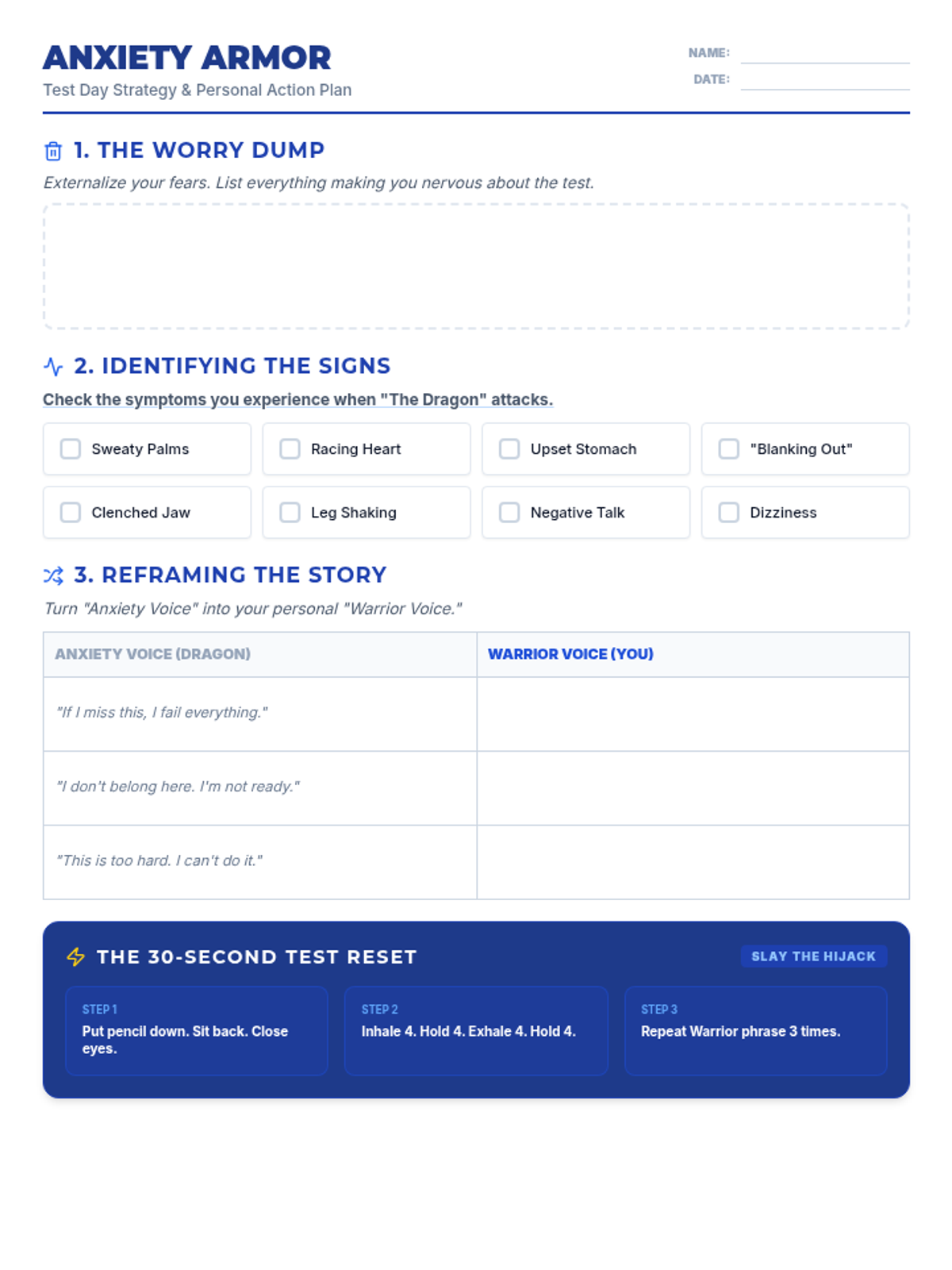
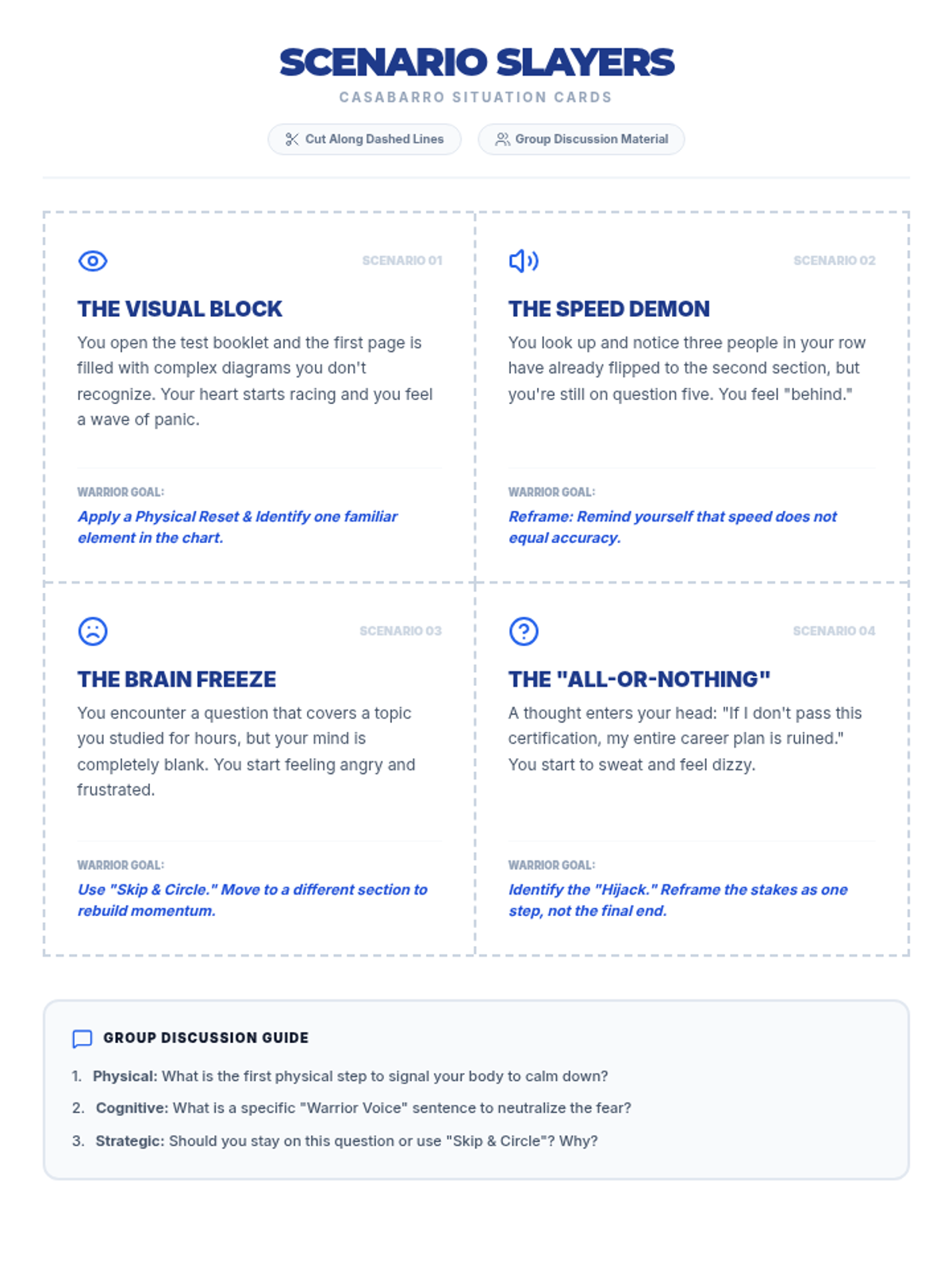
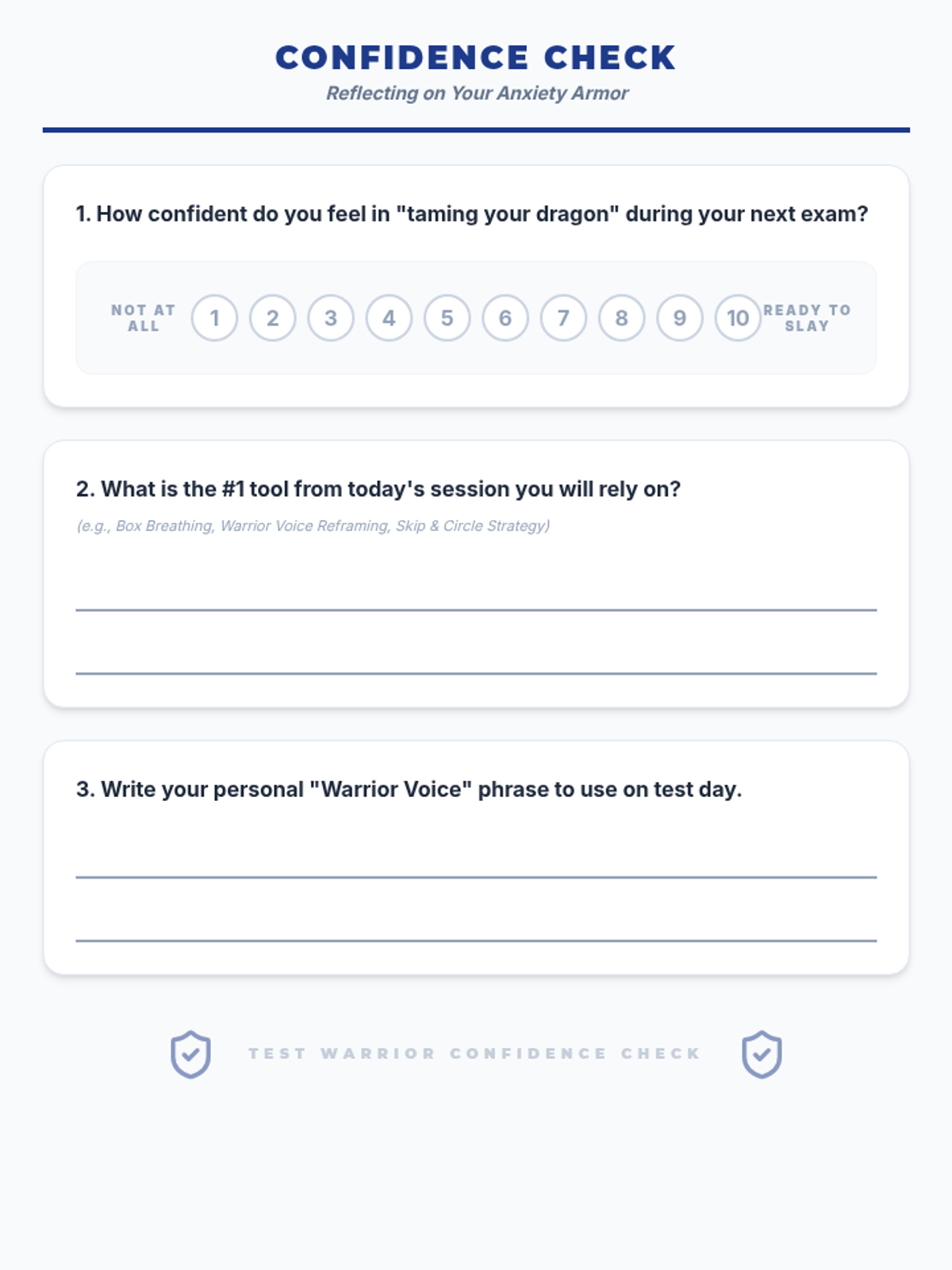
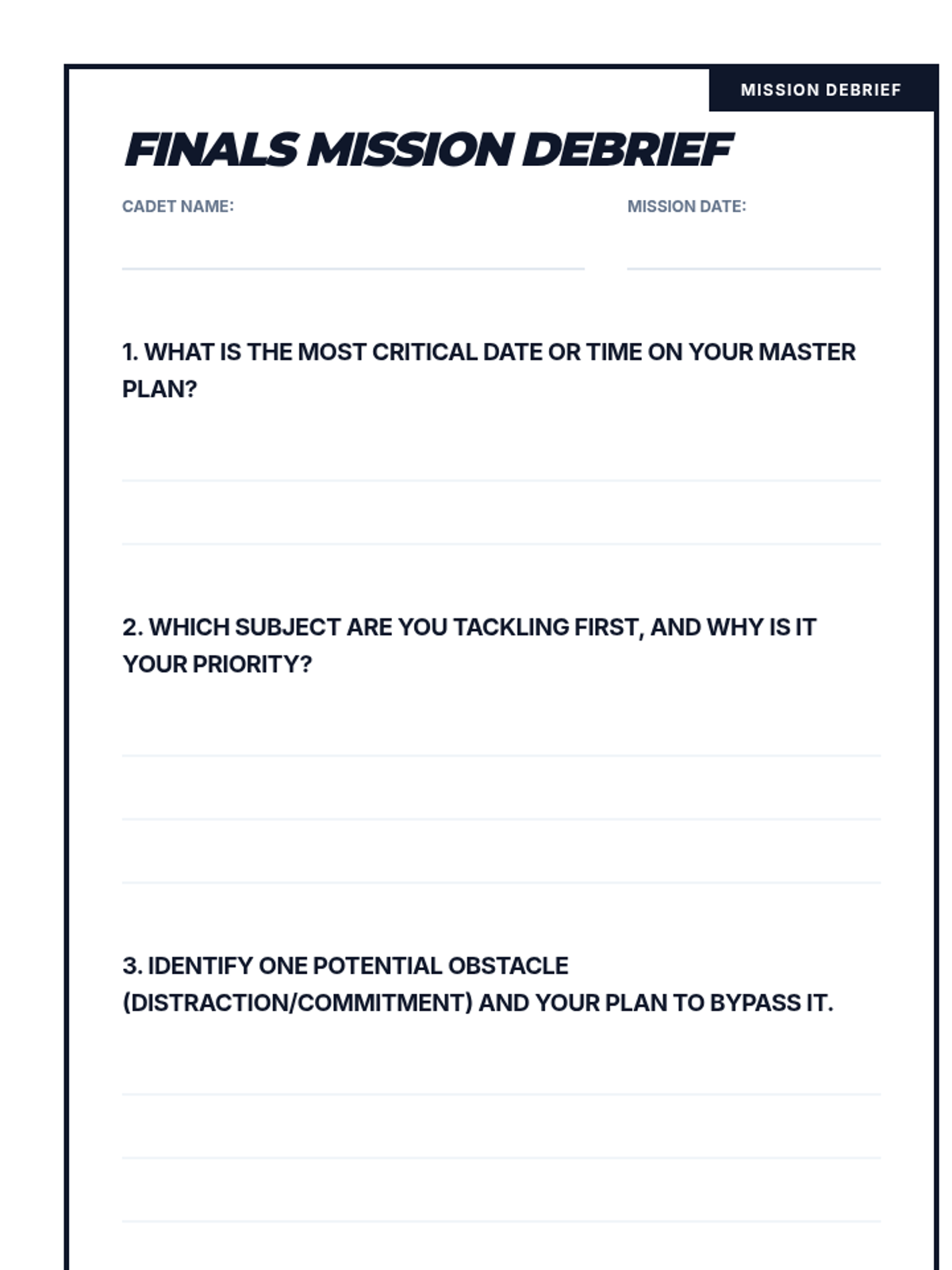
An 85-minute intensive session designed to help students identify, manage, and overcome test anxiety using Joseph Casabarro's 'Taming the Dragon' principles. Students will learn physiological calming techniques and cognitive reframing strategies.
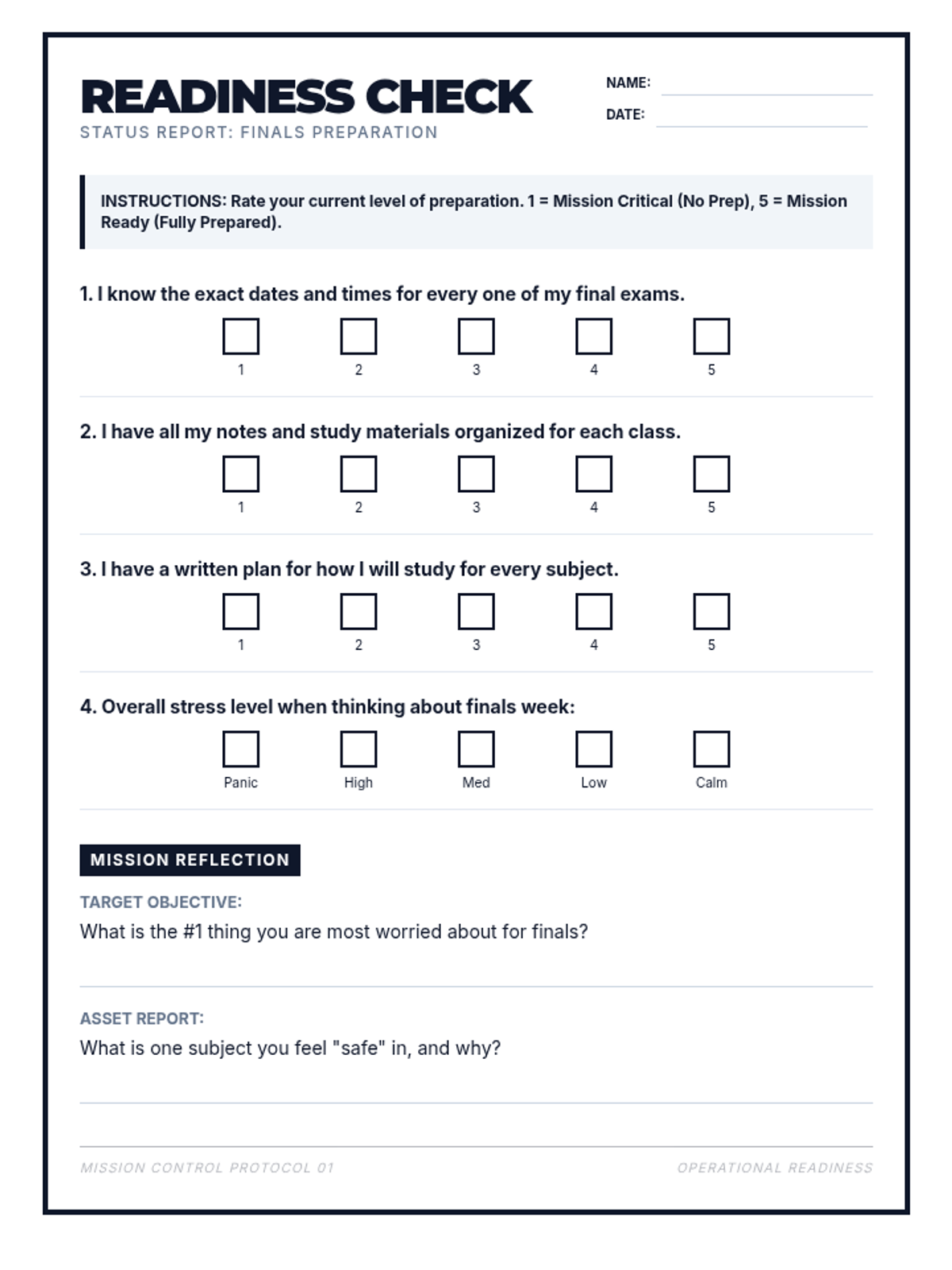
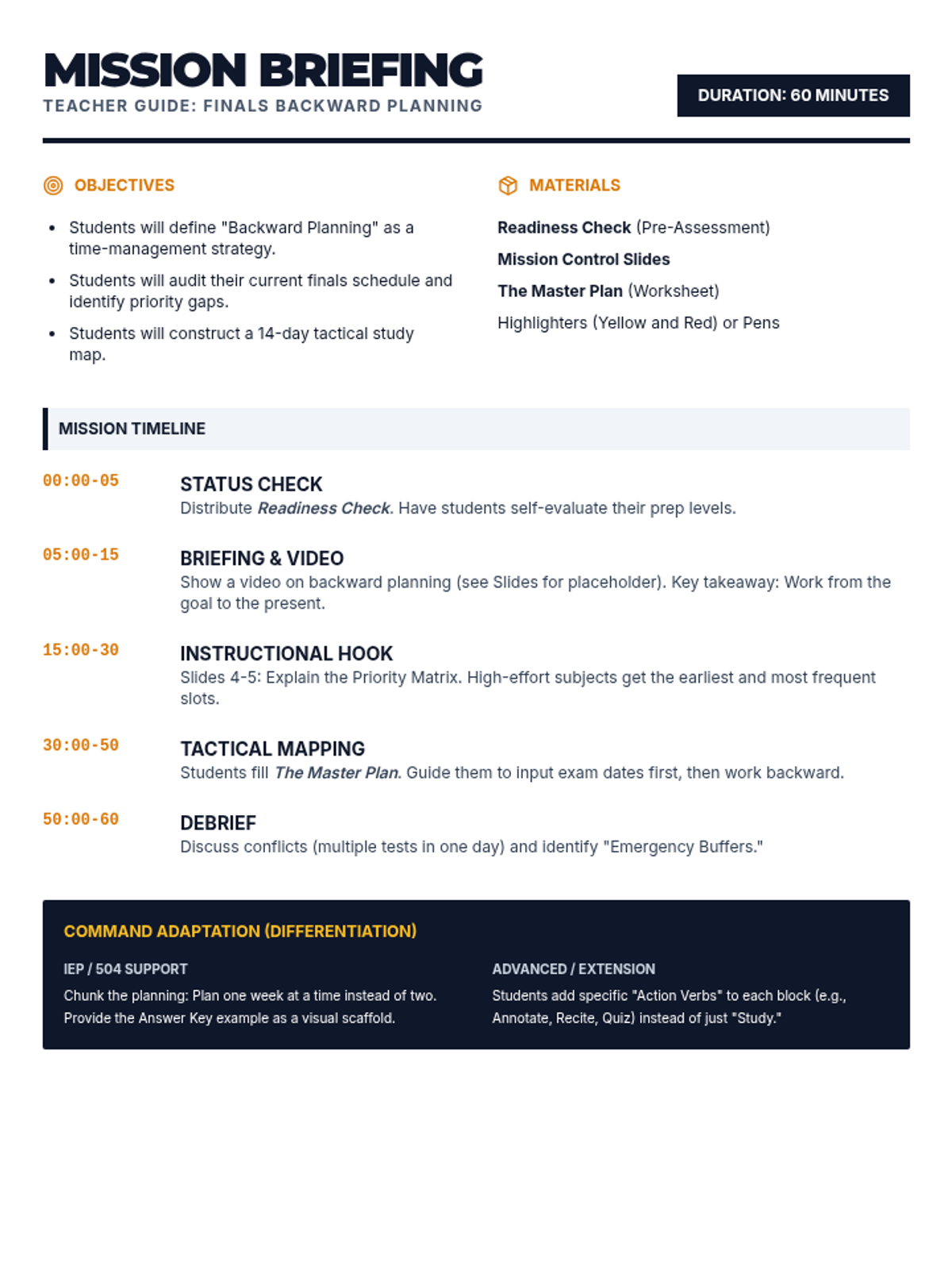
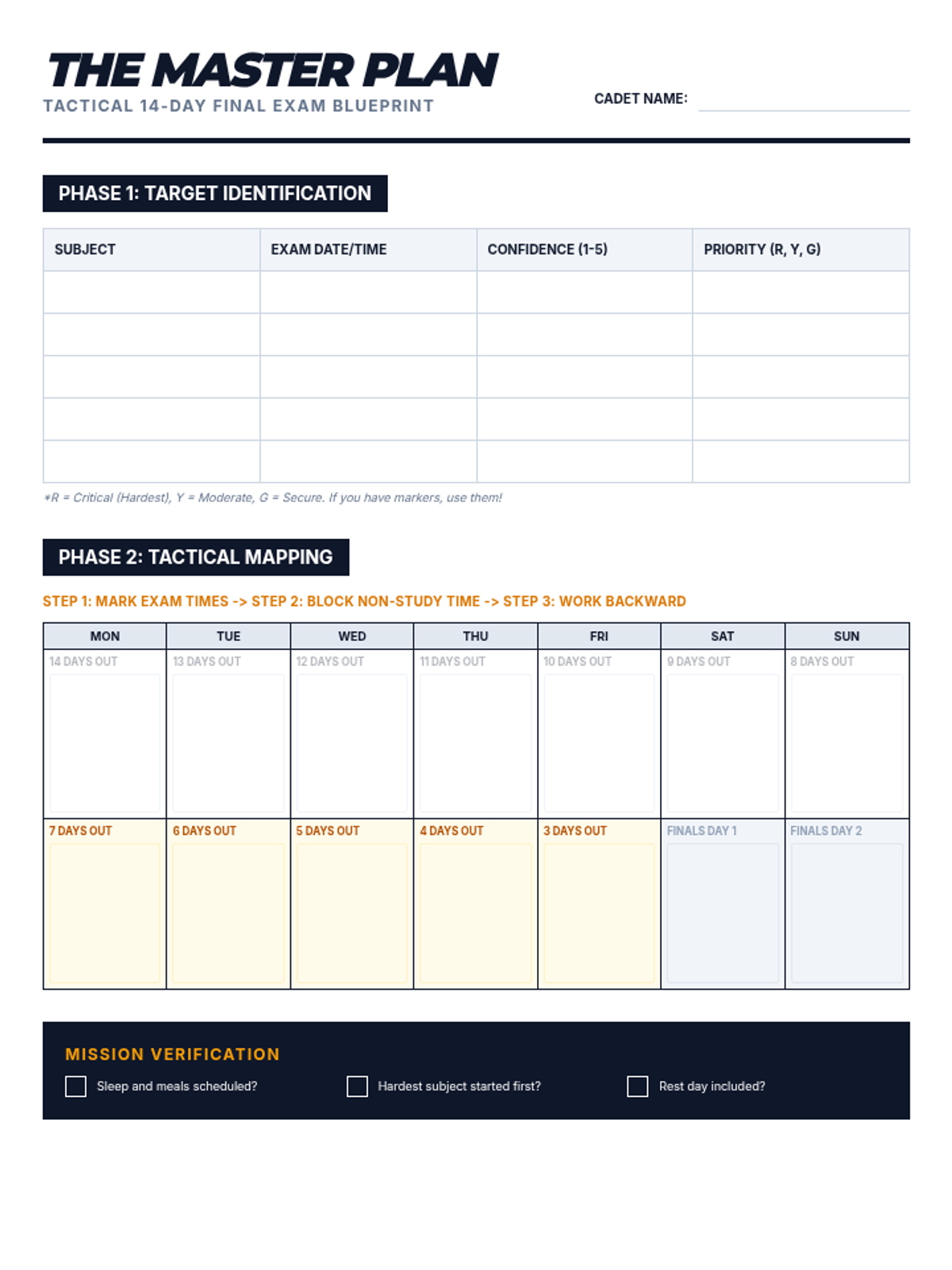
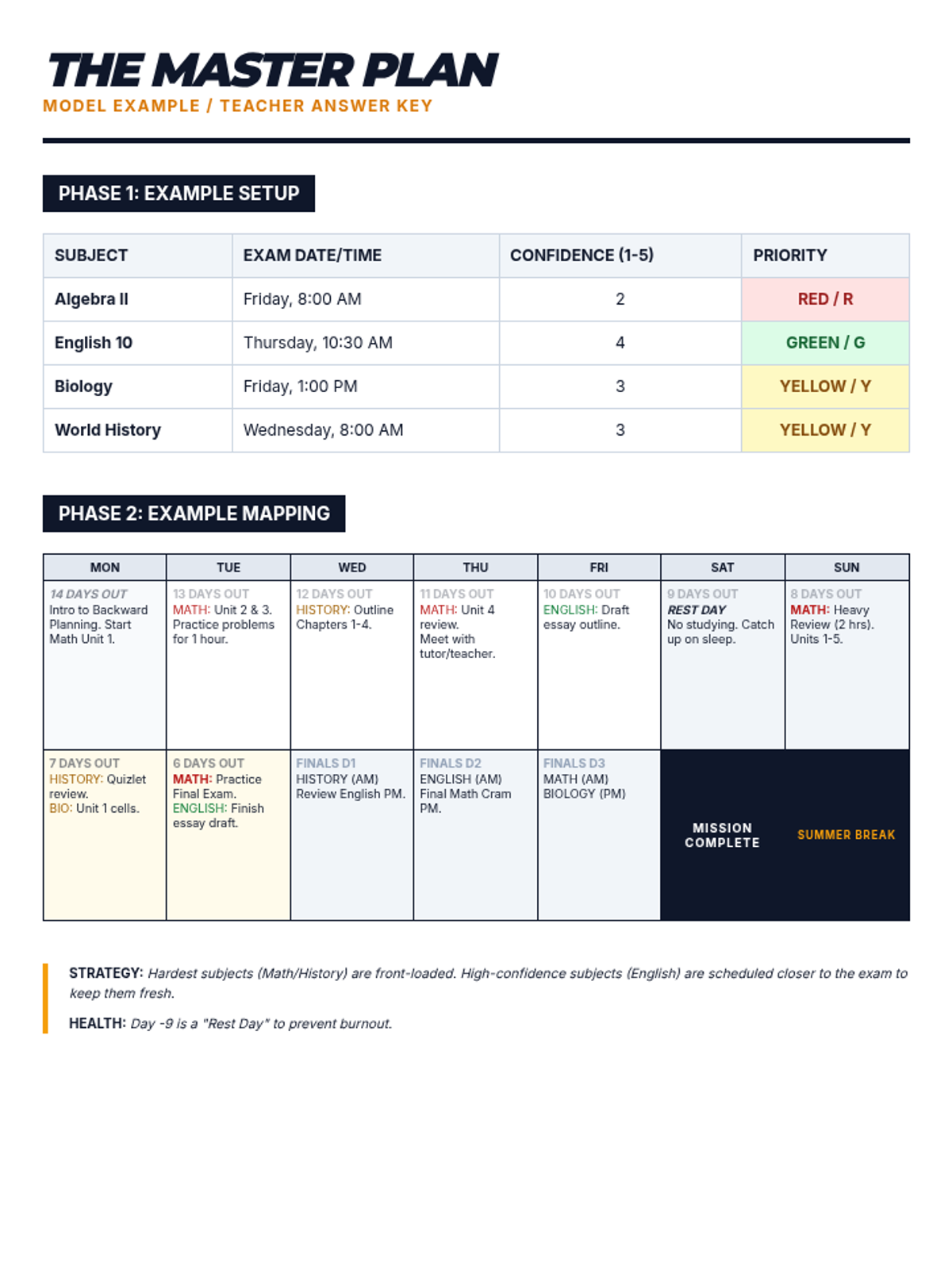
A tactical approach to finals preparation using backward design. Students will assess their readiness, learn the logic of starting from the finish line, and map out a concrete study schedule.
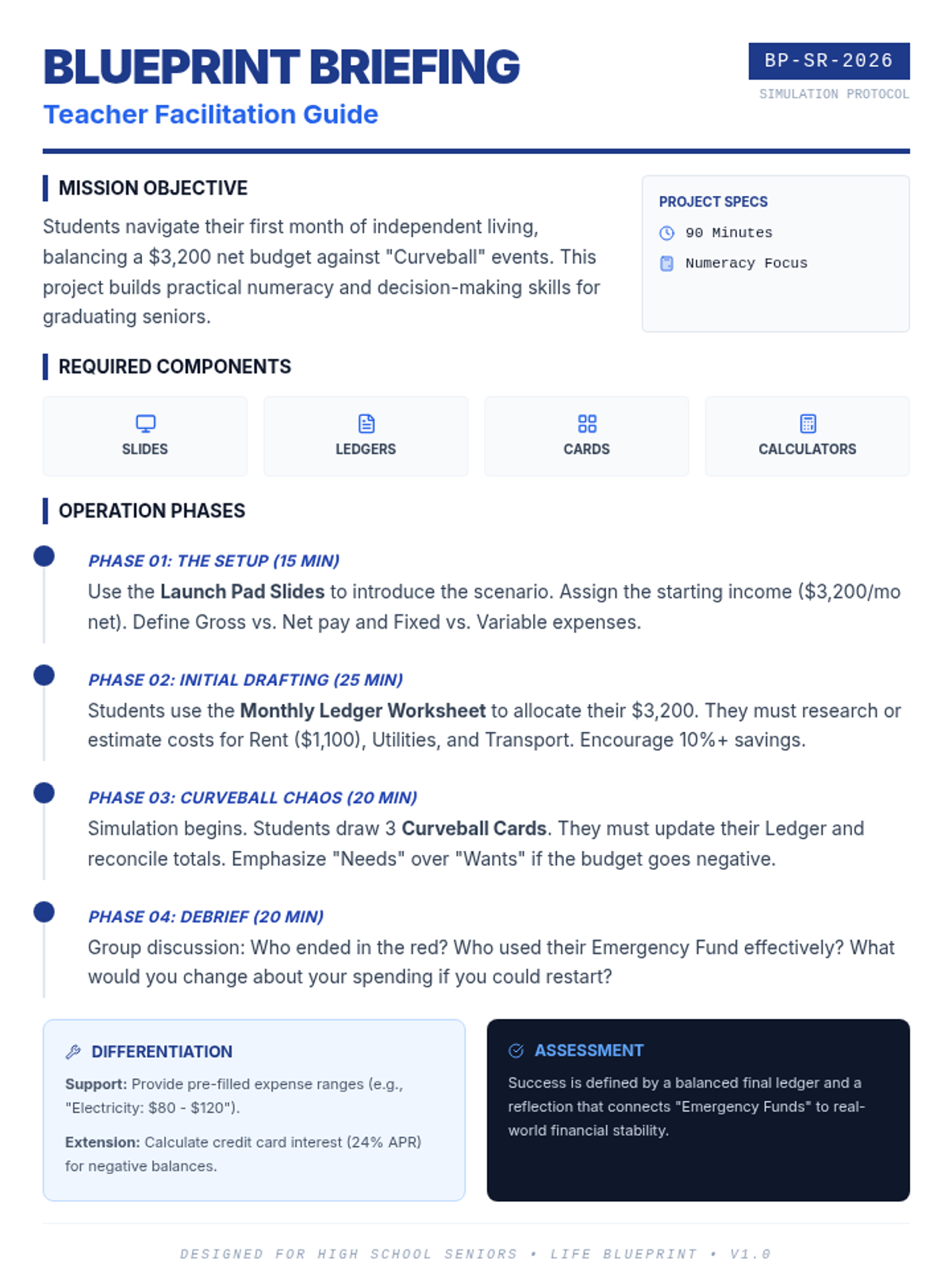
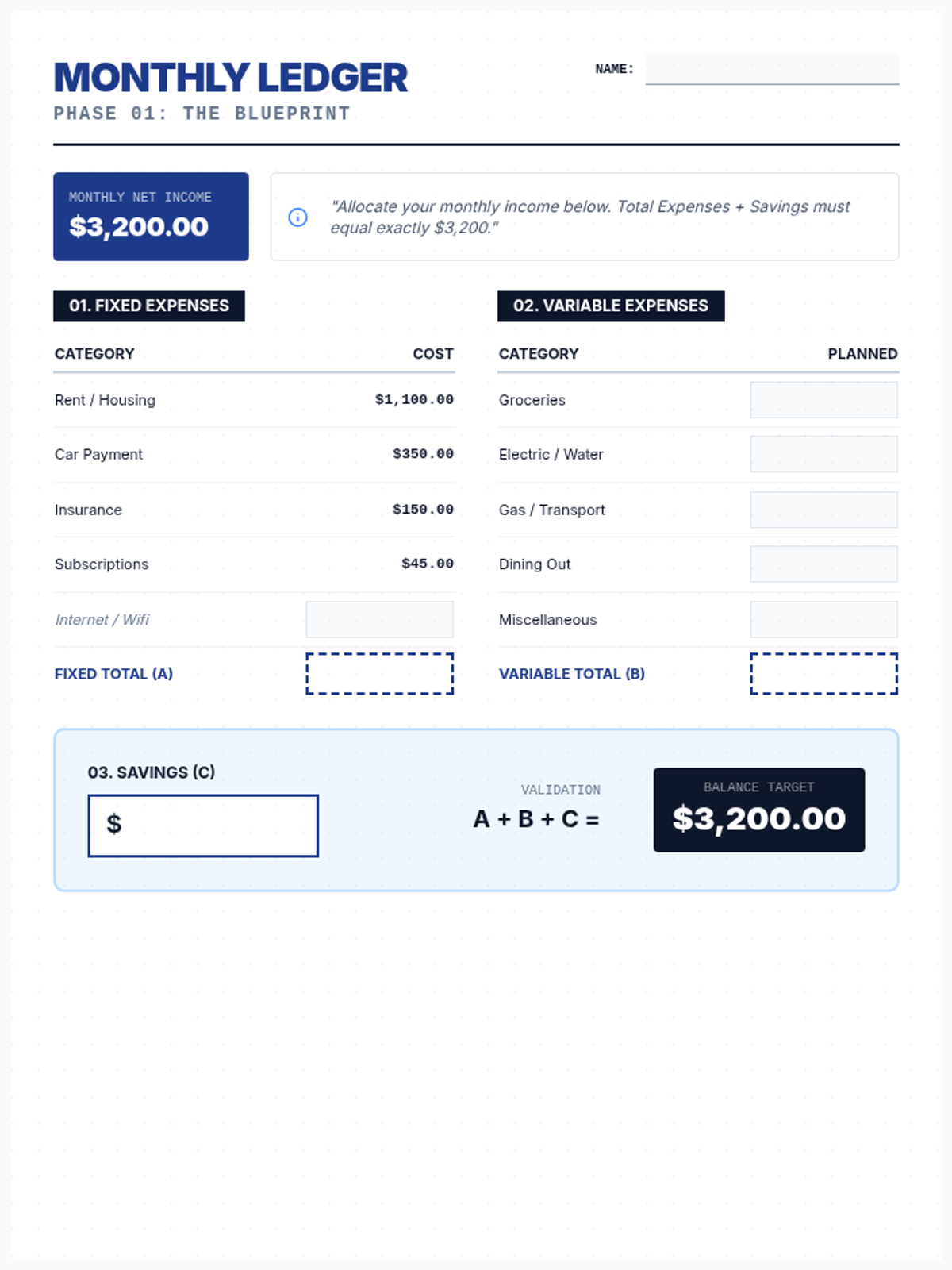
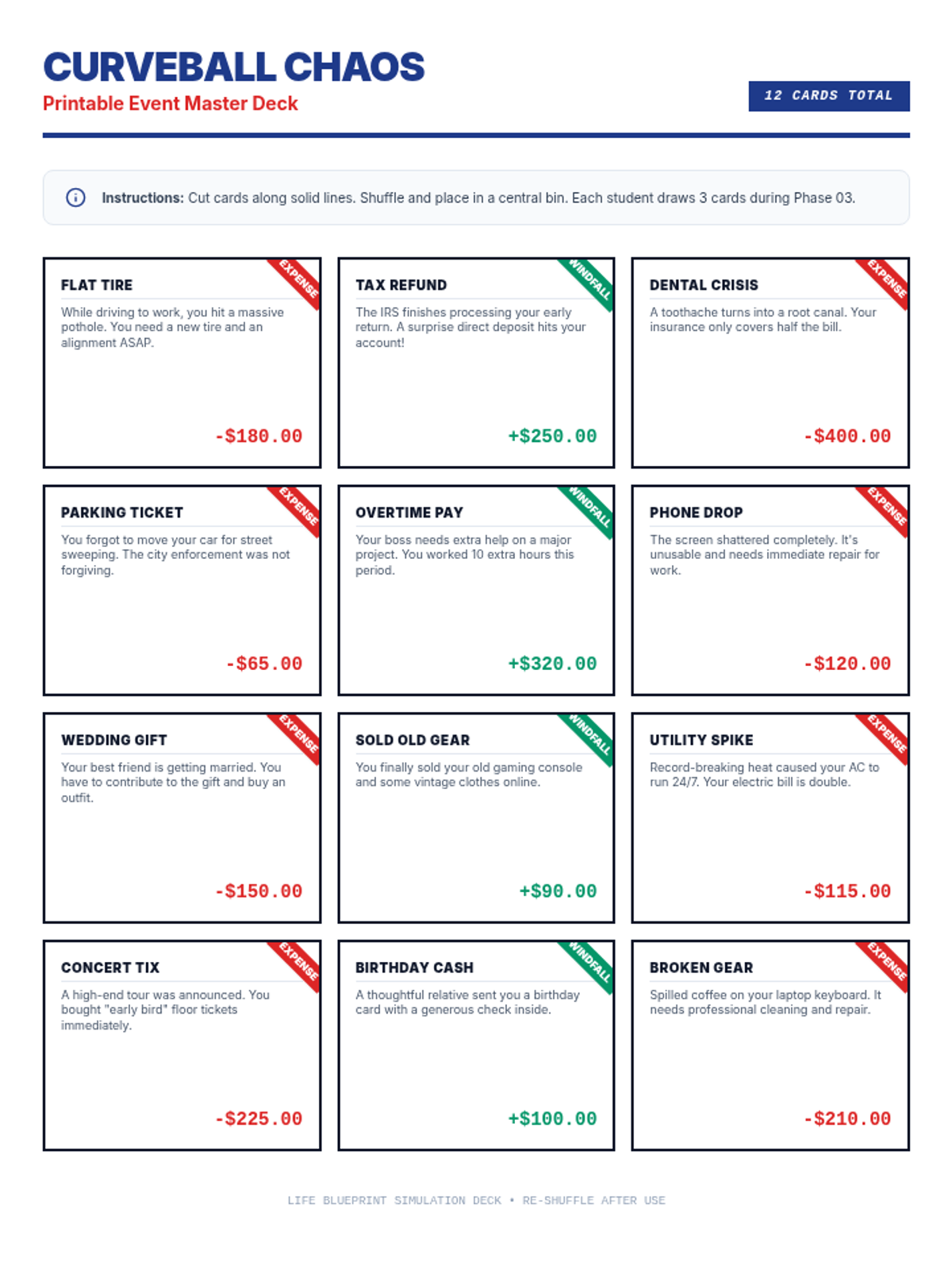
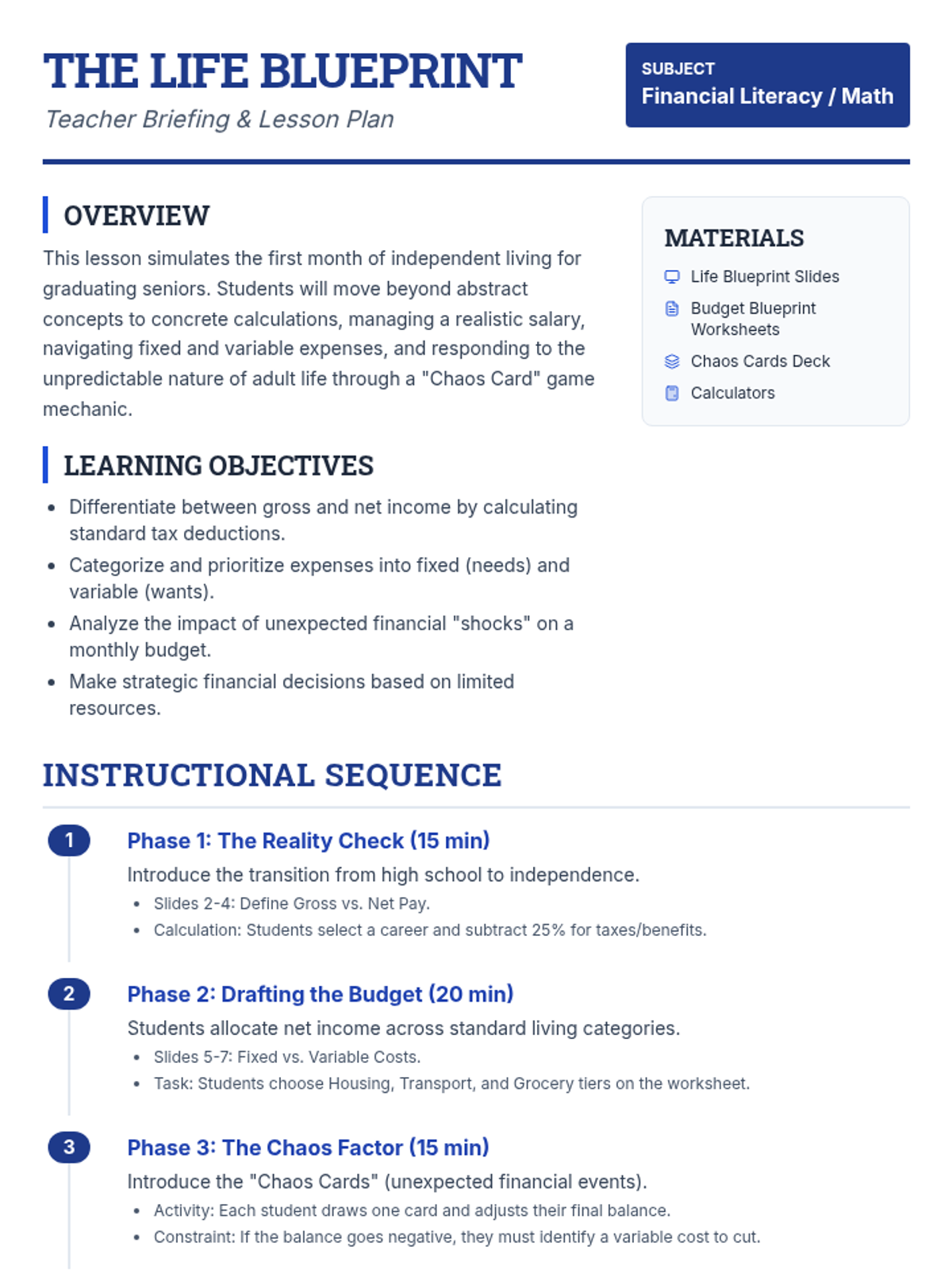
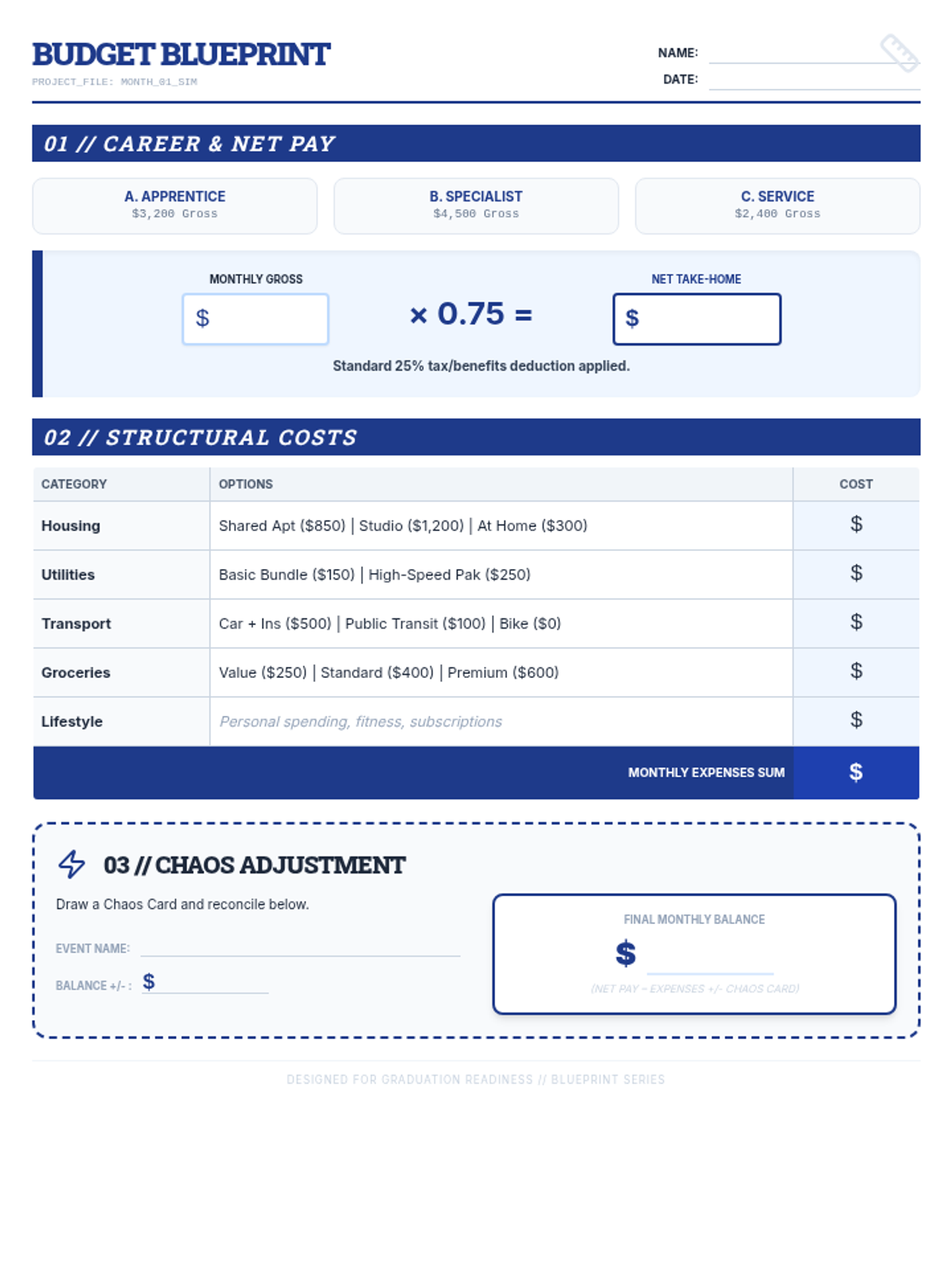
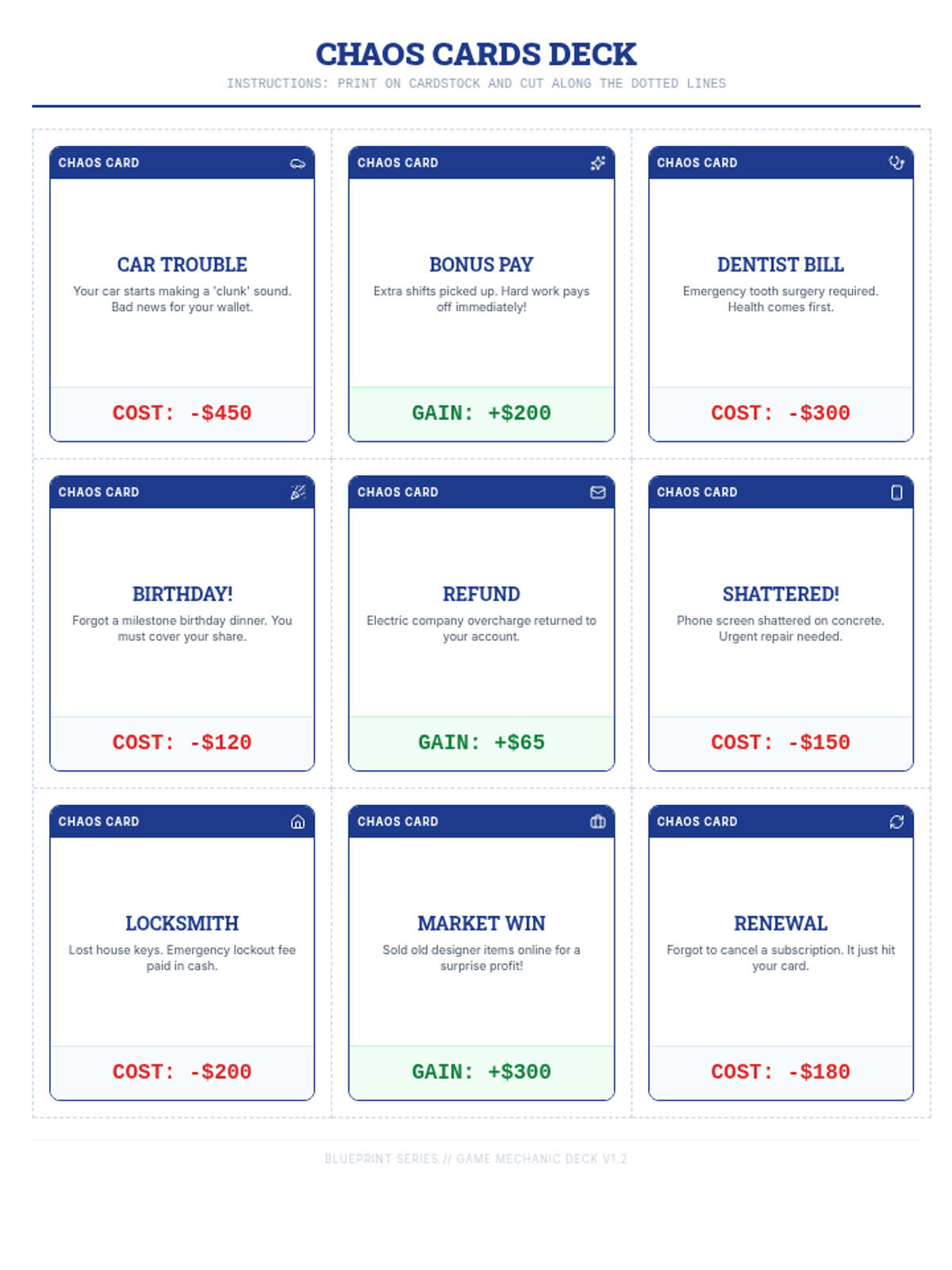
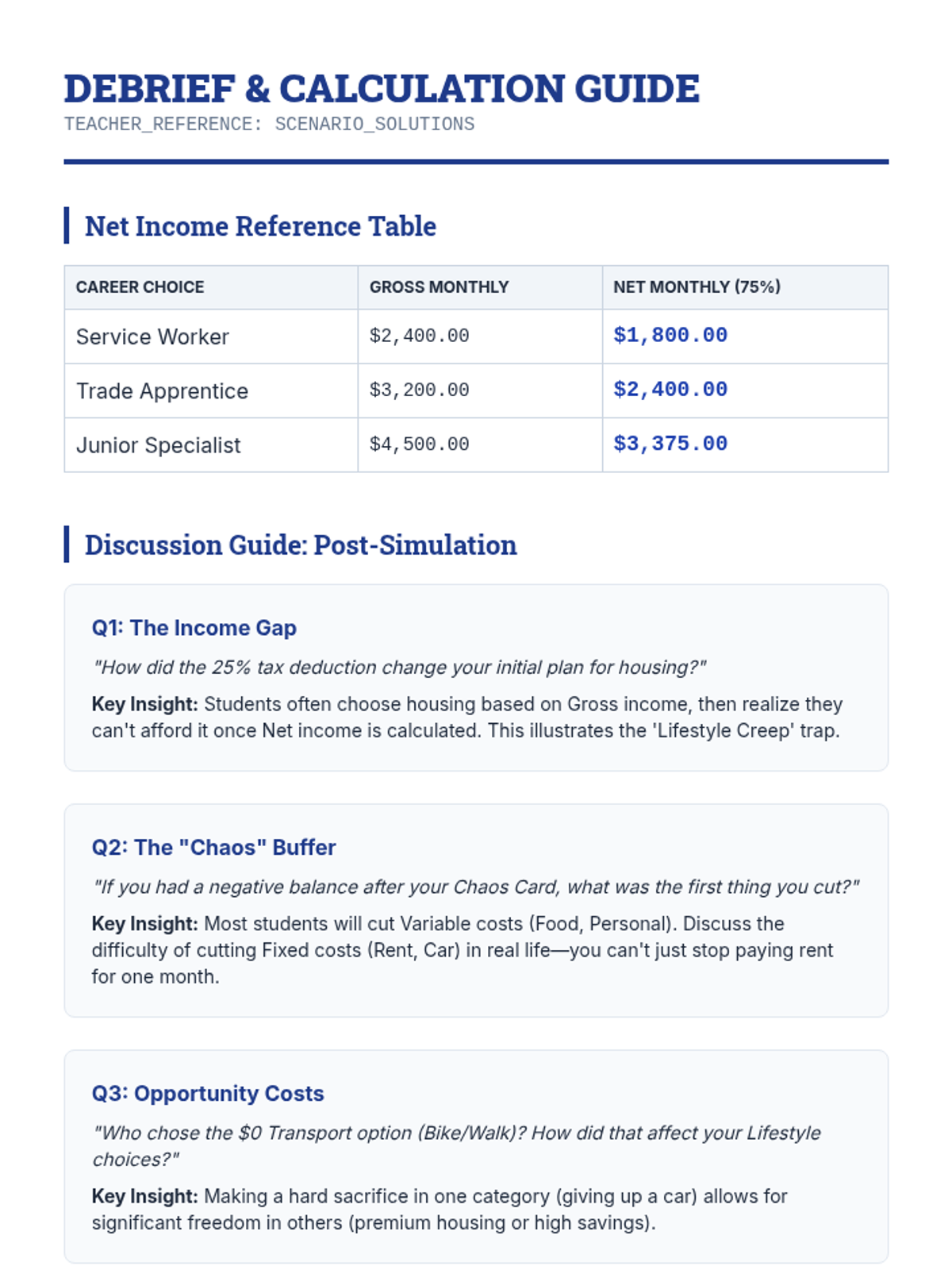
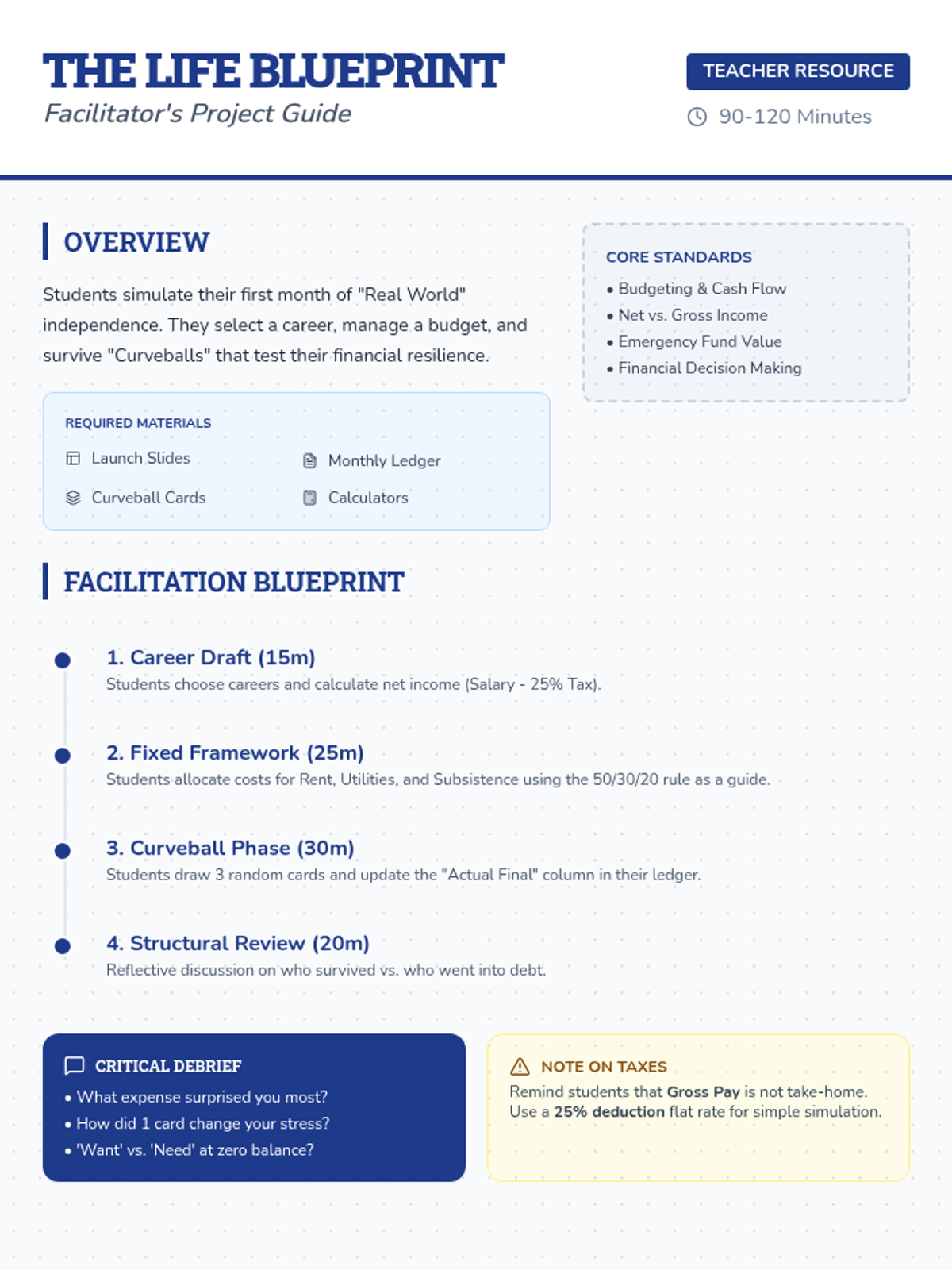
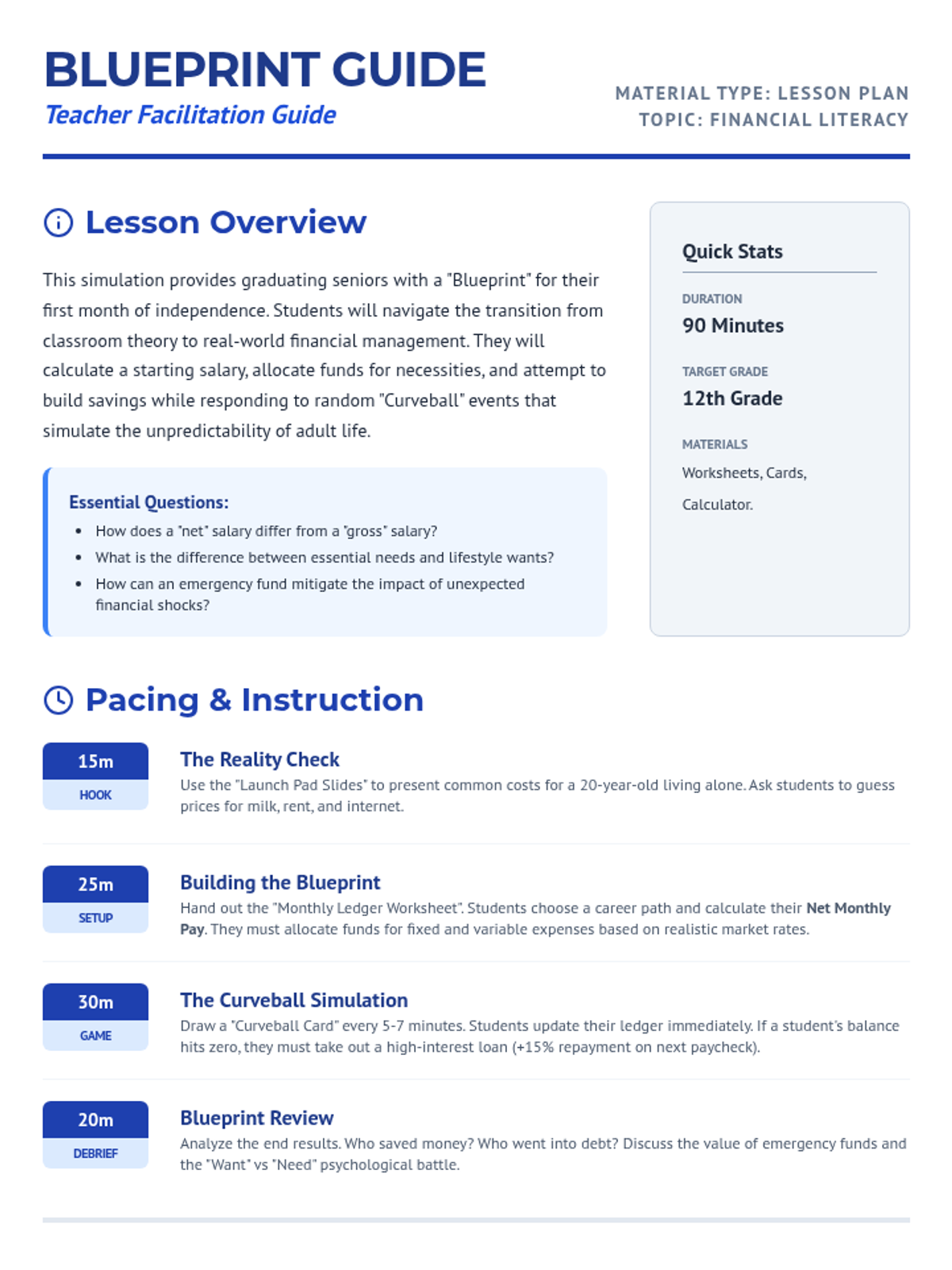
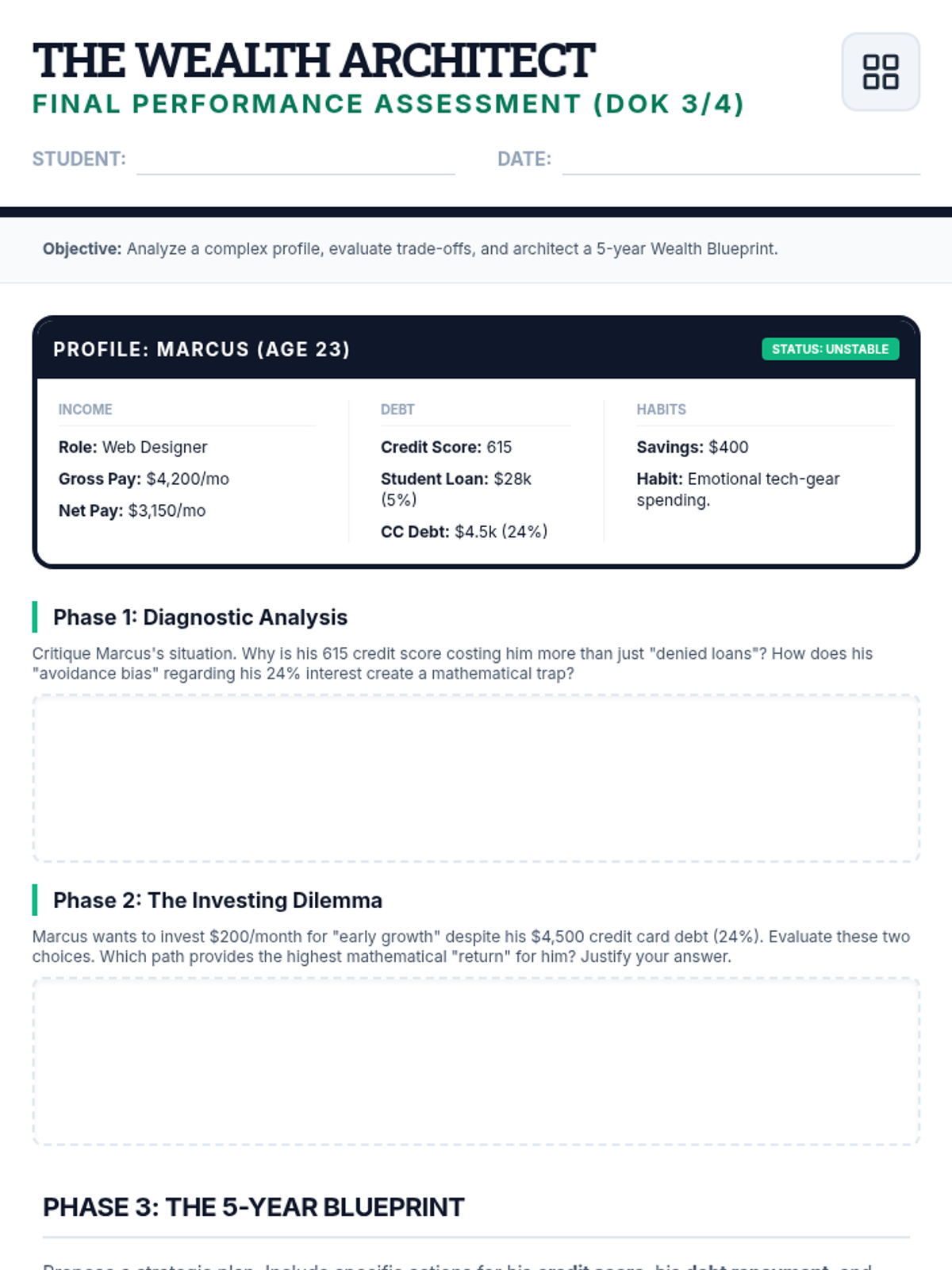
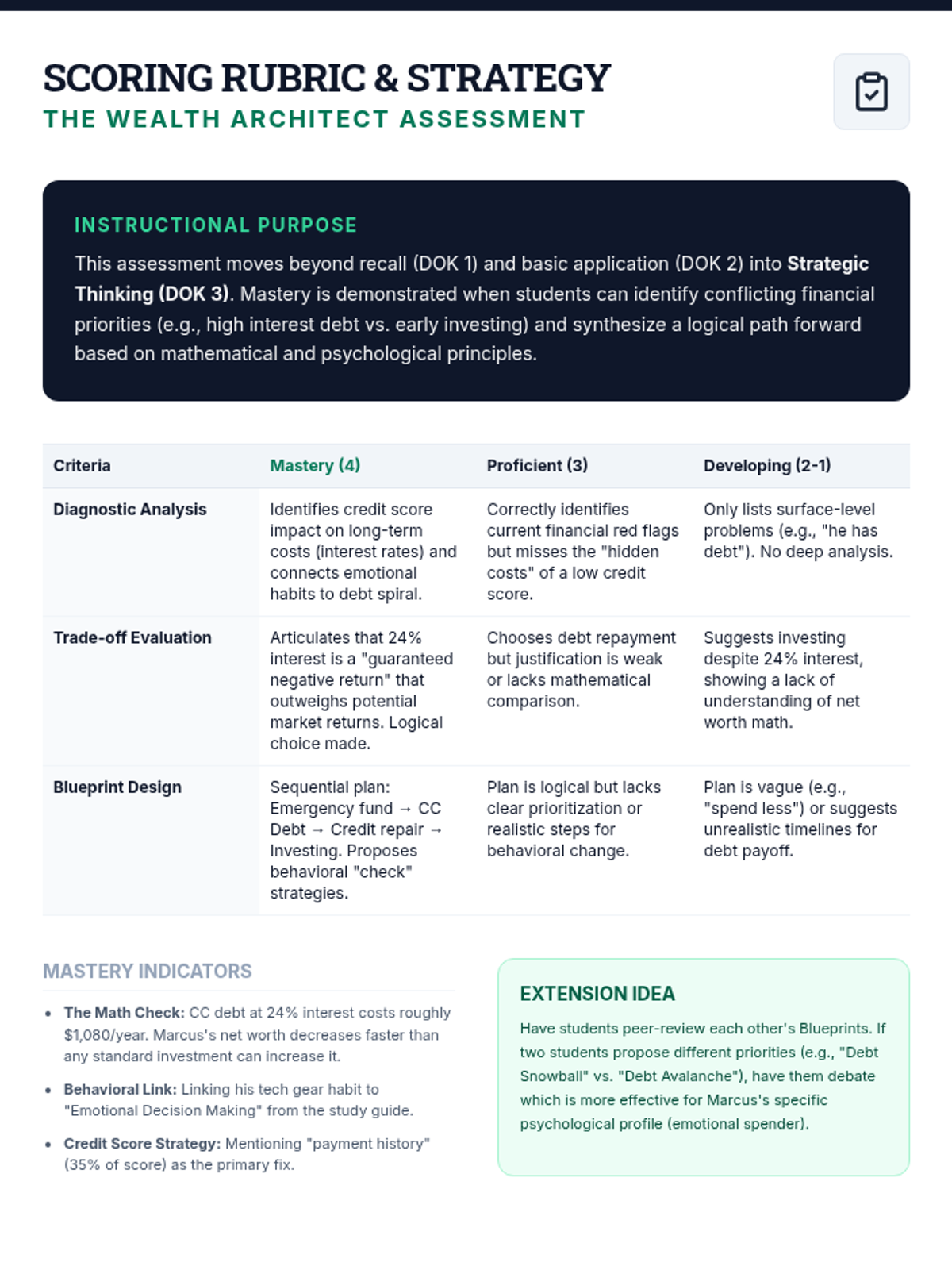
A comprehensive simulation project where students navigate their first month of independent living, managing expenses and responding to unexpected life events to build financial literacy.
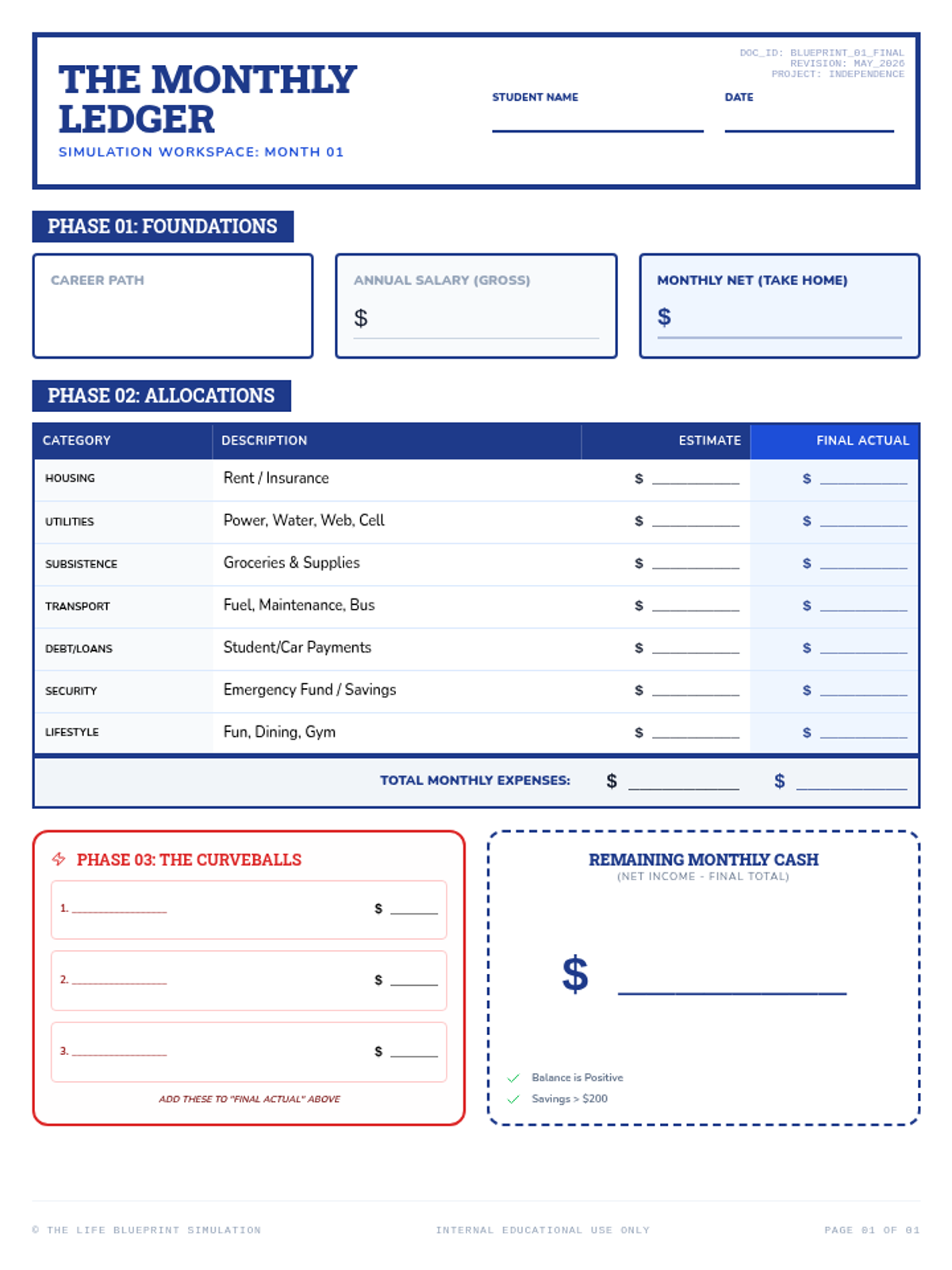
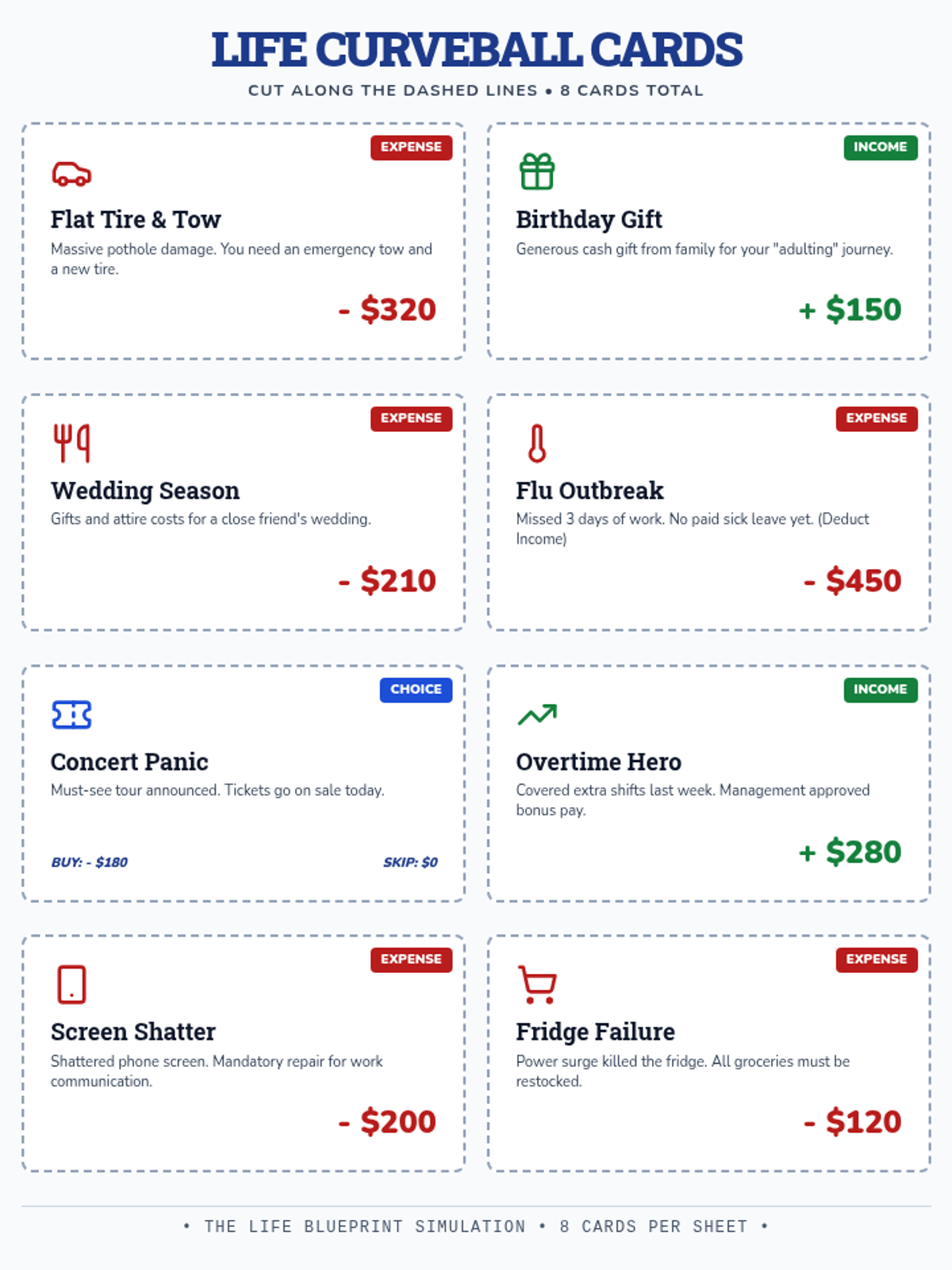
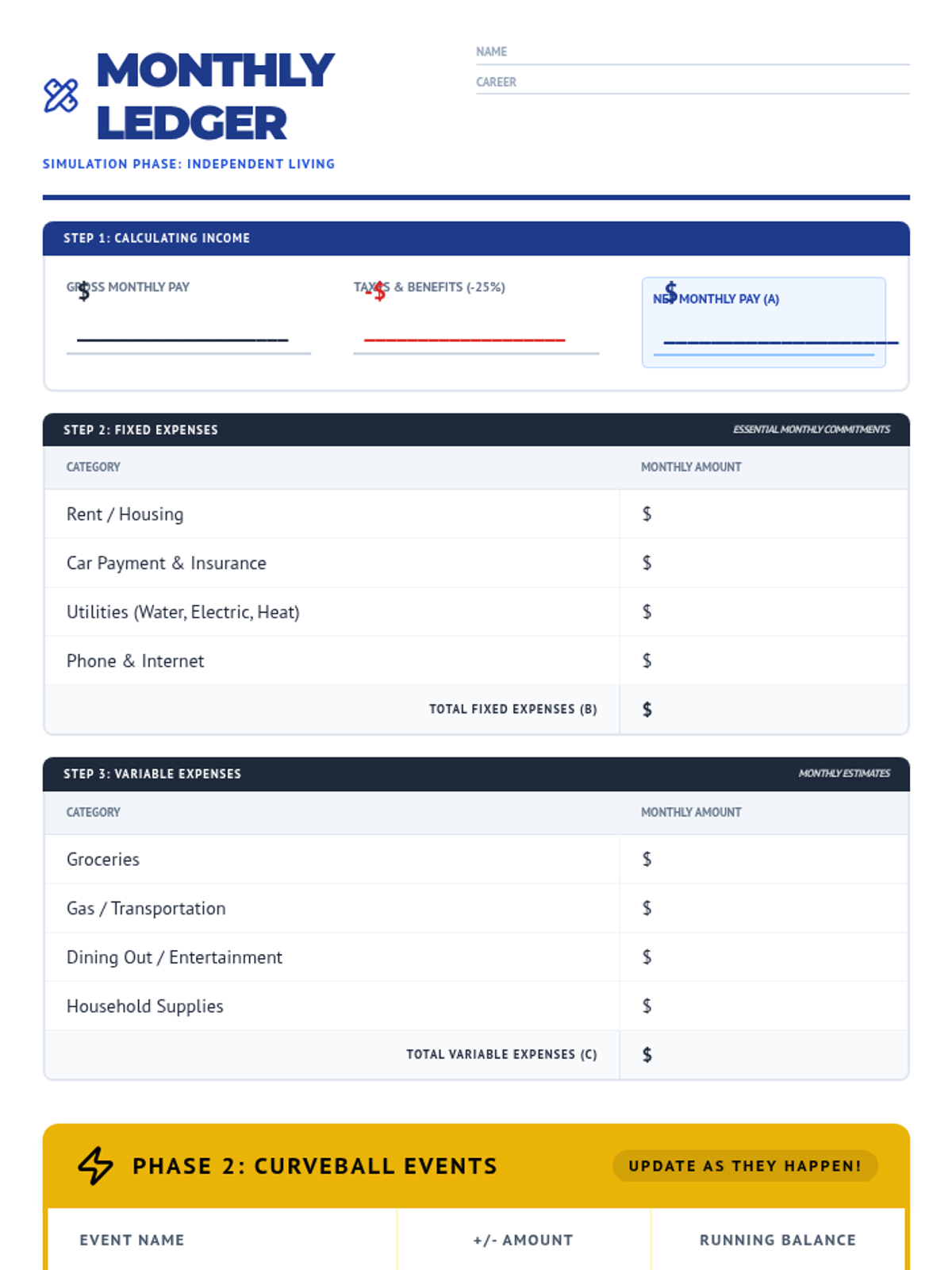
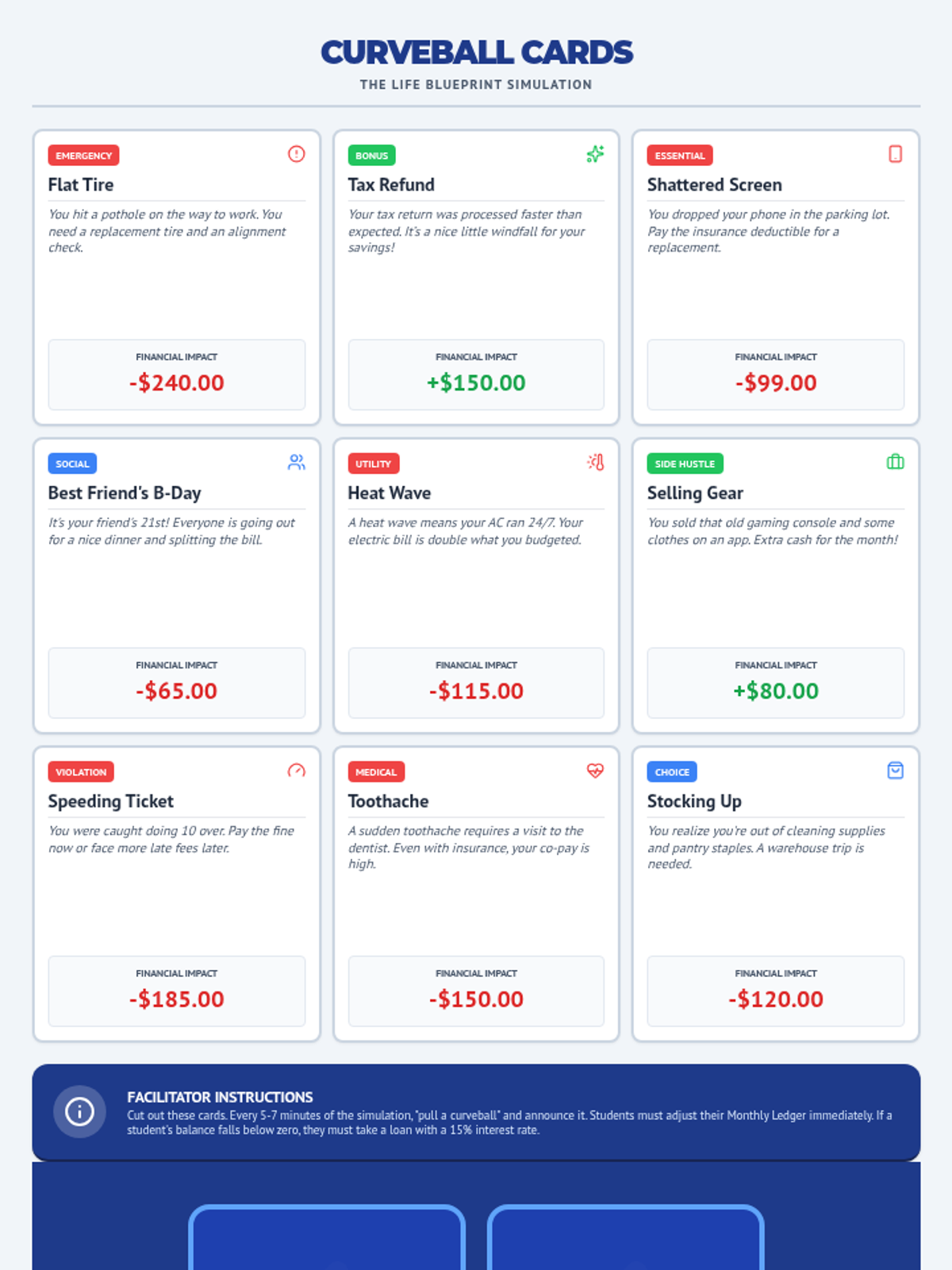
A comprehensive financial literacy simulation where students manage their first month of independent living. Students calculate net income, allocate funds for essentials, and adapt to unexpected financial 'shocks' using a realistic budgeting framework.
Students simulate their first month of independent living by managing a realistic budget and navigating unexpected life events. This project builds practical numeracy and decision-making skills specifically tailored for graduating seniors.
A comprehensive simulation where students manage their first month of independent living, covering budgeting basics and handling unexpected financial curveballs.
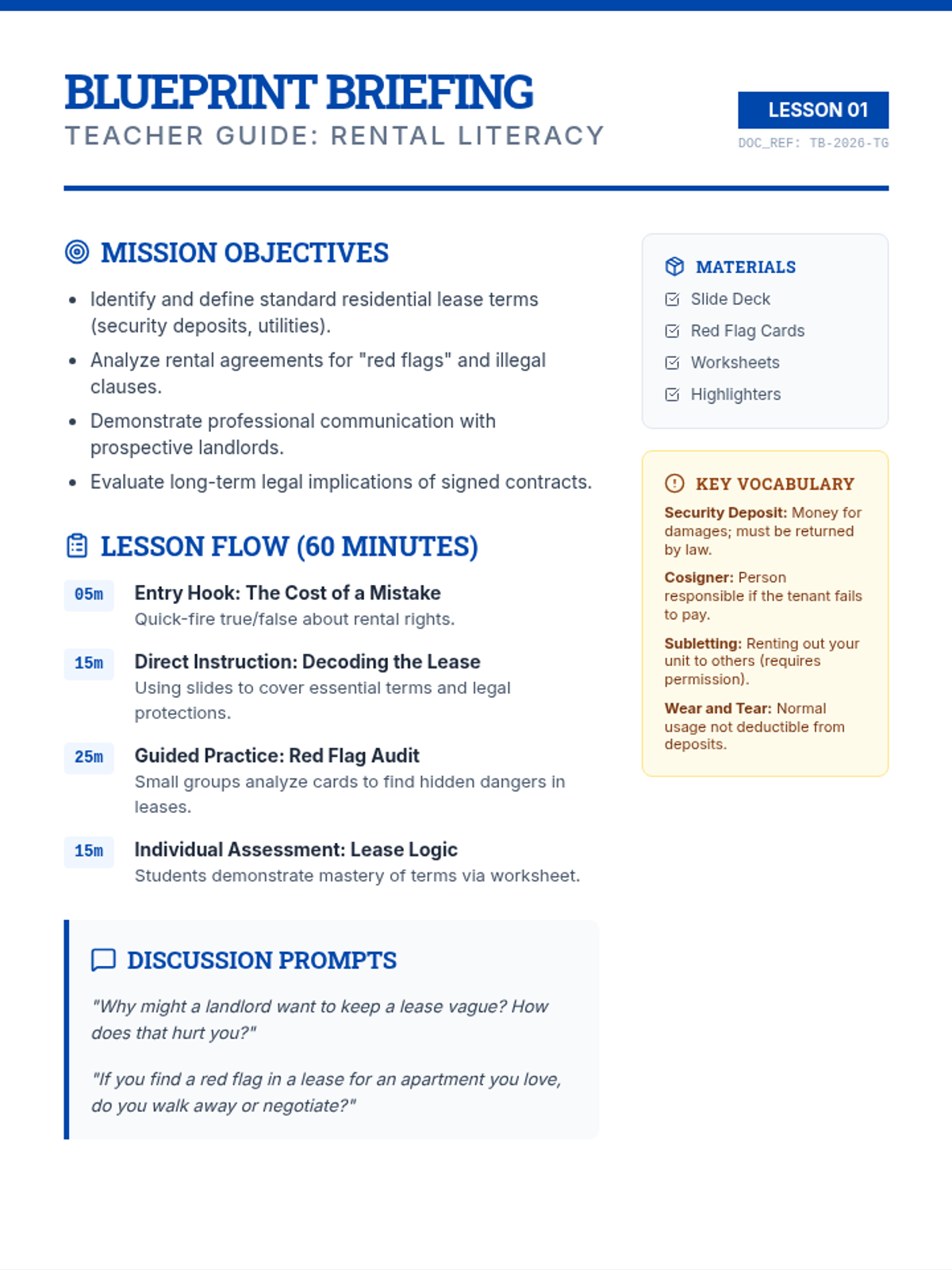
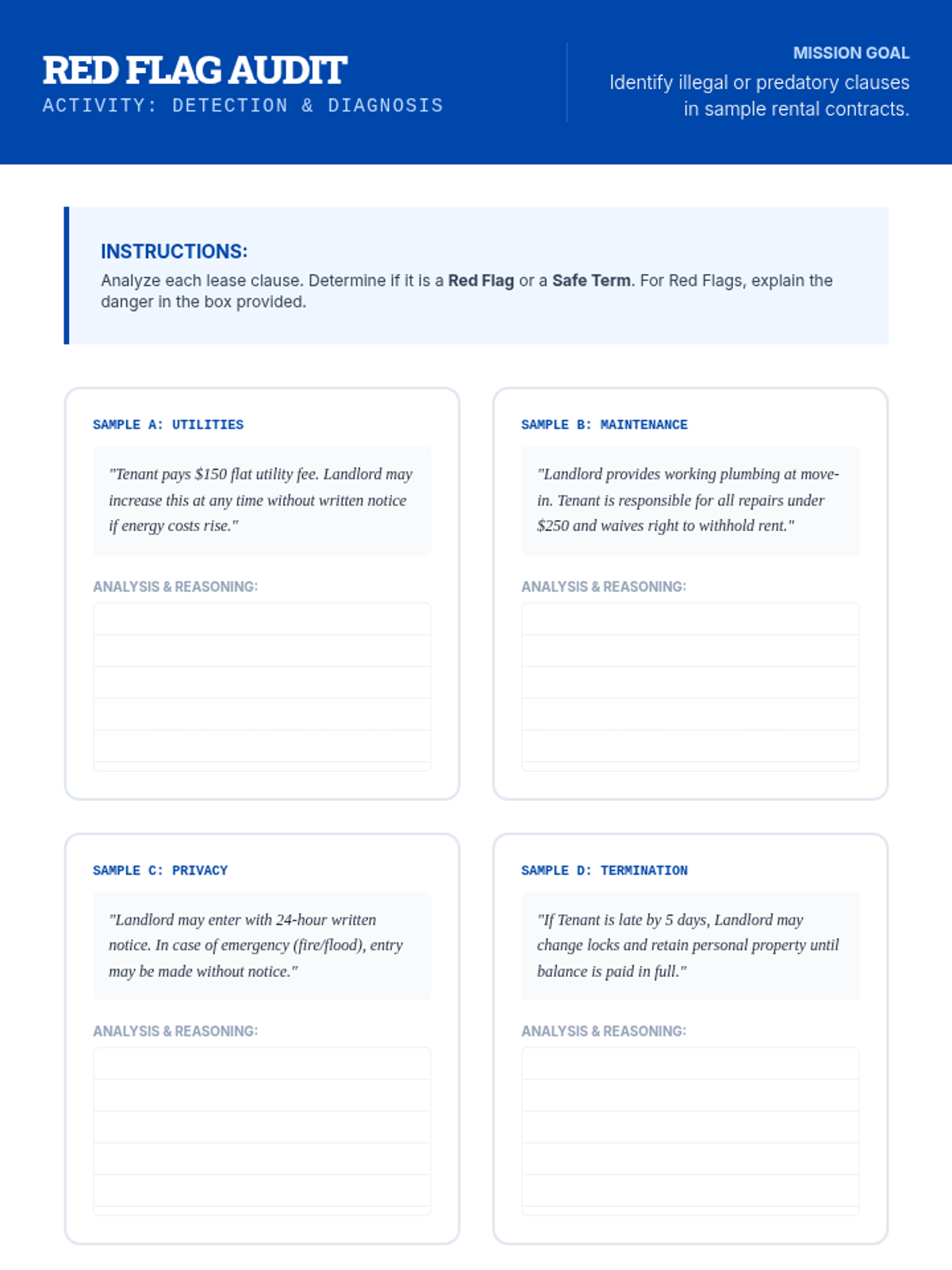
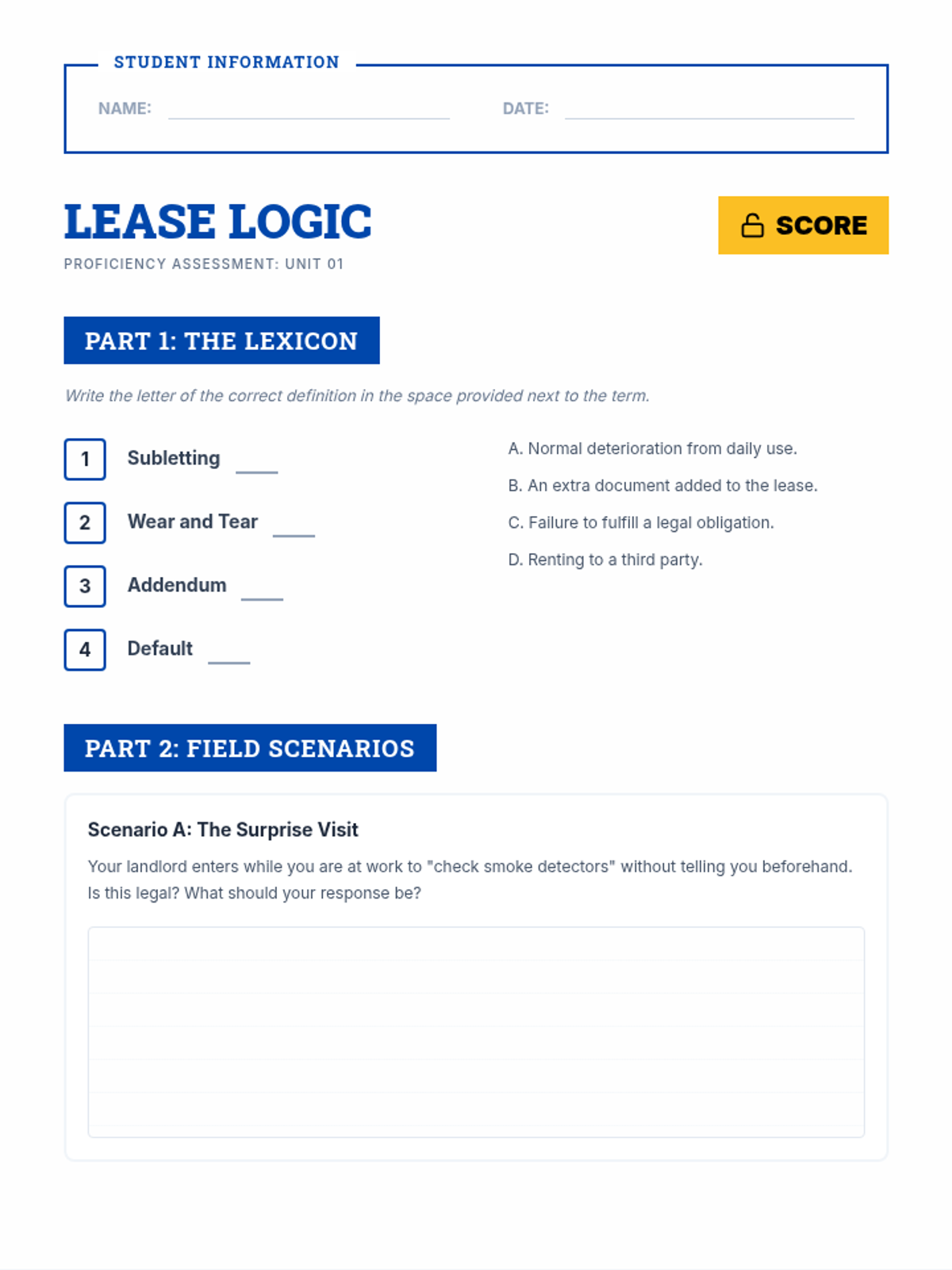
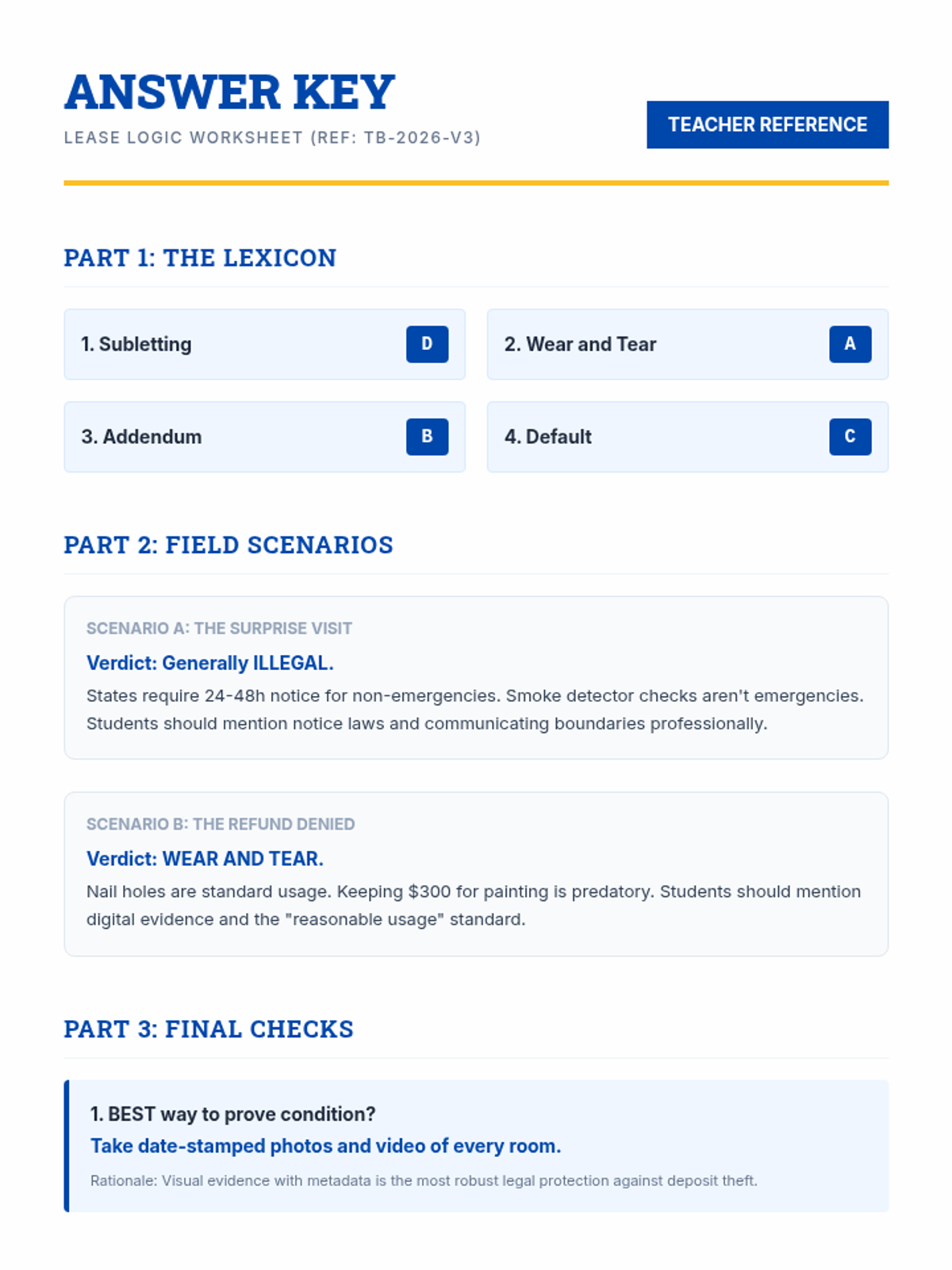
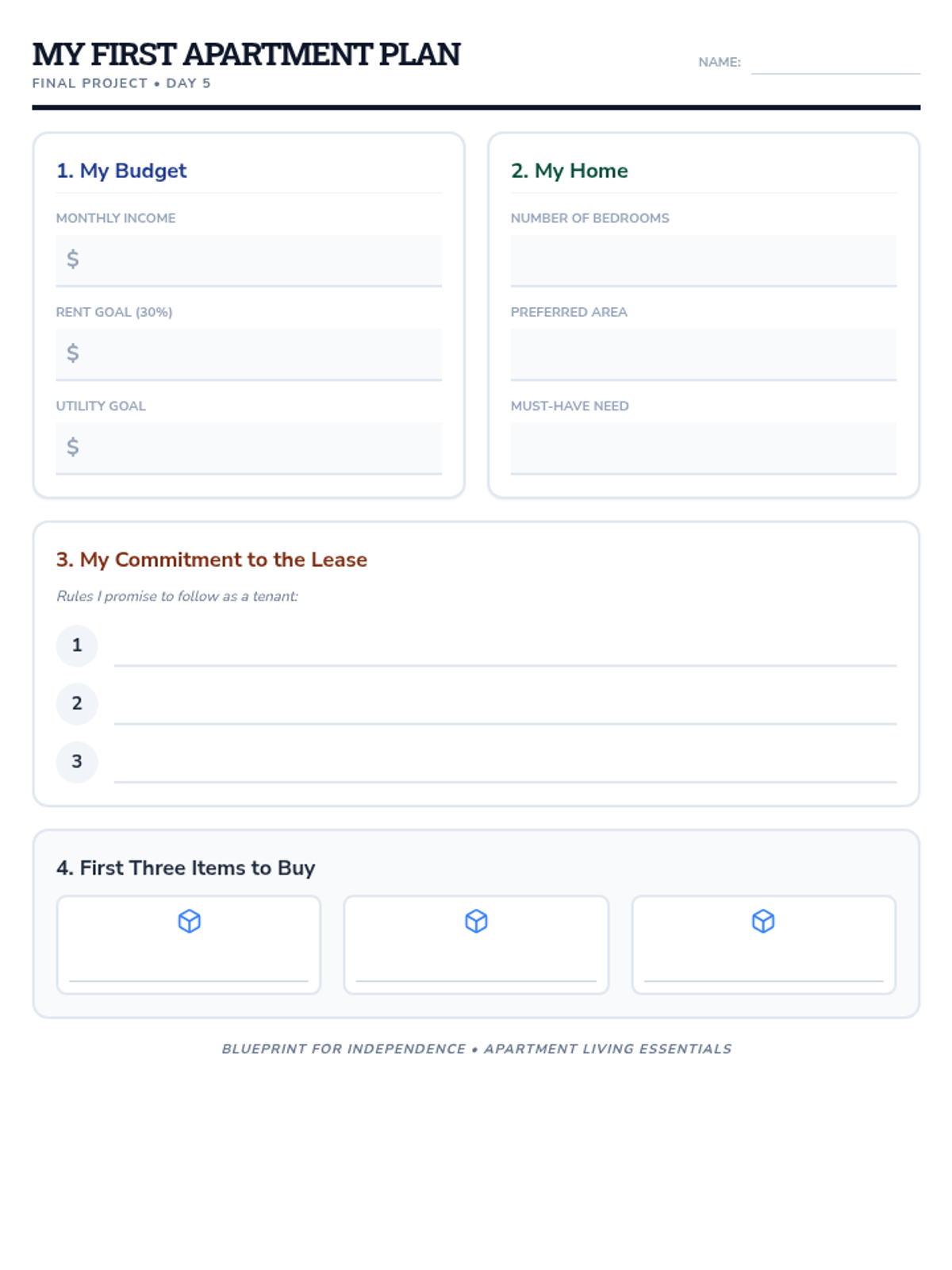
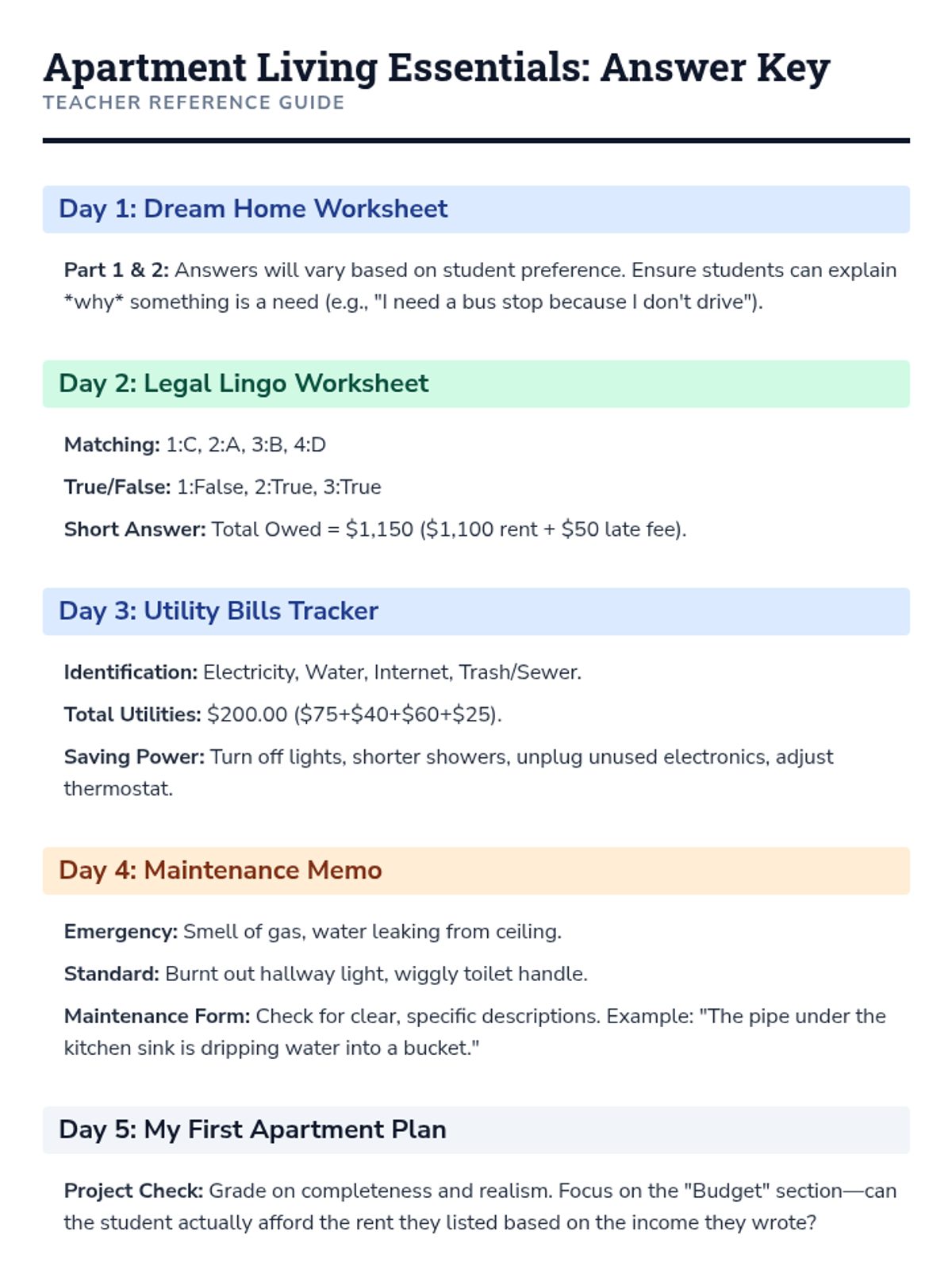
A comprehensive lesson designed for graduating seniors to navigate the complexities of renting their first apartment, focusing on lease literacy and identifying rental red flags.
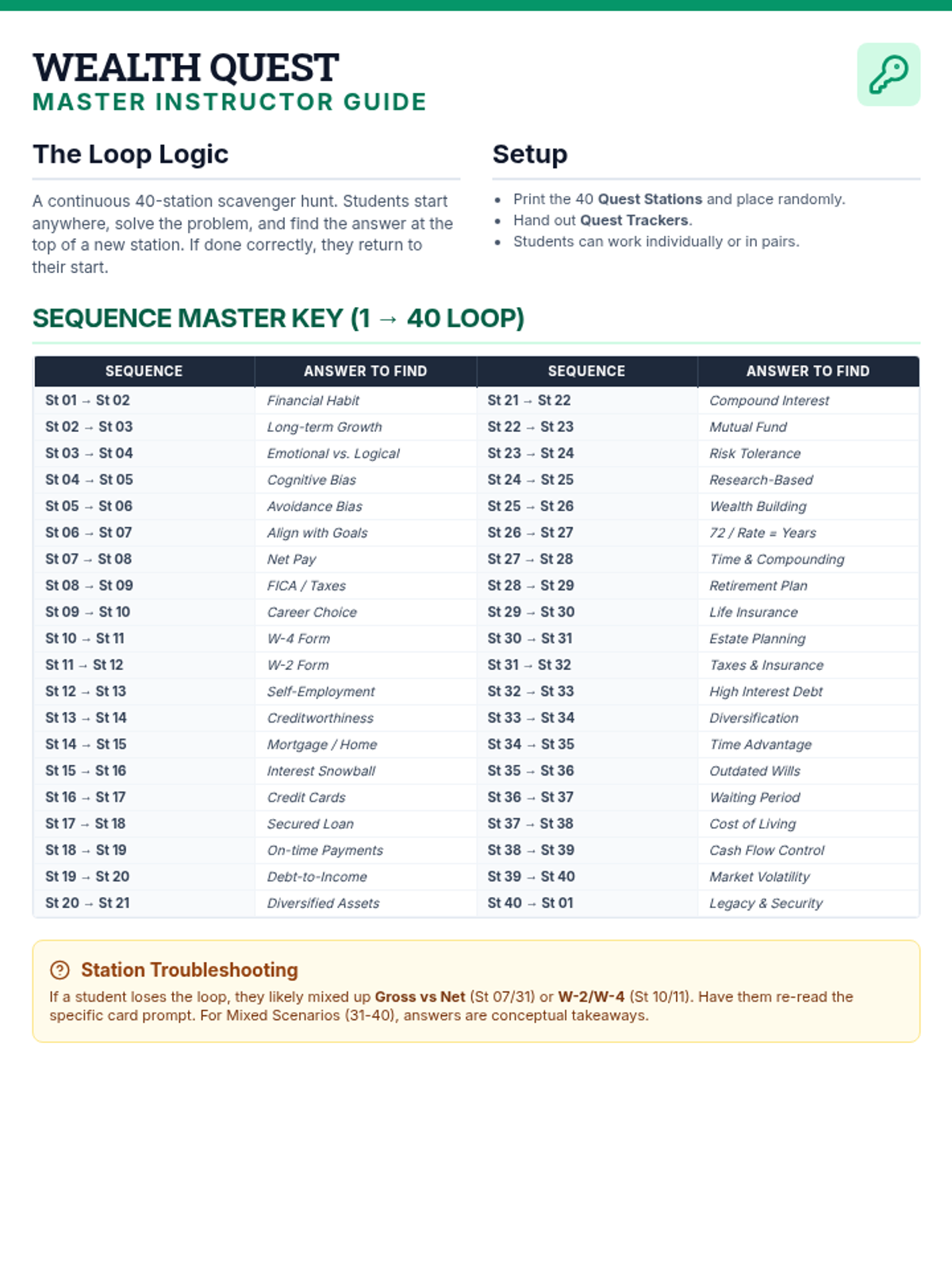
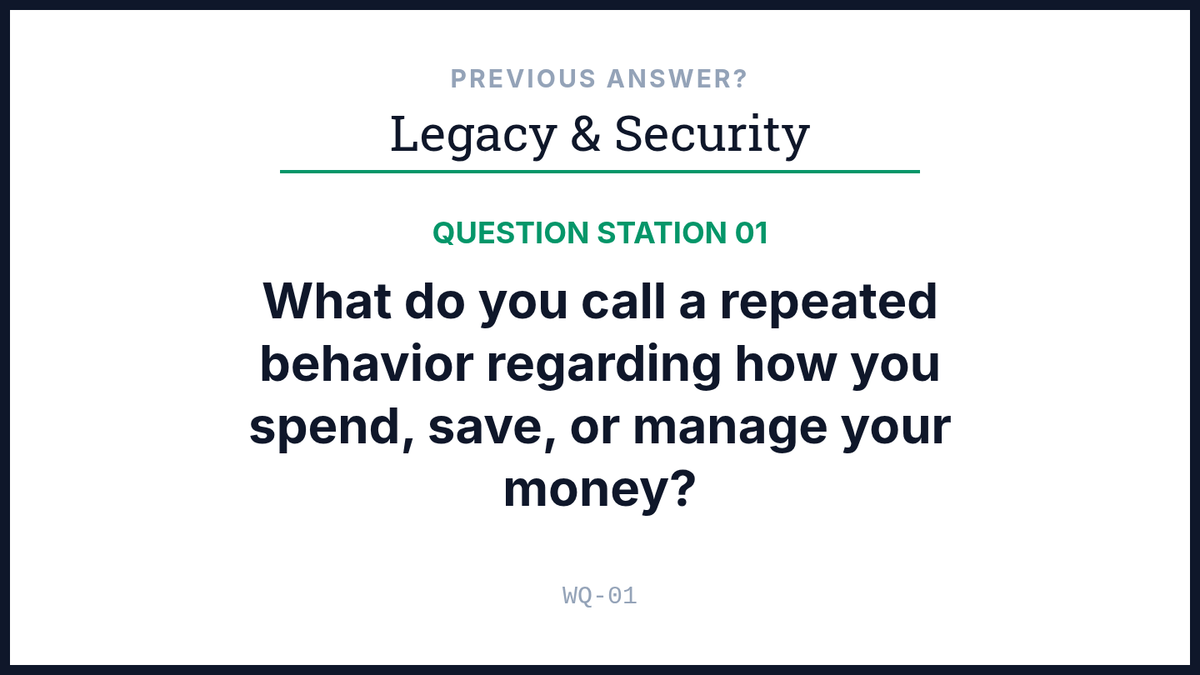
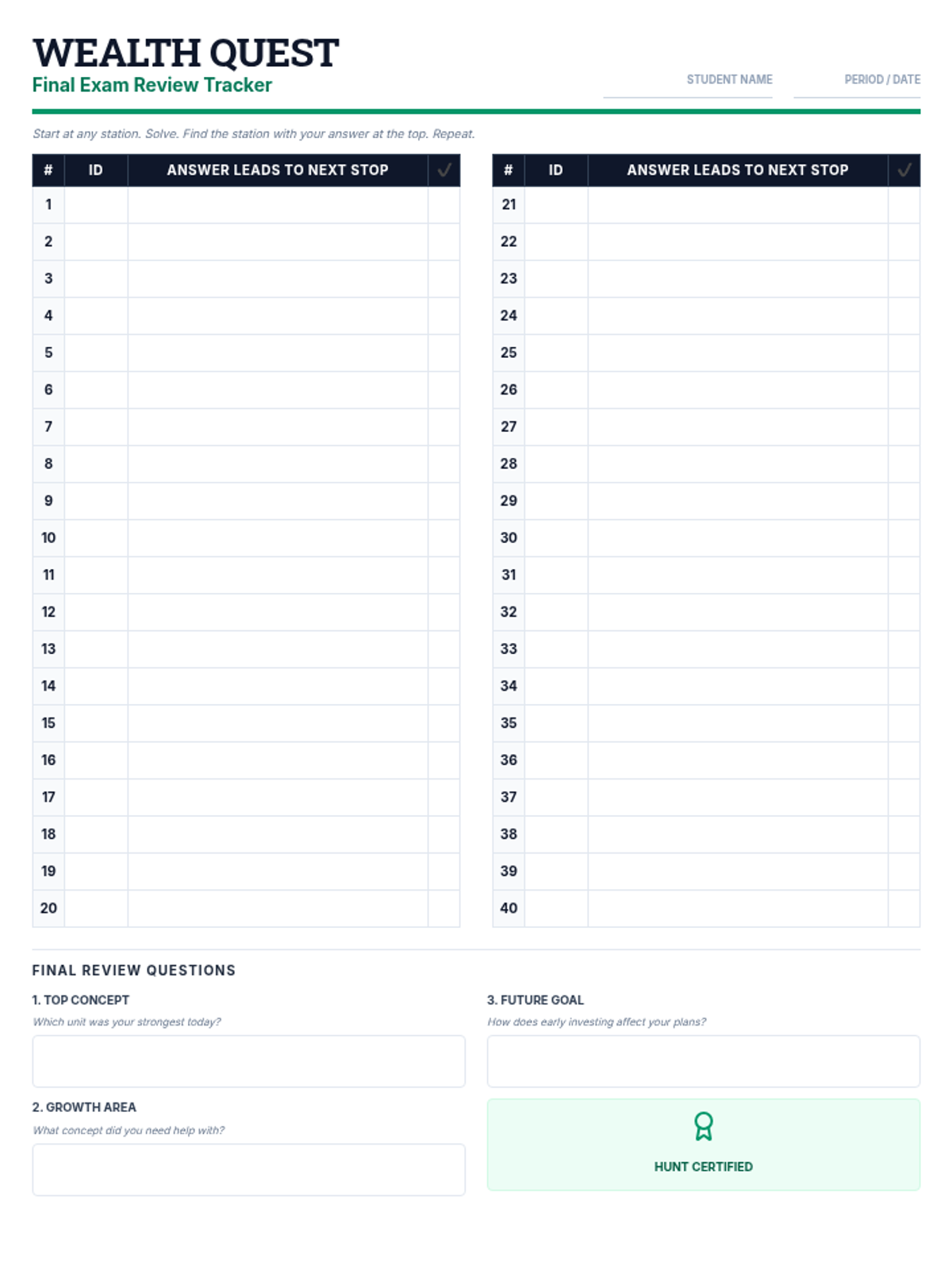
A comprehensive, multi-period scavenger hunt review for Personal Finance students. This lesson covers financial habits, income, credit, investing, and long-term planning through an active, self-correcting loop of 40 challenge stations.
A culminating review where students create a personal apartment plan and demonstrate their knowledge through a final assessment.
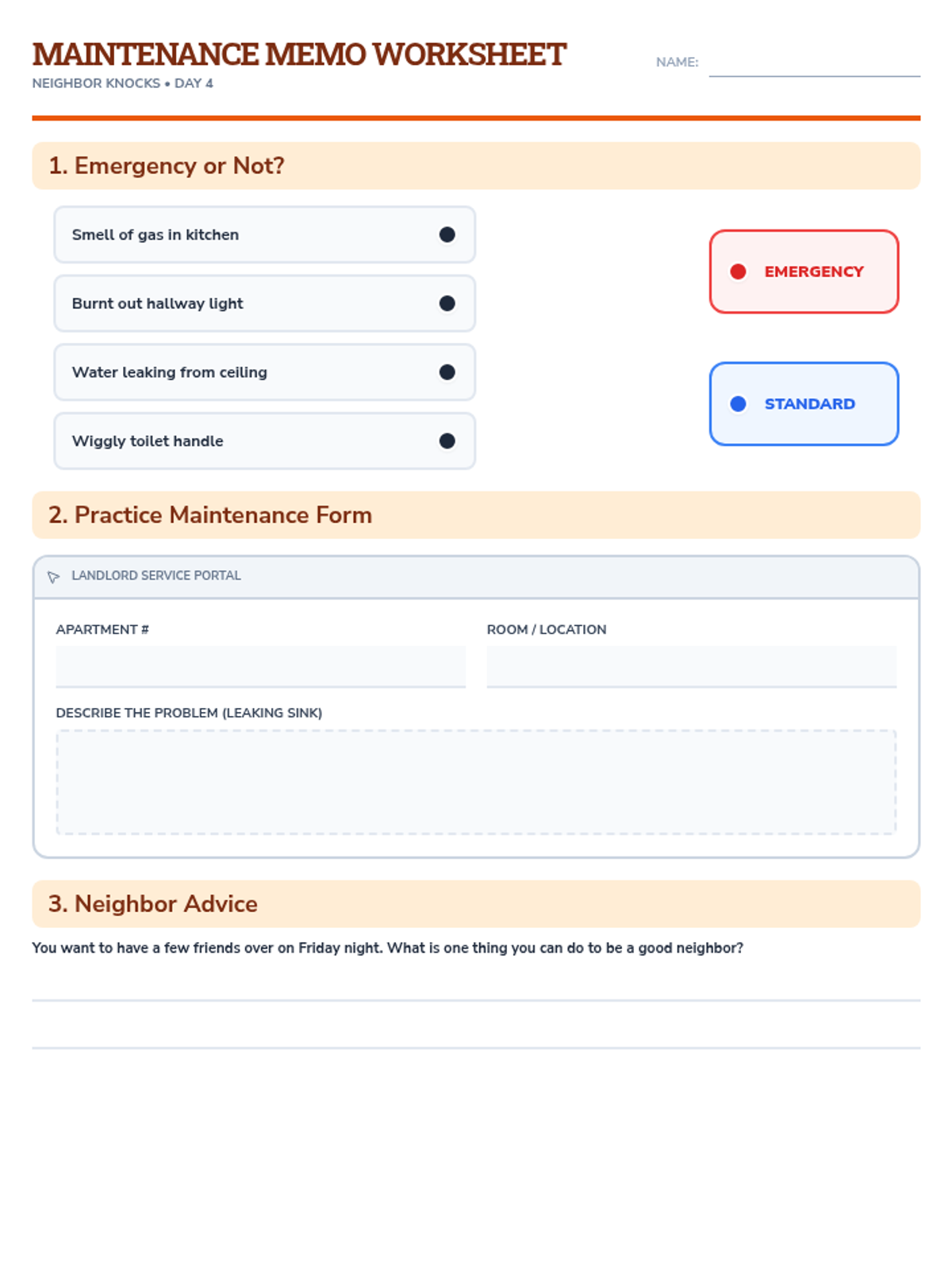
Covers the social and practical side of apartment living, including neighbor etiquette, safety protocols, and how to file maintenance requests.
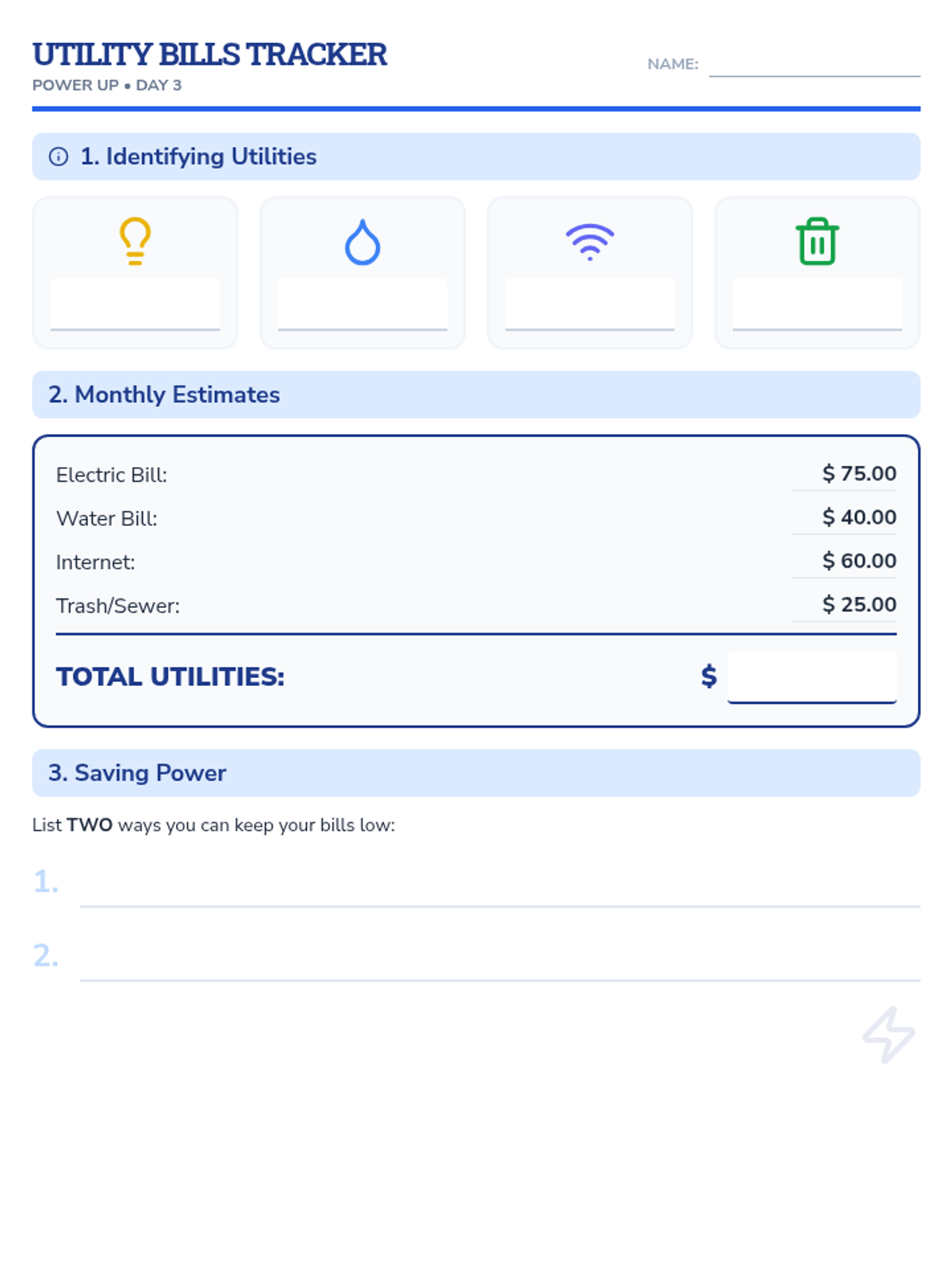
Teaches students how to set up essential utilities (electricity, water, internet) and plan for the physical items needed to move in.
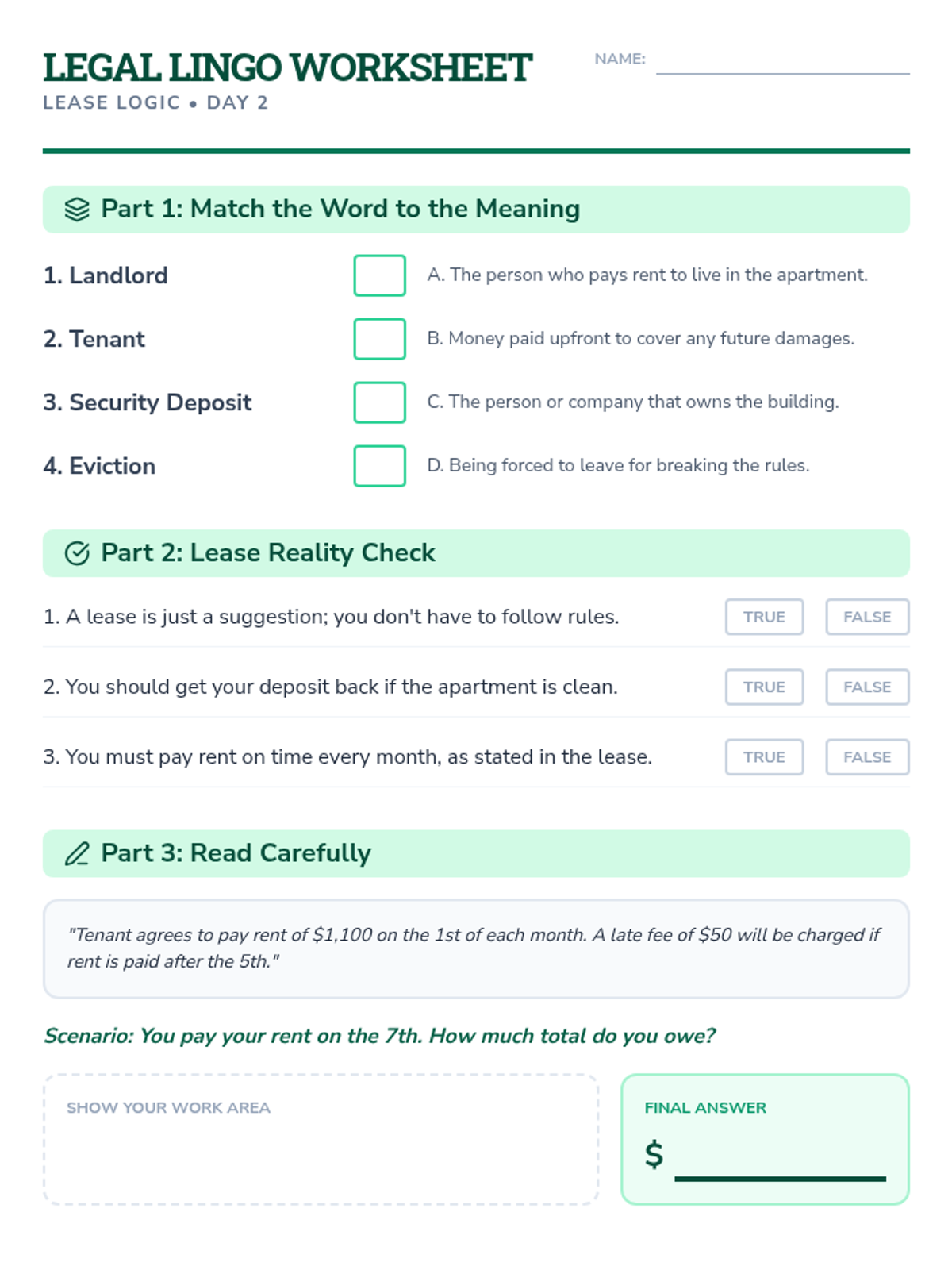
Demystifies the legal aspects of renting, including security deposits, lease terms, and the responsibilities of both tenants and landlords.
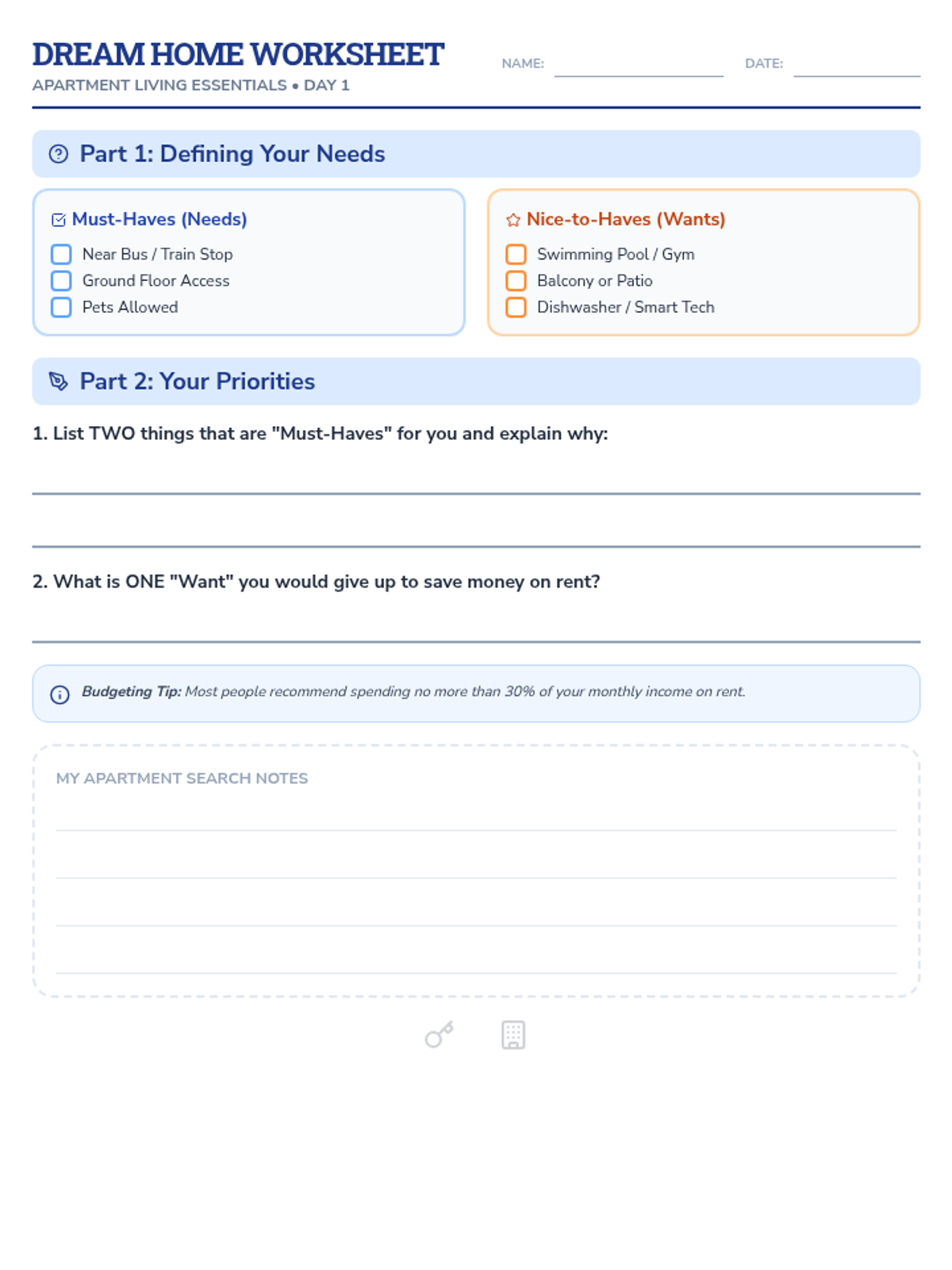
Focuses on identifying personal needs versus wants in housing and learning how to read and compare apartment listings.
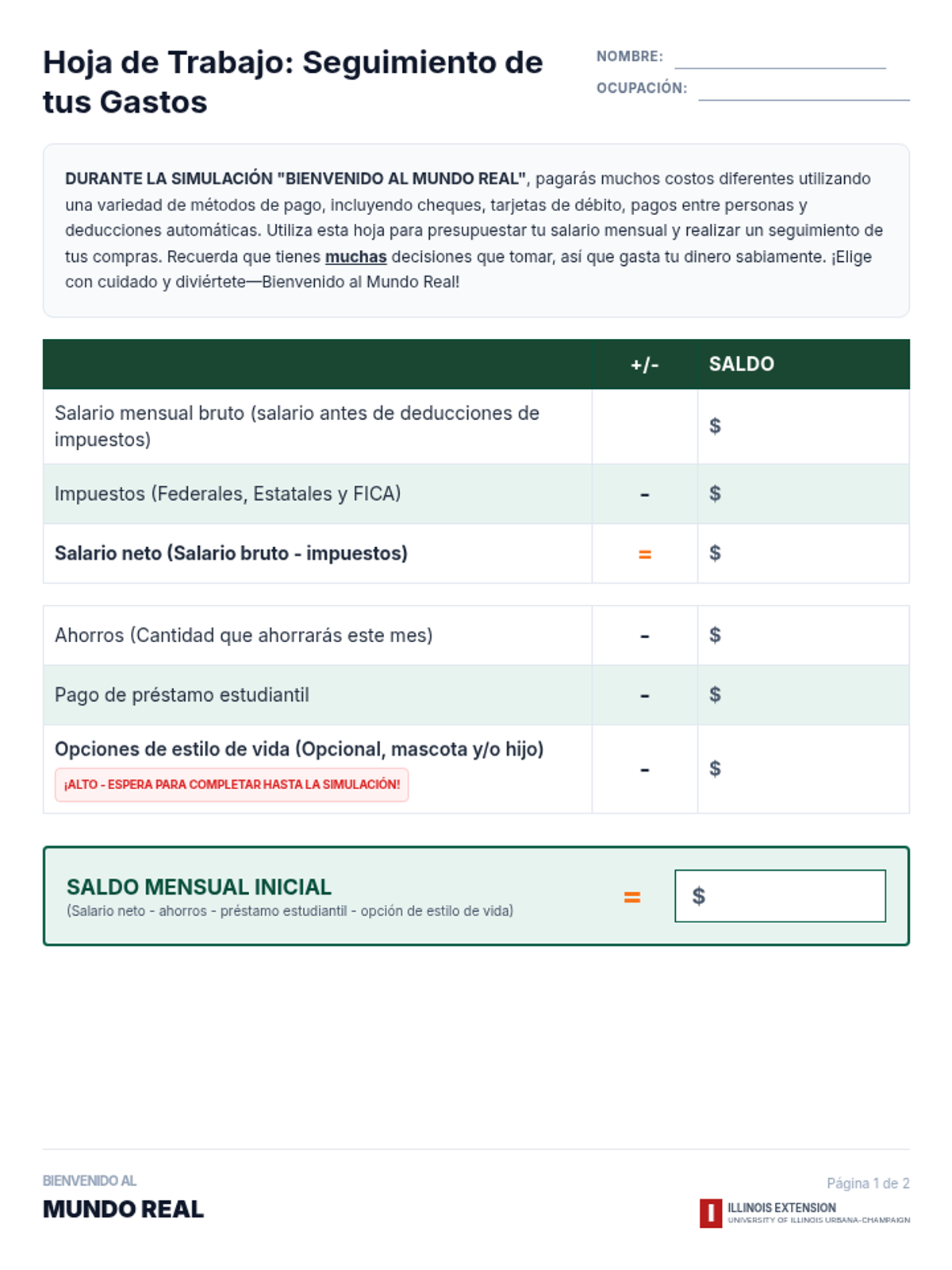
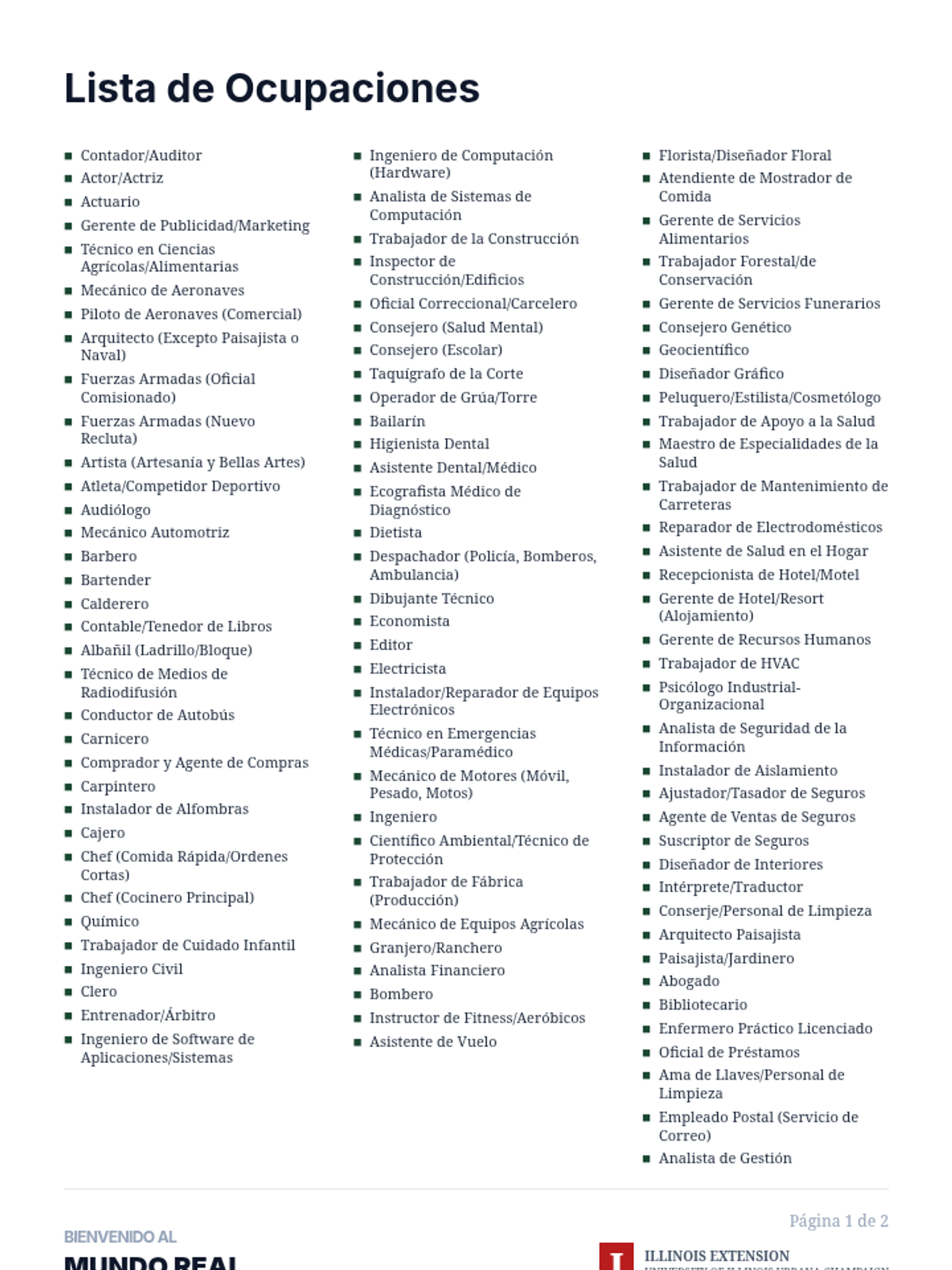
A collection of translated materials for a real-world financial simulation, including expense tracking worksheets and occupation reference lists in Spanish.
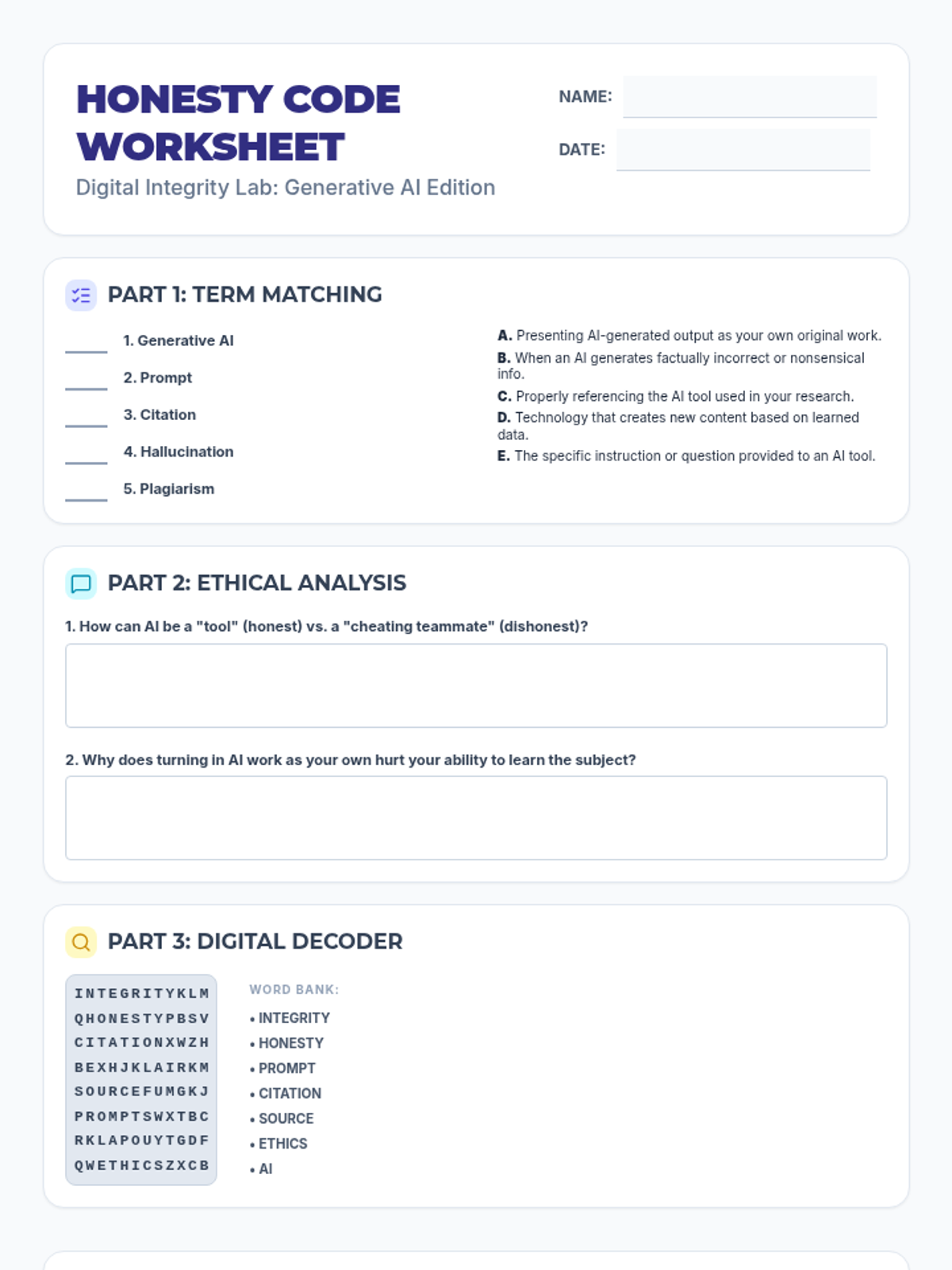
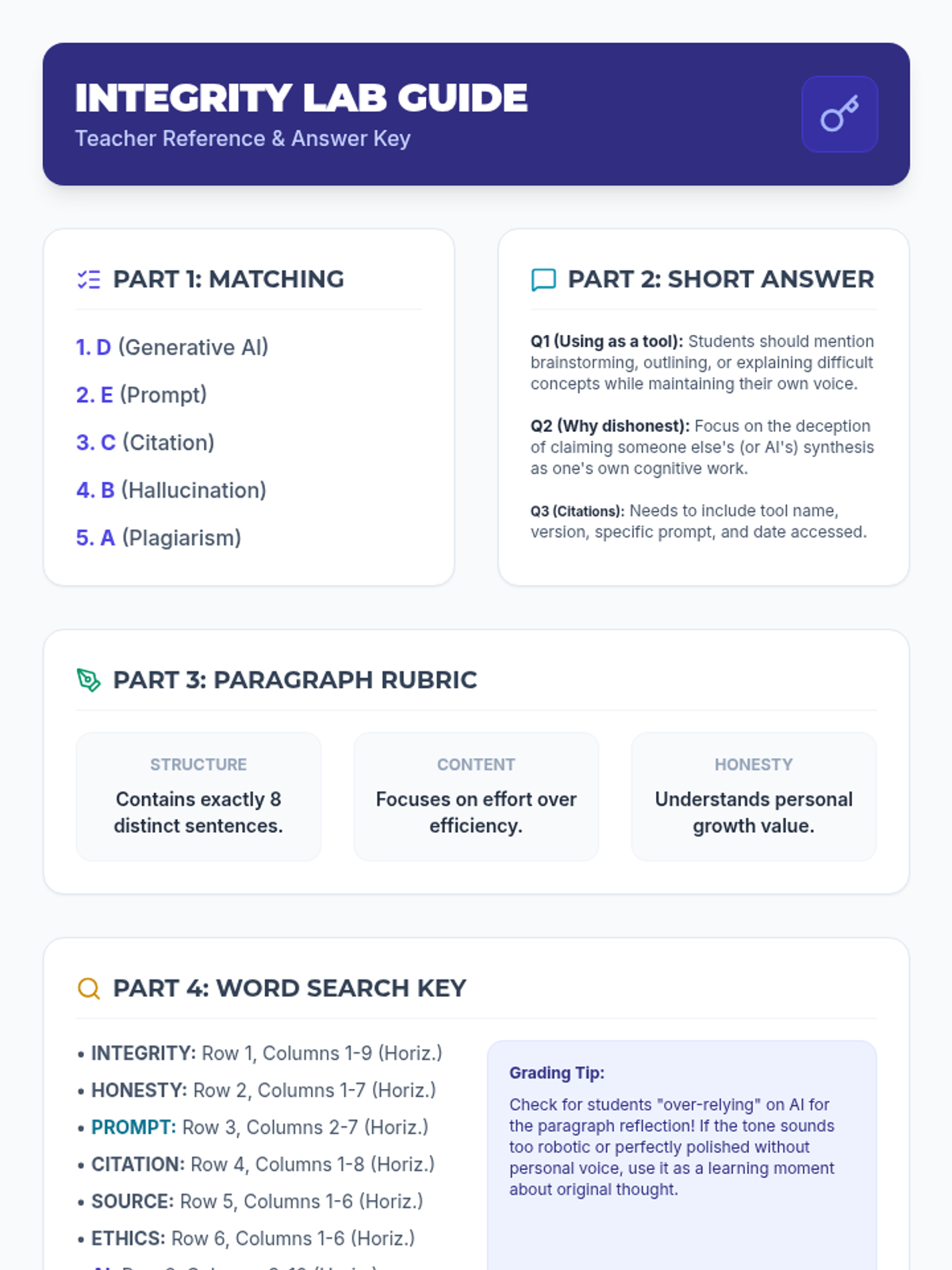
An interactive lesson exploring the ethics of Generative AI, focusing on academic honesty, original thought, and proper citation in the digital age.
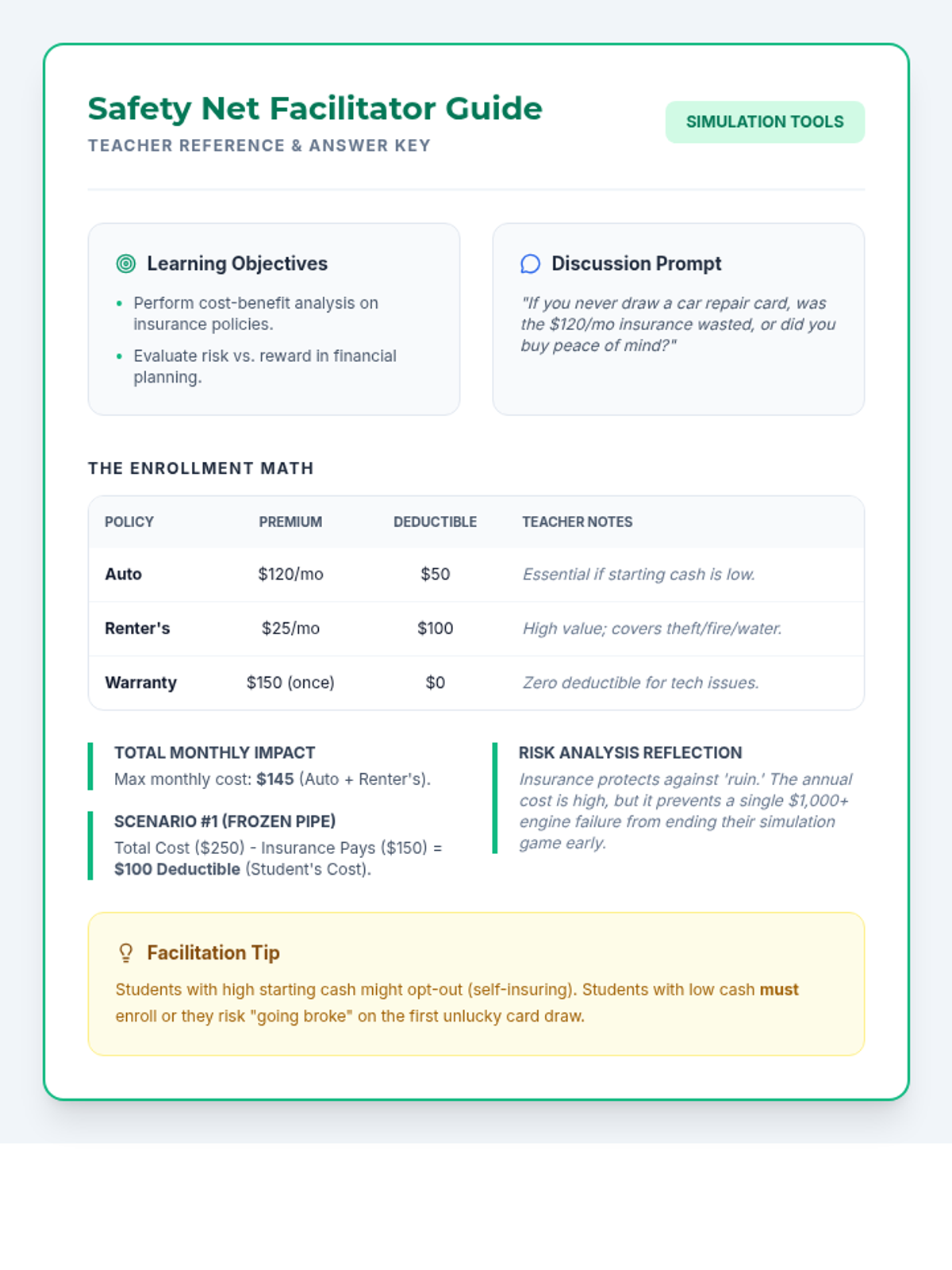
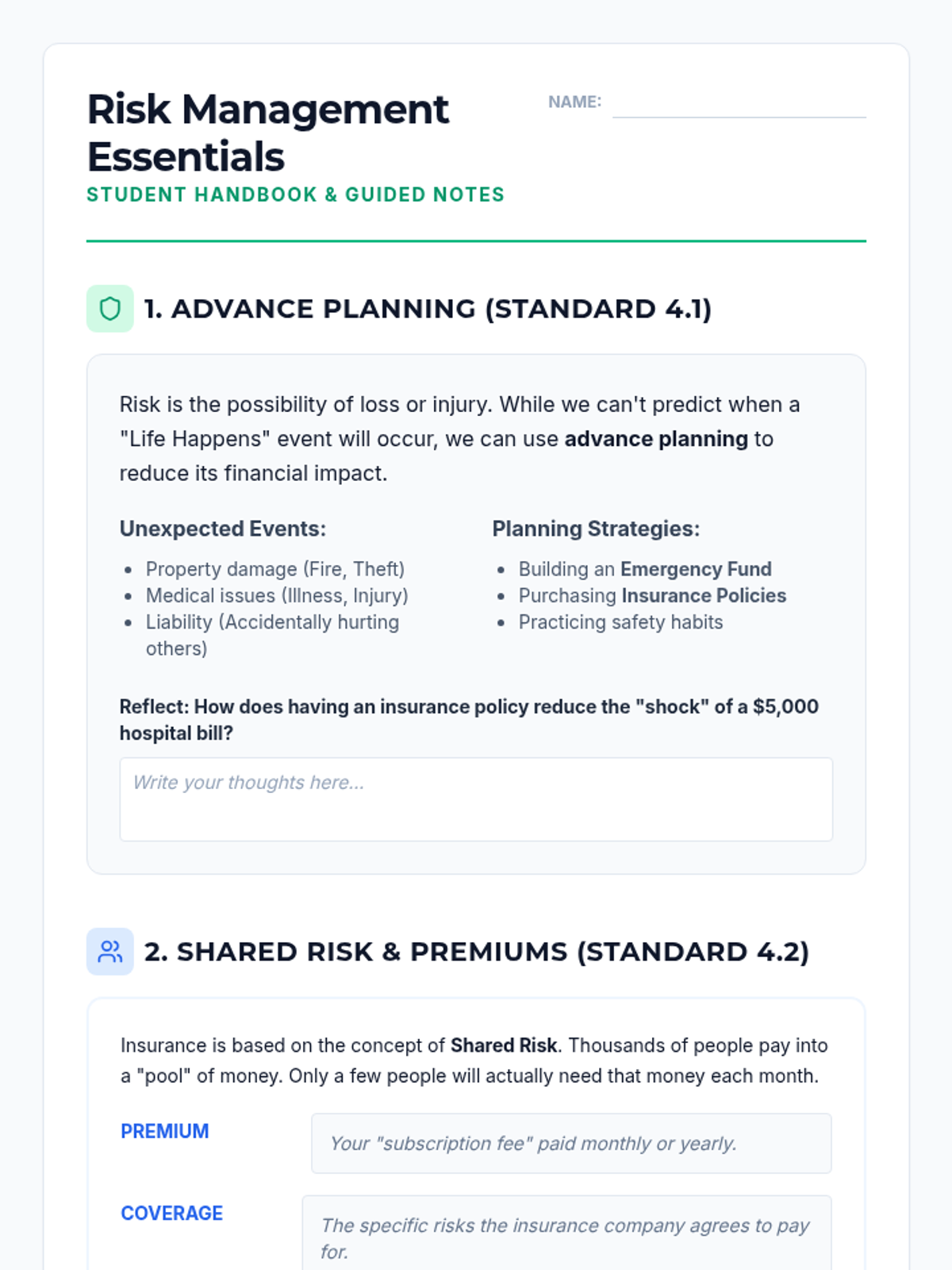
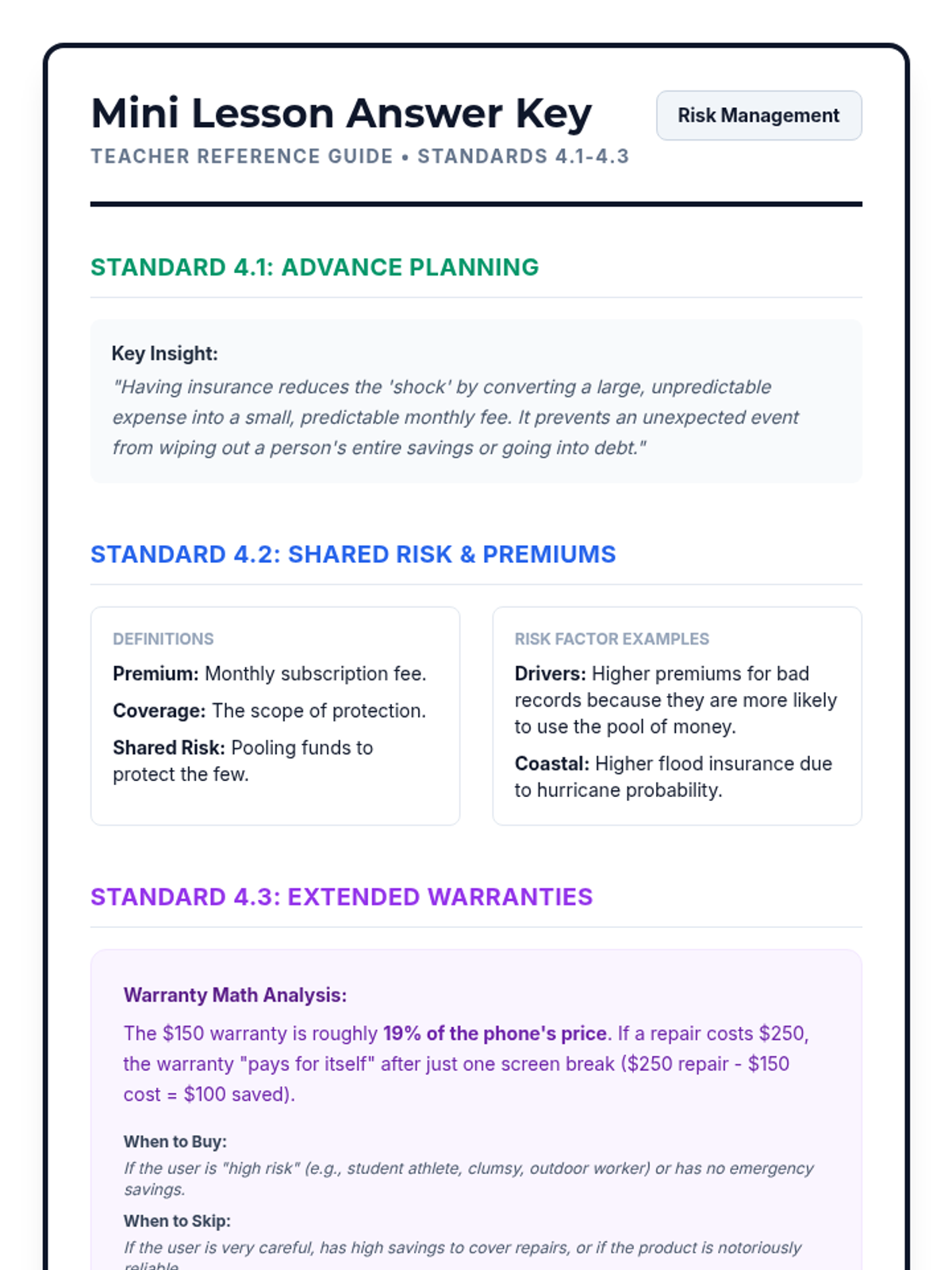
A lesson on insurance basics, deductibles, and risk management using a 'Life Happens' simulation. Students evaluate three different coverage options to protect their budget.
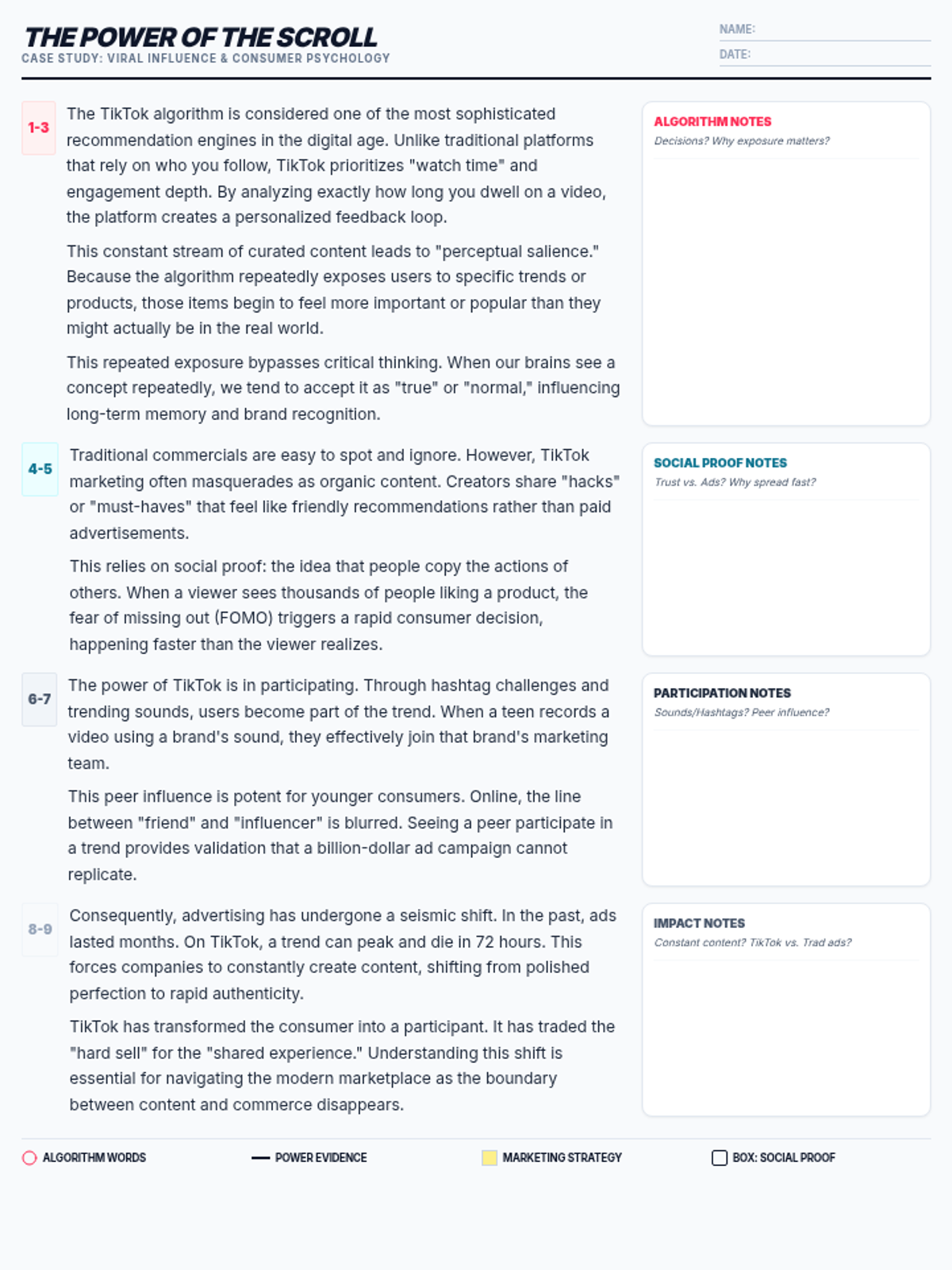
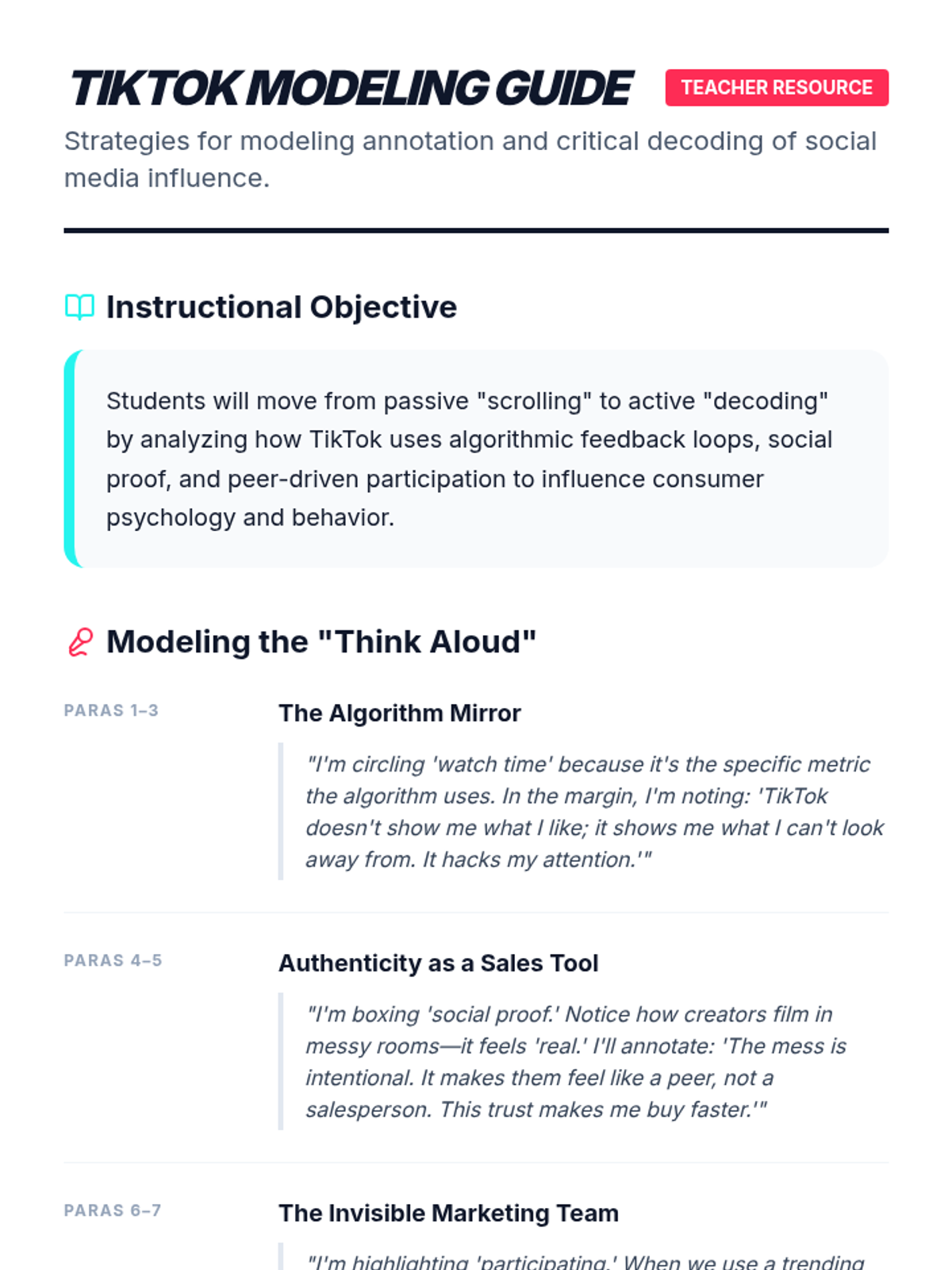
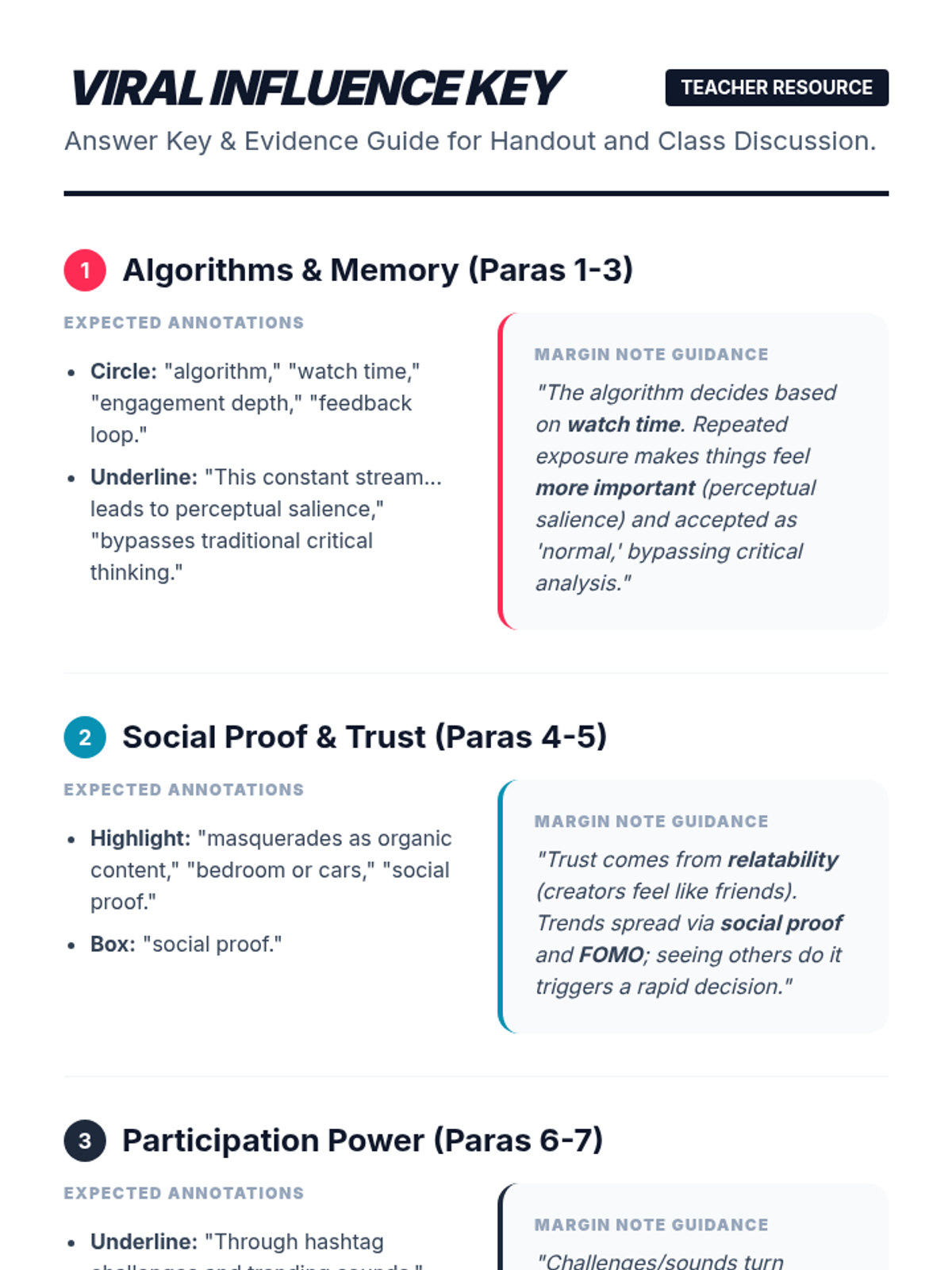
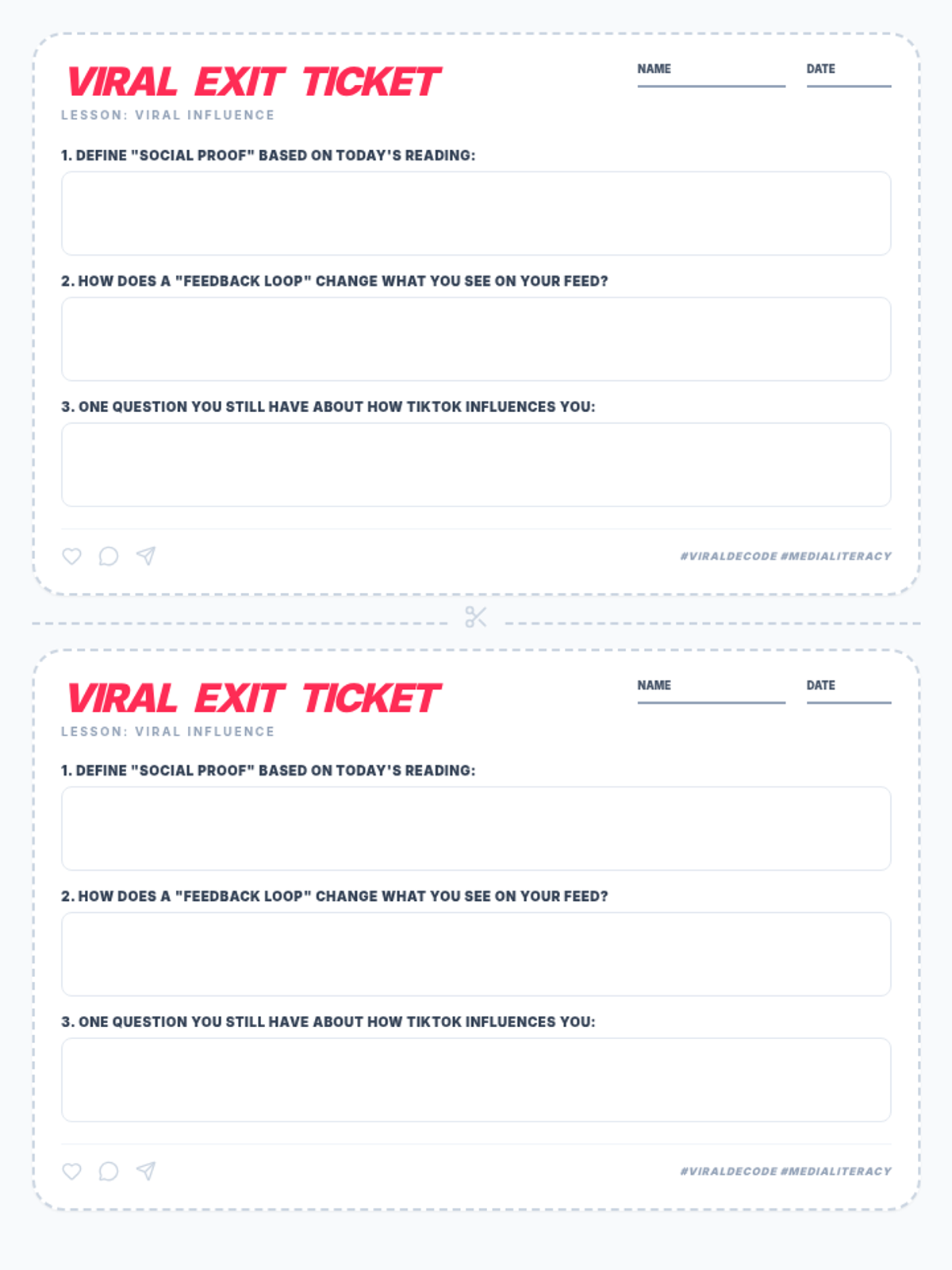
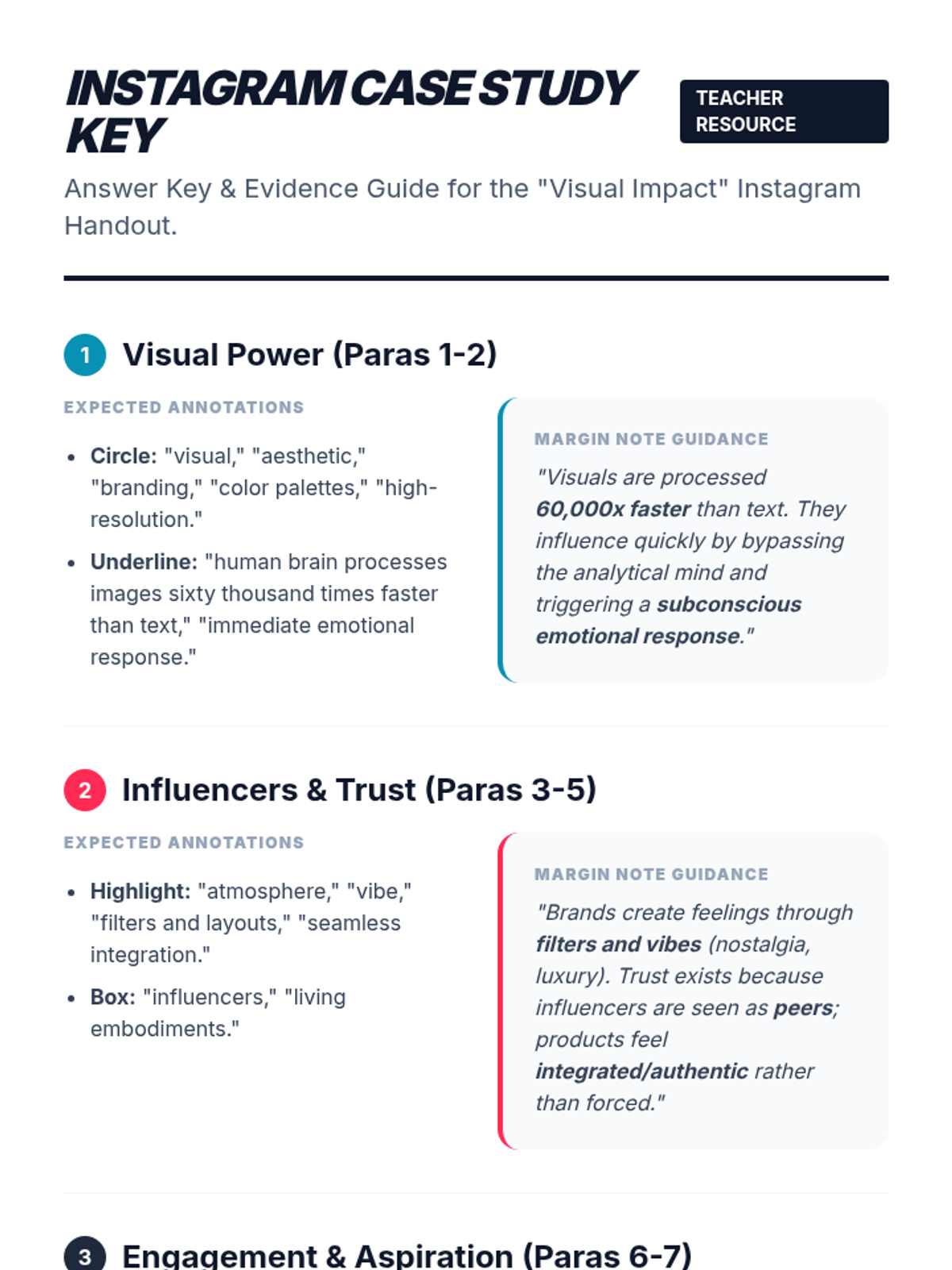
An exploration of TikTok's psychological and marketing influence, focusing on algorithmic power, social proof, and peer-driven trends through modeled annotation practices.
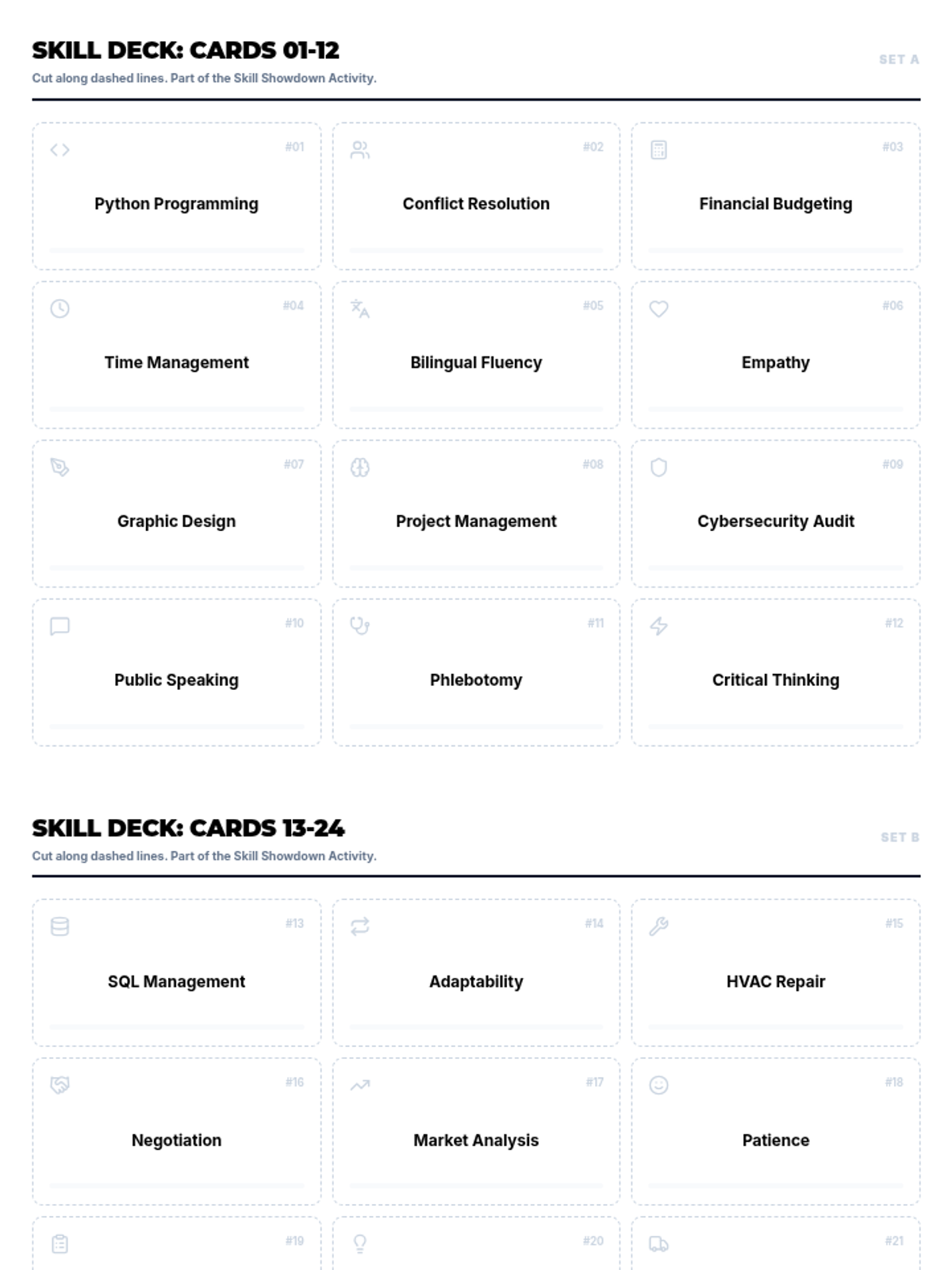
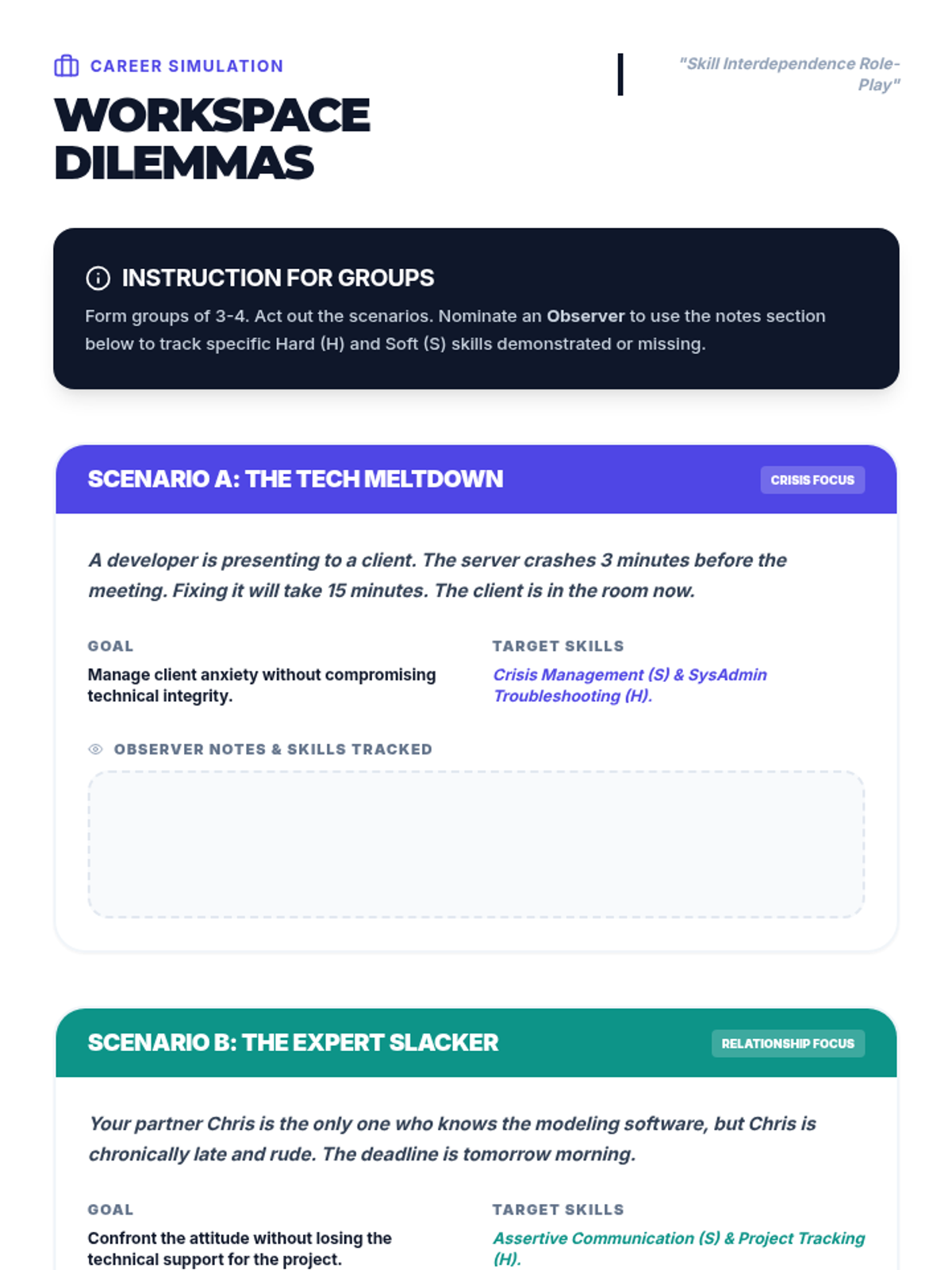
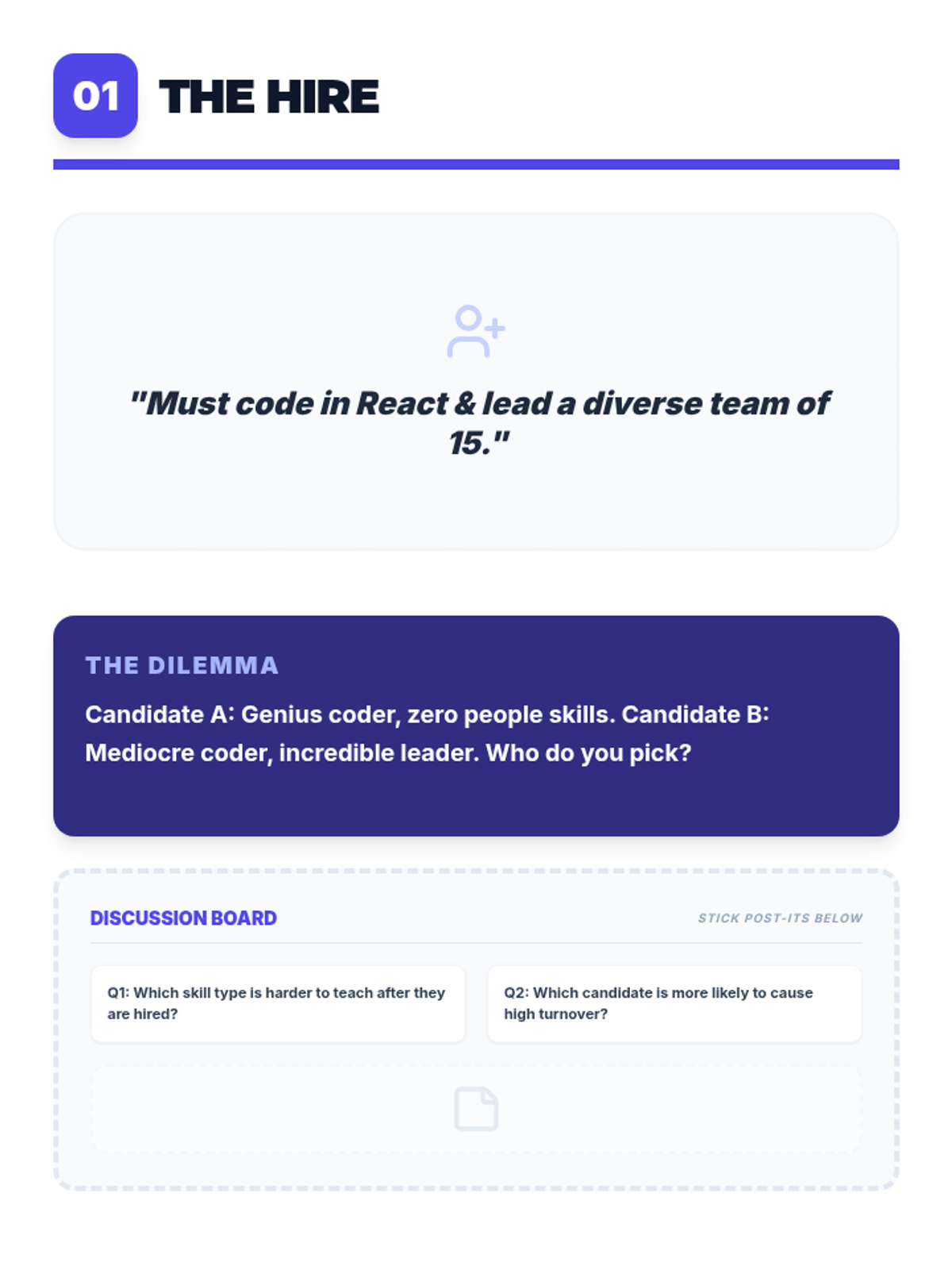
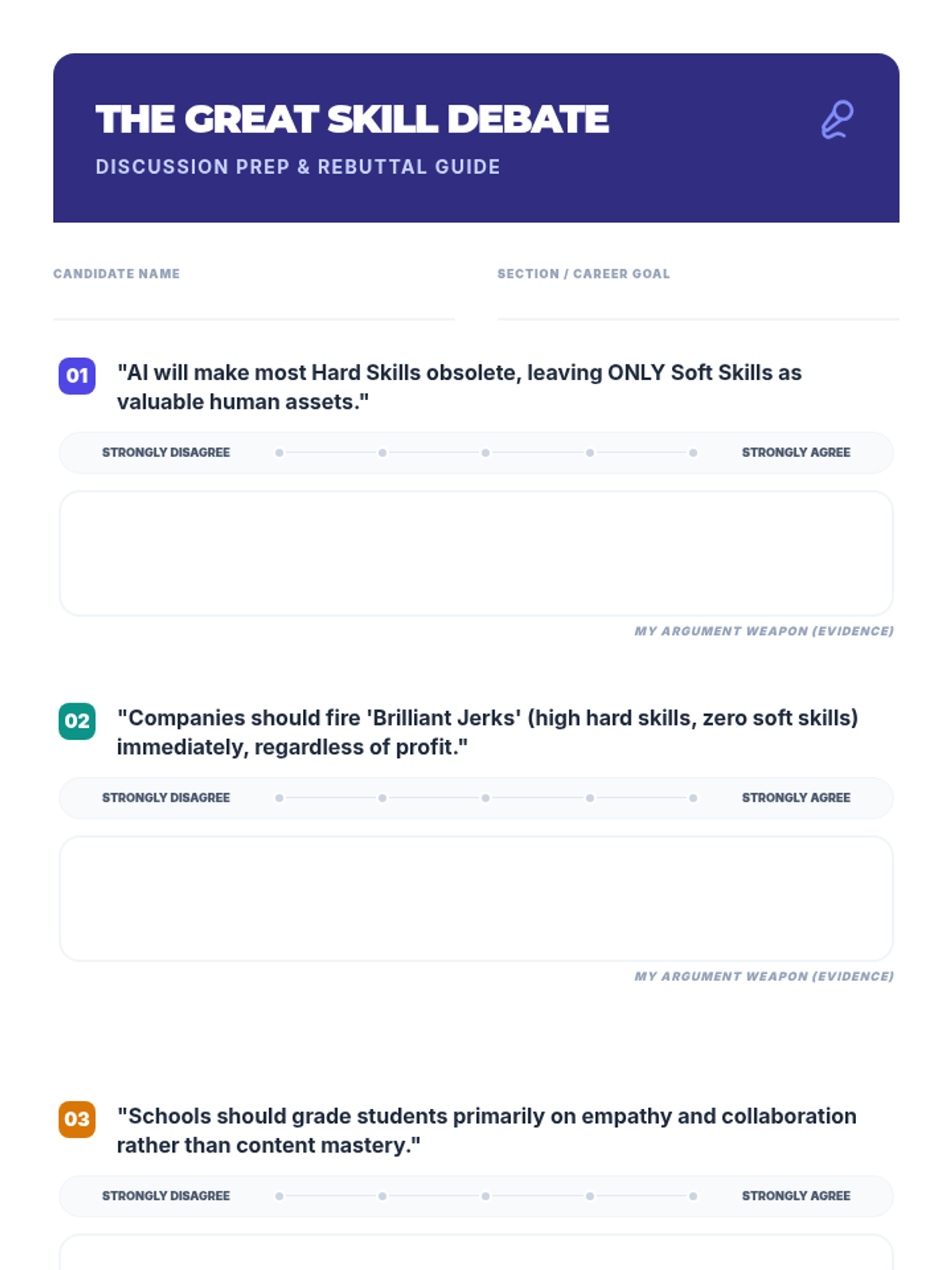
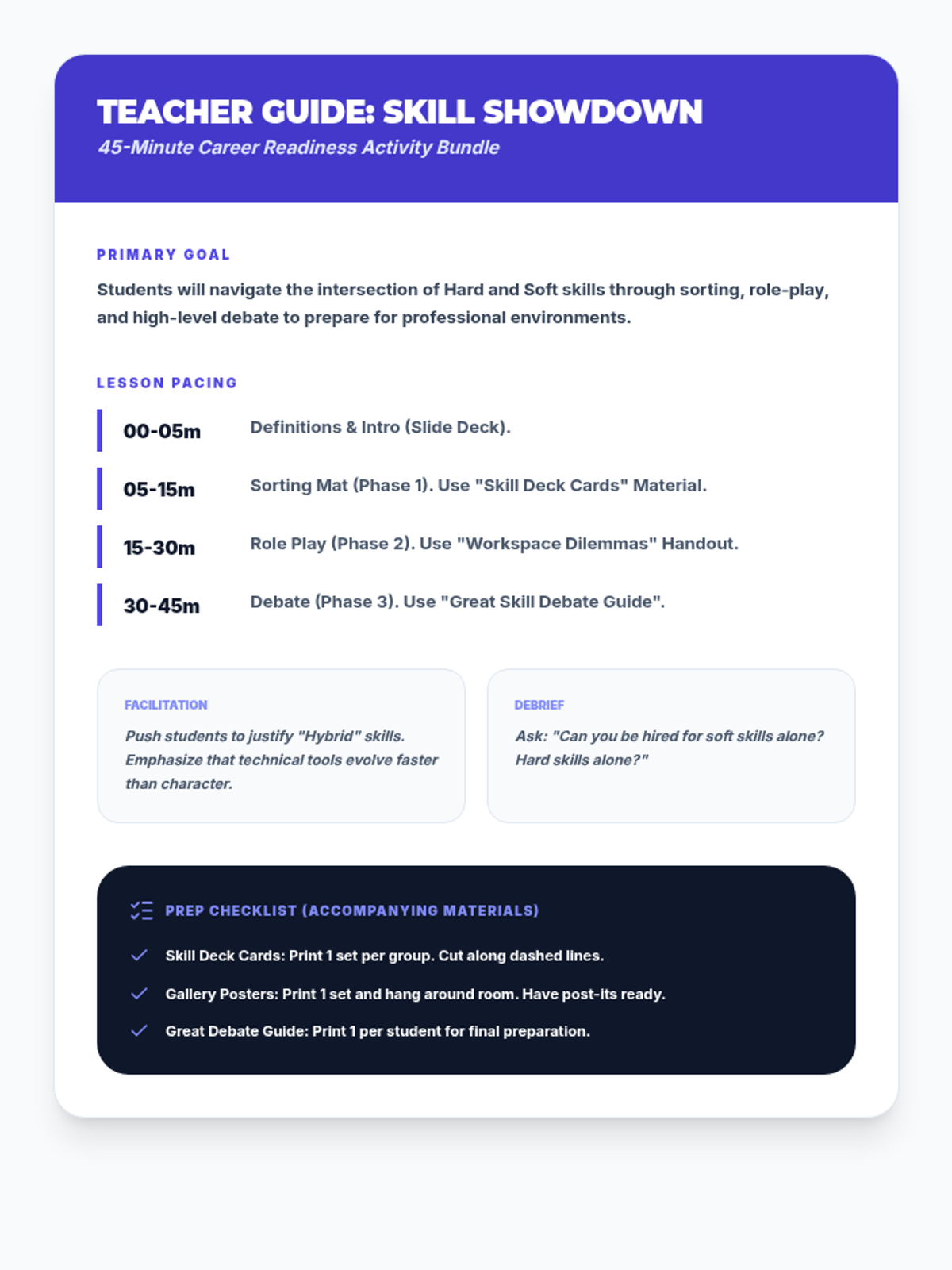
An interactive lesson comparing hard and soft skills using card sorting, role-play, gallery walks, and debates to prepare seniors for the workplace.
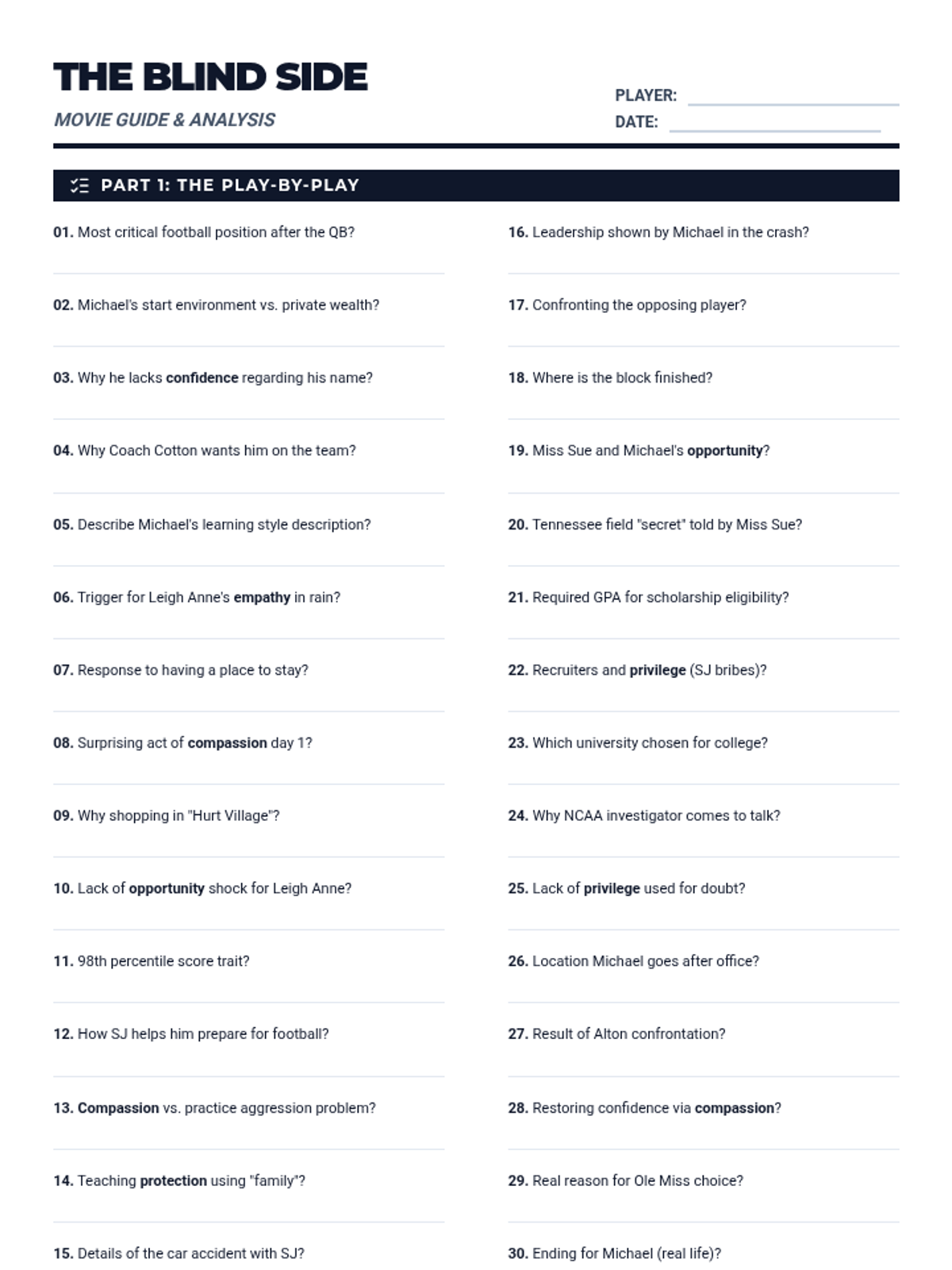
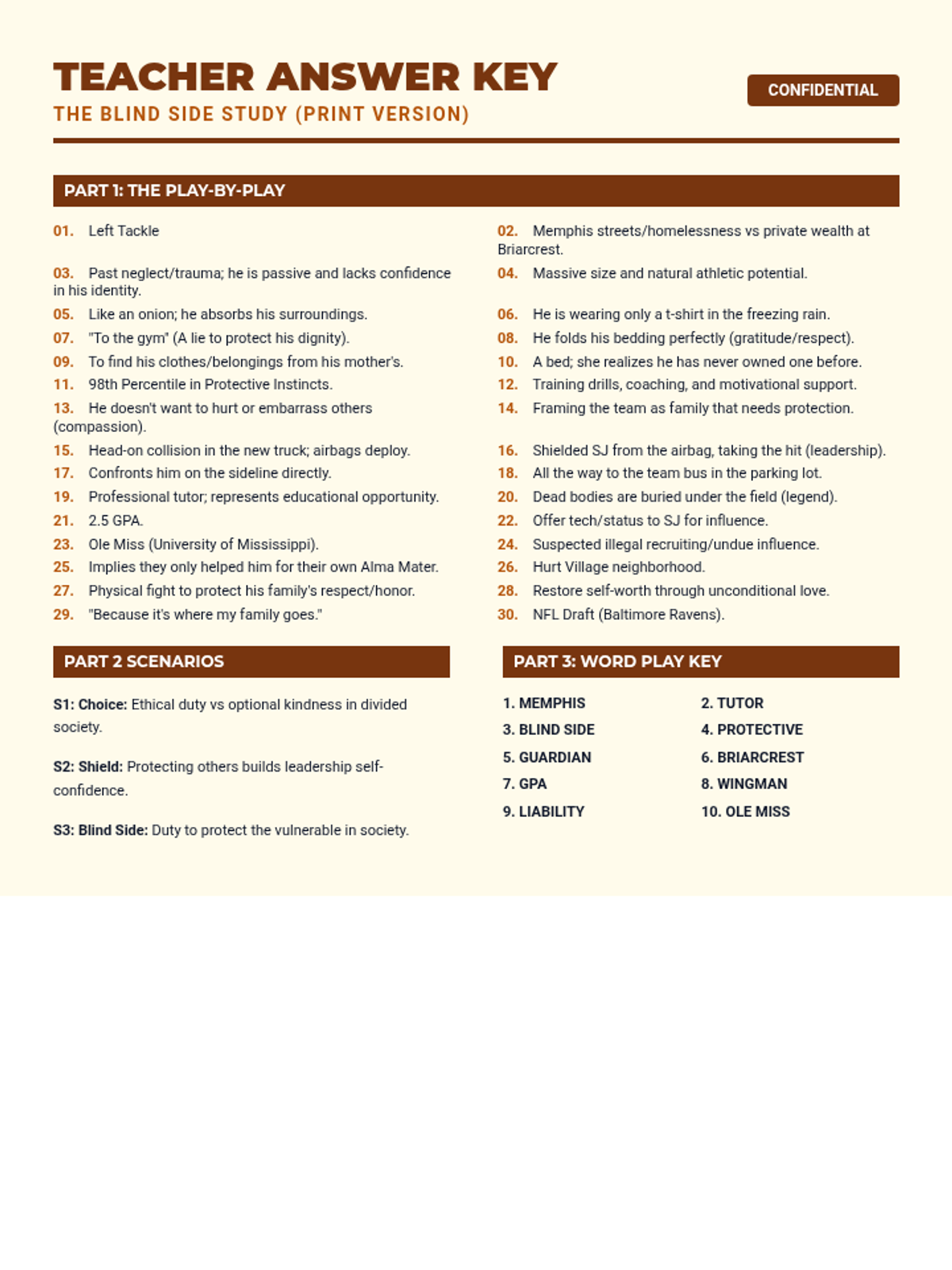
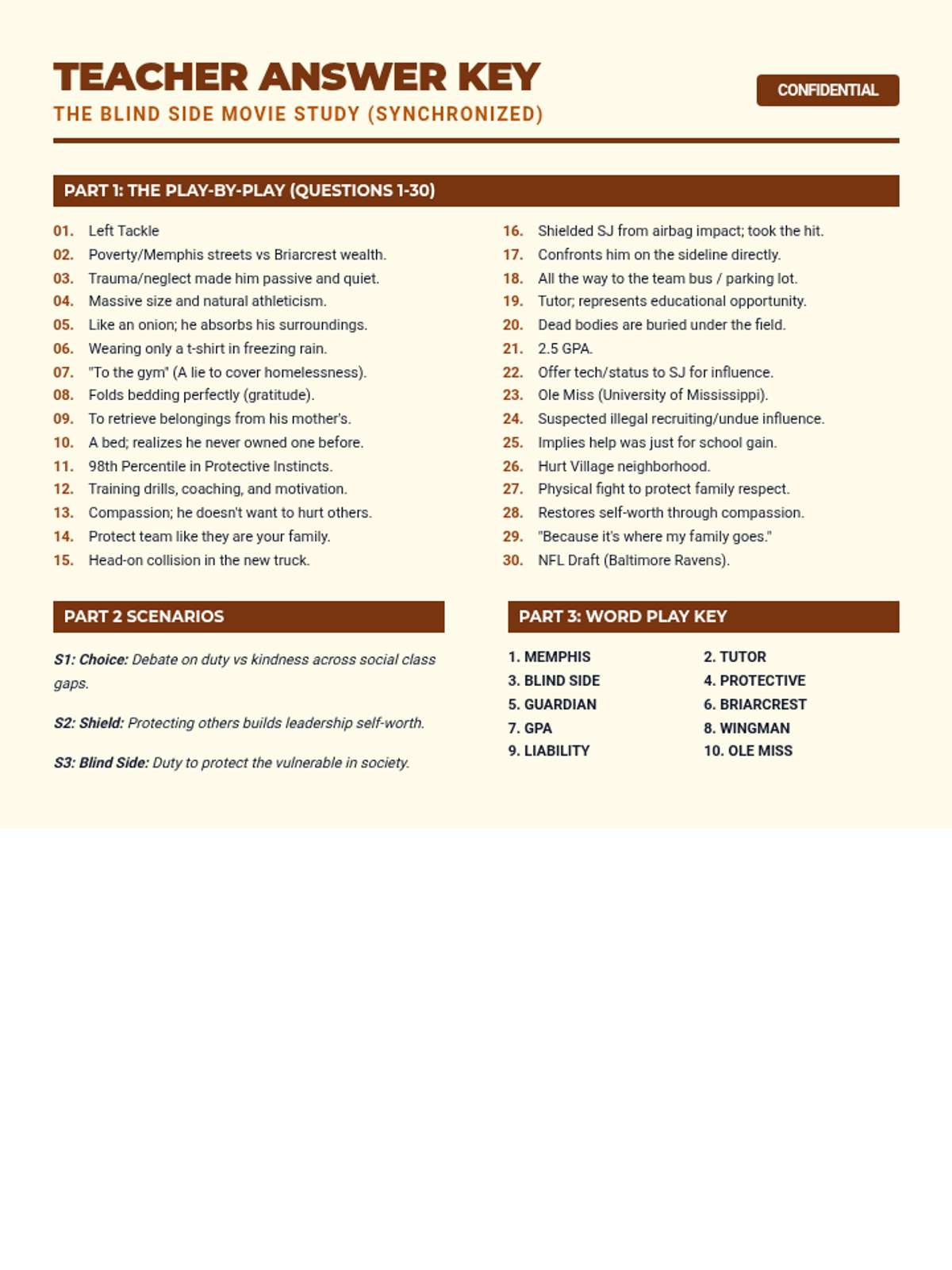
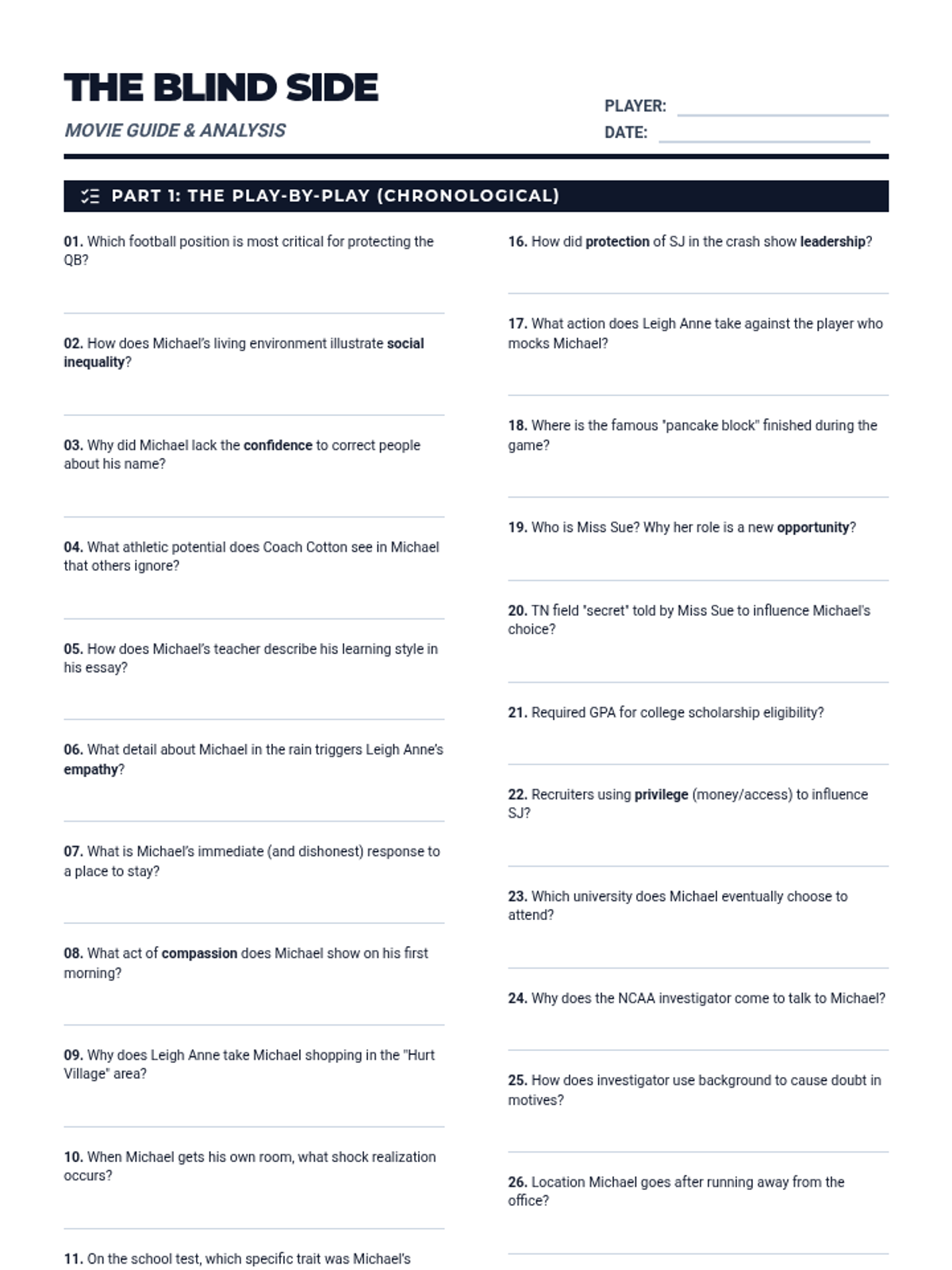
A comprehensive movie study for 'The Blind Side' focusing on character development, ethics, and leadership through Michael Oher's journey.
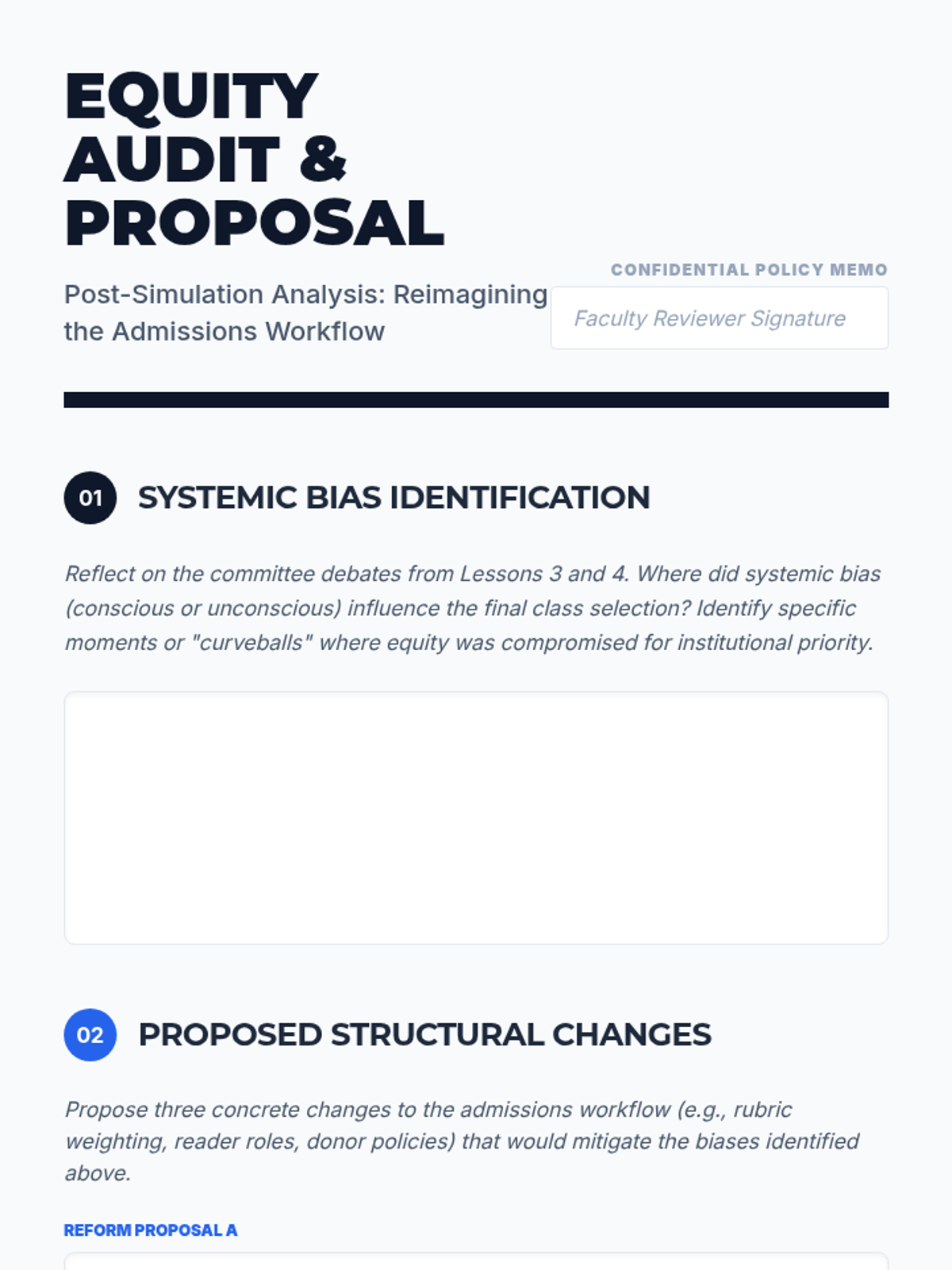
Students step out of role to analyze the simulation outcomes, discussing where systemic bias entered the process. The lesson culminates in a proposal for improving the equity of the admissions review workflow.
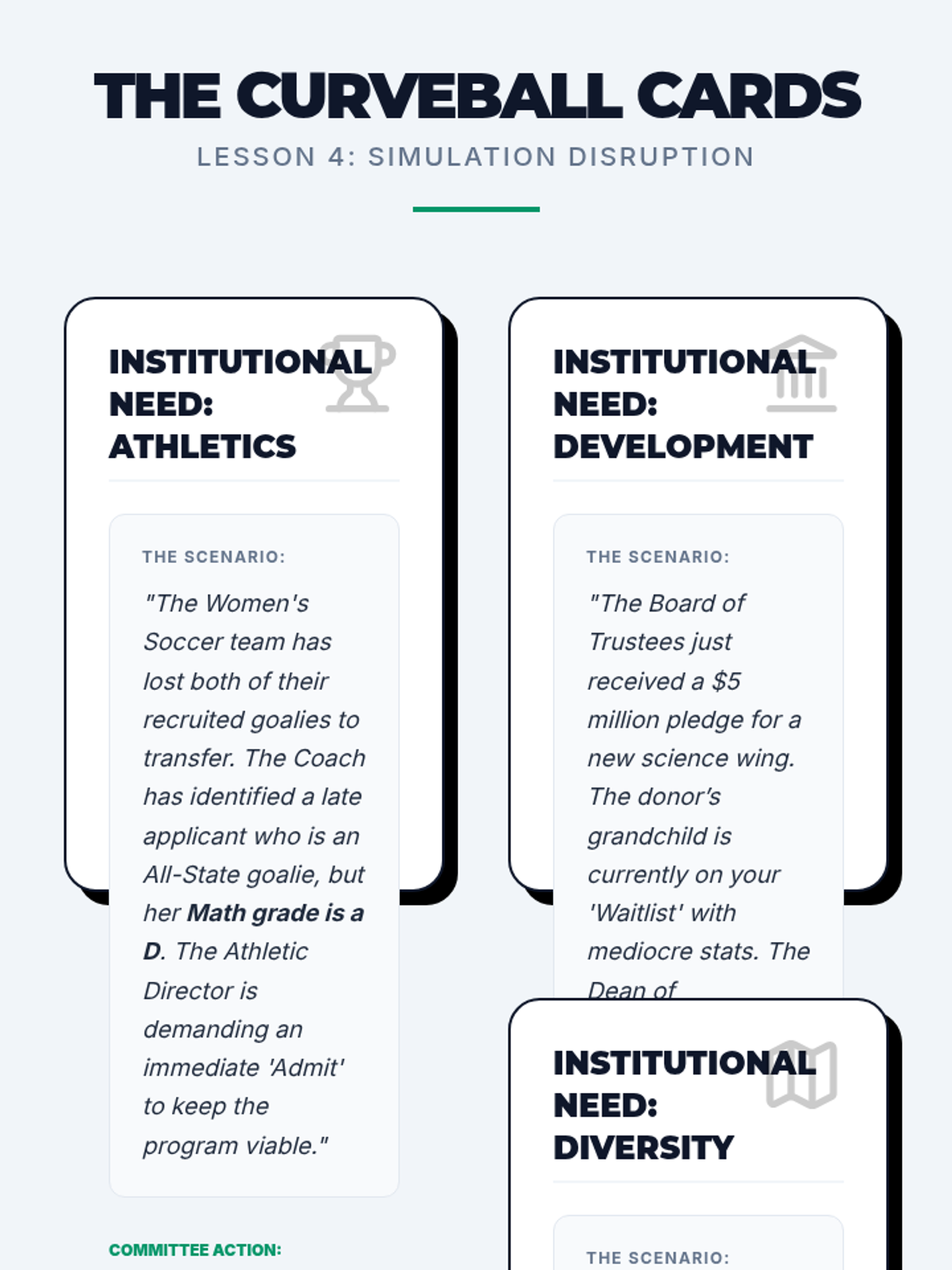
The simulation introduces real-world constraints such as legacy preferences, athletic recruitment needs, and yield protection strategies. Students must adjust their cohort selections to meet these external institutional demands.
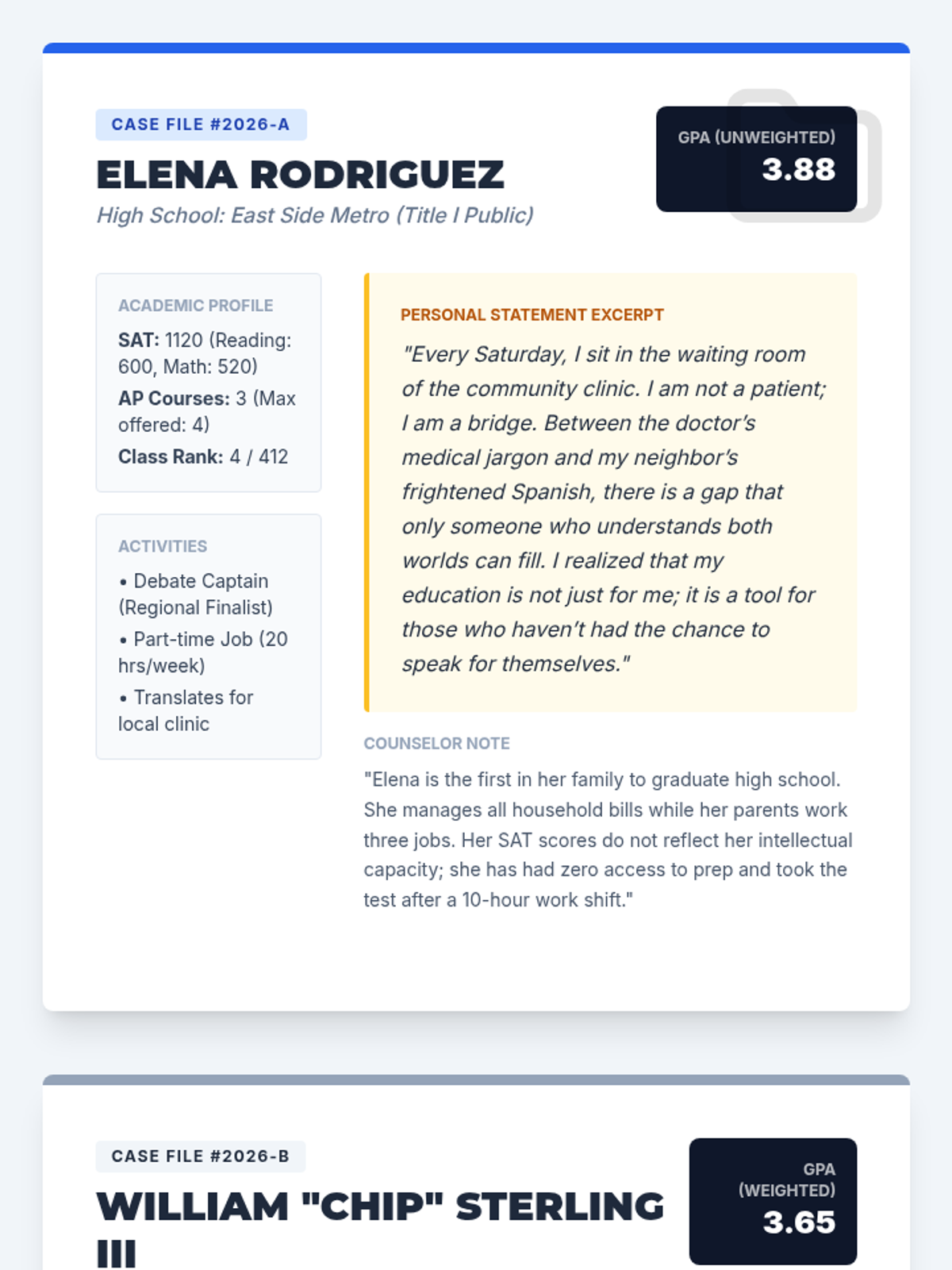
Functioning as regional admissions officers, students present their assigned applicants to a small group, advocating for acceptance or rejection based on evidence. The focus is on articulating a clear argument grounded in the application materials.
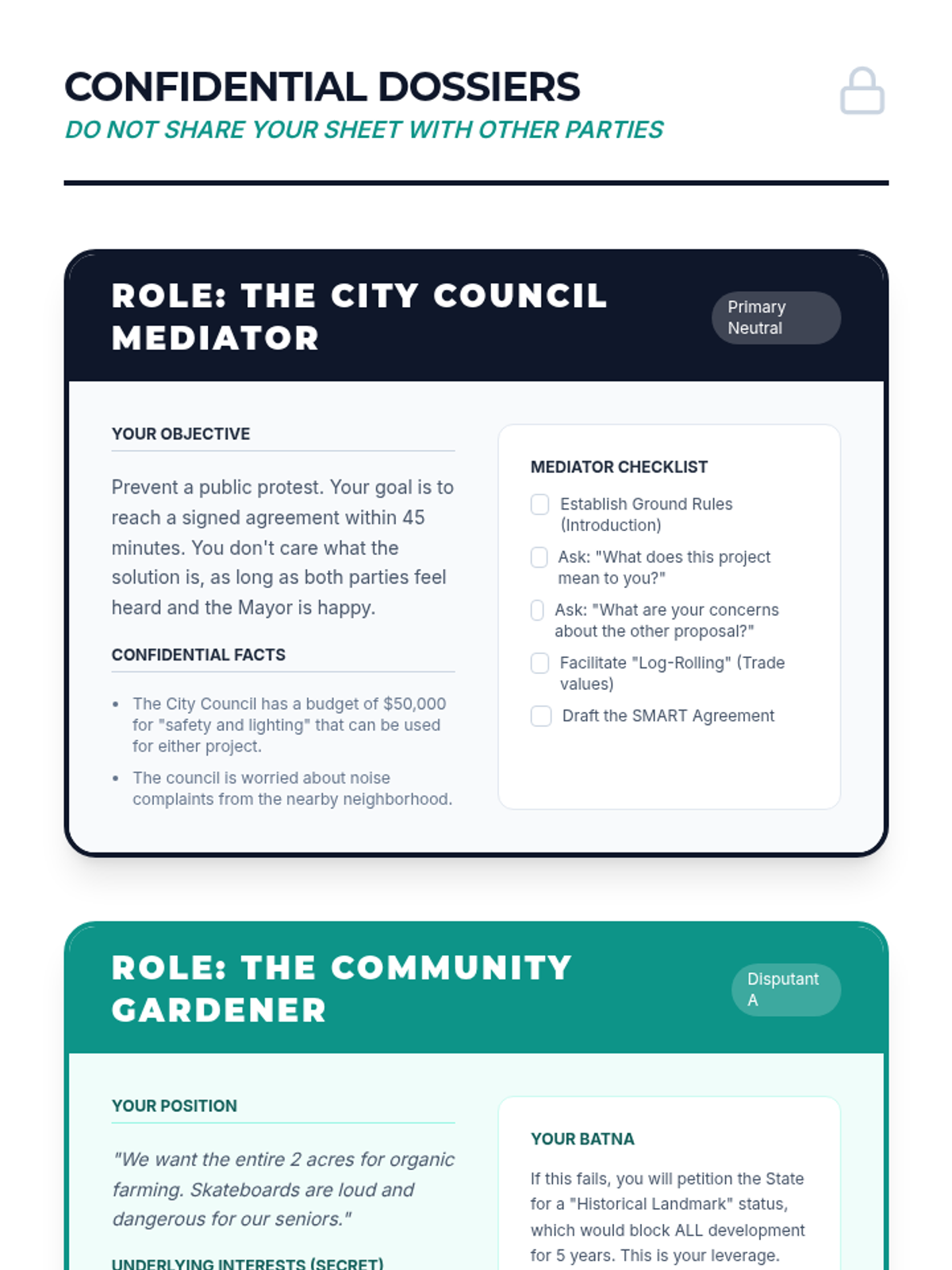
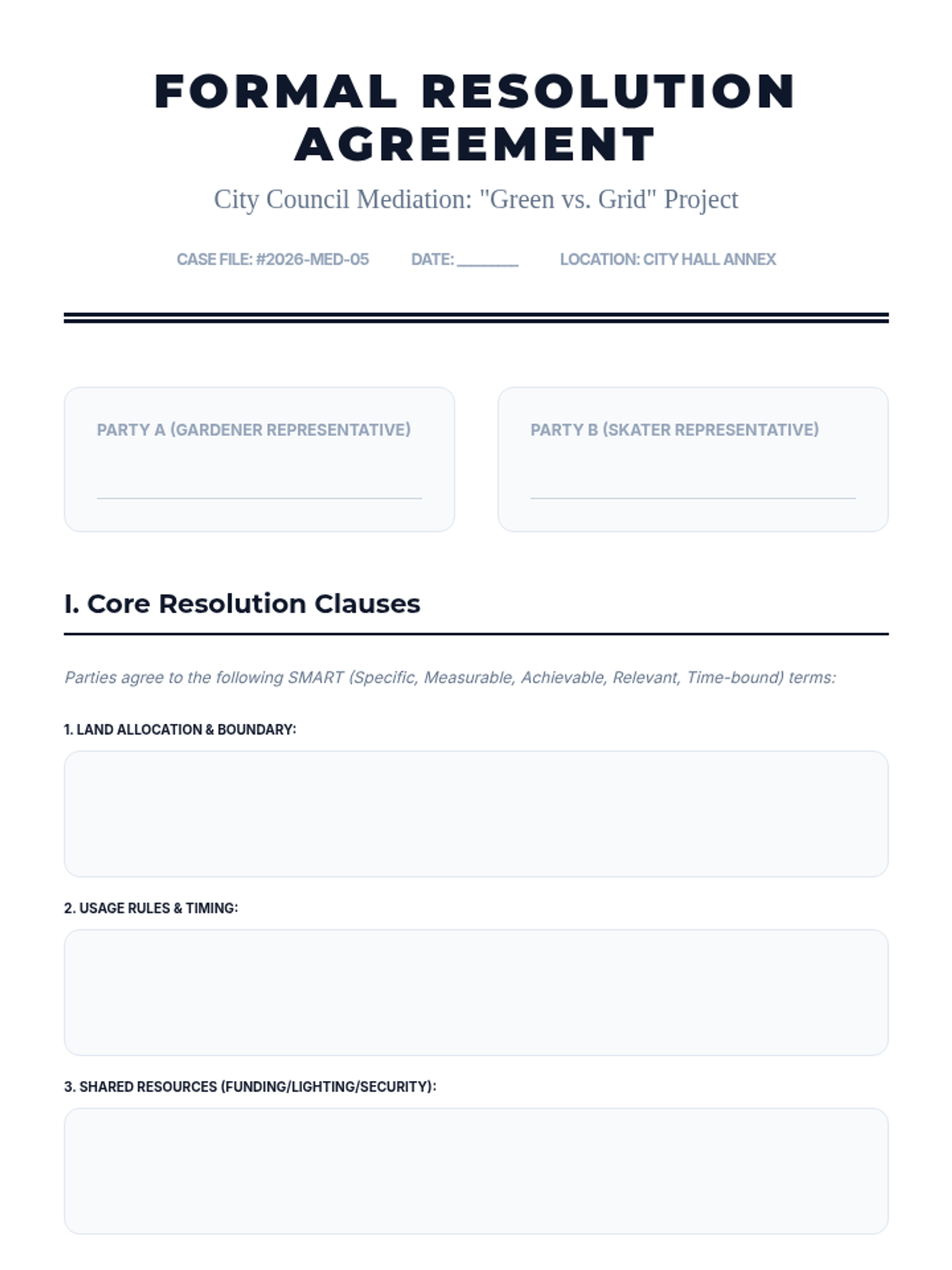
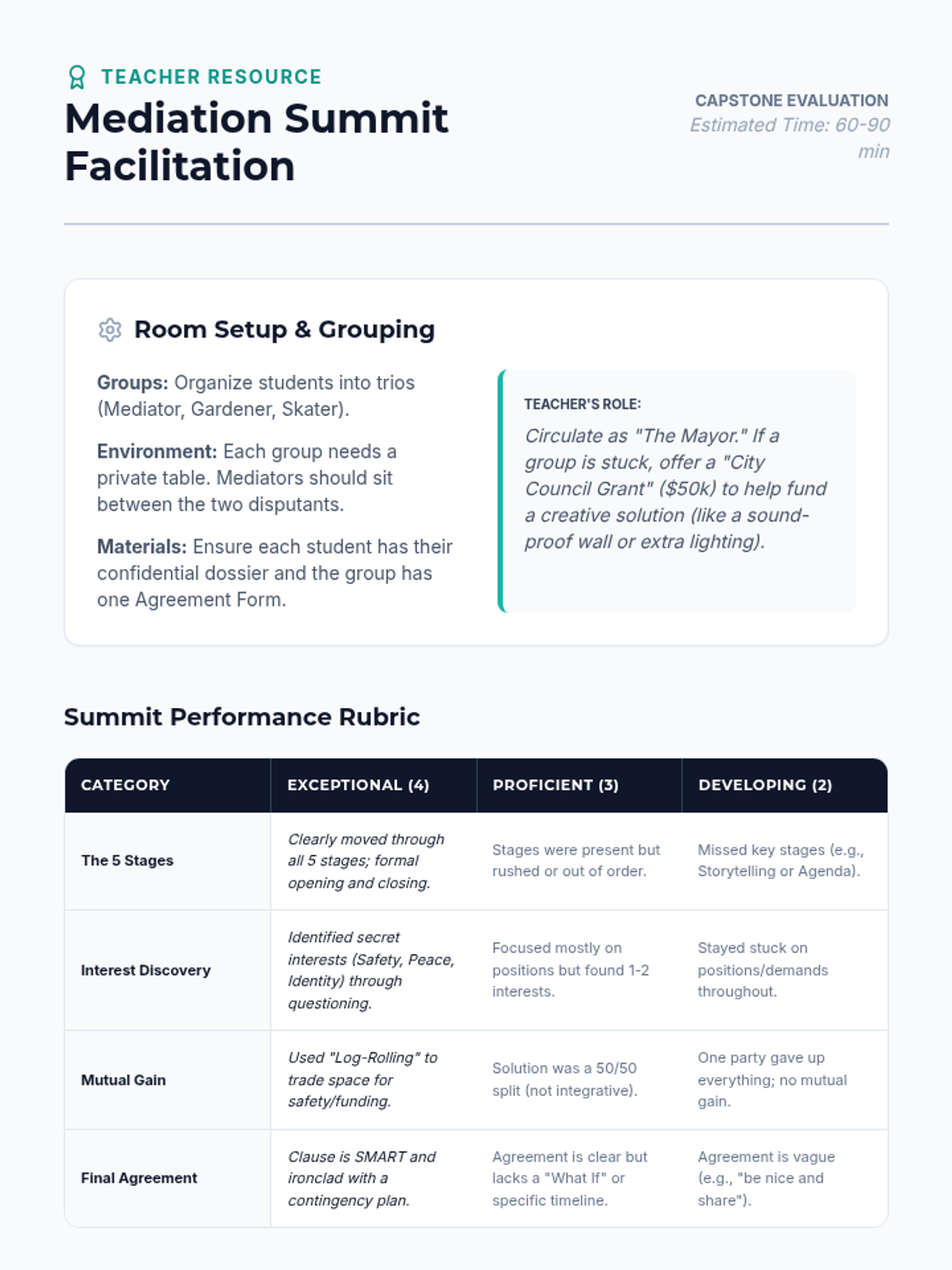
Students assume roles of mediators and disputants in a complex, multi-party dispute scenario (e.g., a land use dispute or school policy change). Mediators must facilitate the process, uncover interests, help generate options, and finalize a written agreement. The lesson focuses on synthesizing all previous frameworks into a cohesive professional performance.
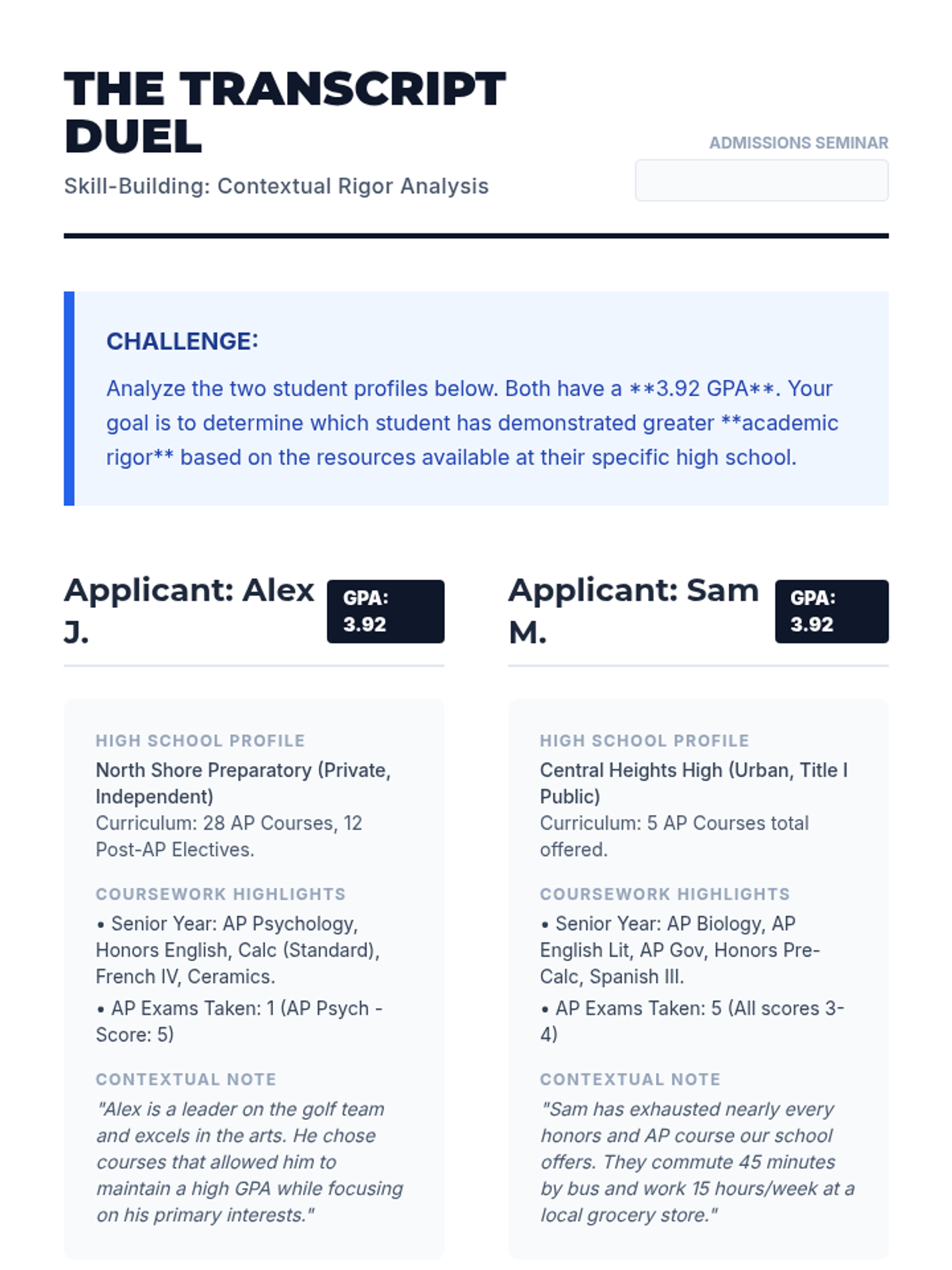
Participants review redacted application files, practicing the skill of 'reading between the lines' of transcripts and standardized test reports. They learn to identify rigorous course sequencing and contextualize GPA within school profiles.
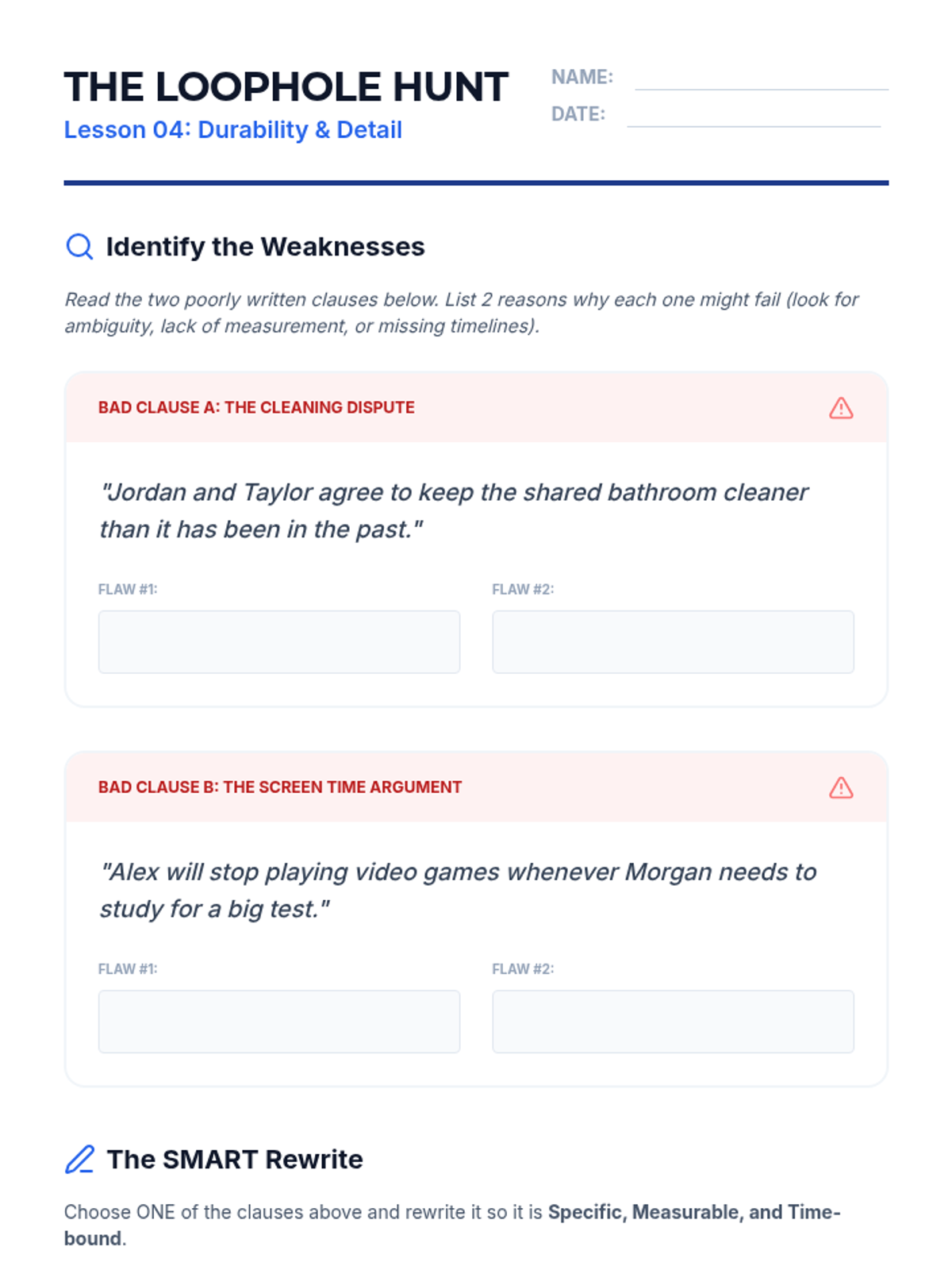
Resolving the conflict is only half the battle; writing a durable agreement is the rest. Students learn the components of a SMART agreement (Specific, Measurable, Achievable, Relevant, Time-bound) in a conflict context. They review failed contracts or treaties to identify loopholes and ambiguity, then practice drafting ironclad resolution clauses.
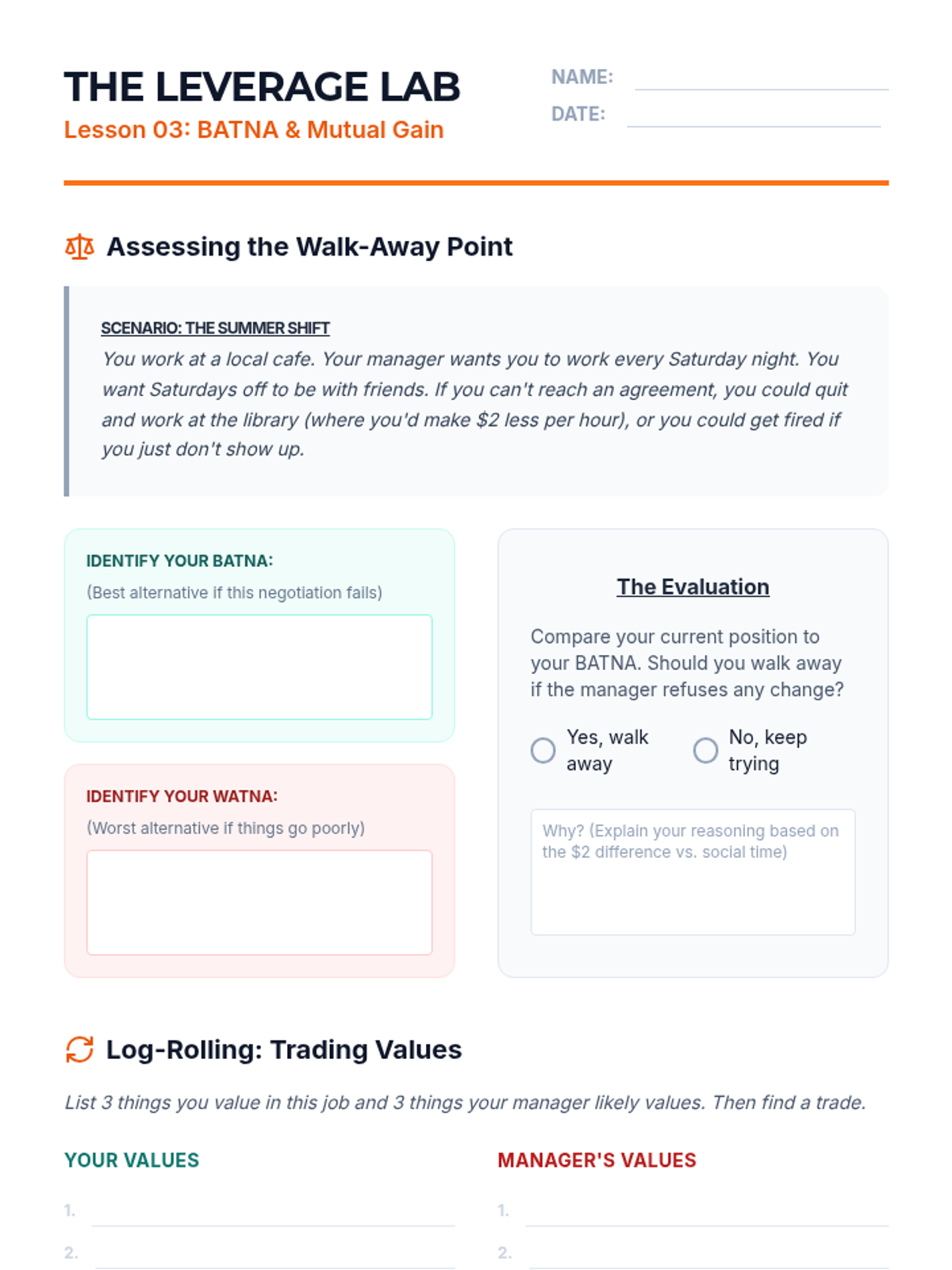
Students practice brainstorming techniques designed to break deadlocks. They learn about BATNA (Best Alternative to a Negotiated Agreement) and WATNA (Worst Alternative) to assess leverage. The class engages in exercises to expand the 'pie' rather than just dividing it, finding creative solutions that satisfy multiple interests.
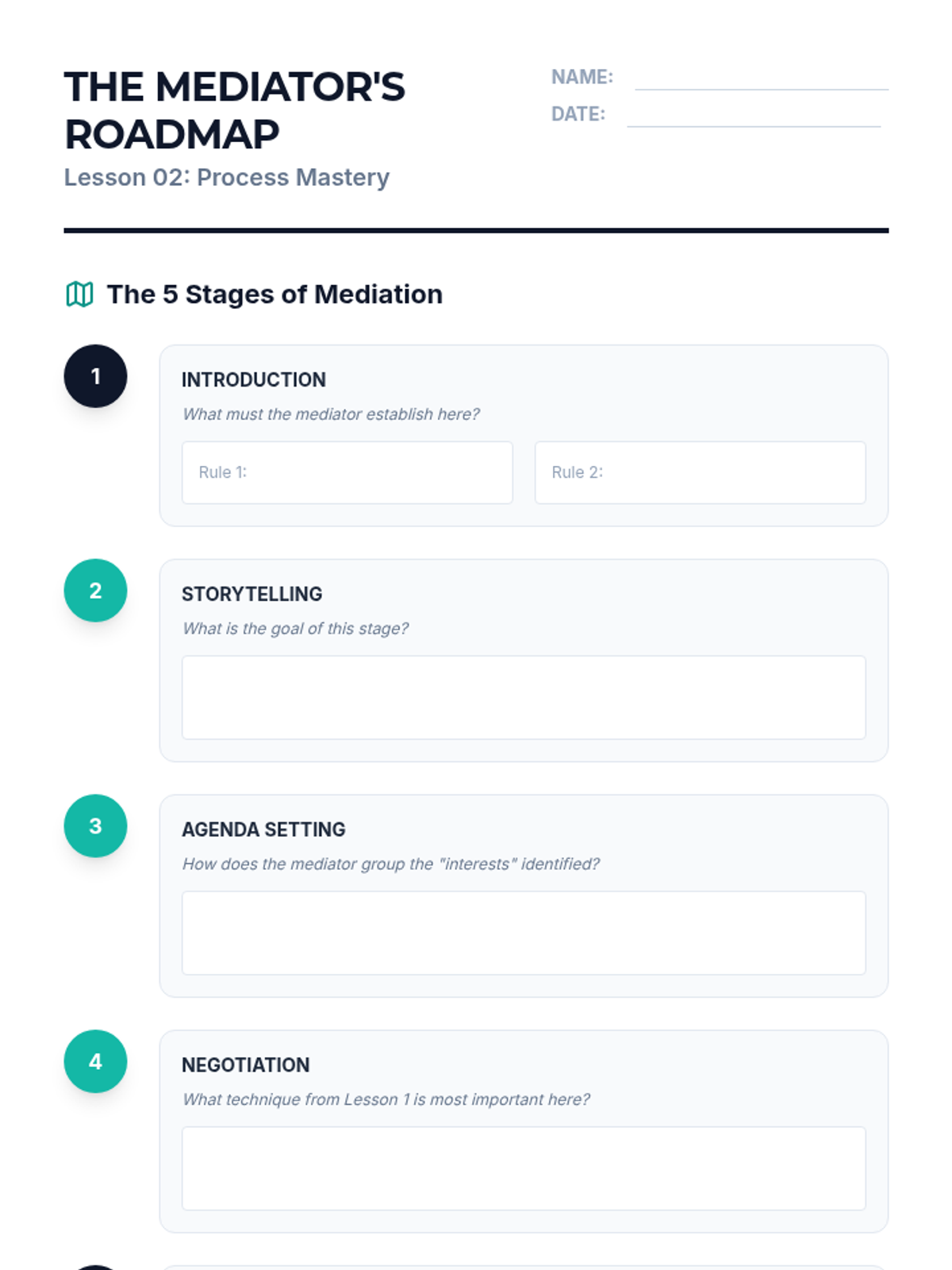
This lesson outlines the formal stages of mediation: Introduction, Storytelling, Agenda Setting, Negotiation, and Agreement. Students learn the procedural responsibilities of a mediator to maintain safety and order. They create visual flowcharts of the process to understand how to guide disputants from chaos to order.
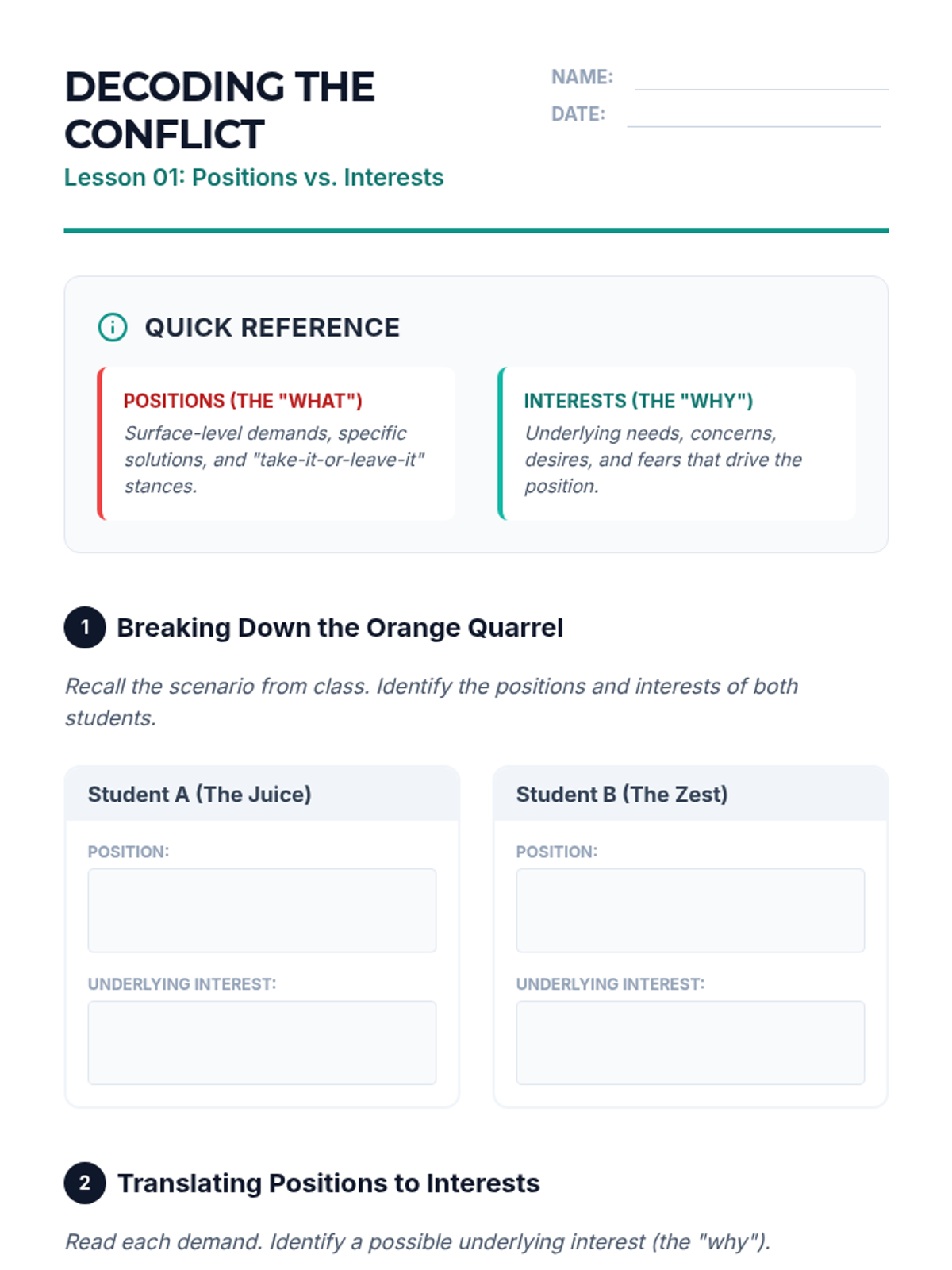
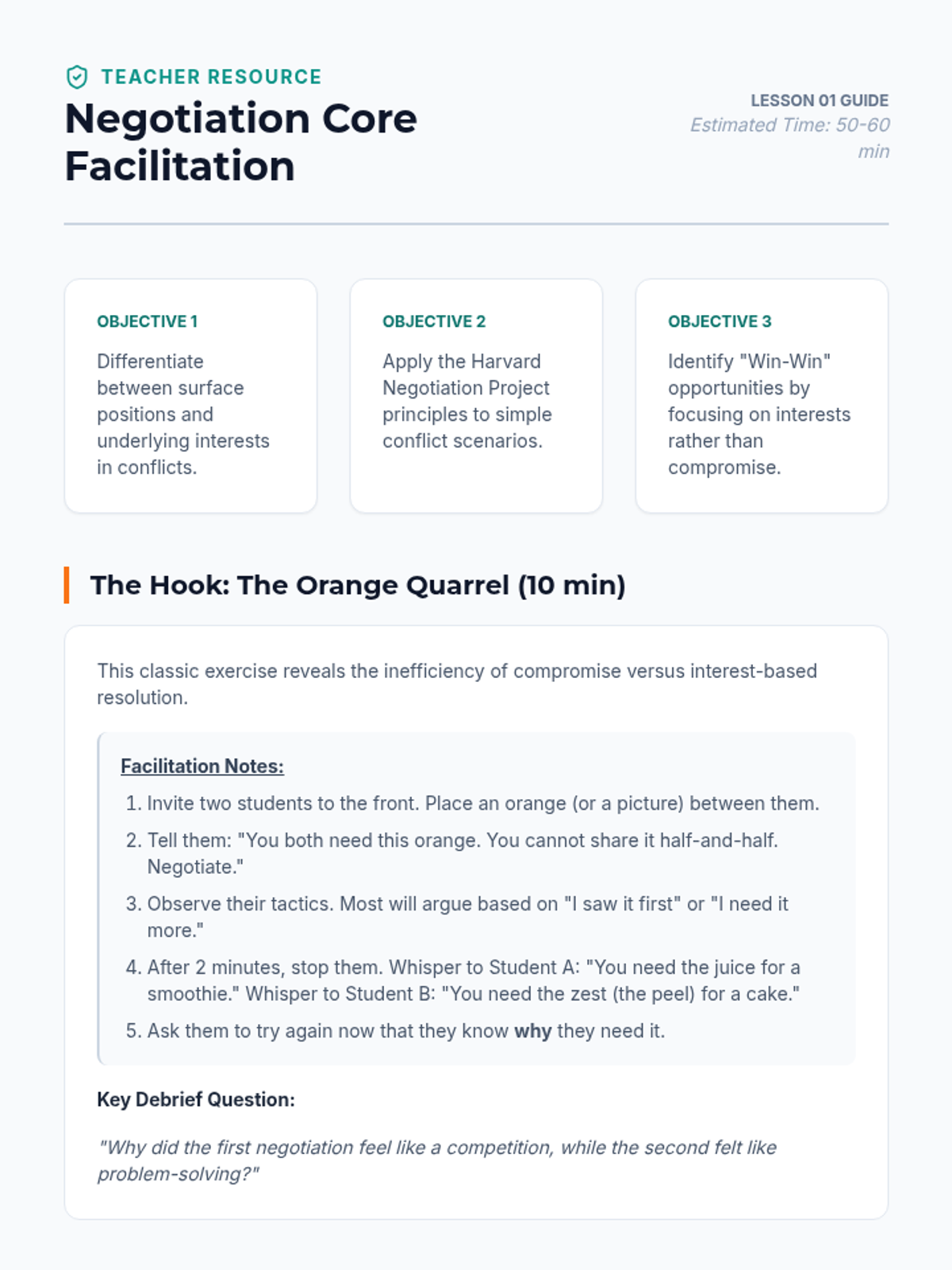
Students learn to distinguish between surface-level positions and underlying interests using the Harvard Negotiation Project model. The lesson introduces Interest-Based Negotiation (IBN) through the classic 'Orange Quarrel' scenario and case study analysis.
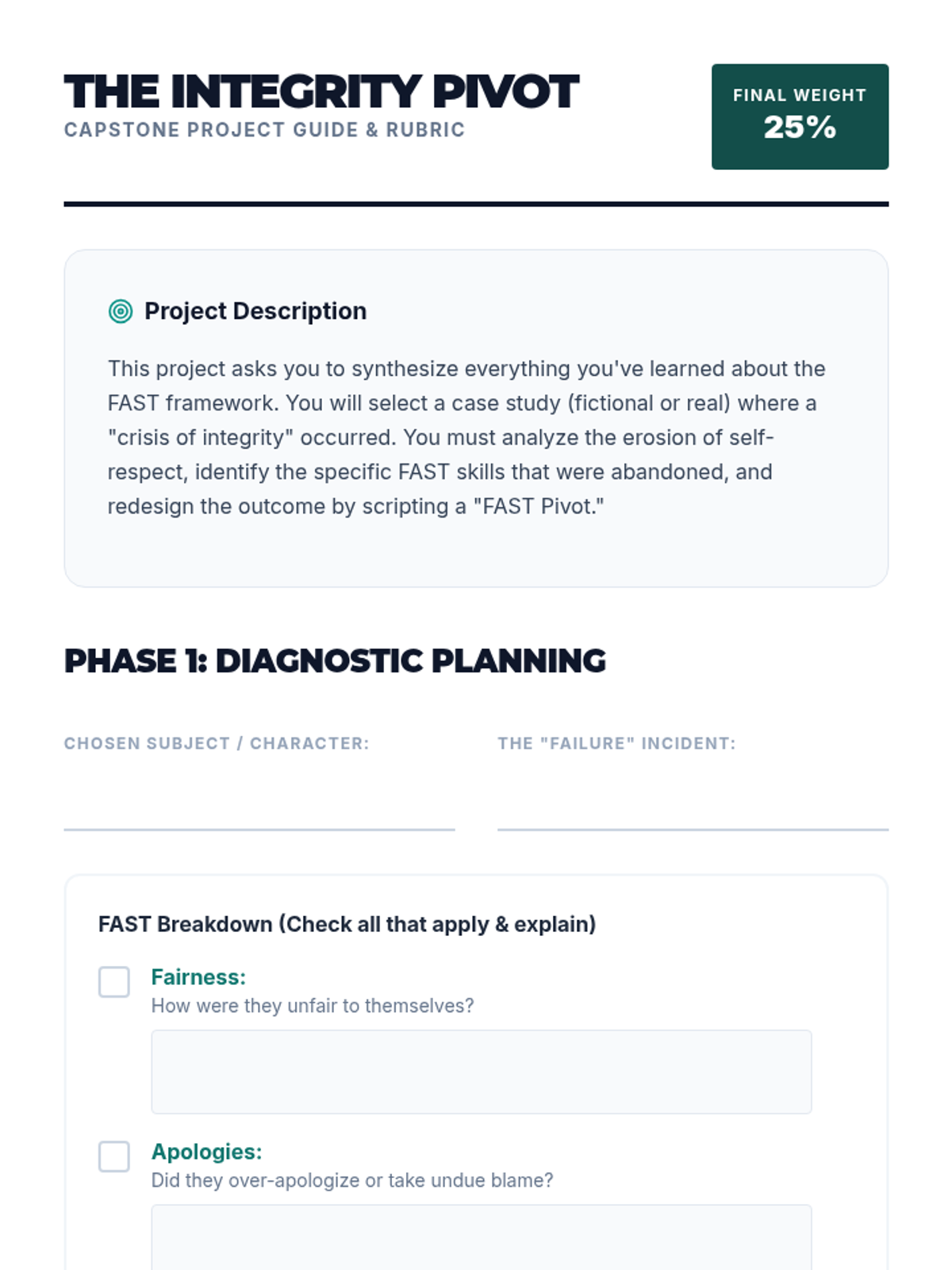
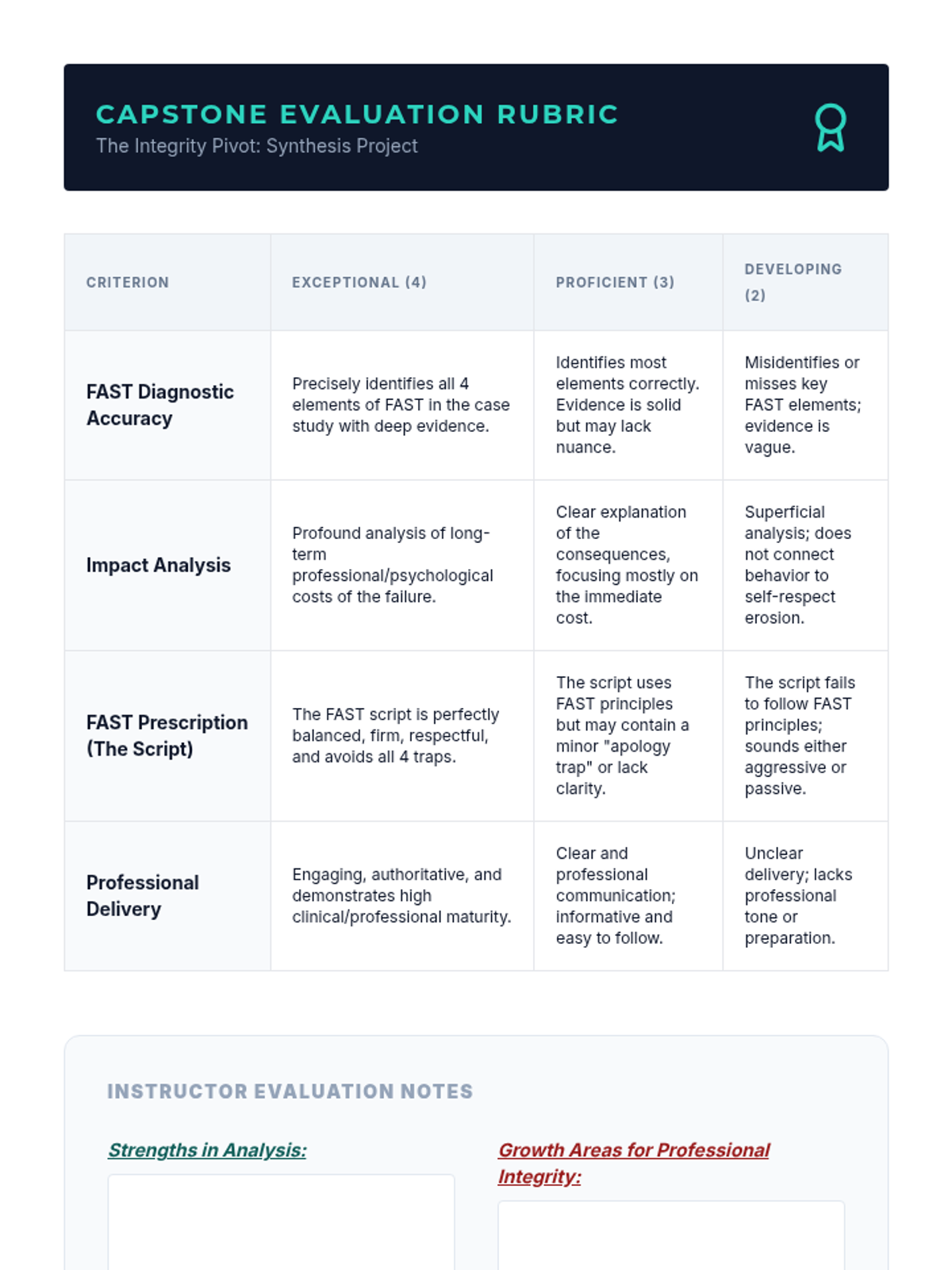
A synthesis project where students analyze a public or fictional crisis of self-respect, mapping pivot points where FAST skills could have altered the outcome.
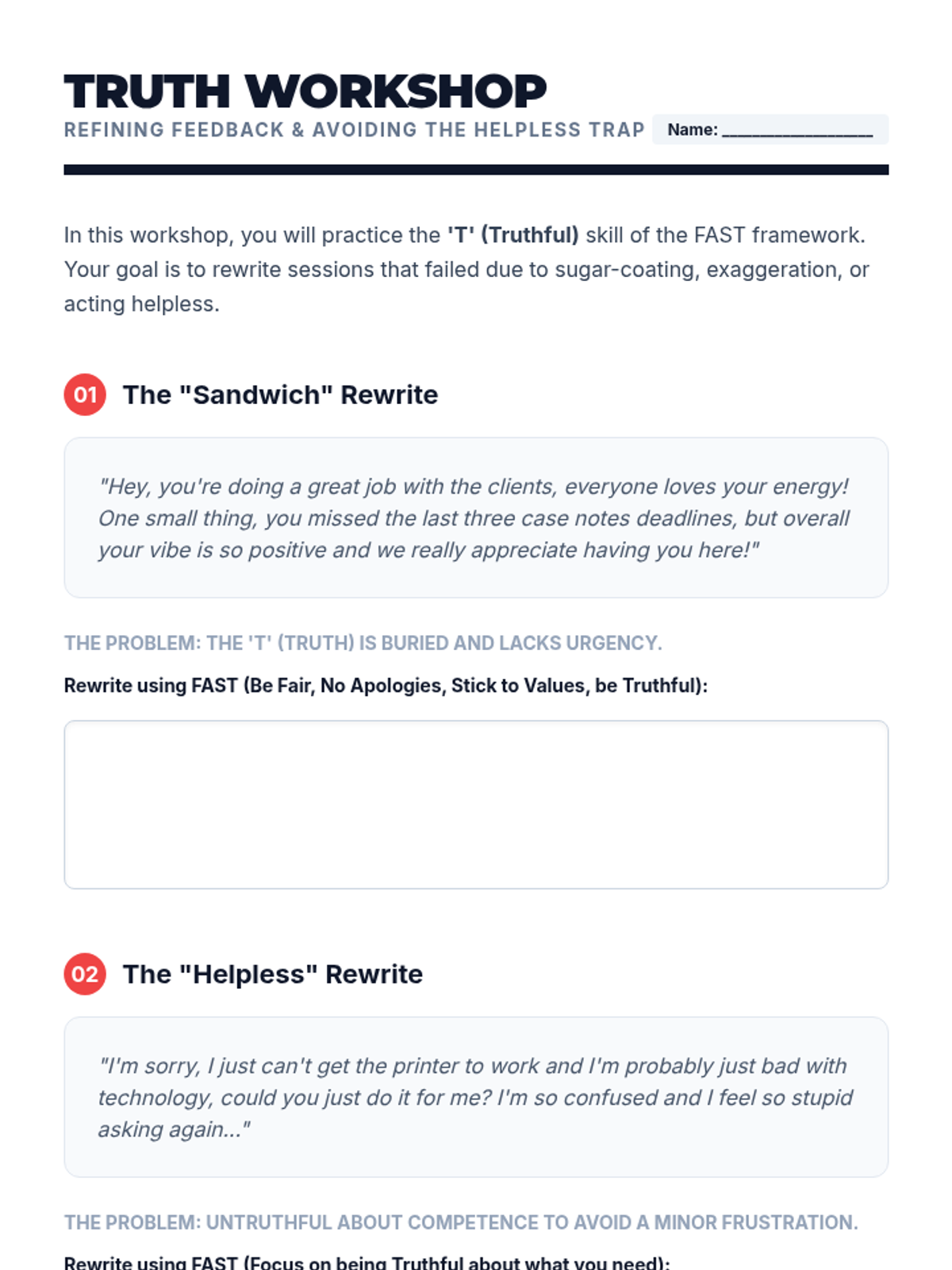
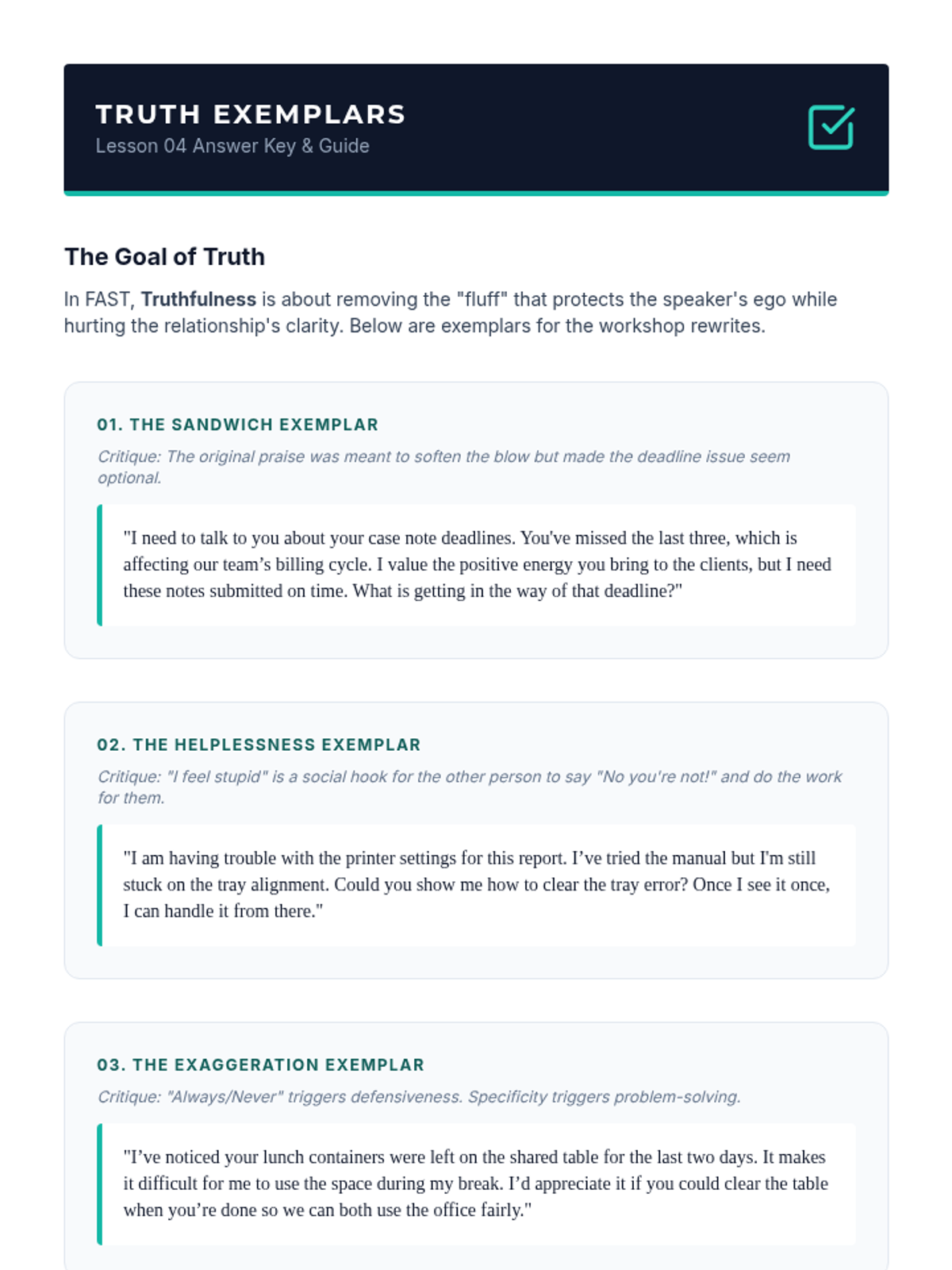
Examines the 'T' (Truthful) skill in difficult conversations, teaching students to avoid sugar-coating or acting helpless in favor of direct, respectful honesty.
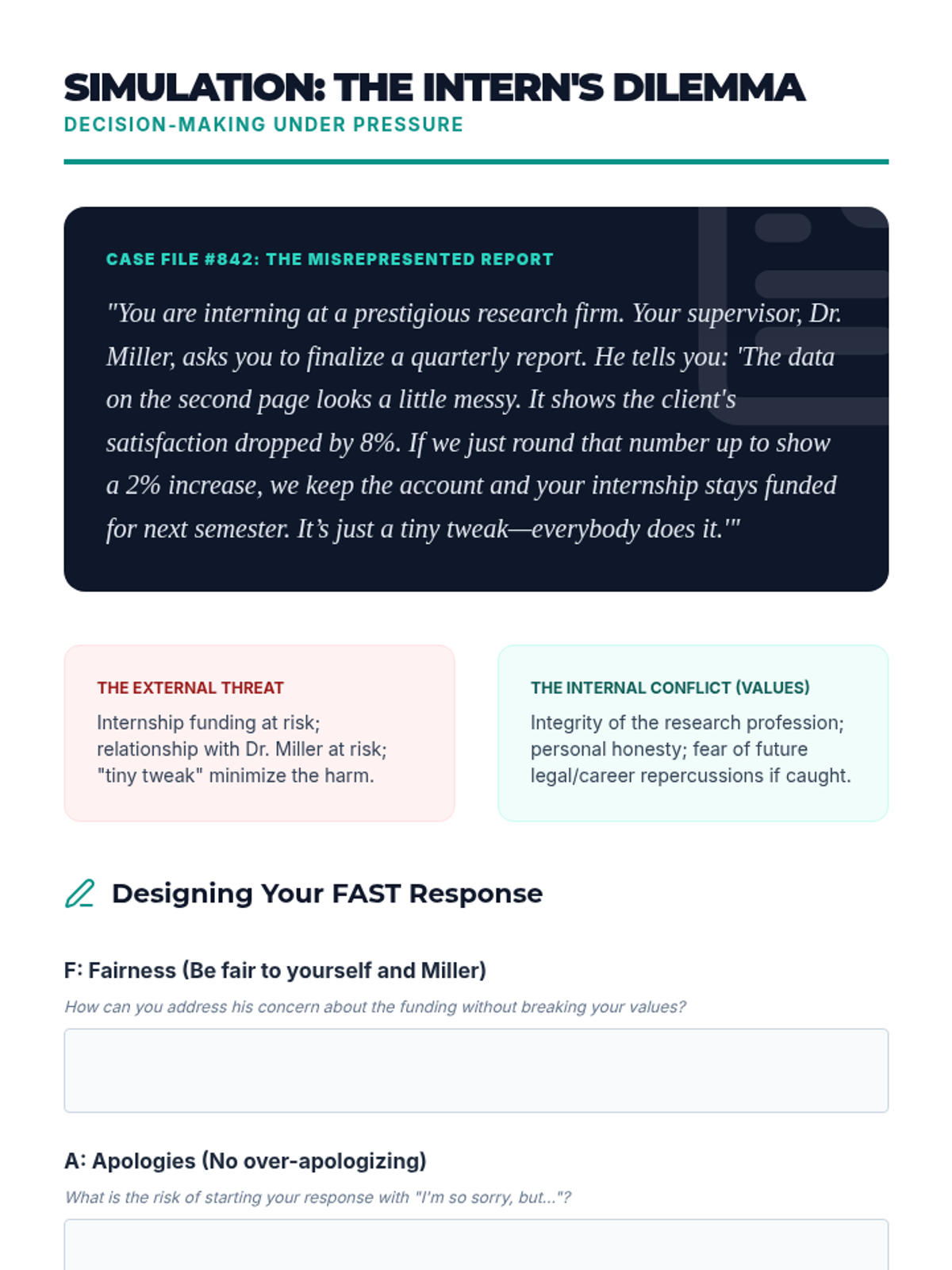
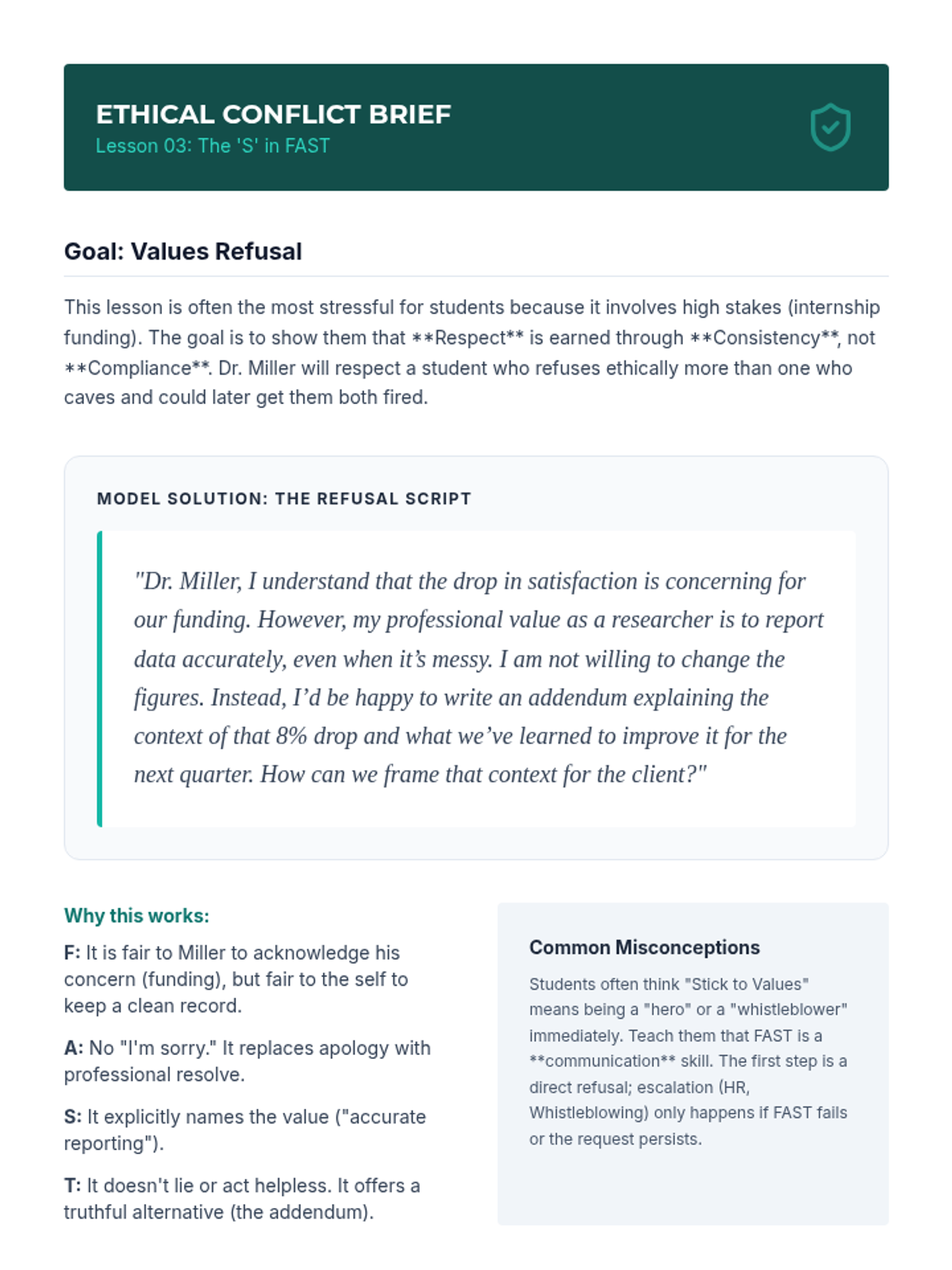
Students explore 'S' (Stick to Values) by navigating ethical dilemmas where personal integrity conflicts with organizational pressure or authority figures.
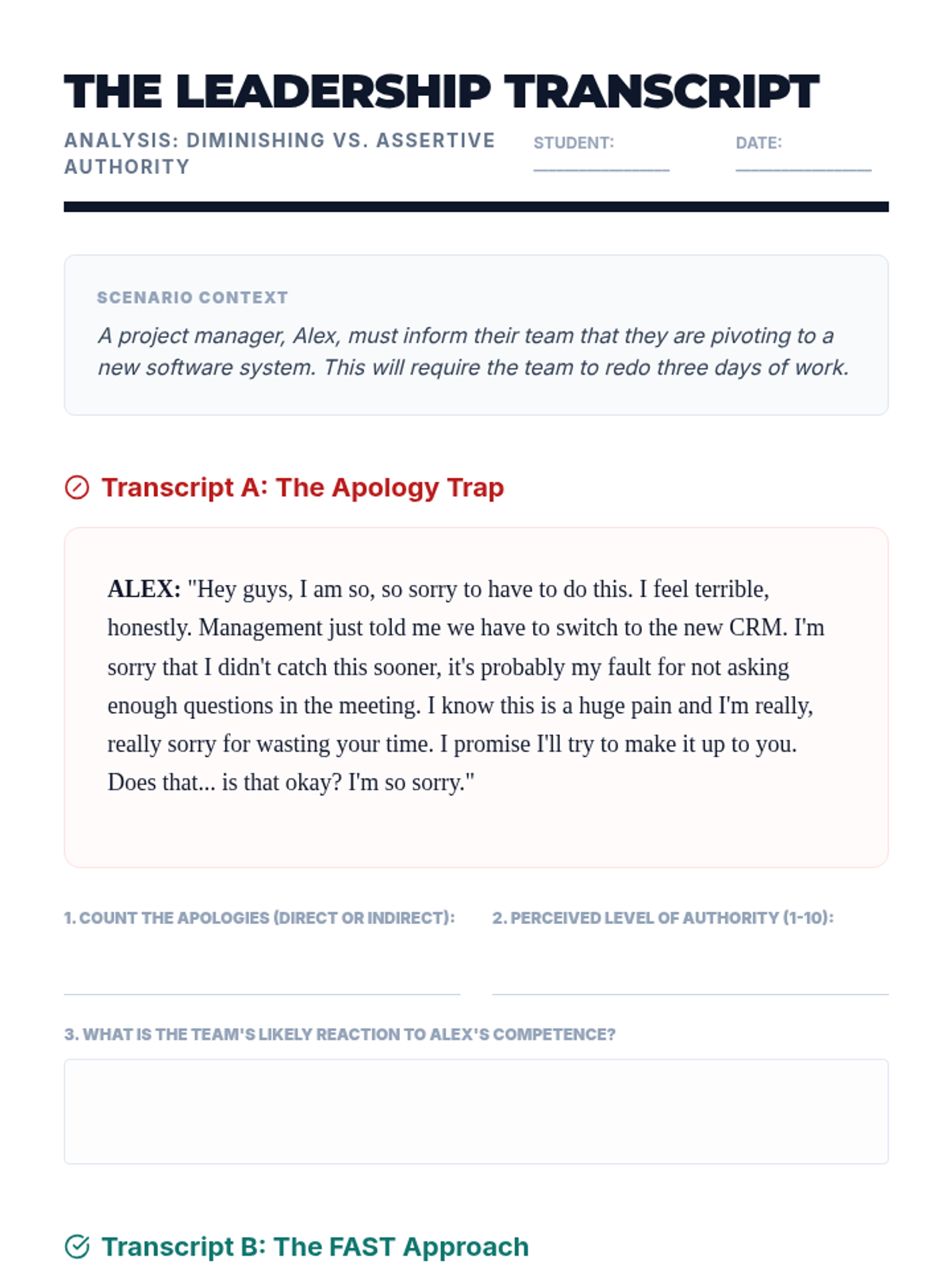
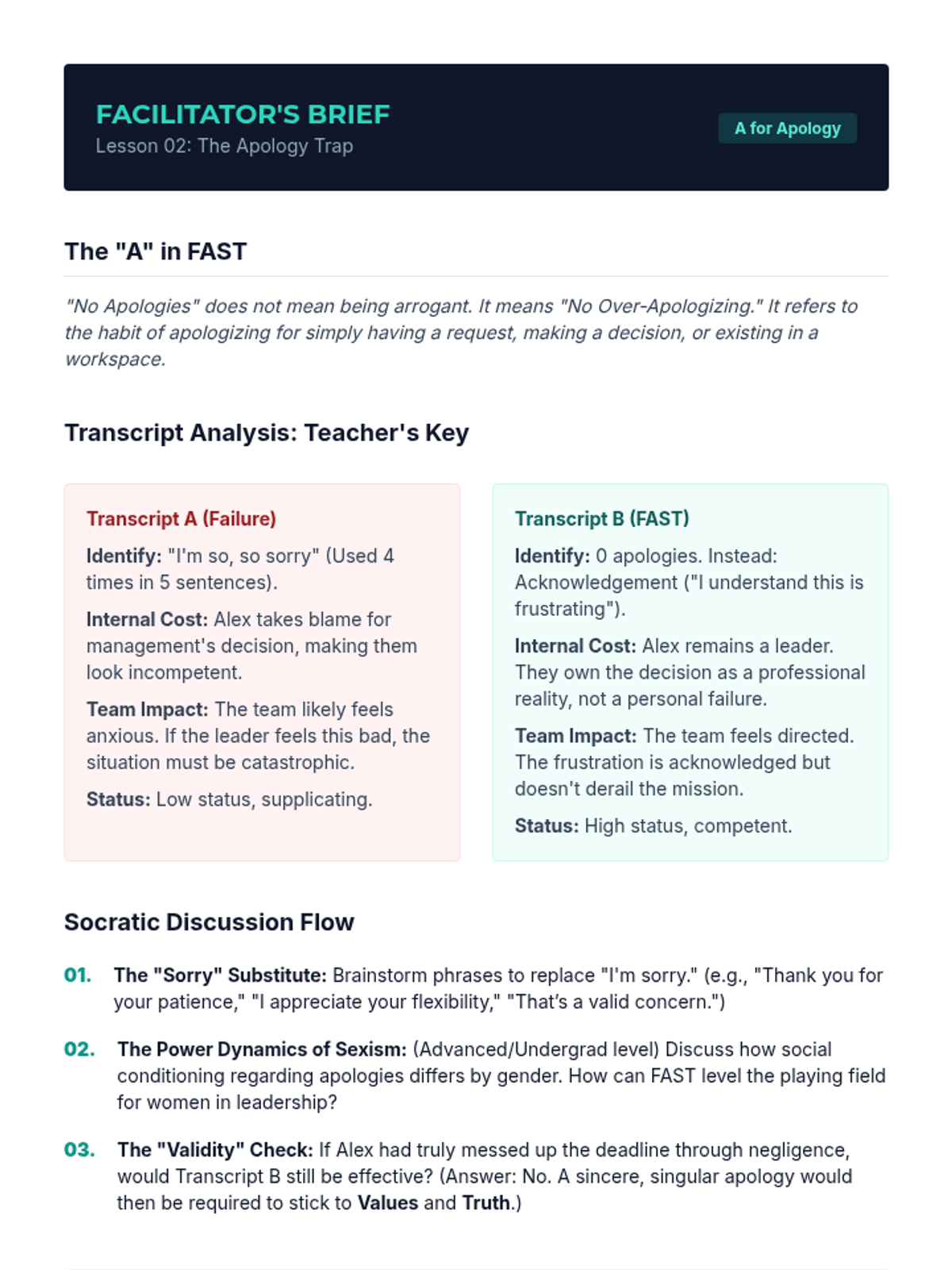
Focuses on the 'A' (No Apologies) element of FAST, analyzing how over-apologizing in leadership roles diminishes authority and self-worth through comparative transcript analysis.
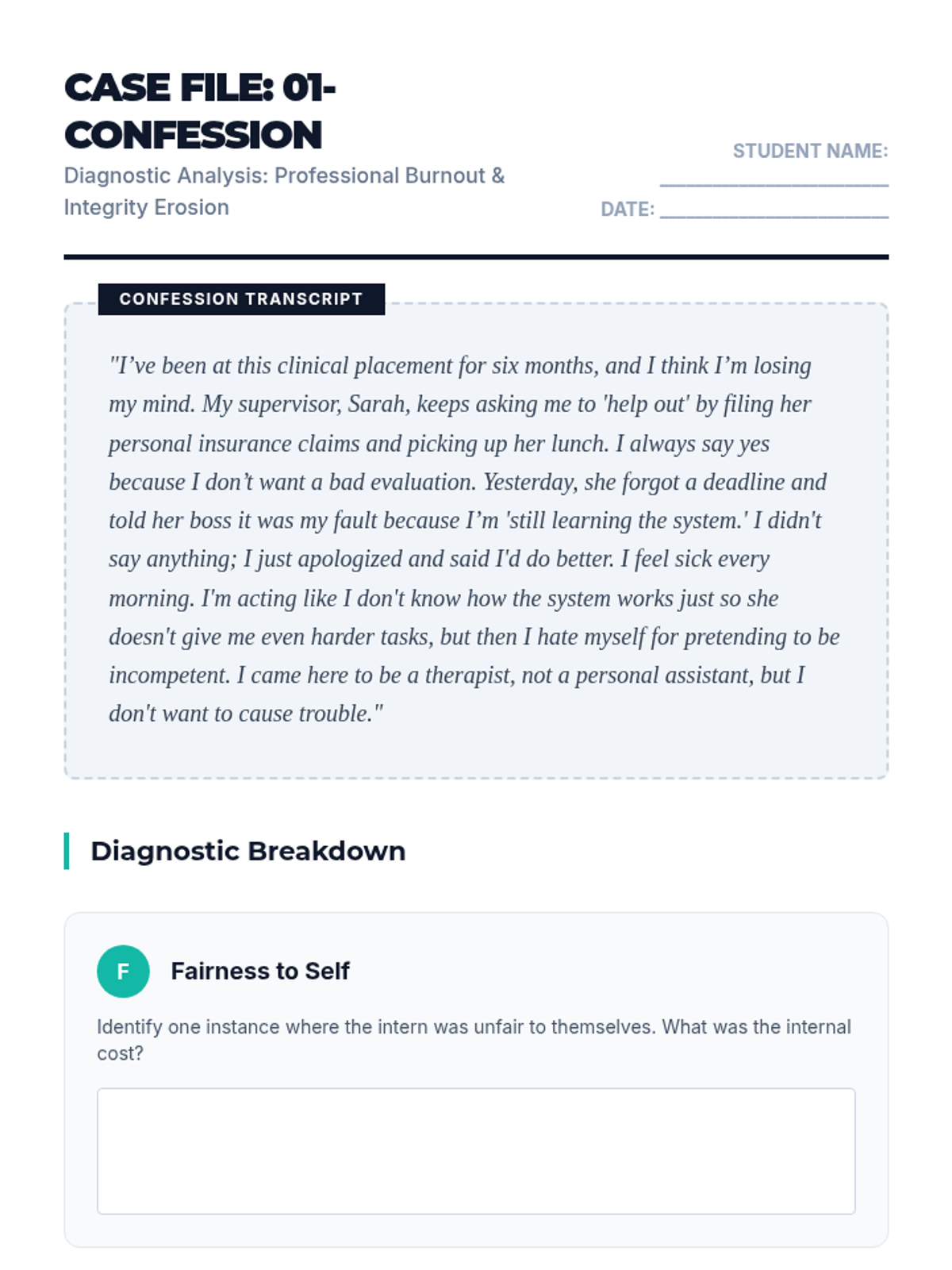
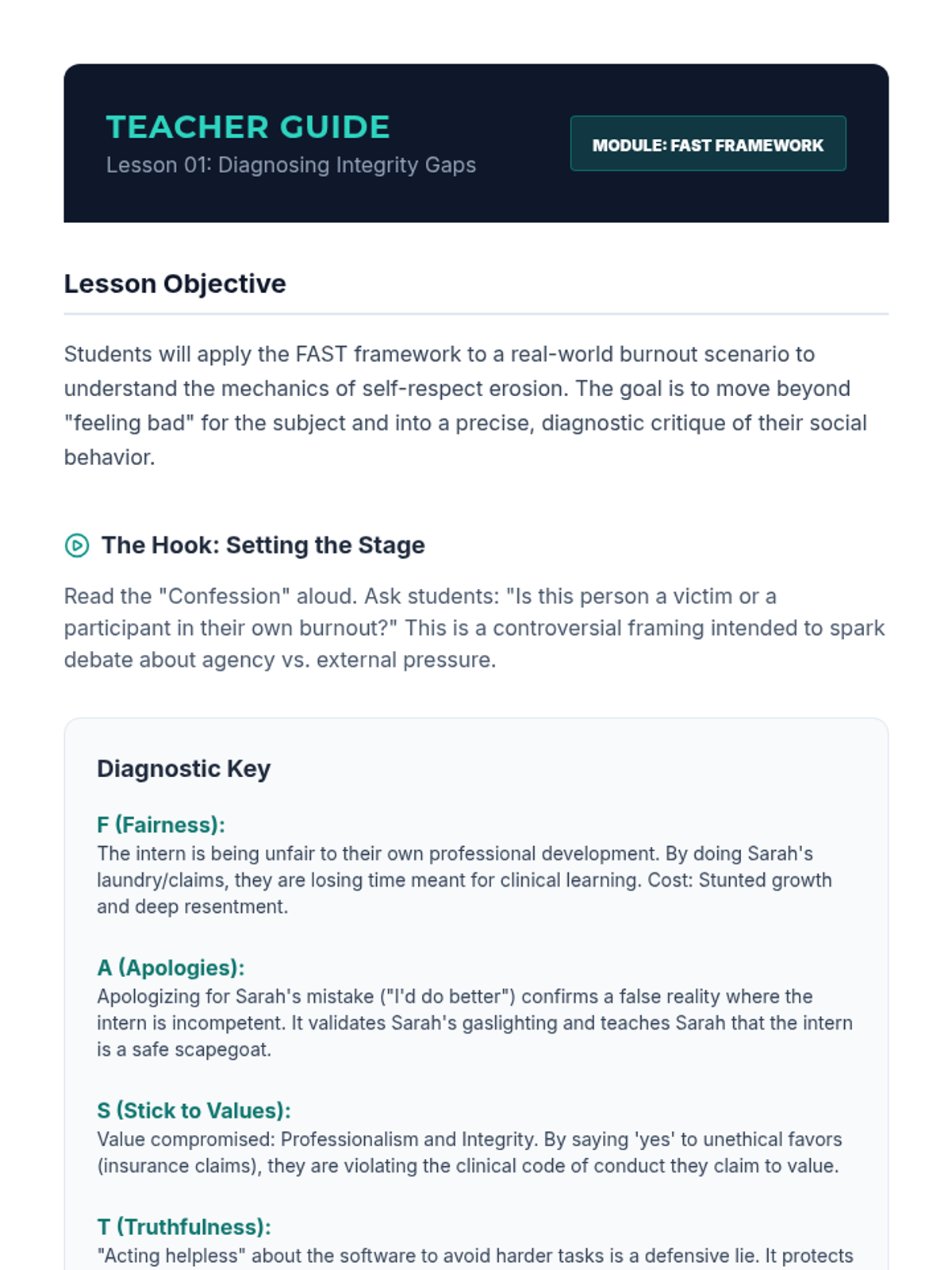
Students analyze early-career burnout cases through the FAST framework, diagnosing failures in Fairness, Apologies, Values, and Truth to understand how self-respect is compromised.
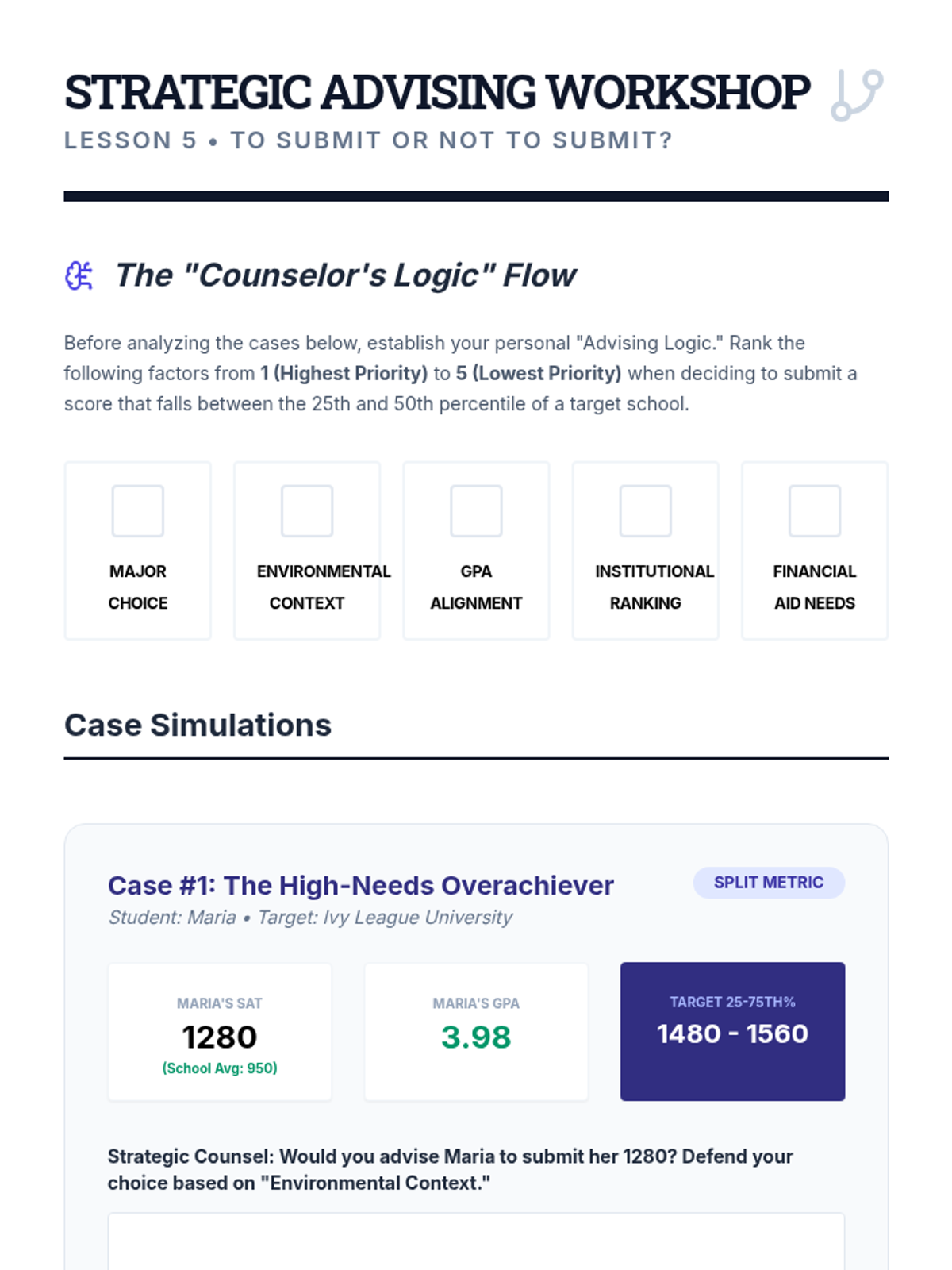
A strategy-focused session where students develop decision-making frameworks for advising applicants on score submission in a post-test-optional world.
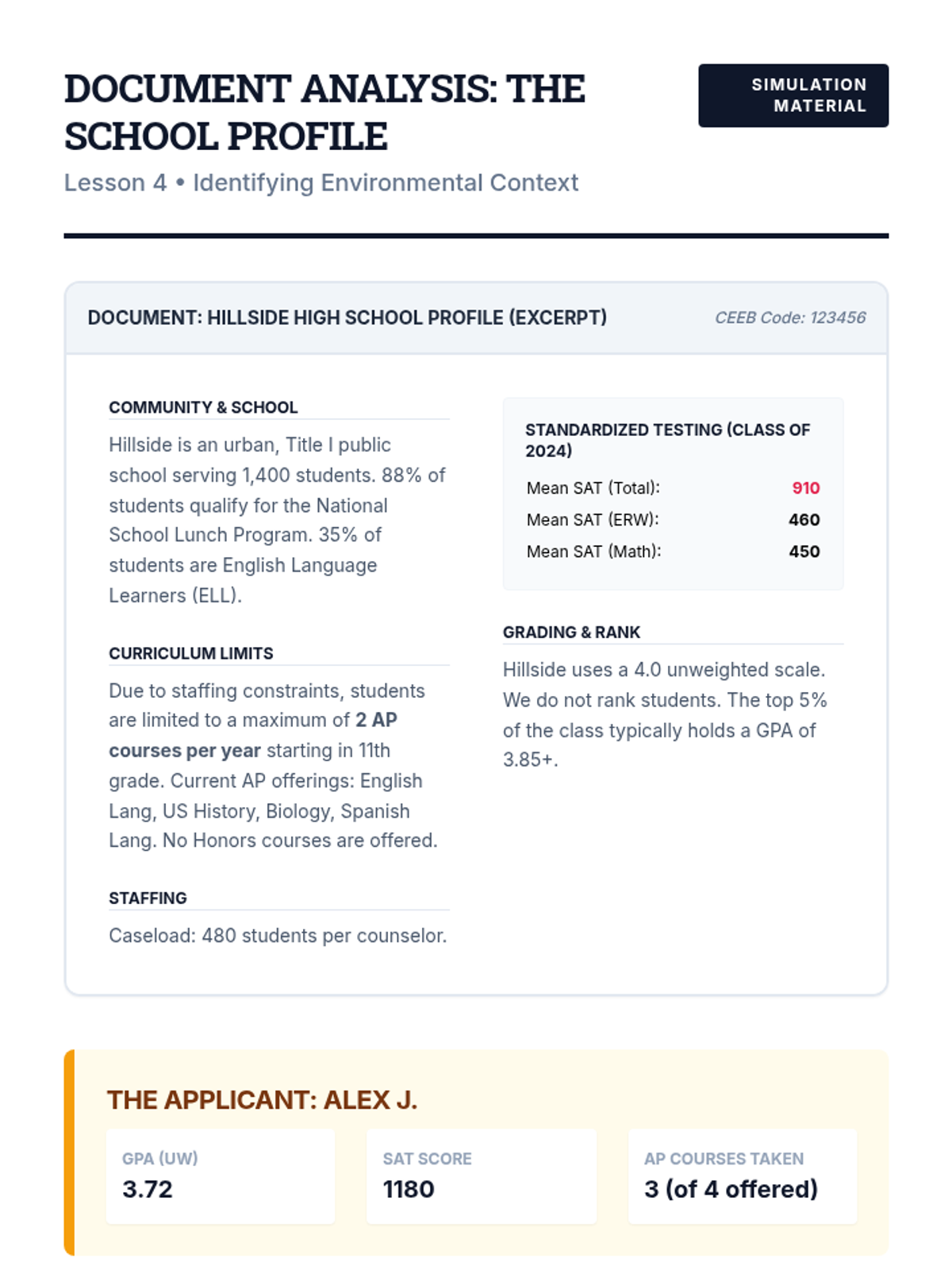
Students learn to use school profiles to contextualize student performance relative to the opportunities and constraints of their secondary school environment.
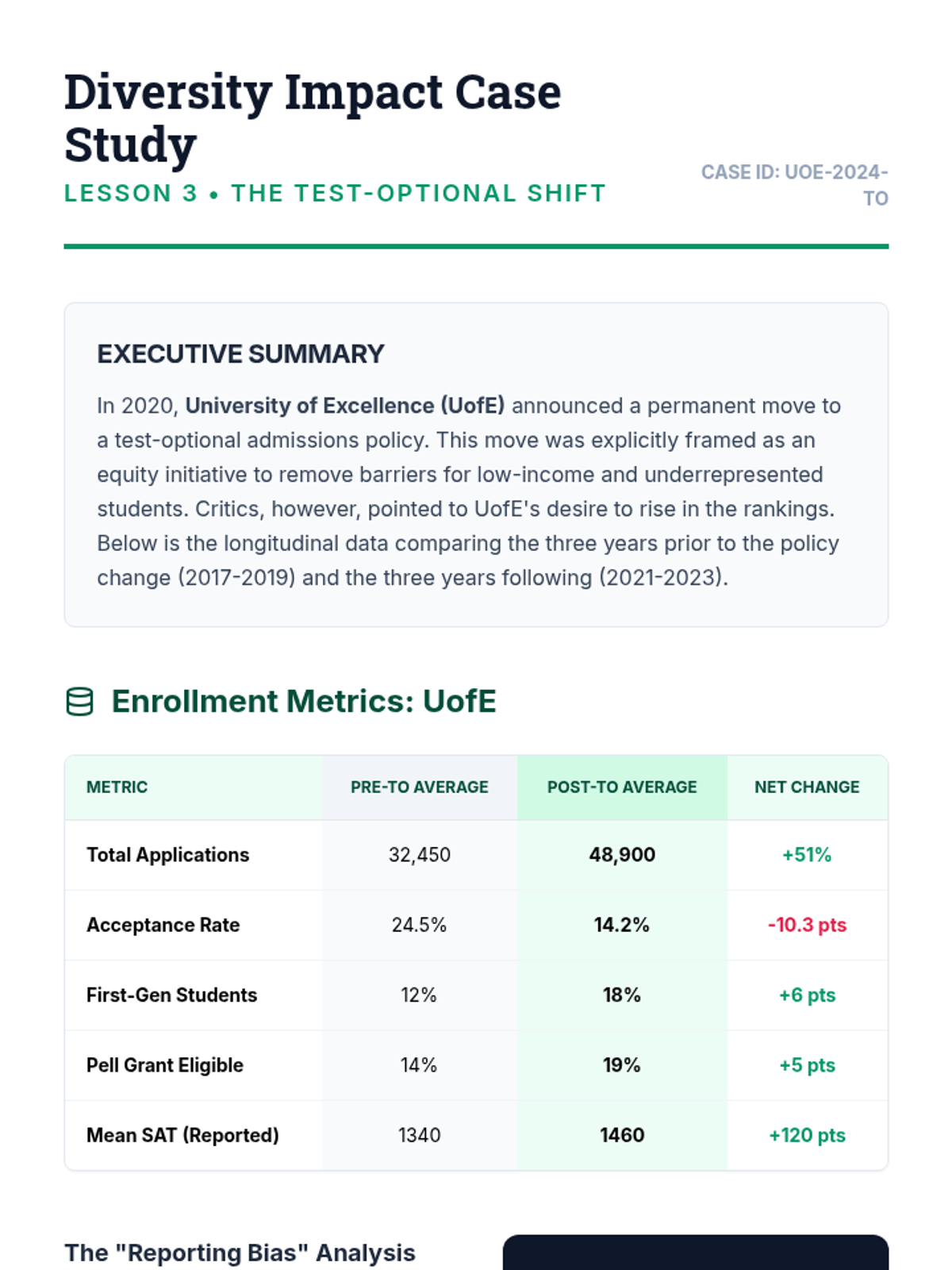
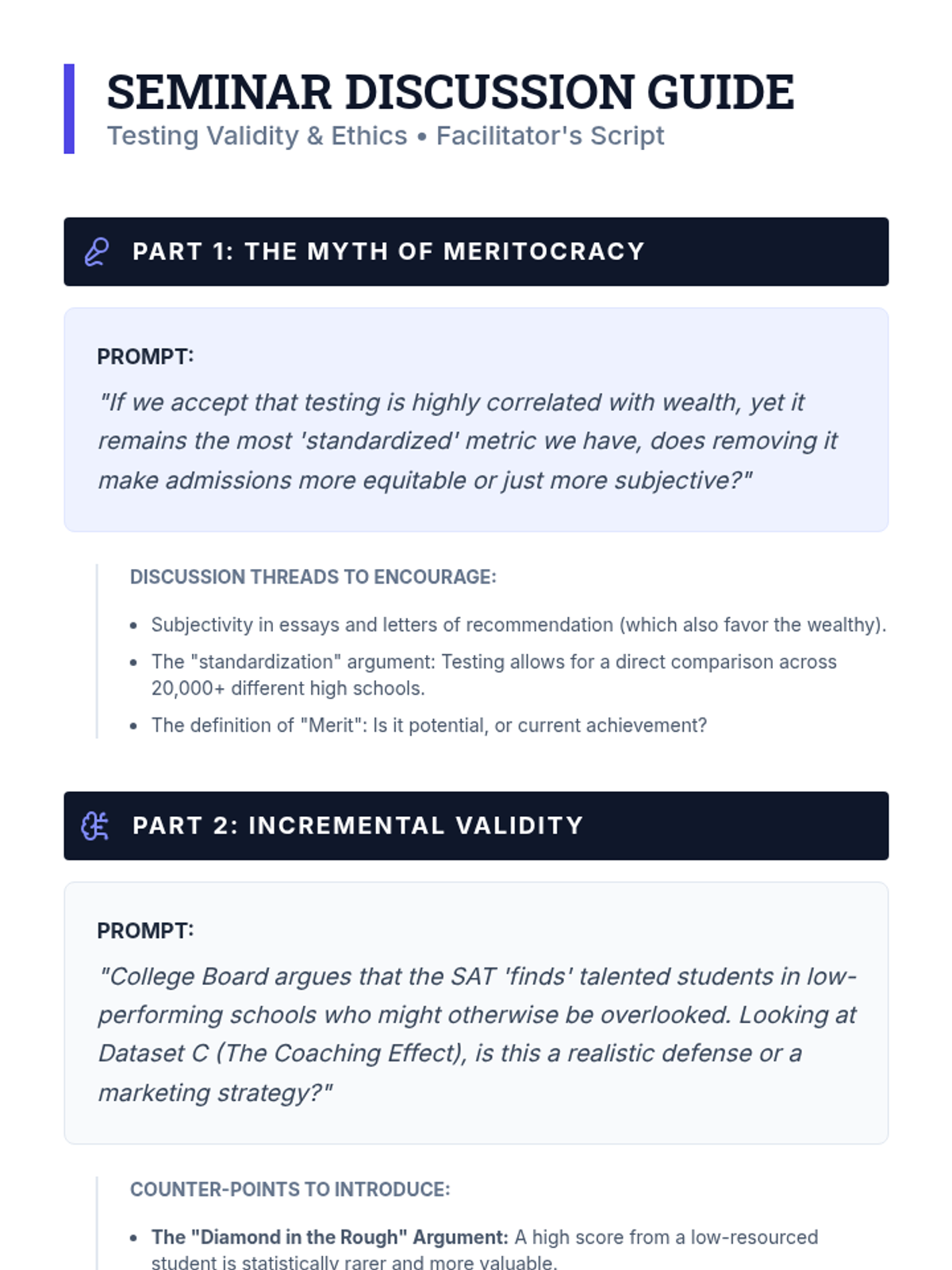
An analysis of the strategic and ethical shifts toward test-optional and test-blind policies and their impact on university diversity and enrollment trends.
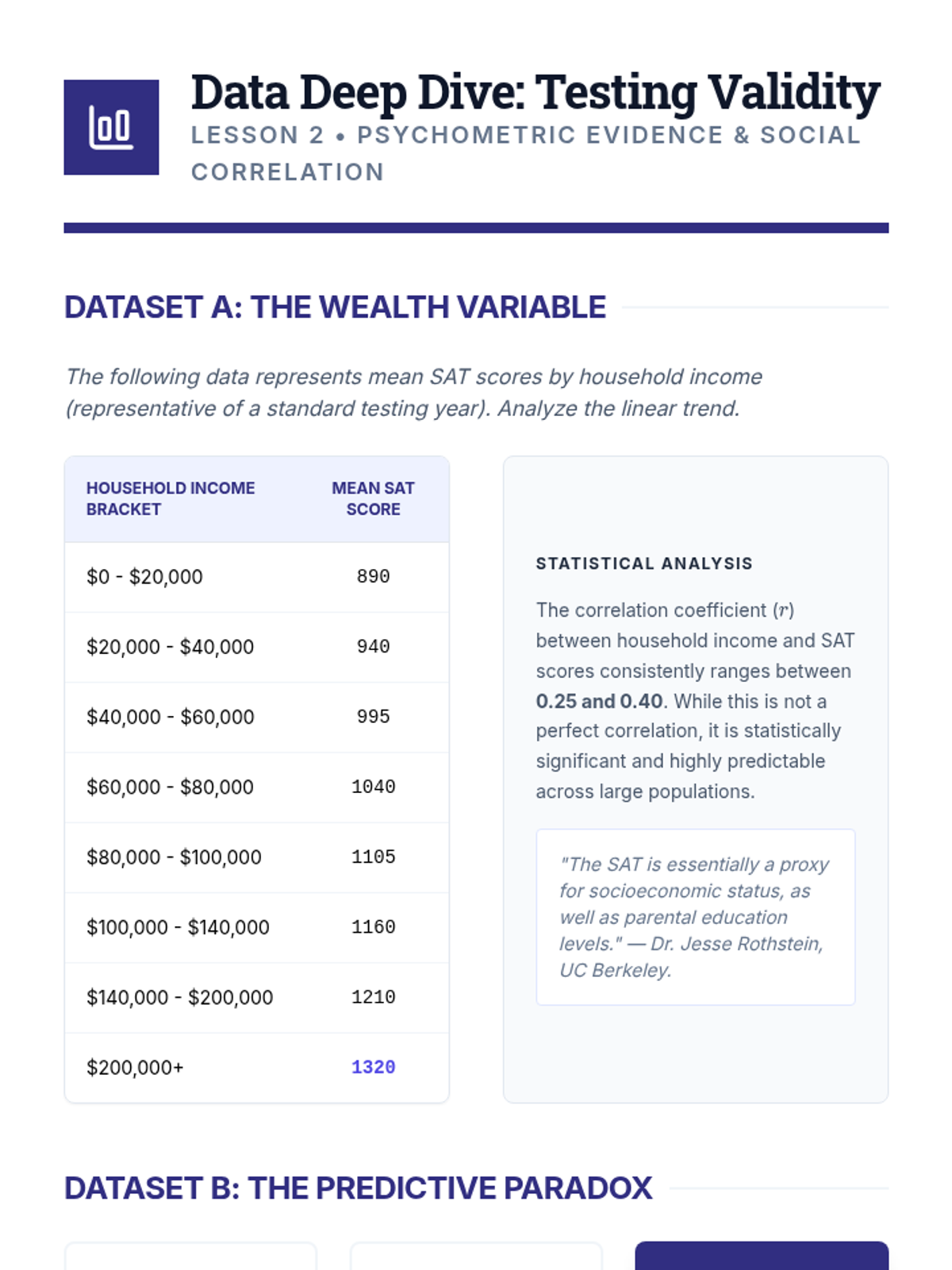
A critical examination of the history, psychometrics, and predictive validity of standardized tests, with a focus on their correlation with socioeconomic status.
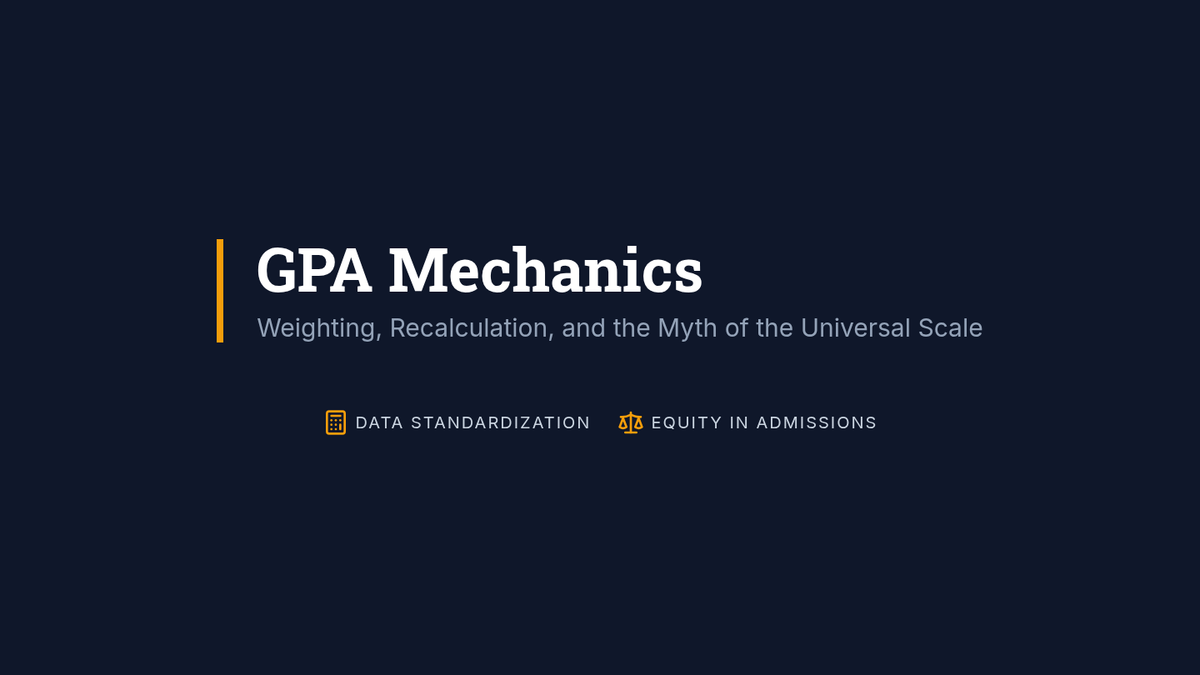
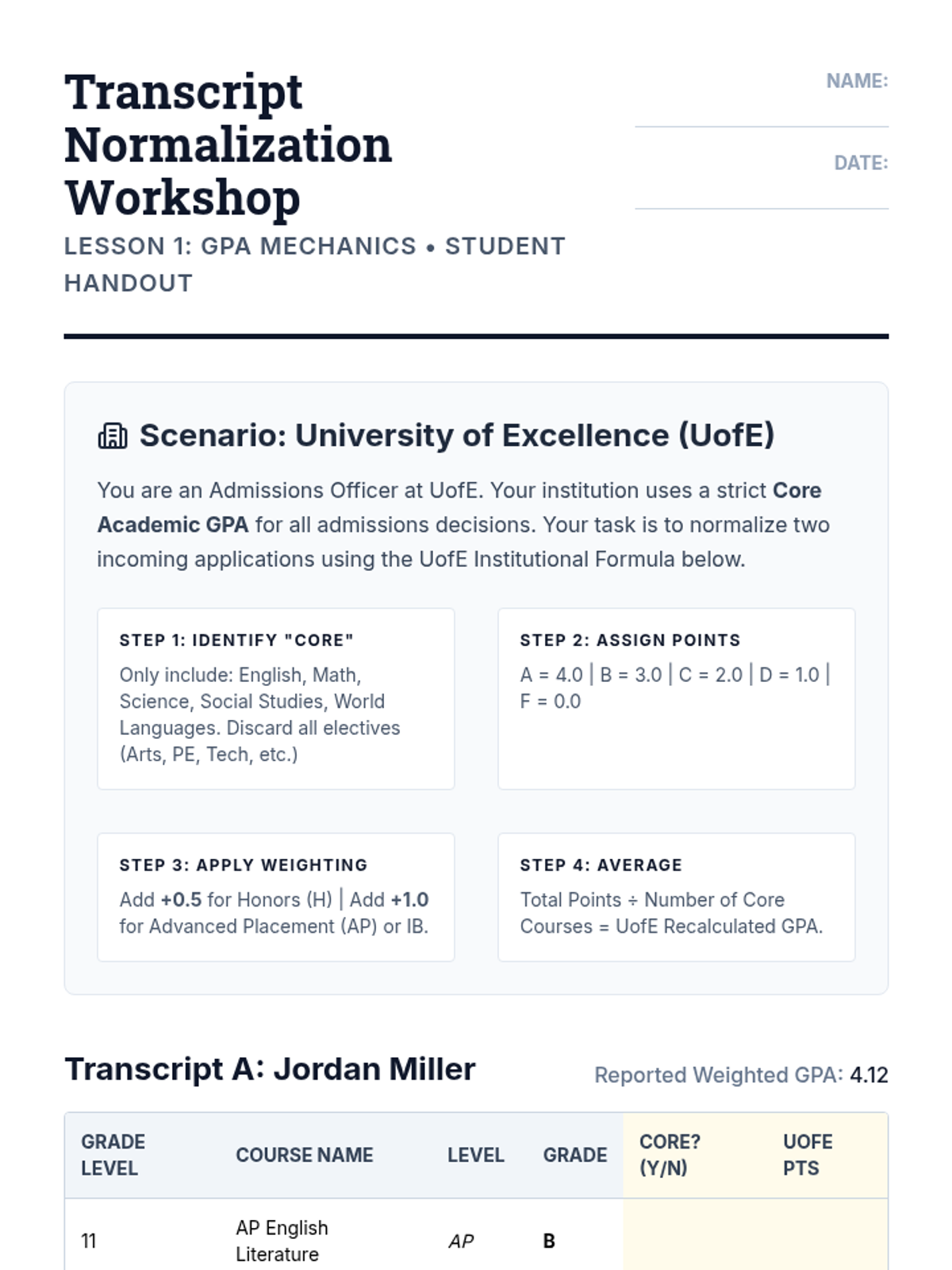
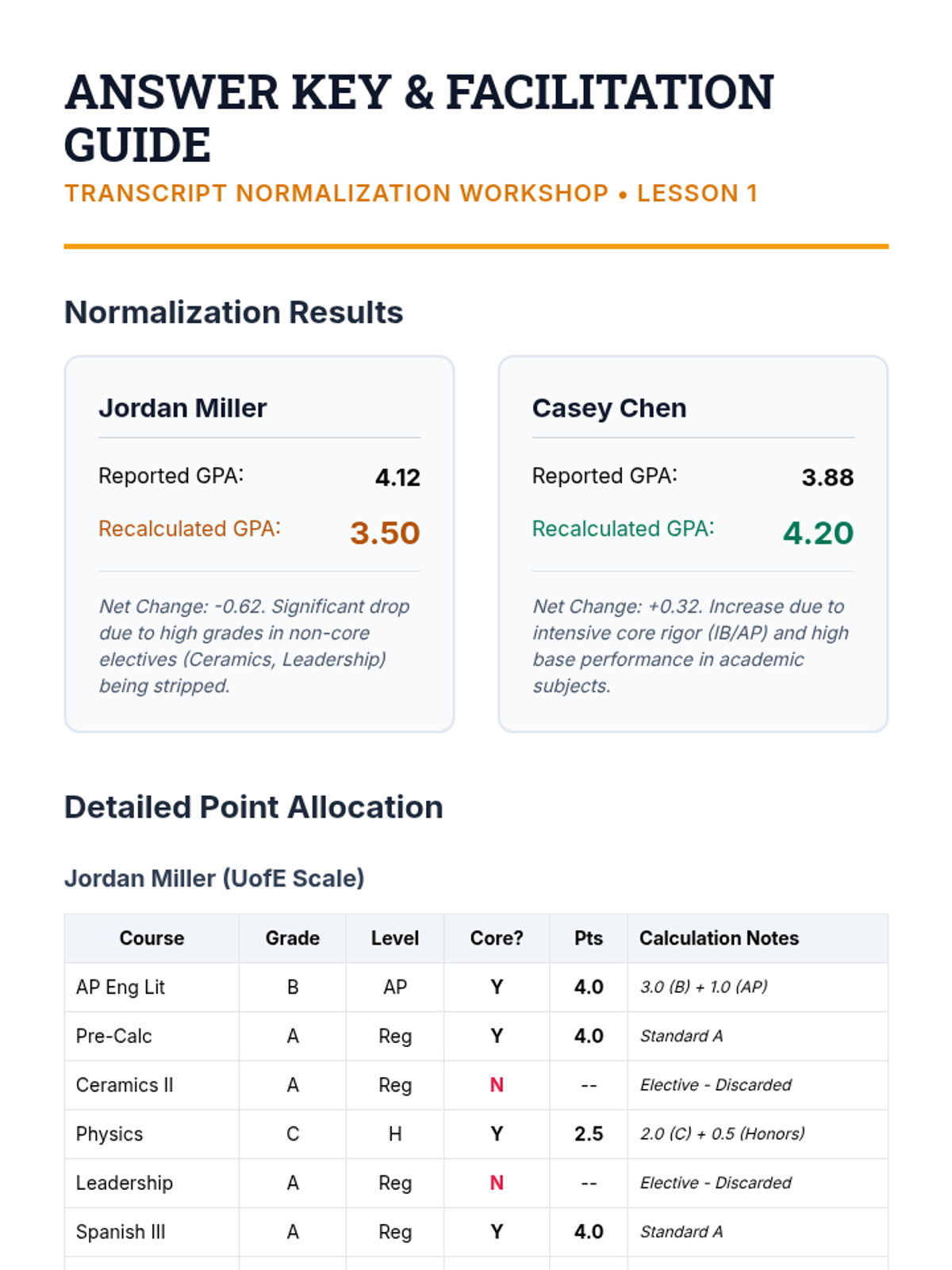
Students explore how higher education institutions normalize diverse high school transcripts by stripping electives and applying specific weights to core academic subjects.
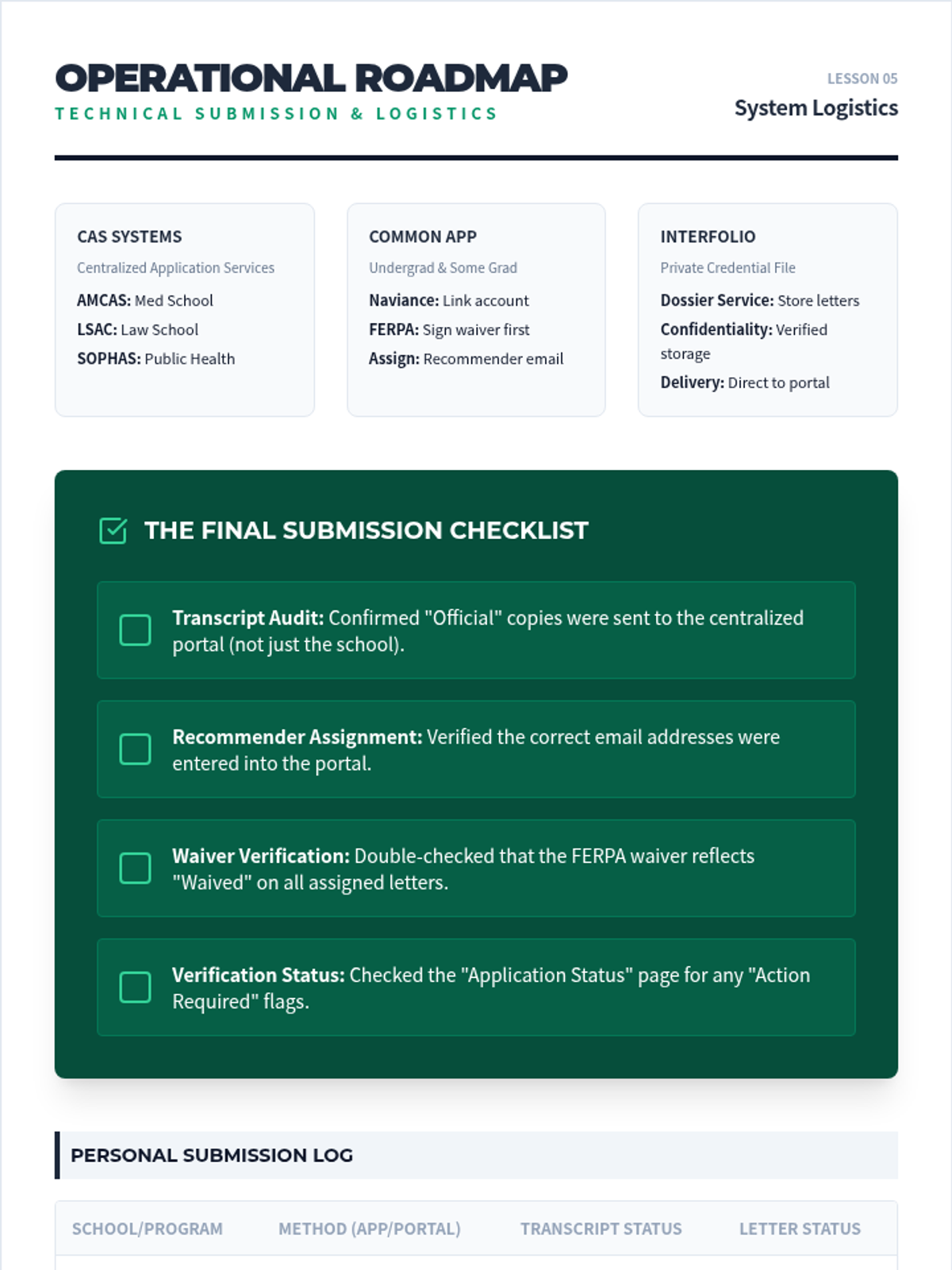
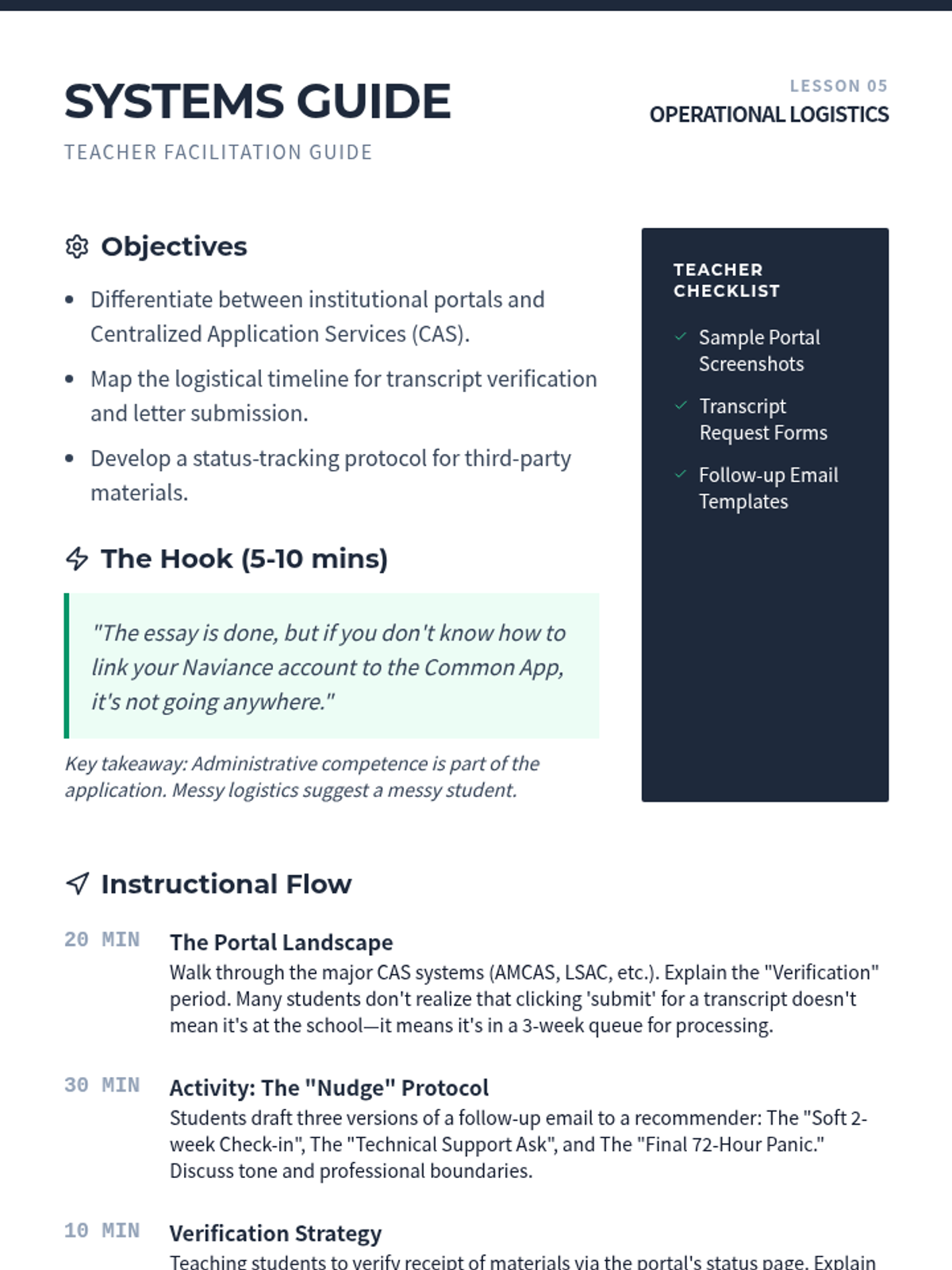
A technical walkthrough of major application portals and the operational steps for credential submission and verification.
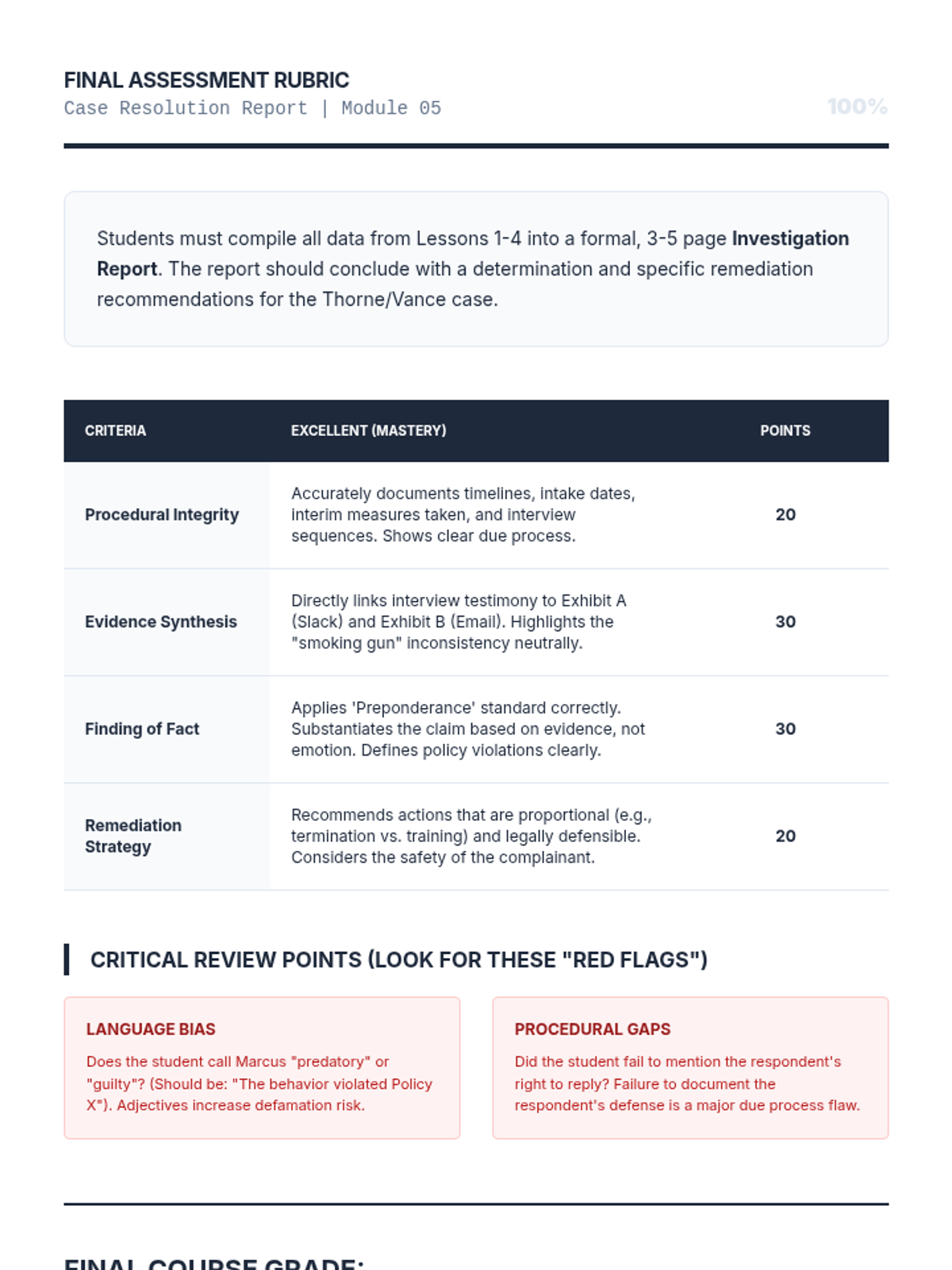
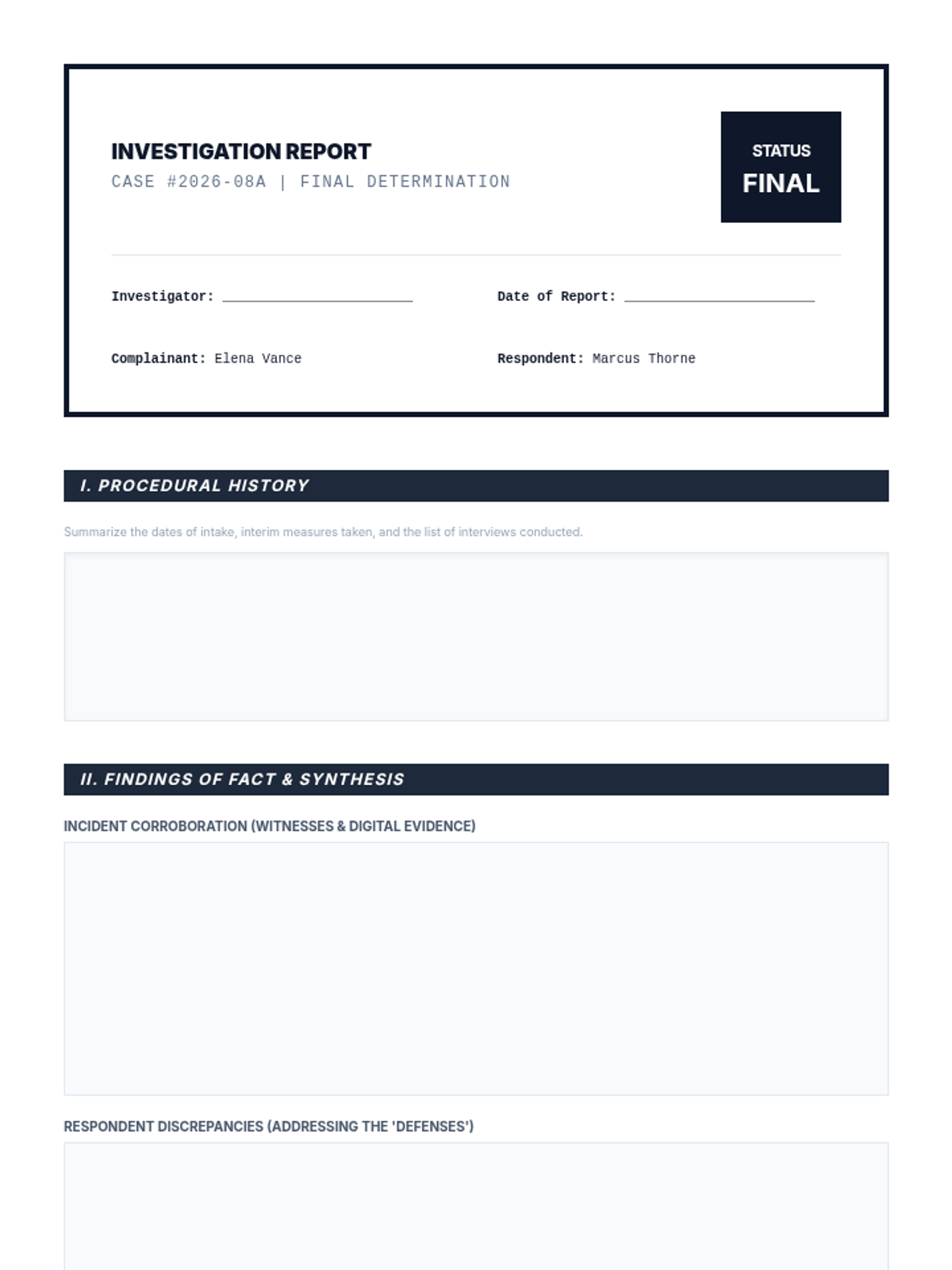
Concludes with the technical skills needed to draft a defensible investigation report and recommend appropriate remediation.
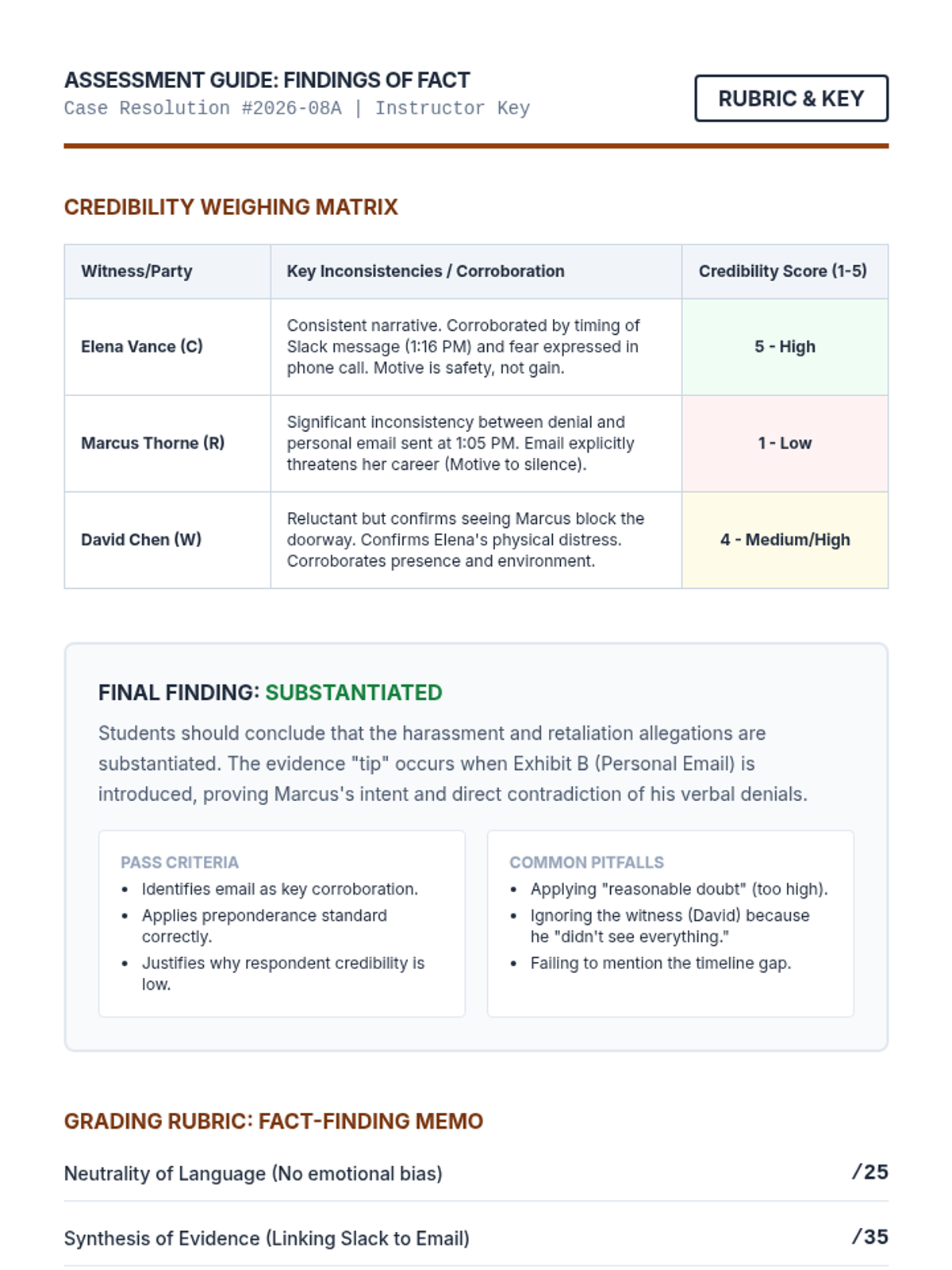
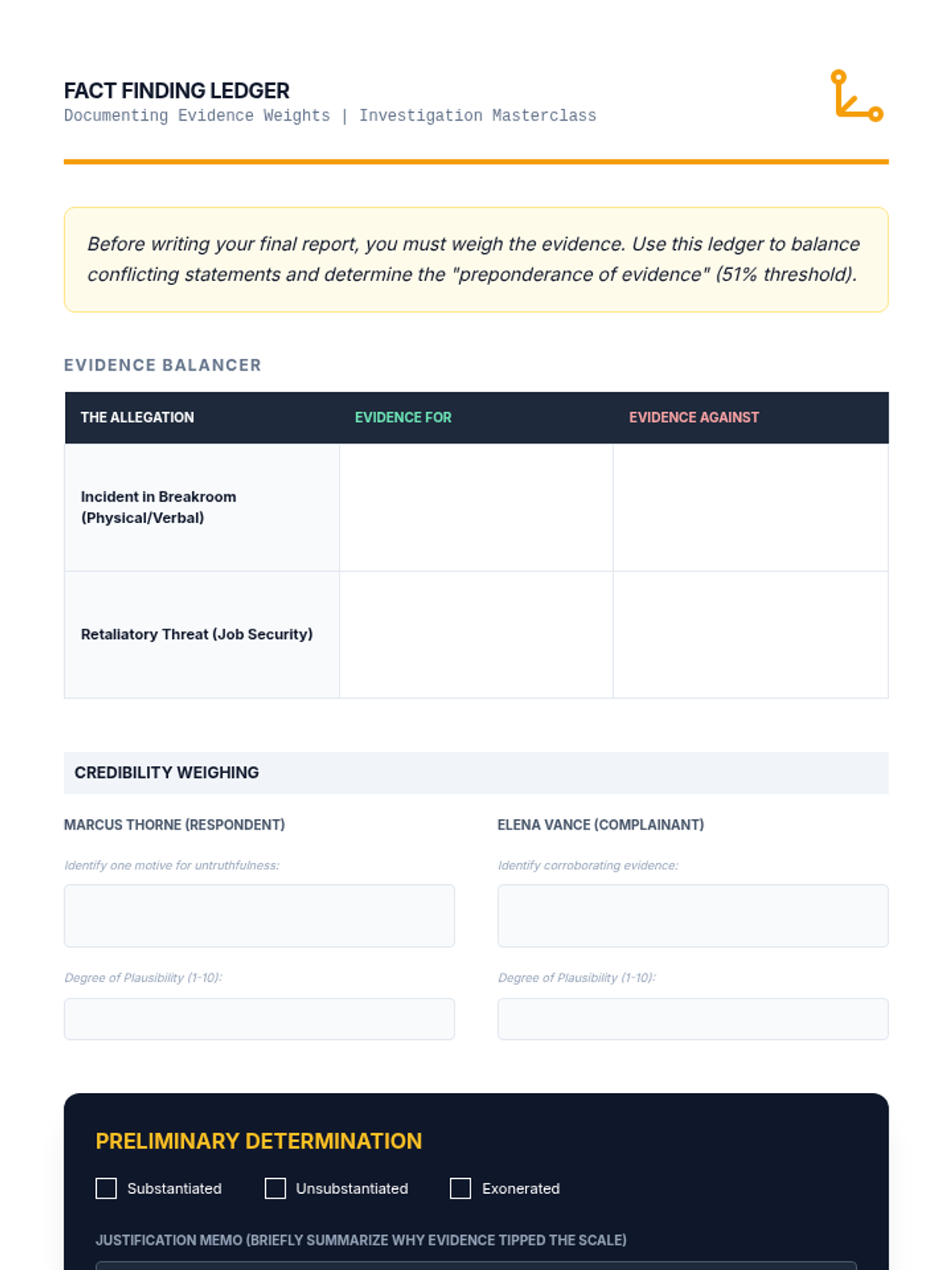
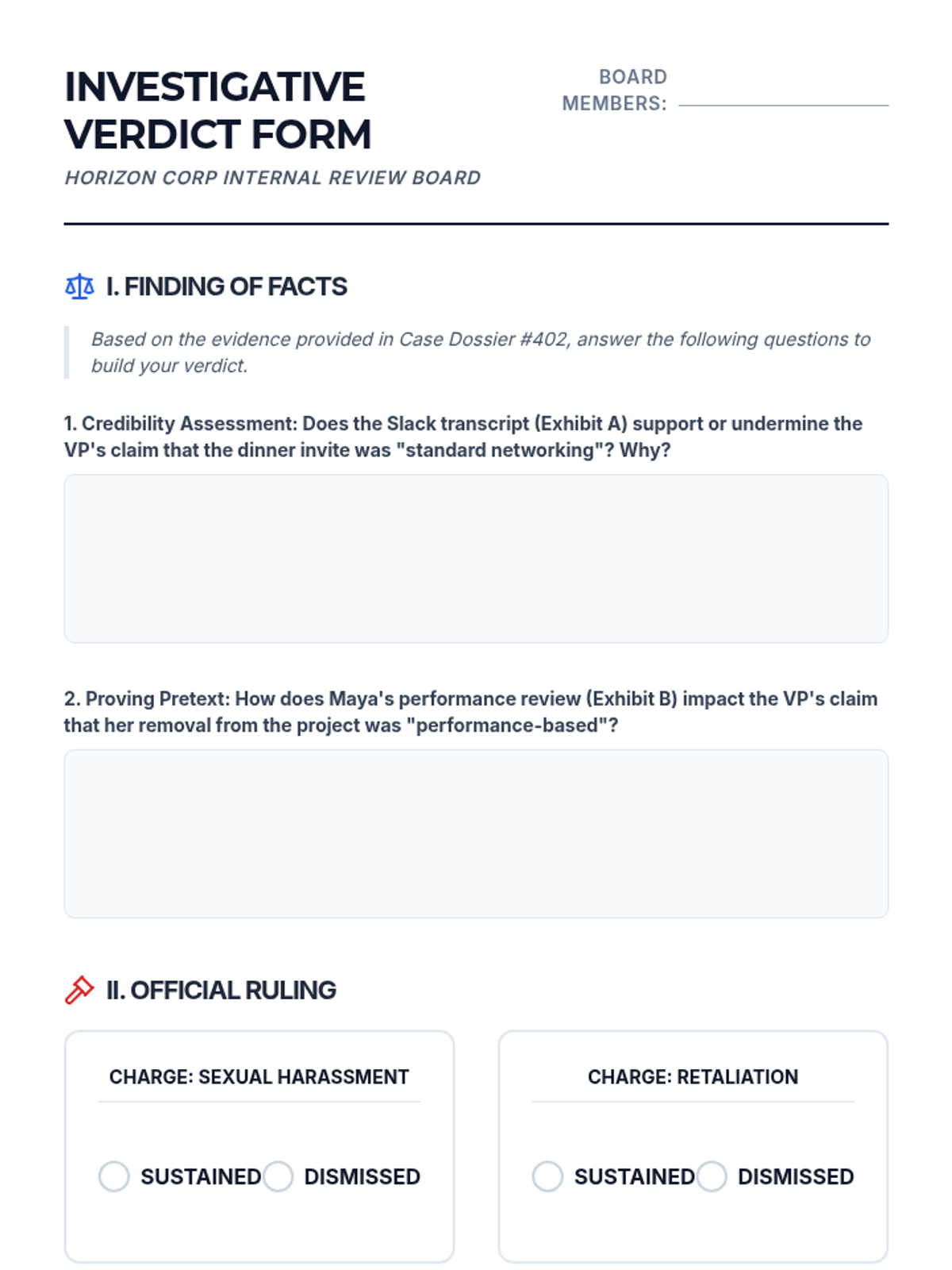
Teaches students how to weigh conflicting testimony and apply the preponderance of evidence standard to make formal findings of fact.
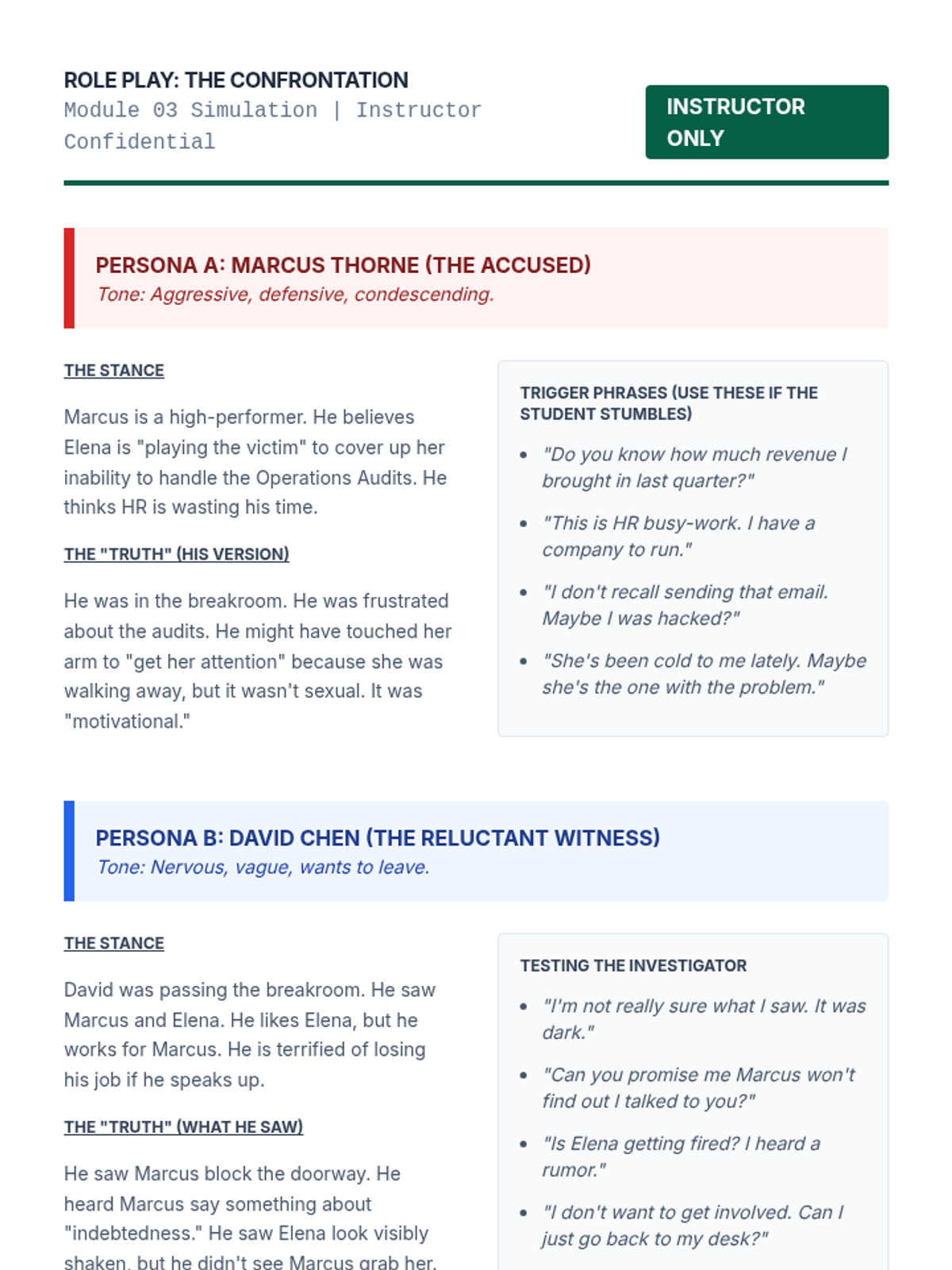
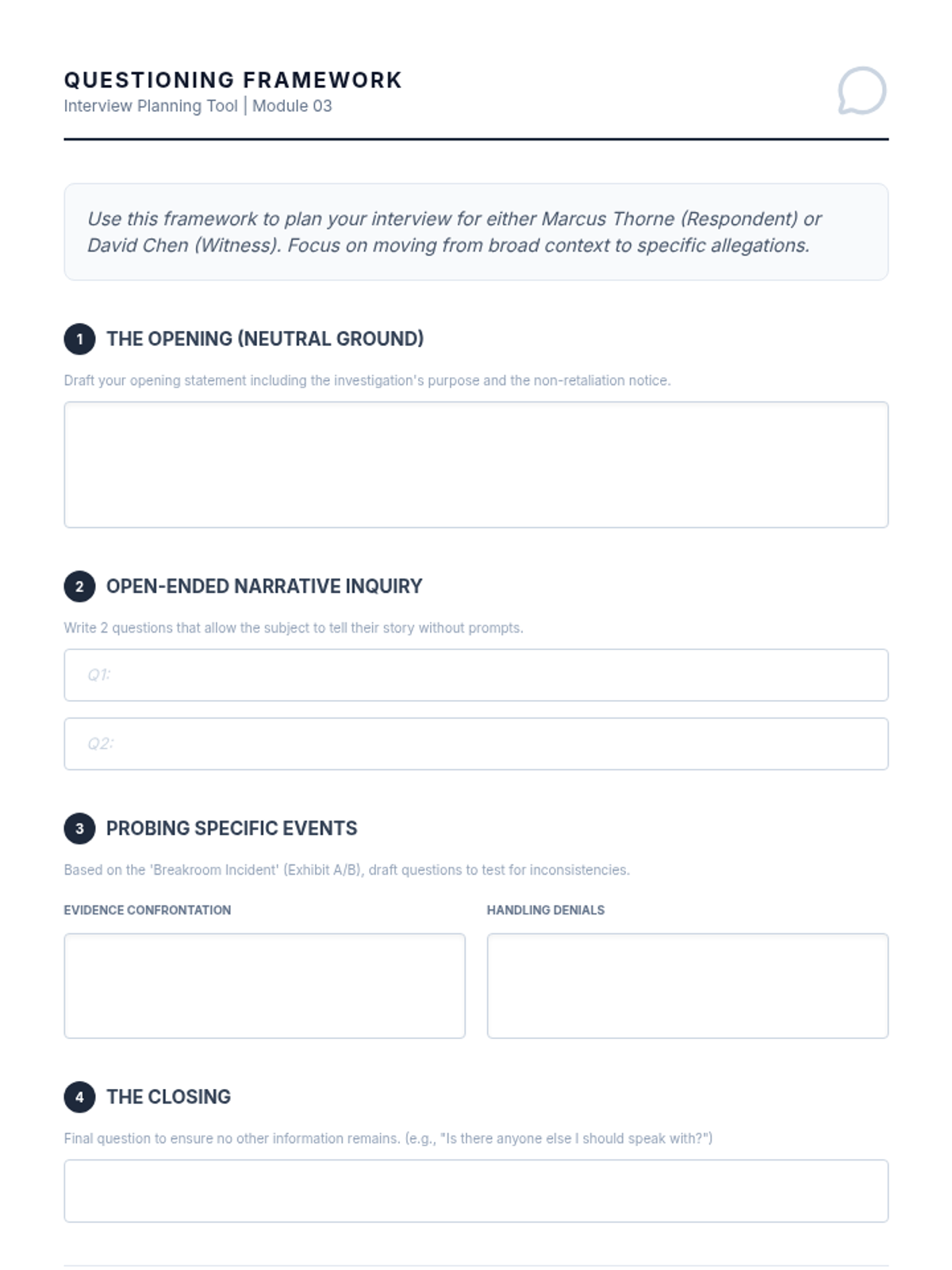
Develops skills for interviewing the accused and witnesses, focusing on non-leading questions and managing high-conflict interactions.
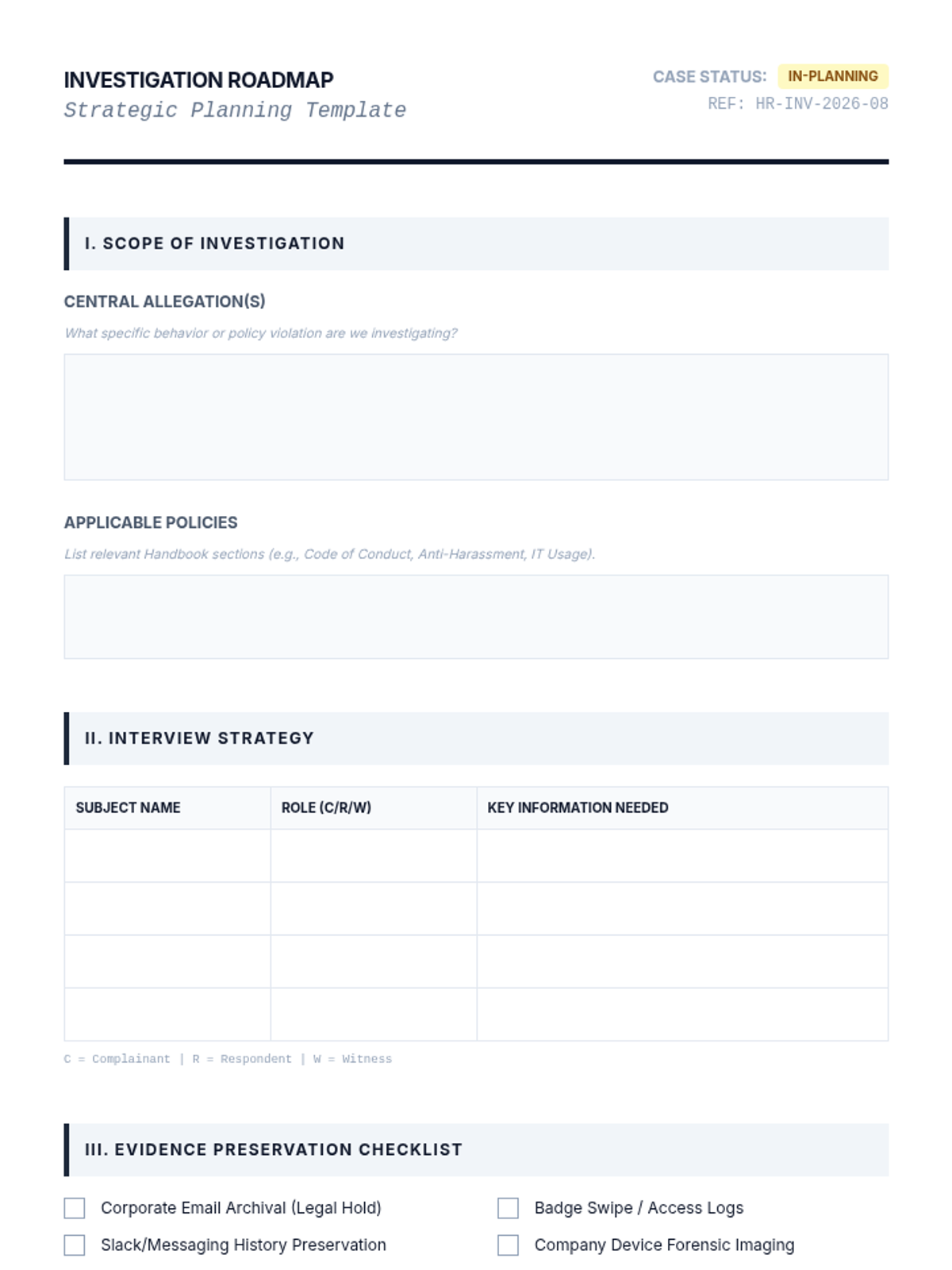
Covers strategic planning for an investigation, identifying witnesses, and managing digital and physical evidence.
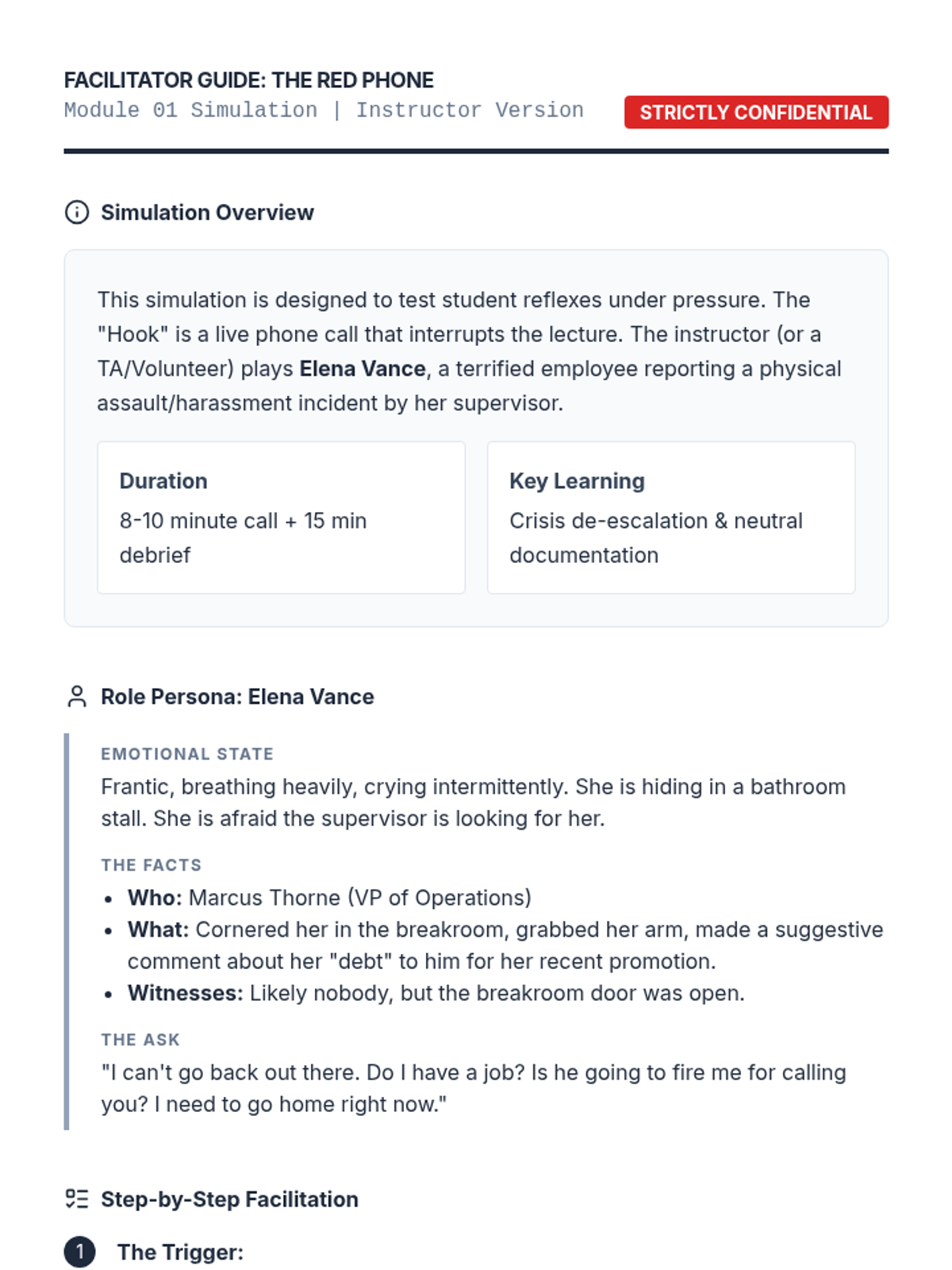
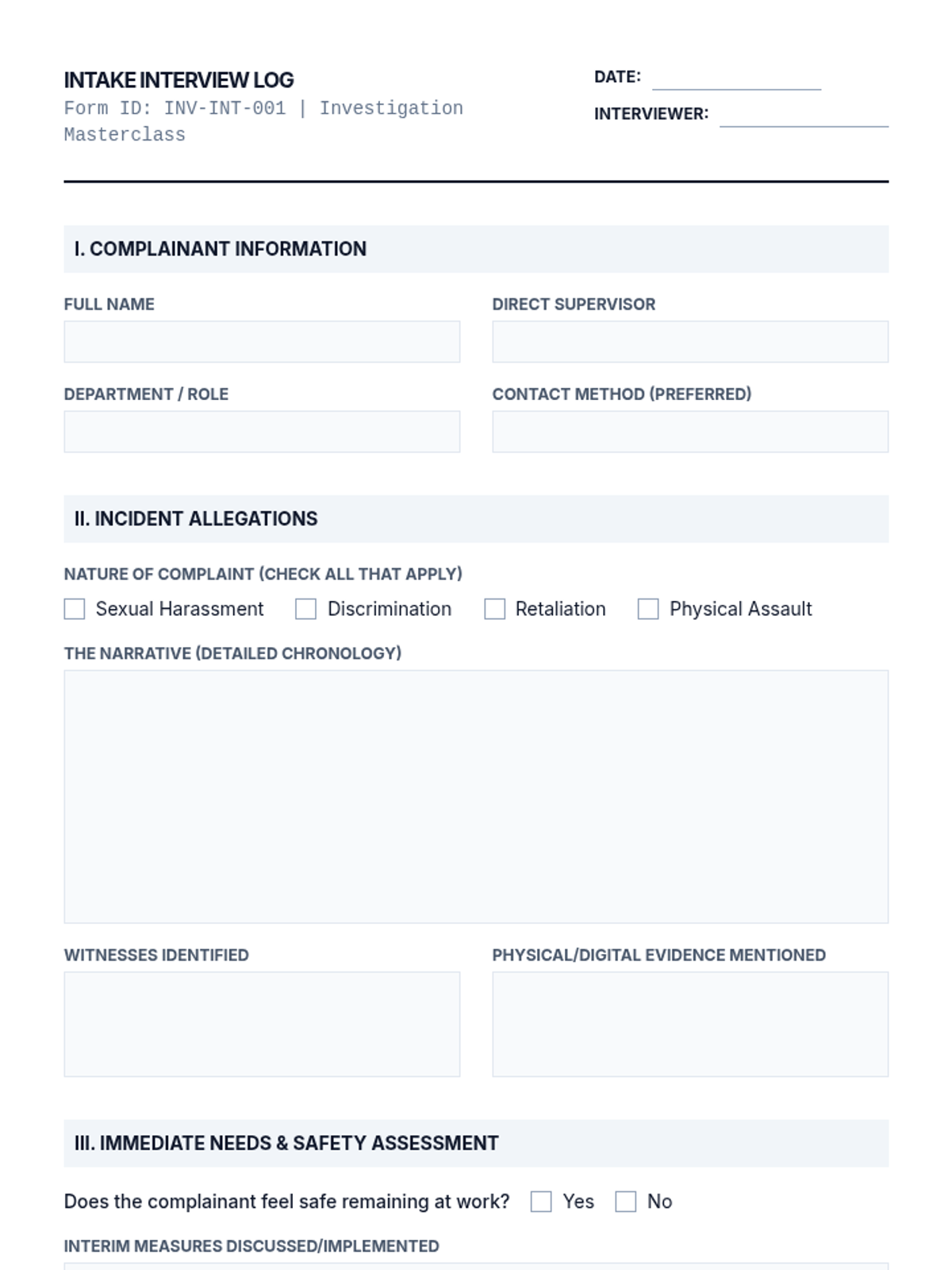
Focuses on the immediate response to a complaint, including conducting the intake interview and determining if interim measures like administrative leave are necessary.
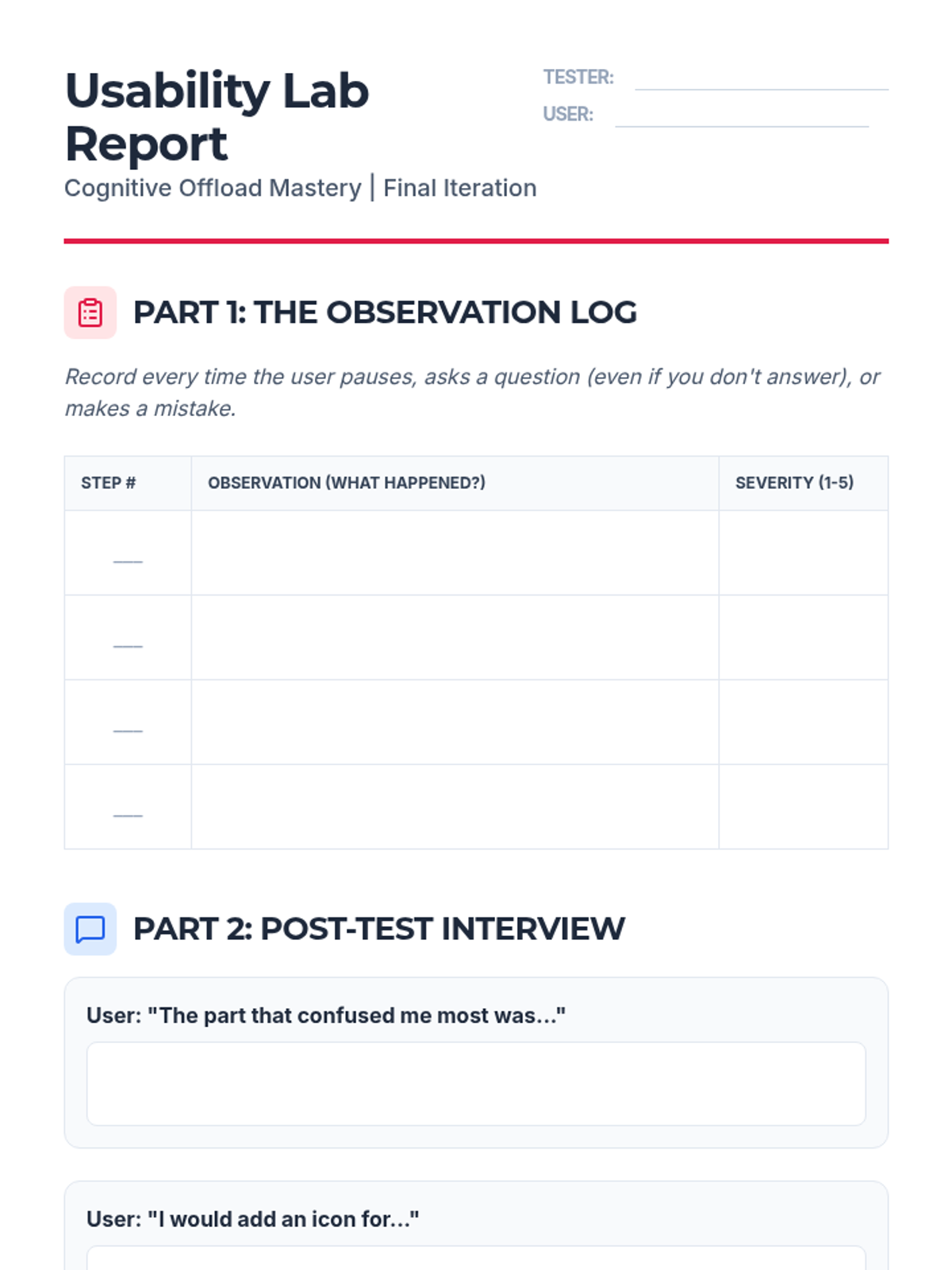
Students perform usability testing on their checklists, observing peers' performance and iterating based on results.
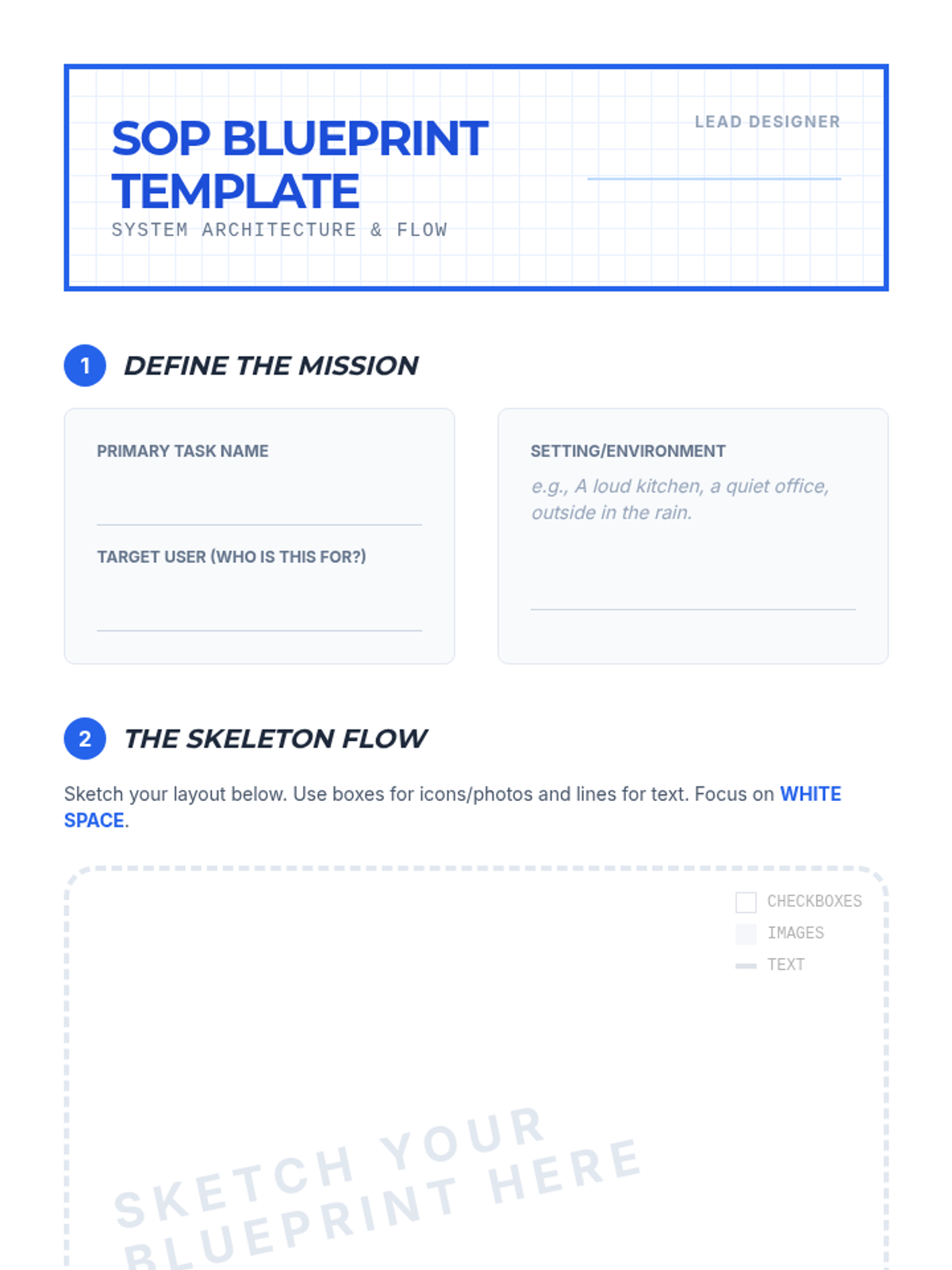
Students draft their own professional-grade visual checklists, focusing on layout, flow, and sequential logic.
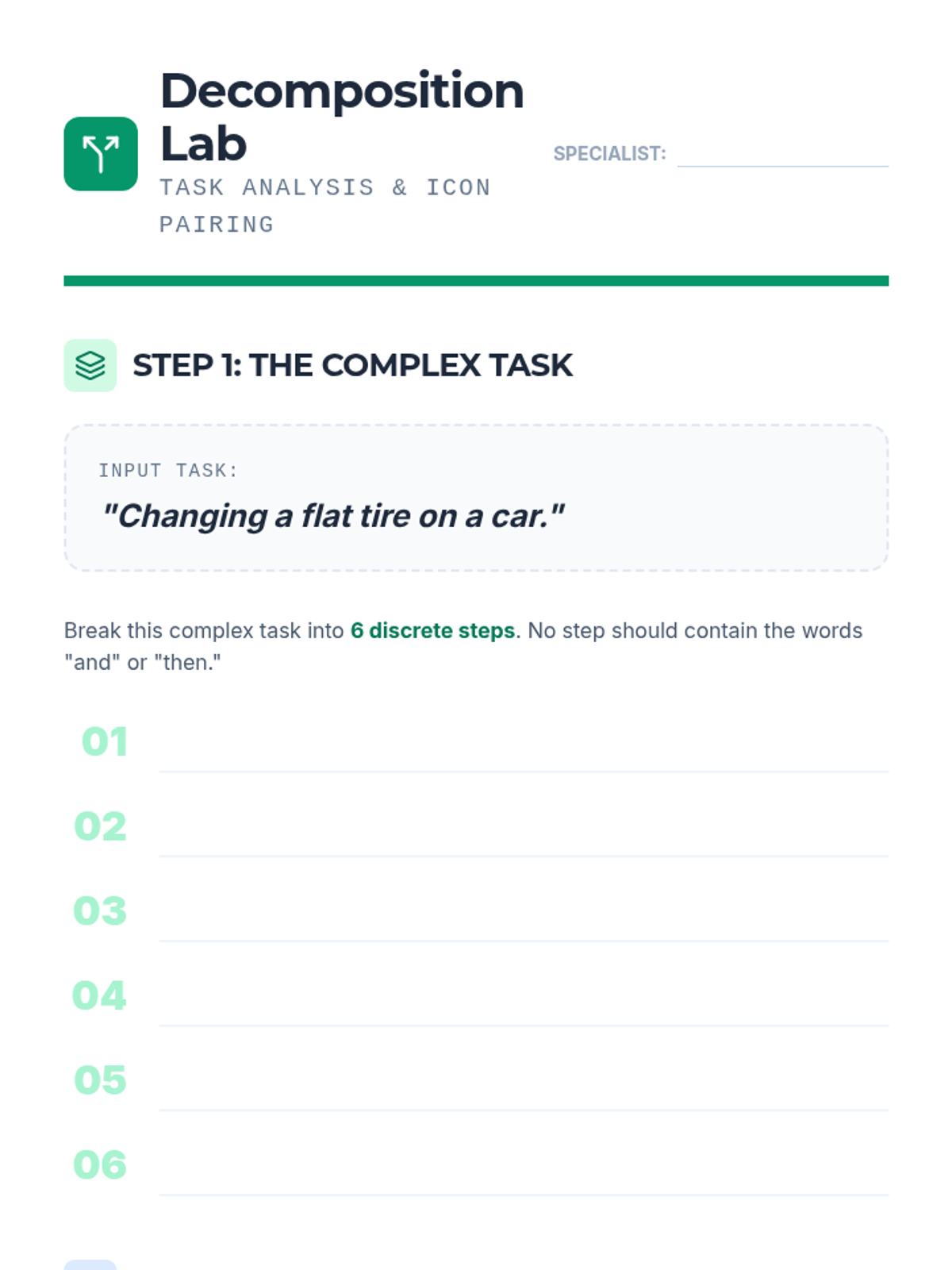
Students learn task analysis by breaking complex tasks into discrete steps and matching them with universal icons.
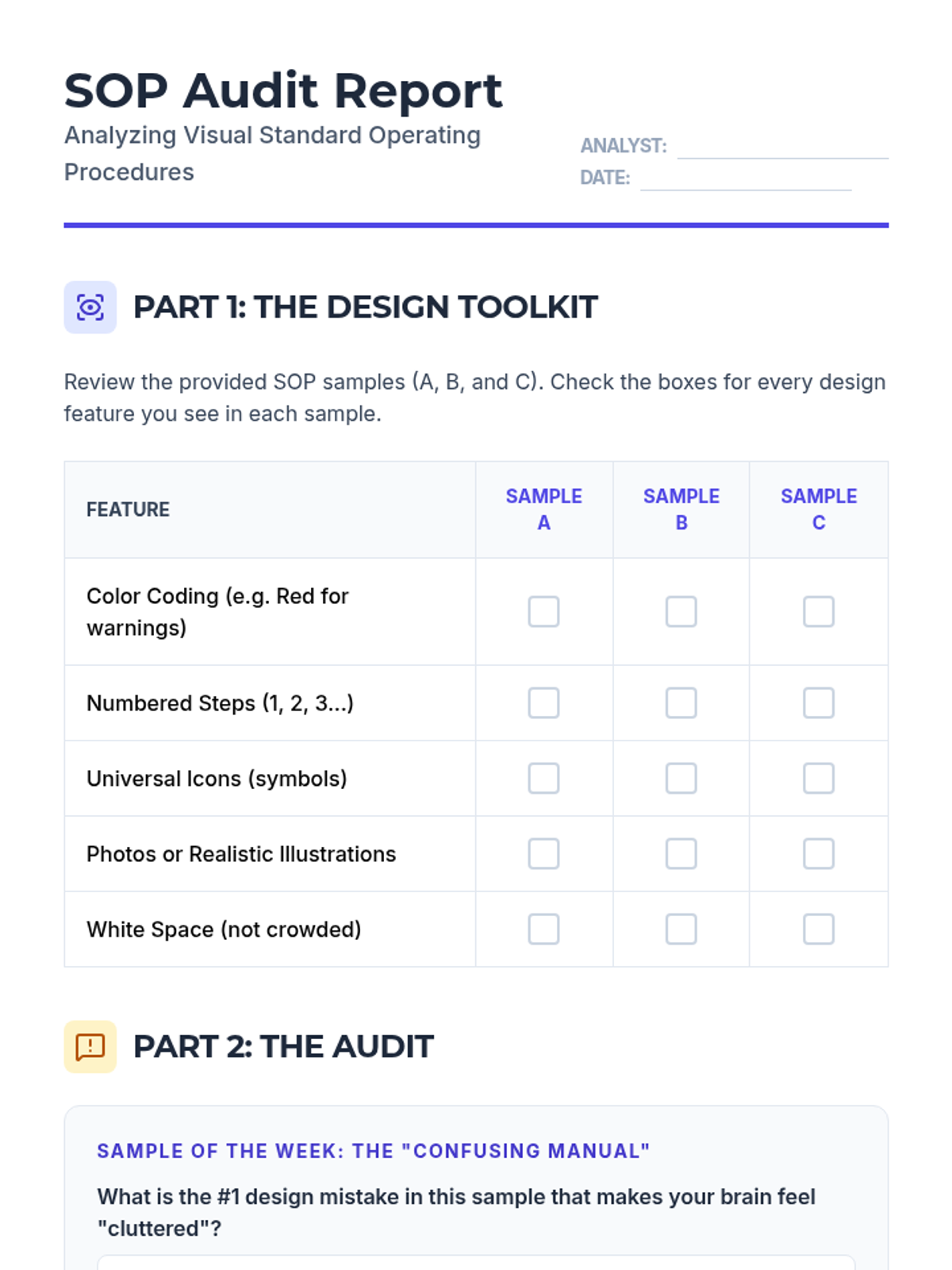
Students critique real-world visual instructions to identify design elements like color coding and iconography that aid understanding.
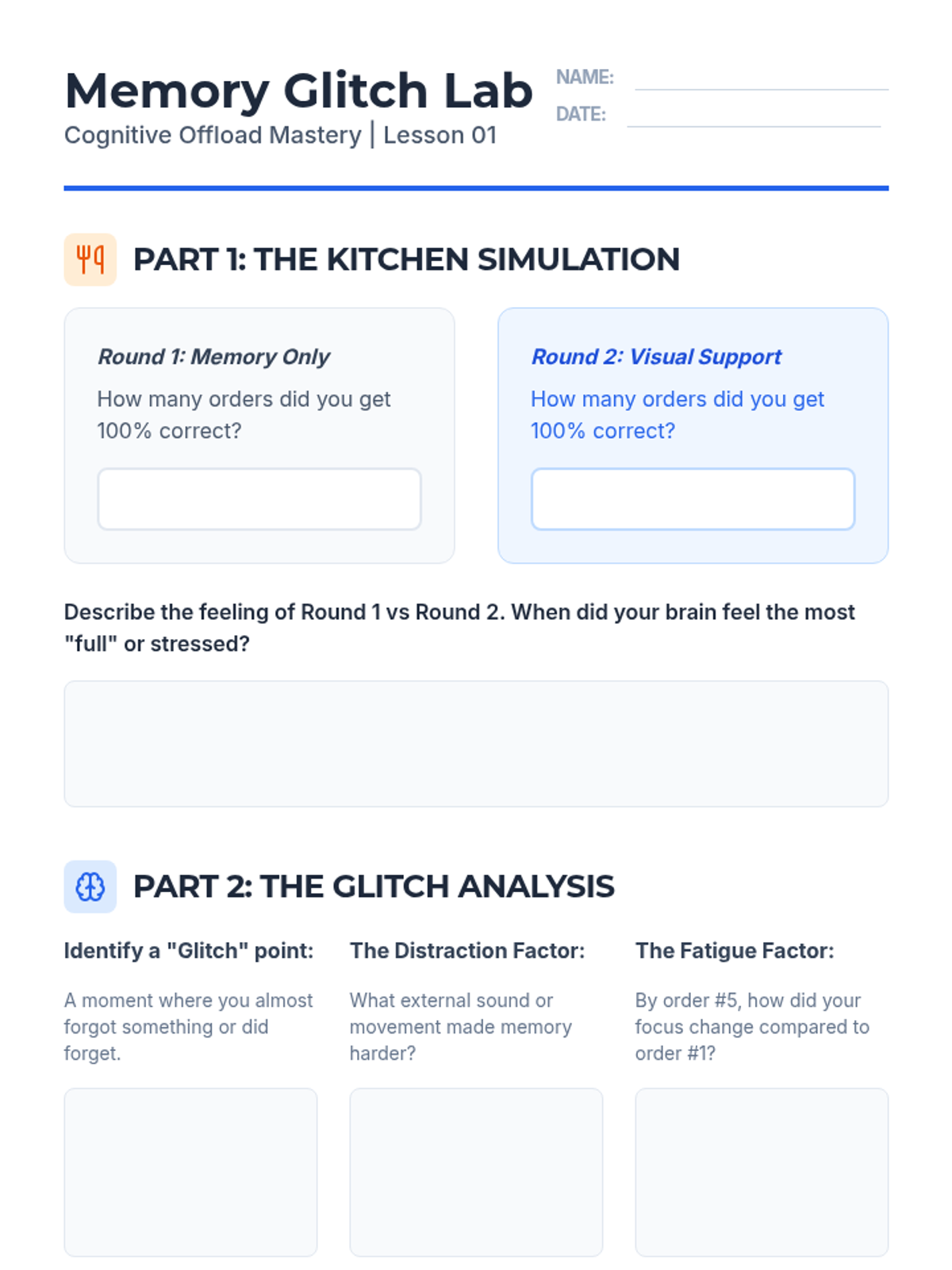
Students explore the limits of working memory through a simulation and case studies, learning the concept of cognitive offloading via checklists.
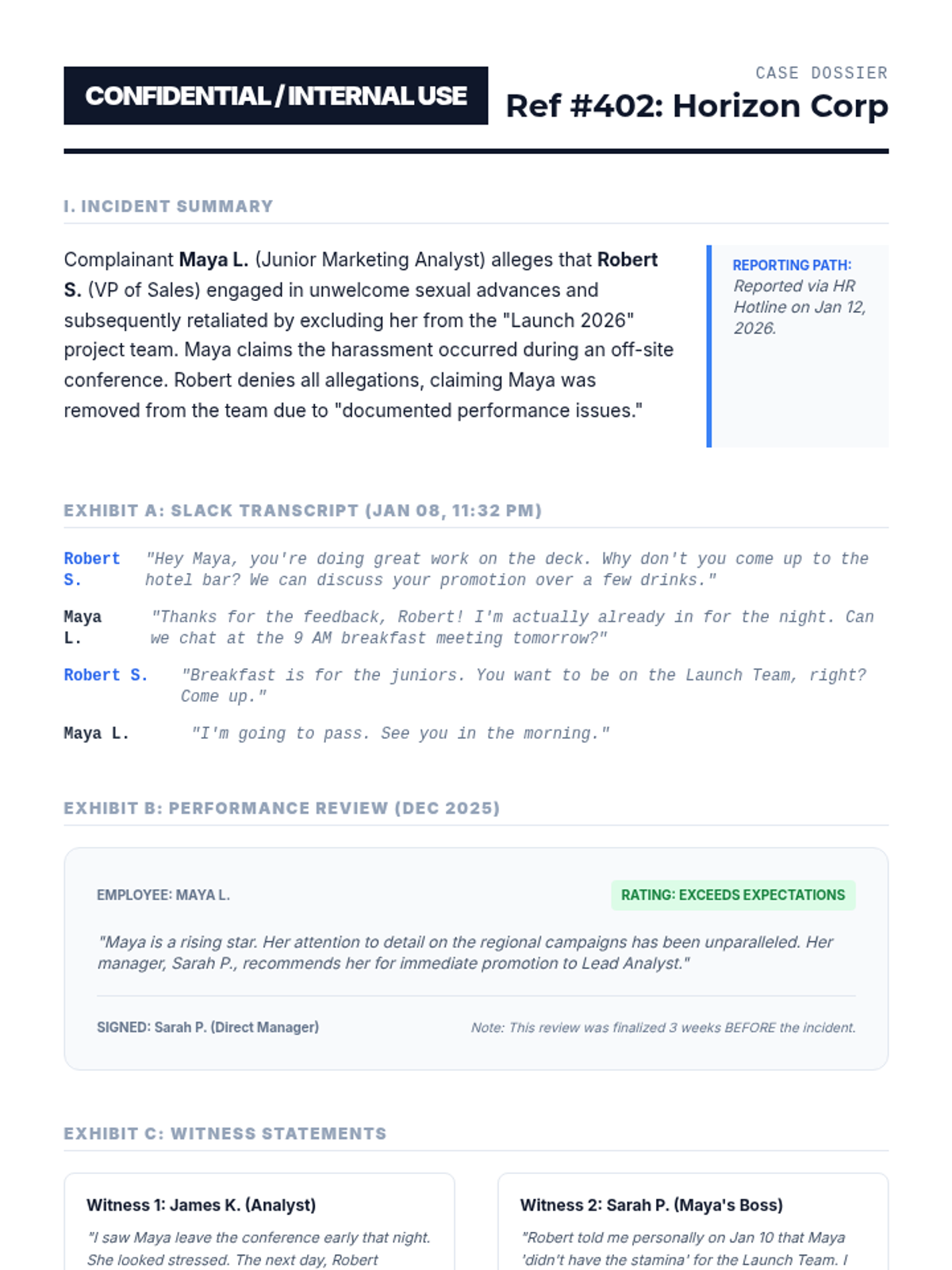
A final simulation where students act as an internal review board hearing a complex case and evaluating organizational culture.
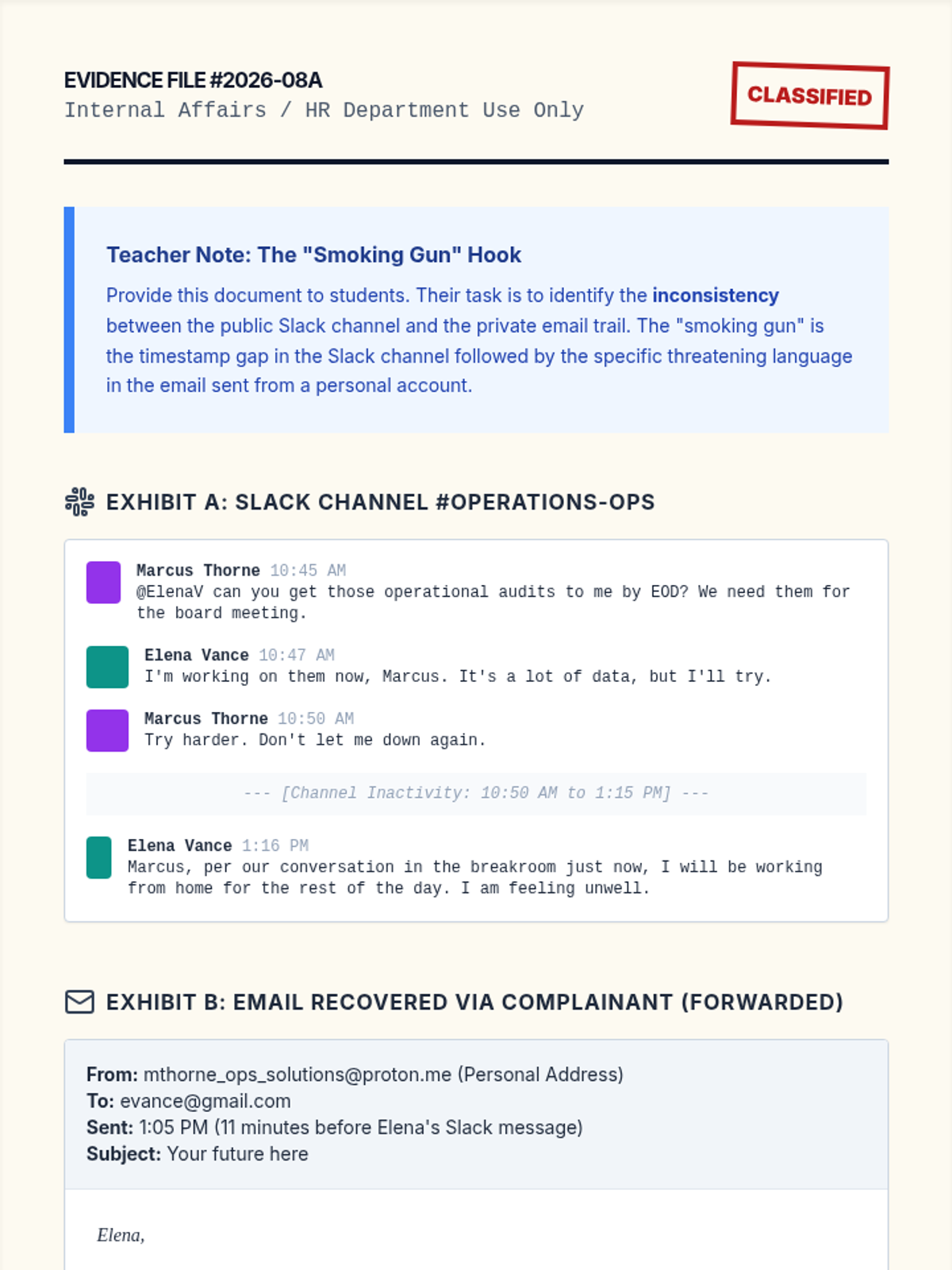
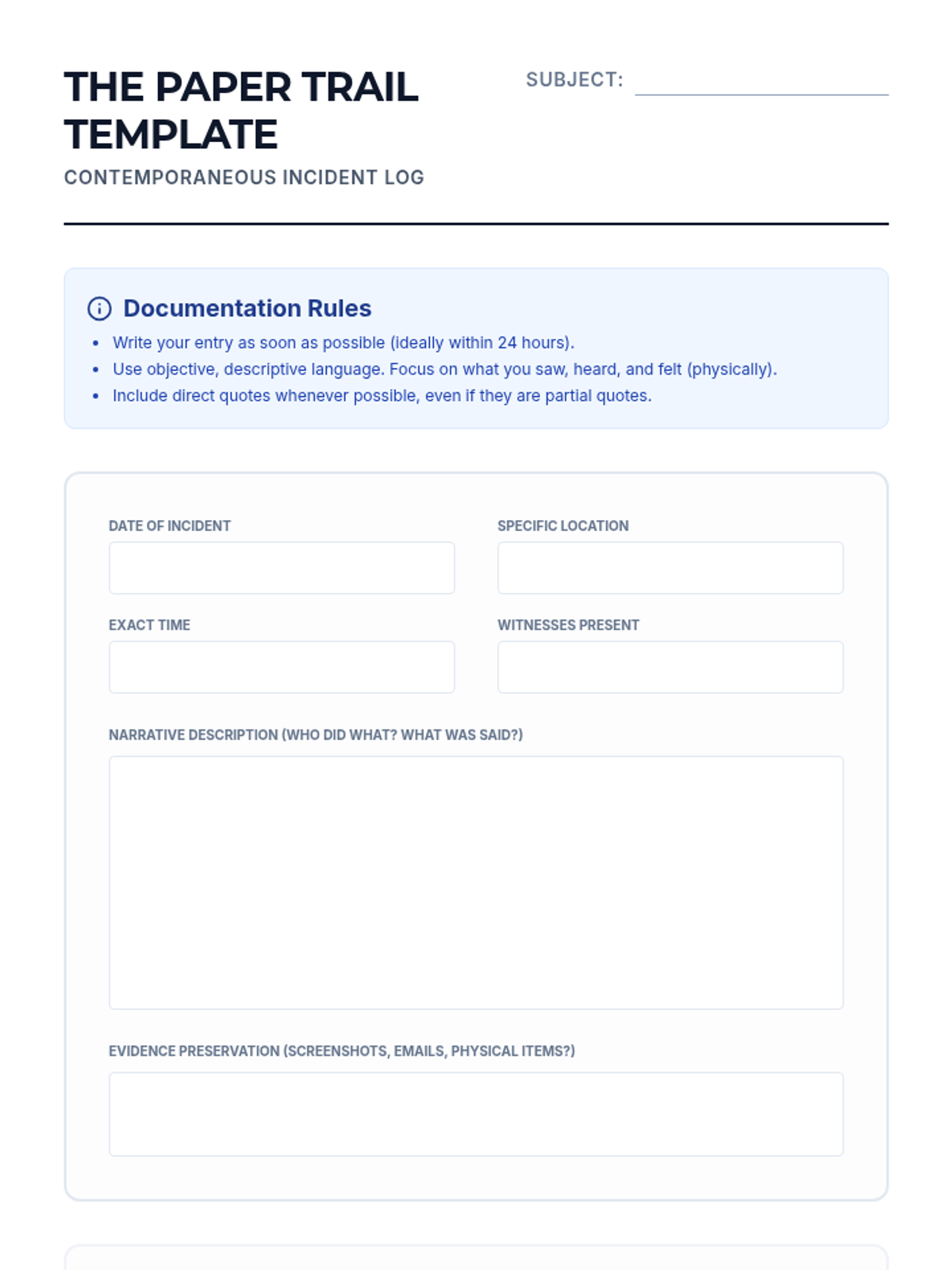
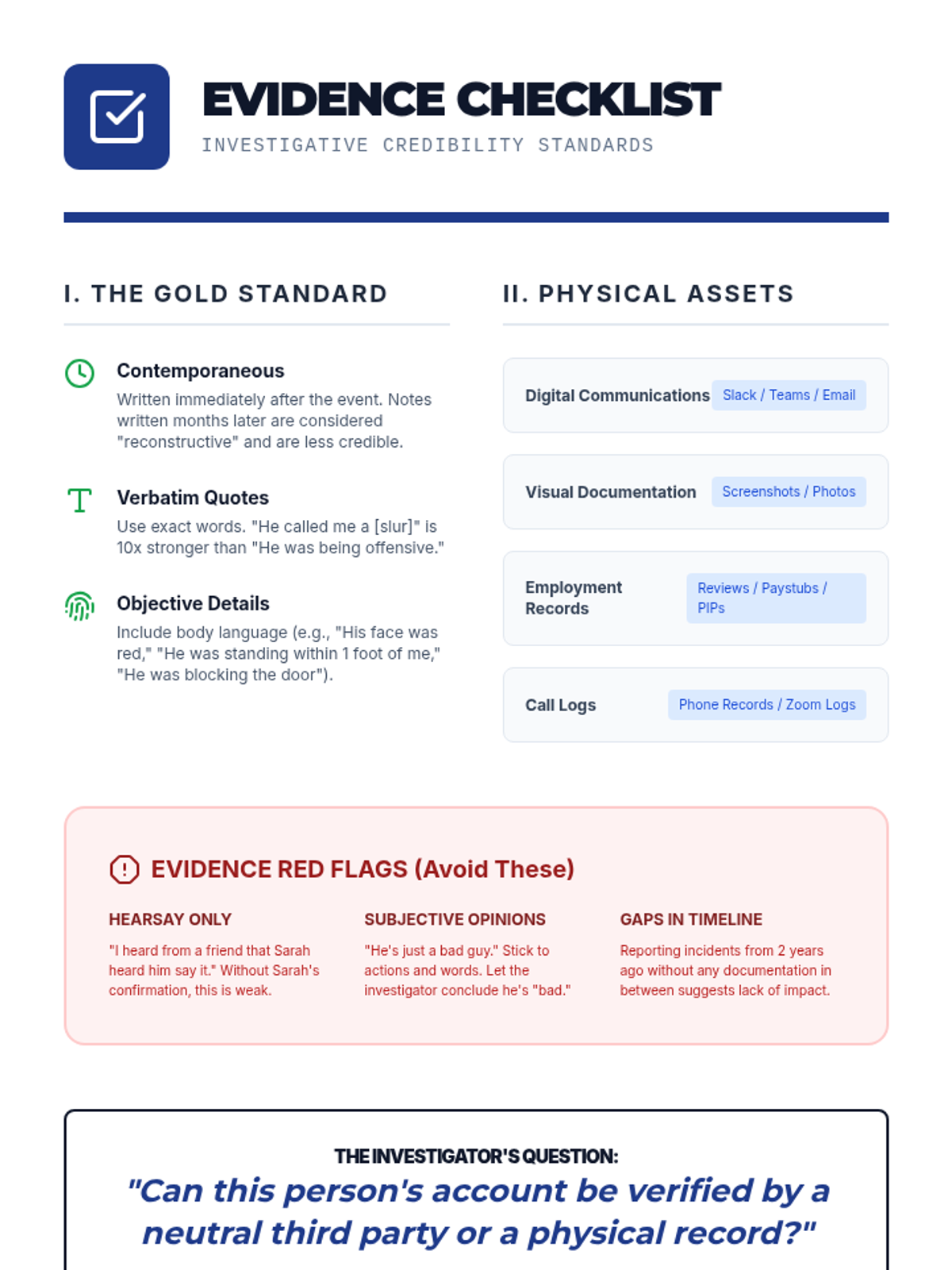
Focuses on the technical requirements for documenting harassment incidents effectively for investigation purposes.
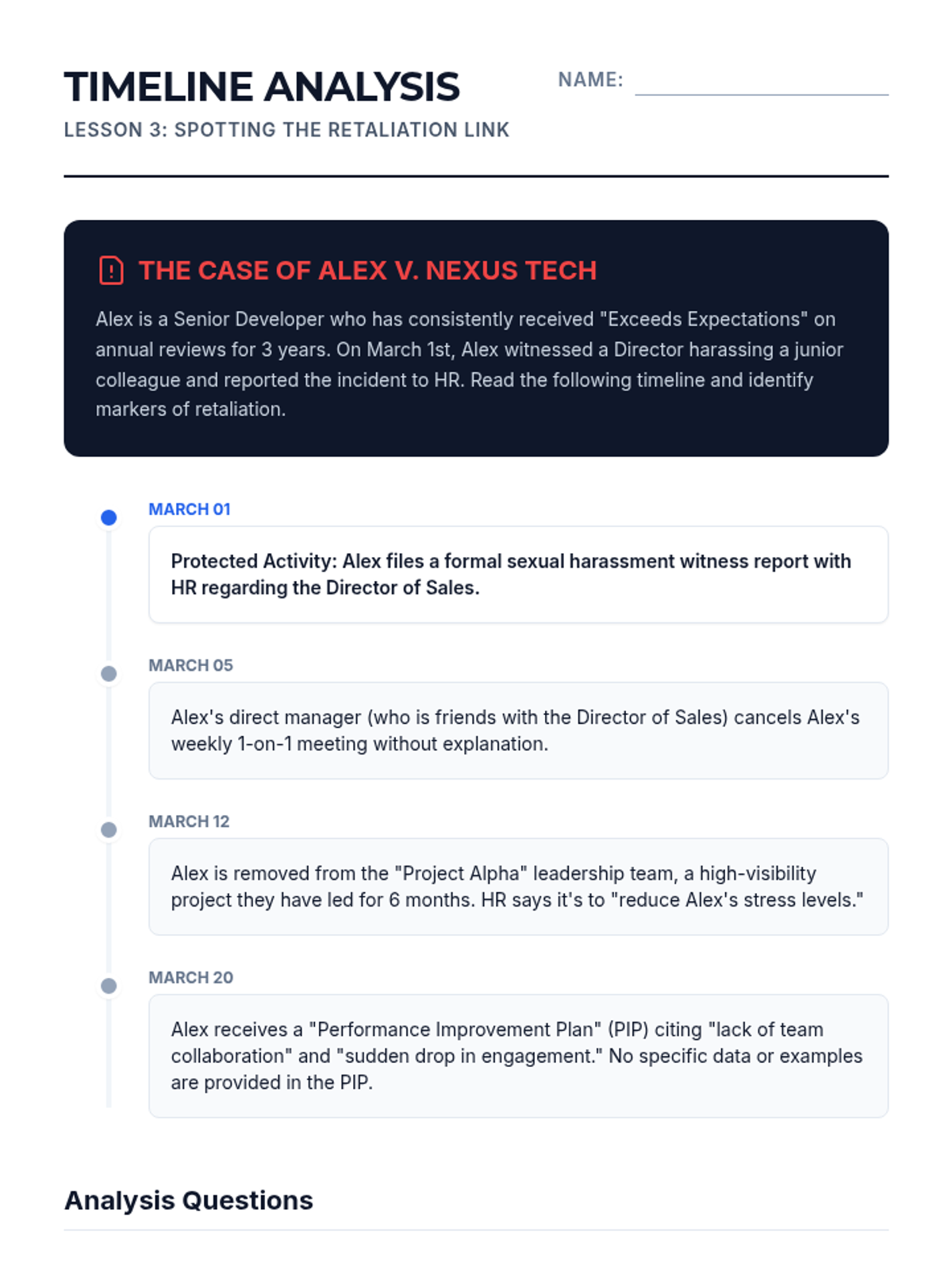
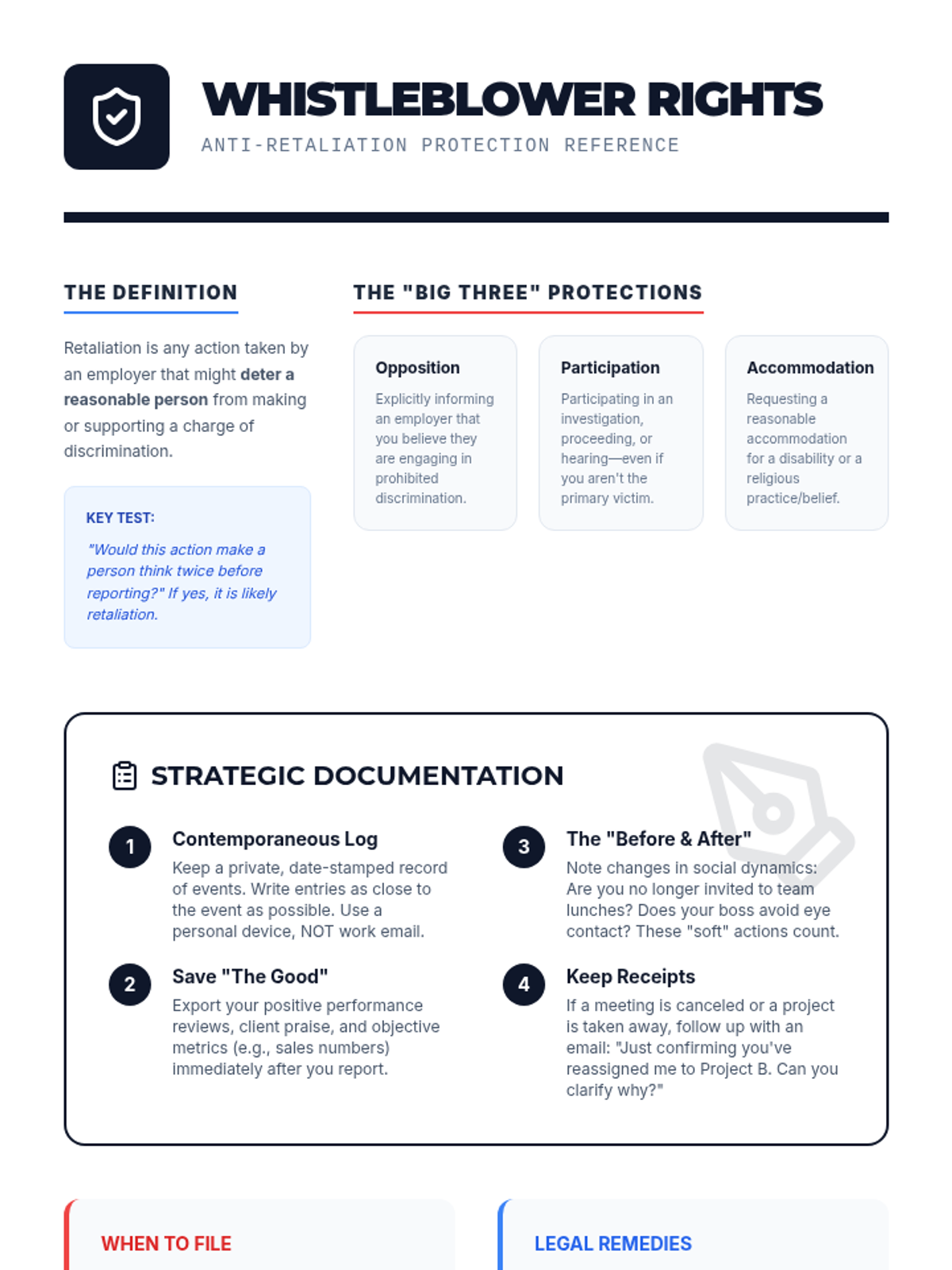
Analyzes legal protections against retaliation and documentation strategies to prove retaliatory behavior.
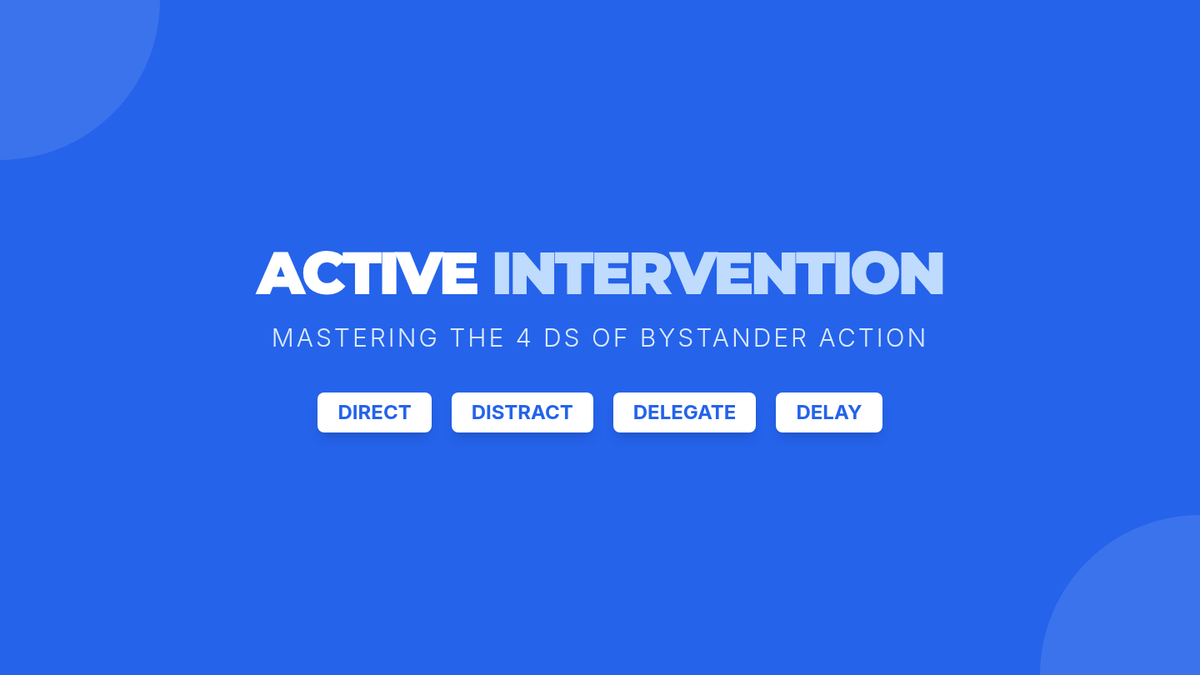
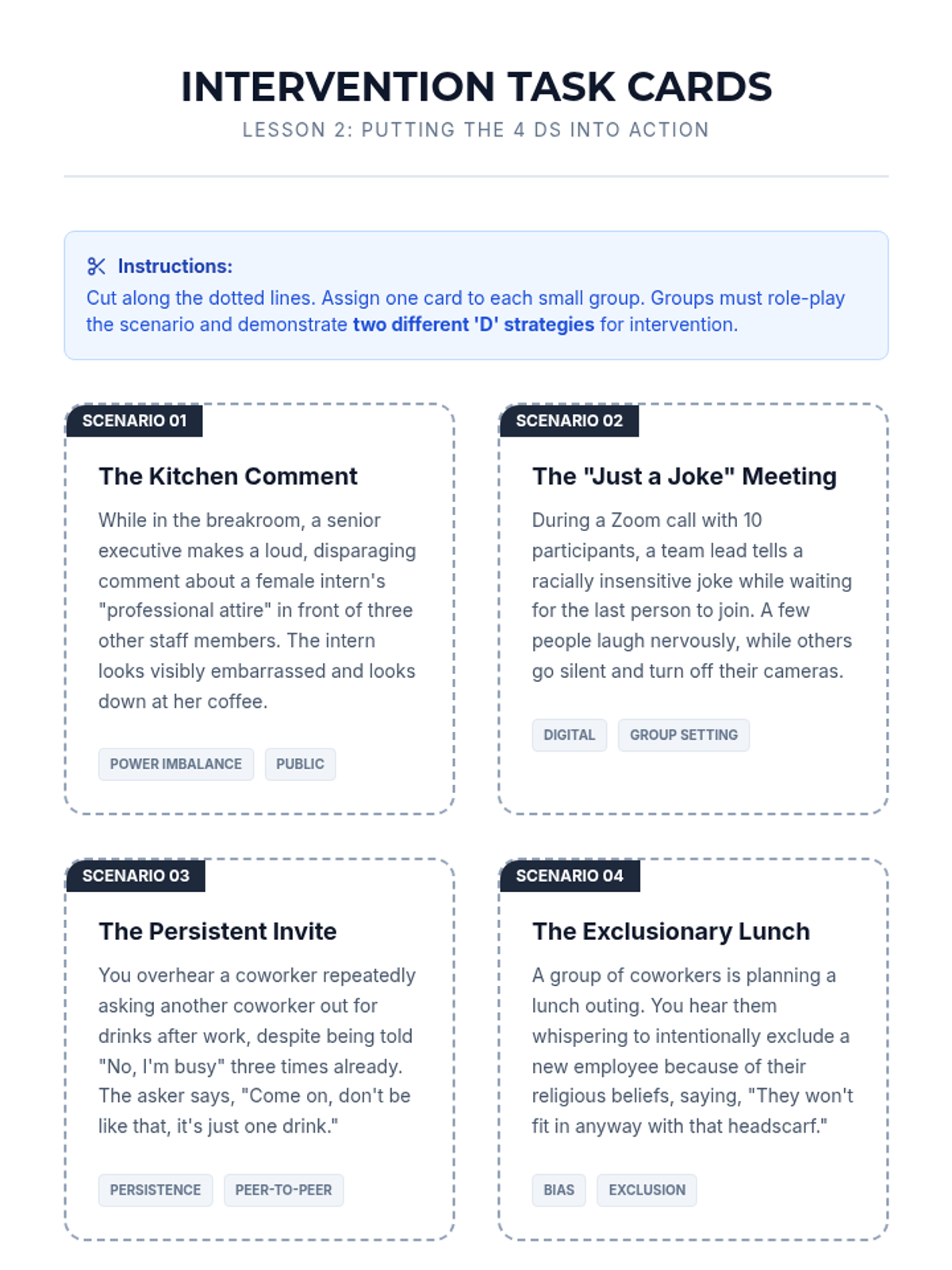
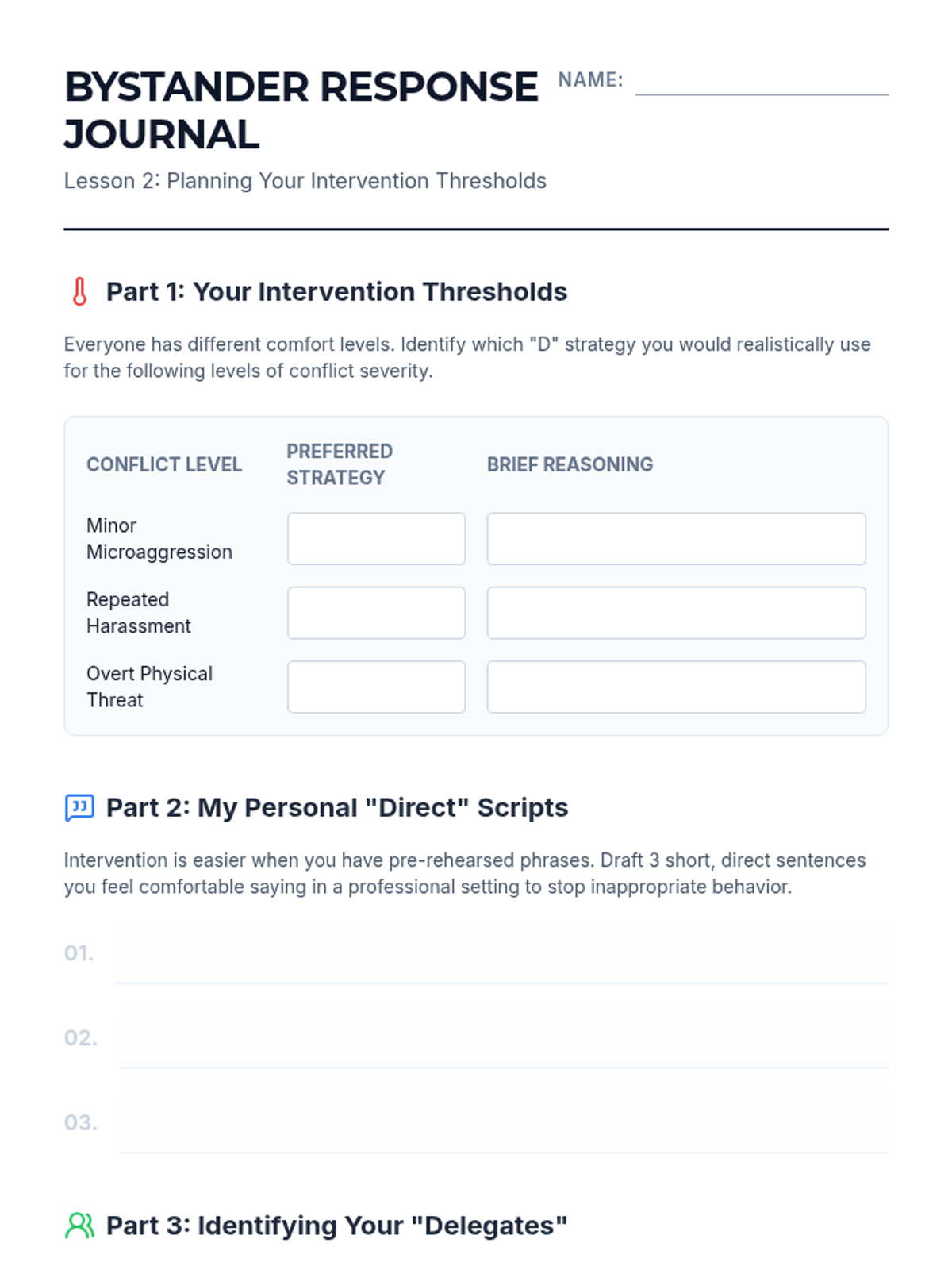
Introduces the '4 Ds' of bystander intervention (Direct, Distract, Delegate, Delay) and uses role-play to overcome the bystander effect.
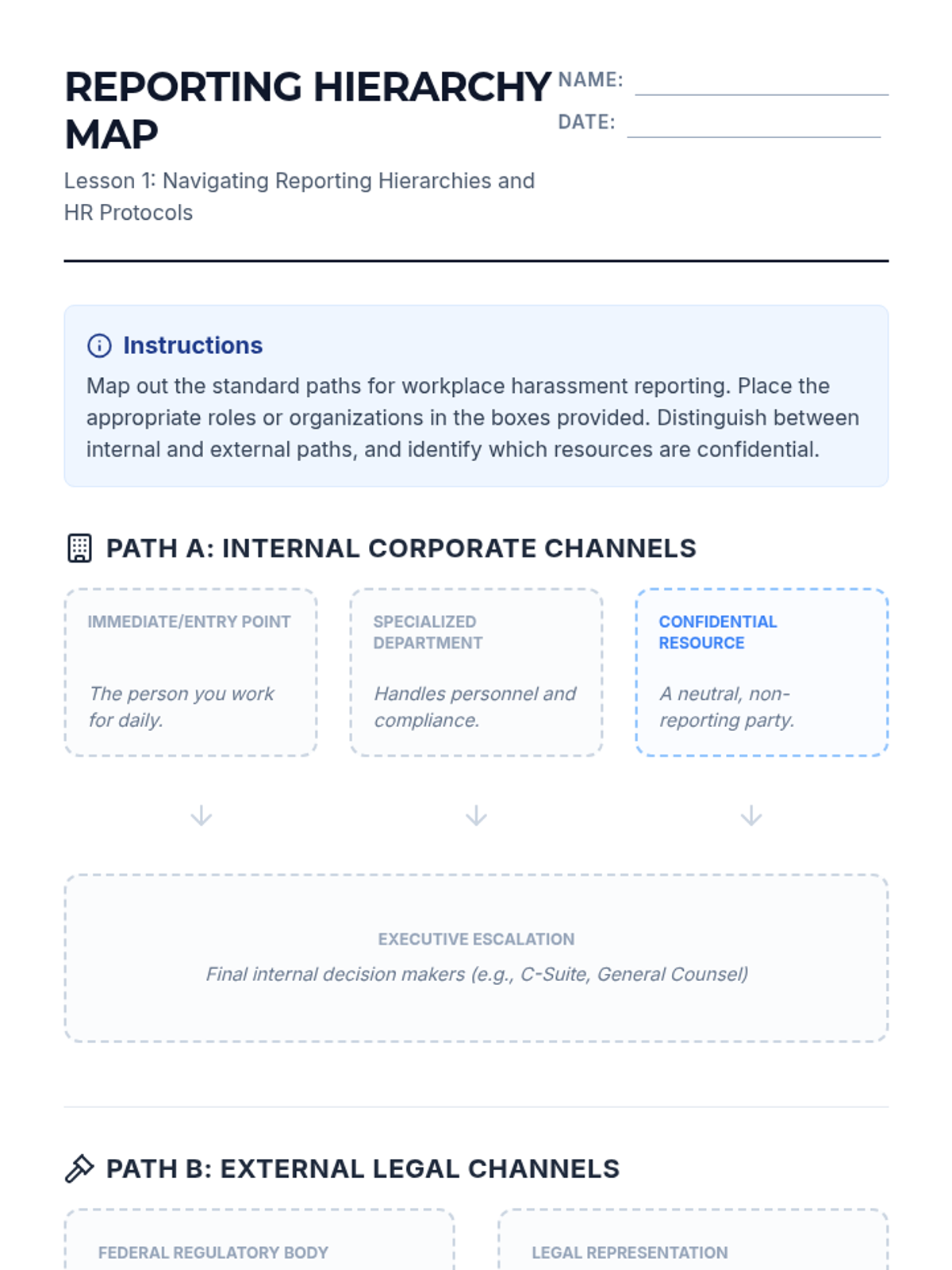
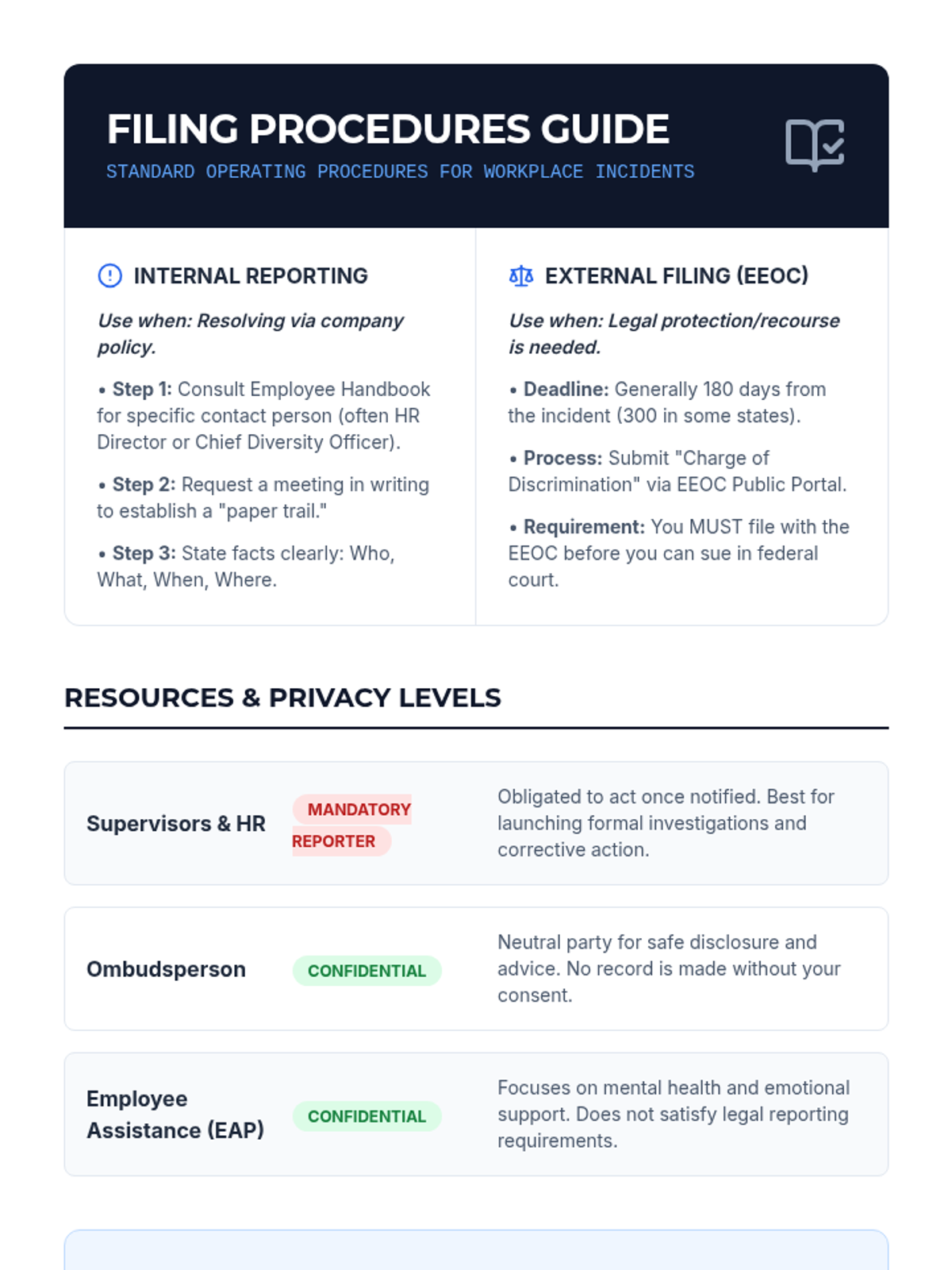
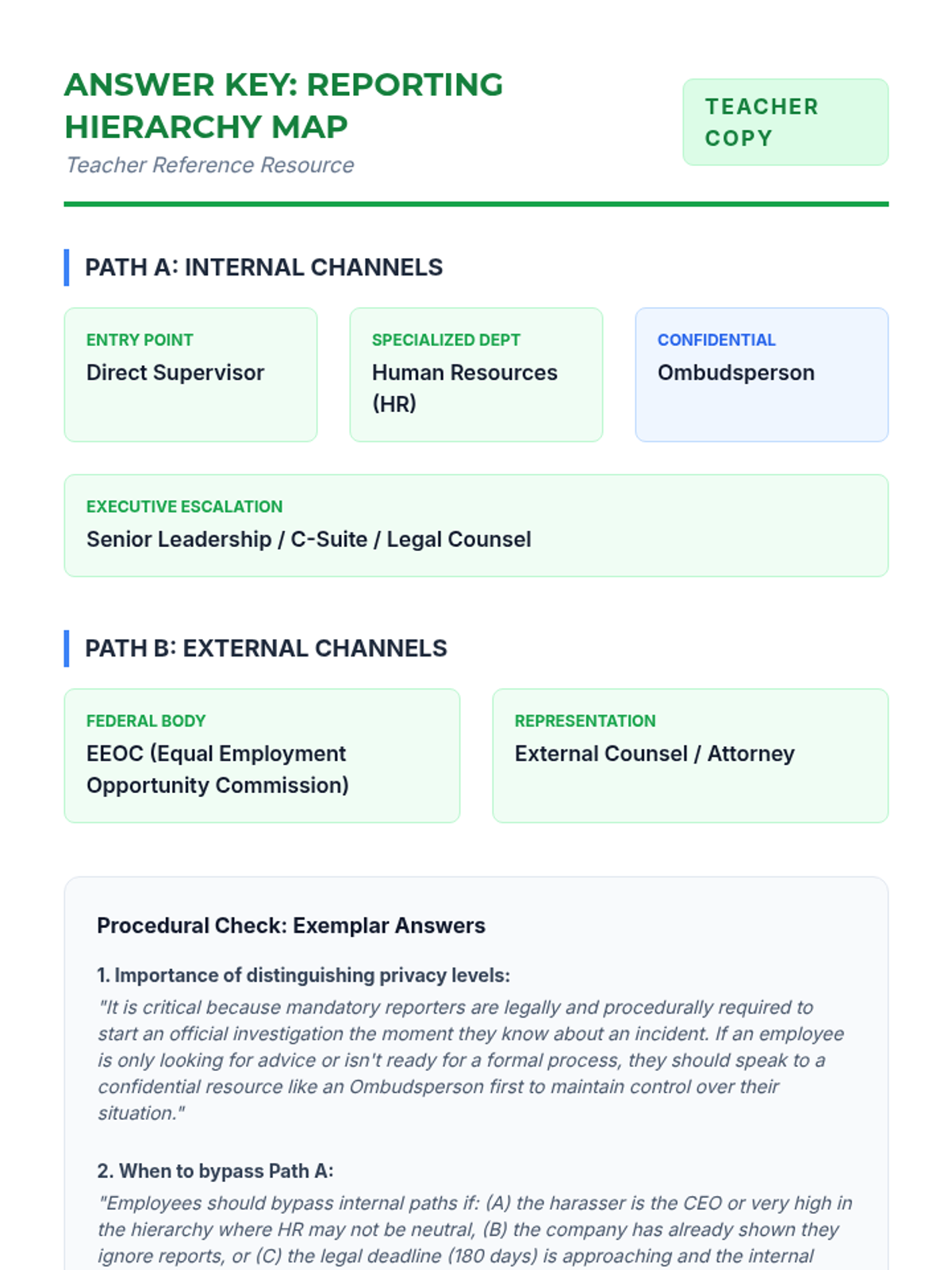
Students map out standard procedures for filing formal complaints internally and with the EEOC, distinguishing between confidential resources and mandatory reporters.
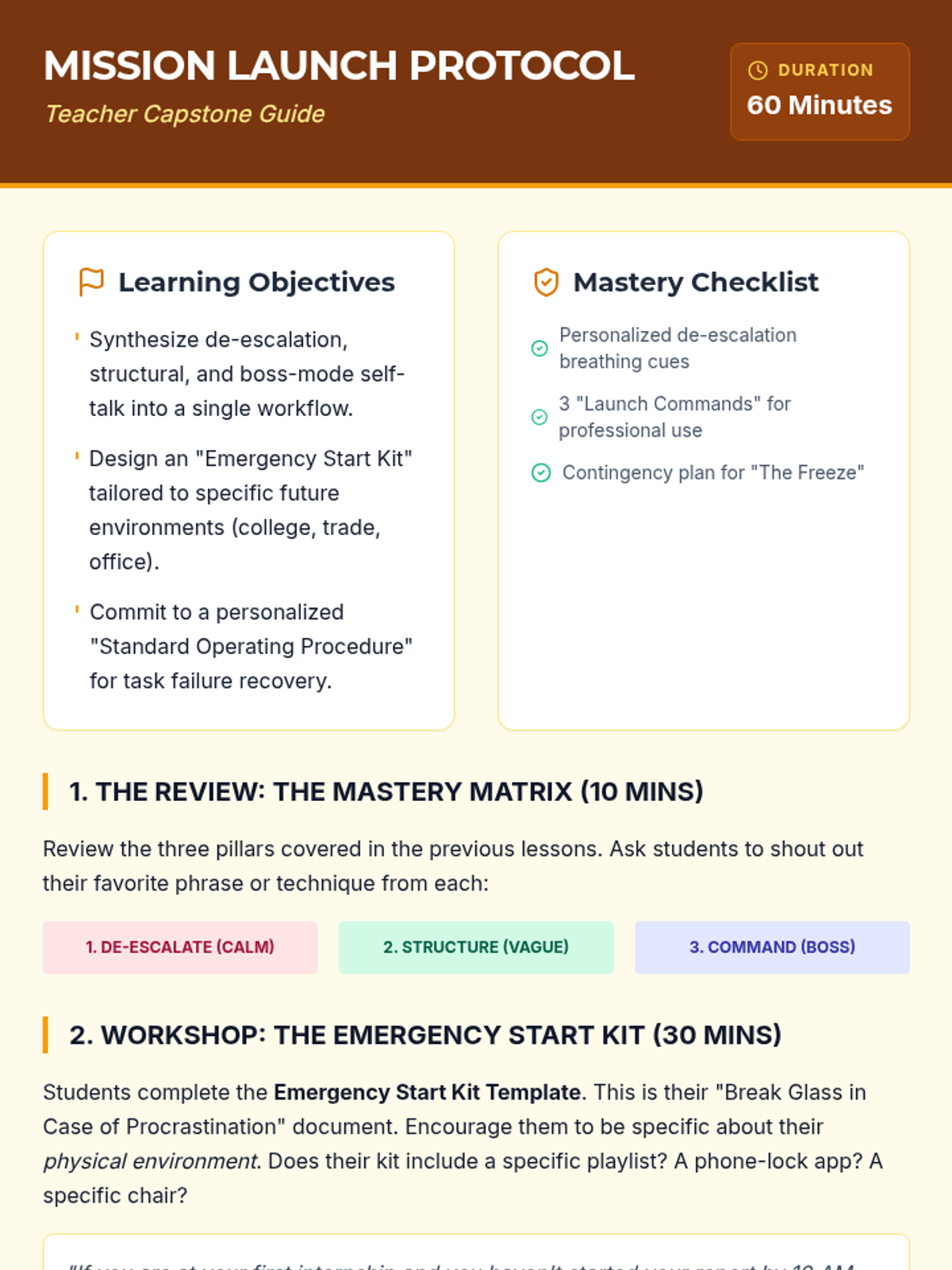
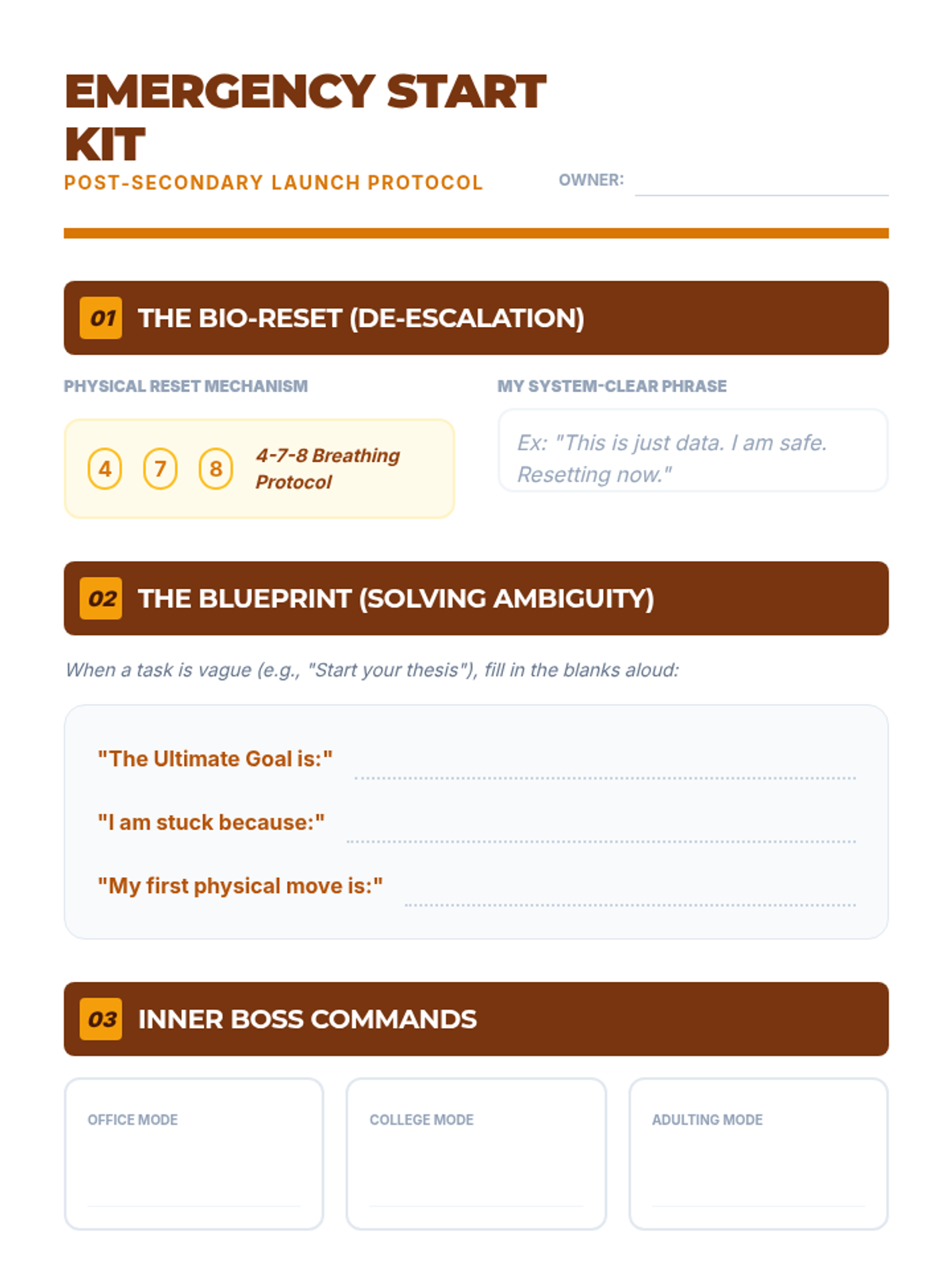
Students create a personalized 'Emergency Start Kit' and initiation protocol for their future post-secondary environments.
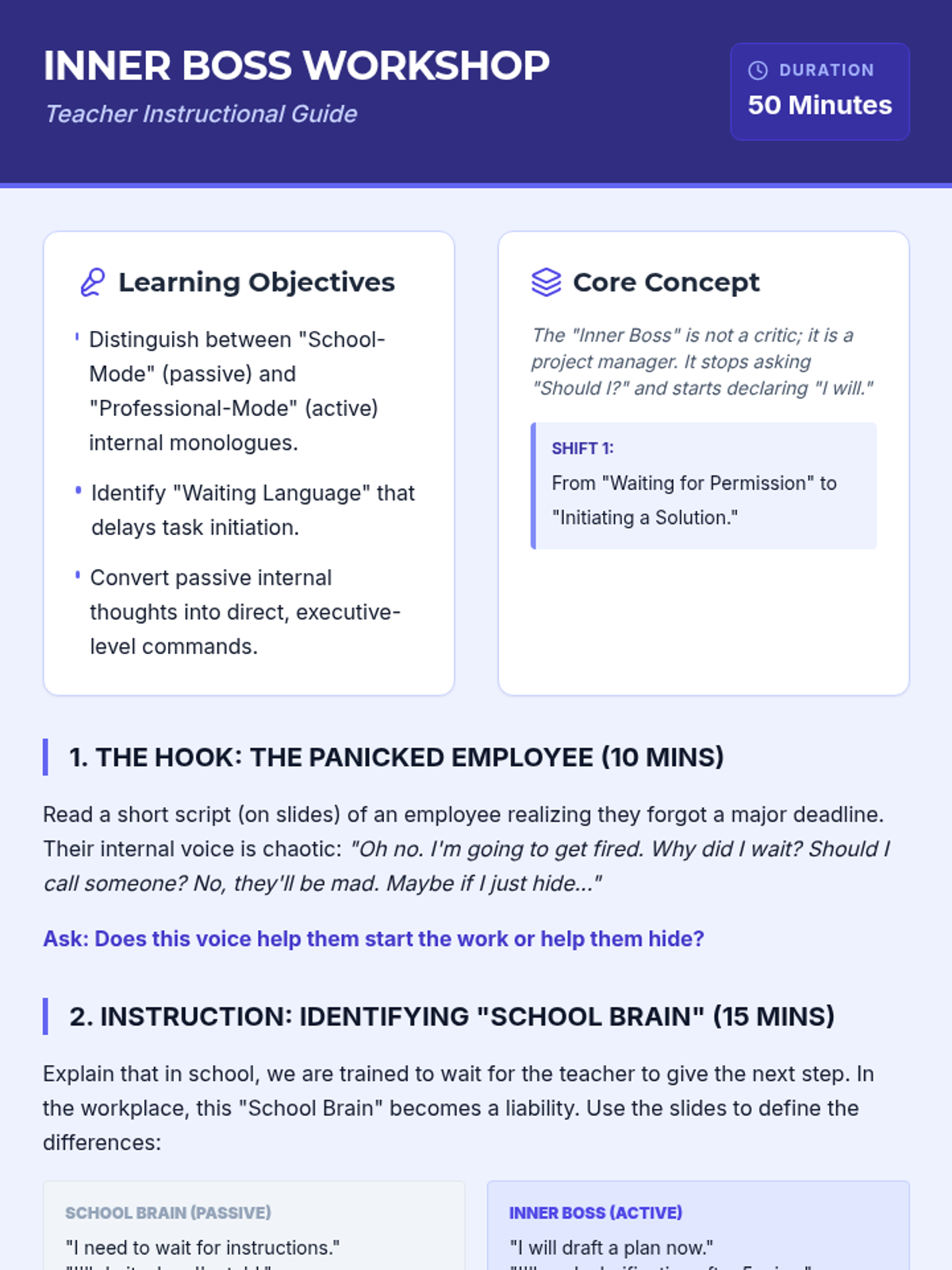
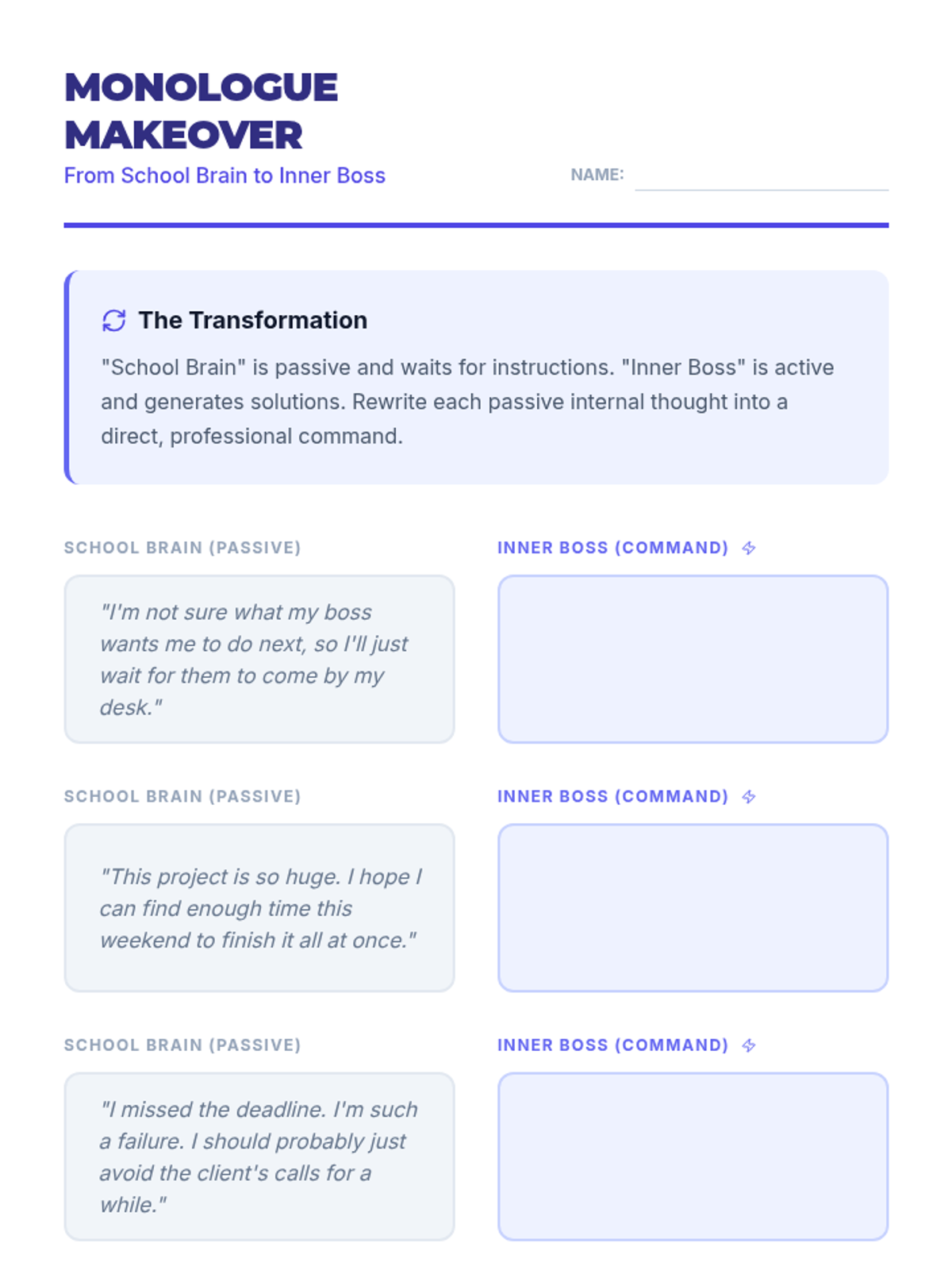
Students transform passive 'school-mode' thoughts into active 'professional-mode' internal commands.
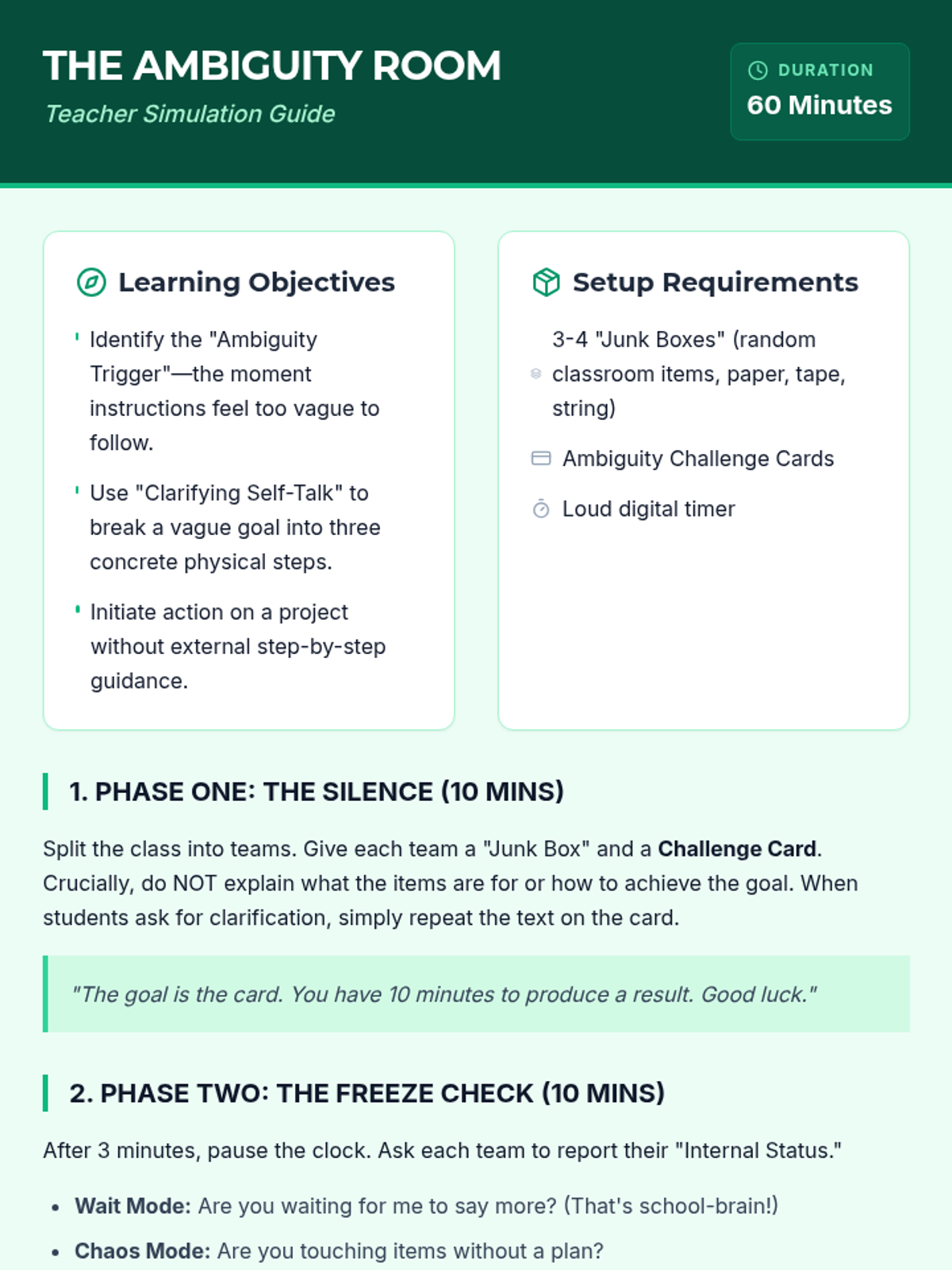
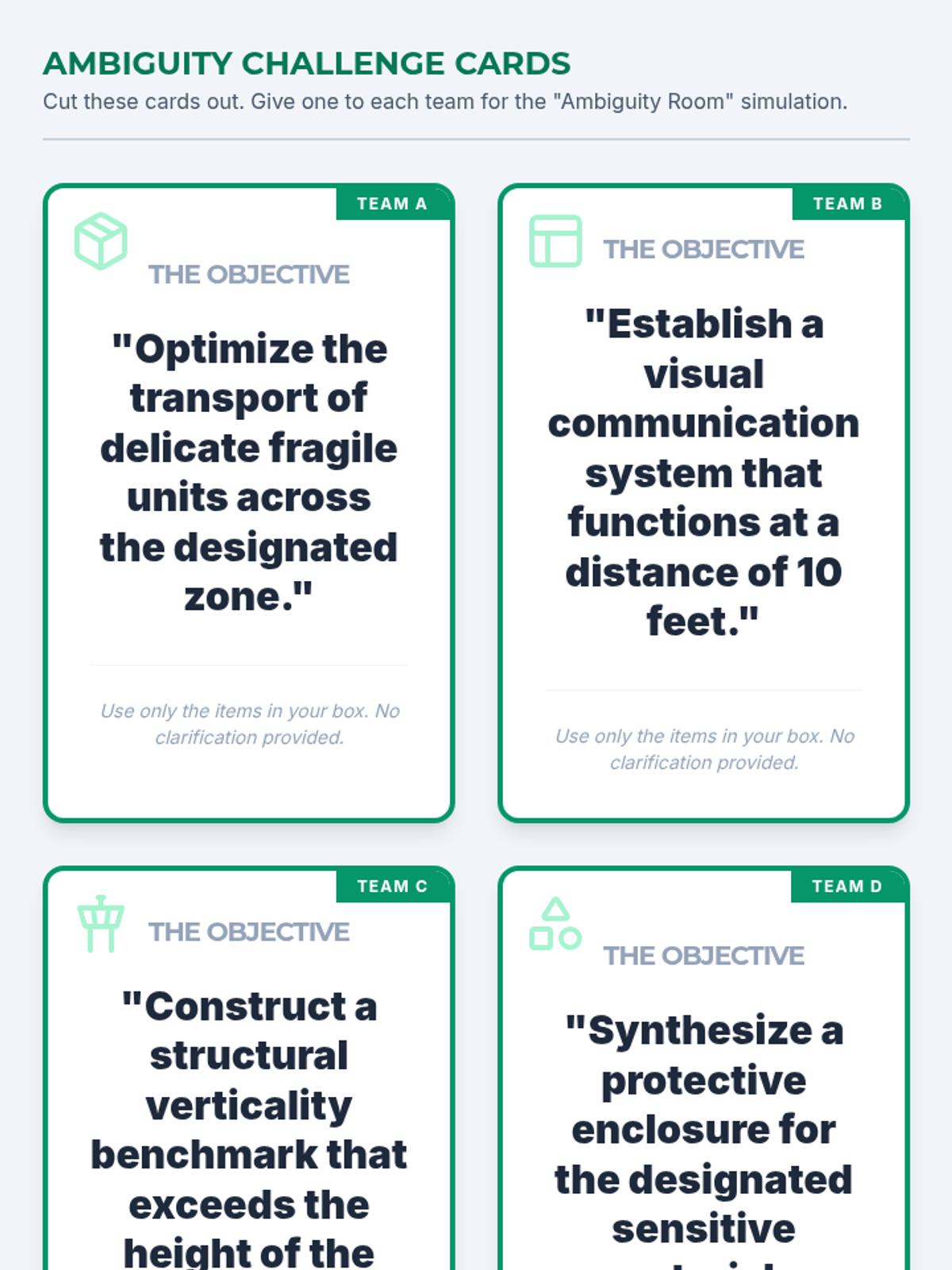
Students navigate simulated 'ambiguous' tasks, using self-talk to create structure and initiate action without external guidance.
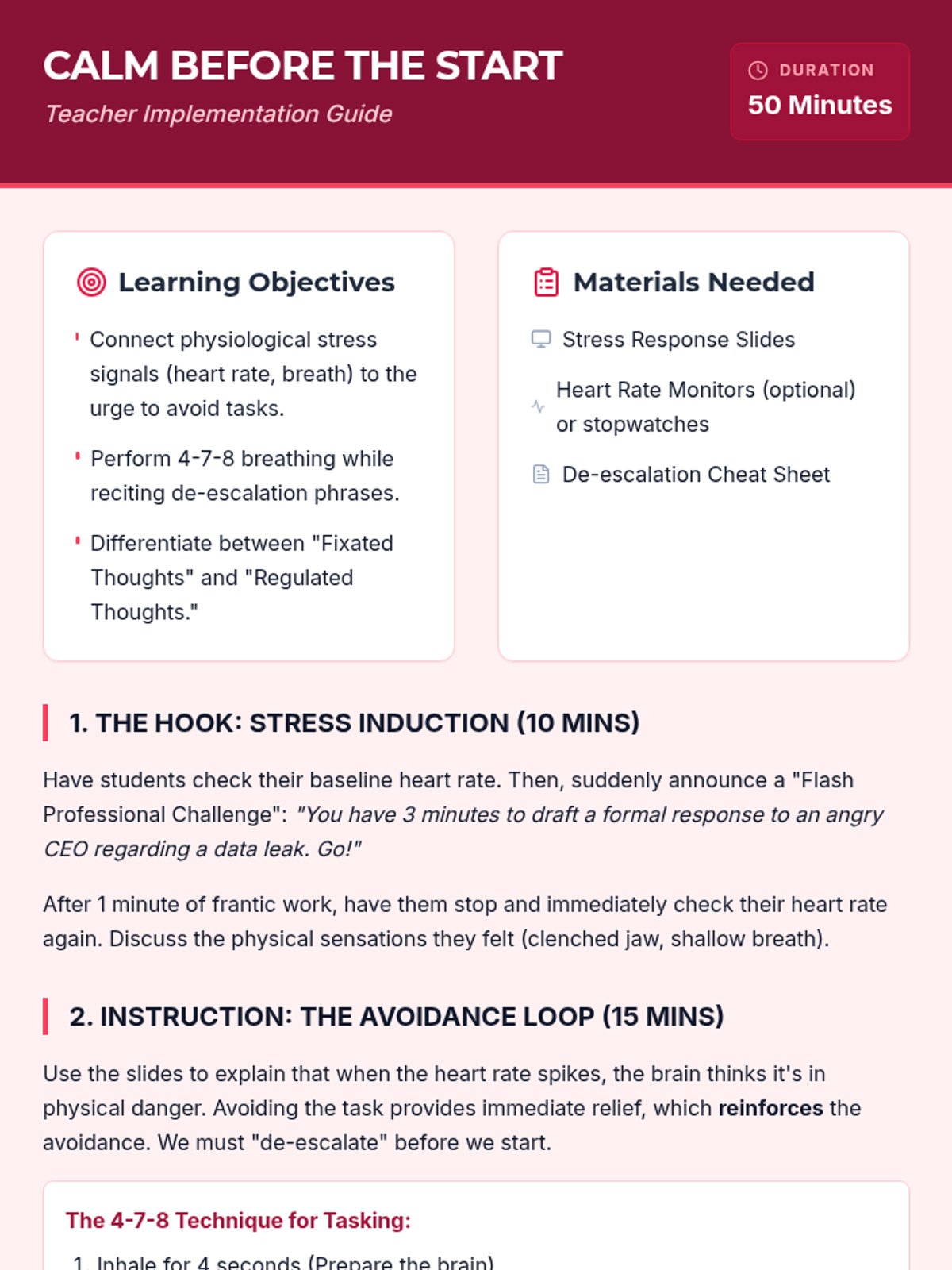
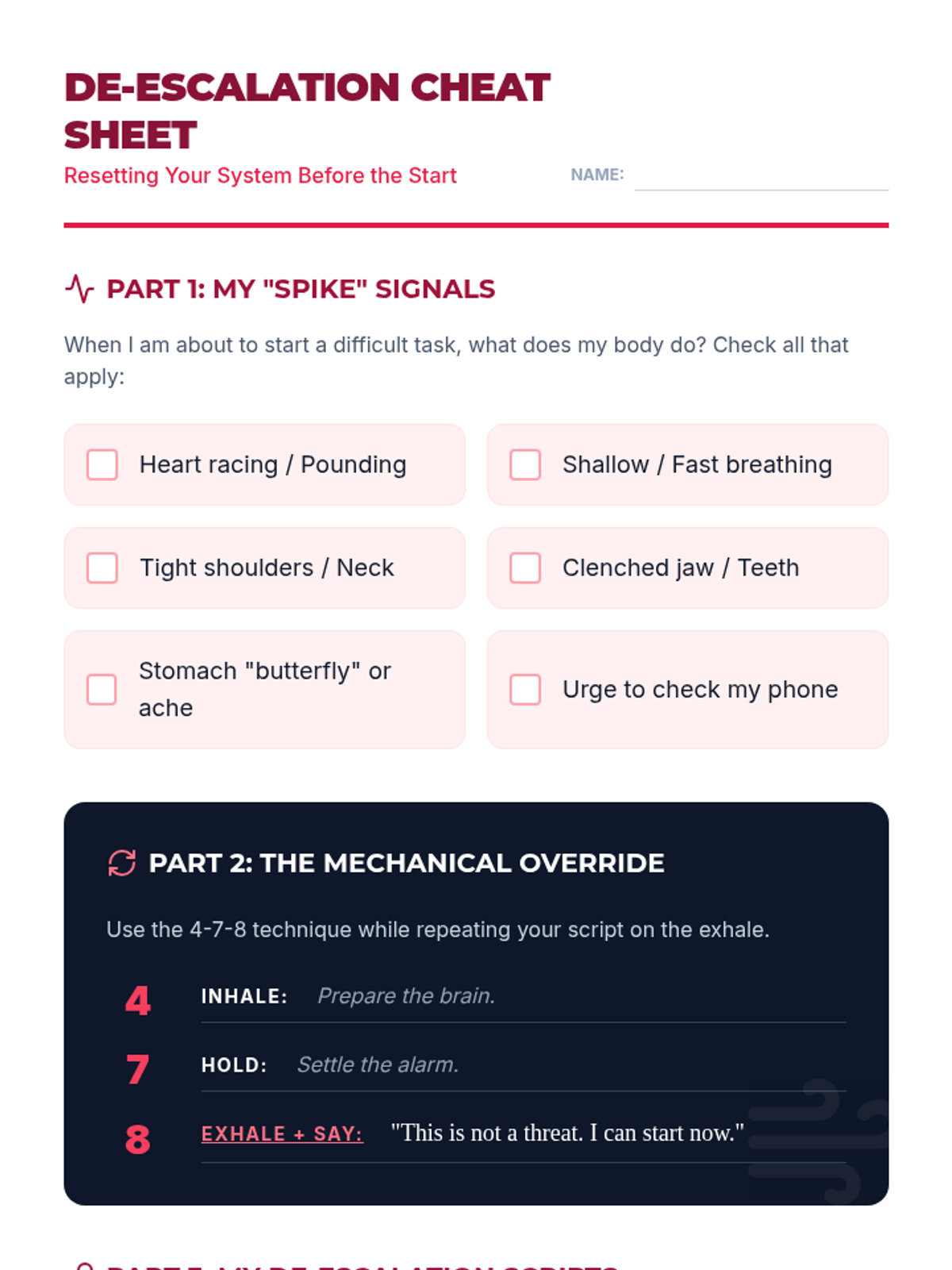
Students learn the connection between stress and avoidance, practicing verbal de-escalation techniques to lower physiological arousal before starting tasks.
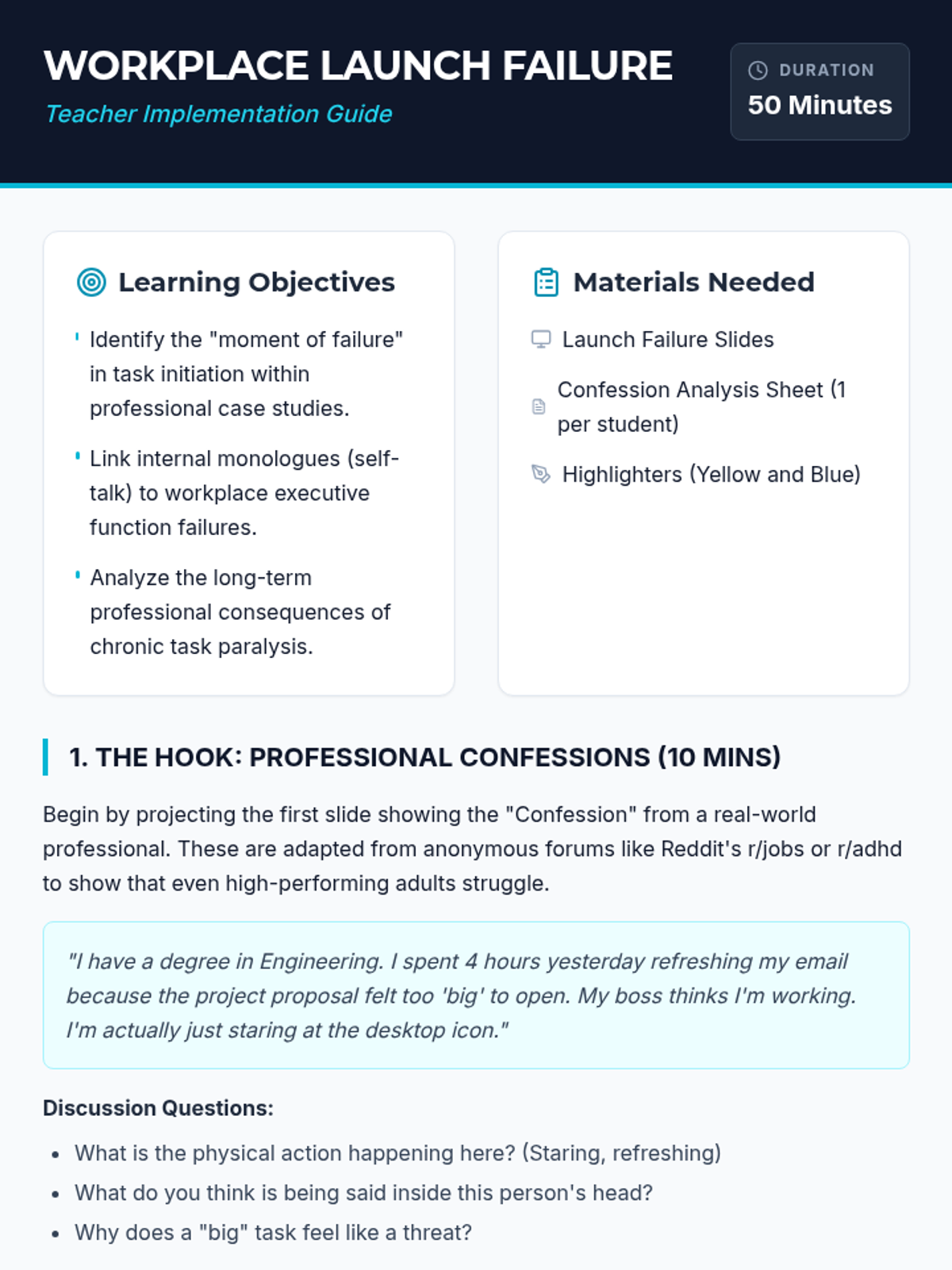
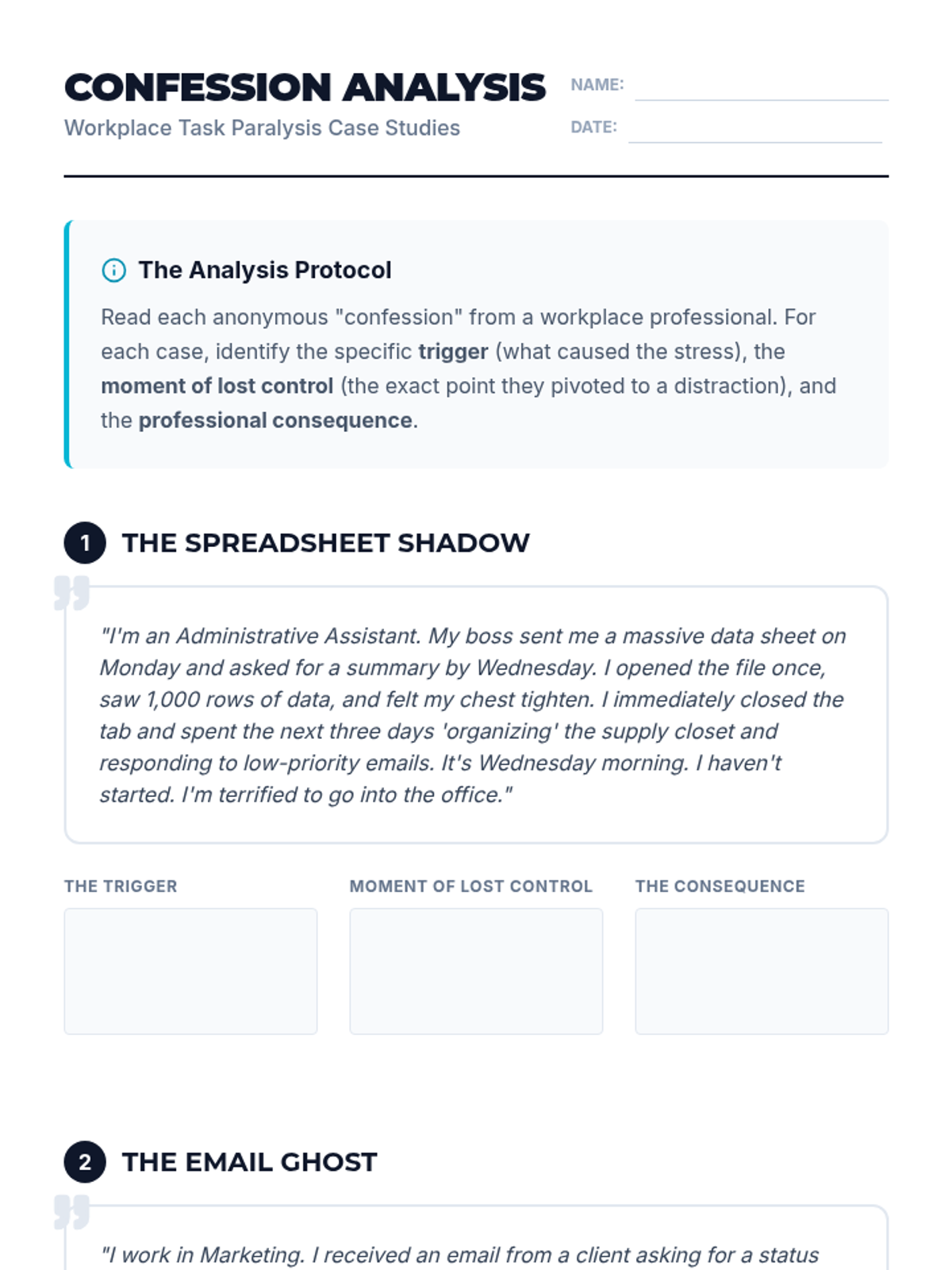
Students analyze workplace case studies to understand the internal monologues that lead to task paralysis and missed deadlines.
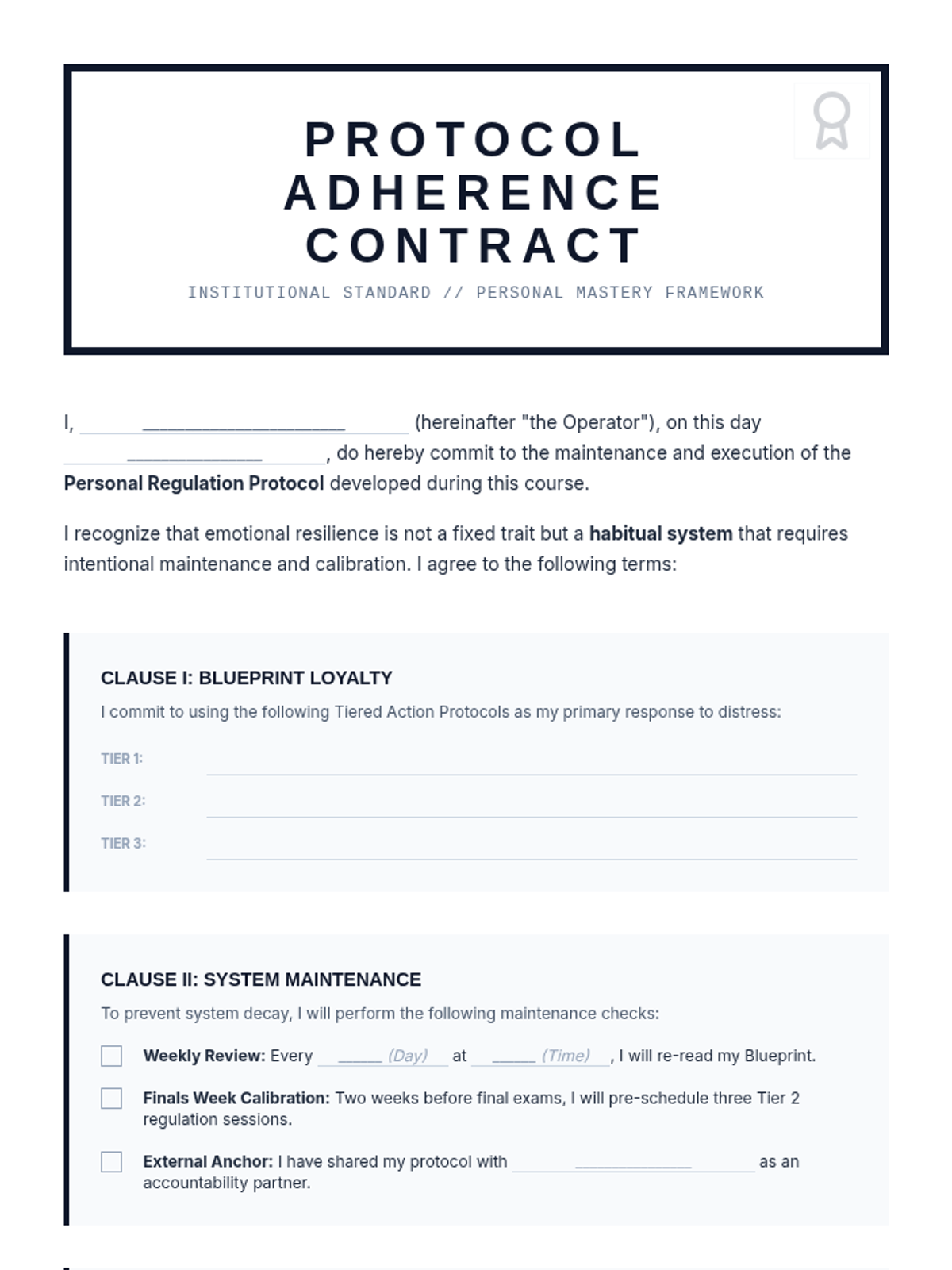
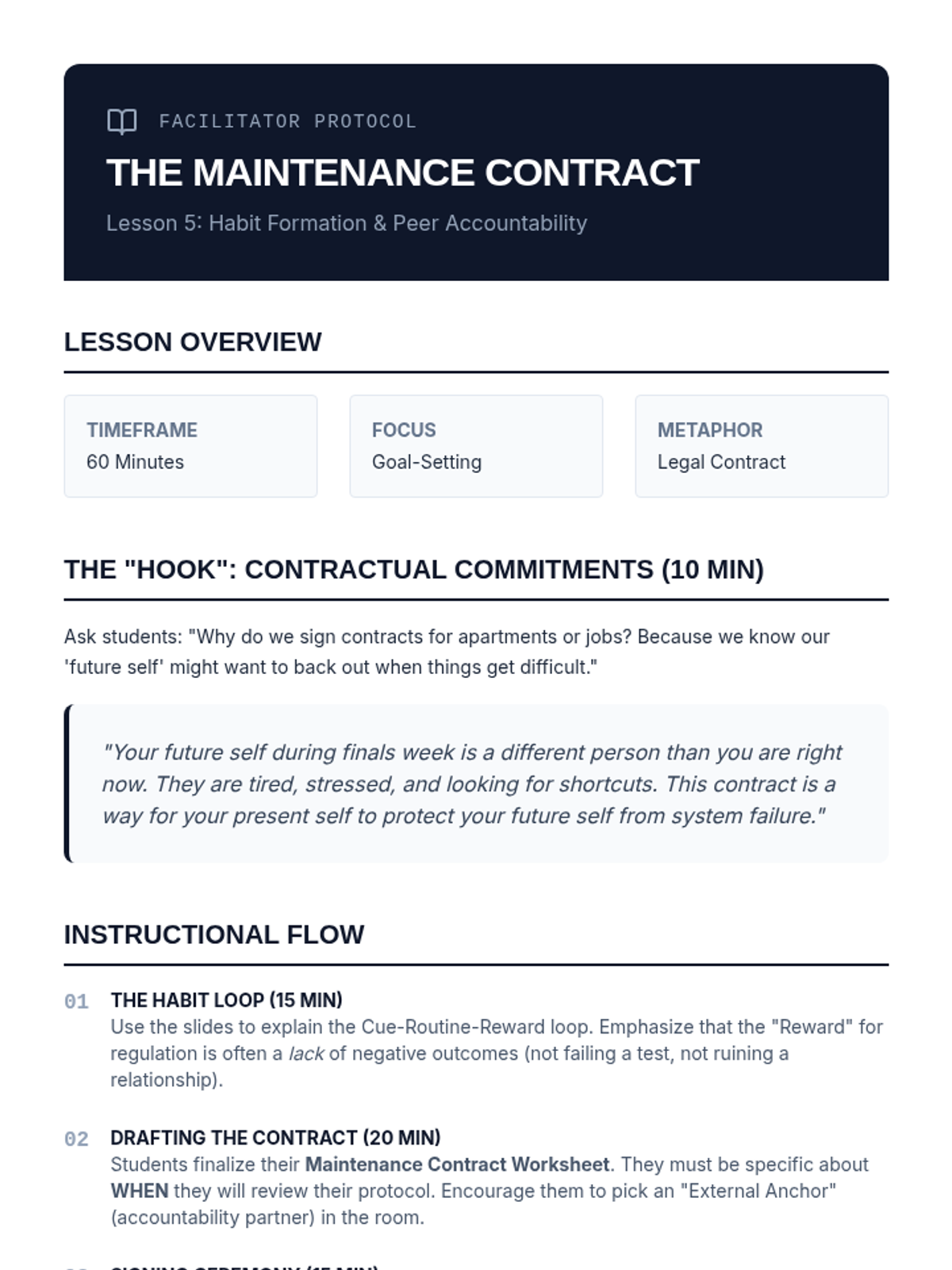
Students finalize their protocols and establish a formal maintenance contract to ensure long-term adherence and habit formation.
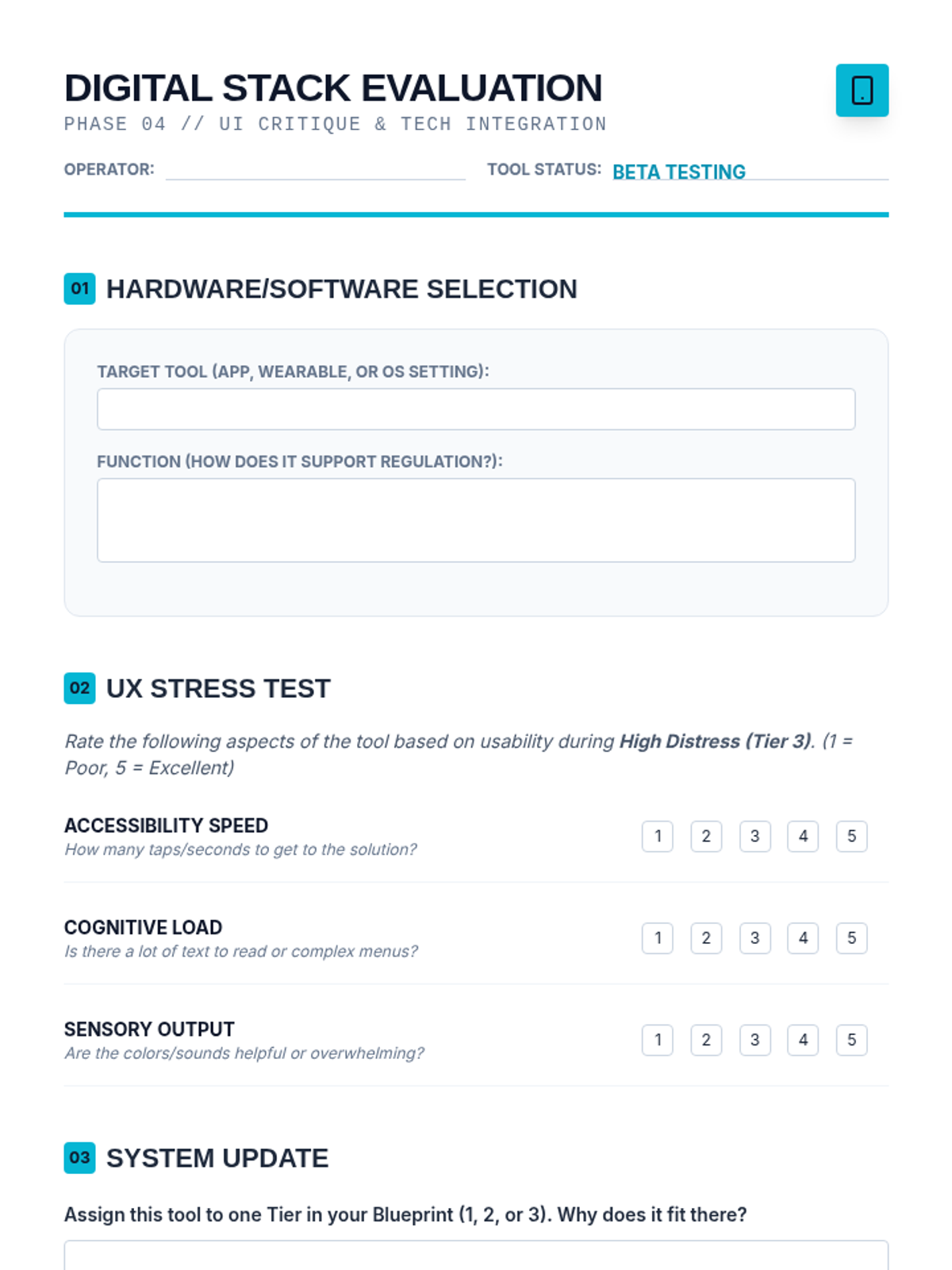
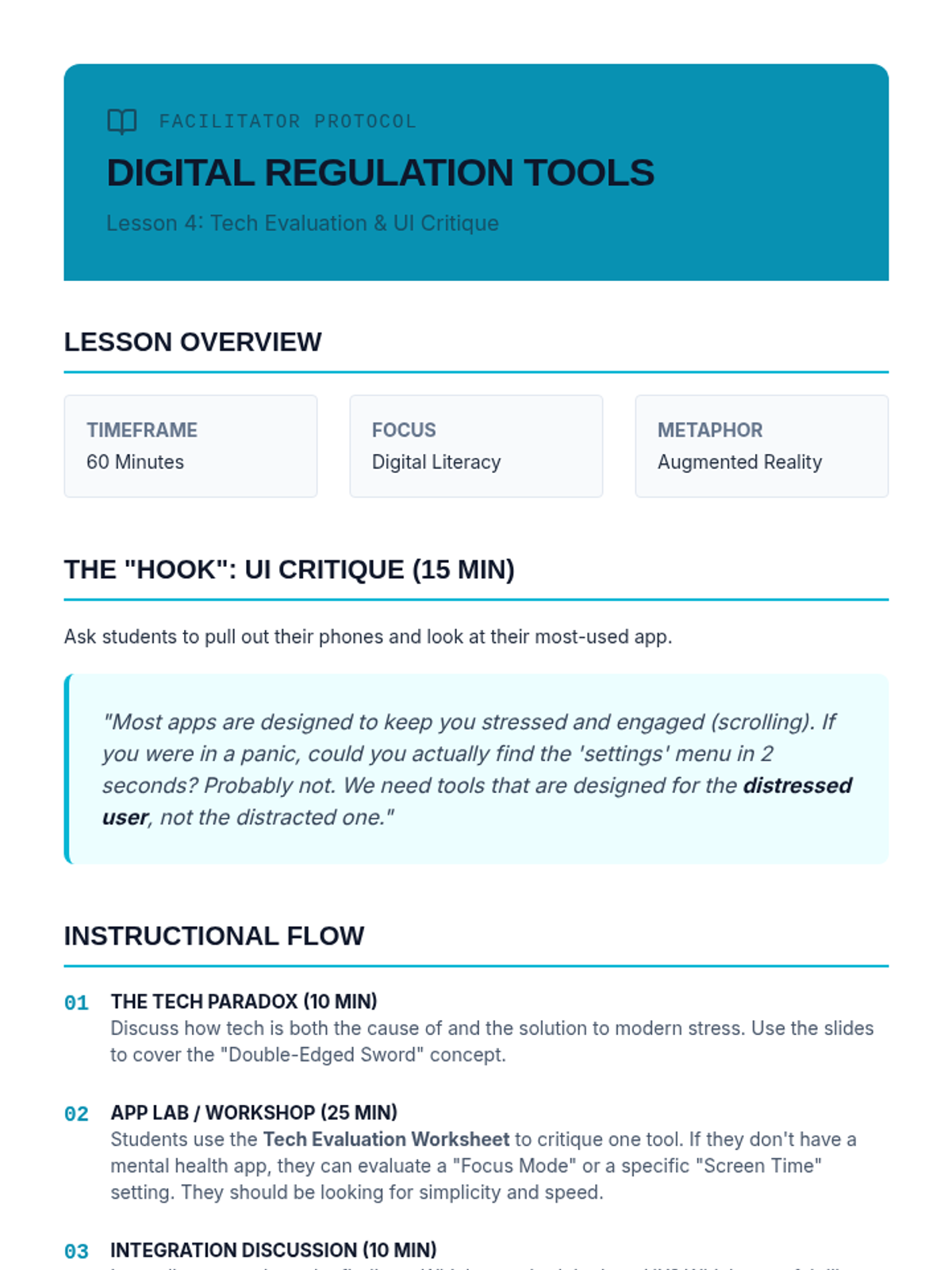
Students evaluate digital tools, apps, and wearables to integrate effective technological supports into their personalized regulation protocols.
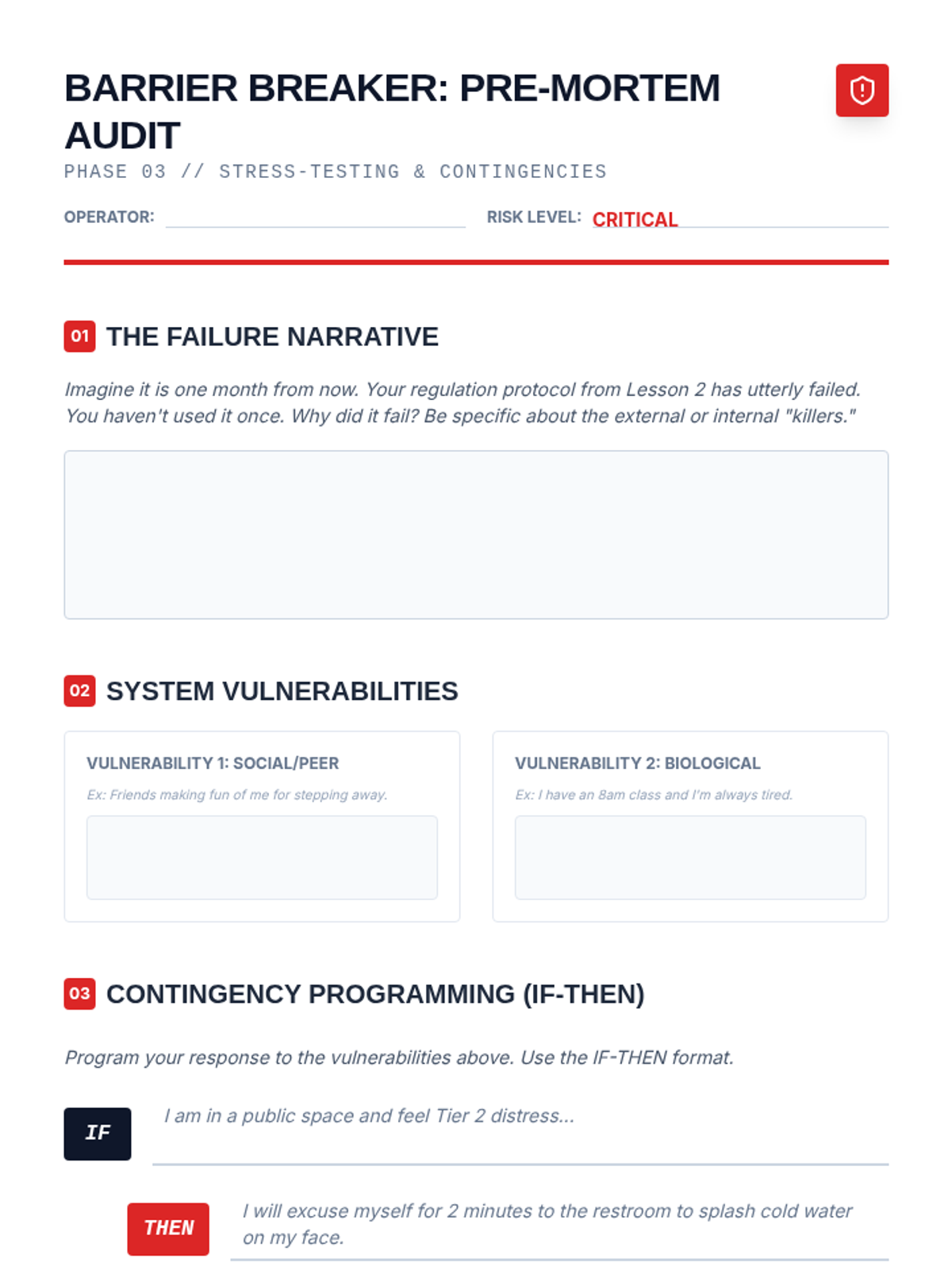
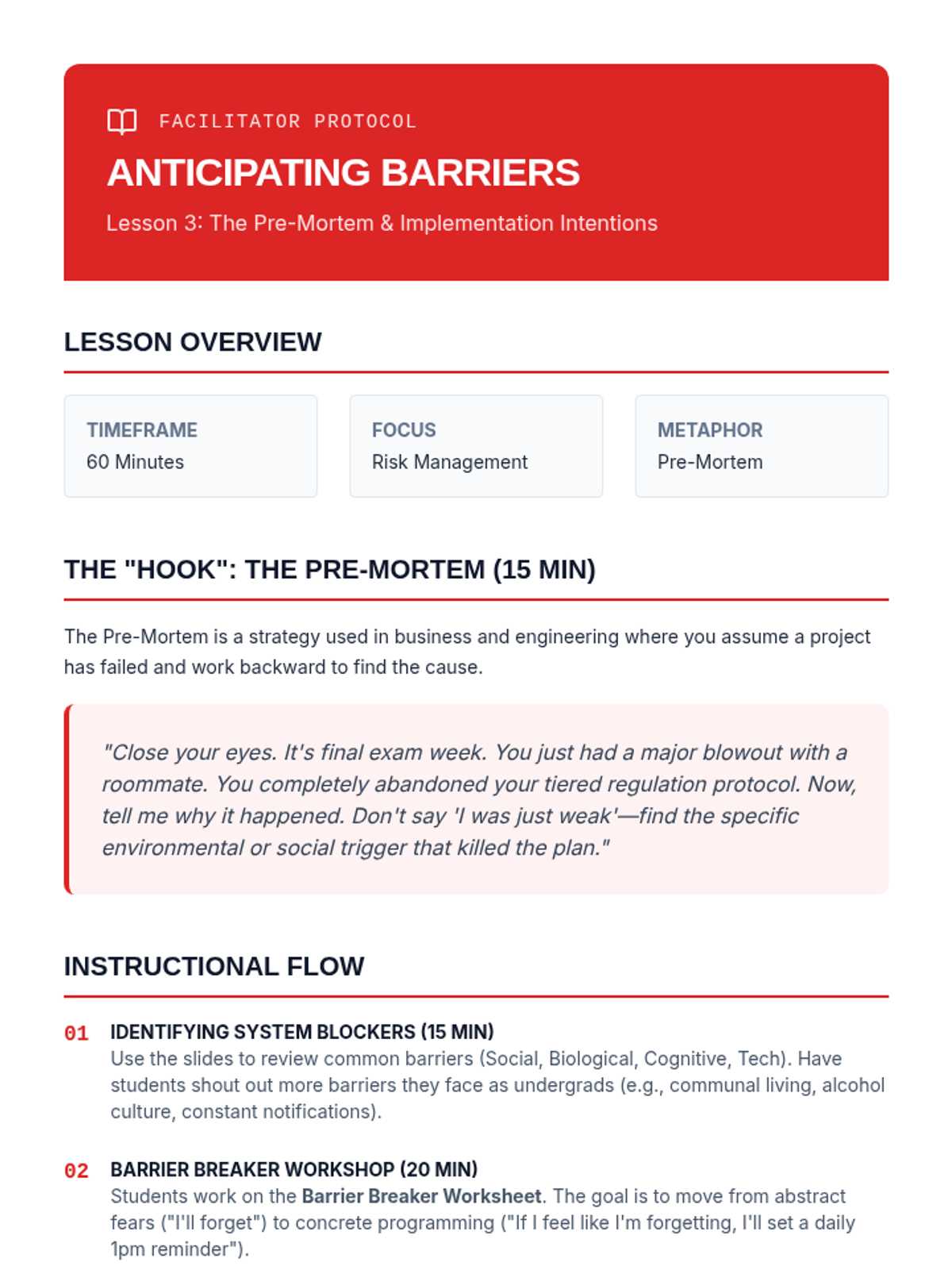
Students identify obstacles to their regulation plan and develop 'If-Then' implementation intentions to navigate triggers and barriers.
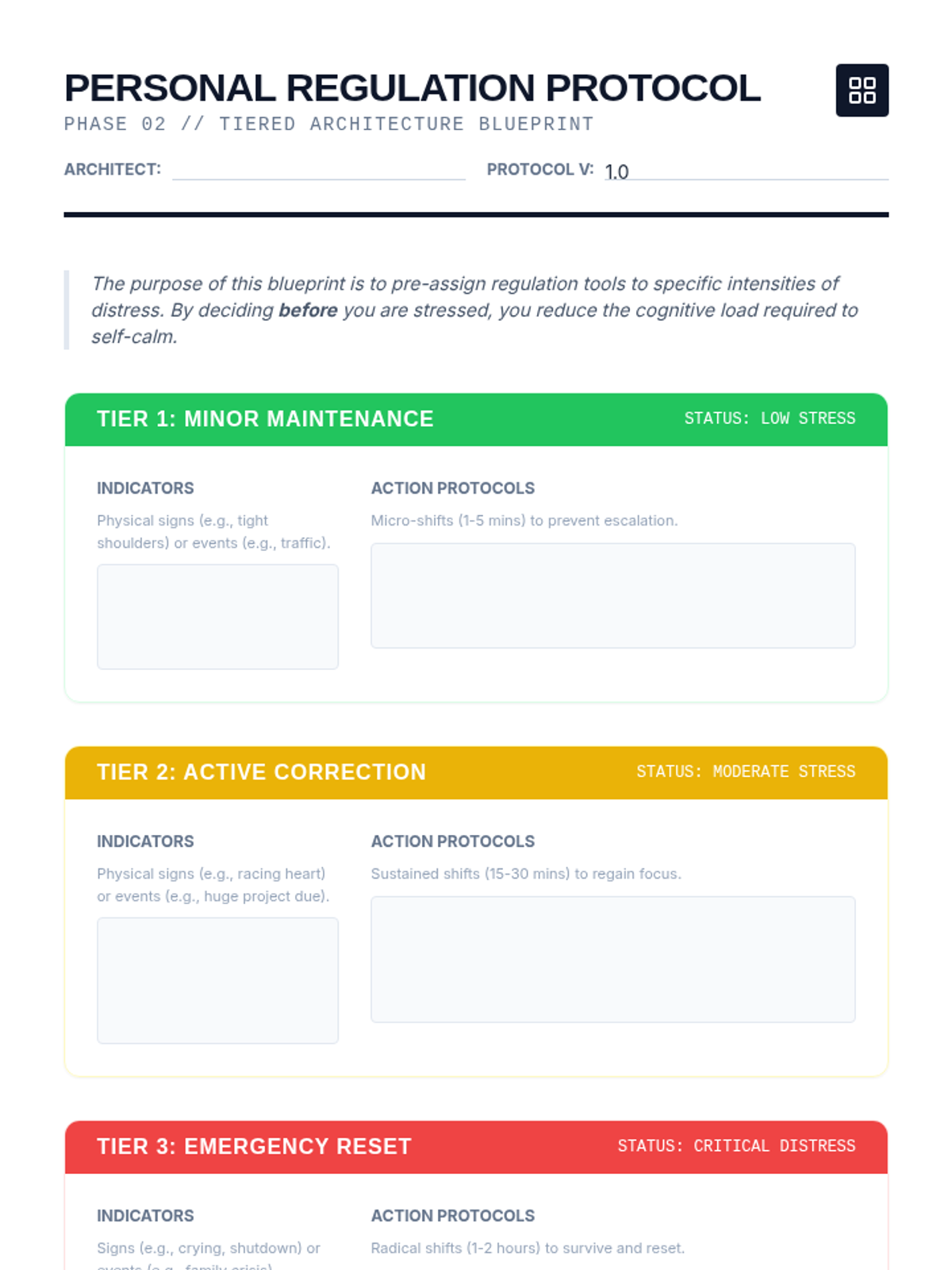
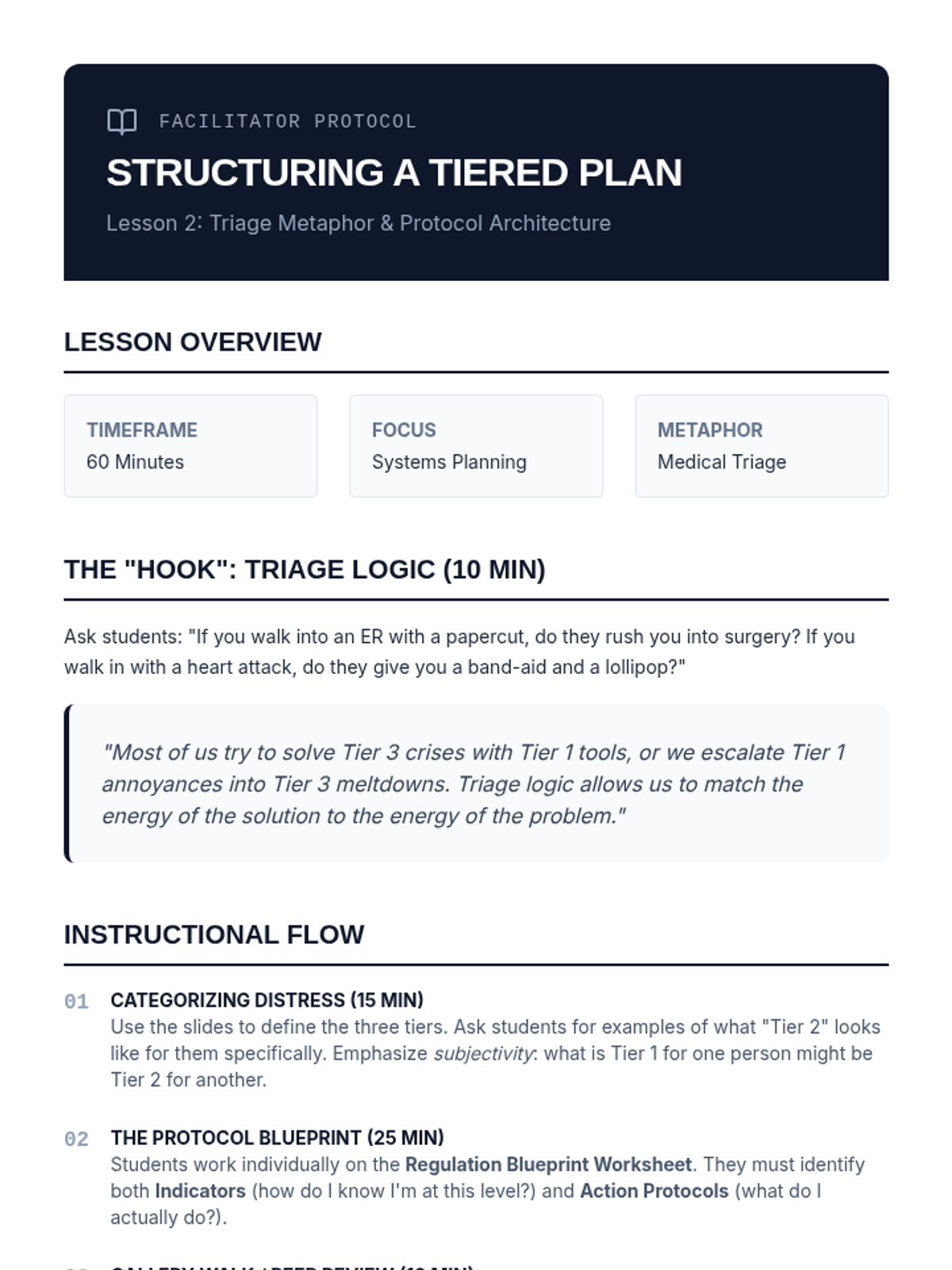
Students use a triage metaphor to design a three-tiered response plan, assigning specific self-calming tools to different intensities of distress.
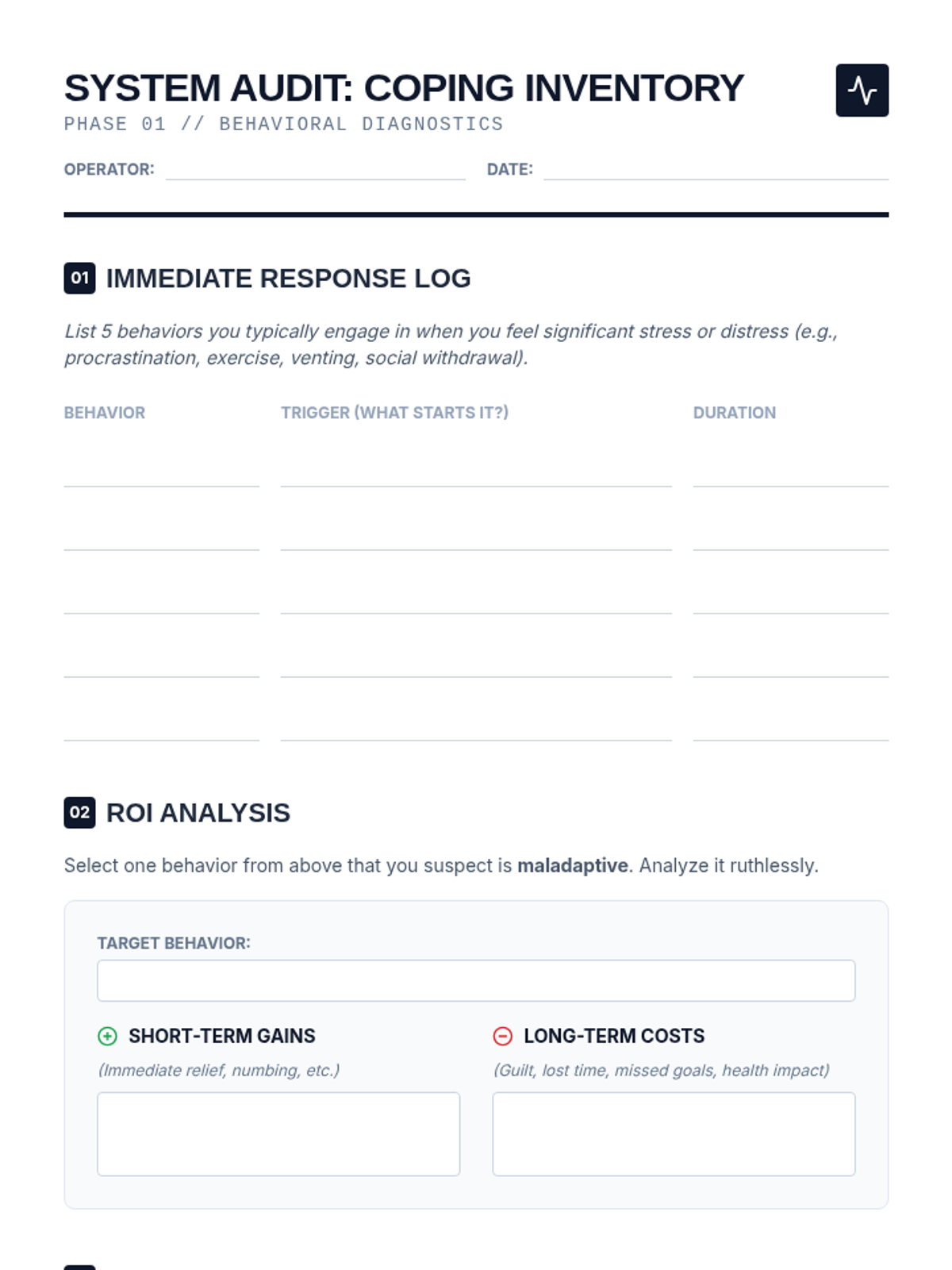
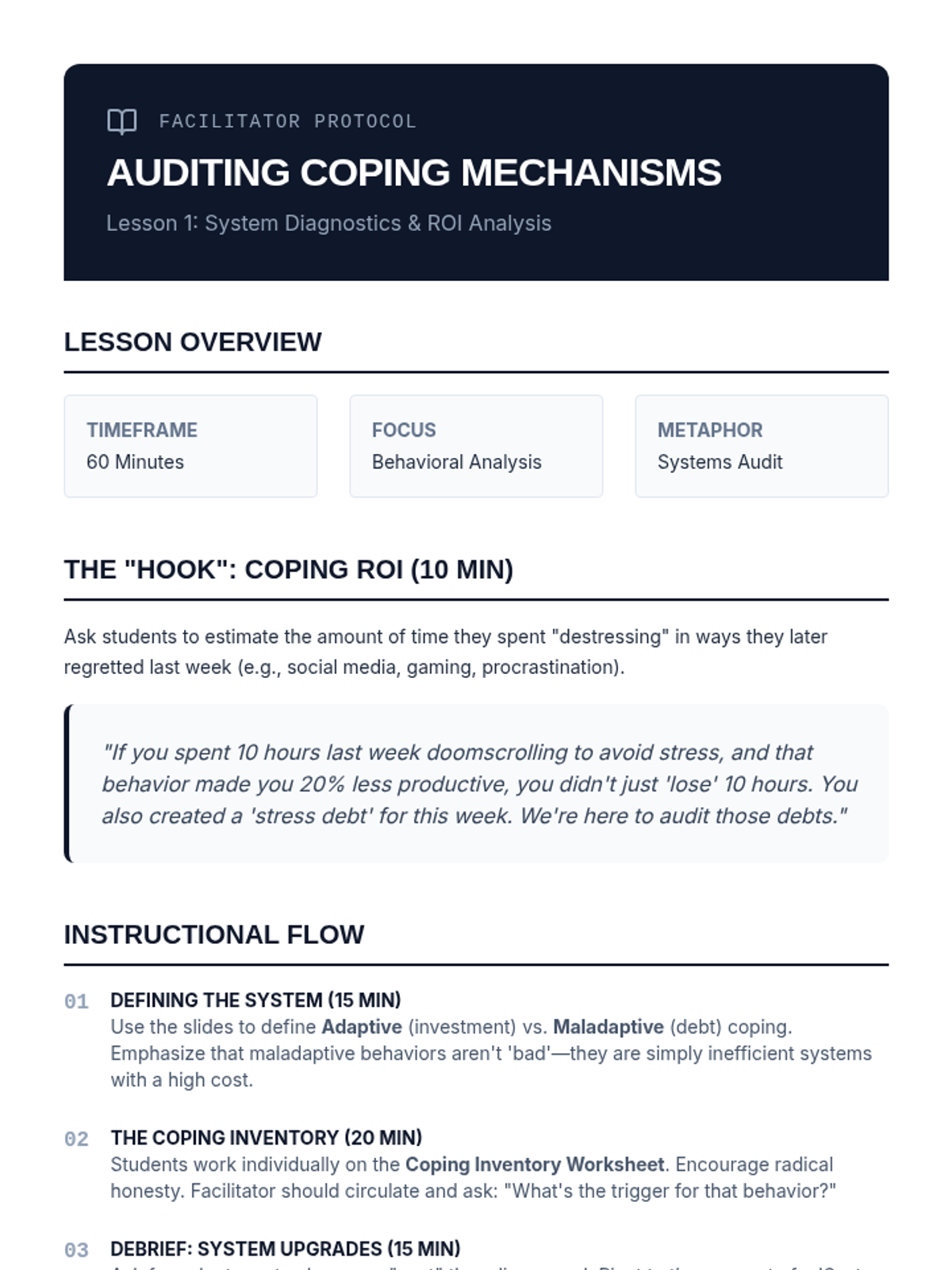
Students conduct an inventory of current stress responses and perform a cost-benefit analysis to distinguish between adaptive and maladaptive behaviors.
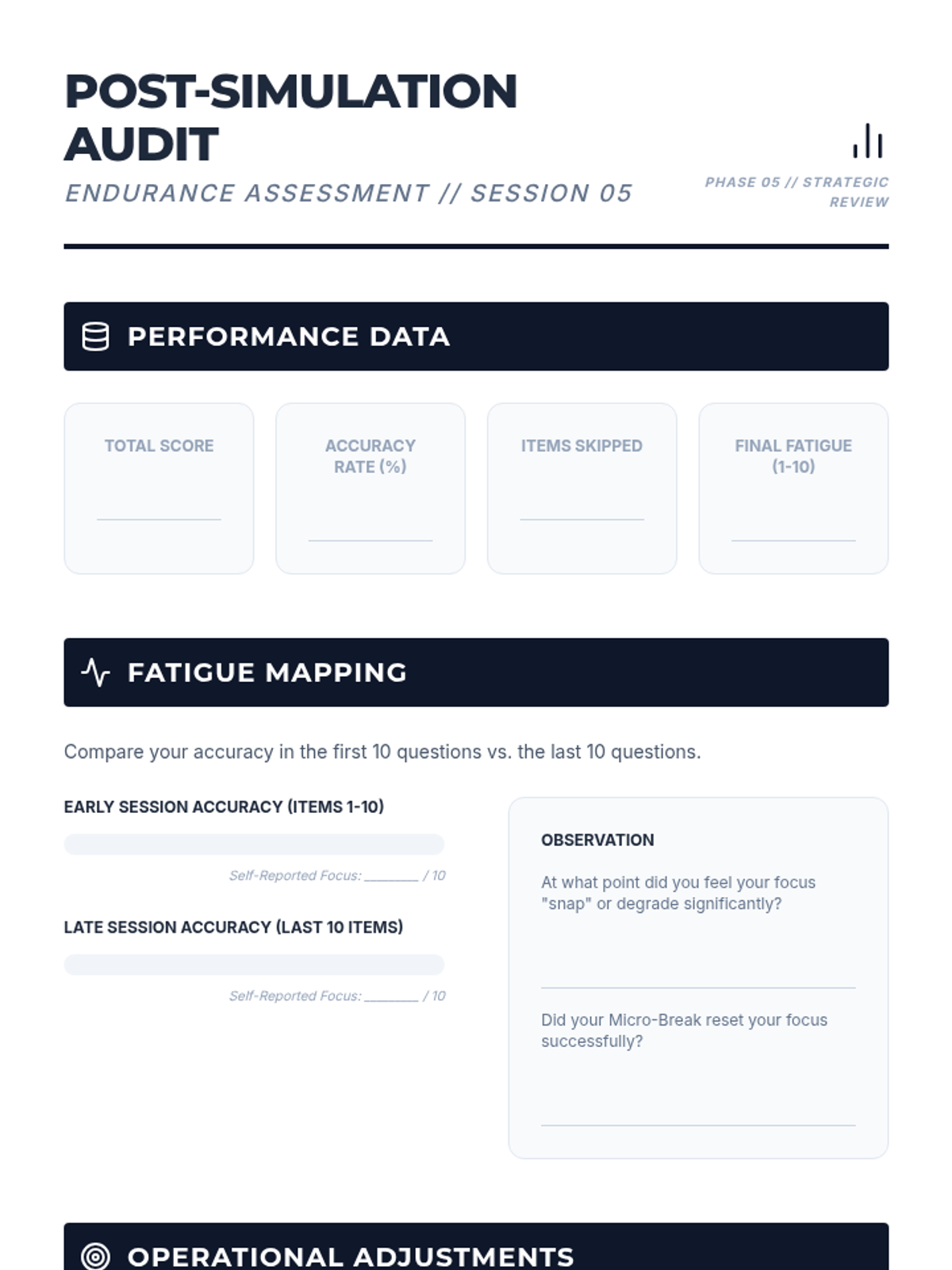
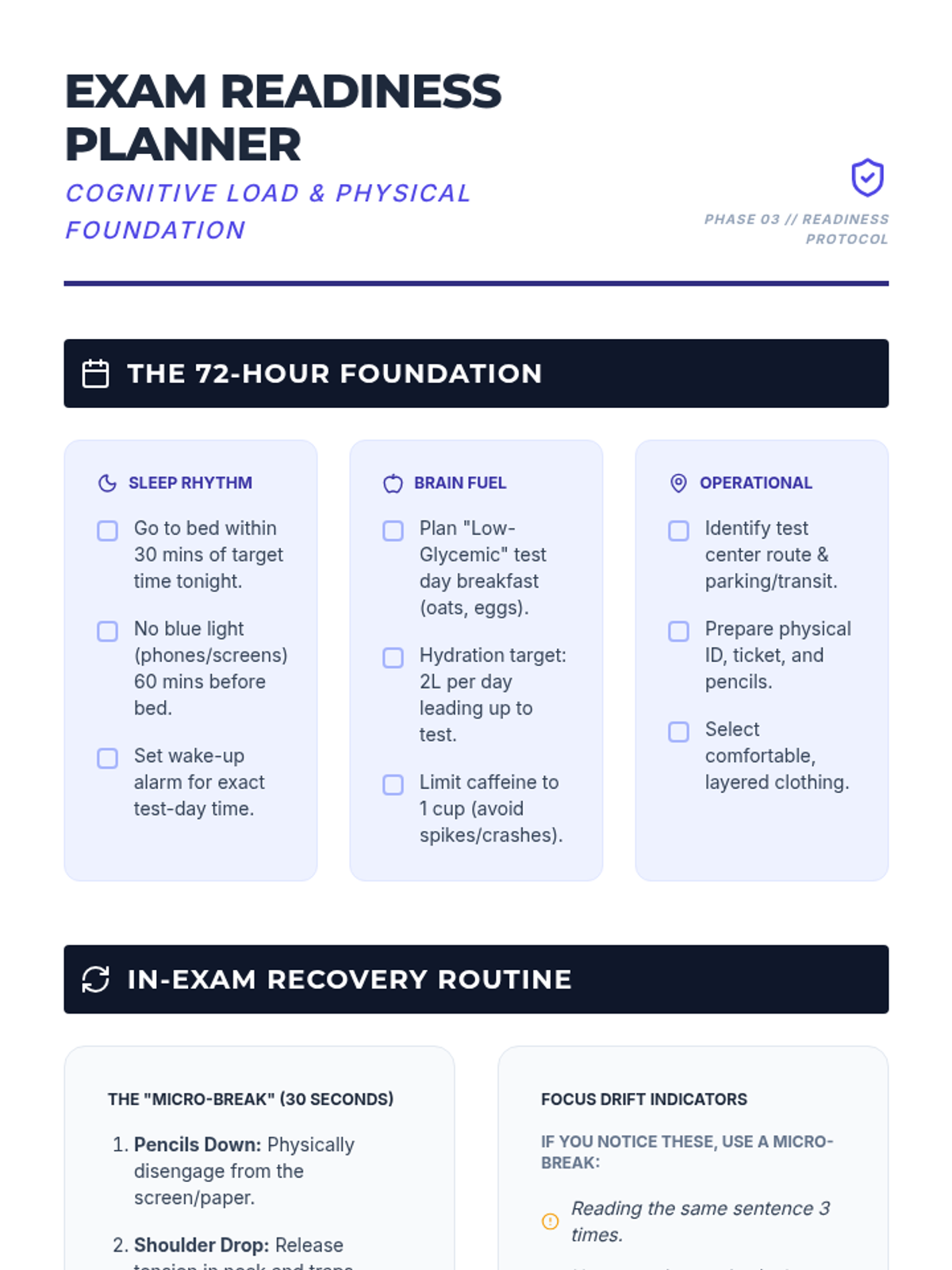
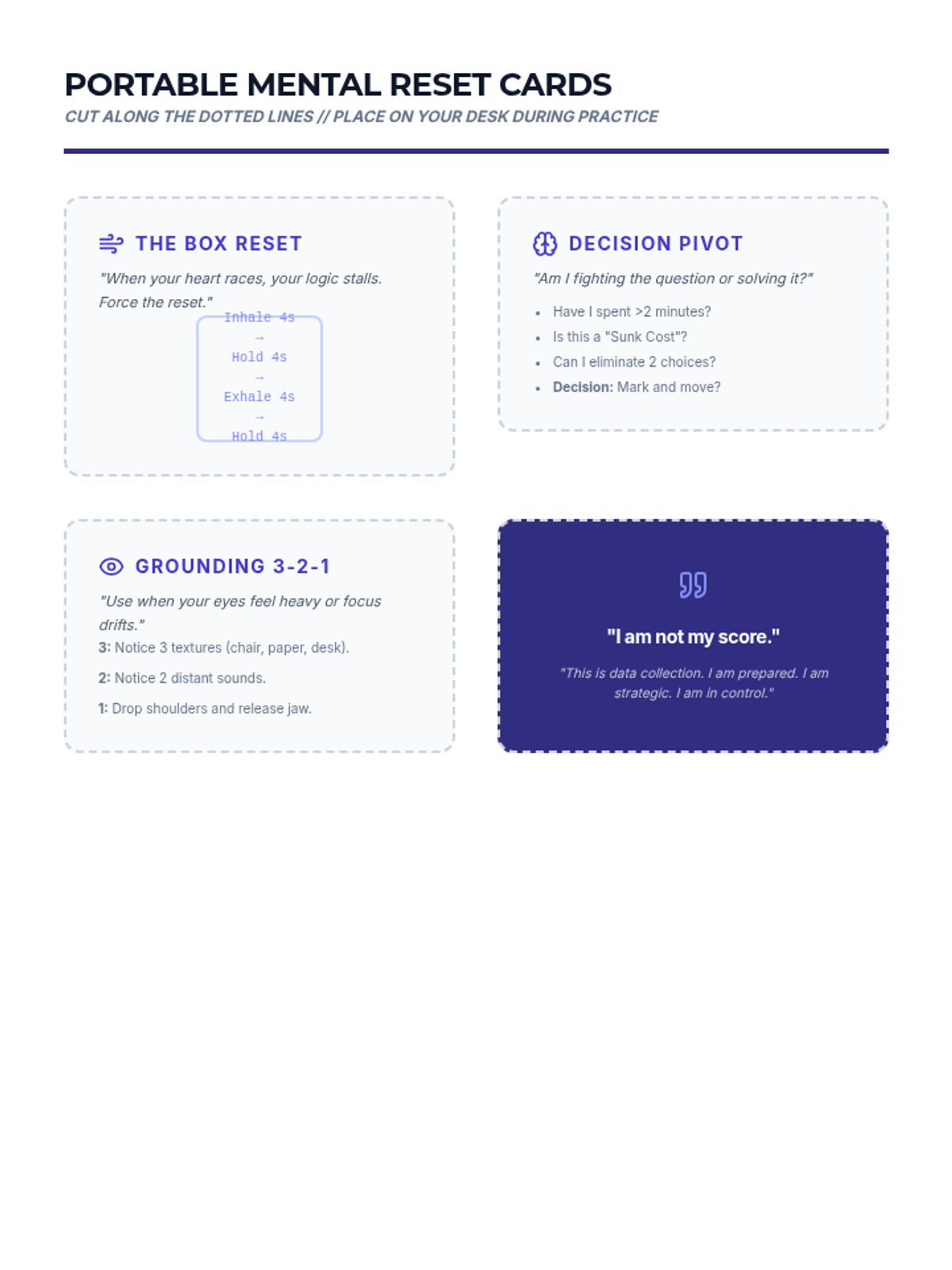
A full-length practice simulation designed to build cognitive endurance and practice micro-break techniques.
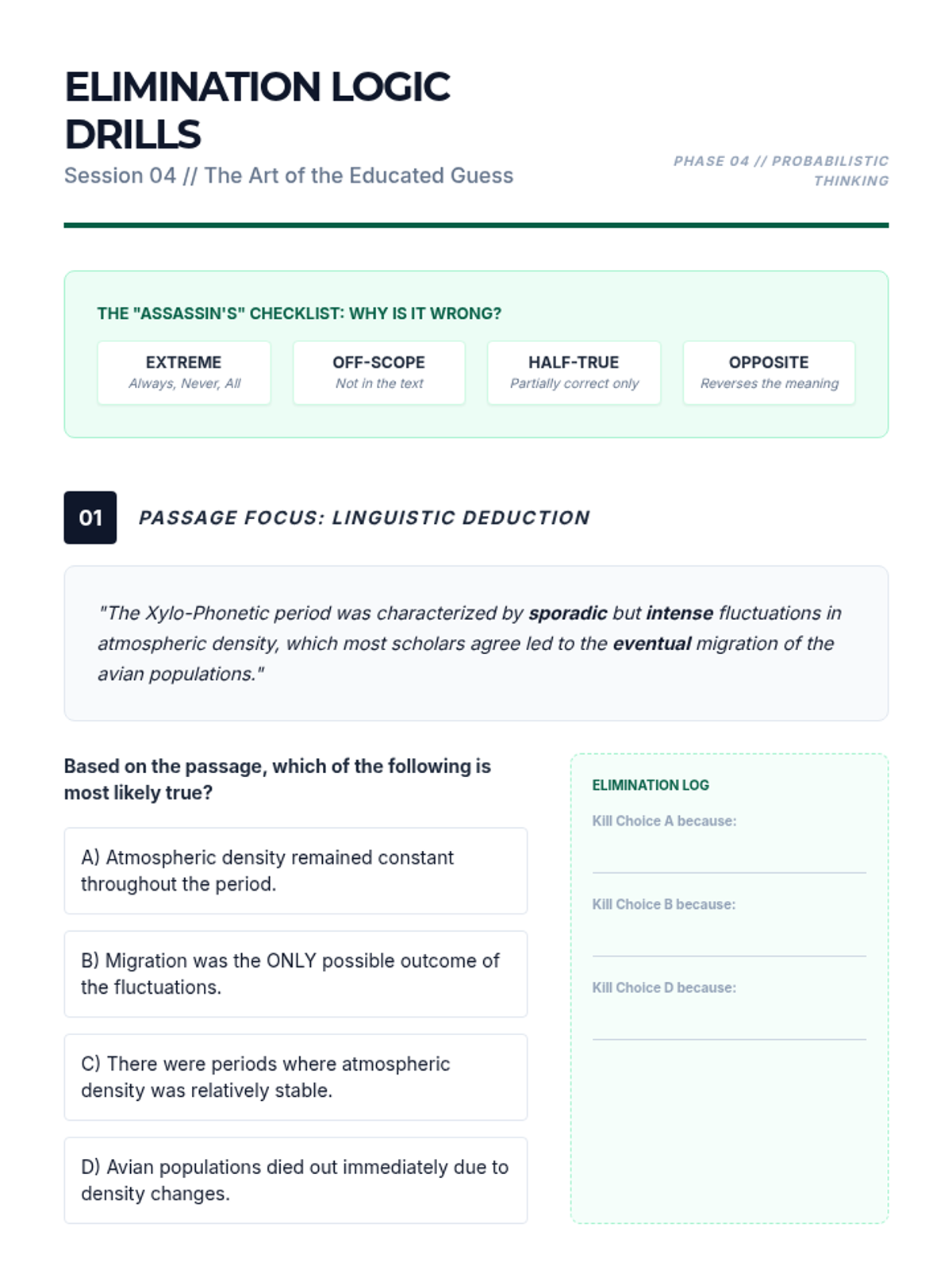
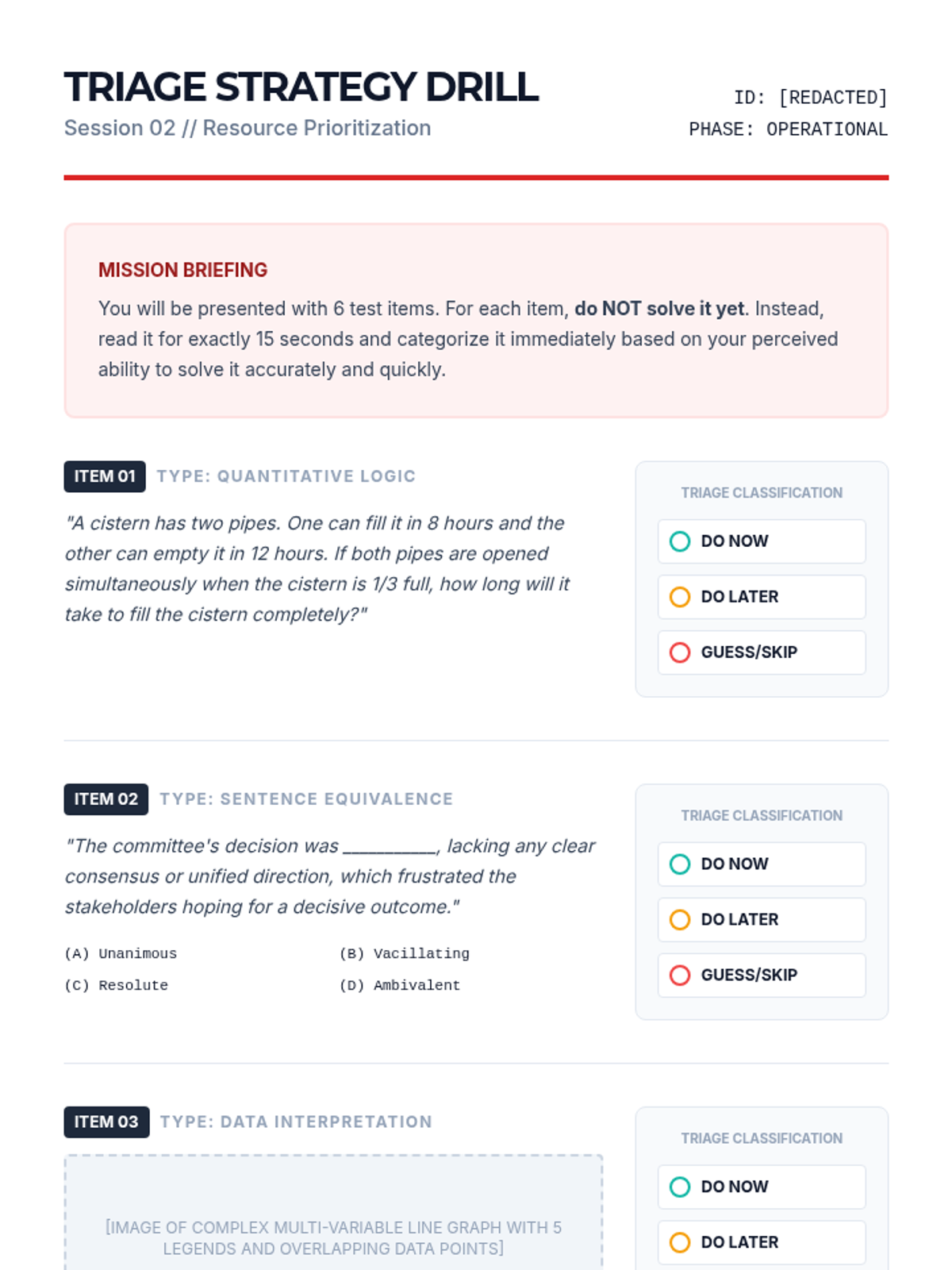
Teaches statistical and logical strategies for educated guessing when an answer is not immediately clear.
Explores techniques for maintaining focus and reducing anxiety during high-pressure assessments.
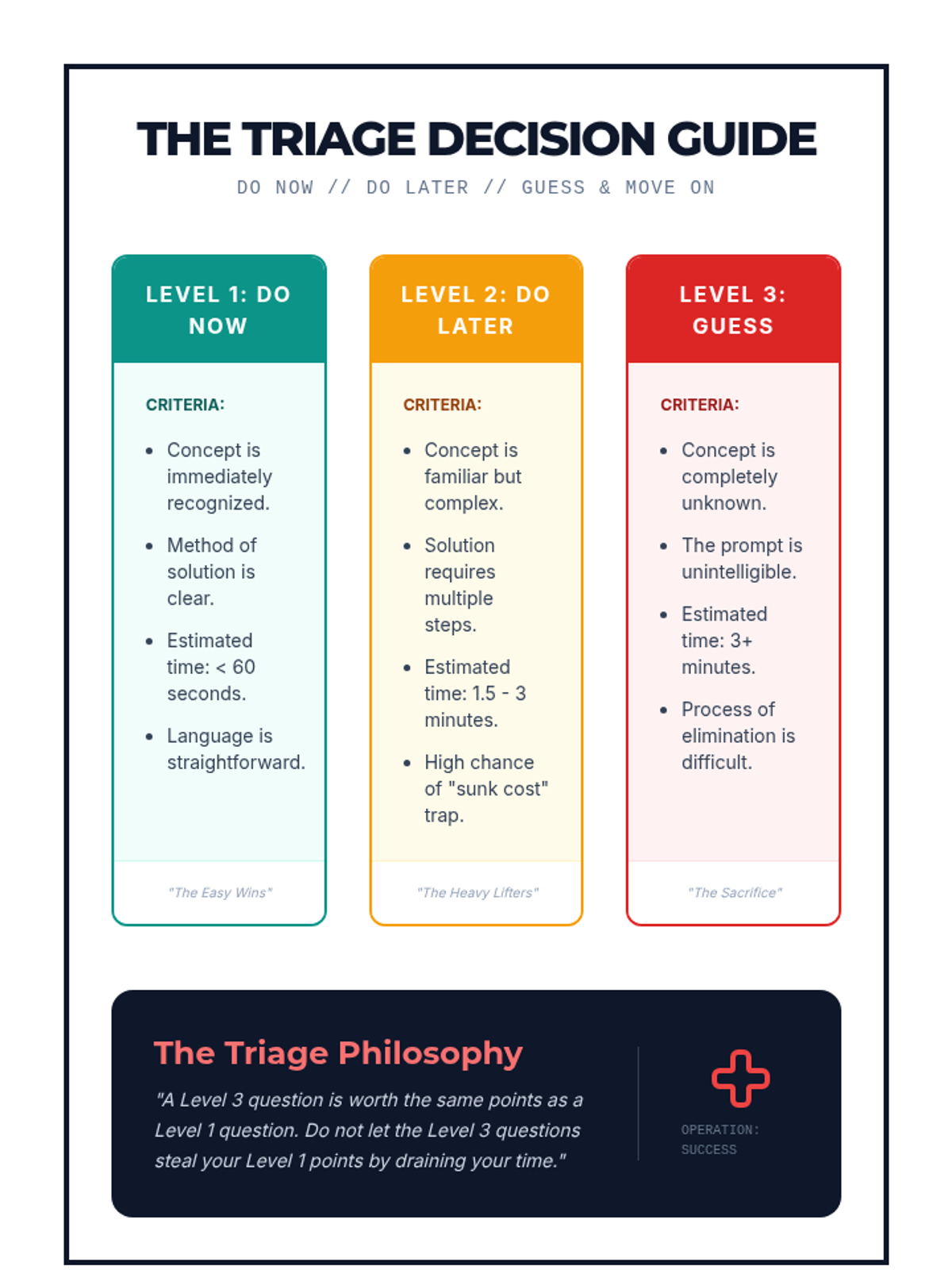
Focuses on the 'triage' method to prioritize questions and manage time effectively during an exam.
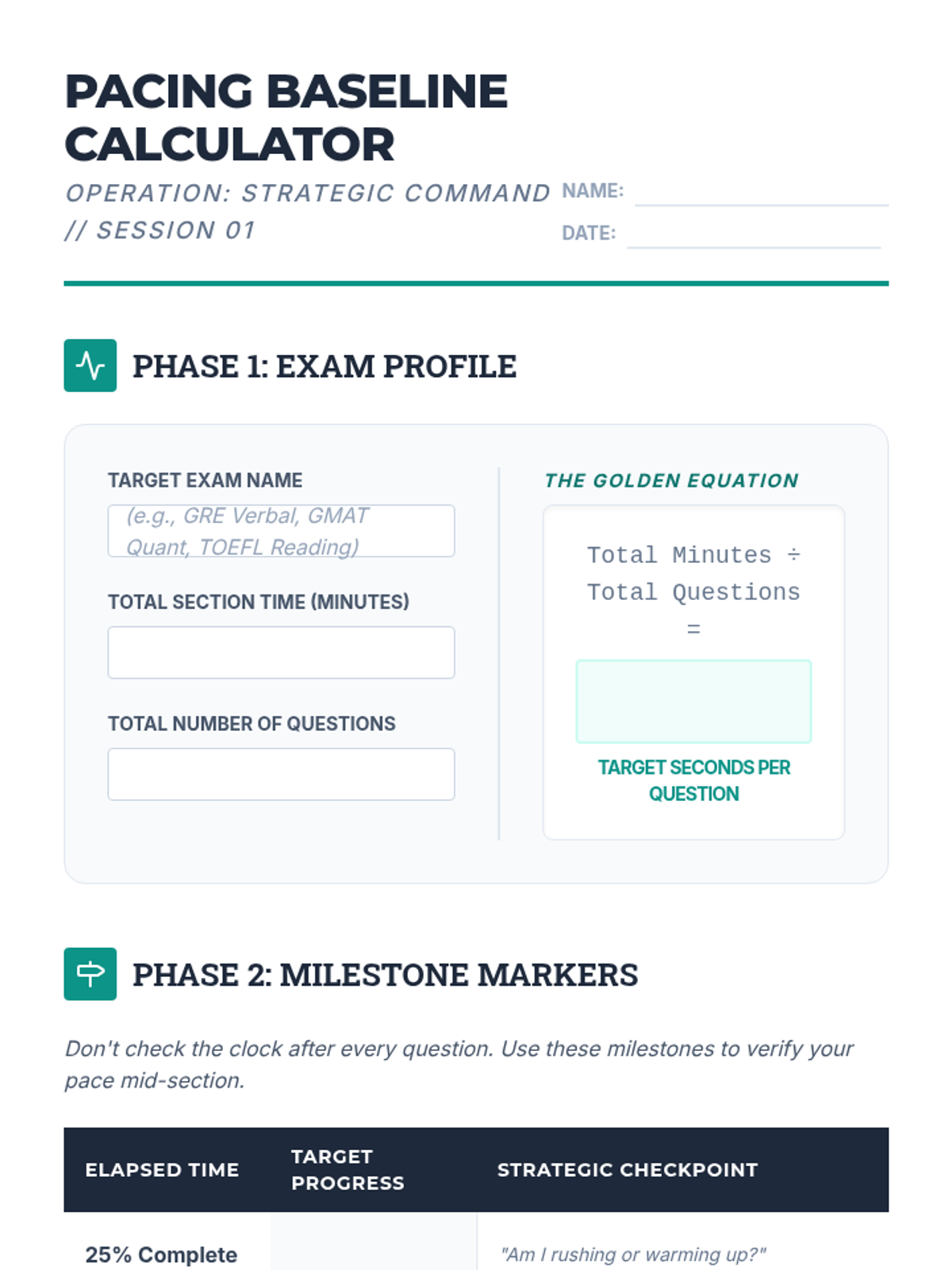
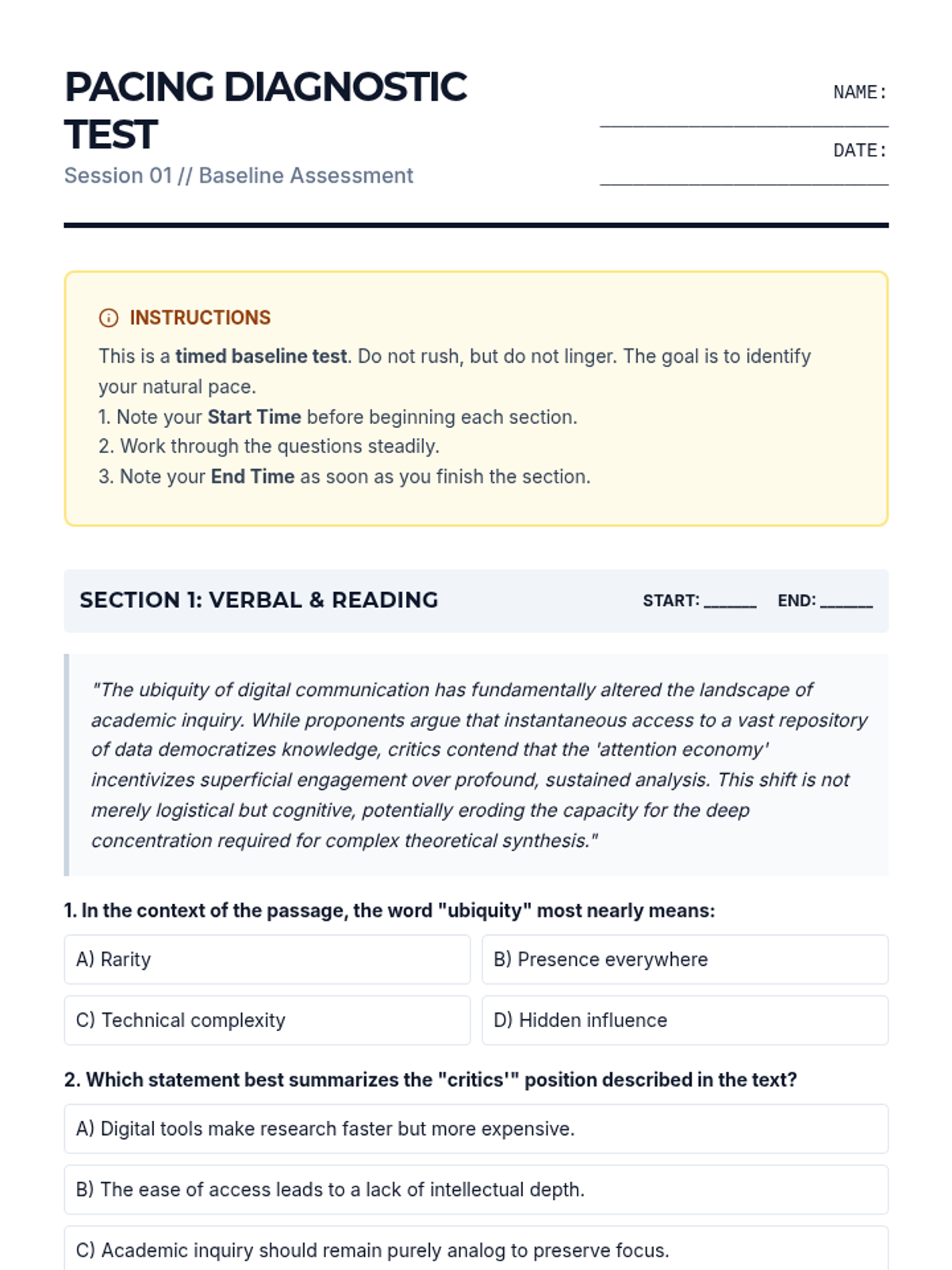
Students determine their current testing pace and learn to calculate precise time allocations for specific exams.
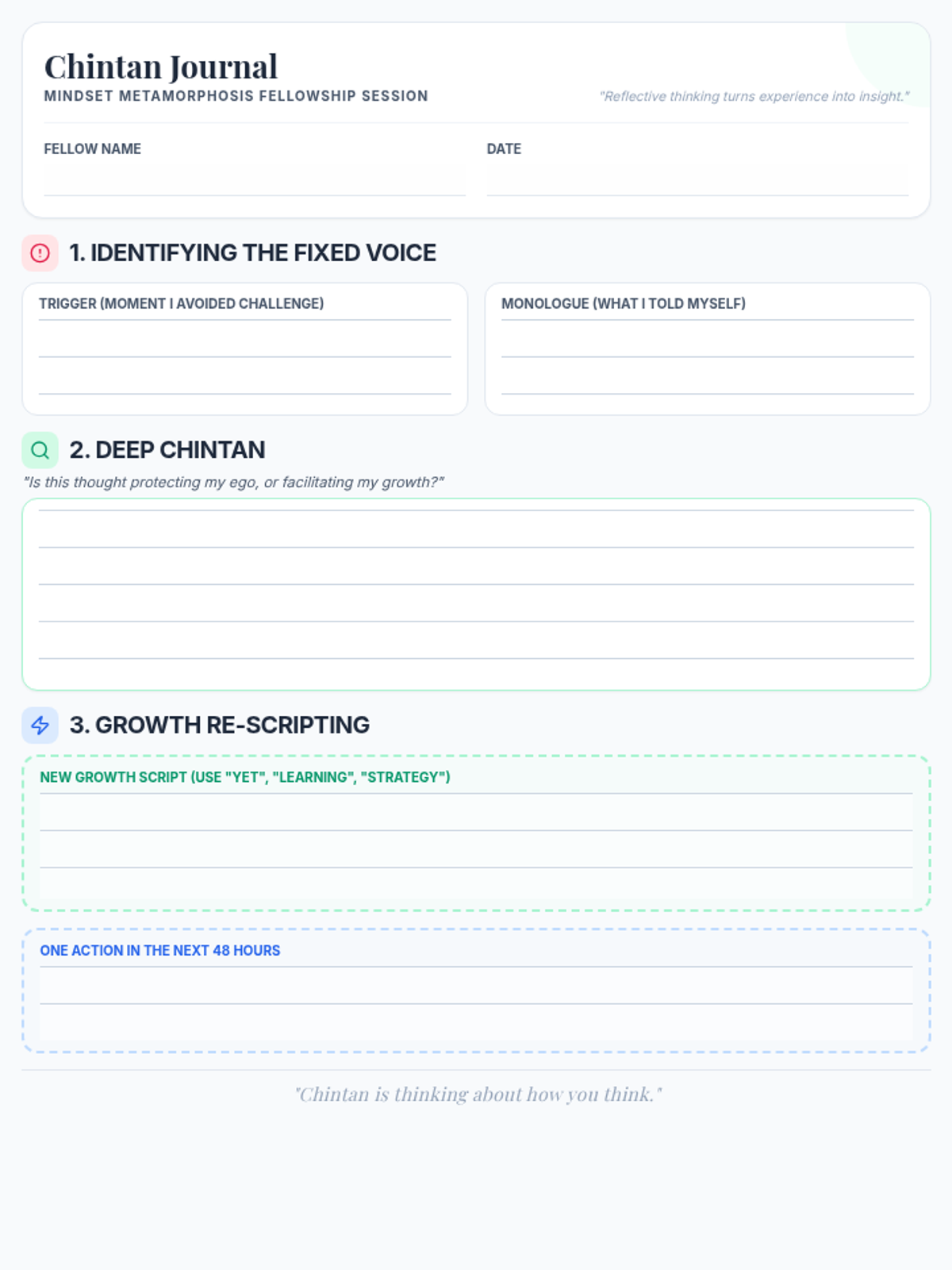
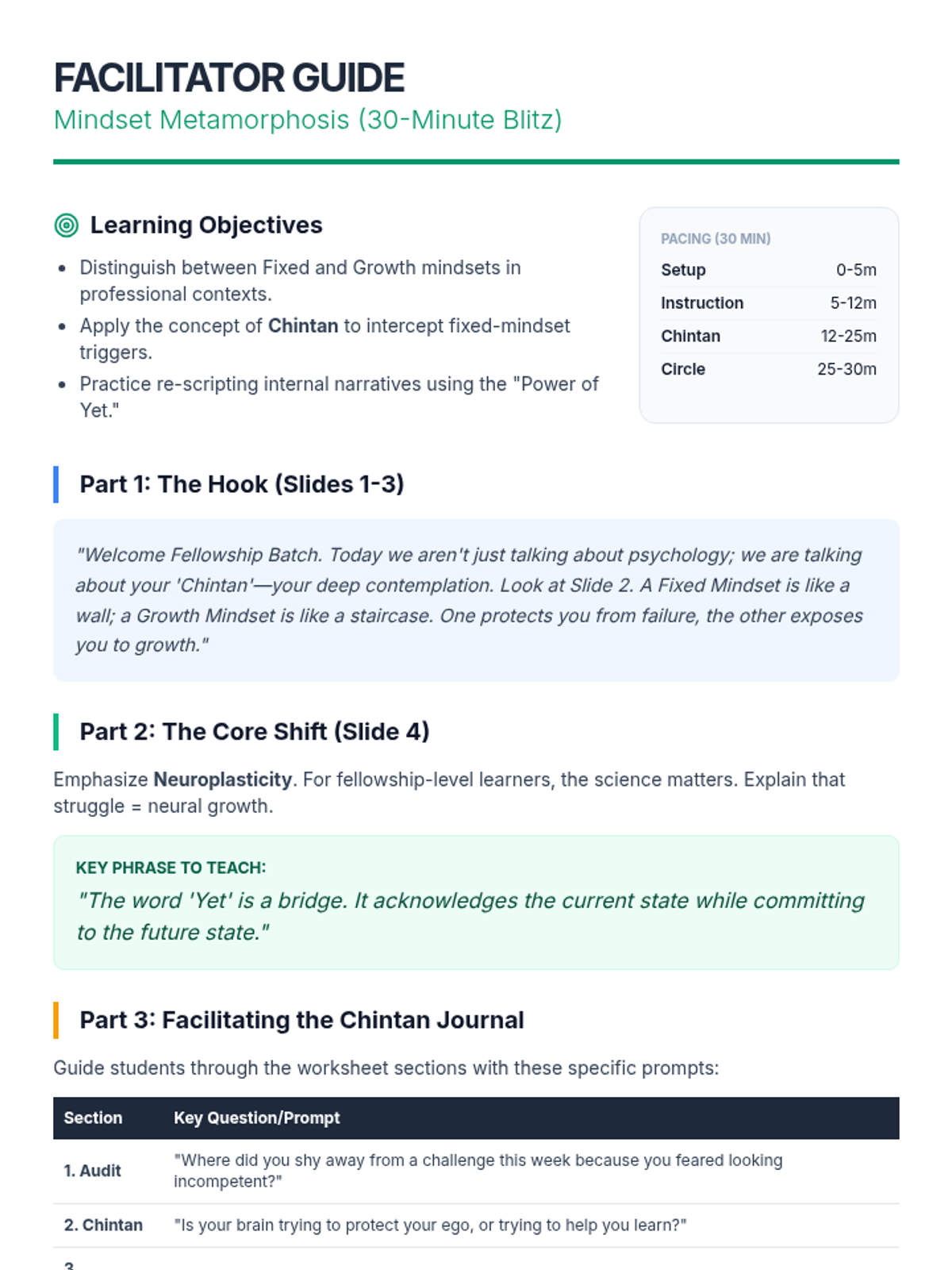
A high-impact, 30-minute session for fellowship-level learners focusing on the transition from a fixed to a growth mindset through deep contemplation (Chintan).
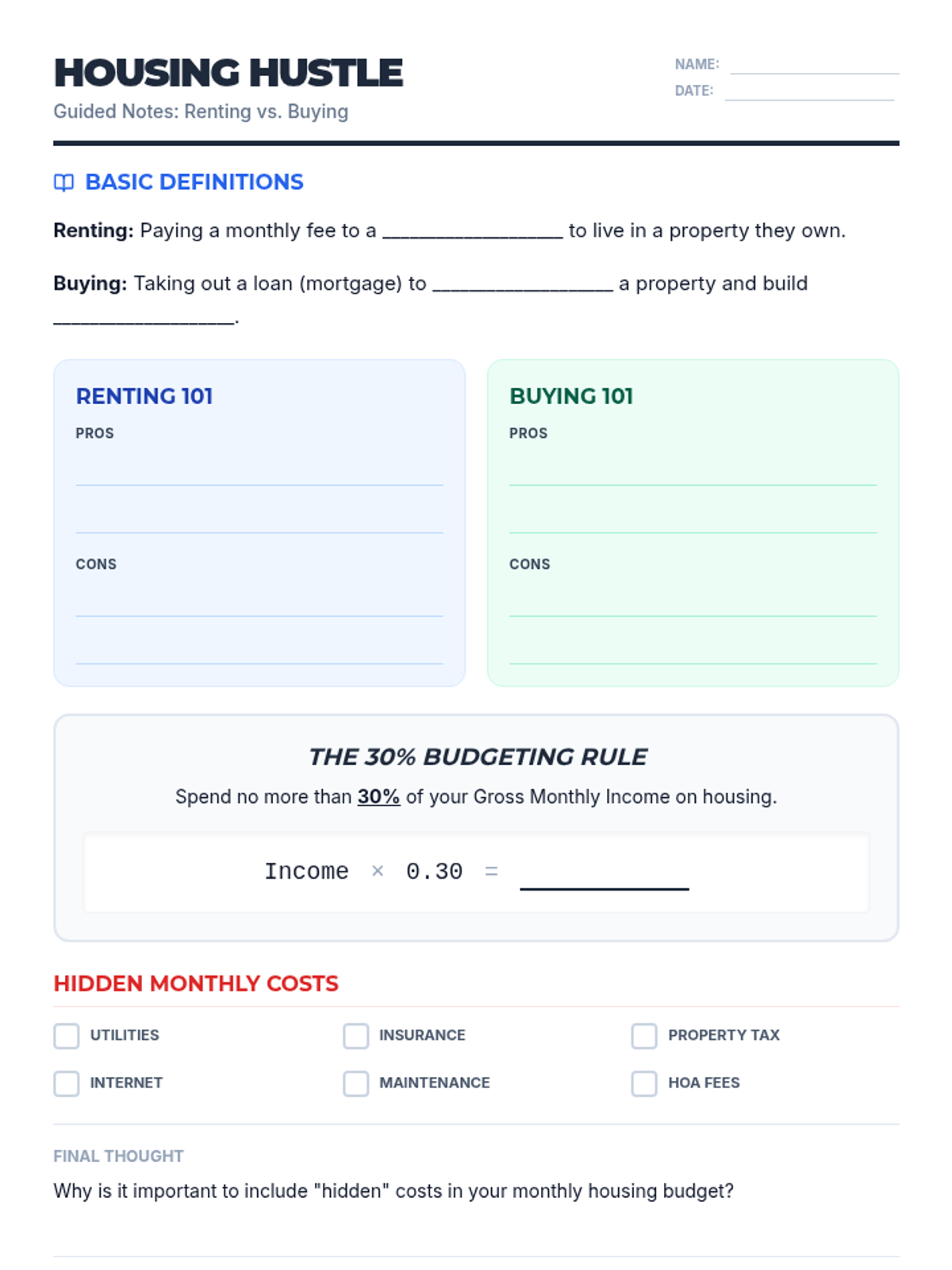
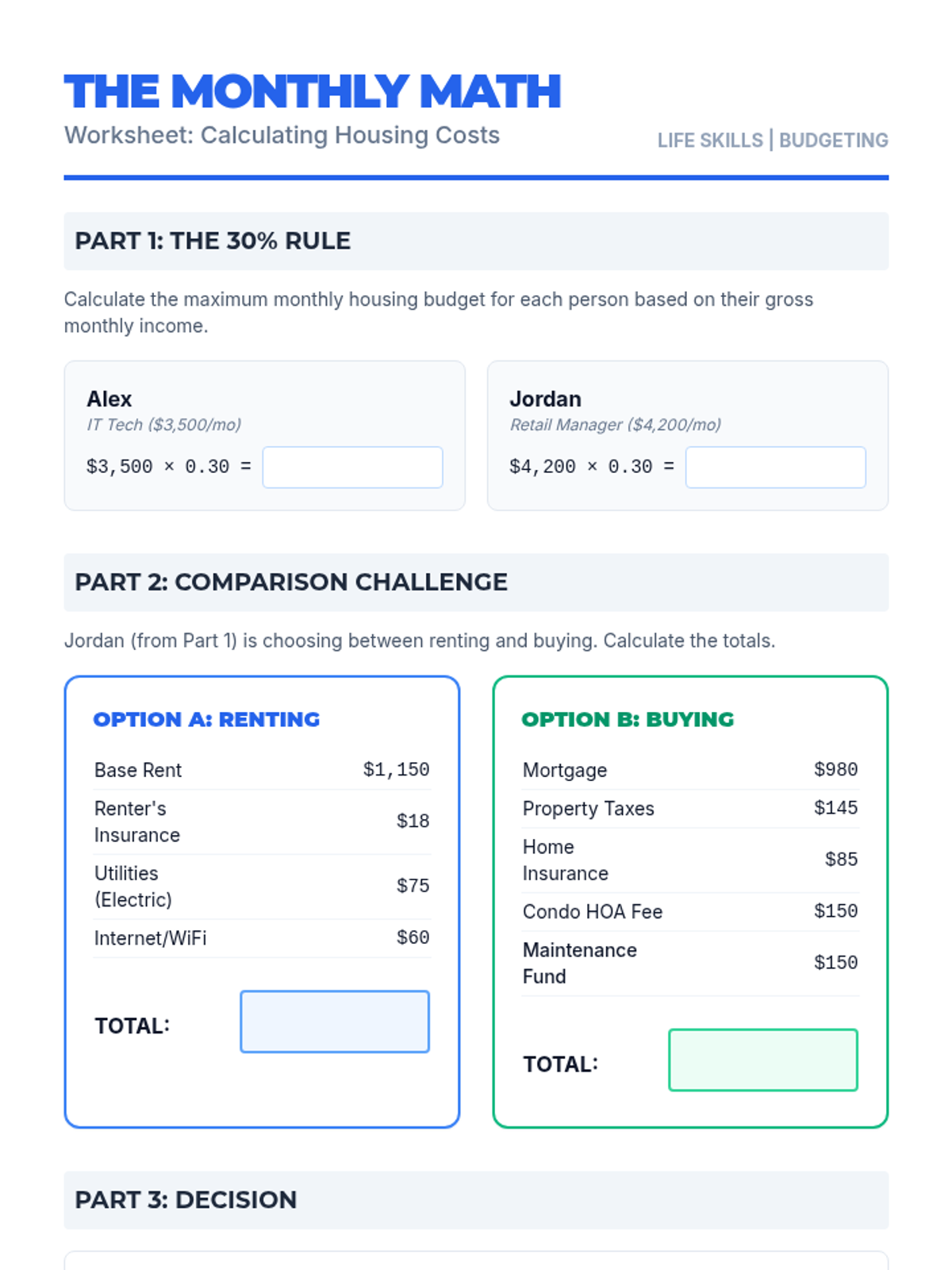
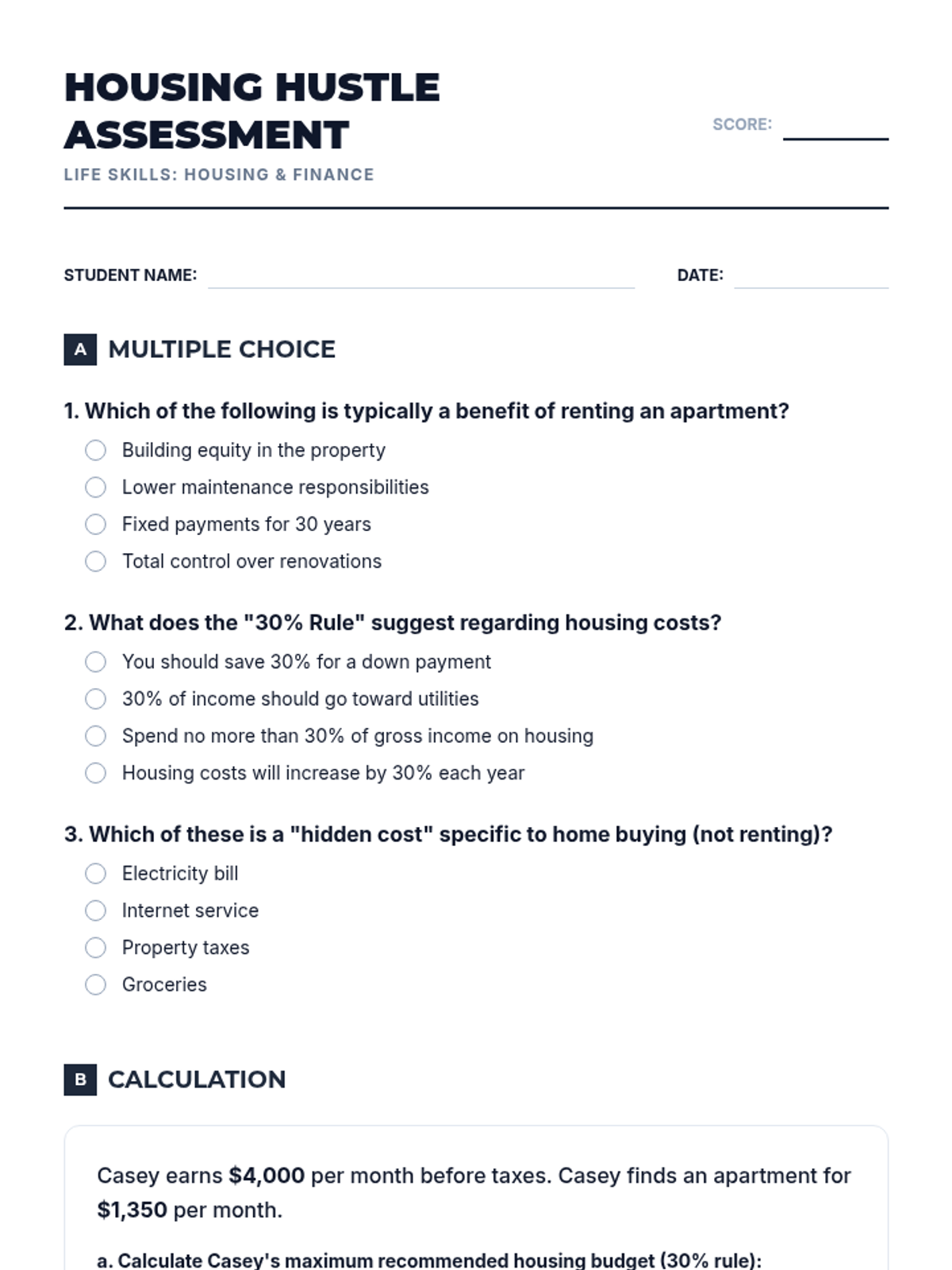
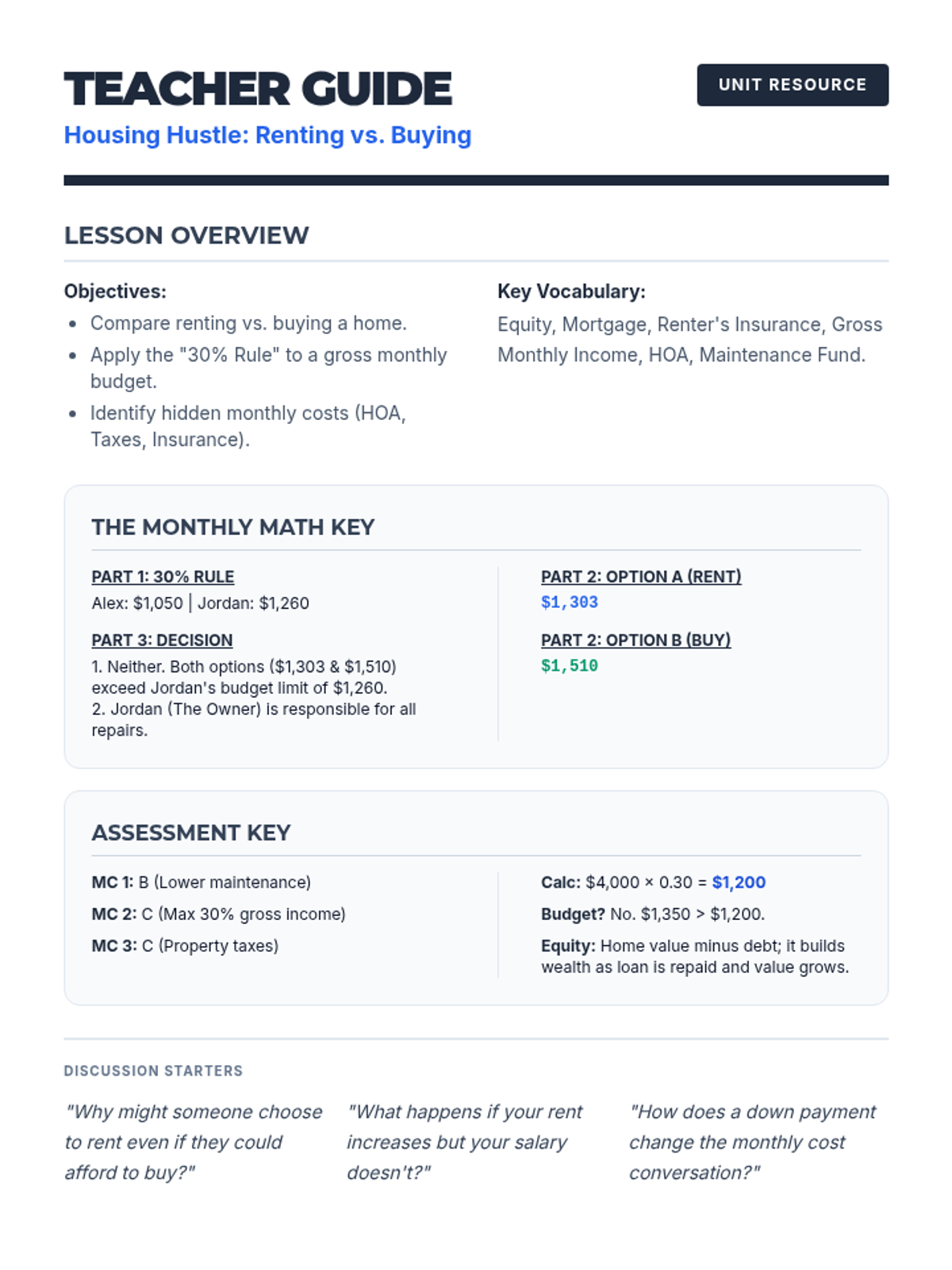
A practical exploration of the financial and lifestyle differences between renting and buying a home, focusing on fixed monthly costs and budgeting.
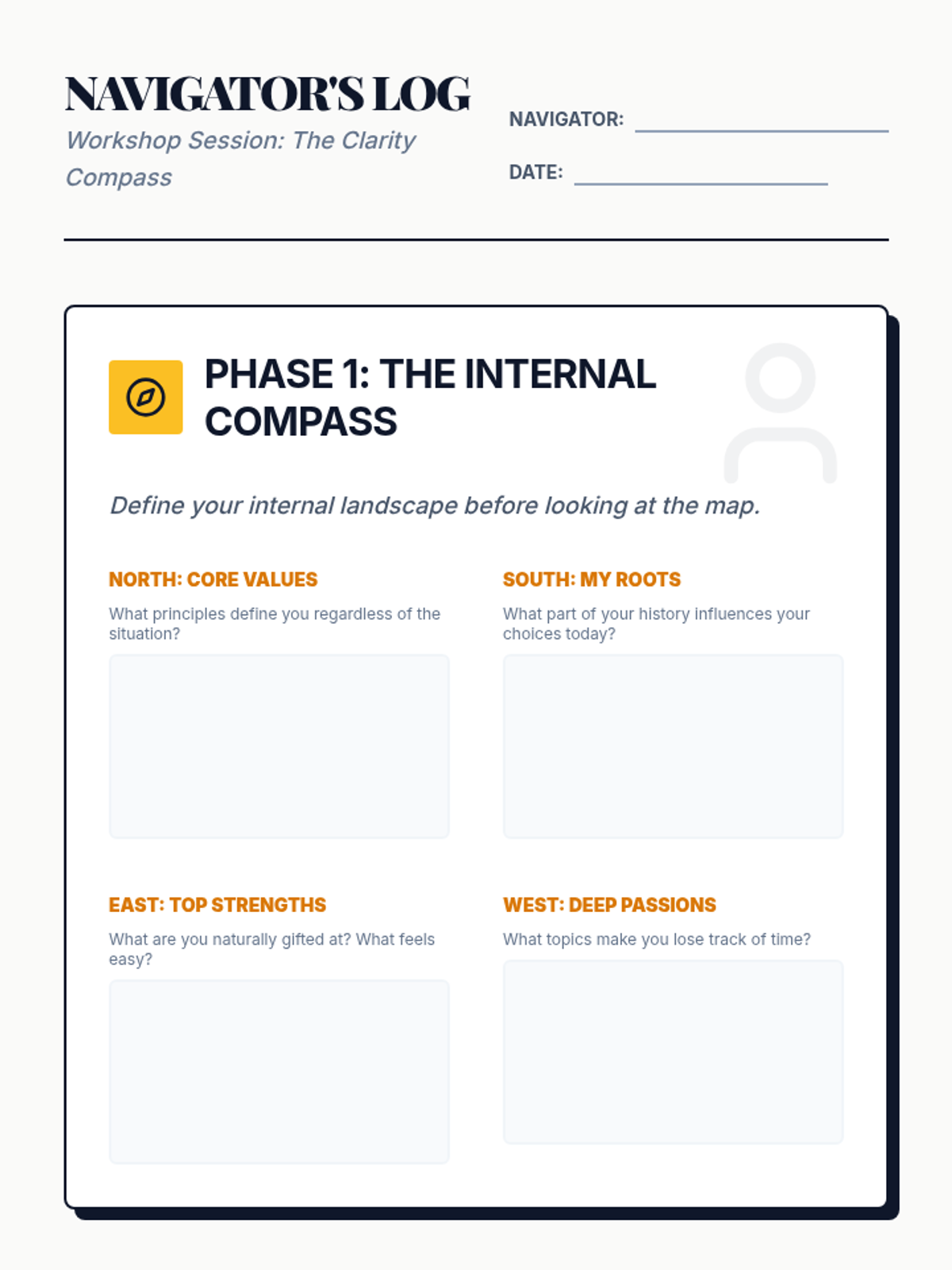
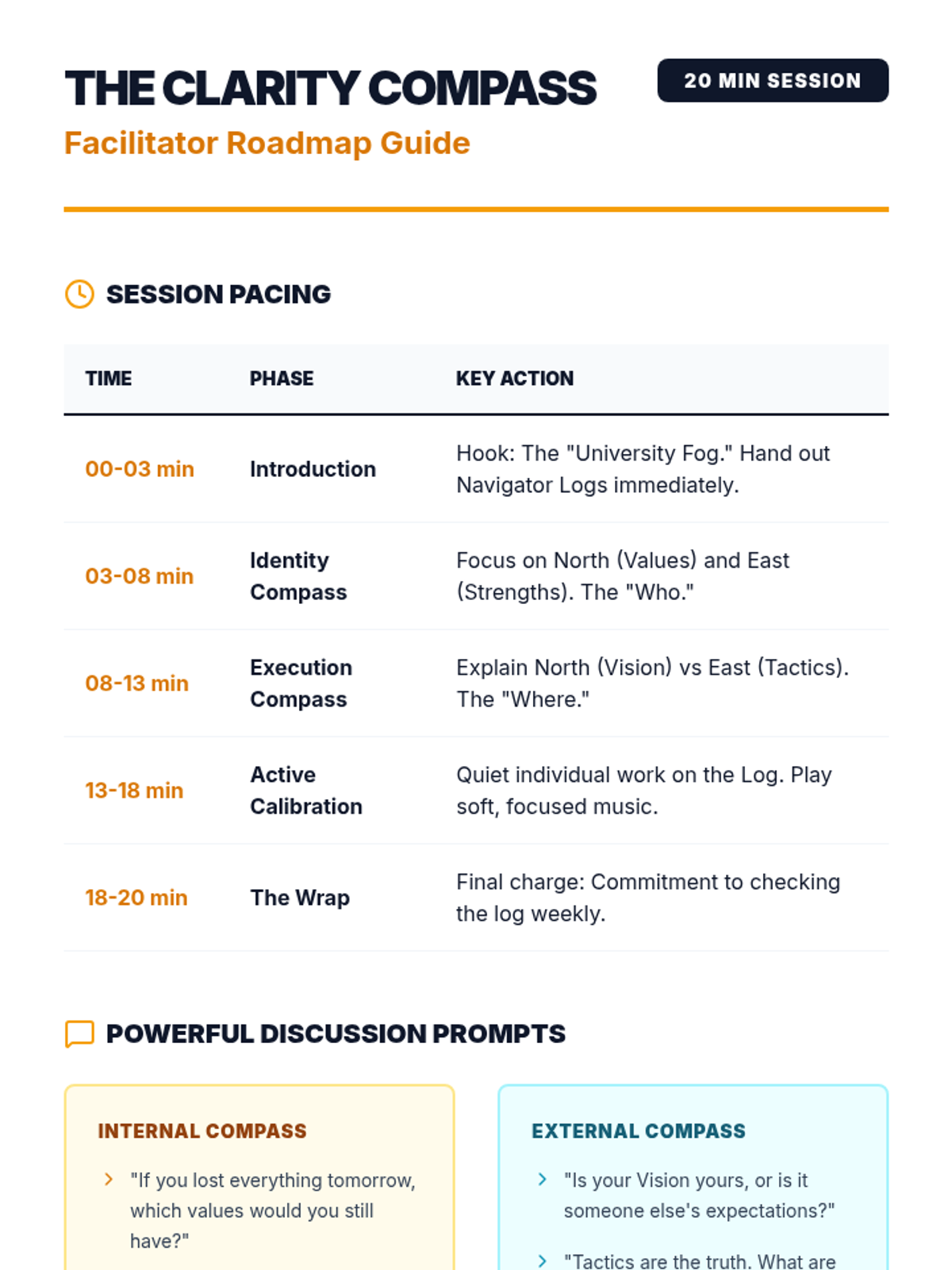
An introductory session that explores the Internal and External Clarity Compasses to help students align their personal values with actionable goals.