Employment laws, safety protocols, and legal protections against workplace harassment and discrimination. Connects regulatory requirements to practical understandings of pay stubs, insurance benefits, and employee advocacy.
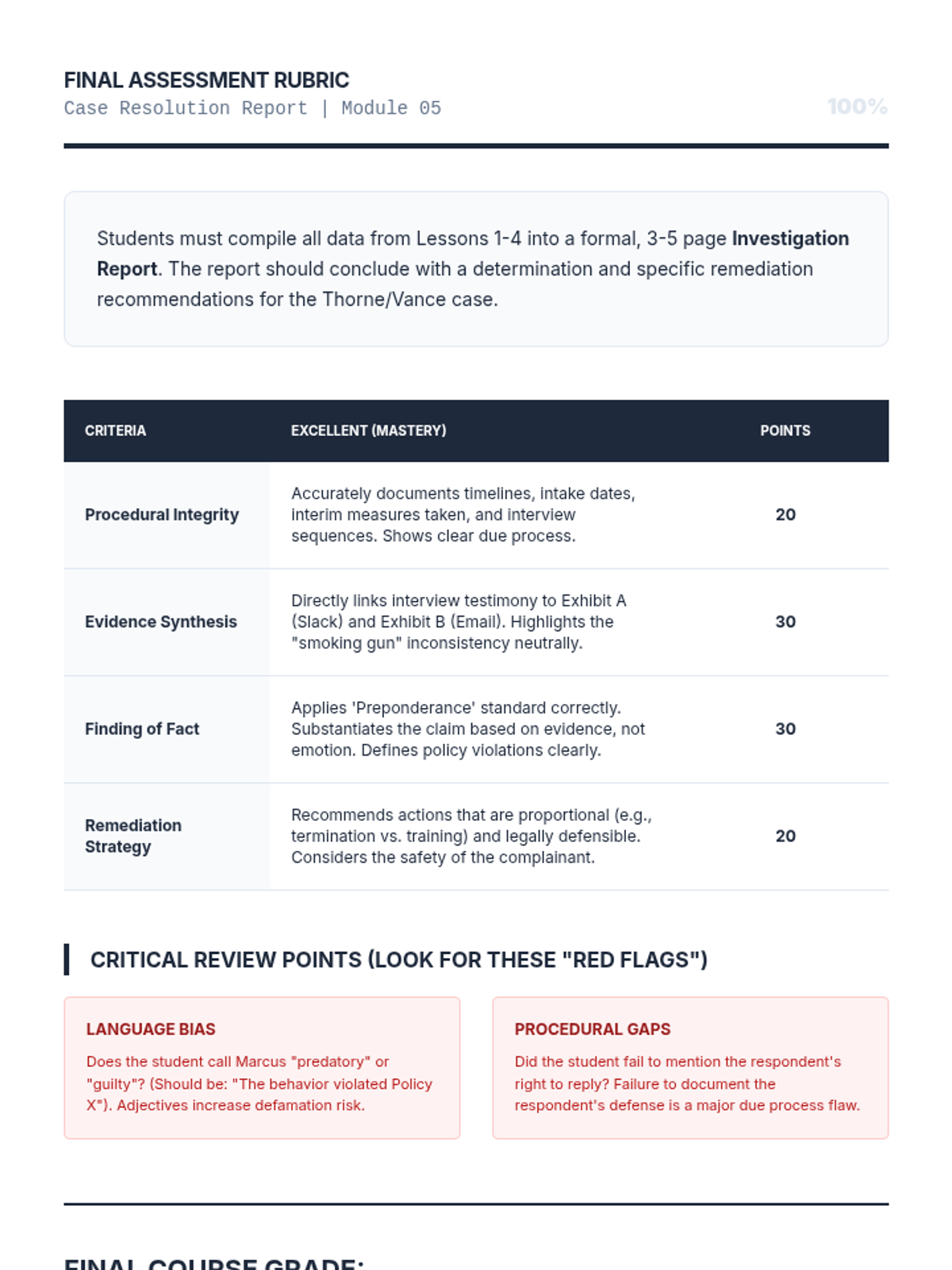
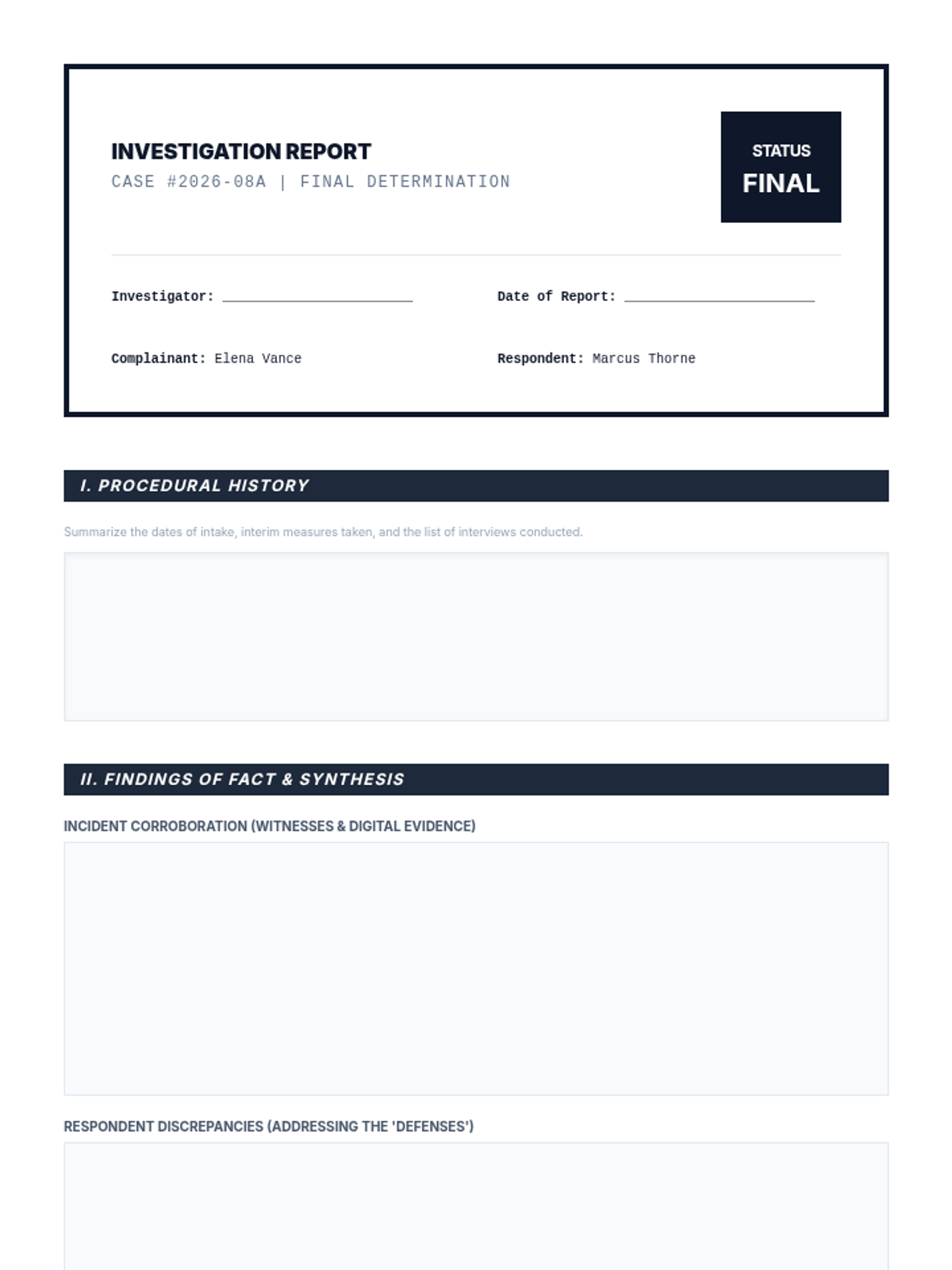
Concludes with the technical skills needed to draft a defensible investigation report and recommend appropriate remediation.
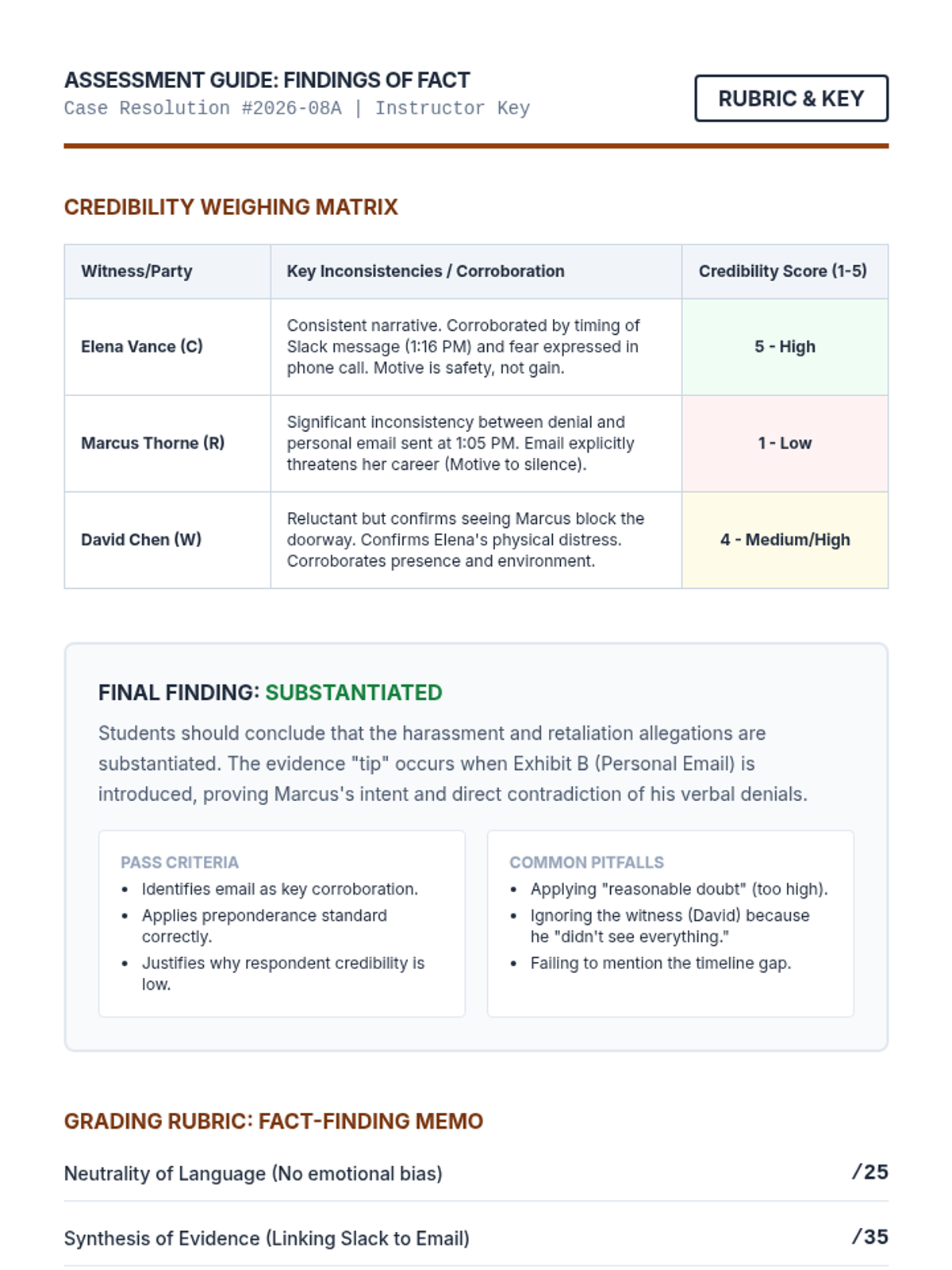
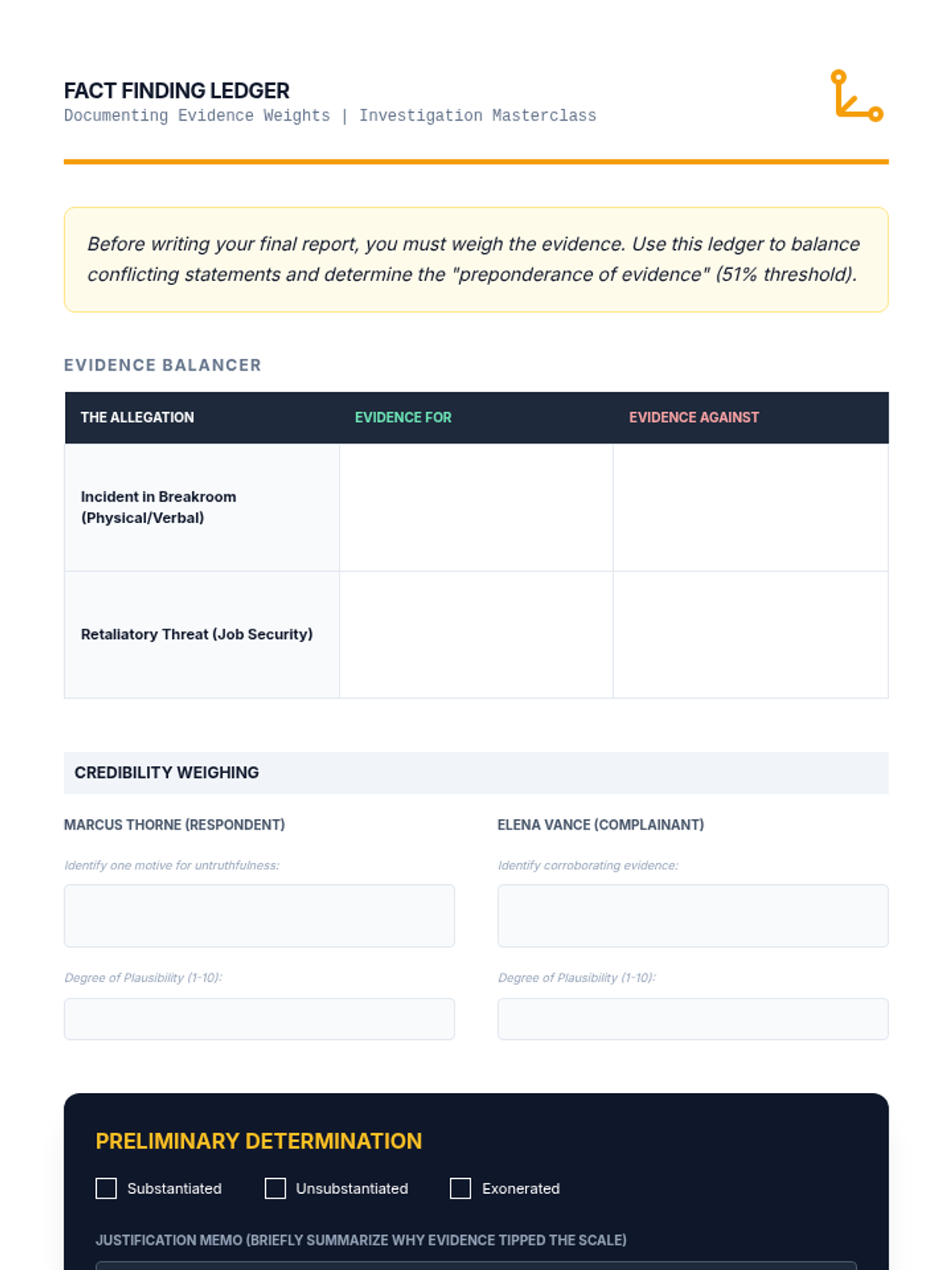
Teaches students how to weigh conflicting testimony and apply the preponderance of evidence standard to make formal findings of fact.
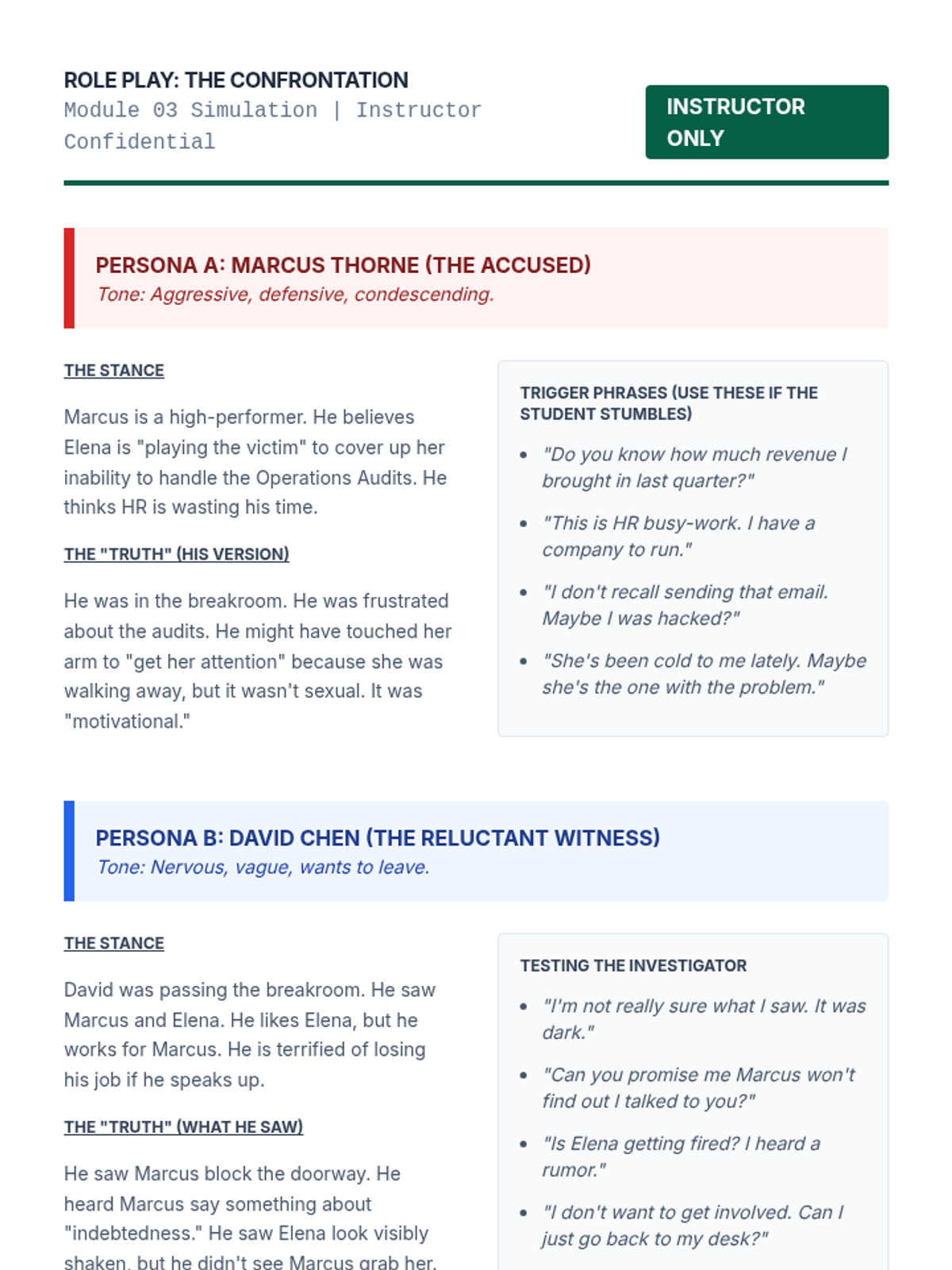
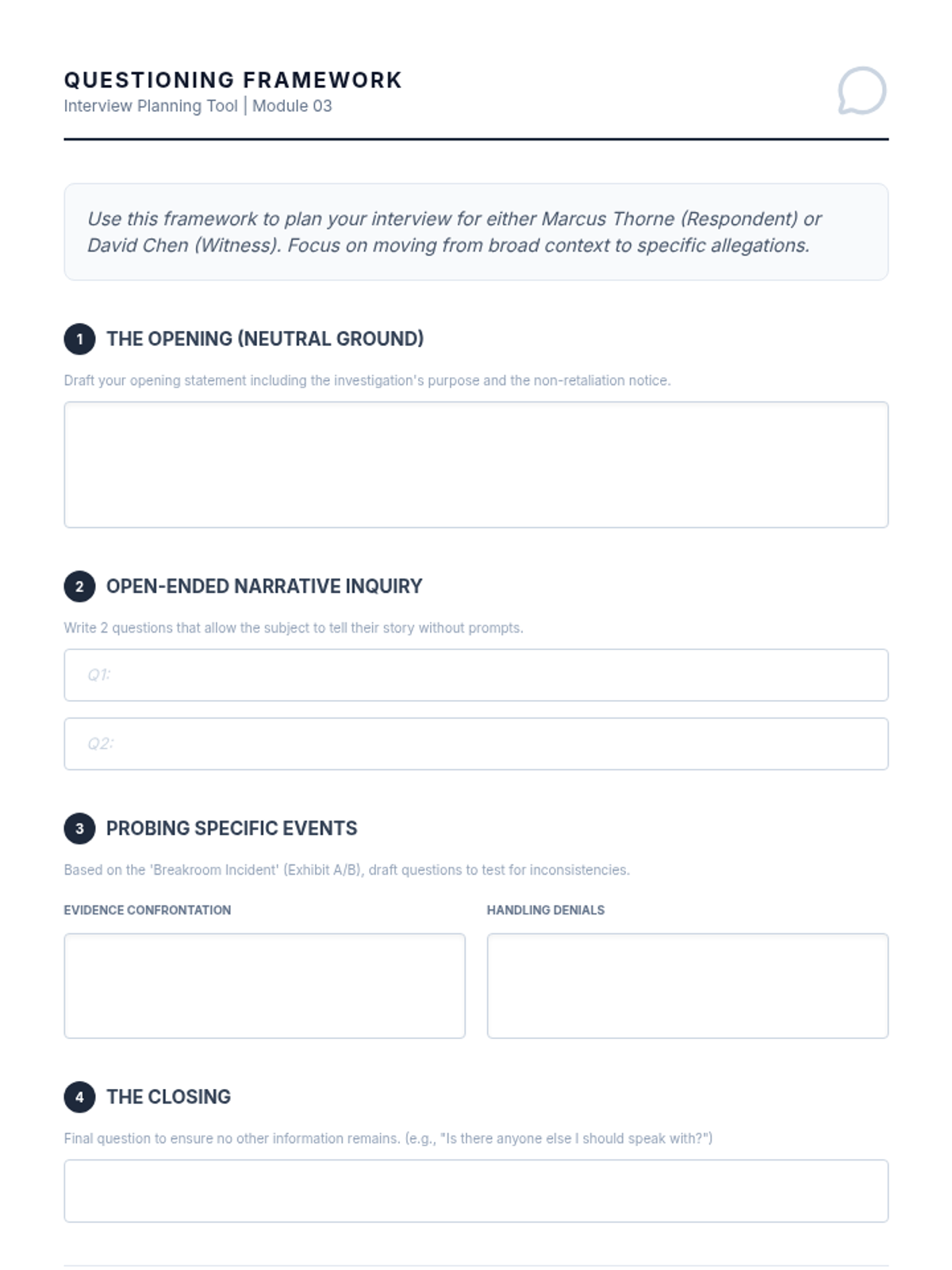
Develops skills for interviewing the accused and witnesses, focusing on non-leading questions and managing high-conflict interactions.
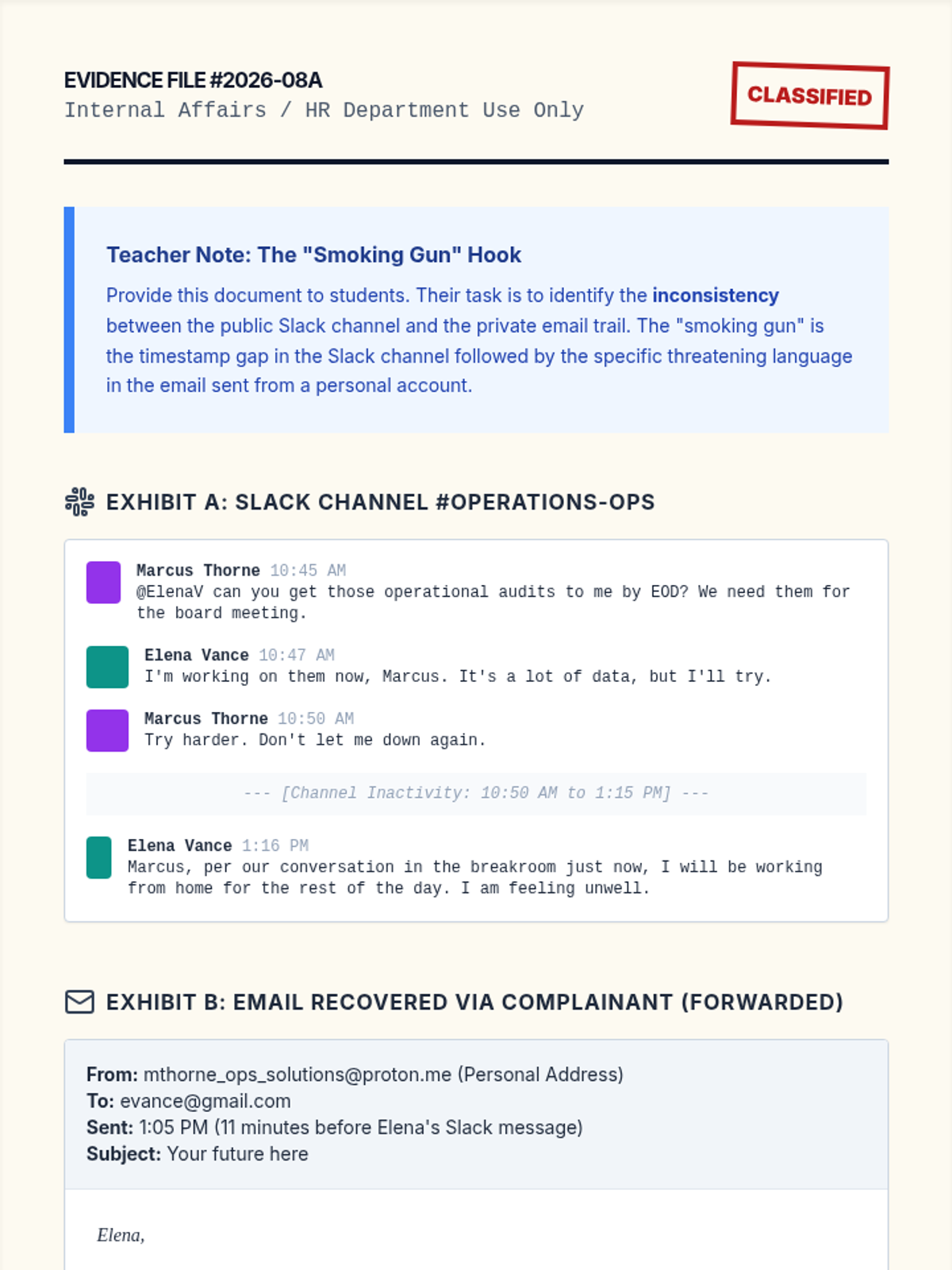
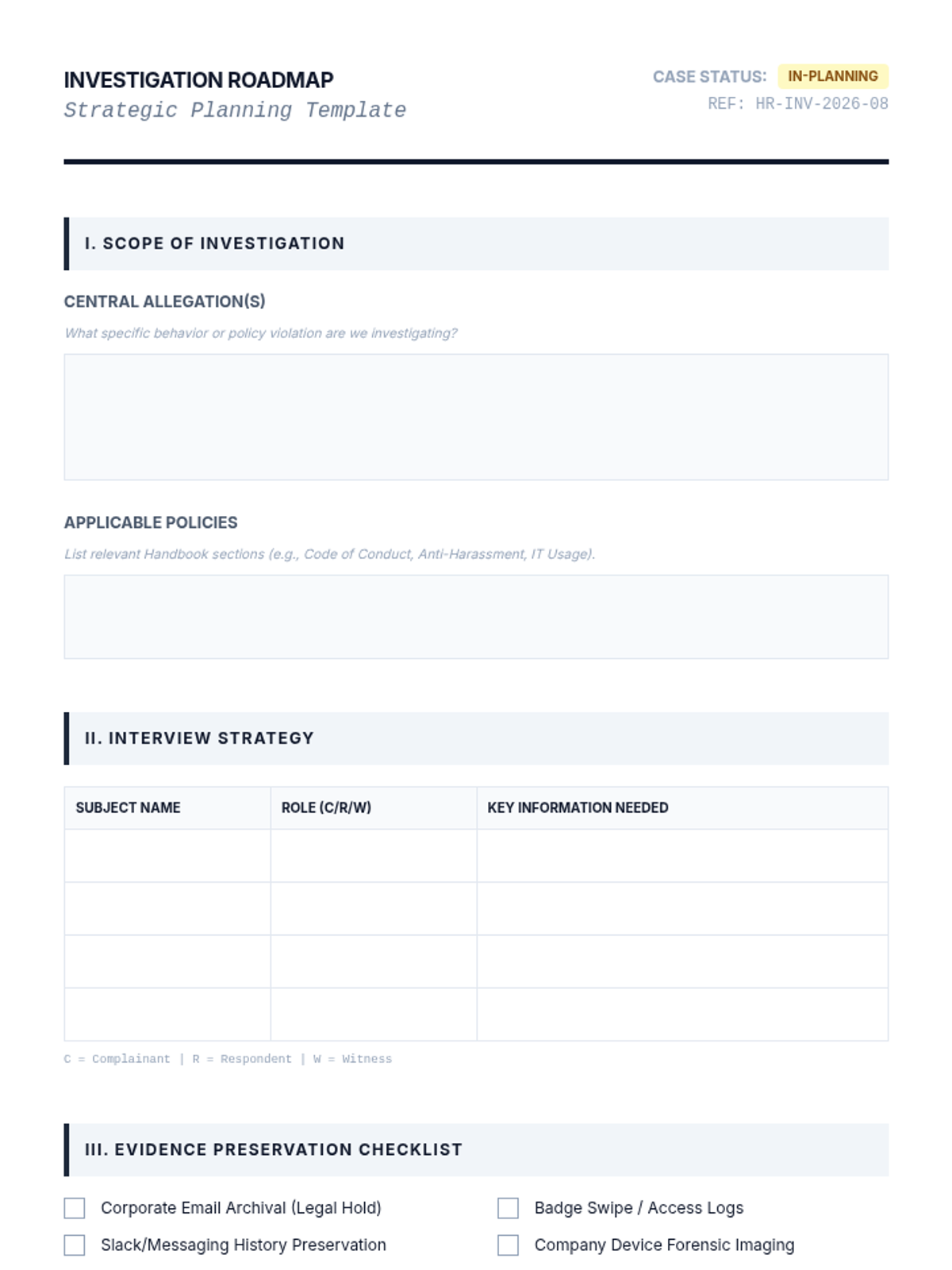
Covers strategic planning for an investigation, identifying witnesses, and managing digital and physical evidence.
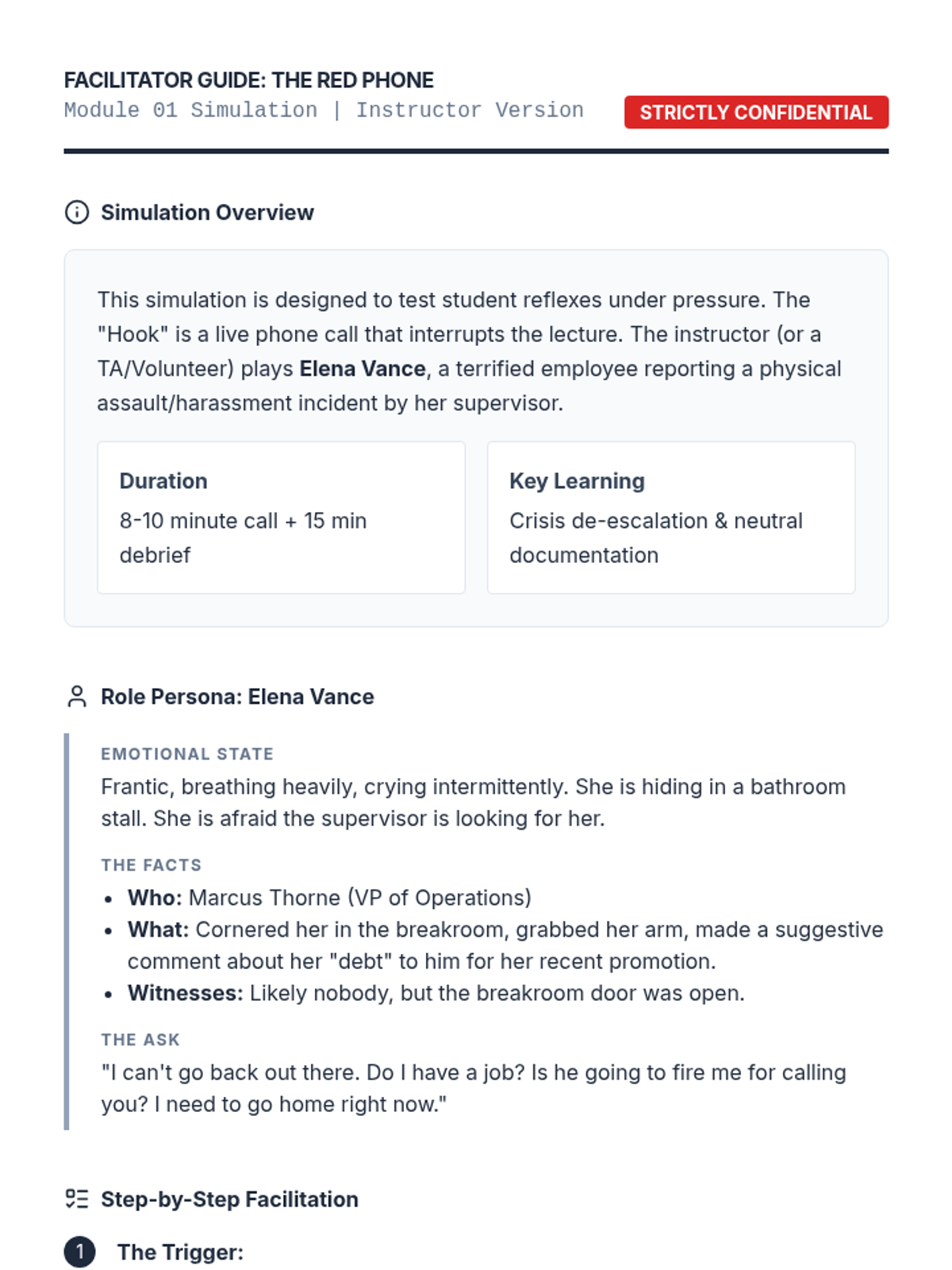
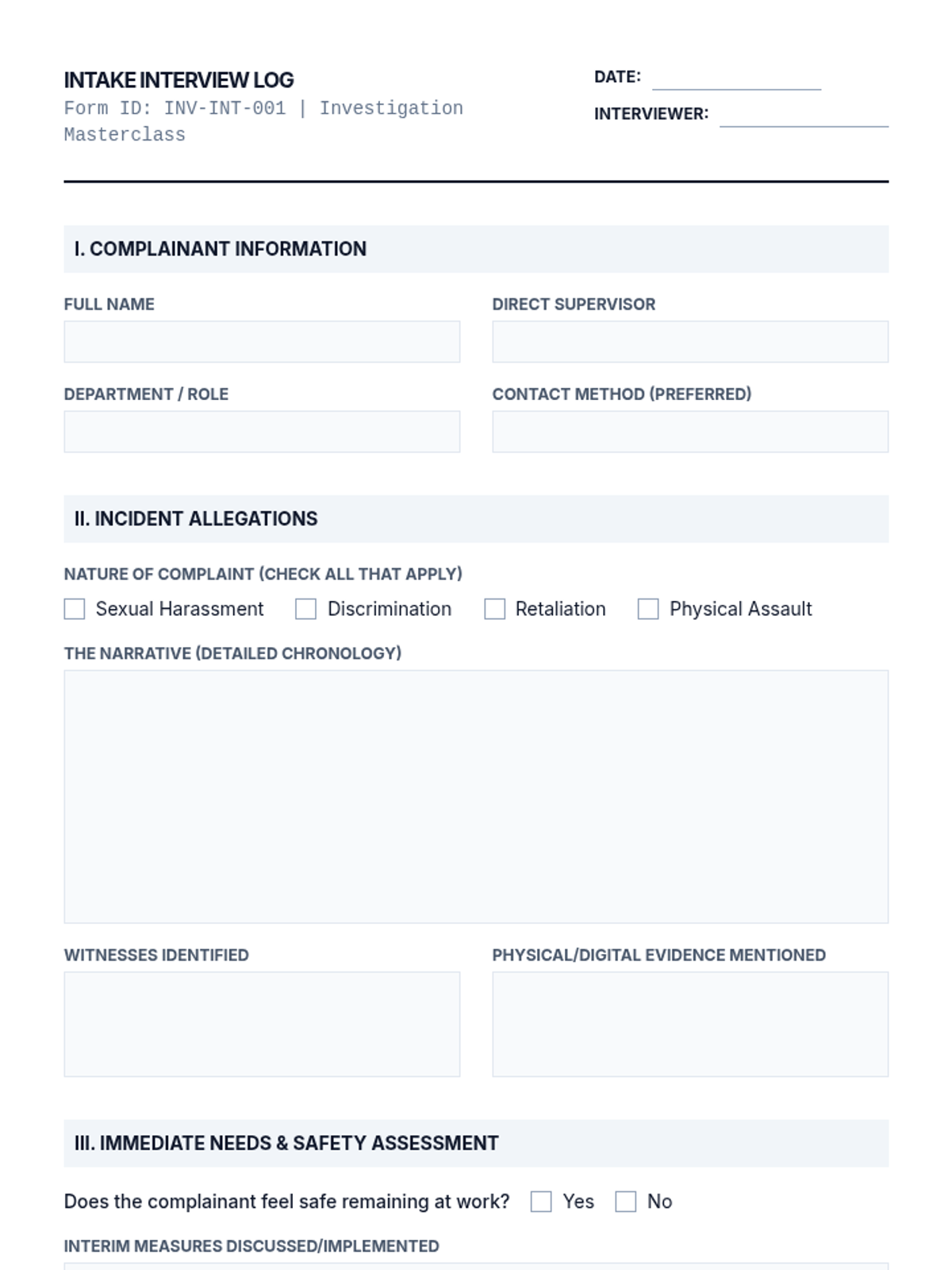
Focuses on the immediate response to a complaint, including conducting the intake interview and determining if interim measures like administrative leave are necessary.
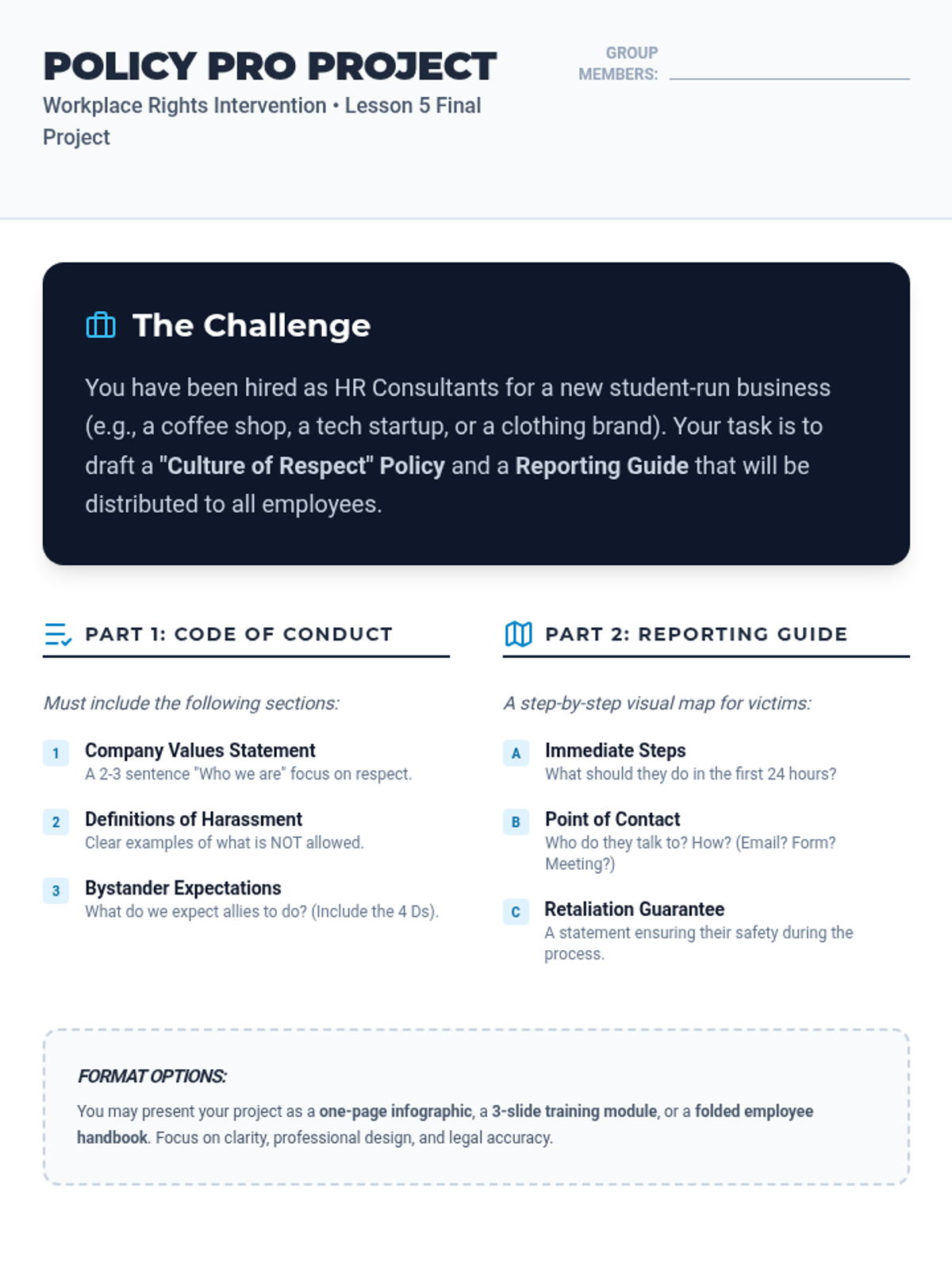
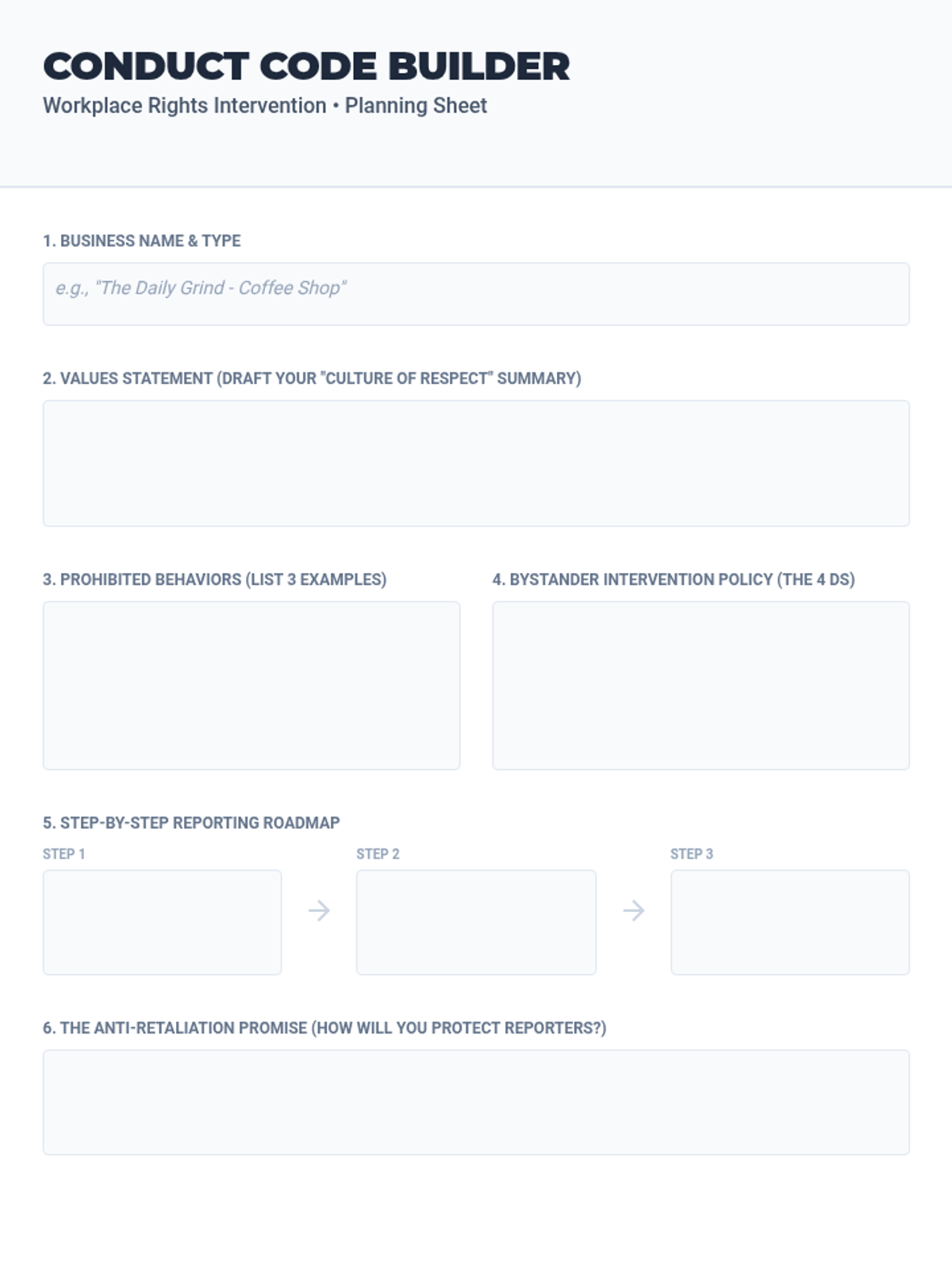
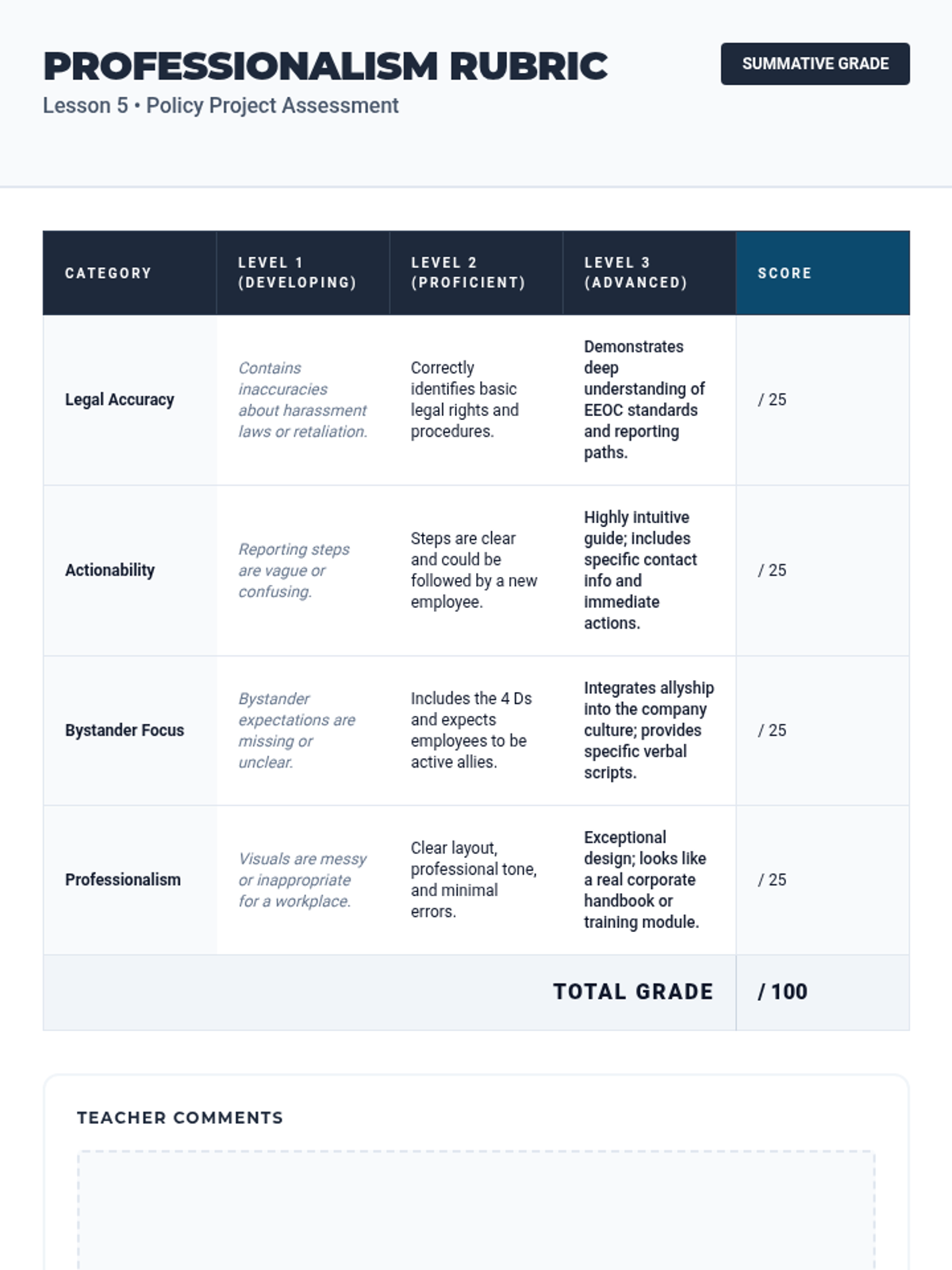
Students work in groups to draft a 'Code of Conduct' and a 'Reporting Guide' for a student-run business or organization, synthesizing all sequence concepts.
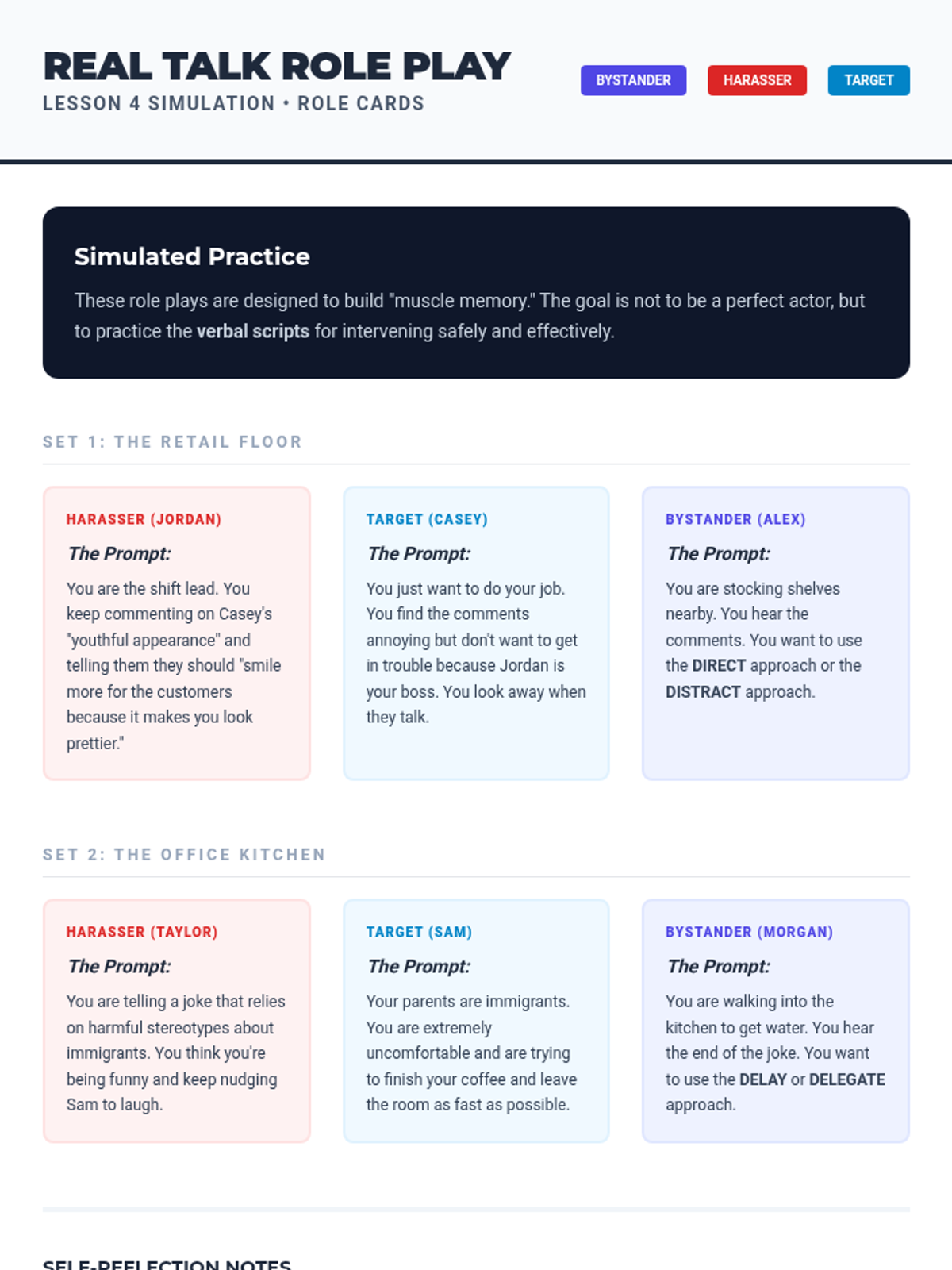
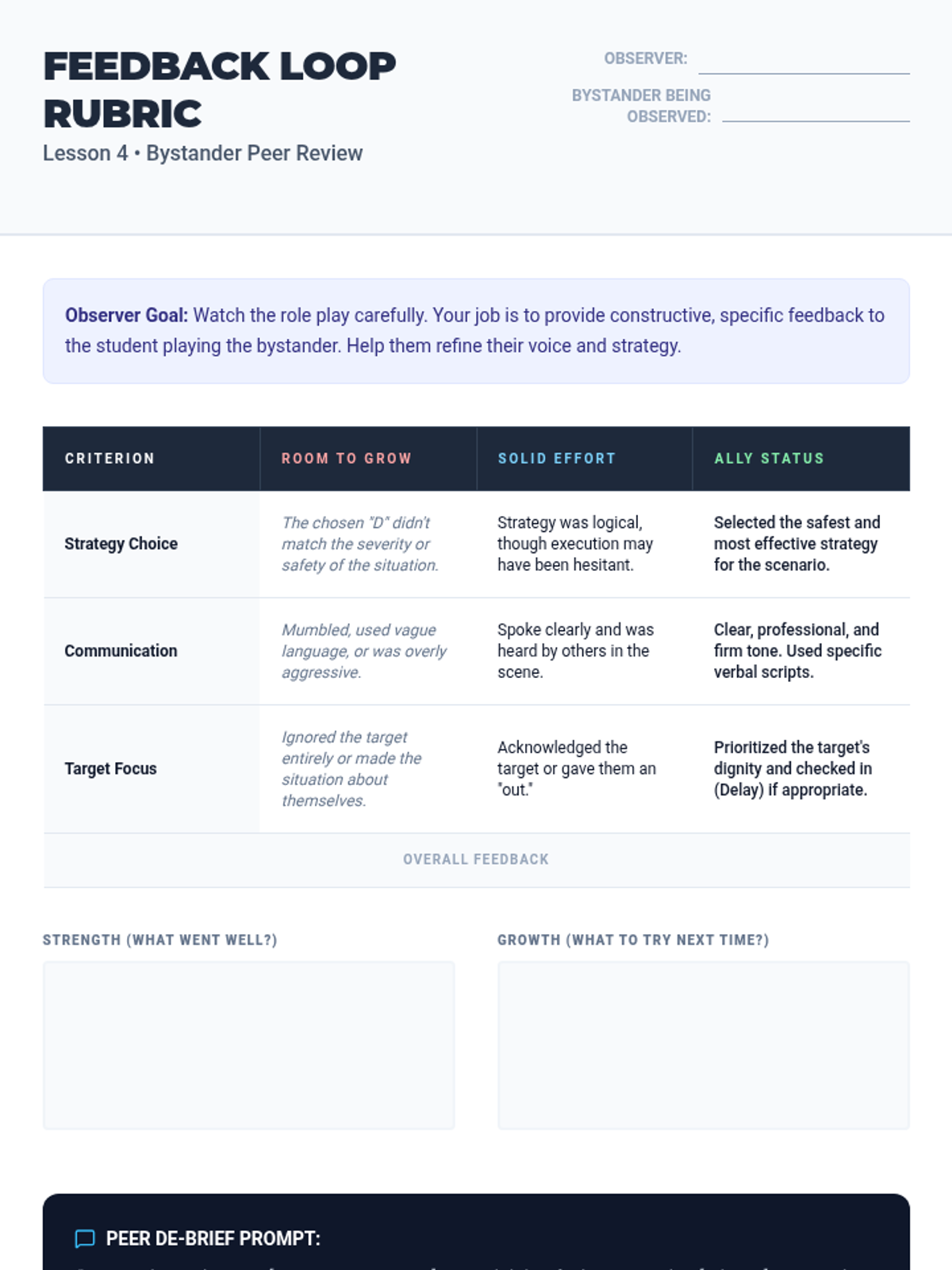
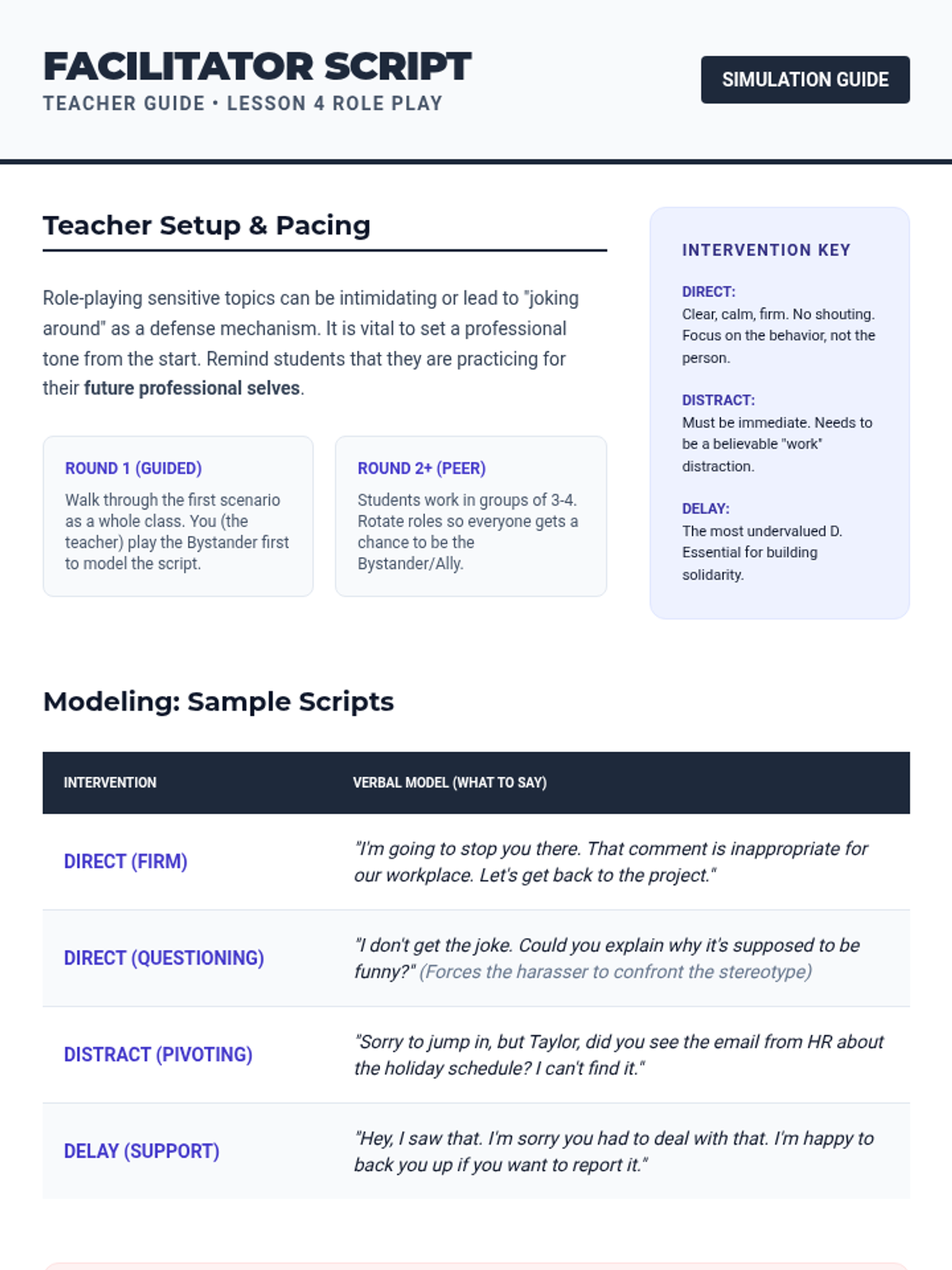
Students engage in structured role-plays to practice the intervention strategies learned. They take turns acting as the target, the harasser, and the bystander.
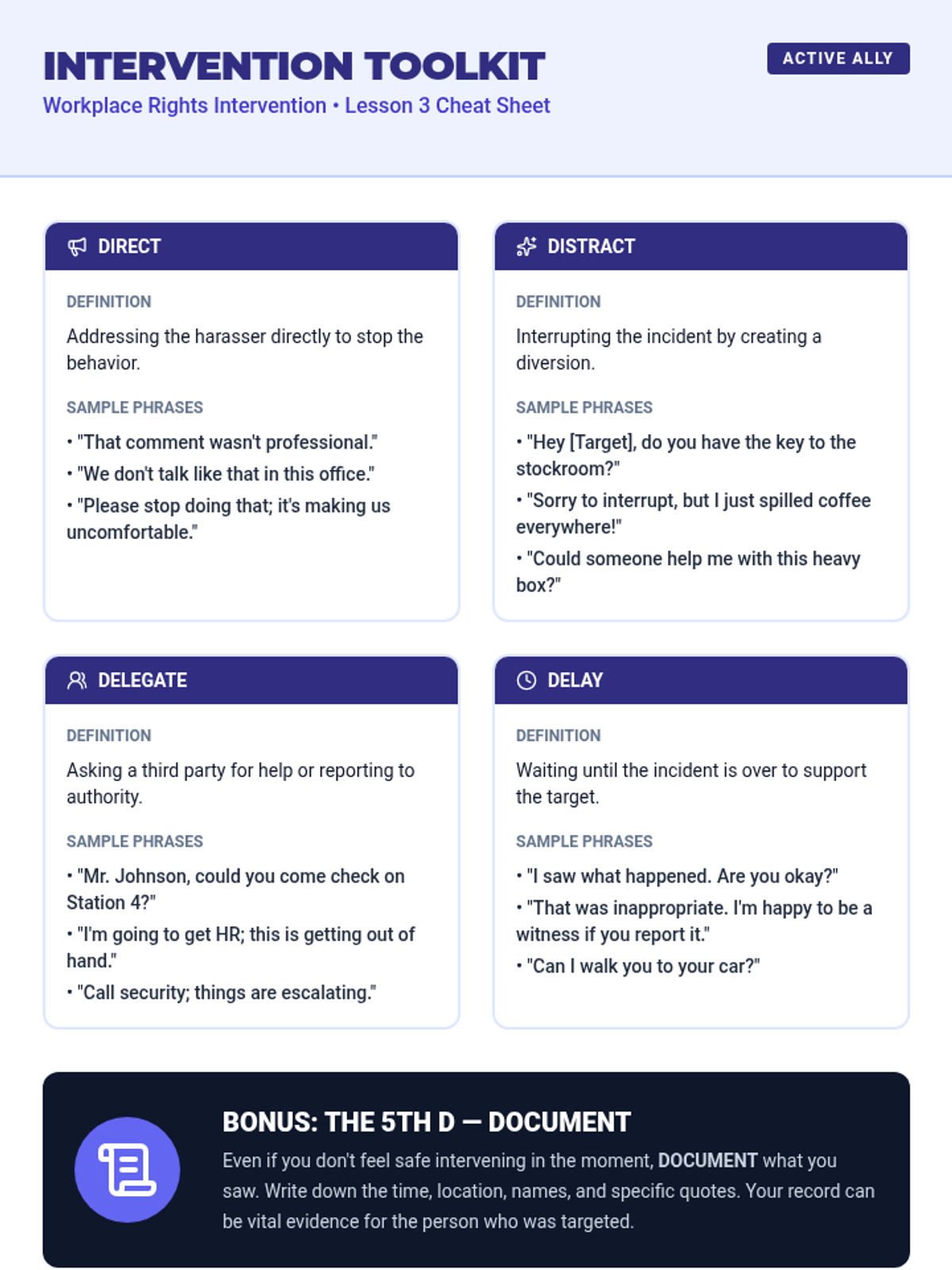
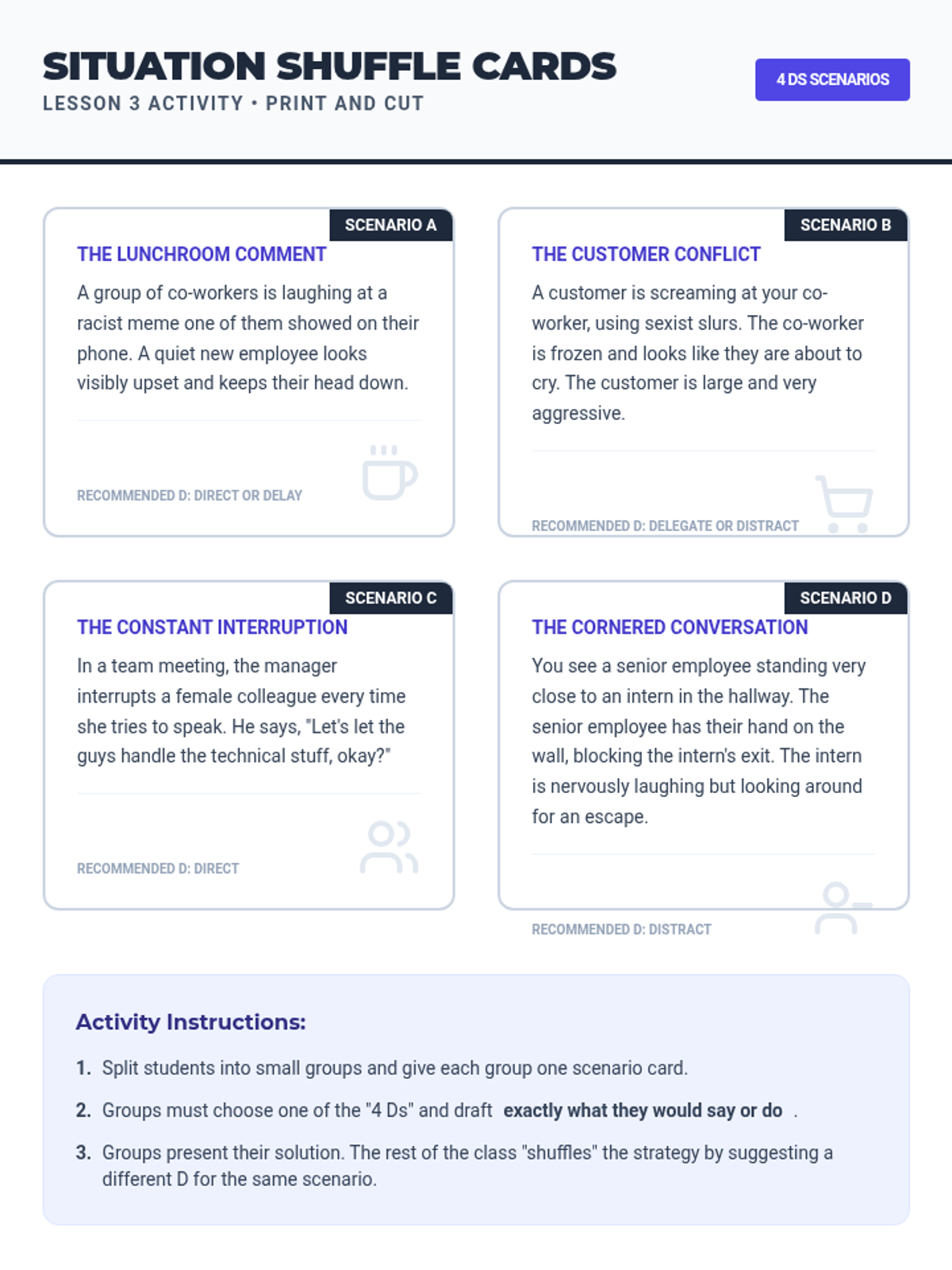
Students are introduced to the '4 Ds' of bystander intervention: Direct, Distract, Delegate, and Delay. They analyze scenarios to determine the best intervention strategy.
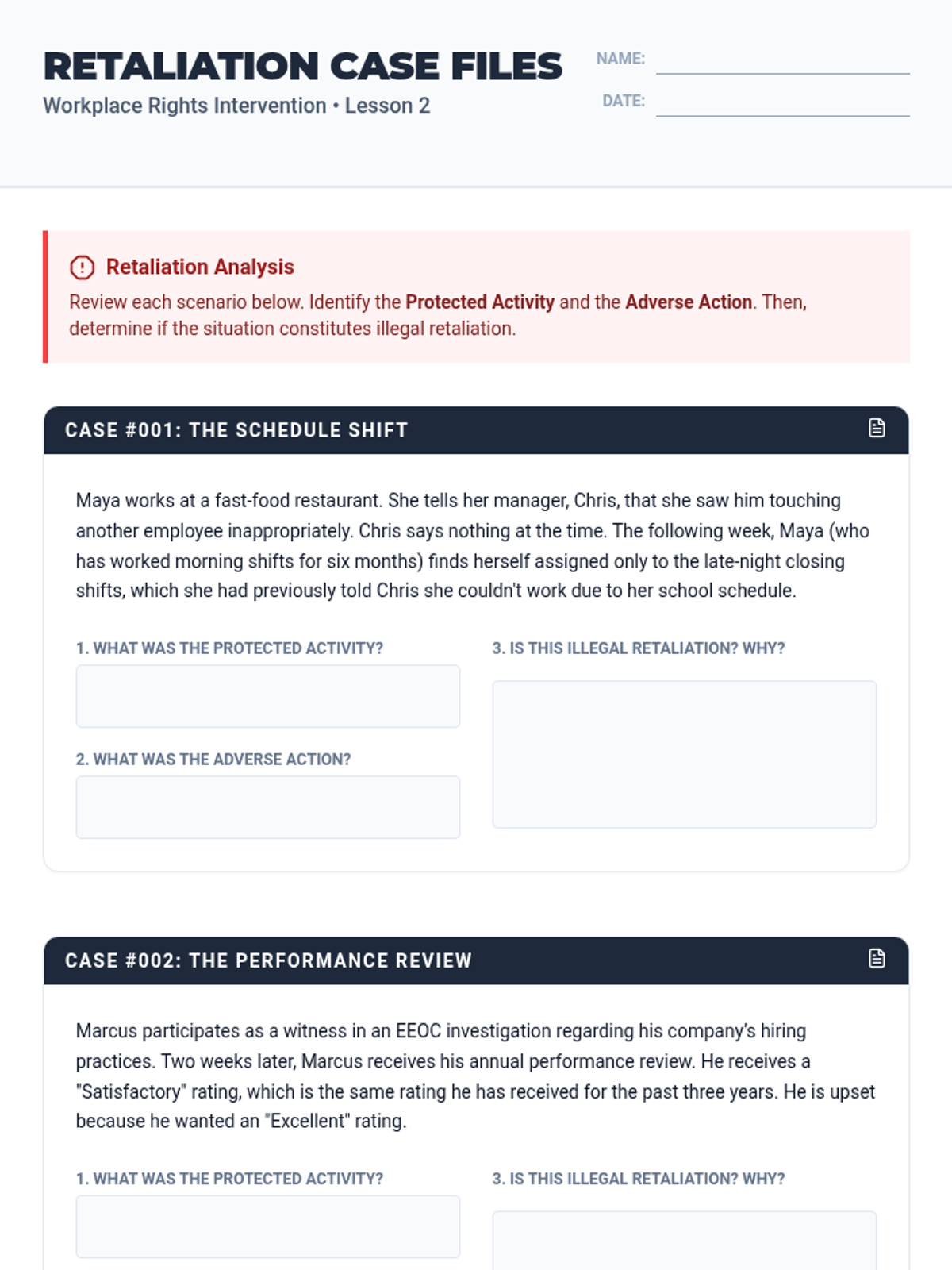
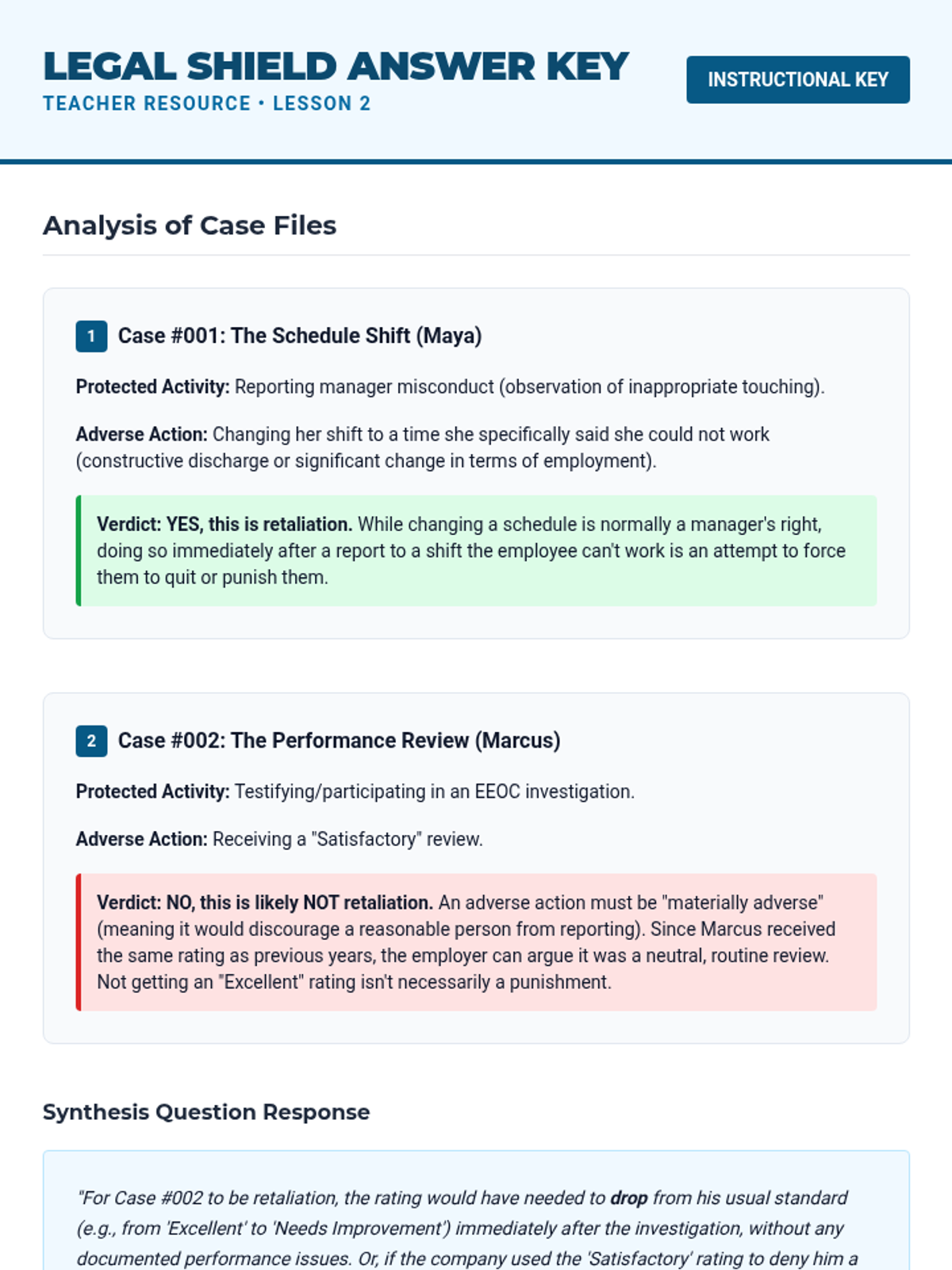
This lesson covers the legal protections for employees who report misconduct, focusing on the concept of 'retaliation' and identify which actions constitute illegal retaliation.
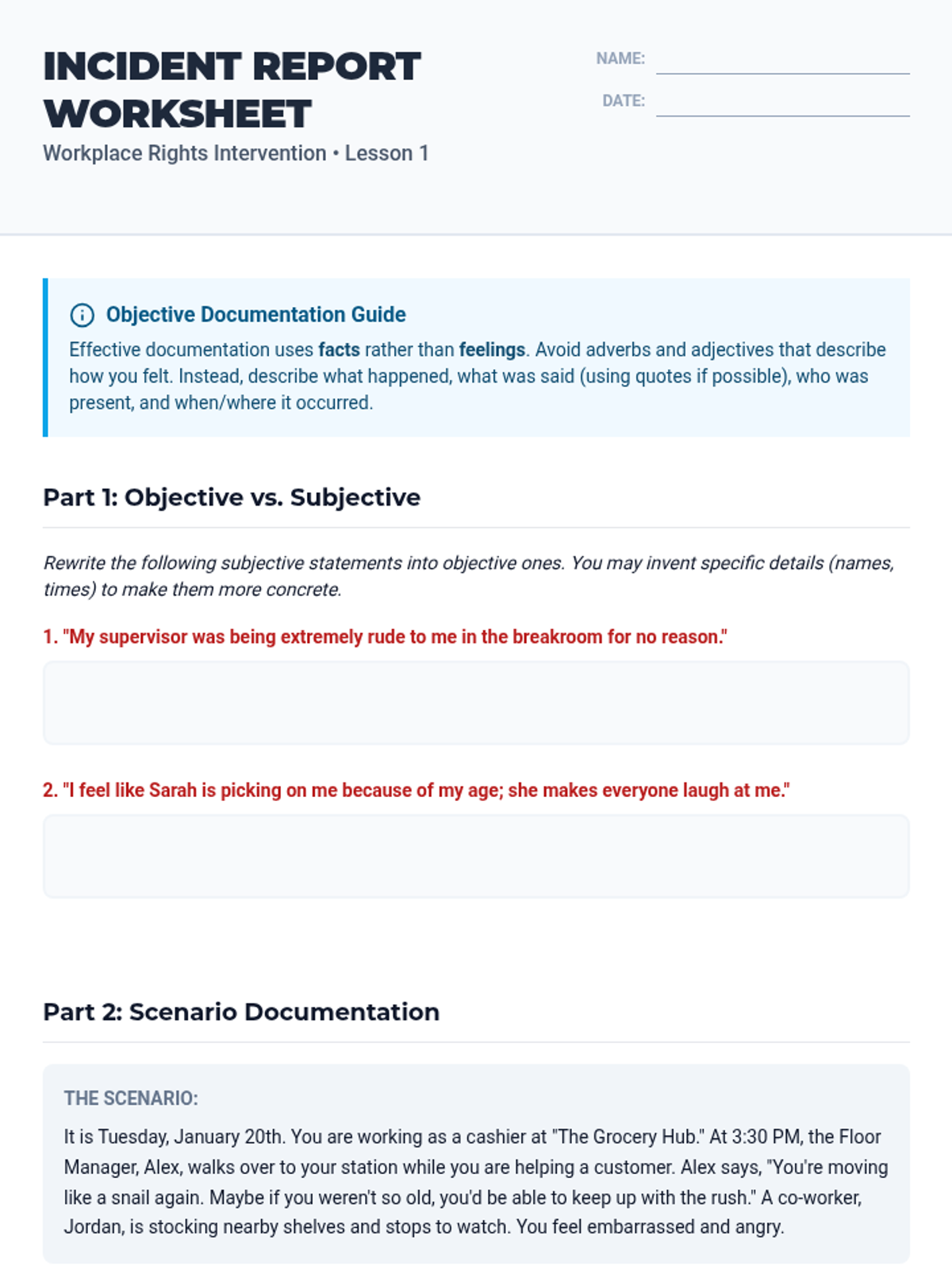
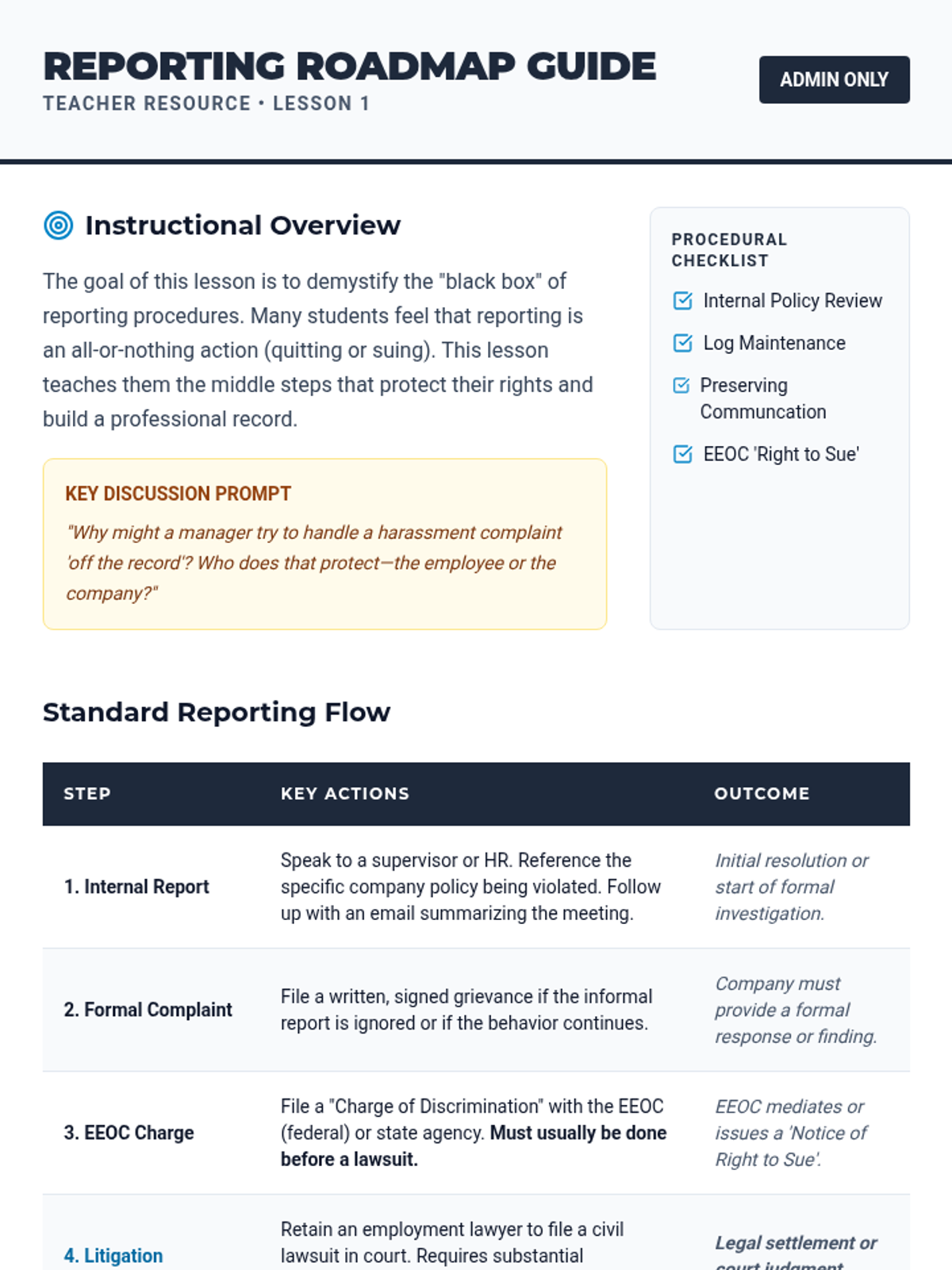
Students learn the standard procedures for reporting harassment, including internal HR complaints and external EEOC filings. They practice the skill of objective documentation.
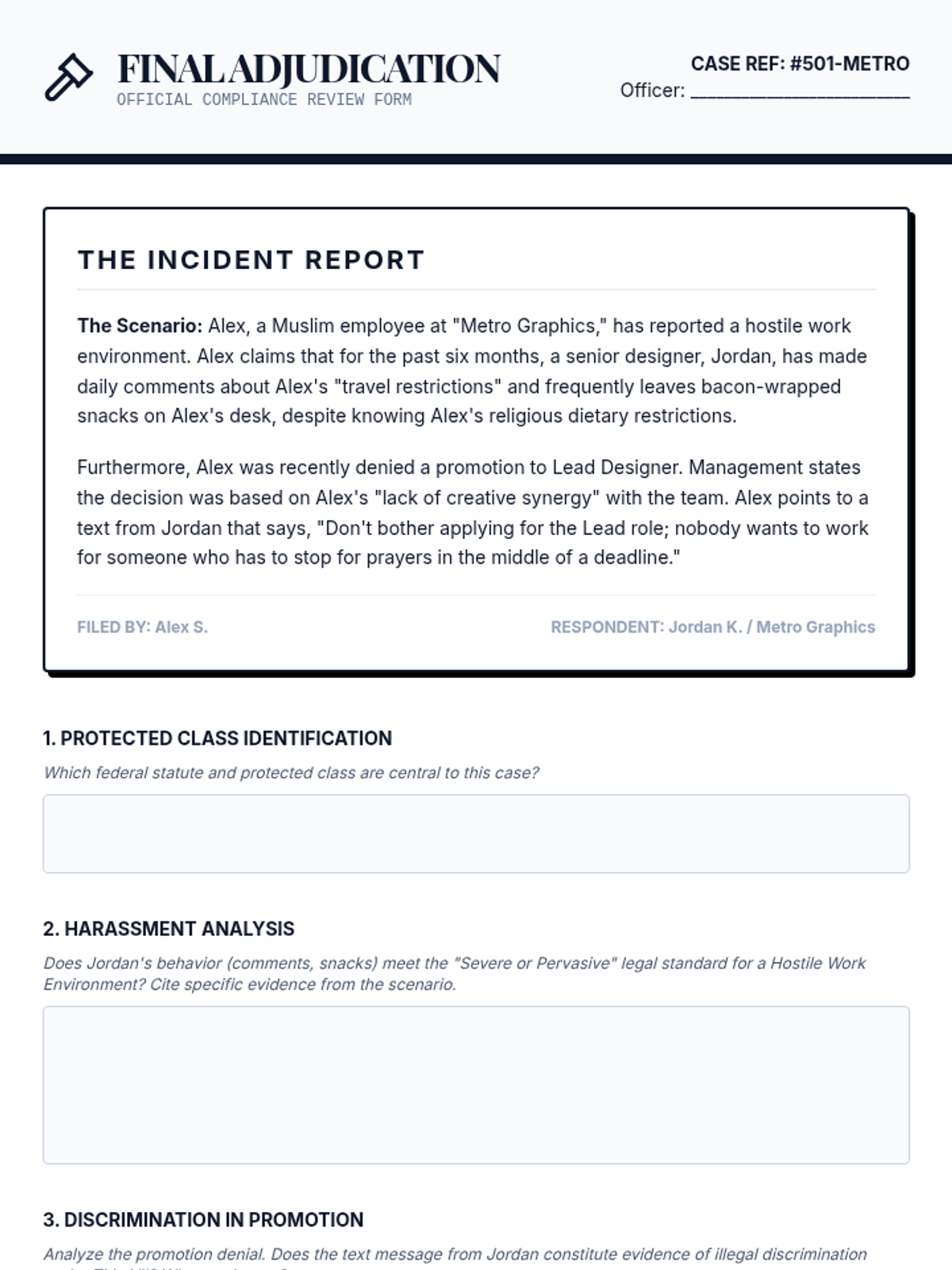
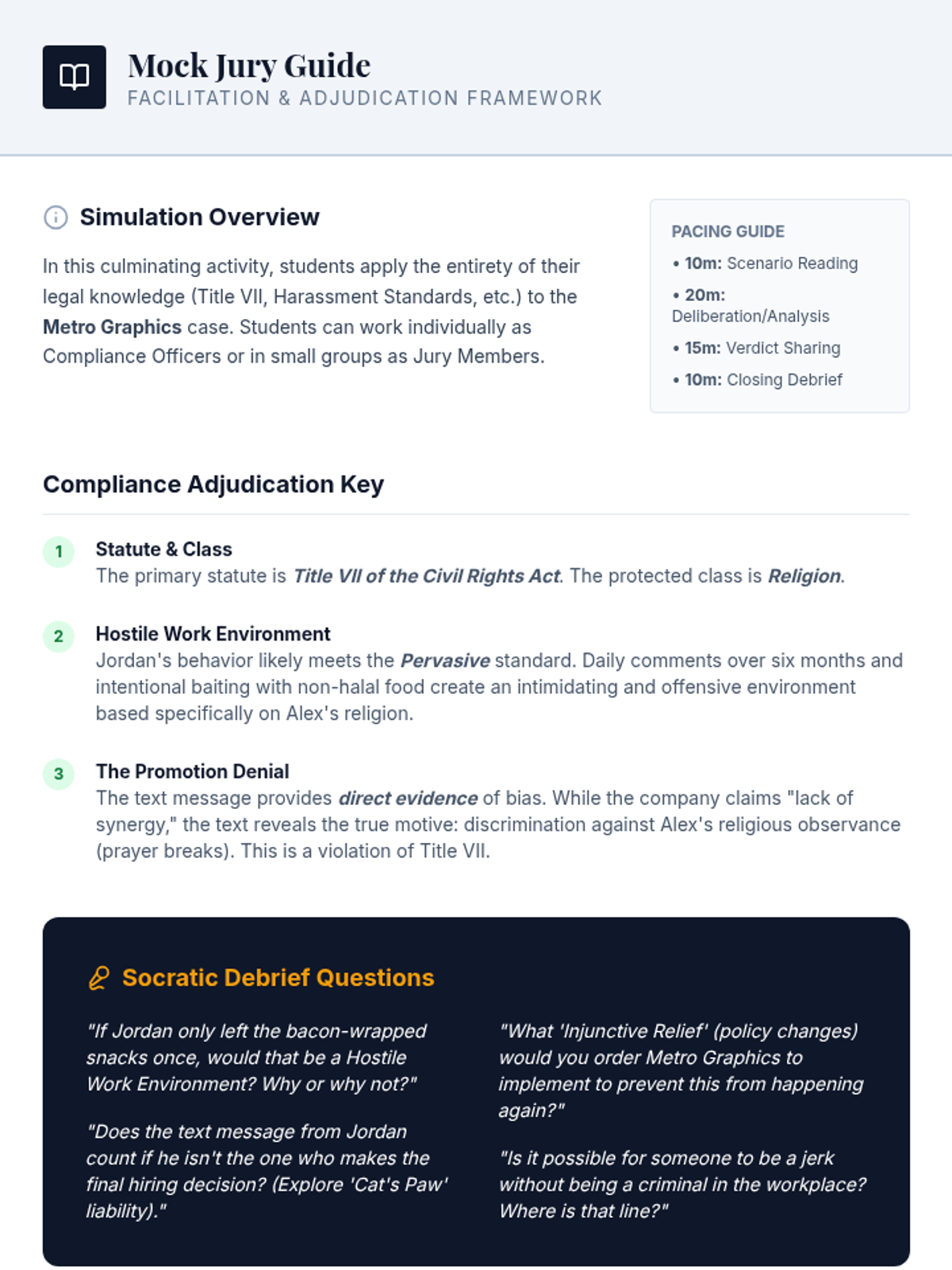
A culminating simulation where students act as compliance officers or jury members to adjudicate a complex workplace scenario using legal standards.
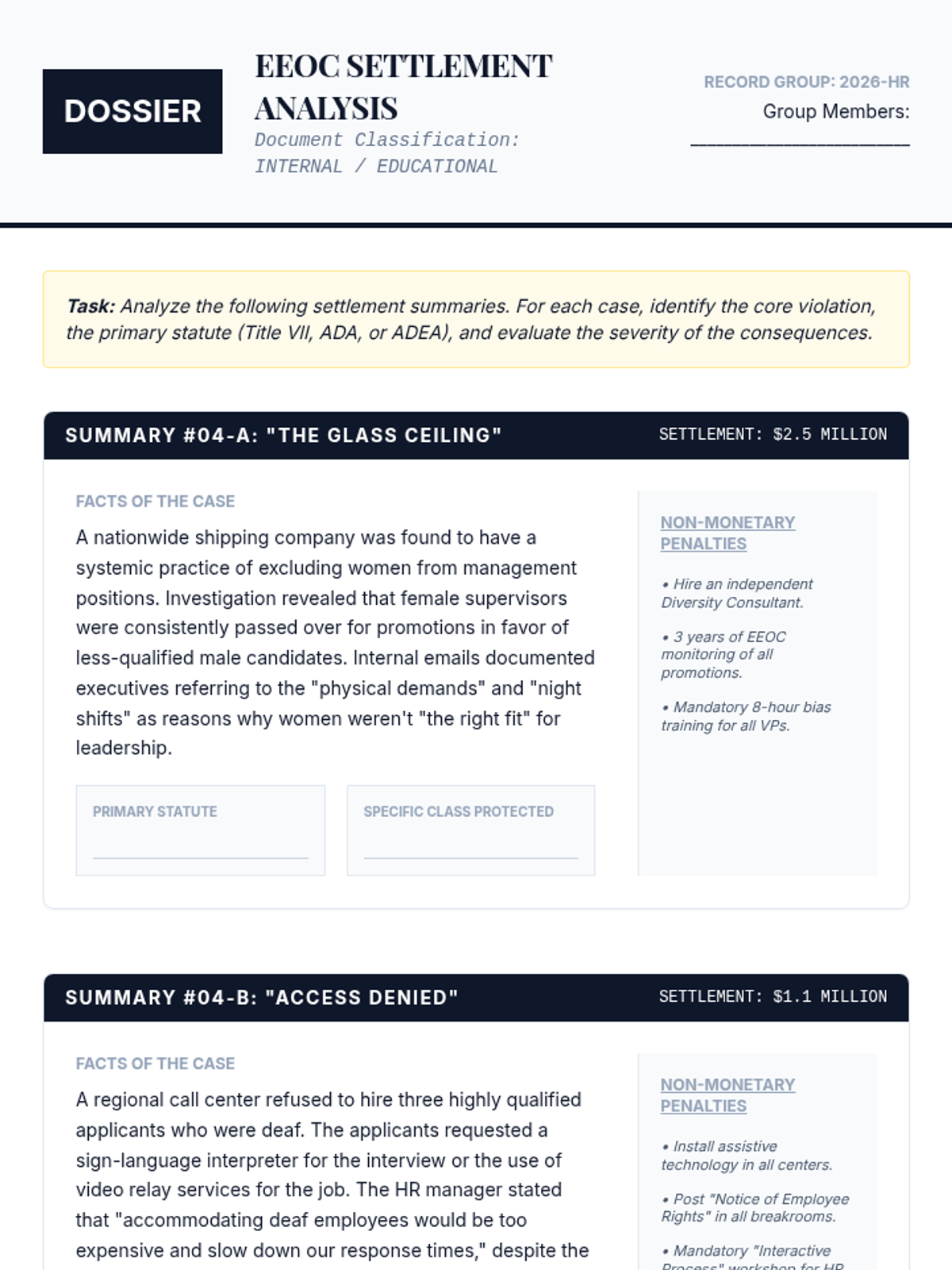
Using actual EEOC settlement summaries, students analyze the financial and reputational consequences of federal labor law violations.
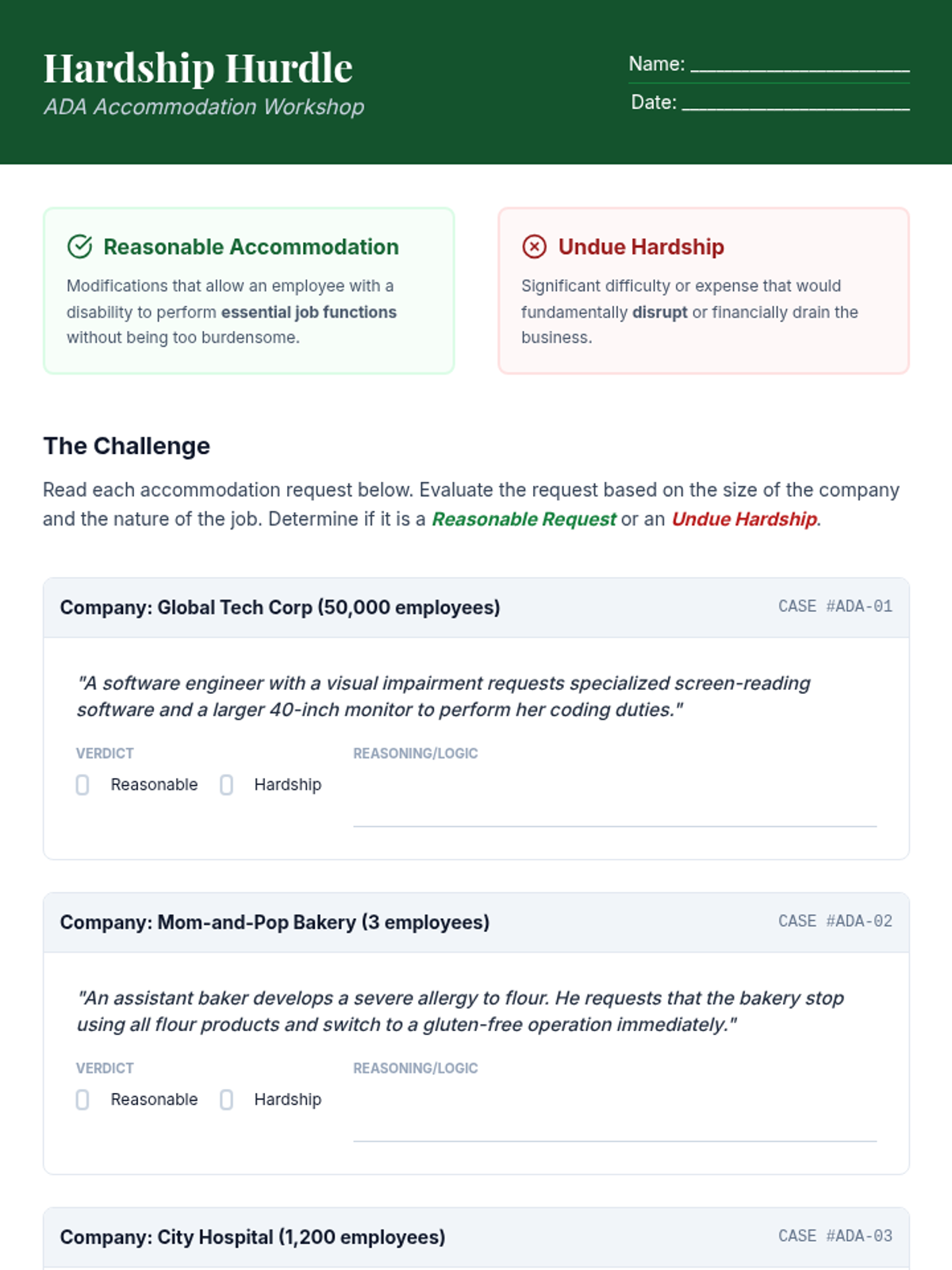
Focusing on the ADA and ADEA, students evaluate the limits of employer responsibility through the concepts of reasonable accommodation and undue hardship.
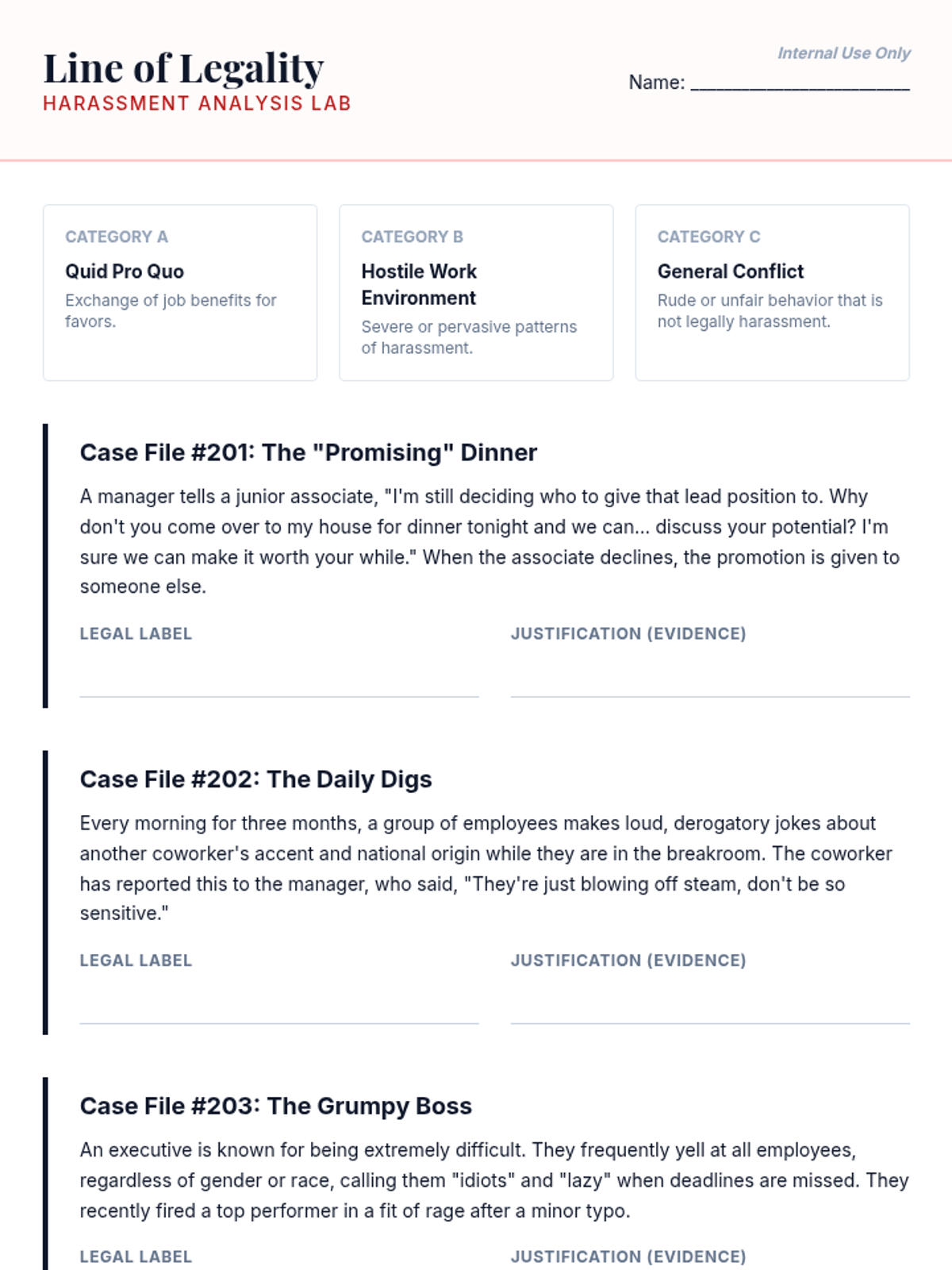
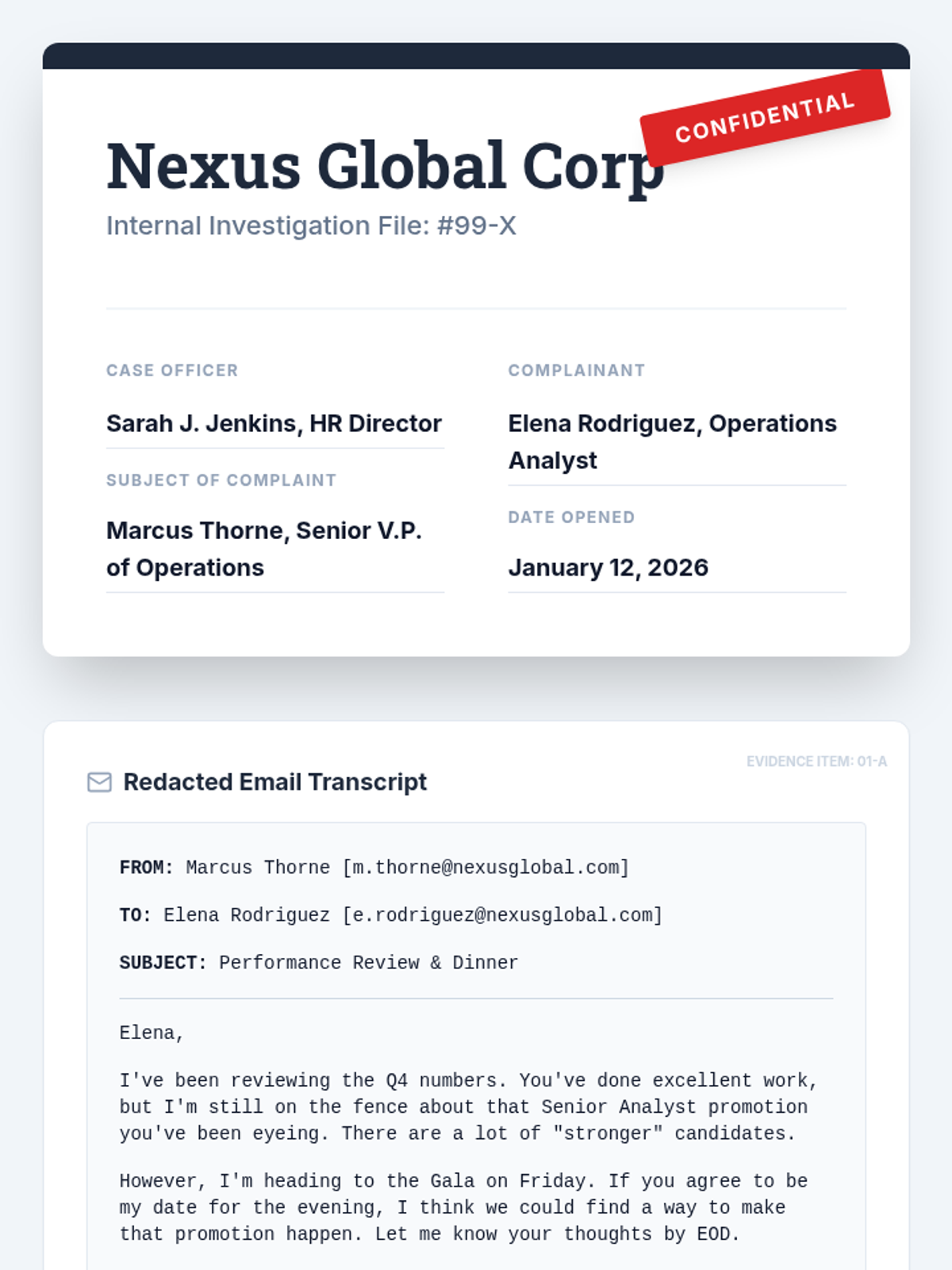
Students analyze the specific legal criteria for sexual harassment, specifically comparing 'quid pro quo' arrangements and 'hostile work environment' standards.
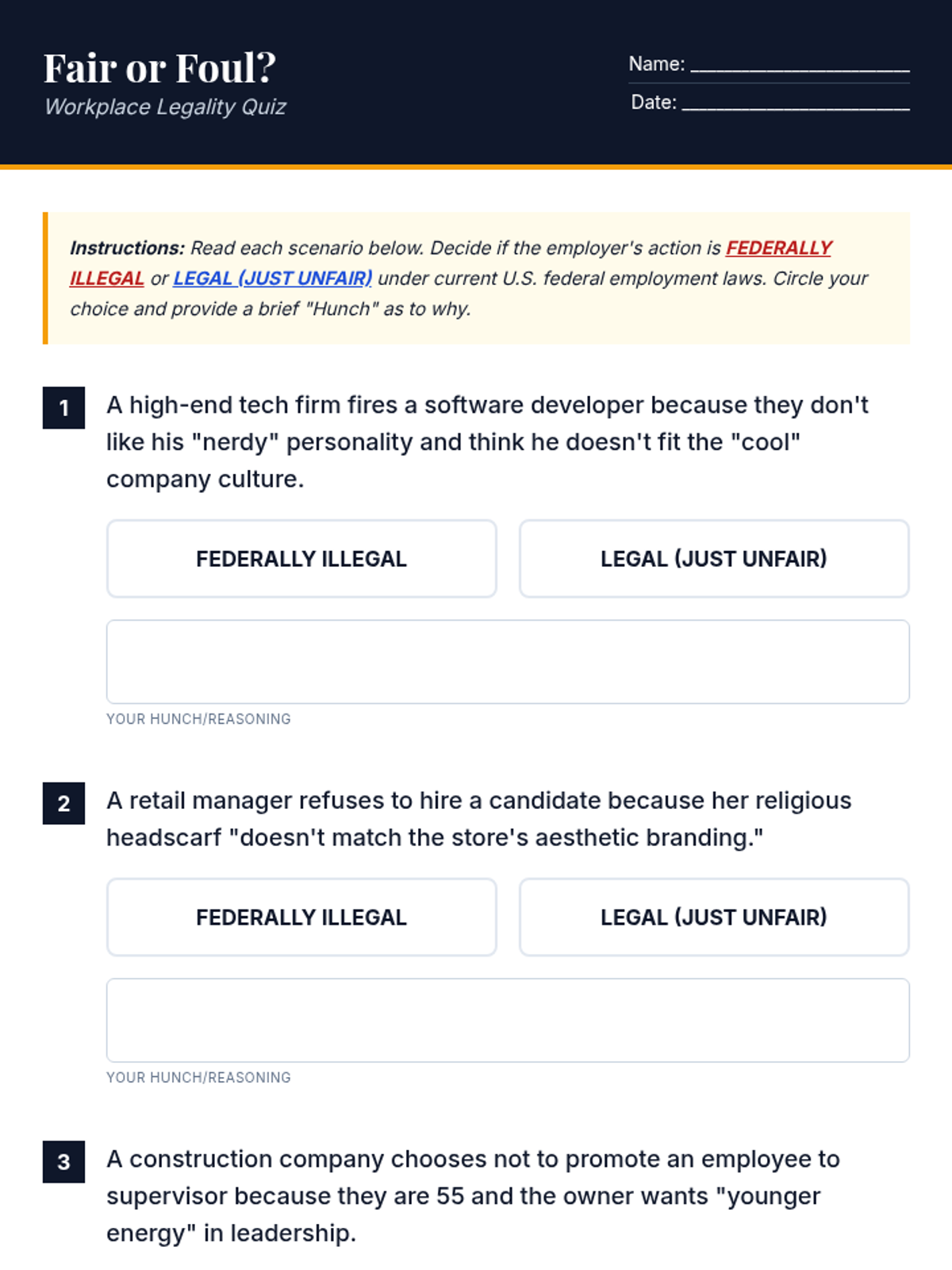
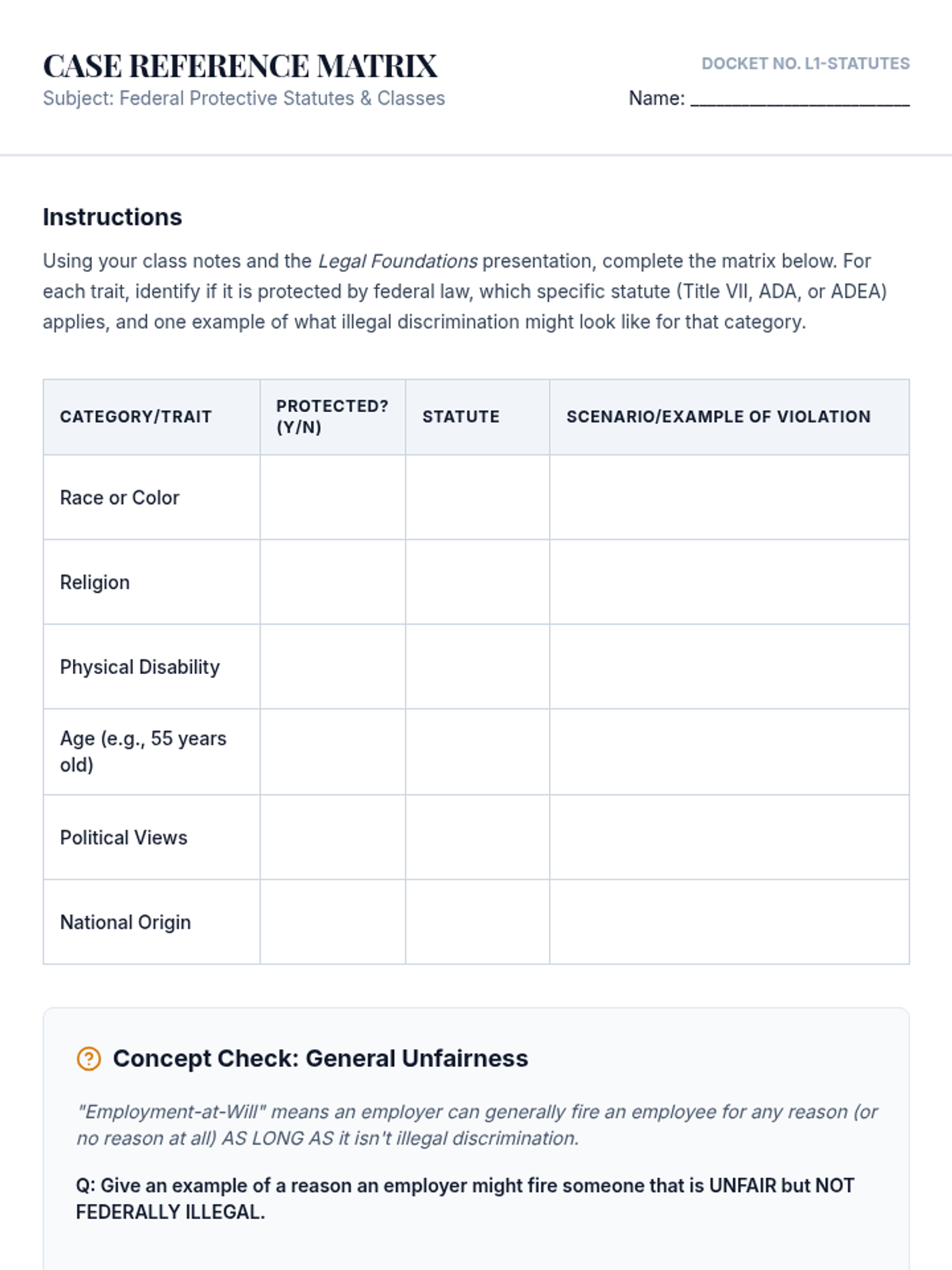
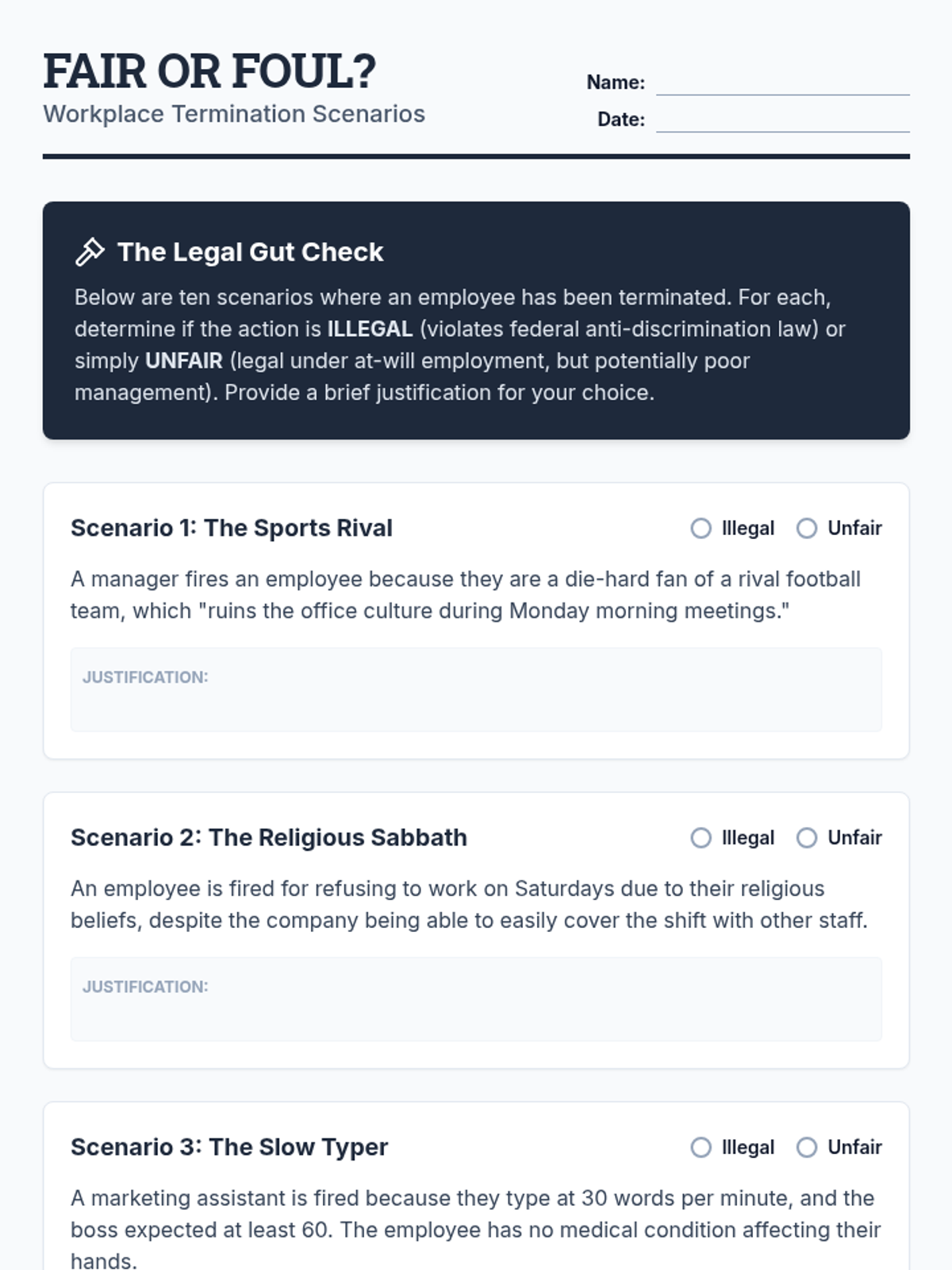
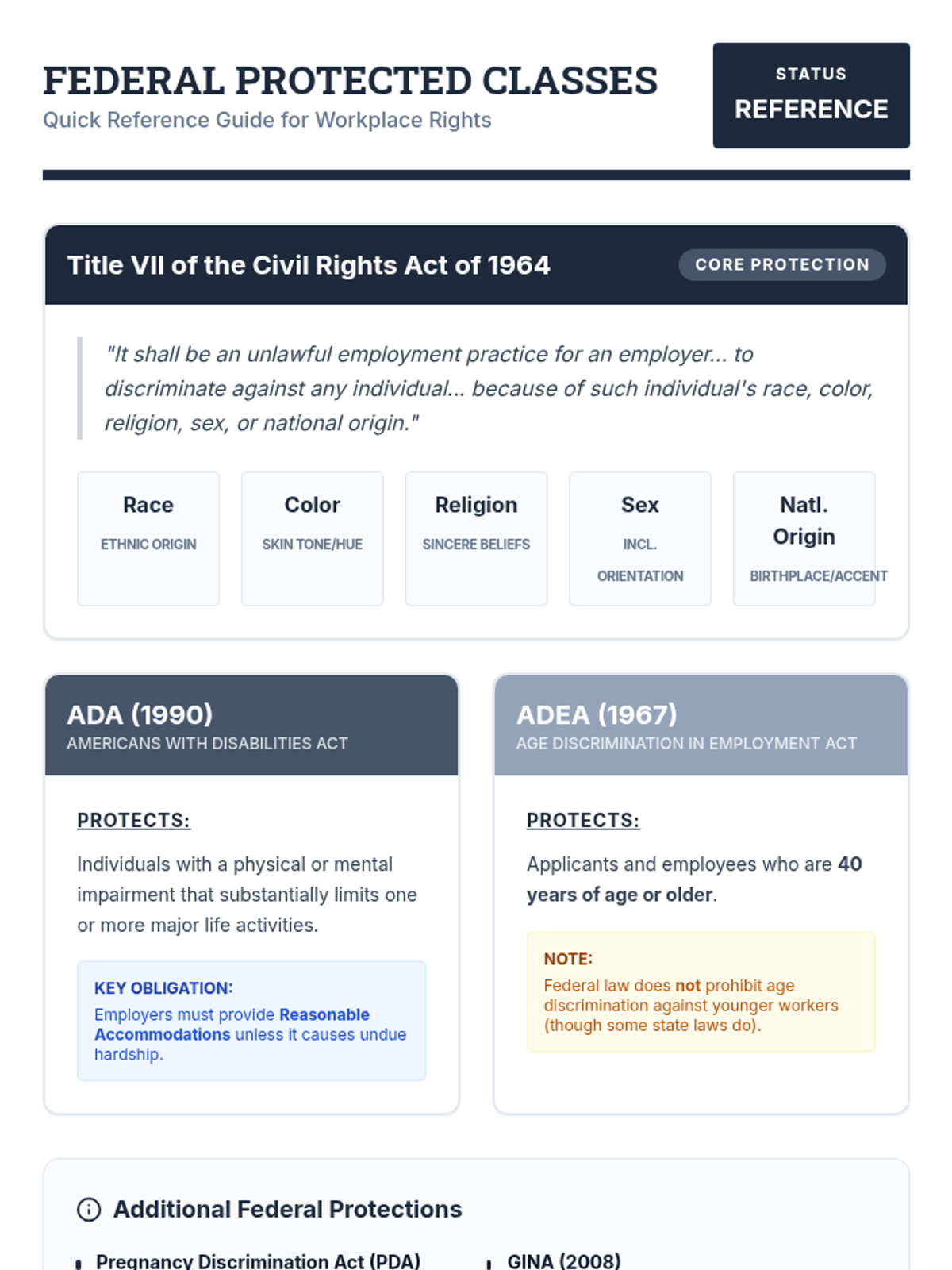
Students identify legally protected classes under federal laws like Title VII, the ADA, and the ADEA, distinguishing between illegal discrimination and general unfairness.
In this culminating lesson, students take the role of a compliance officer auditing a fictional company. They apply all learned concepts to identify potential liabilities and recommend legal corrections.
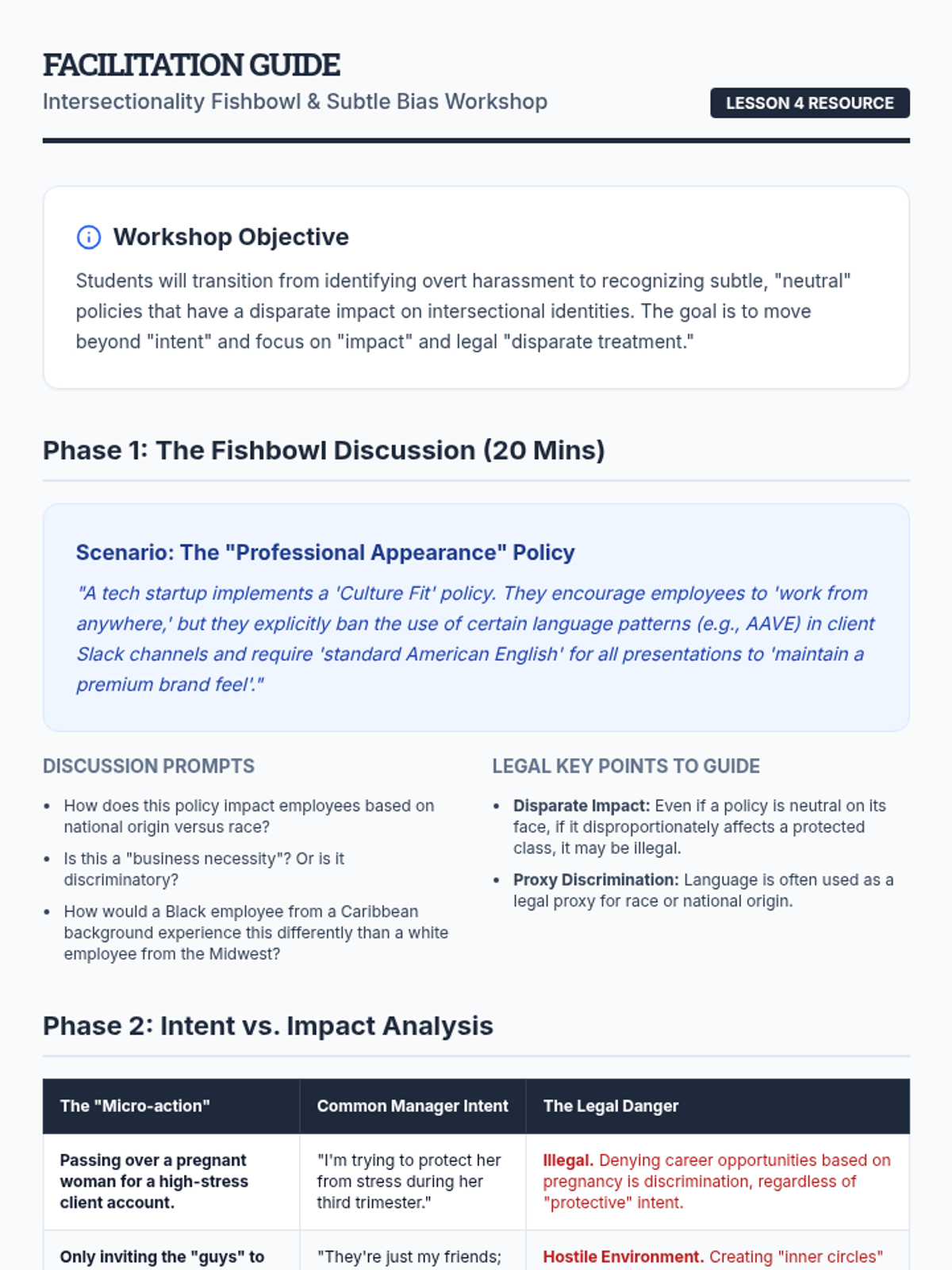
The lesson moves beyond overt slurs to examine microaggressions and intersectional discrimination where multiple protected identities overlap. Students discuss the complexity of proving intent versus impact.
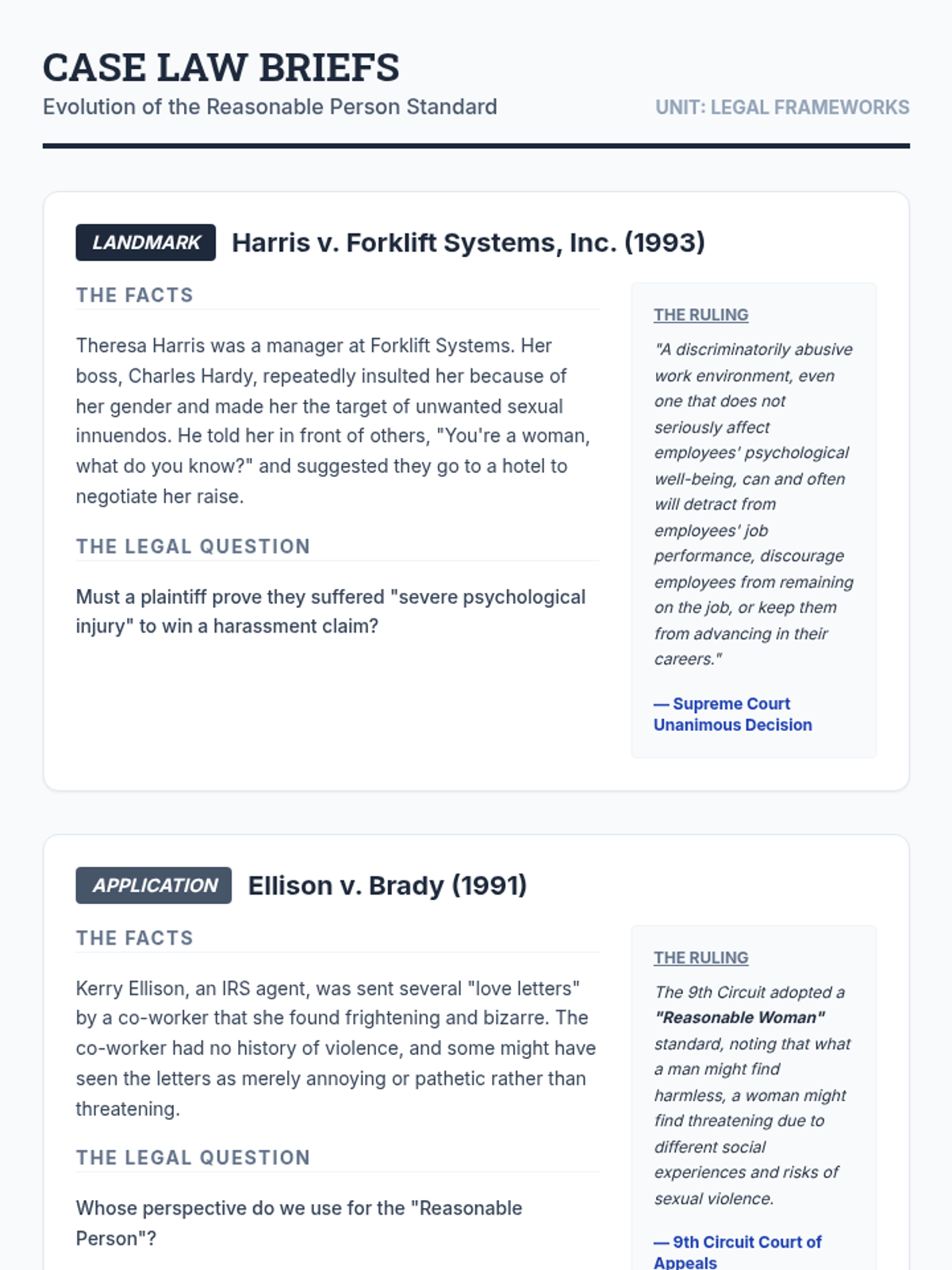
Students explore the 'reasonable person standard' used by courts to determine if conduct is objectively offensive. They analyze court opinions to see how this metric is applied in objective legal rulings.
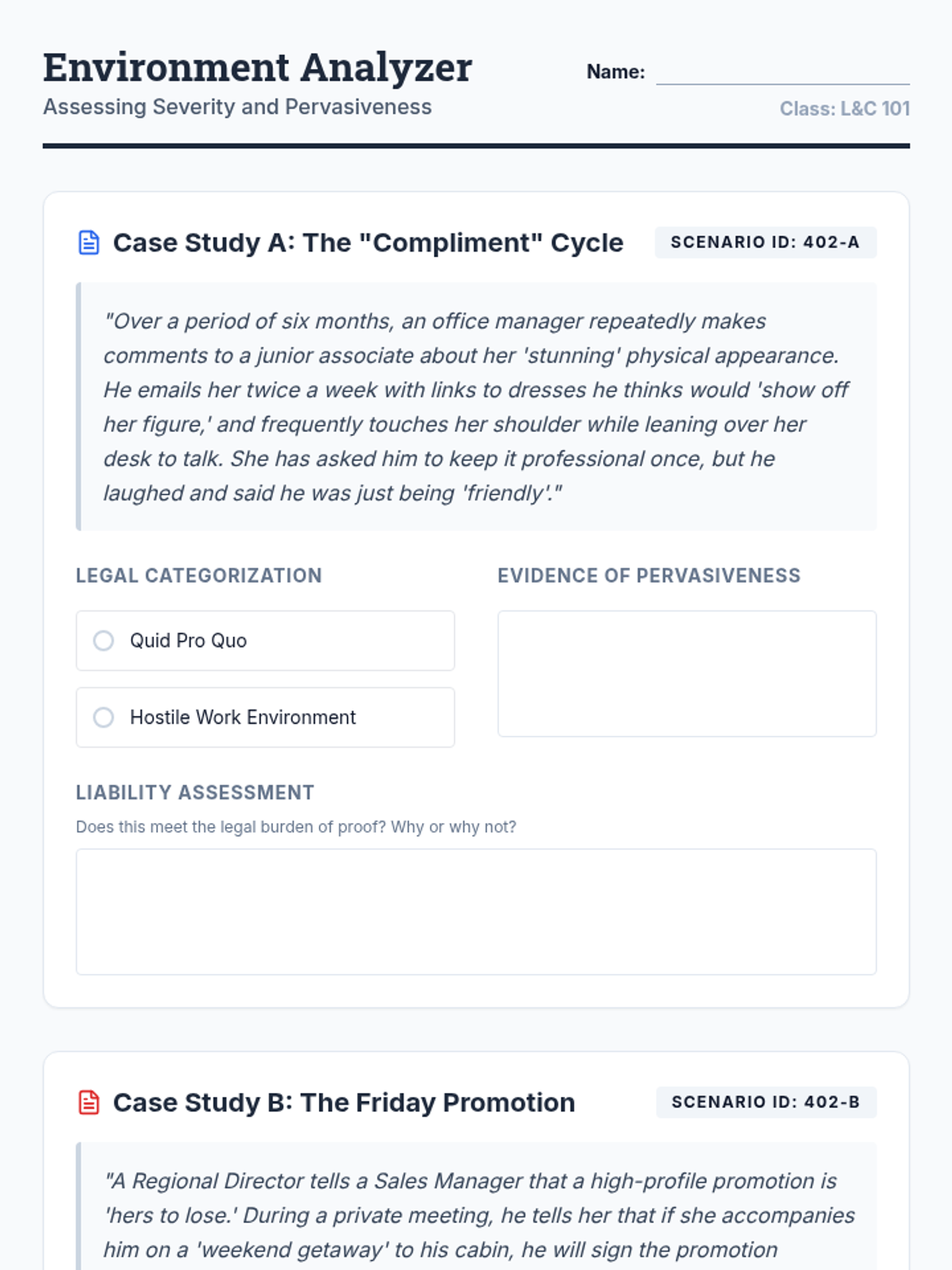
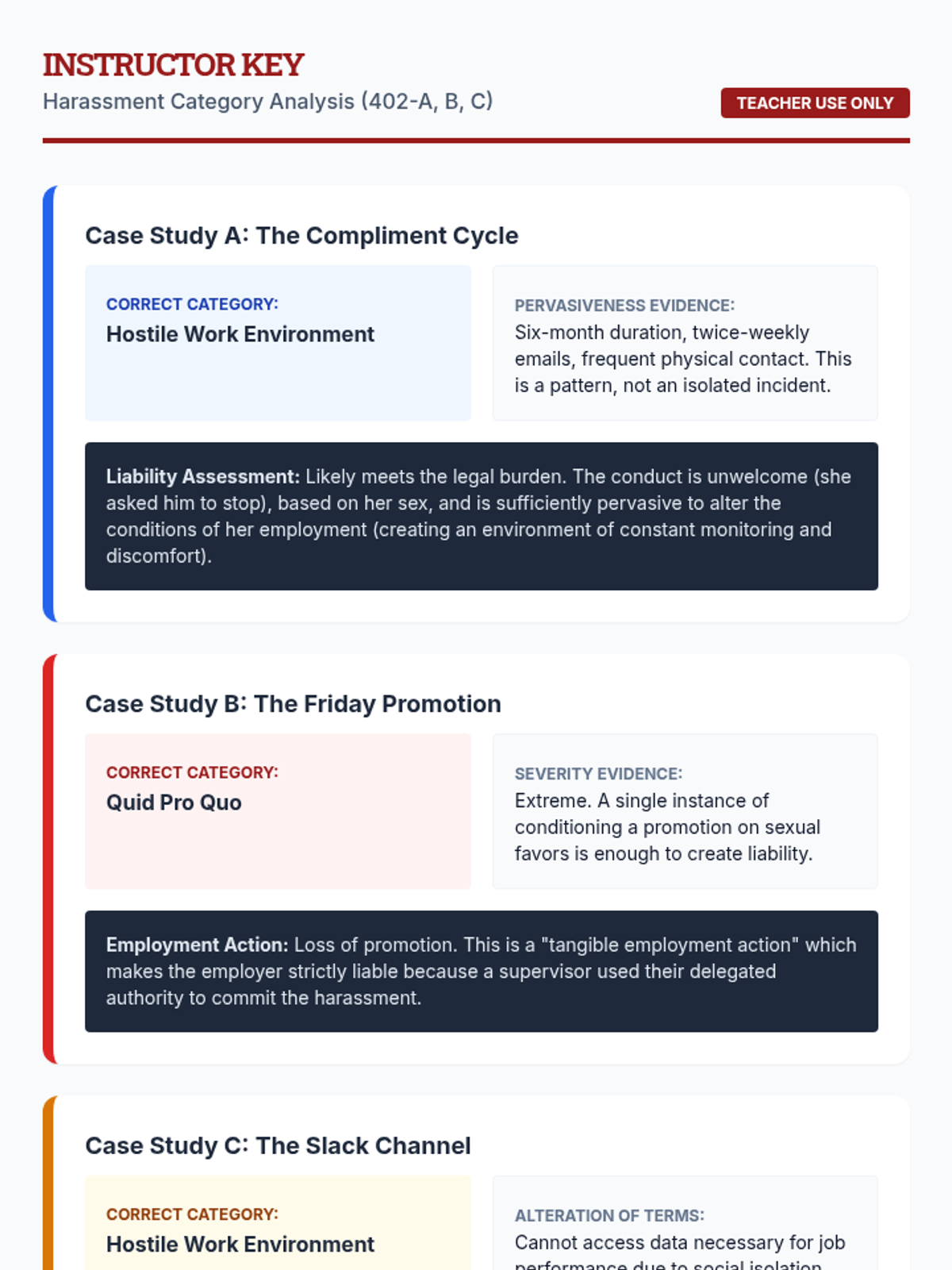
This lesson breaks down the two primary categories of sexual harassment: Quid Pro Quo and Hostile Work Environment. Students analyze specific criteria required to meet the legal burden of proof, including severity and pervasiveness.
Students examine the core statutes governing workplace rights, specifically Title VII, the ADA, and the ADEA. The session focuses on identifying protected classes and understanding the historical context of these protections.
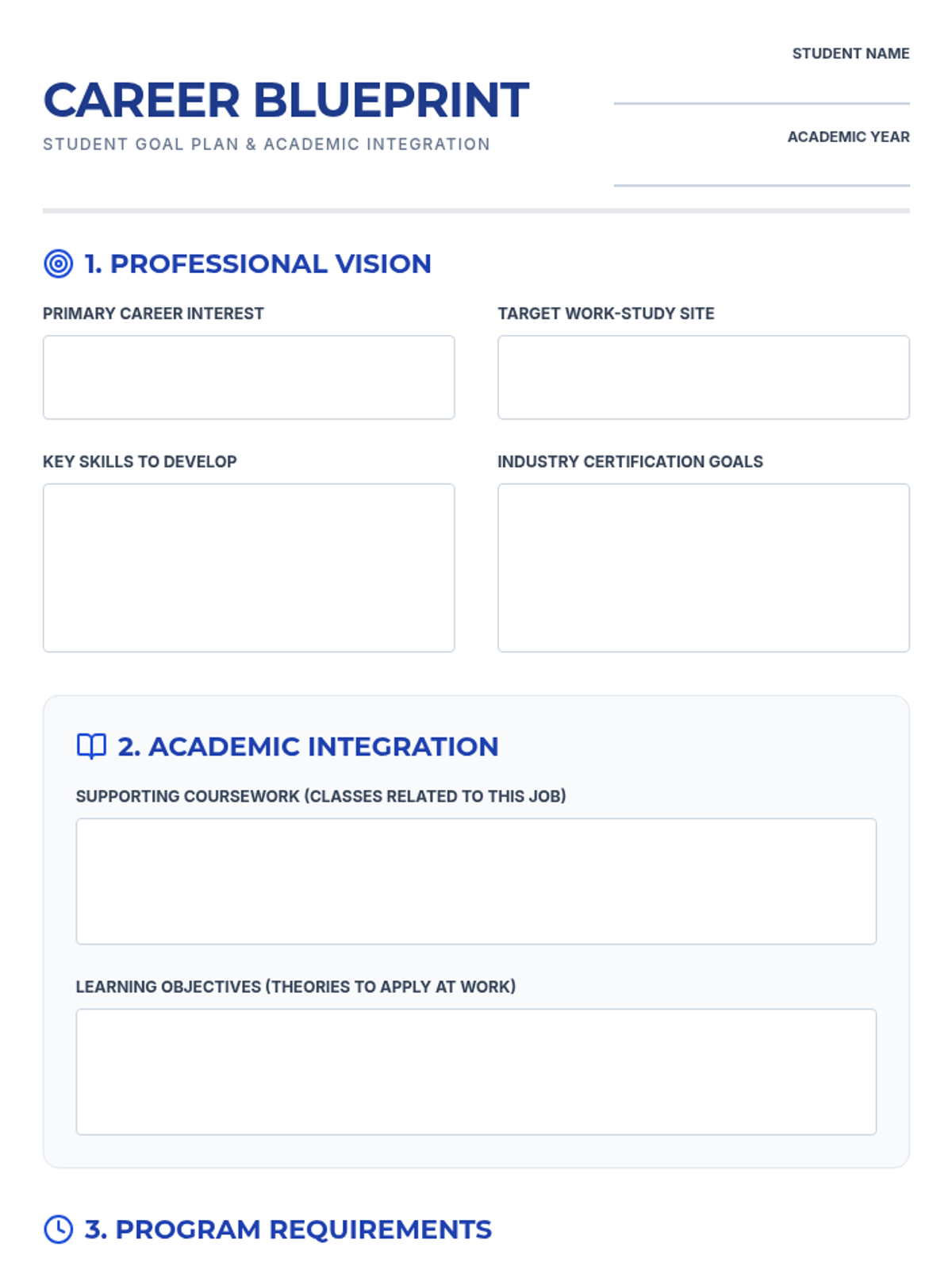
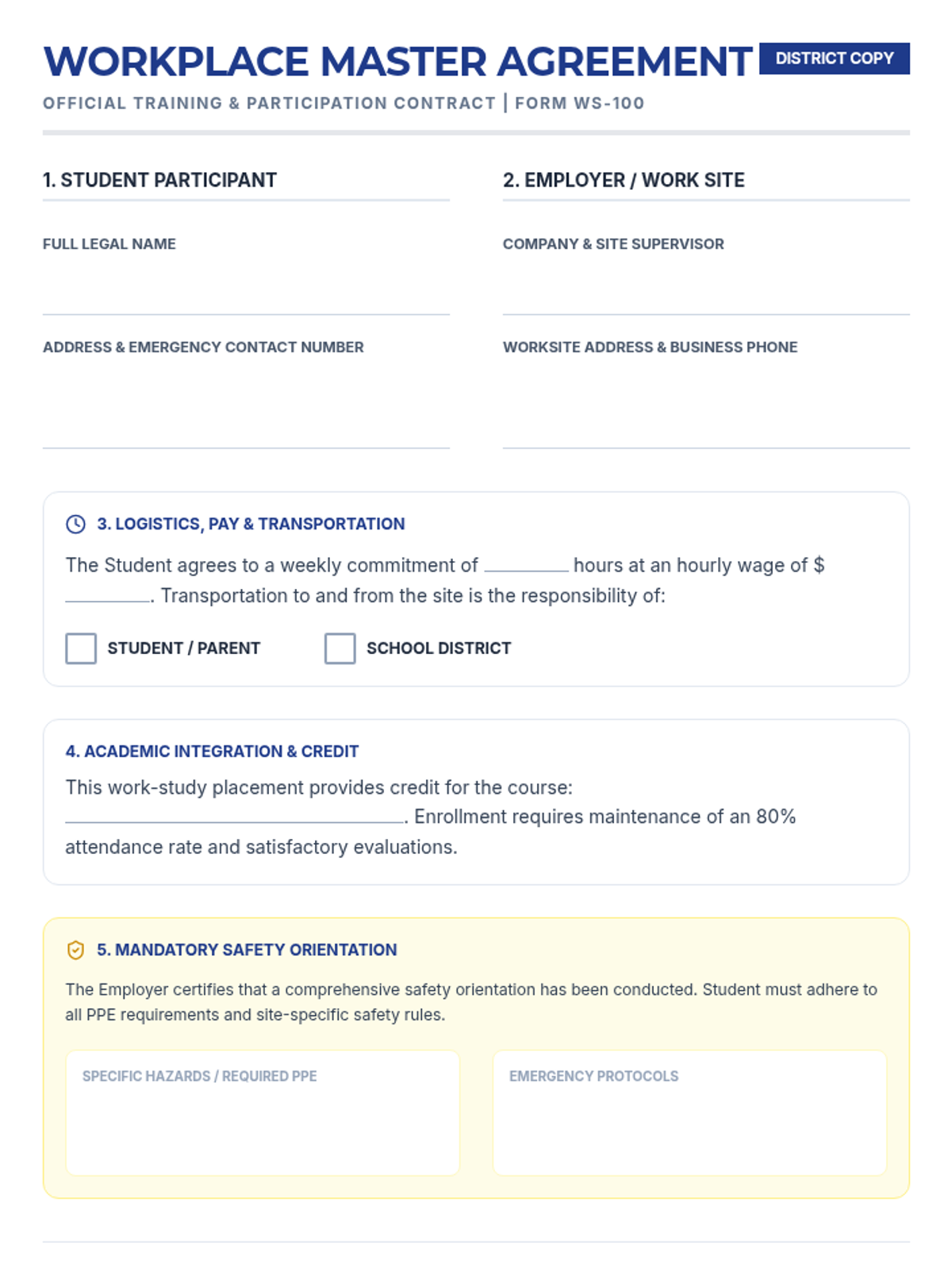
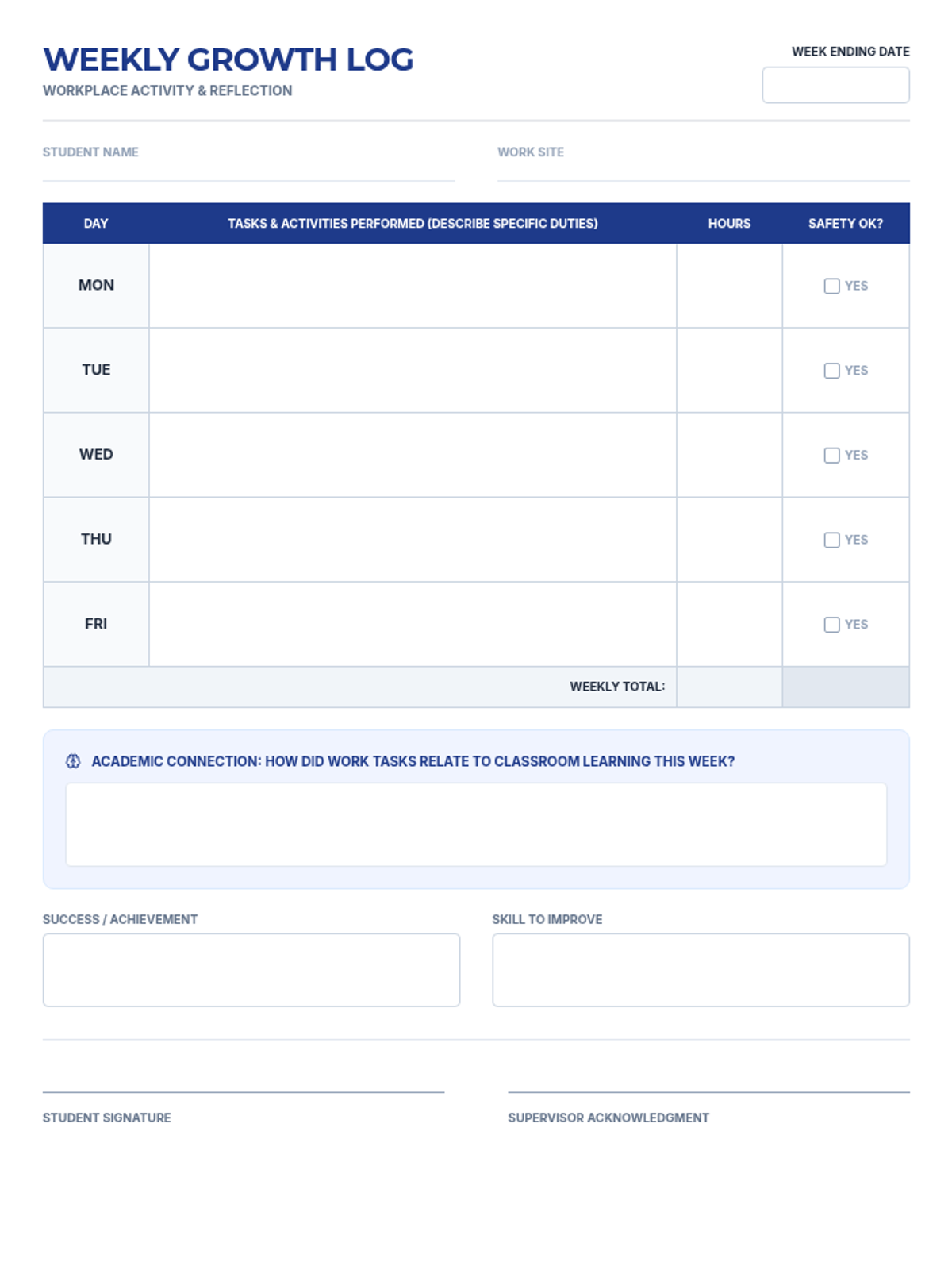
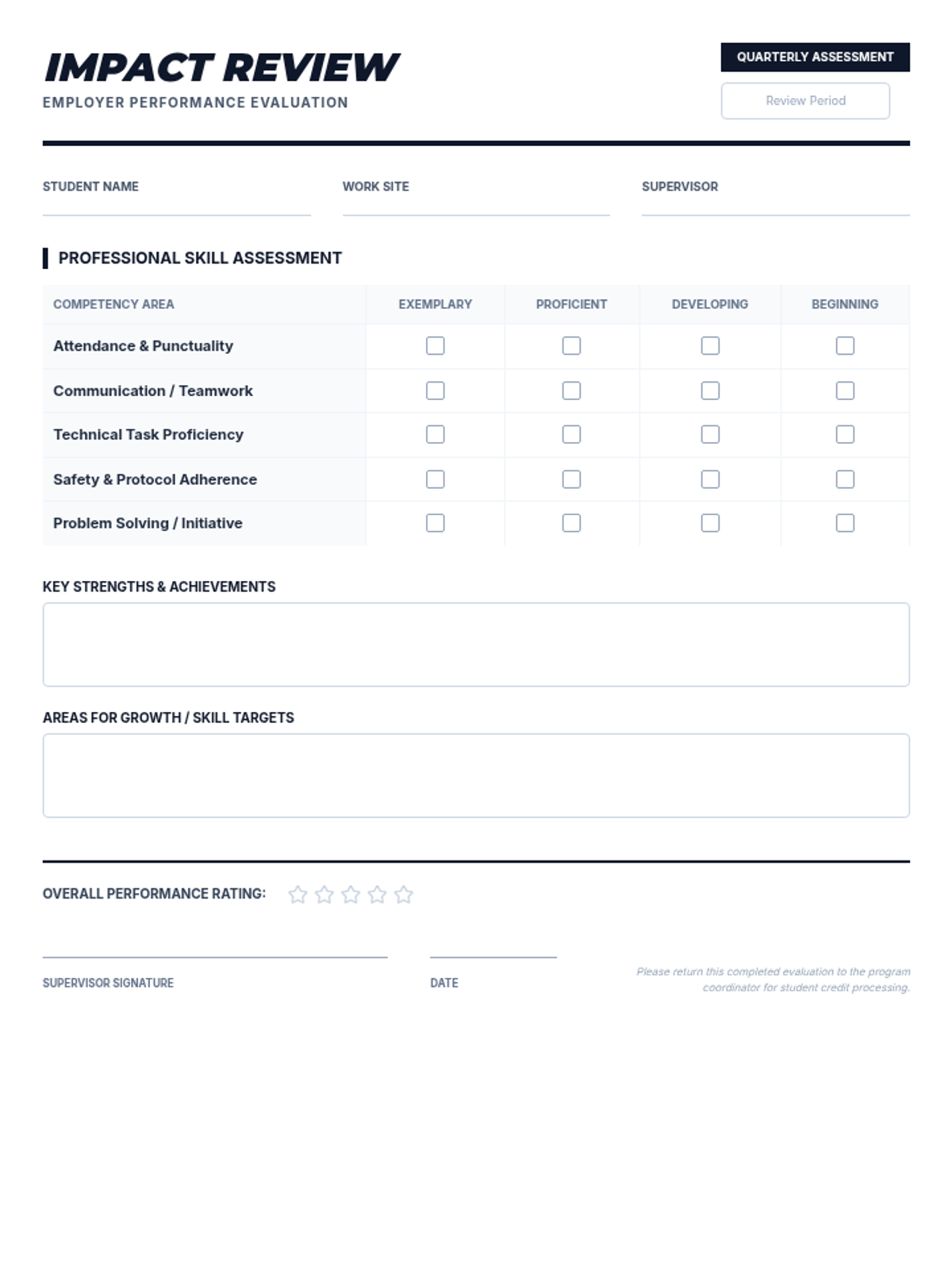
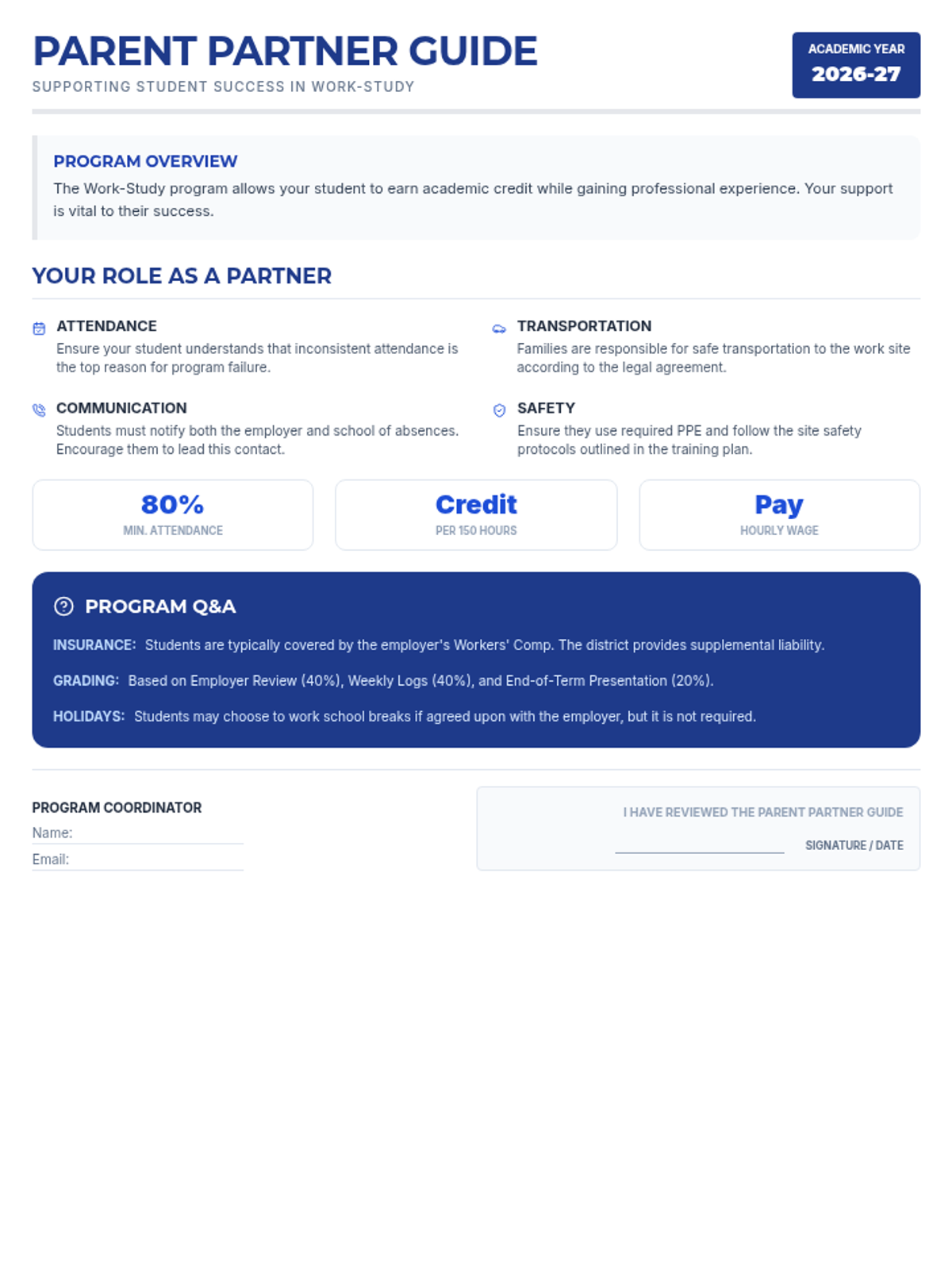
A comprehensive suite of documents for managing a work-study program, including goal setting, legal agreements, reflection logs, and performance evaluations.
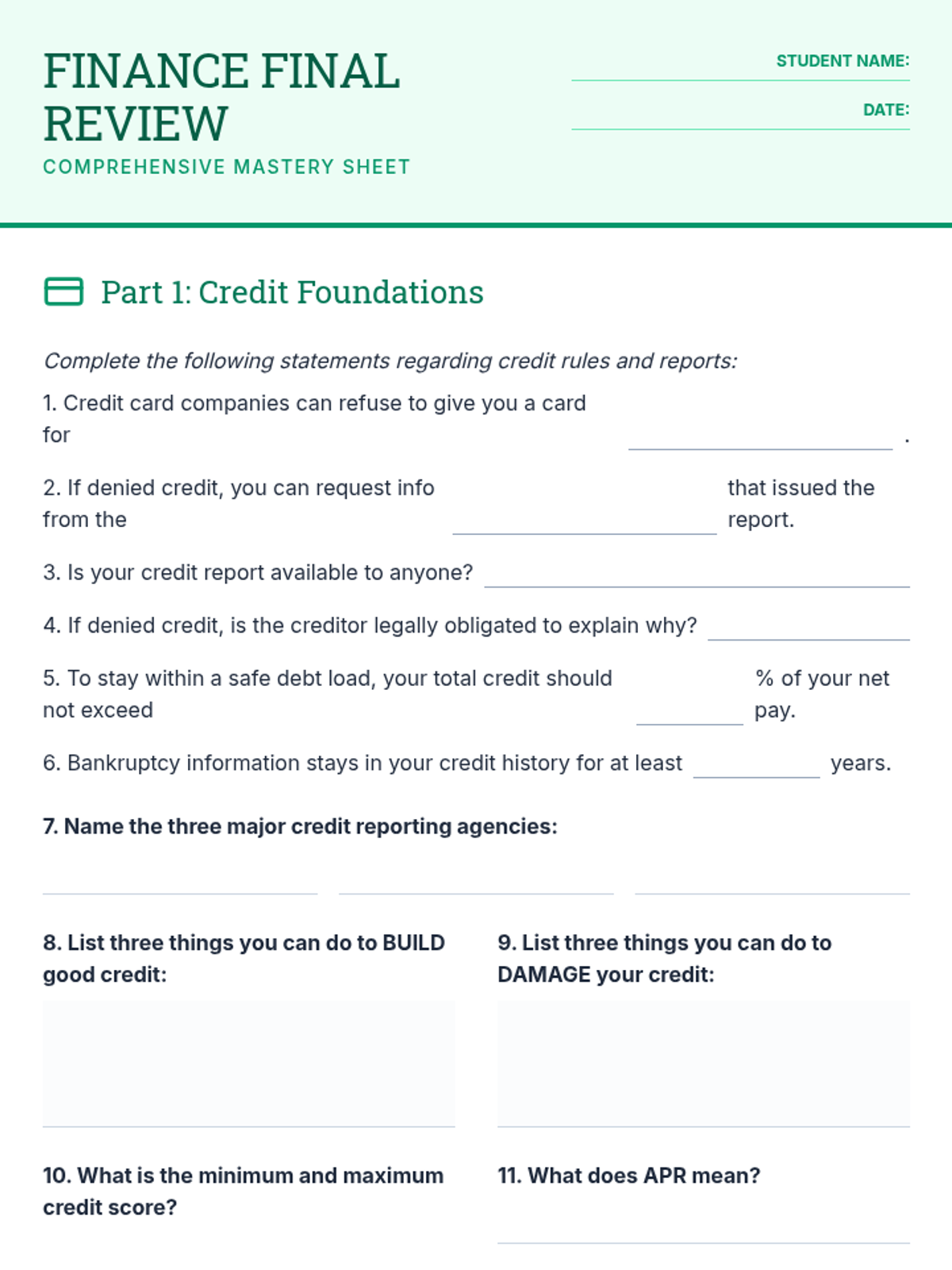
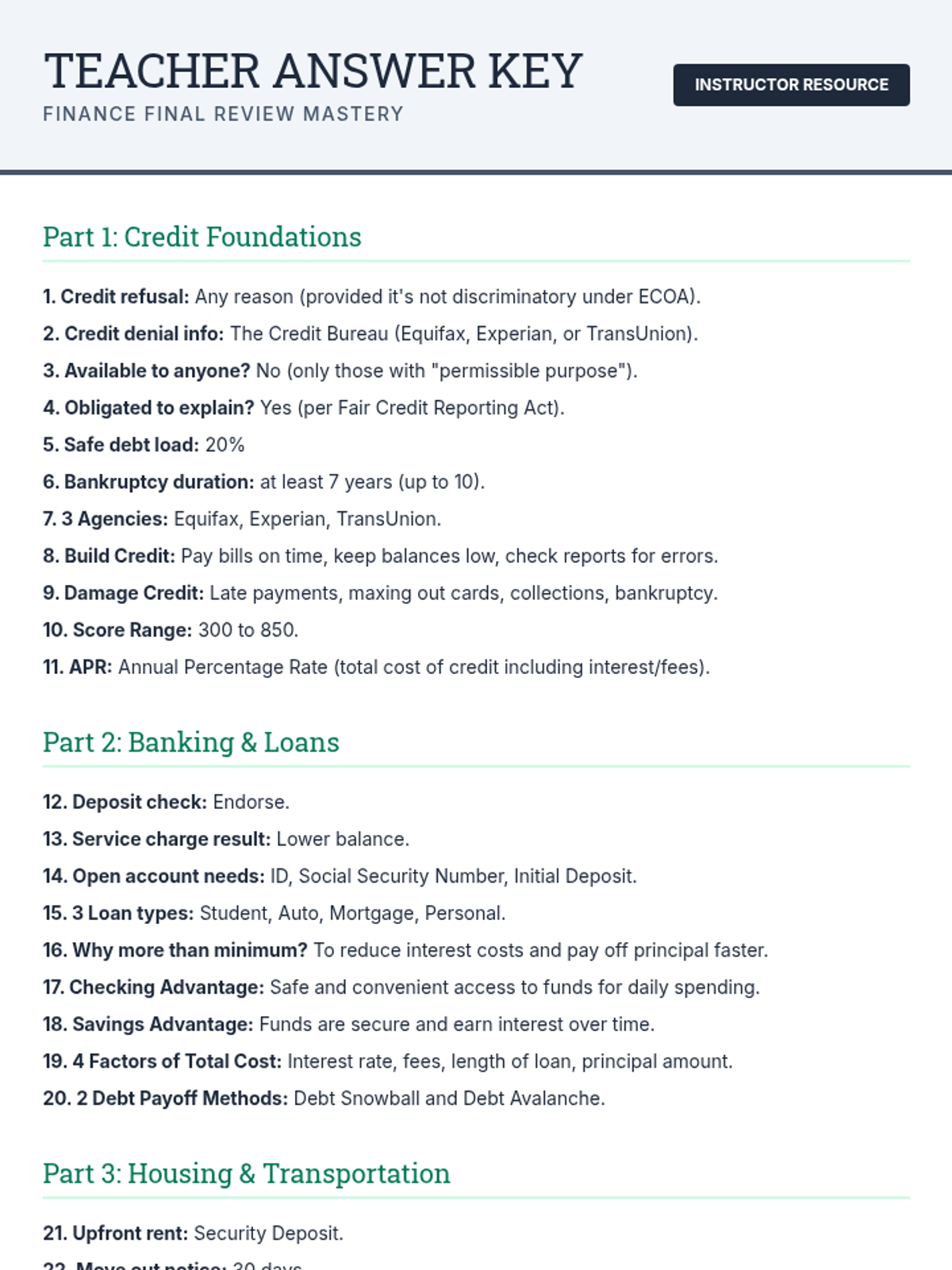
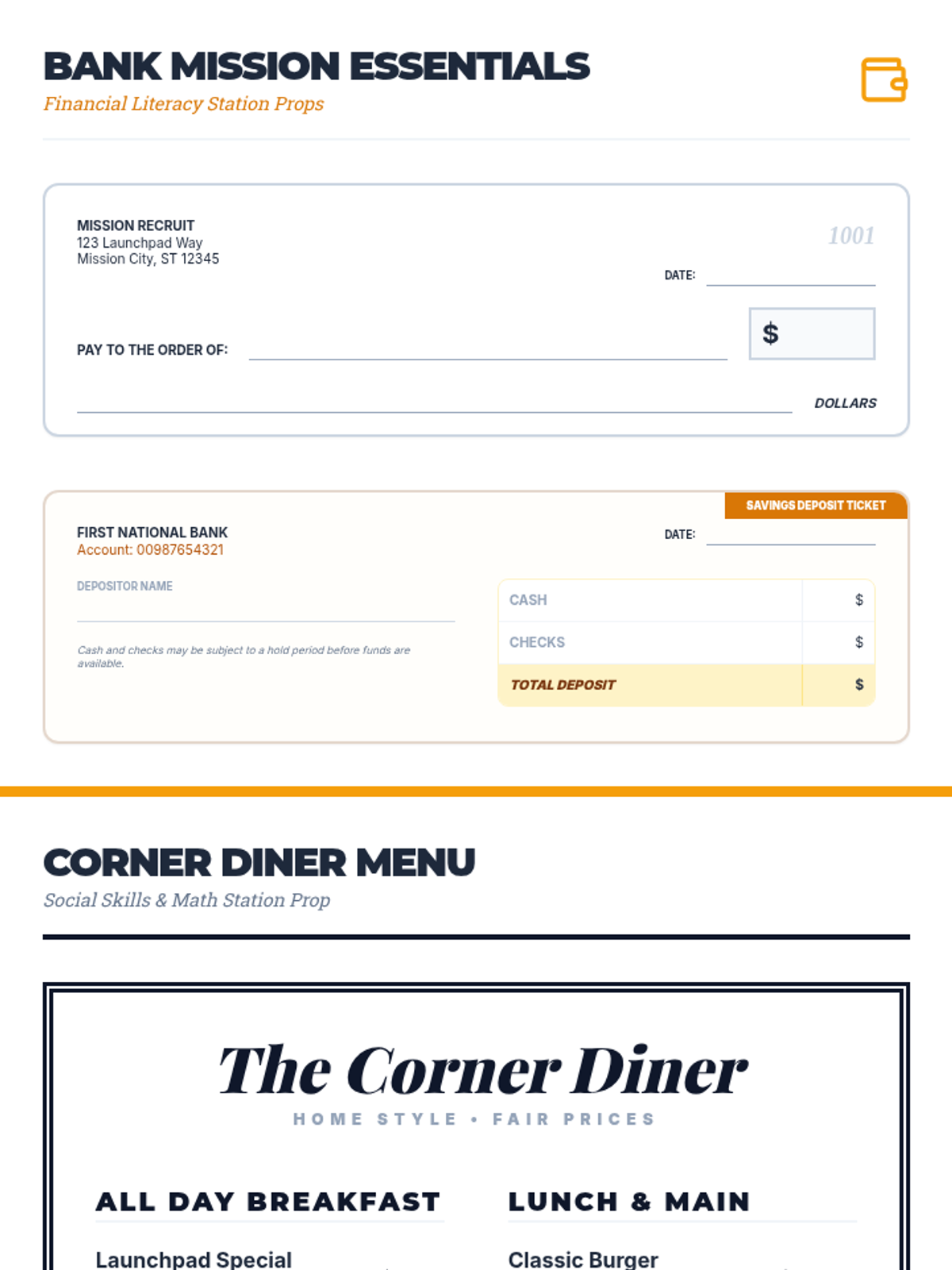
A comprehensive review module for the Personal Finance Final, covering credit, banking, loans, housing, and career skills.
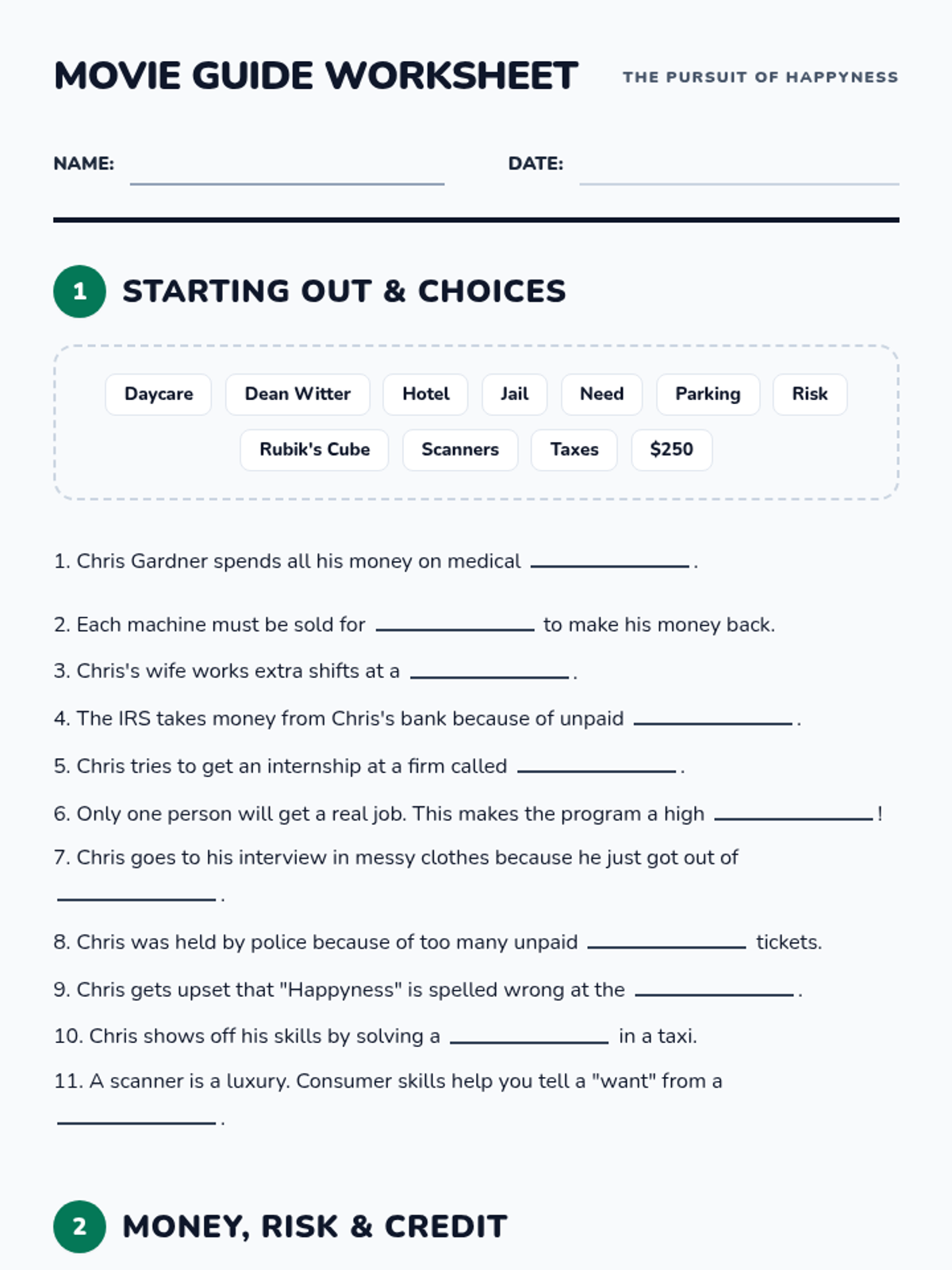
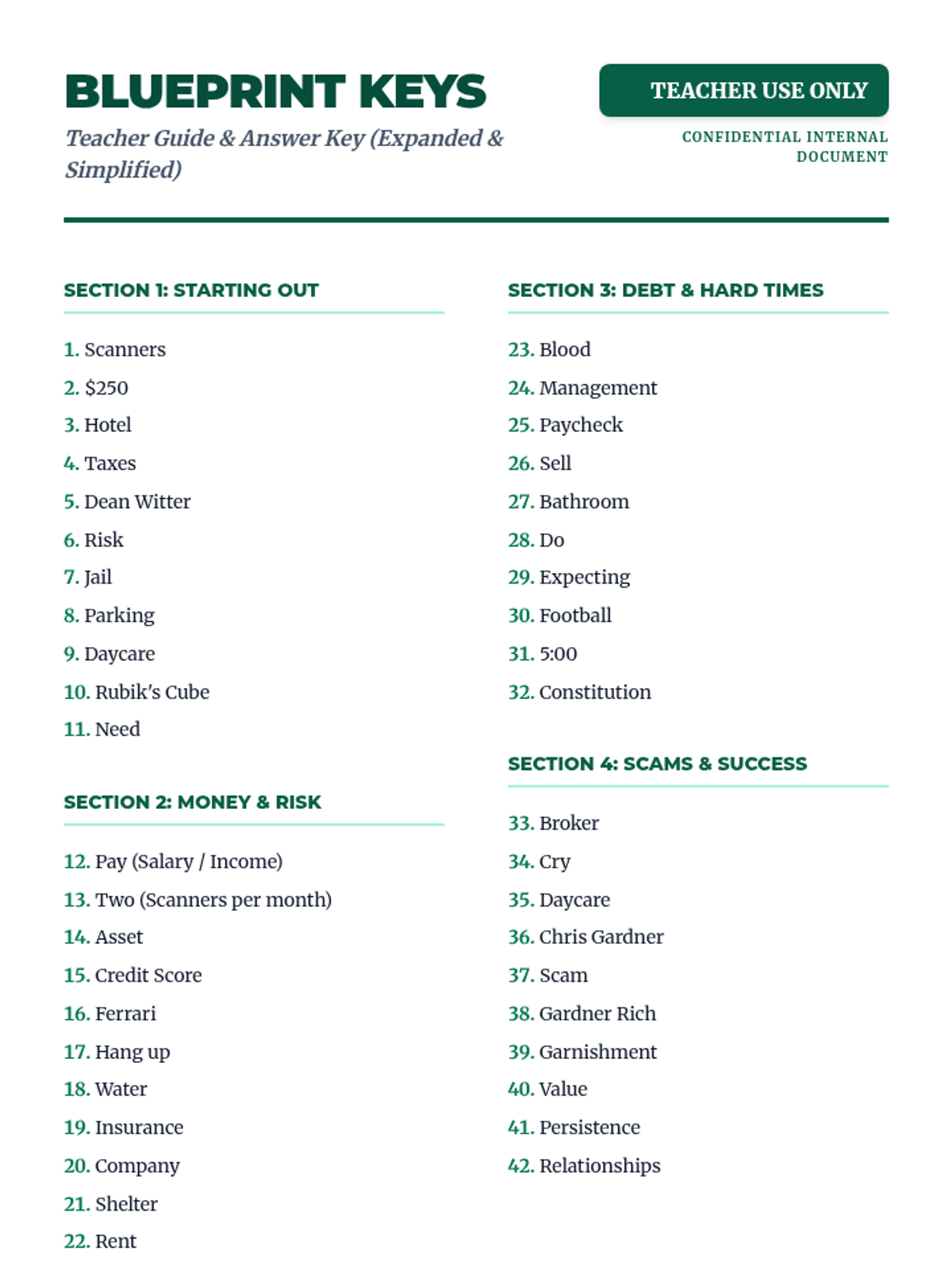
A deep dive into the personal finance themes of 'The Pursuit of Happyness,' focusing on income, assets, risk, and perseverance. Students analyze Chris Gardner's financial journey while tracking key plot points.
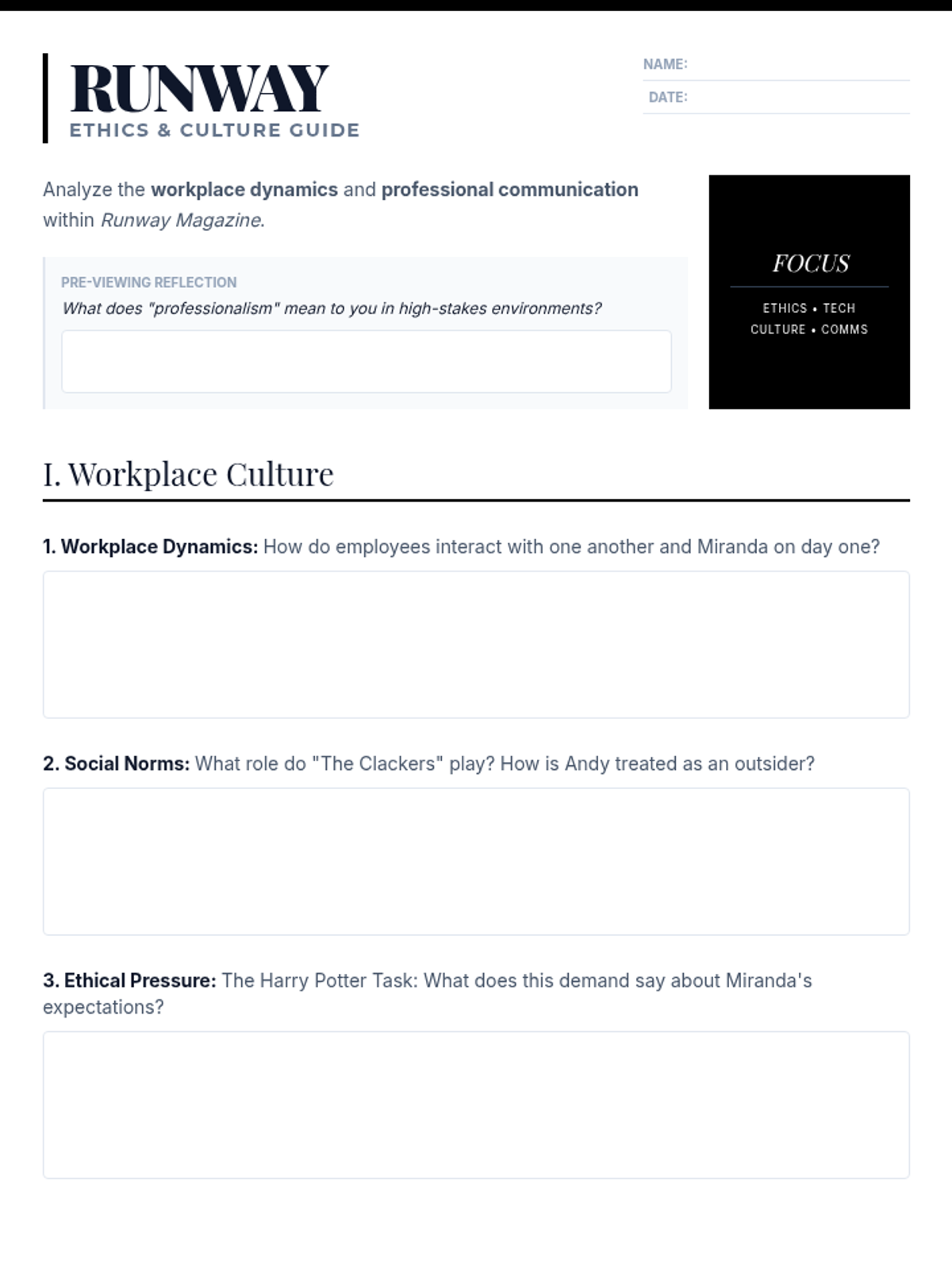
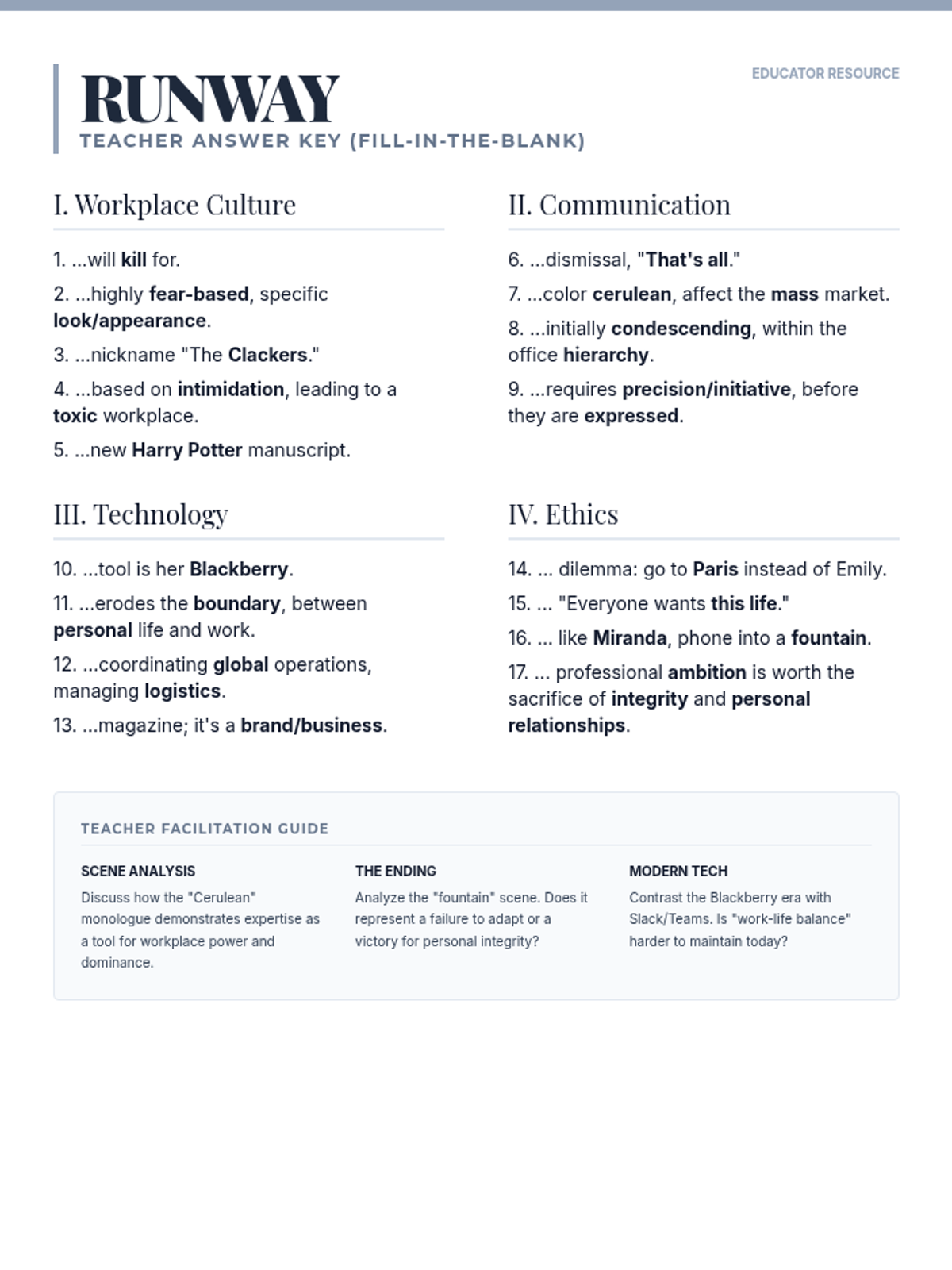
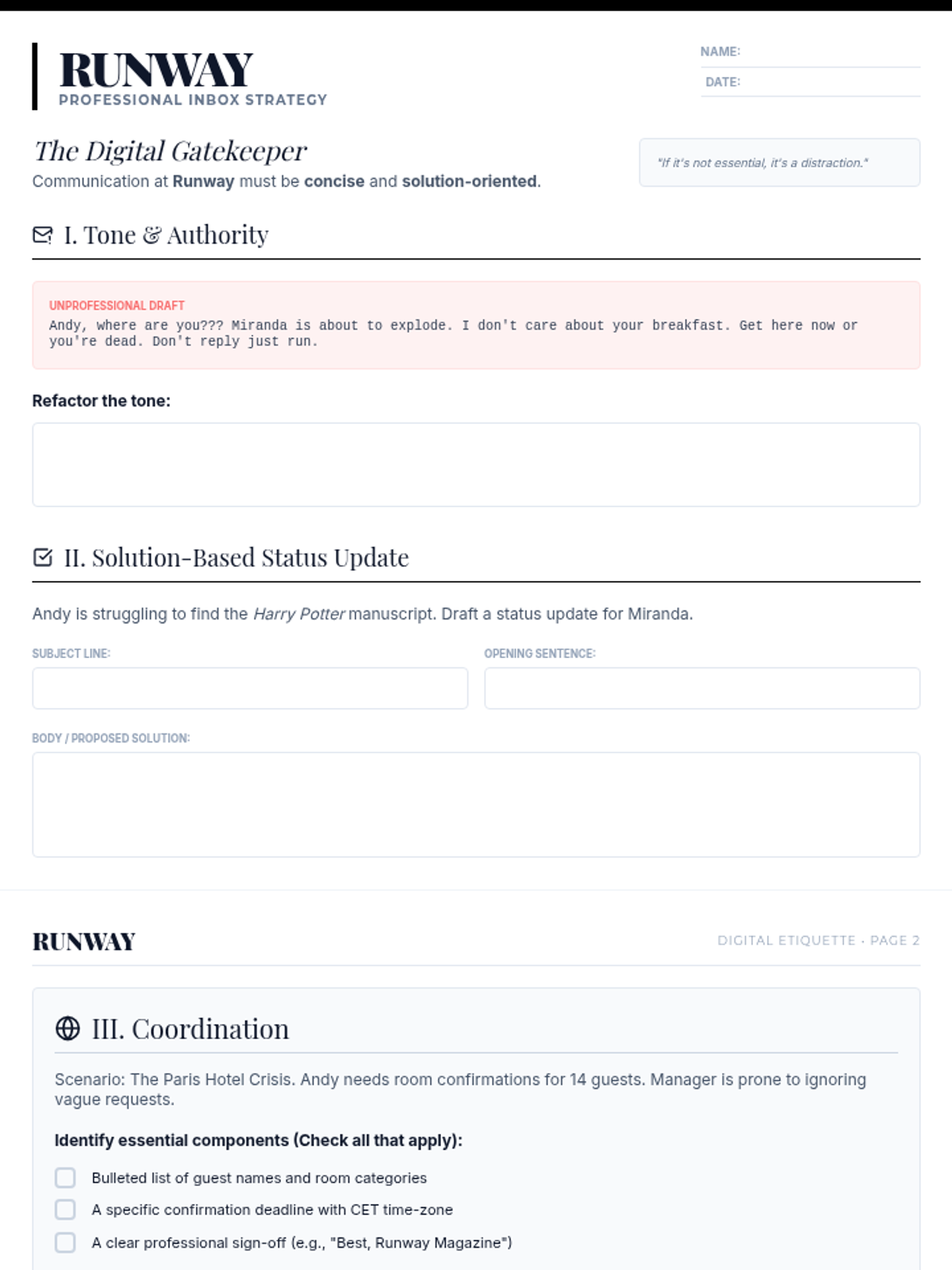
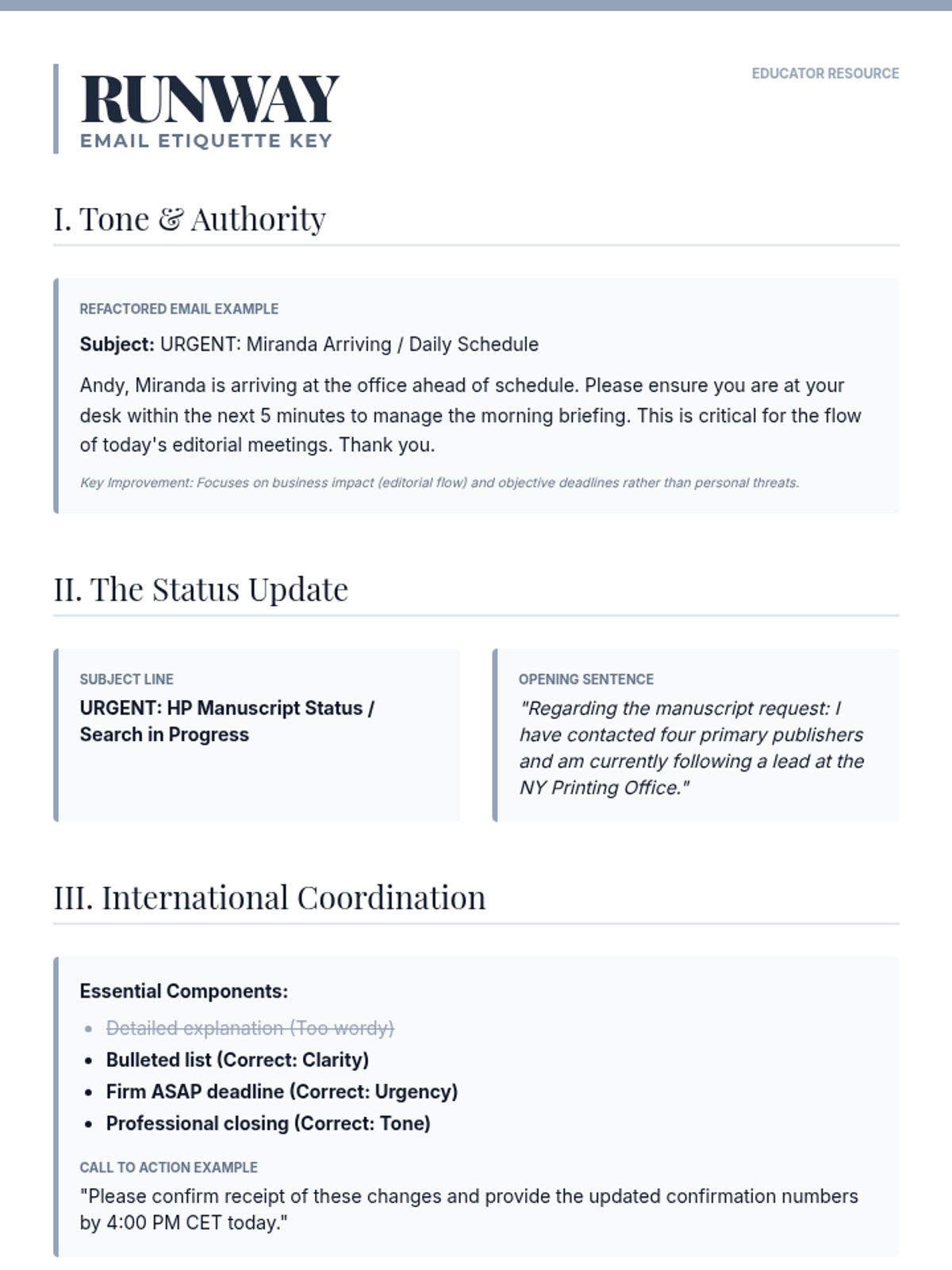
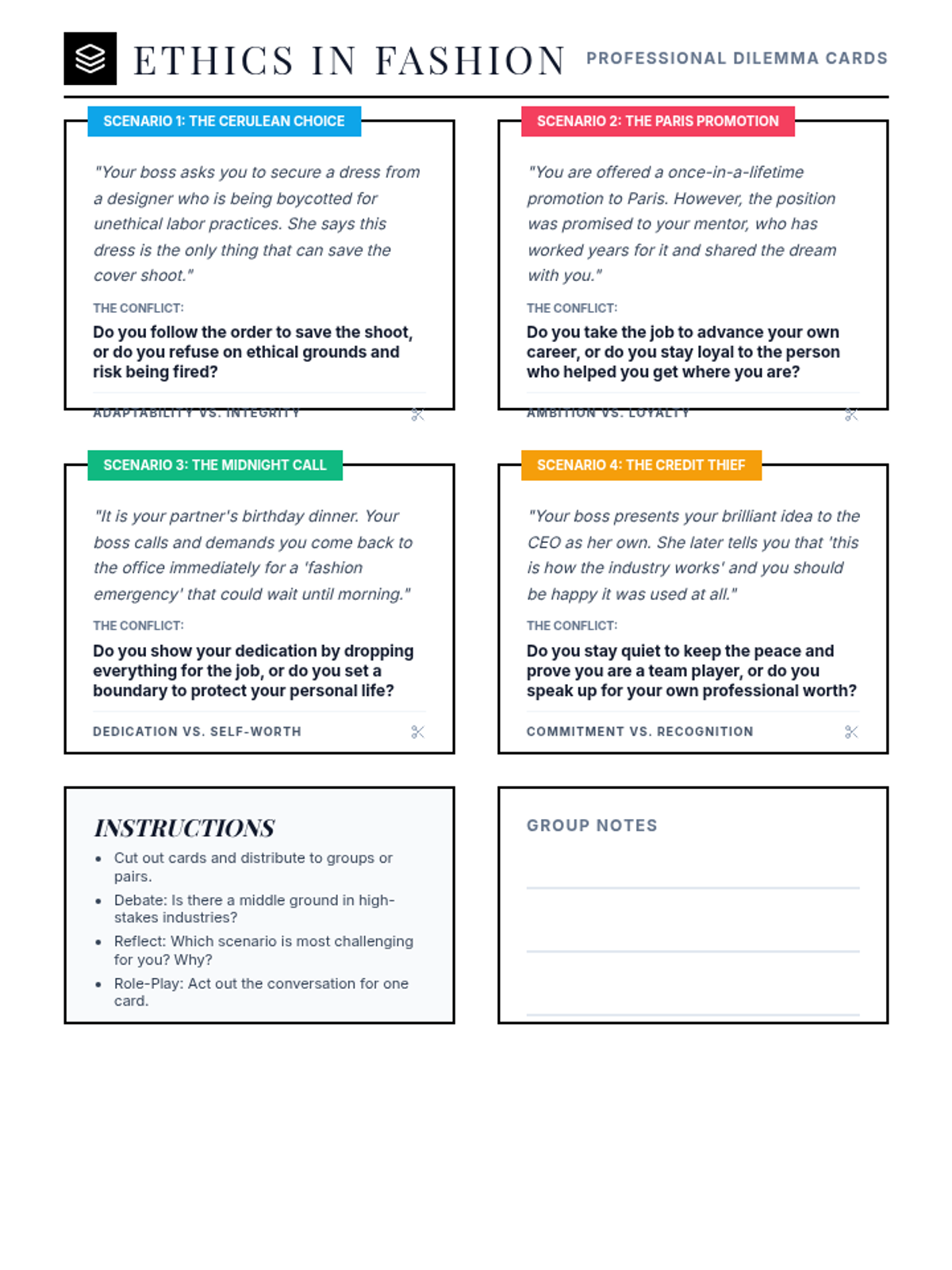
Analyze workplace culture, professional communication, and business ethics through the lens of the high-stakes fashion industry in 'The Devil Wears Prada'. Students will explore how technology facilitates modern business and the ethical dilemmas of rapid-fire corporate environments.
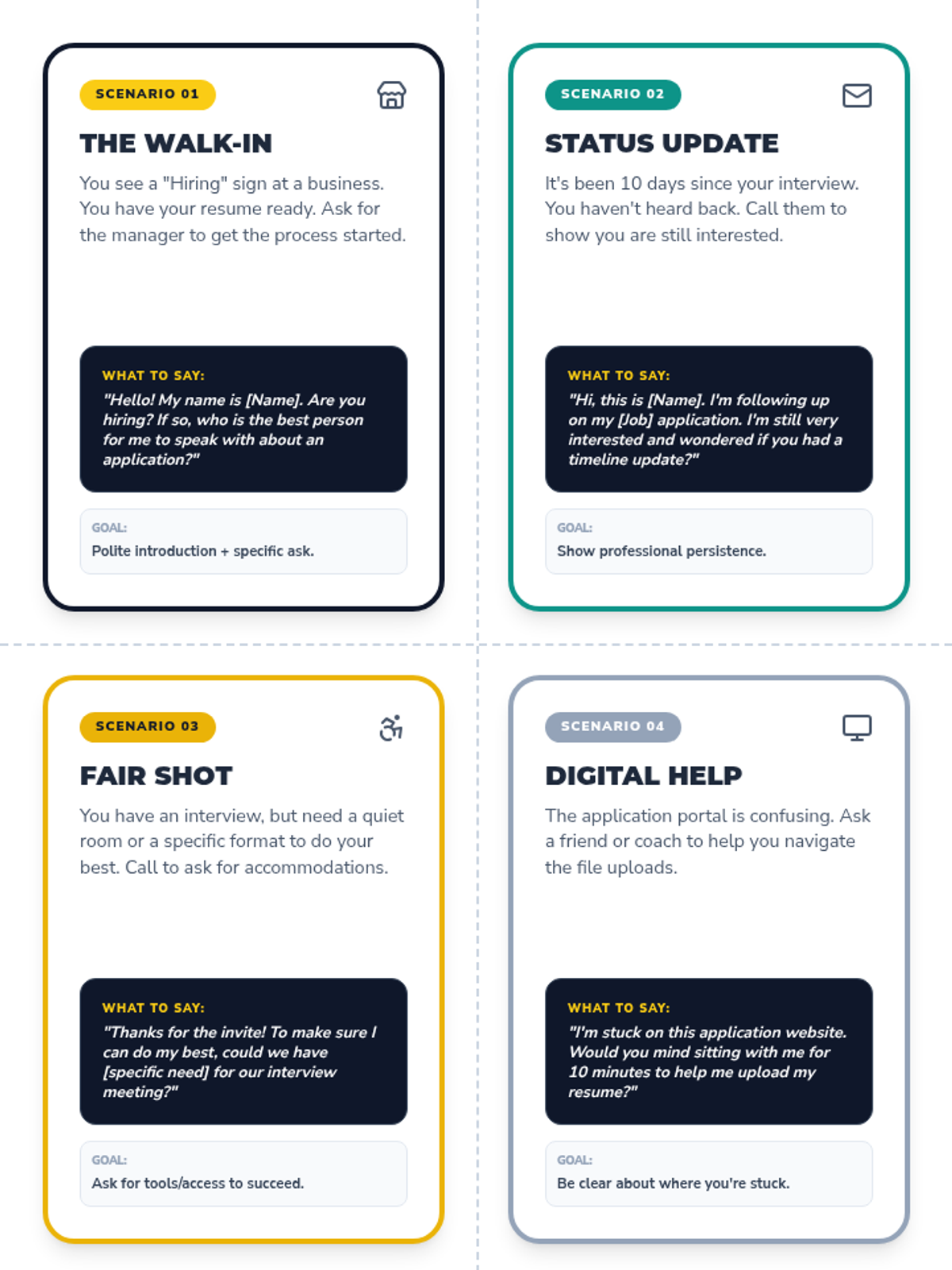
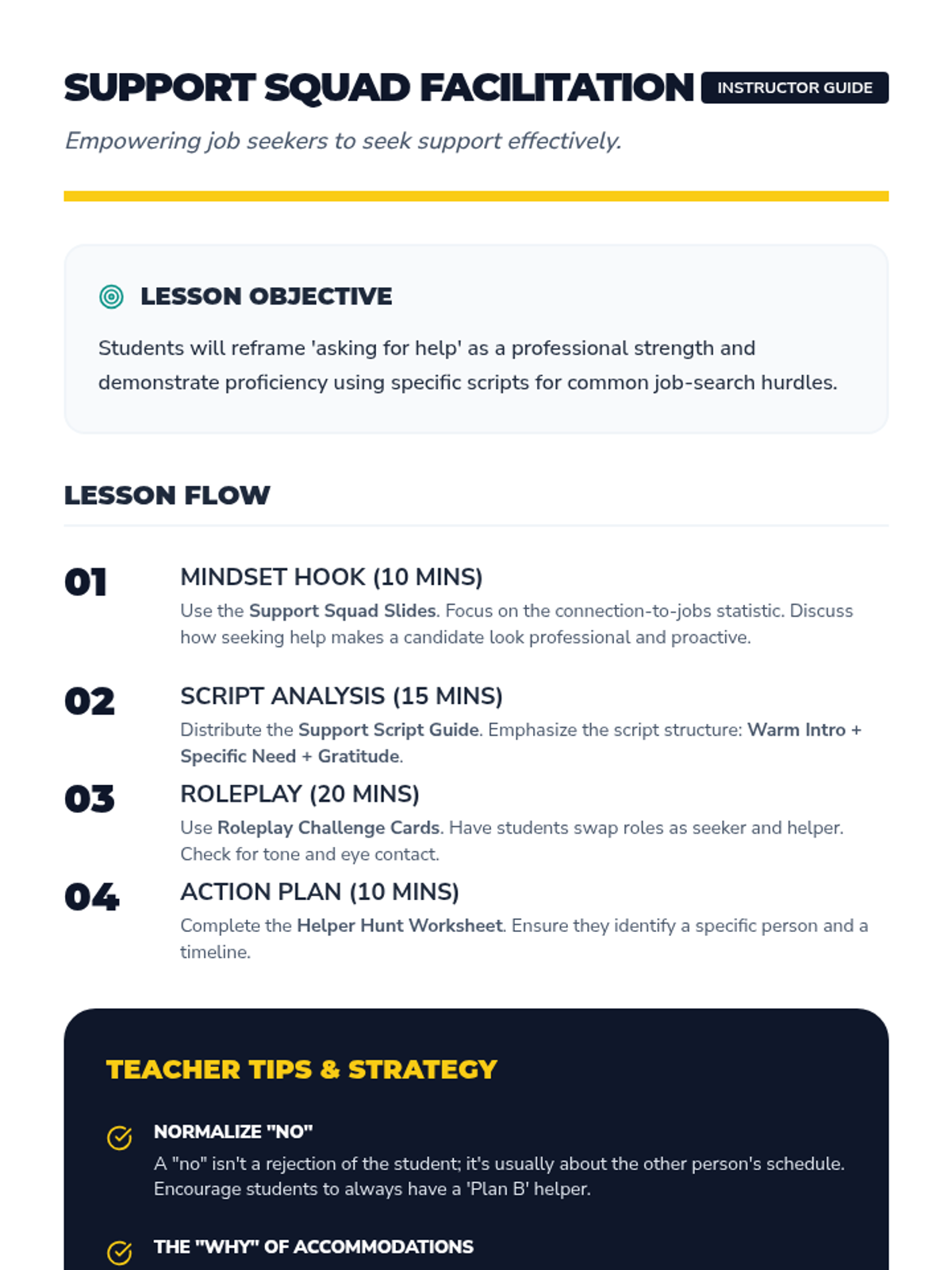
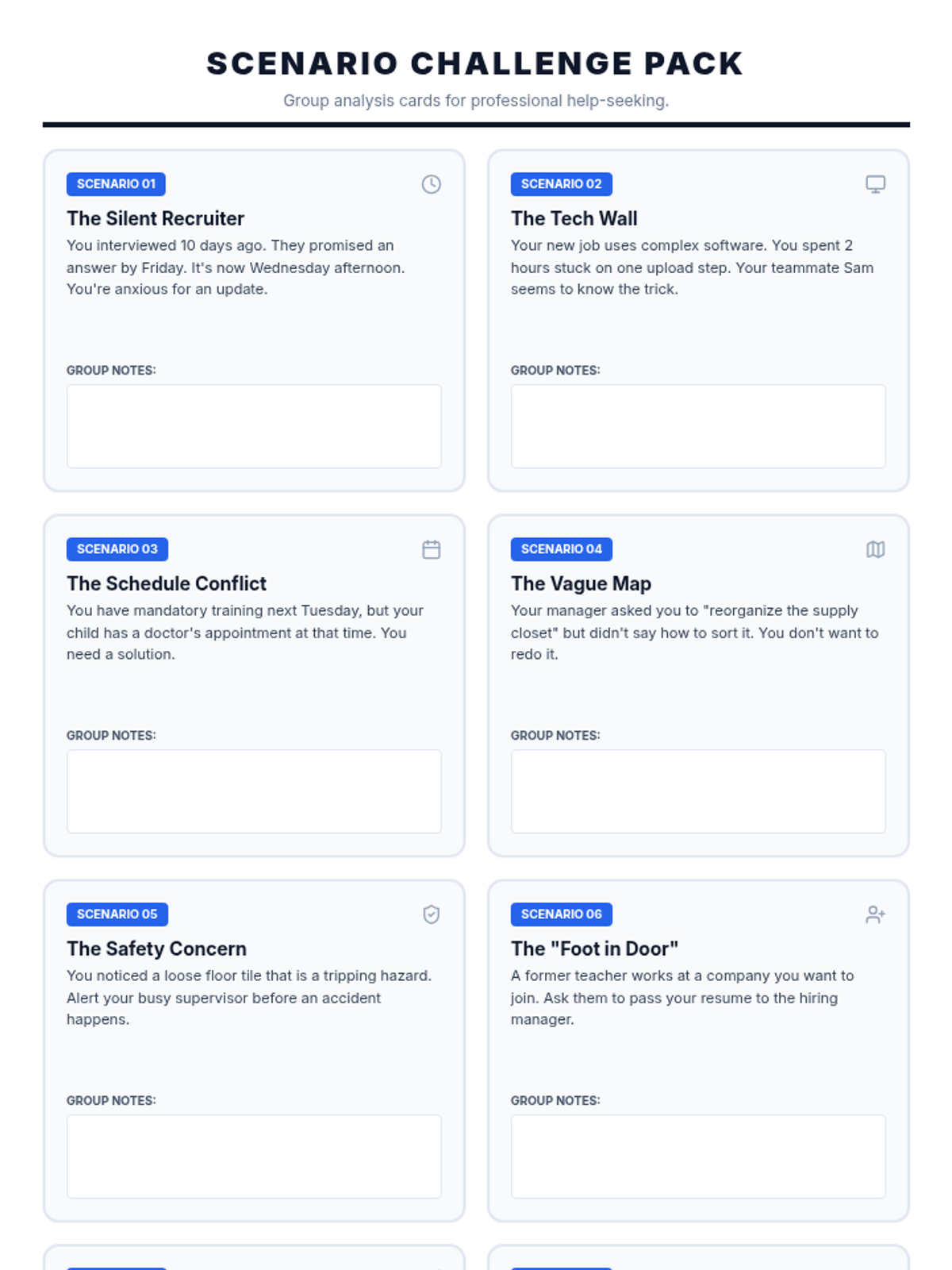
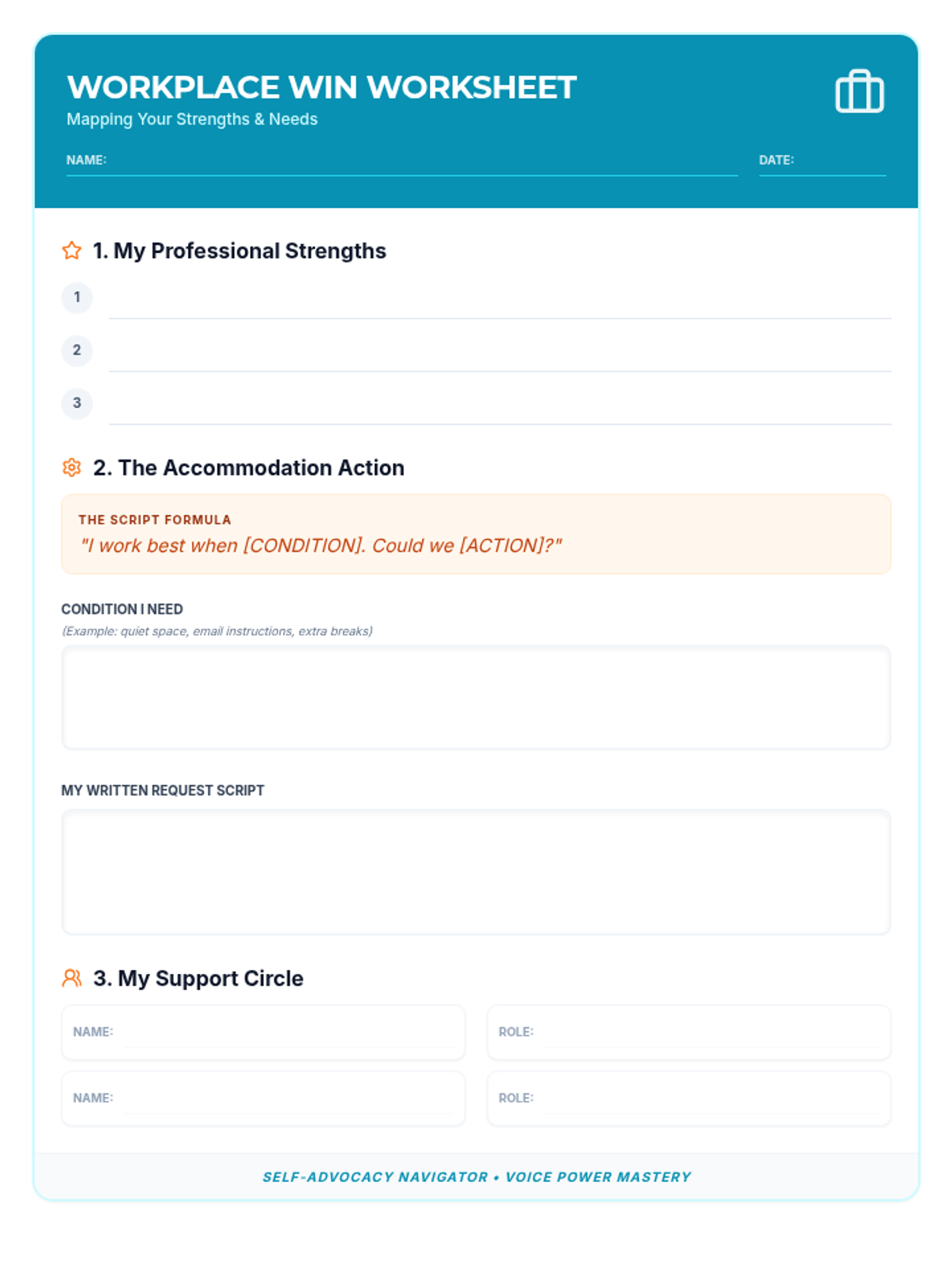
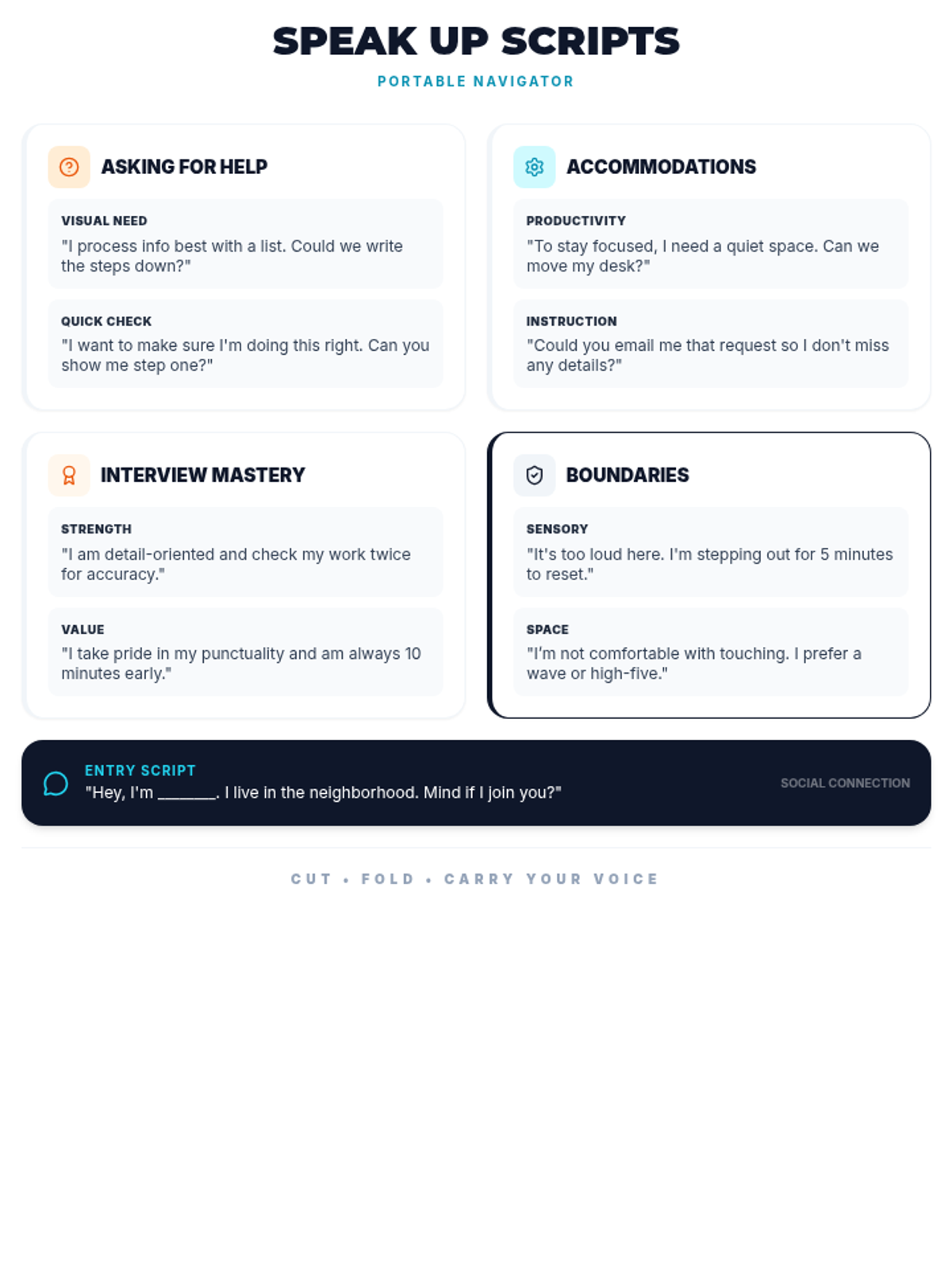
A professional development lesson that reframes asking for help as a vital workplace skill. Students learn to identify their support network, use clear and direct communication scripts, and practice advocating for themselves in common job search and employment scenarios.
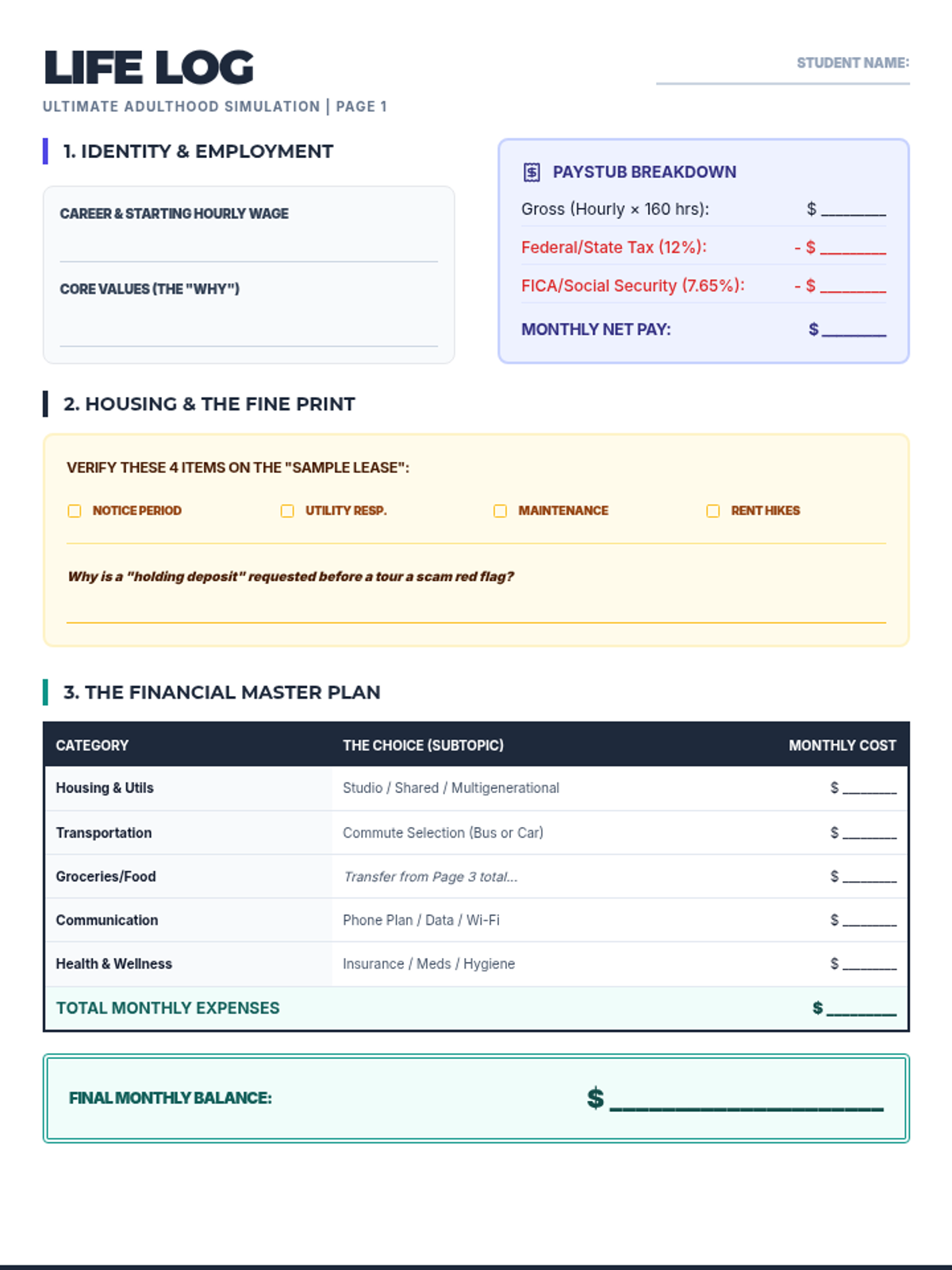
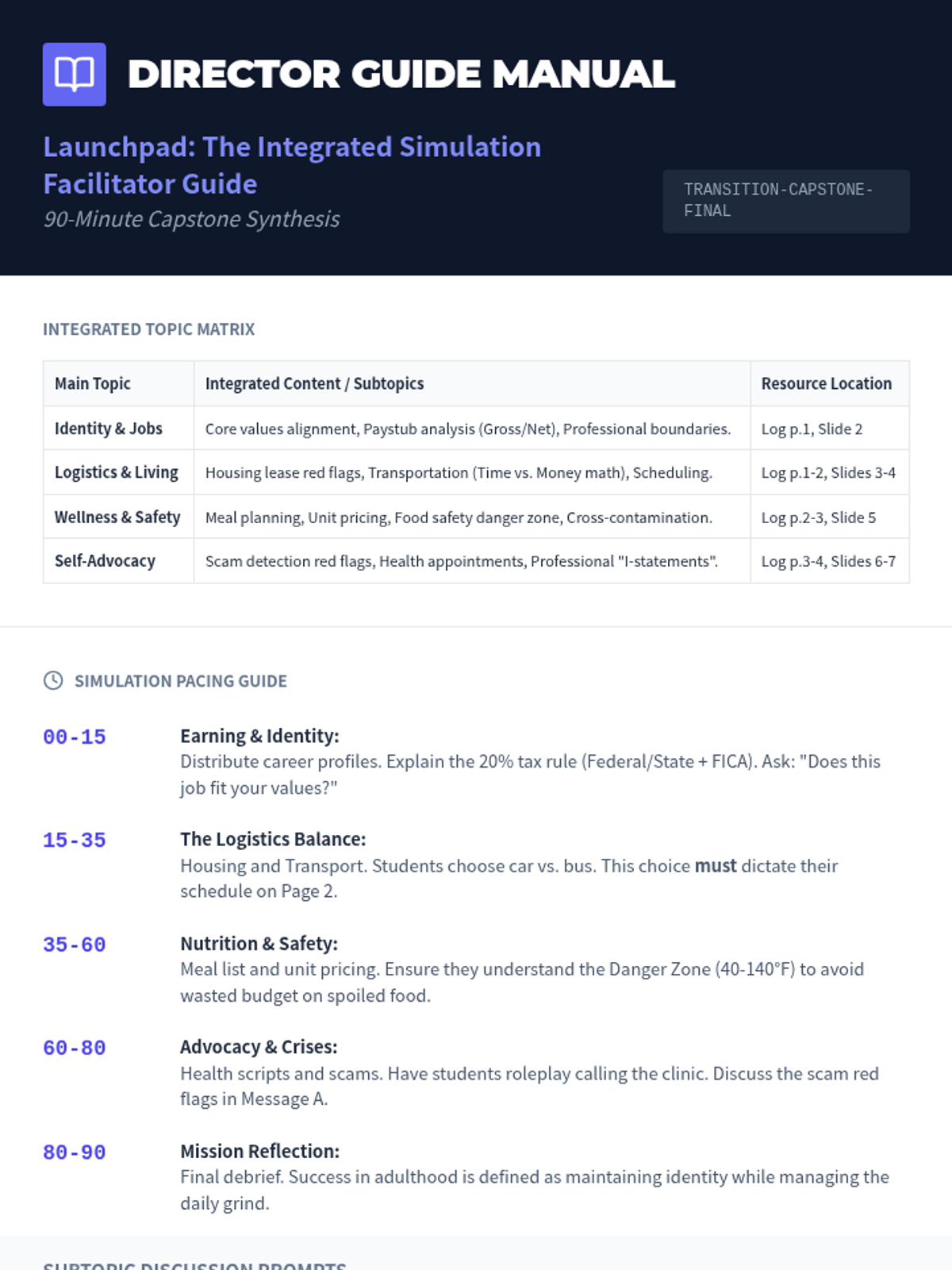
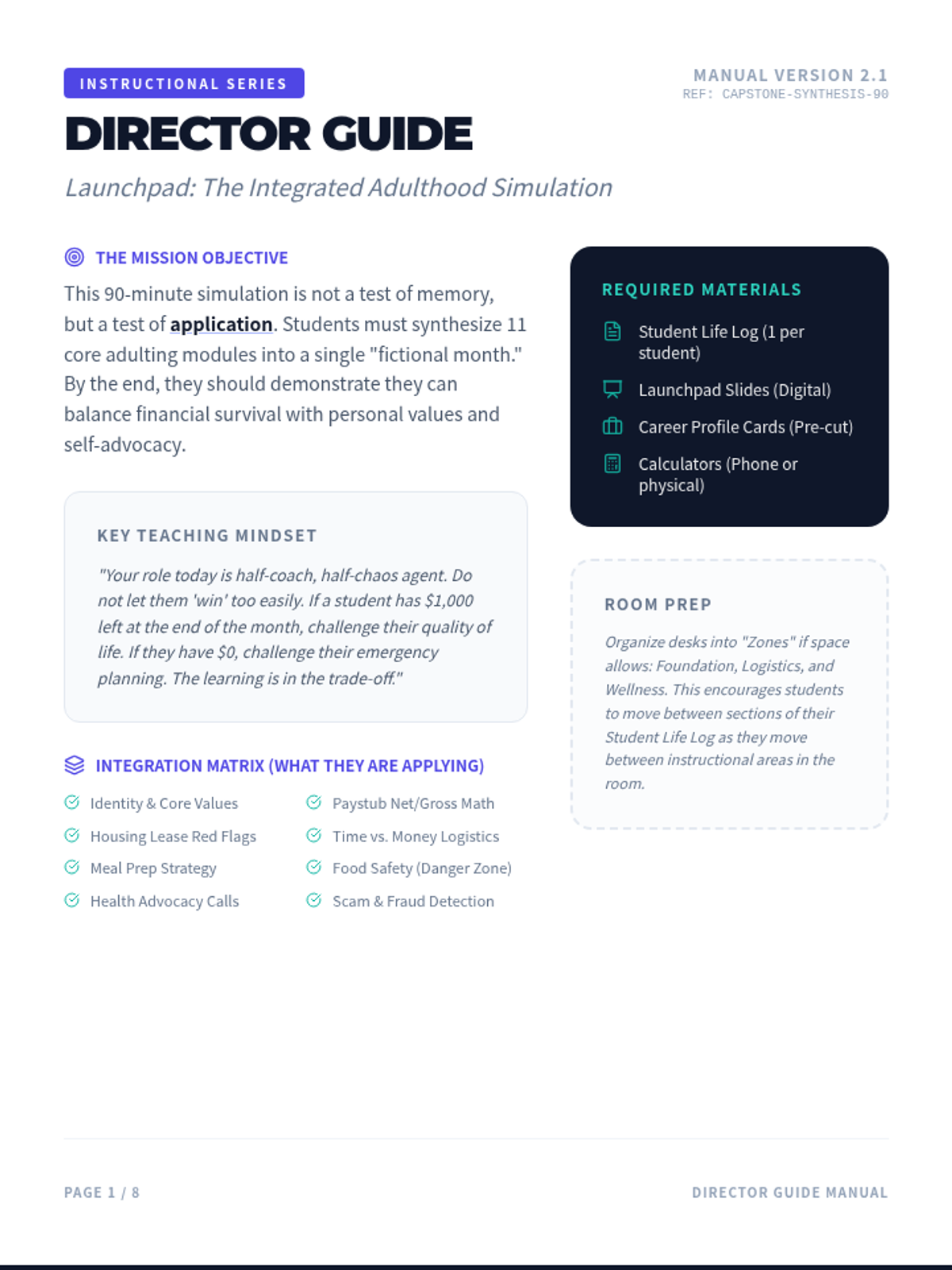
A comprehensive 90-minute capstone simulation where students apply everything they've learned about adulting to navigate a fictional month of independent living.
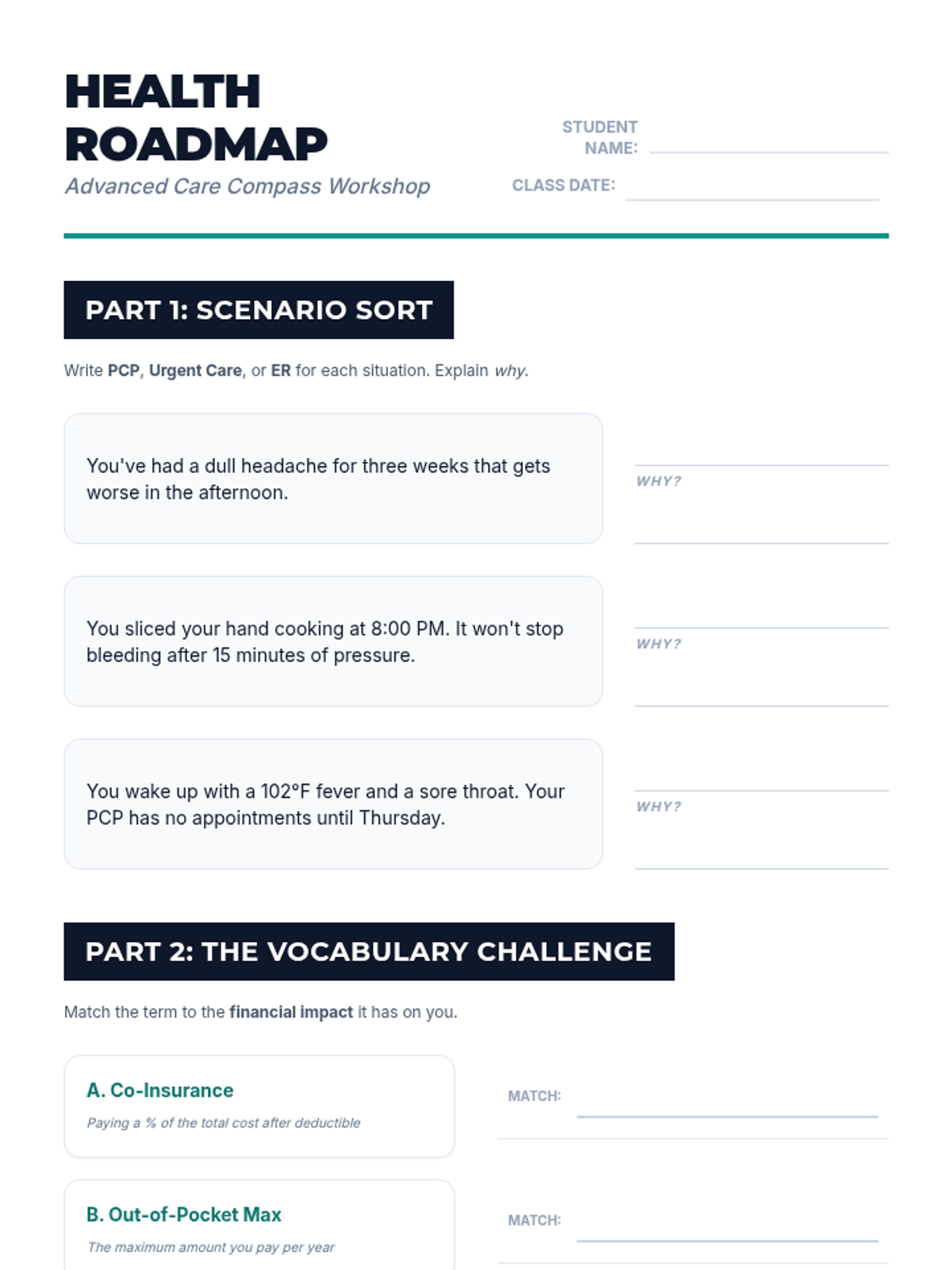
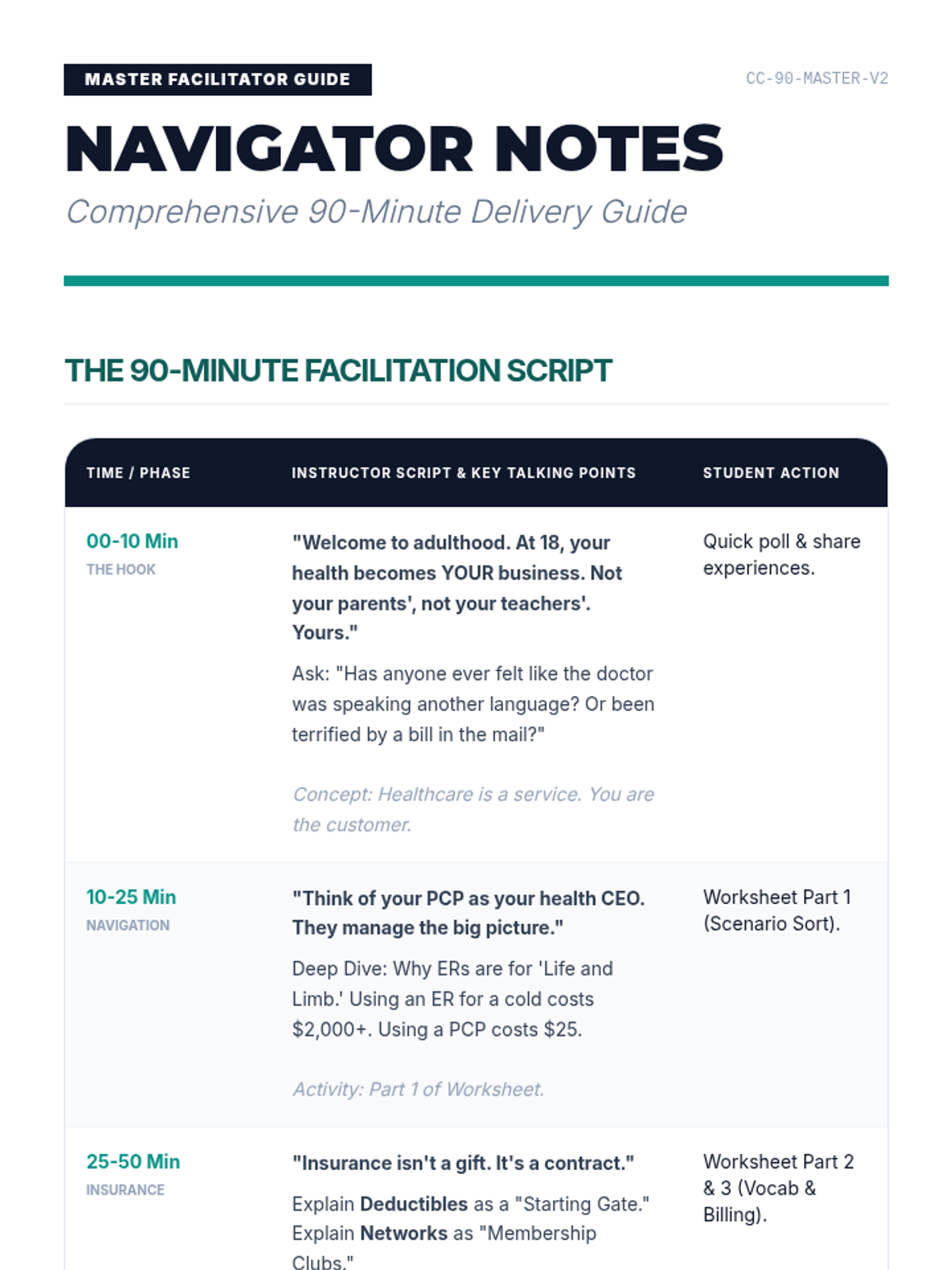
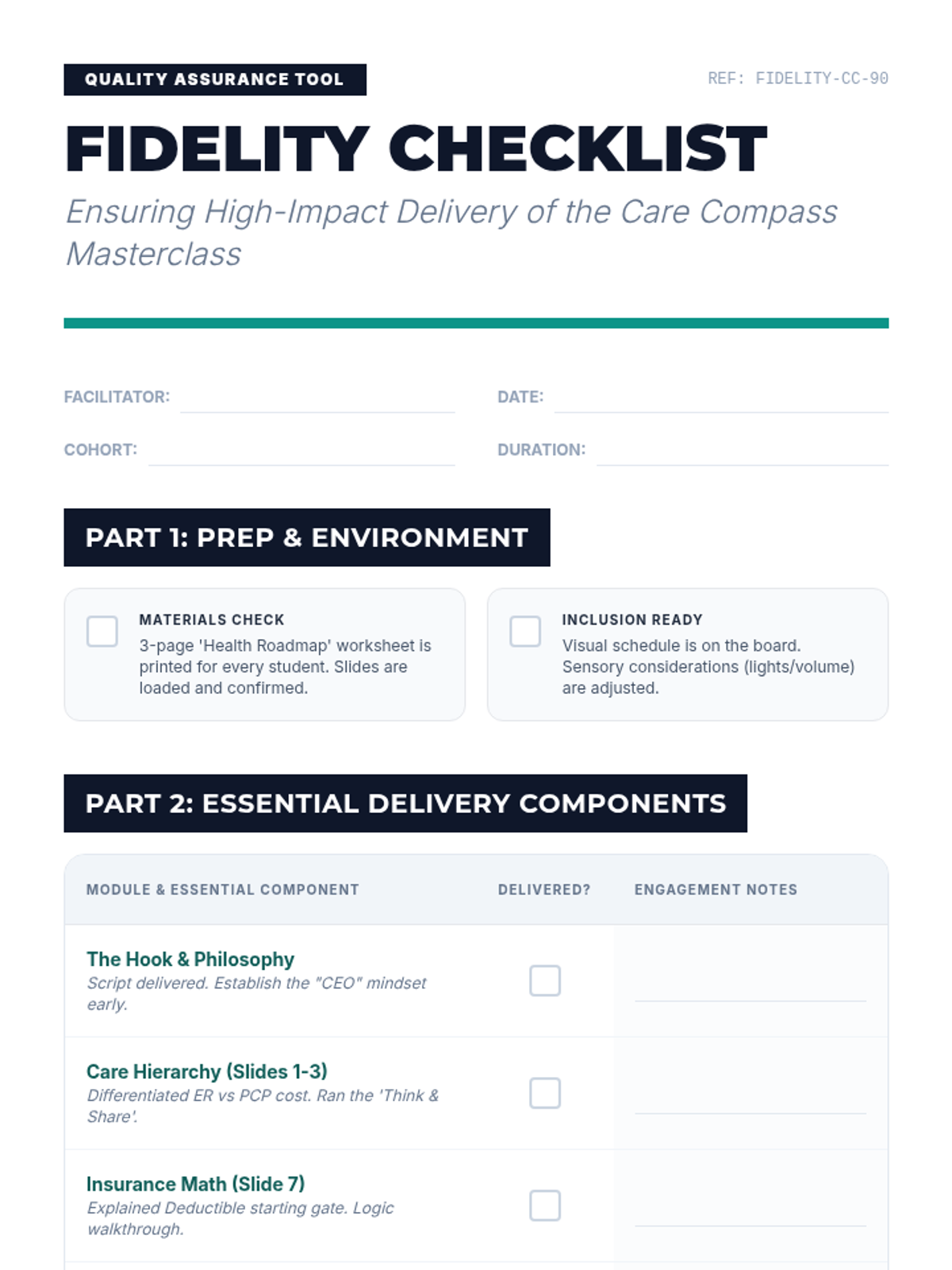
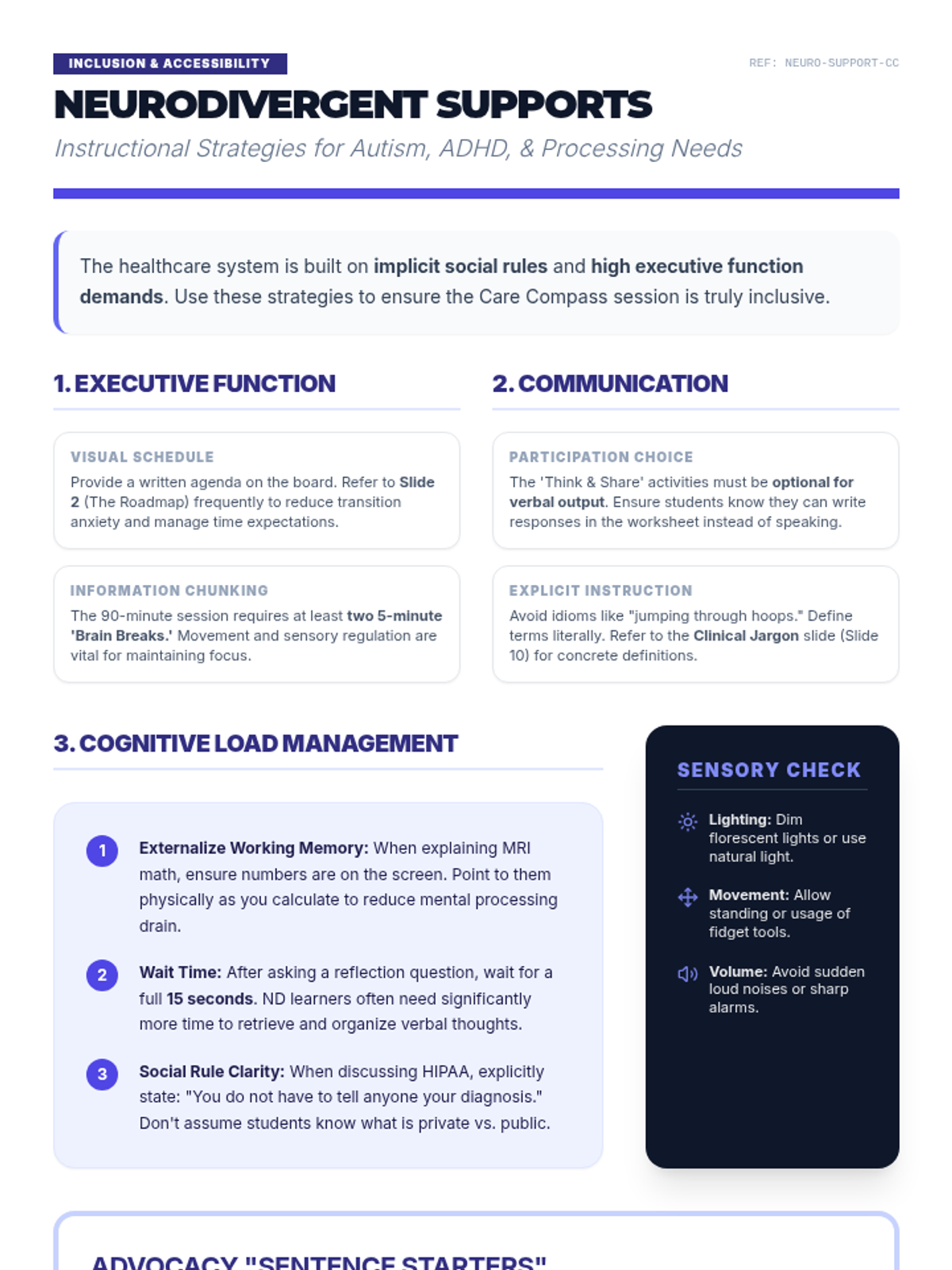
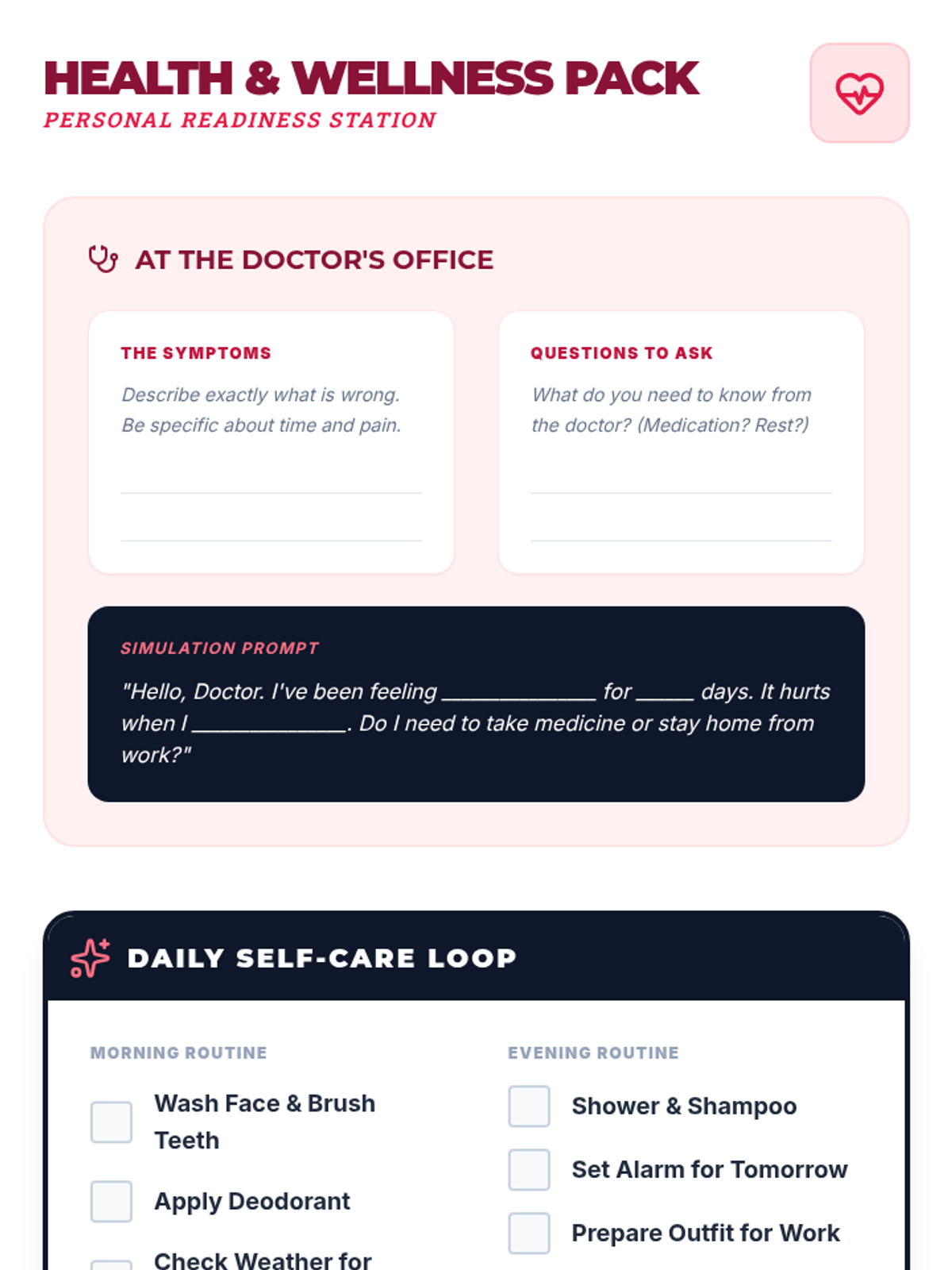
A practical guide for 16-21 year olds to navigate the healthcare system, understand insurance, and advocate for their own health needs as they transition to adulthood.
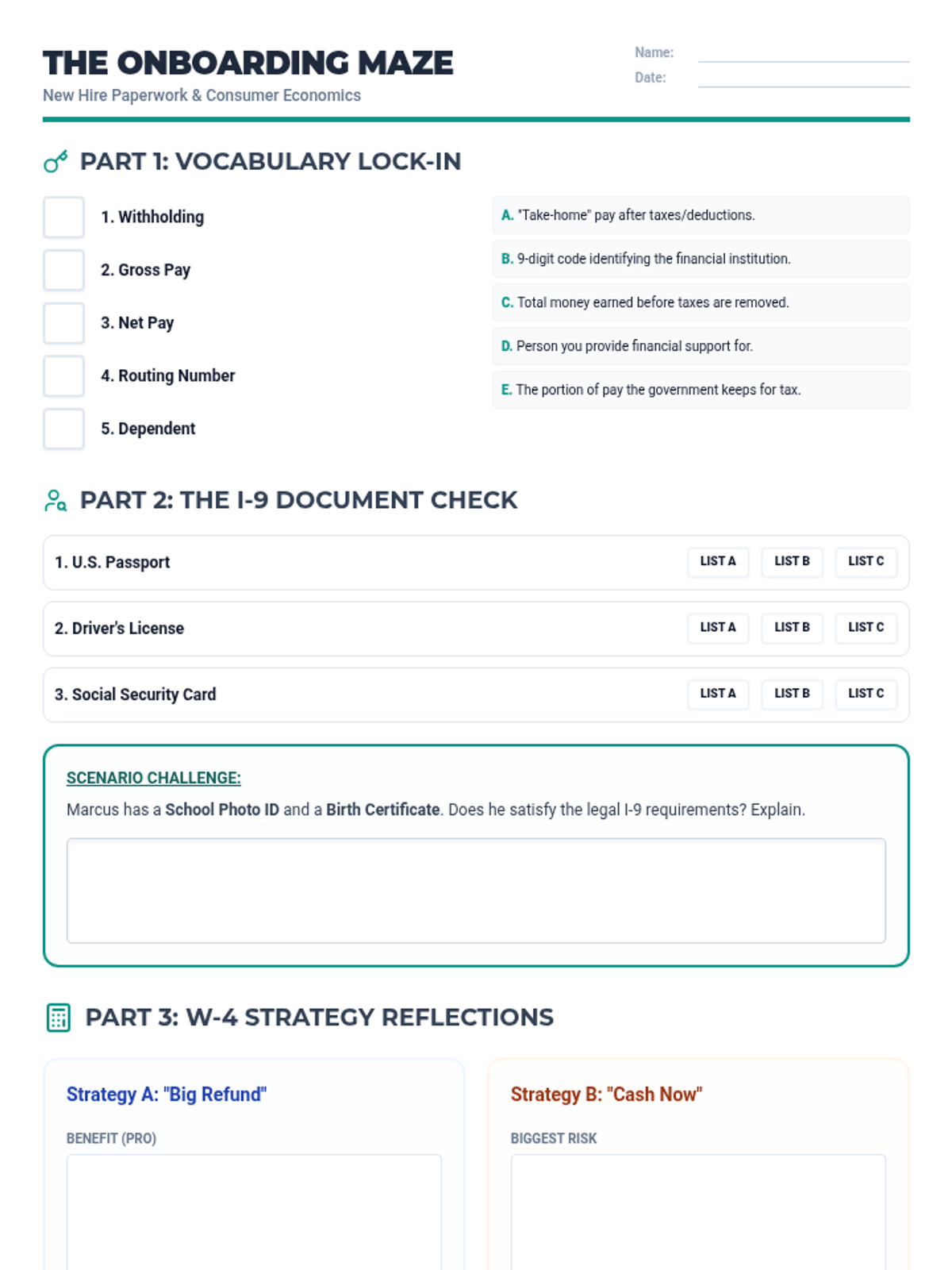
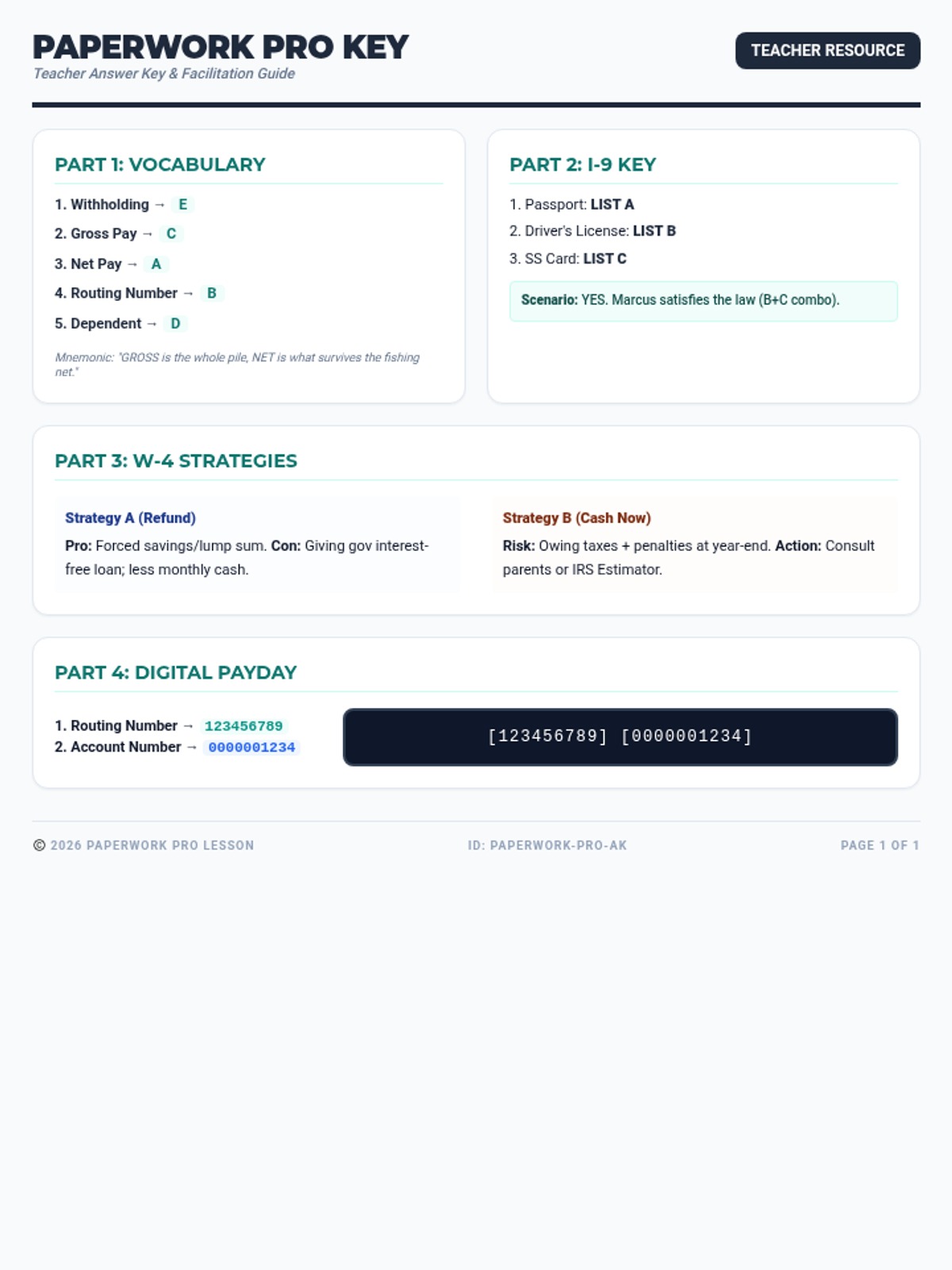
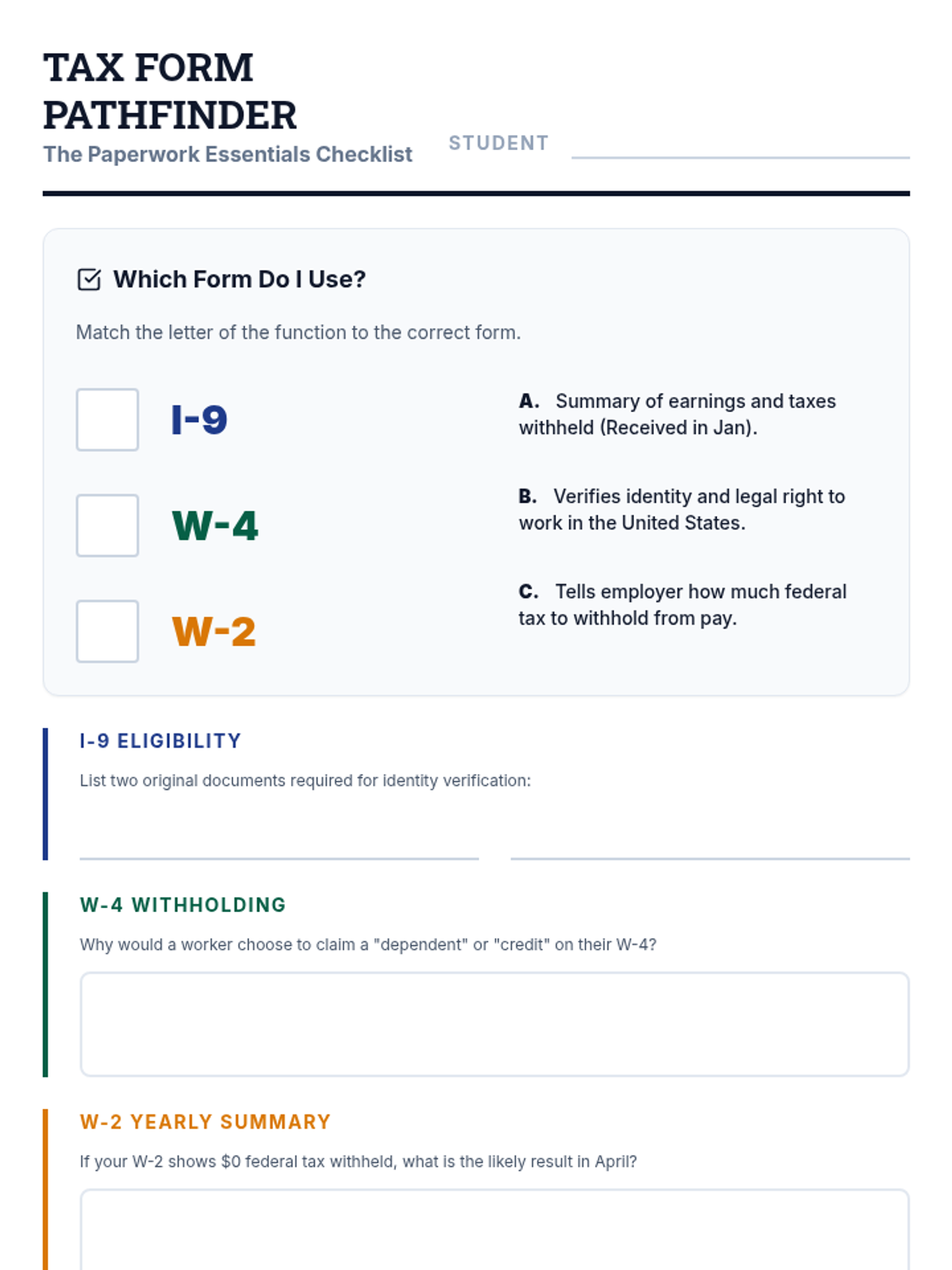
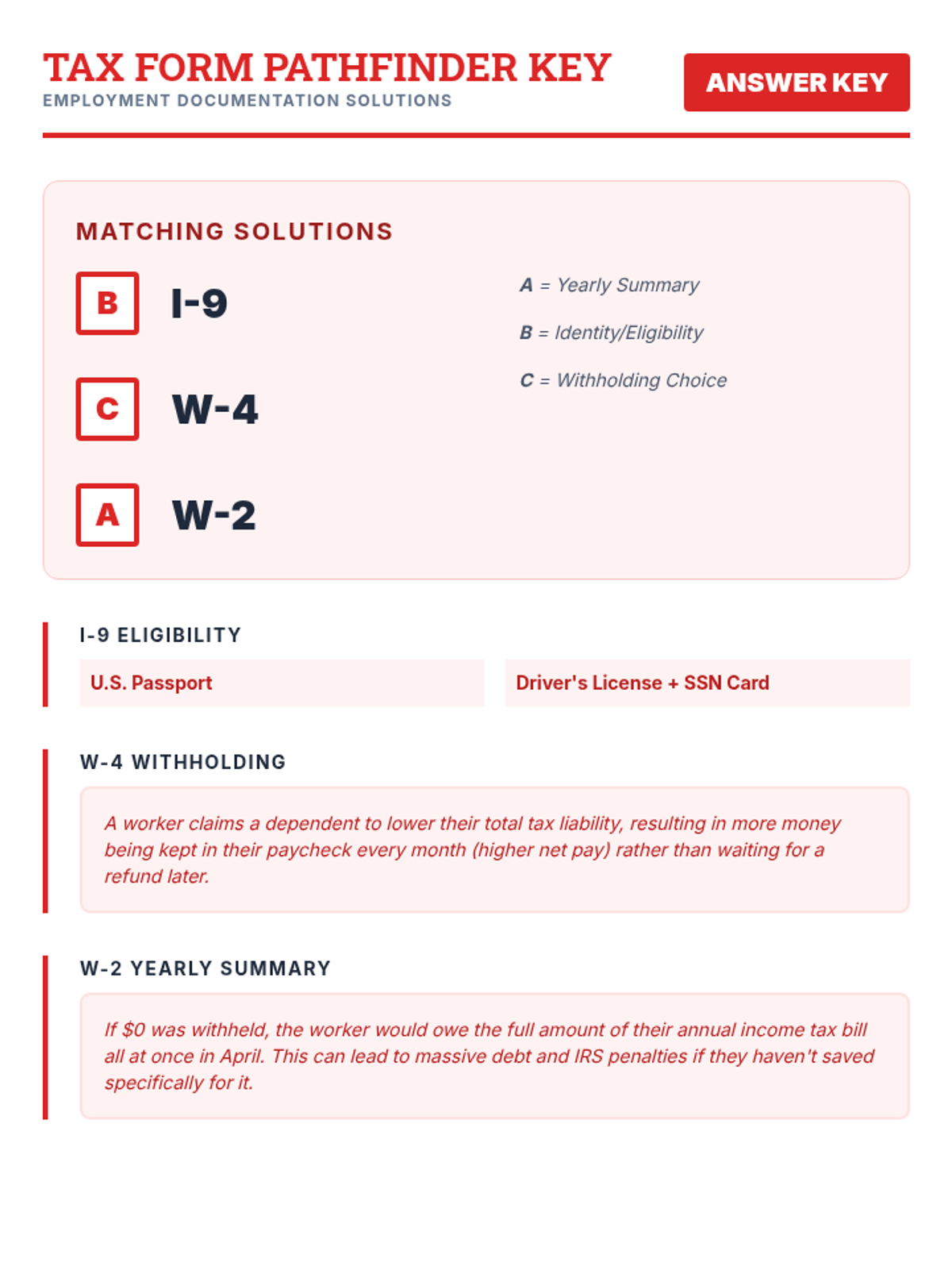
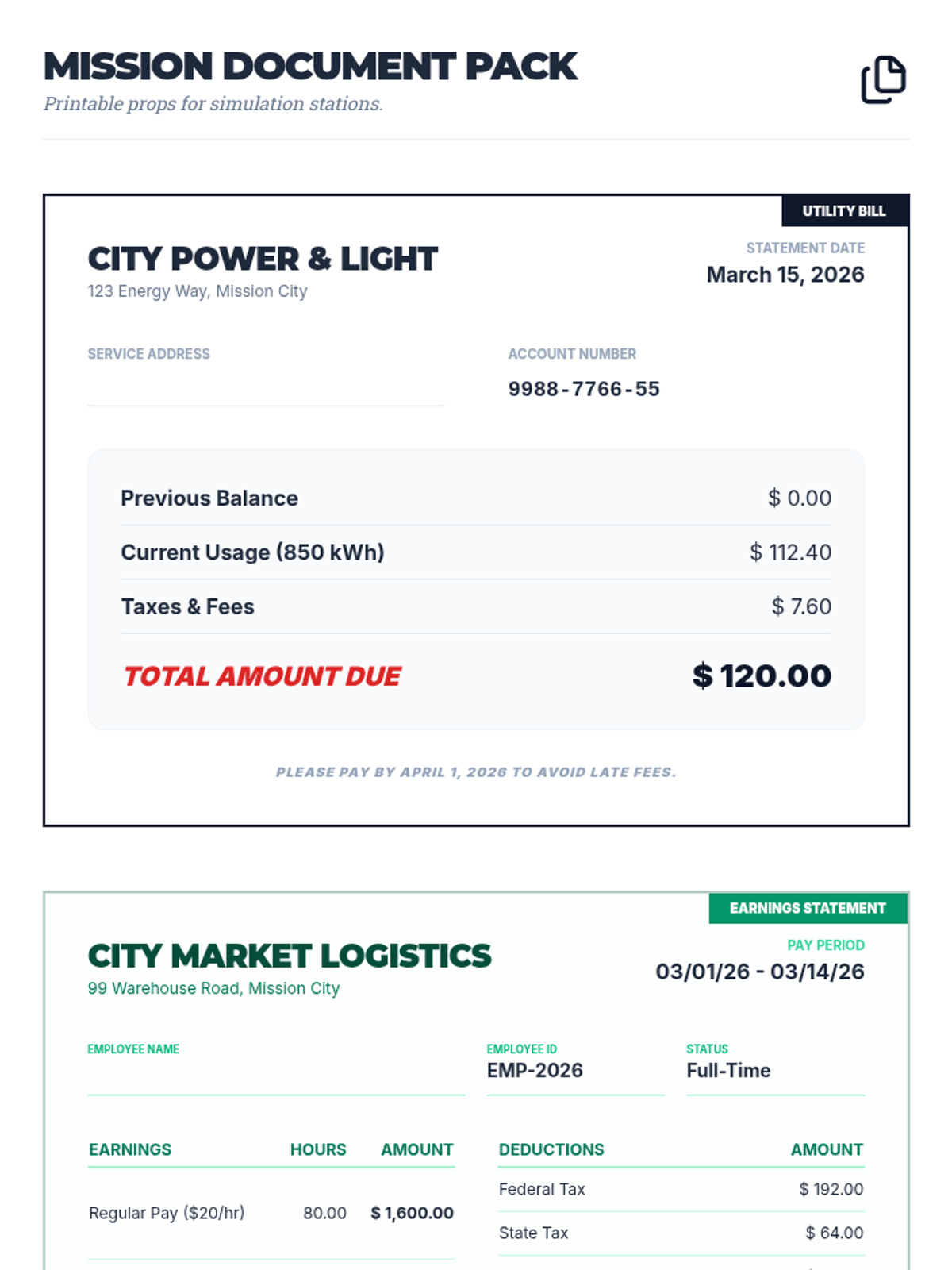
A comprehensive introduction to the essential forms every new employee must complete, covering the I-9, W-4, and direct deposit authorization. Students will learn the purpose of each form and how to accurately provide their information to ensure legal compliance and correct pay.
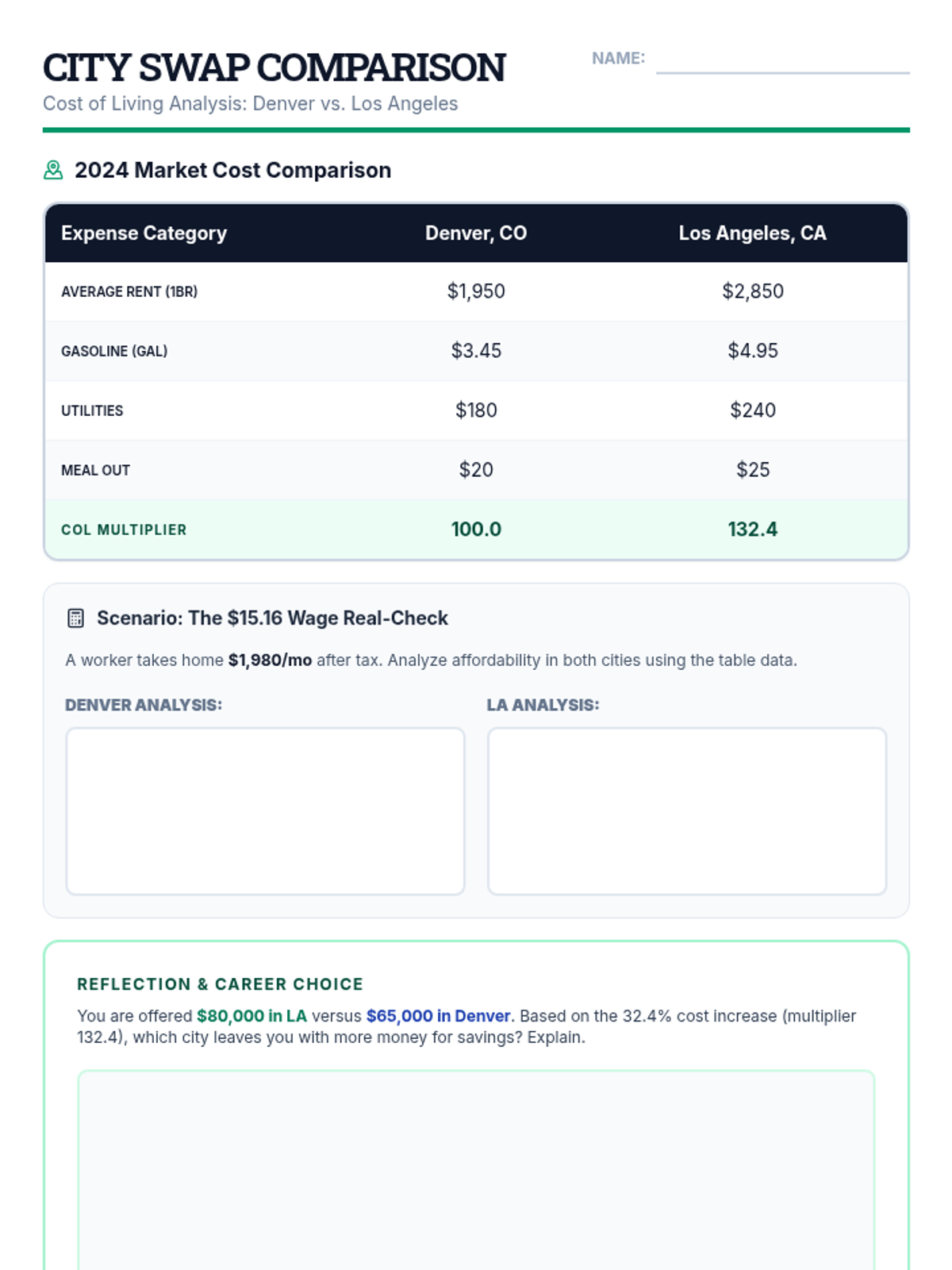
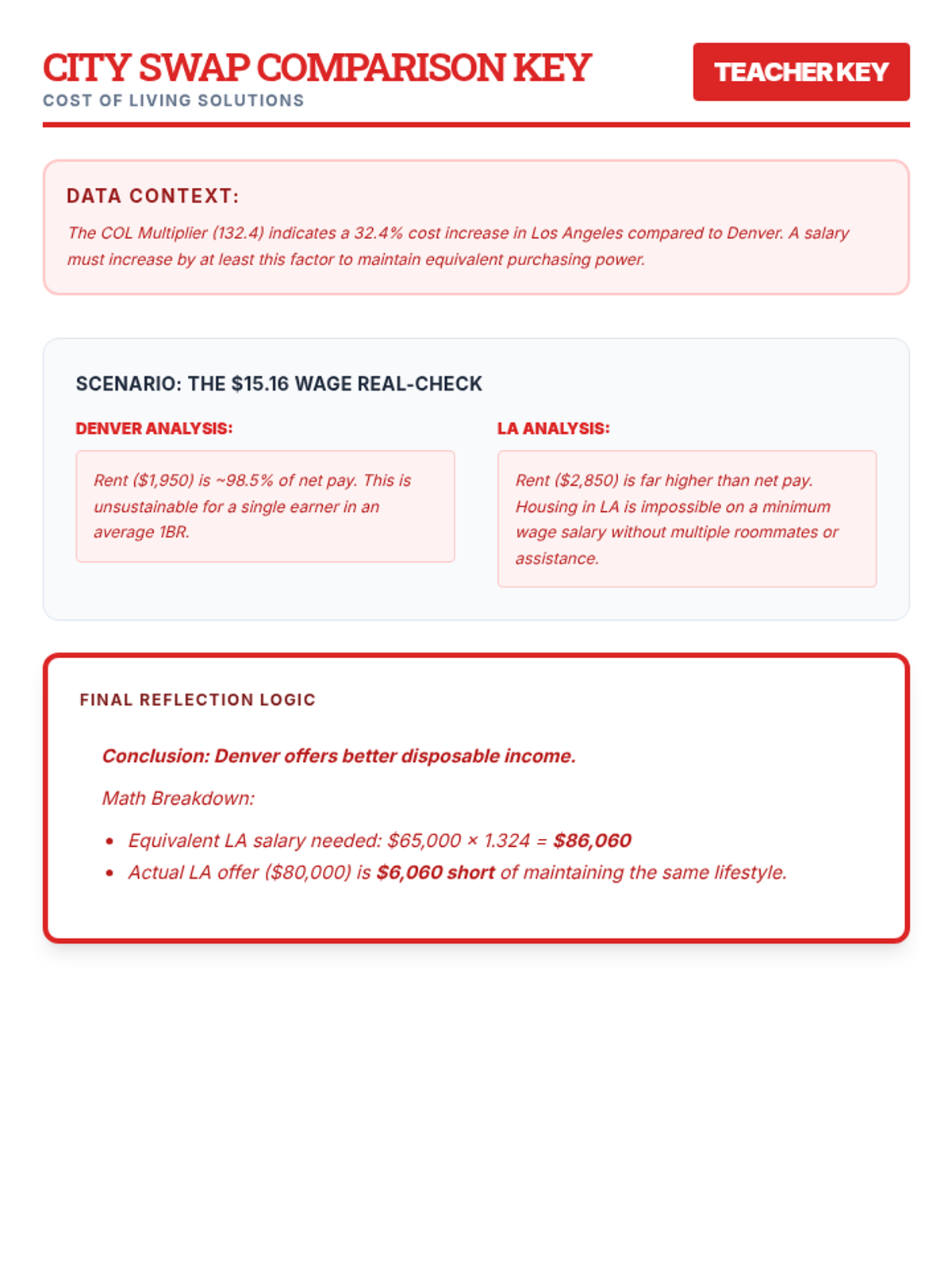
Analyzing how location affects the value of money by comparing cost-of-living data between Denver, Colorado, and Los Angeles, California.
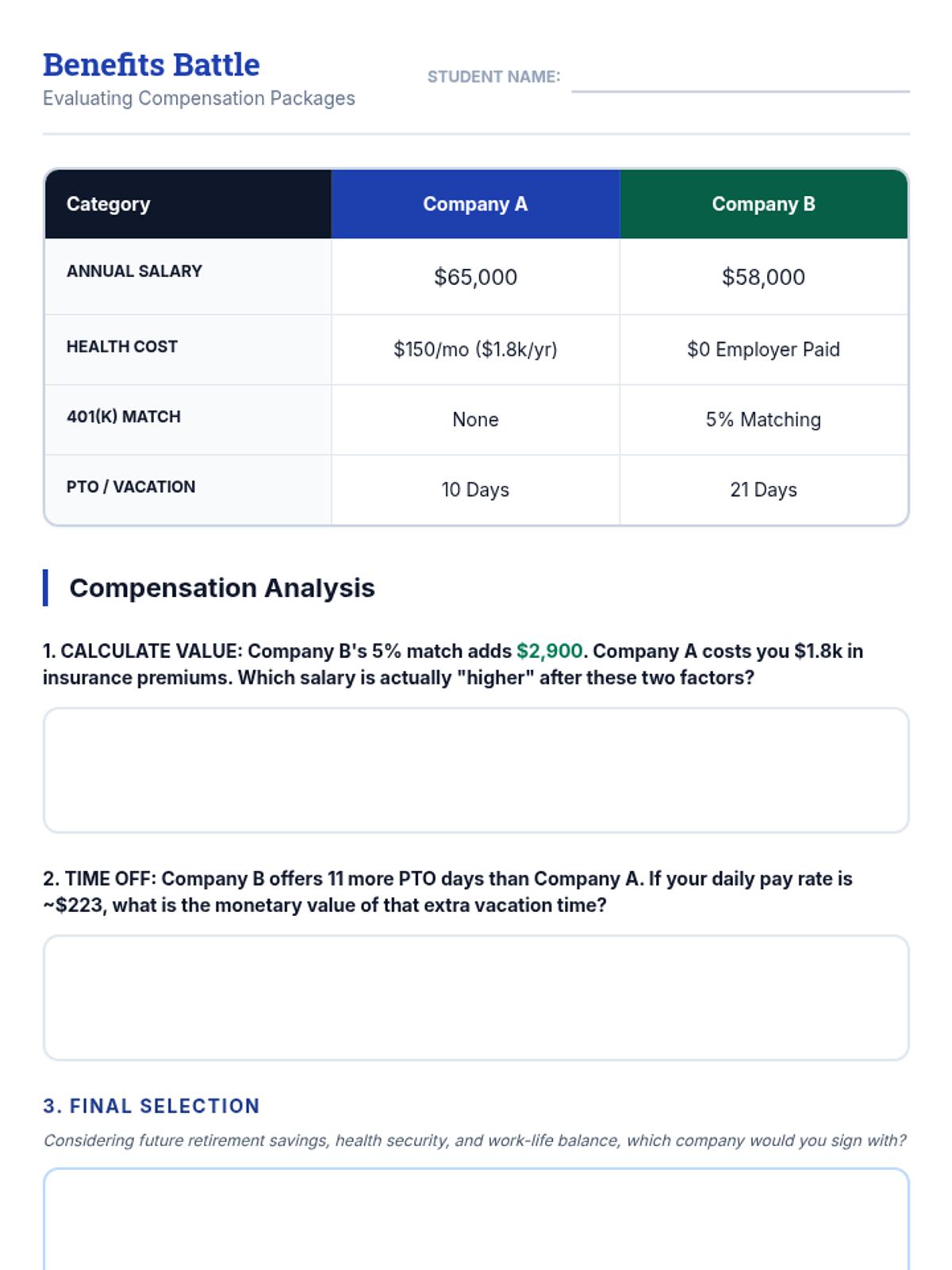
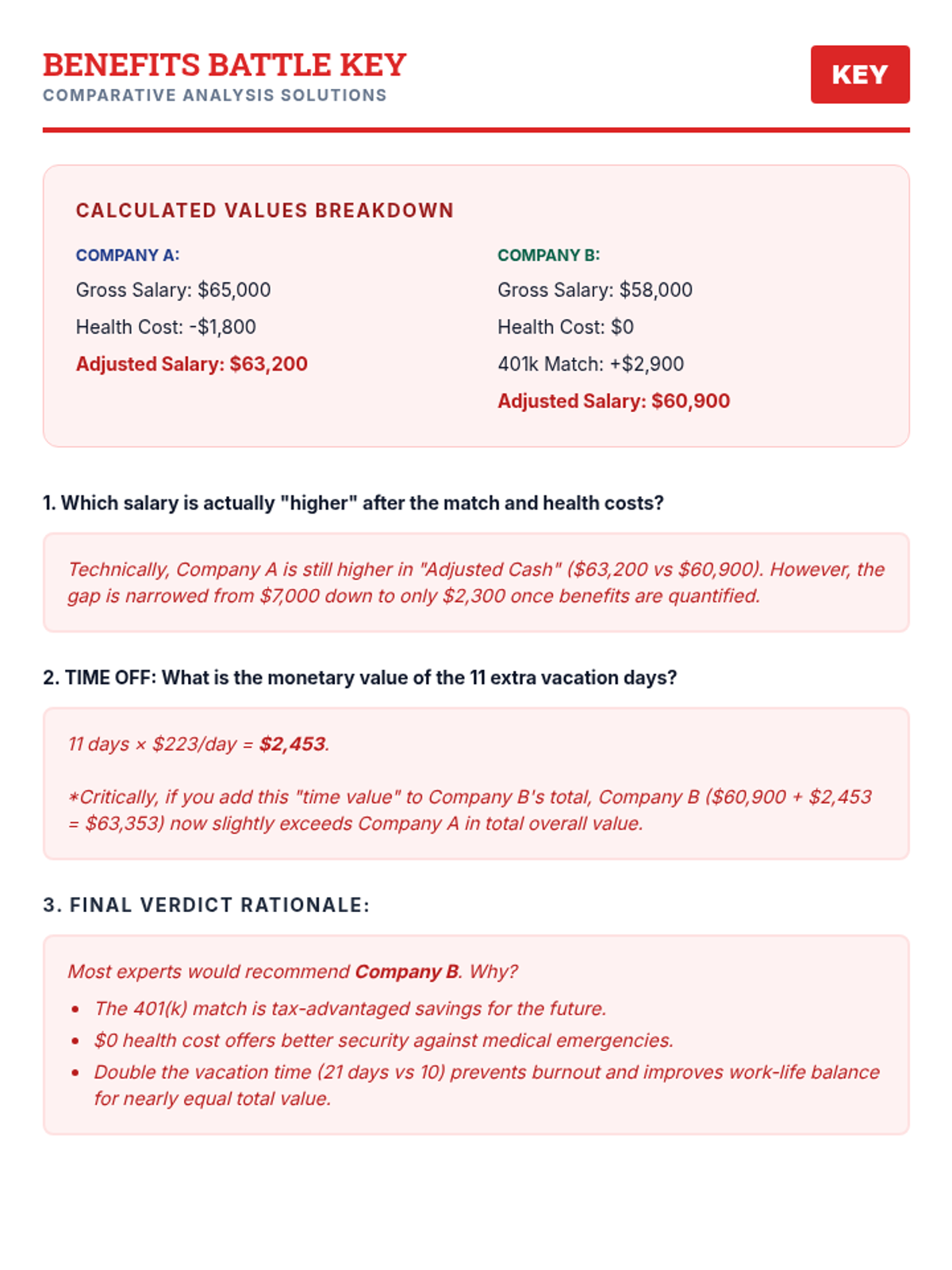
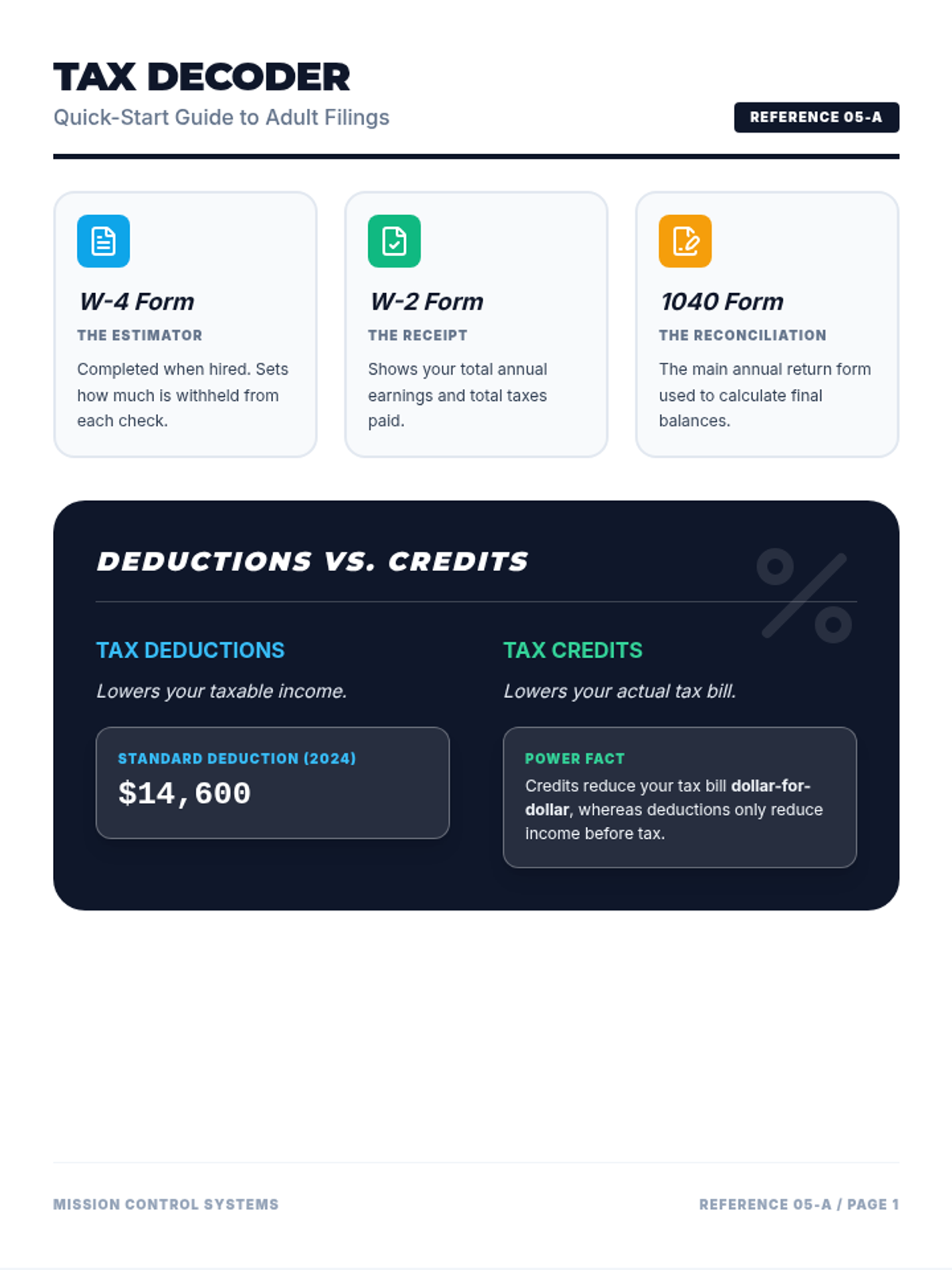
Navigating the administrative side of employment, including benefit comparisons and the essential tax forms required for new hires.
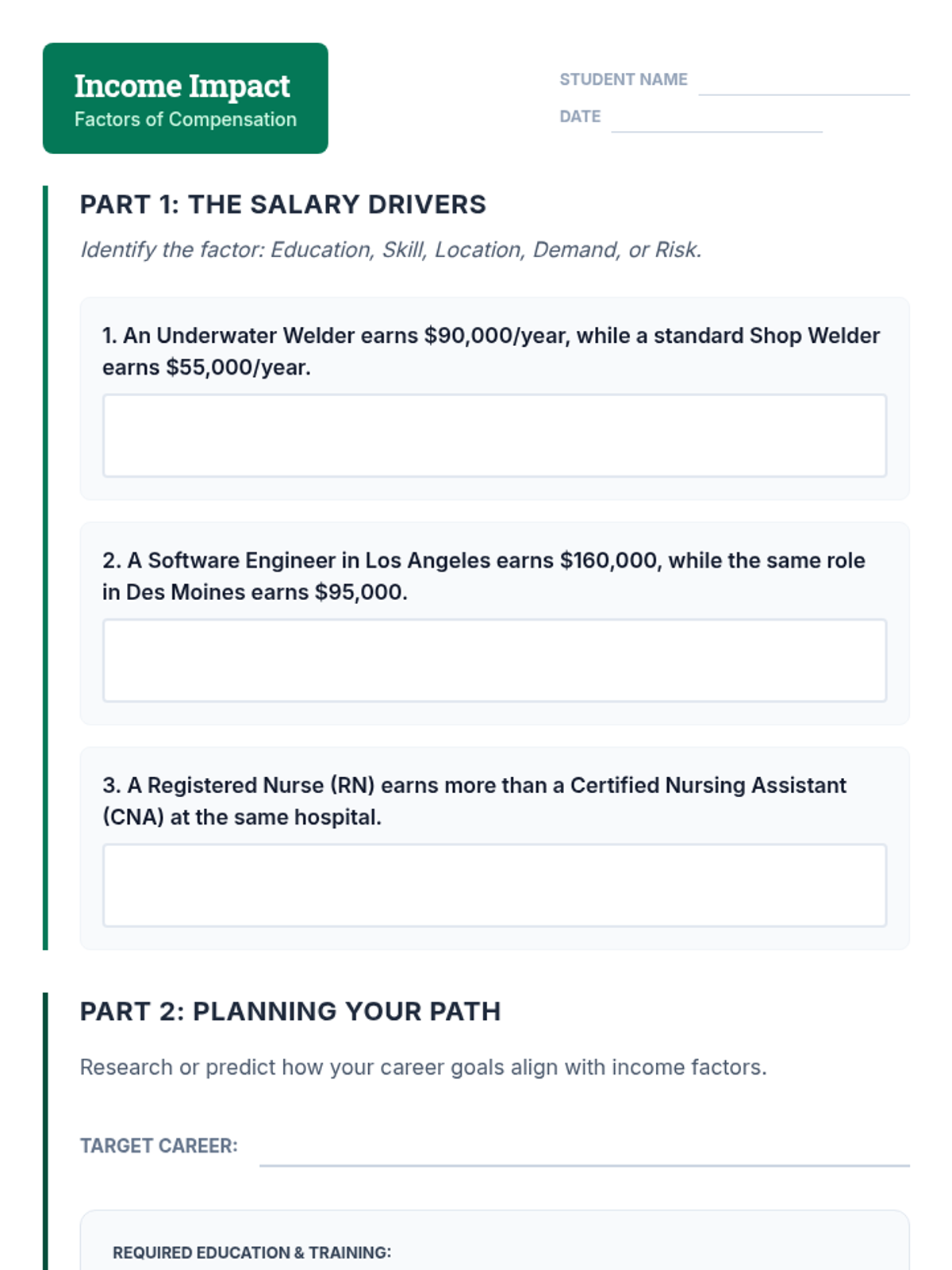
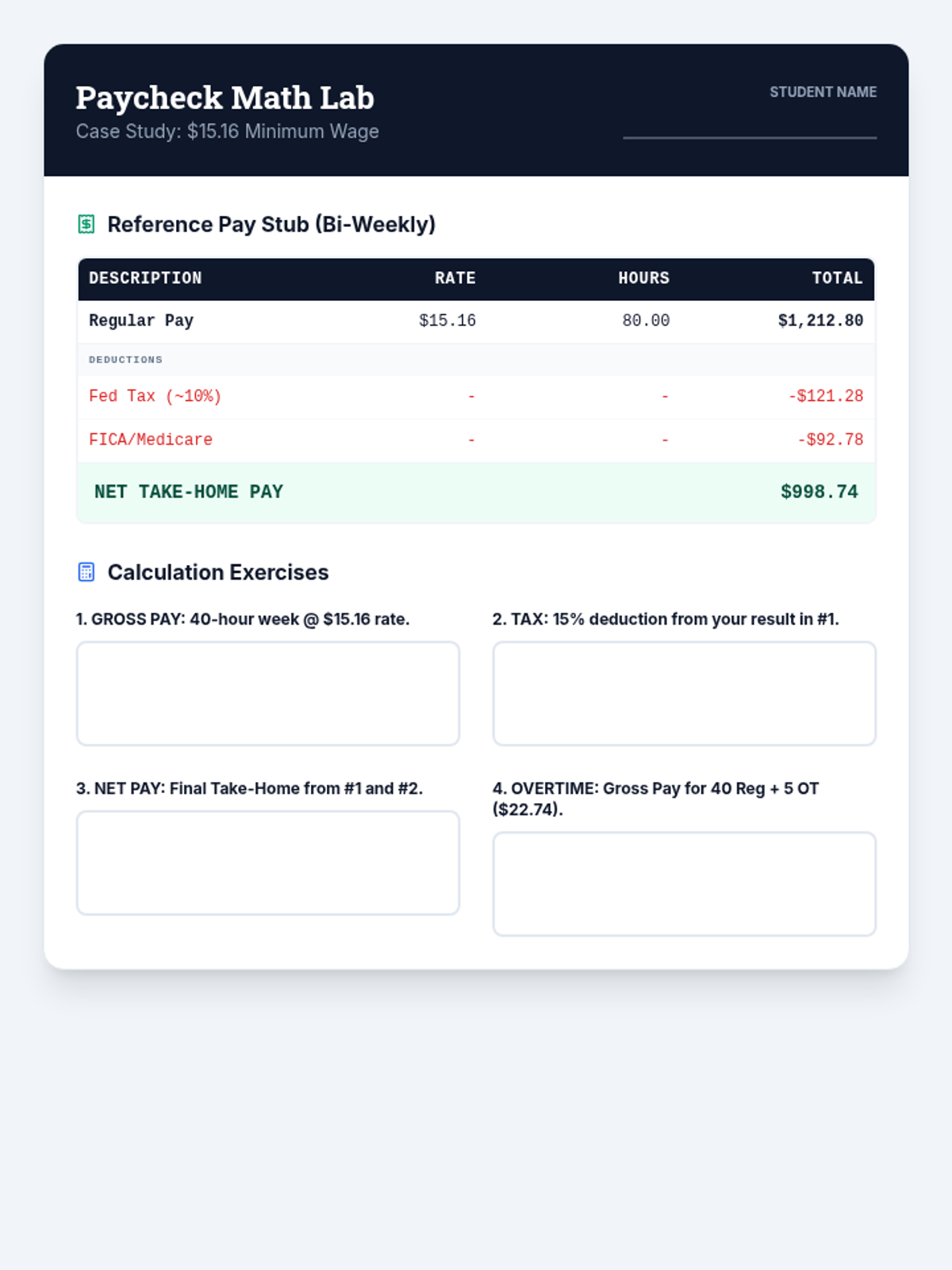
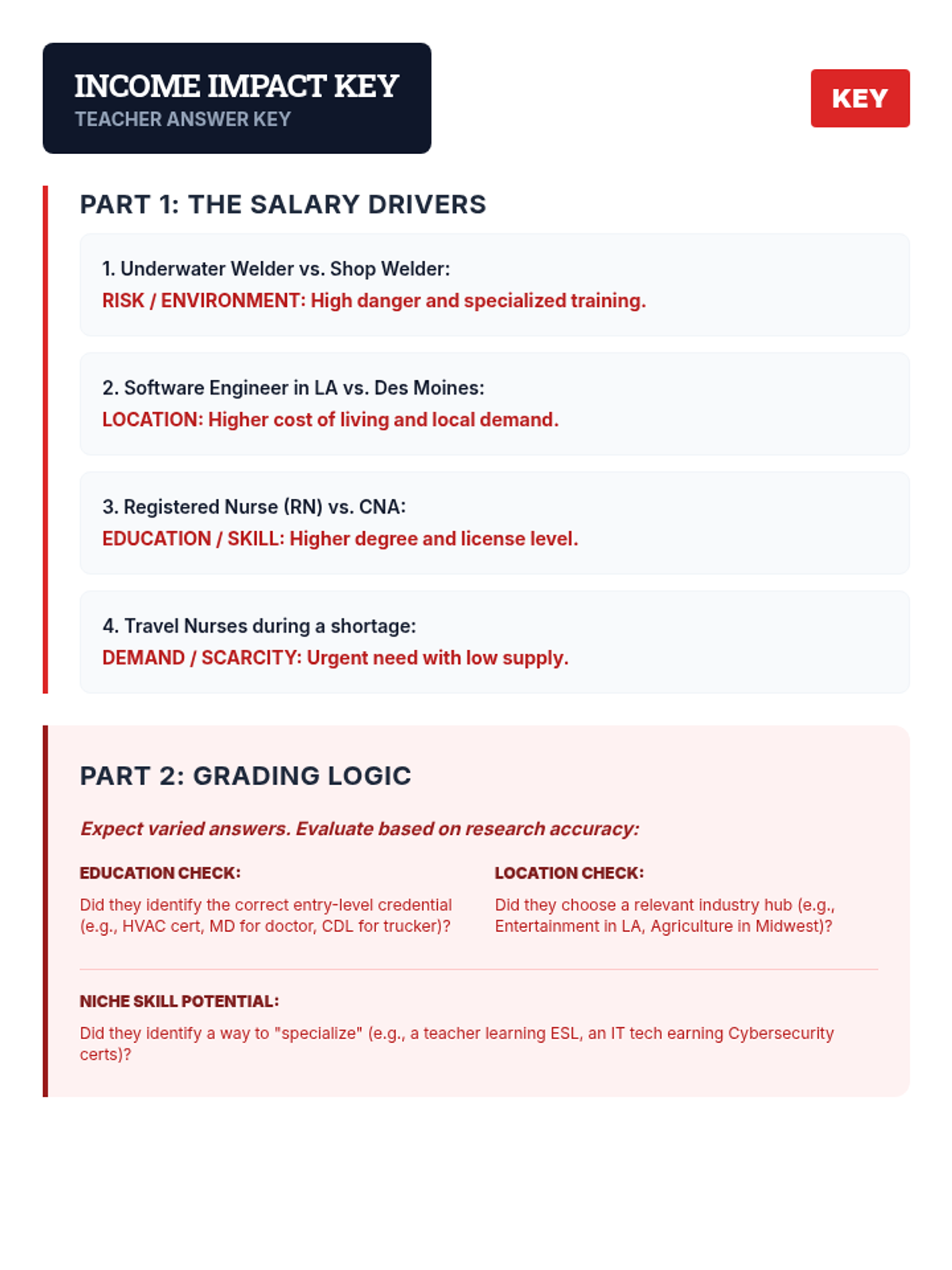
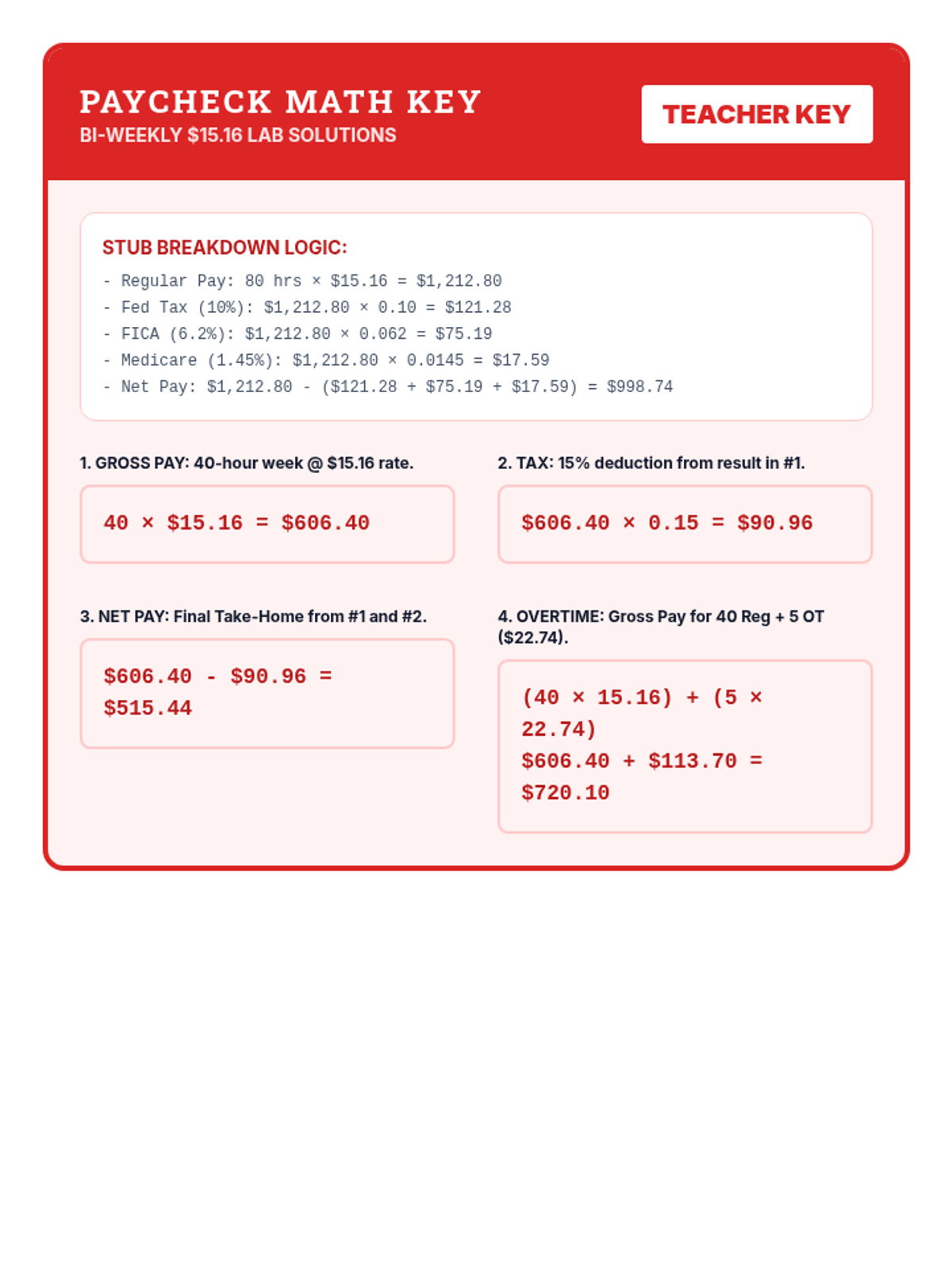
Understanding the fundamentals of how income is earned, how paychecks are calculated, and the specific math behind a $15.16 hourly wage.
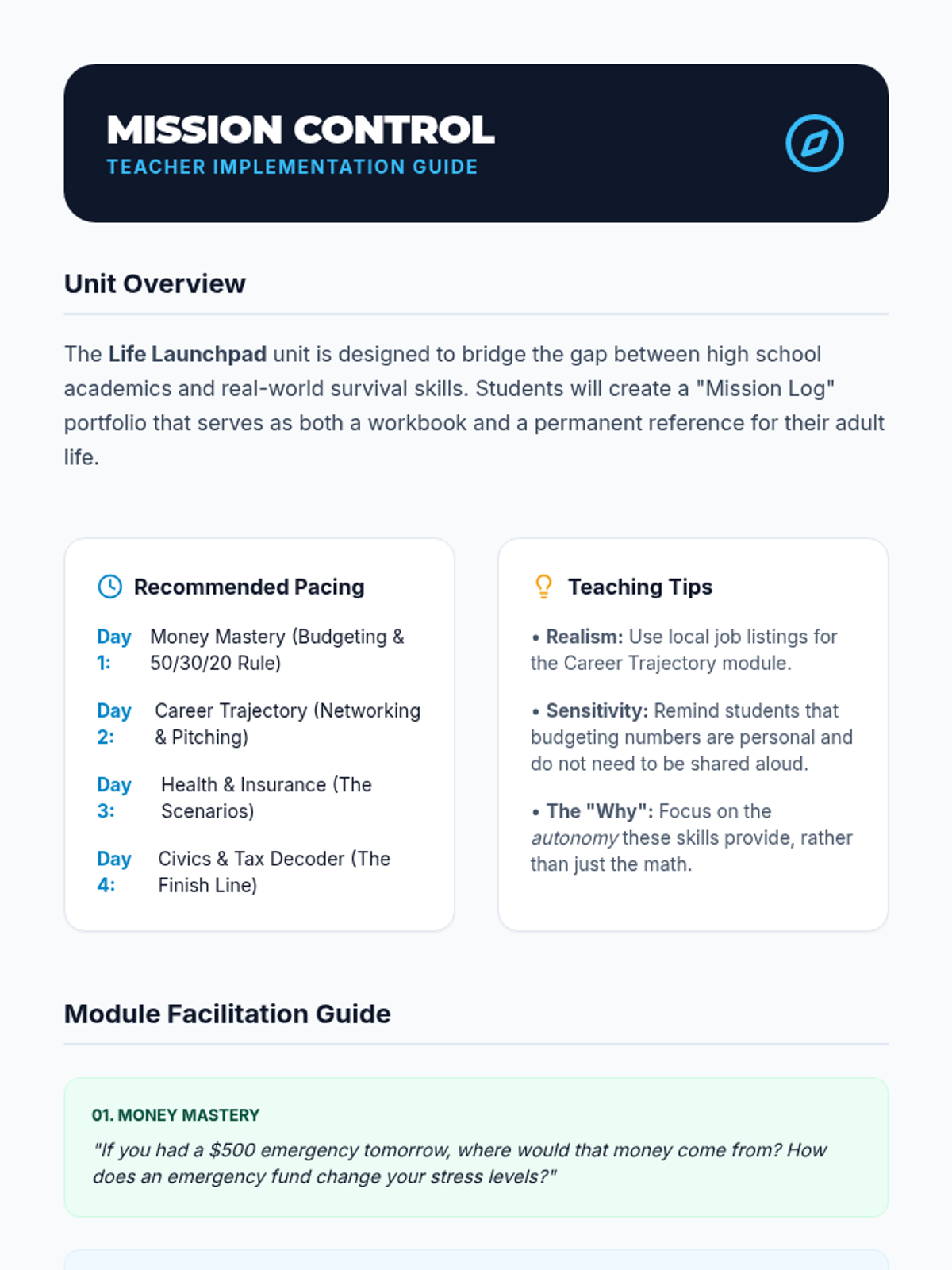
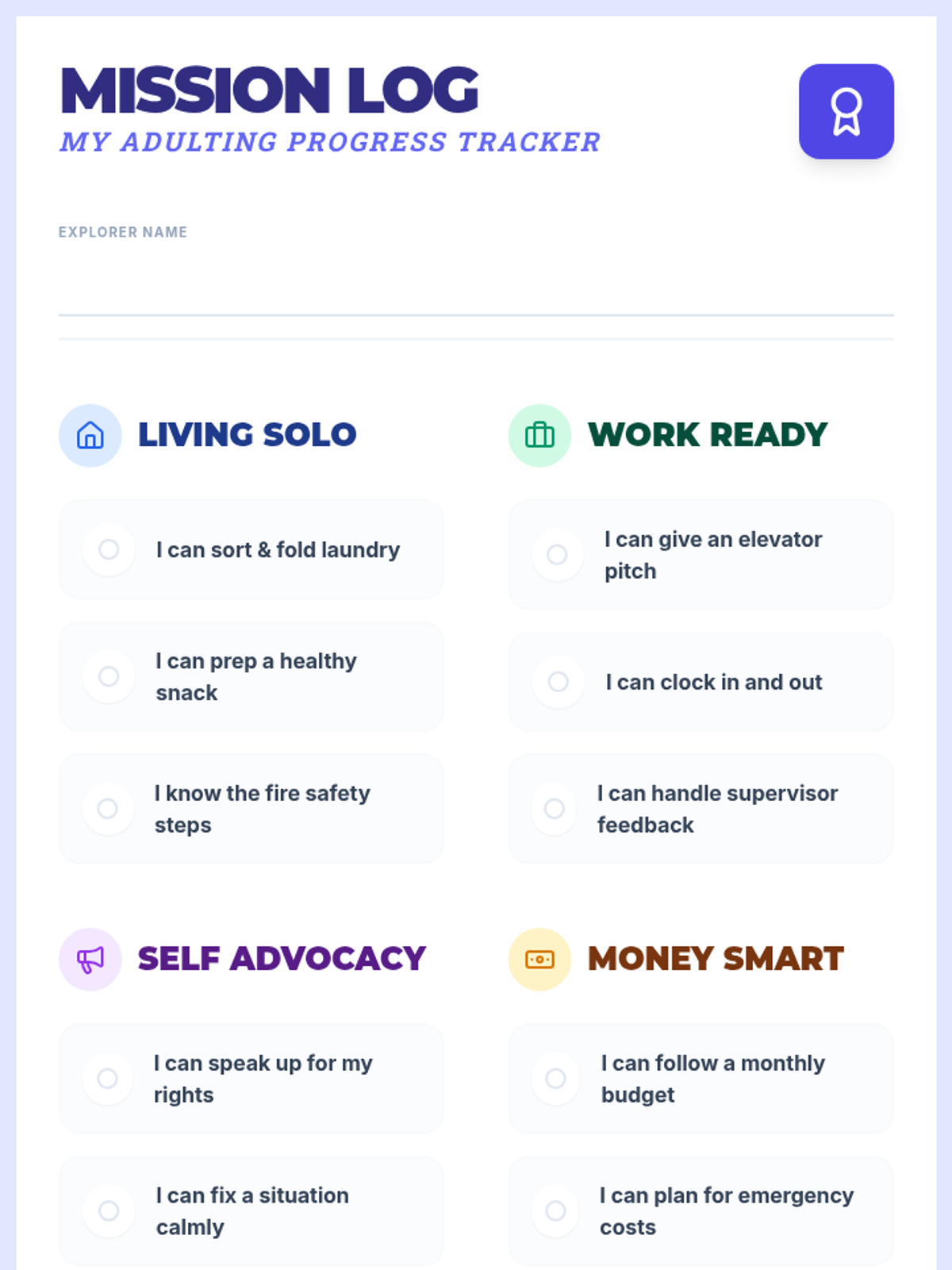
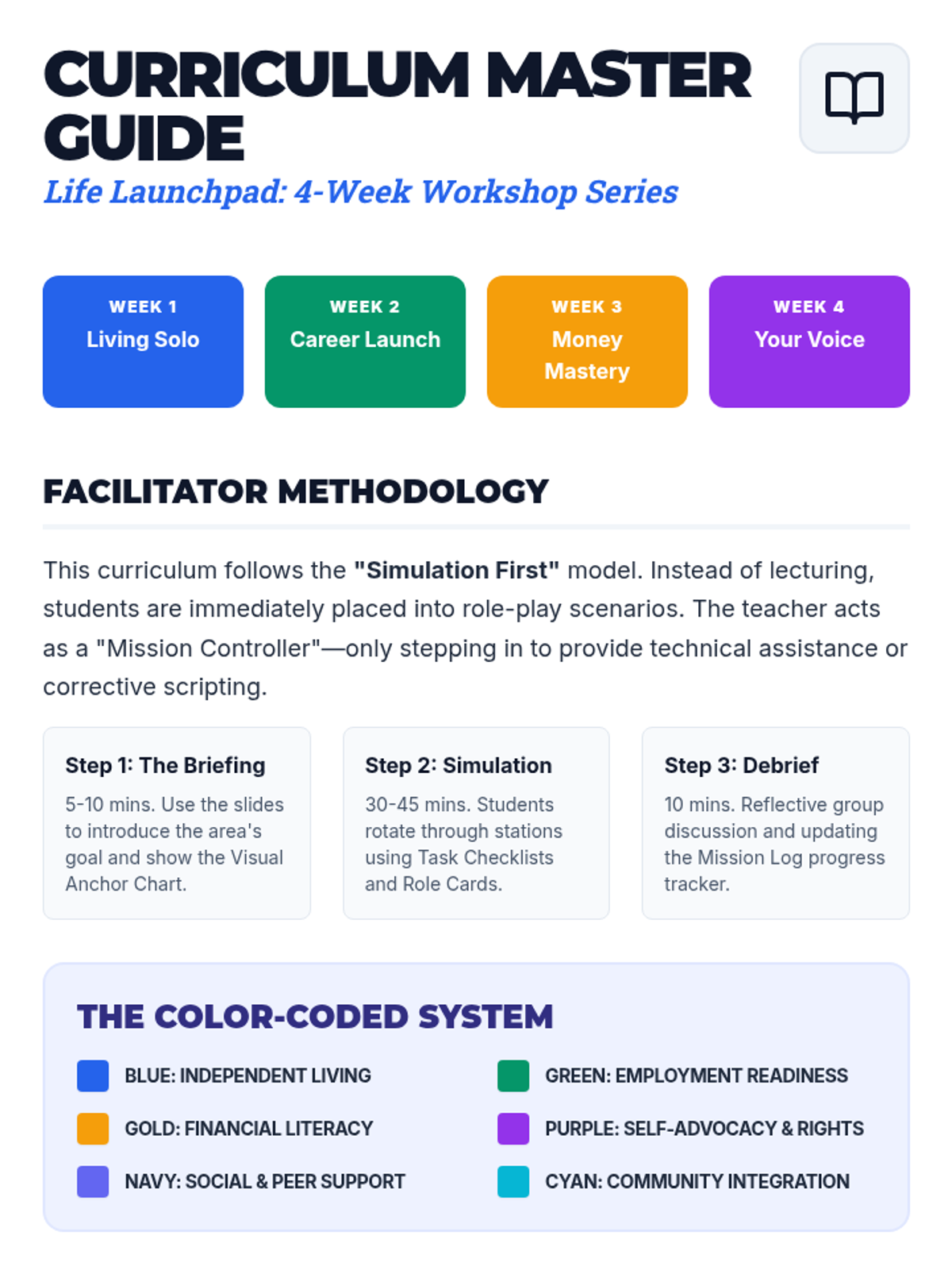
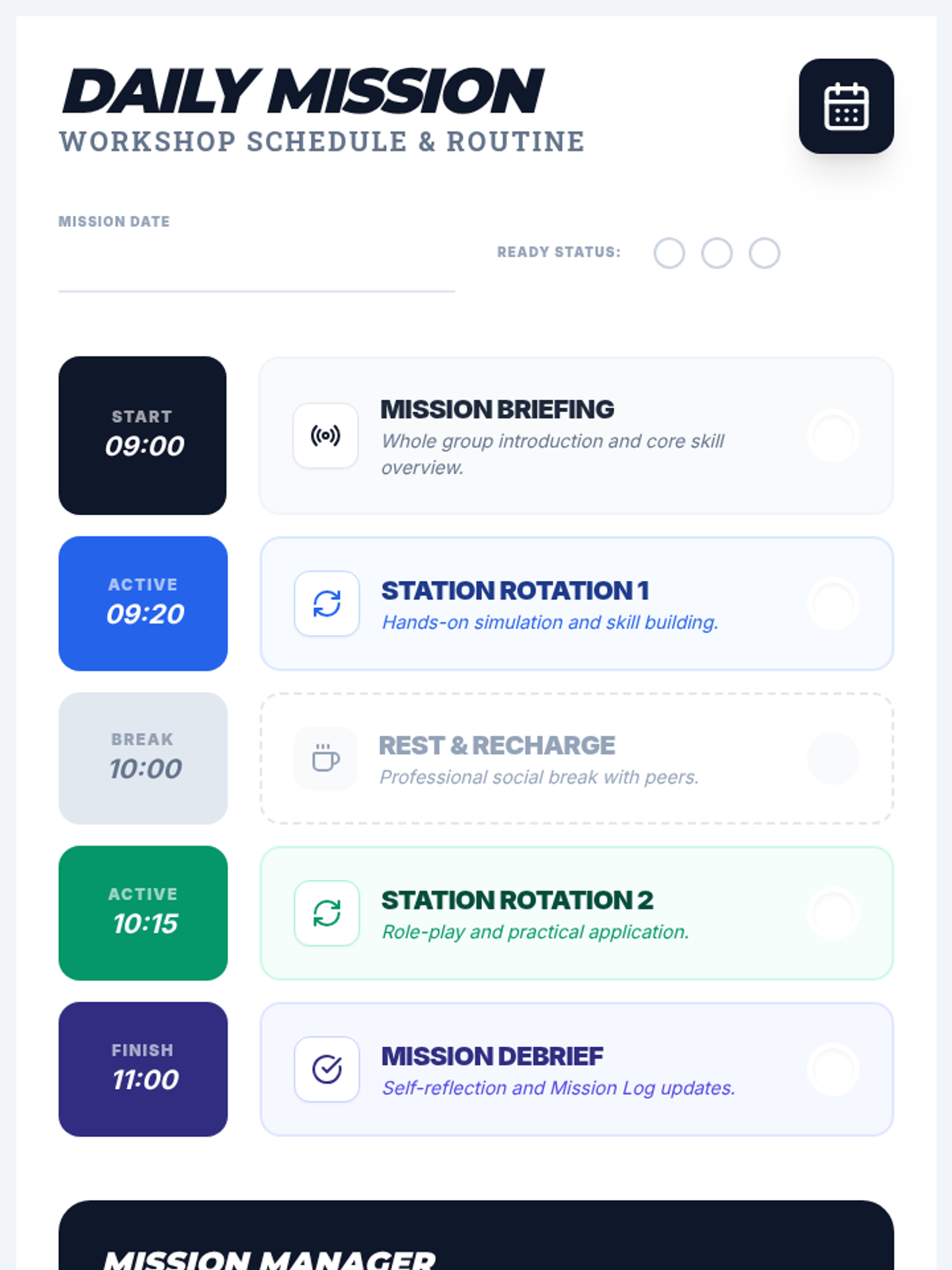
A comprehensive transition-to-adulthood curriculum covering financial literacy, career planning, health navigation, and civic engagement. Students build a personal 'mission log' portfolio to prepare for independent life.
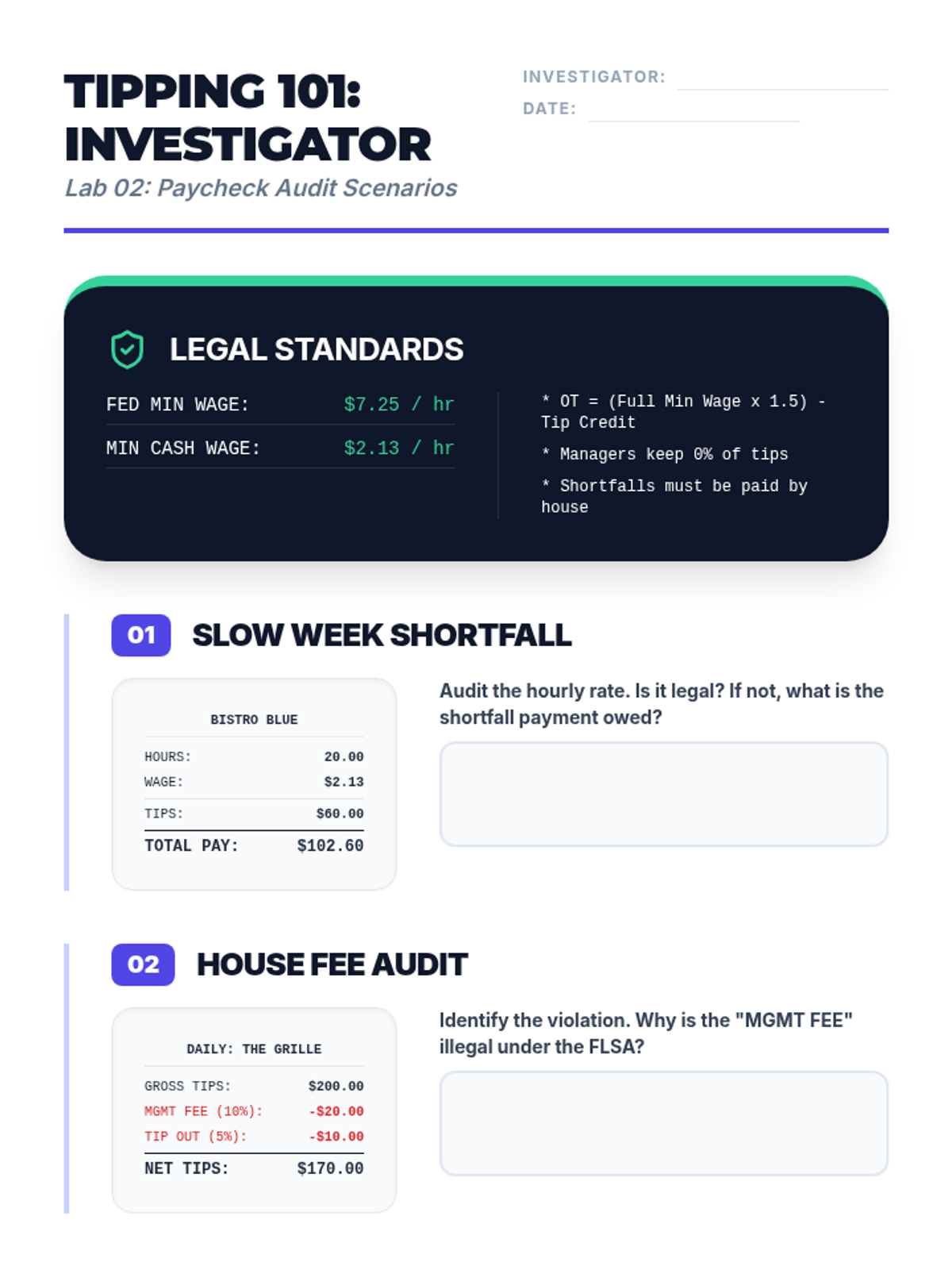
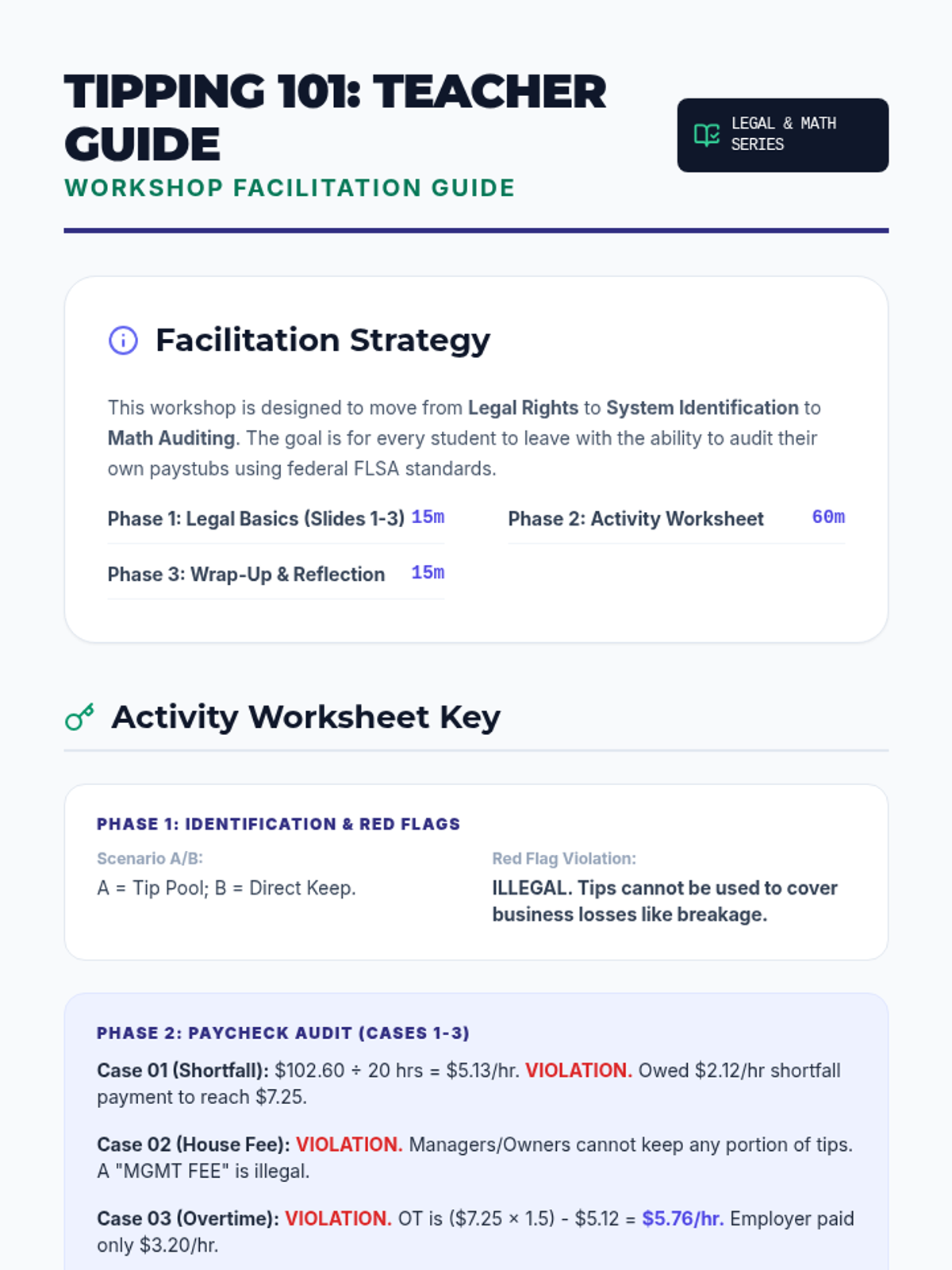
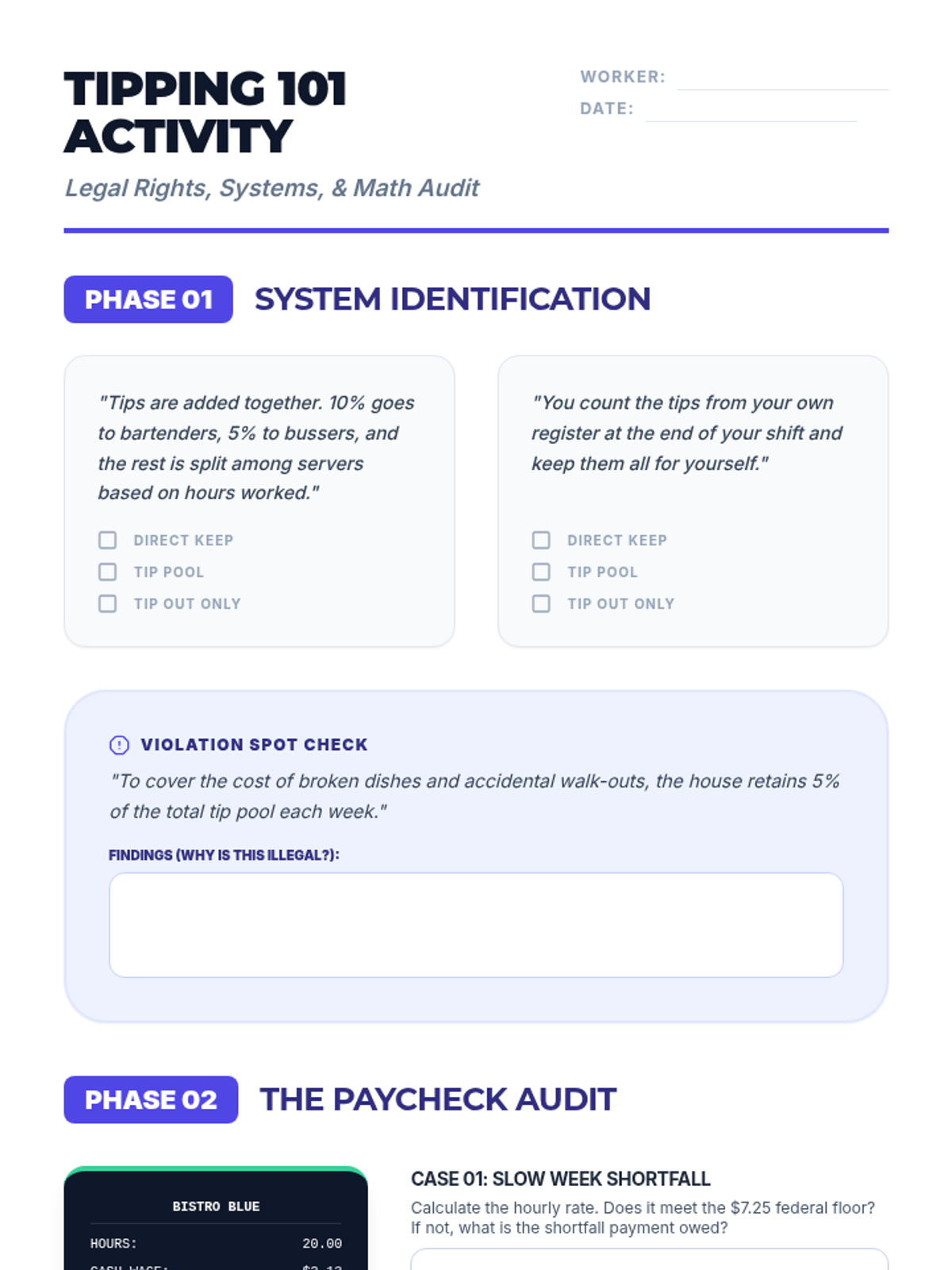
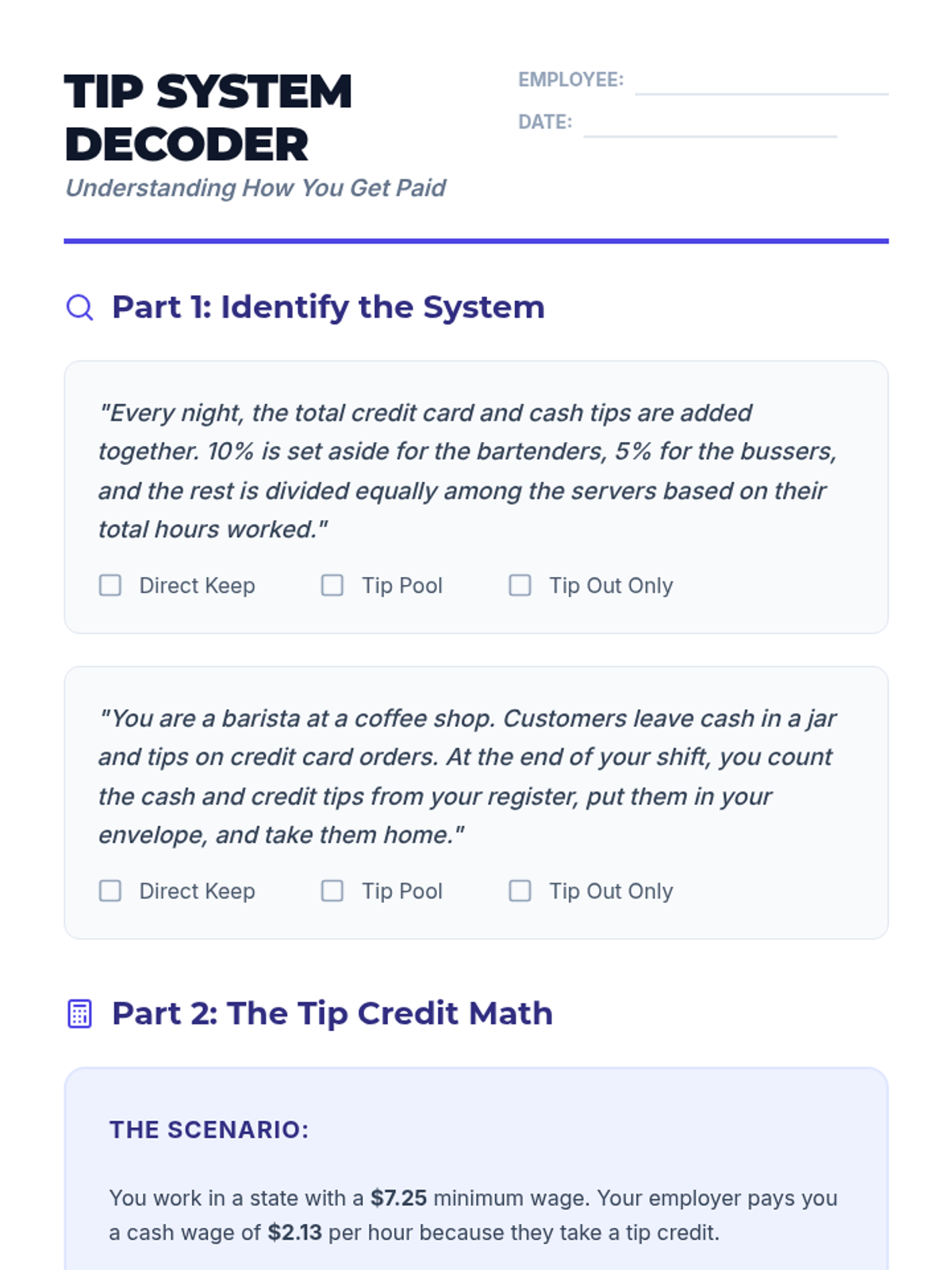
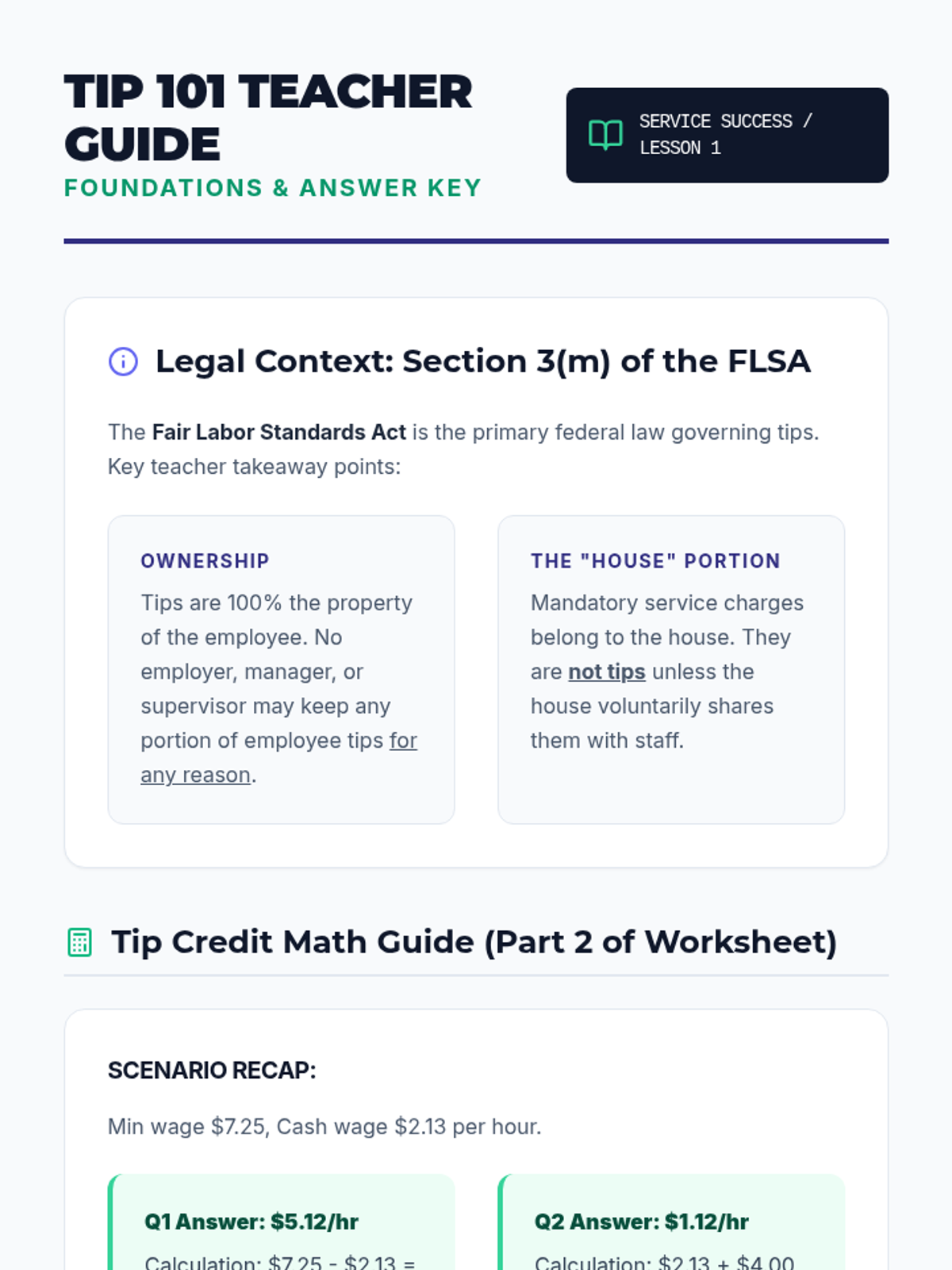
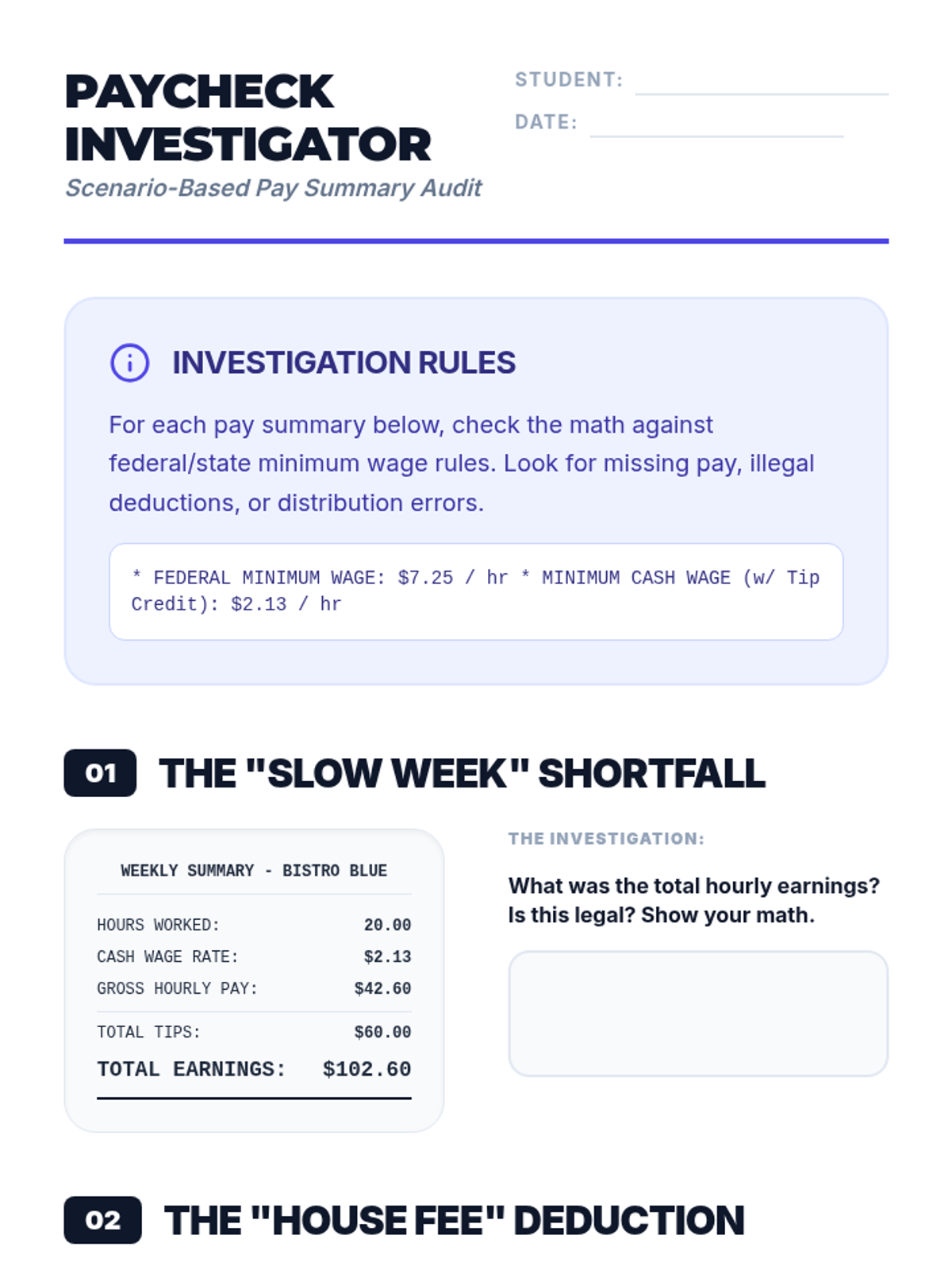
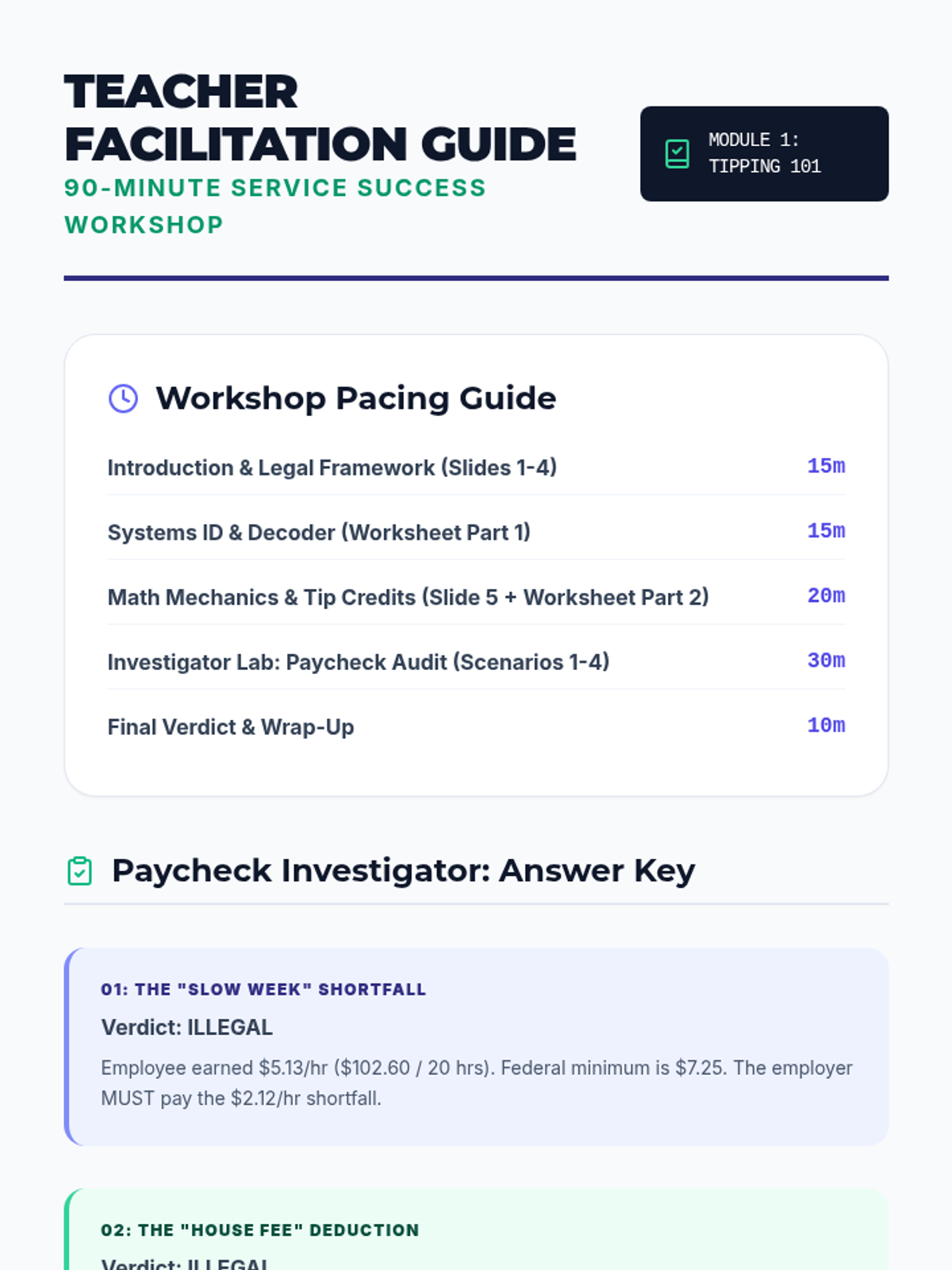
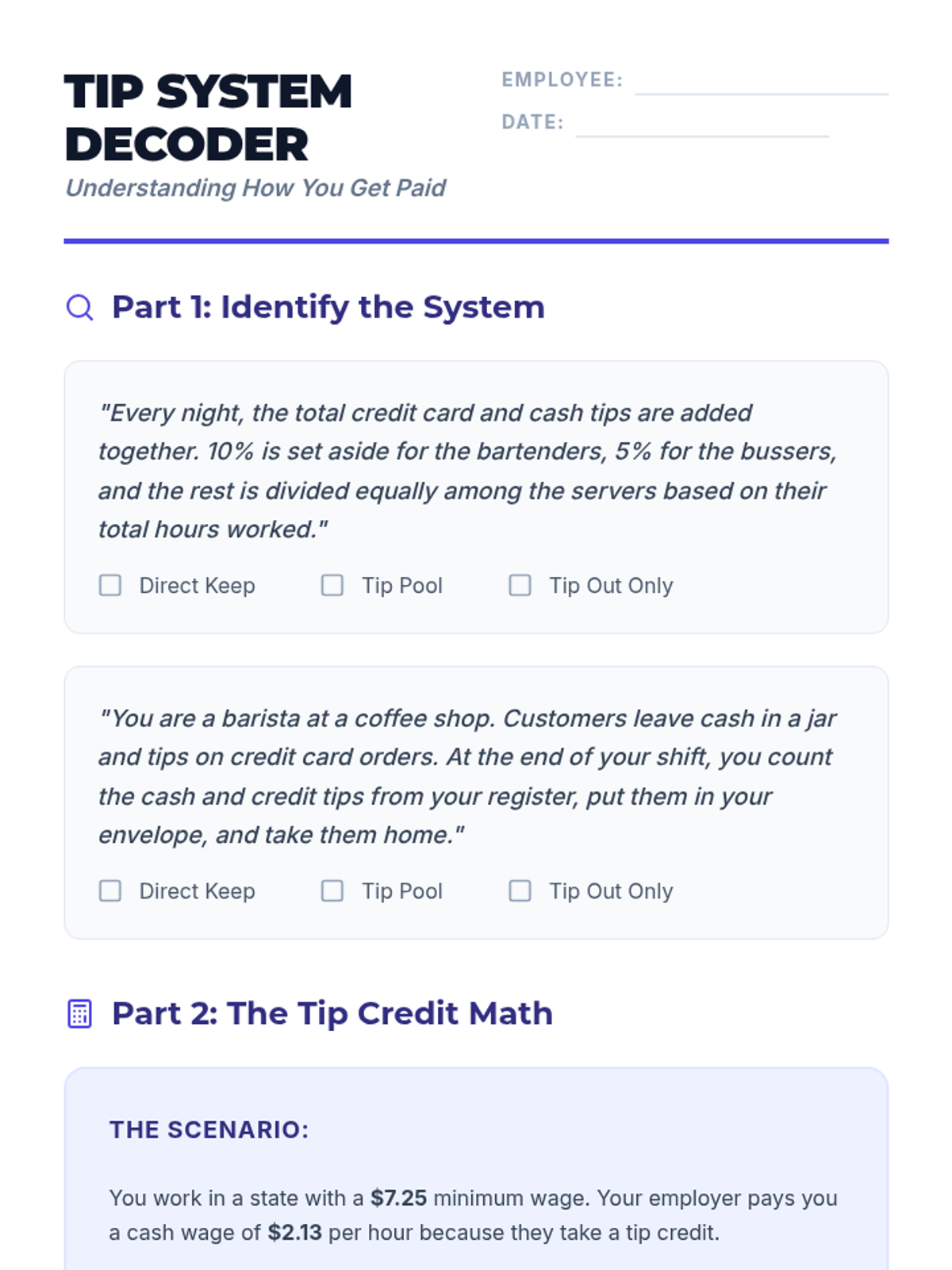
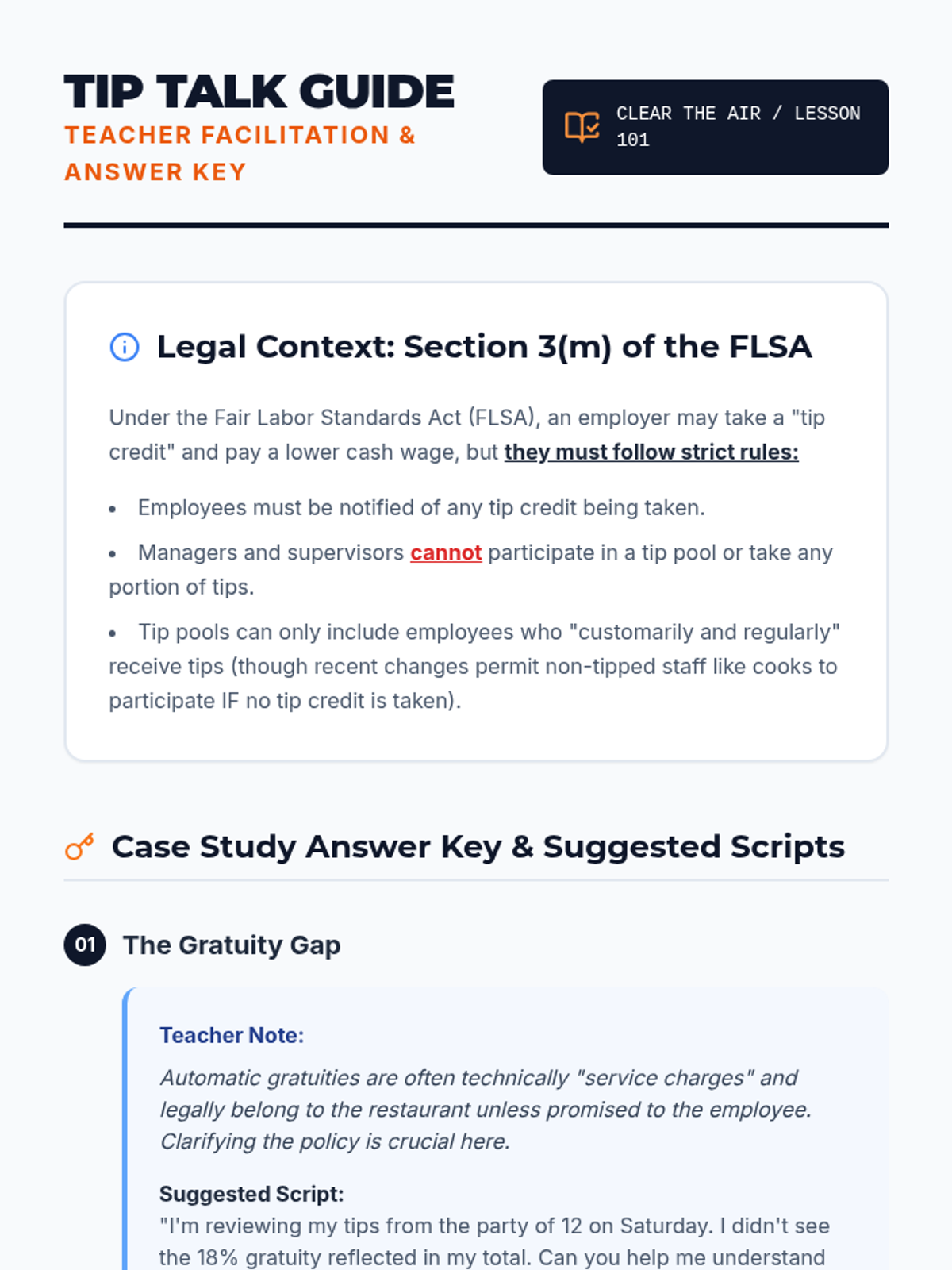
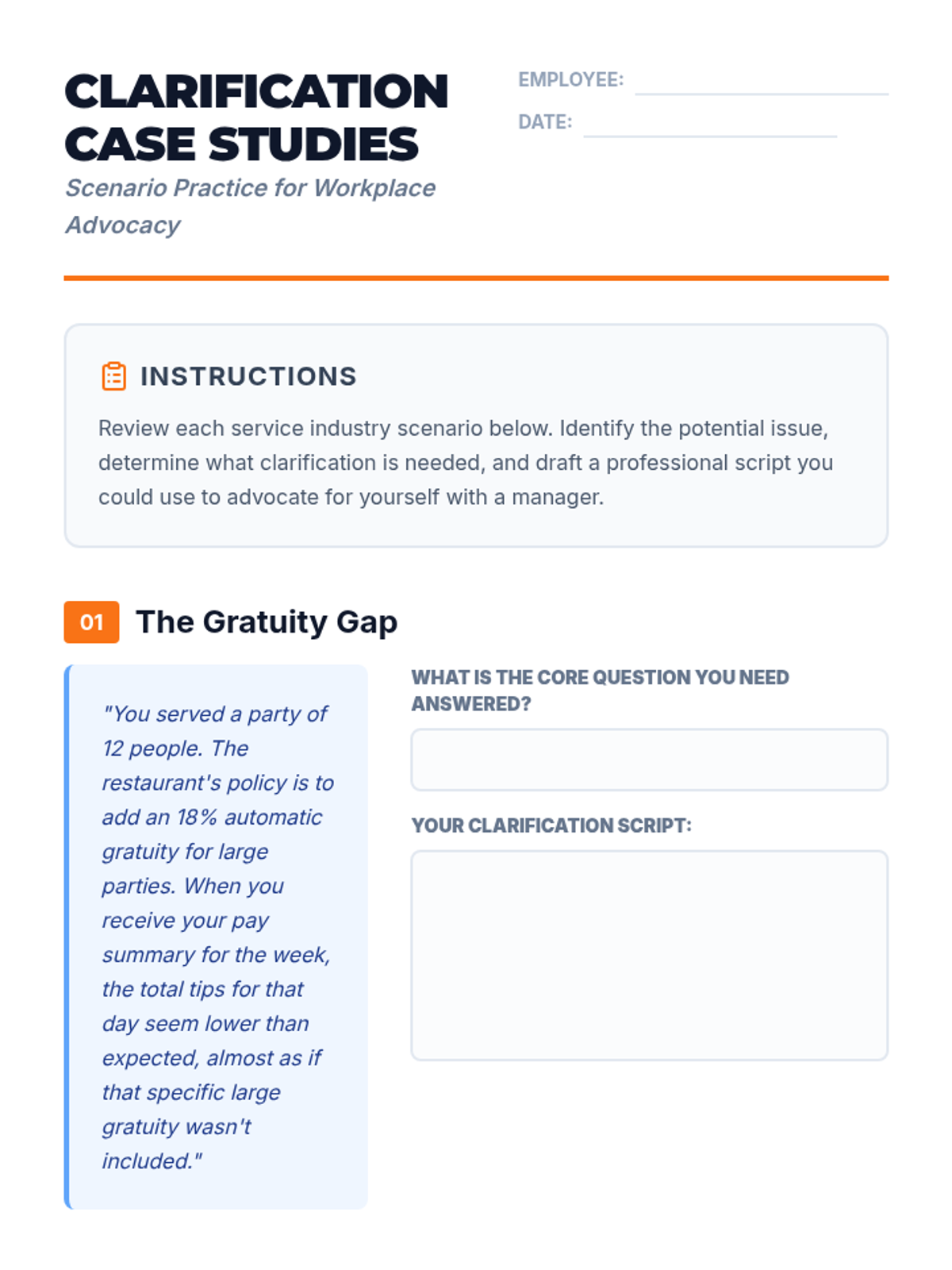
A comprehensive 90-minute workshop on the fundamentals of tipping. This session covers legal rights under the FLSA, the mechanics of tip credits, and paycheck auditing.
This area contains lessons and materials that have been removed from the active sequence. They are kept here due to technical storage requirements but should not be used for instruction.
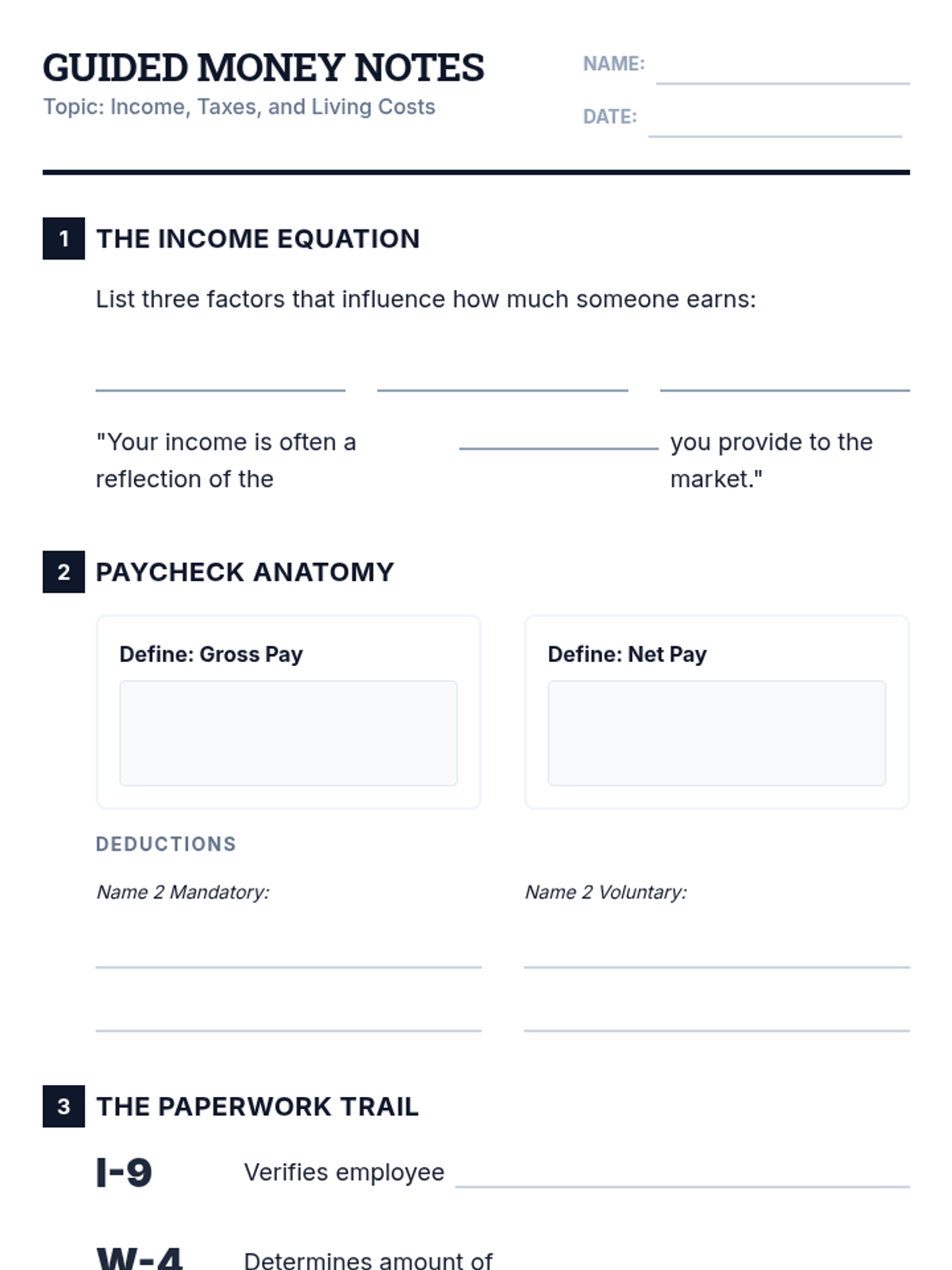
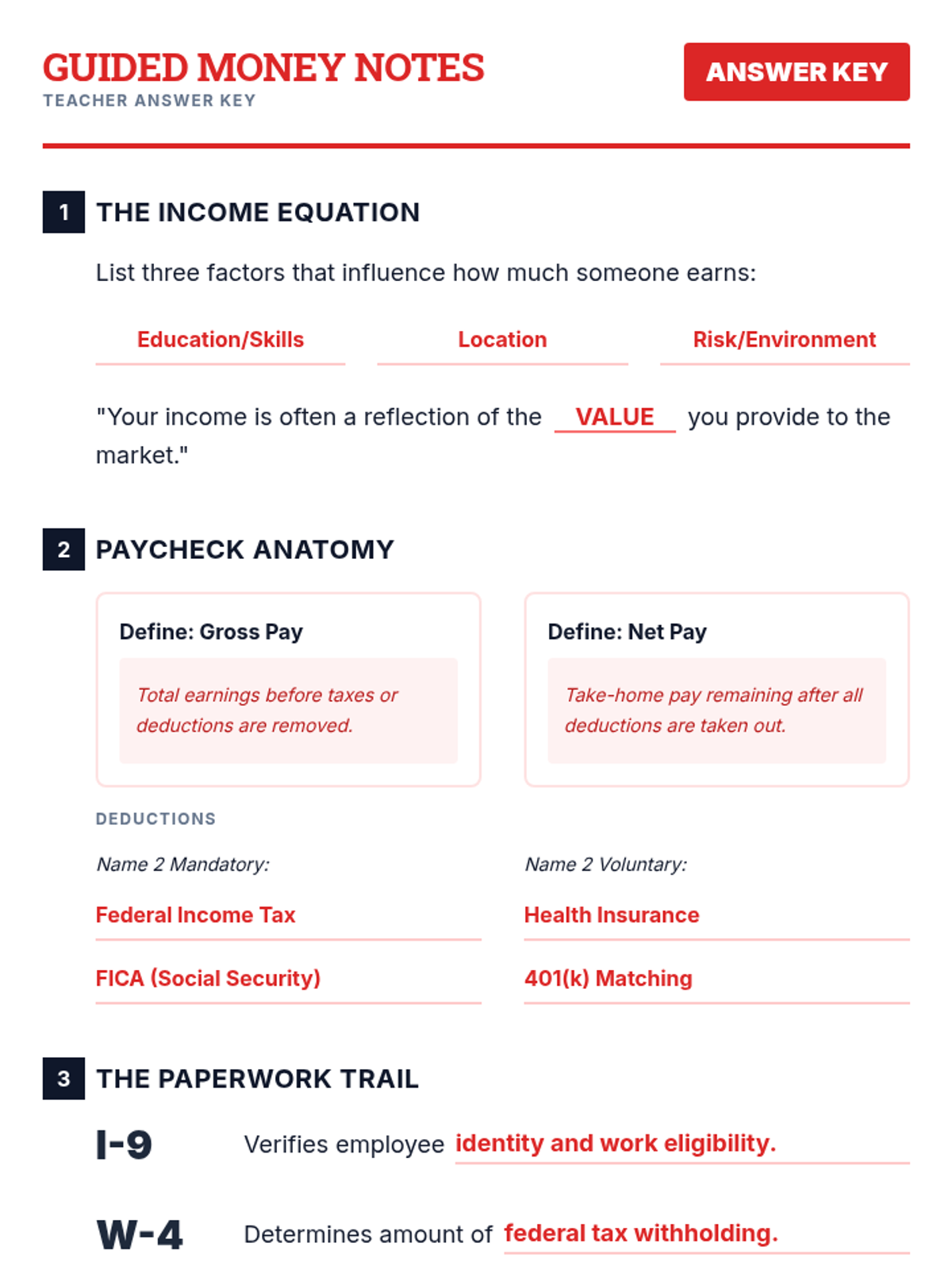
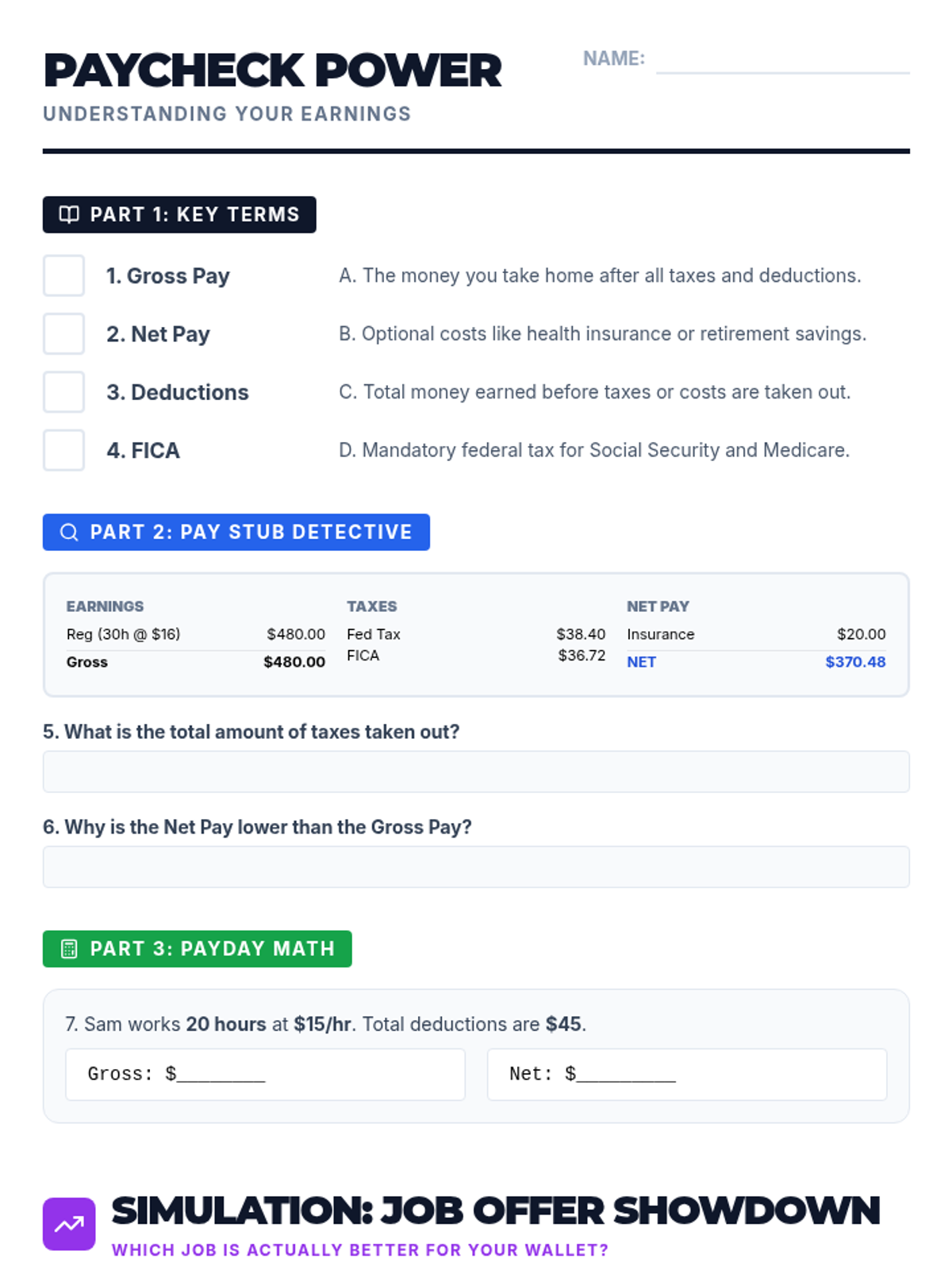
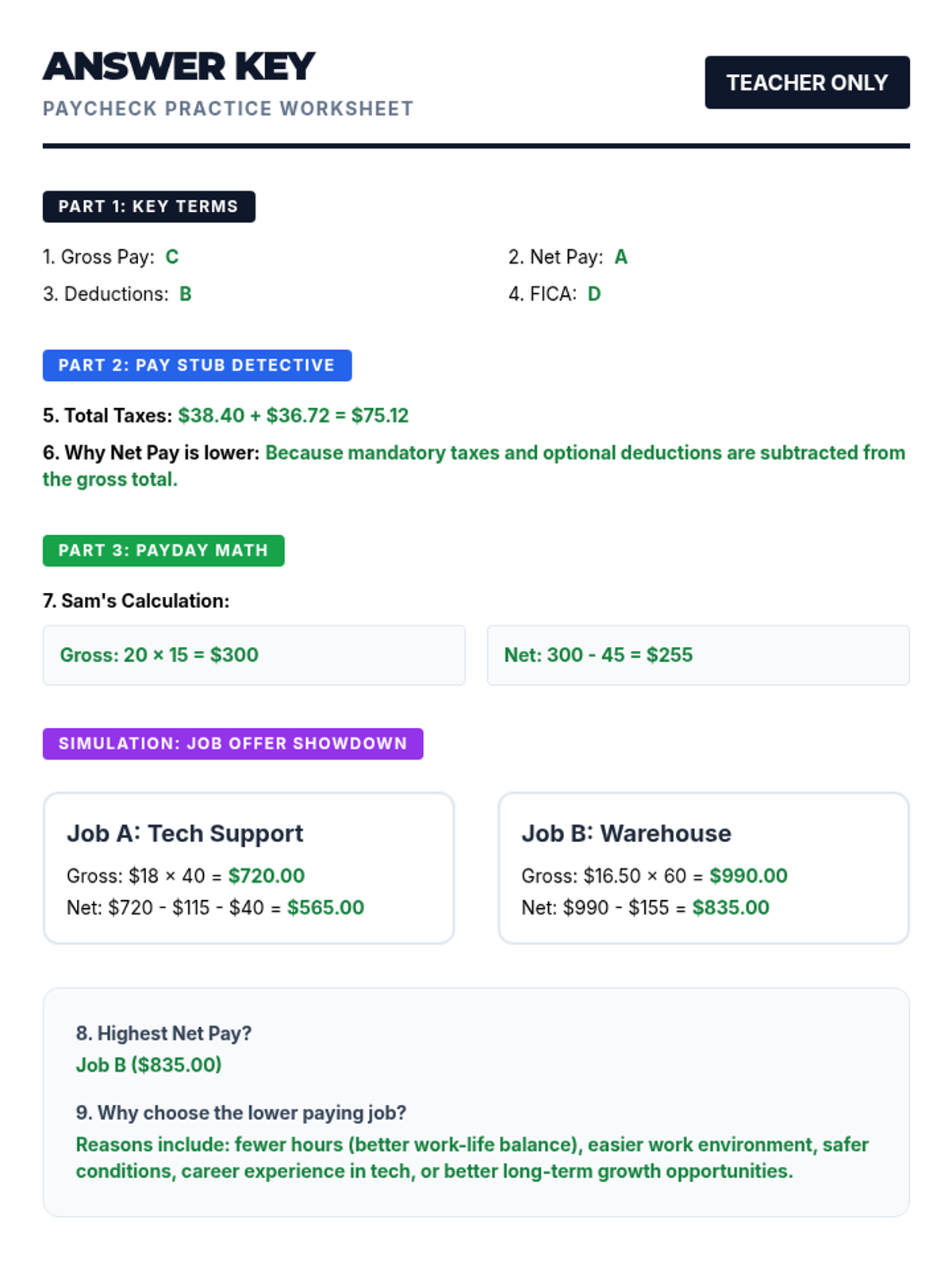
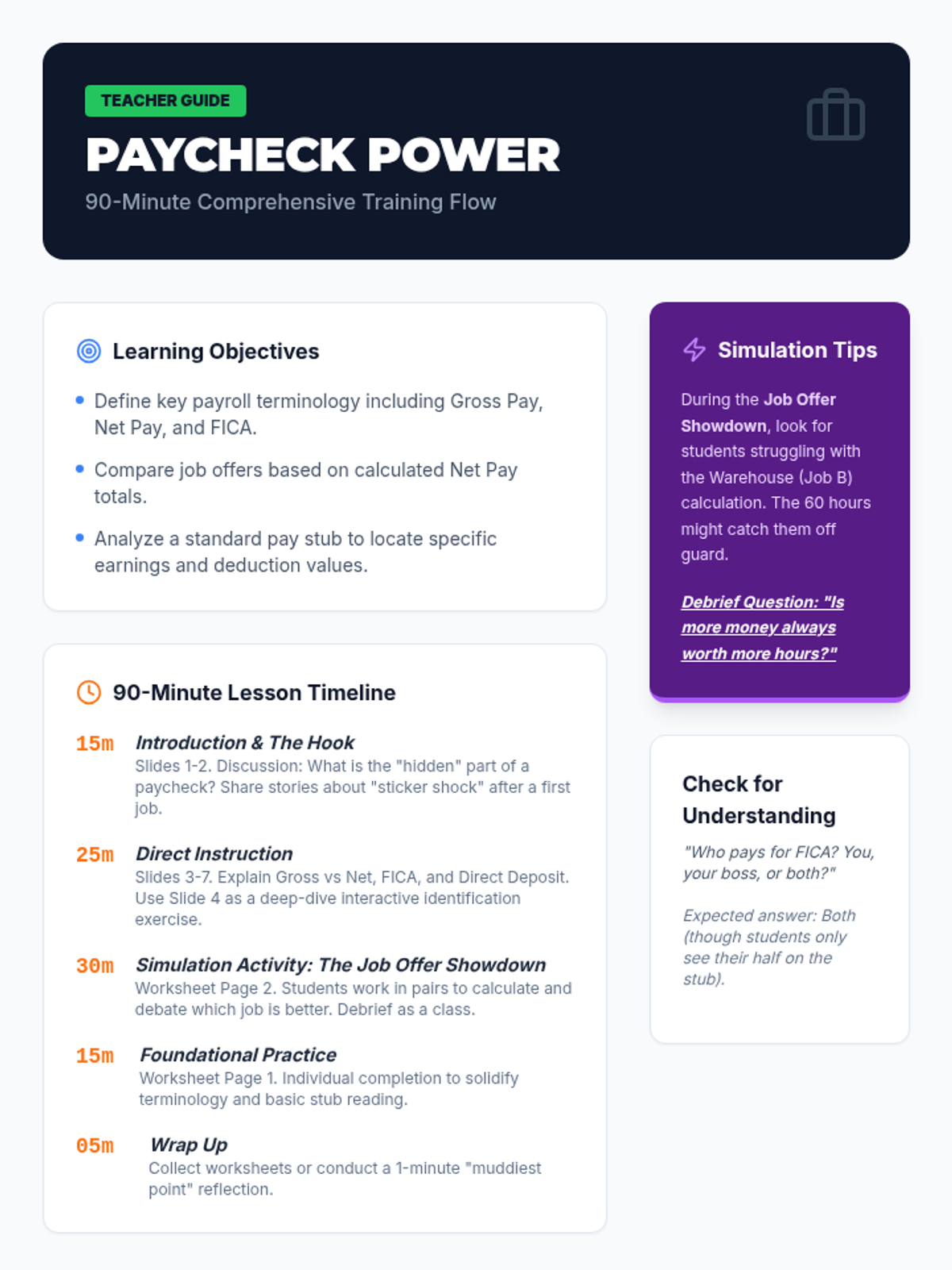
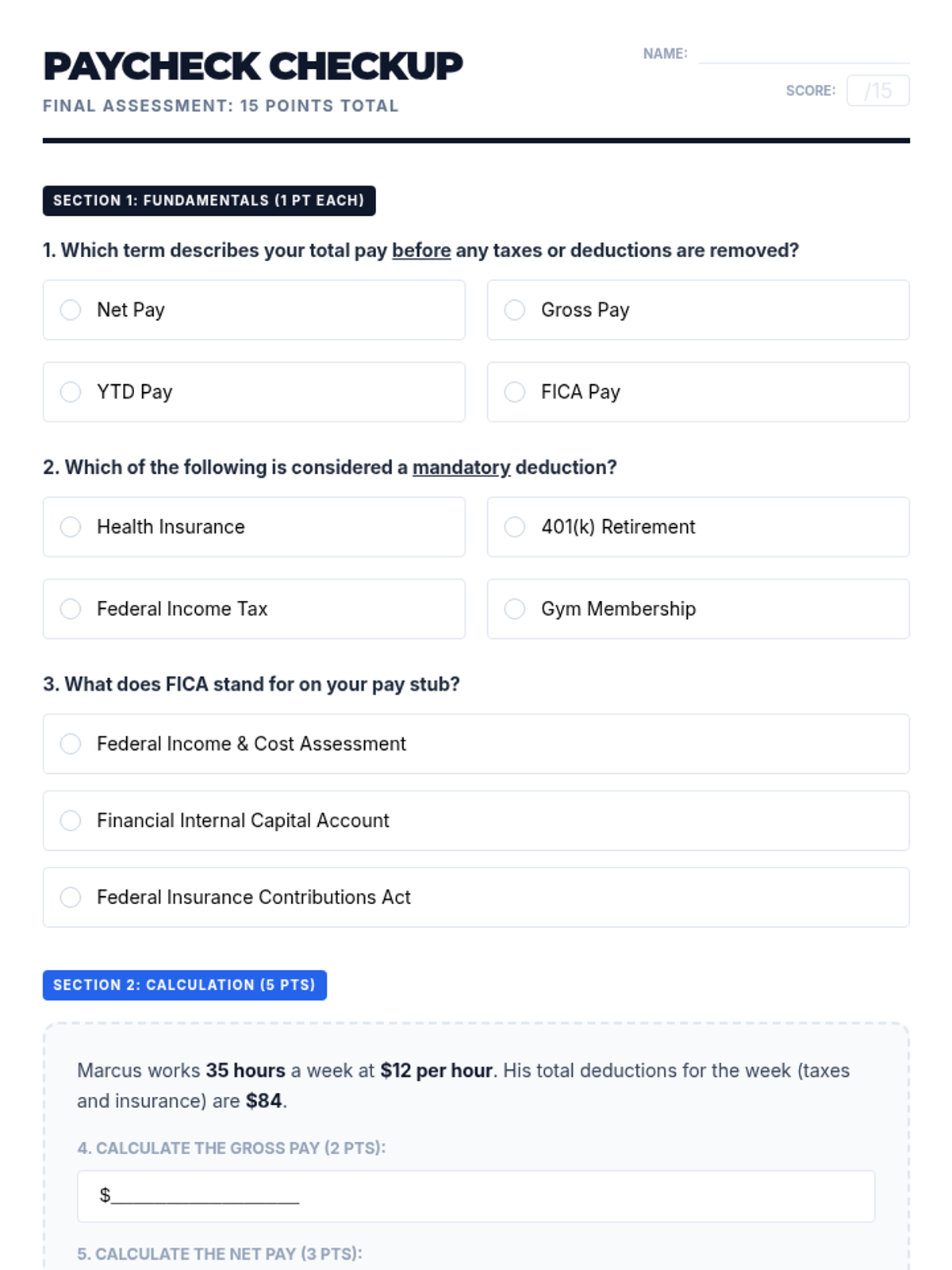
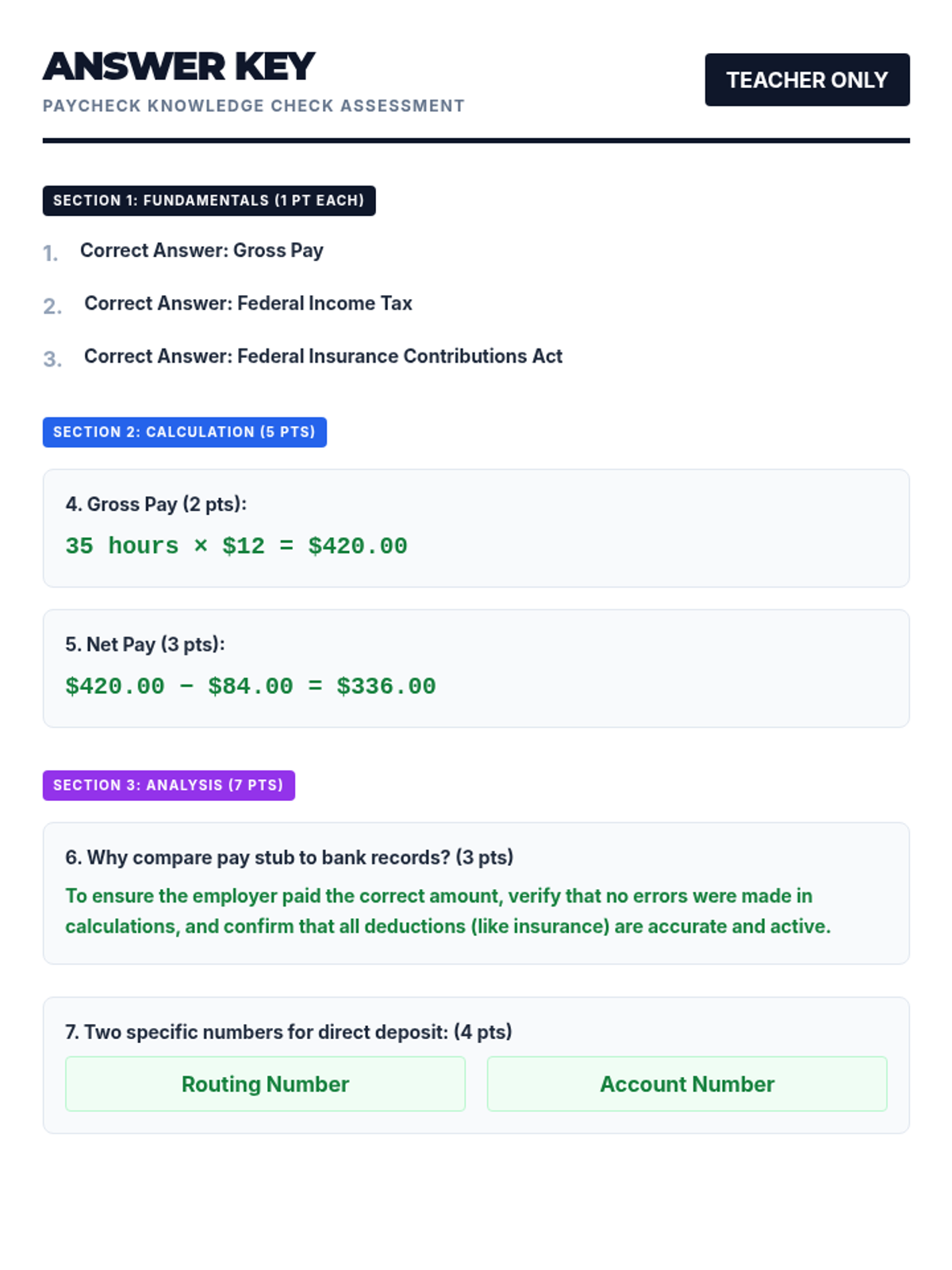
A comprehensive guide to understanding paychecks, including gross vs. net pay, tax deductions, and the anatomy of a pay stub. Students will learn how to read their earnings statements and manage their direct deposit information.
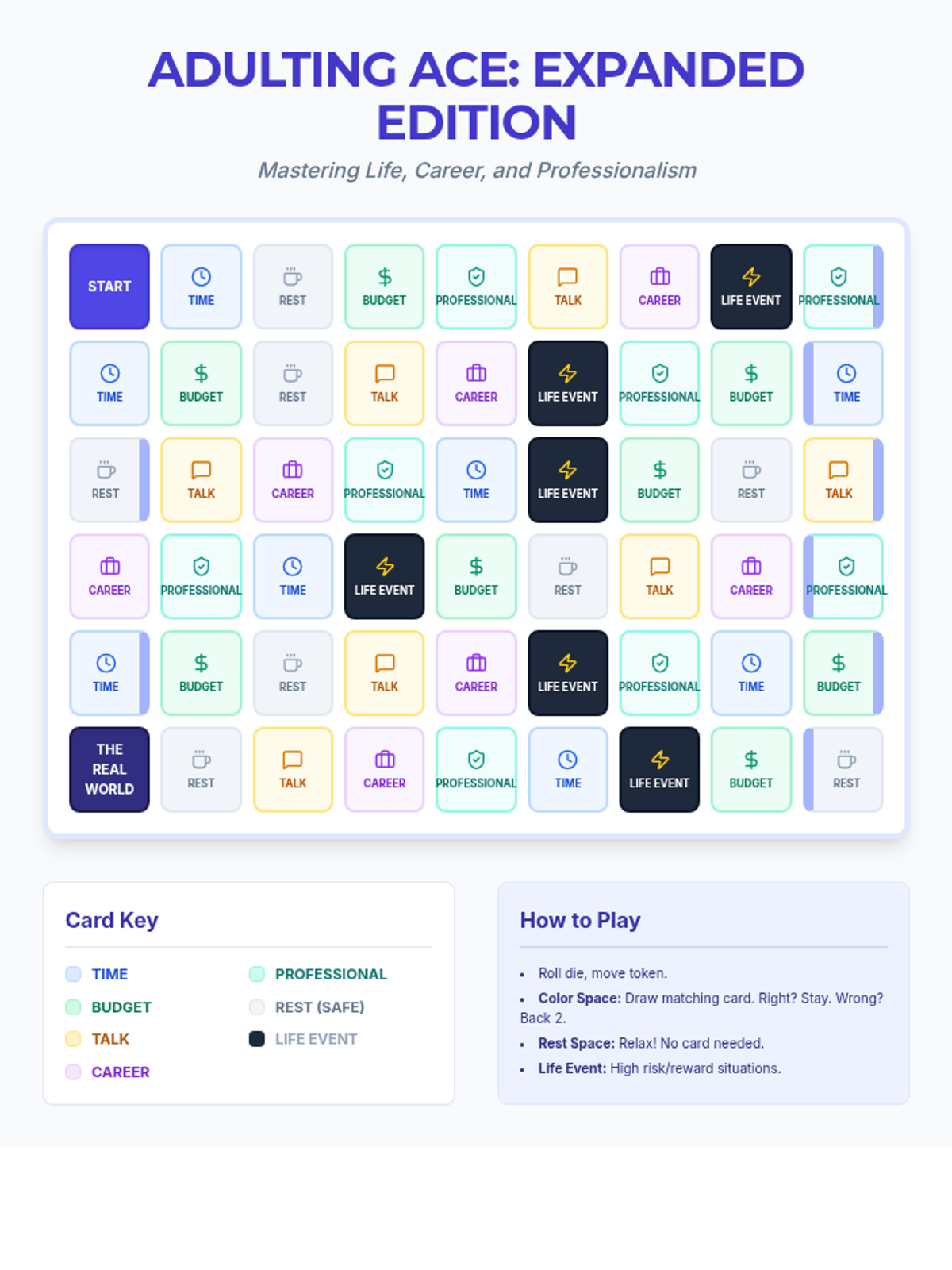
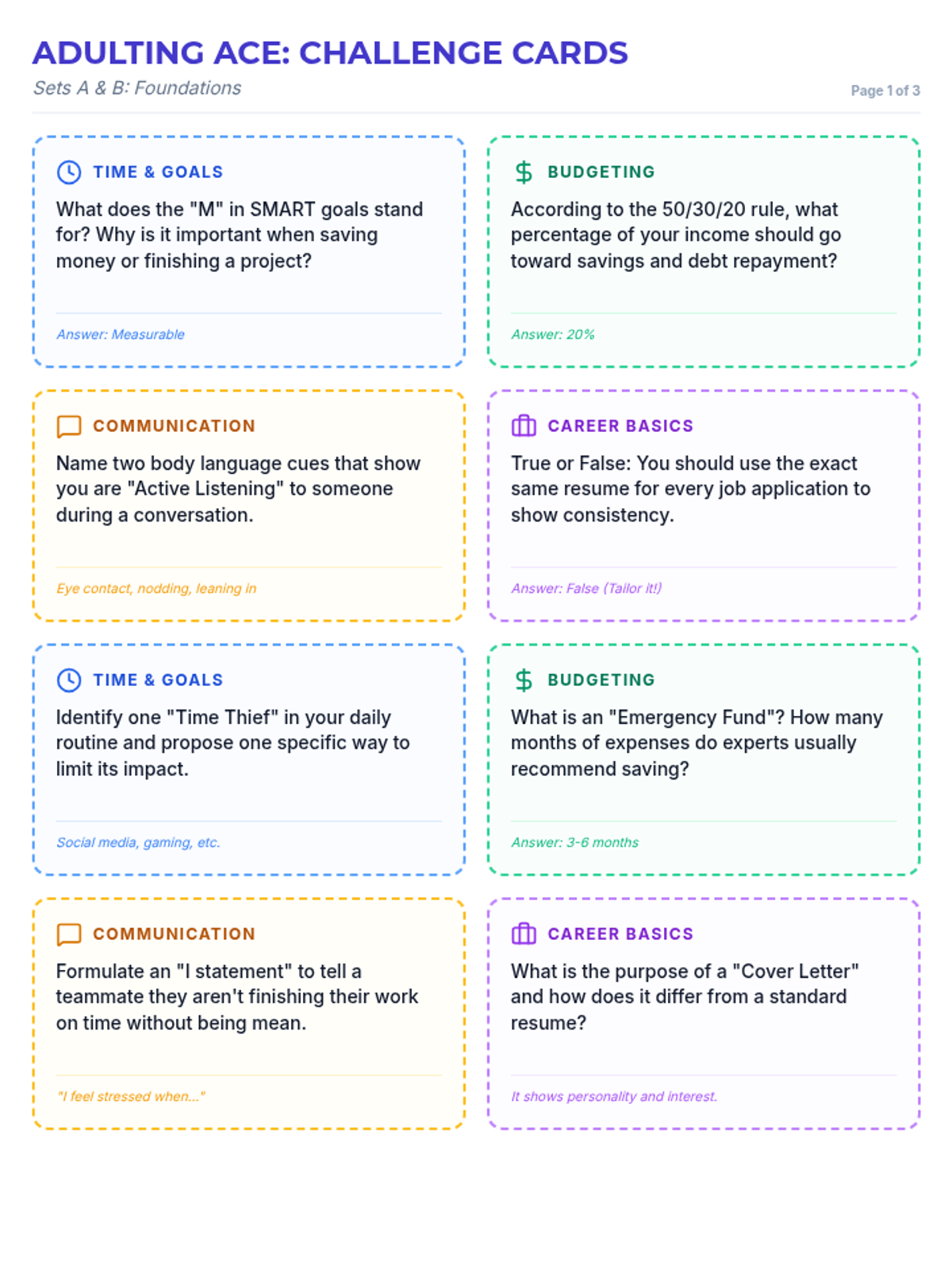
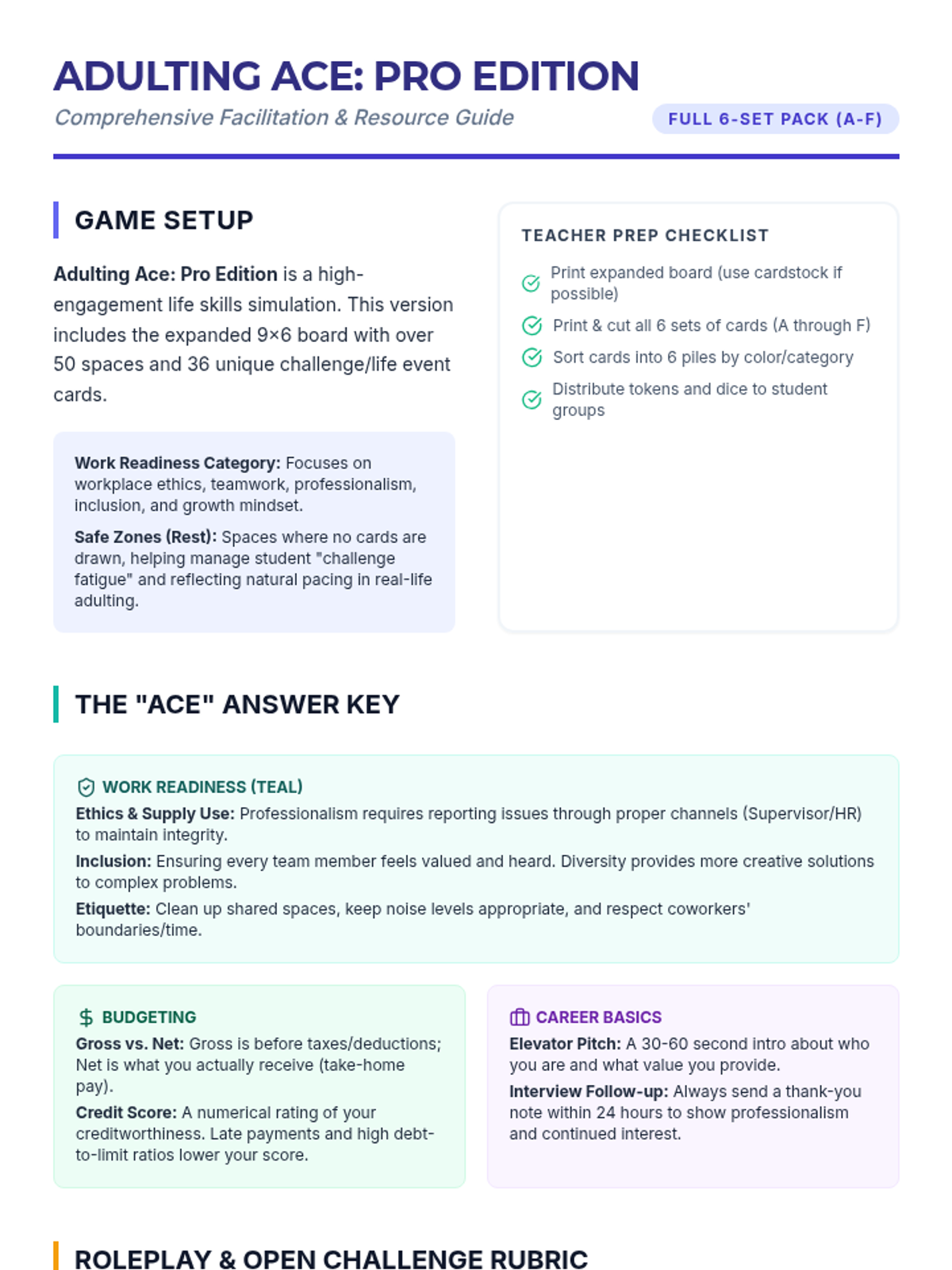
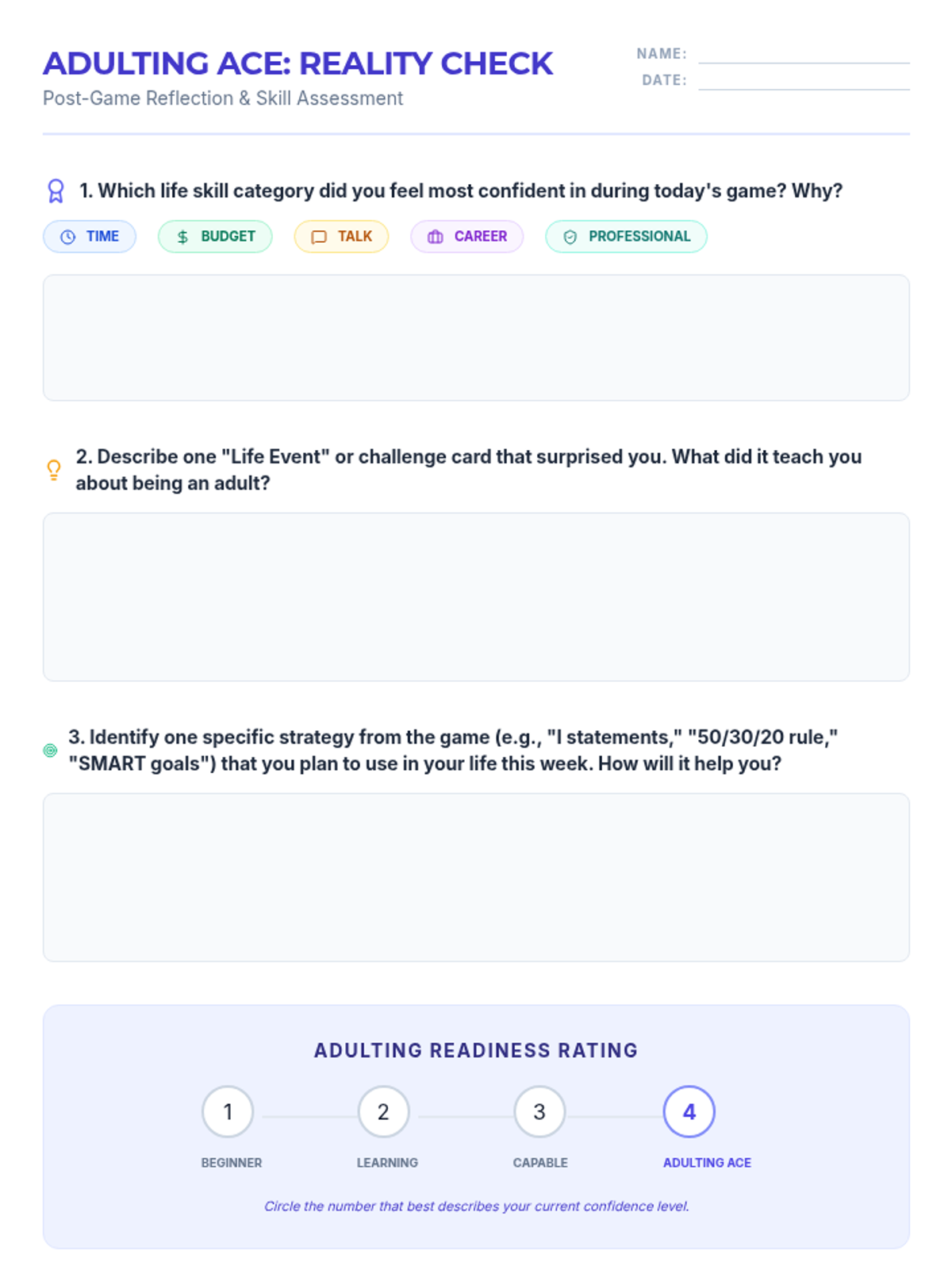
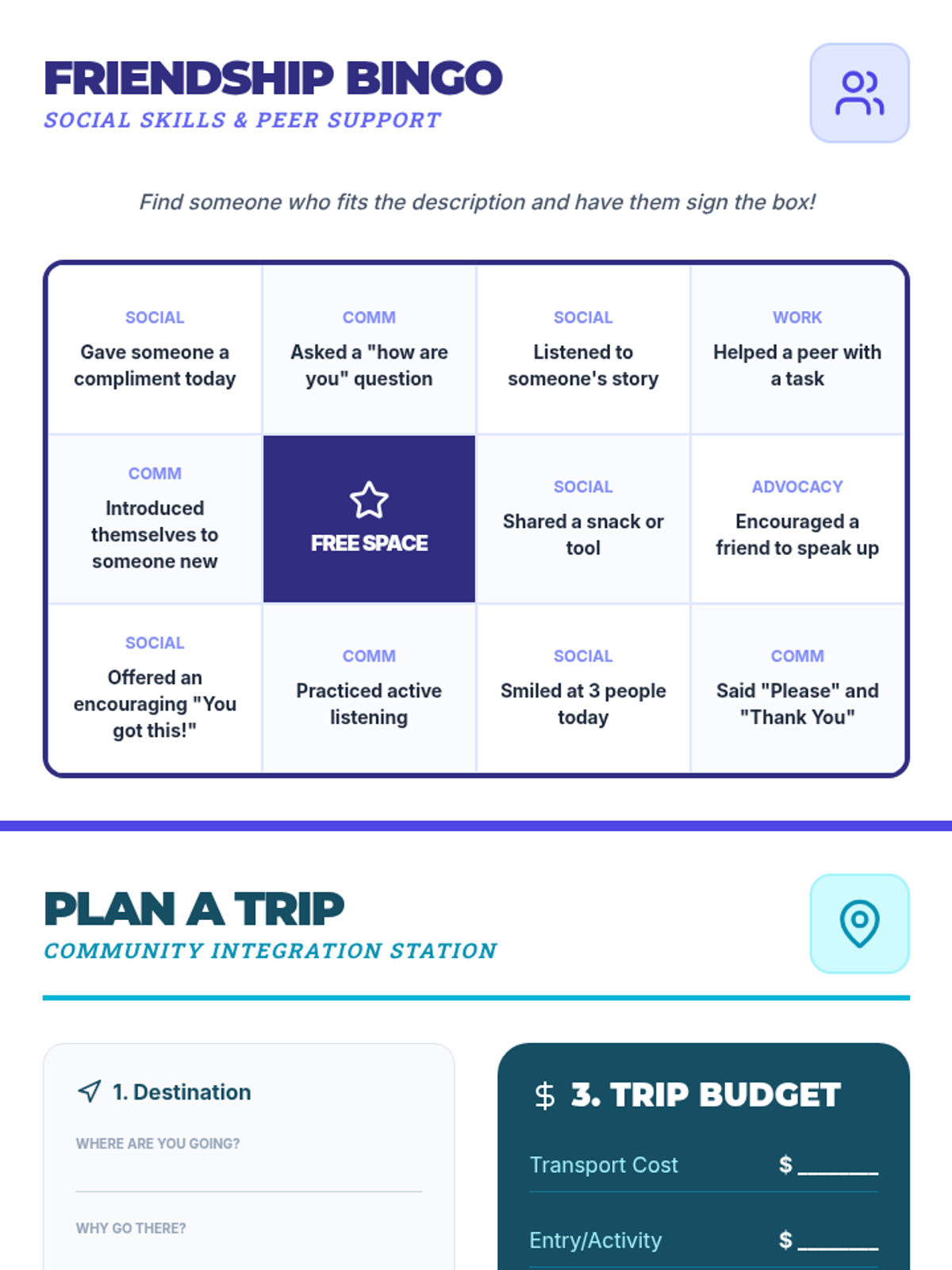
An interactive board game experience covering essential life skills including financial literacy, time management, communication, and career readiness.
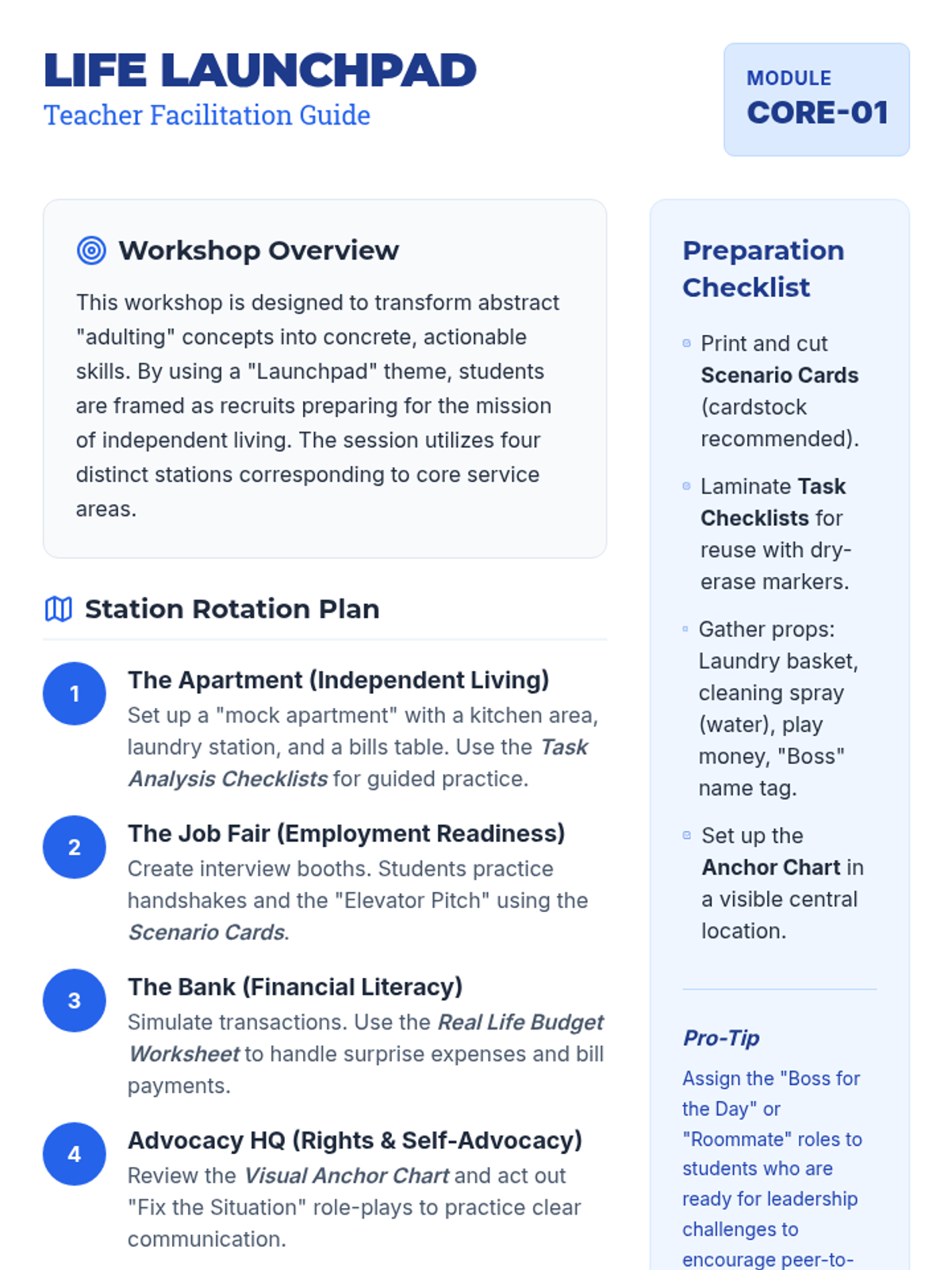
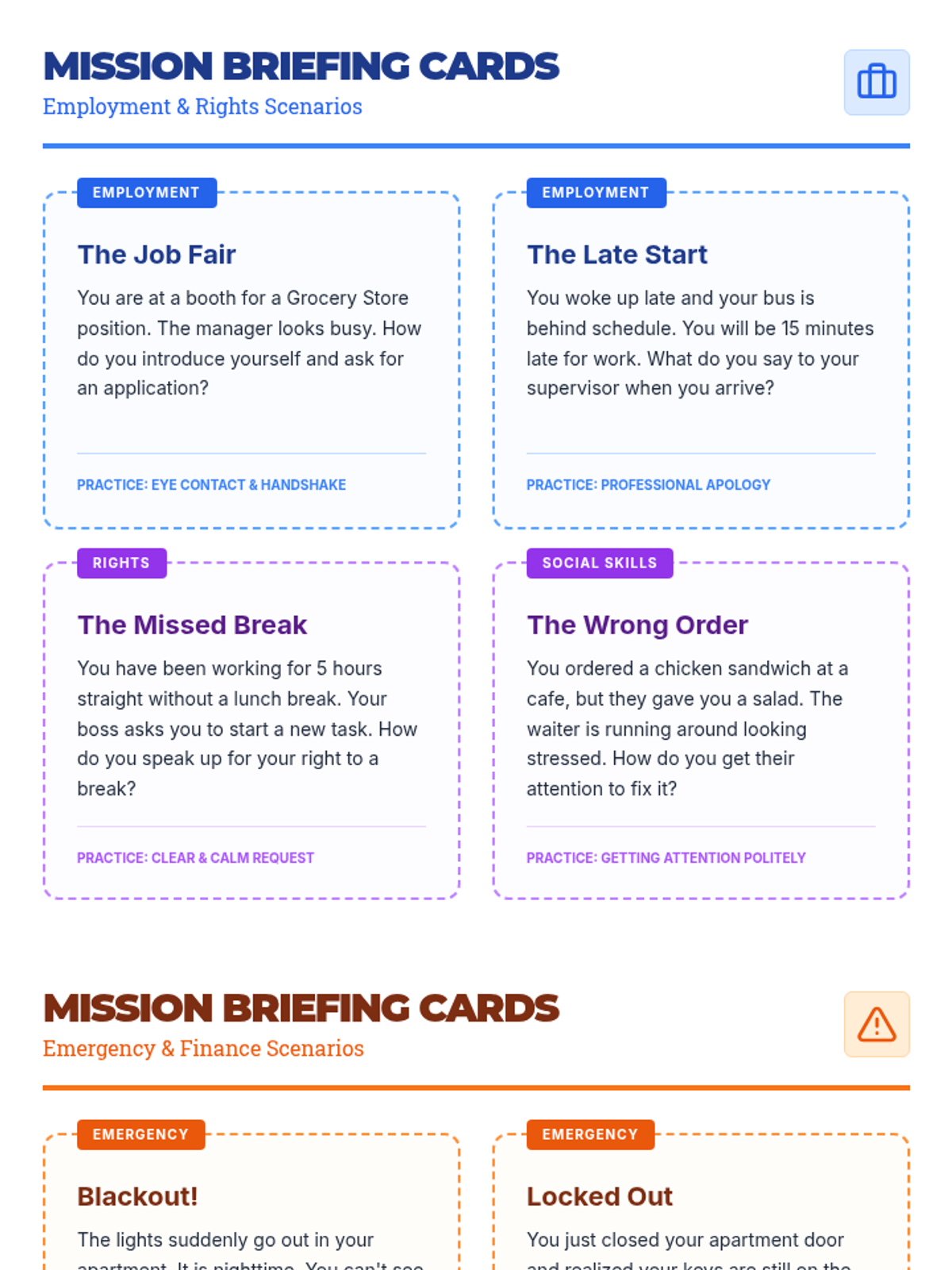
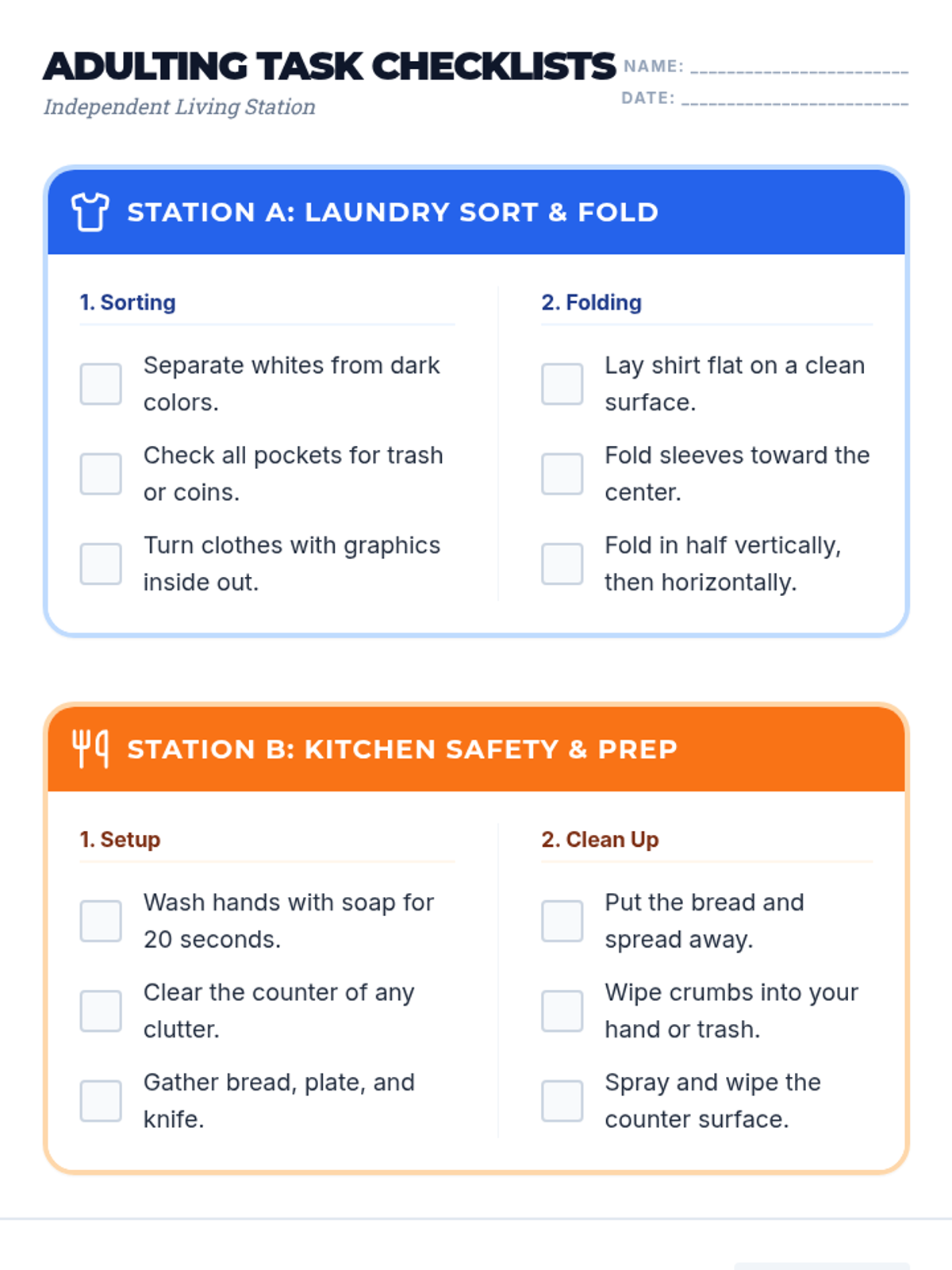
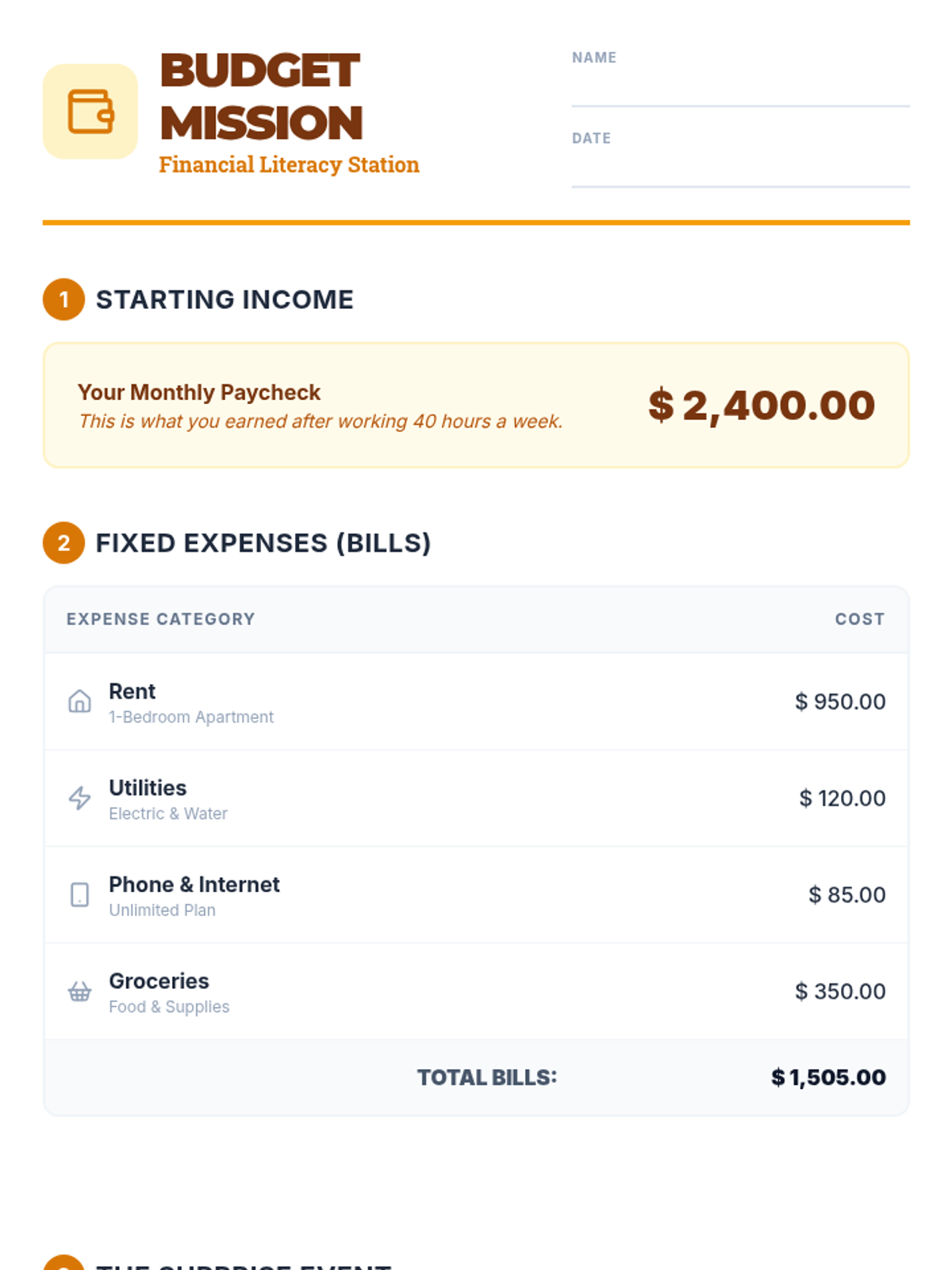
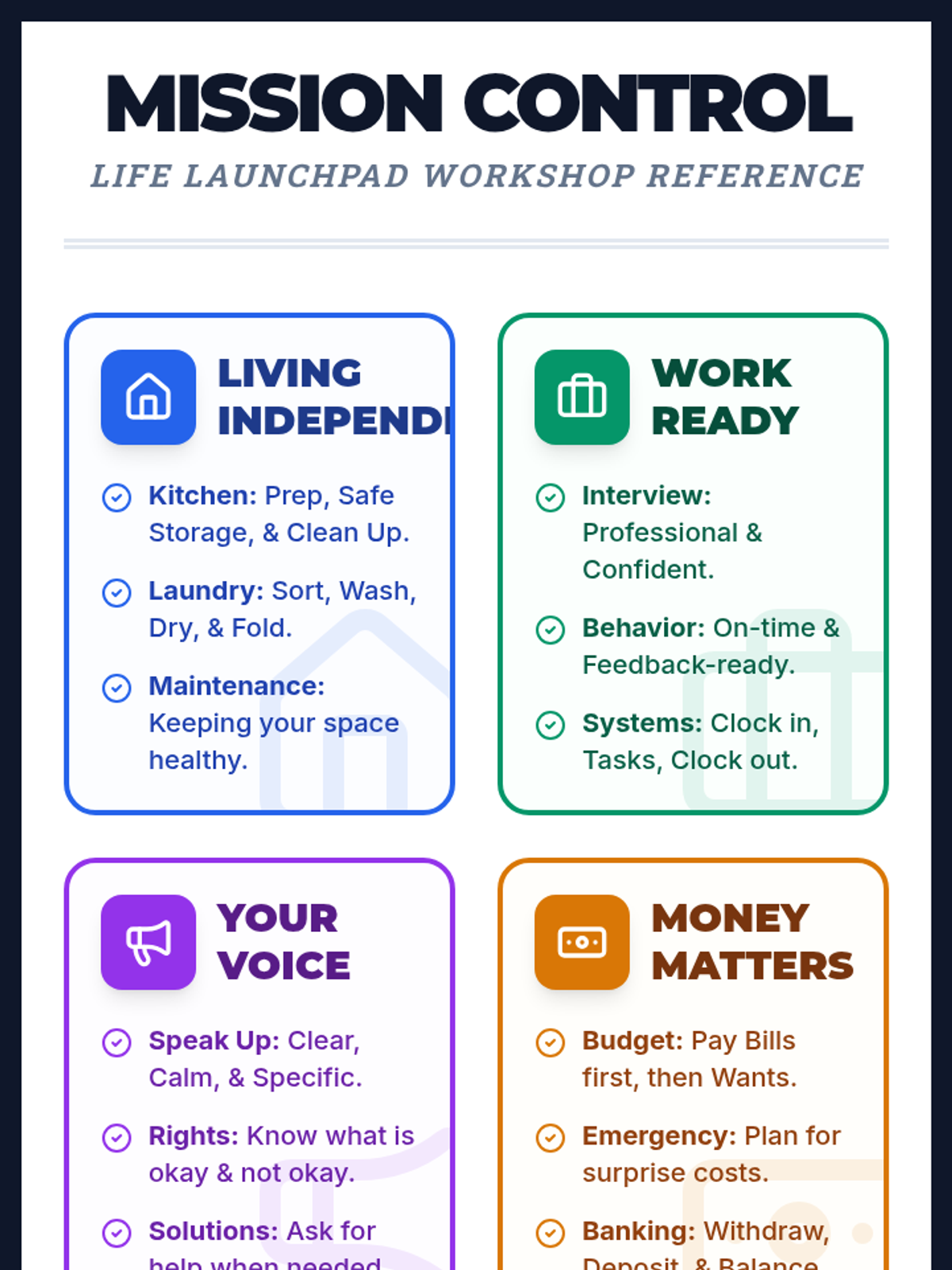
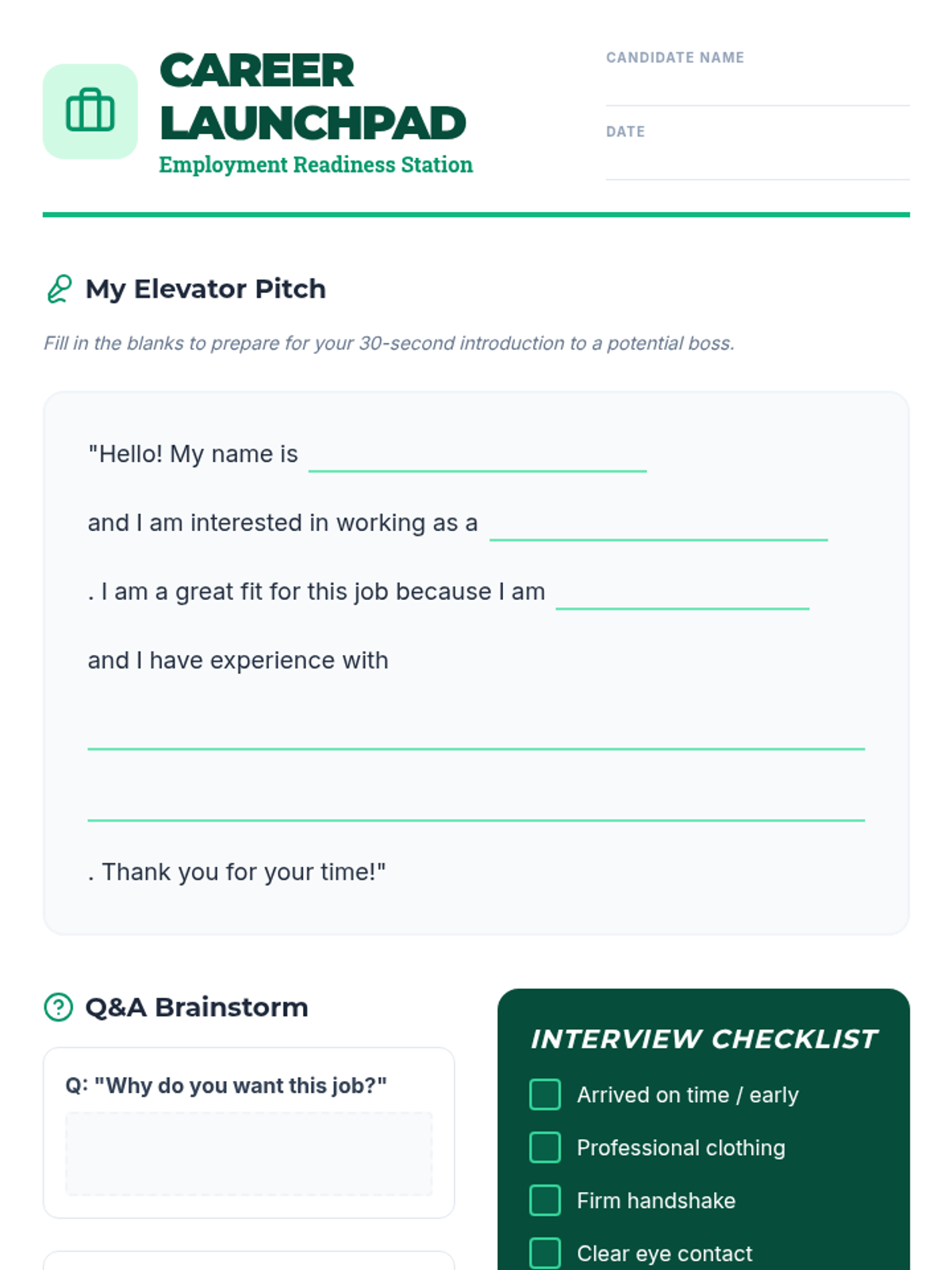
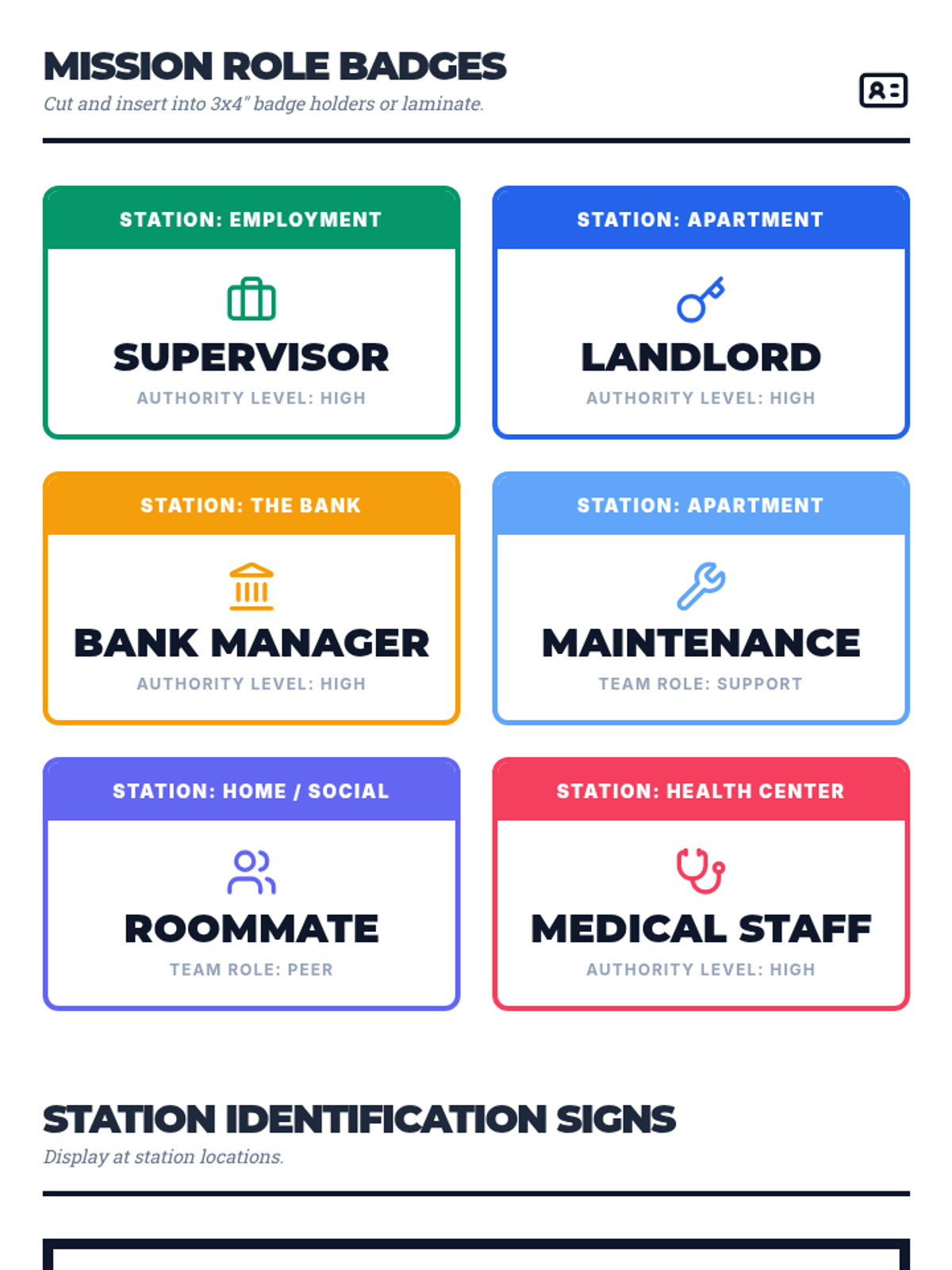
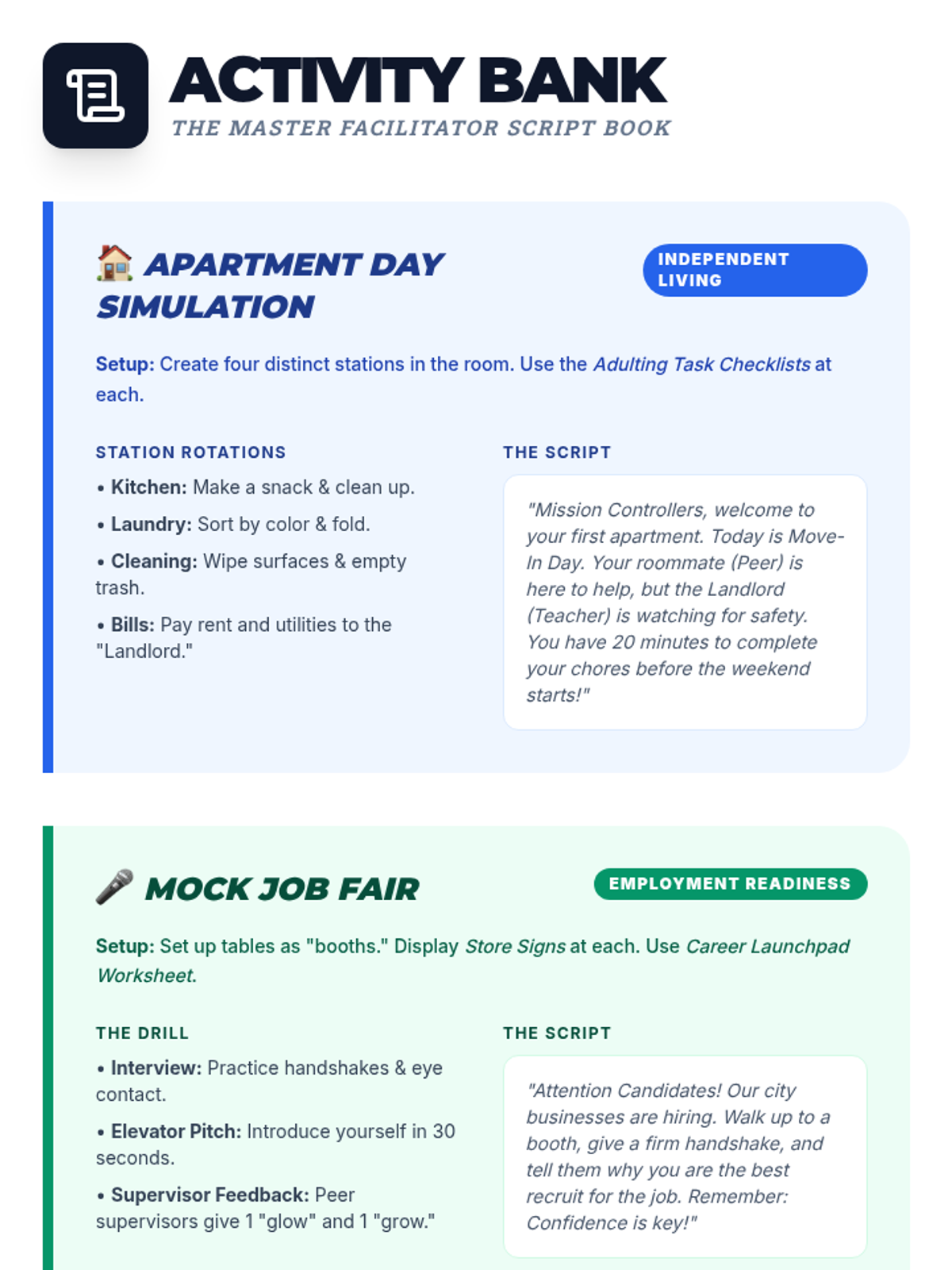
A comprehensive workshop focusing on essential adulting skills through immersive role-play, task simulations, and practical financial planning. This lesson covers Independent Living, Employment Readiness, Self-Advocacy, and Financial Literacy.
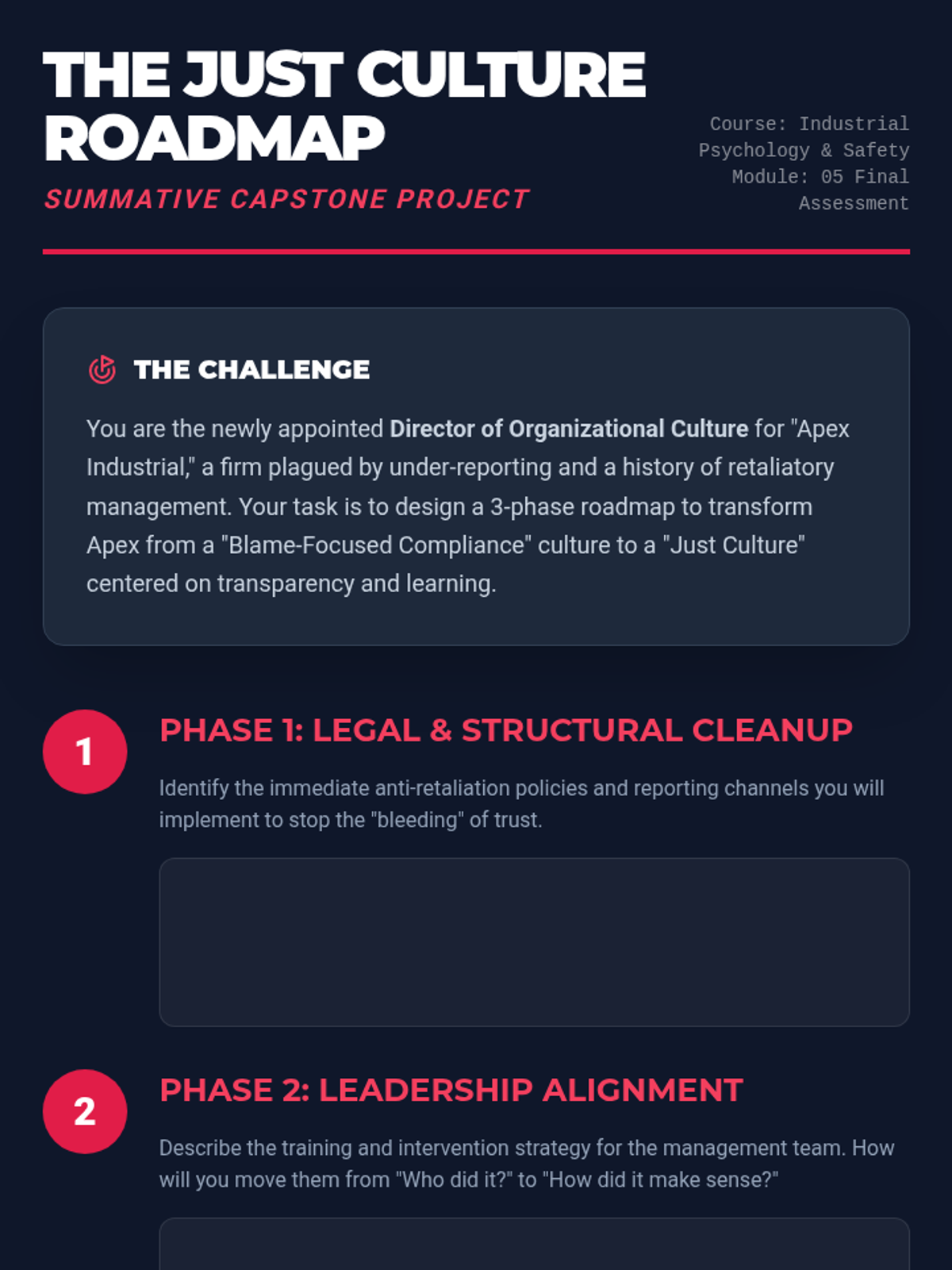
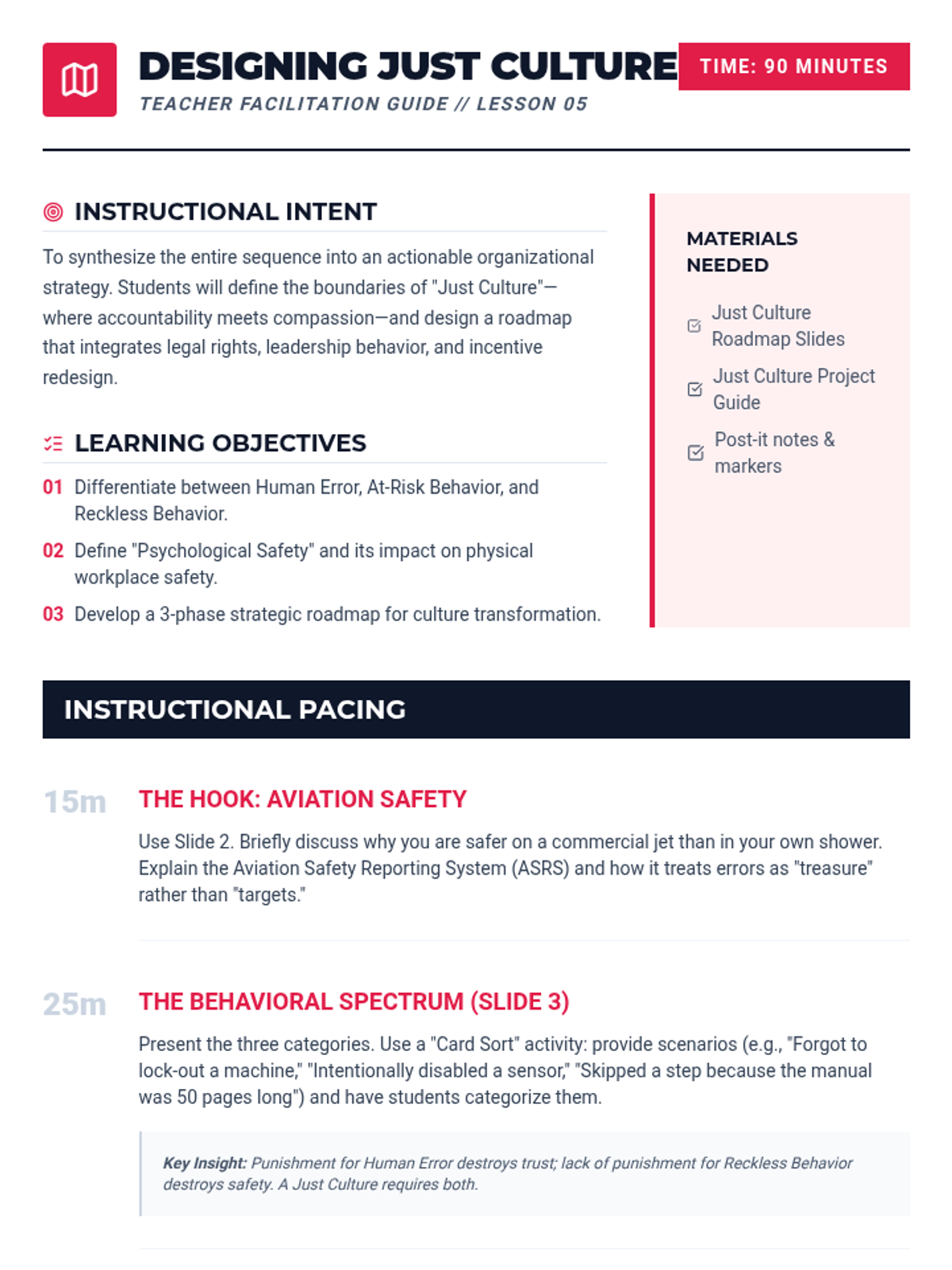
Synthesize learning to create a roadmap for 'Just Culture,' integrating physical and psychological safety as core organizational values.
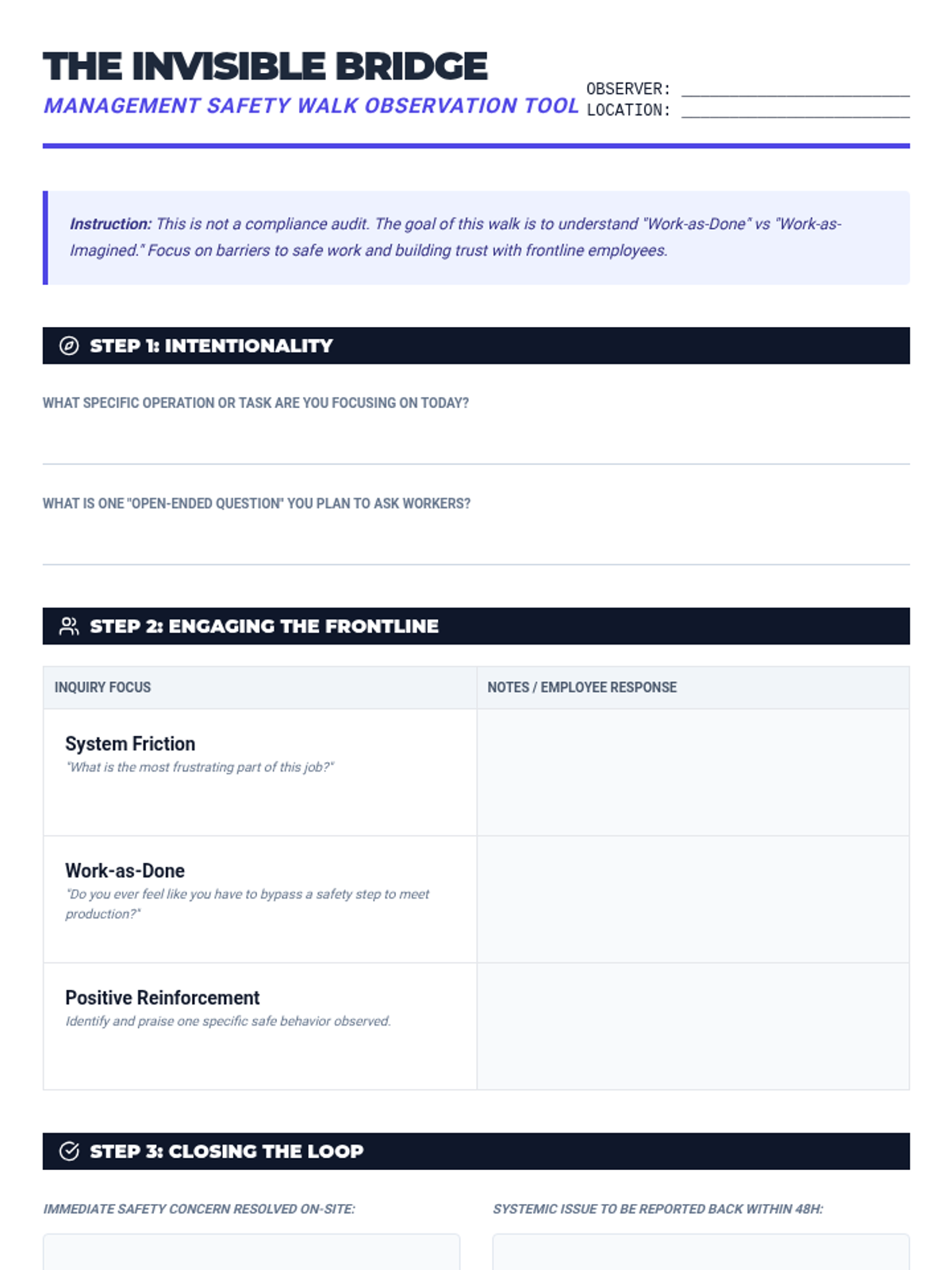
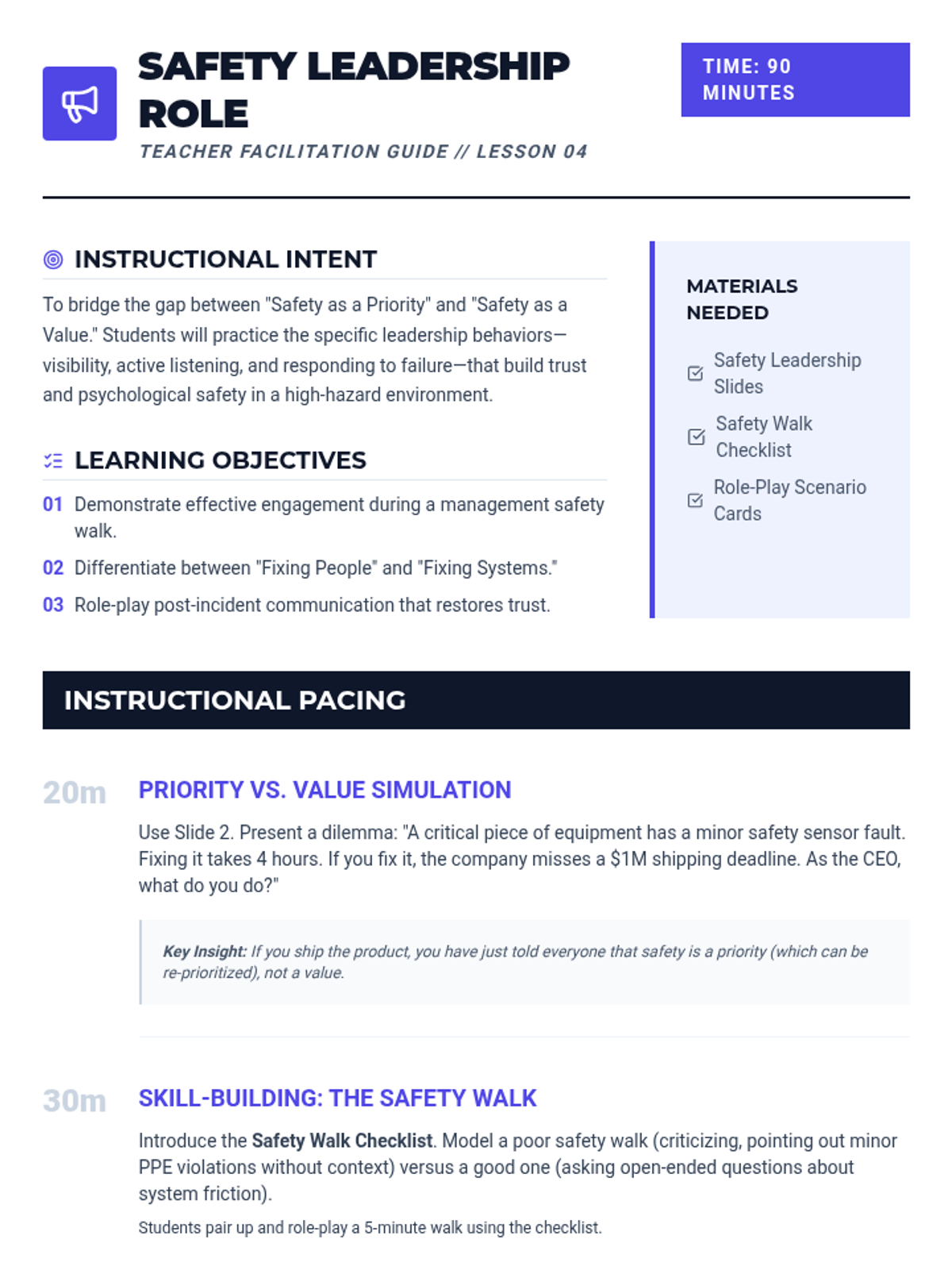
Explore the impact of leadership communication and behavior on safety culture, including practical techniques for management-led safety walks and trust-building.
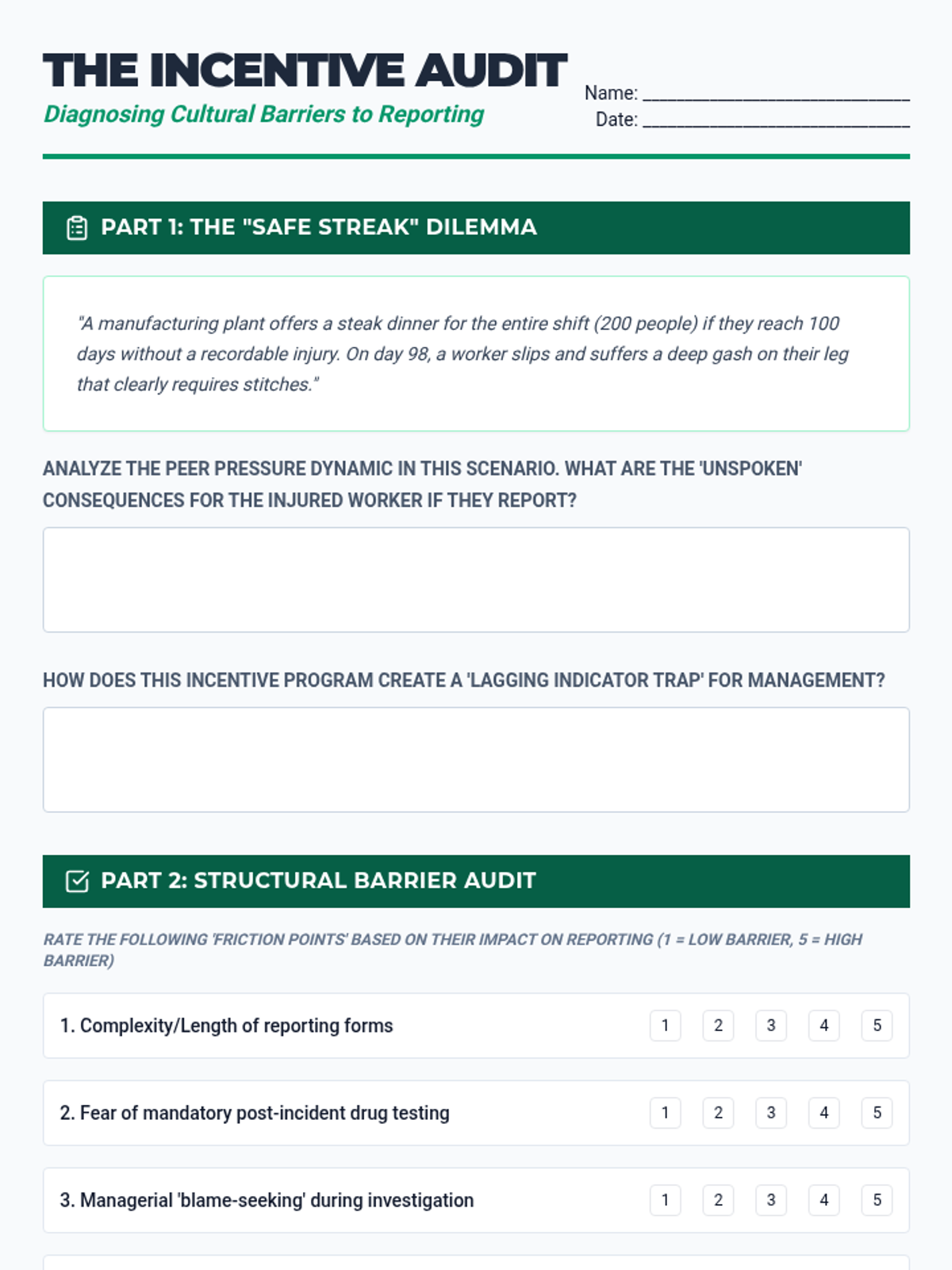
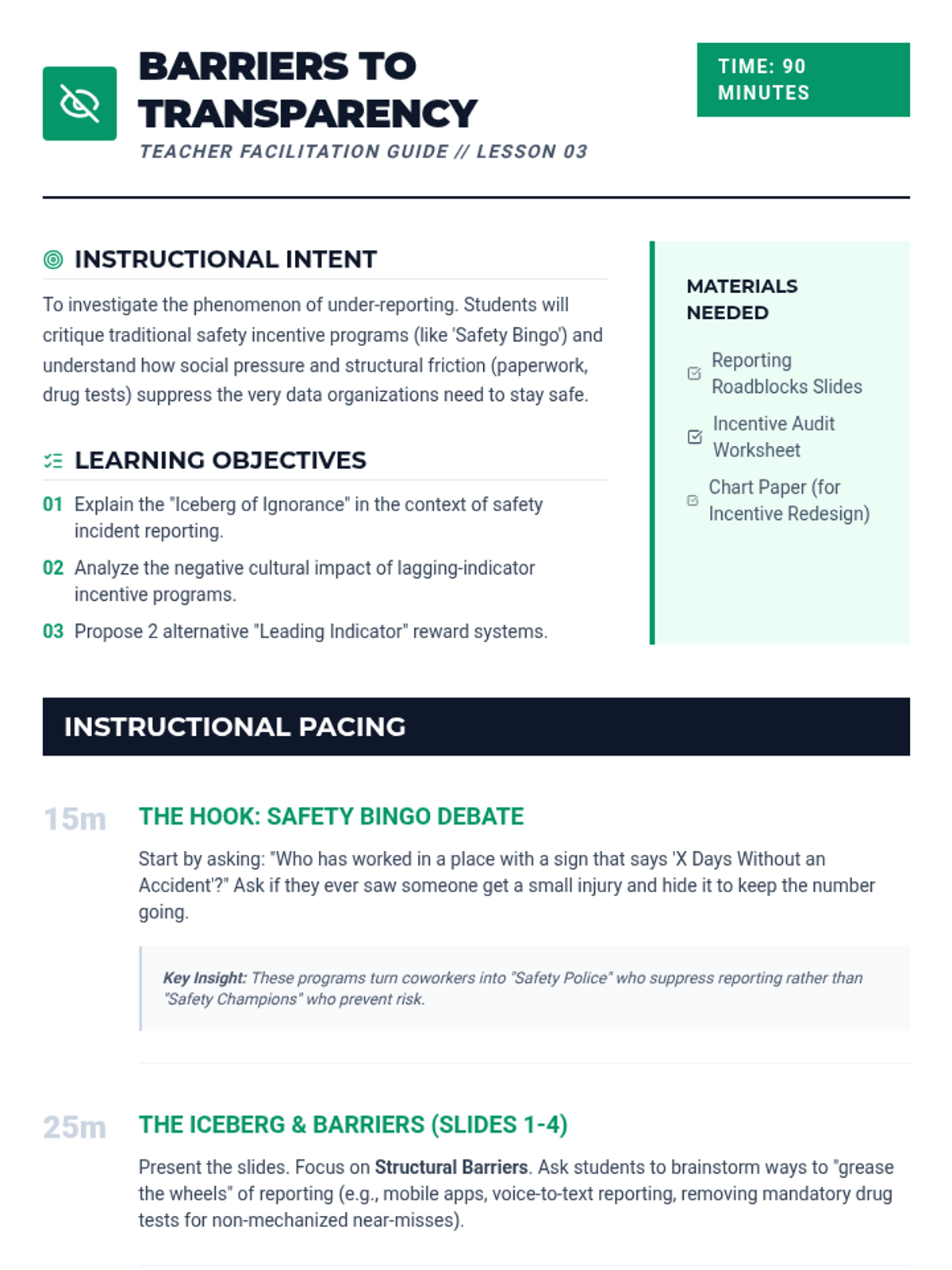
Investigate the systemic and cultural factors that lead to under-reporting of incidents and design alternative incentive structures to promote transparency.
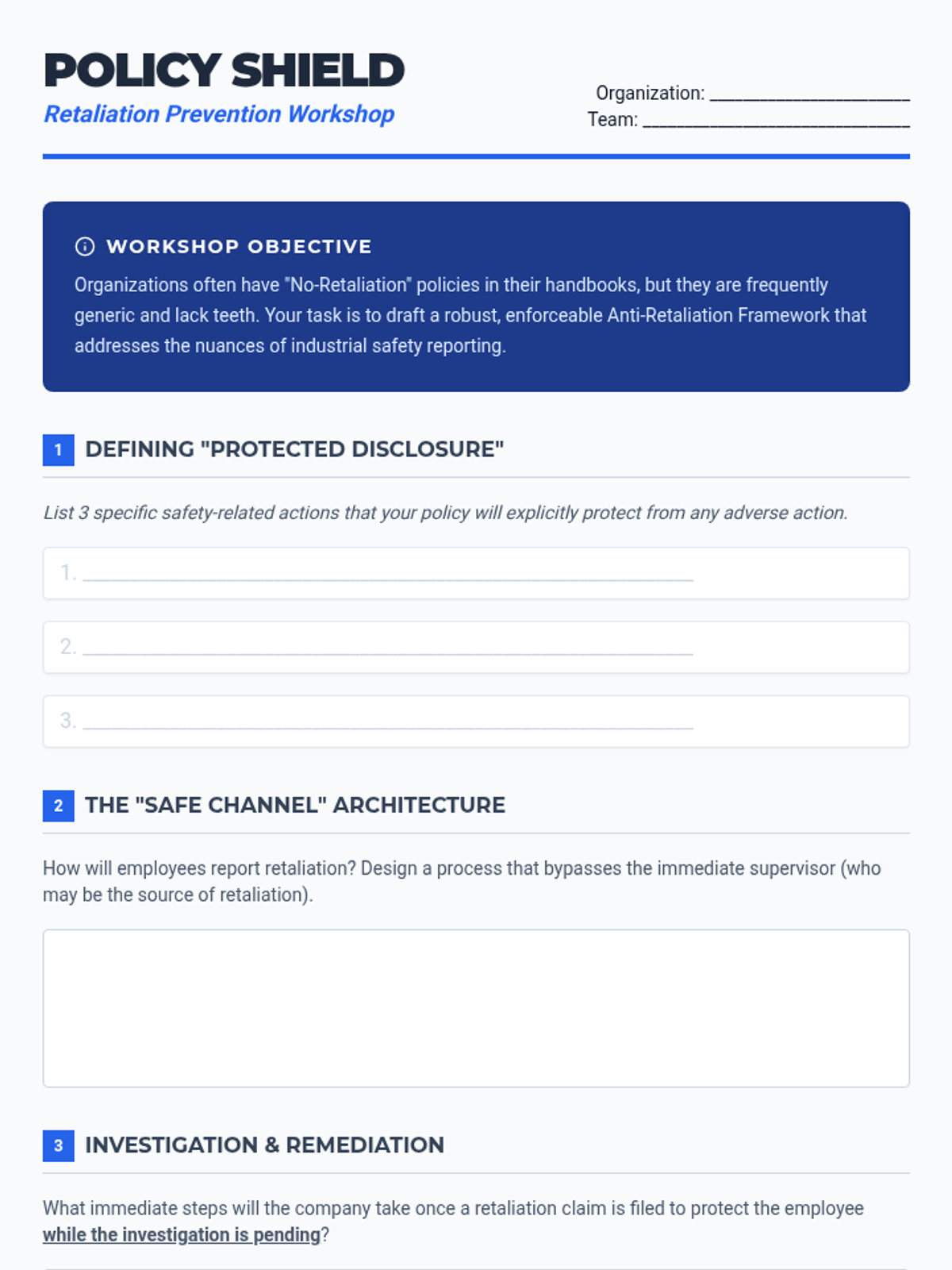
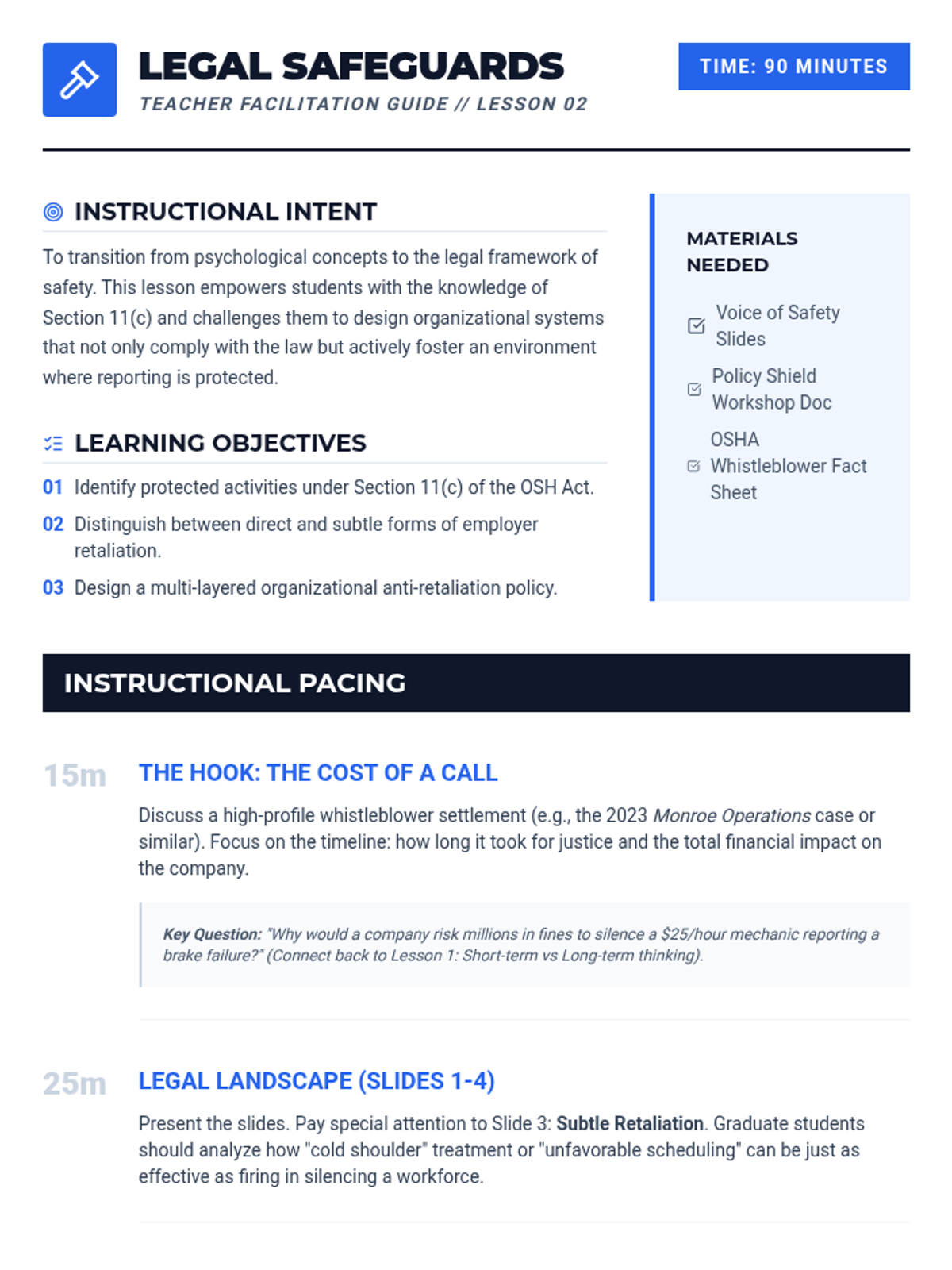
Analyze the legal protections afforded to whistleblowers under the OSH Act and develop organizational policies that prevent retaliation and encourage ethical reporting.
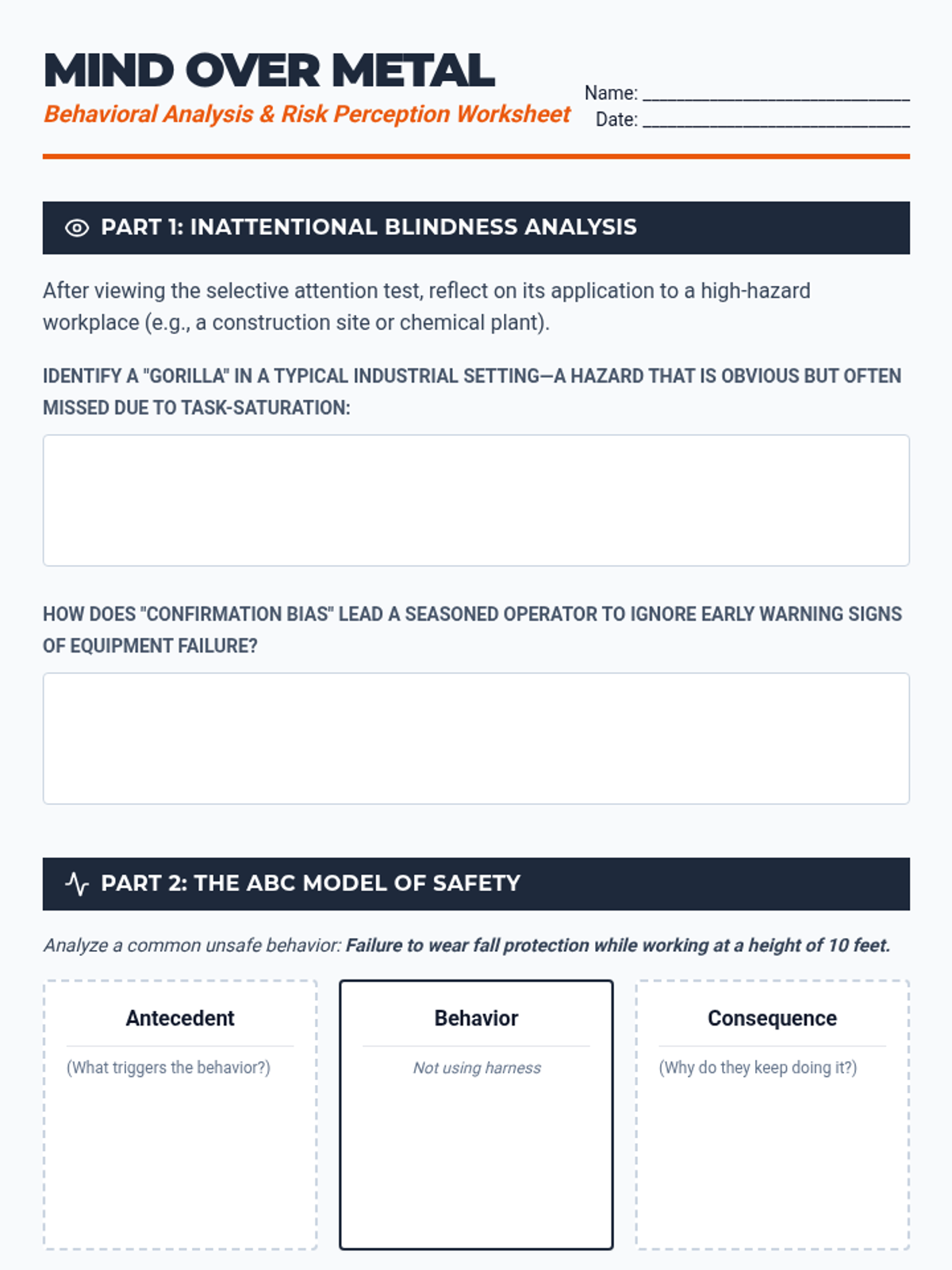
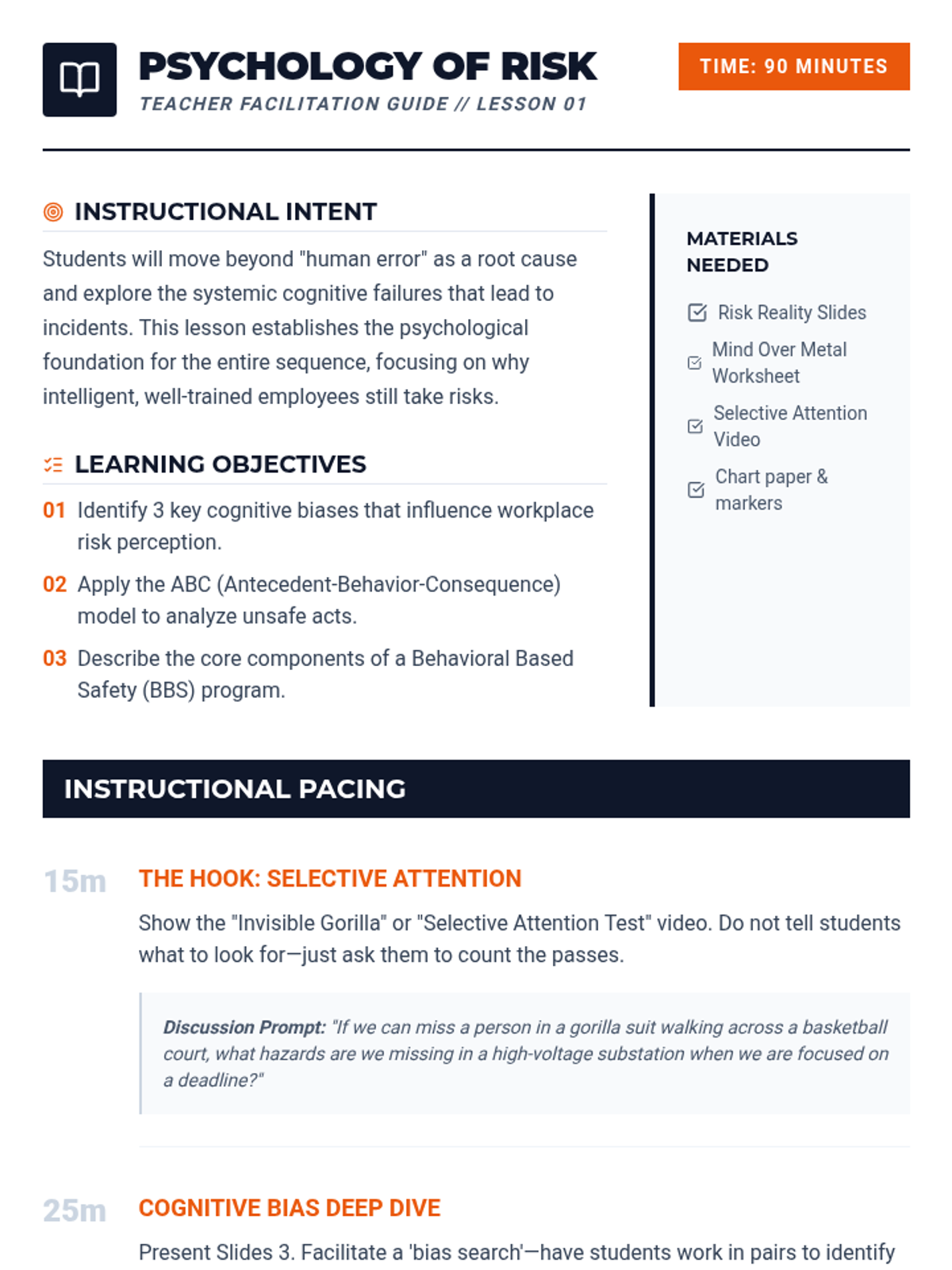
Examine the cognitive biases and psychological factors that influence risk perception and safety-related behavior in industrial and corporate environments.
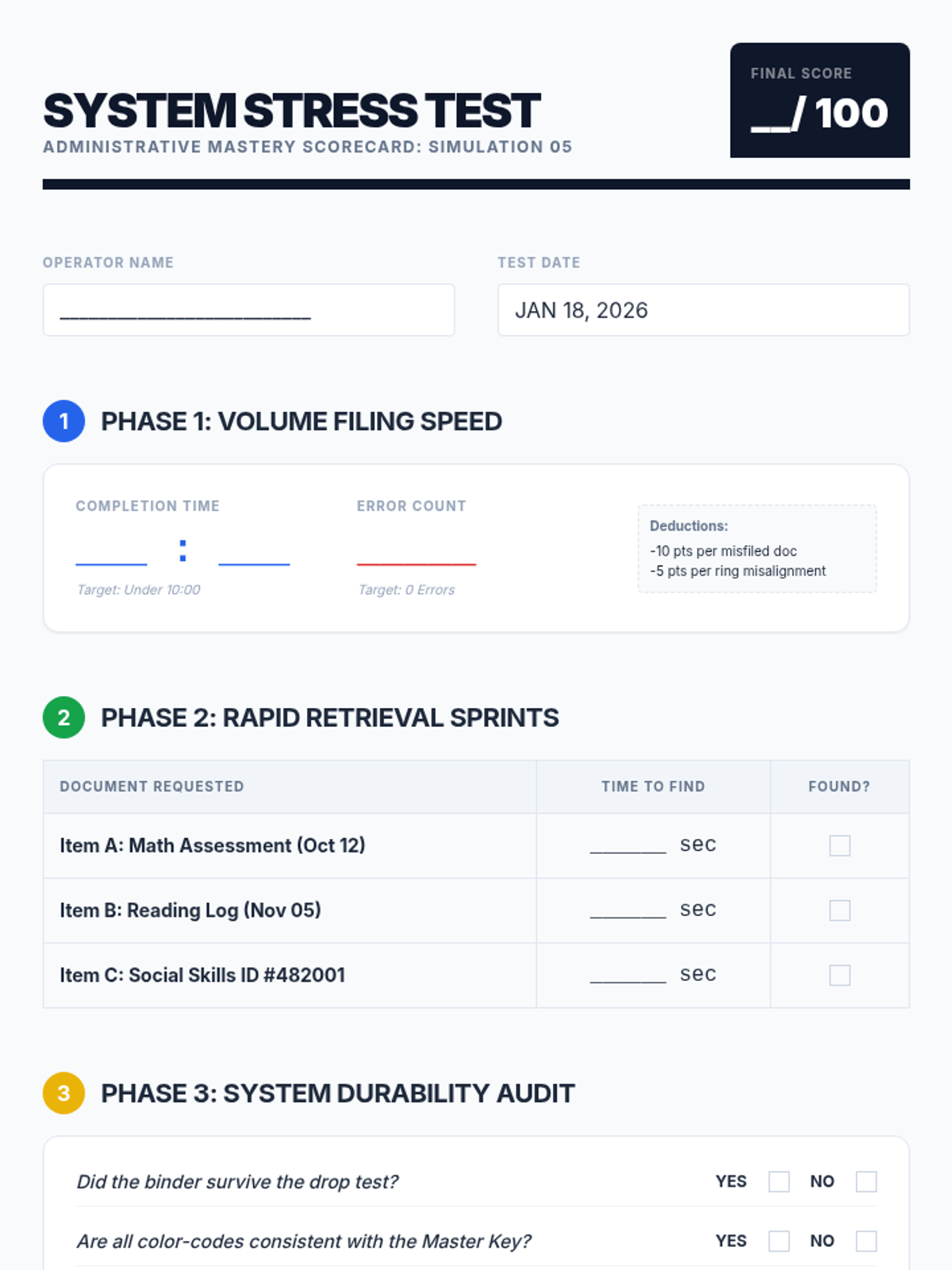
A final simulation where students test their organizational systems through high-pressure filing and retrieval tasks.
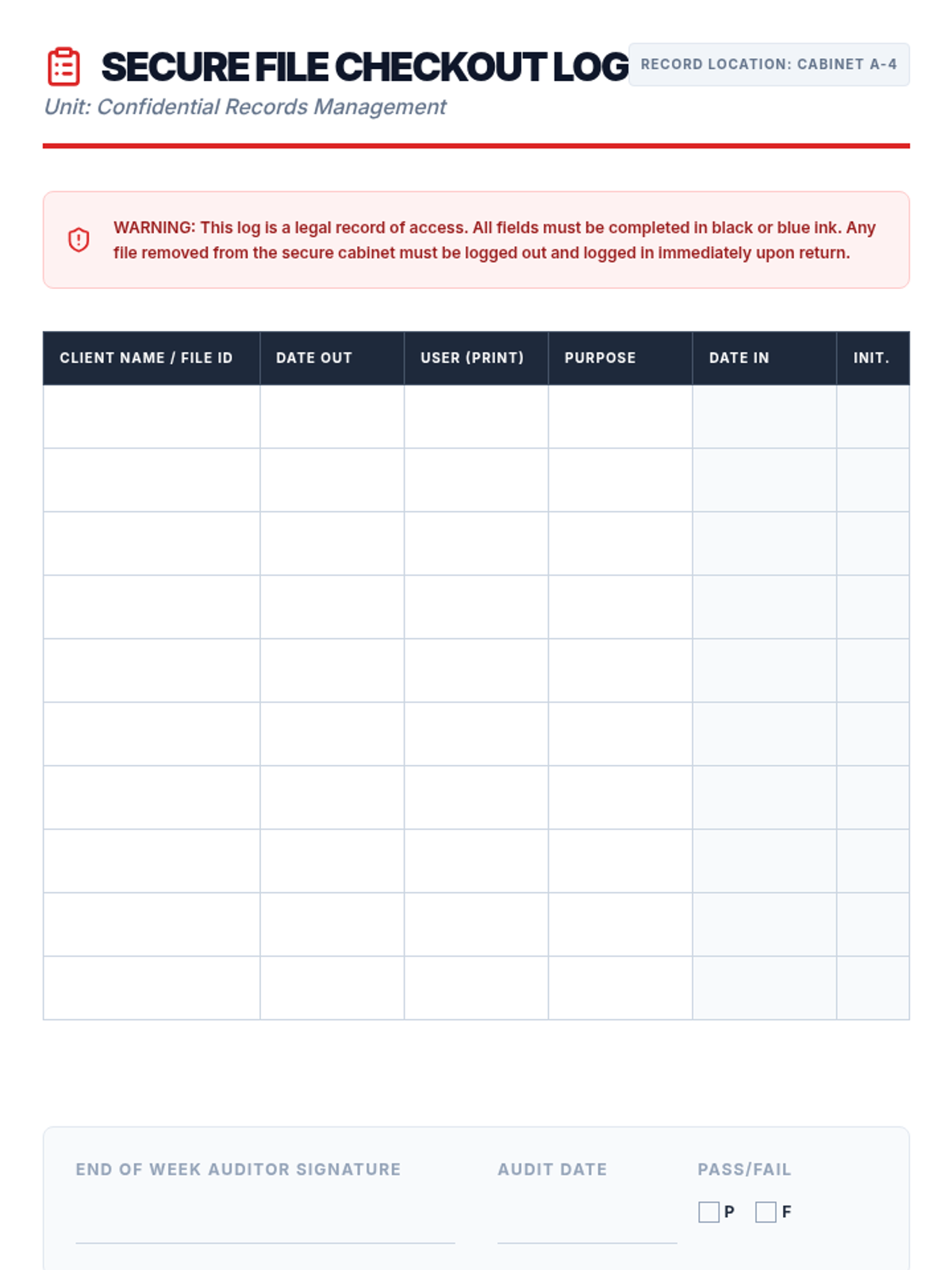
Students explore the ethical and legal requirements of storing sensitive information, including locking protocols and chain of custody.
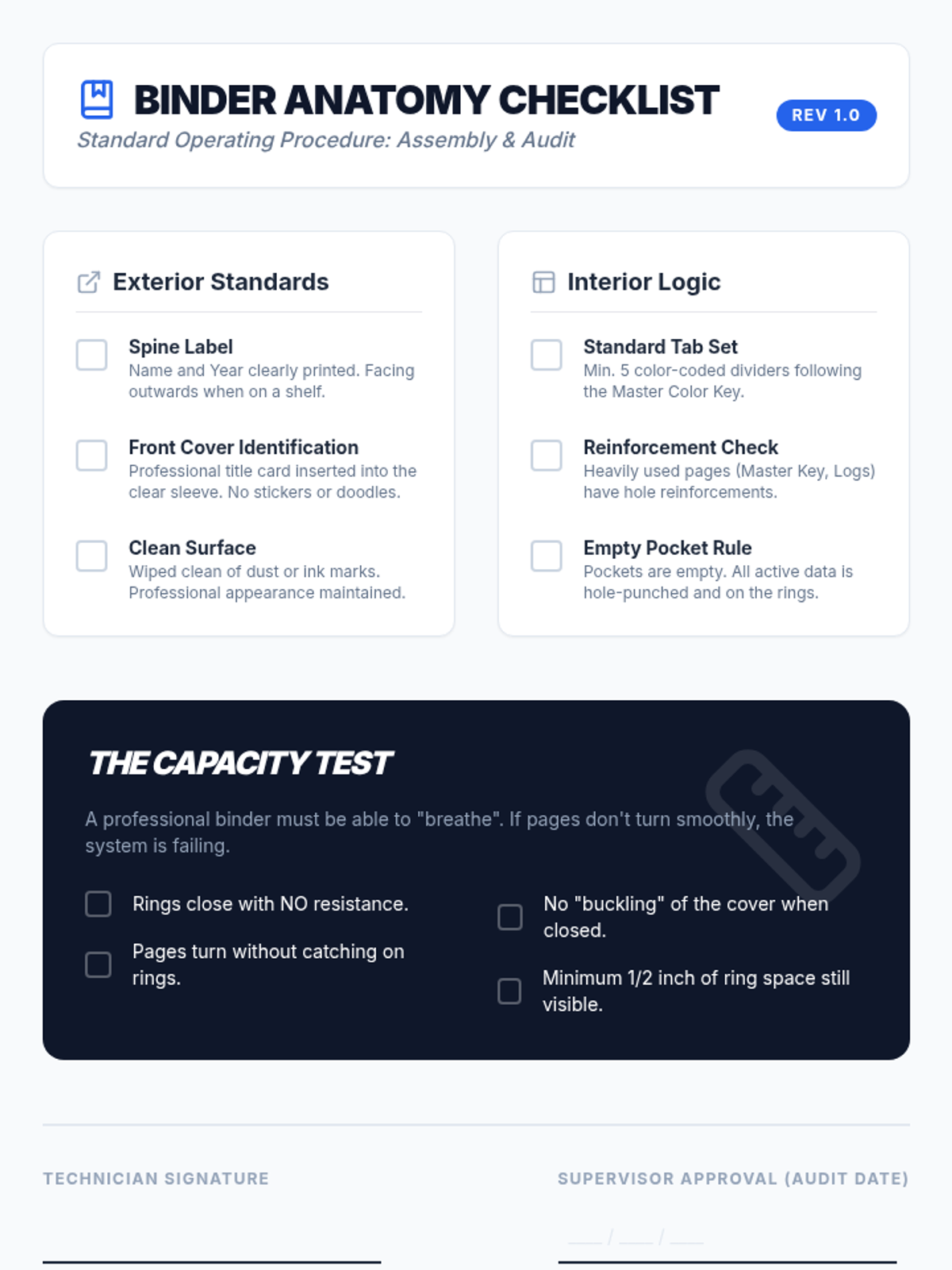
Students assemble professional data tracking binders, focusing on structural integrity, divider systems, and daily maintenance routines.
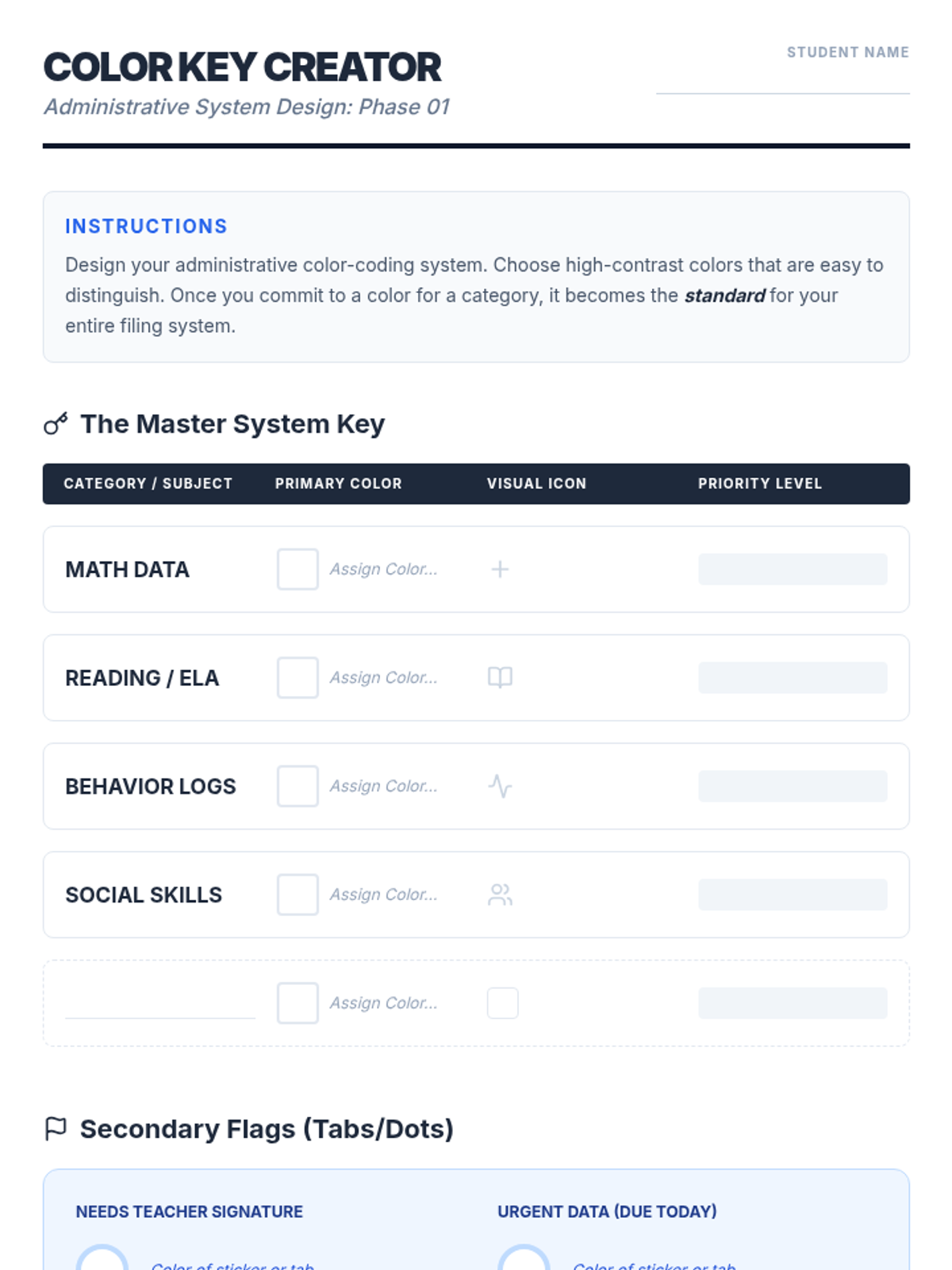
Students learn to use color-coding to categorize data types, creating a system for instant visual identification and faster processing.
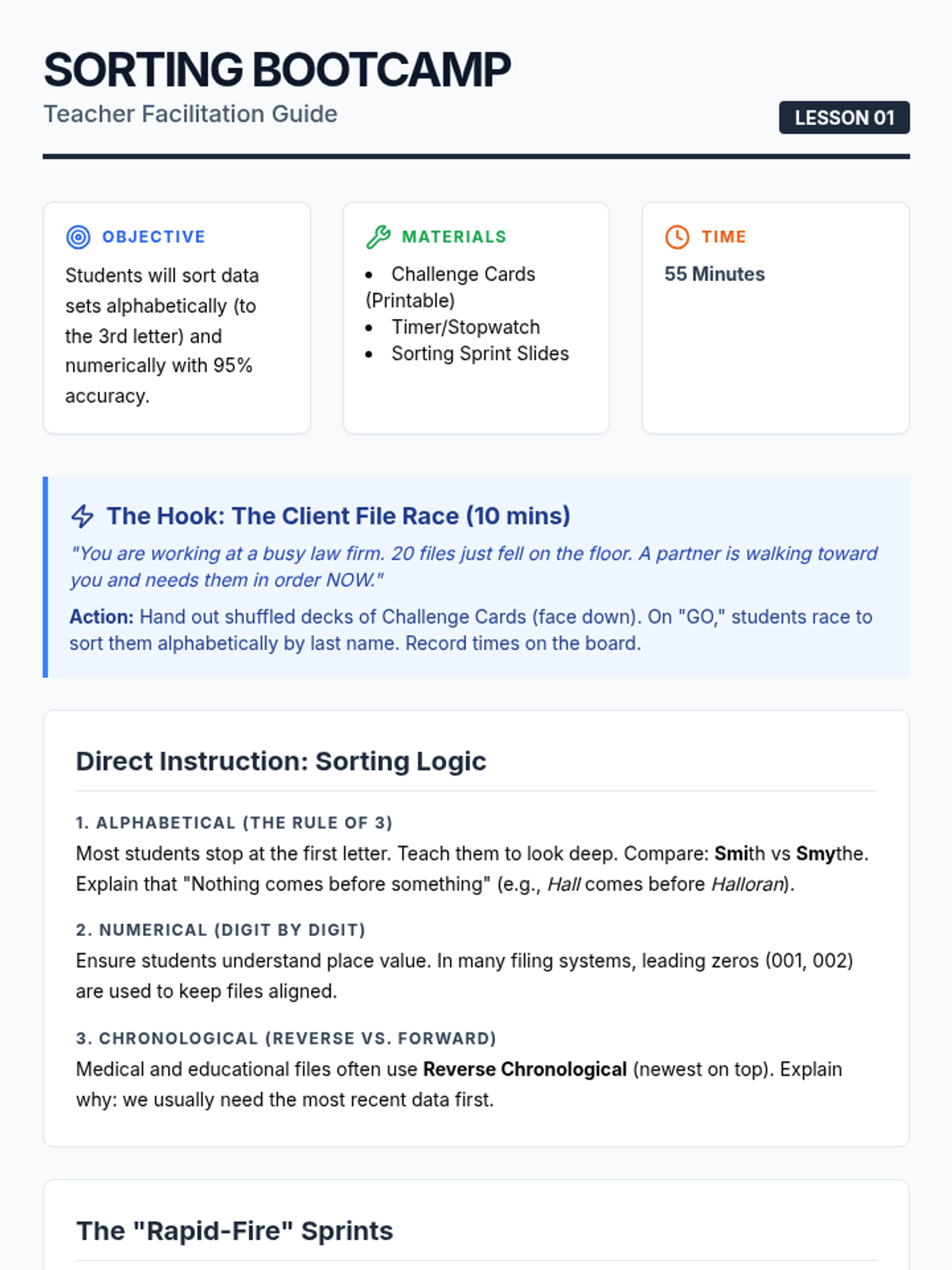
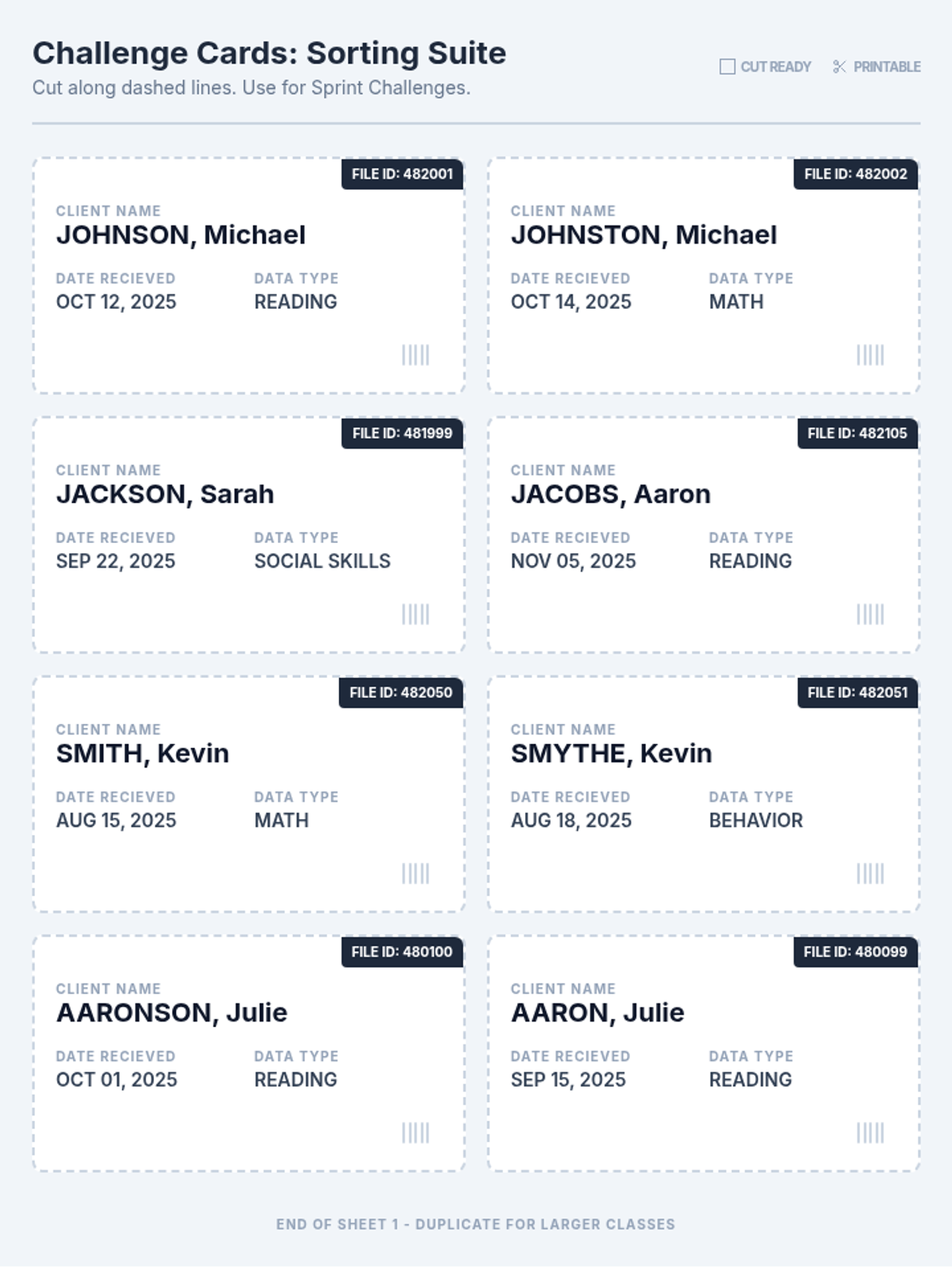
Students practice the fundamental rules of sorting: alphabetical (to the third letter), numerical, and chronological to build administrative speed and accuracy.
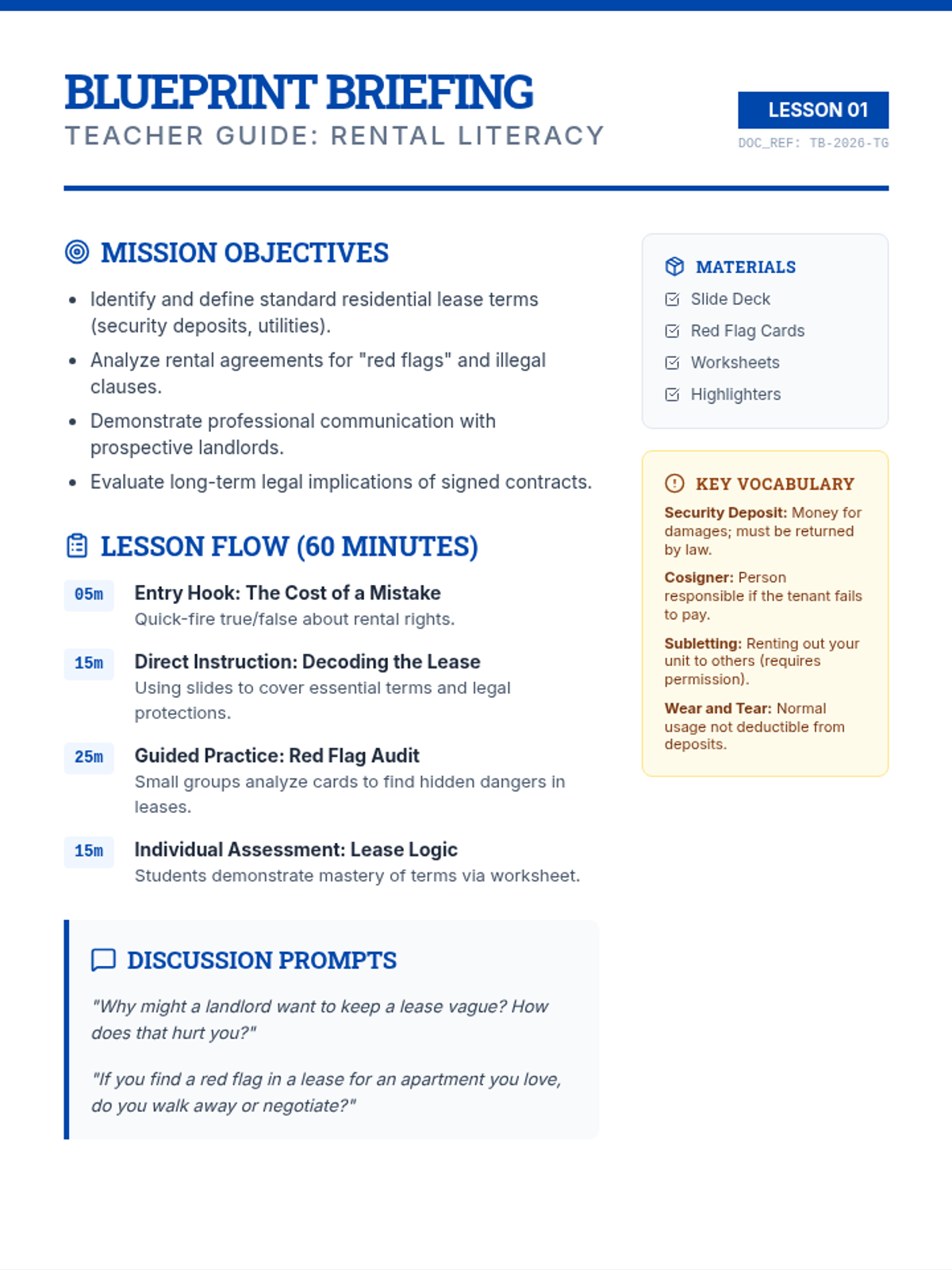
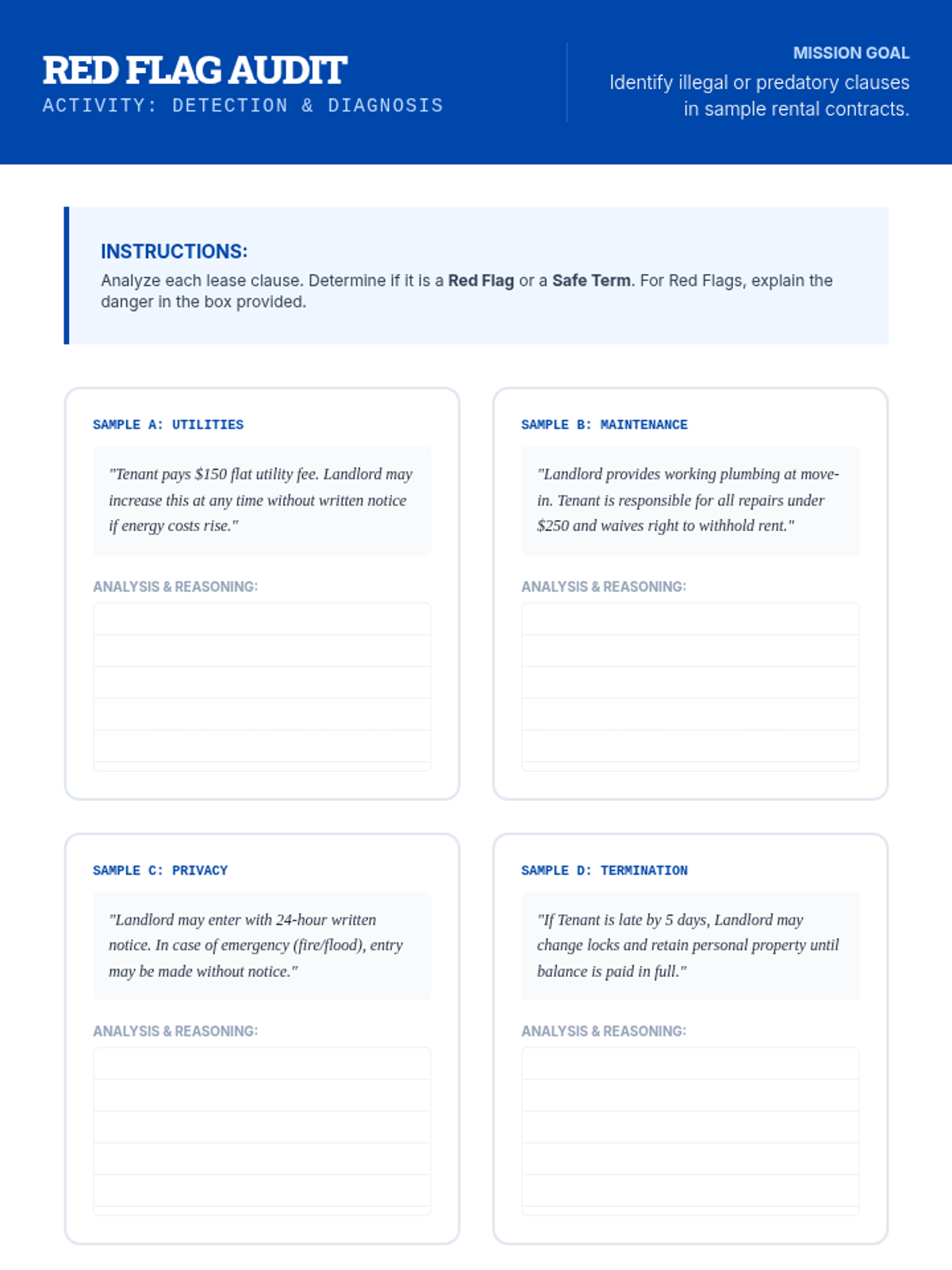
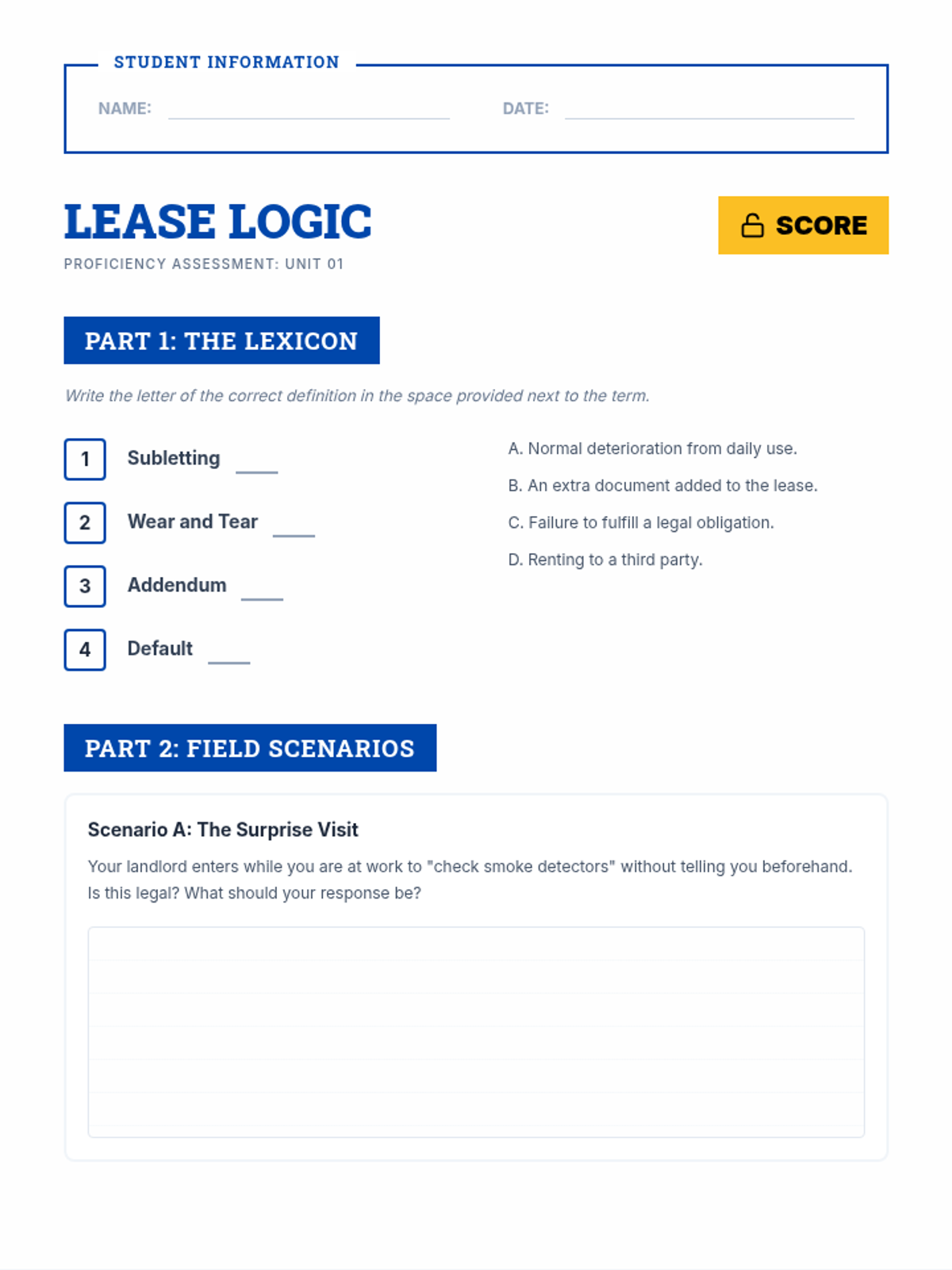
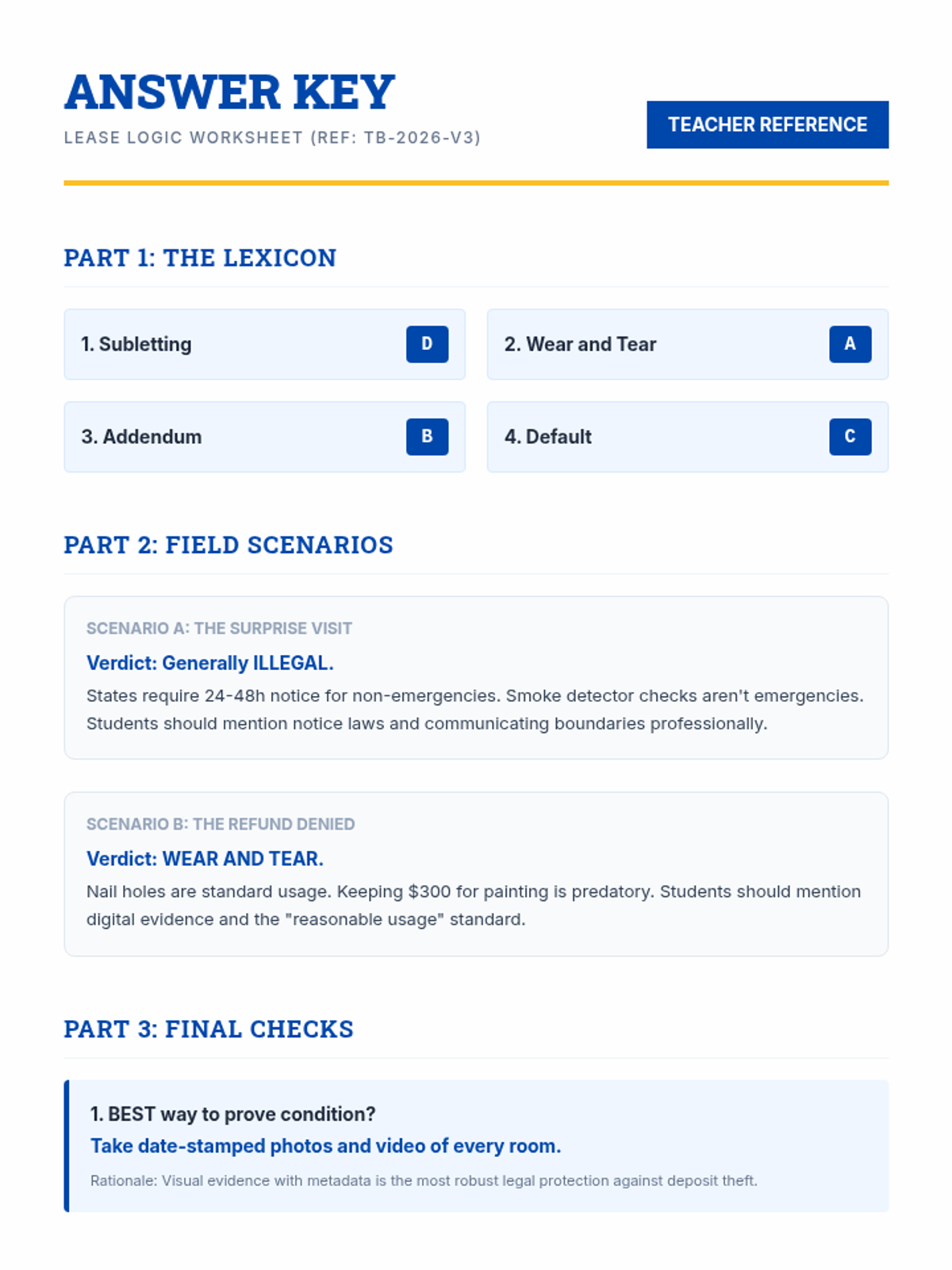
A comprehensive lesson designed for graduating seniors to navigate the complexities of renting their first apartment, focusing on lease literacy and identifying rental red flags.
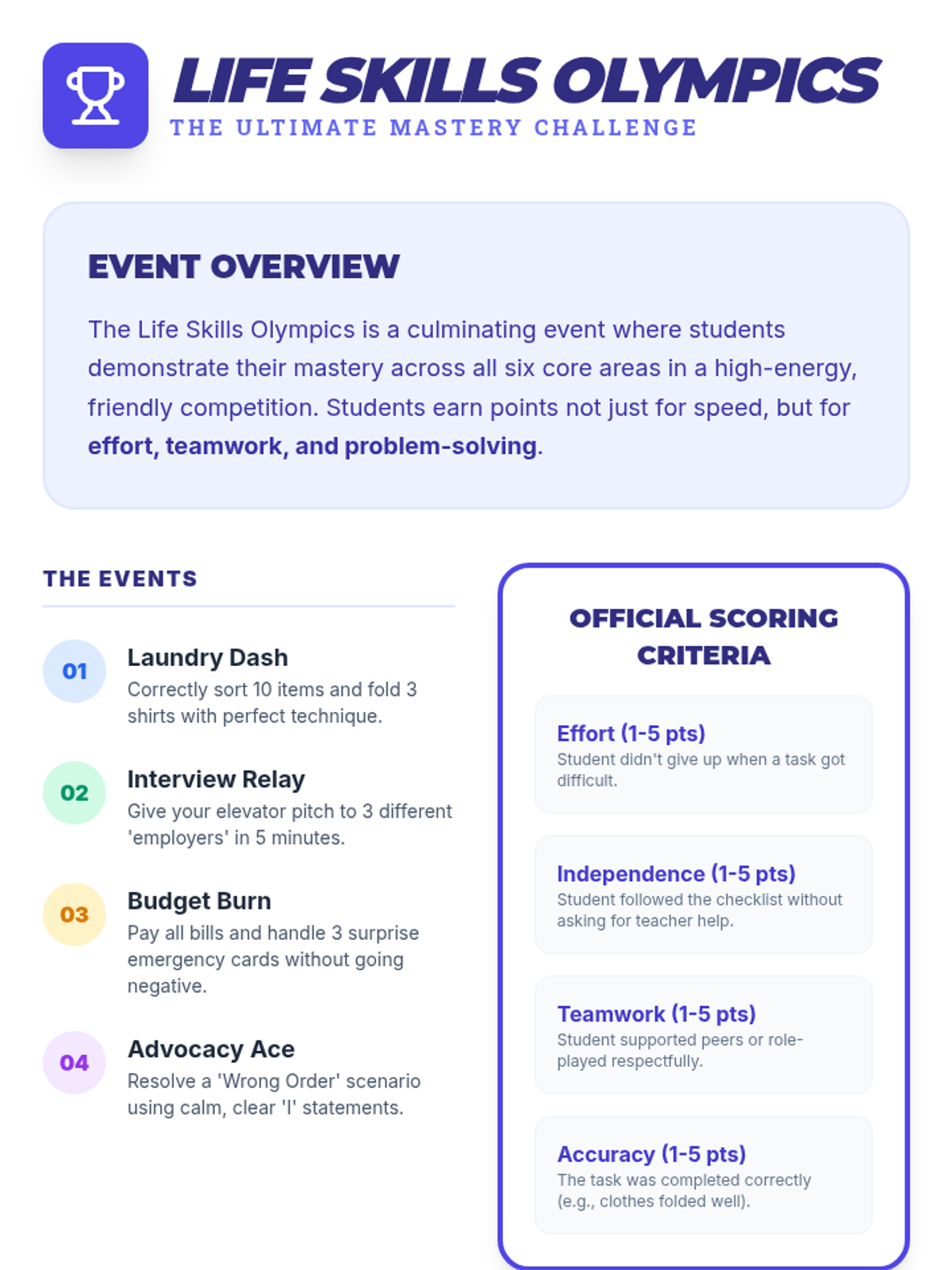
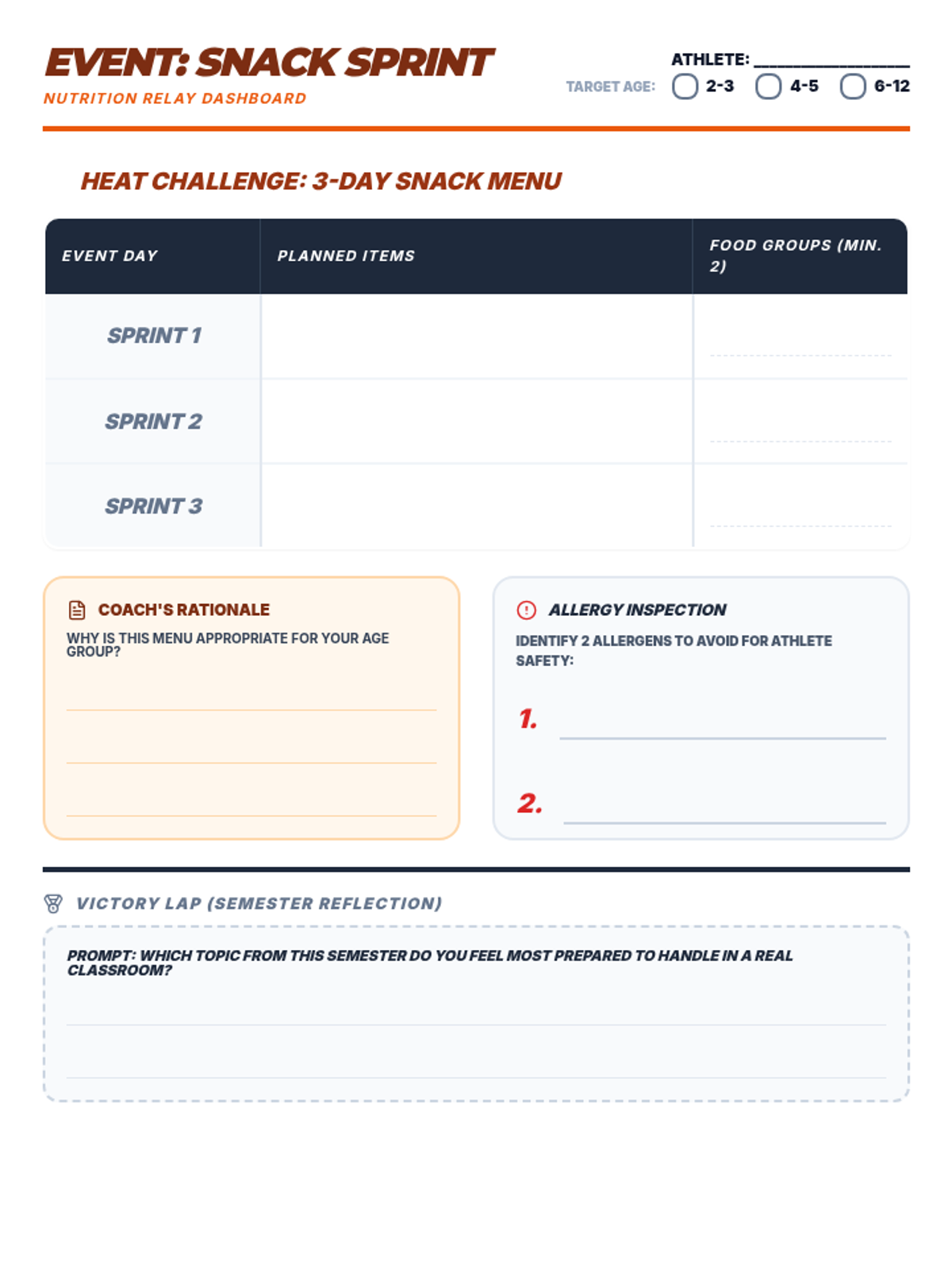
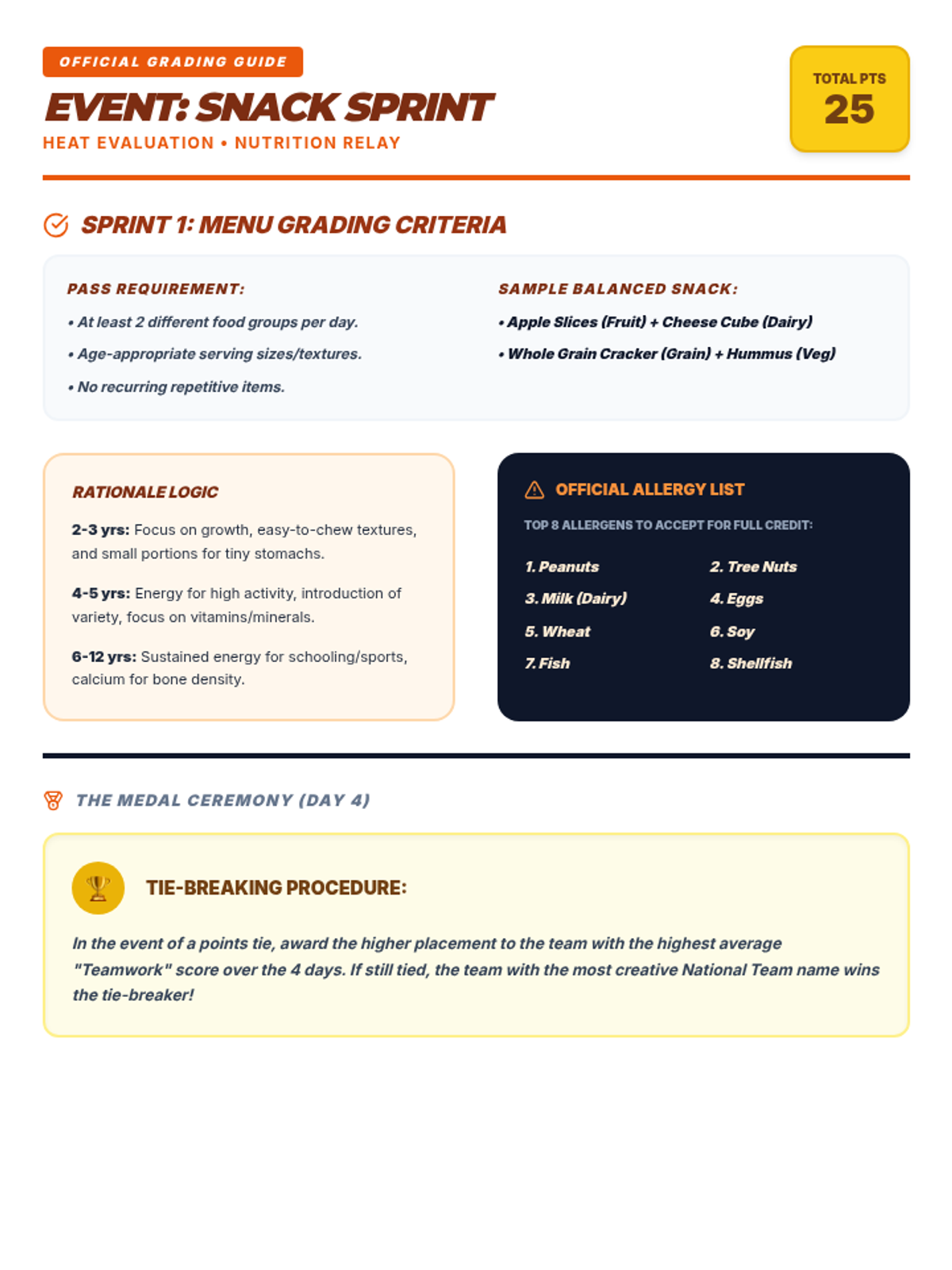
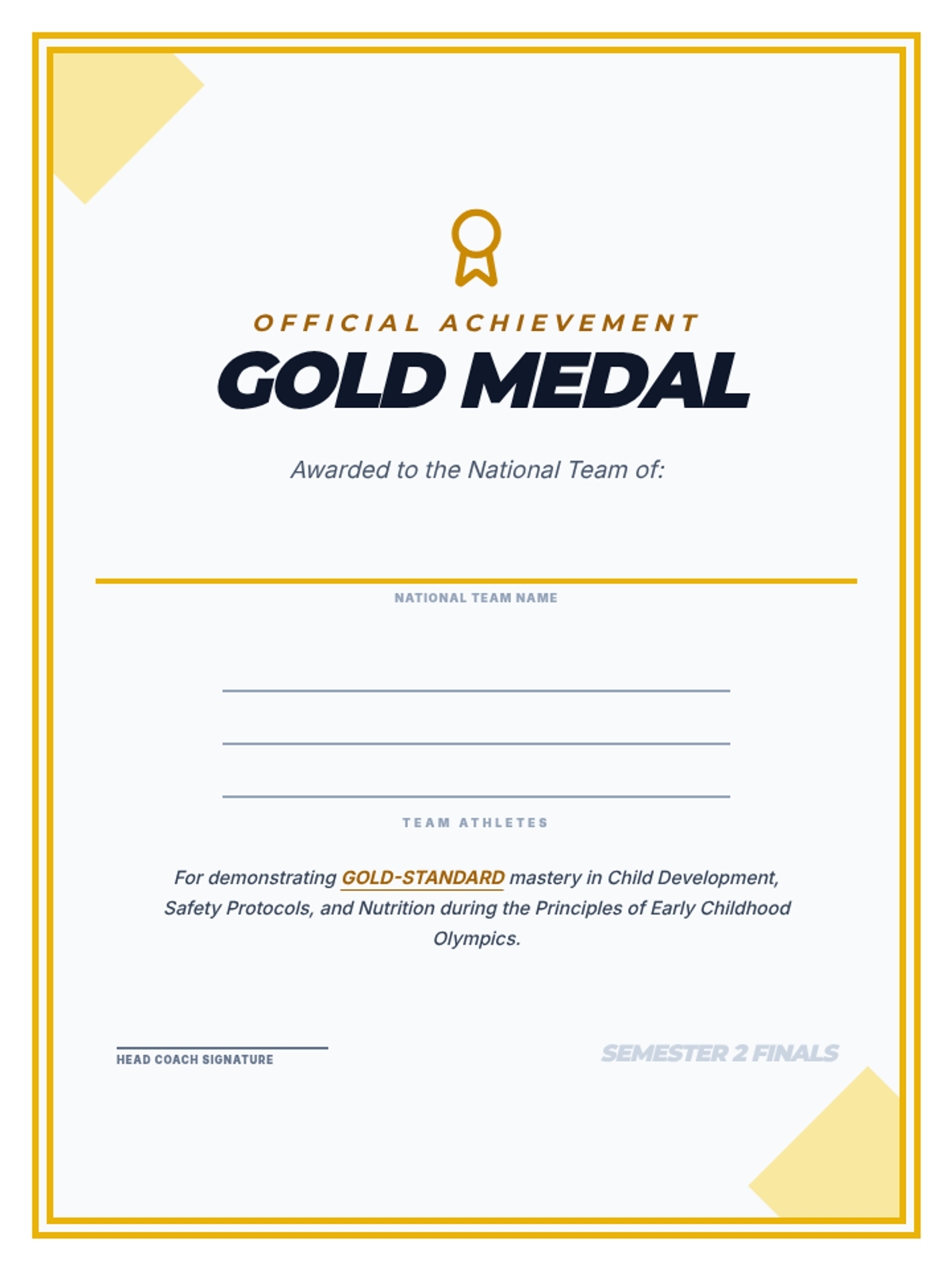
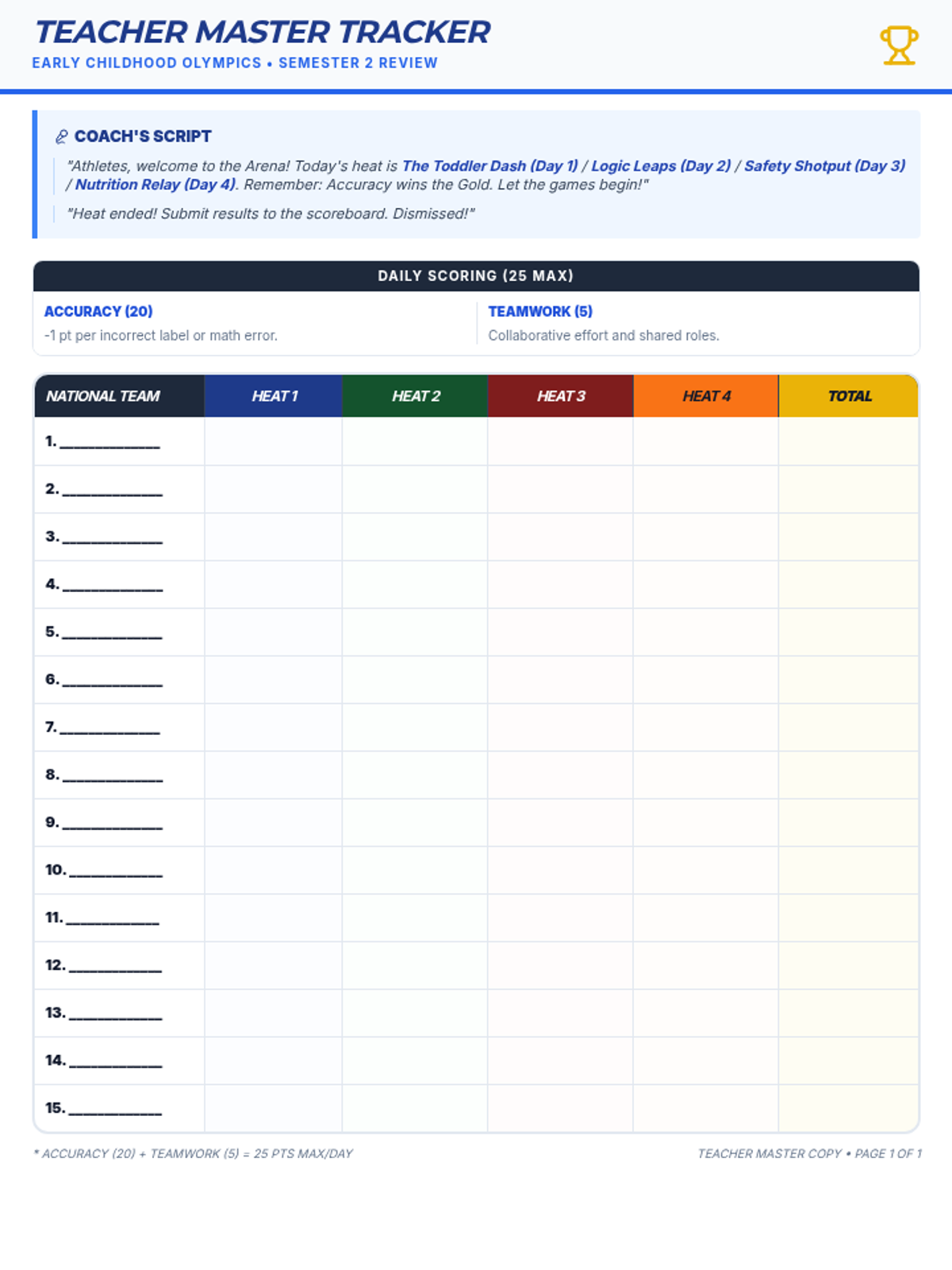
The final day covers nutrition and meal planning, followed by the grand tallying of points and the medal ceremony to conclude the semester.
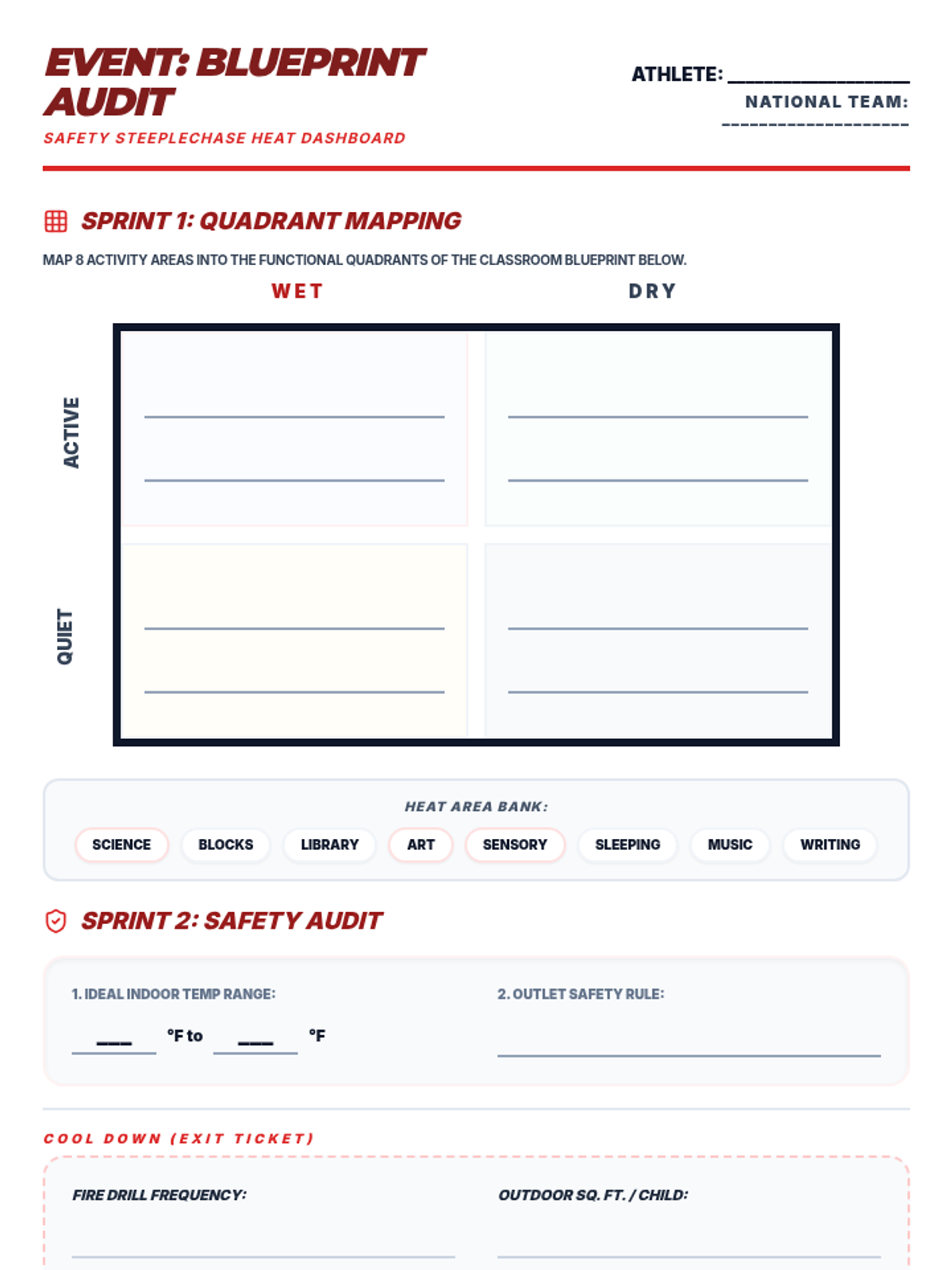
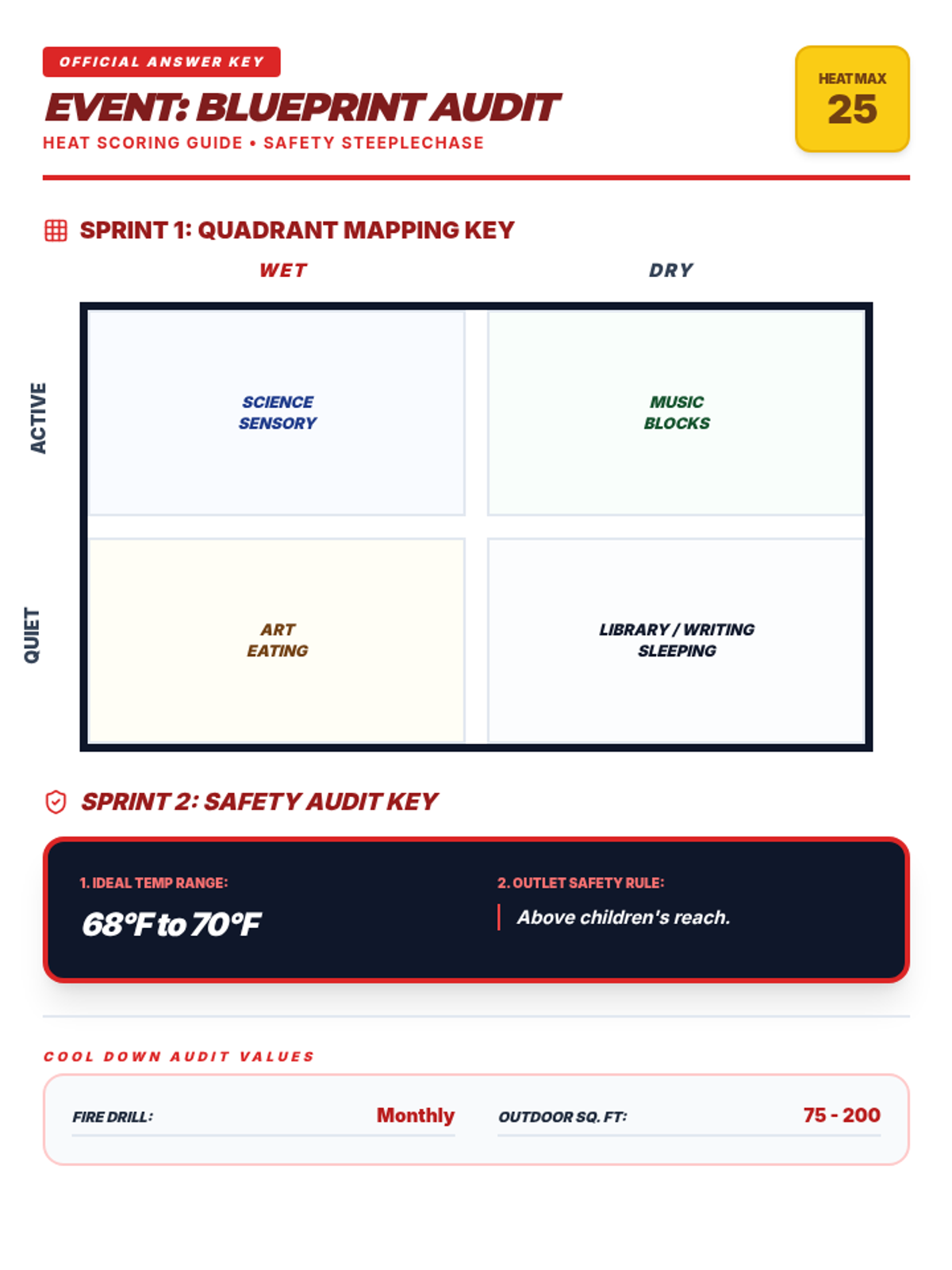
Day 3 focuses on environmental preparation and safety promotion, requiring students to apply knowledge of classroom layout and safety regulations to score points.
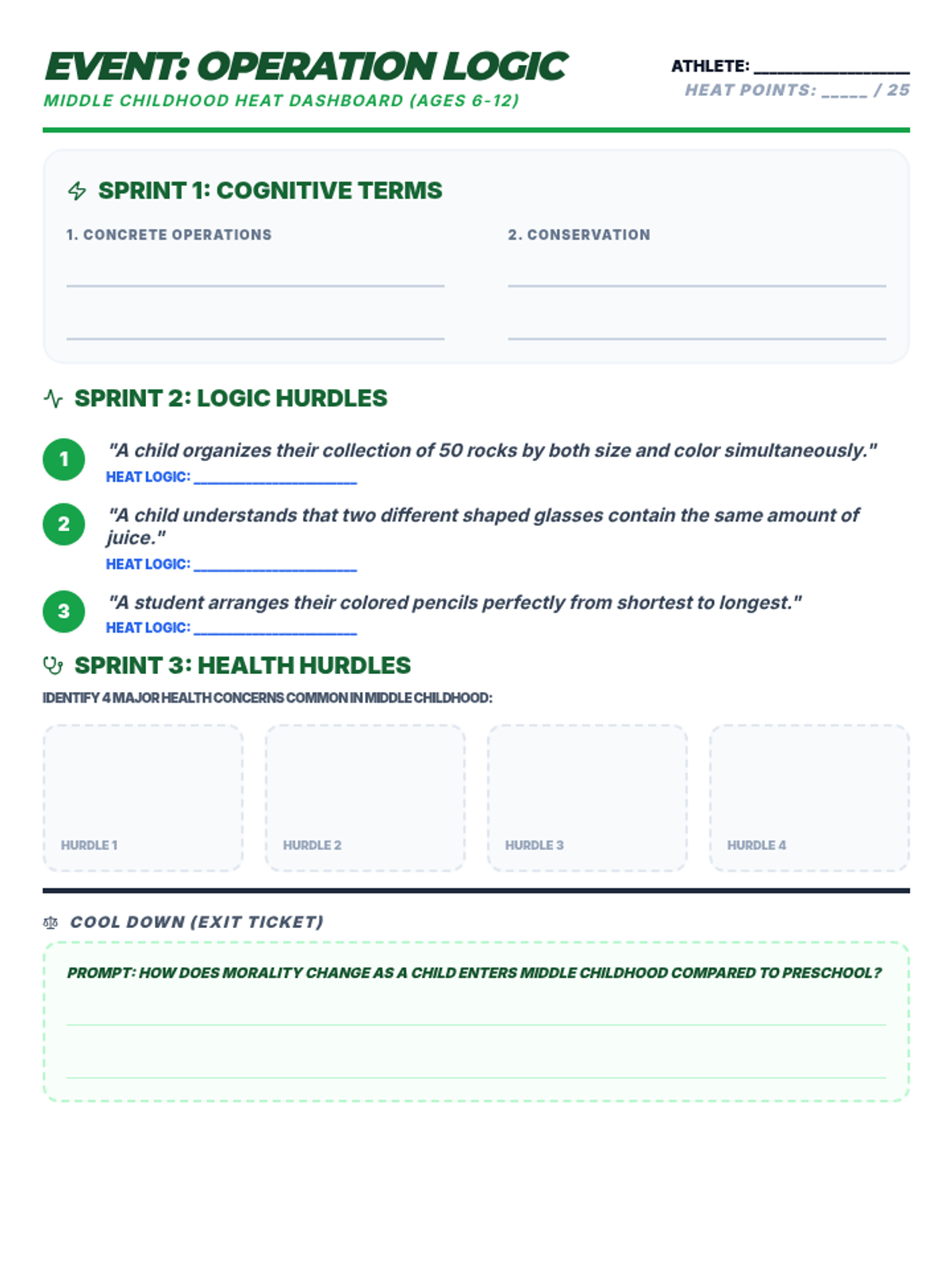
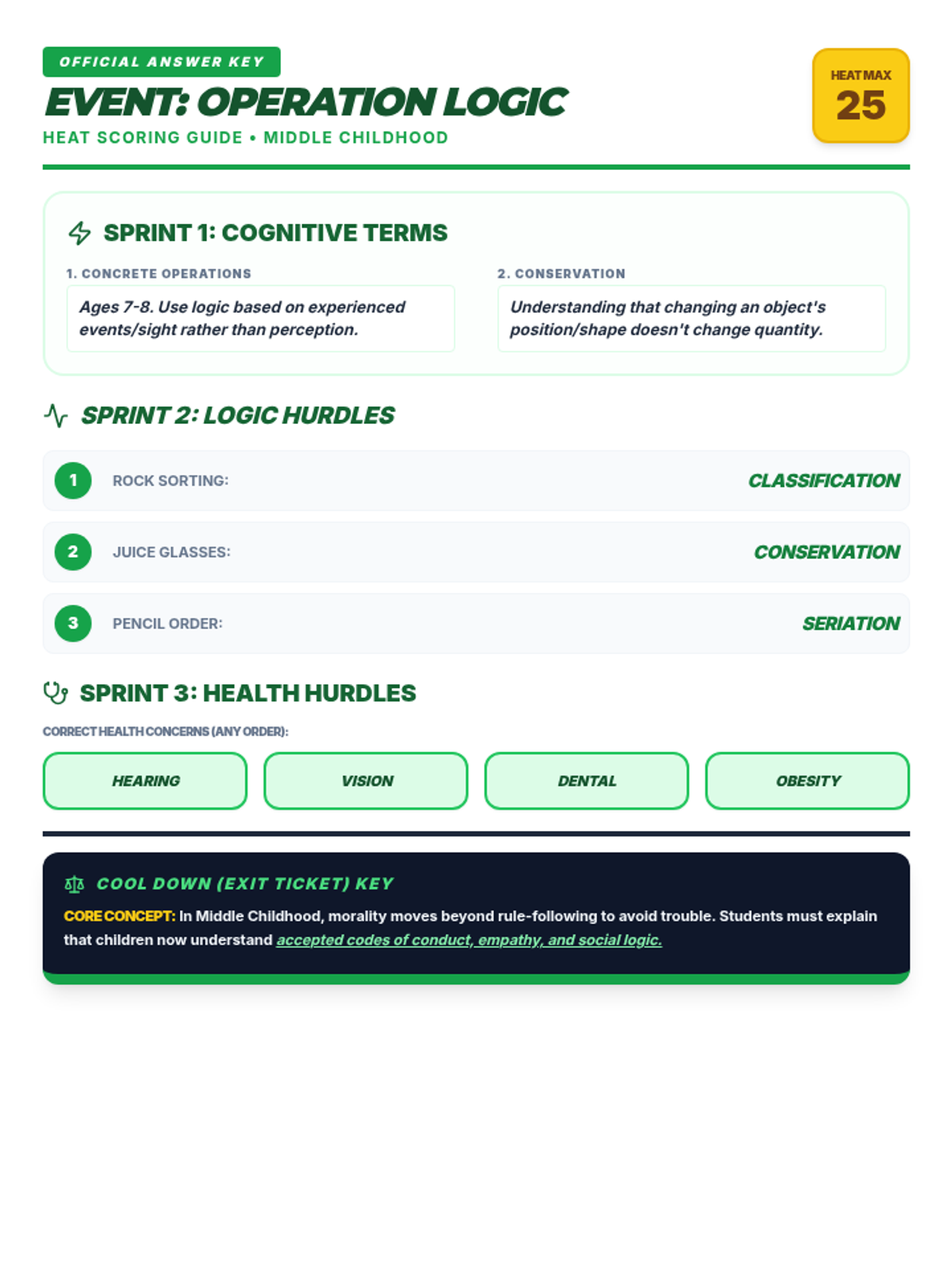
Day 2 explores middle childhood (ages 6-12), focusing on logical thinking, moral development, and the complexities of school-age social relationships.
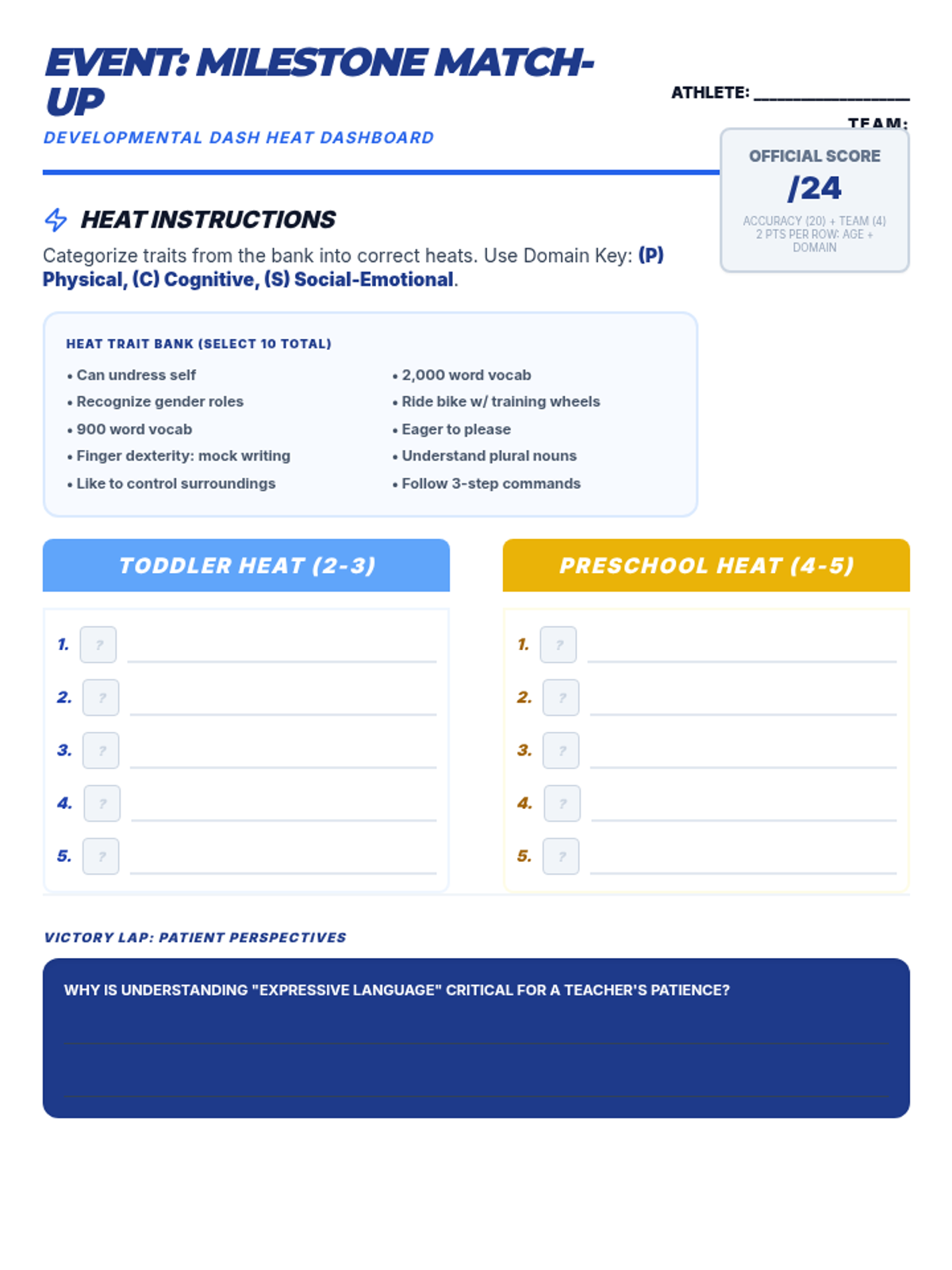
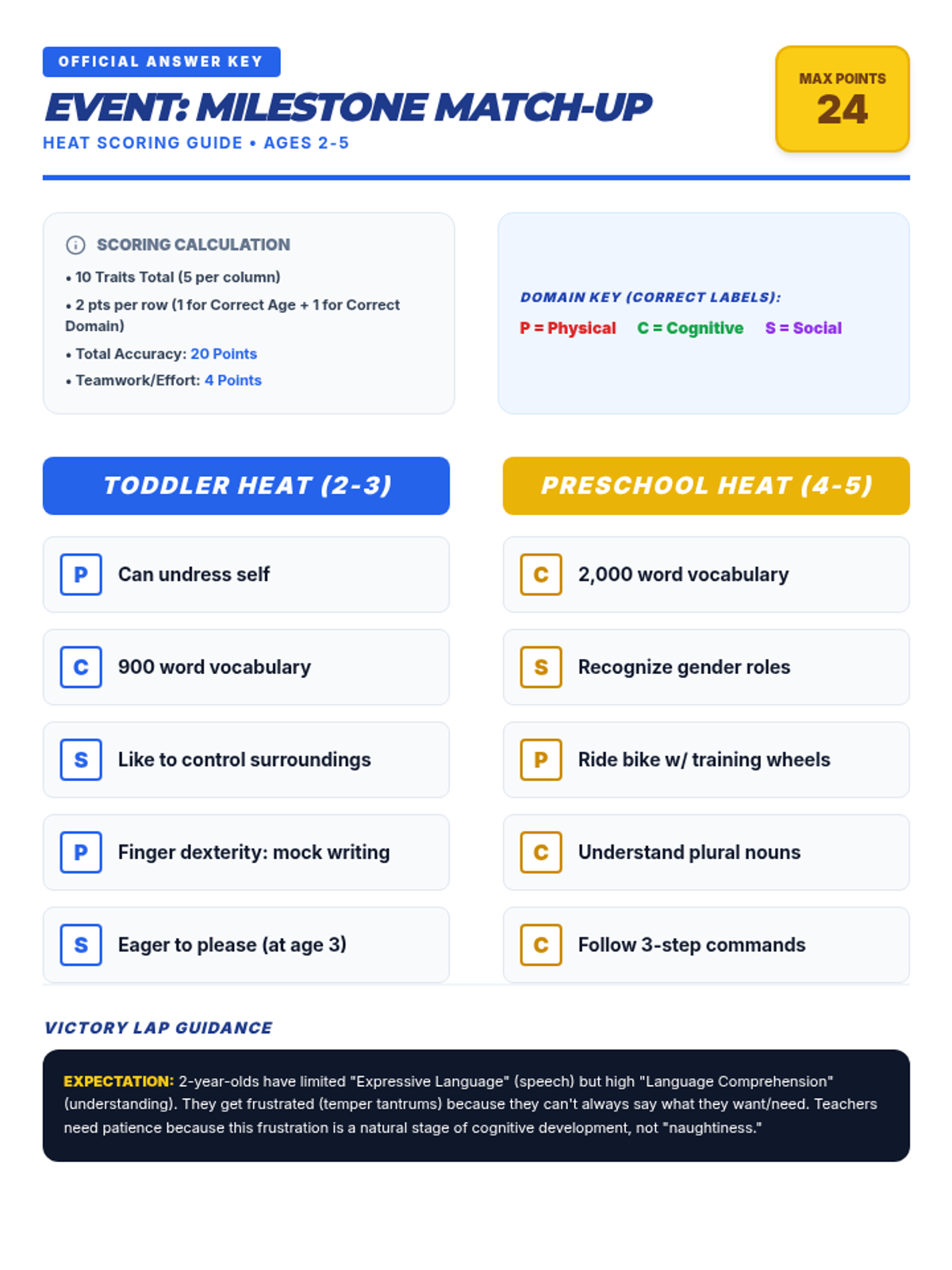
Day 1 of the Olympics focuses on the rapid development of children aged two through five, challenging students to accurately categorize physical, cognitive, and social milestones.
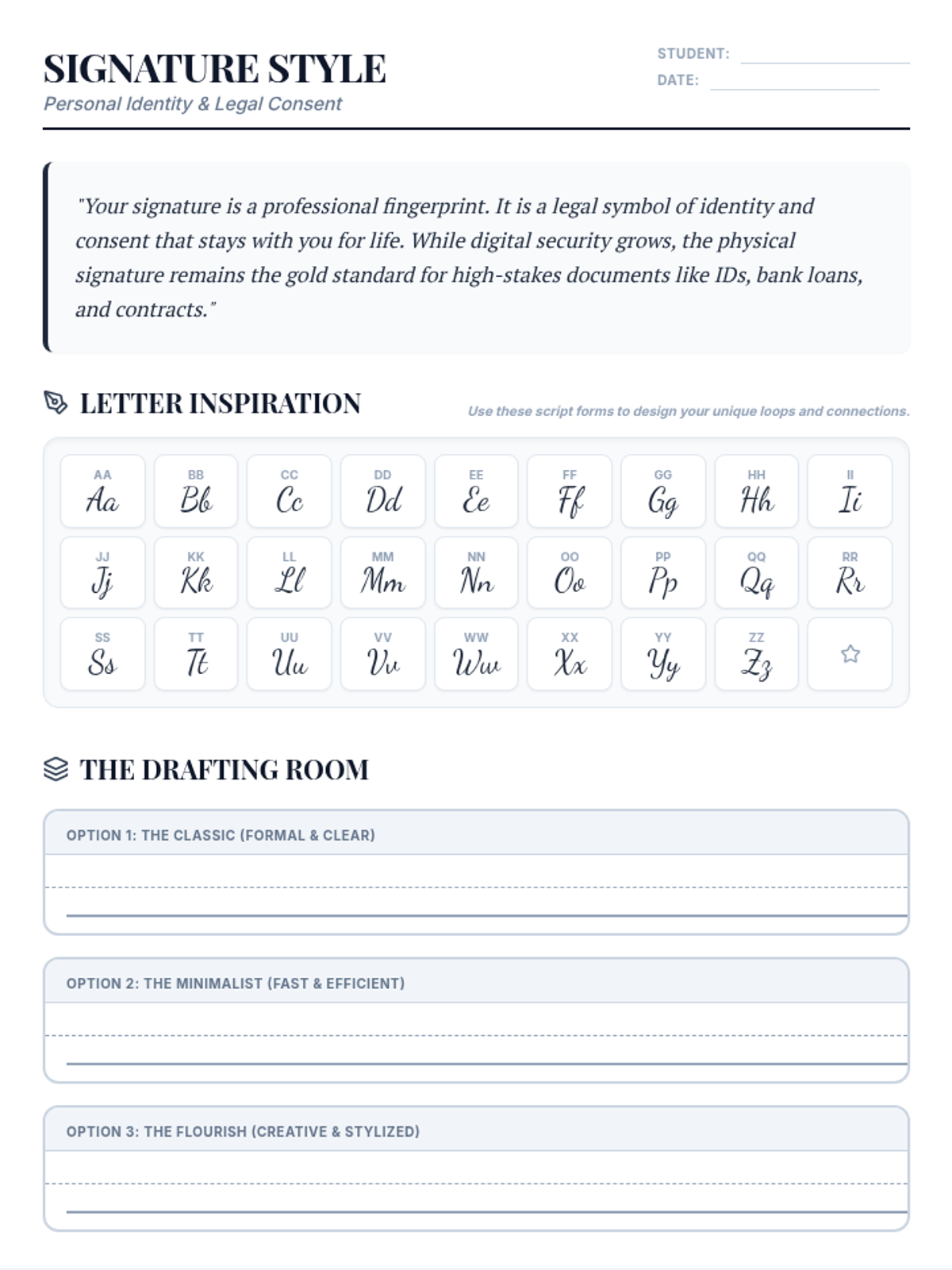
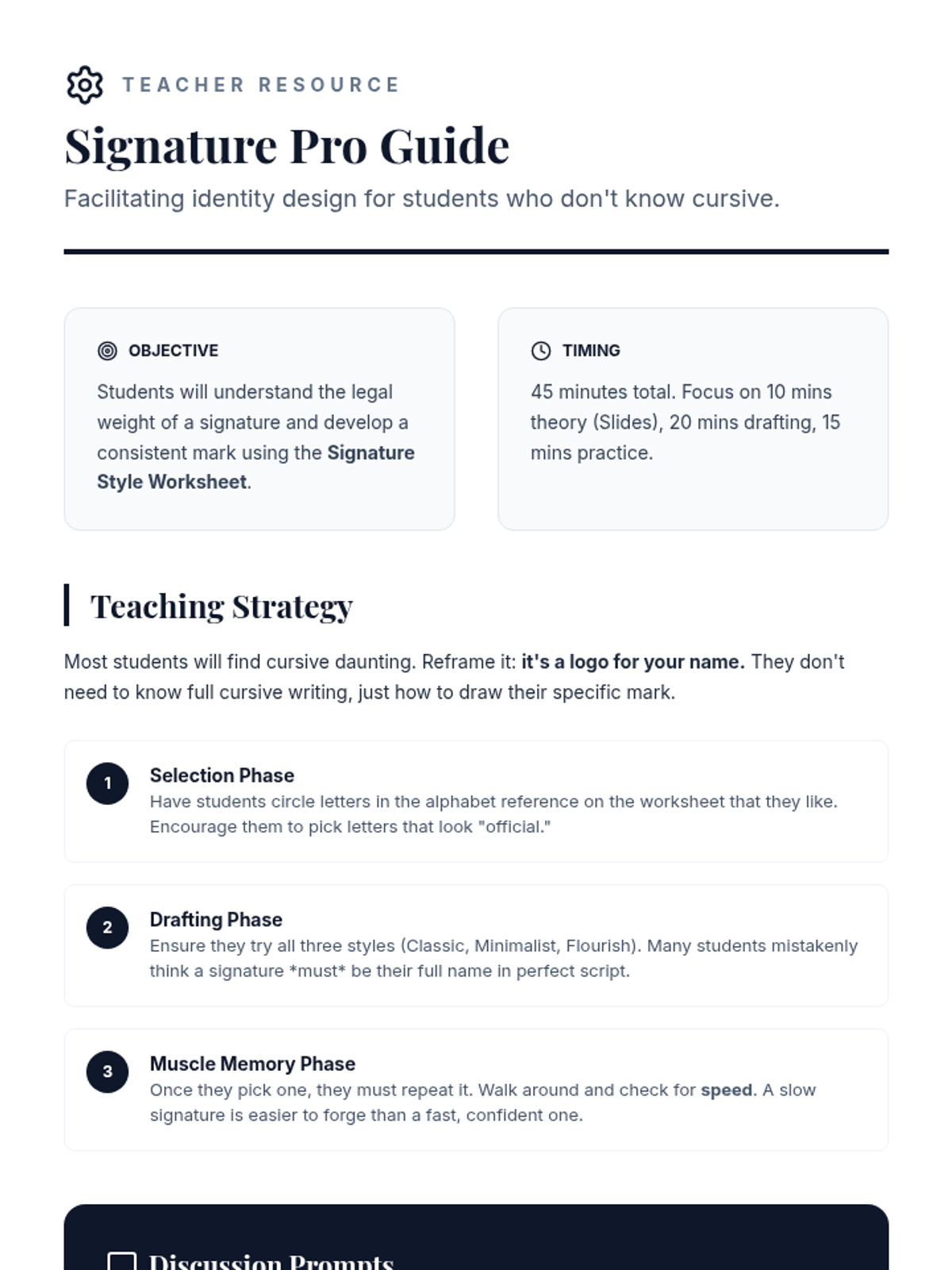
A practical lesson for high school students to develop a professional signature, covering its legal importance and the basics of cursive handwriting for personal identification.
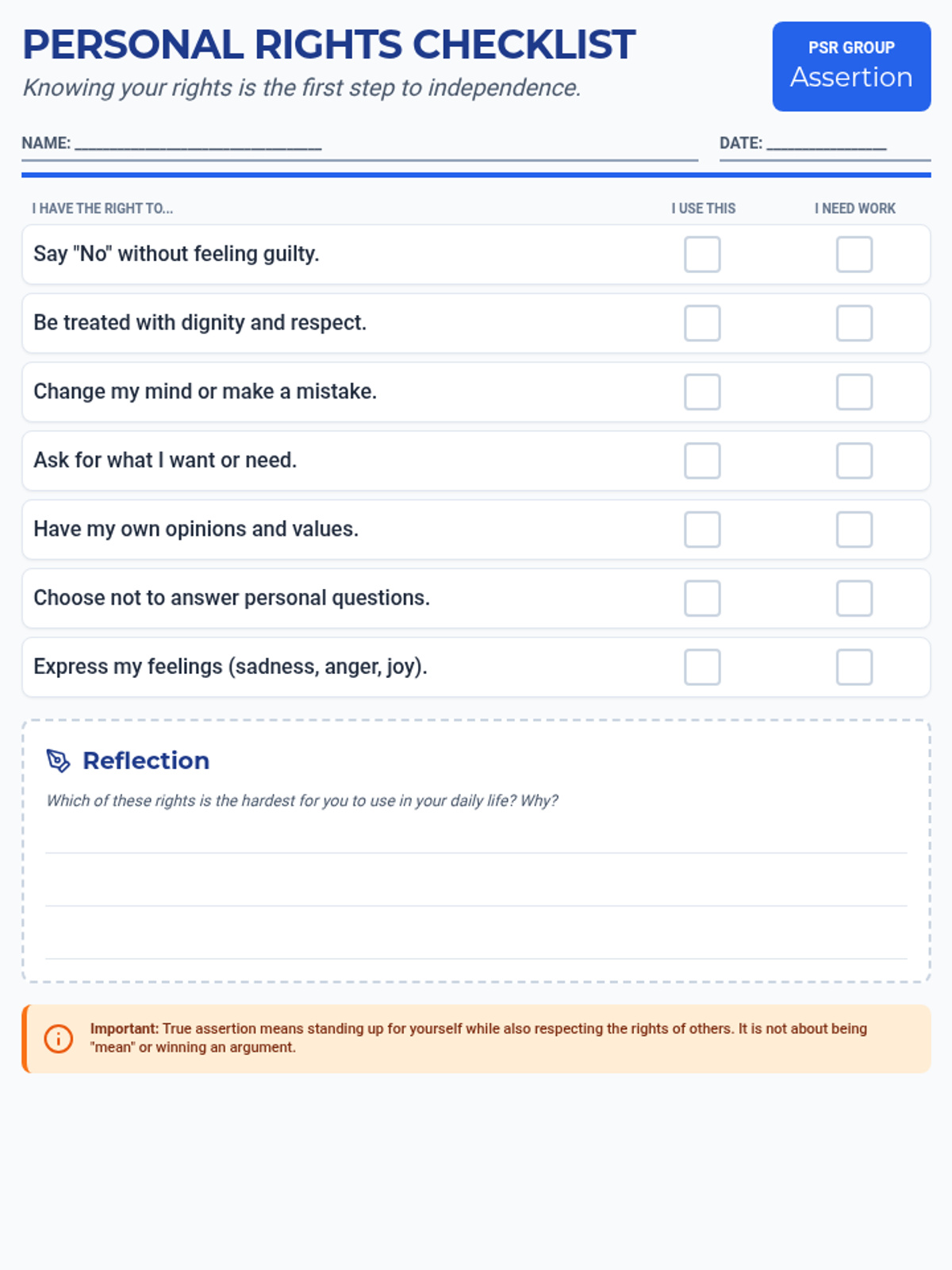
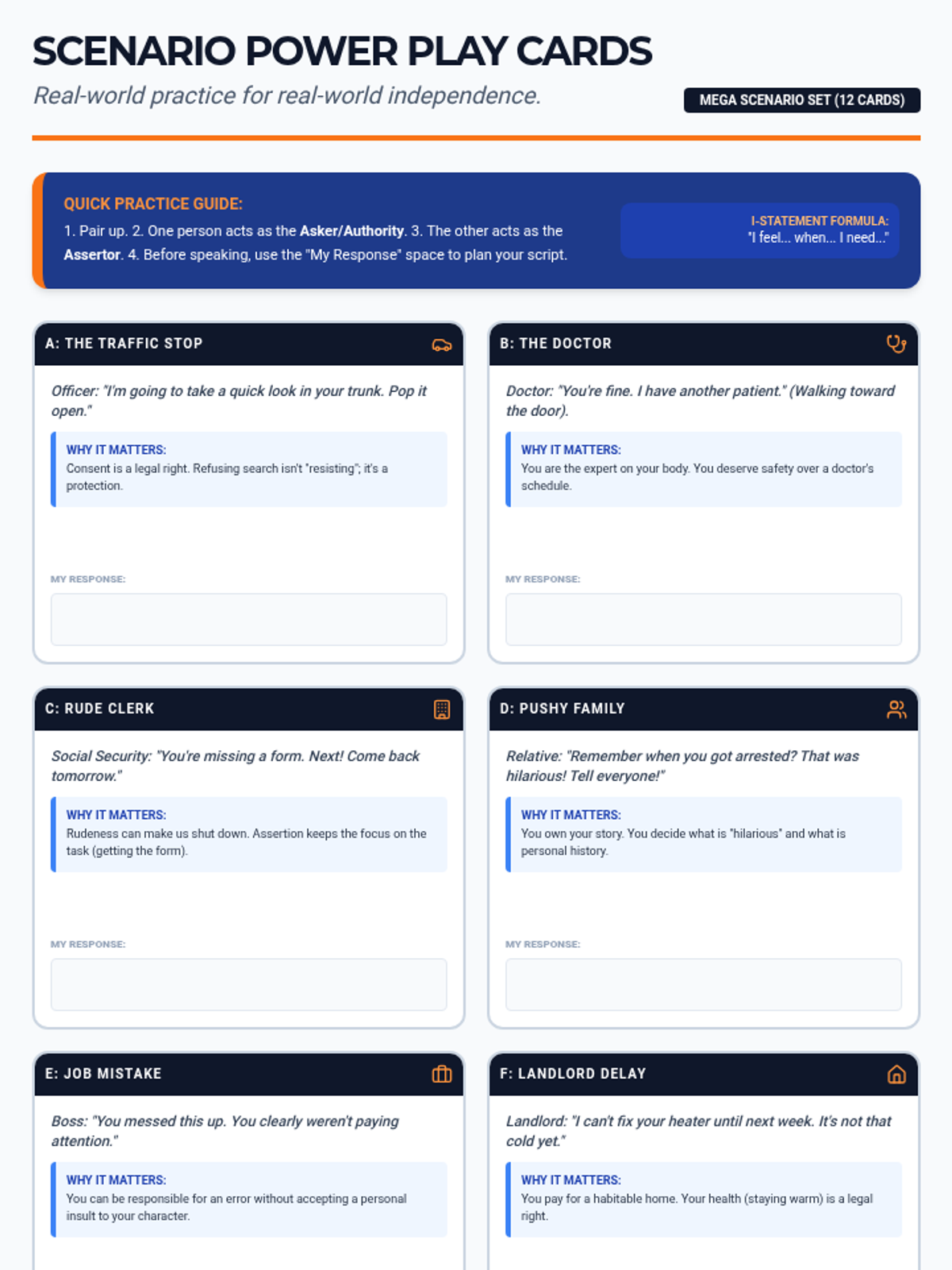
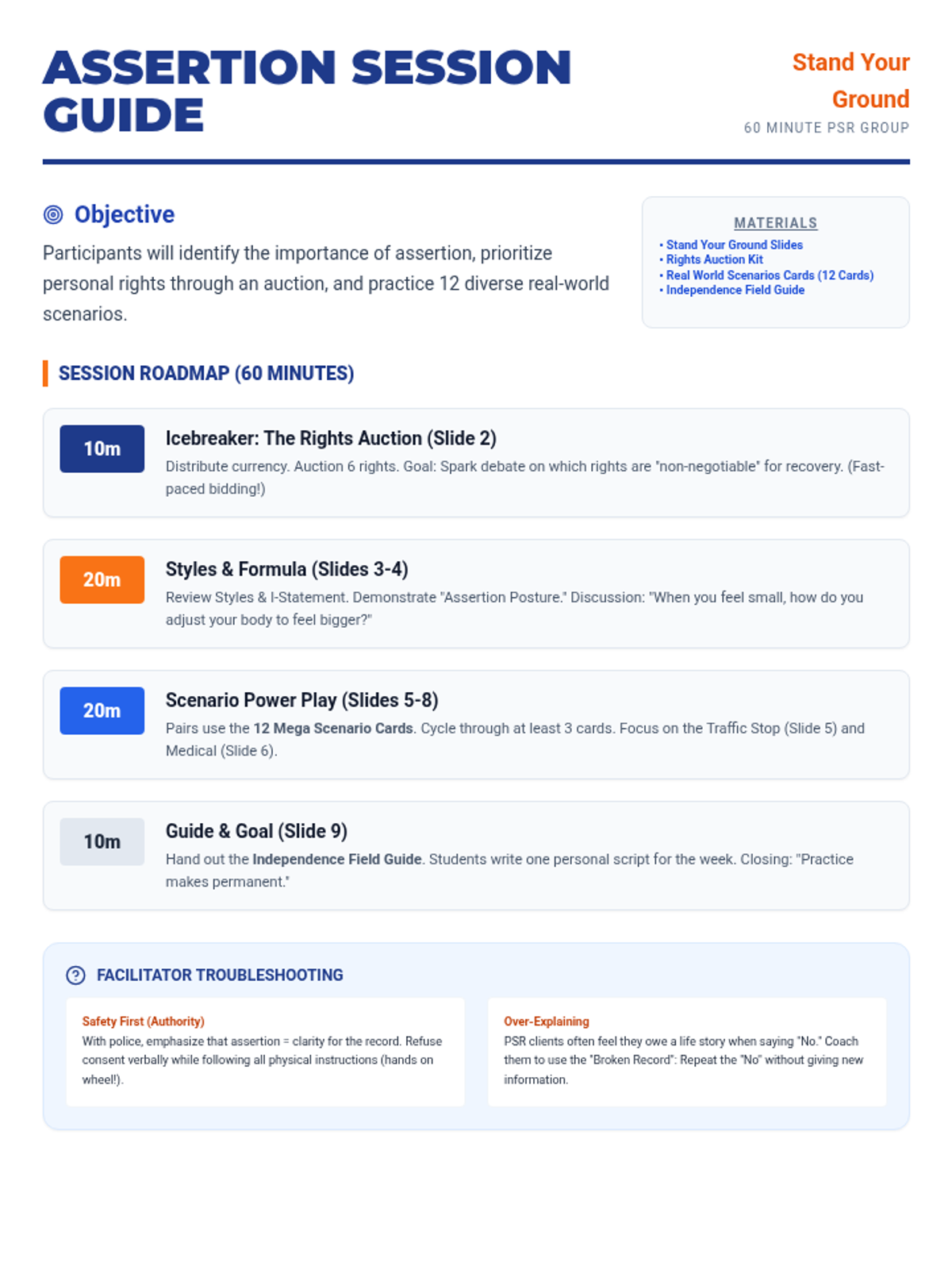
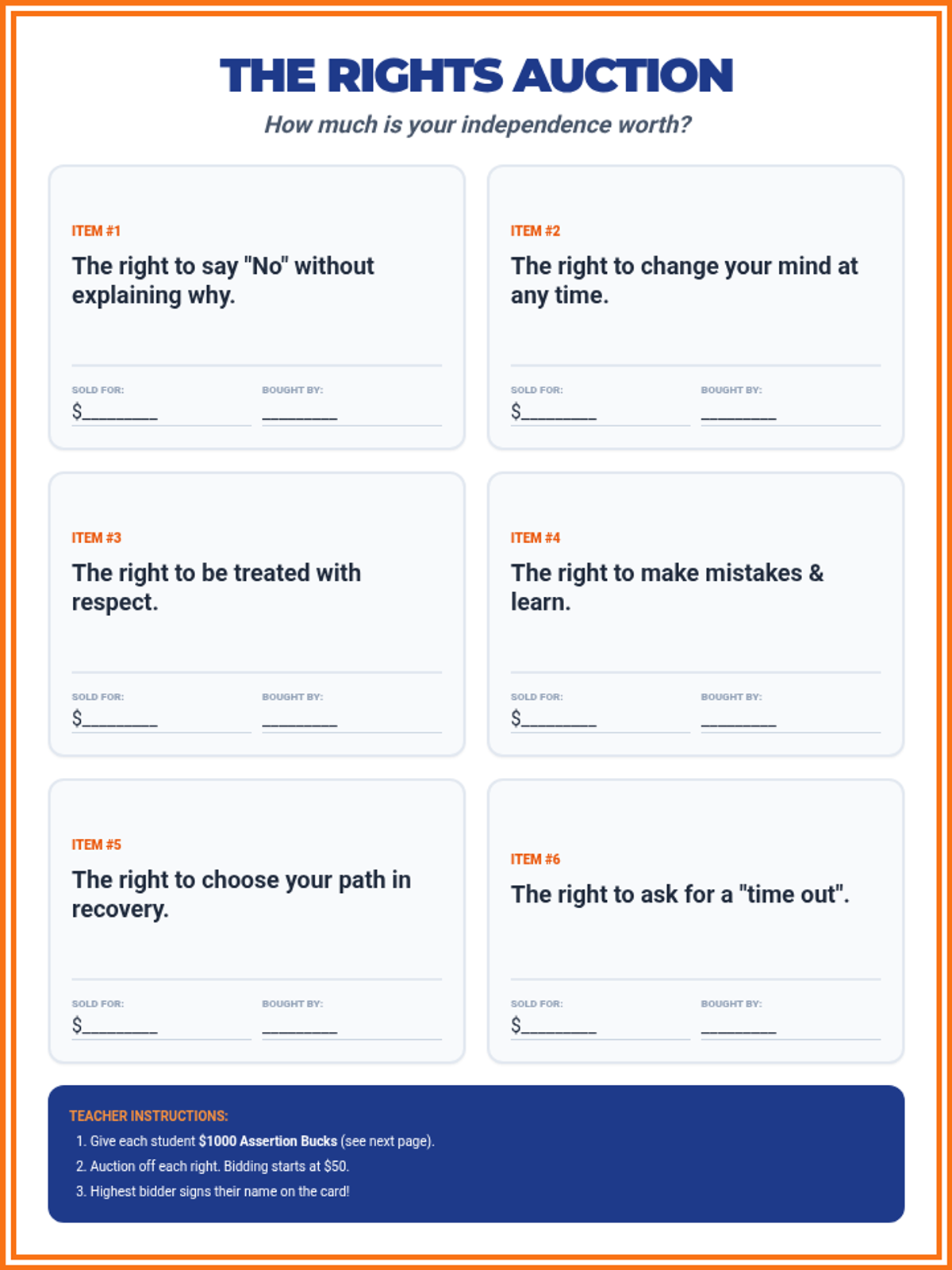
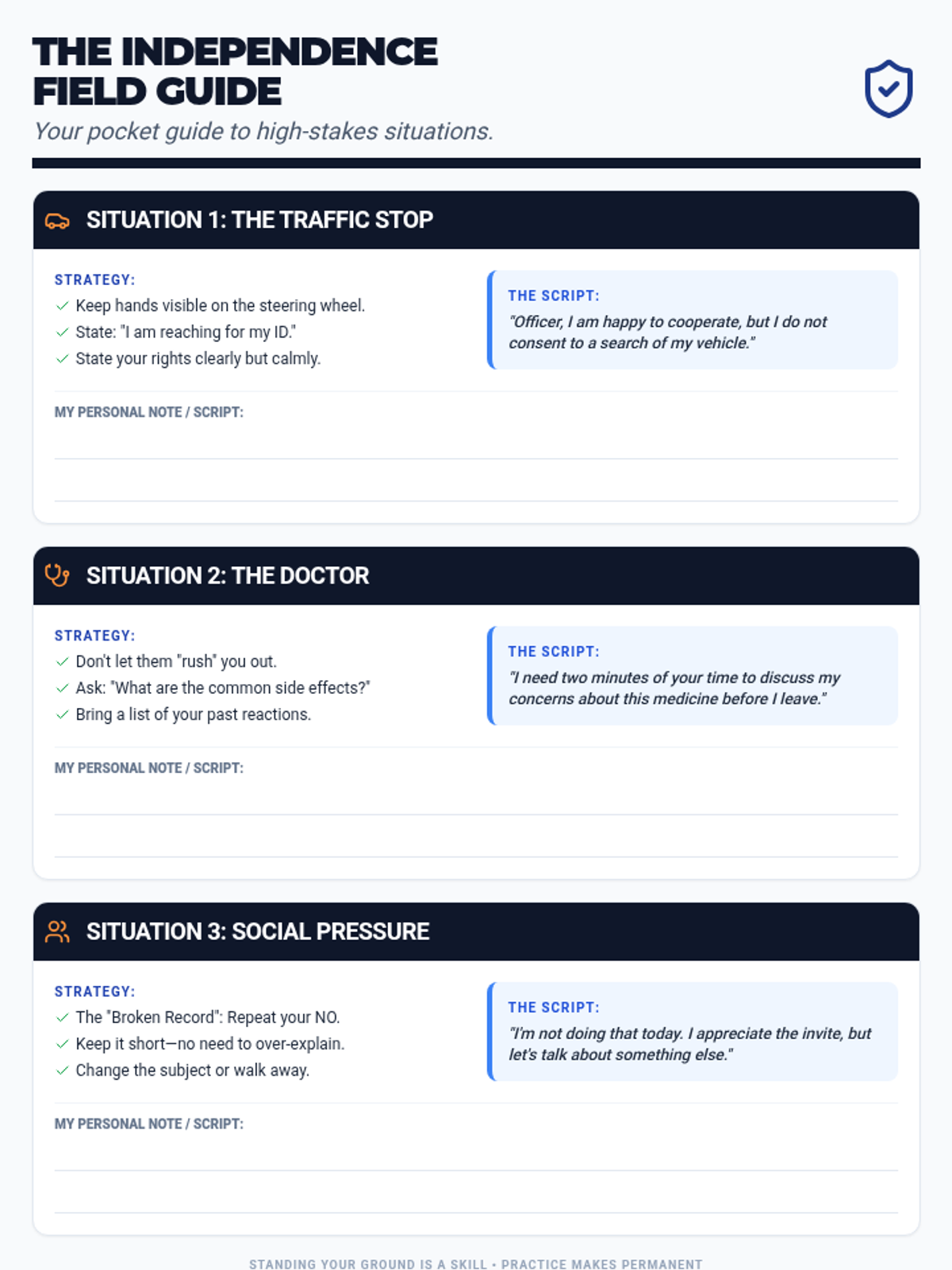
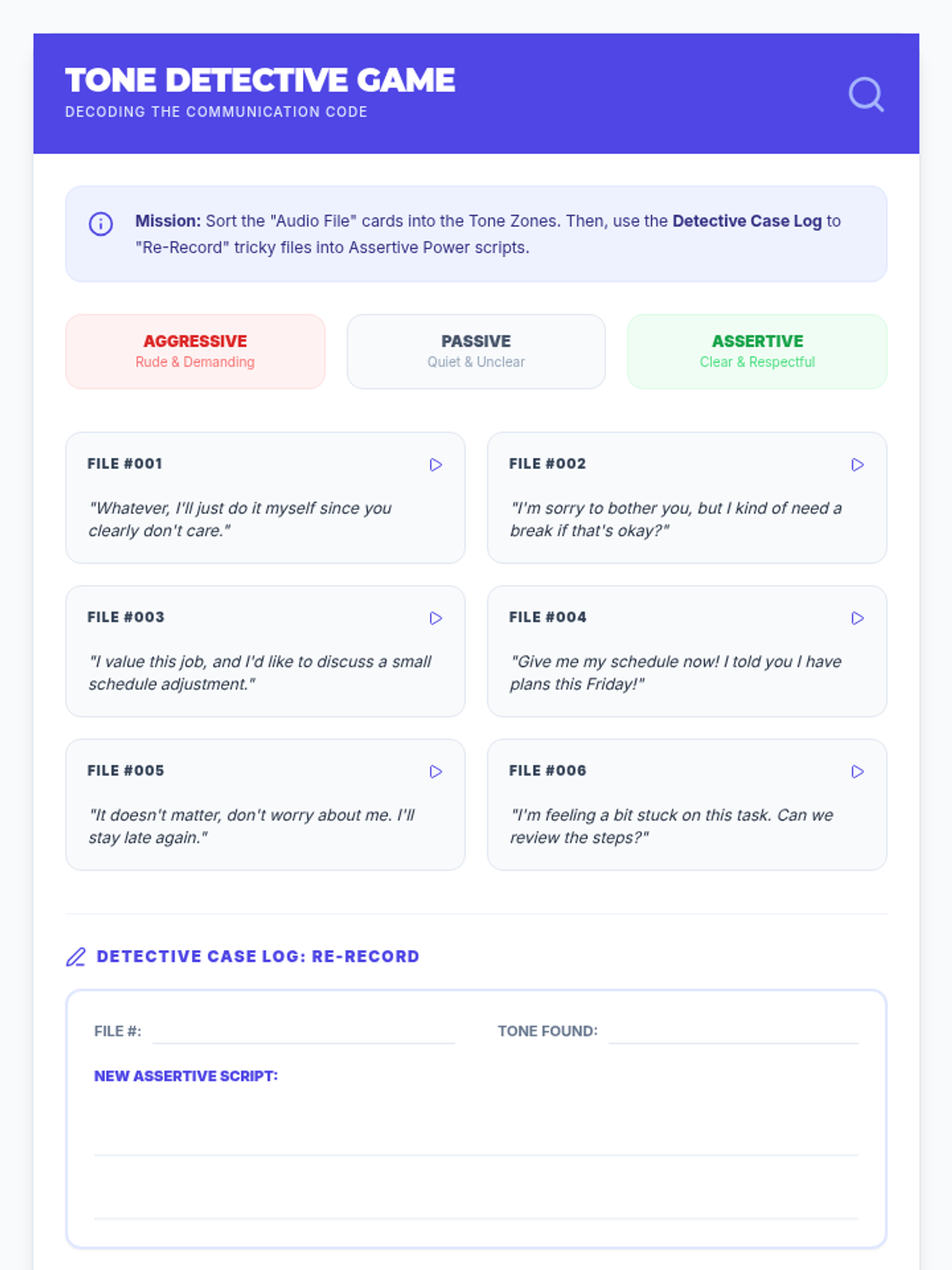
A 60-minute group session focused on empowering adults in PSR programs to understand their personal rights and practice assertive communication in real-world situations.
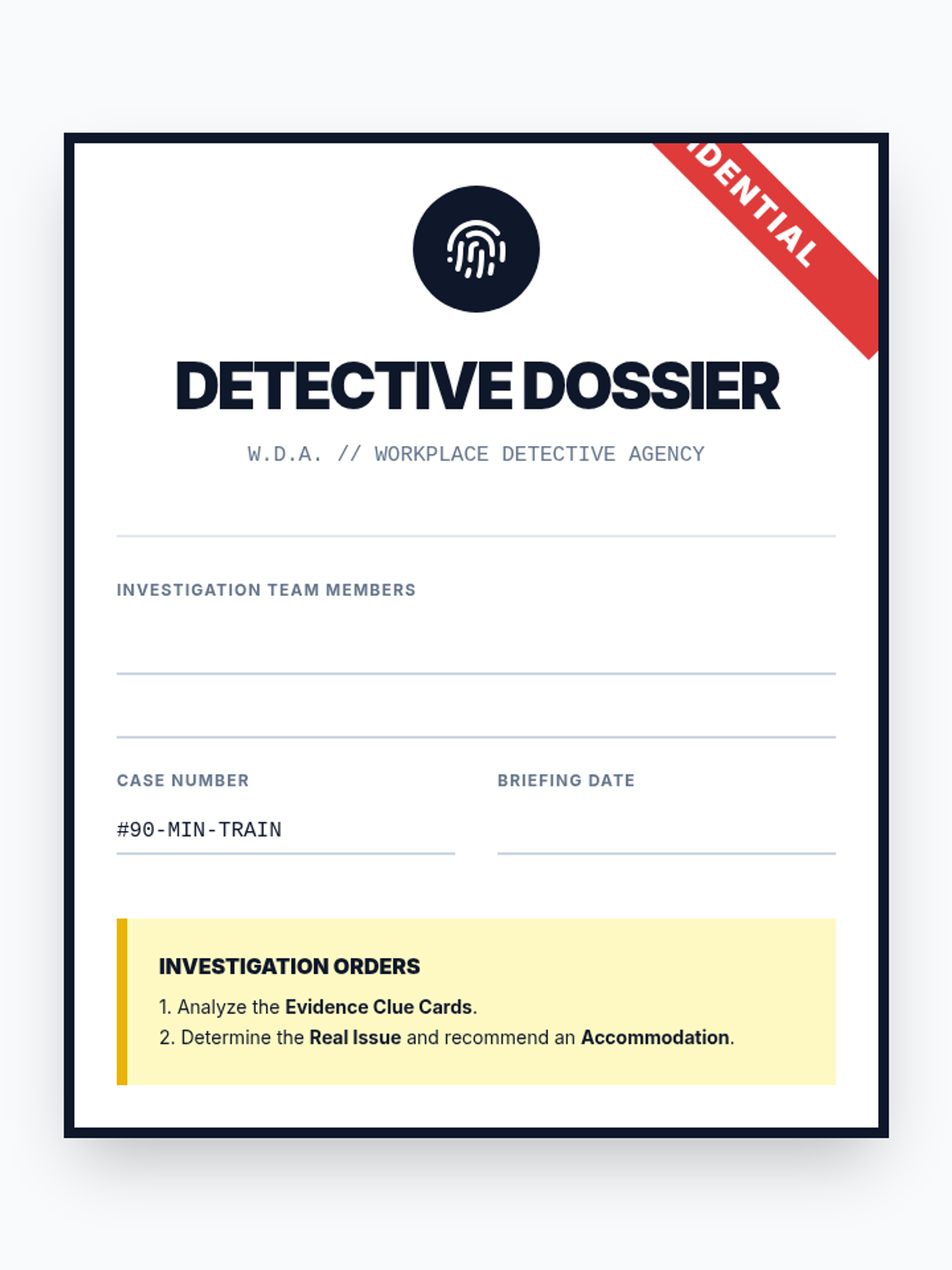
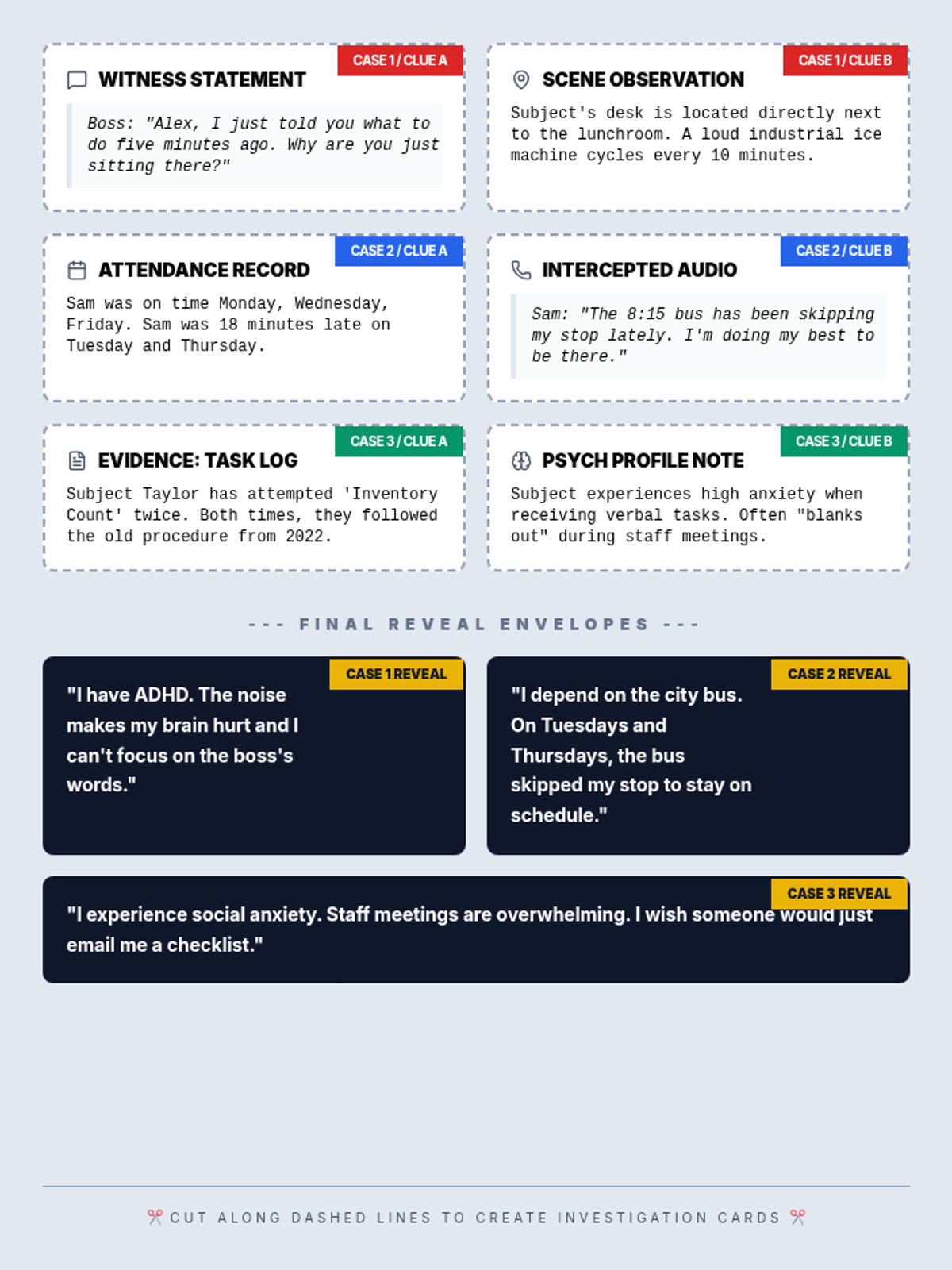
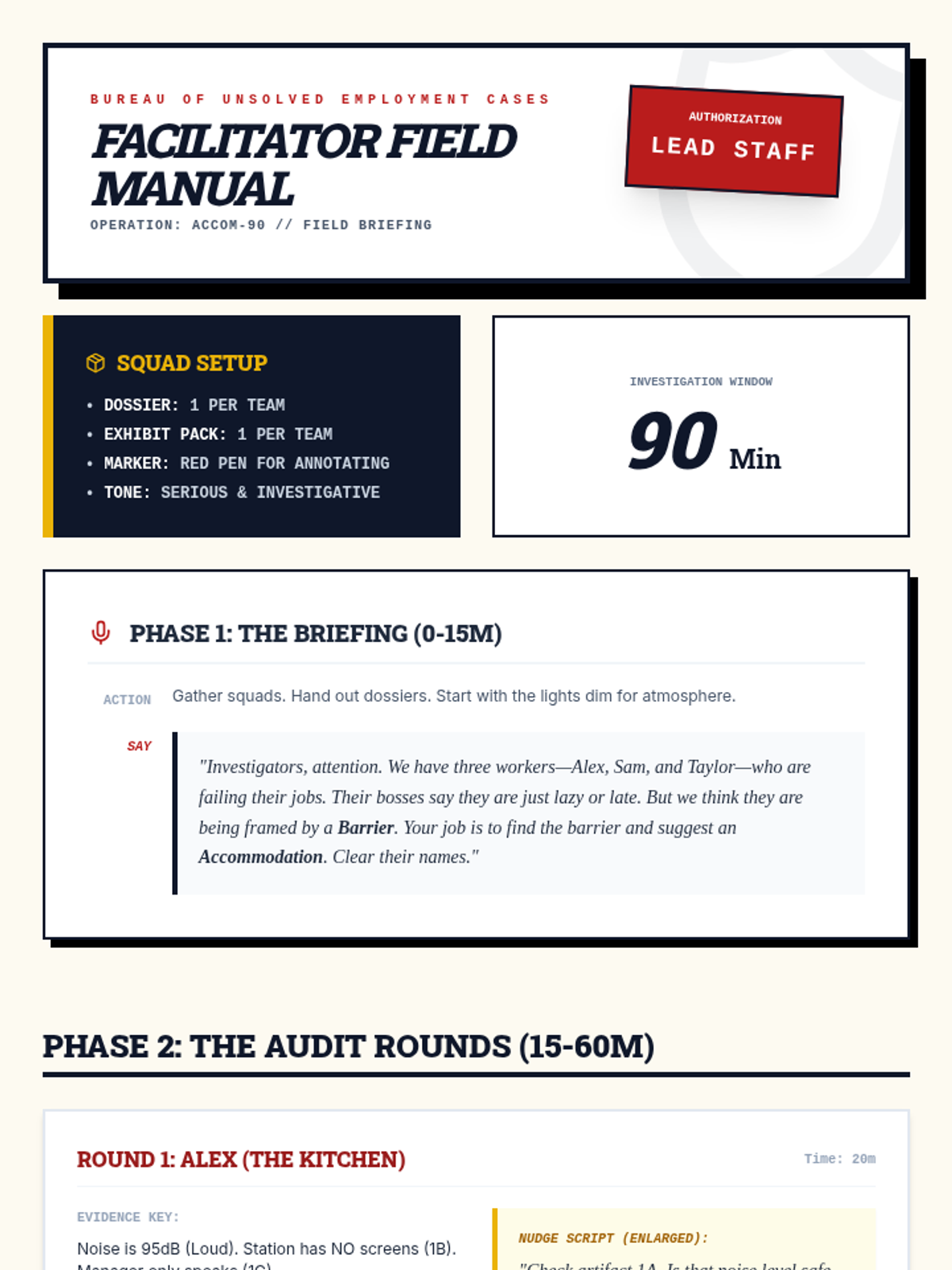
A 90-minute employment training lesson that uses a mystery-solving framework to help students identify the need for workplace accommodations and practice the skills to request them.
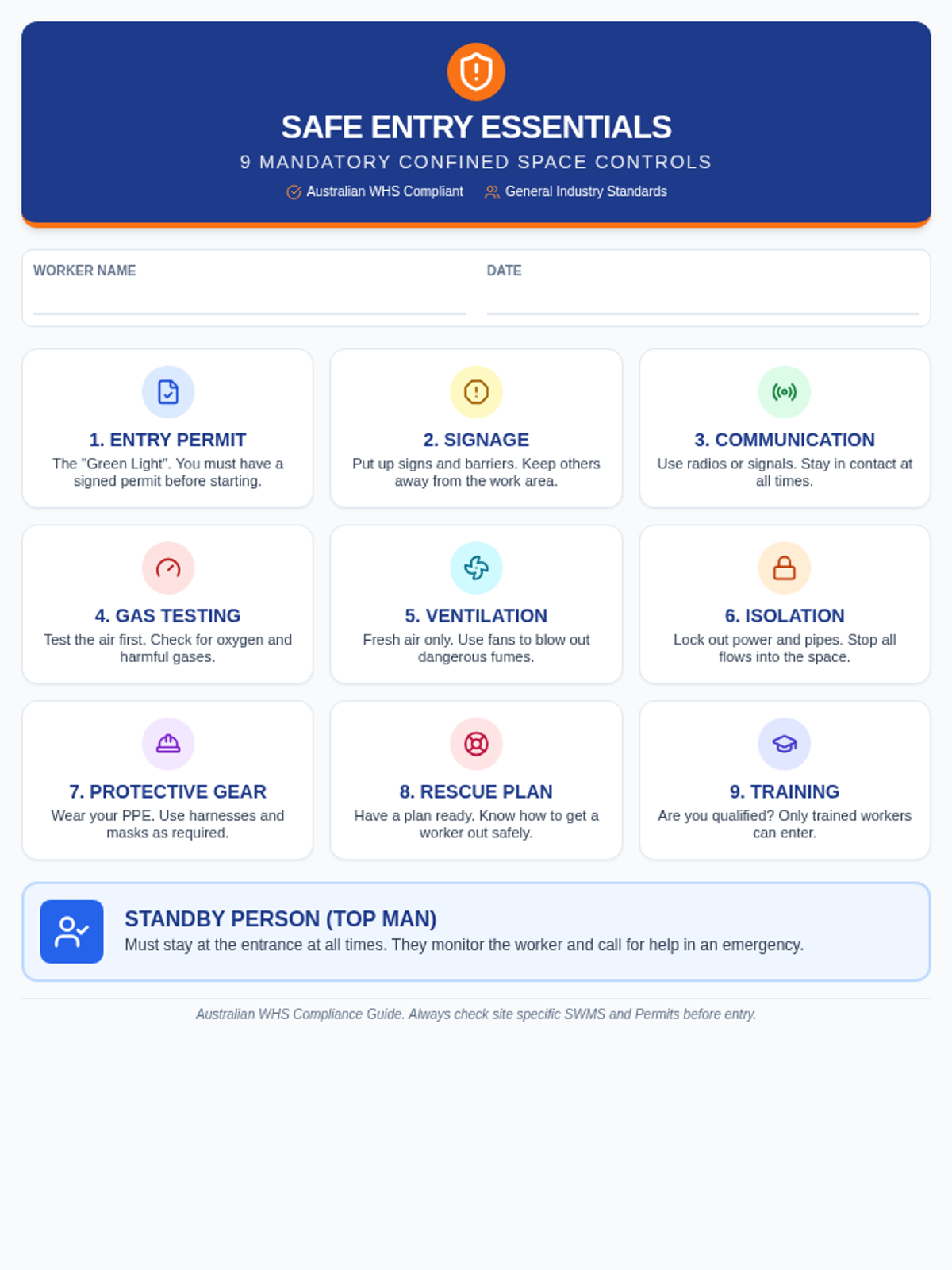
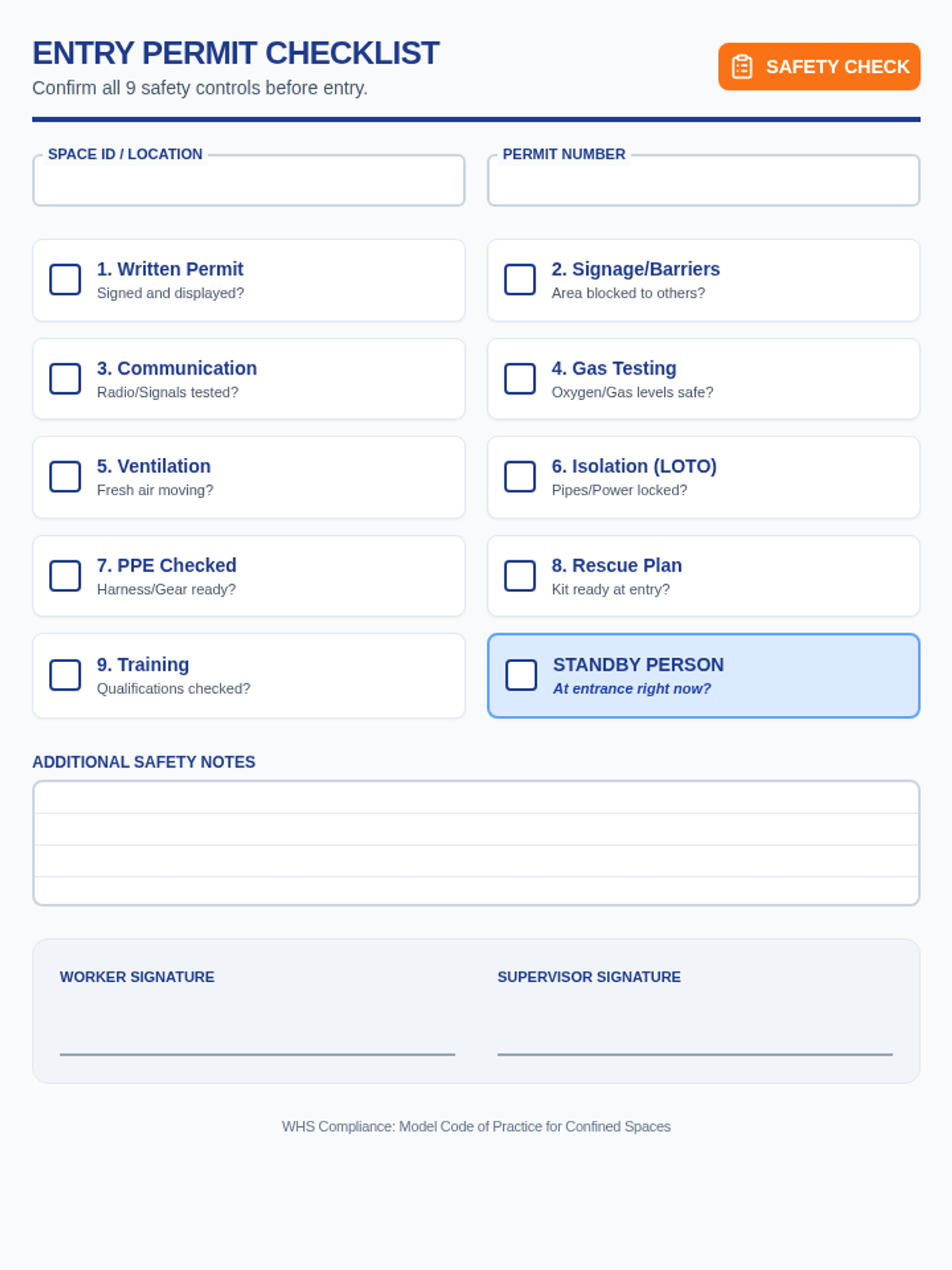
A foundational lesson on safety protocols for confined space entry in general industry, focusing on Australian WHS legislative requirements.
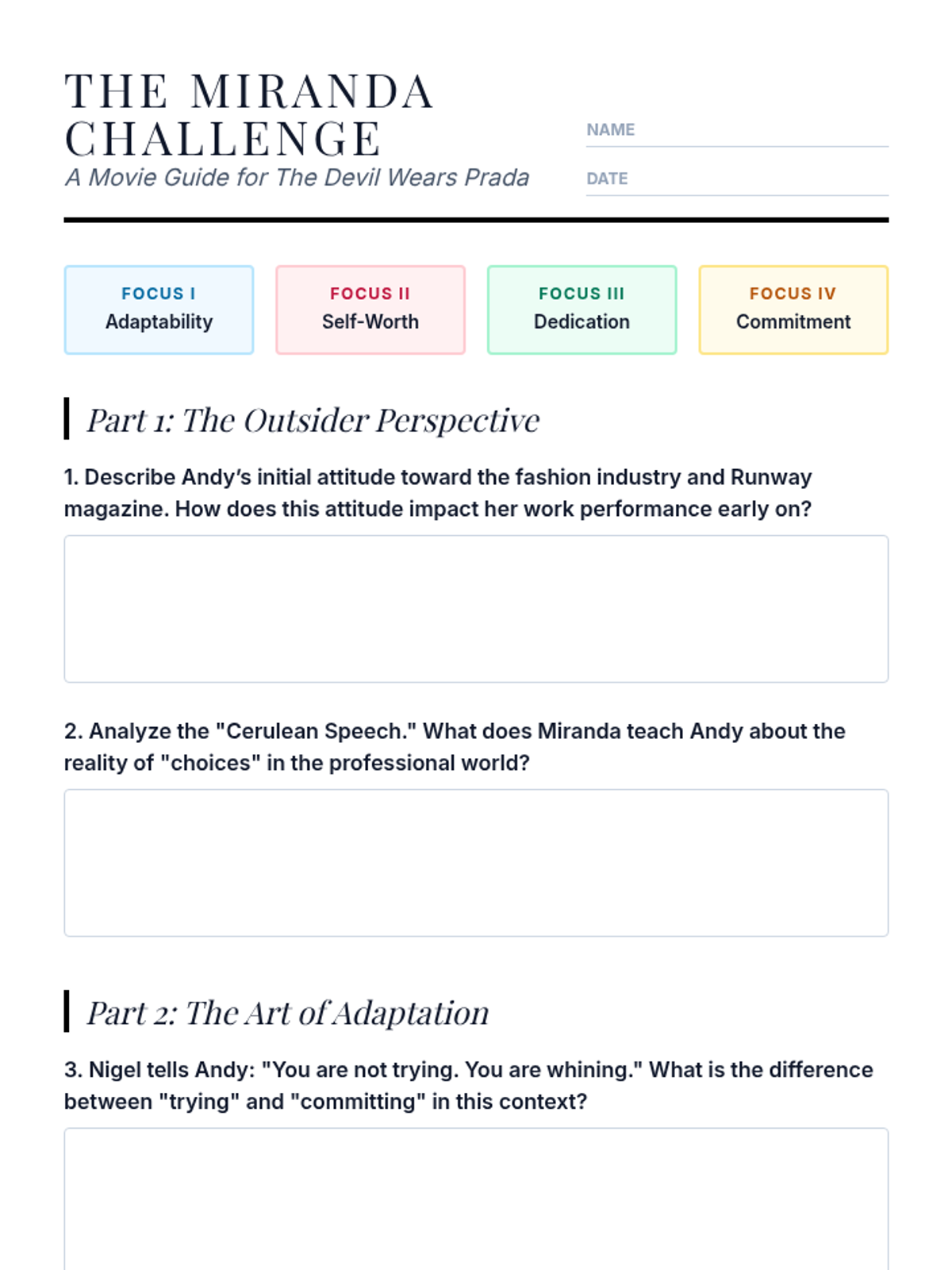
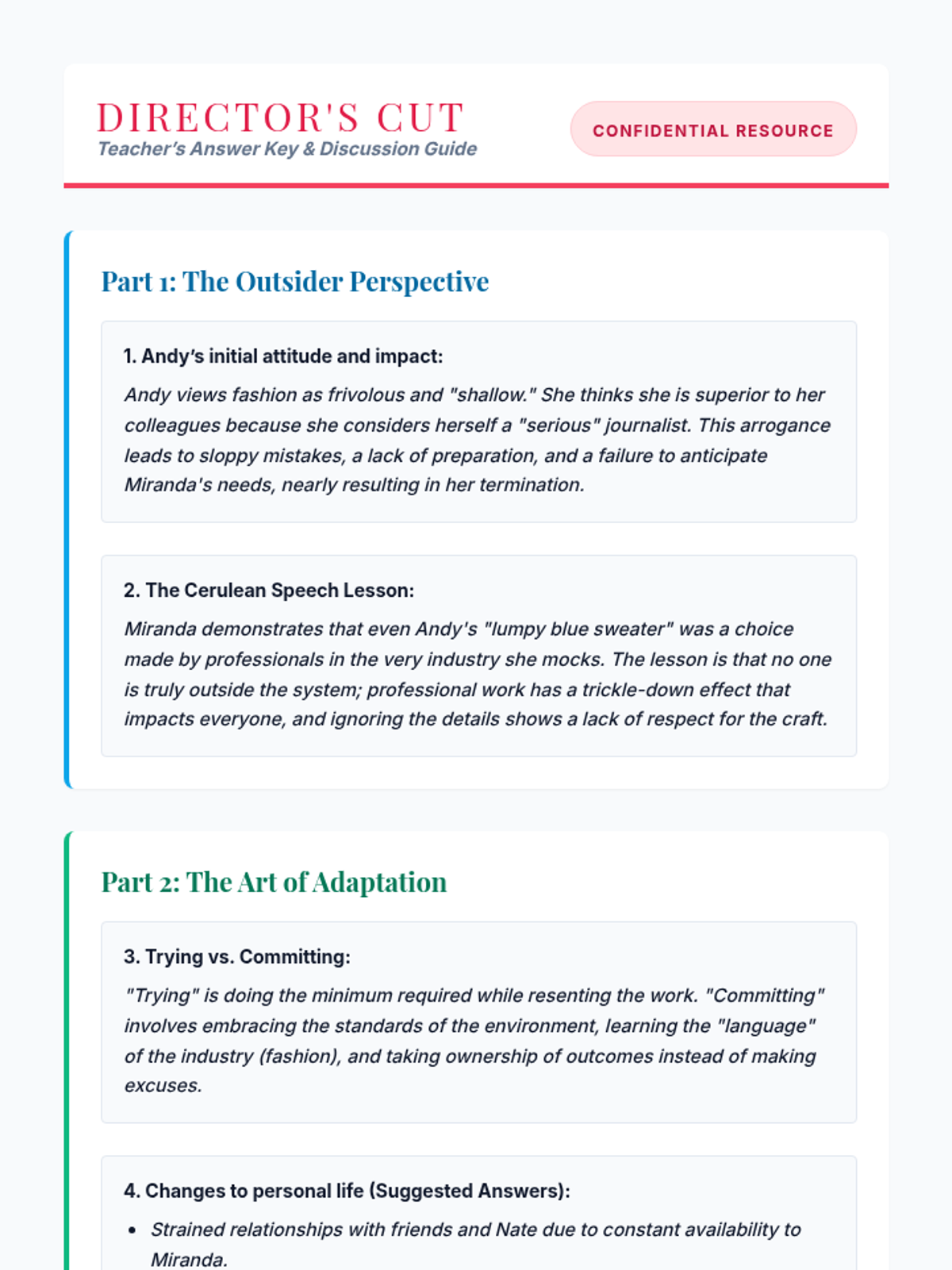
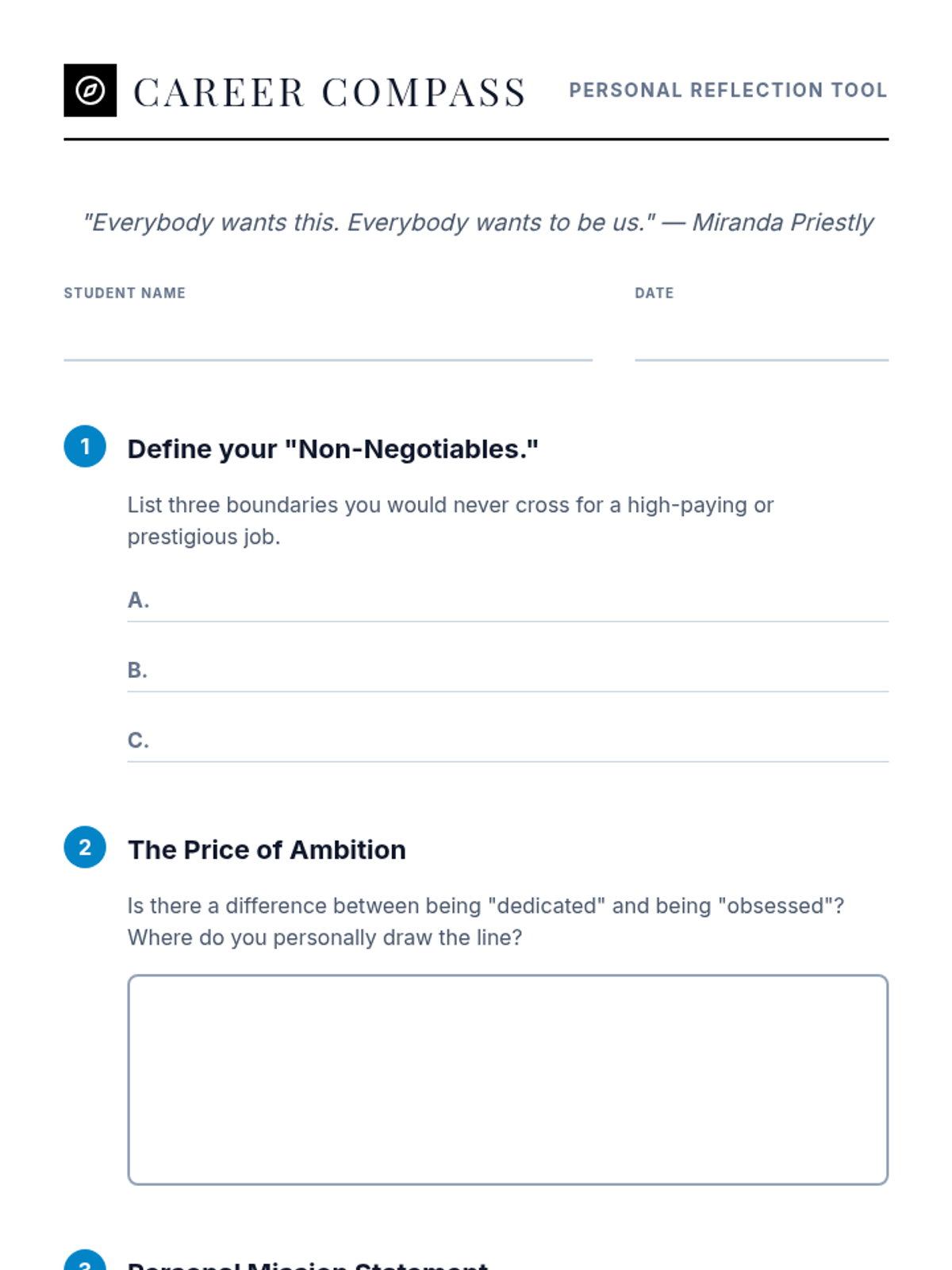
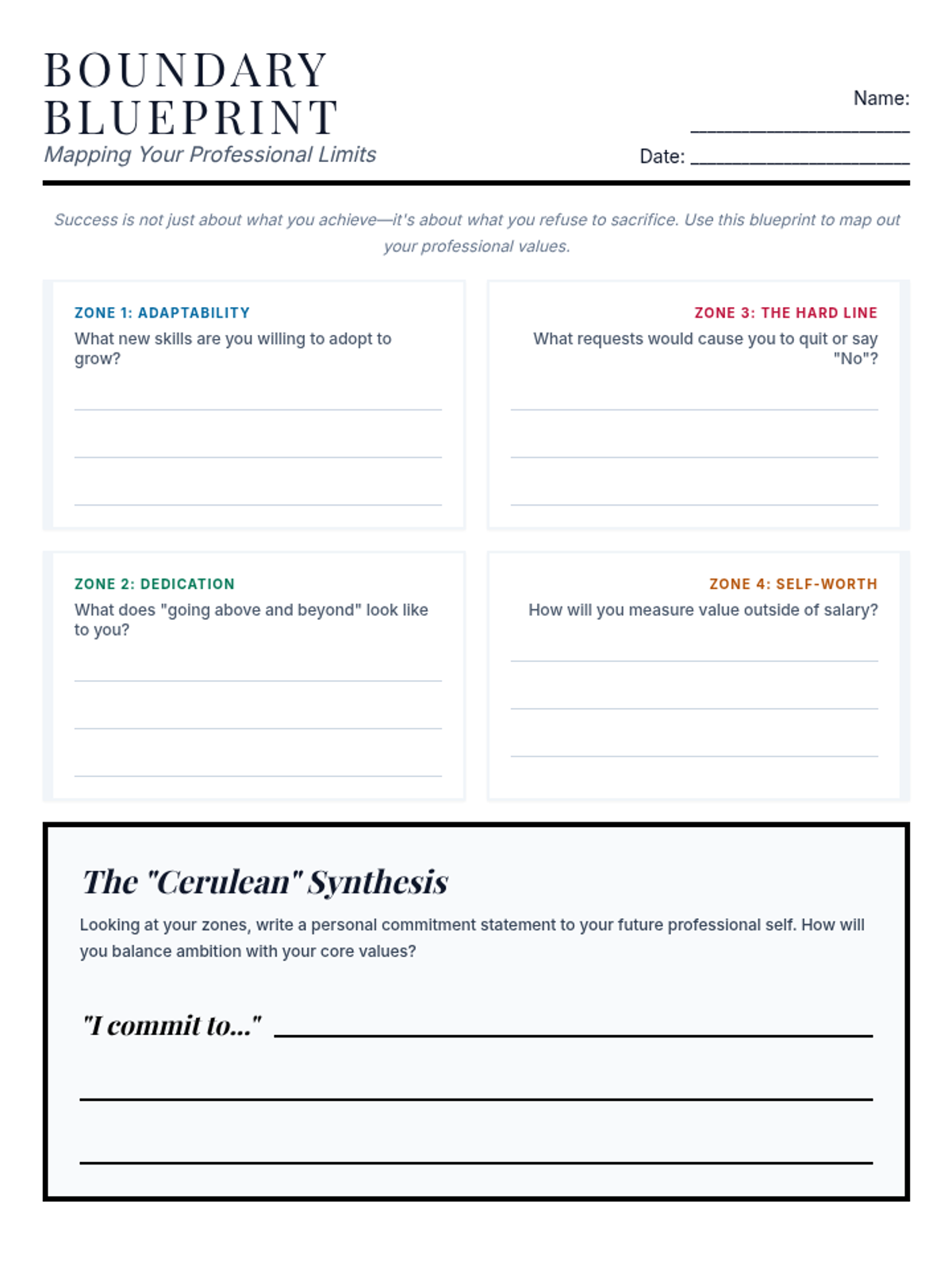
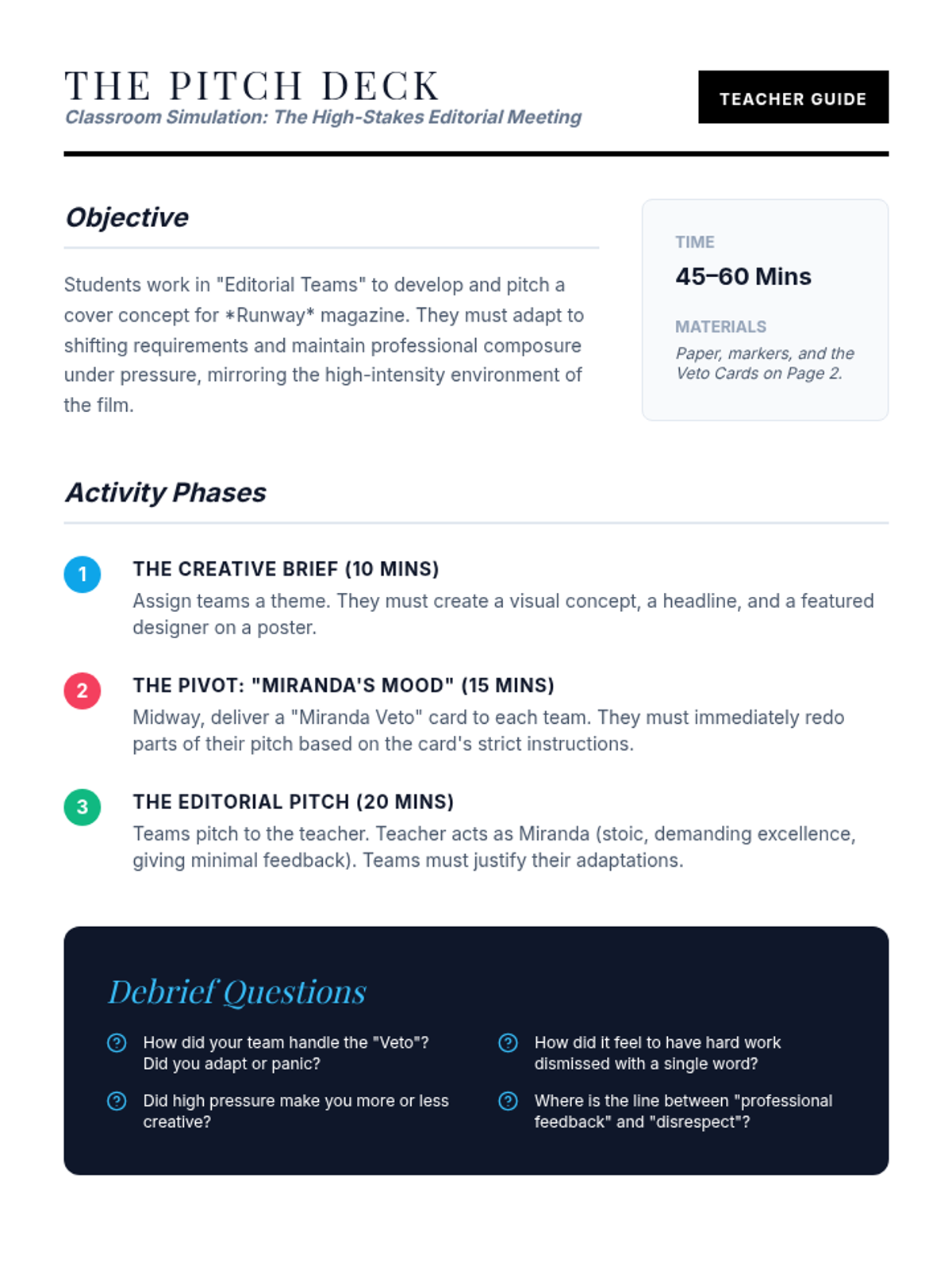
A movie-based exploration of professional adaptability, personal values, and the cost of ambition through the lens of 'The Devil Wears Prada'. Students analyze character transformations and define their own boundaries for career success.
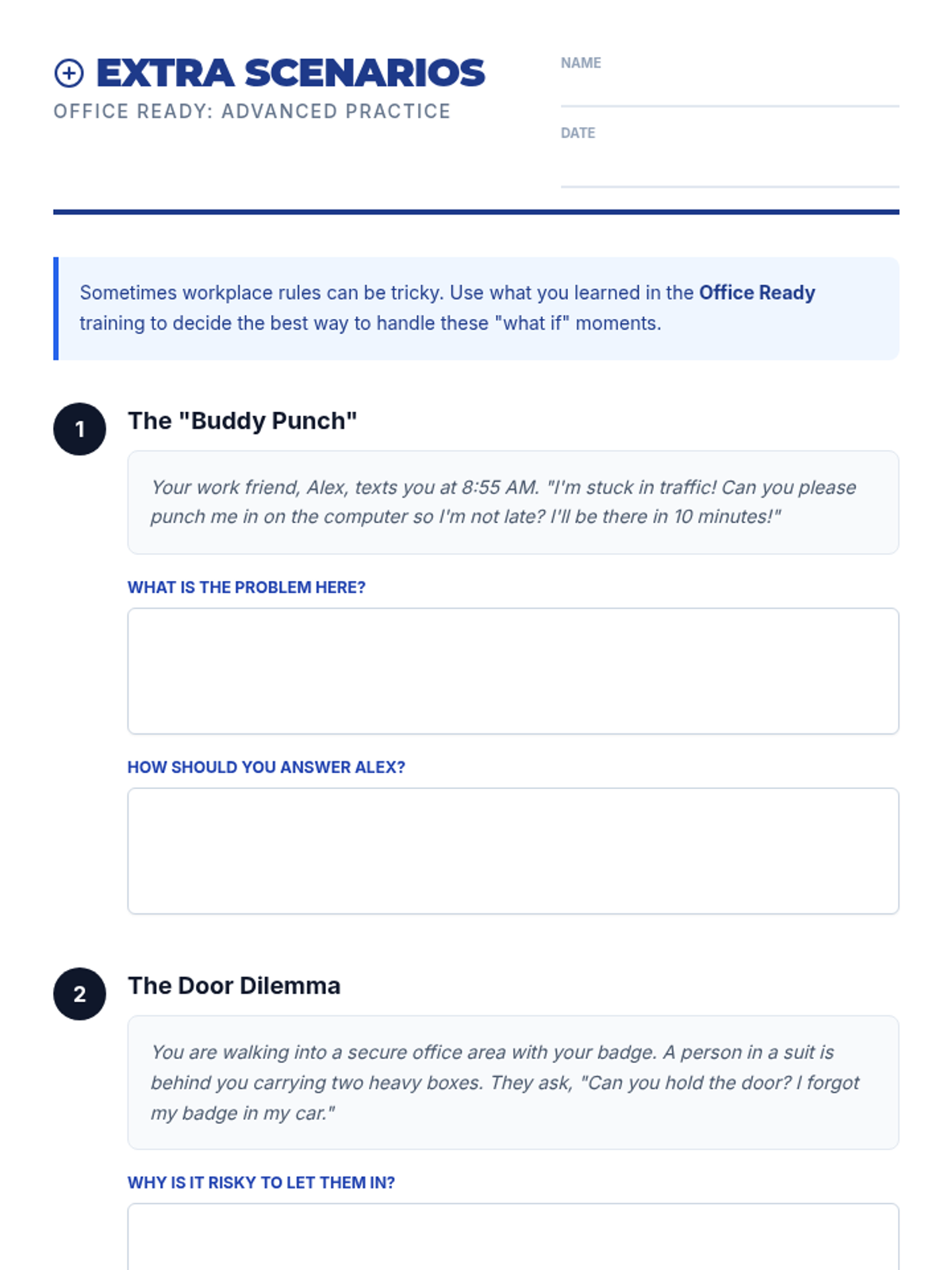
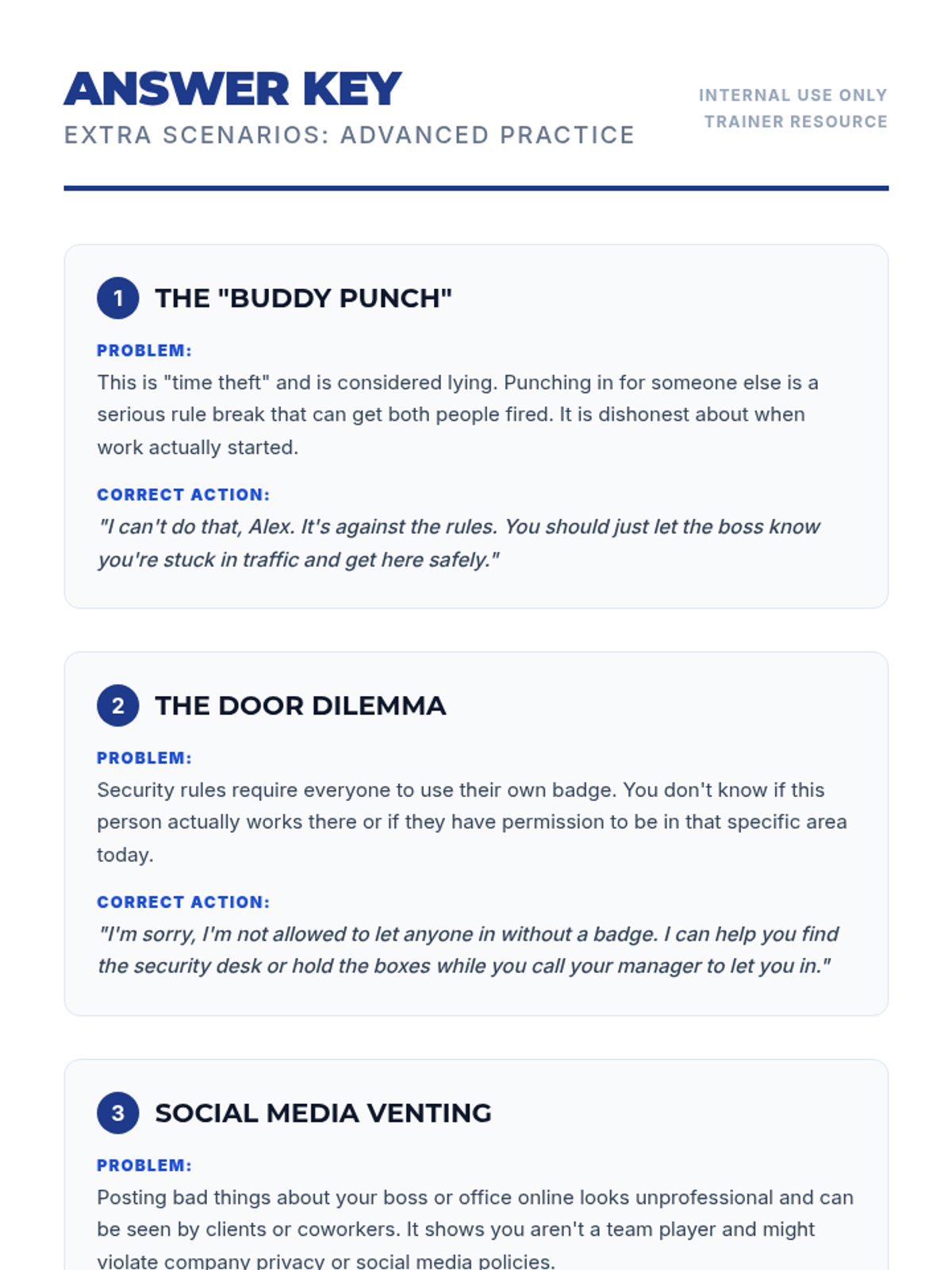
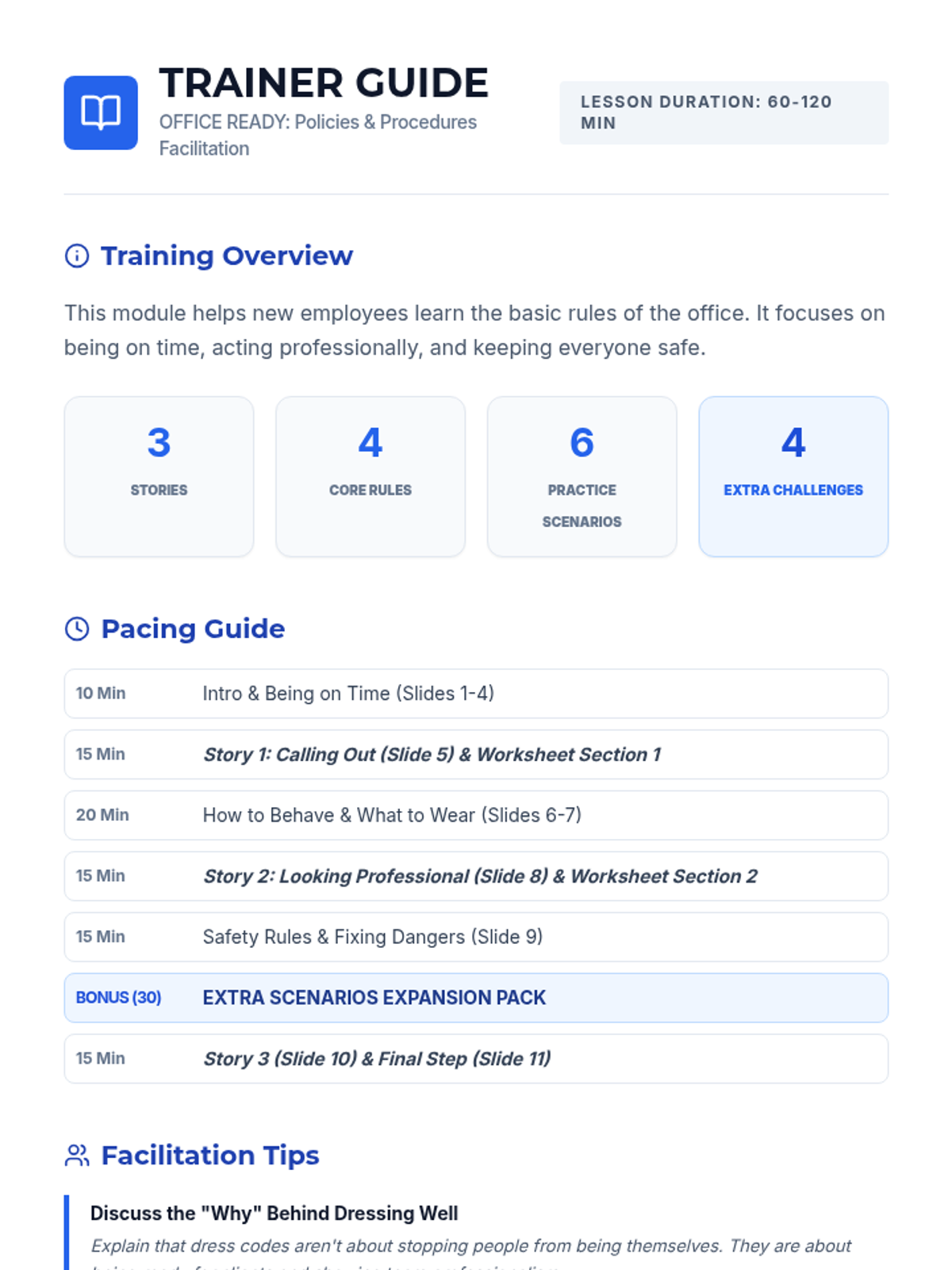
A comprehensive training module for new employees covering essential workplace policies including attendance, behavior, and safety protocols through instruction and case studies.
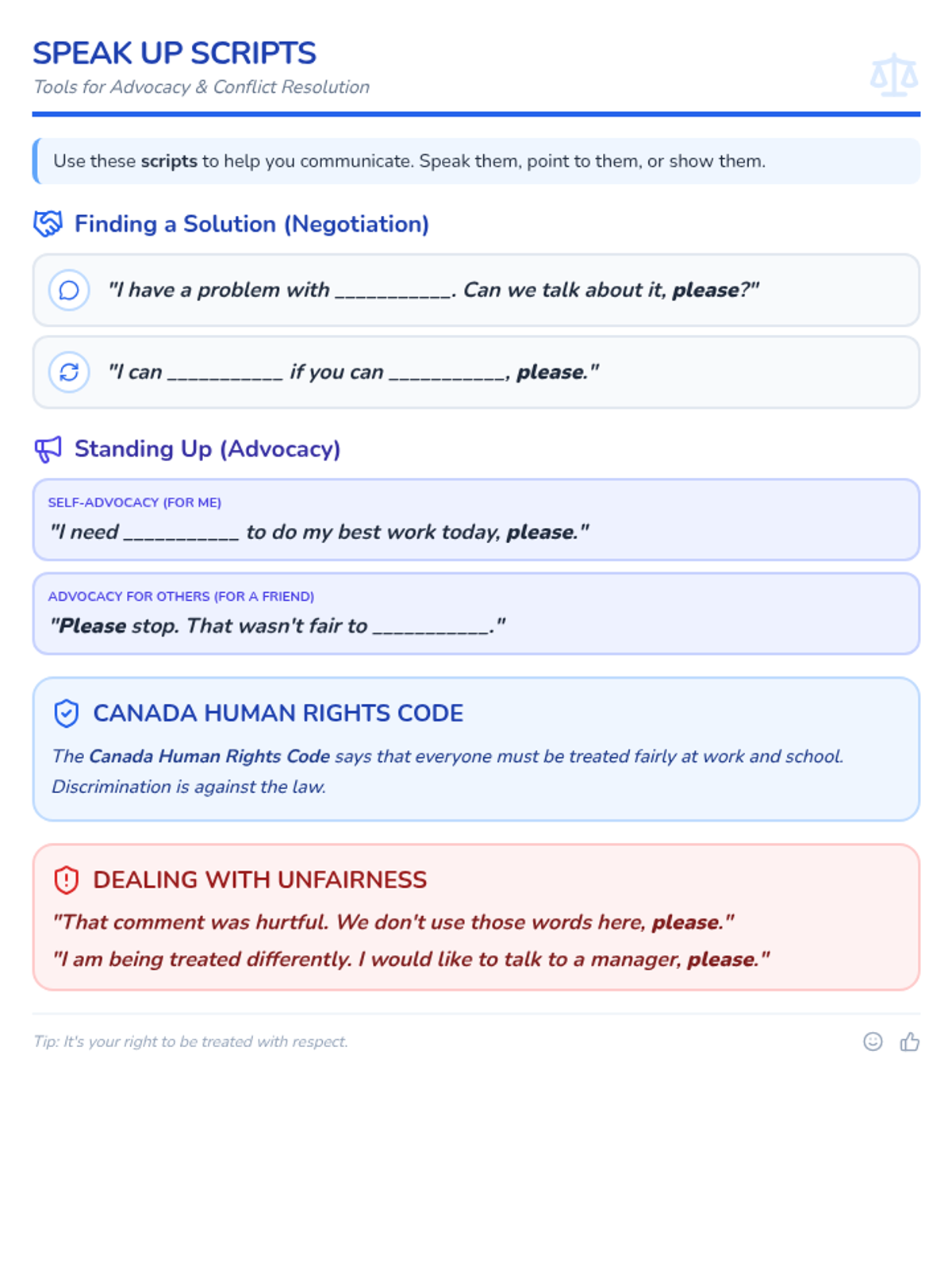
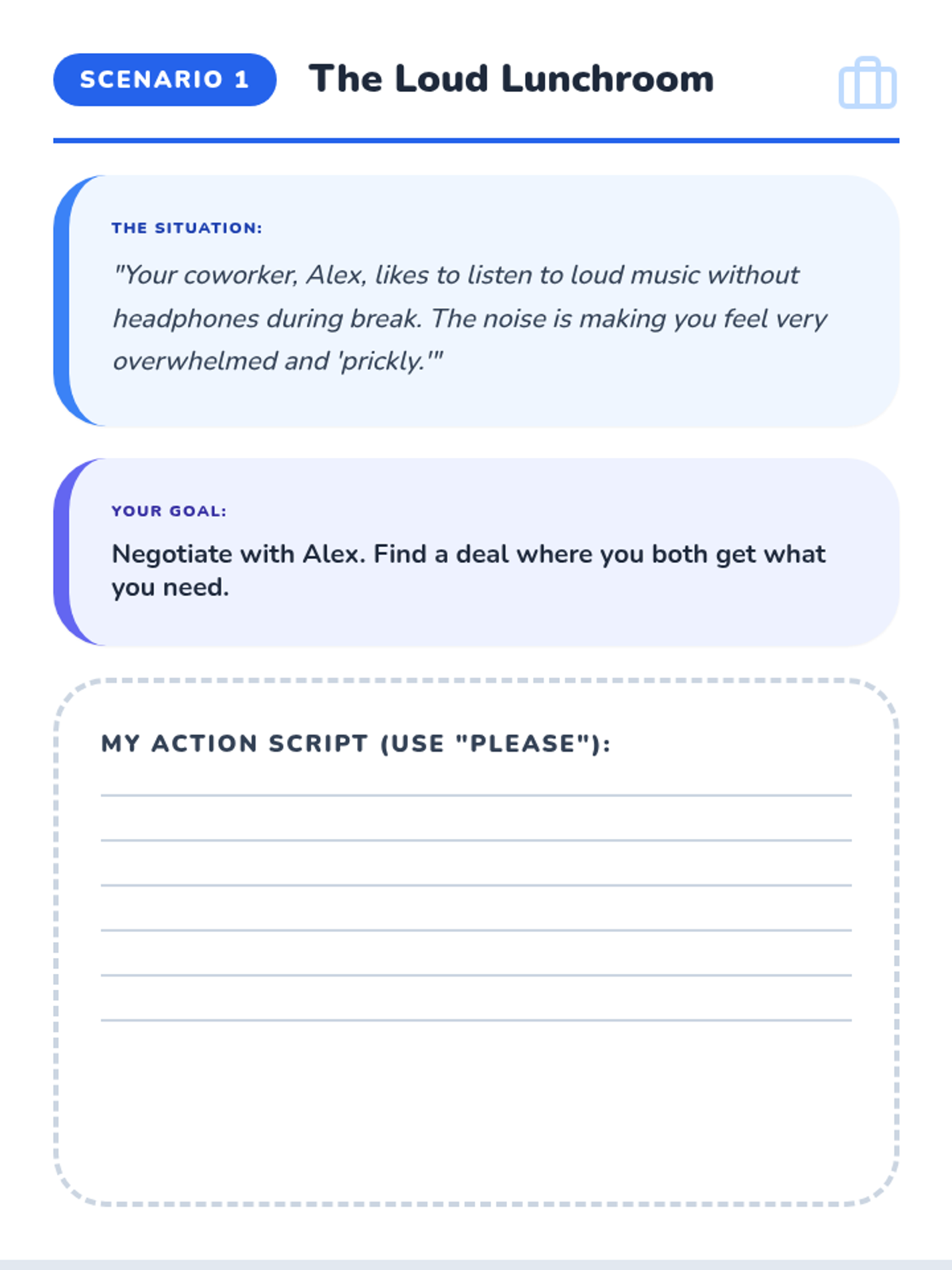
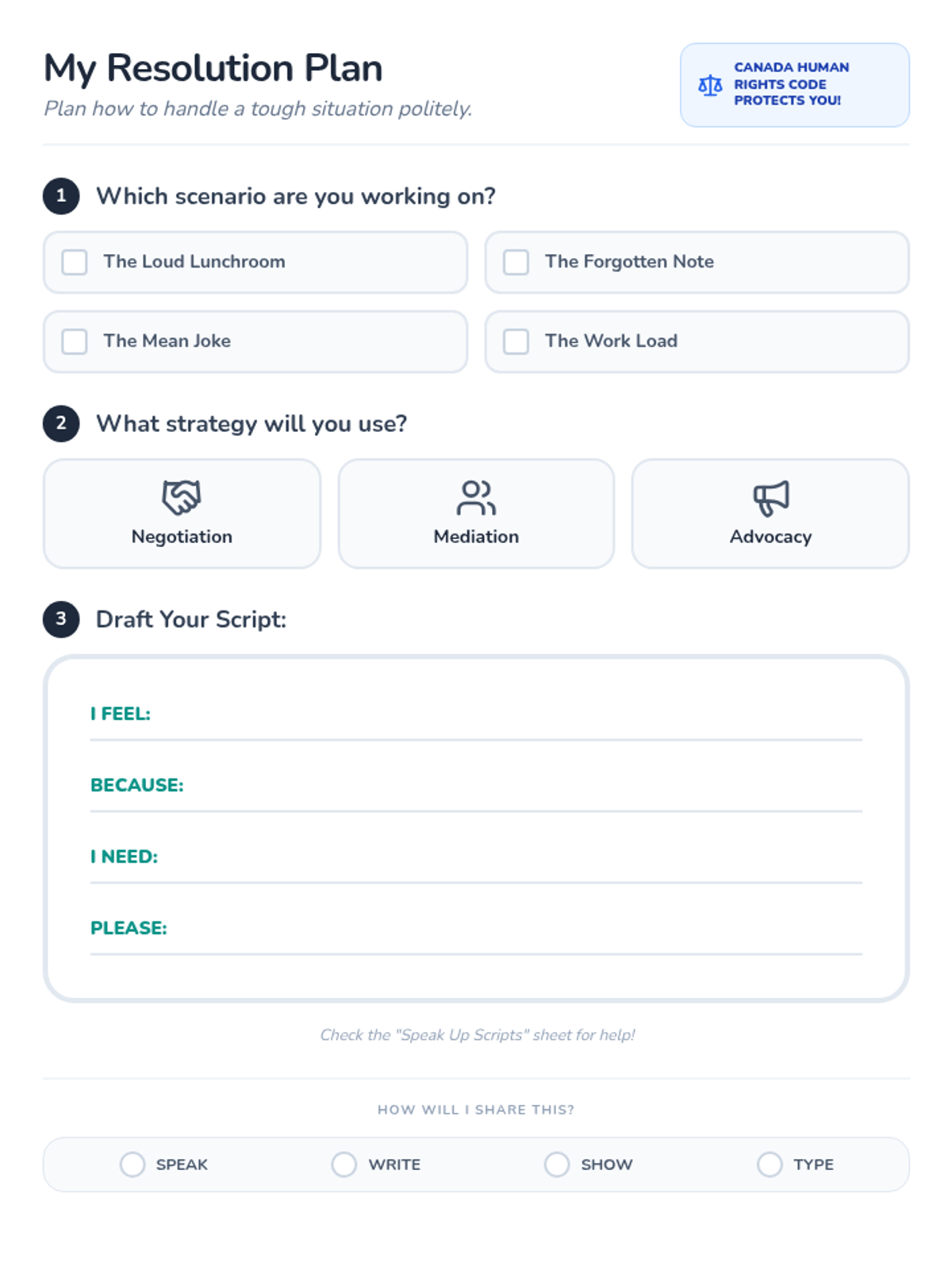
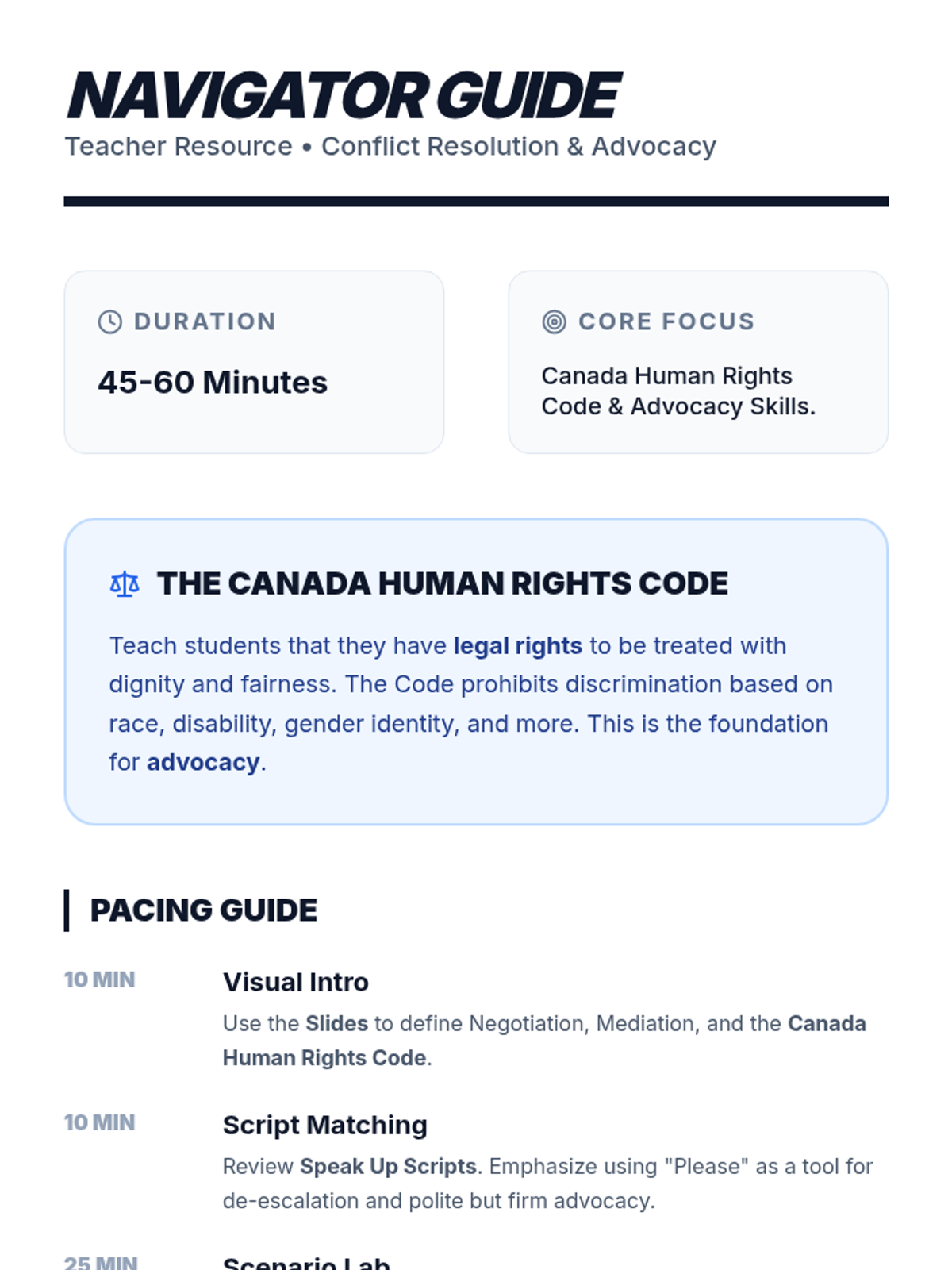
A high-school level lesson focusing on conflict resolution (negotiation, mediation) and self-advocacy in workplace and post-secondary settings, specifically designed for students with autism and learning disabilities.
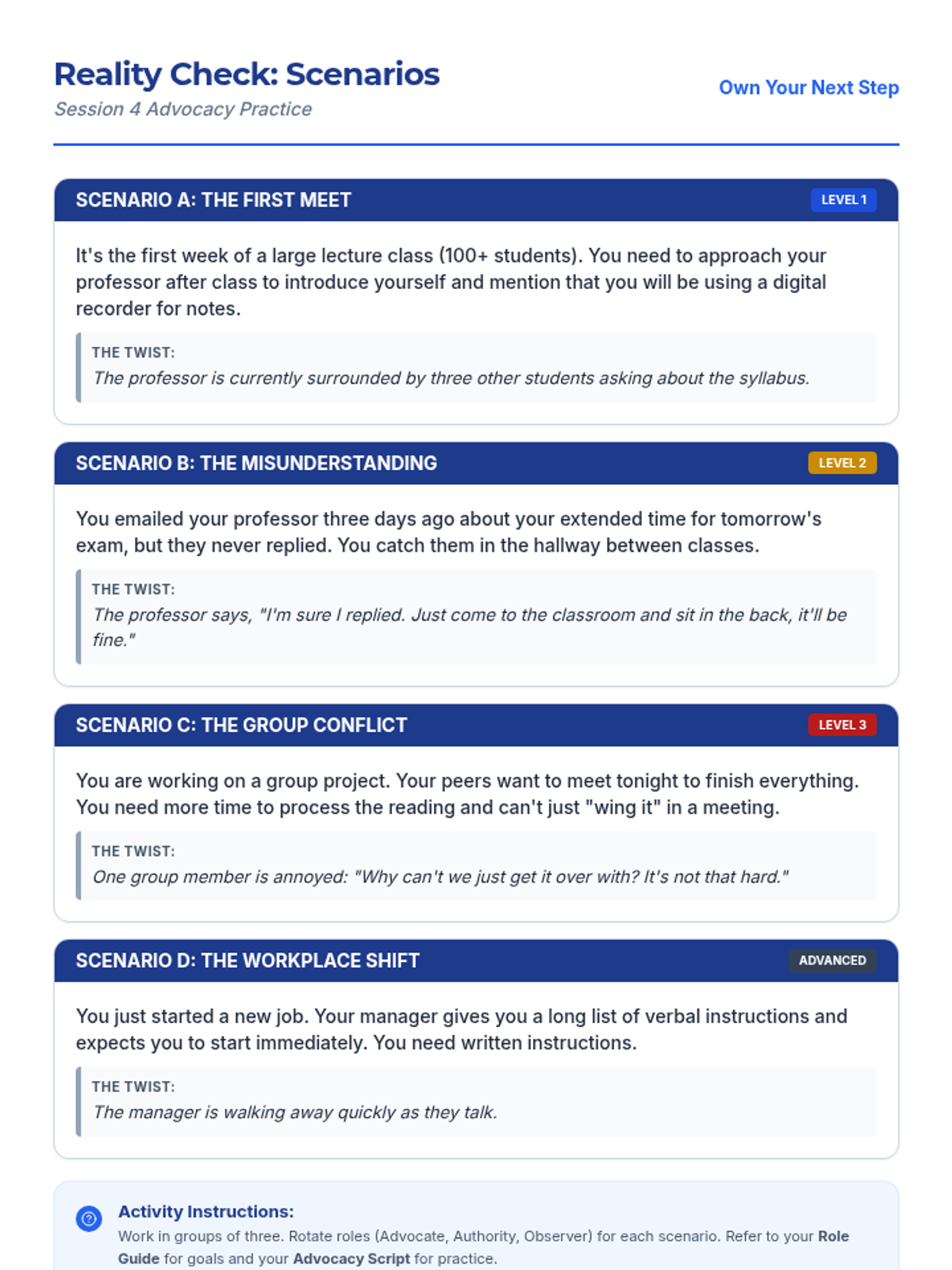
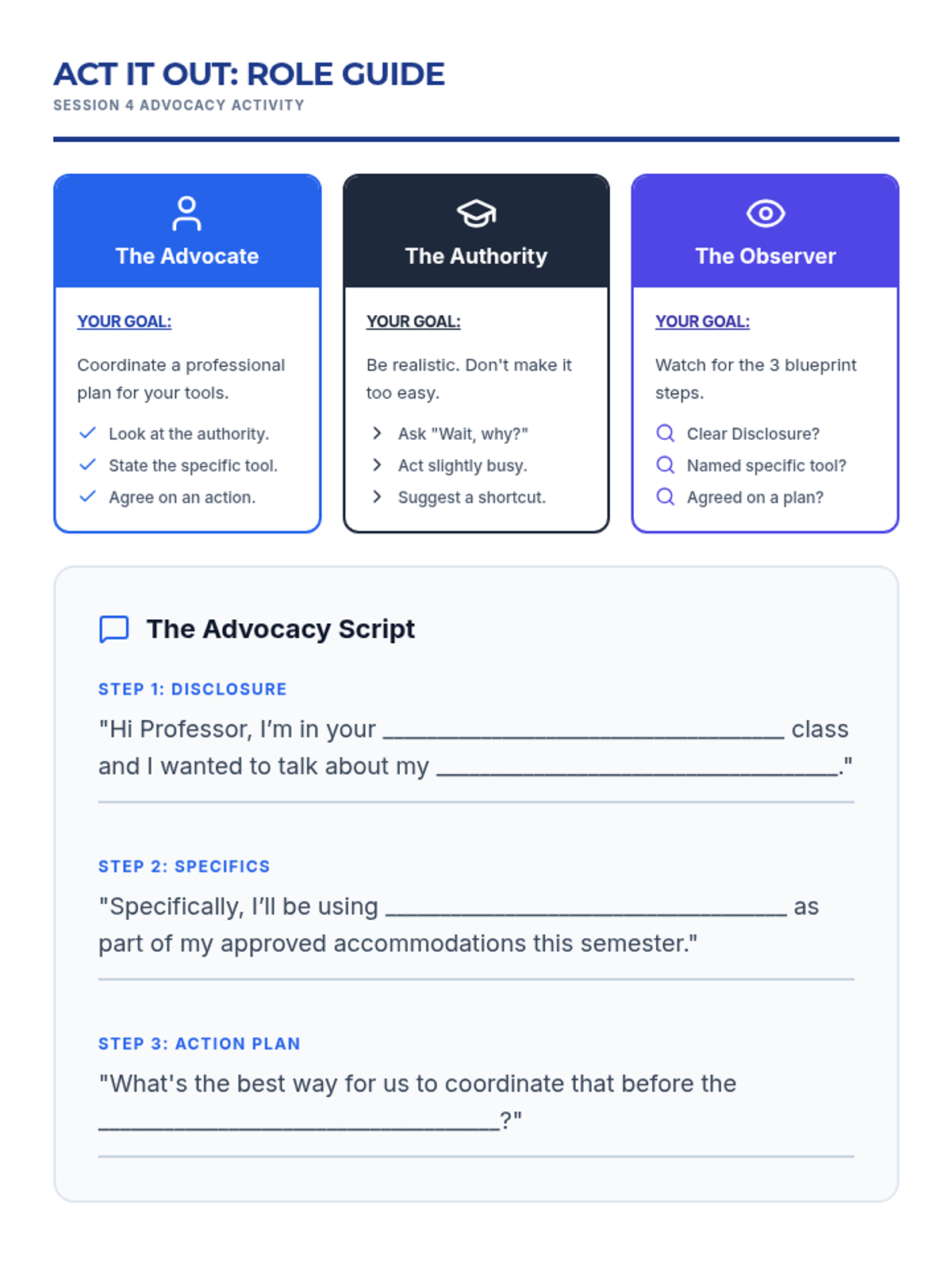
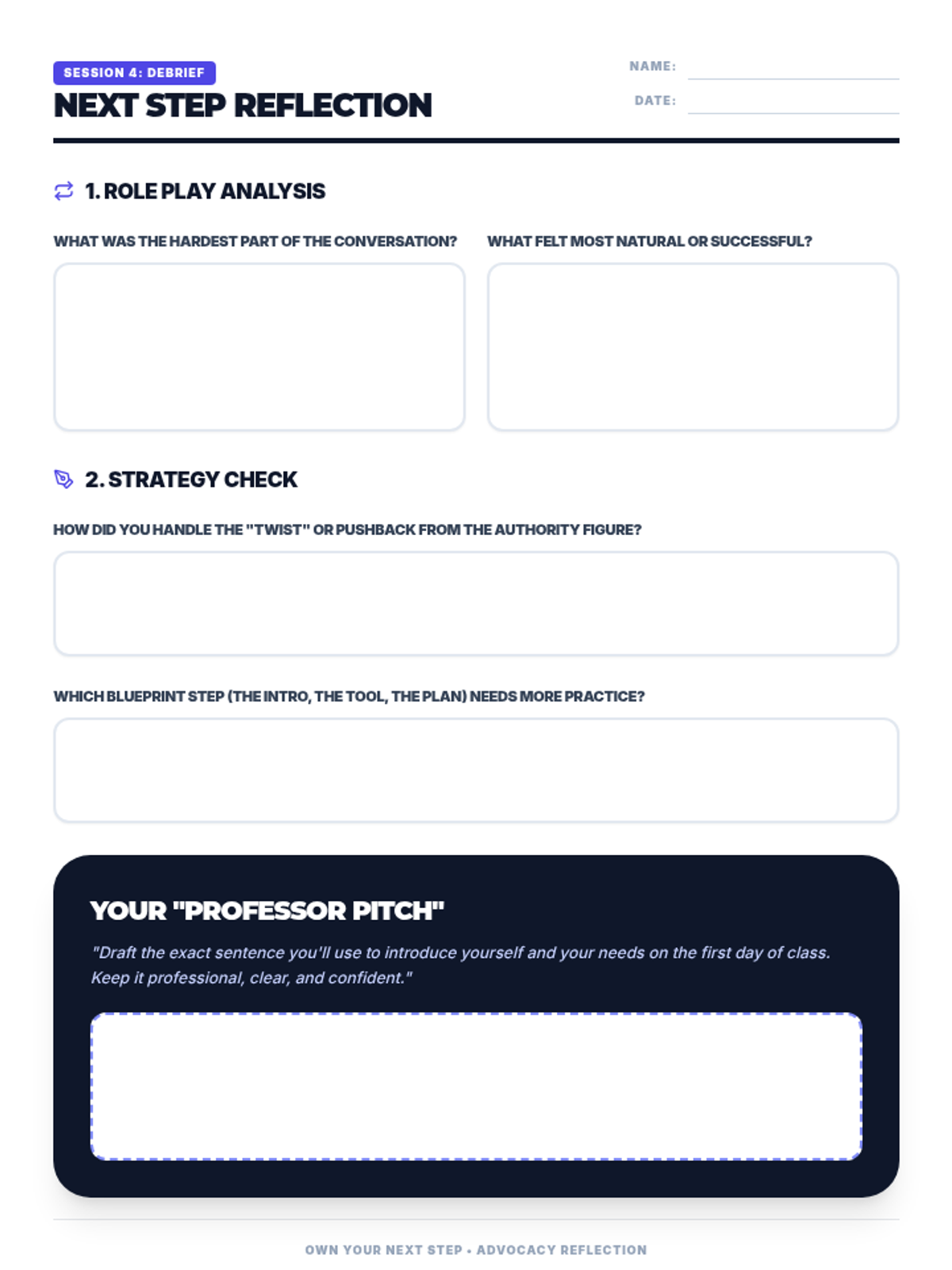
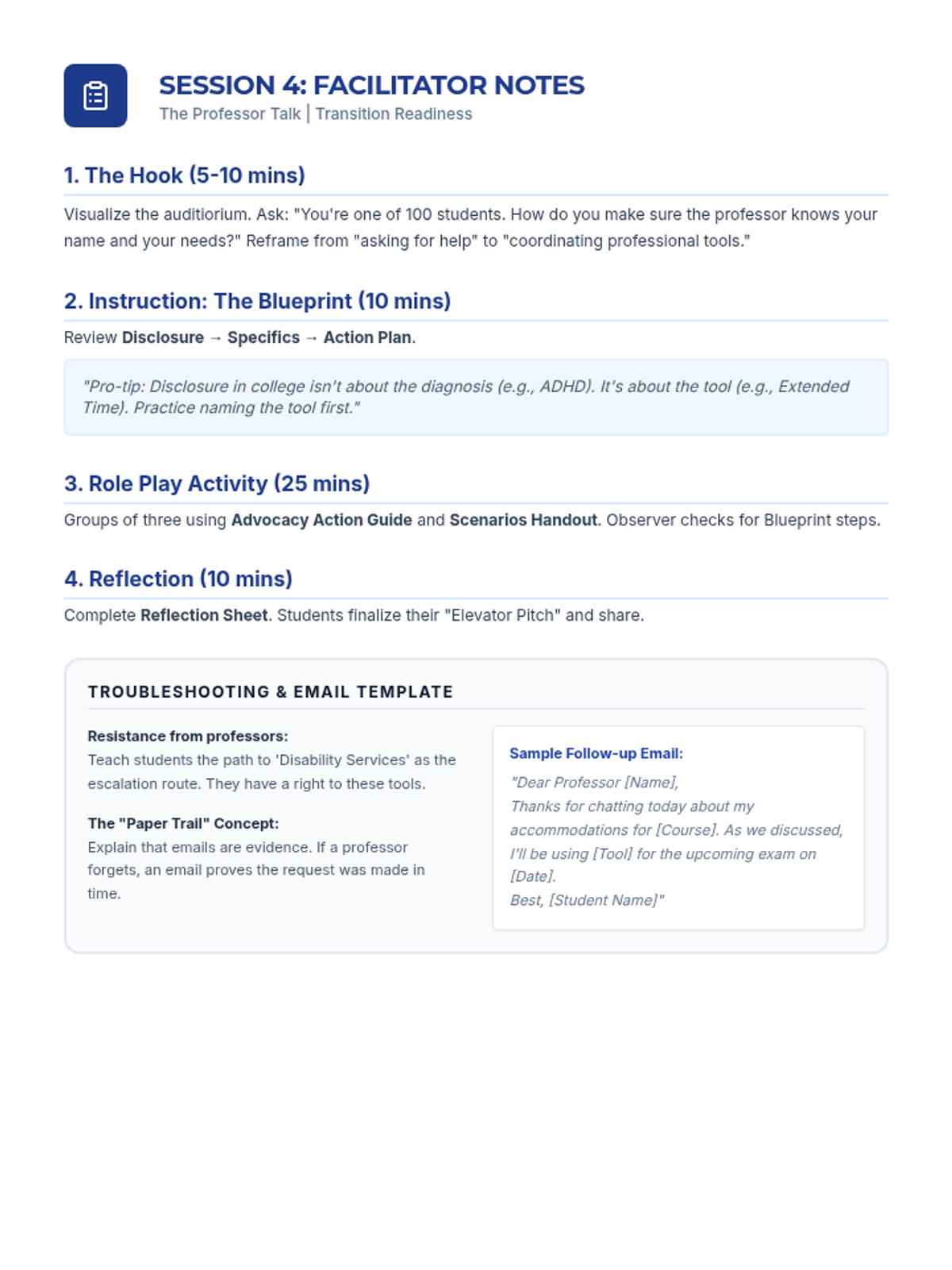
A focused session on postsecondary self-advocacy, teaching students with learning differences how to communicate their needs to professors and employers. The lesson emphasizes the transition from high school's automatic support to the self-initiated systems of college and the workplace.
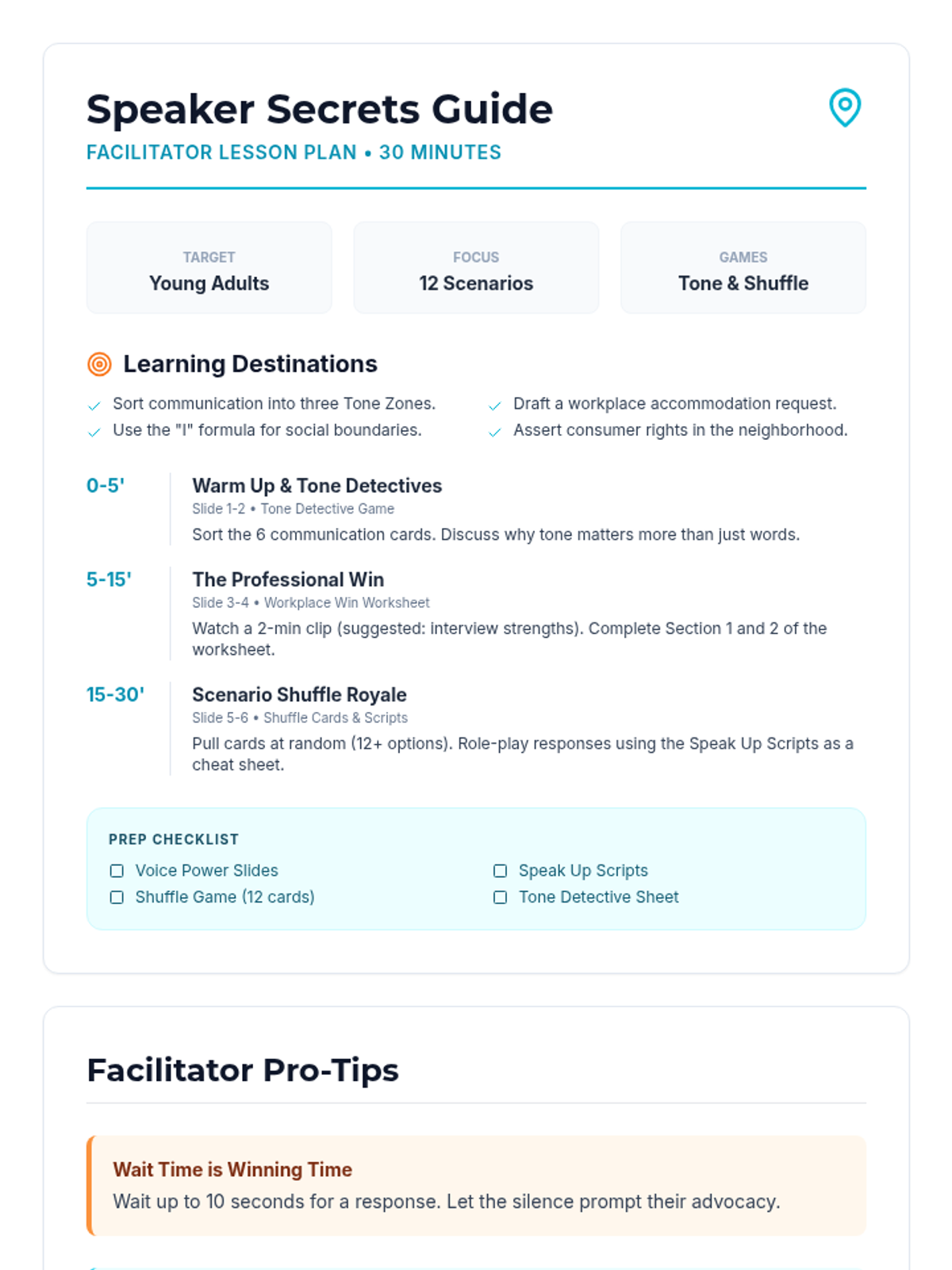
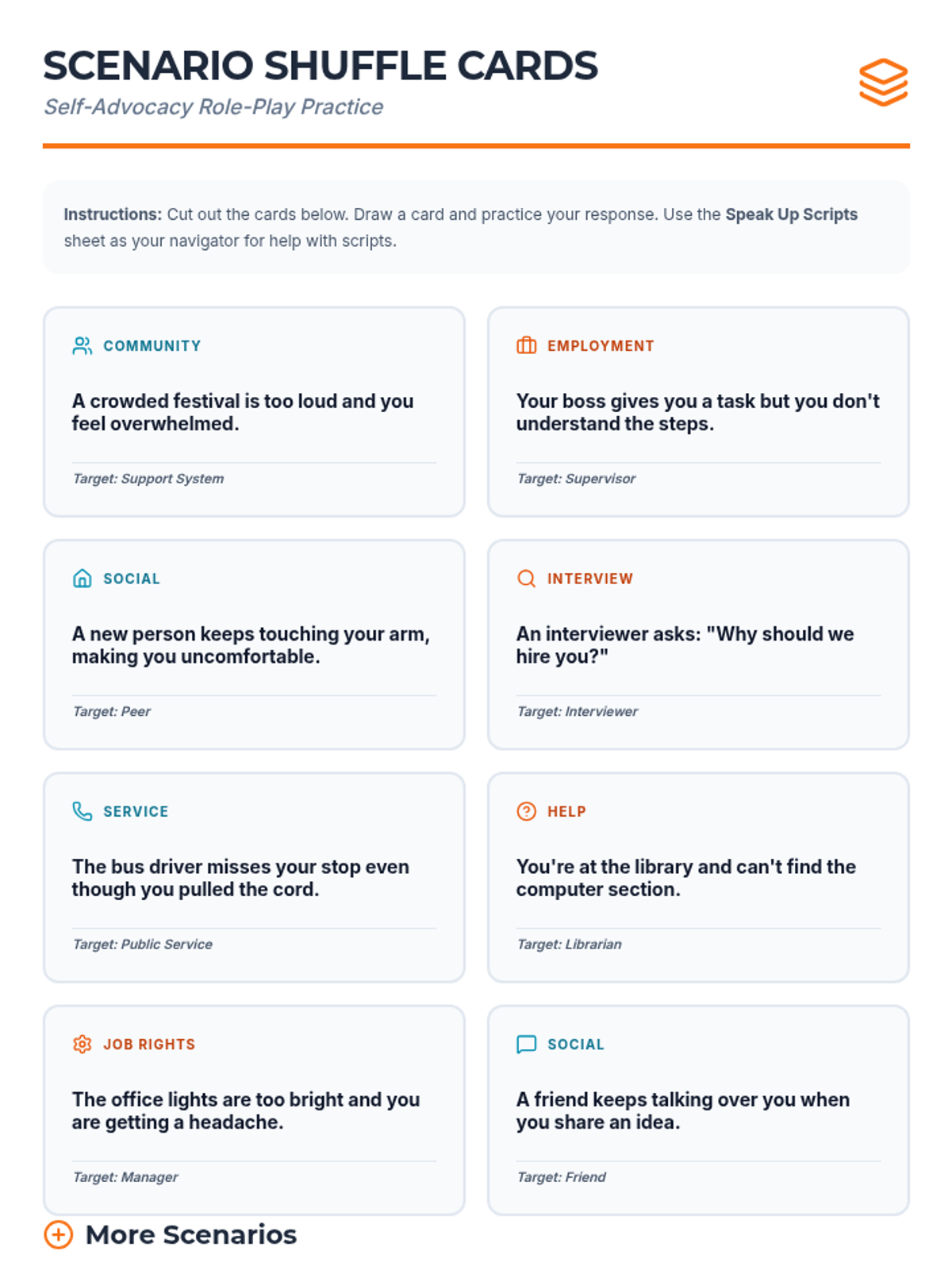
A high-energy, 30-minute coaching session focused on five critical self-advocacy scenarios. Includes role-play, visual aids, and practical toolkits for immediate application in real-world settings.
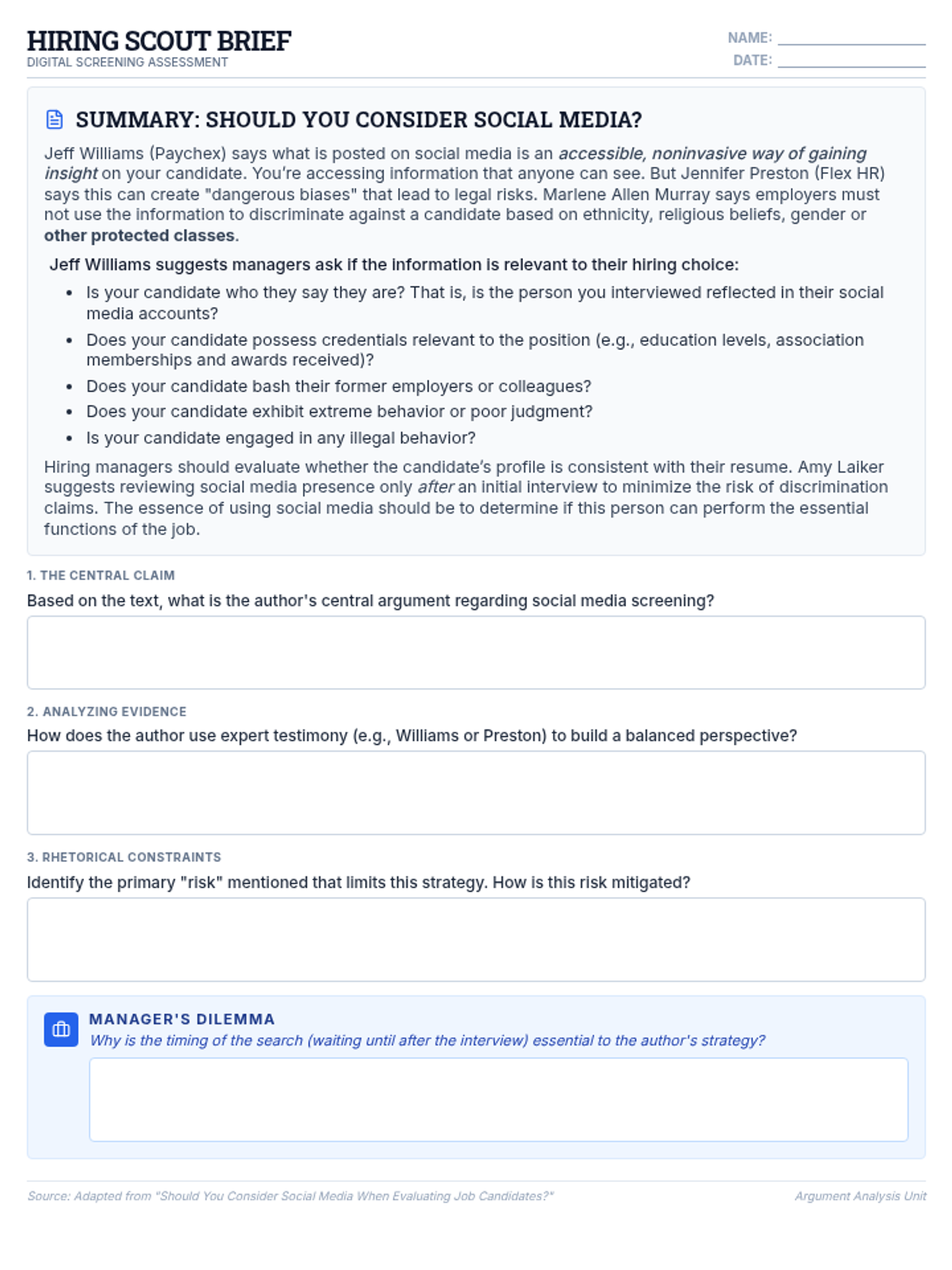
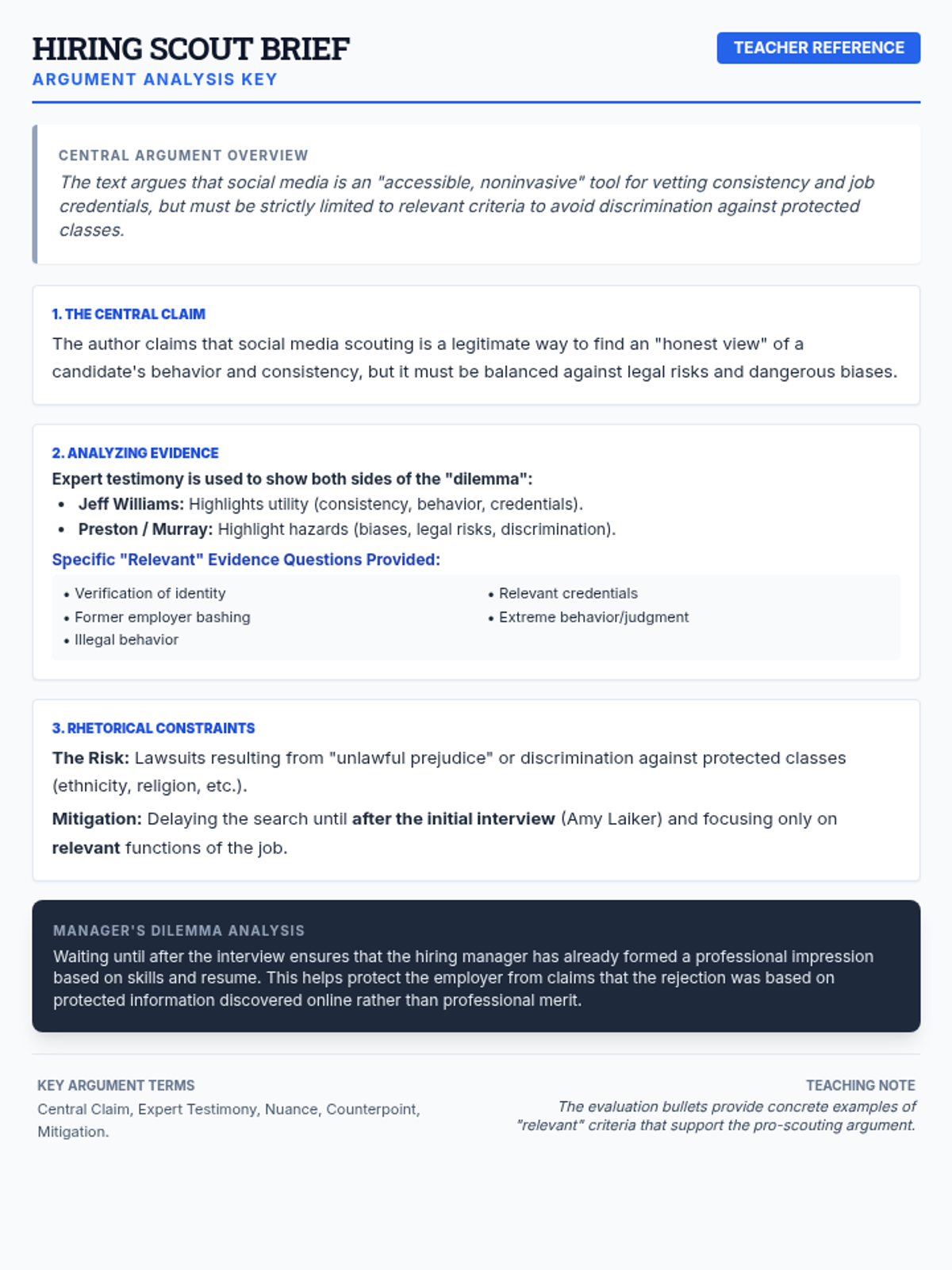
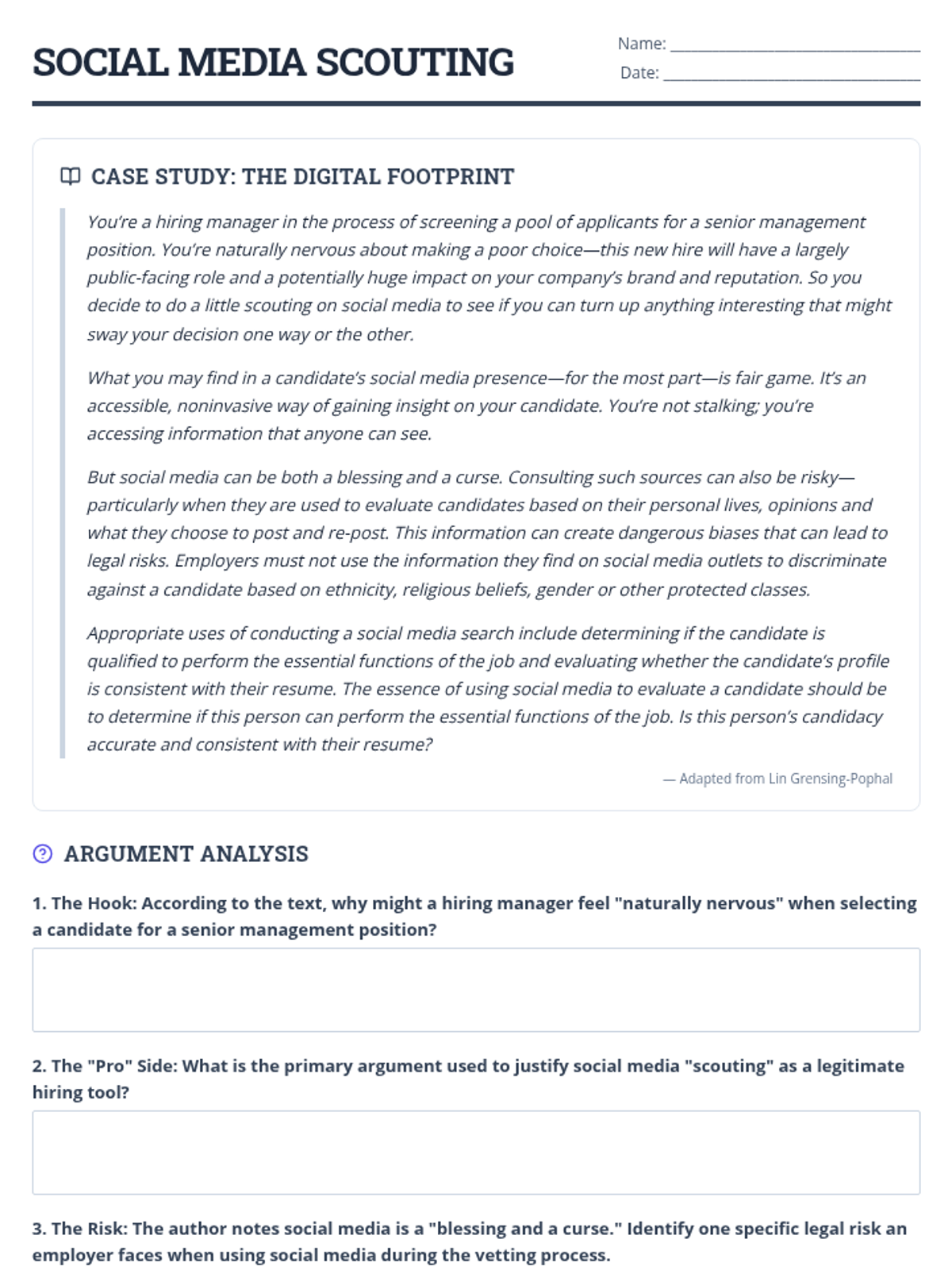
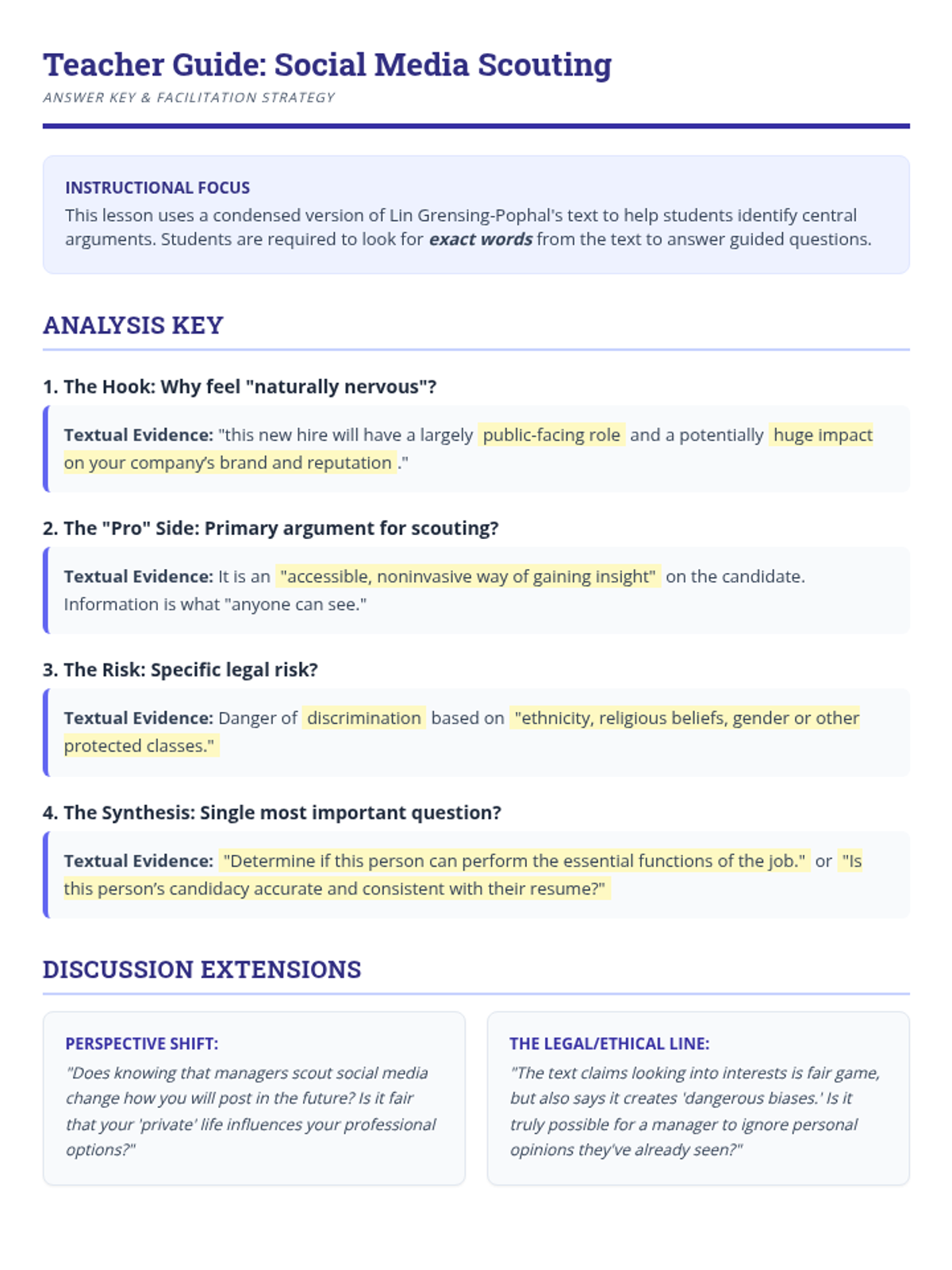
A lesson exploring the ethical and legal implications of using social media as a screening tool during the hiring process, based on professional HR perspectives.
This lesson explores the ethical and legal implications of using social media to vet job candidates, focusing on identifying arguments and balancing utility with risk.