Fundamental hardware proficiency, secure online behavior, and ethical social media engagement. Equips learners with productivity tool mastery, web publishing skills, and critical evaluation of emerging technologies.
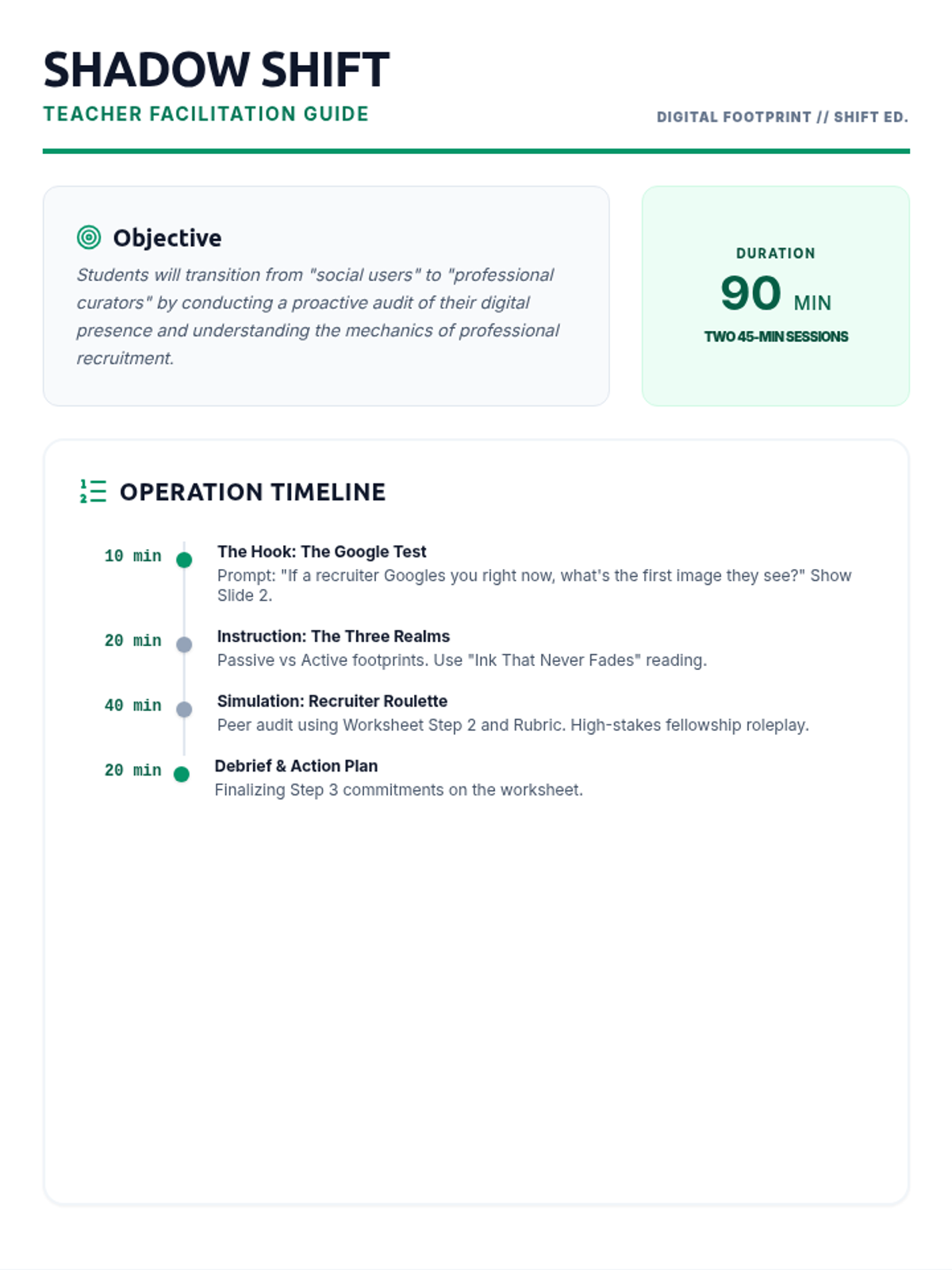
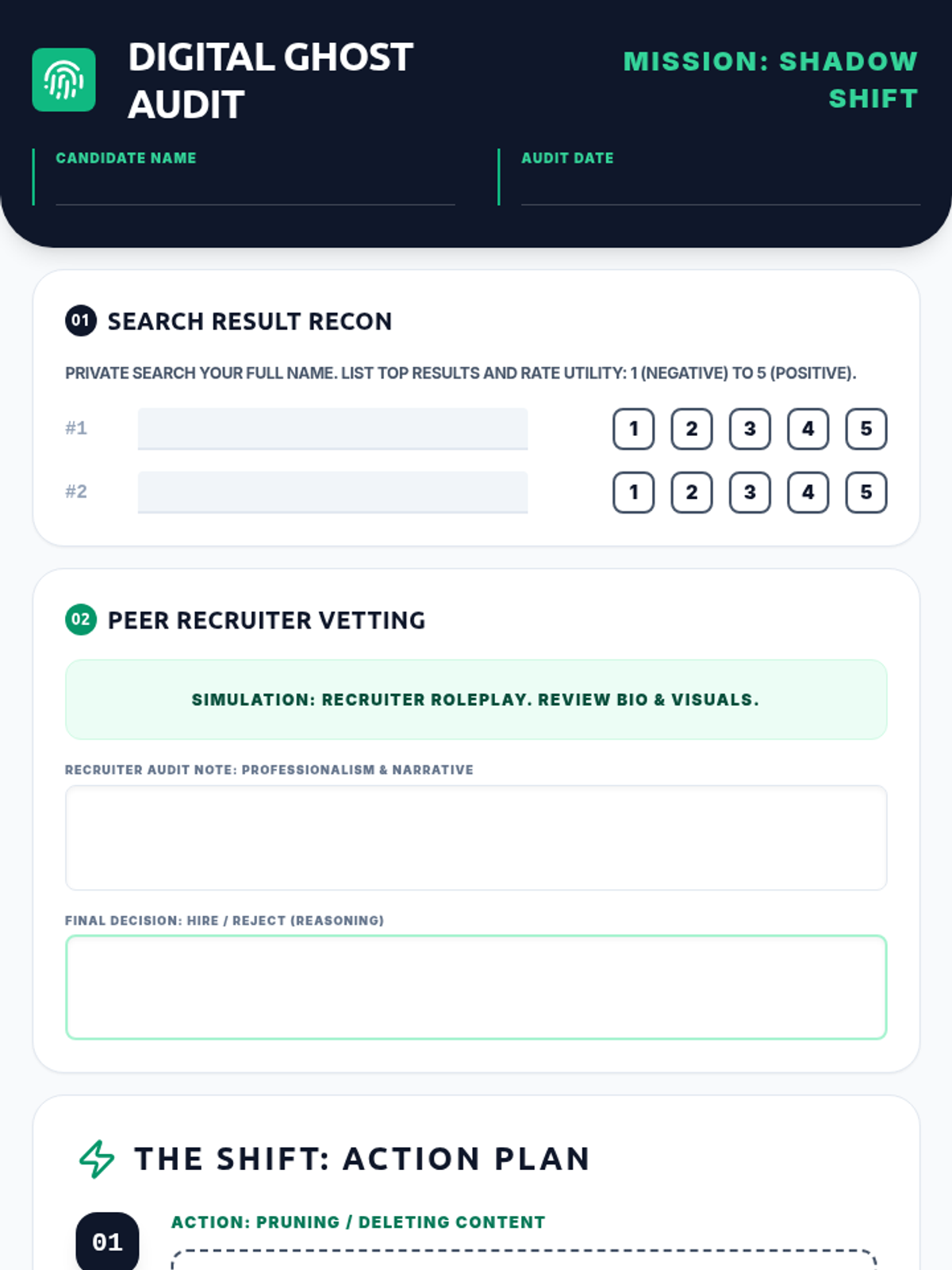
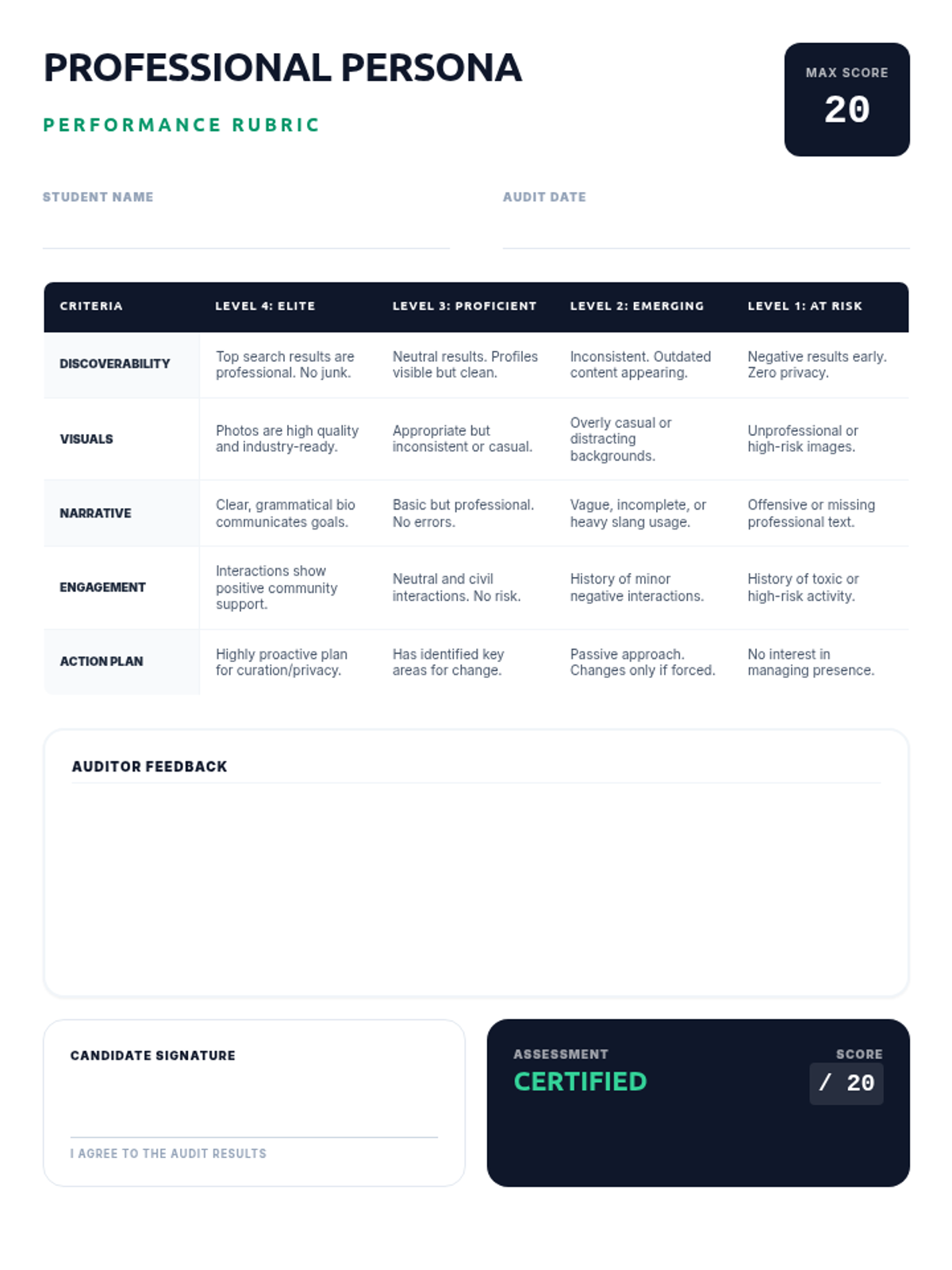
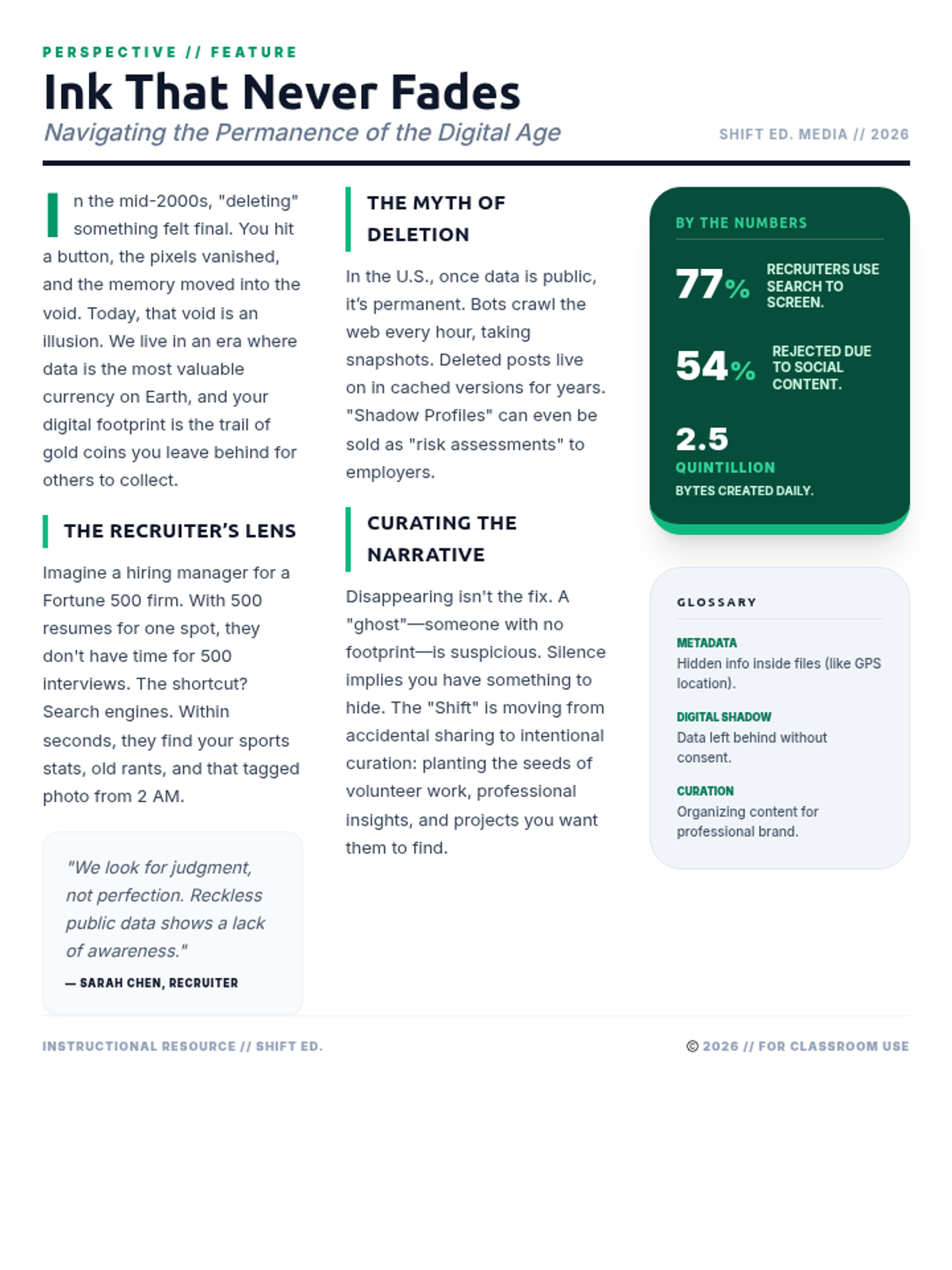
A deep dive into digital footprints, featuring a recruitment simulation where students audit their own and others' online personas to prepare for professional and collegiate success.
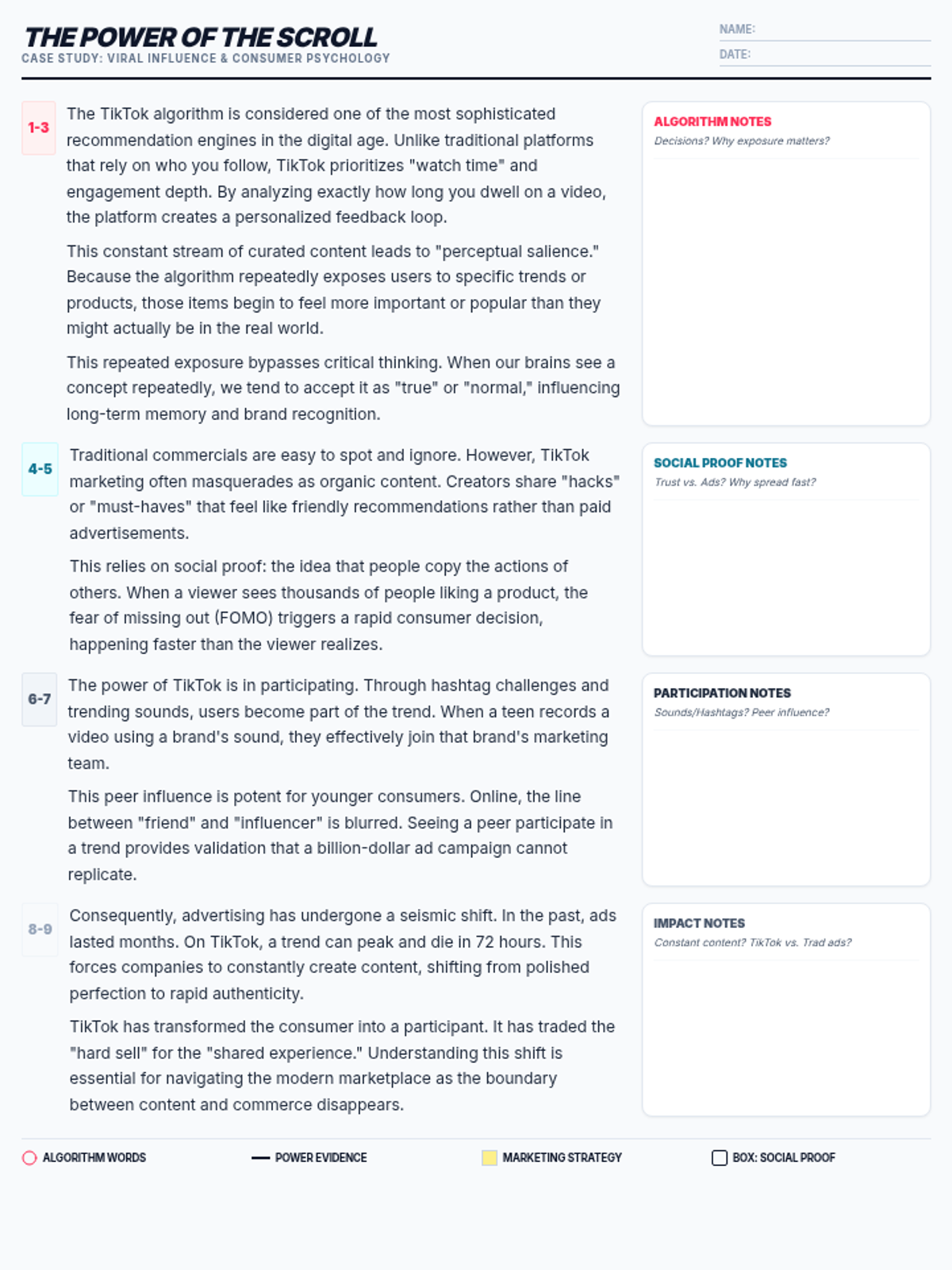
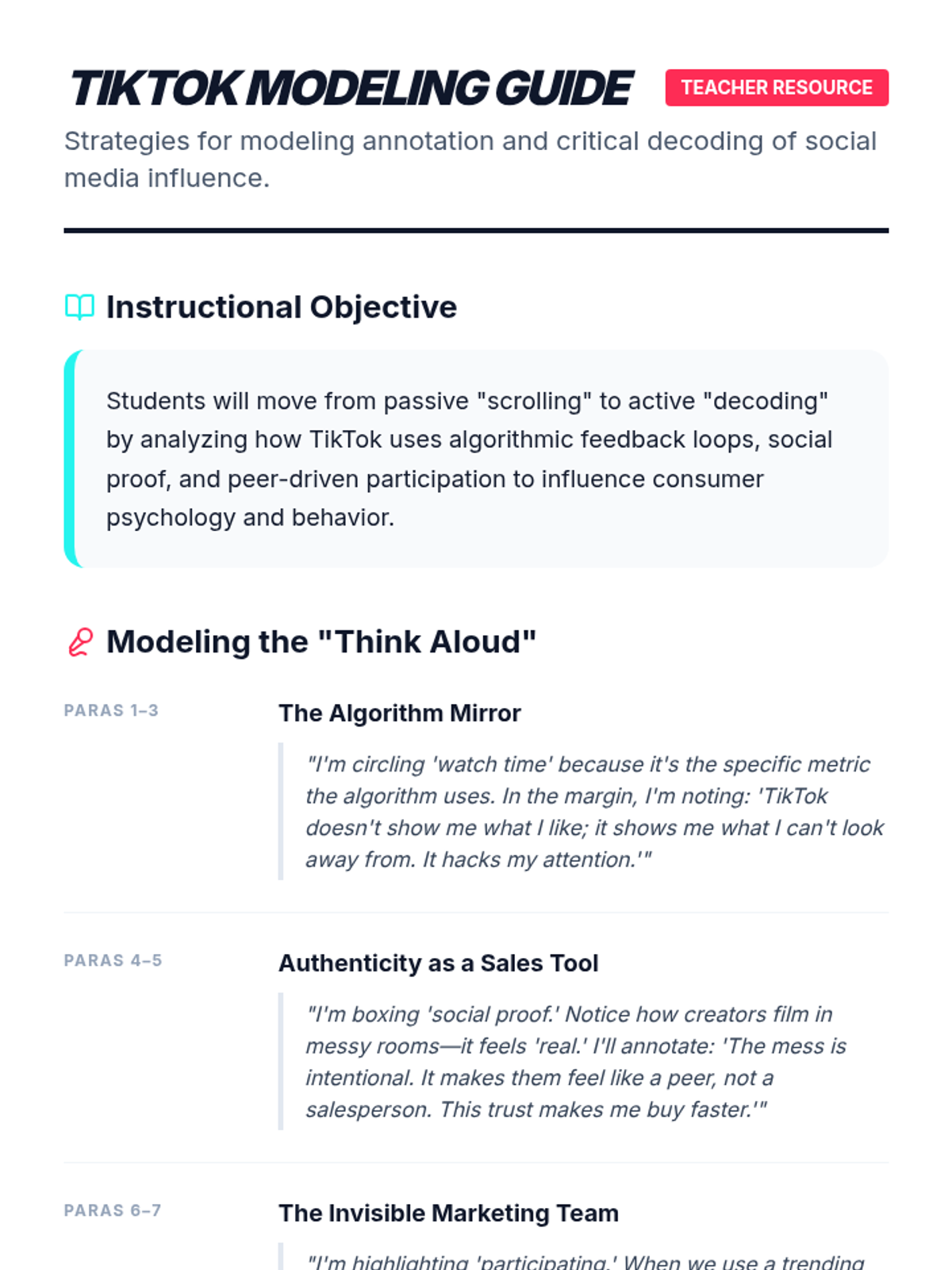
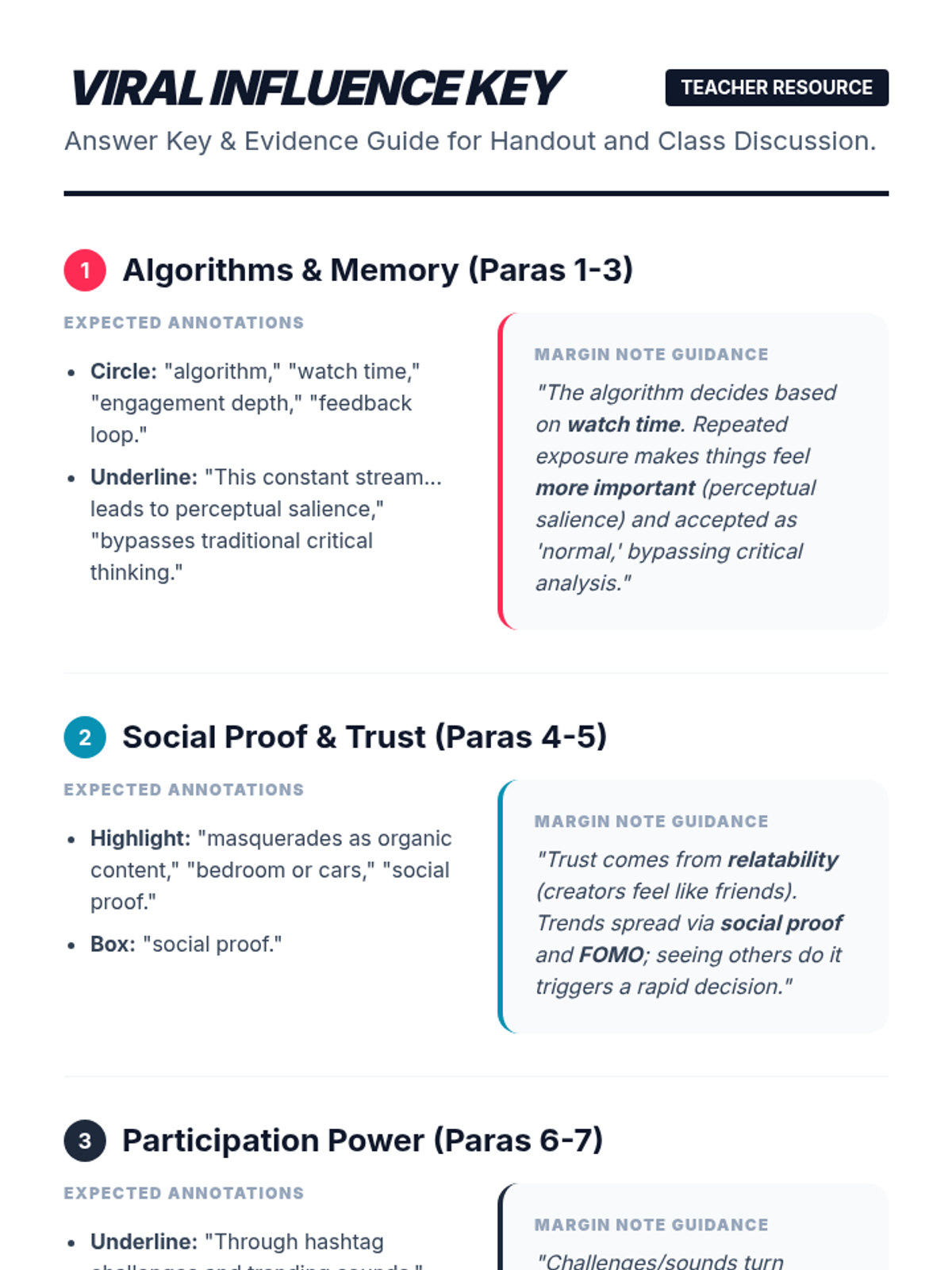
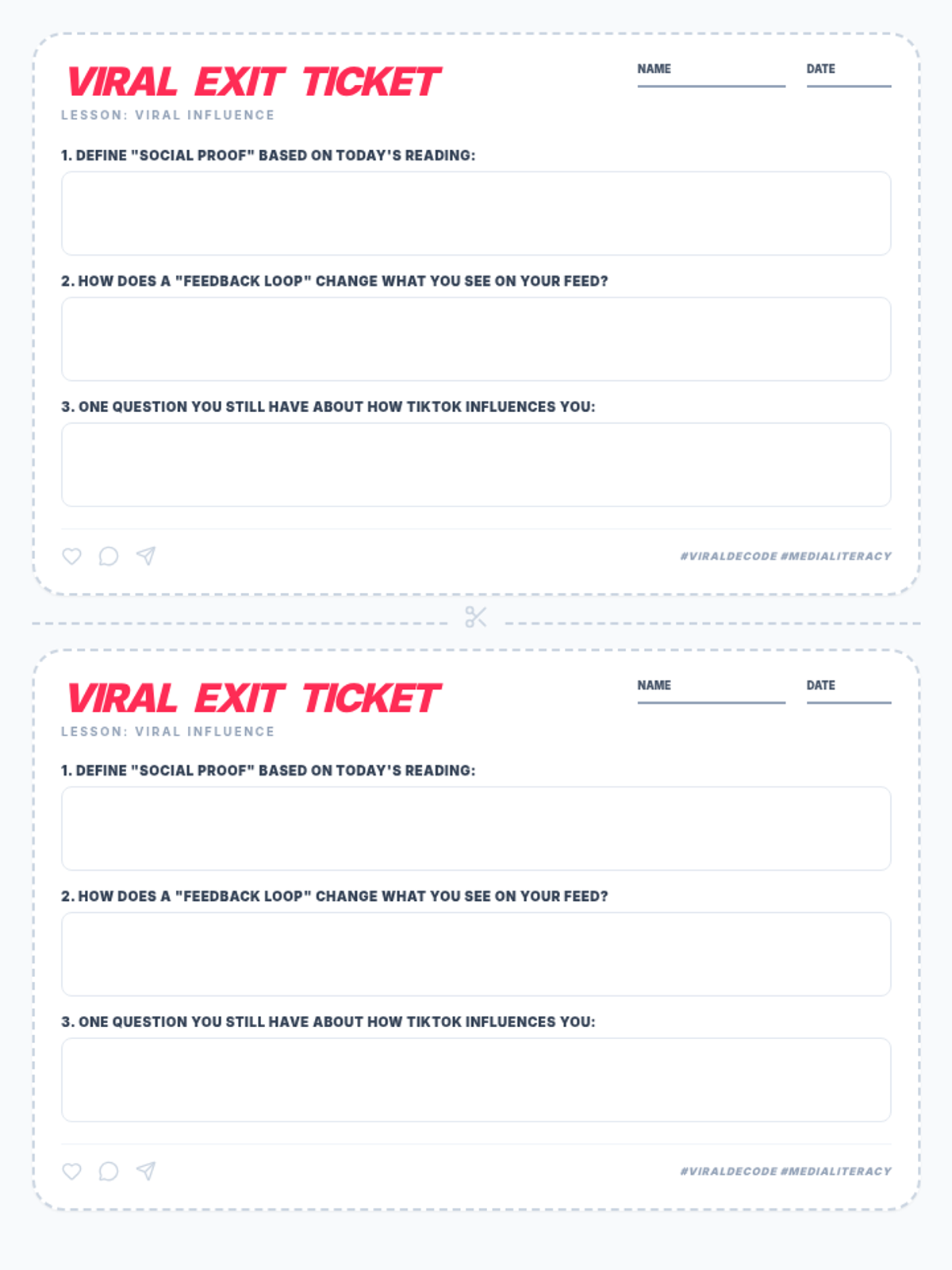
An exploration of TikTok's psychological and marketing influence, focusing on algorithmic power, social proof, and peer-driven trends through modeled annotation practices.
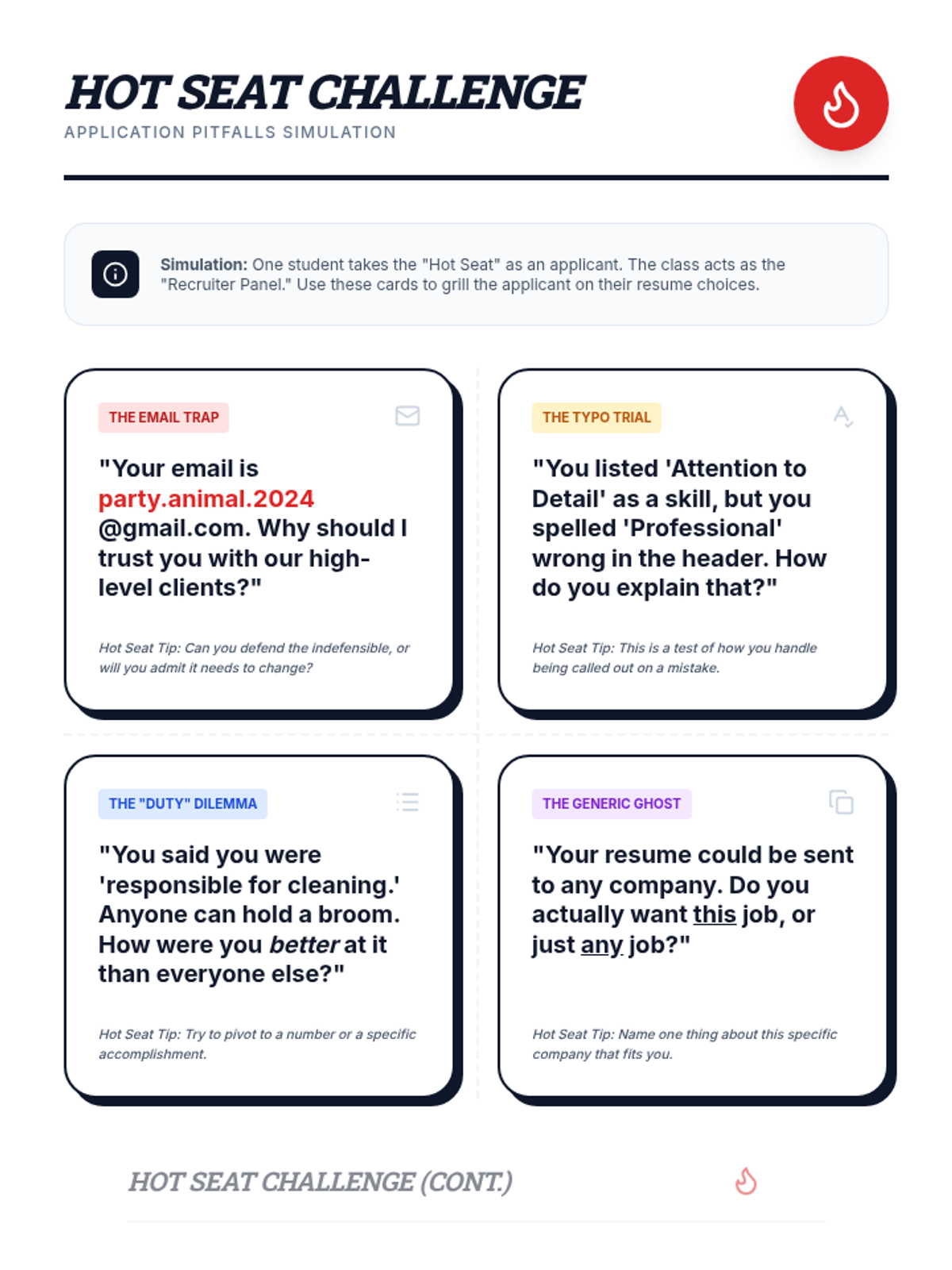
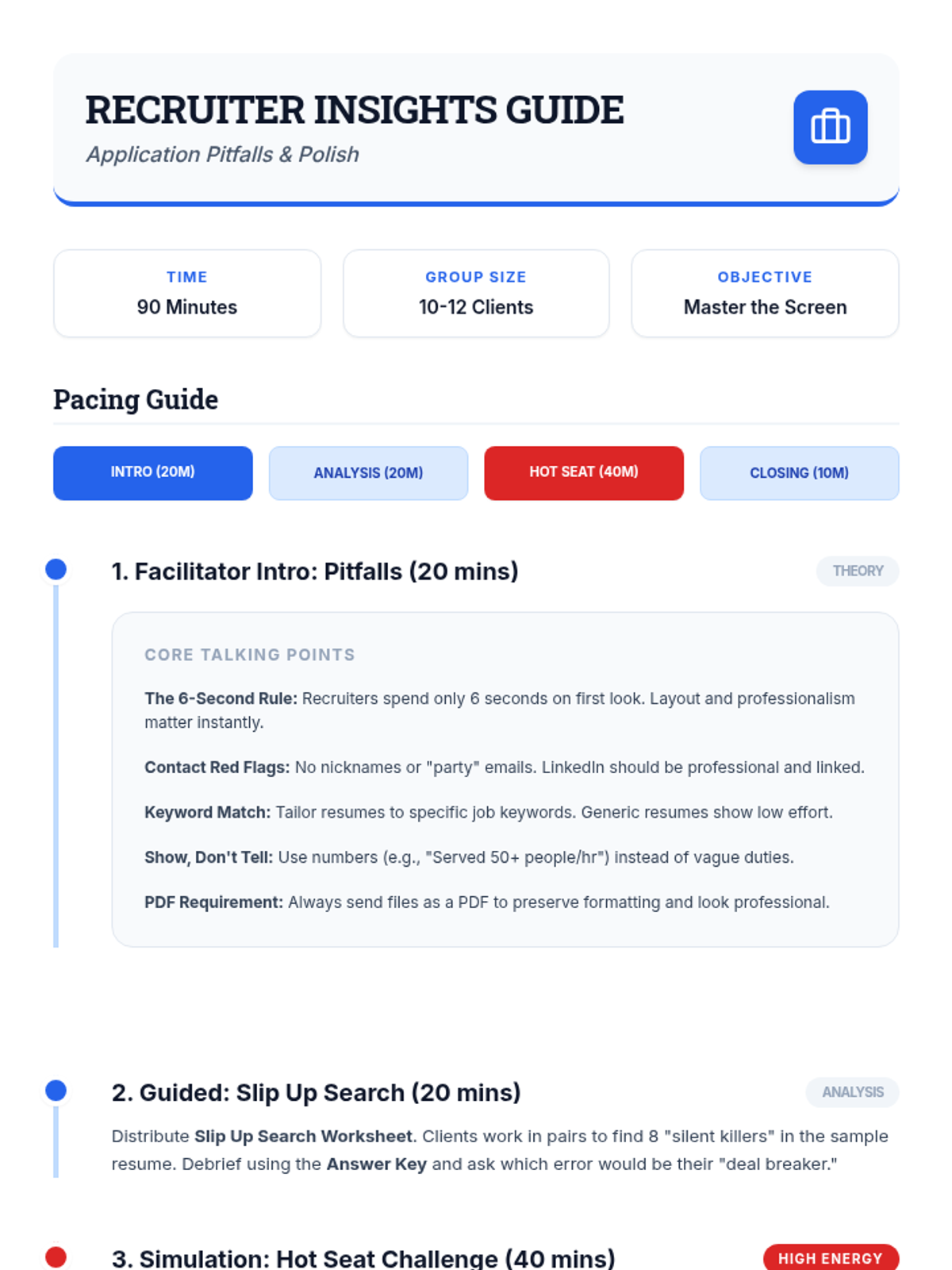
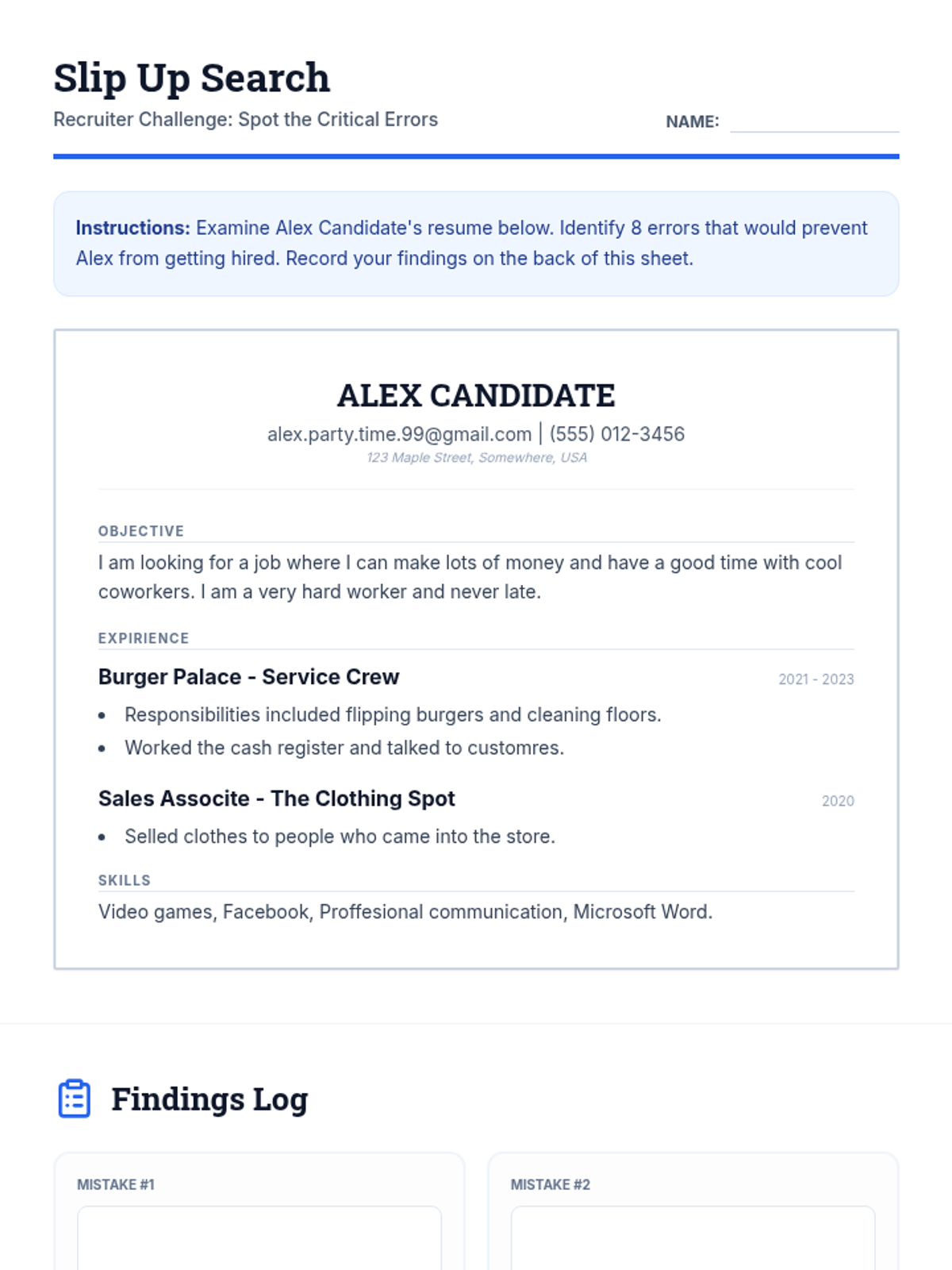
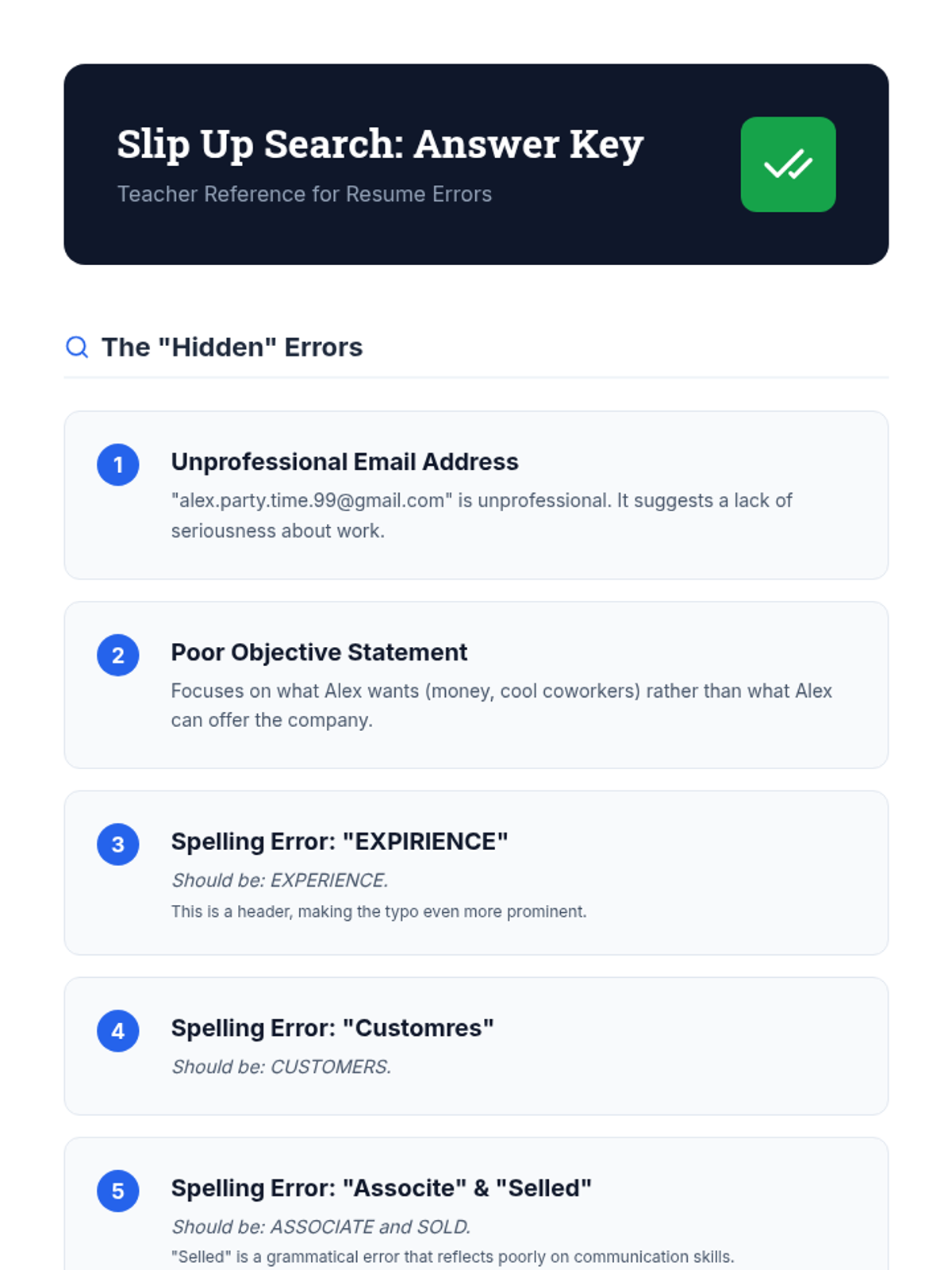
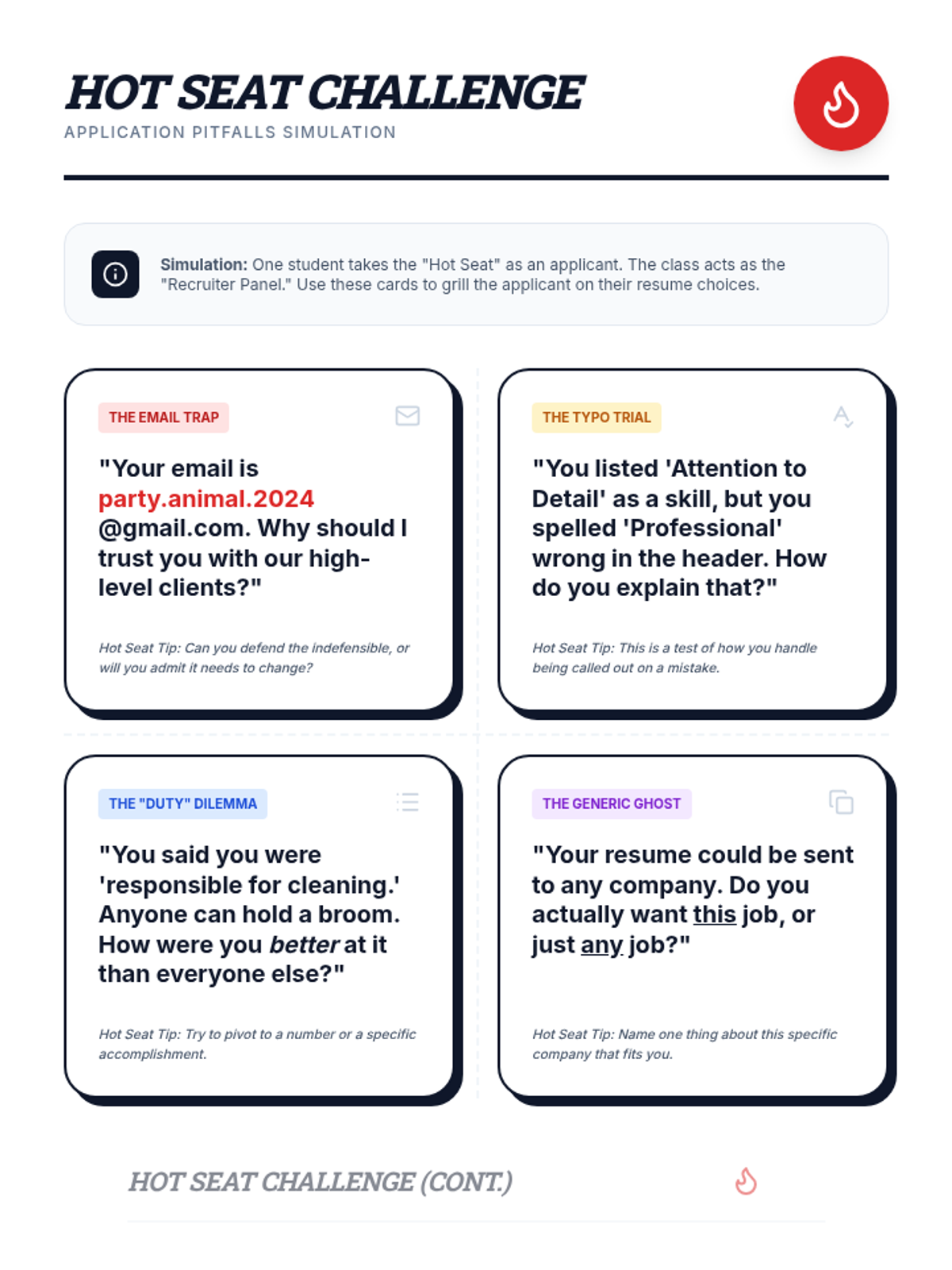
A comprehensive lesson identifying common workplace application errors, from resume typos to unprofessional email addresses, and how to fix them.
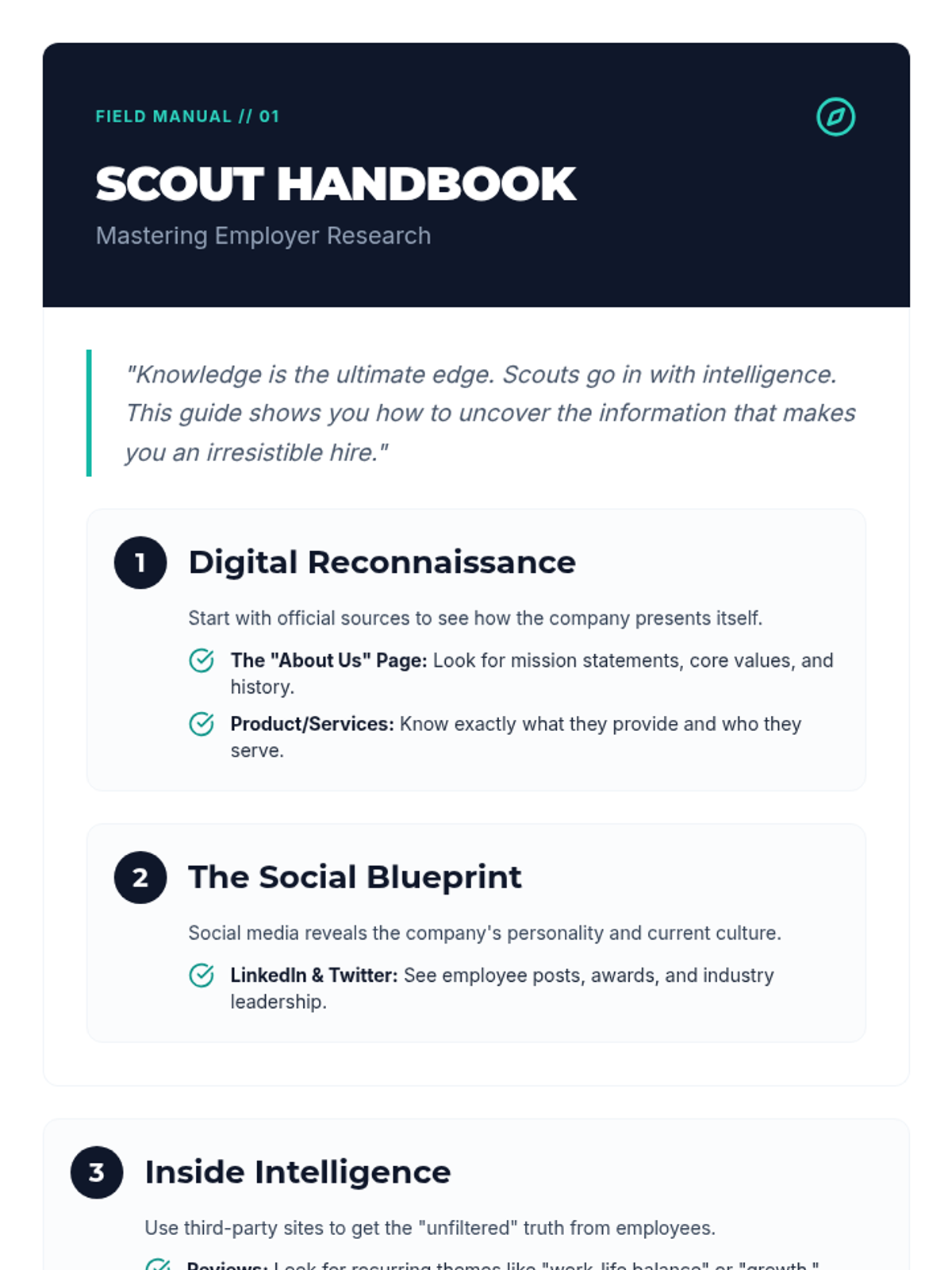
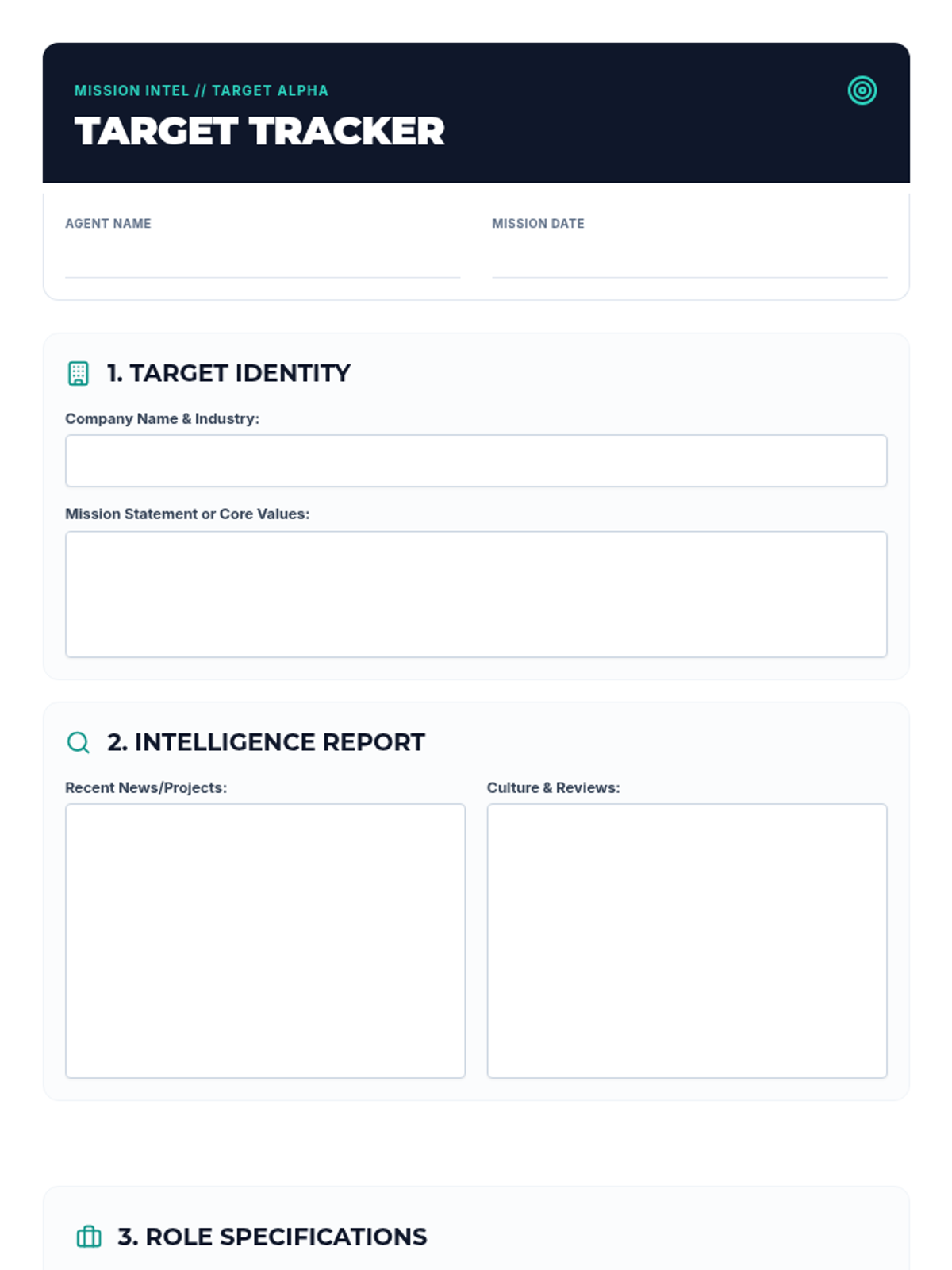
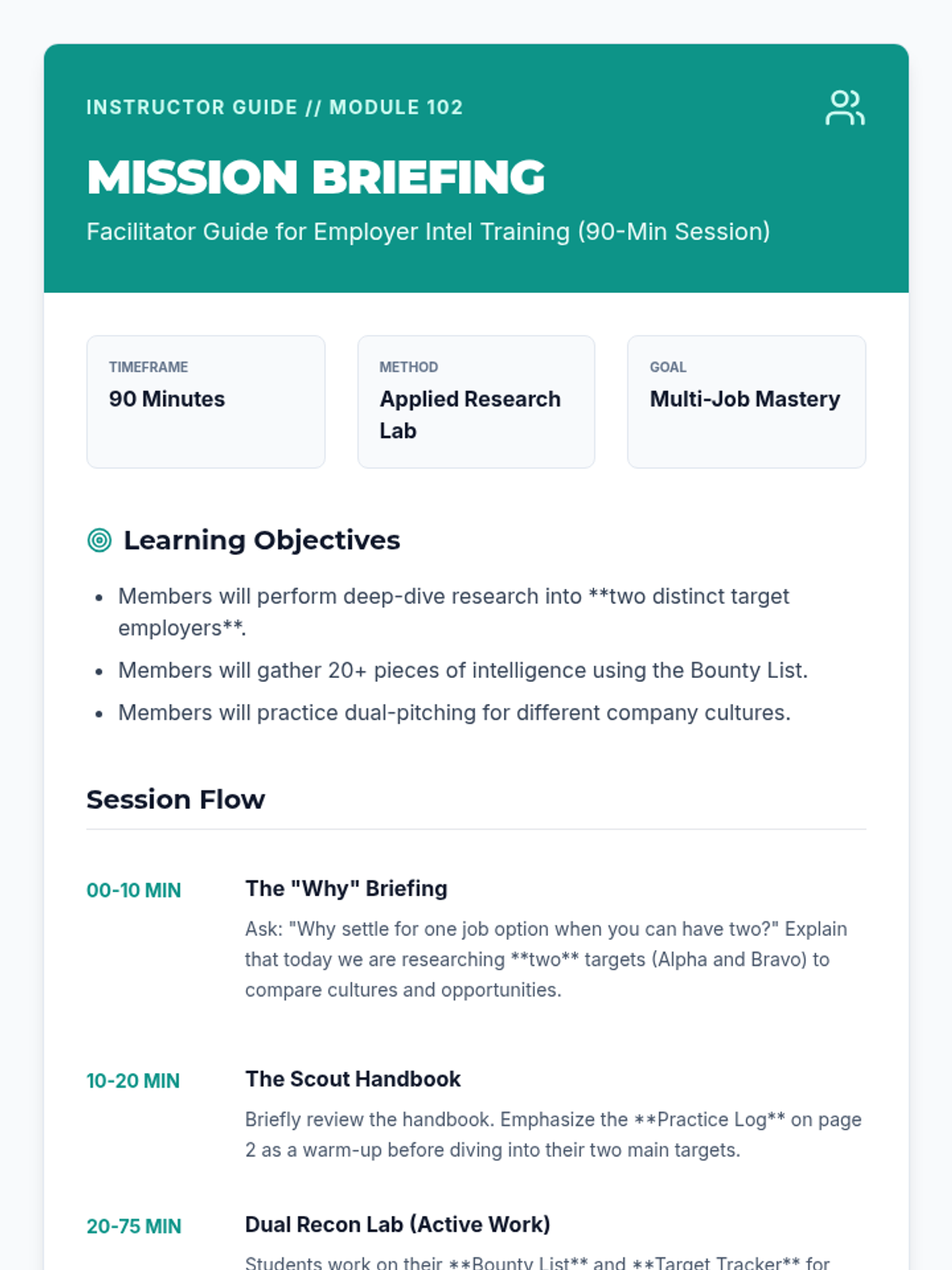
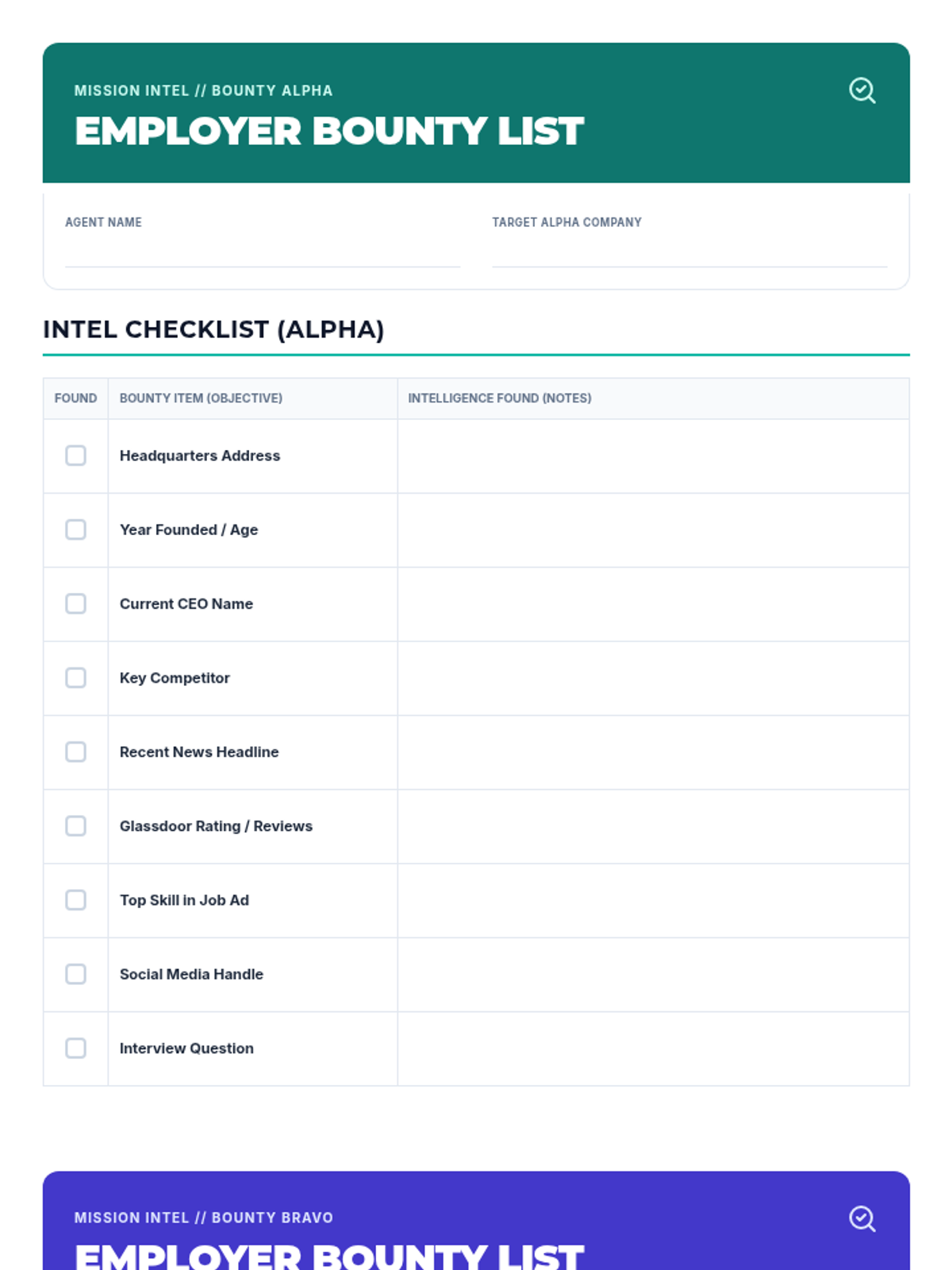
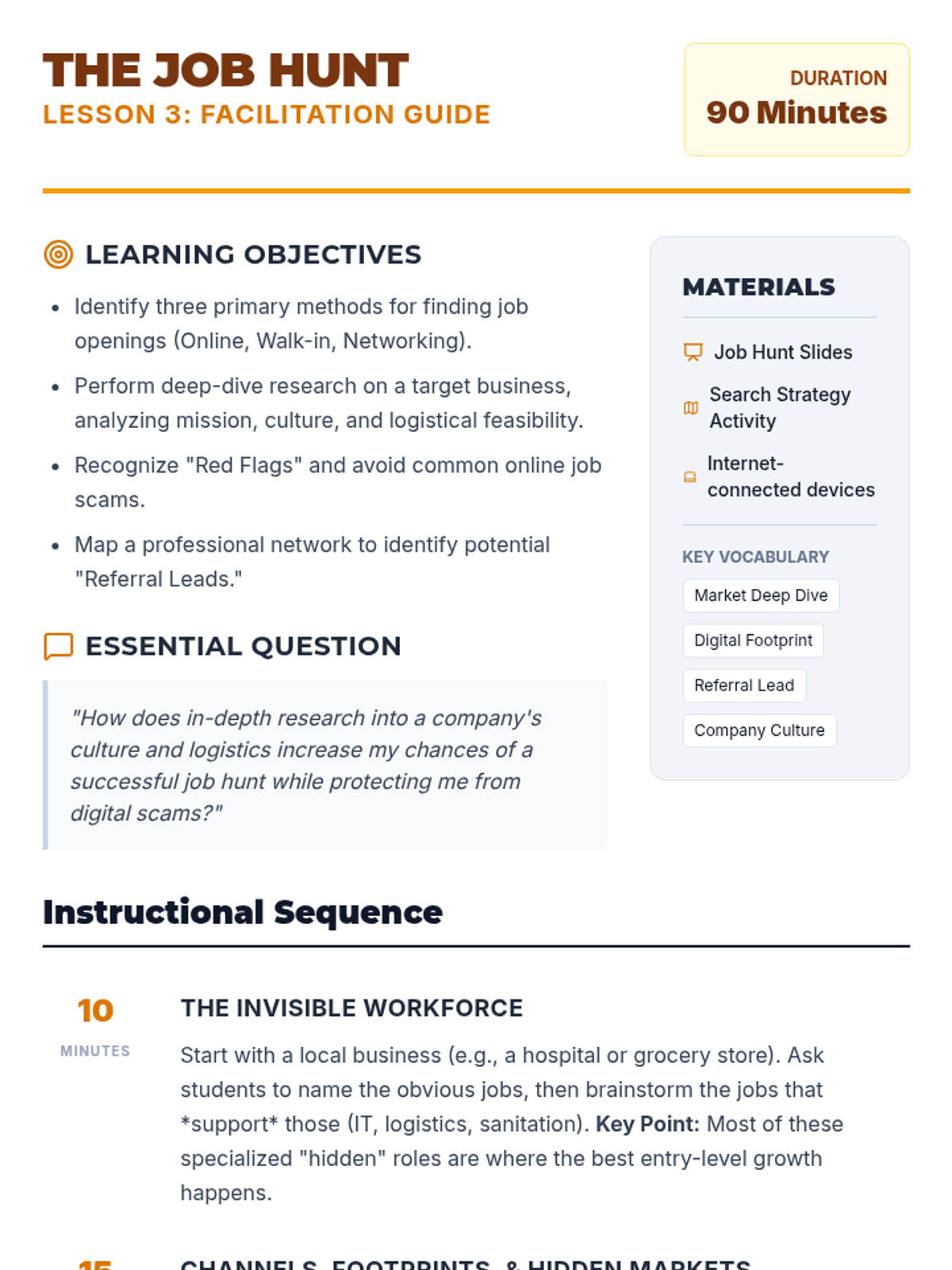
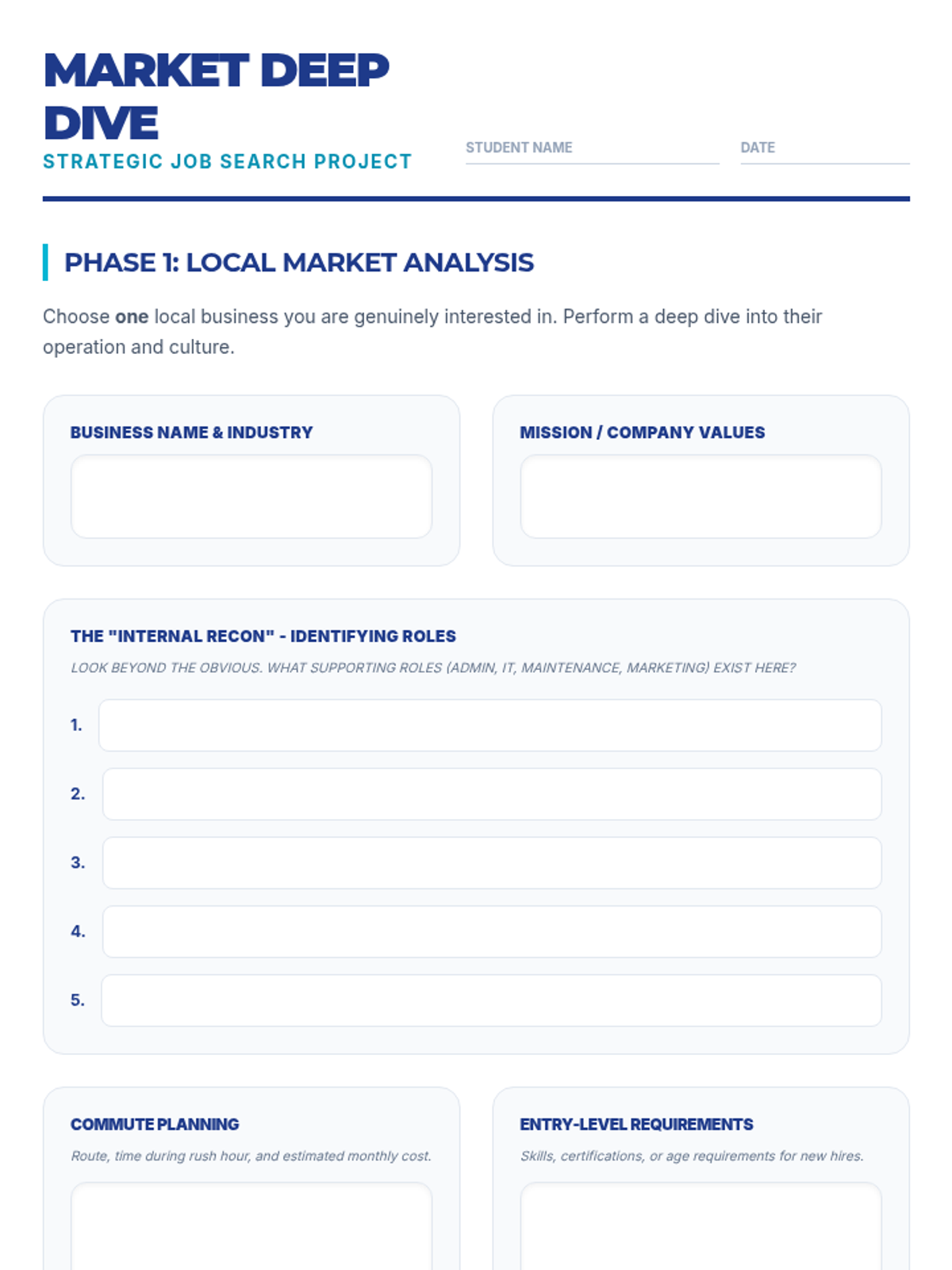
A comprehensive training module focused on teaching job seekers how to perform deep-dive research into potential employers and job listings to prepare for applications and interviews.
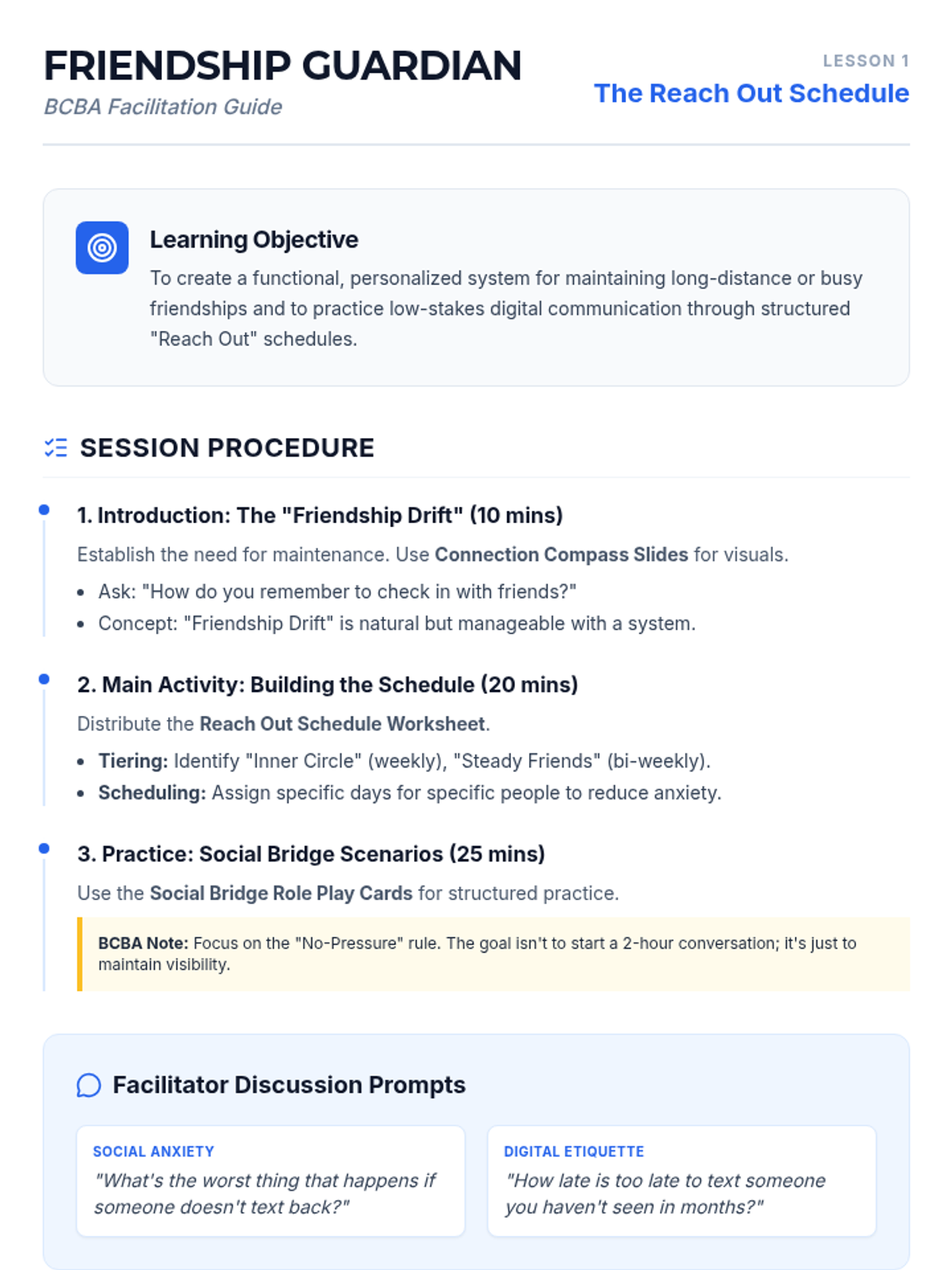
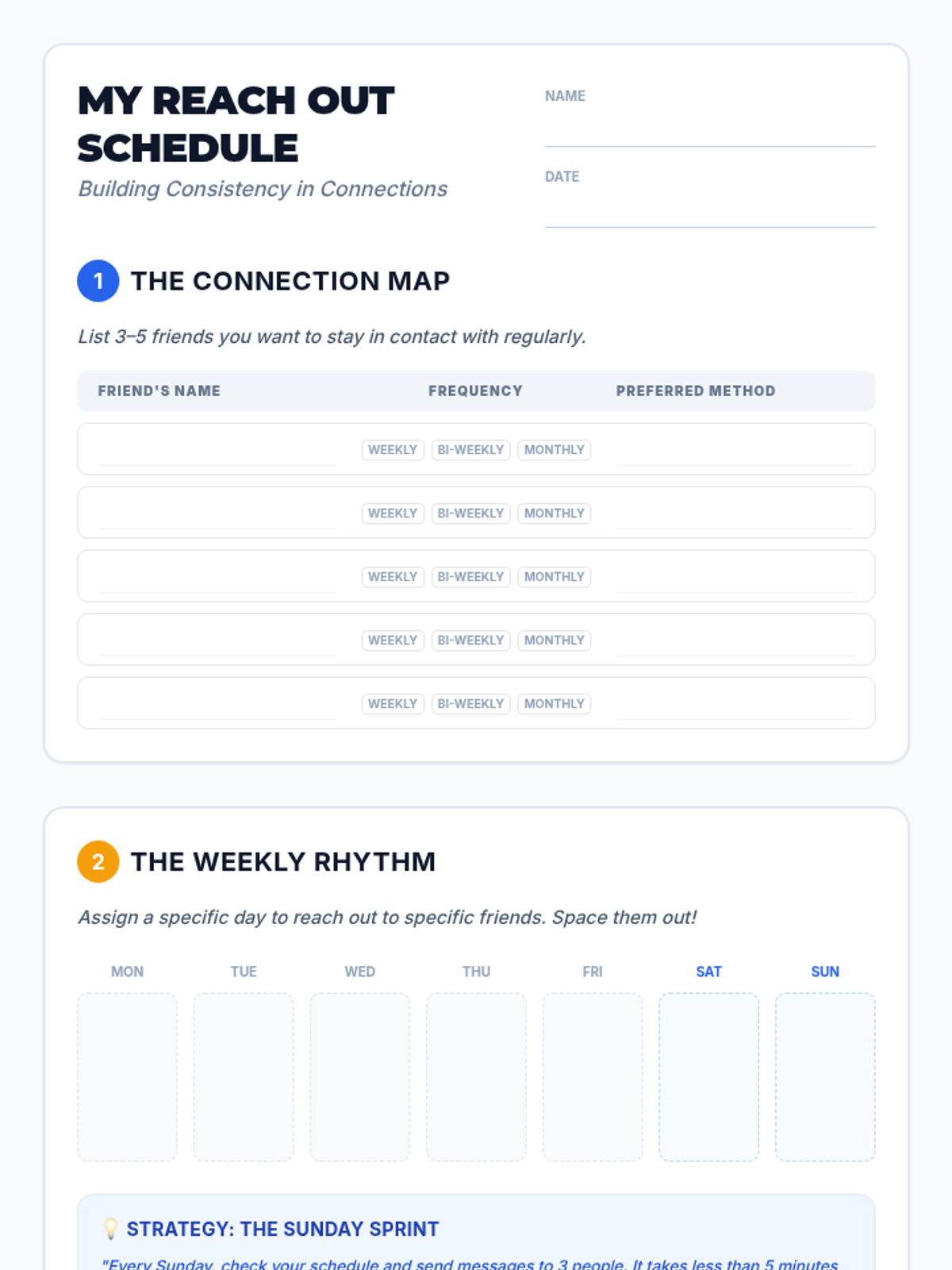
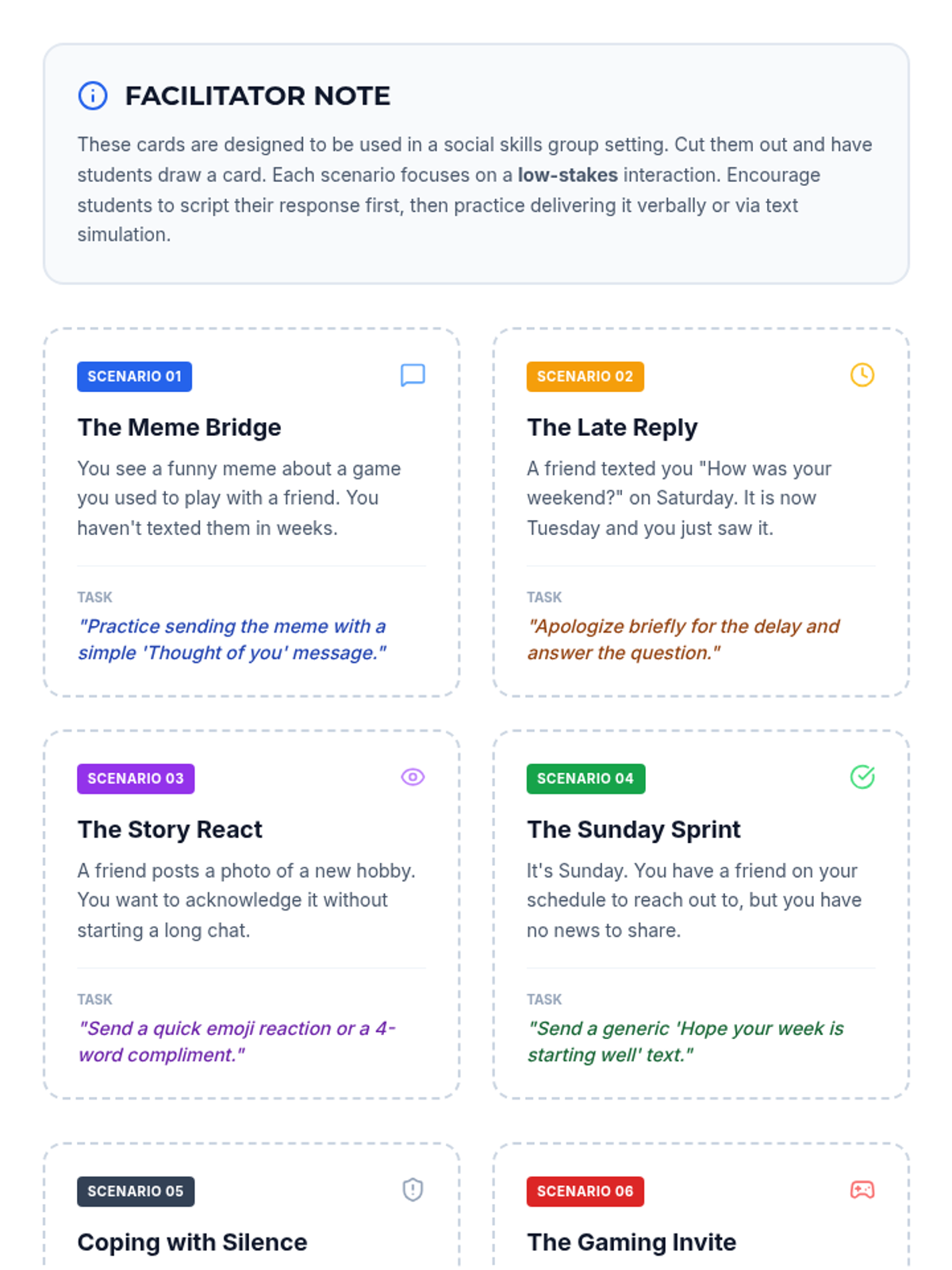
A social skills lesson for teens and adults focused on building a consistent system for maintaining friendships through digital and personal 'reach out' schedules.
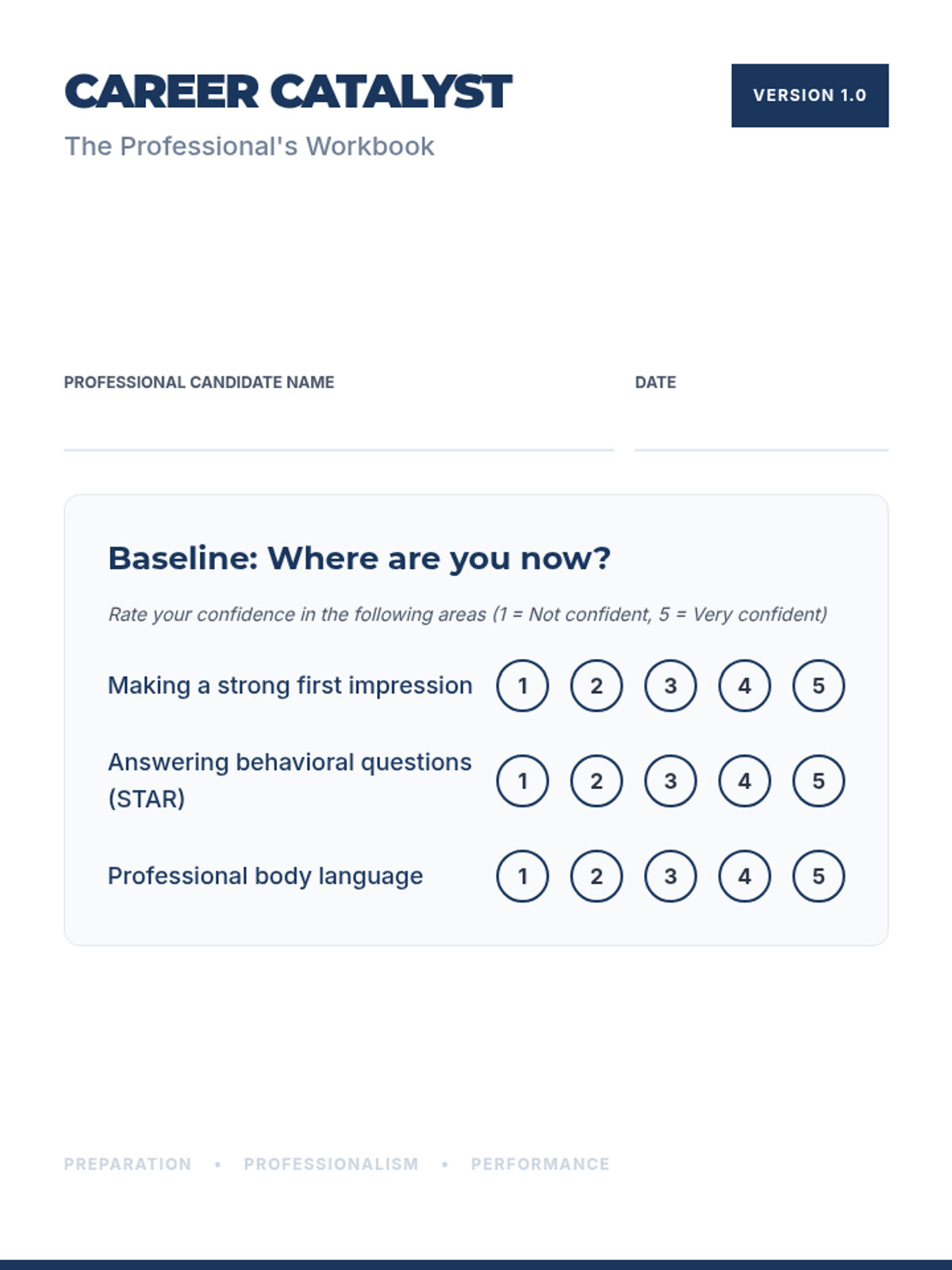
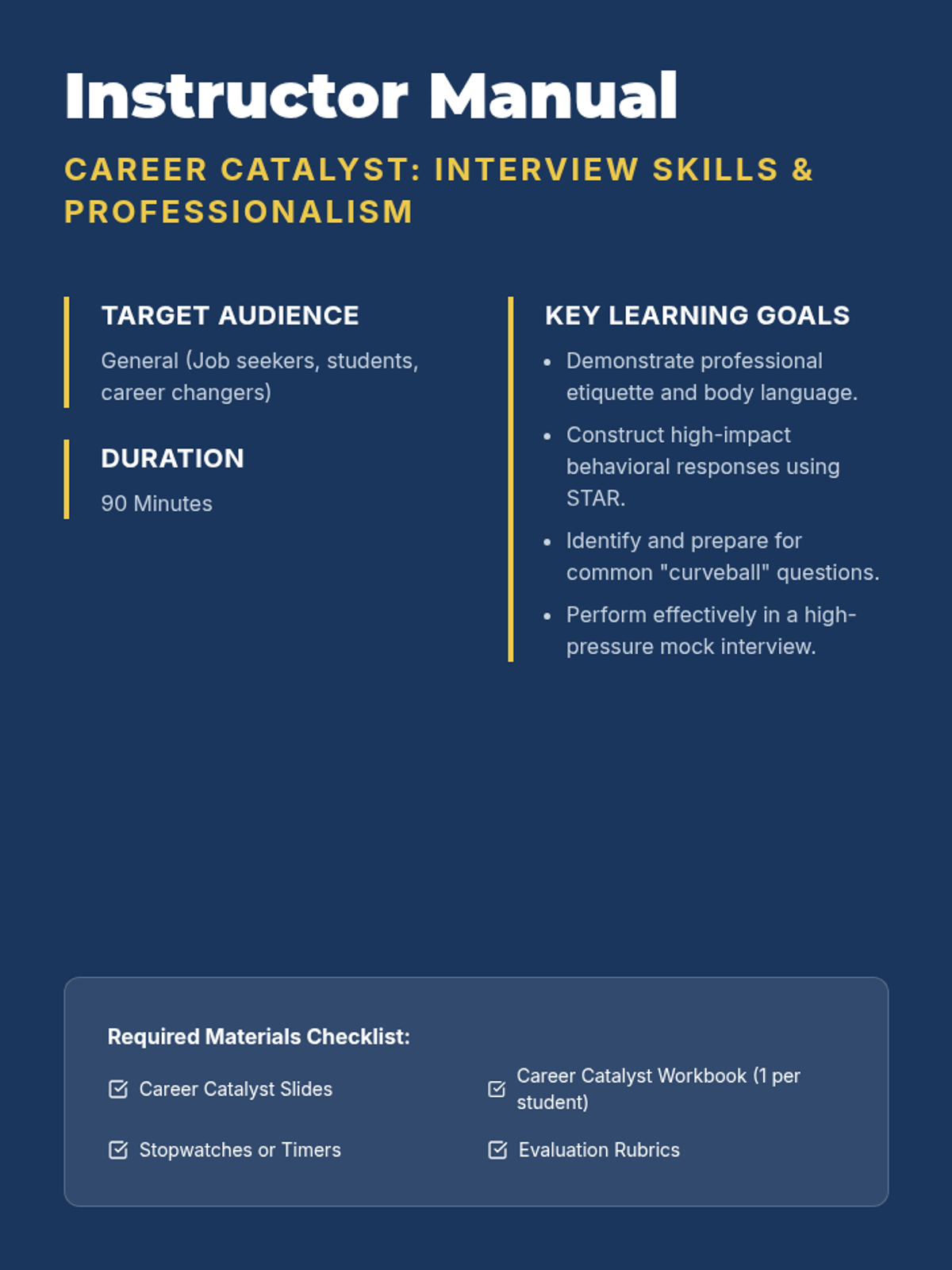
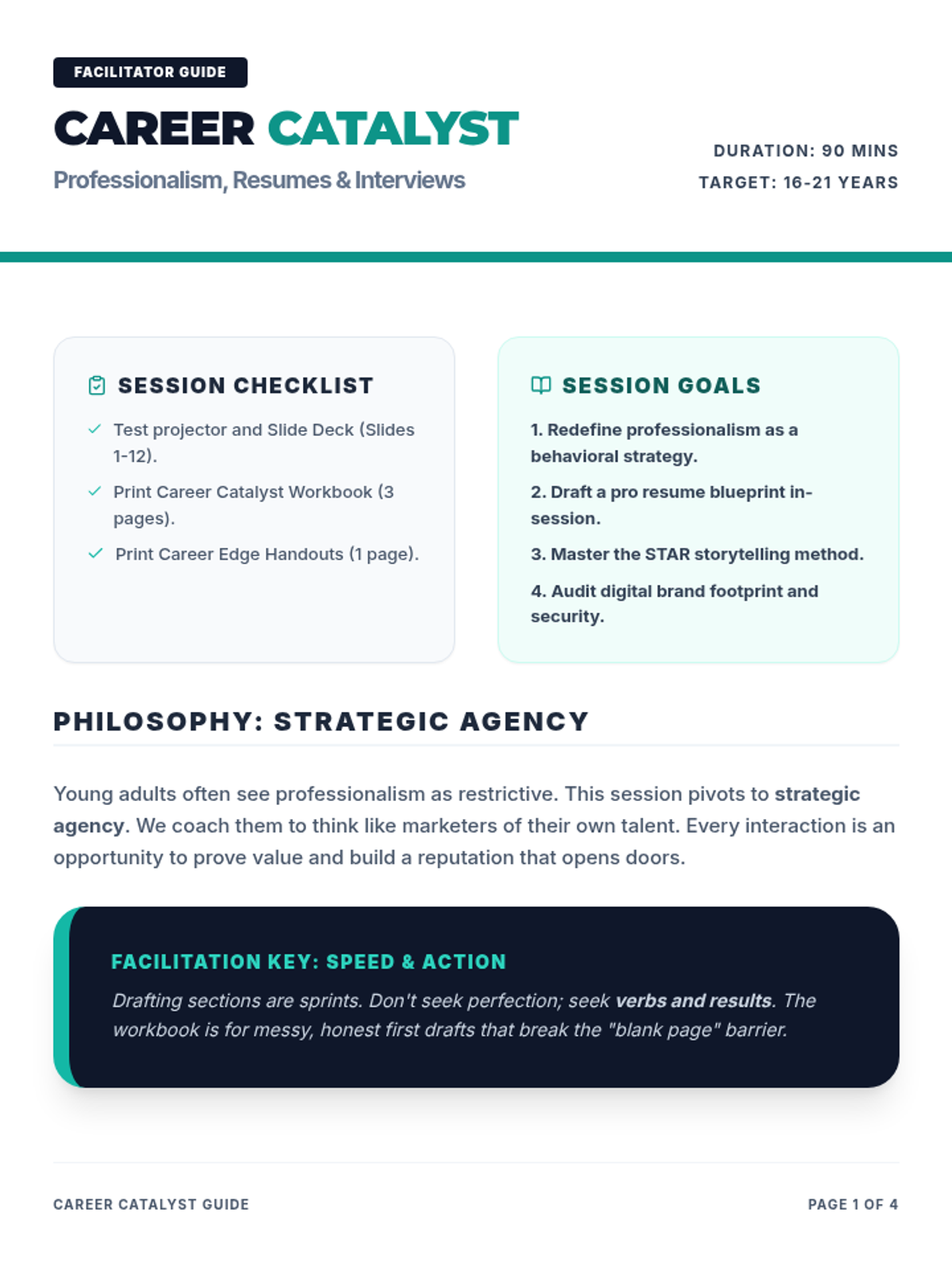
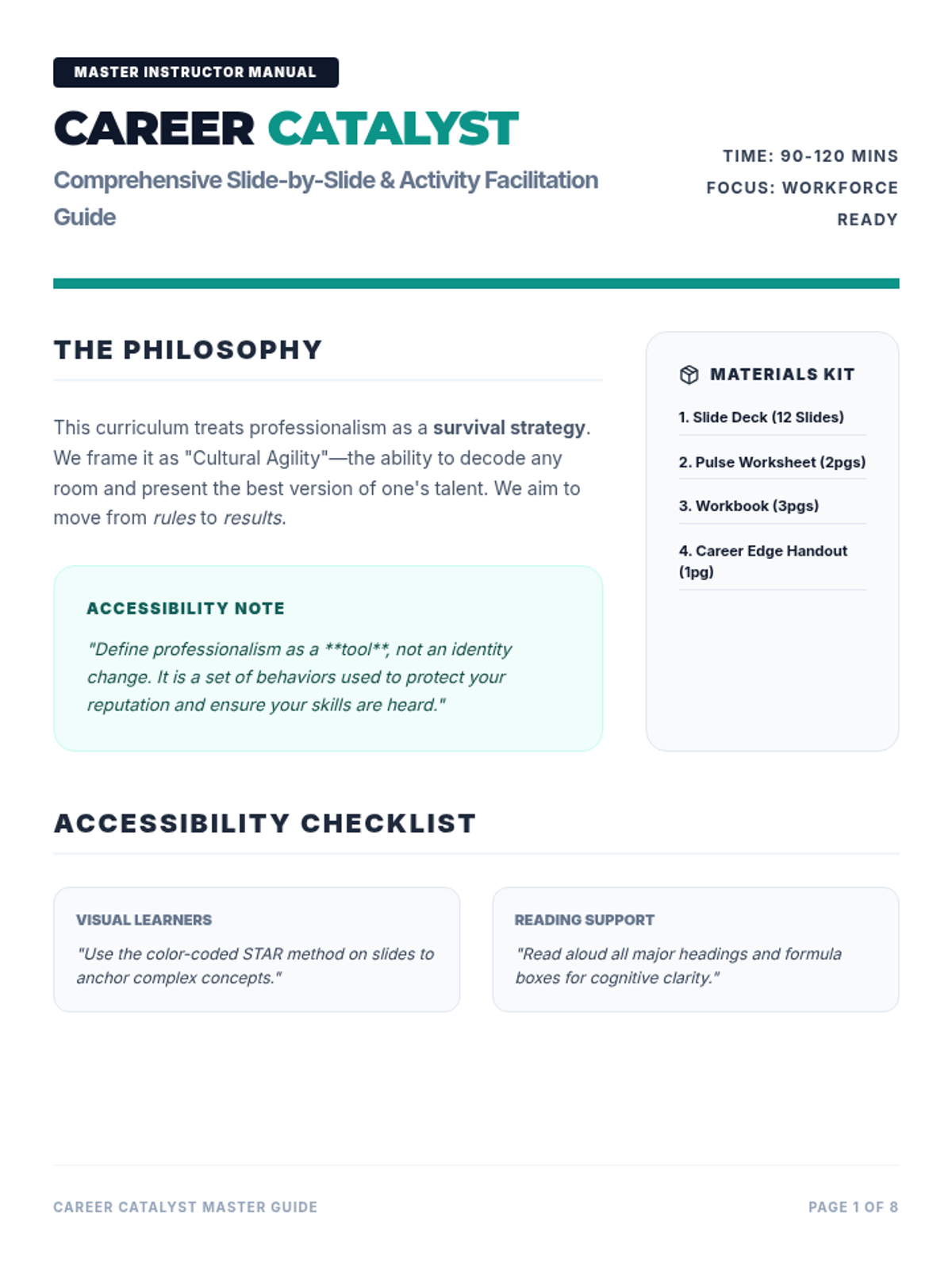
A comprehensive 90-minute lesson covering first impressions, the STAR method for behavioral questions, and professional etiquette for job seekers.
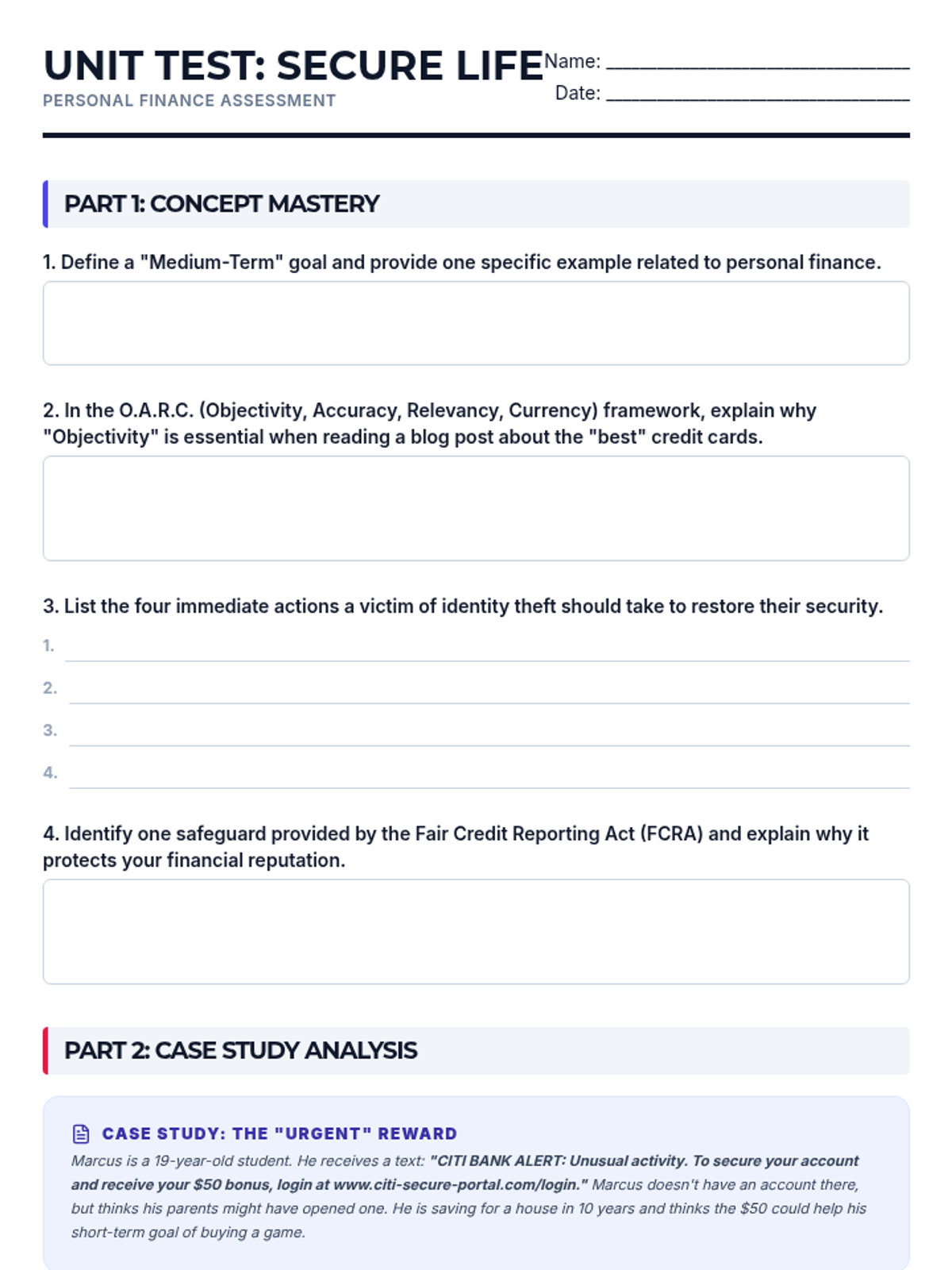
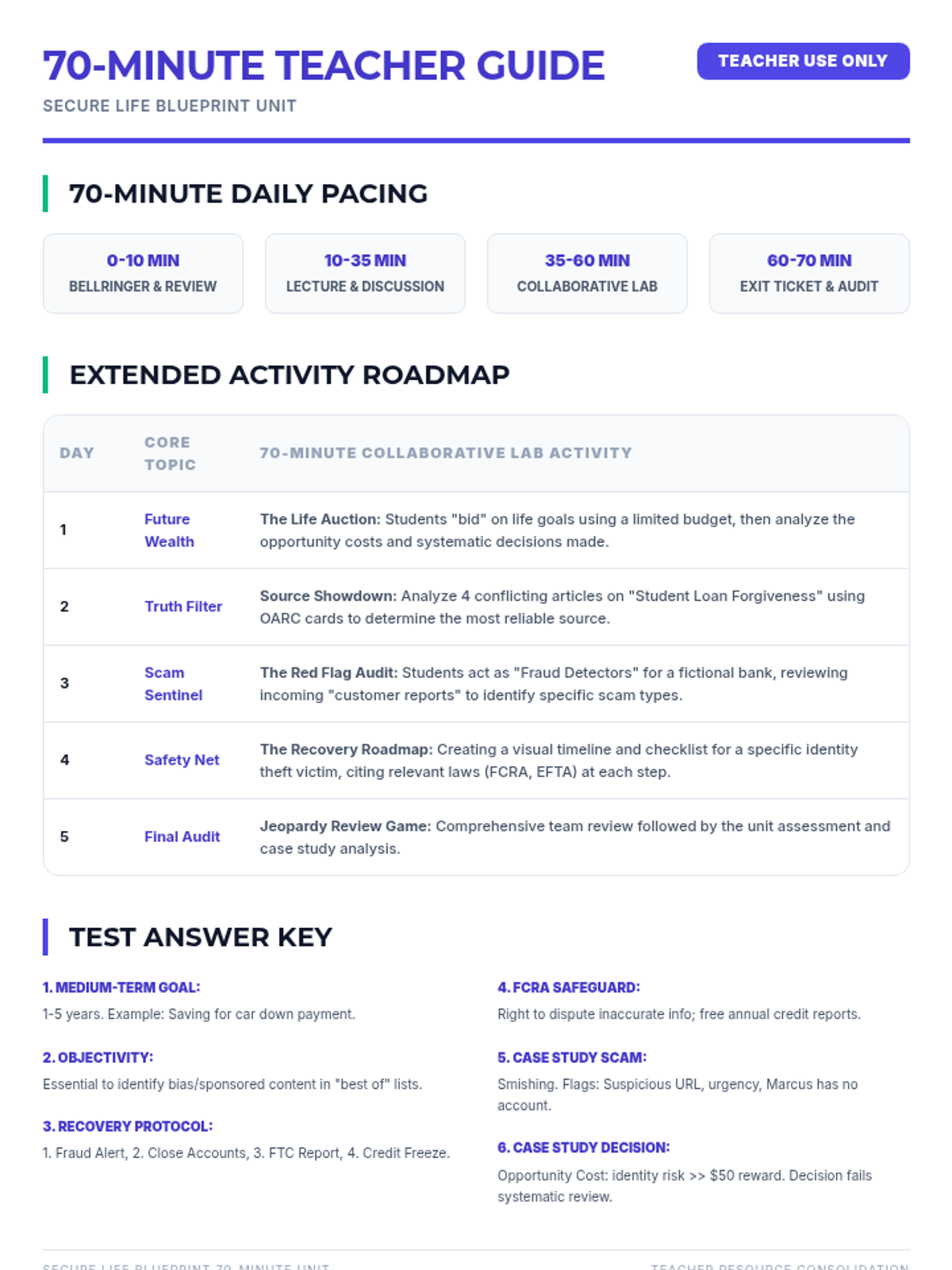
A final review session followed by a mixed-format unit test featuring short answer questions and case study analysis.
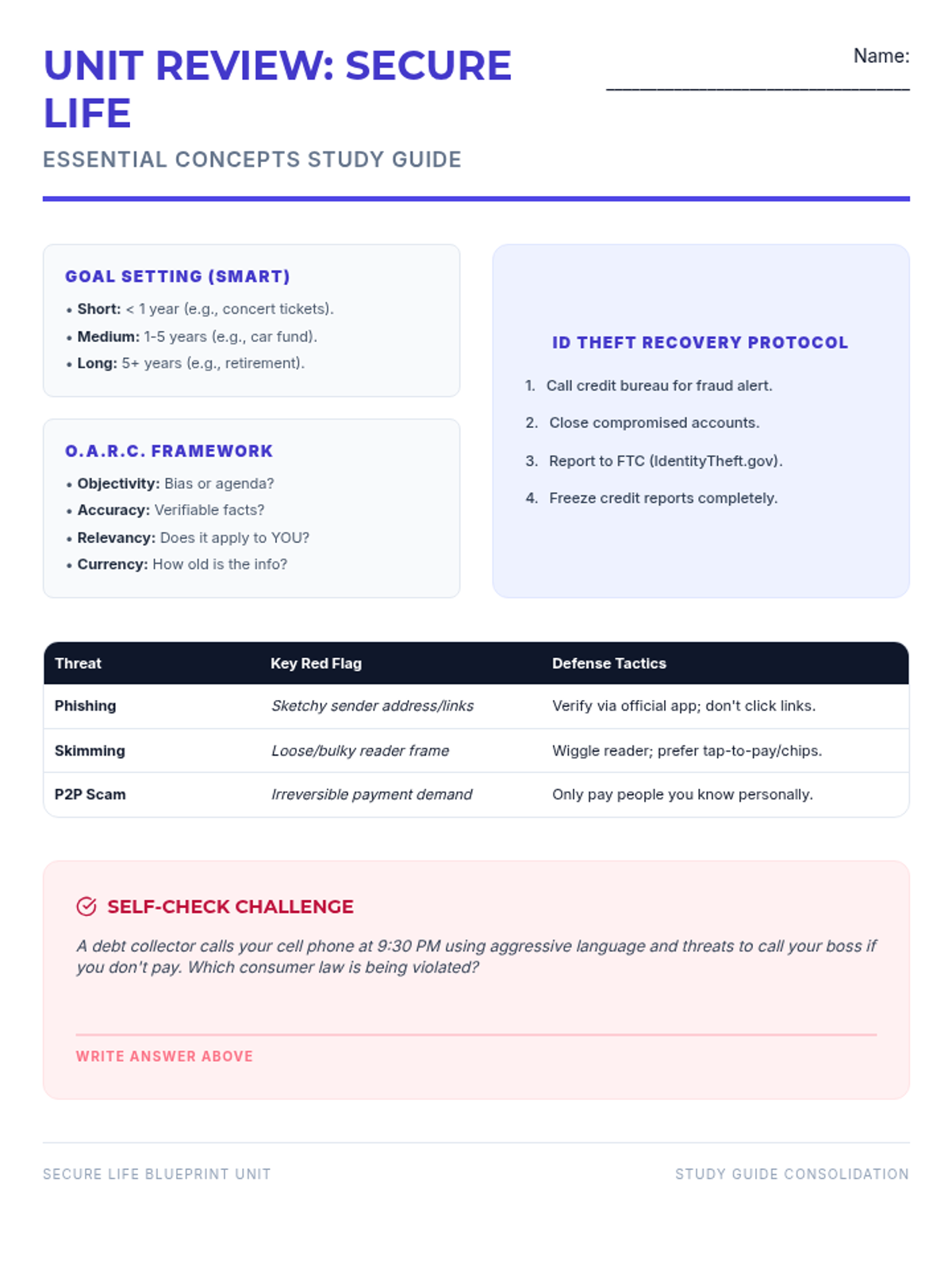
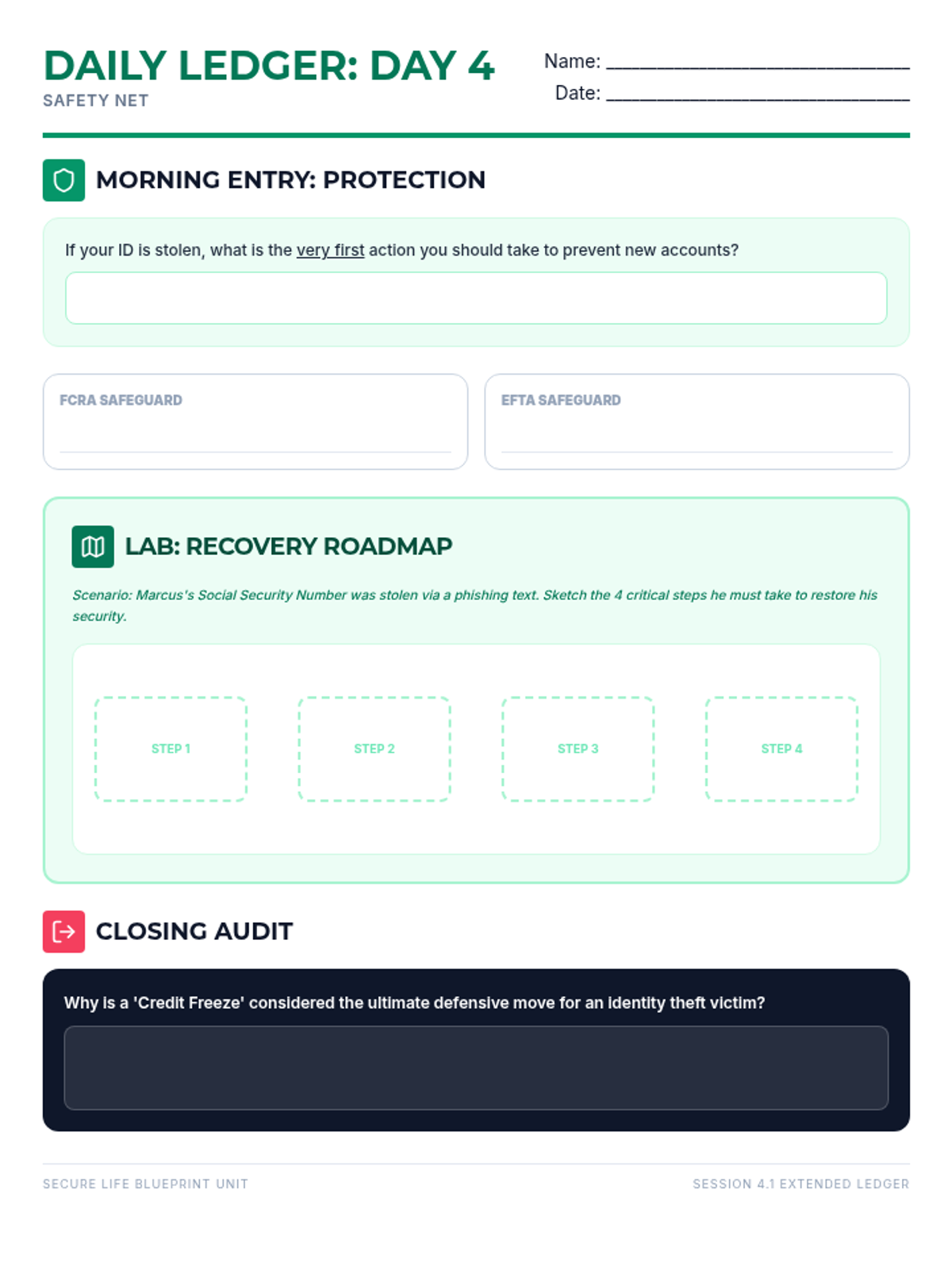
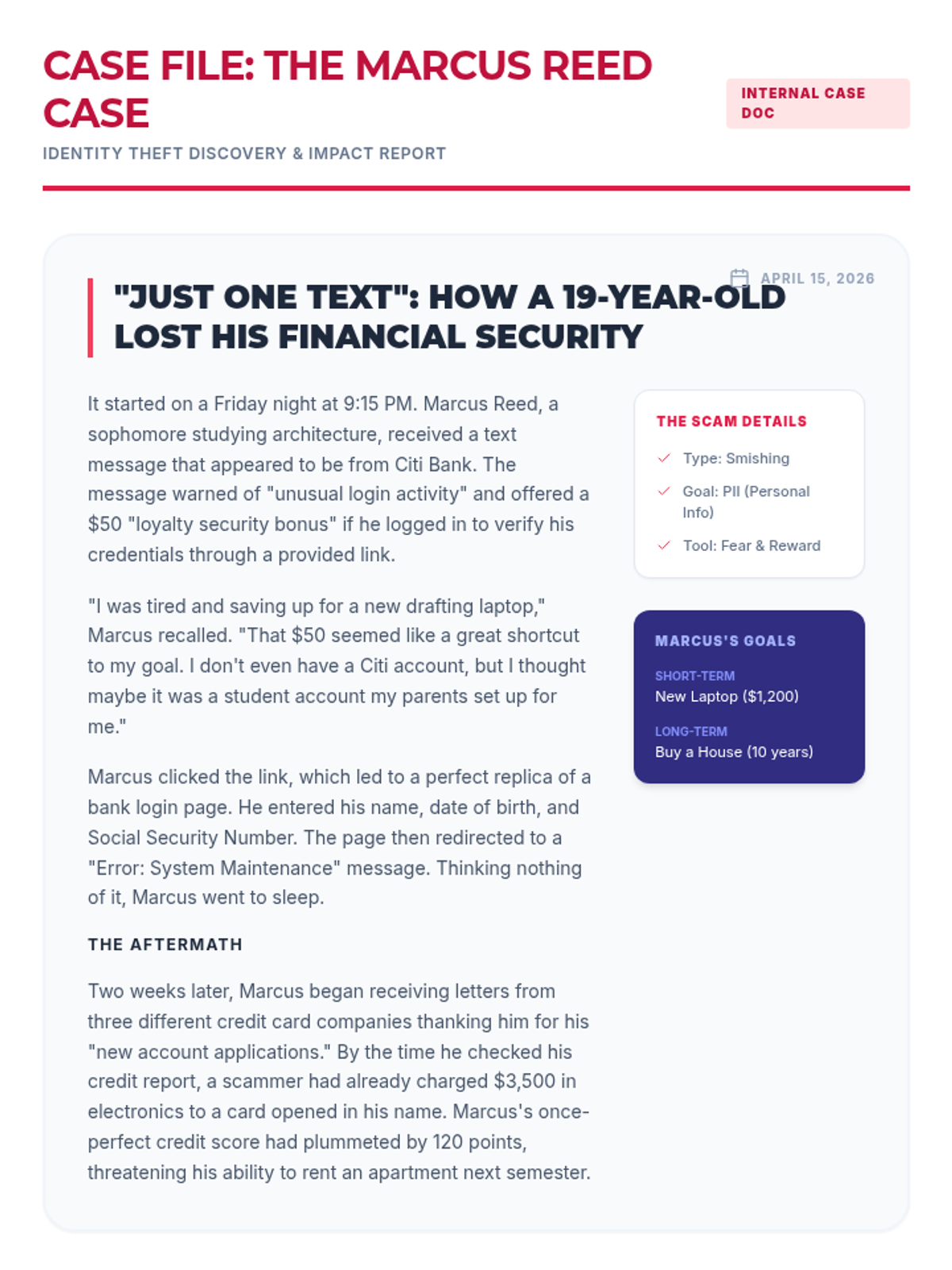
Covers consumer protection laws and the specific steps victims of identity theft should take to recover their security.
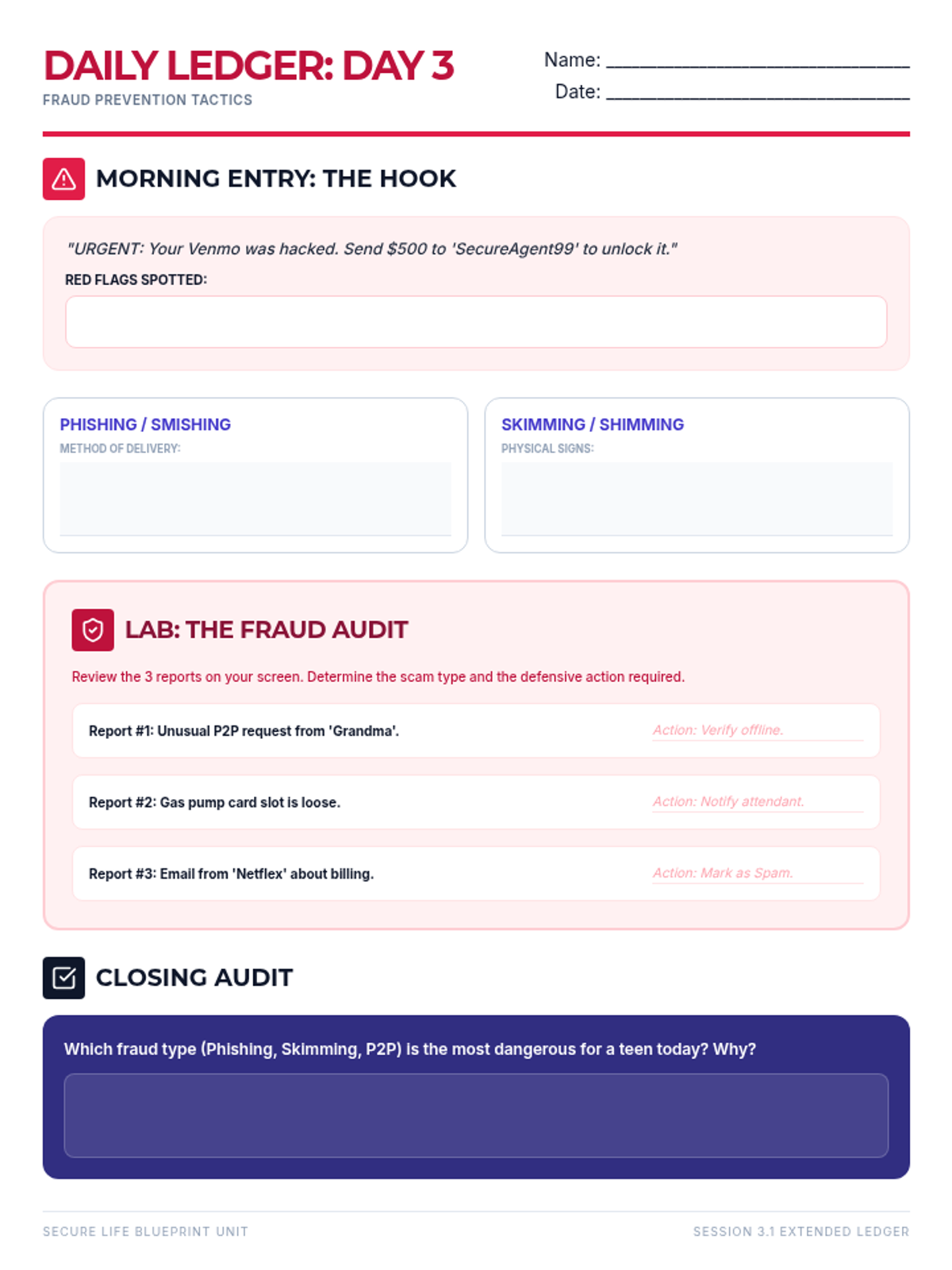
Explores modern consumer fraud including phishing, smishing, credit card skimming, and social media scams.
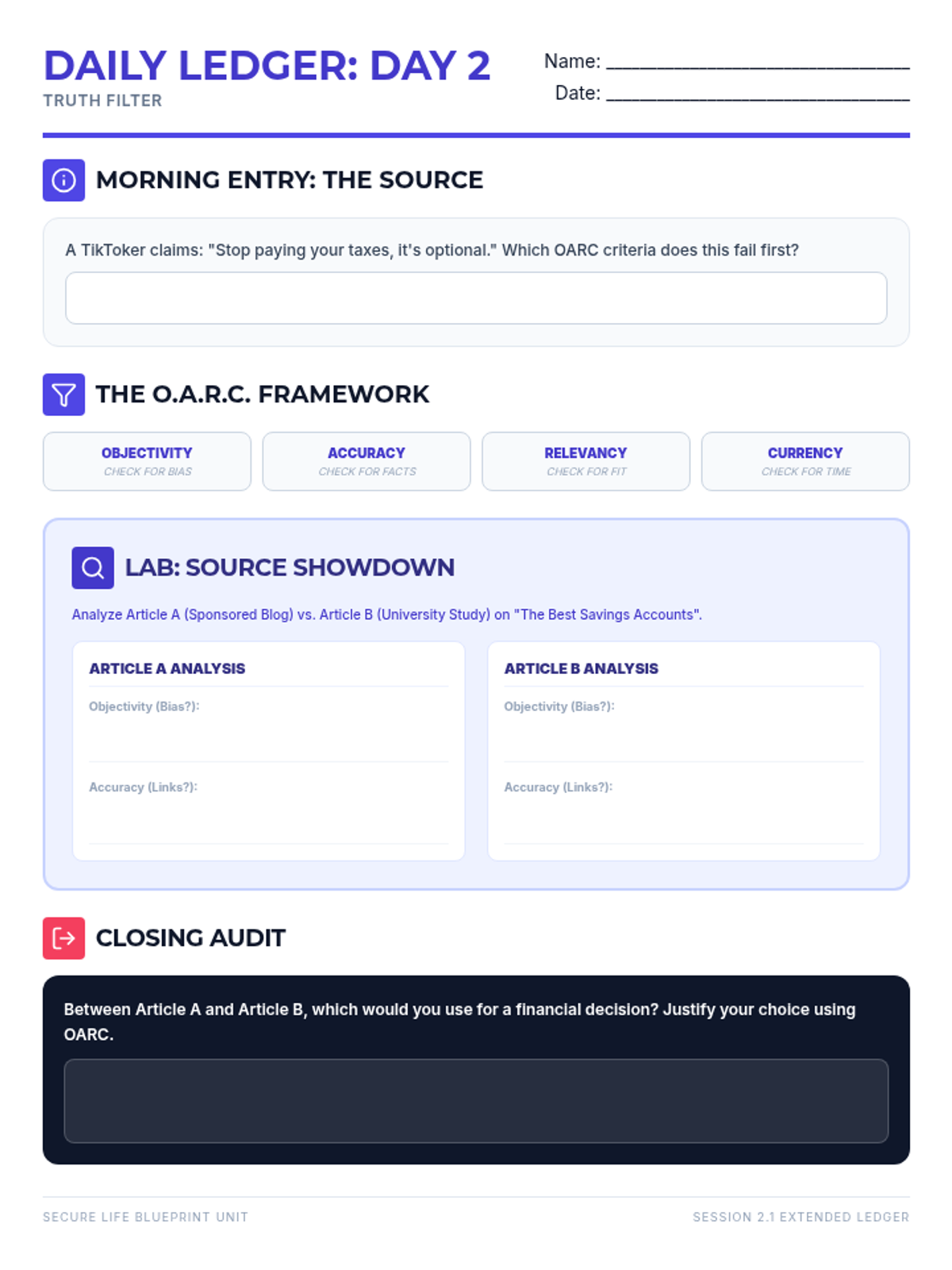
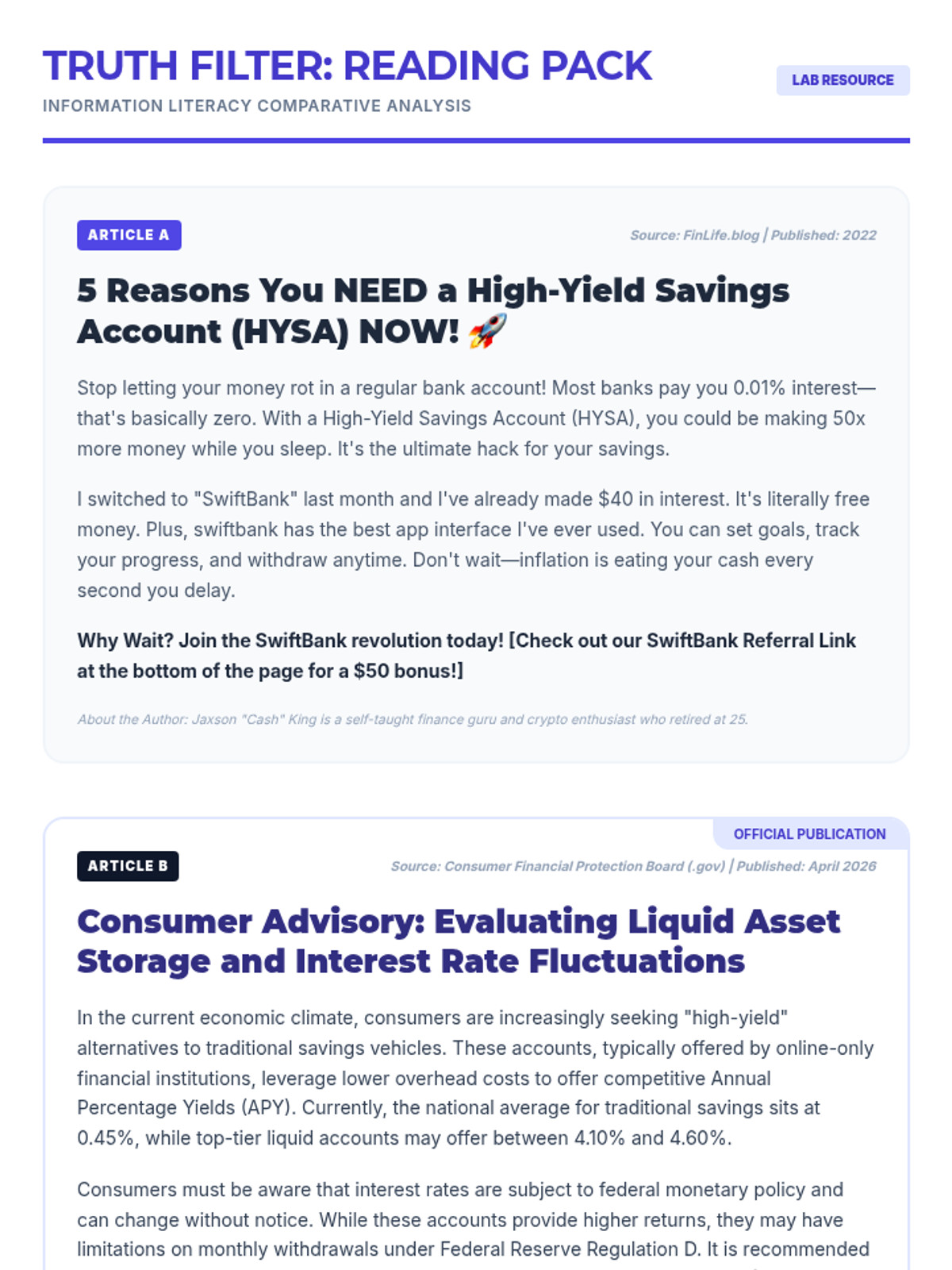
Teaches students how to evaluate financial information for objectivity, accuracy, relevancy, and currency to make informed choices.
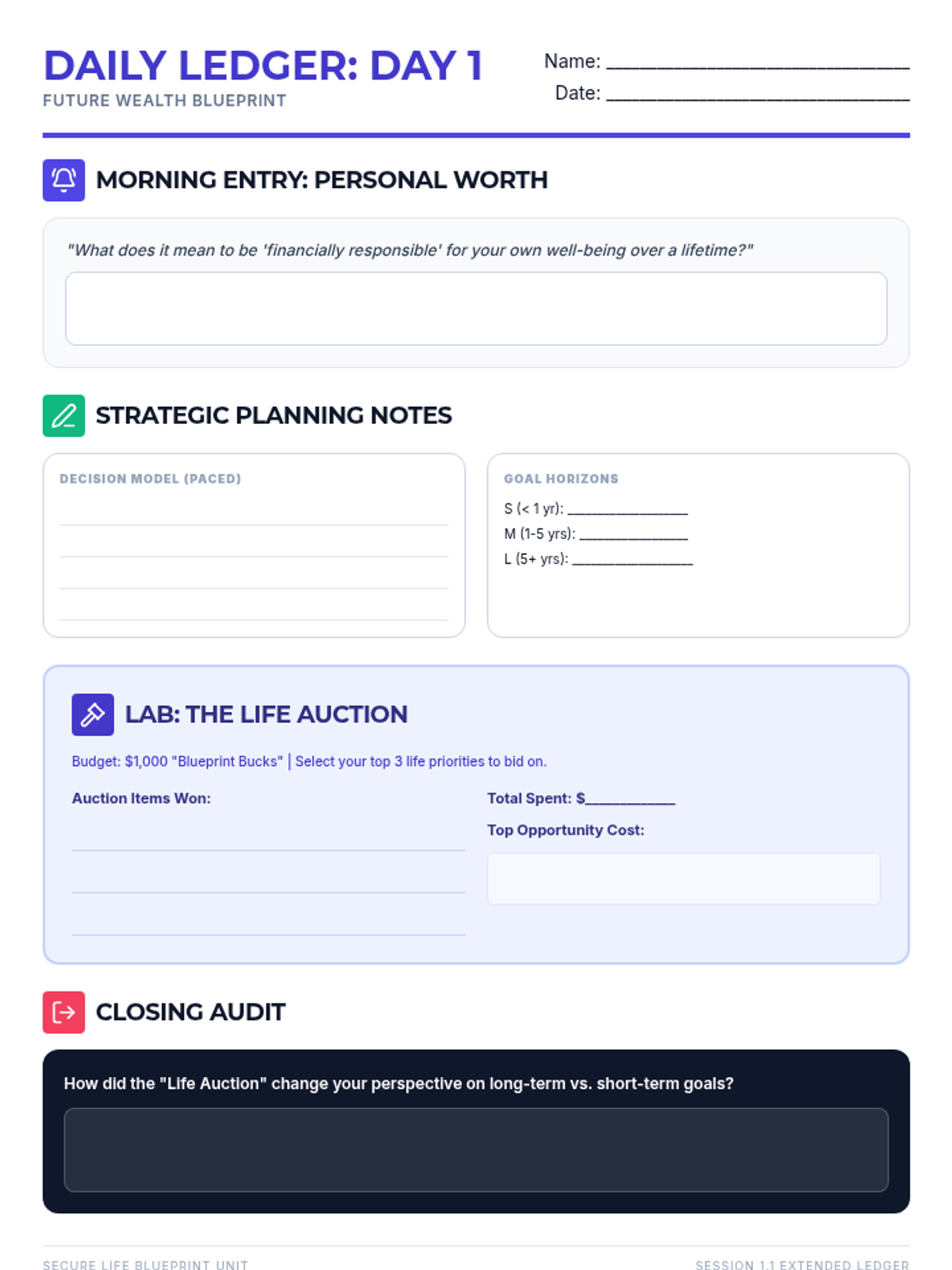
Focuses on lifetime financial well-being, systematic decision-making, and setting SMART short-, medium-, and long-term financial goals.
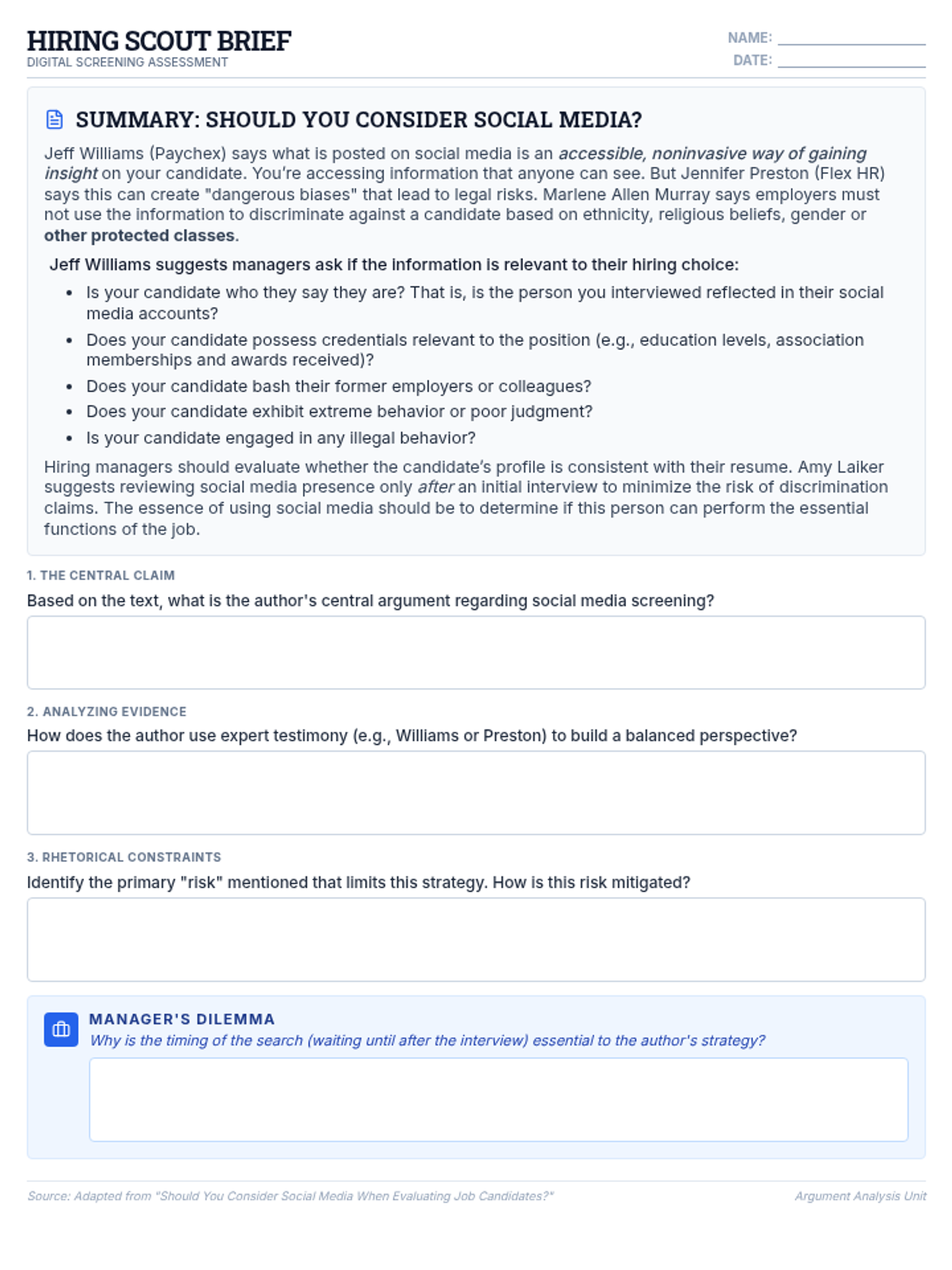
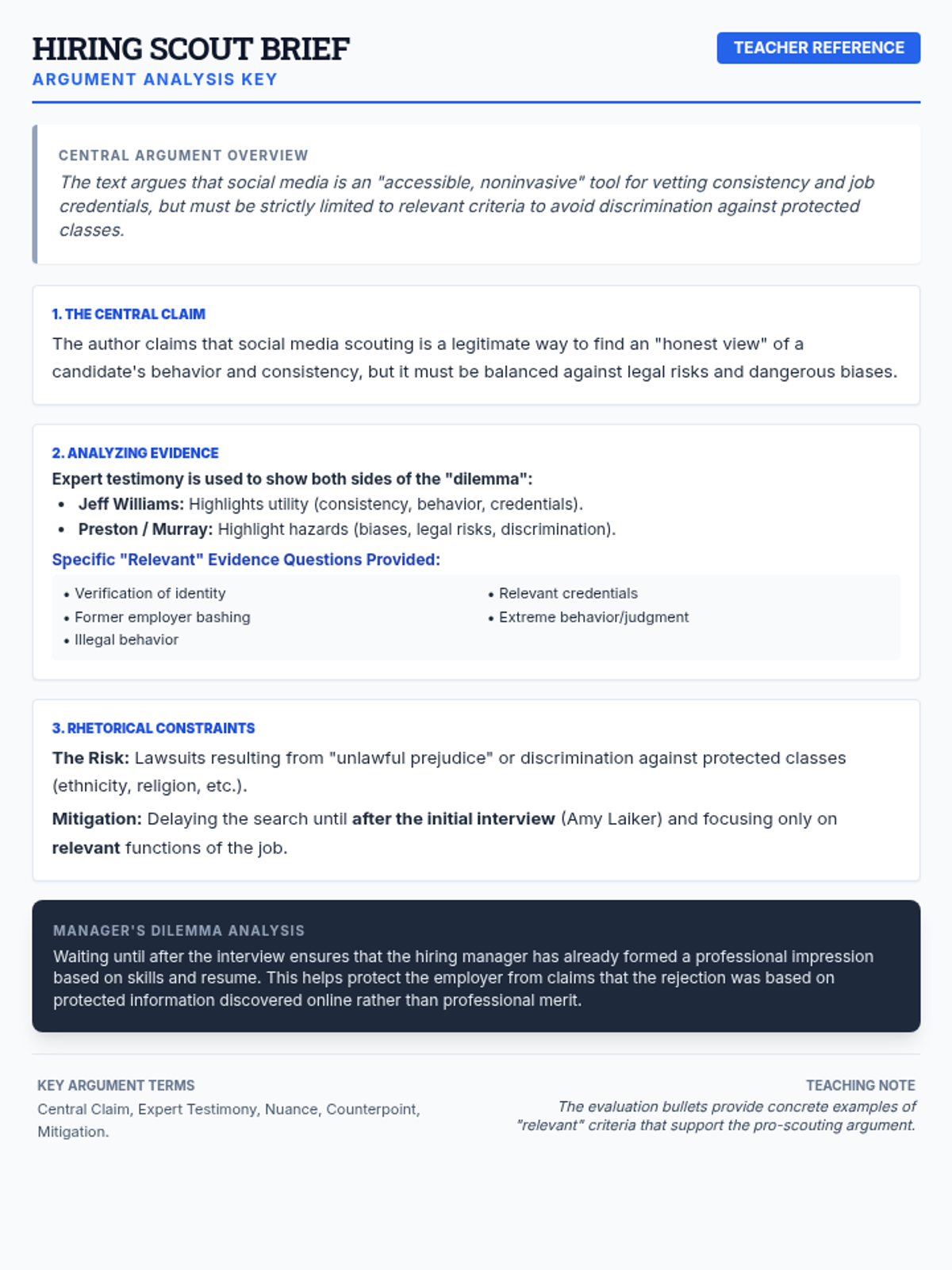
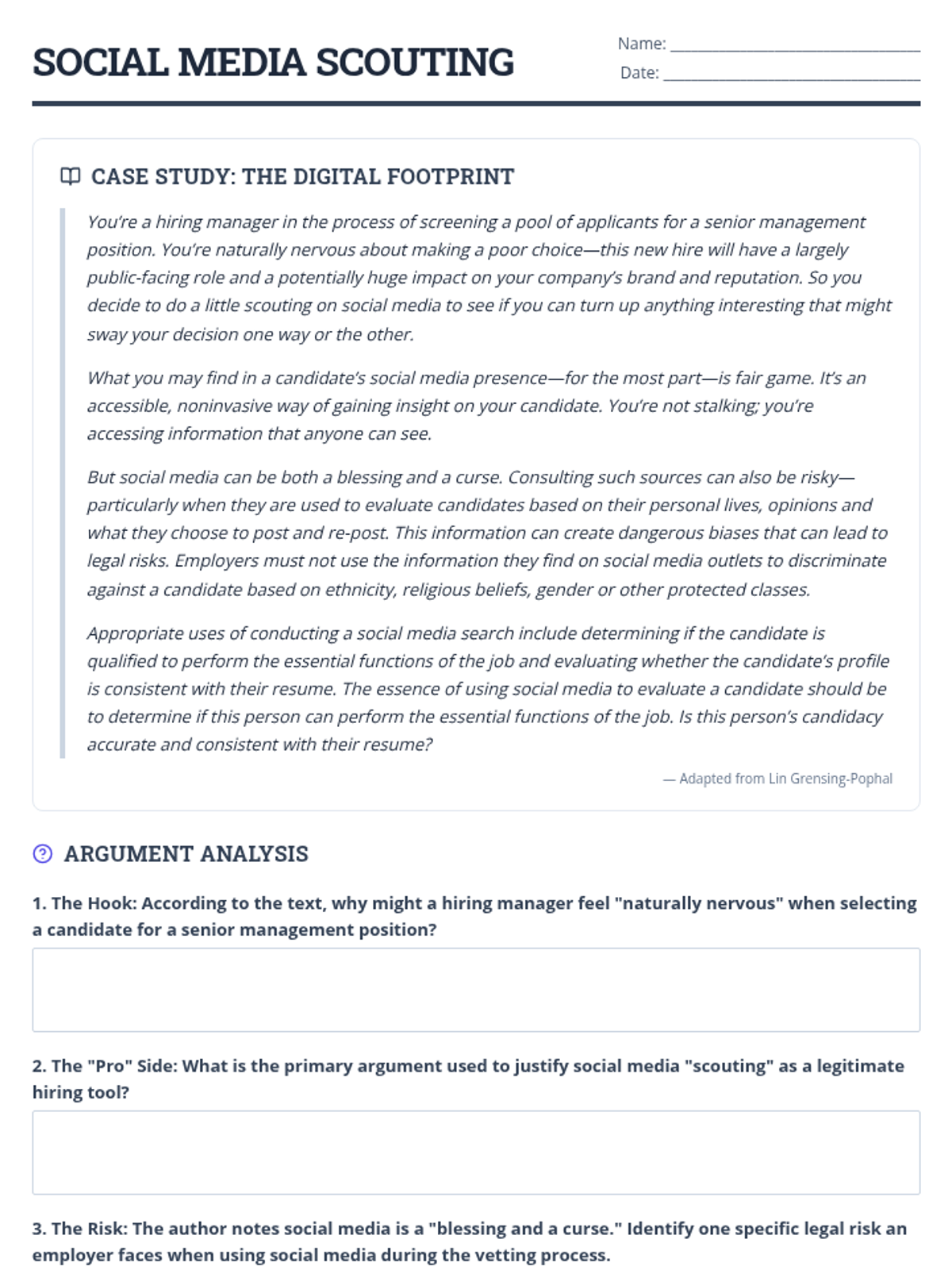
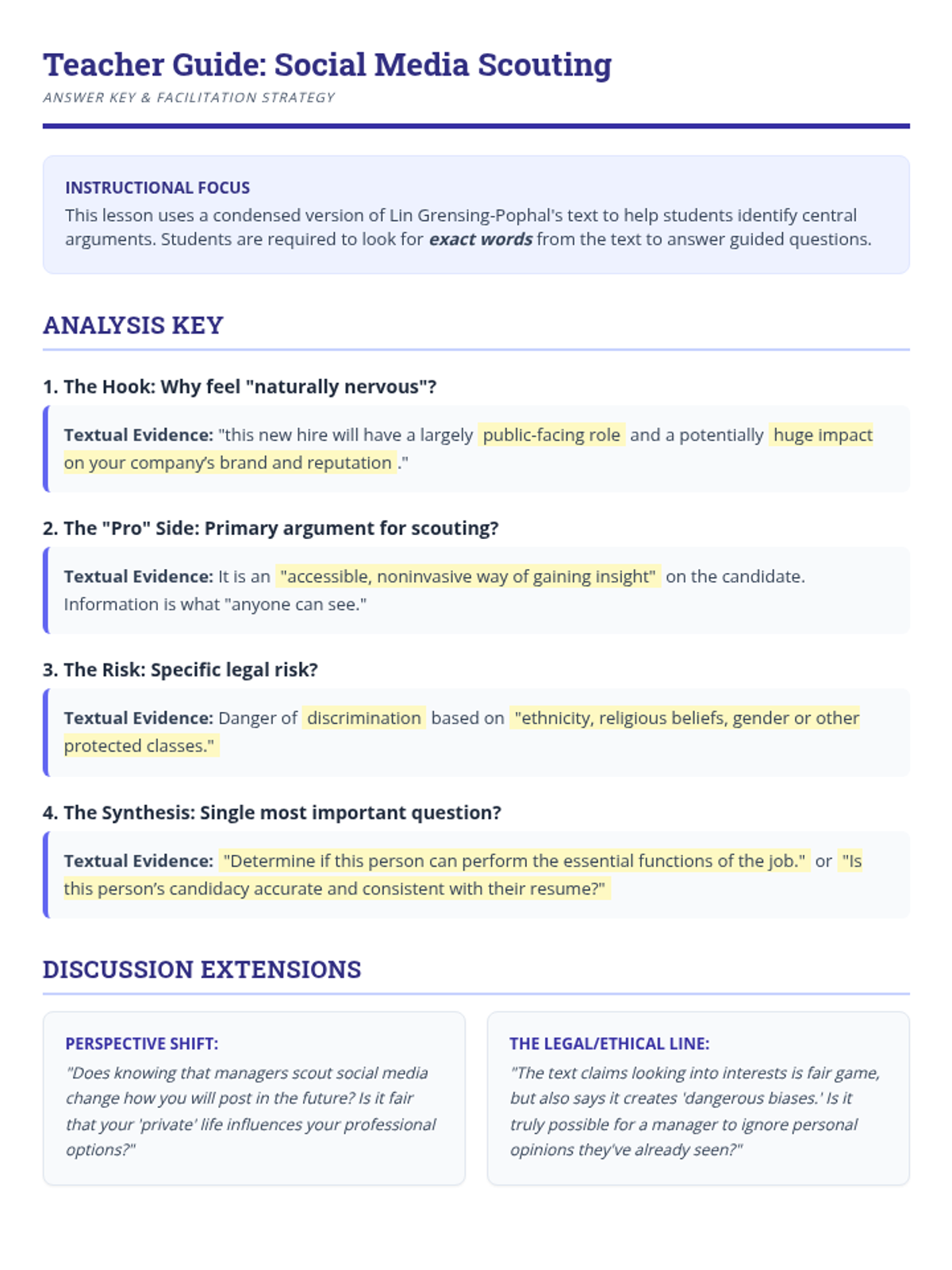
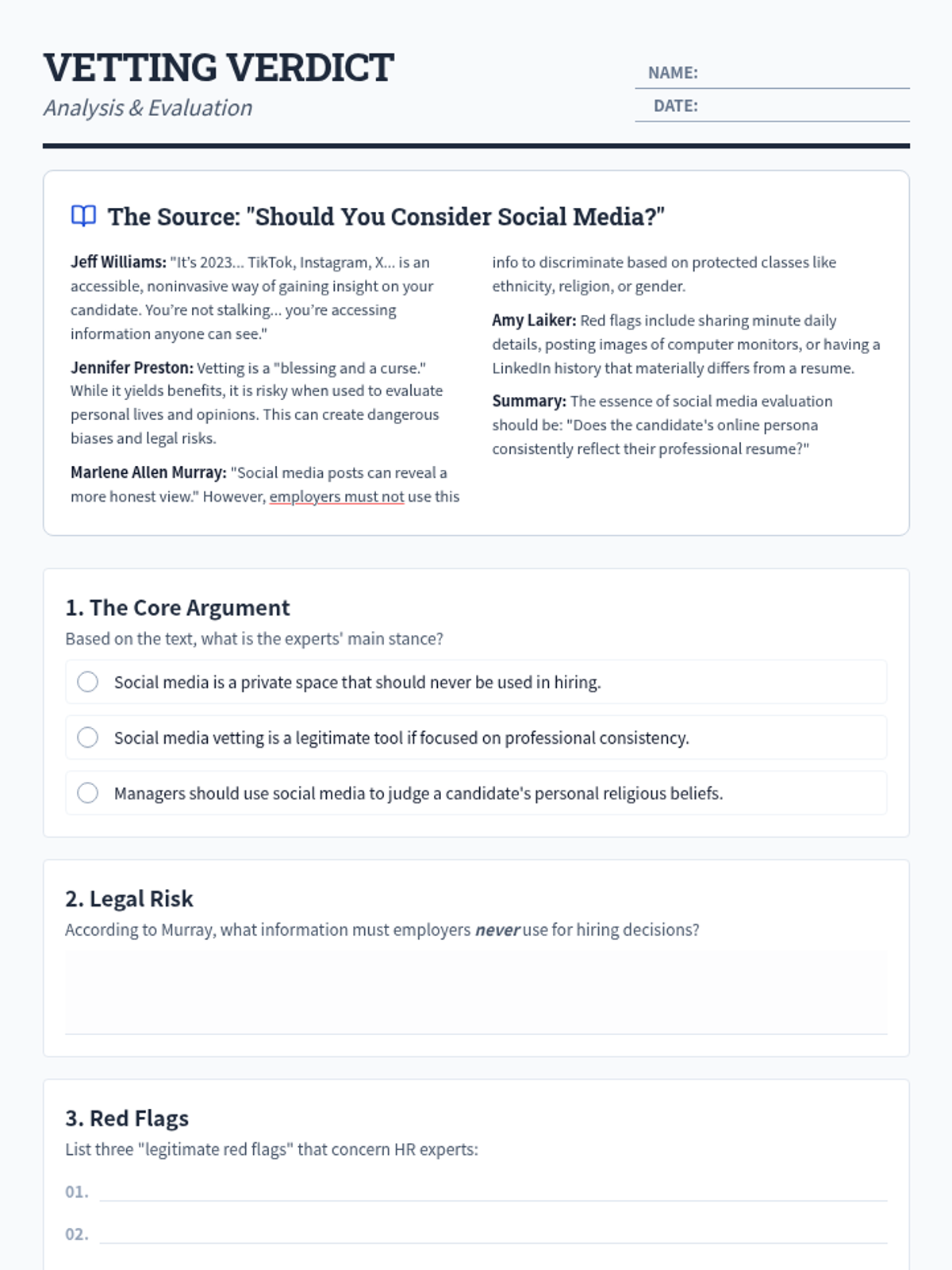
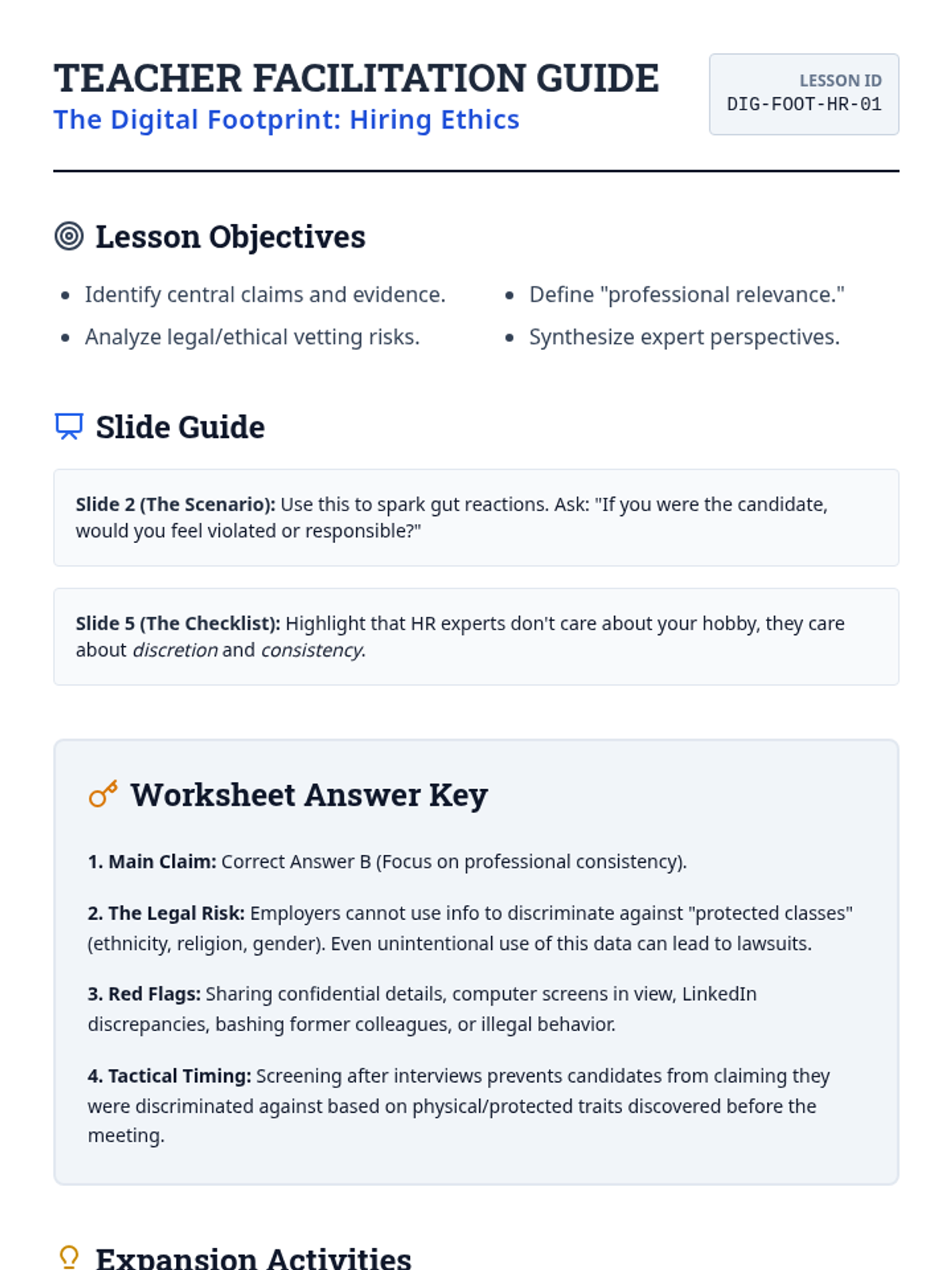
A lesson exploring the ethical and legal implications of using social media as a screening tool during the hiring process, based on professional HR perspectives.
This lesson explores the ethical and legal implications of using social media to vet job candidates, focusing on identifying arguments and balancing utility with risk.
A comprehensive exploration of the ethics and legalities of using social media in the hiring process, based on real-world HR expert insights. Students will analyze conflicting perspectives, identify key arguments, and form their own evidence-based stance on digital vetting.
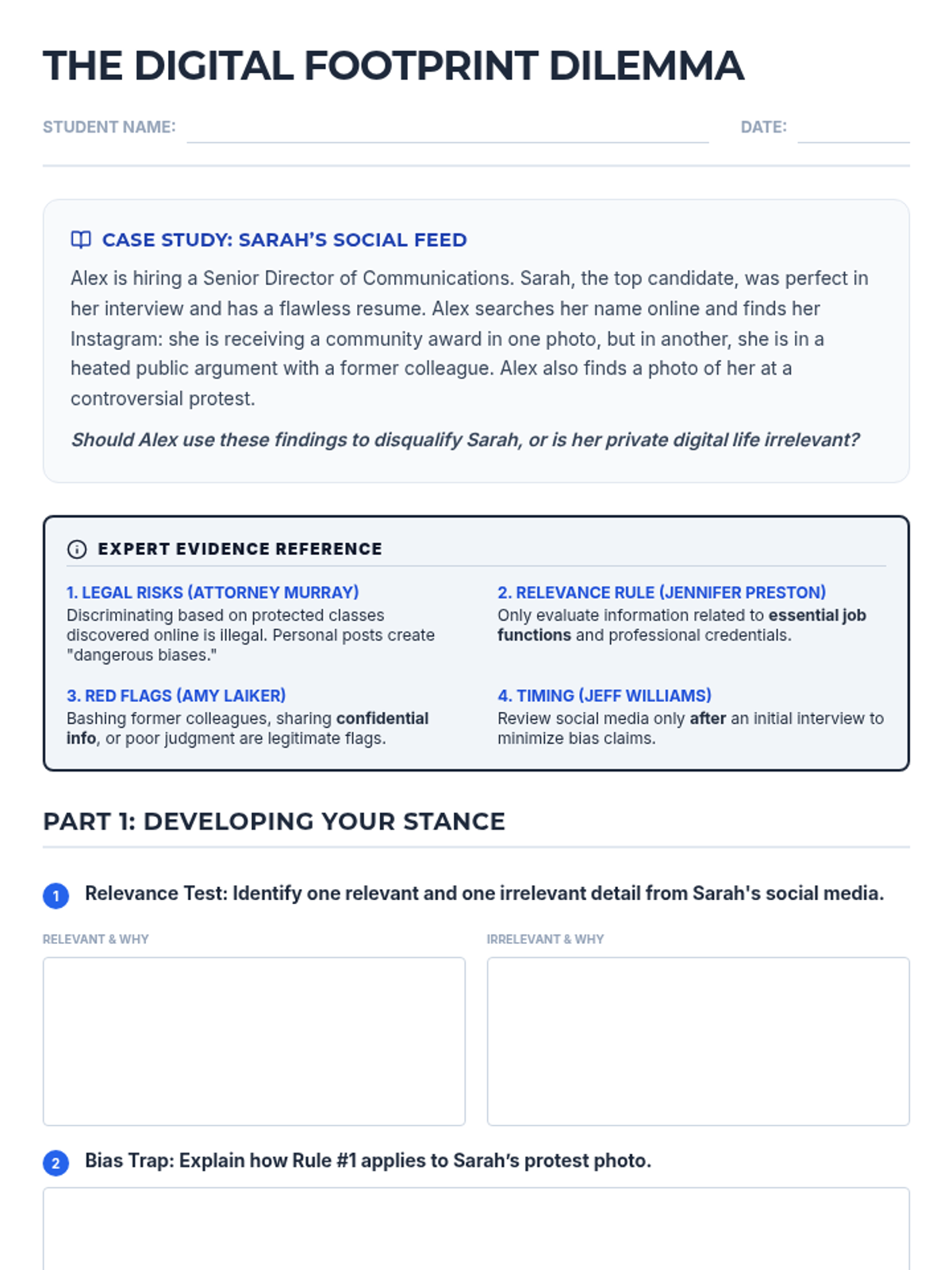
A lesson exploring the ethical and legal complexities of using social media to screen job candidates, featuring a narrative case study and an argument-building framework.
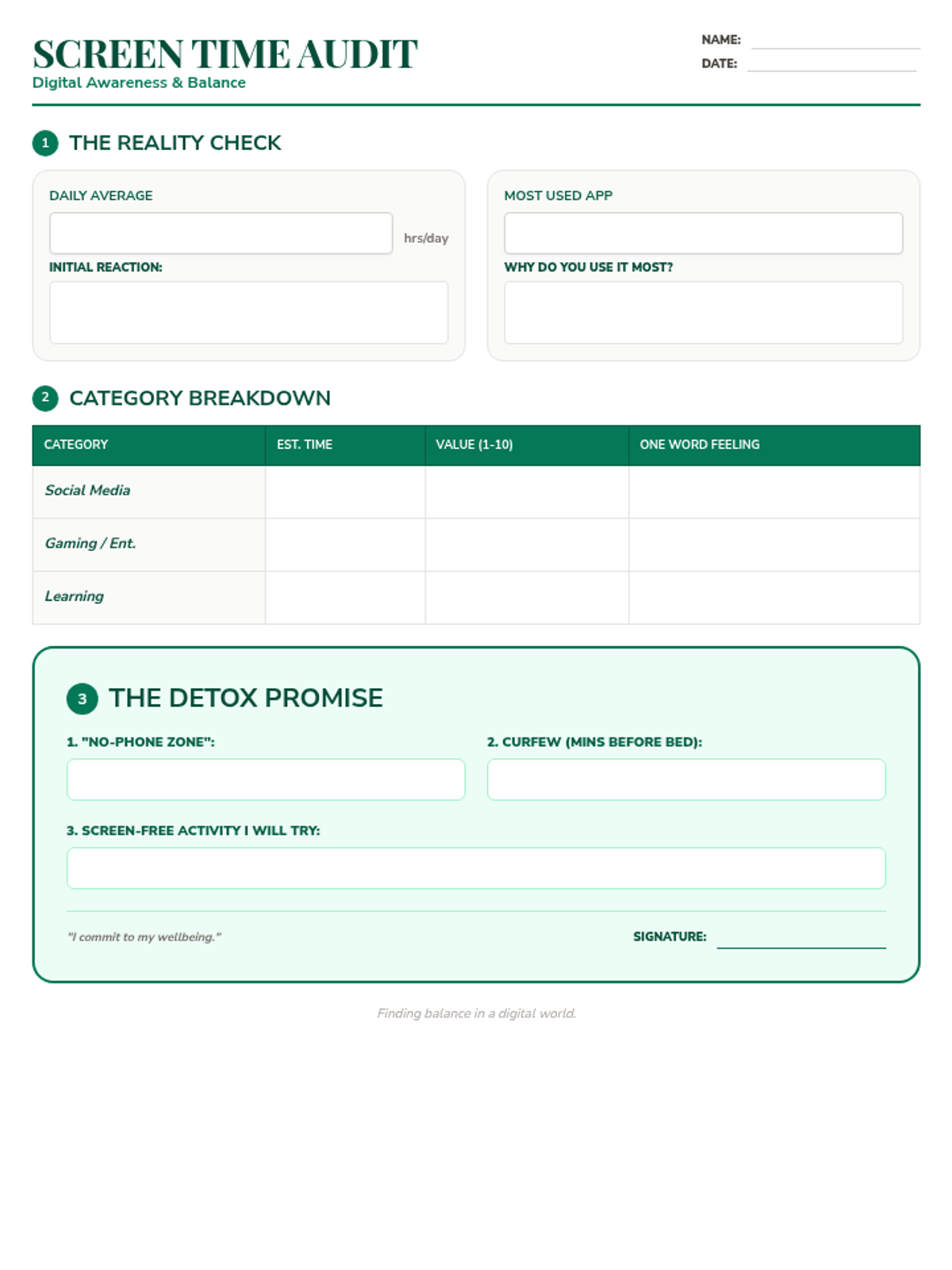
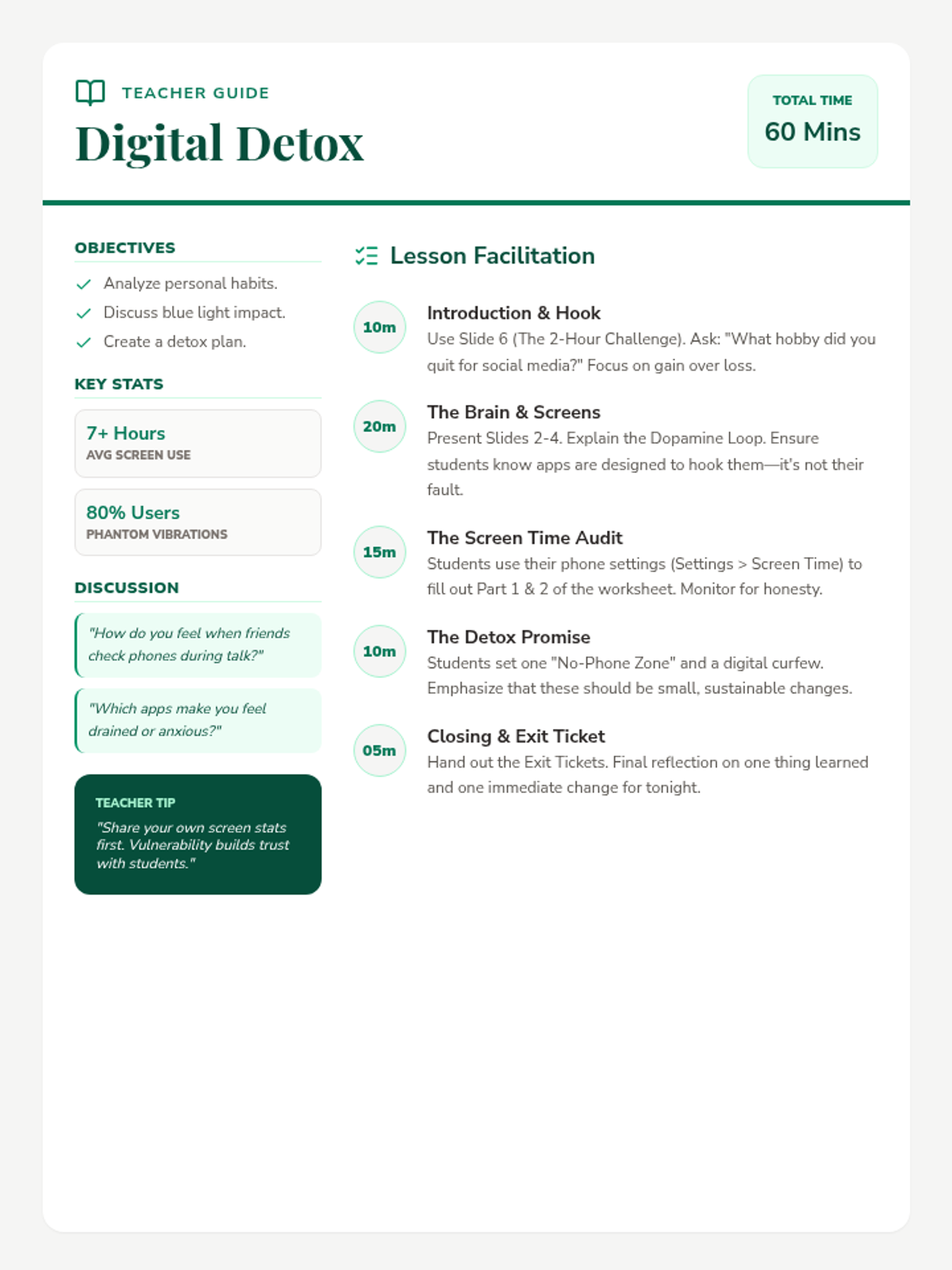
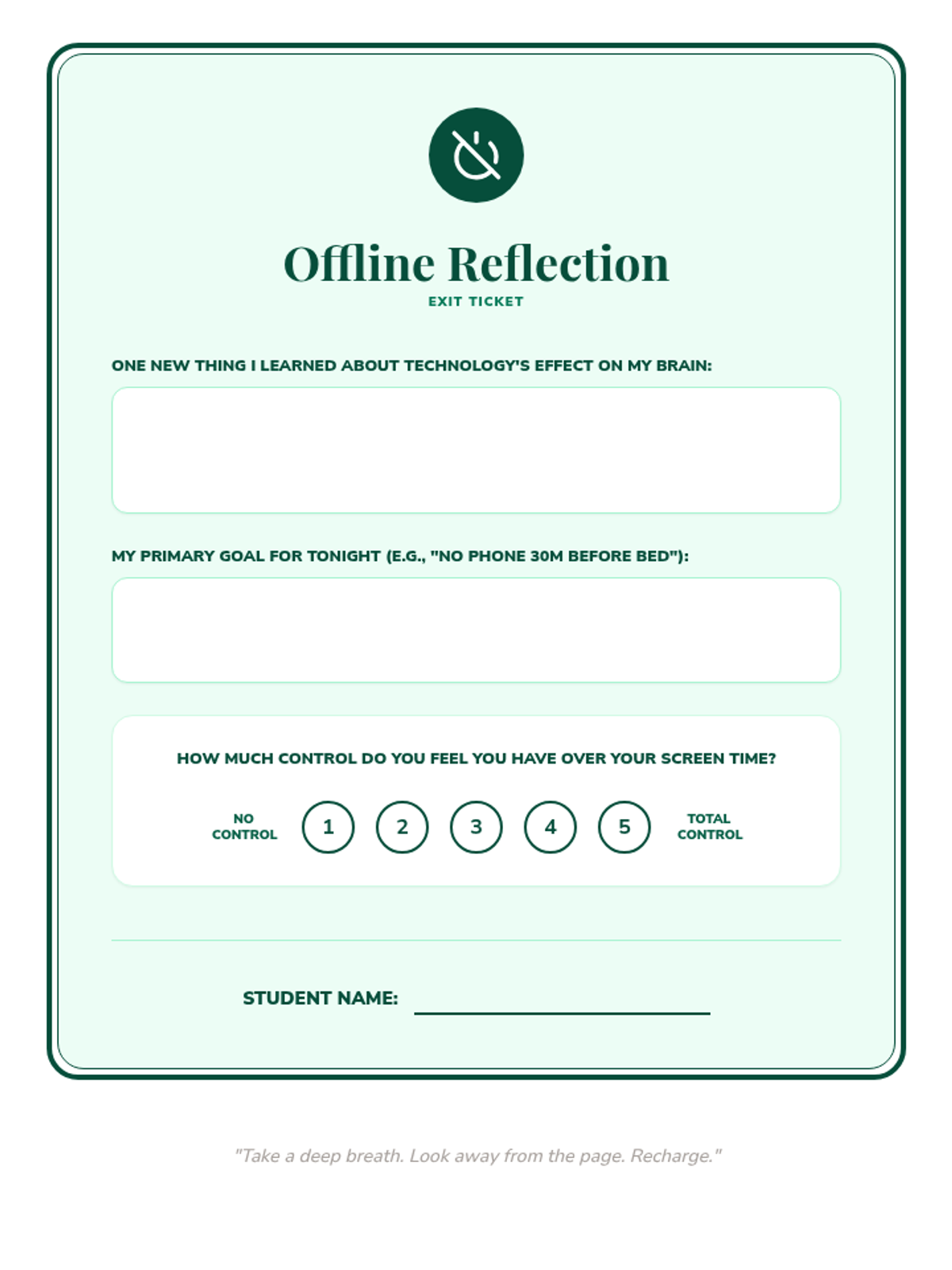
A lesson designed to help students understand the impact of excessive screen time and develop healthy, sustainable digital habits through reflection and goal-setting.
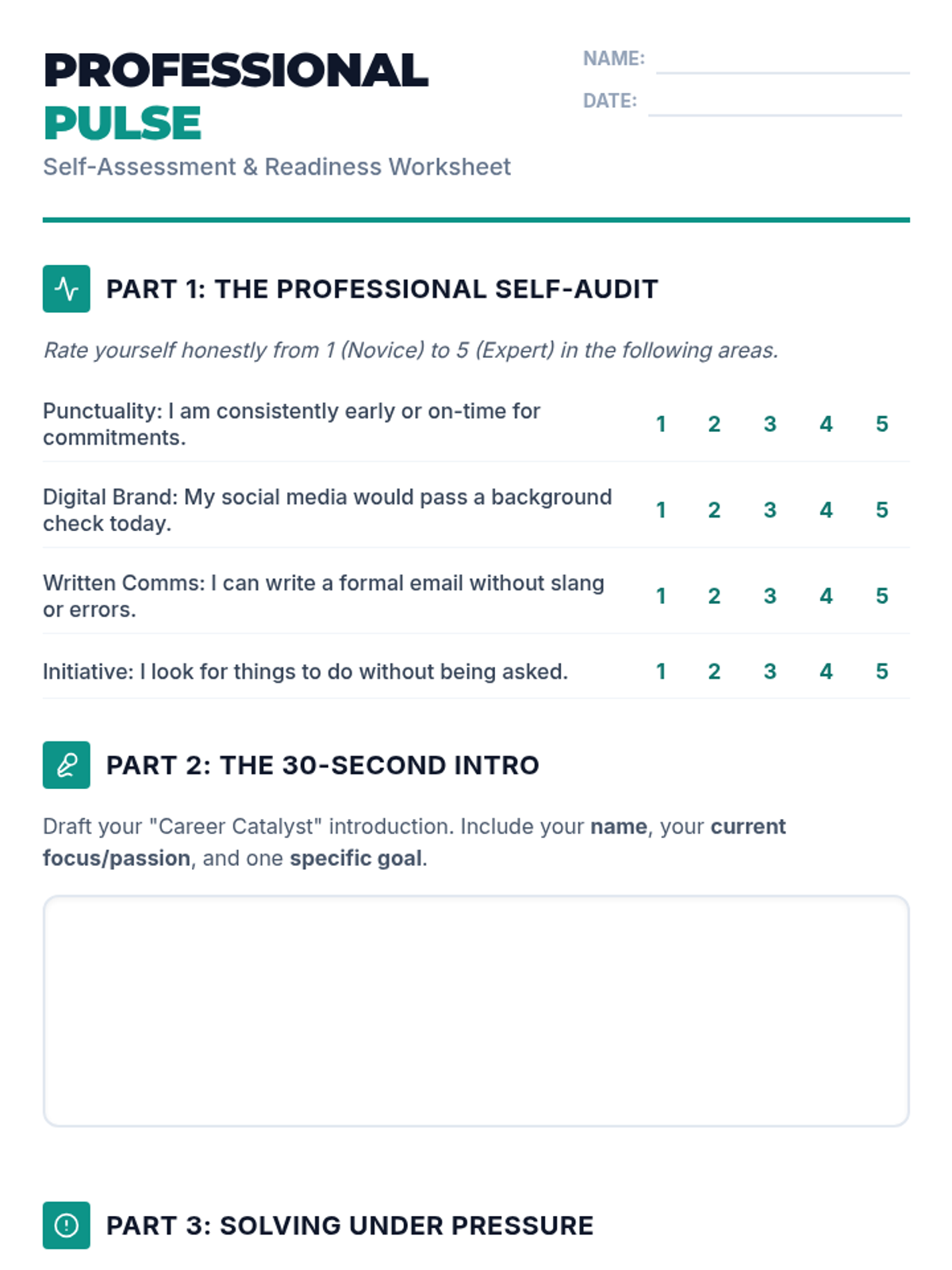
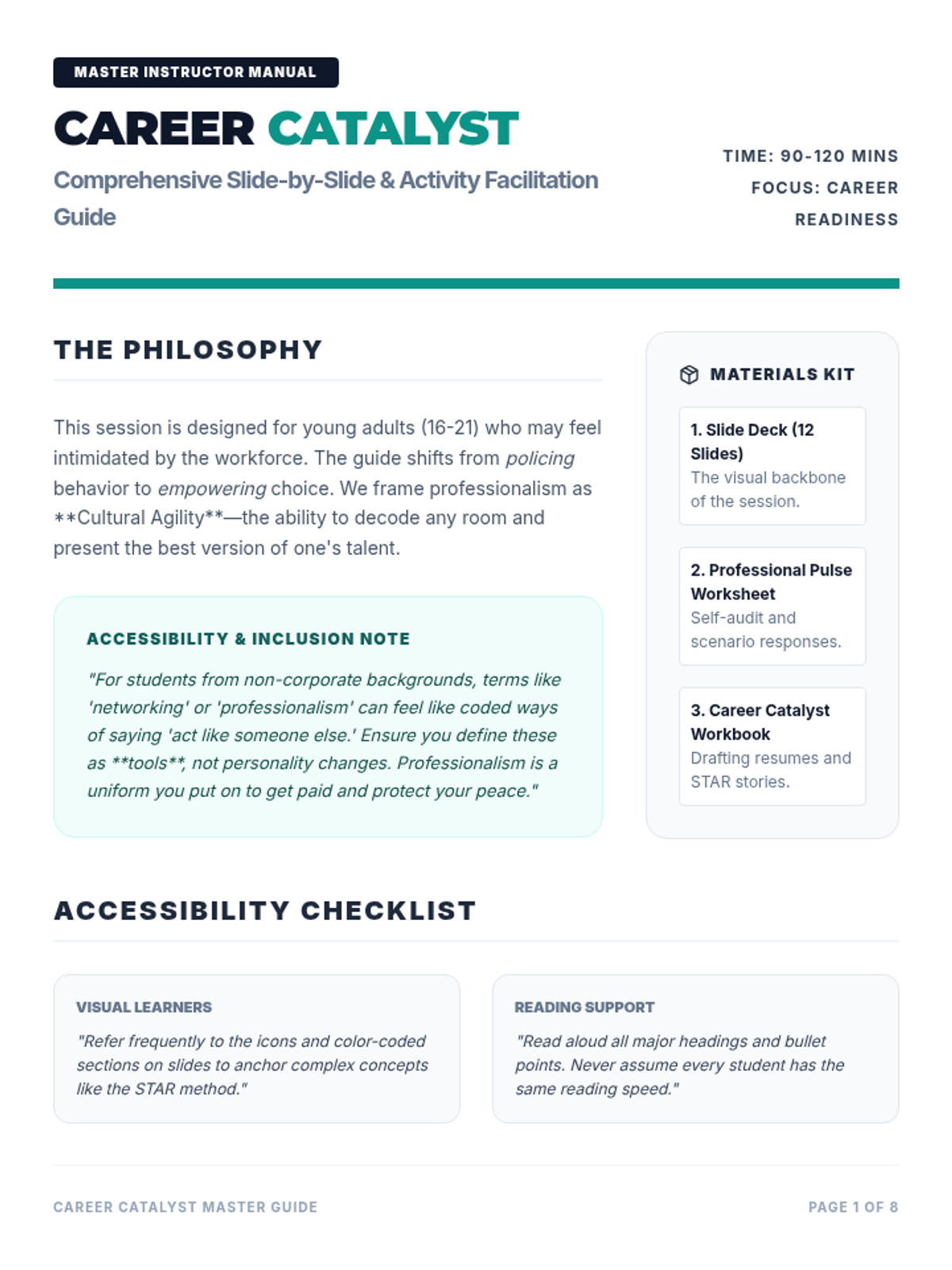
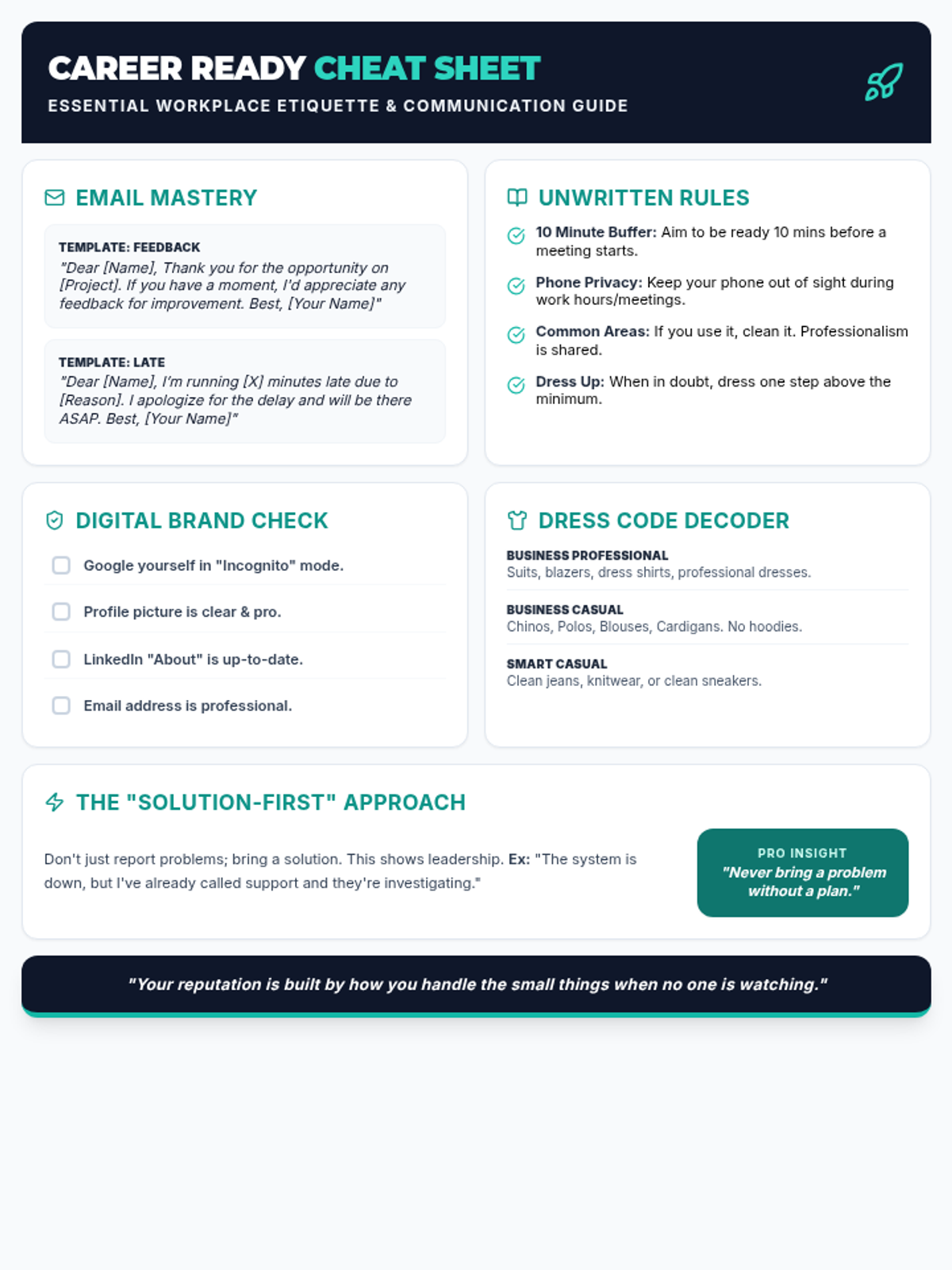
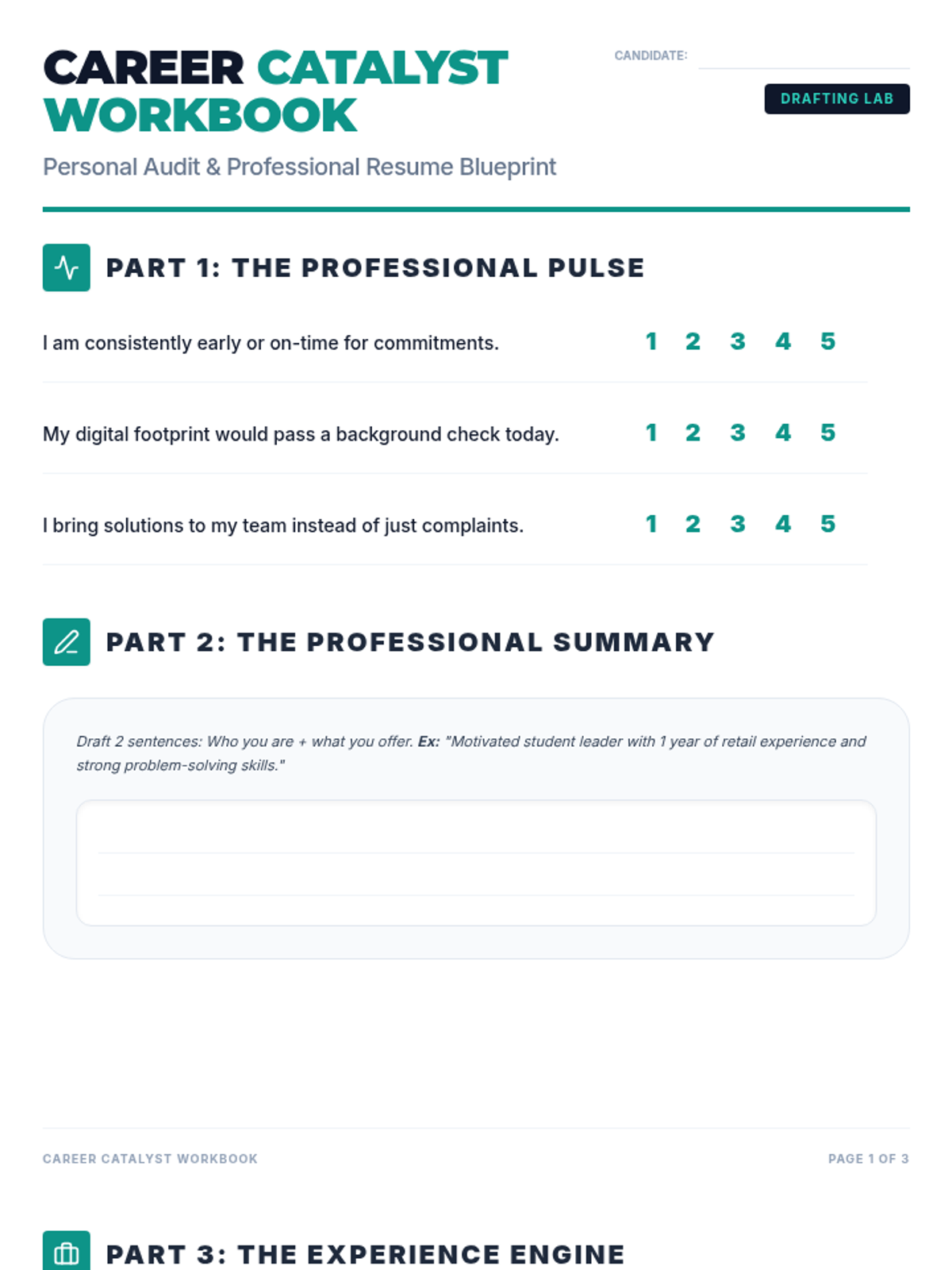
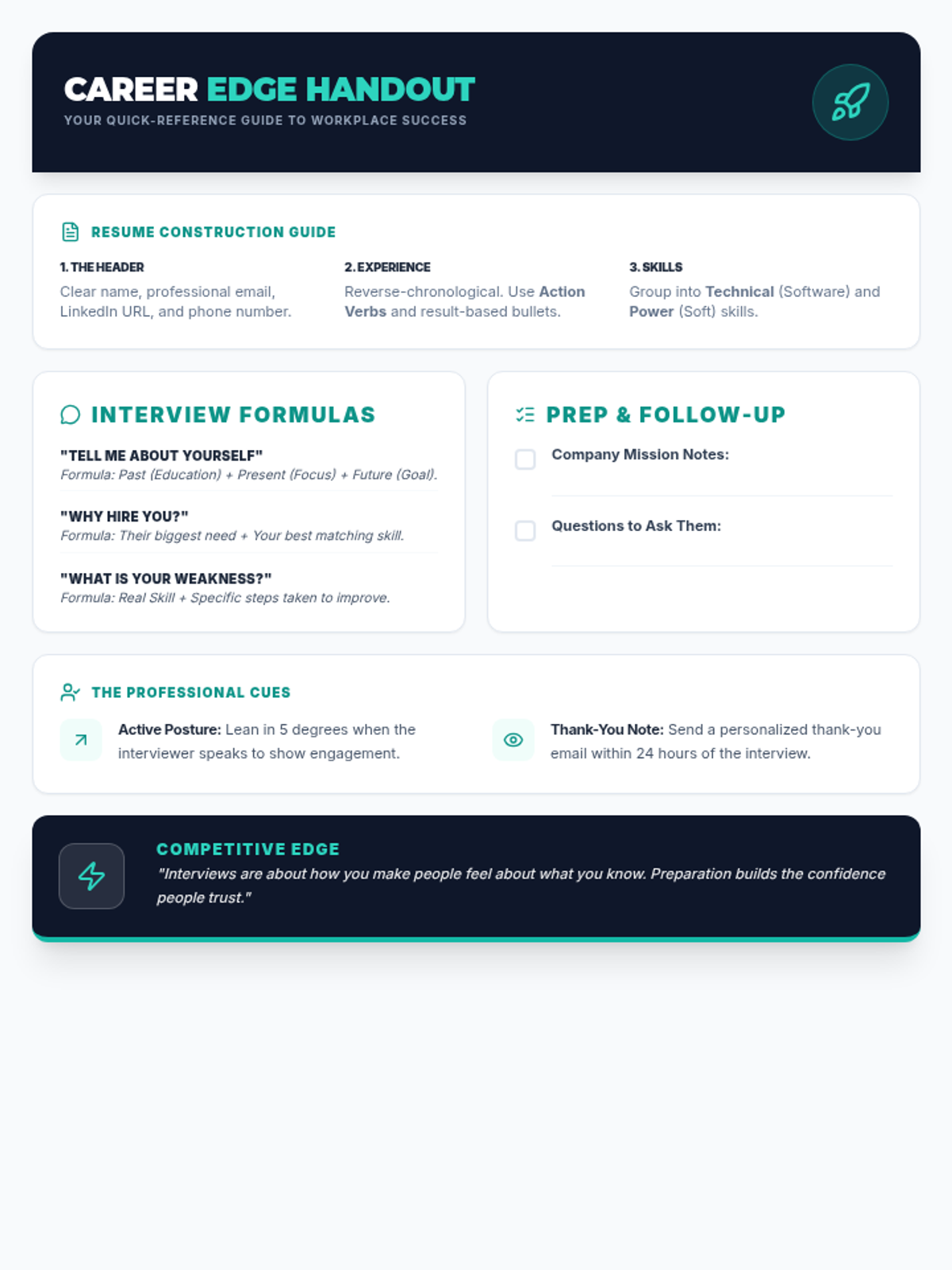
A comprehensive 90-minute session for young adults aged 16-21, focusing on the transition from student to professional through communication, reliability, and workplace etiquette.
Managing social media trends and the pressure to always be online.
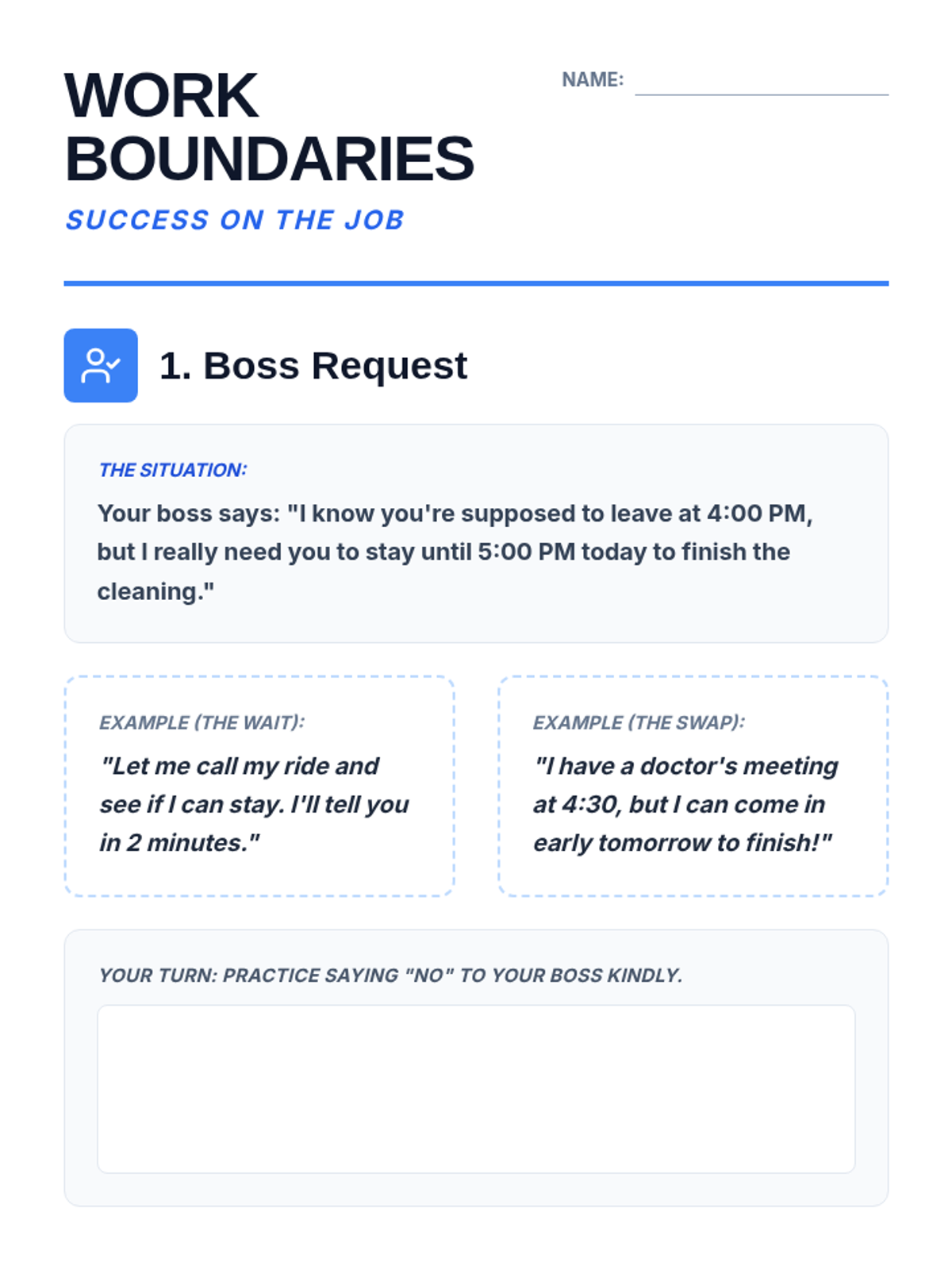
Practice setting boundaries at work, including how to handle extra shifts, boss requests, and coworker pressure.
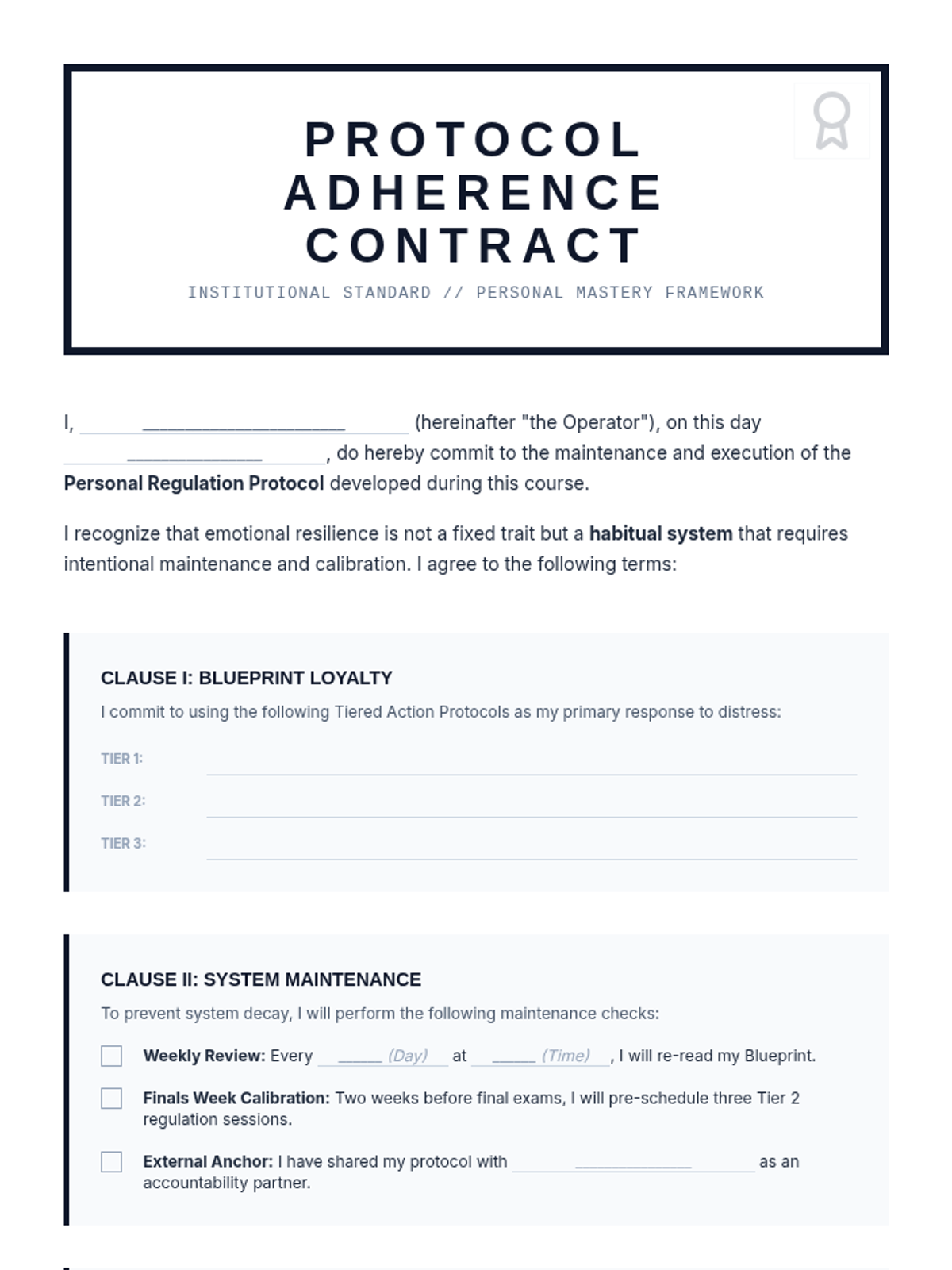
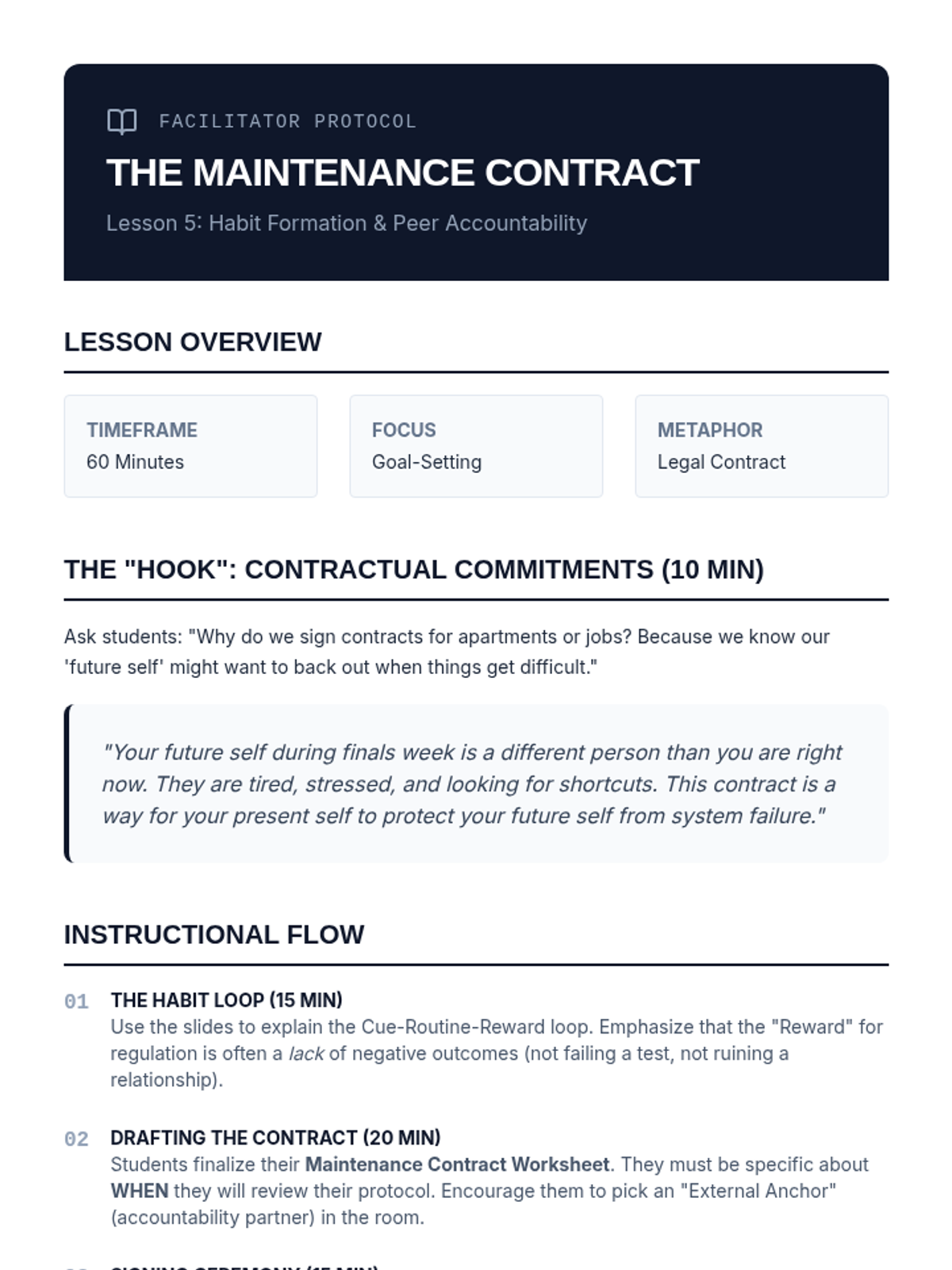
Students finalize their protocols and establish a formal maintenance contract to ensure long-term adherence and habit formation.
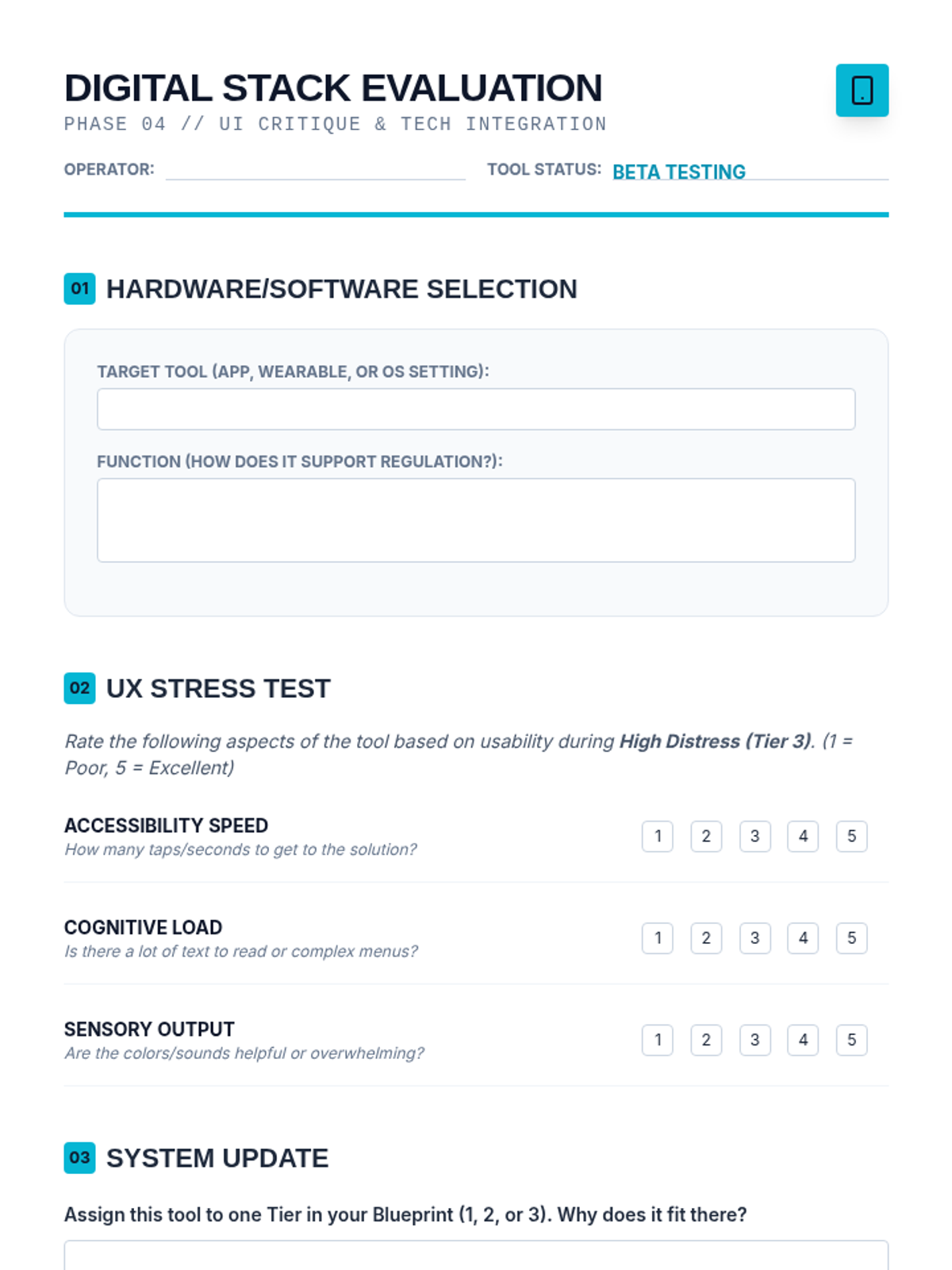
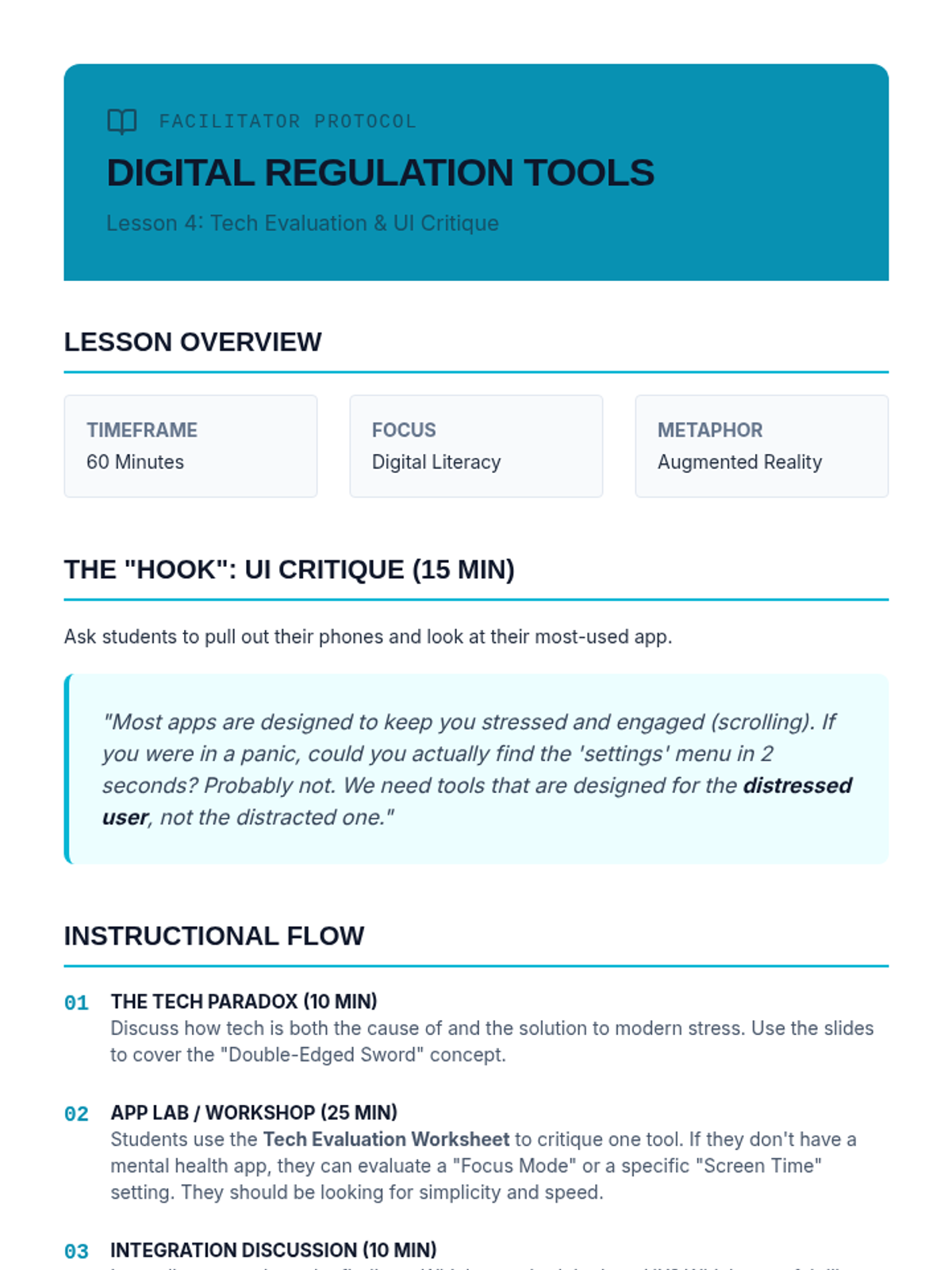
Students evaluate digital tools, apps, and wearables to integrate effective technological supports into their personalized regulation protocols.
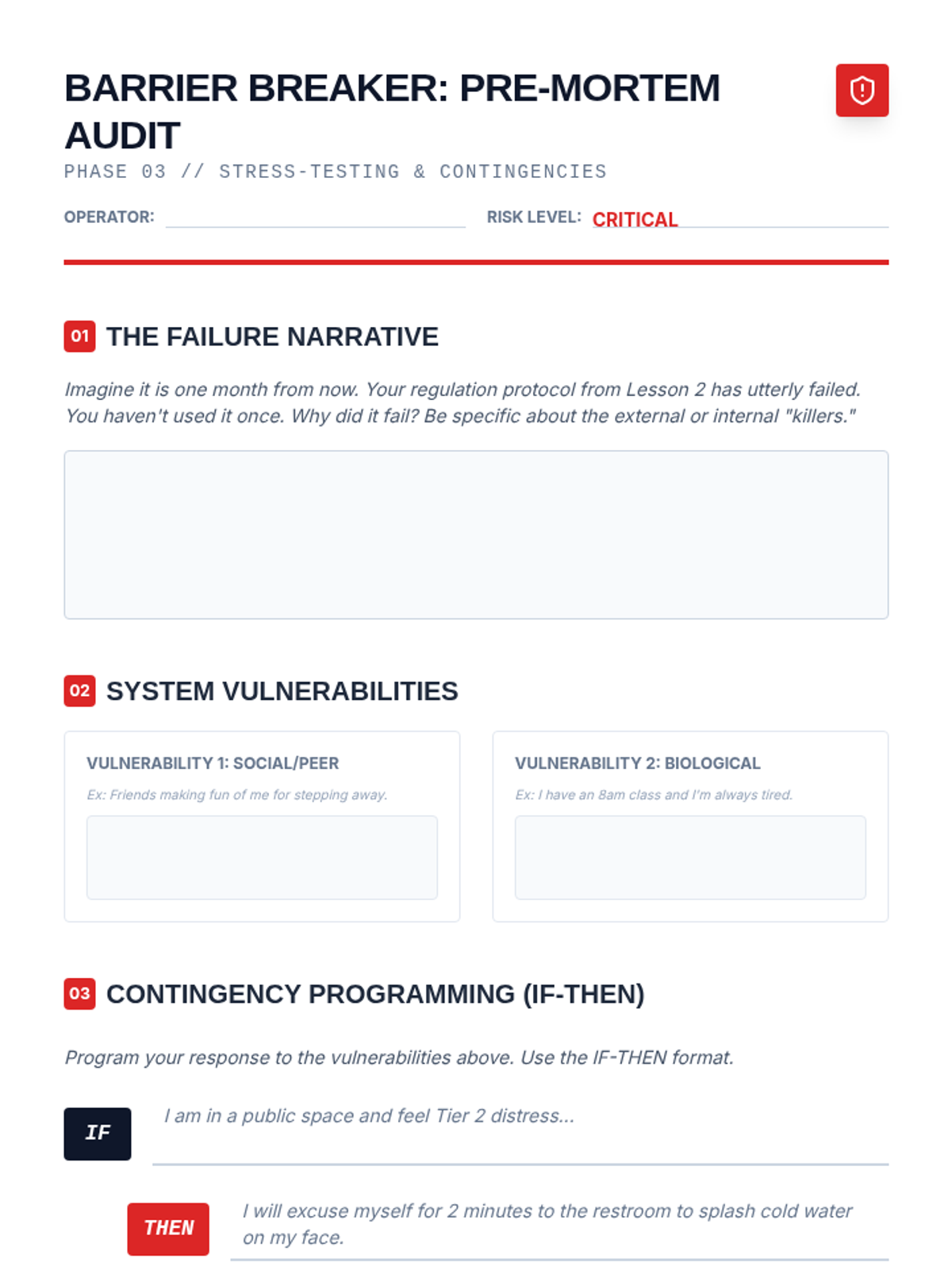
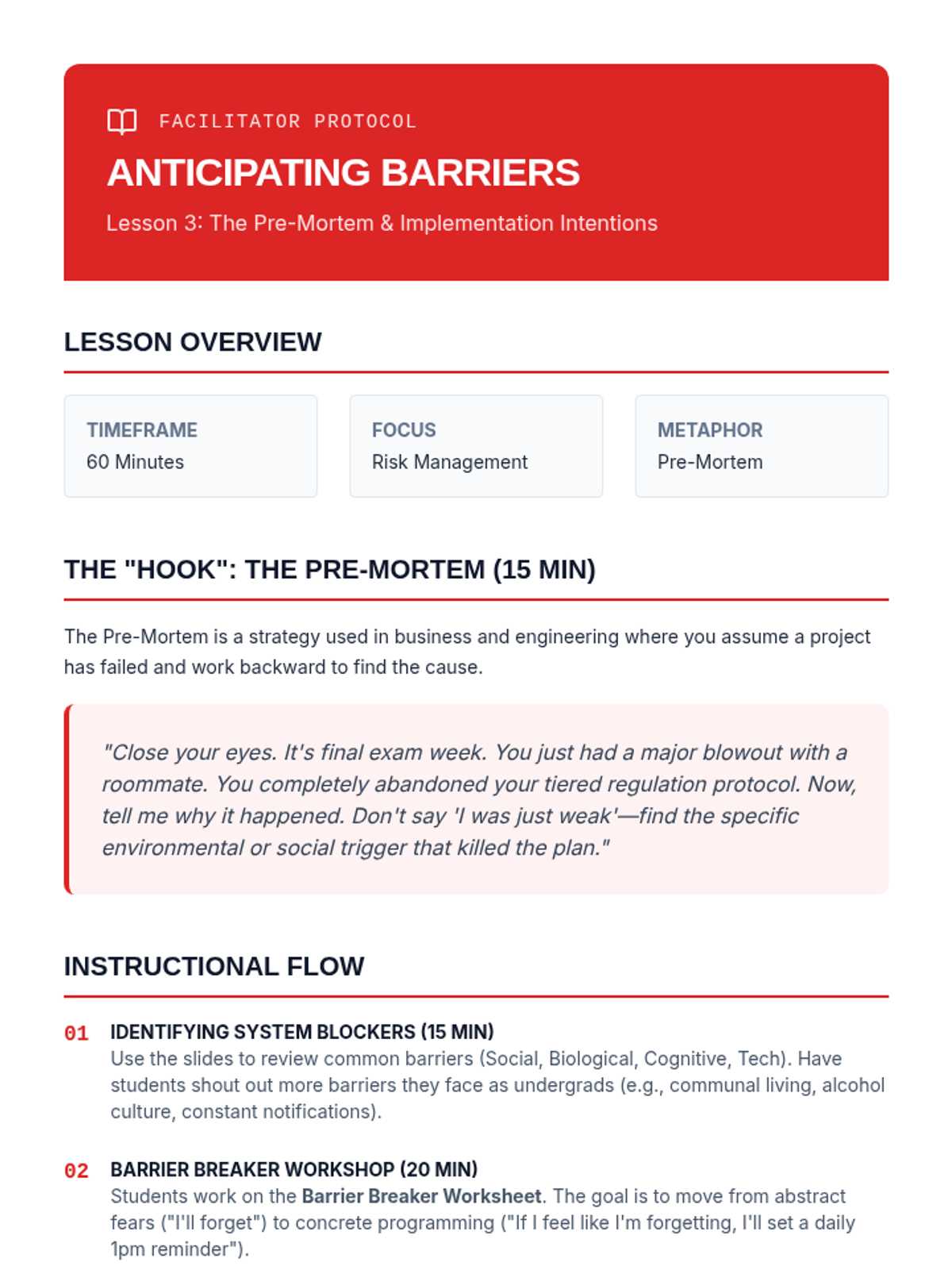
Students identify obstacles to their regulation plan and develop 'If-Then' implementation intentions to navigate triggers and barriers.
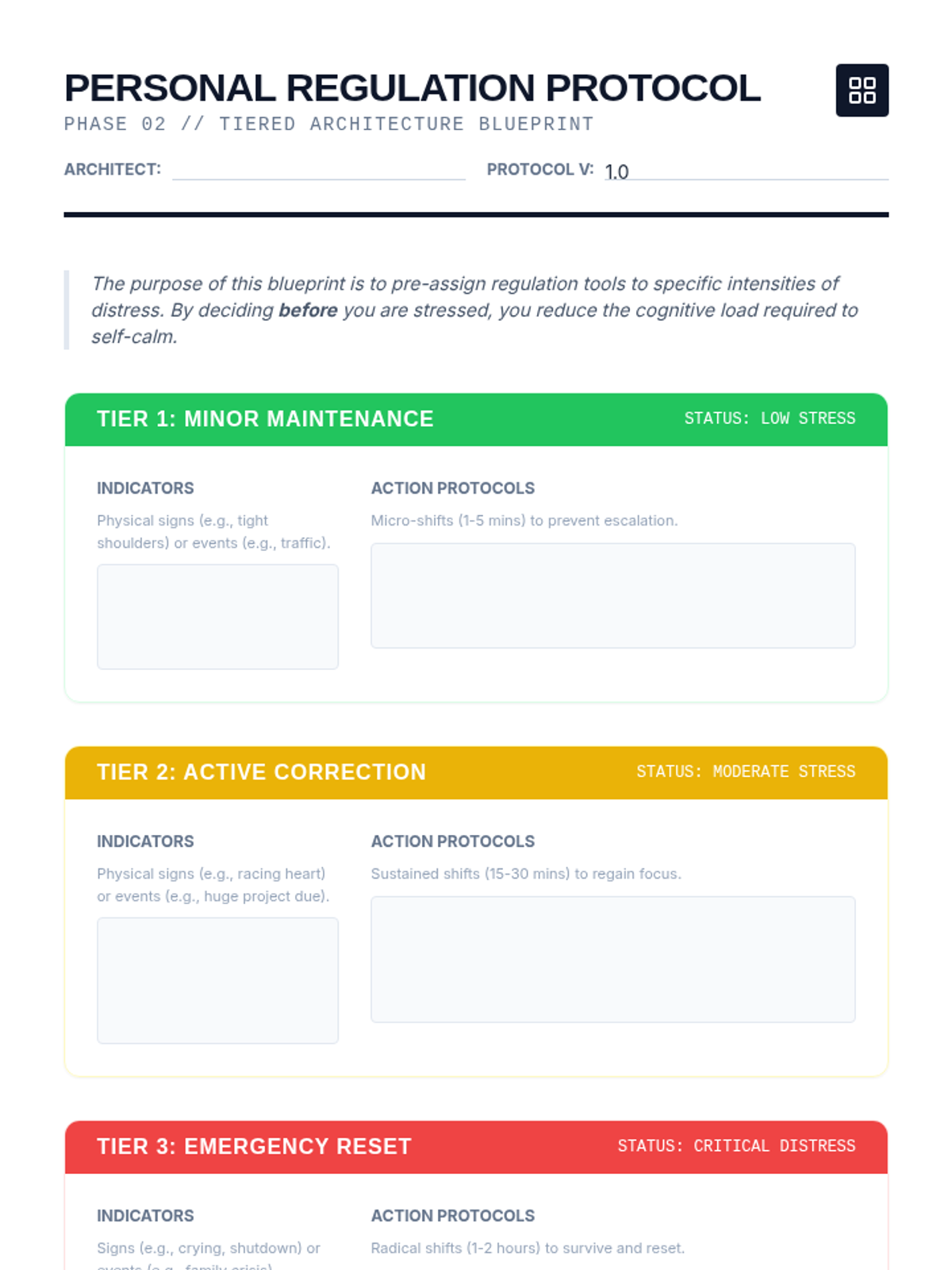
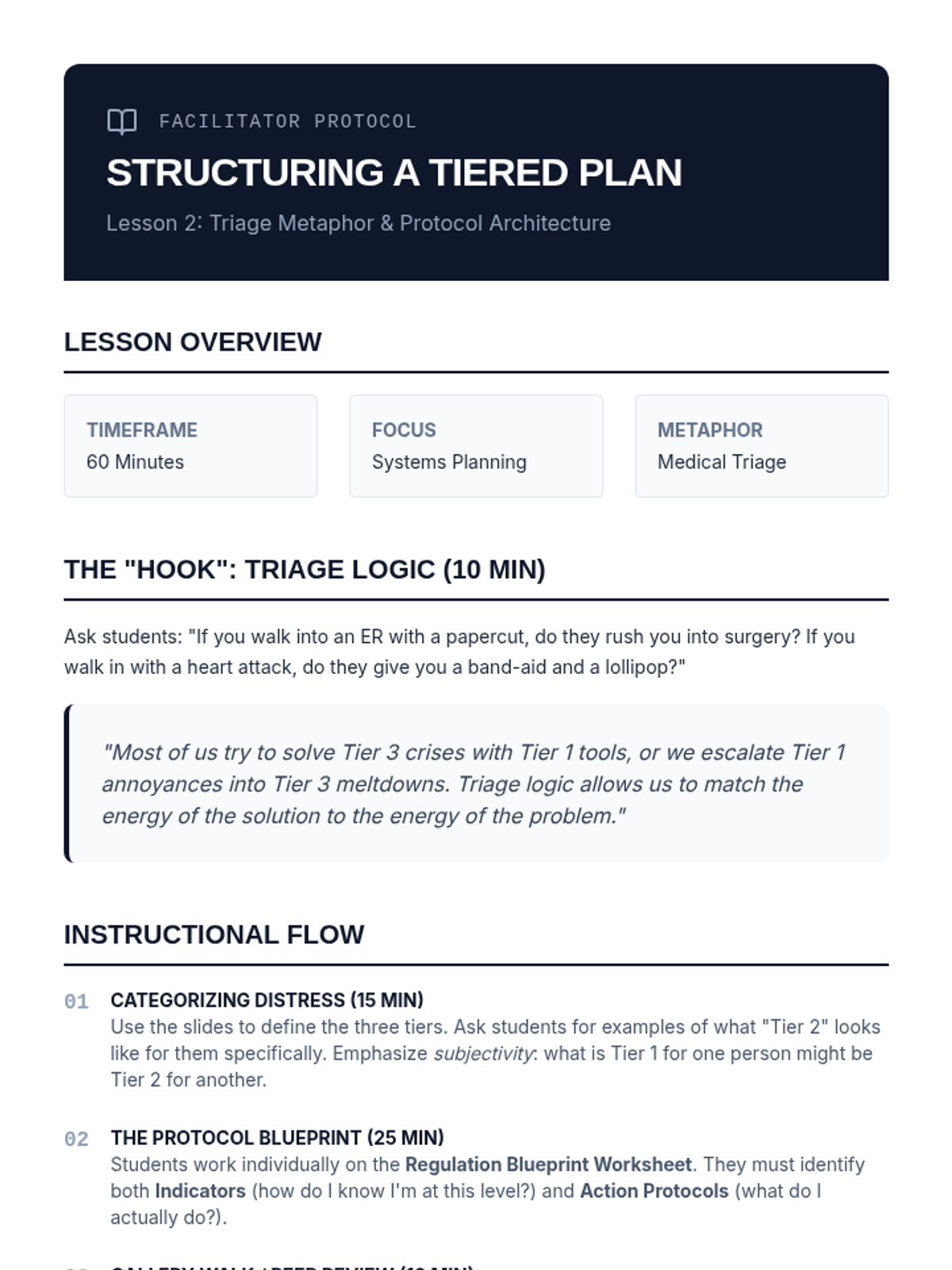
Students use a triage metaphor to design a three-tiered response plan, assigning specific self-calming tools to different intensities of distress.
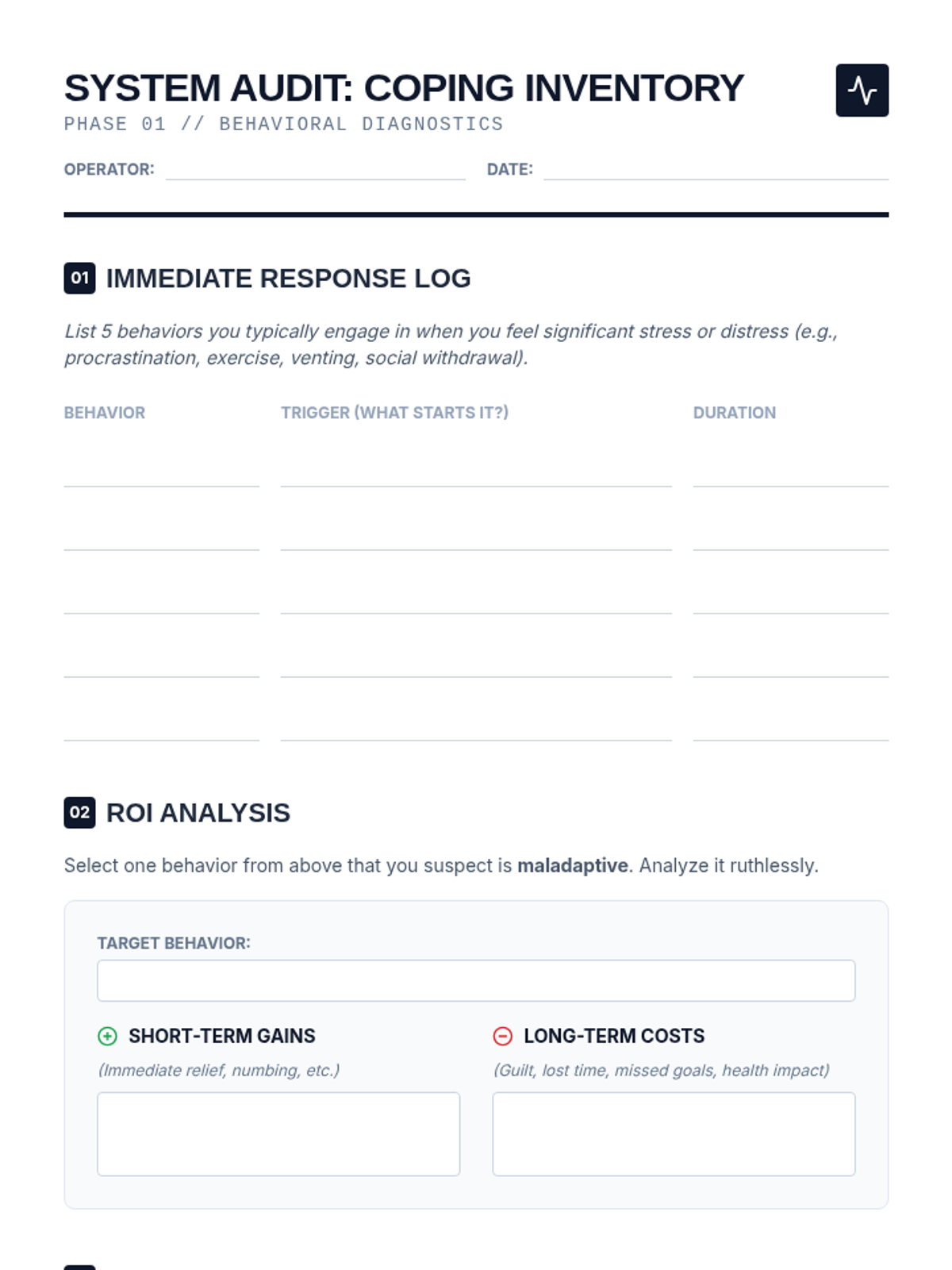
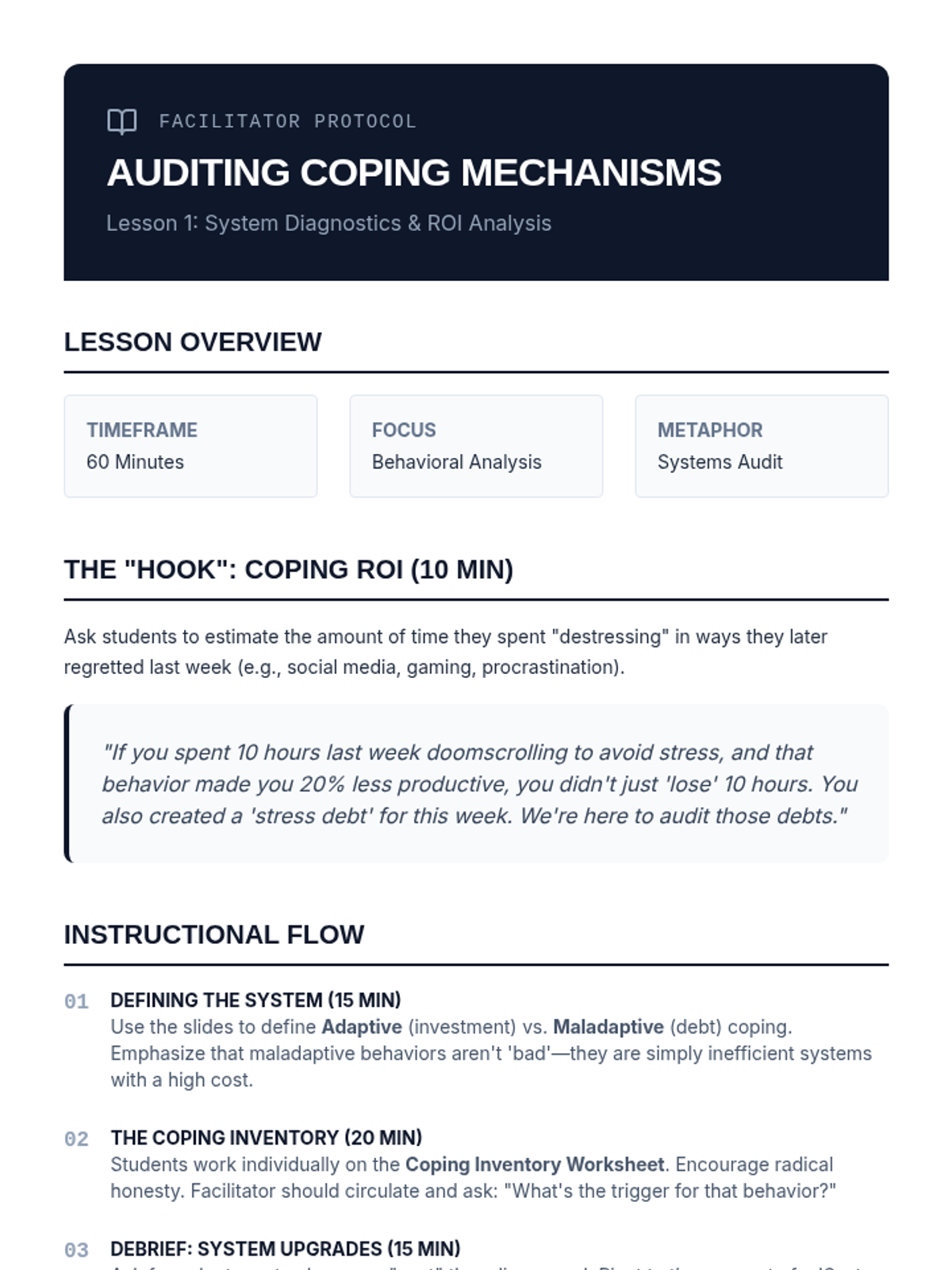
Students conduct an inventory of current stress responses and perform a cost-benefit analysis to distinguish between adaptive and maladaptive behaviors.
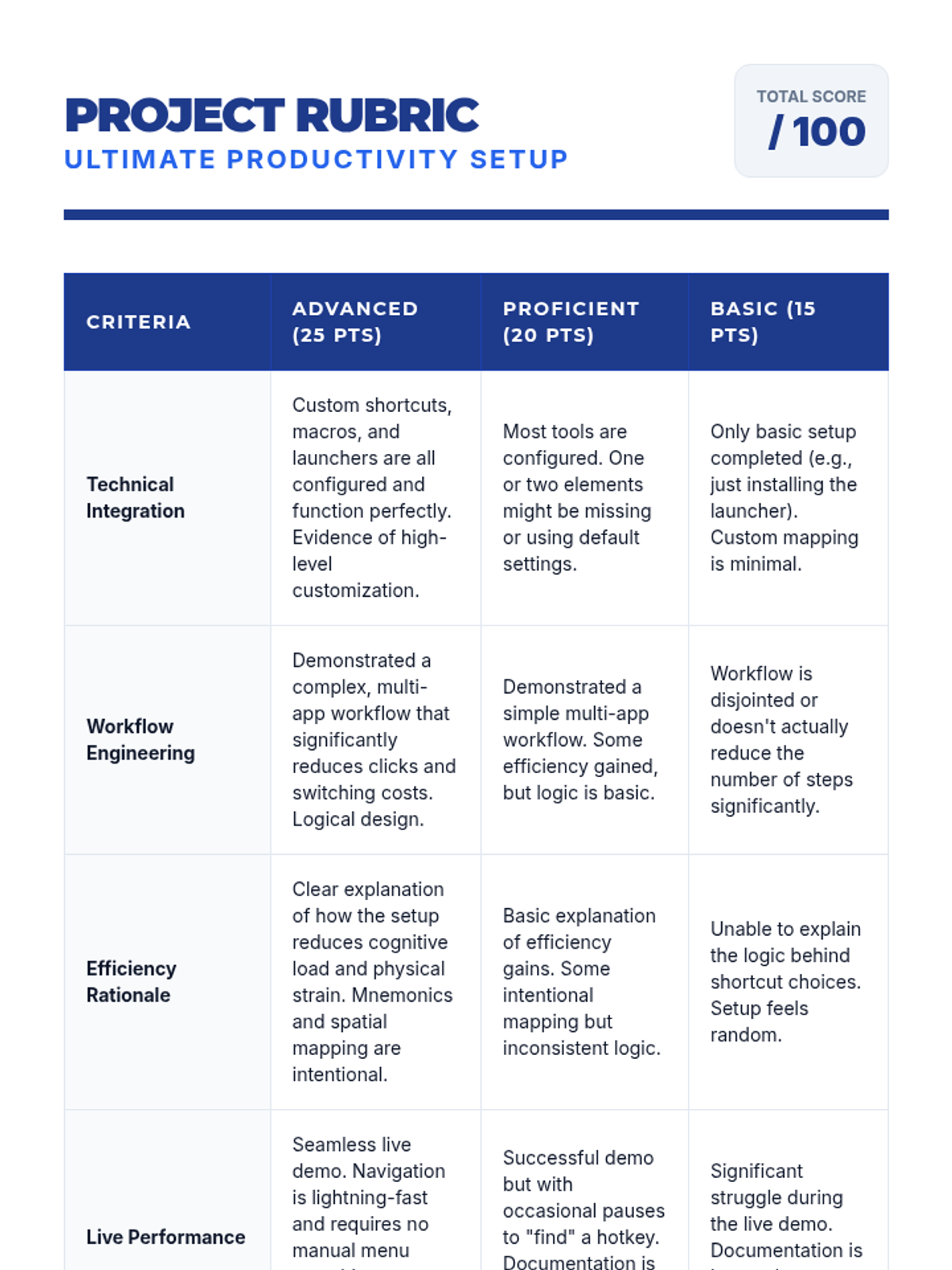
Students finalize and present their optimized computer setup, demonstrating their custom shortcuts and explain the logic behind their design choices.
Students design workflows that bridge multiple applications, focusing on clipboard history and window management to reduce cognitive switching costs.
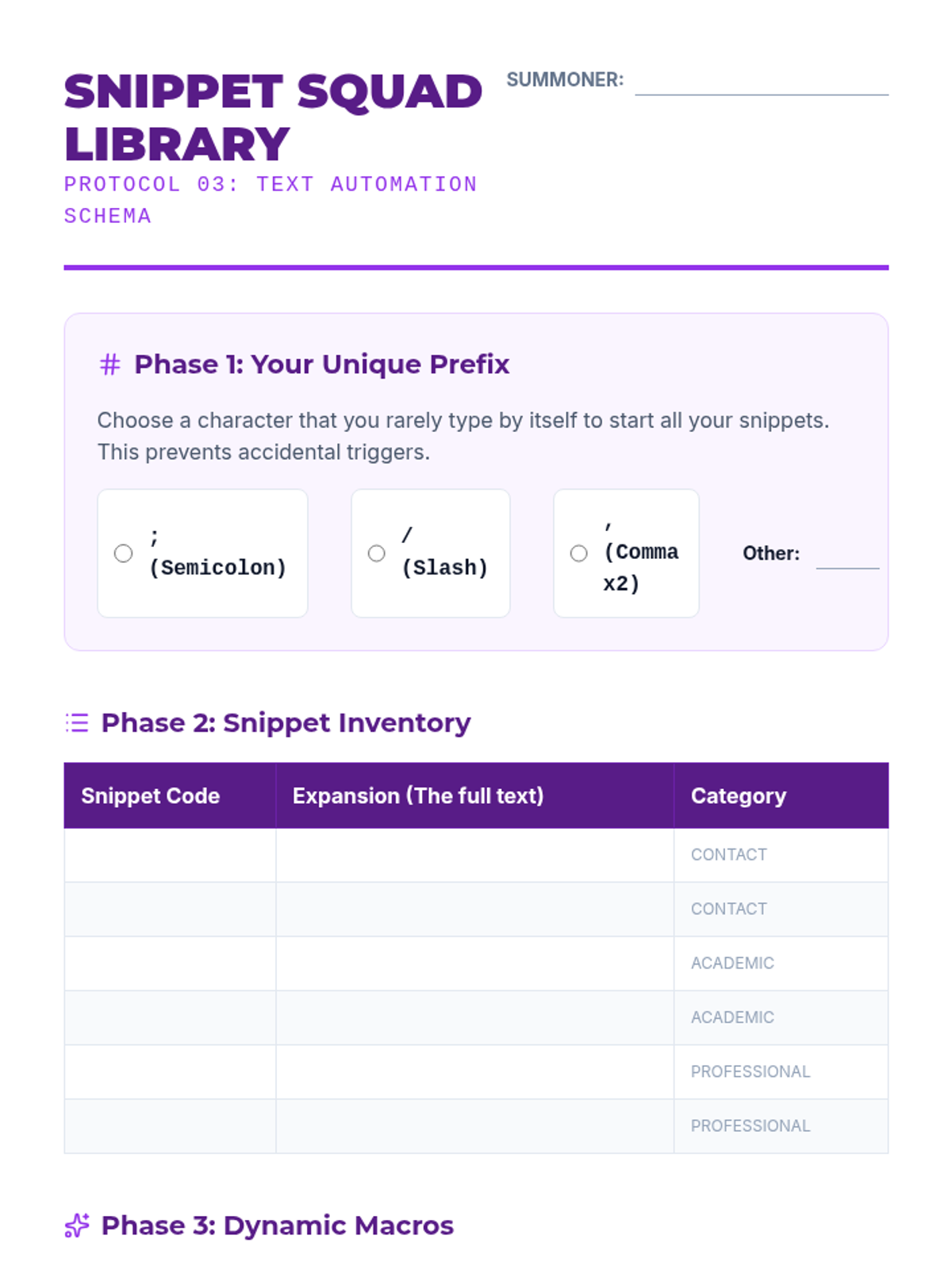
An introduction to text expansion and basic macros to reduce keystroke count. Students identify repetitive text patterns and automate them using expansion tools.
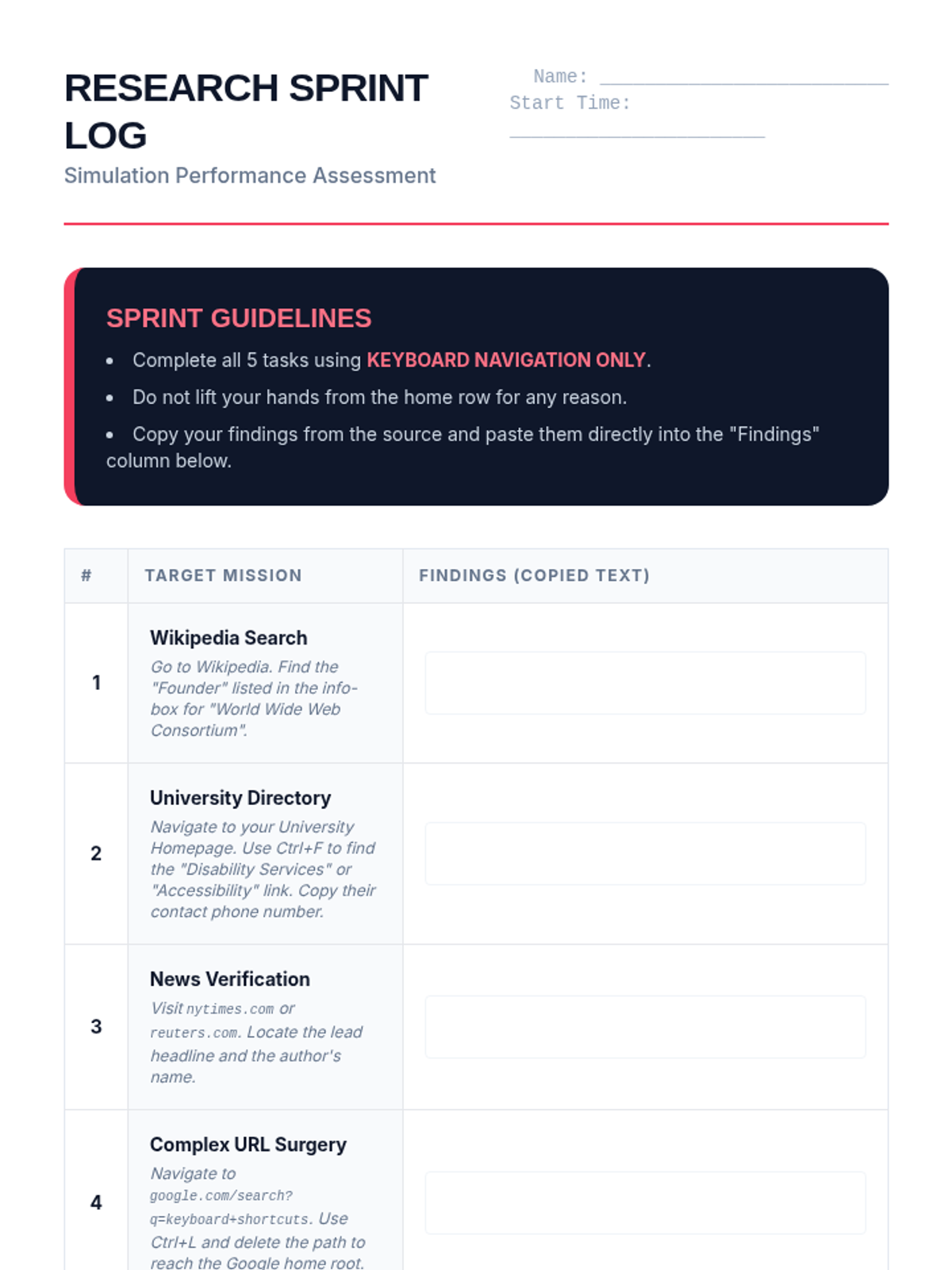
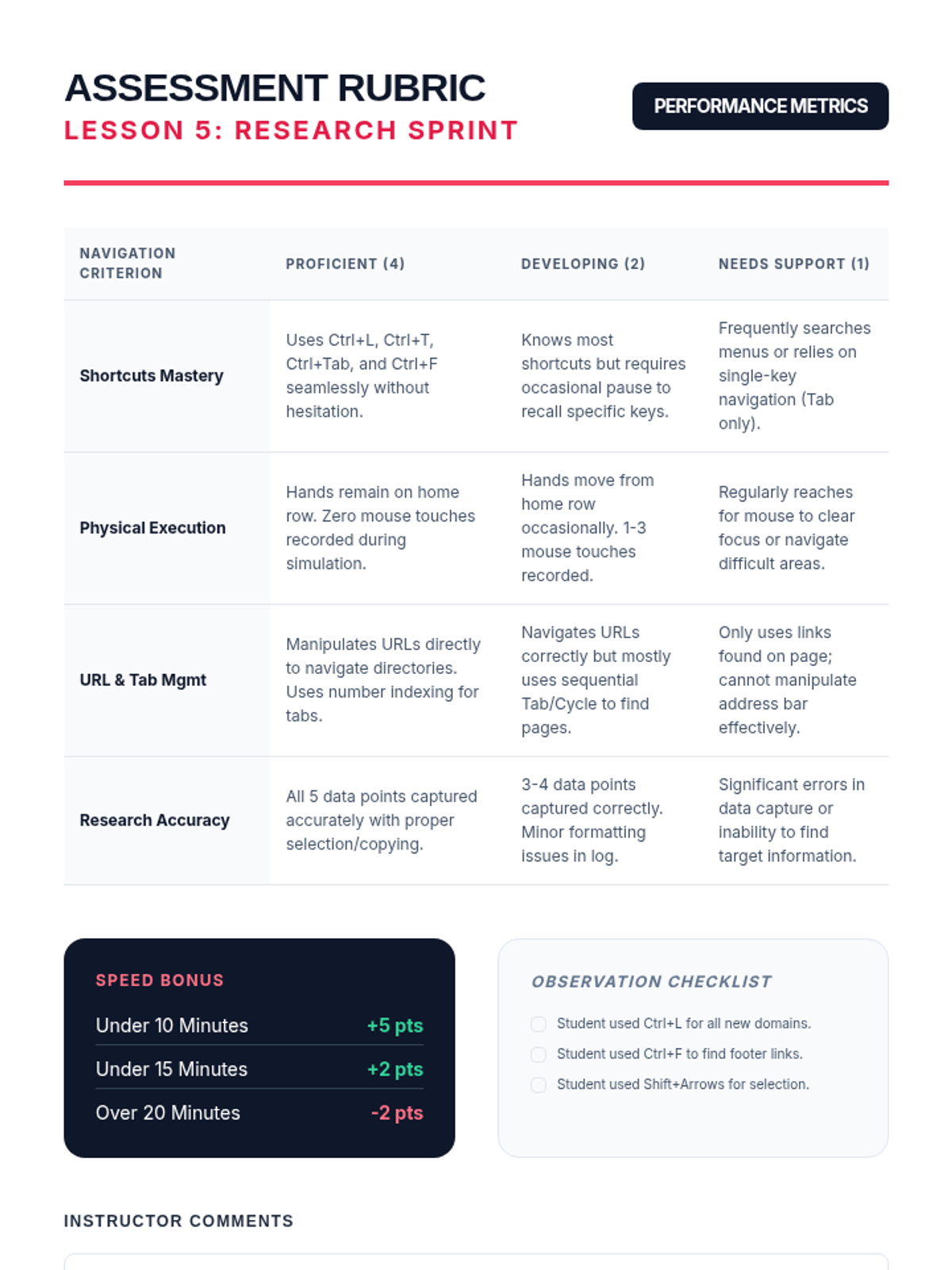
A timed research task where students find, copy, and organize information across sites using only the keyboard.
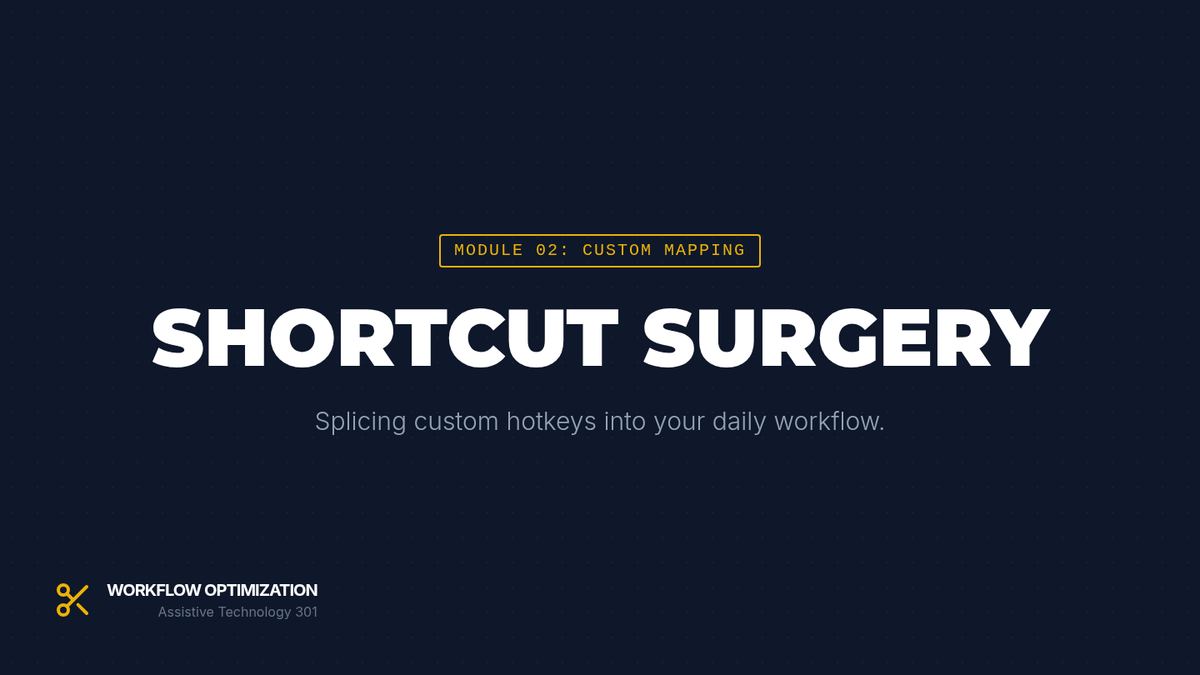
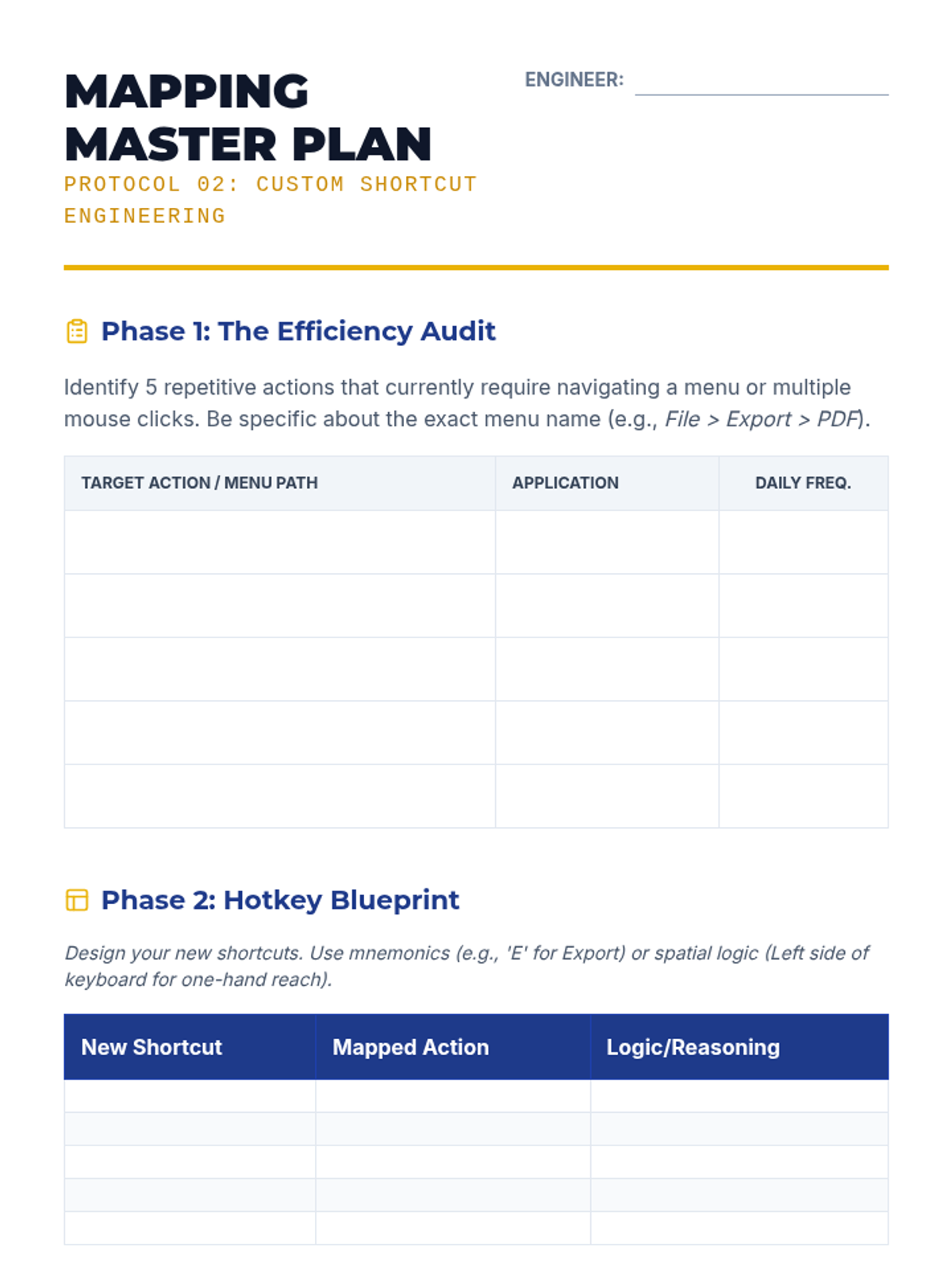
Students learn to customize their operating system and applications by mapping custom shortcuts to frequent actions. The focus is on analyzing repetitive tasks and engineering motor-efficient solutions.
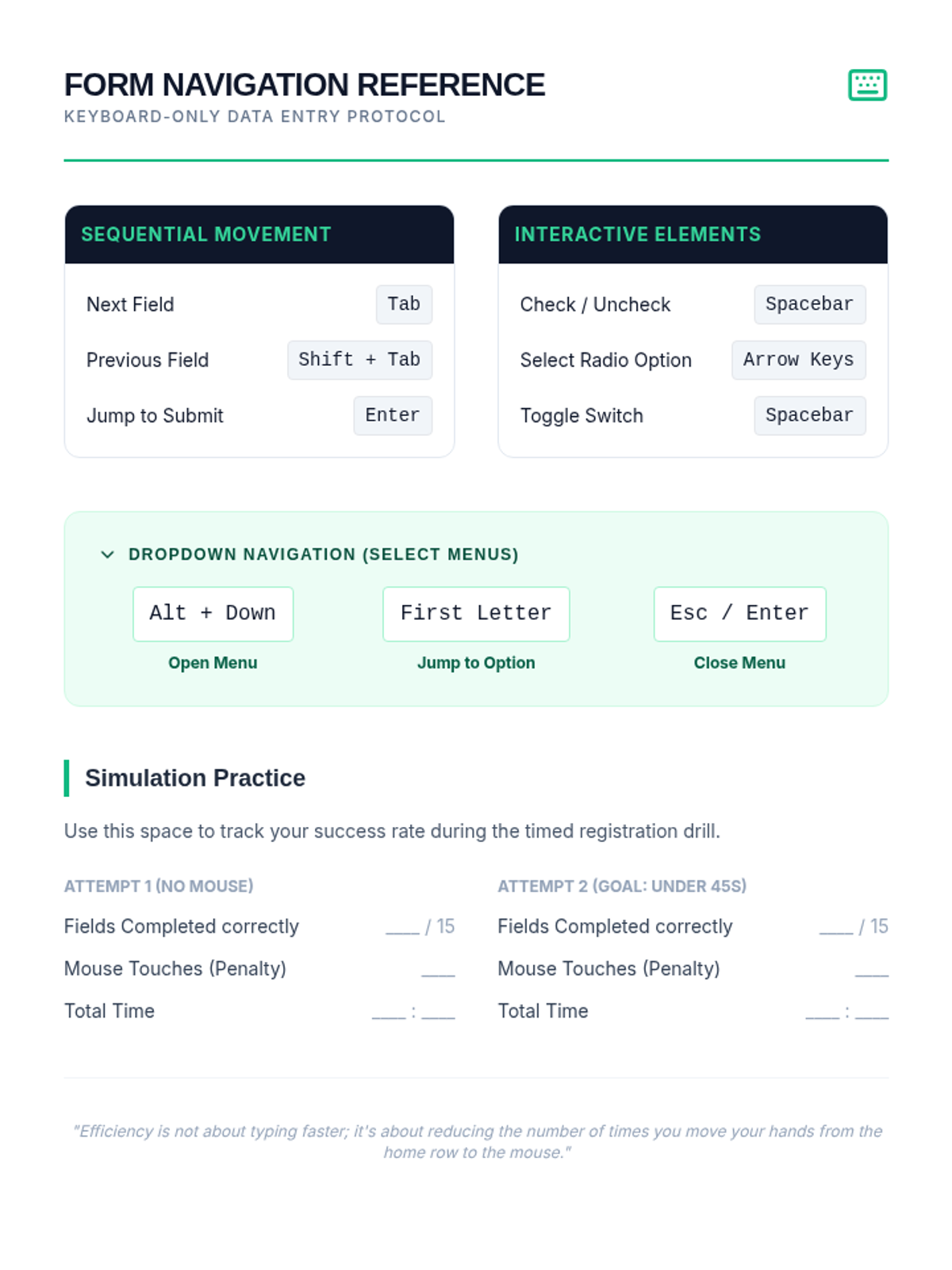
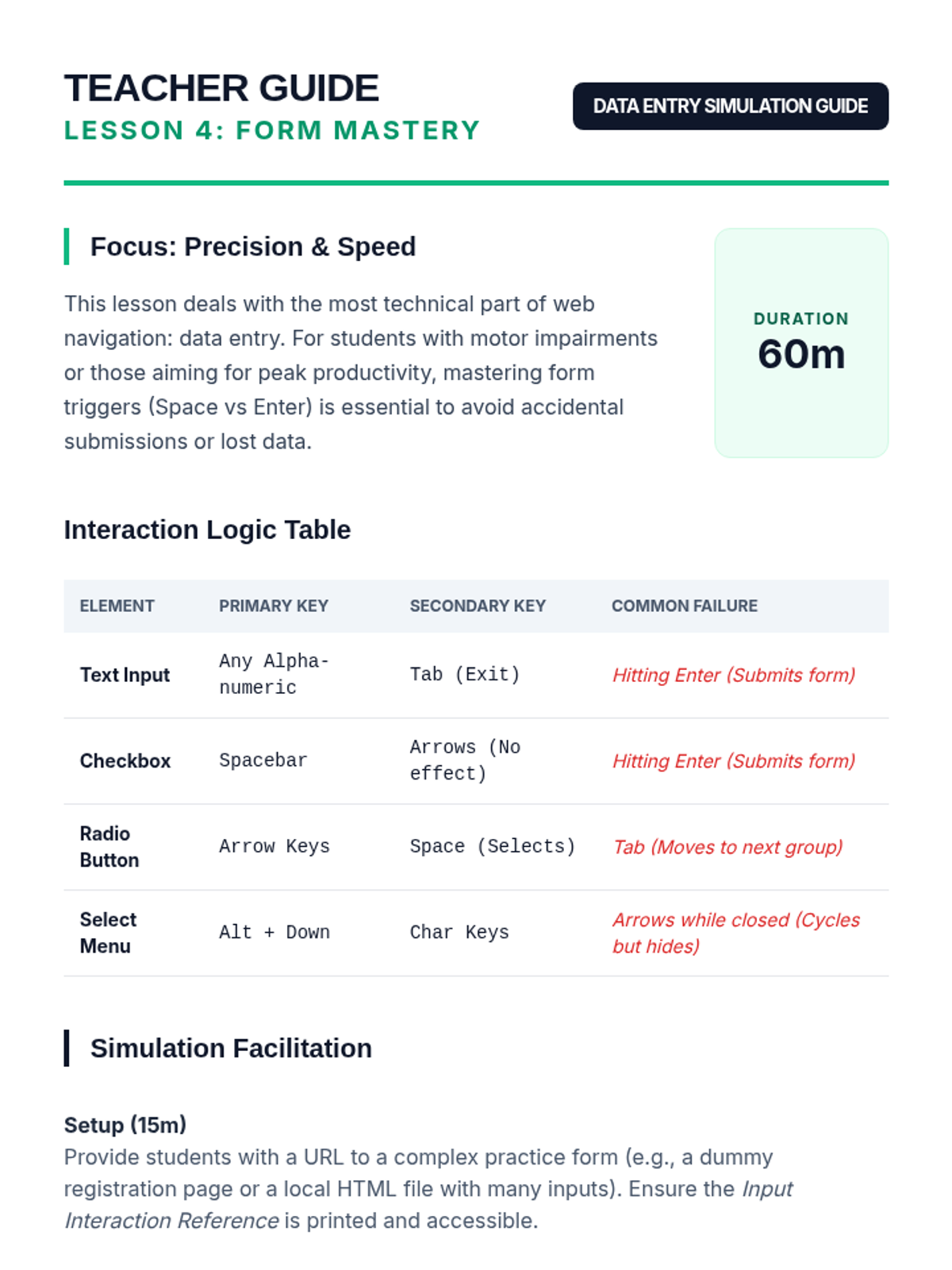
Students practice interacting with various form elements like text fields, checkboxes, and dropdowns using specific keyboard triggers.
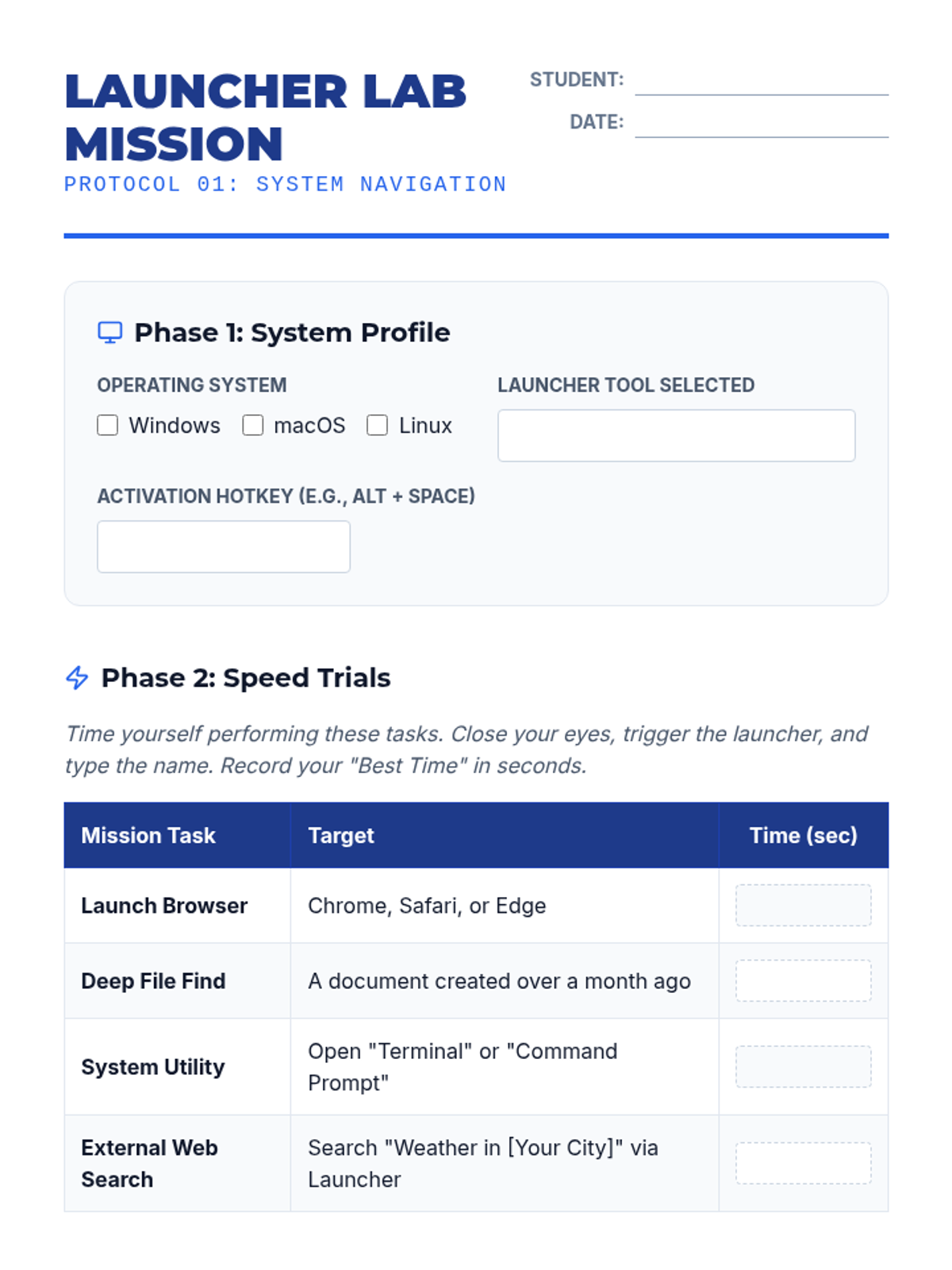
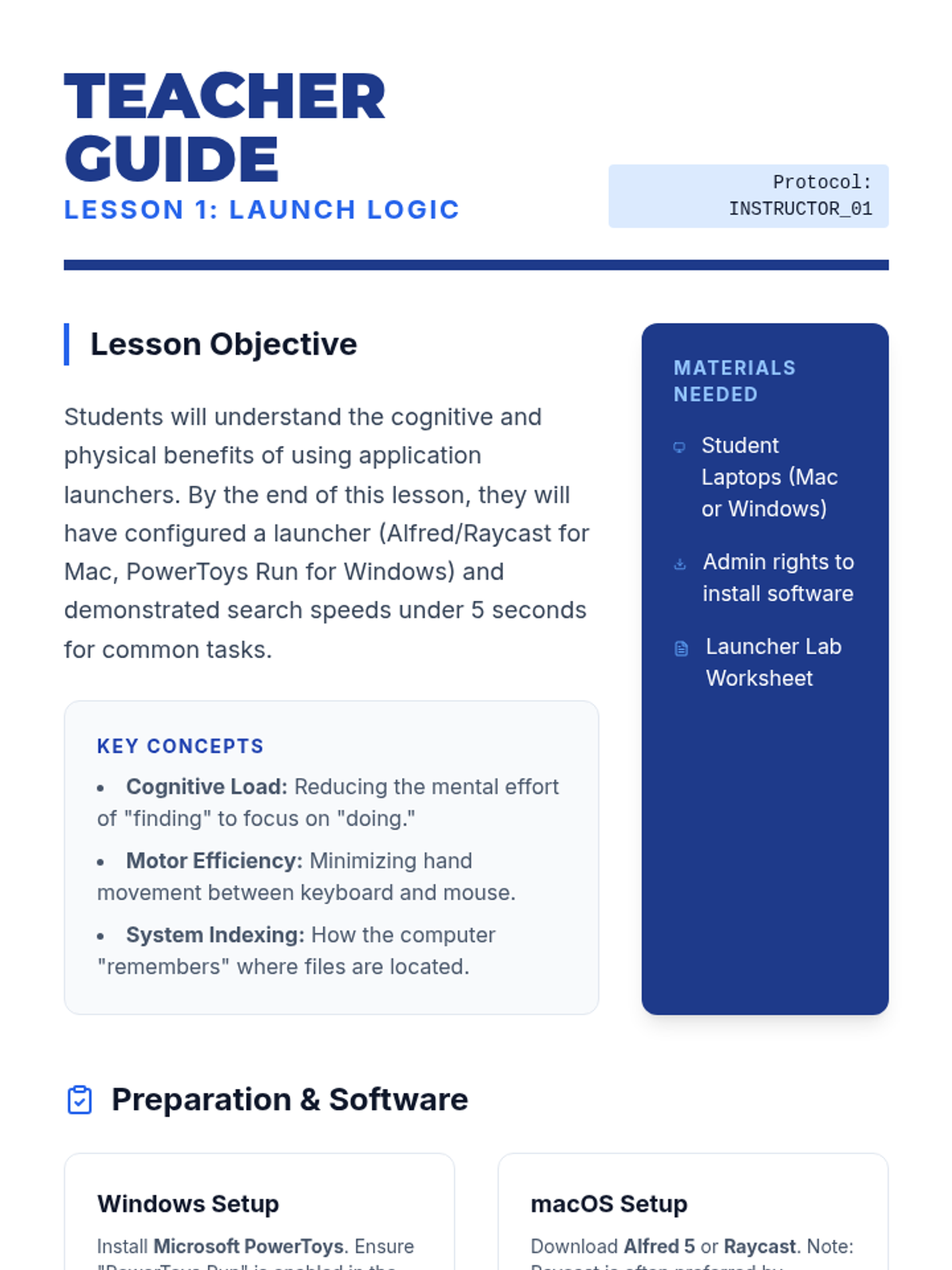
Students explore advanced search tools (Spotlight, PowerToys Run, Alfred) to launch apps and find files instantly. This lesson focuses on reducing search time and system-wide navigation speed.
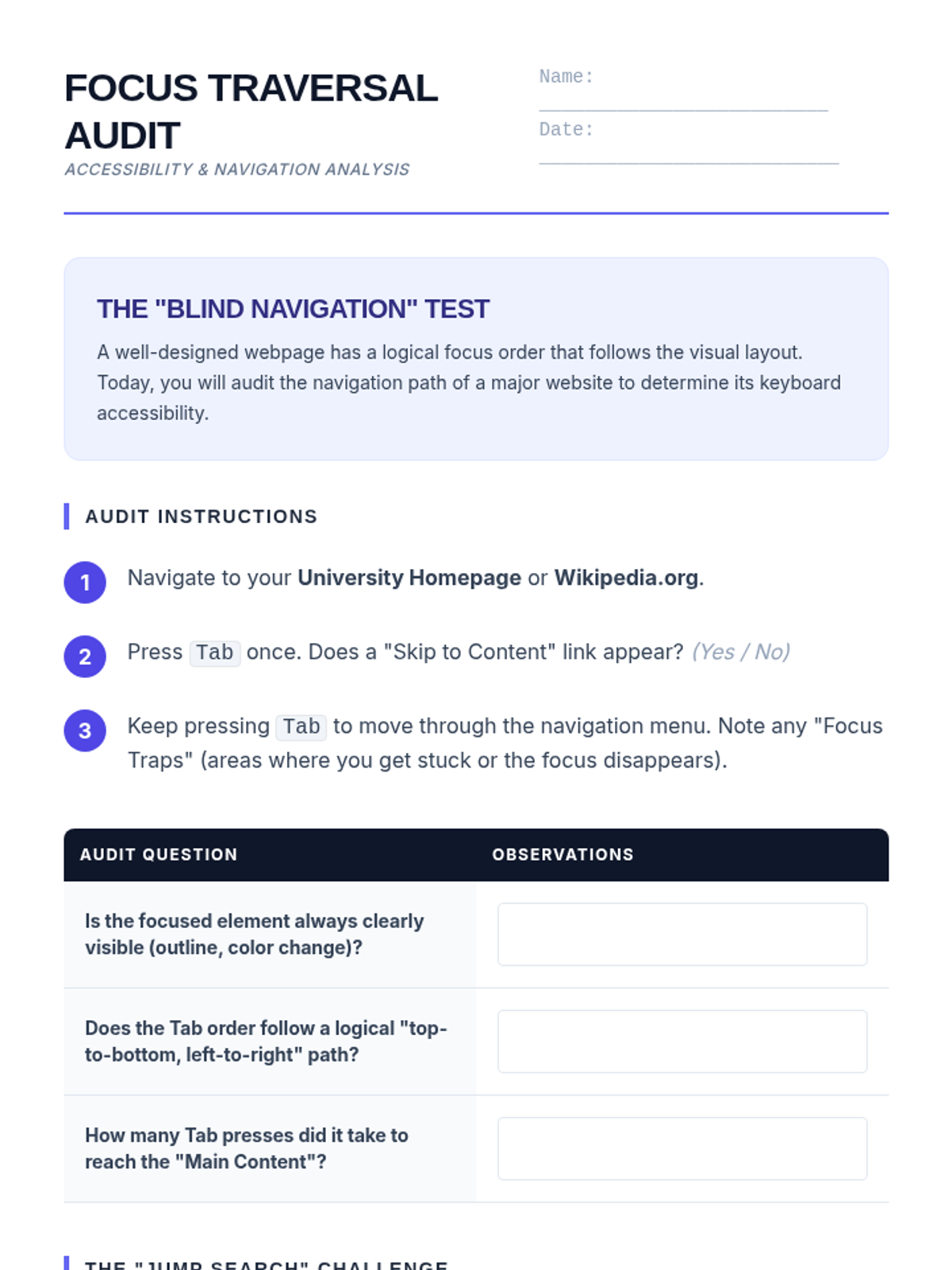
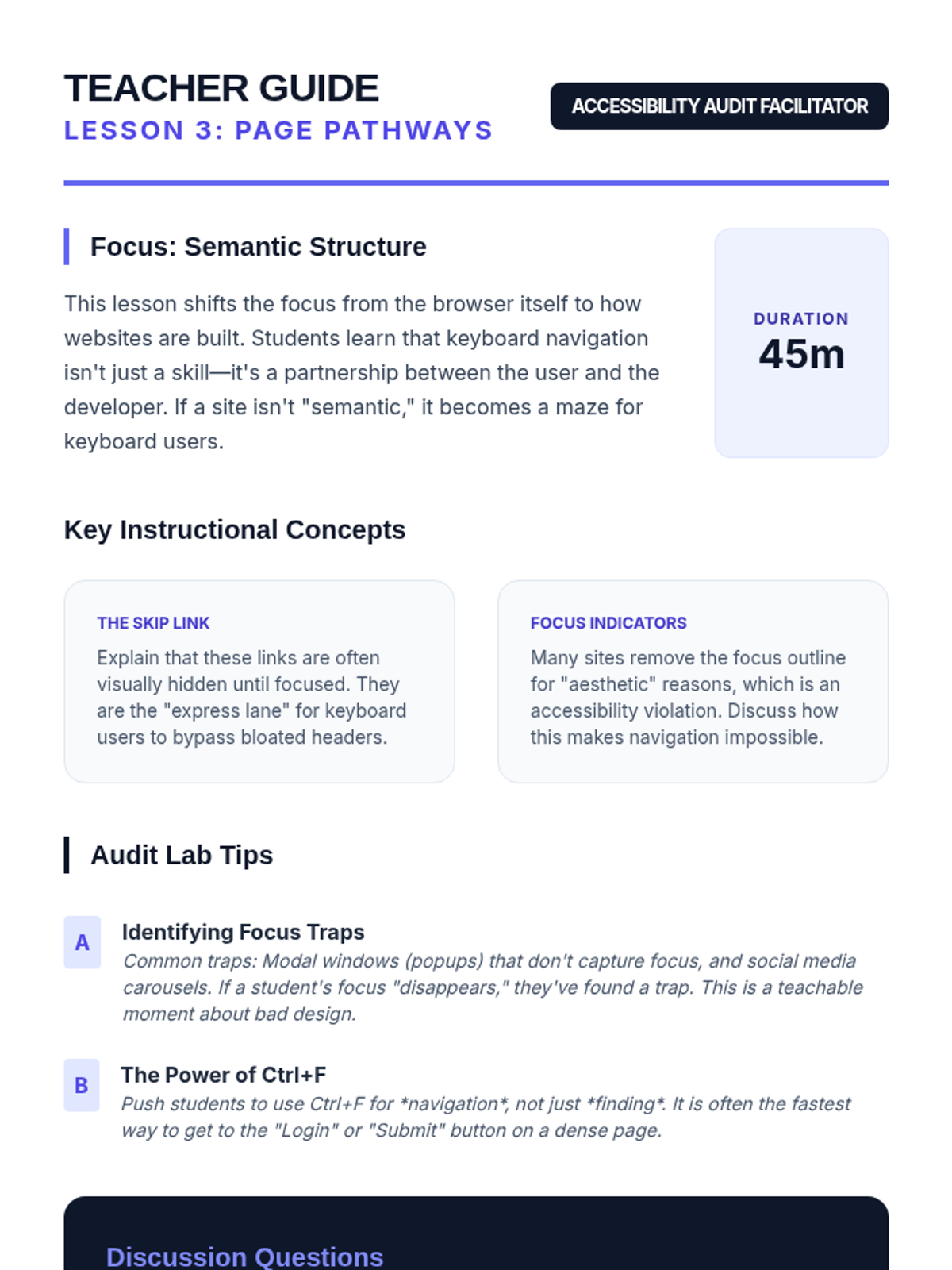
This lesson covers moving focus within a webpage using Tab and Shift+Tab, utilizing 'Find' features, and understanding 'Skip to Content' links.
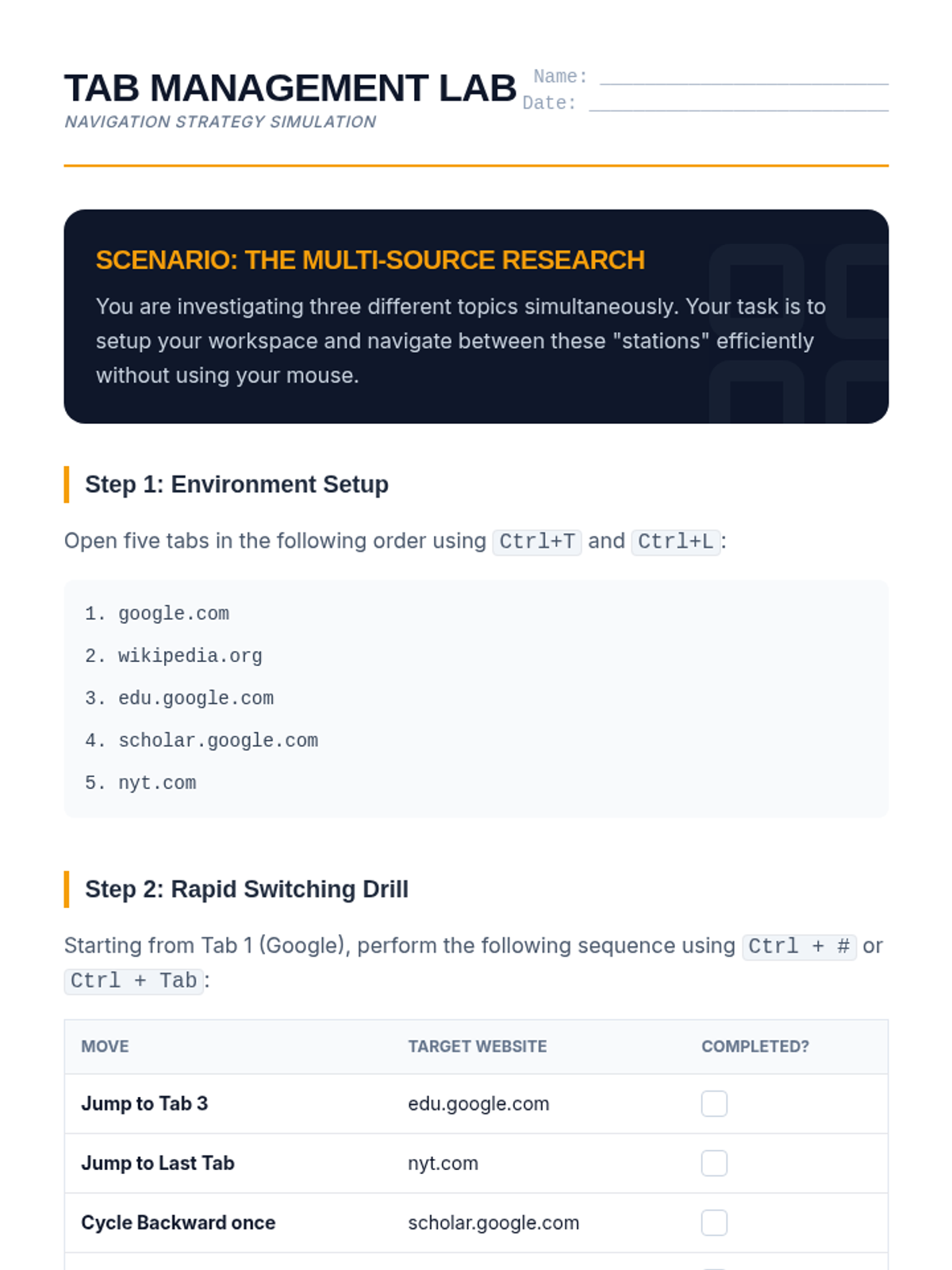
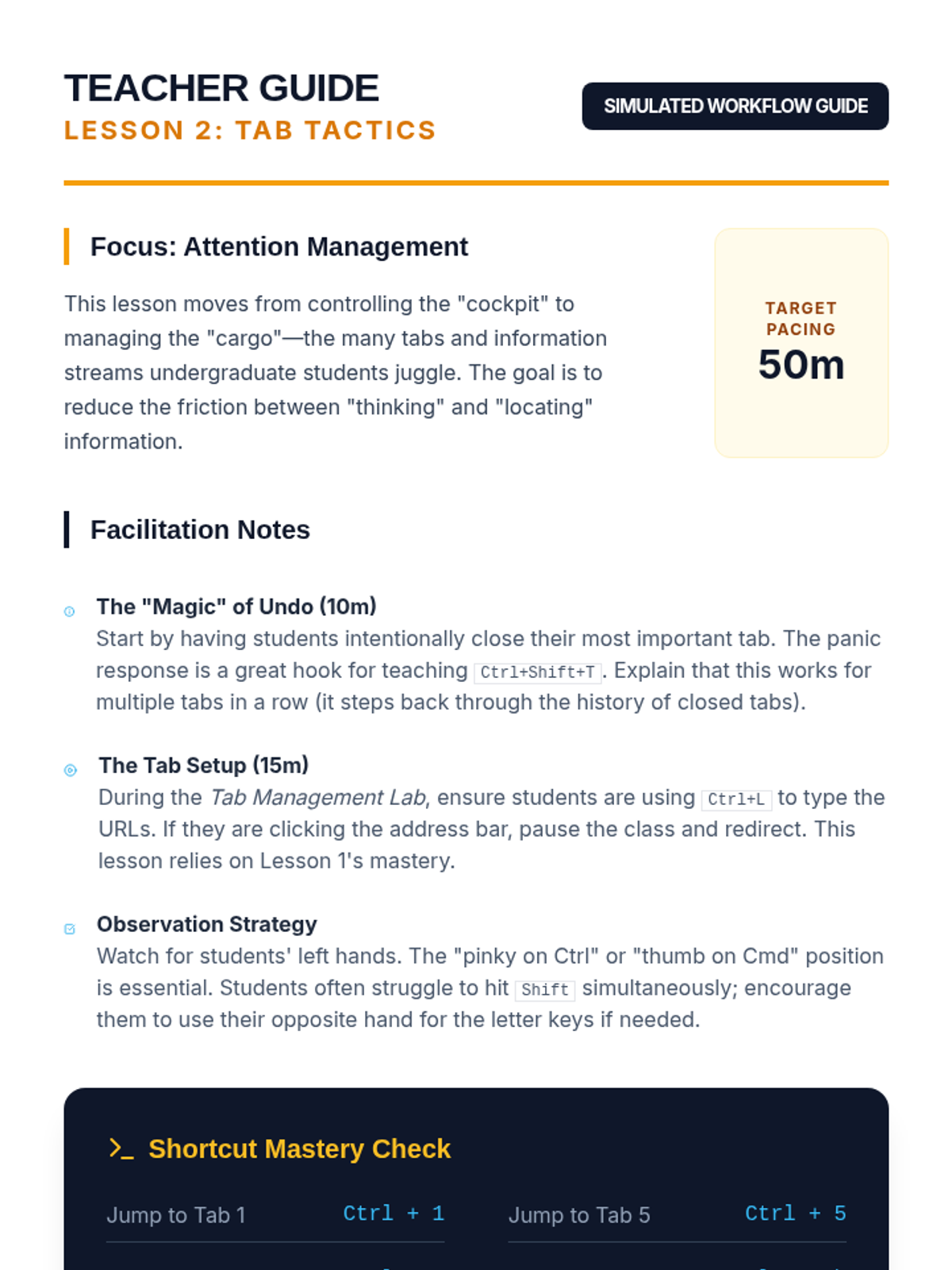
Learners develop high-speed tab management strategies, including opening, closing, and cycling through tabs to maintain a streamlined research environment.
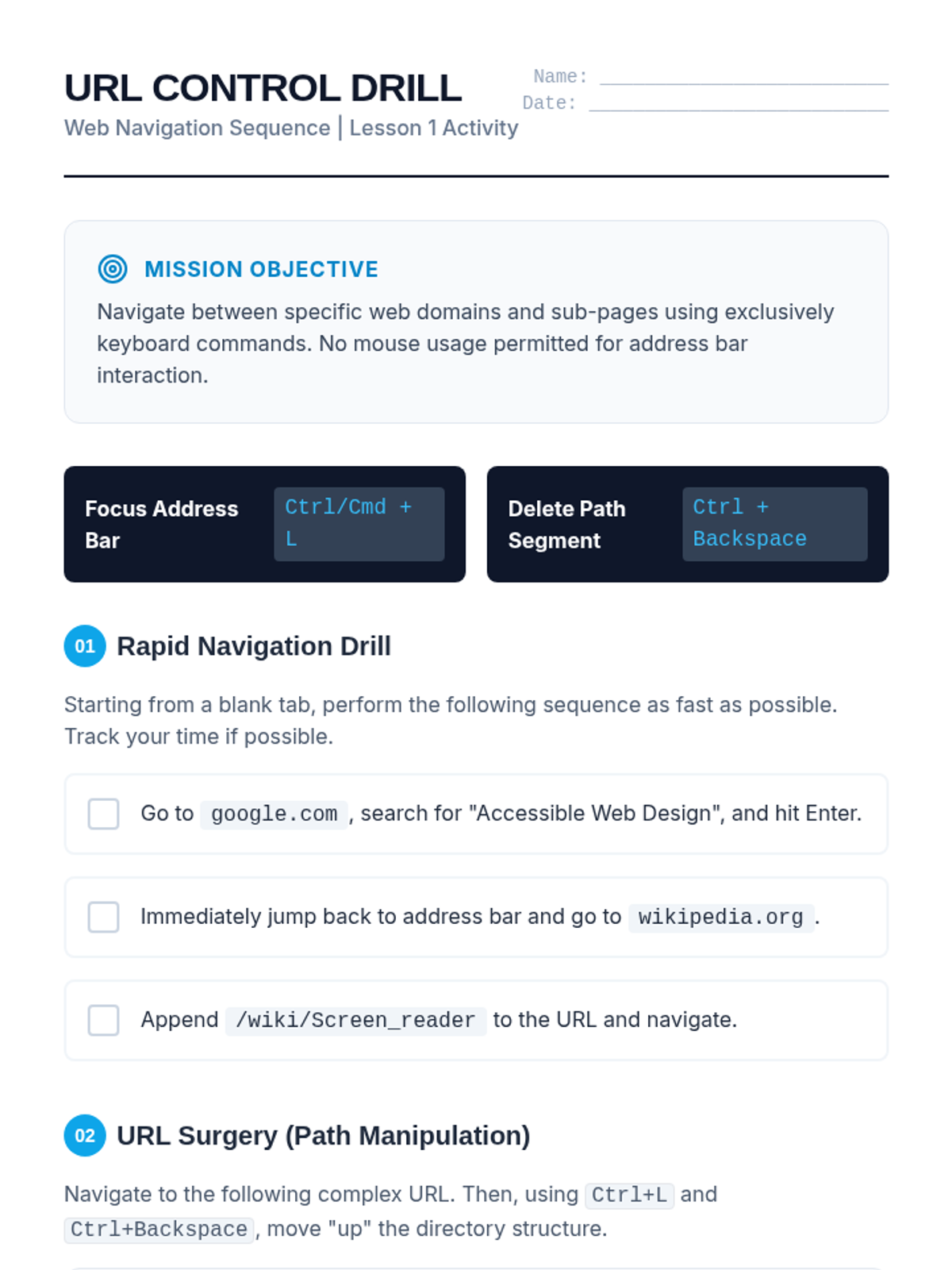
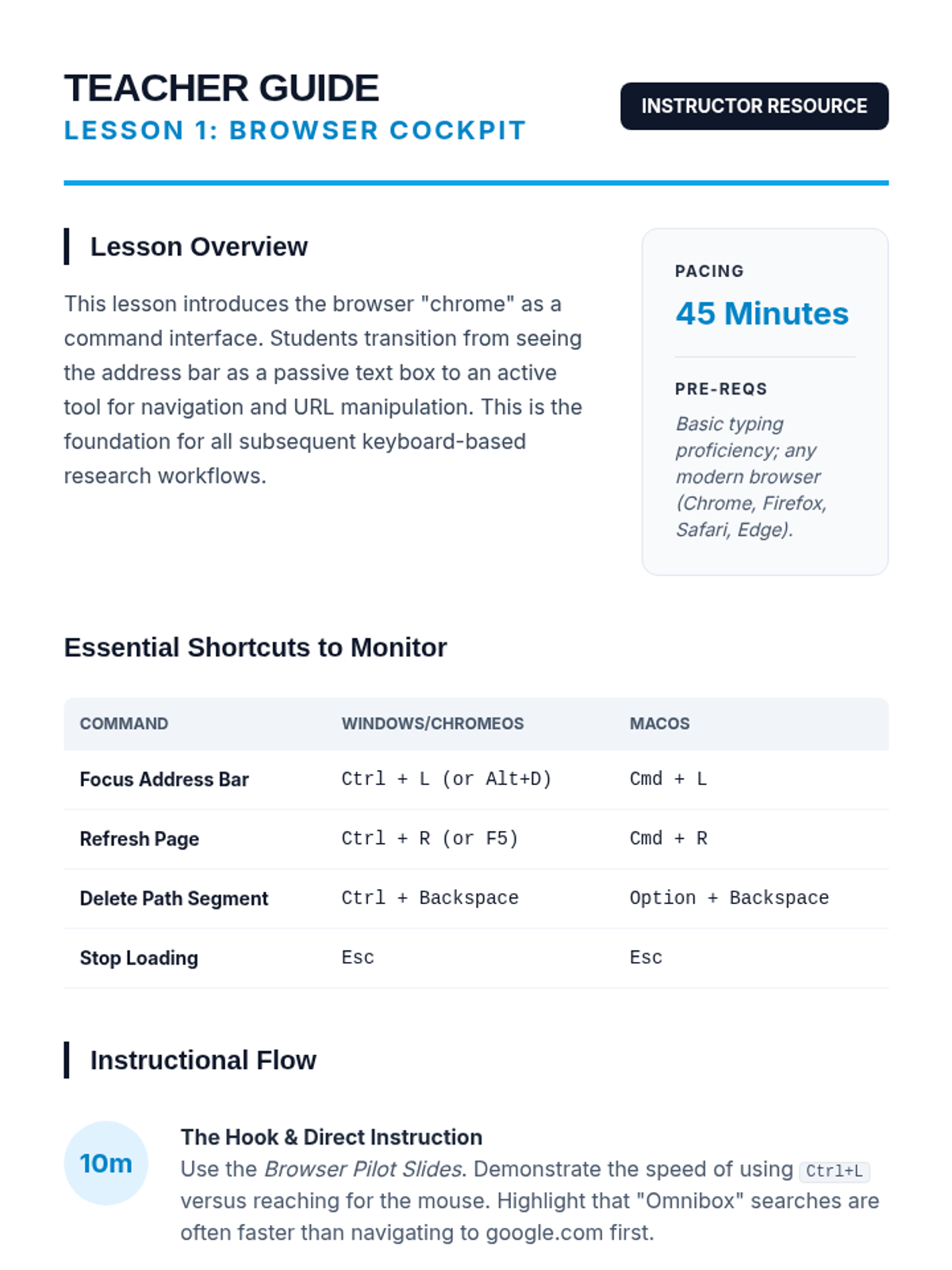
Students master controlling the browser chrome, including the address bar, bookmarks, and refresh functions, focusing on URL manipulation for direct navigation.
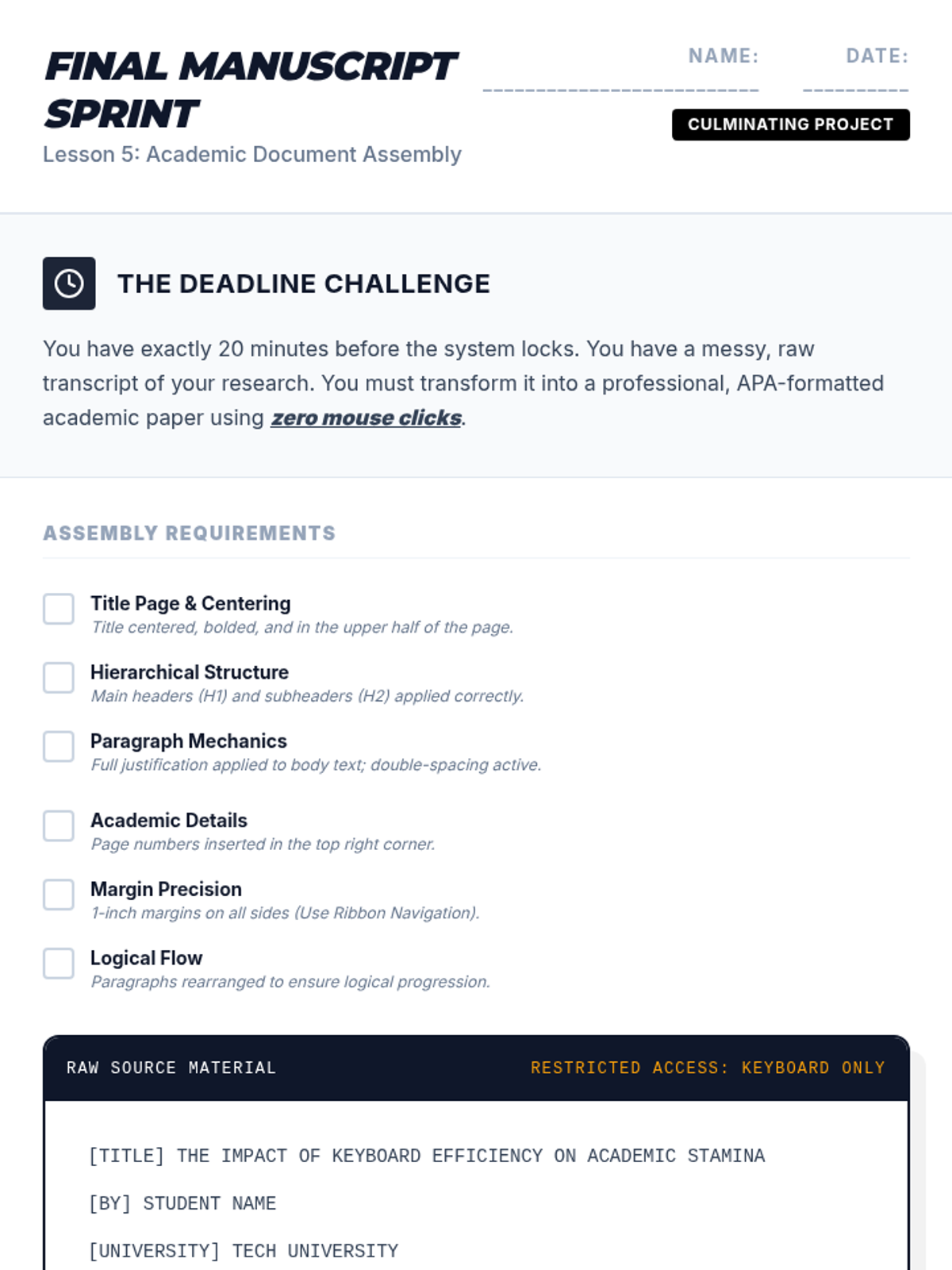
In this culminating workshop, students take raw, unformatted text and transform it into a submission-ready academic paper (APA/MLA style) using only keyboard commands.
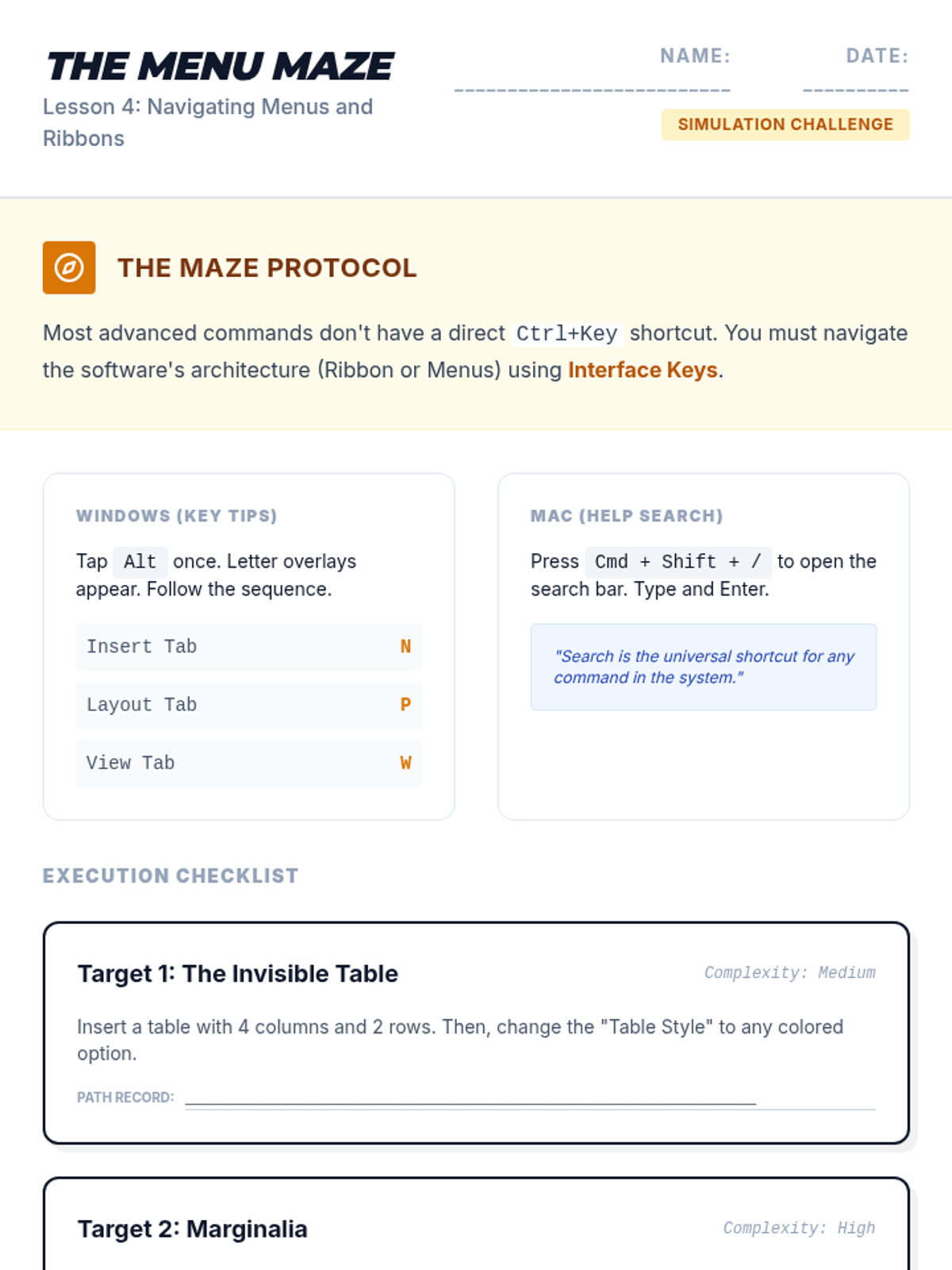
Students learn to access the application menu or ribbon (using Alt keys in Windows or Help search in Mac) to execute complex commands that do not have standard hotkeys.
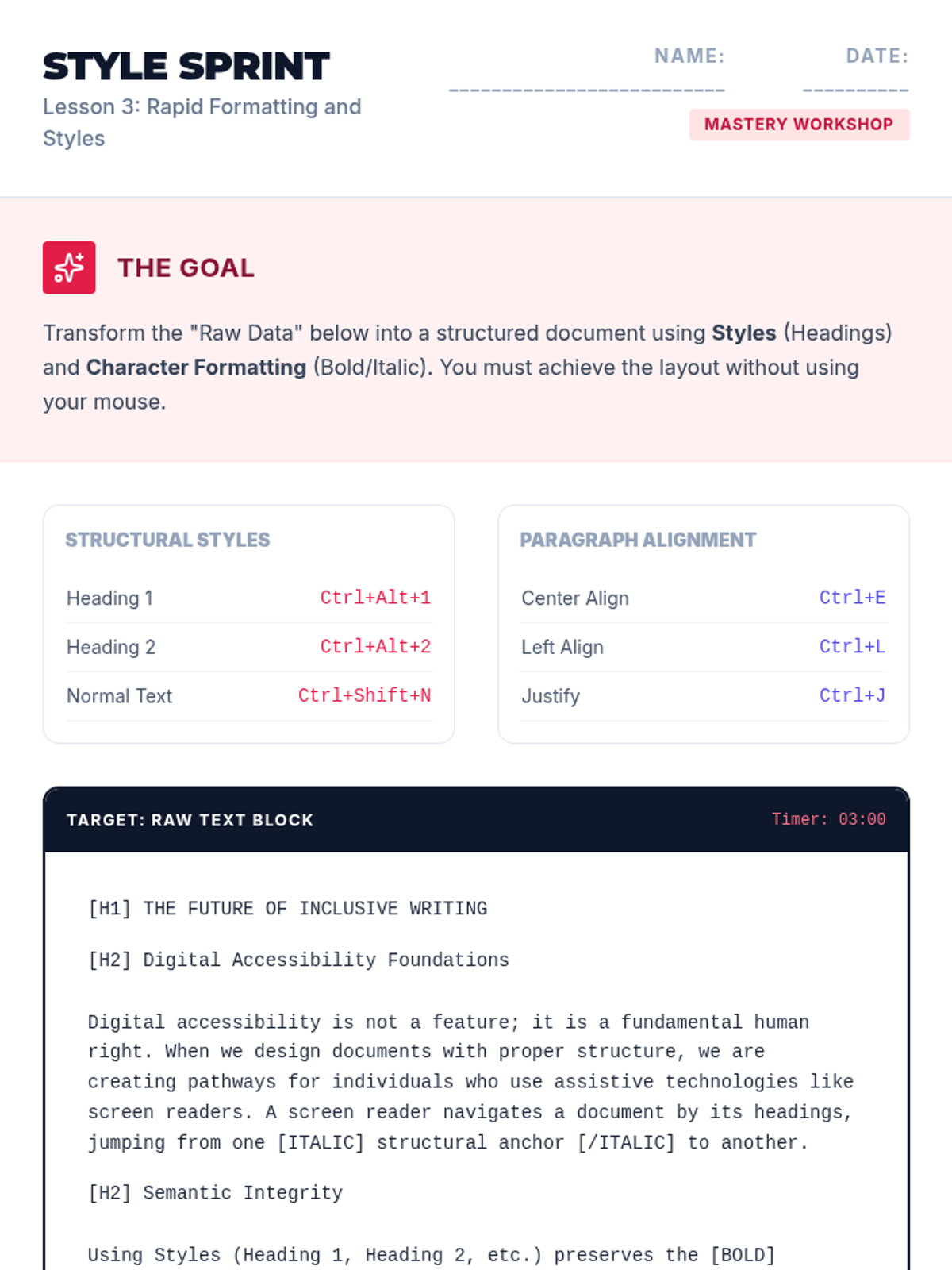
This lesson covers applying character formatting (Bold, Italic) and paragraph alignment via shortcuts. Students also learn to apply Styles (Headings) to ensure document accessibility and structure.
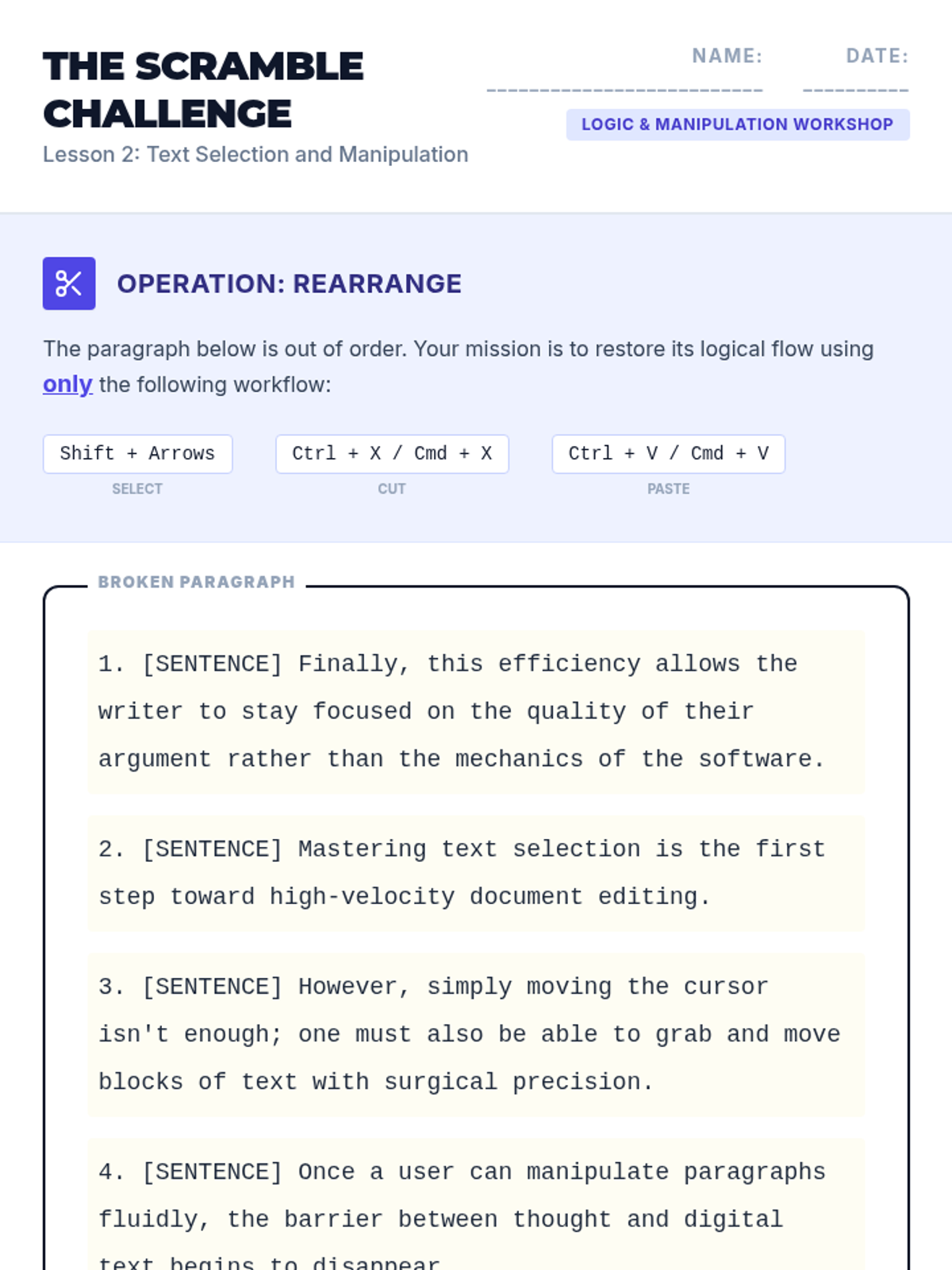
Building on movement, students practice selecting text blocks efficiently (Shift + modifiers). They combine selection with cut, copy, and paste commands to restructure arguments and paragraphs fluidly.
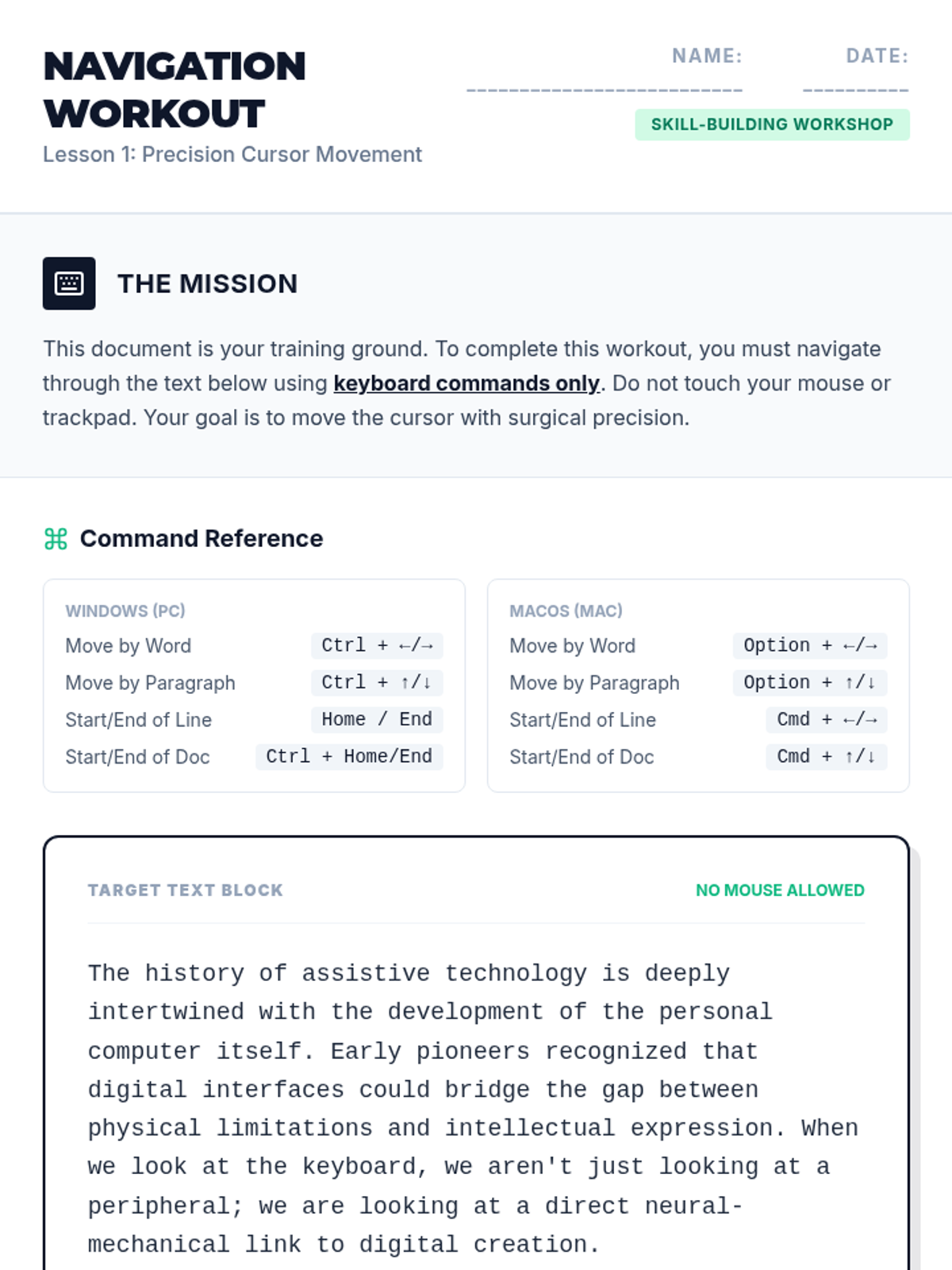
Students learn to move the cursor by character, word, and paragraph using modifier keys (Ctrl/Option). This lesson emphasizes the difference between visual scanning and structural navigation within a text block.
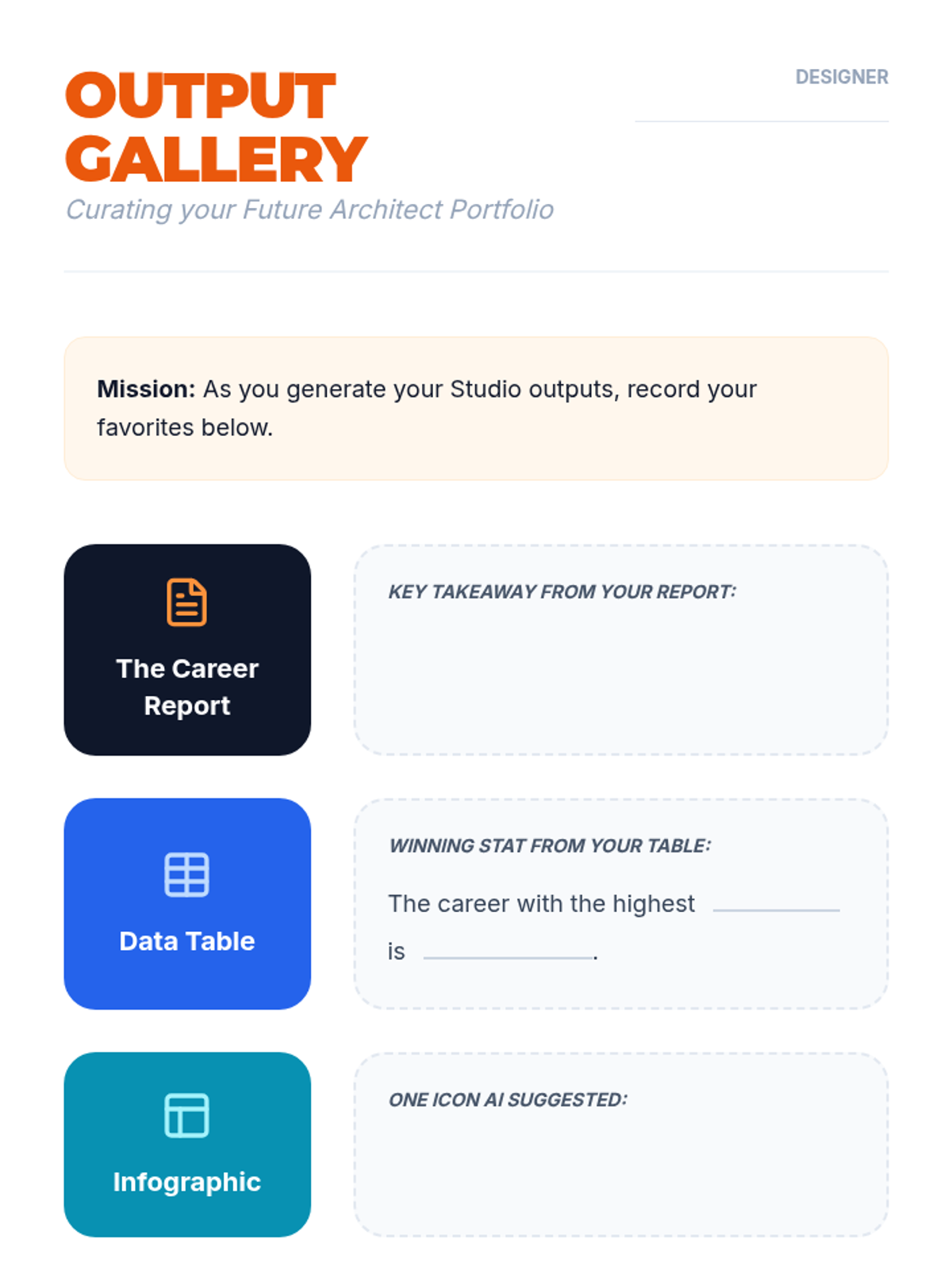
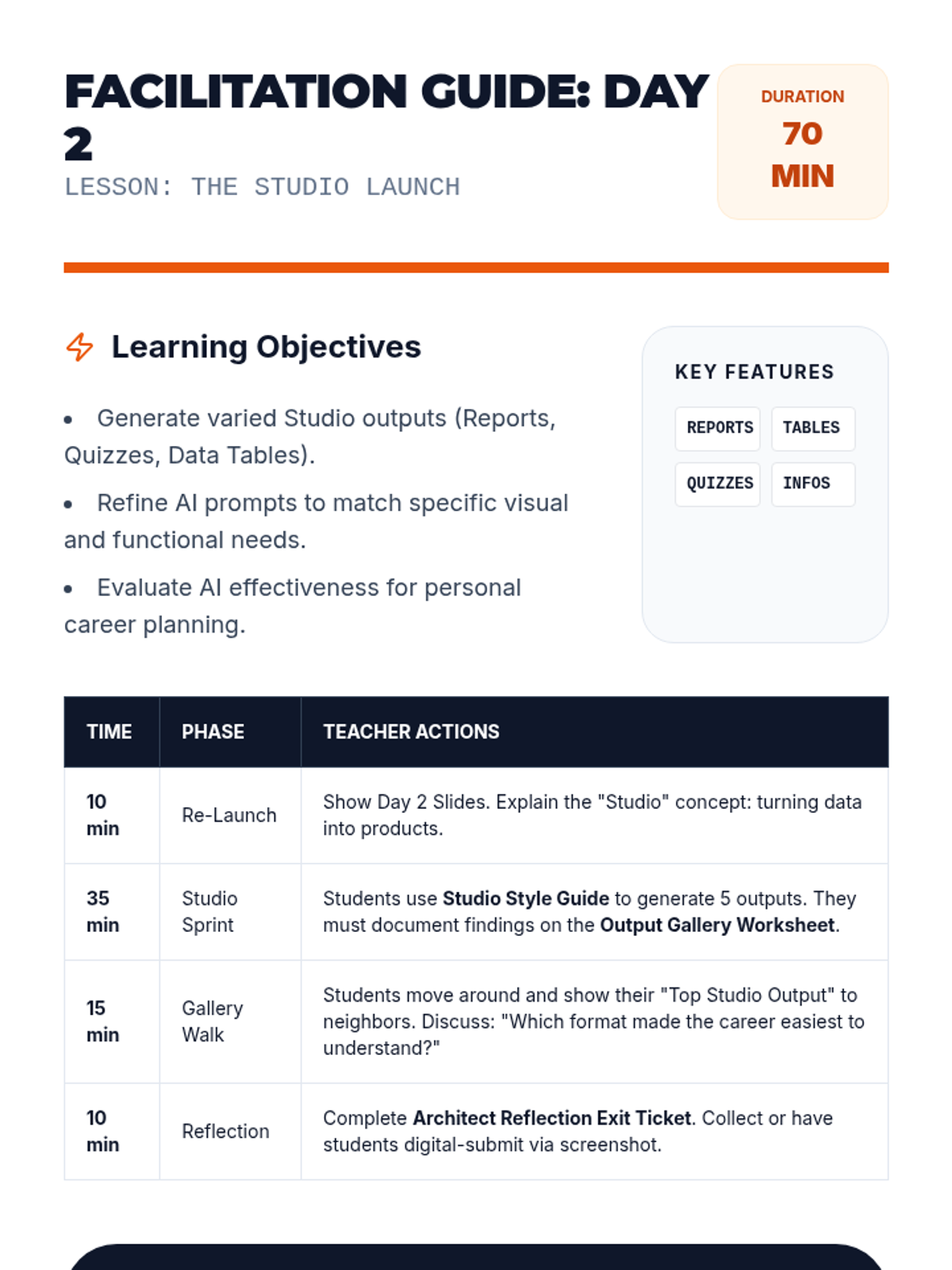
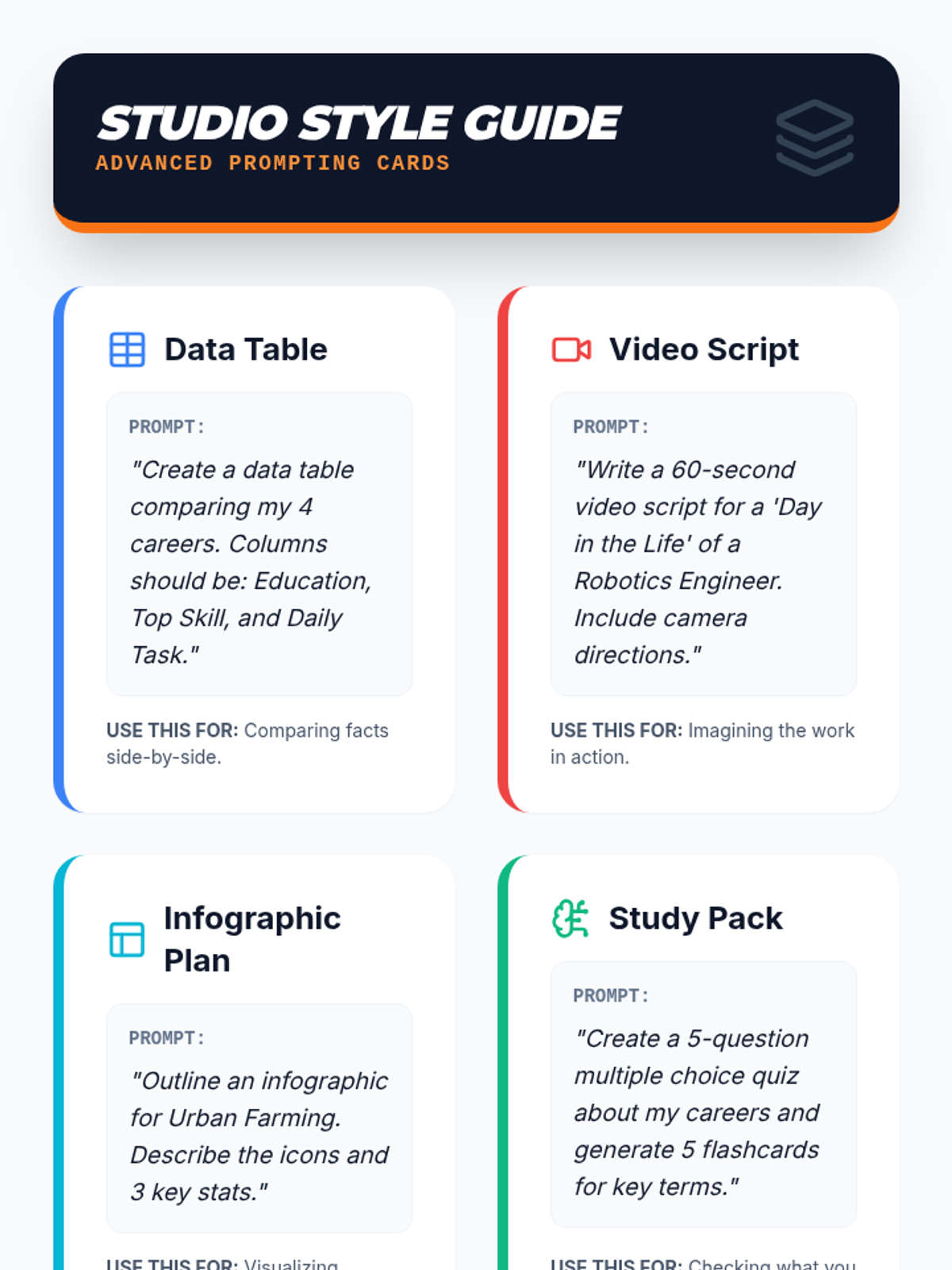
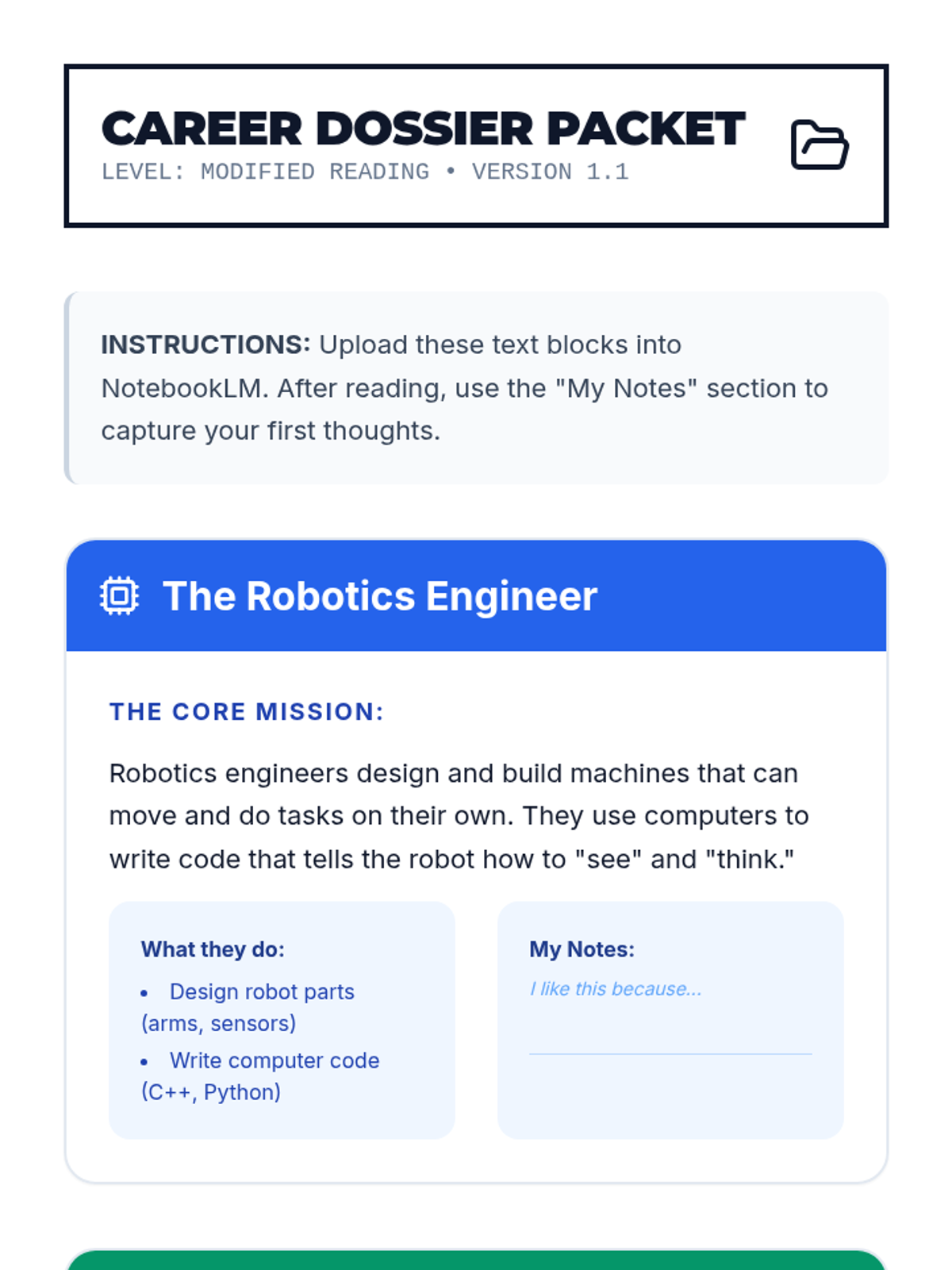
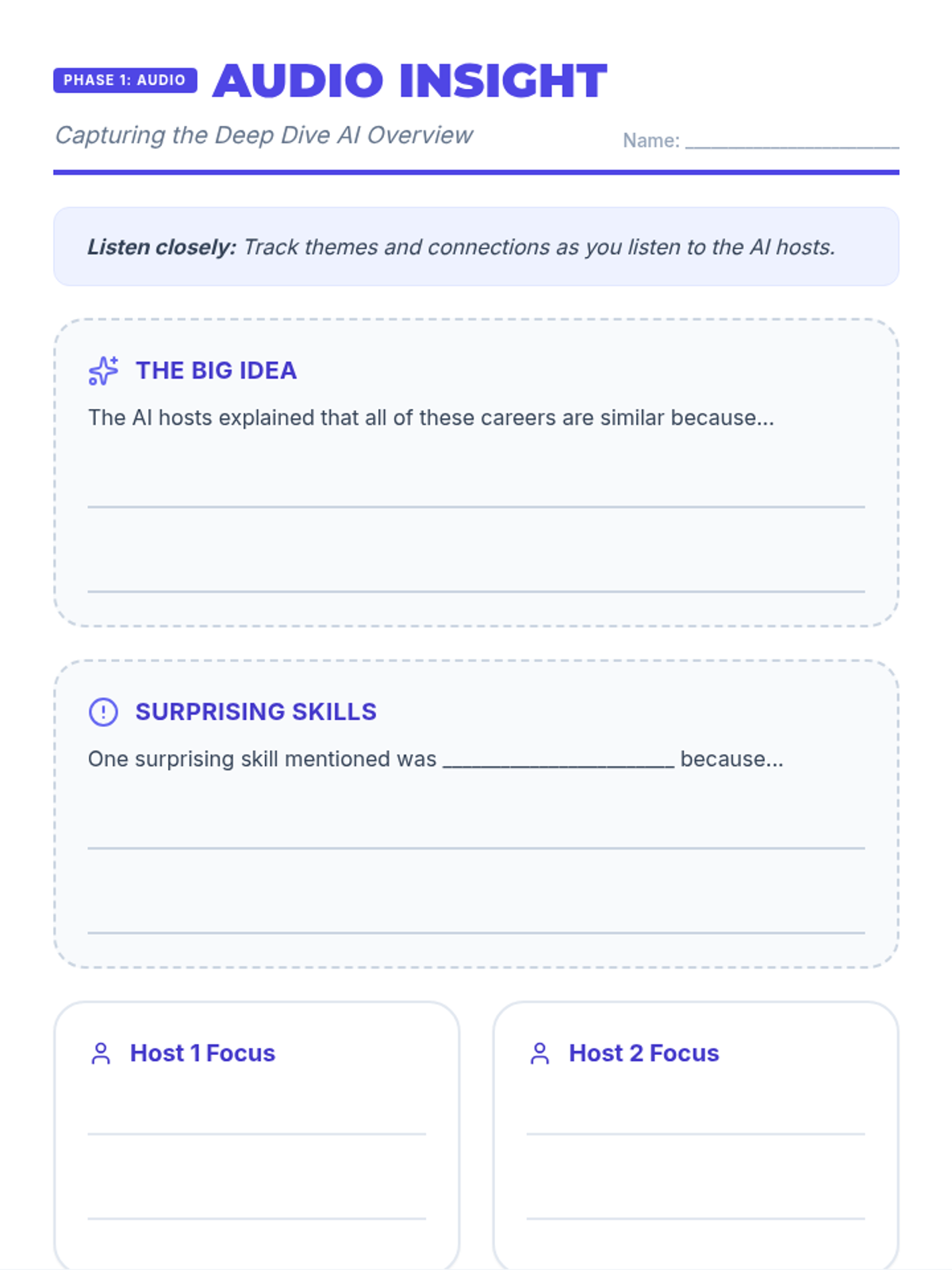
Students dive into the 'Studio' capabilities of NotebookLM, generating specific outputs like reports, quizzes, infographics, and data tables to refine their career plans.
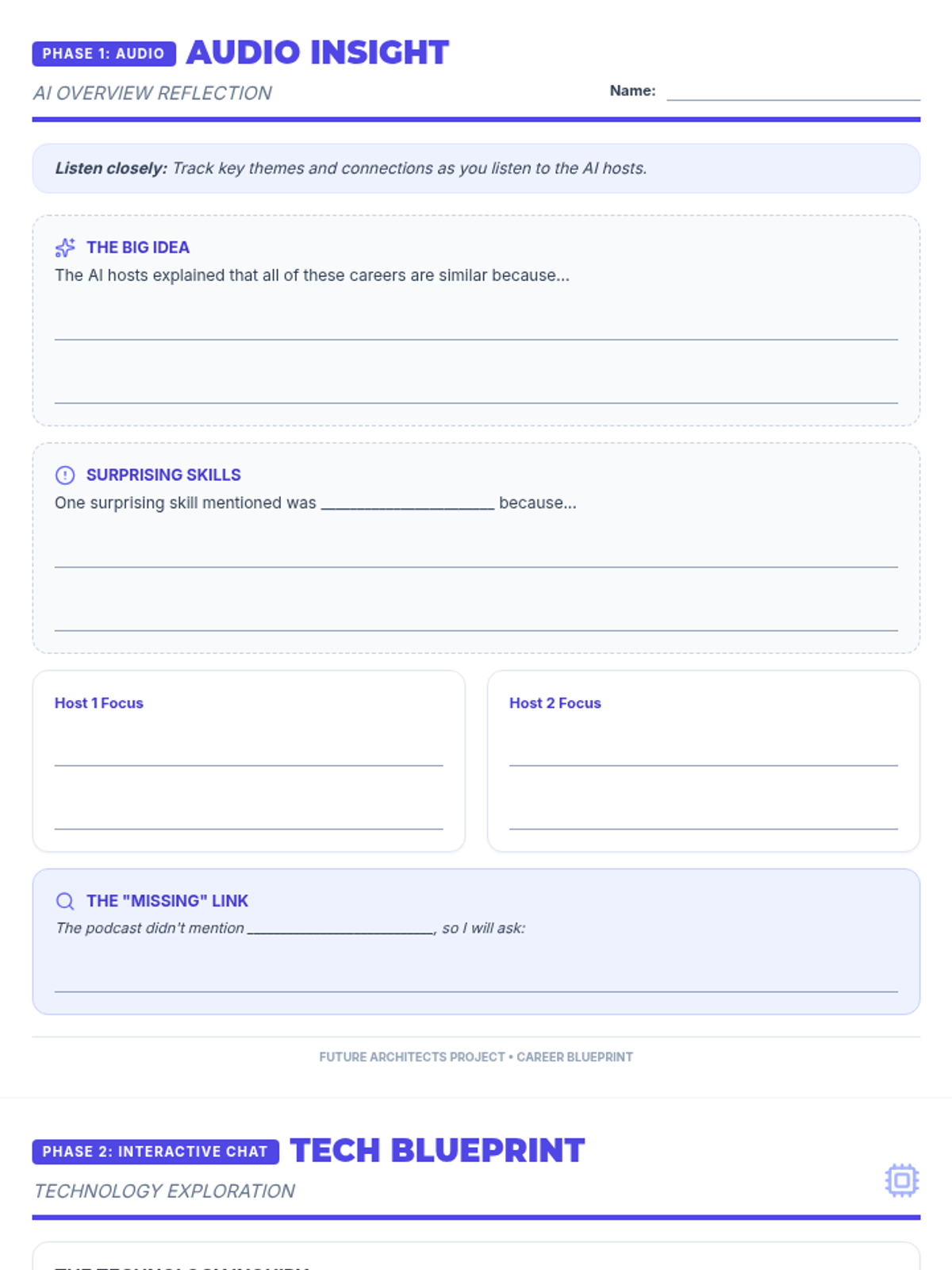
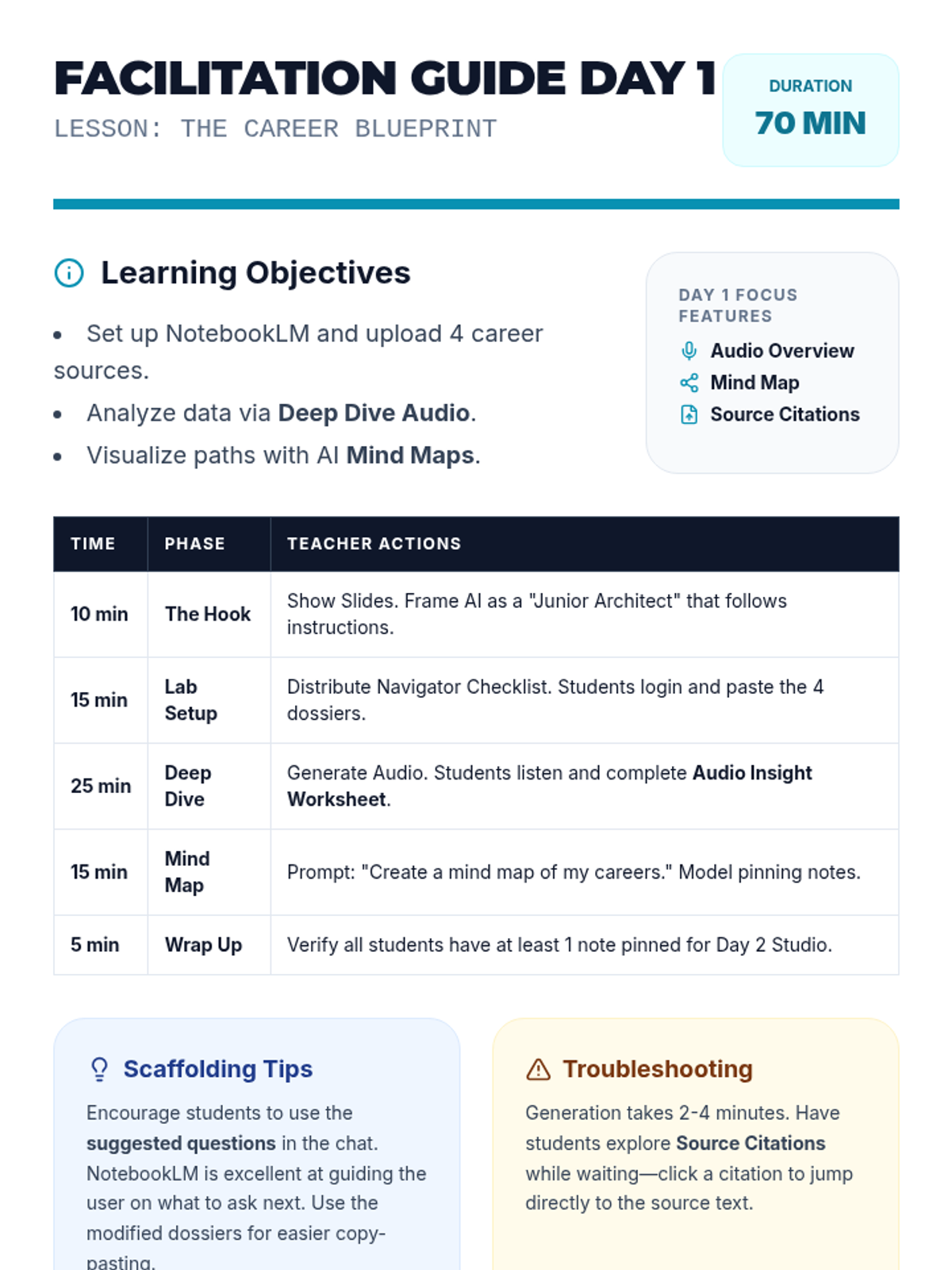
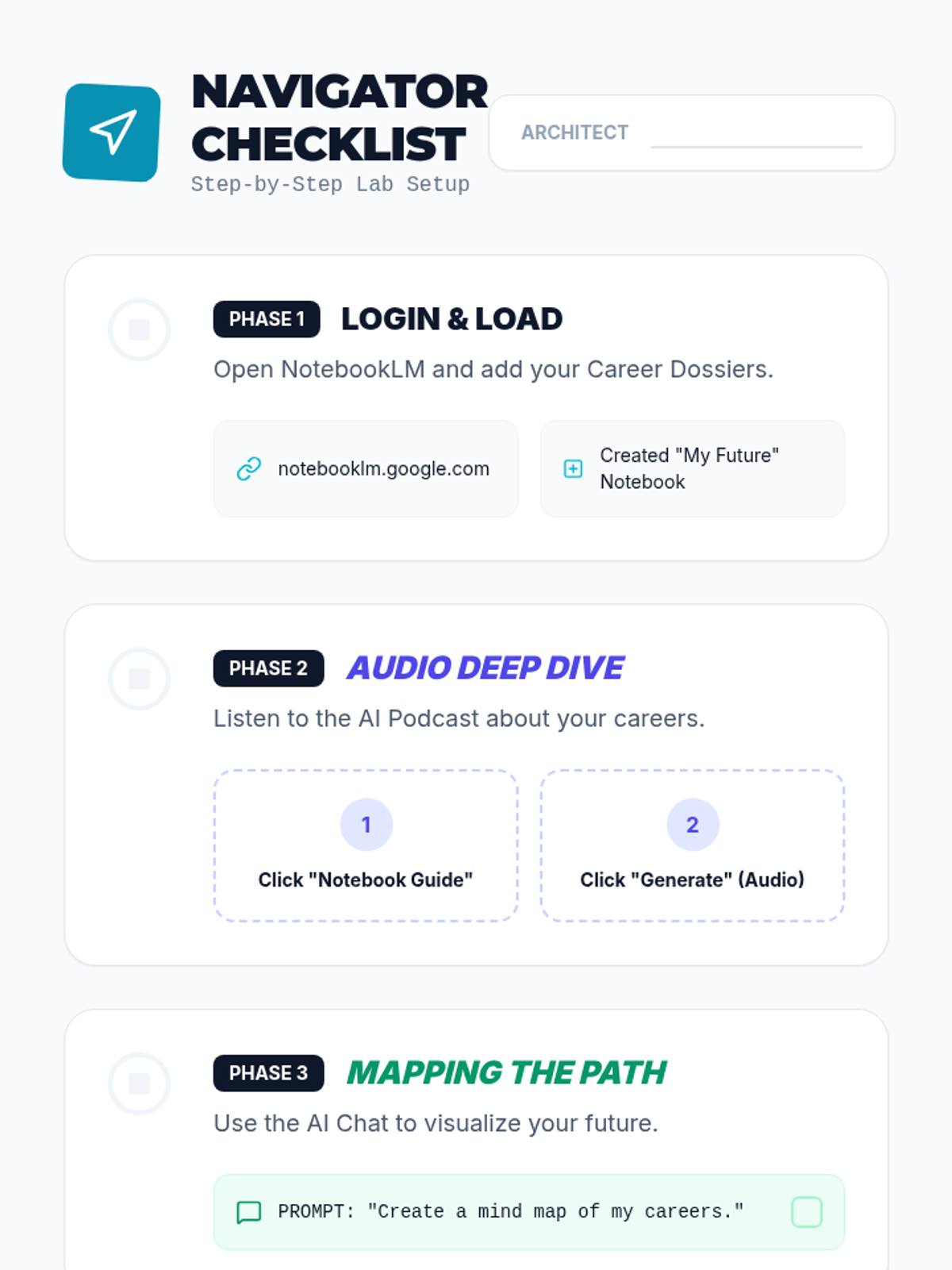
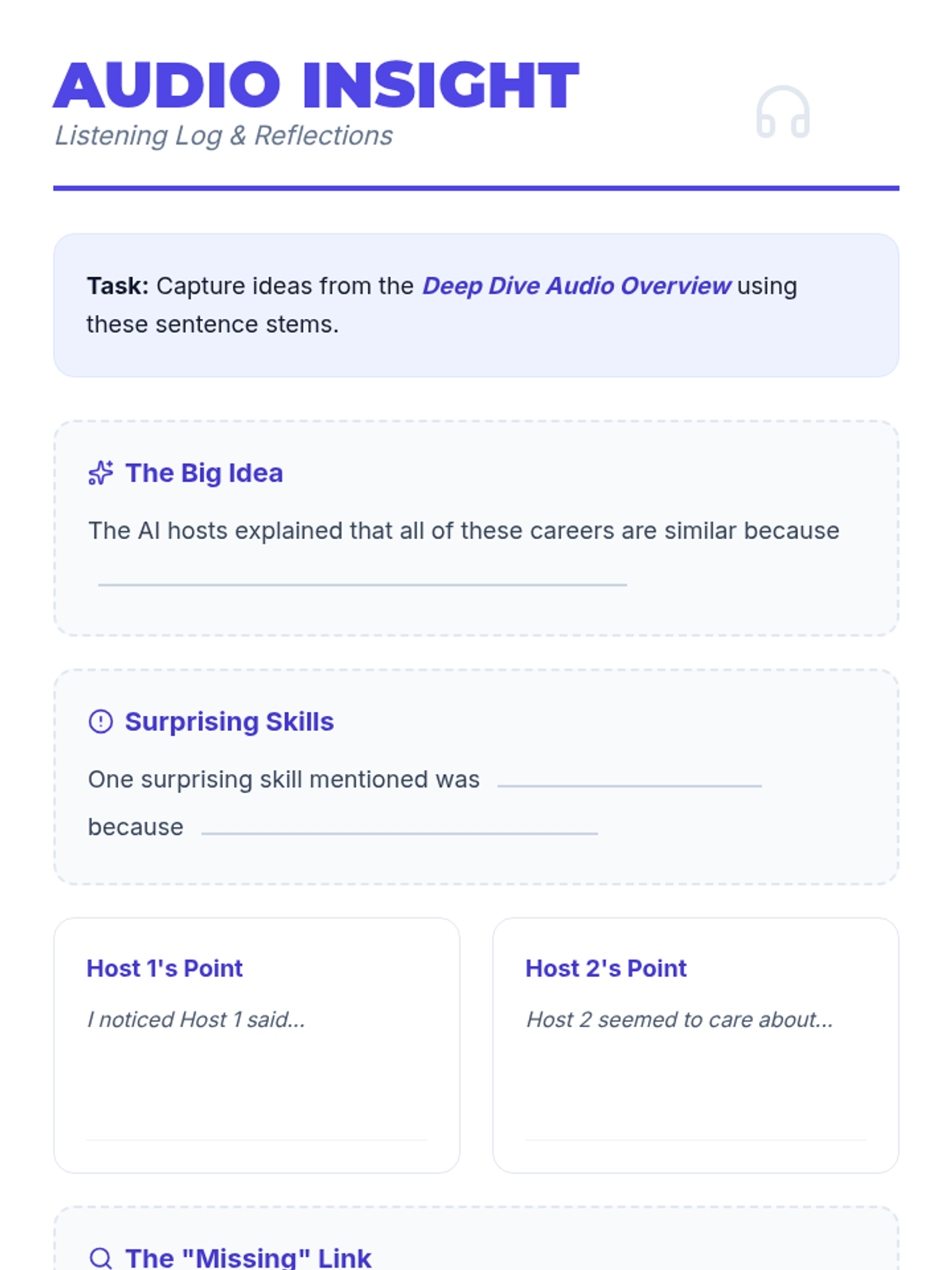
Students learn to set up their NotebookLM workspace, upload sources, and use high-level overview tools like Audio Overviews and Mind Maps to explore career options.
An expanded 90-minute lesson on job search strategies, covering digital platforms, the hidden job market, identifying job scams, and practicing professional elevator pitches.
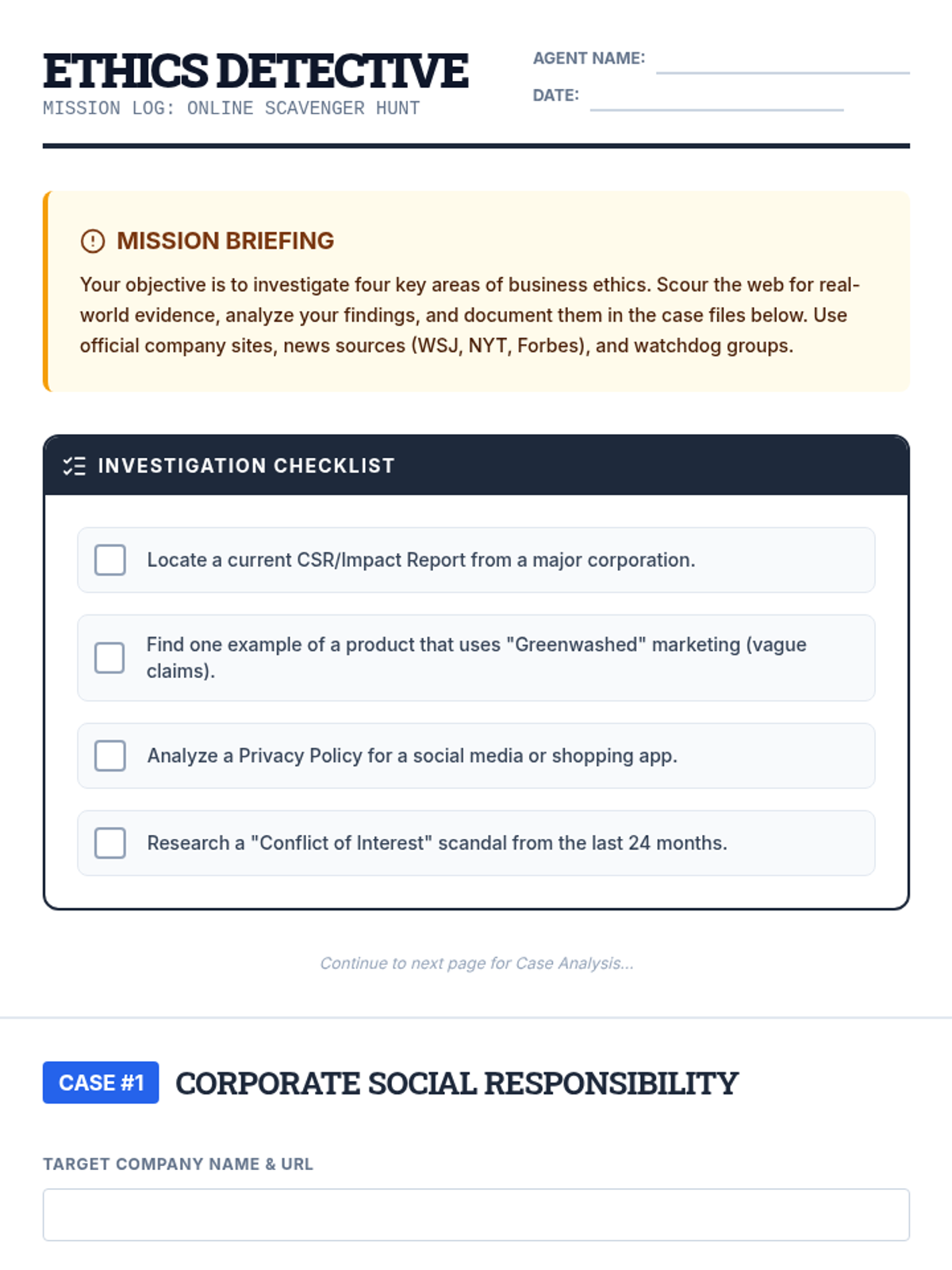
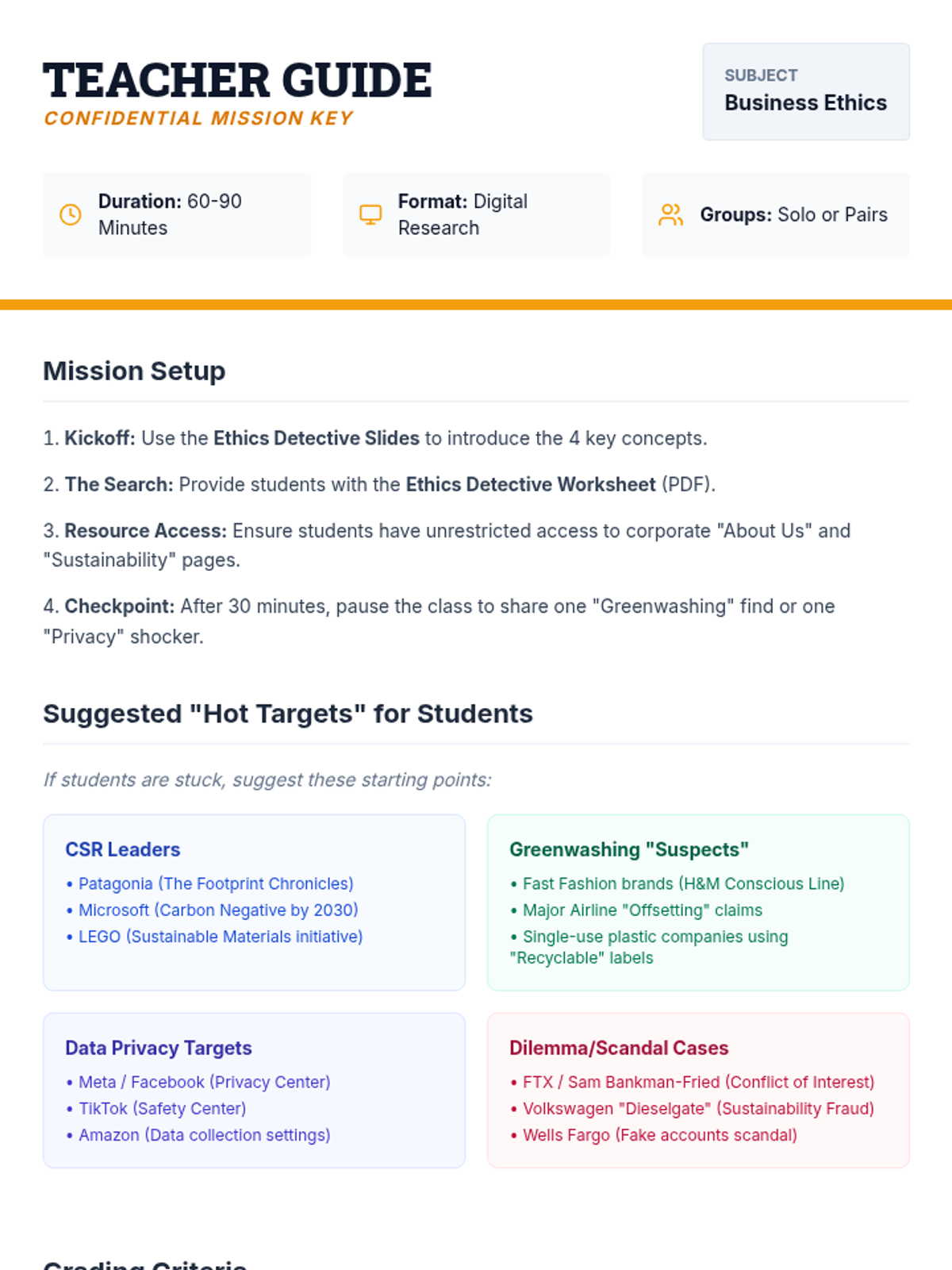
Students conduct a guided online research scavenger hunt to identify and analyze key business ethics concepts in modern corporations.
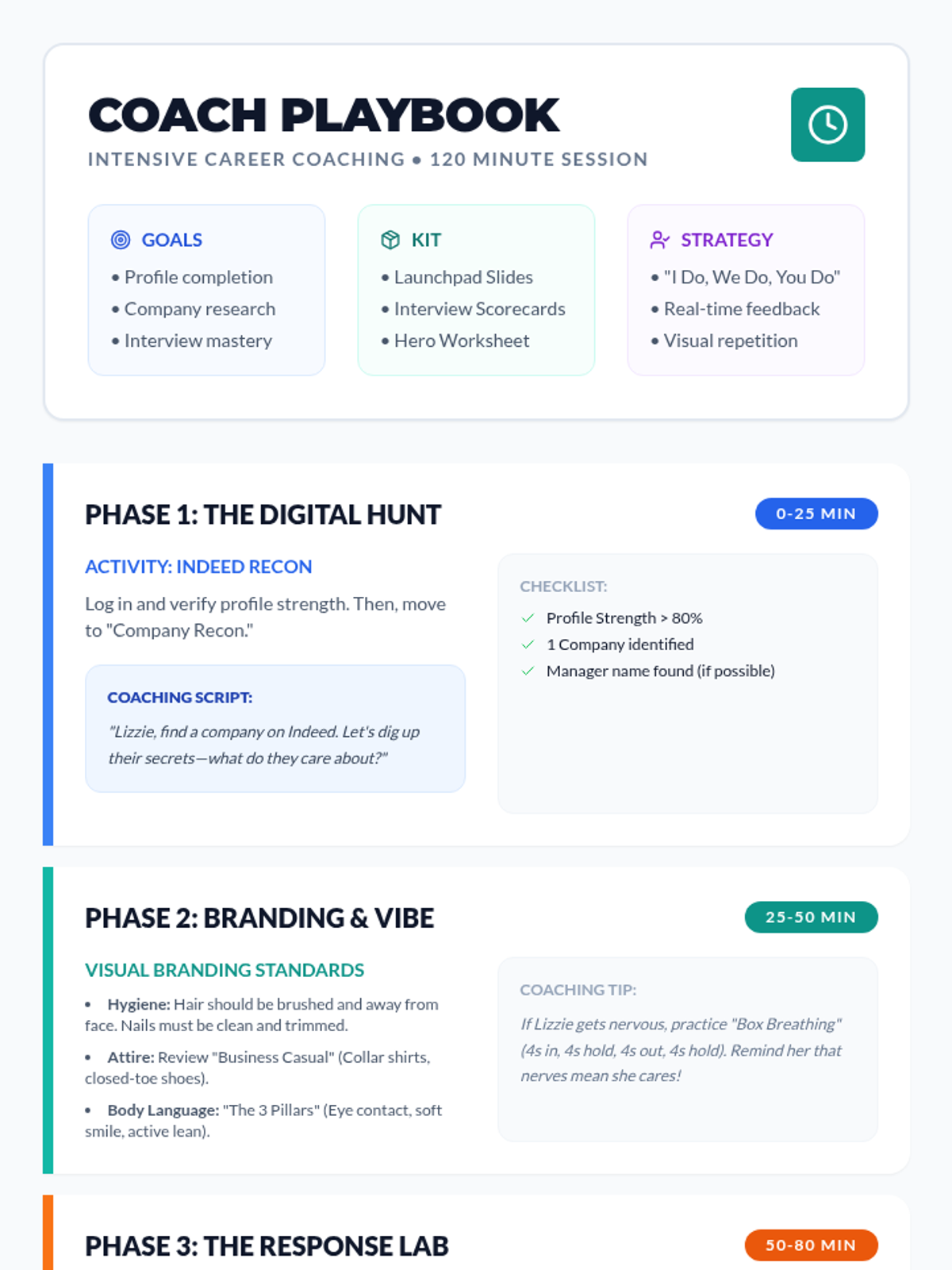
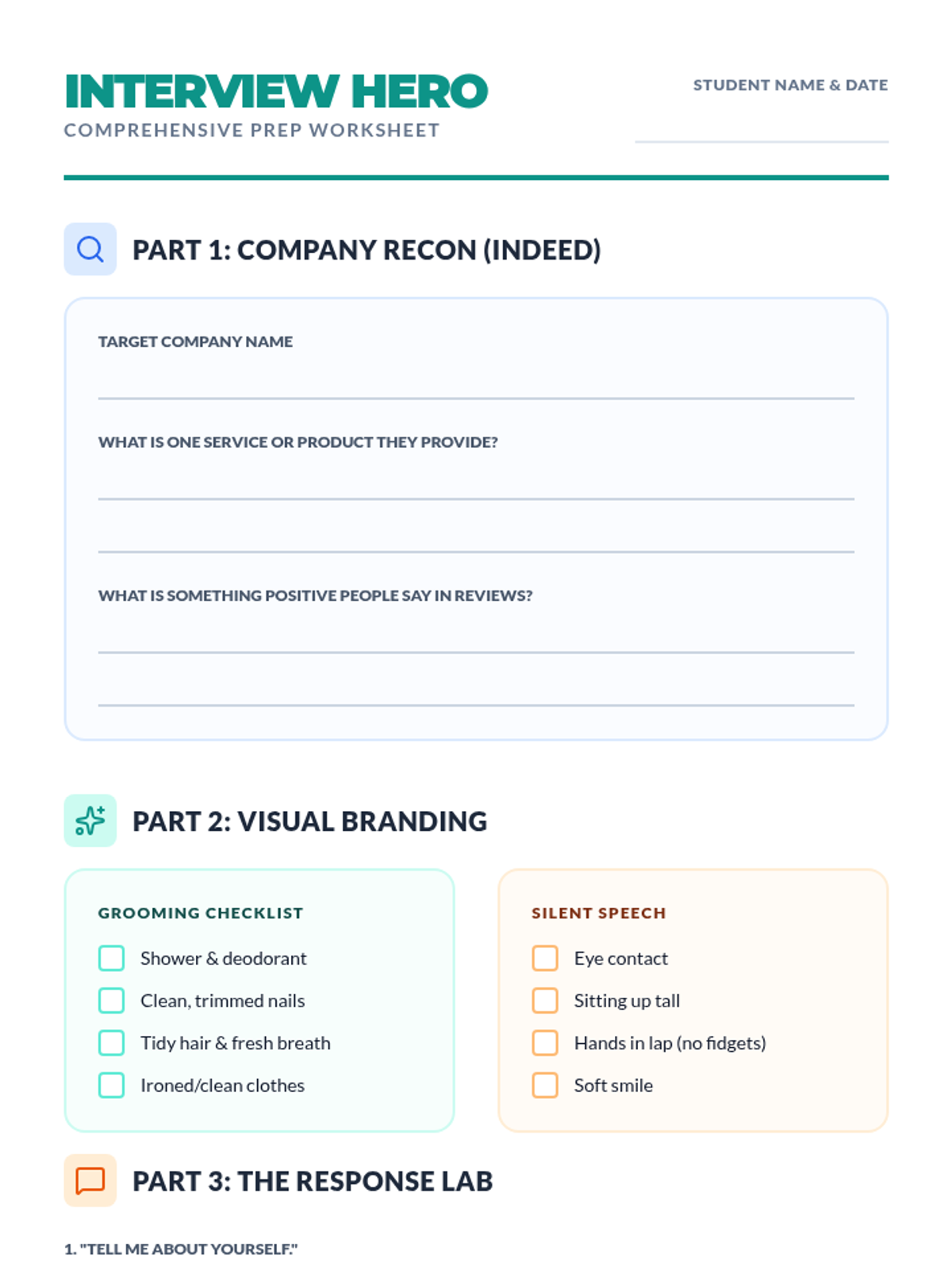
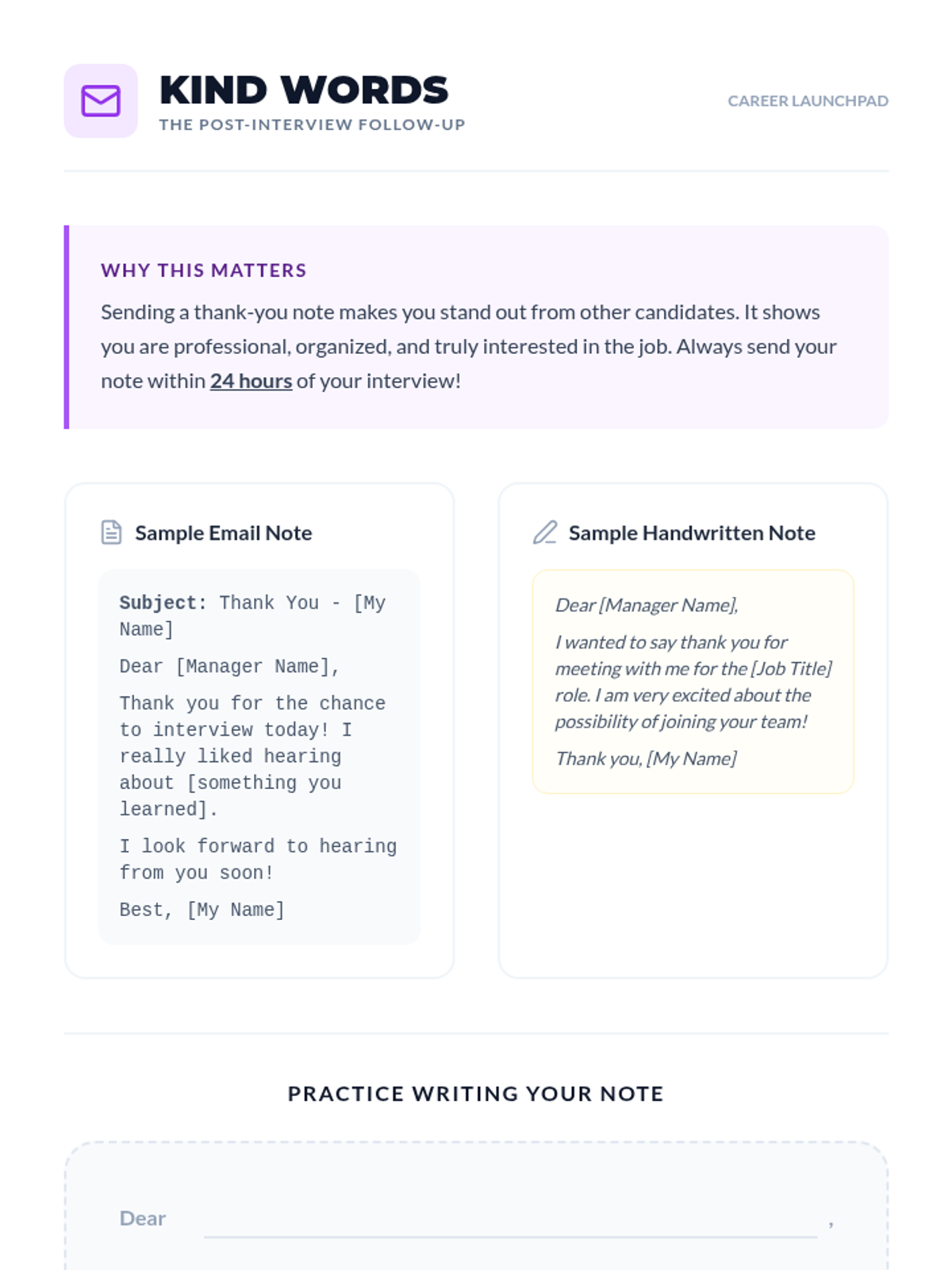
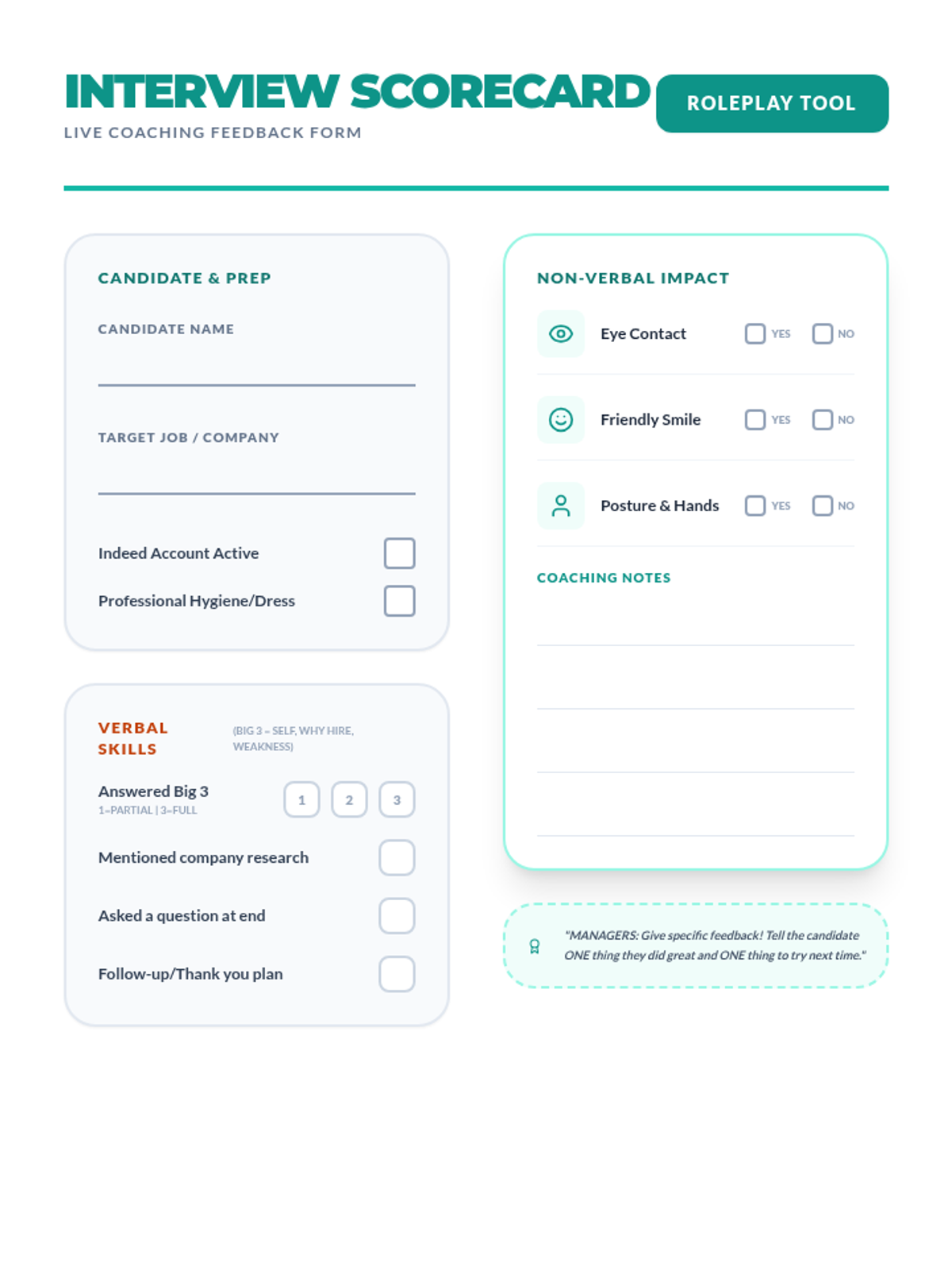
A vocational training lesson designed to help students master the job application process, from online profile management on Indeed to mastering the interview and follow-up.
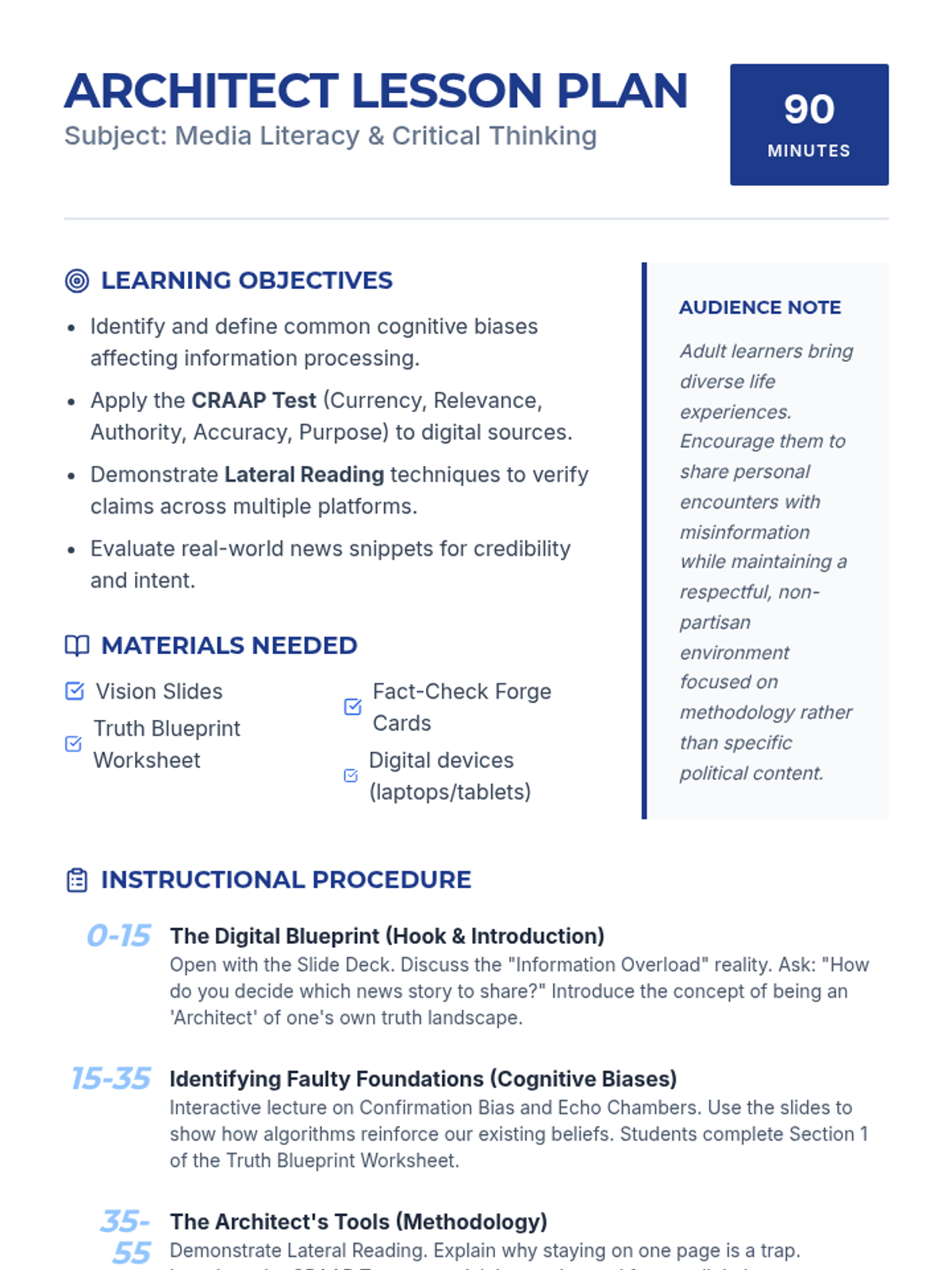
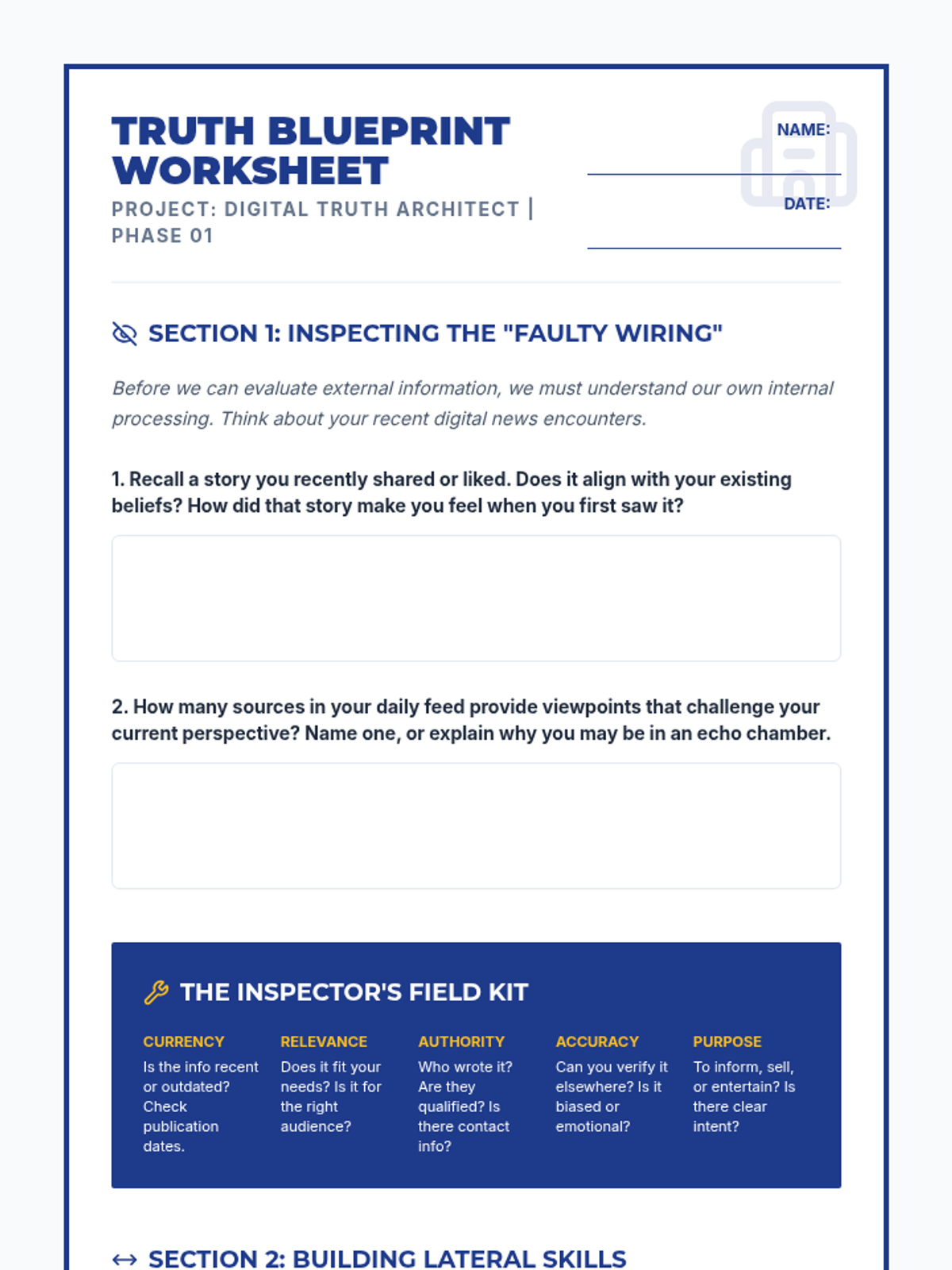
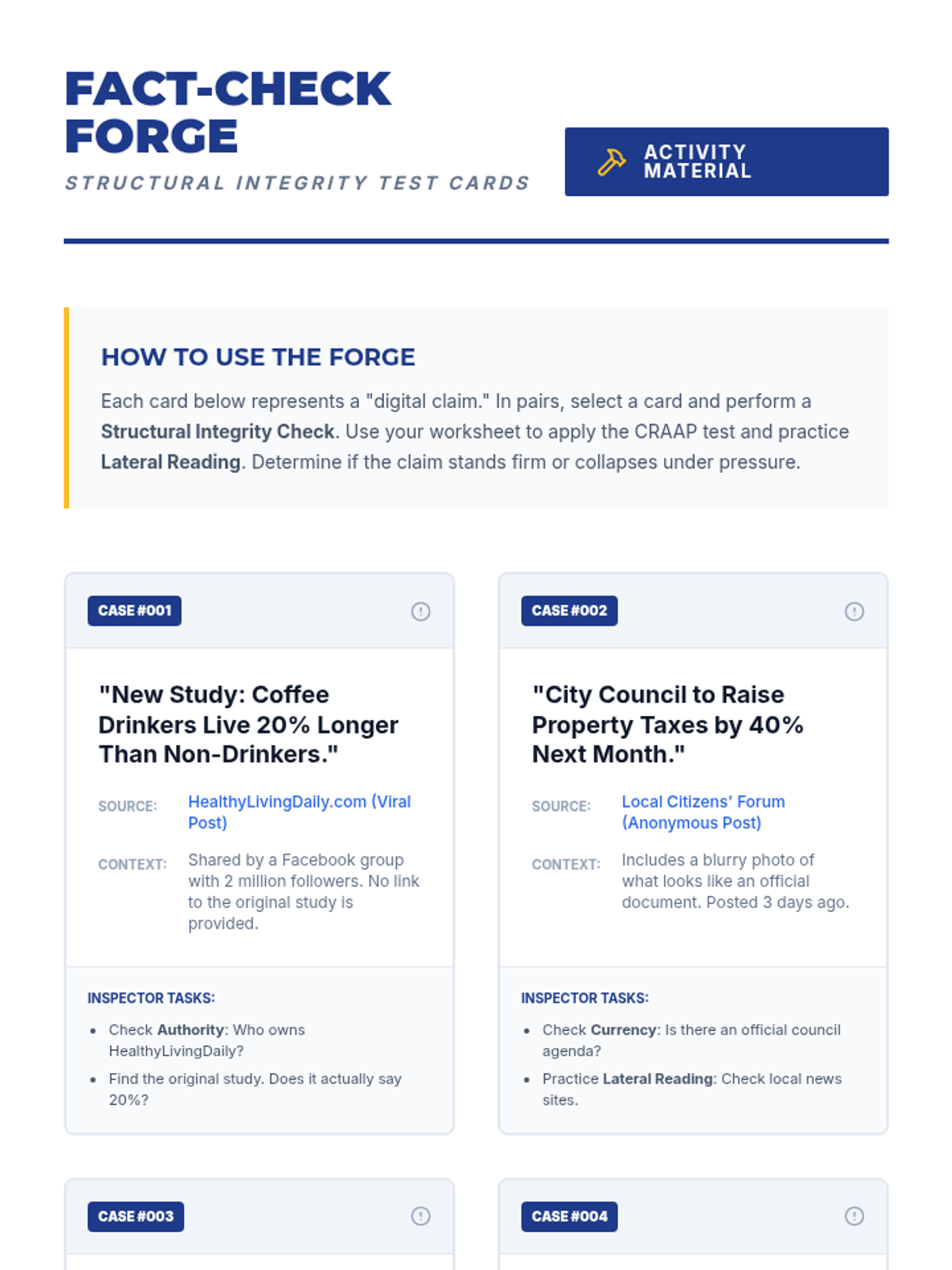
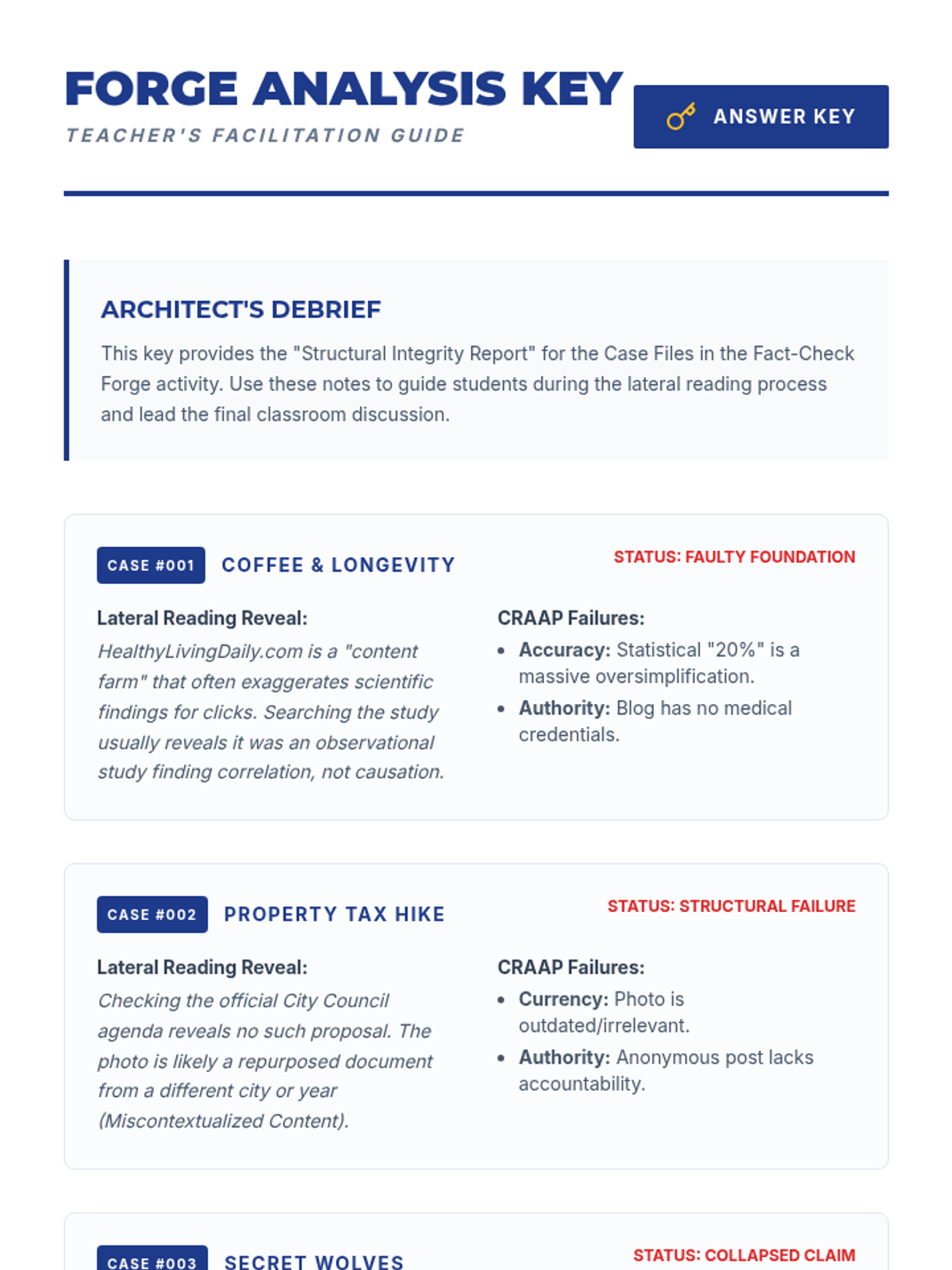
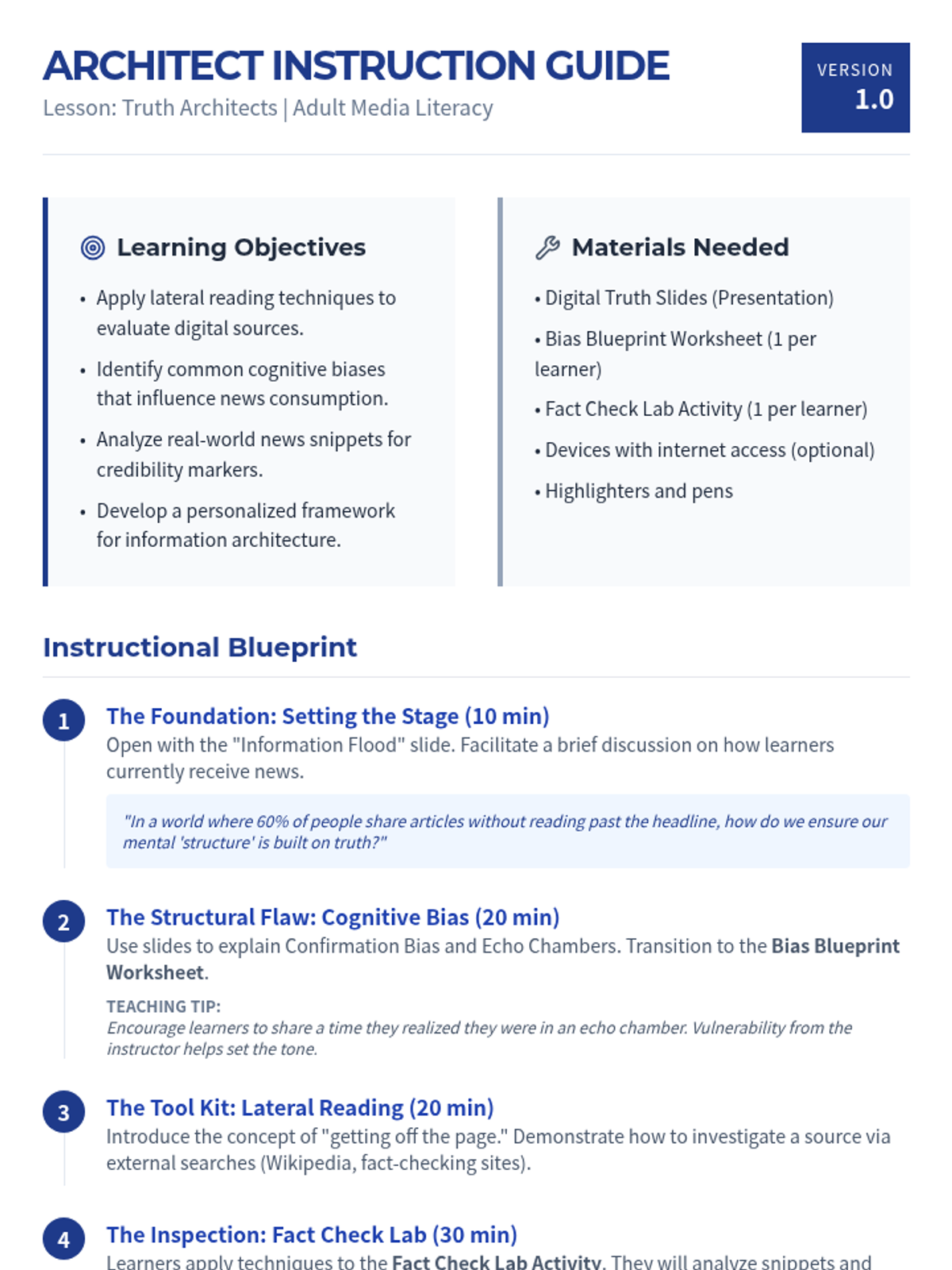
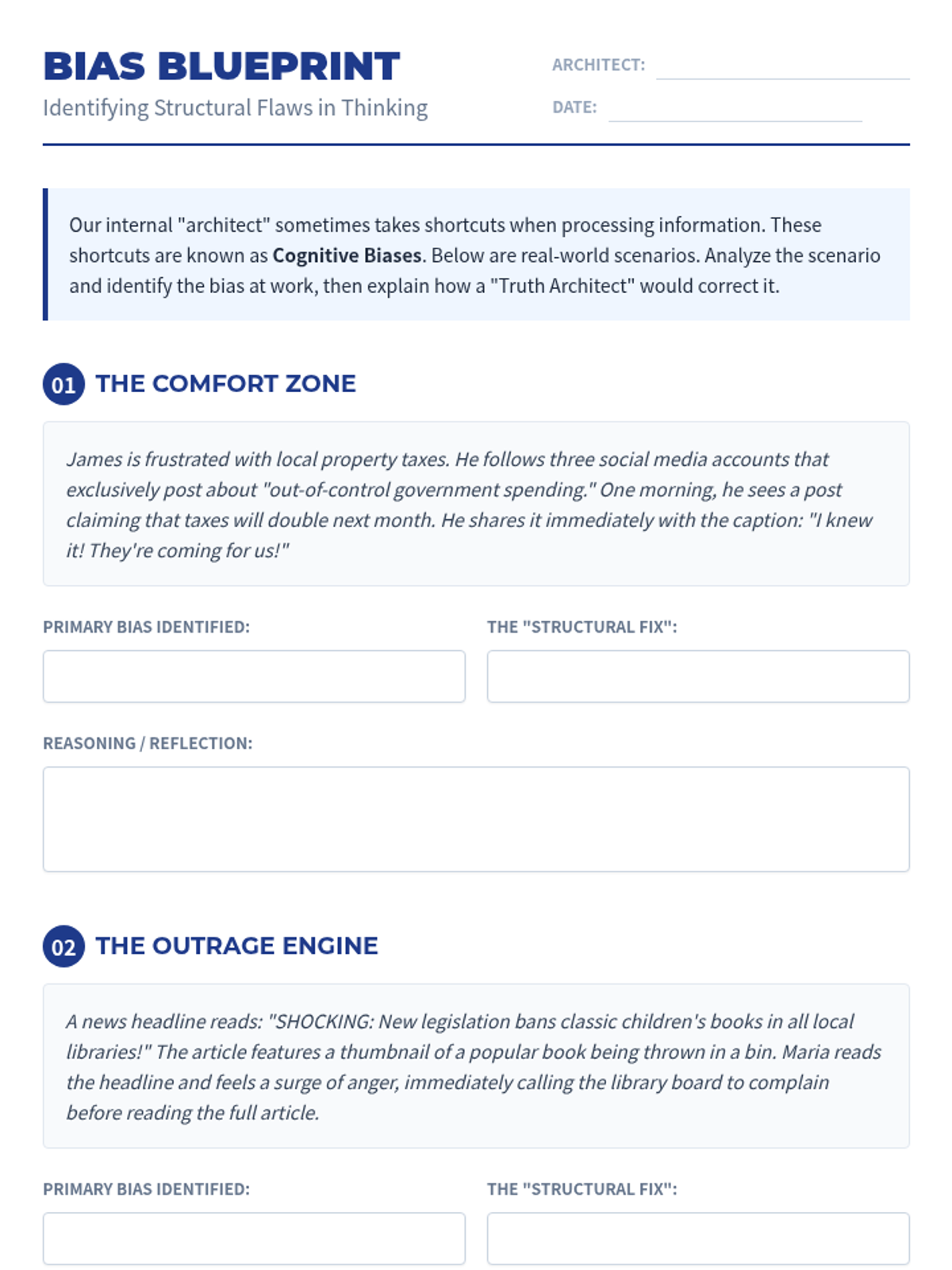
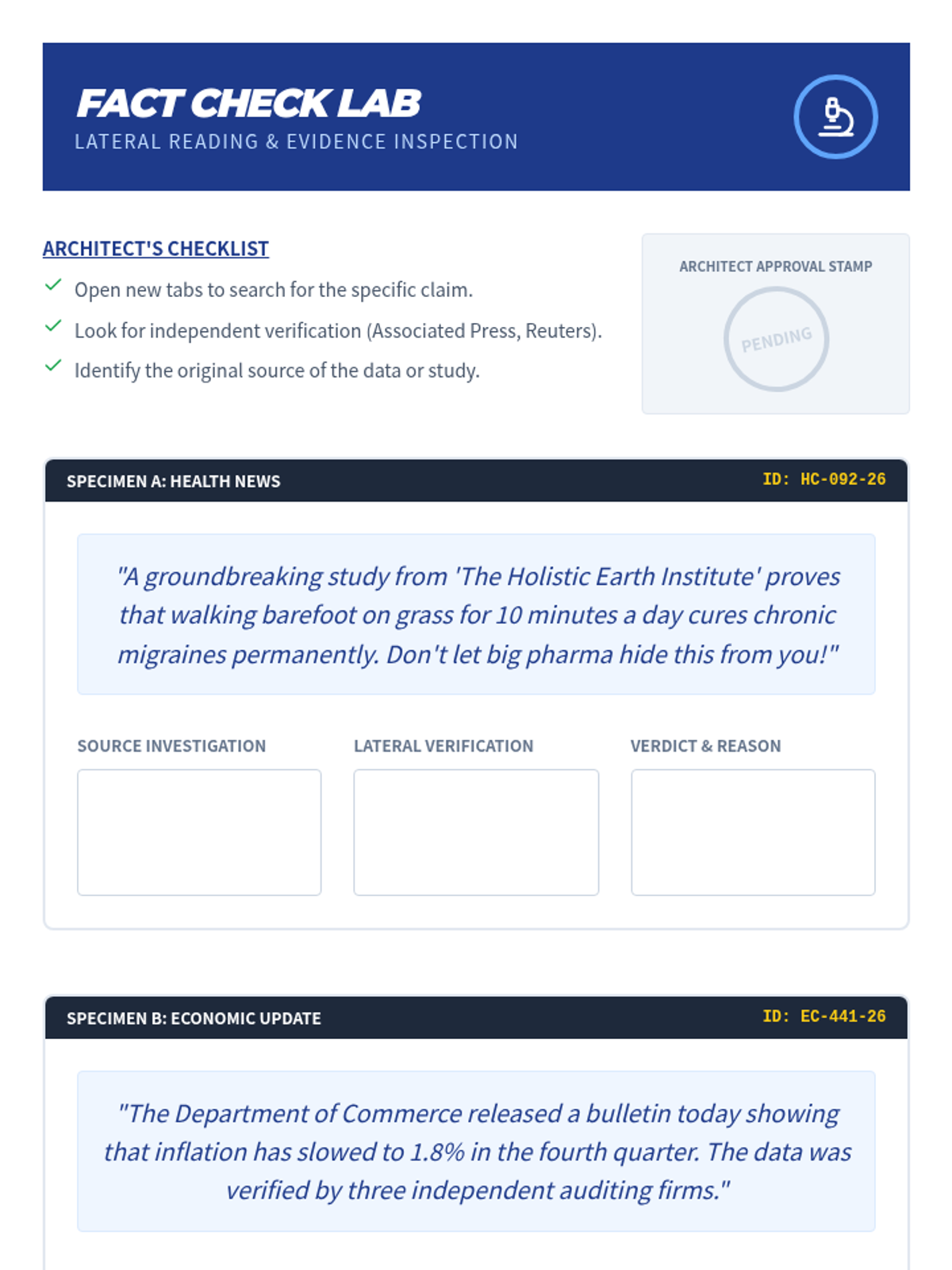
A comprehensive media literacy lesson for adults focused on evaluating digital credibility, recognizing cognitive biases, and mastering lateral reading techniques to navigate the modern information landscape.
A comprehensive lesson for adult learners on navigating the digital information landscape, focusing on lateral reading, source evaluation, and identifying cognitive biases.
Compare the mechanics of market, command, and mixed economies through historical documents like ration cards and industrial quotas, as well as modern tax structures.
Uncover the metrics of national wealth through the history of hyperinflation, the ethics of economic growth, and simulations of central bank management.
Master the dynamics of market forces through the history of the Tulip Mania, the ethics of ticket scalping, and simulations of price elasticity and equilibrium.
Explore the foundational pillars of economics through the history of the Dust Bowl, the ethics of organ markets, and simulations of scarcity and marginal utility.
Master the mechanics of life's largest financial commitments through the history of the 30-year mortgage, the ethics of urban gentrification, and complex simulations of home ownership.
Uncover the mechanisms of risk management through the history of the Great Fire of London, the ethics of pre-existing conditions, and complex simulations of health and auto insurance.
Master the battlefield of the modern marketplace through the history of consumer protection, the ethics of planned obsolescence, and simulations of contract negotiation.
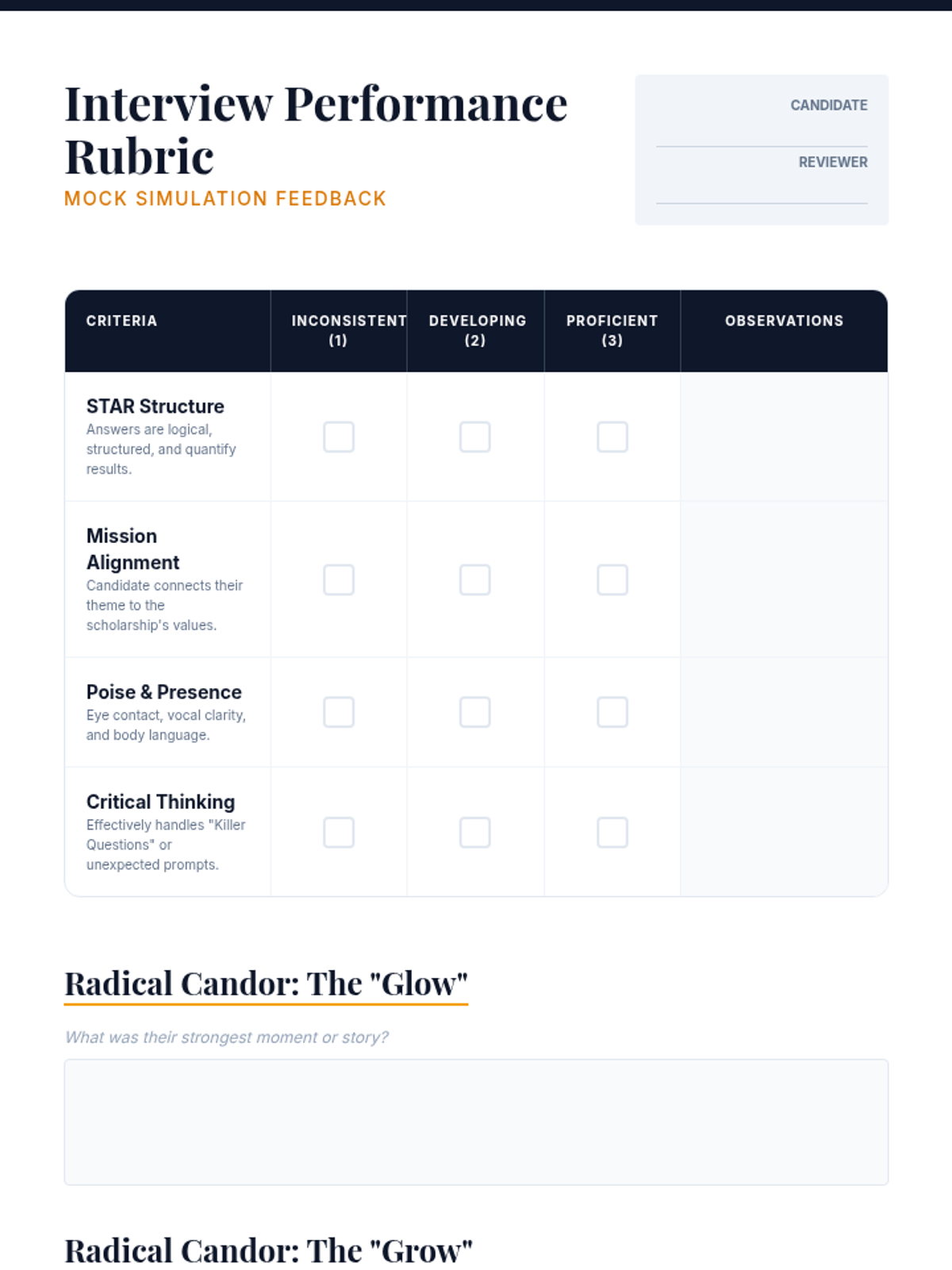
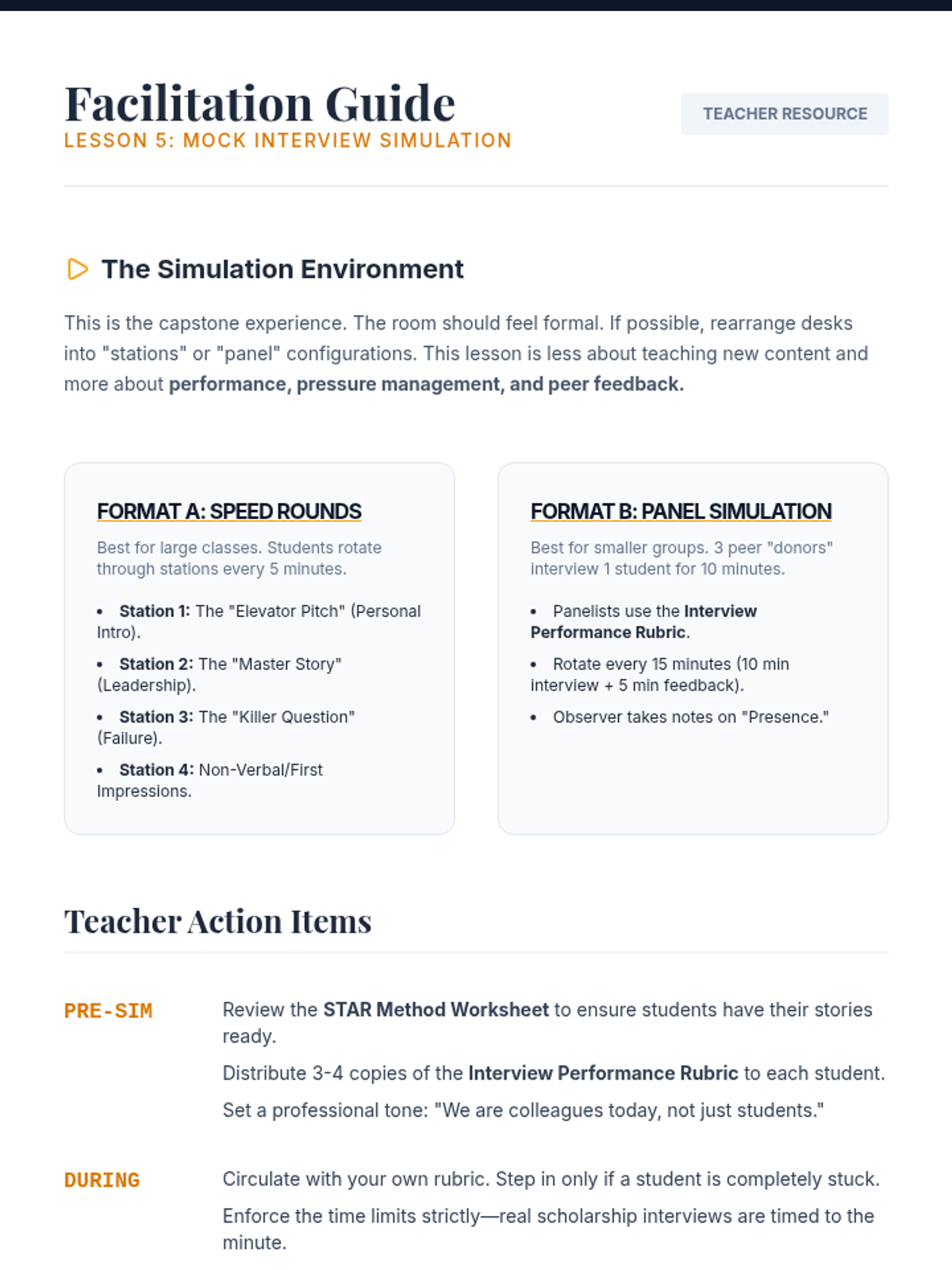
Students engage in mock interview simulations and learn post-interview etiquette and scholarship management.
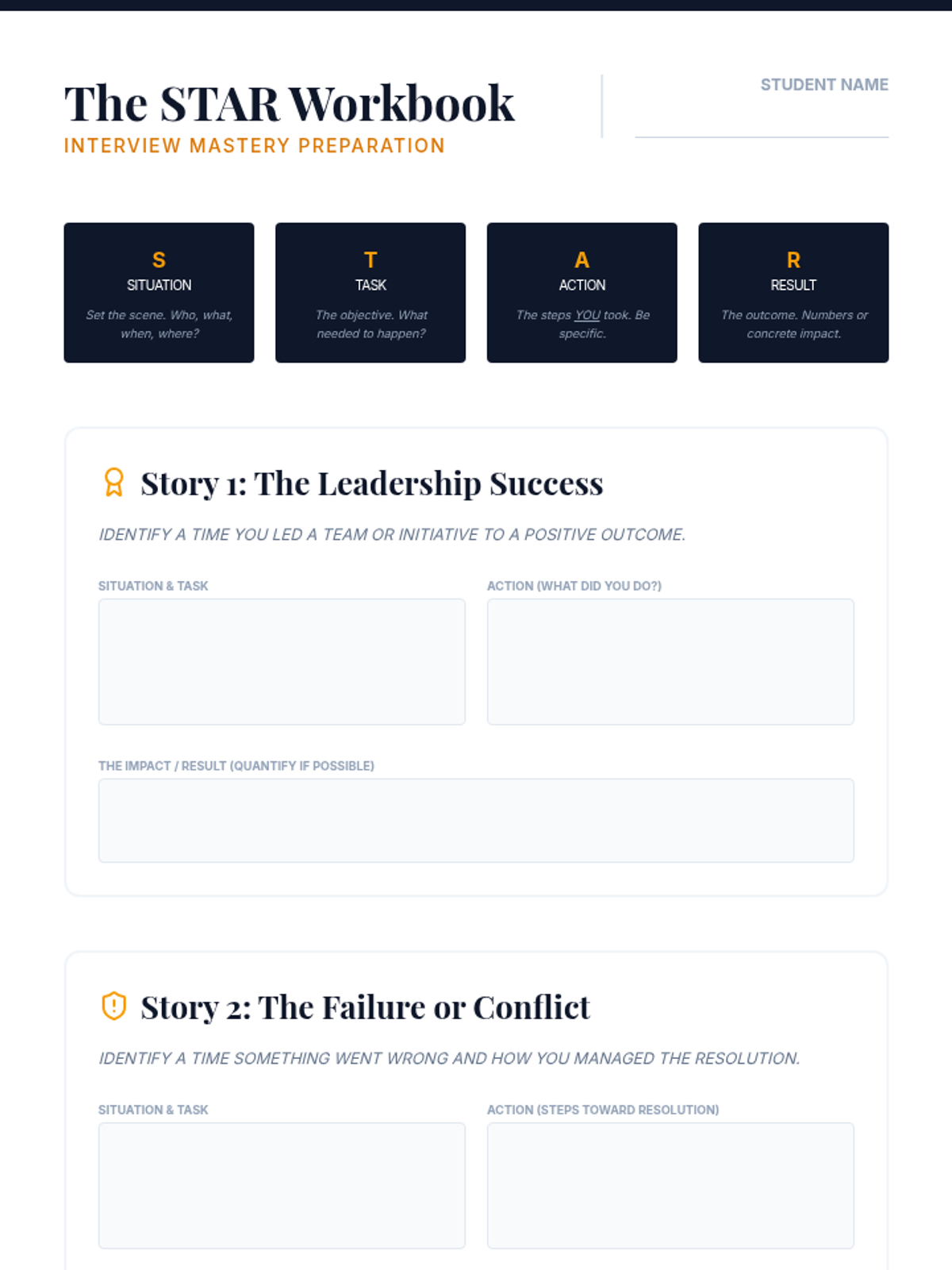
Students prepare for scholarship interviews using the STAR method to answer behavioral questions effectively.
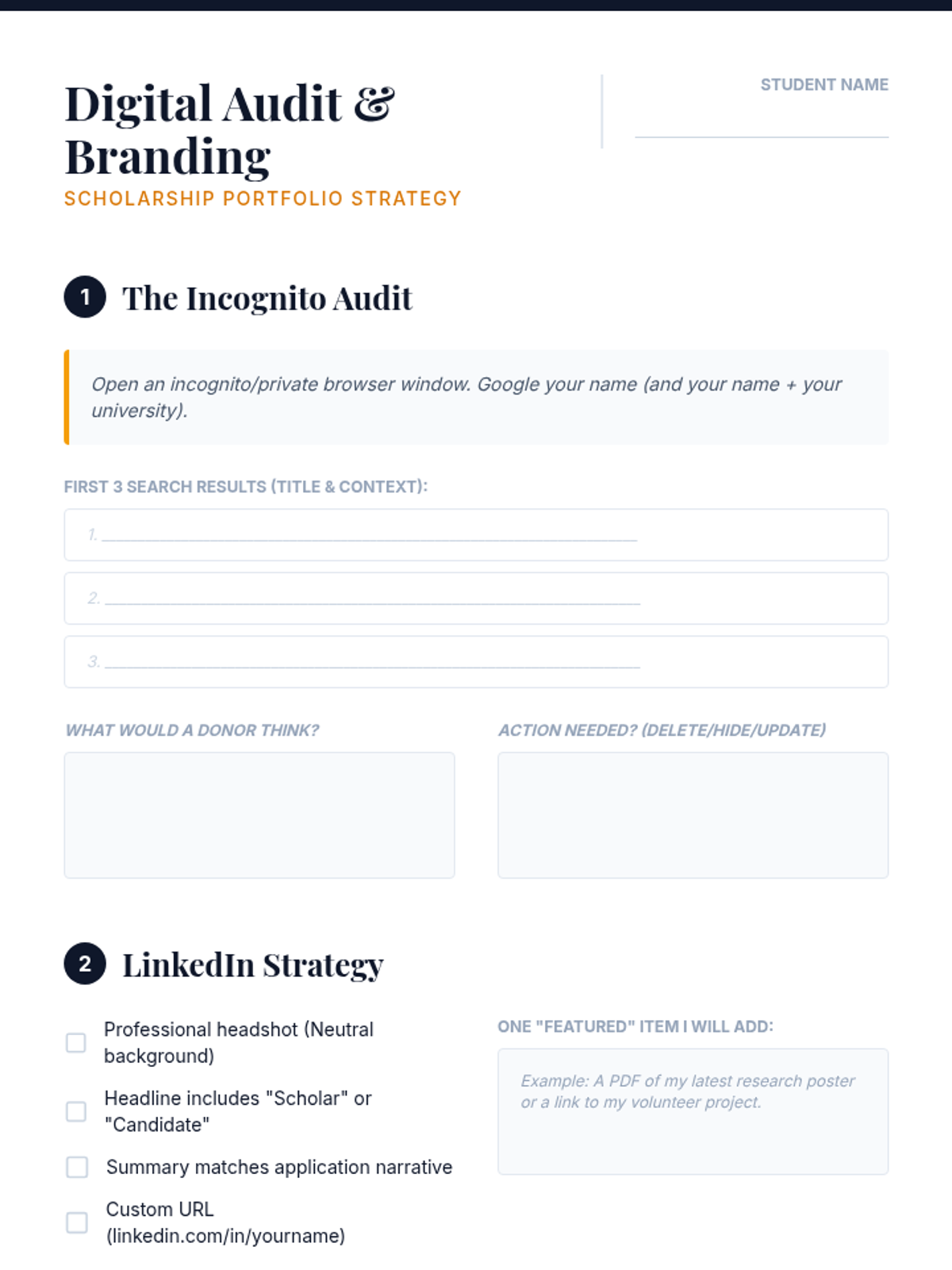
Students audit their digital footprint and curate supplemental materials to reinforce their application's narrative.
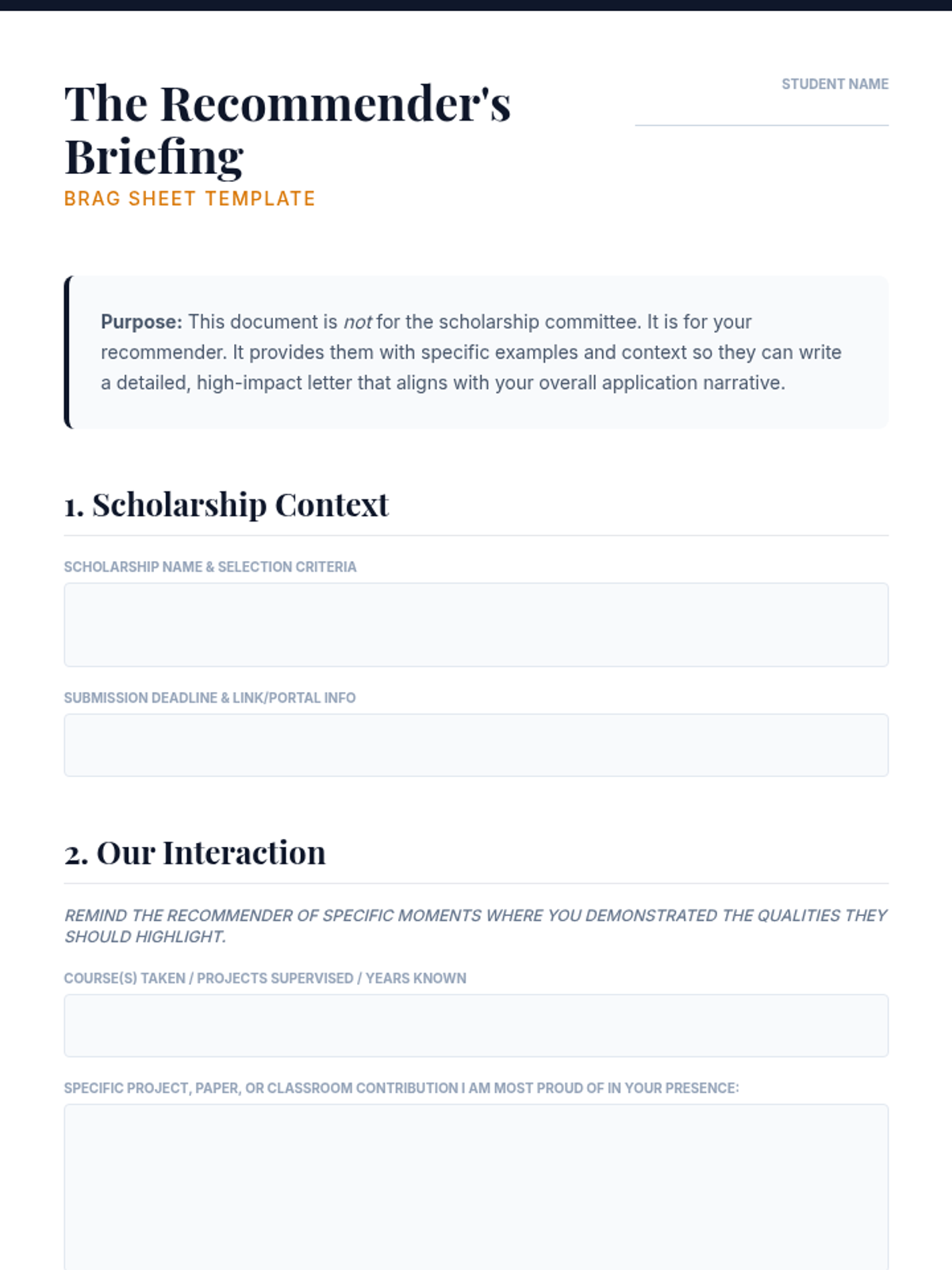
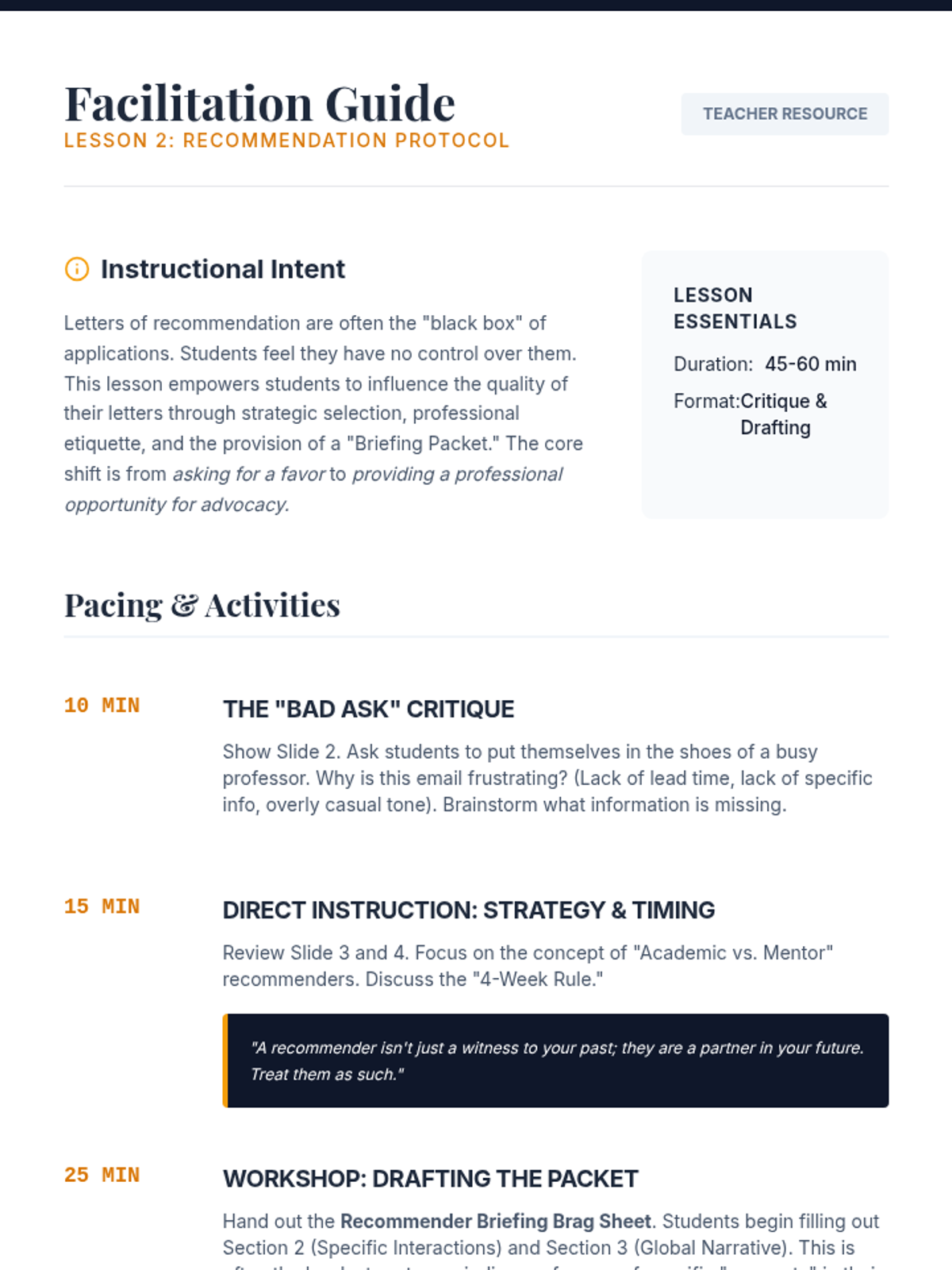
Students learn the etiquette and strategy for requesting letters of recommendation, creating 'brag sheets' to guide their recommenders.
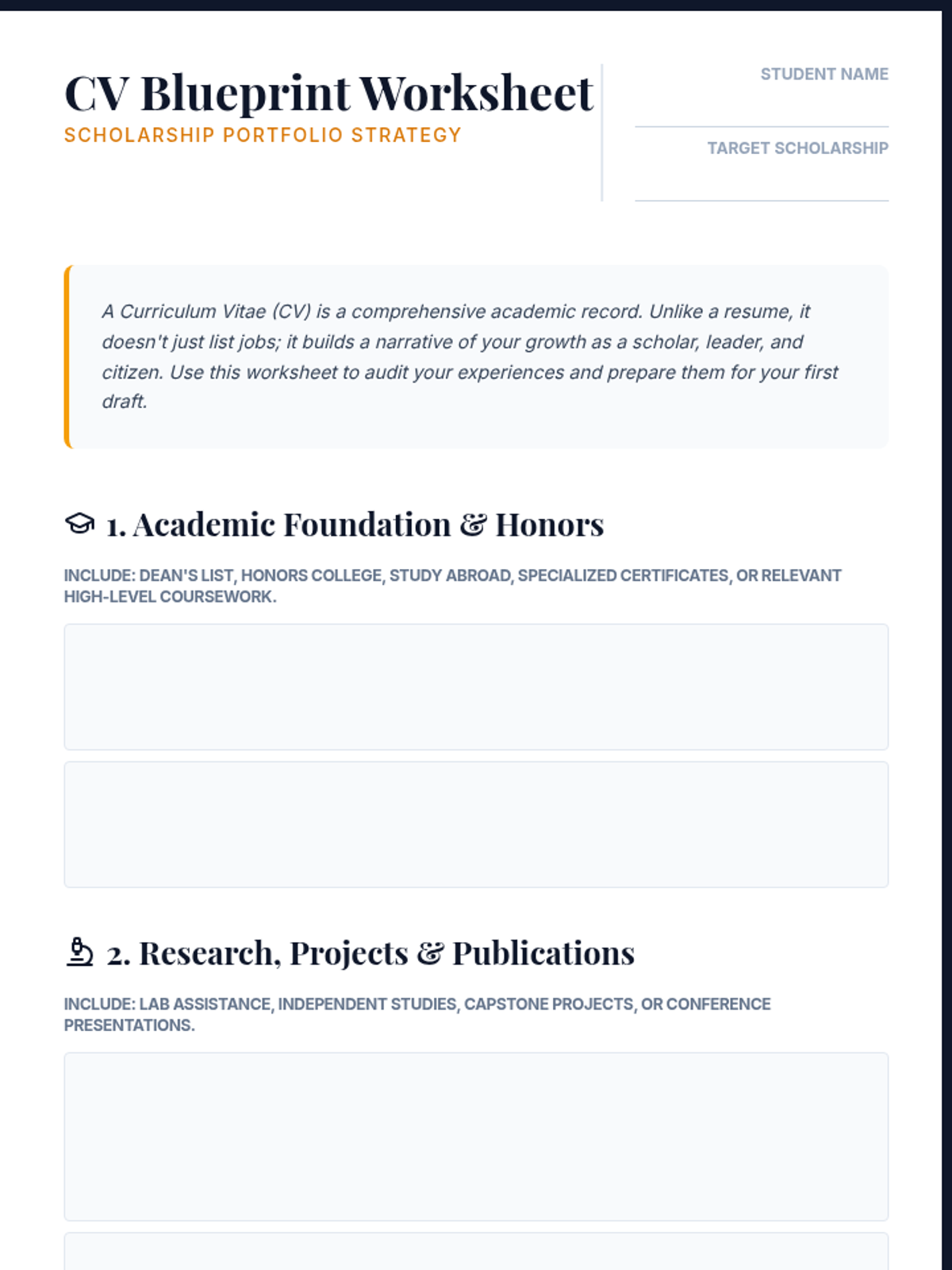
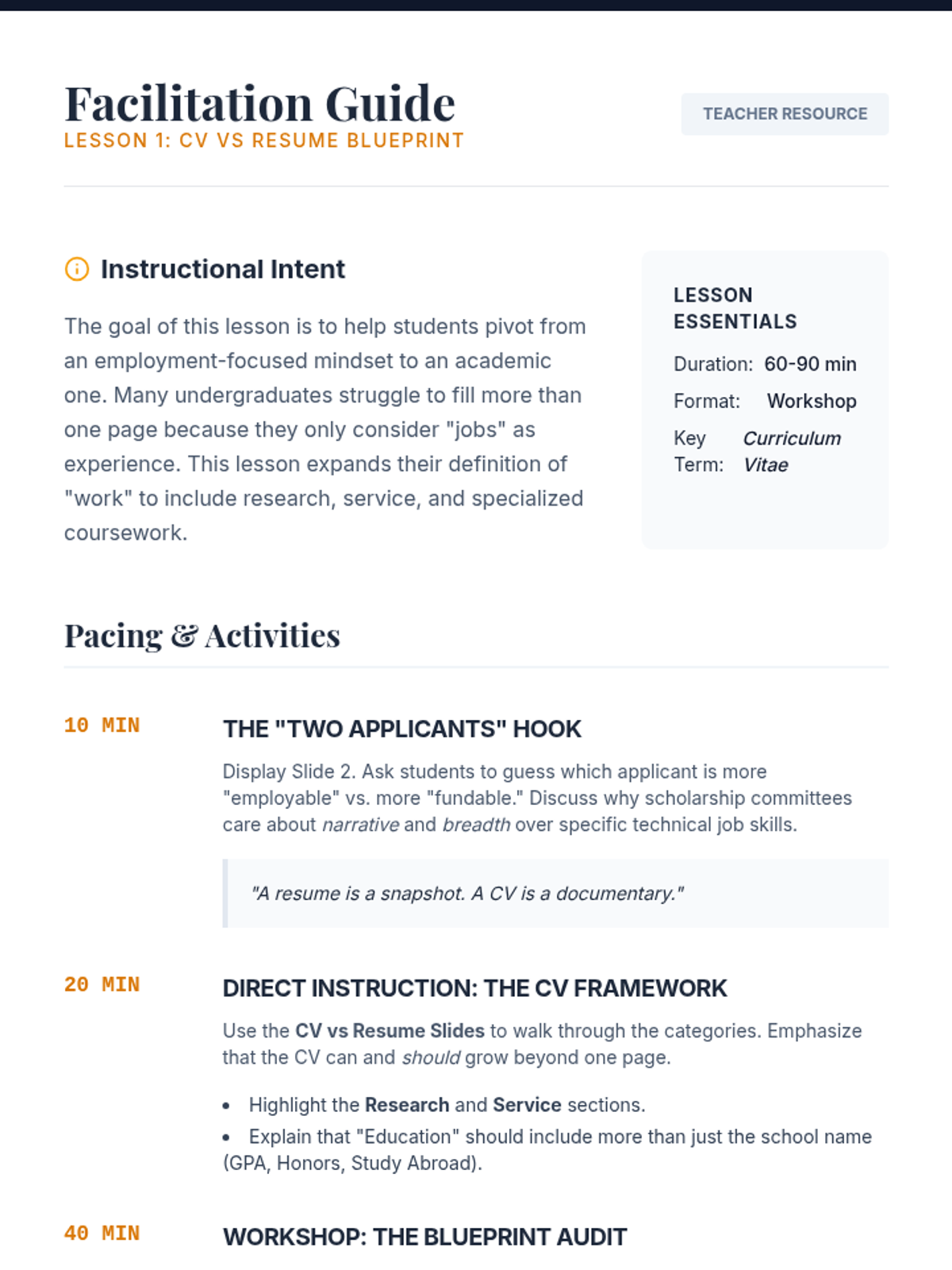
Students differentiate between a standard employment resume and an academic CV, building a document that highlights academic achievements, research, and leadership.
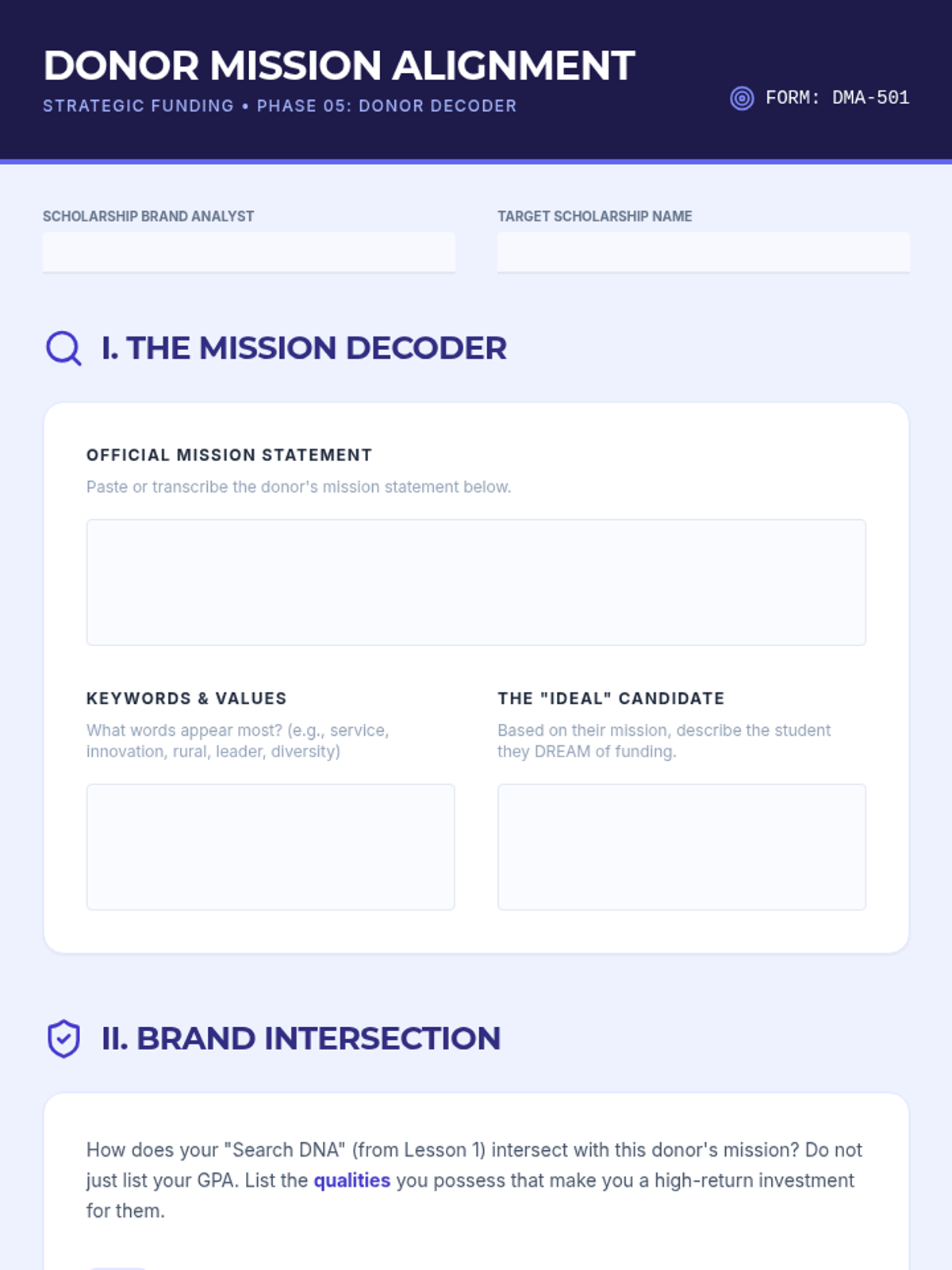
Students research donor organizations to align their personal brand with the funding source's mission and values.
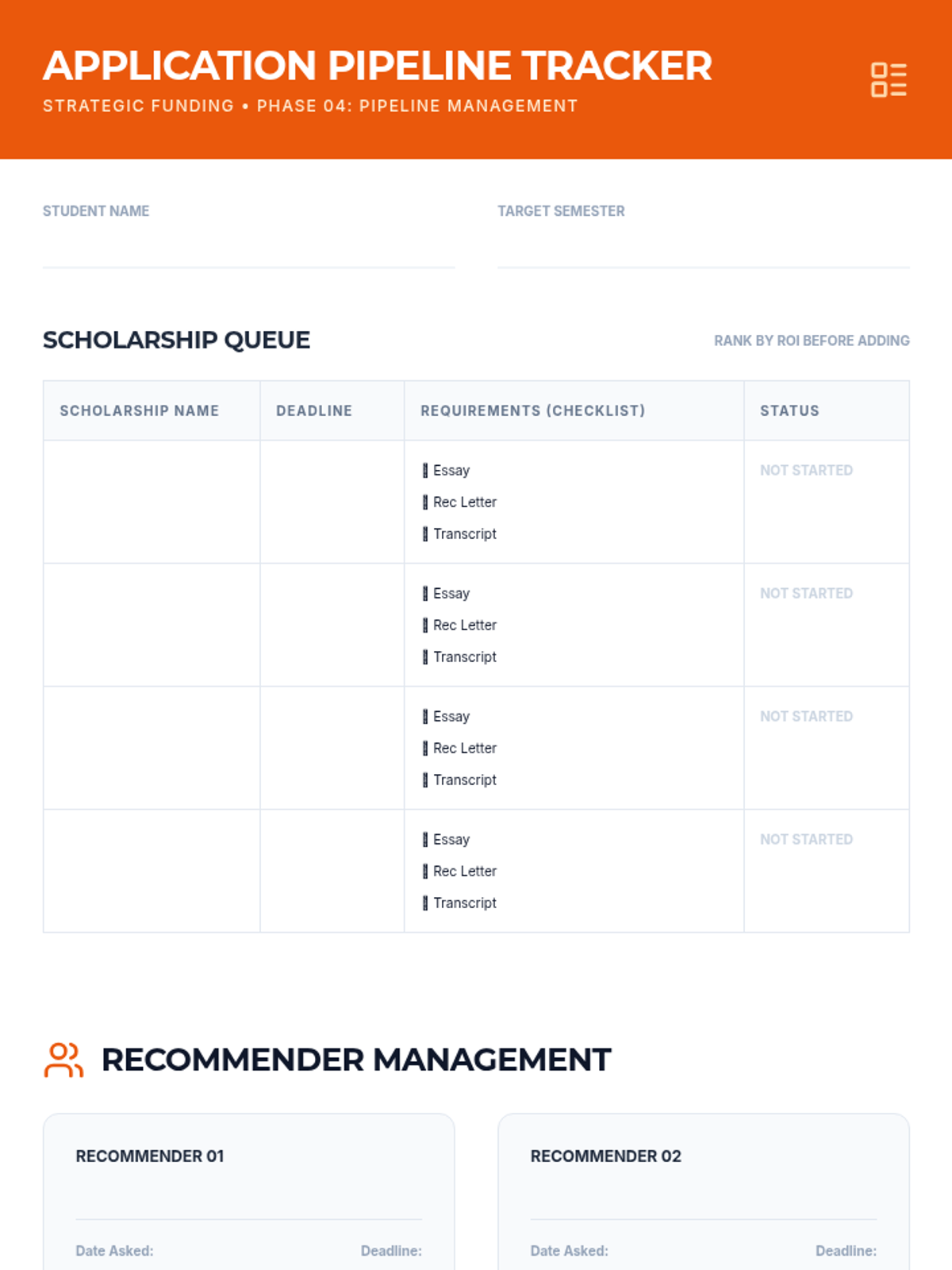
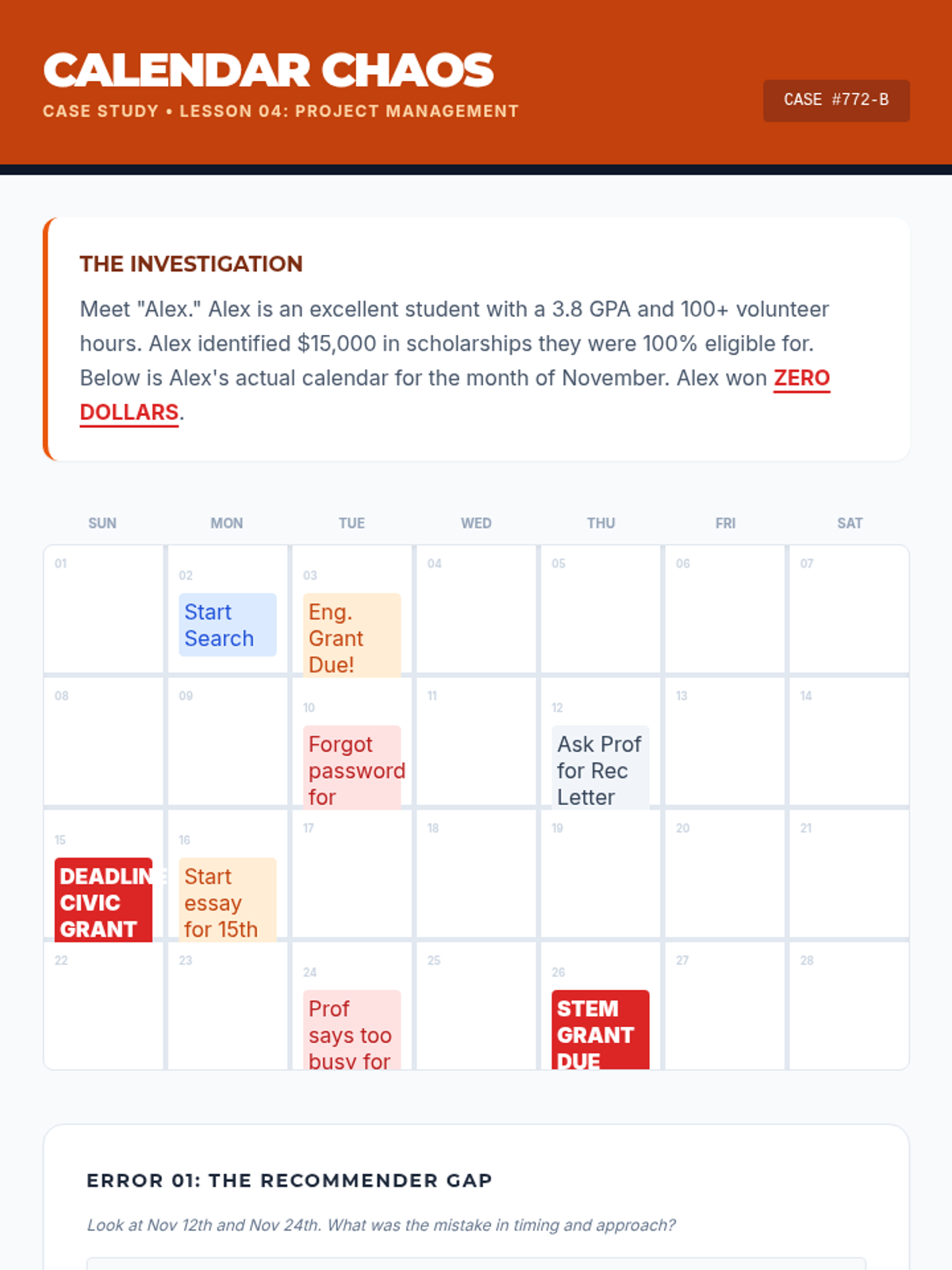
Students build a robust project management system to track deadlines, requirements, and application status.
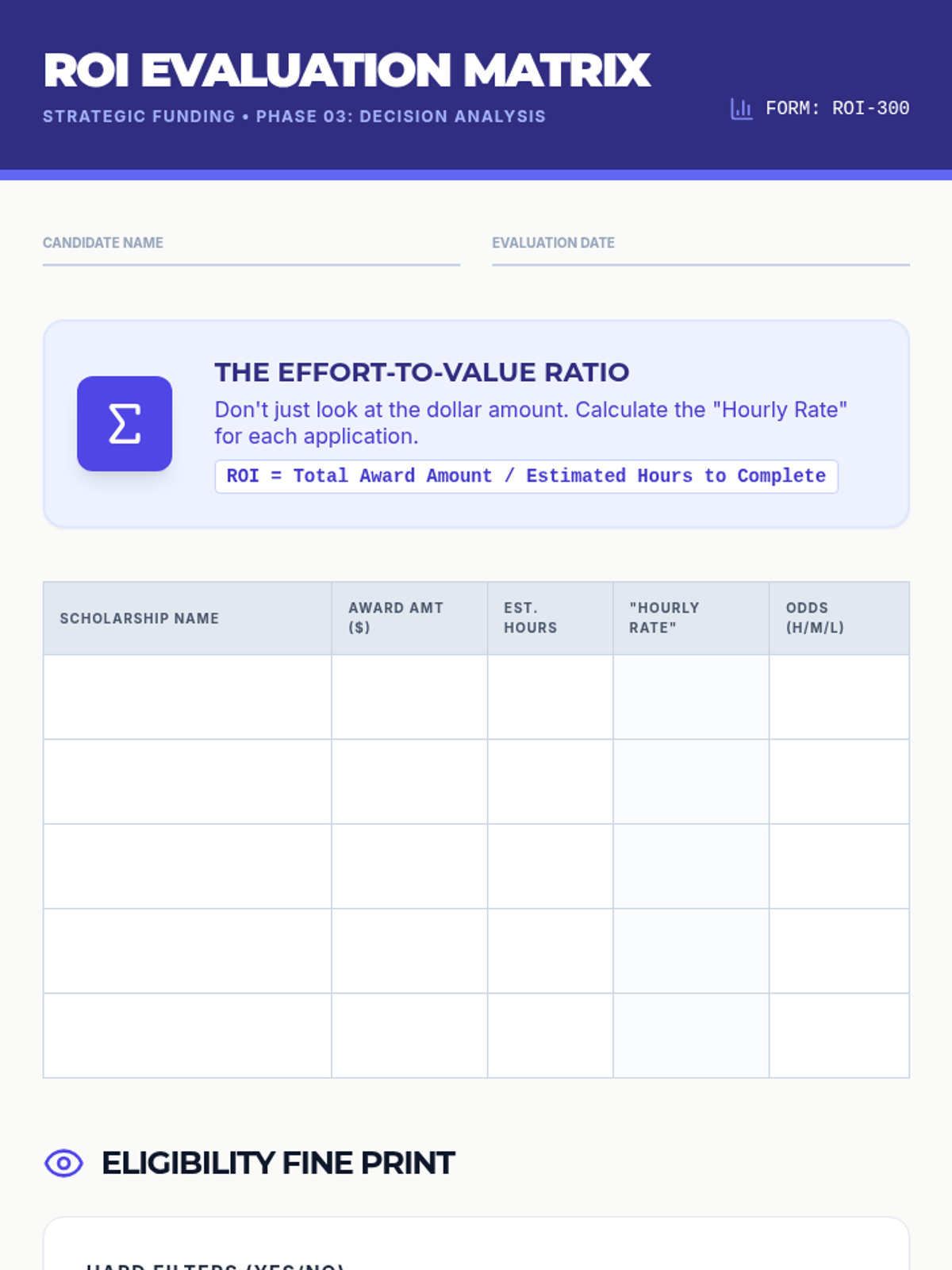
Students evaluate scholarship opportunities based on effort-to-value ratios and eligibility requirements.
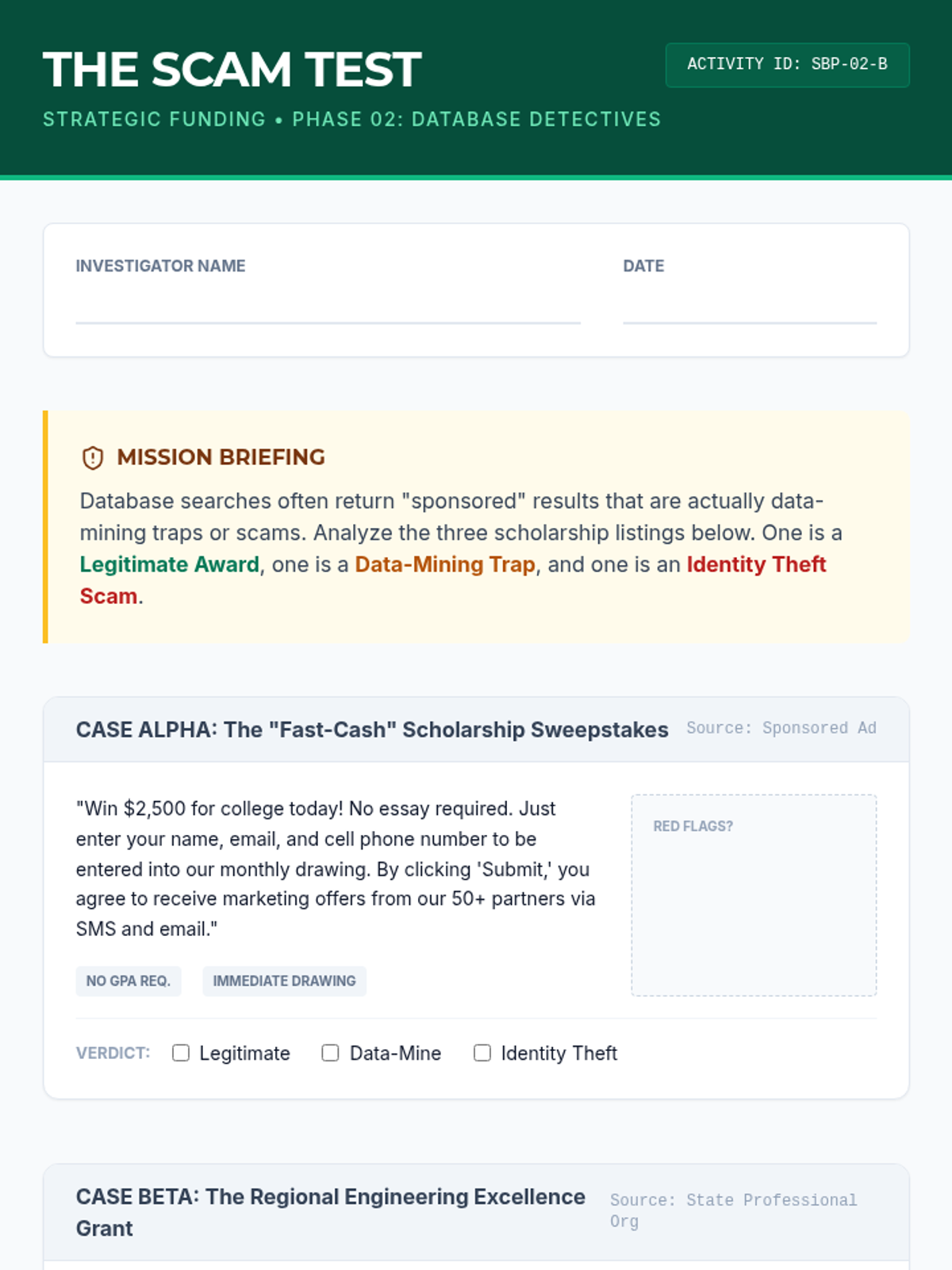
Students learn to use advanced search techniques and verify the legitimacy of scholarship databases and institutional resources.
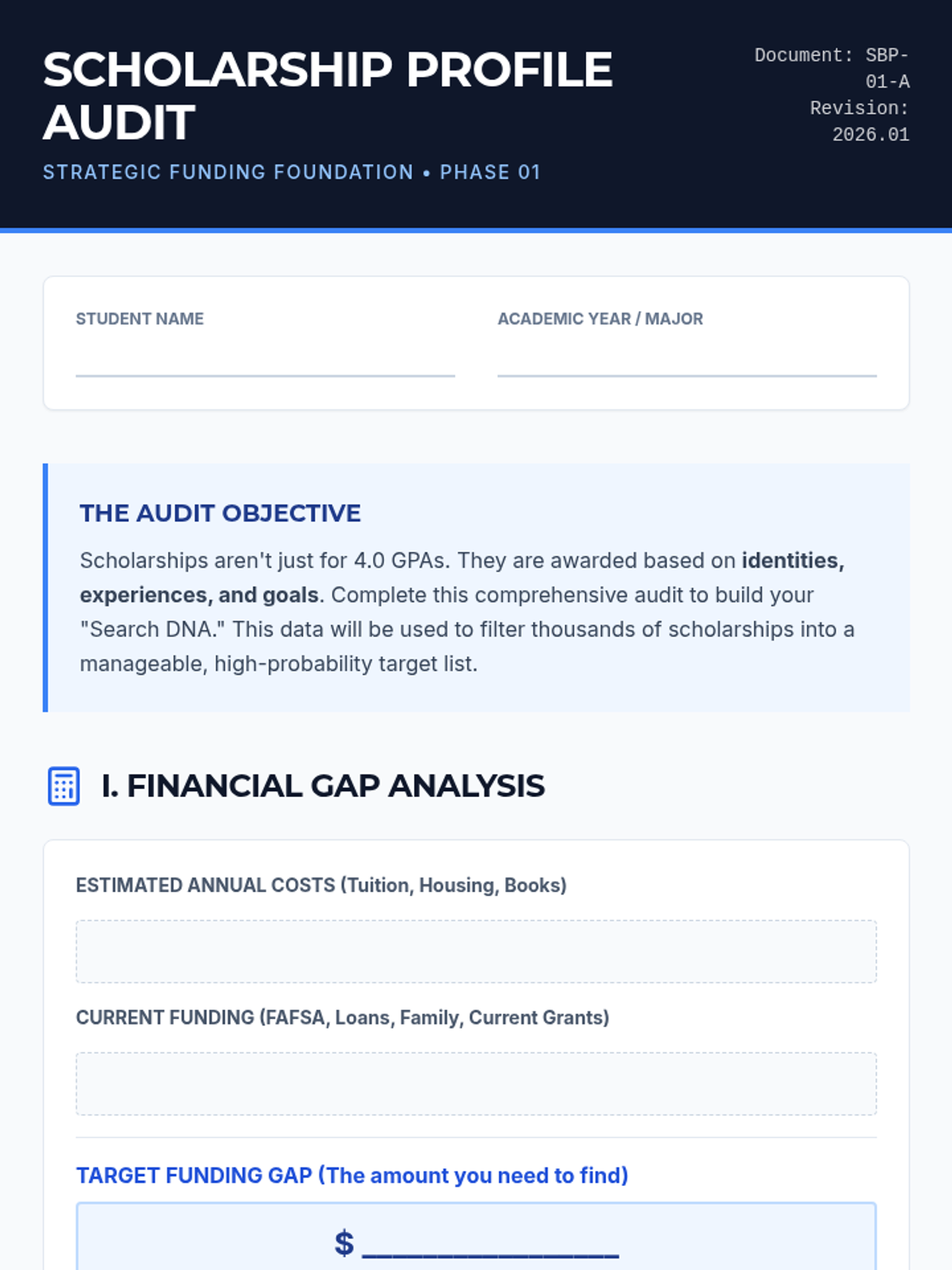
Students conduct a deep-dive audit of their financial needs and personal characteristics to identify niche scholarship opportunities.
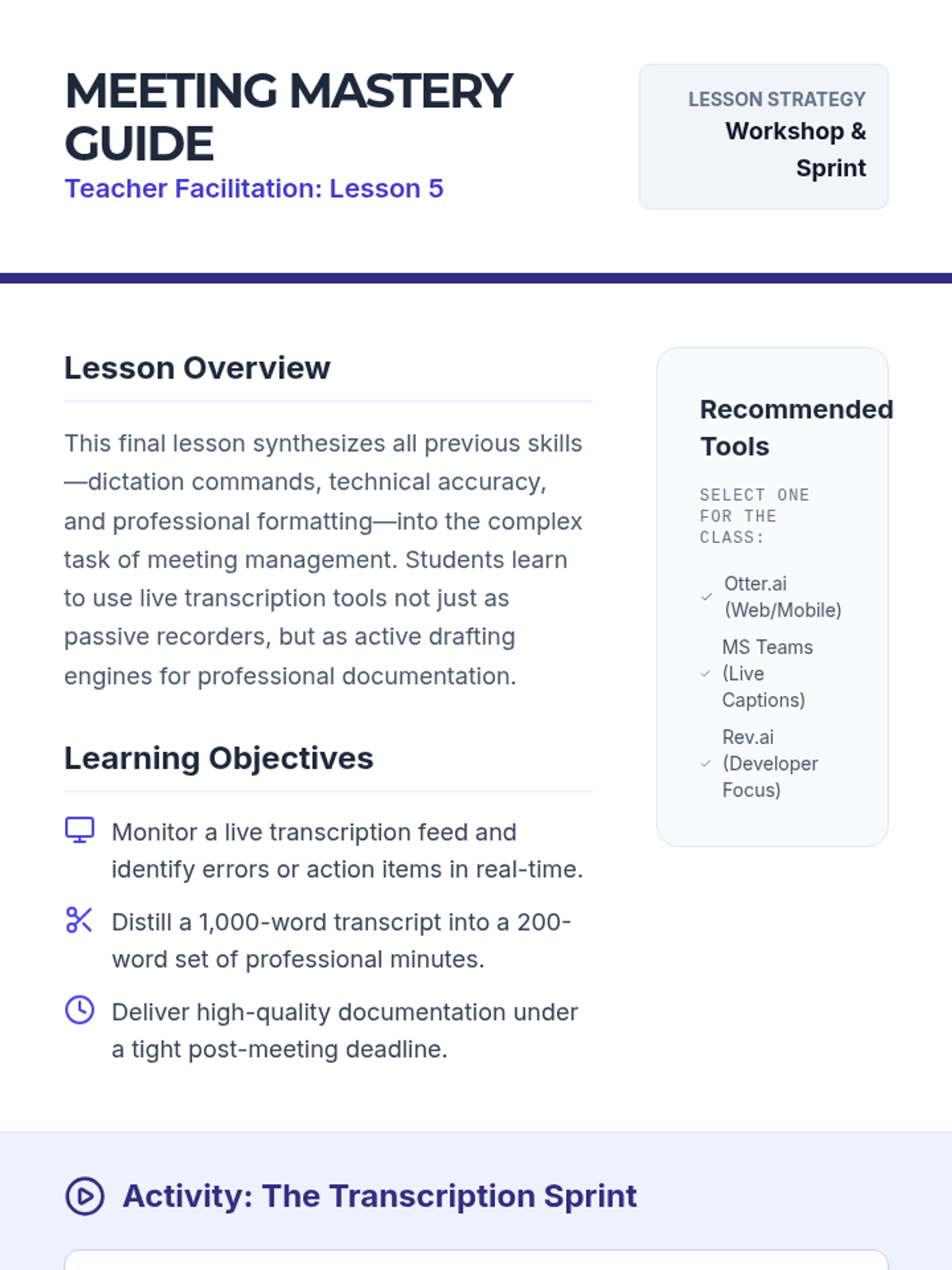
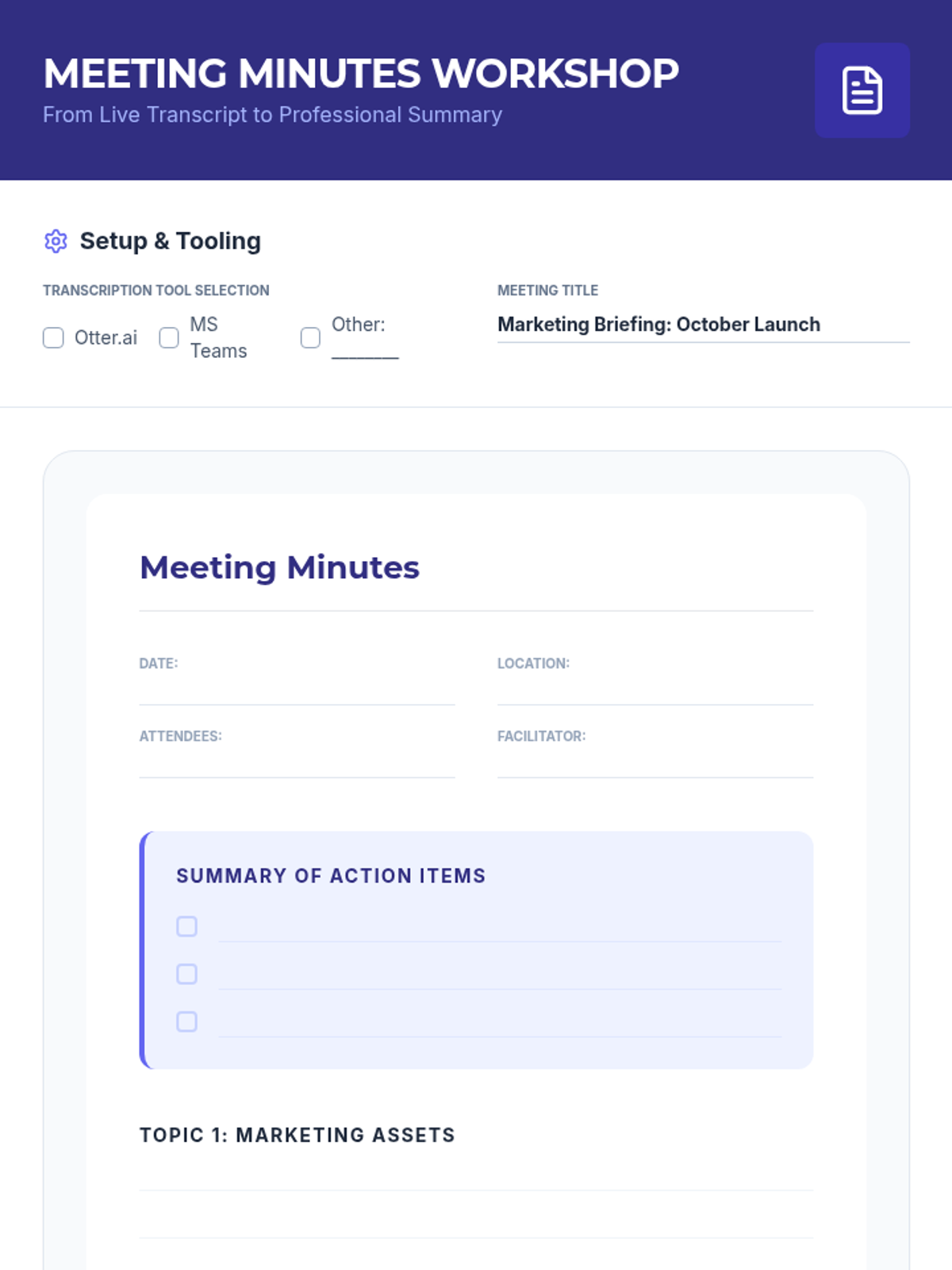
Students explore tools that offer live transcription of meetings. They learn to monitor these live feeds for accuracy, highlight key action items, and edit the transcript into minutes immediately after the meeting.
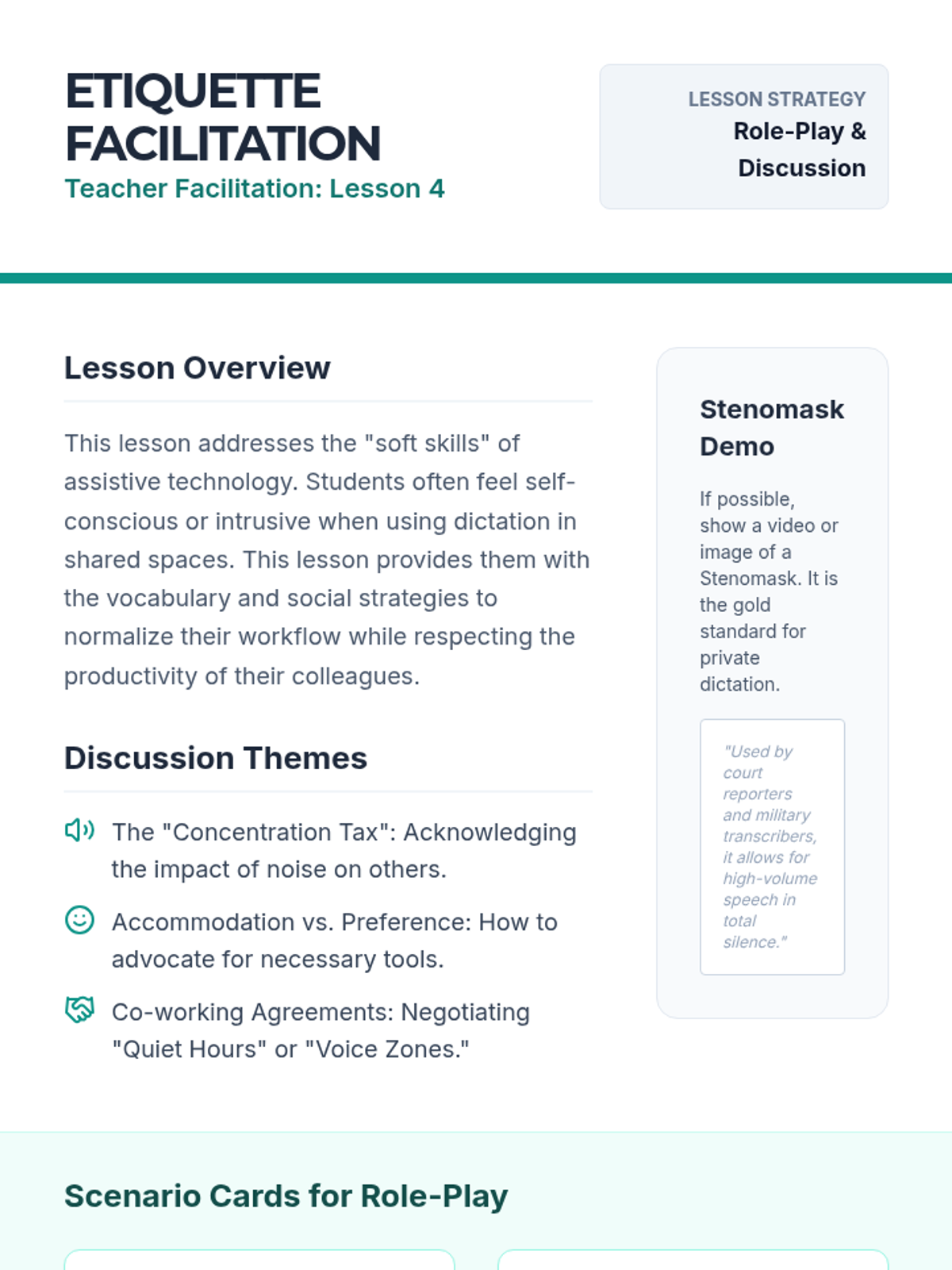
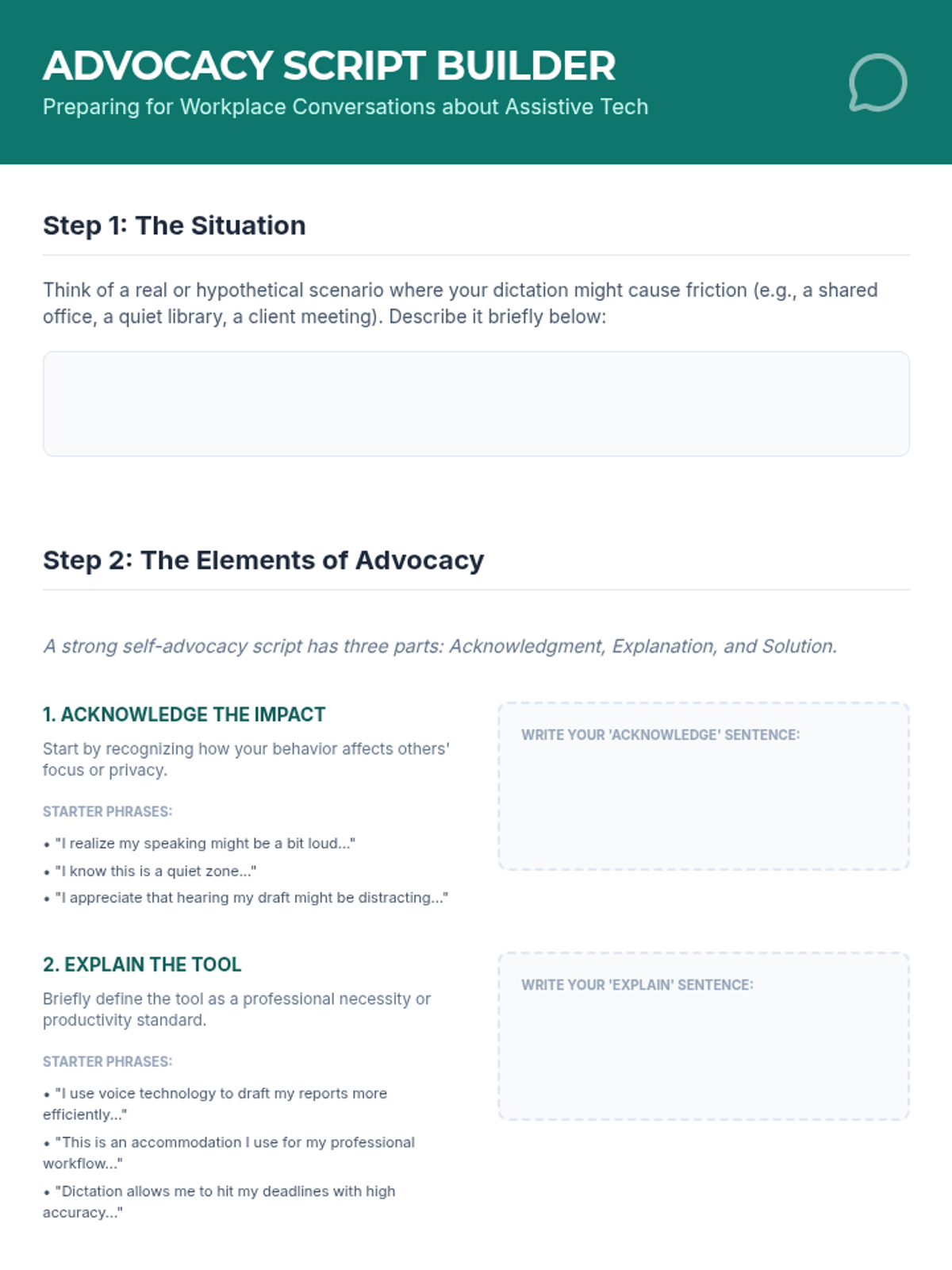
Students discuss and role-play the social aspects of using voice technology in open offices or libraries. They learn strategies for 'stenomask' usage, low-volume dictation, and explaining their accommodation to colleagues.
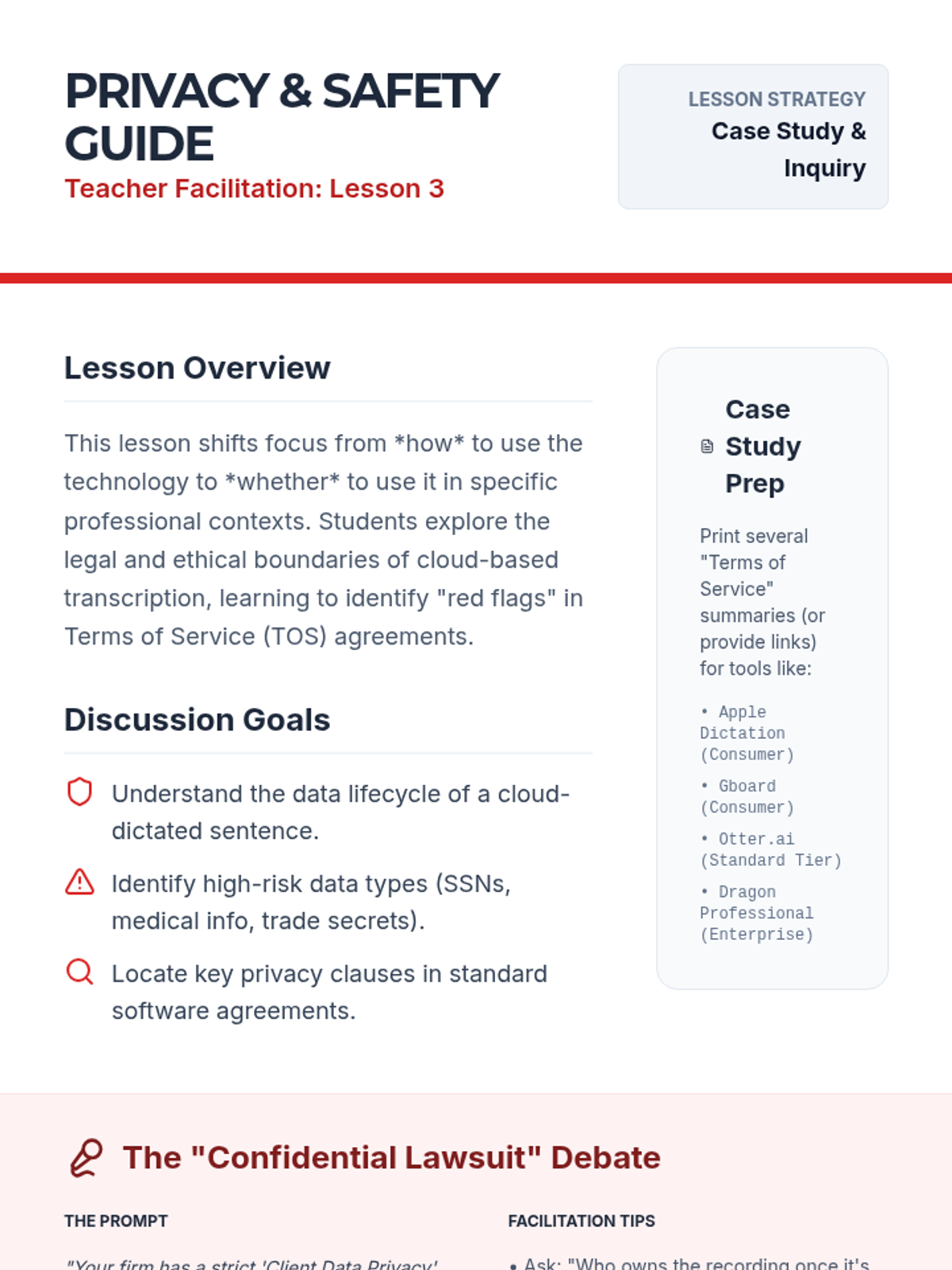
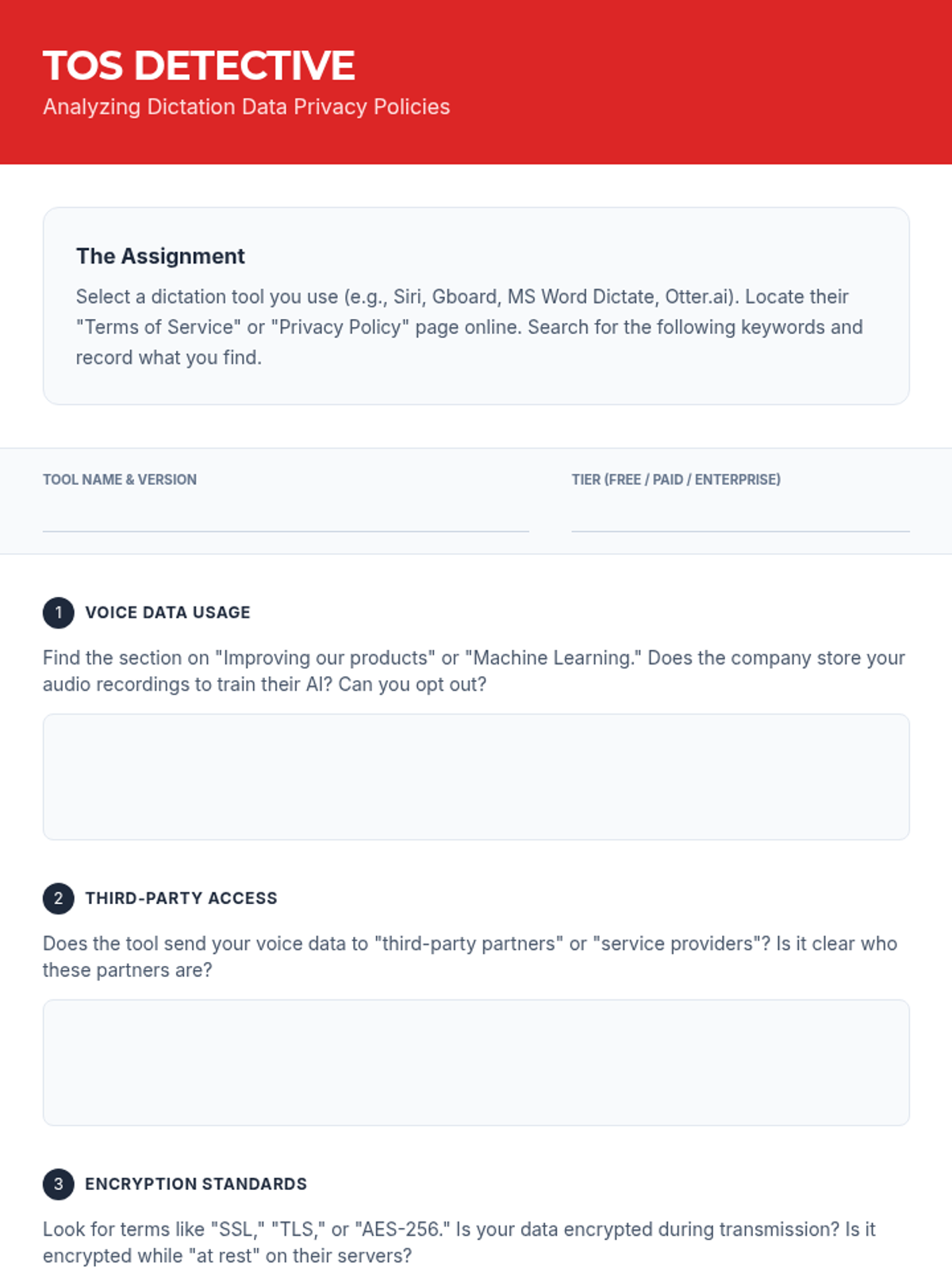
An inquiry-based lesson on where voice data goes. Students review terms of service for common dictation tools to understand data privacy, HIPAA compliance implications, and when *not* to use dictation.
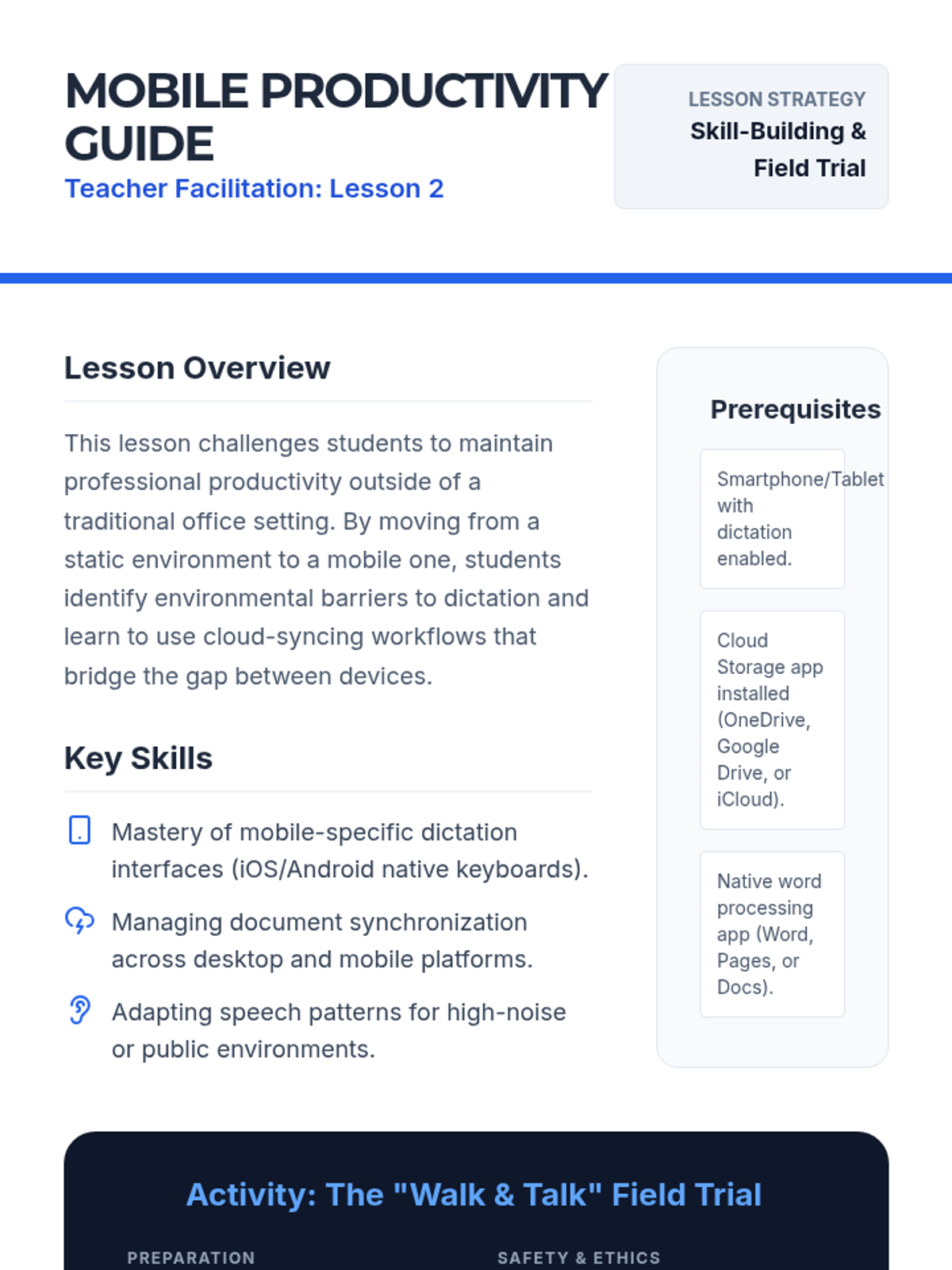
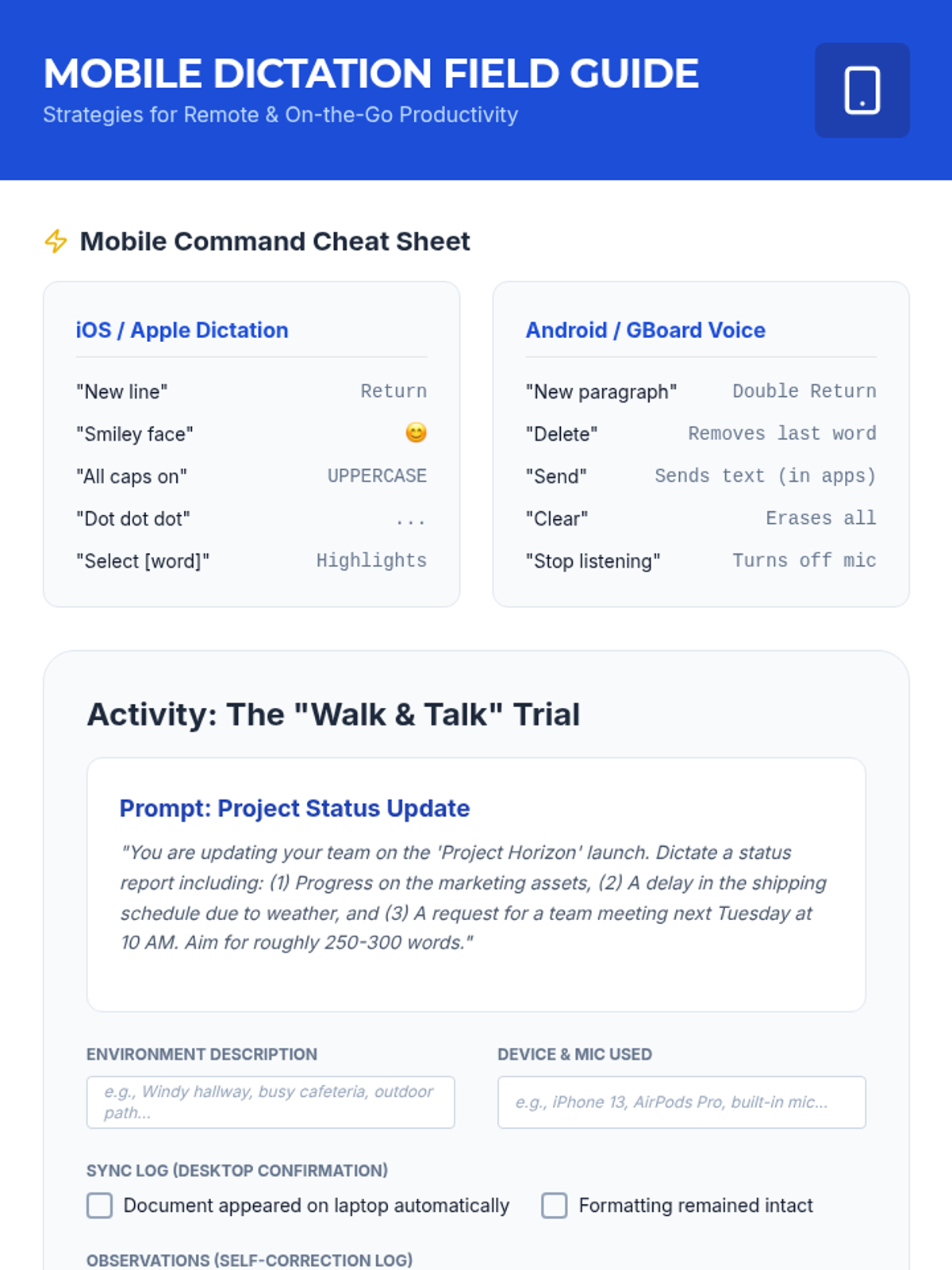
Focusing on mobile devices and tablets, students learn to use dictation for productivity while away from a desk. They explore the limitations of mobile interfaces and strategies for syncing work back to desktop platforms.
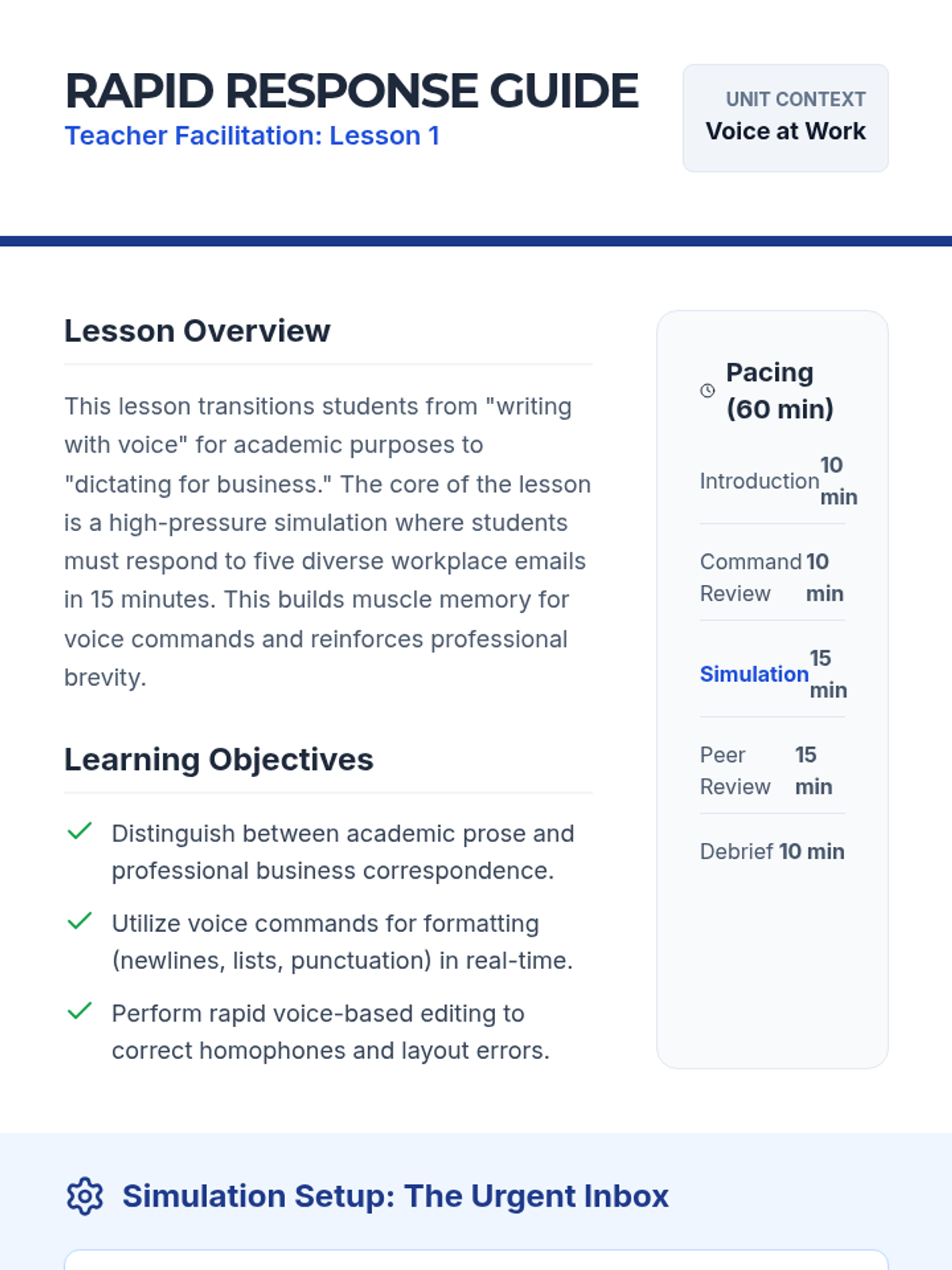
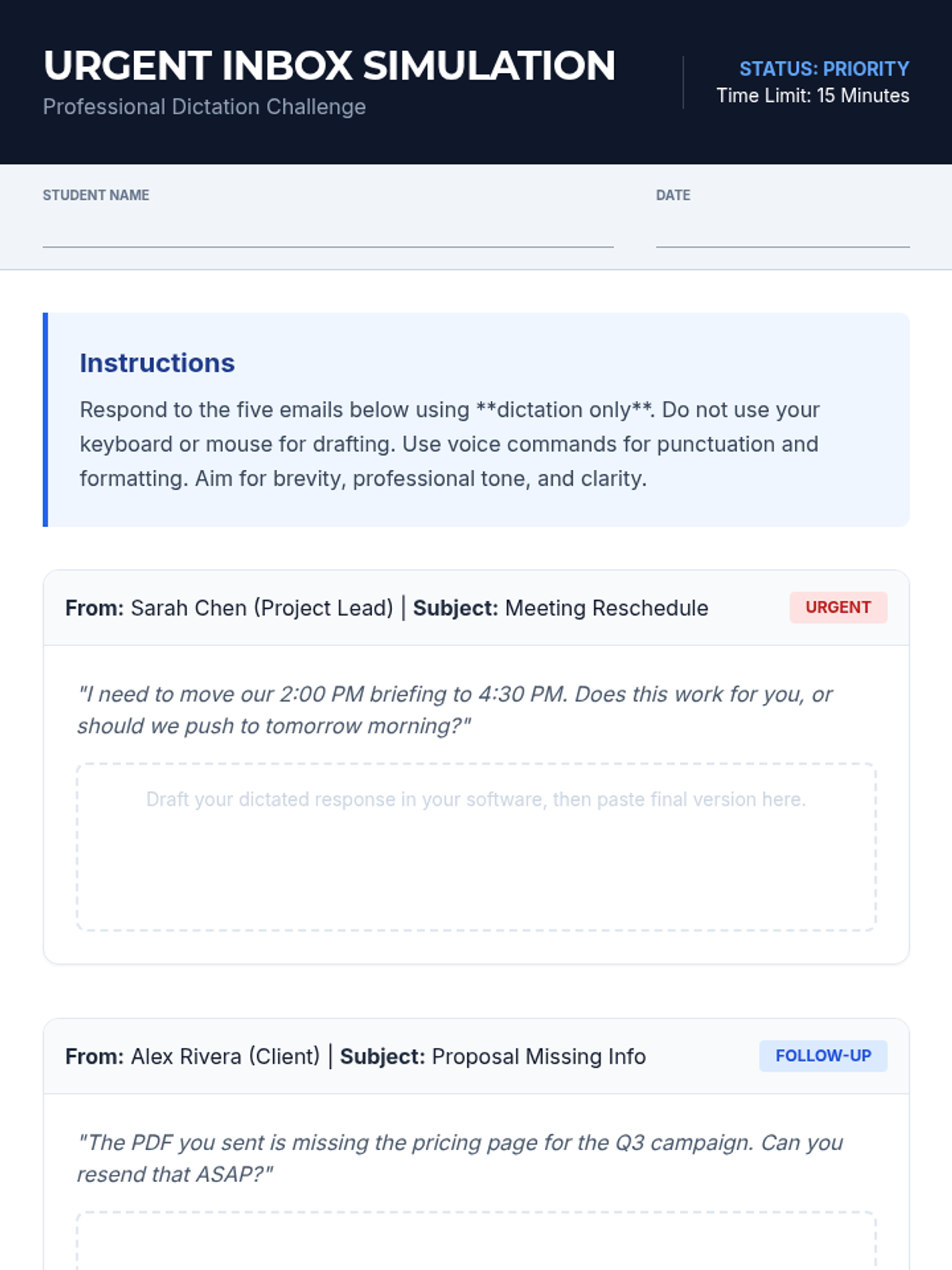
Students practice dictating emails and memos, focusing on brevity, clarity, and standard business formatting in a rapid-response simulation.
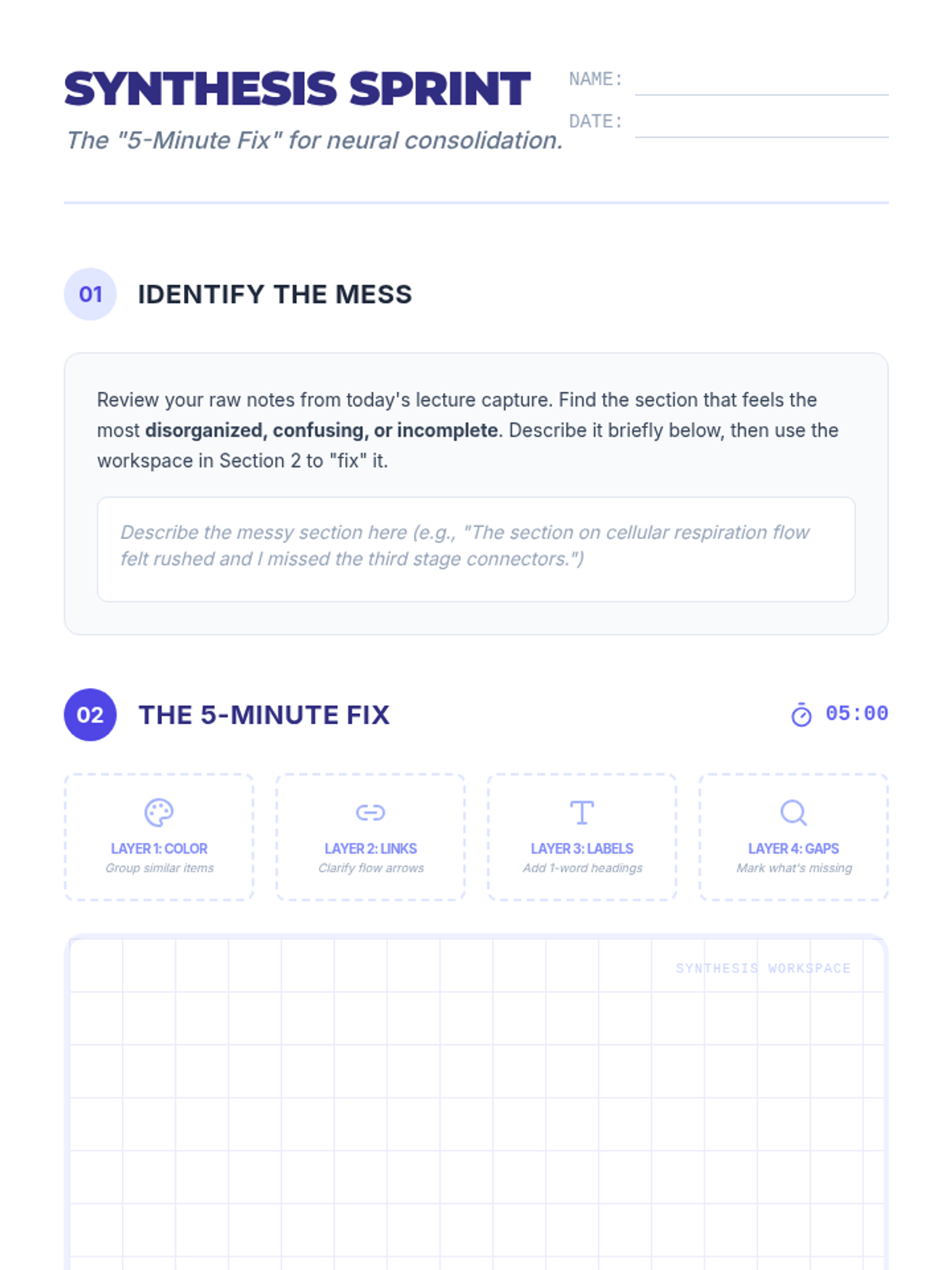
Focuses on the post-lecture consolidation phase where students refine and elaborate on their raw visual notes.
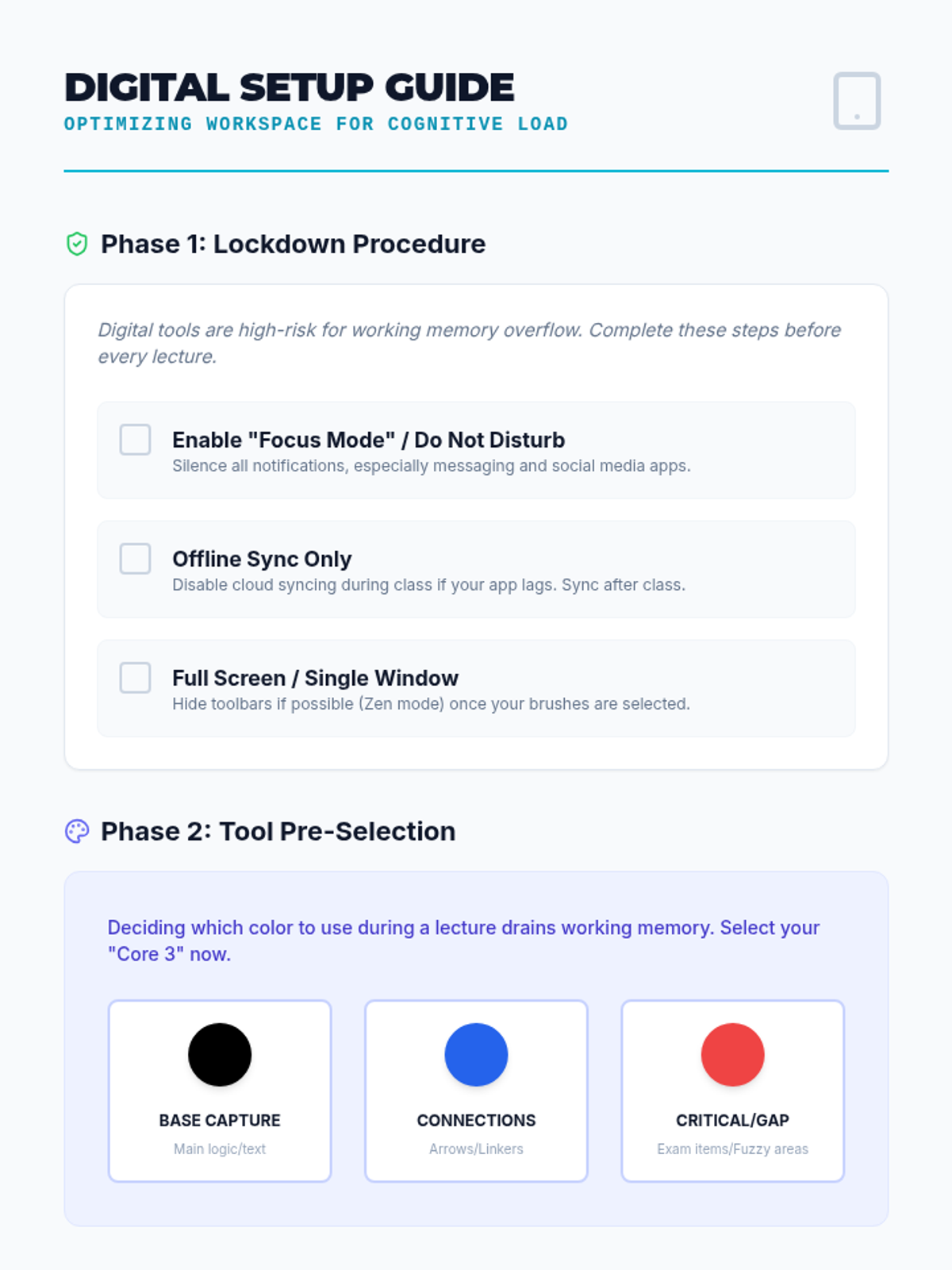
Explores digital tools and accessibility features like infinite canvases and audio syncing for neurodivergent learners.
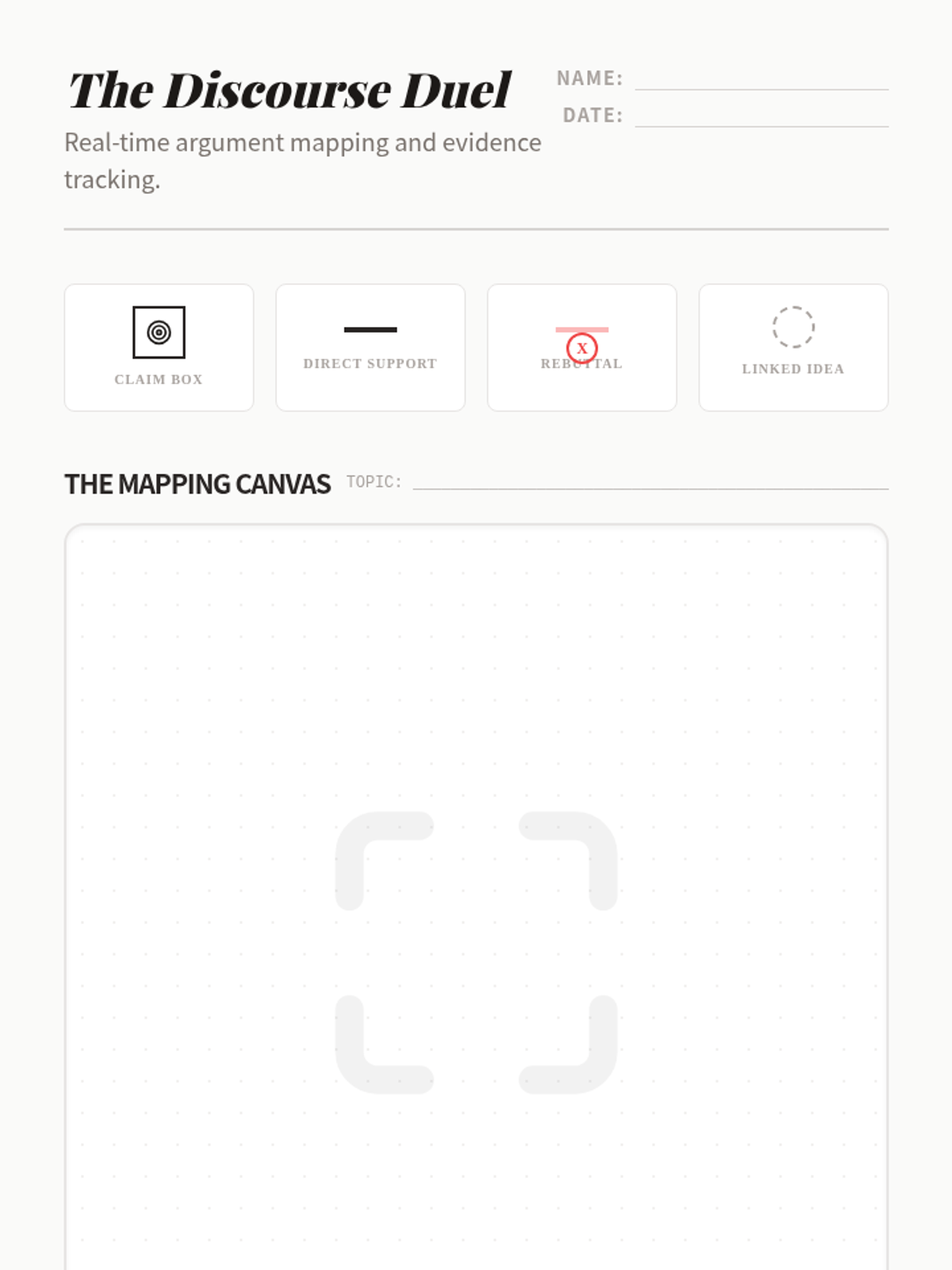
Teaches argument mapping and concept webbing to track complex discussions in humanities and social sciences.
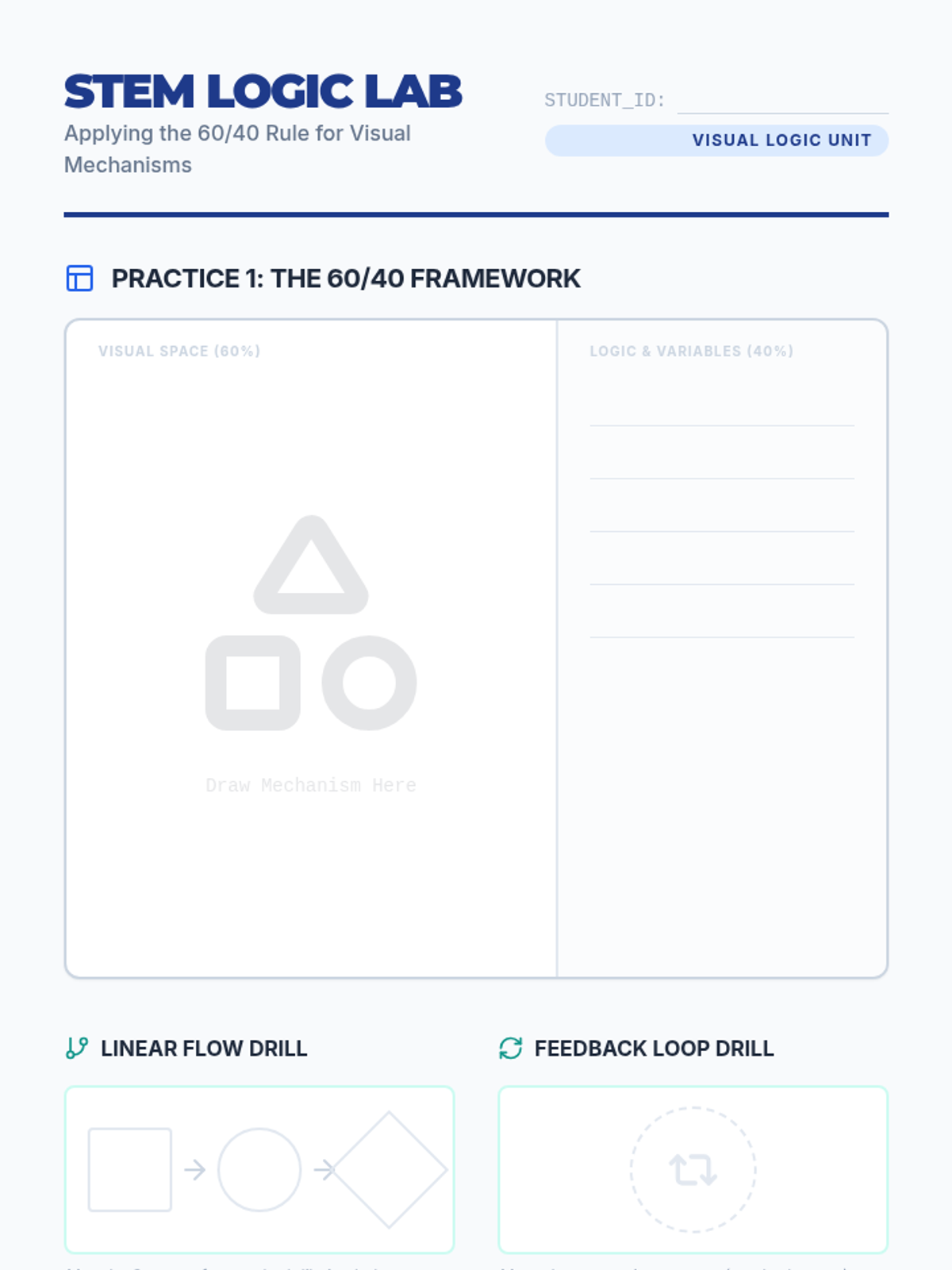
Focuses on STEM-specific visual organization for formulas, mechanisms, and system logic.
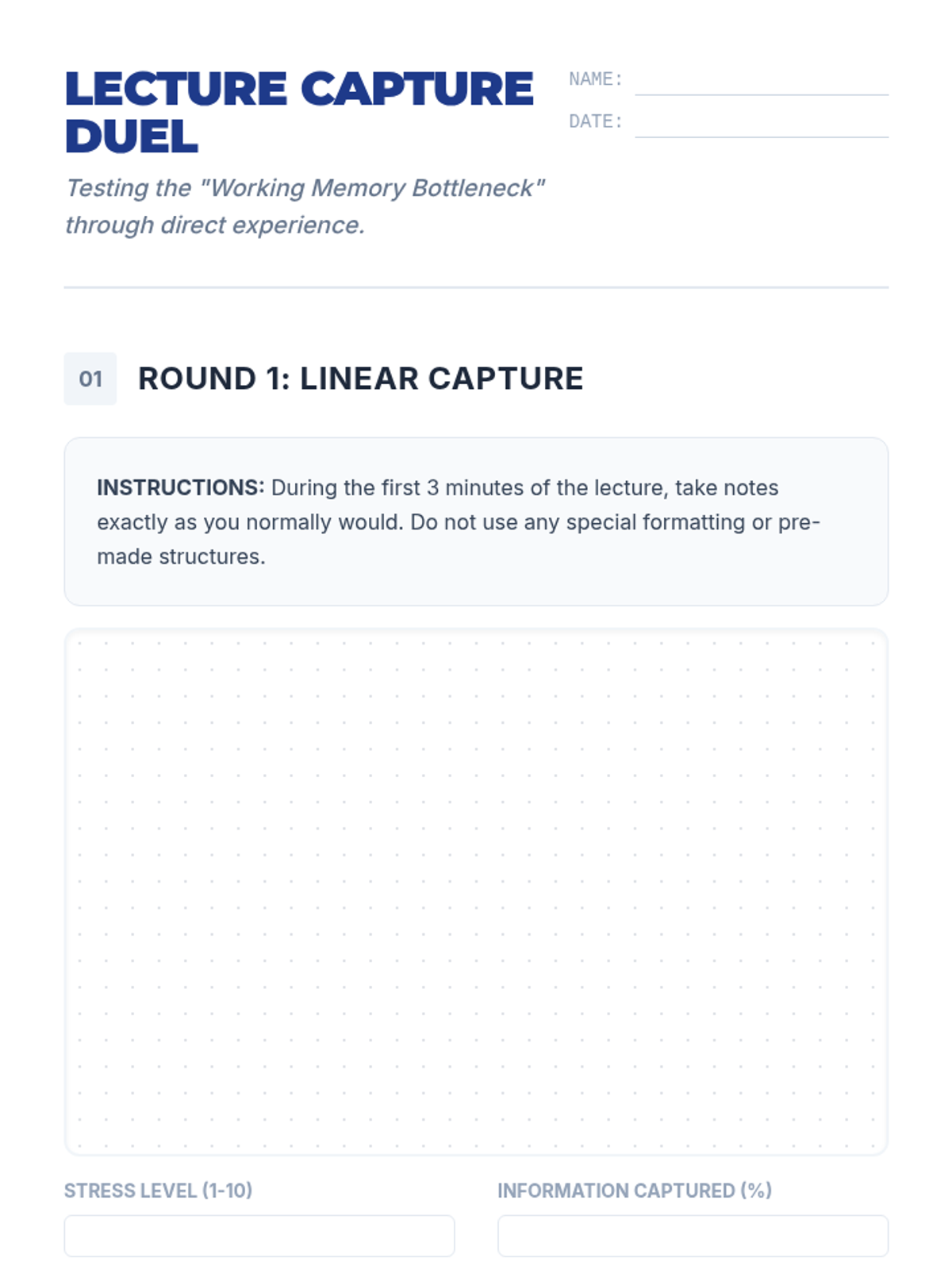
Introduces skeletal notes and pre-lecture preparation to reduce cognitive load during real-time information capture.
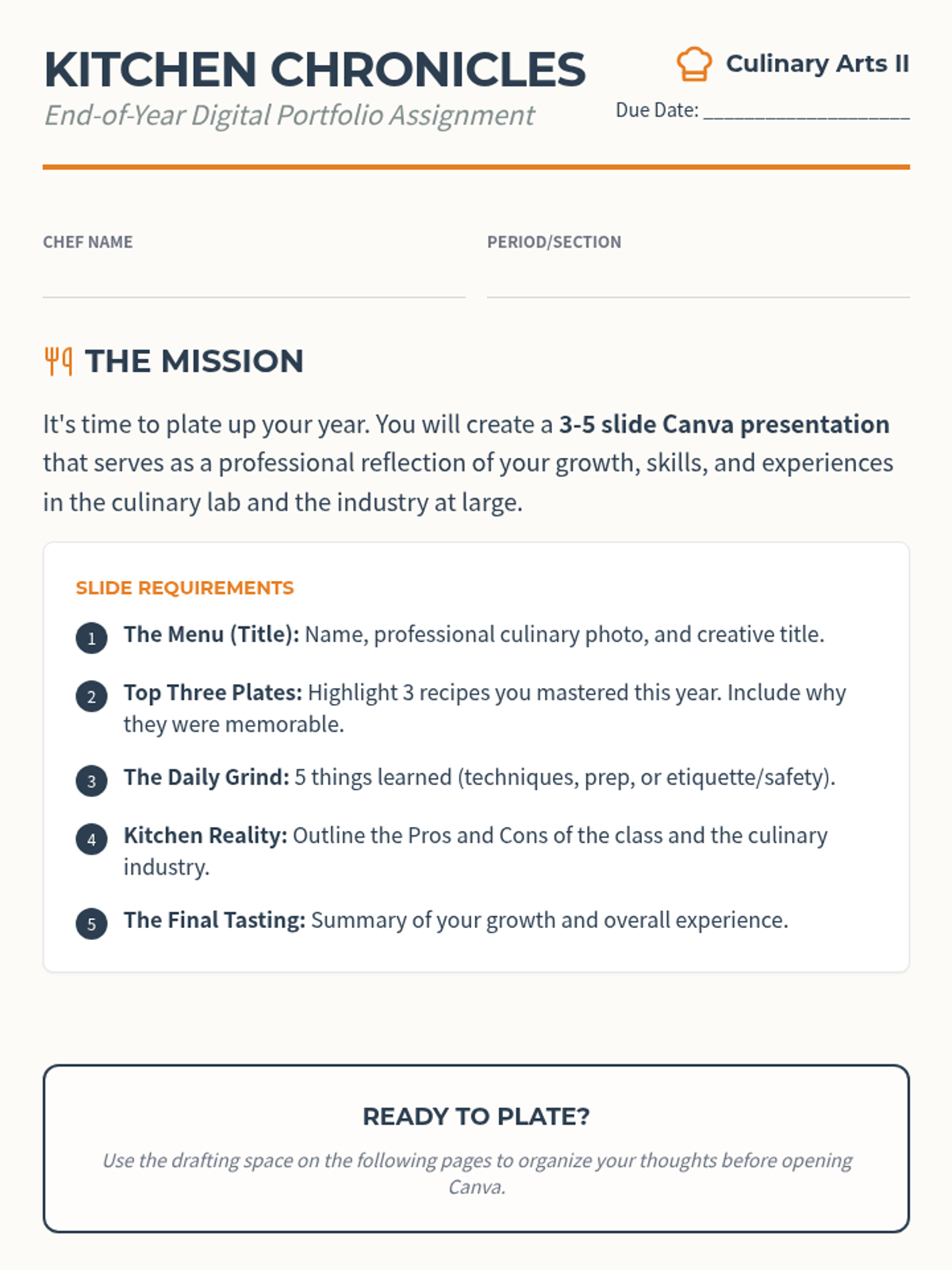
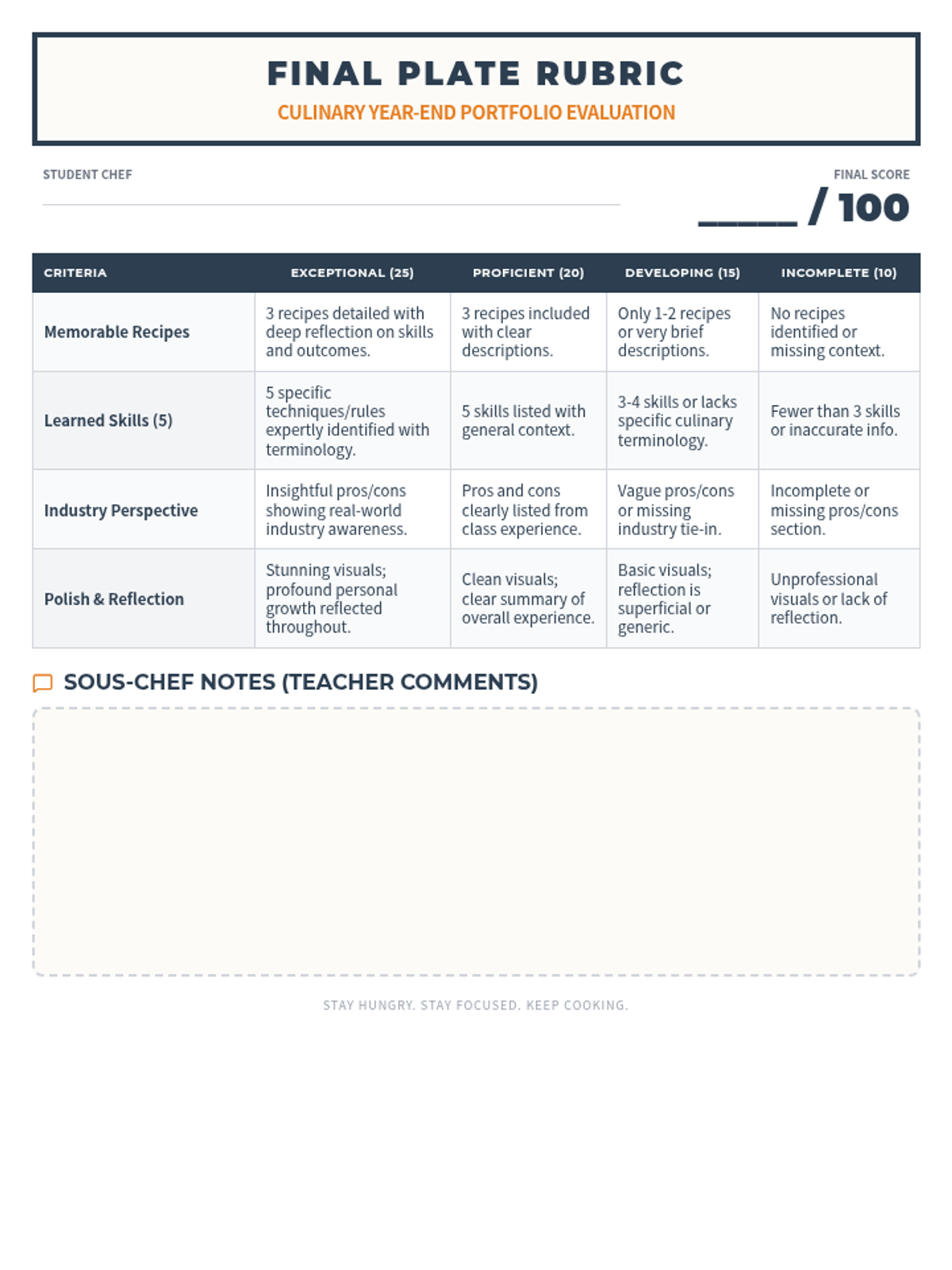
A comprehensive end-of-year reflection project where culinary students document their journey, skills, and industry insights through a digital portfolio presentation.
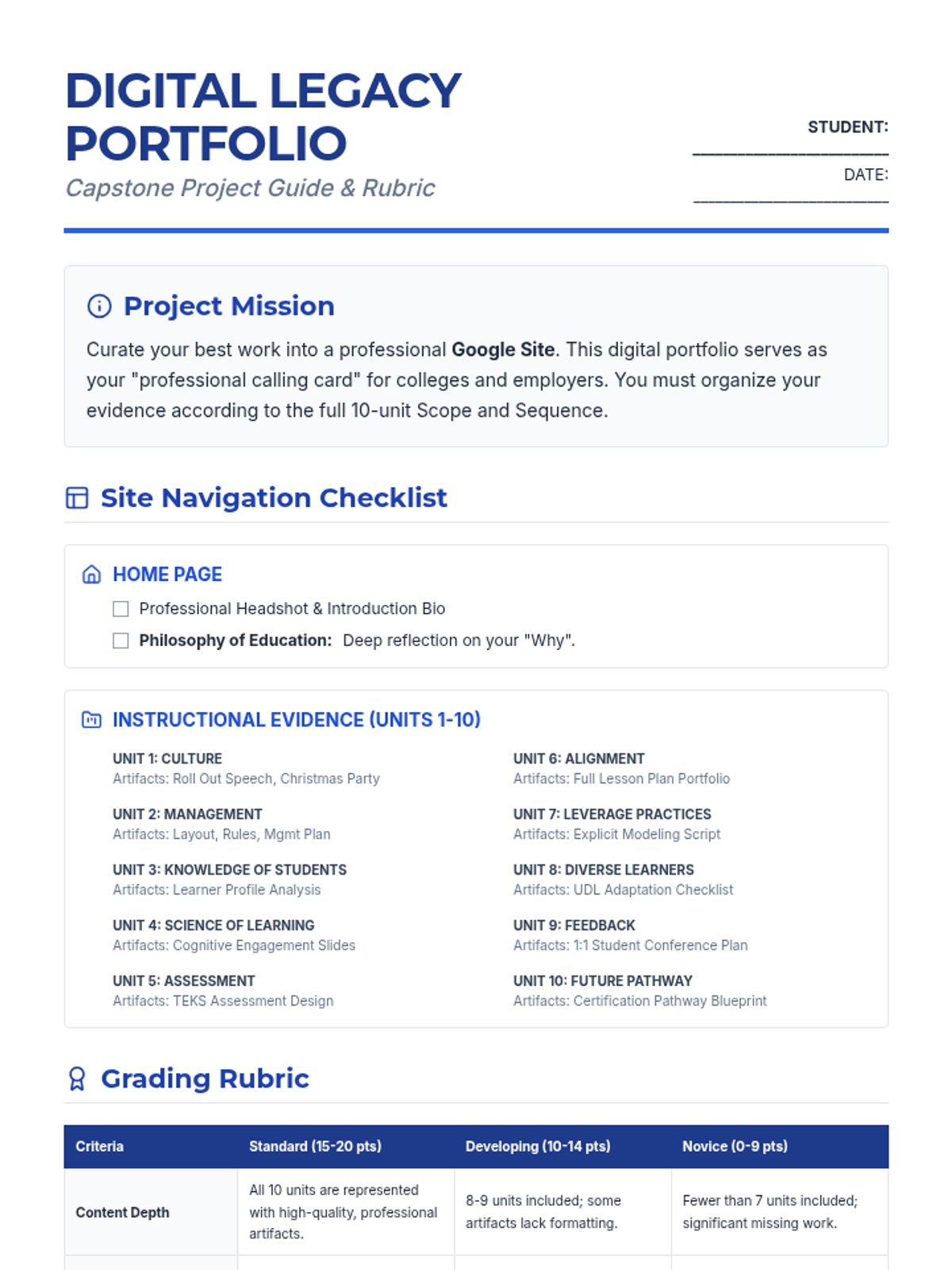
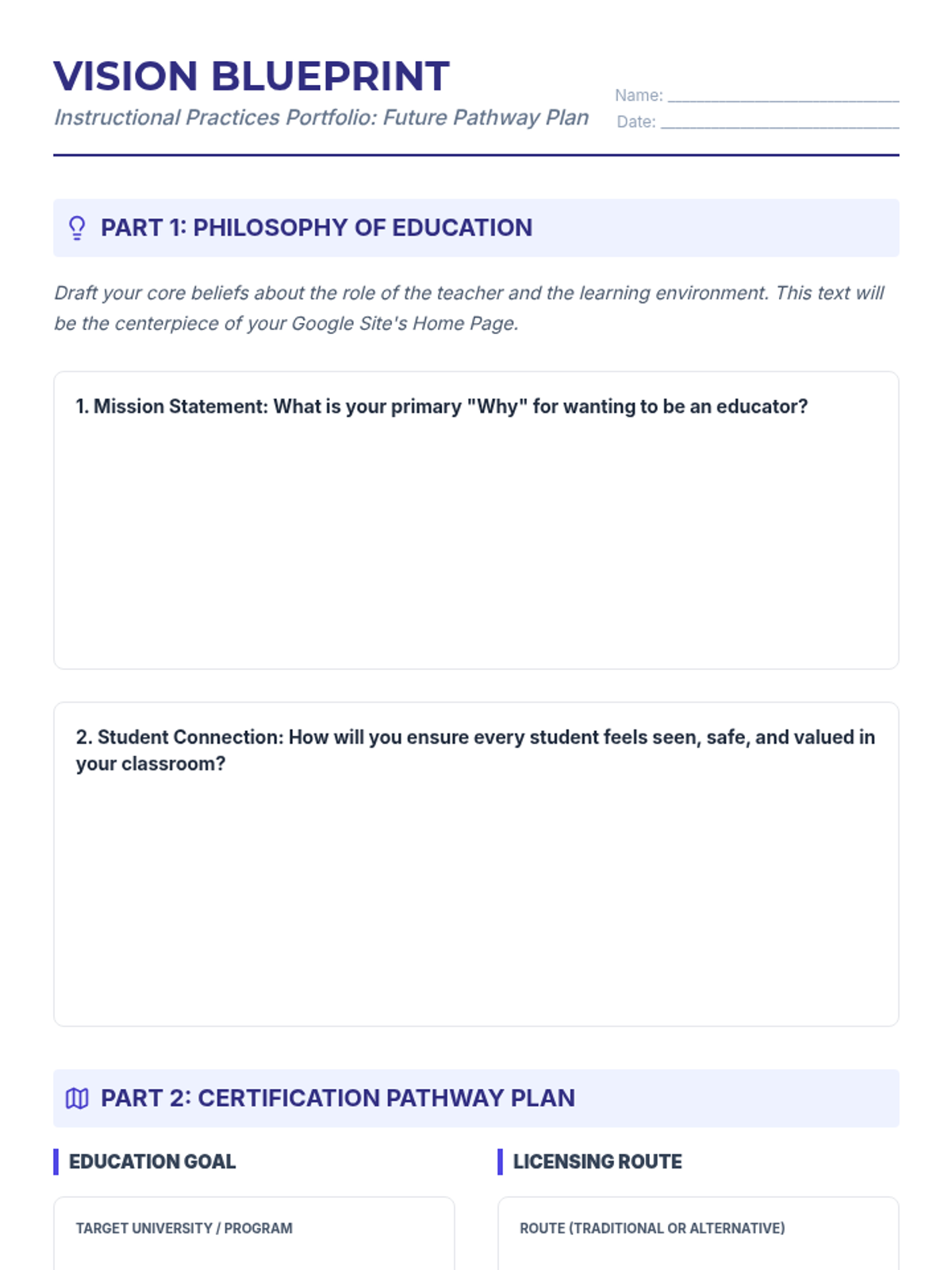
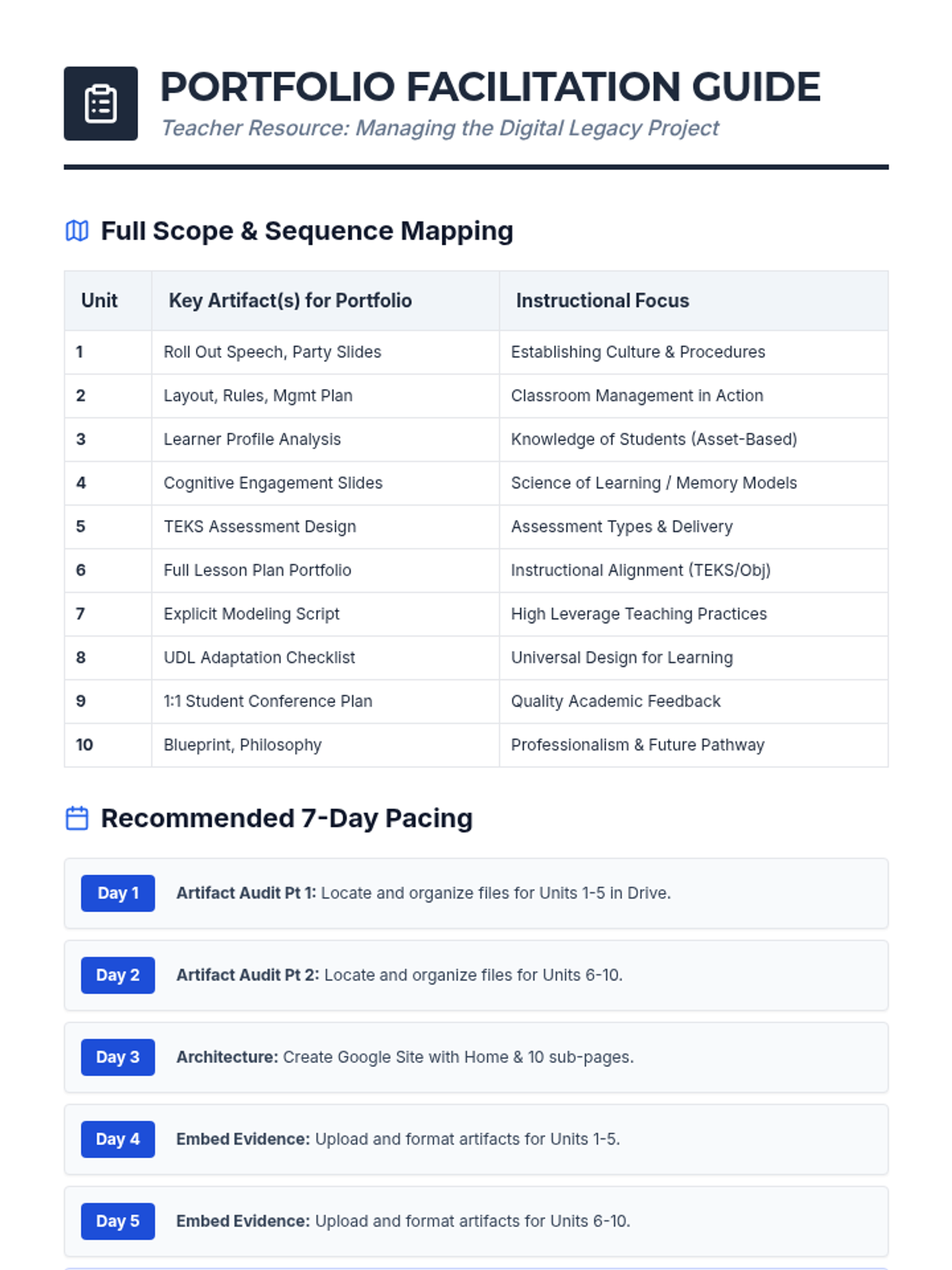
A comprehensive end-of-year portfolio project where students build a professional Google Site to showcase their instructional practices, previous projects, and future career plans in education.
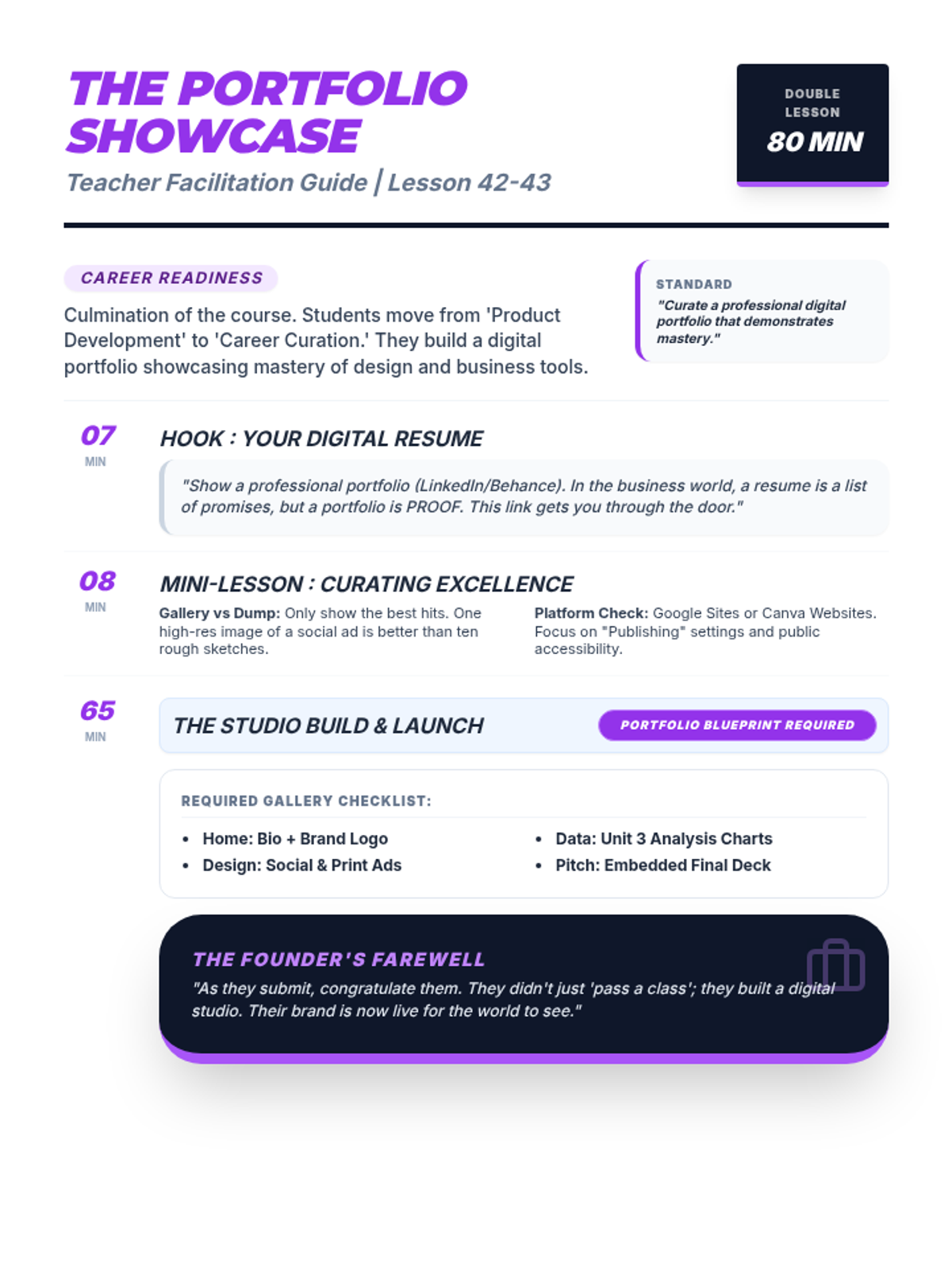
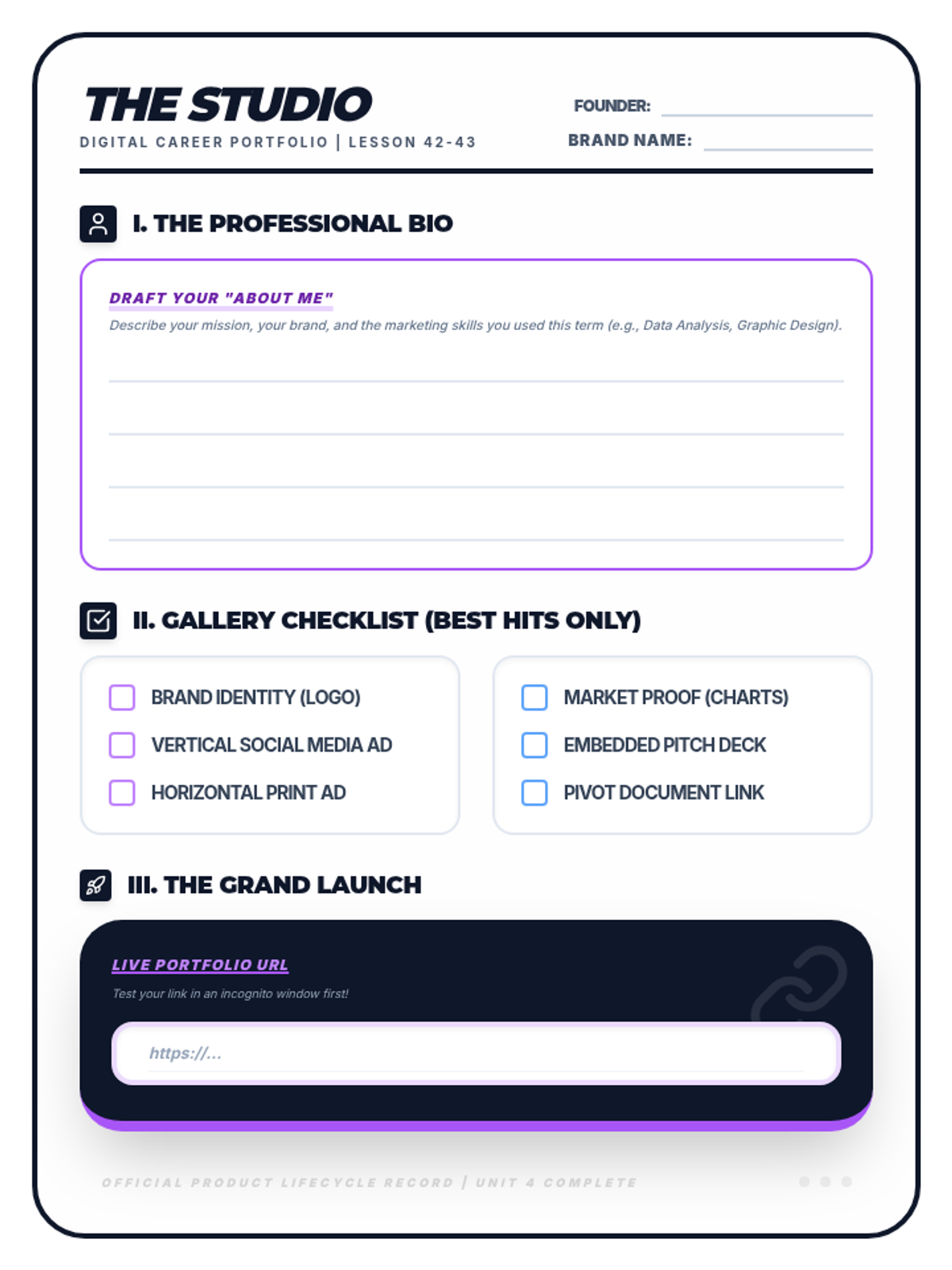
The final project compilation phase where students curate their best work from the term into a professional digital portfolio. Students learn the art of curation and how to publish a simple one-page website as a 'Digital Resume'.
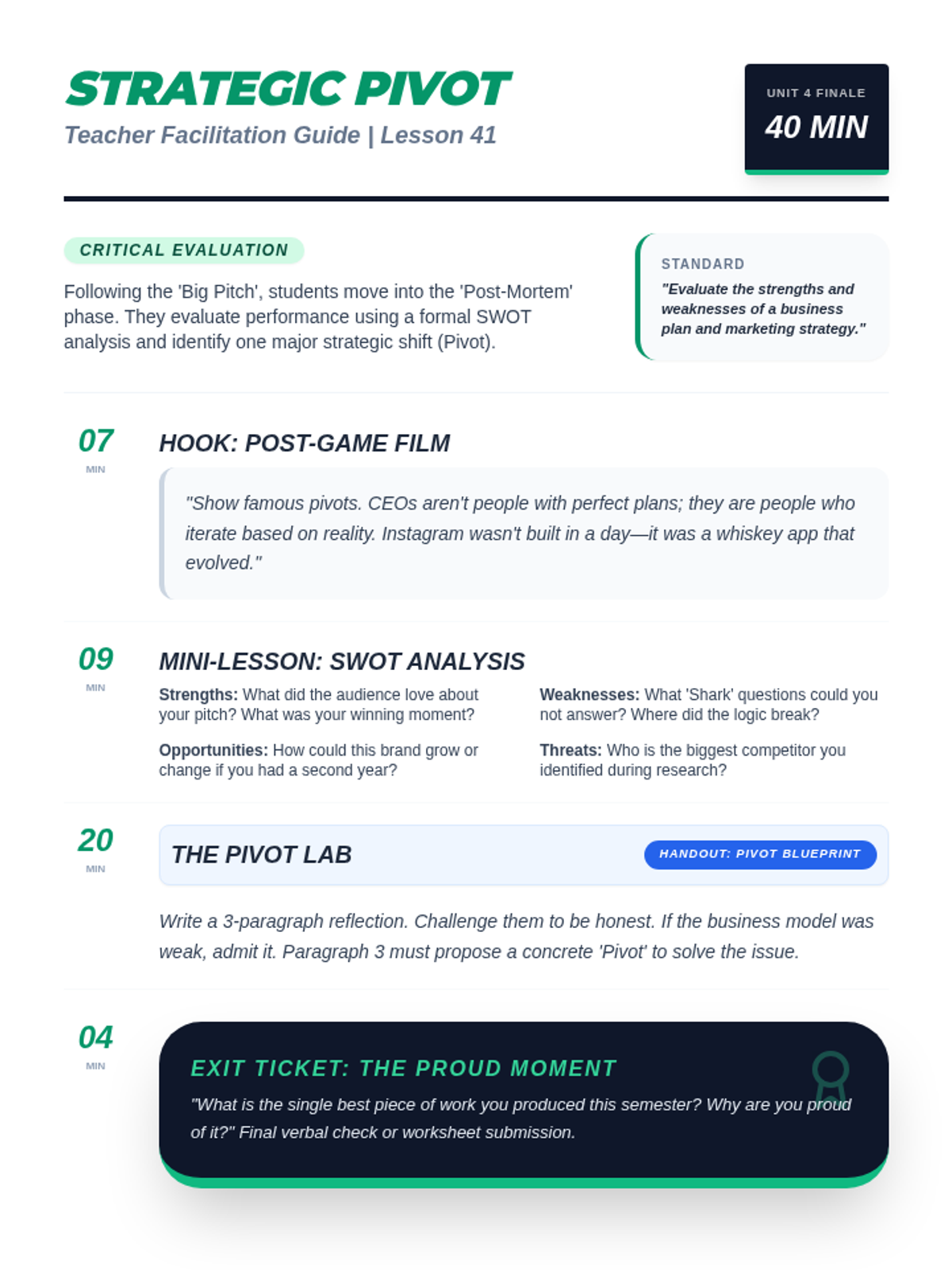
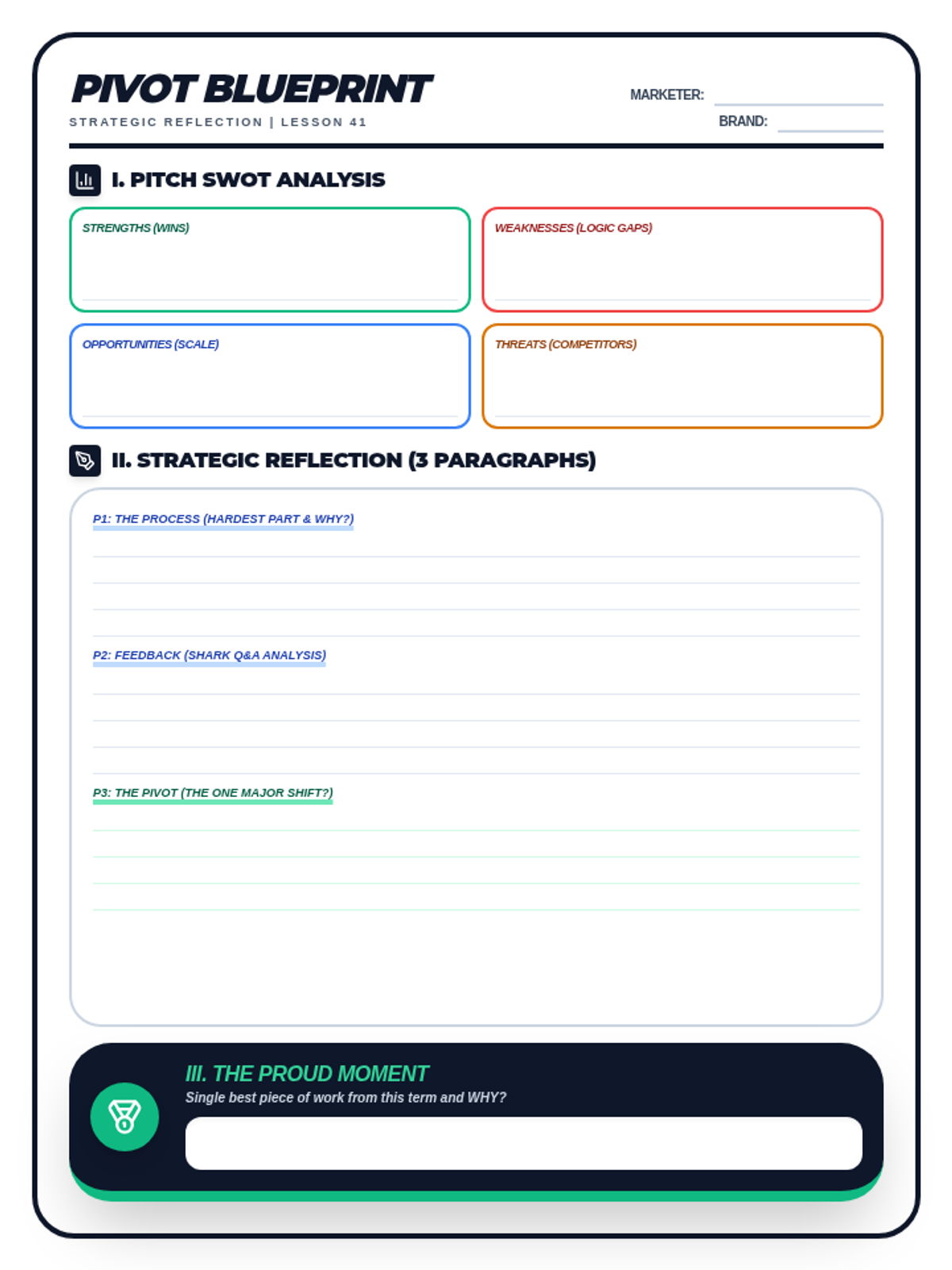
A lesson focused on post-pitch reflection and strategic iteration. Students conduct a SWOT analysis of their own performance and draft a 'Pivot' plan to refine their business concept based on audience feedback.
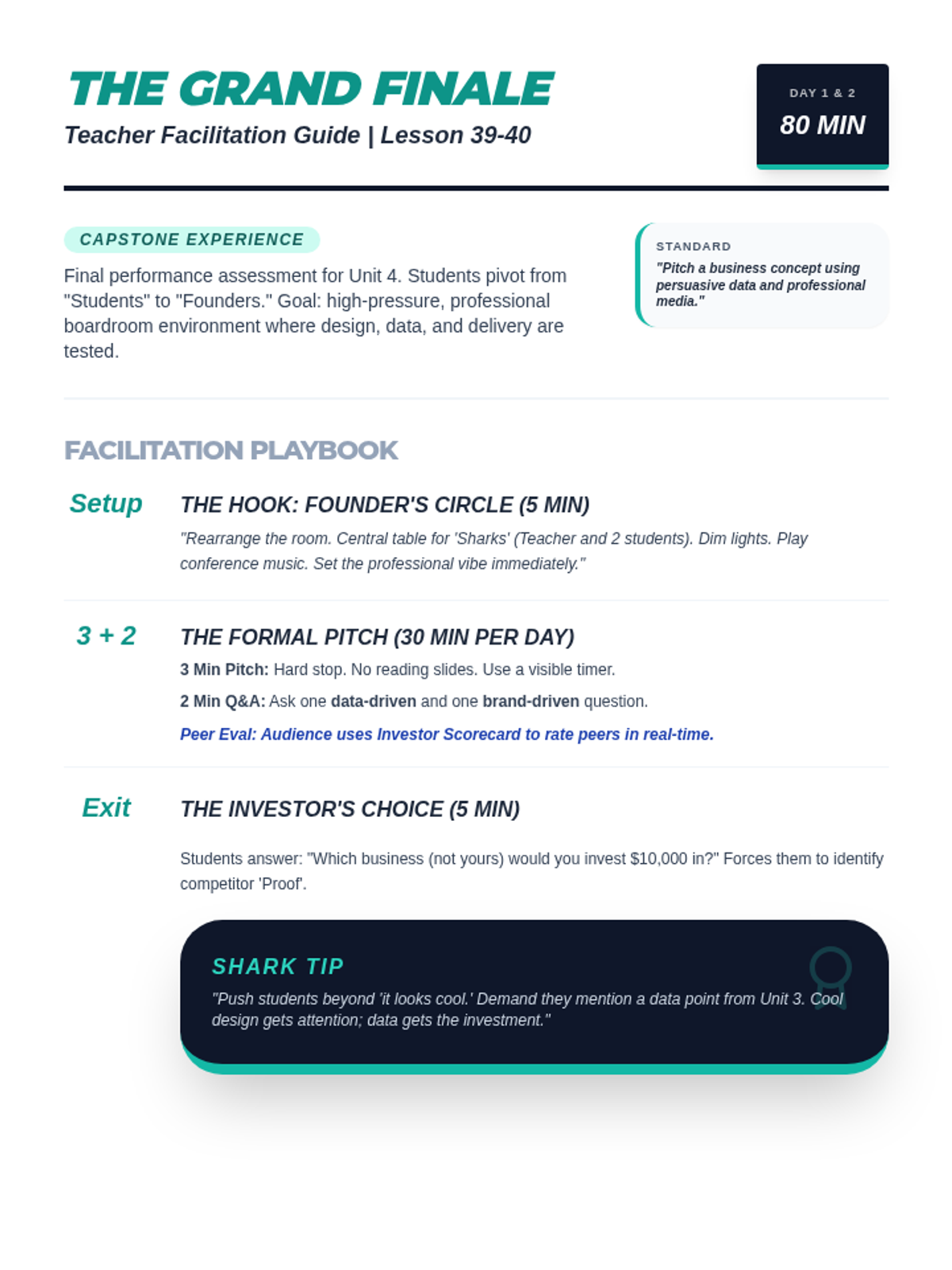
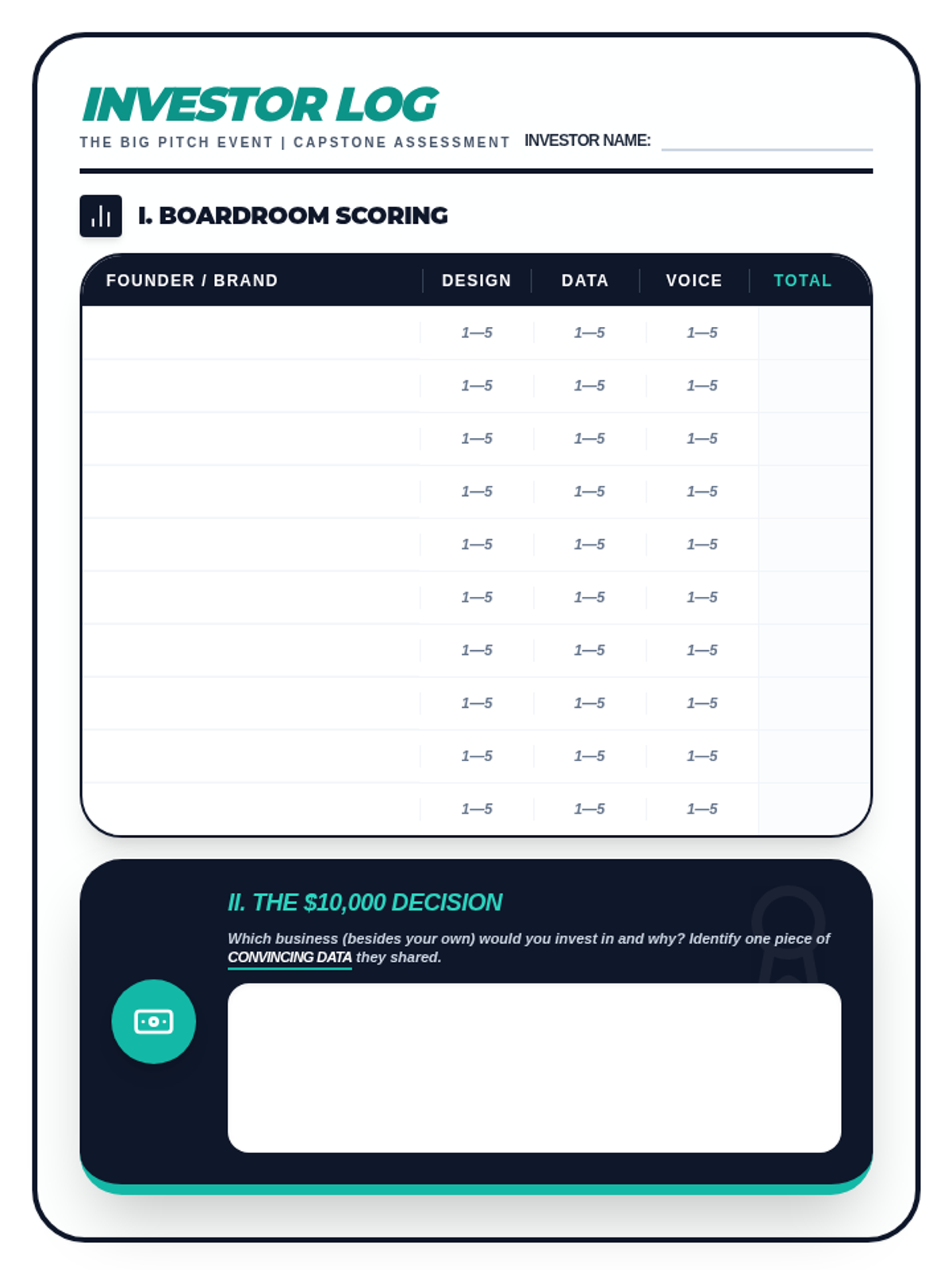
The unit capstone experience where students present their marketing campaigns as founders. Includes a two-day formal pitch event with peer judging, Shark Tank-style Q&A, and 'Class Cash' investment reflections.
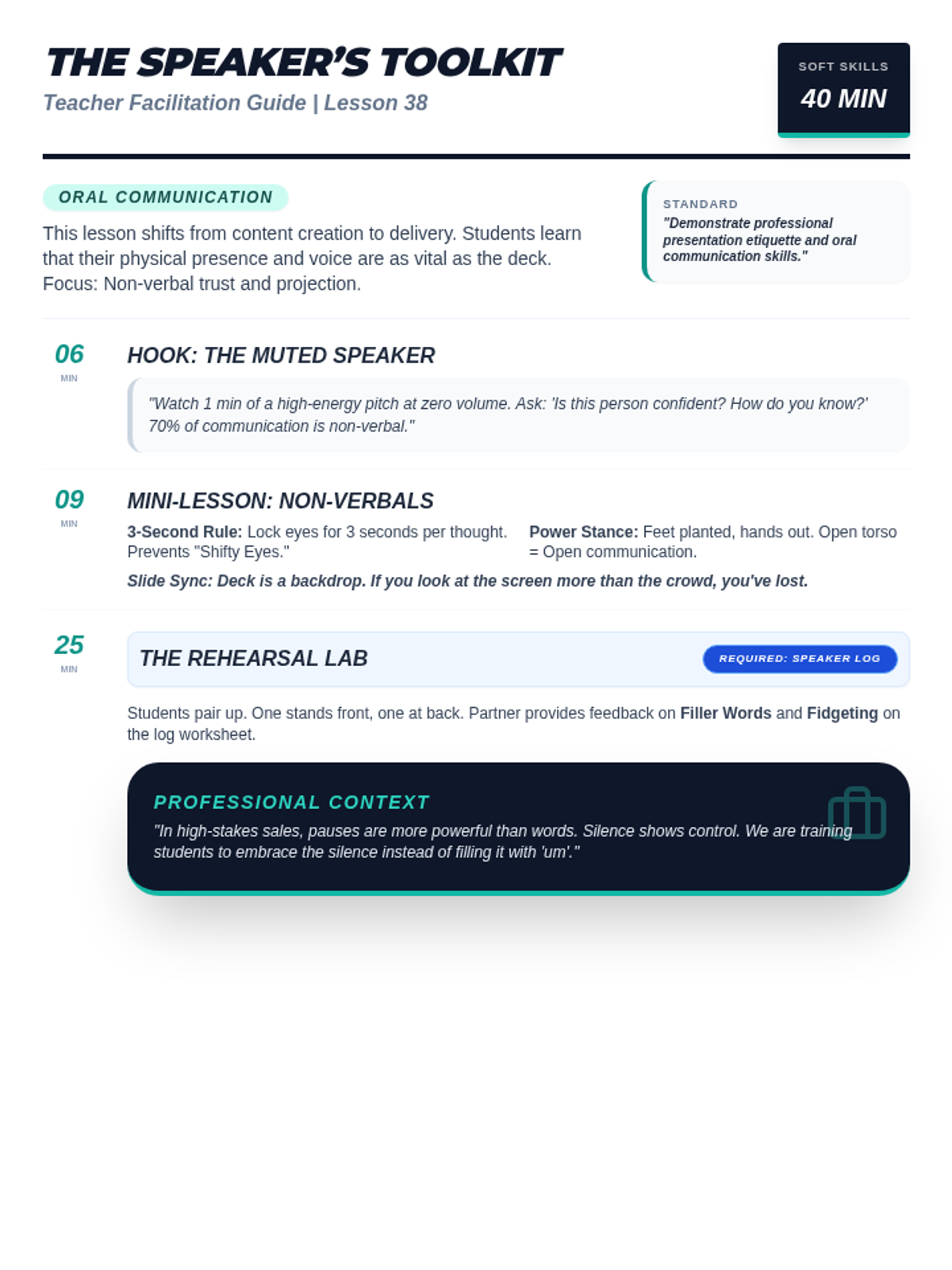
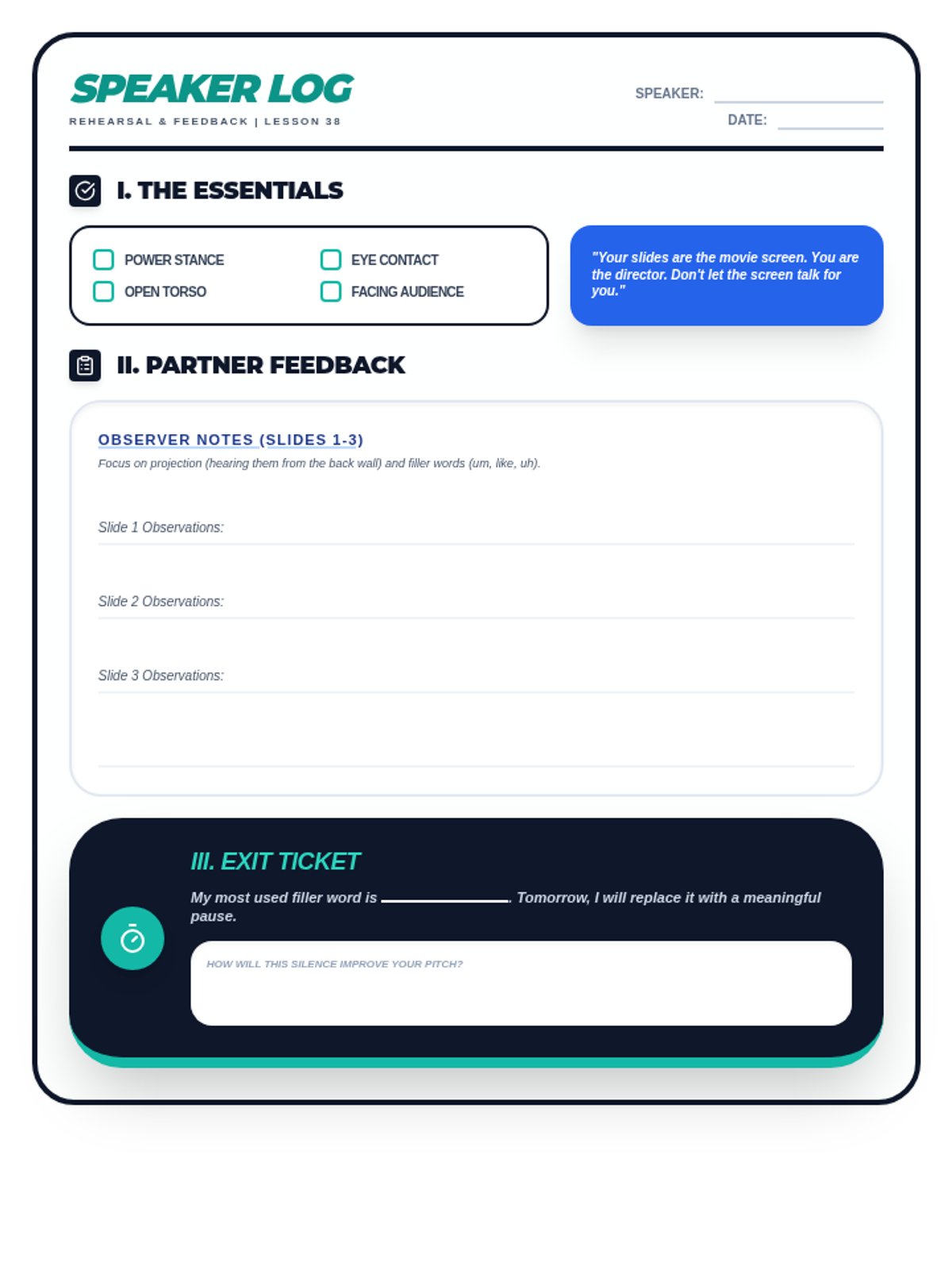
A lesson focused on public speaking and professional presentation etiquette. Students learn non-verbal communication techniques, projection, and how to use digital slides as a backdrop rather than a teleprompter.
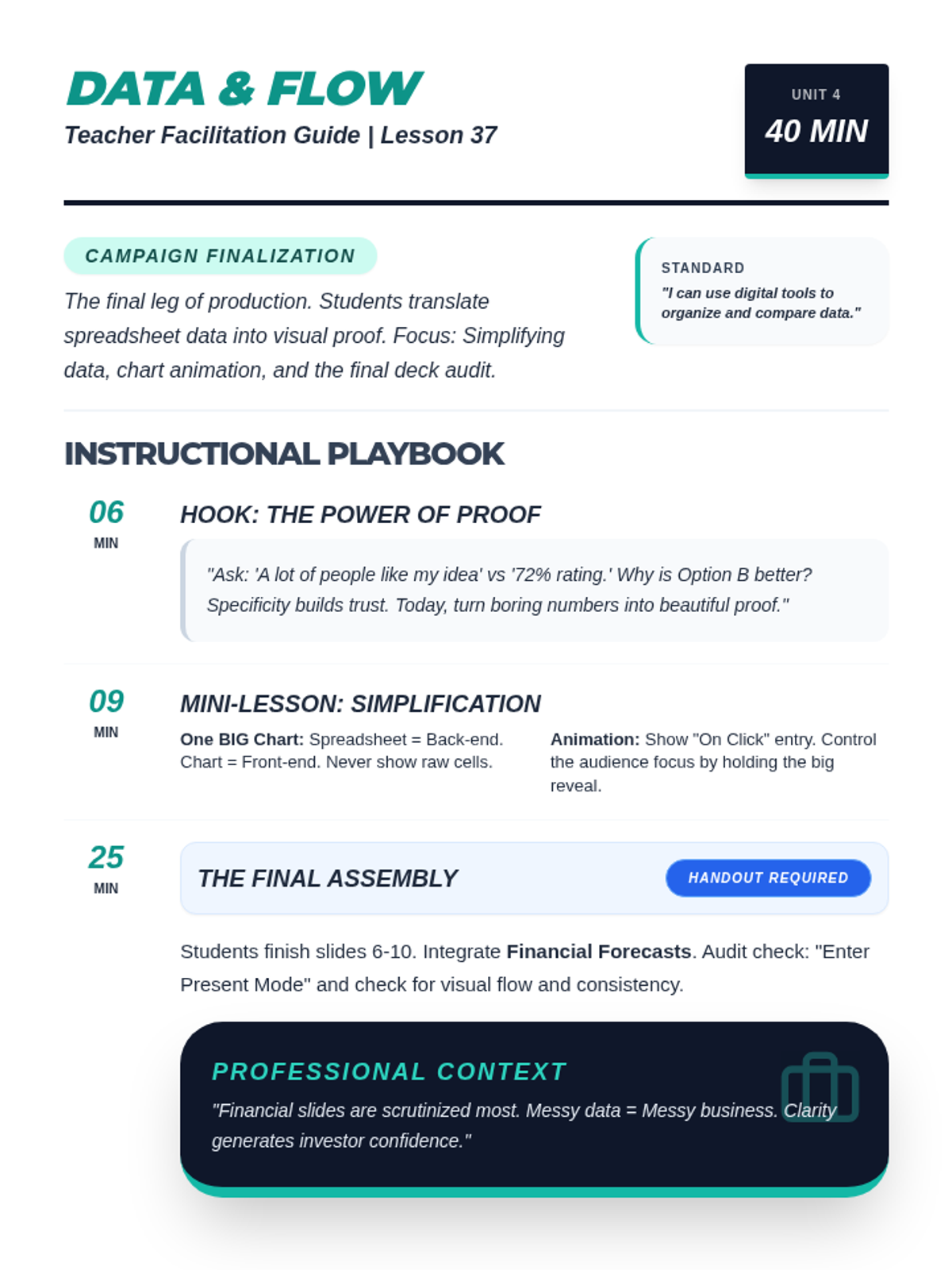
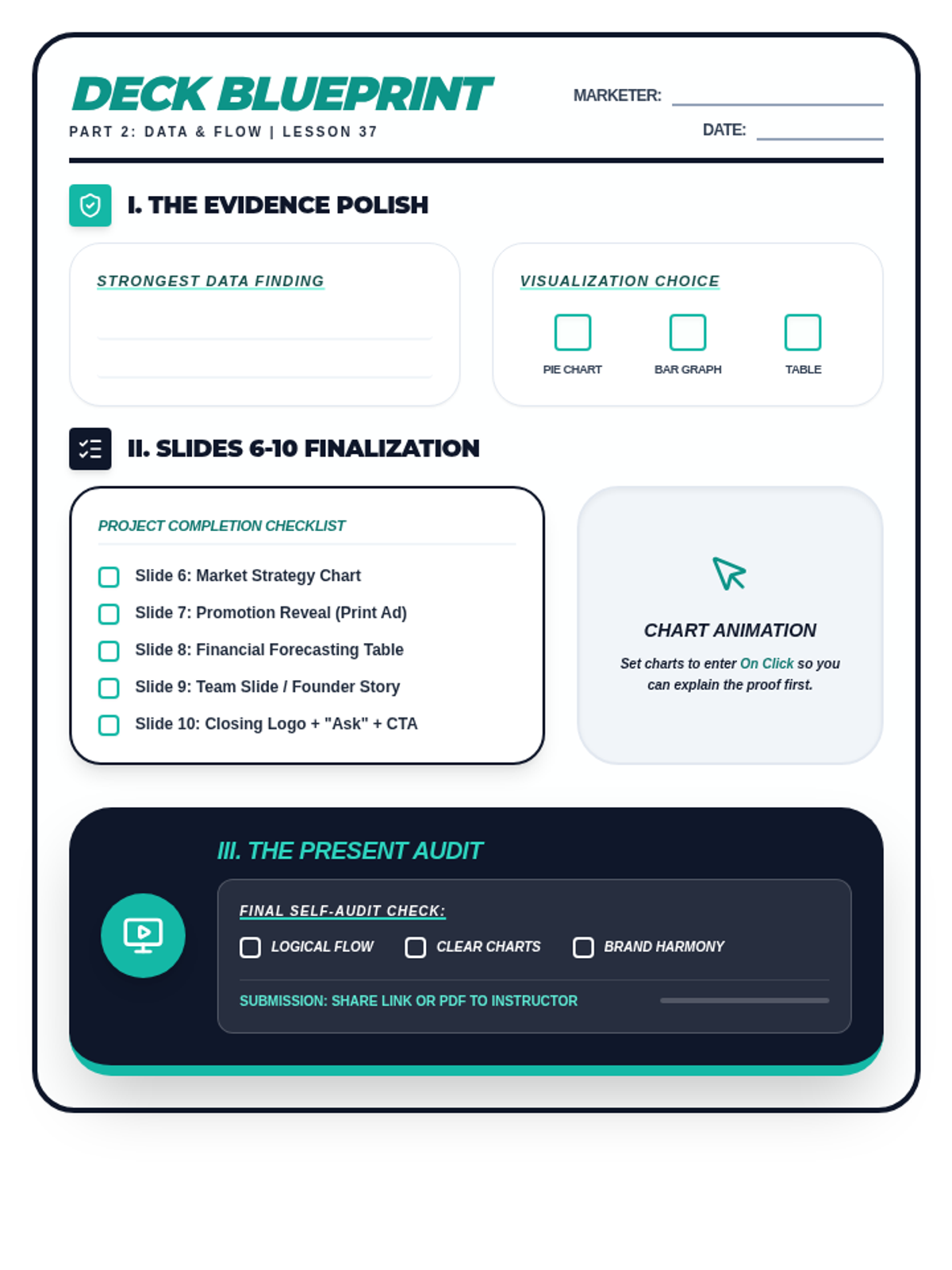
A lesson focused on data visualization and presentation flow. Students learn to simplify complex spreadsheets into high-impact slides, animate charts for storytelling, and finalize their full pitch deck.
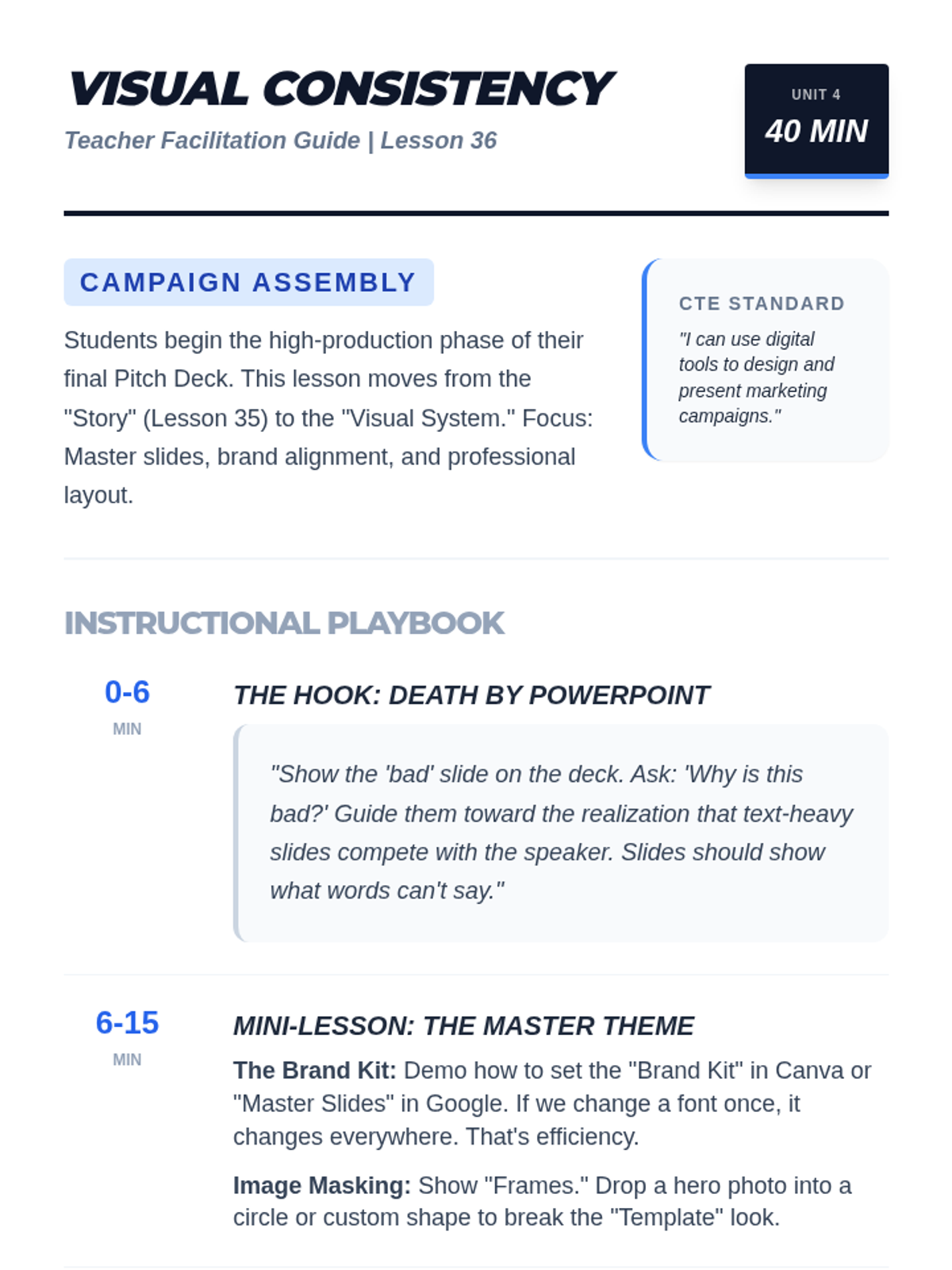
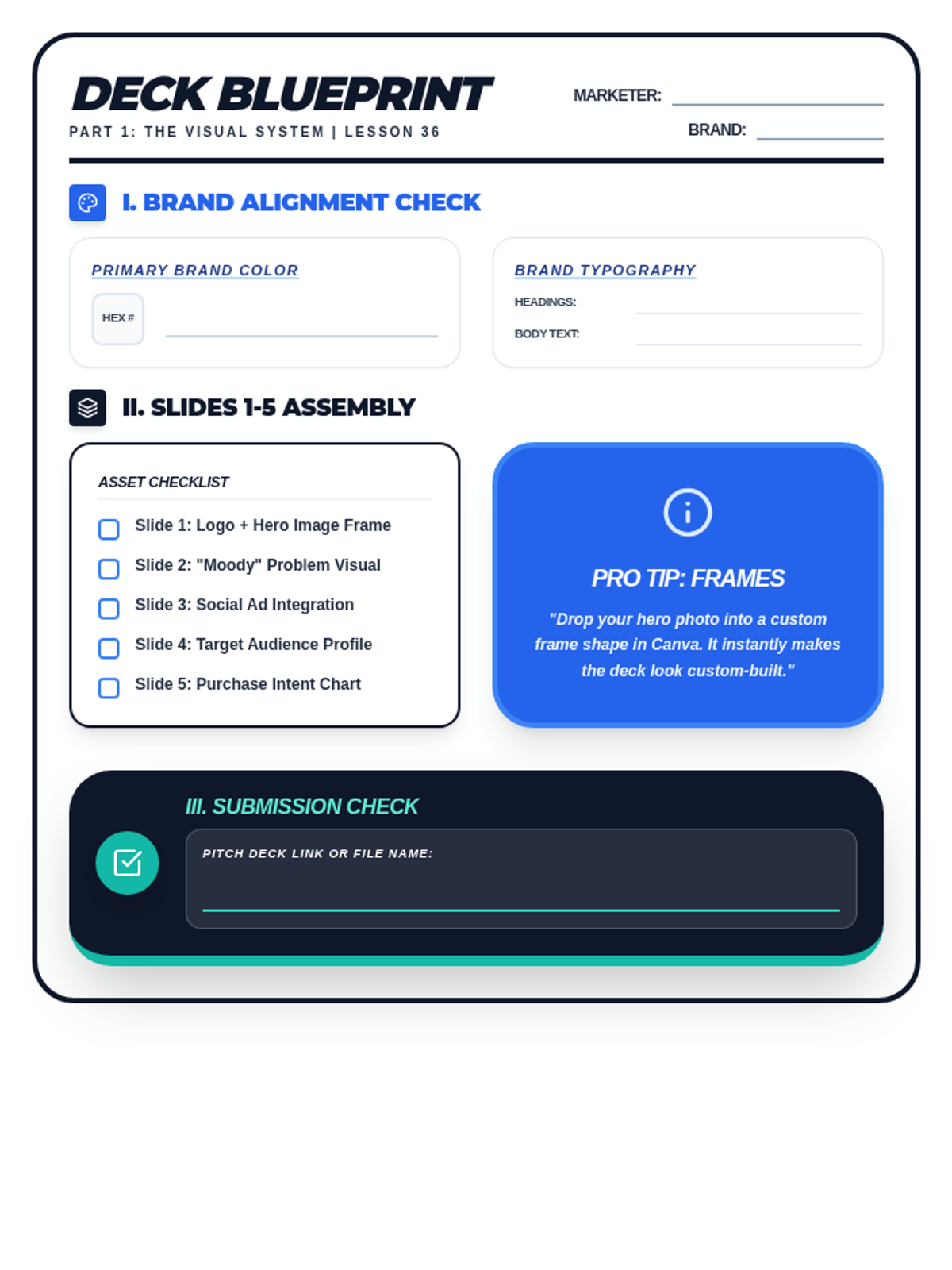
A lesson focused on visual consistency and branding in pitch decks. Students learn to use master slides, image masking, and brand-aligned assets to create the first half of their digital marketing pitch.
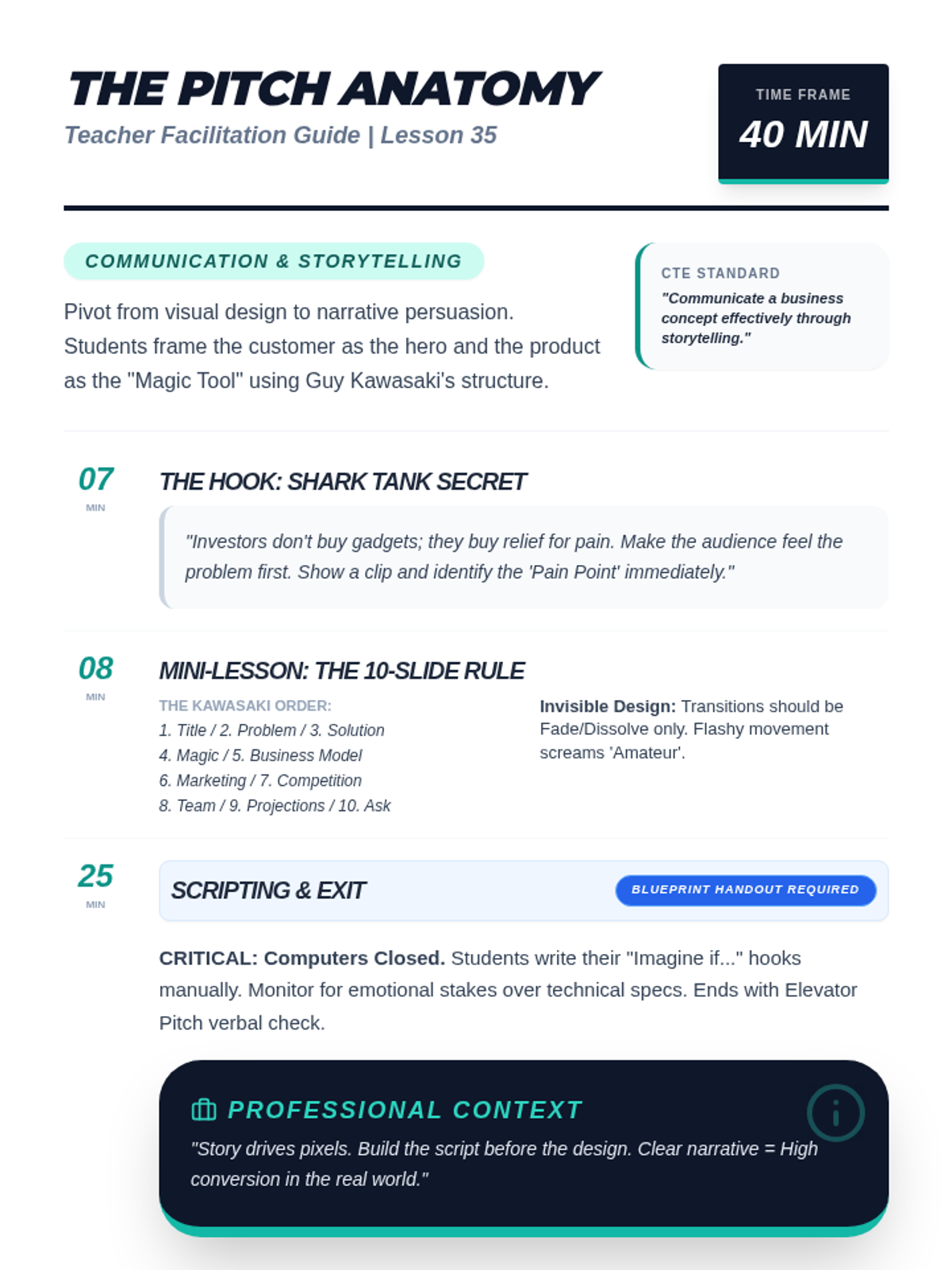
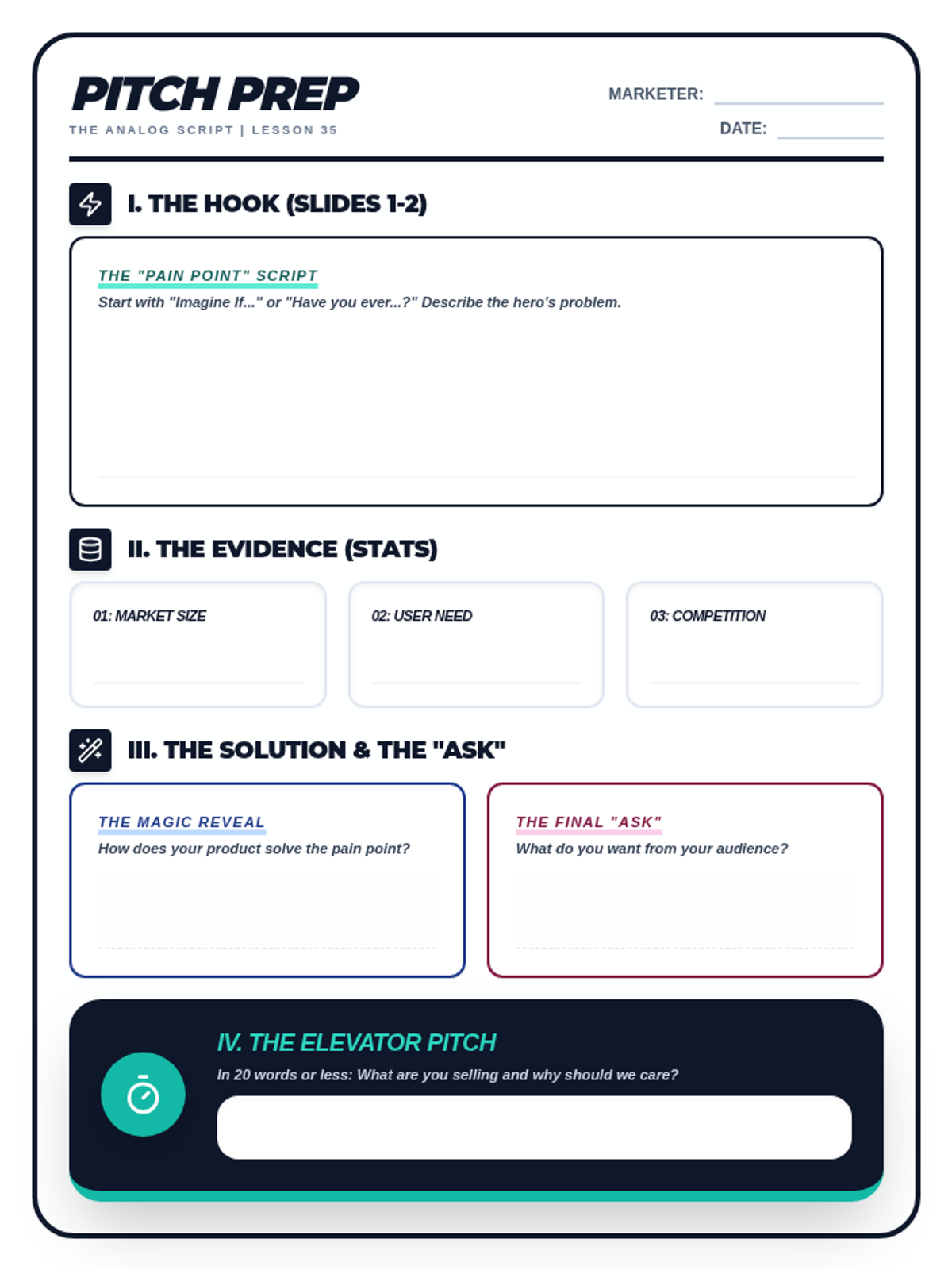
A lesson focused on business storytelling and pitch deck structure. Students learn to frame their marketing campaign as a problem-solving narrative using the 10-Slide Rule and 'invisible' design principles.
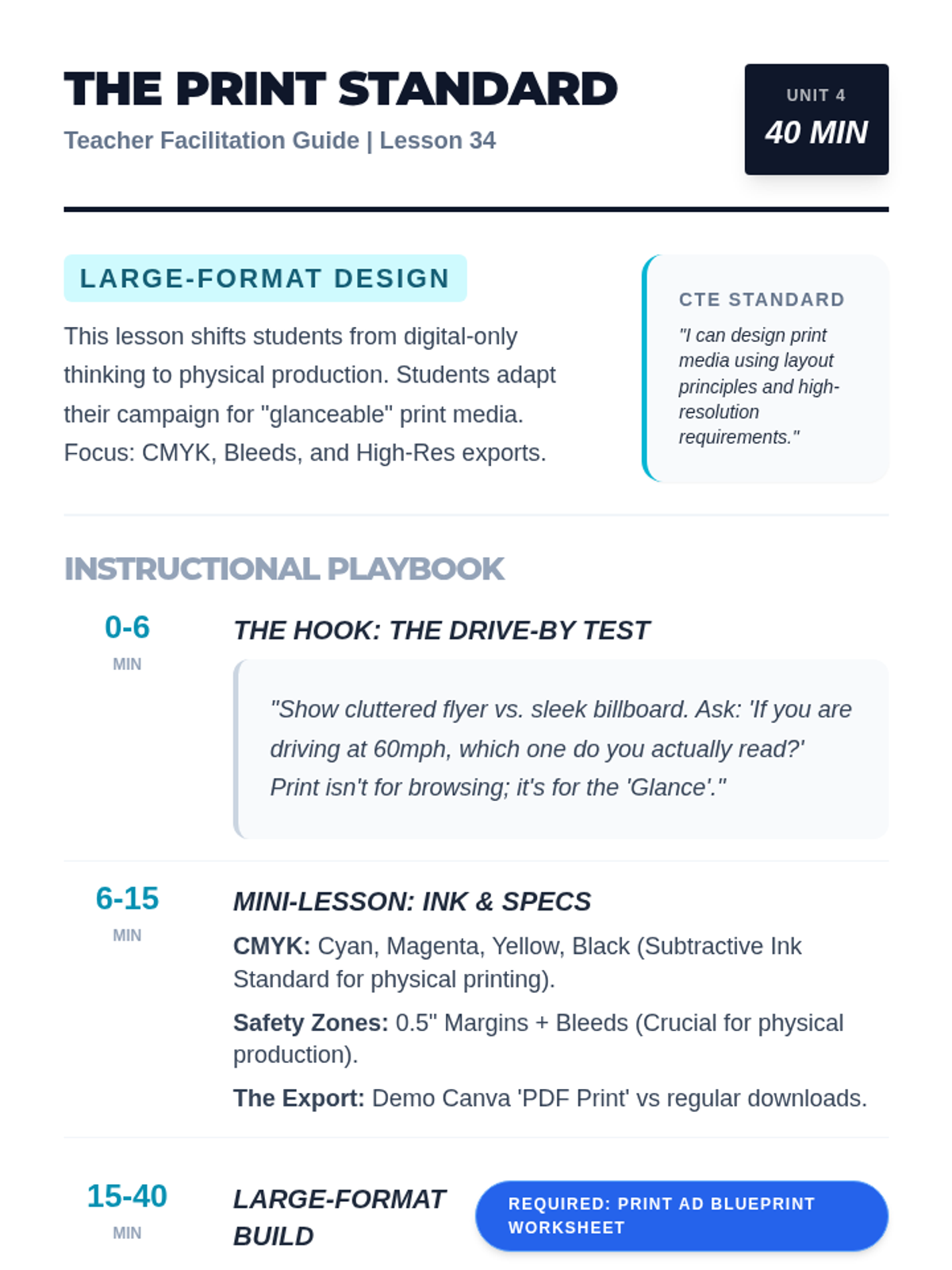
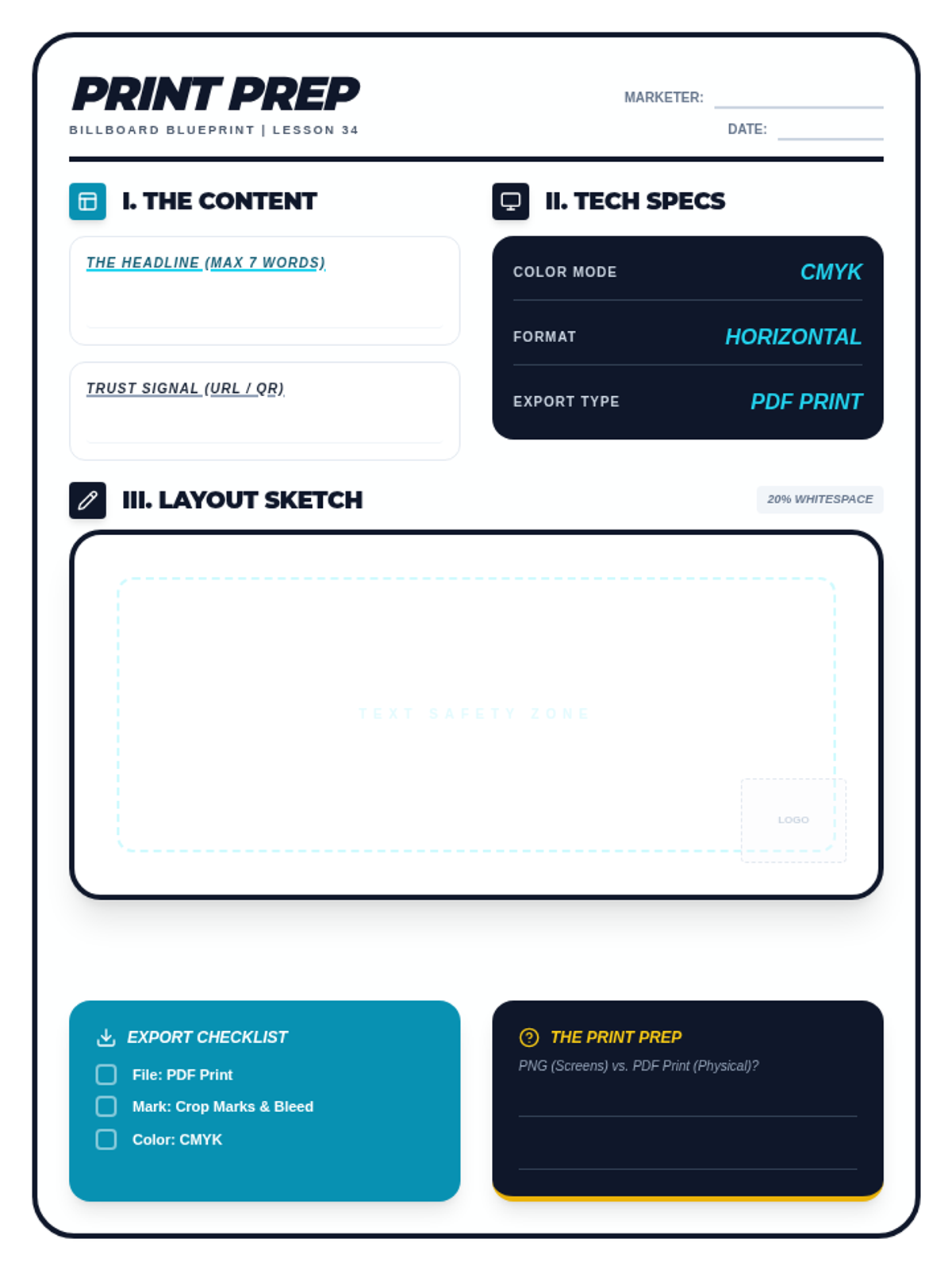
A lesson focused on designing large-format print advertisements. Students learn the differences between RGB and CMYK color modes, resolution requirements, and how to design for 'glanceability' using the Drive-By Test.
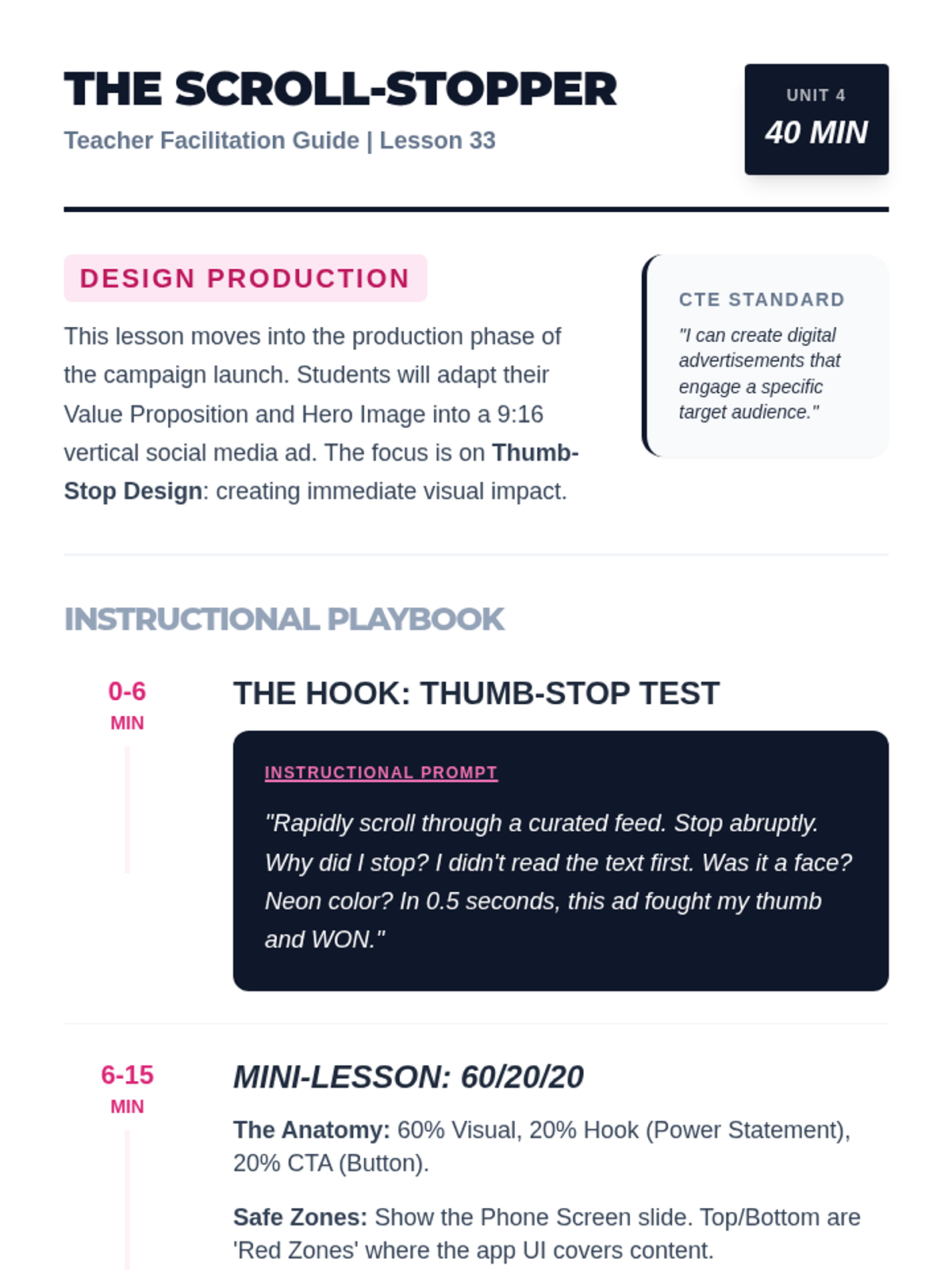
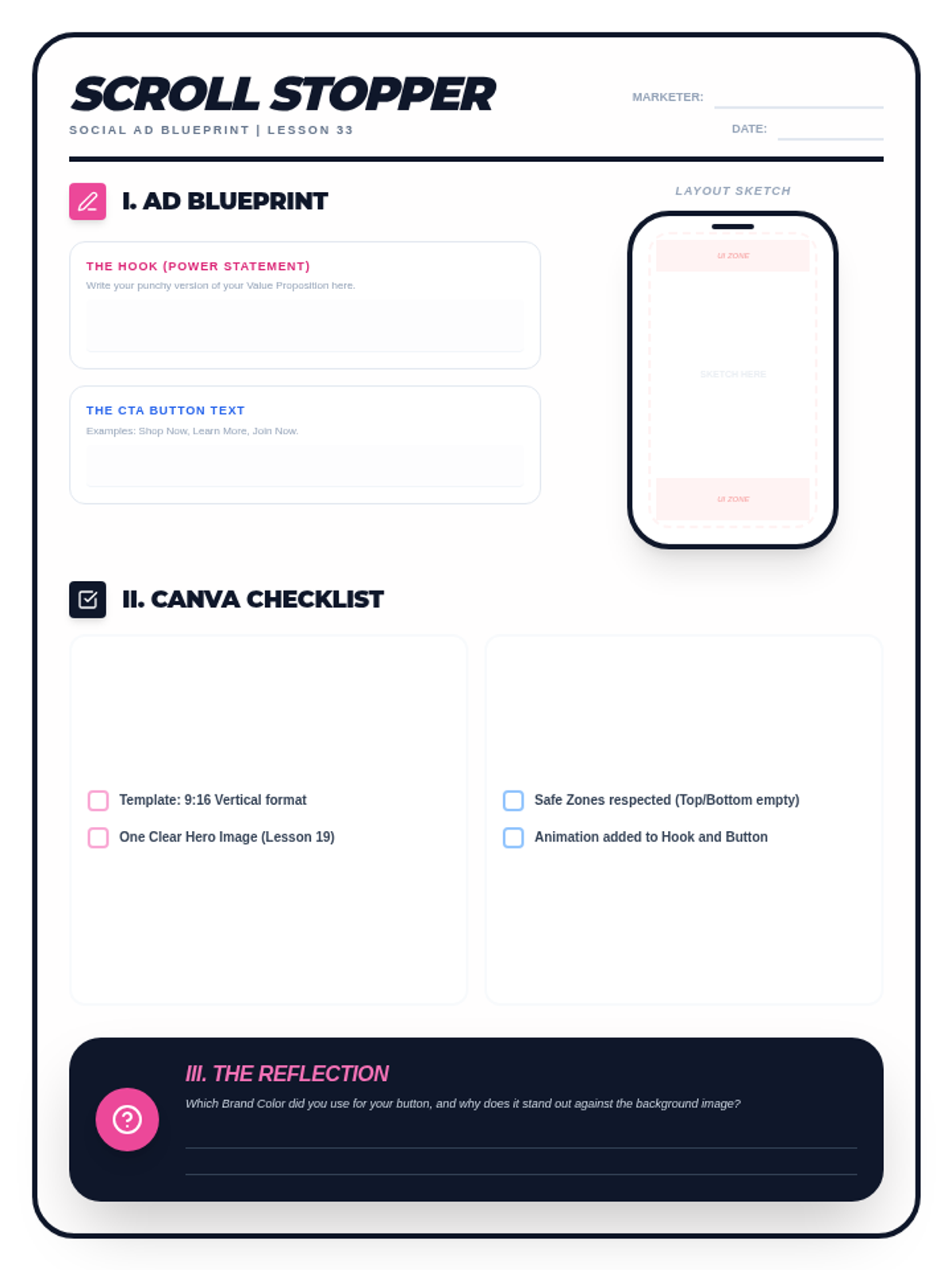
A lesson focused on creating high-impact vertical social media advertisements. Students learn the 'Thumb-Stop' rule, the 60/20/20 anatomy of mobile ads, and design safe-zone techniques in Canva.
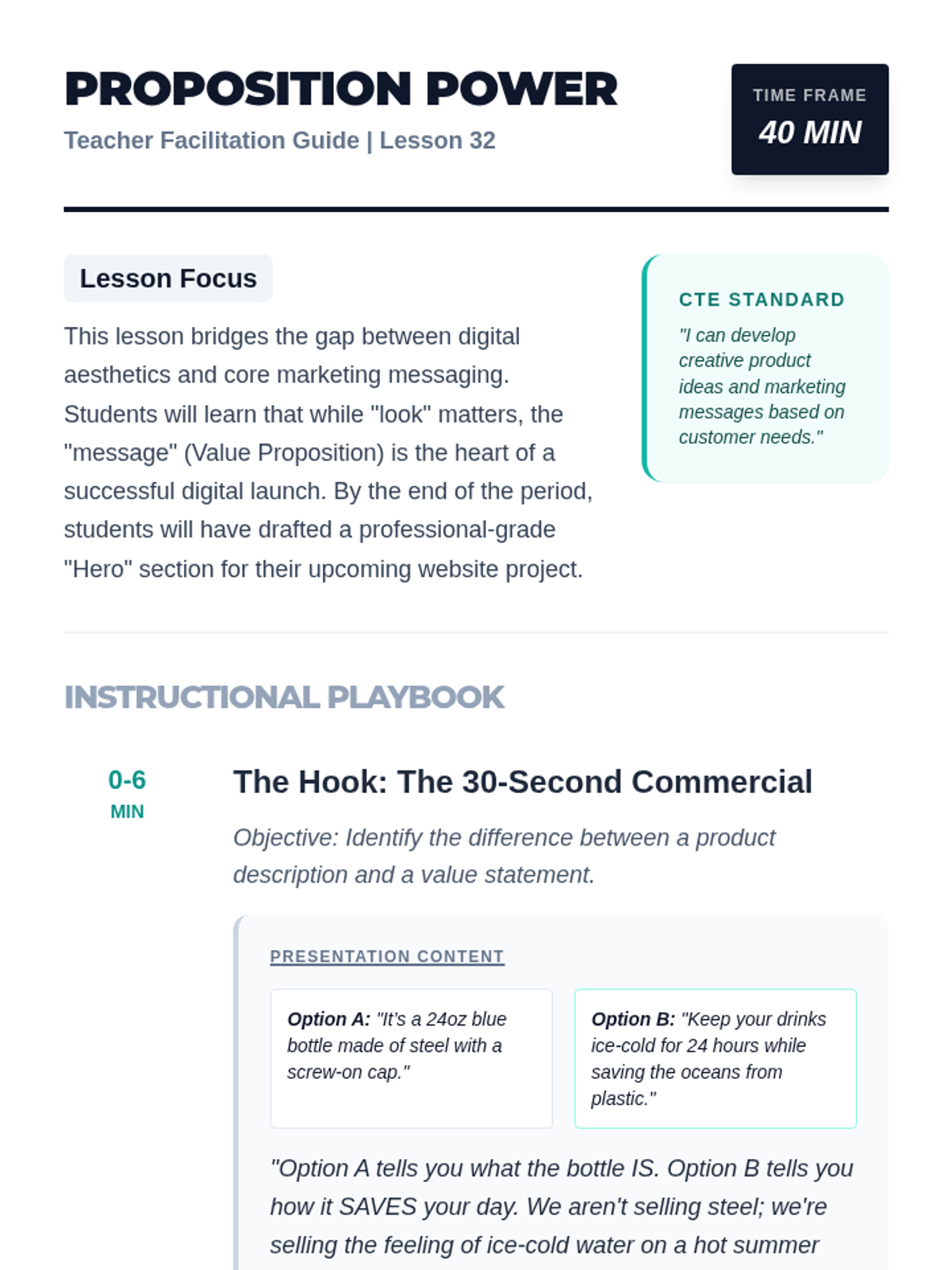
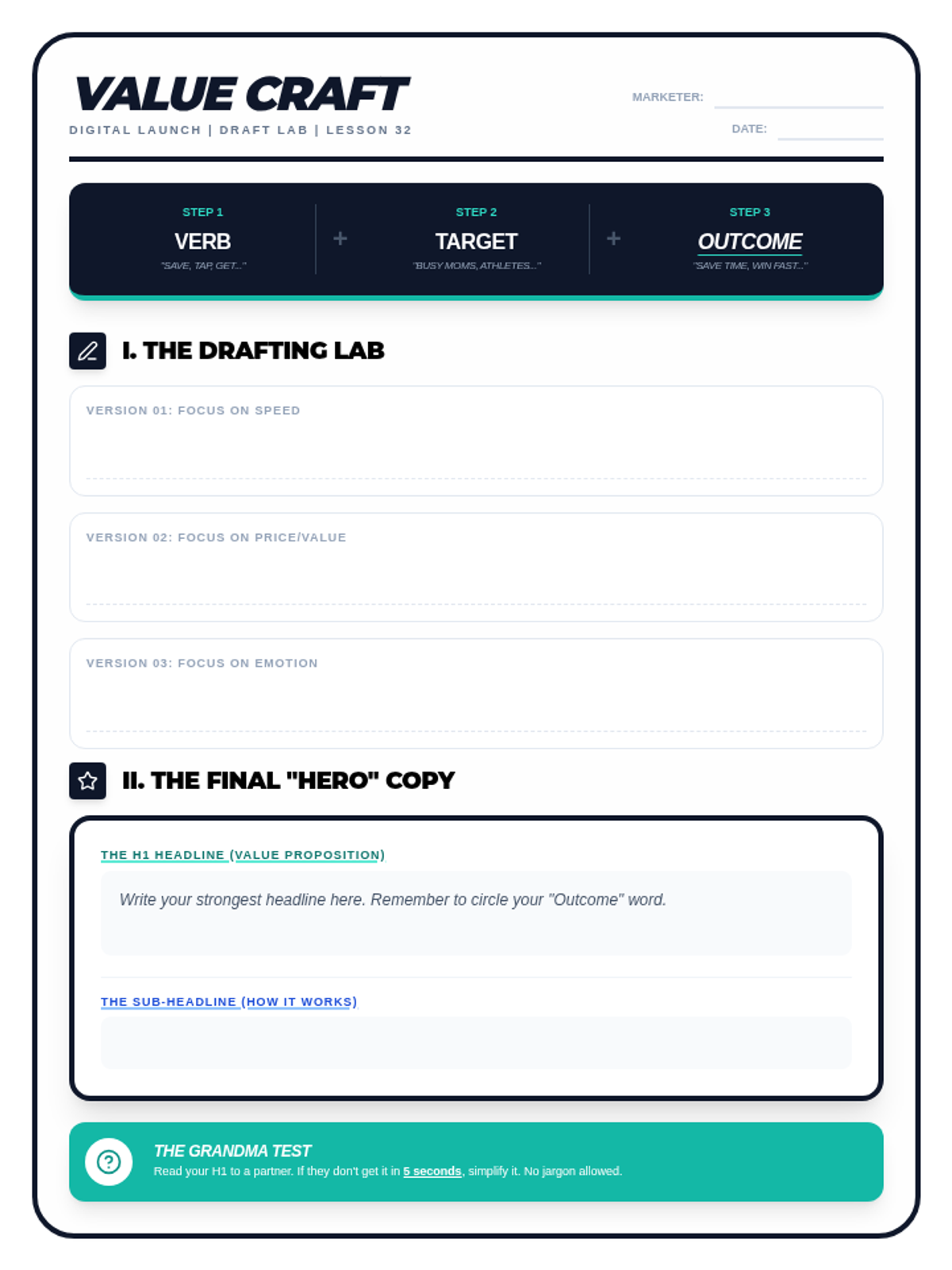
A lesson focused on the core marketing message: the Value Proposition. Students learn the formula for persuasive messaging and how to design high-impact 'Hero Text' for digital landing pages.
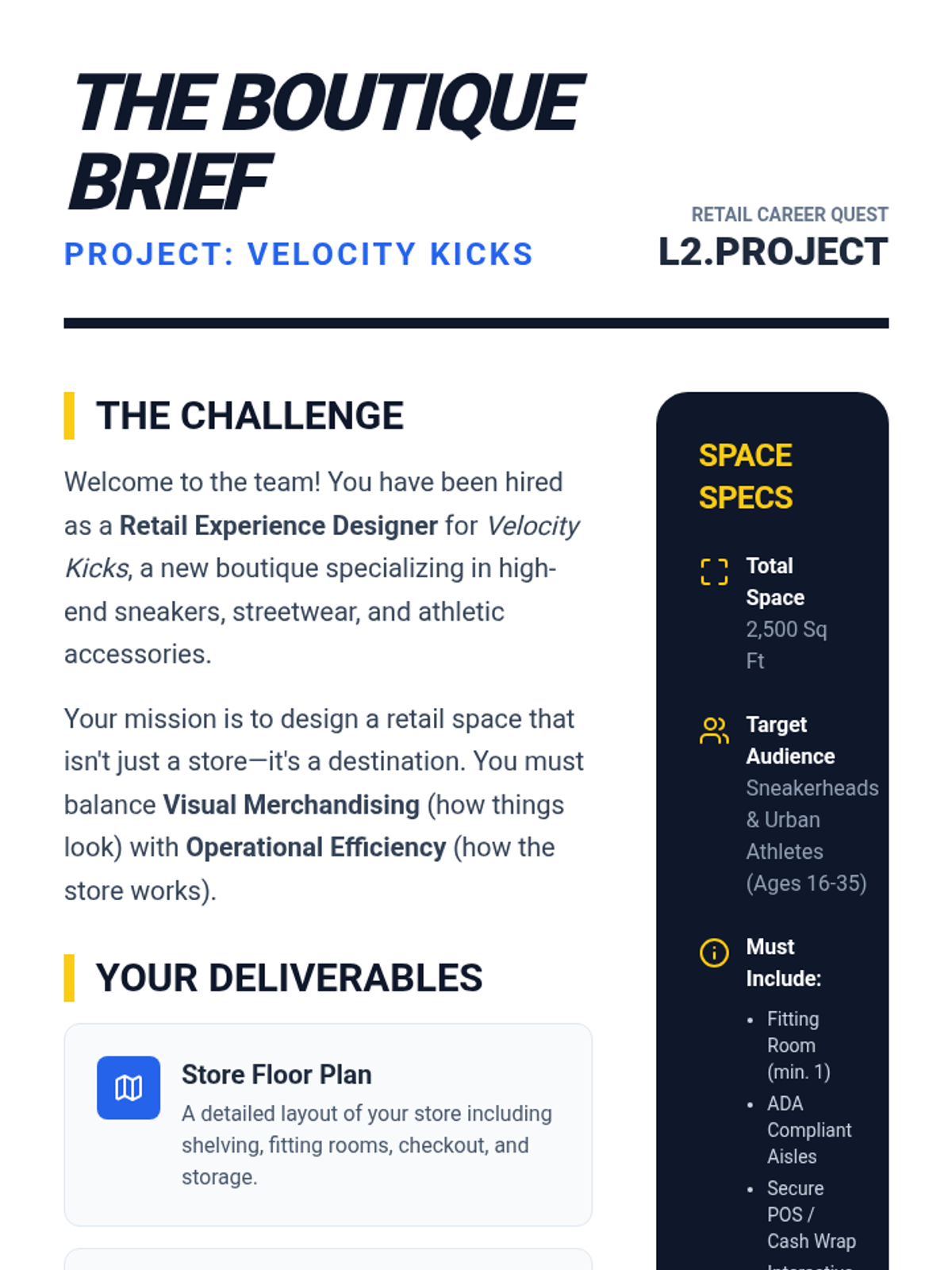
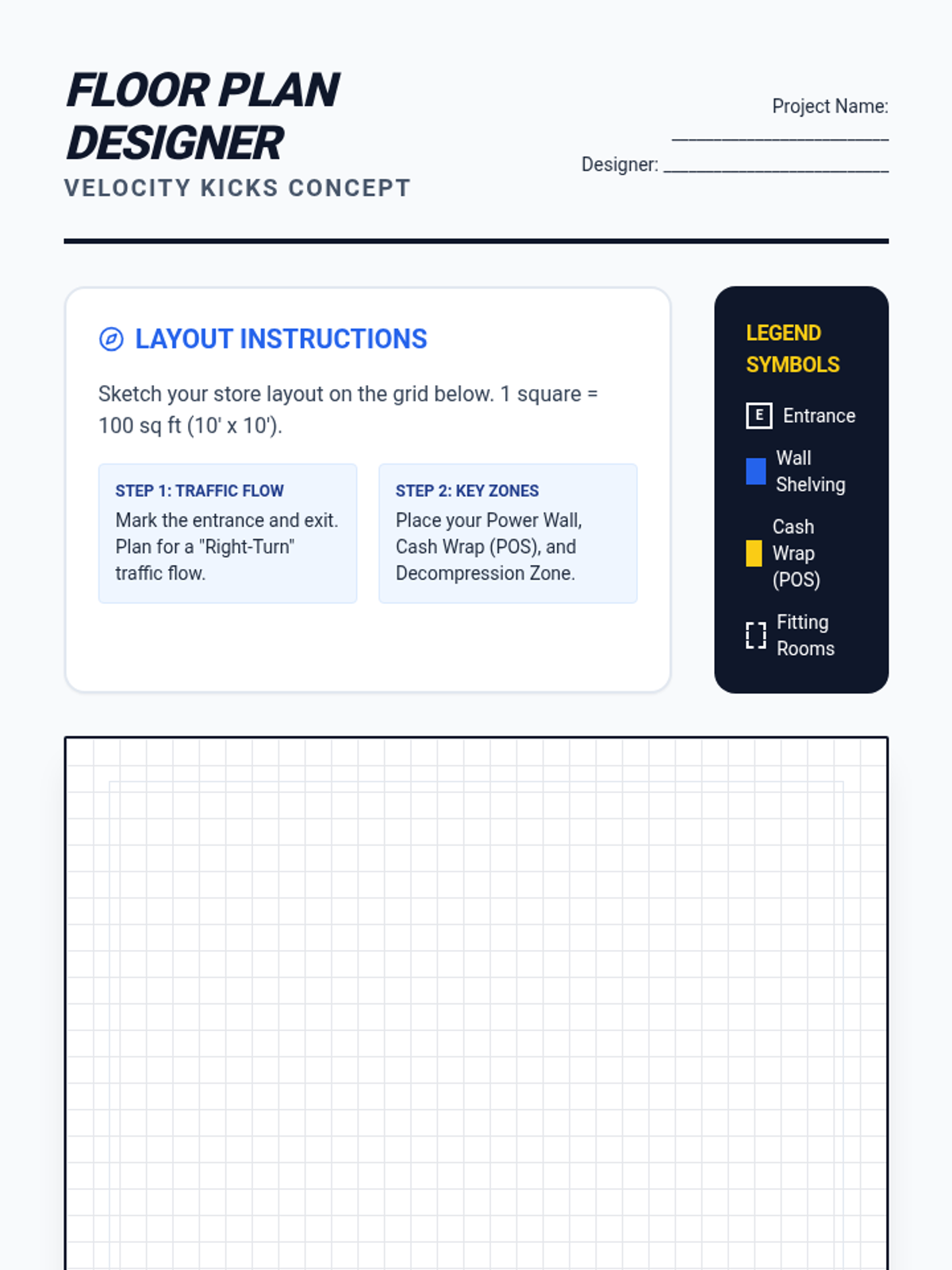
A practical project where students apply their knowledge to design a retail store, including product selection, floor layout, visual merchandising, and a promotional plan.
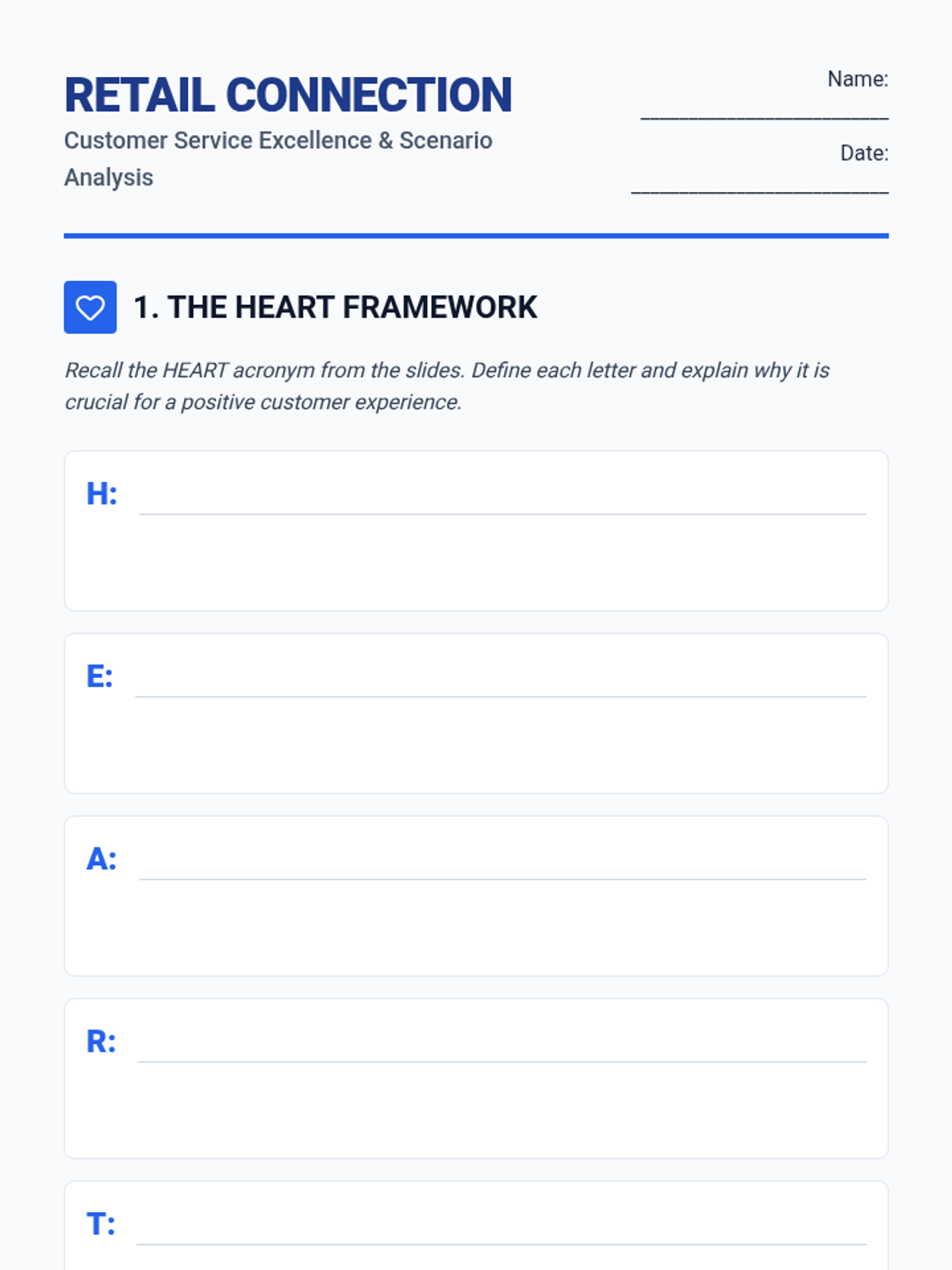
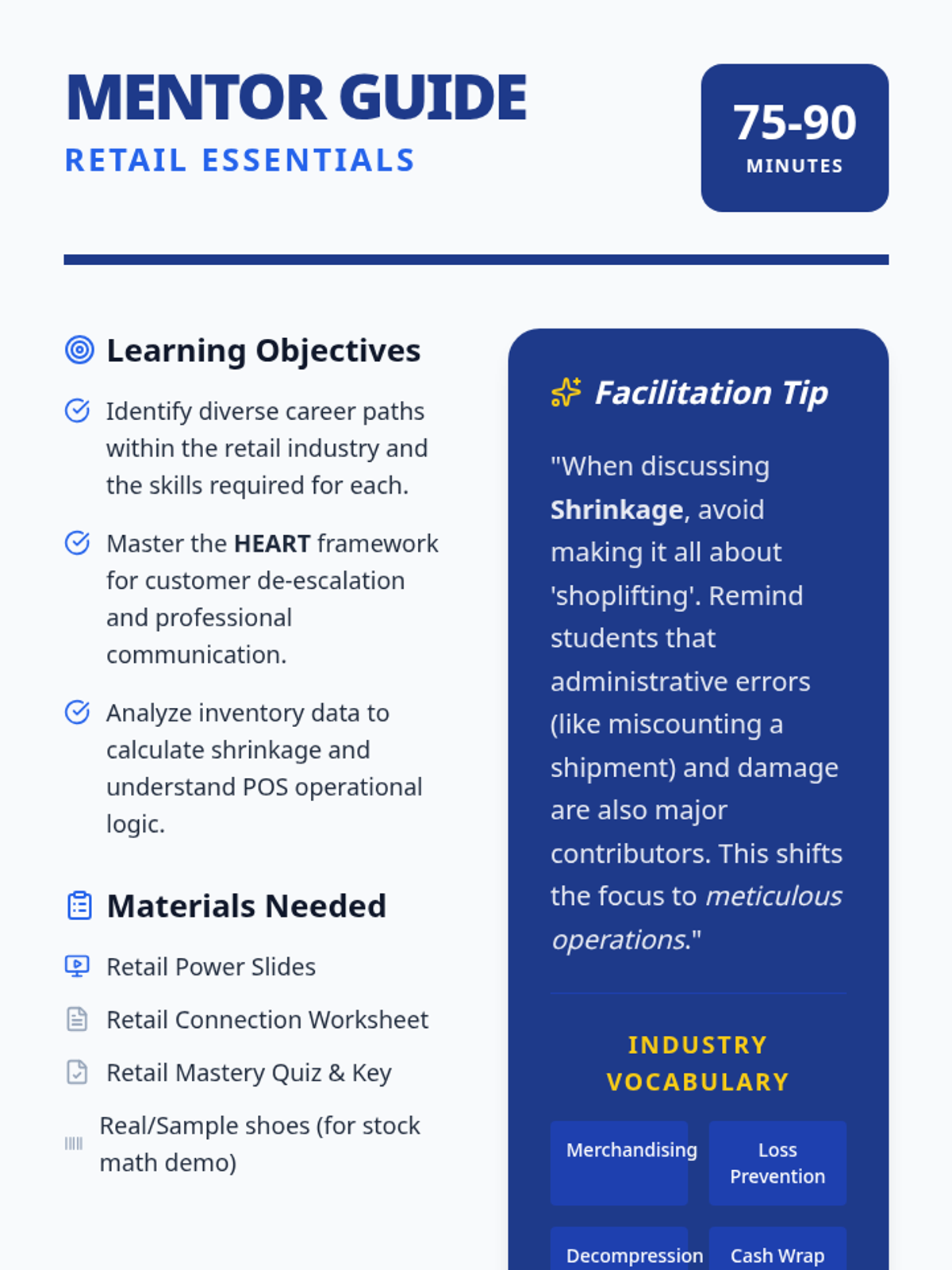
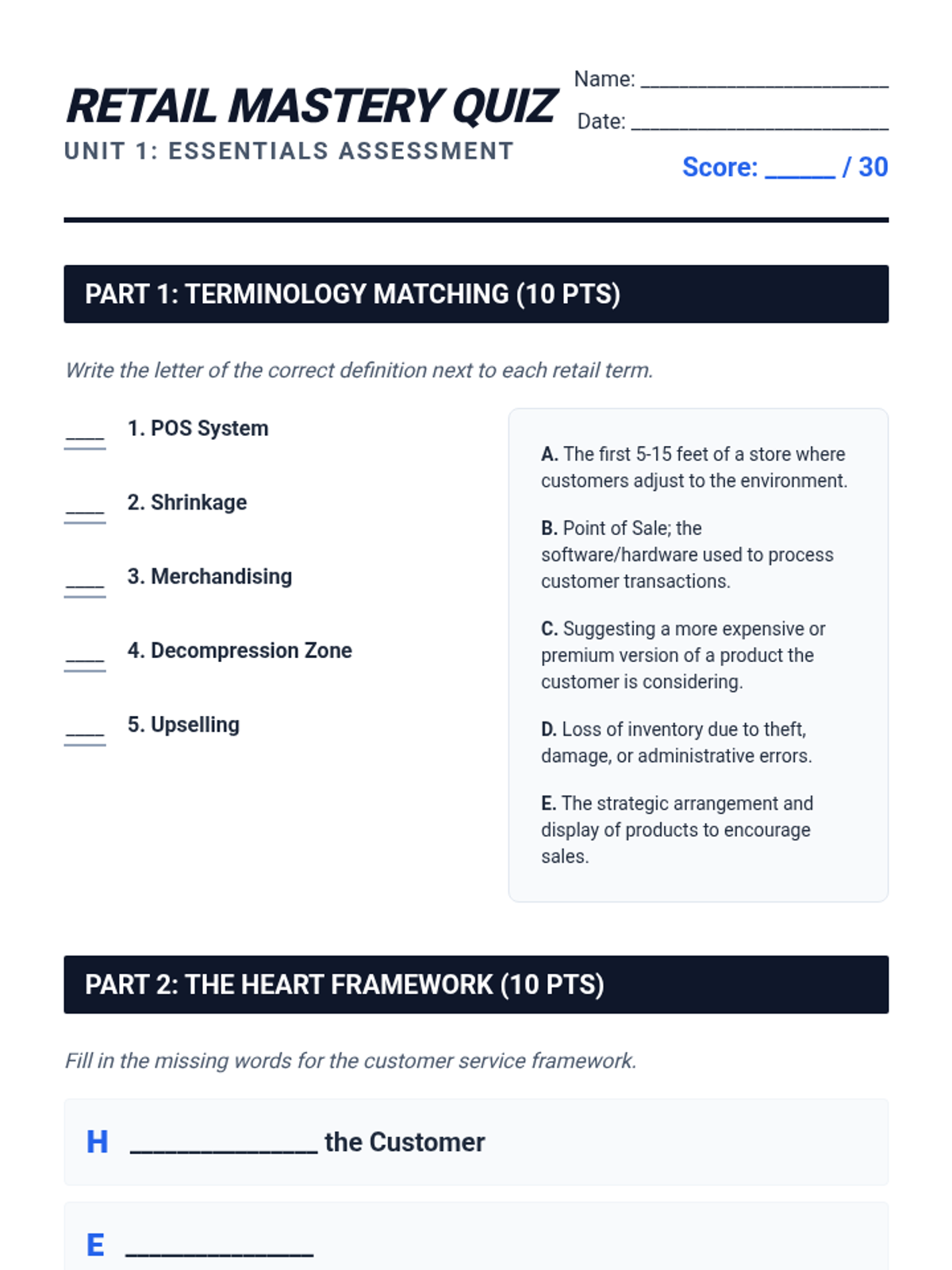
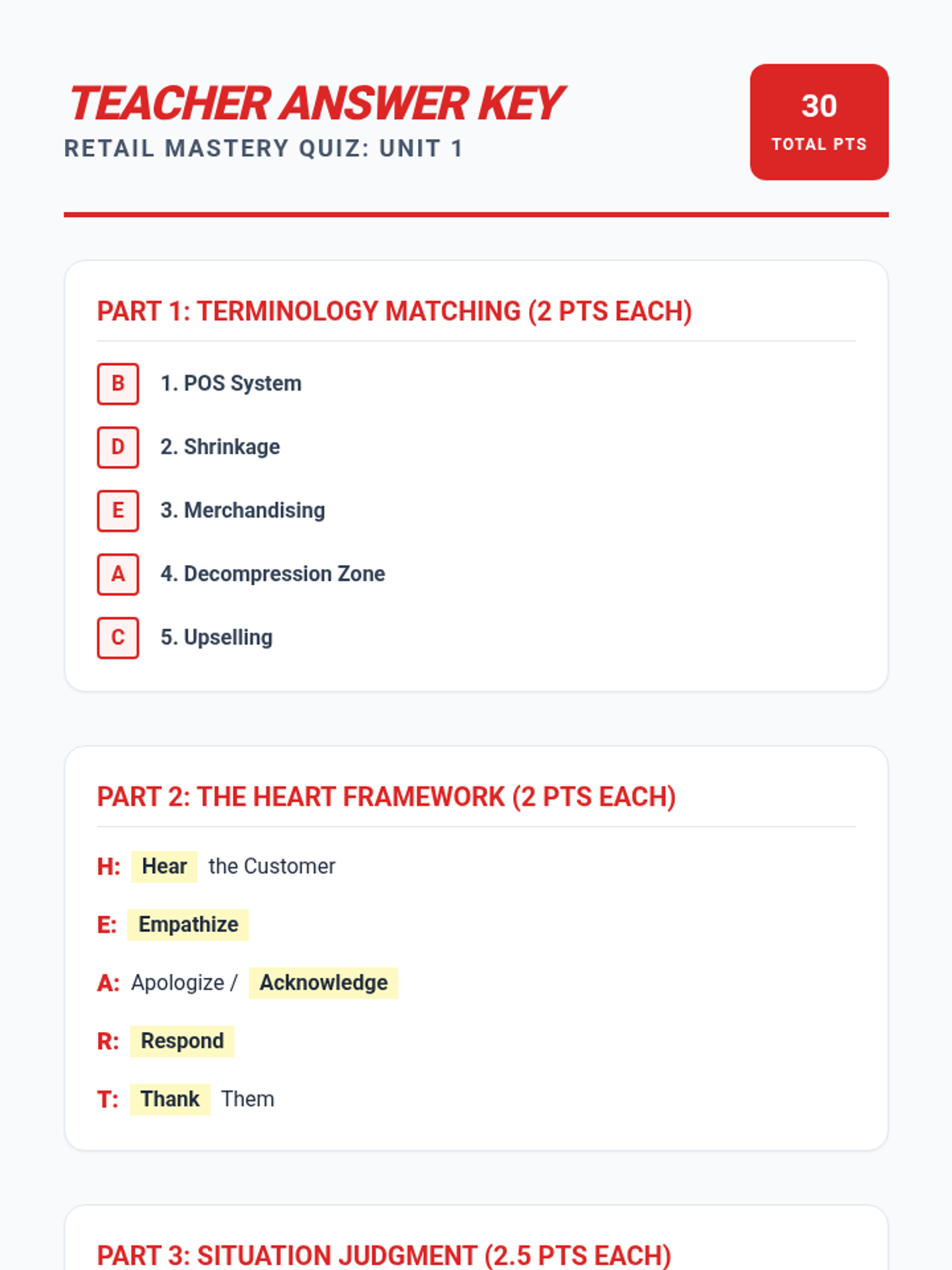
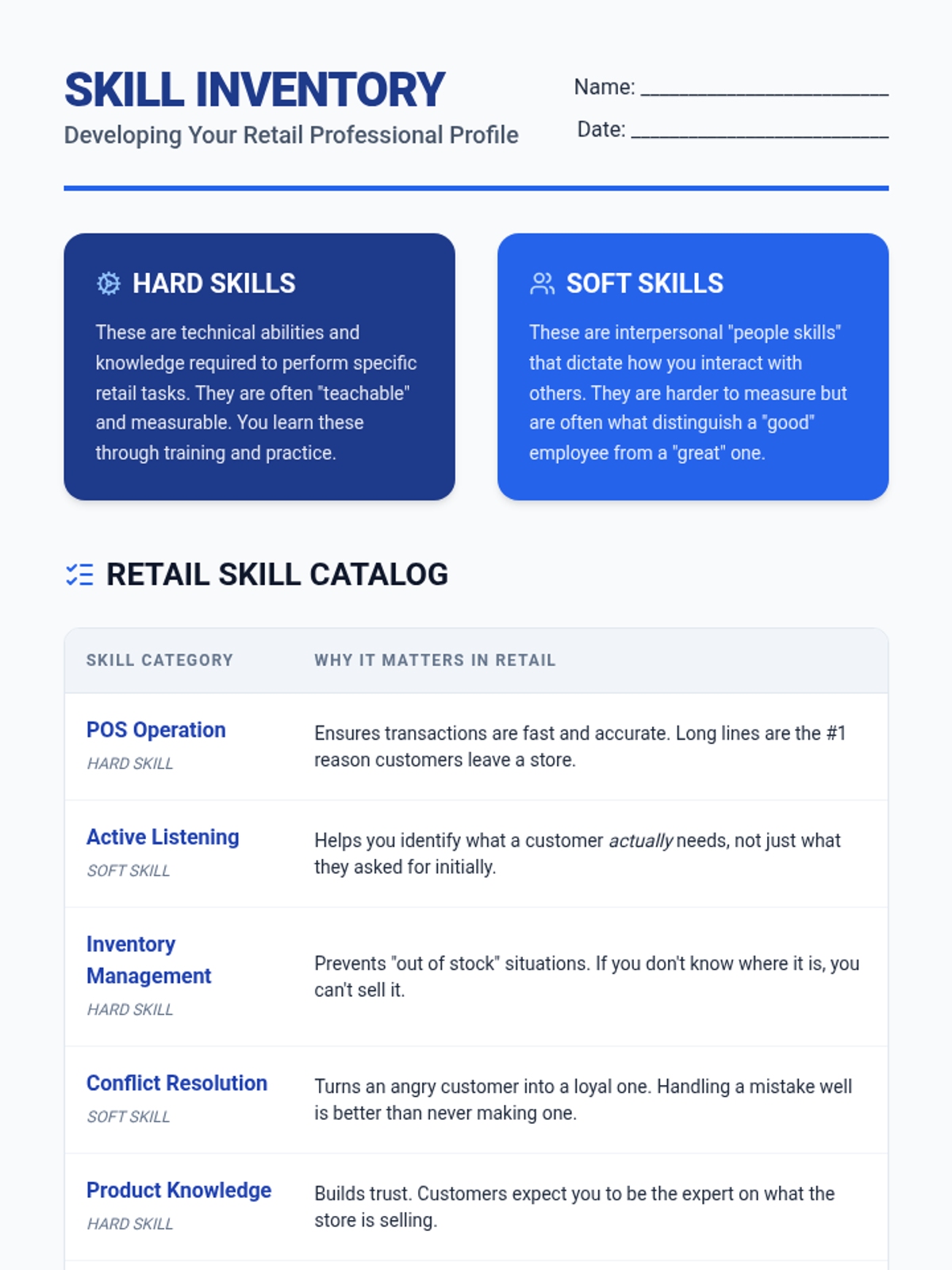
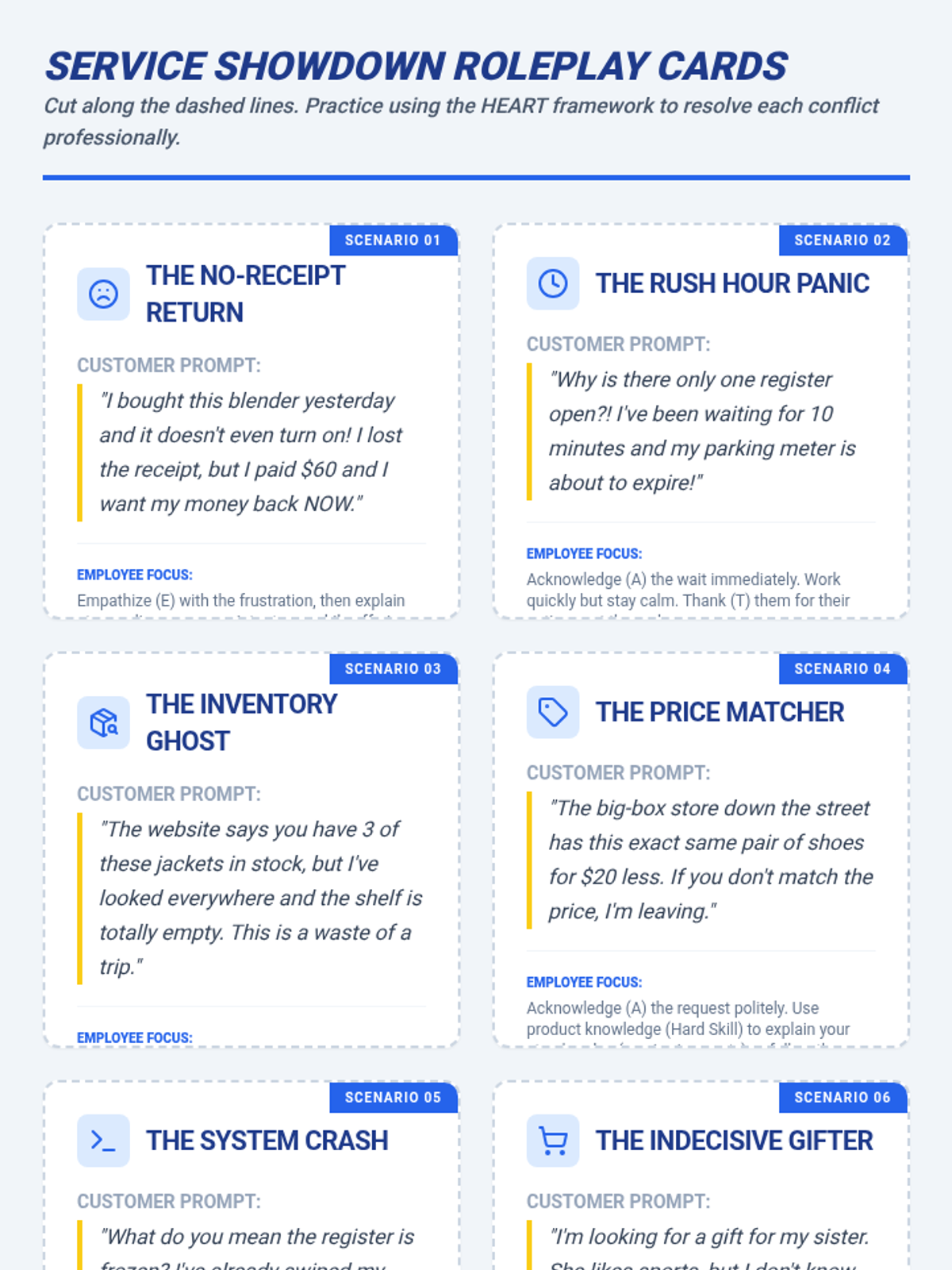
An introduction to the foundational skills of the retail industry, covering customer service techniques, cash handling, inventory management, and the professional communication required for successful sales.
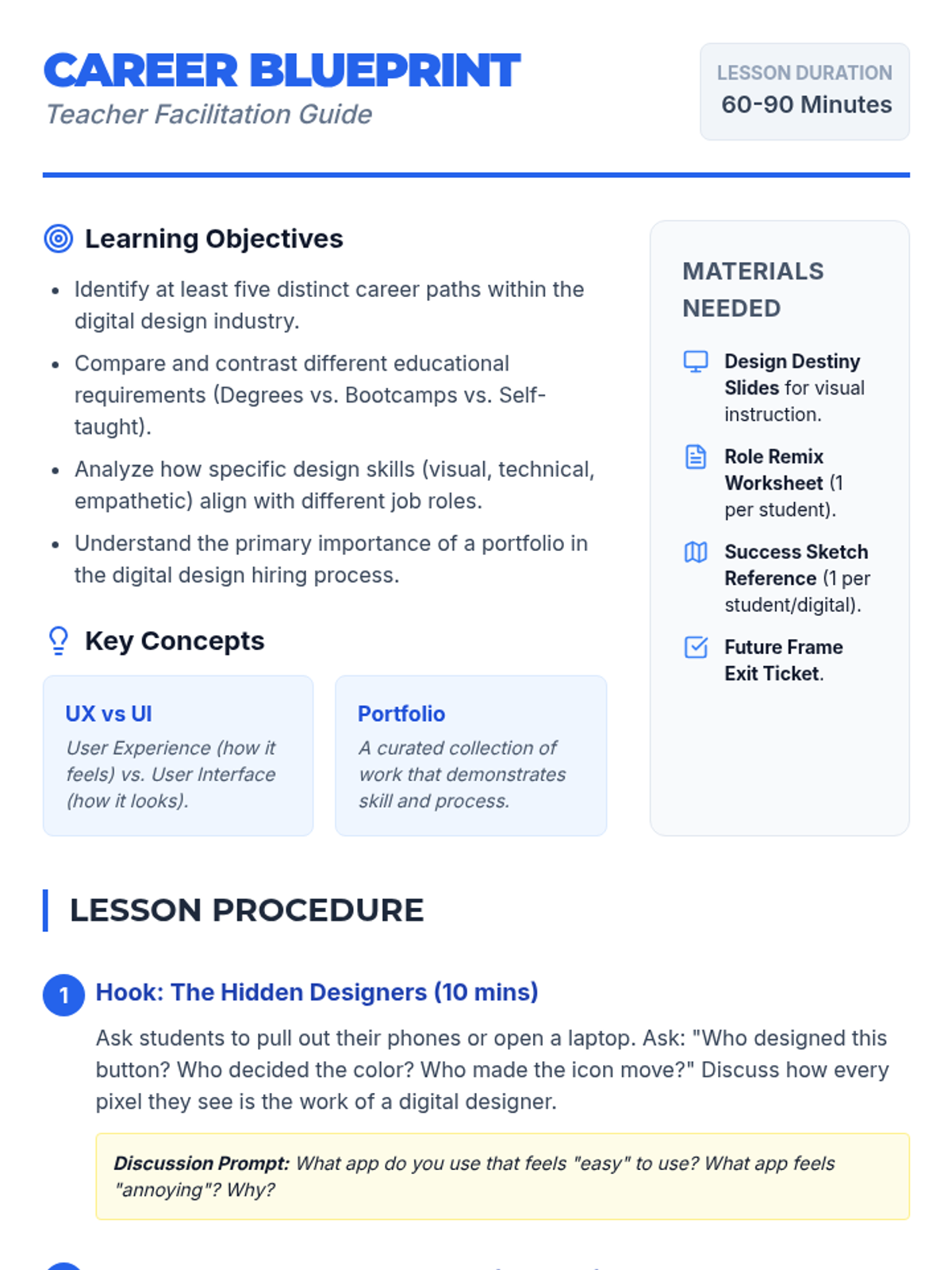
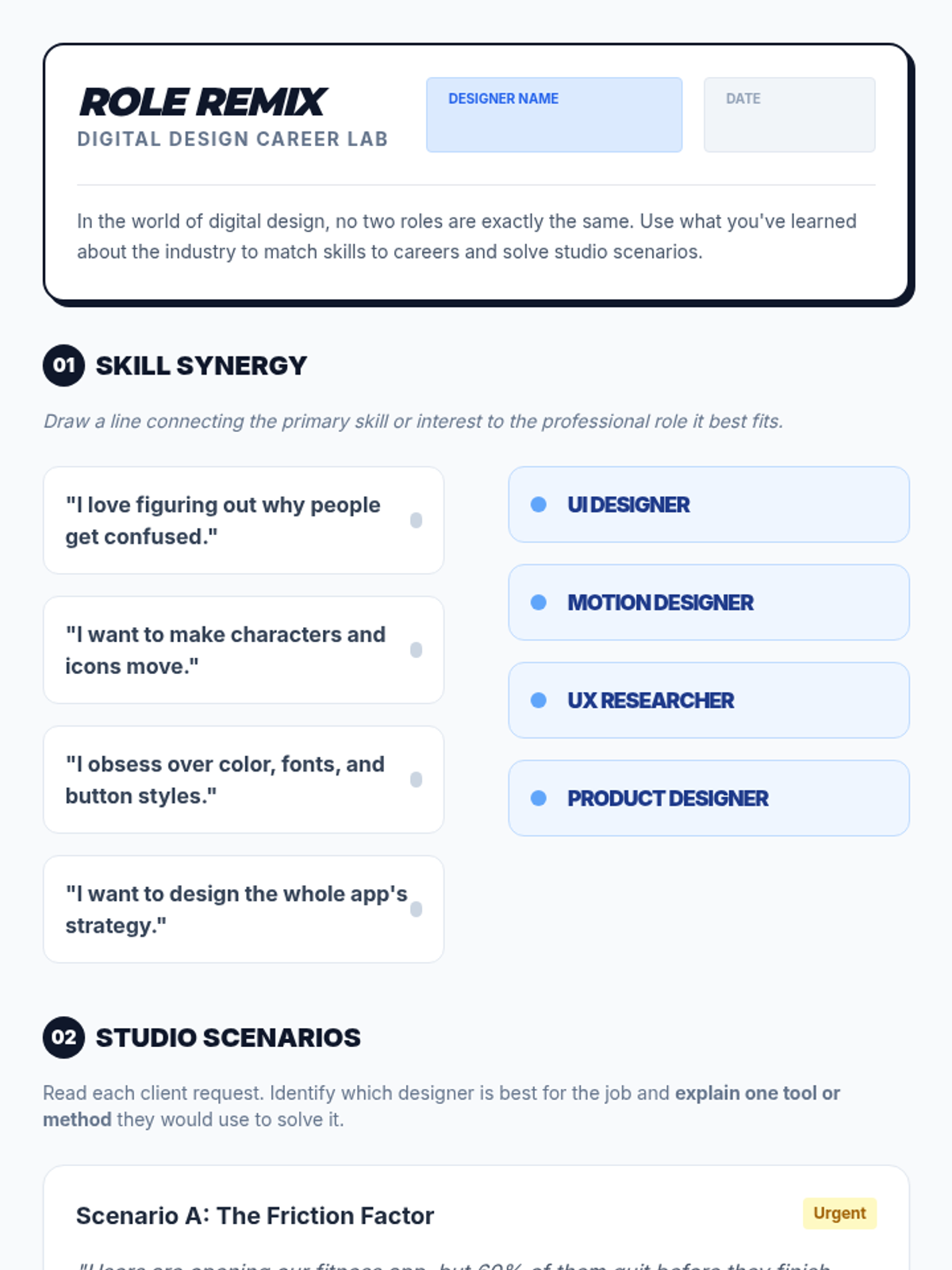
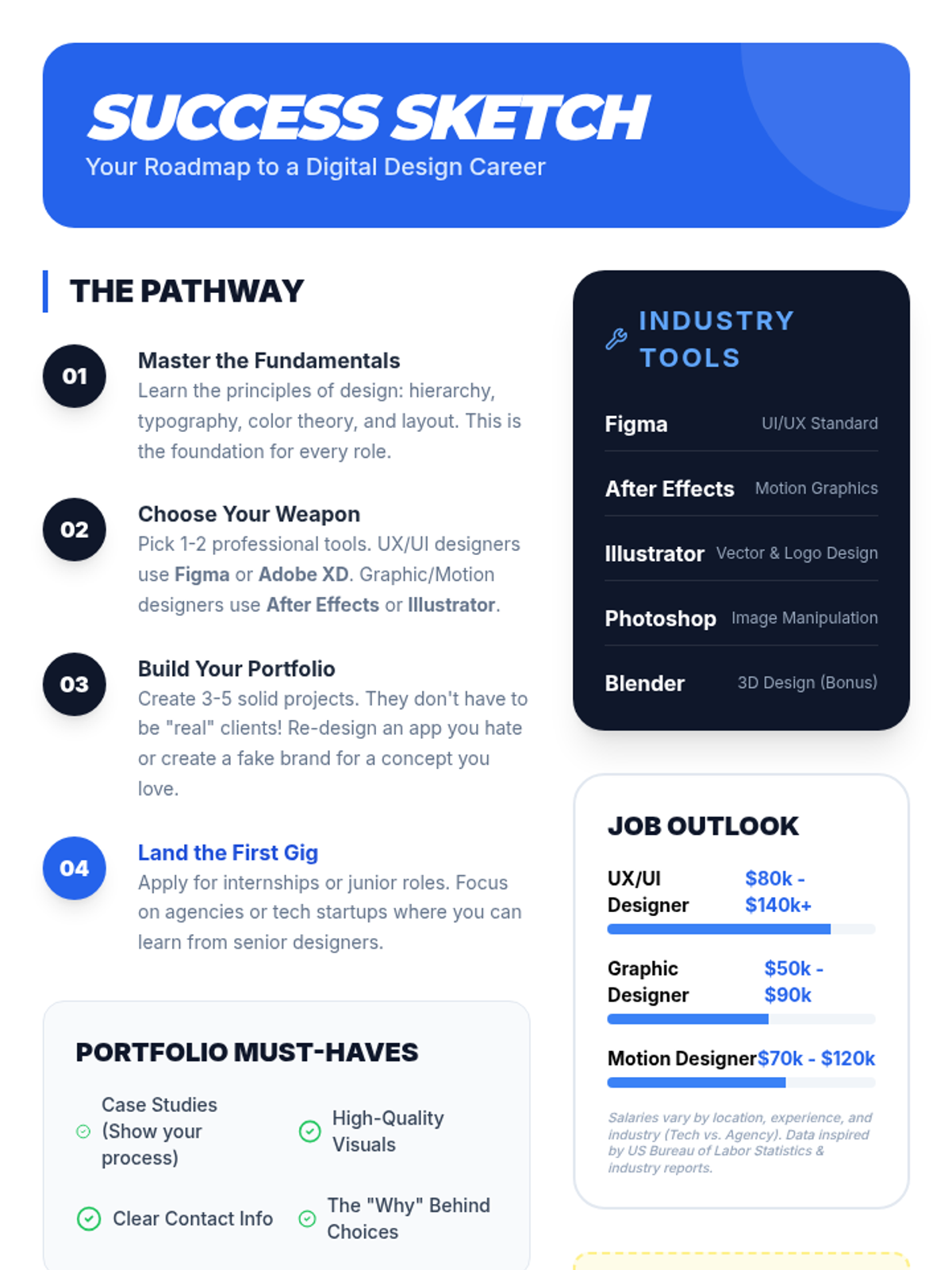
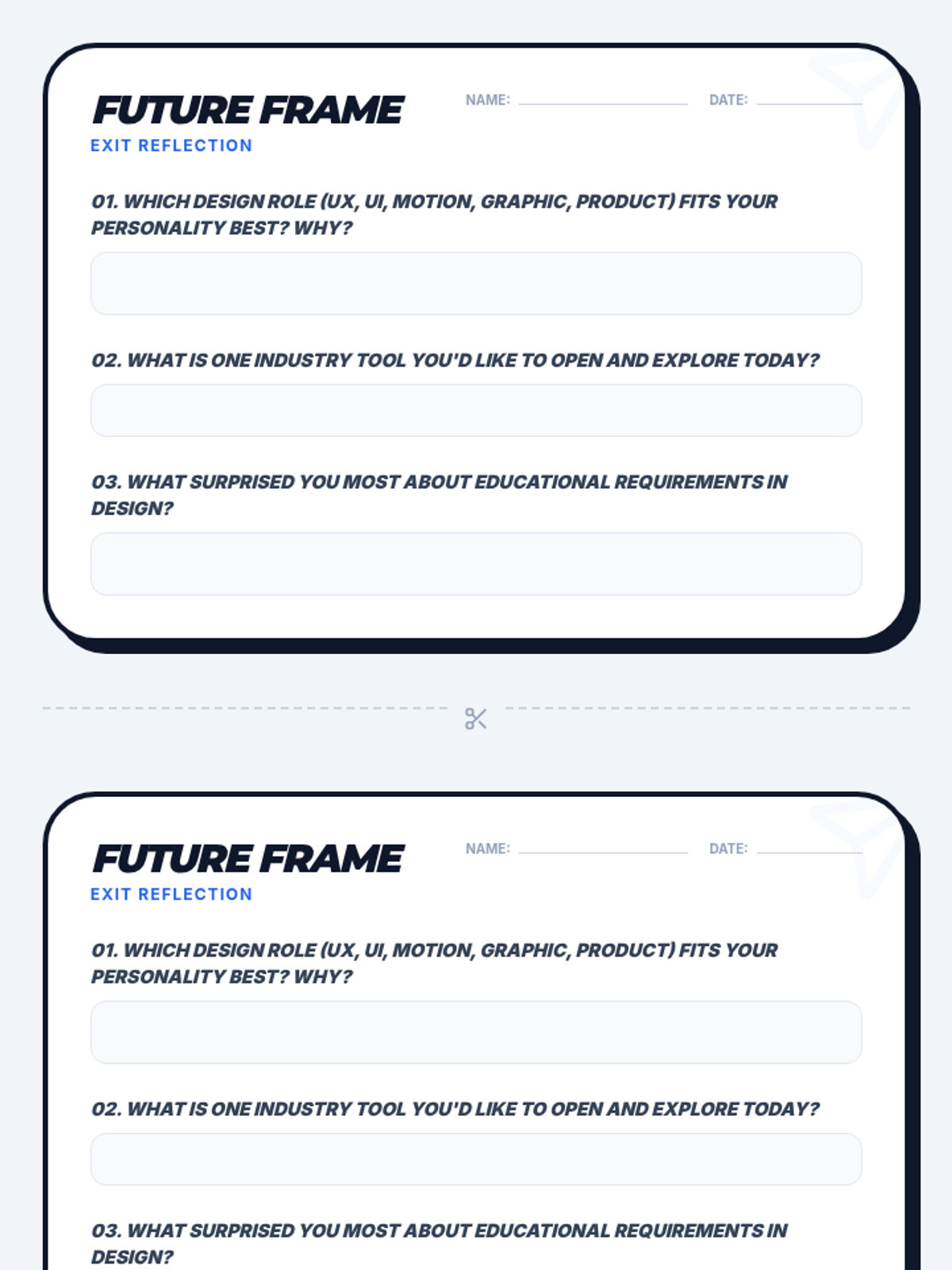
An introductory career exploration lesson where students discover the diverse world of digital design, from UX/UI to motion graphics, and map out the education and skills needed for success.
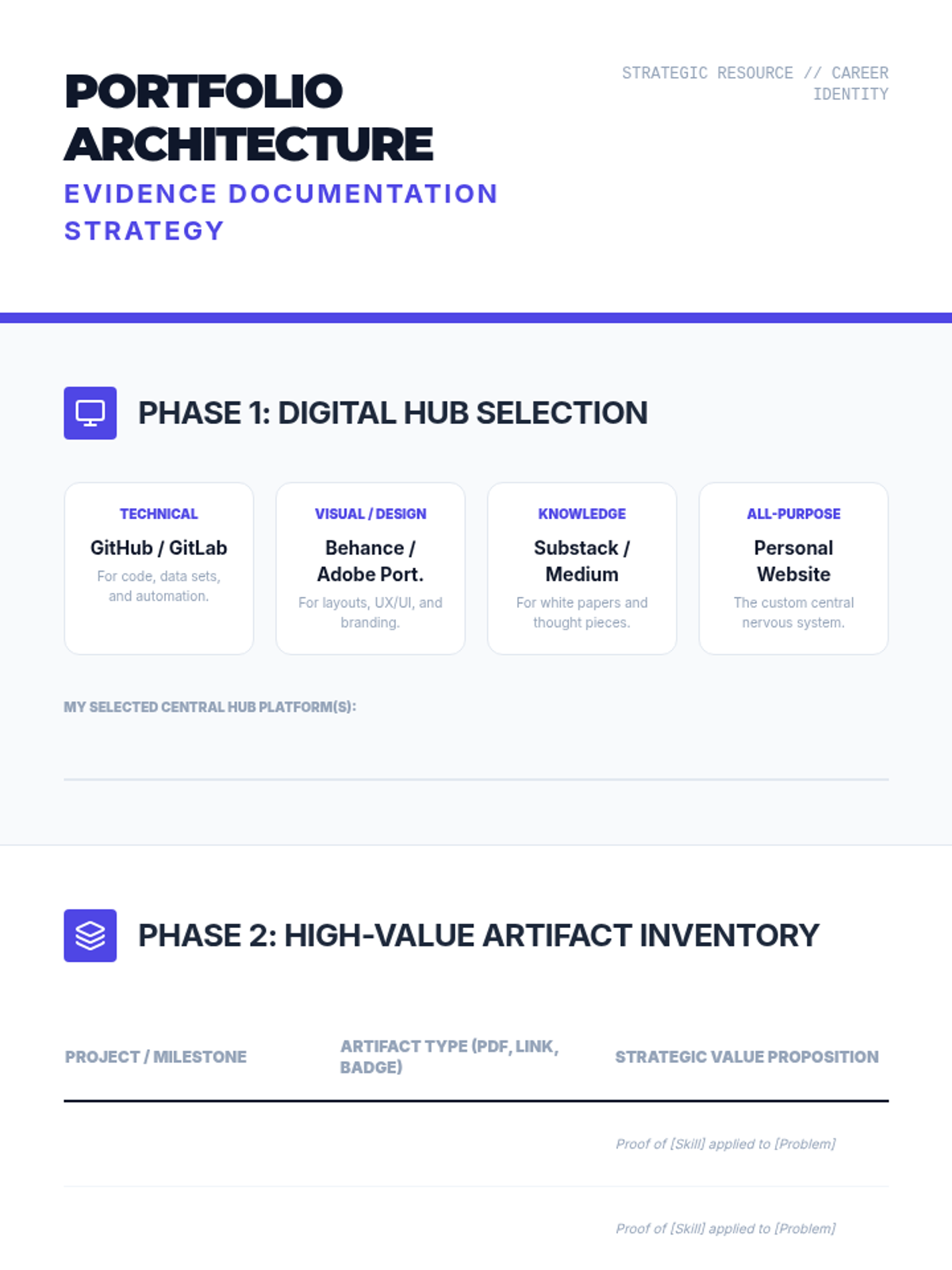
Students develop a strategy for documenting and showcasing micro-credentials and project outcomes through digital portfolios.
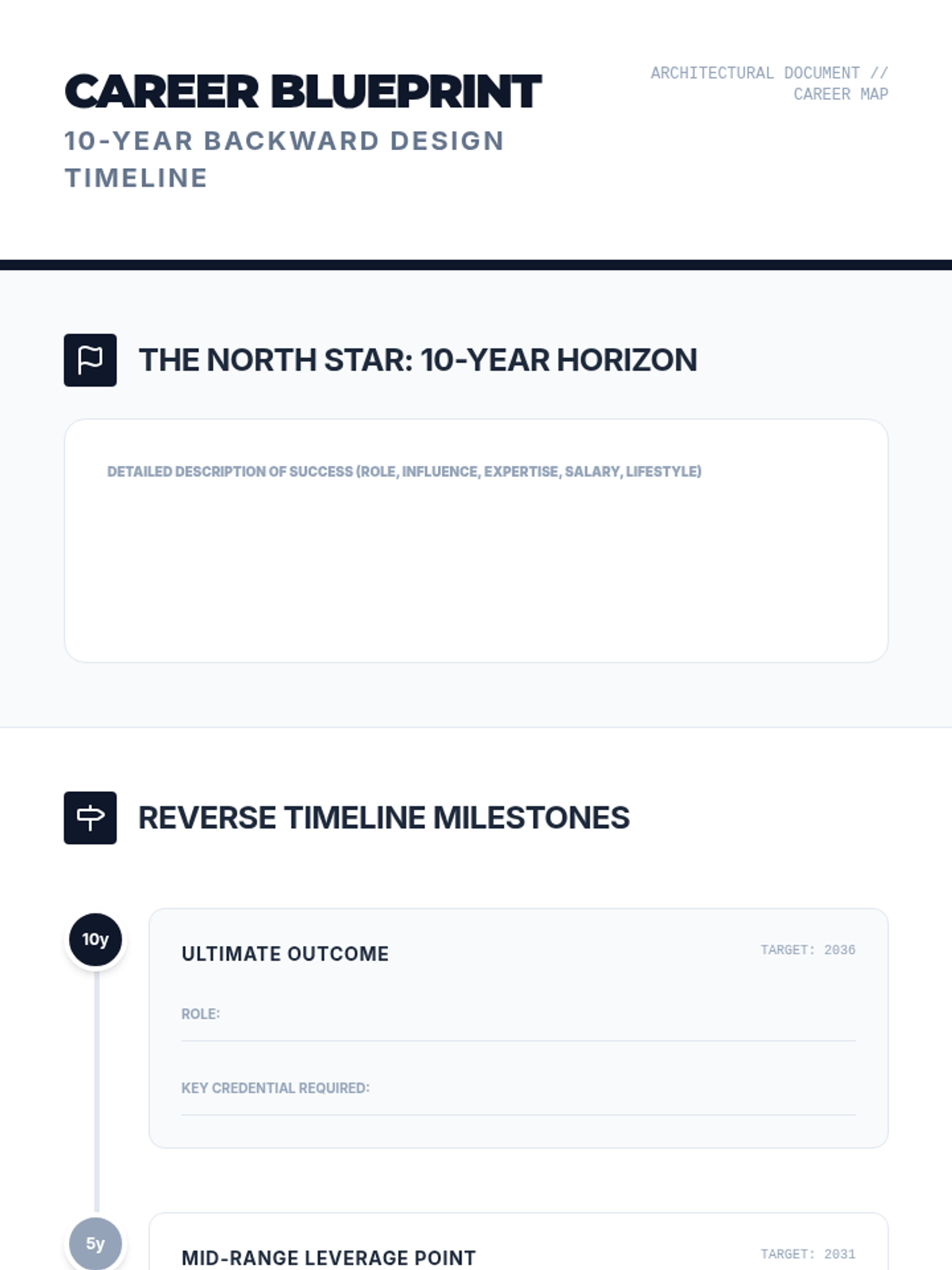
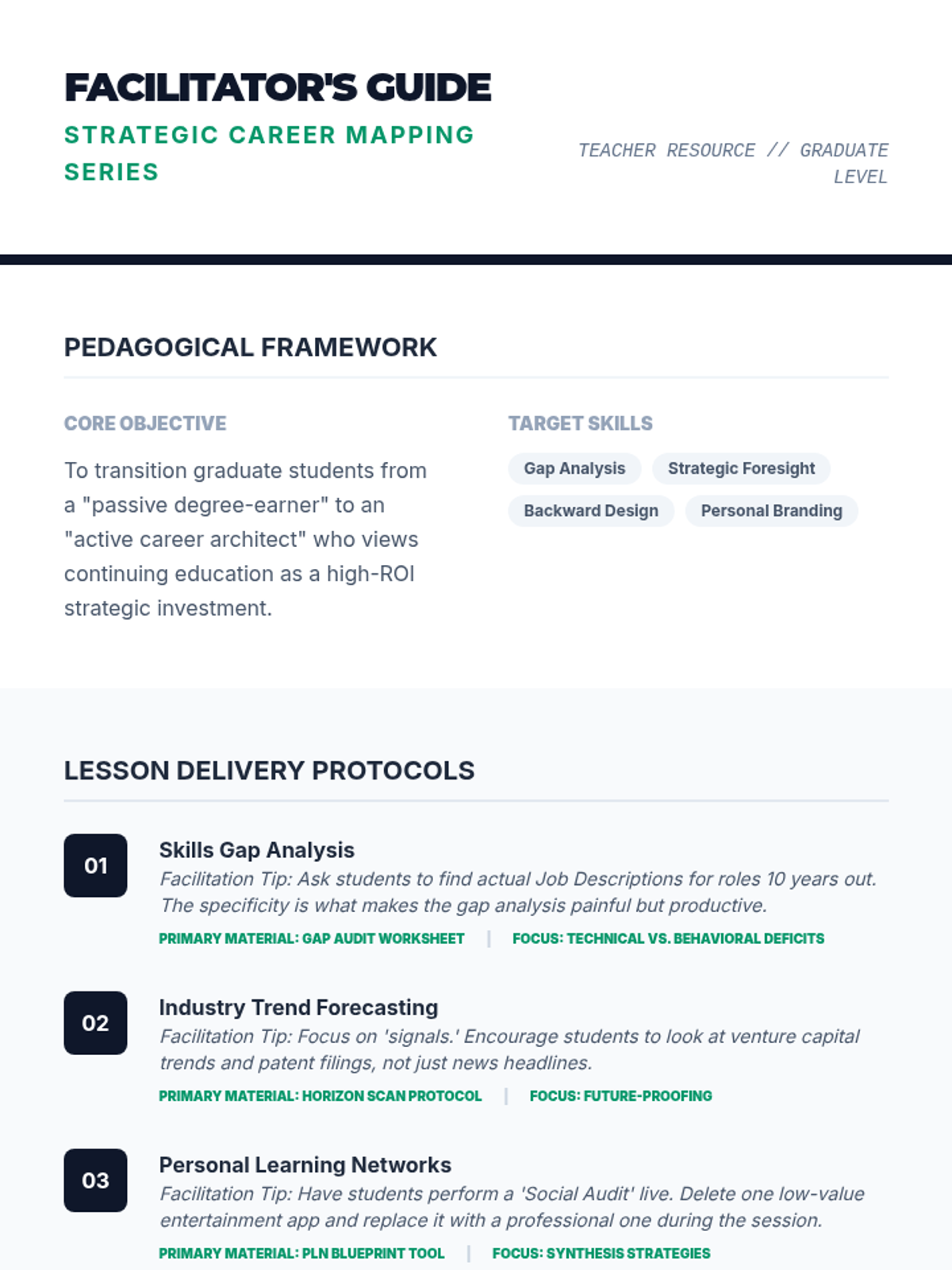
Using backward design, students plot major educational milestones on a 10-year timeline to ensure logical career progression.
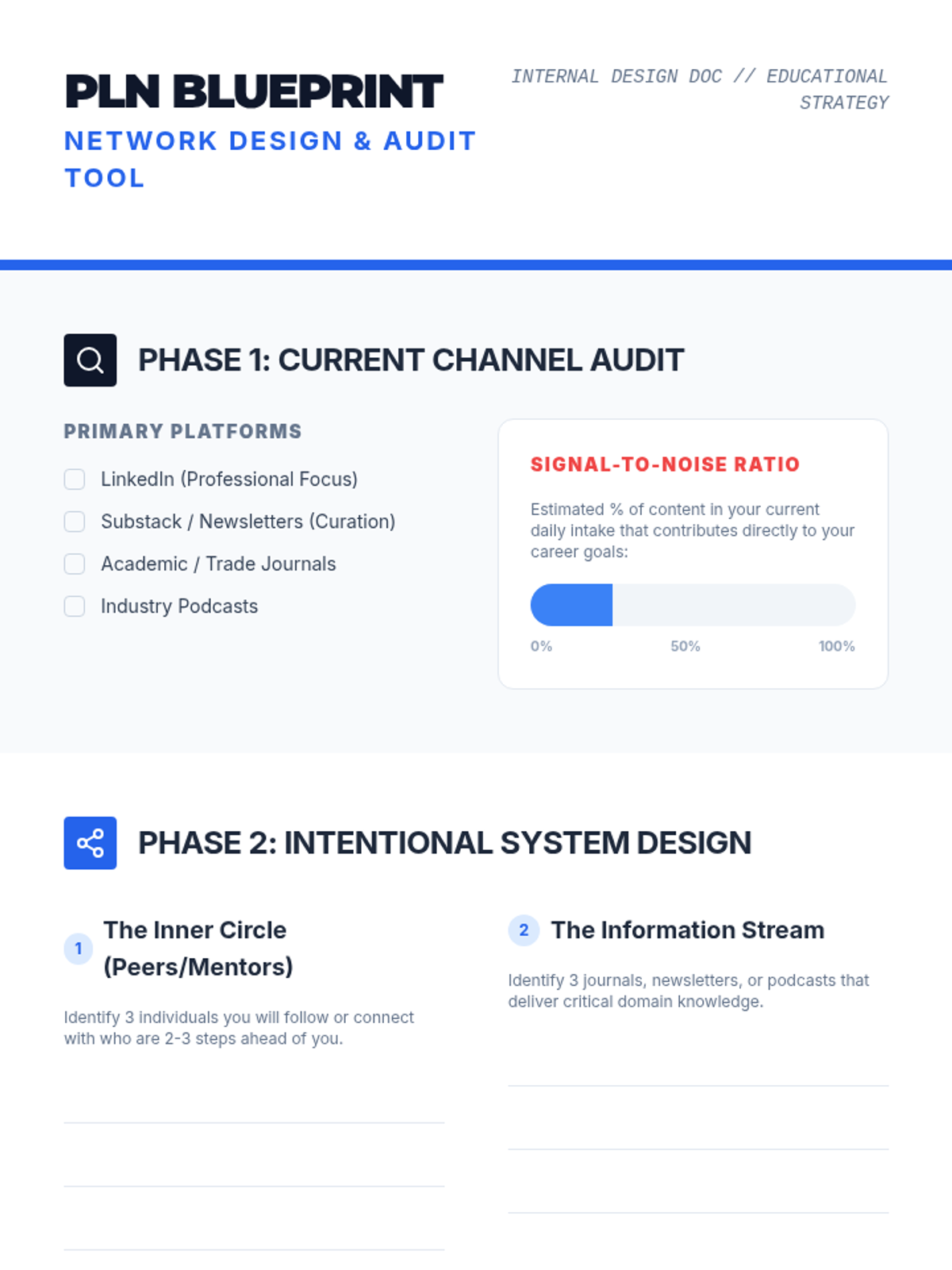
Students structure a system for informal continuous education, including journals, podcasts, and professional networks to supplement formal degrees.
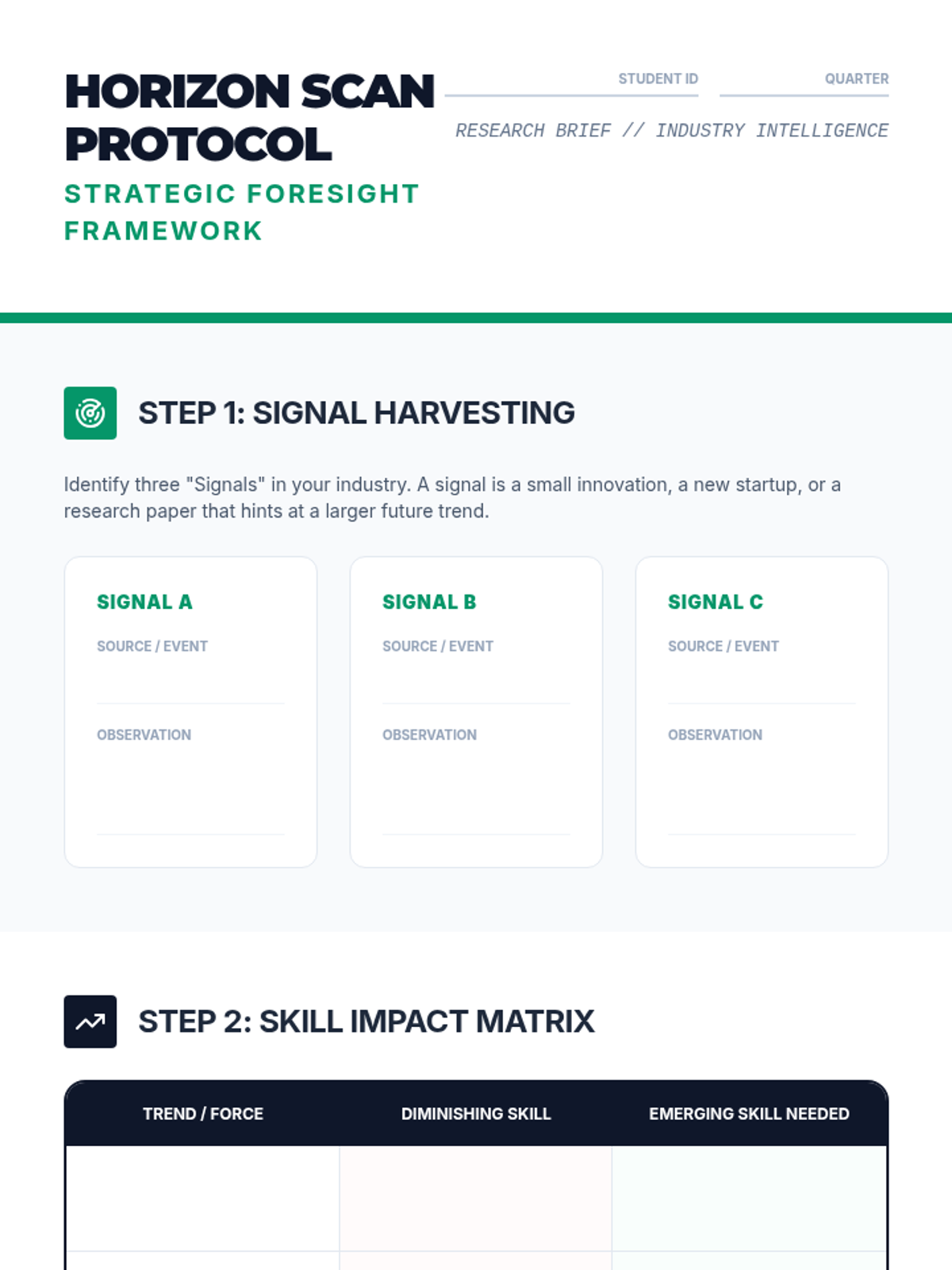
Learners research emerging technologies and methodologies to predict future skill demands, ensuring educational investments remain relevant.
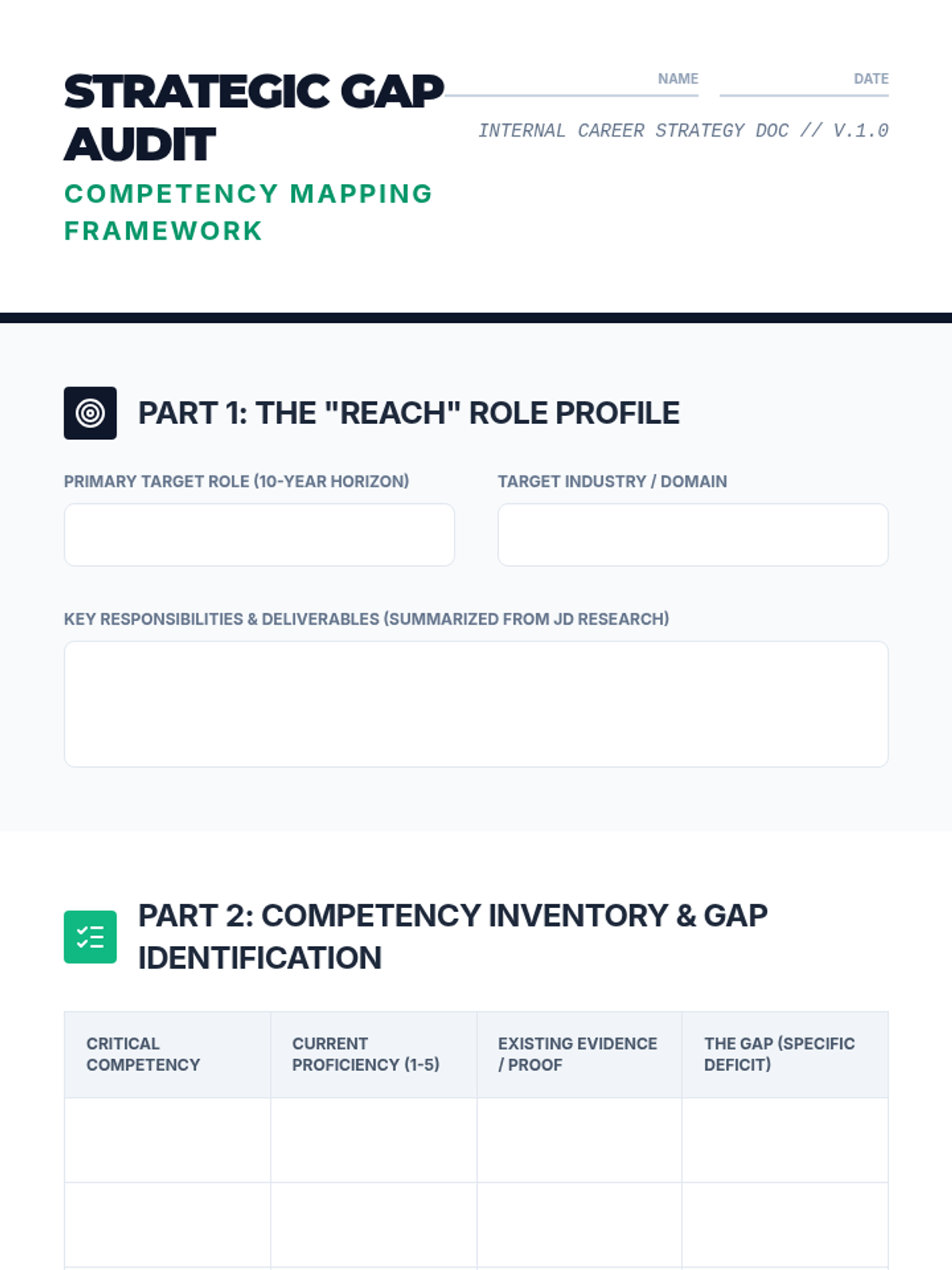
Students assess current competencies against 'reach' roles using frameworks to identify specific technical and soft skill deficits for educational intervention.
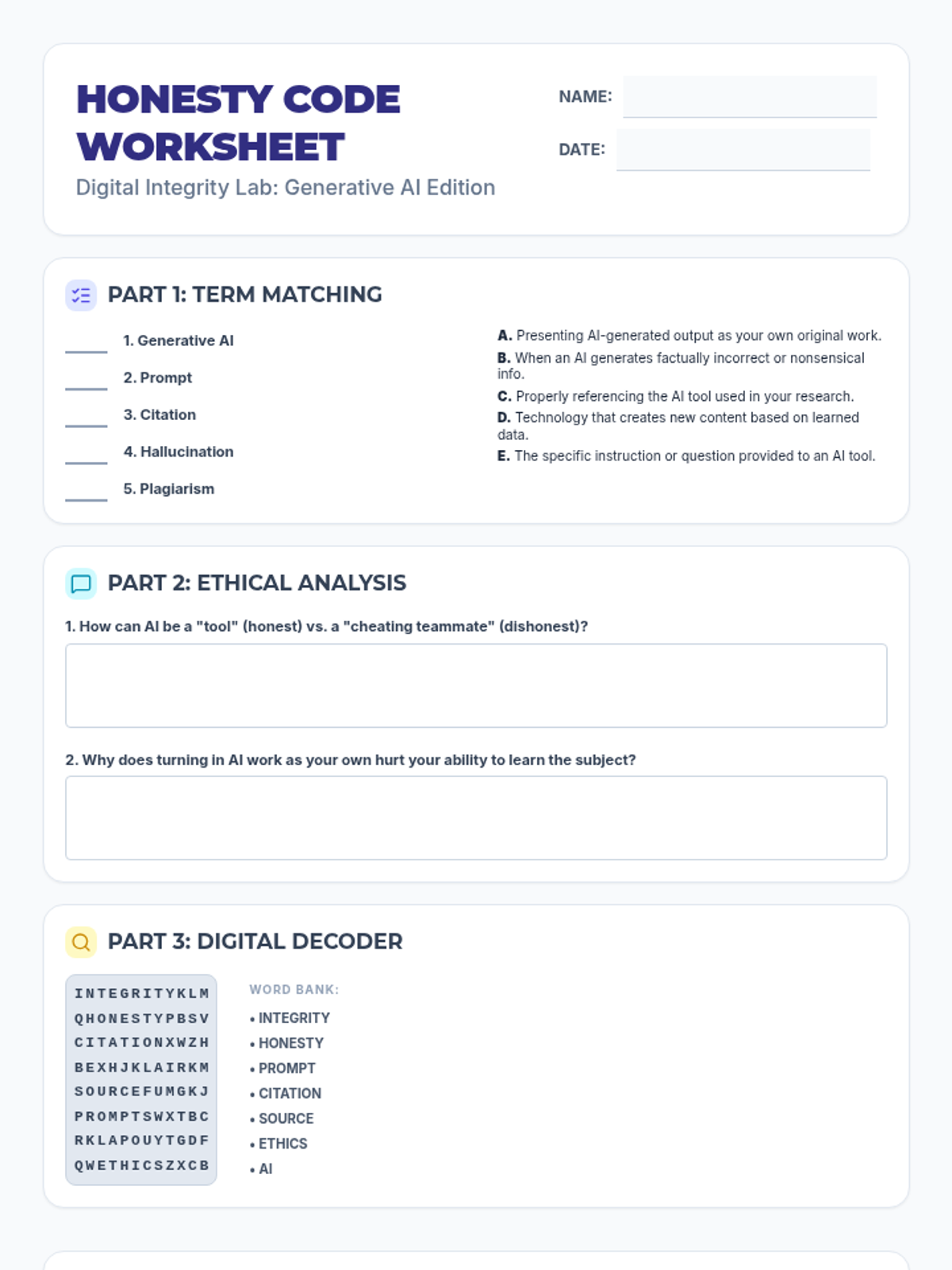
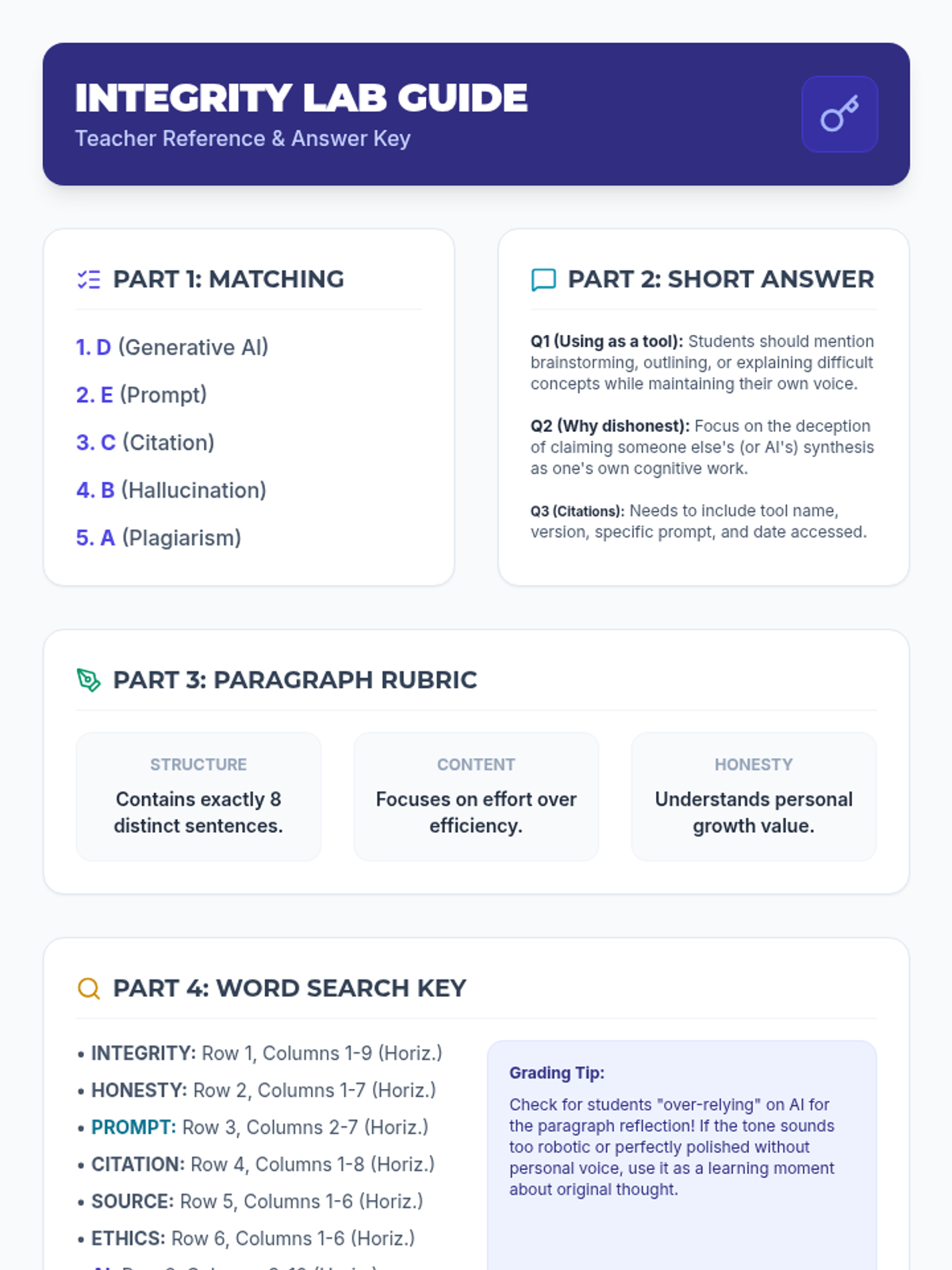
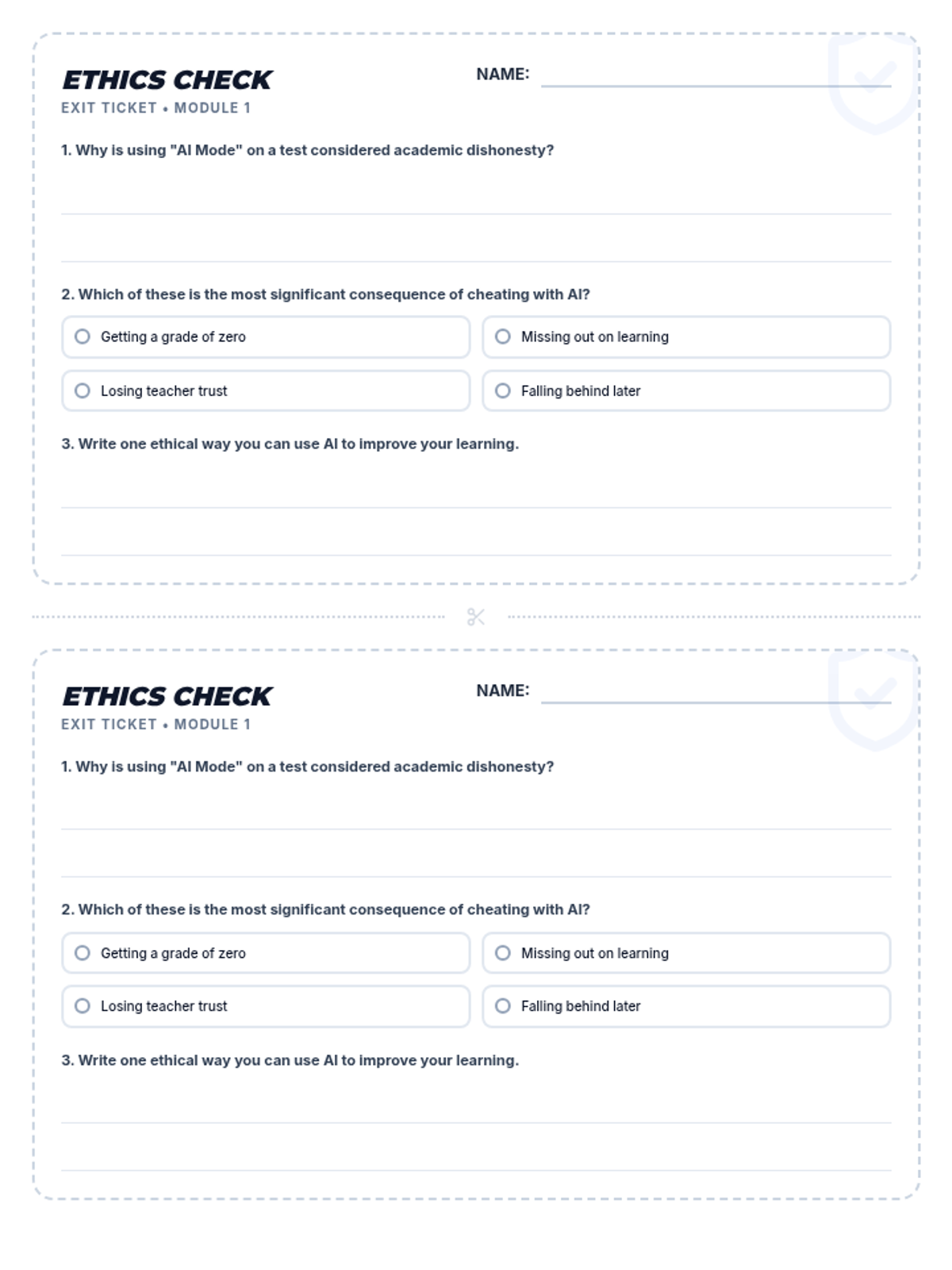
An interactive lesson exploring the ethics of Generative AI, focusing on academic honesty, original thought, and proper citation in the digital age.
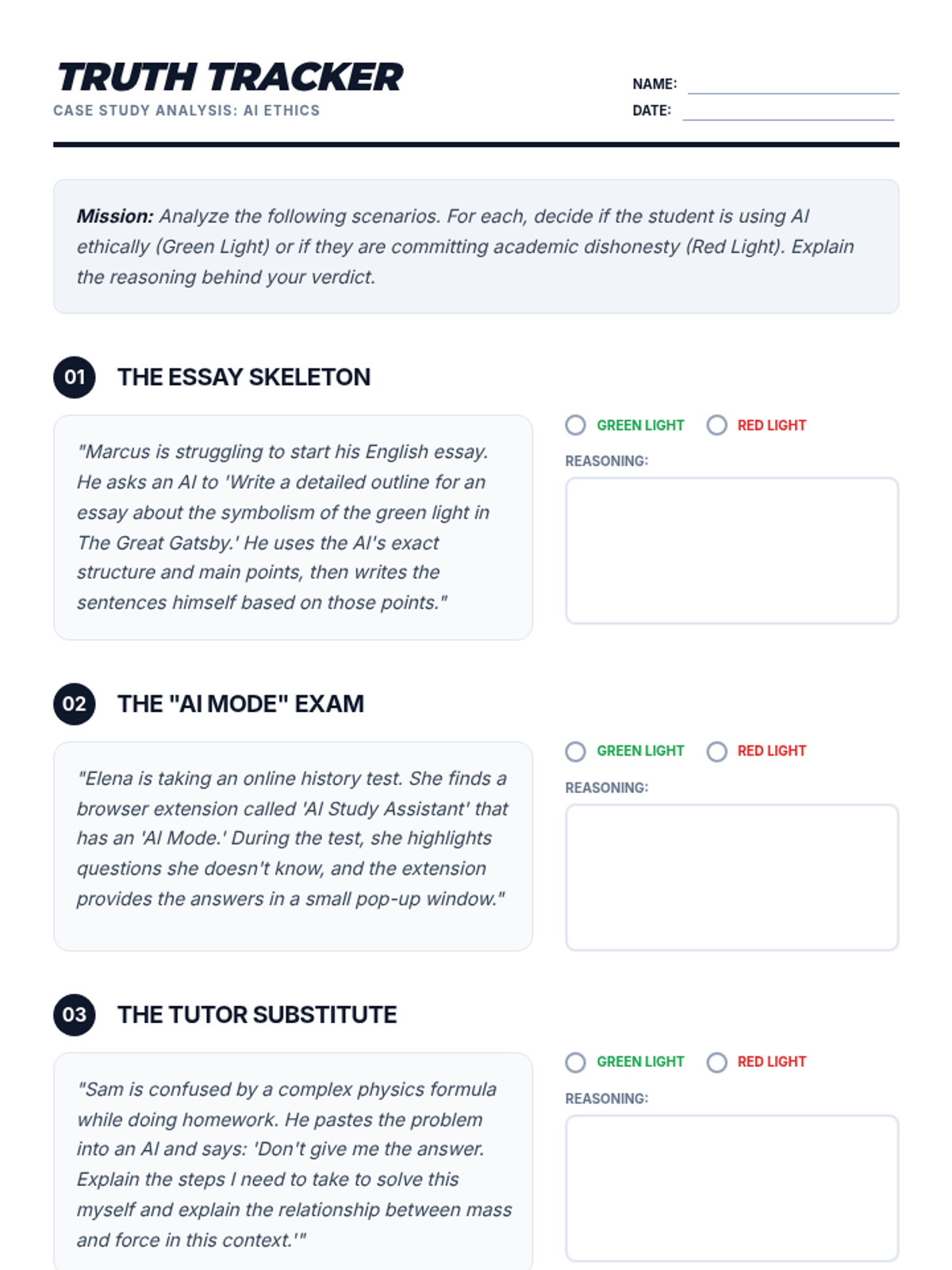
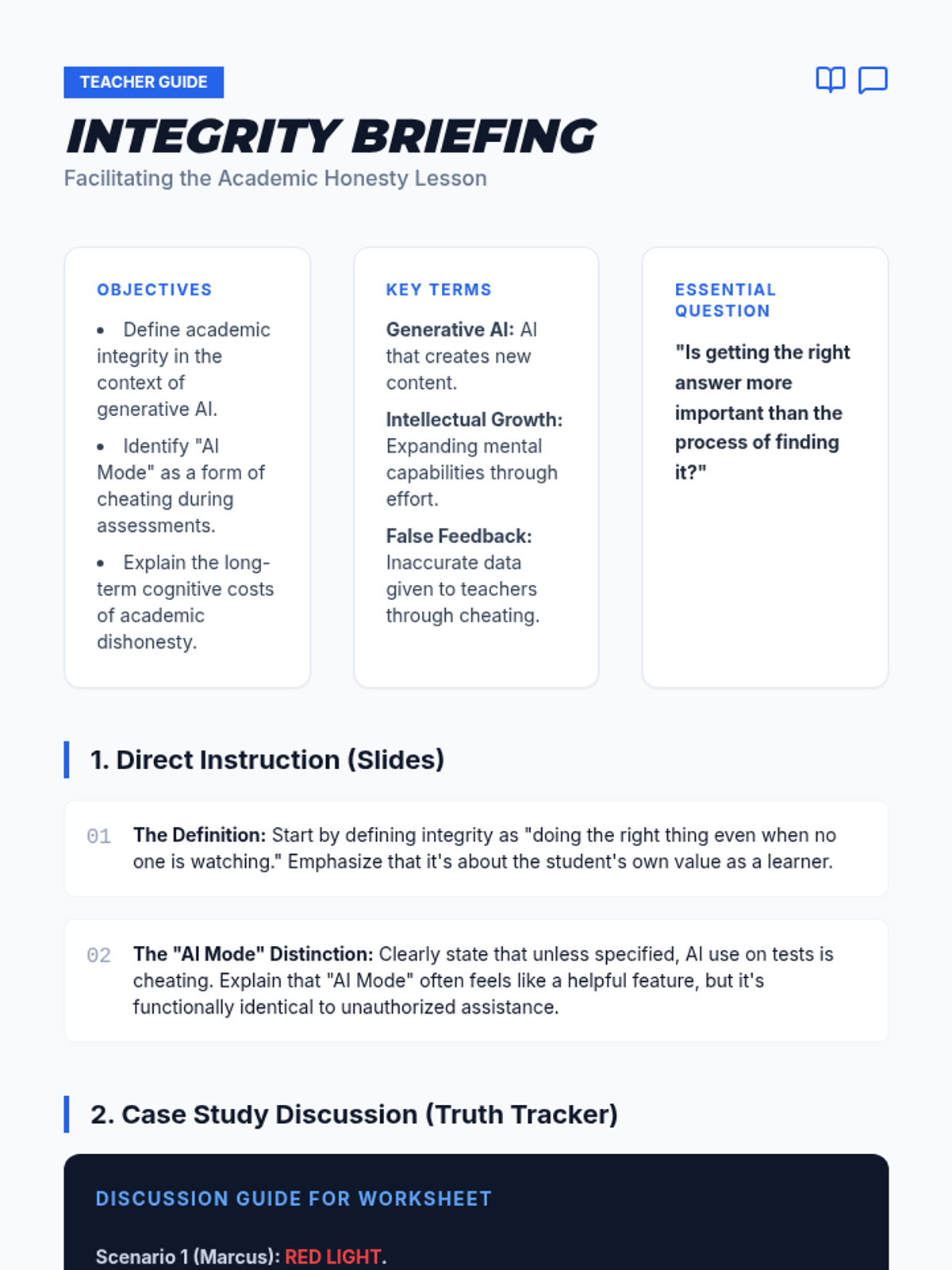
A comprehensive lesson exploring the ethical implications of using AI in academic settings, specifically focusing on the misuse of AI during assessments and the value of personal intellectual growth.
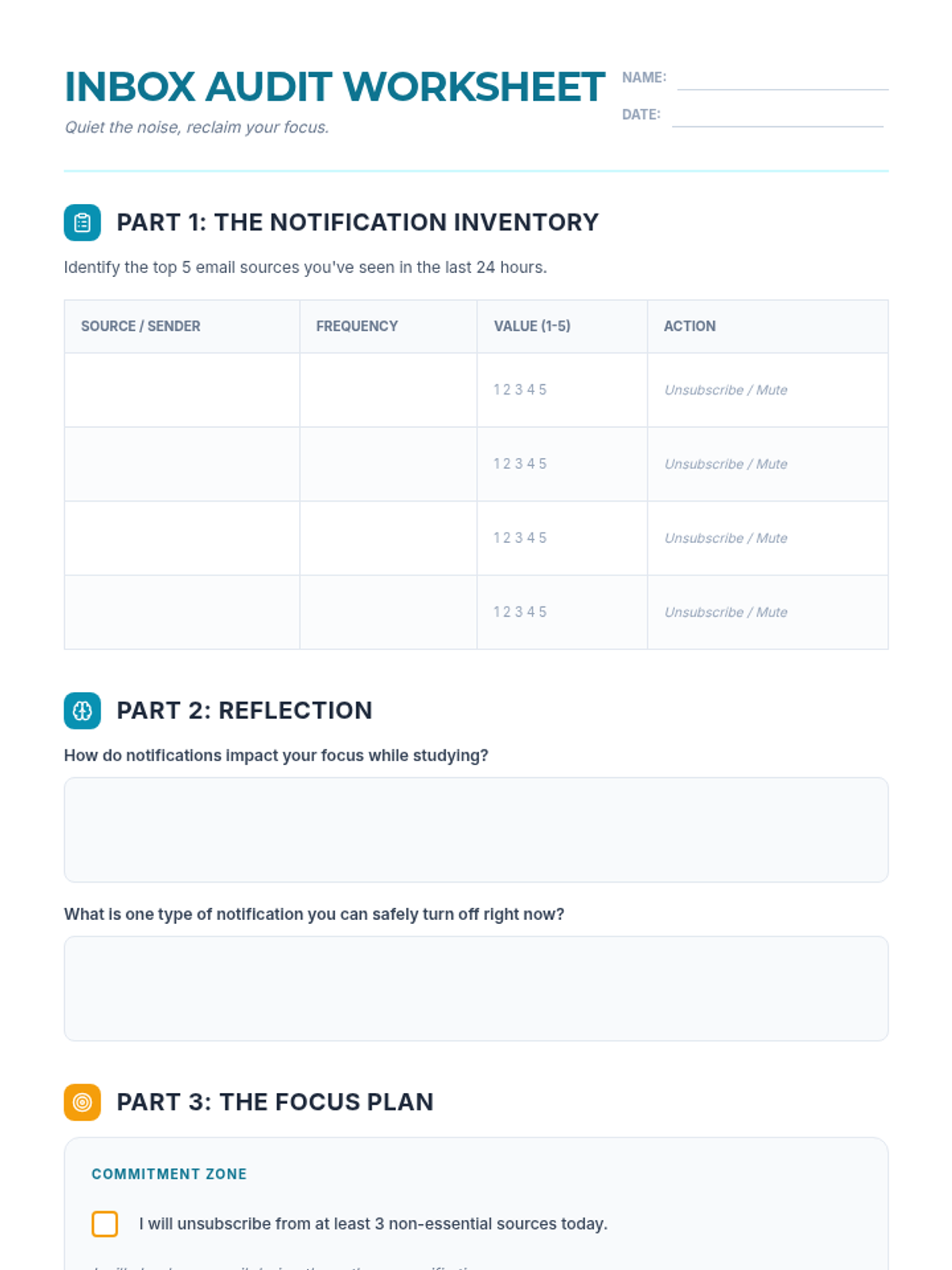
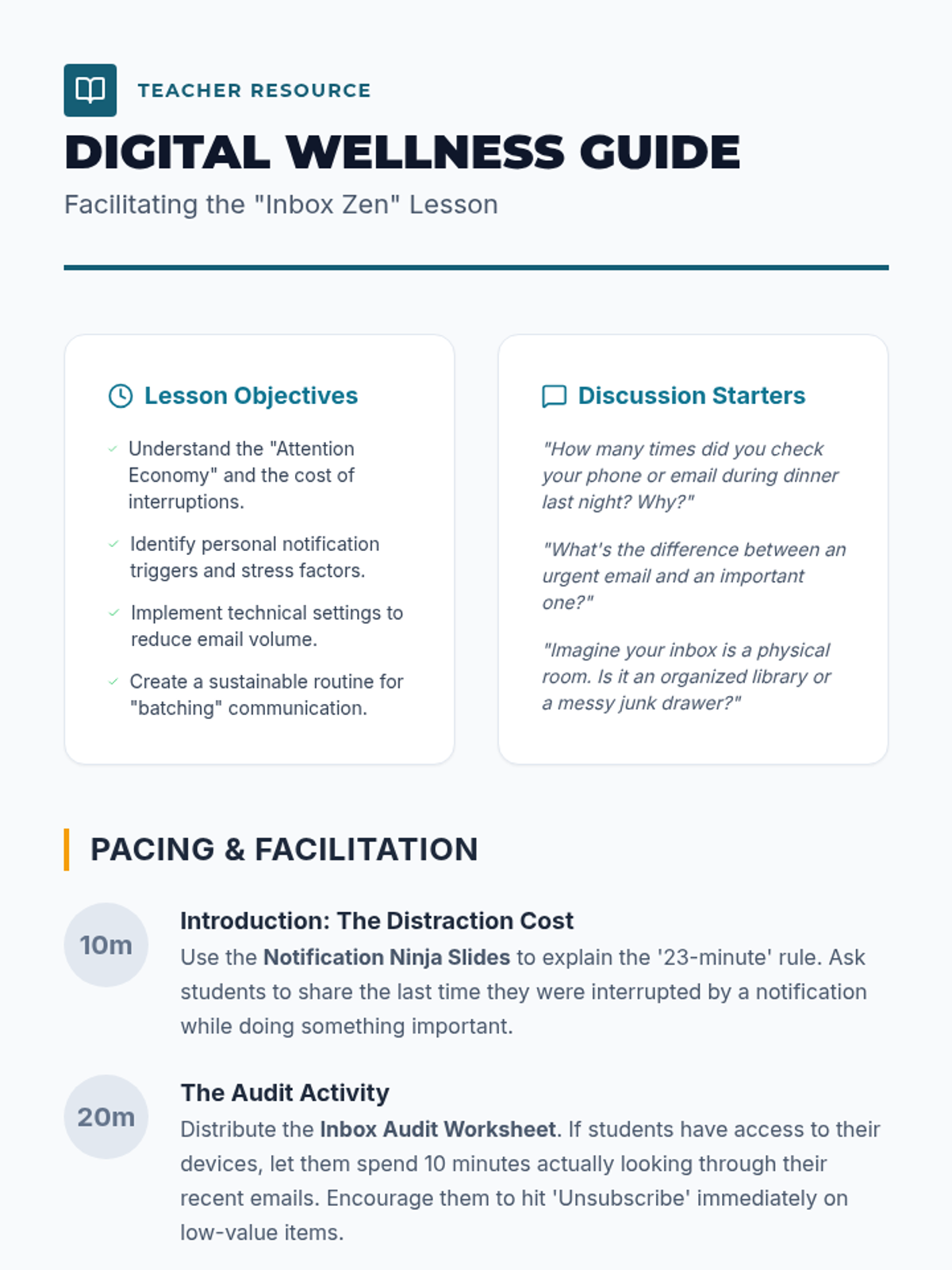
A digital literacy lesson designed to help students master their email notifications, reduce digital distractions, and reclaim their focus. This lesson covers the psychology of notifications and practical steps for inbox organization.
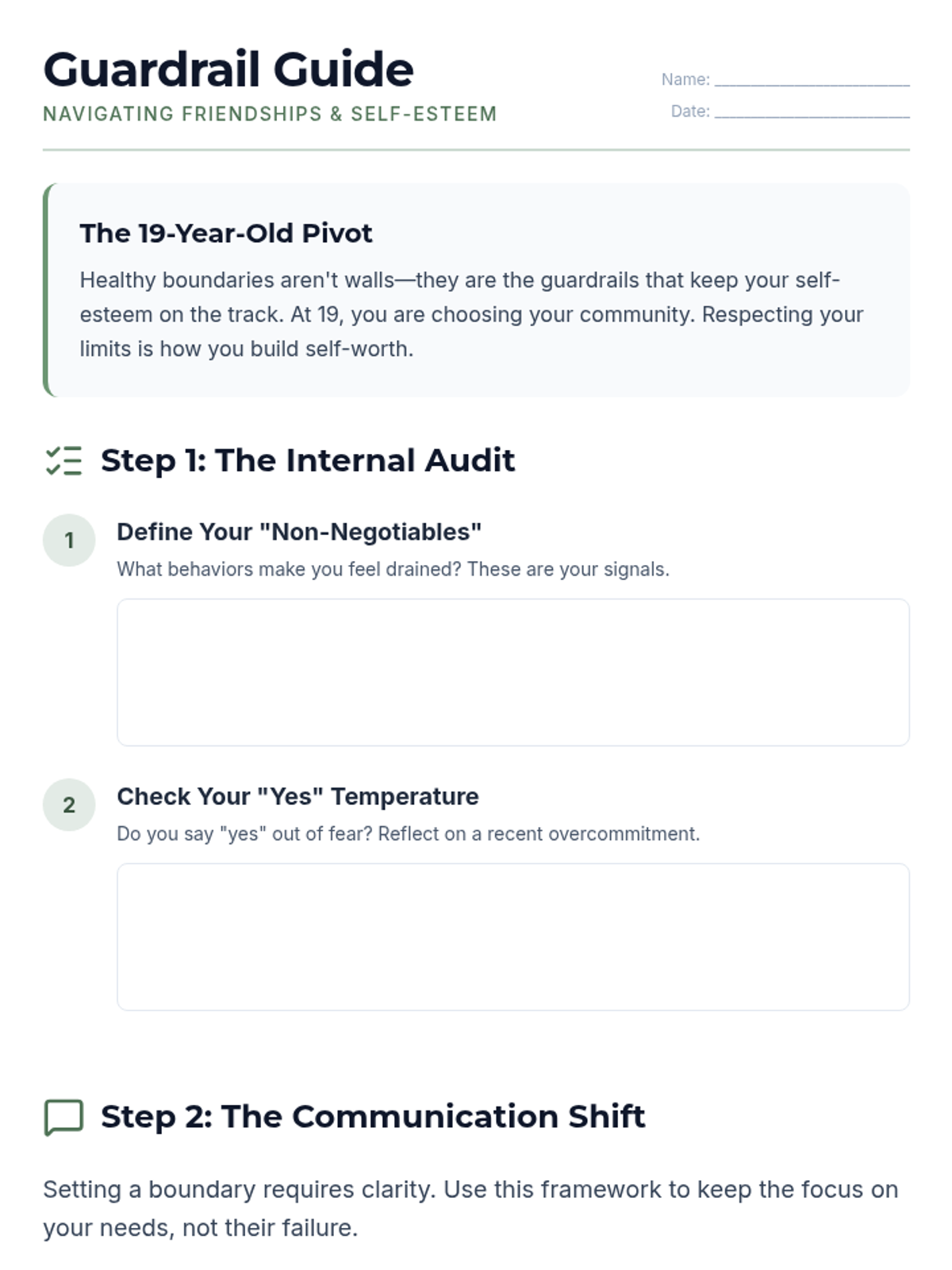
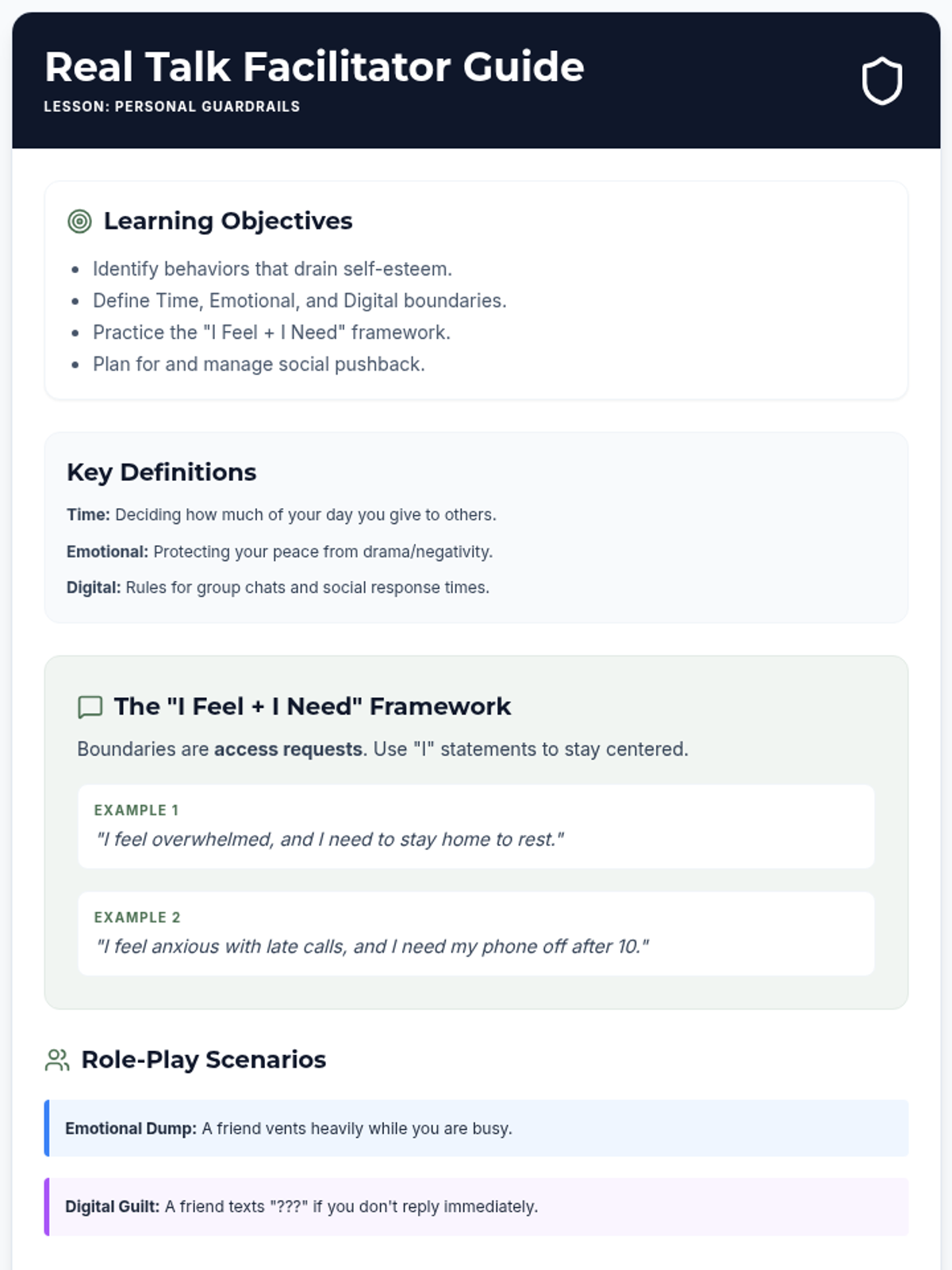
Practical strategies for 19-year-olds to define personal limits and build self-esteem through healthy friendship dynamics.
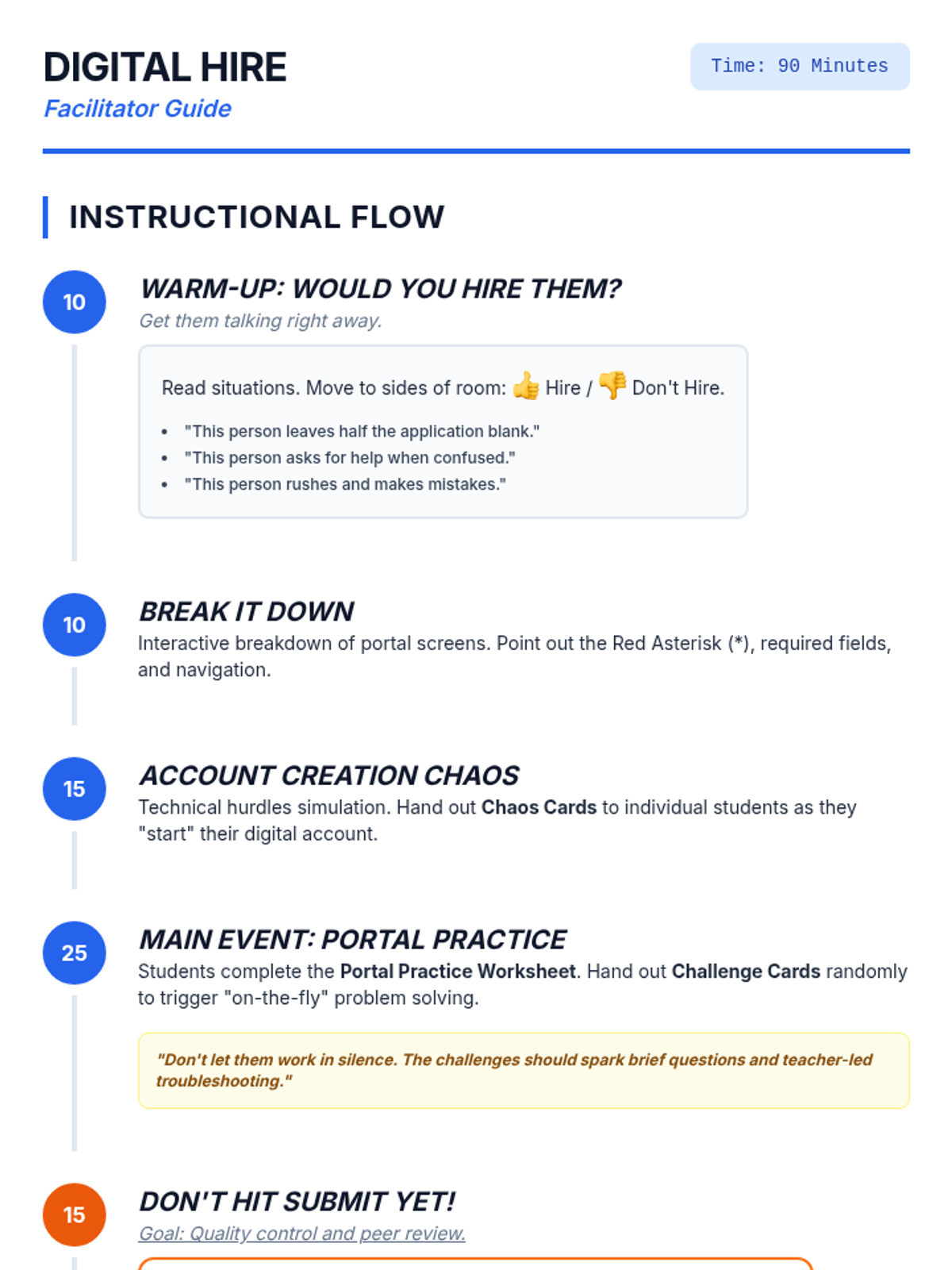
A comprehensive lesson on navigating the digital hurdles of modern job applications, from account creation to final submission. Participants practice technical skills and troubleshooting for online portals.
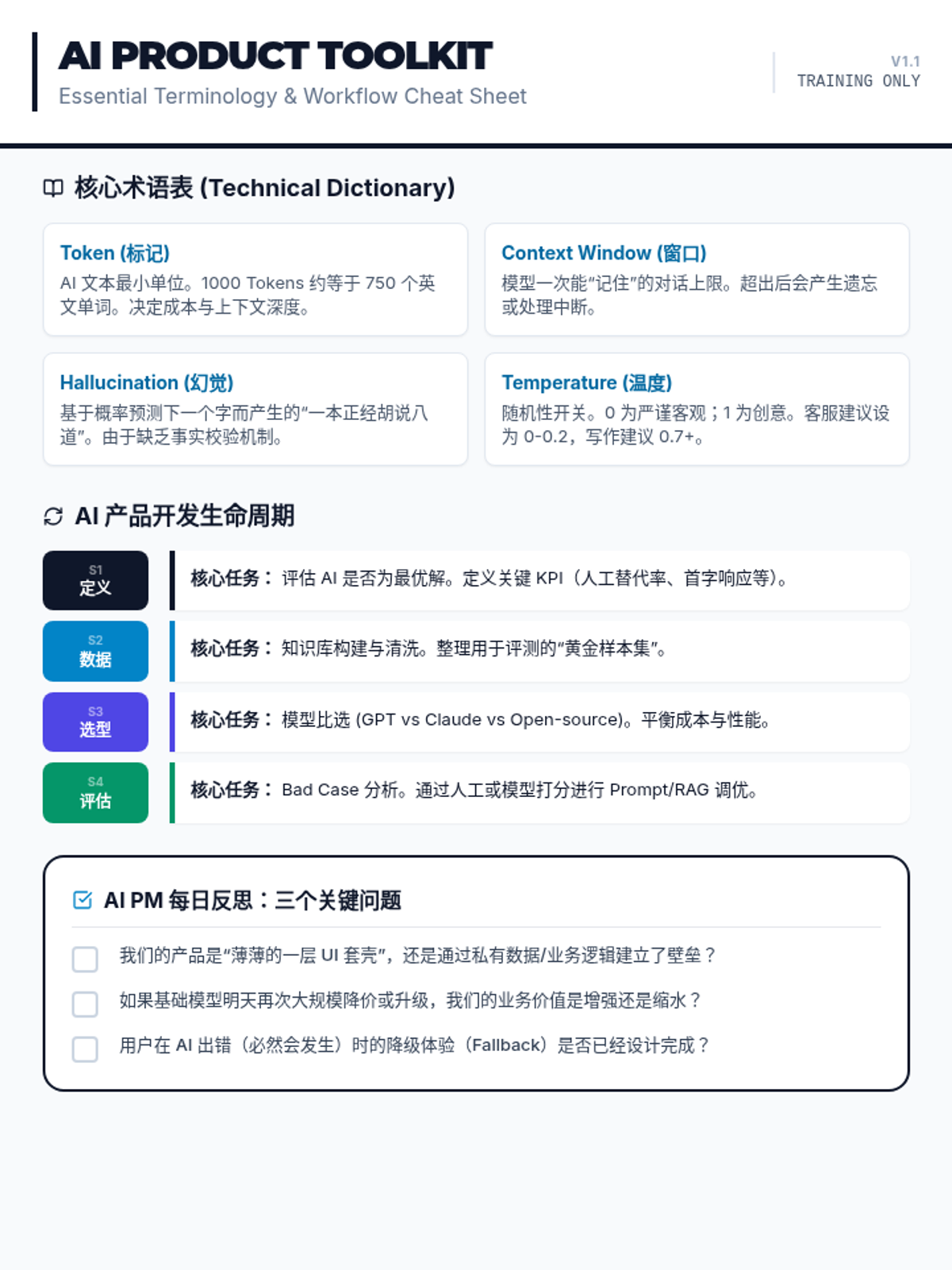
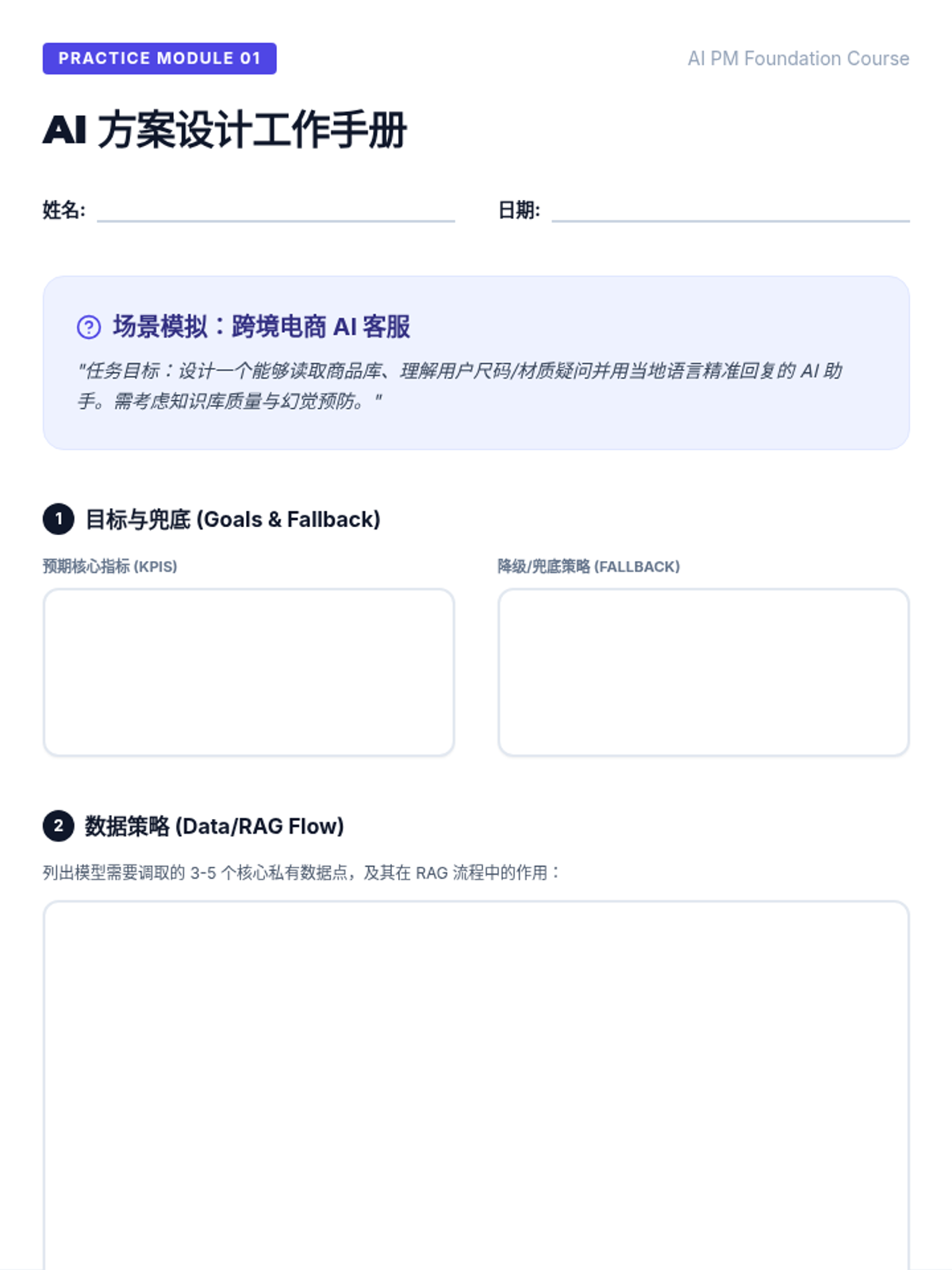
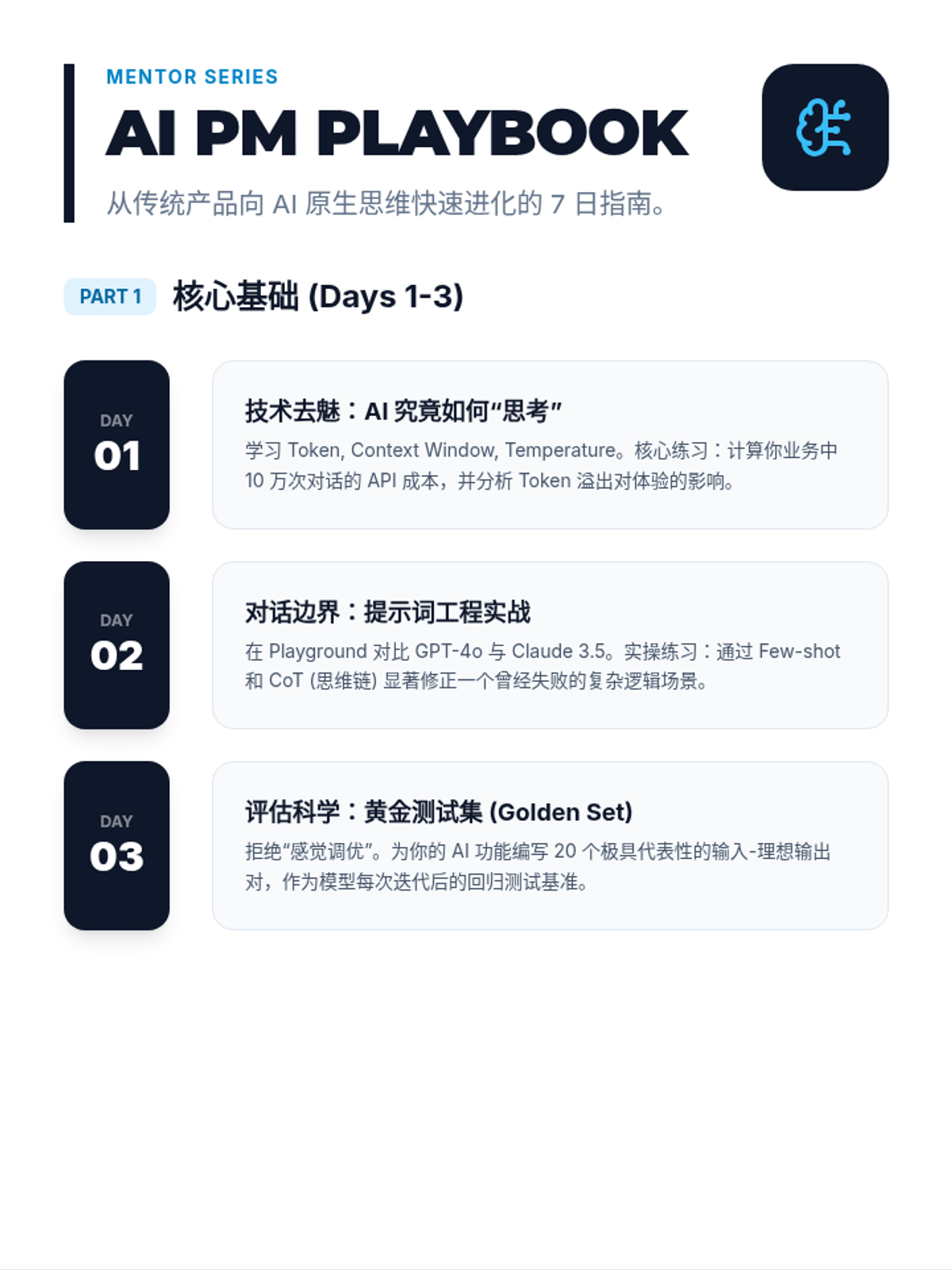
This lesson provides a rapid onboarding path for junior Product Managers transitioning into AI, covering technical foundations, the ML lifecycle, and AI-specific product strategy.
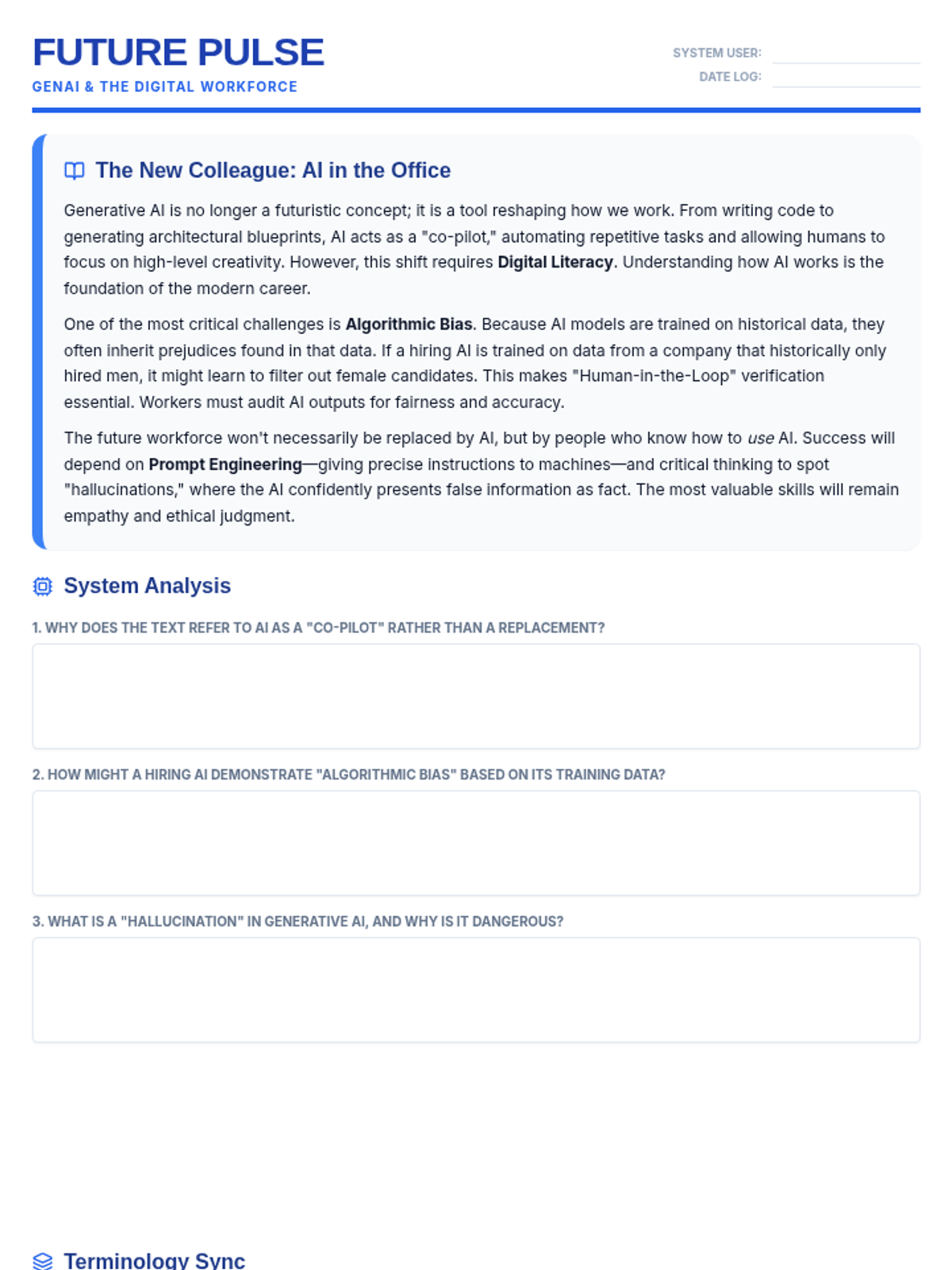
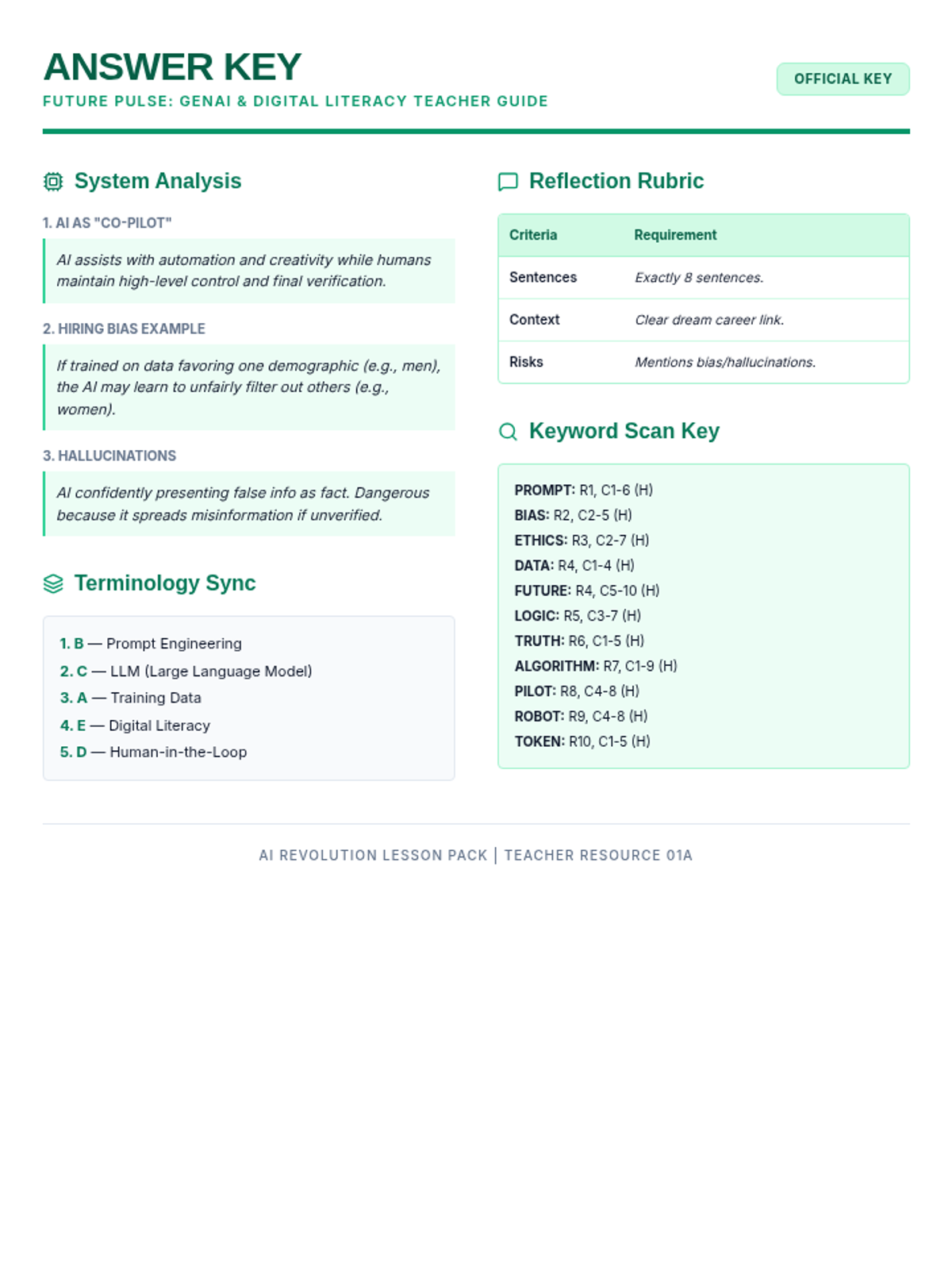
A comprehensive lesson exploring the impact of Generative AI on the future workforce, focusing on critical digital literacy and the identification of algorithmic bias. Students analyze the shift in career skills and the ethical implications of AI-generated content.
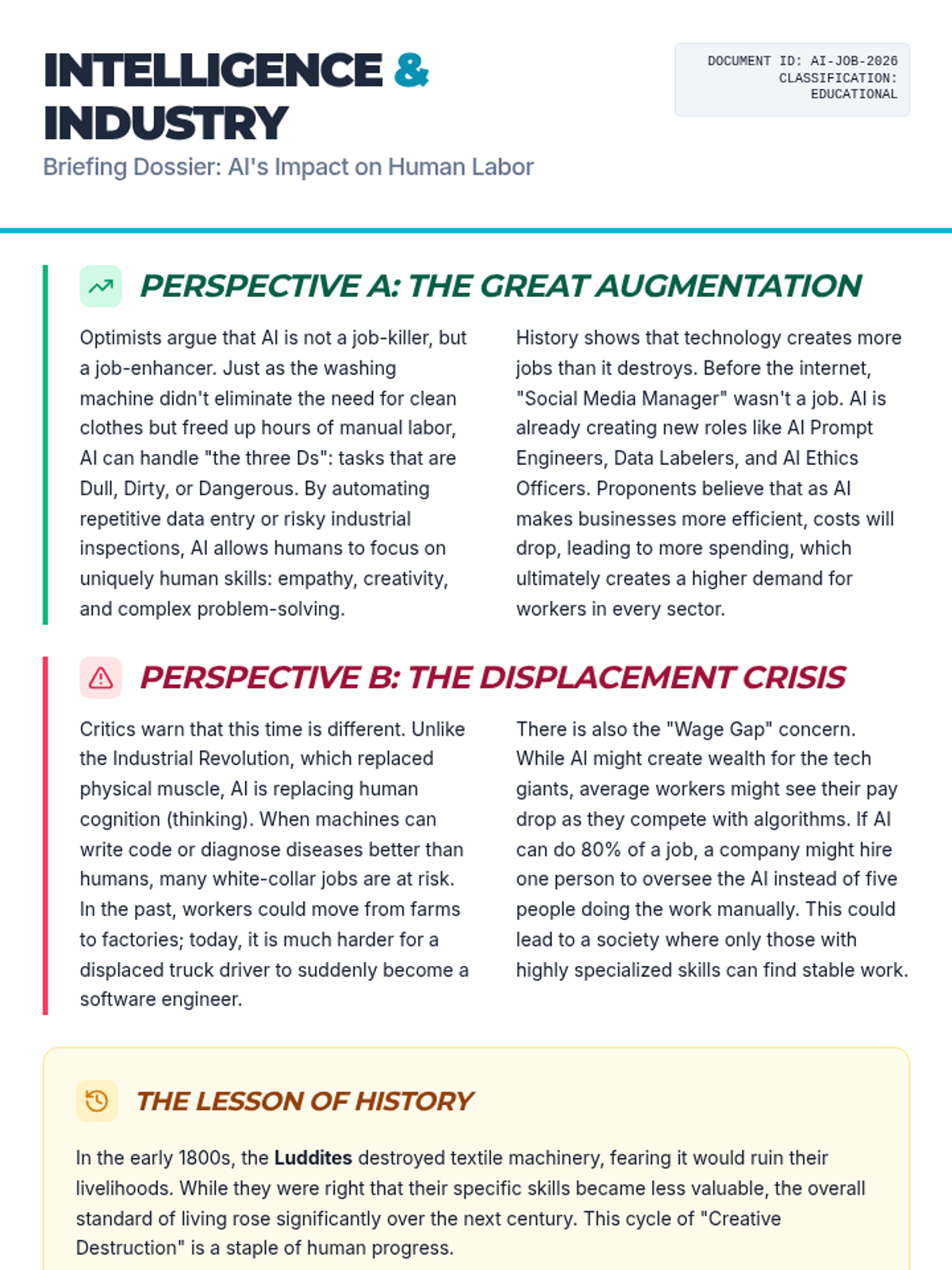
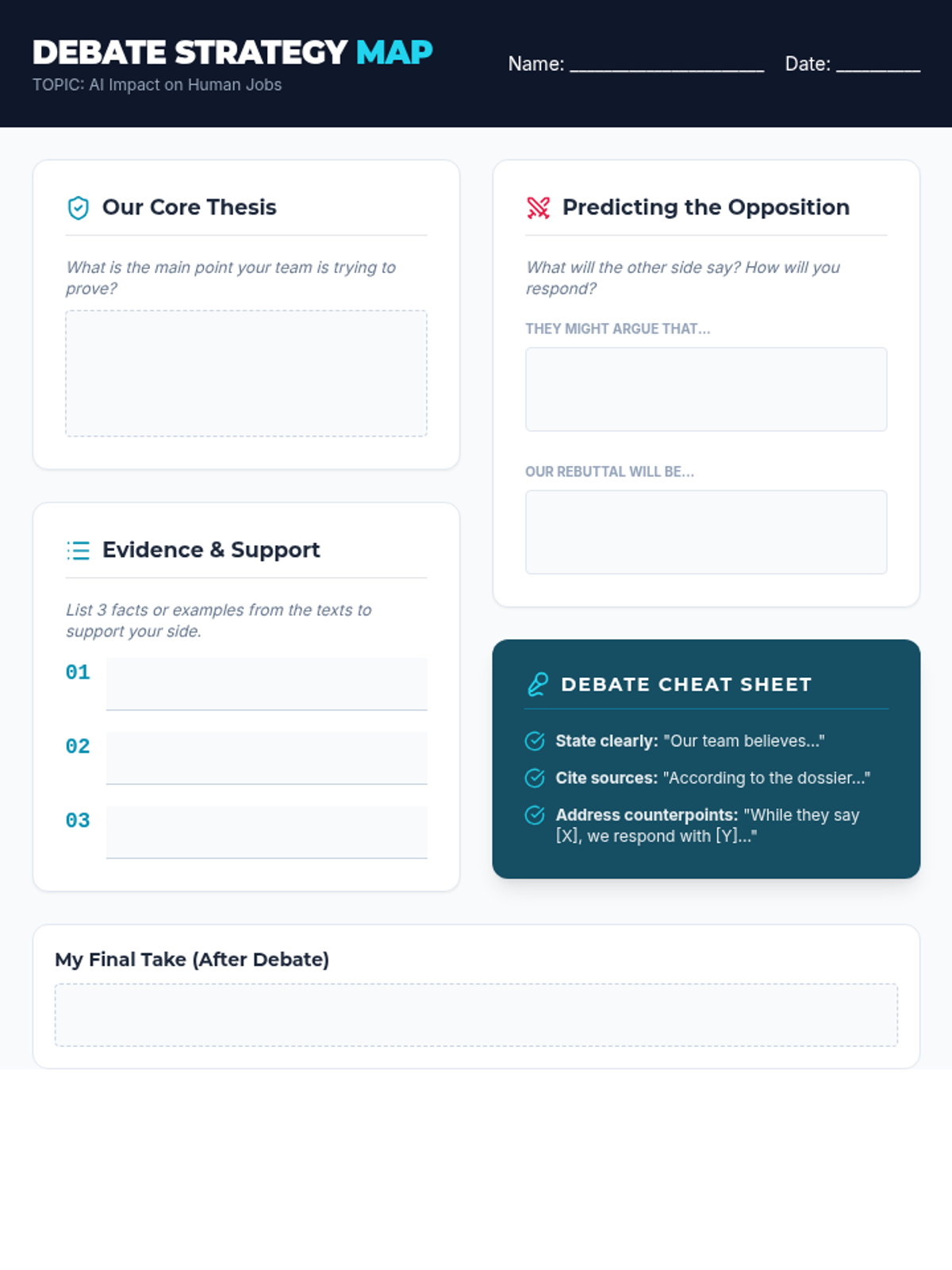
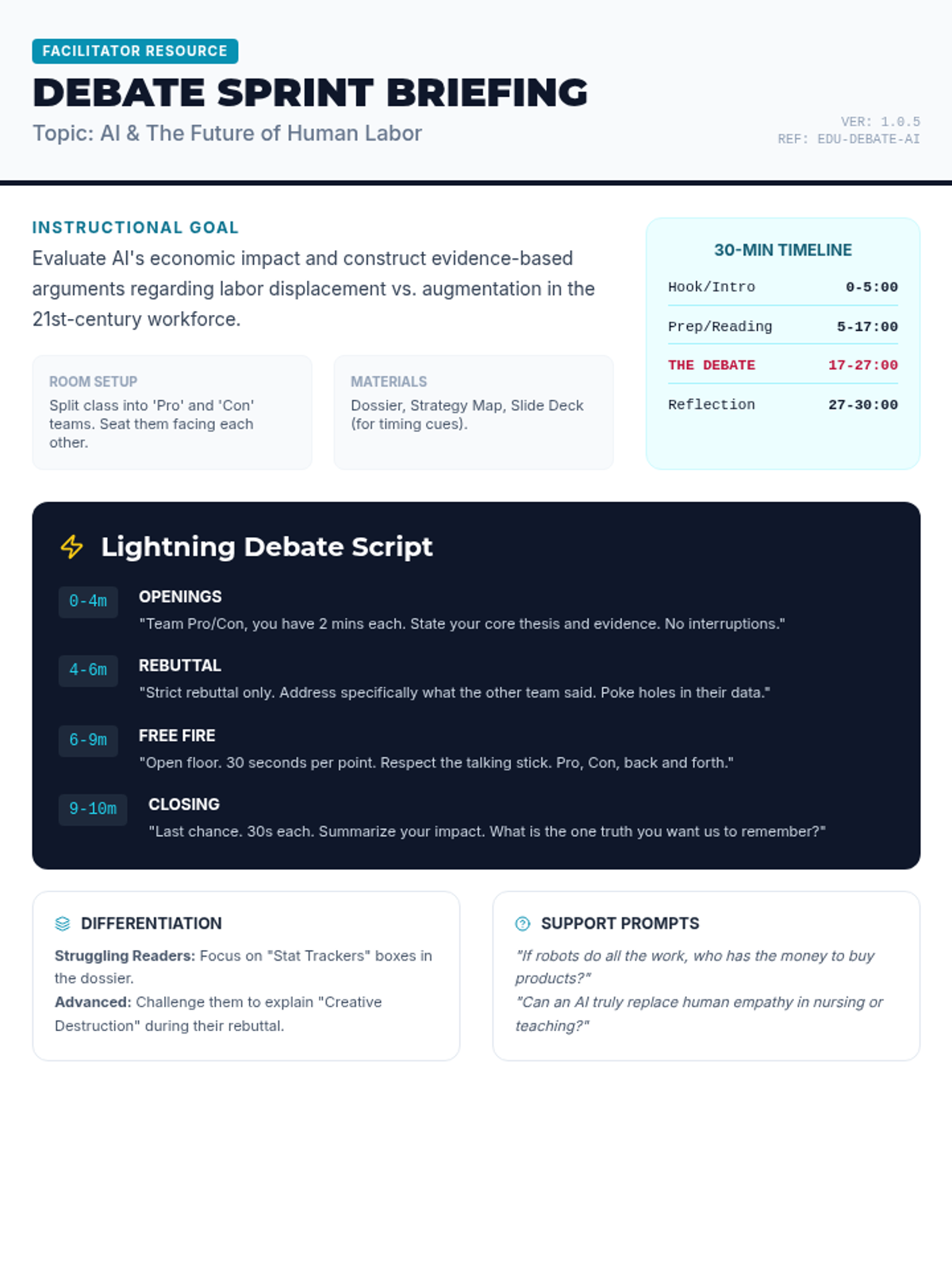
A fast-paced, 30-minute debate activity where students explore the complex impact of Artificial Intelligence on the future of human employment. Students analyze evidence, prepare arguments, and engage in a structured 'lightning' debate.
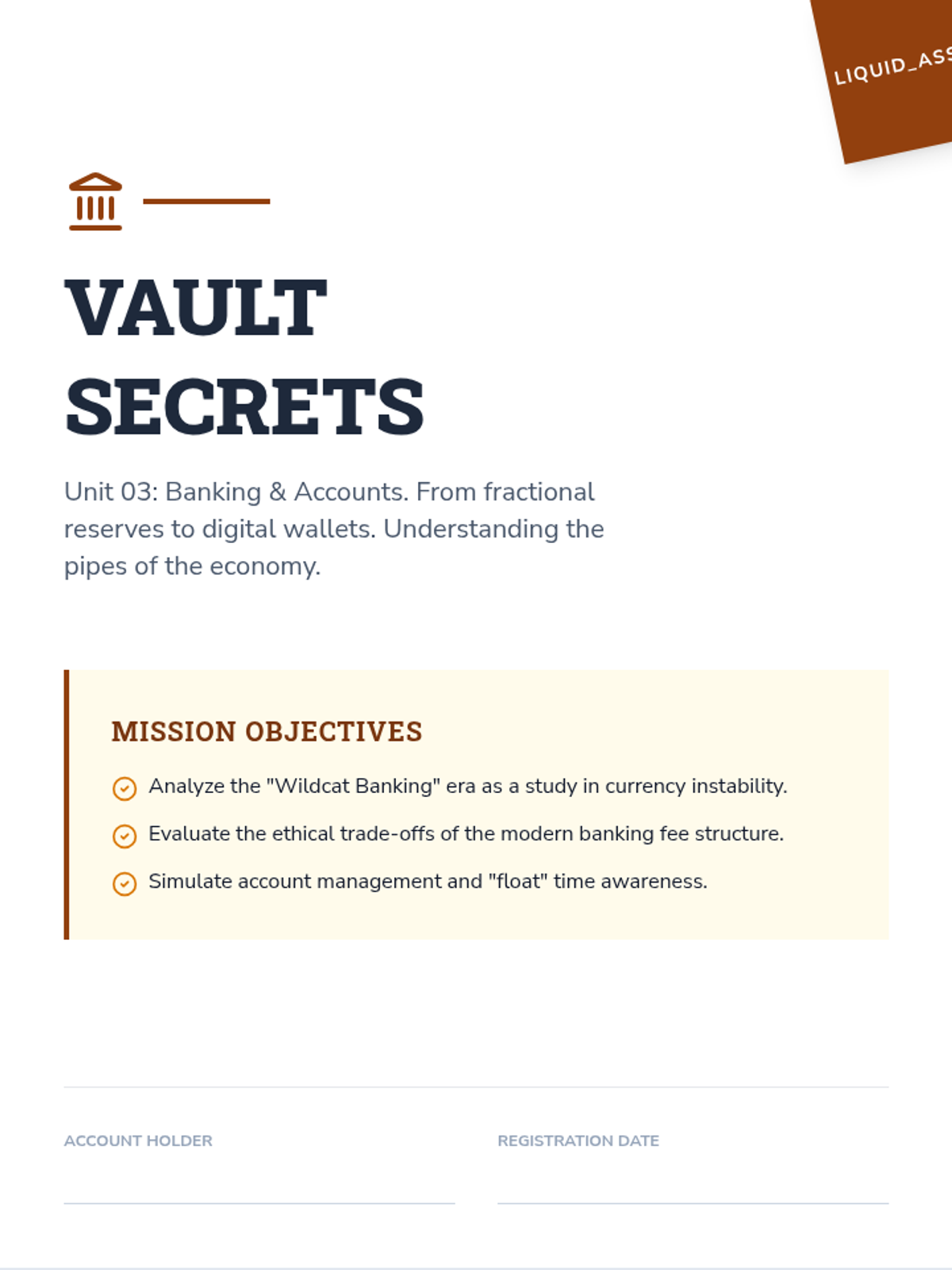
Uncover the mechanics of modern banking through historical currency crises, the ethics of fee structures, and simulations of liquidity management.
Analyze the mechanics of financial choice through historical market crashes, the ethics of credit, and complex simulations of high-stakes adult purchases.
Master the art of information gathering and source verification in the digital age through historical misinformation cases and modern research simulations.
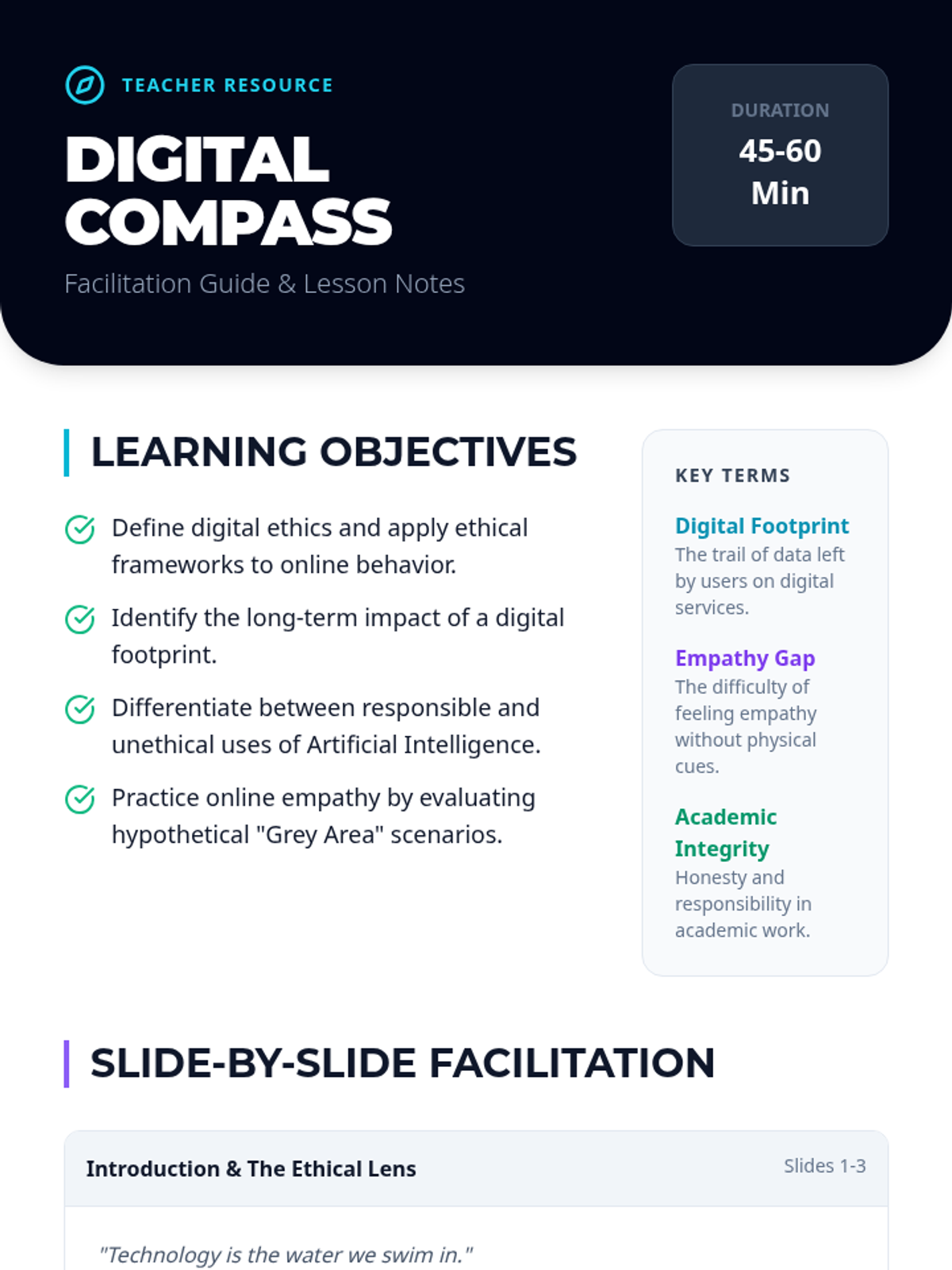
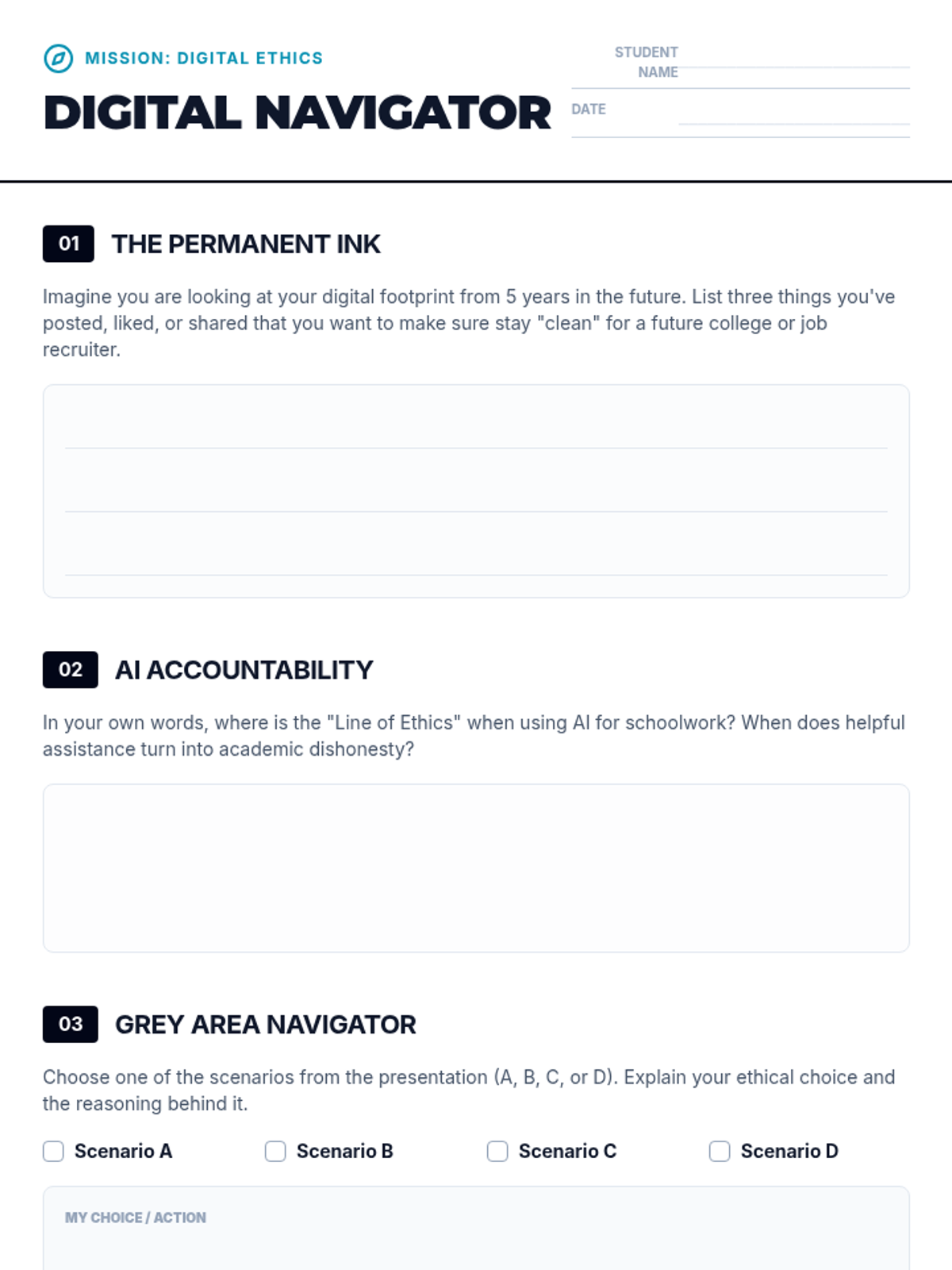
A comprehensive lesson exploring the ethical implications of digital technology use for students, covering privacy, digital footprints, AI responsibility, and online empathy.
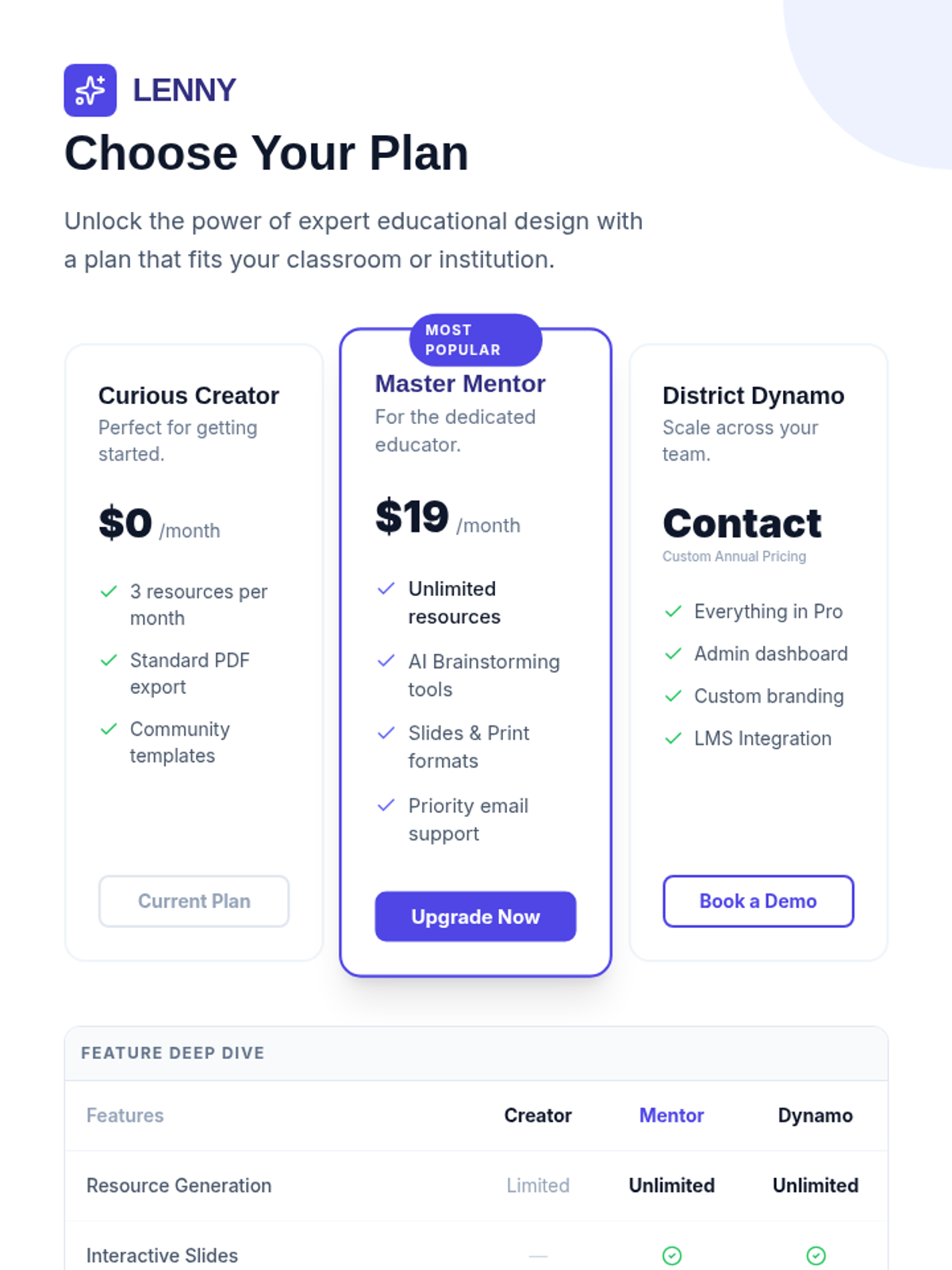
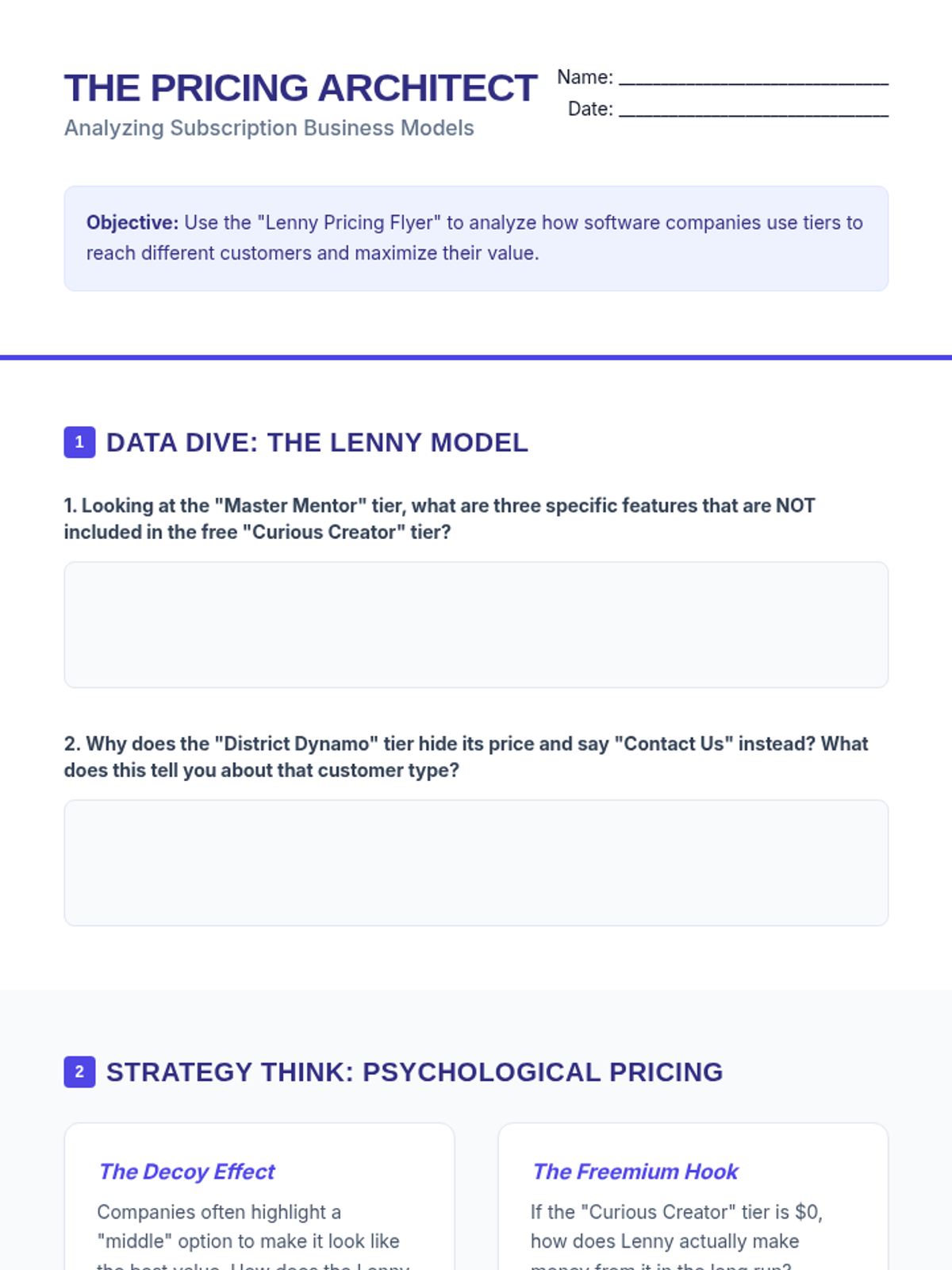
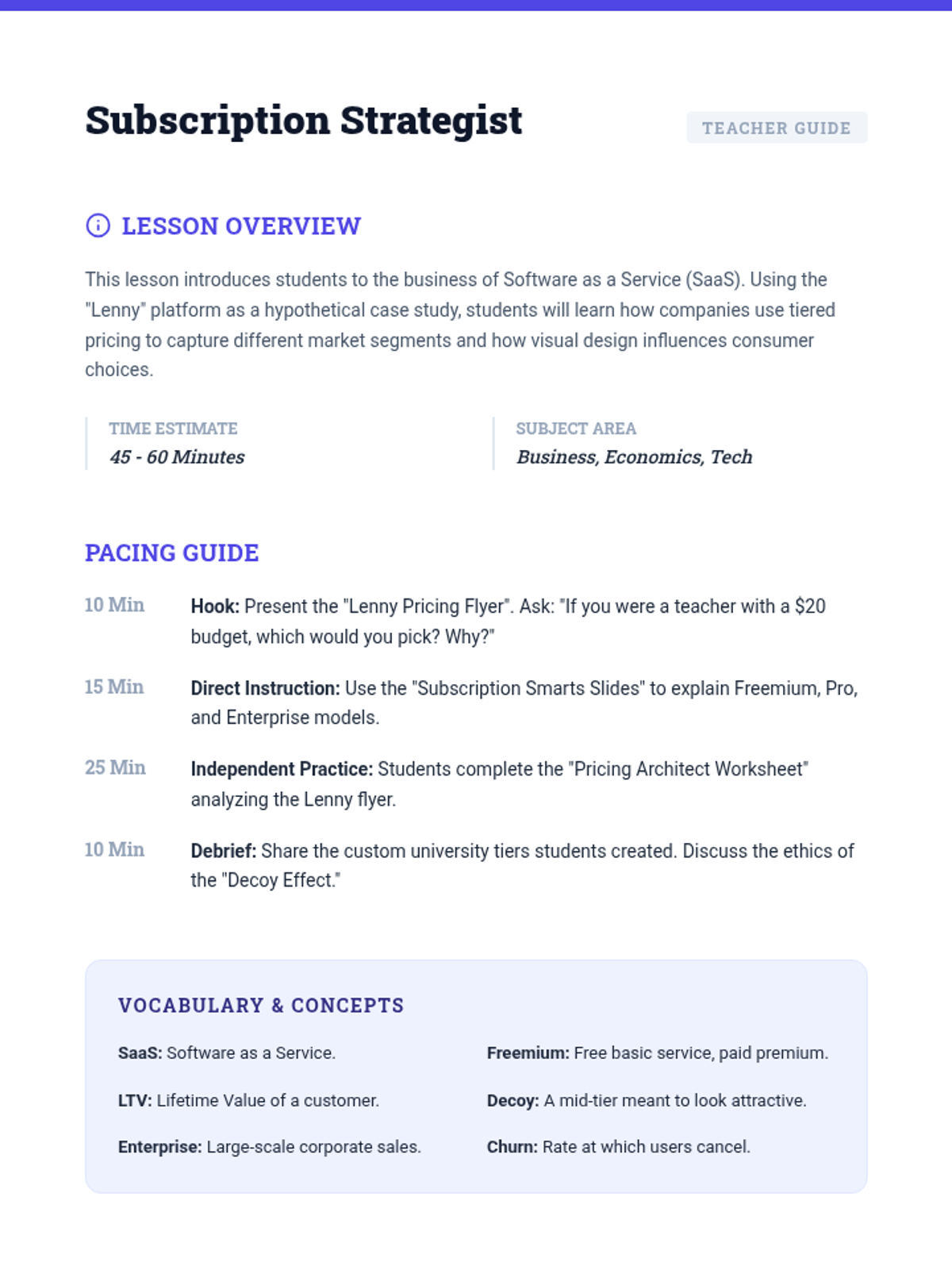
An introductory lesson on business models and subscription pricing in the tech industry, using a hypothetical educational platform as a case study.
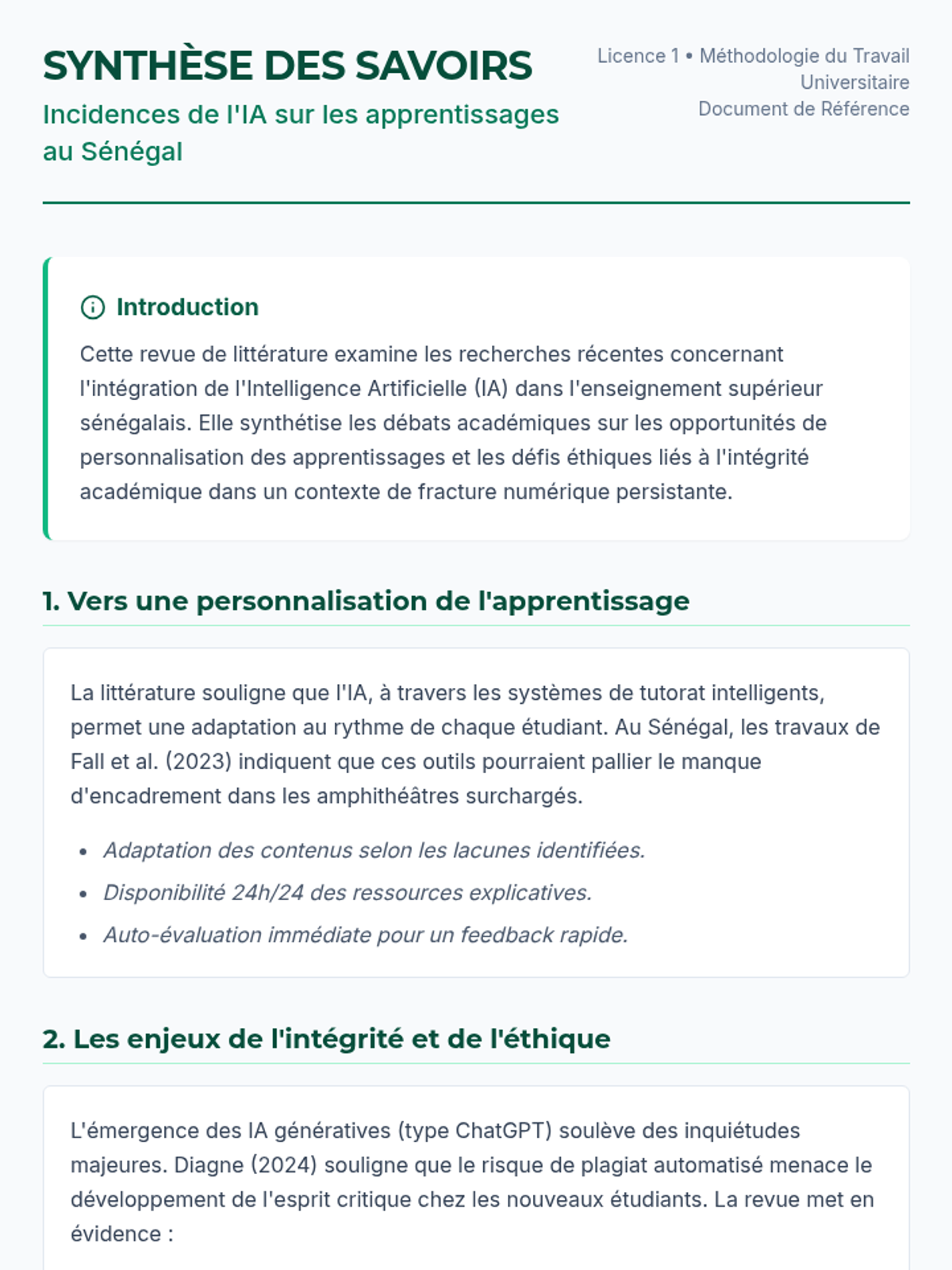
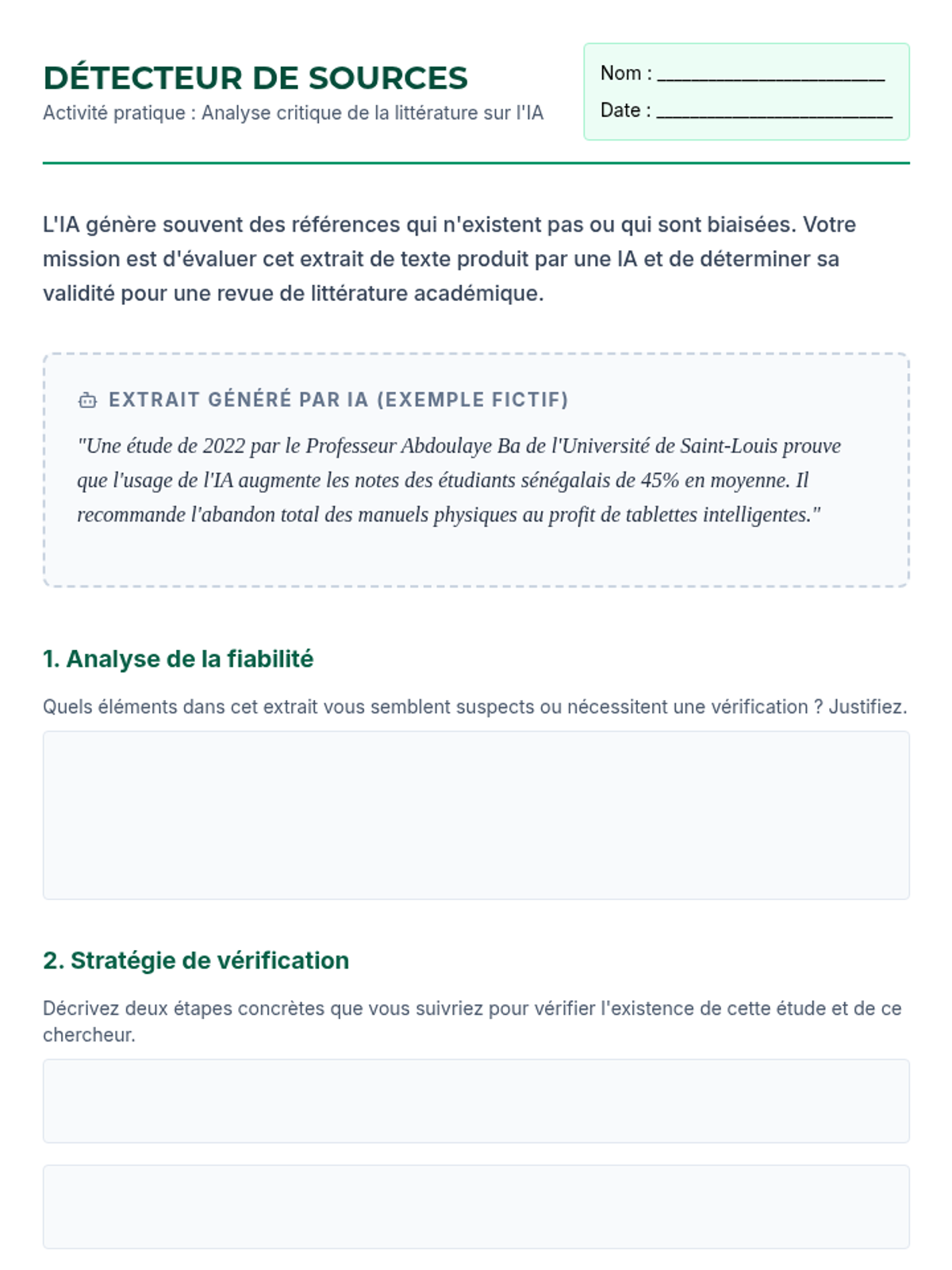
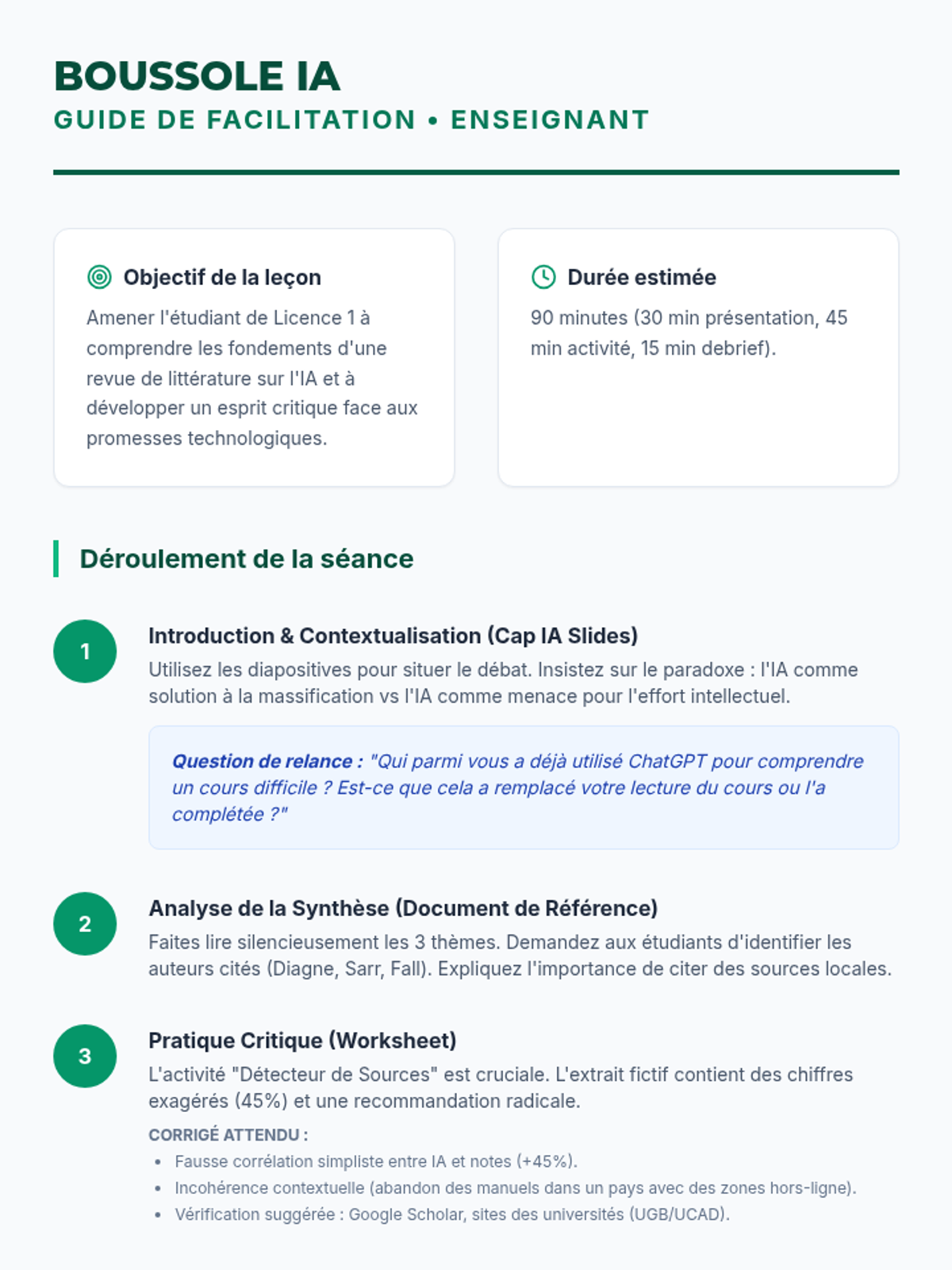
Cette leçon explore l'impact de l'intelligence artificielle sur l'apprentissage des étudiants dans le contexte universitaire sénégalais, en fournissant une revue de littérature structurée et des outils d'analyse critique pour les étudiants de Licence 1.
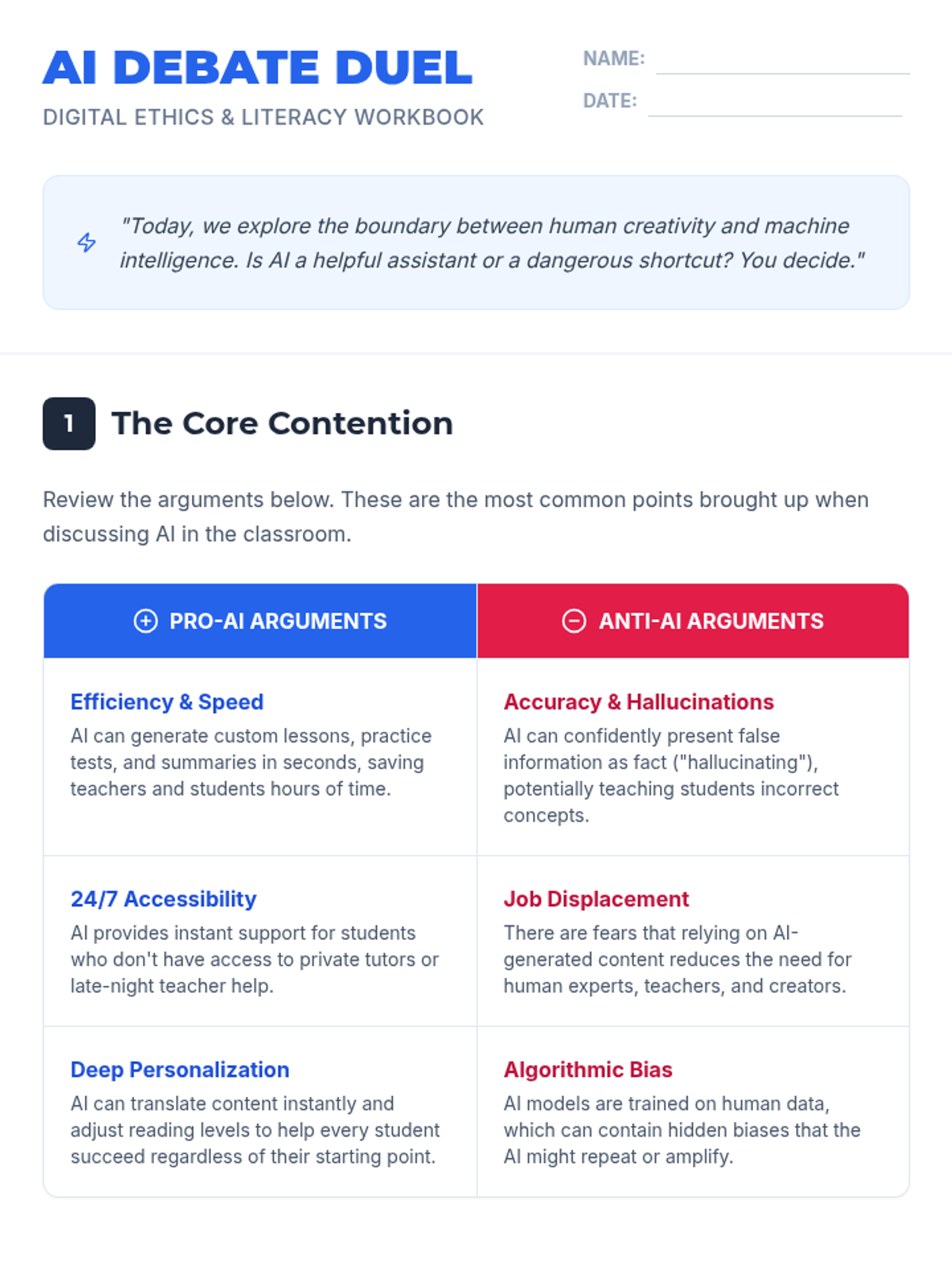
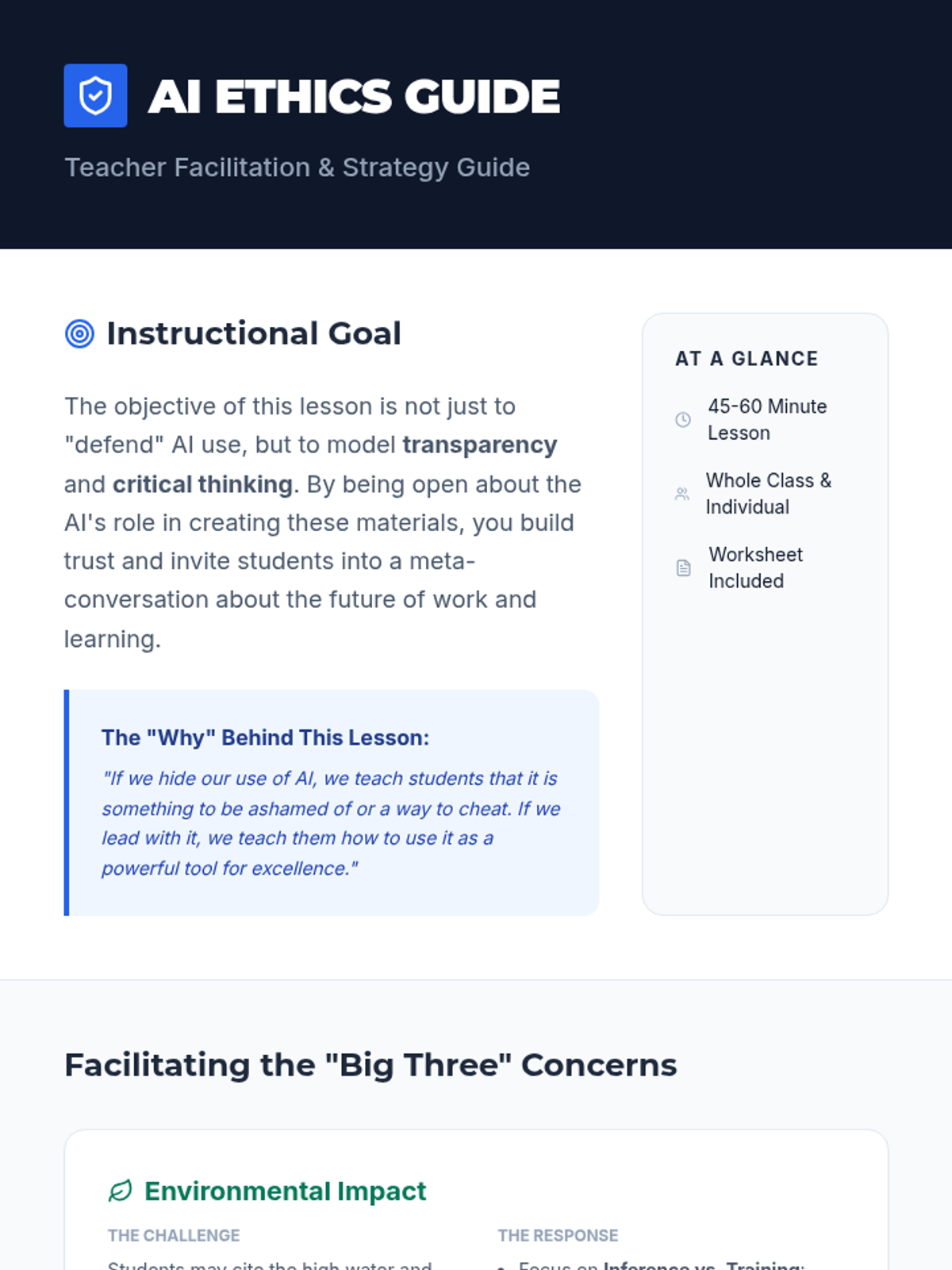
A lesson exploring the ethics and utility of AI-generated educational content, addressing common concerns like environmental impact and job displacement while highlighting the benefits of personalization and accessibility.
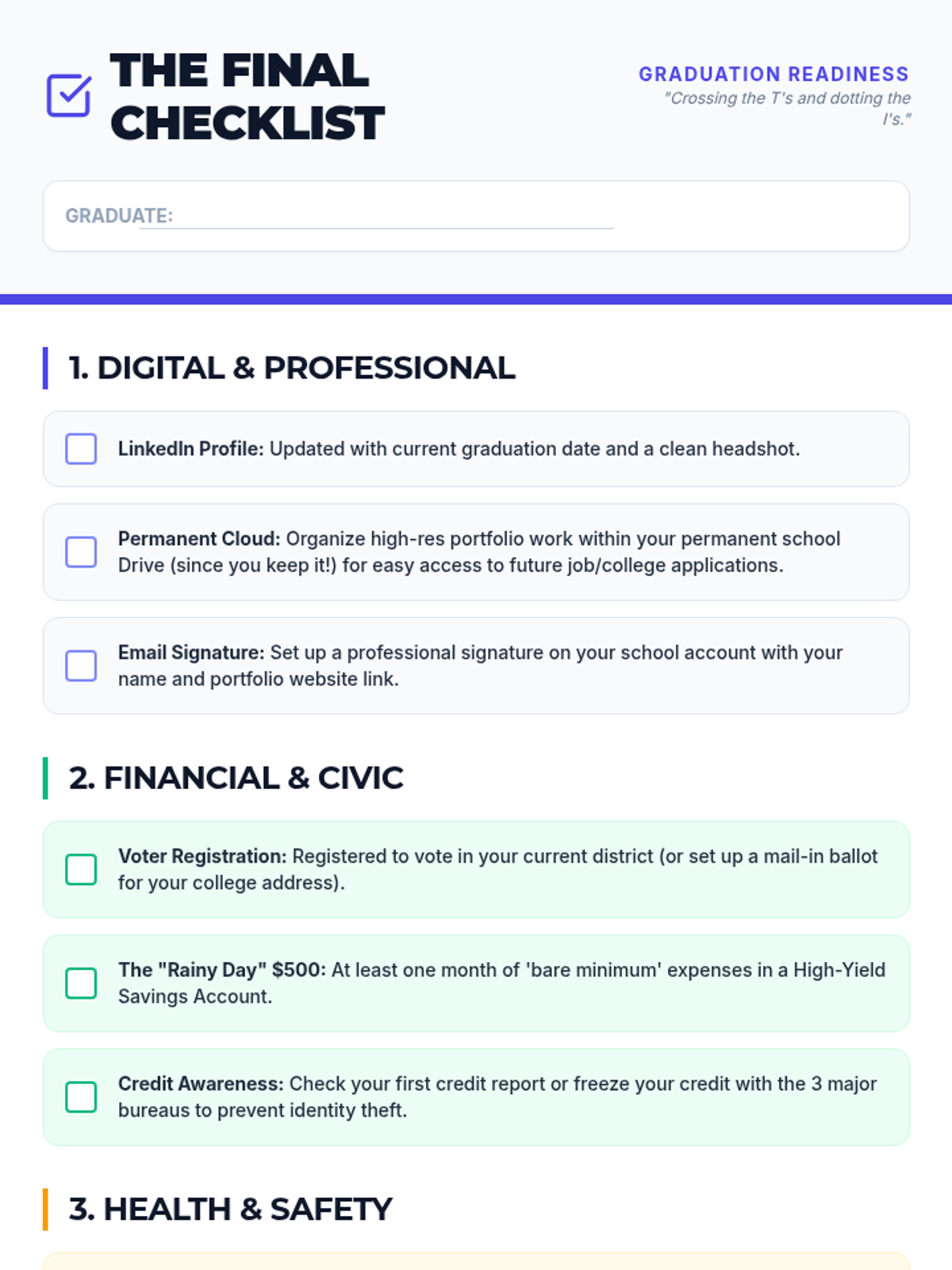
A comprehensive final review and logistics checklist for high school seniors, covering voter registration, insurance cards, professional email signatures, and emergency contact updates.
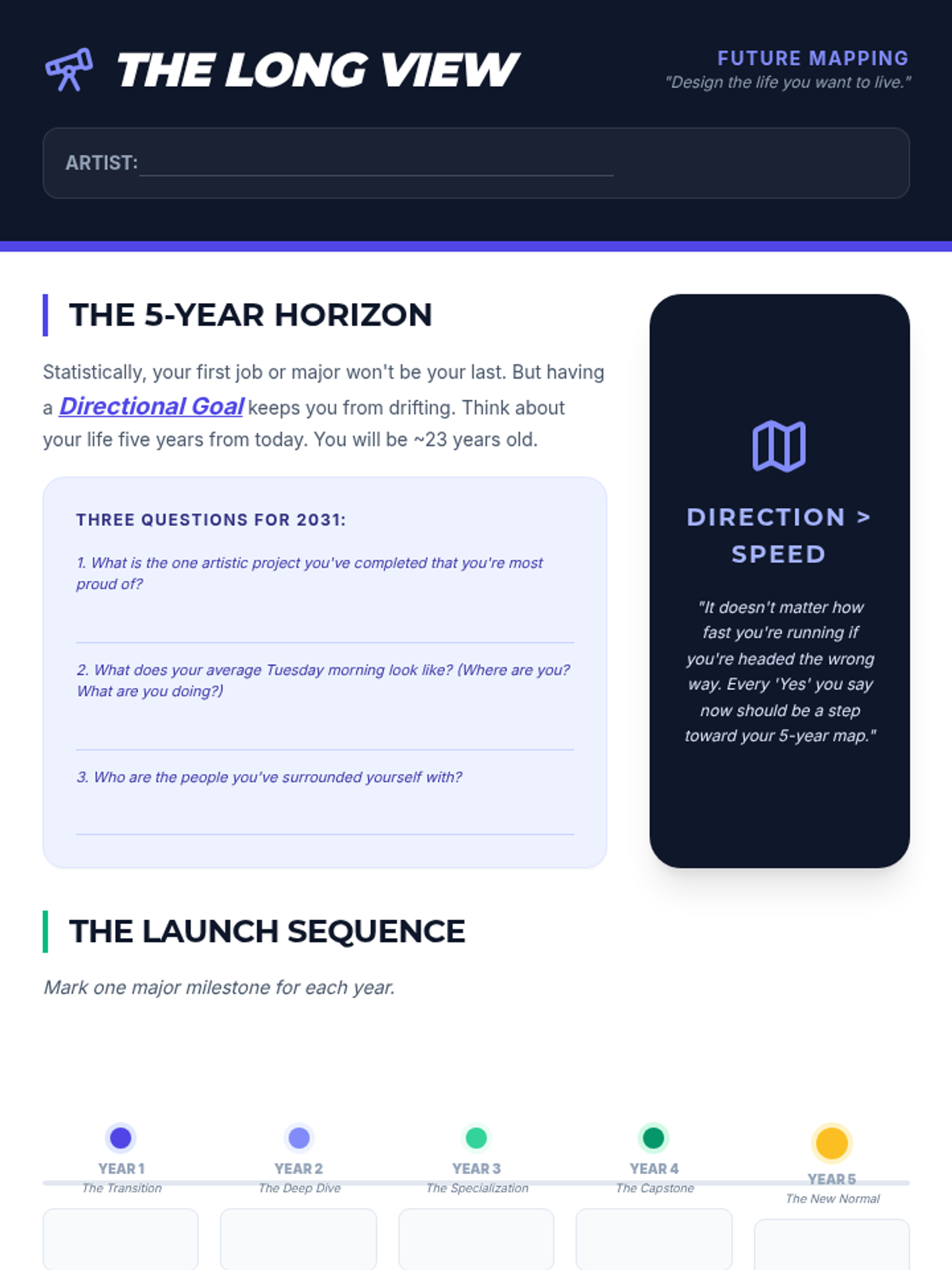
Guides students through a long-term goal-setting exercise, helping them map out professional and personal milestones for their first five years after high school using a visual timeline approach.
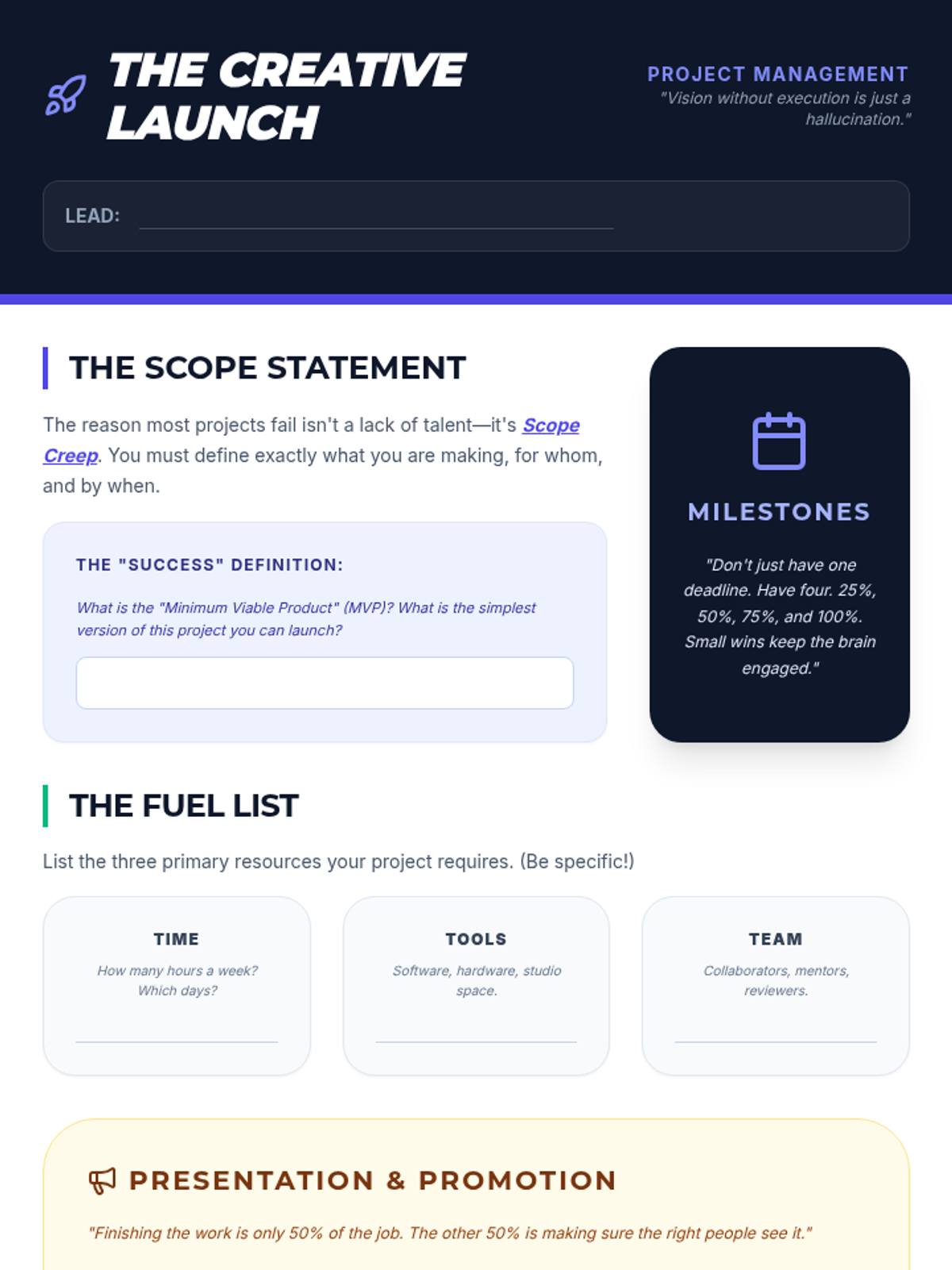
Teaches students how to plan, execute, and document a significant creative project, focusing on milestones, resource management, and the art of the 'Launch.'