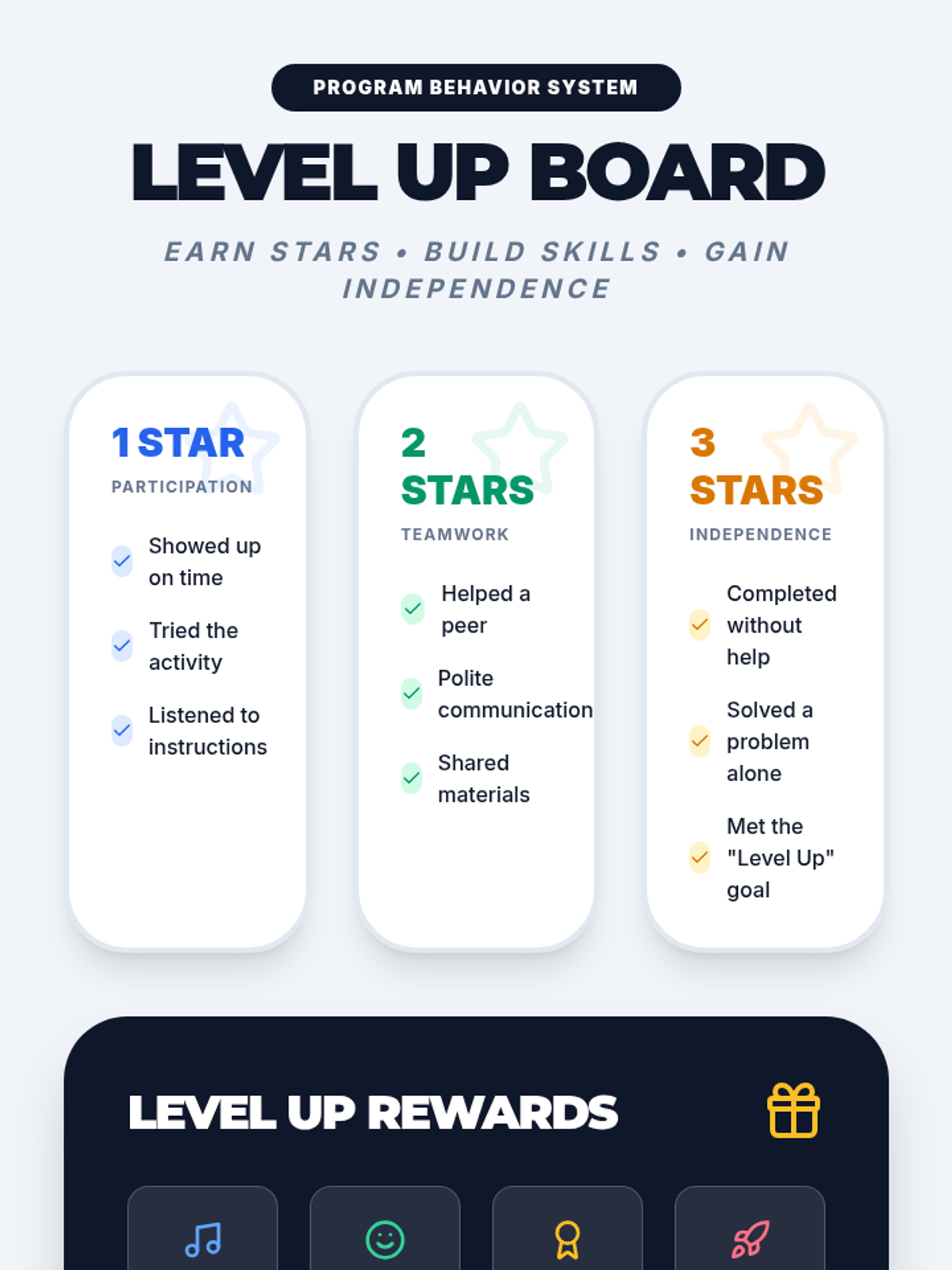
Functional behavior assessment, data tracking, and de-escalation strategies for managing classroom conduct. Addresses positive reinforcement, token economies, and individualized behavior contracts to support student self-regulation.
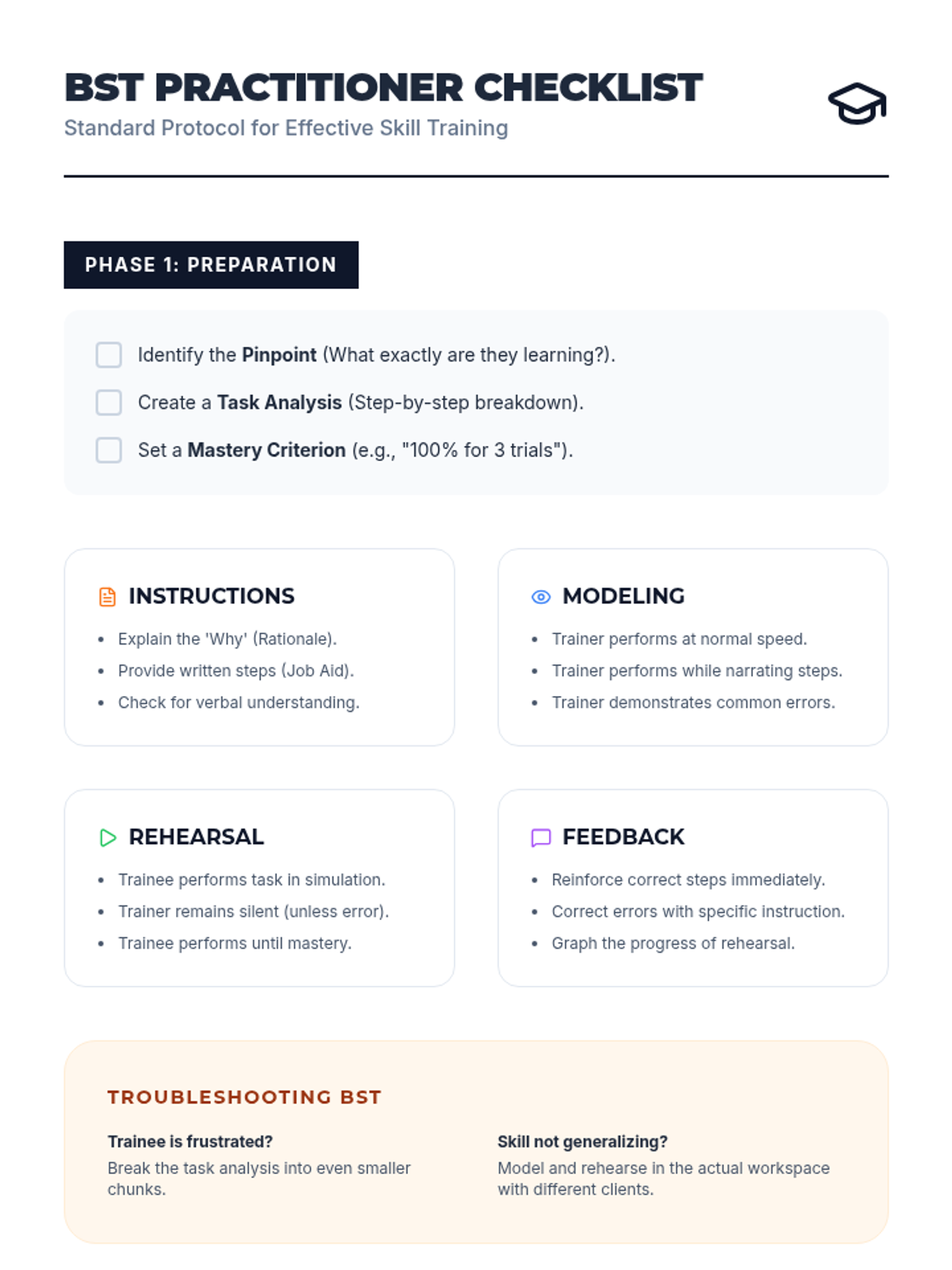
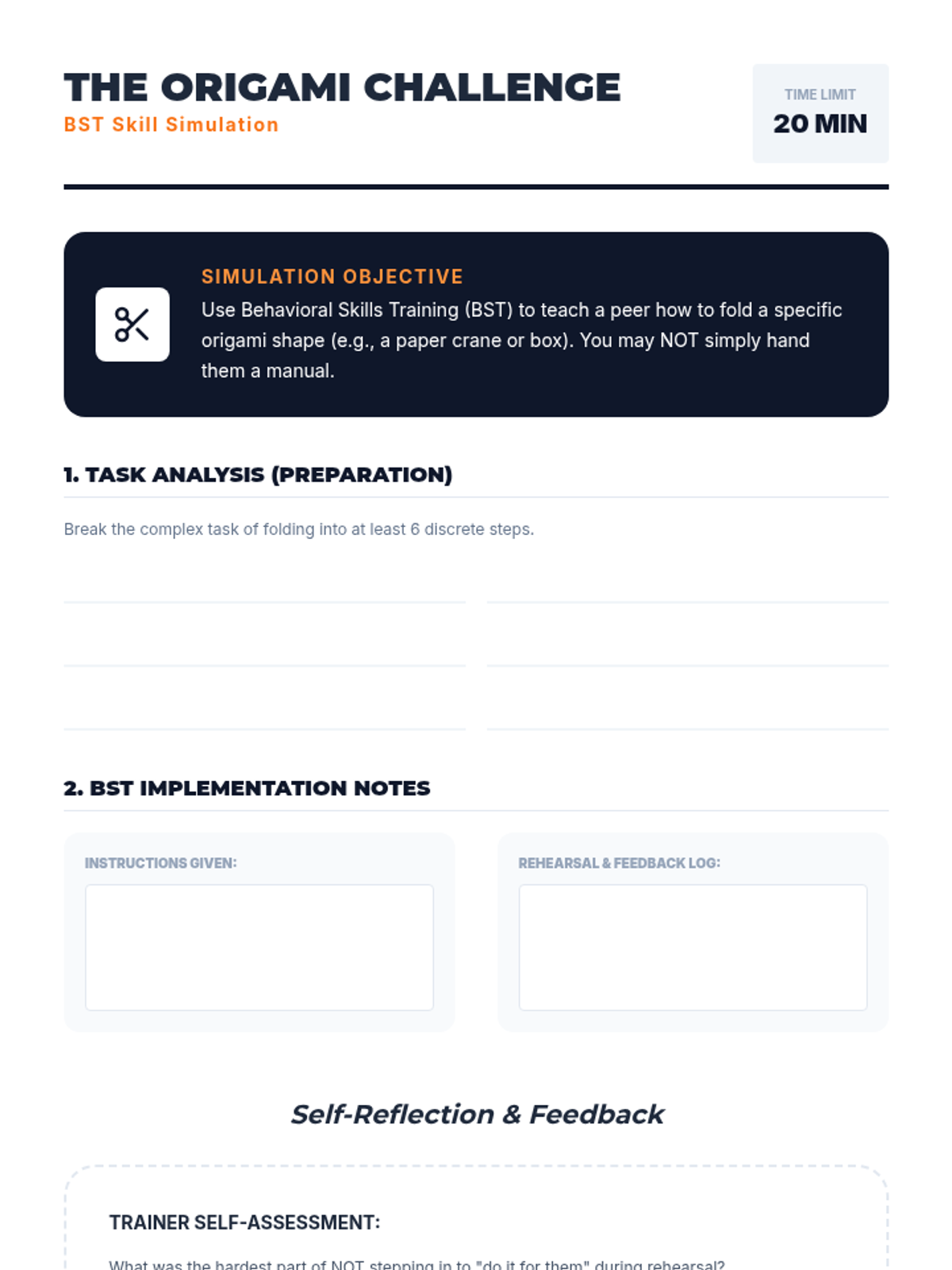
Mastery of the Behavioral Skills Training (BST) model to effectively train staff and ensure the maintenance of skills through reinforcement.
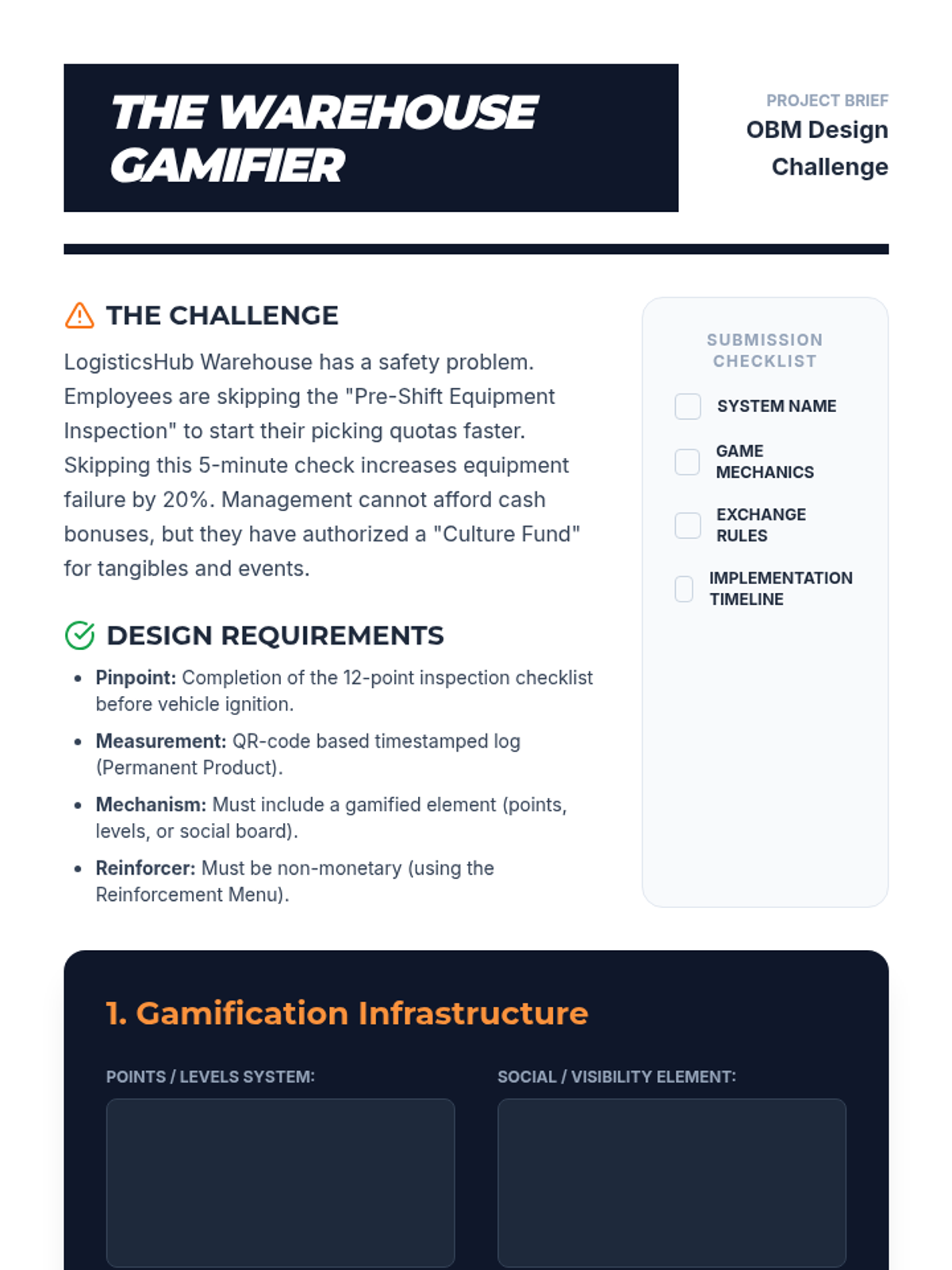
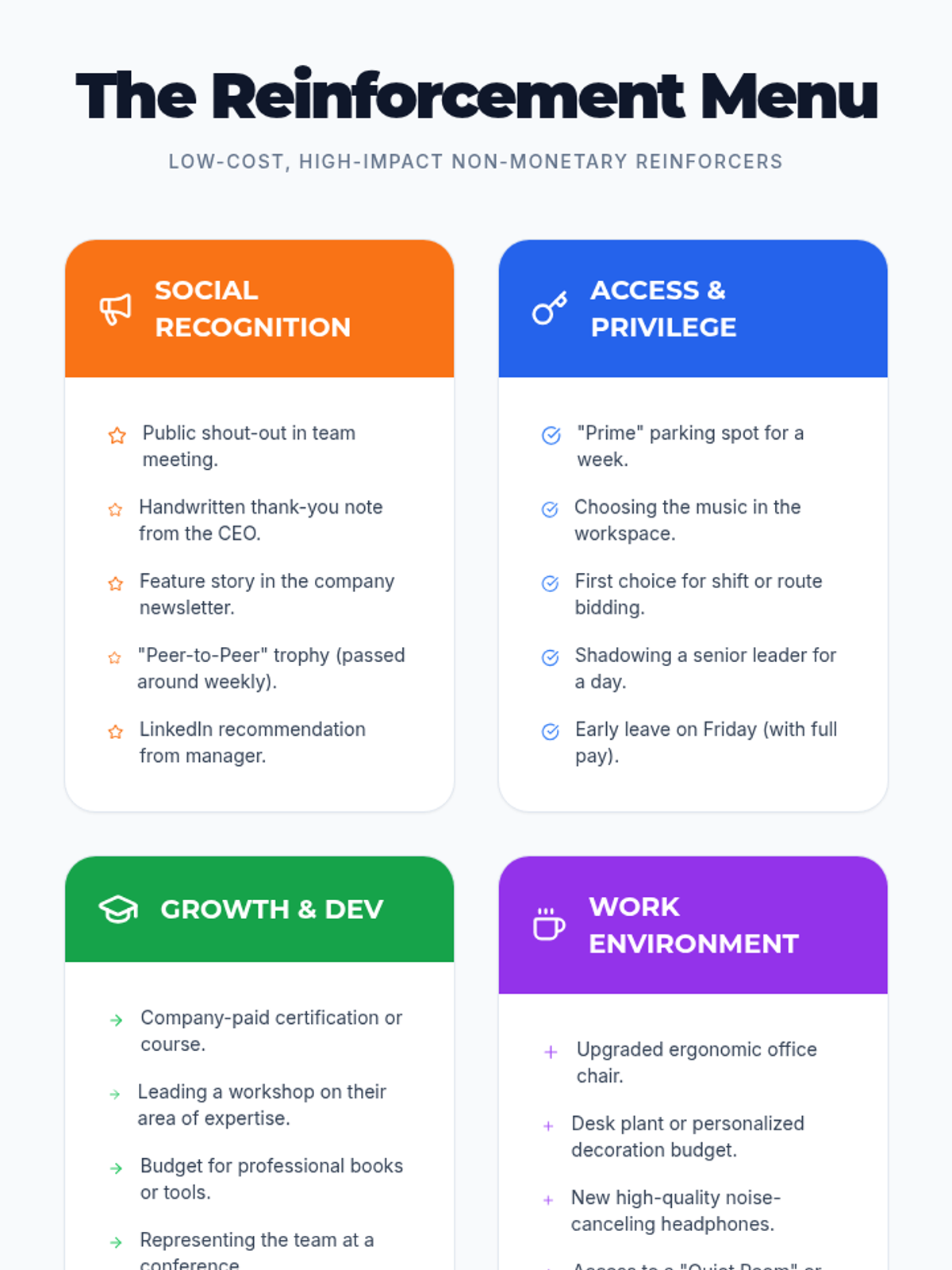
Design of reinforcement systems using non-monetary incentives, gamification, and social recognition to drive workplace performance.
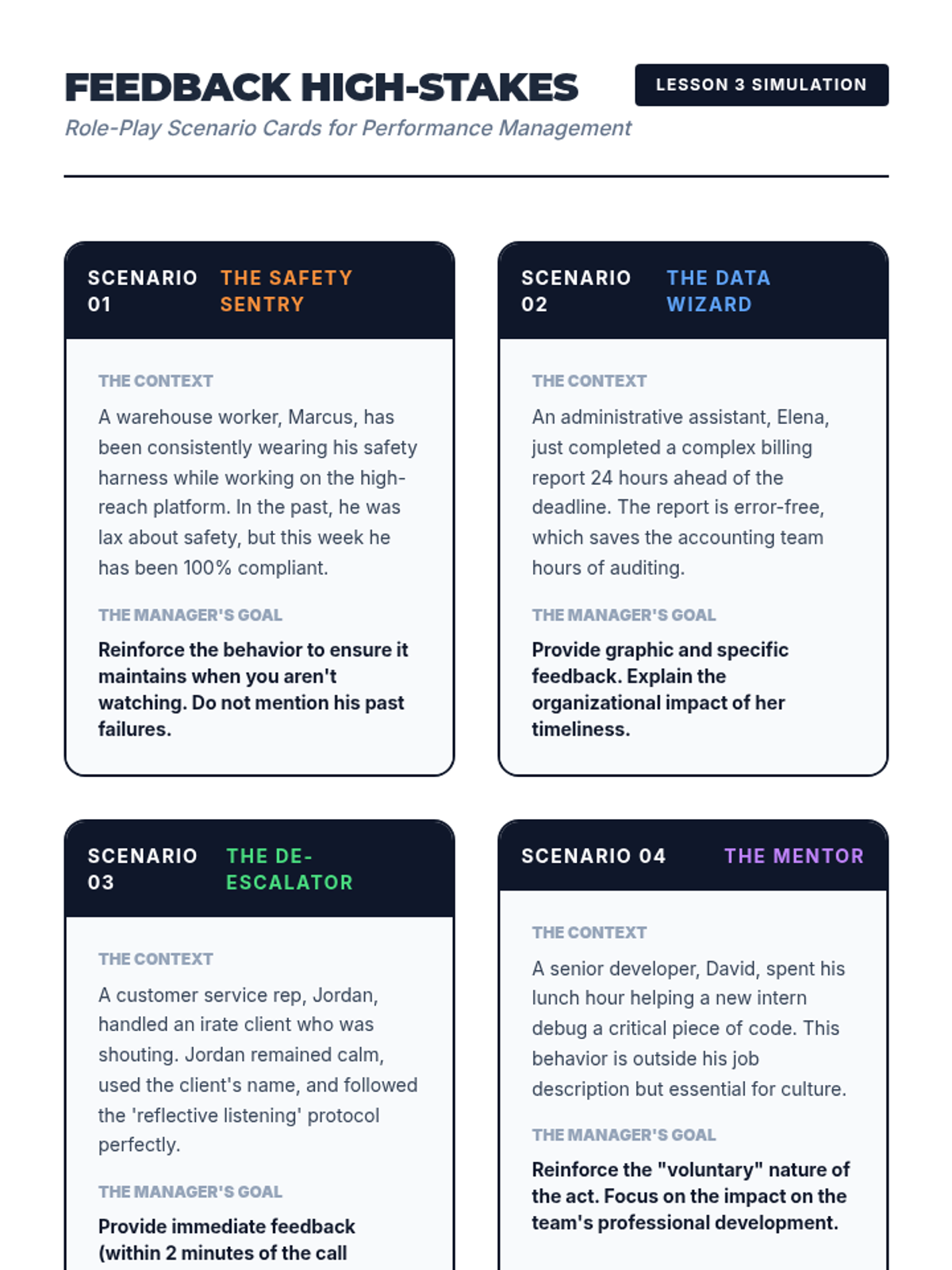
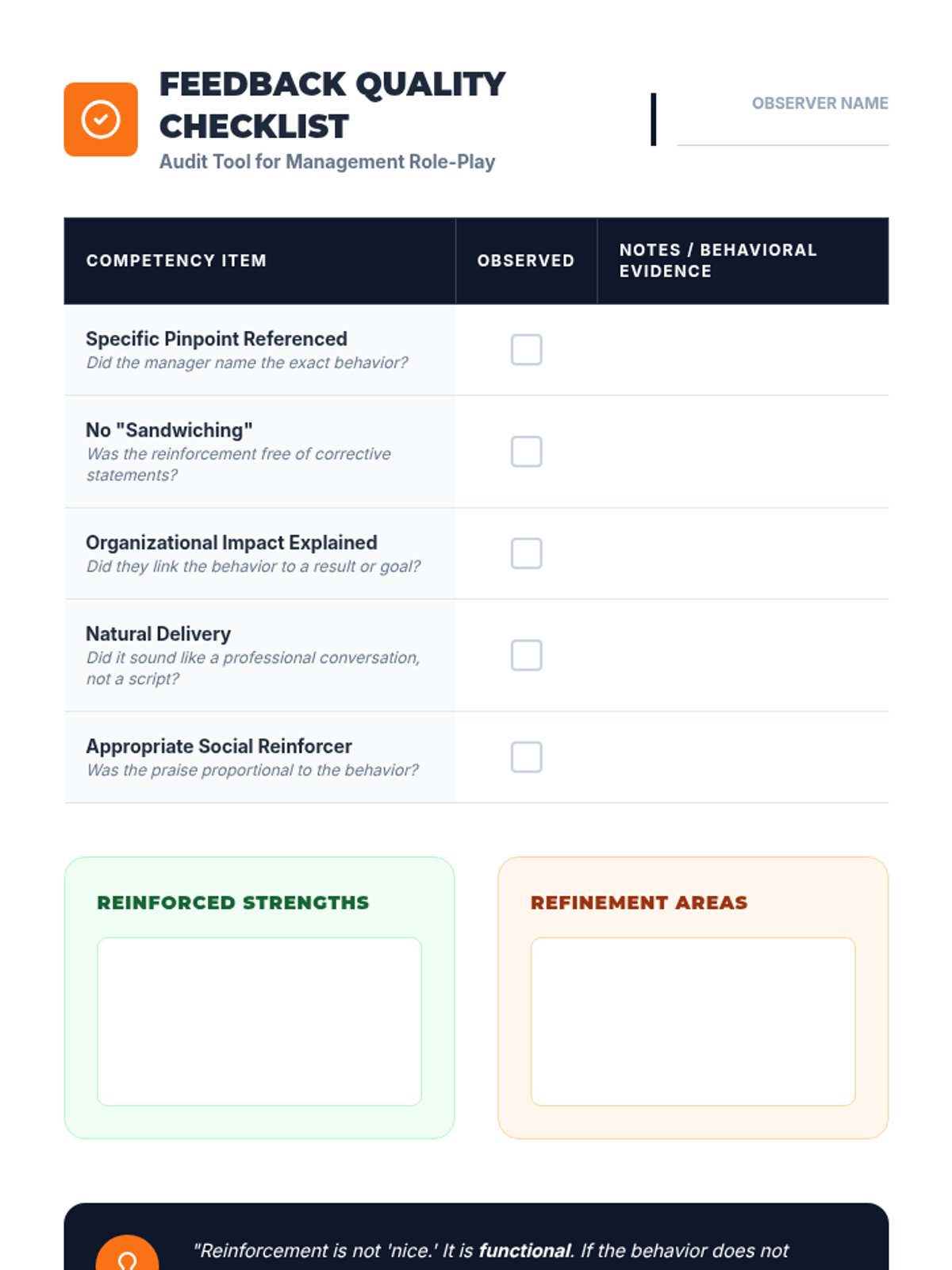
Exploration of feedback as a reinforcer, focusing on the delivery of specific, immediate behavioral feedback in management contexts.
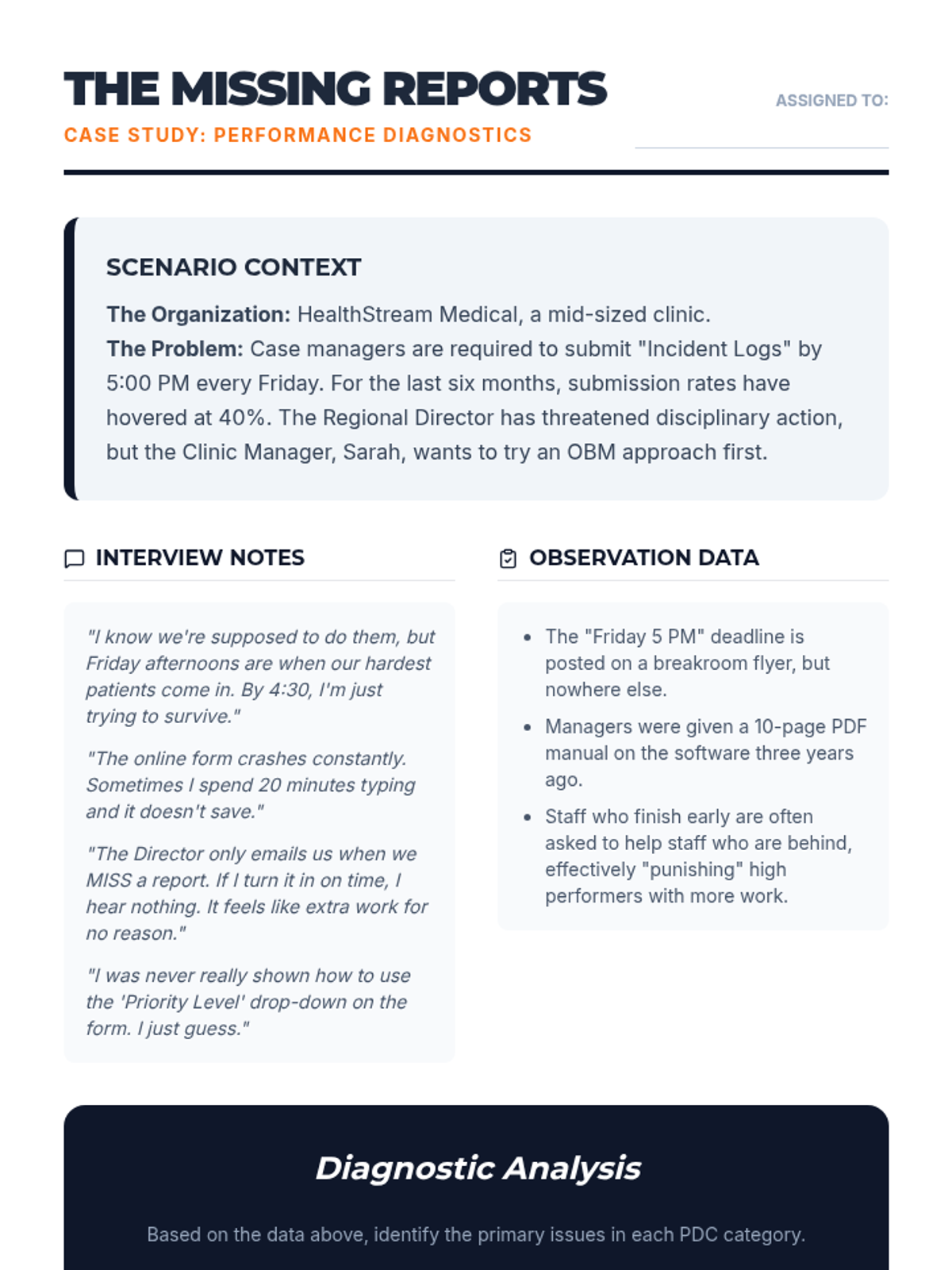
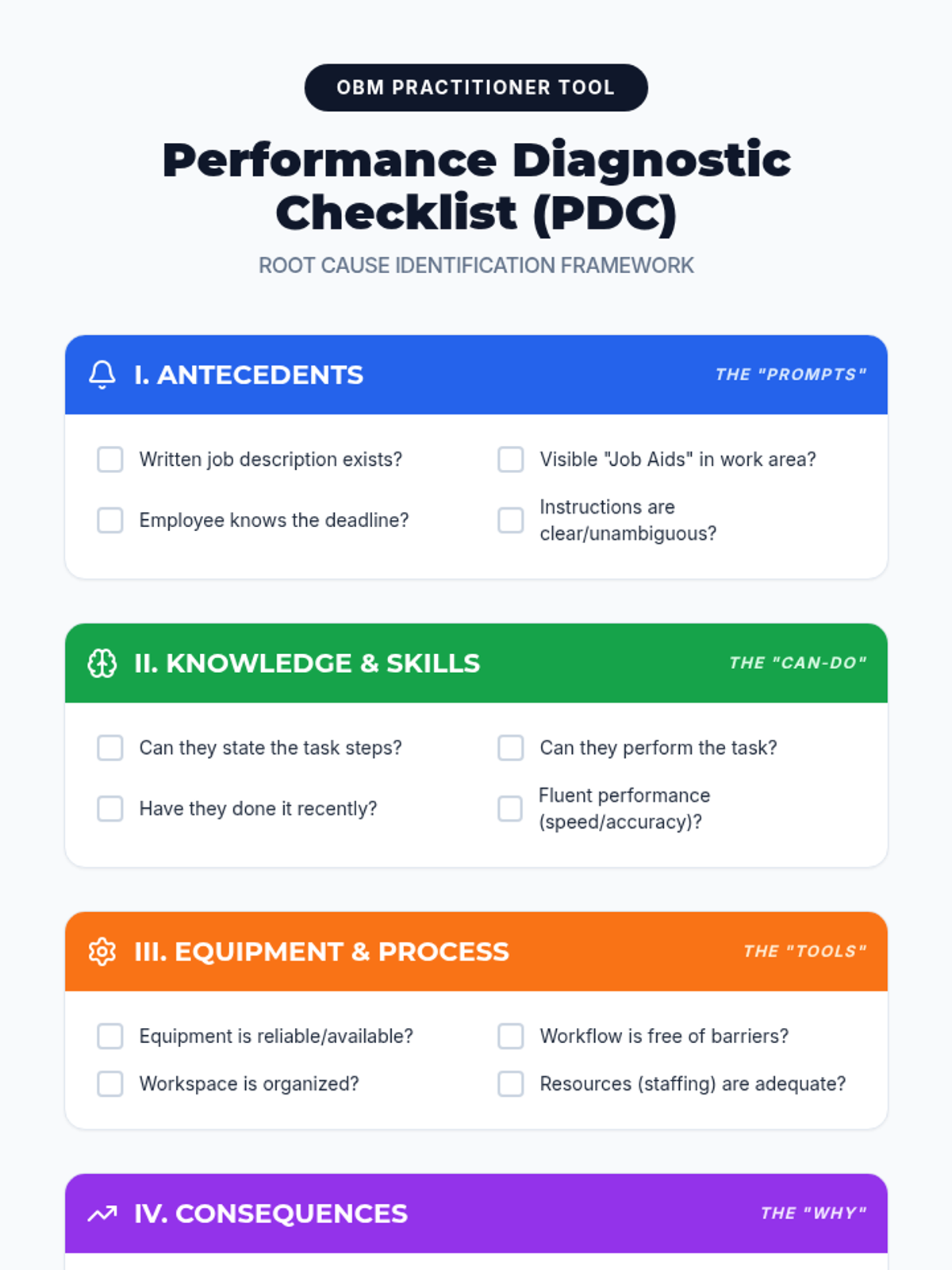
Introduction to the Performance Diagnostic Checklist (PDC) as a tool for root cause analysis to distinguish between skill deficits and motivational issues.
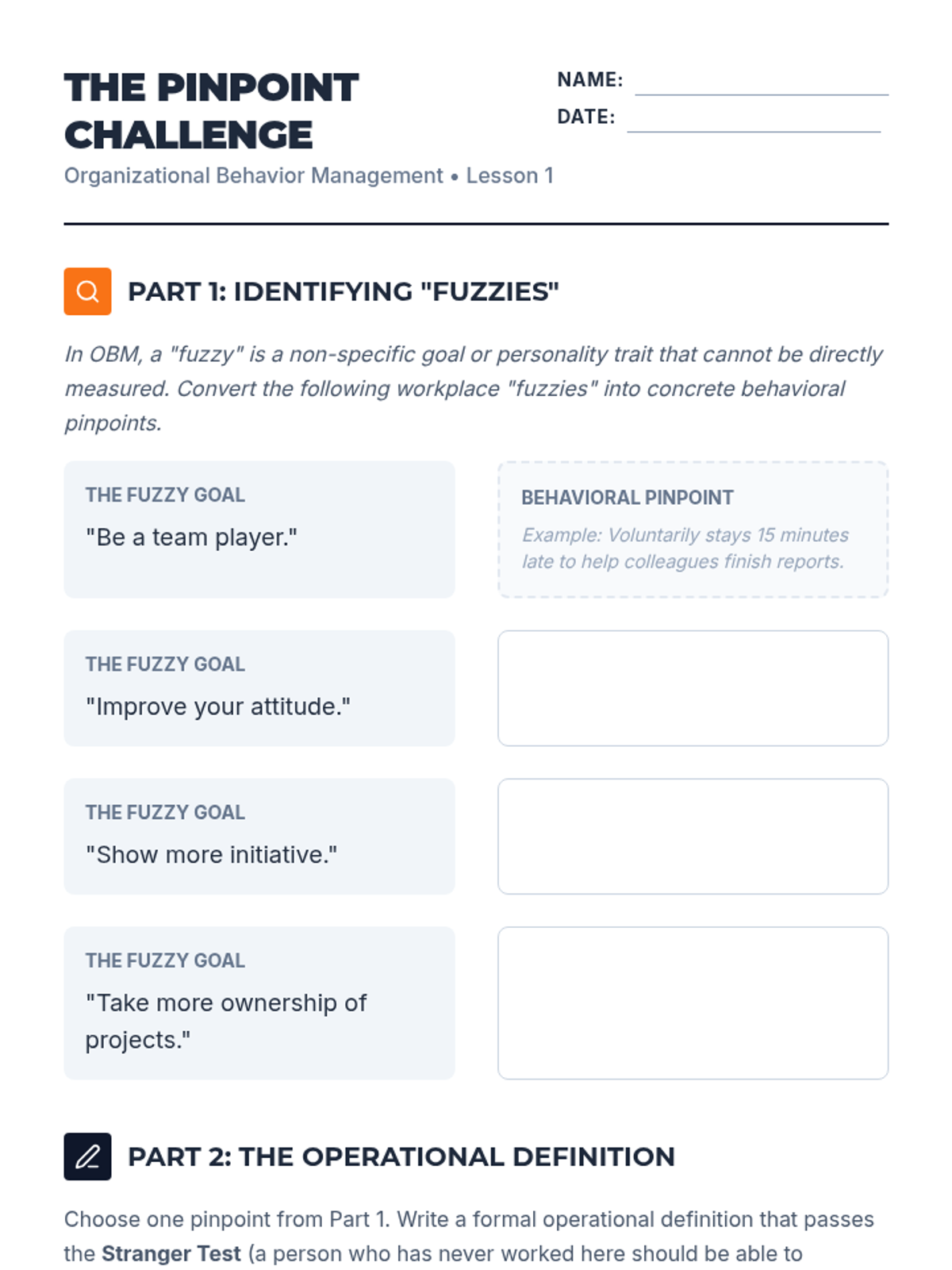
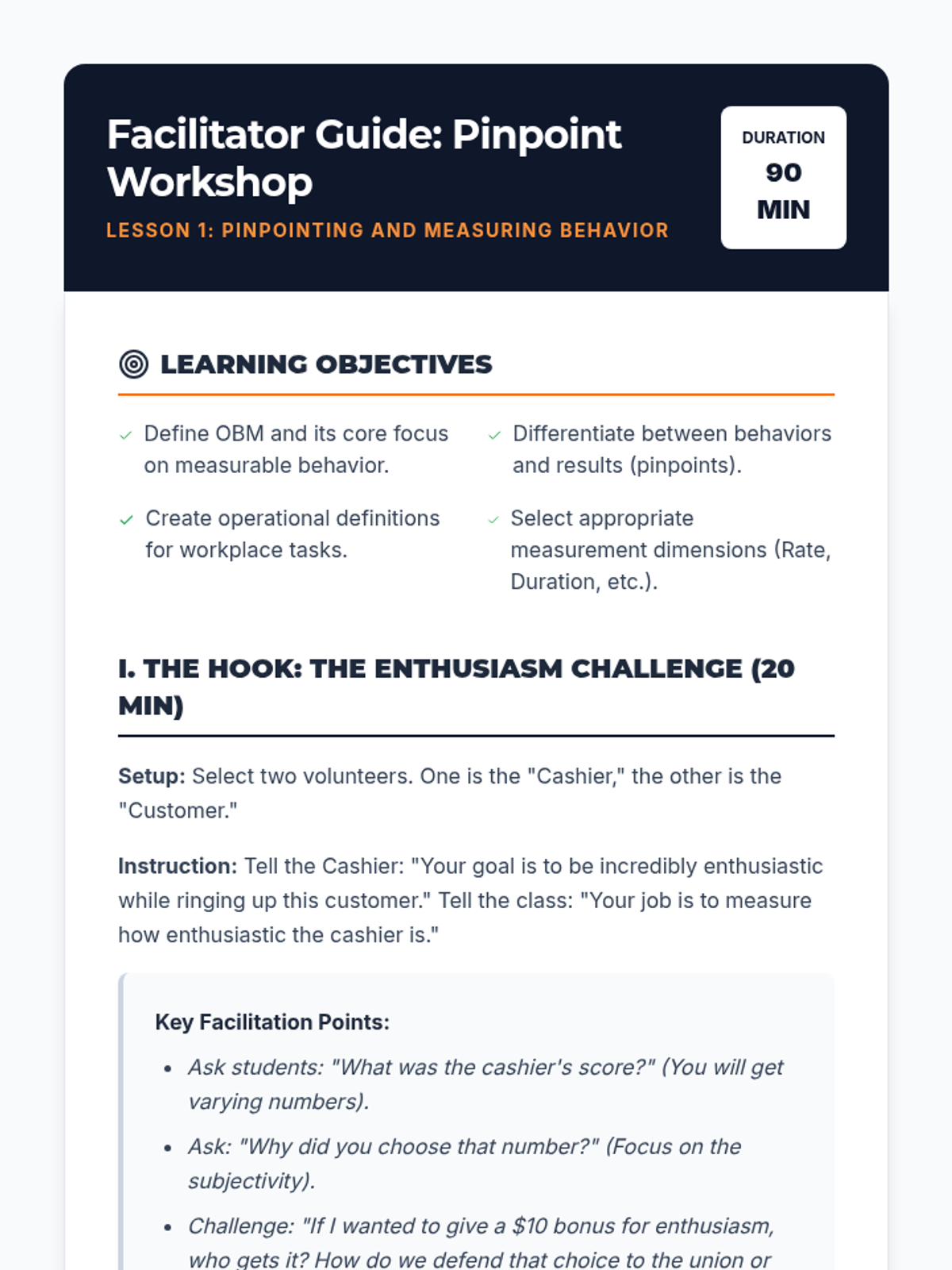
Students learn to translate vague organizational goals into pinpointed, observable behaviors and develop measurement systems for workplace environments.
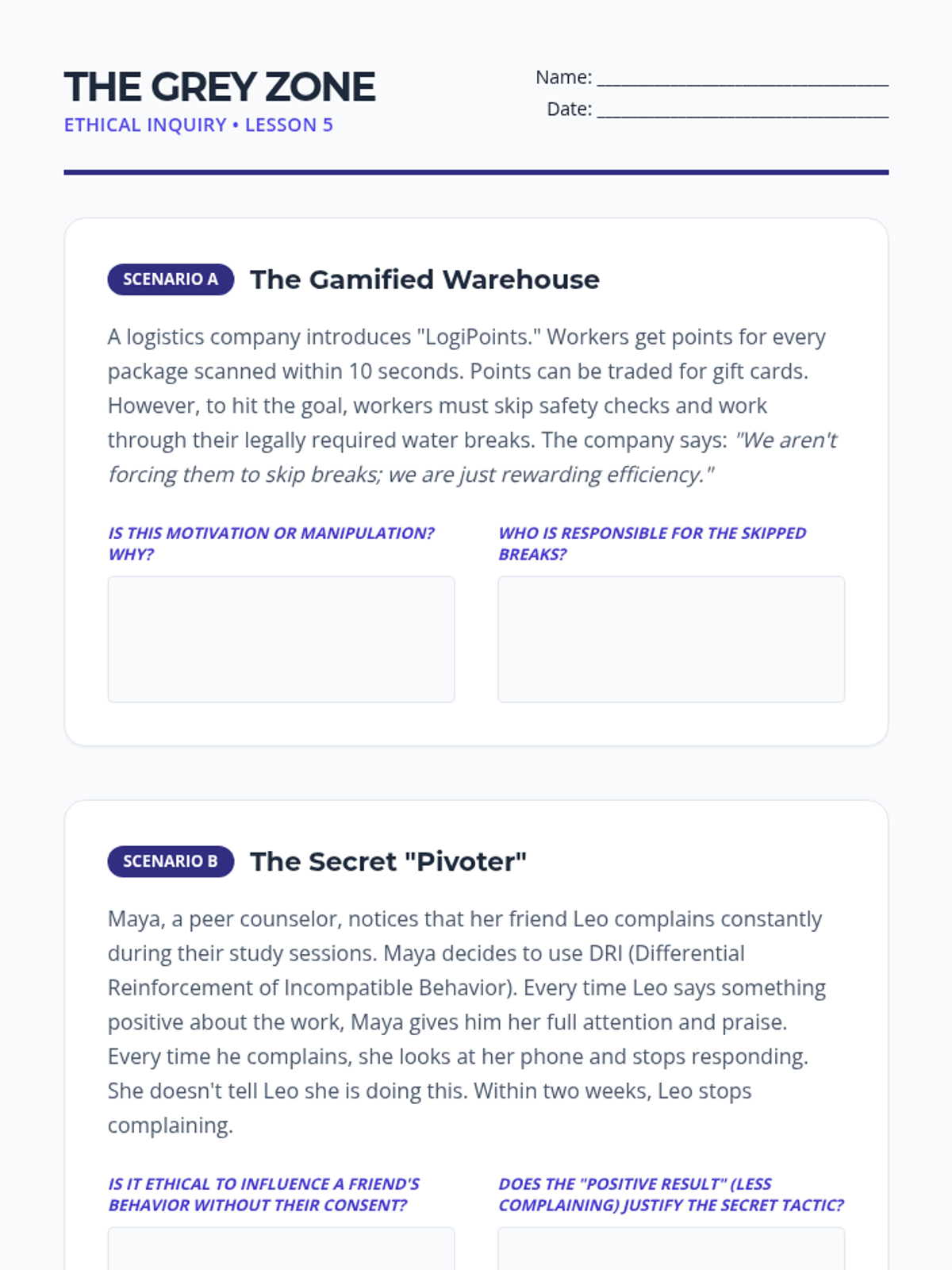
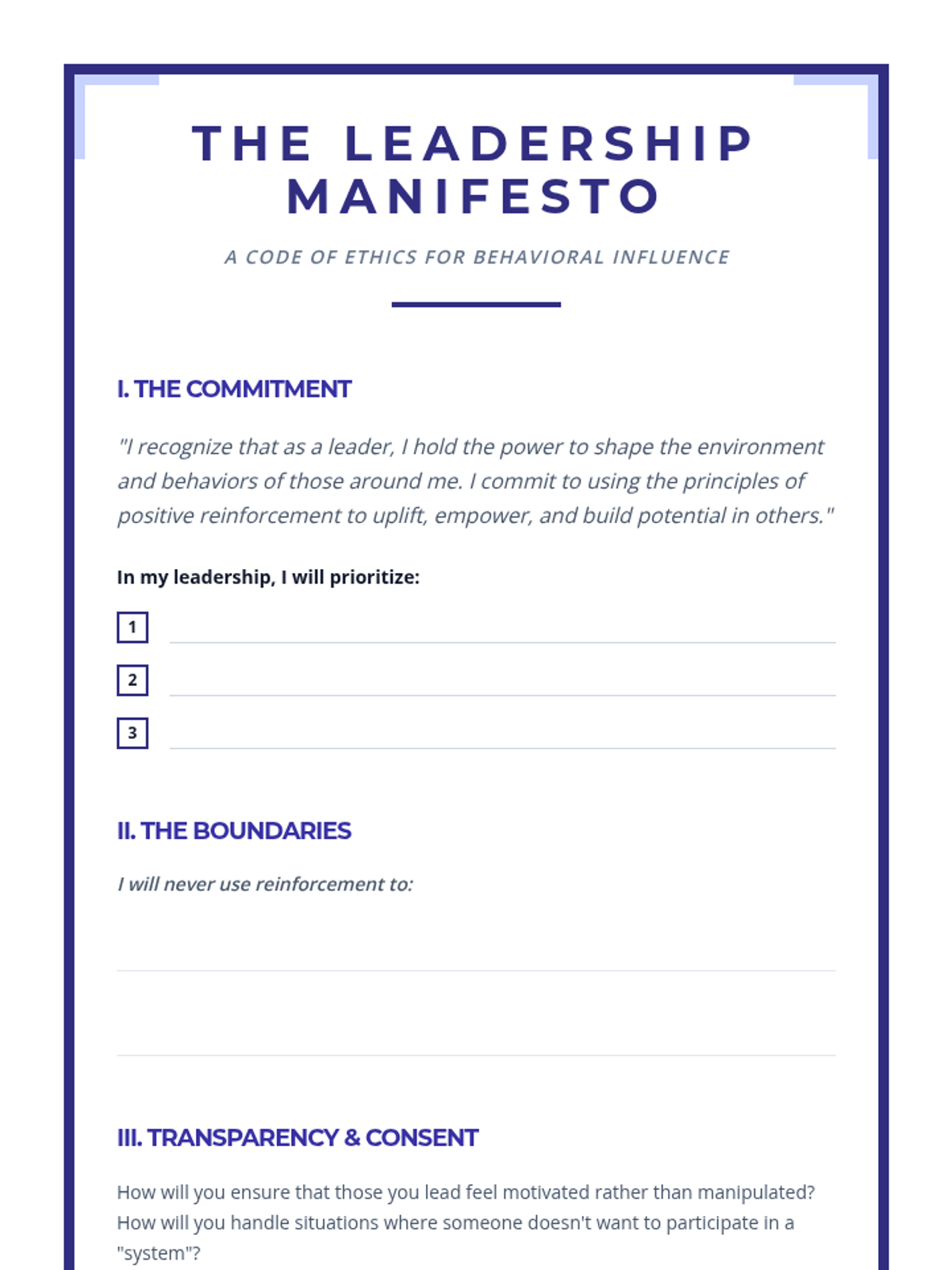
A deep dive into the ethics of behavioral leadership, debating the line between motivation and manipulation and creating a personal code of conduct.
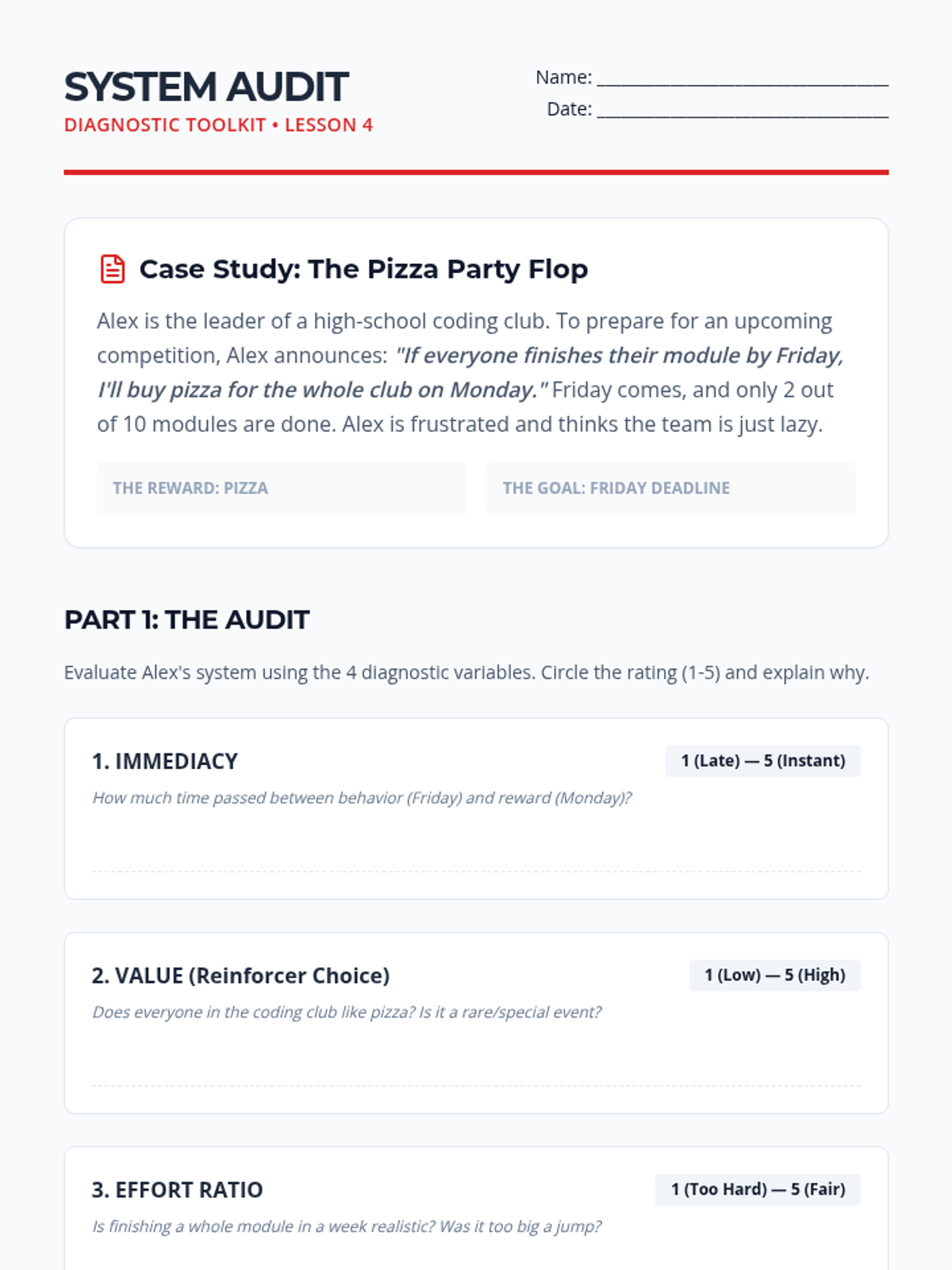
Students diagnose why certain reinforcement systems fail, looking at factors like lack of immediacy, poor reinforcer selection, and trust issues.
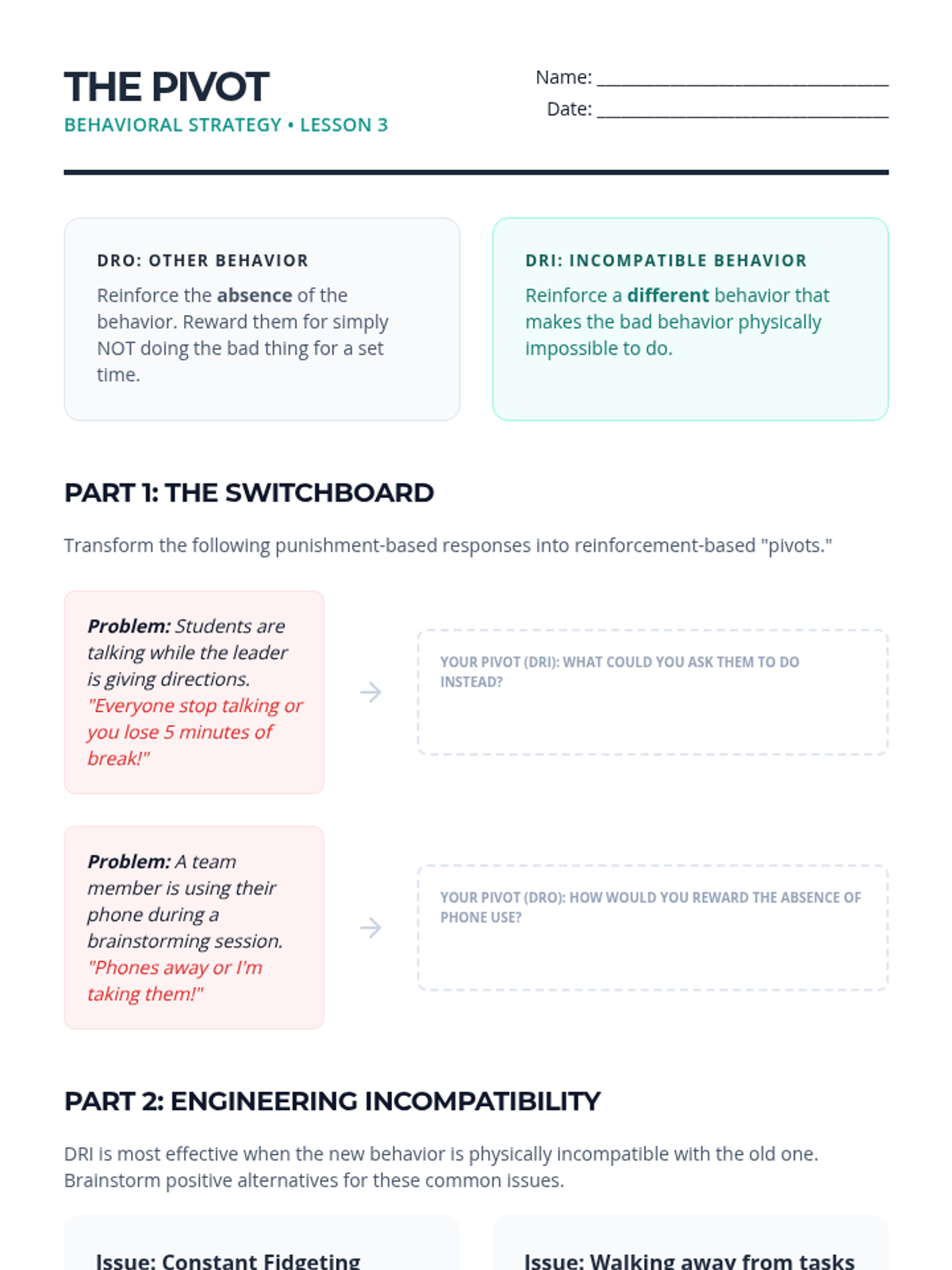
Students explore Differential Reinforcement of Other Behavior (DRO) as a tool for managing conflict and reducing unwanted behaviors without relying on punishment.
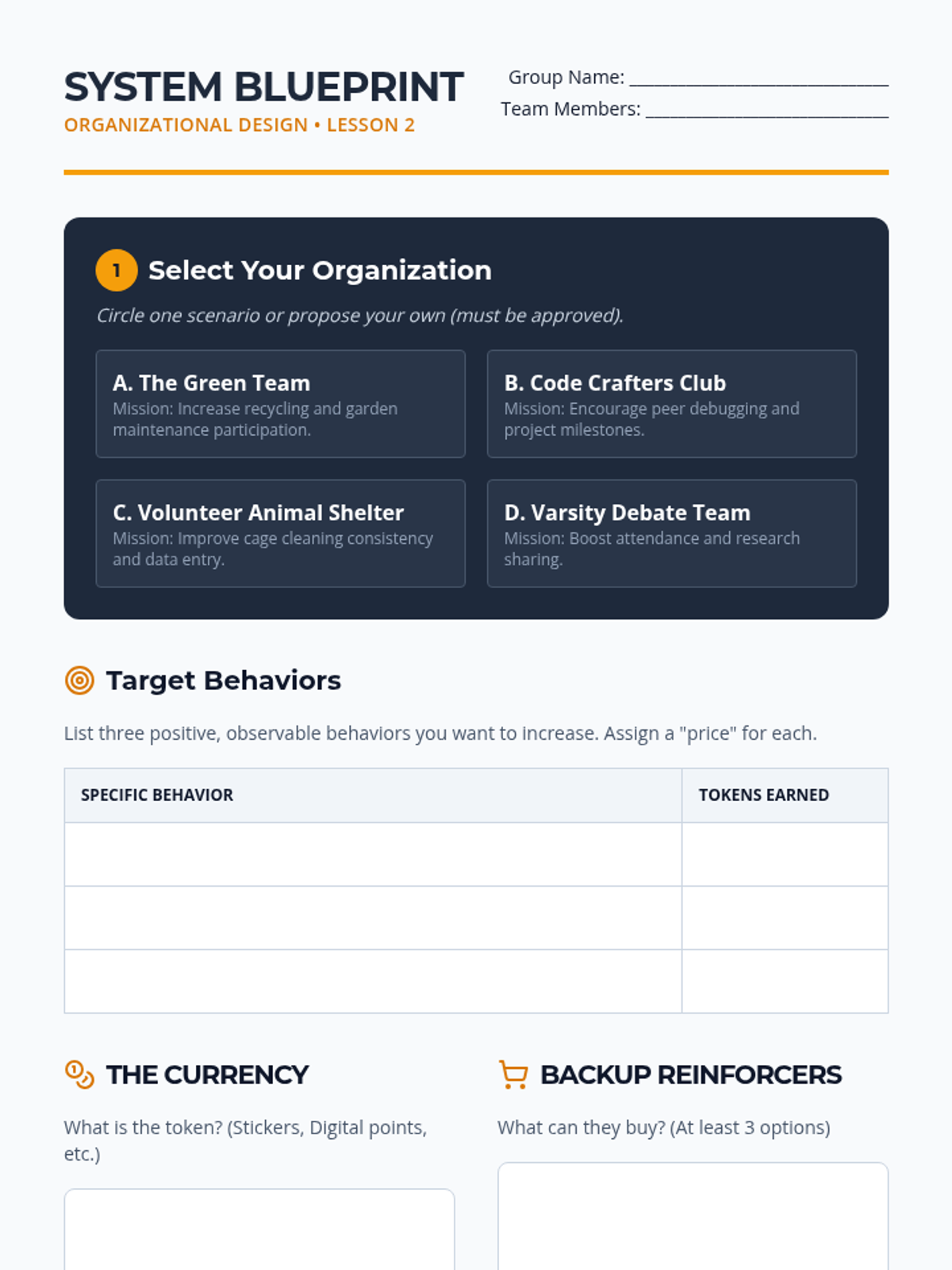
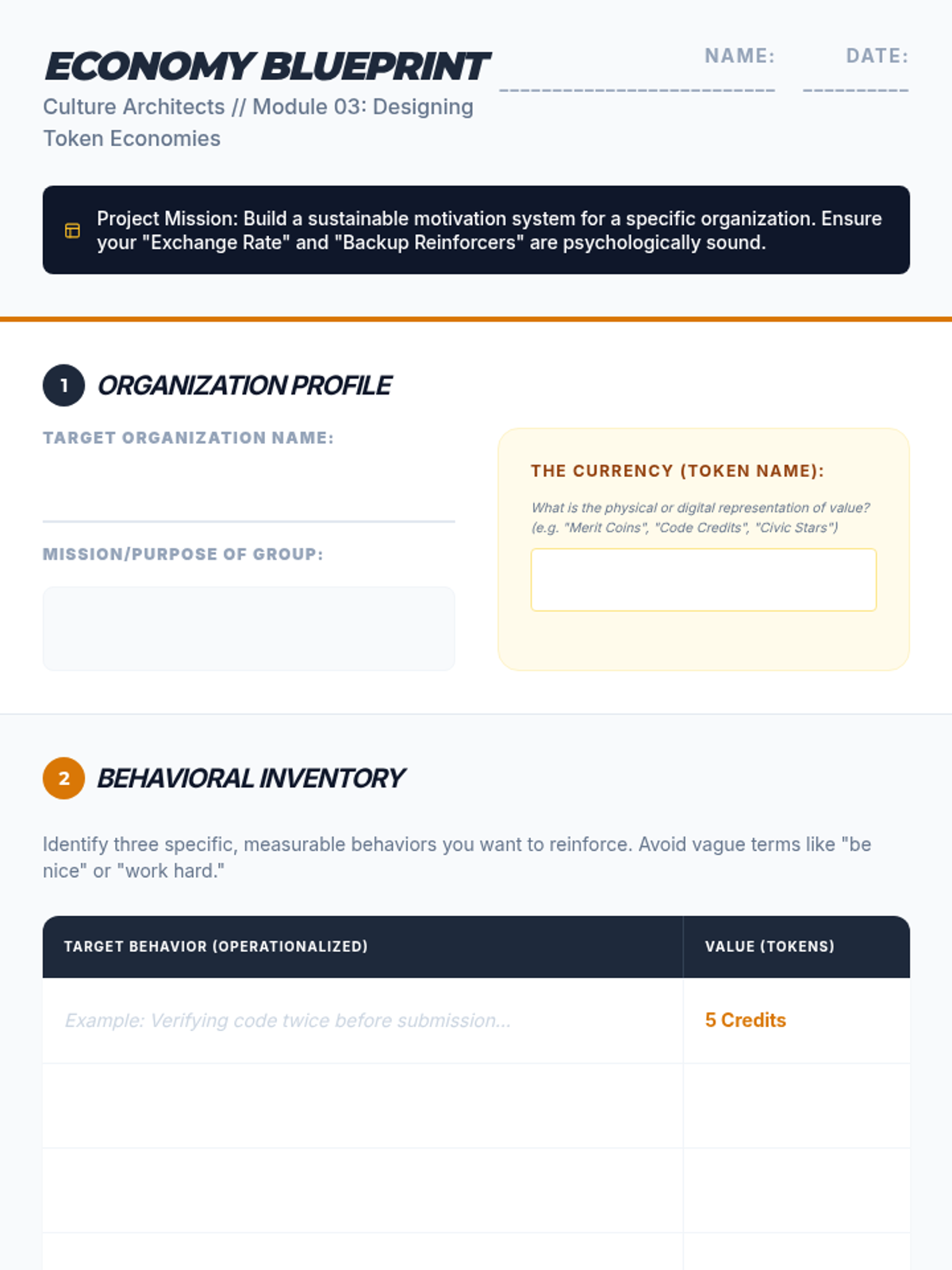
Groups design a token economy system for a hypothetical organization, identifying rules of exchange, currency, and backup reinforcers to improve group participation.
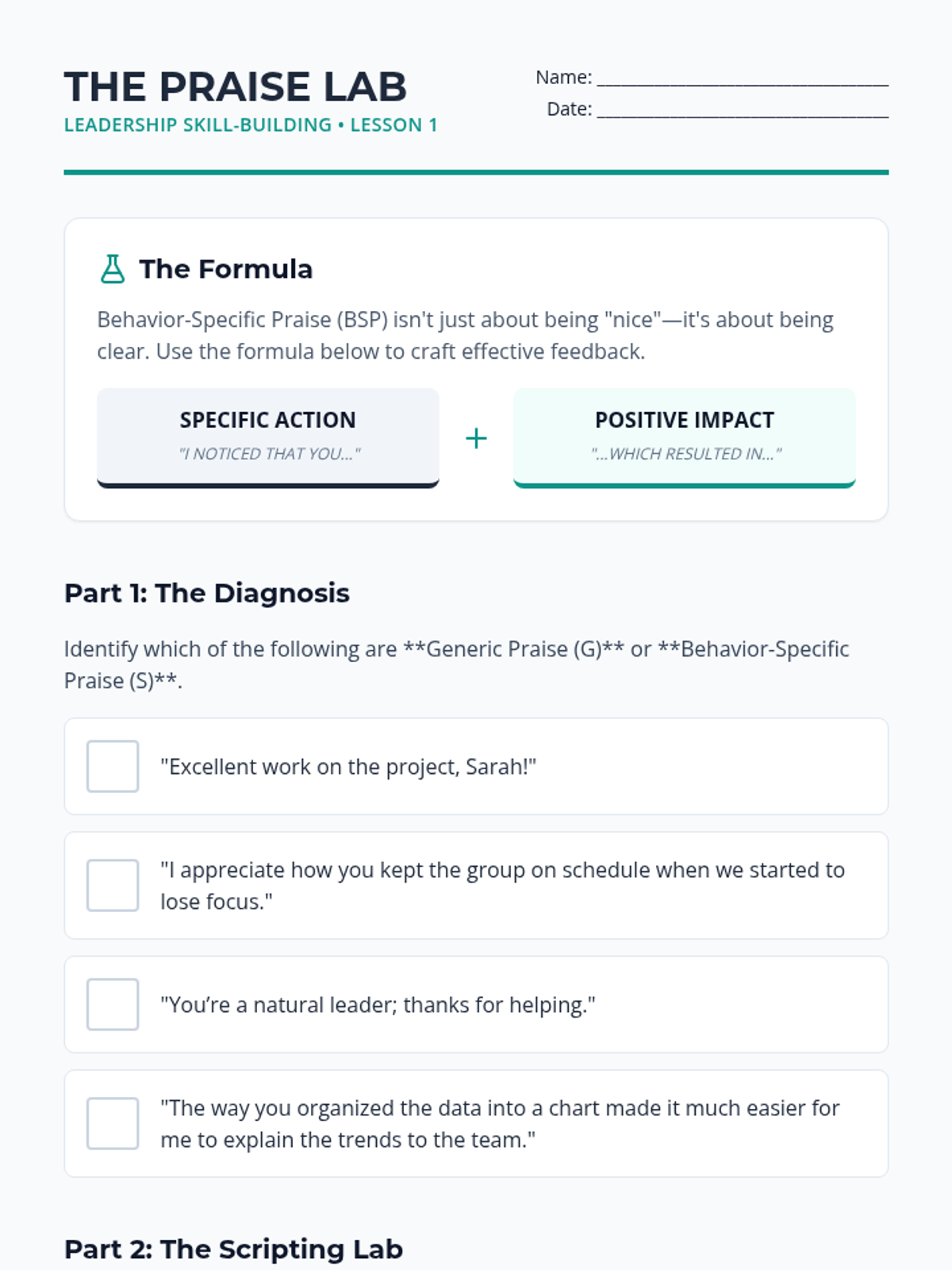
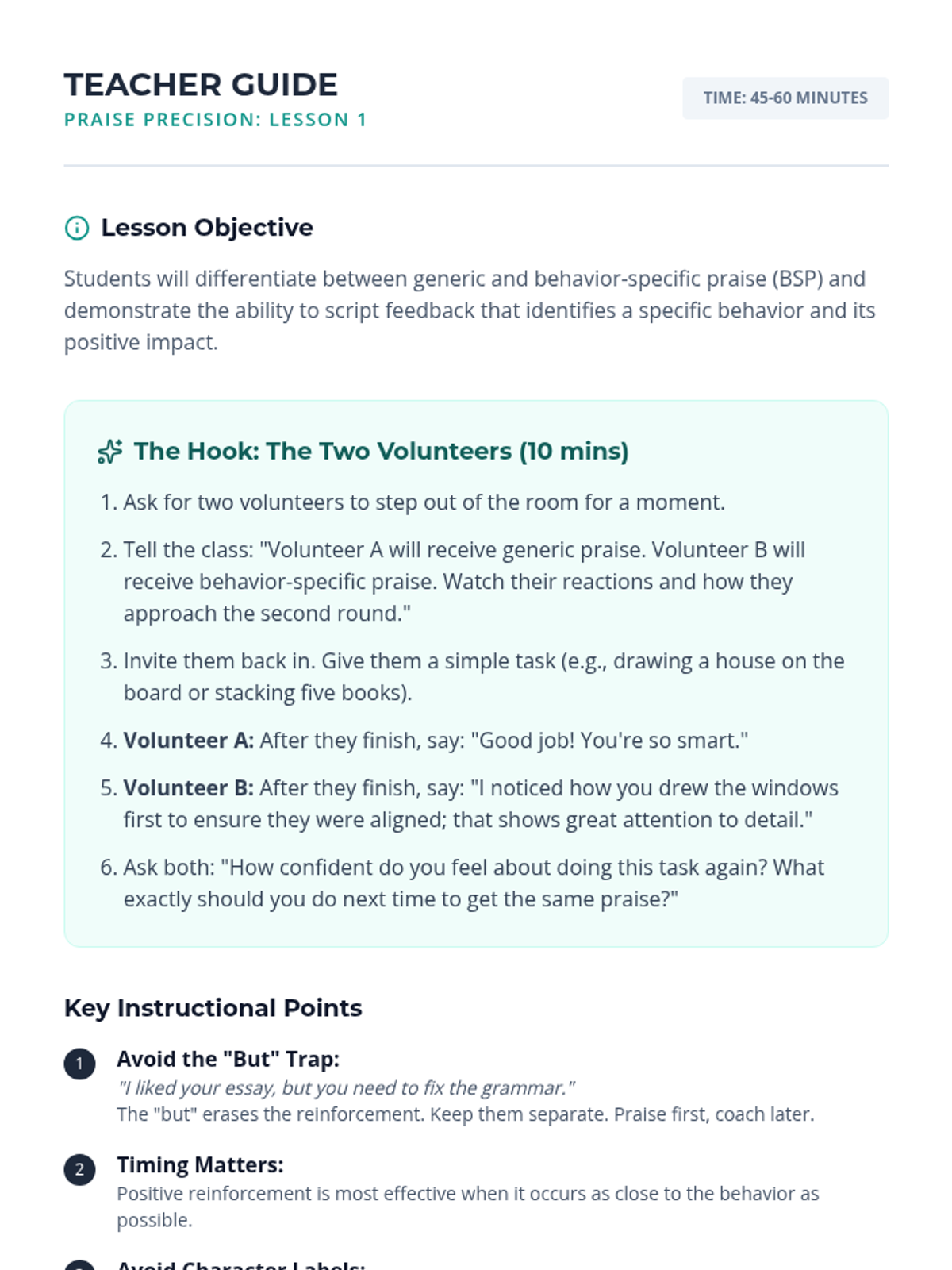
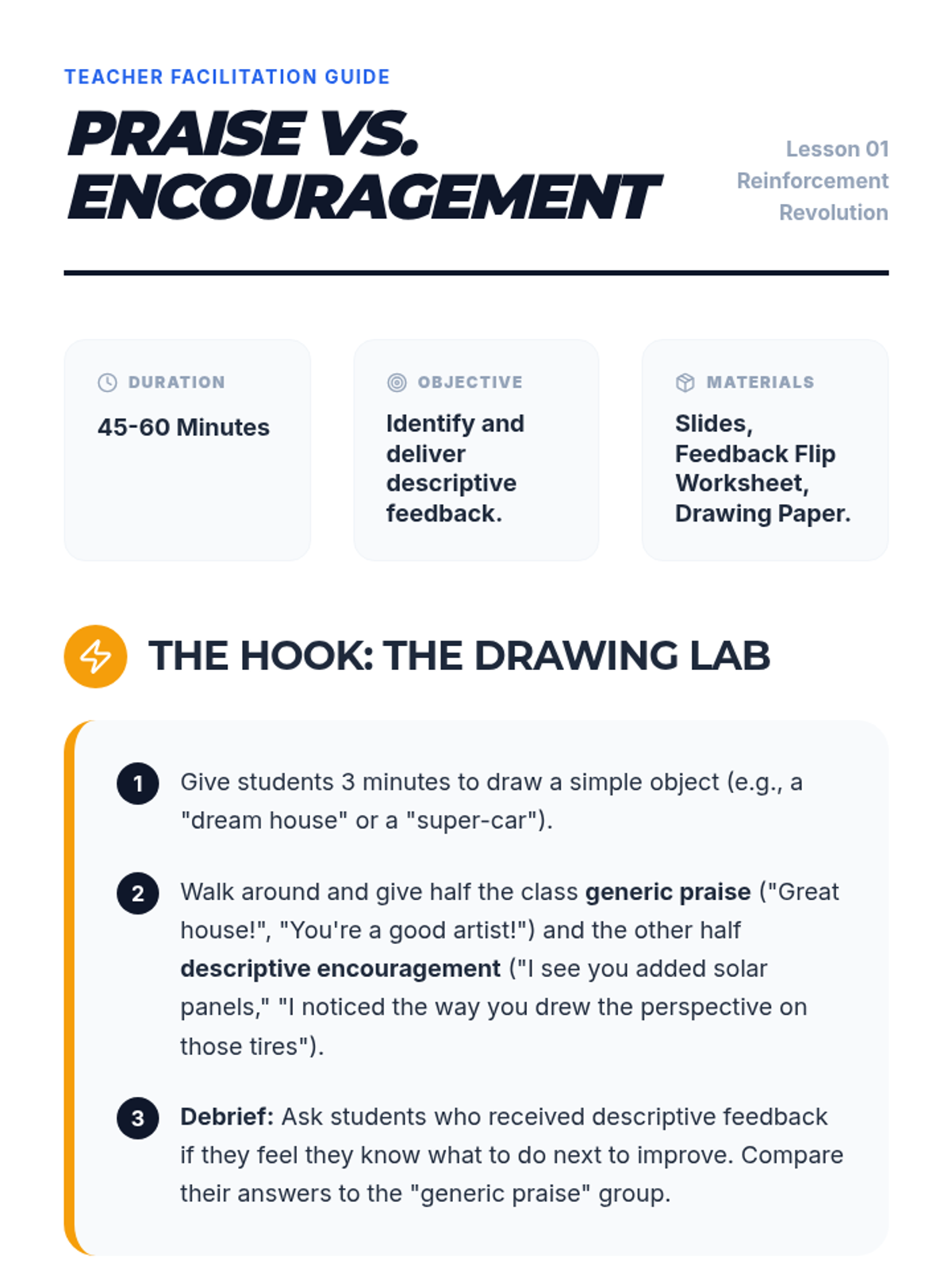
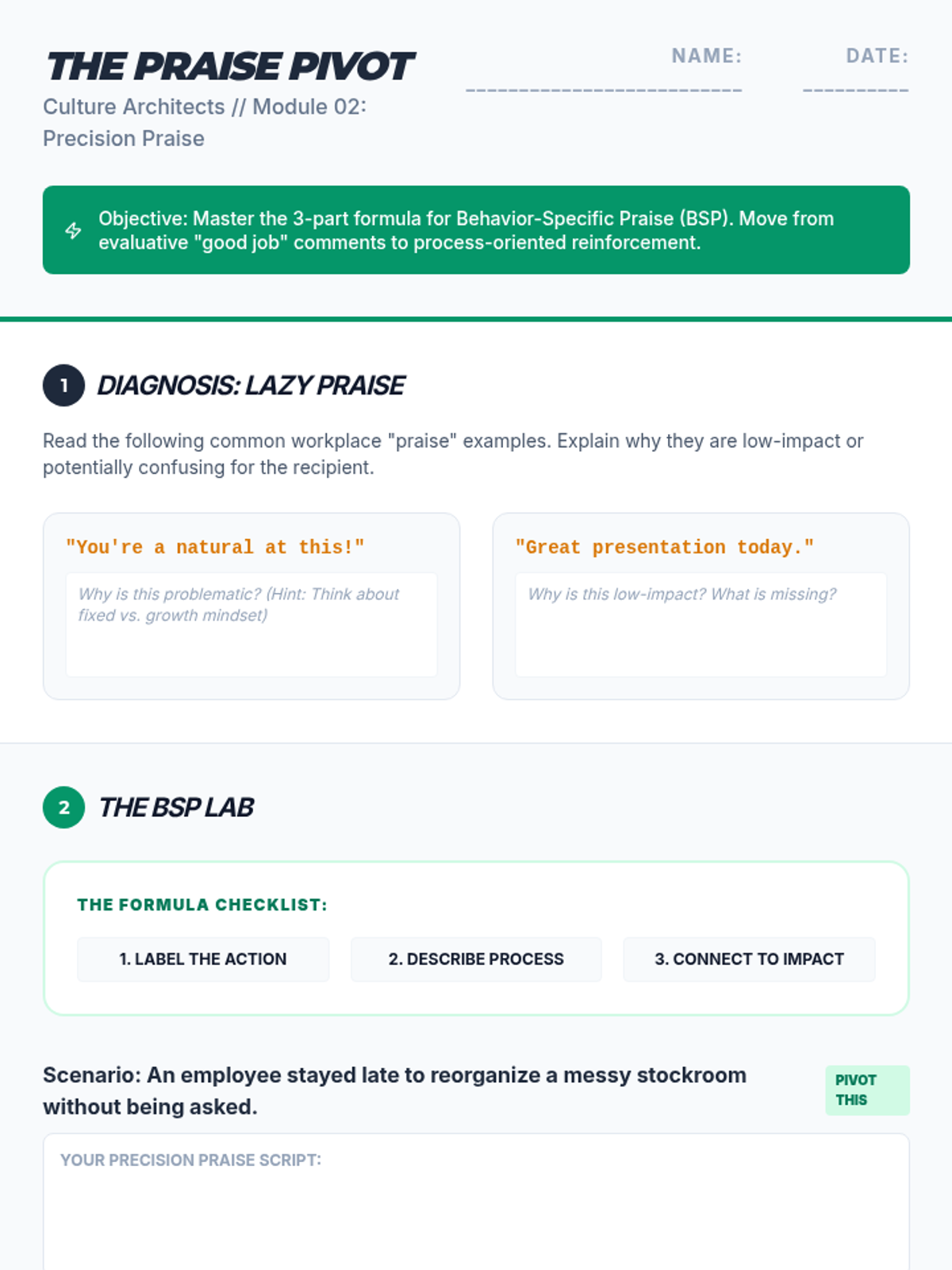
Students analyze the difference between generic and behavior-specific praise, practicing the art of clear, actionable feedback that reinforces specific positive actions.
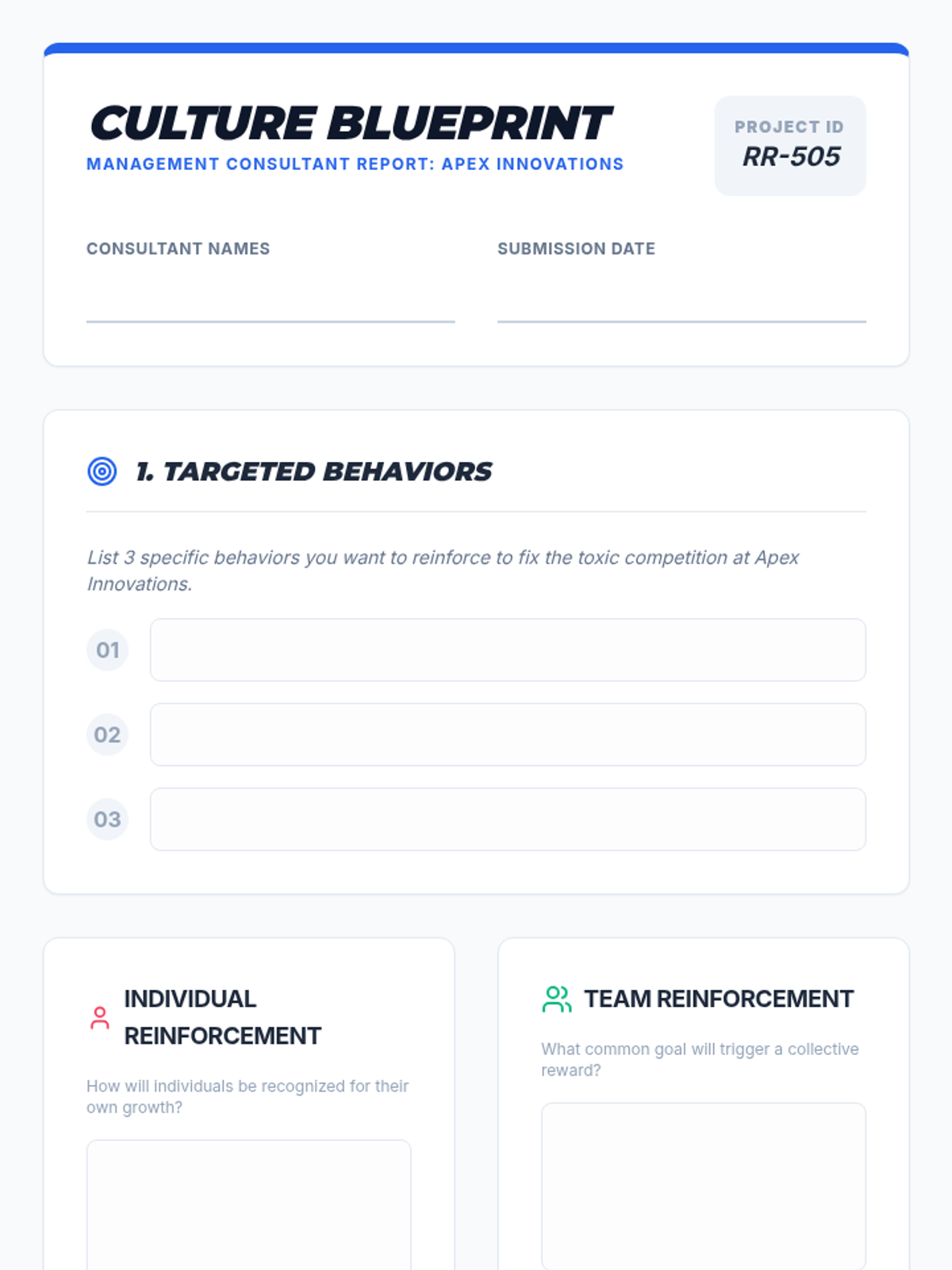
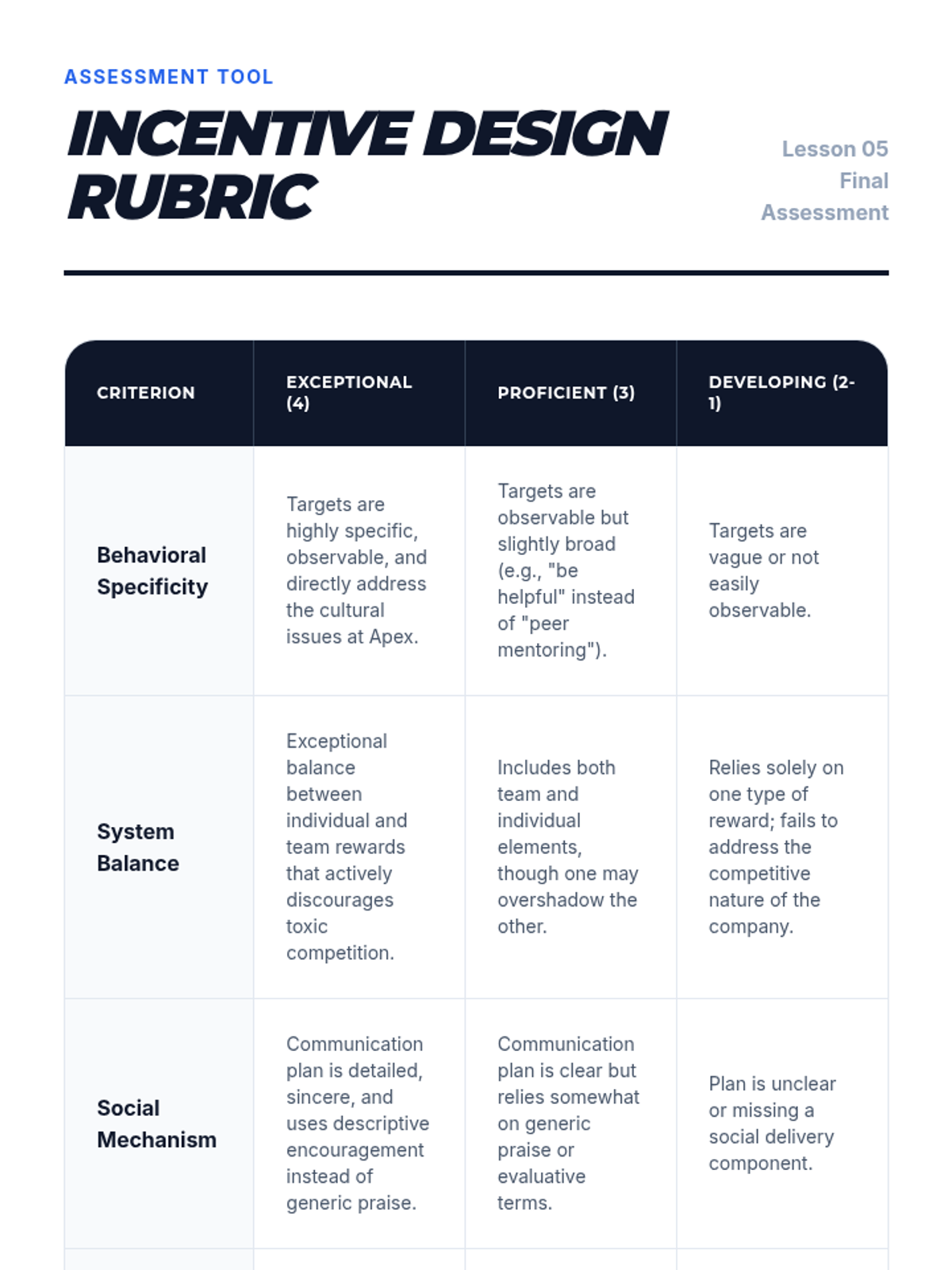
In this culminating activity, students act as management consultants designing a reinforcement system for a struggling organization, balancing individual rewards with team goals.
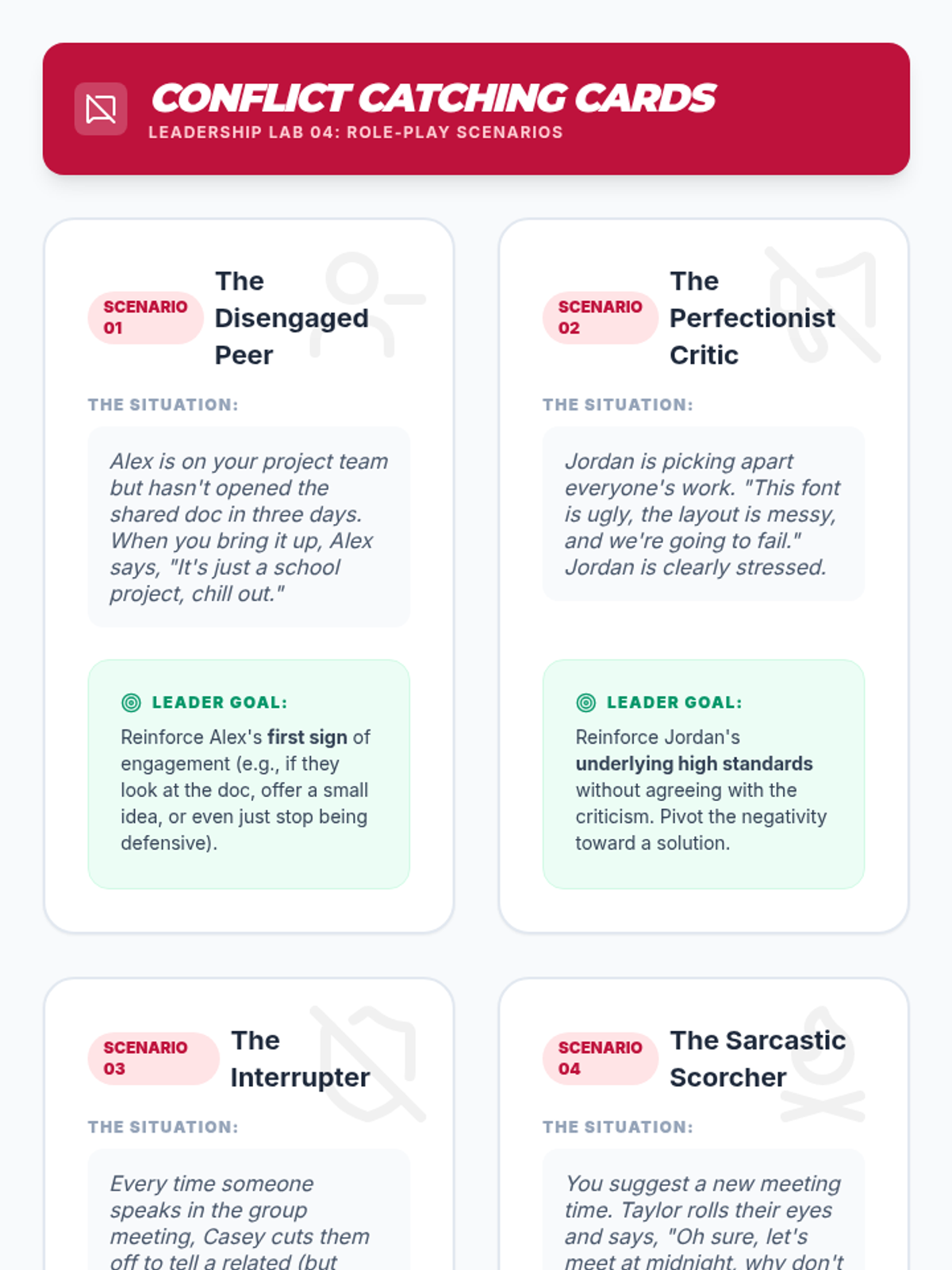
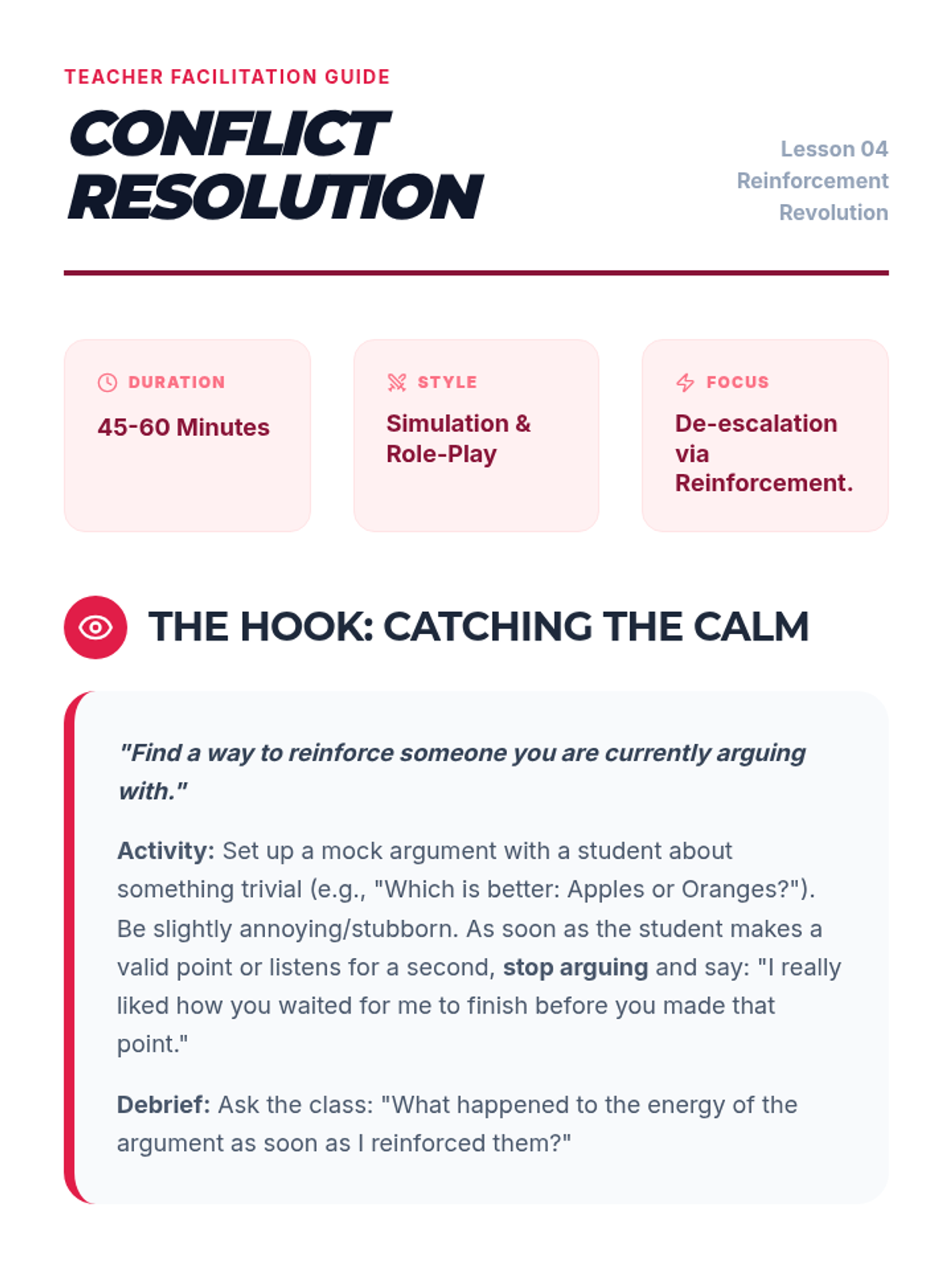
Students investigate how to use positive reinforcement to de-escalate conflict and reinforce cooperative behavior in stressful leadership situations.
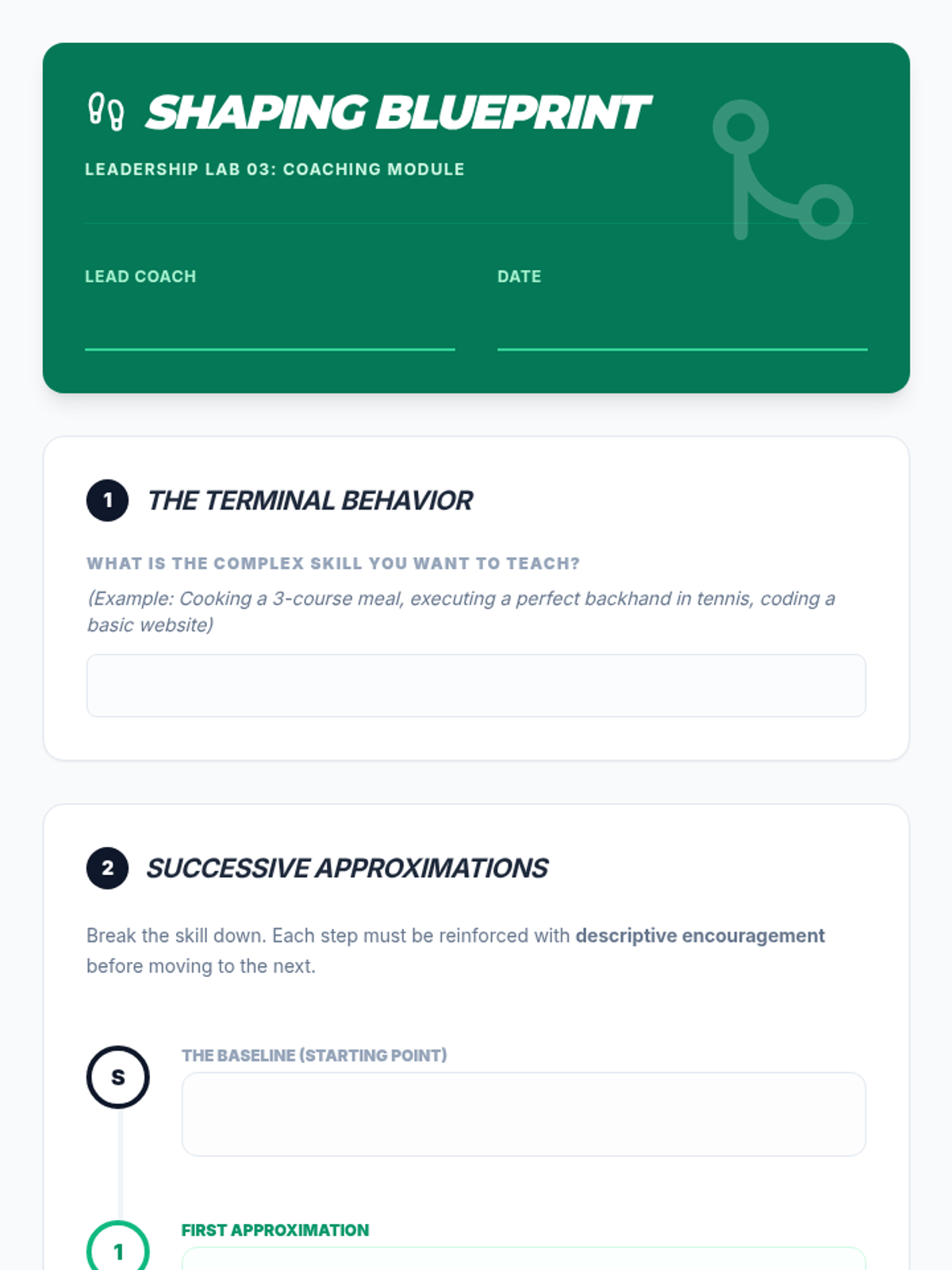
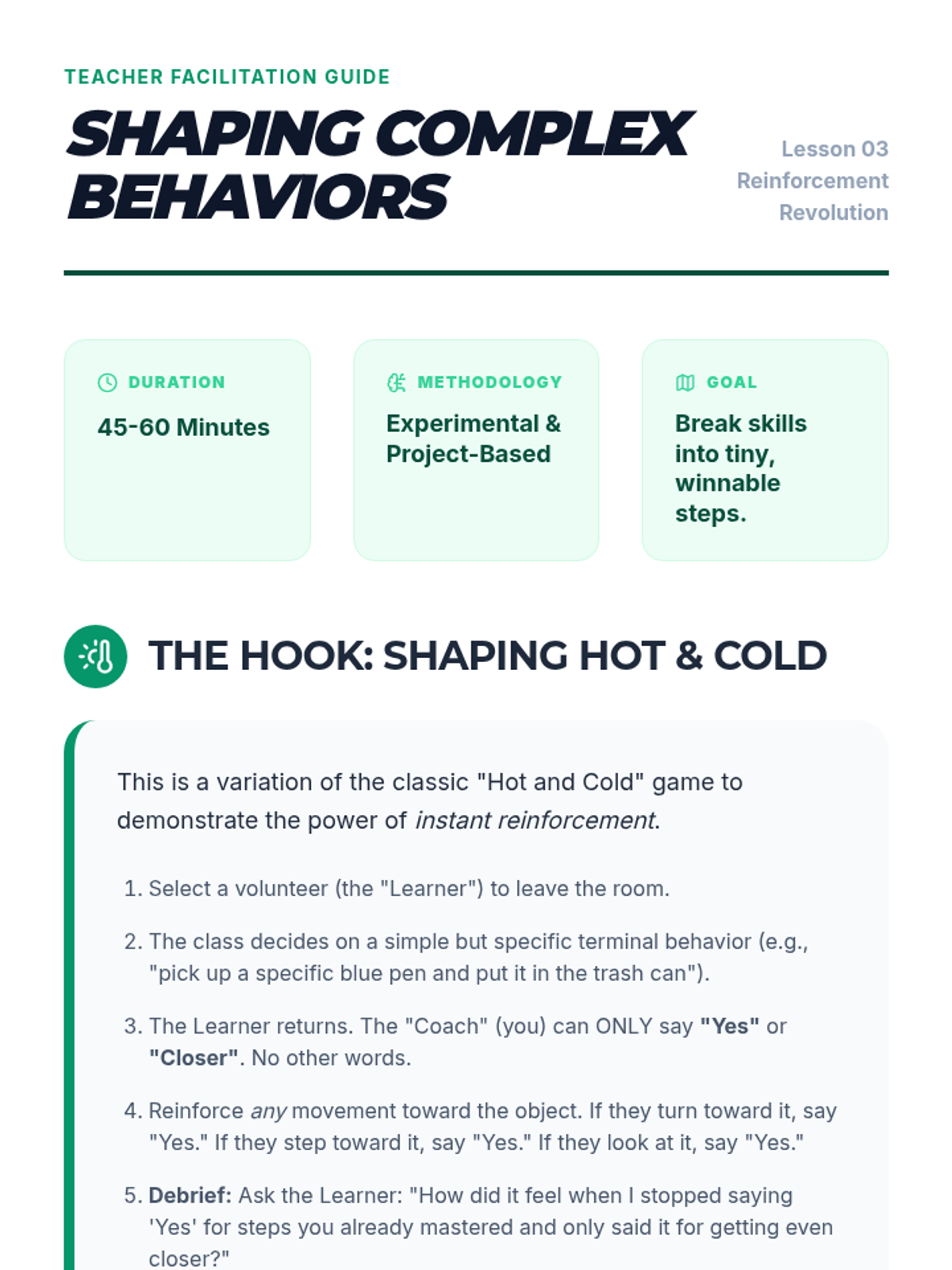
Students learn the technique of 'shaping'—reinforcing successive approximations of a desired complex behavior. They plan how they would teach a peer a new skill by rewarding small steps rather than waiting for perfection.
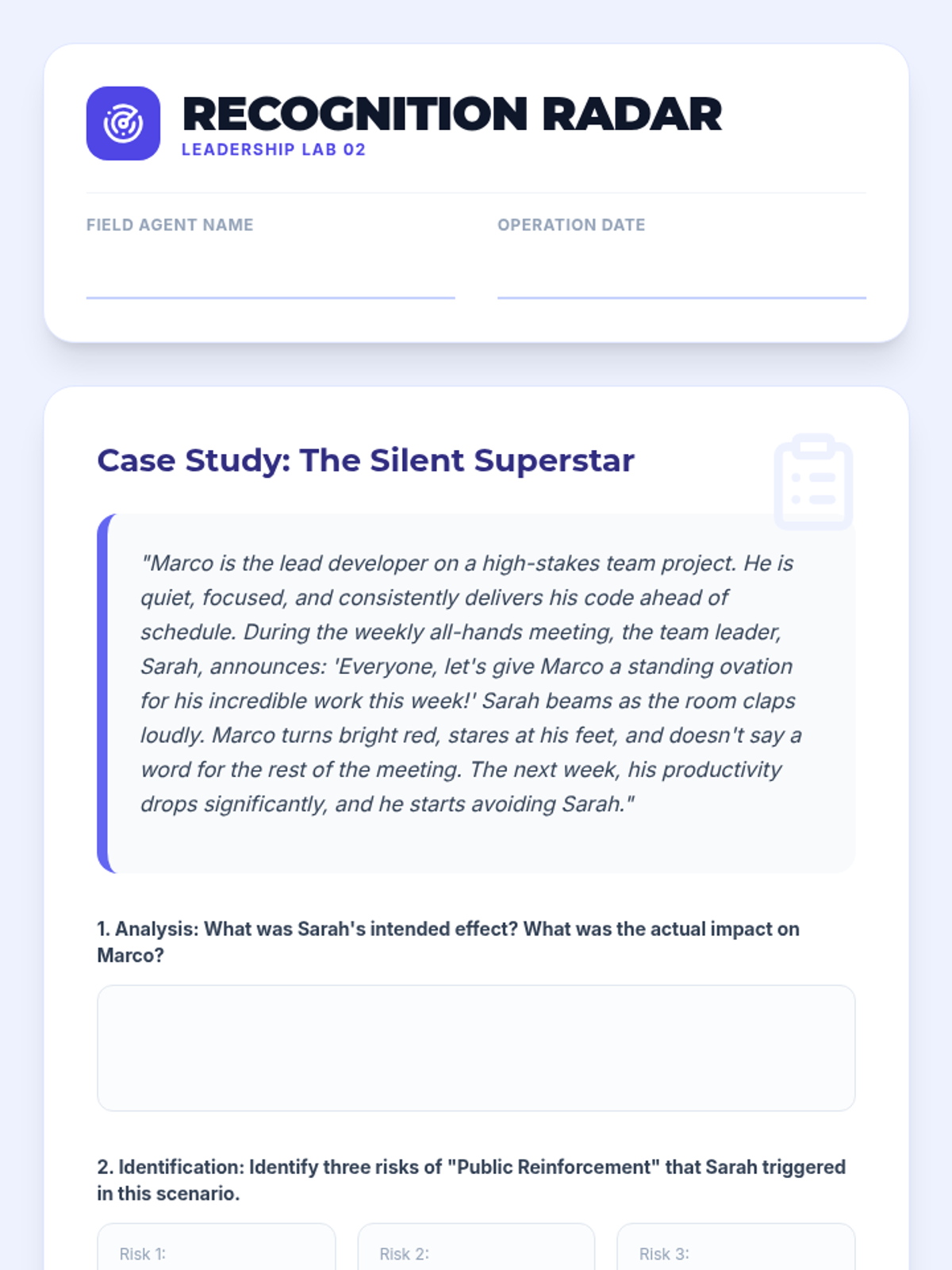
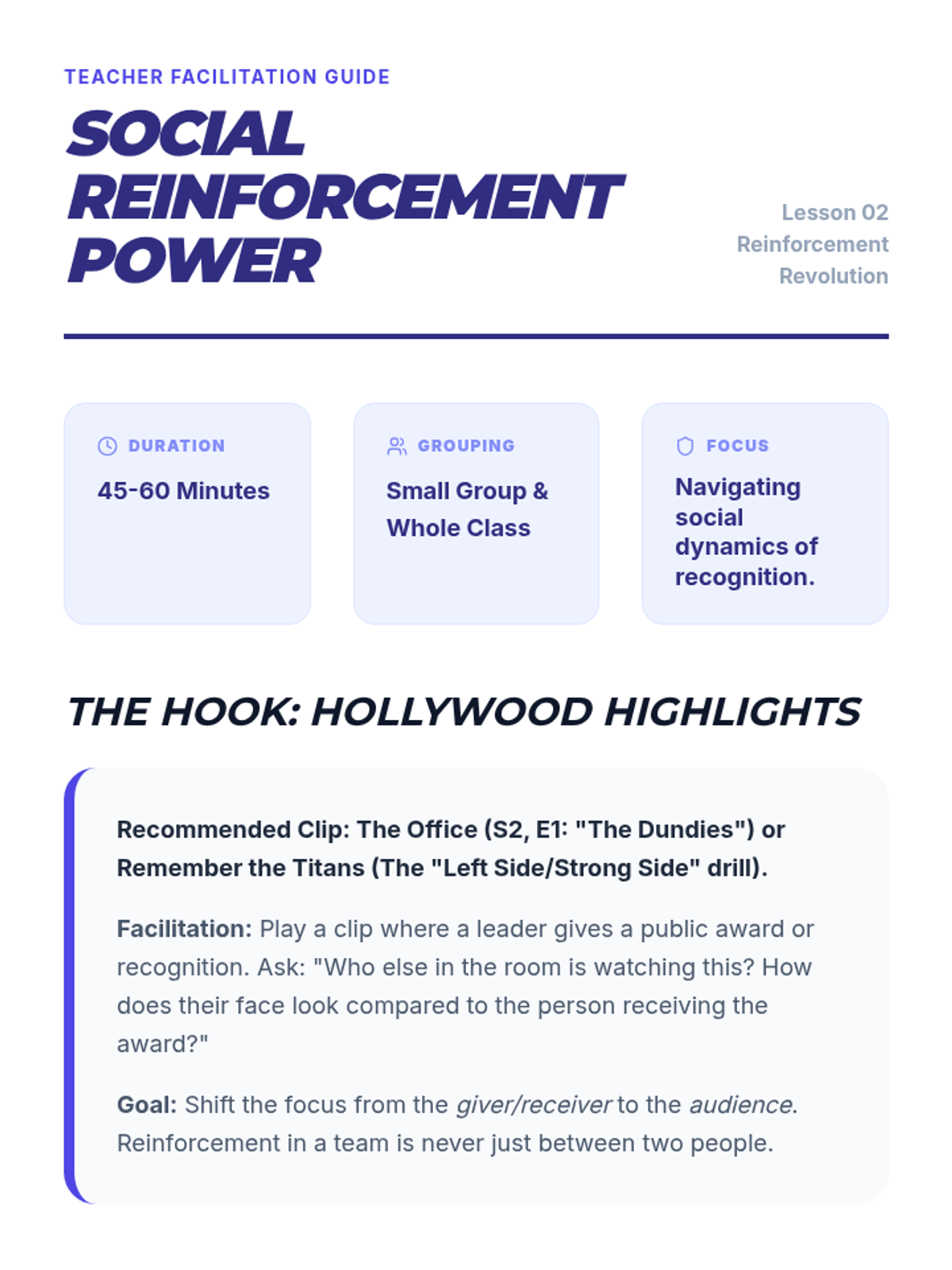
This lesson looks at social recognition as a powerful motivator in teams and groups. Students analyze case studies of workplace or sports team cultures and explore how public vs. private recognition affects individuals differently.
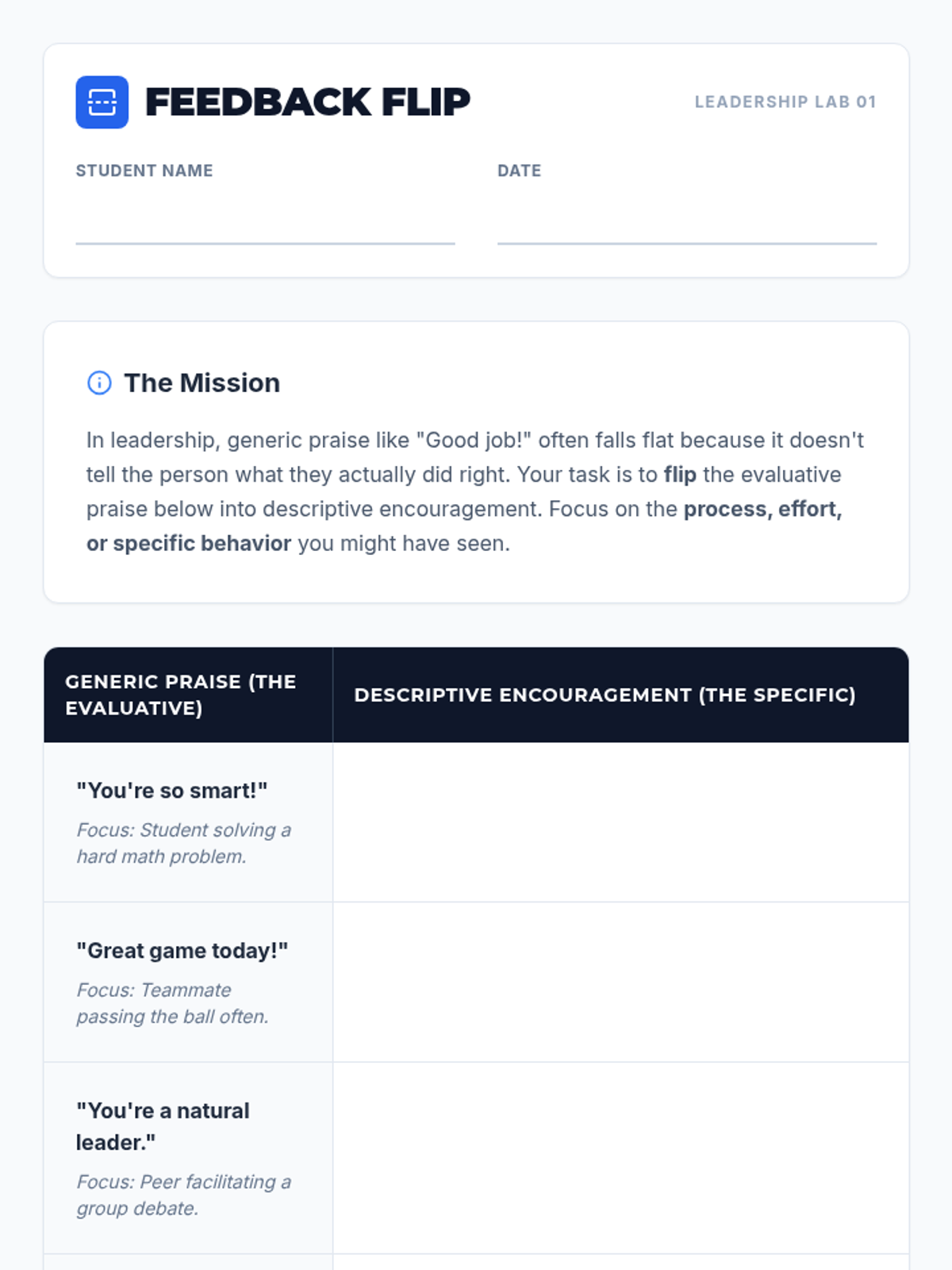
Students distinguish between evaluative praise ('Good job') and descriptive encouragement ('I noticed you organized the files by date'). They practice converting generic compliments into specific, behavior-focused reinforcement that provides actionable feedback.
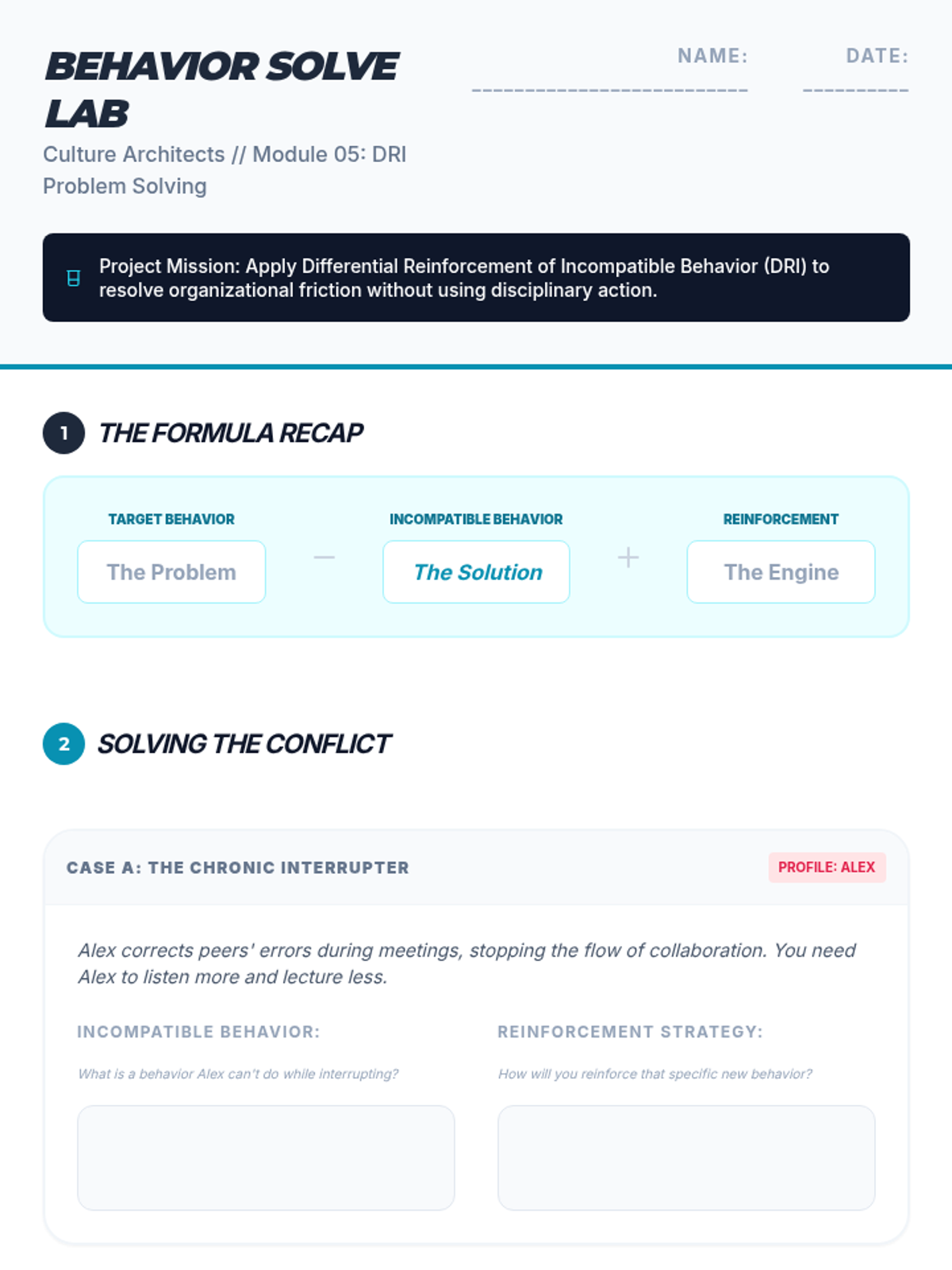
Introduces Differential Reinforcement of Incompatible Behavior (DRI) as a leadership tool to solve performance issues without relying on traditional punishment.
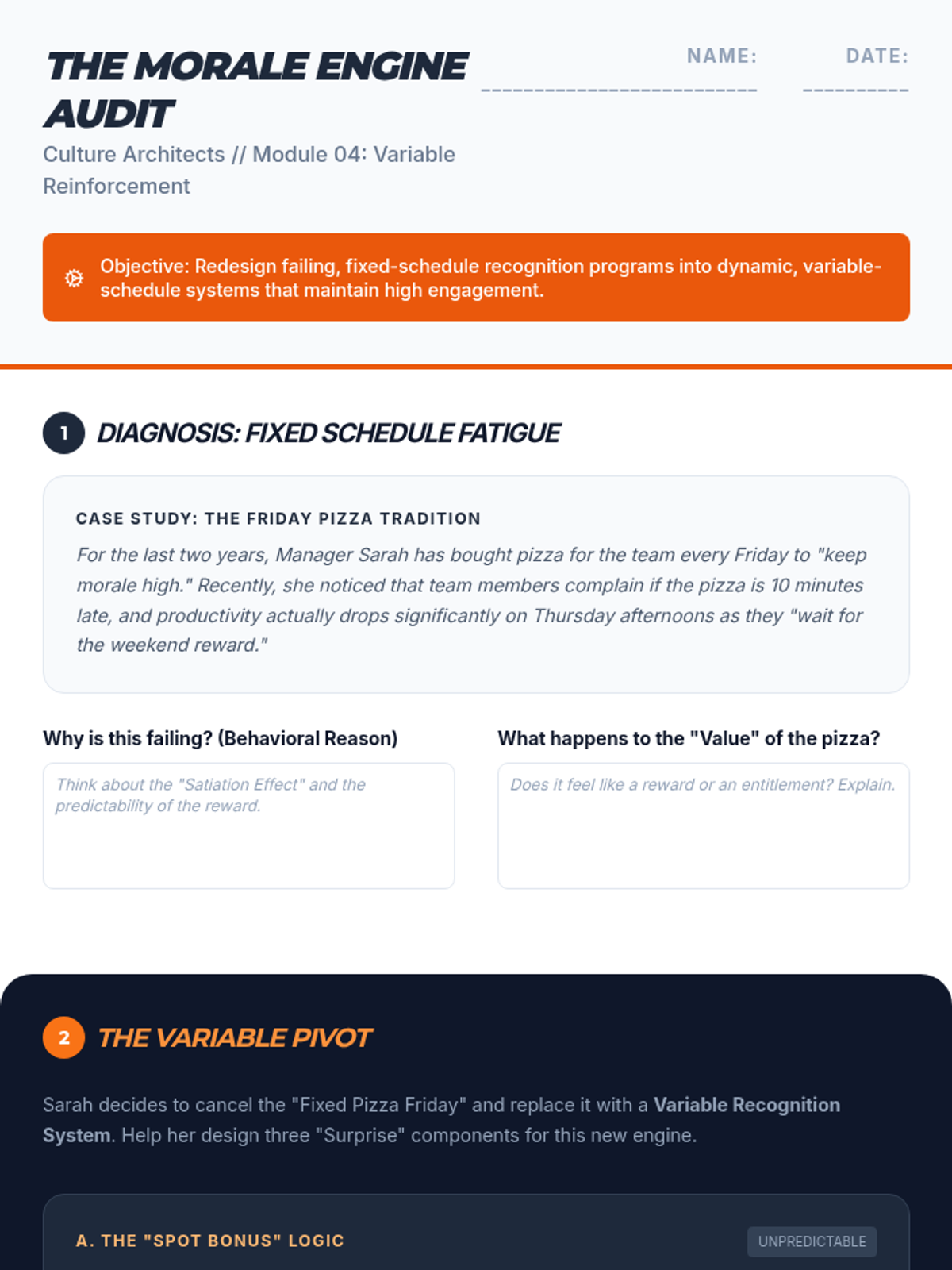
Explores schedules of reinforcement and how to maintain team morale through unpredictable recognition while ensuring transparency and fairness.
Students deconstruct real-world loyalty programs and design their own token economies for organizations, focusing on backup reinforcers and exchange rates.
Focuses on the mechanics of behavior-specific praise, teaching students how to move beyond generic 'good job' feedback to high-impact, process-oriented reinforcement.
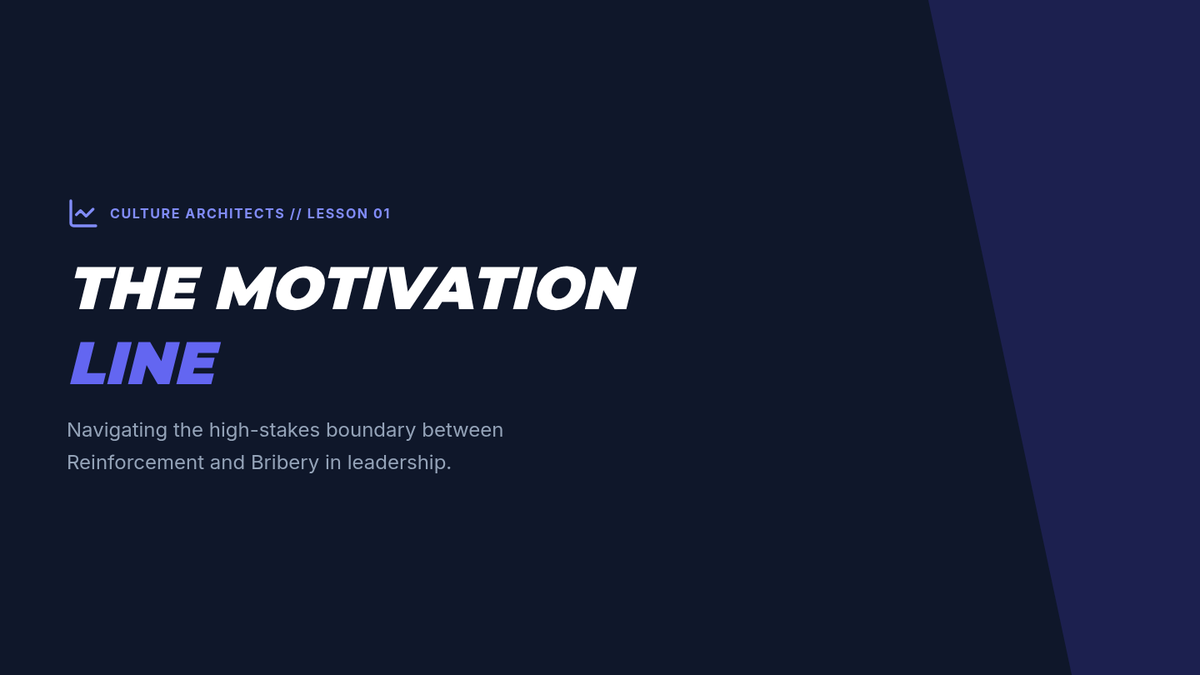
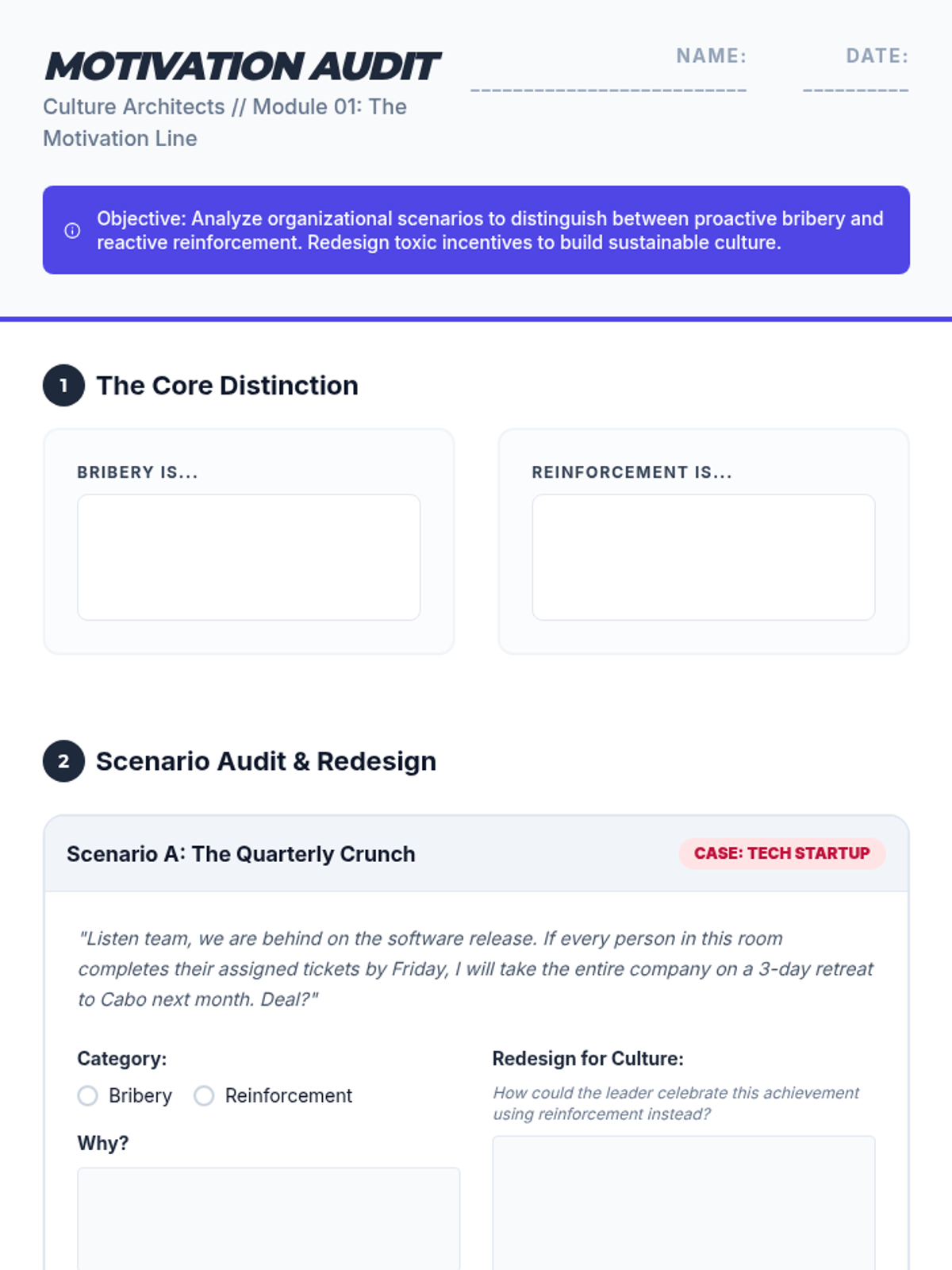
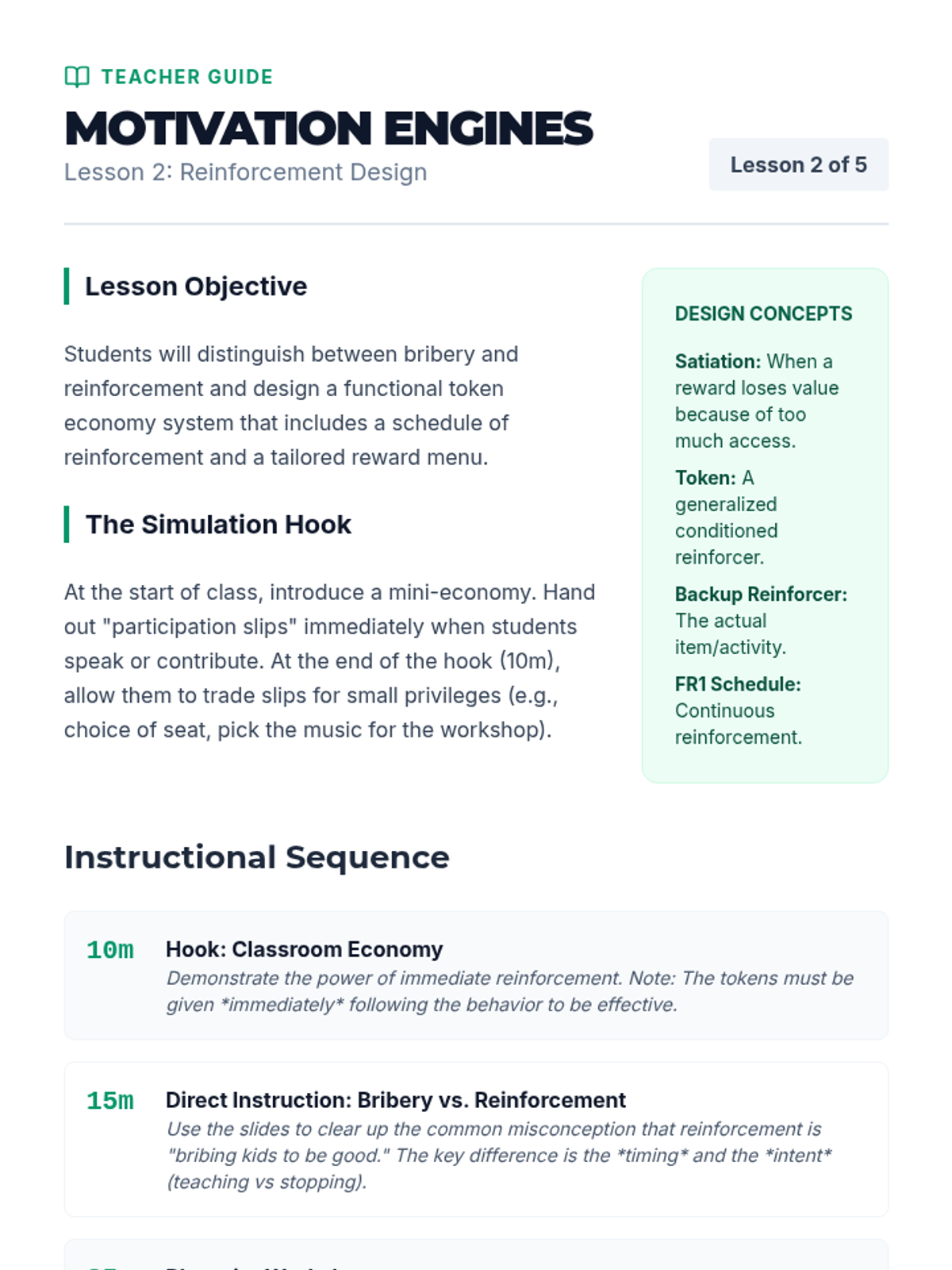
Students clarify the distinction between reinforcement and bribery in professional settings, analyzing how timing and intent affect behavioral outcomes.
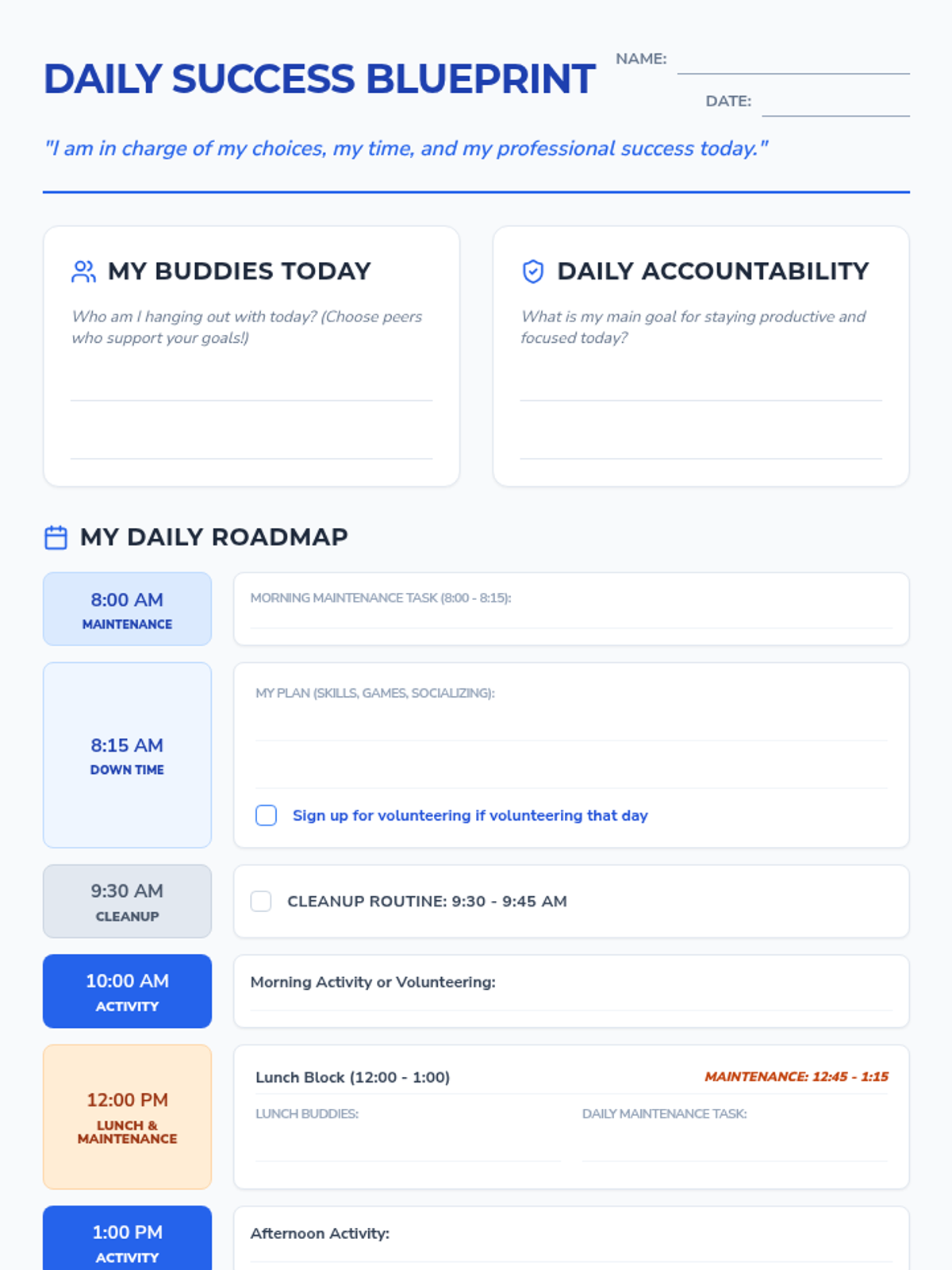
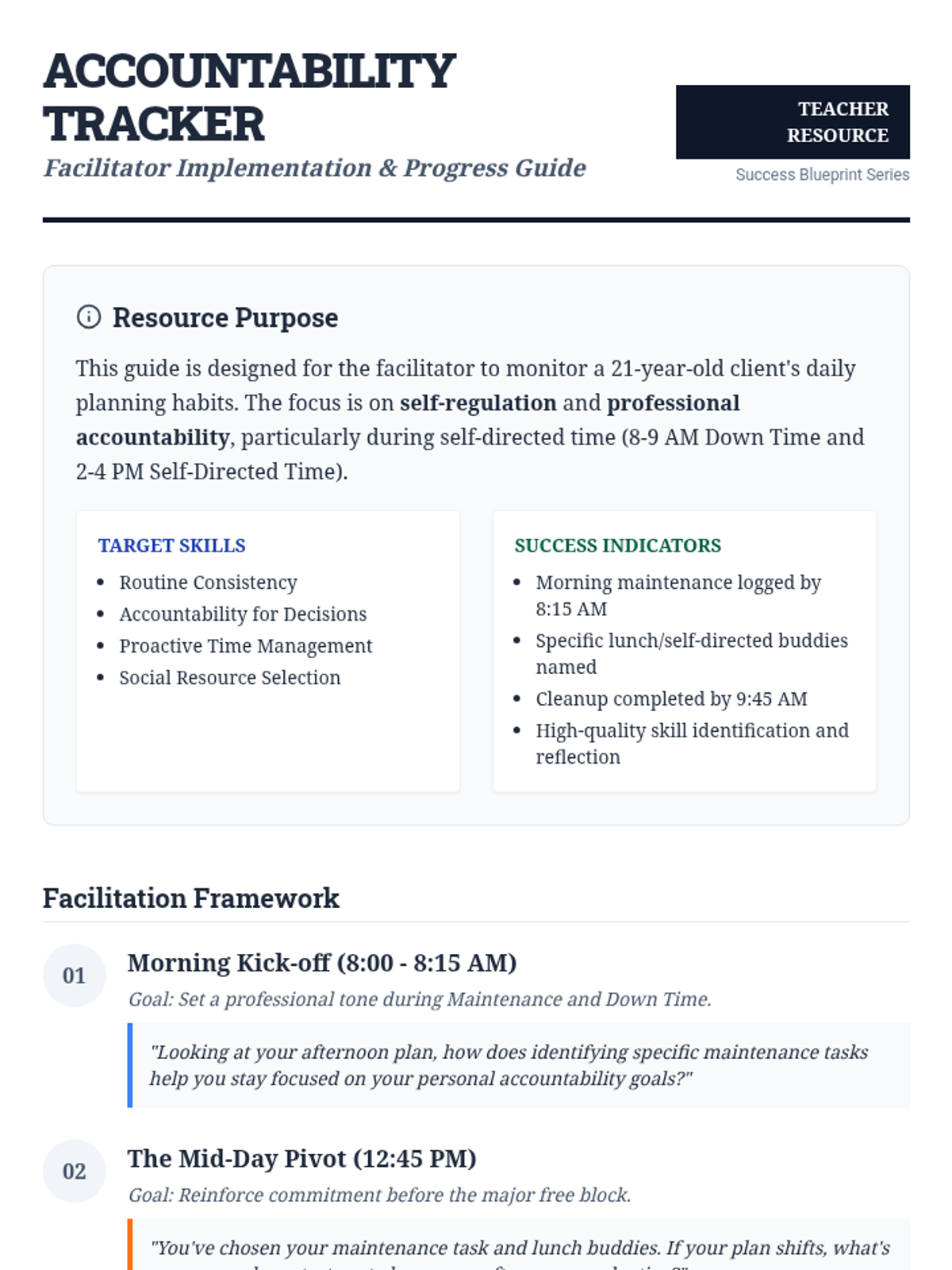
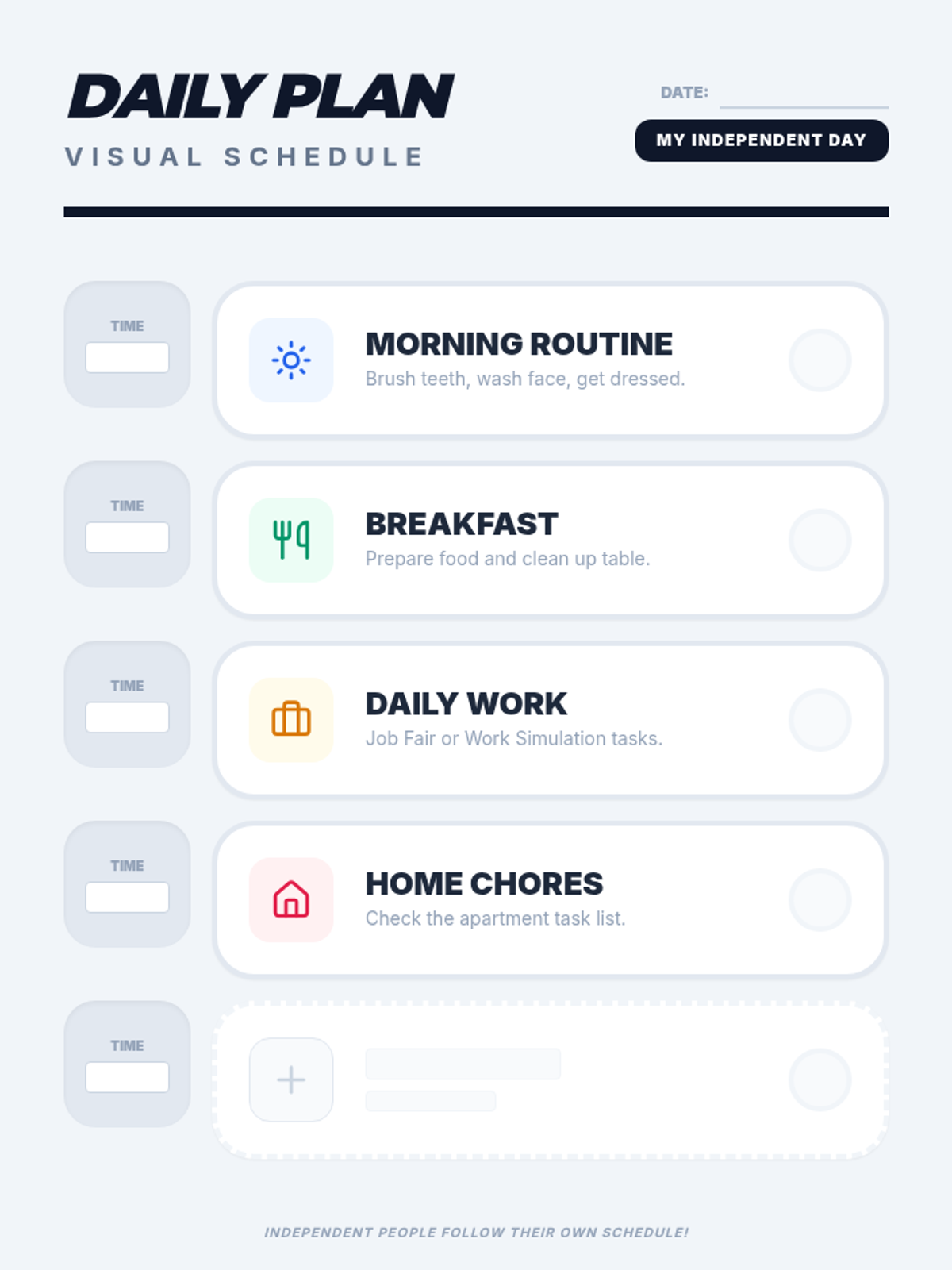
A set of tools designed to help a client plan their day, stay accountable, and practice responsible decision-making during unstructured time.
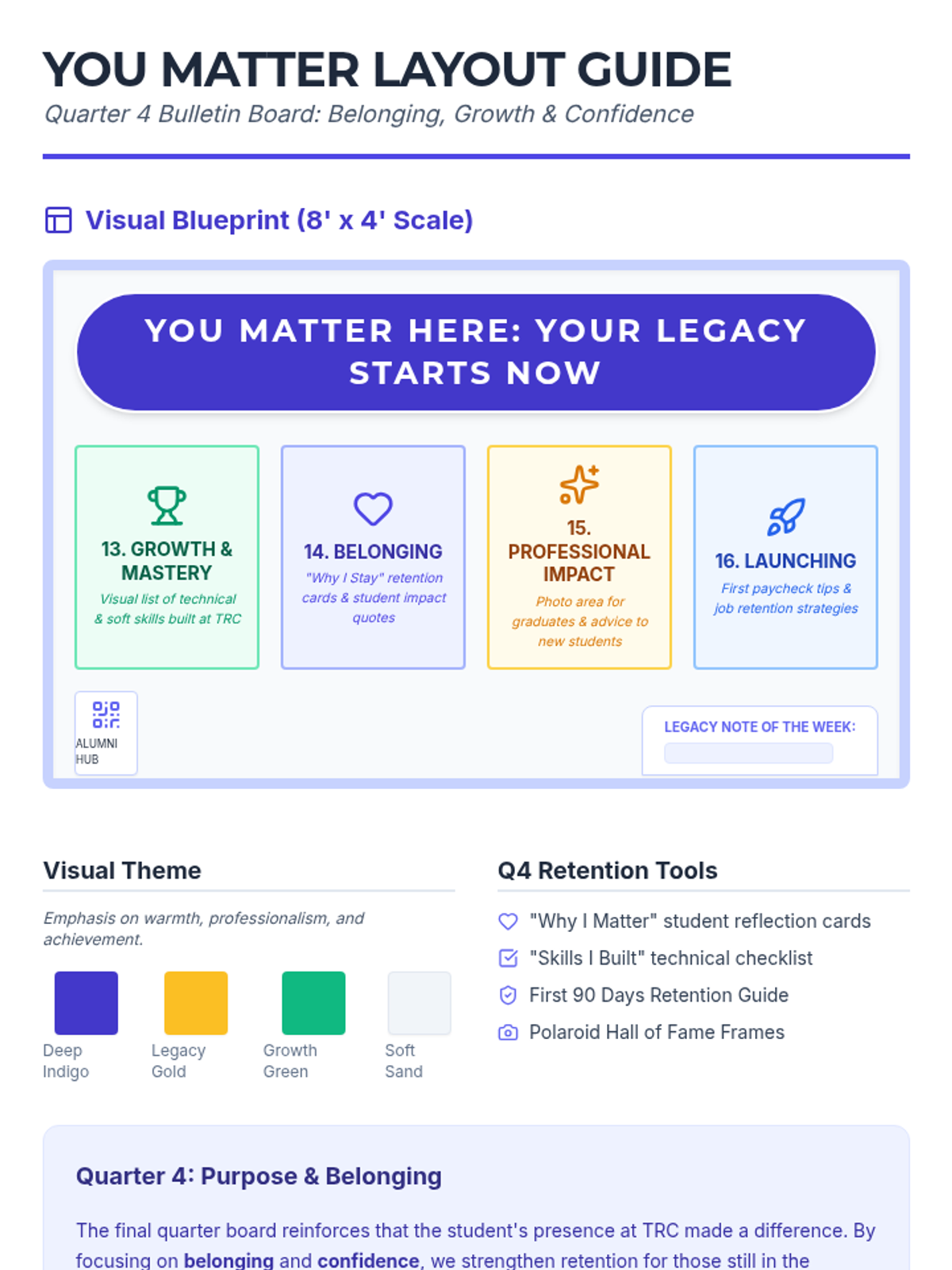
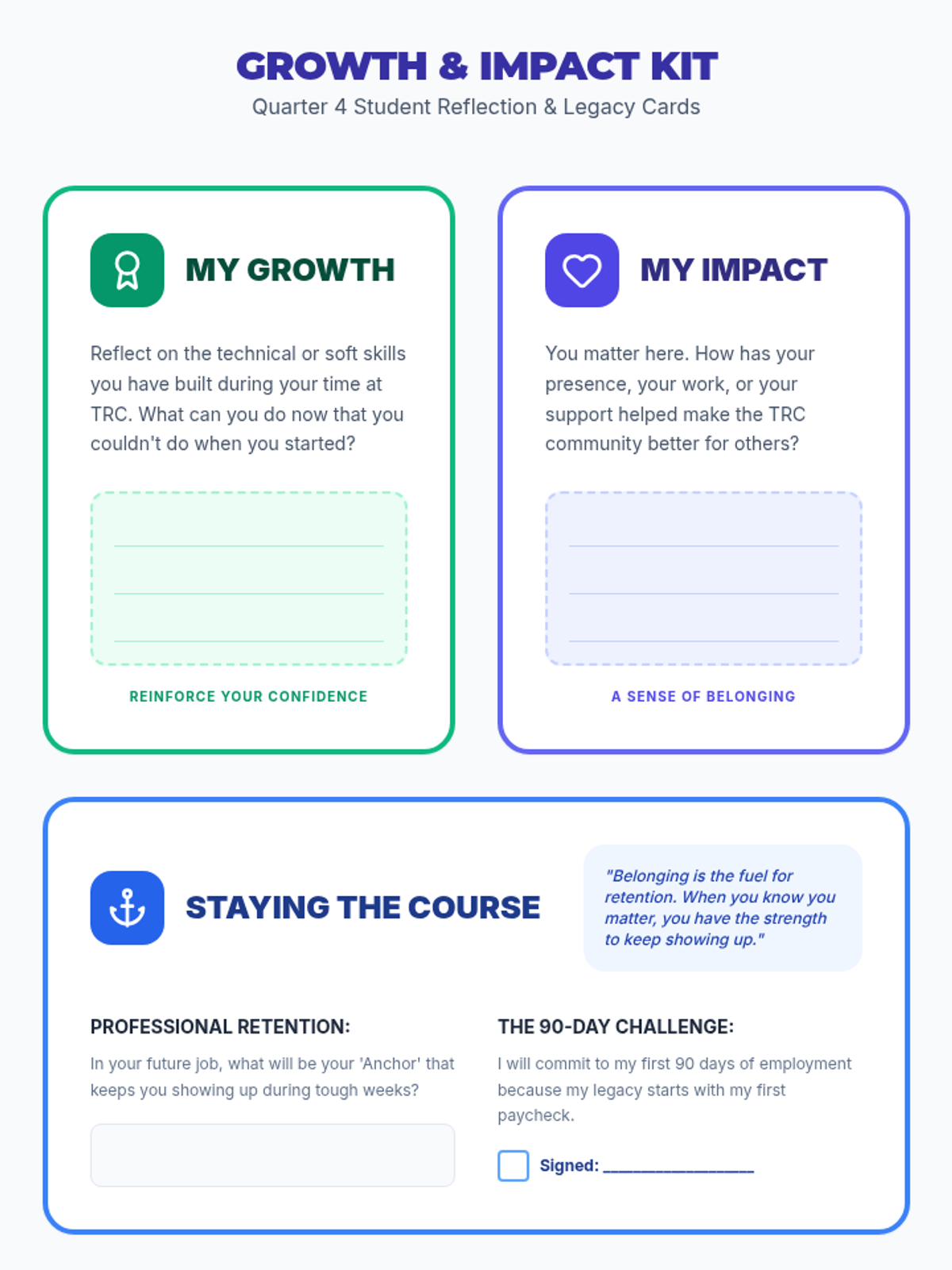
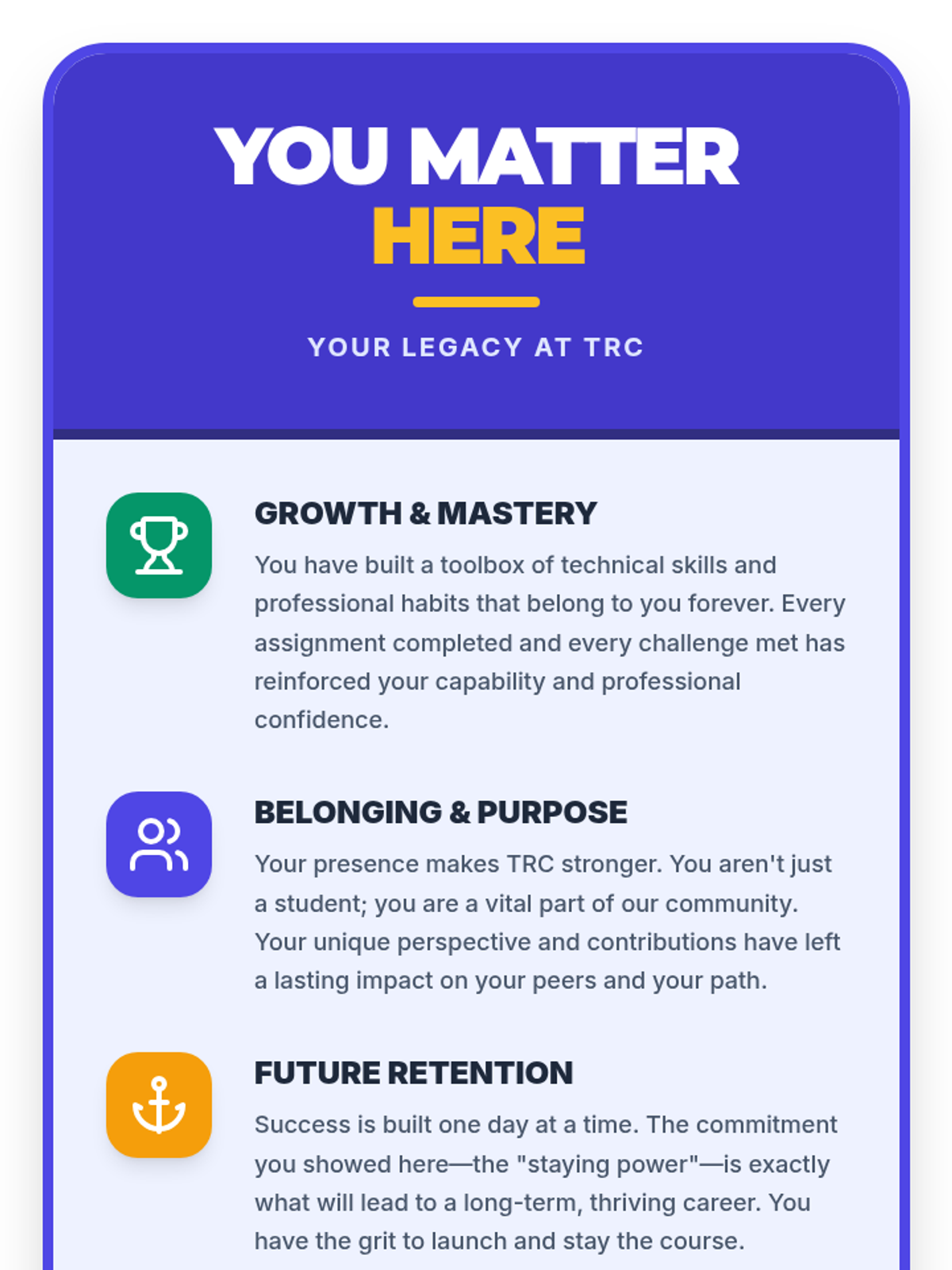
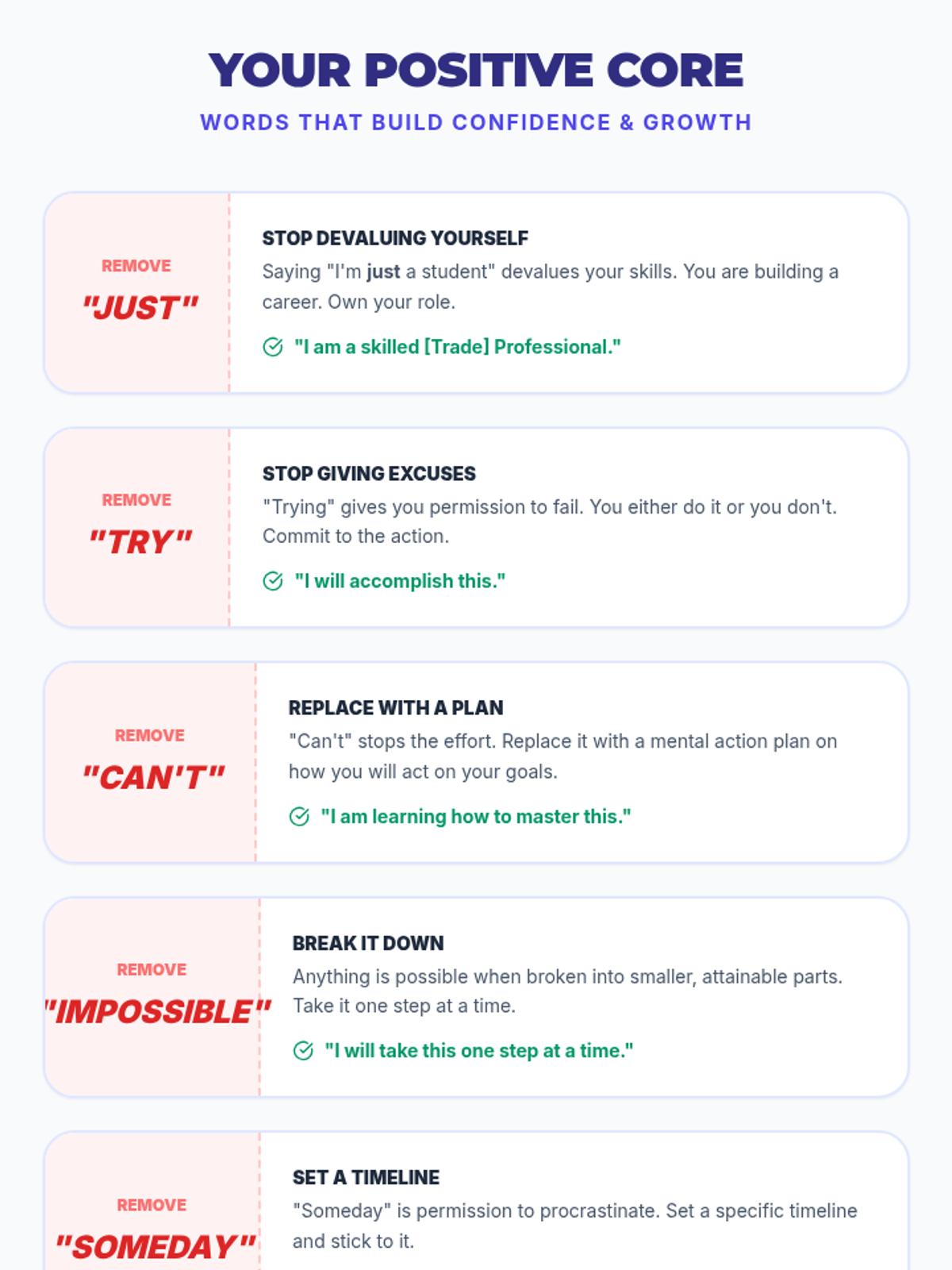
Materials to visualize and implement the Quarter 4 bulletin board themed 'Launching Your Legacy'. Focuses on job retention, alumni success, post-graduation resources, and continuous professional growth.
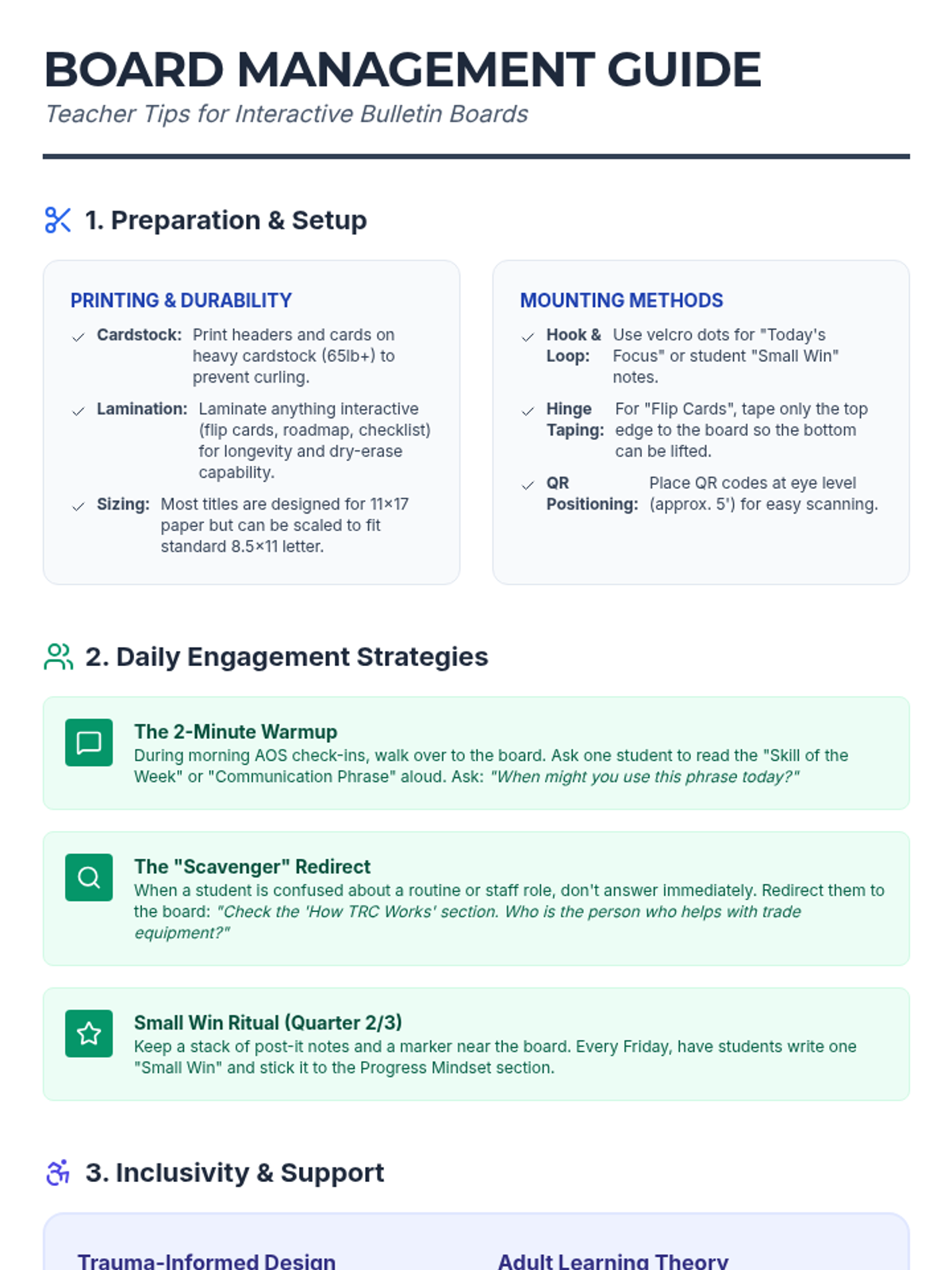
Resources for teachers to effectively manage, maintain, and utilize the quarterly bulletin boards as instructional tools.
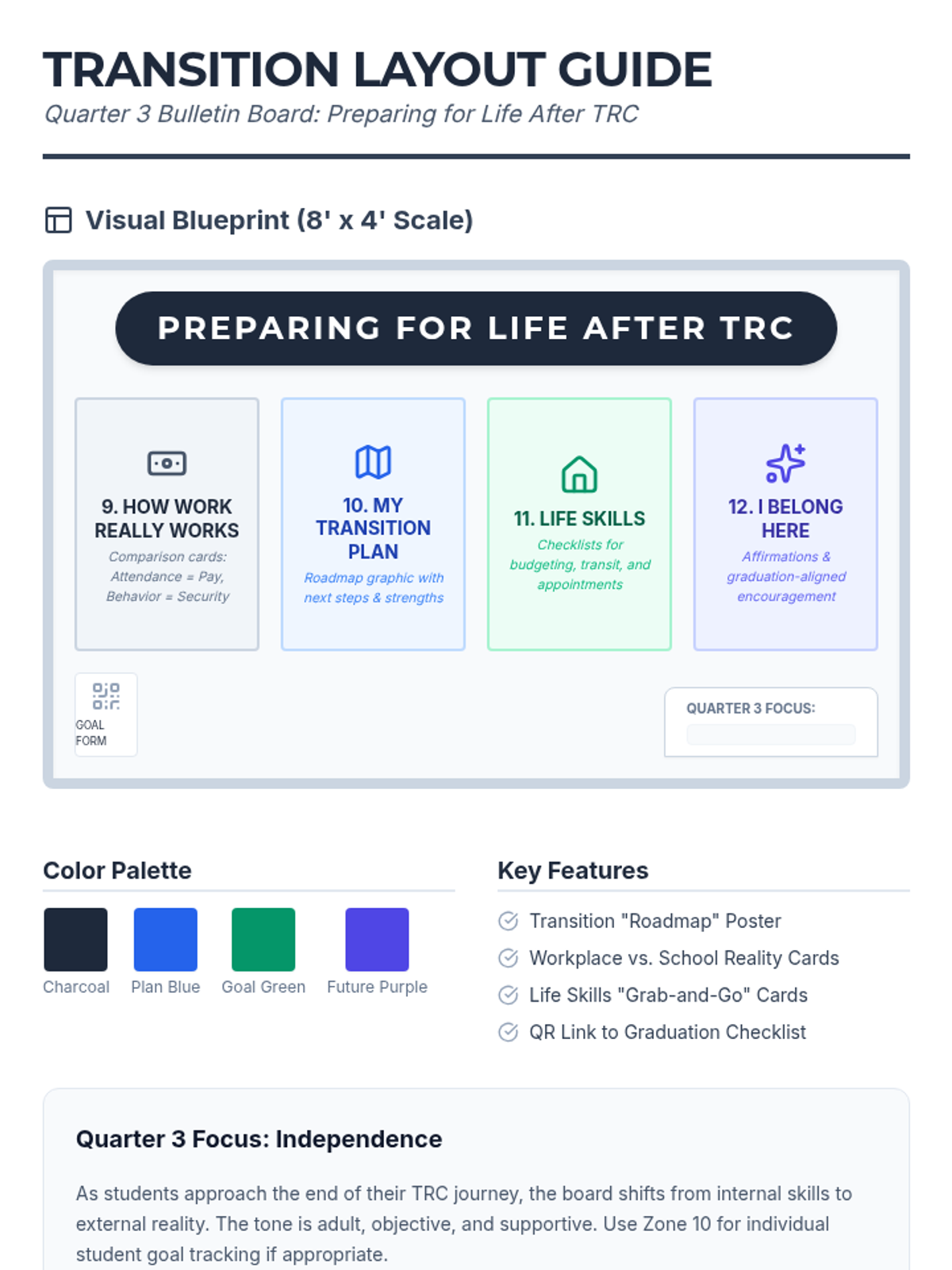
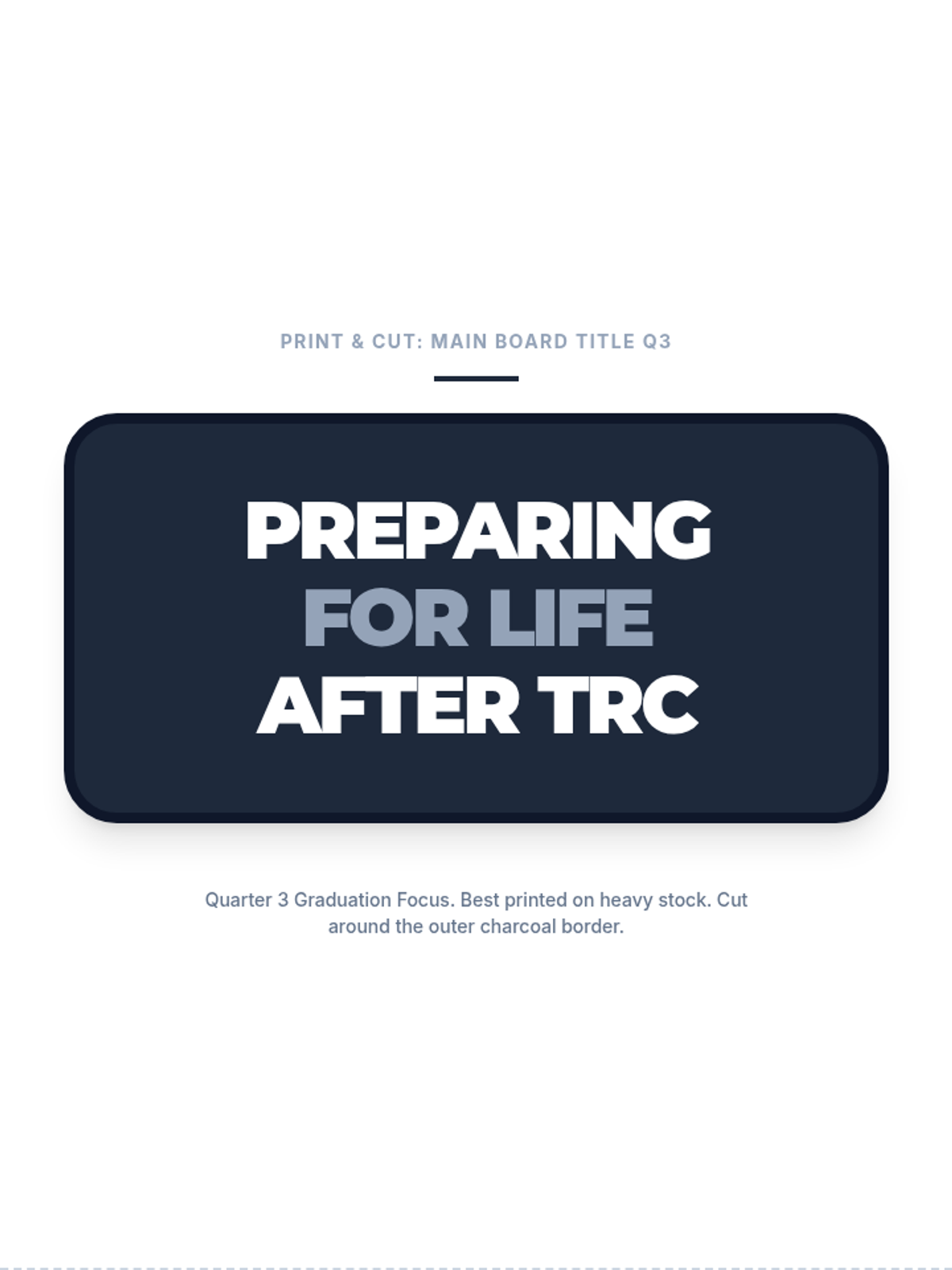
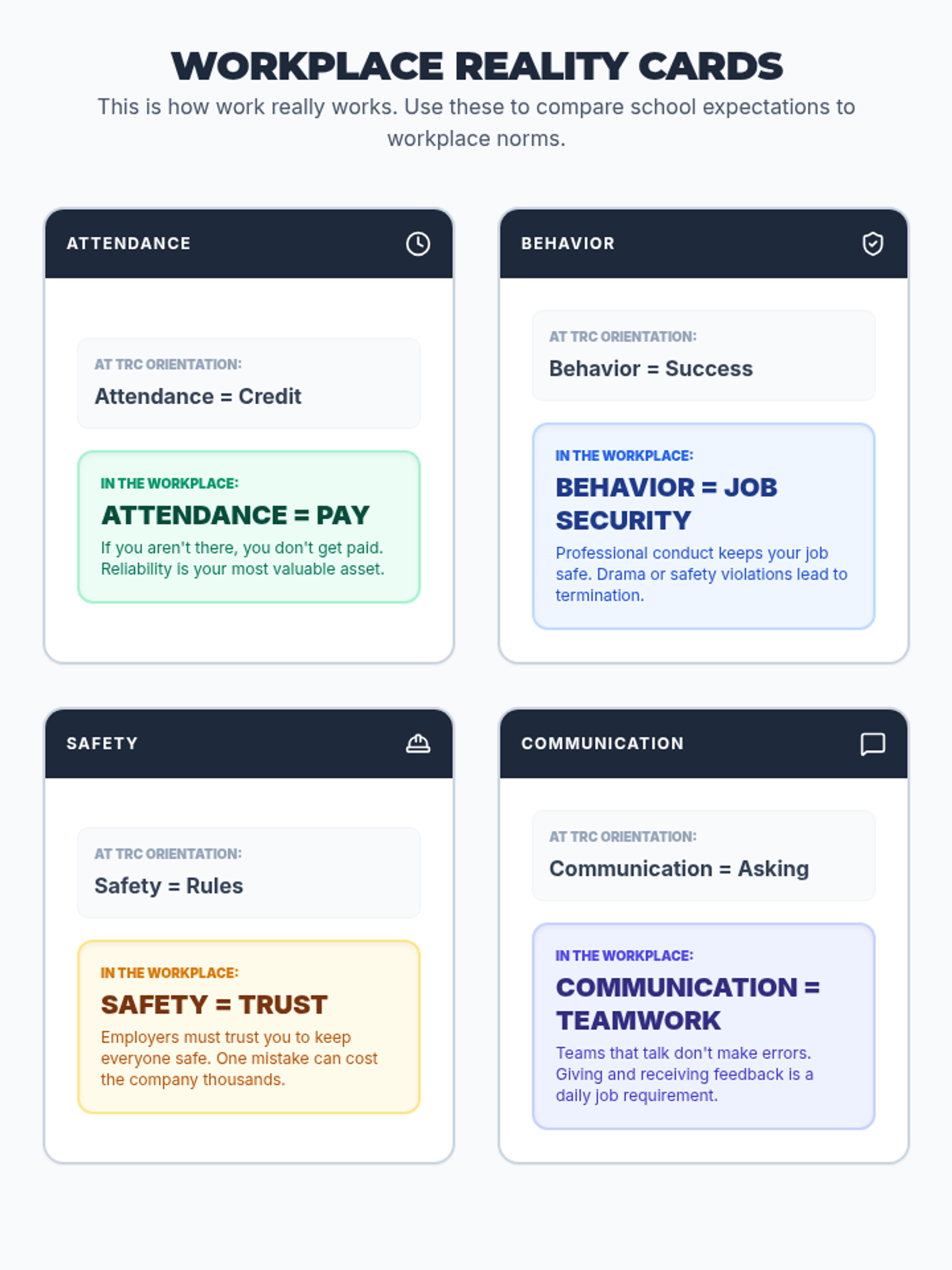
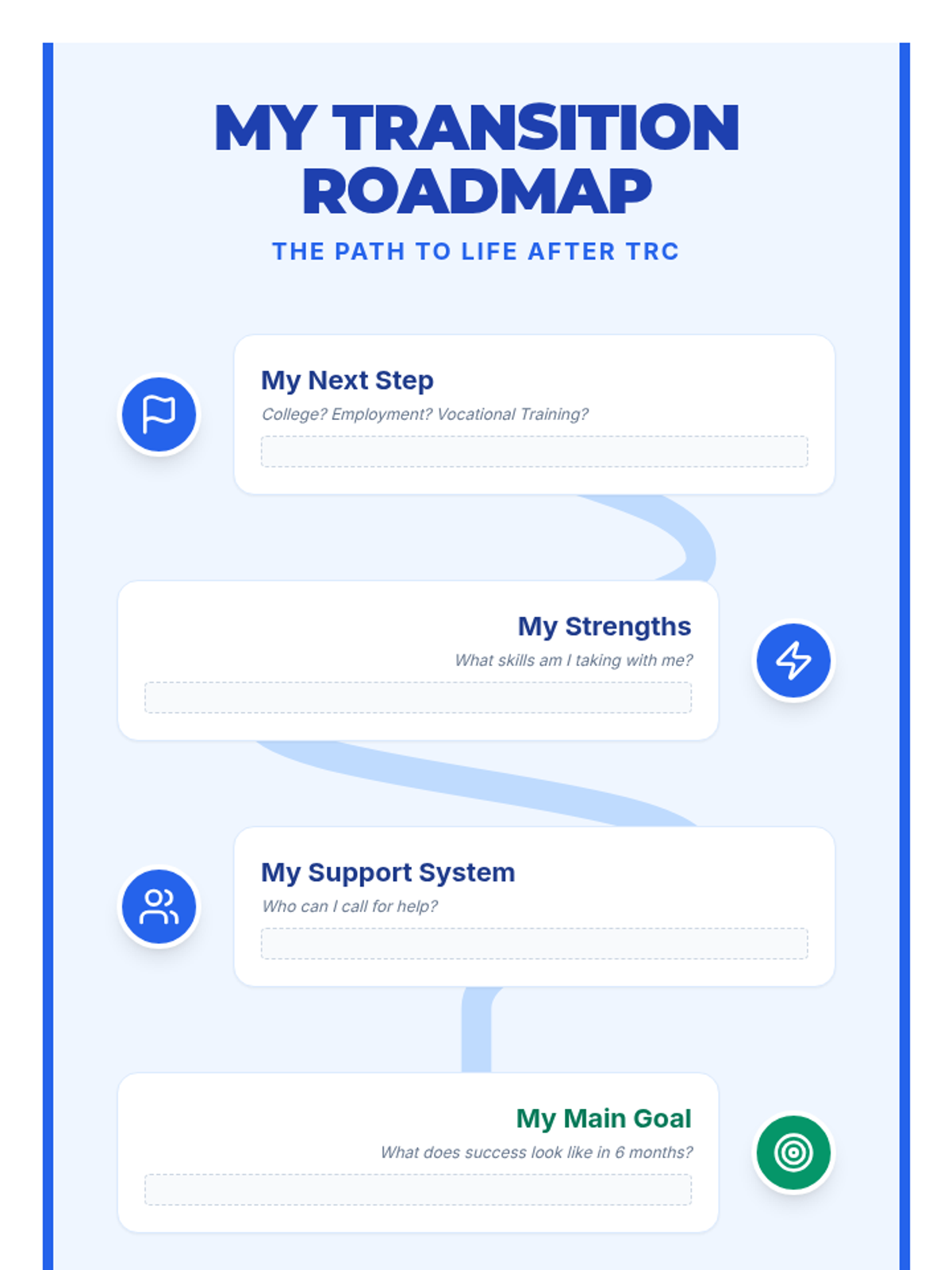
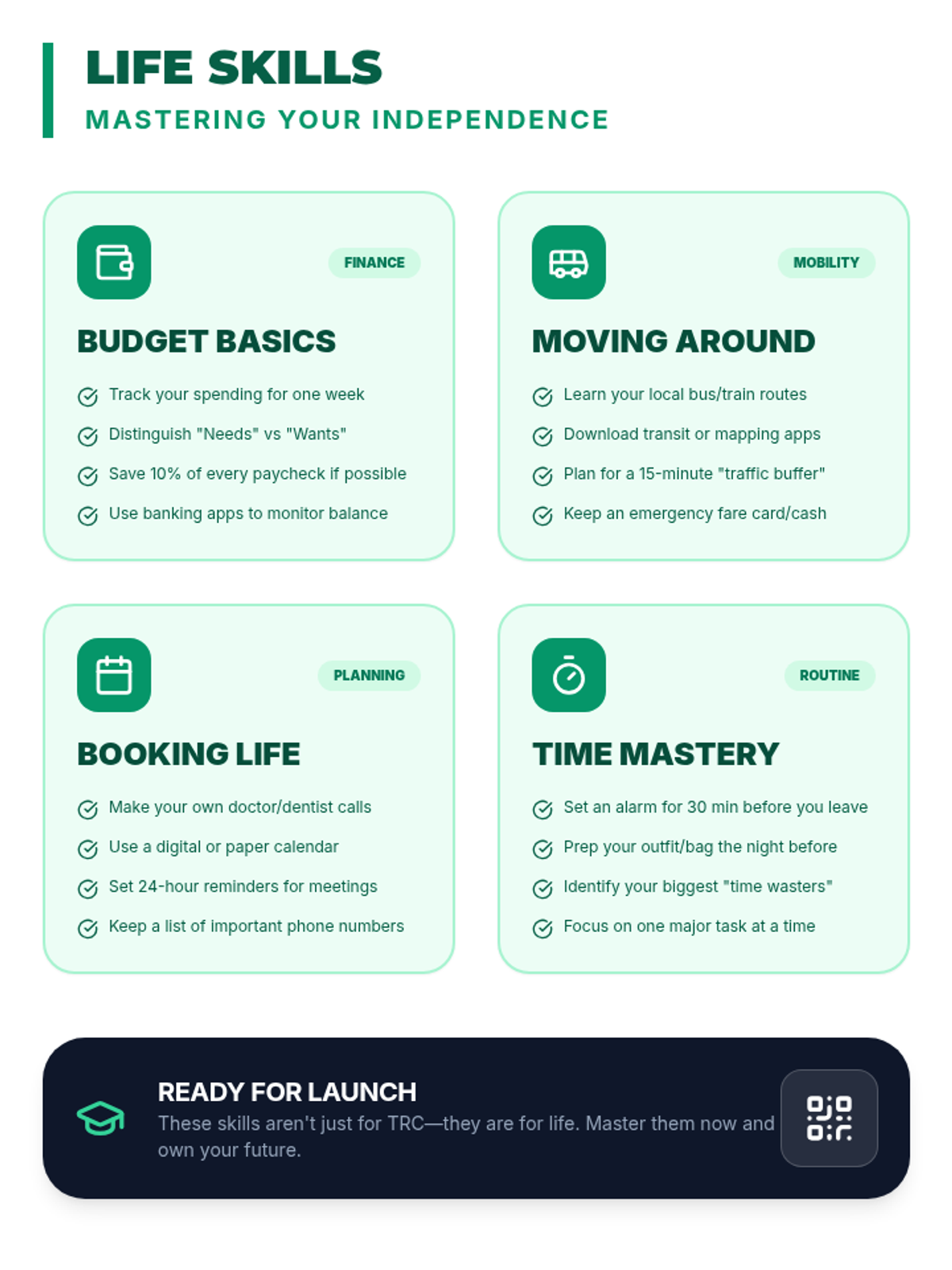
Materials to visualize and implement the Quarter 3 bulletin board themed 'Preparing for Life After TRC'. Focuses on workplace expectations, transition planning, and life skills for independence.
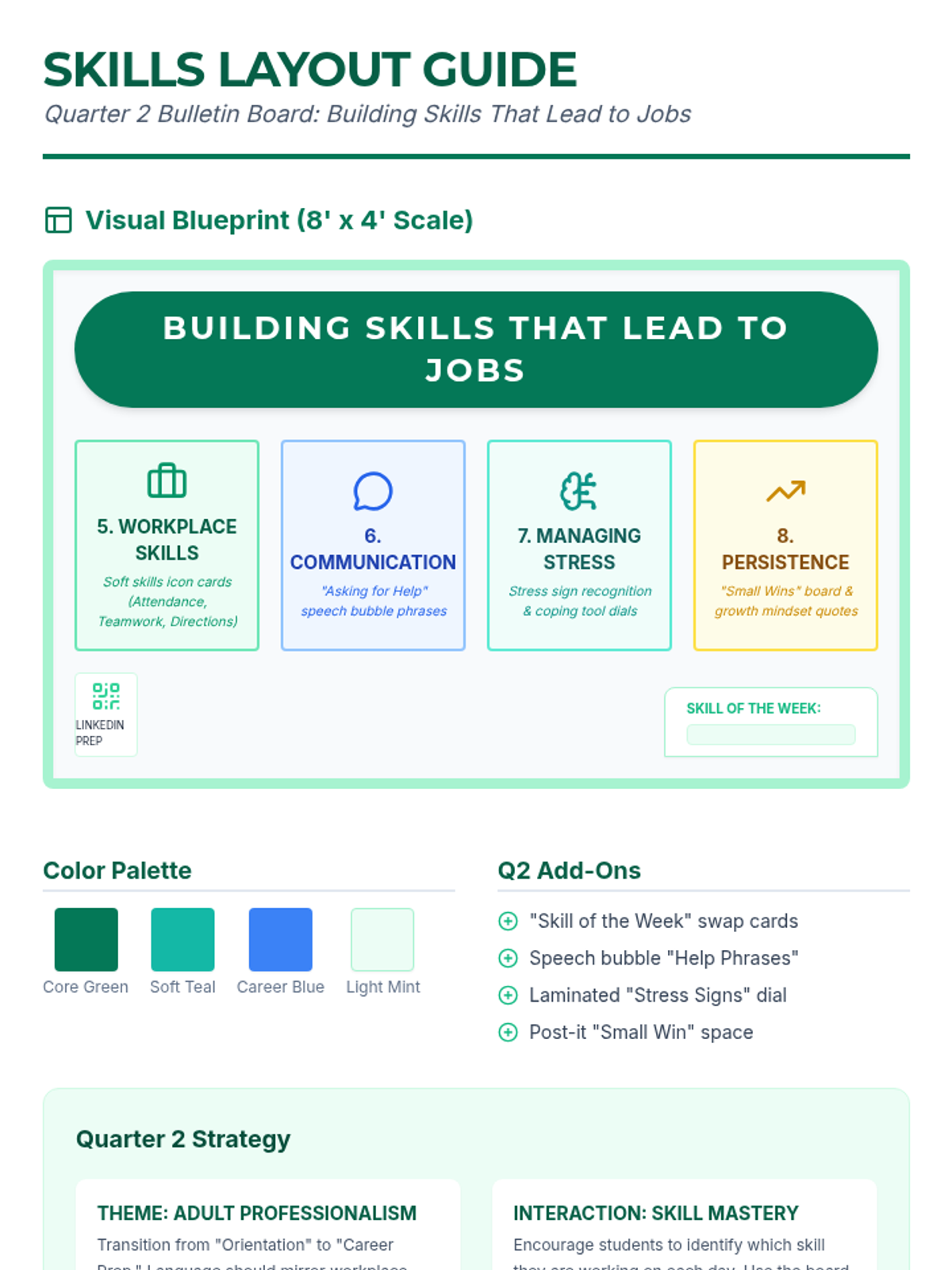
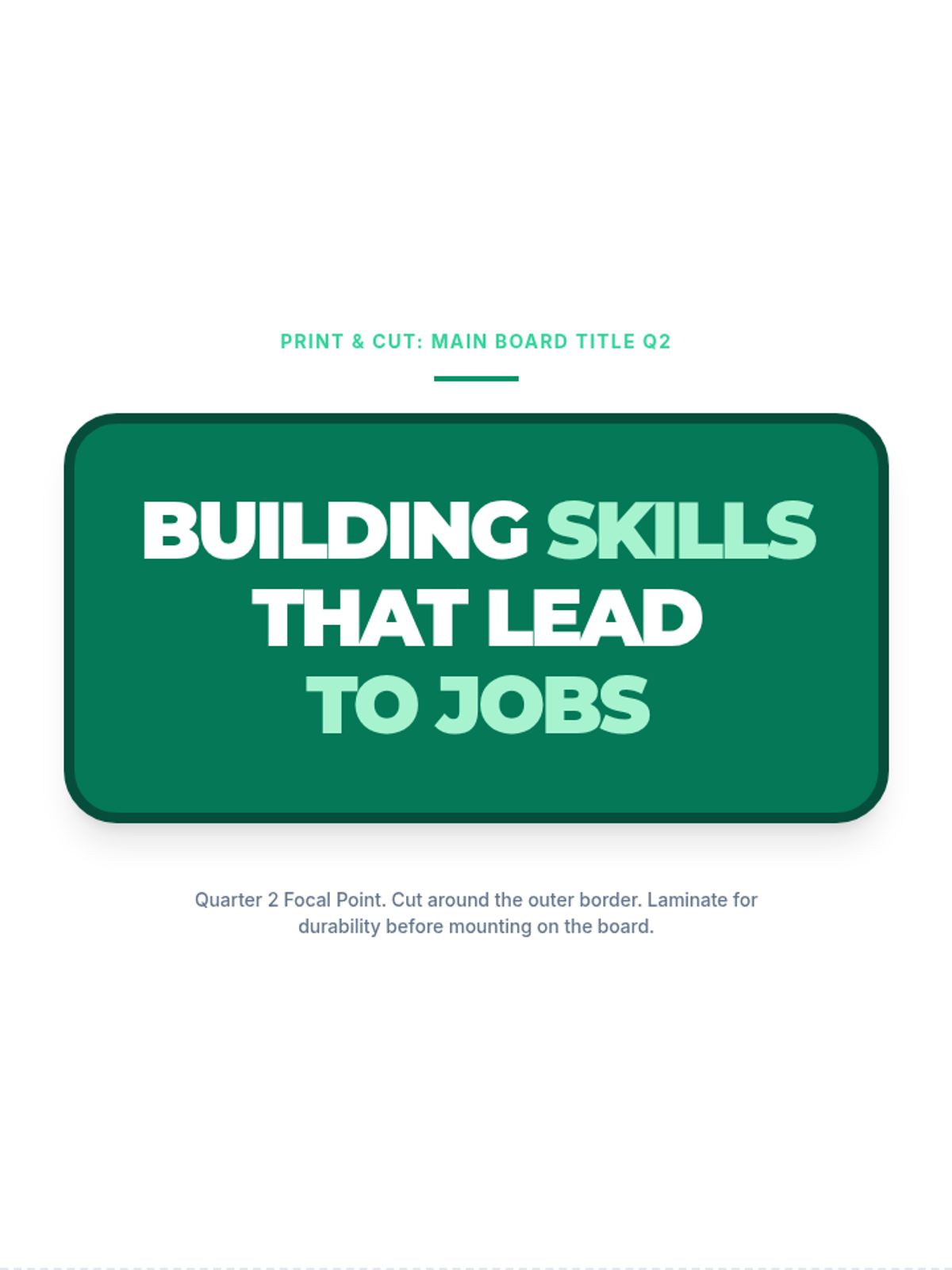
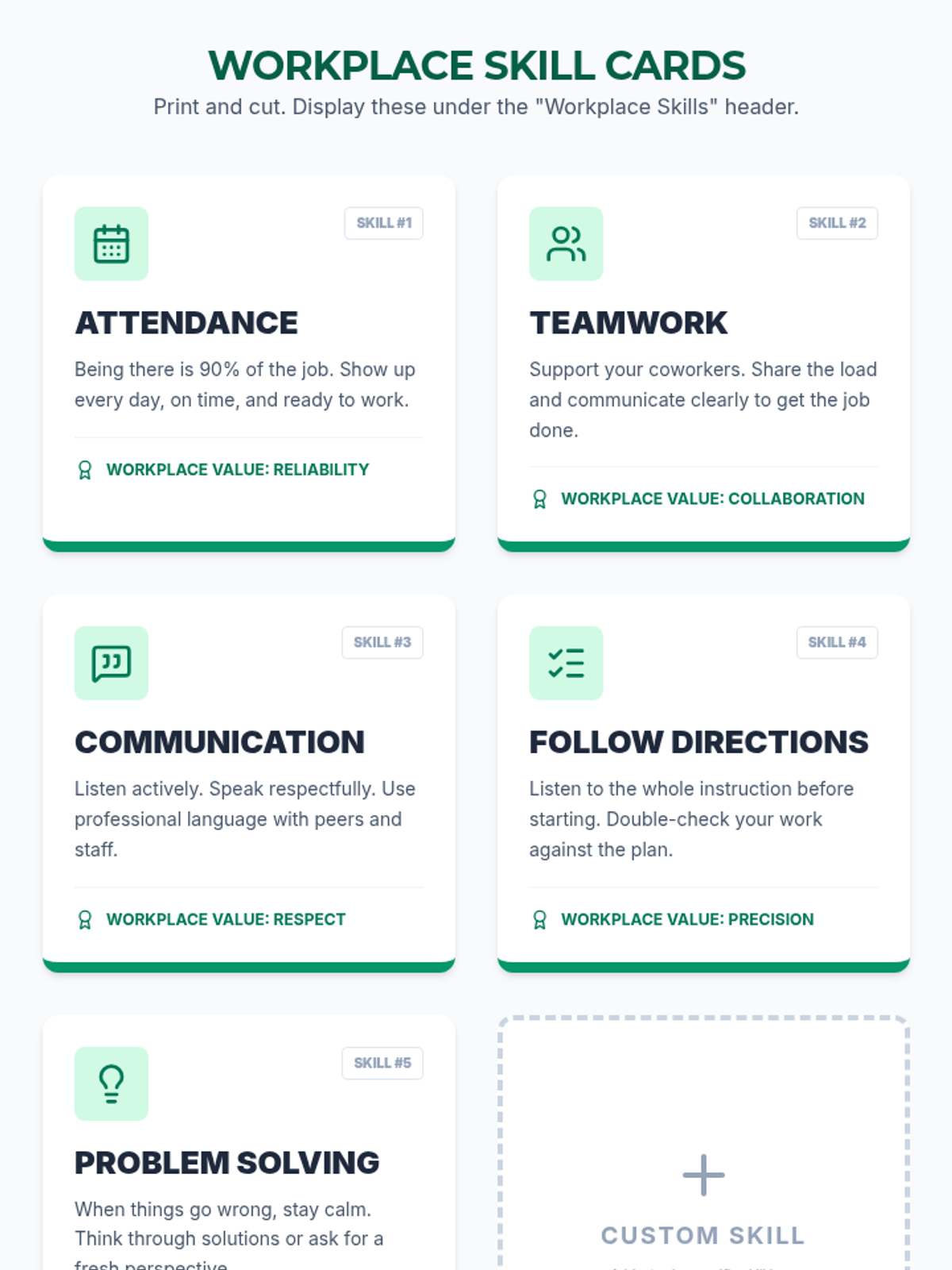
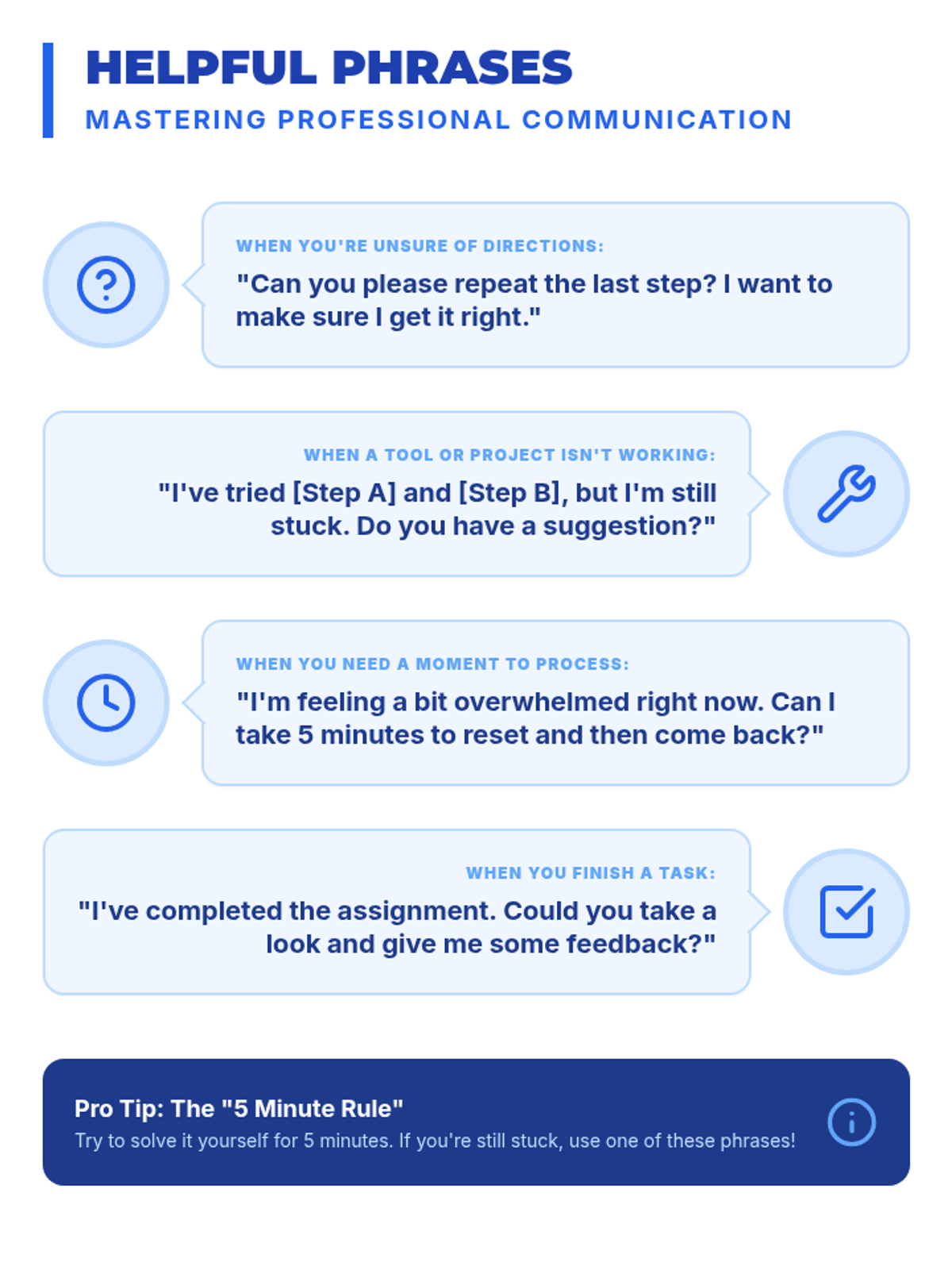
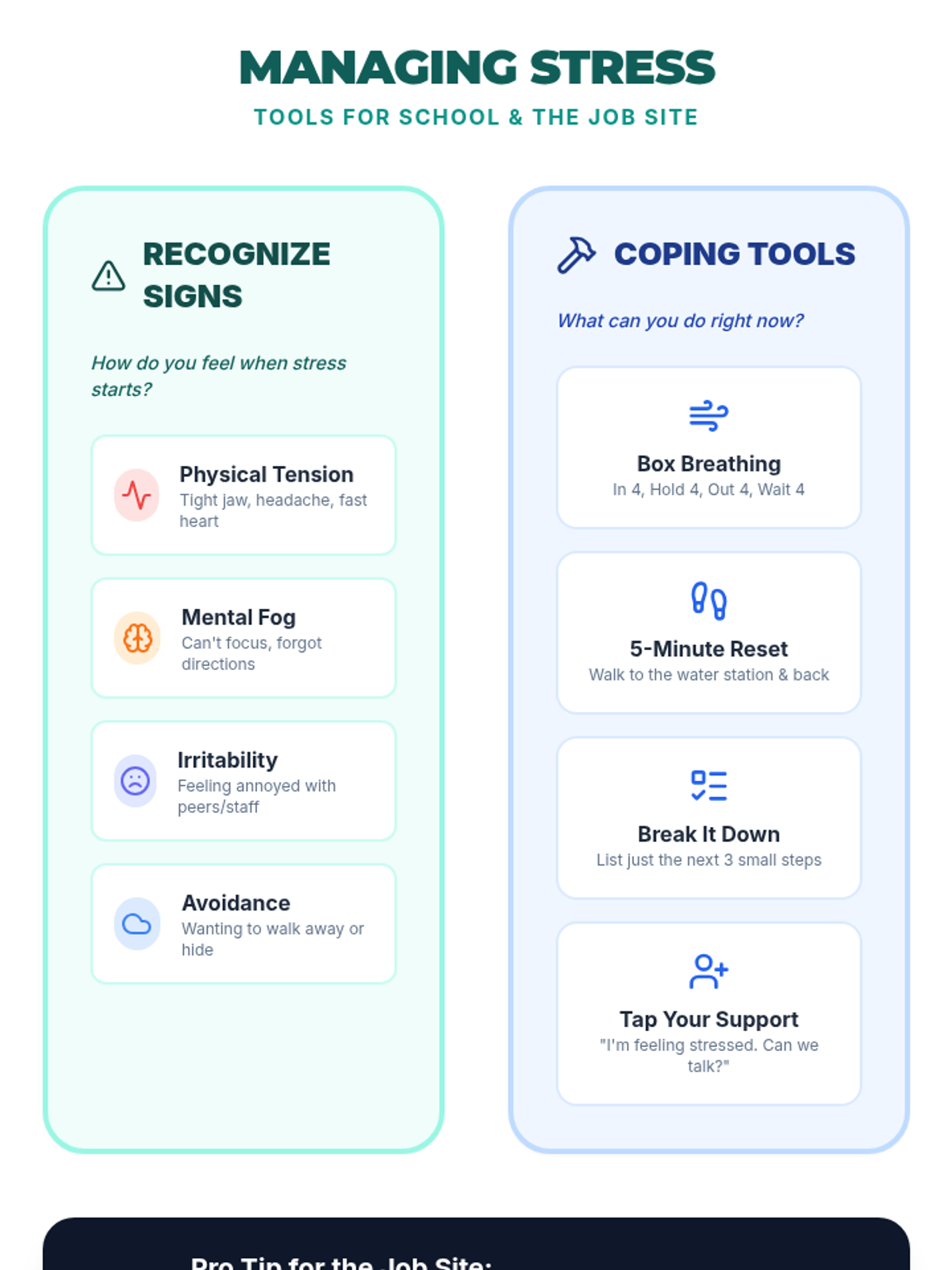
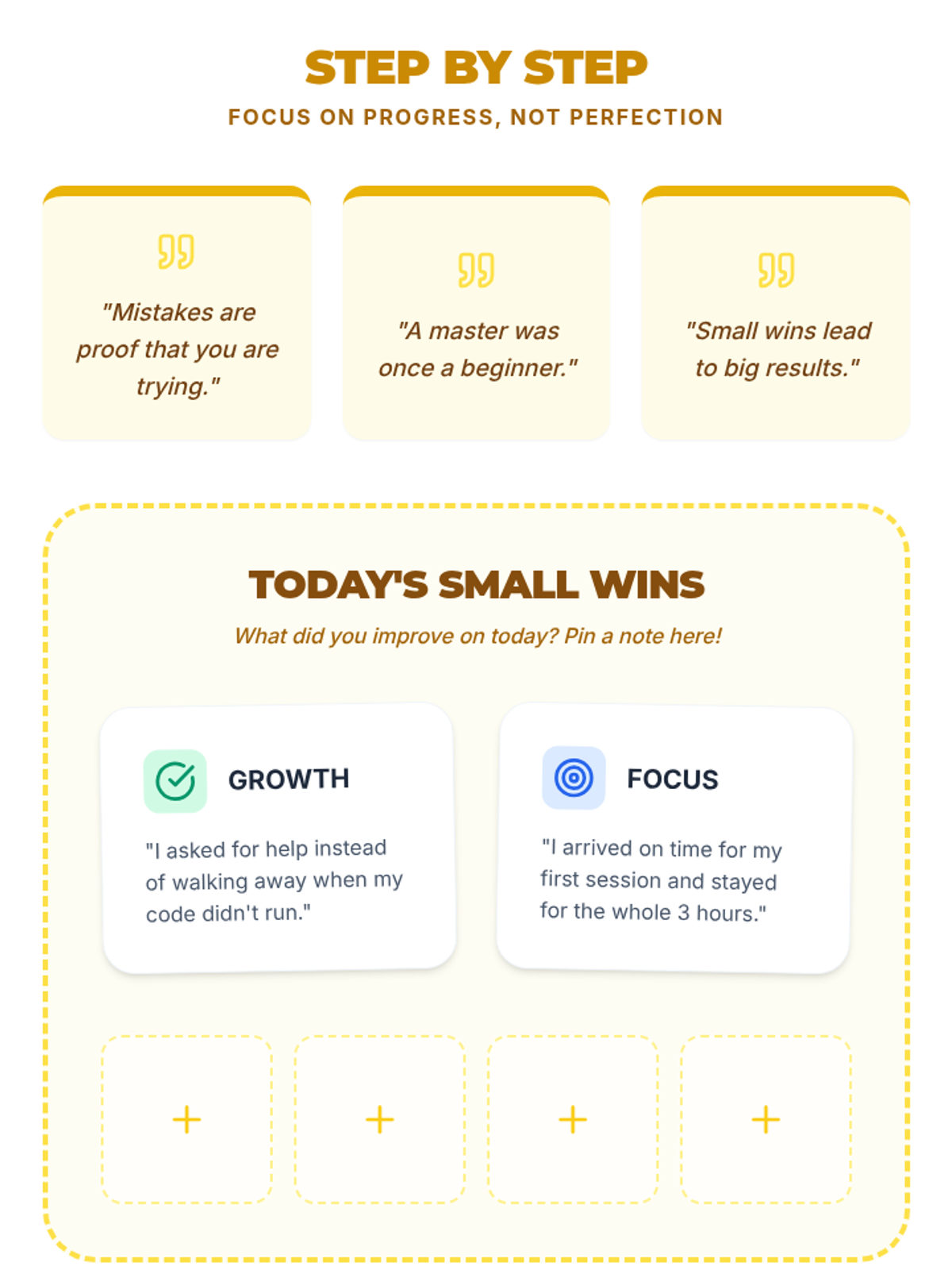
Materials to visualize and implement the Quarter 2 bulletin board themed 'Building Skills That Lead to Jobs'. Focuses on soft skills, professional communication, and stress management.
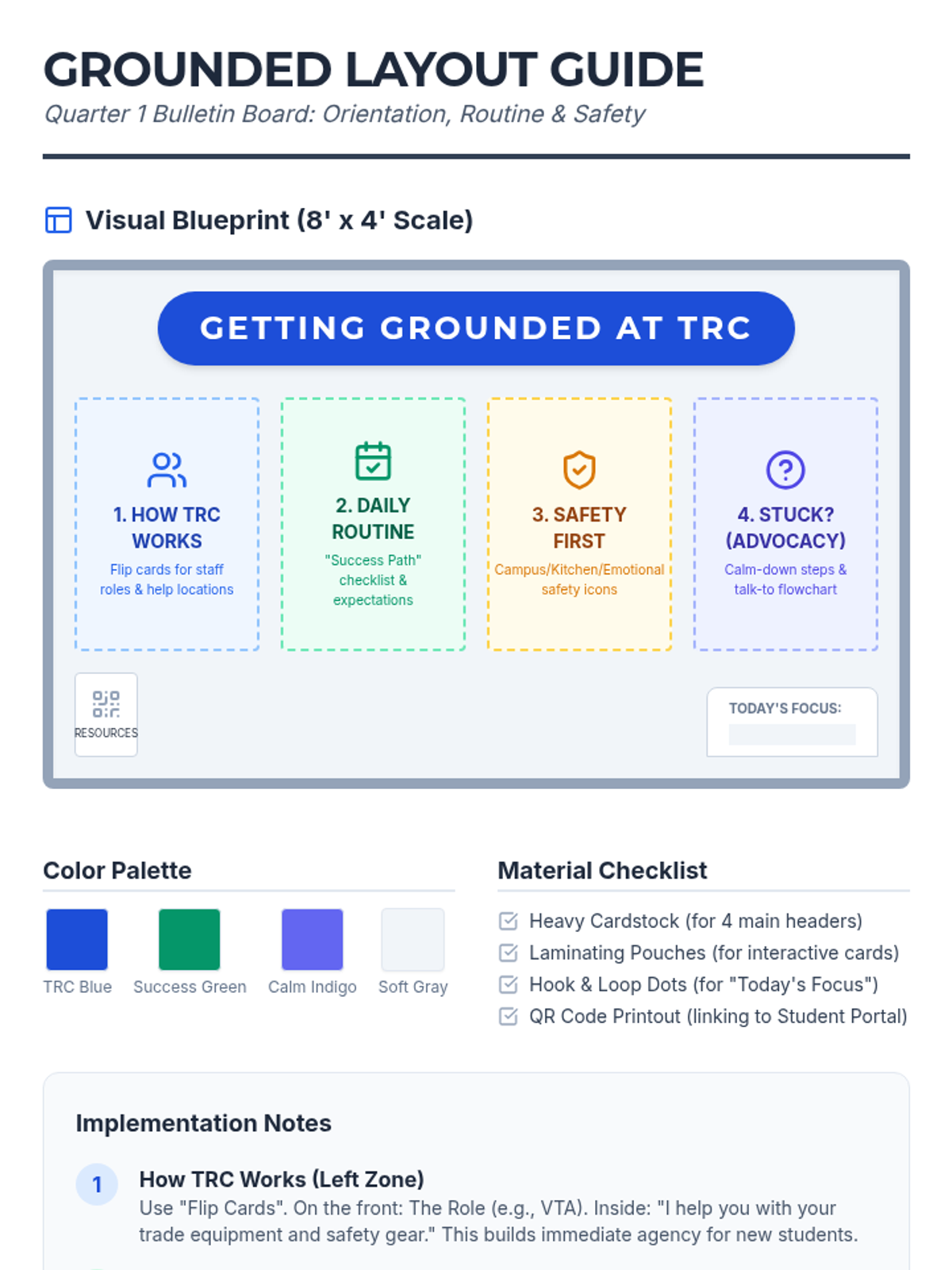
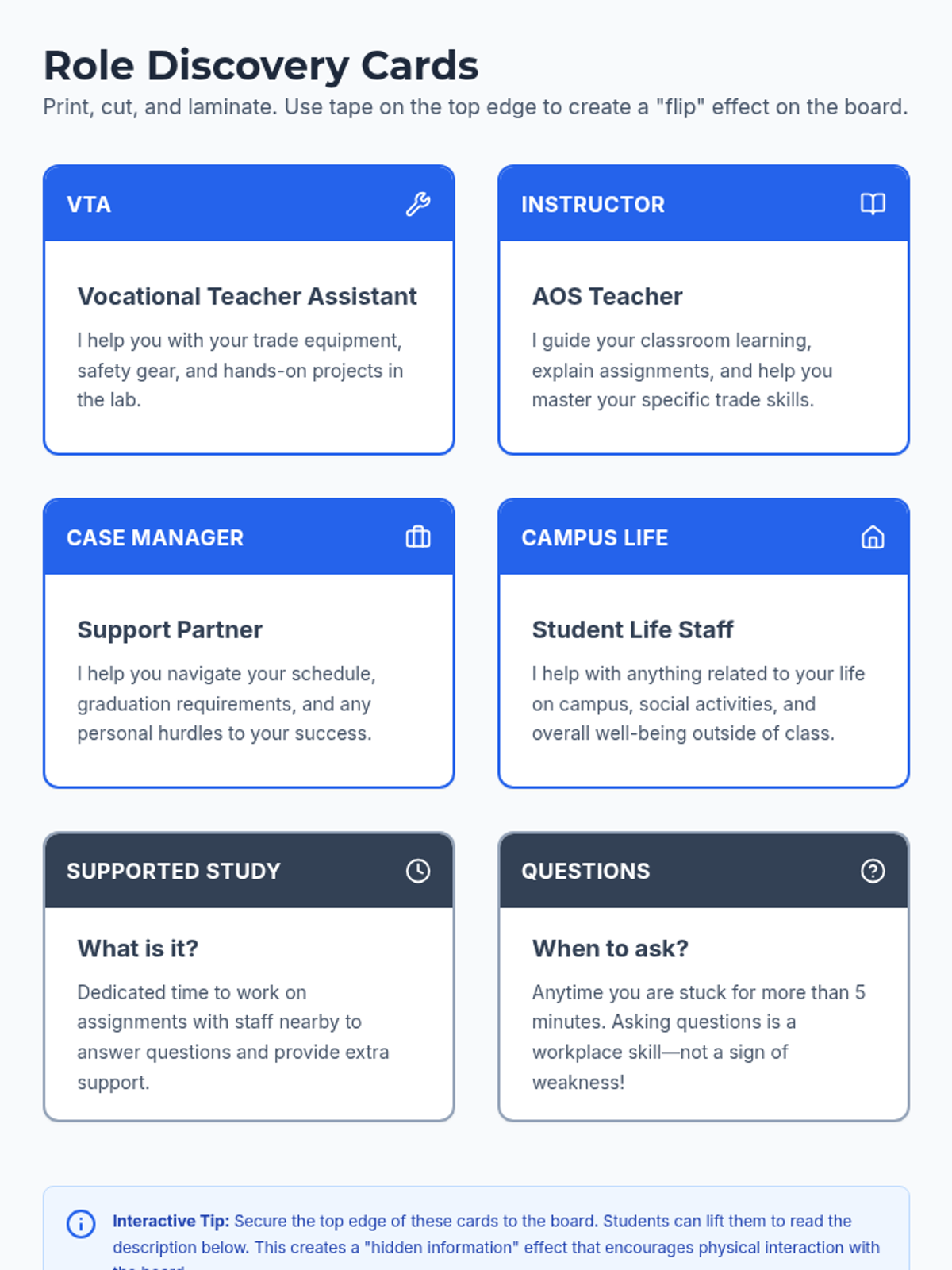
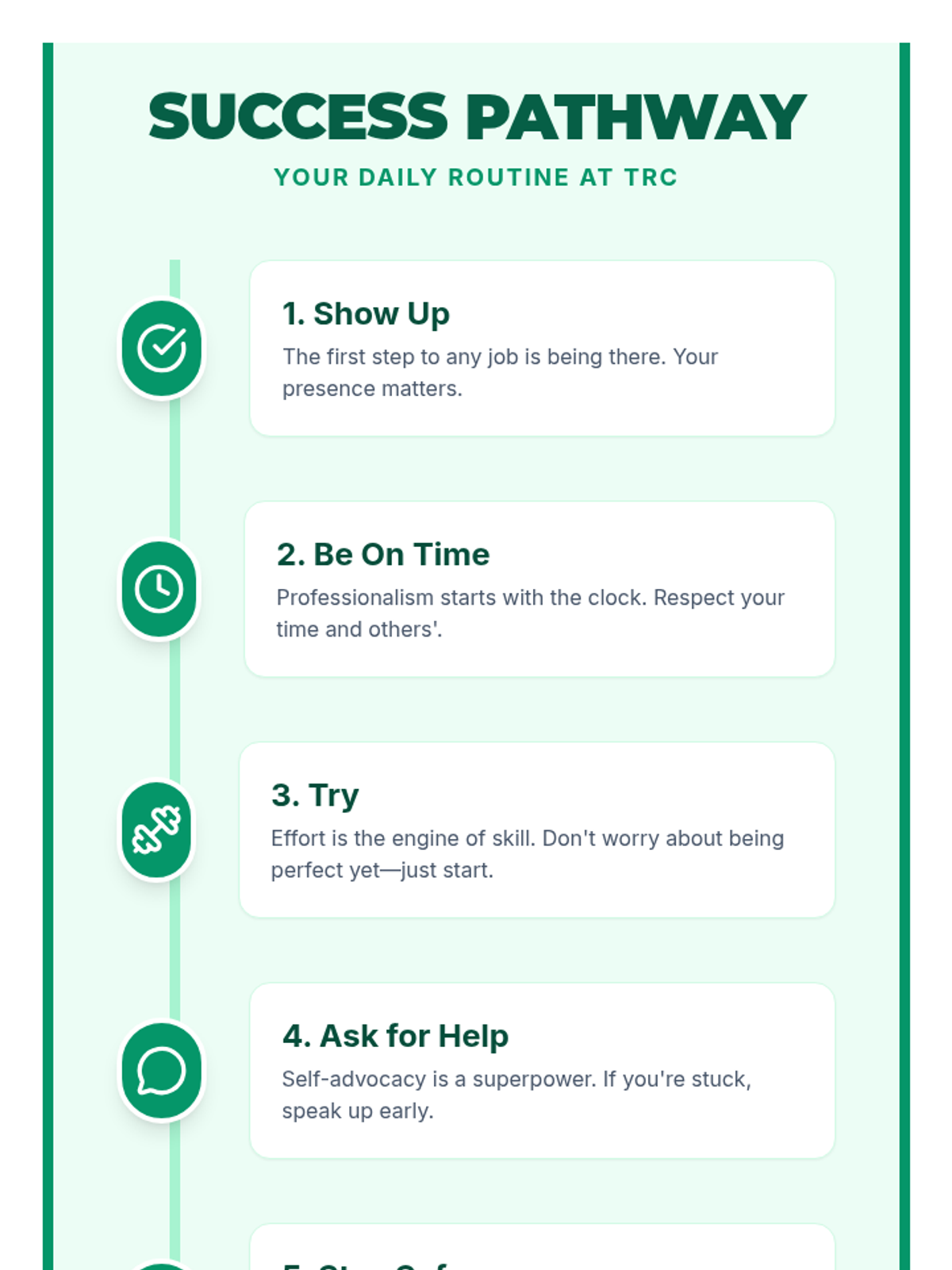
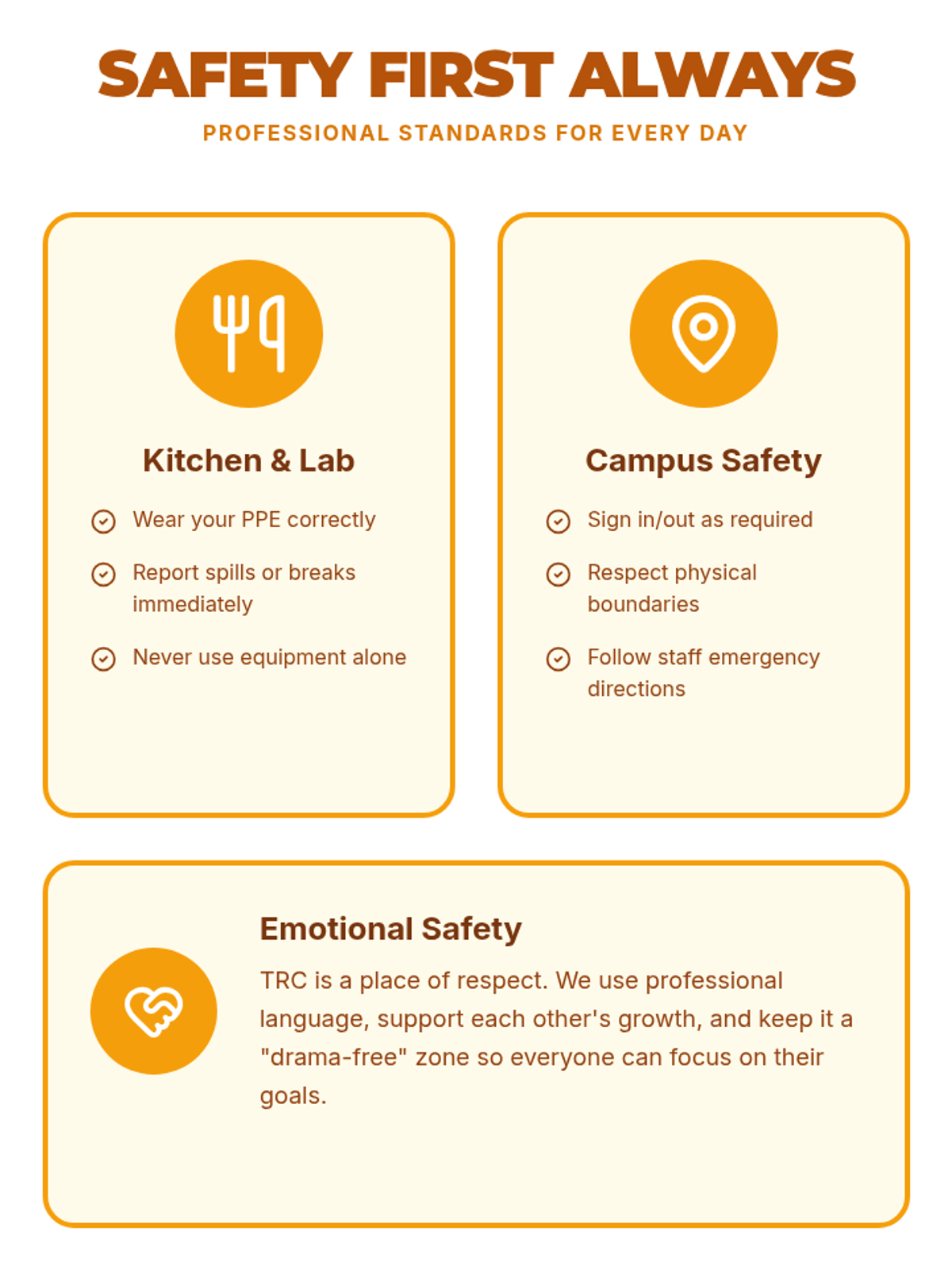
A comprehensive set of materials to visualize and implement the Quarter 1 bulletin board themed 'Getting Grounded at TRC'. Includes a layout blueprint and individual printable components for the board's four main focus areas.
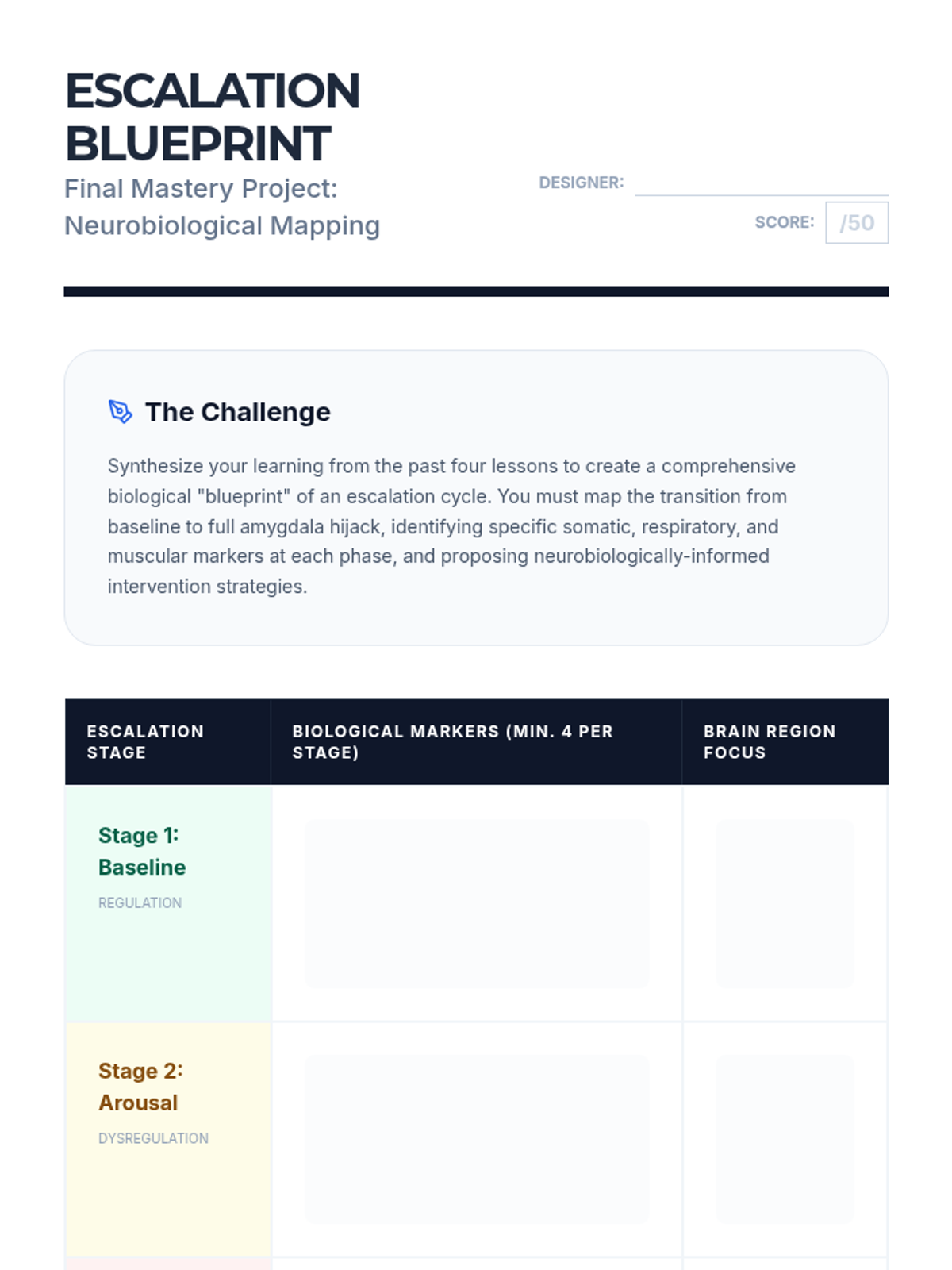
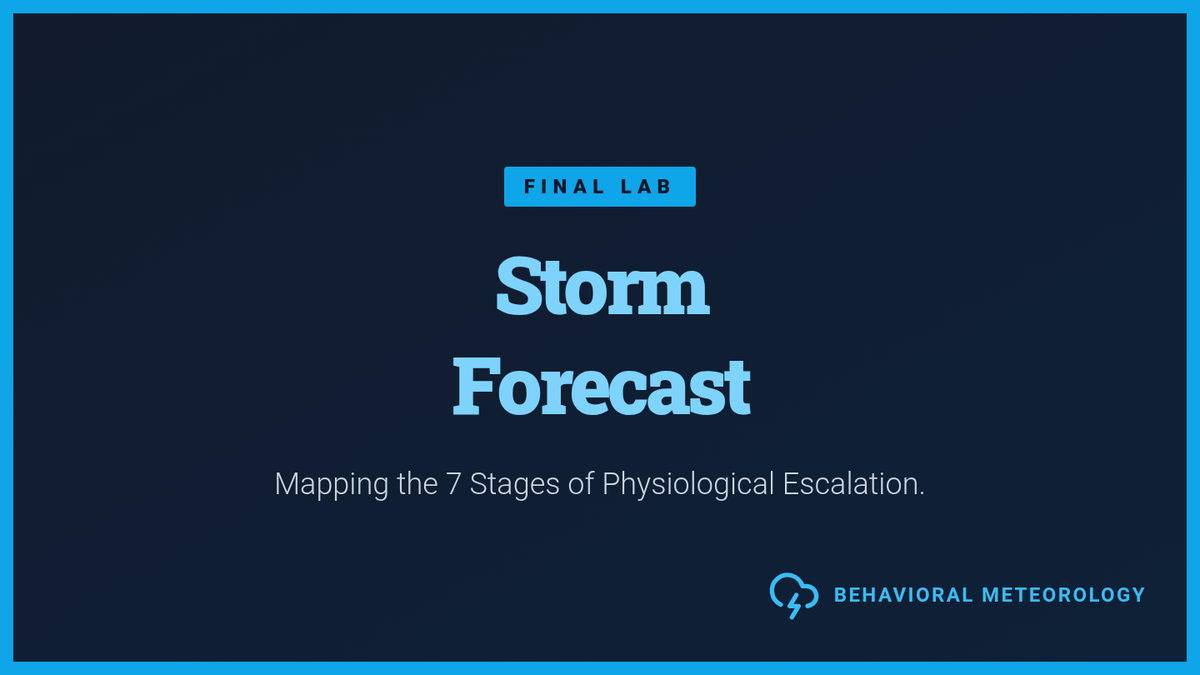
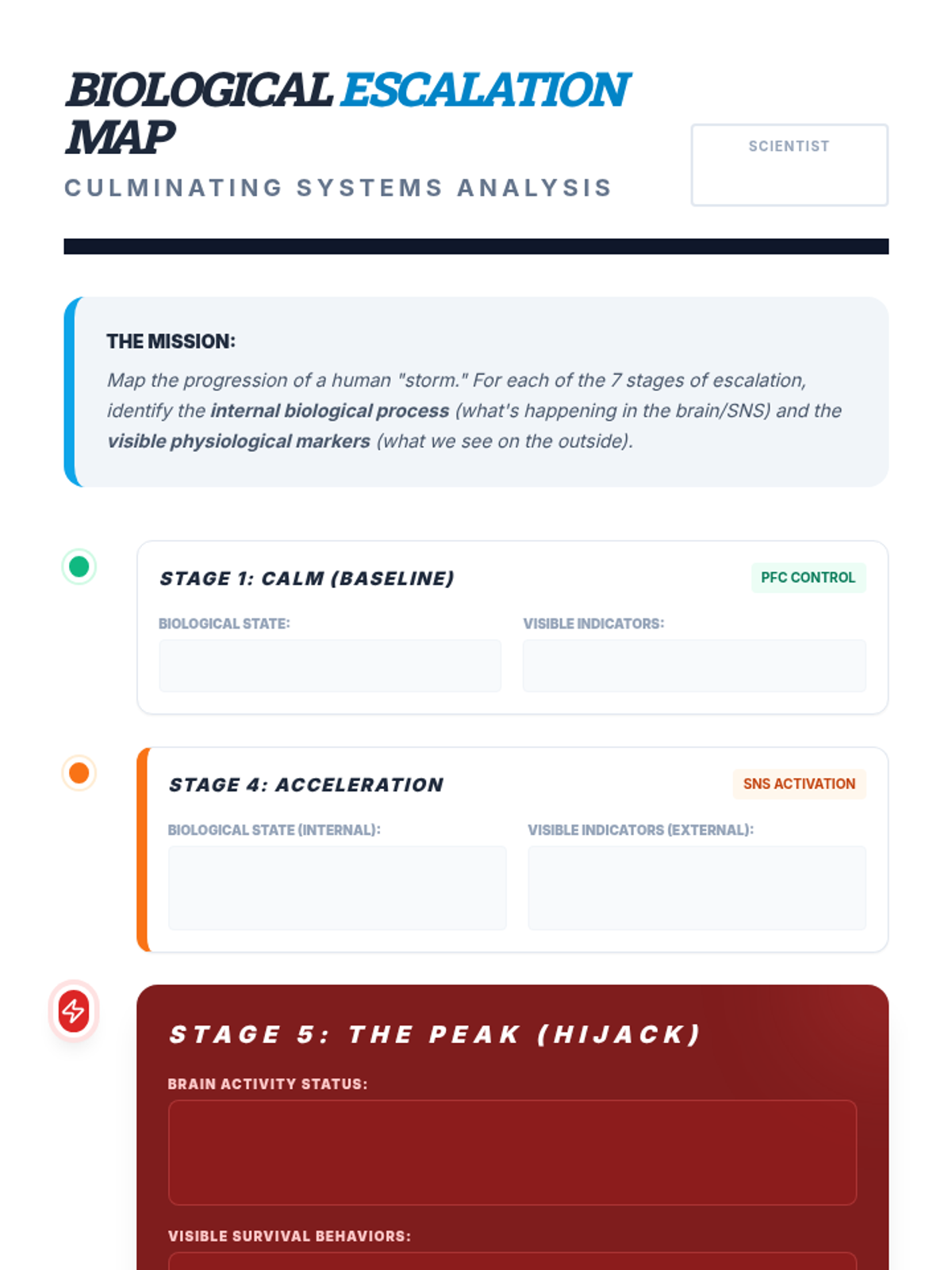
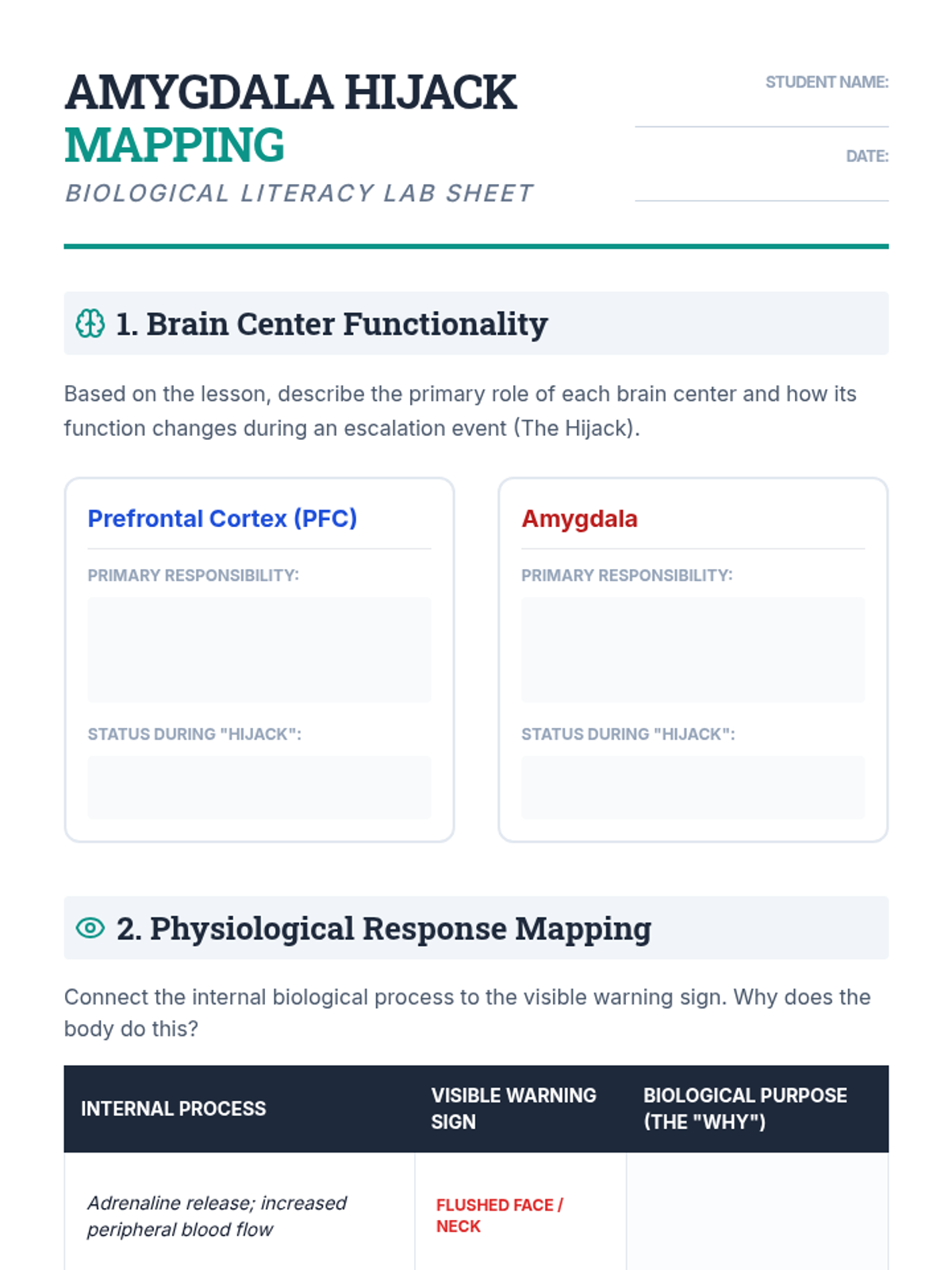
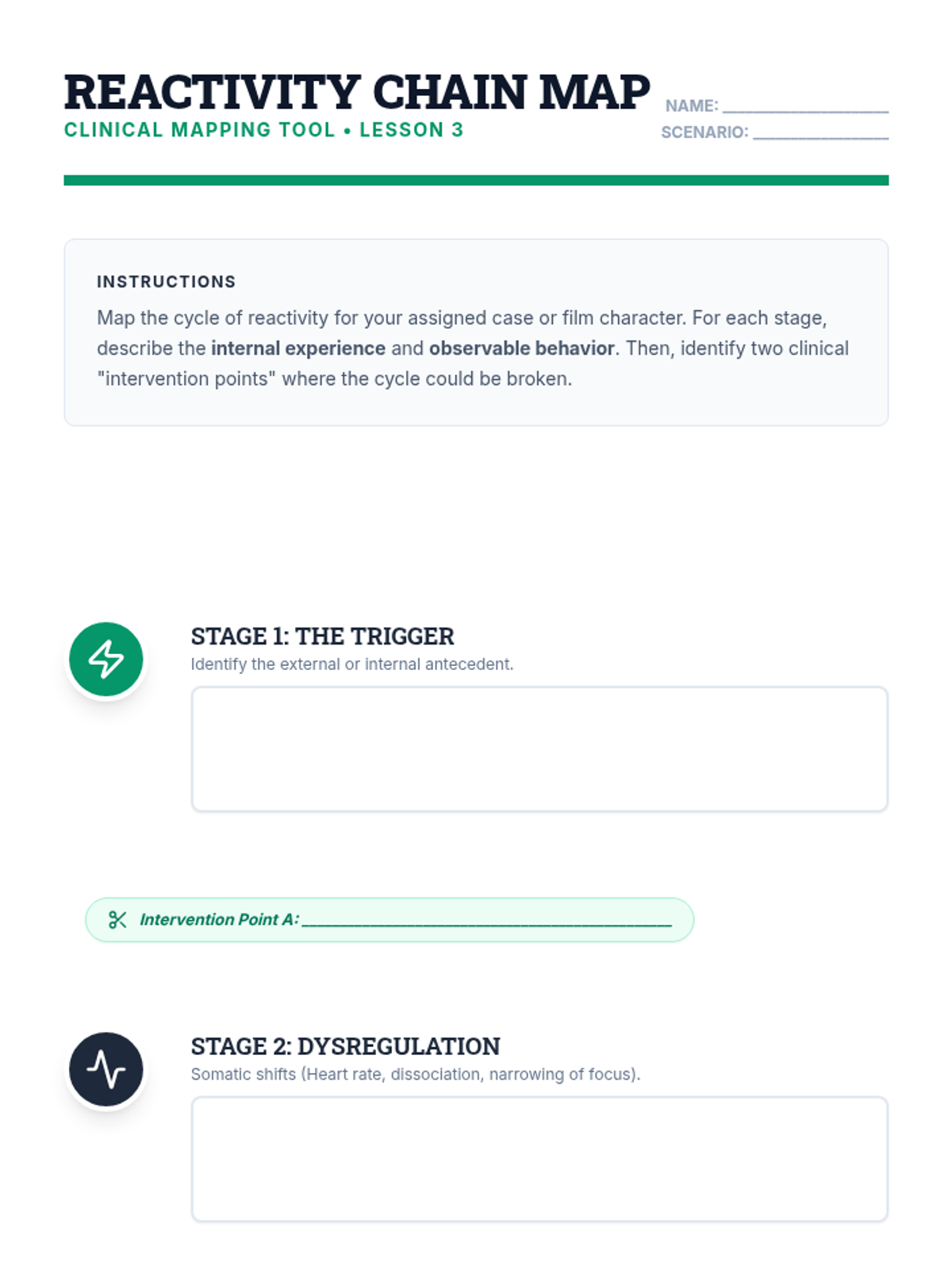
Synthesizes learning into a visual map connecting internal biology to external behavior for proactive intervention planning.
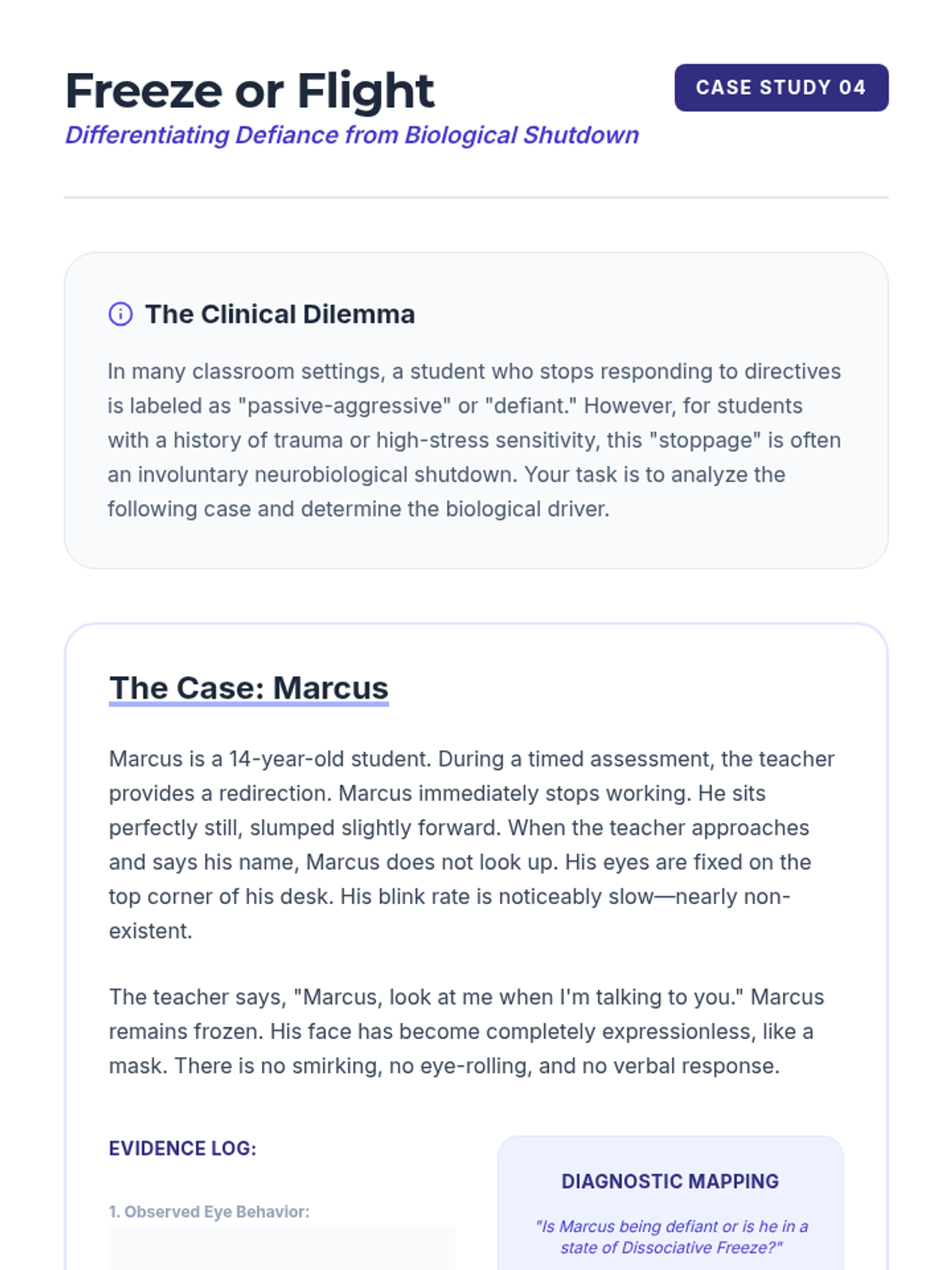
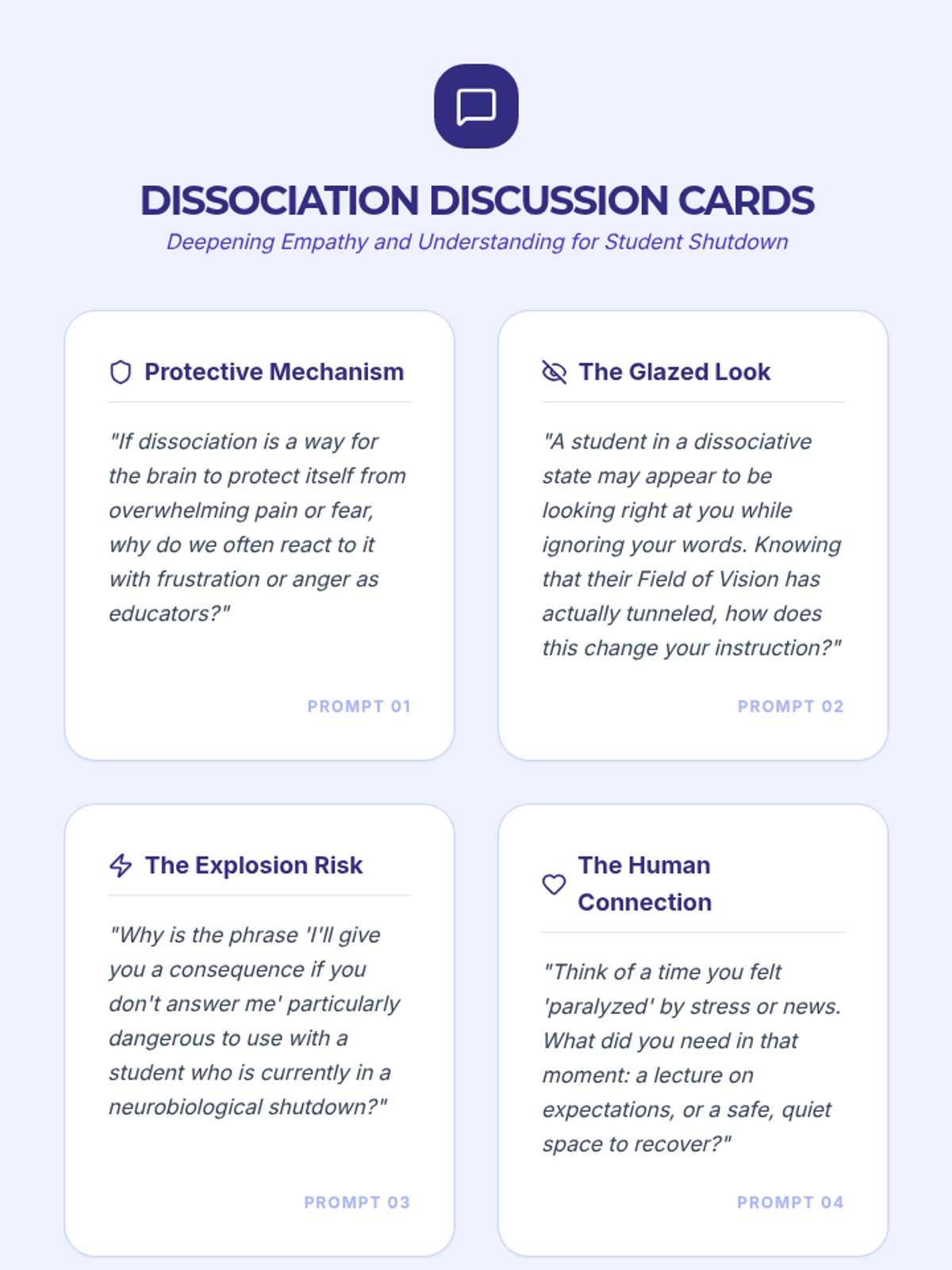
Identifies the 'freeze' response and dissociation, differentiating between intentional defiance and neurobiological shutdown.
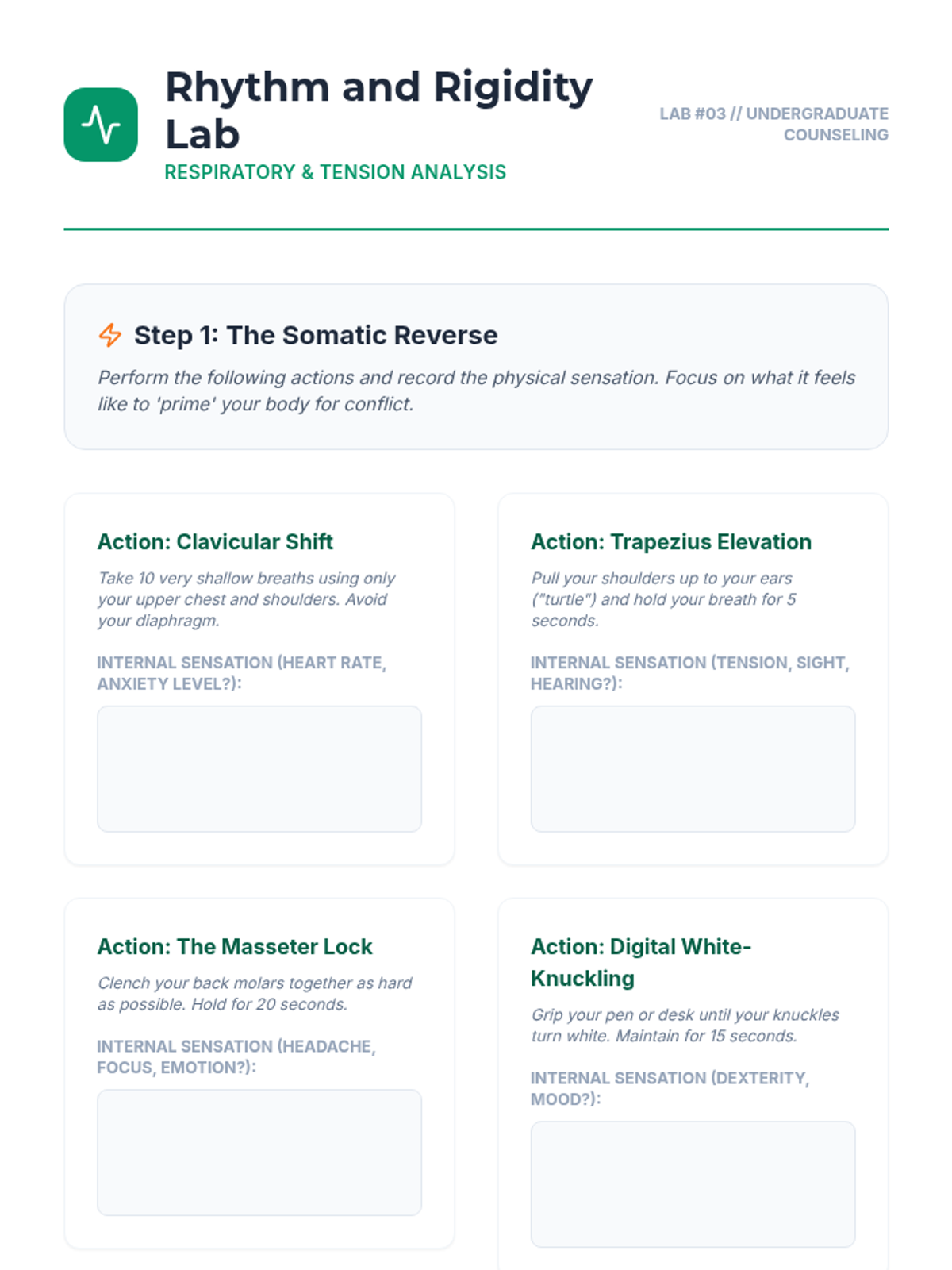
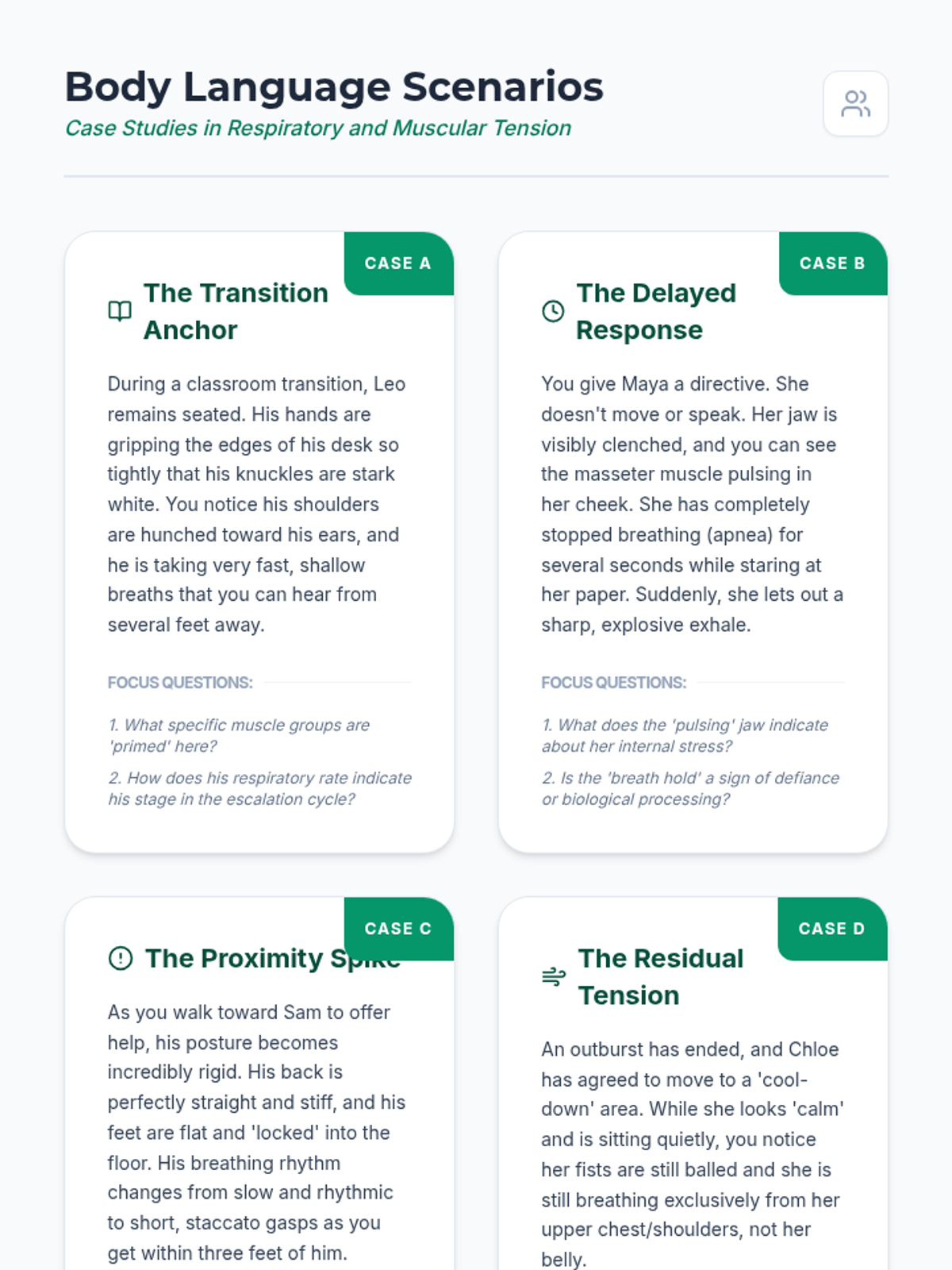
Analyzes changes in breathing patterns and muscle tension as signs of the body preparing for physical defense or flight.
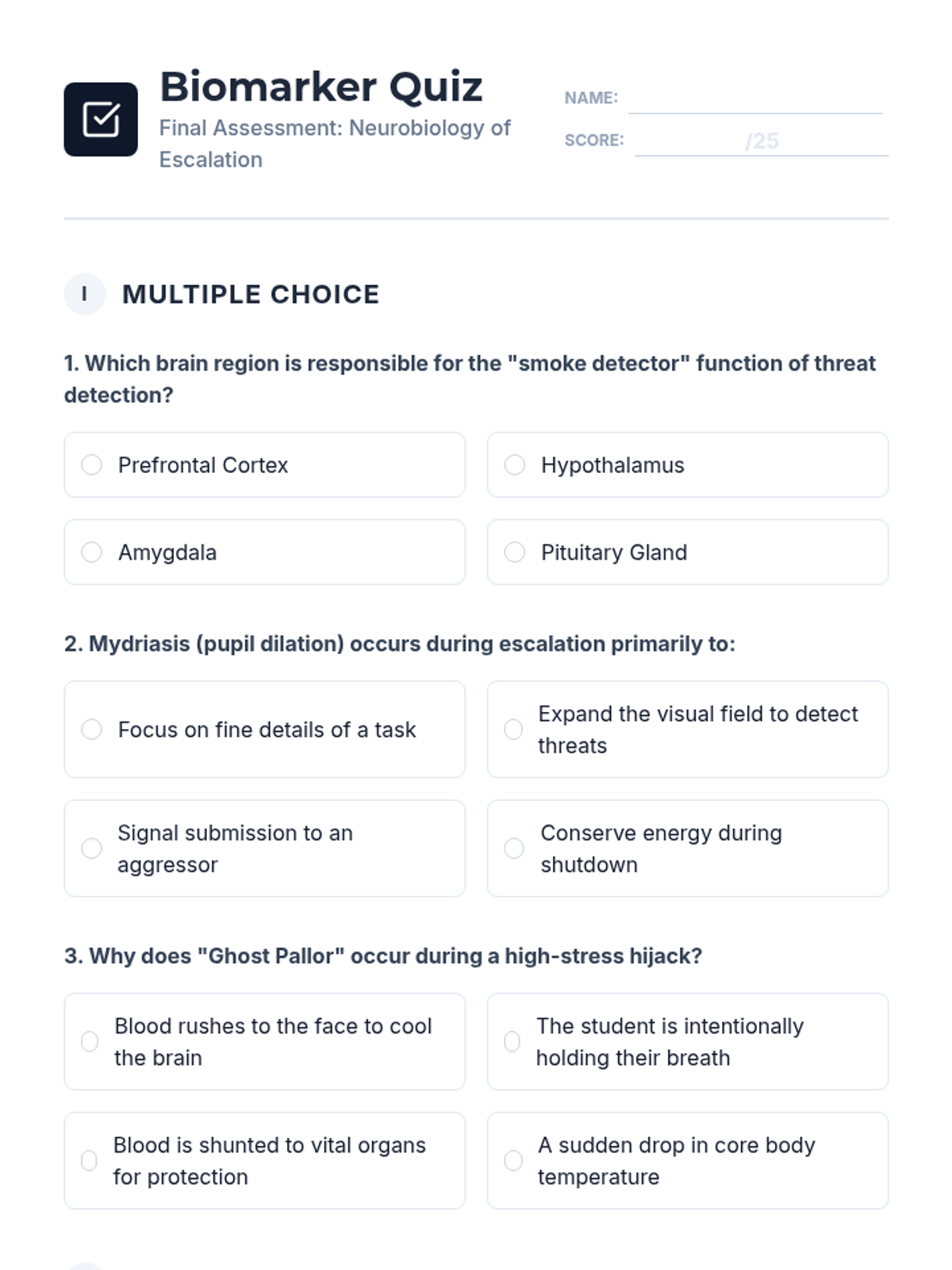
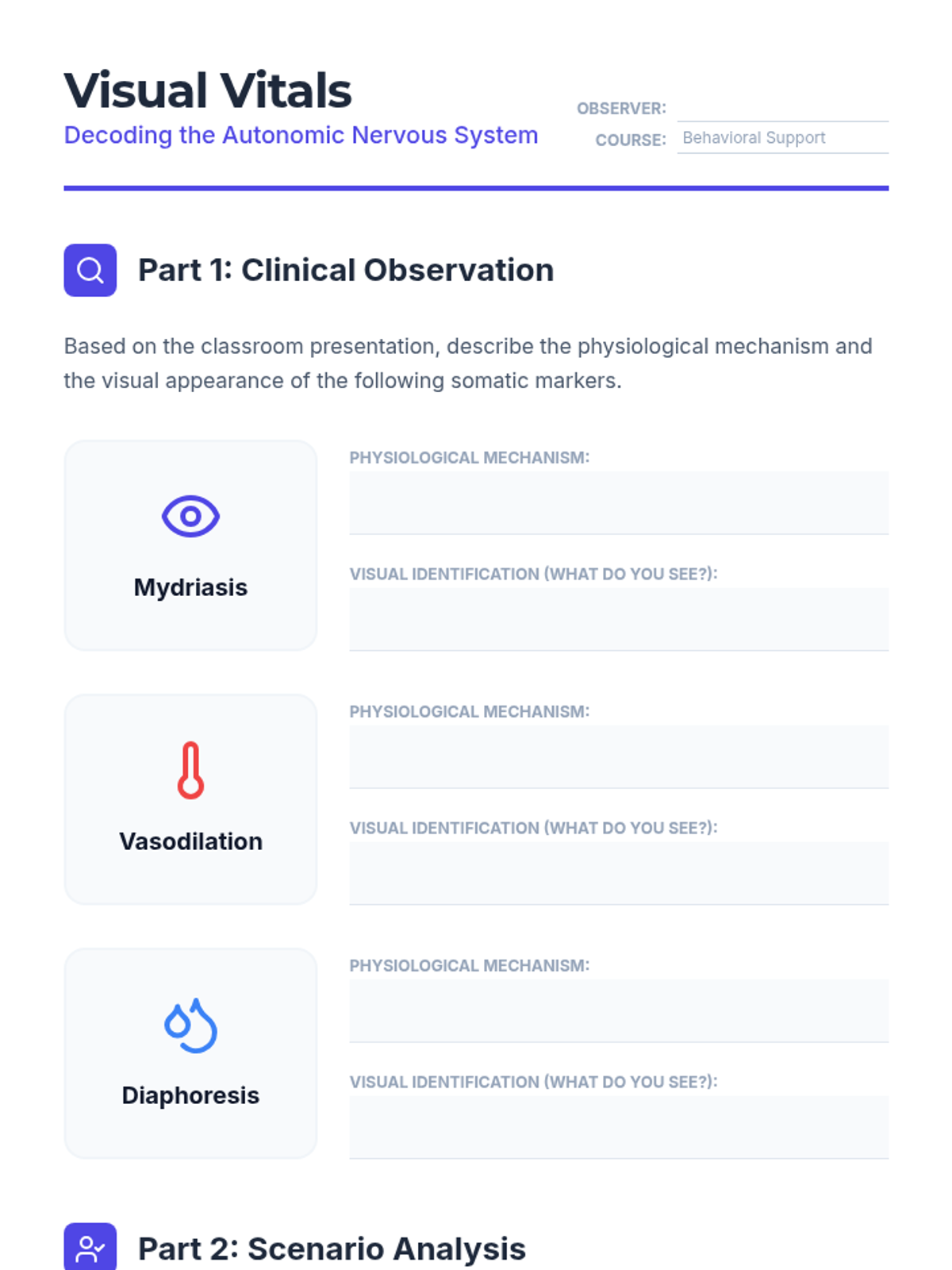
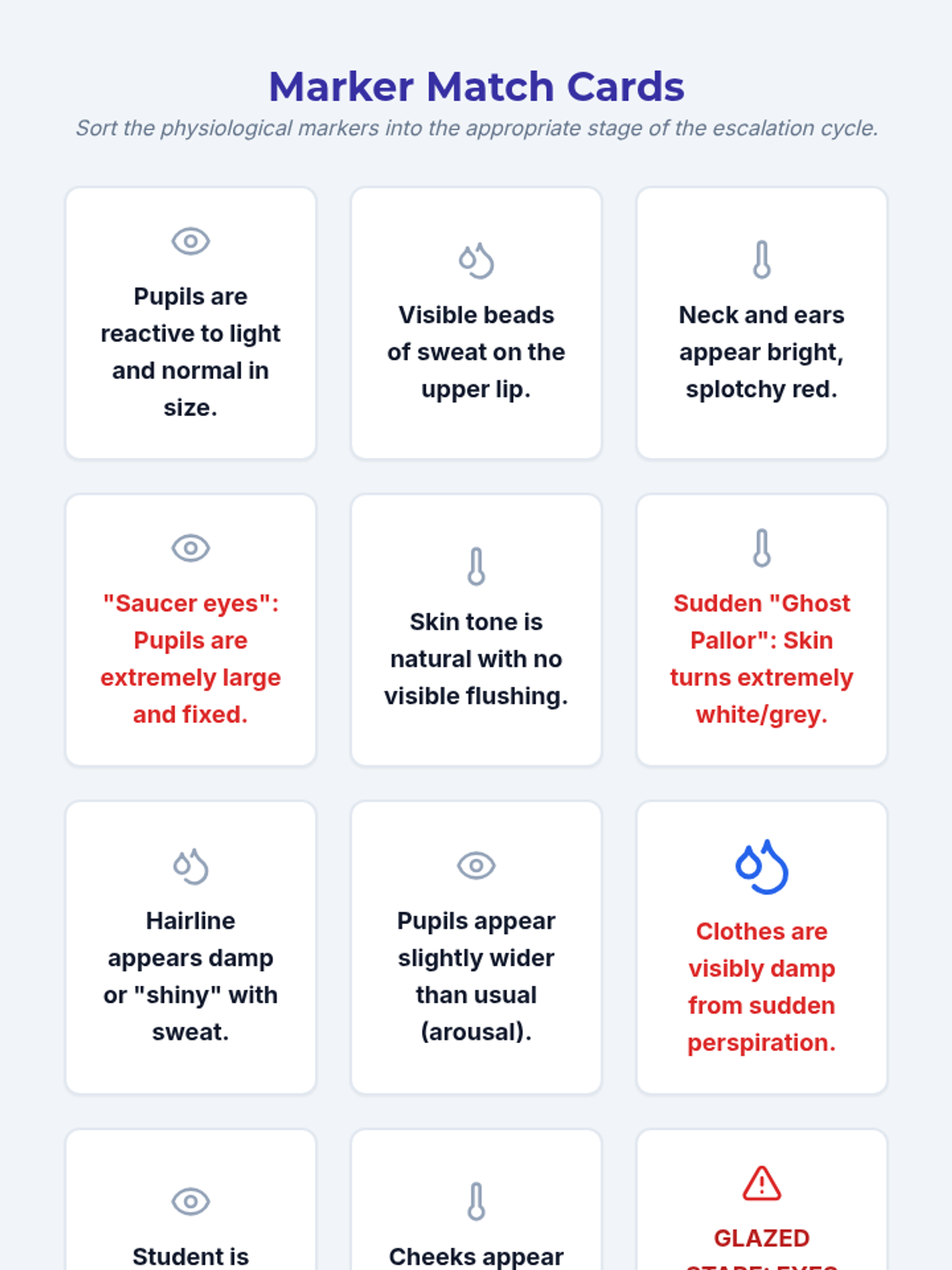
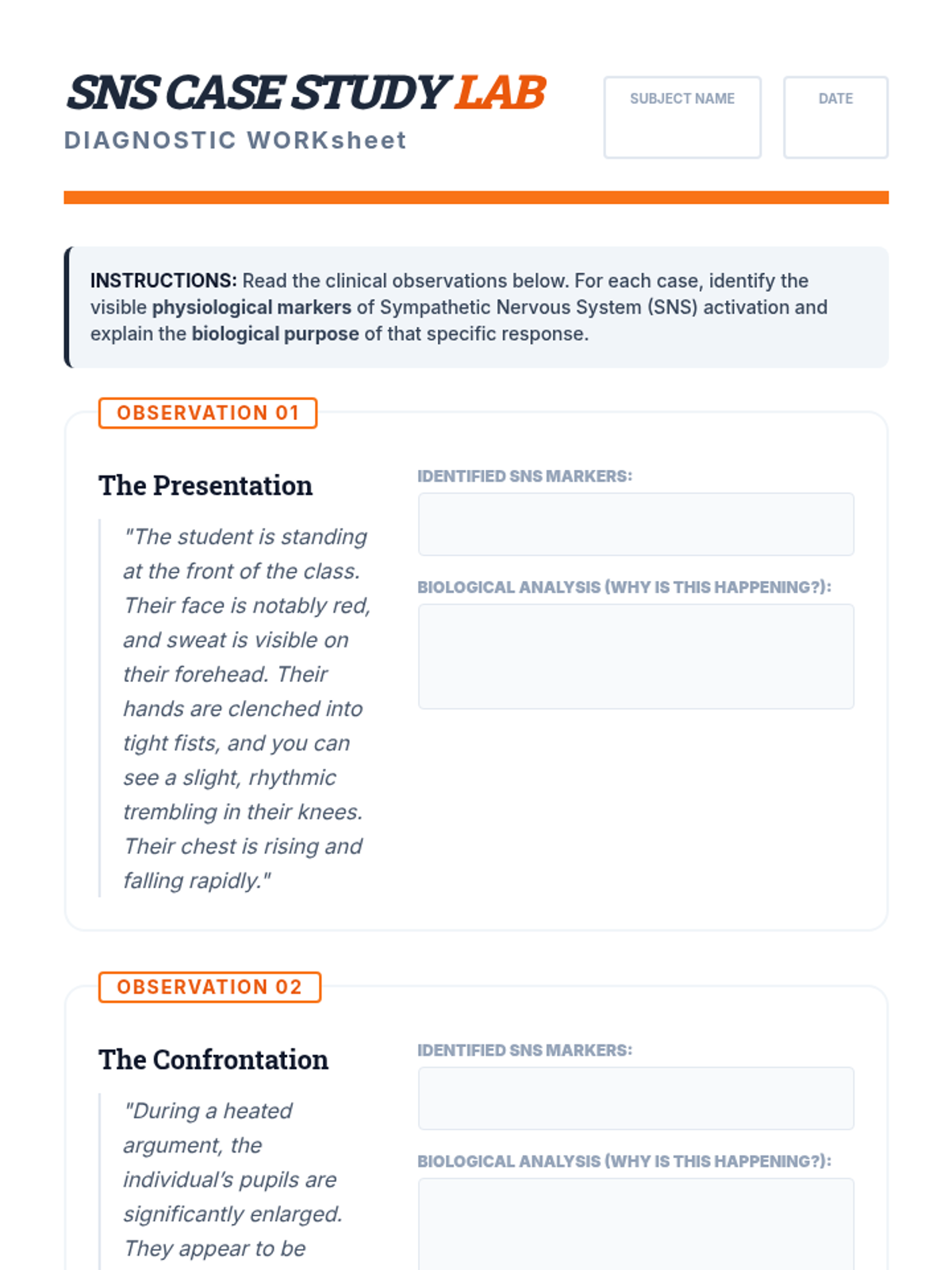
Focuses on involuntary somatic markers like skin flushing, sweating, and pupil dilation as early indicators of physiological arousal.
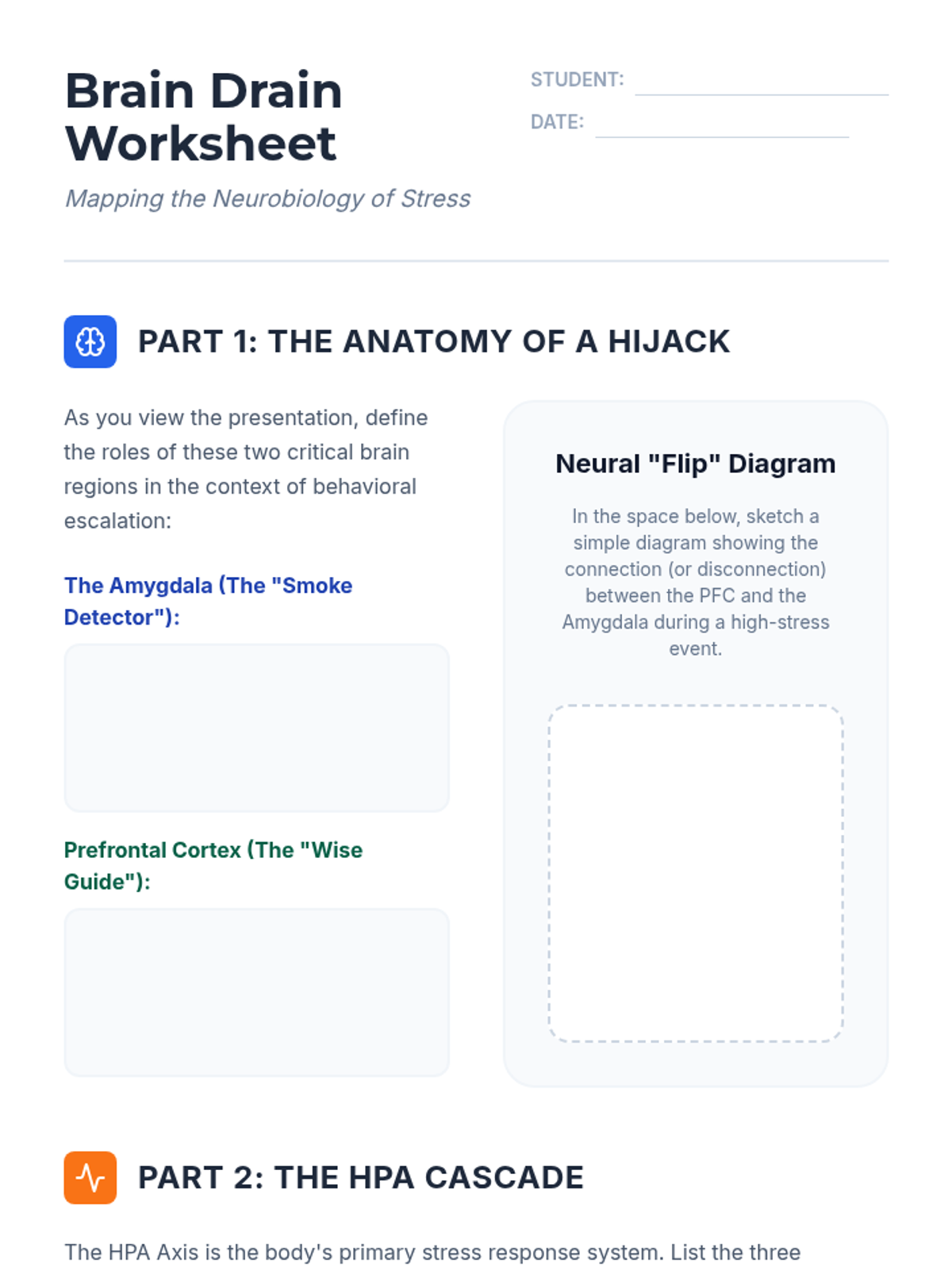
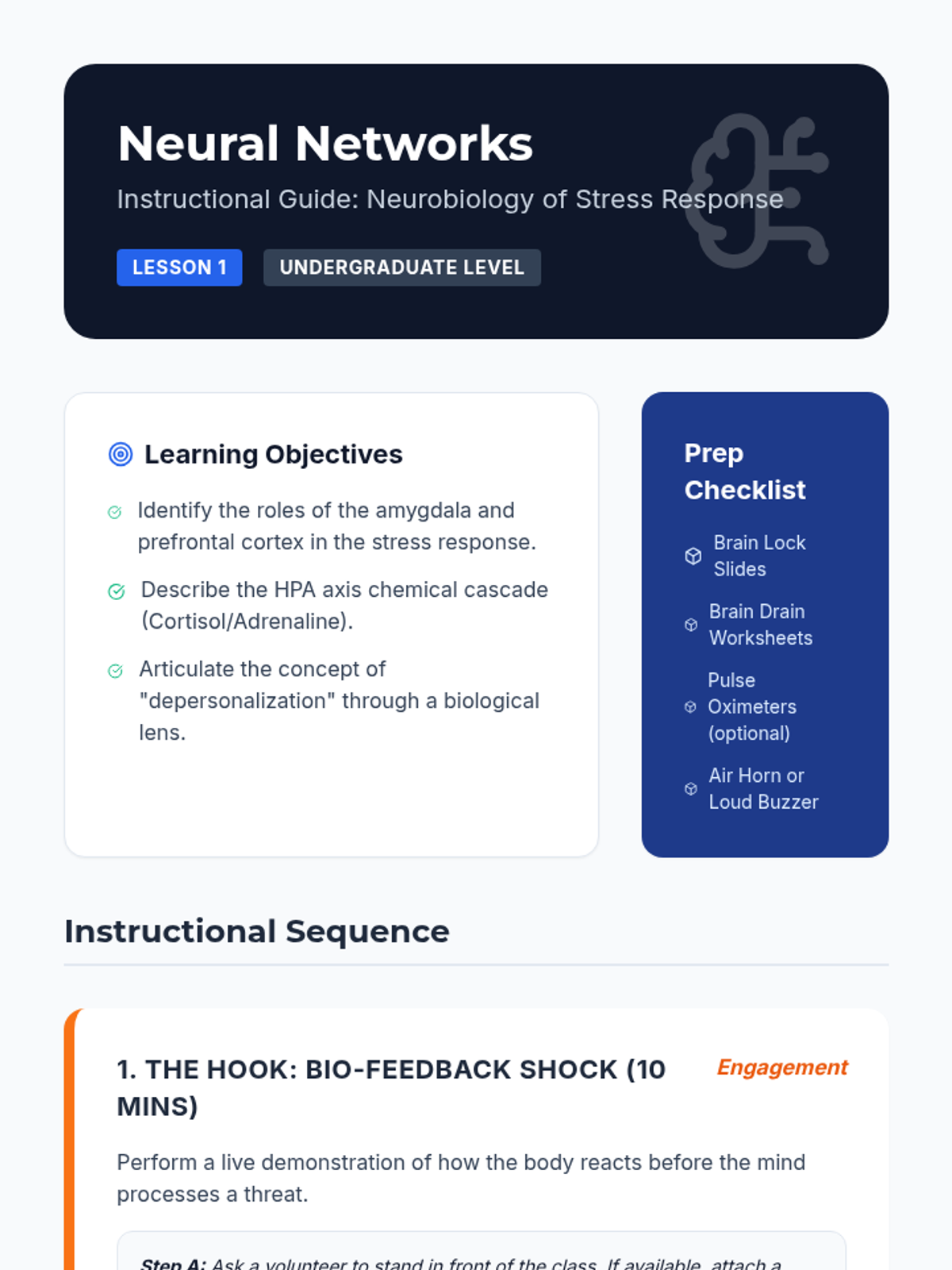
Explores the limbic system, prefrontal cortex, and the 'amygdala hijack' to understand why rational thinking fails during high-stress escalation.
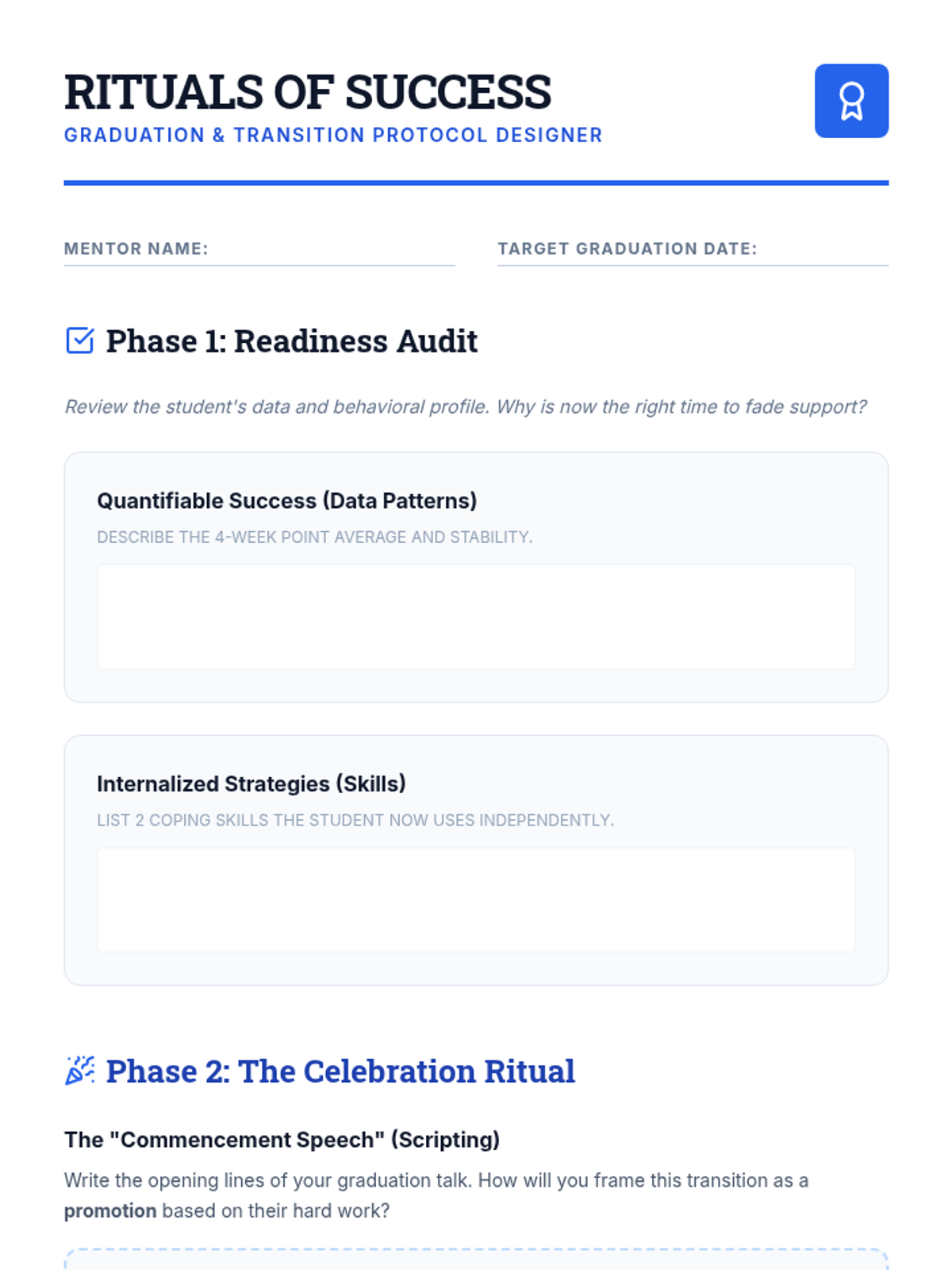
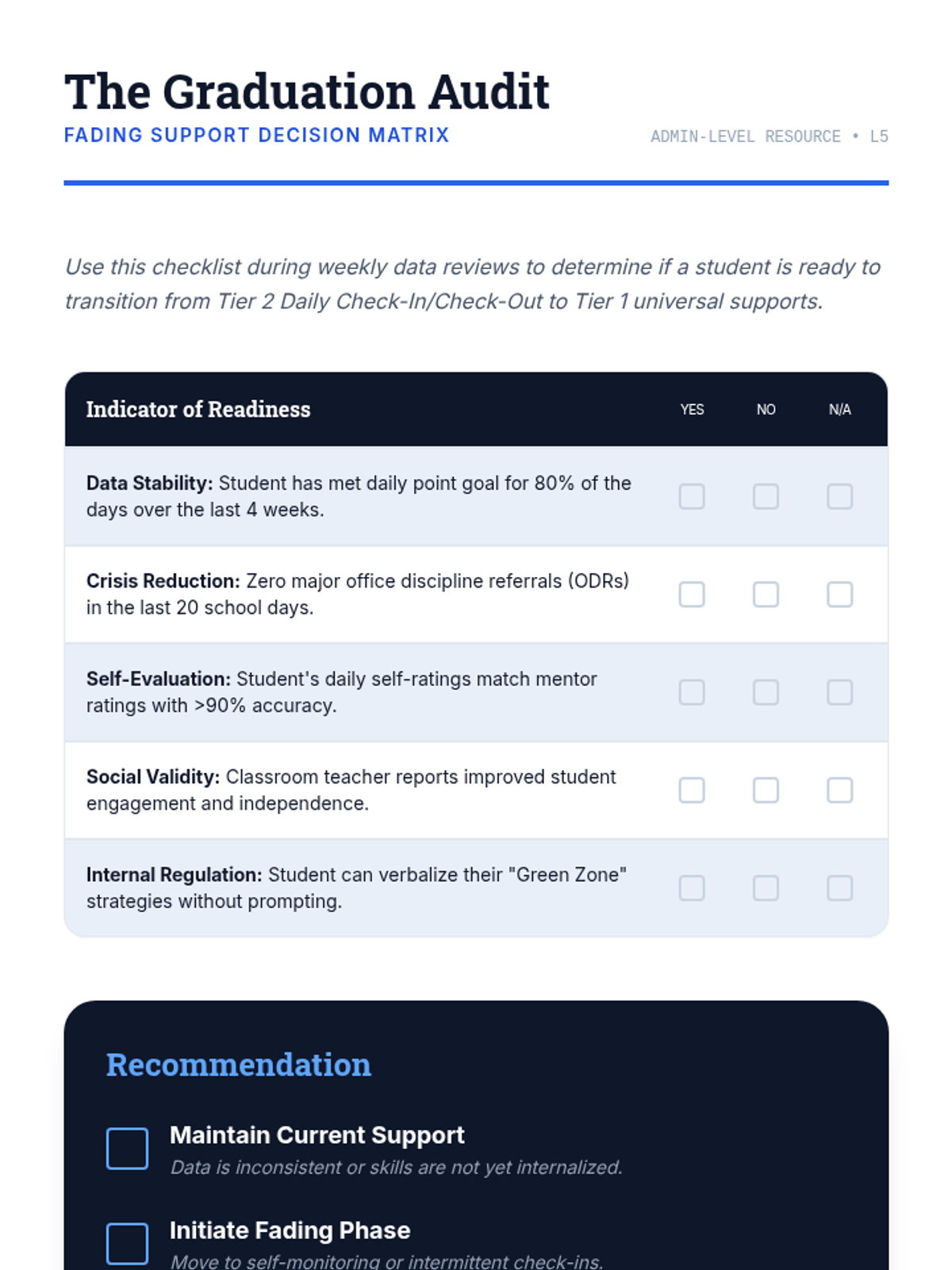
Covers the process of fading behavioral supports and celebrating student success through meaningful graduation protocols.
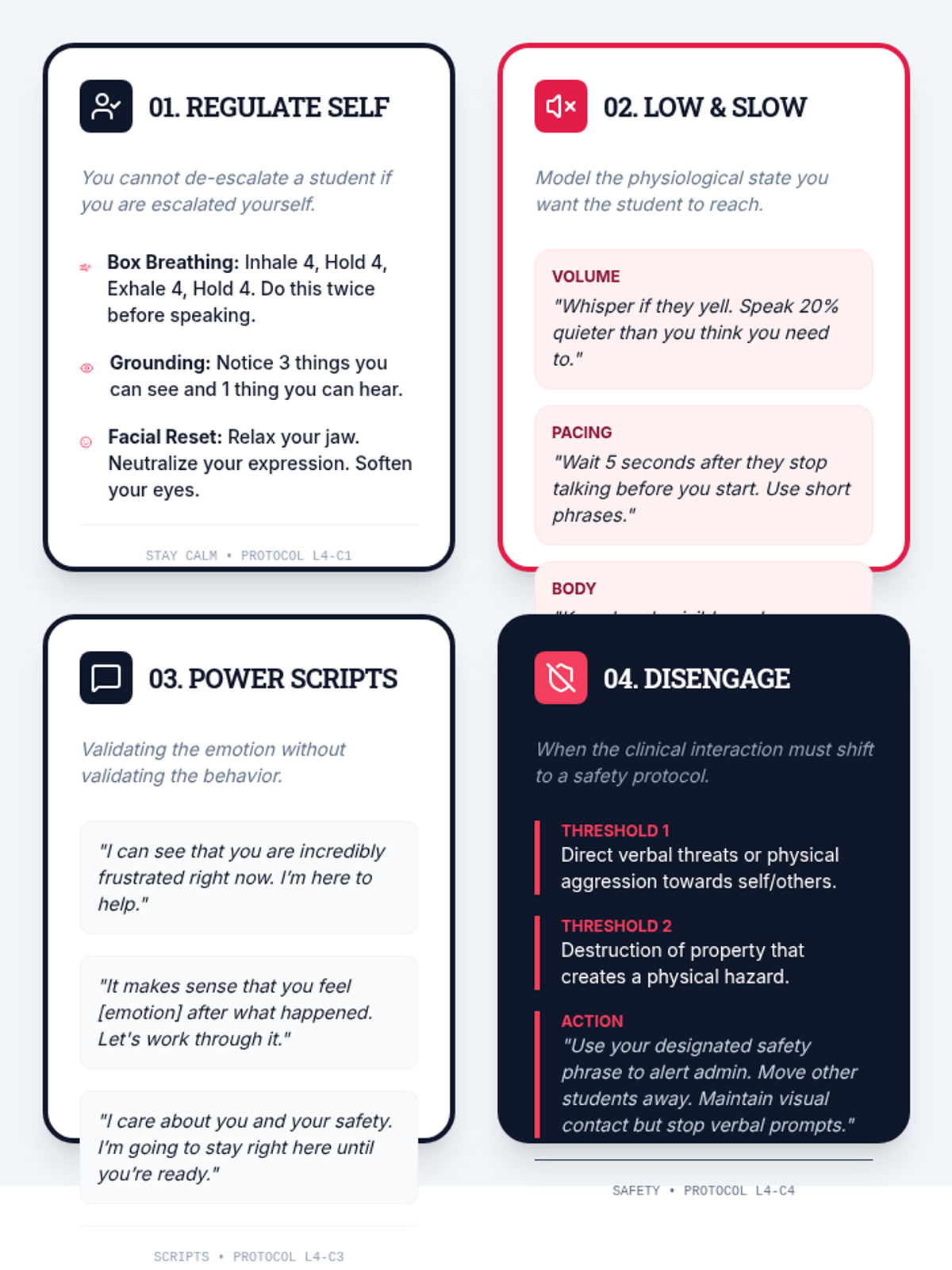
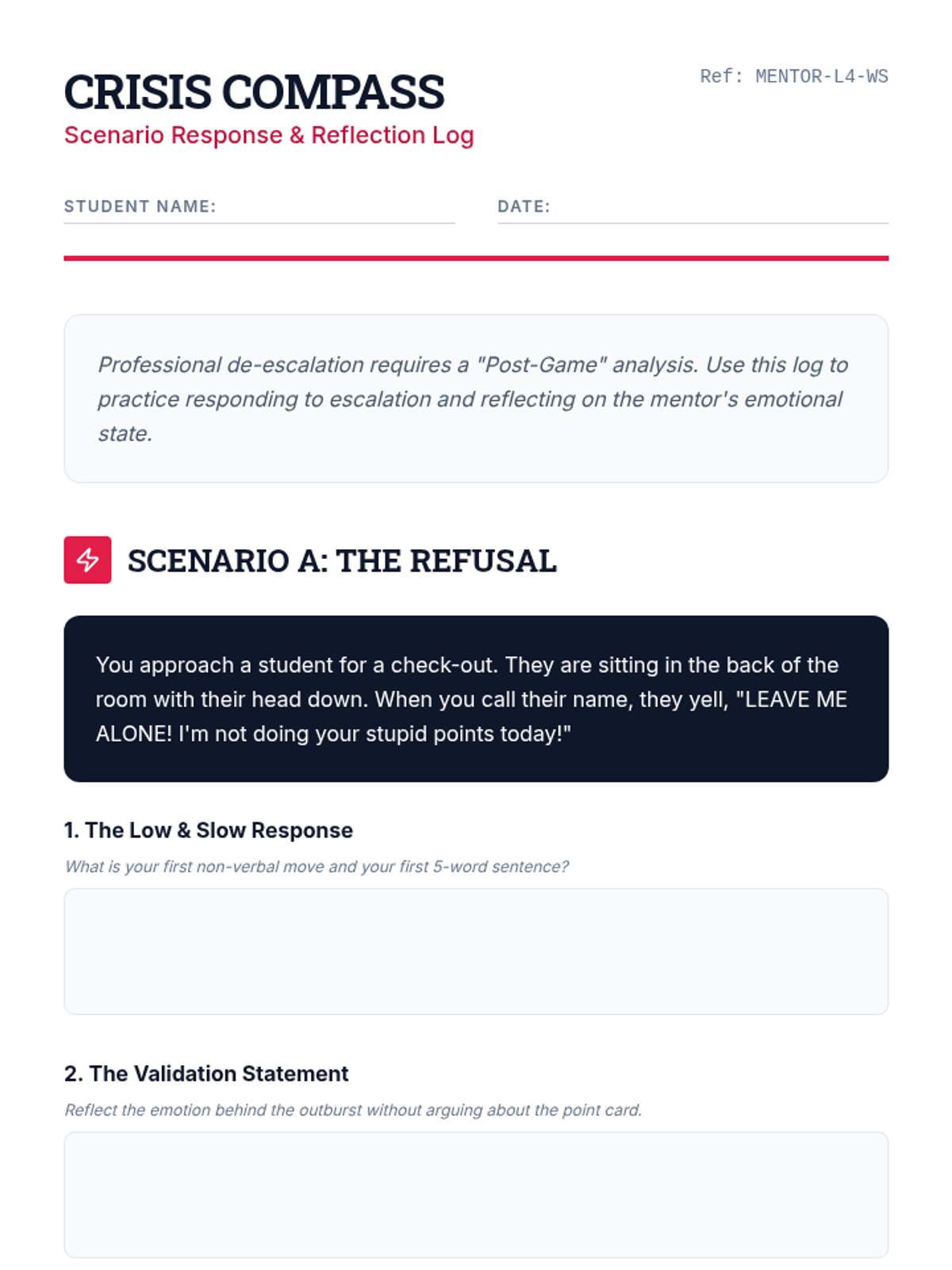
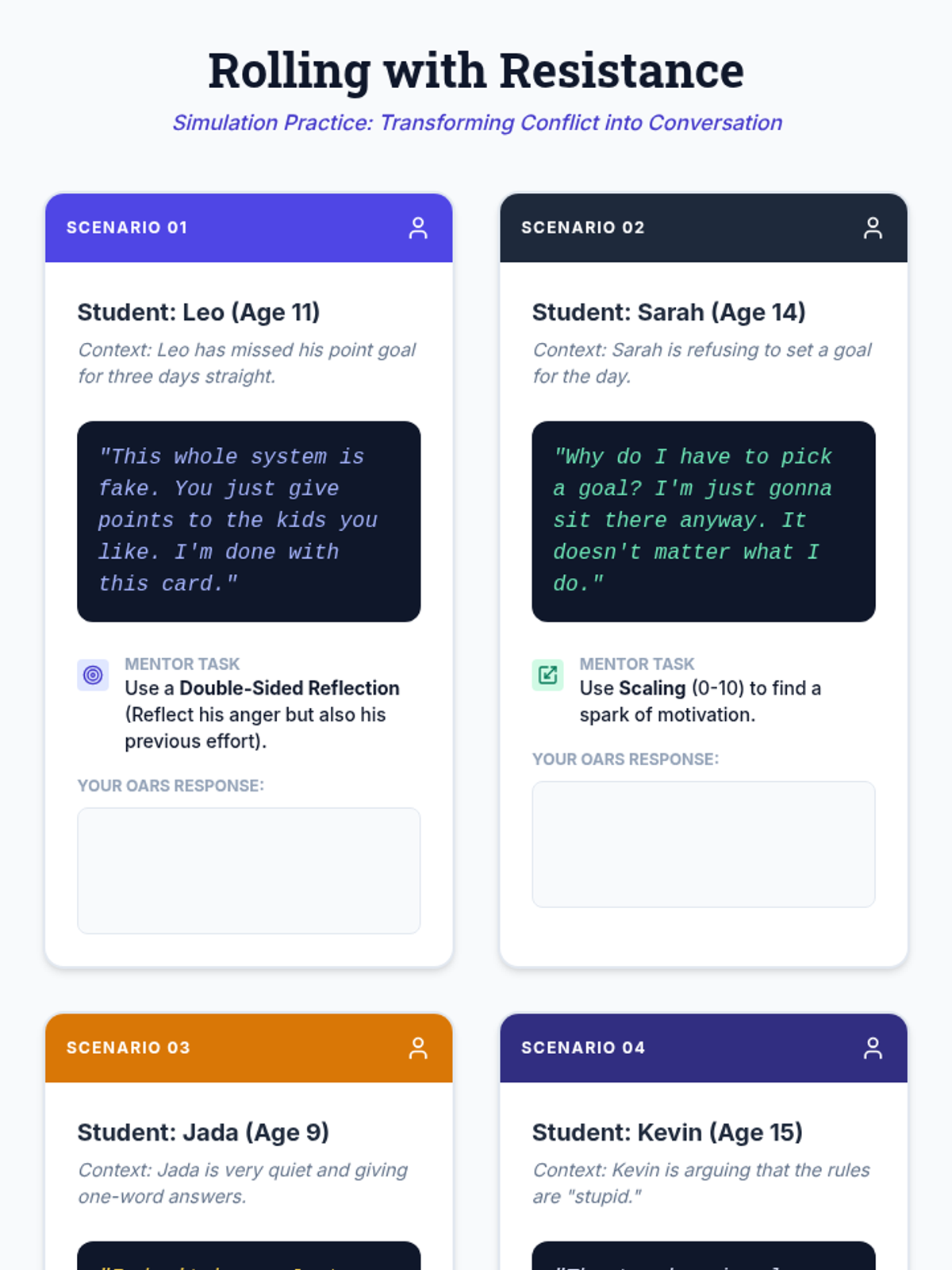
Prepares mentors for difficult scenarios such as non-compliance and resistance, with a heavy focus on de-escalation and relationship preservation during conflict.
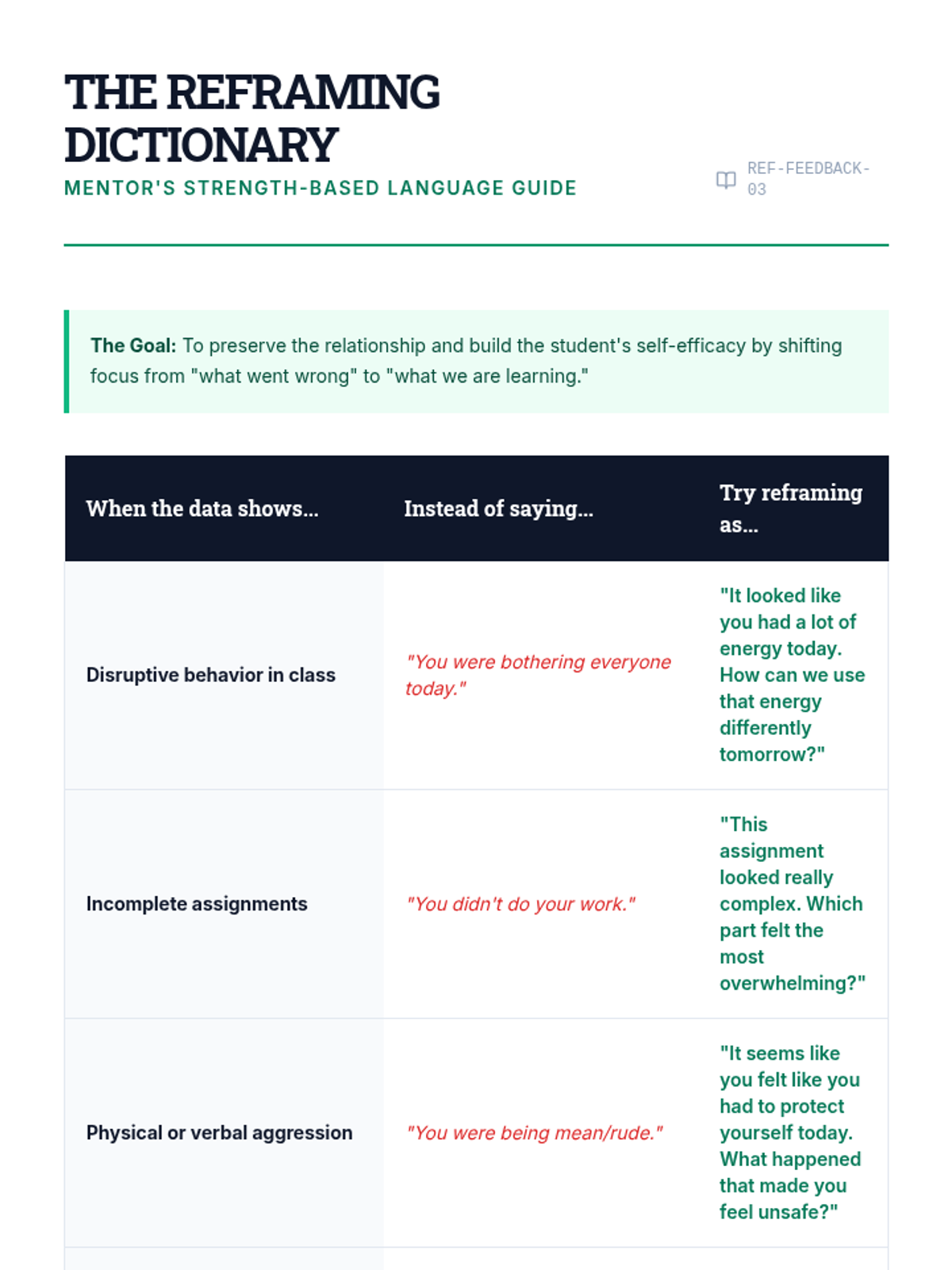
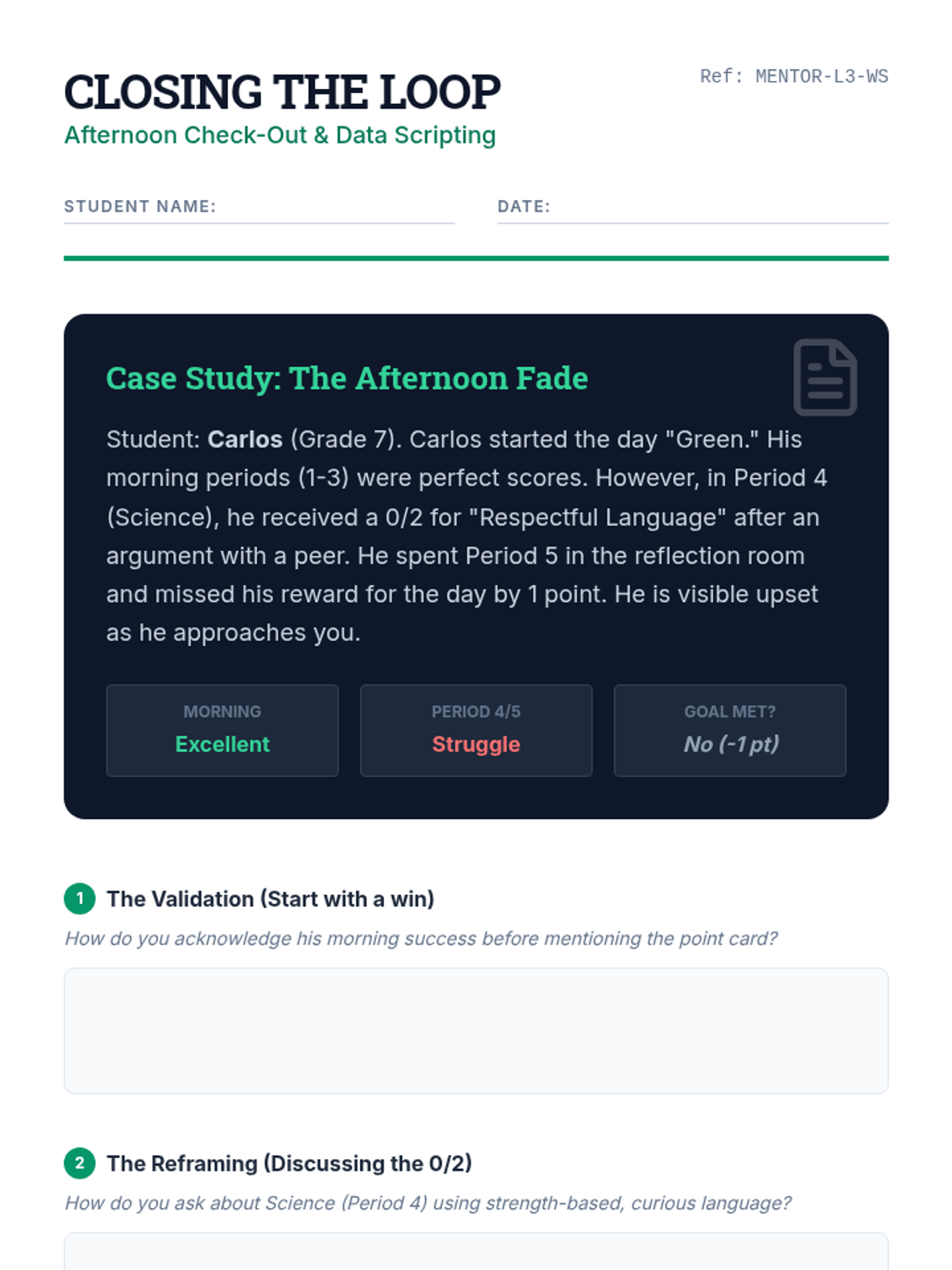
Focuses on the afternoon check-out process, teaching students how to review behavioral data honestly and supportively while reframing setbacks as learning opportunities.
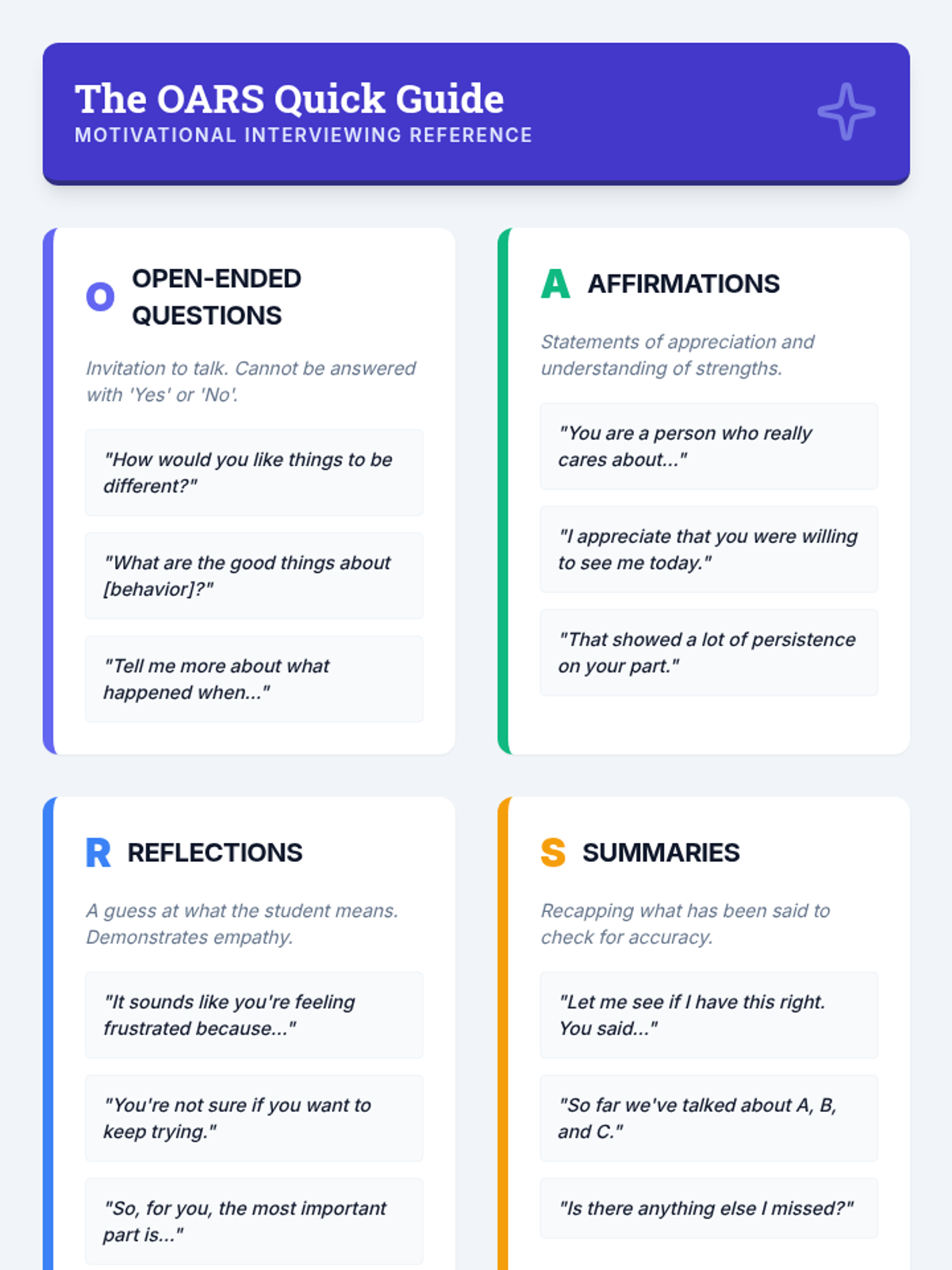
Adapts clinical Motivational Interviewing (MI) techniques for brief school-based interactions, teaching students to help K-12 learners identify their own motivations for behavior change.
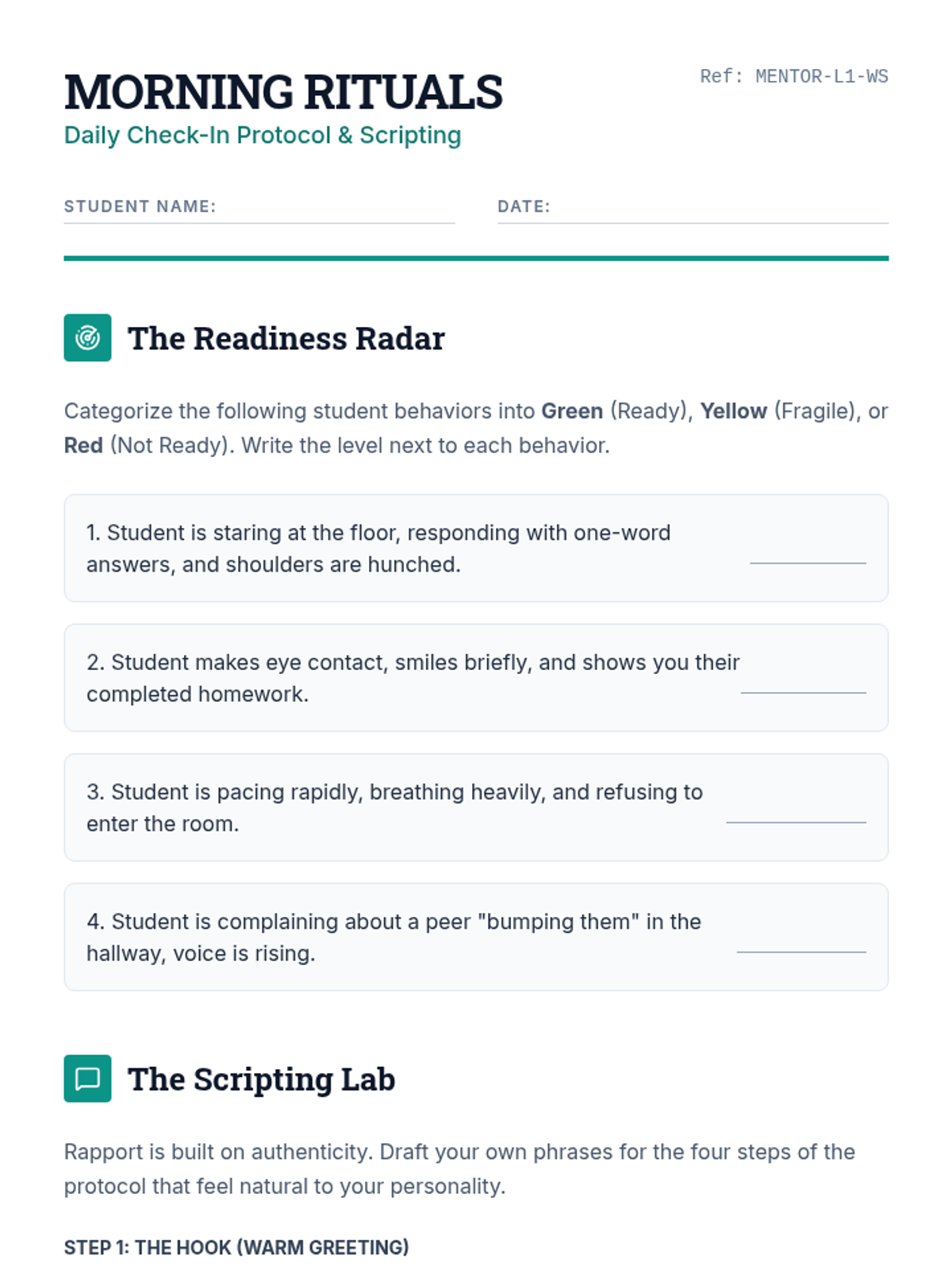
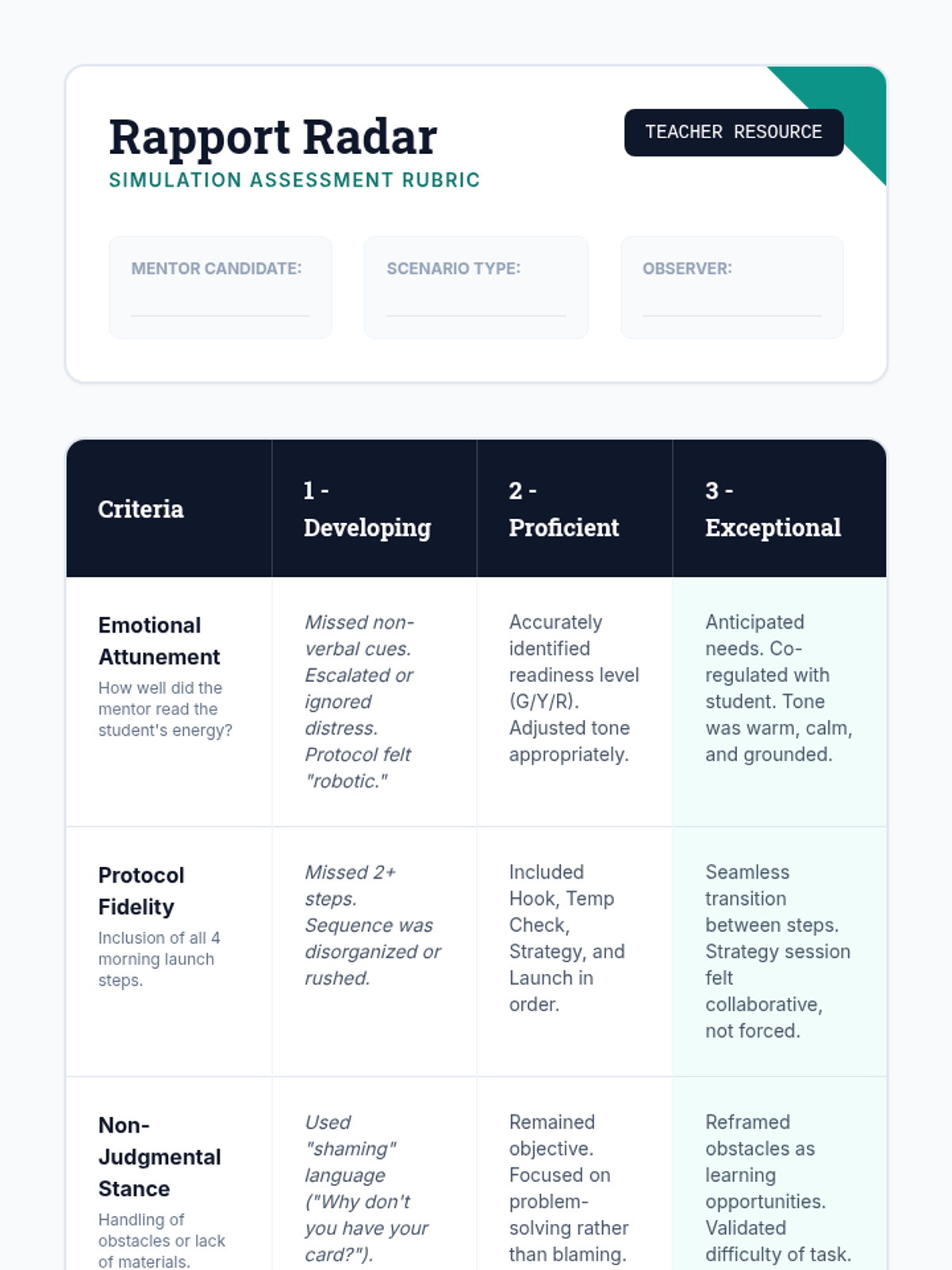
Students practice the specific script and tone required for a successful morning launch, learning how to assess 'readiness to learn' without escalating anxiety through simulations.
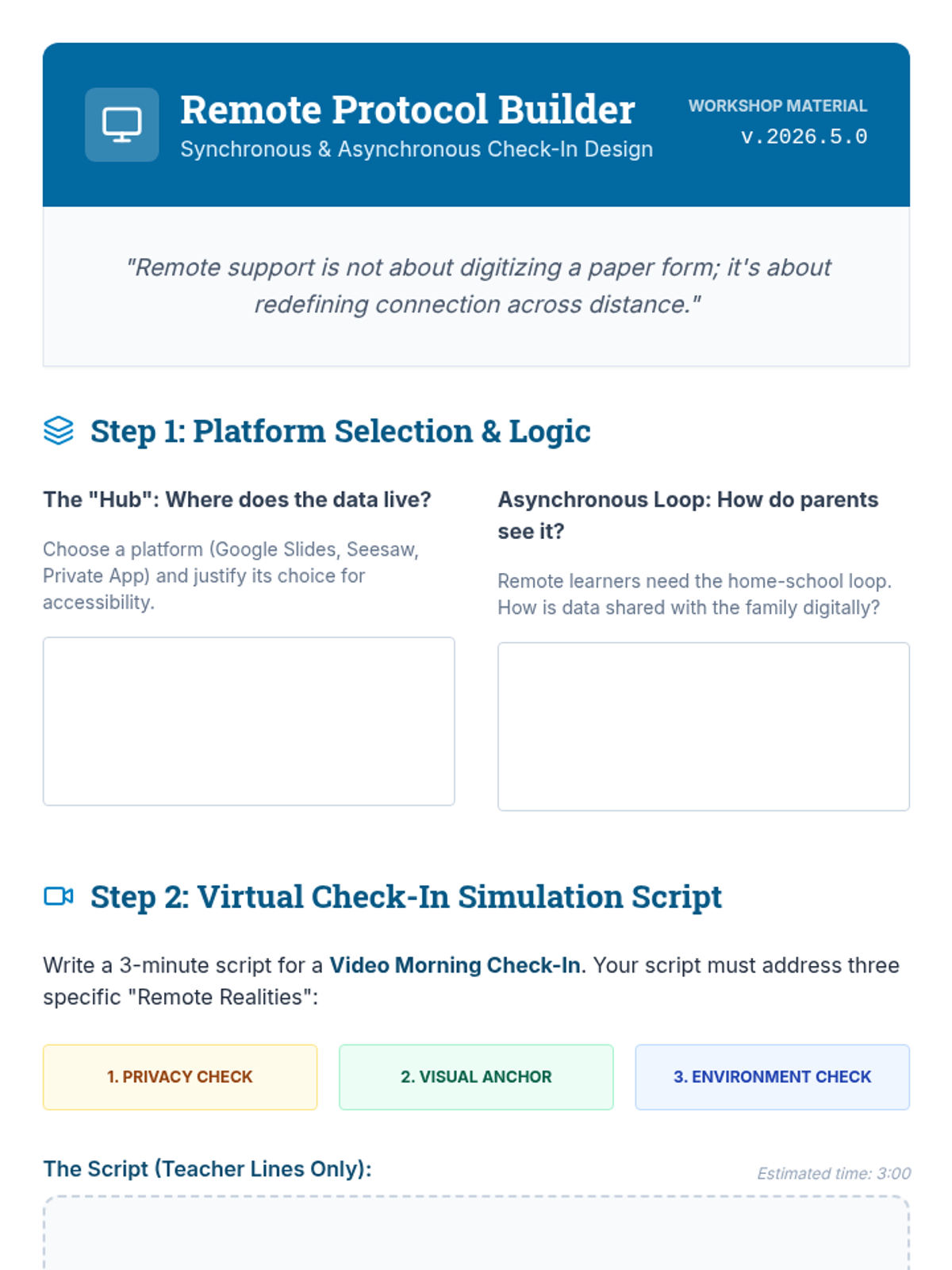
Preparing for remote and hybrid environments, students learn to maintain connection and consistency through digital check-in platforms and video protocols.
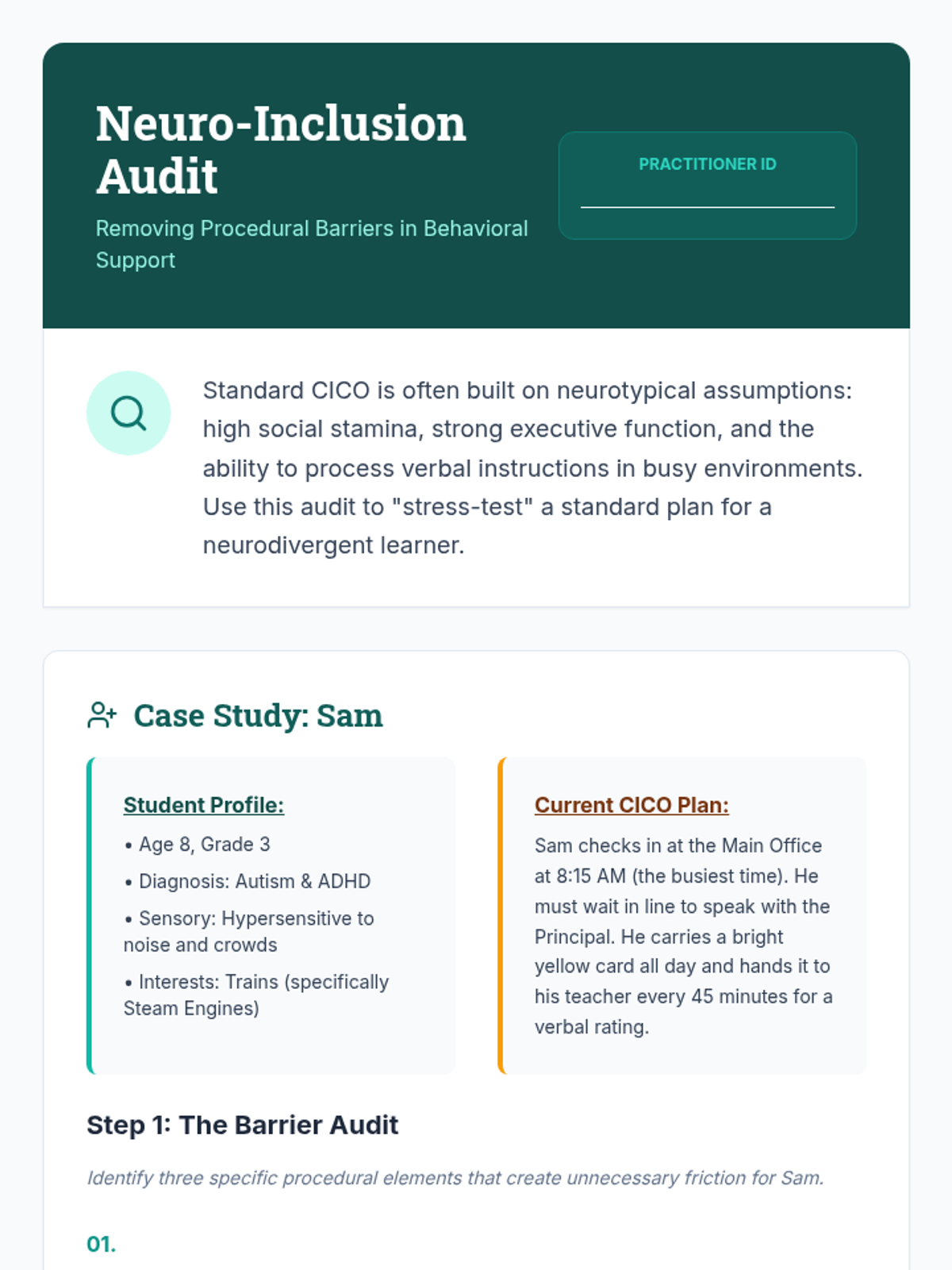
Students explore strategies for adapting behavioral supports for neurodivergent learners, including sensory adjustments and the use of special interests as reinforcers.
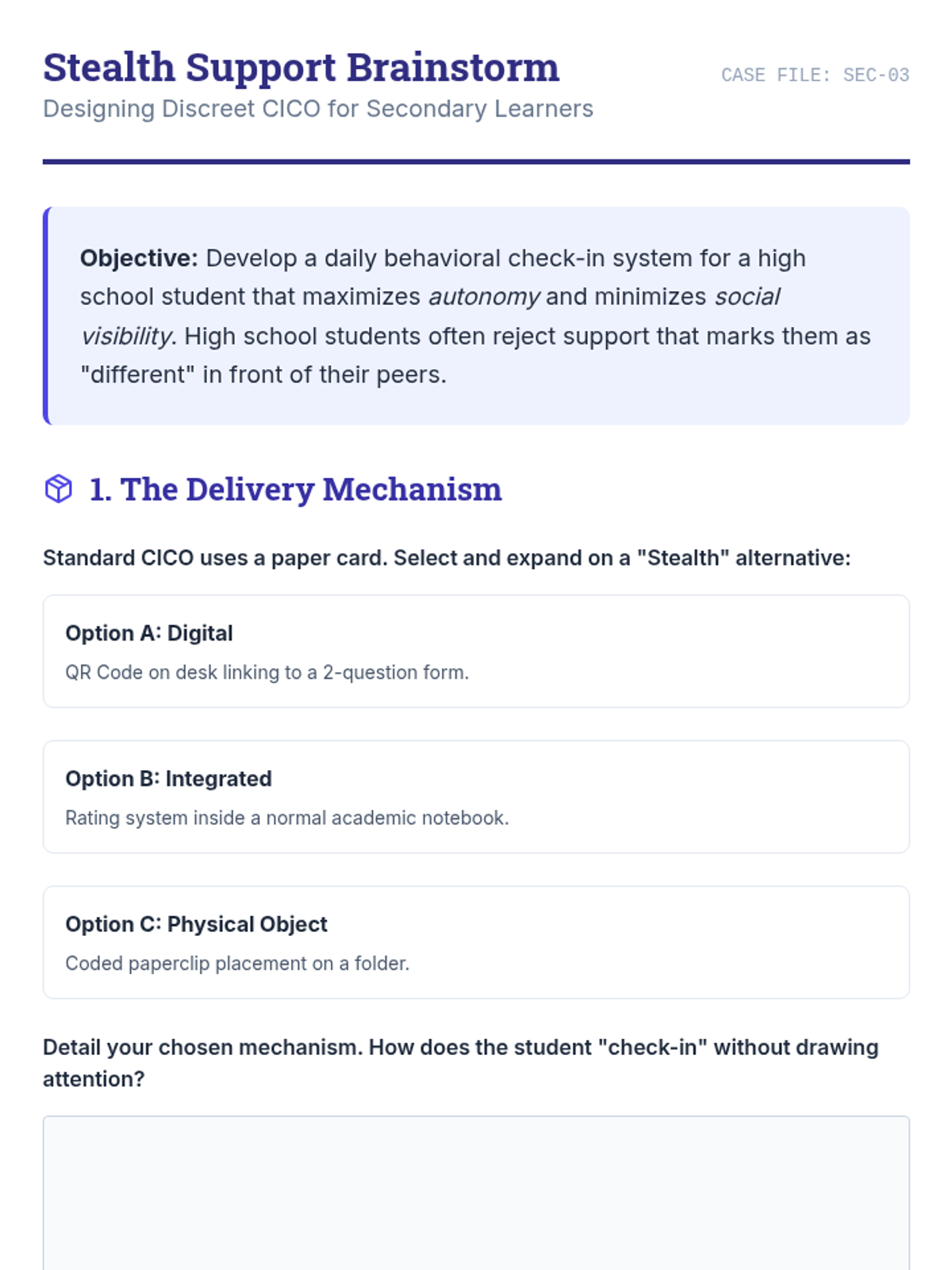
This lesson addresses the autonomy needs and social sensitivities of adolescents by focusing on self-monitoring, discreet feedback, and student-led goal setting.
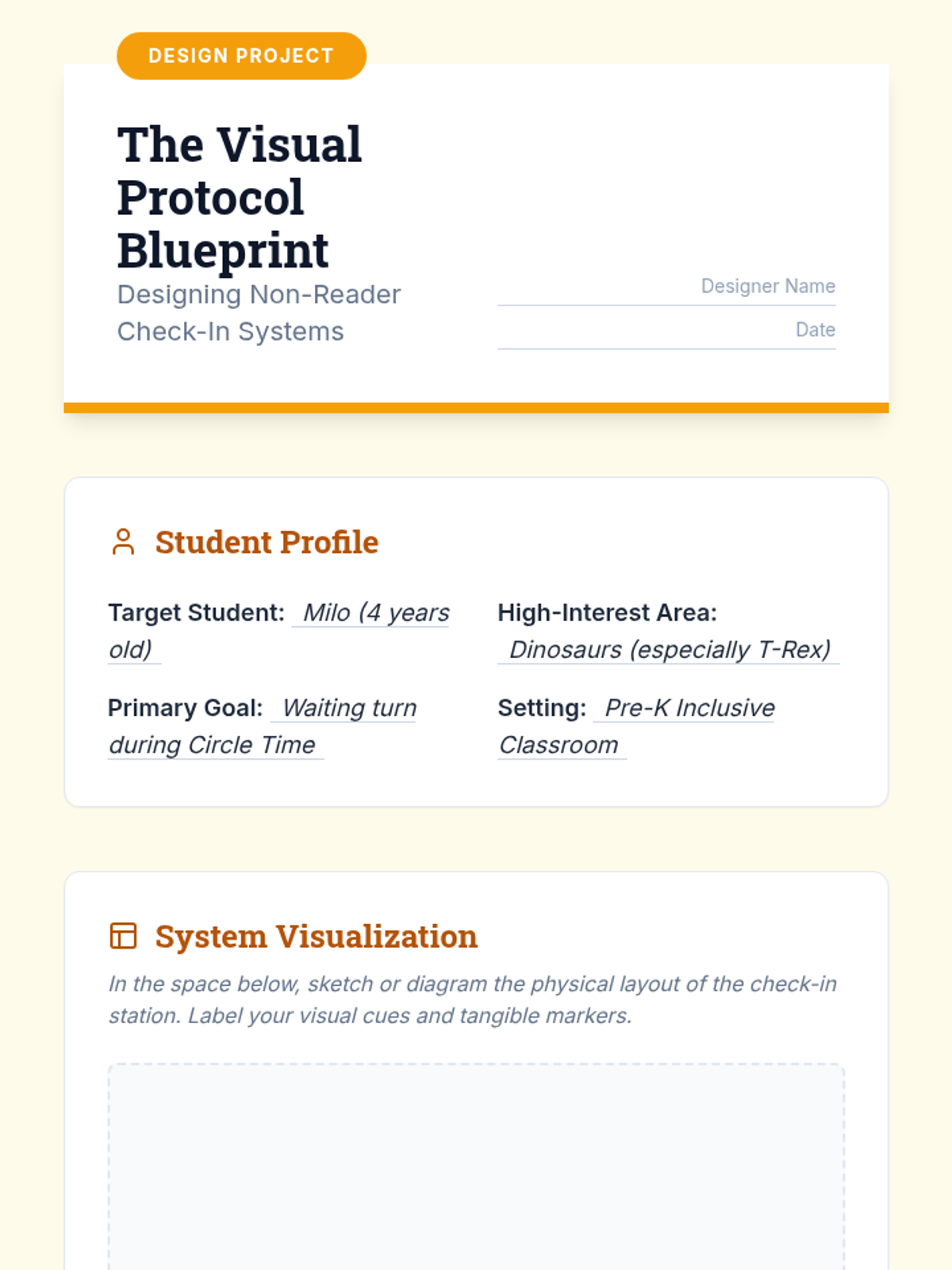
Focusing on Pre-K through 2nd grade, this lesson adapts check-in procedures to be more visual and tangible for learners who are still developing literacy and abstract reasoning skills.
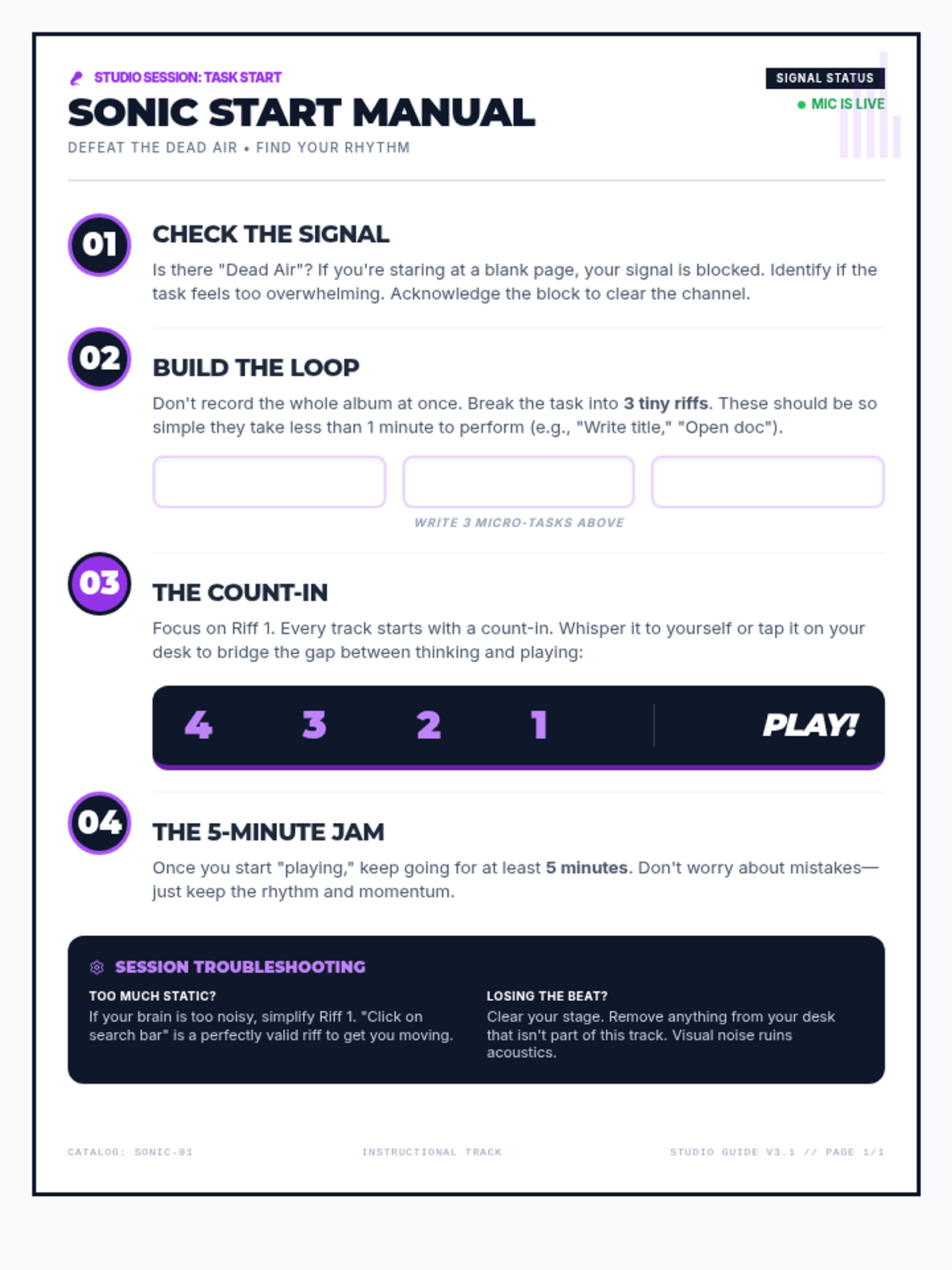
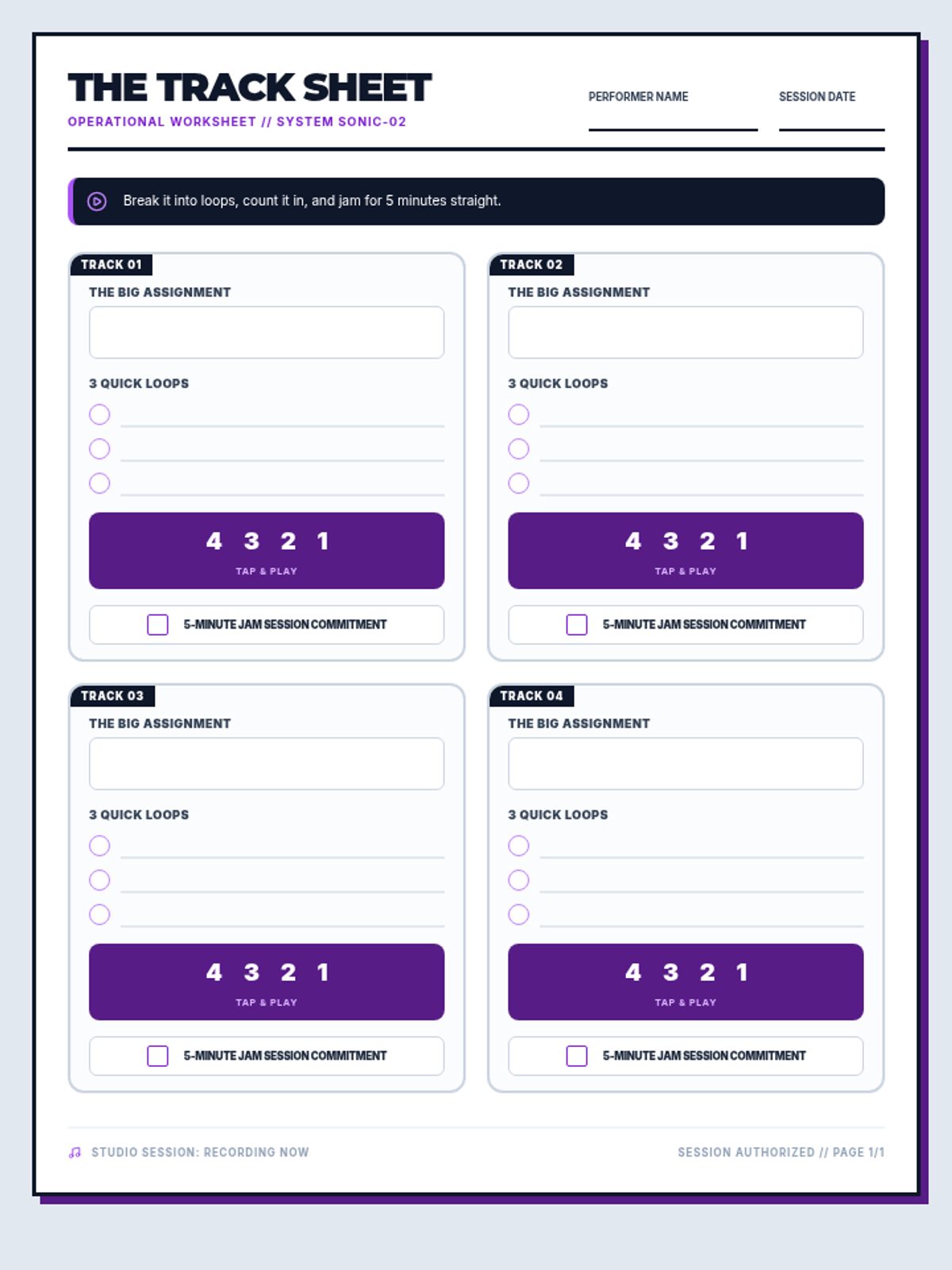
A practical lesson focusing on task initiation through a musical lens. Students learn to overcome 'Dead Air' (procrastination) using 'The Count-In' and 'The 5-Minute Jam' to build momentum in their classroom work.
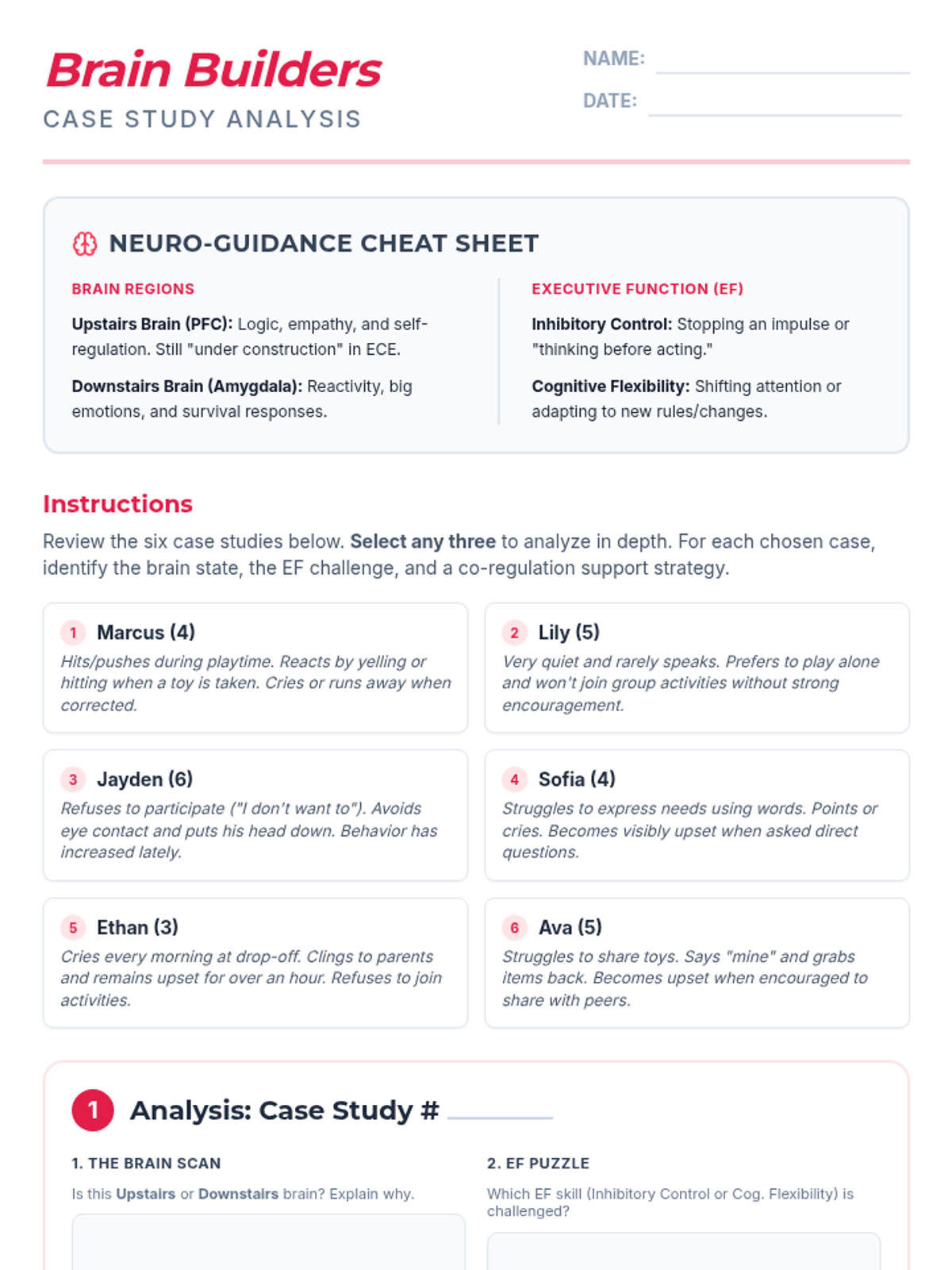
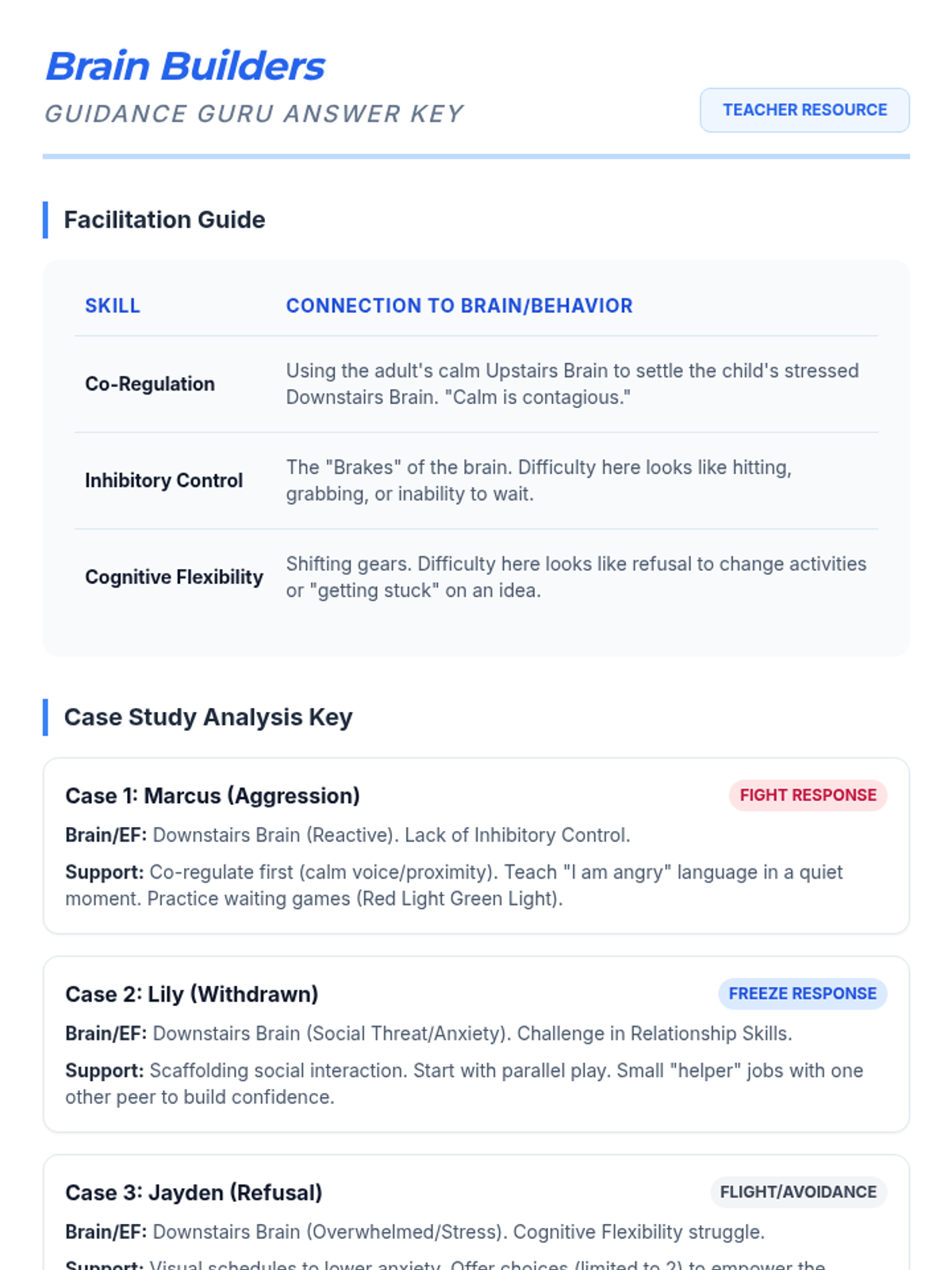
An ECE guidance lesson focused on analyzing child behavior through the lens of neurodevelopment, CASEL competencies, and executive functioning. Students apply brain-based strategies to real-world classroom scenarios.
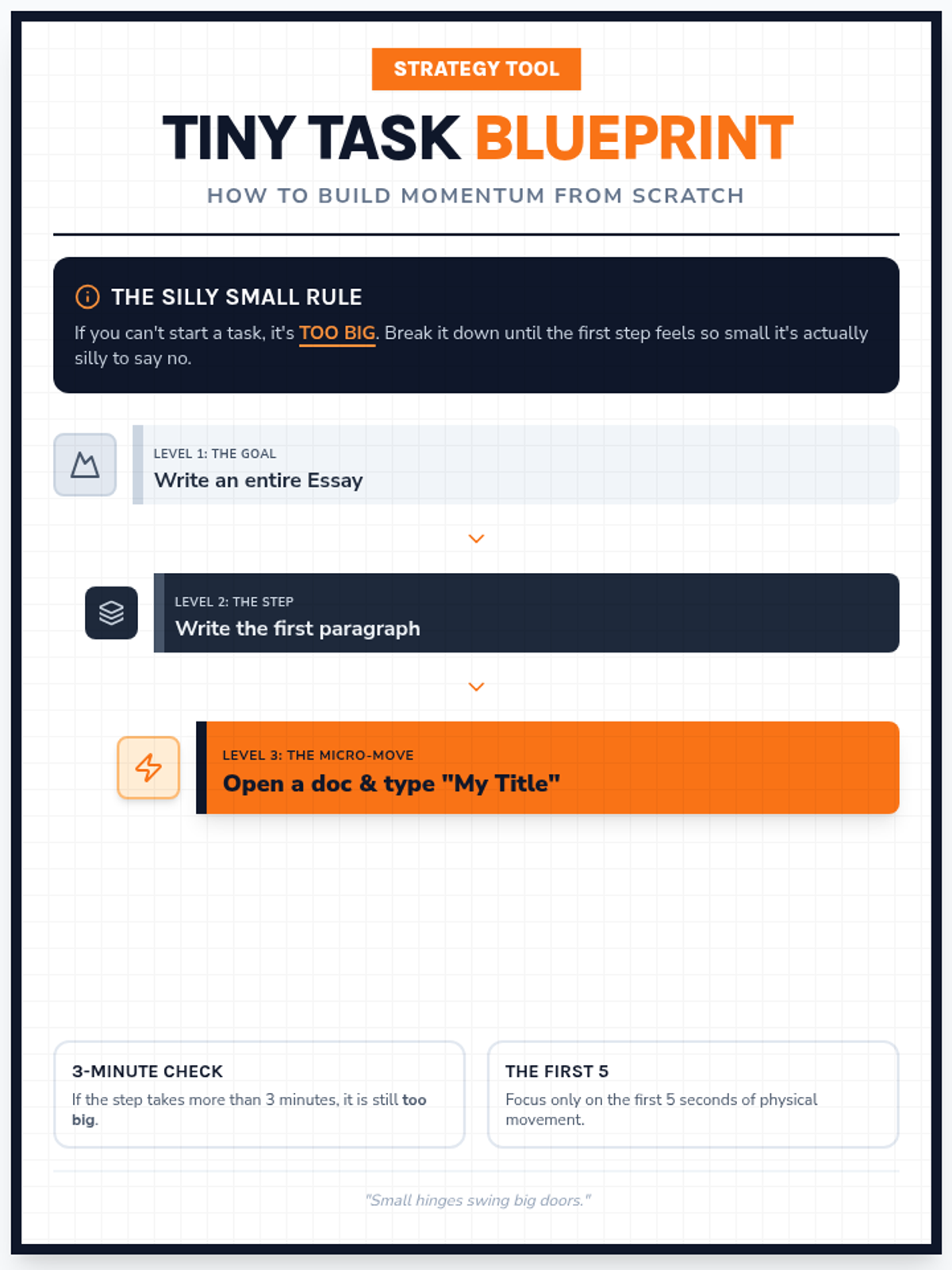
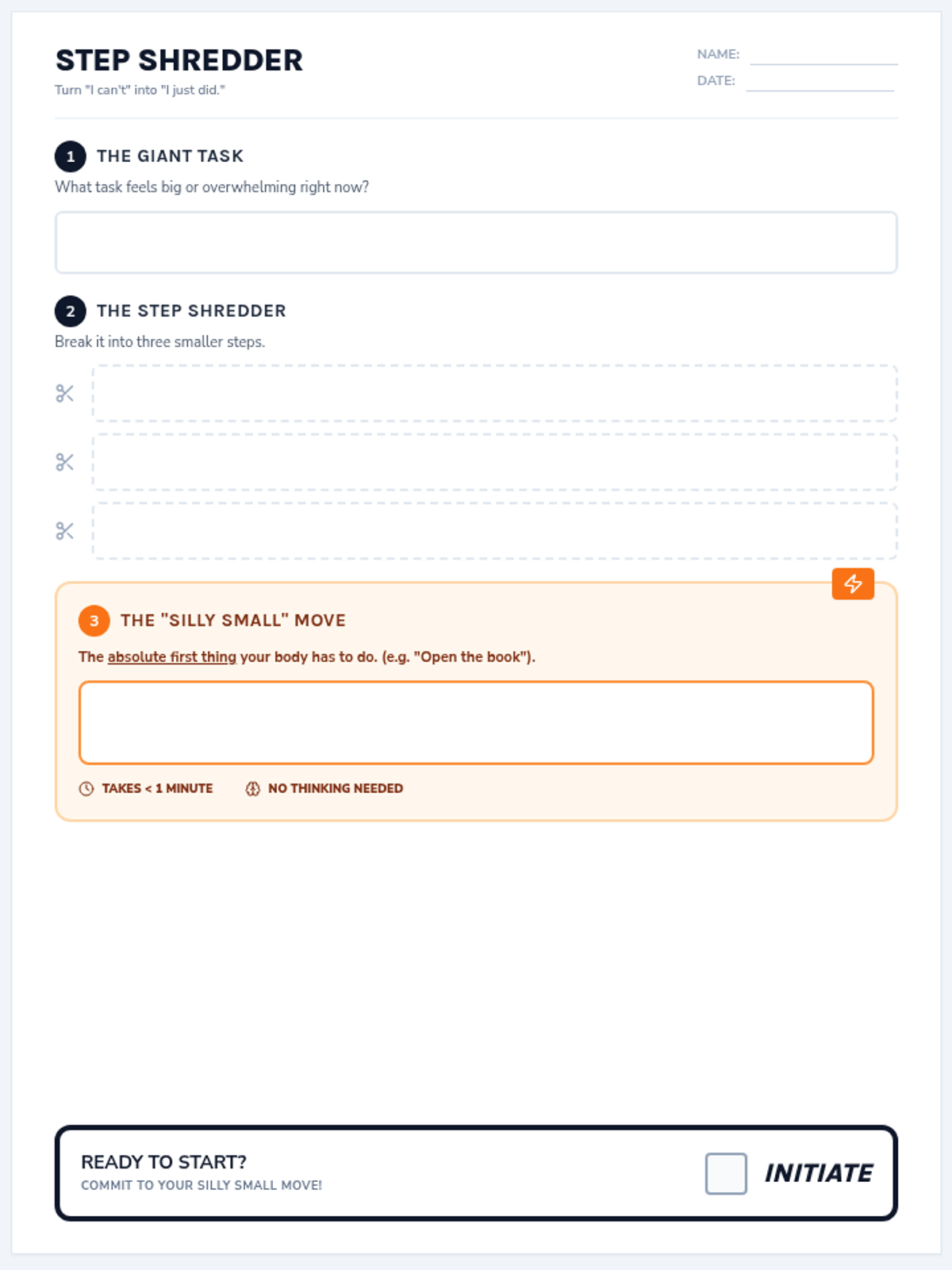
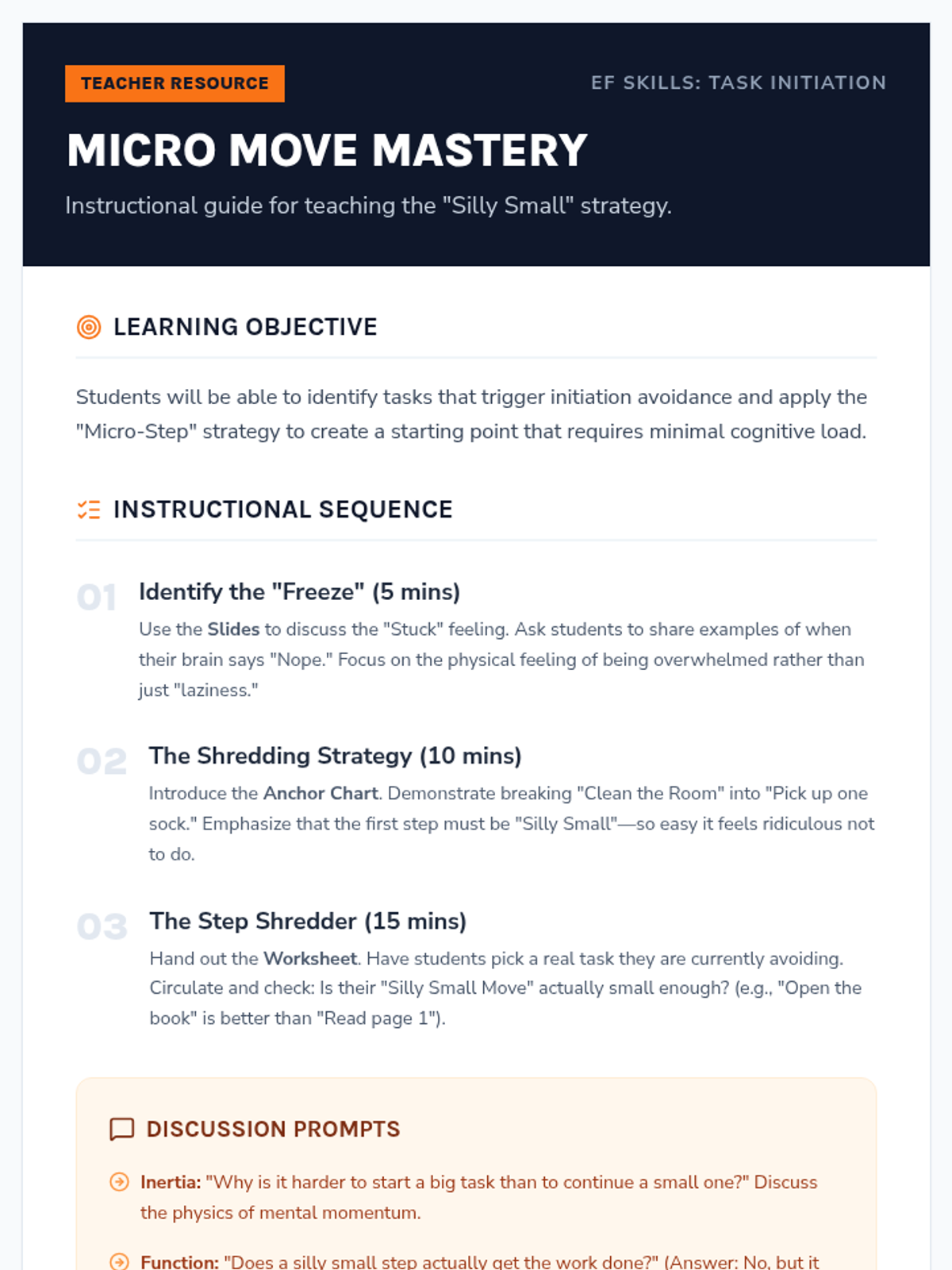
A lesson focused on overcoming task initiation struggles by breaking overwhelming goals into 'micro-steps' that are too small to fail.
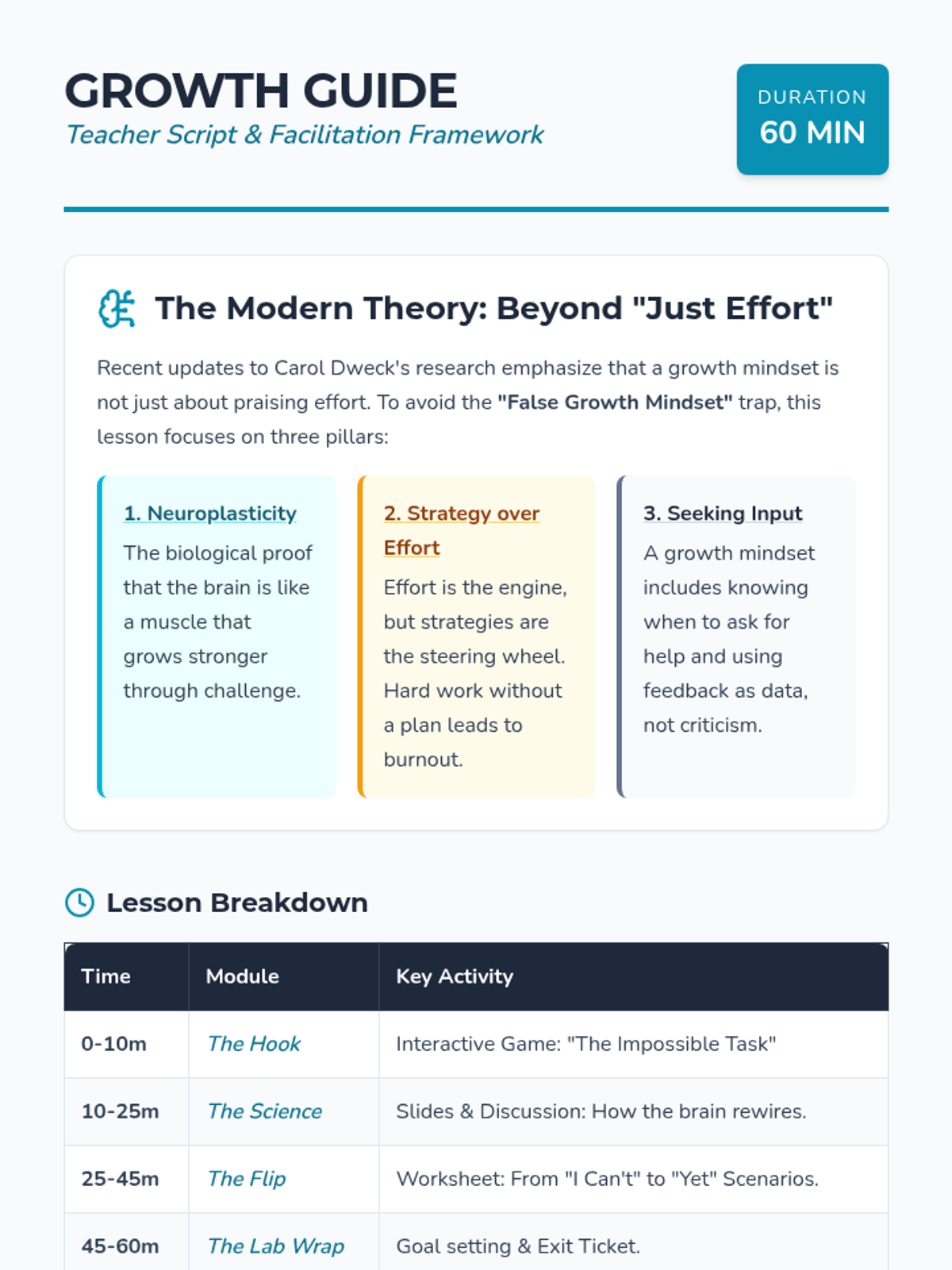
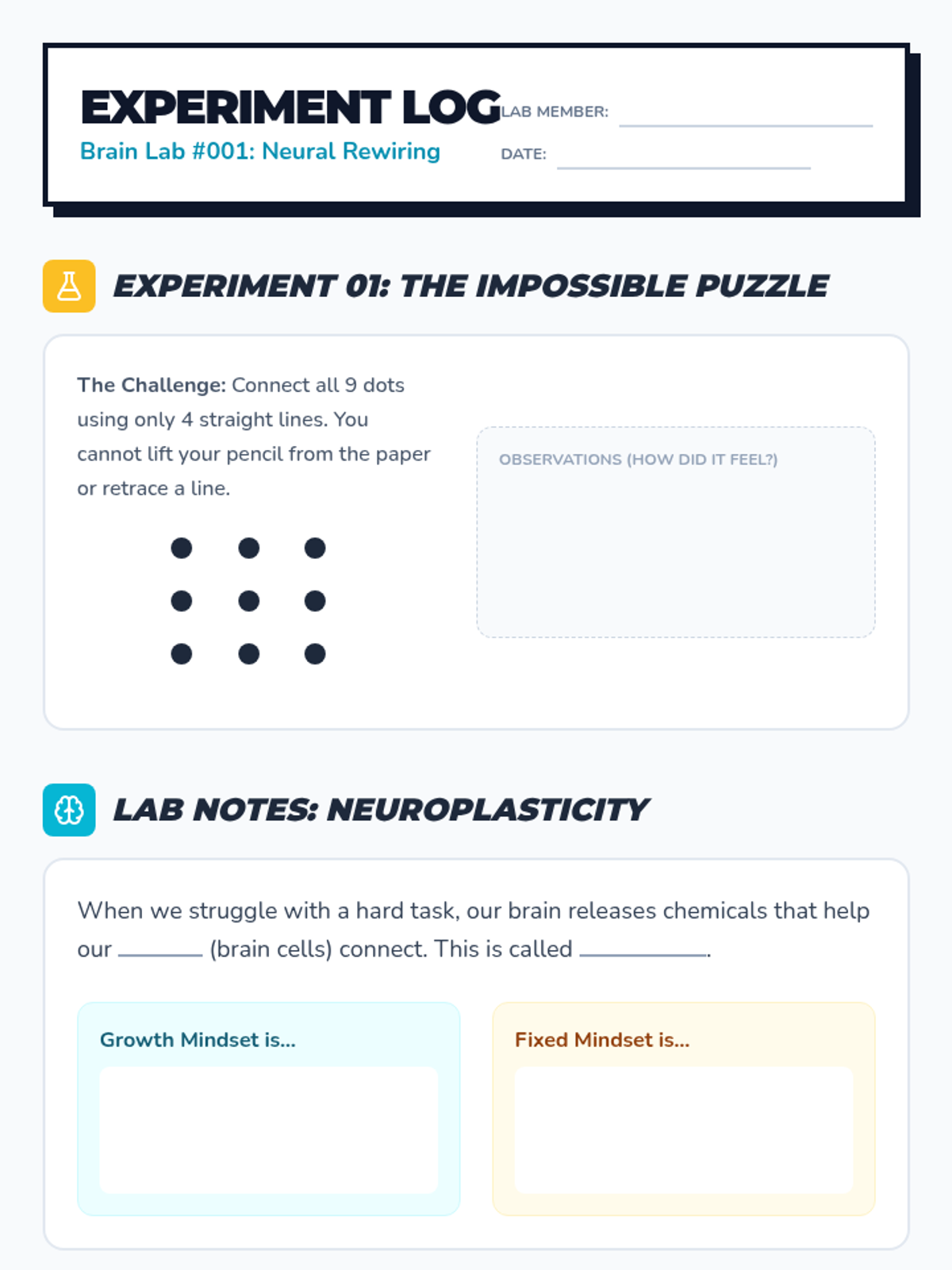
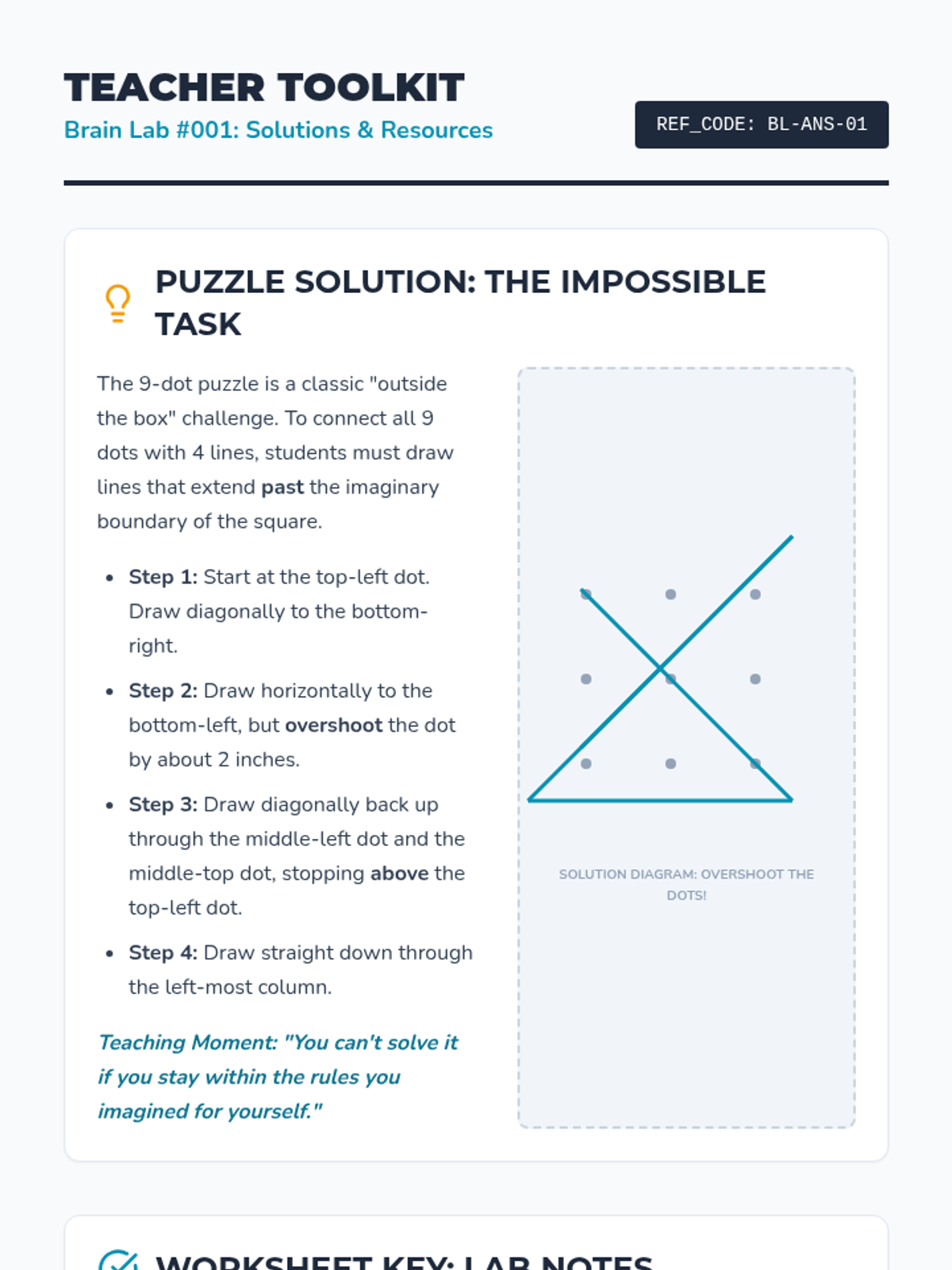
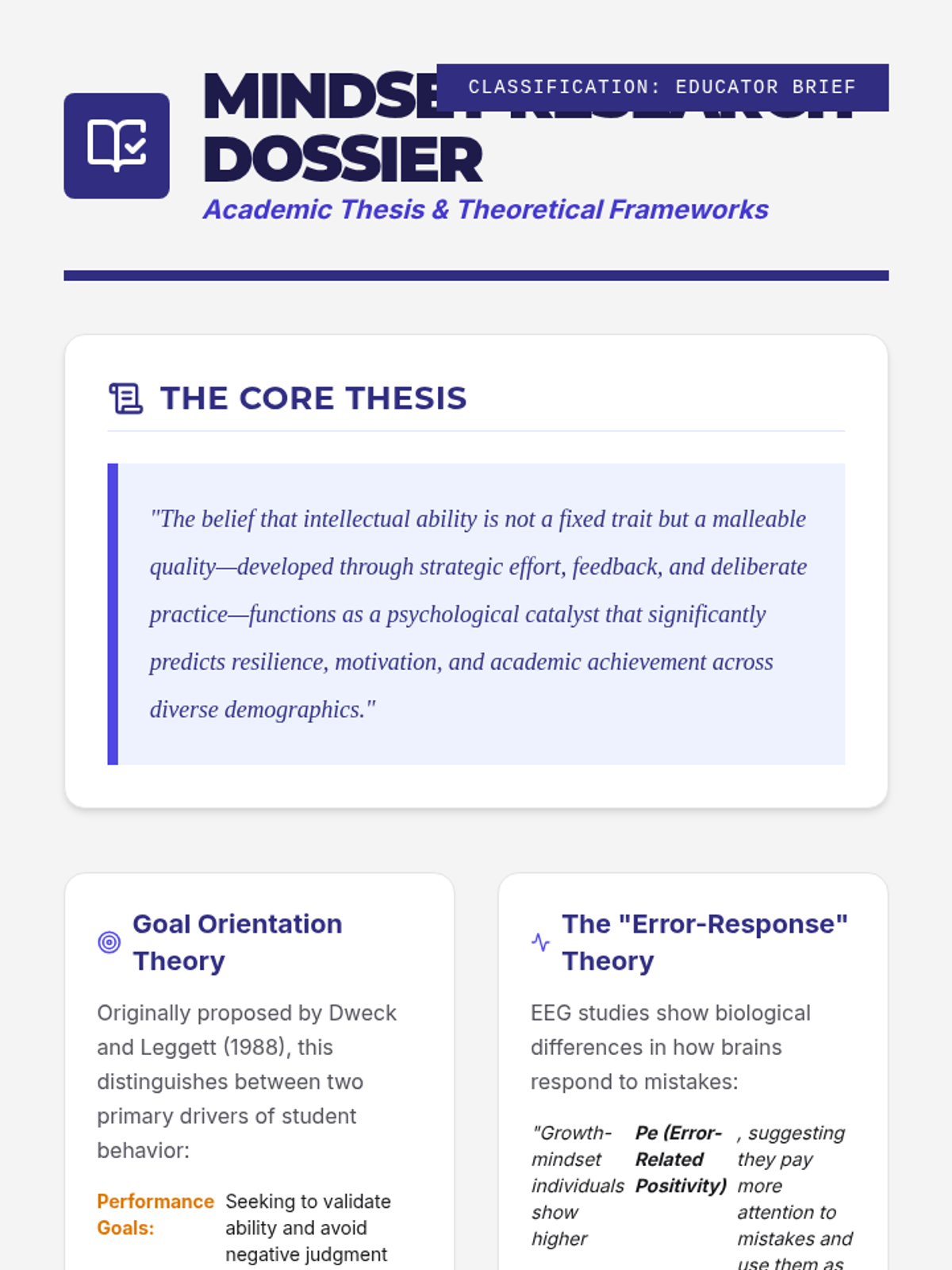
A comprehensive 60-minute session designed to introduce students to the science of neuroplasticity and the practical application of a growth mindset through interactive games, discussion, and reflective work.
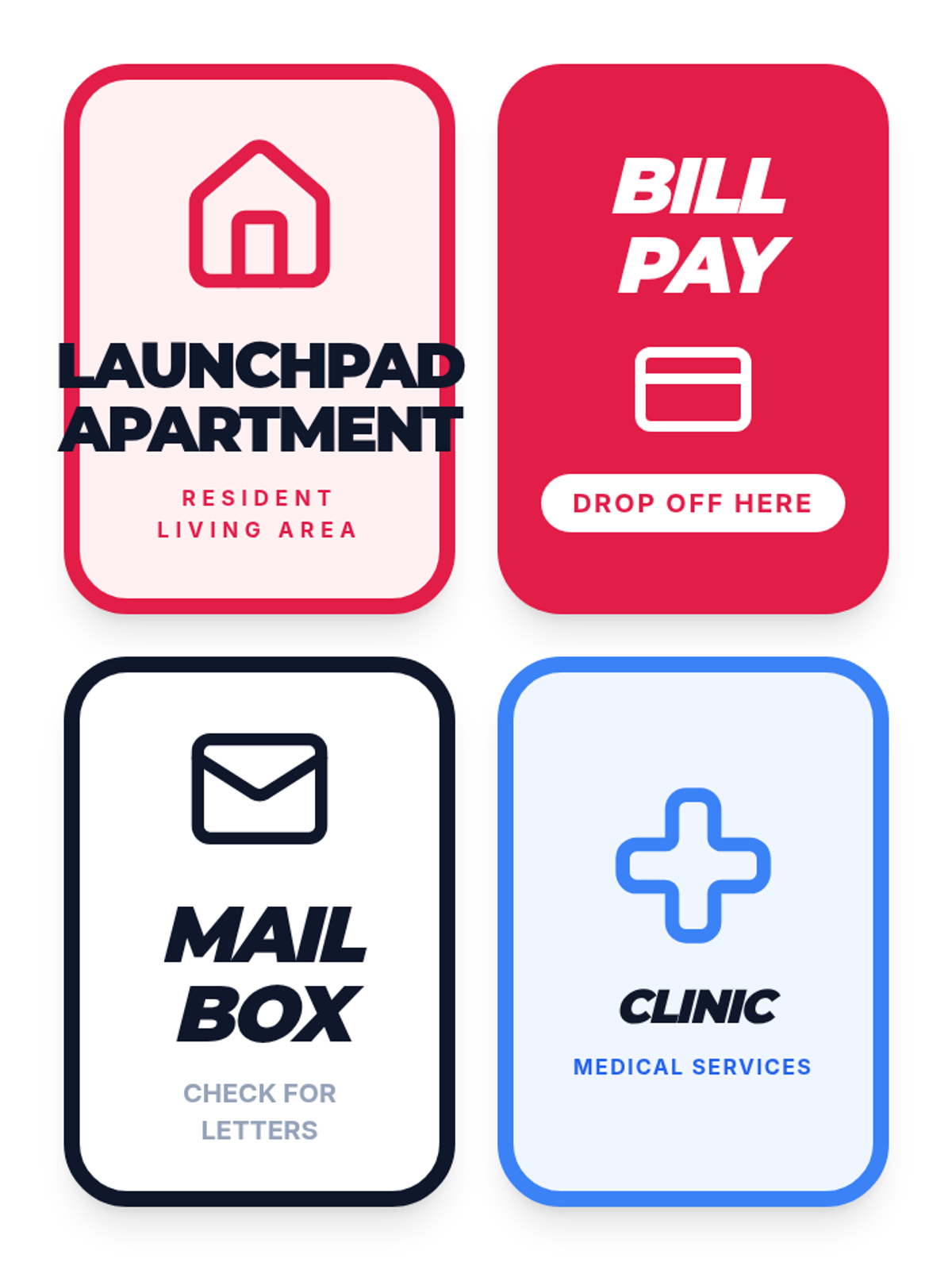
Foundational materials for the Life Skills Launchpad, including binder covers, dividers, and sequence-wide tracking systems.
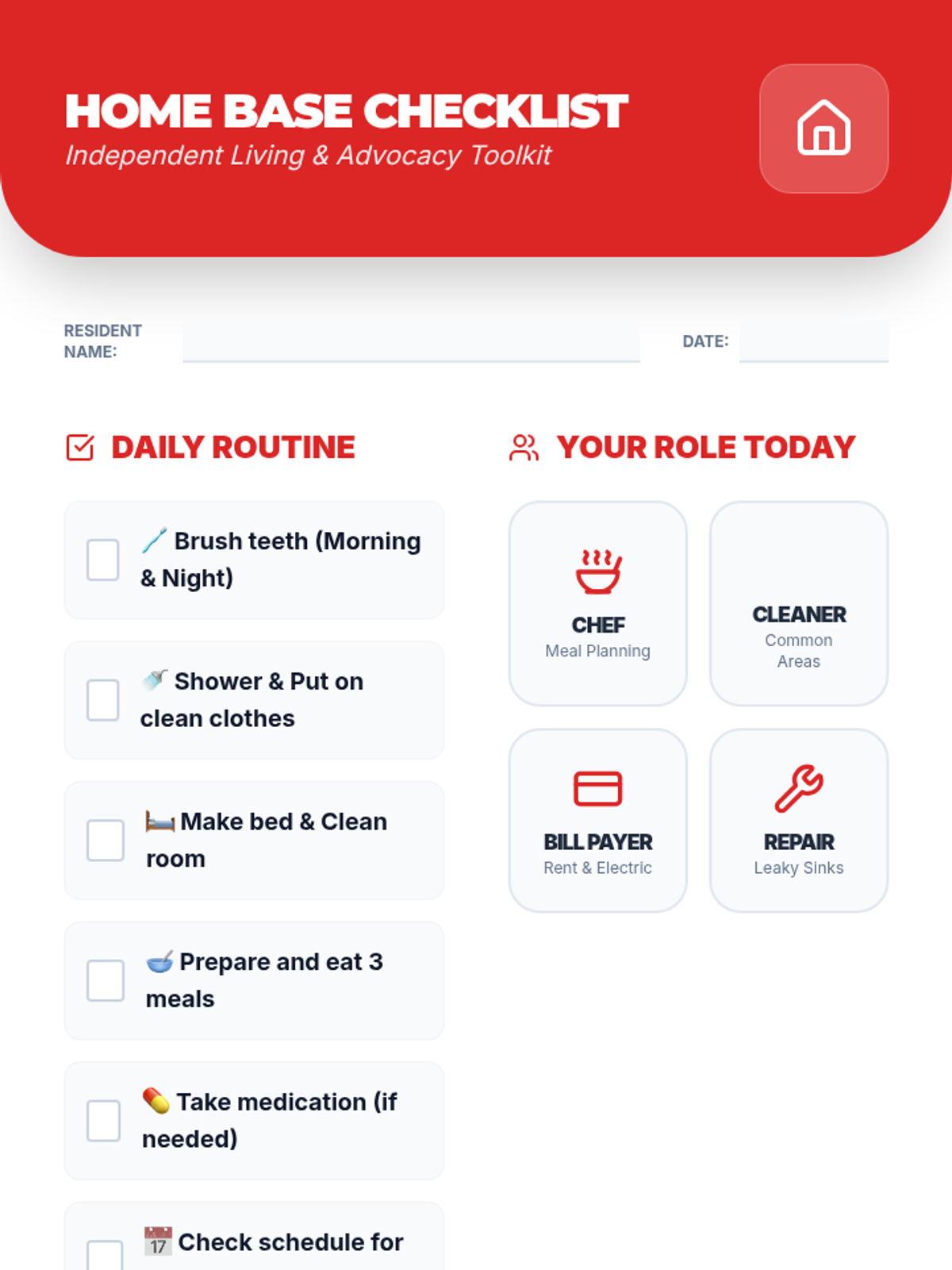
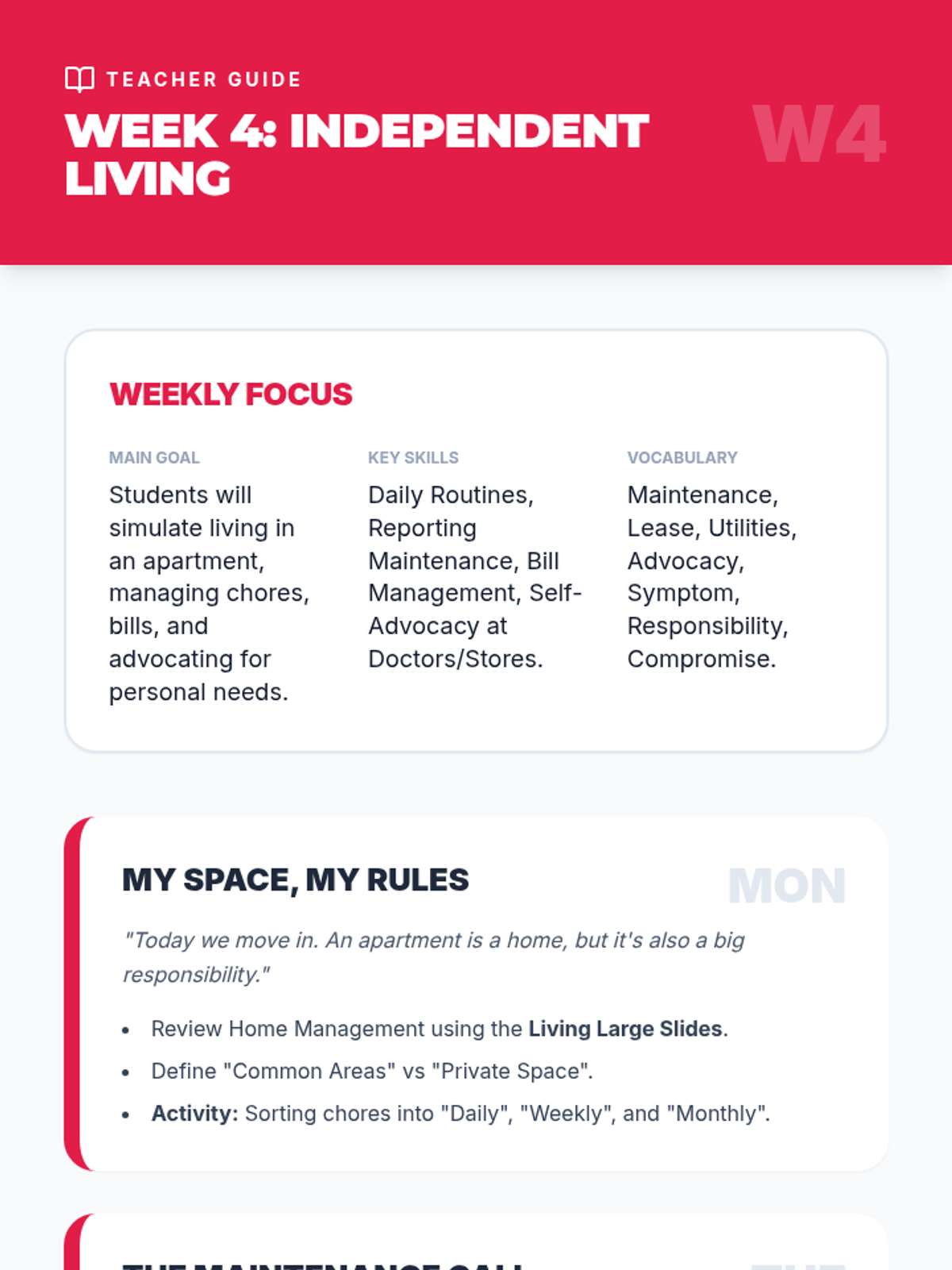
Practicing the core skills of independent living, including home maintenance, personal advocacy, and daily scheduling.
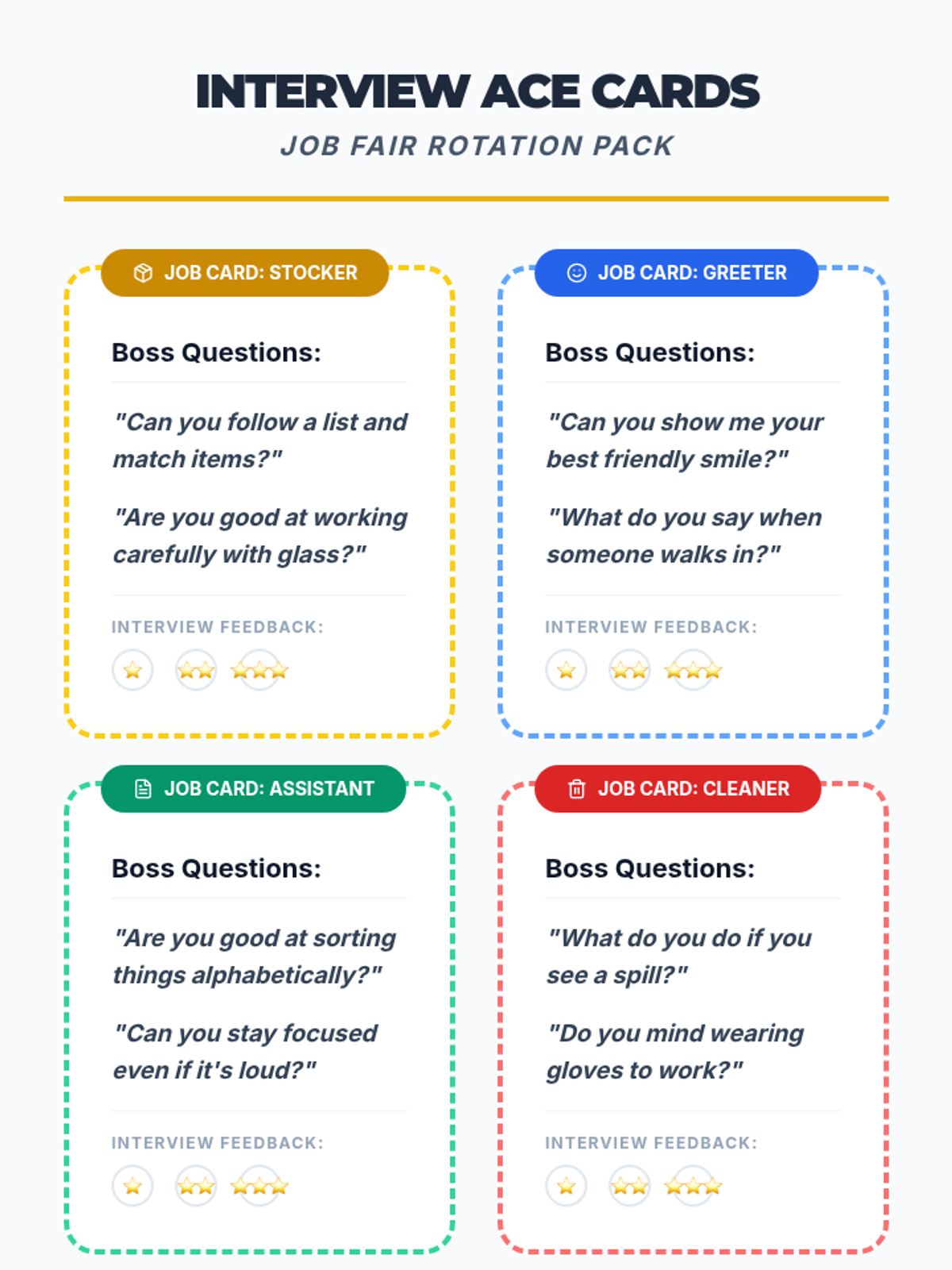
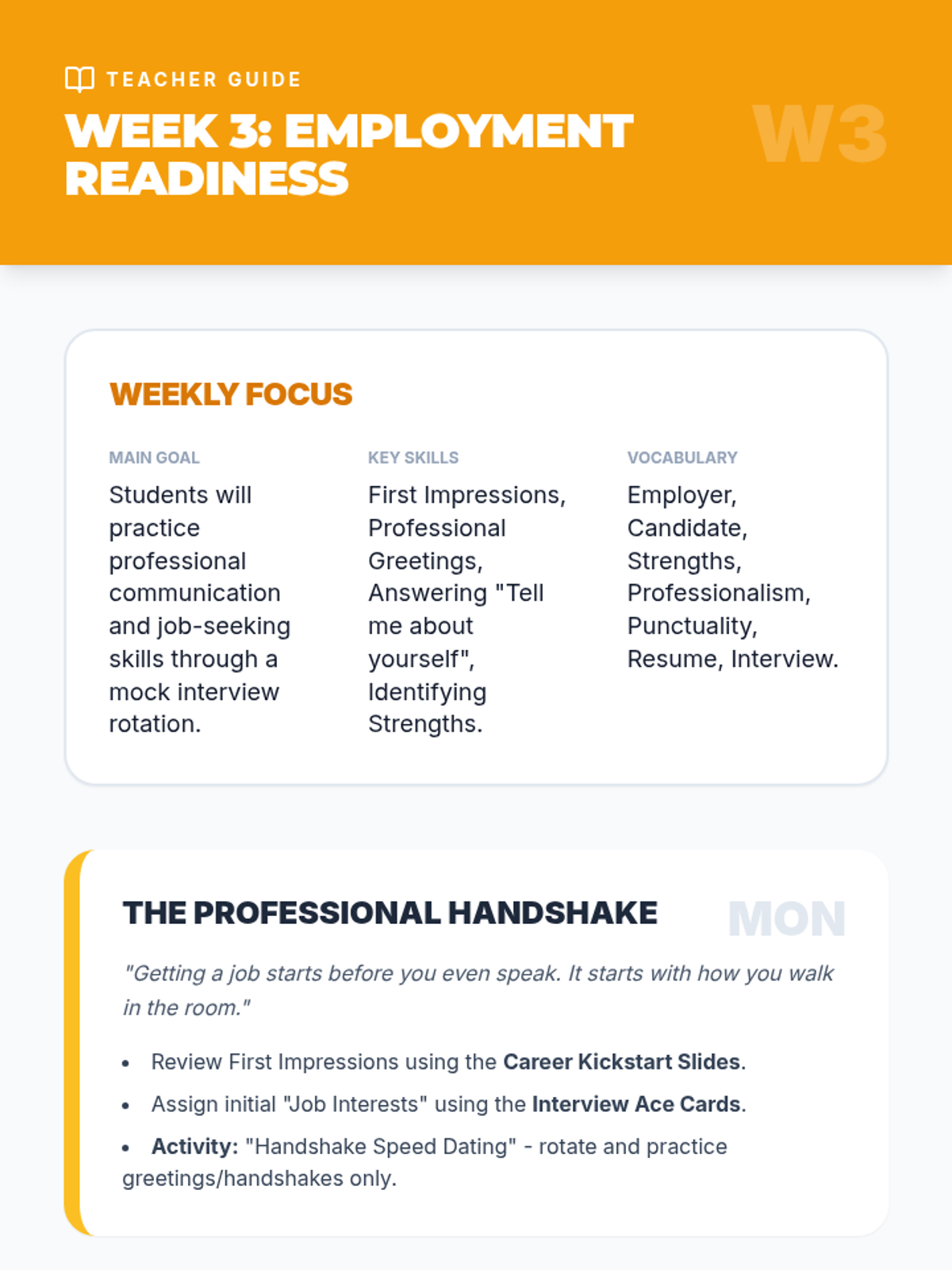
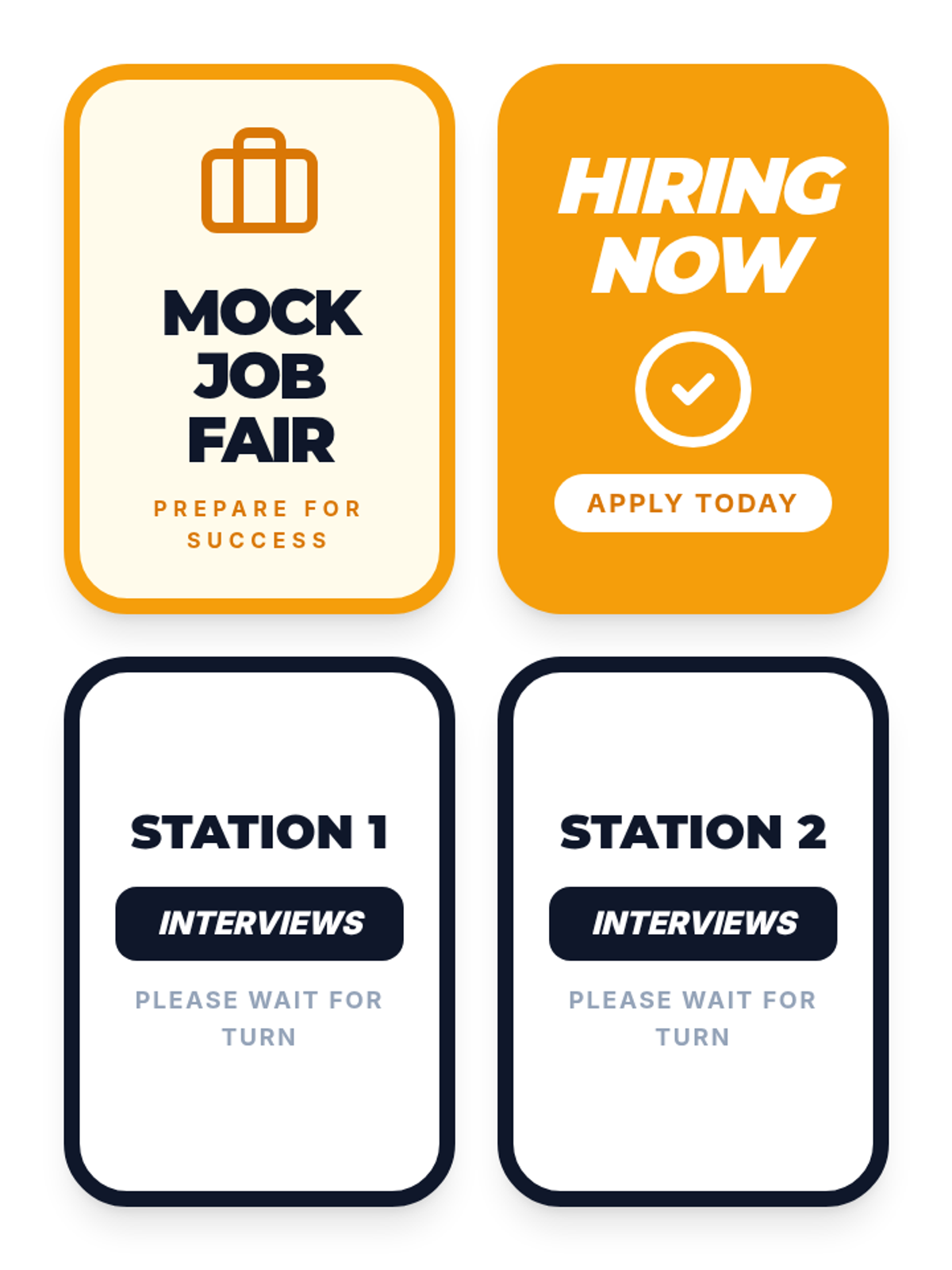
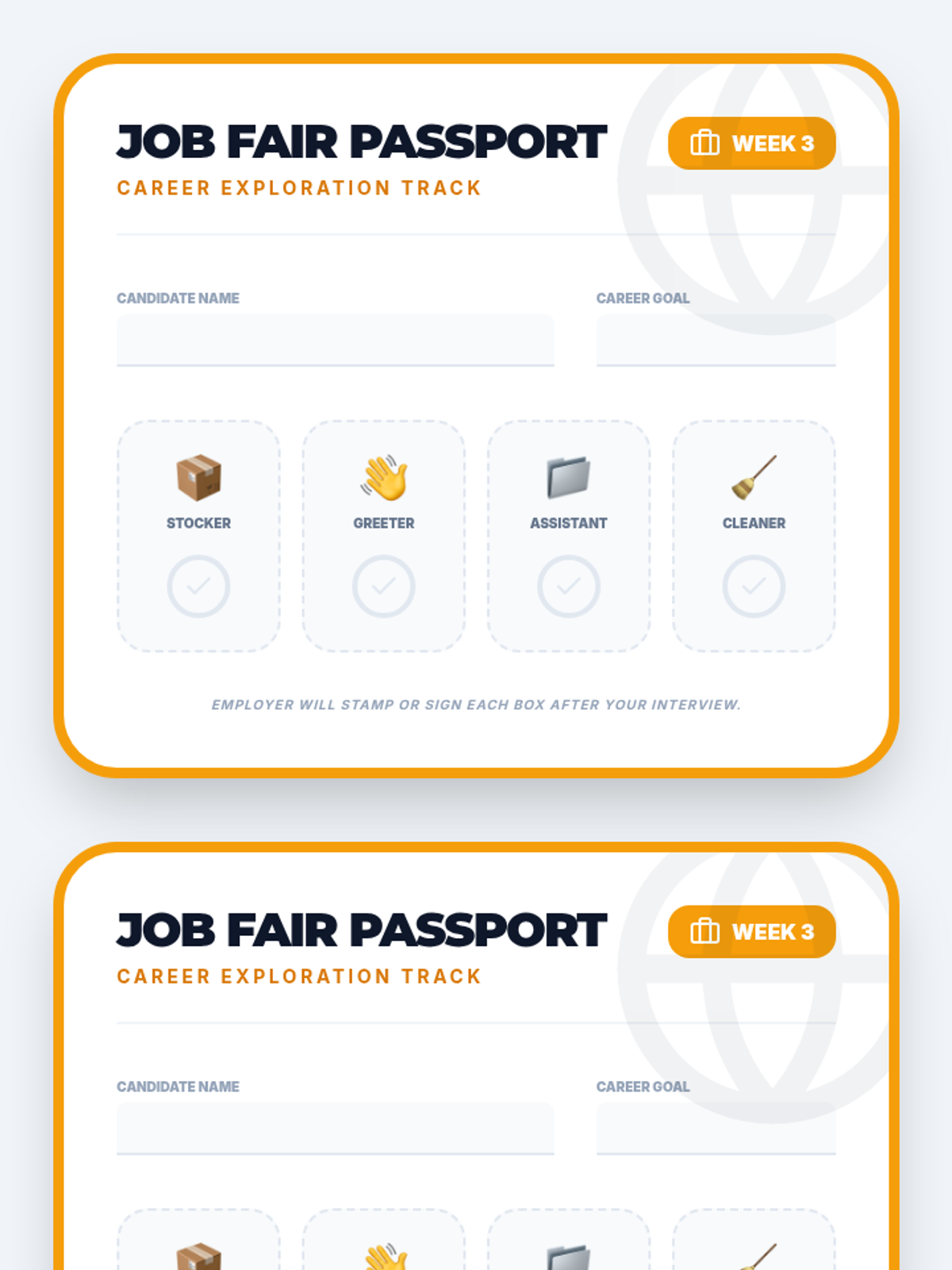
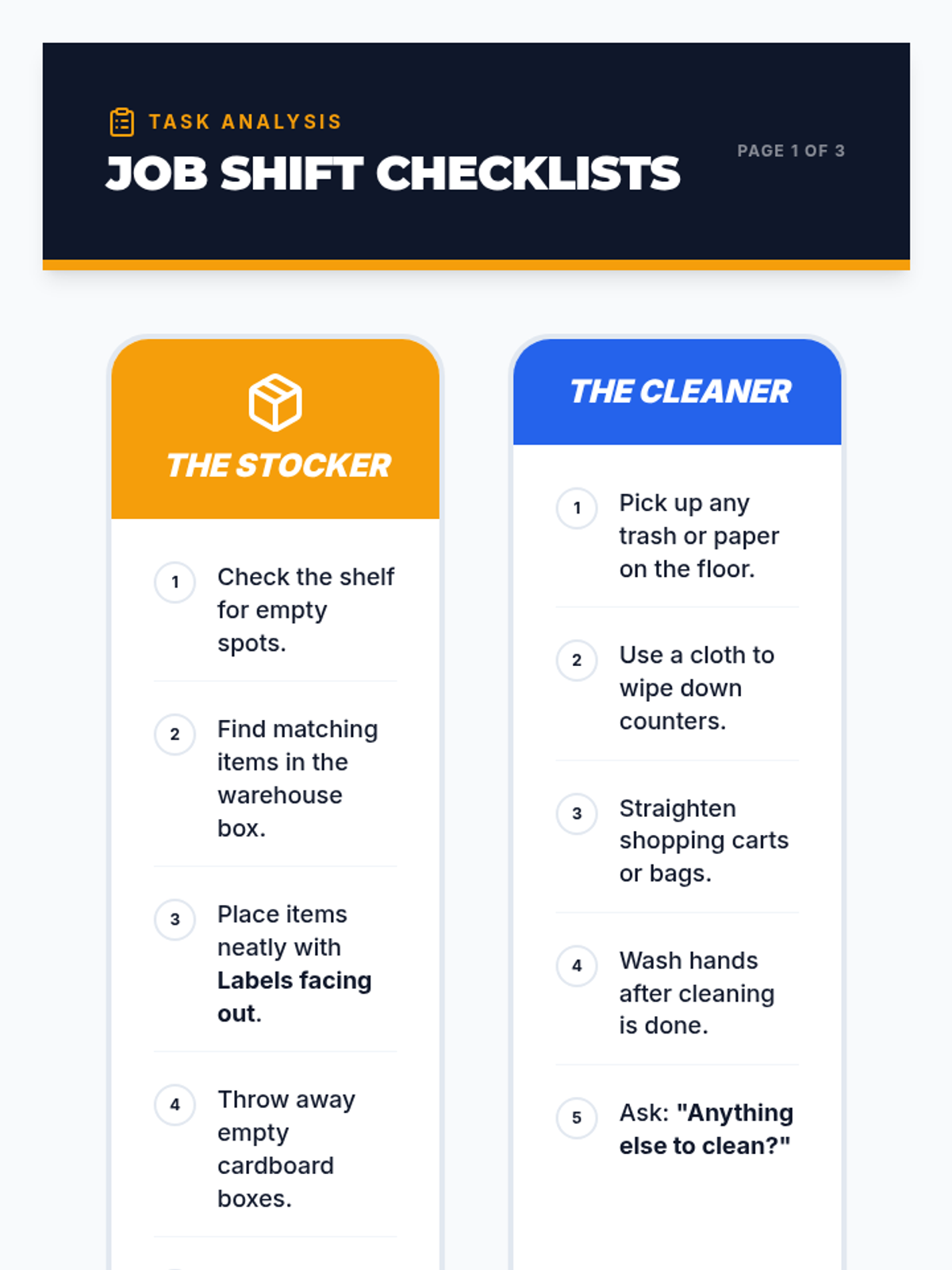
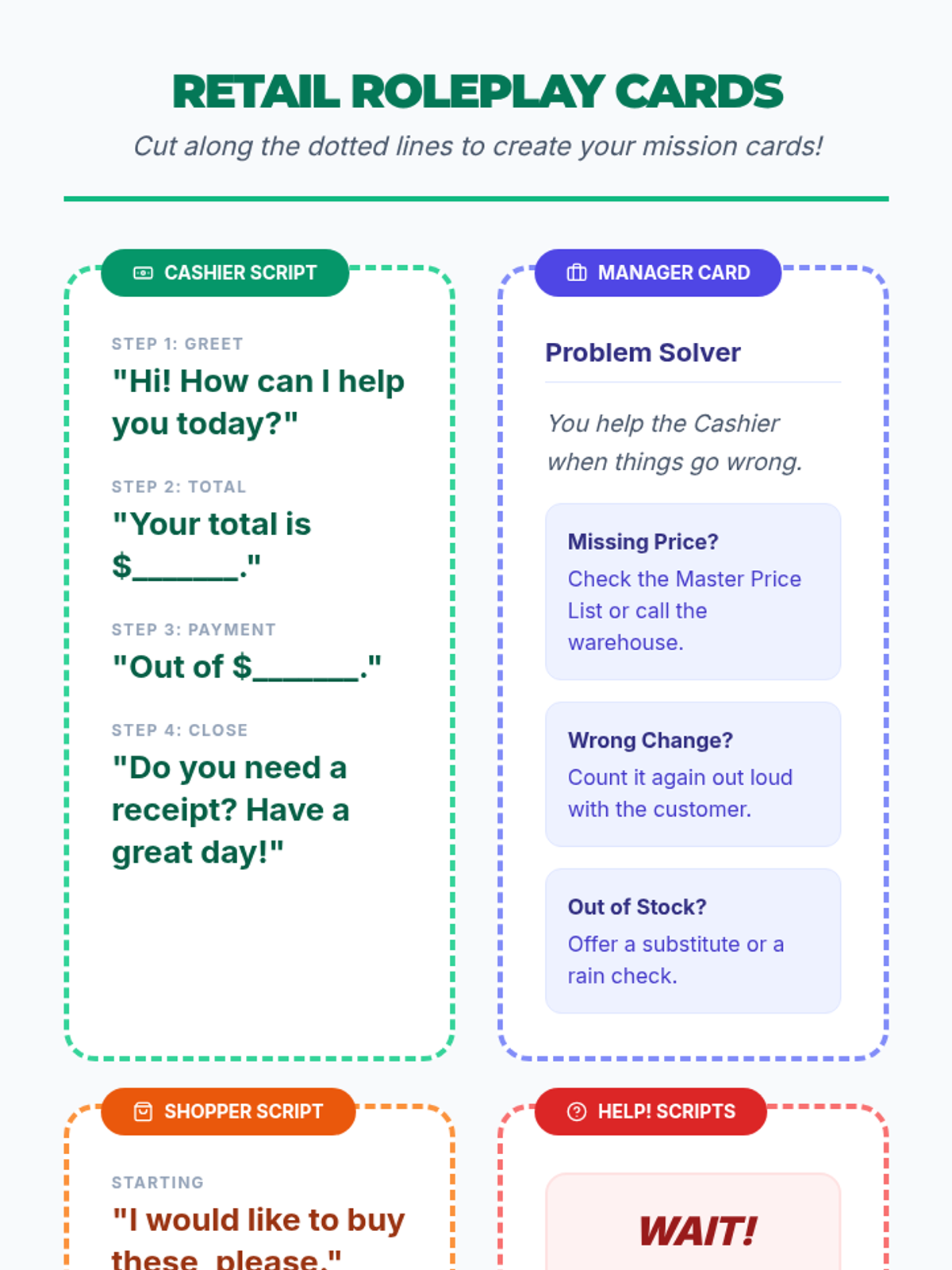
Preparing for the workforce with mock interviews, professional communication practice, and on-the-job simulations.
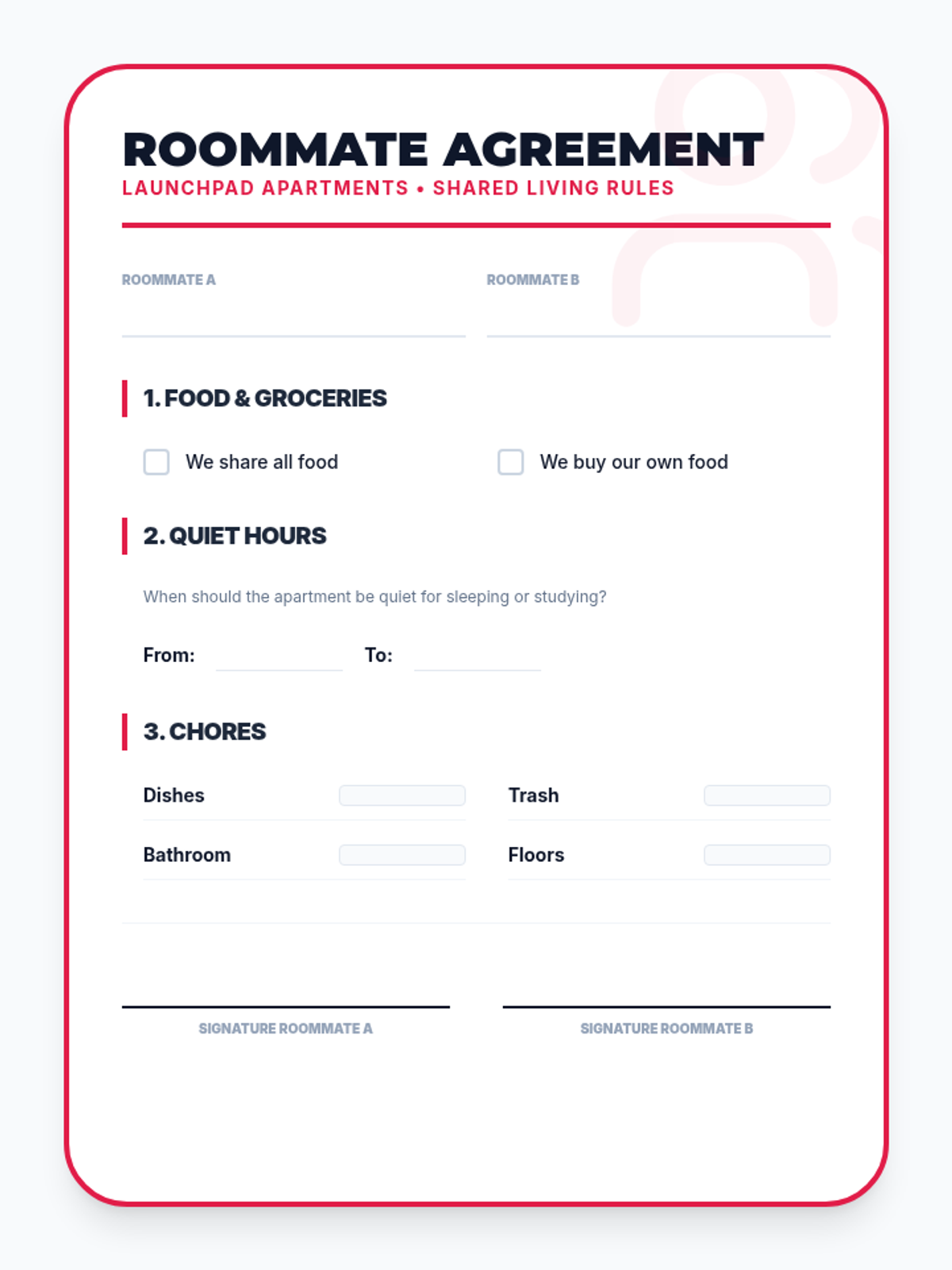
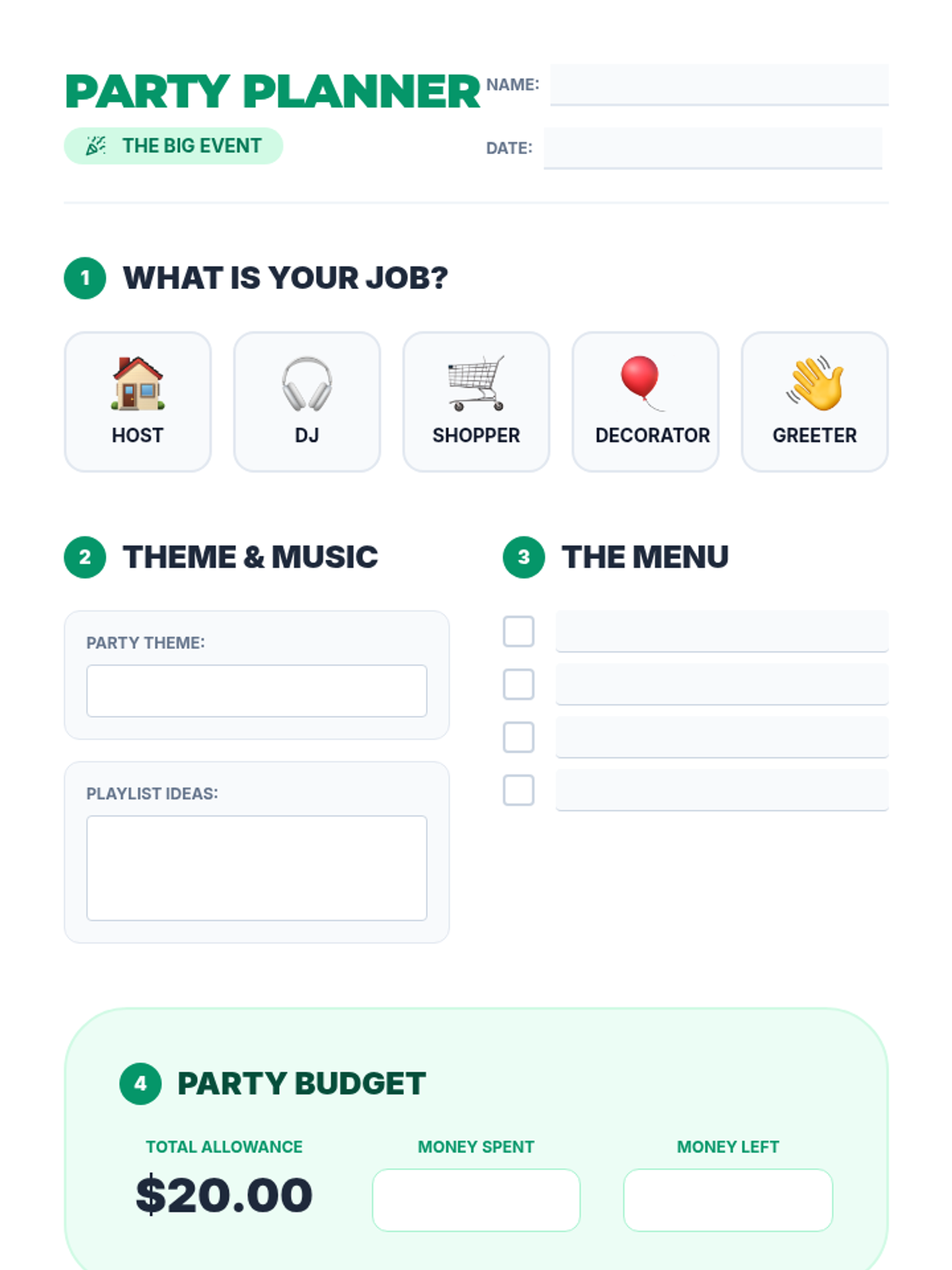
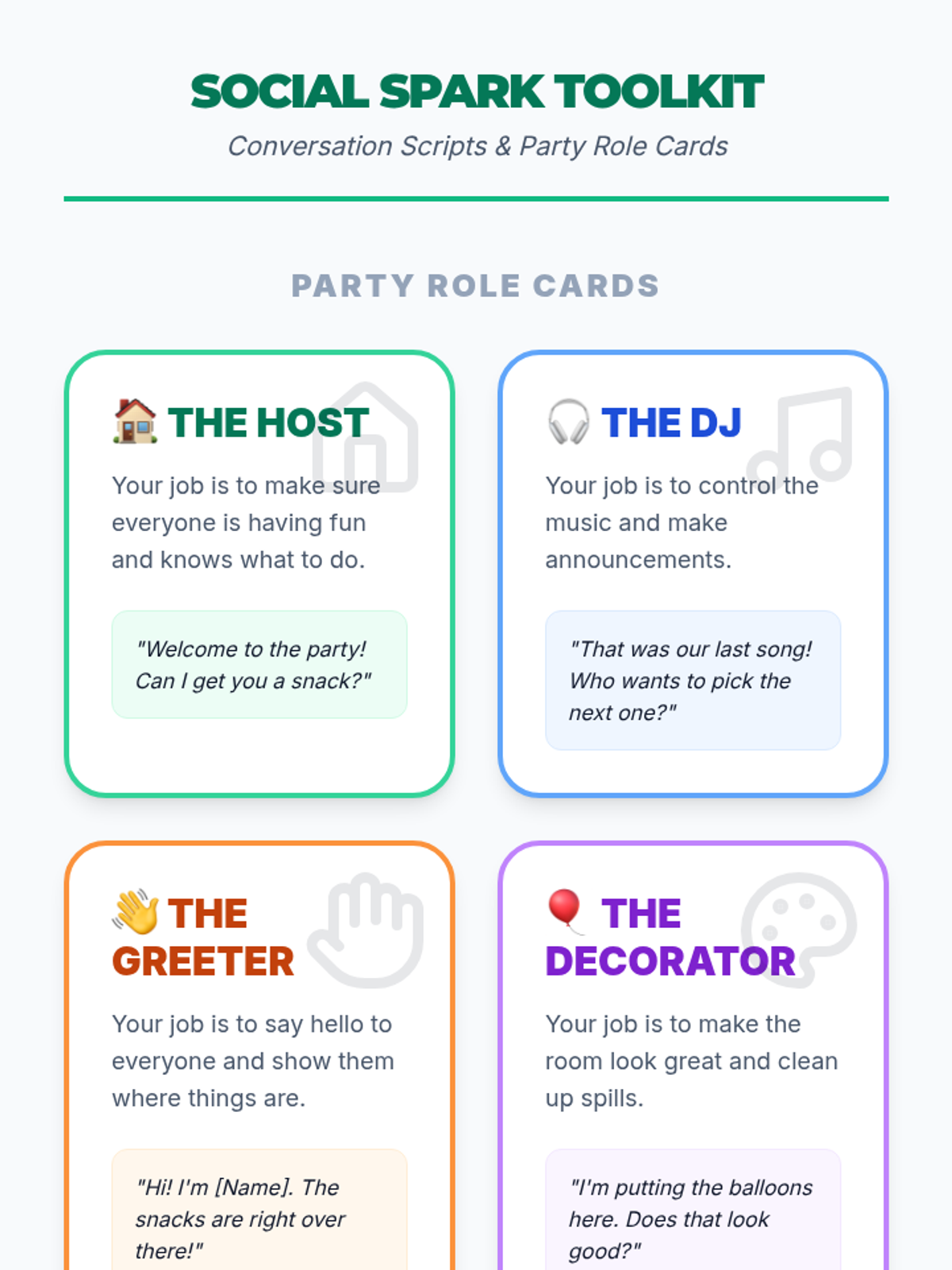
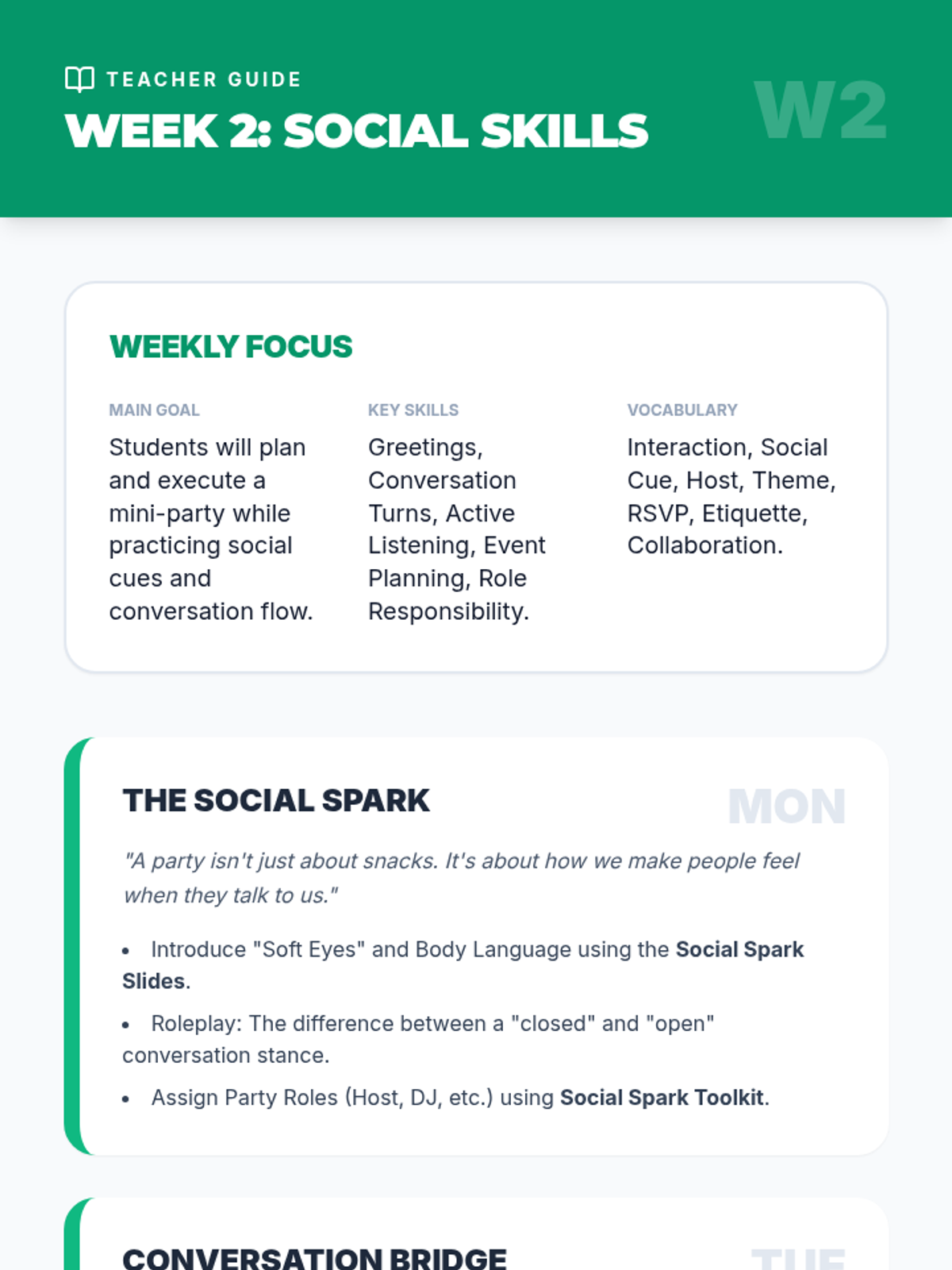
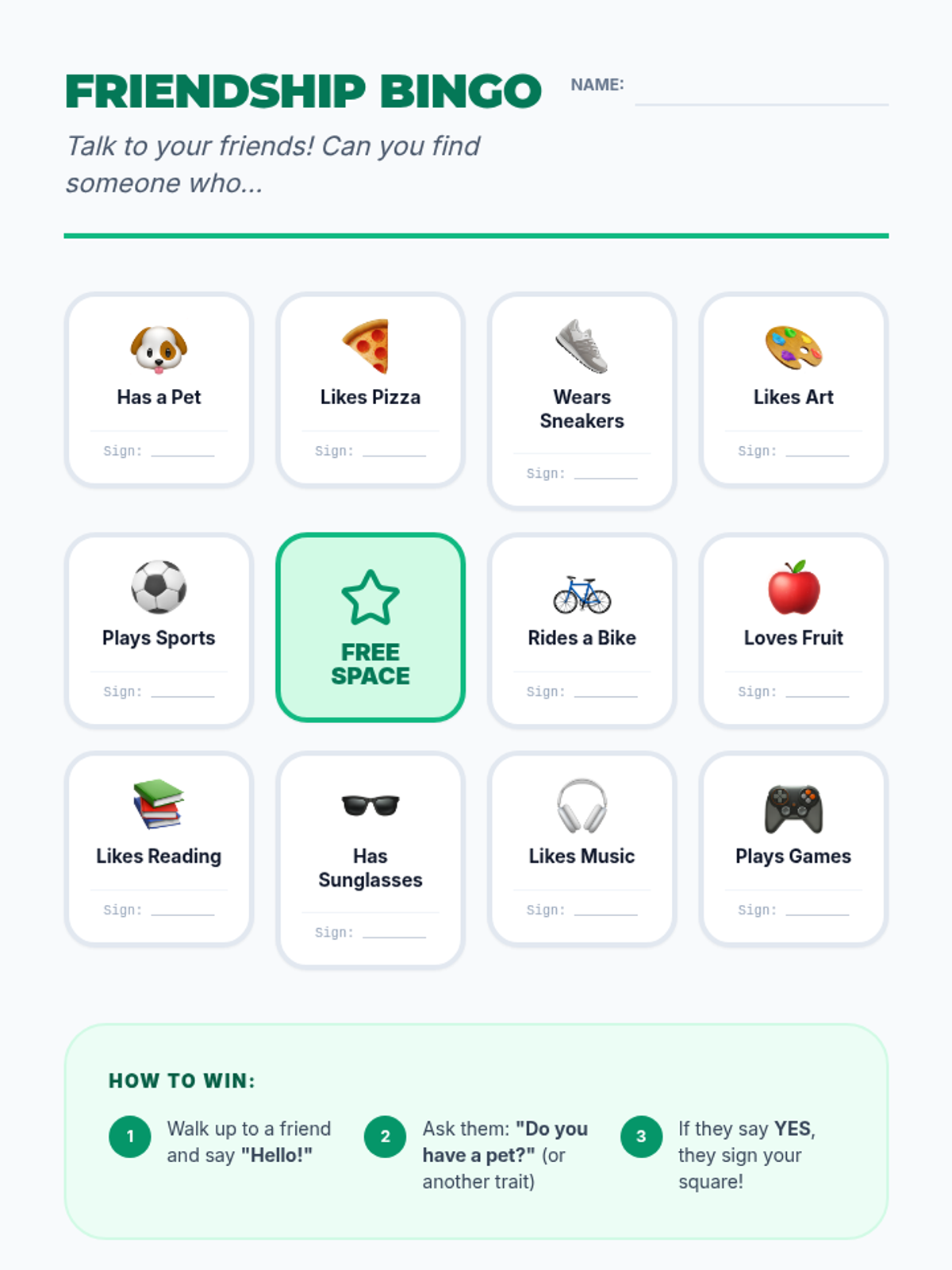
Developing social-emotional awareness through event planning, role-play conversations, and meaningful peer interactions.
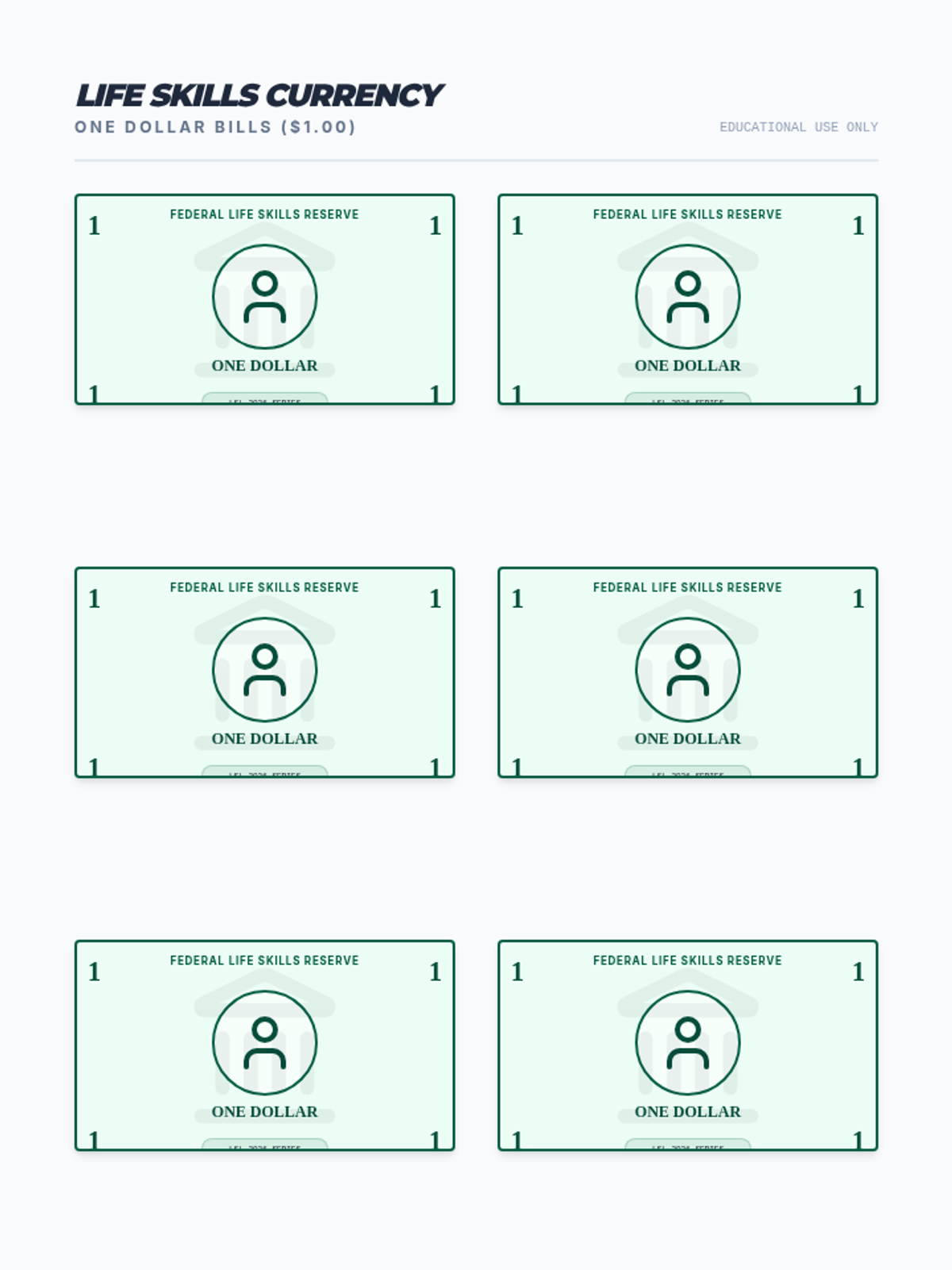
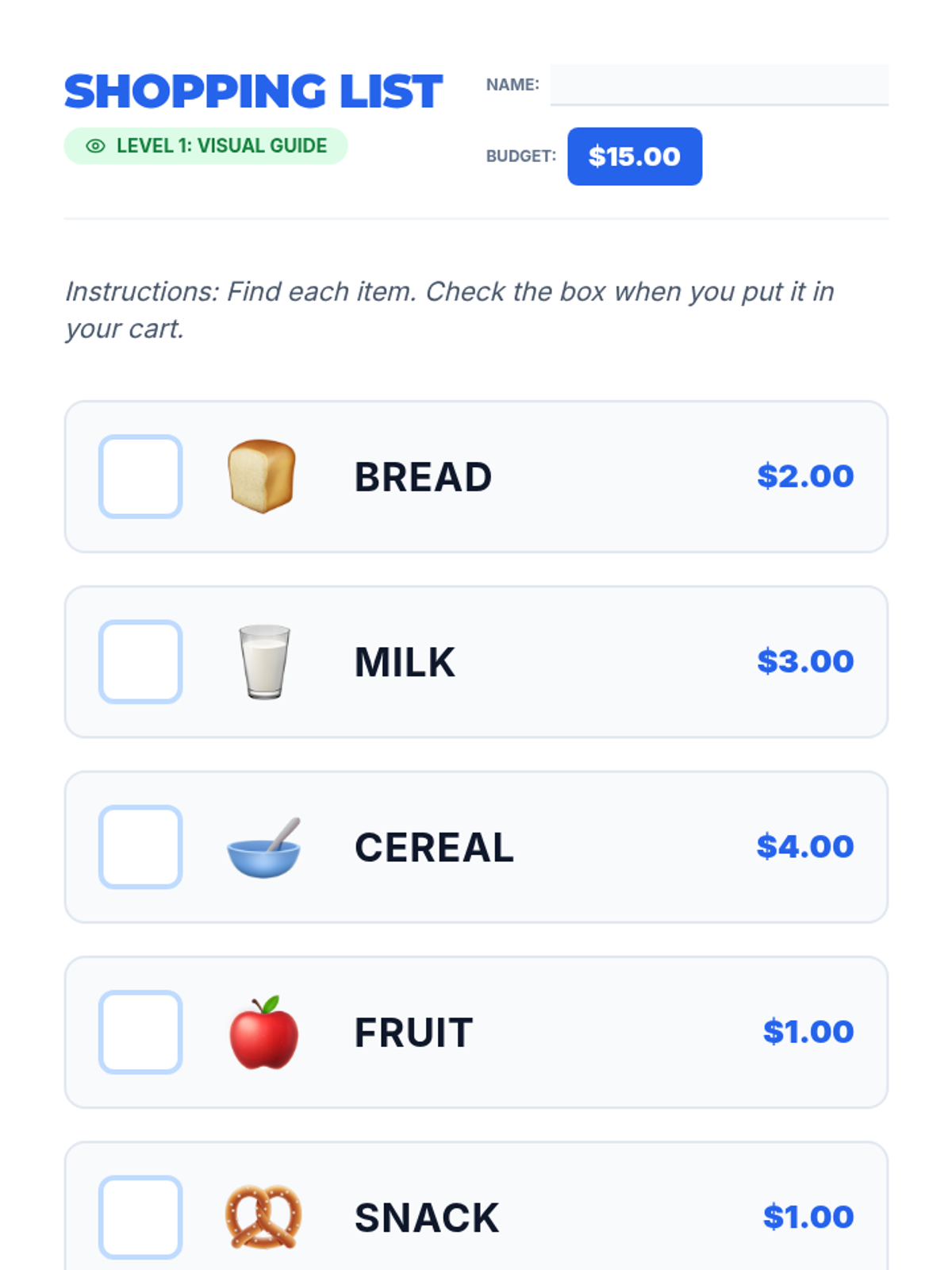
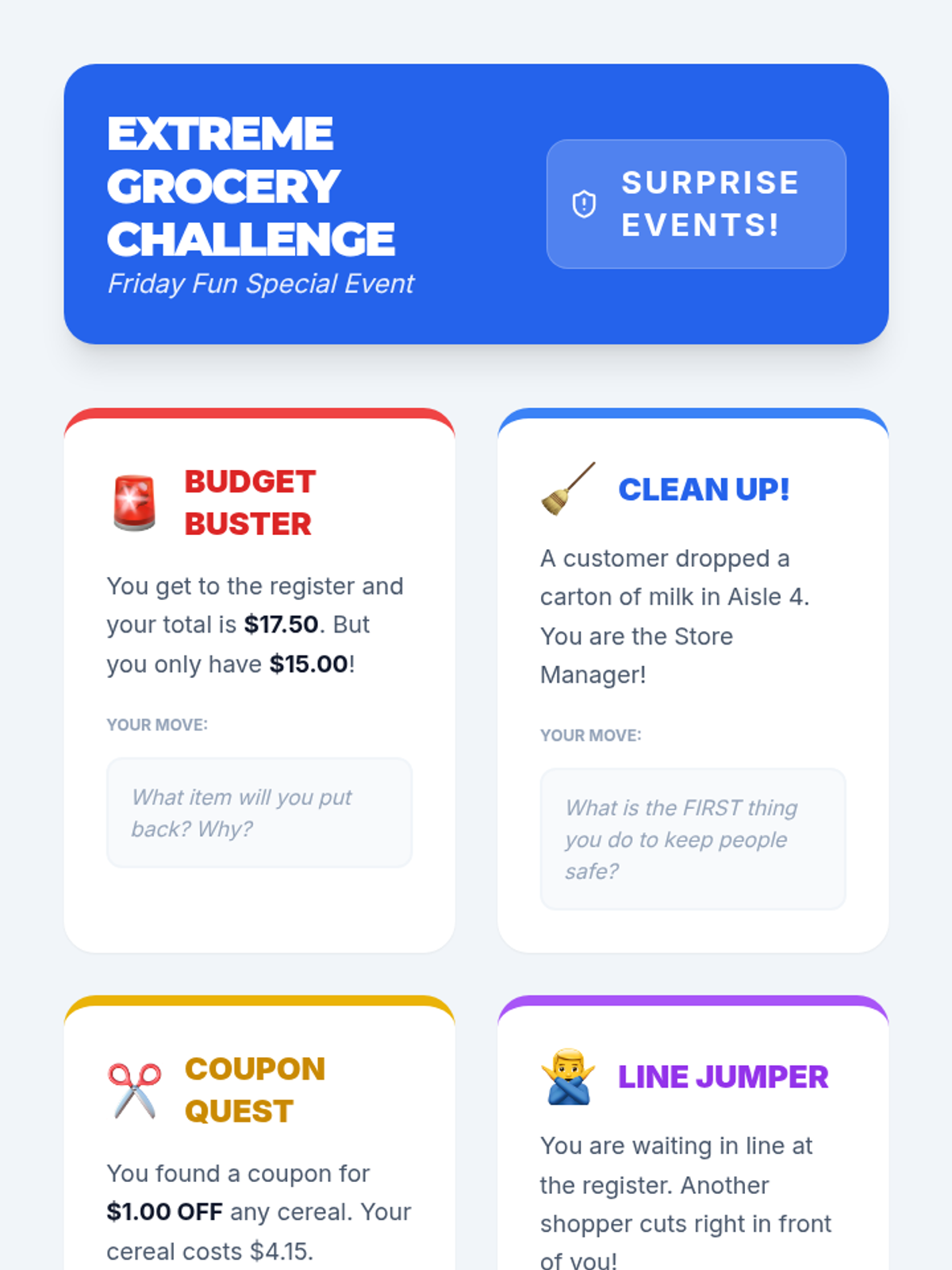
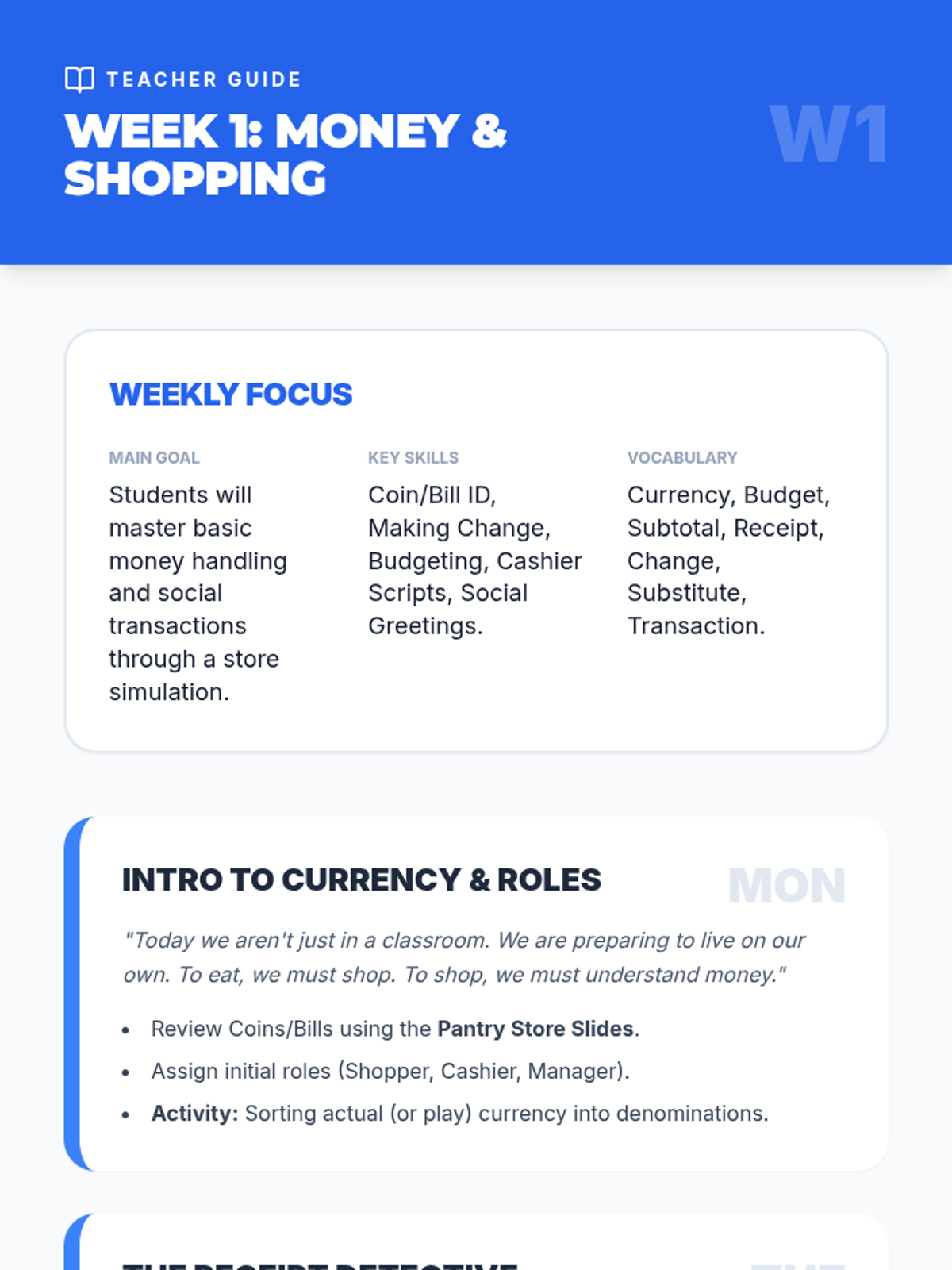
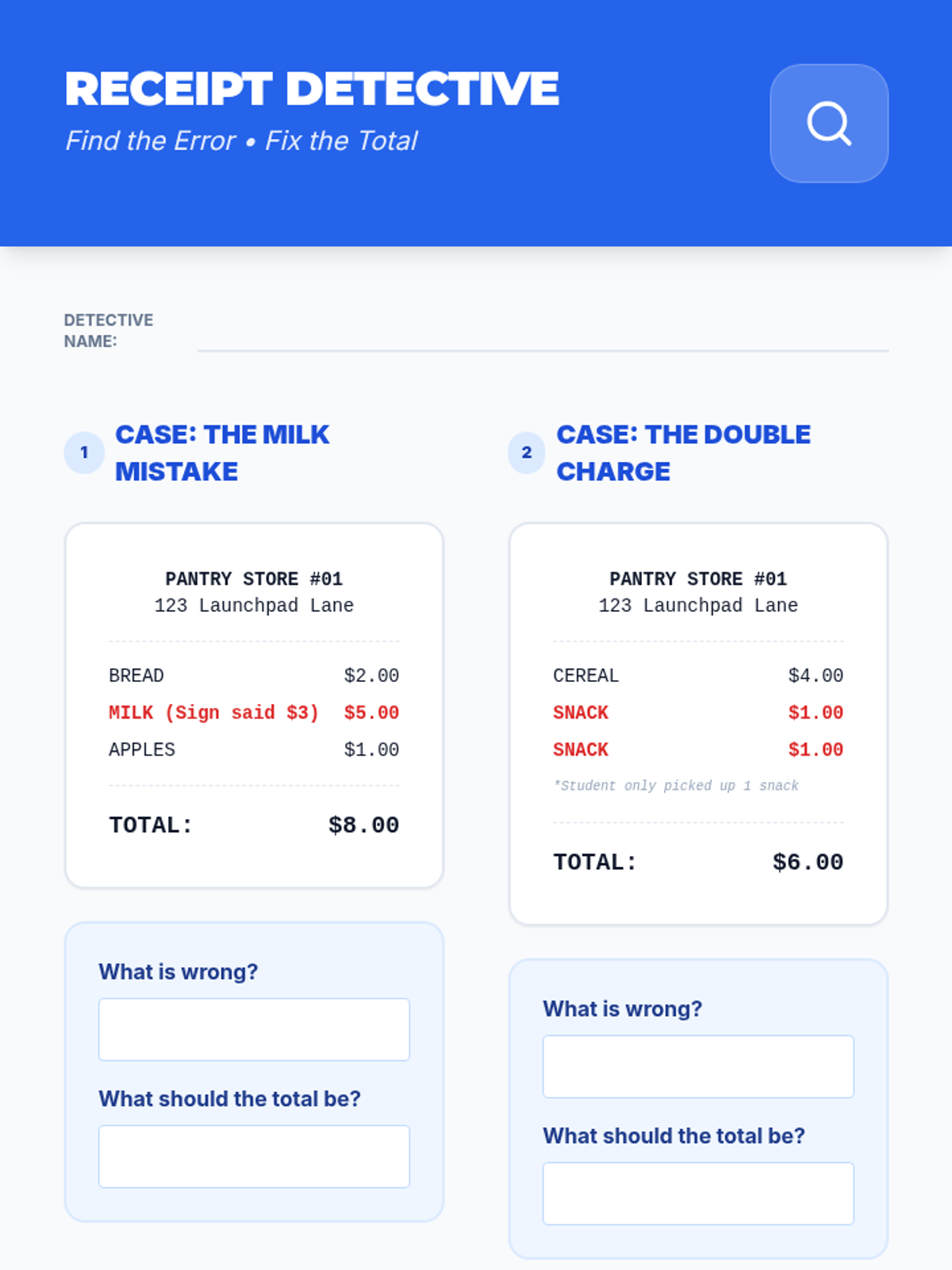
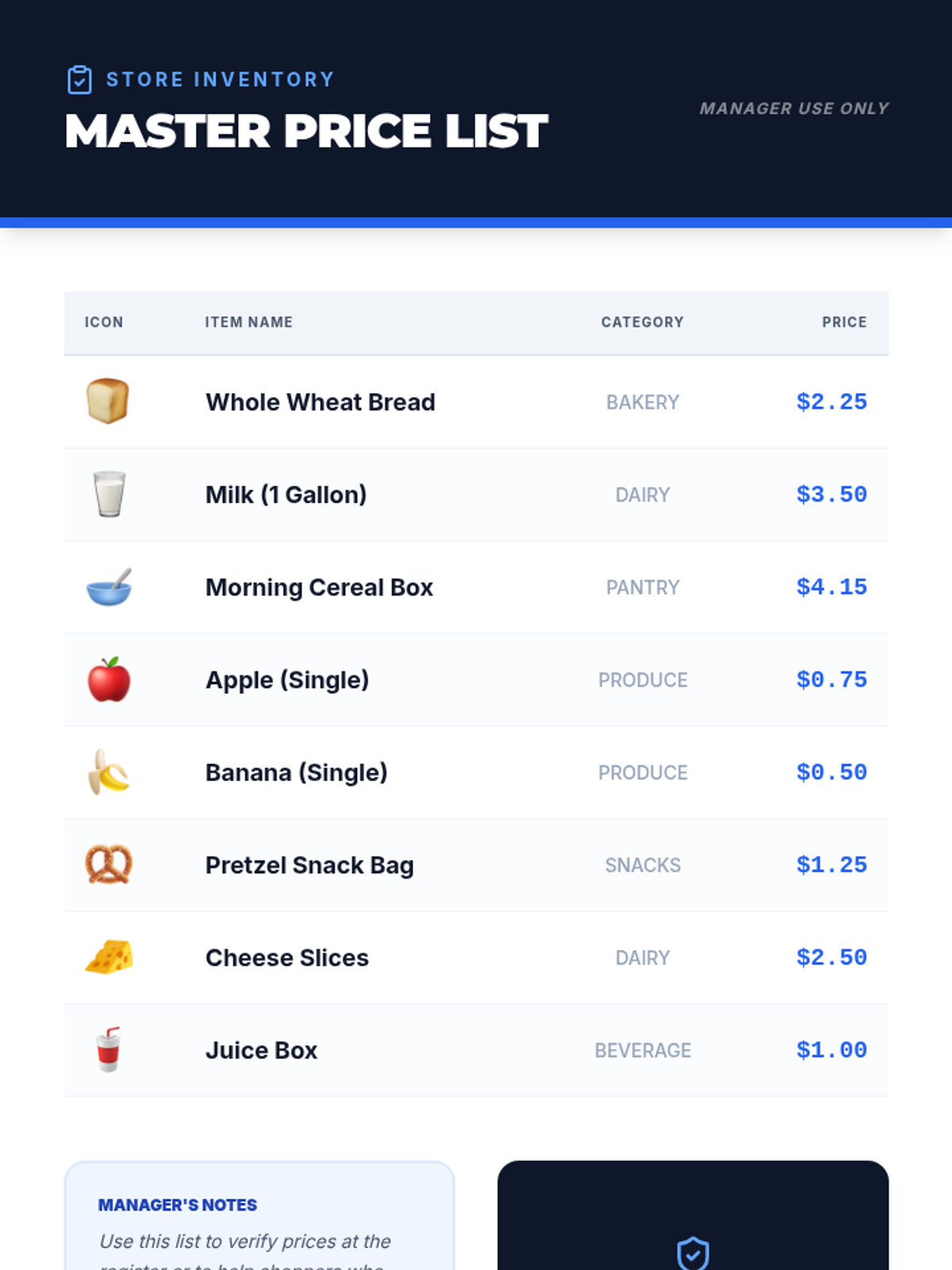
Mastering money identification, budgeting, and the mechanics of shopping through a pantry store simulation and real-world problem-solving.
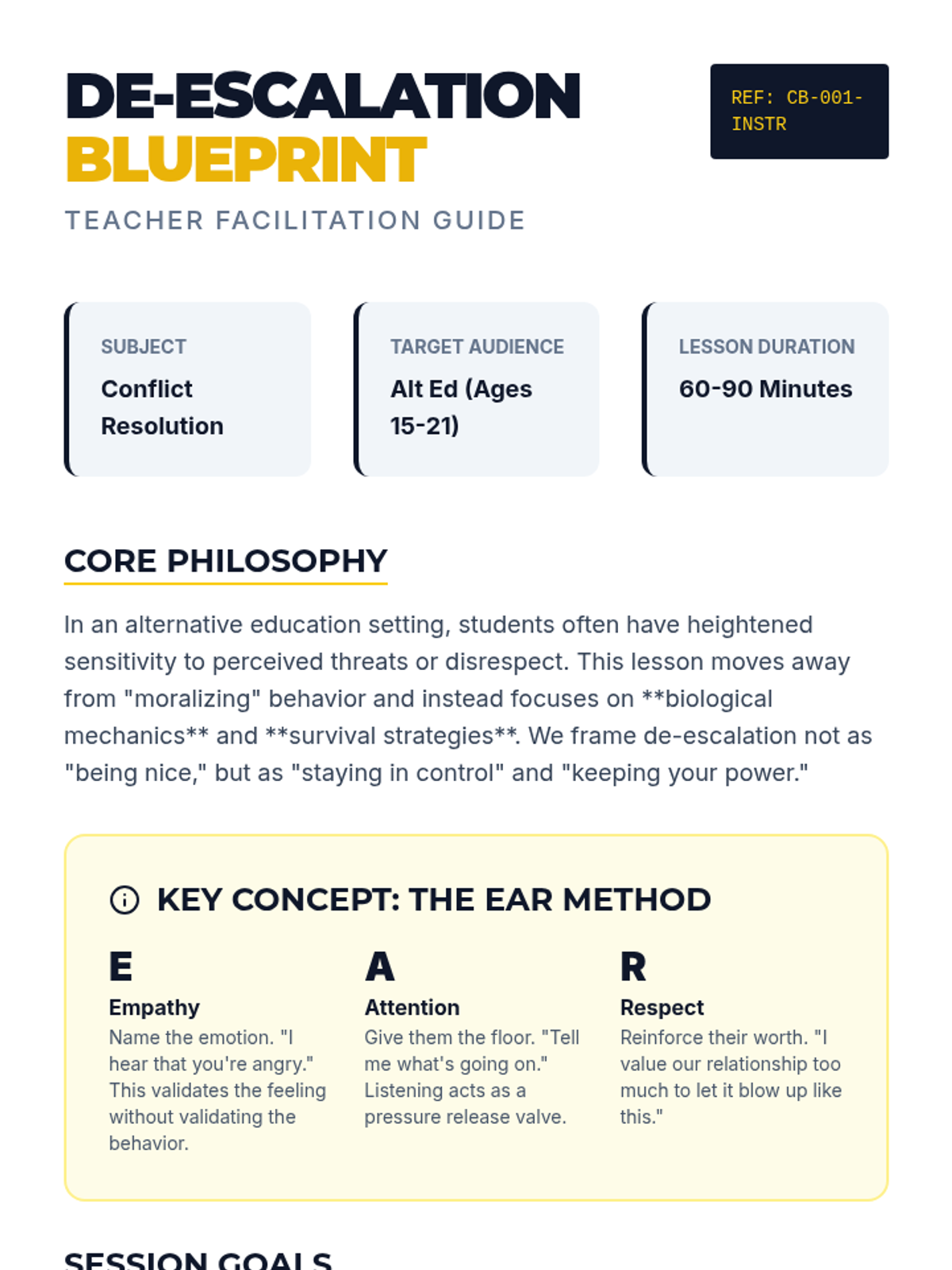
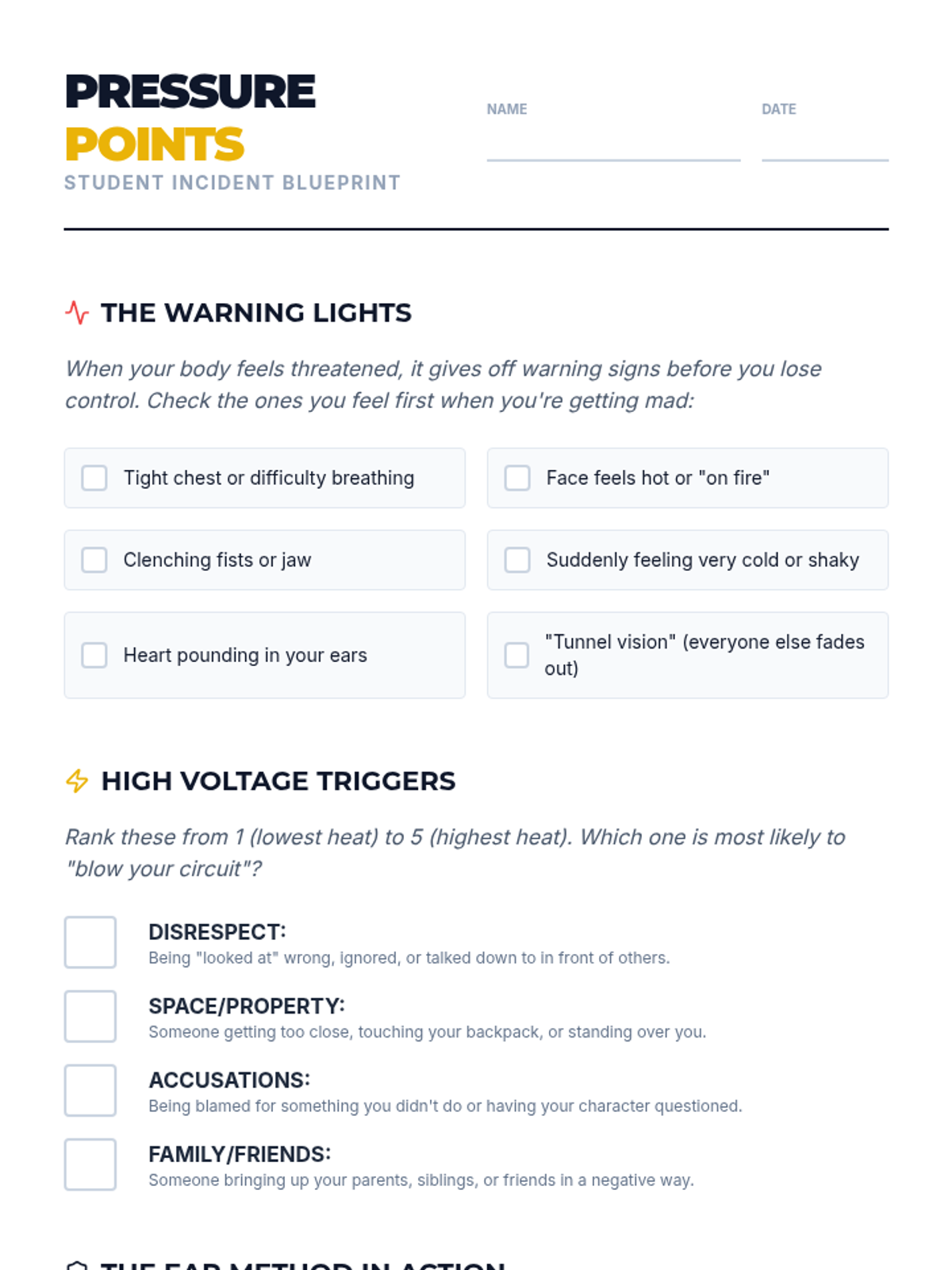
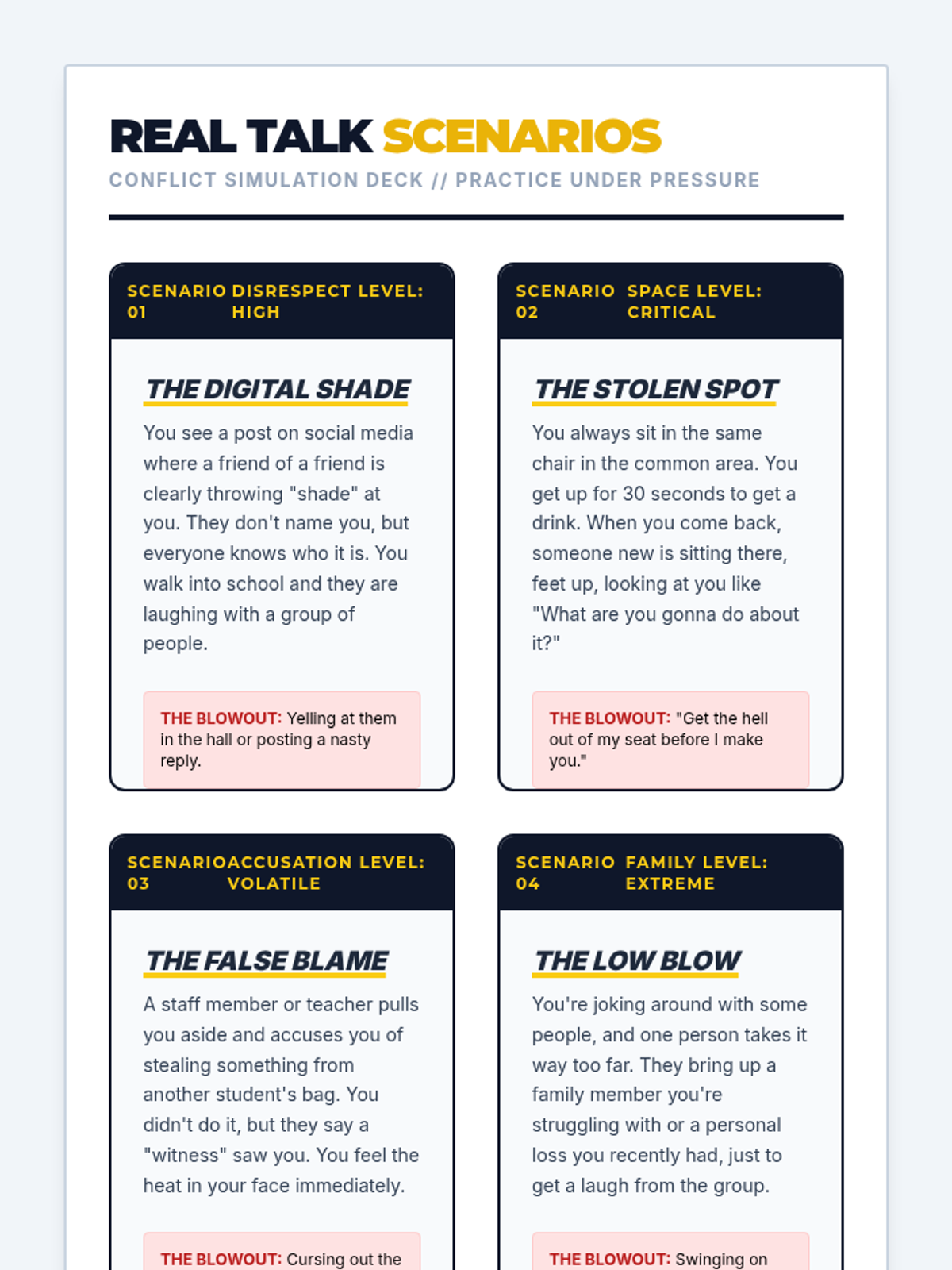
A high-stakes guide to managing conflict and de-escalating tension in real-world peer situations. Students learn to identify physical triggers and use the EAR method to maintain control in high-pressure social environments.
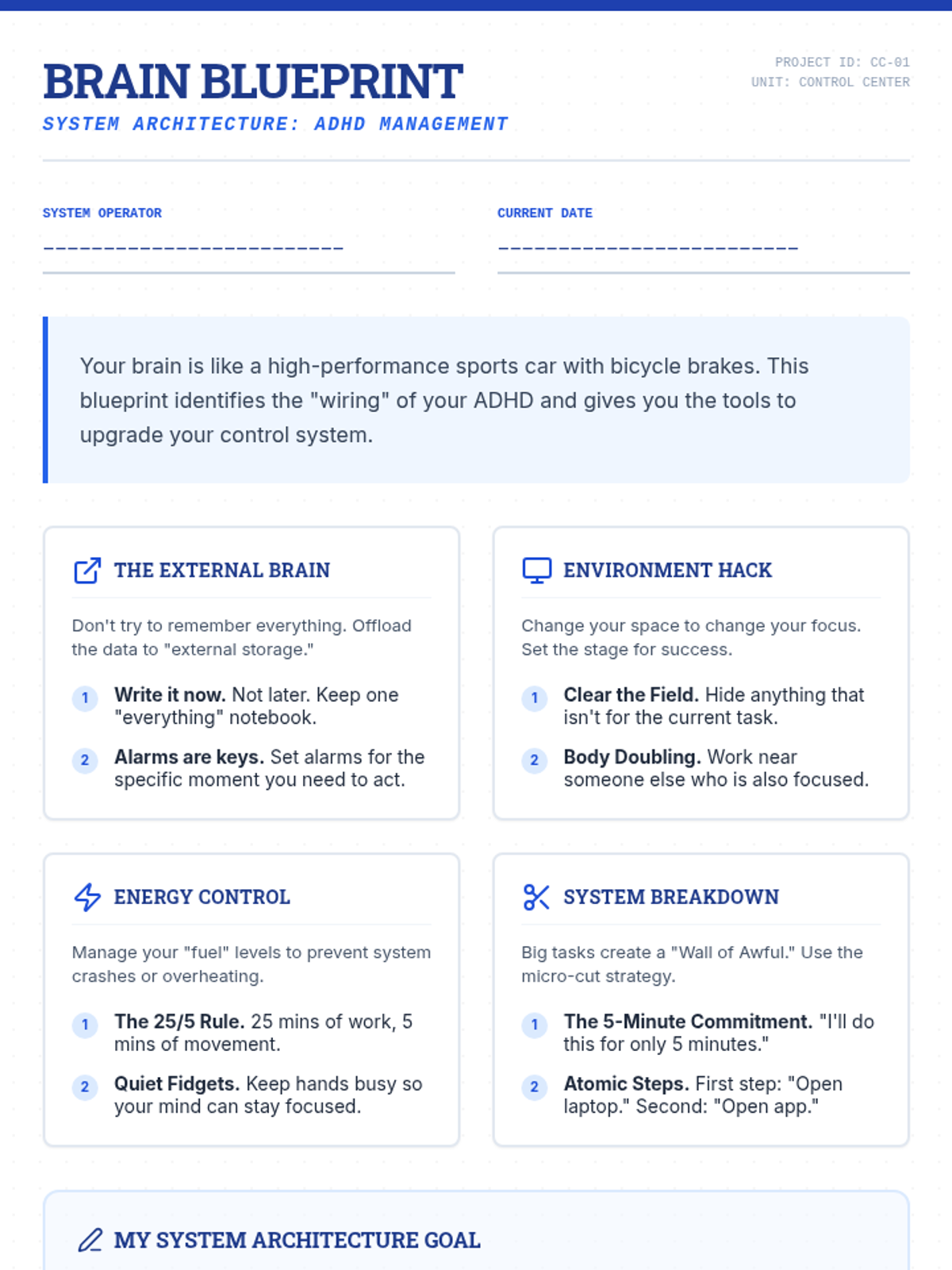
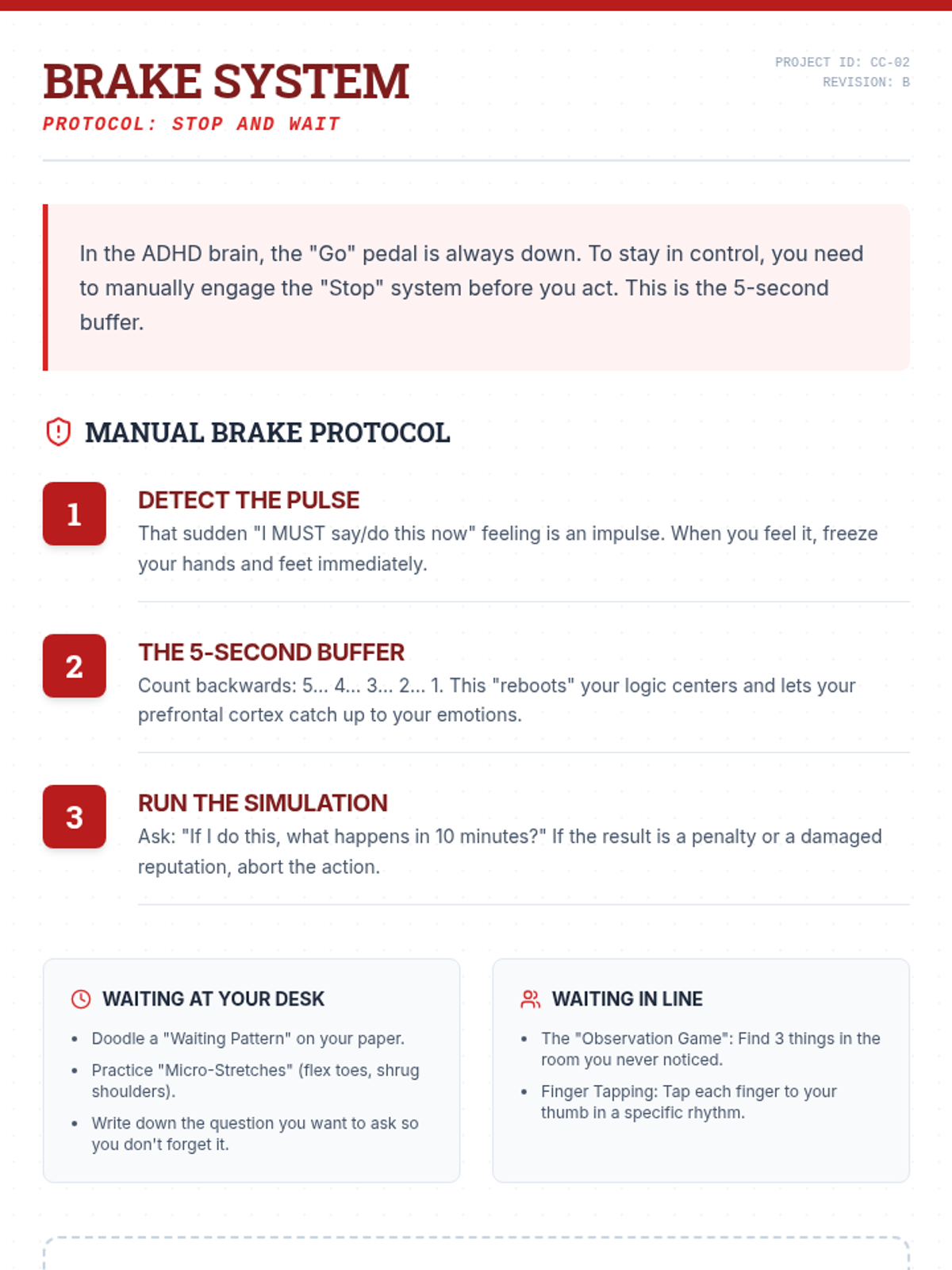
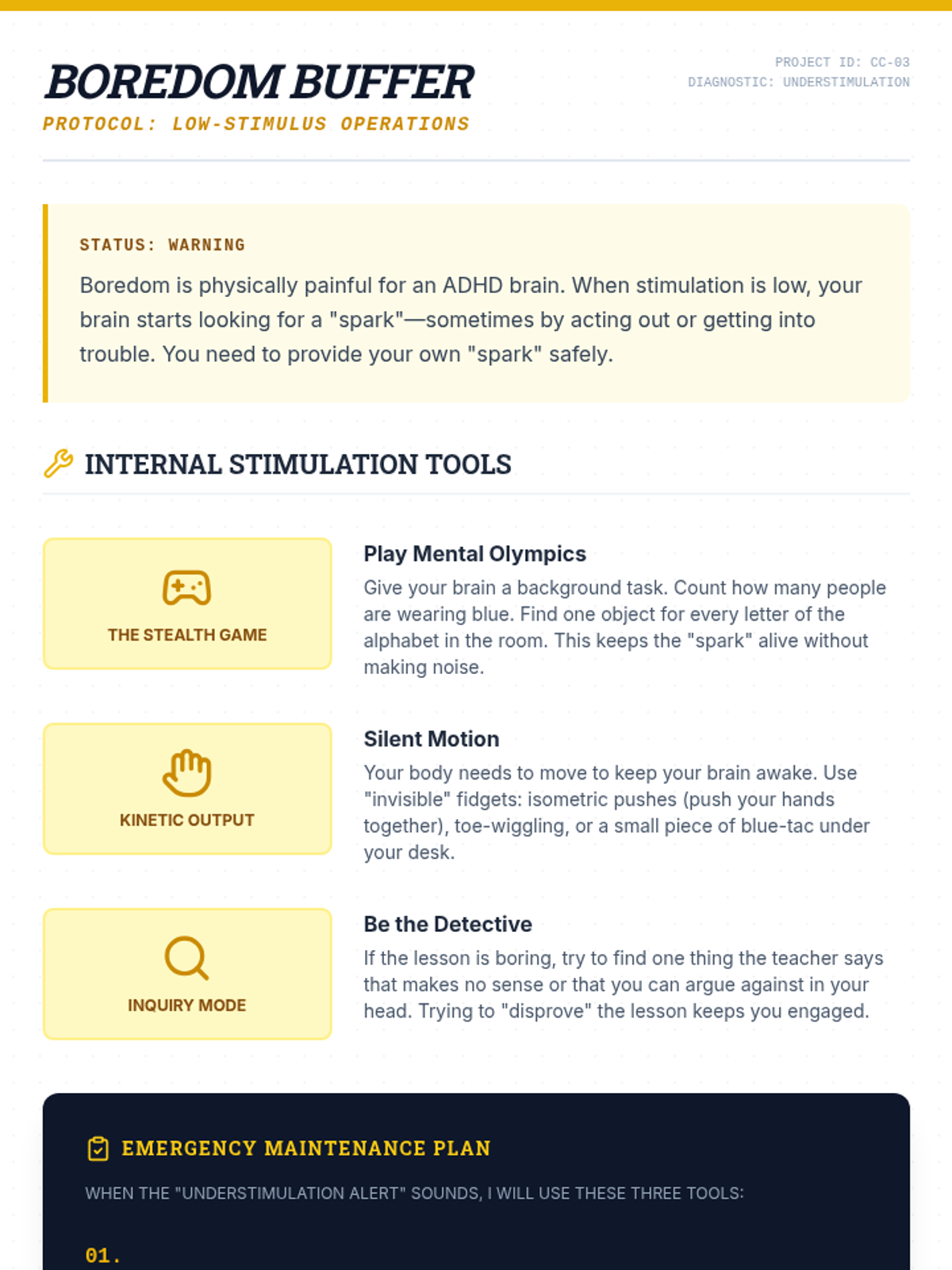
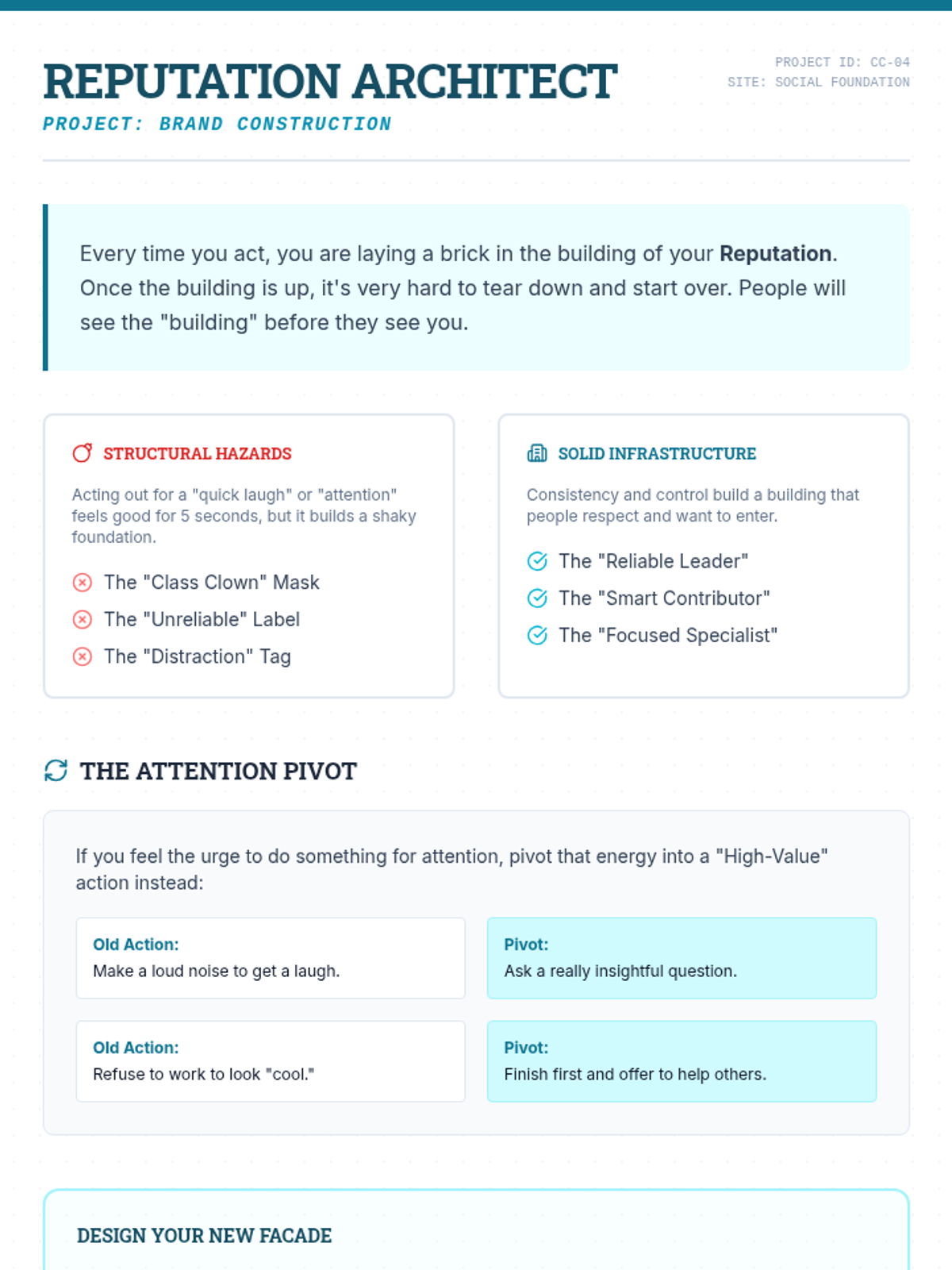
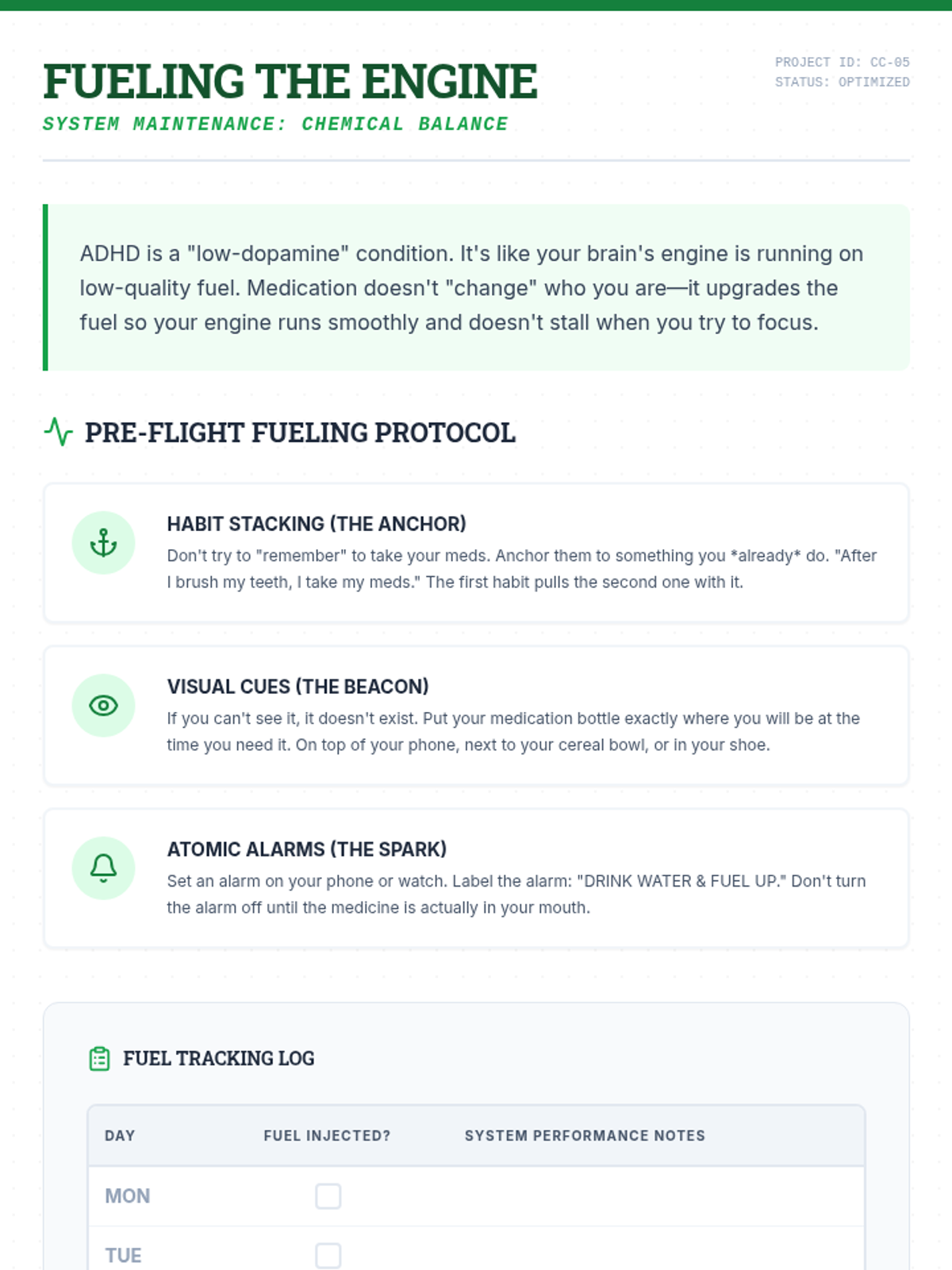
A collection of evidence-based strategies for students with ADHD to manage impulses, boredom, medication, and social reputation through a "blueprint" for self-regulation.
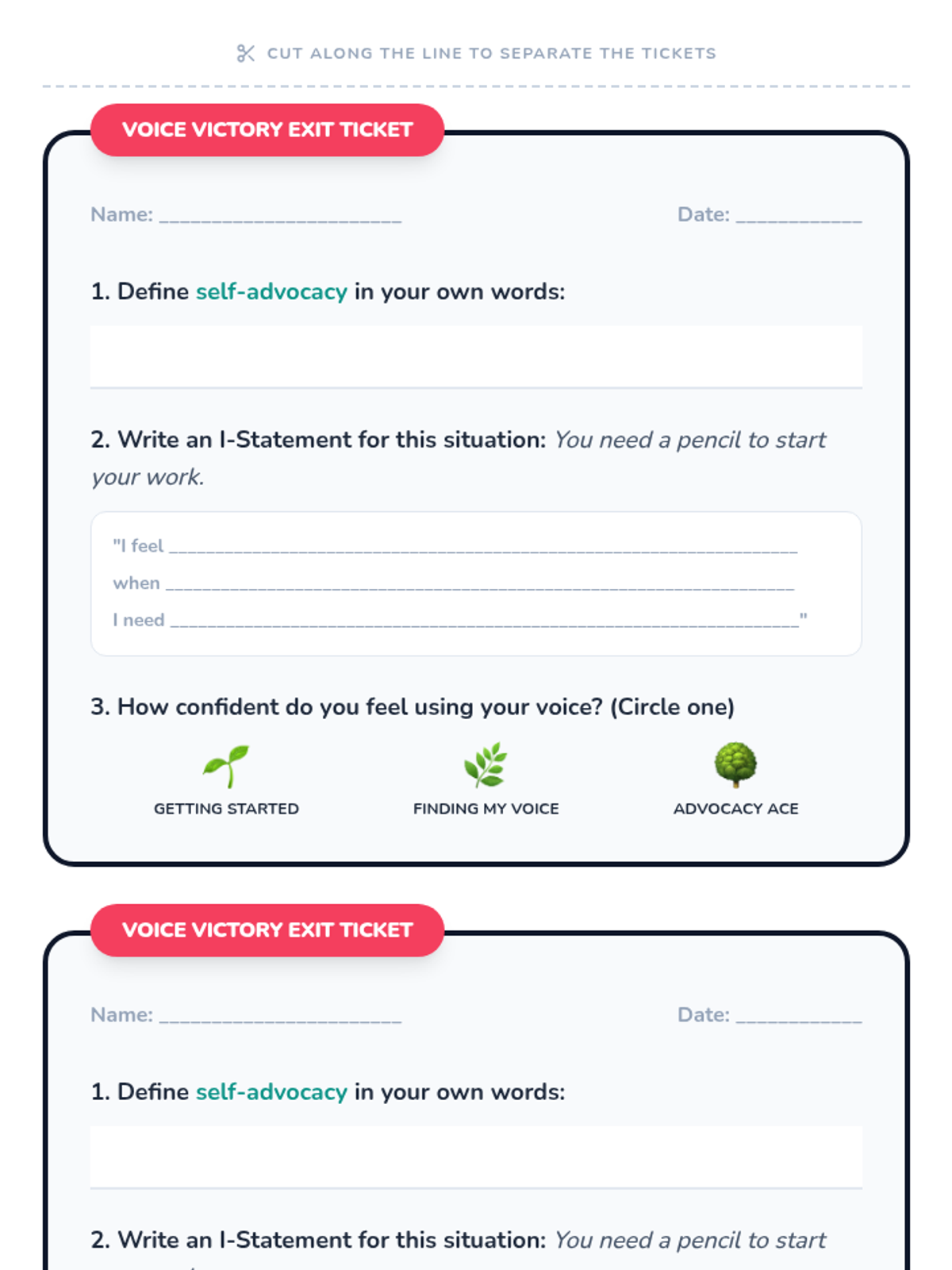
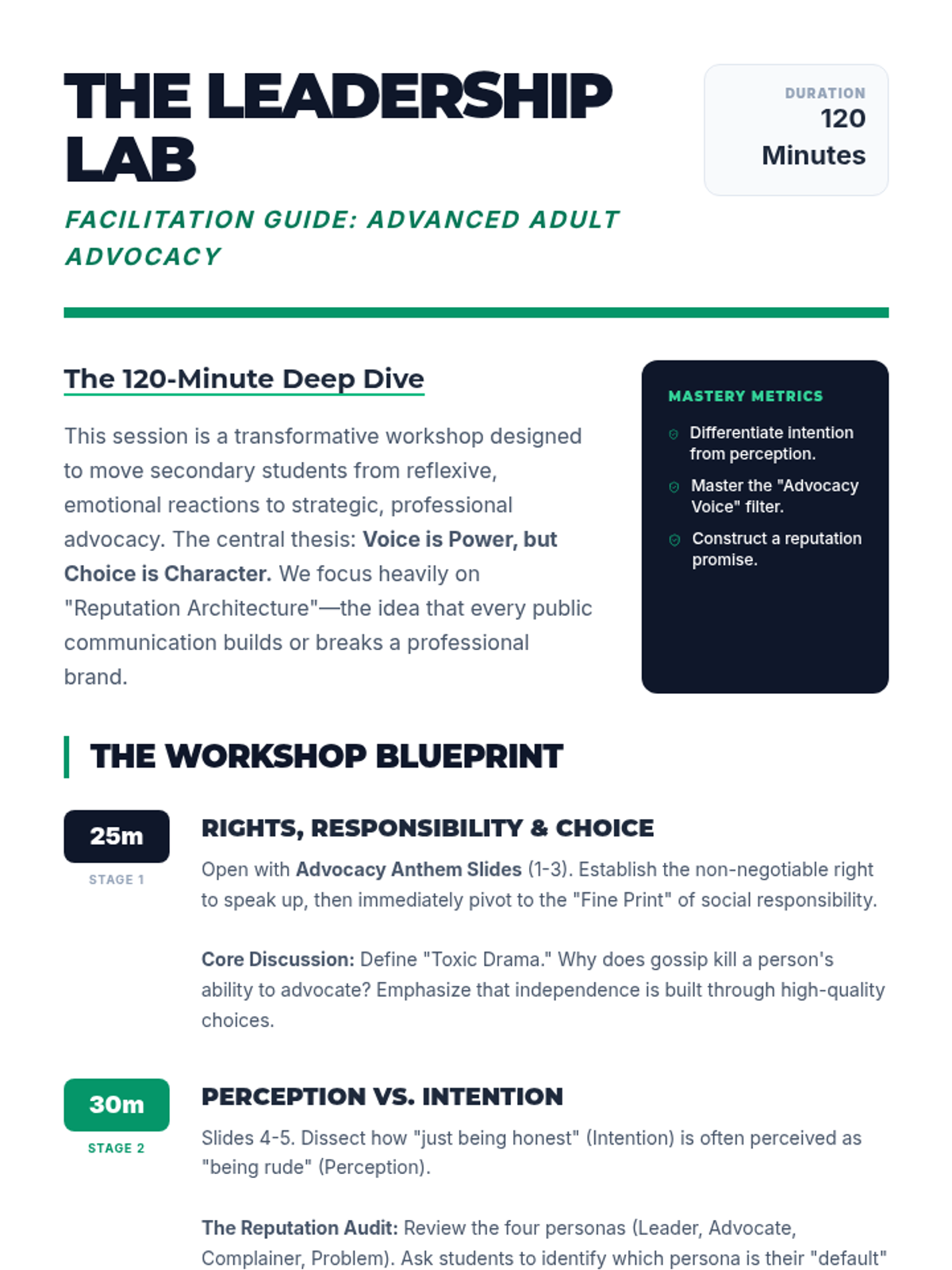
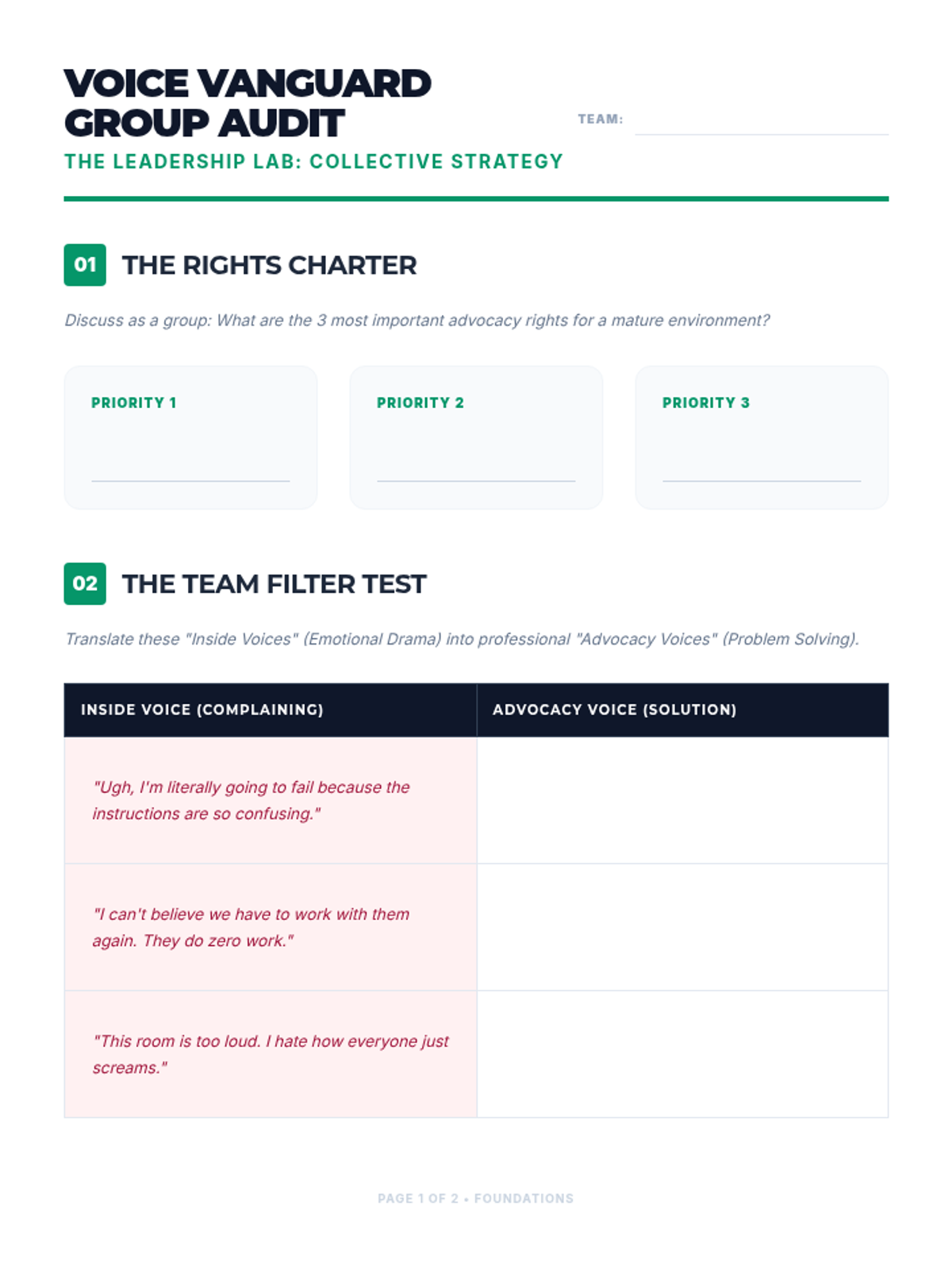
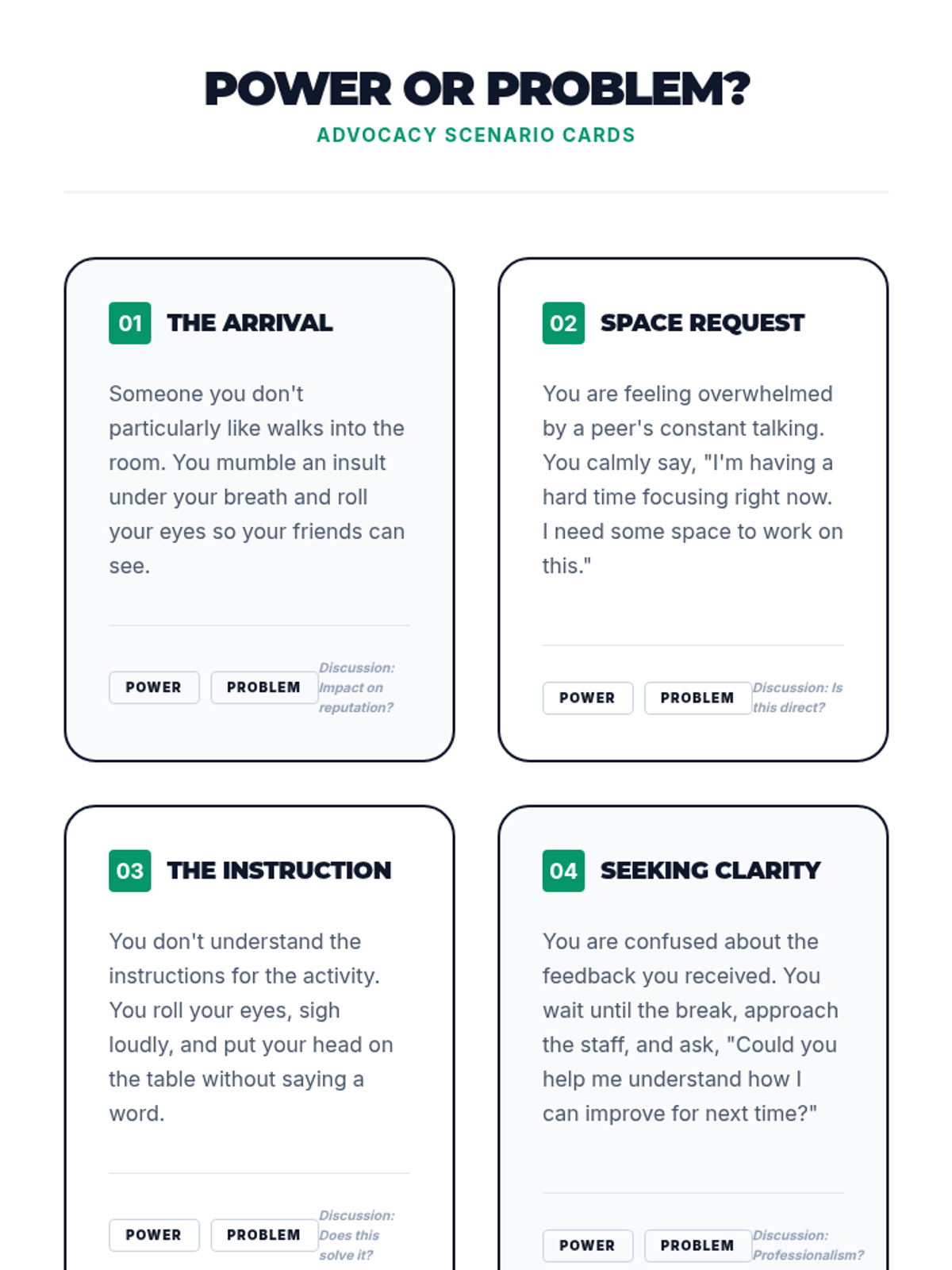
A comprehensive lesson on mature self-advocacy, focusing on the balance between personal rights and social responsibilities, distinguishing between complaining and advocating, and building a professional reputation.
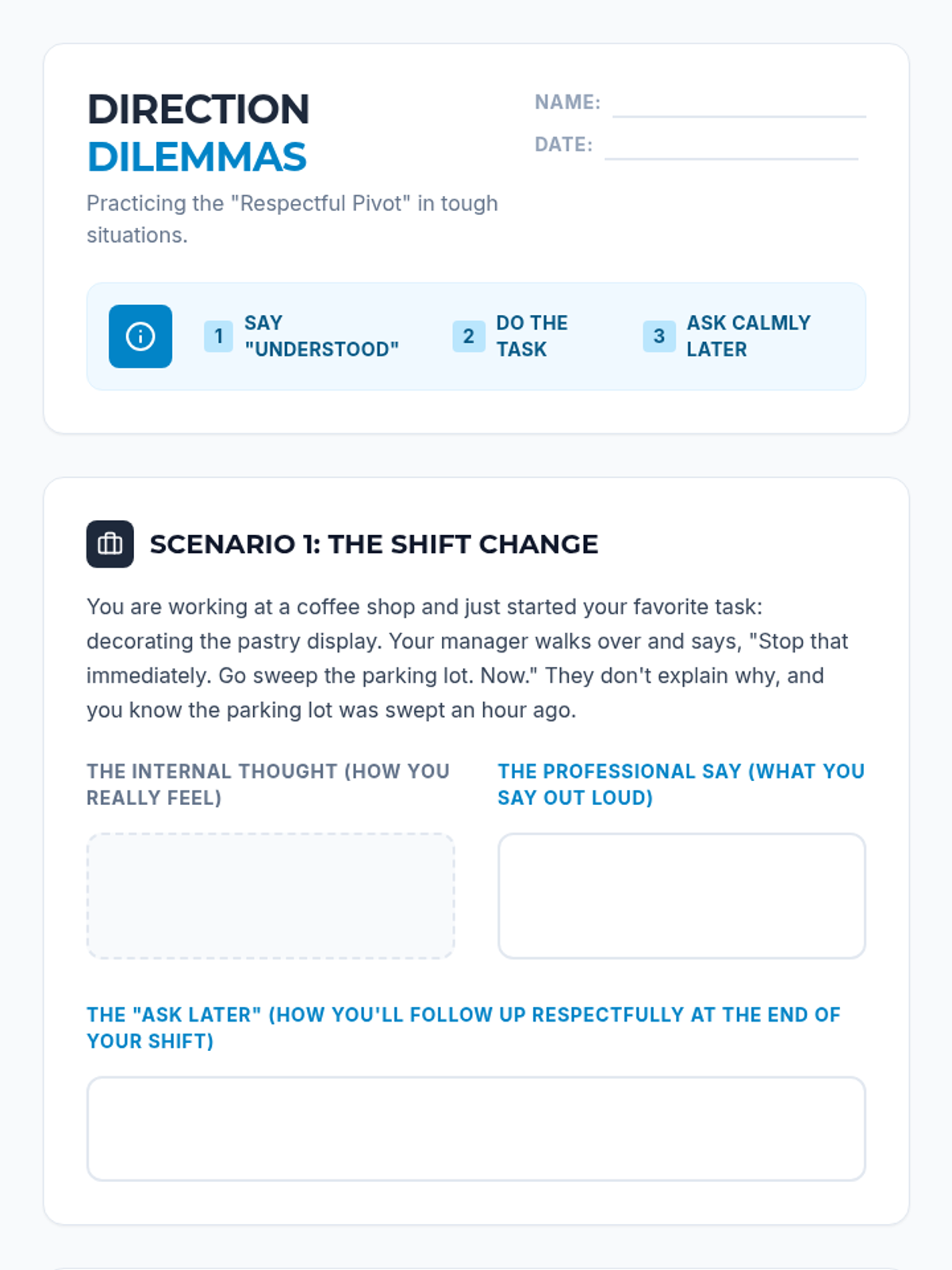
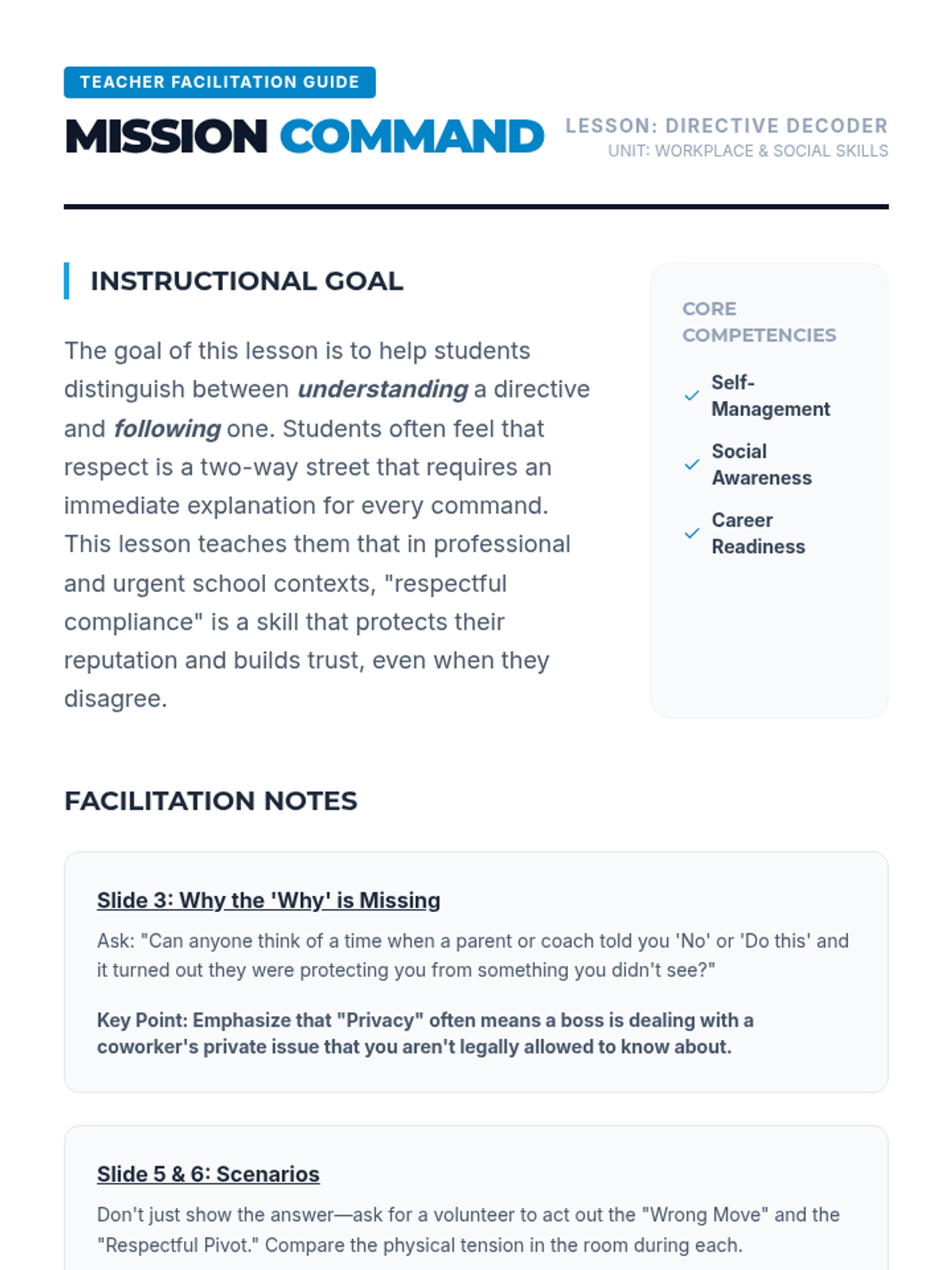
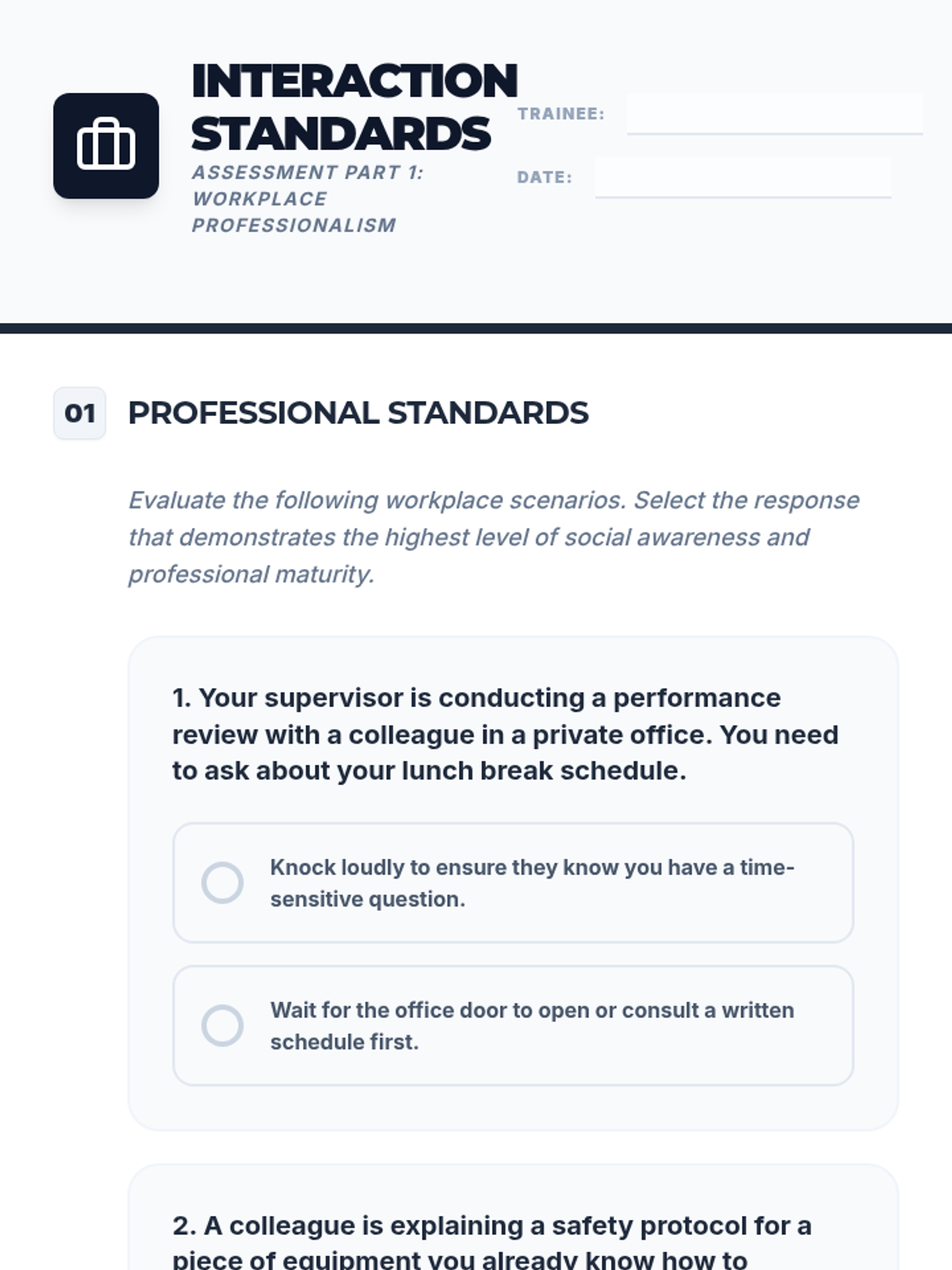
This lesson focuses on the essential social-emotional and professional skill of following directives from authority figures. Students will learn strategies for maintaining respect and professionalism even when they disagree with a rule or don't understand the immediate reasoning behind a command.
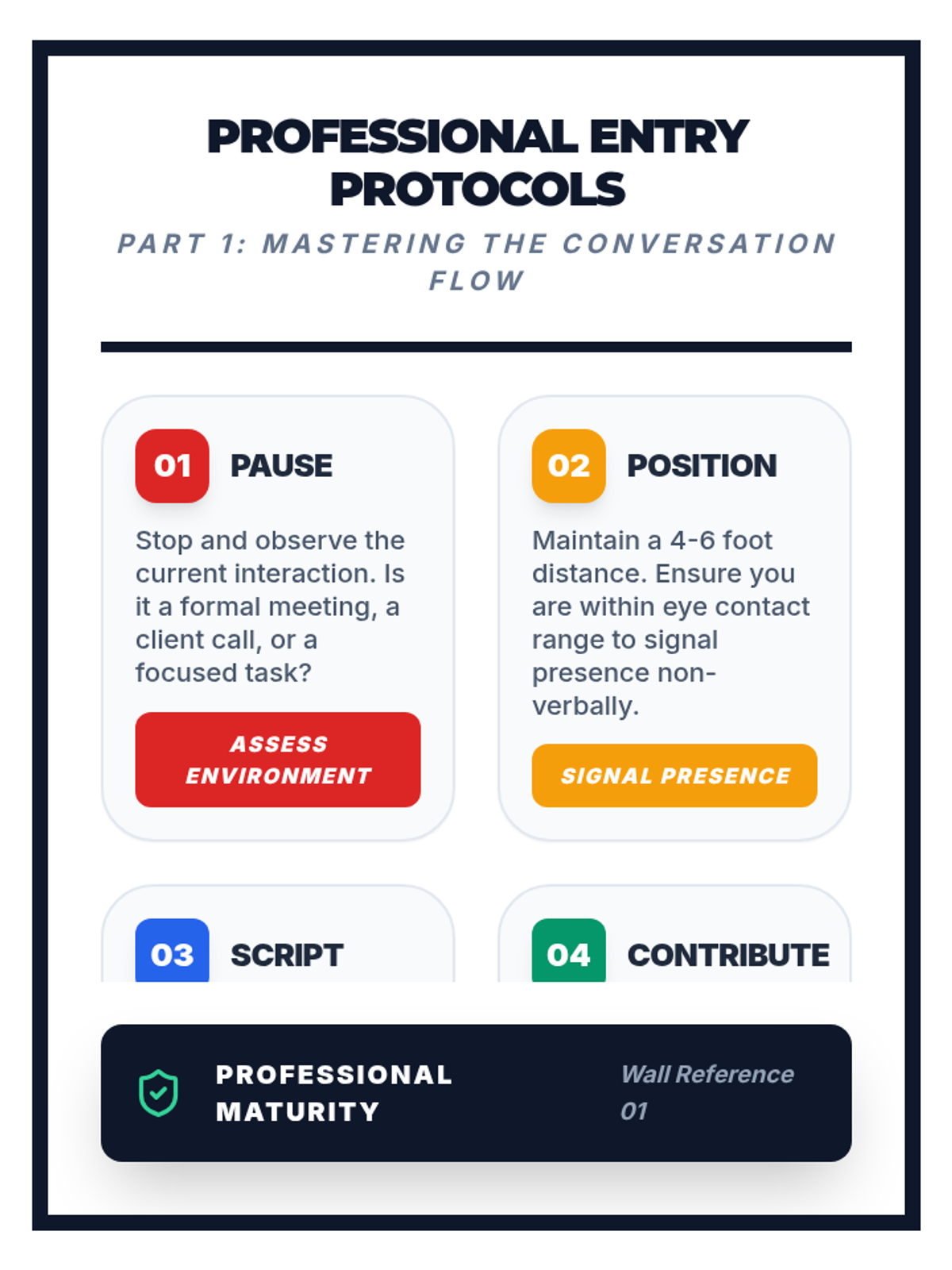
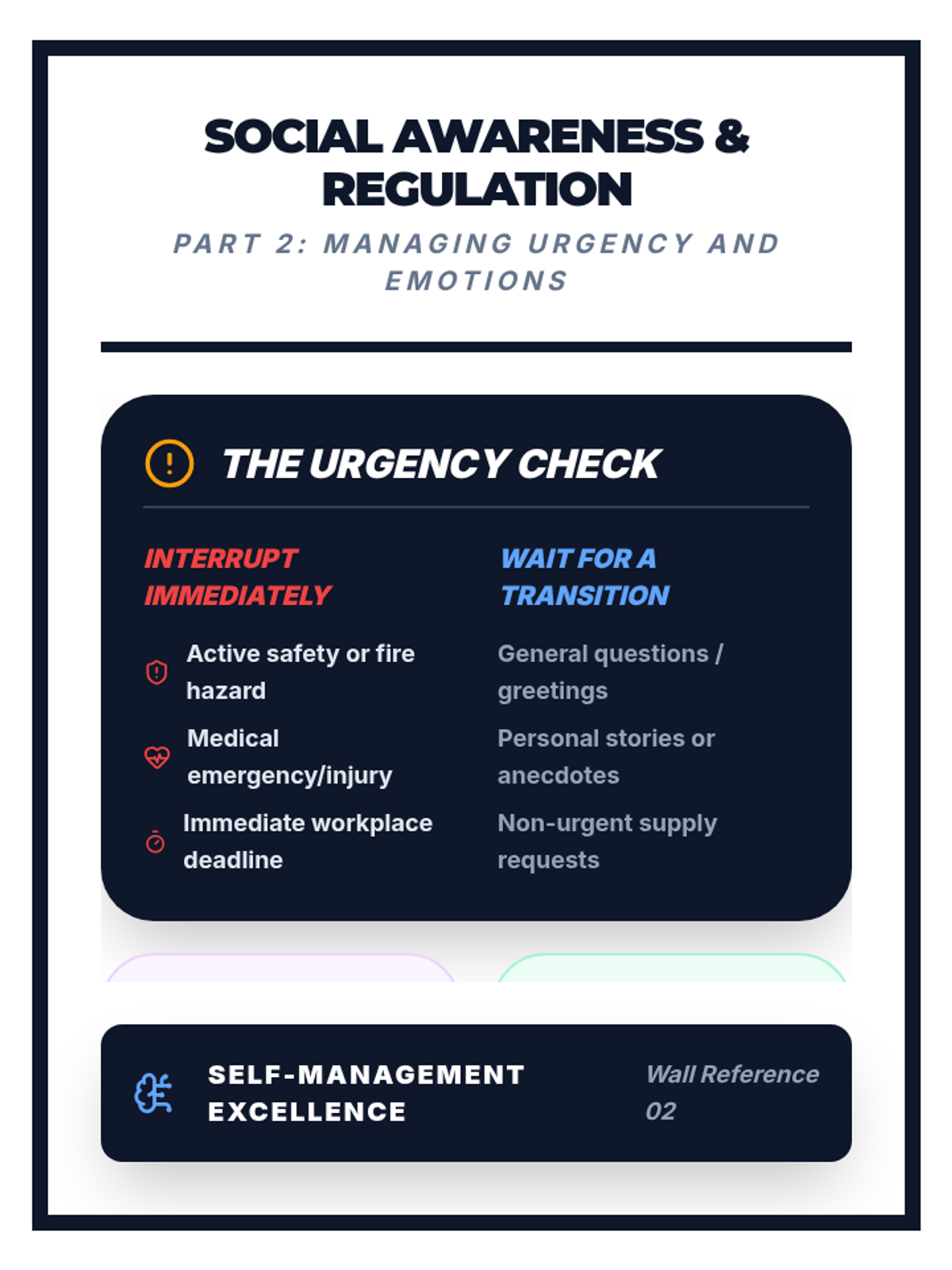
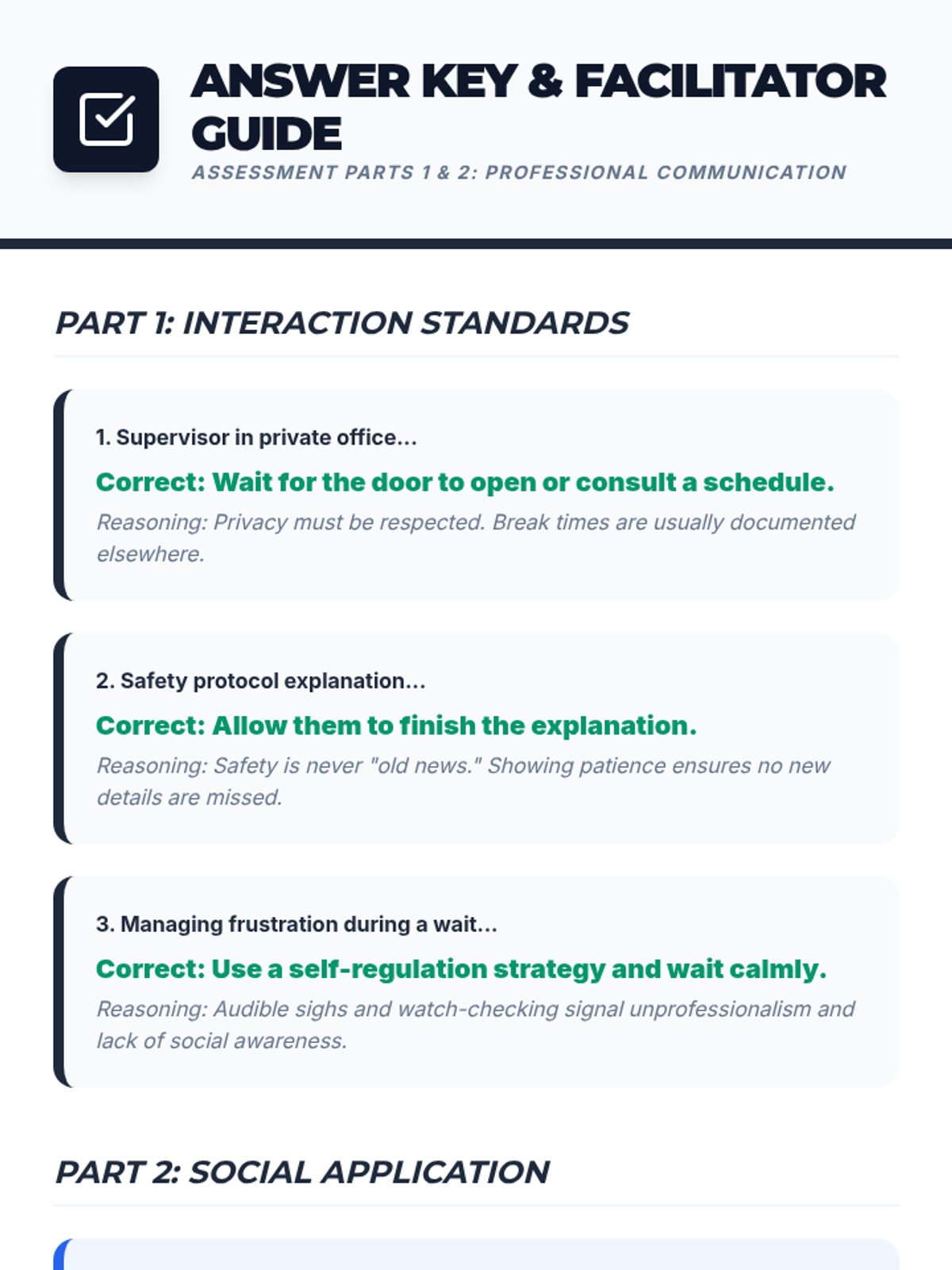
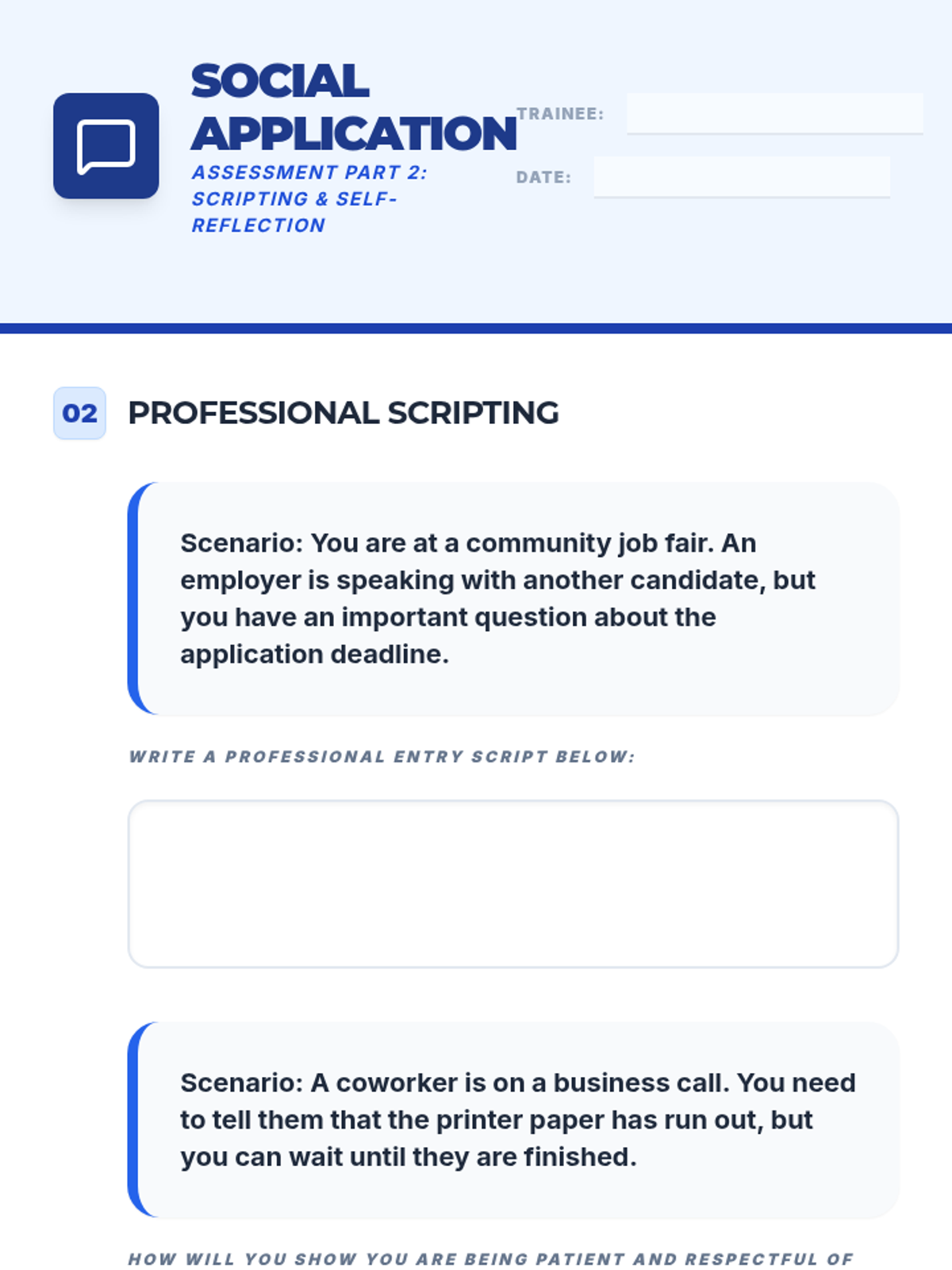
A comprehensive 90-120 minute morning activity designed to teach students the social nuances of interrupting. It covers identifying appropriate times to speak, respectful interruption techniques, and emotional regulation when others interrupt.
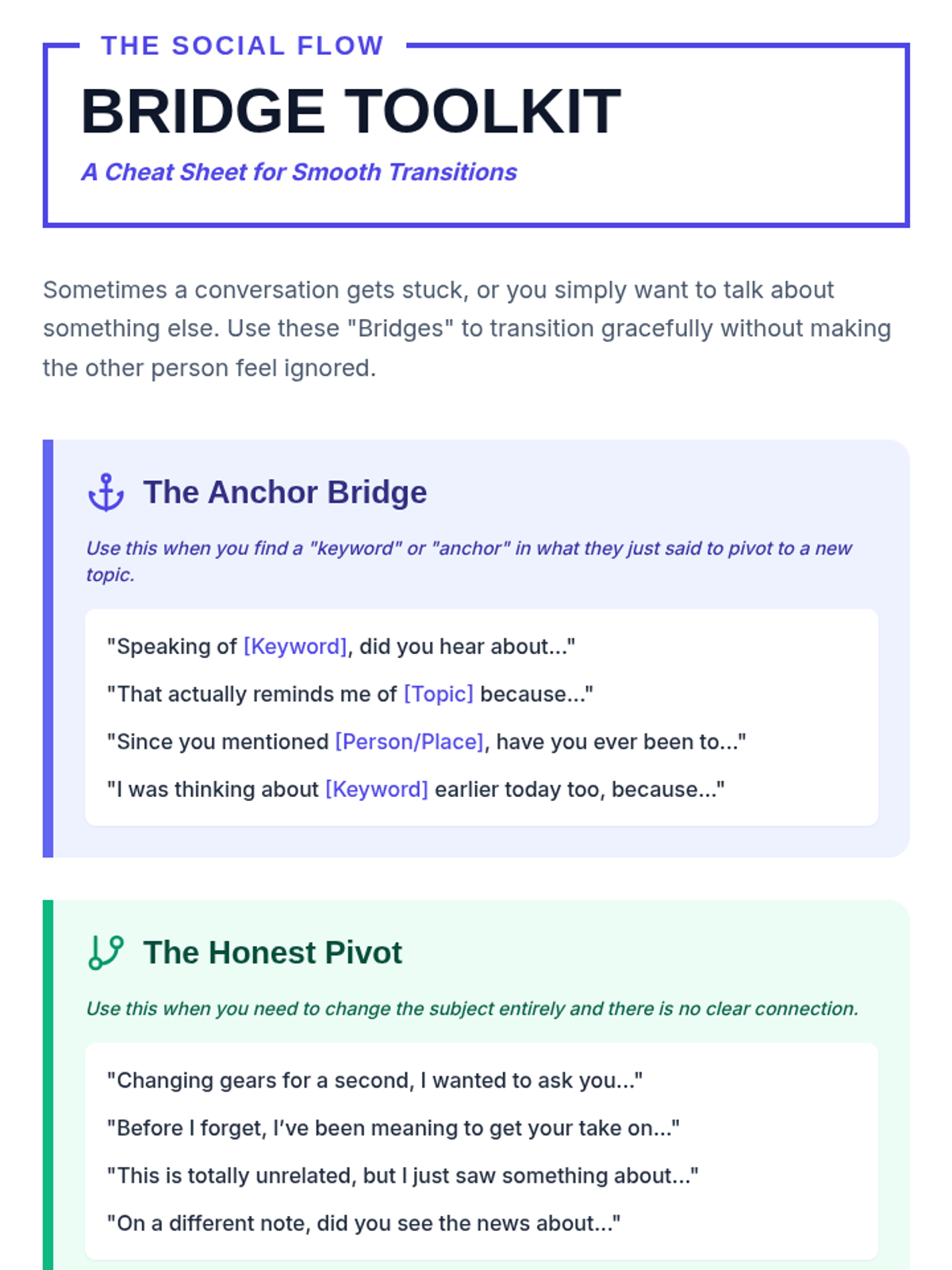
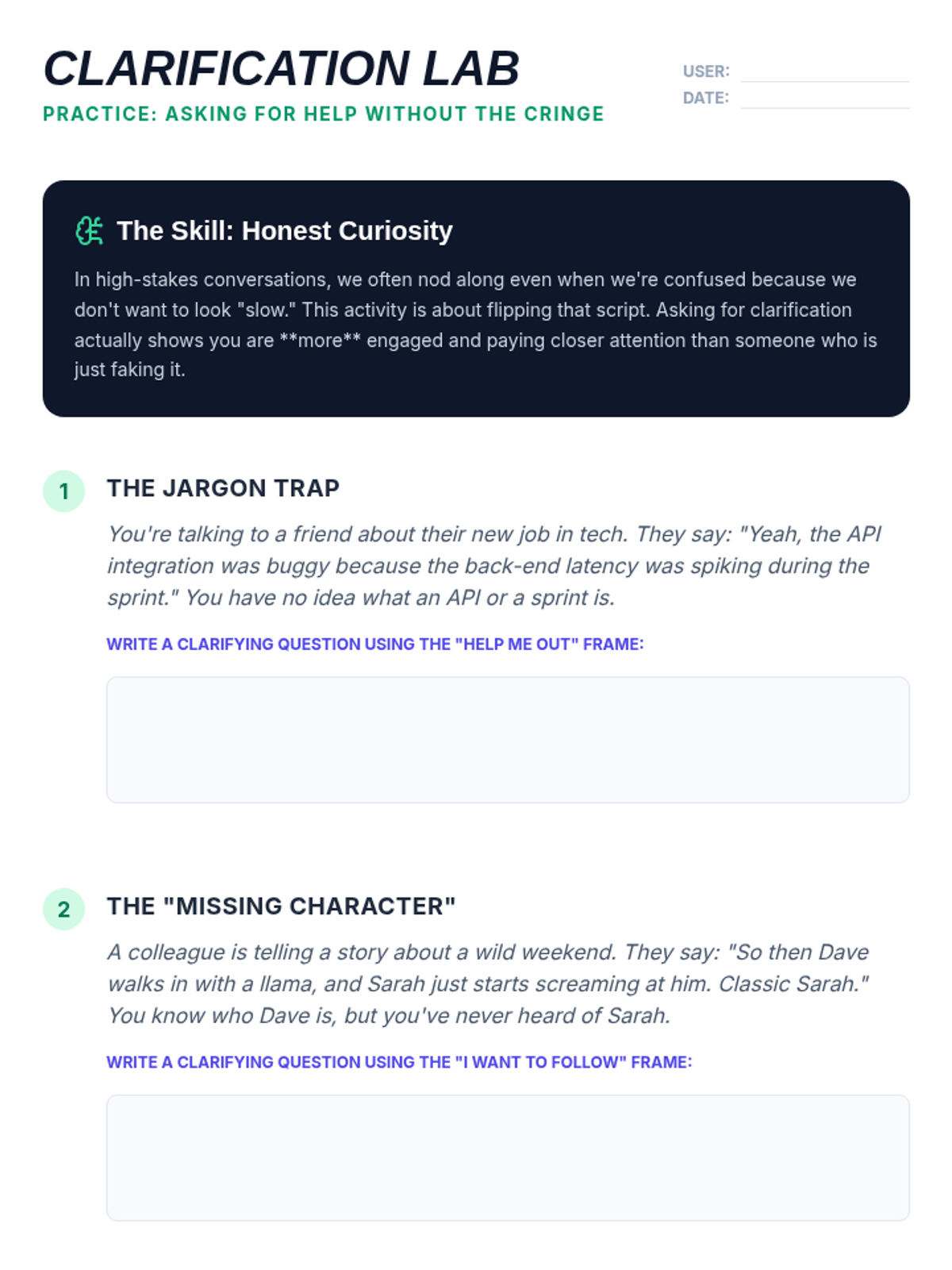
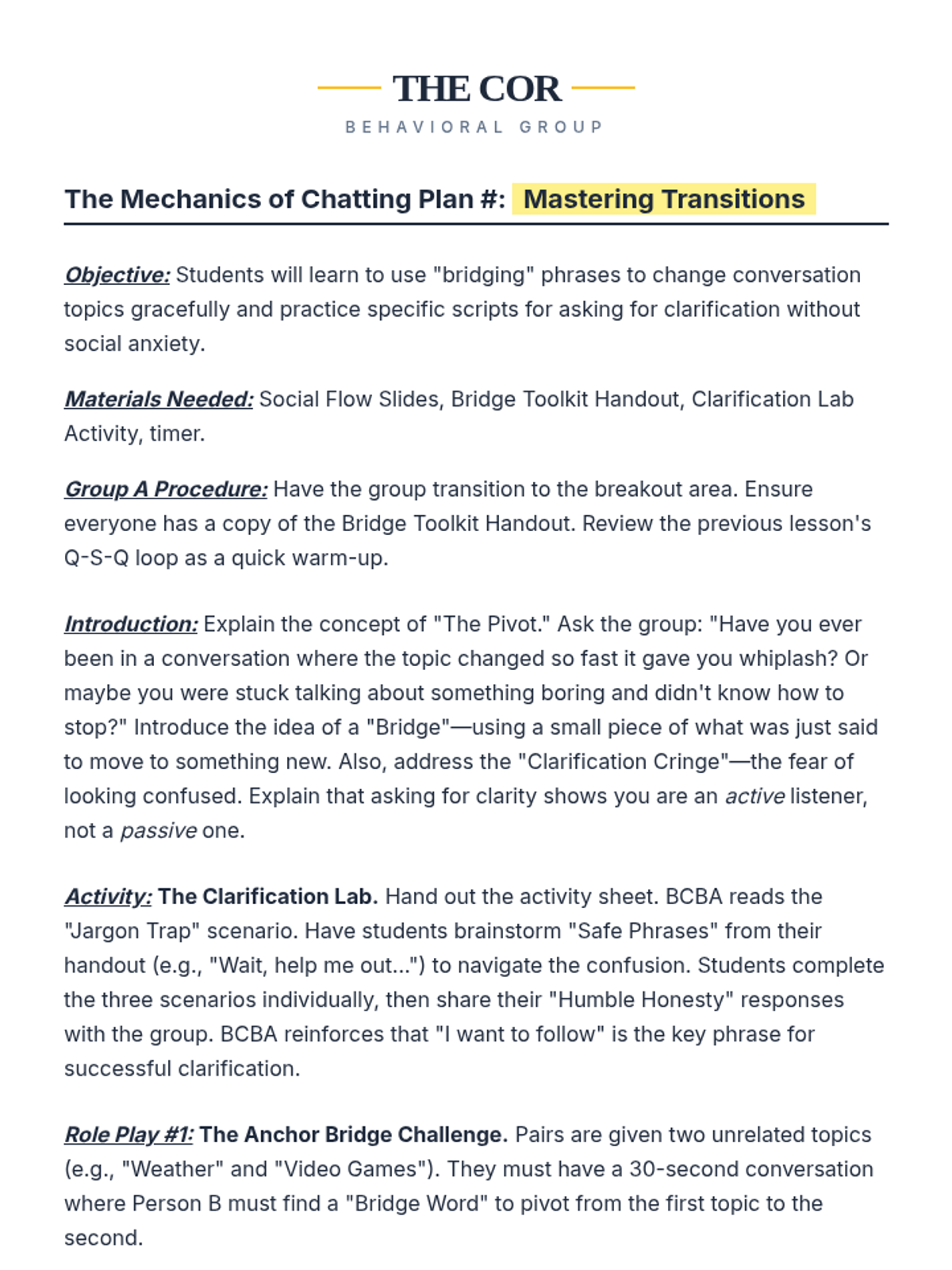
Focuses on gracefully changing subjects using bridging phrases and effectively asking for clarification without awkwardness.
Students create a timeline or flowchart that correlates the seven stages of behavior escalation (Calm, Trigger, Agitation, Acceleration, Peak, De-escalation, Recovery) with specific physiological markers.
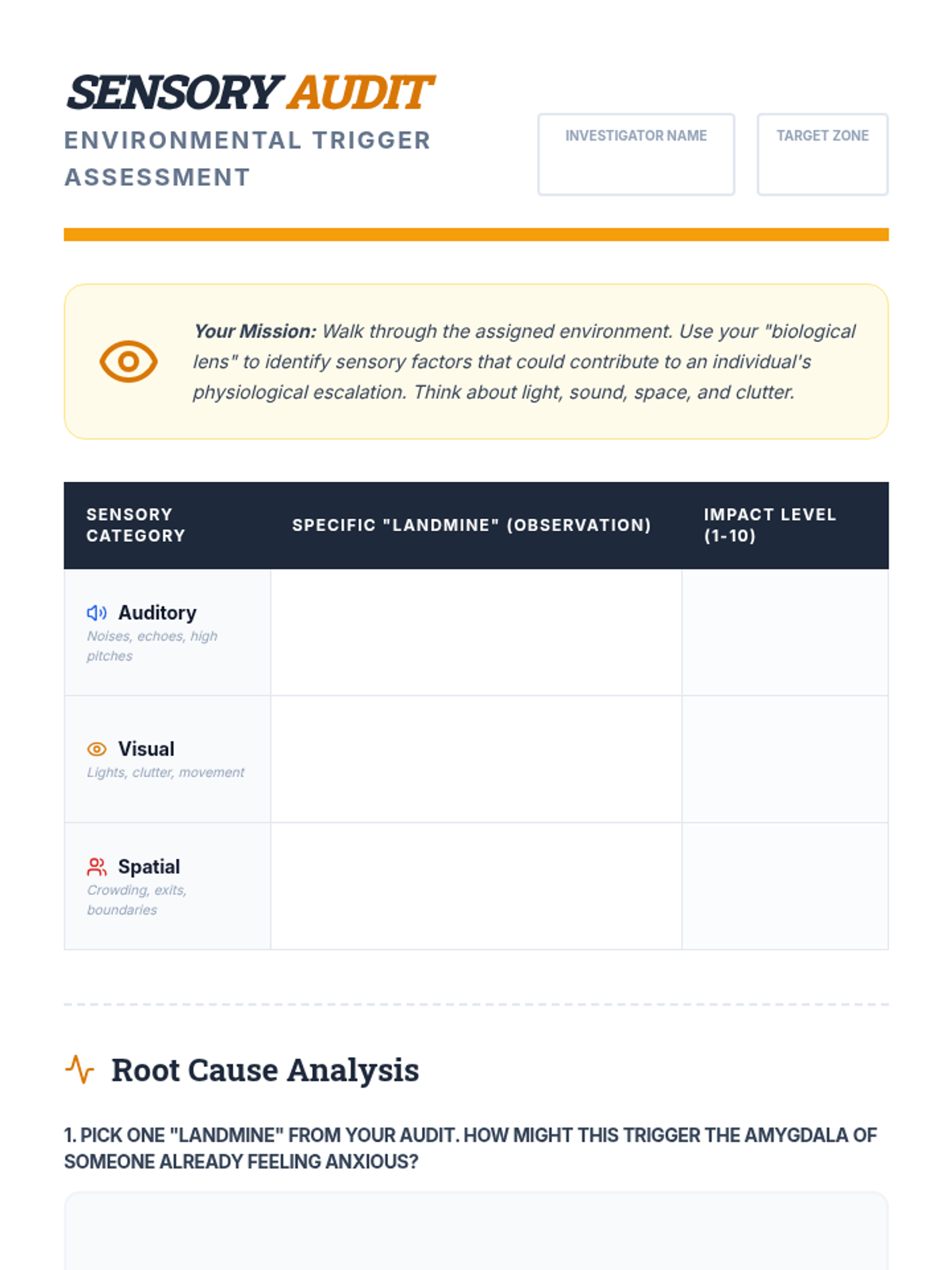
Students investigate how environmental factors (noise, light, crowding) can trigger physiological escalation. They conduct an audit of a classroom or common area to identify potential sensory triggers.
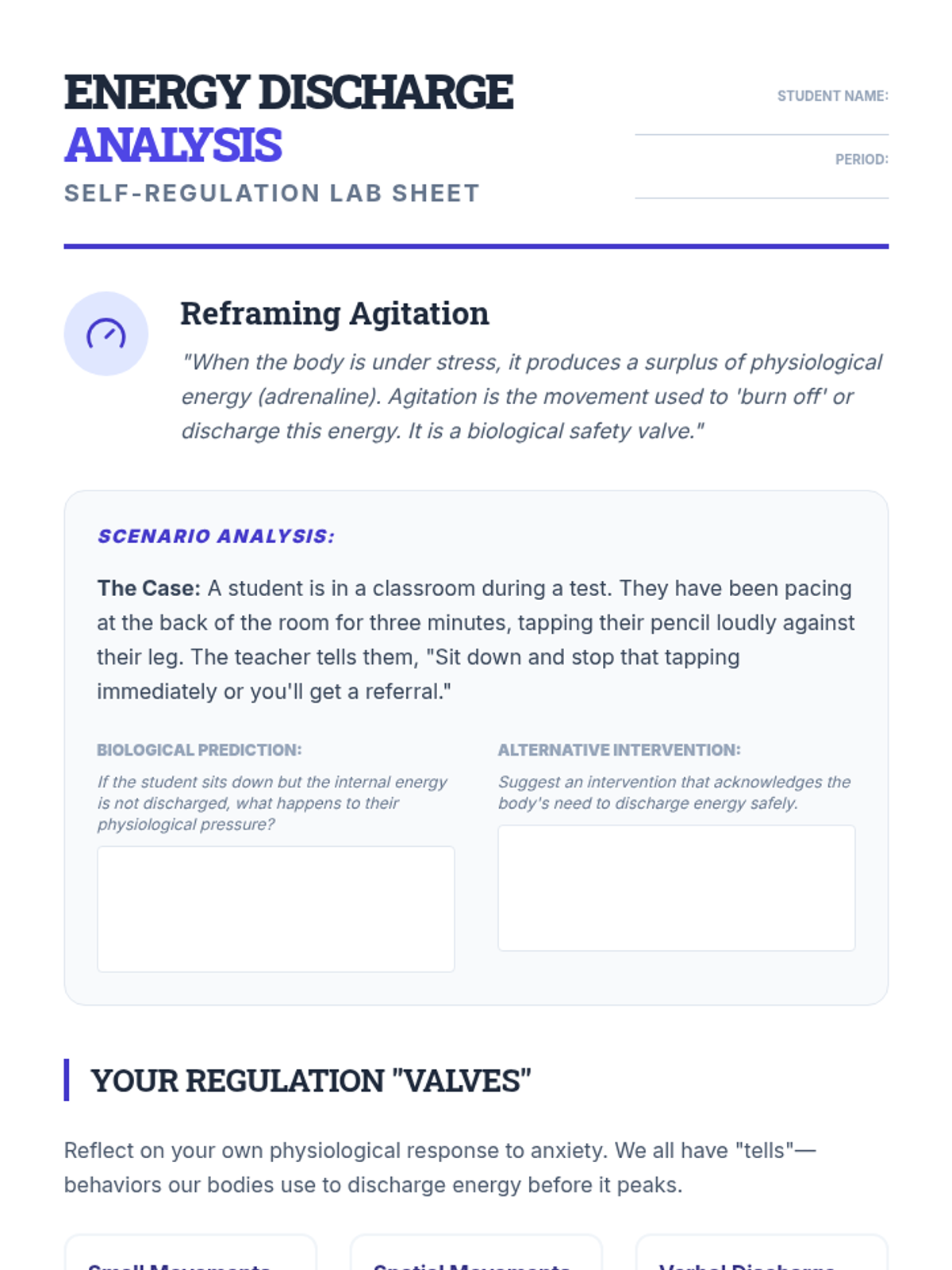
Students explore how anxiety manifests physically before turning into aggression, looking at behaviors like pacing or wringing hands as attempts to self-regulate excess energy. This reframes 'acting out' as a coping mechanism.
This lesson focuses on high-arousal symptoms such as heavy breathing, sweating, and trembling. Students review medical case studies to understand these as automatic responses to perceived threats.
Students learn the brain science behind escalation, specifically how the amygdala overrides the prefrontal cortex. They map this internal process to external signs like flushed skin or dilated pupils.
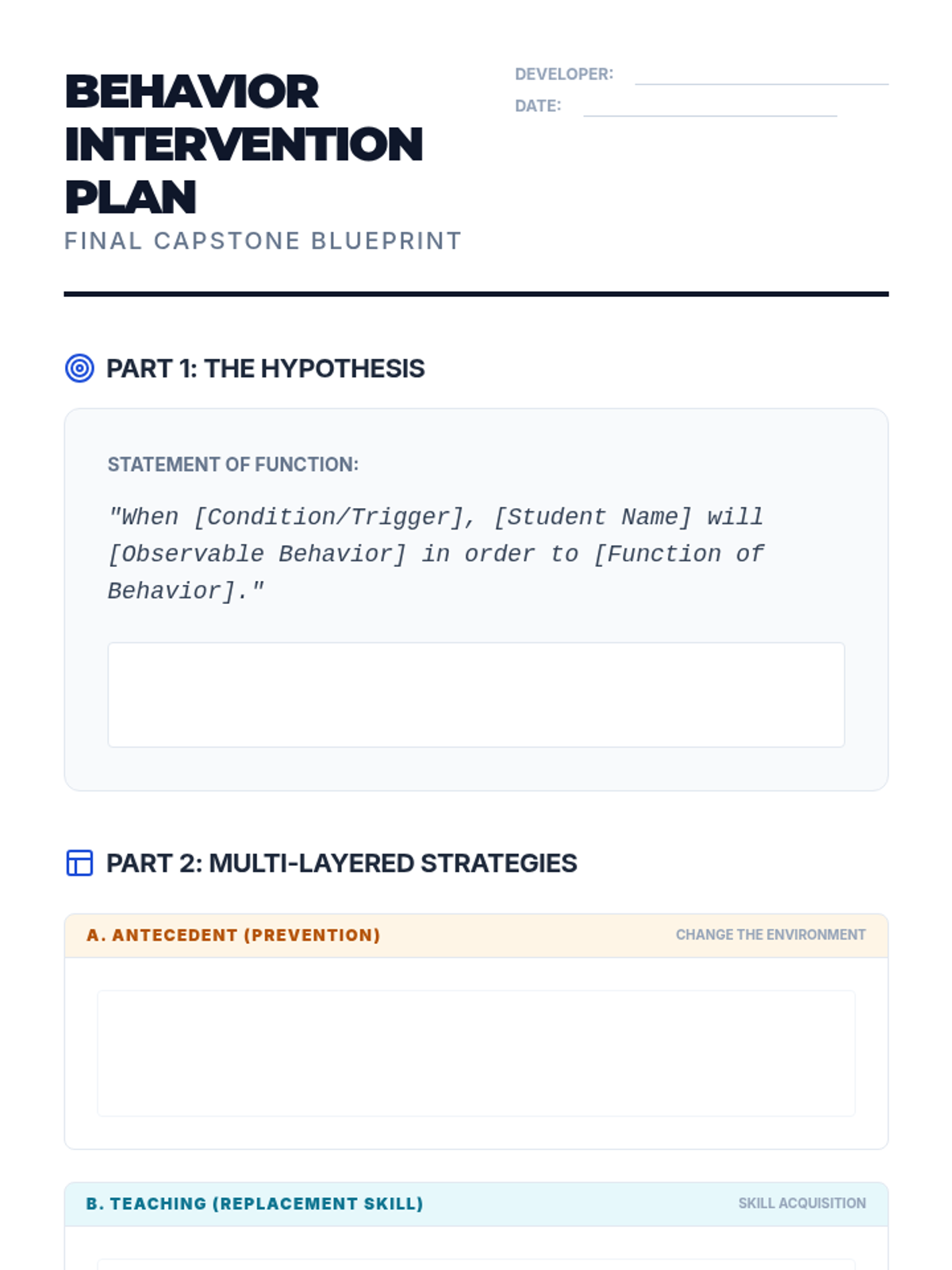
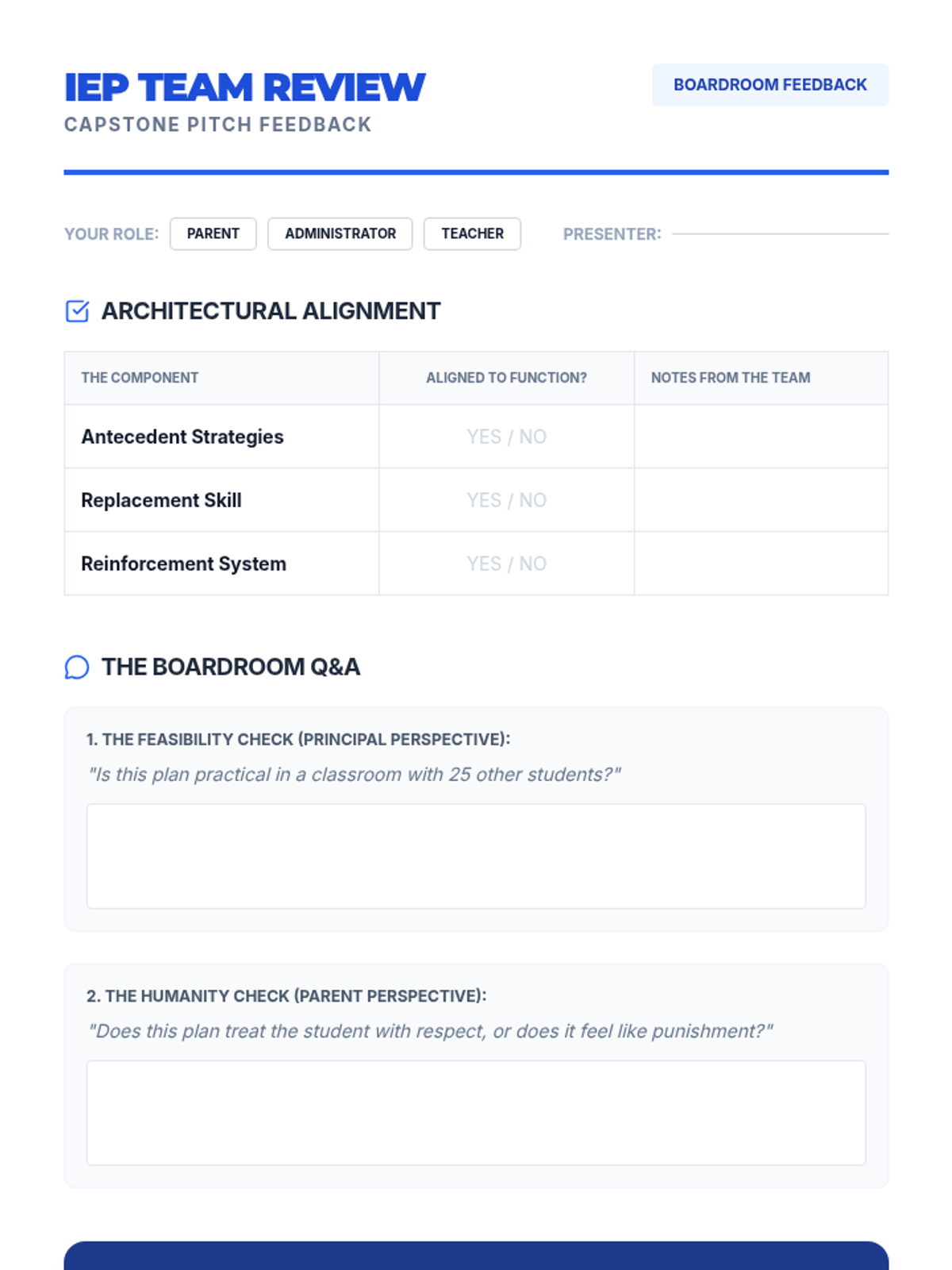
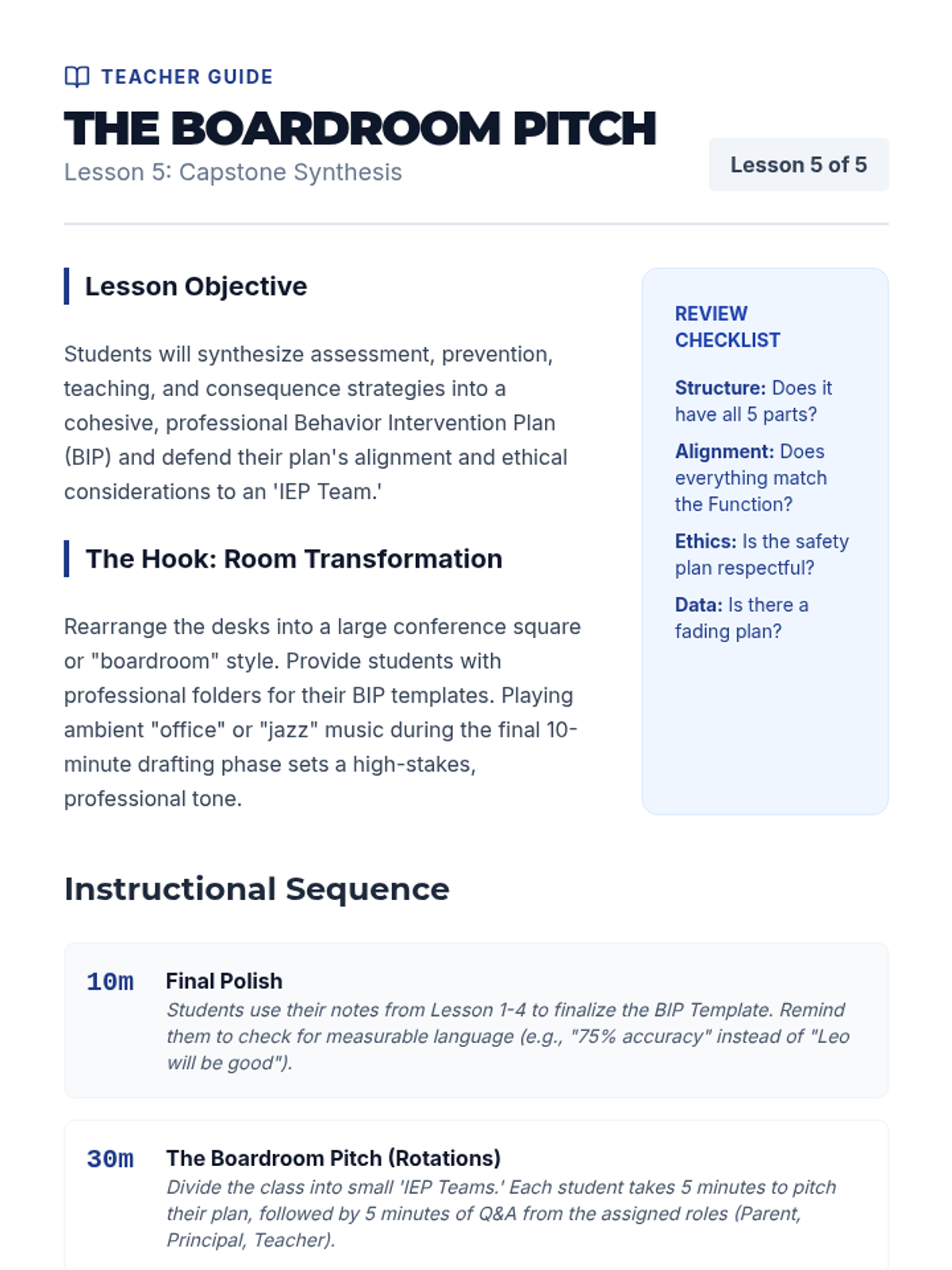
A culminating workshop where students present their complete behavior plans for a case study to a peer-led 'IEP Team'.
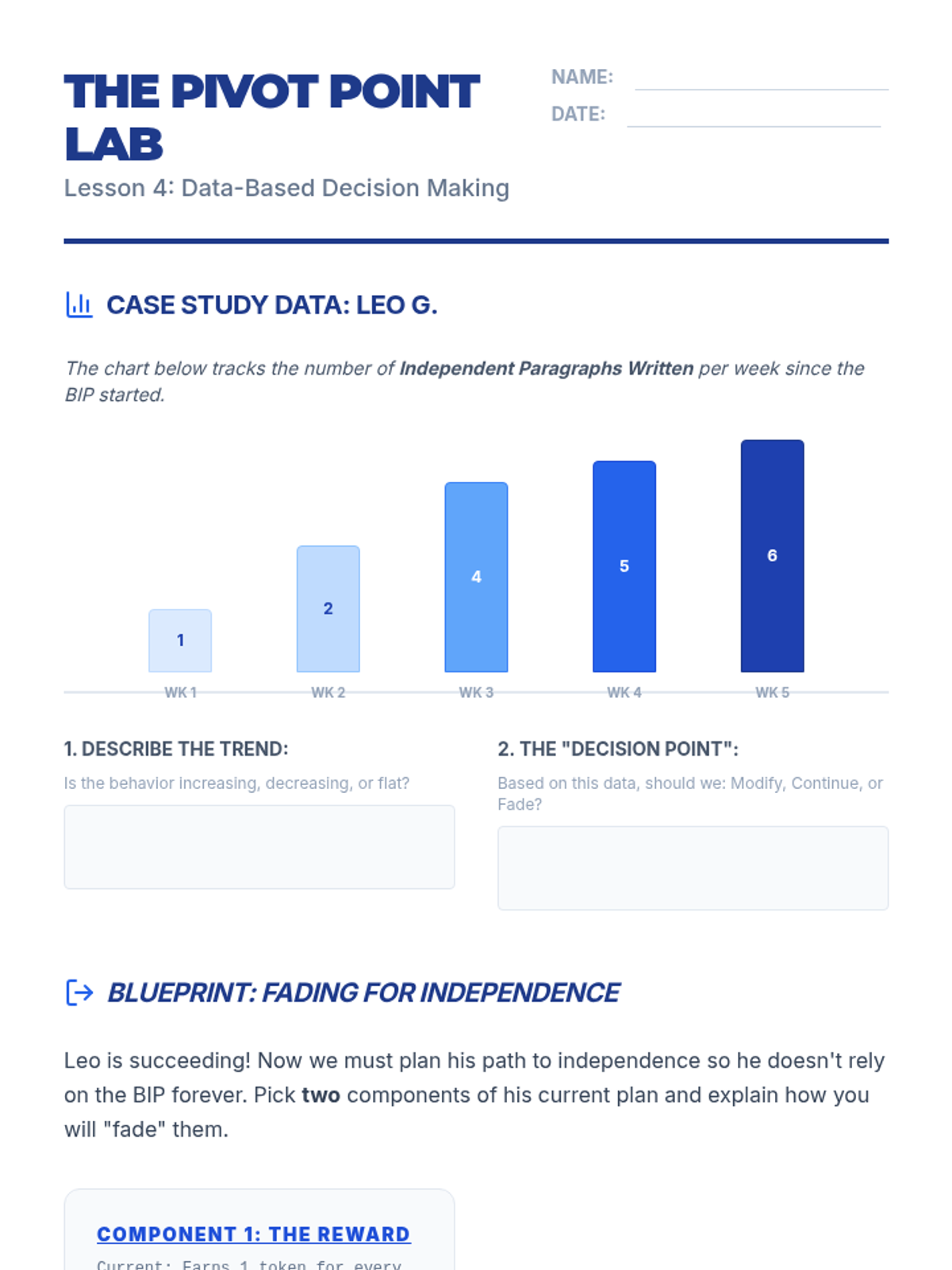
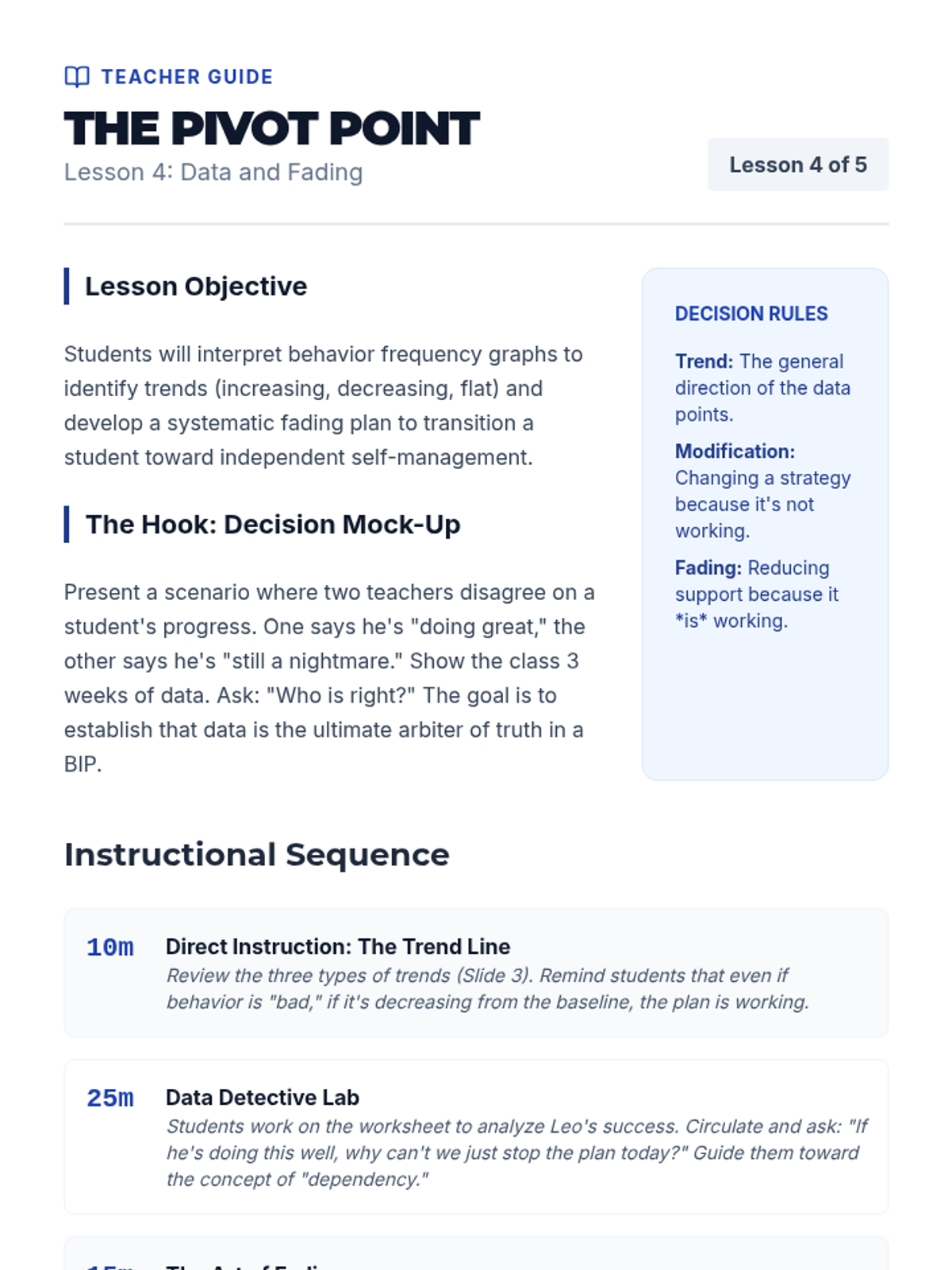
Students learn how to review ongoing data to determine plan efficacy and discuss how to fade supports as student independence increases.
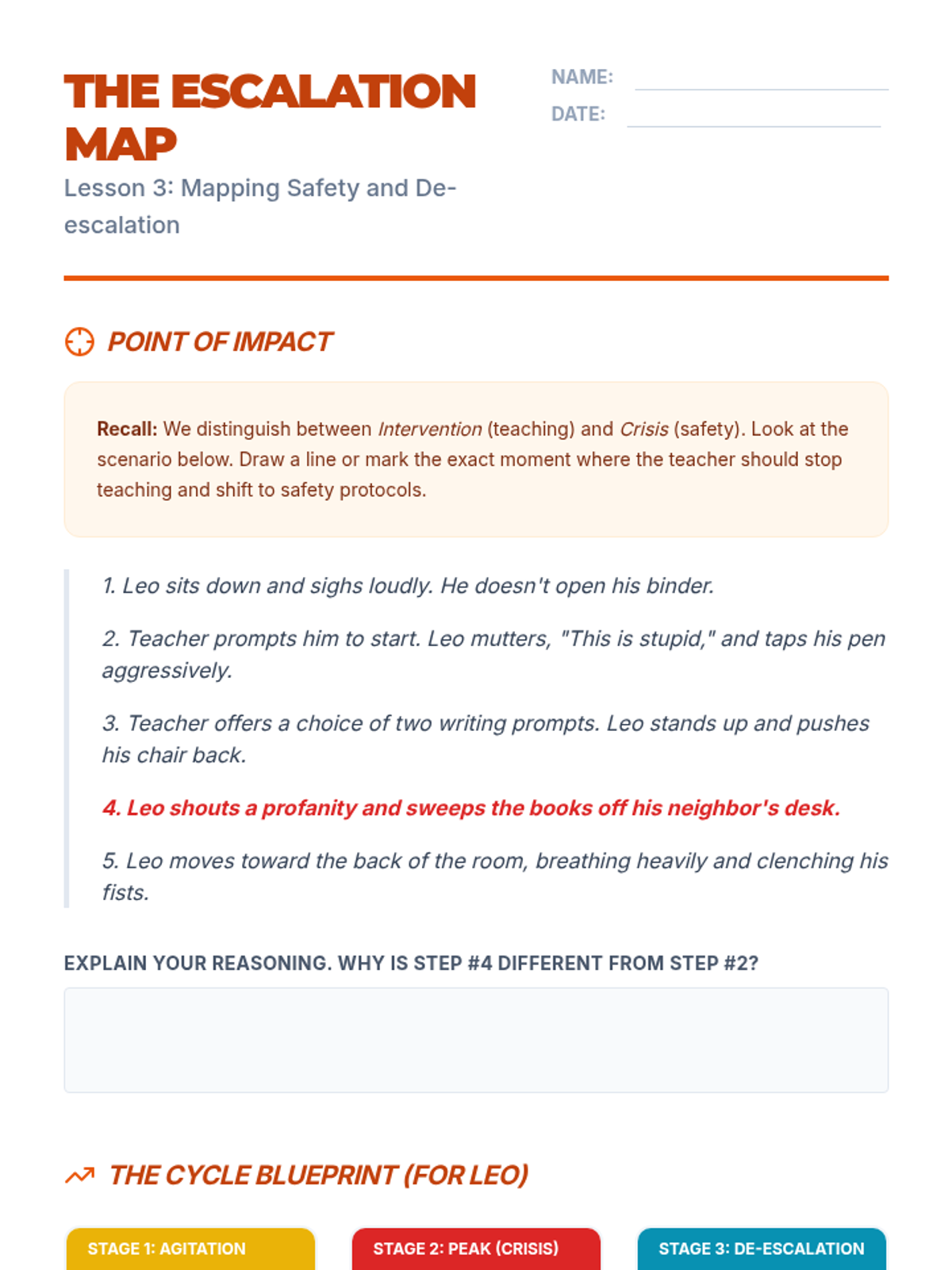
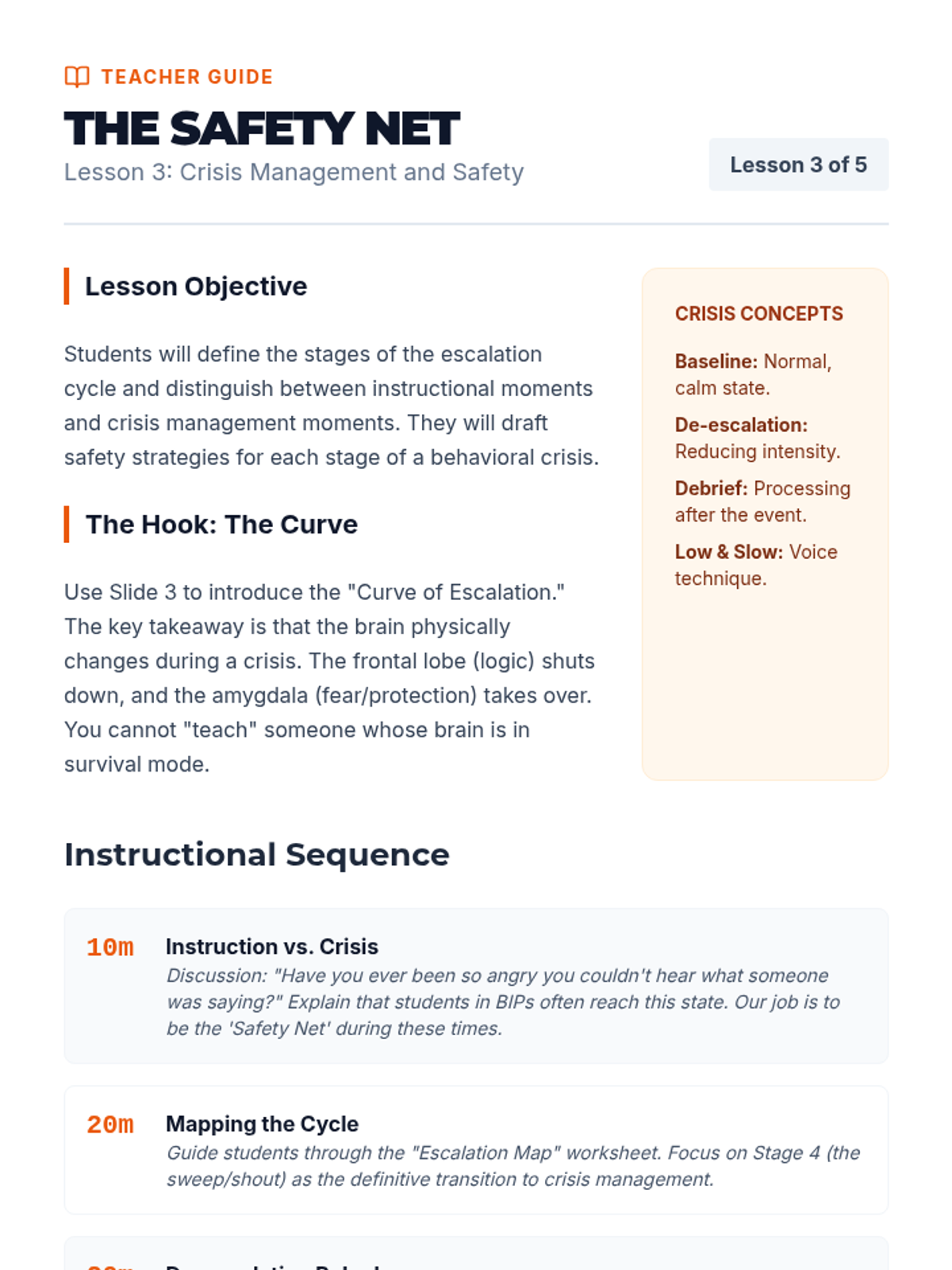
Distinguishing between intervention and crisis management, students learn the escalation cycle and draft plans focused on safety and de-escalation.
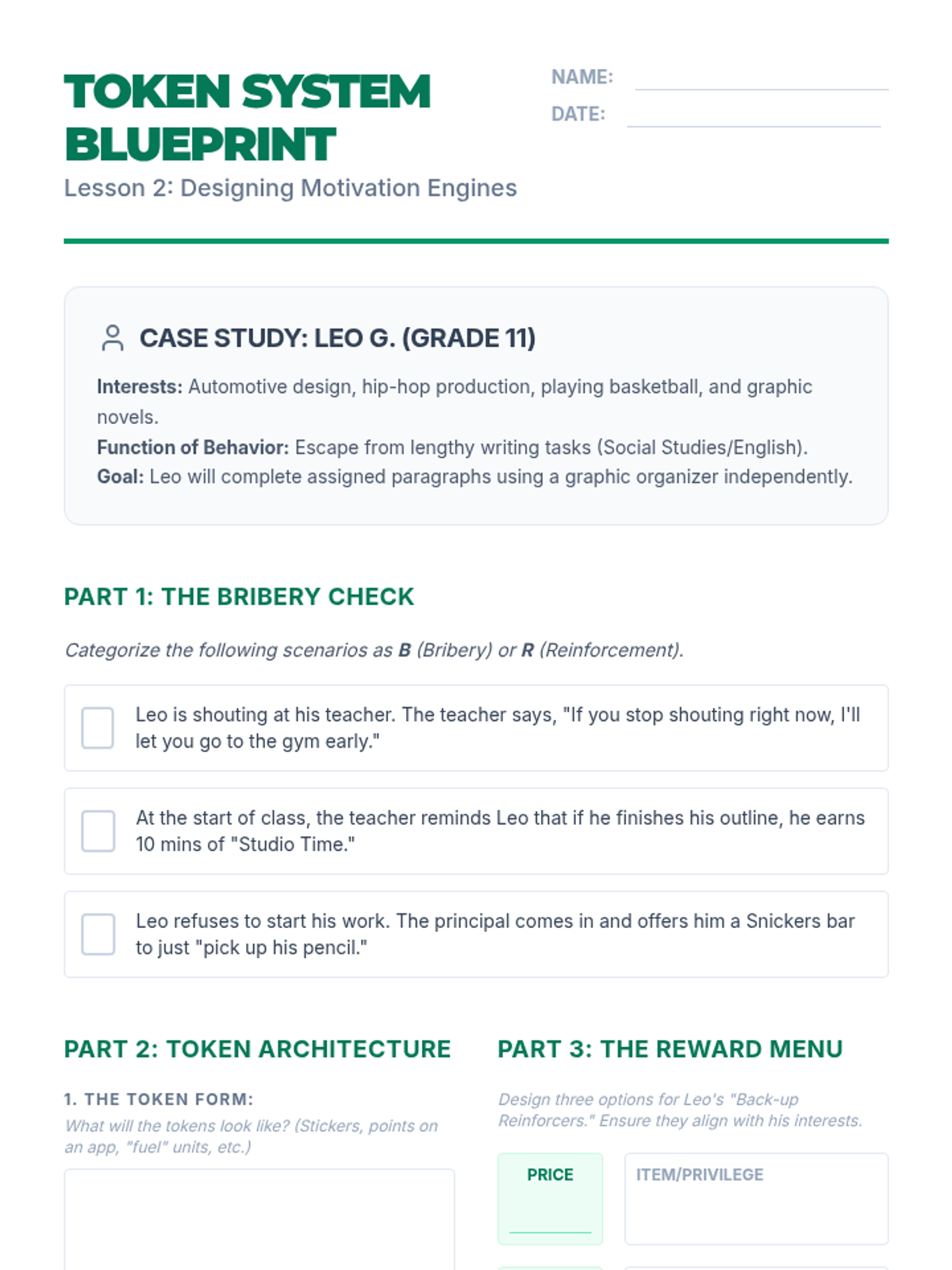
Students explore the difference between bribery and reinforcement, learning about token economies and reinforcement schedules to design tailored systems.
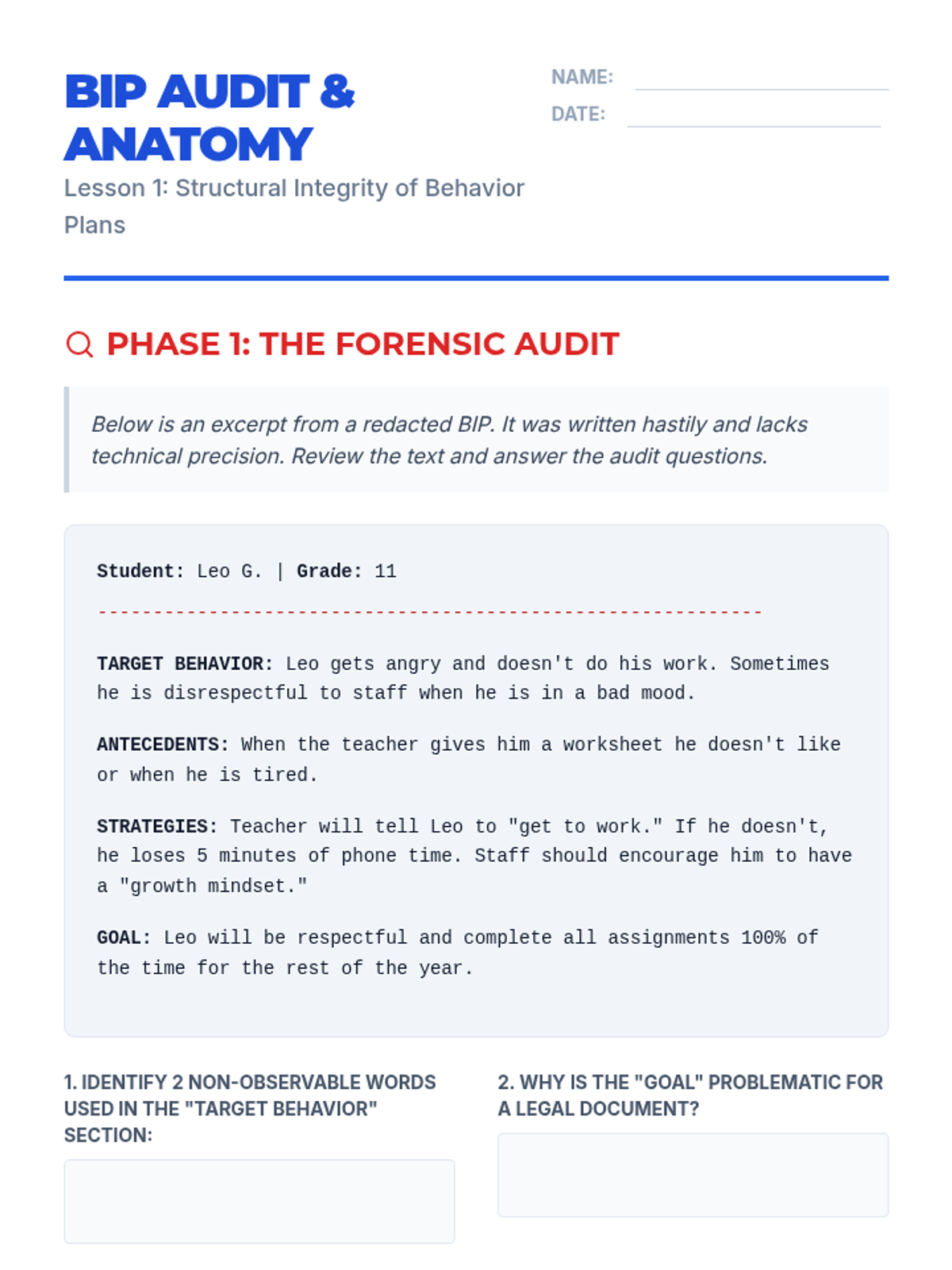
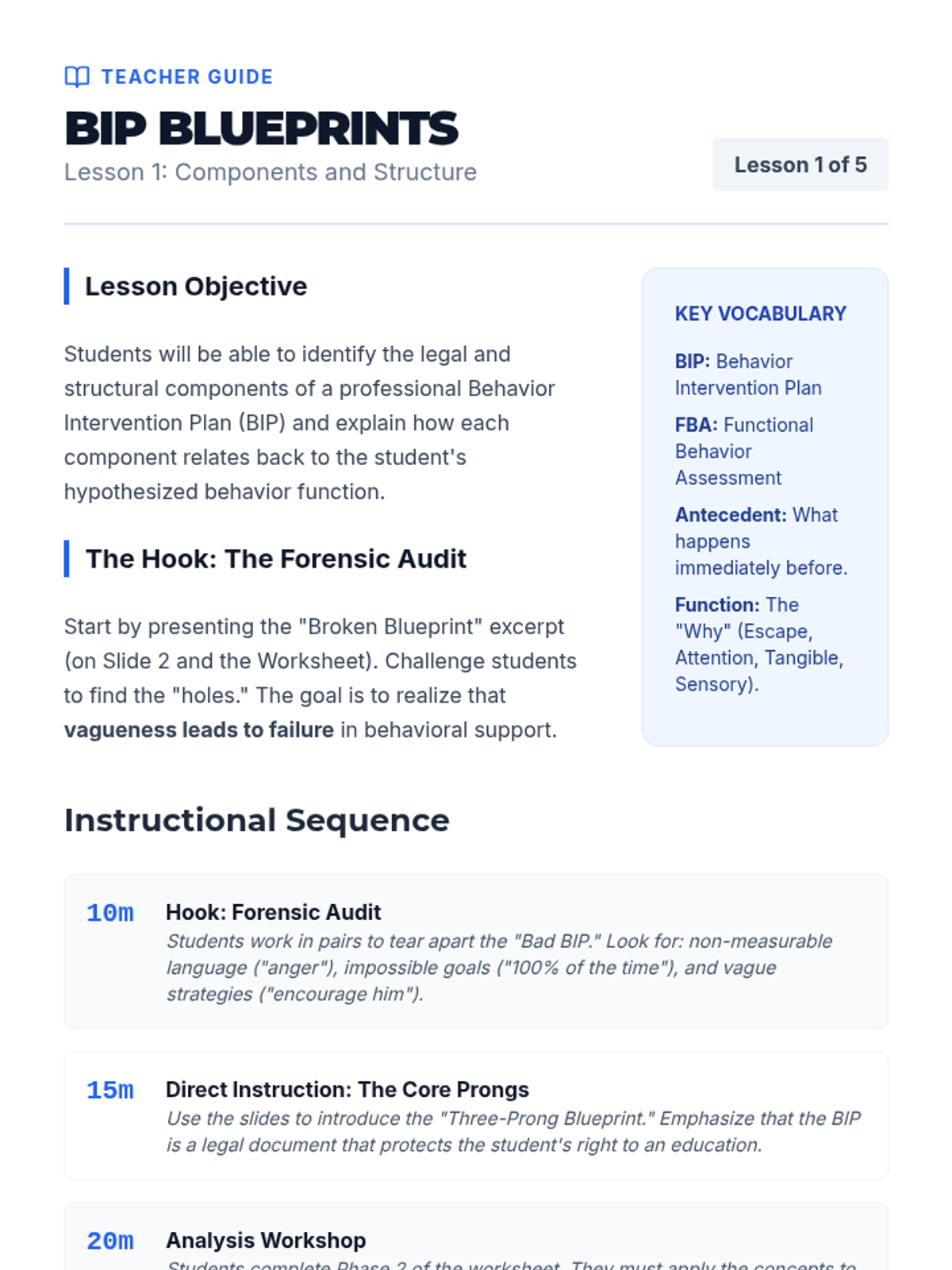
Students review real-world BIP templates to understand the legal and structural components, analyzing the flow from hypothesis to antecedent, teaching, and consequence strategies.
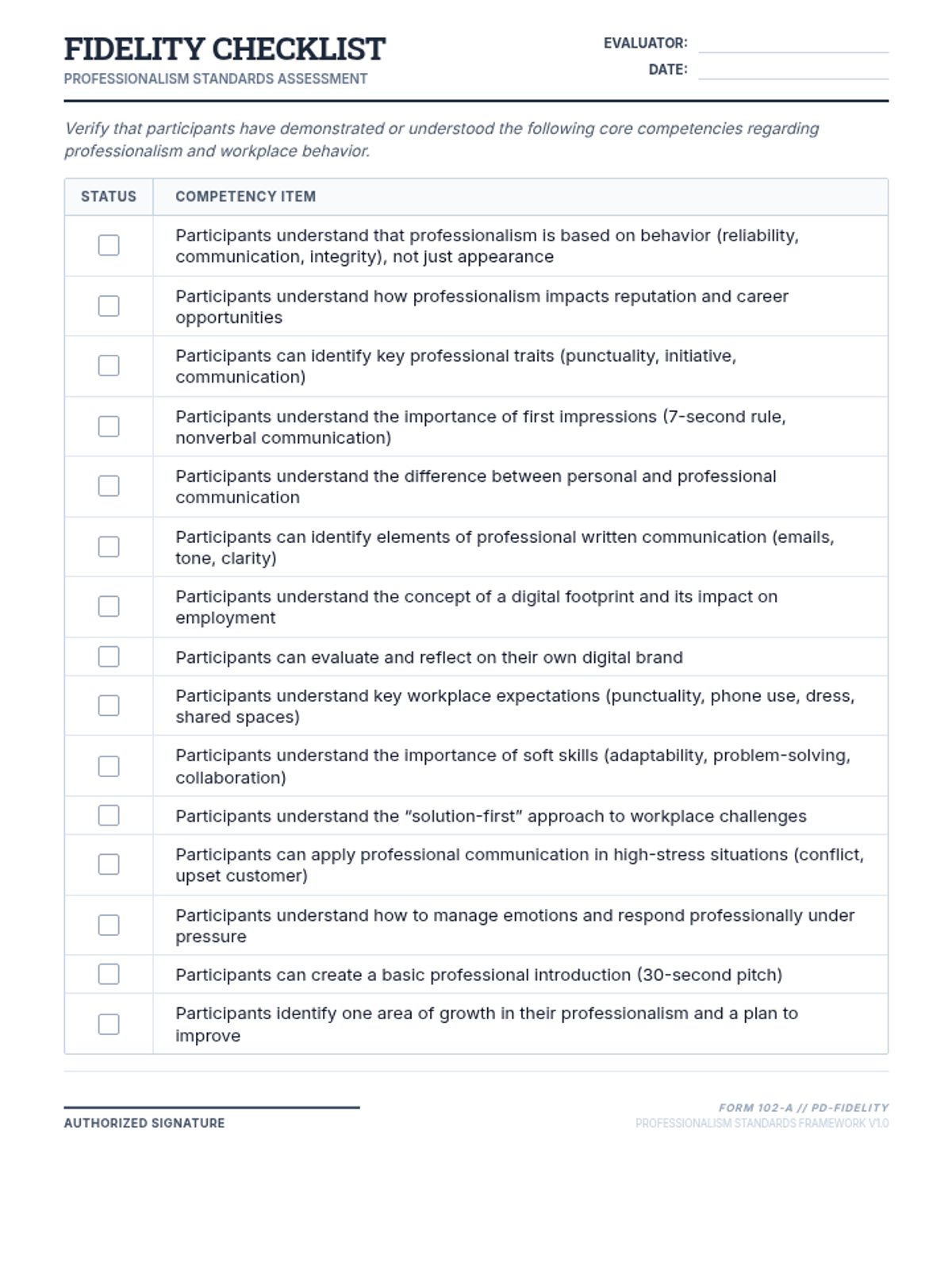
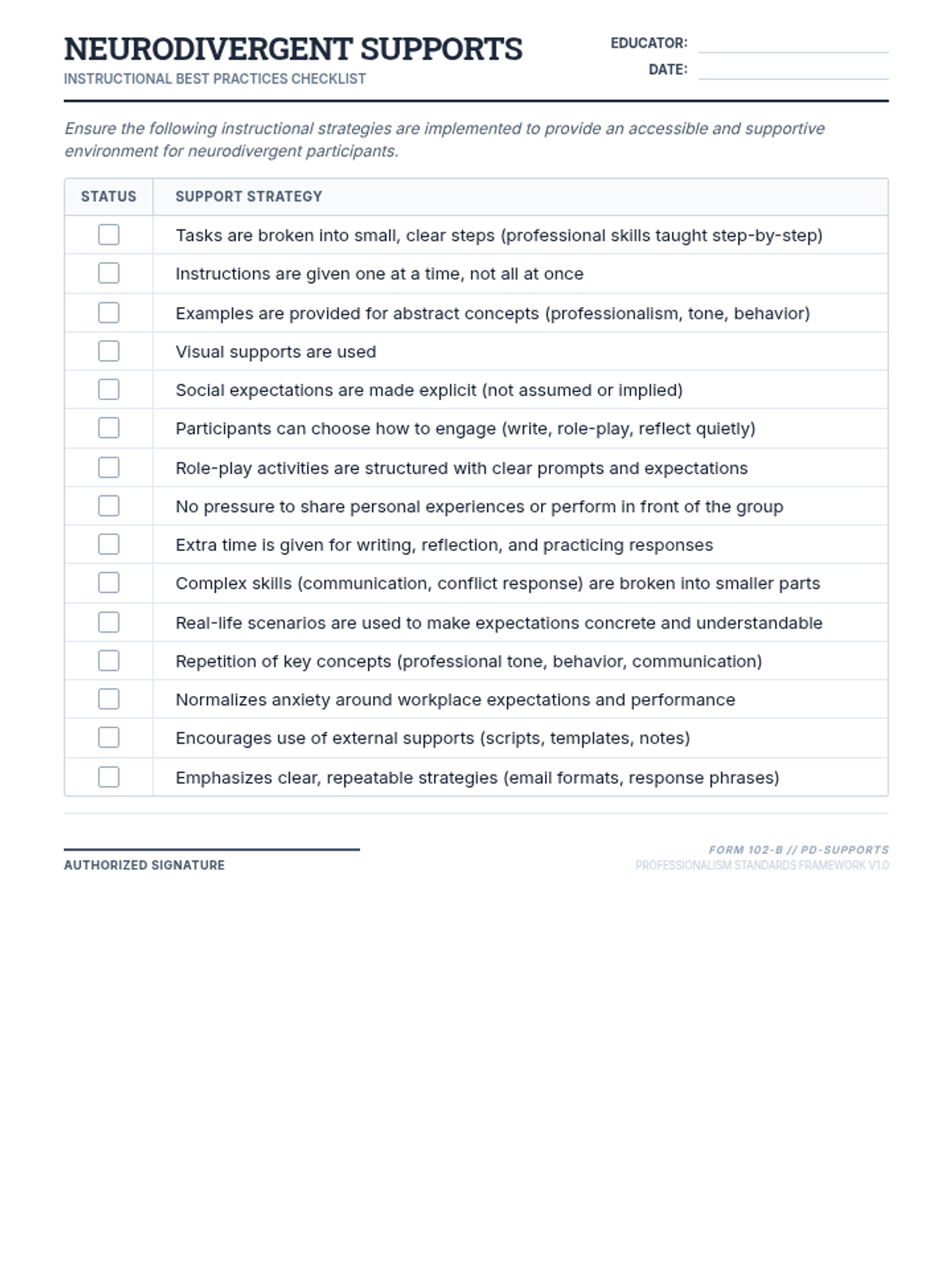
A pair of administrative checklists to ensure professional development standards and neurodivergent-friendly teaching practices are met.
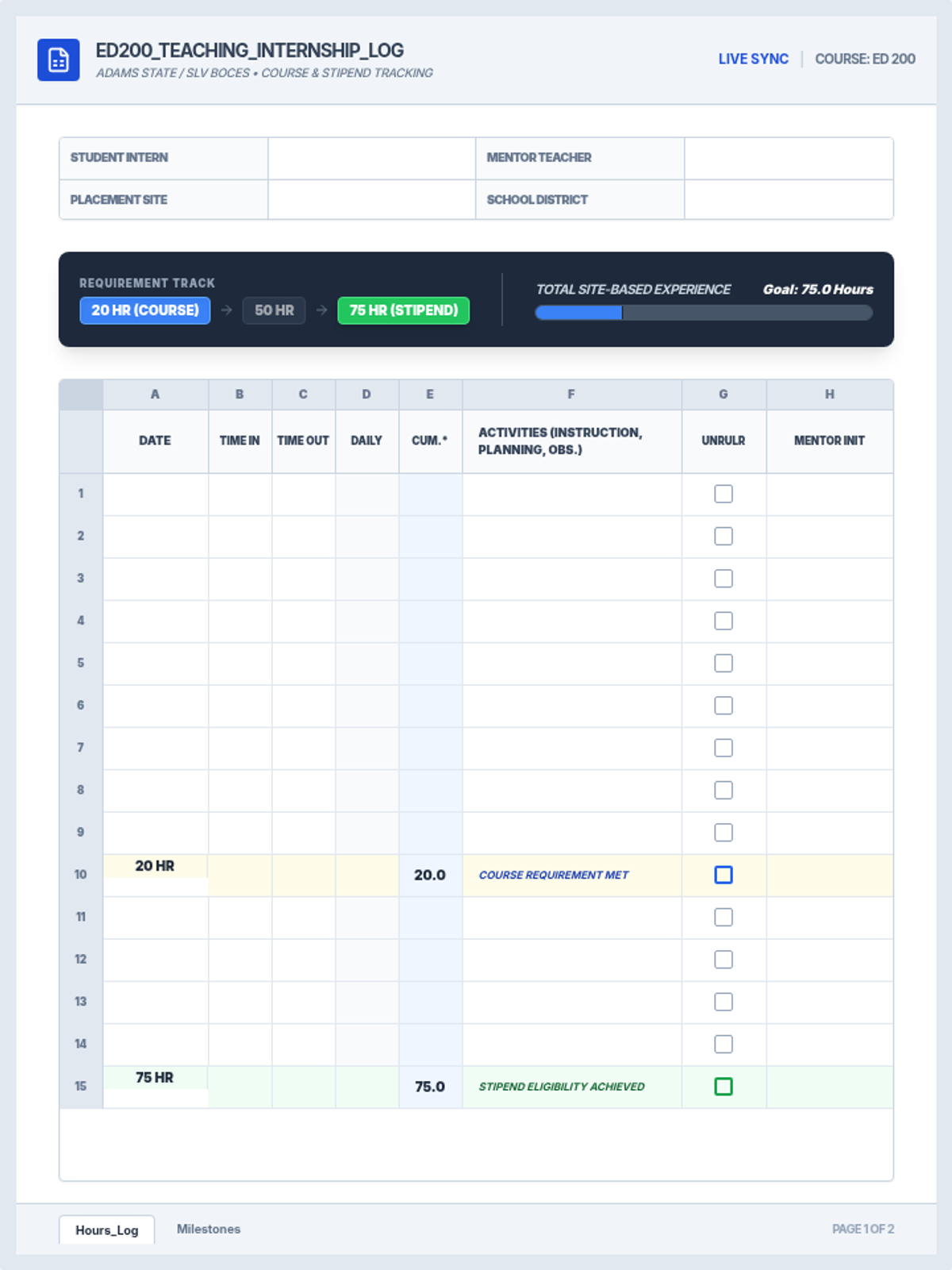
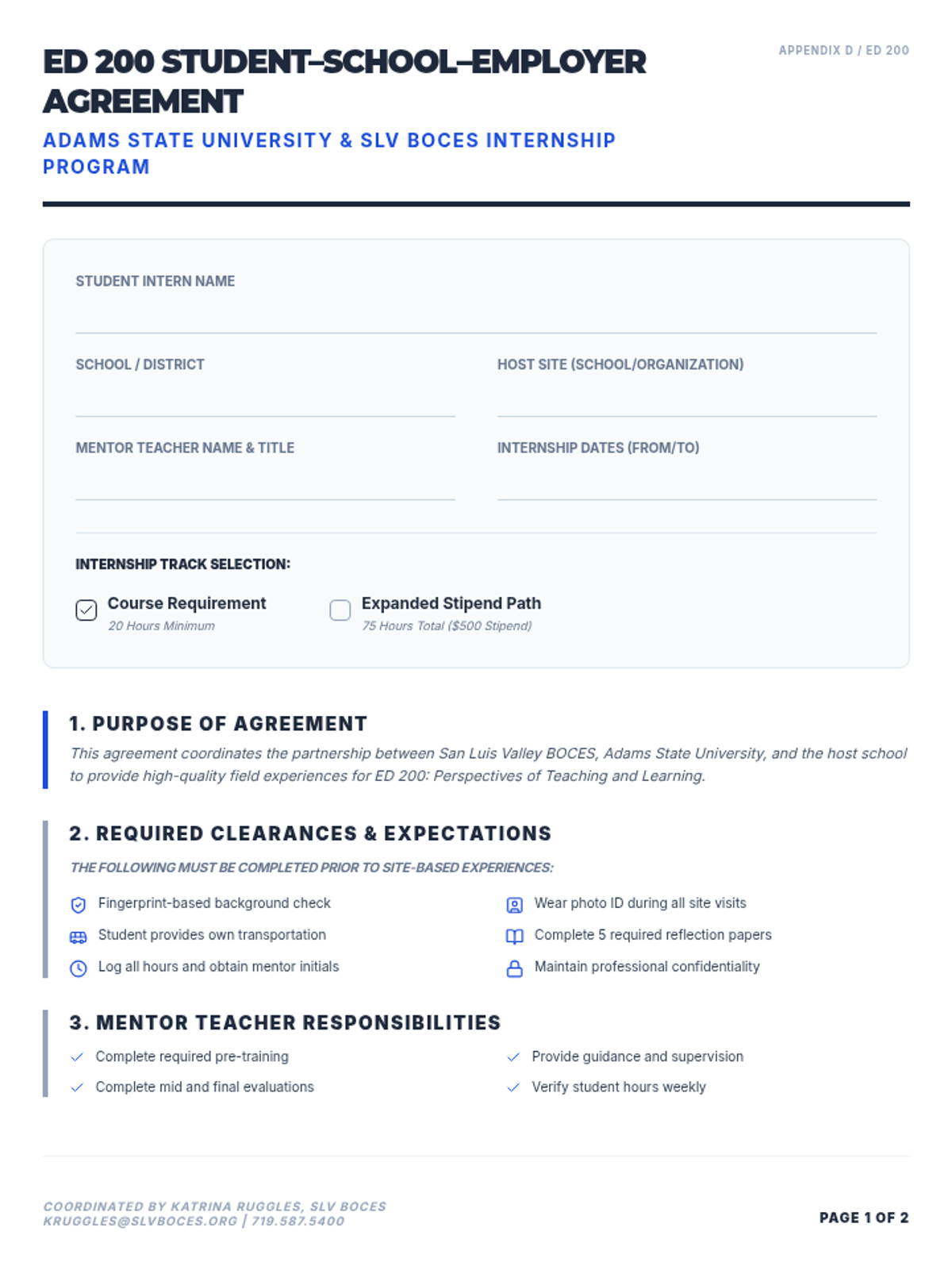
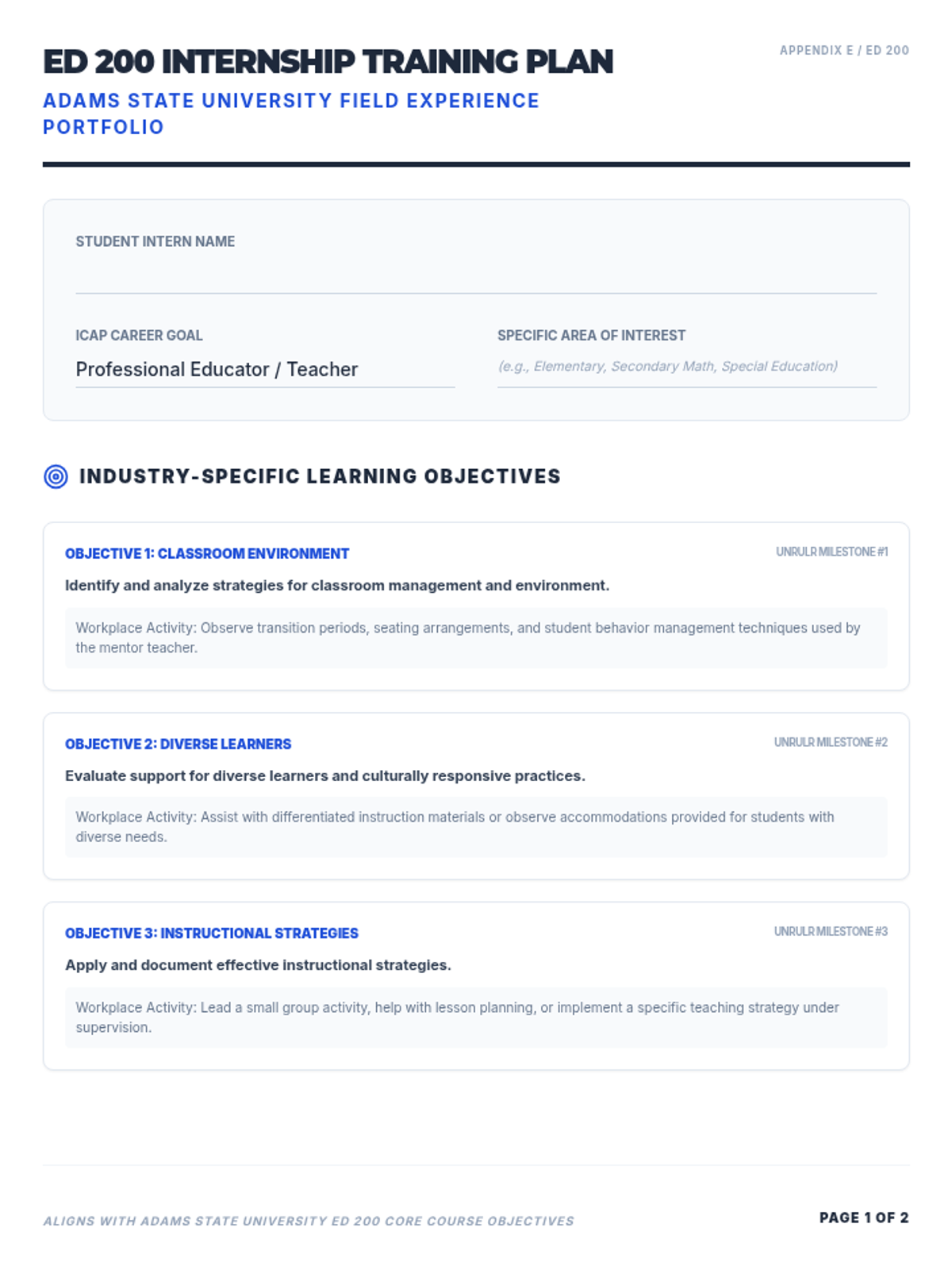
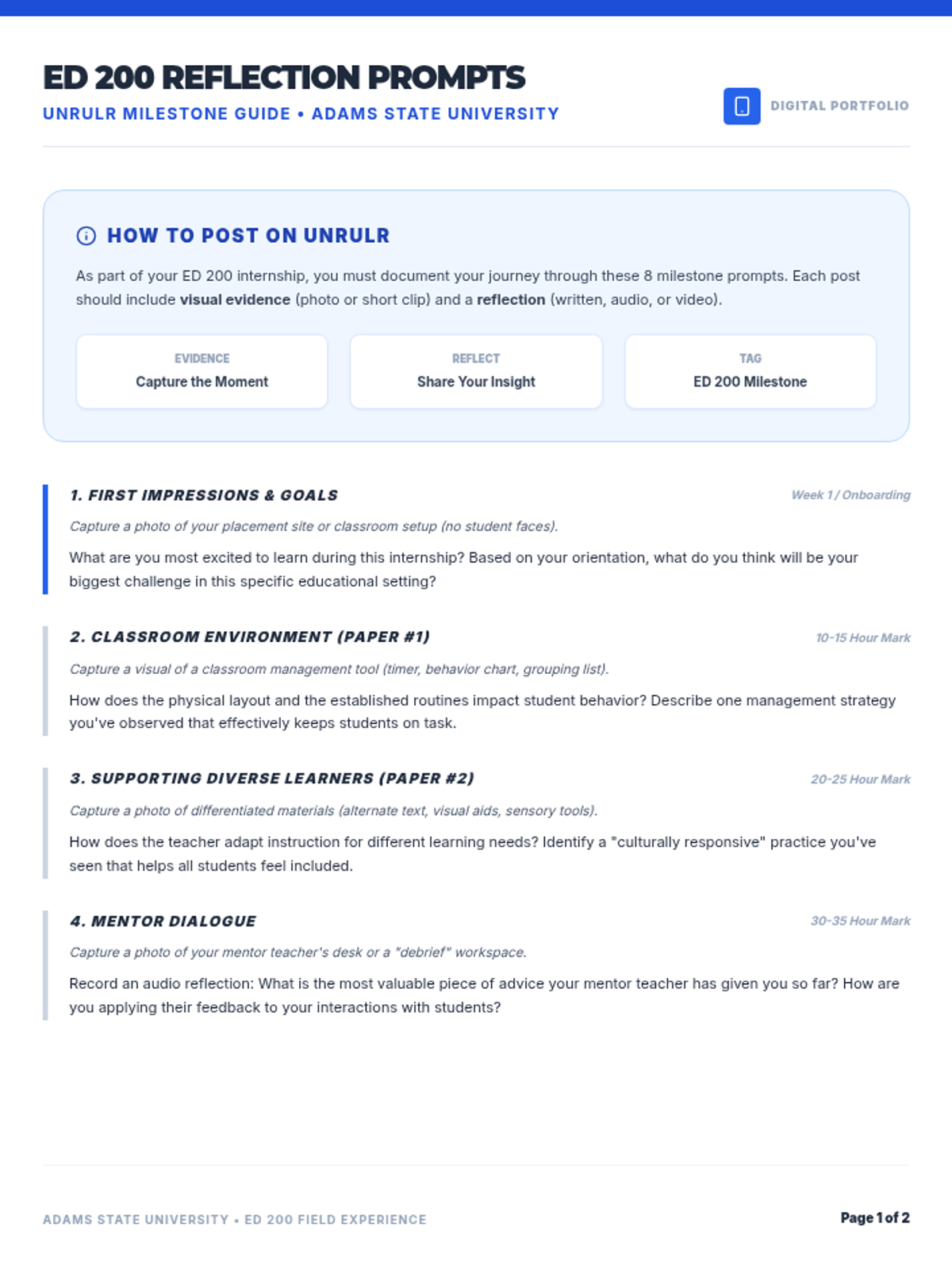
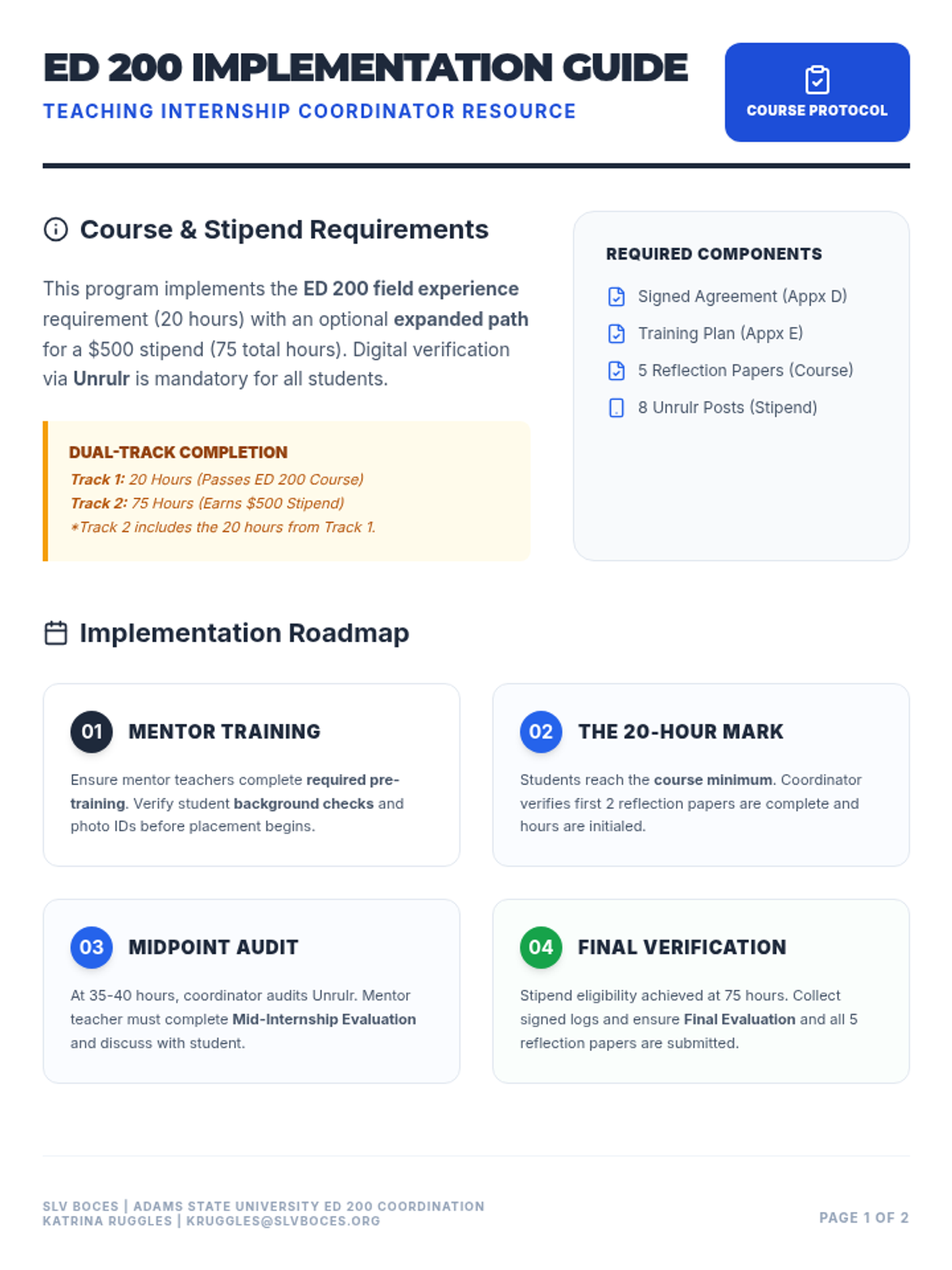
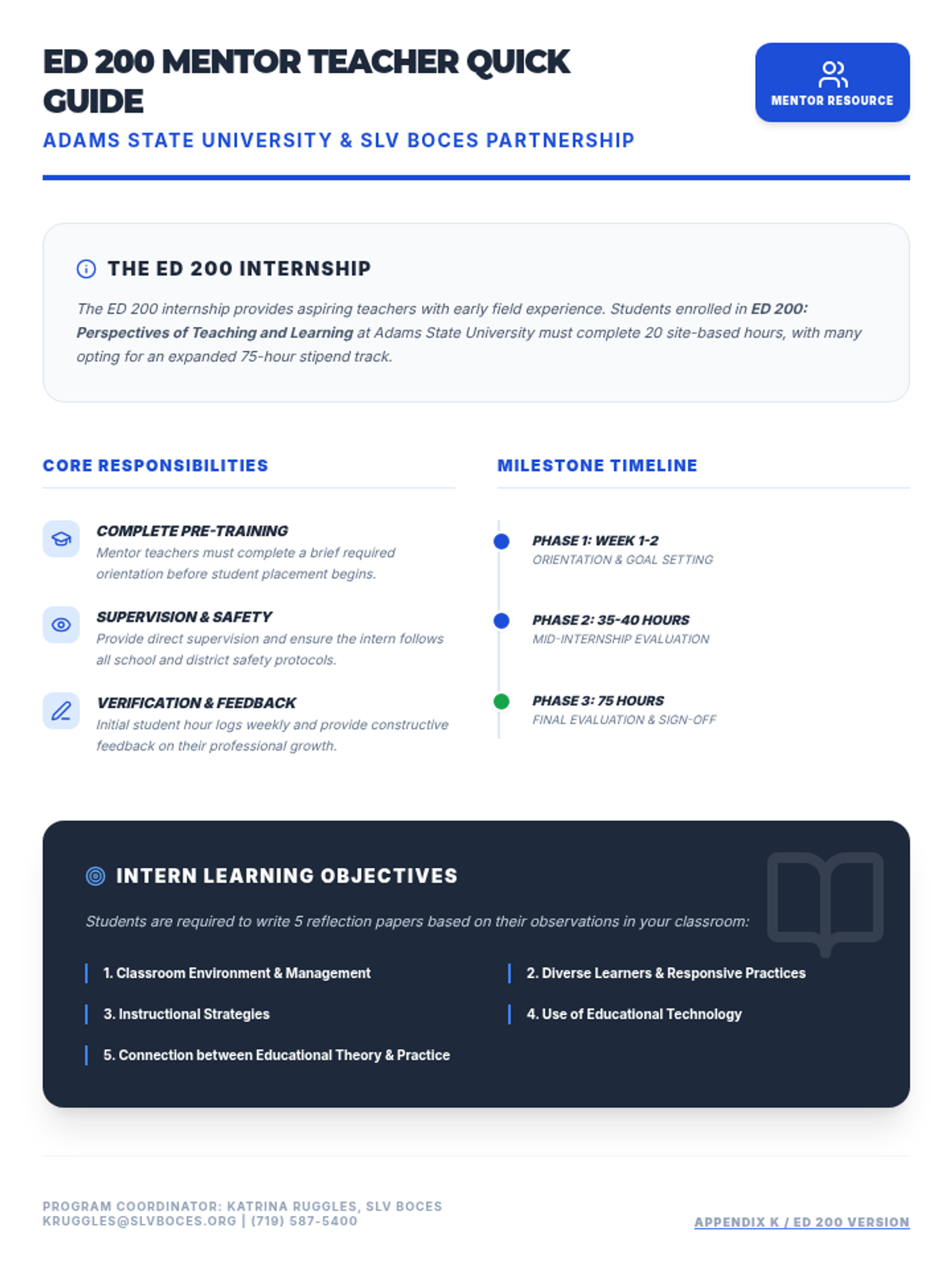
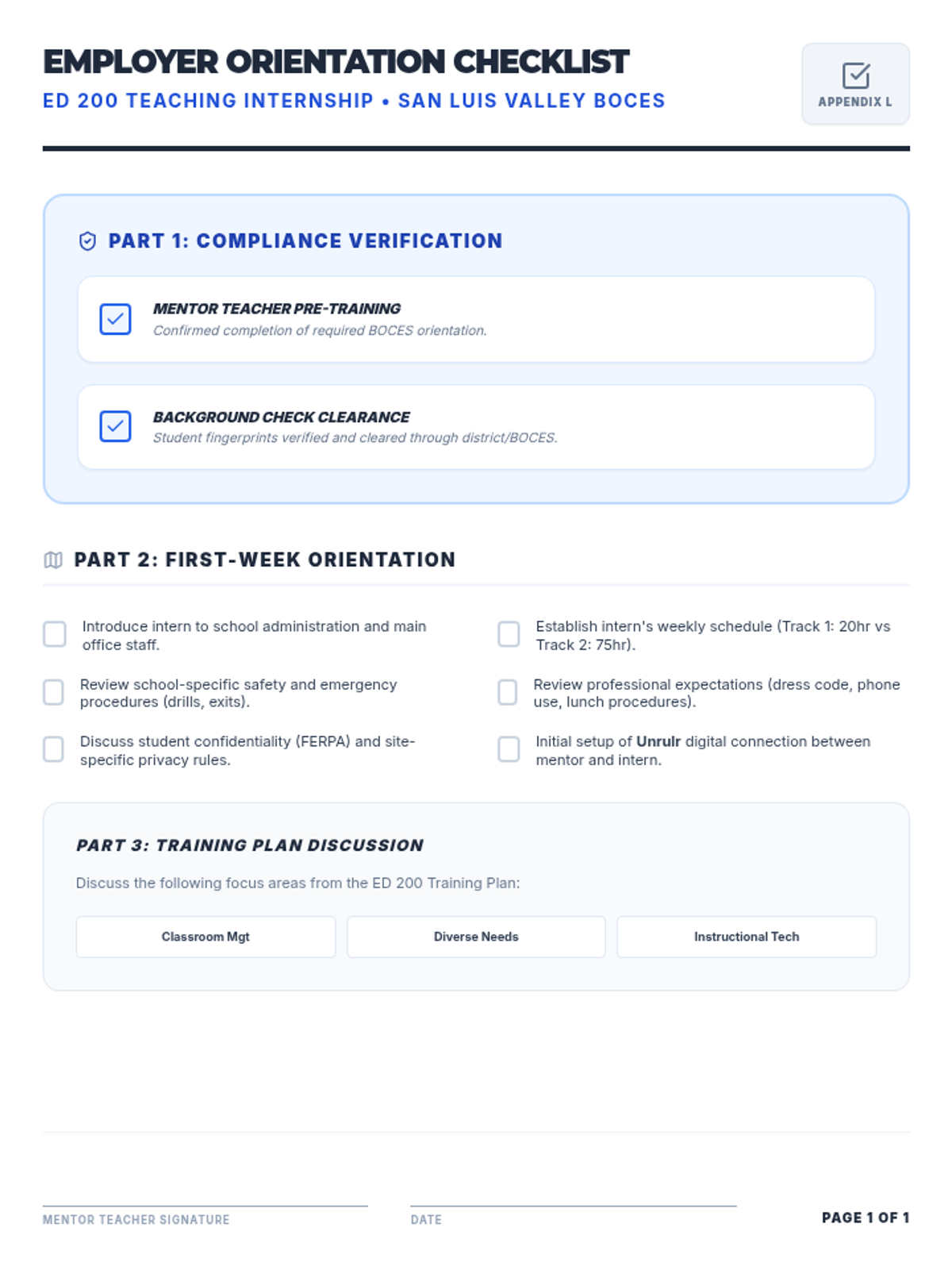
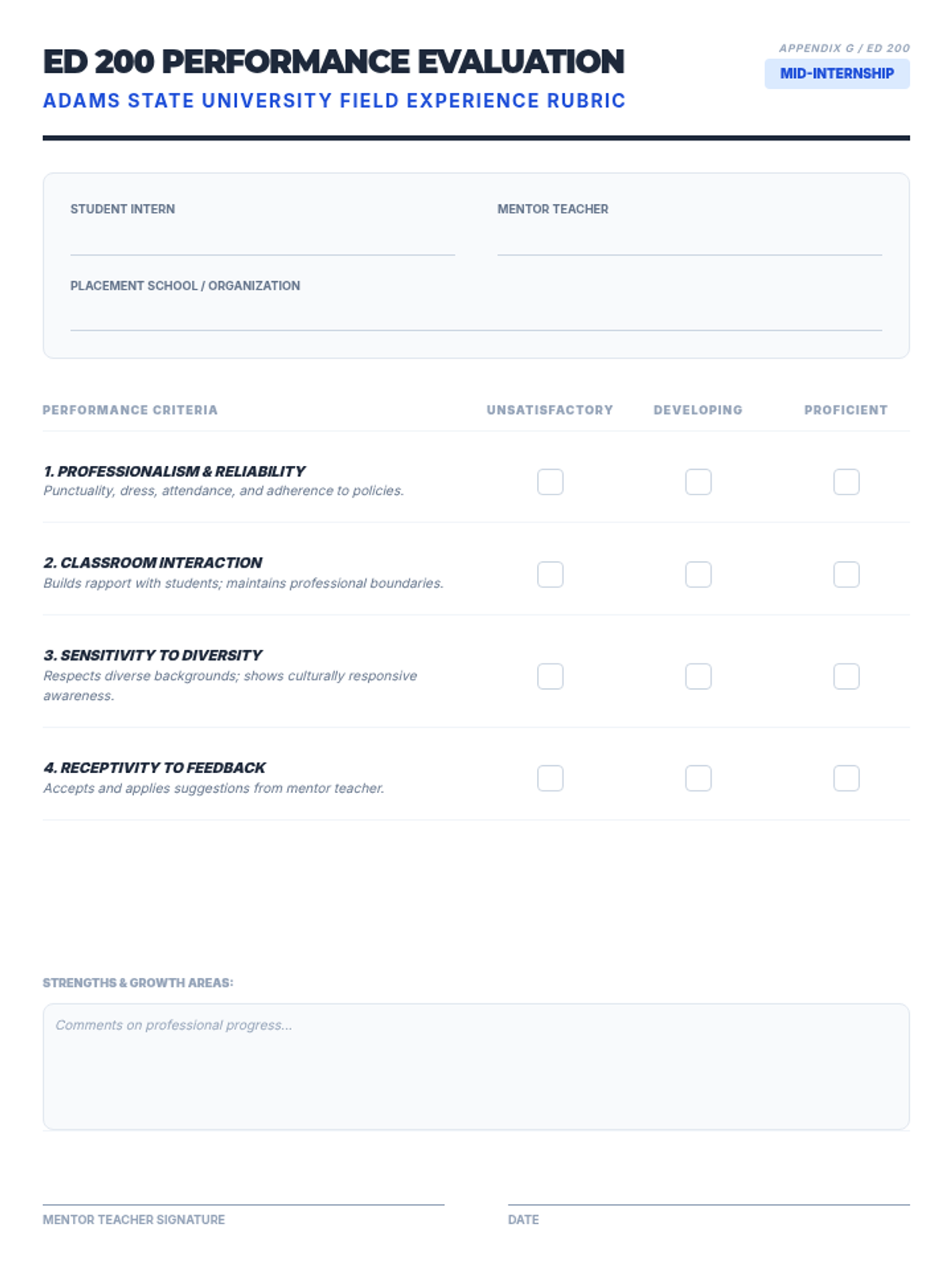
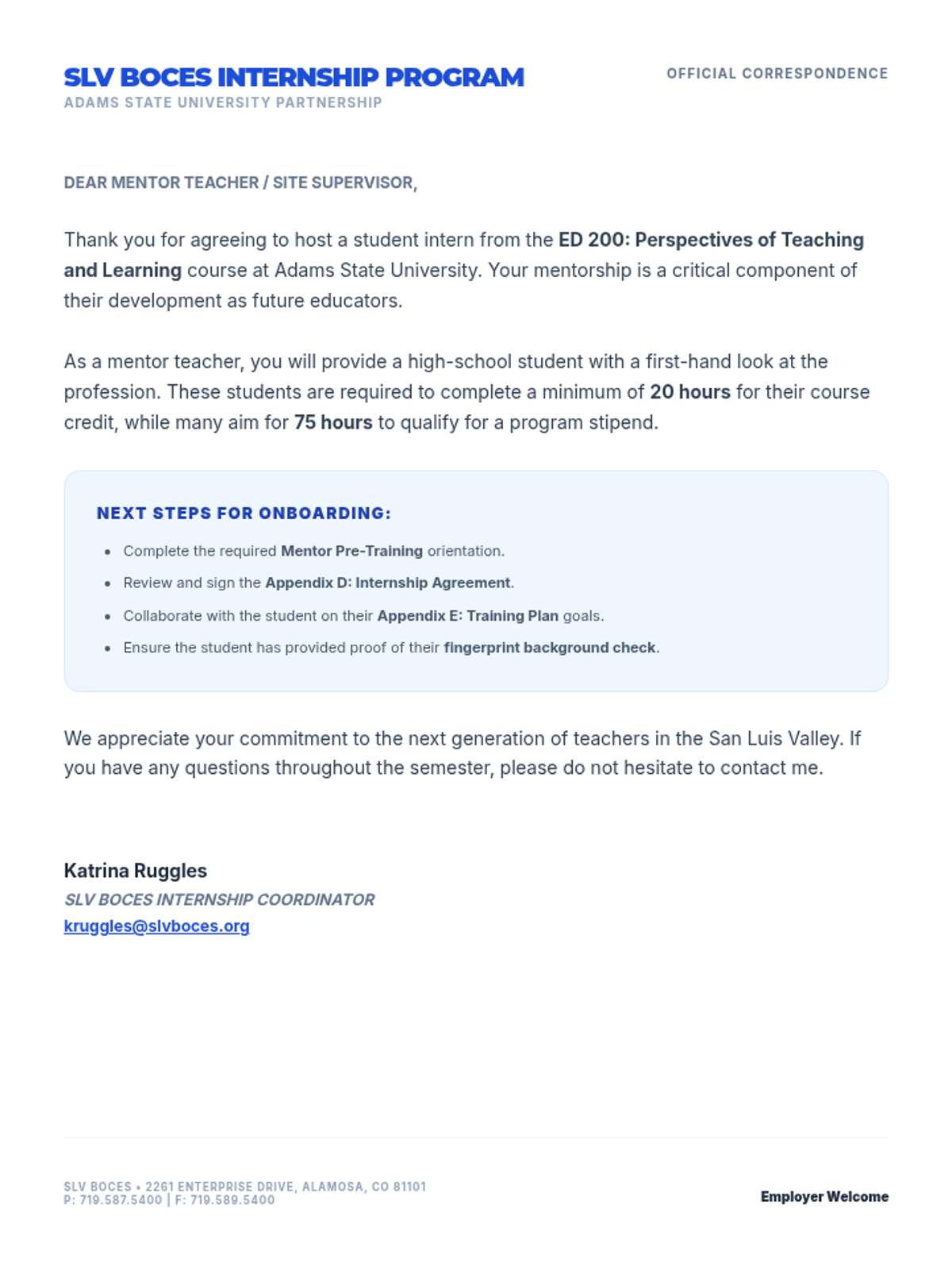
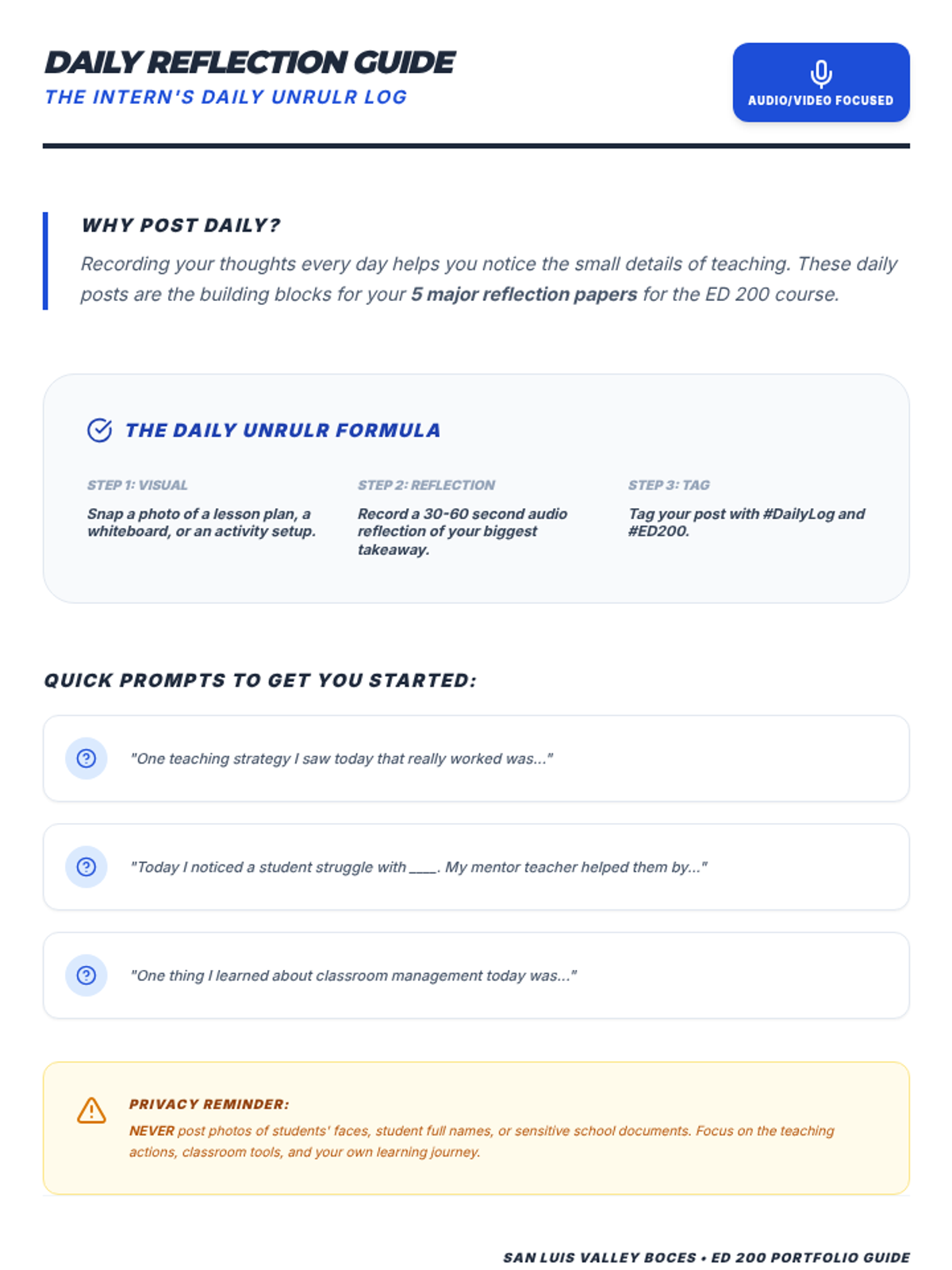
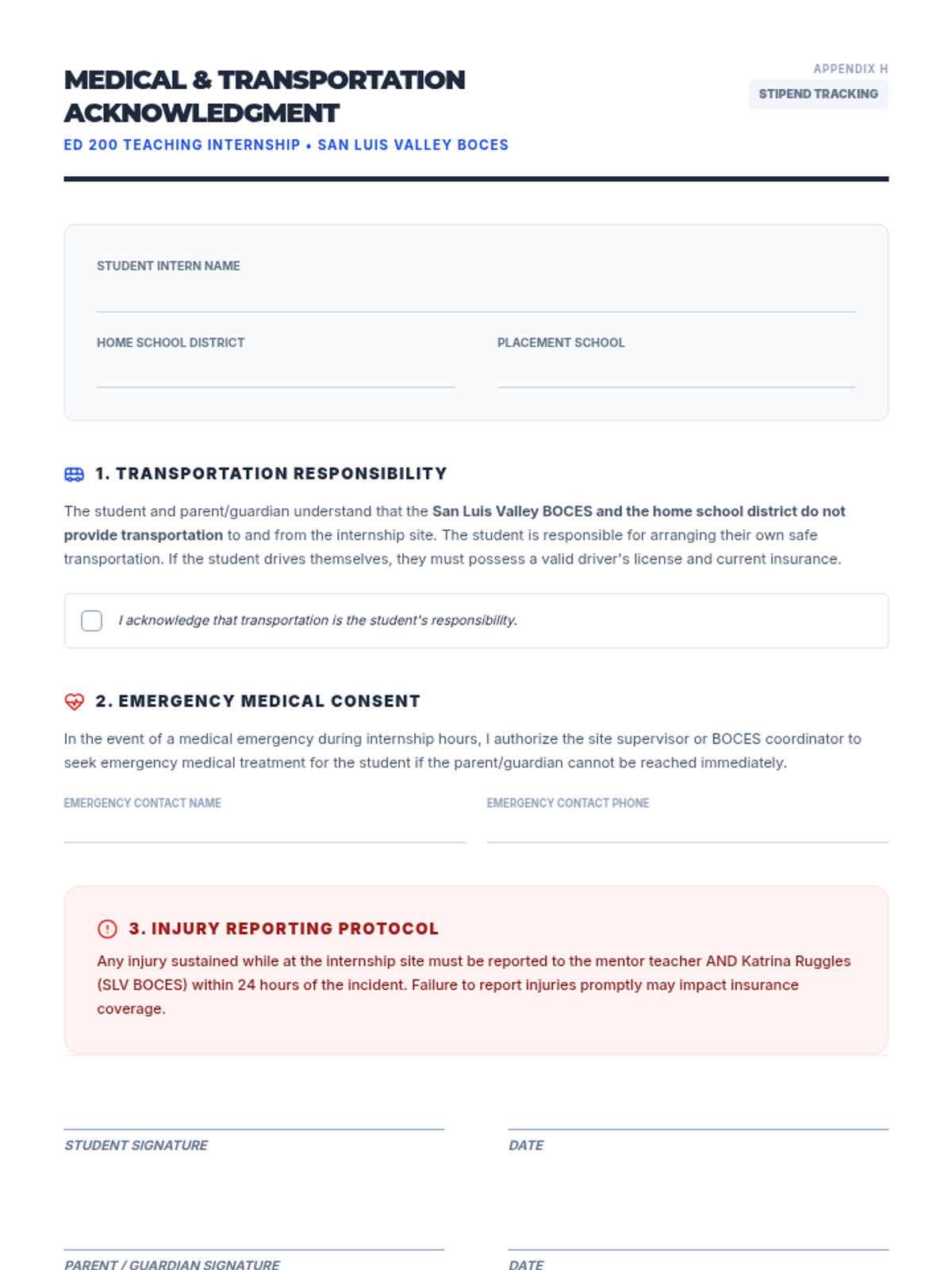
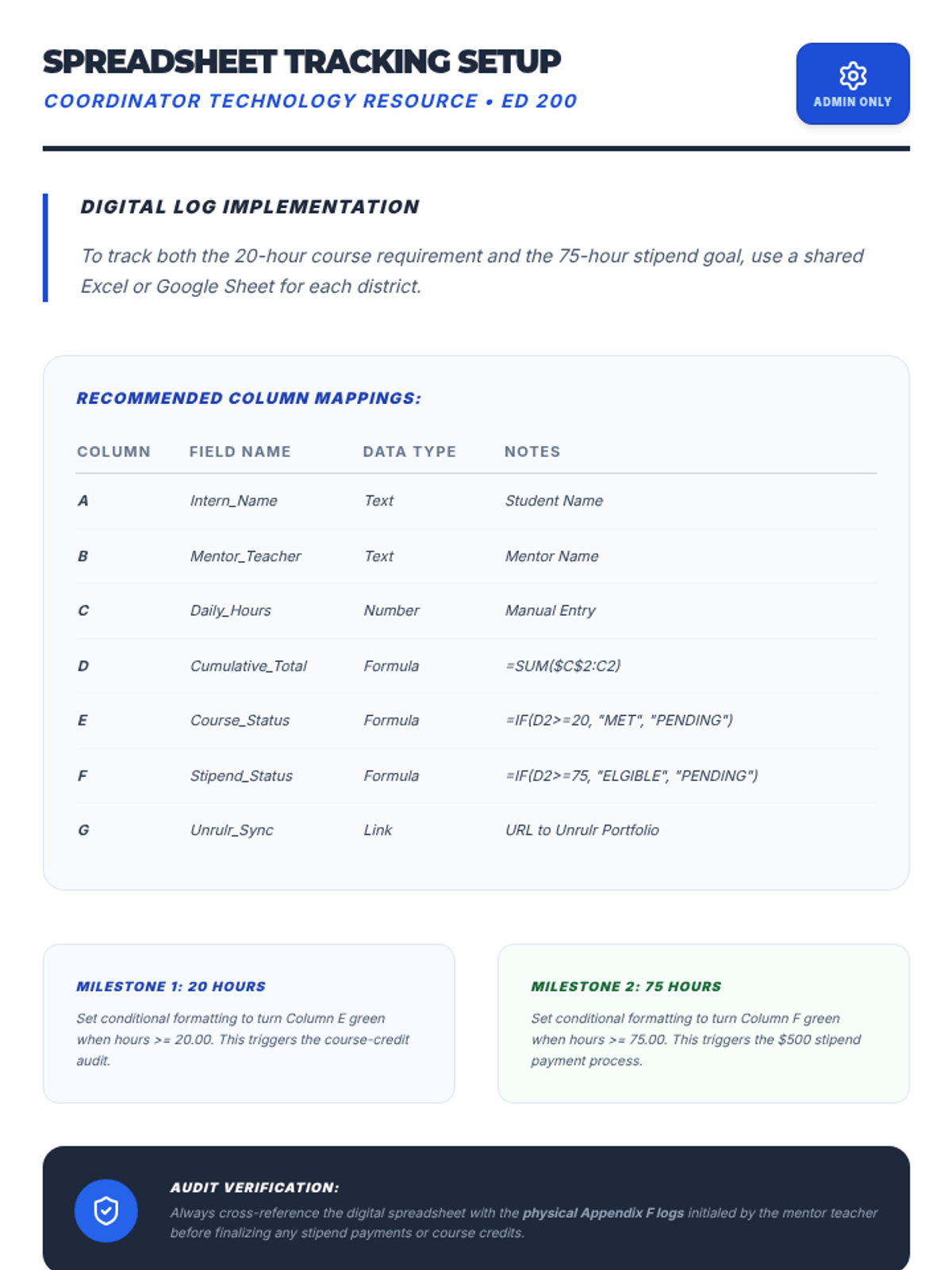
Specialized internship tracking for the ED 200: Perspectives of Teaching and Learning course. Coordinated by SLV BOCES and Adams State University, this system tracks the 20-hour course requirement and the 75-hour stipend path ($500).
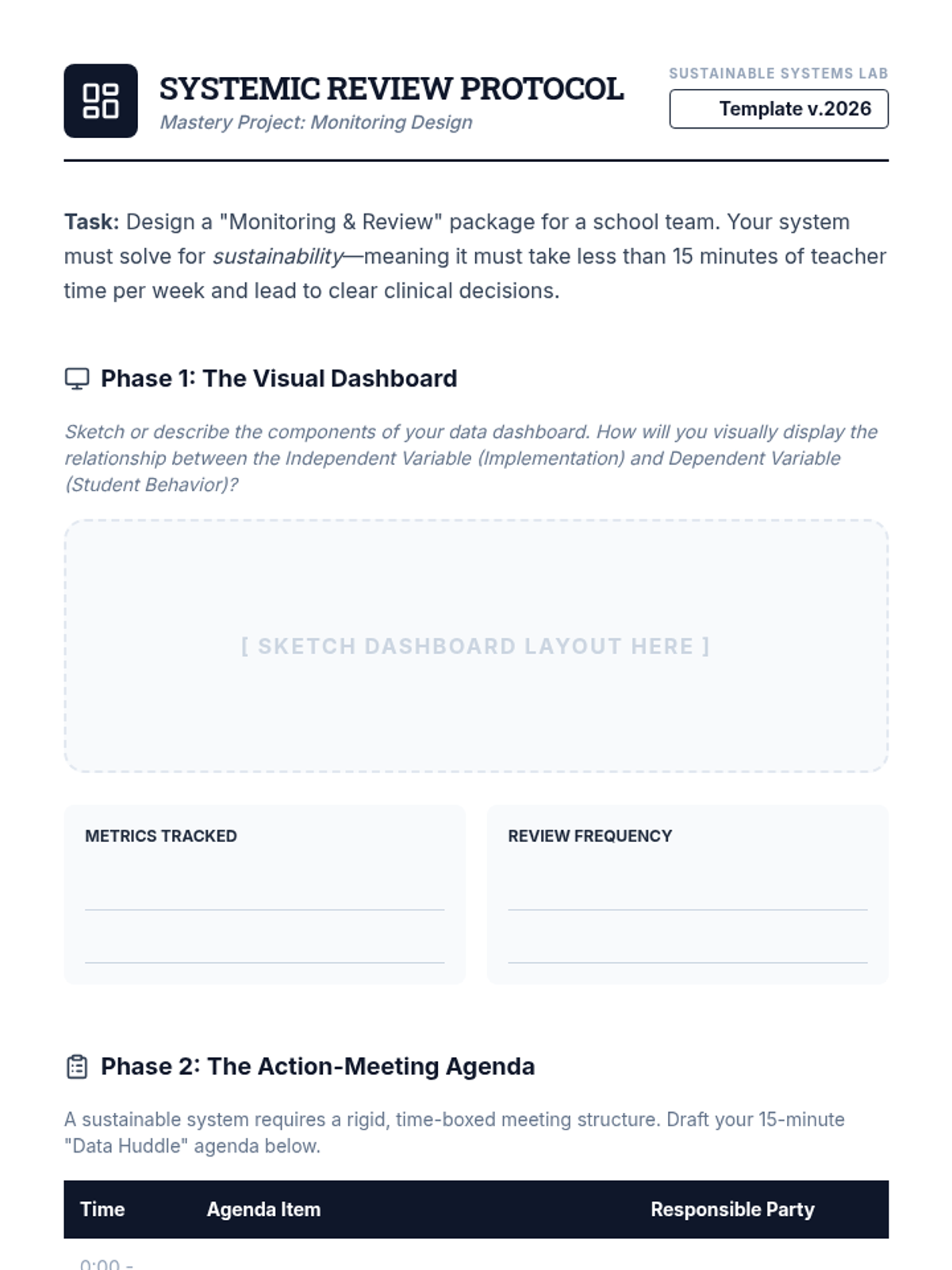
Culminating lesson on designing sustainable, team-based monitoring systems and data dashboards to ensure long-term implementation success and student progress.
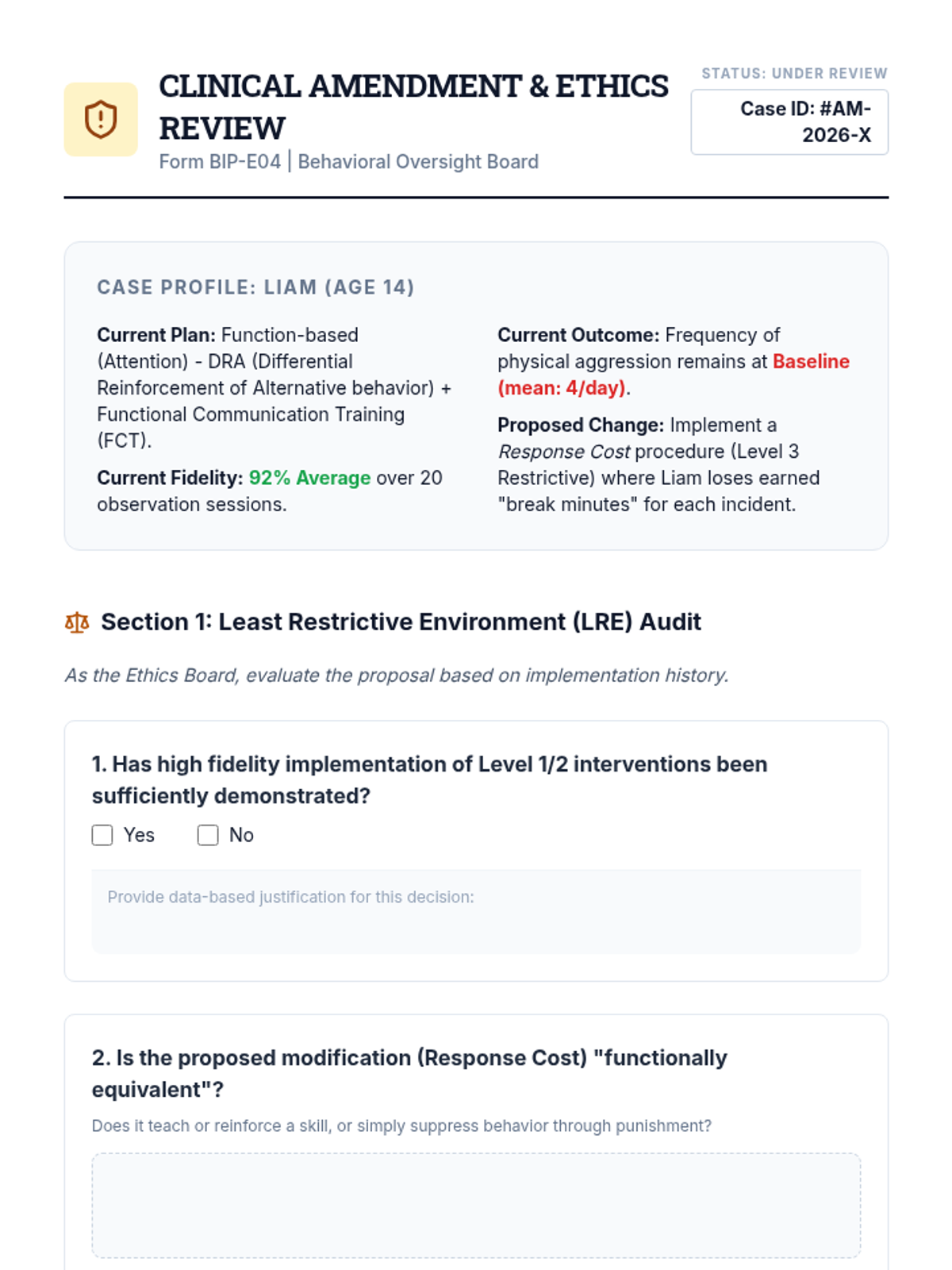
Explores the ethical considerations and clinical frameworks for modifying Behavior Intervention Plans when fidelity is high but outcomes are poor, focusing on the Least Restrictive Environment.
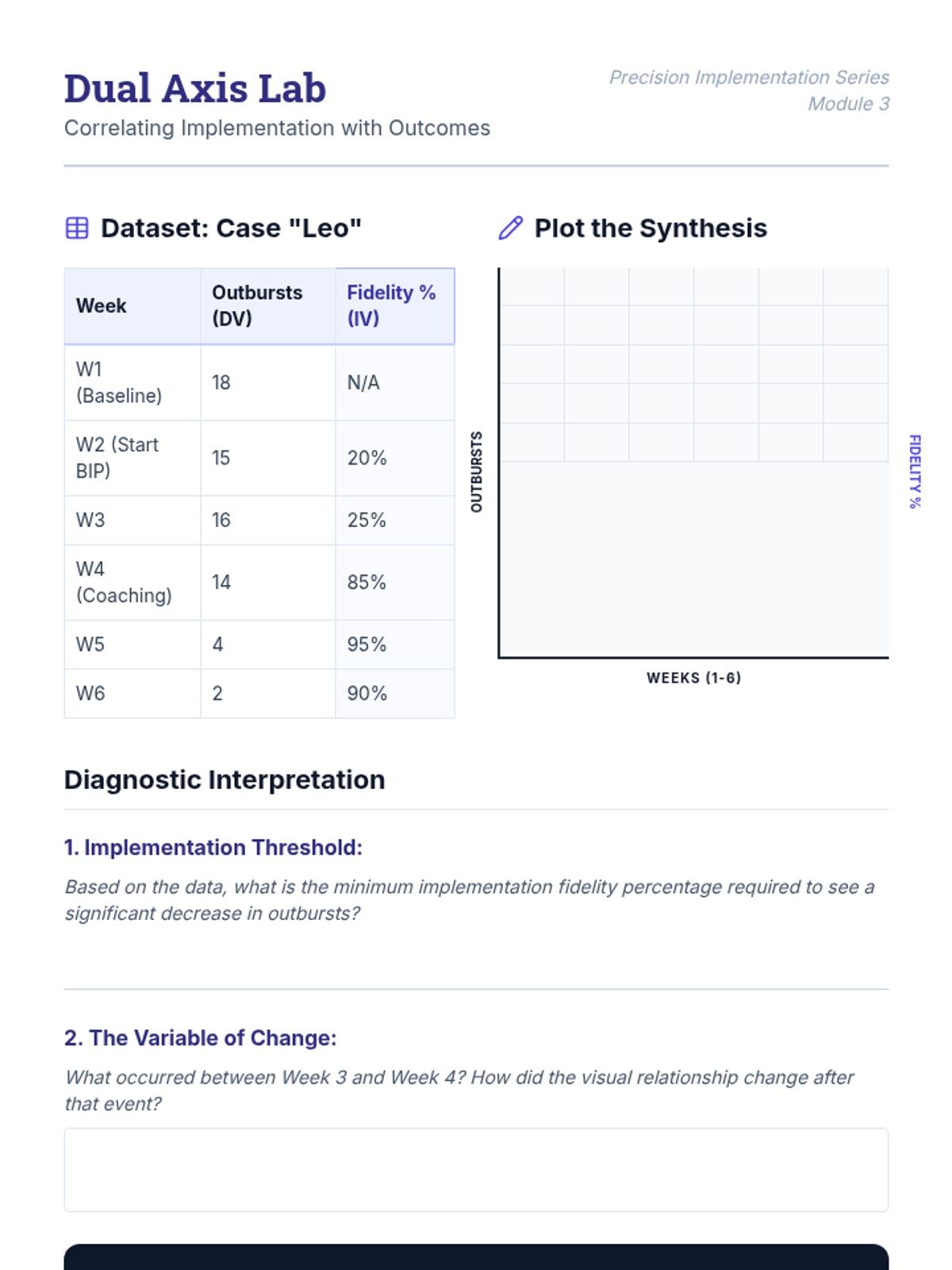
Students learn to plot and analyze fidelity data alongside student behavior data using dual-axis graphs to distinguish between intervention failure and implementation failure.
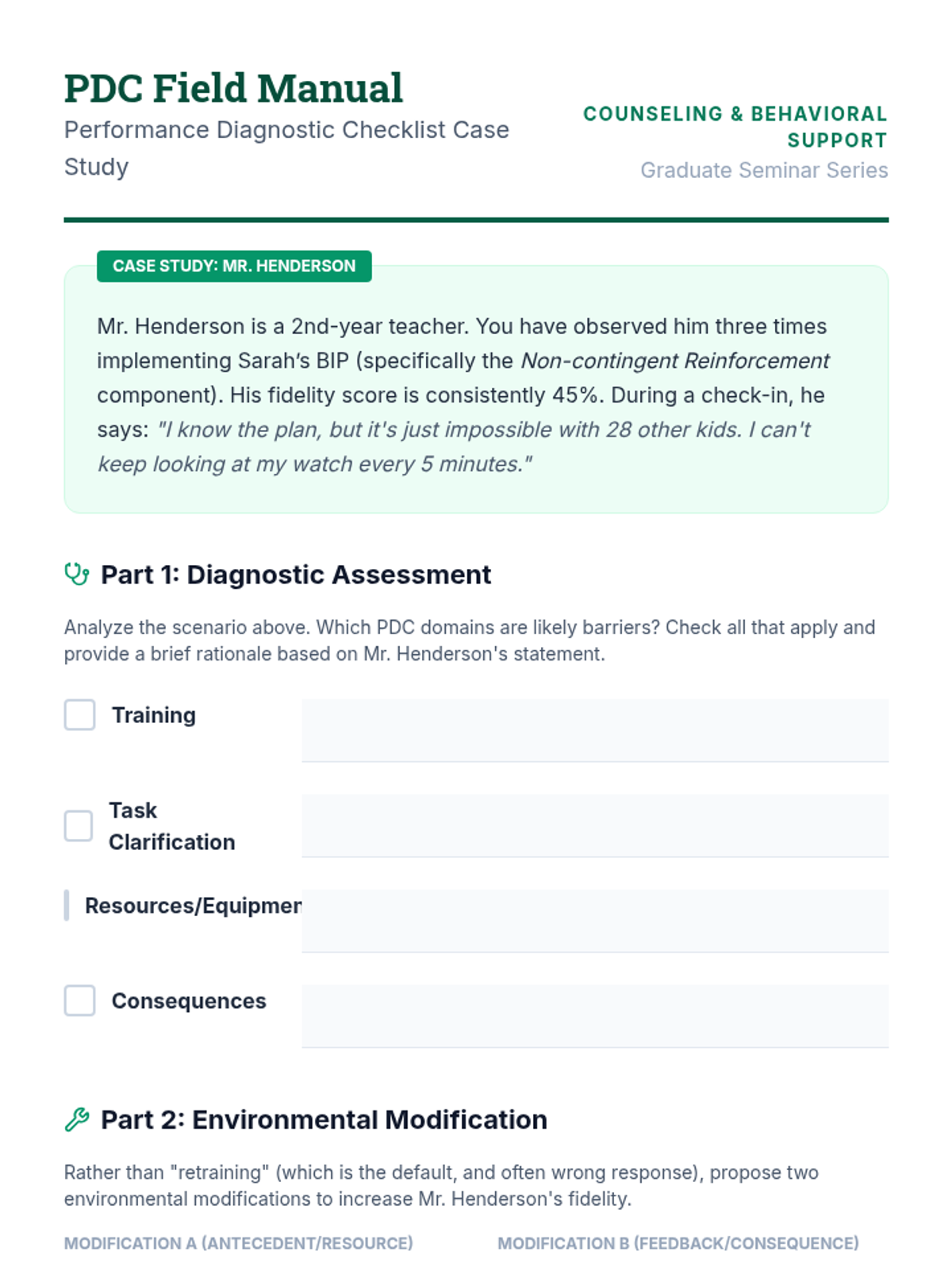
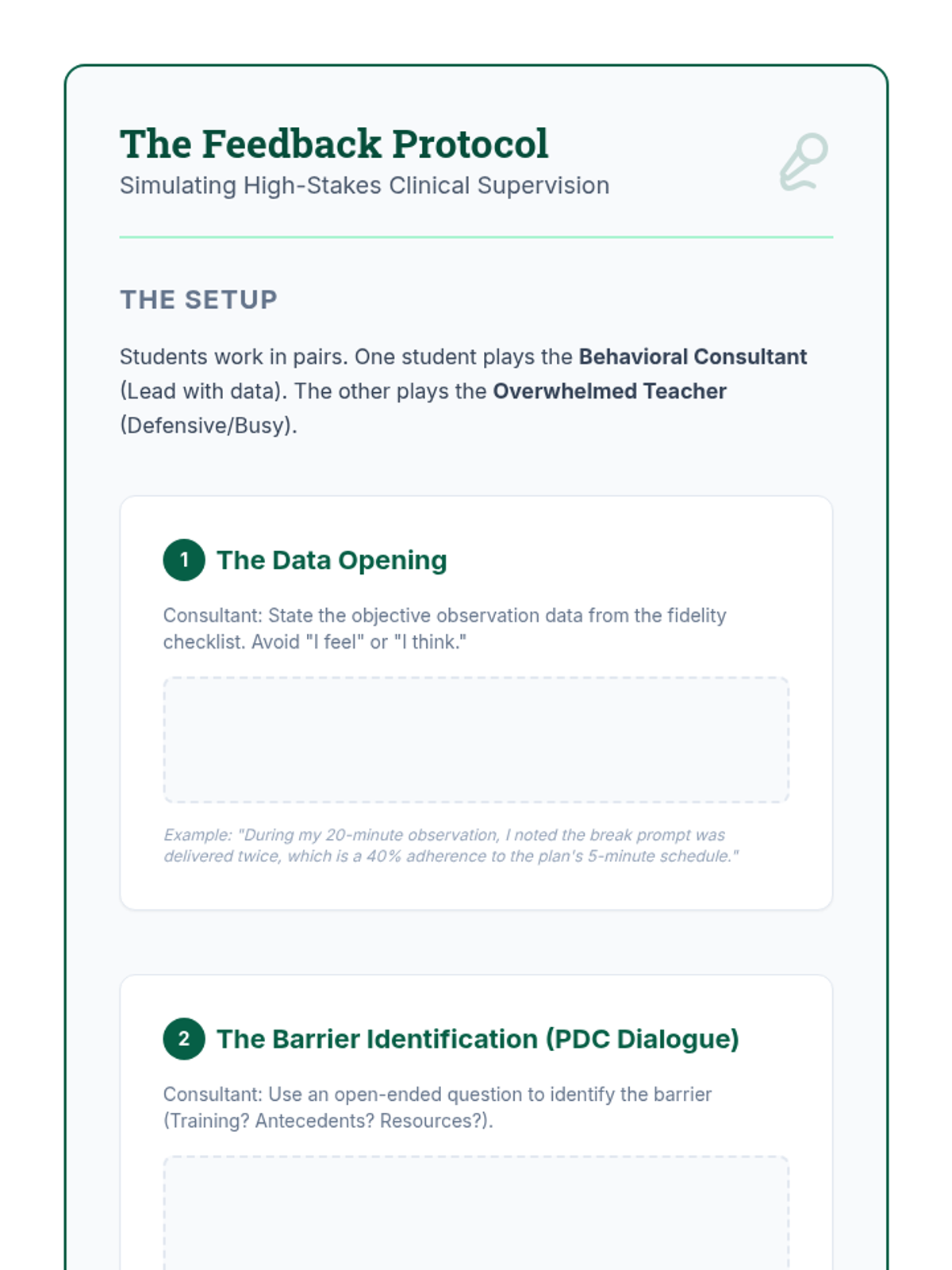
Focuses on the data-driven supervision of educational staff using the Performance Diagnostic Checklist (PDC). Students practice providing objective performance feedback to improve implementation integrity.
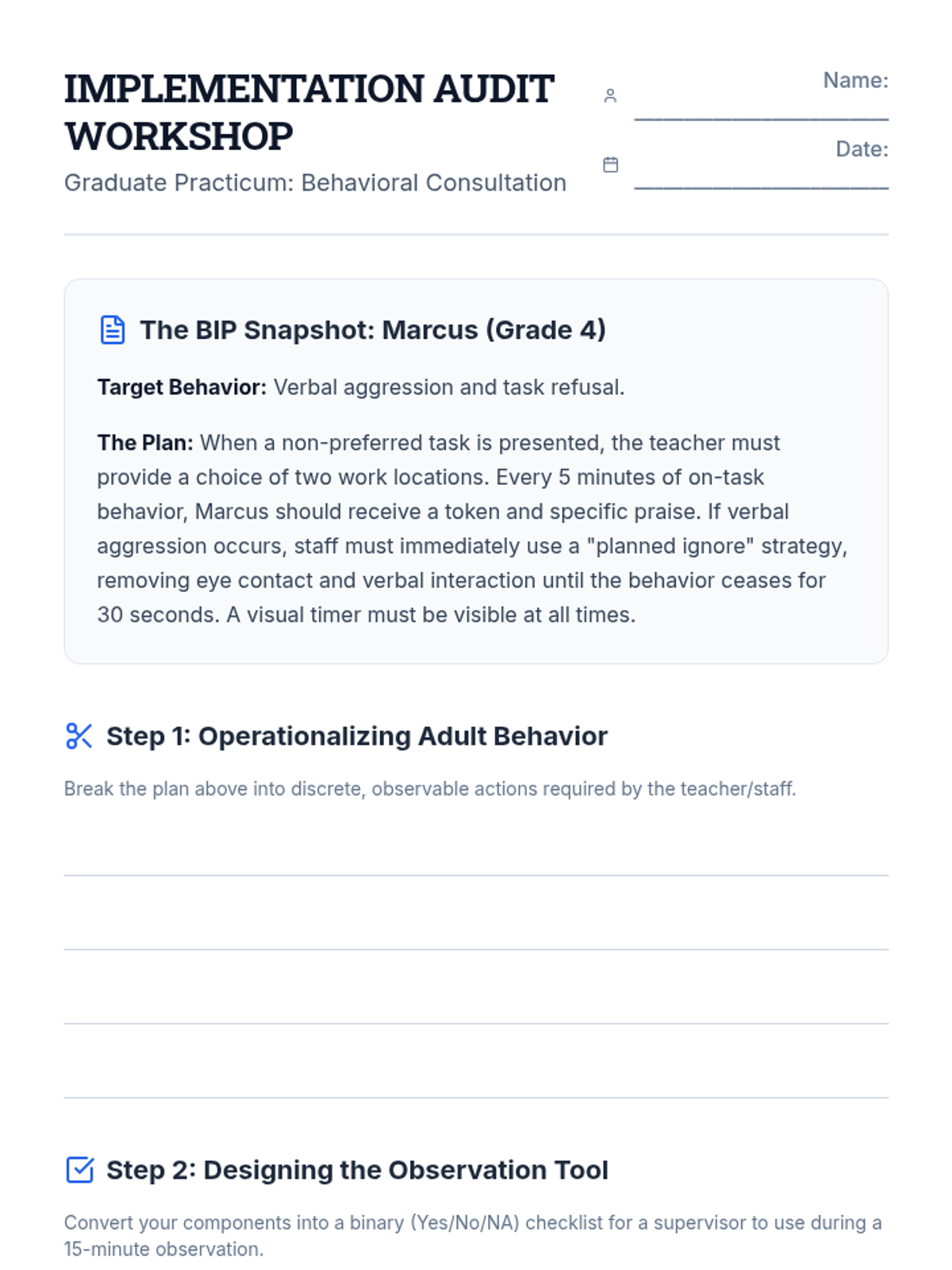
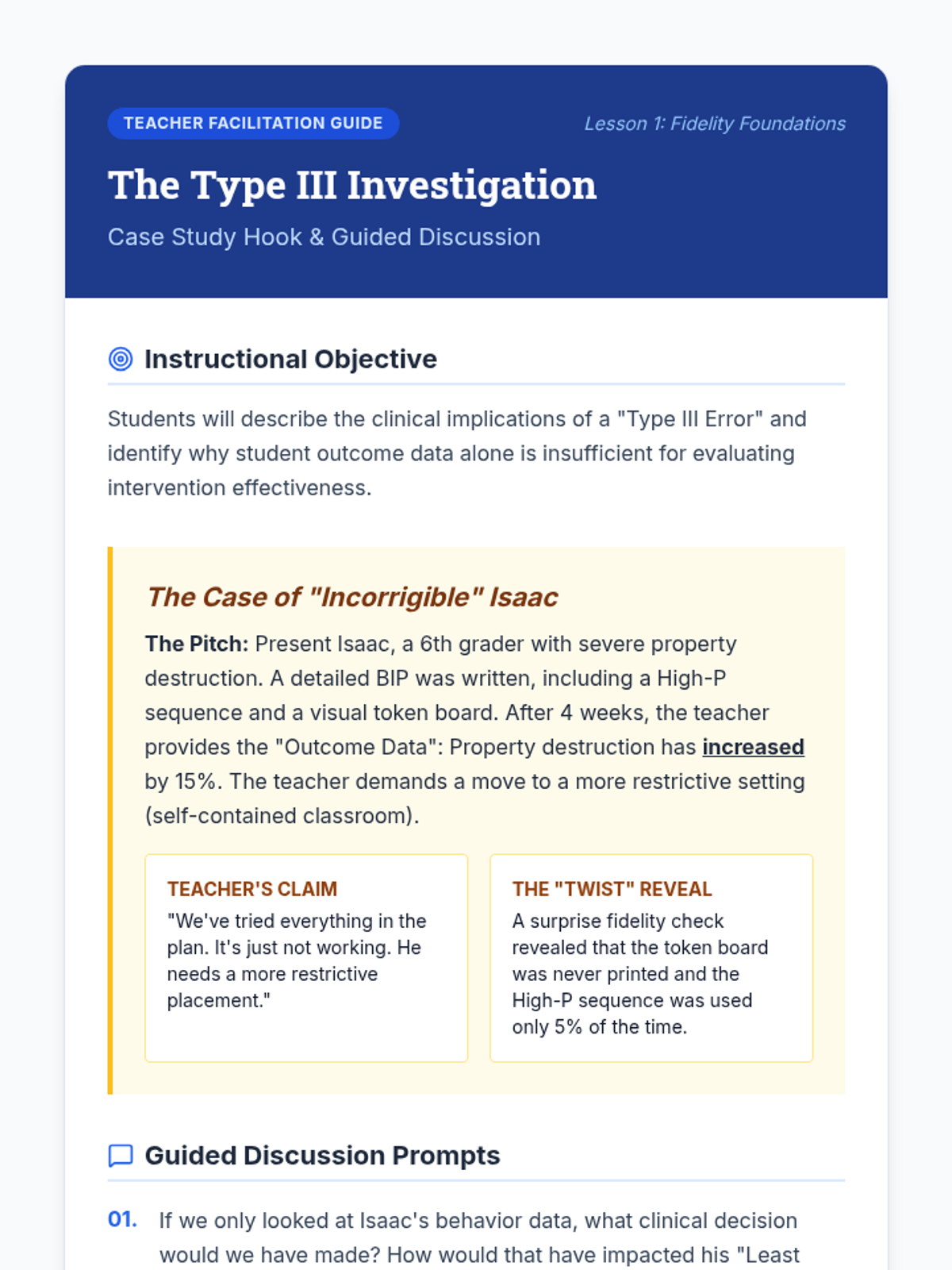
Students define treatment integrity and learn to create fidelity checklists from Behavior Intervention Plans (BIPs). The lesson introduces the 'Type III error' and the necessity of implementation data for valid clinical decision-making.
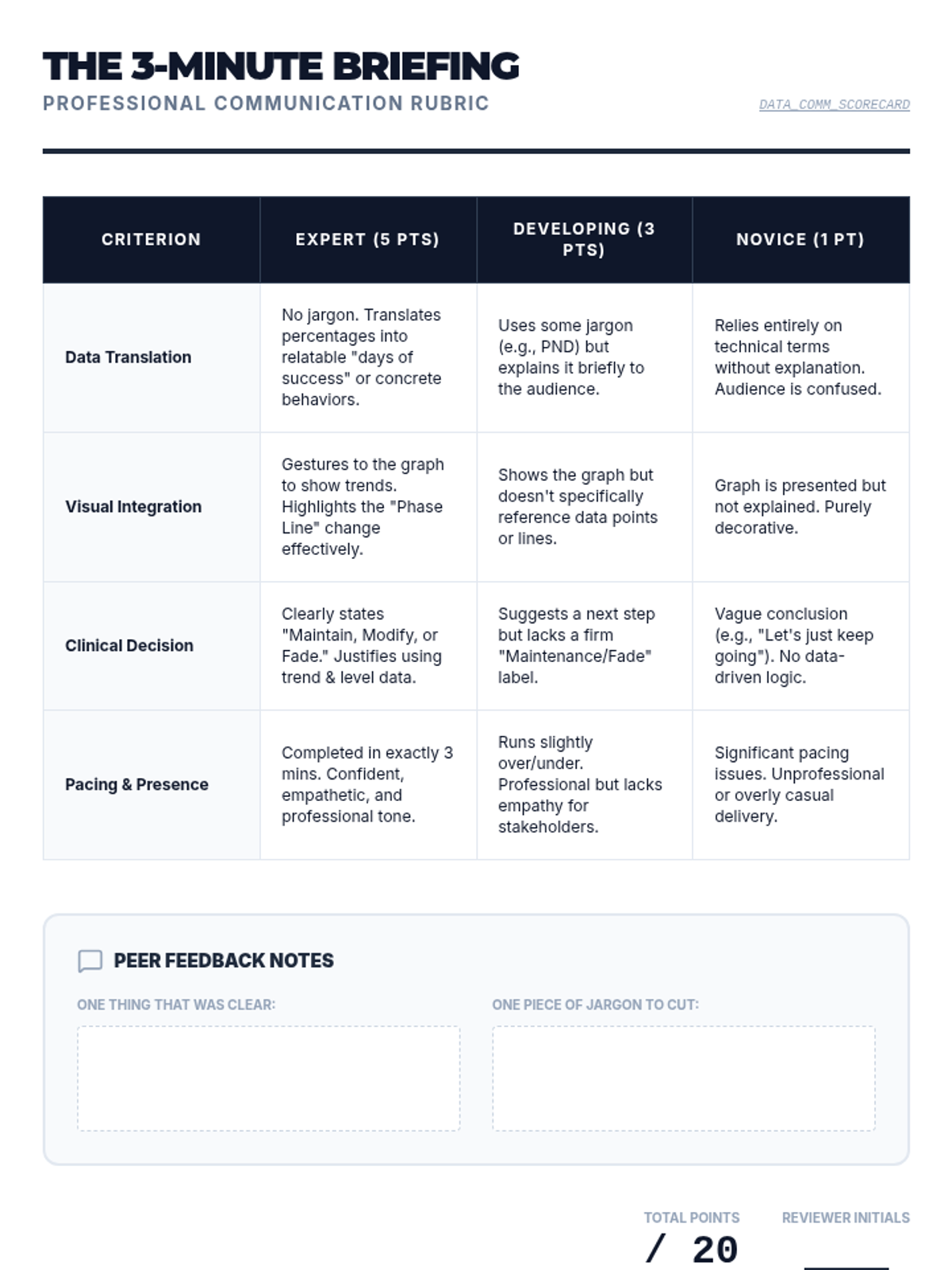
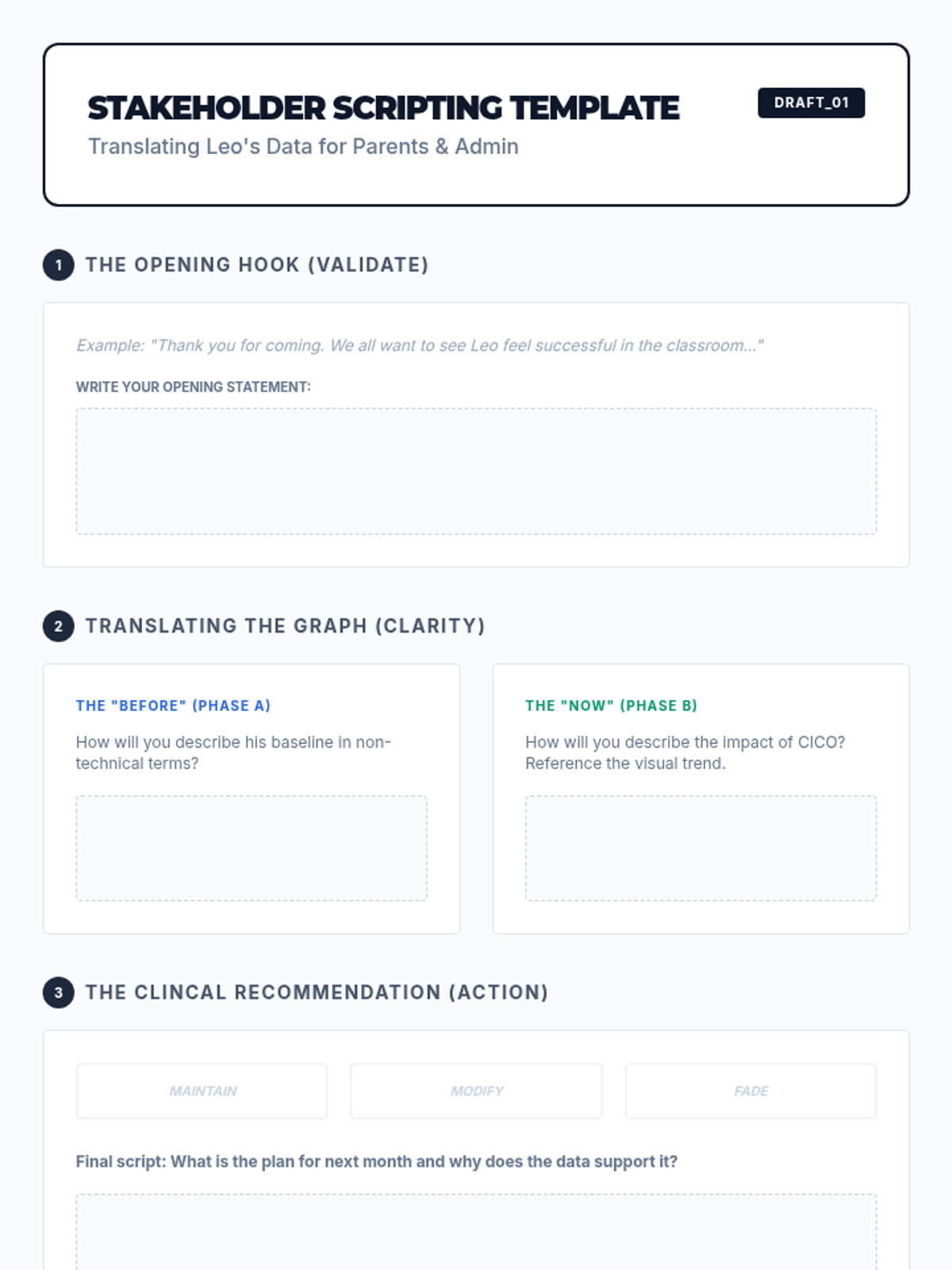
The final lesson bridges the gap between analysis and communication. Students practice presenting data findings to non-technical audiences like parents or busy school administrators.
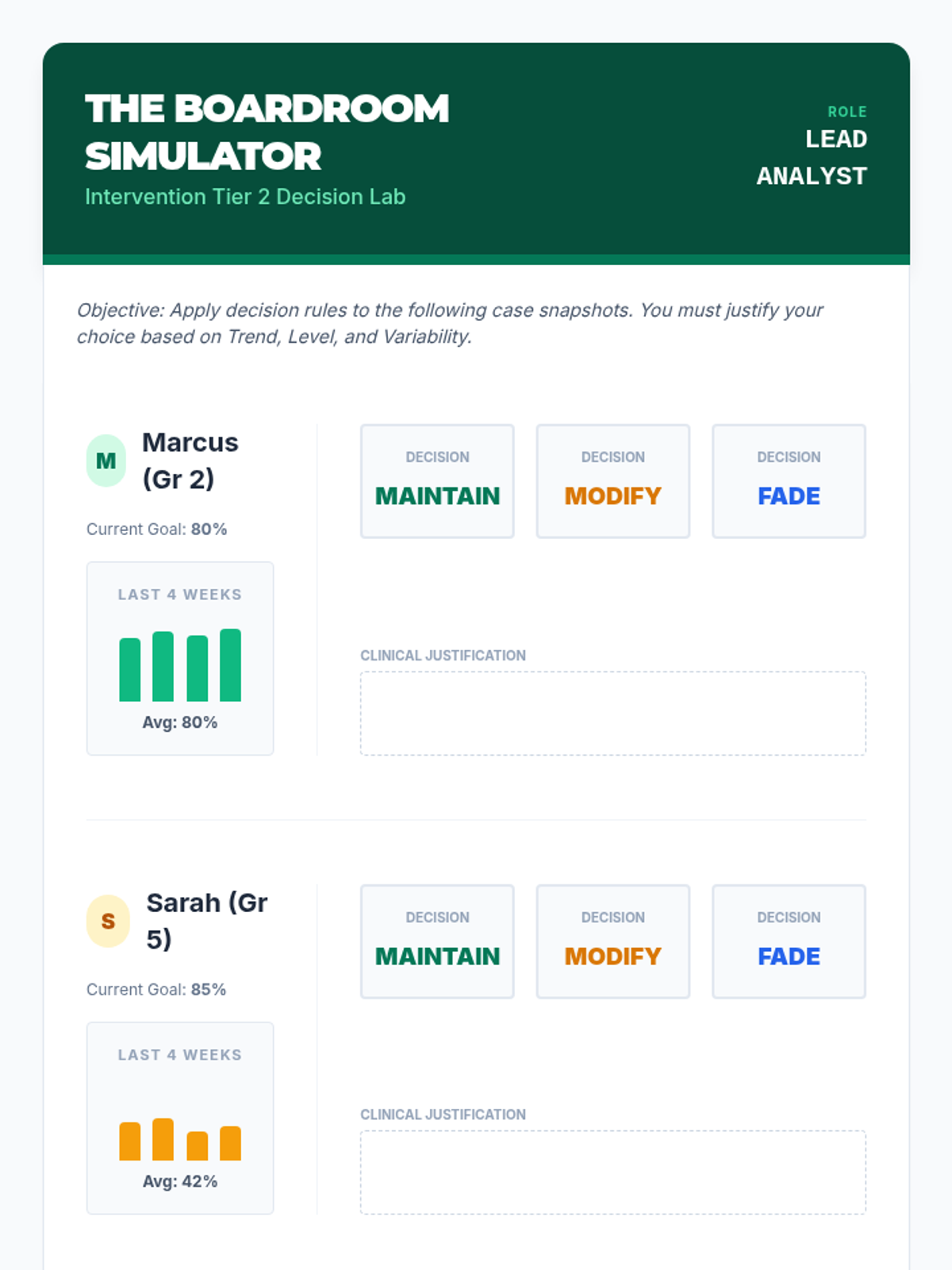
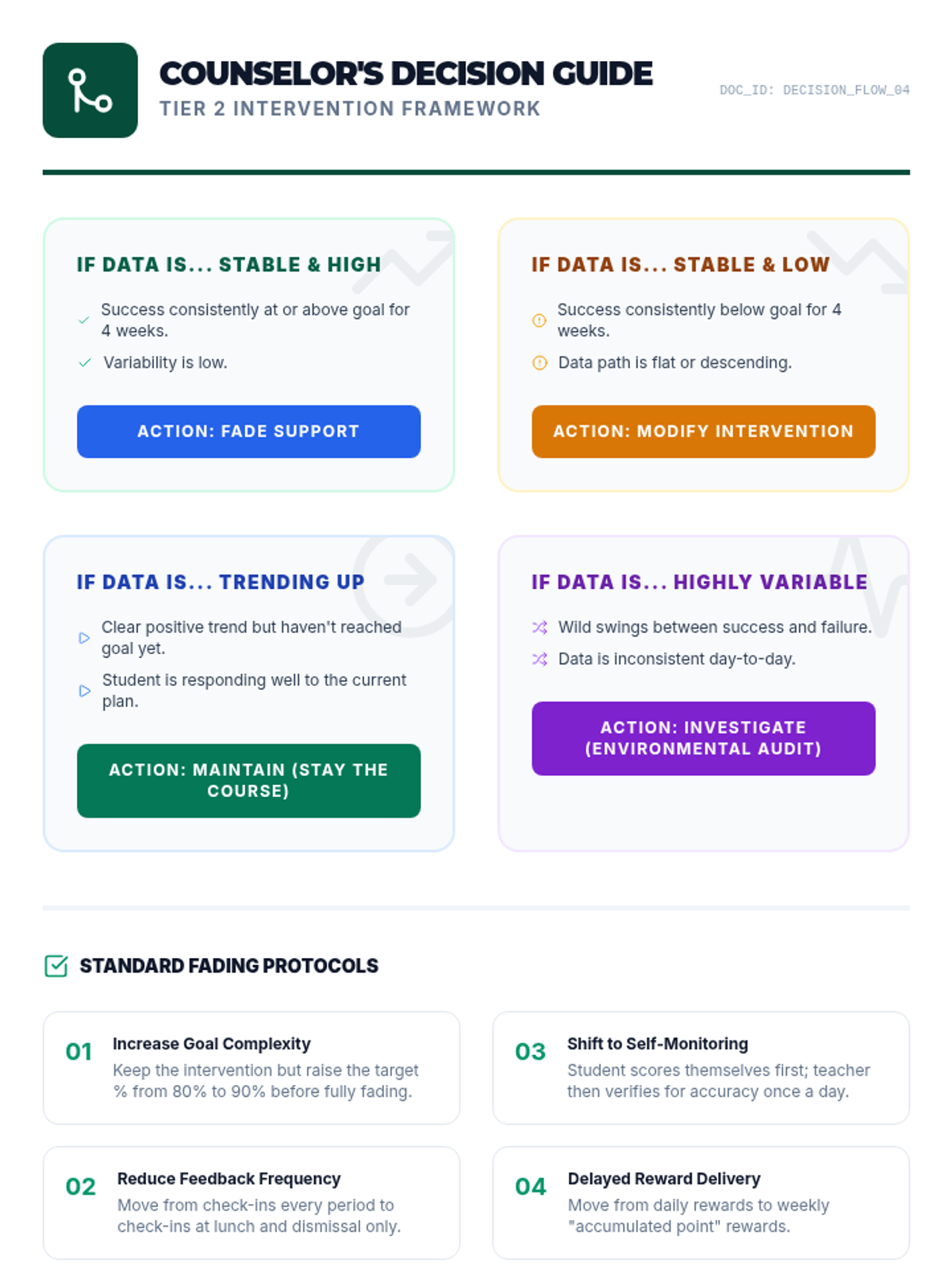
Learners apply standard decision rules to case studies. They determine when data indicates a need to change the goal, change the reinforcer, or graduate the student.
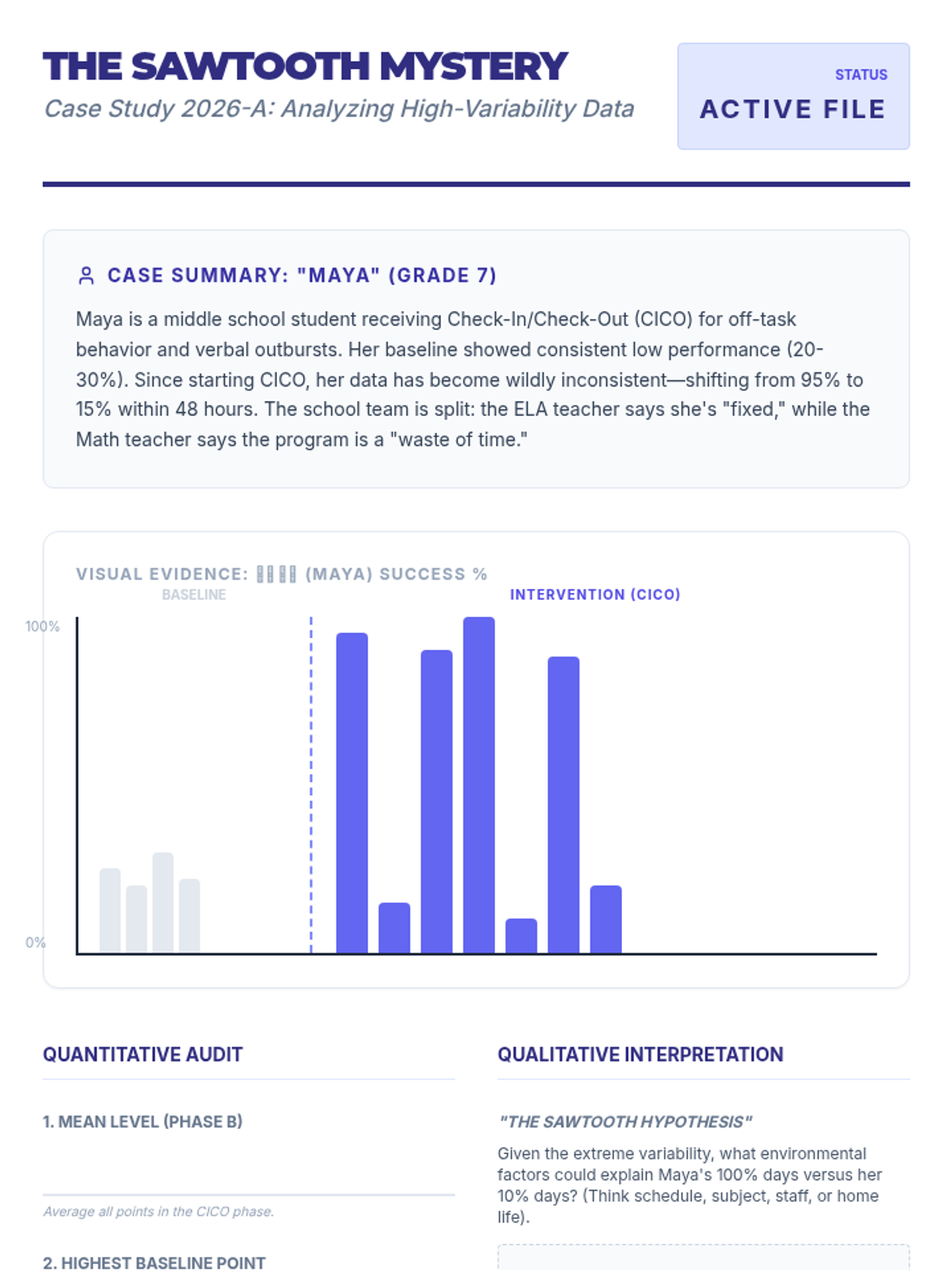
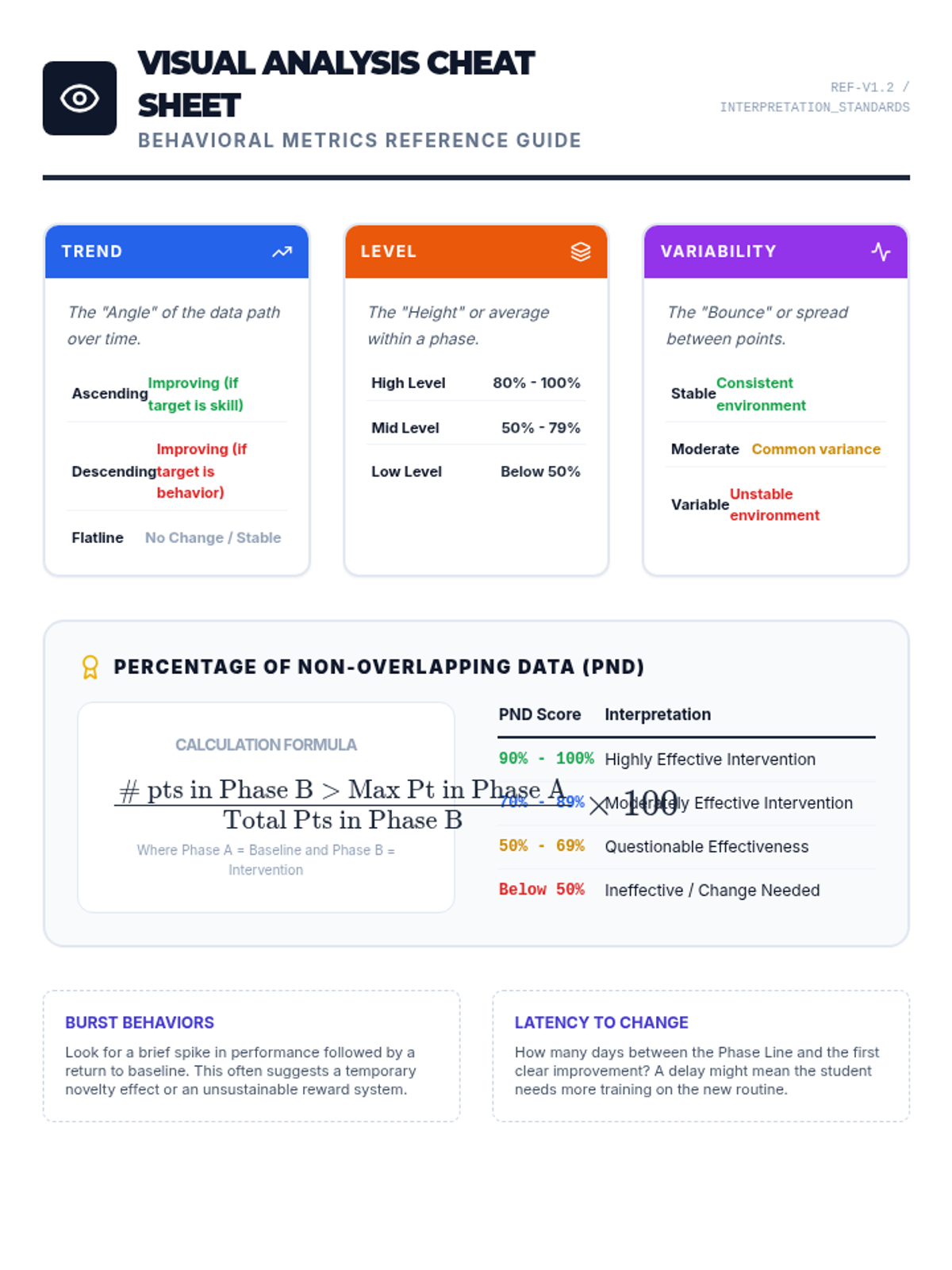
Students analyze graphs to identify patterns: burst behaviors, slow inclines, or flatlines. They learn to distinguish between a bad day and a failed intervention.
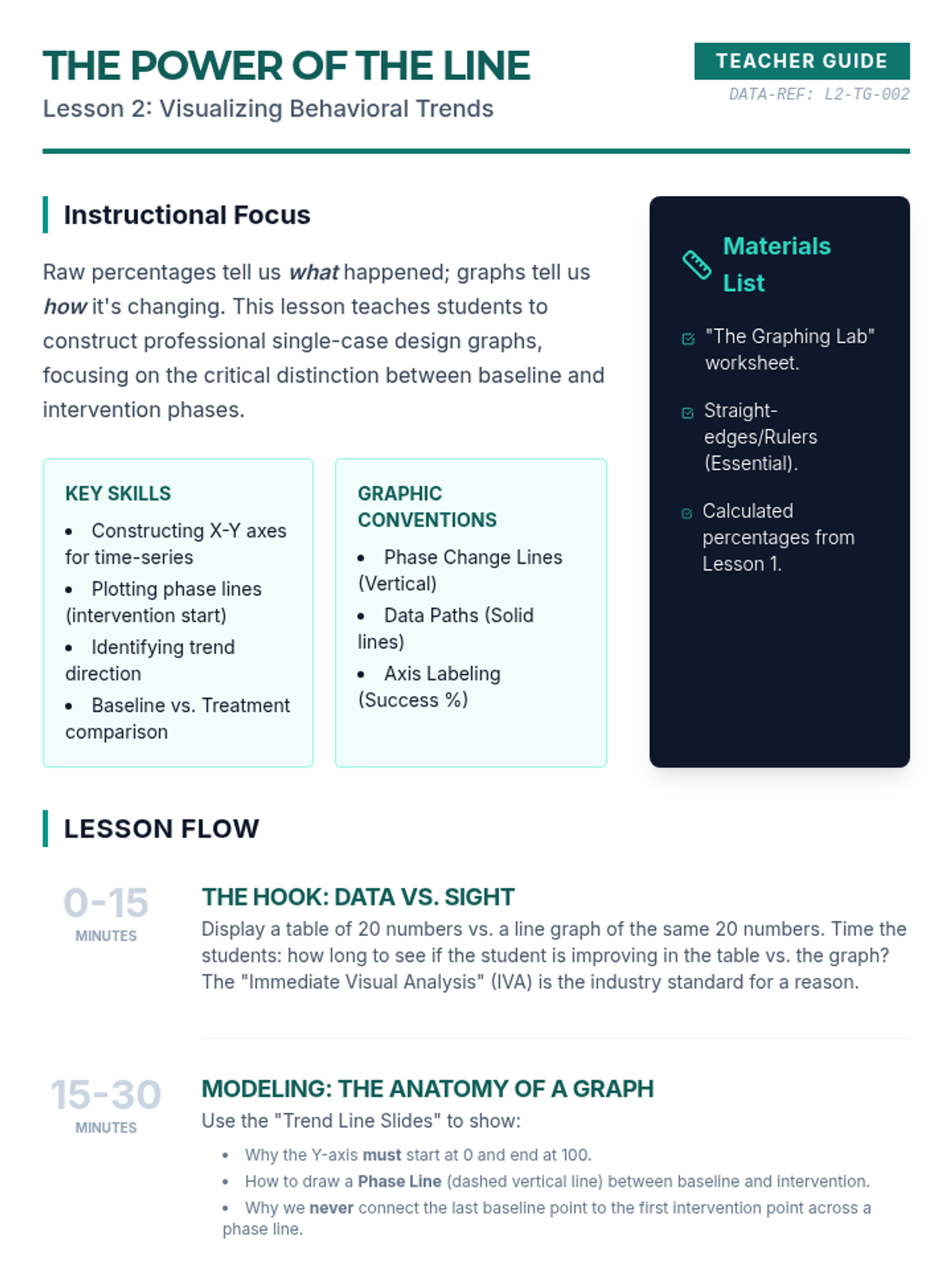
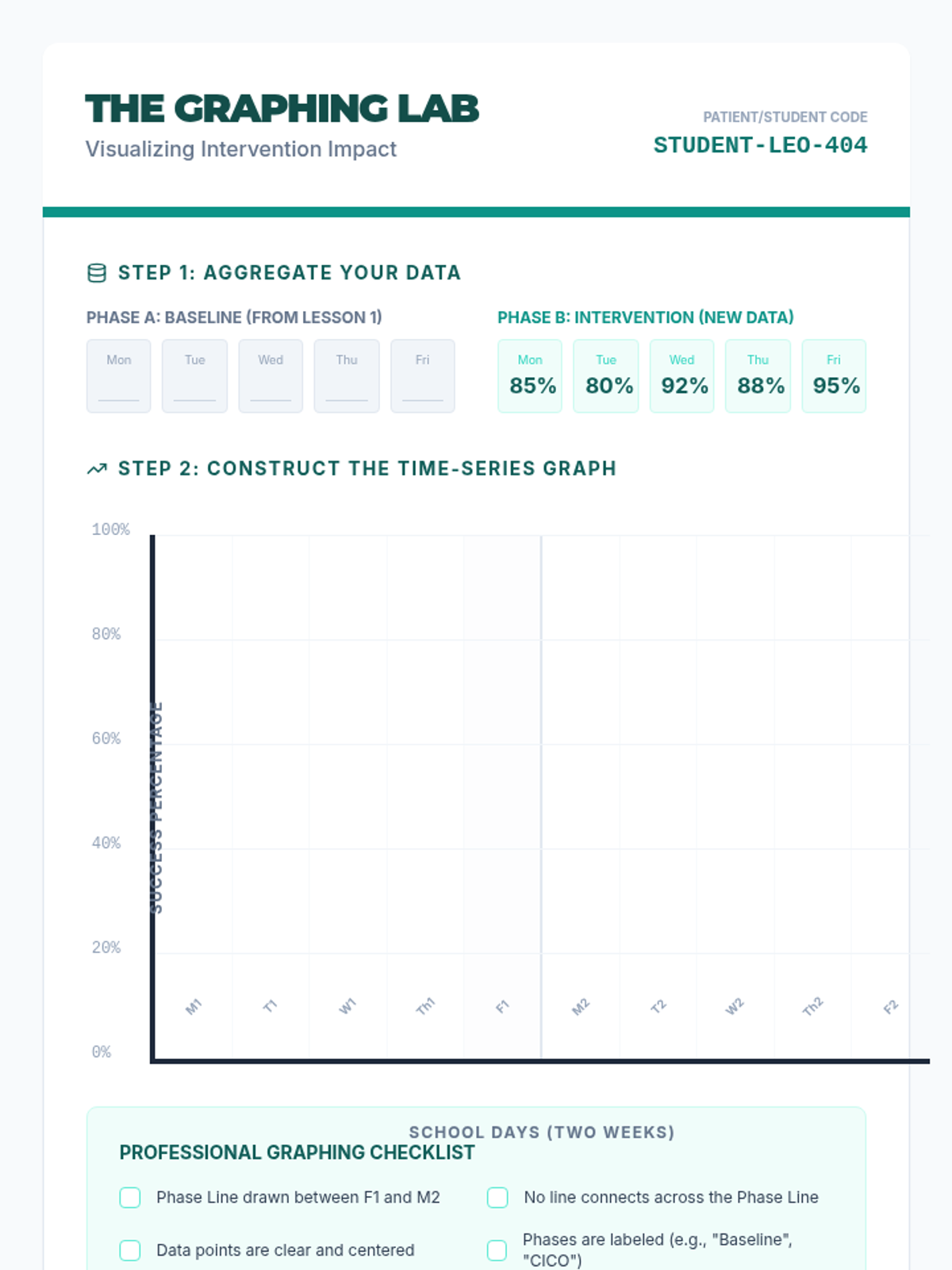
This lesson focuses on graphing. Students learn to create line graphs that clearly display baseline data, intervention start points, and progress trends over time.
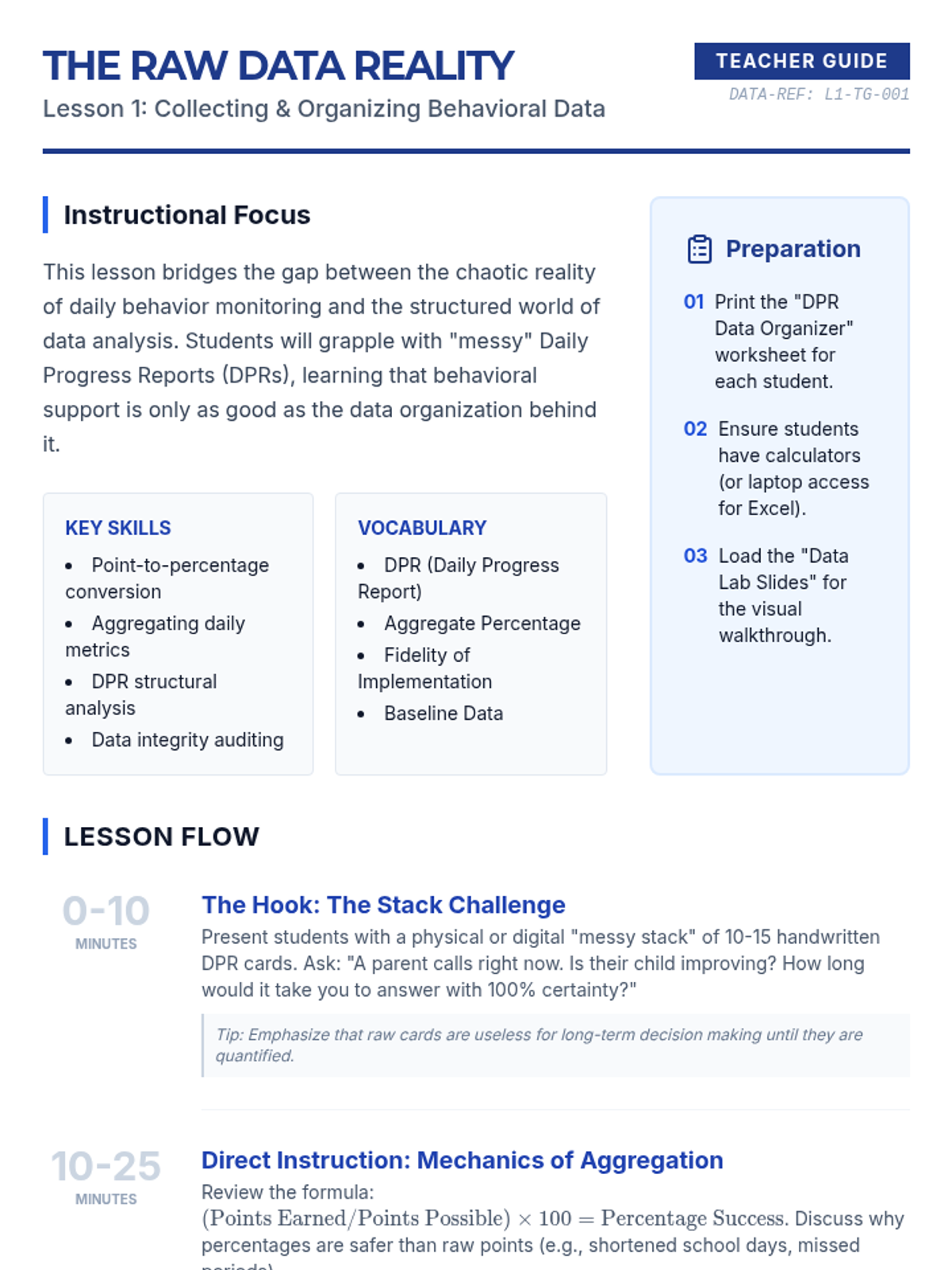
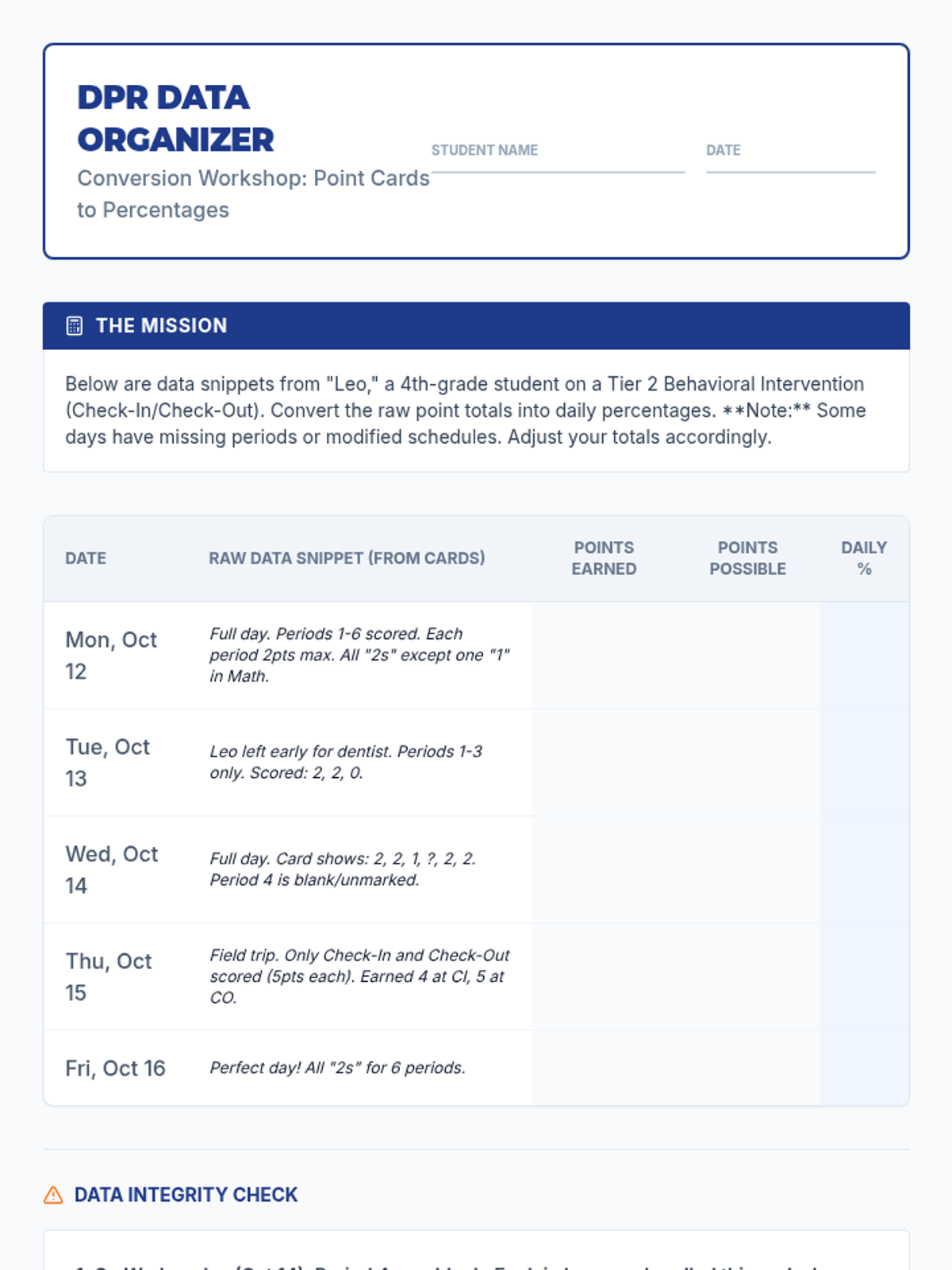
Focuses on the transition from qualitative/raw behavioral cards to quantitative datasets. Students learn to aggregate Daily Progress Report (DPR) points into percentages and organize them for analysis.
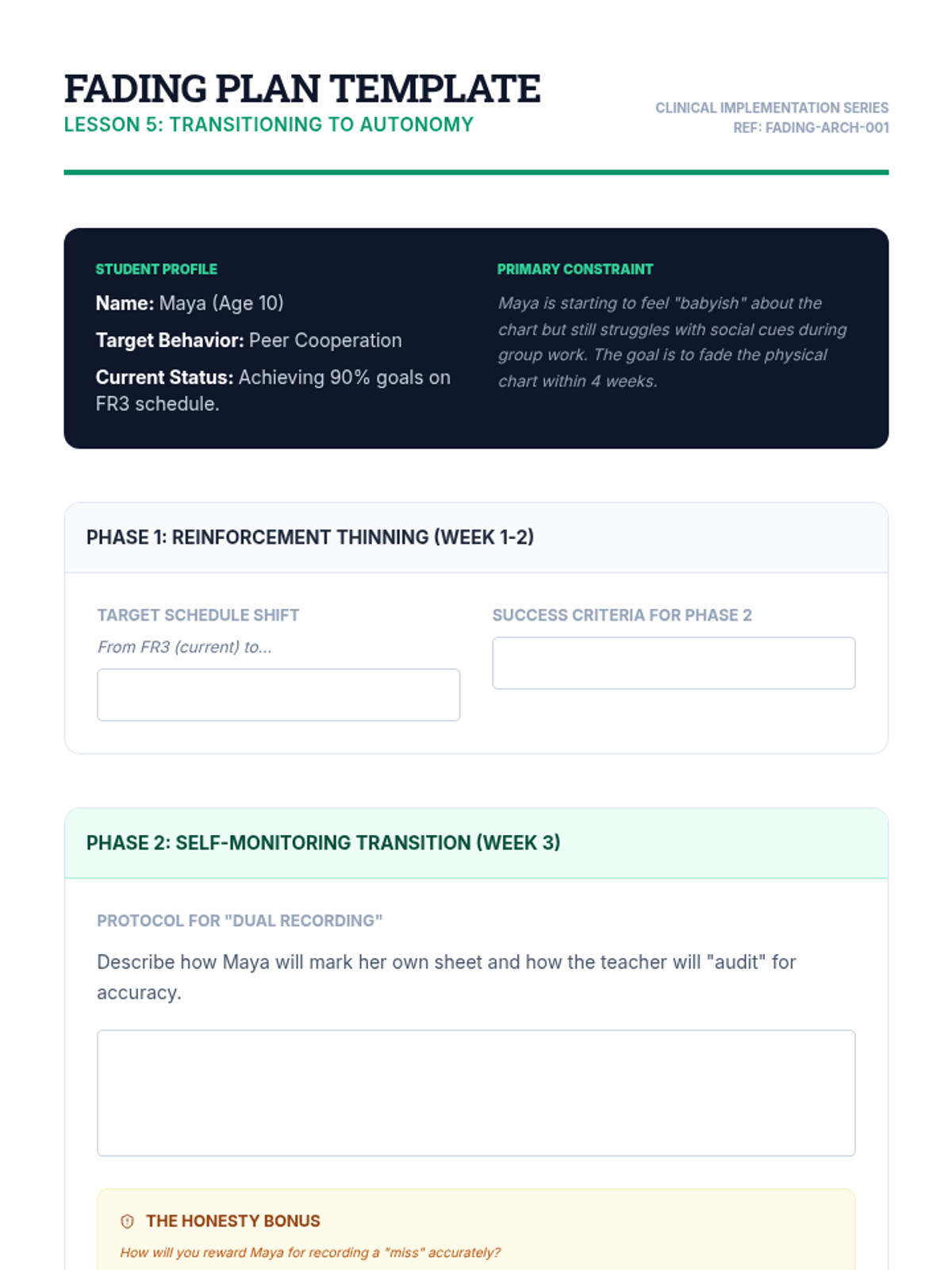
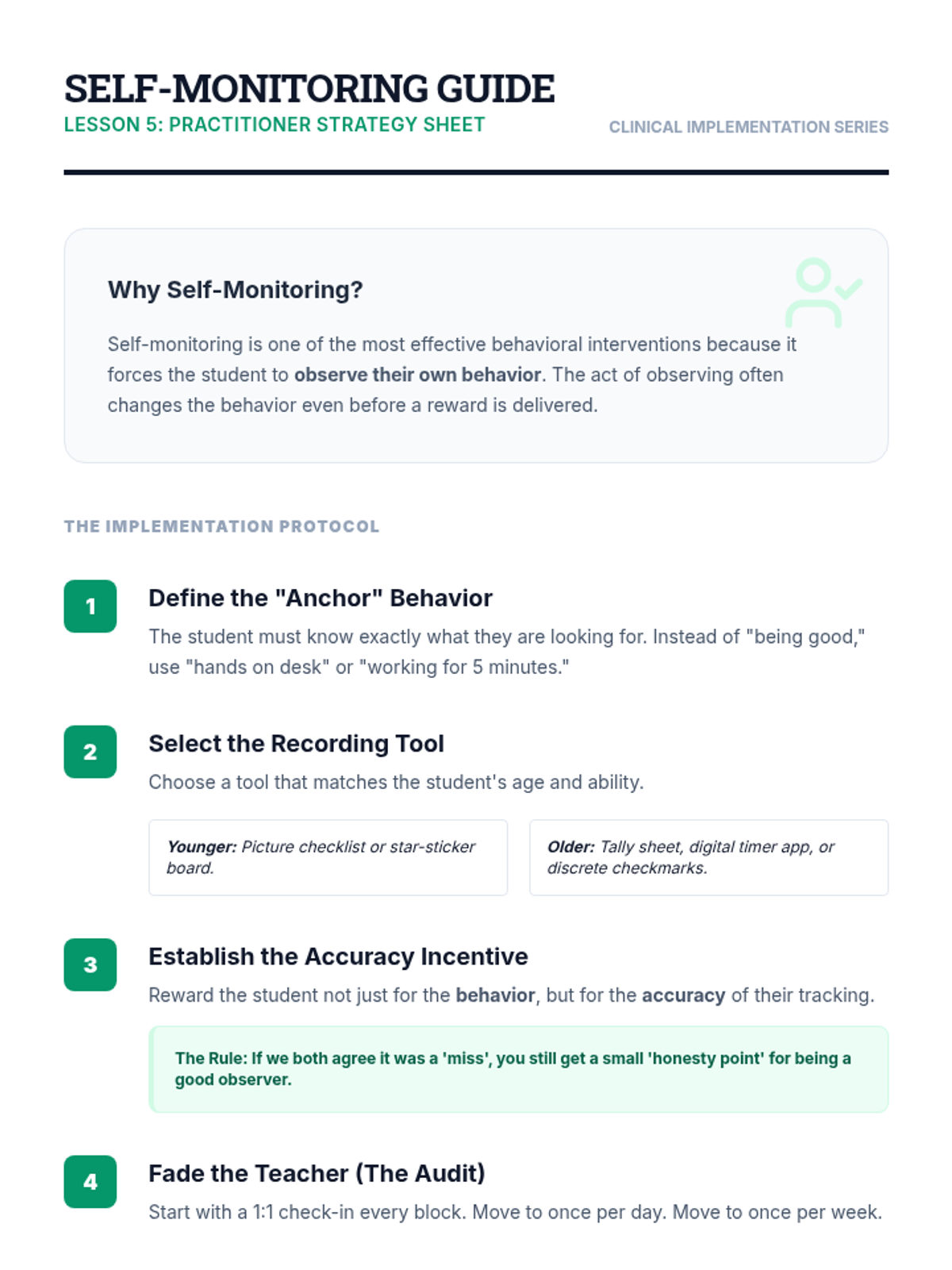
Covers the systematic withdrawal of external behavior supports as students achieve mastery. Students design fading plans that promote self-monitoring and long-term behavioral maintenance.
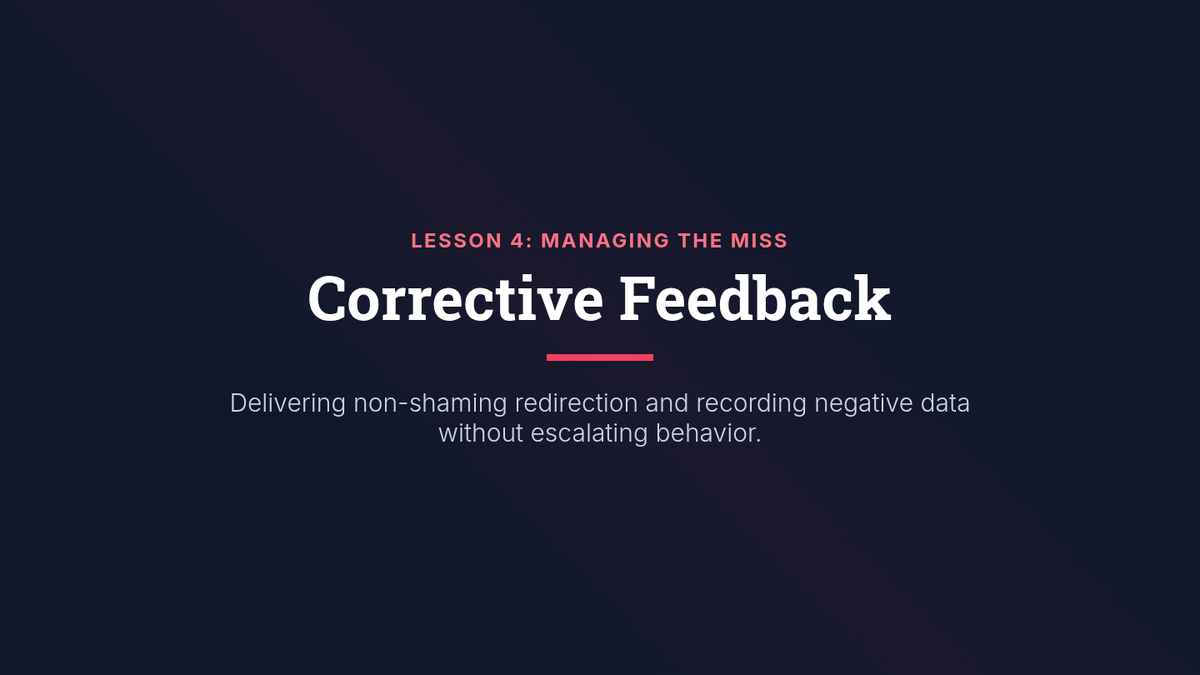
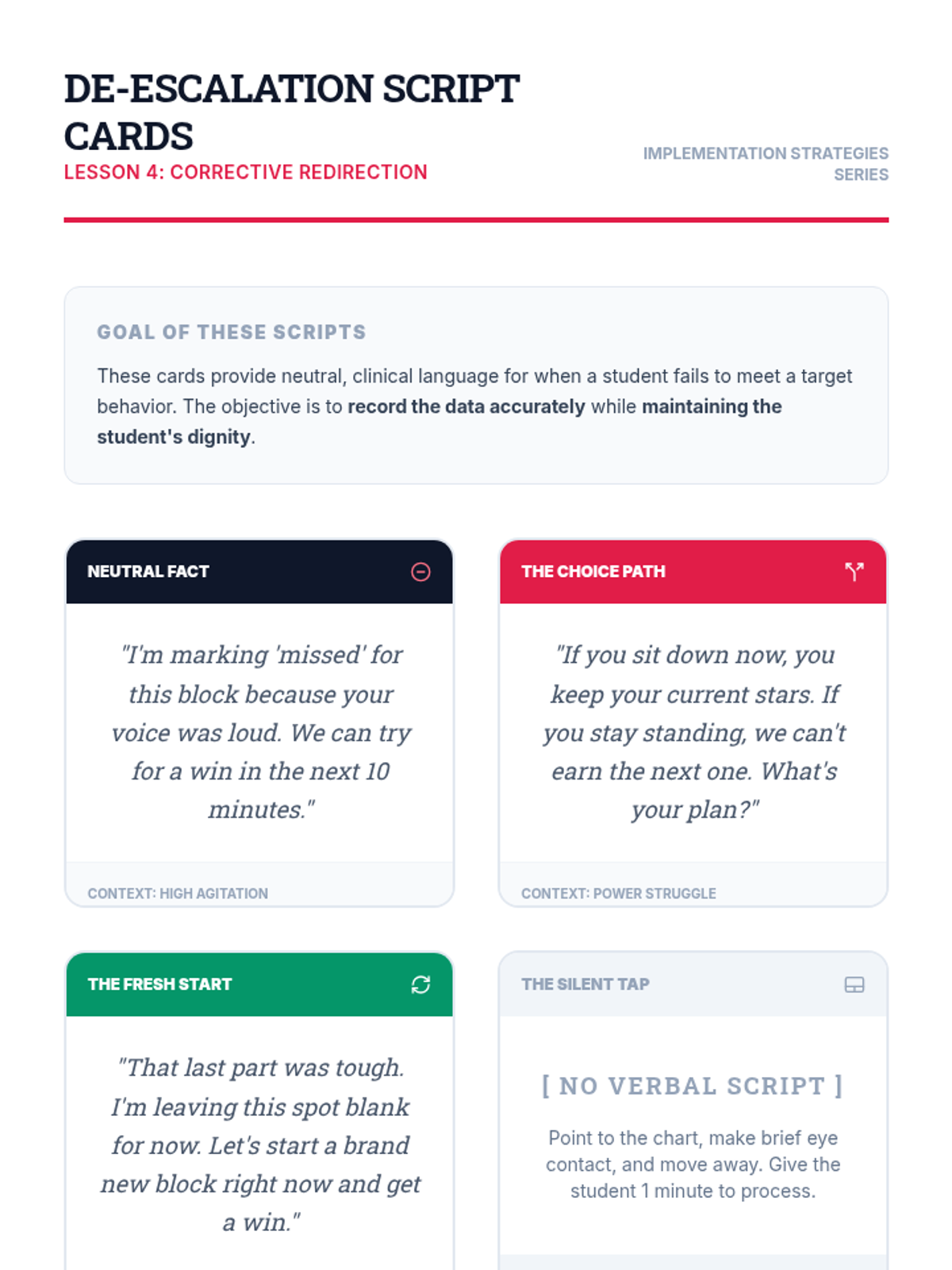
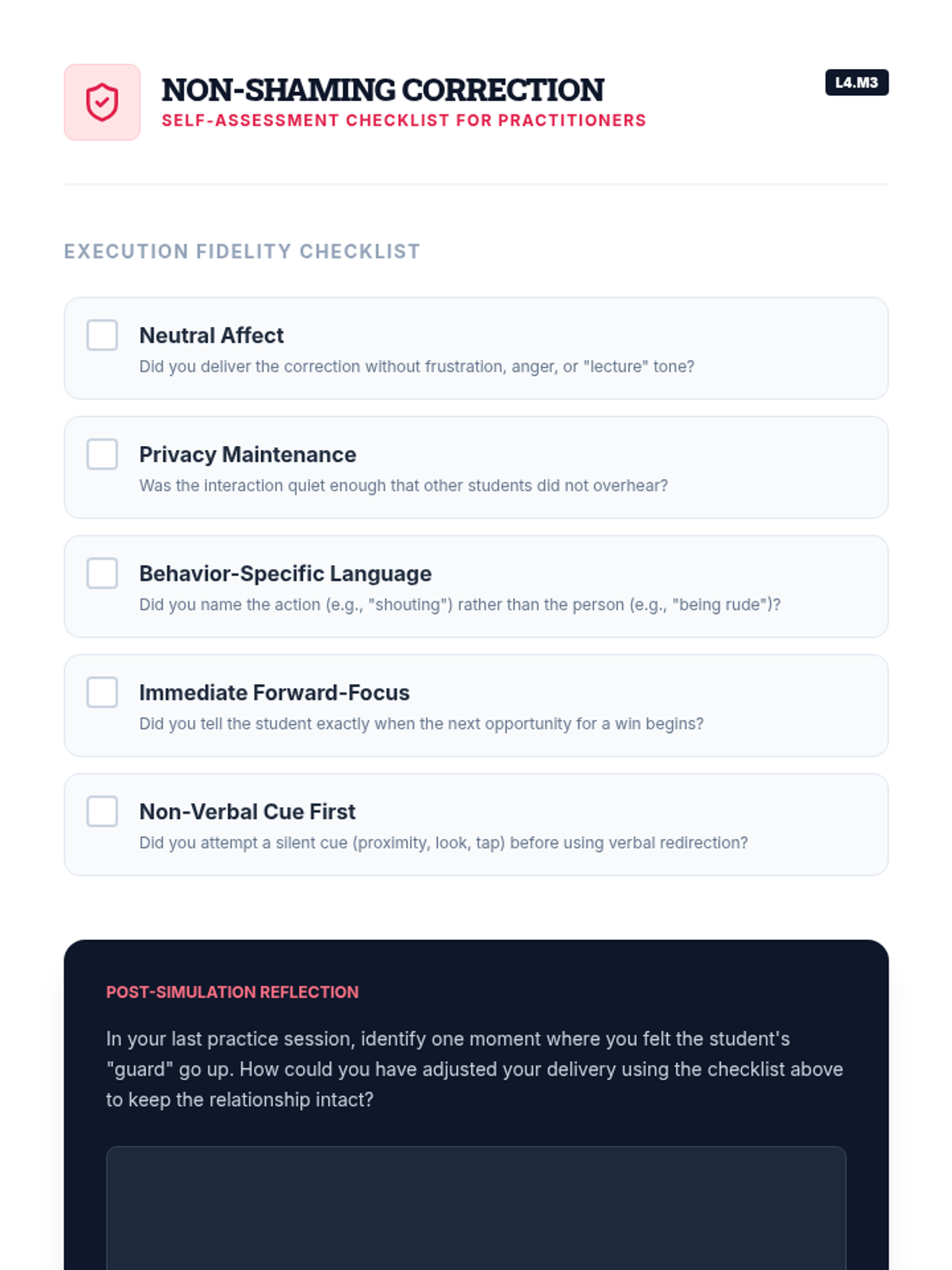
Teaches strategies for addressing missed target behaviors or negative data points without damaging the therapeutic relationship. Focuses on non-verbal cues and private, non-shaming redirection.
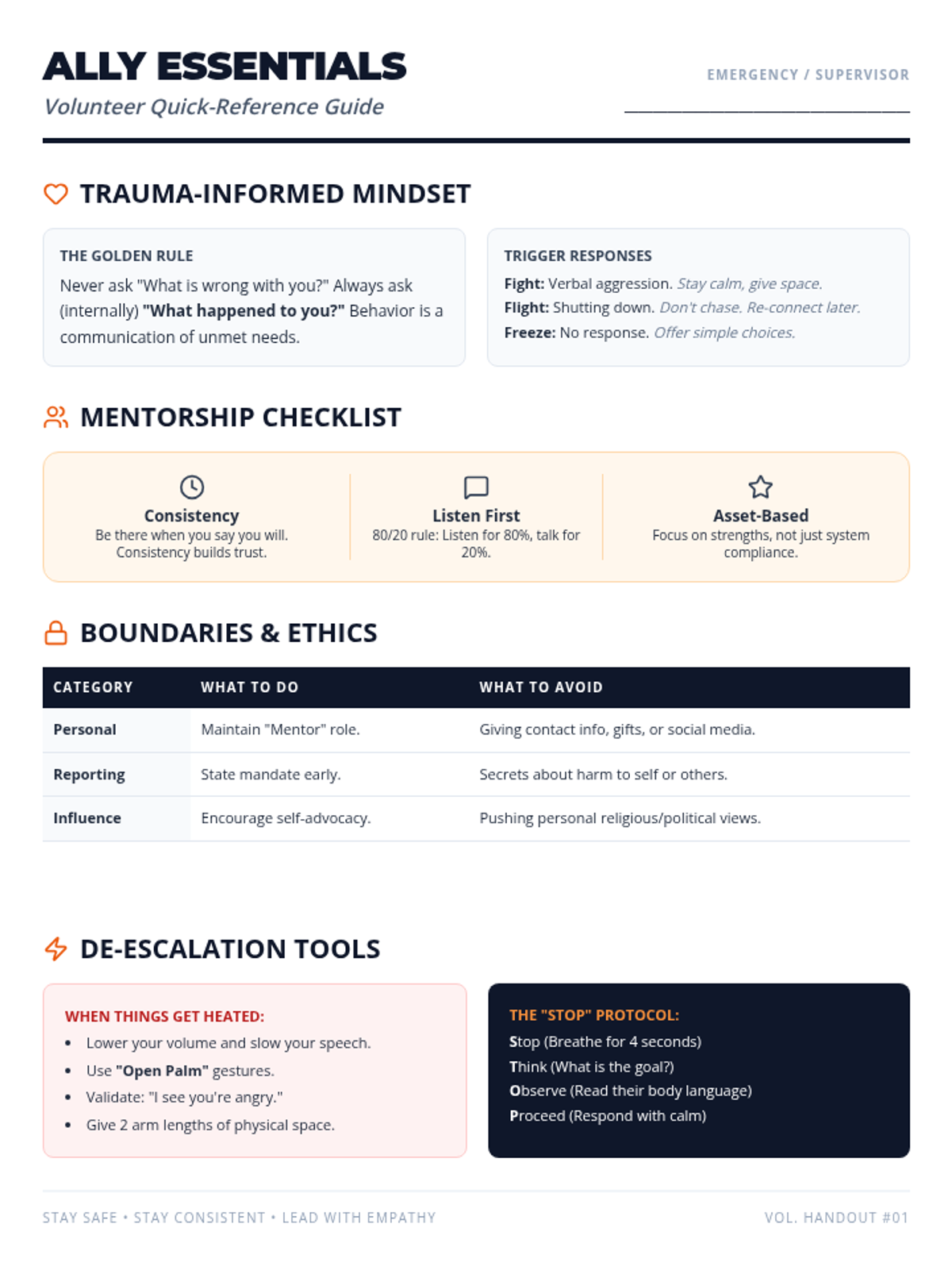
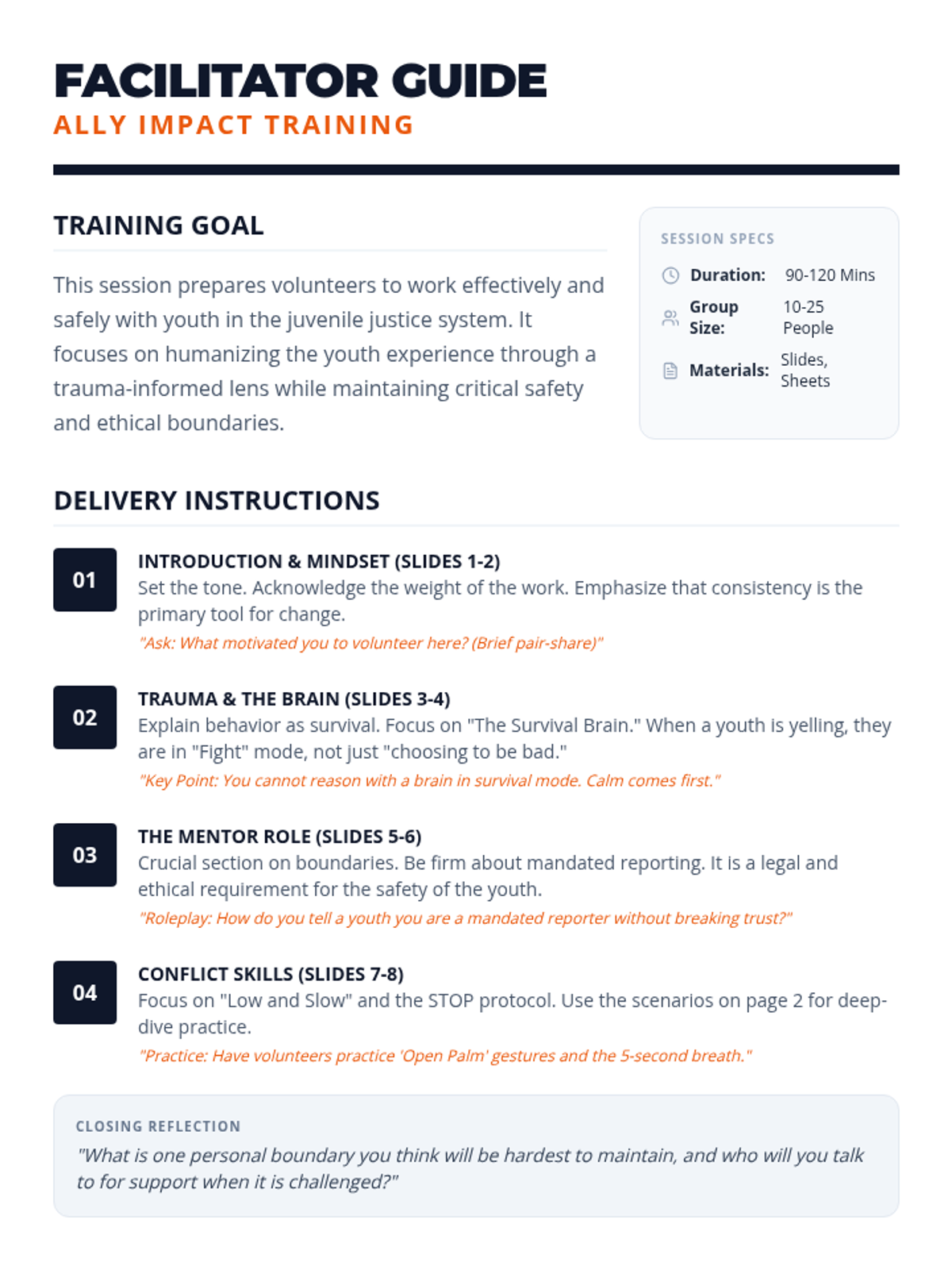
A comprehensive training package for volunteers entering the juvenile justice system, focusing on trauma-informed care, mentorship, boundaries, and conflict resolution.
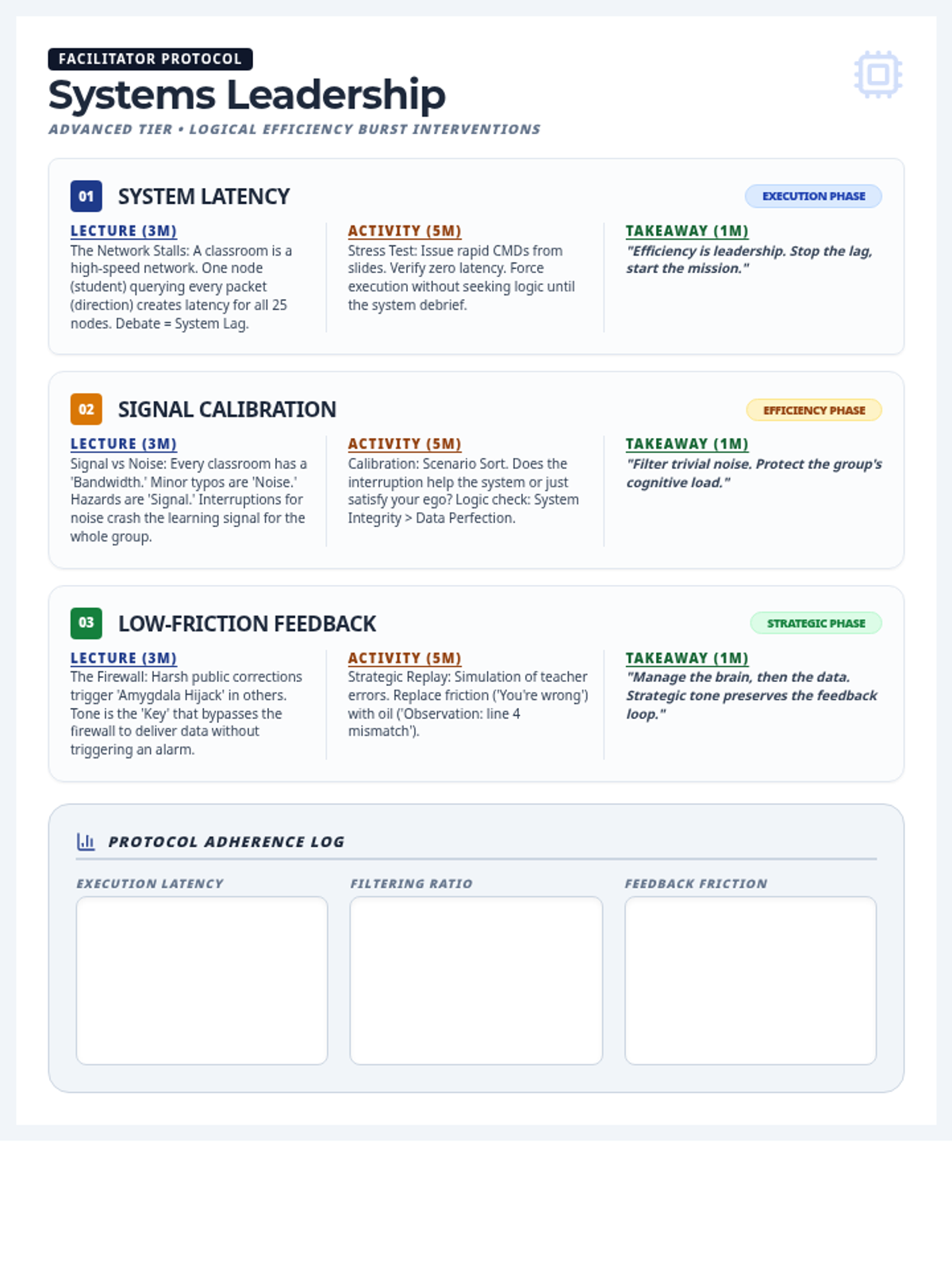
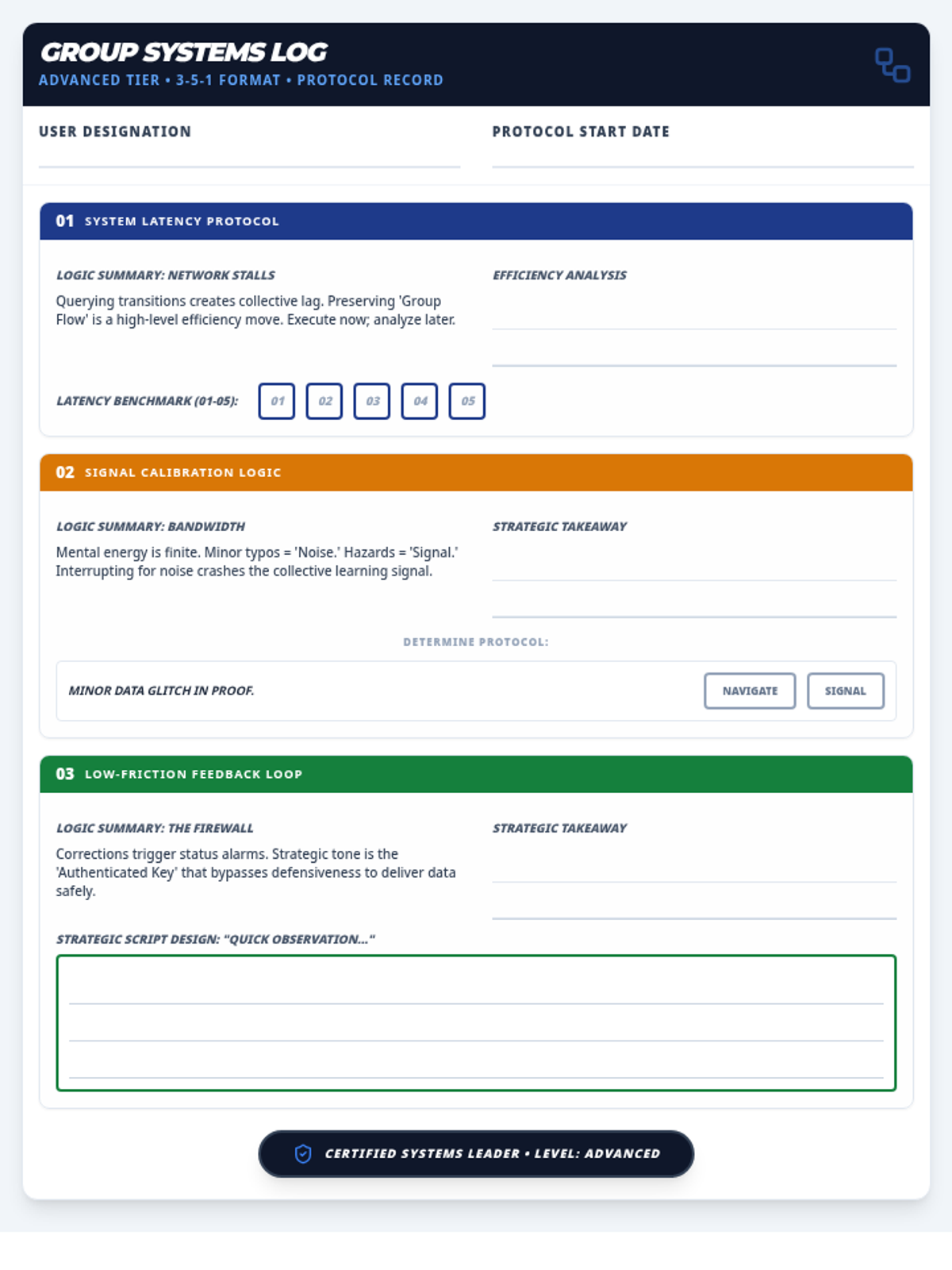
Advanced session on 'Strategic Communication'. Uses social neuroscience to explain how low-friction feedback bypasses defensive firewalls. Structure: 3-5-1 Minutes.
A session on 'Signal-to-Noise' calibration. Teaches students to logically calculate the interrupt cost of minor corrections versus major system failures. Structure: 3-5-1 Minutes.
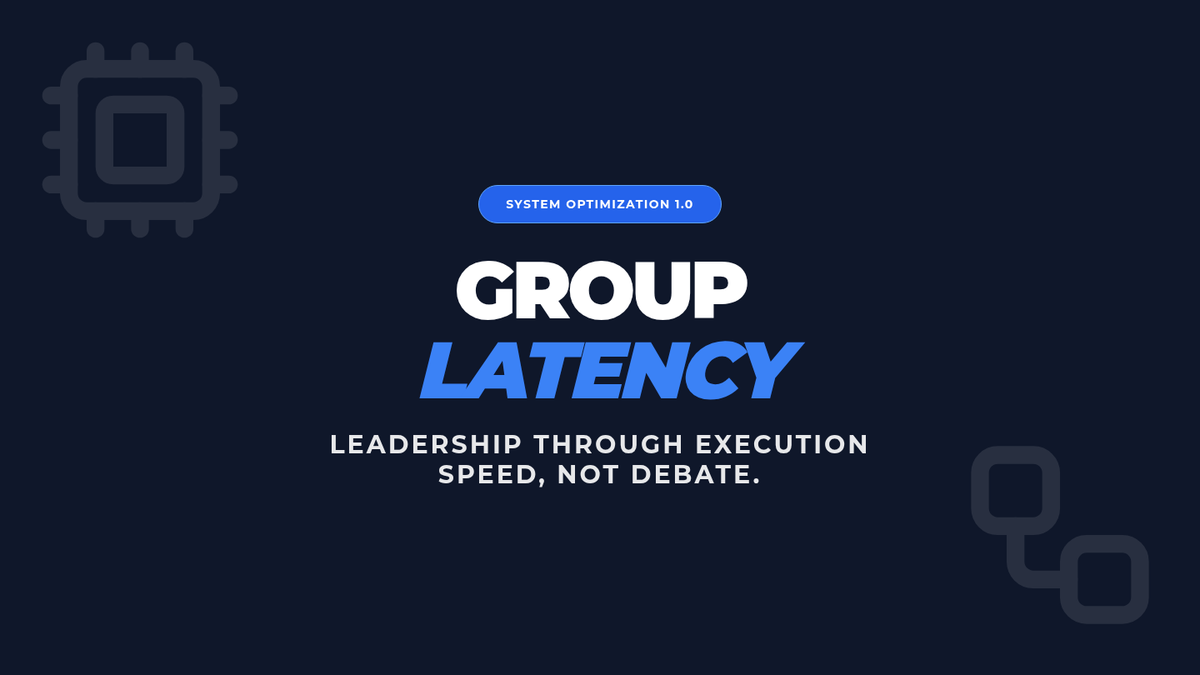
A high-level session on minimizing 'Group Latency'. Framing following directions as a system efficiency move rather than submission. Structure: 3-5-1 Minutes.
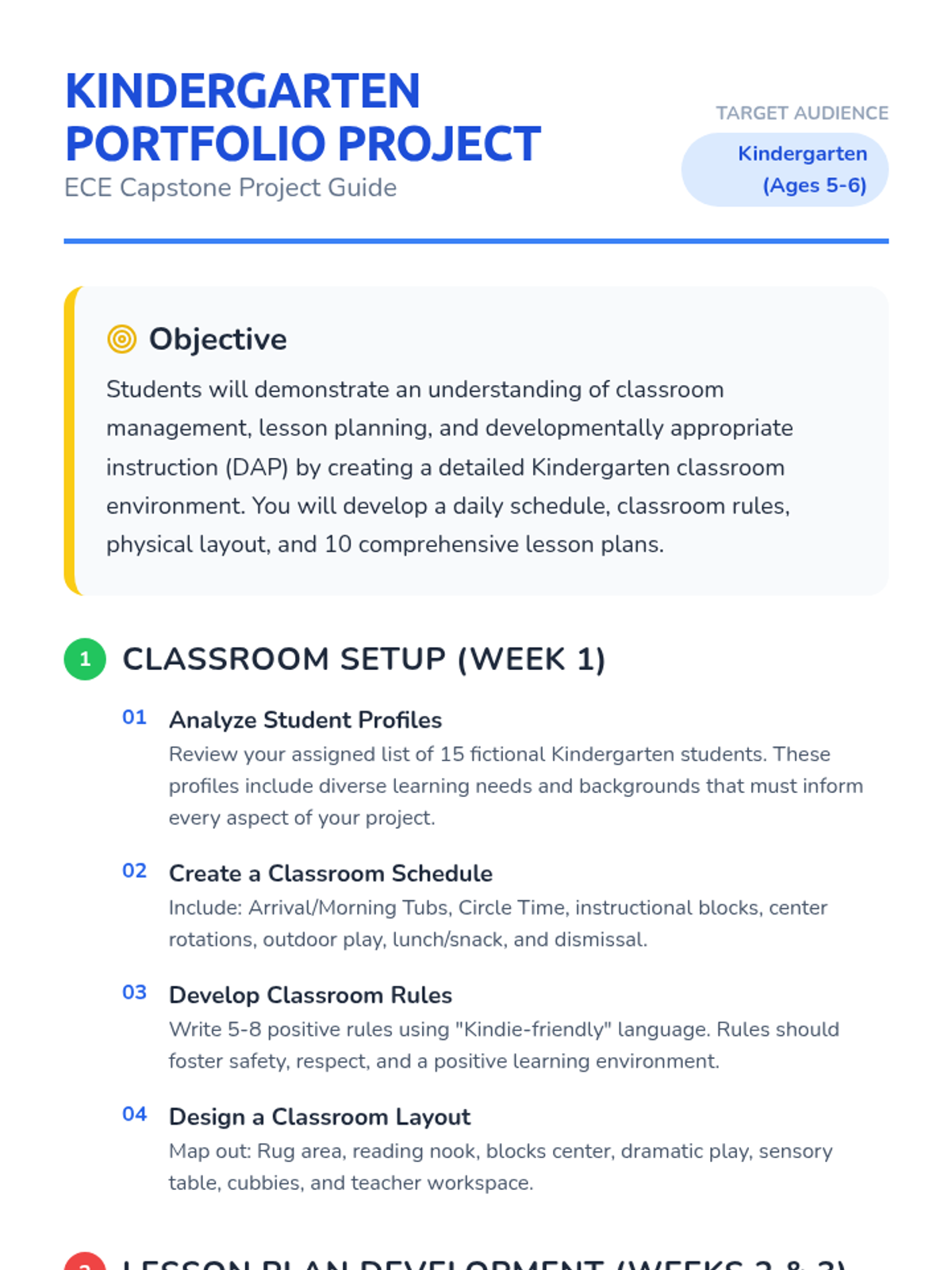
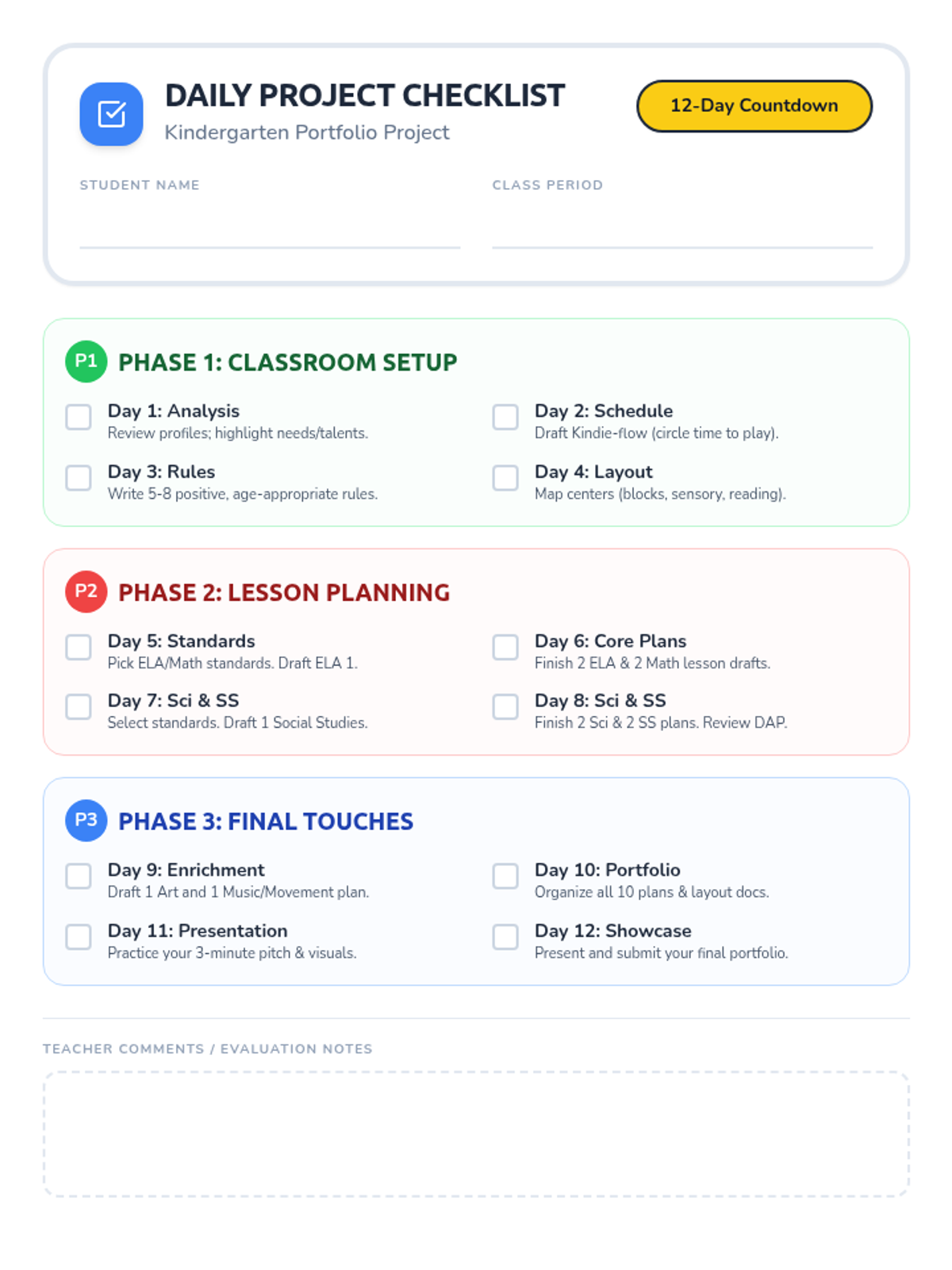
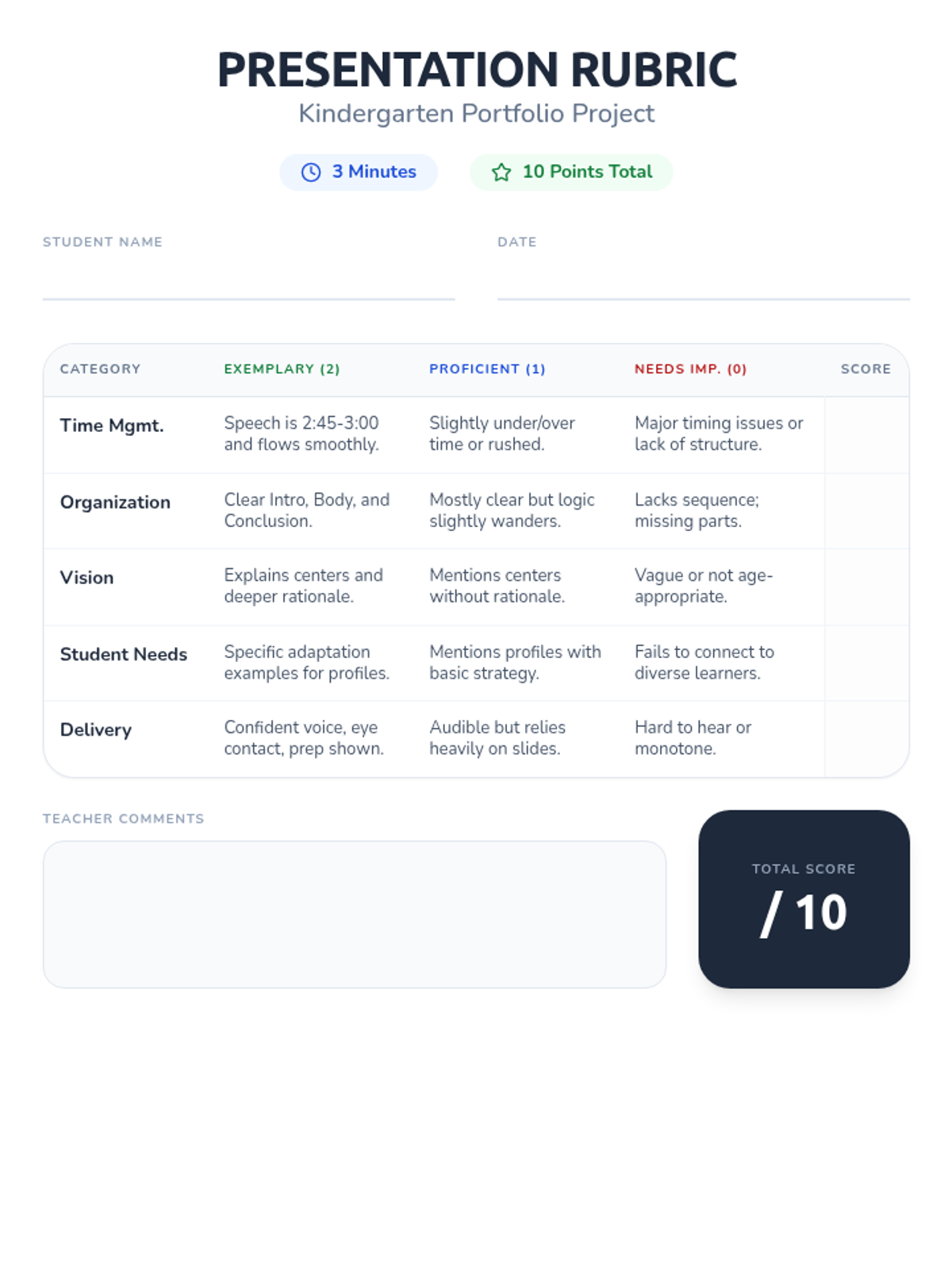
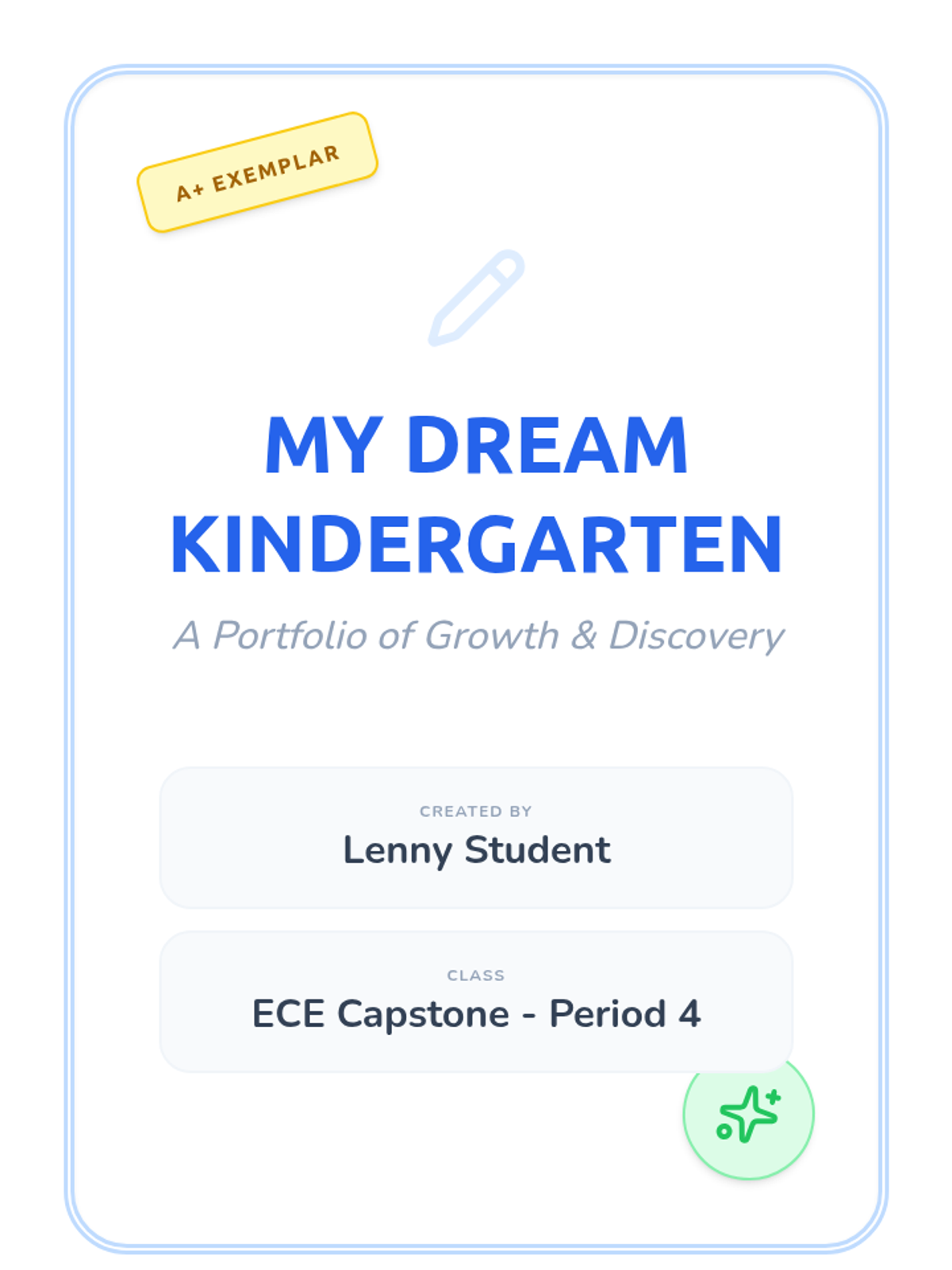
A multi-week capstone project where students apply their knowledge of Early Childhood Education to design a complete Kindergarten classroom environment and curriculum portfolio.
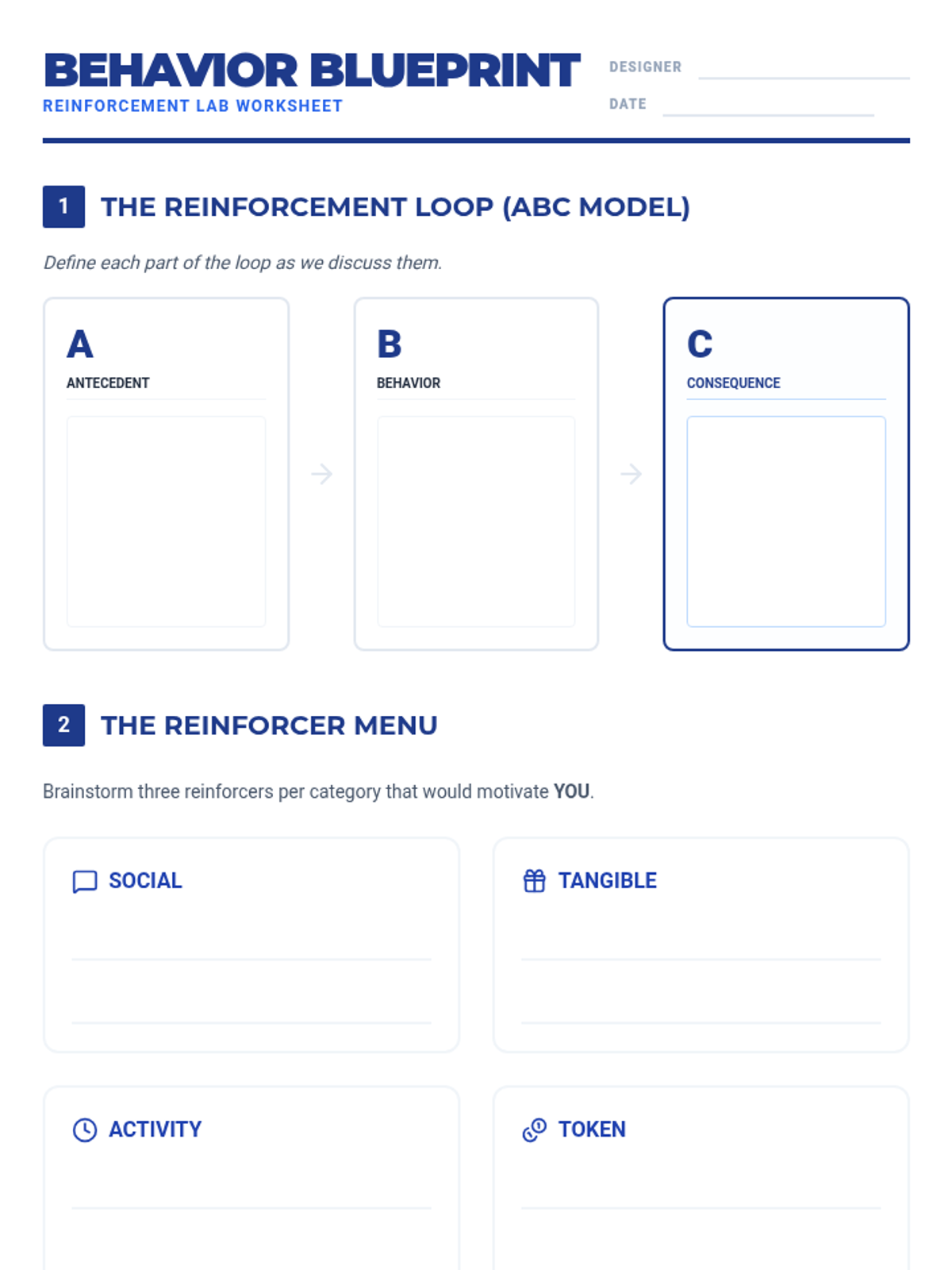
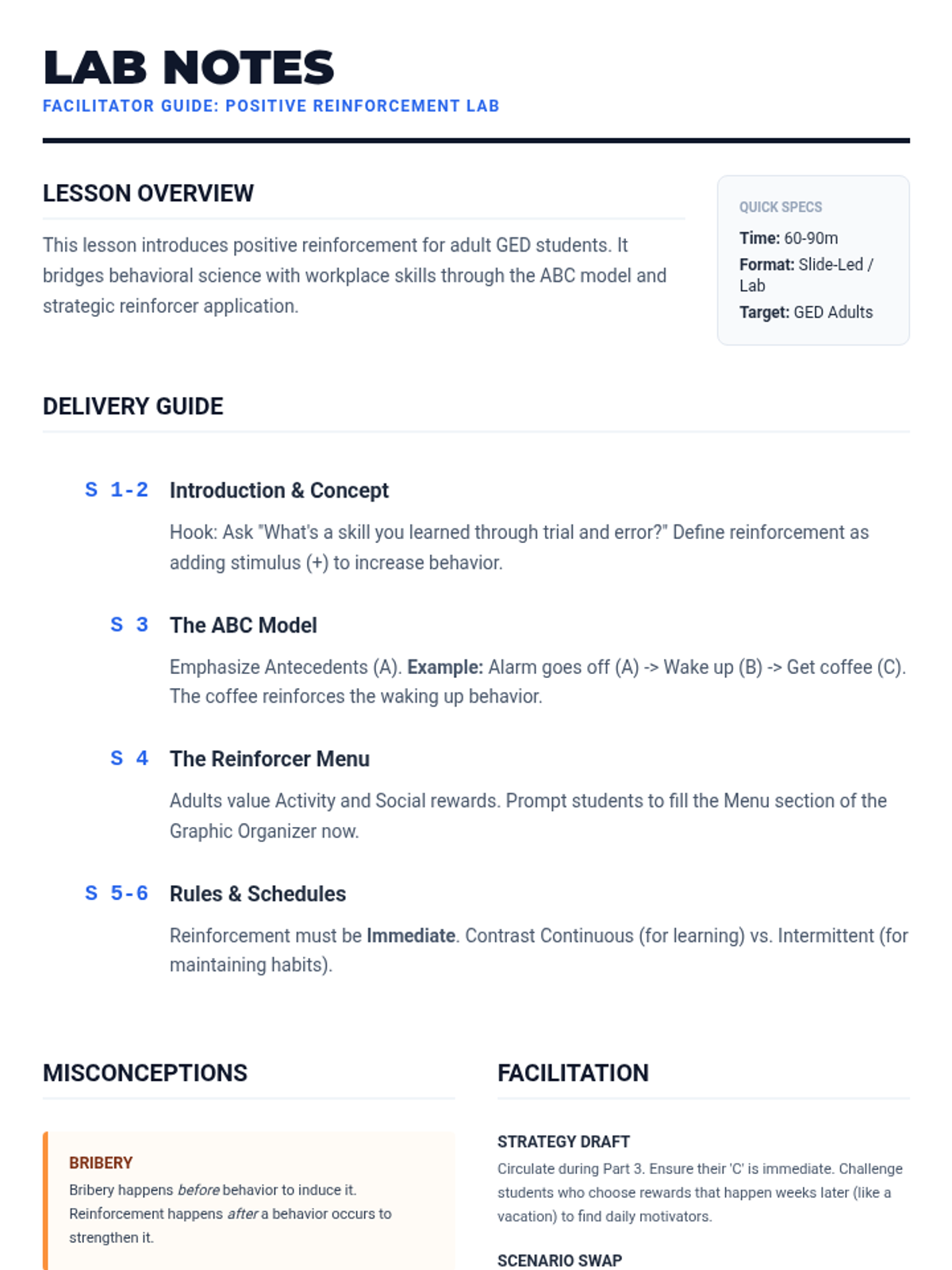
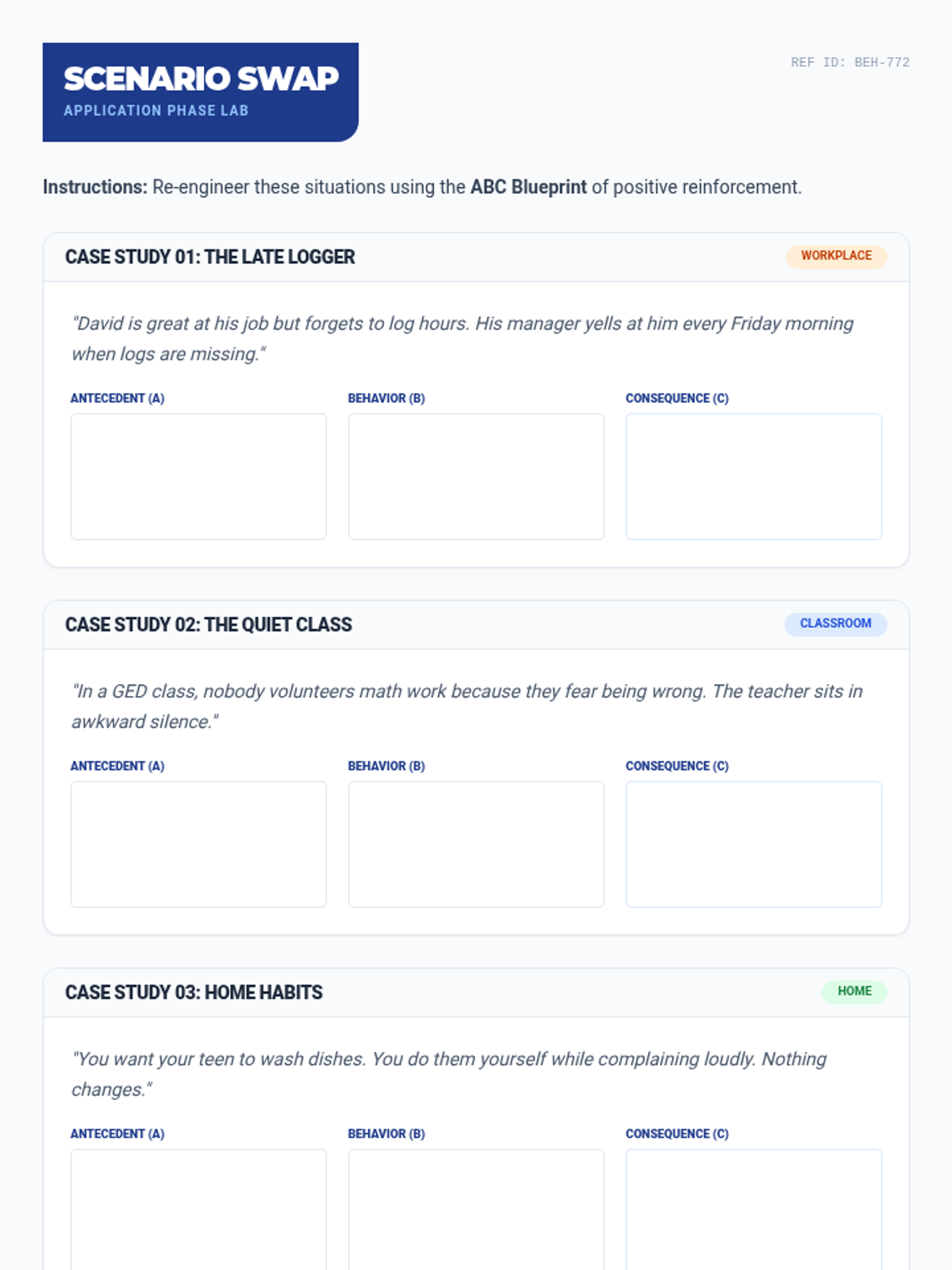
A focused exploration of positive reinforcement strategies designed for adult learners. Students will learn to identify, apply, and evaluate reinforcement techniques to improve behavioral outcomes in various settings.
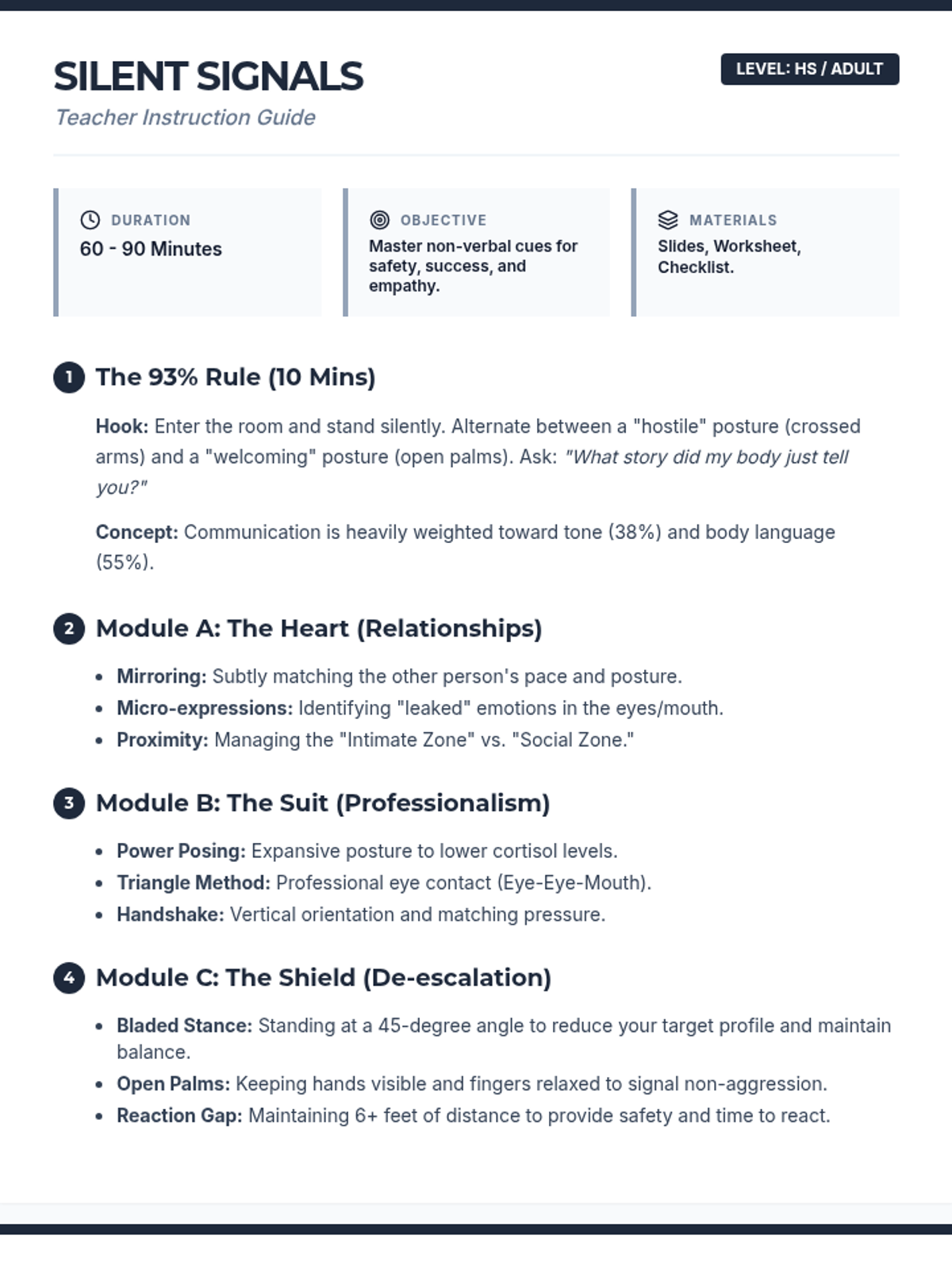
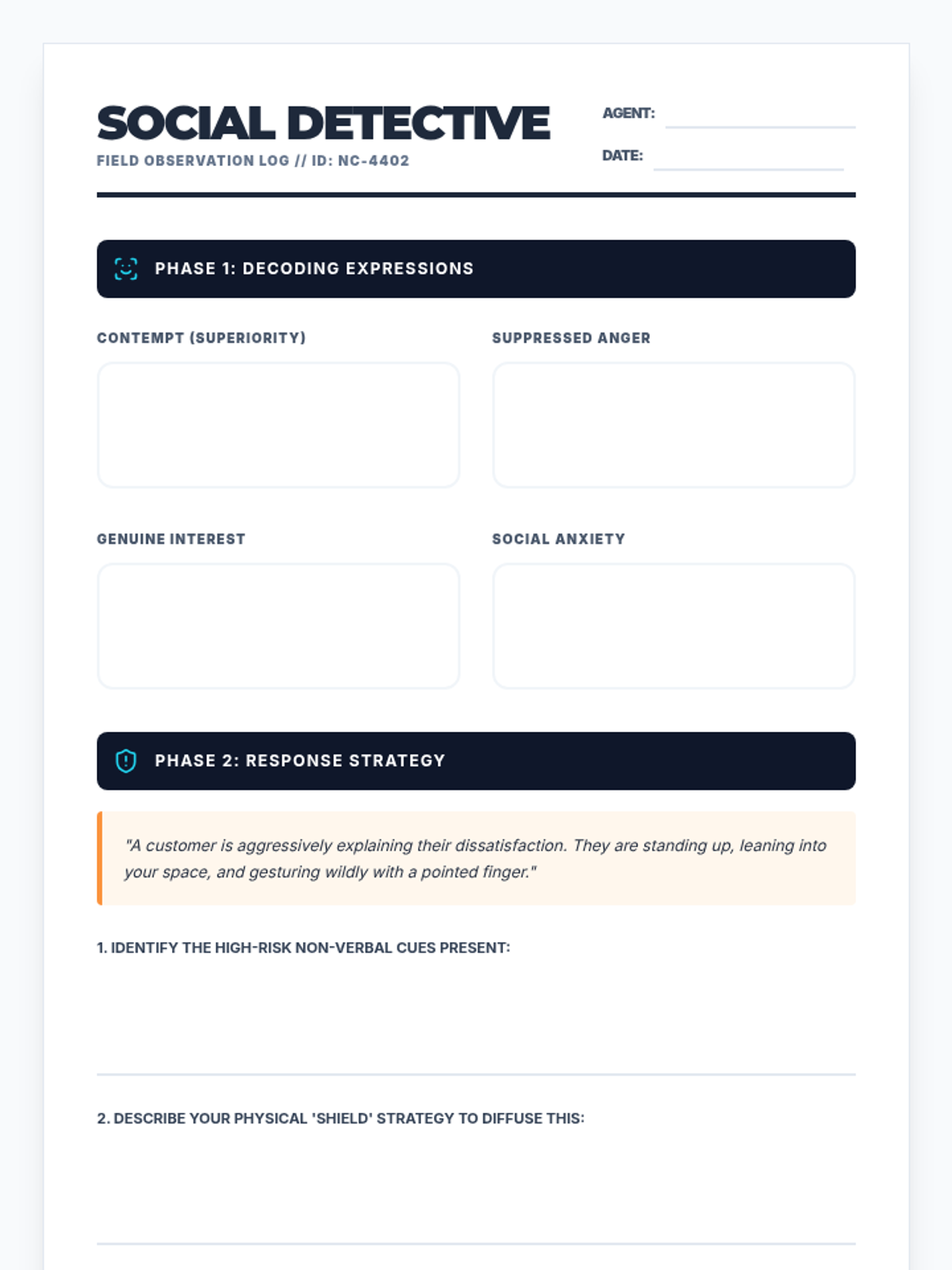
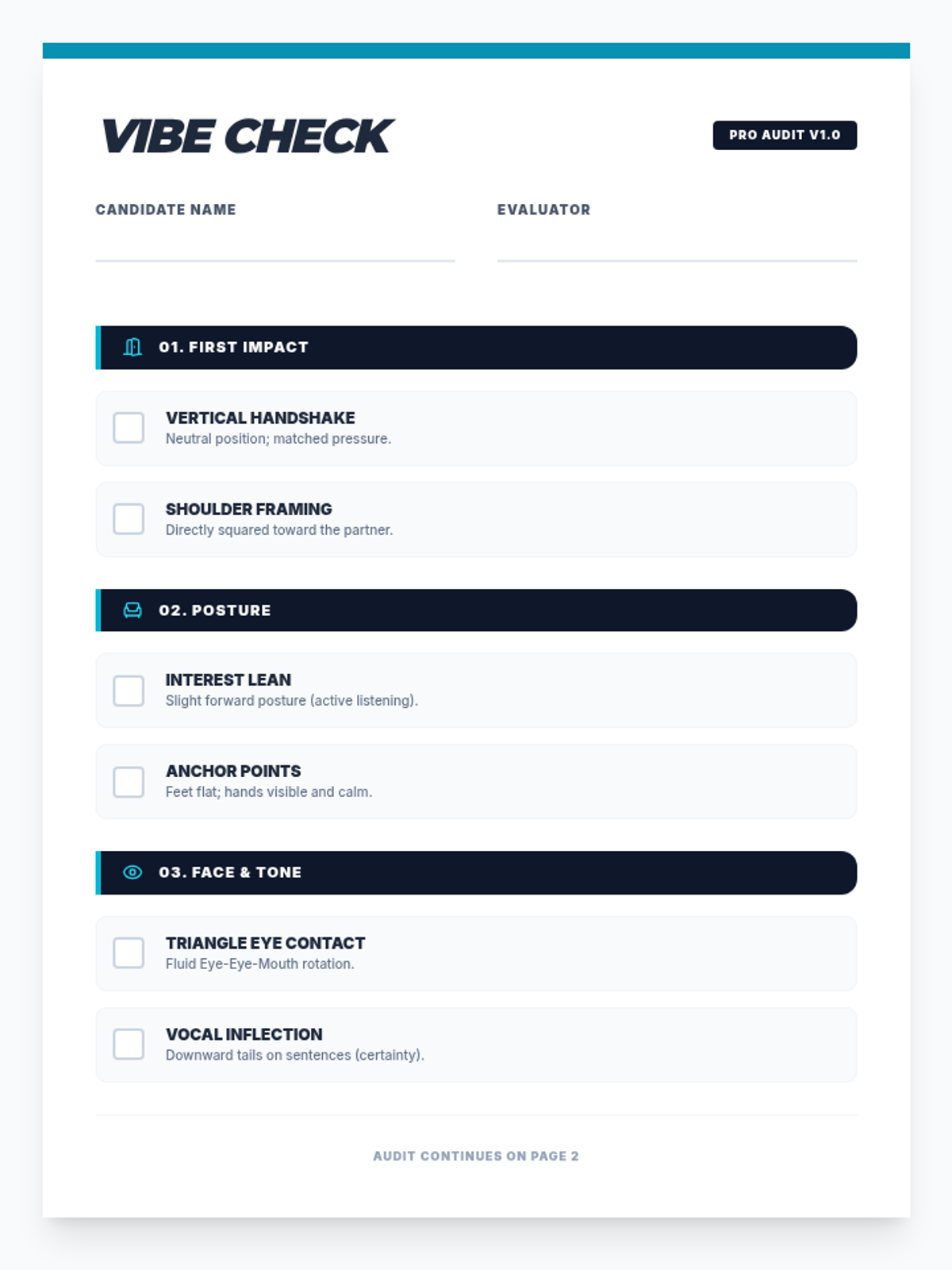
A comprehensive lesson on mastering non-verbal communication across interpersonal relationships, professional interviews, and high-stakes de-escalation scenarios. Students learn to decode 'silent signals' to improve empathy, professionalism, and safety.
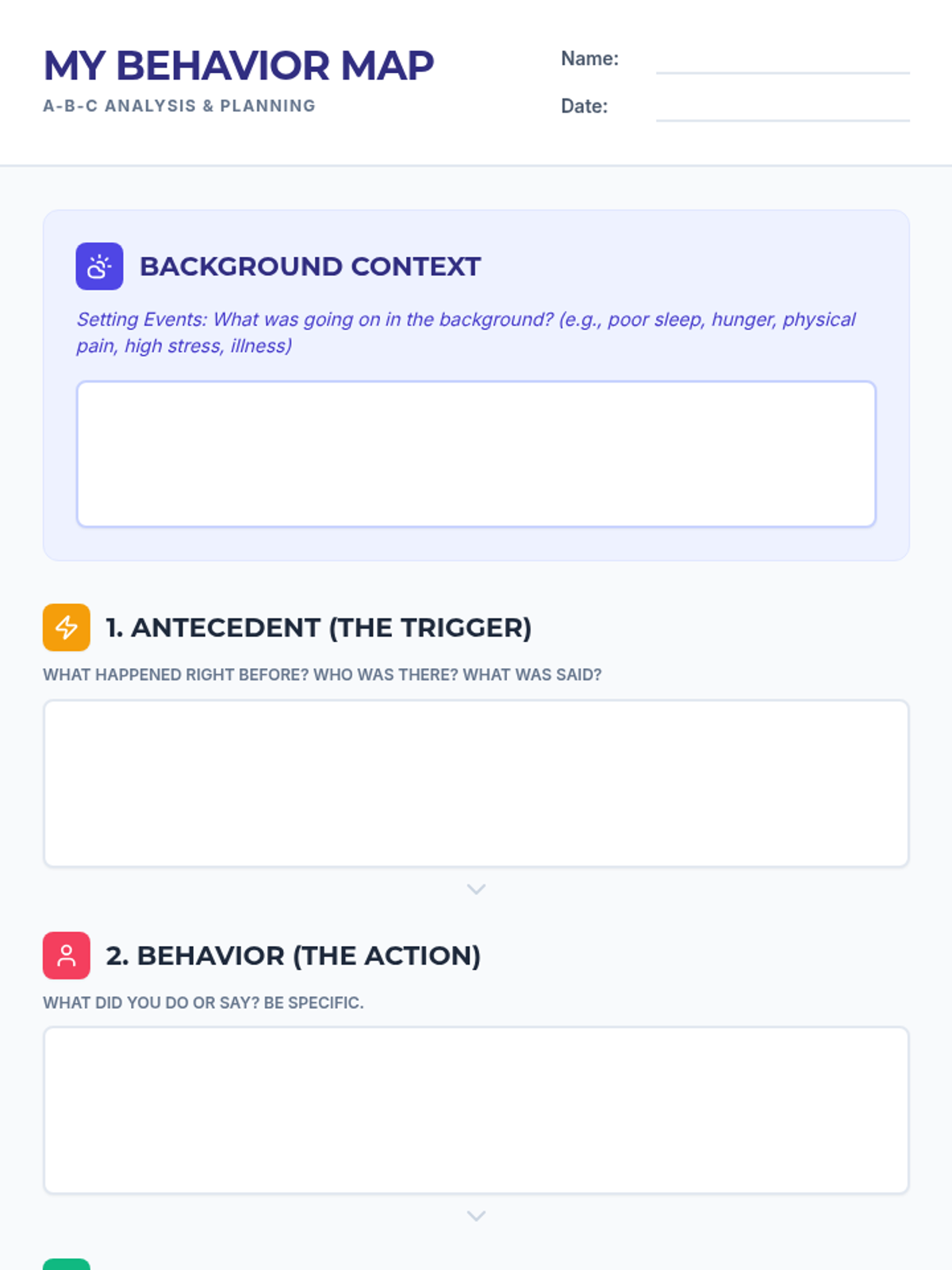
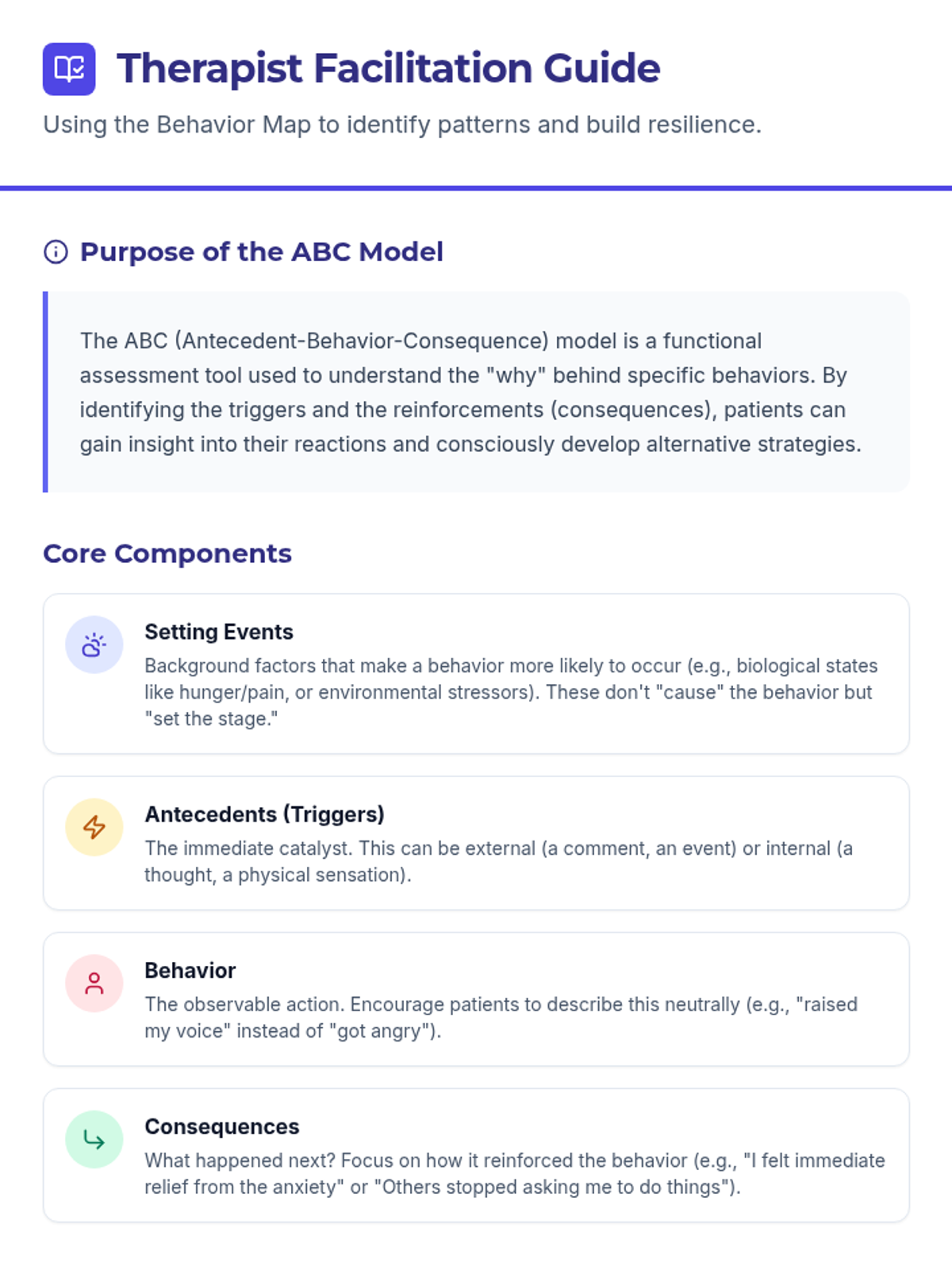
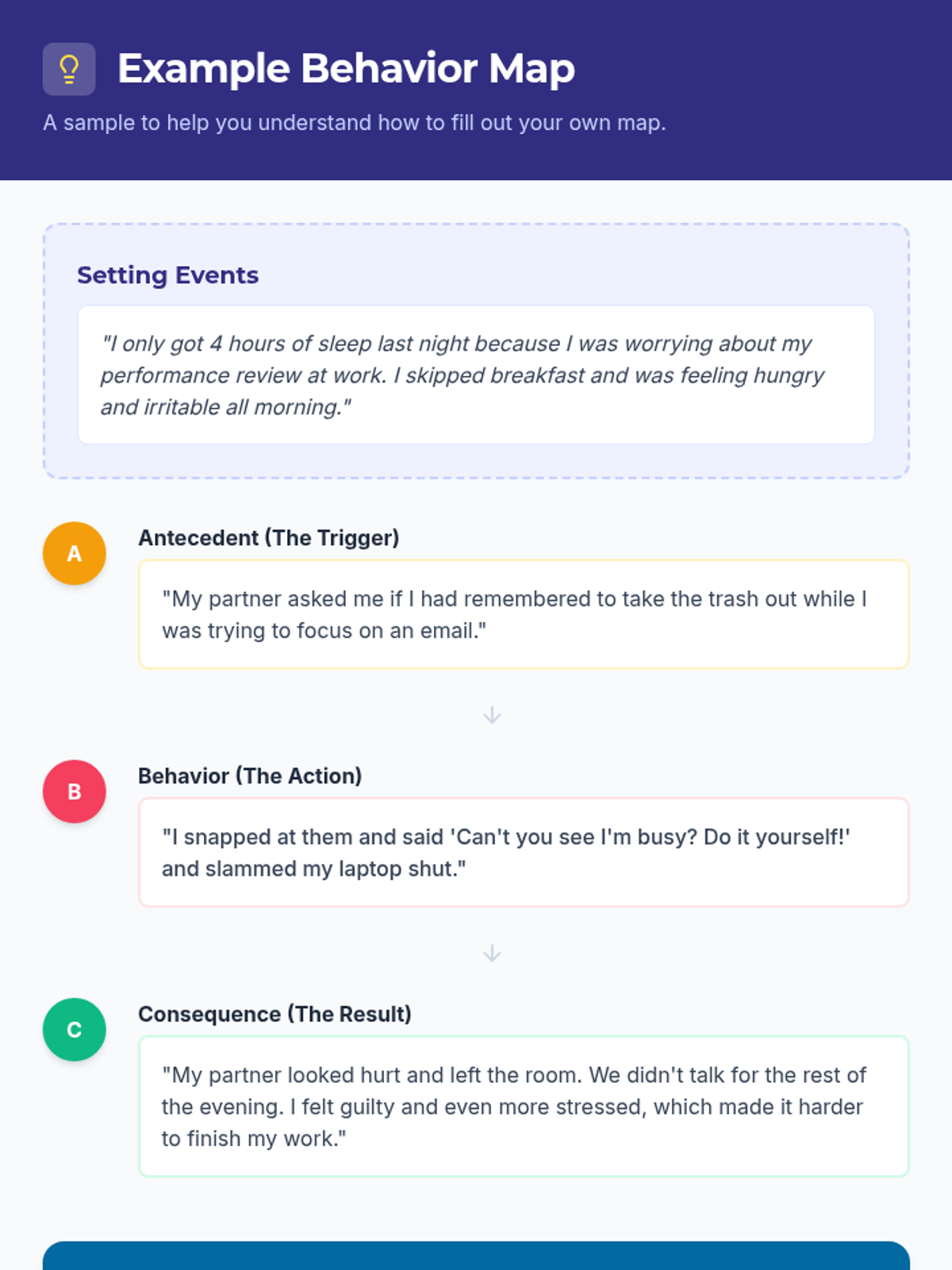
A therapeutic tool for patients to analyze their behavior patterns, identify triggers, and develop healthier alternative responses using the ABC model.
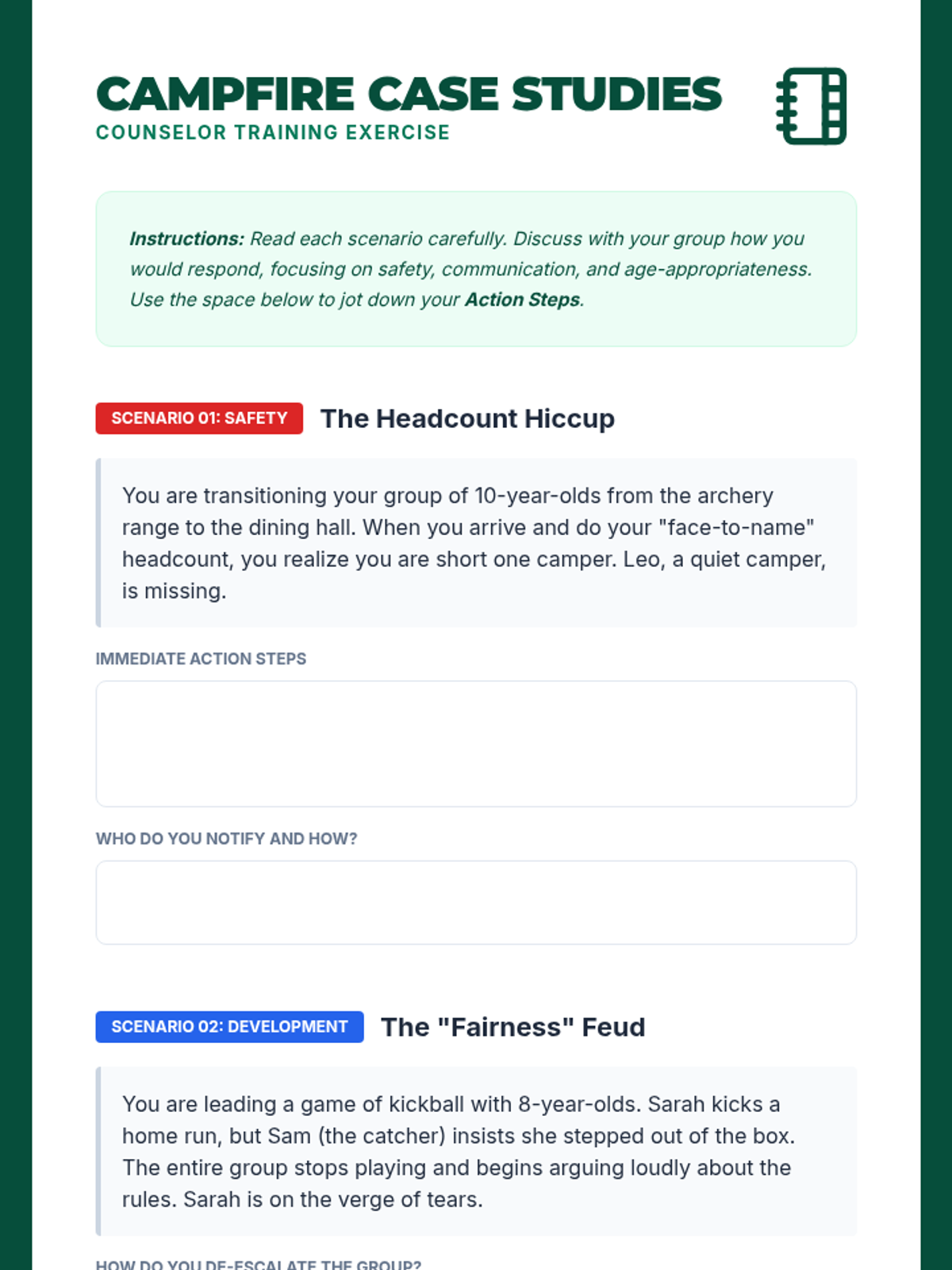
A comprehensive training module for summer camp counselors focusing on safety, child development, and behavior management. This lesson provides the foundation for a successful six-week camp season for children aged 5-12.
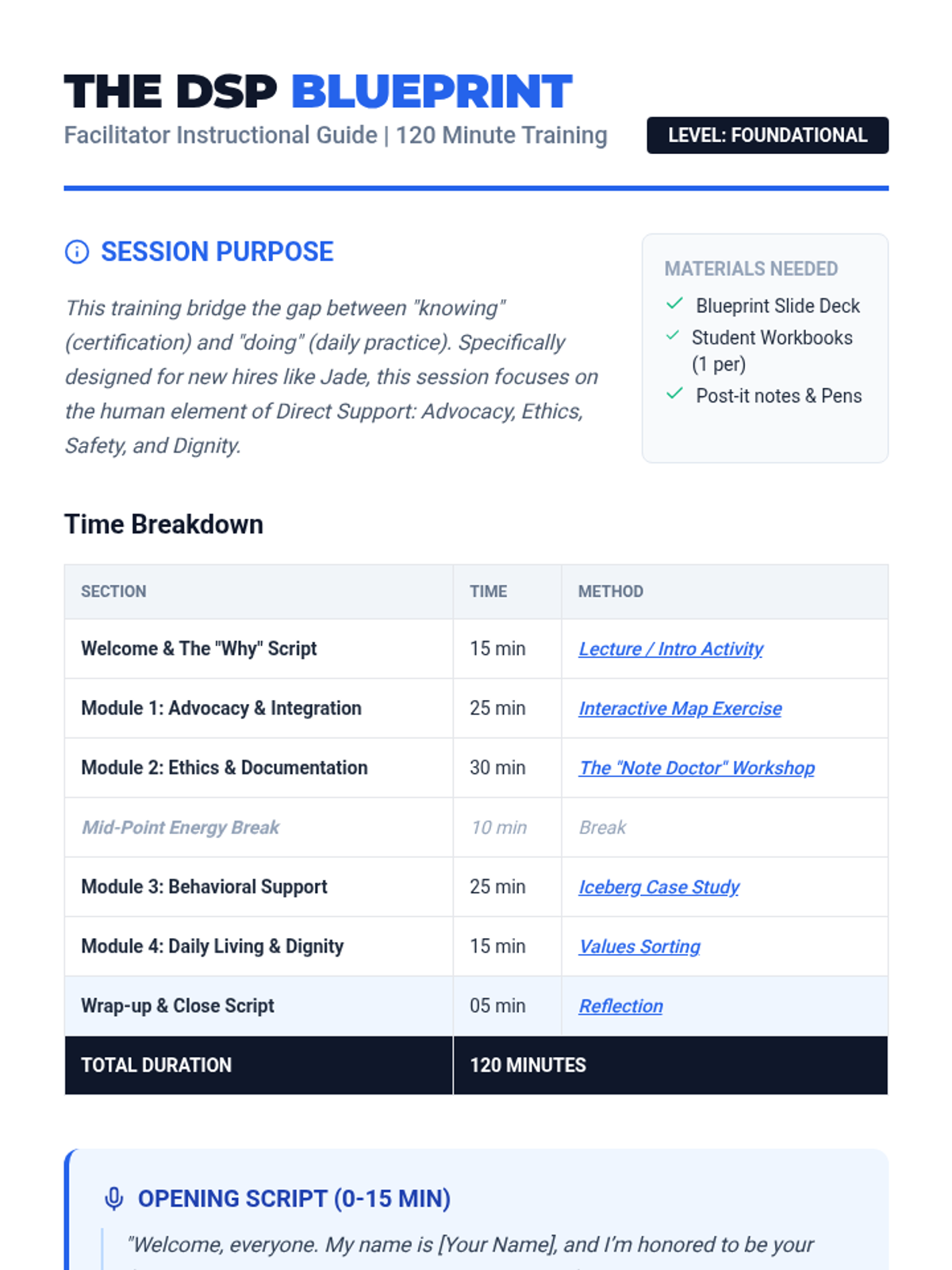
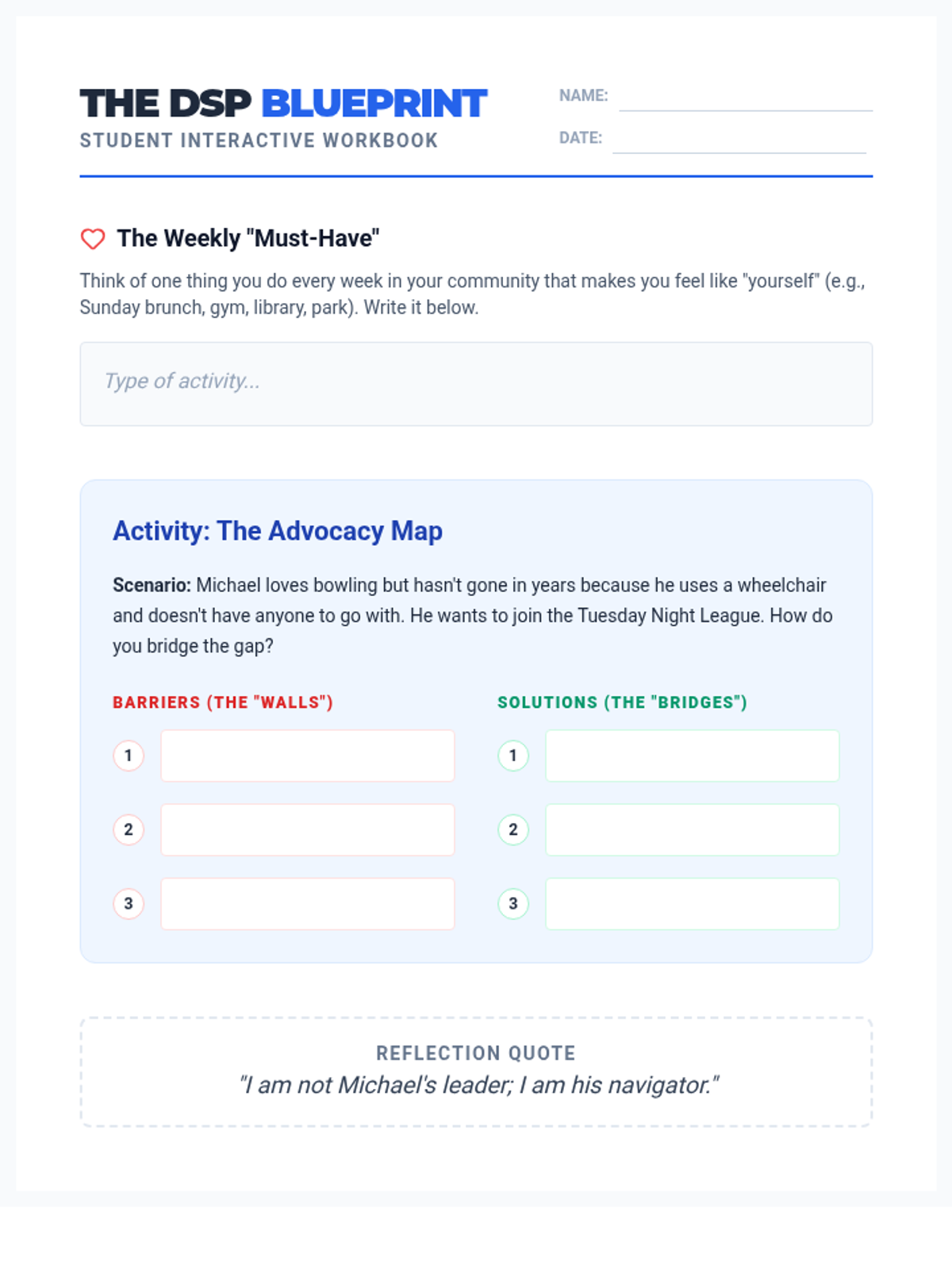
A 120-minute foundational training session that transforms certification knowledge into practical workplace skills. This lesson focuses on community integration, documentation, behavioral intervention, and person-centered personal care.
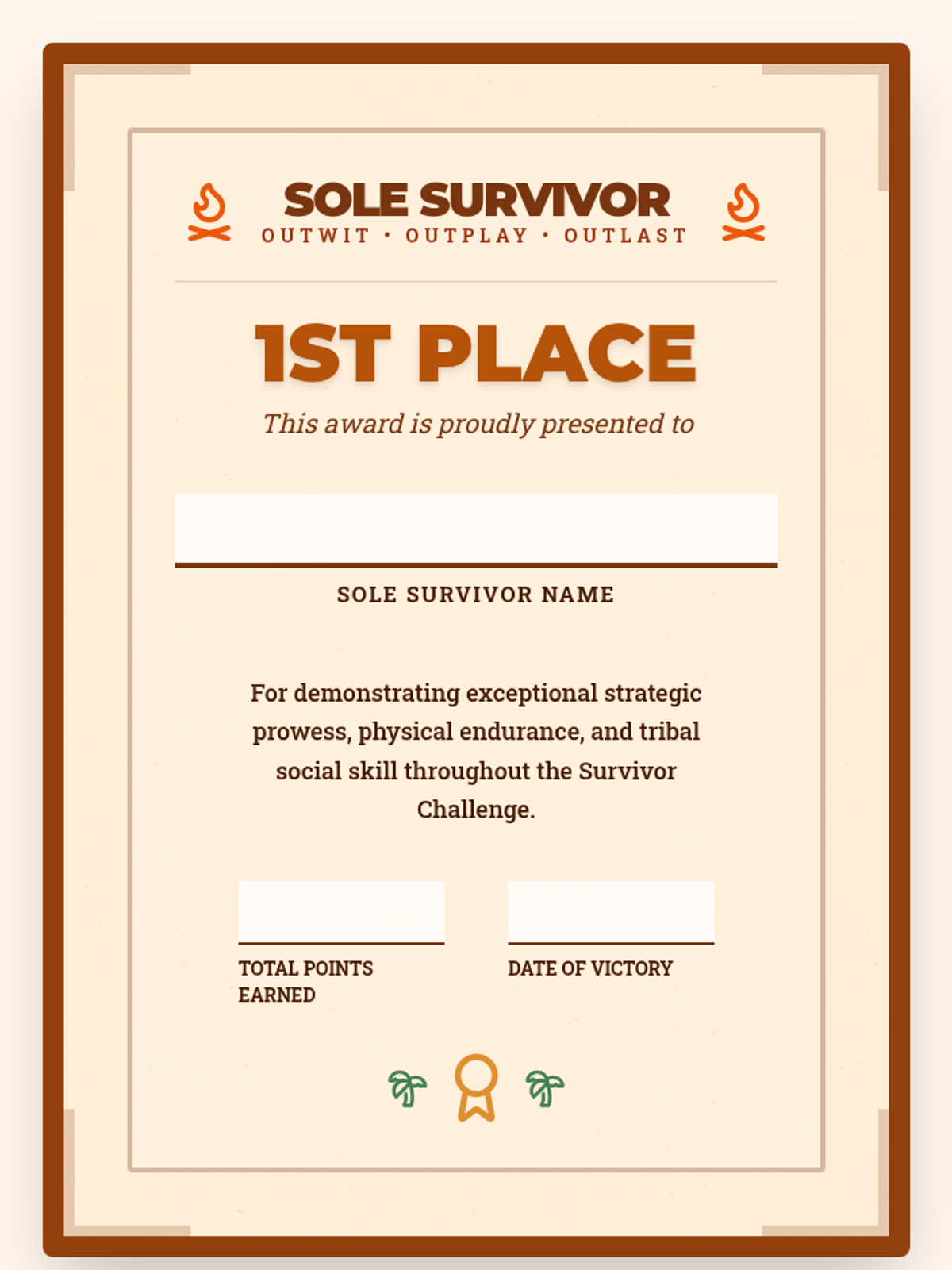
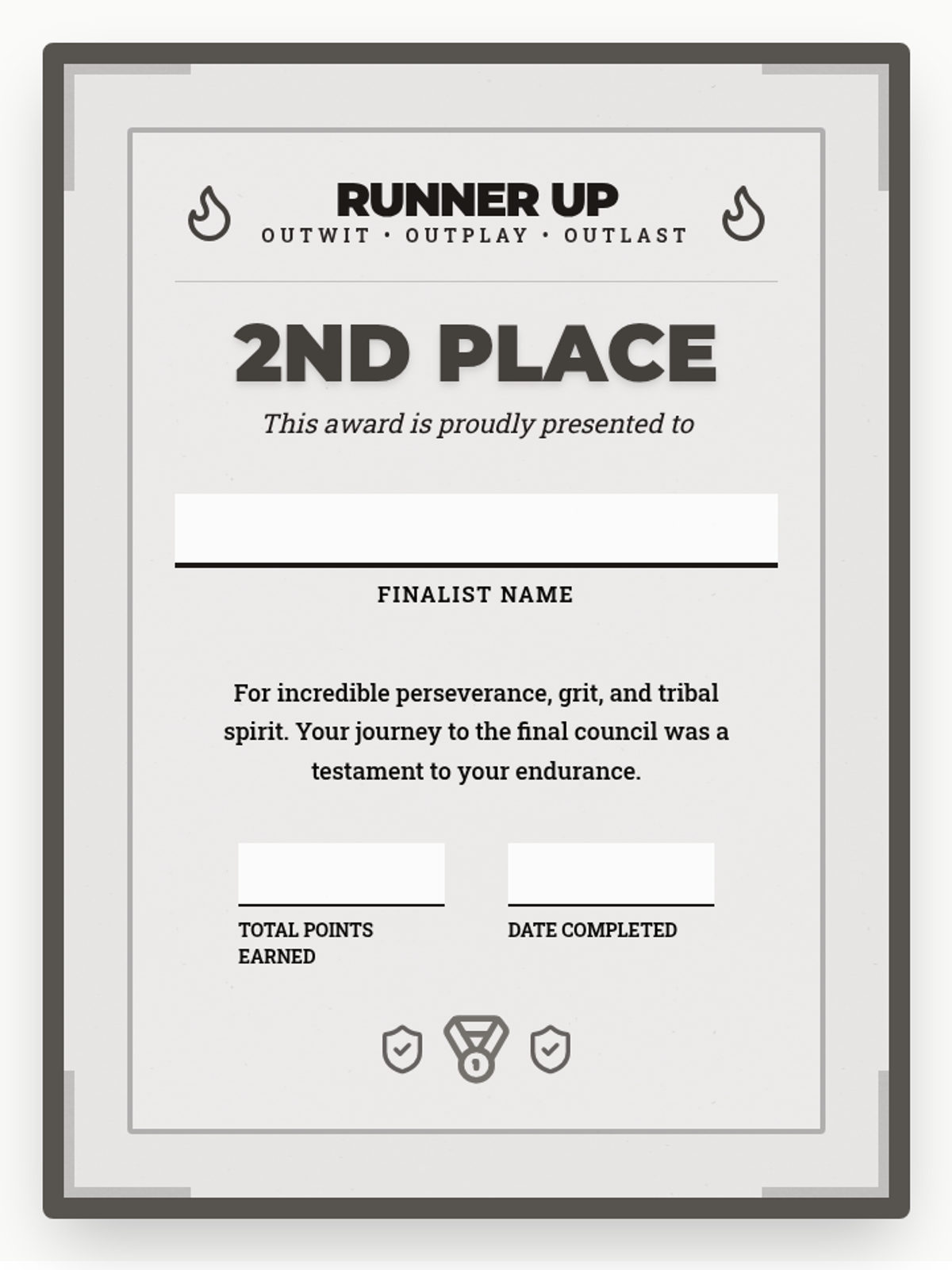
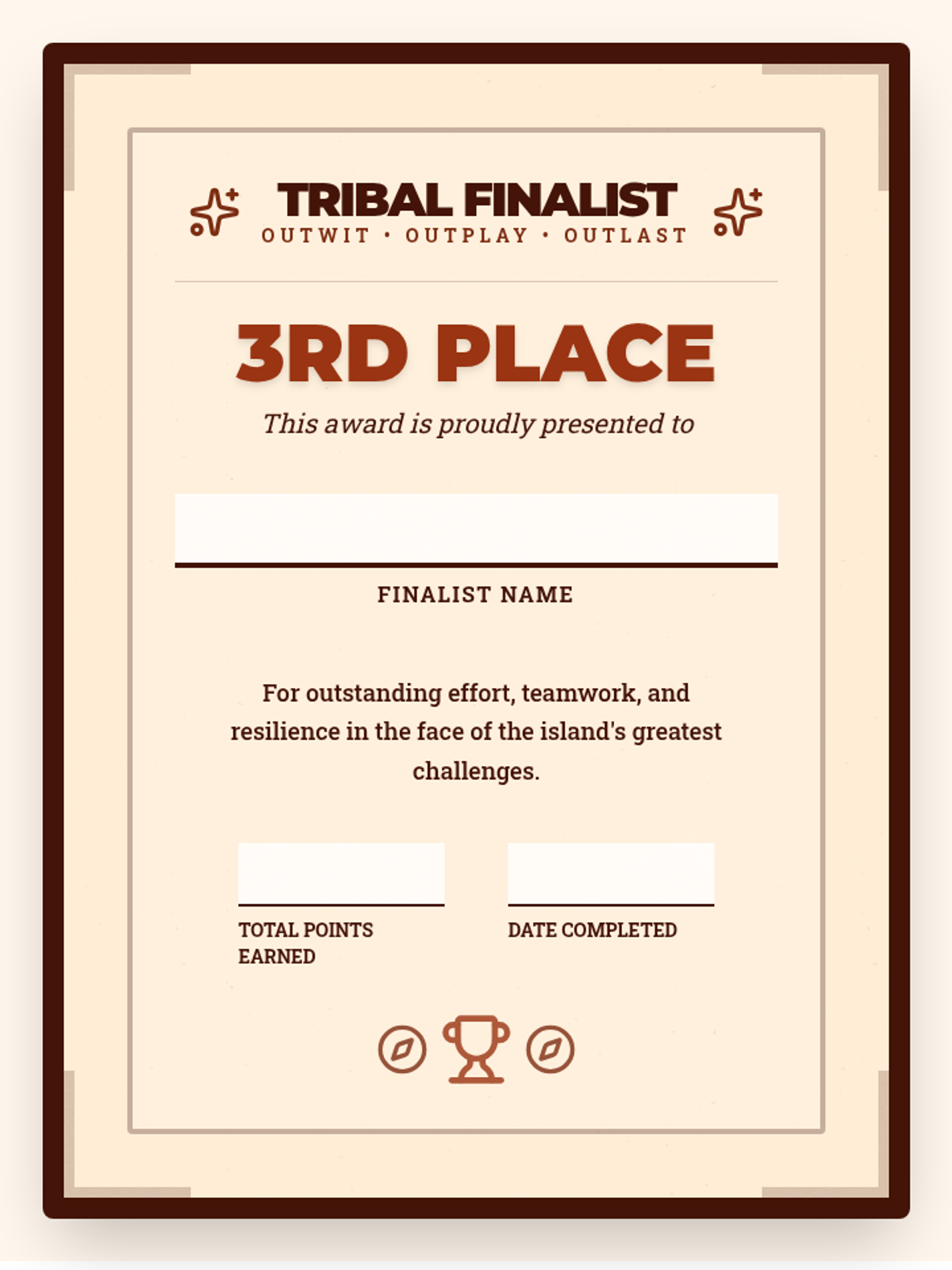
A collection of tribal-themed certificates to recognize the top performers in a classroom survivor challenge. Includes distinct designs for first, second, and third place.
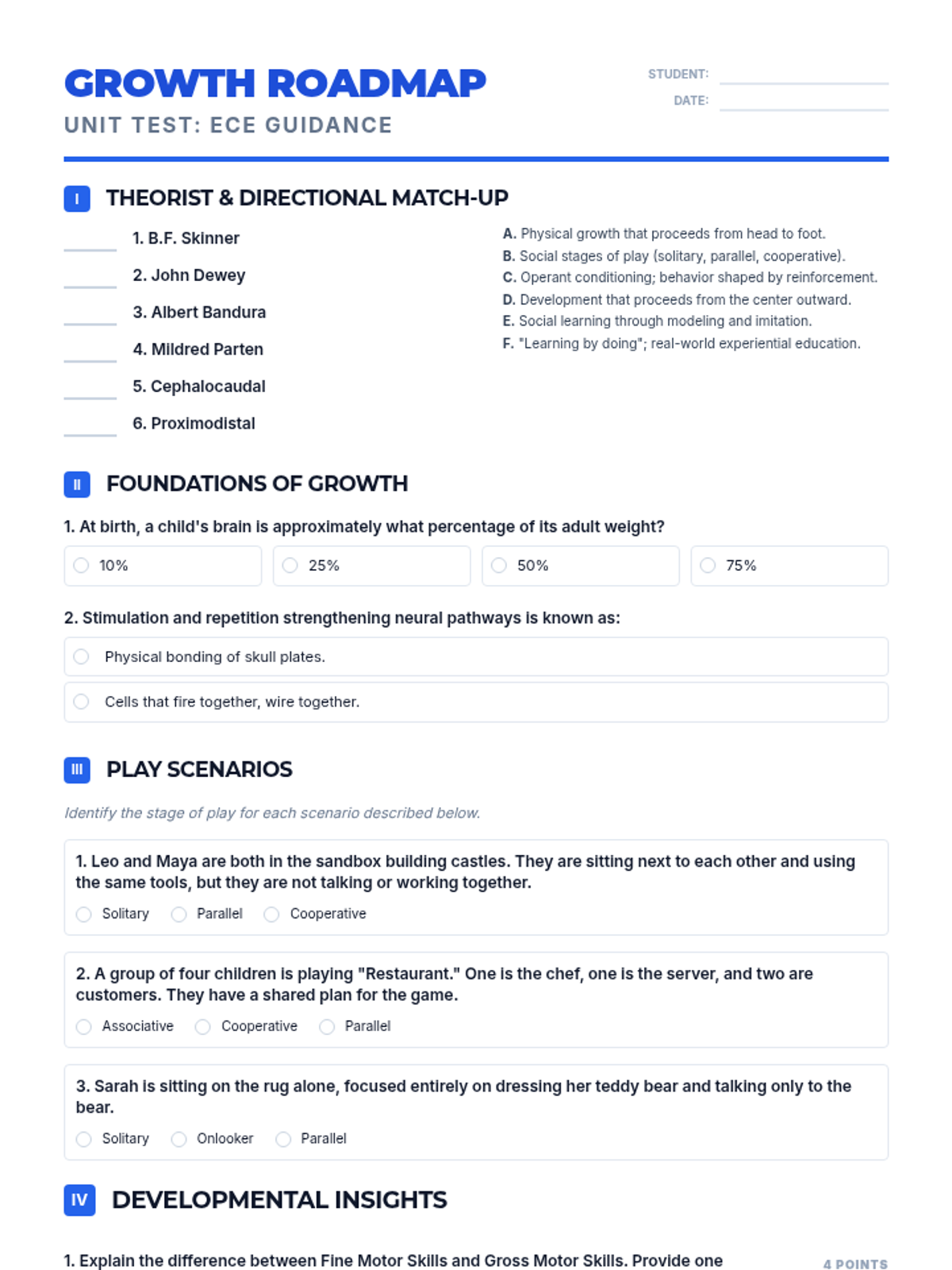
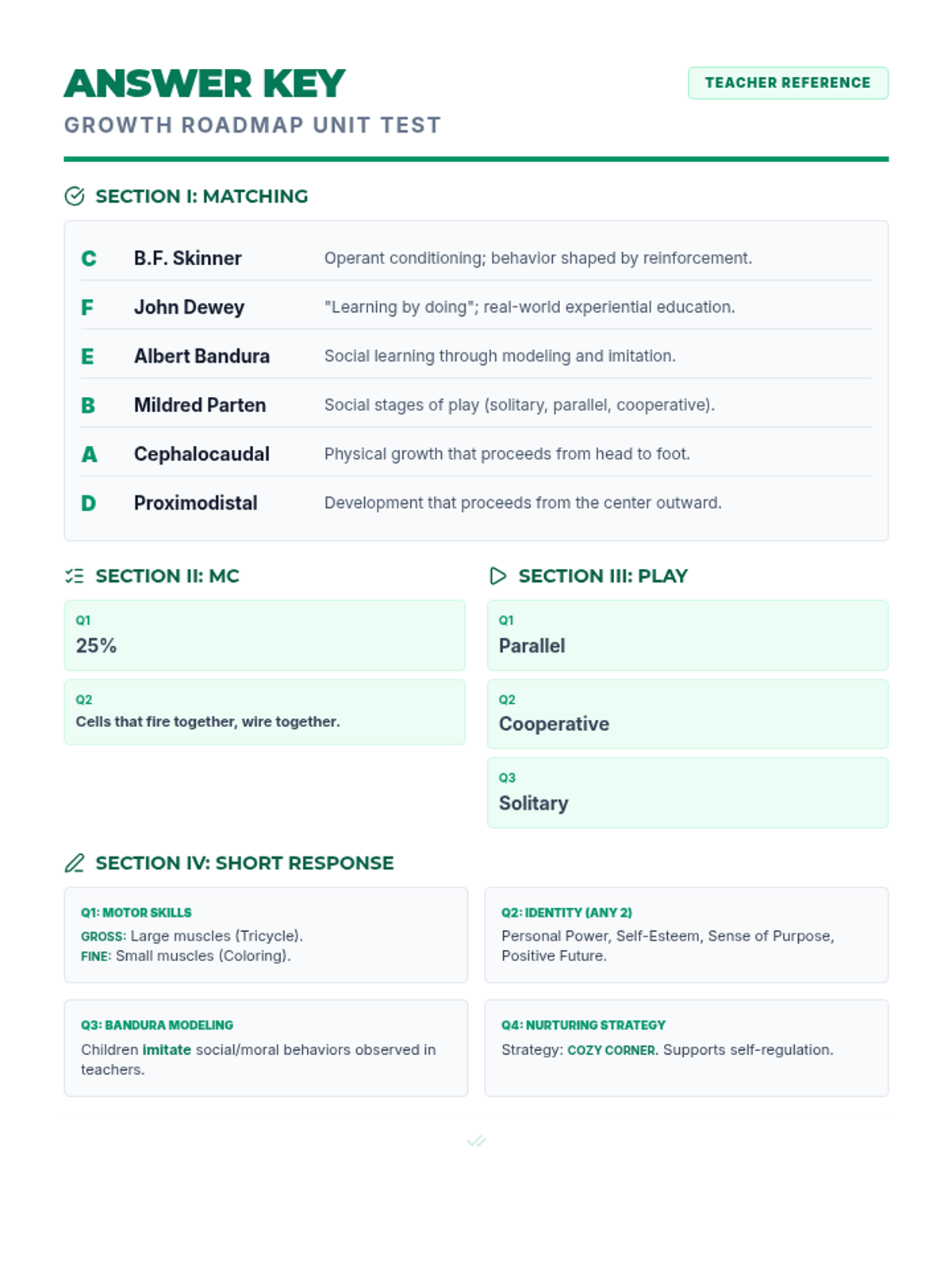
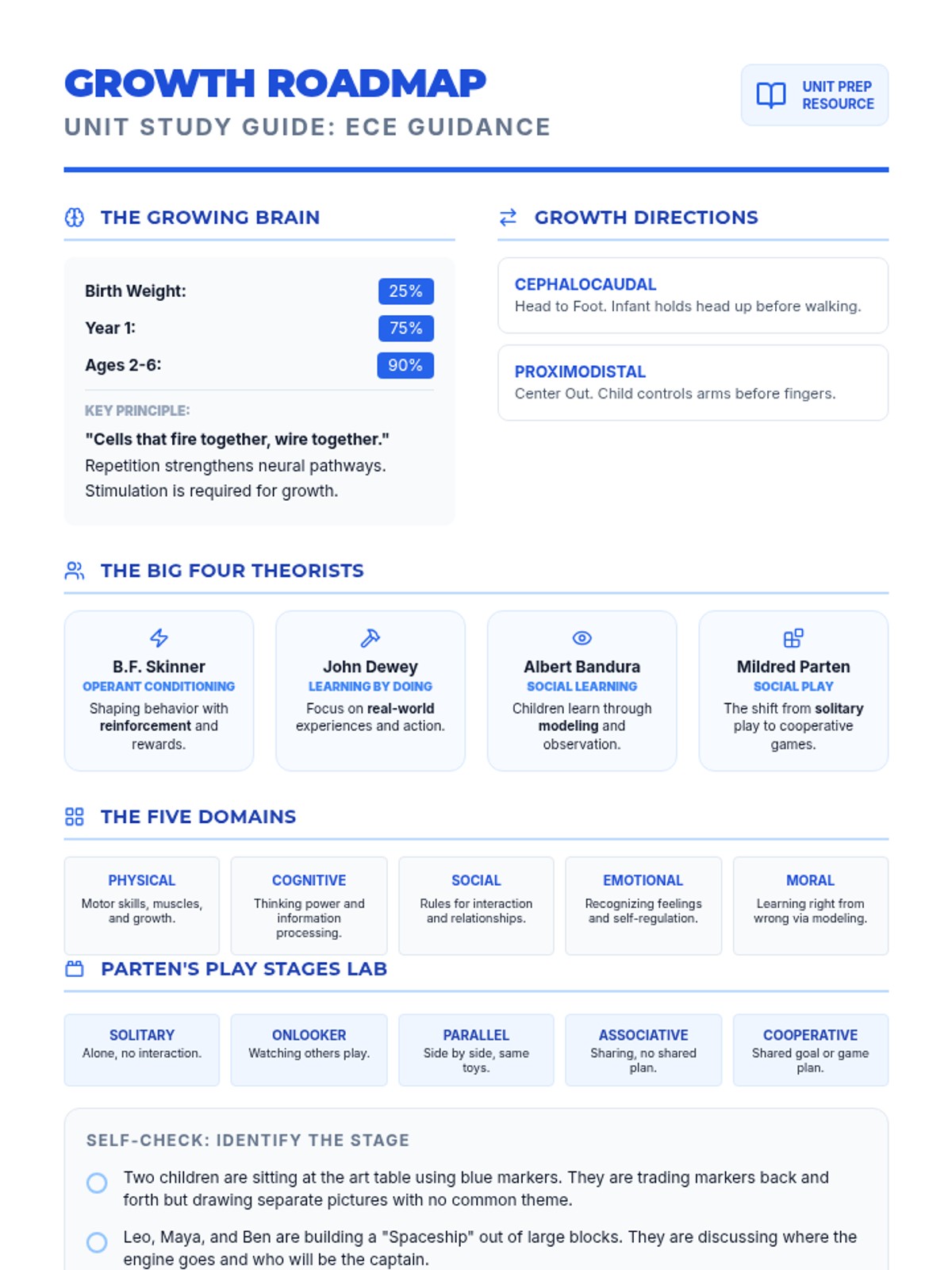
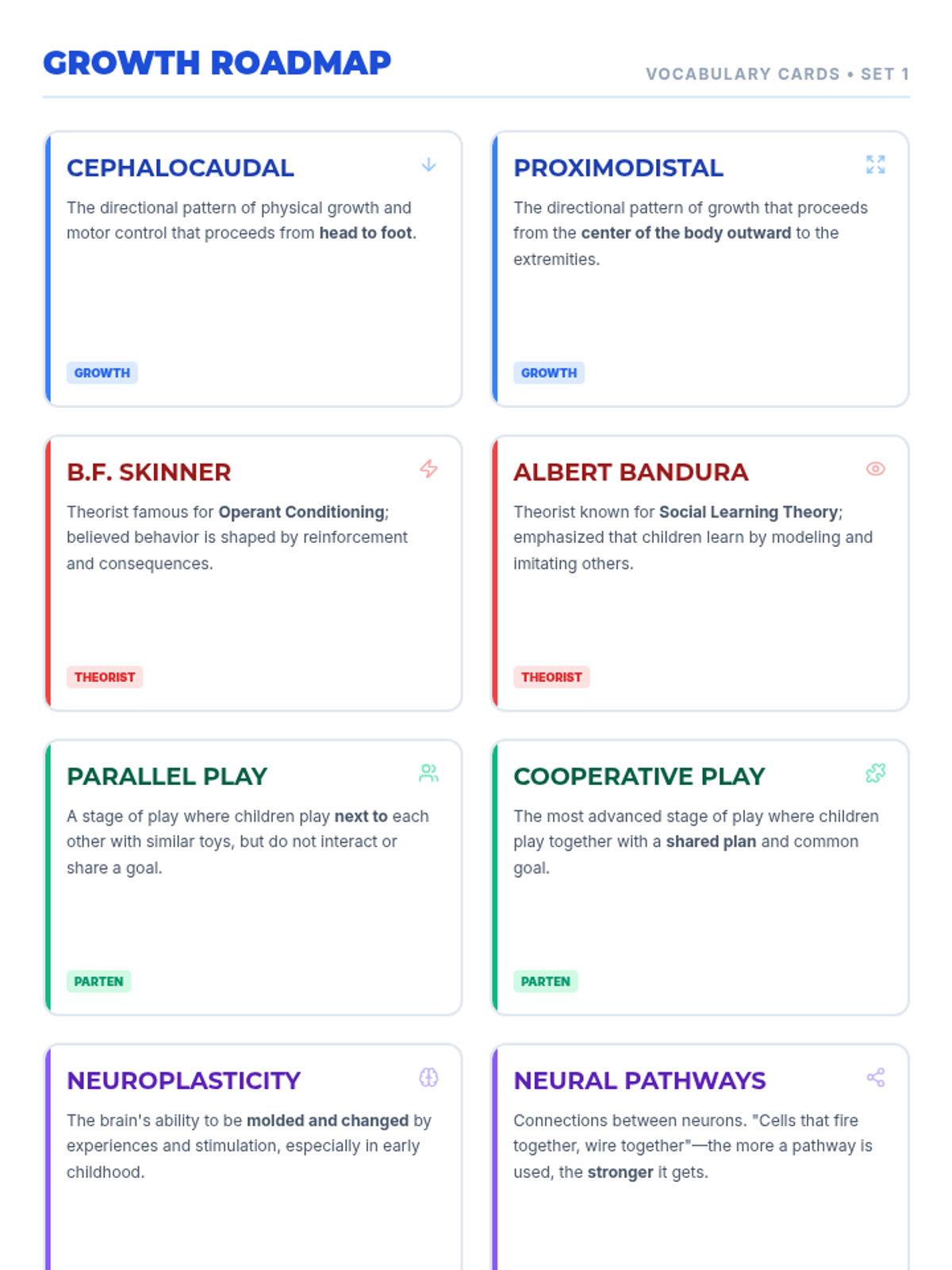
A comprehensive assessment covering developmental domains, brain growth, major ECE theorists, and strategies for supporting young children's self-concept and identity.
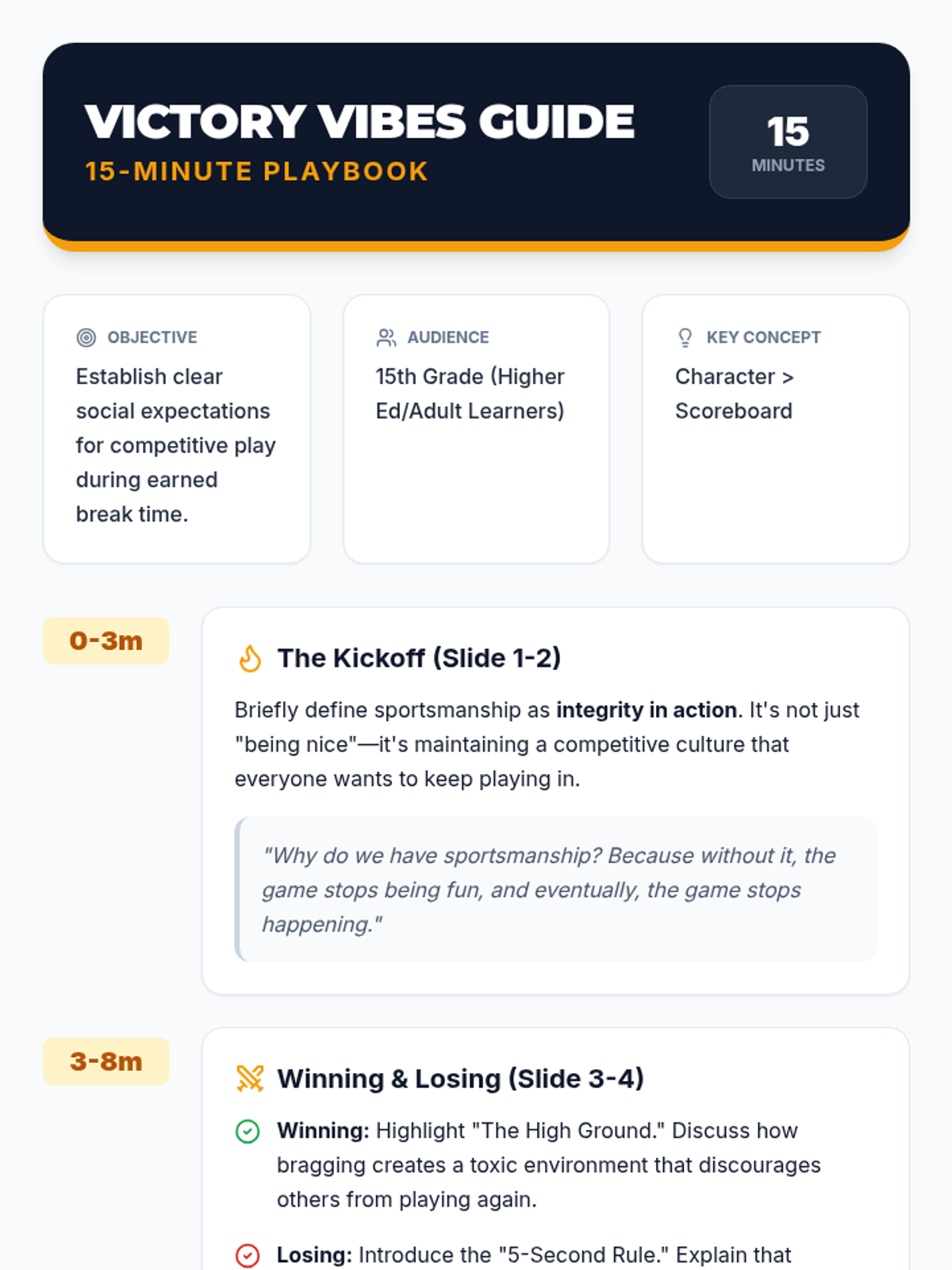
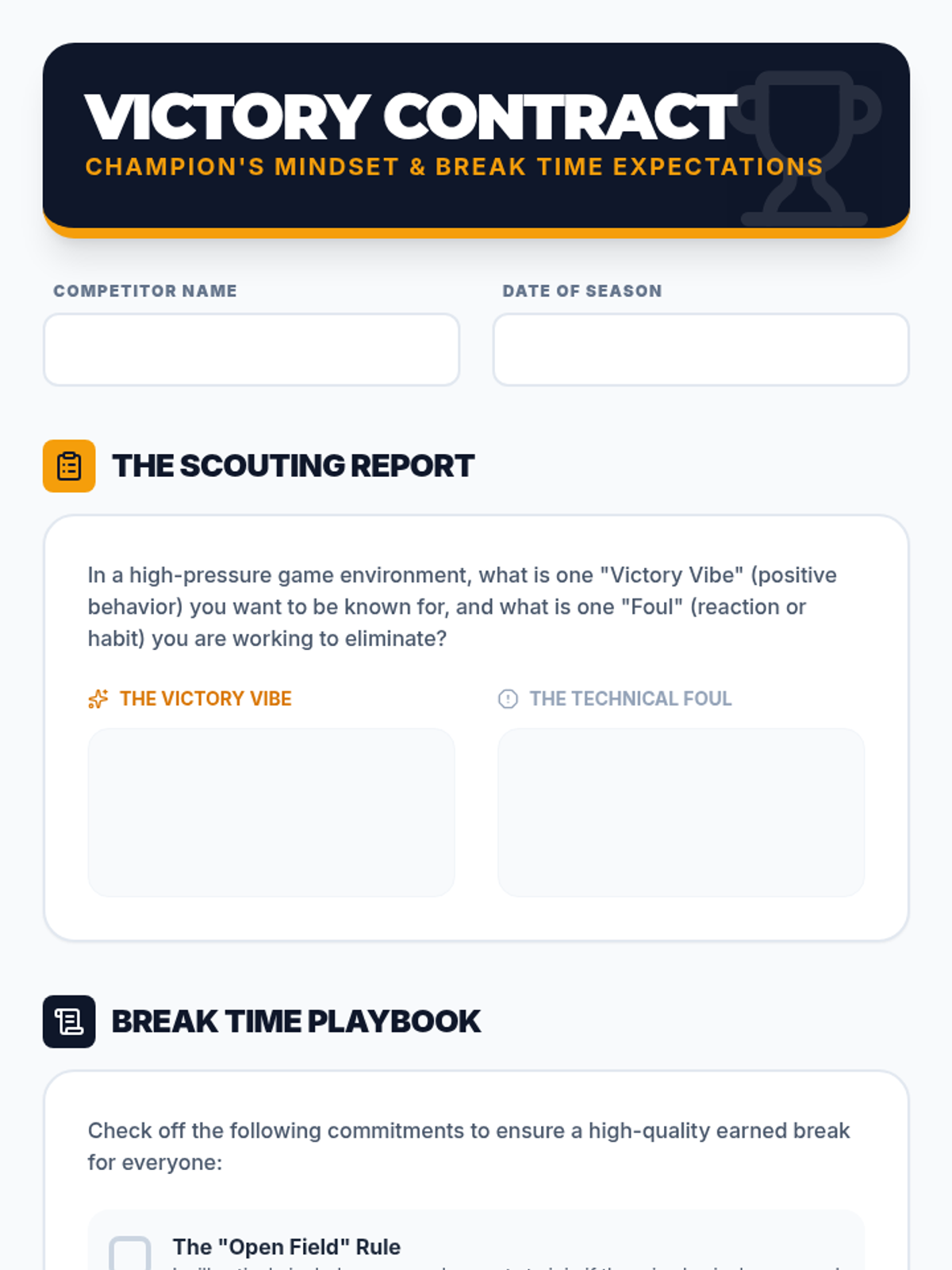
A fast-paced, 15-minute lesson focused on the principles of good sportsmanship, managing emotions during competition, and setting clear expectations for earned break time activities.
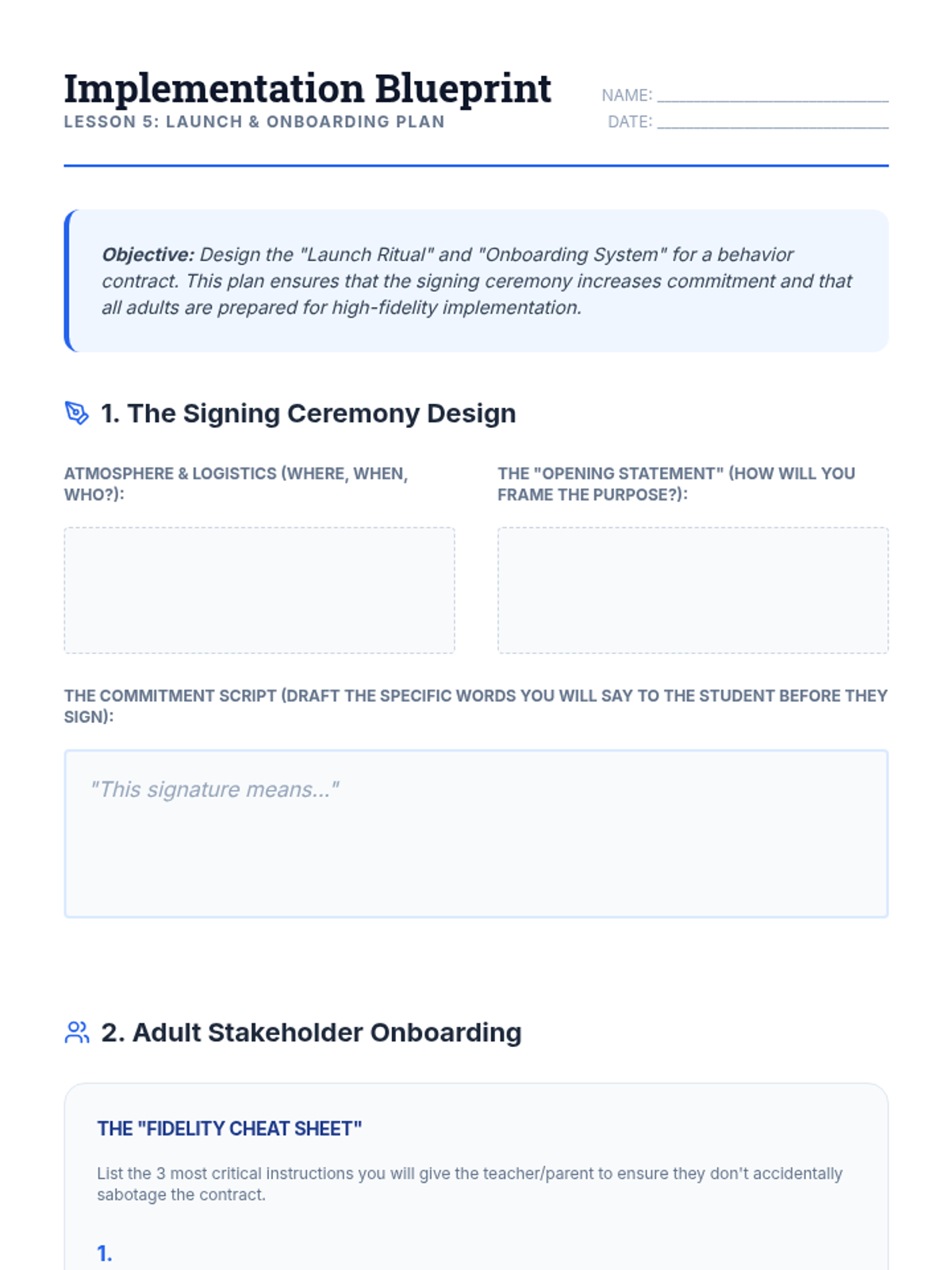
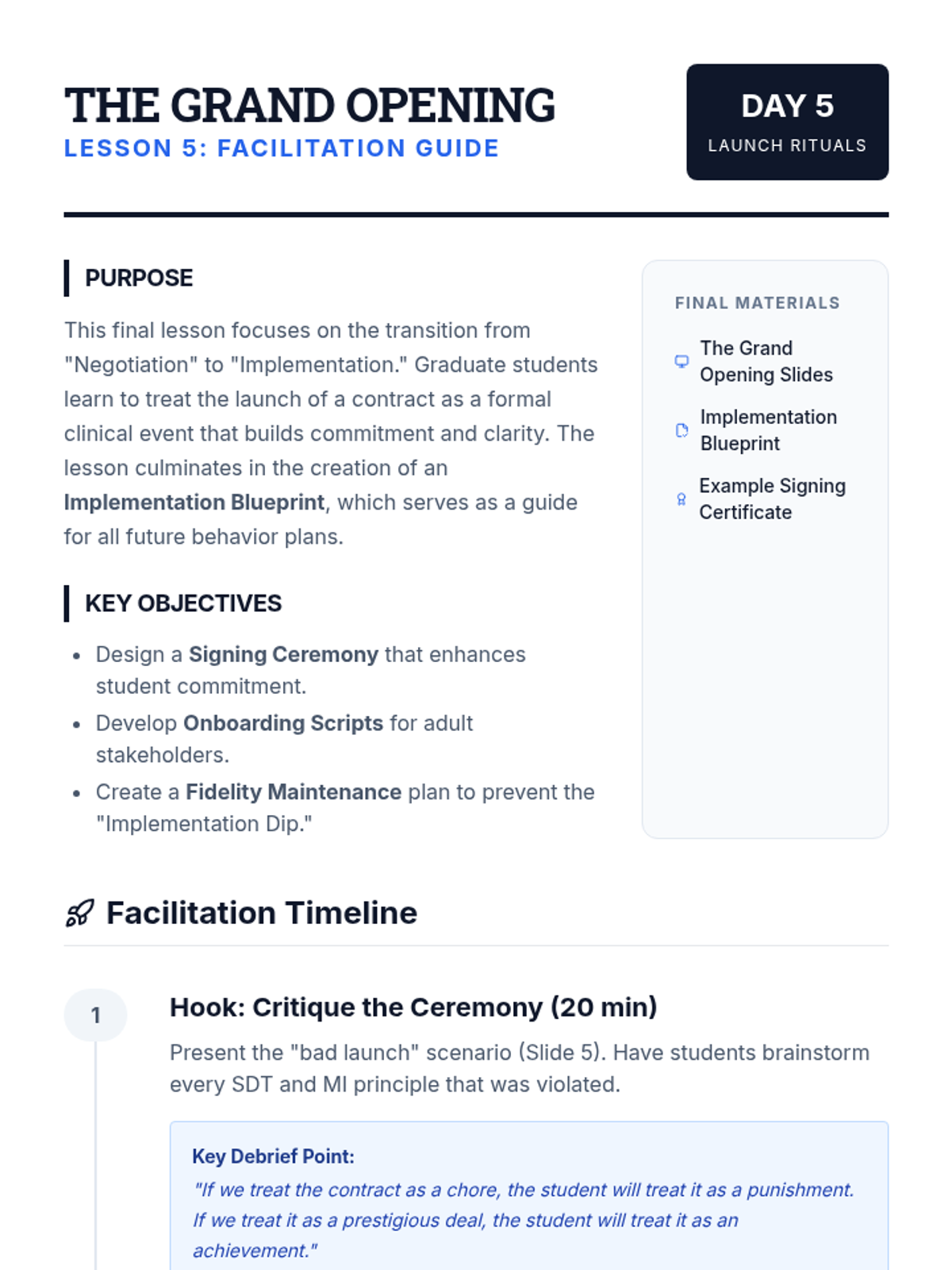
Students design the implementation launch, focusing on the ritual of signing to increase commitment. They create scripts for explaining the contract to the student and all implementing adults.
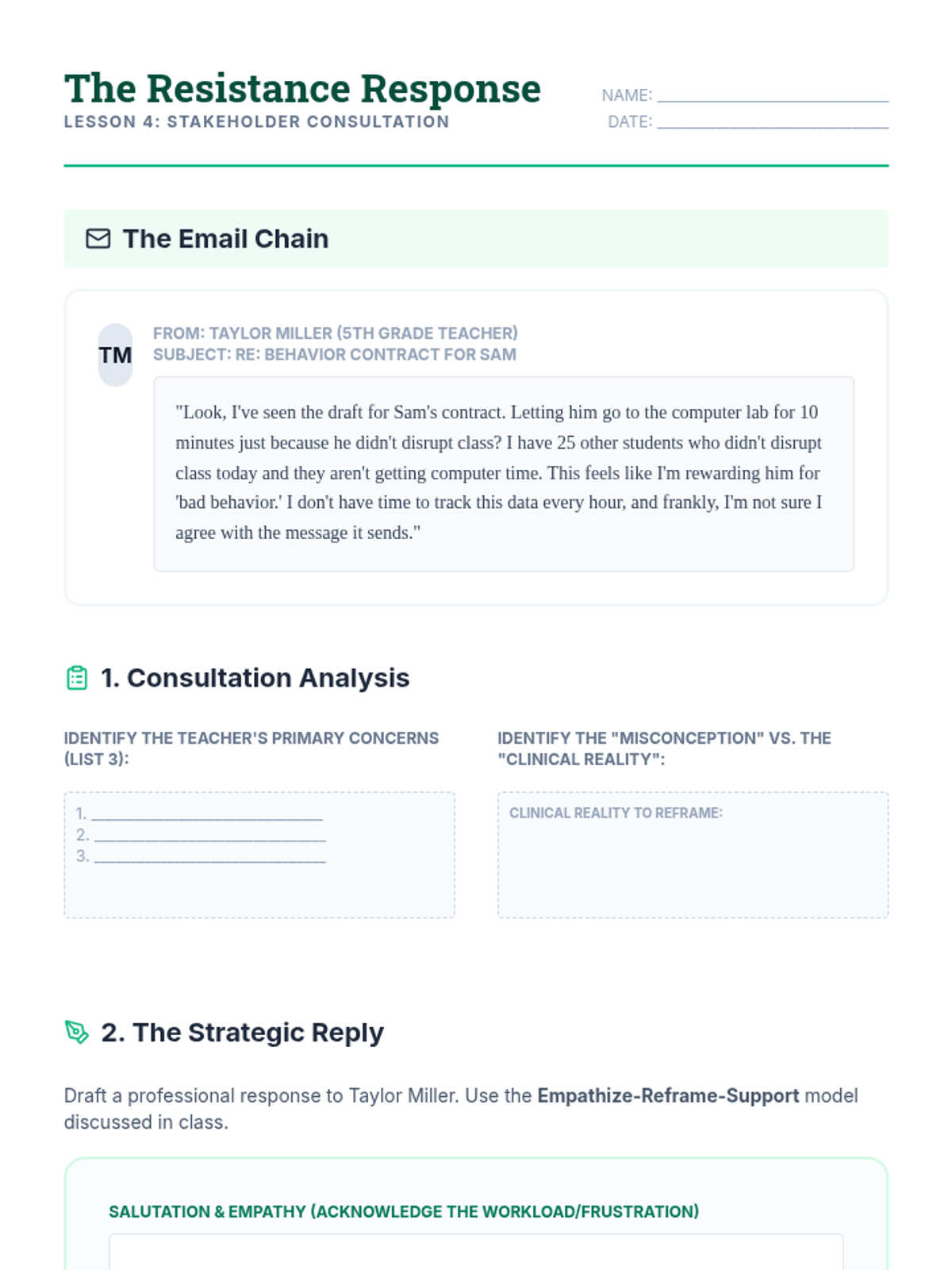
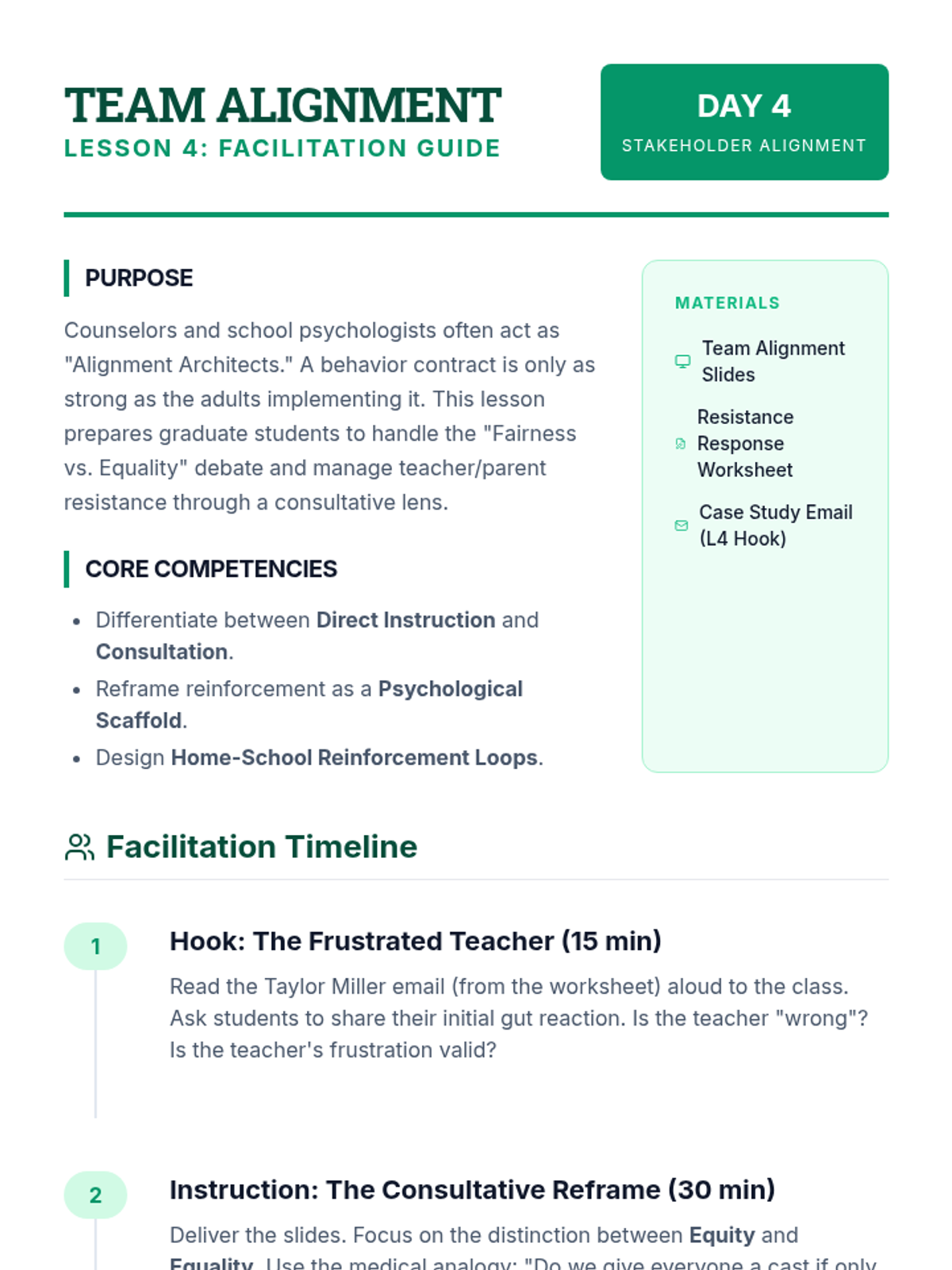
Students learn strategies to align parents and classroom teachers with the contract terms to ensure consistency across environments. The lesson addresses resistance from stakeholders who may view contracts as 'rewarding bad behavior'.
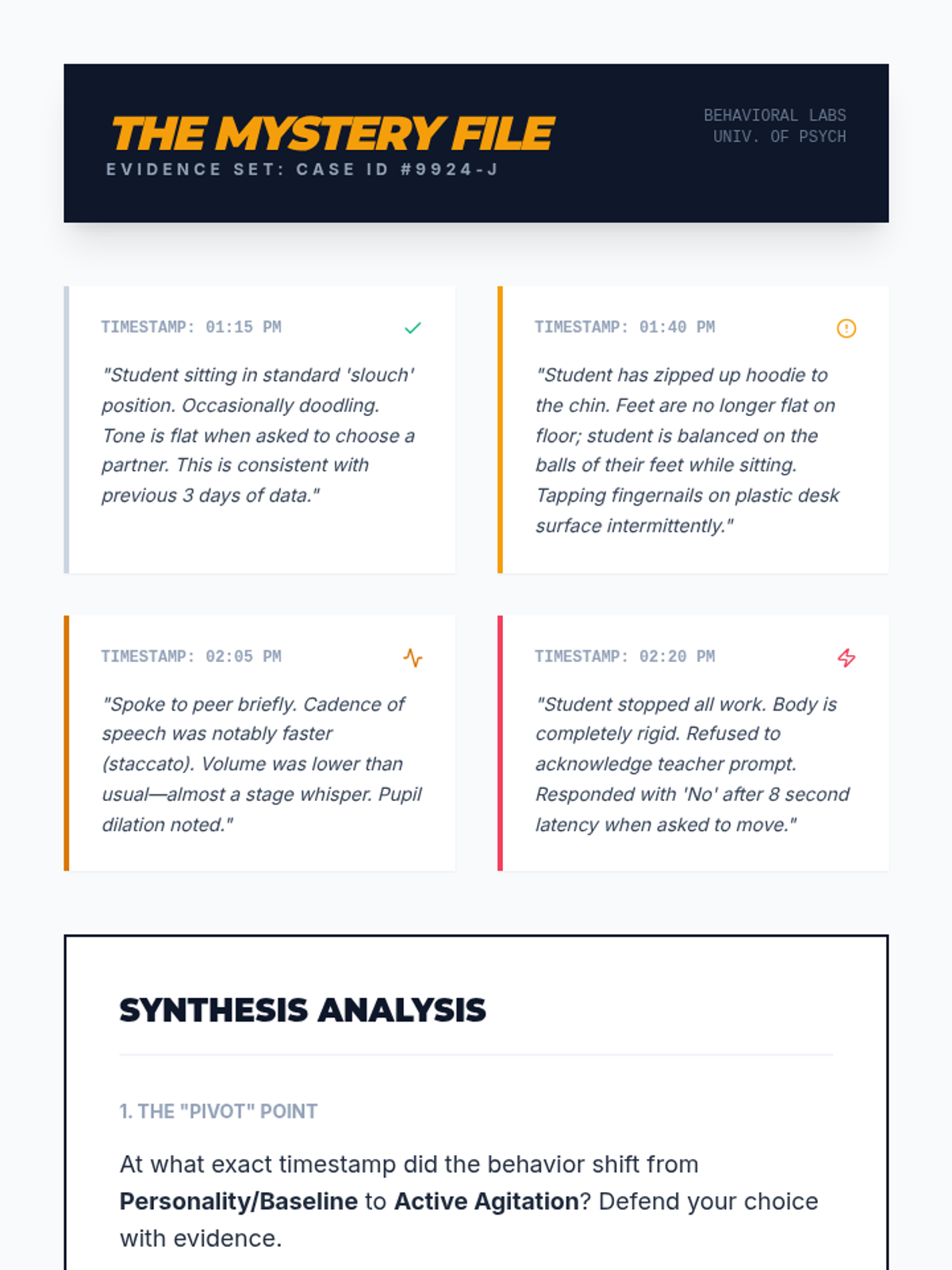
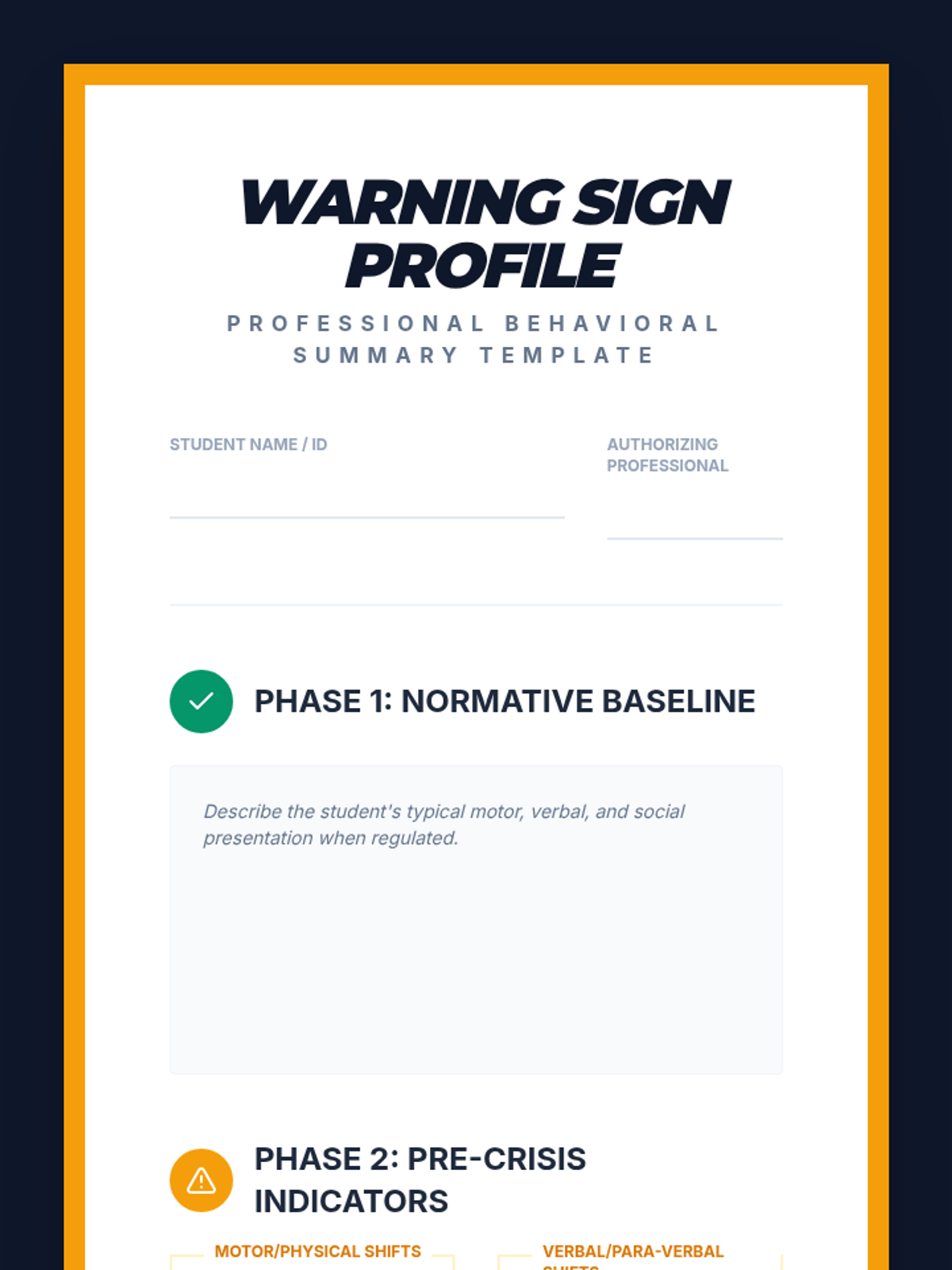
Students integrate all observed markers into a comprehensive Warning Sign Profile for a complex case study, predicting crisis timing based on behavioral evidence.
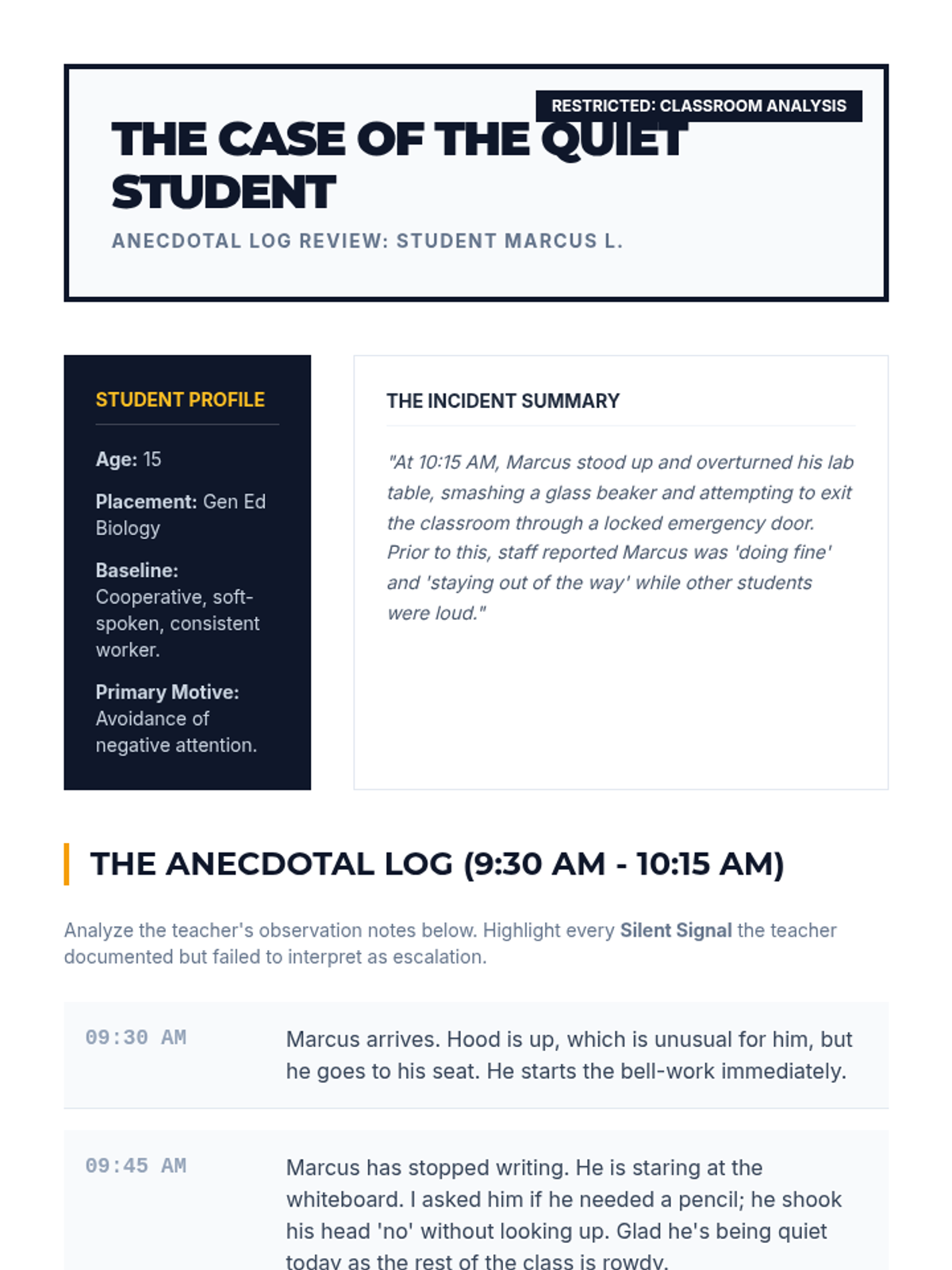
Exploration of 'quiet' escalation signs such as withdrawal, avoidance, and work cessation, which are frequently overlooked but indicate high risk for crisis.
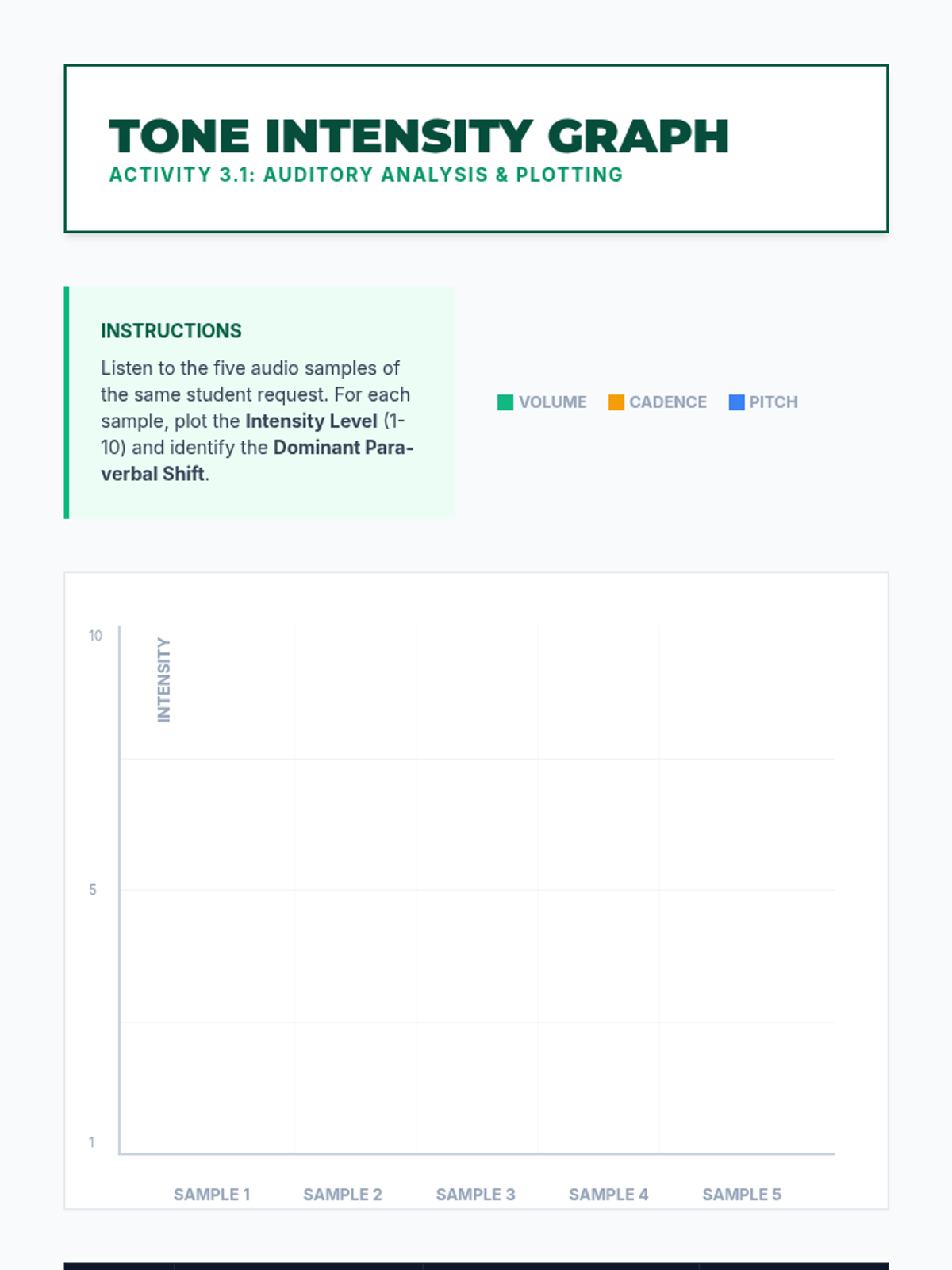
Students analyze changes in volume, cadence, and tone (para-verbals) to identify escalation, distinguishing the quality of delivery from the literal content of speech.
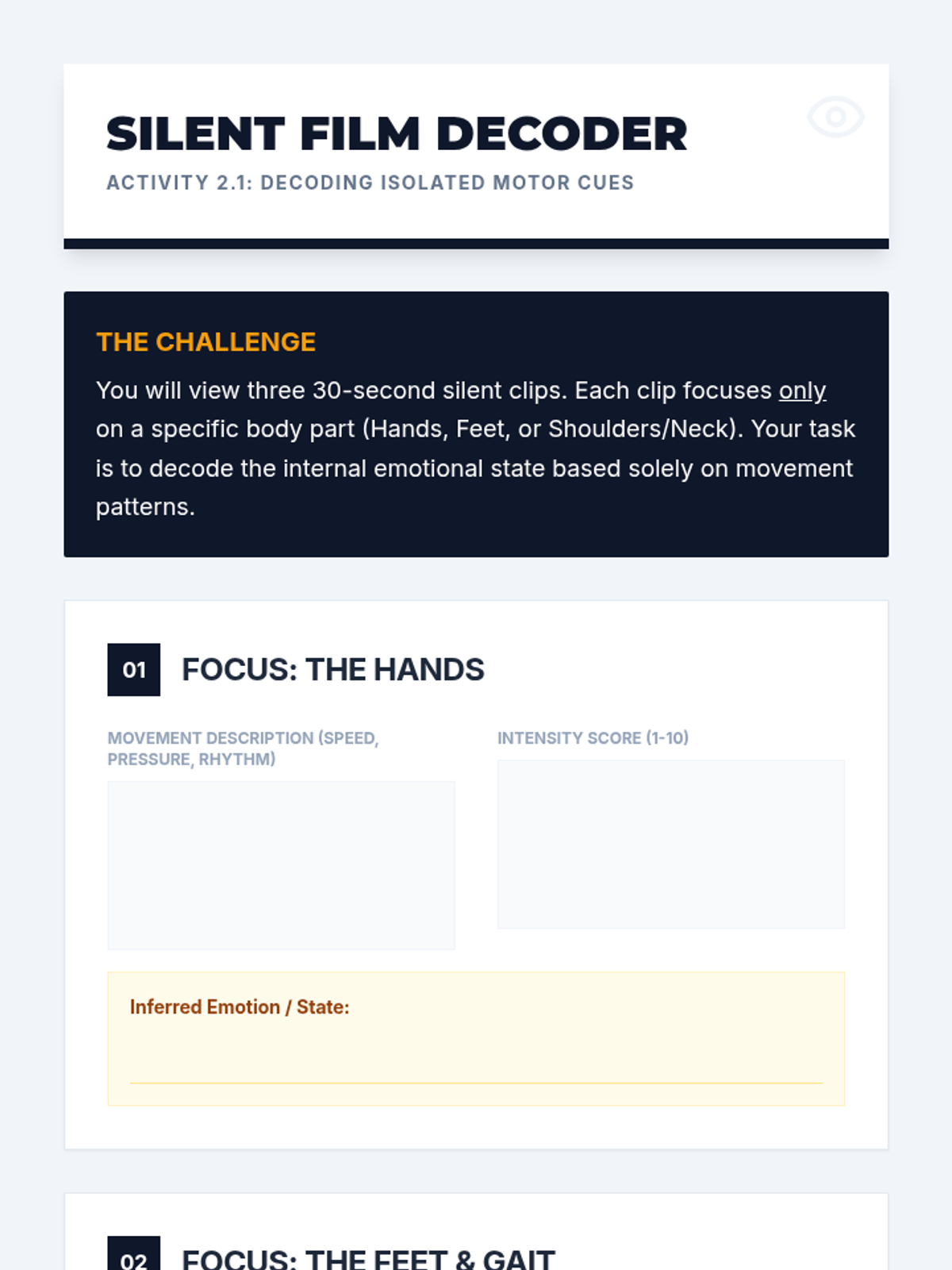
A deep dive into the physical manifestations of early escalation, focusing on micro-movements and motor agitation that often precede vocal outbursts.
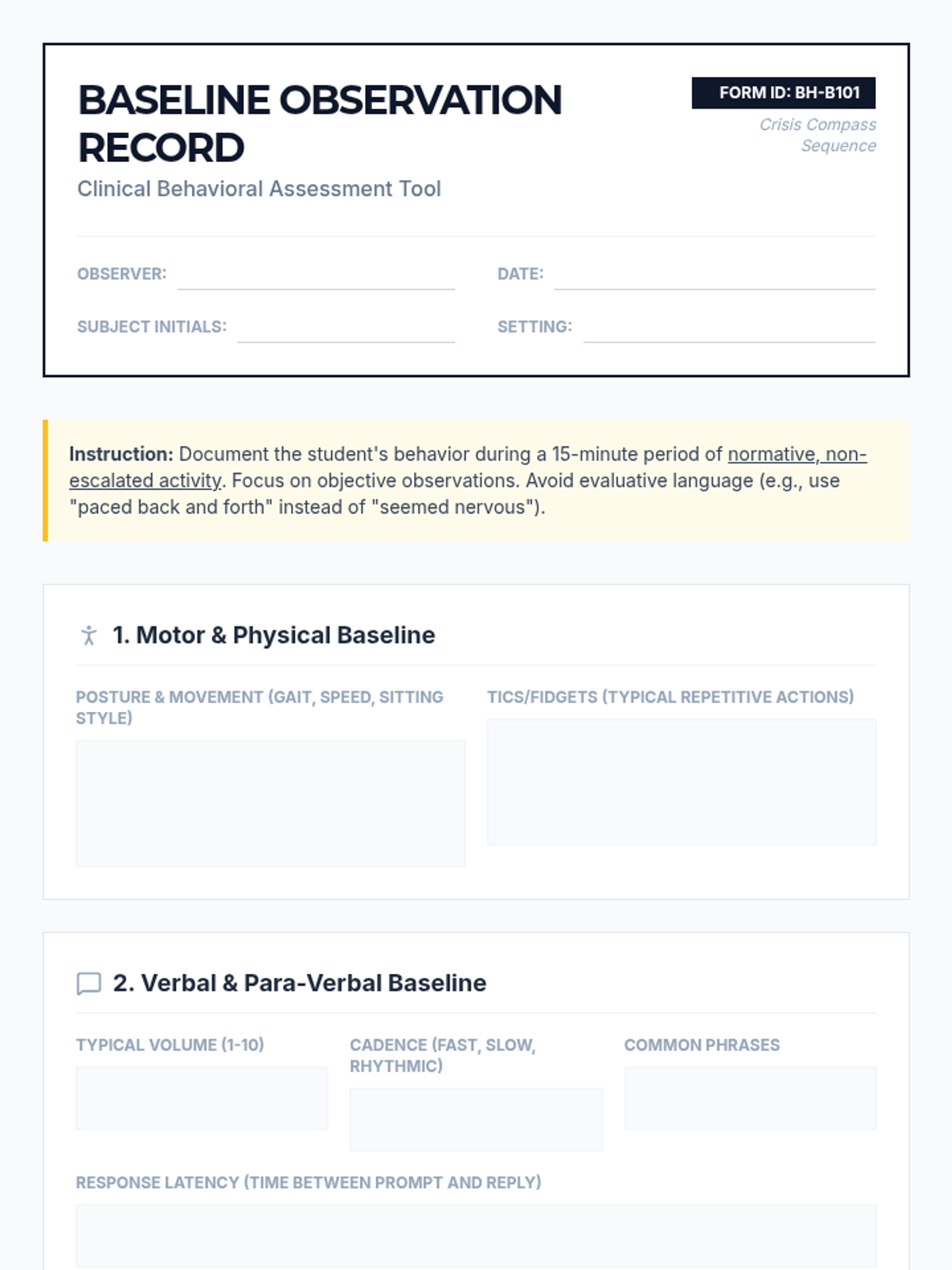
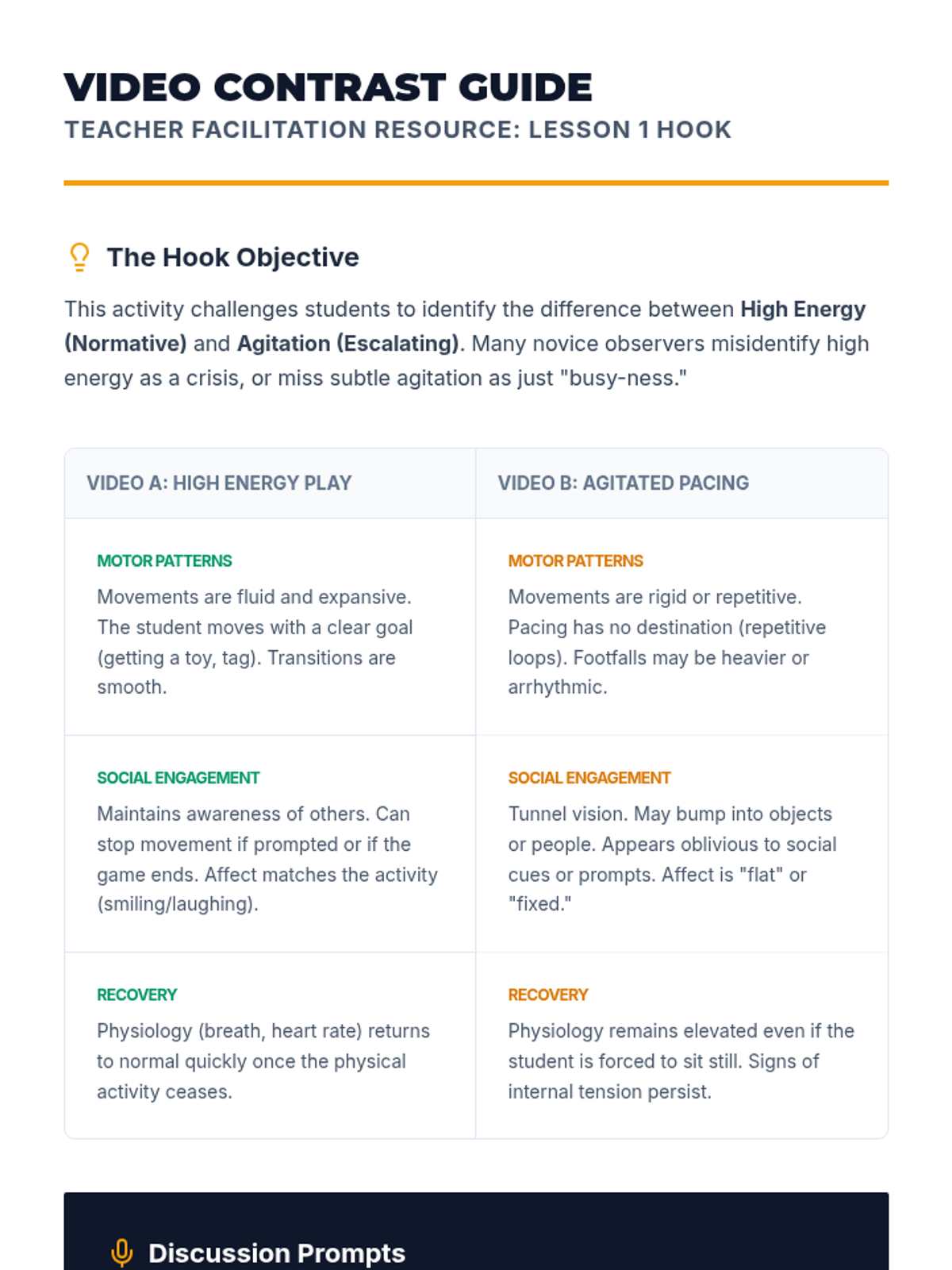
Students define and observe 'baseline' behavior to distinguish between a student's normal state and signs of deviation. This lesson emphasizes cultural context and personality in behavioral documentation.
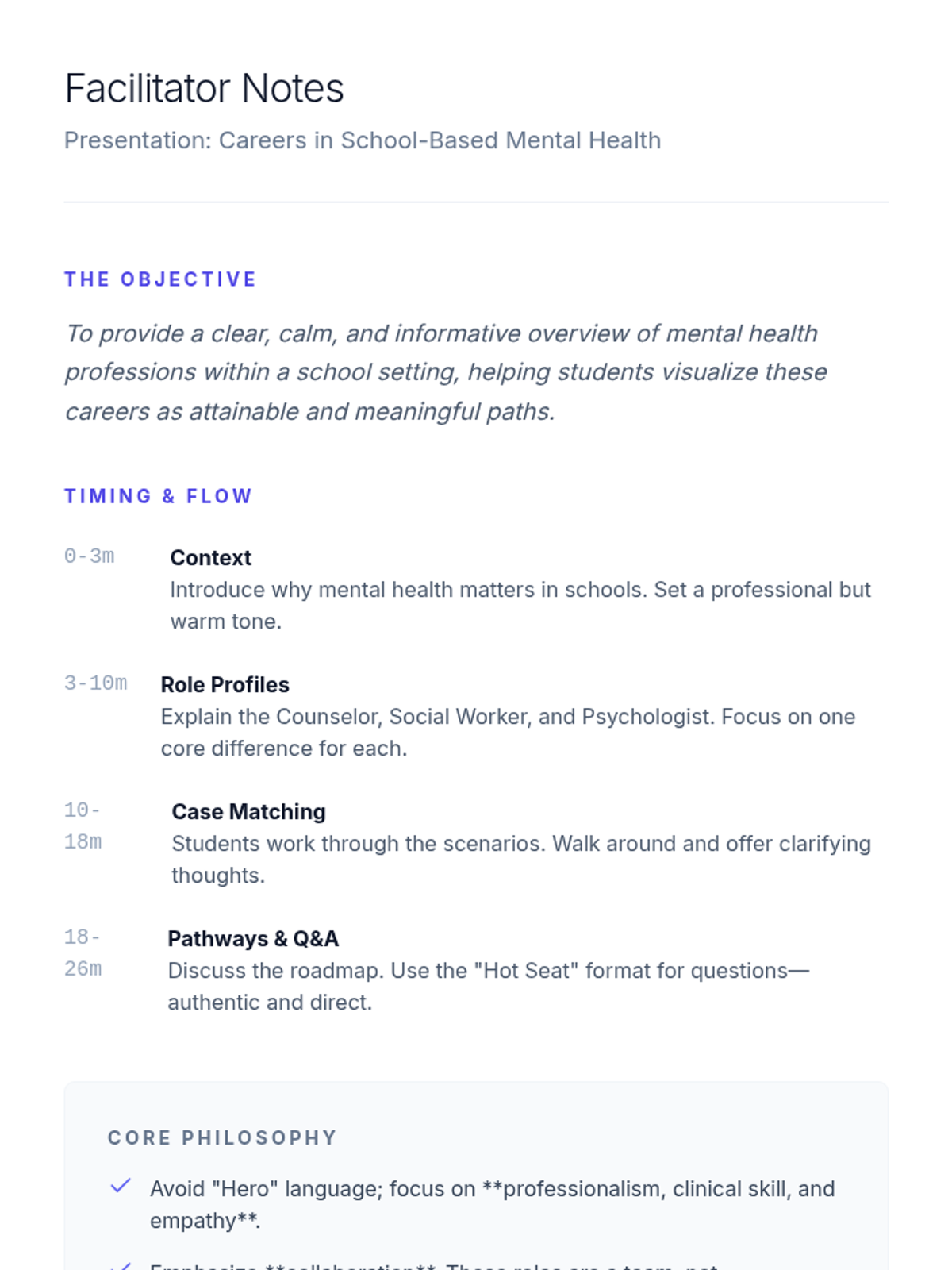
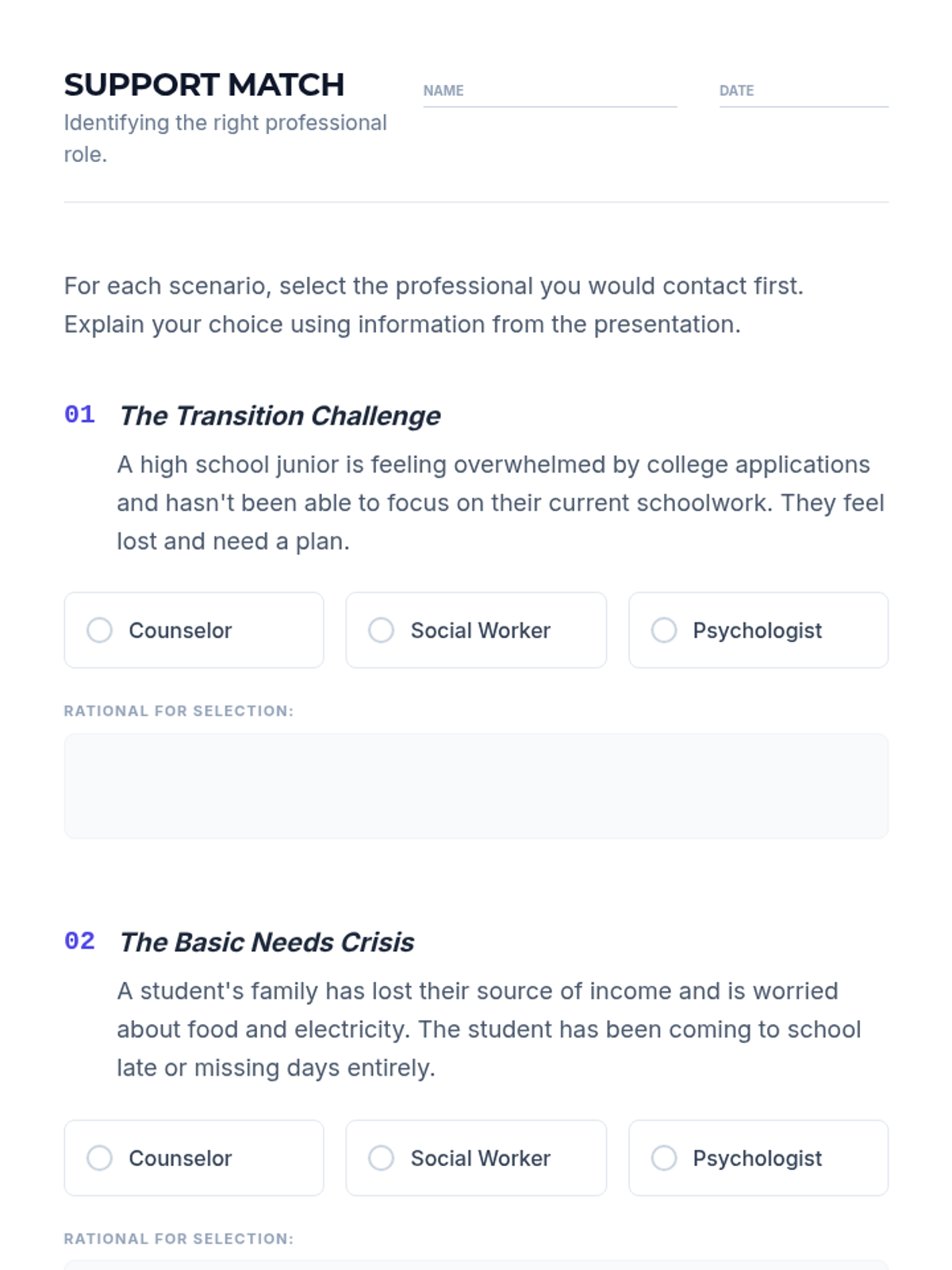
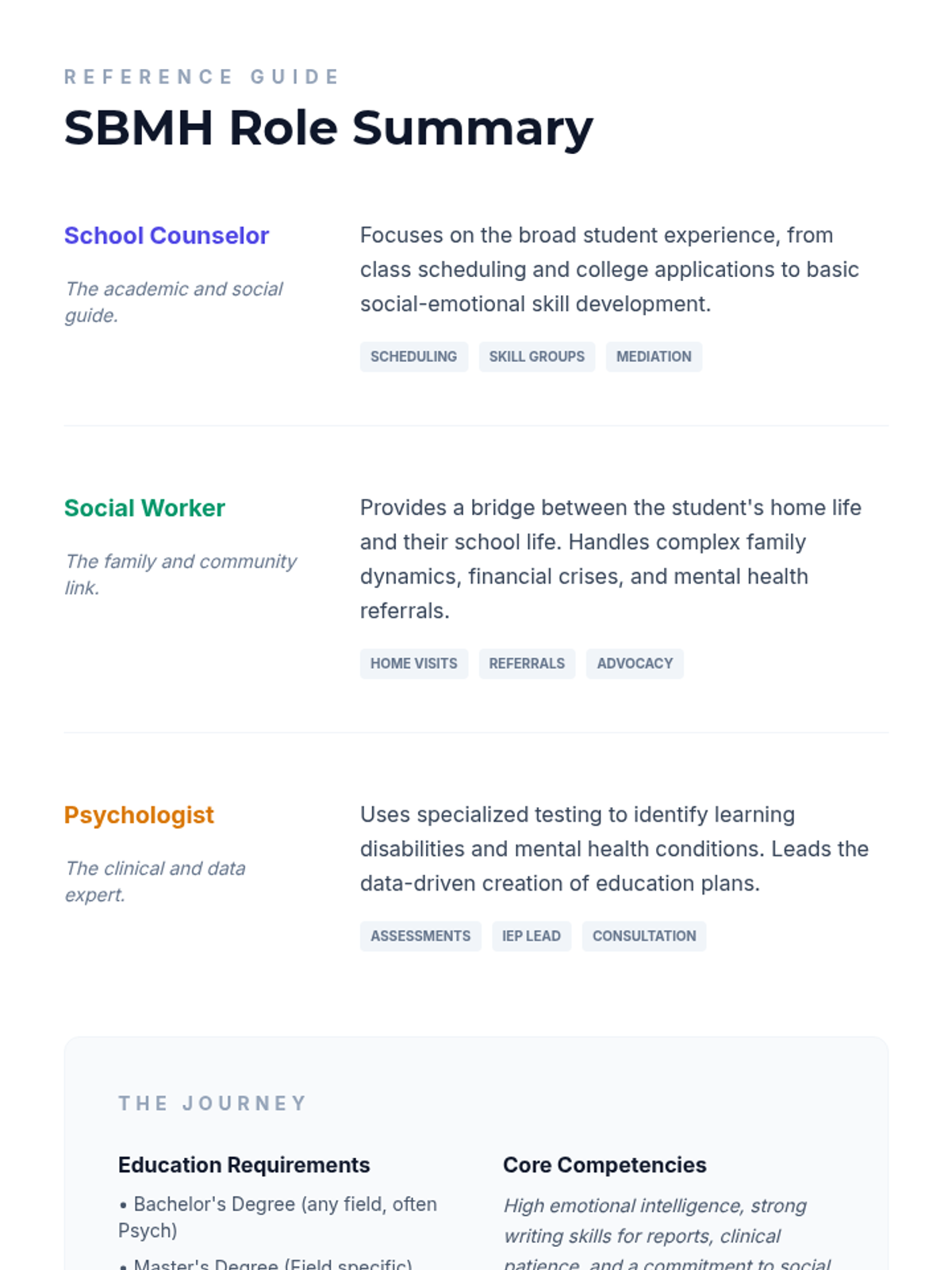
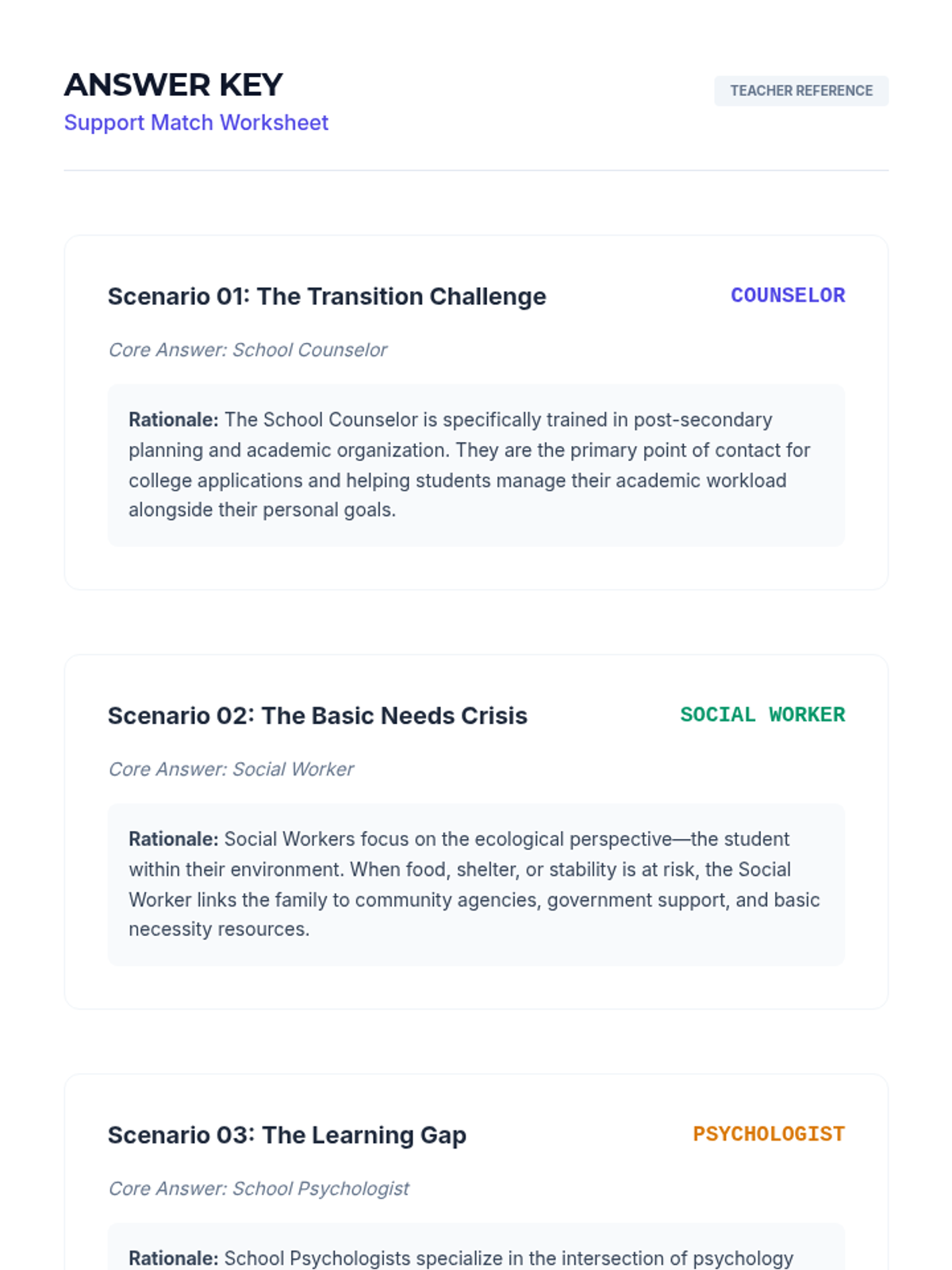
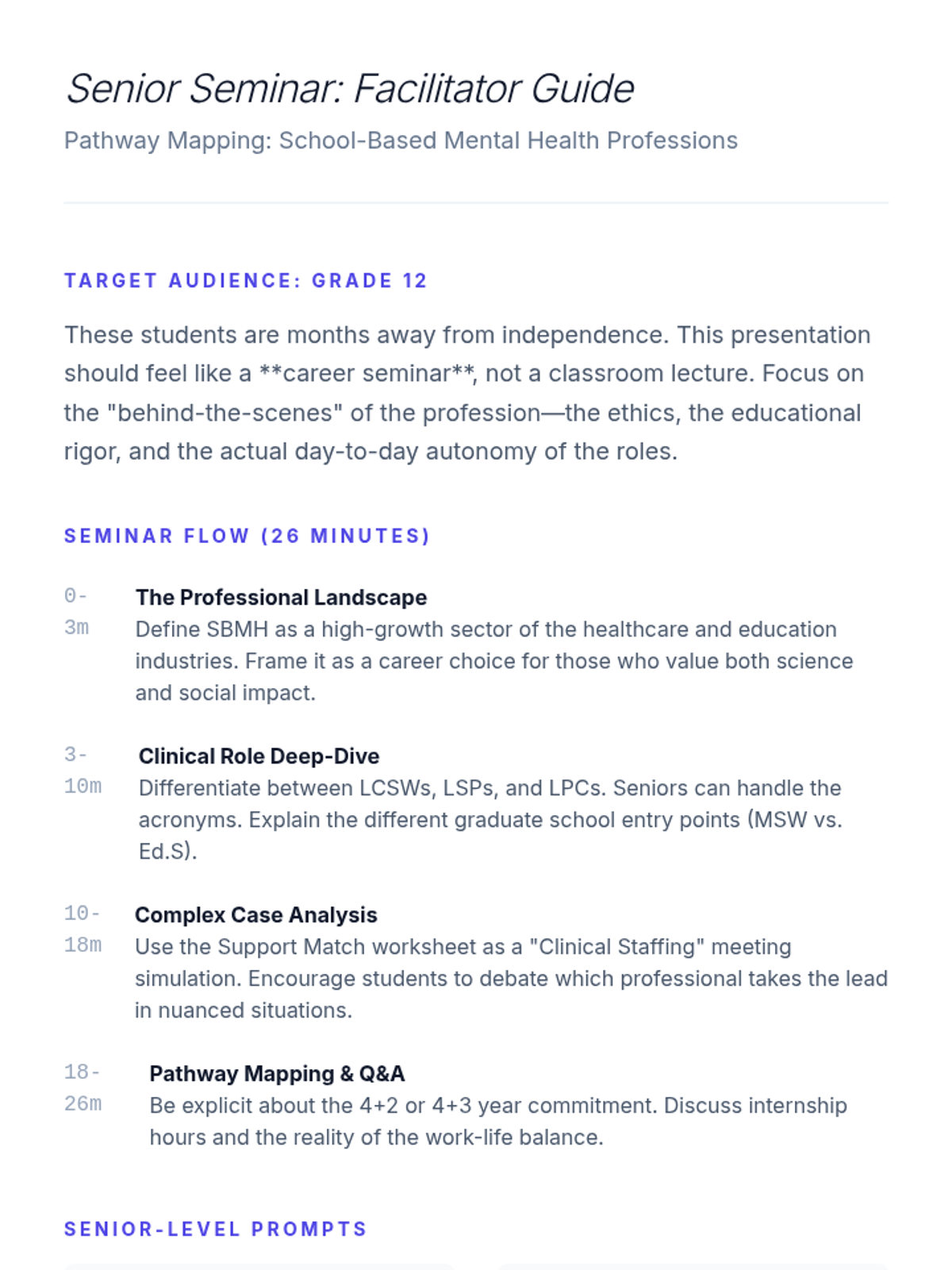
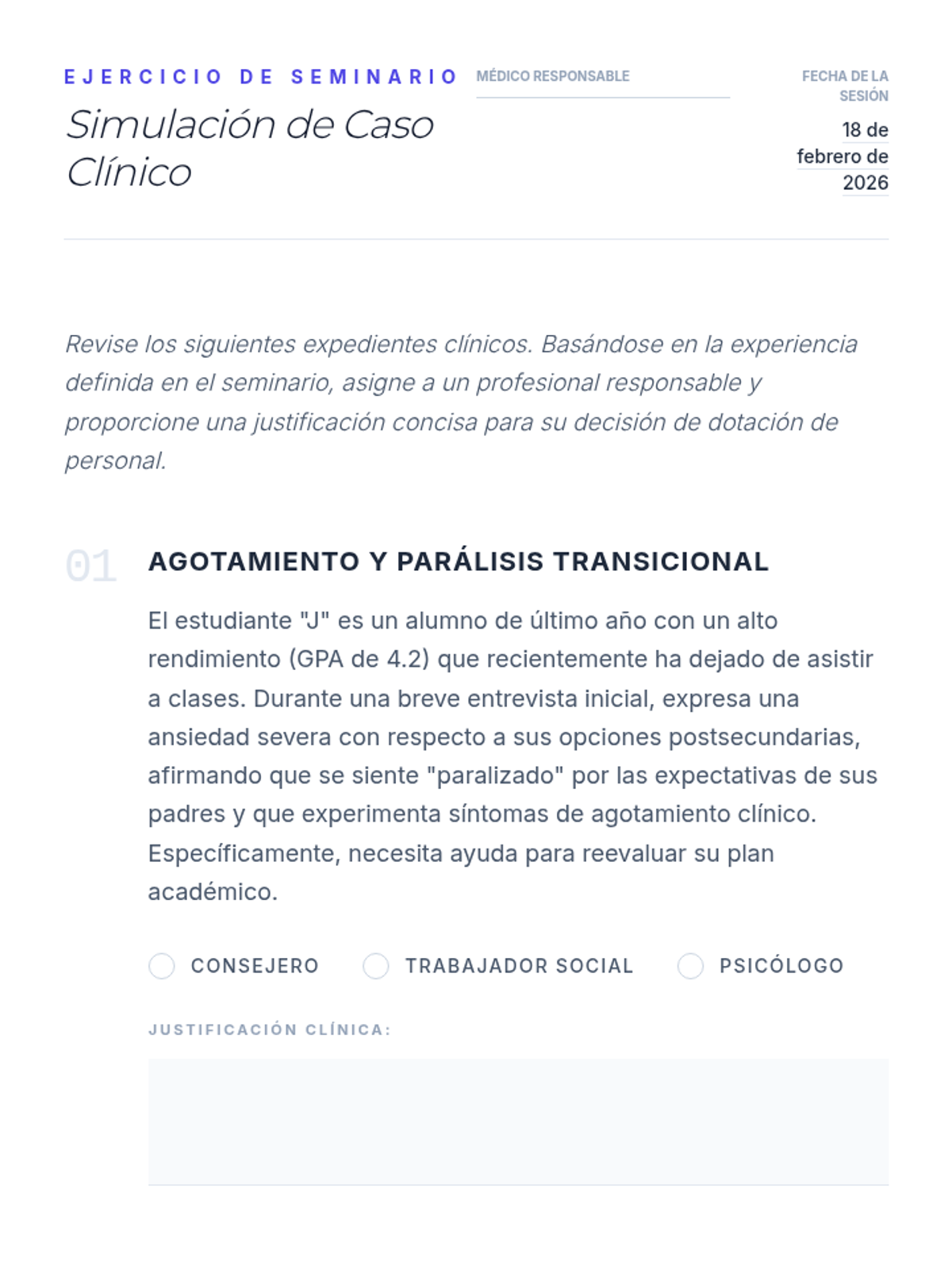
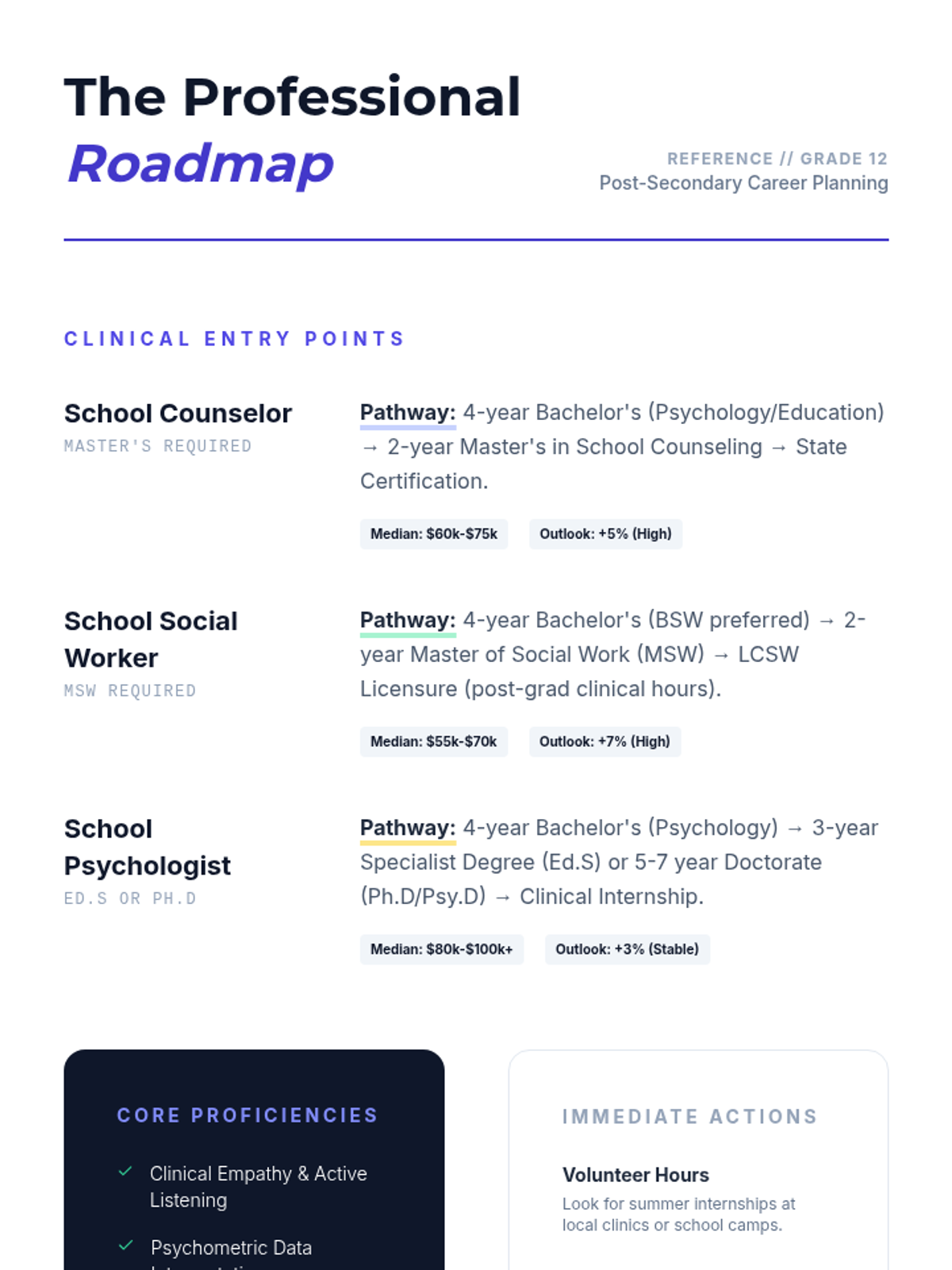
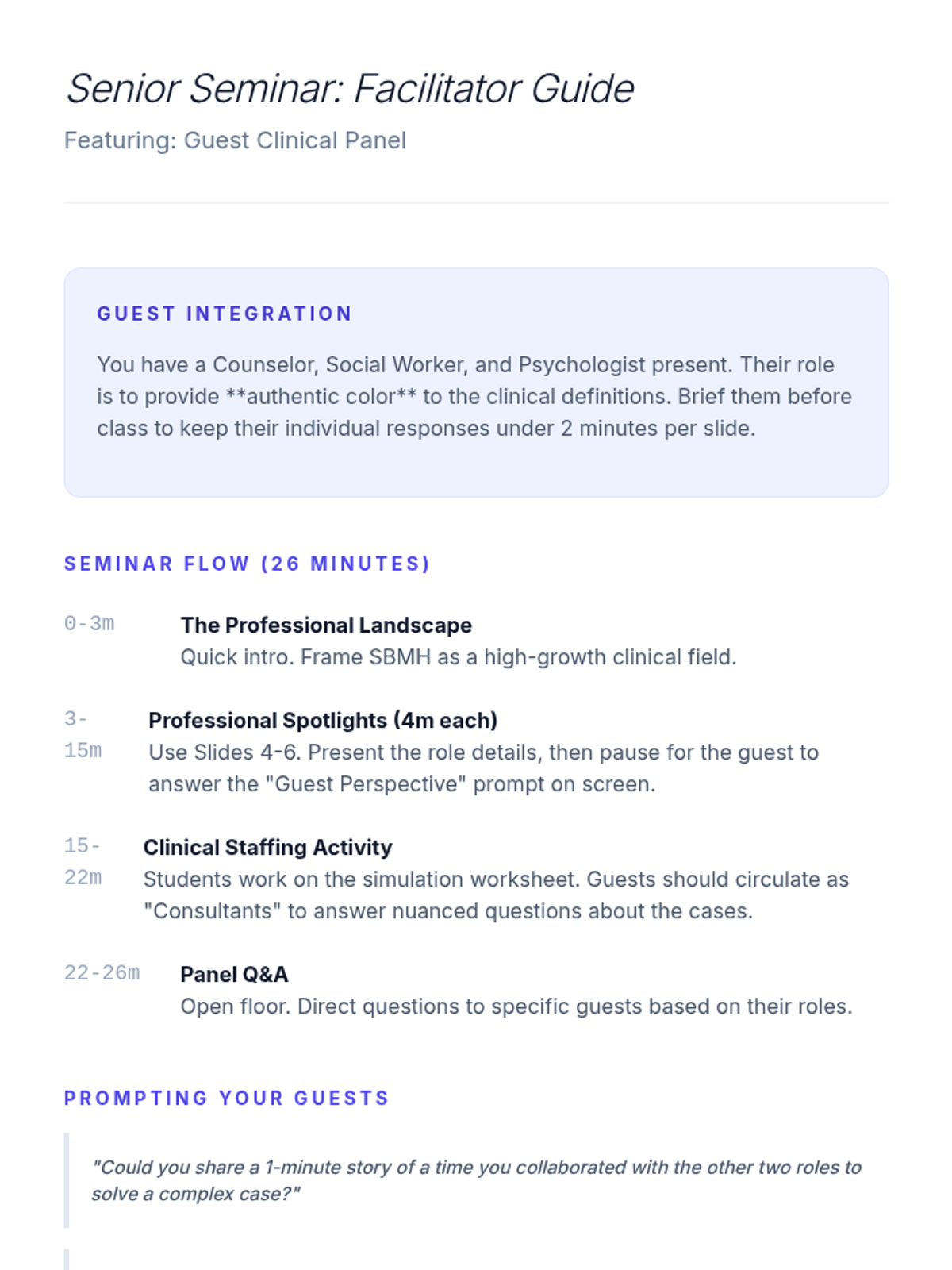
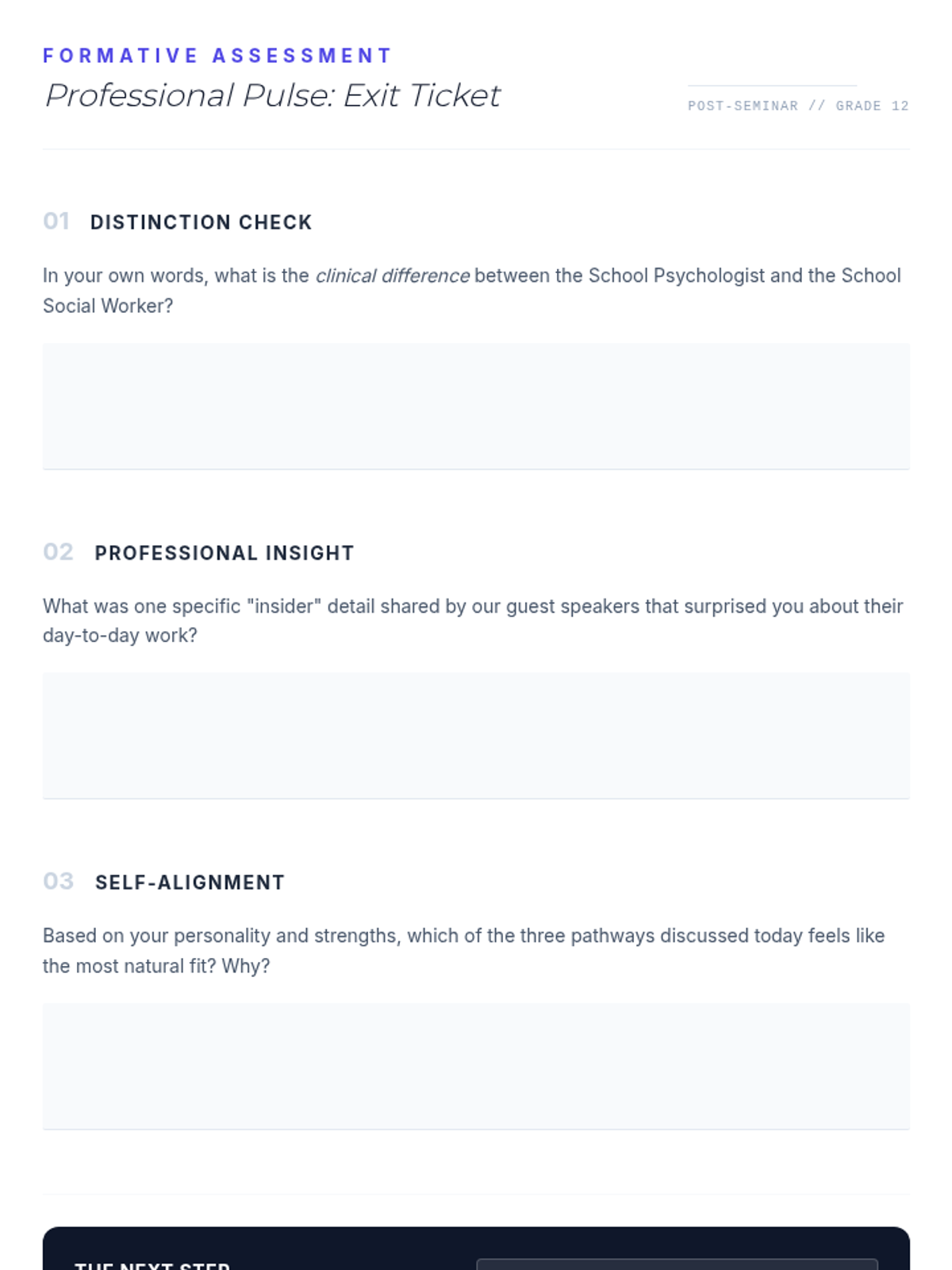
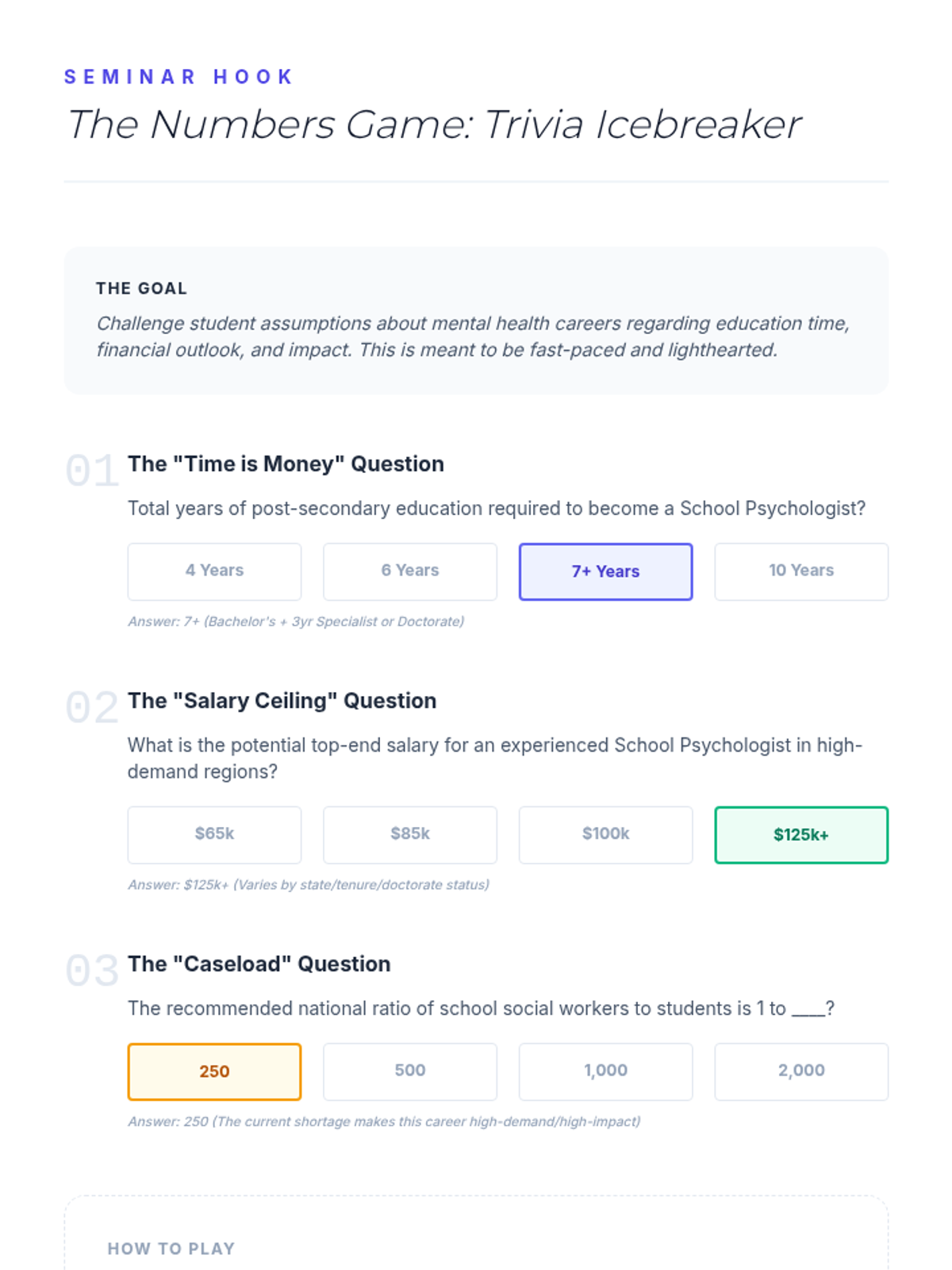
Students define the roles of school counselors, social workers, and psychologists through a clean, focused presentation and matching exercise.
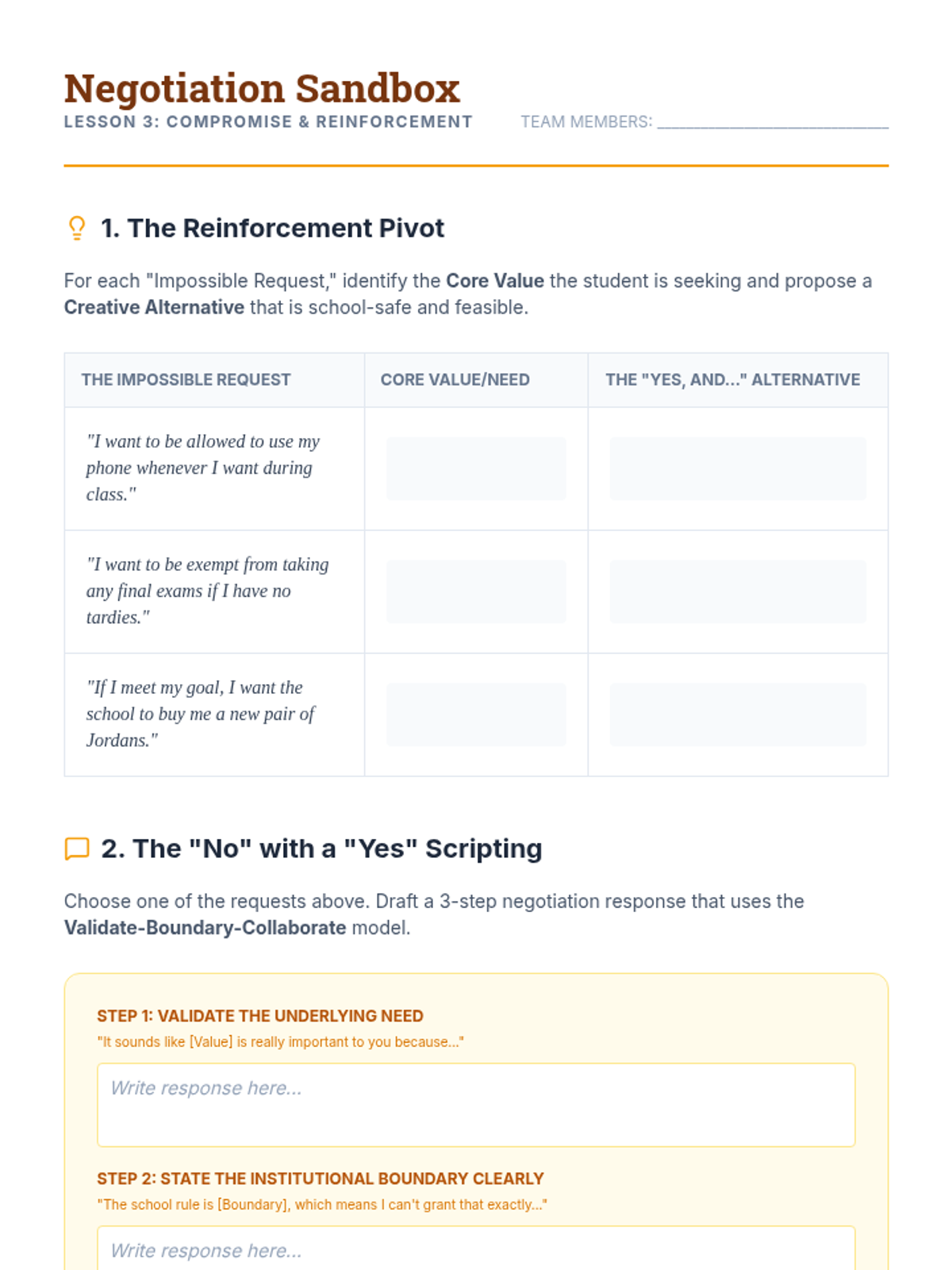
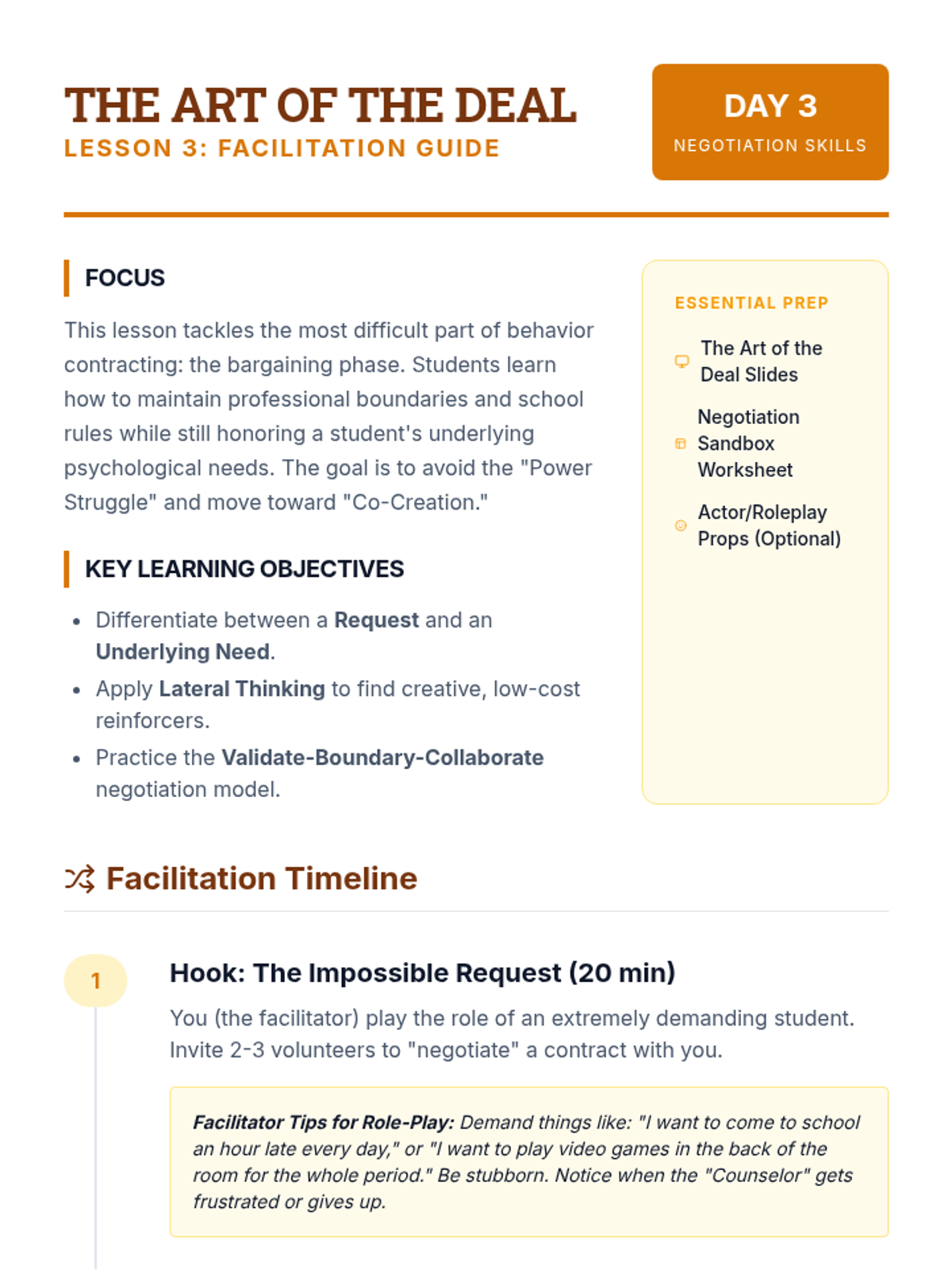
This lesson focuses on the bargaining phase of contracting, teaching graduate students how to manage unrealistic student requests while maintaining the integrity of the intervention. It covers strategies for compromise and guided choice.
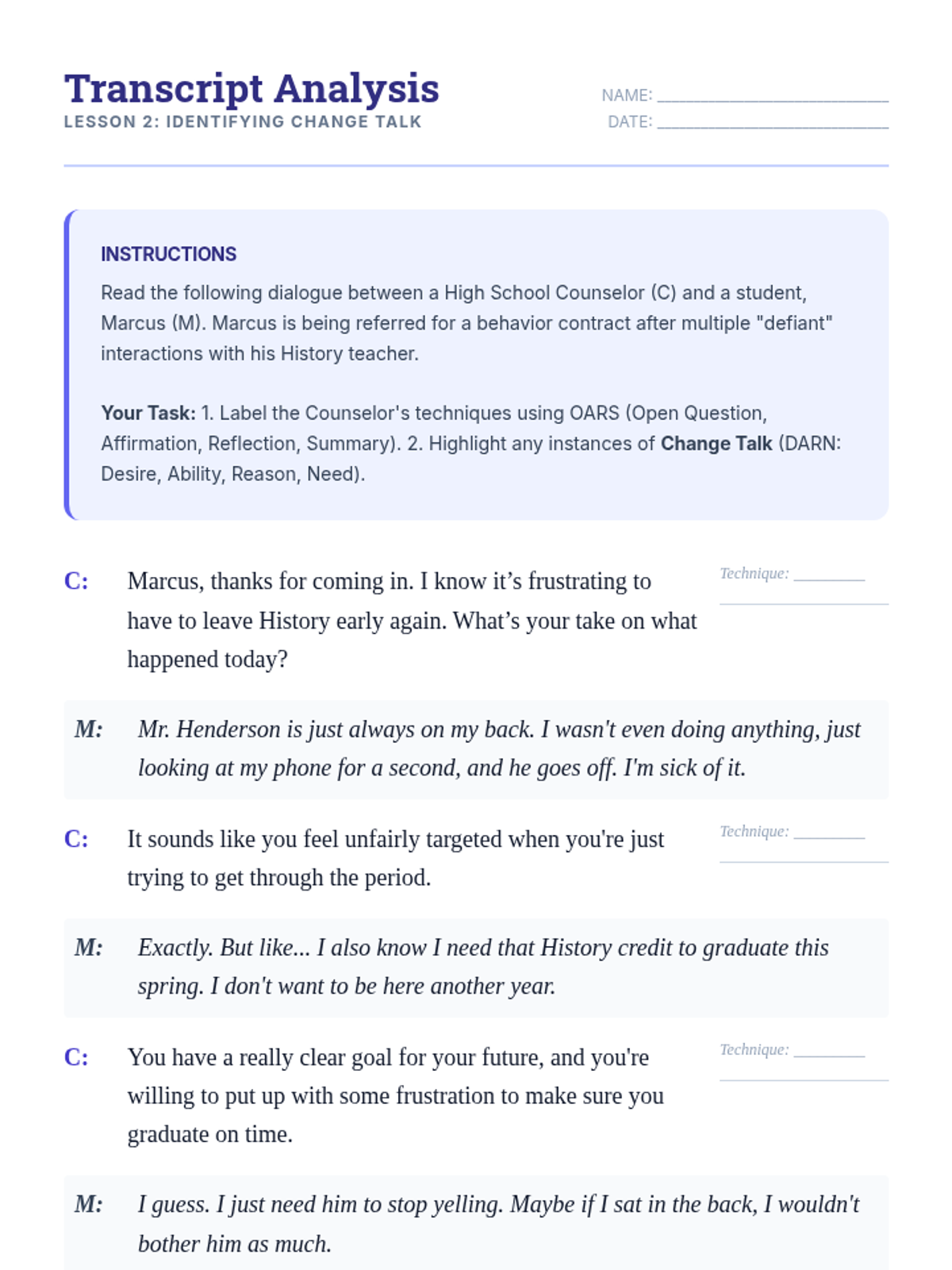
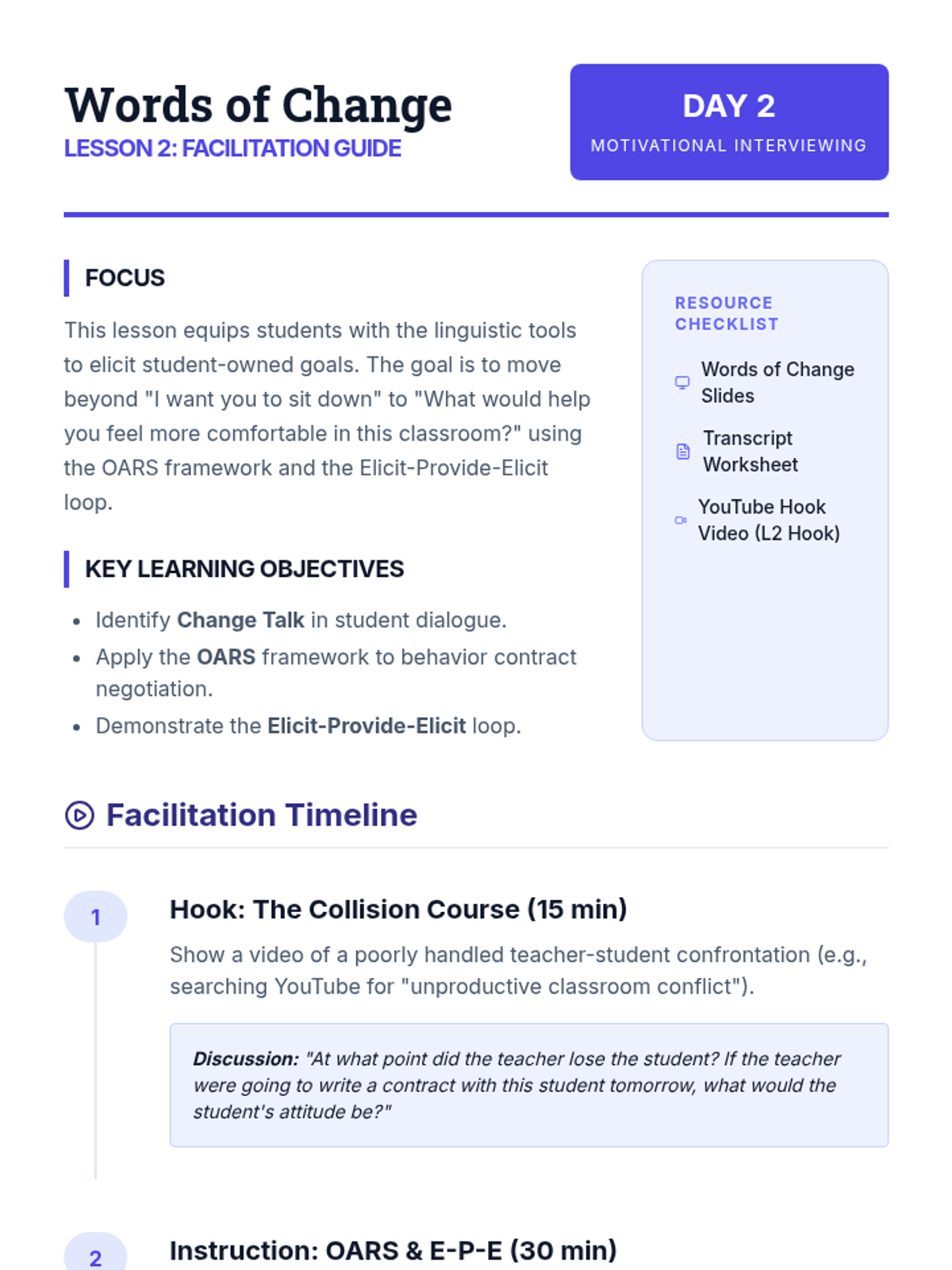
Students practice specific Motivational Interviewing (MI) techniques to help K-12 students articulate their own behavioral goals. The lesson involves analyzing transcripts of counseling sessions to identify change talk.
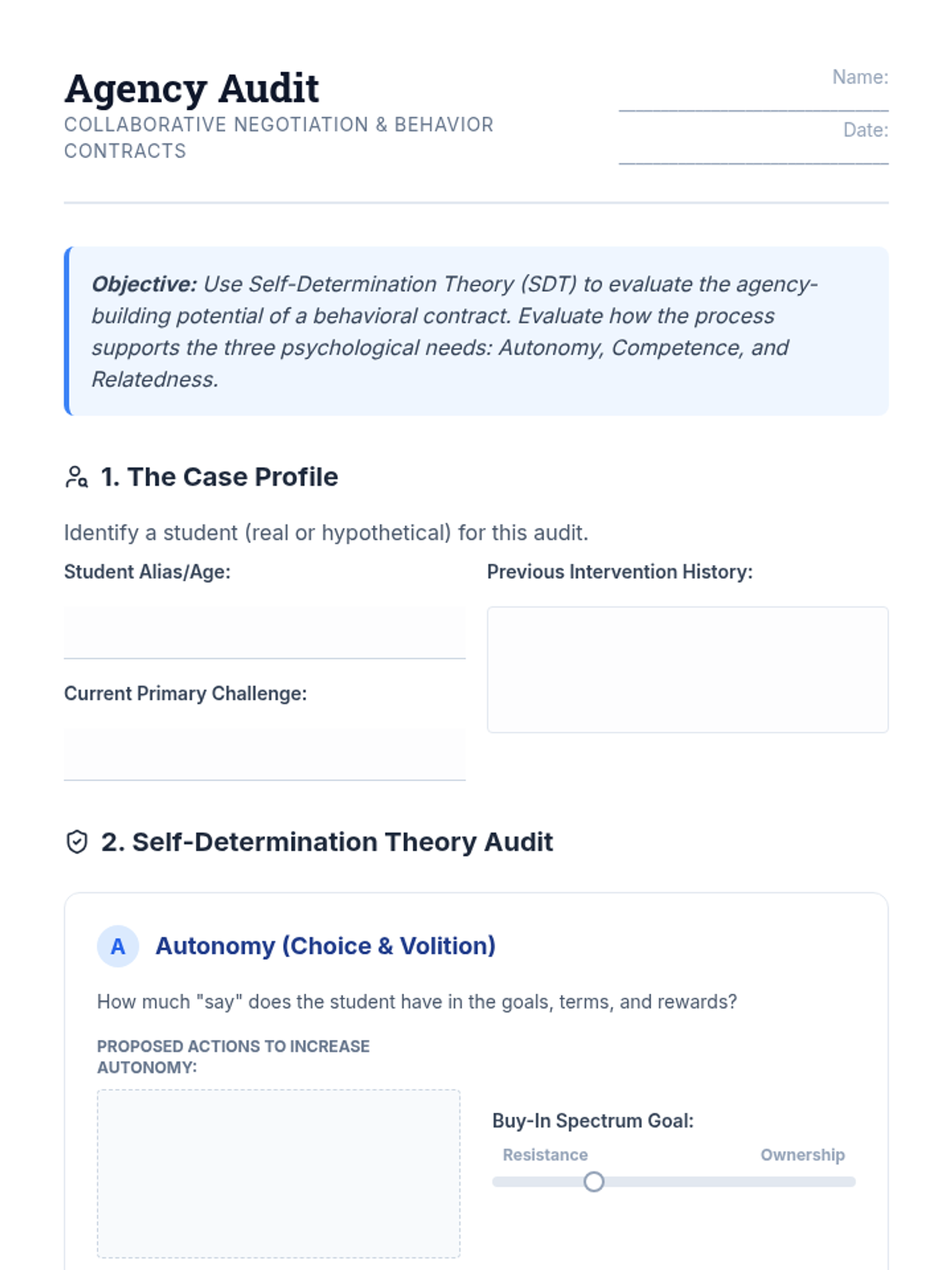
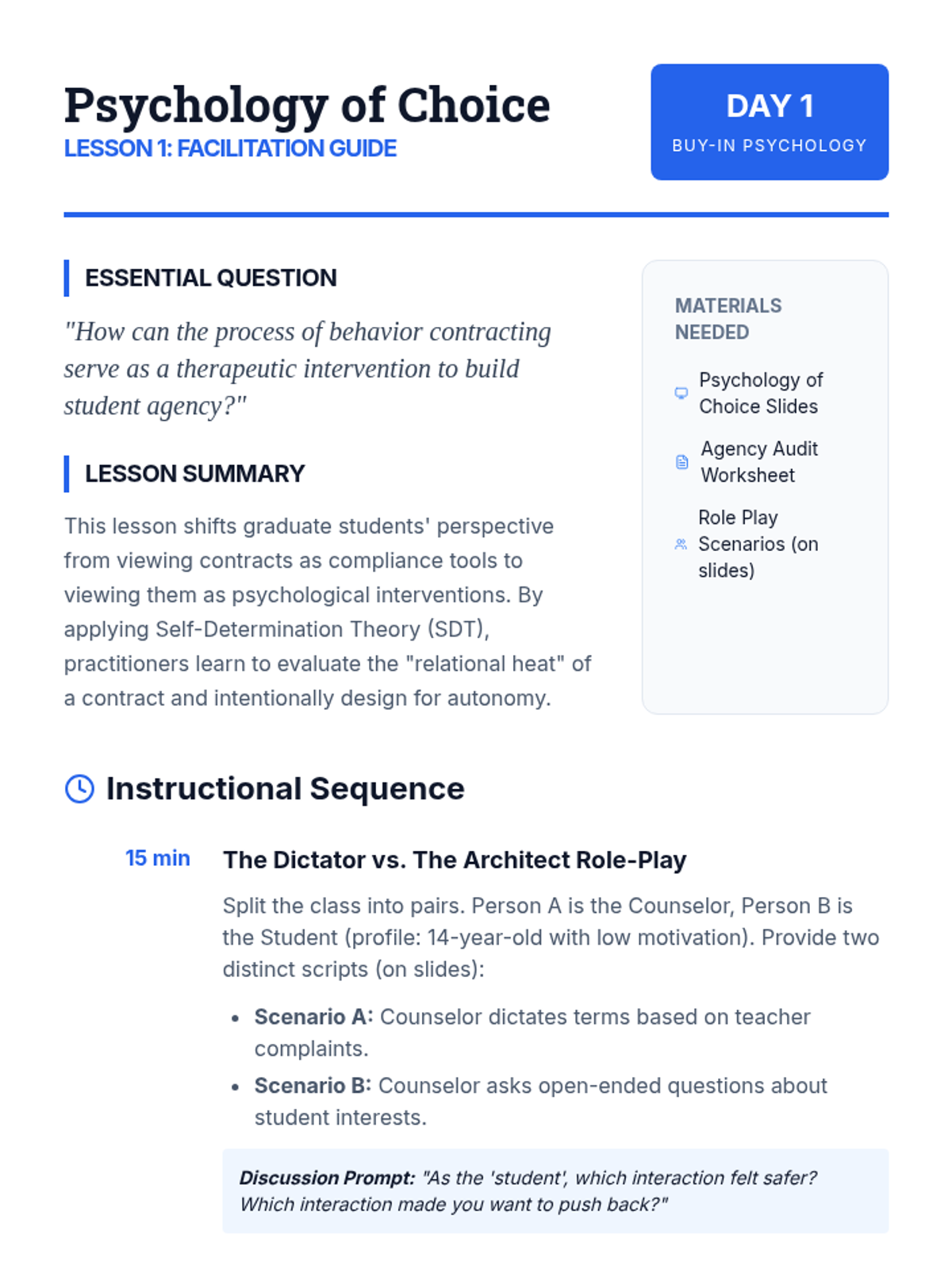
Explores Self-Determination Theory (SDT) and its application to behavior contracting, shifting the focus from external control to internal motivation.
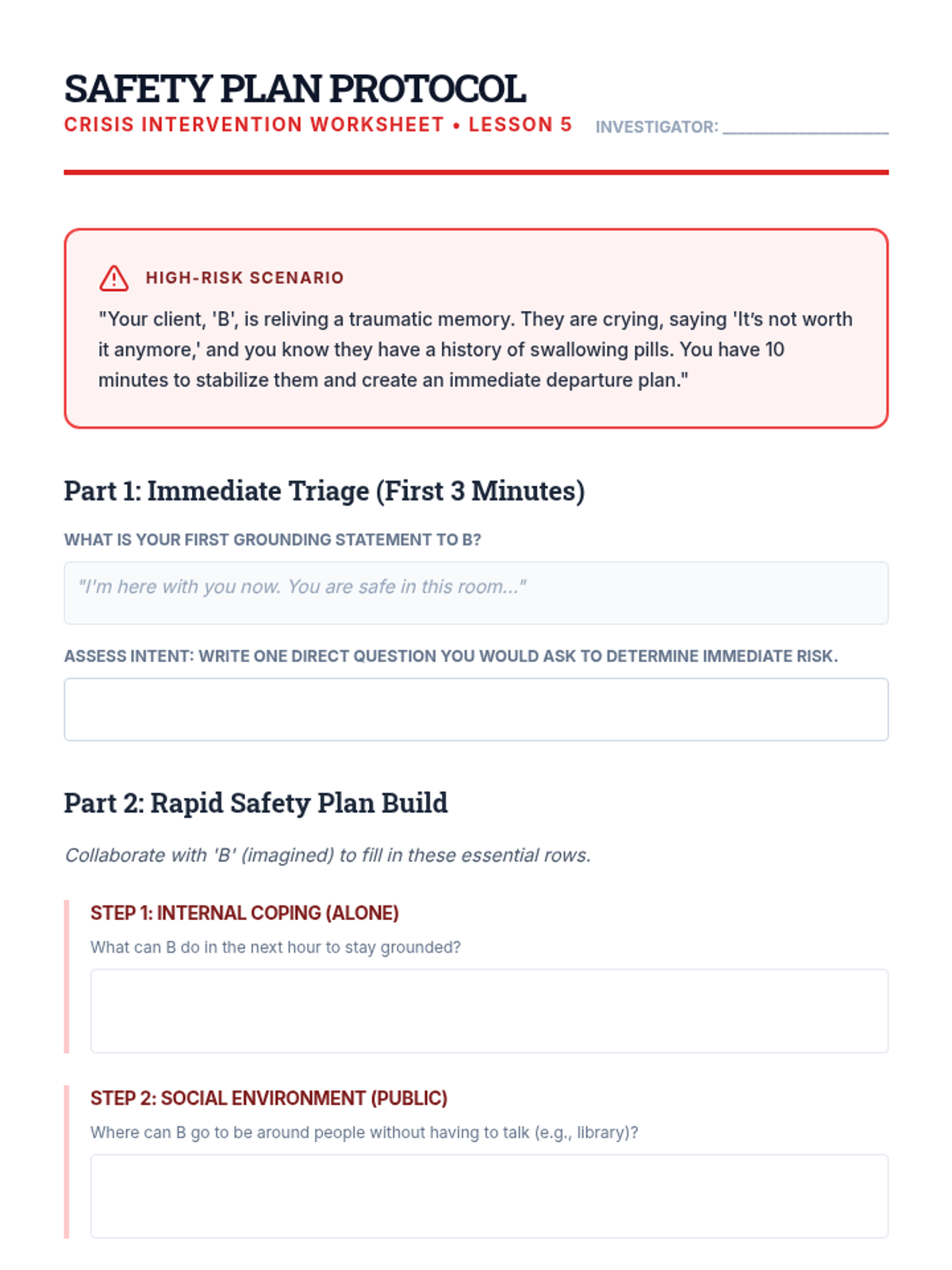
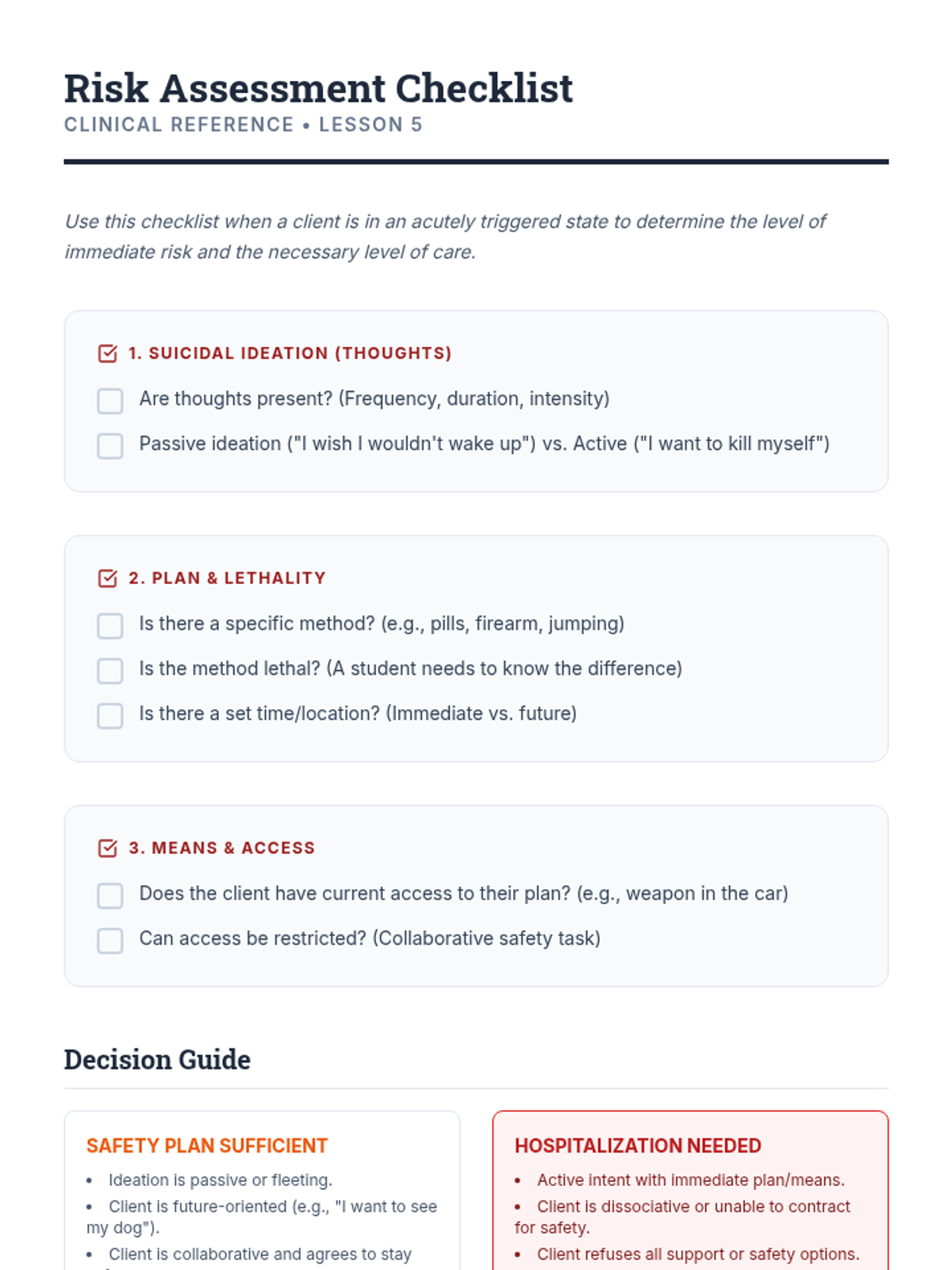
Covers the essential clinical skill of immediate risk assessment and the collaborative development of trauma-focused safety plans.
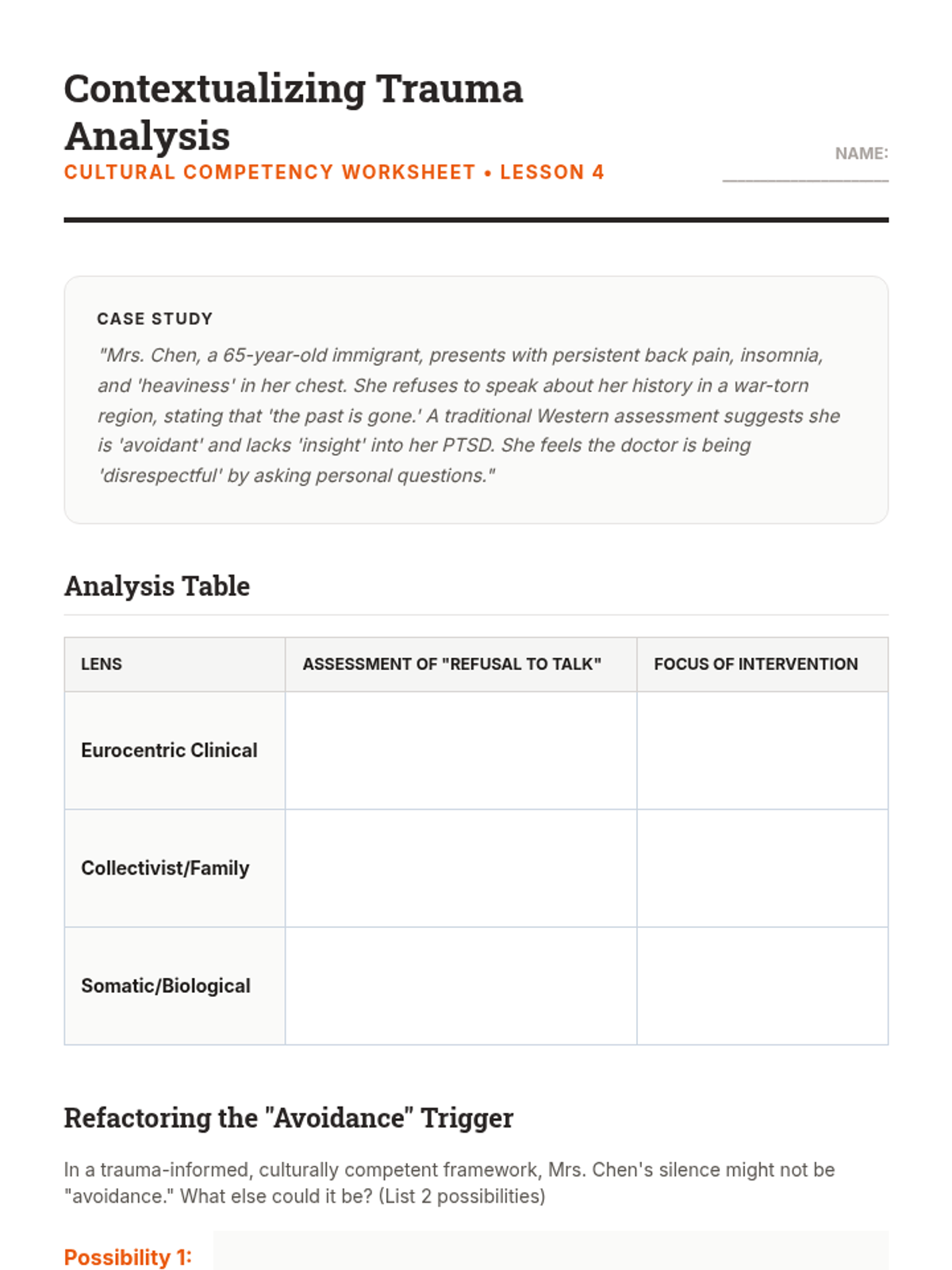
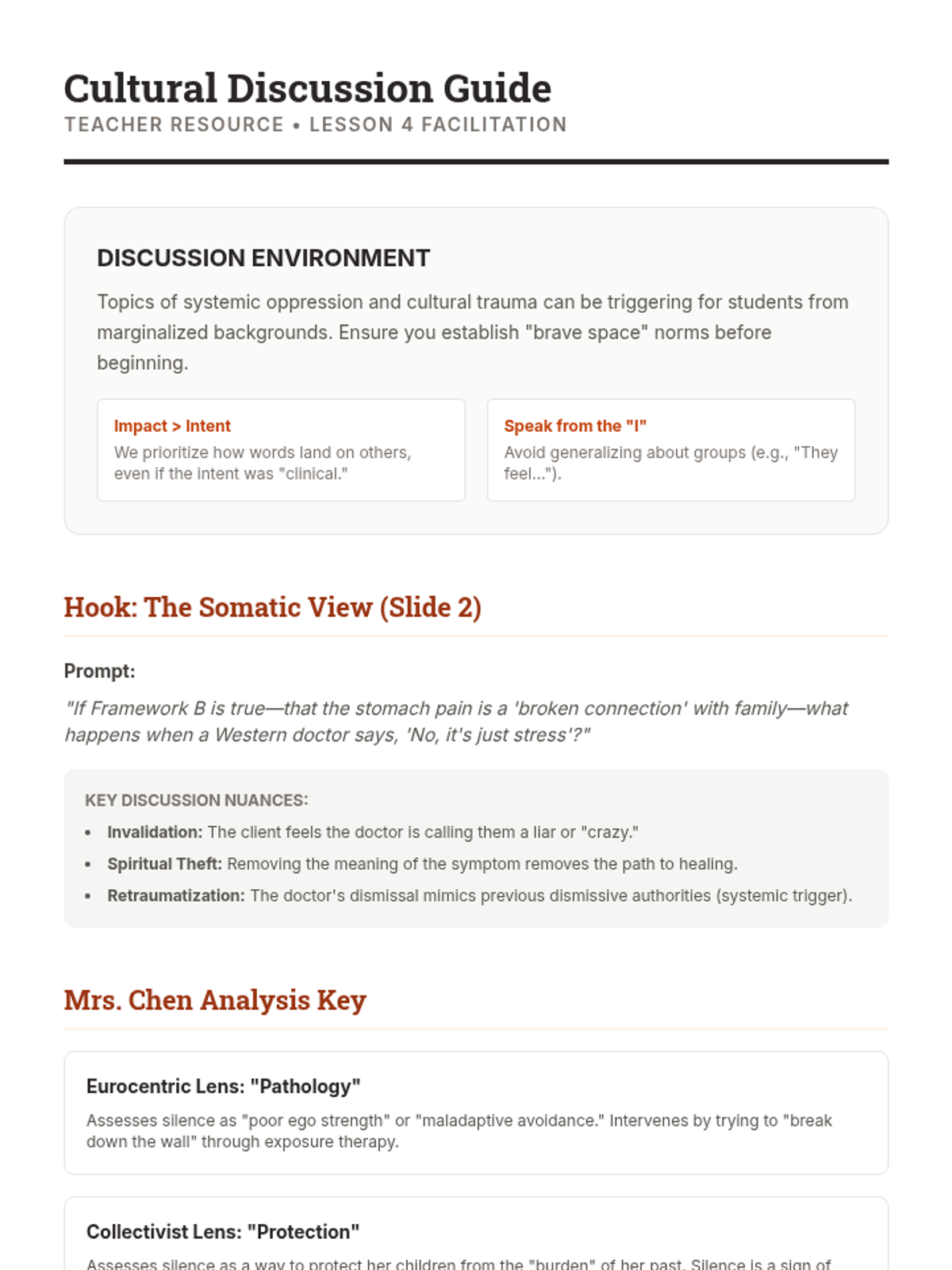
Examines how cultural background and systemic factors influence the expression and identification of trauma triggers and symptoms.
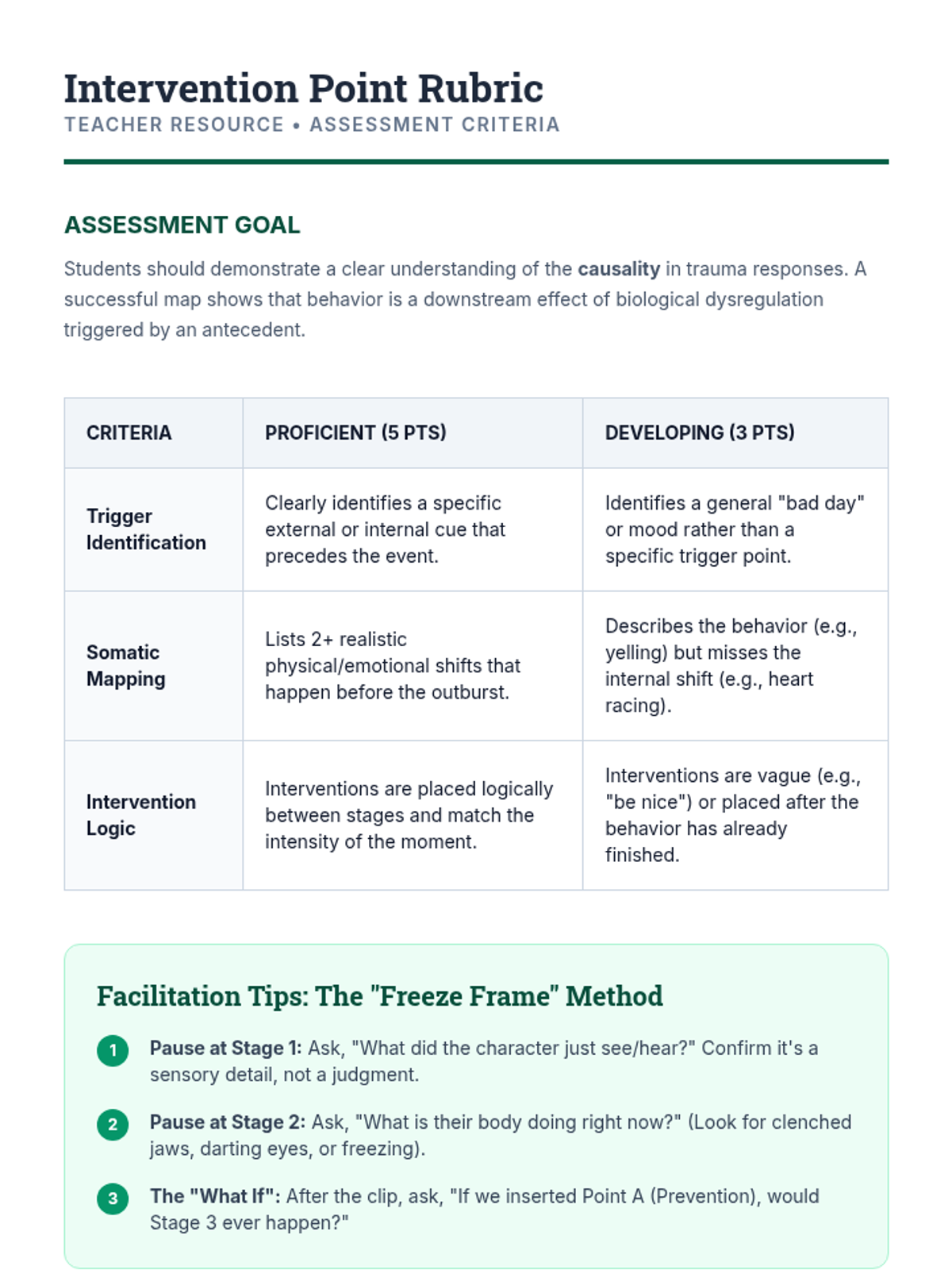
Introduces the visual mapping of the cycle of reactivity to identify specific points for clinical intervention.
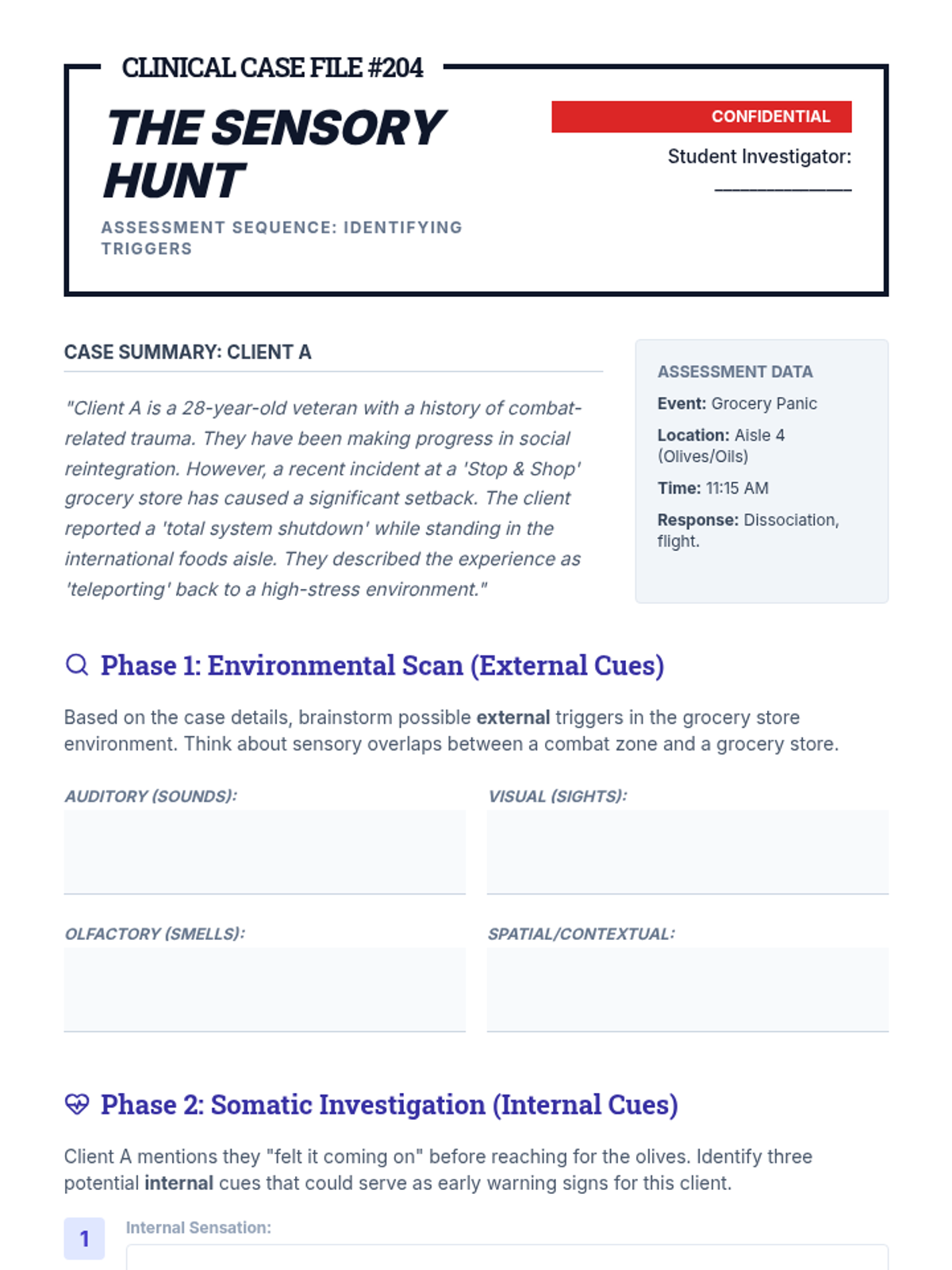
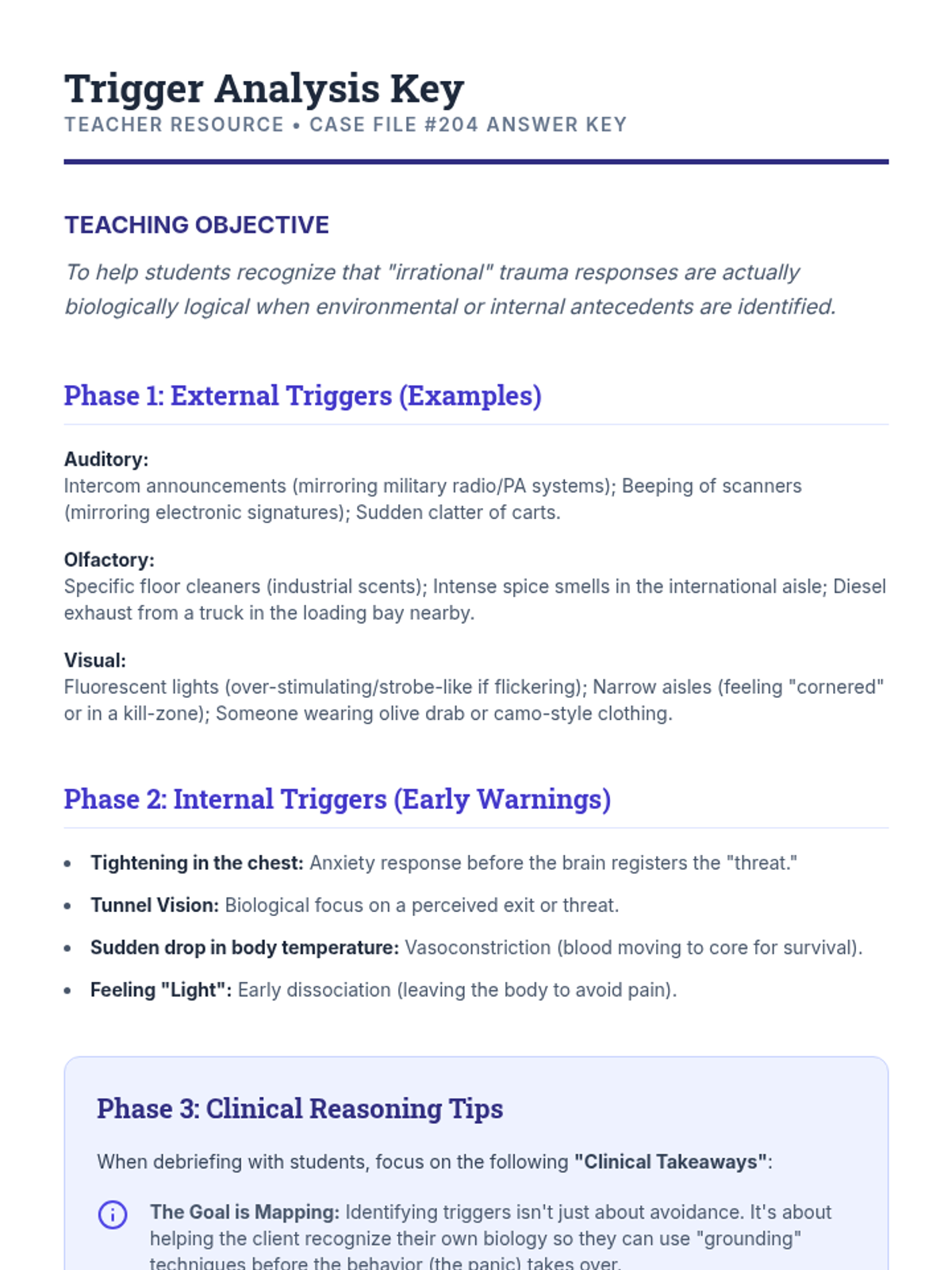
Differentiates between internal and external cues and teaches students to identify environmental and emotional antecedents to trauma responses.
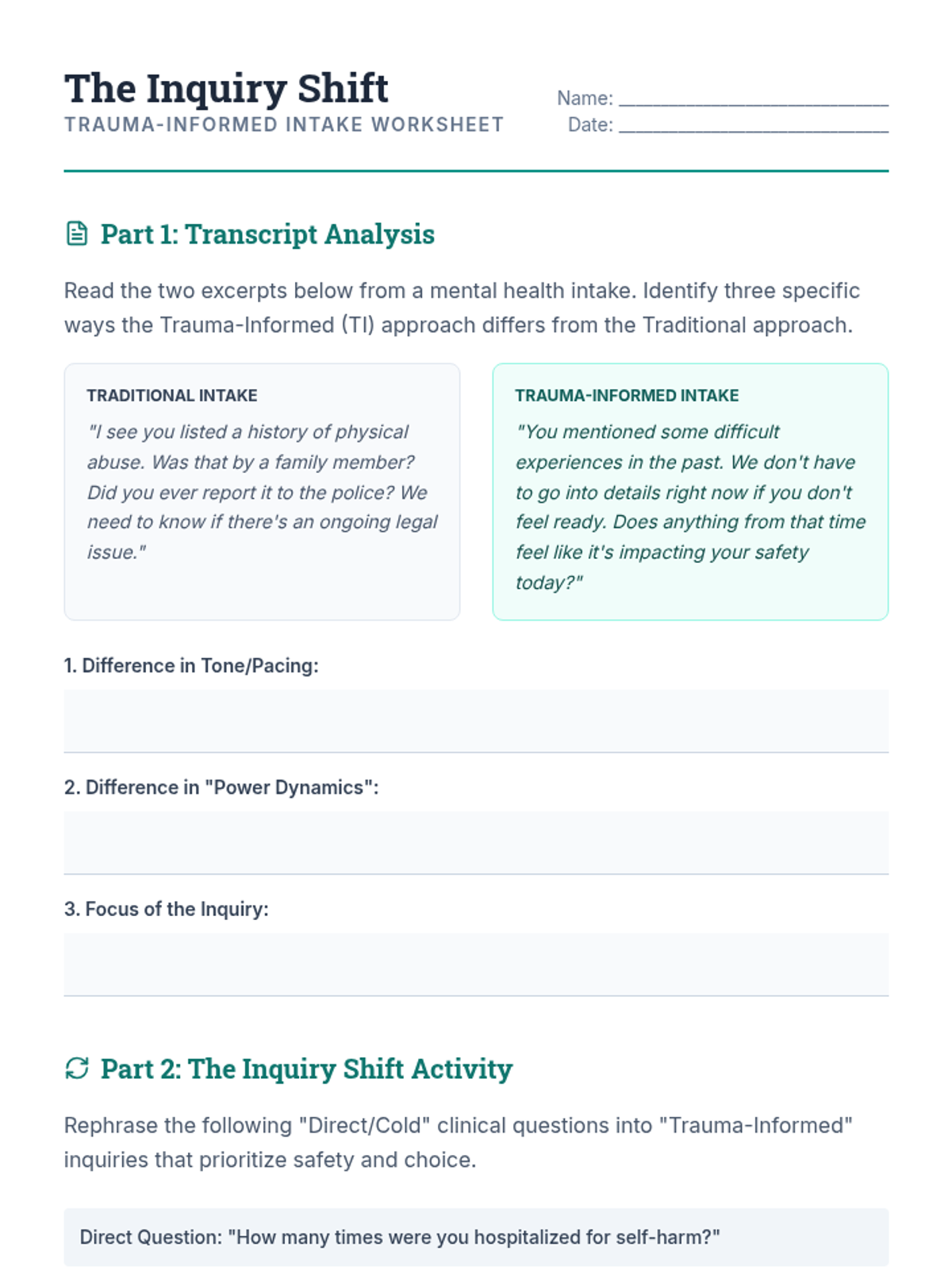
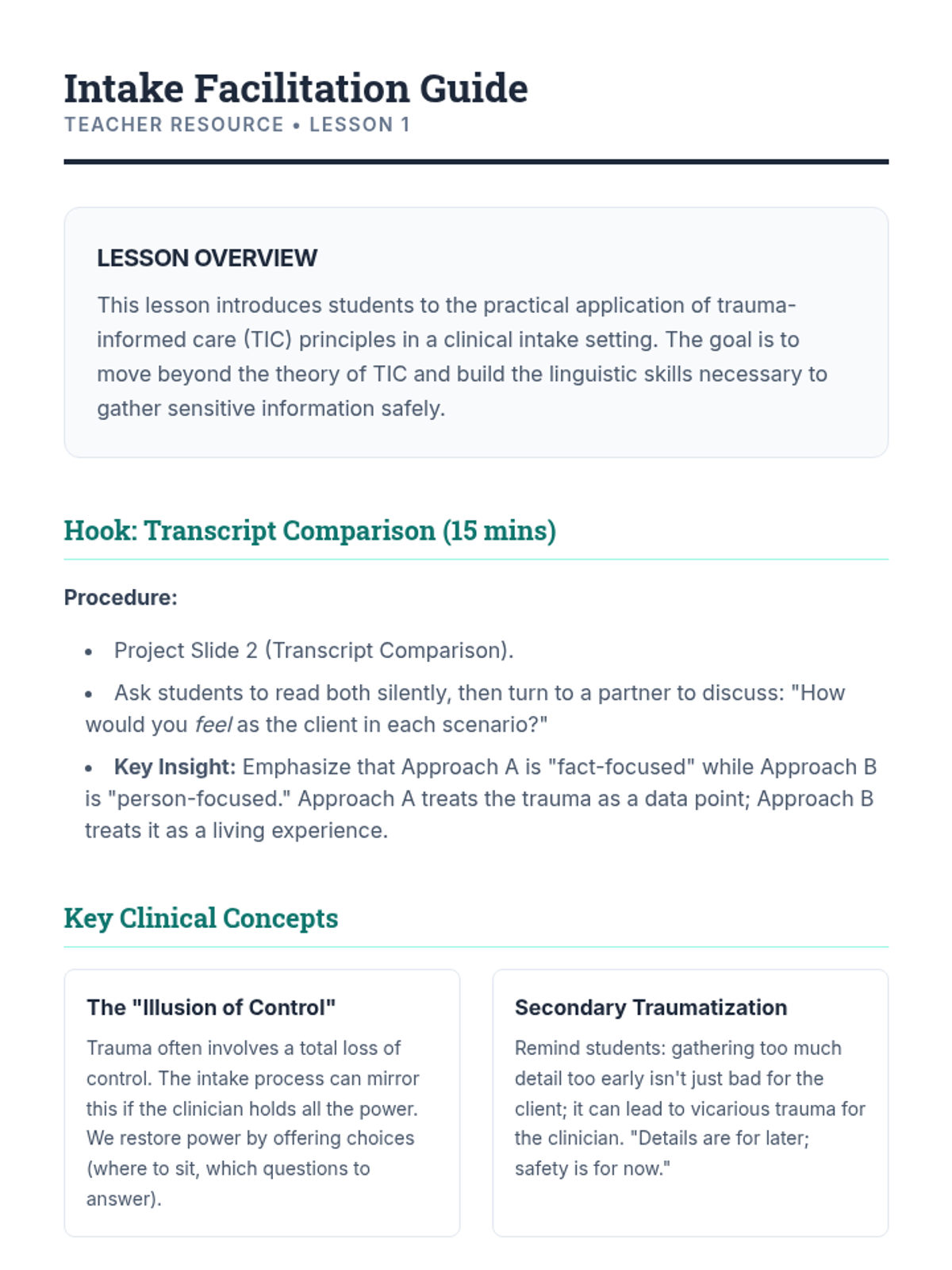
Focuses on the transition from traditional to trauma-informed intake methods, teaching students to gather client history safely and empathetically.
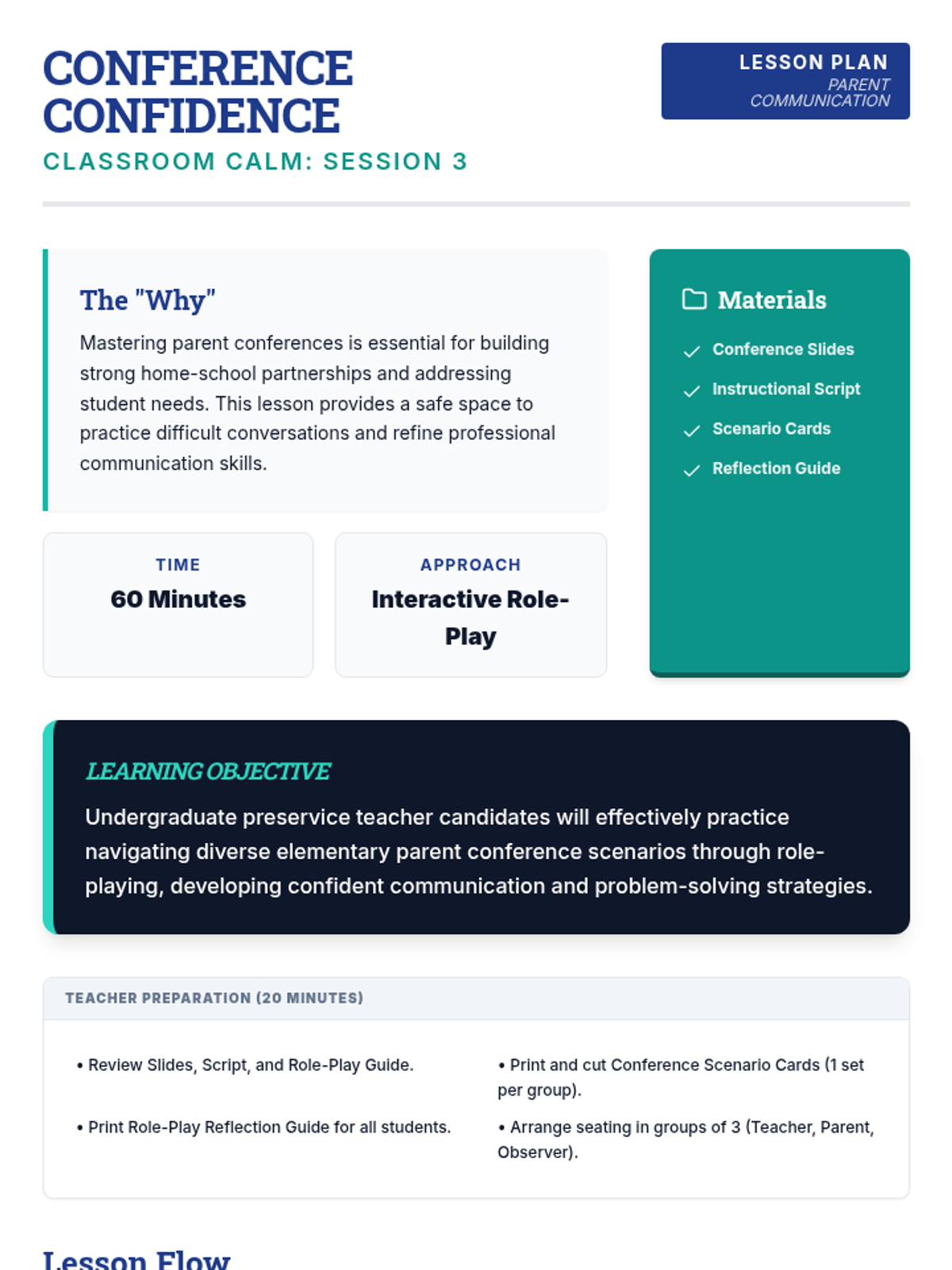
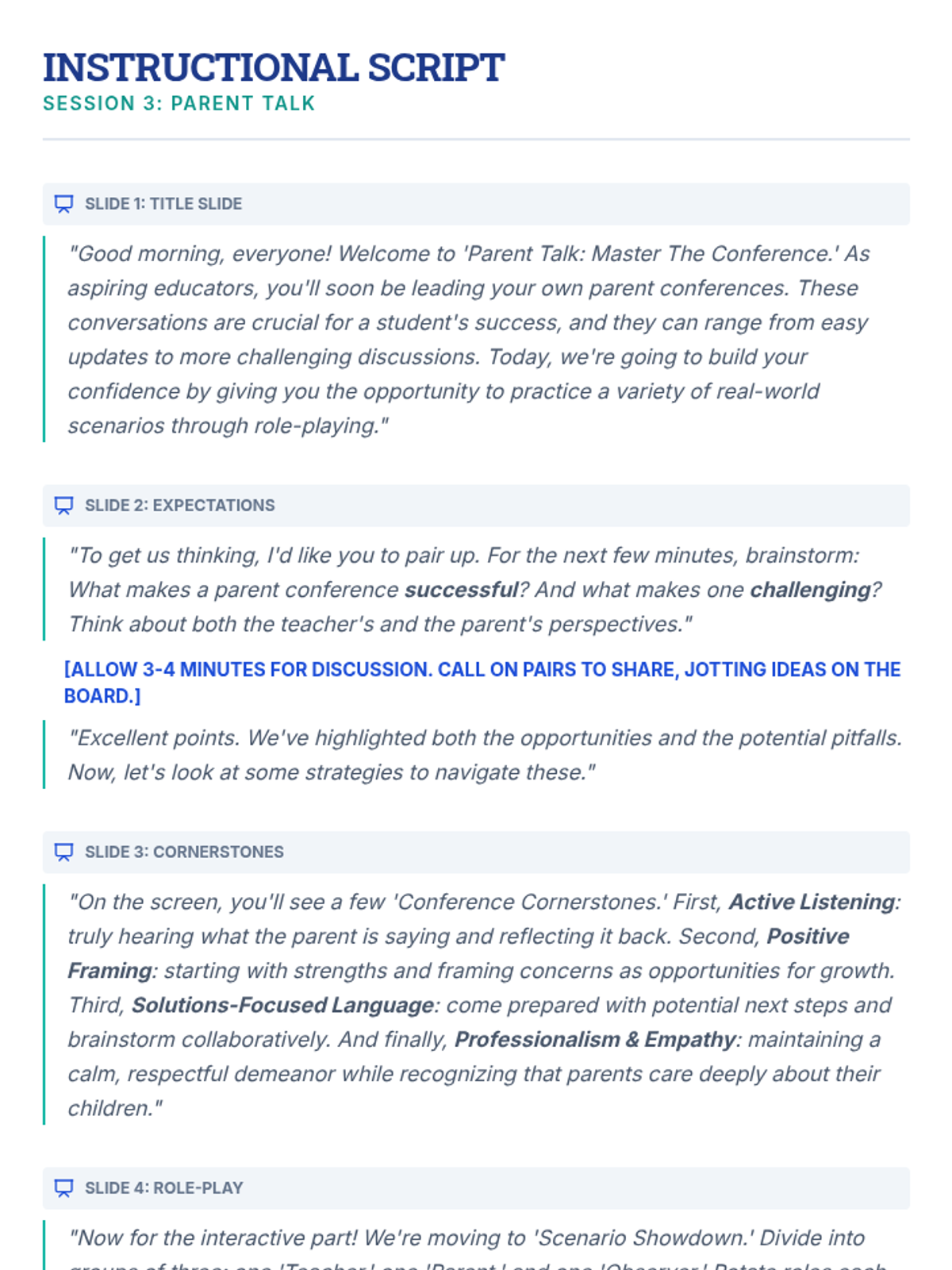
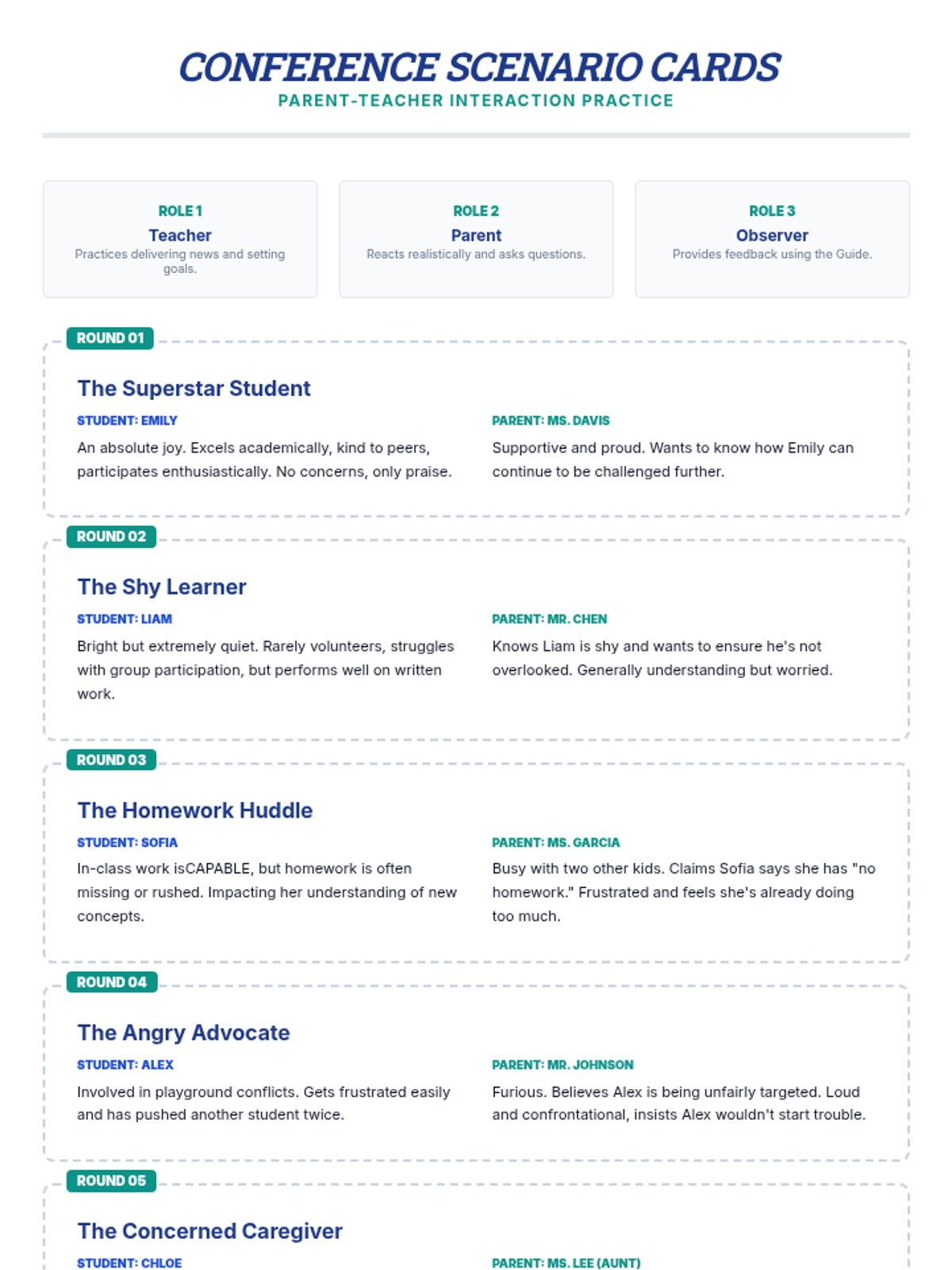
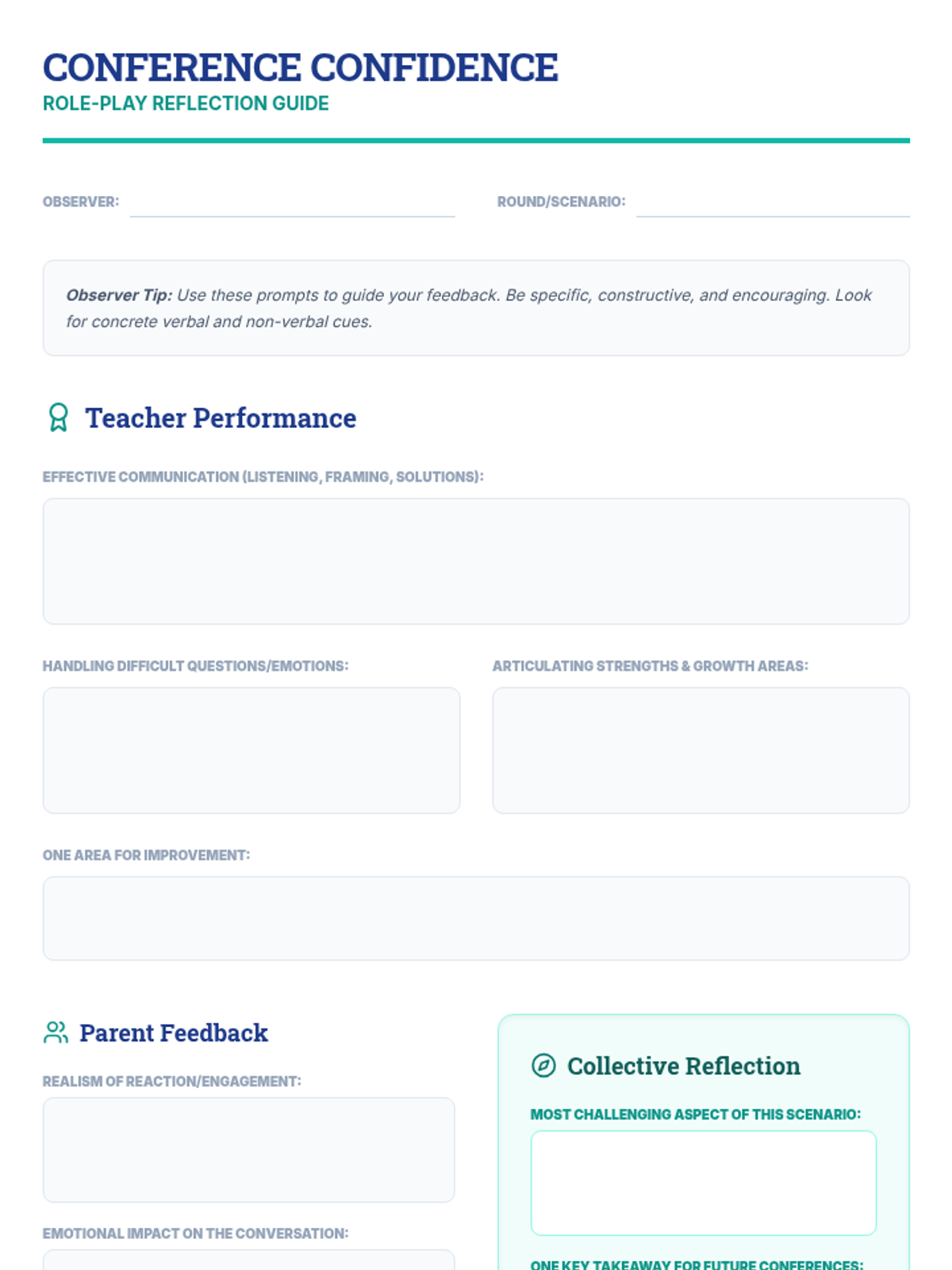
Develops professional communication skills for parent-teacher conferences through realistic role-playing and guided reflection.