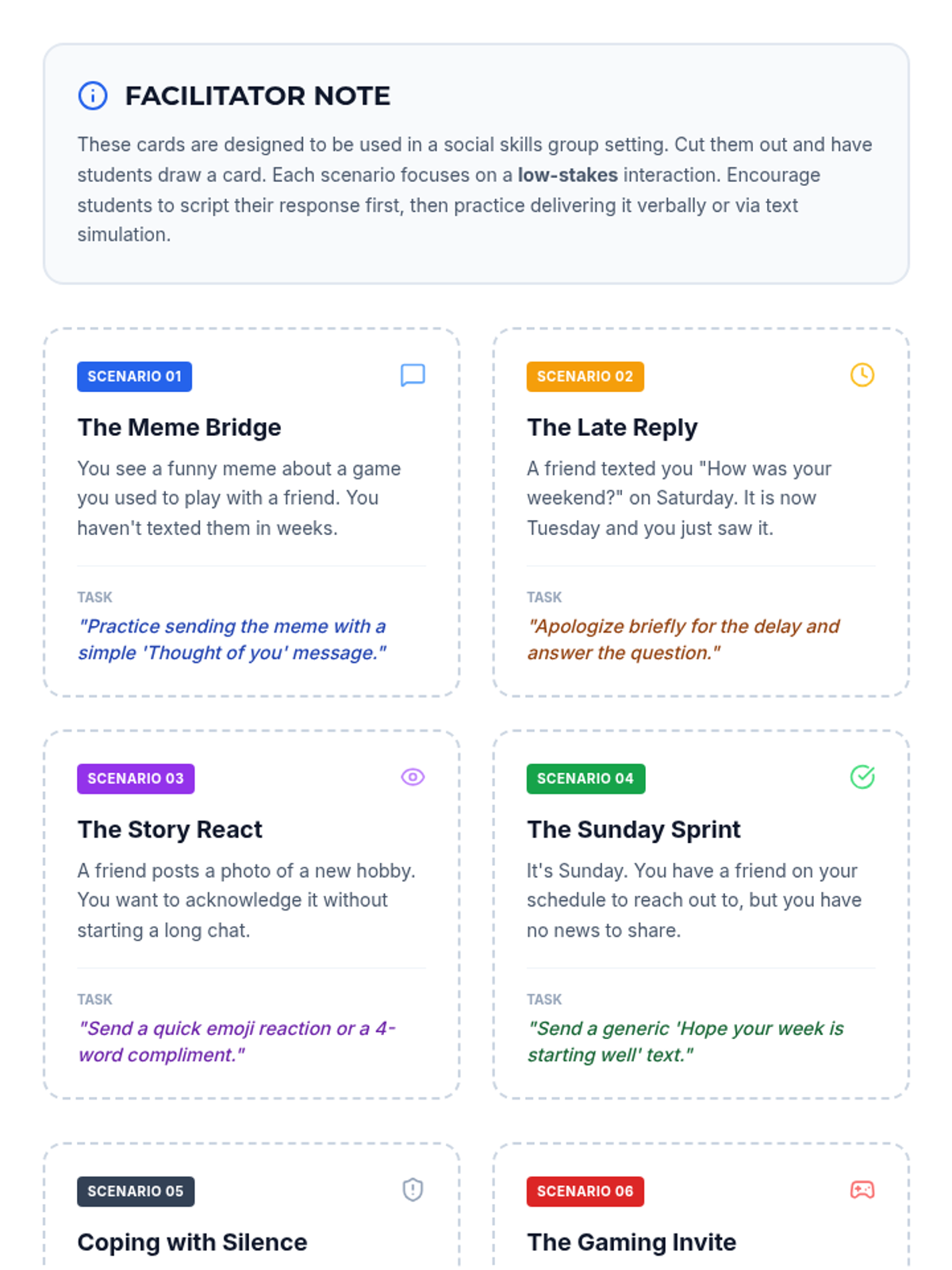
Peer relationship navigation, conversational turn-taking, and stress management strategies within supportive group settings. Develops communal belonging through shared mental health education and collaborative skill practice.
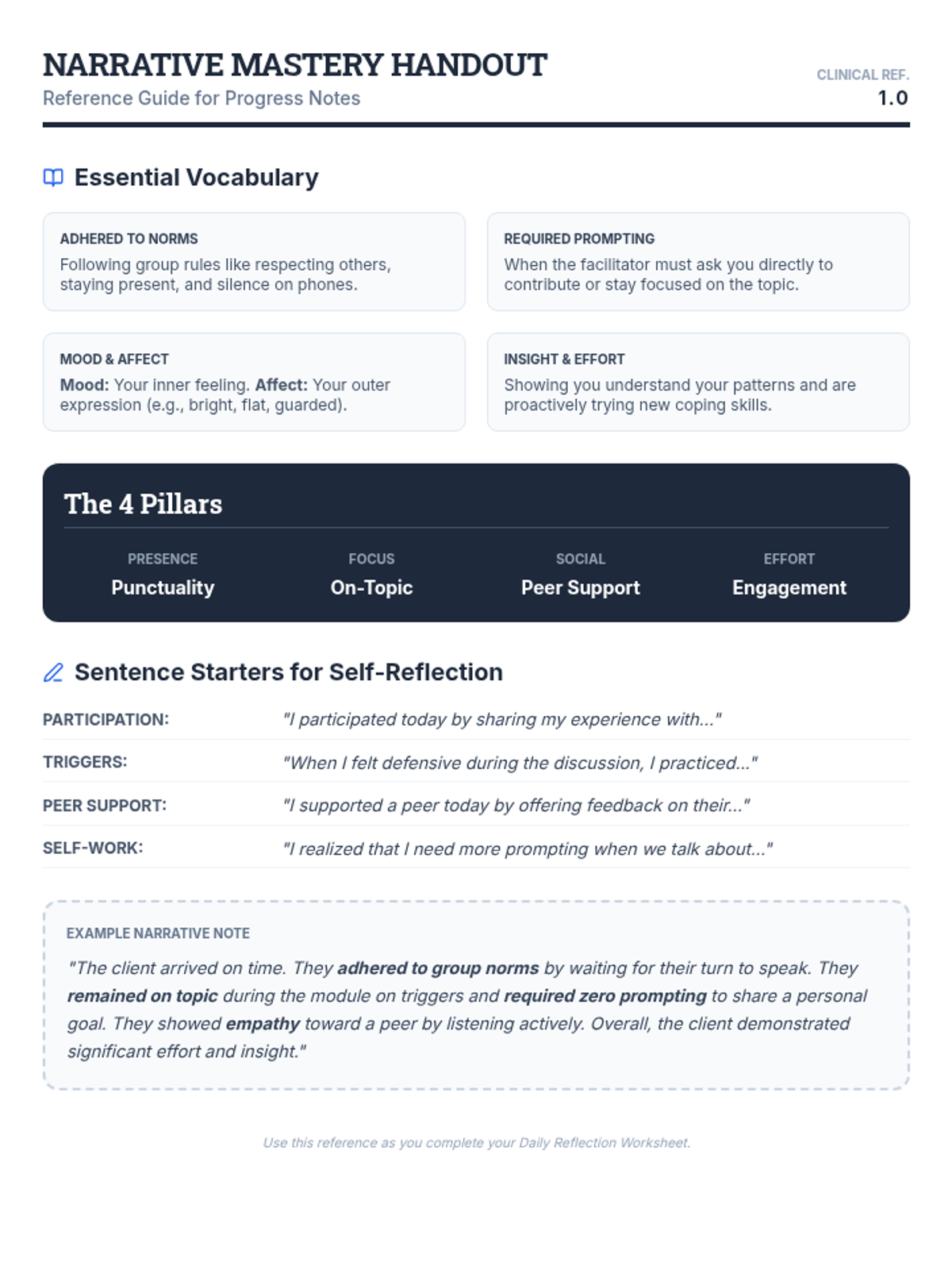
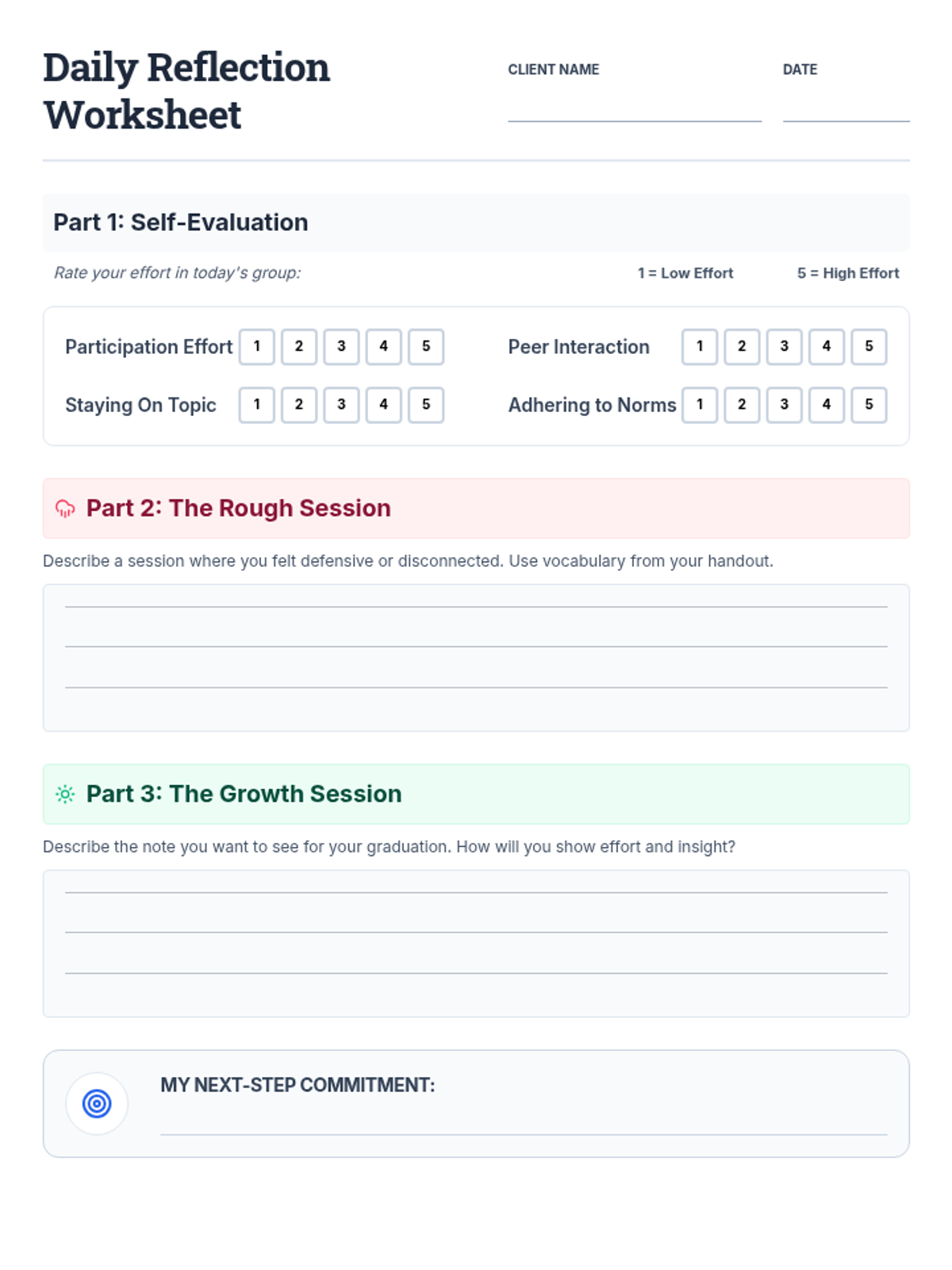
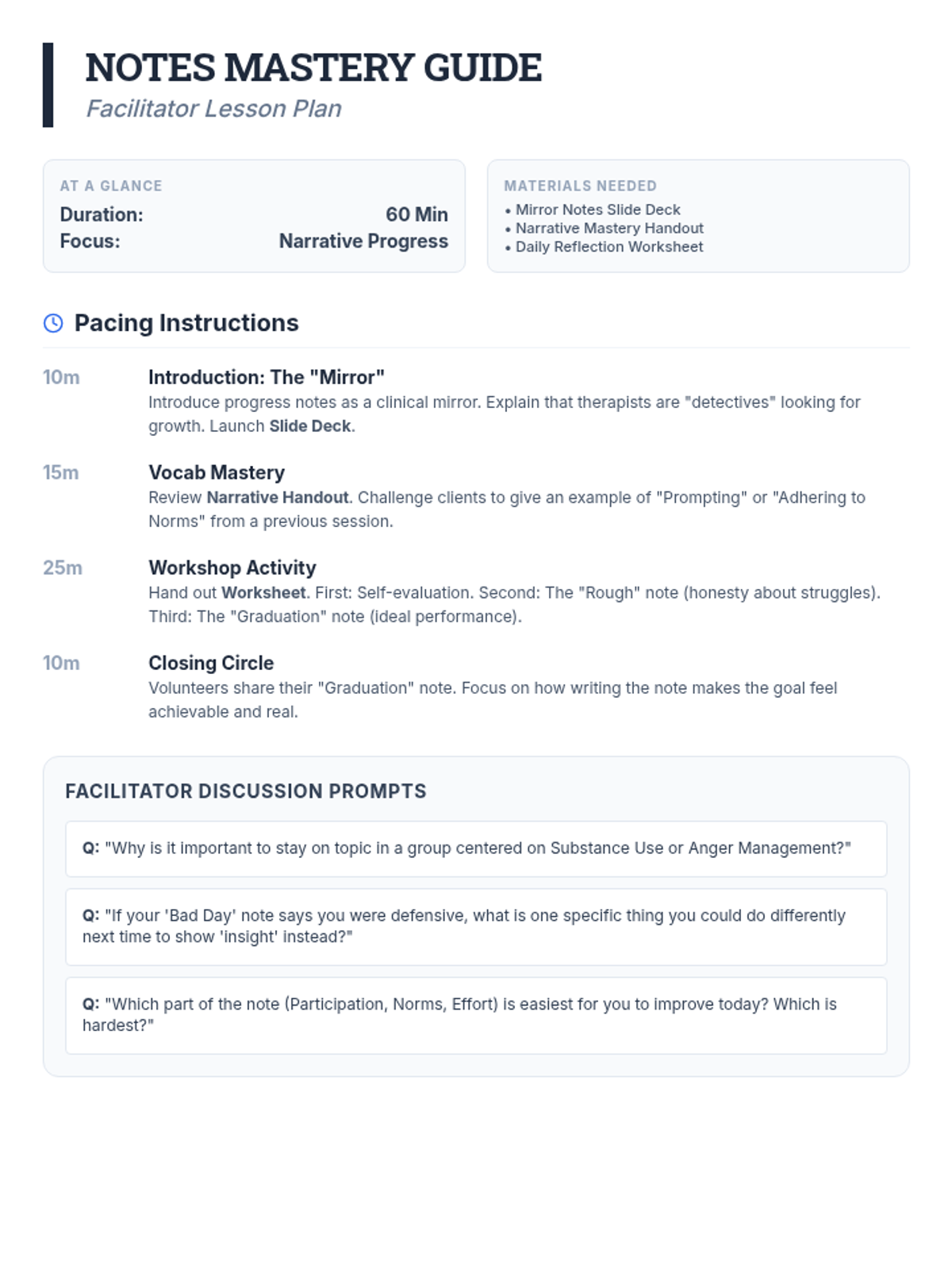
A lesson designed to empower clients in recovery to understand and write their own narrative progress notes, focusing on self-evaluation of group participation, behavior, and future goals.
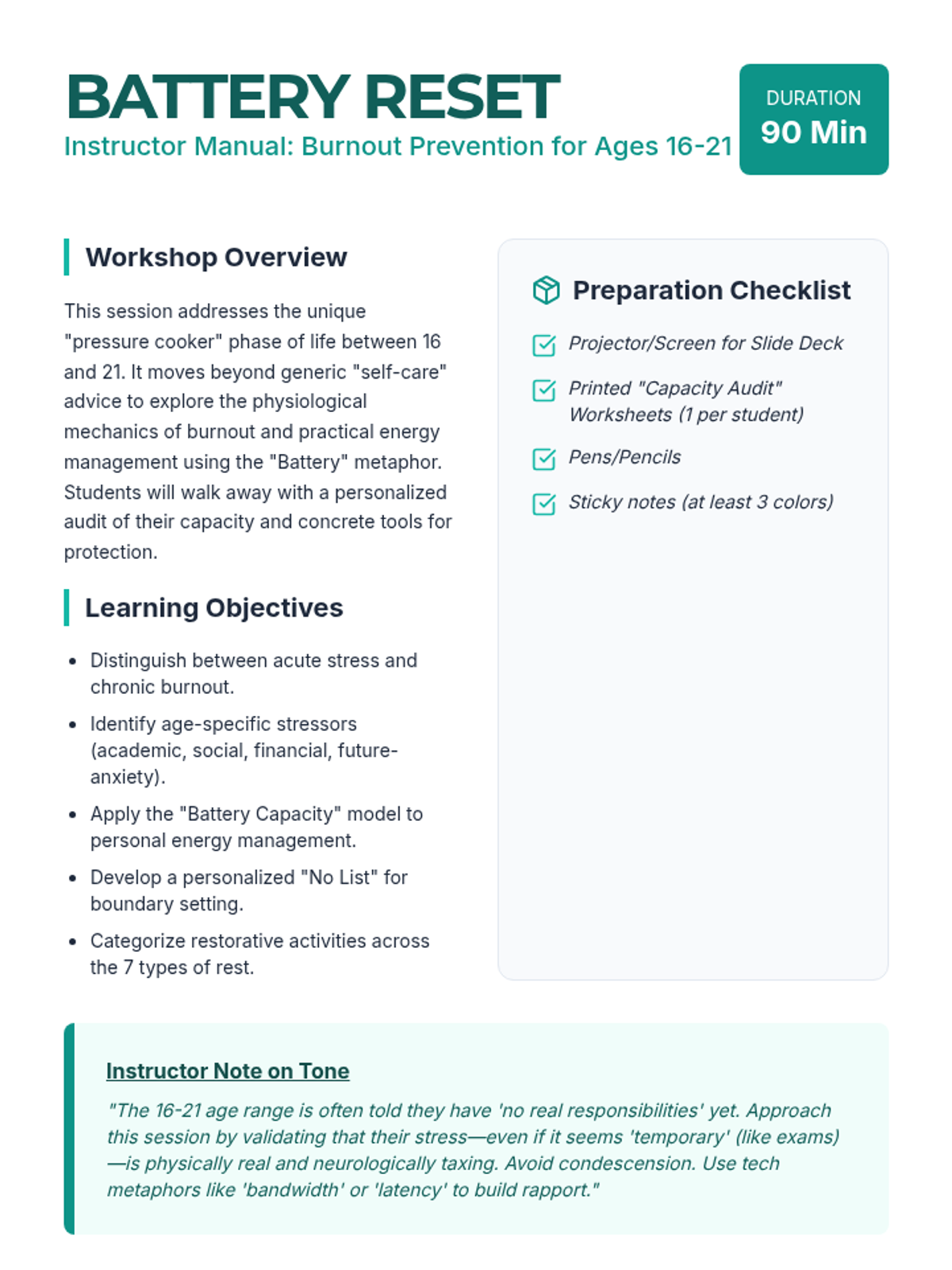
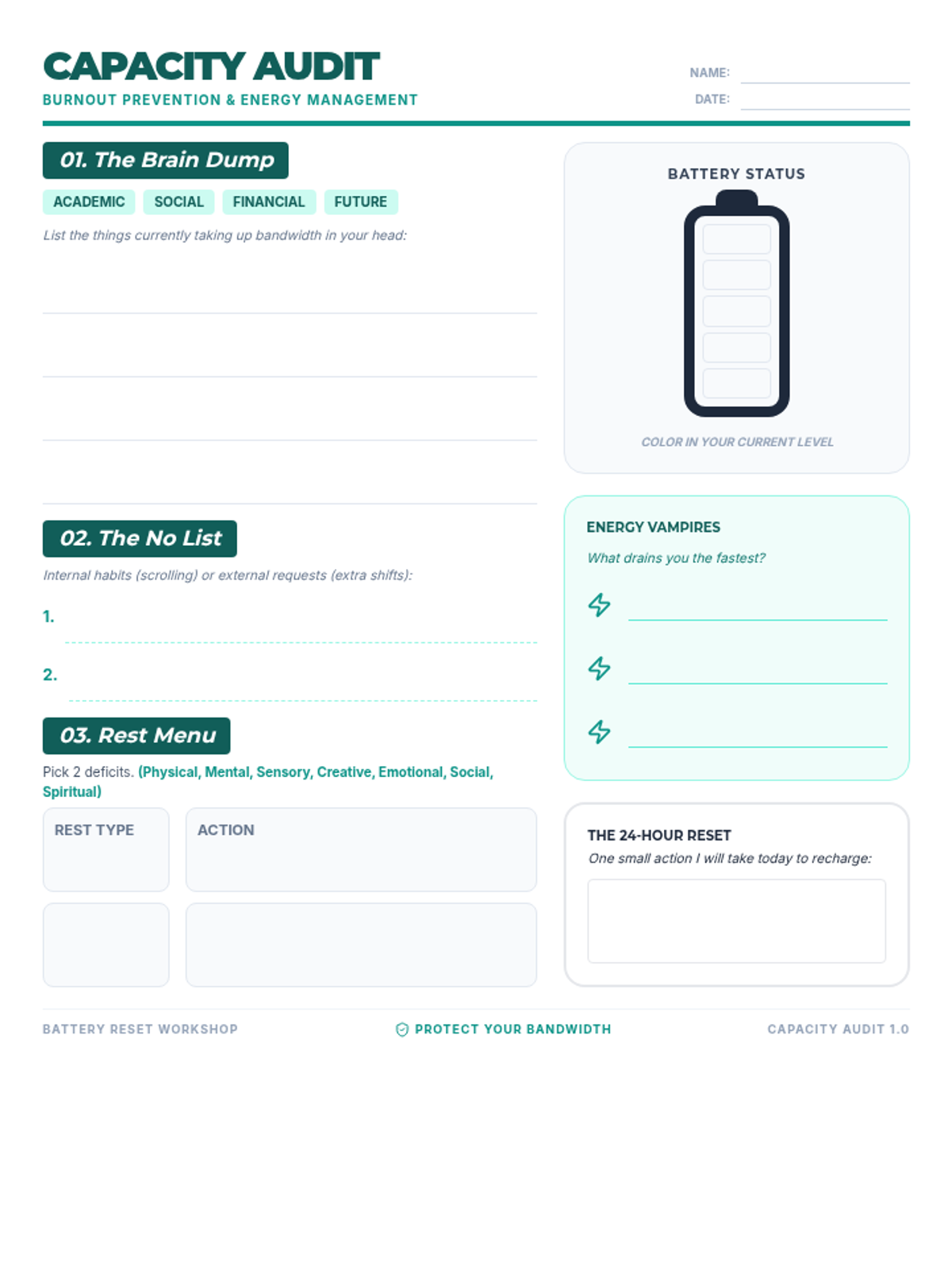
A comprehensive 90-minute workshop designed for transitional age youth (16-21) to identify stressors, understand the mechanics of burnout, and develop personalized energy management strategies.
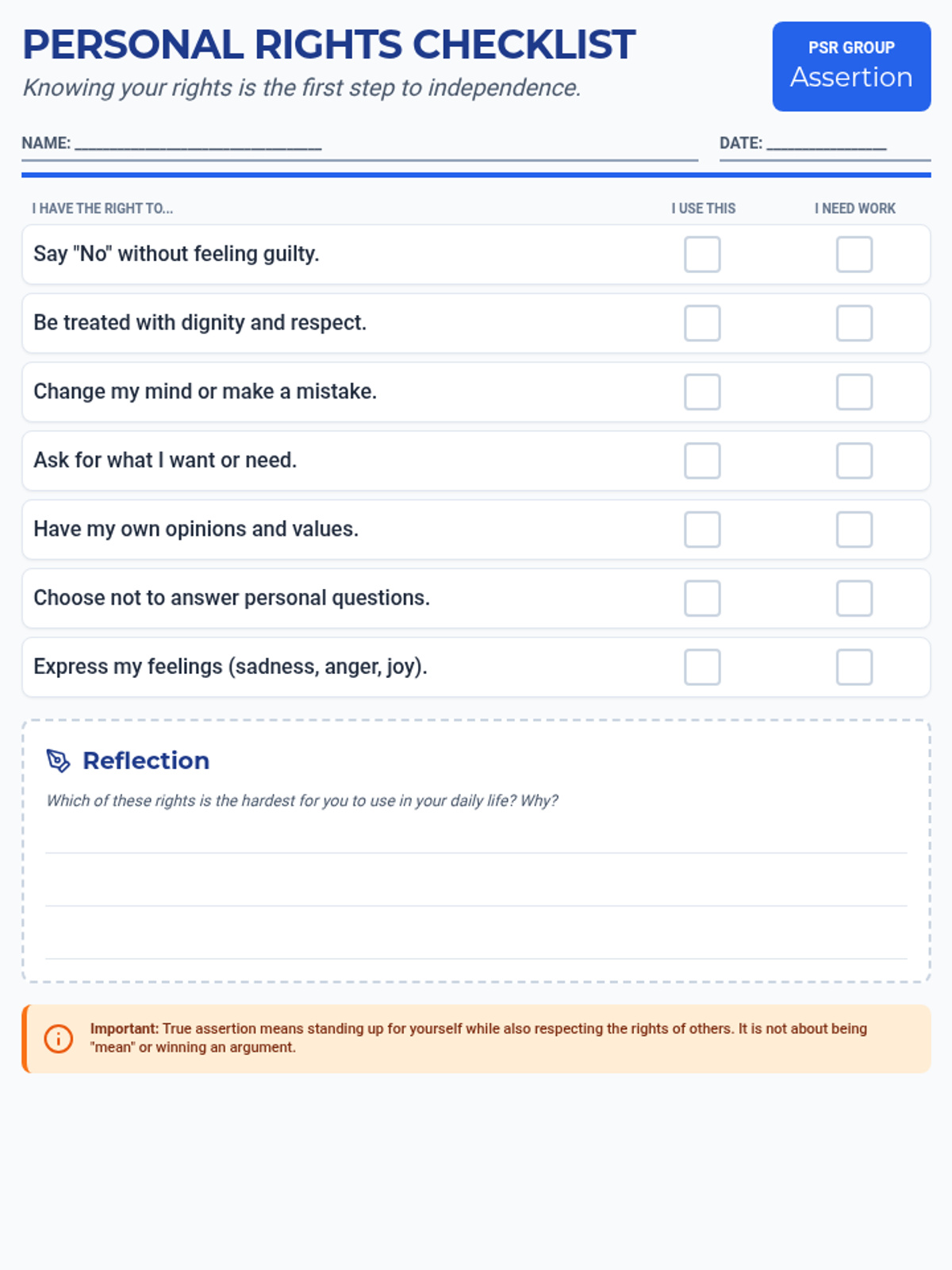
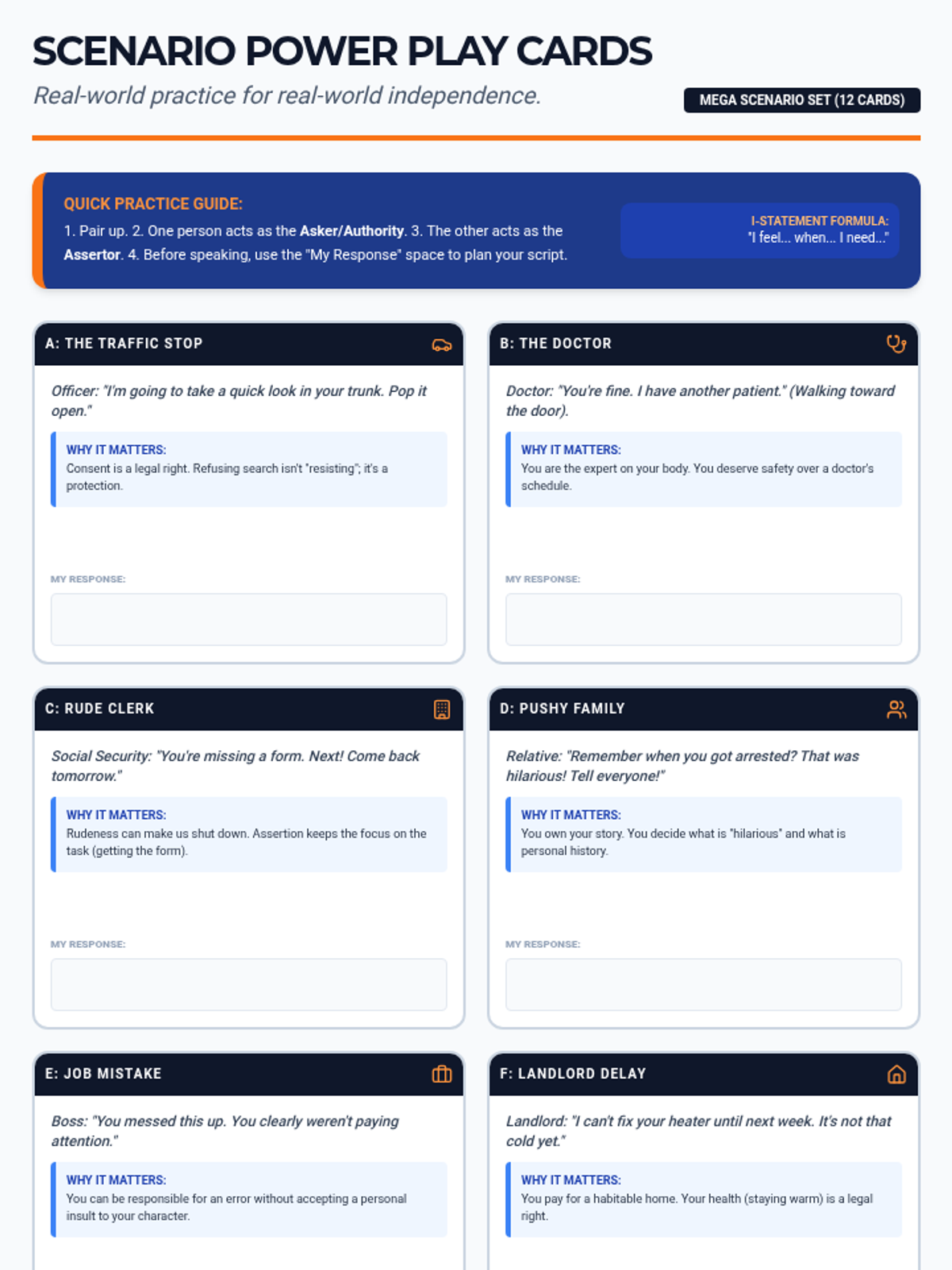
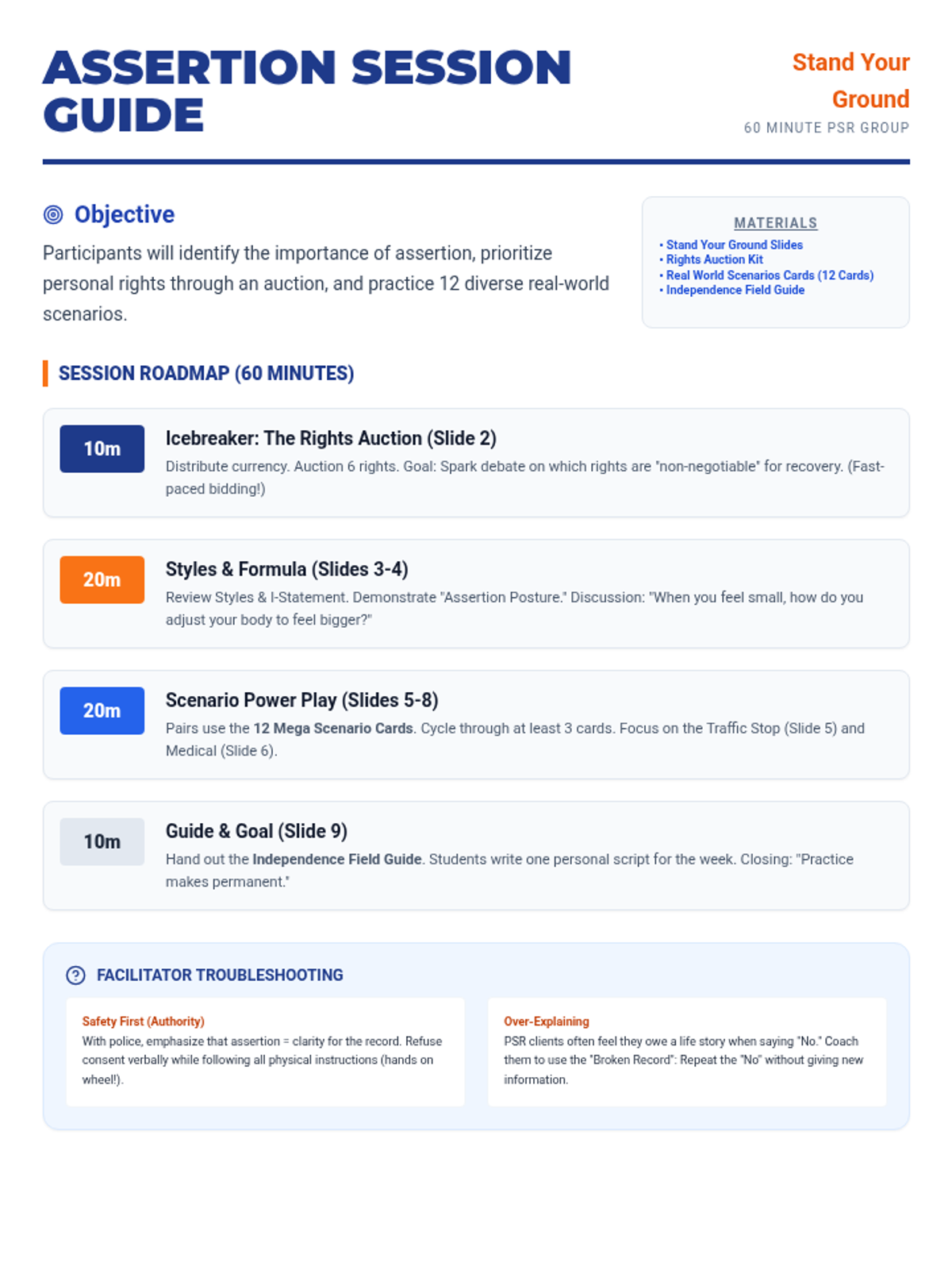
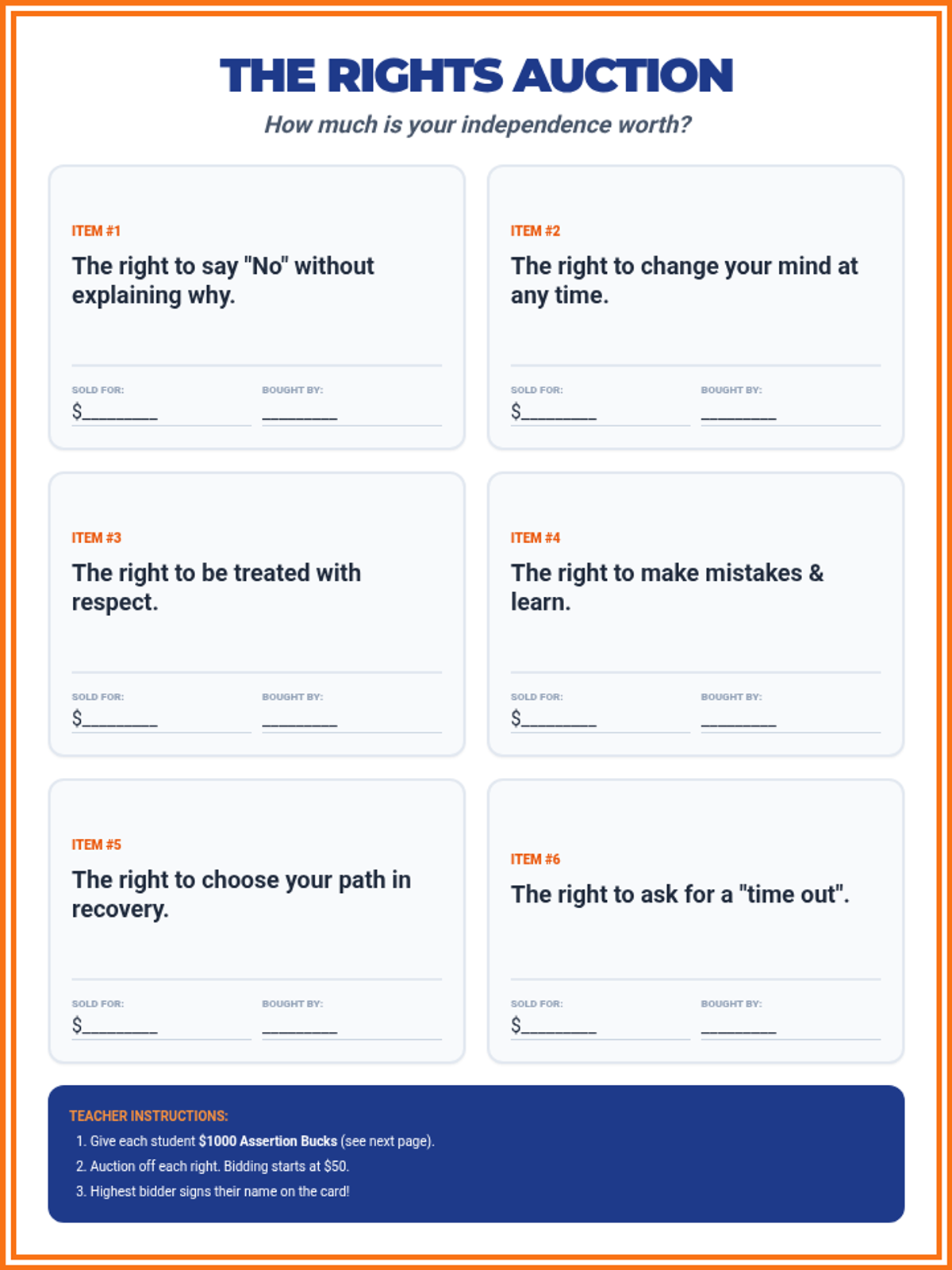
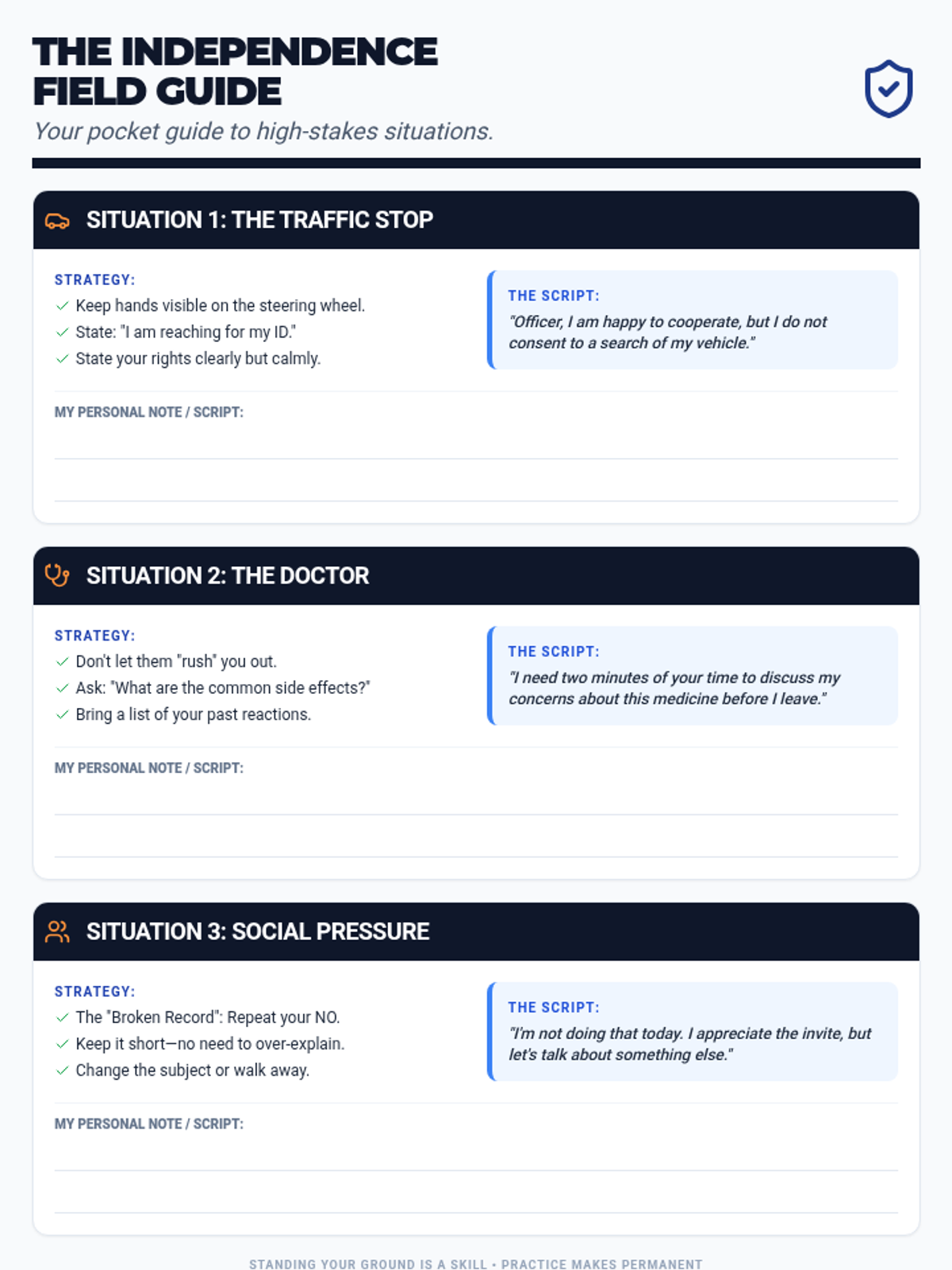
A 60-minute group session focused on empowering adults in PSR programs to understand their personal rights and practice assertive communication in real-world situations.
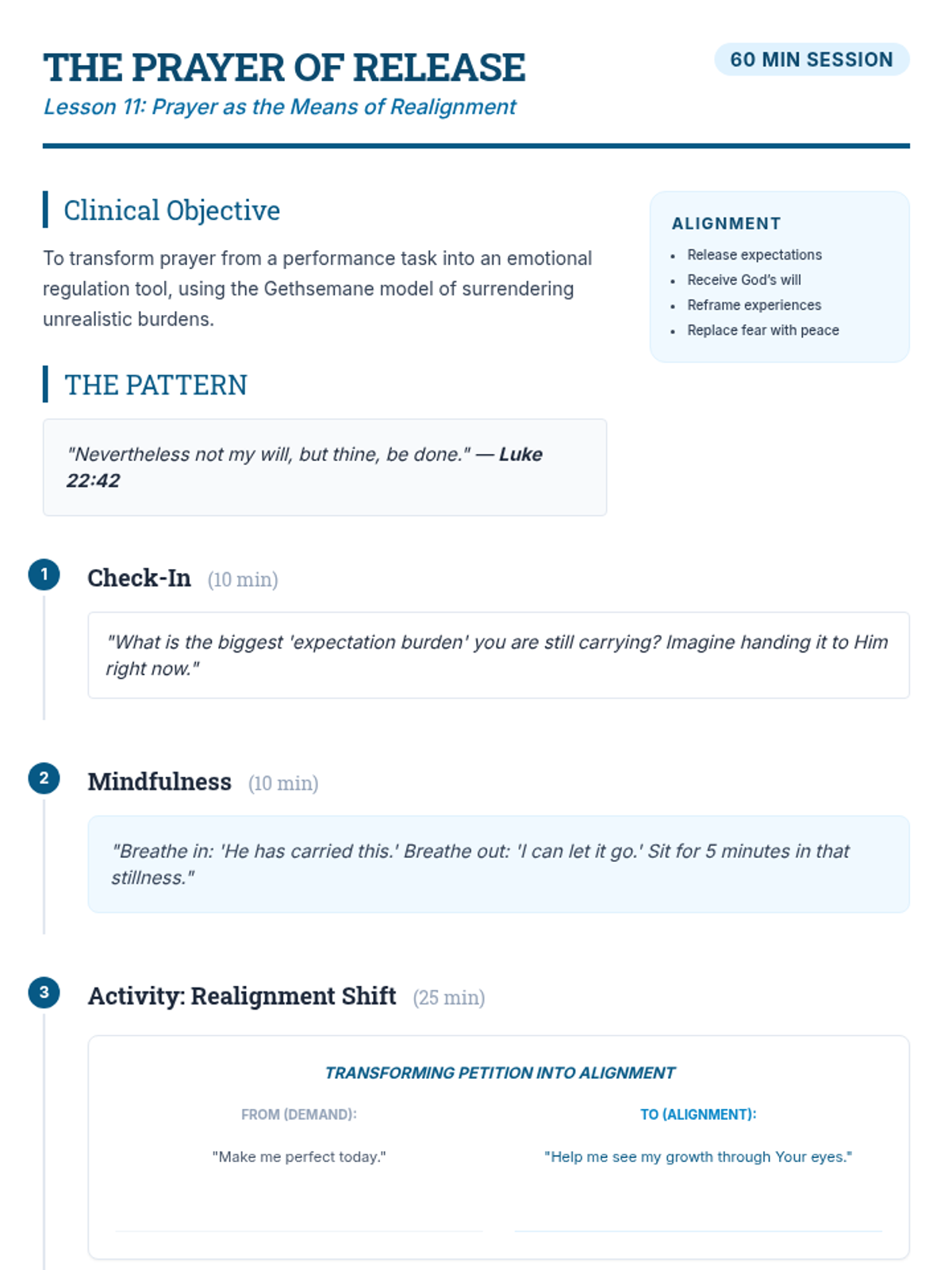
Uses prayer as a tool for realignment rather than just petition, focusing on 'not my will but thine' as a release of unrealistic burdens.
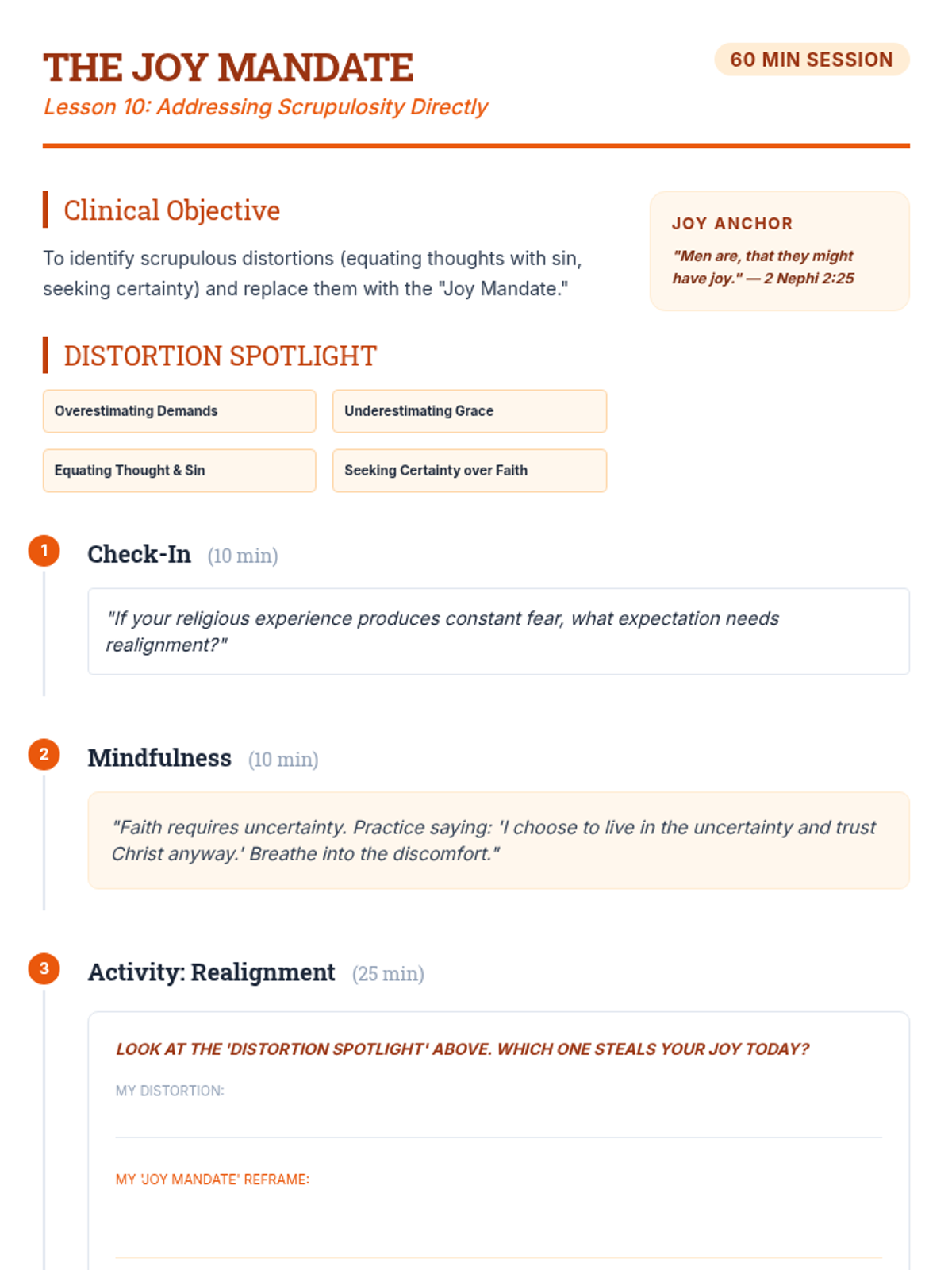
Identifies and provides tools to counter common scrupulous cognitive distortions like overestimating demands and underestimating grace.
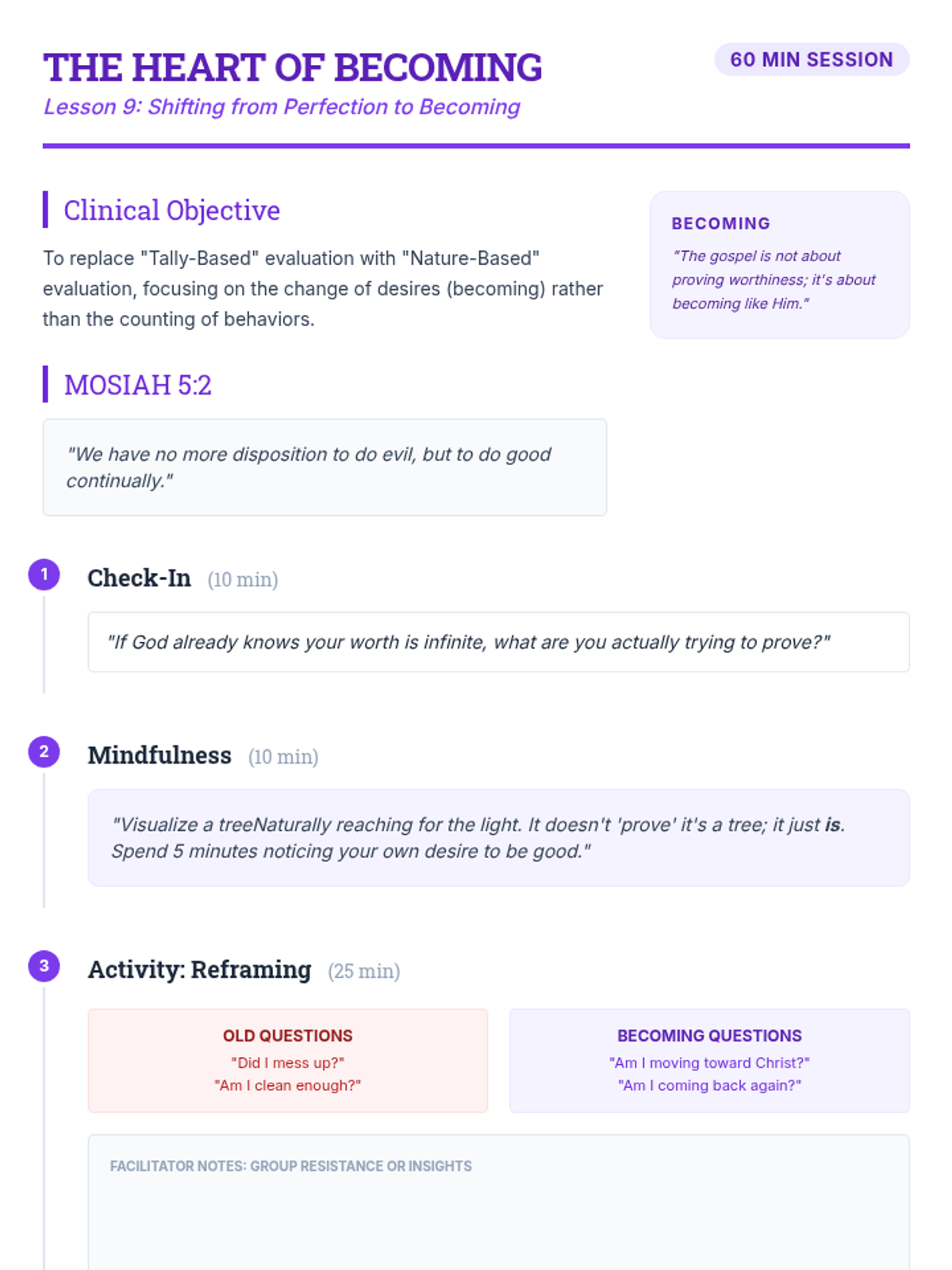
Focuses on the transformation of our nature (becoming) rather than the tallying of individual deeds.
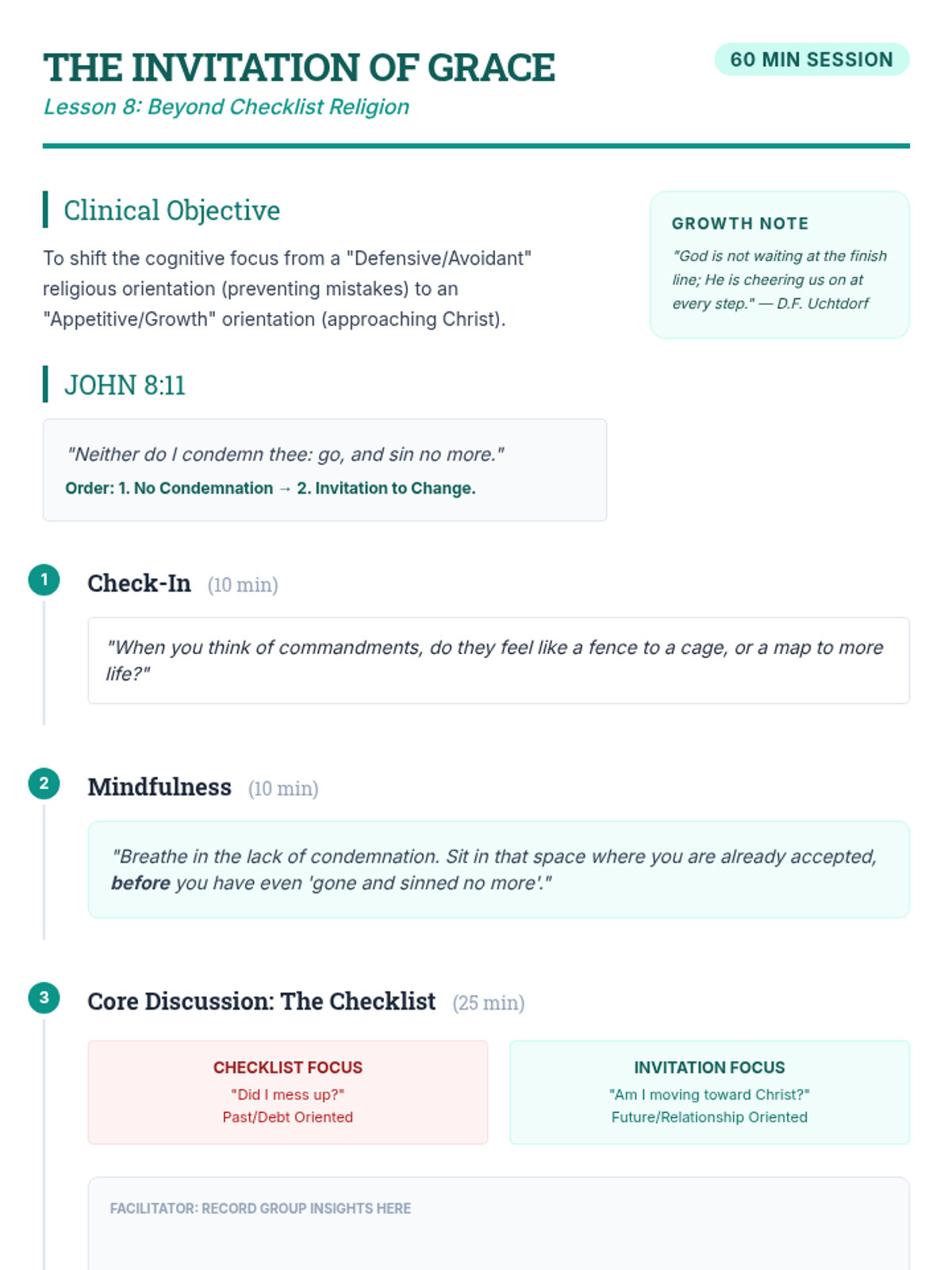
Shifts focus from fear-driven checklist religion to the Savior’s model of invitation and lack of condemnation.
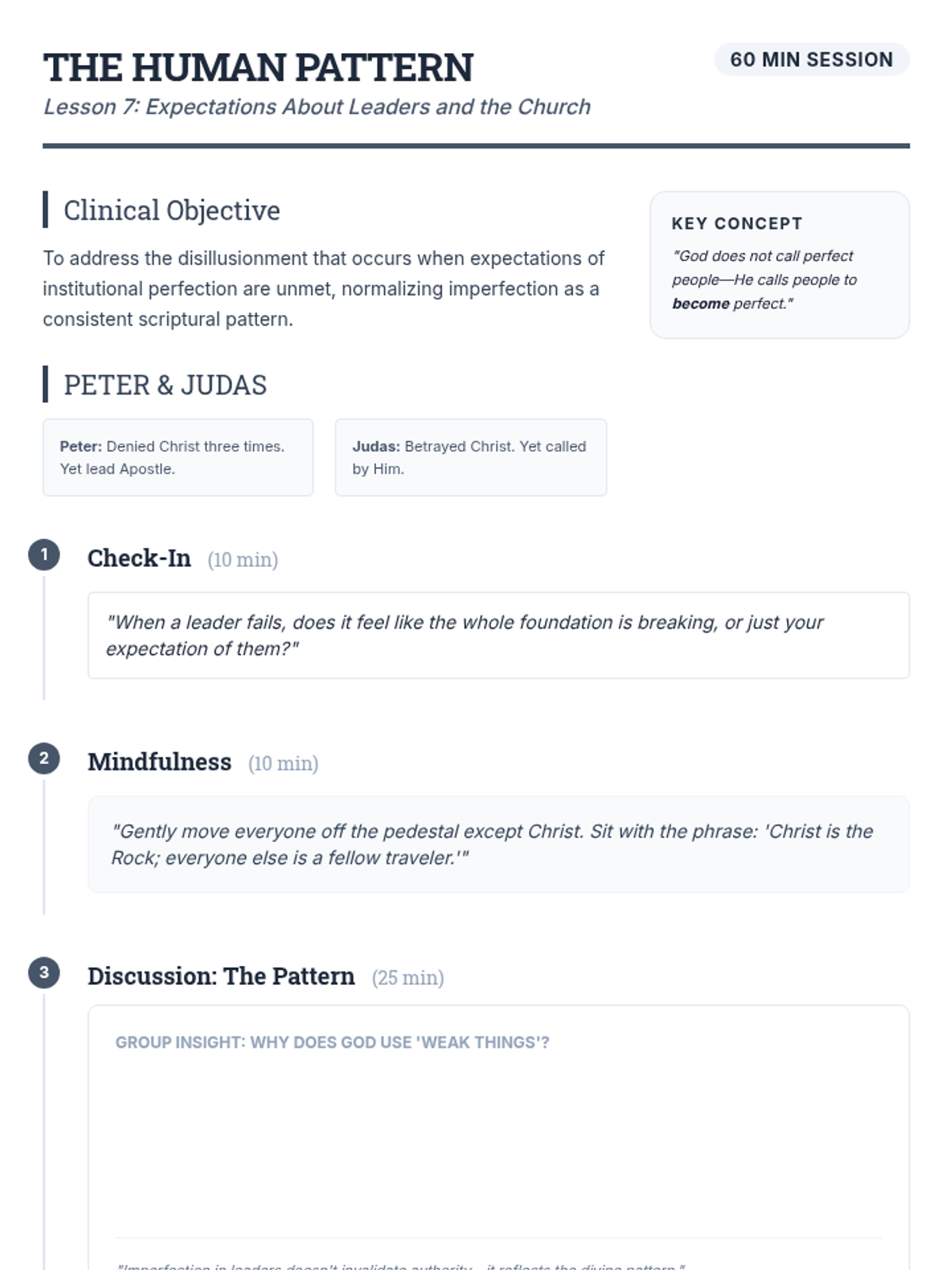
Discusses the reality of imperfect leaders and institutions as a reflection of the divine pattern of working with flawed individuals.
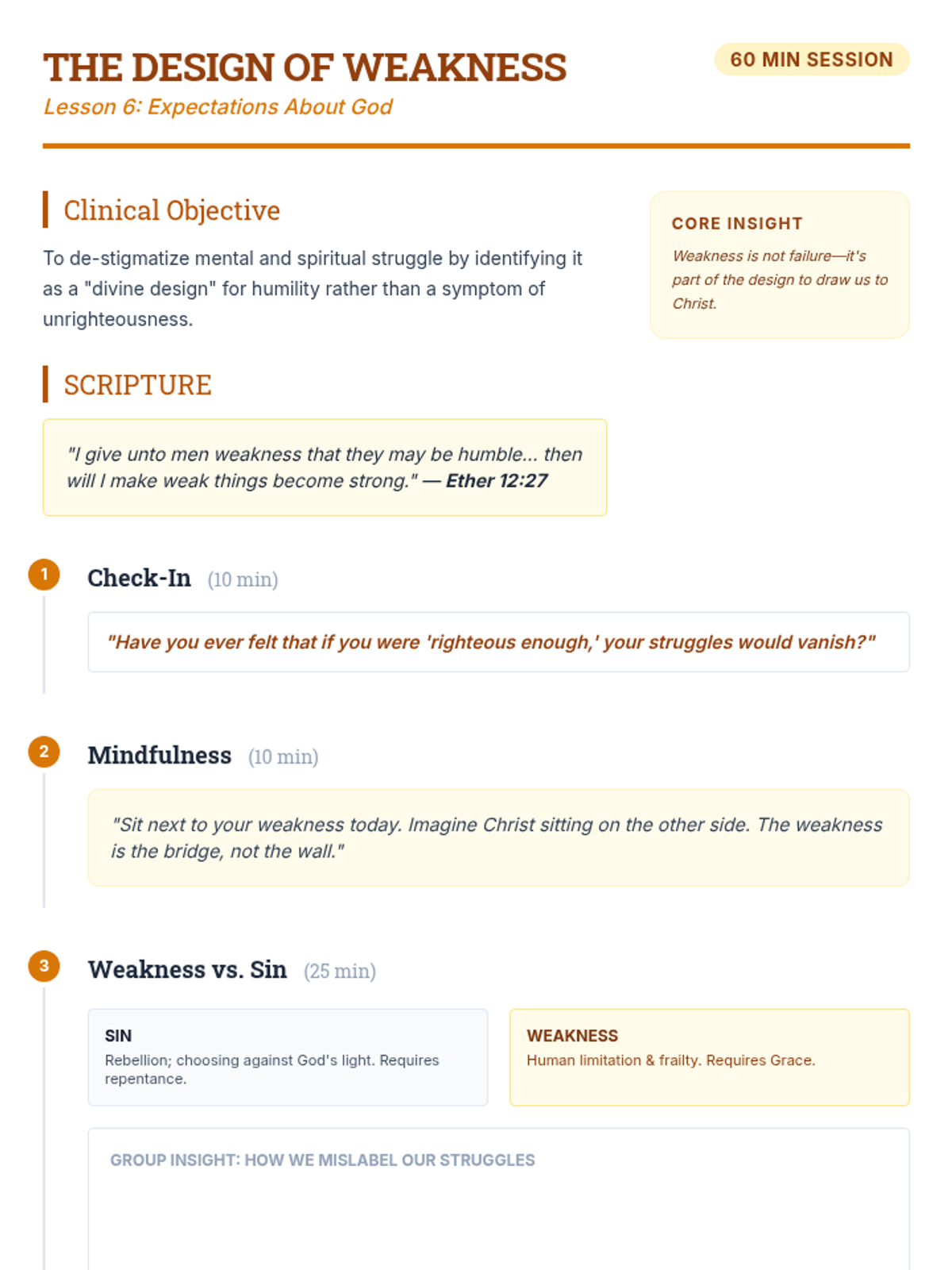
Explores the divine purpose of weakness as taught in Ether 12, reframing struggle as a tool for humility rather than evidence of failure.
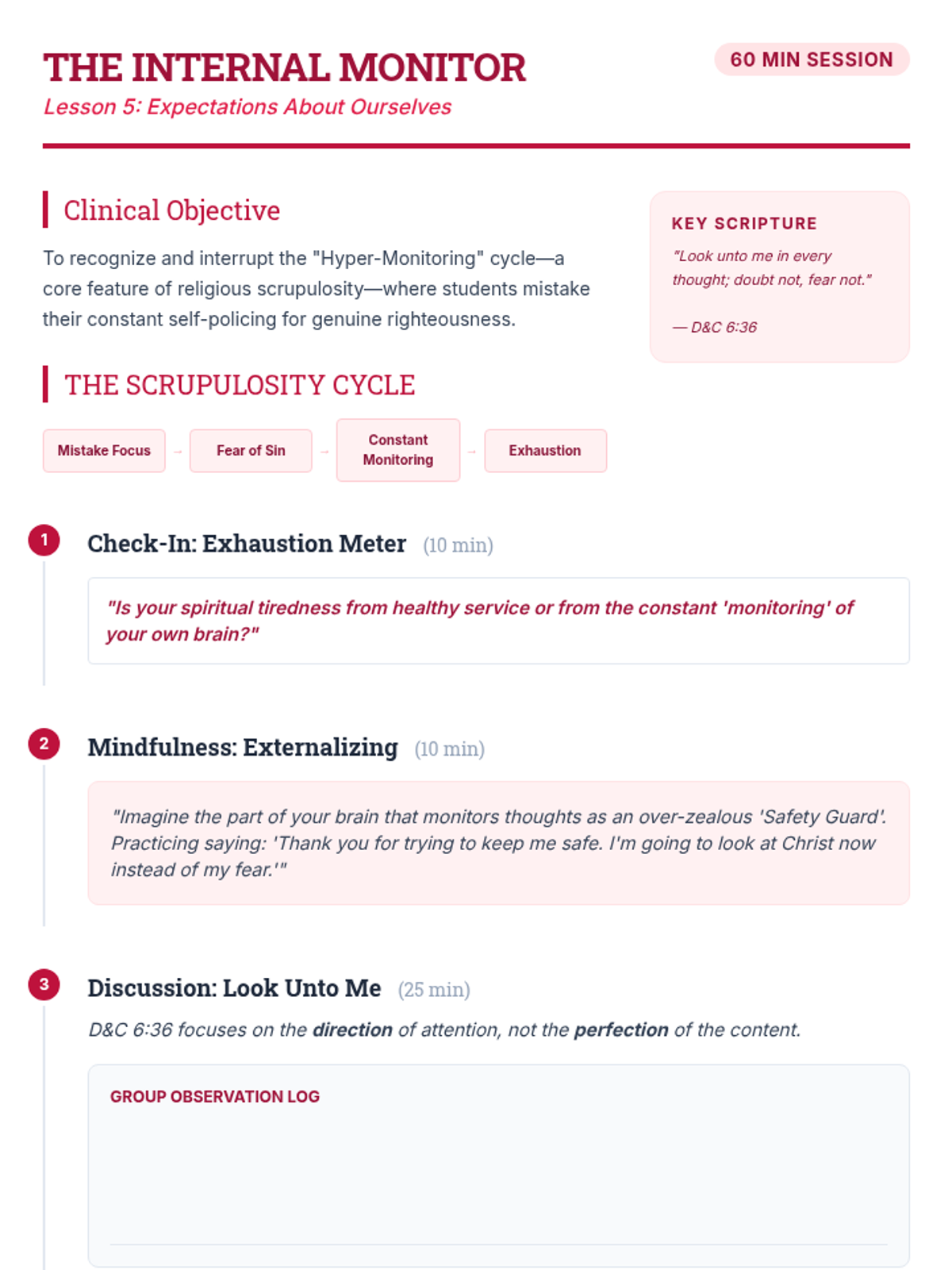
Addresses the clinical cycle of religious OCD, focusing on how hyper-monitoring and fear distort our self-perception and spiritual experience.
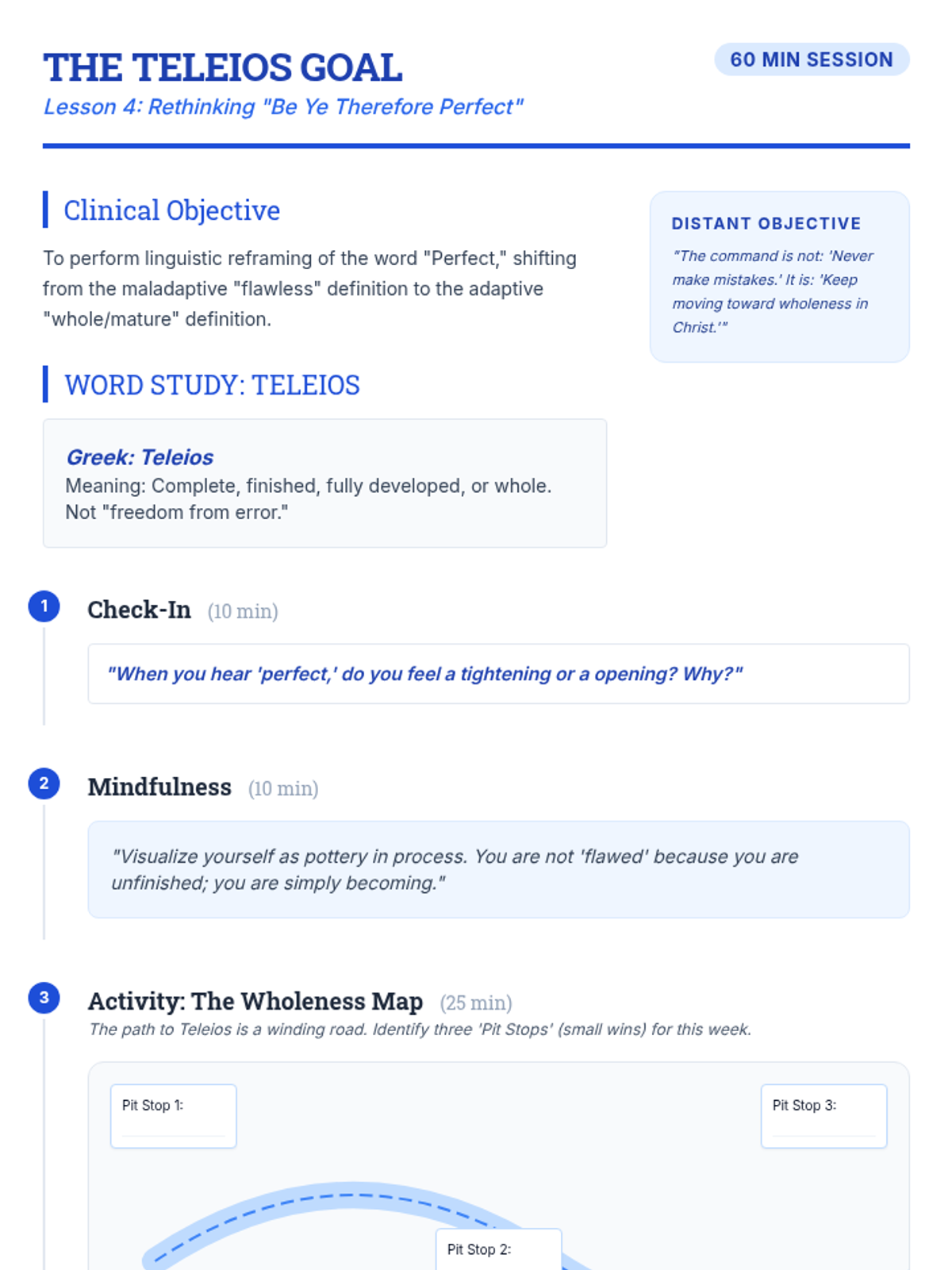
Reframes the command to 'be perfect' using the Greek 'teleios,' shifting the focus from 'flawless' to 'whole' and 'complete in Christ.'
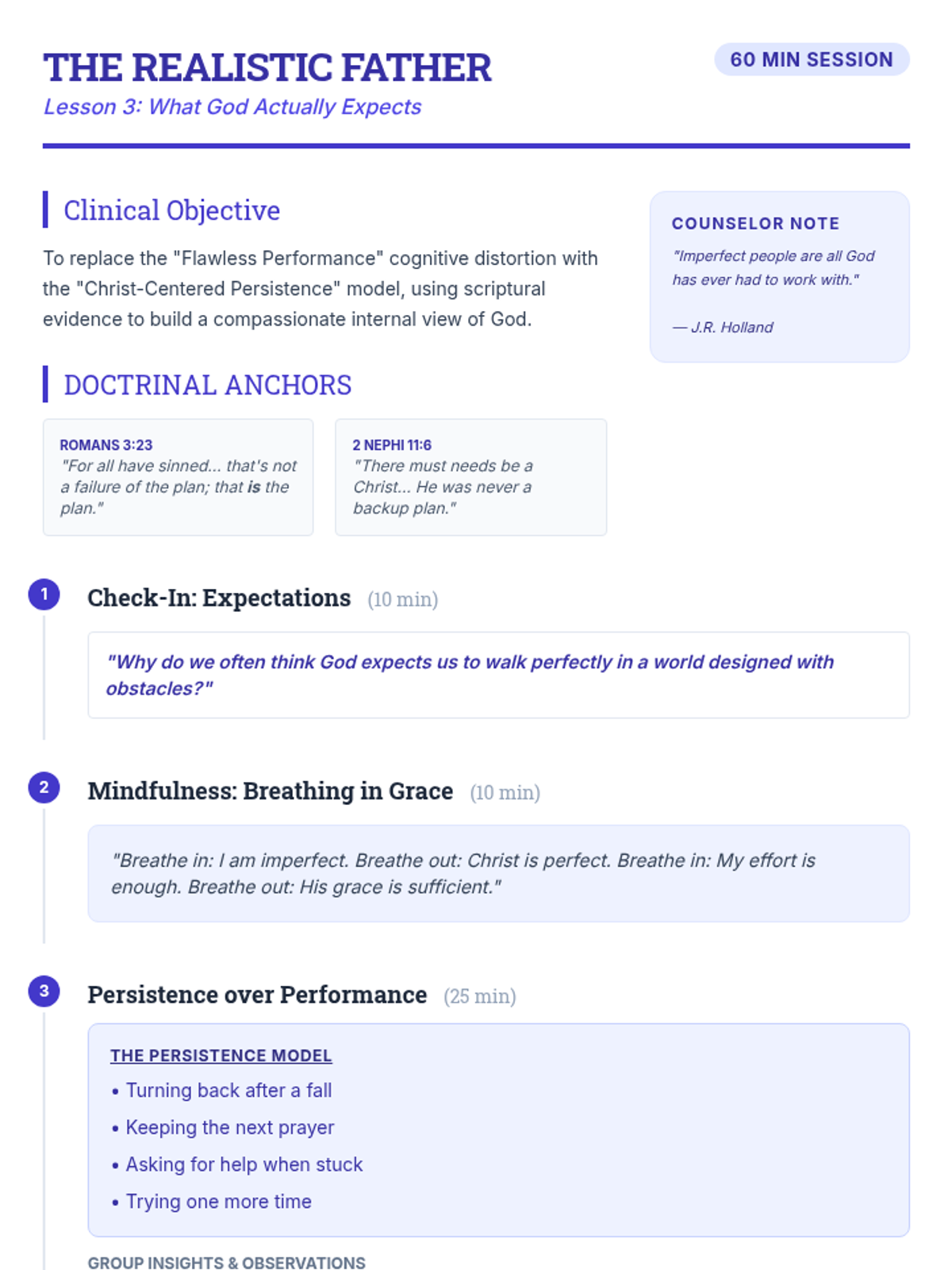
A deep dive into the doctrine that God expects persistence and Christ-centeredness rather than flawless performance in mortality.
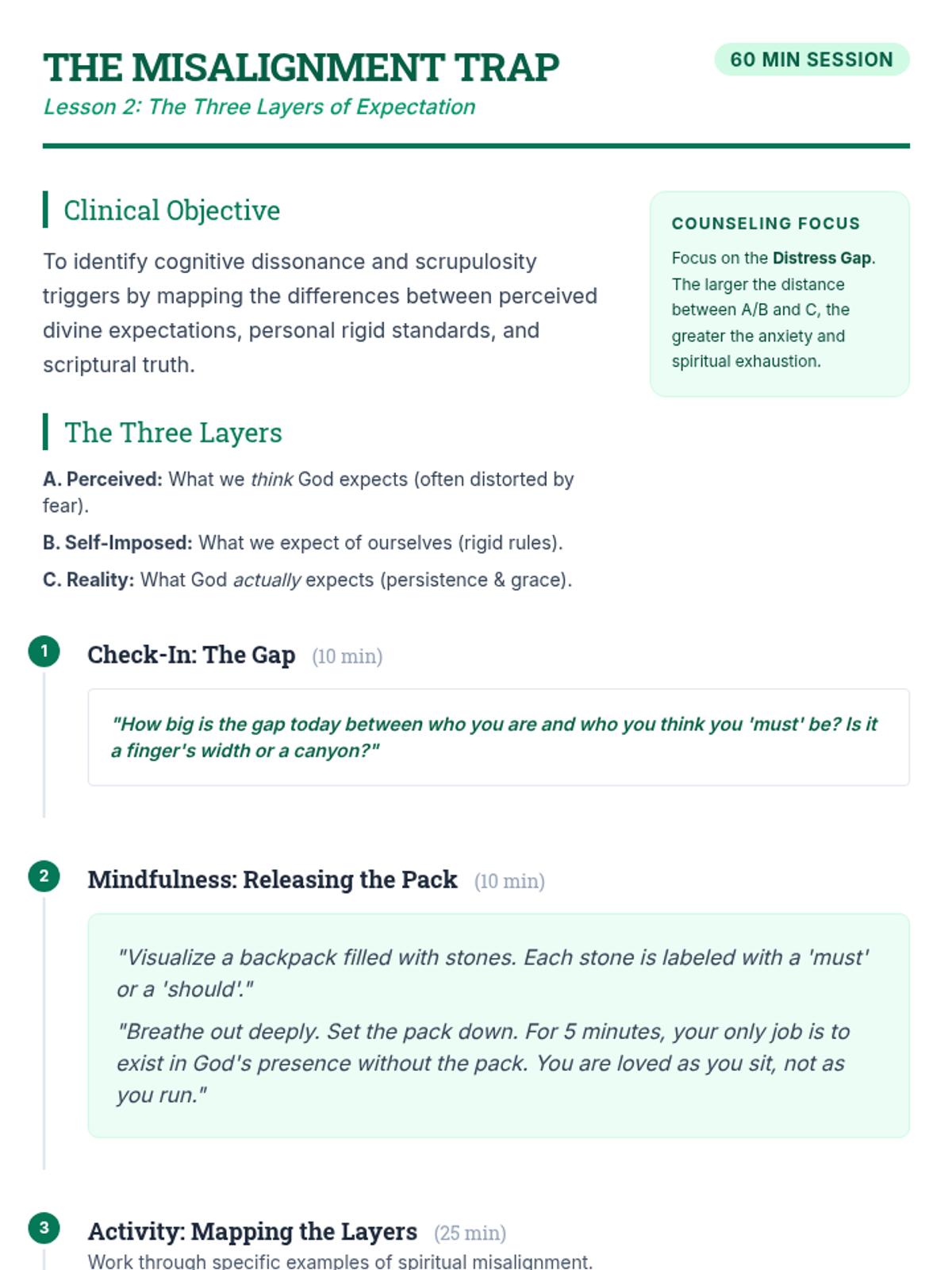
Identifies the three layers of expectations—what we think God wants, what we want, and what God actually wants—to find the source of religious distress.
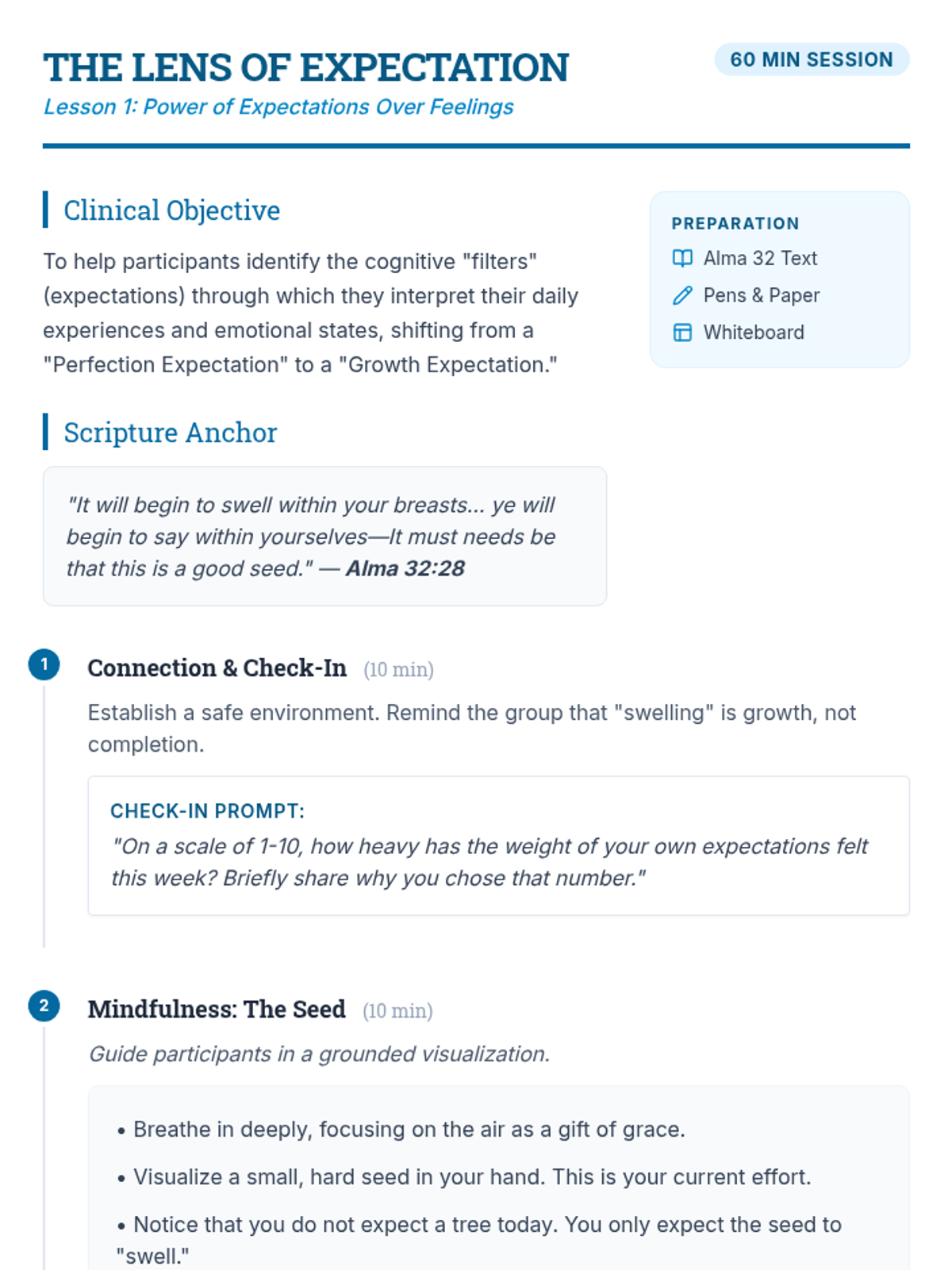
Explores how our internal expectations act as filters for our reality, using Alma 32 to reframe growth as a gradual process rather than immediate perfection.
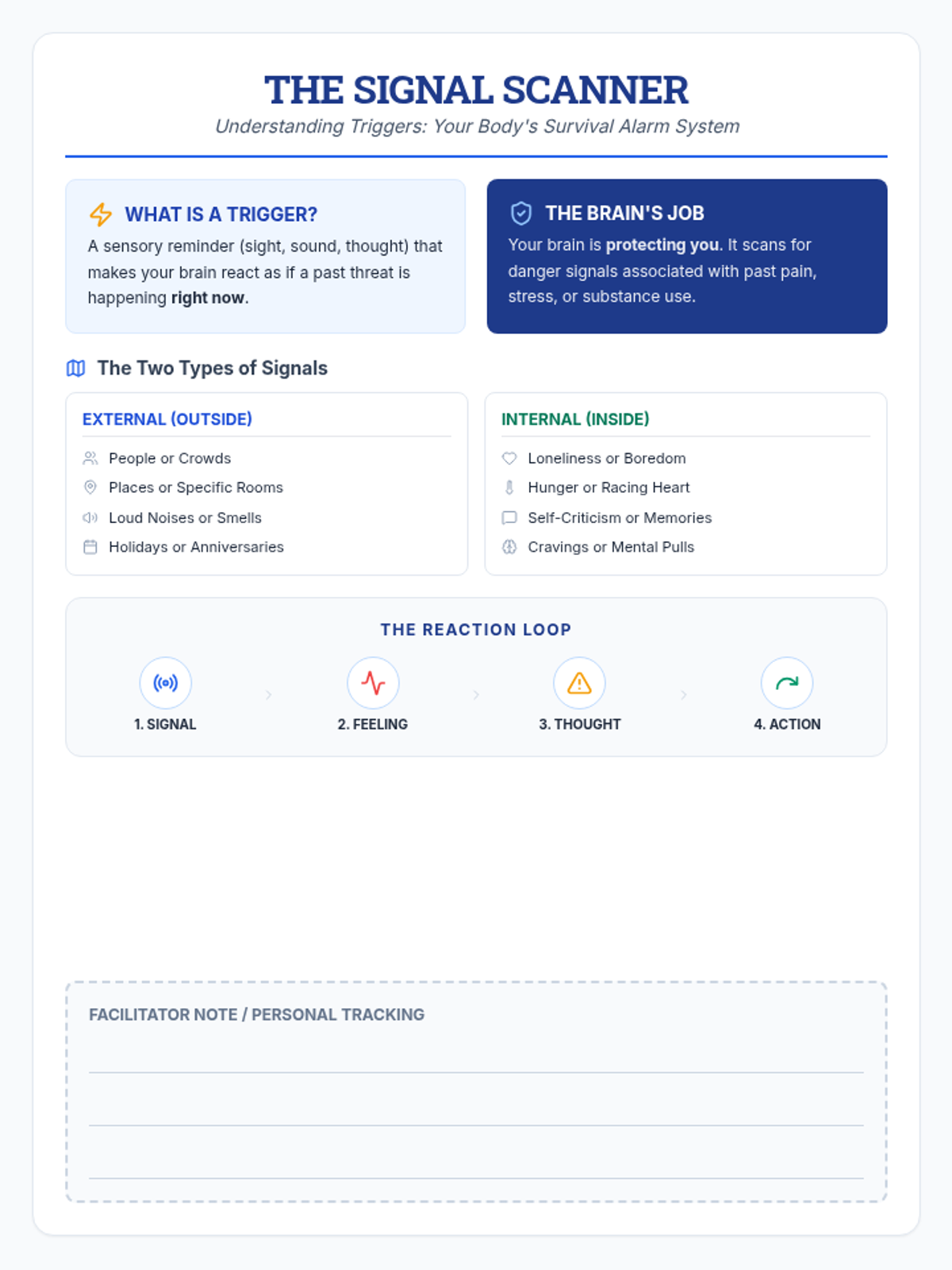
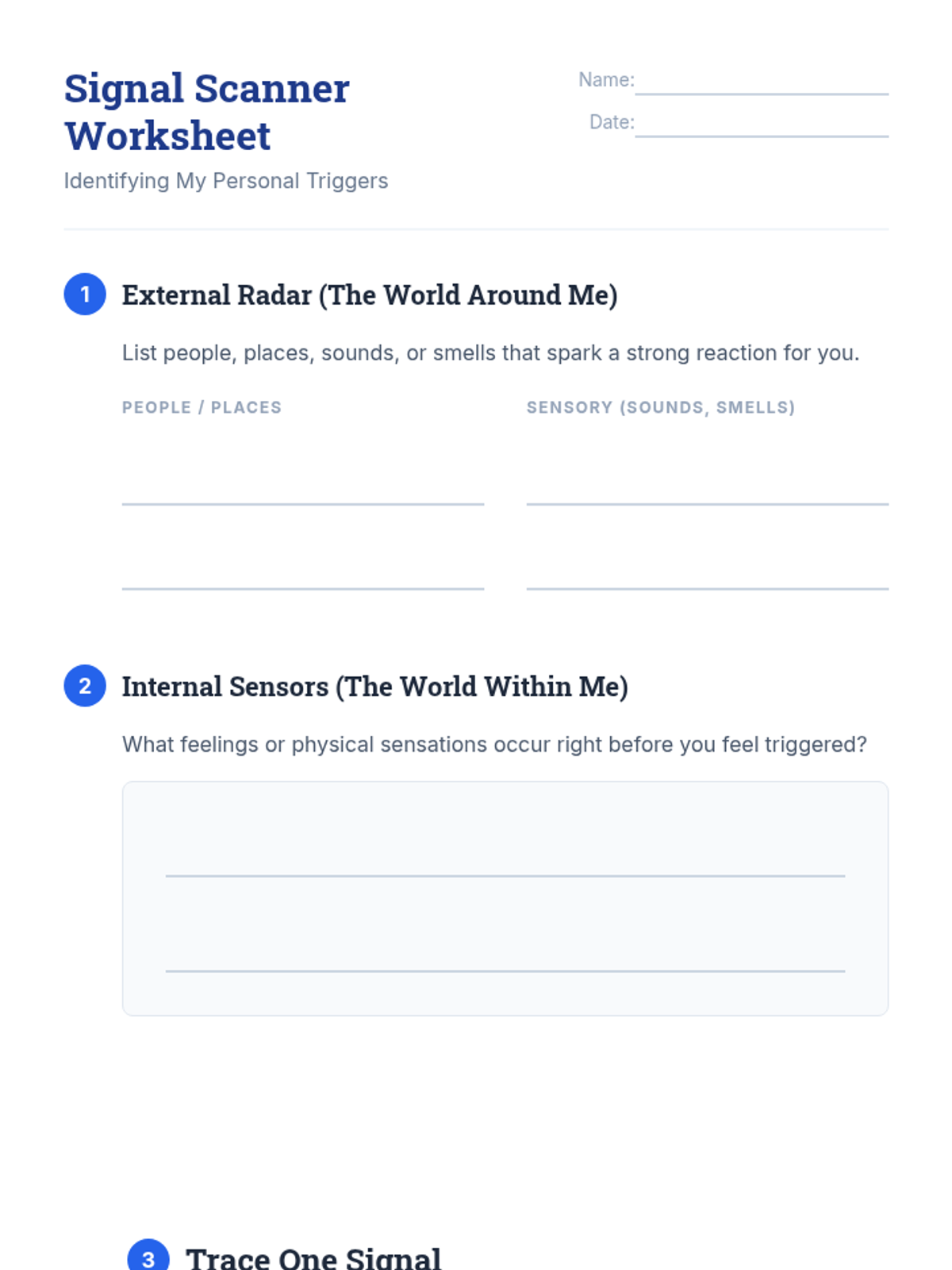
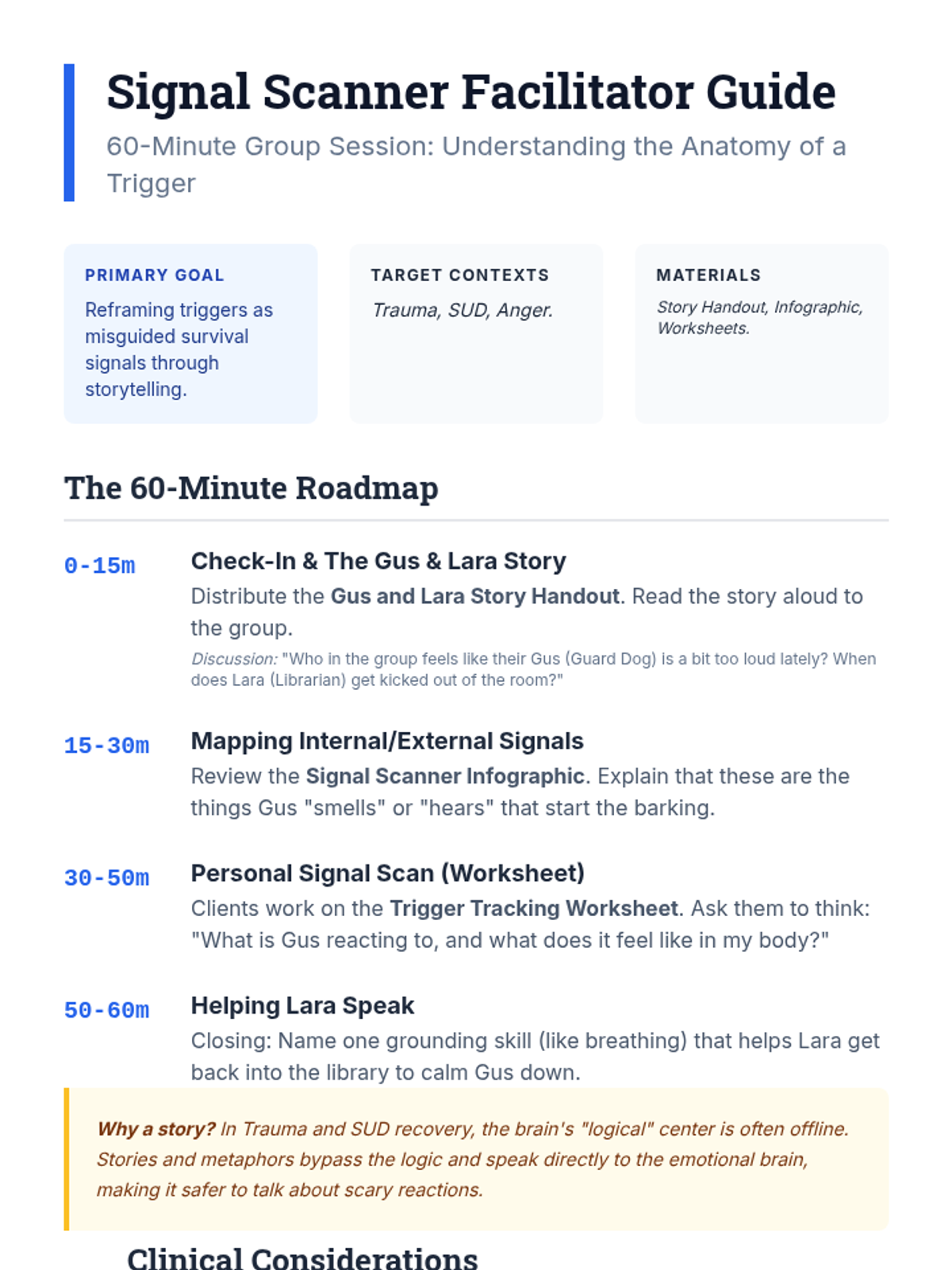
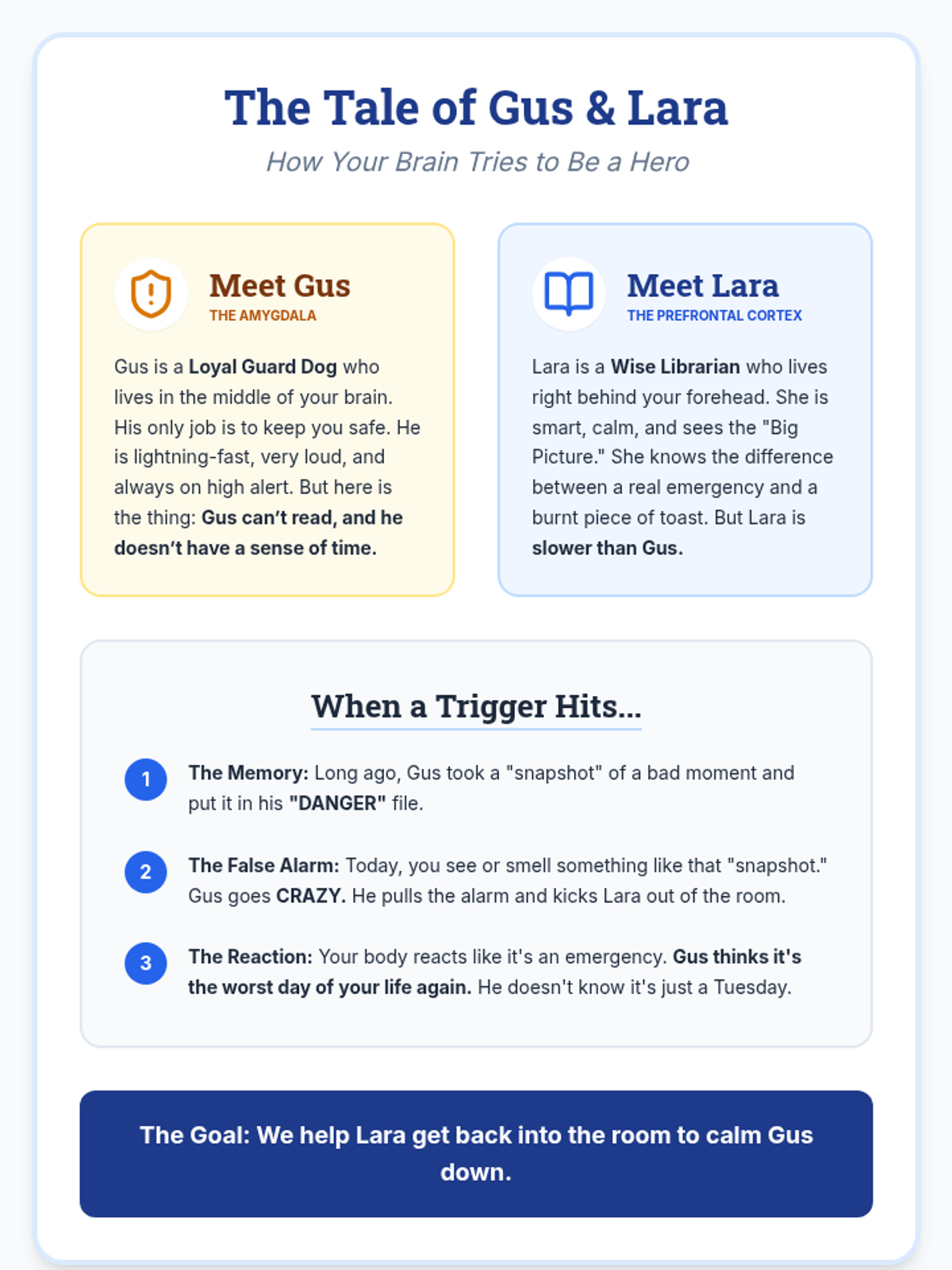
A one-hour group session designed for clients in trauma recovery, SUD, and anger management to identify internal and external triggers and understand the 'alarm system' of the brain.
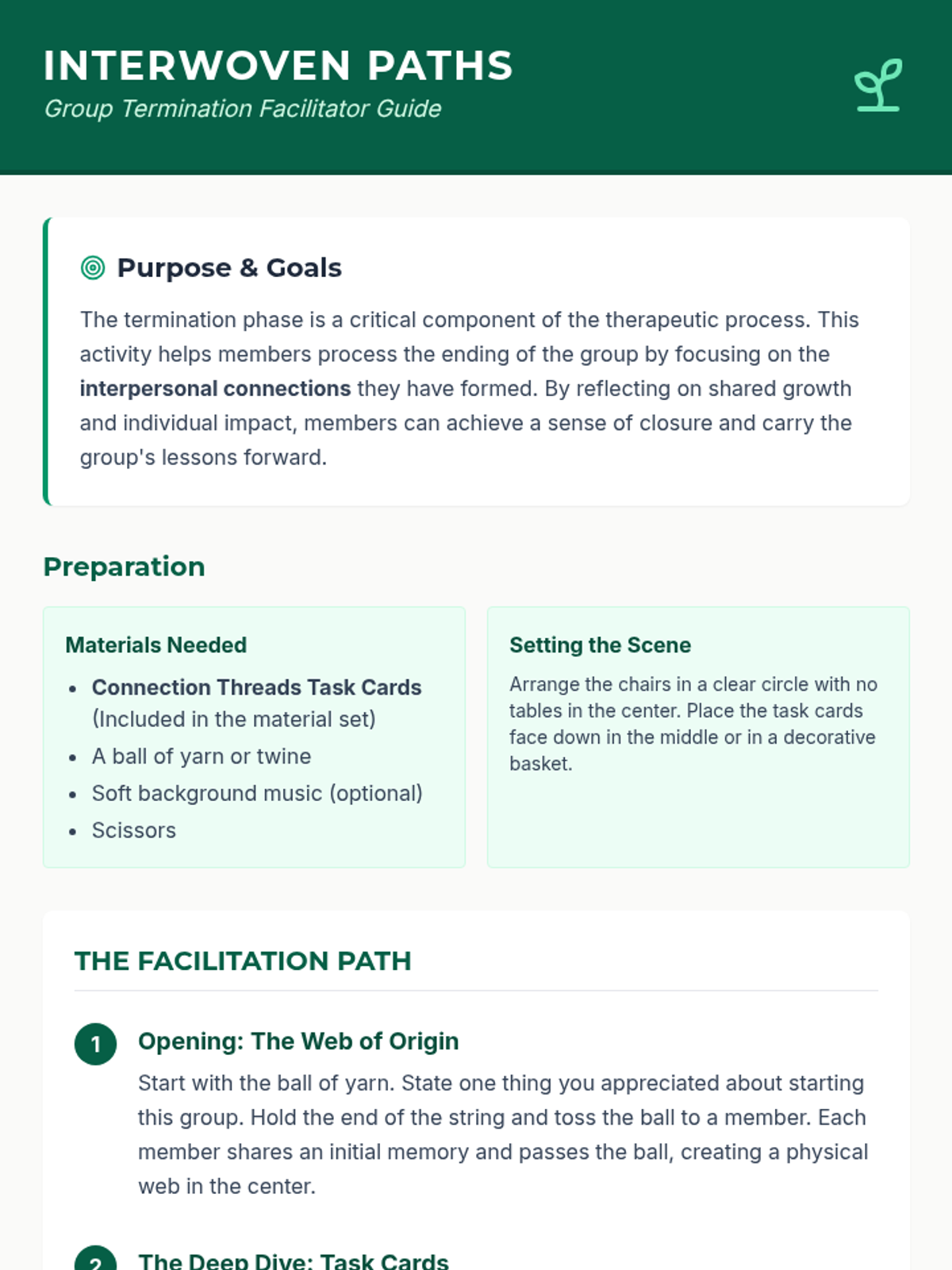
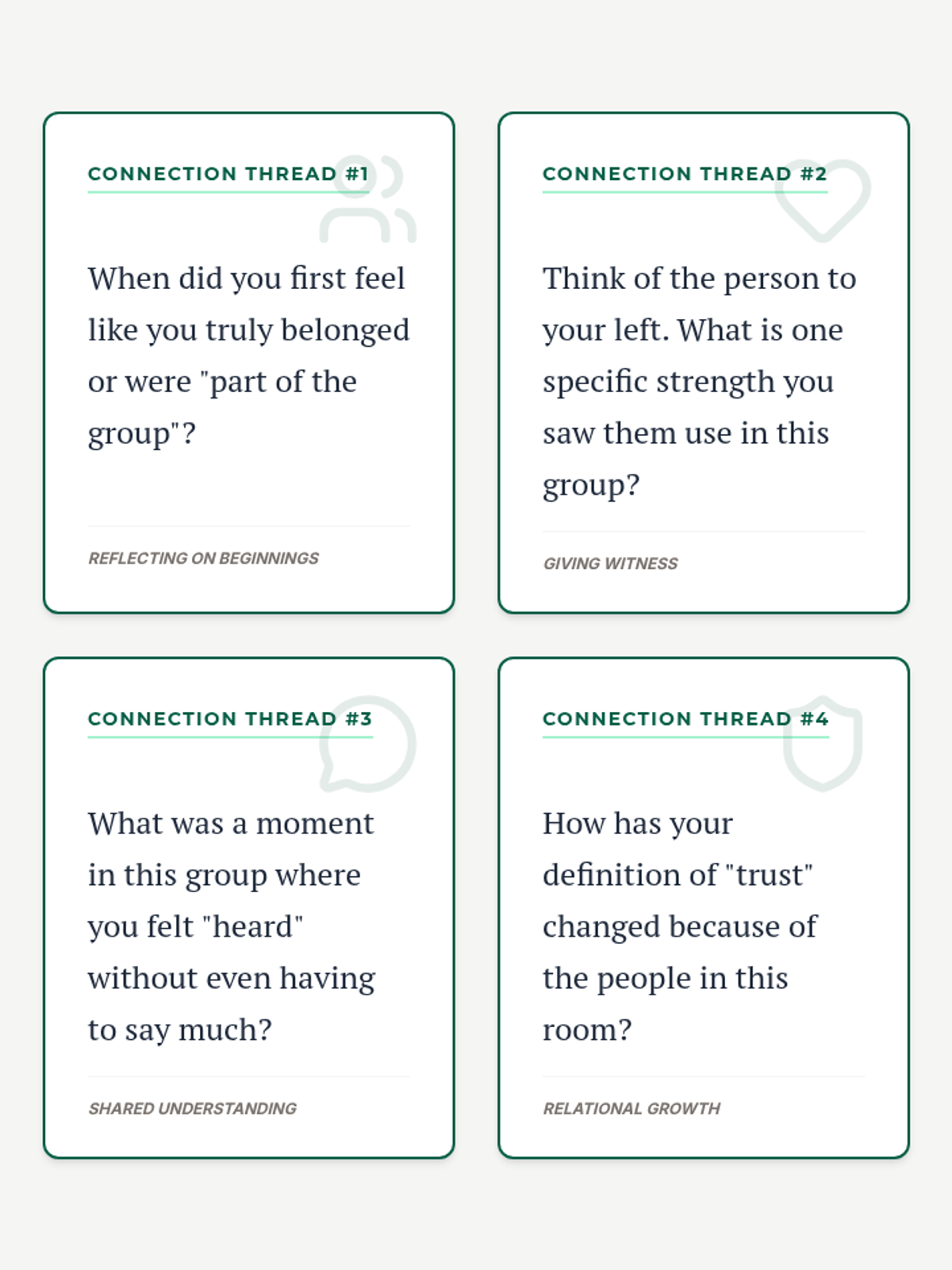
A supportive final session for counseling groups focused on reflecting on interpersonal growth, shared experiences, and the process of saying goodbye.
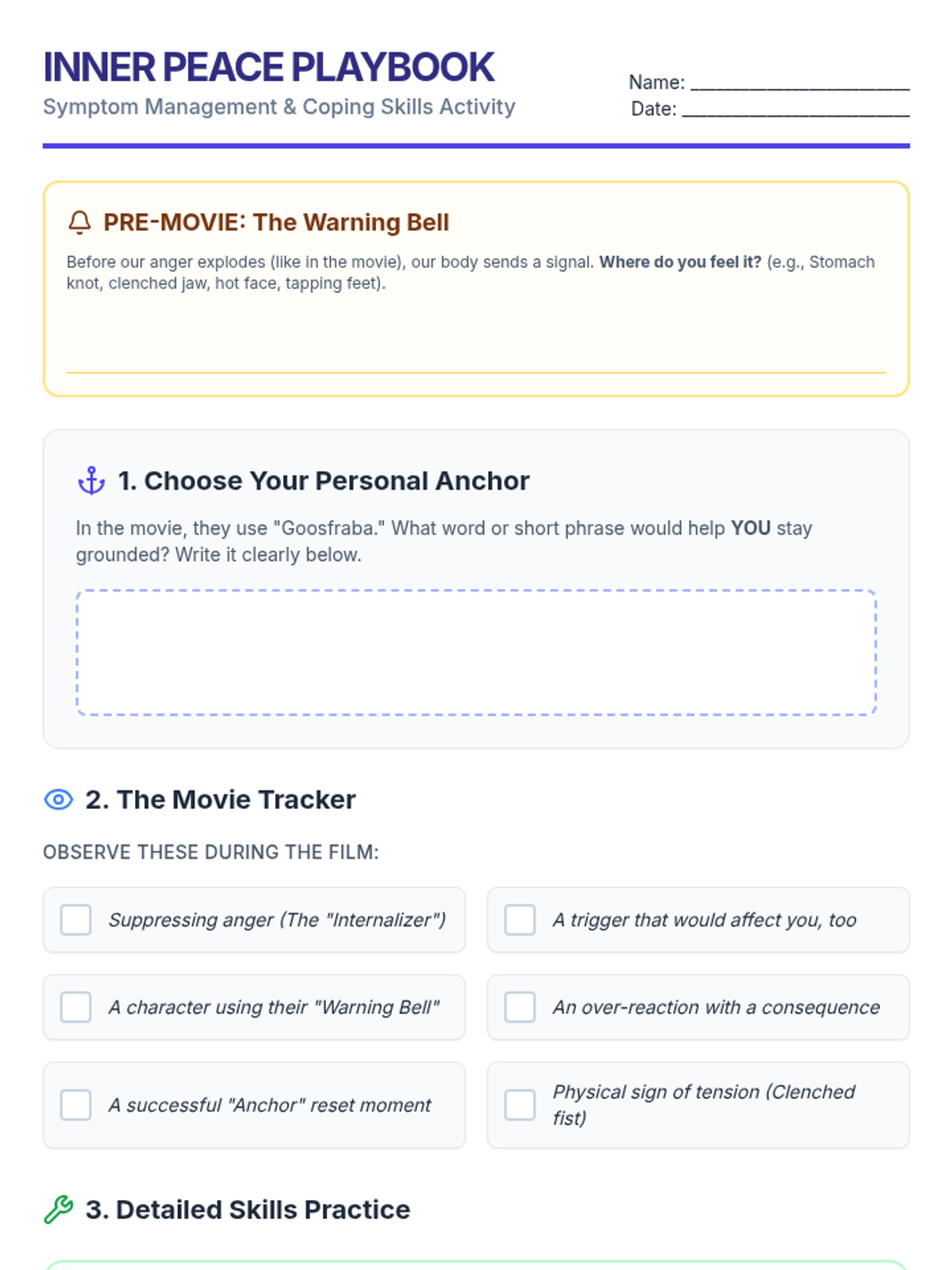
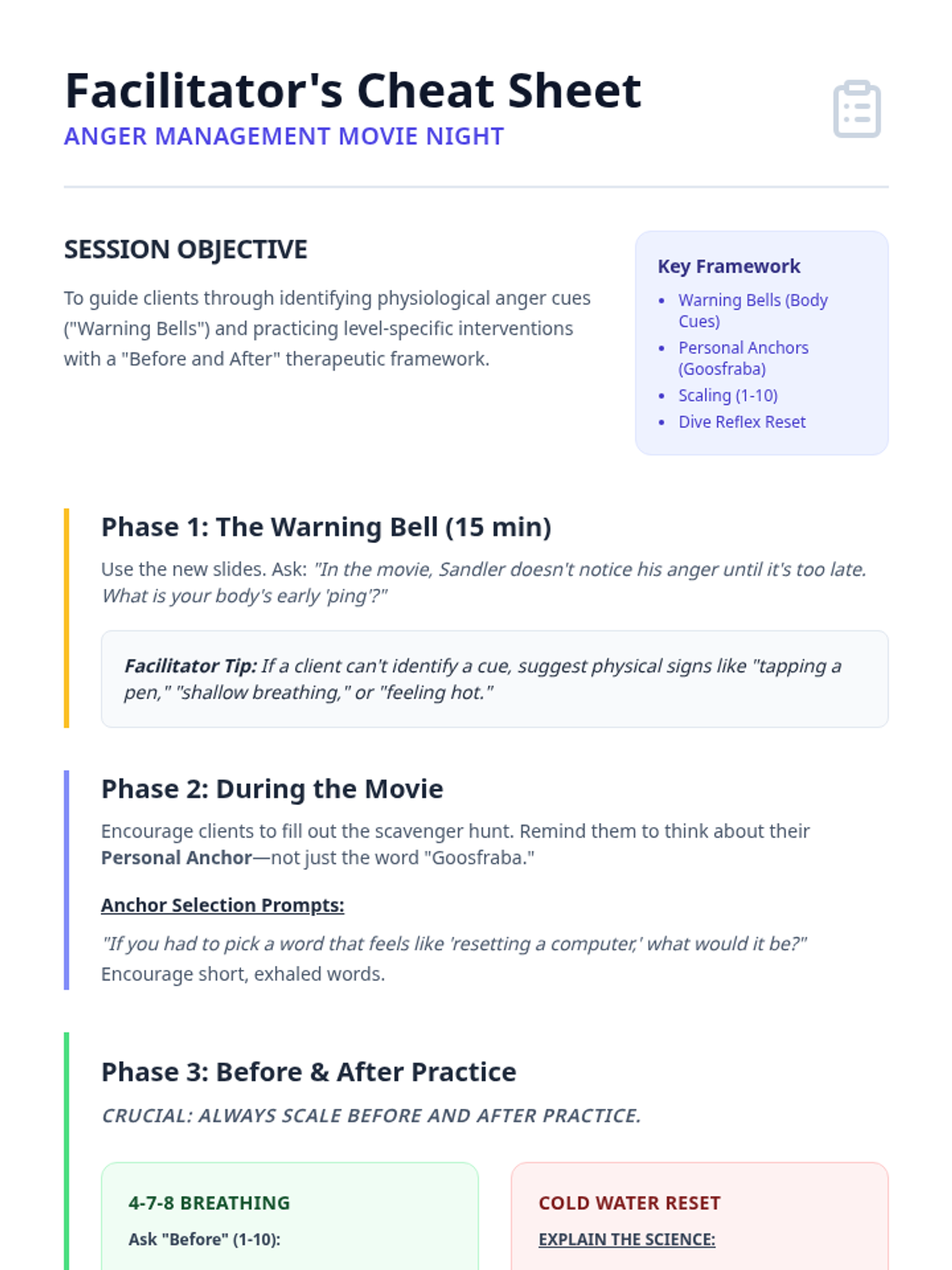
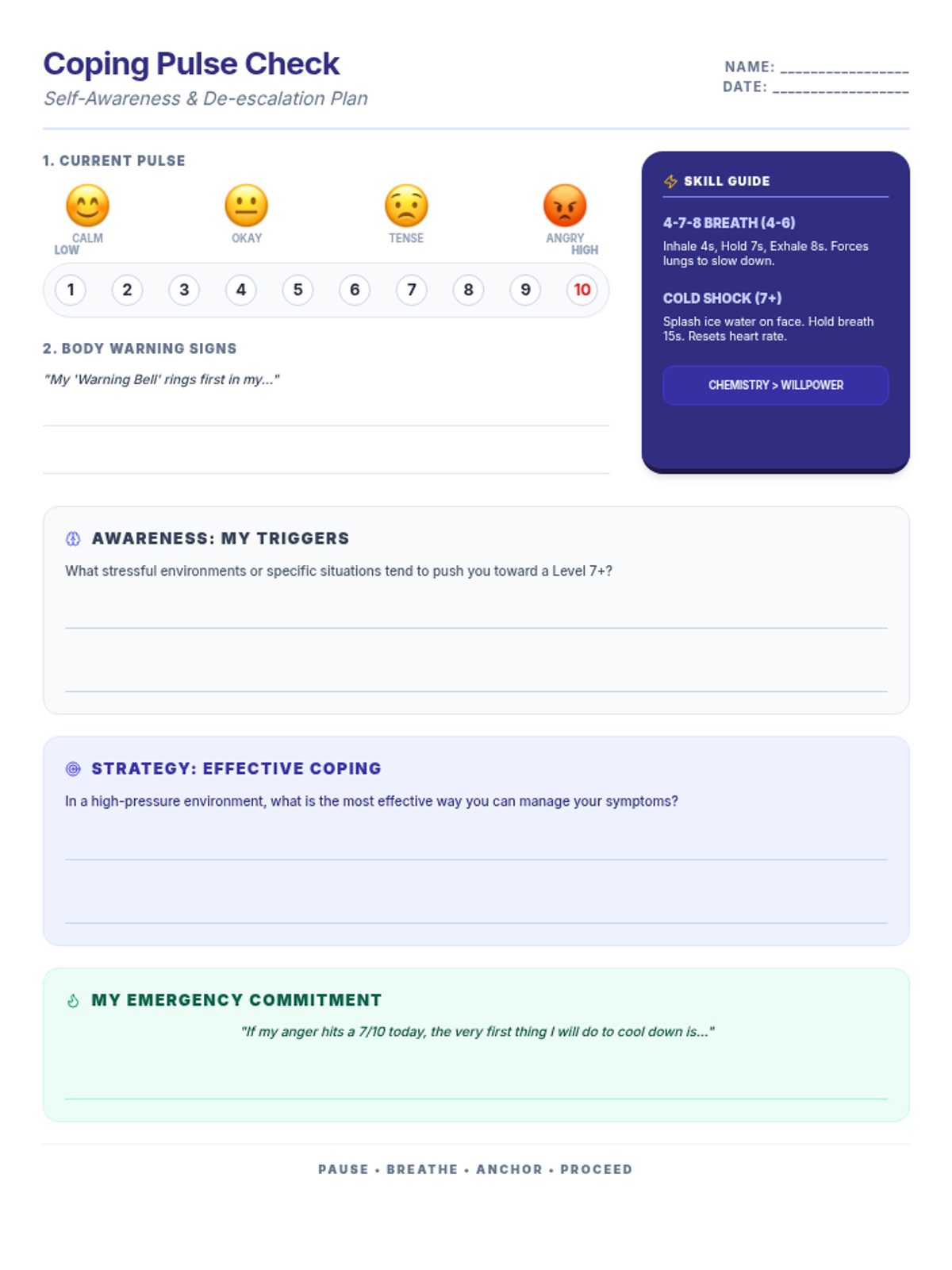
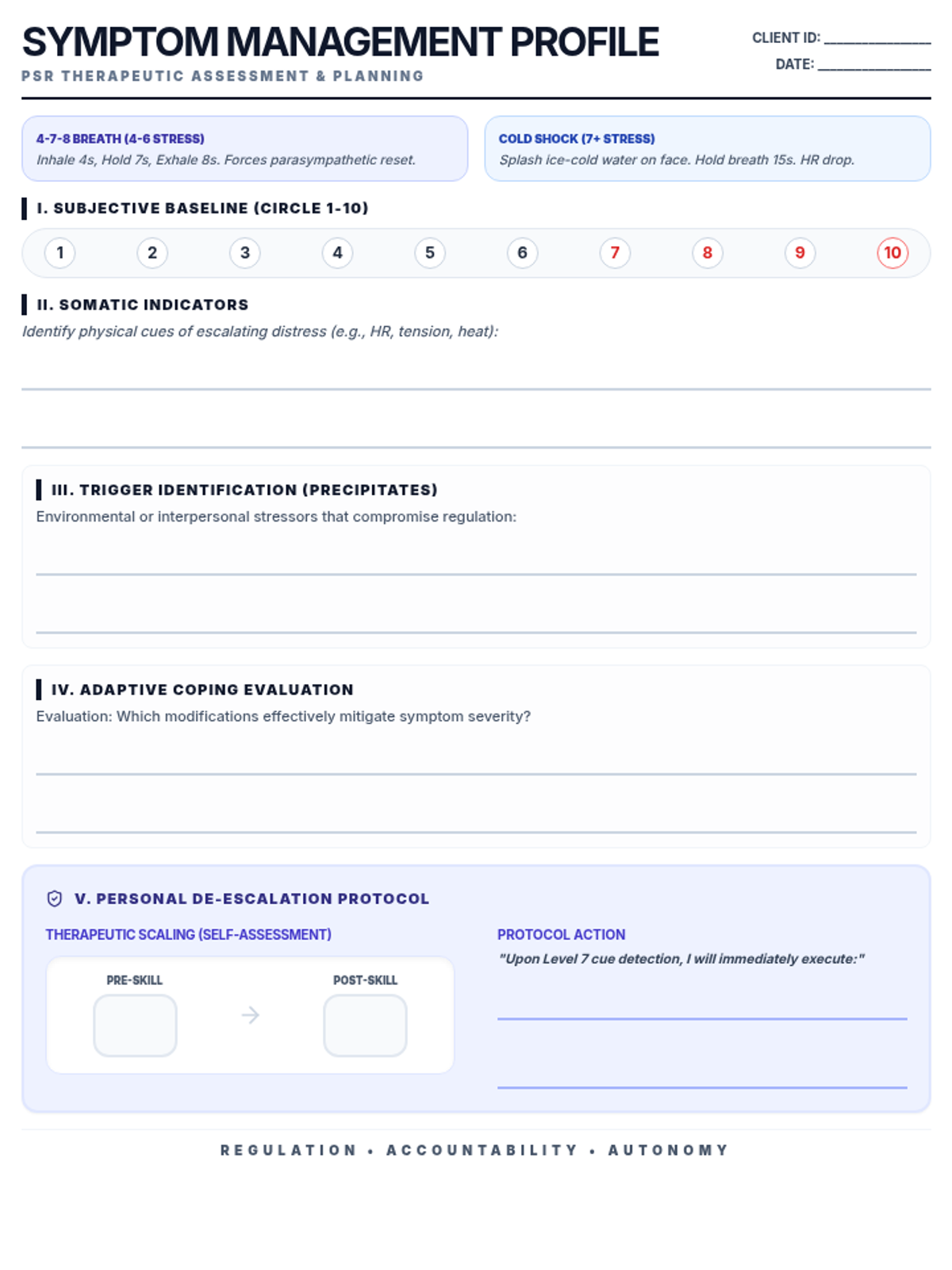
An interactive PSR group lesson centered on the movie 'Anger Management,' focusing on identifying personal triggers and building a hierarchy of coping skills from moderate stress to severe anger.
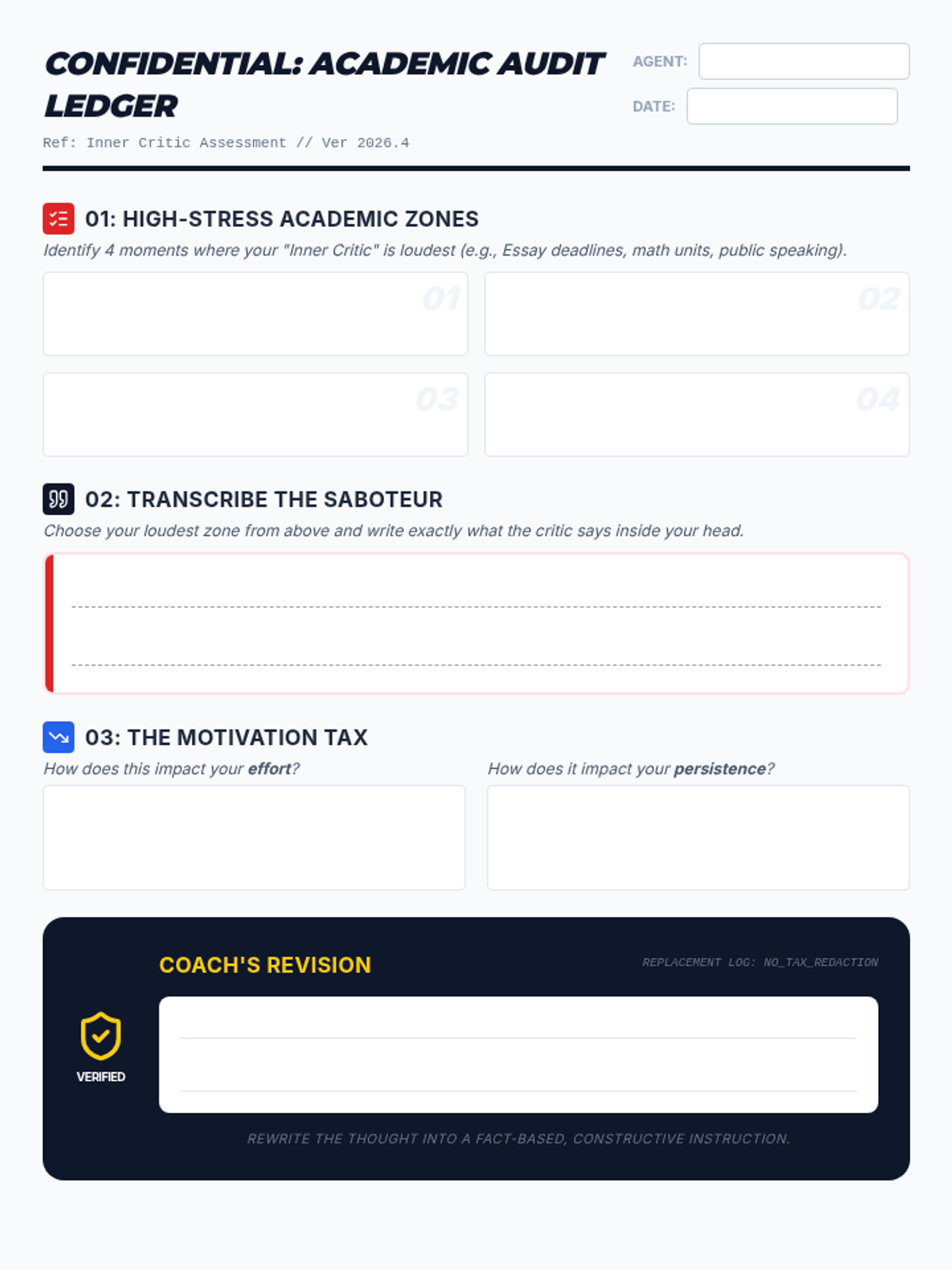
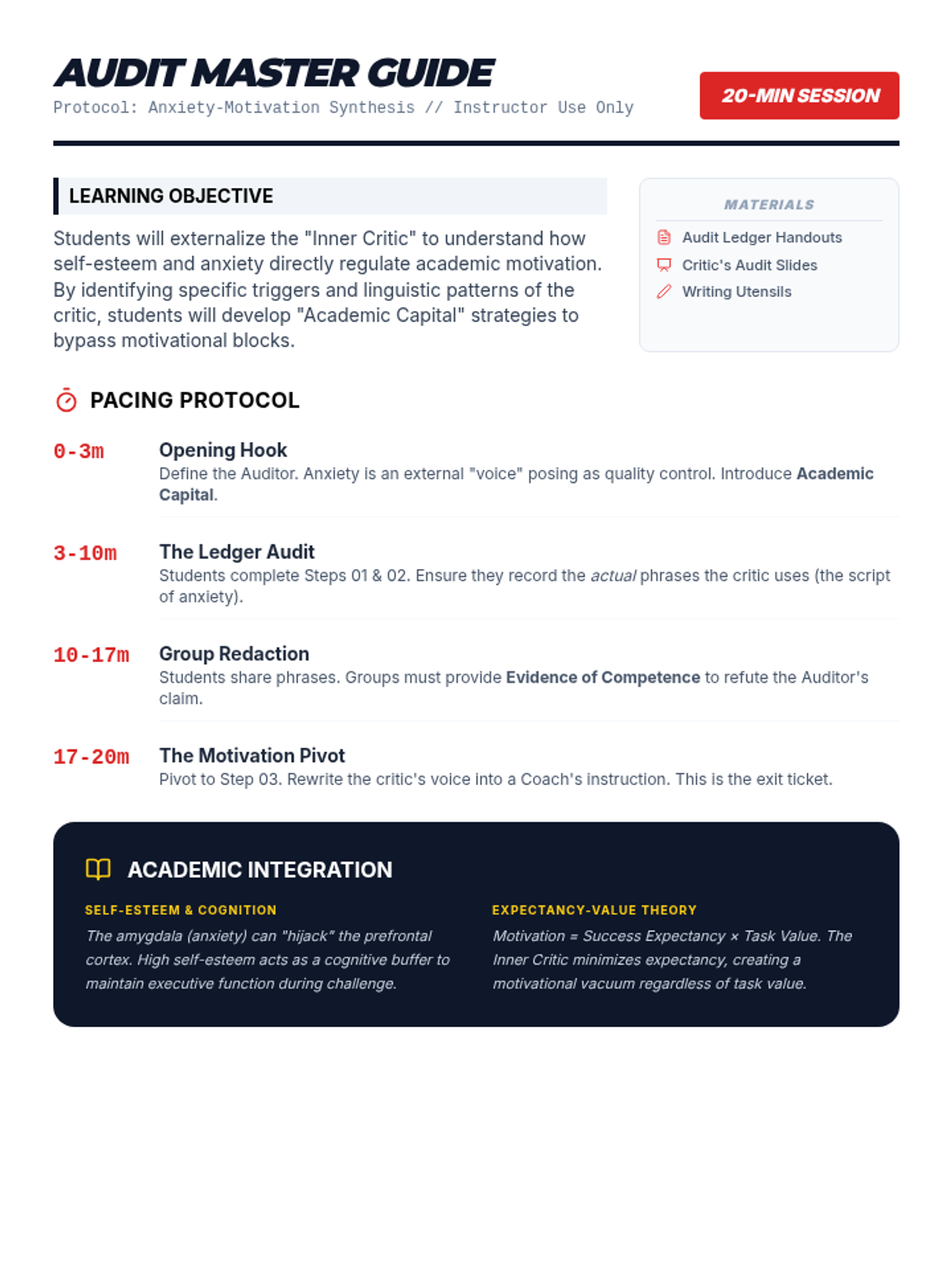
A high-impact 20-minute group activity that identifies the 'inner critic' in academic settings and explores how it impacts motivation and self-esteem. Students will conduct an 'academic audit' to transform anxious thoughts into motivational strategies.
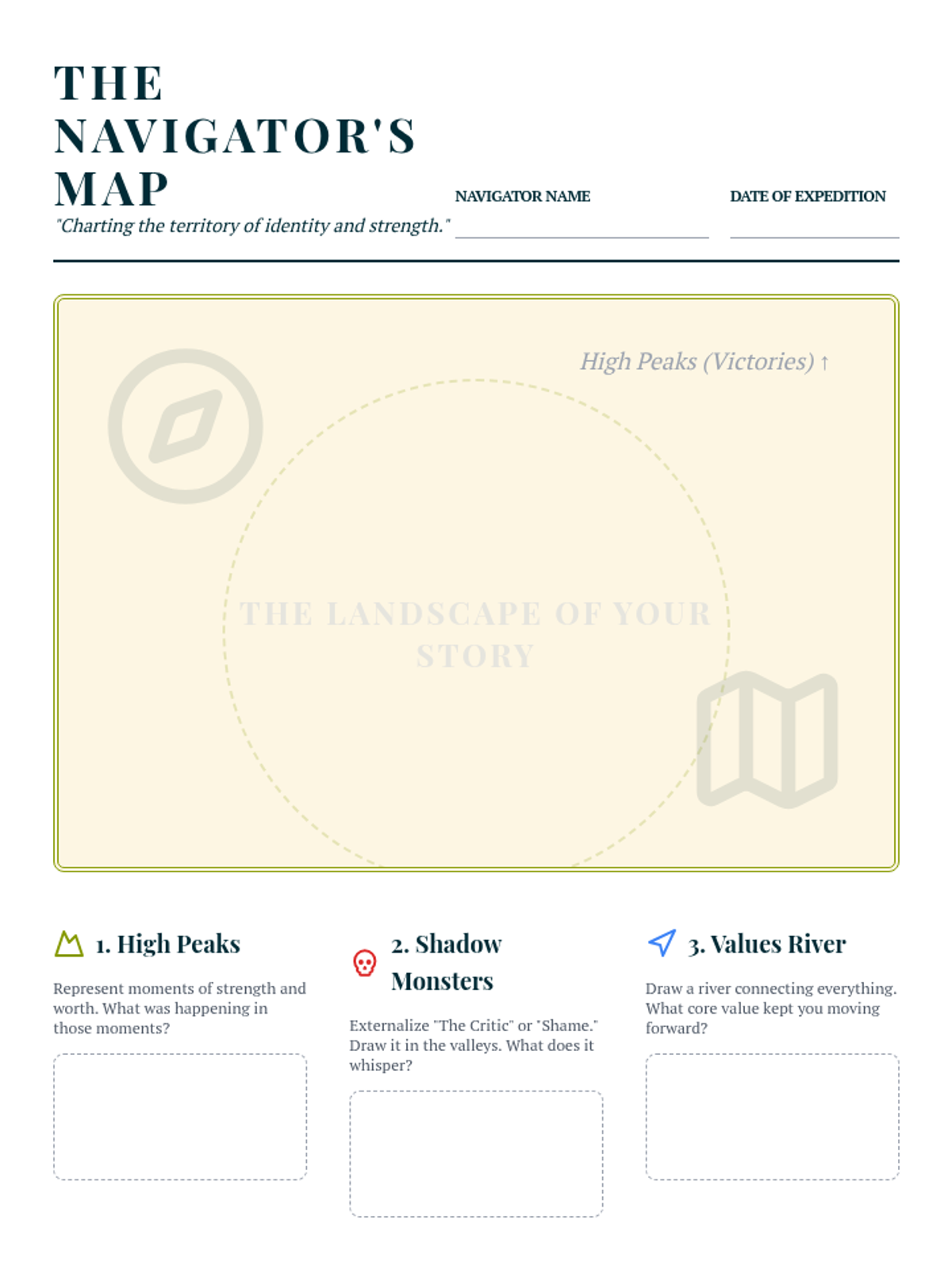
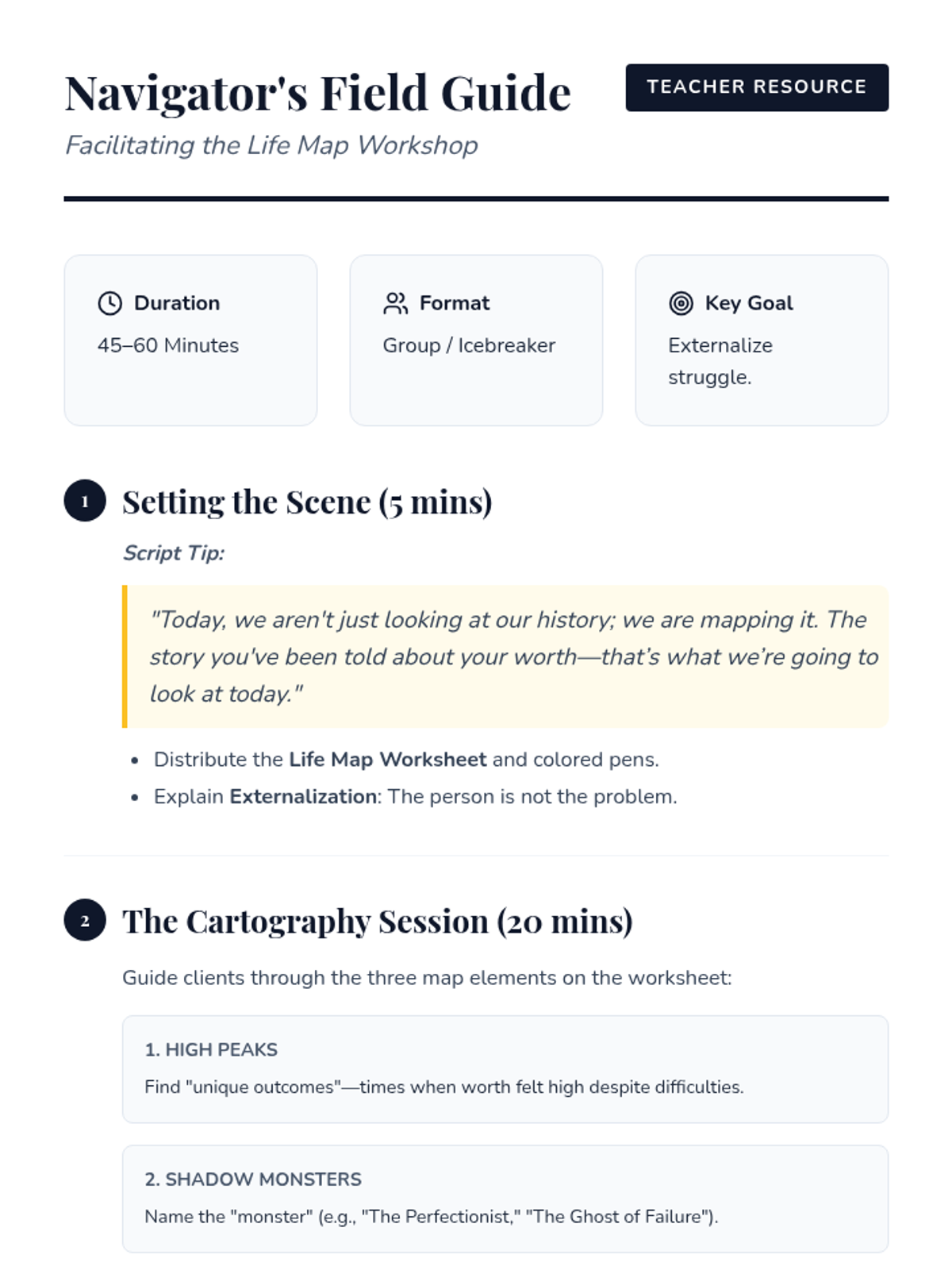
A workshop session focused on using Narrative Therapy techniques to externalize self-worth challenges and re-author personal narratives through life mapping.
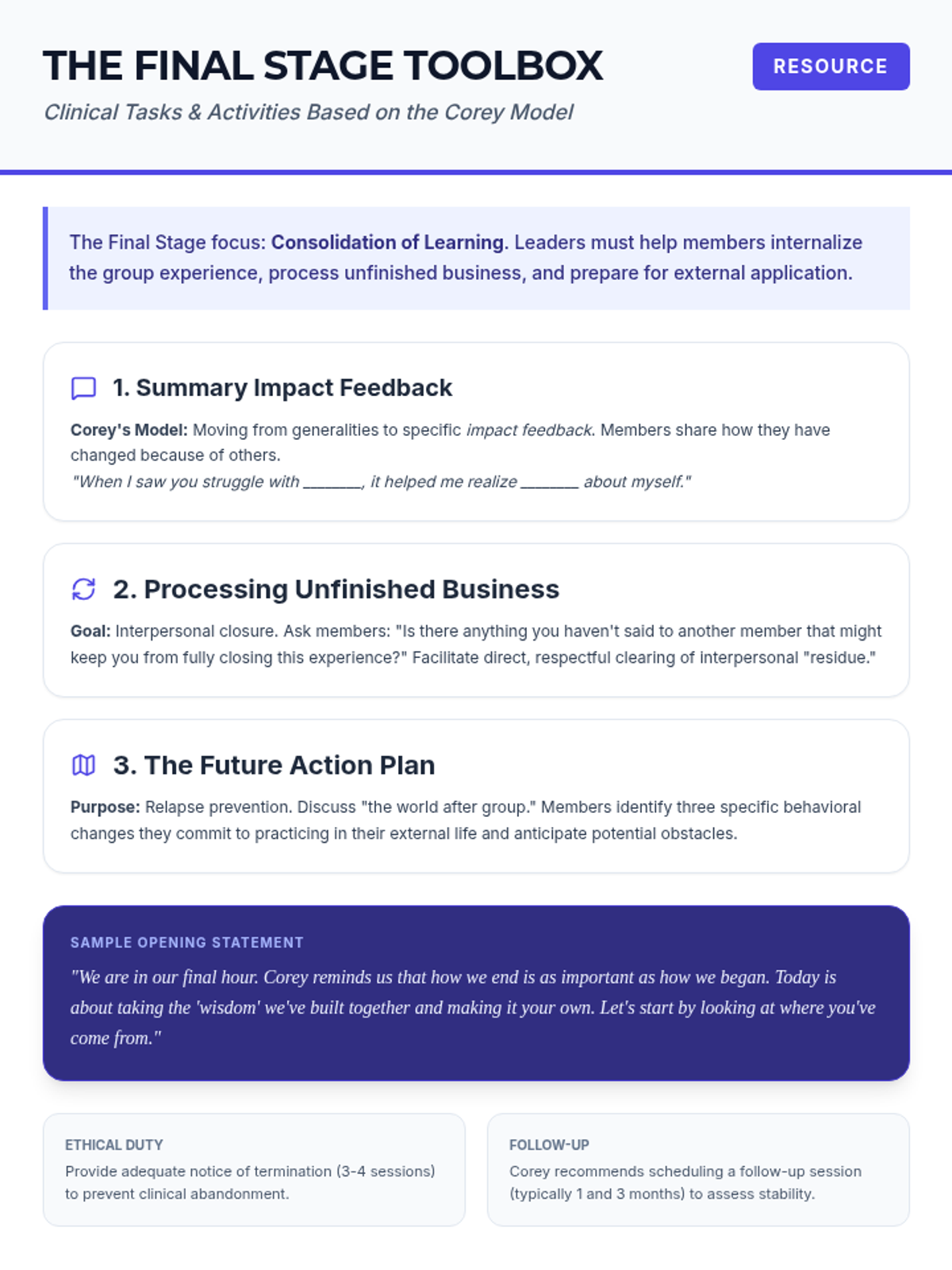
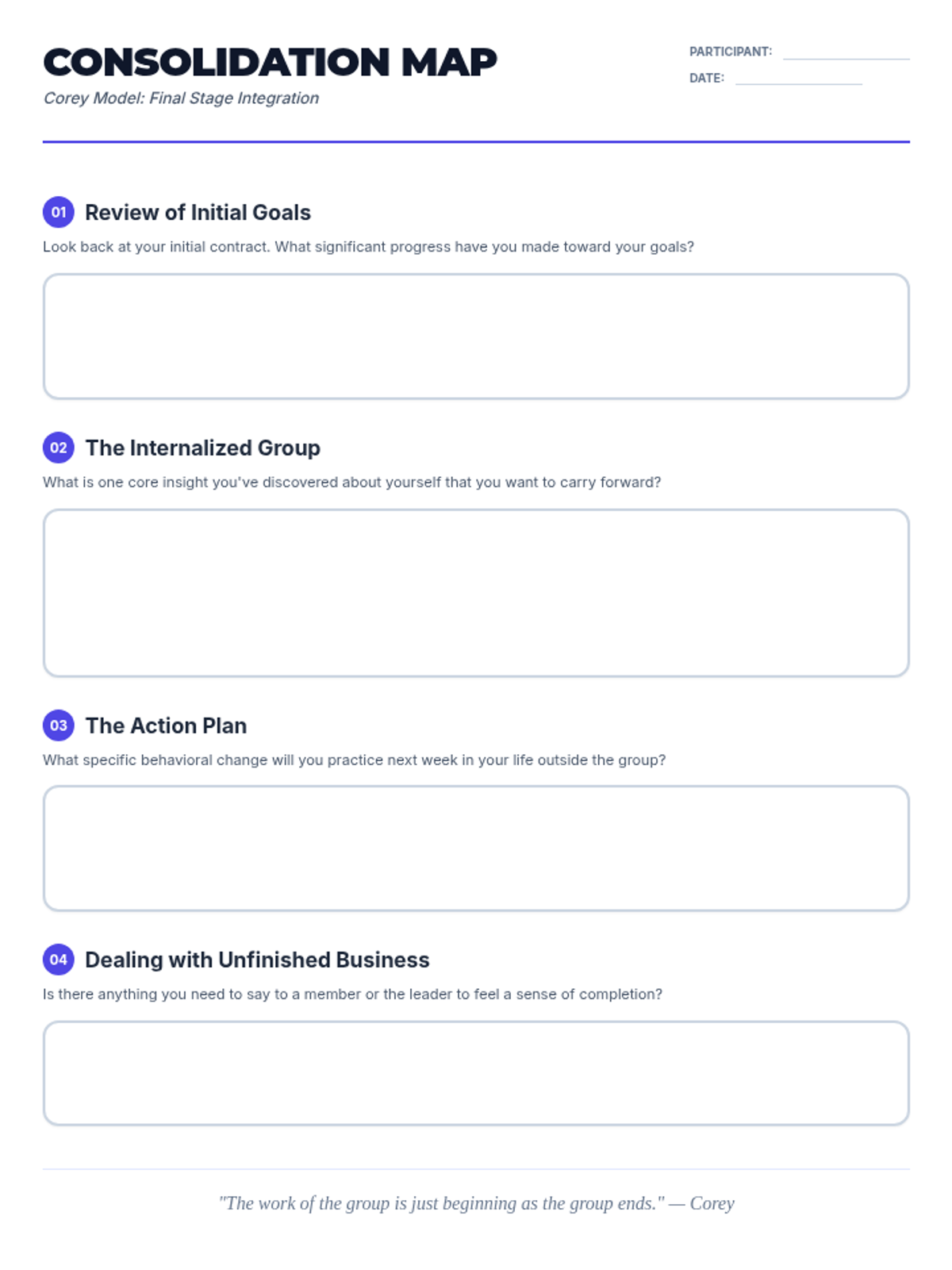
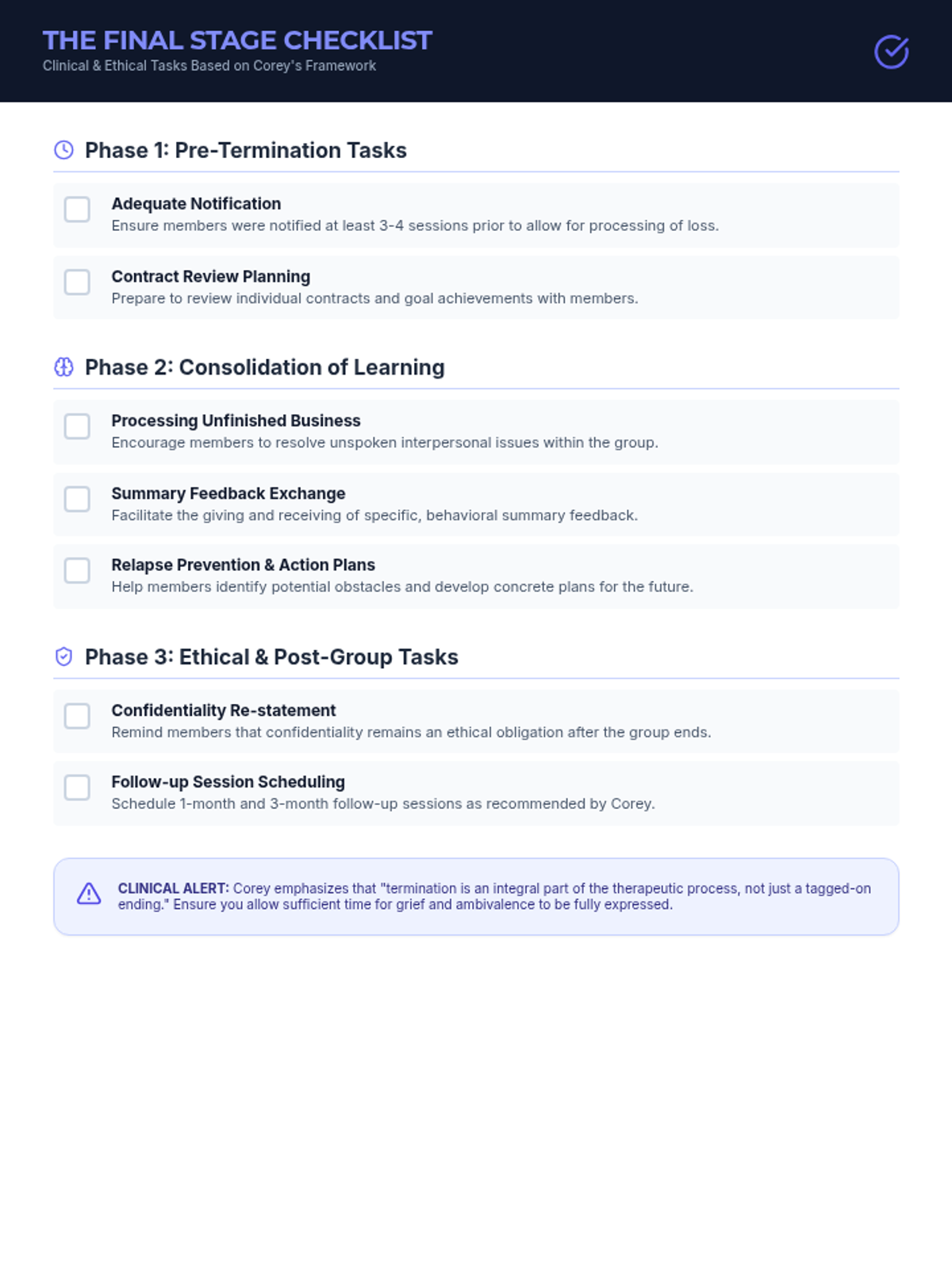
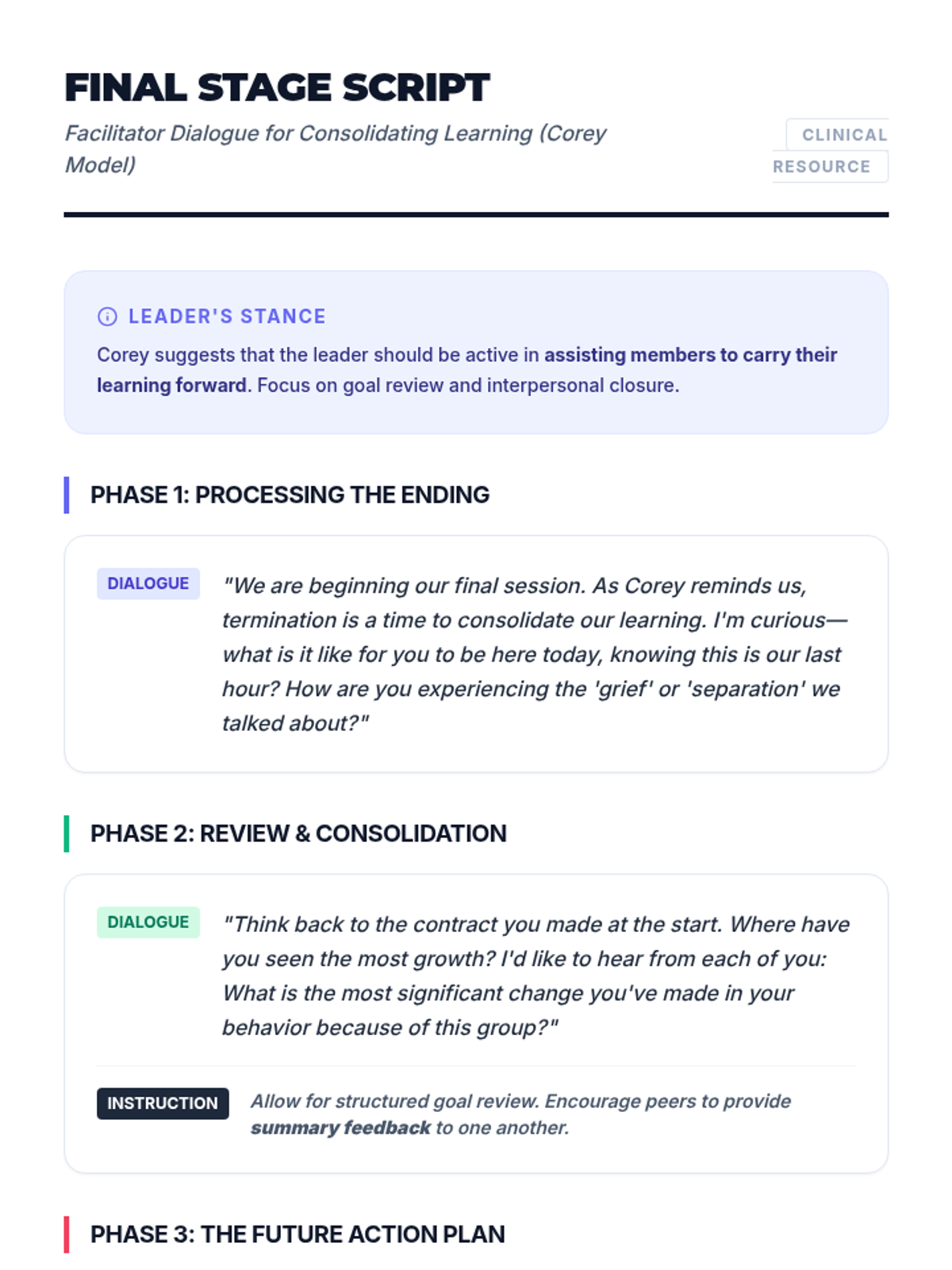
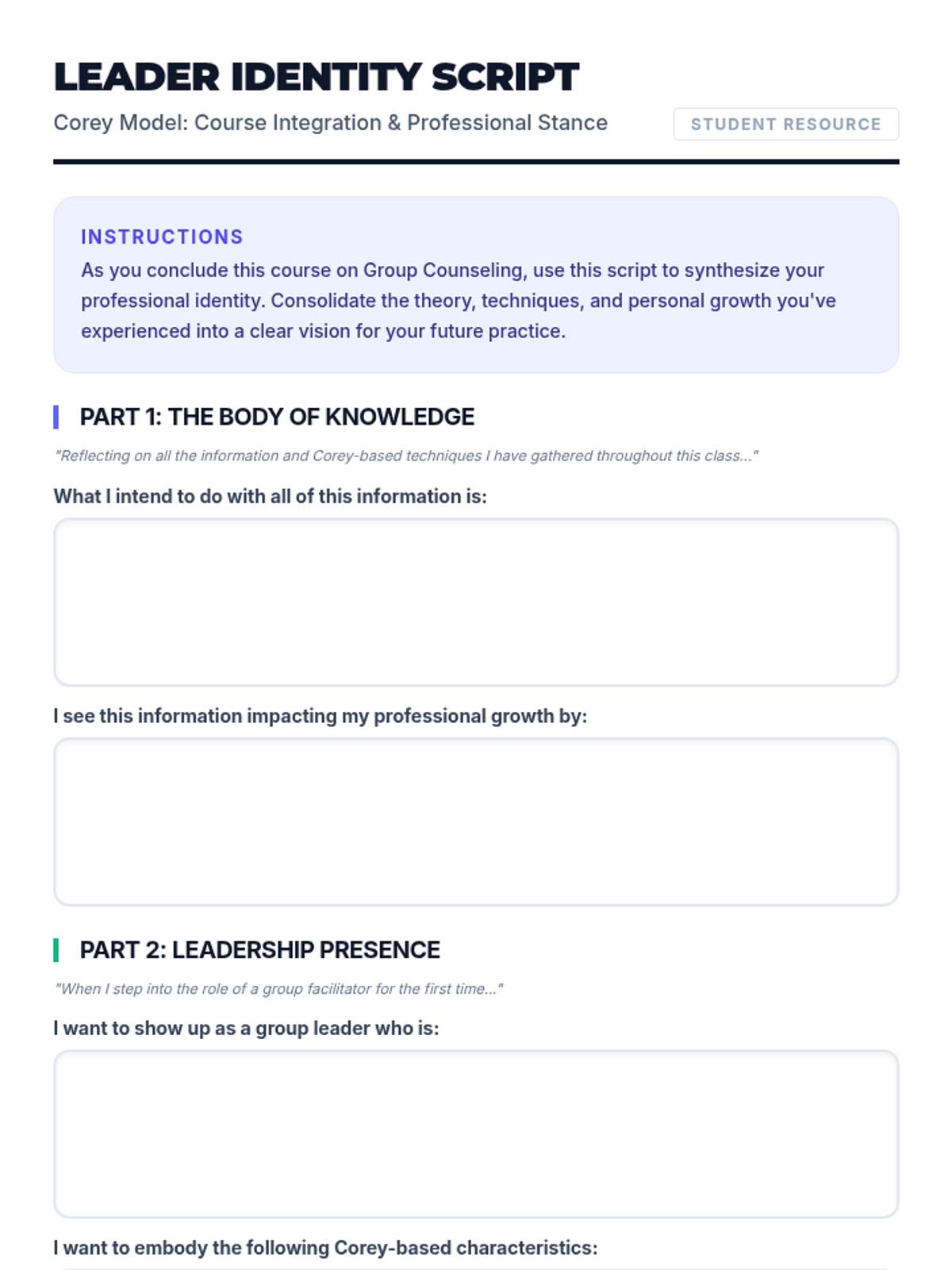
This lesson provides Master-level counseling students with a clinical framework for group termination based on the Corey model, focusing on consolidation of learning, processing unfinished business, and applying therapeutic gains to daily life.
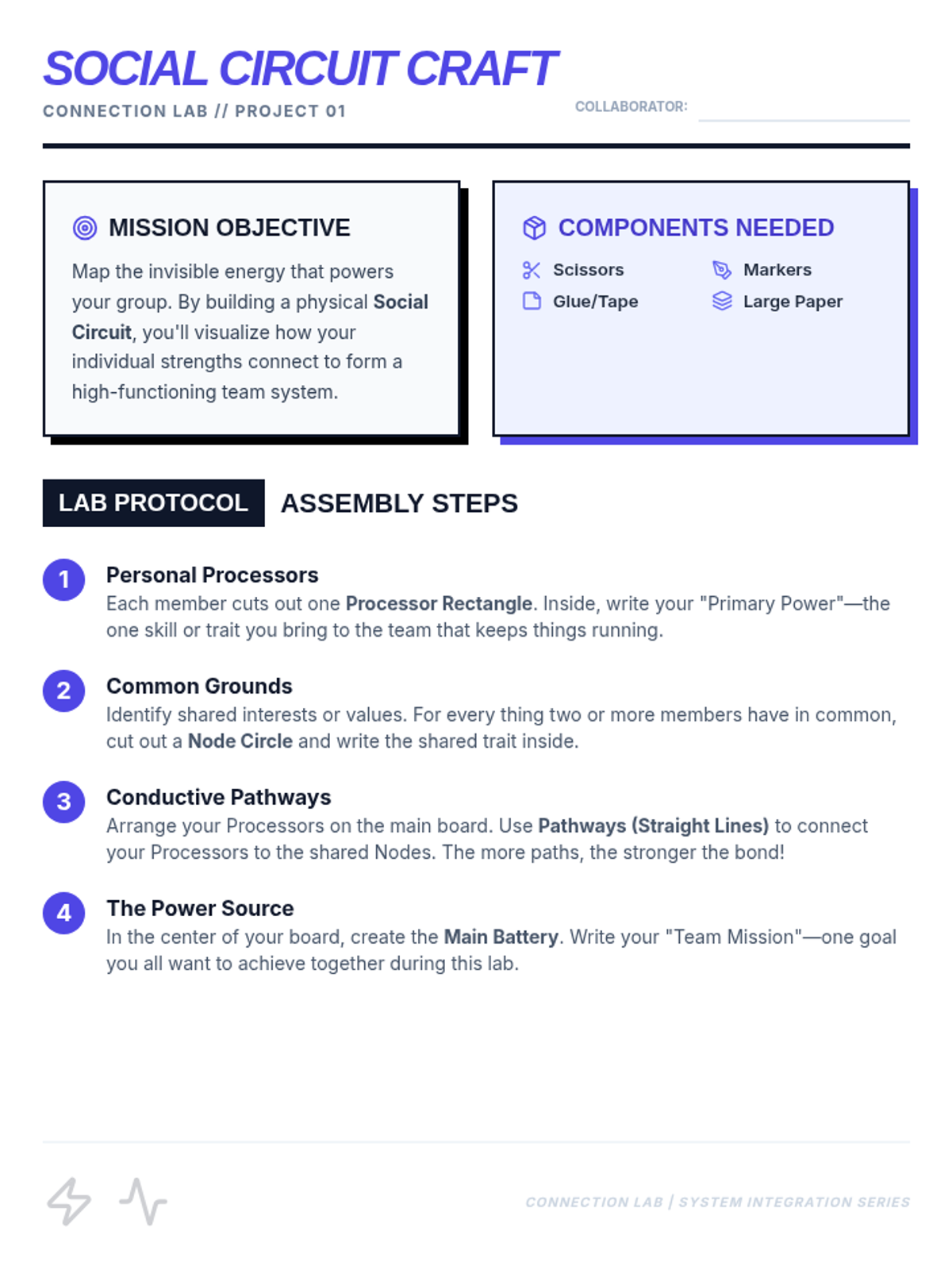
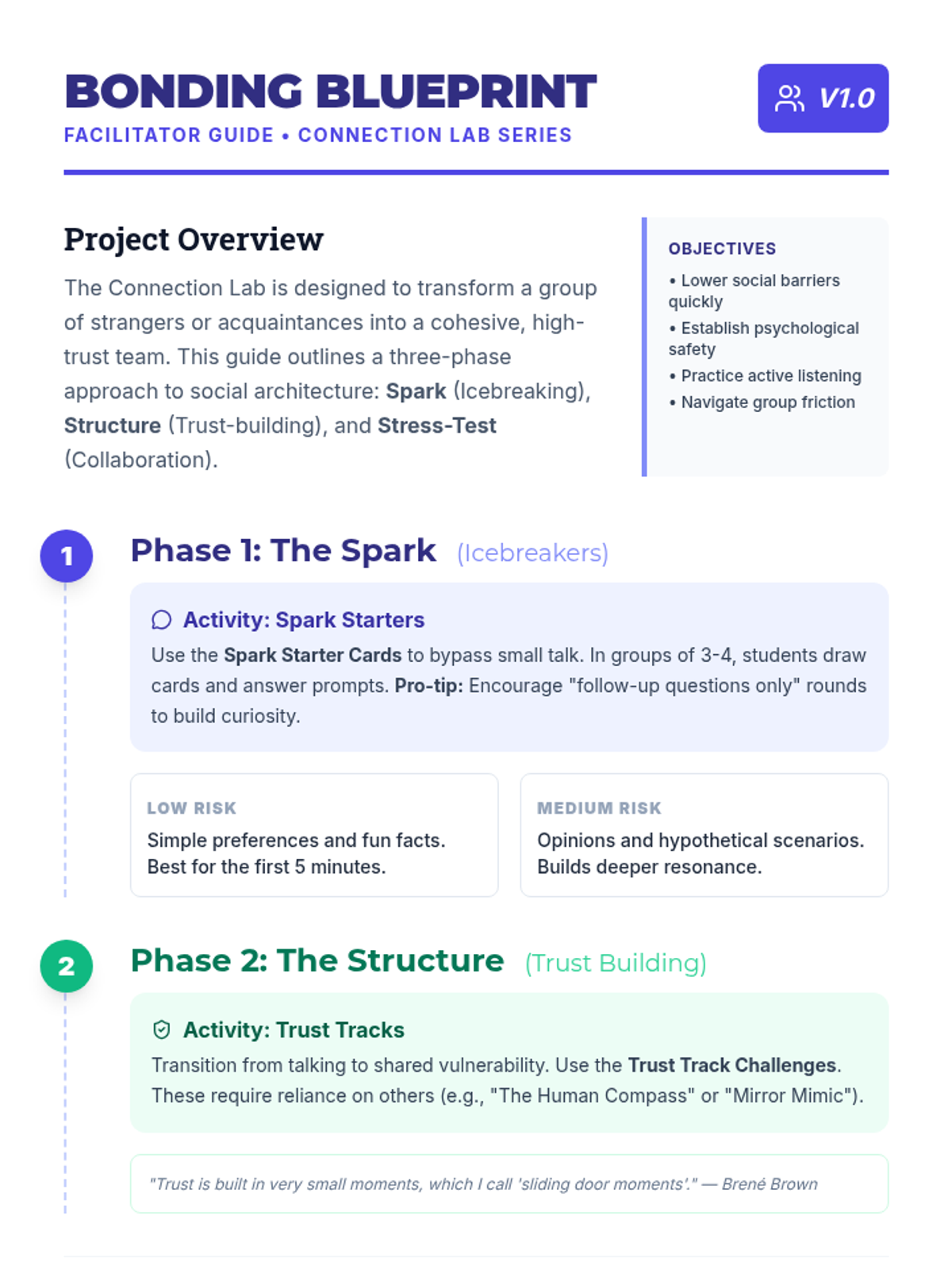
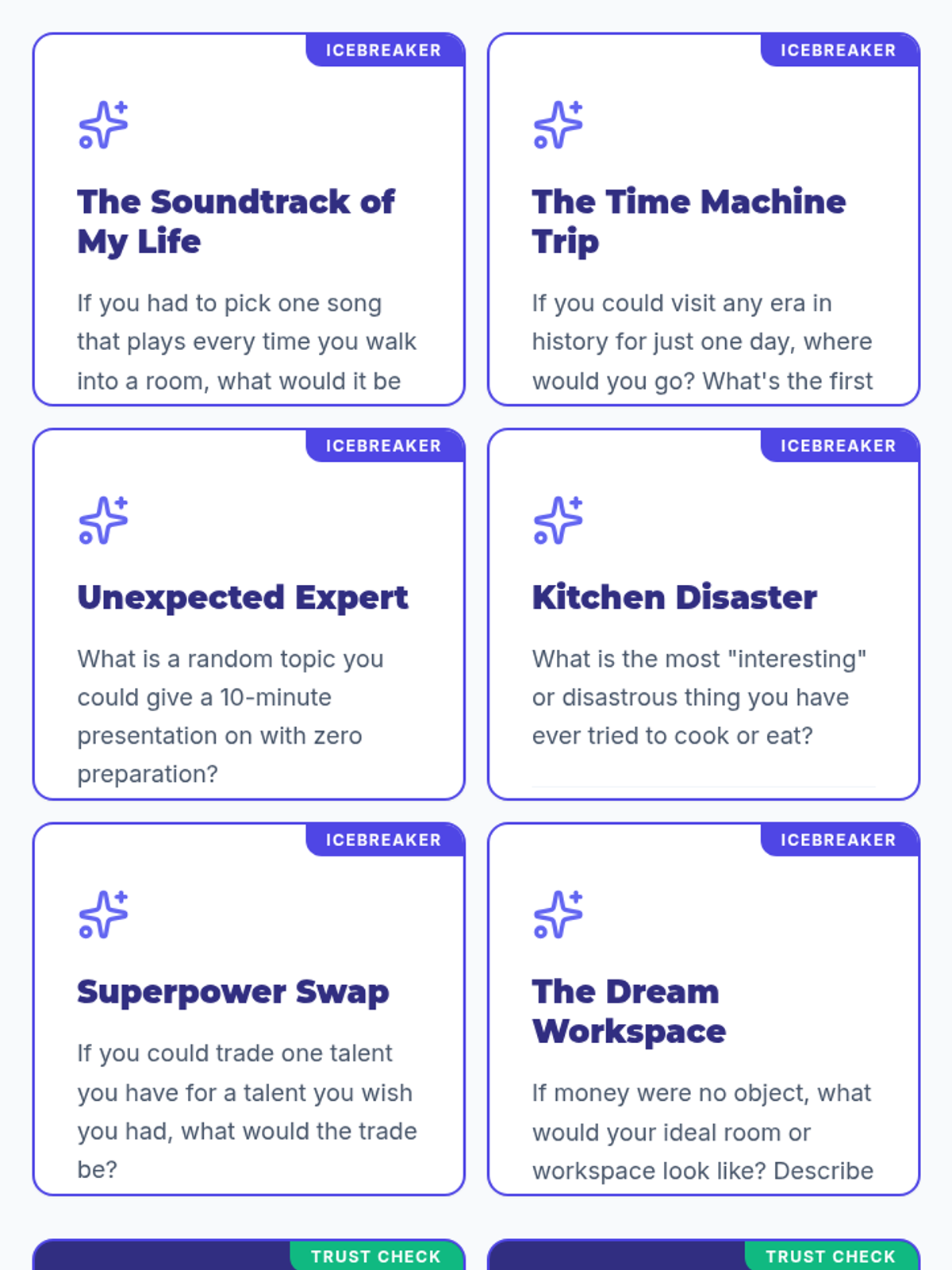
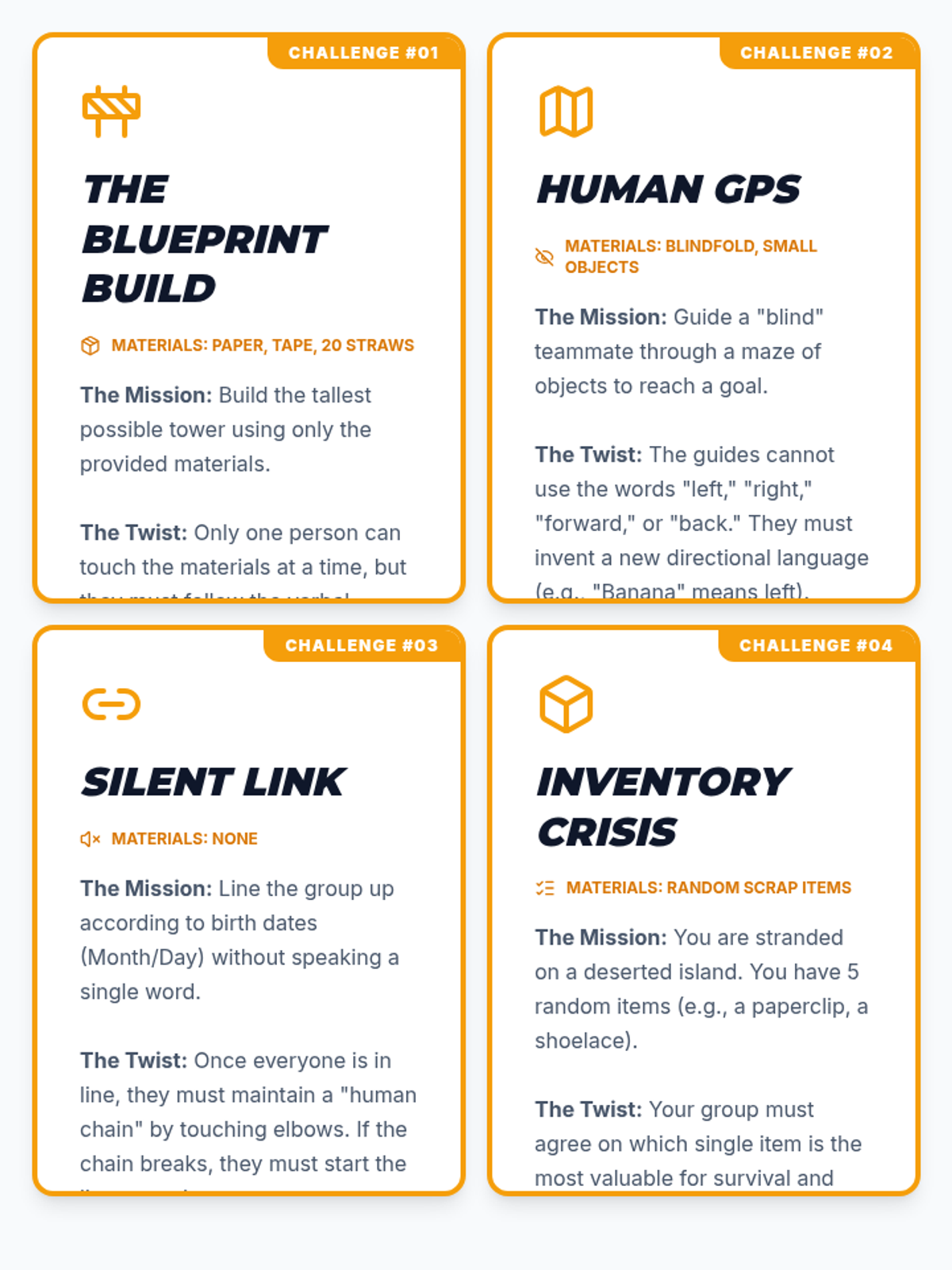
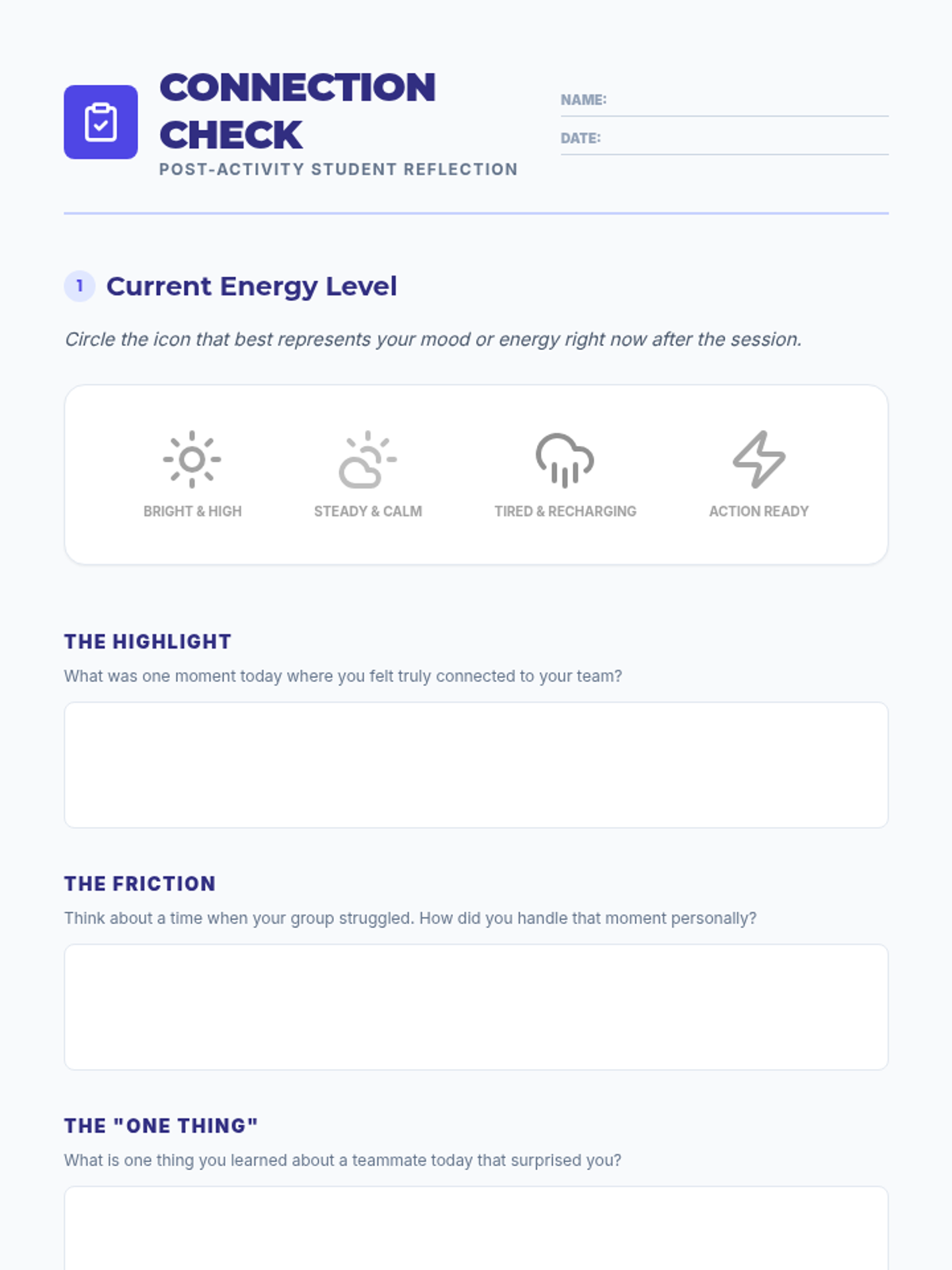
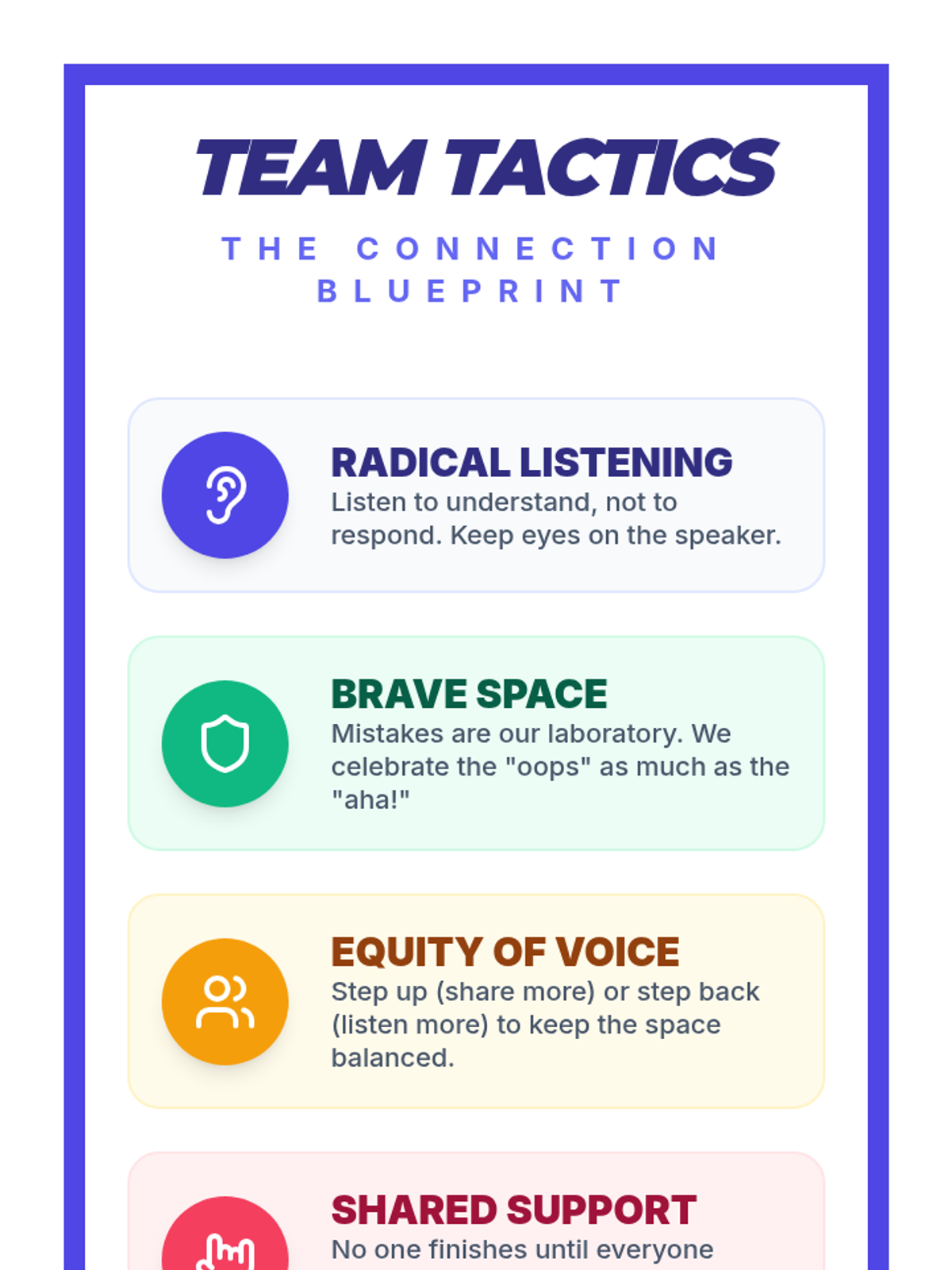
A comprehensive toolkit for small groups to build social bonds, establish trust, and master collaborative challenges through structured interaction.
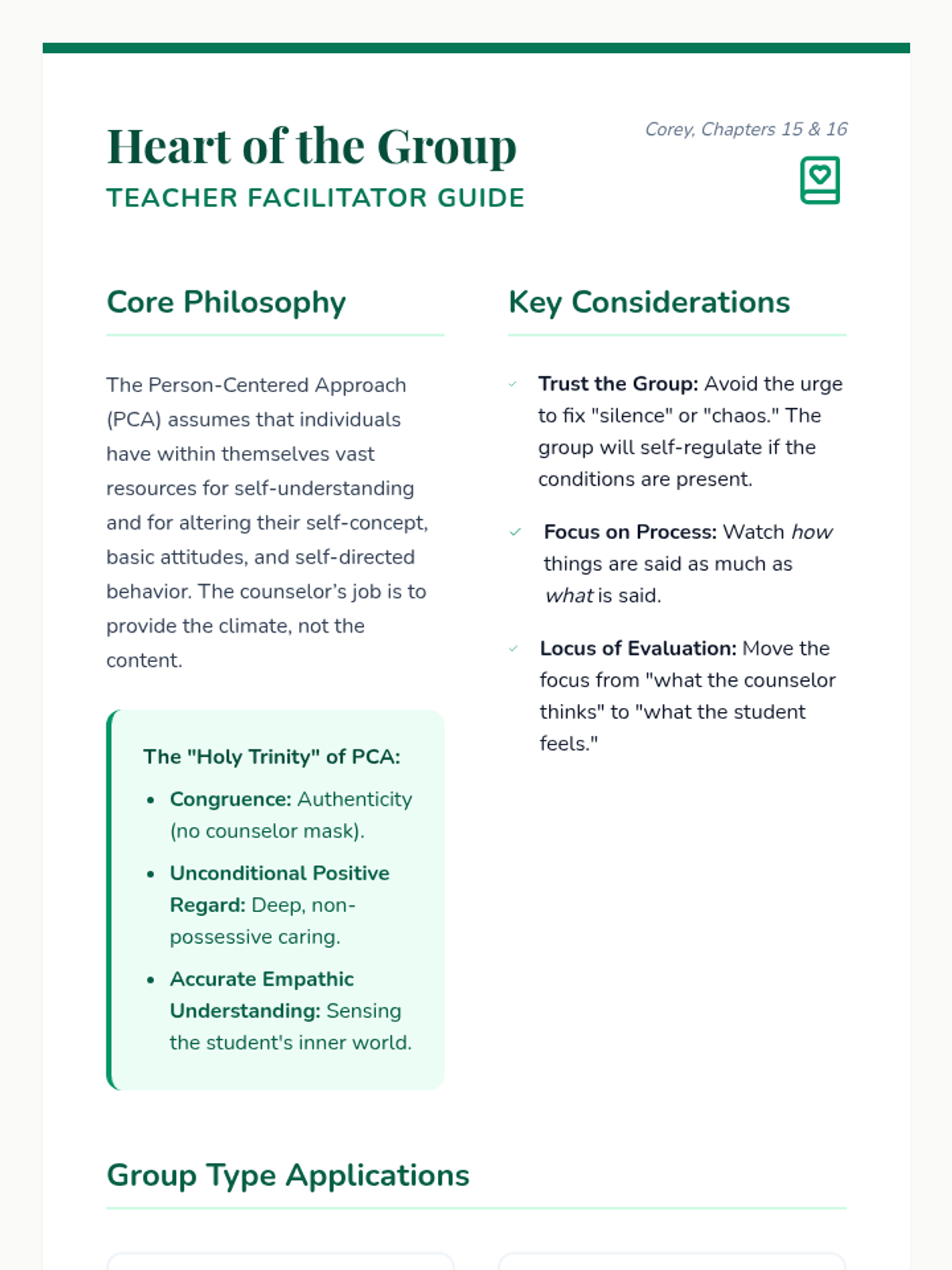
An exploration of Person-Centered Approach (PCA) applied to various school counseling group formats, focusing on core conditions and growth.
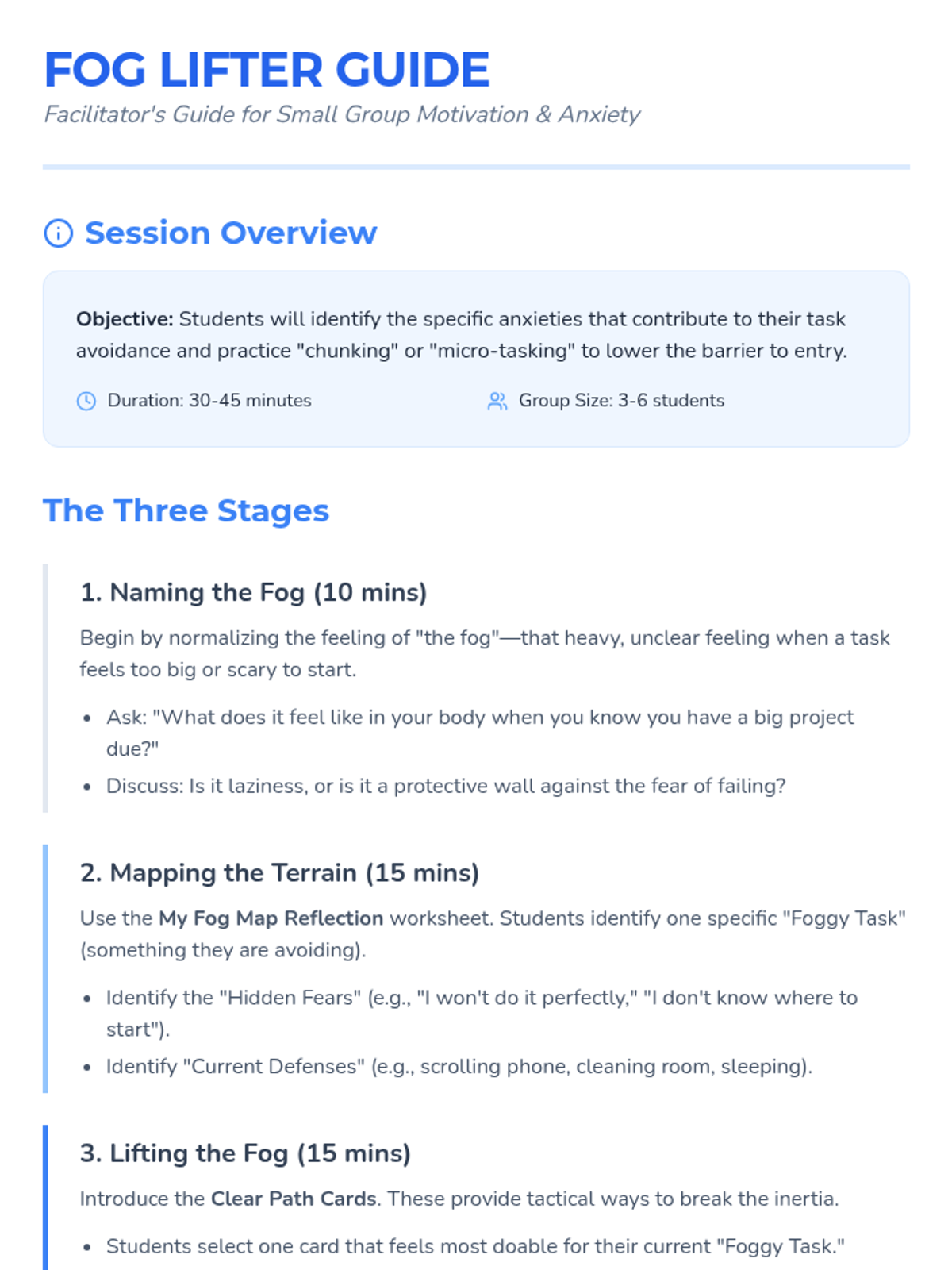
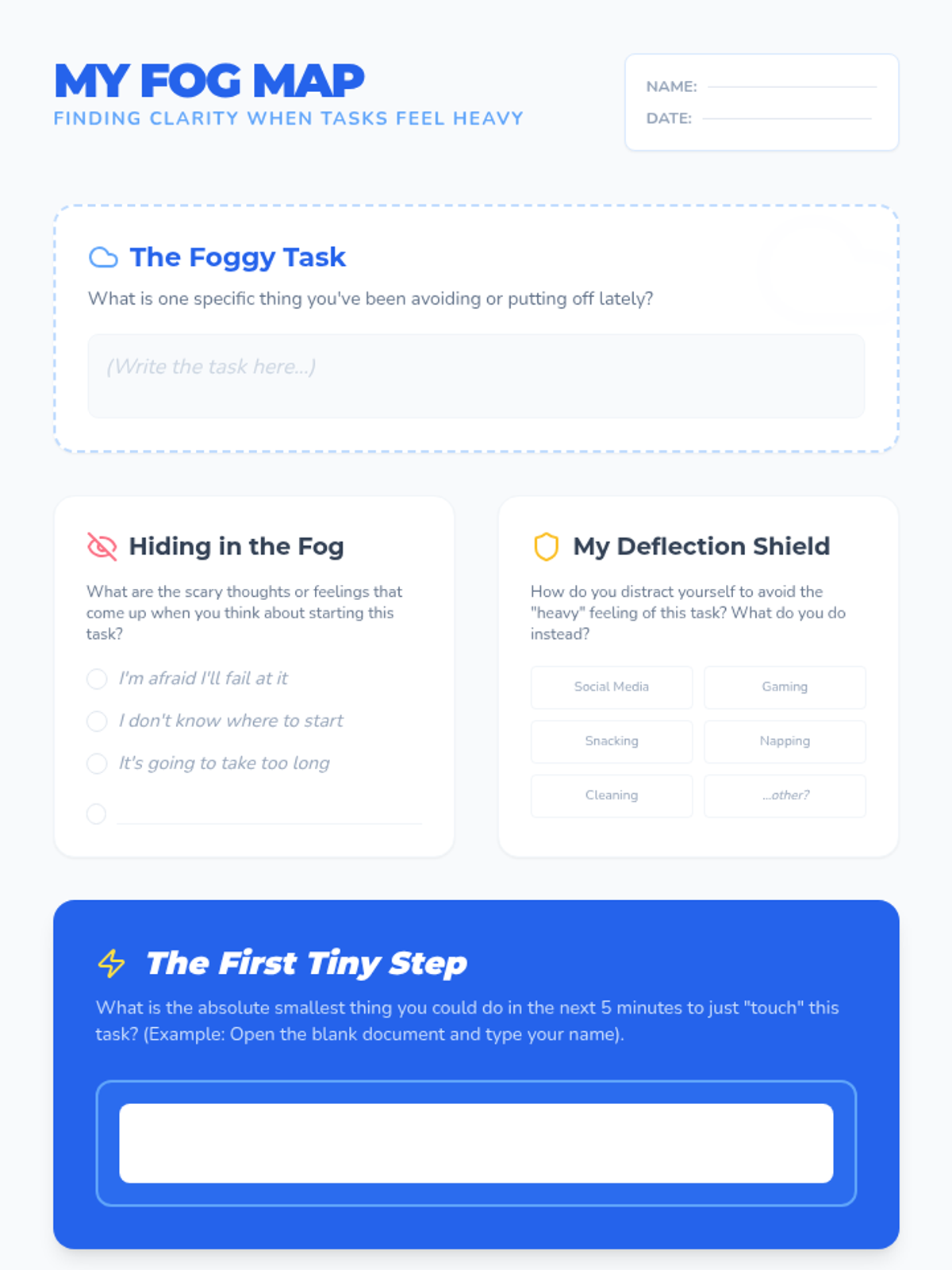
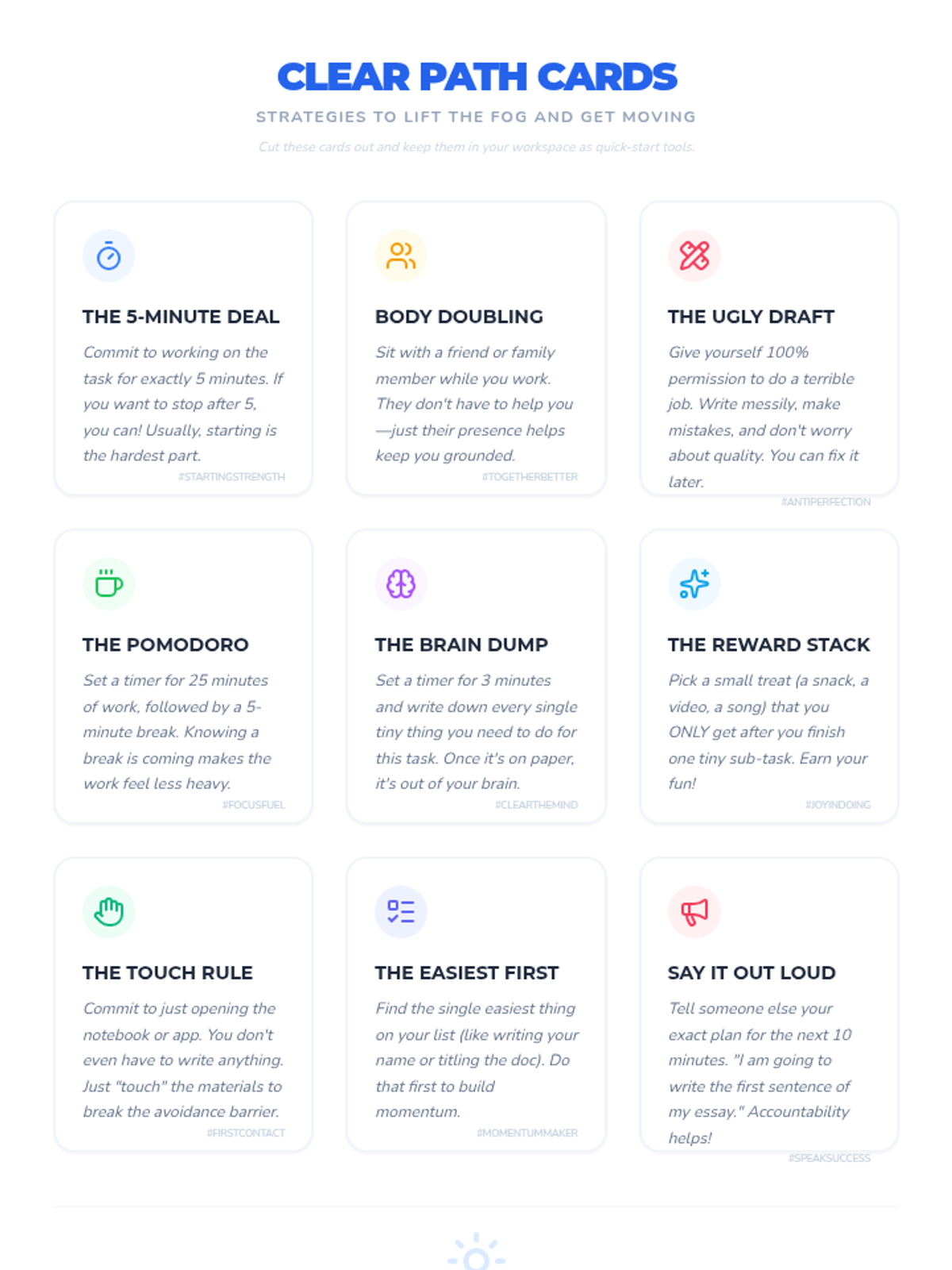
A small group session focused on identifying the anxieties that lead to task avoidance and developing practical strategies to overcome the 'fog' of low motivation.
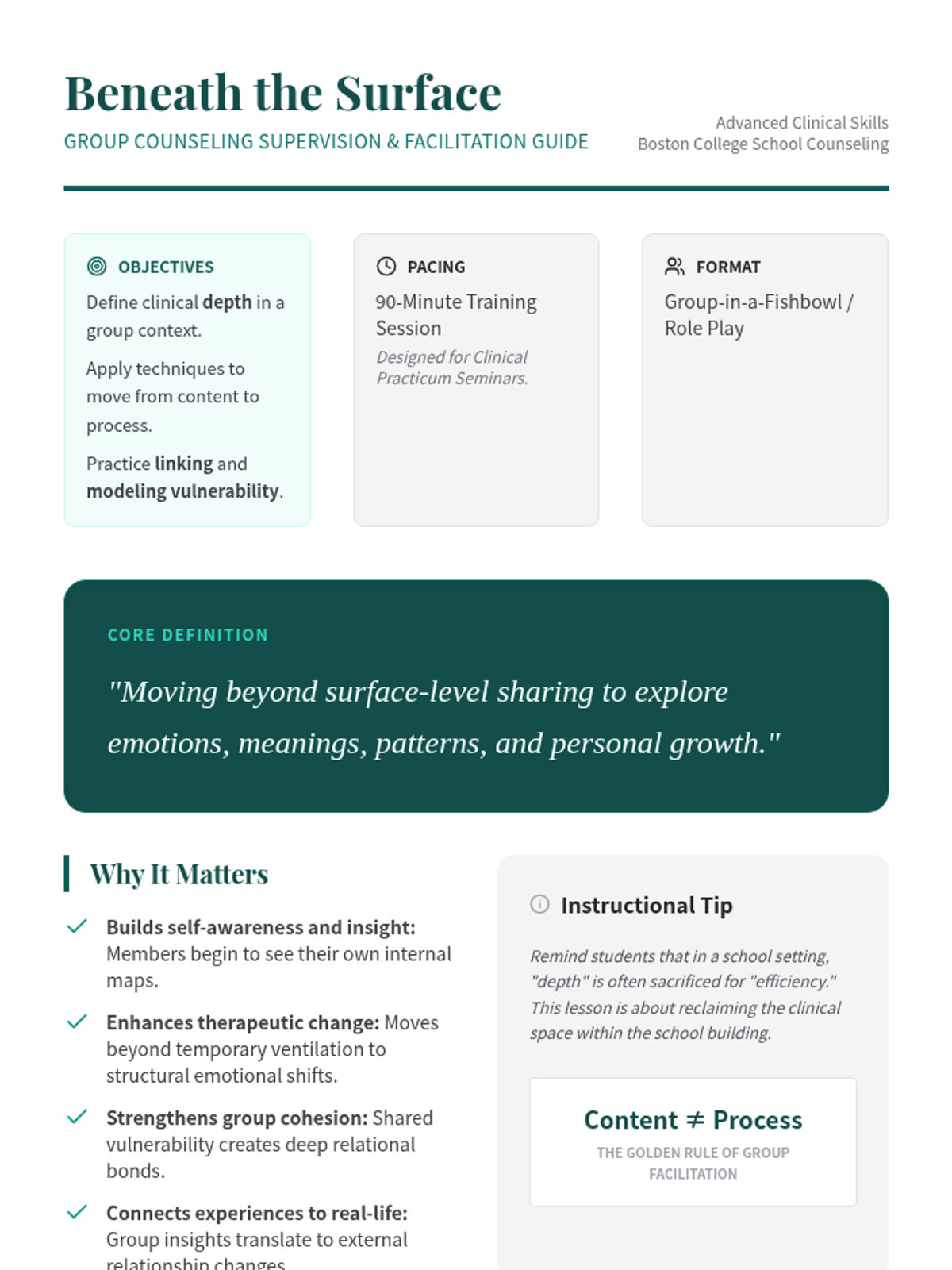
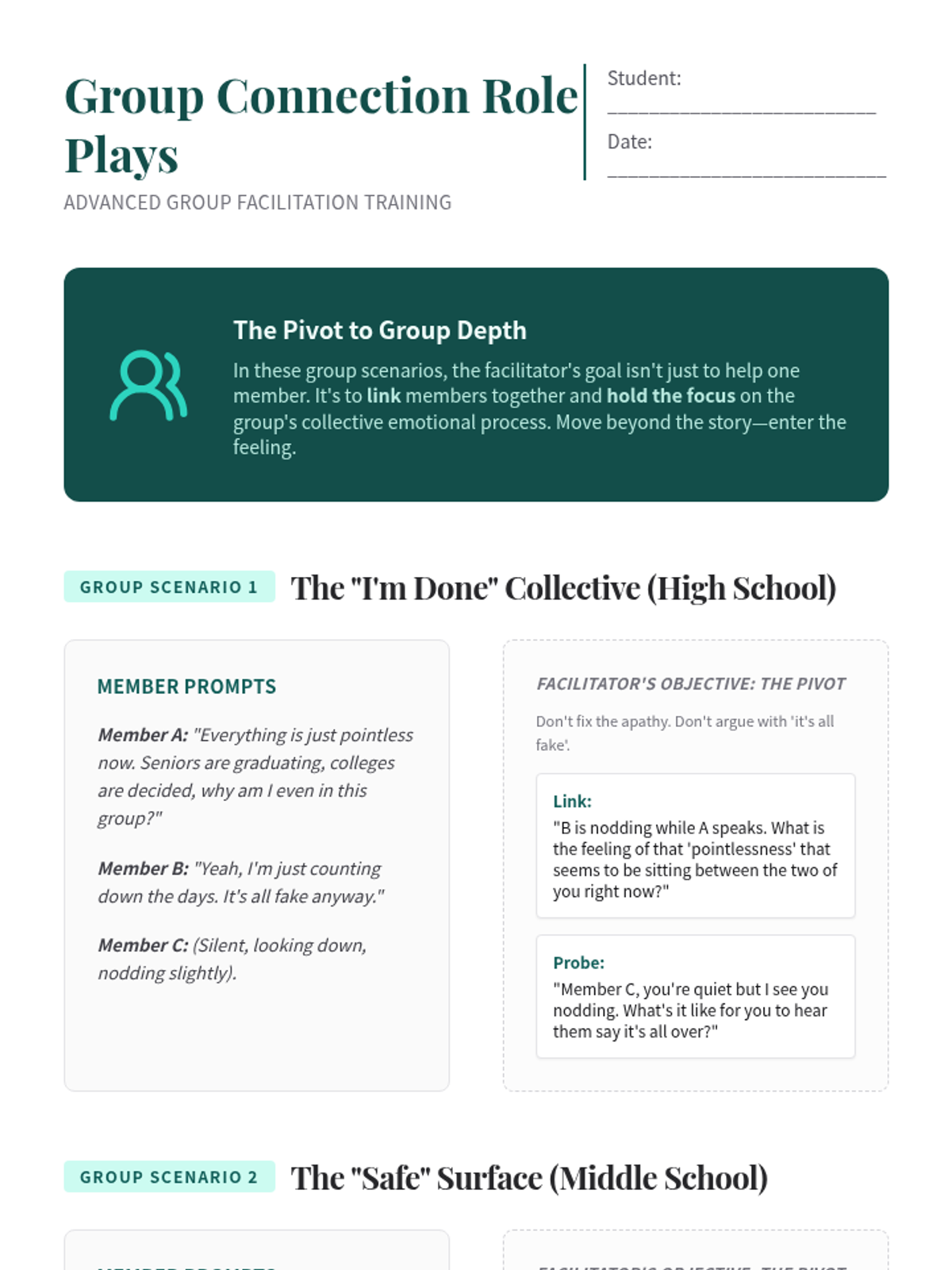
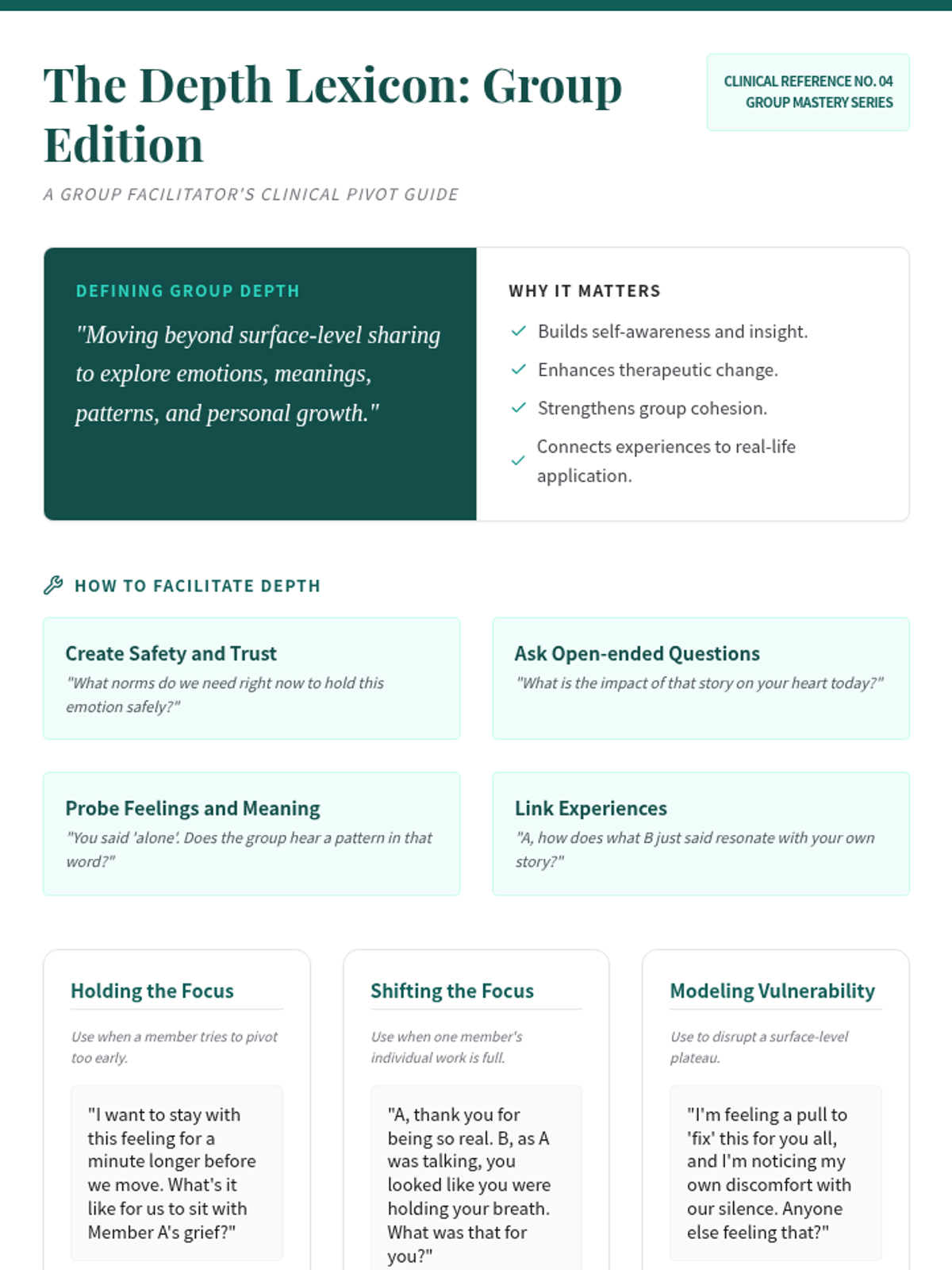
A graduate-level training lesson for school counseling students focused on moving beyond surface-level complaints to identifying core themes and underlying emotional drivers.
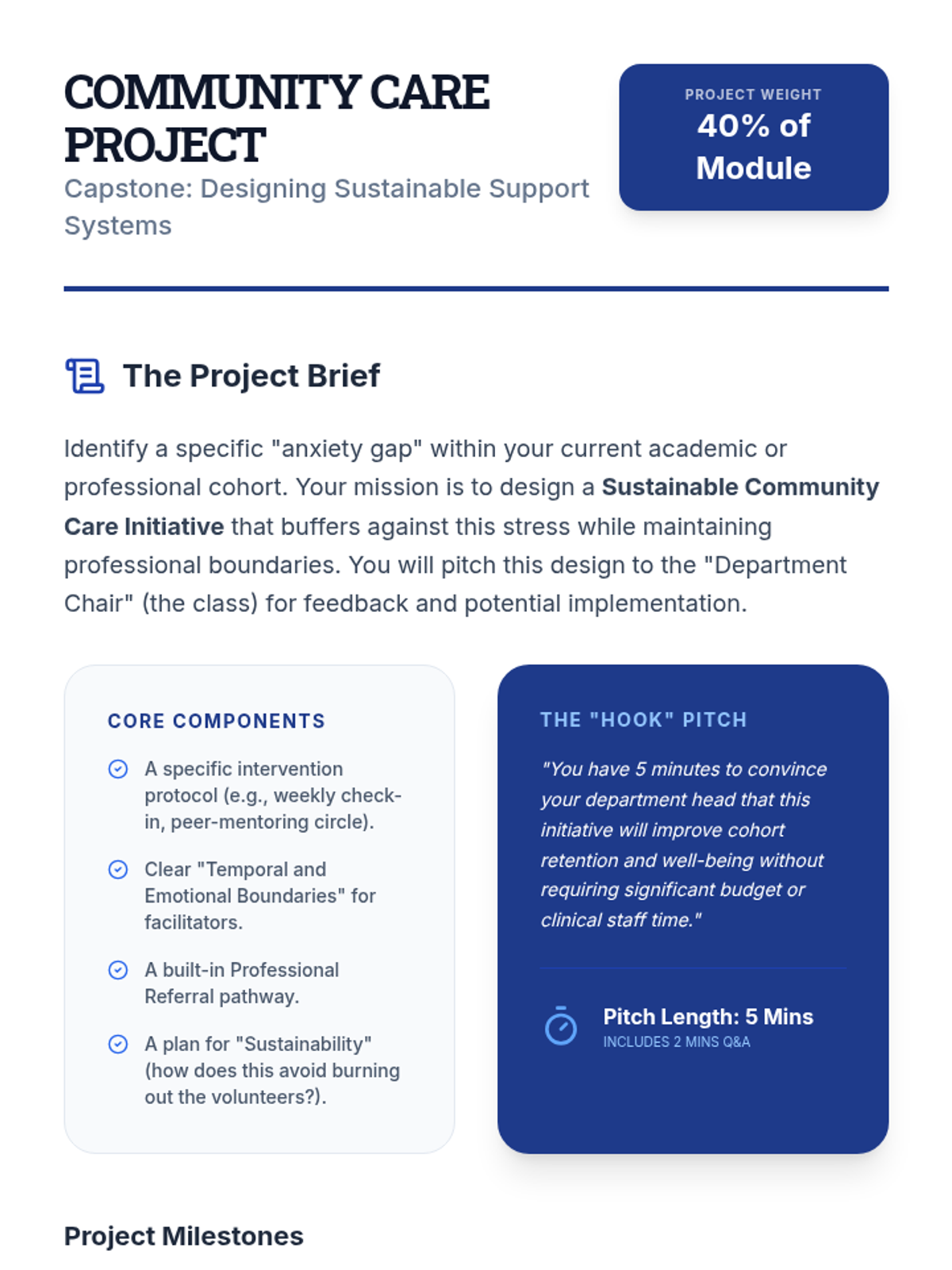
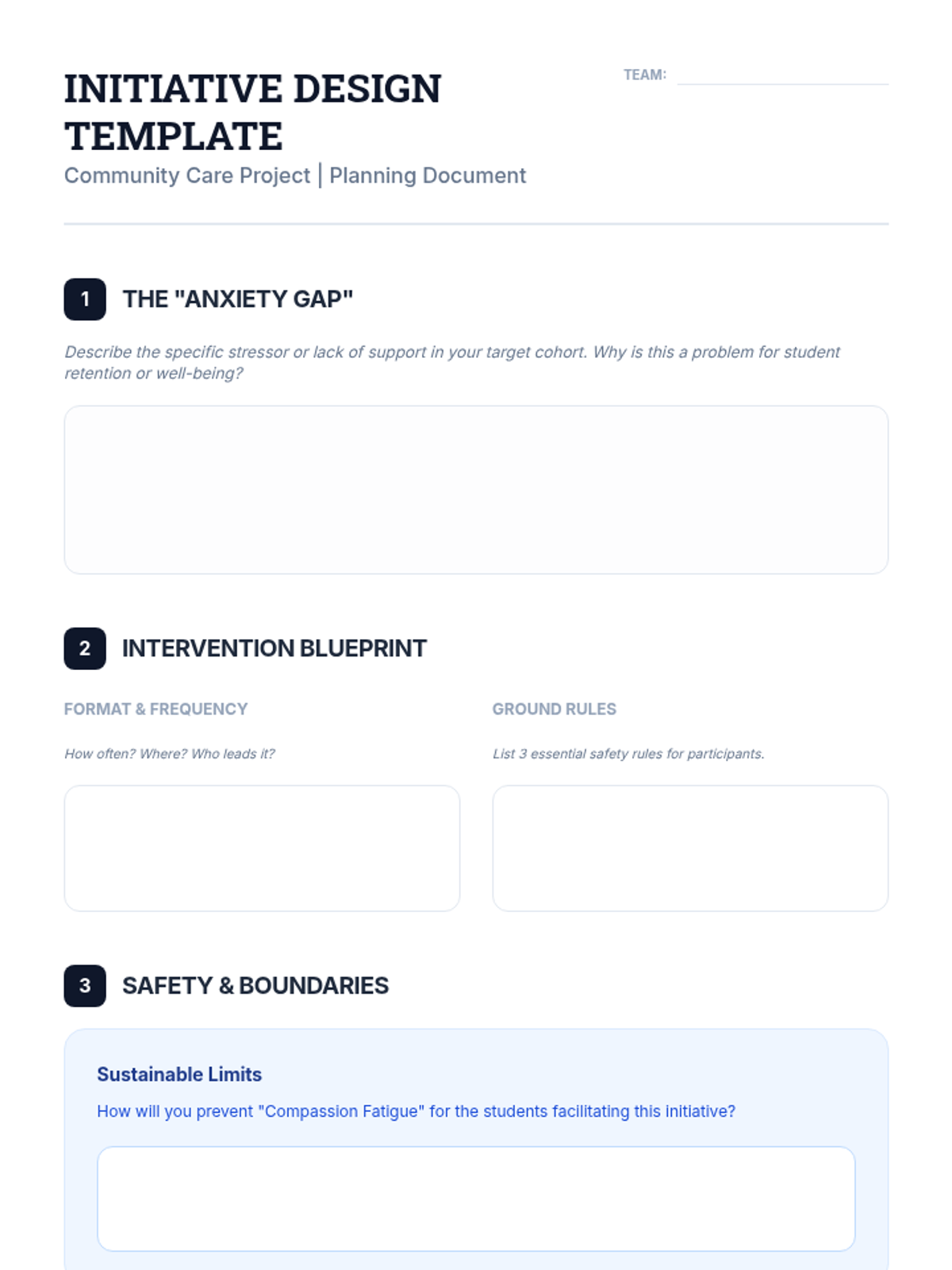
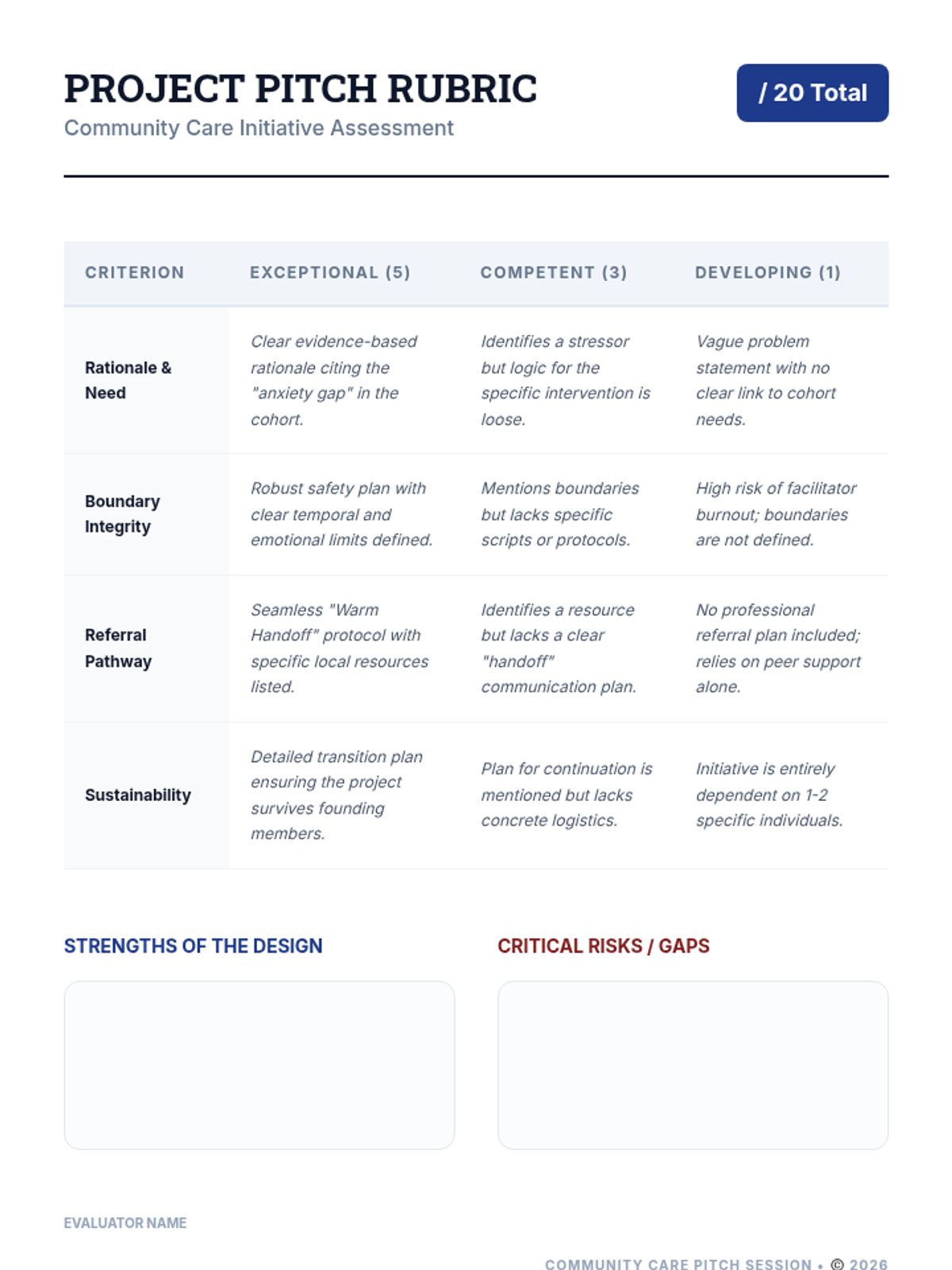
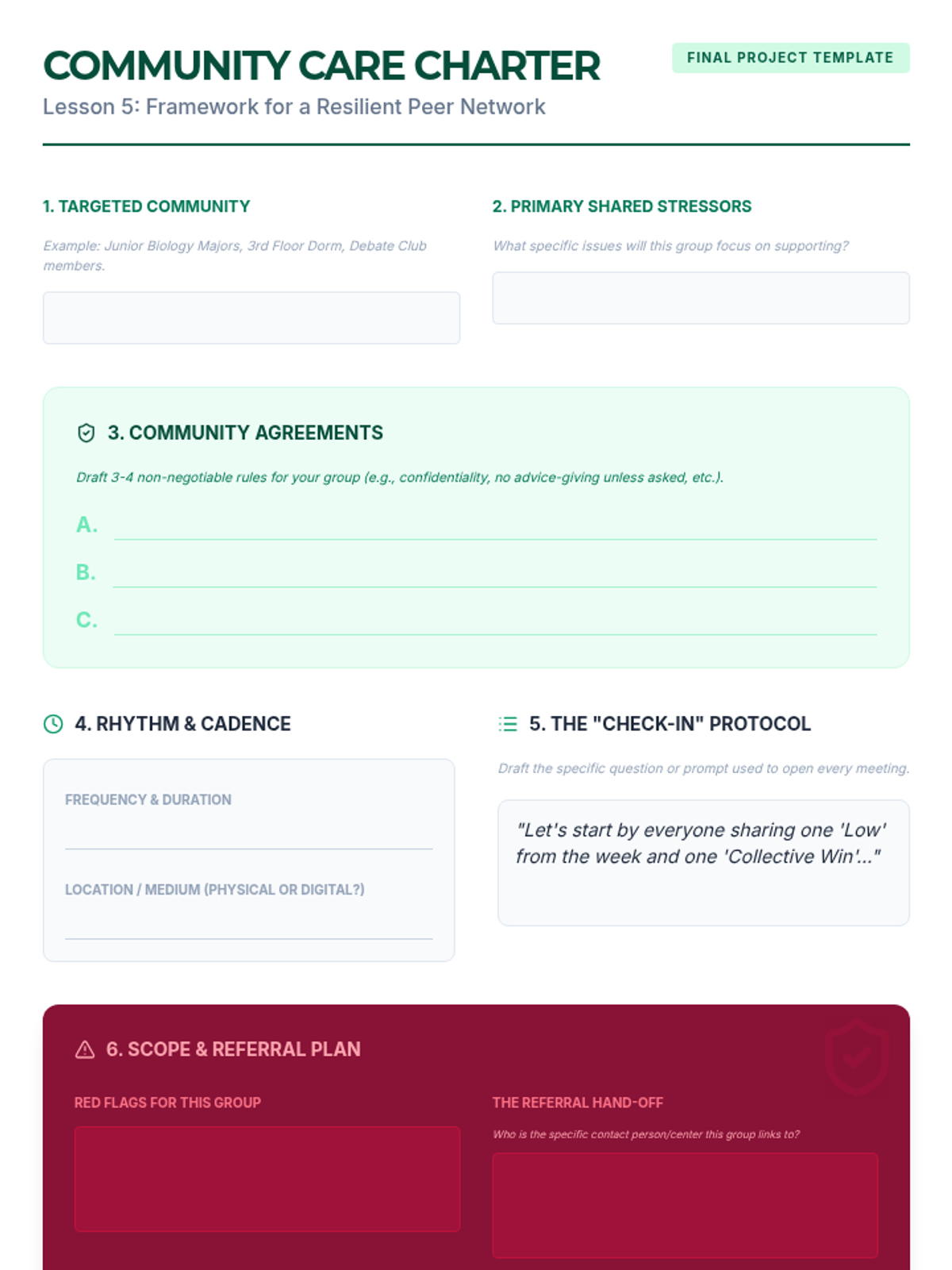
Students design and pitch a sustainable community care initiative tailored to their specific academic or professional cohort.
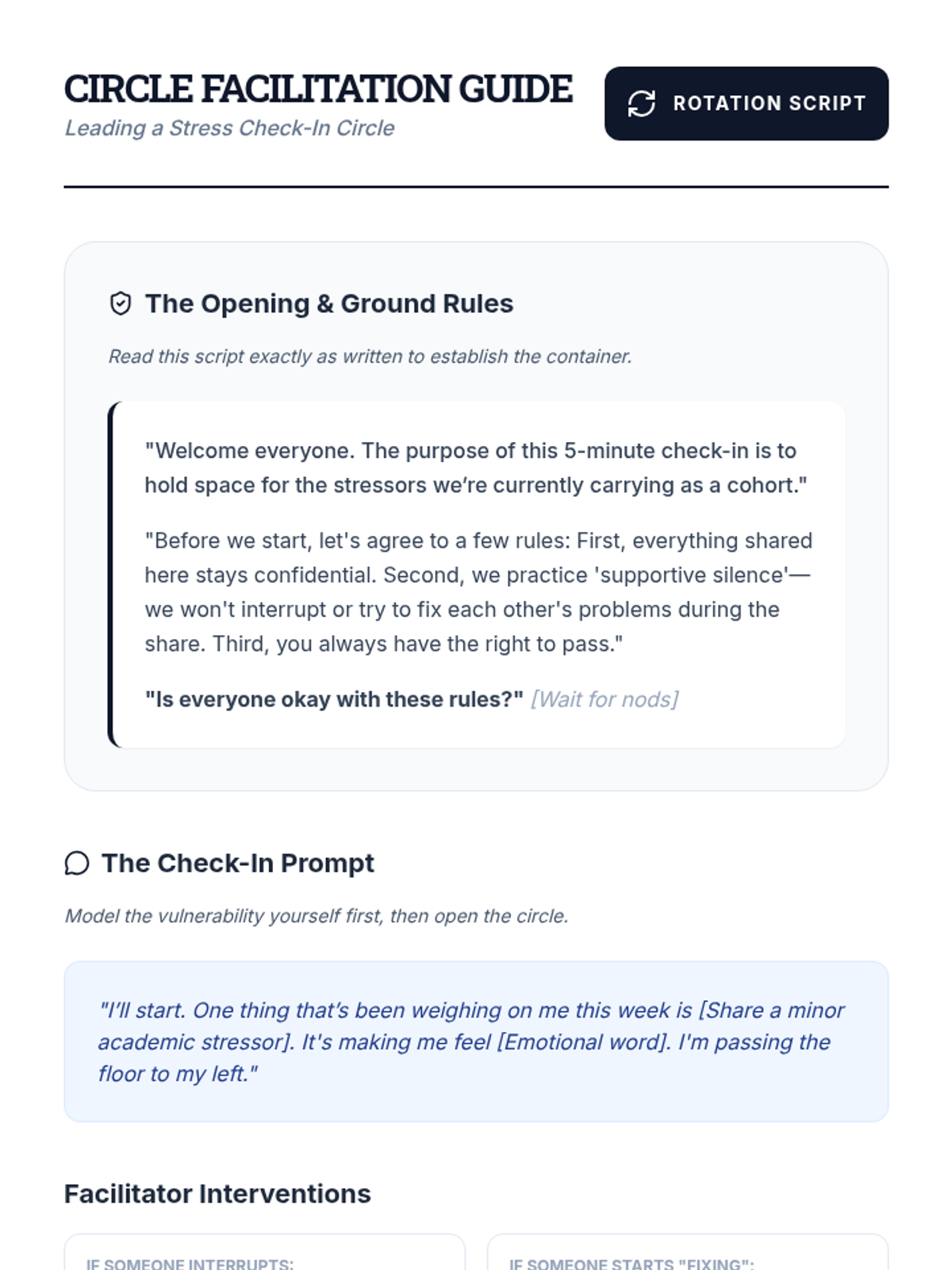
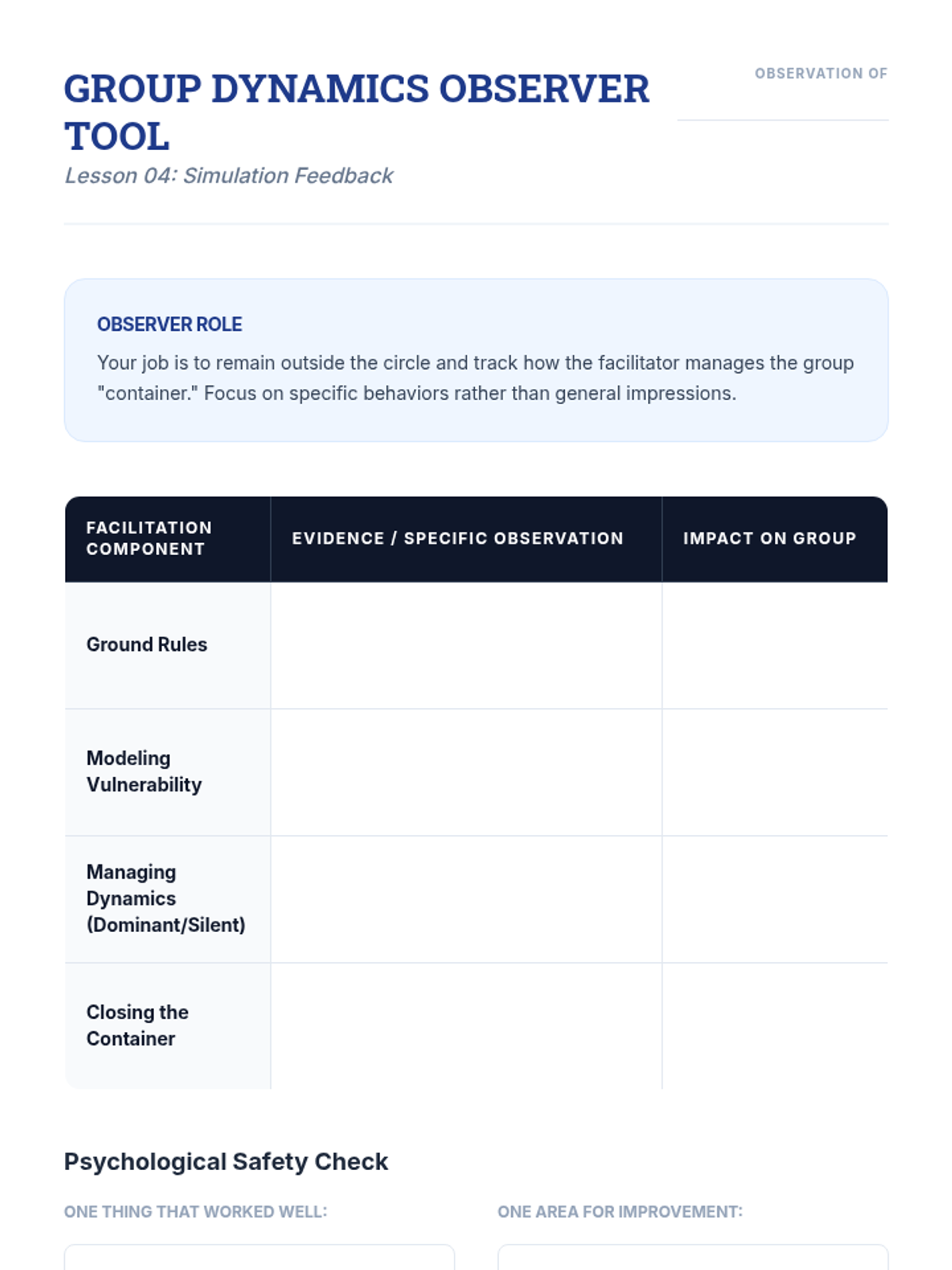
Develops skills for leading group stress check-ins, managing dynamics, and ensuring psychological safety in group settings.
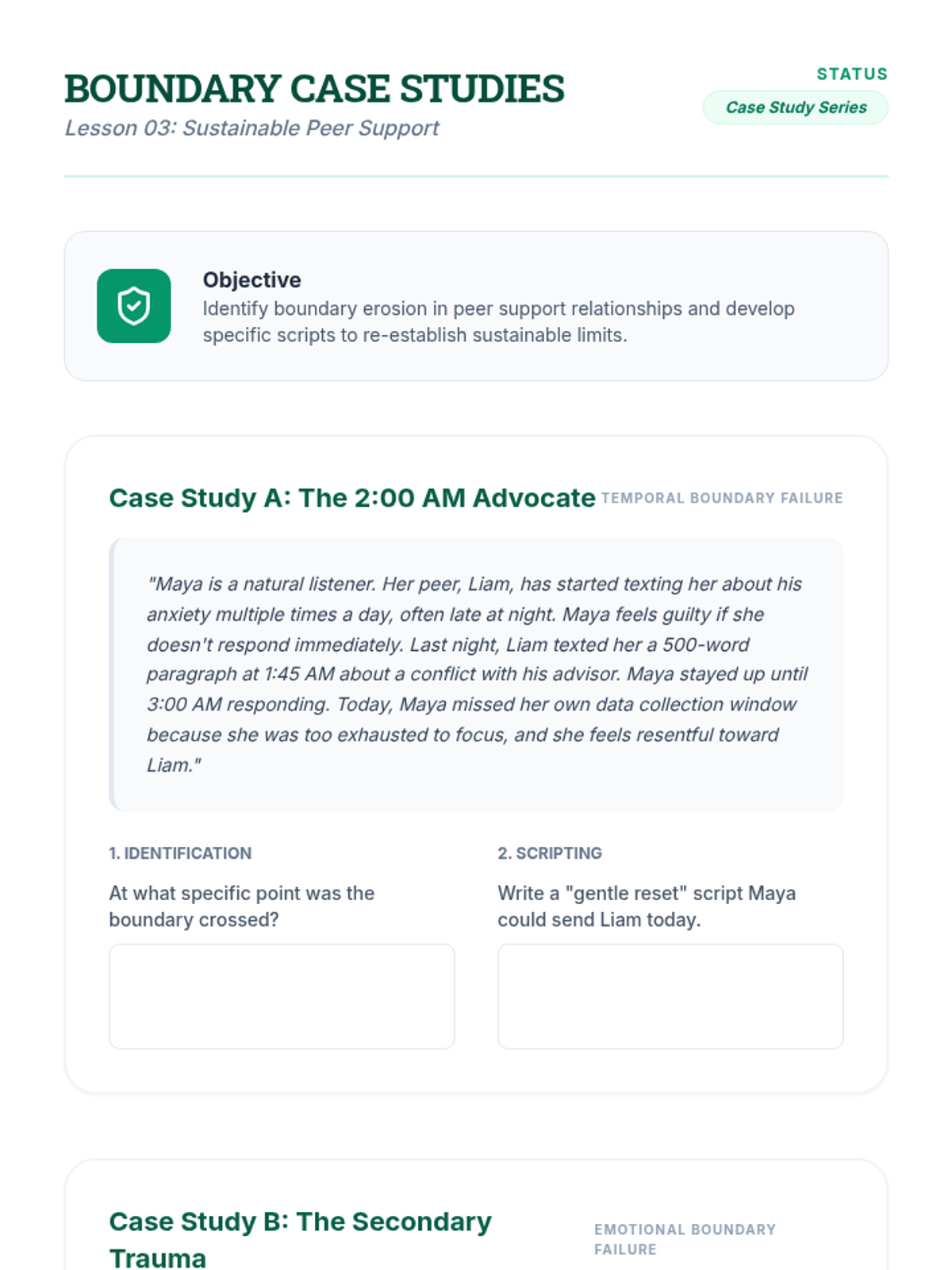
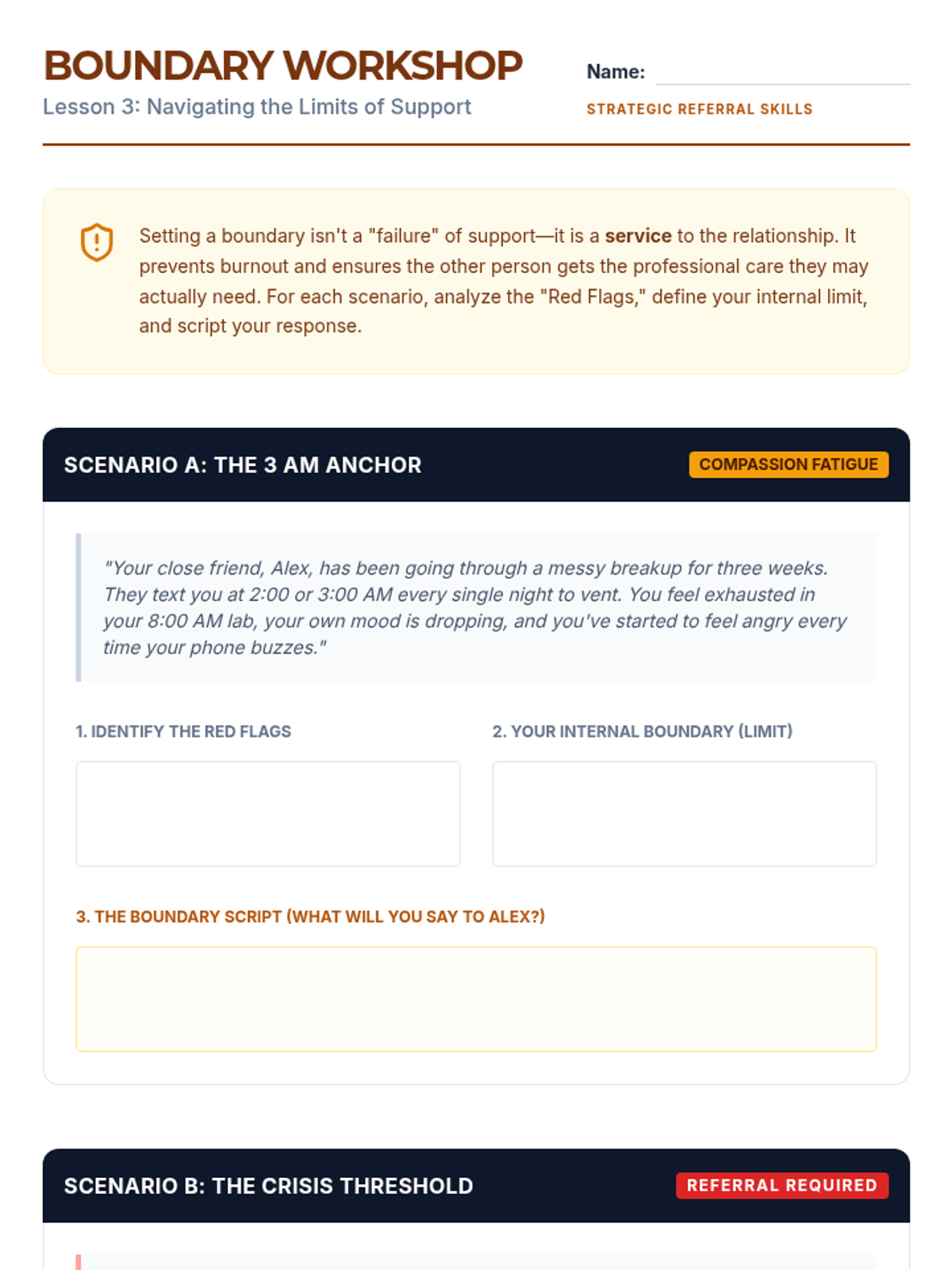
Focuses on preventing compassion fatigue through emotional and temporal boundaries and professional referral protocols.
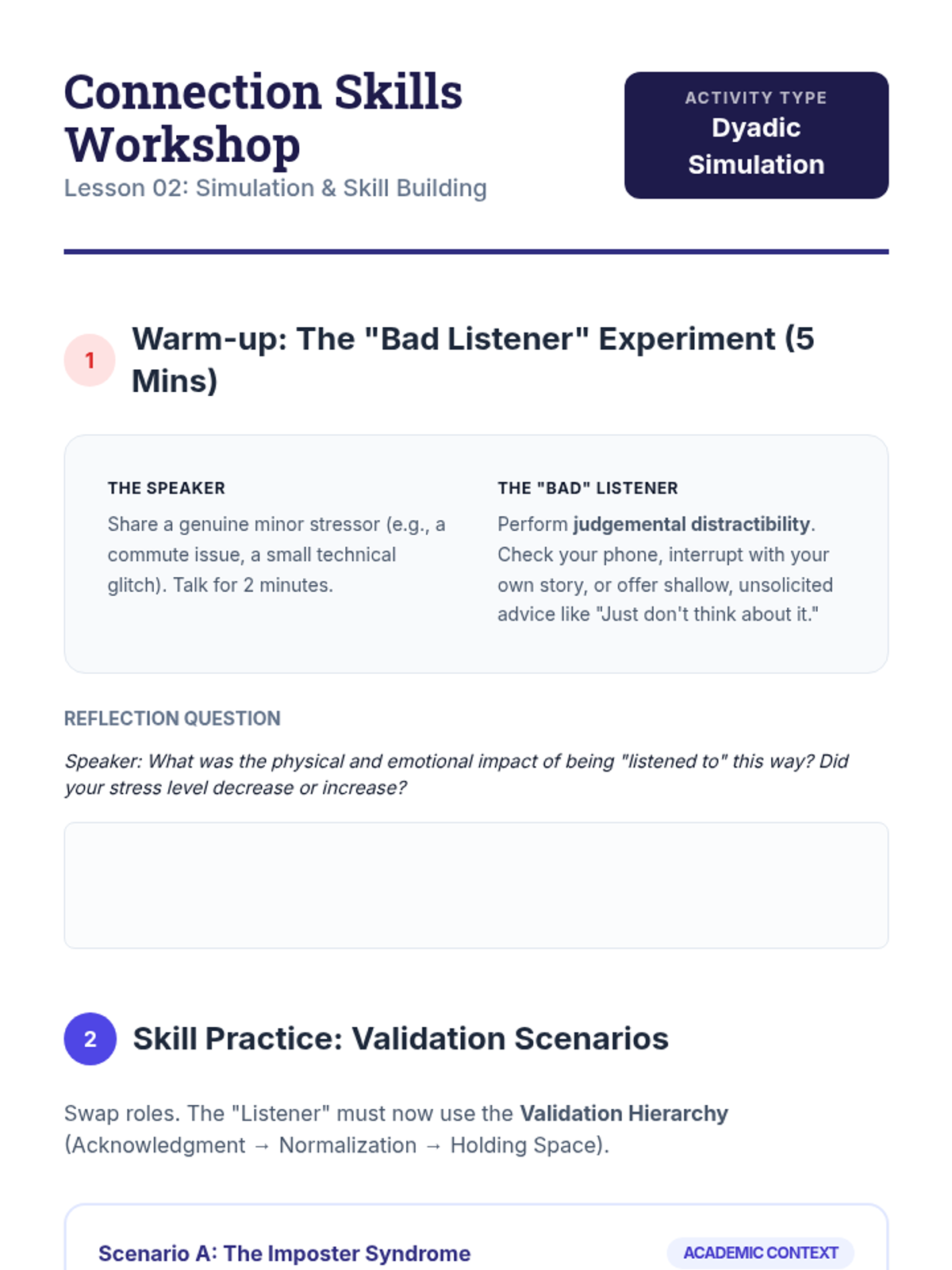
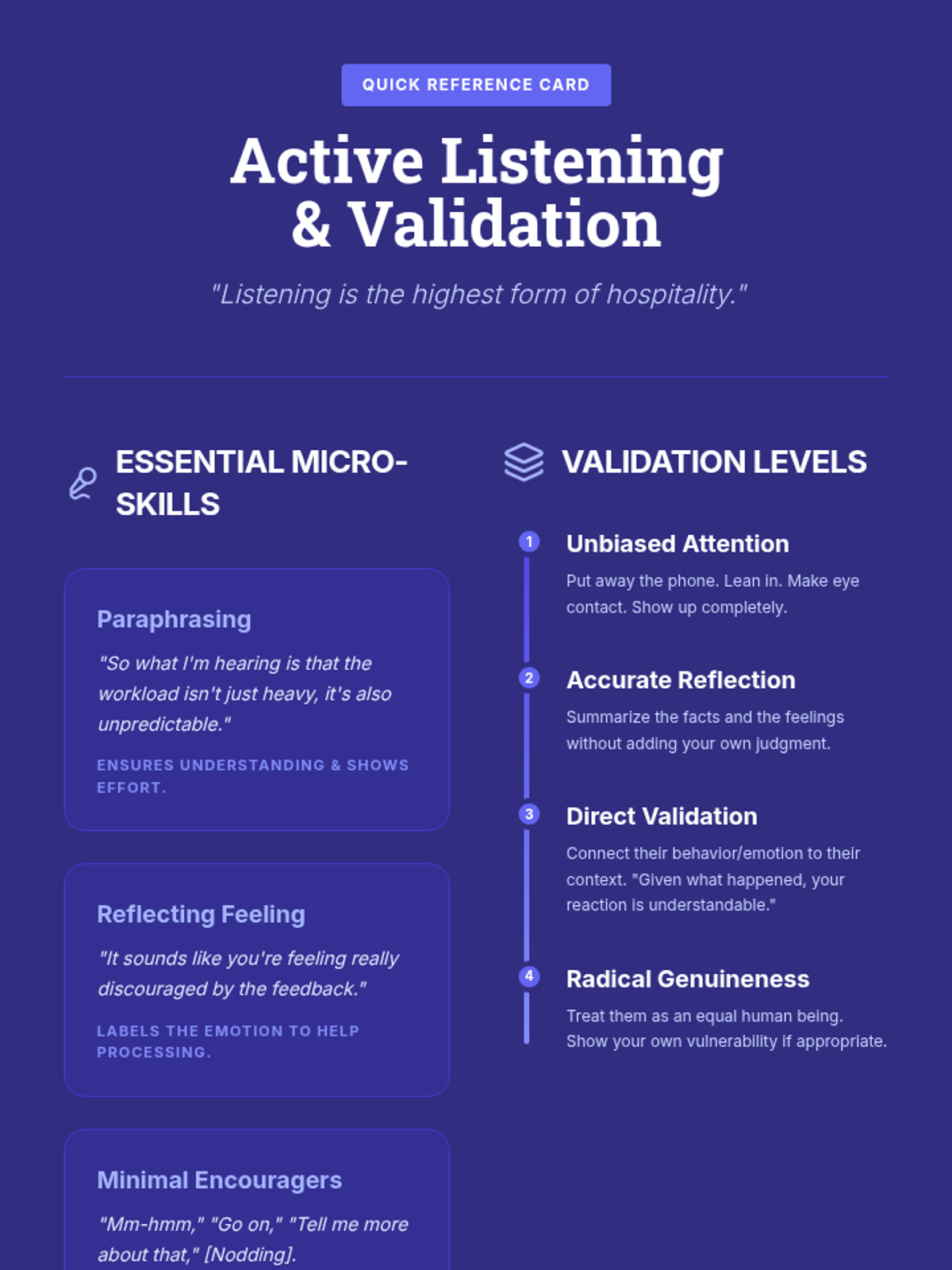
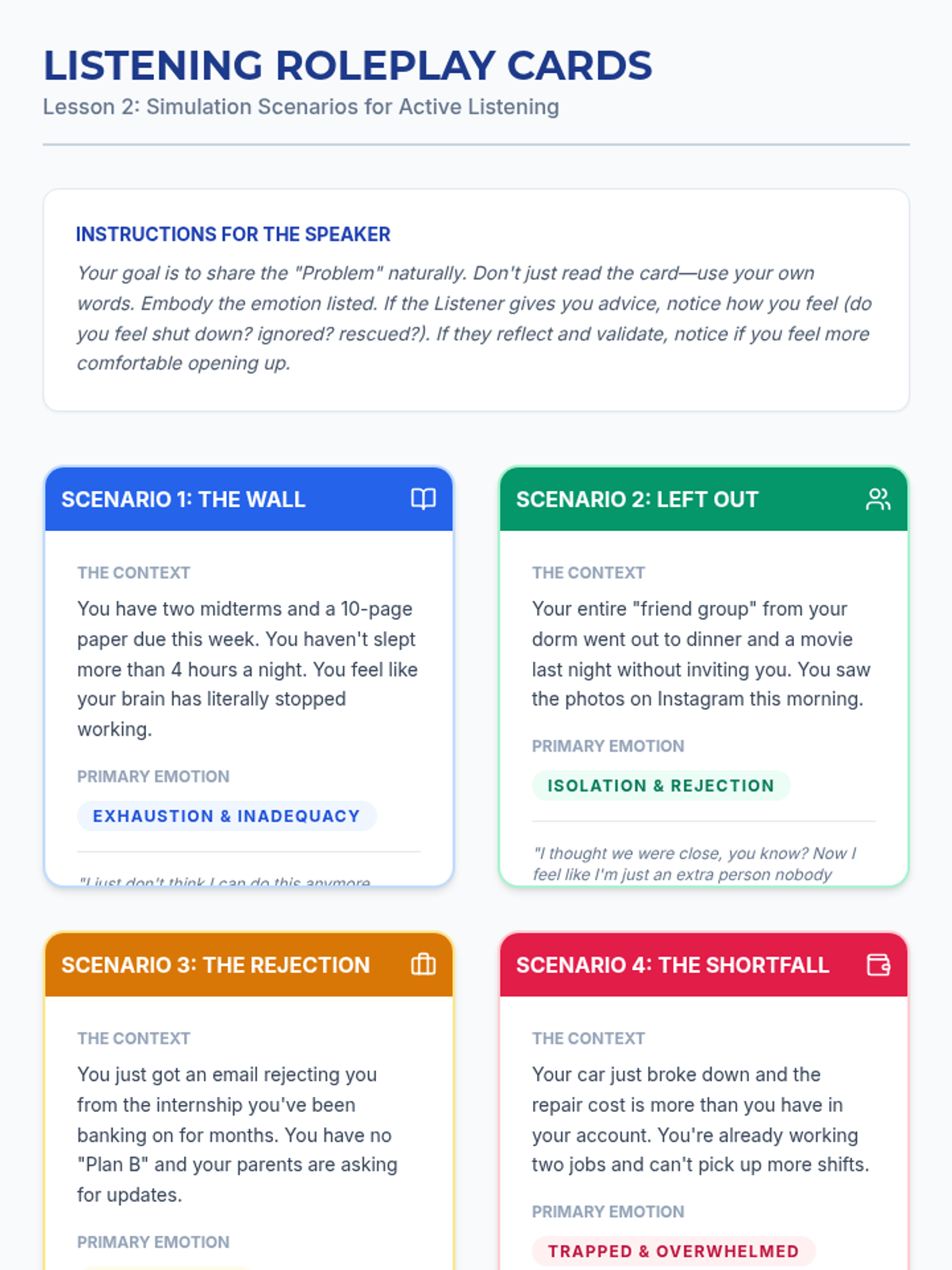
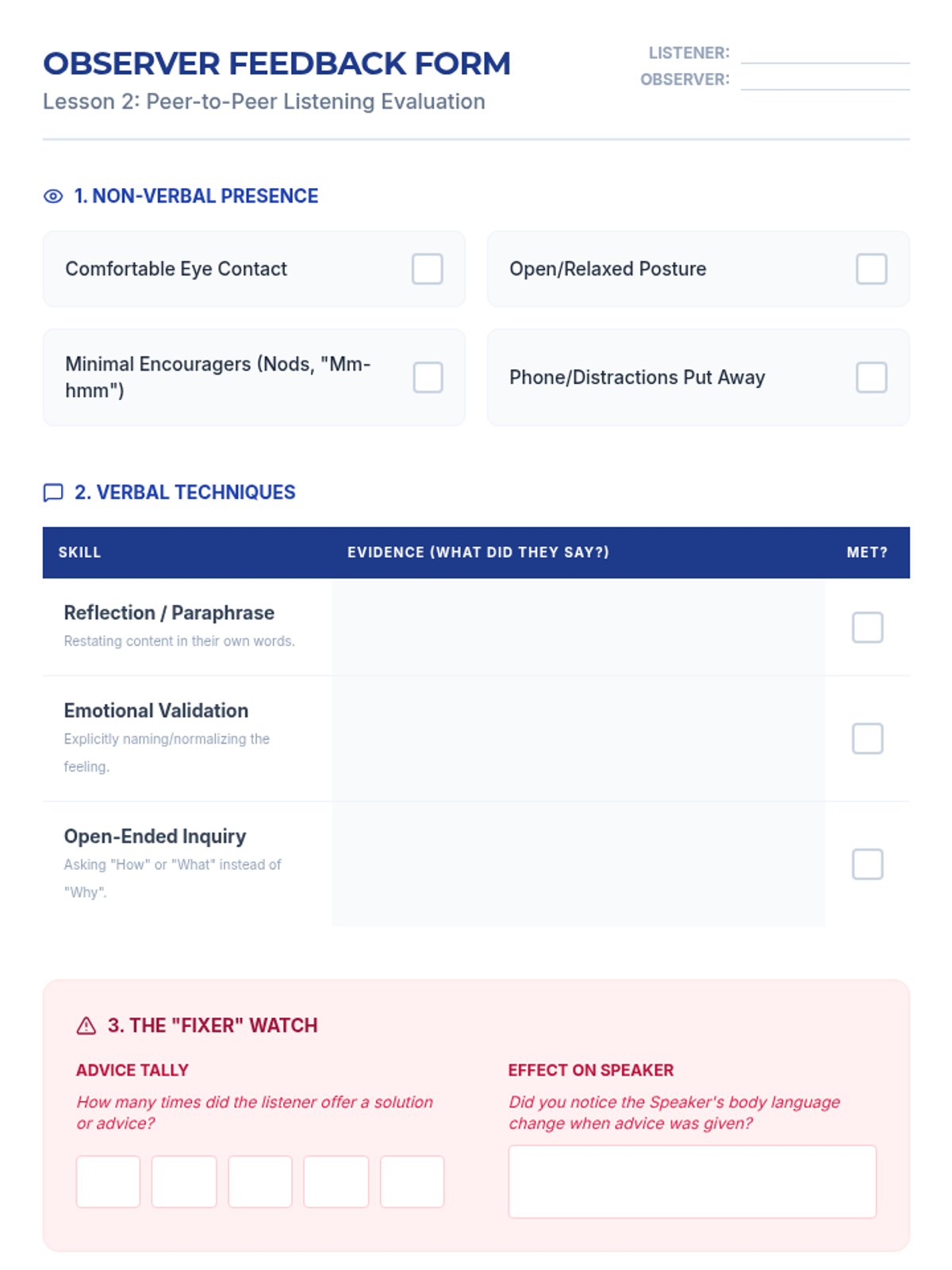
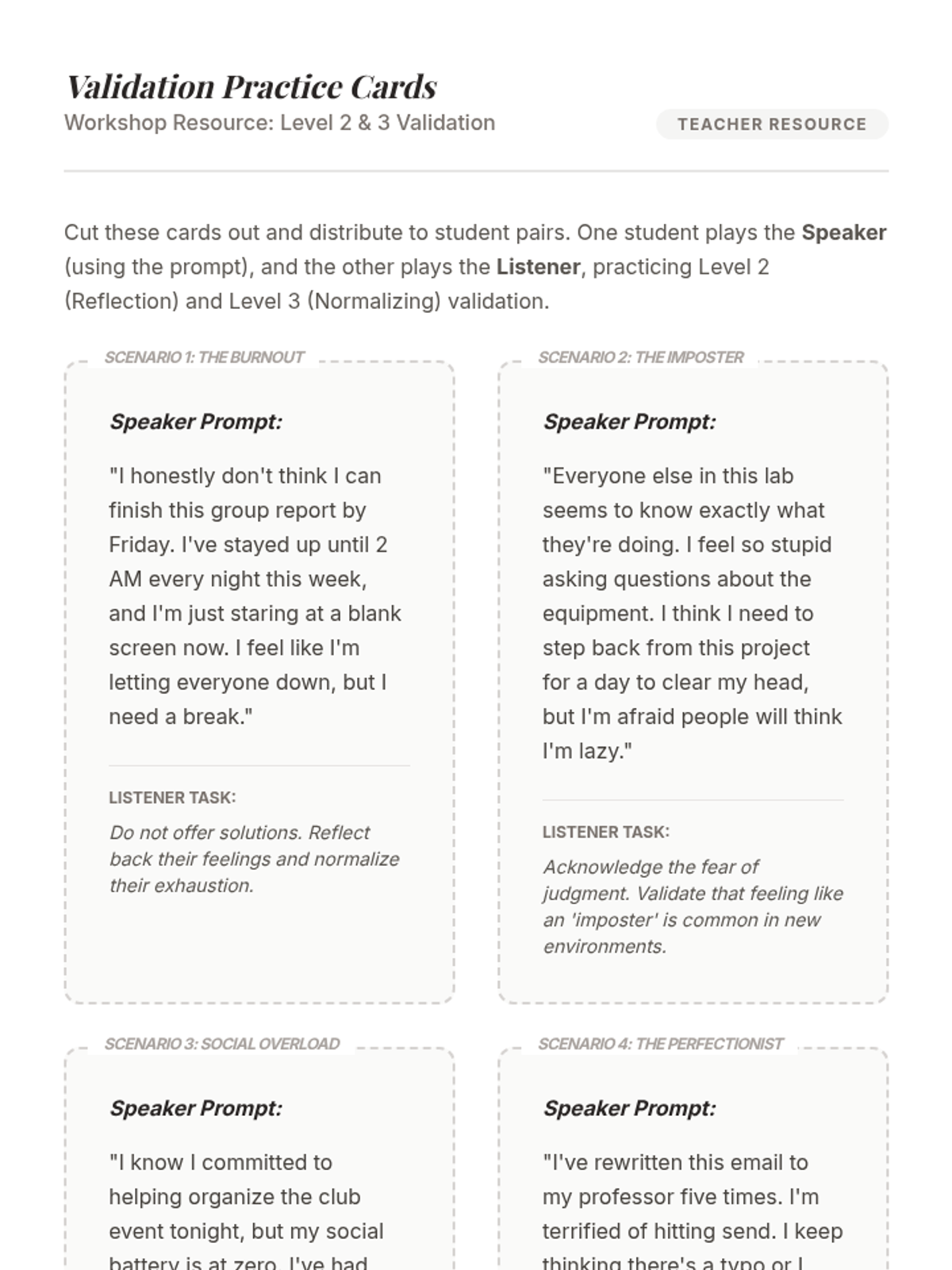
Practical workshop on active listening, validation, and holding space for peers without the pressure to provide immediate solutions.
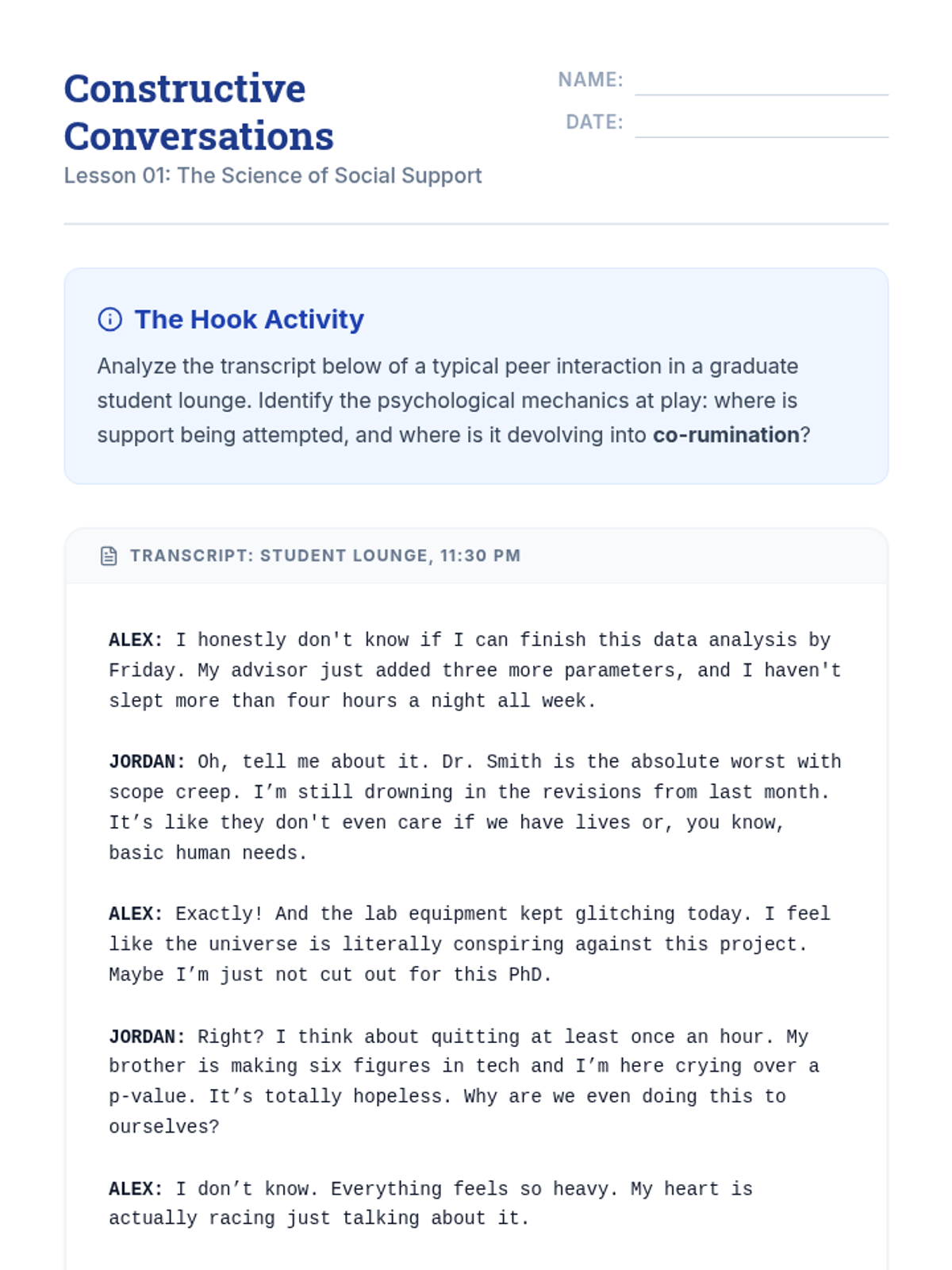
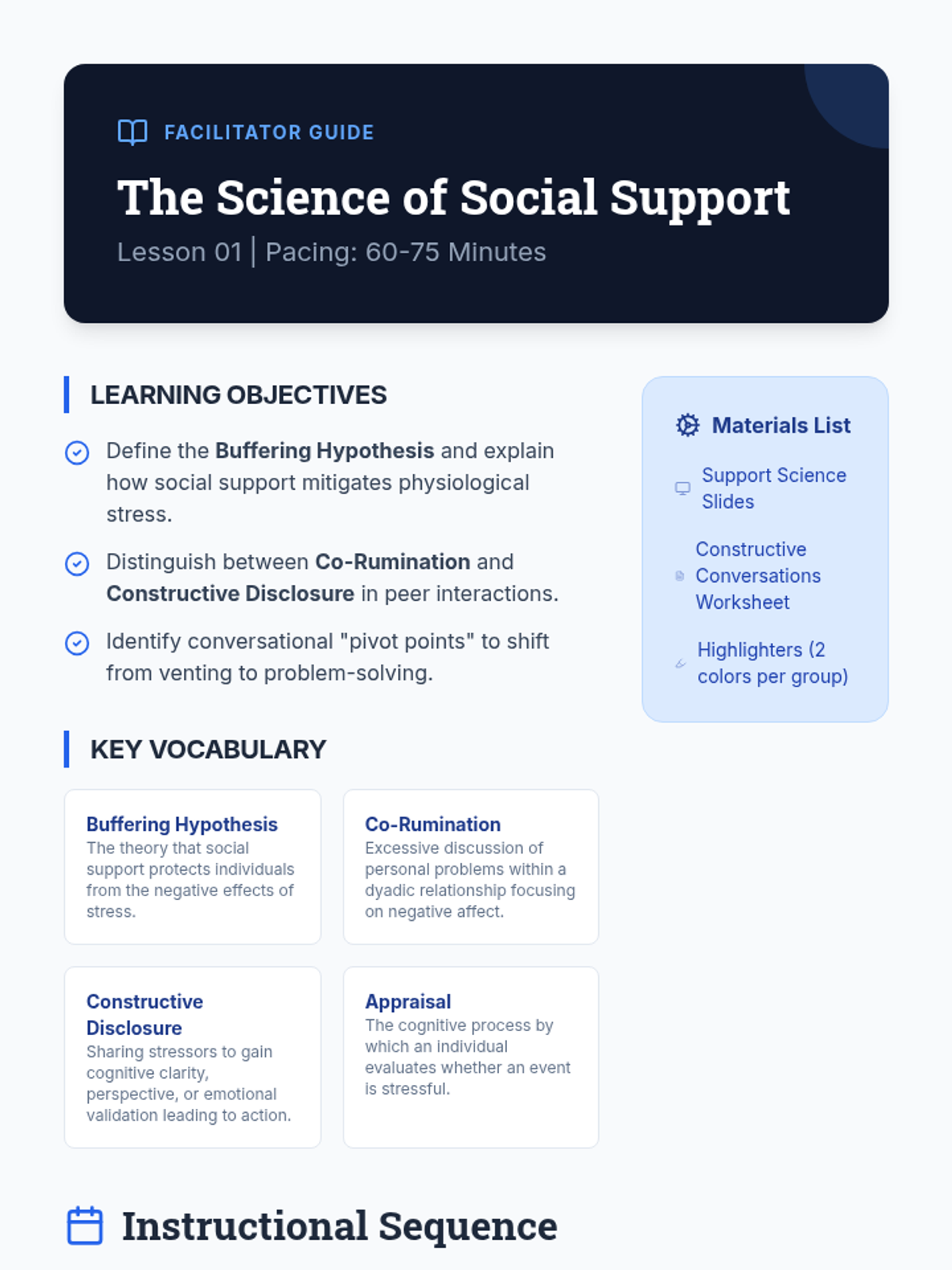
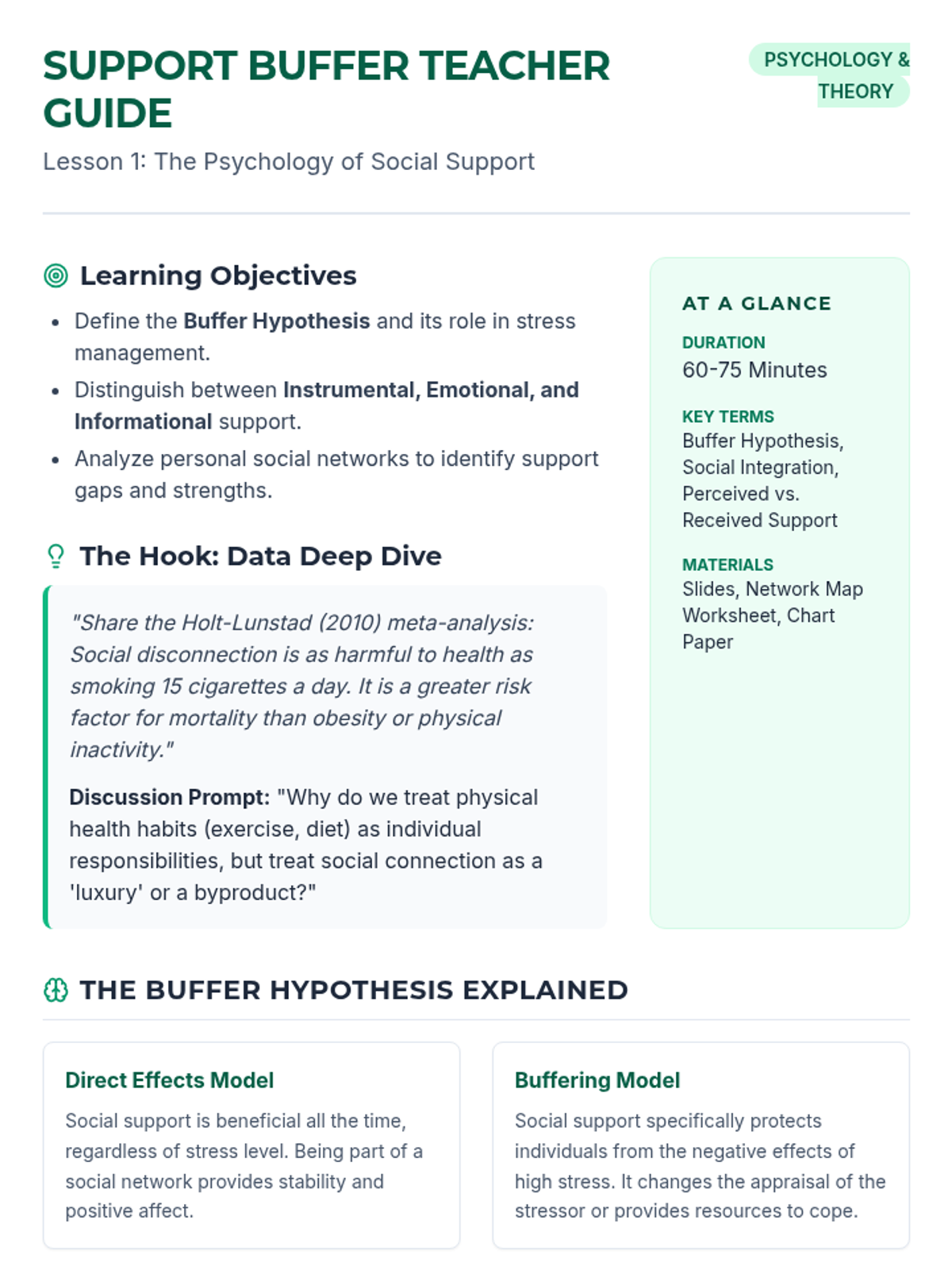
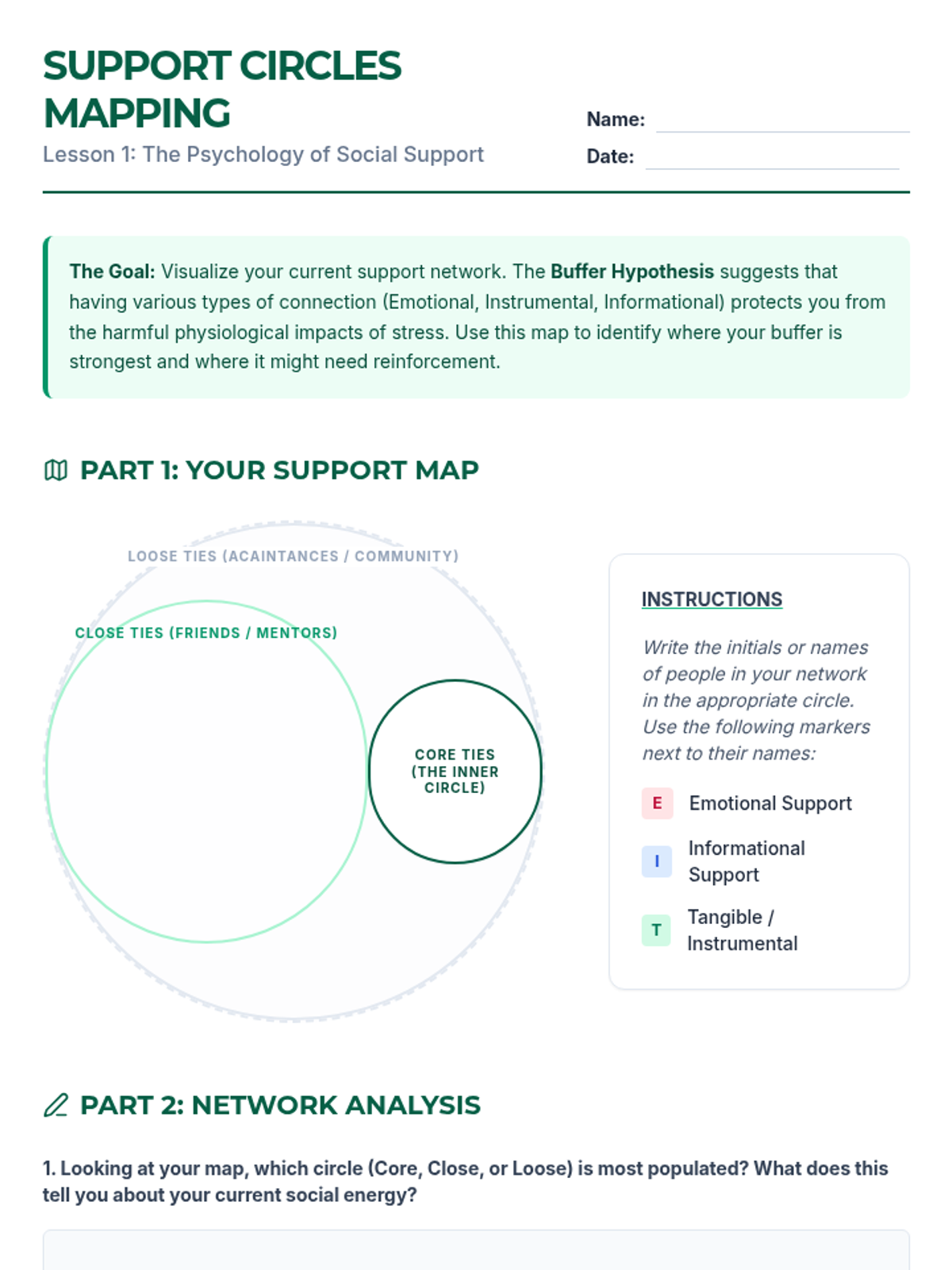
Examines the buffering hypothesis and the psychological mechanics of how social connection mitigates stress, contrasting co-rumination with constructive disclosure.
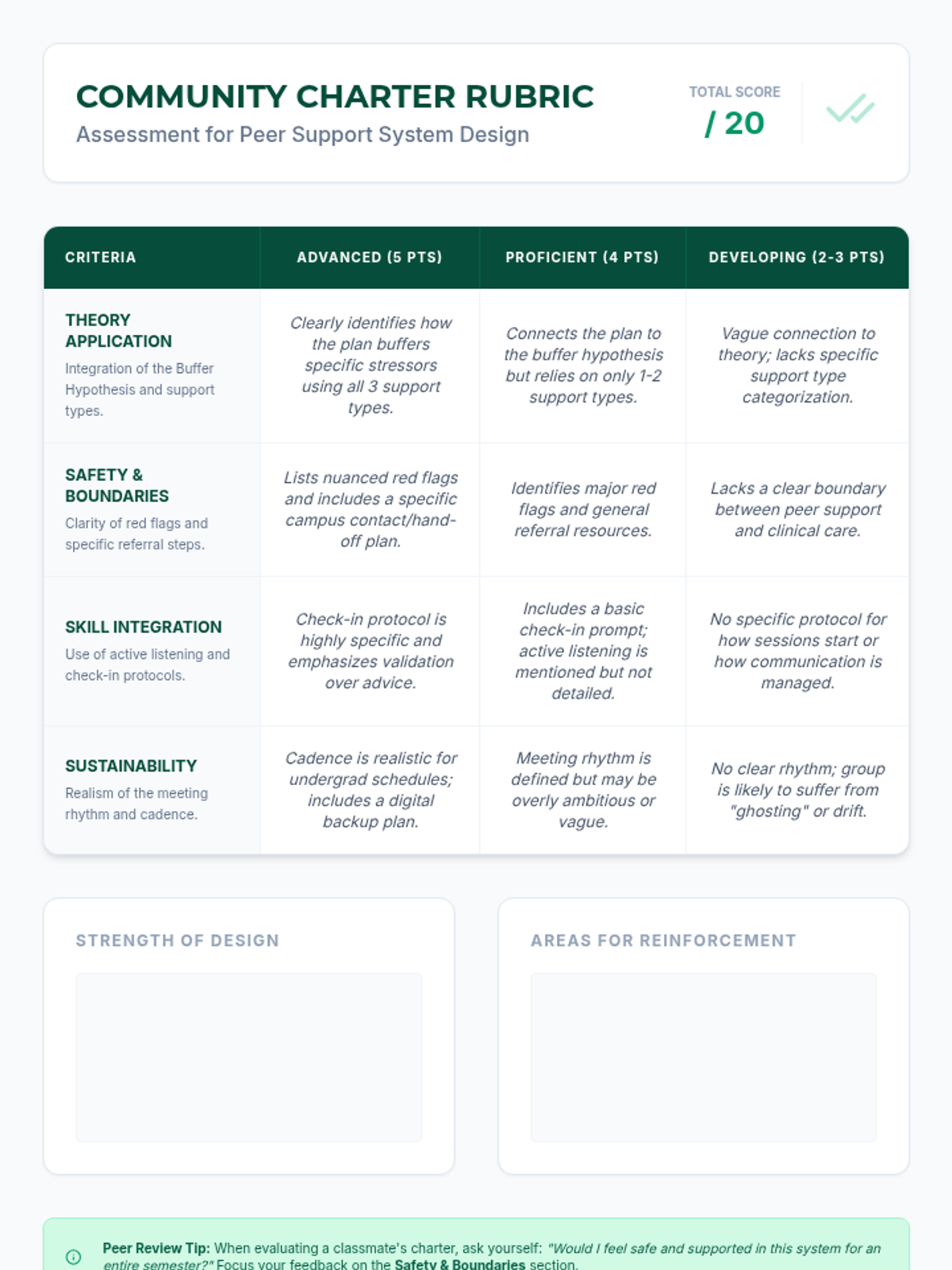
Students design a framework for a community care plan, producing a 'Community Charter' for peer support in a specific campus context.
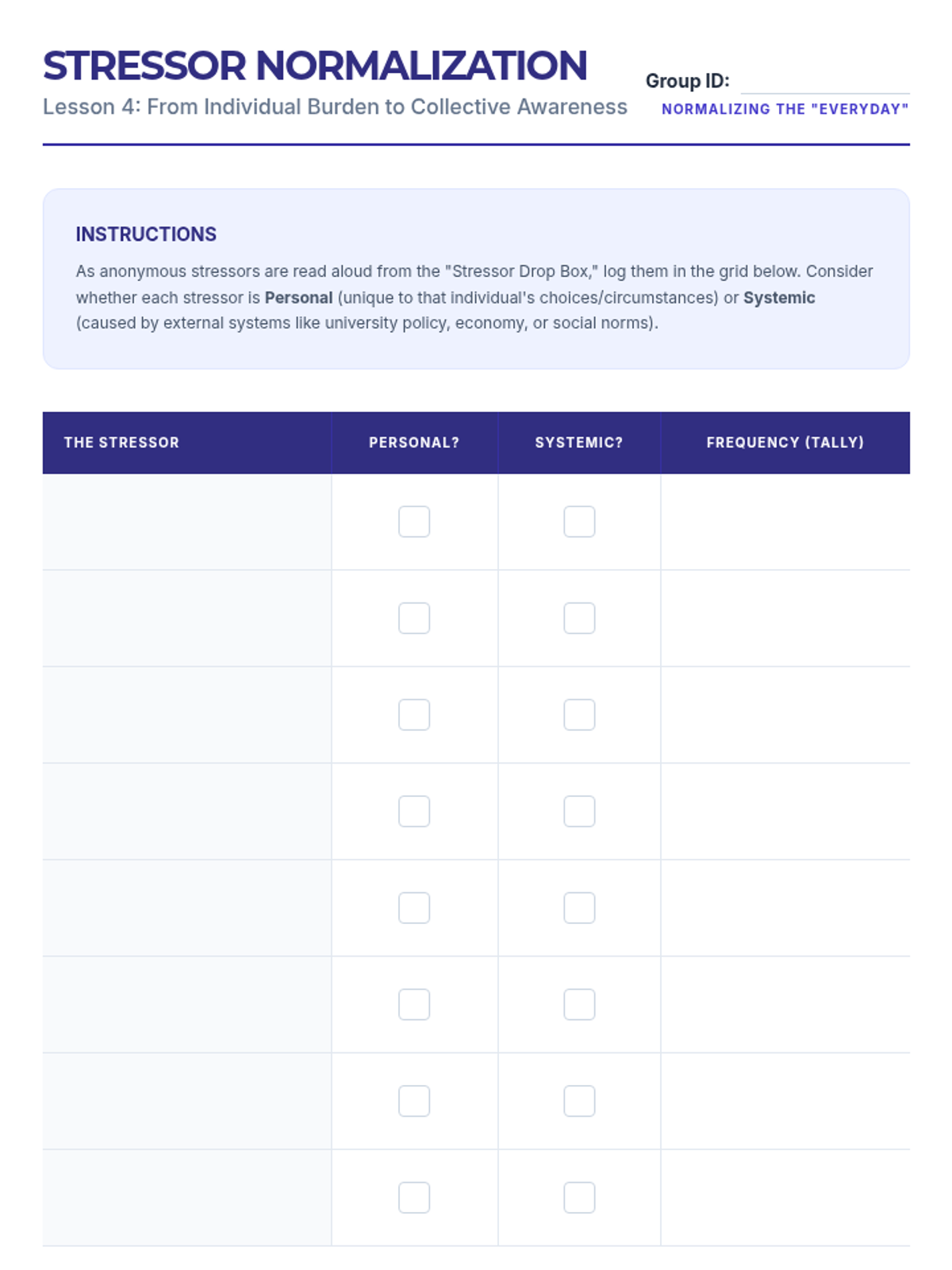
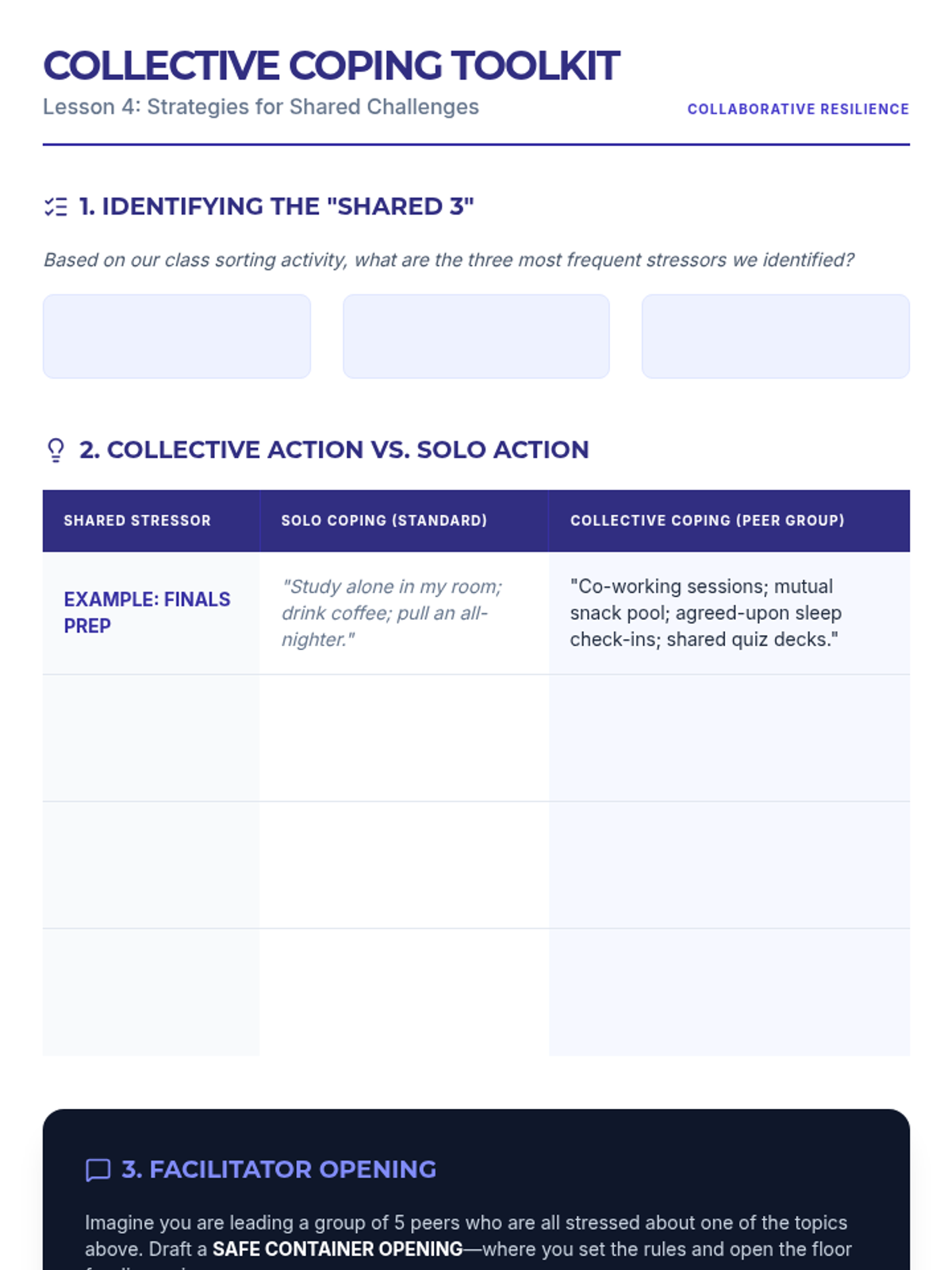
A facilitated dialogue session focusing on common undergraduate stressors, practicing normalization and collective coping strategies.
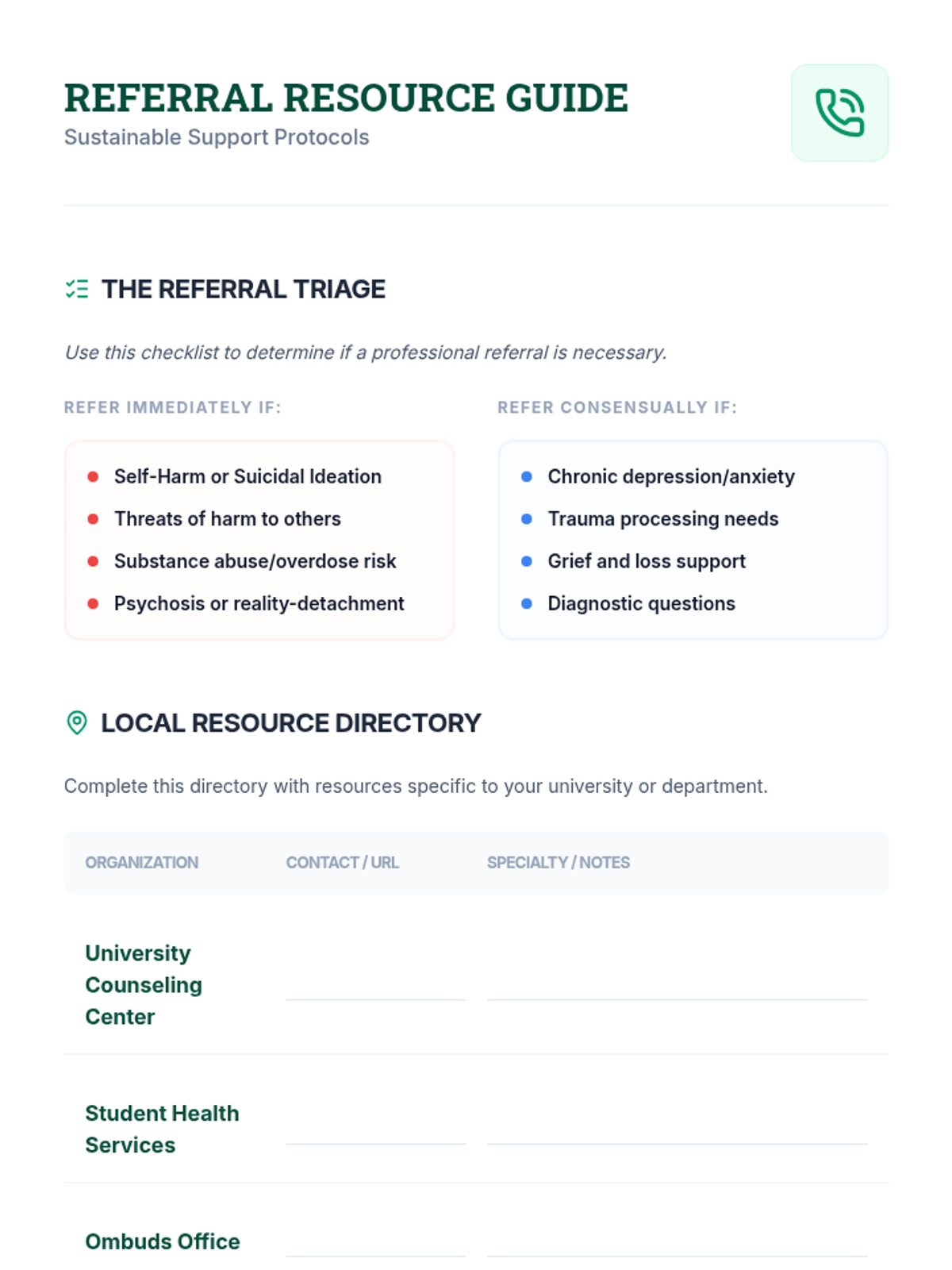
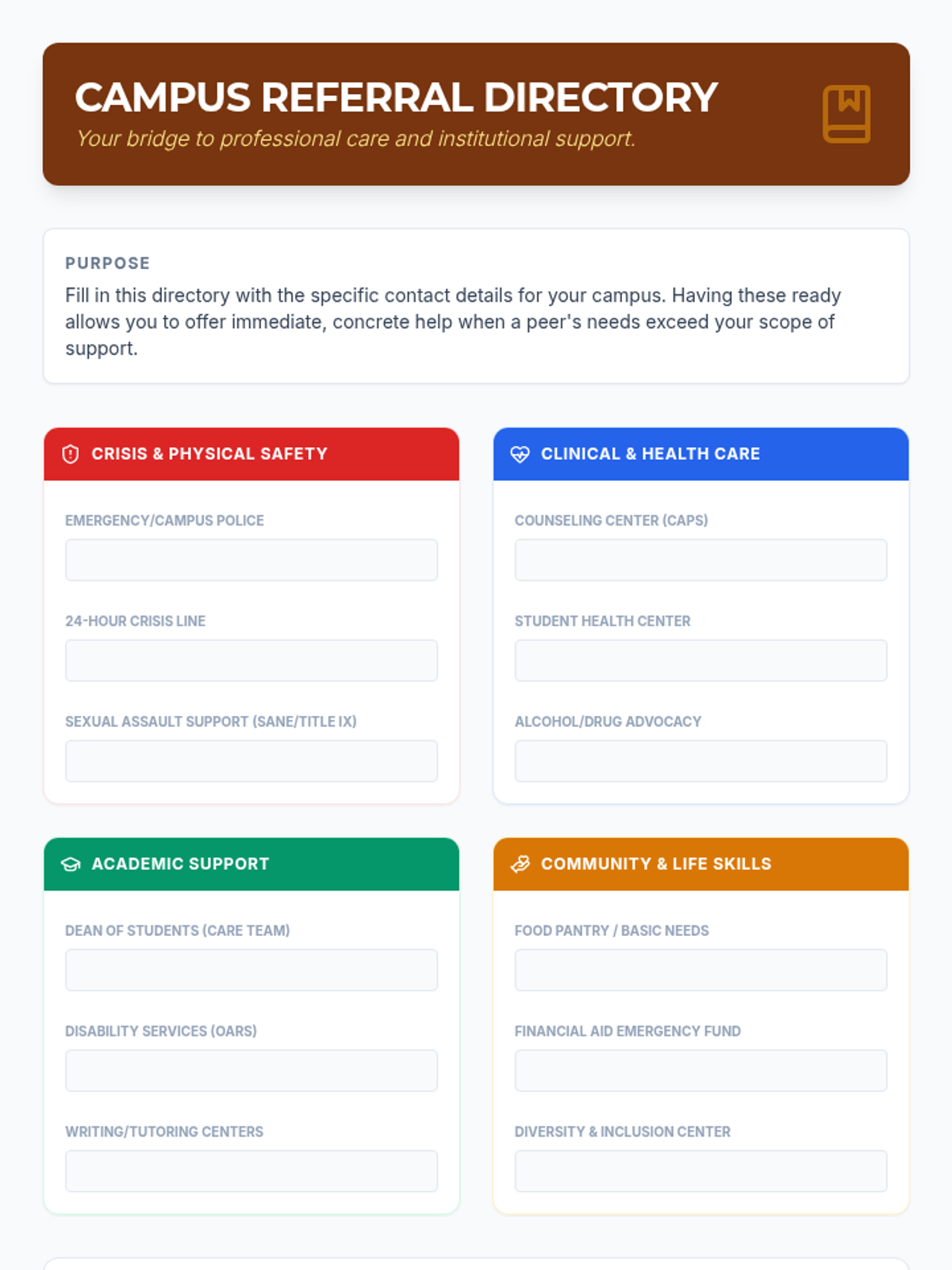
Training on recognizing the limits of peer support and when to refer to professionals, with a focus on setting emotional boundaries to prevent burnout.
A skill-building session on non-judgmental listening, reflecting, and validating emotions, focusing on 'holding space' rather than problem-solving.
Students explore the 'Buffer Hypothesis' and how social connection mitigates the health impacts of stress, focusing on the difference between instrumental, emotional, and informational support.
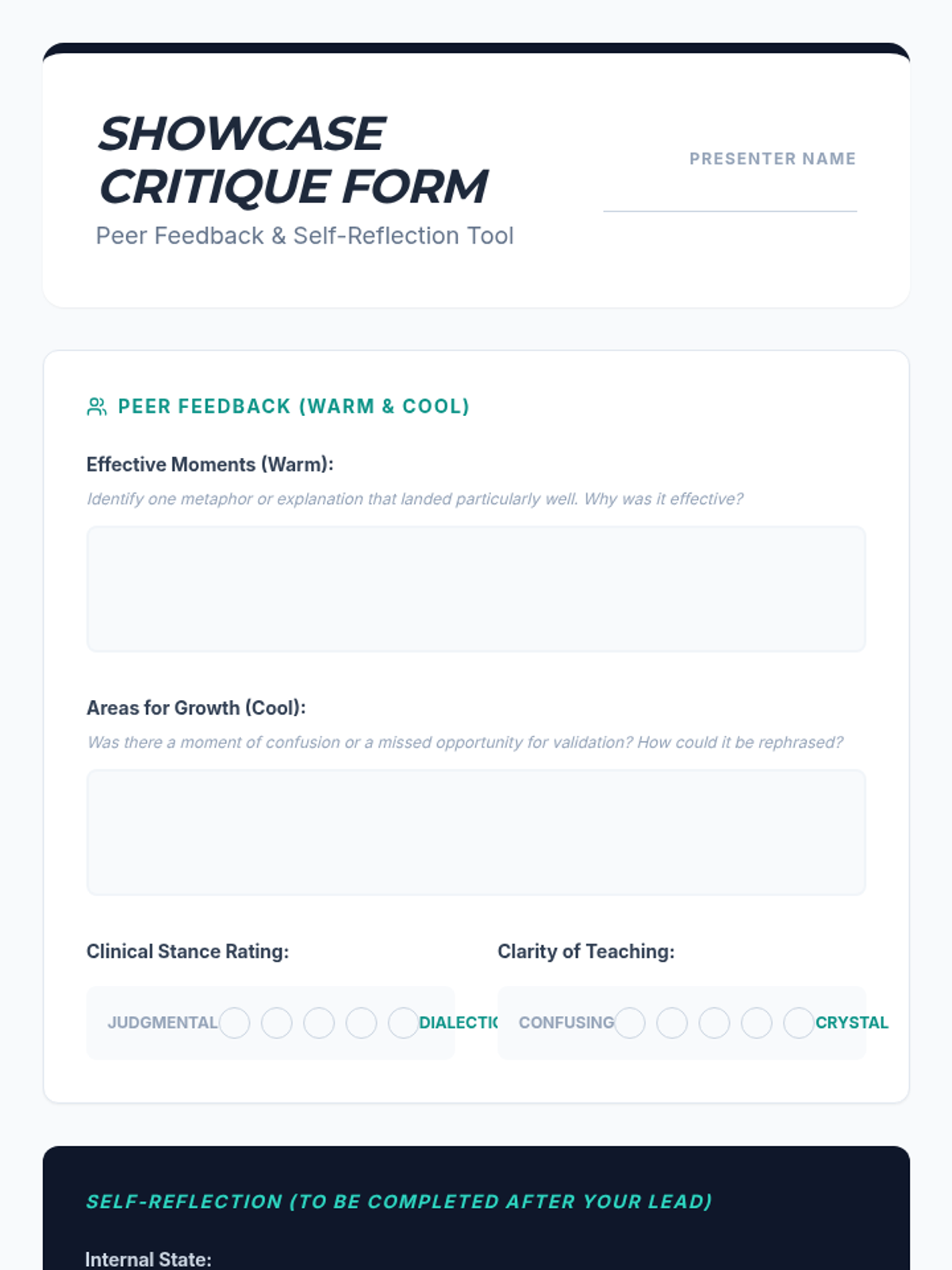
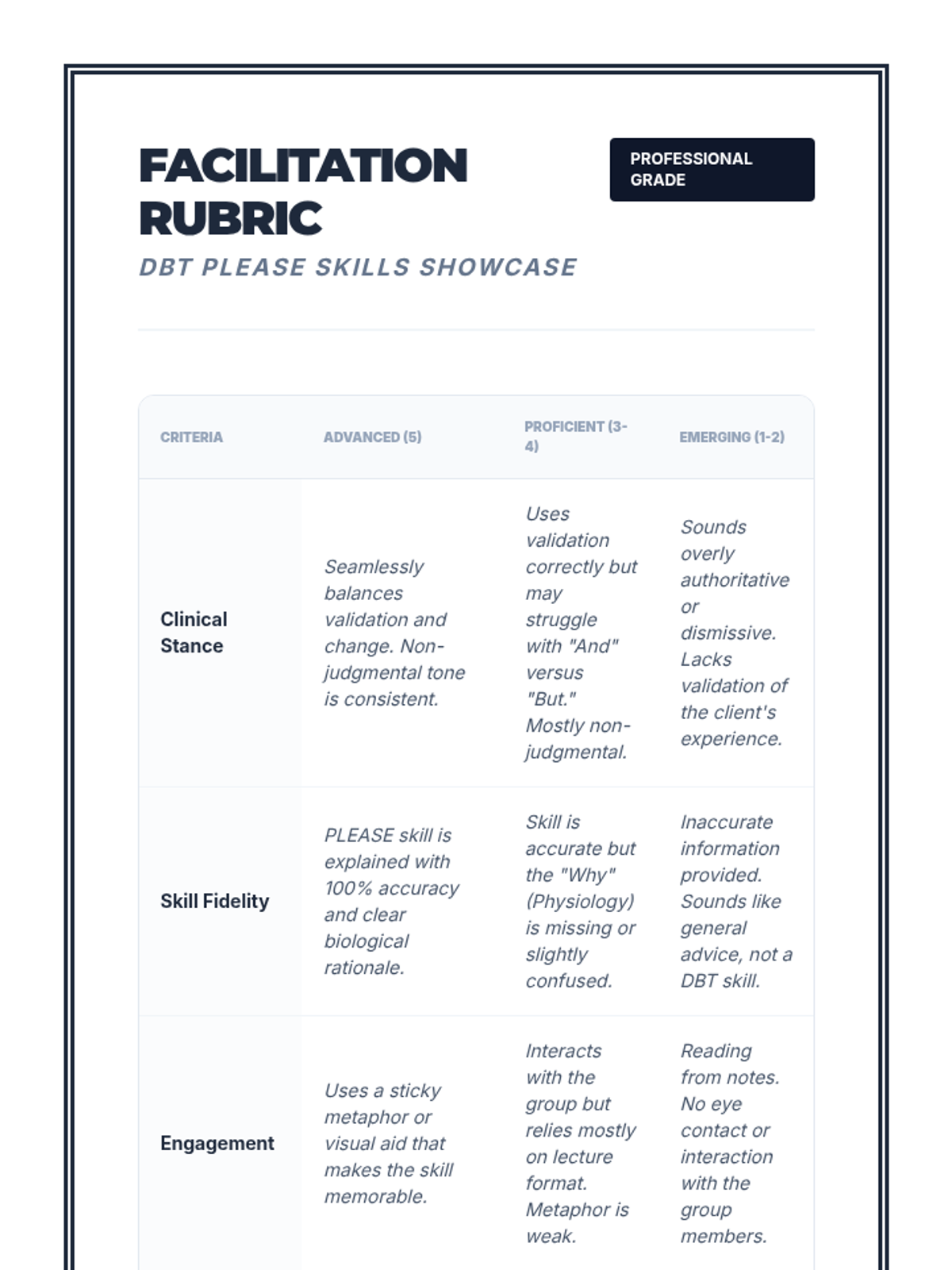
Students facilitate a mock group segment and receive professional feedback on their teaching style and clinical presence.
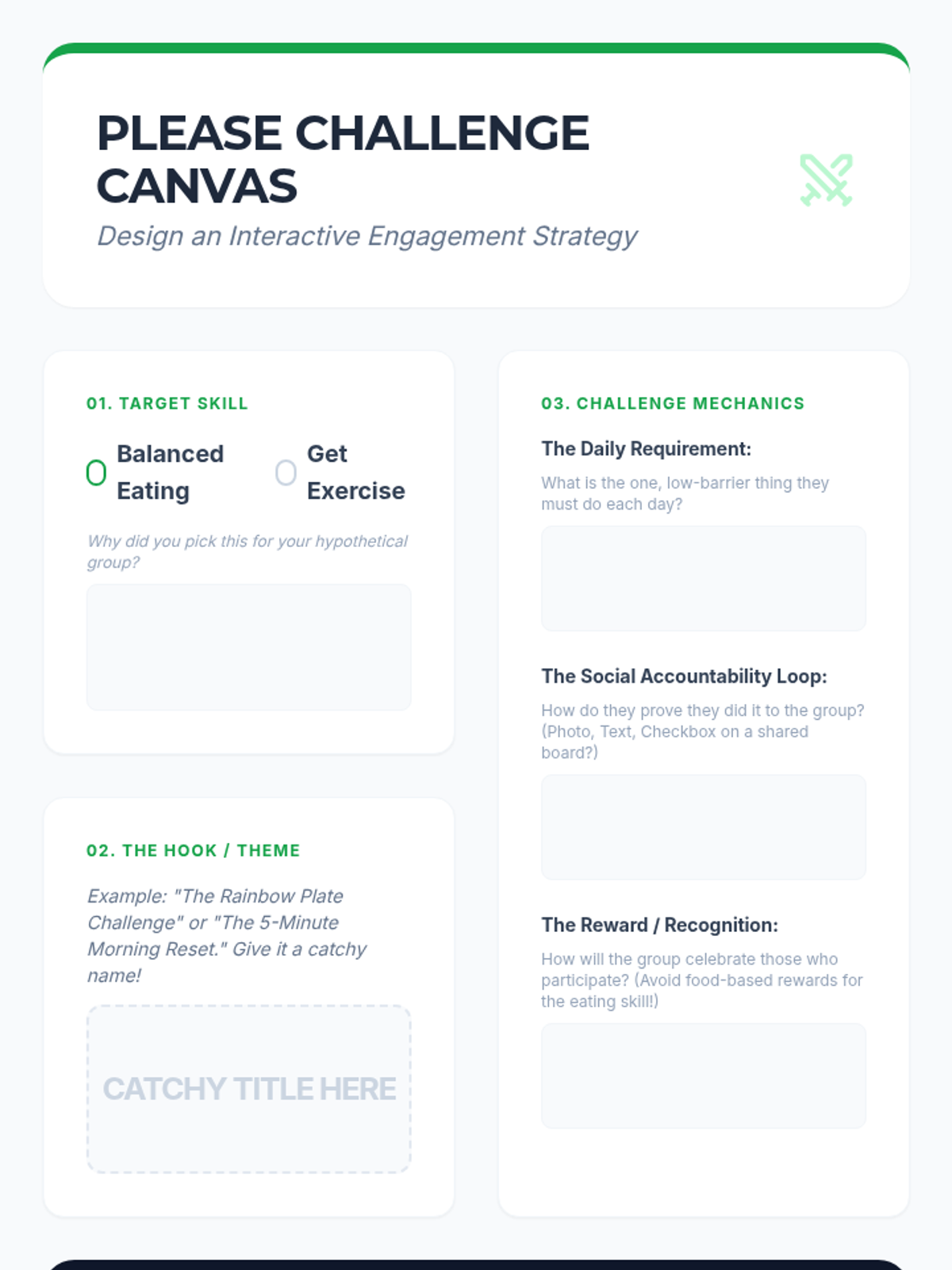
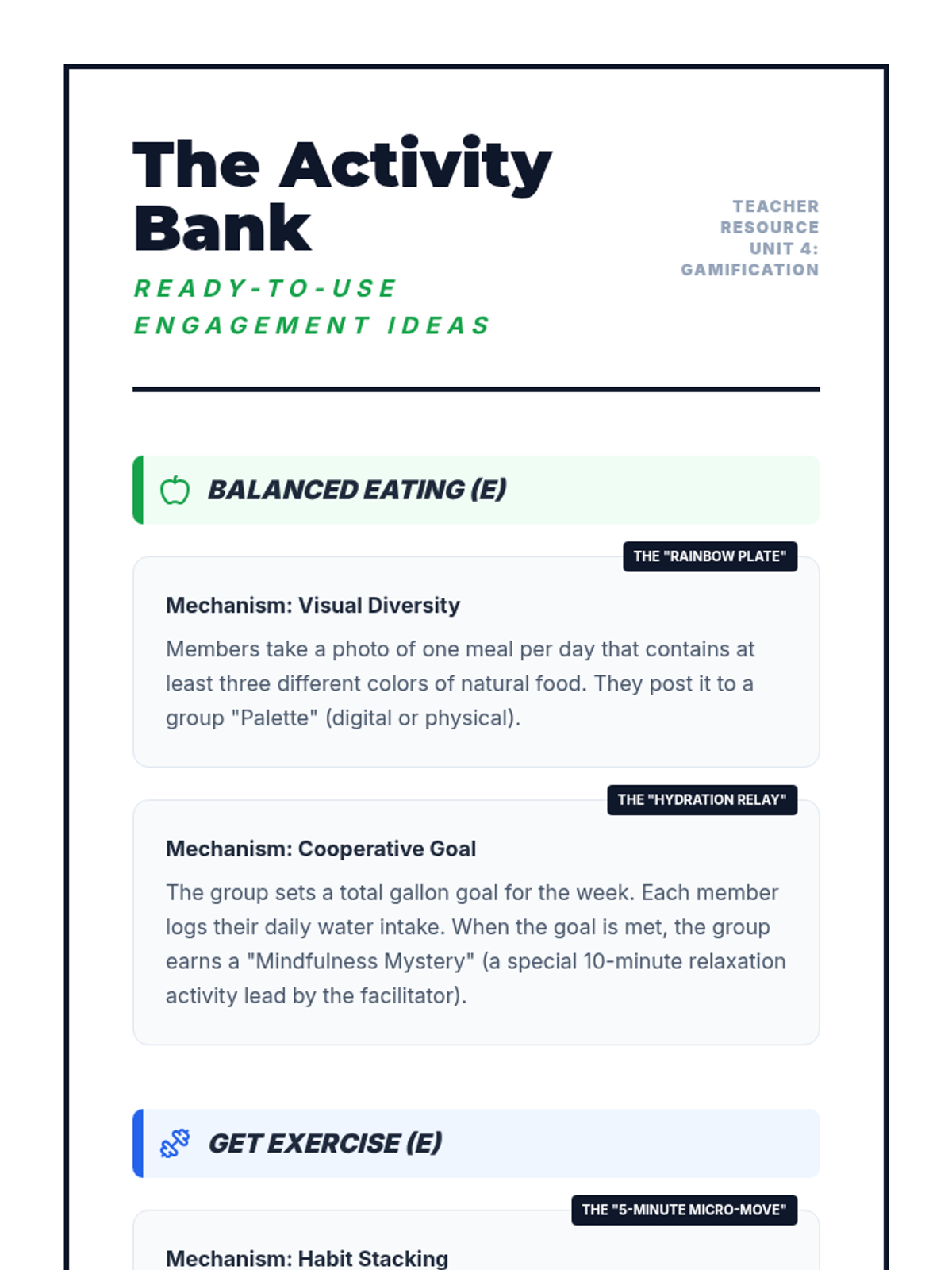
Students apply gamification and social accountability strategies to make behavioral health habits (eating and exercise) engaging for groups.
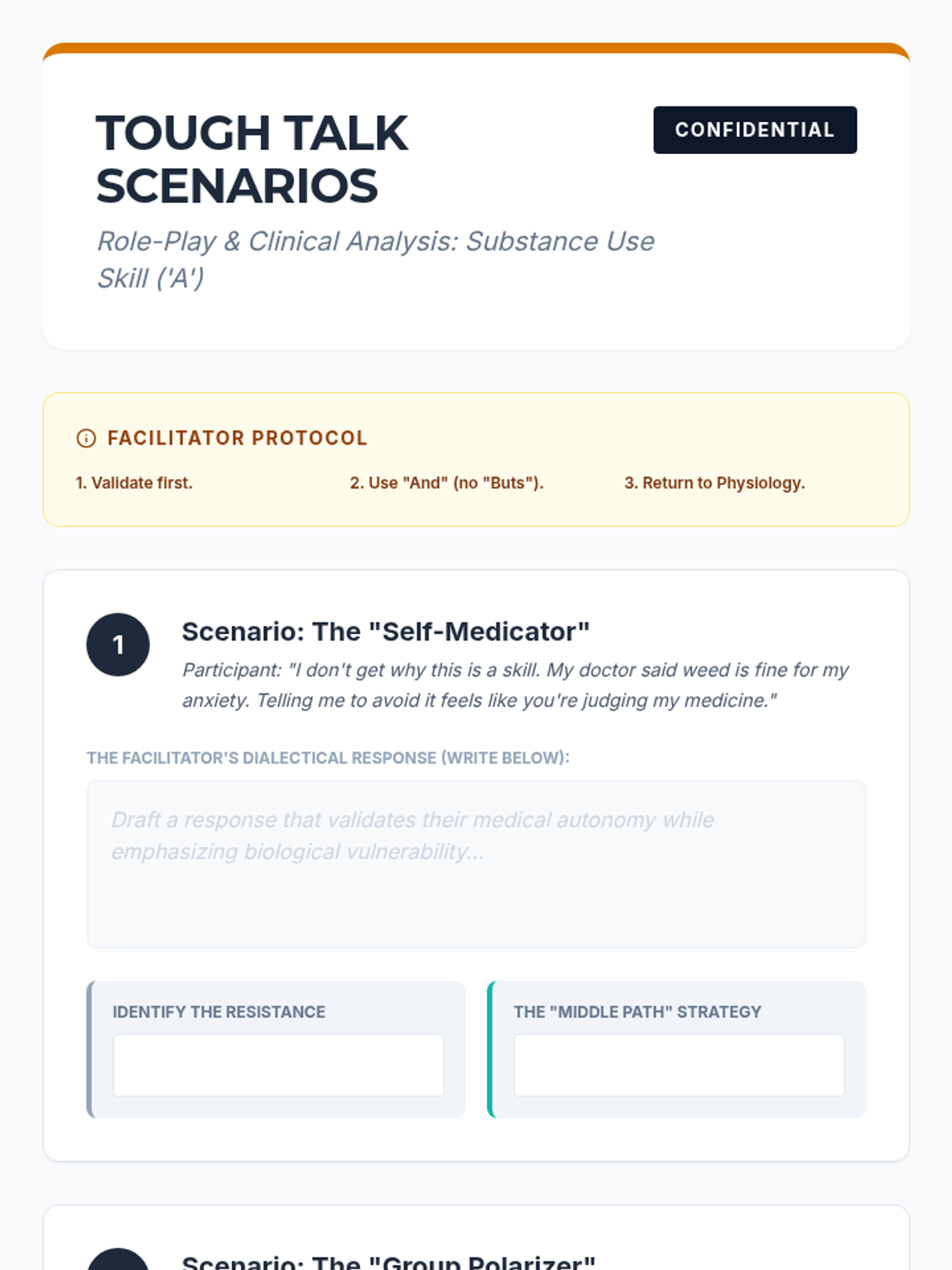
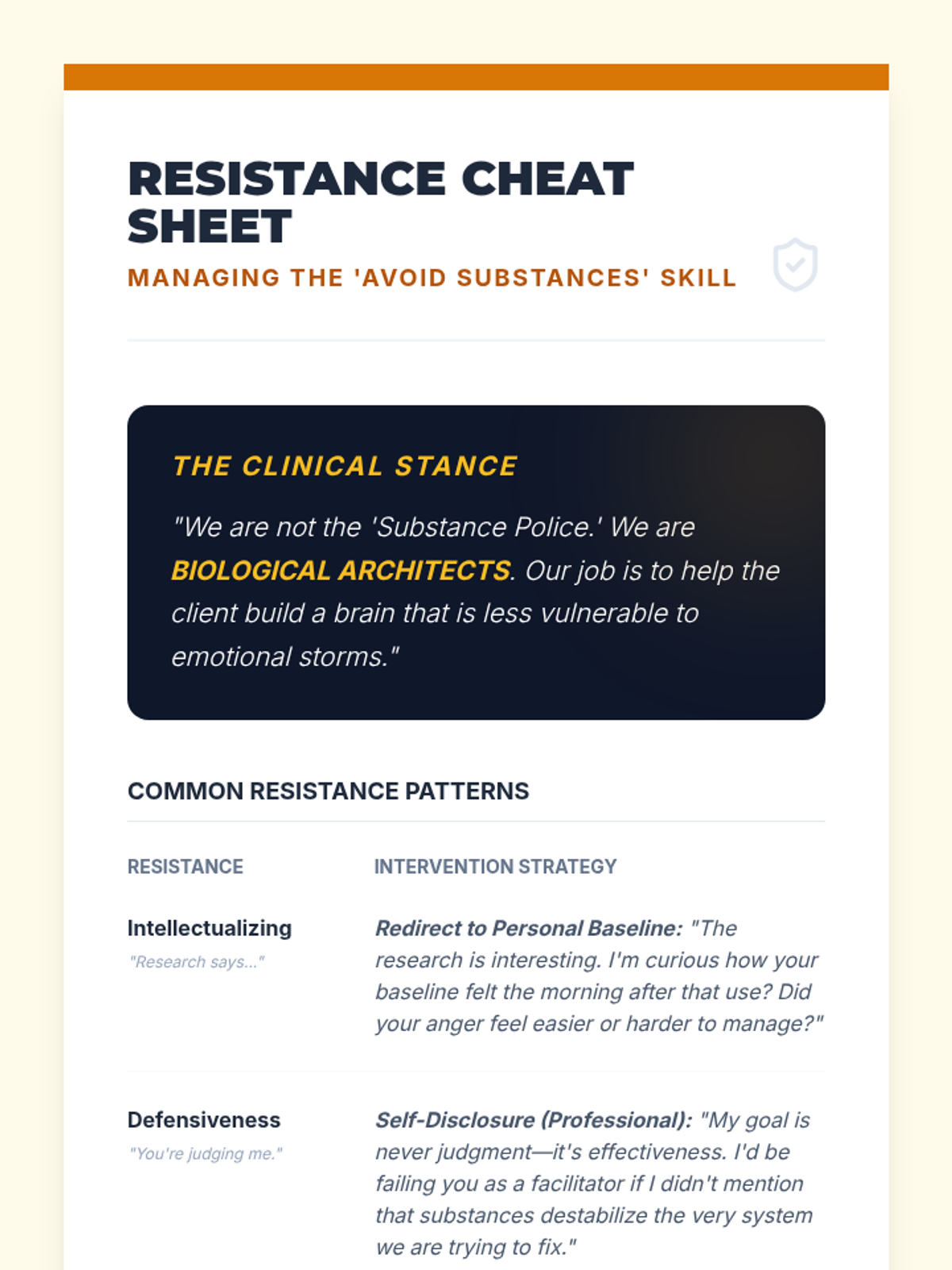
This lesson focuses on managing group resistance and sensitive dynamics around substance use and mood-altering behaviors.
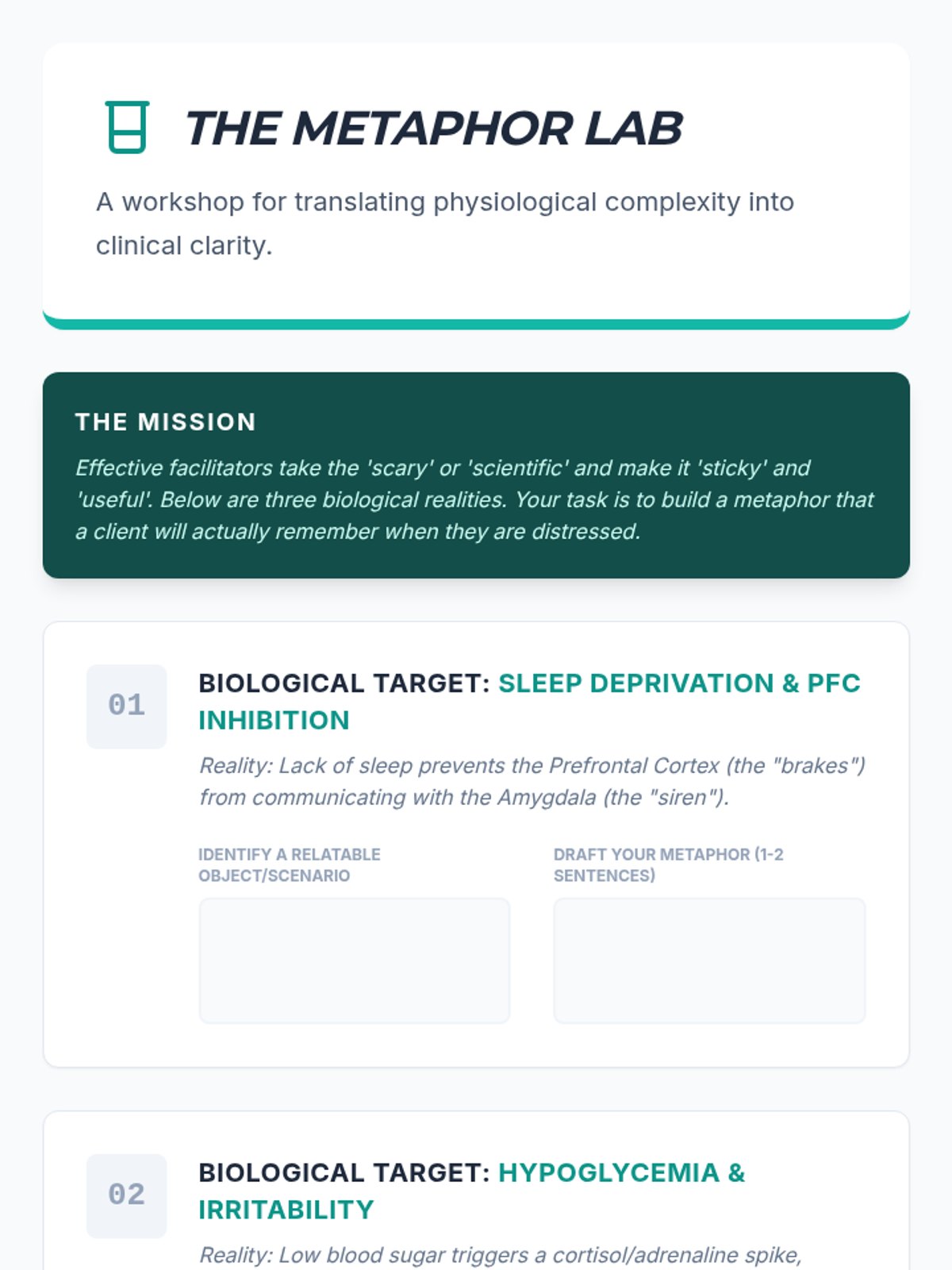
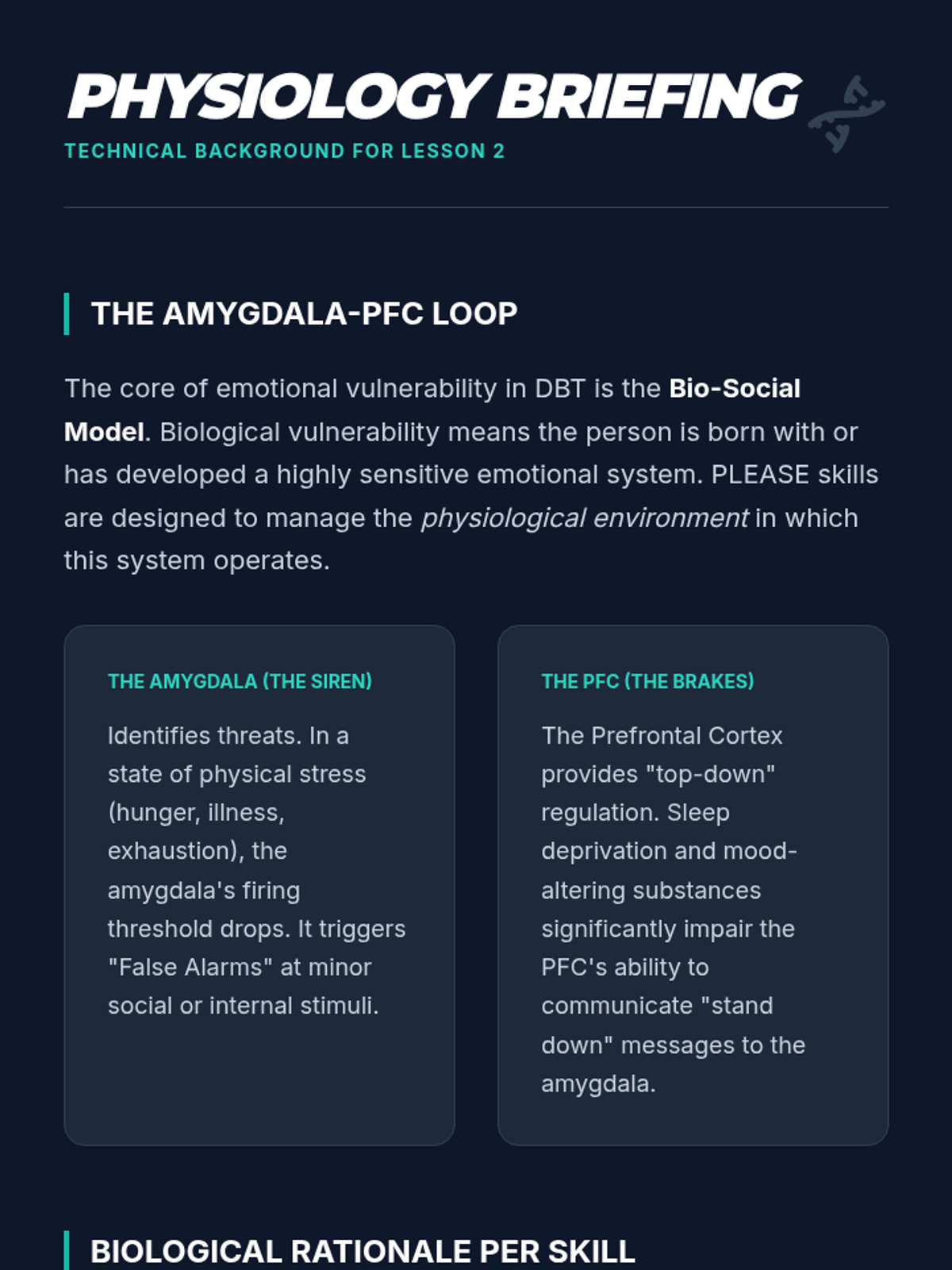
Students practice translating complex physiological concepts of emotional regulation into accessible psychoeducation for group members.
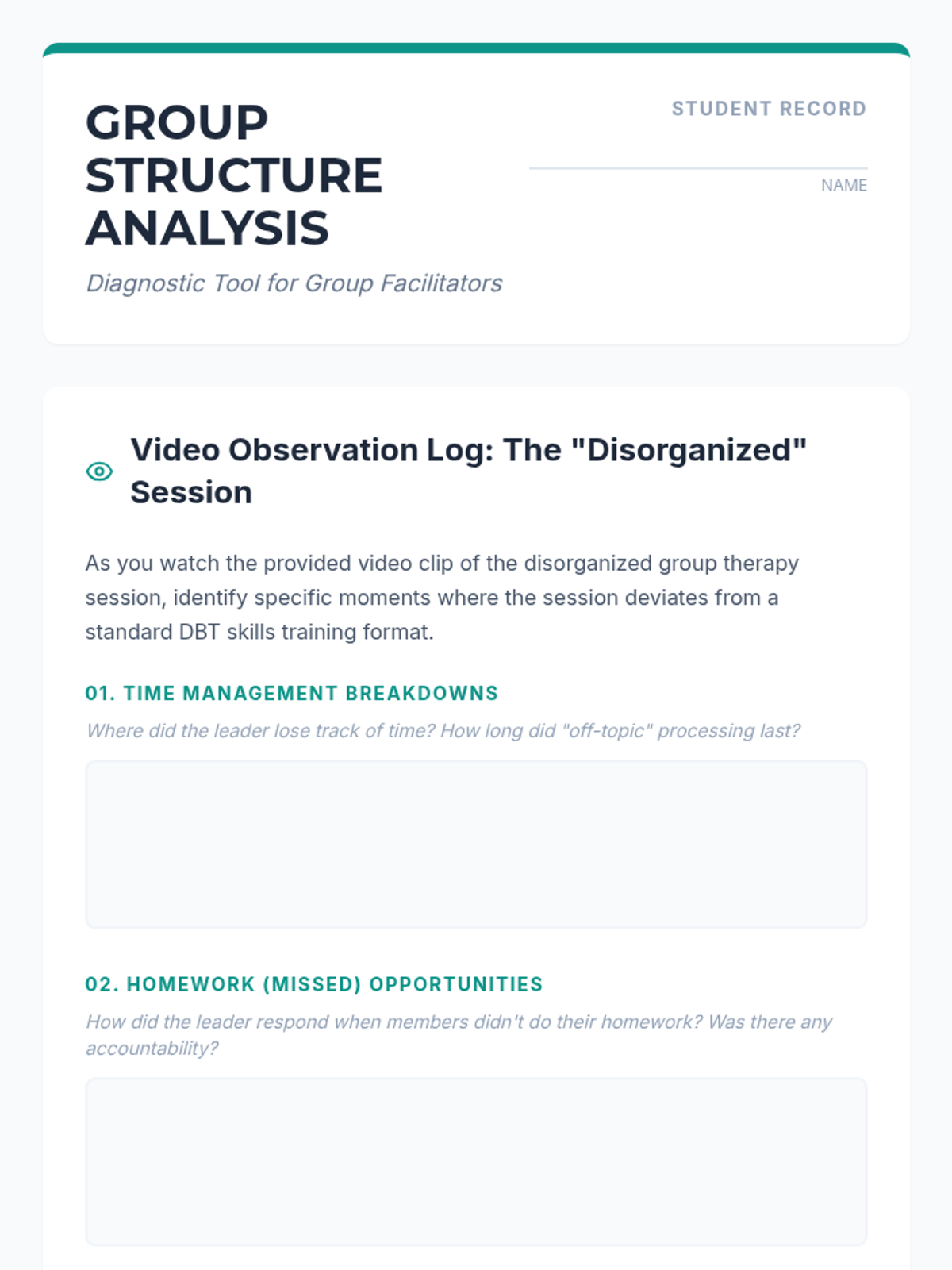
Students explore the standard DBT skills training group format, focusing on the balance between content delivery (PLEASE intro) and group processing.
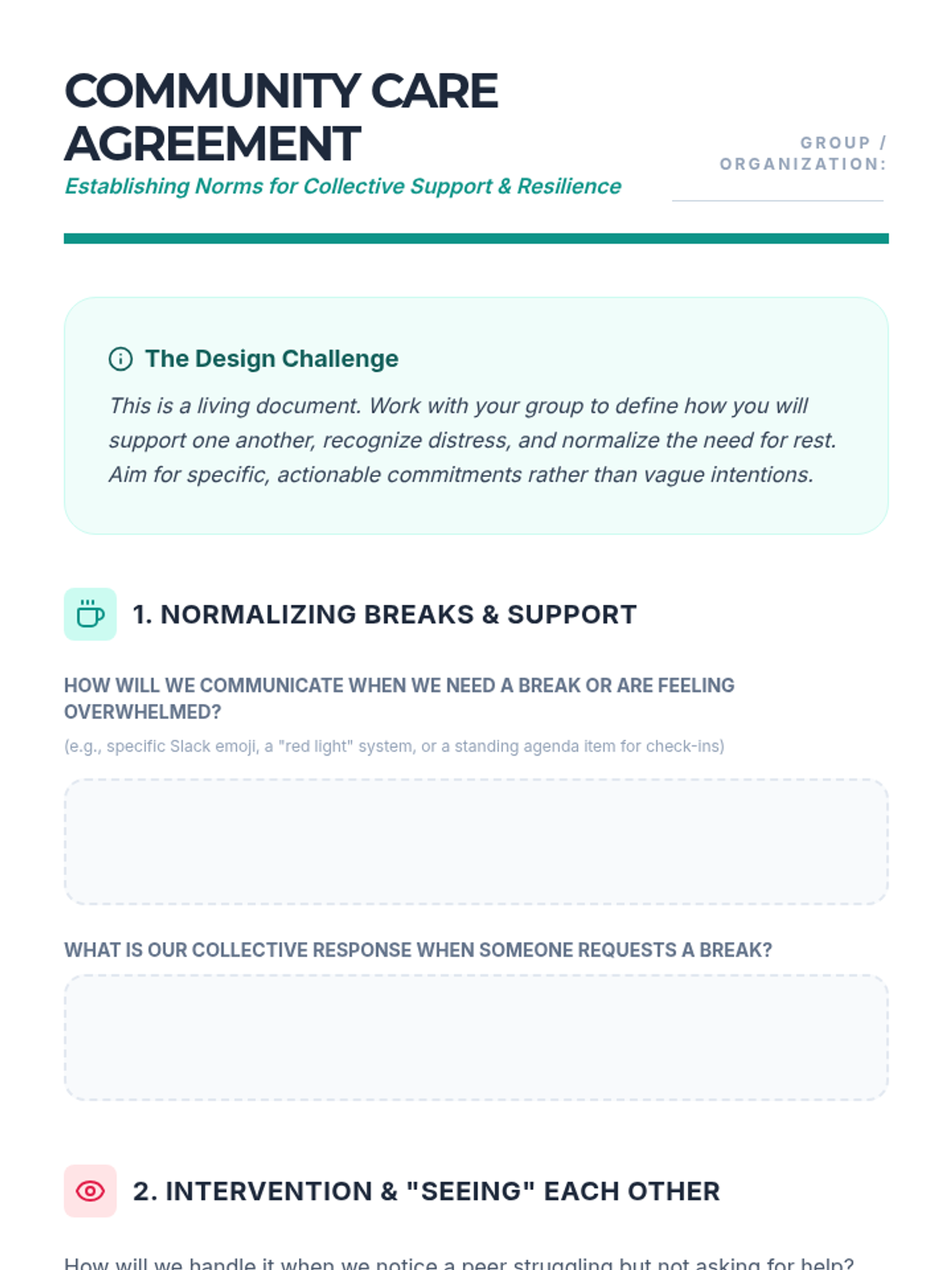
The sequence concludes with students designing a 'Community Care Agreement' to establish norms for mutual support and collective rest in their own communities.
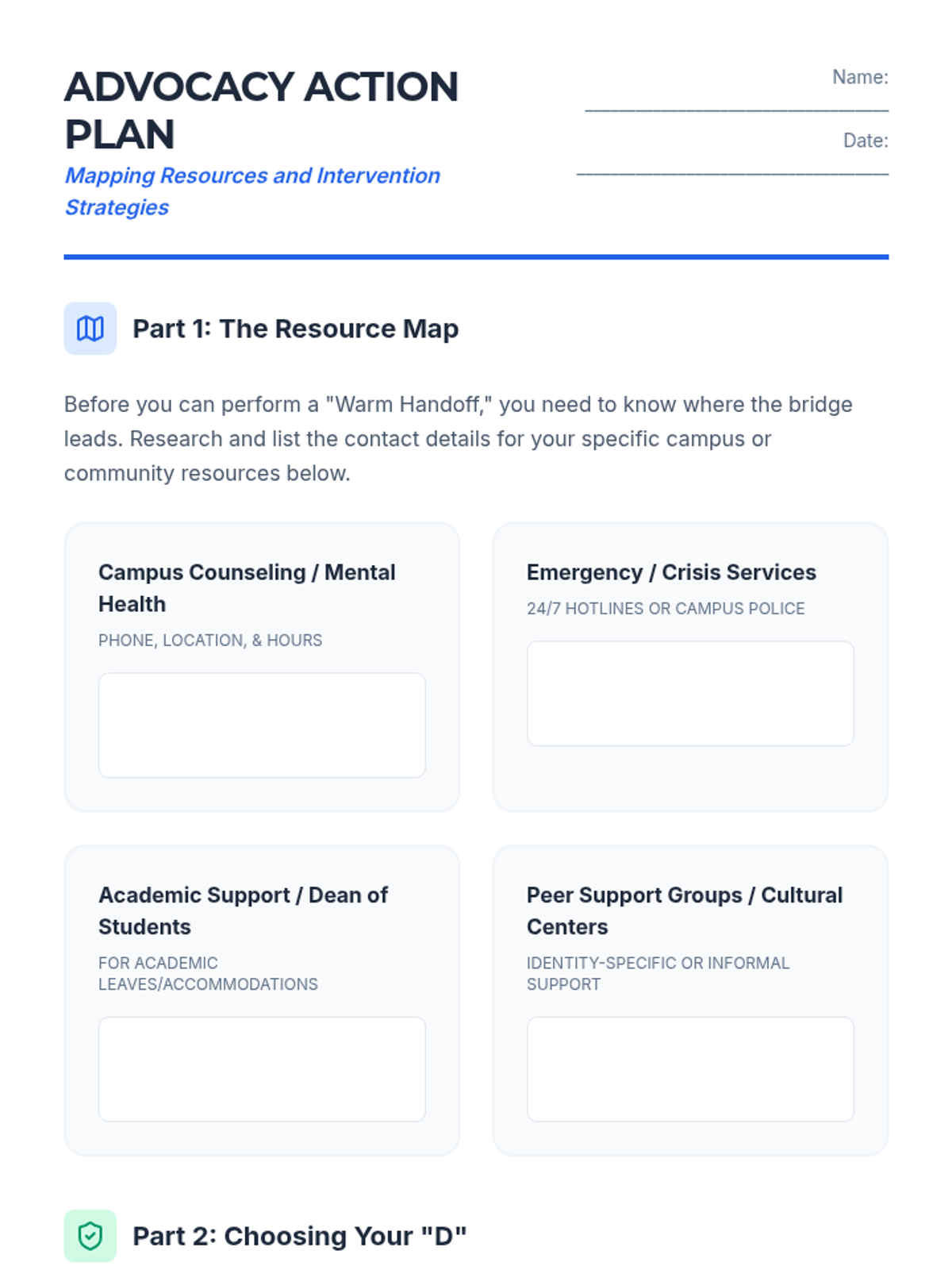
This lesson teaches specific bystander intervention strategies to bridge the gap between noticing distress and connecting a peer to resources.
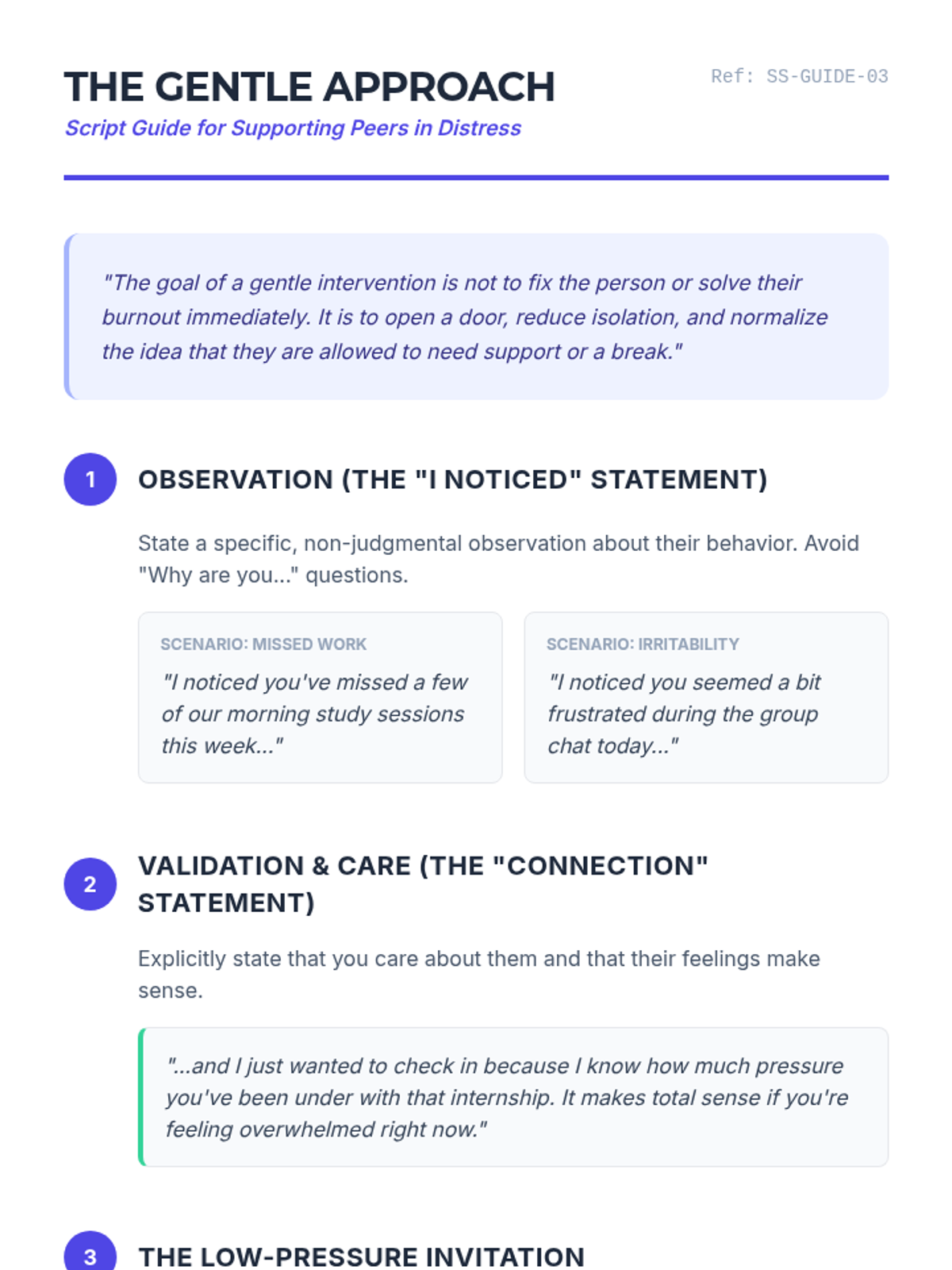
Students learn to identify subtle behavioral and non-verbal signs of distress in their peers and practice gentle intervention strategies.
A workshop focusing on the listening skills required to support peers, emphasizing validation over immediate problem-solving.
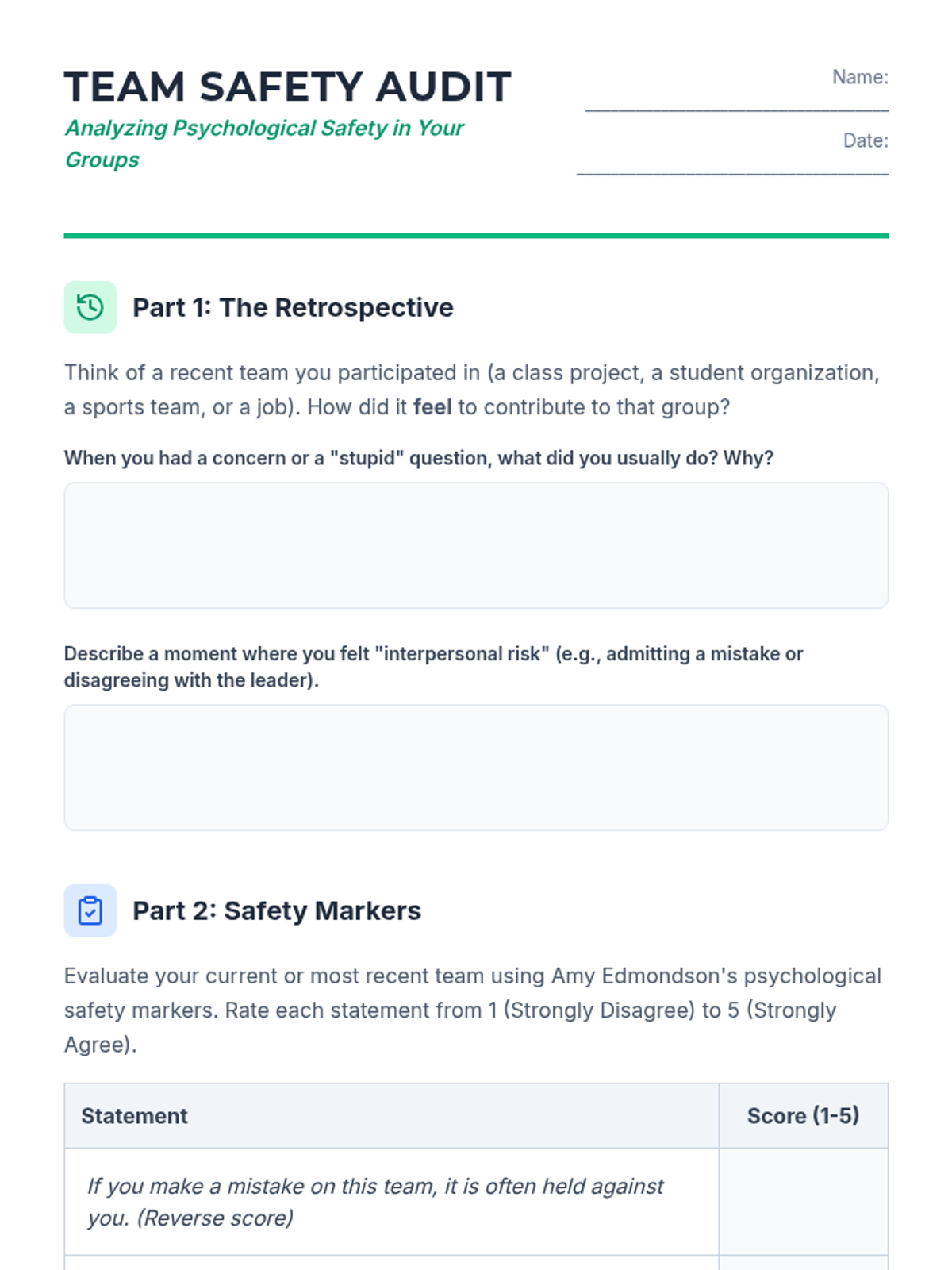
Students define psychological safety and analyze its impact on team performance, using Google's 'Project Aristotle' as a primary case study.
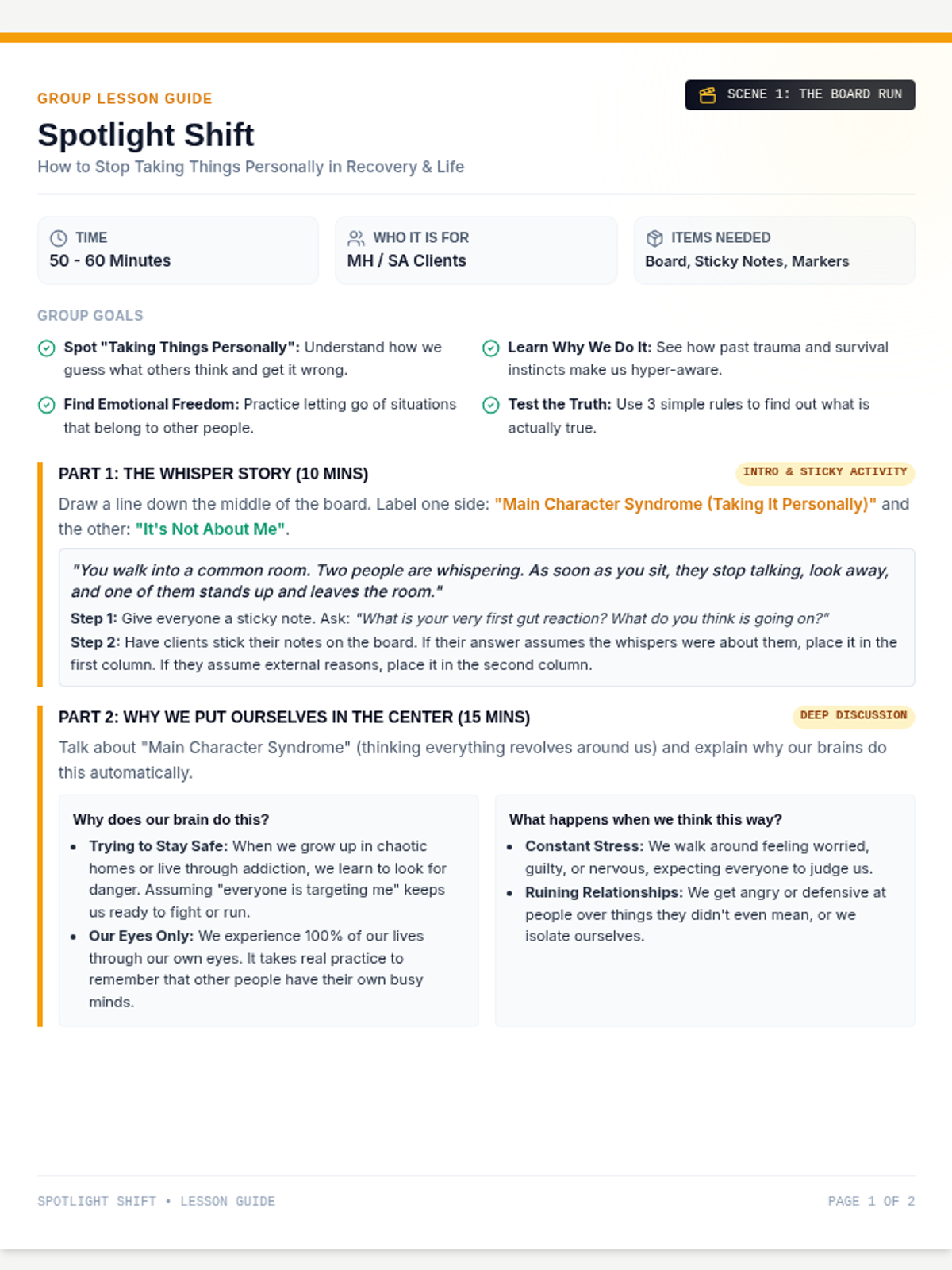
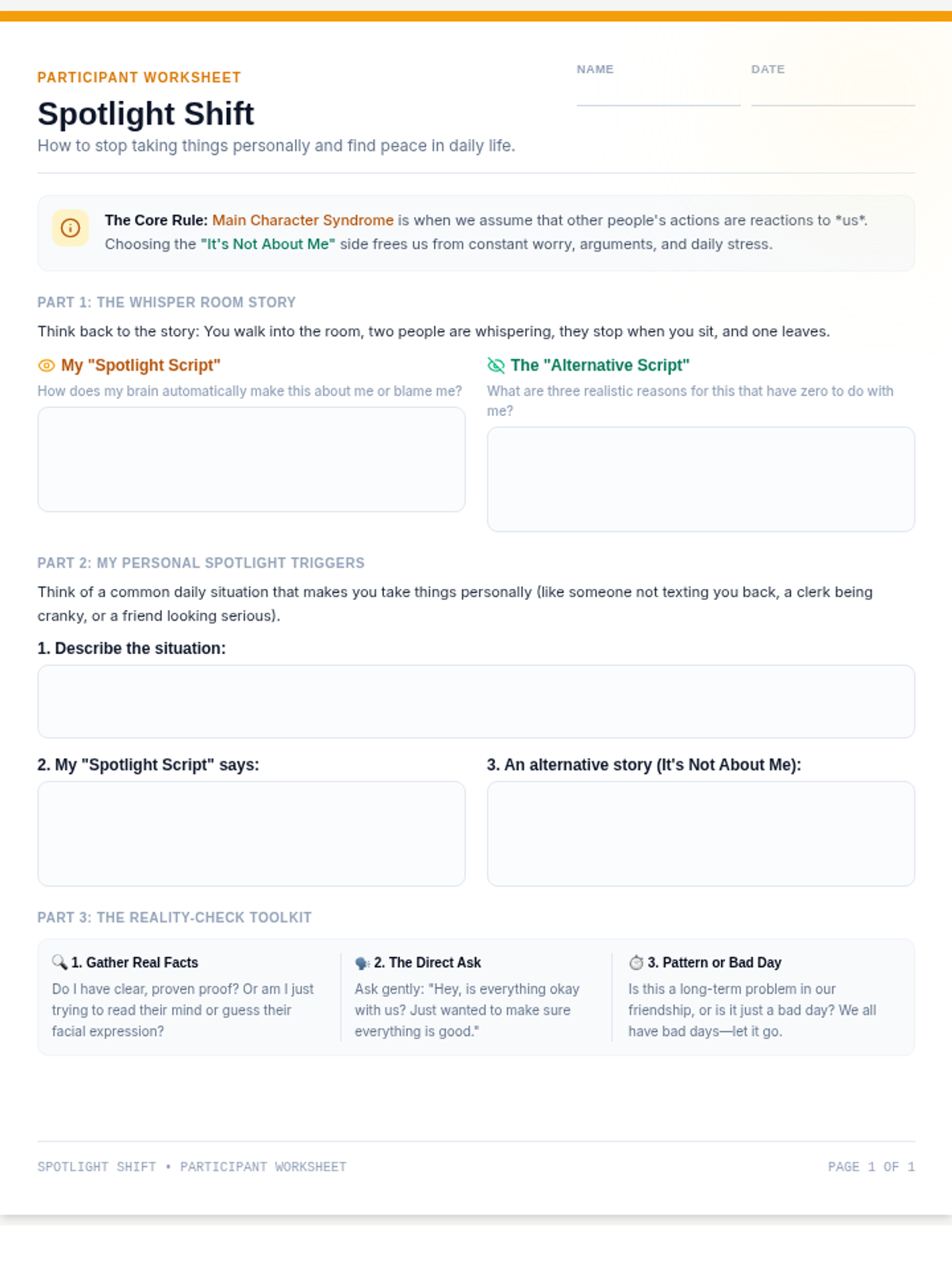
A psychoeducational group lesson designed for mental health and substance abuse clients. It explores 'Main Character Syndrome' (cognitive personalization) and the liberating perspective of 'It's Not About Me', offering clients practical reality-checking tools to navigate daily triggers without taking them personally.
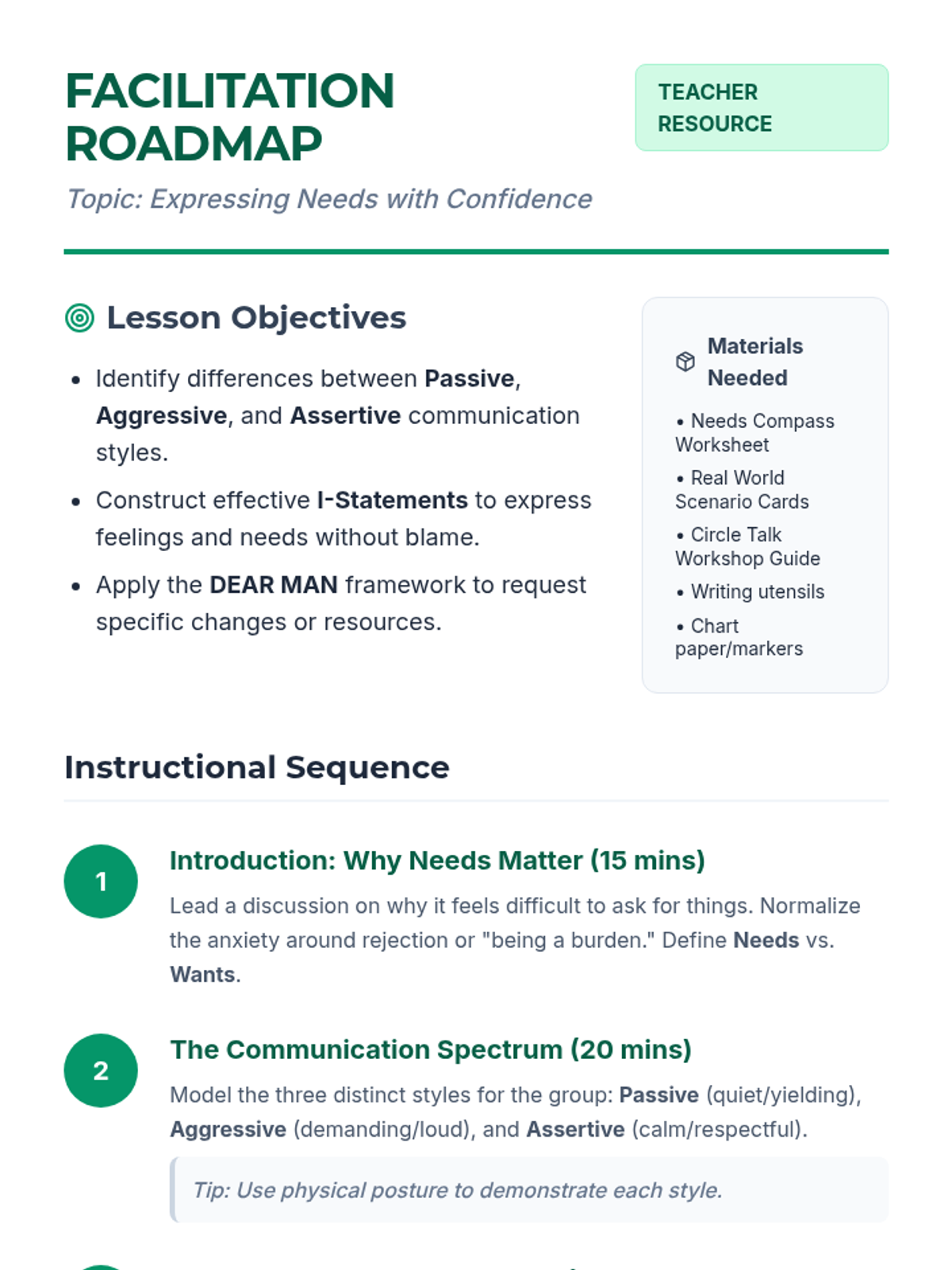
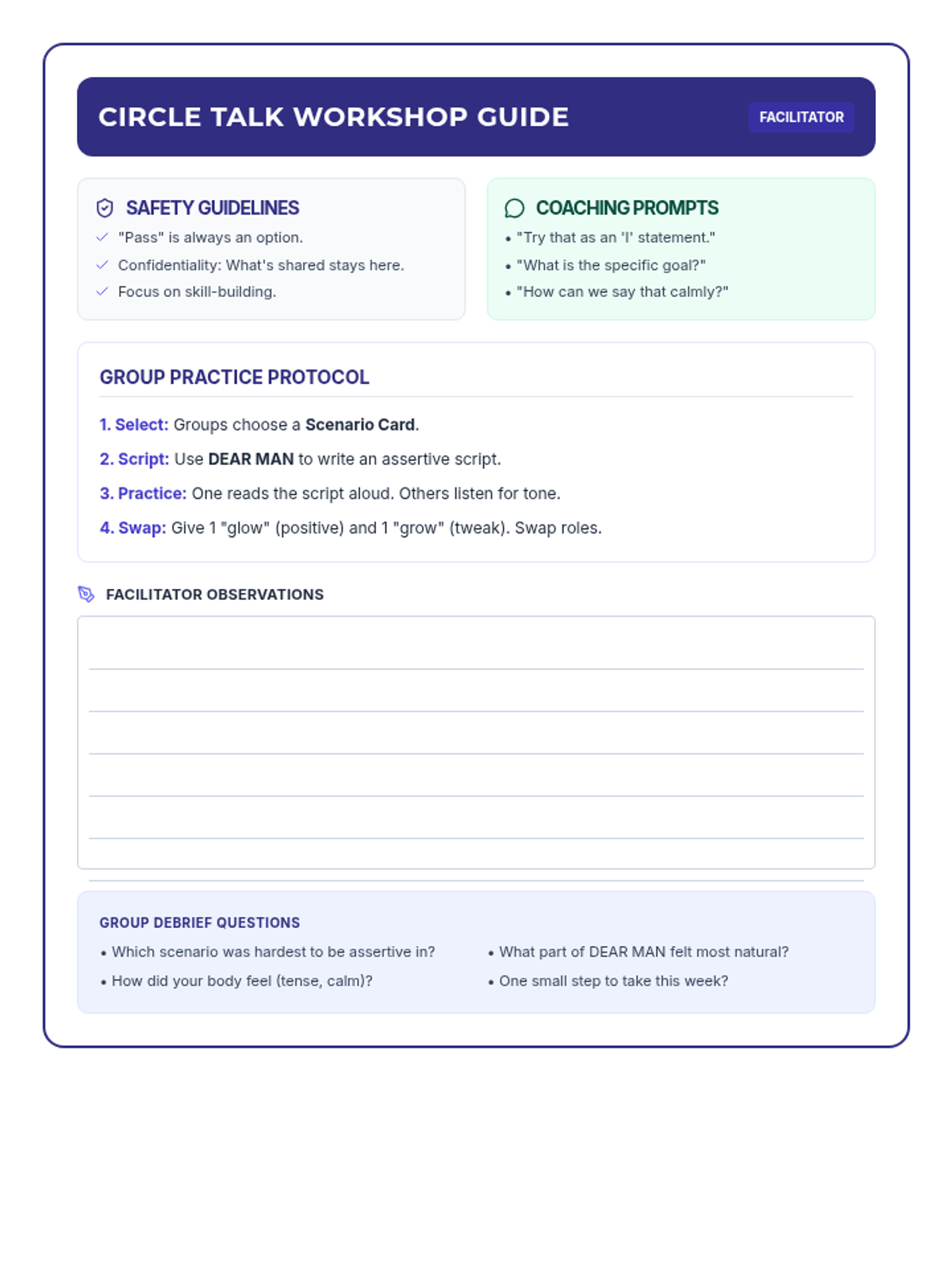
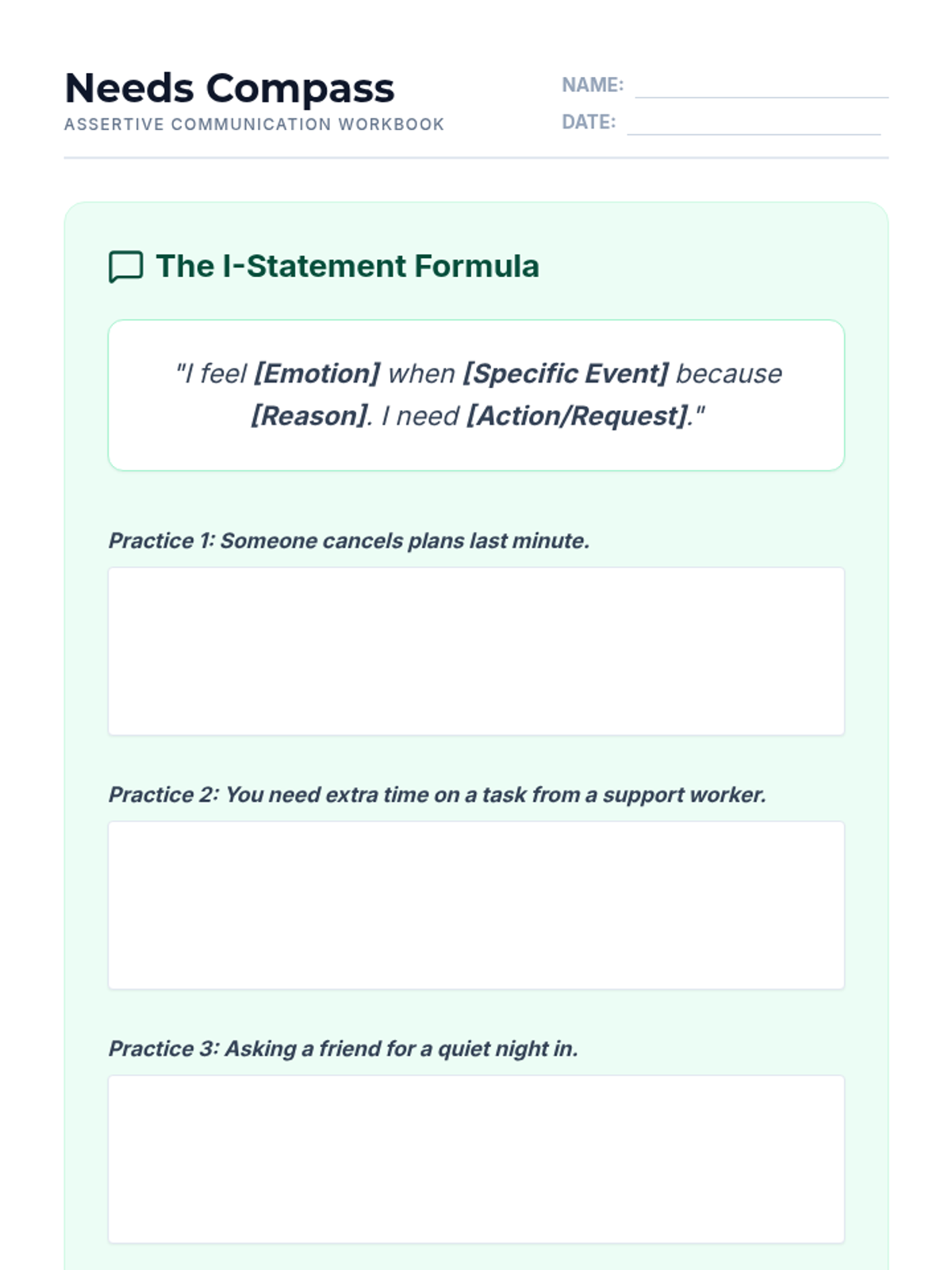
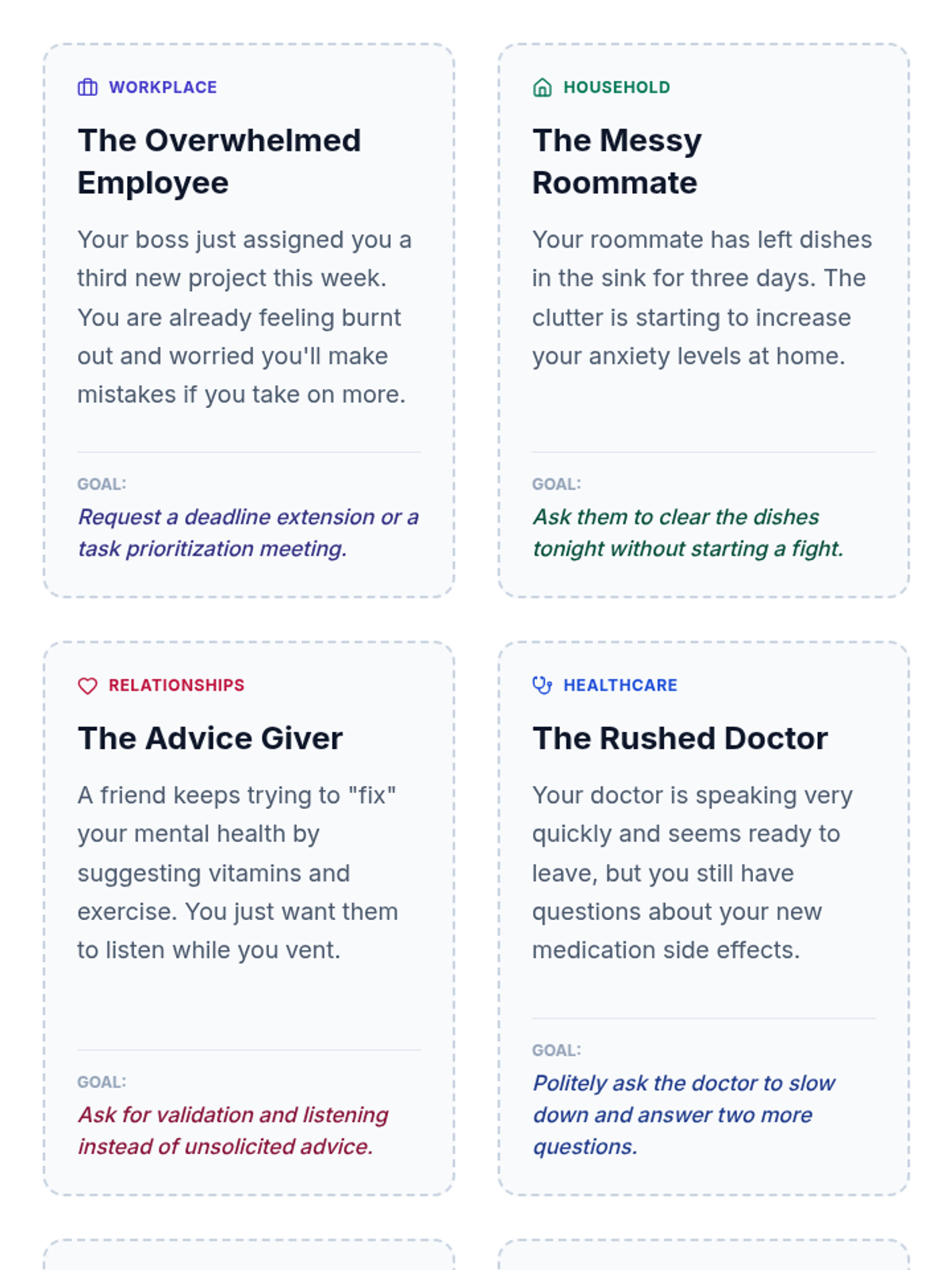
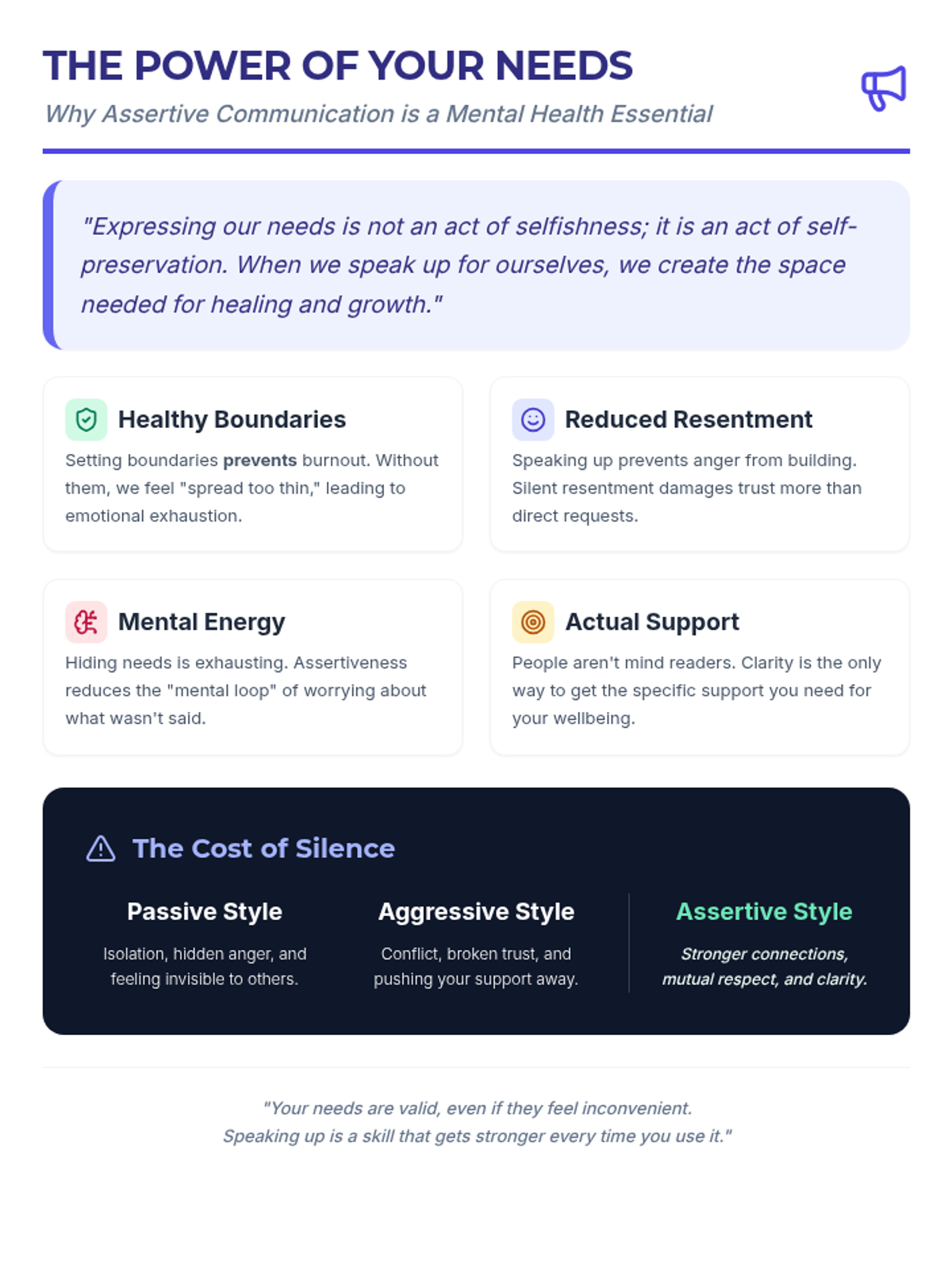
A comprehensive lesson designed for adult learners to master assertive communication techniques including I-Statements and the DBT DEAR MAN framework to effectively express personal needs in a mental health context.
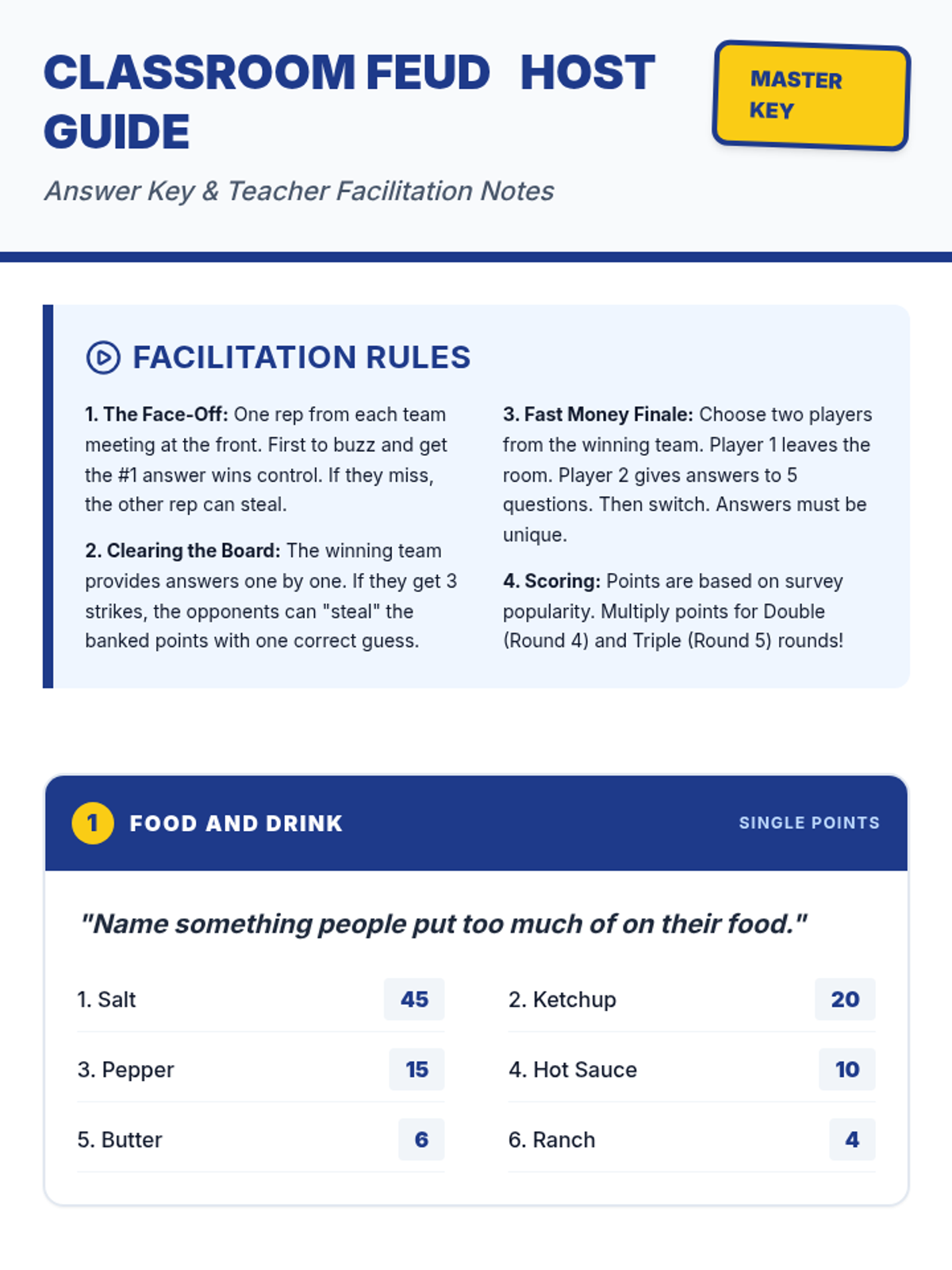
An interactive, game-show style lesson where students compete in teams to guess the most popular answers to various survey questions. This session promotes teamwork, quick thinking, and social engagement through diverse categories ranging from food to pop culture.
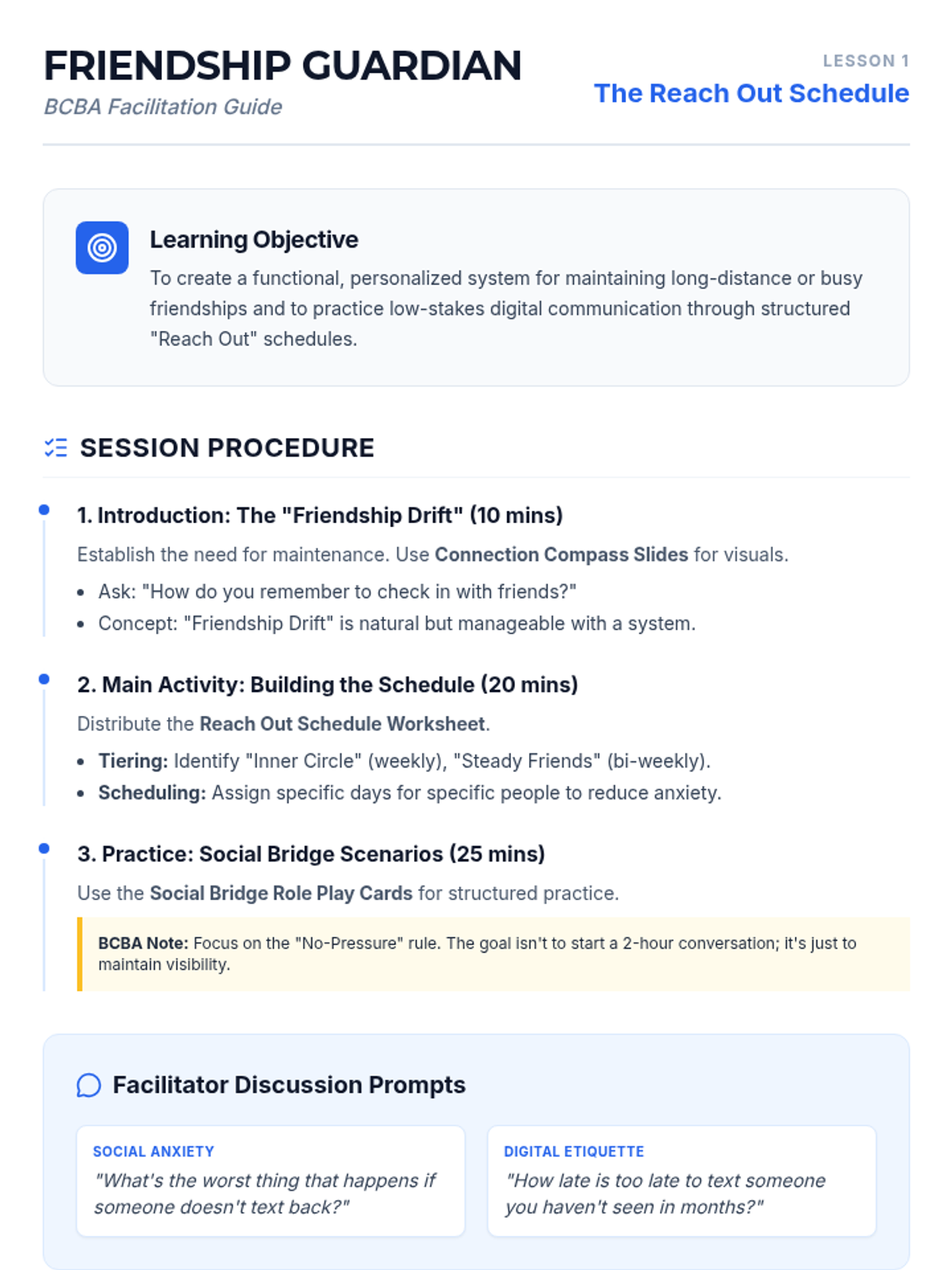
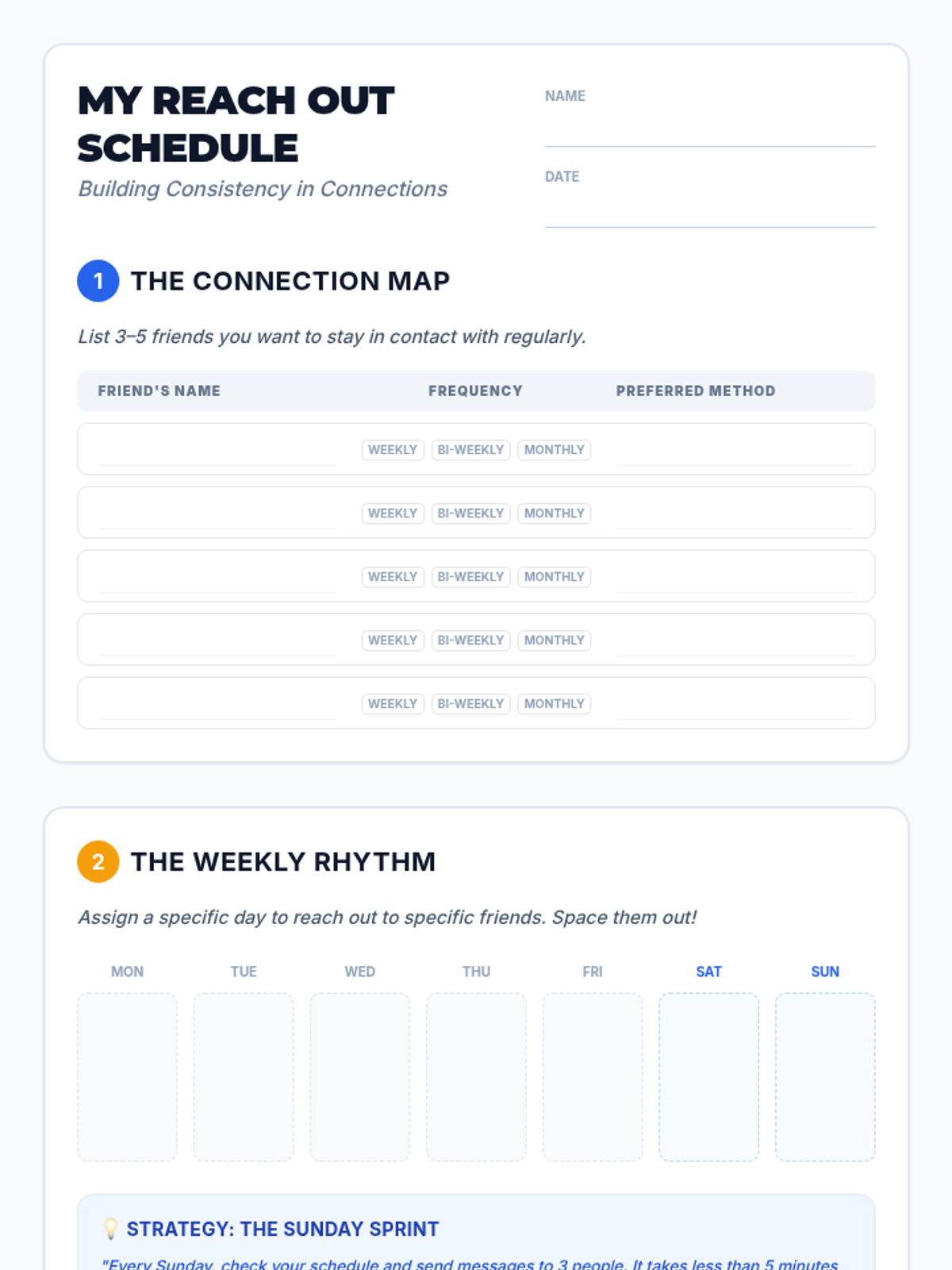
A social skills lesson for teens and adults focused on building a consistent system for maintaining friendships through digital and personal 'reach out' schedules.
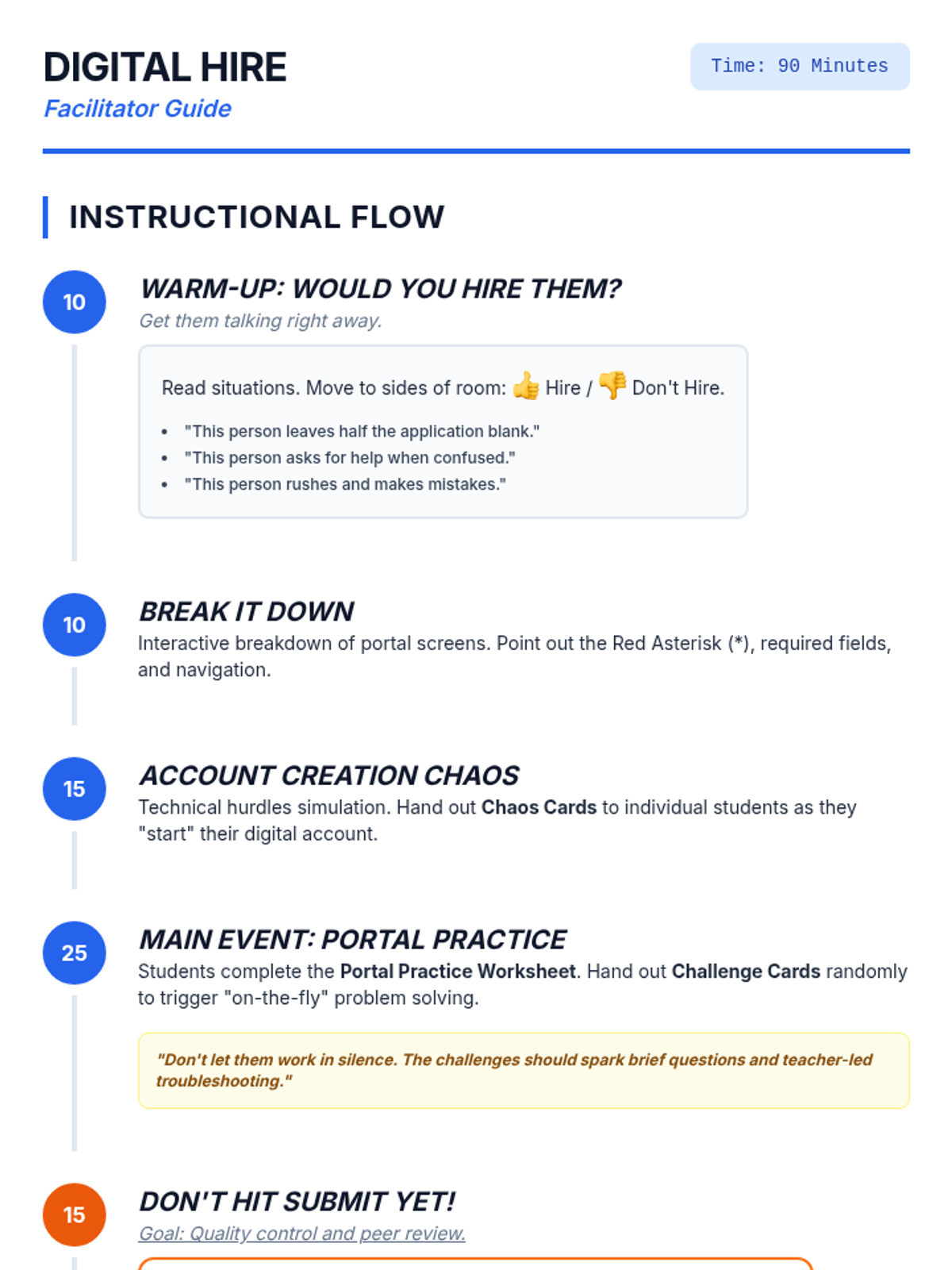
A comprehensive lesson on navigating the digital hurdles of modern job applications, from account creation to final submission. Participants practice technical skills and troubleshooting for online portals.
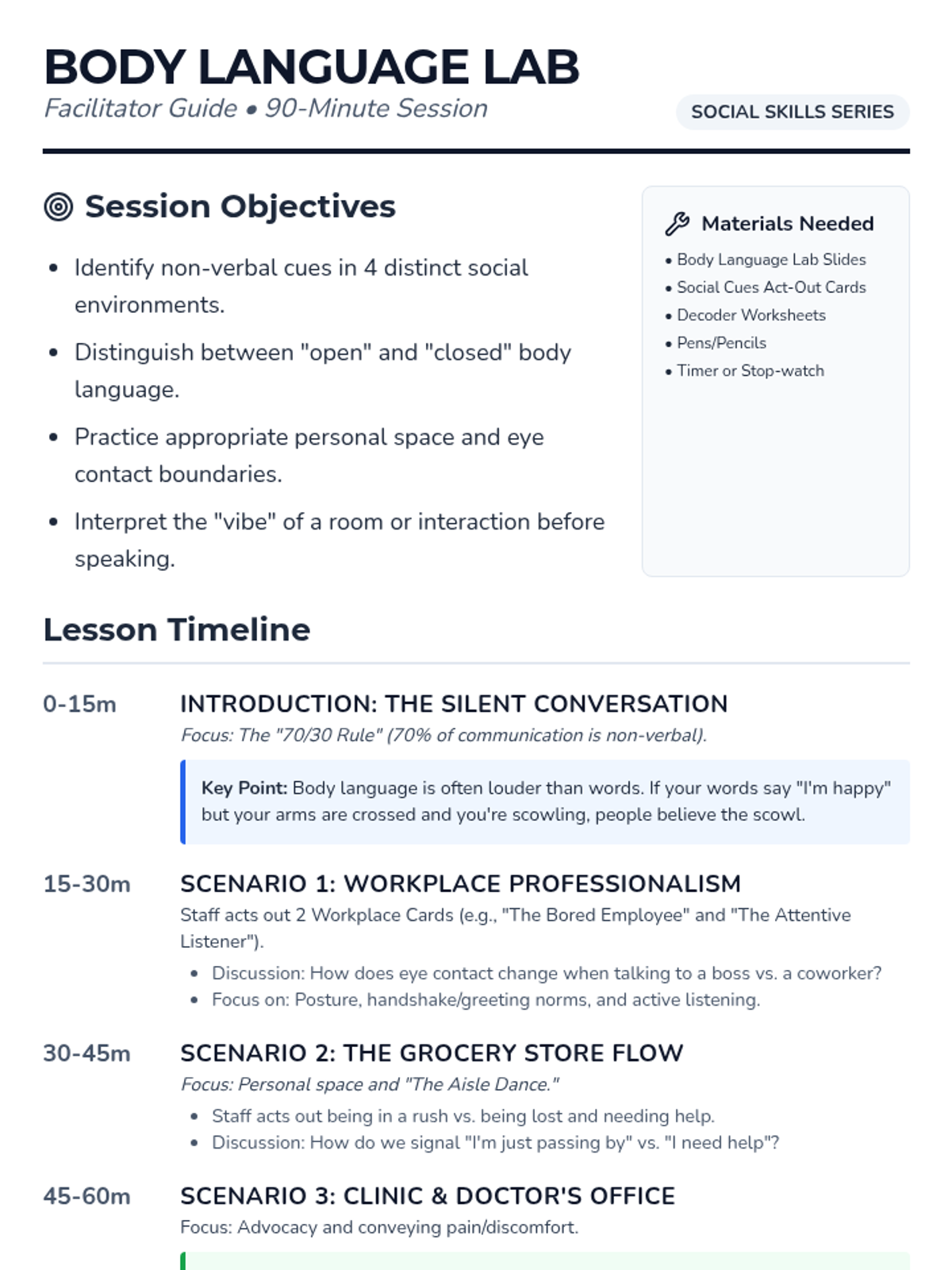
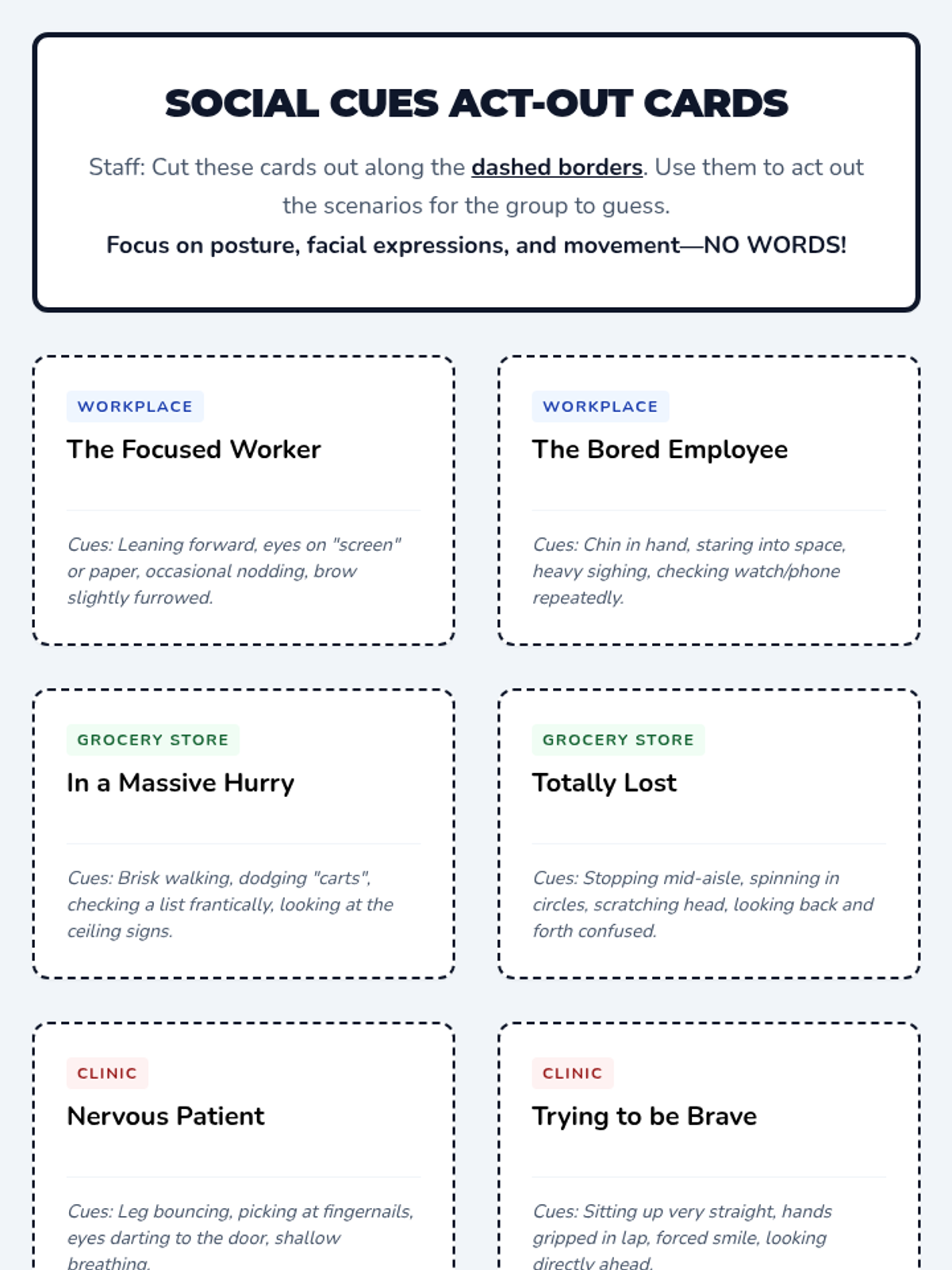
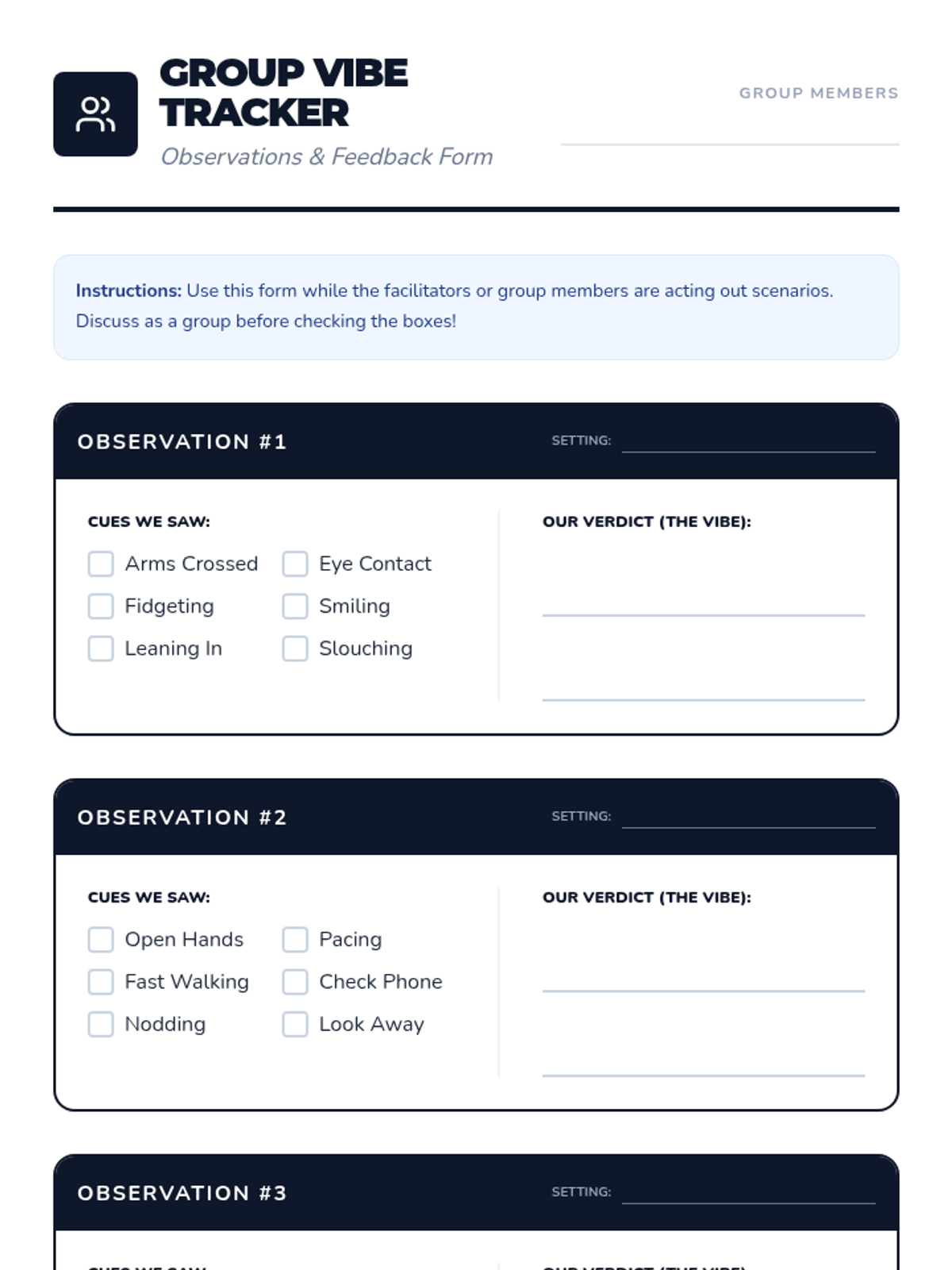
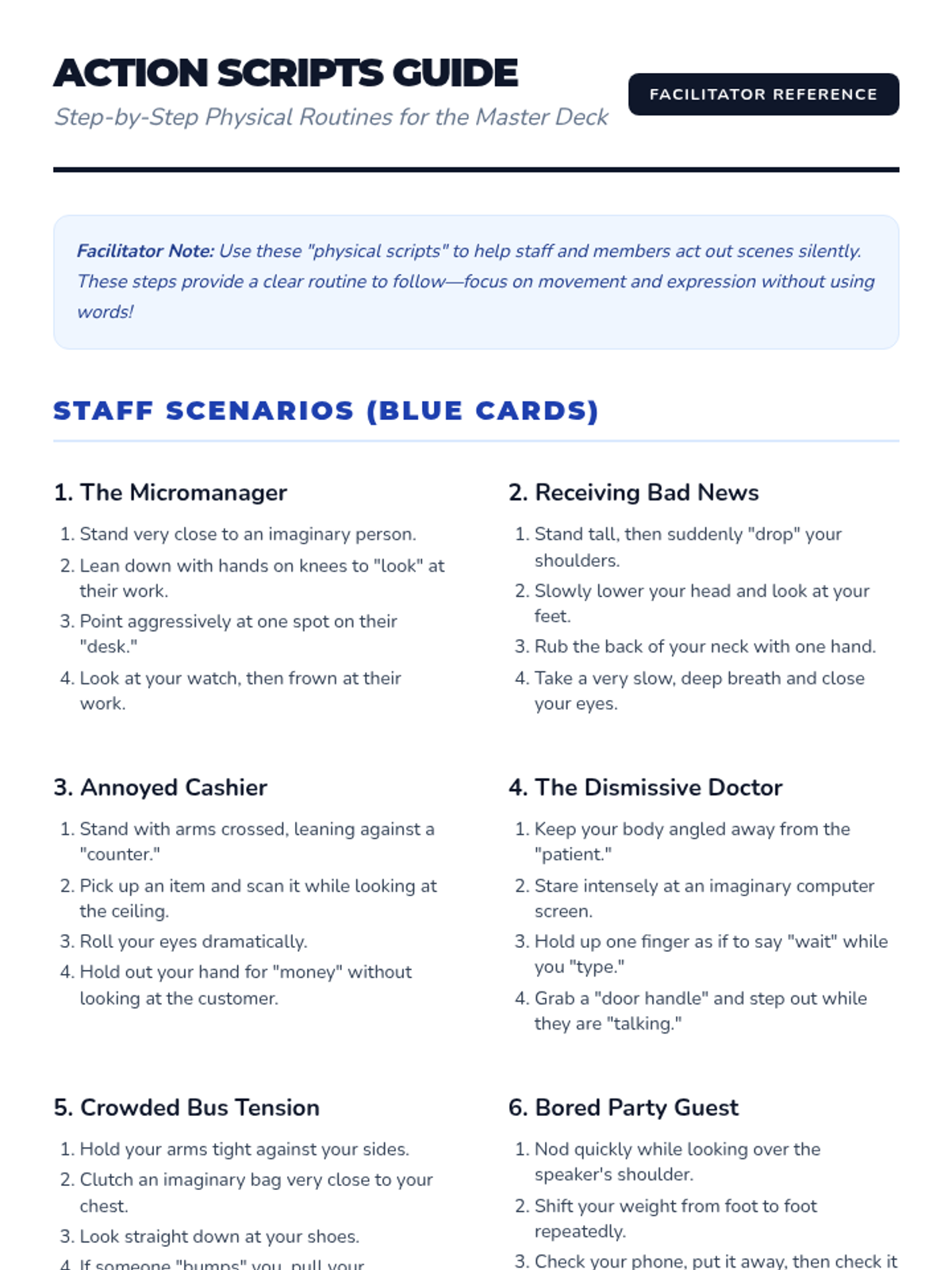
A 90-minute verbal-only workshop on body language in workplace, retail, clinical, and social settings. Uses interactive live acting and guided group discussion.
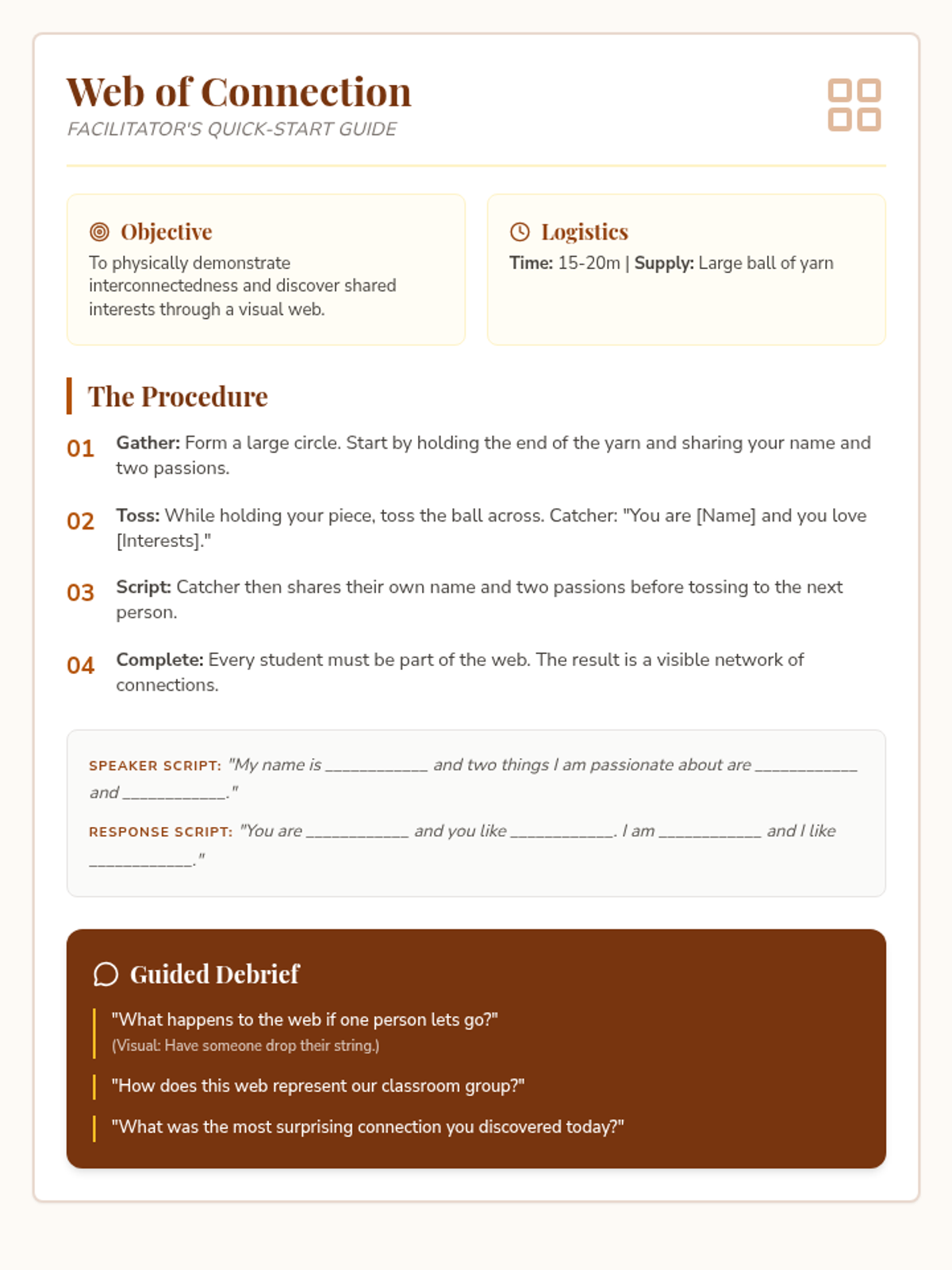
A community-building activity where students use a ball of string to create a physical web, visualizing their shared interests and the strength of their group connection.
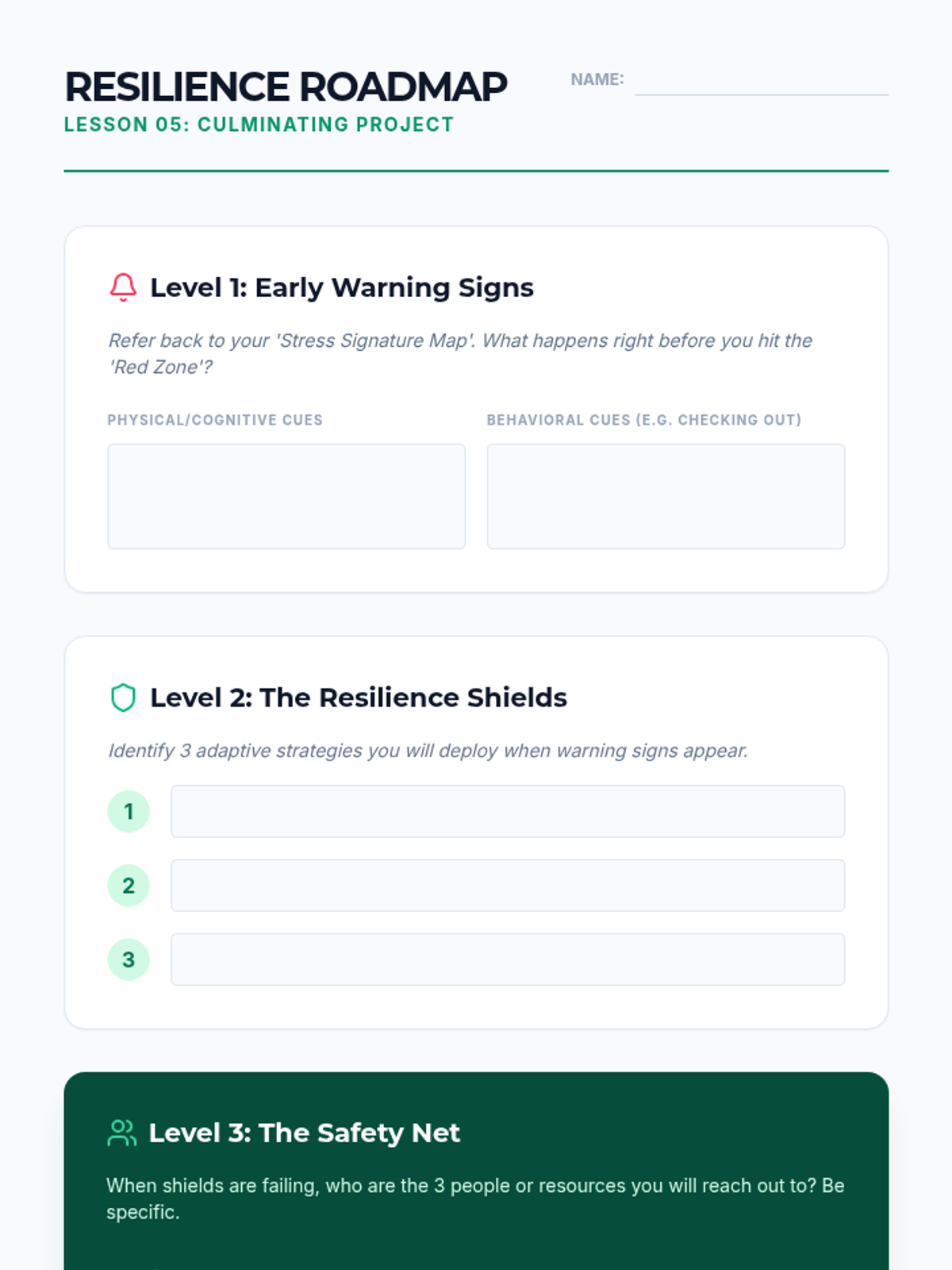
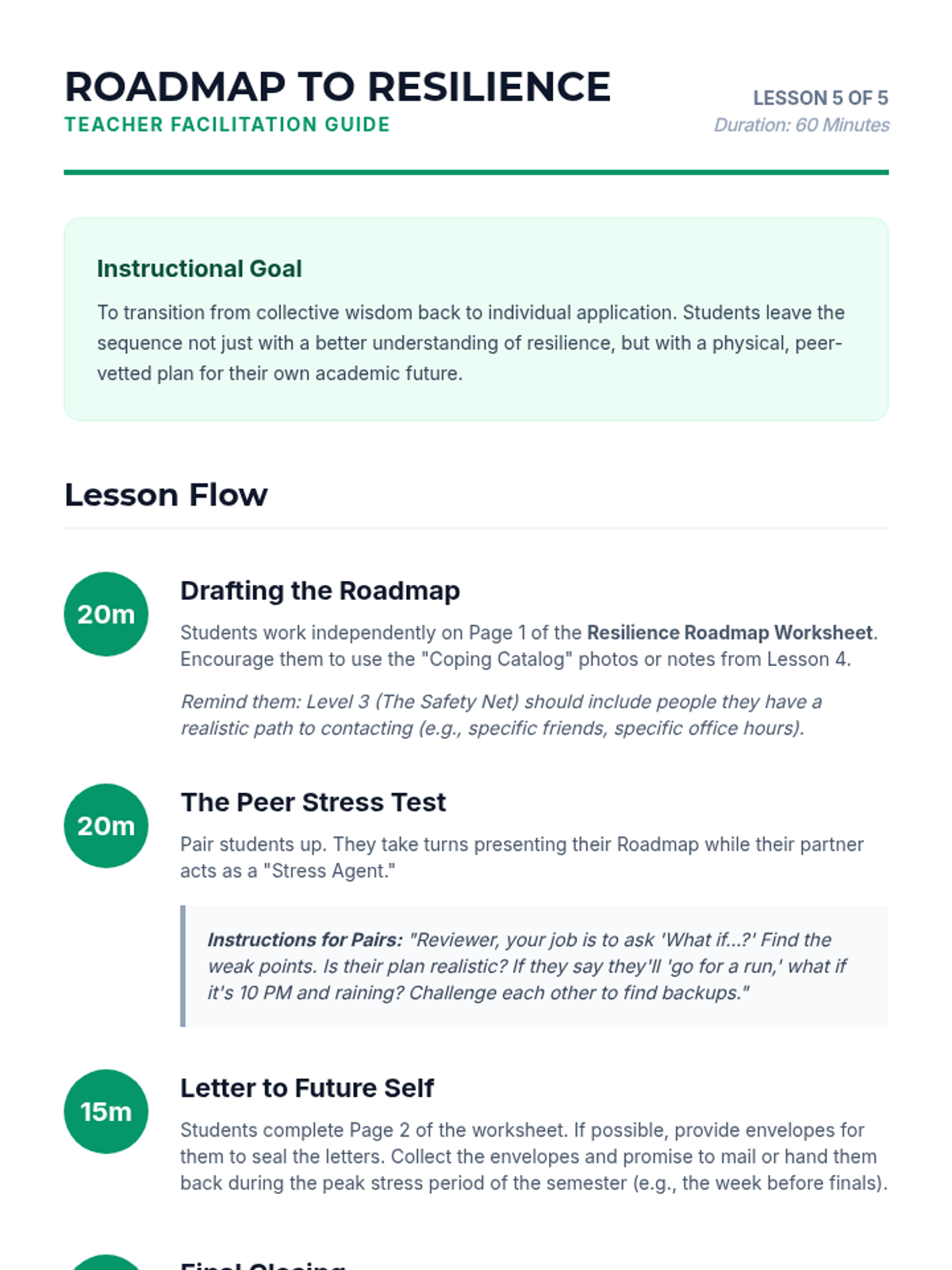
Students create a personalized resilience roadmap and write letters to their future selves to prepare for upcoming academic challenges.
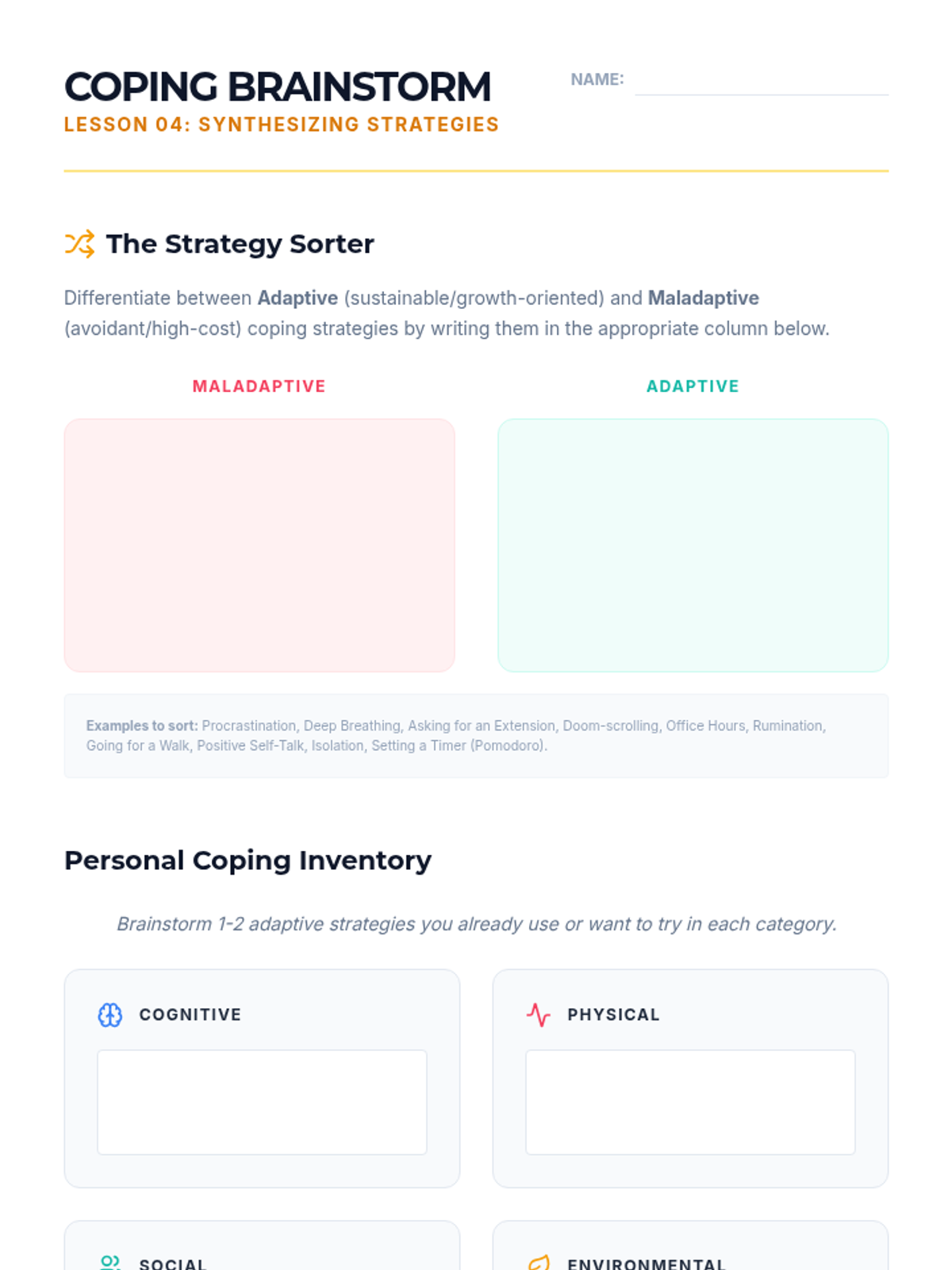
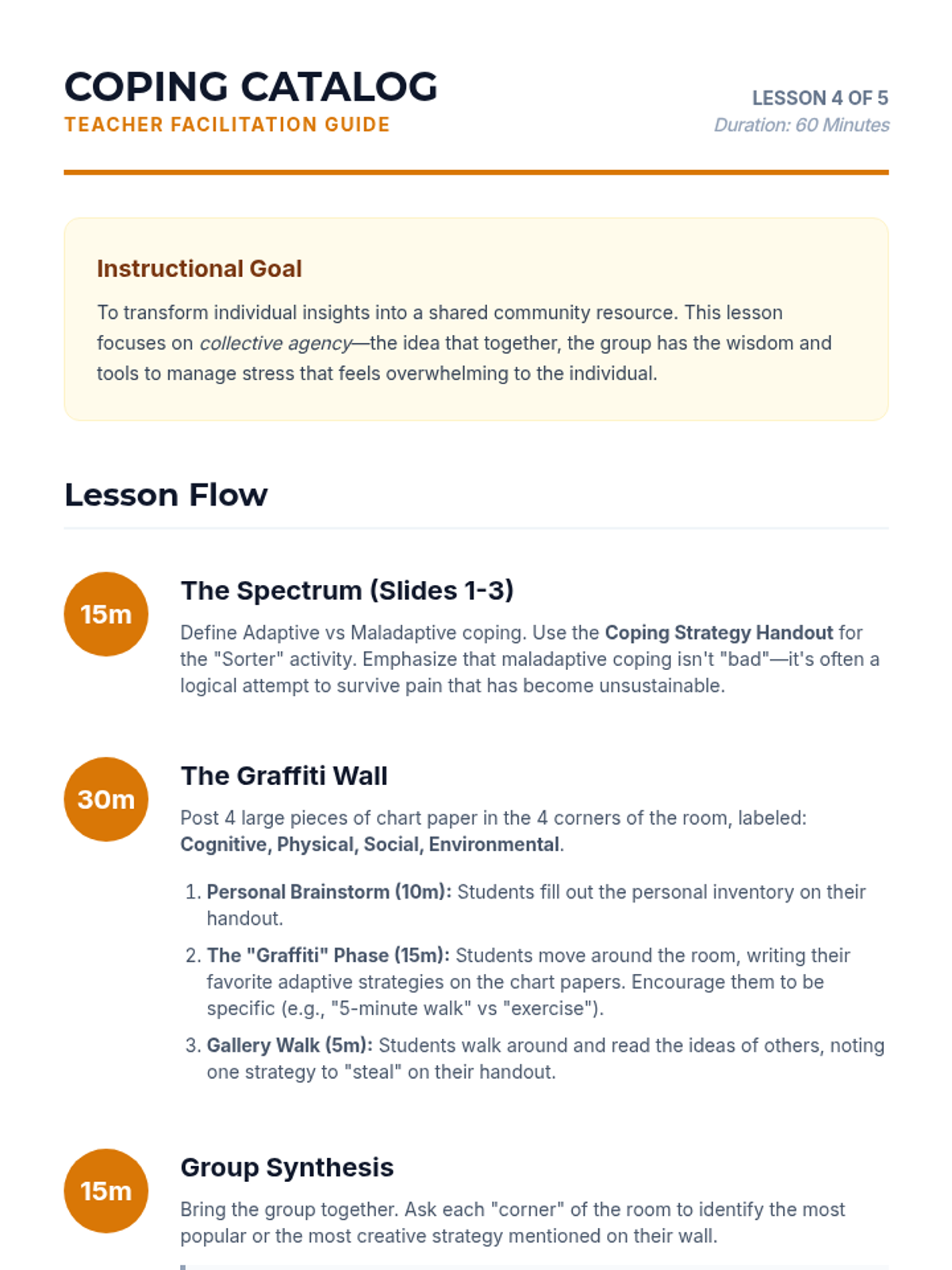
Students categorize coping mechanisms and synthesize collective wisdom into a shared resource for managing academic pressure.
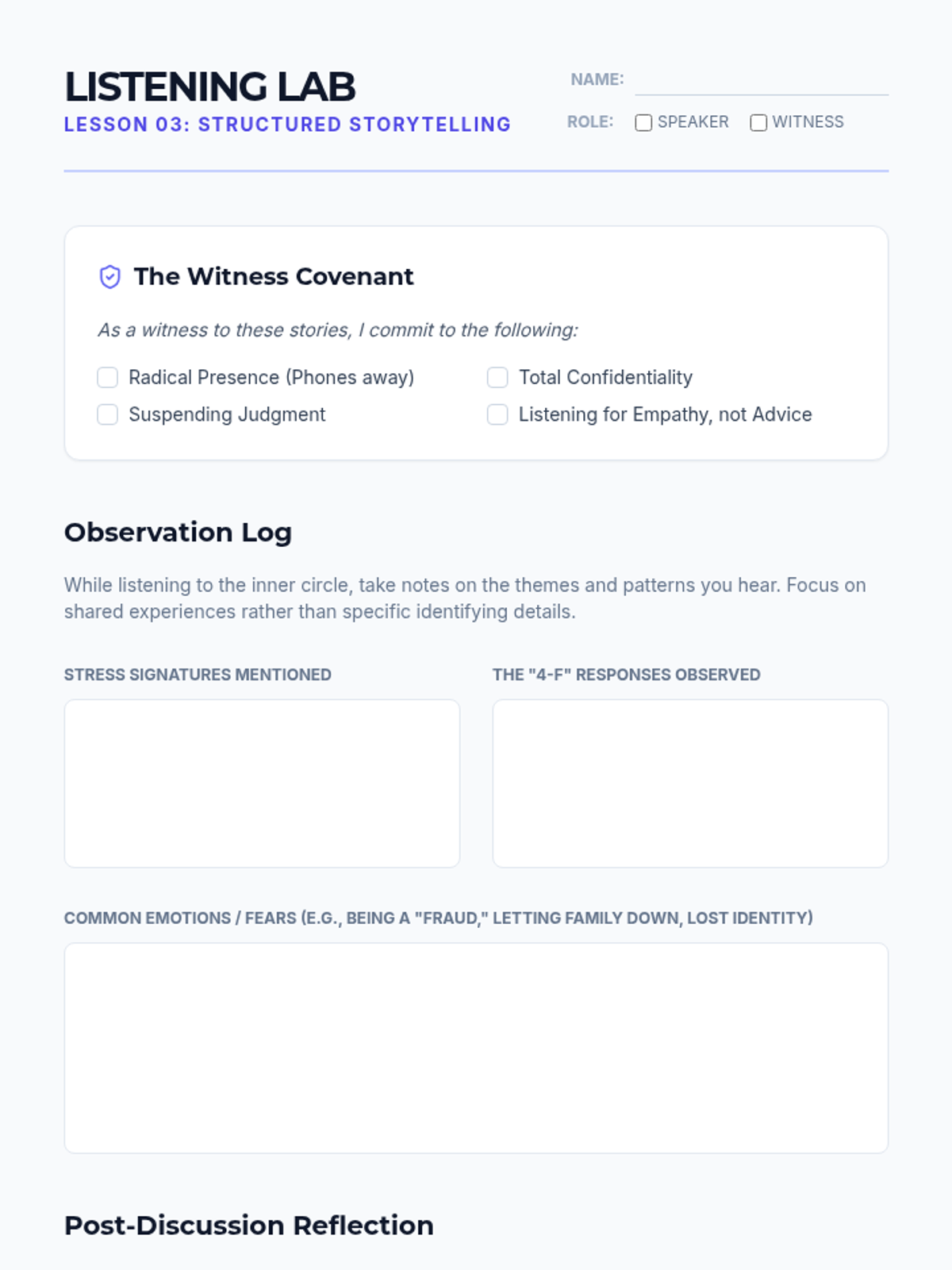
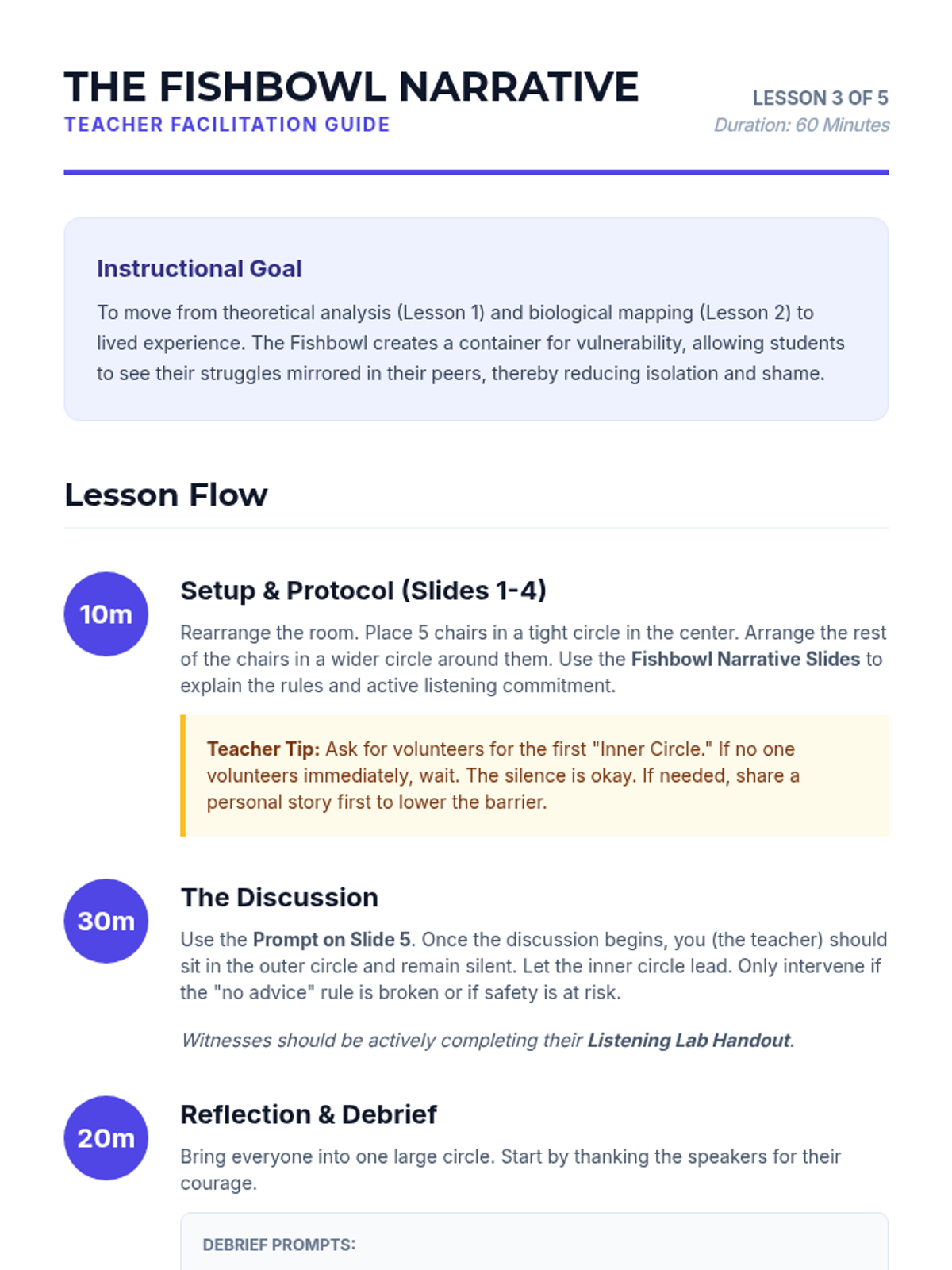
Students engage in a structured Fishbowl discussion to share personal academic struggles and practice active, non-judgmental listening.
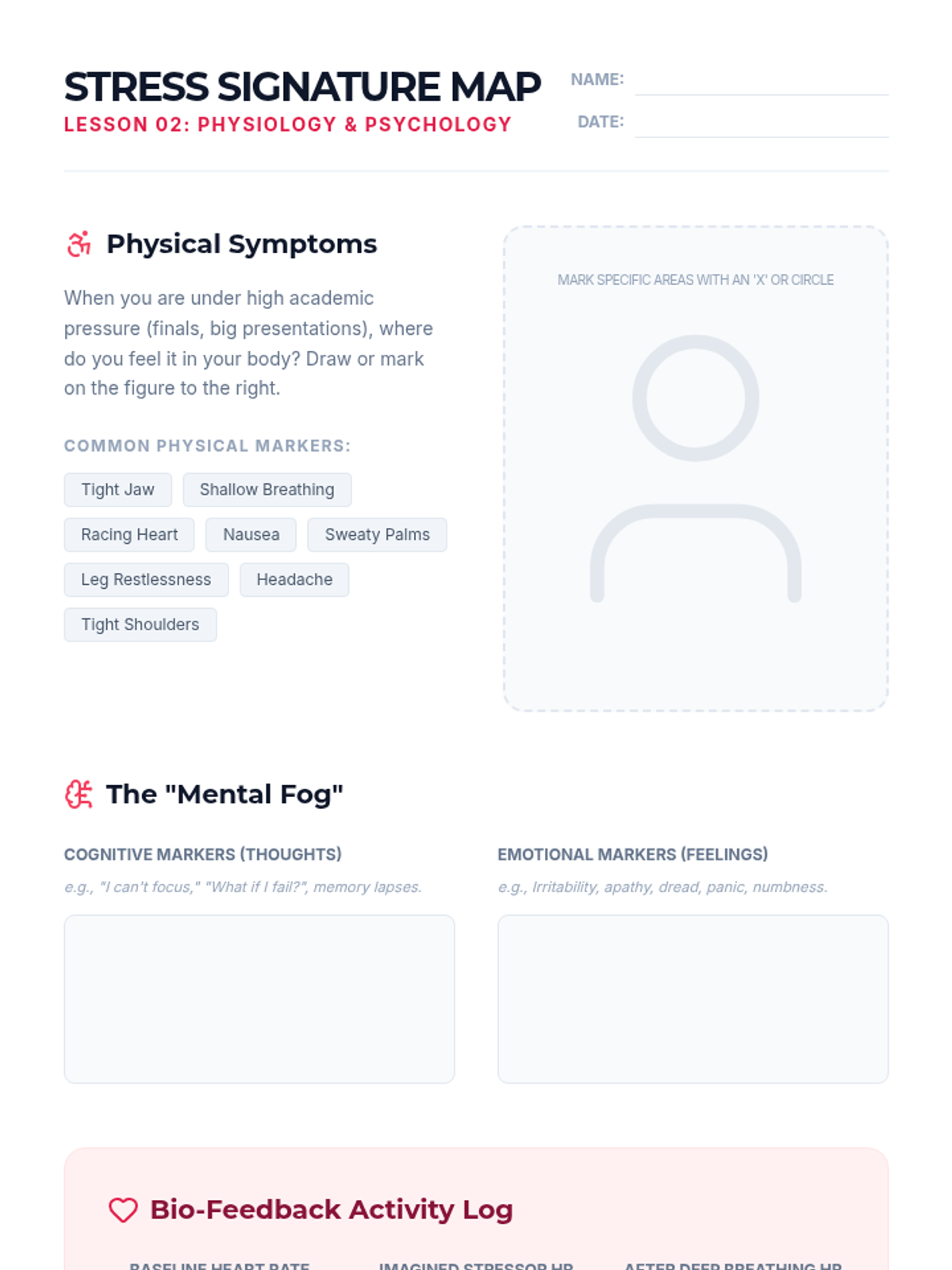
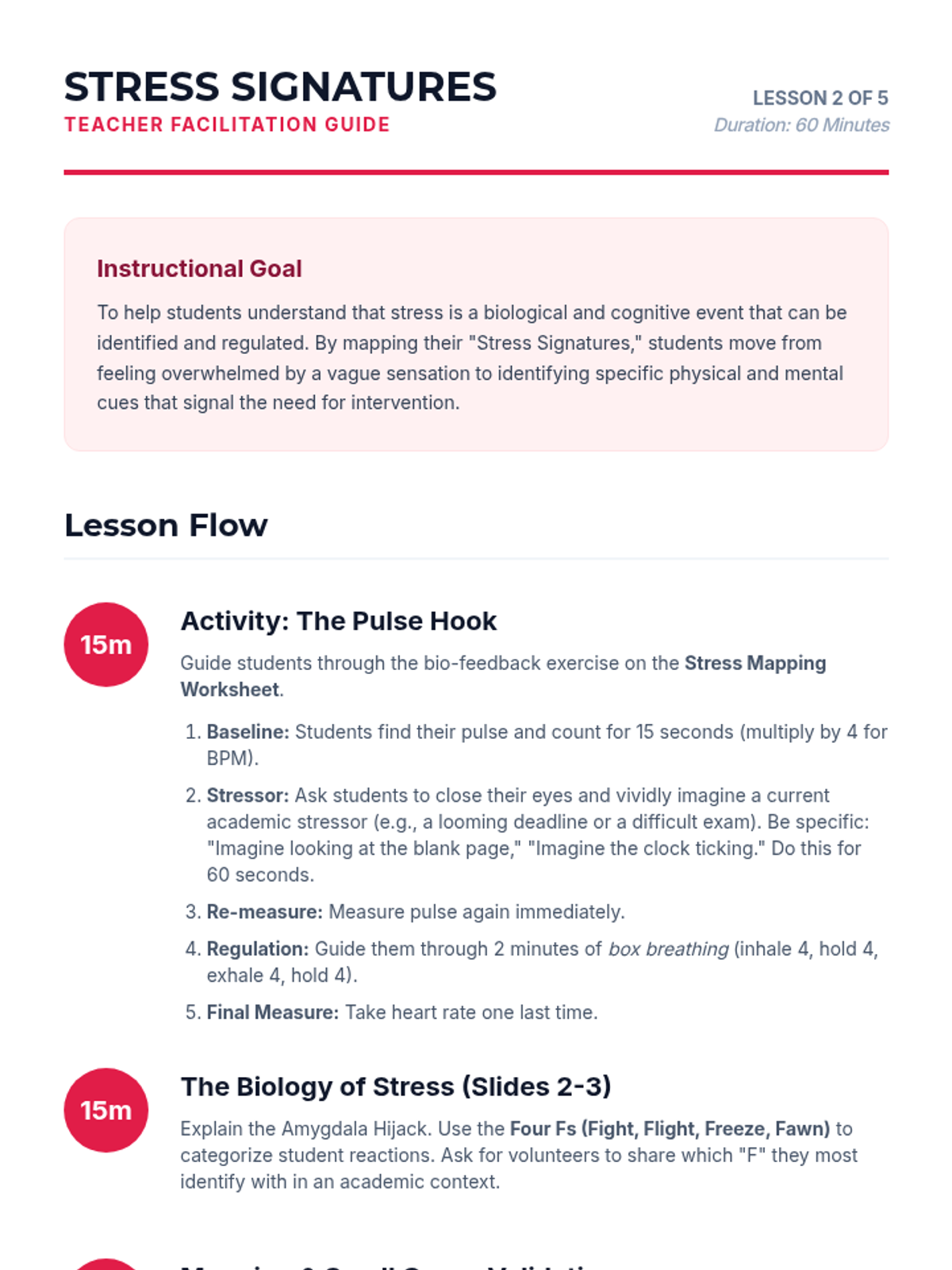
Students explore the biological markers of stress and map their own 'stress signatures' to validate and manage physical reactions to pressure.
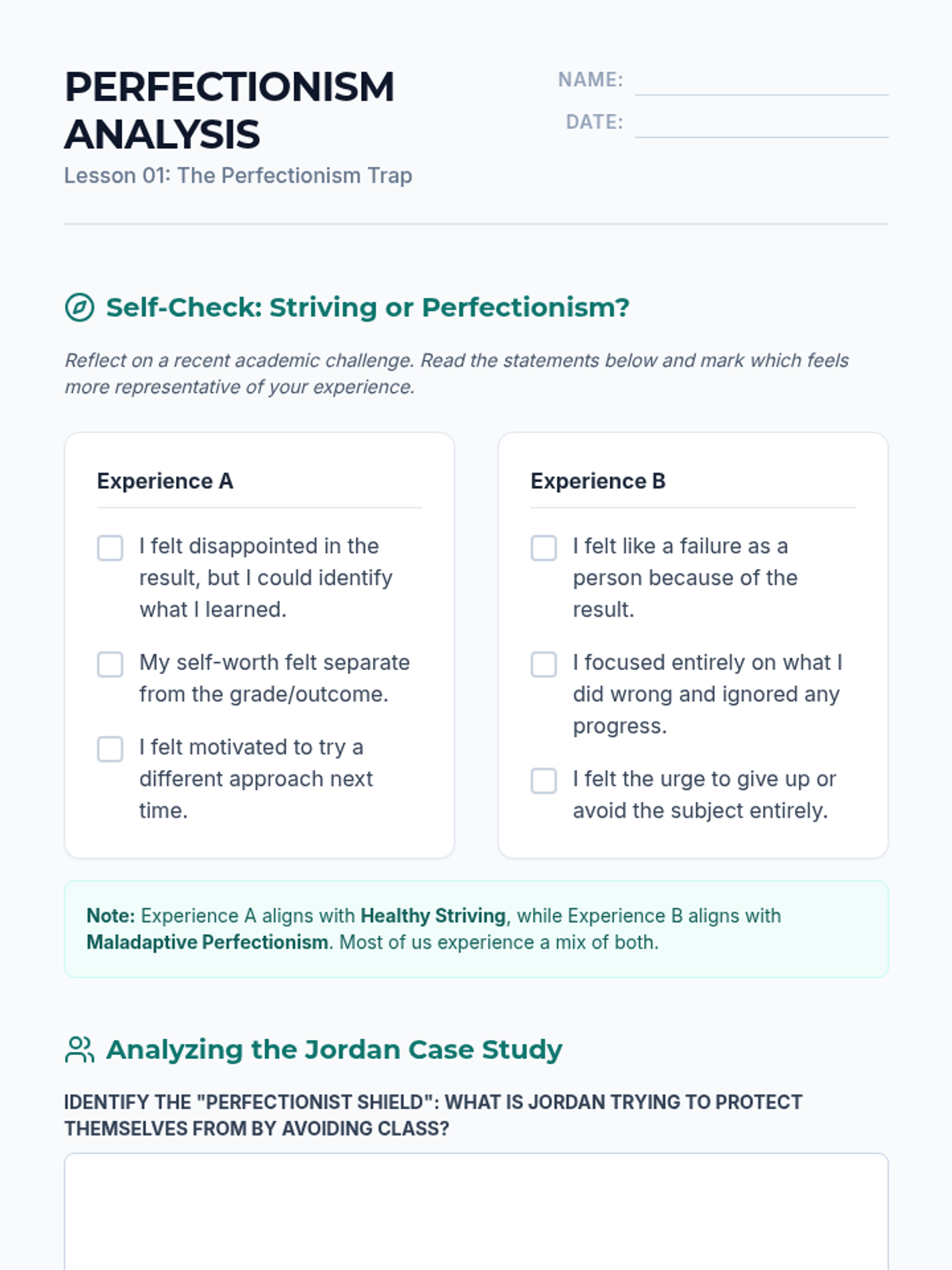
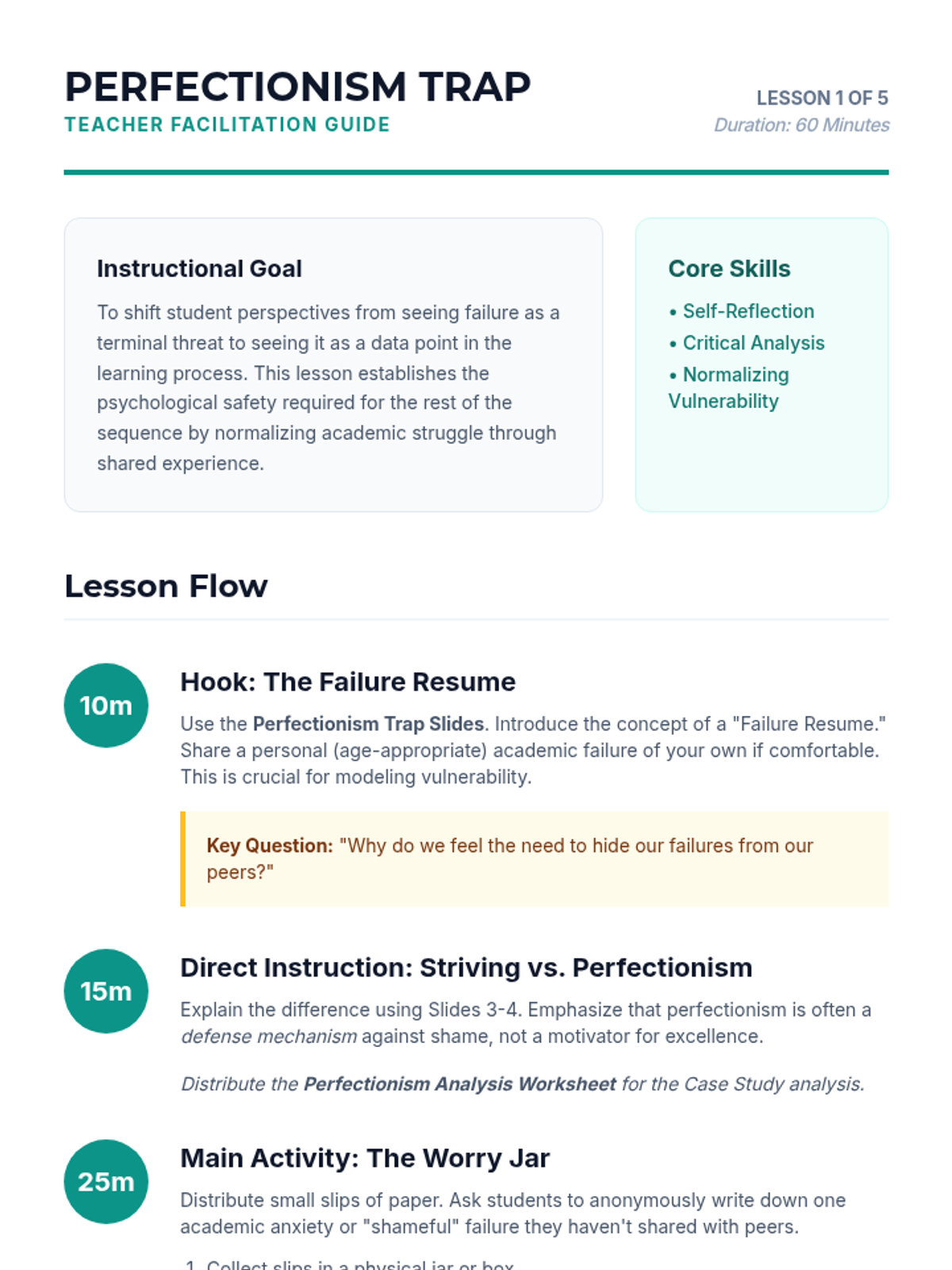
Students analyze case studies of failure and differentiate between perfectionism and healthy striving while sharing anonymous academic anxieties.
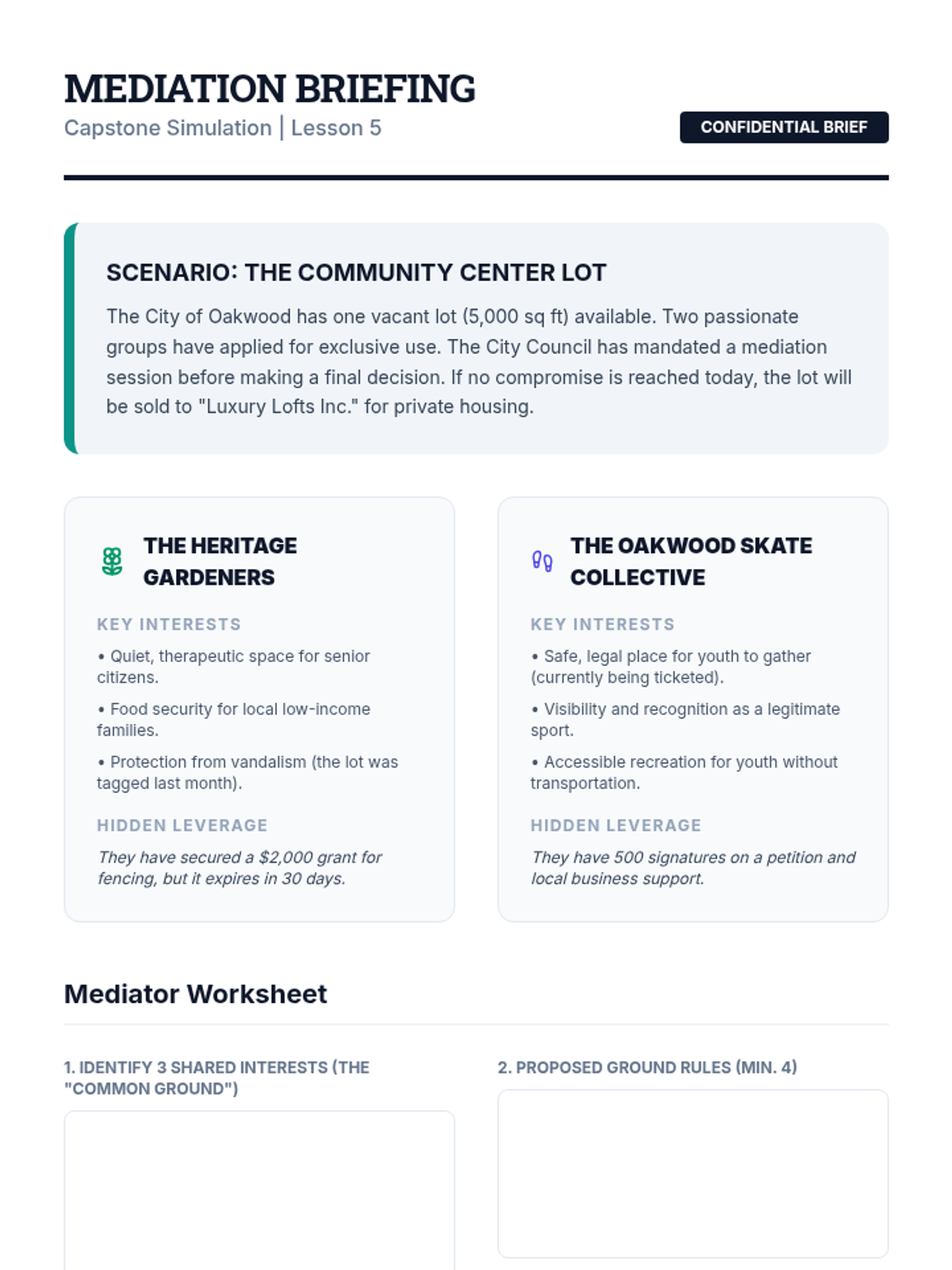
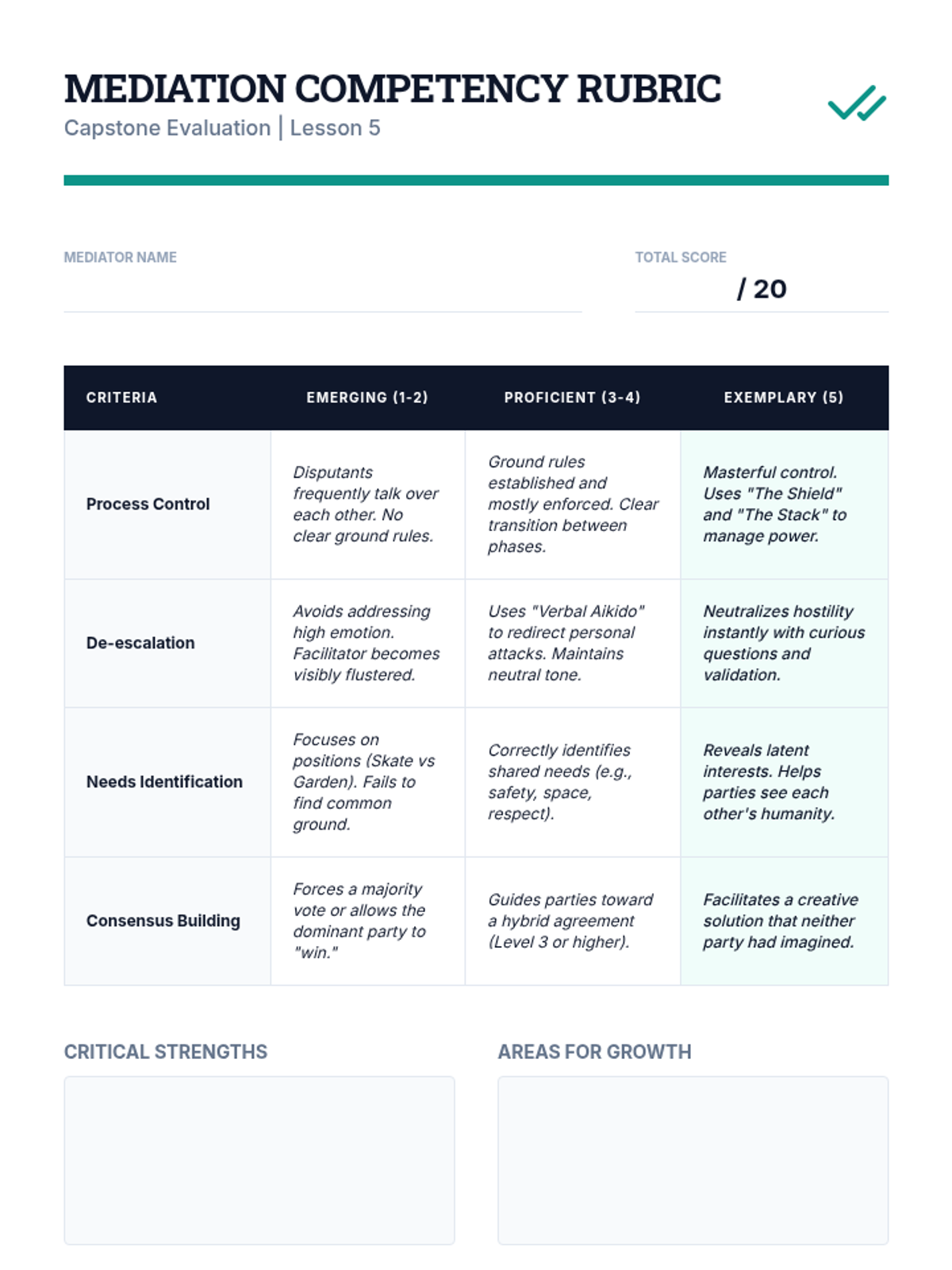
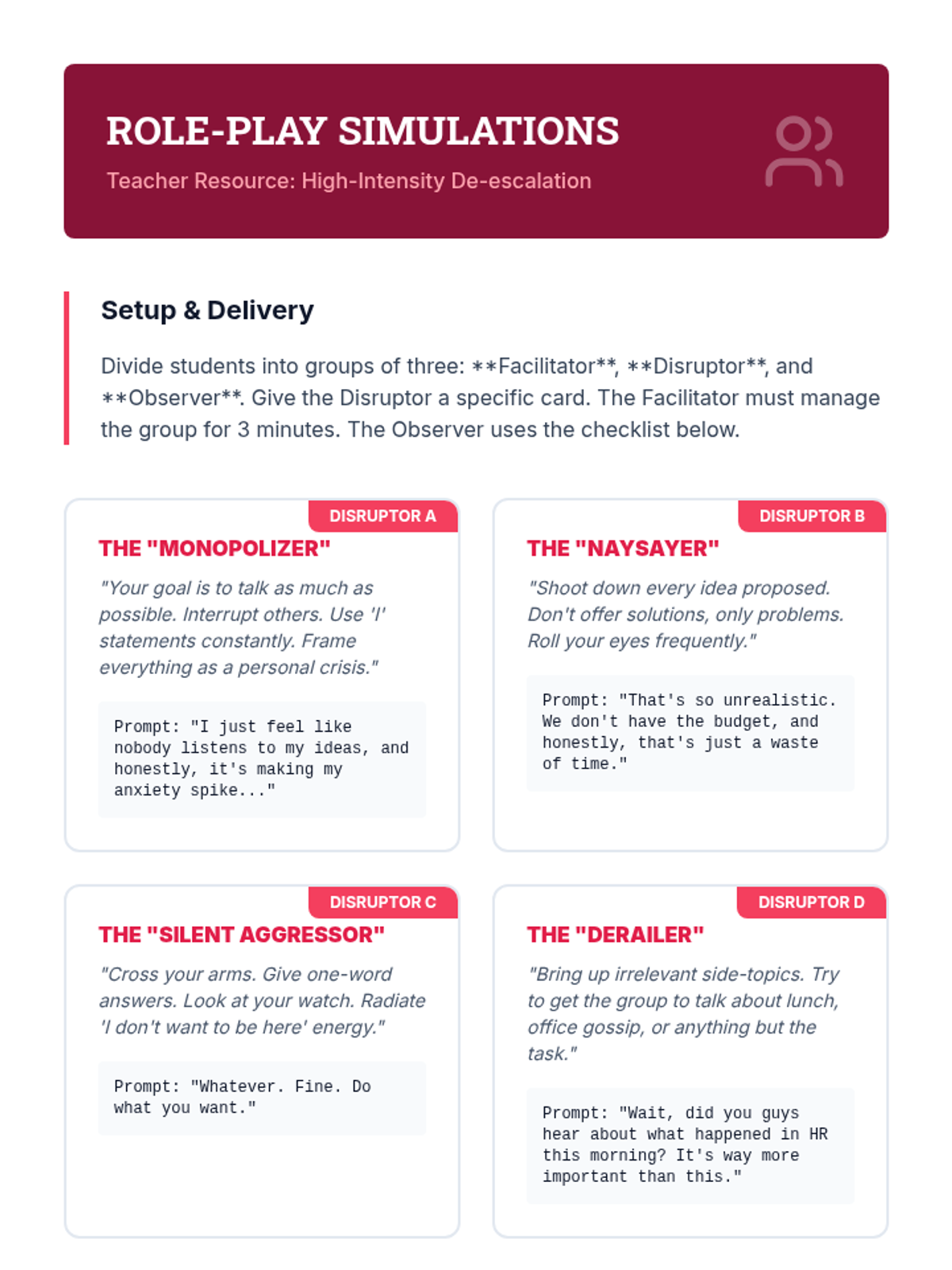
A culminating multi-party mediation simulation where students apply their full toolkit to resolve a complex, live-staged dispute.
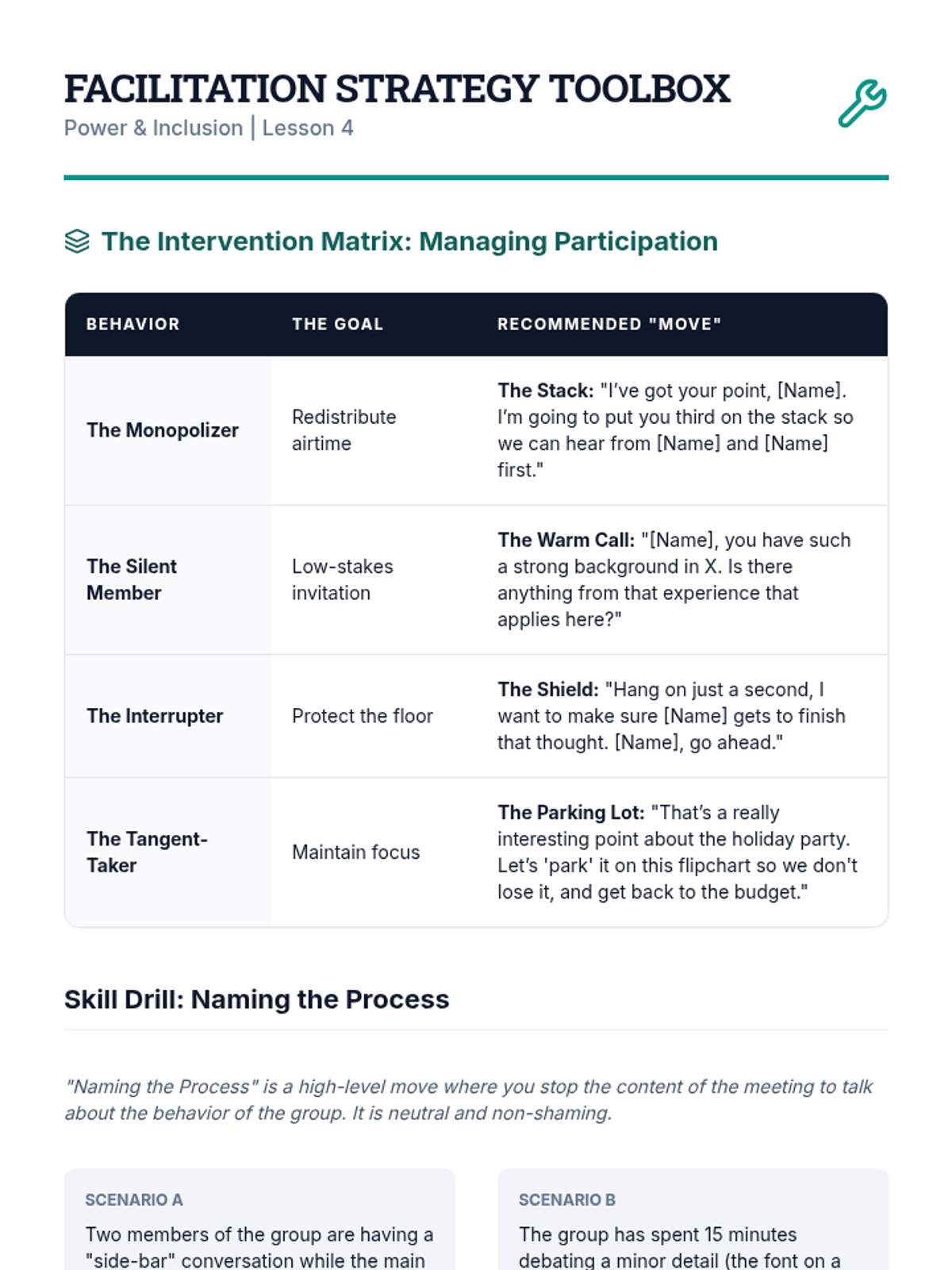
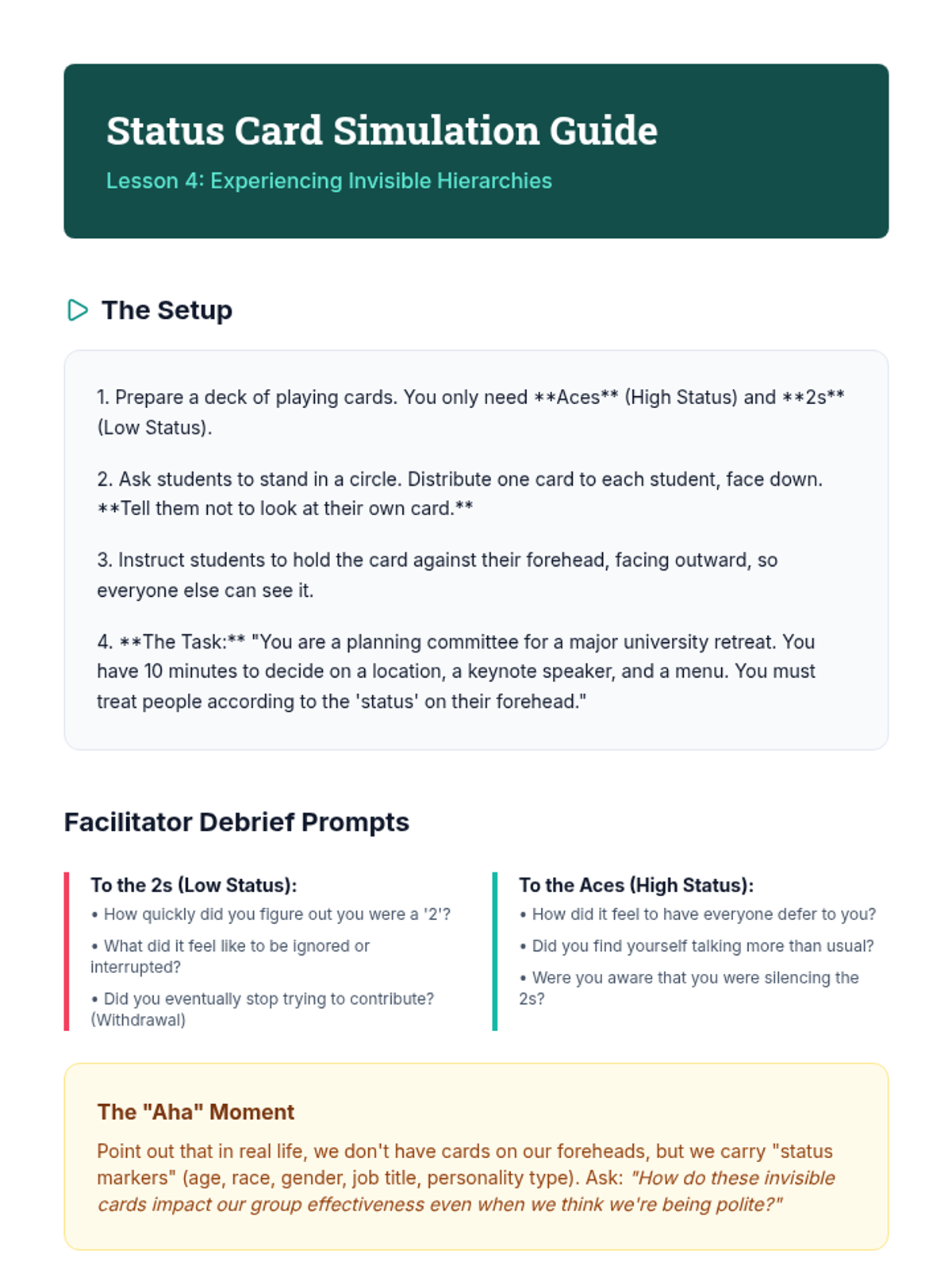
Students examine how status and power influence group participation, practicing facilitation moves to ensure equity and manage dominant personalities.
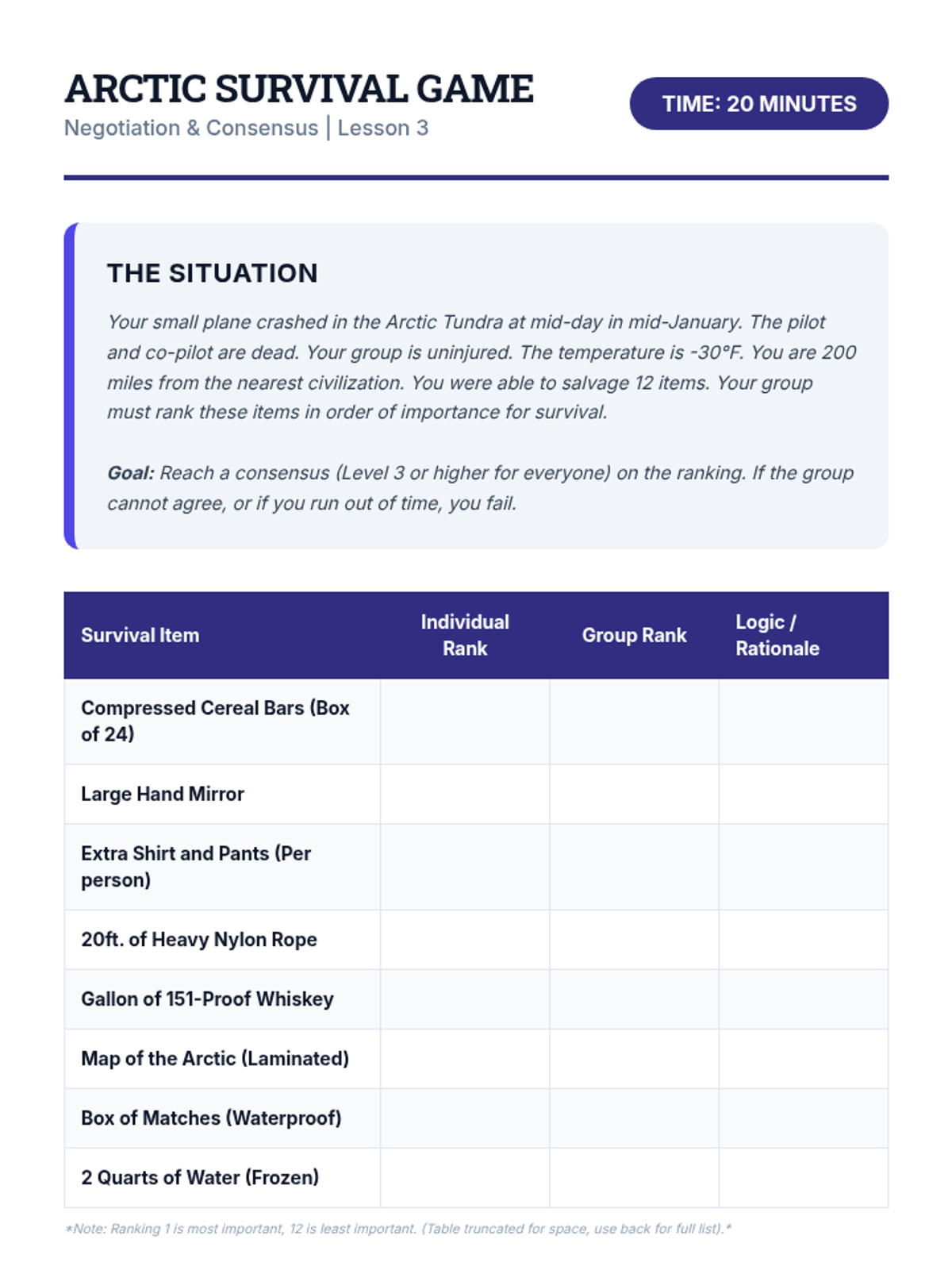
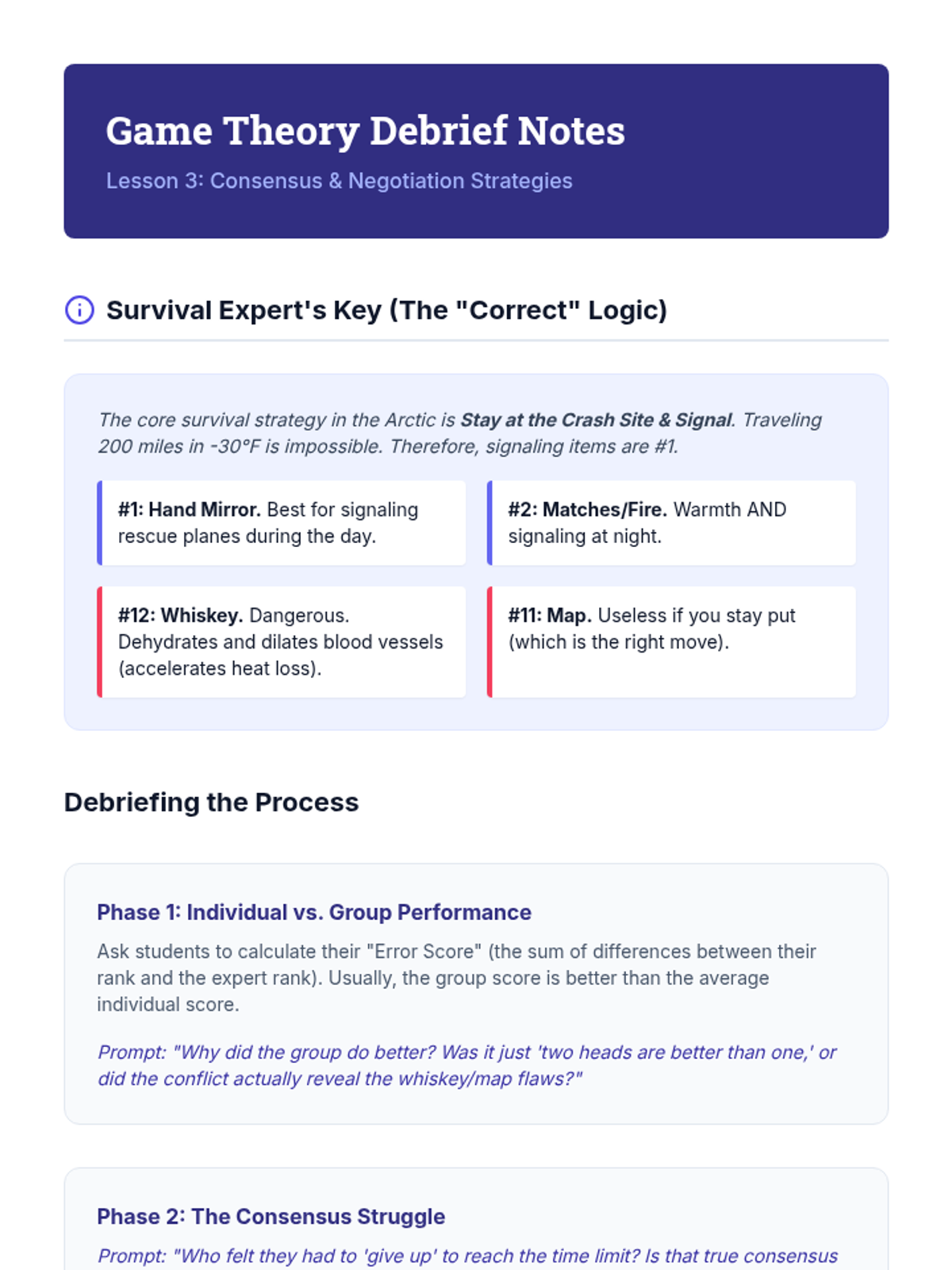
Students investigate the mechanics of trust and cooperation using game-based scenarios to master negotiation and consensus-building techniques.
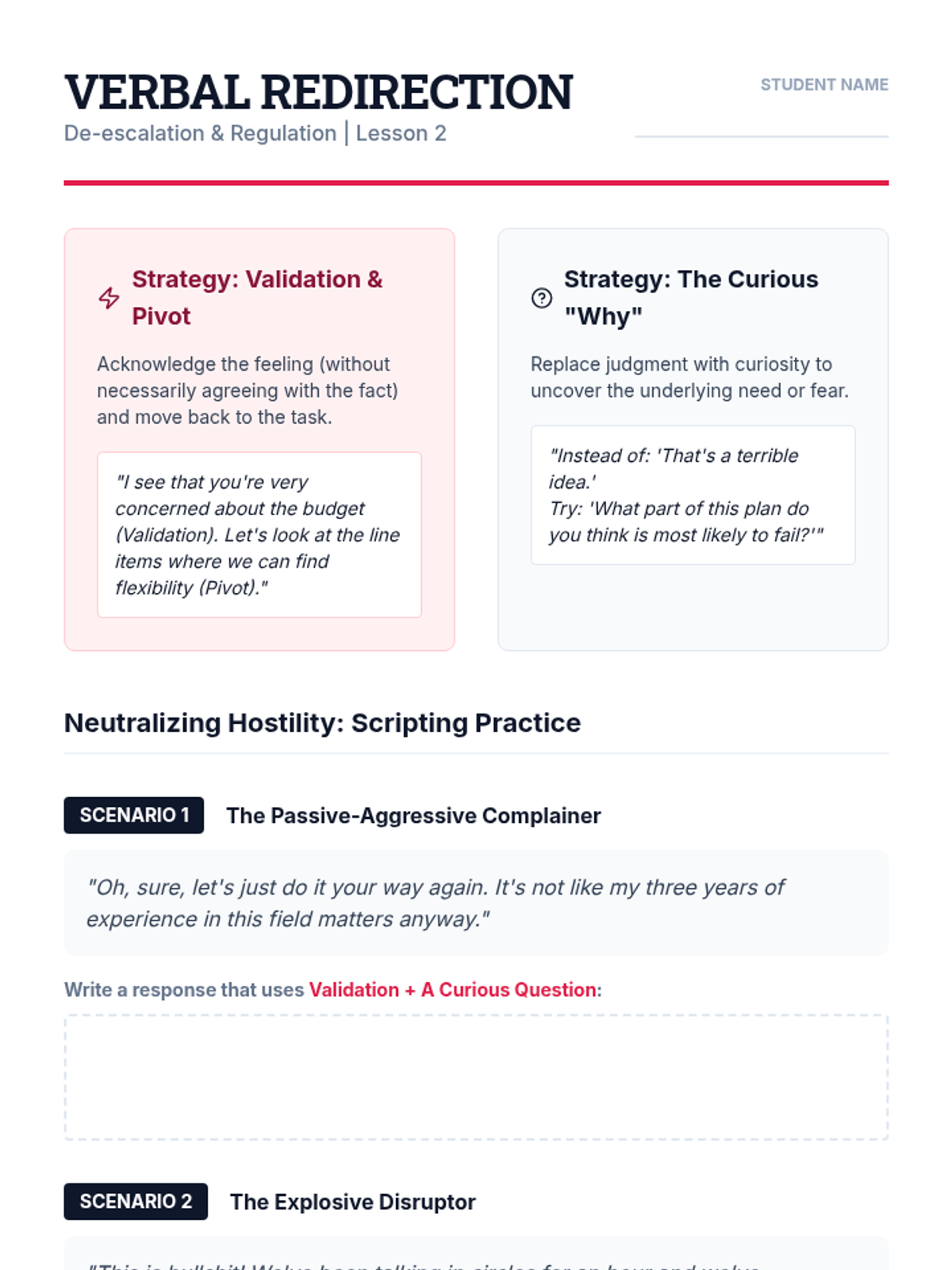
A practical deep-dive into de-escalation techniques, verbal redirection, and emotional regulation strategies for managing heated group interactions.
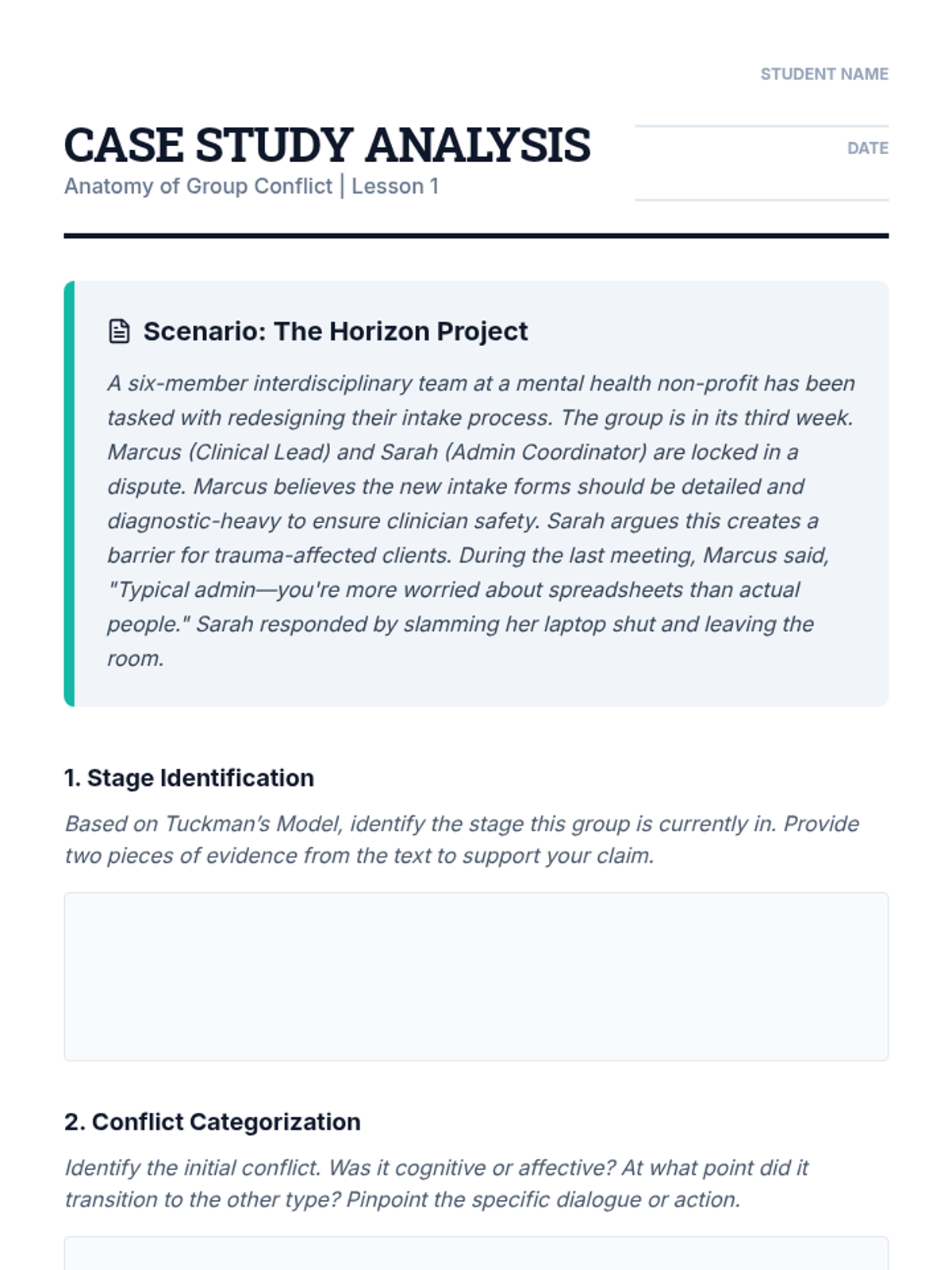
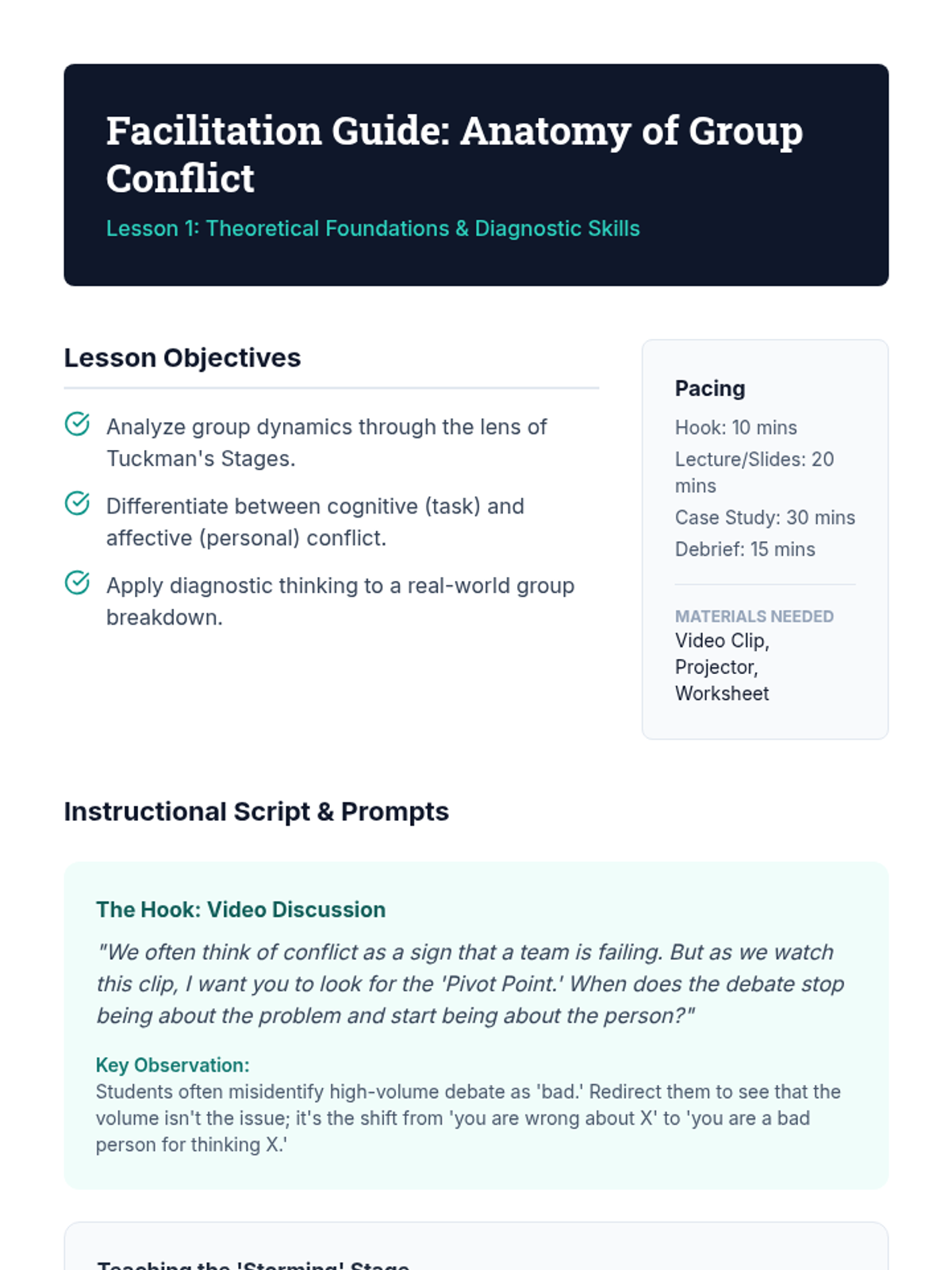
Students explore Tuckman's stages of group development and distinguish between healthy cognitive conflict and toxic affective conflict through high-stakes case analysis.