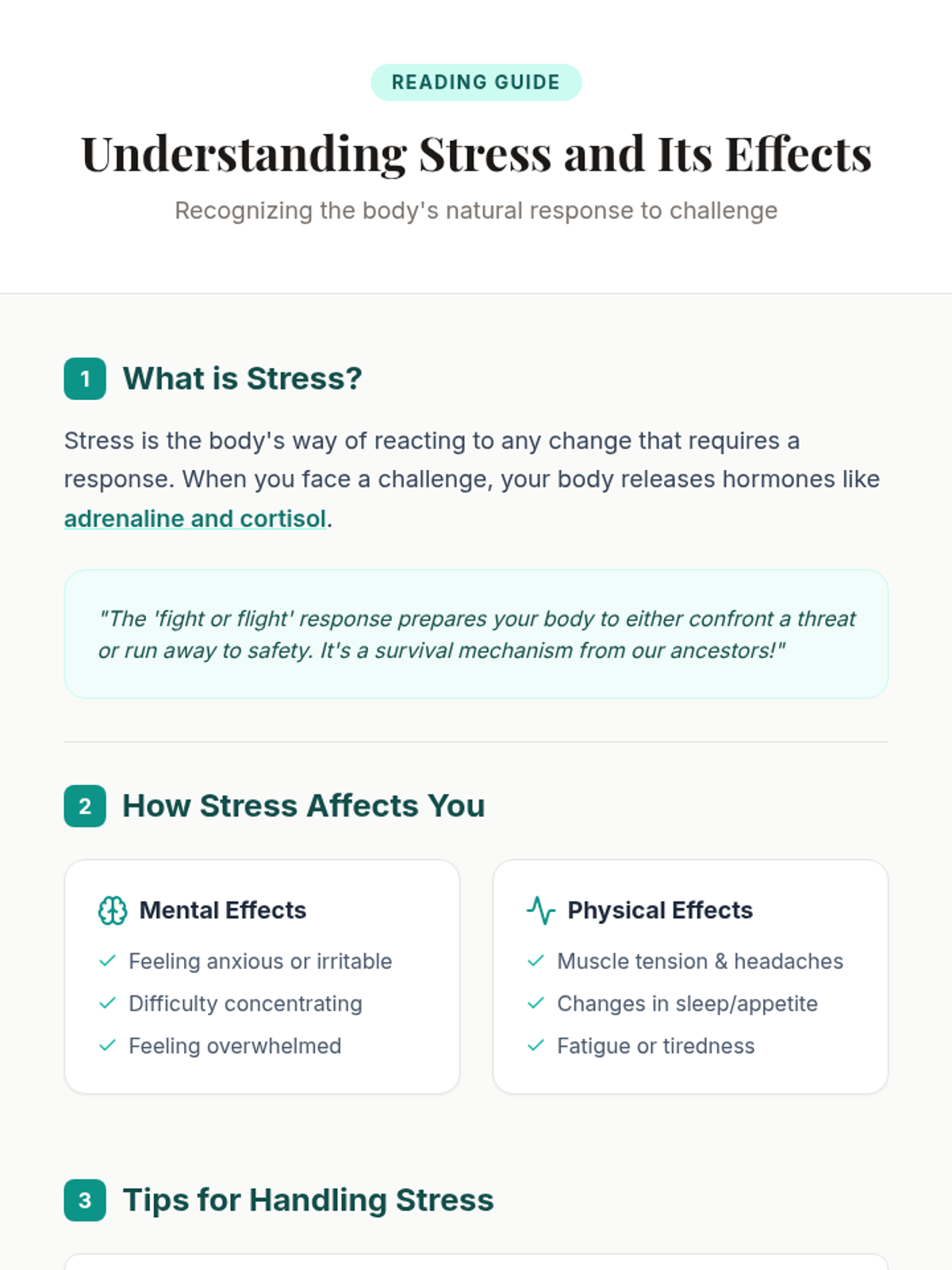
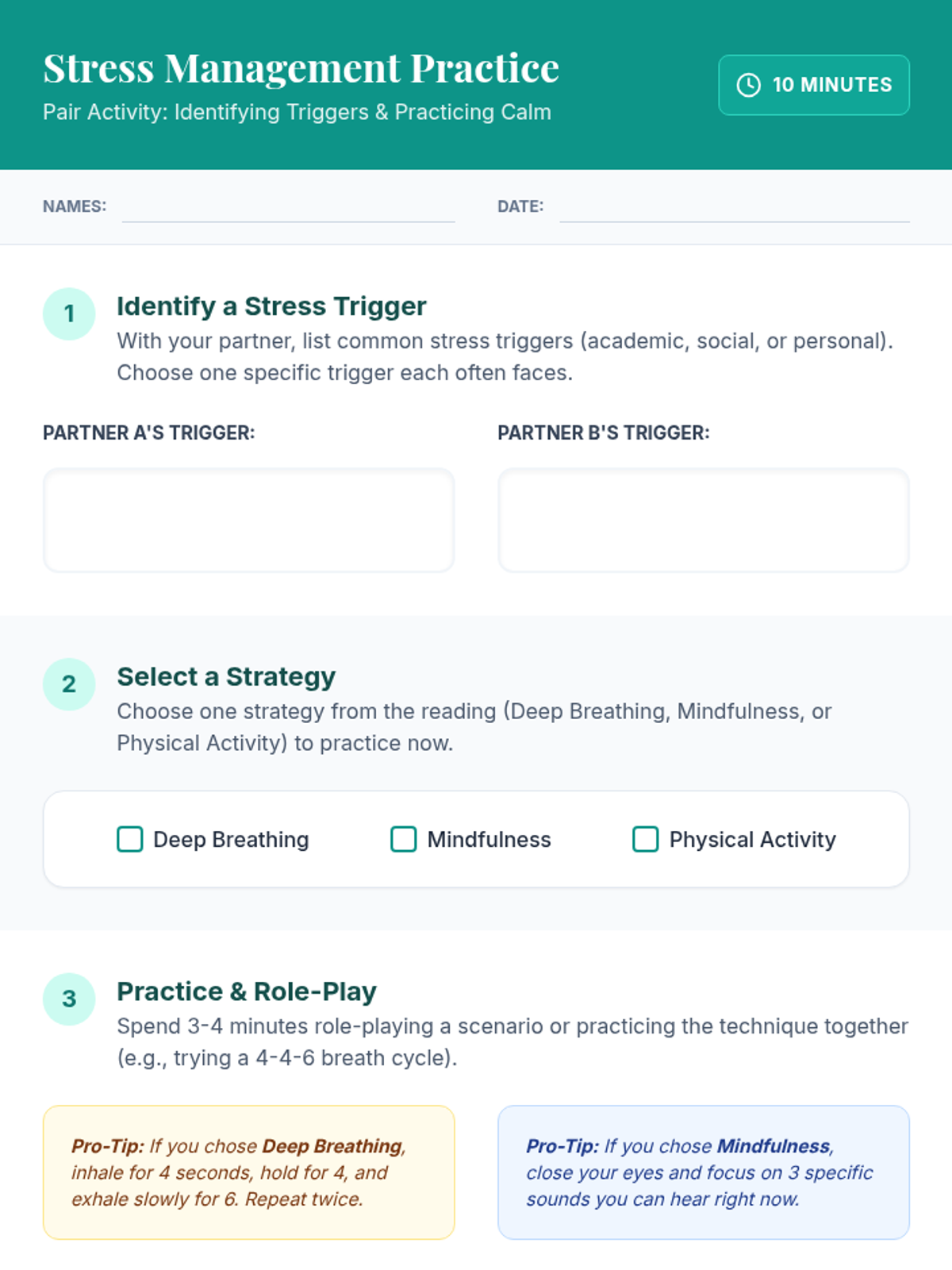
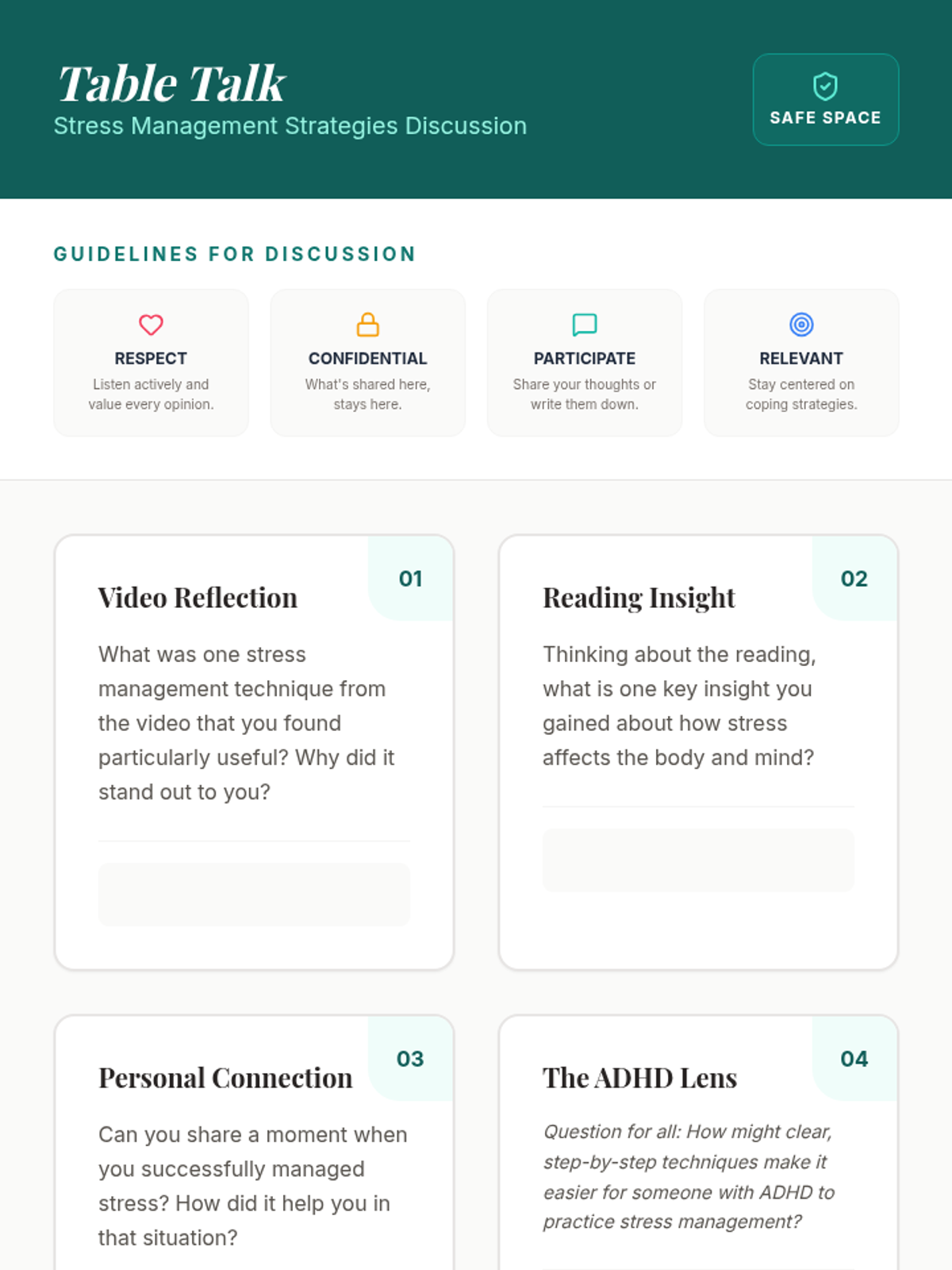
Peer relationship navigation, conversational turn-taking, and stress management strategies within supportive group settings. Develops communal belonging through shared mental health education and collaborative skill practice.
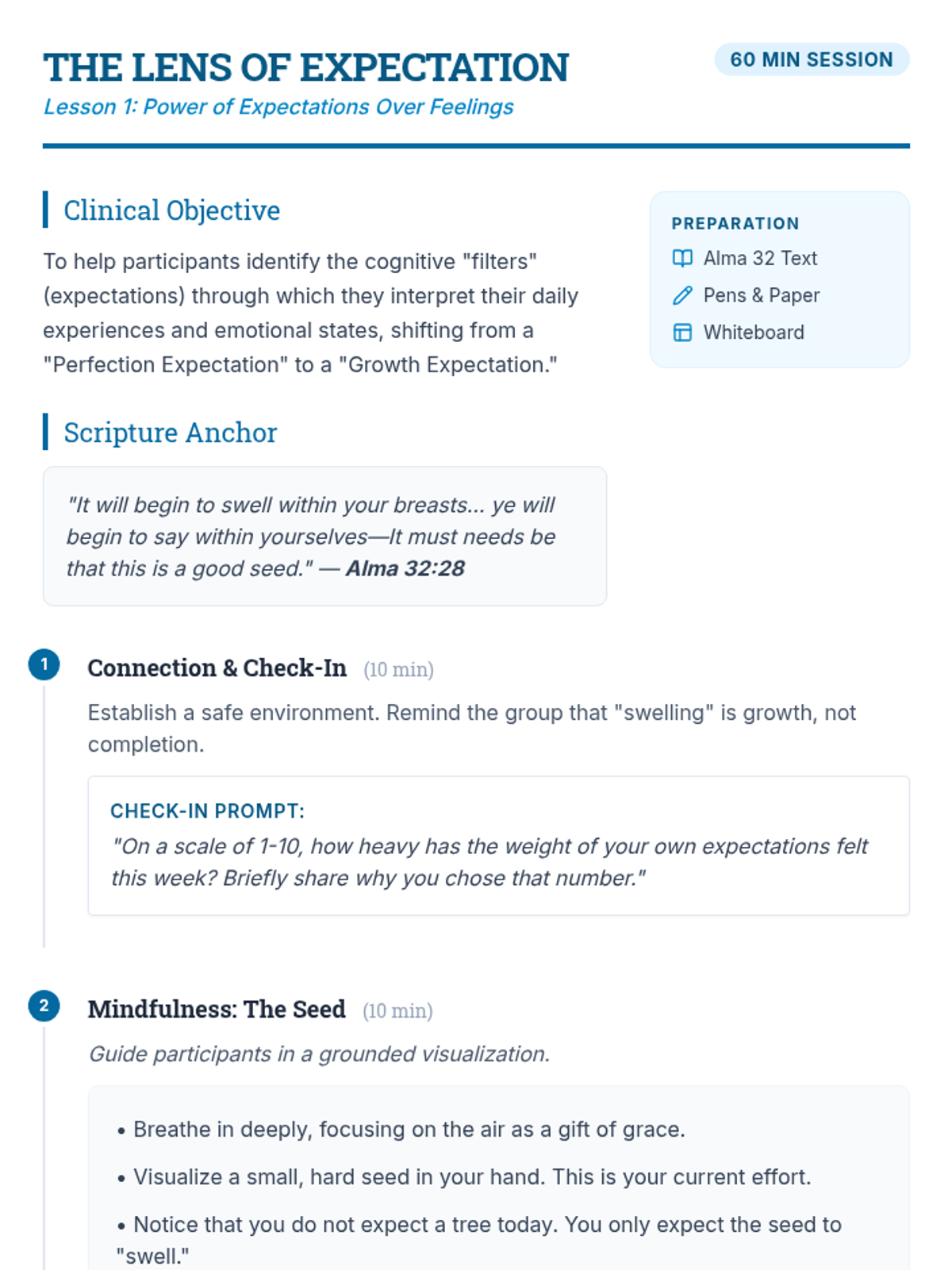
An 11-part group counseling sequence designed for LDS young adults and adults, focusing on reframing religious expectations through the lens of grace, clinical psychology, and restored doctrine to address scrupulosity and spiritual distress.
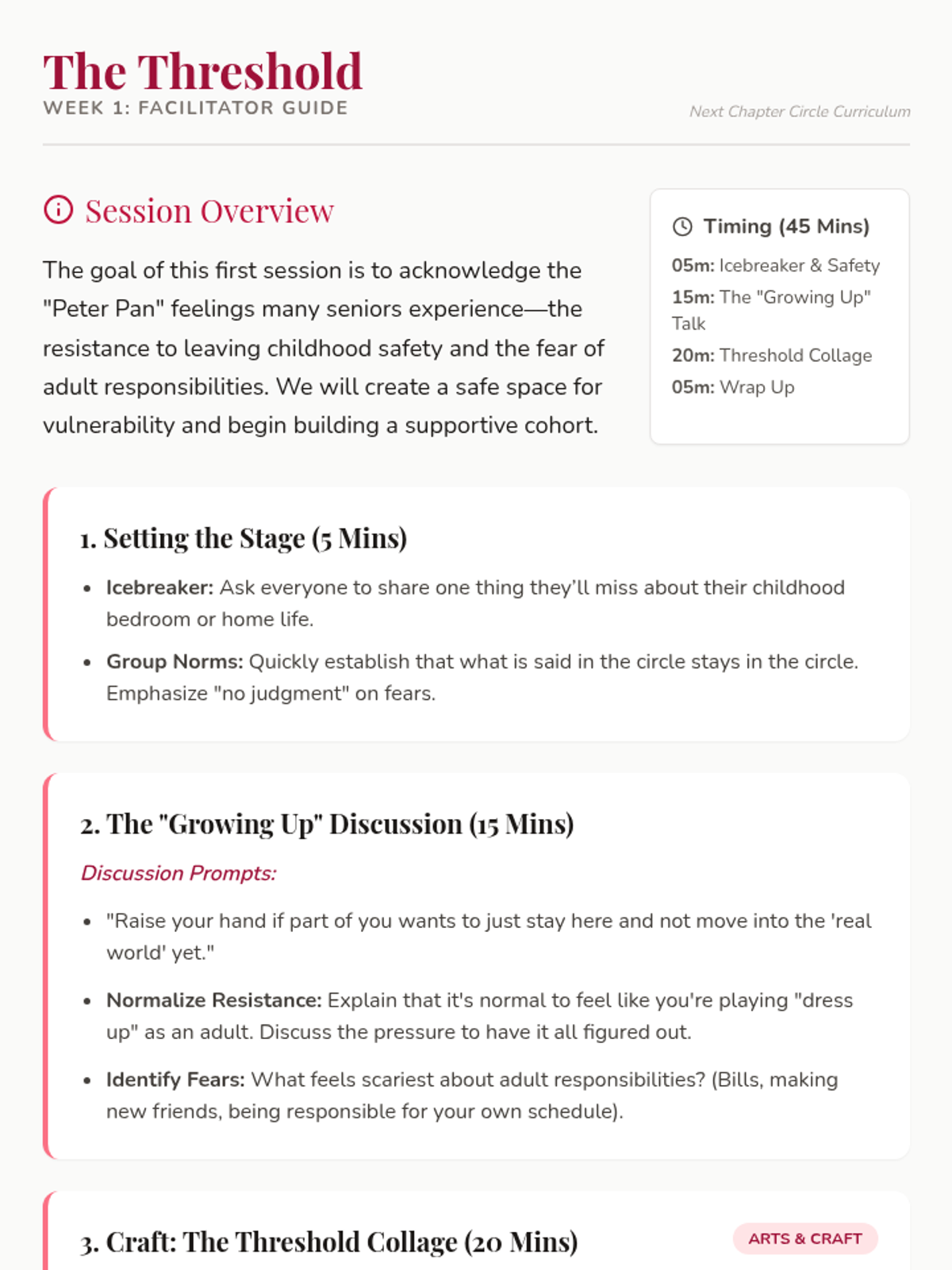
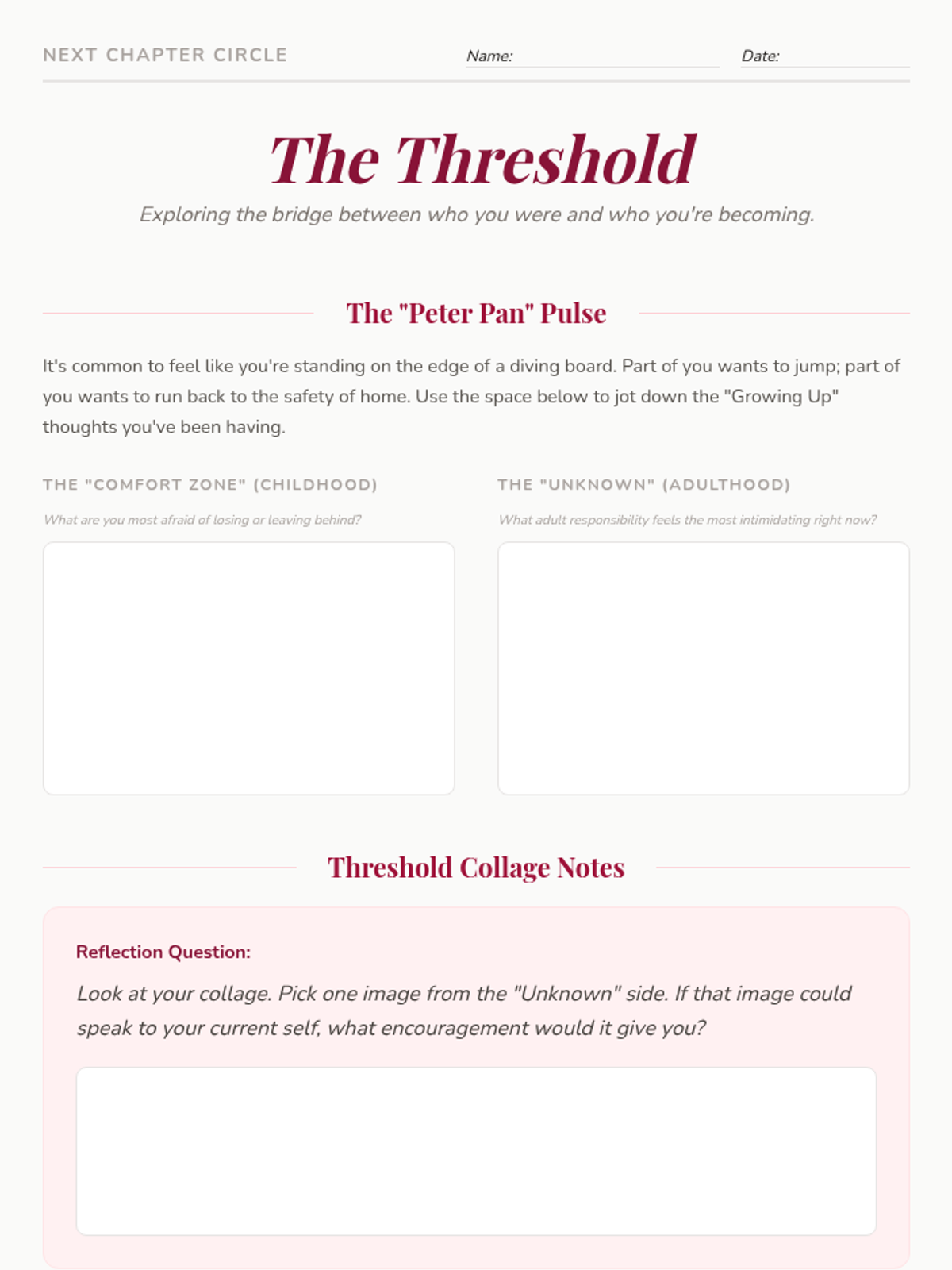
A comprehensive 8-week curriculum for high school senior girls transitioning to college. The program combines group counseling techniques with hands-on arts and crafts to address stress management, resource-seeking, and the emotional complexity of adulthood.
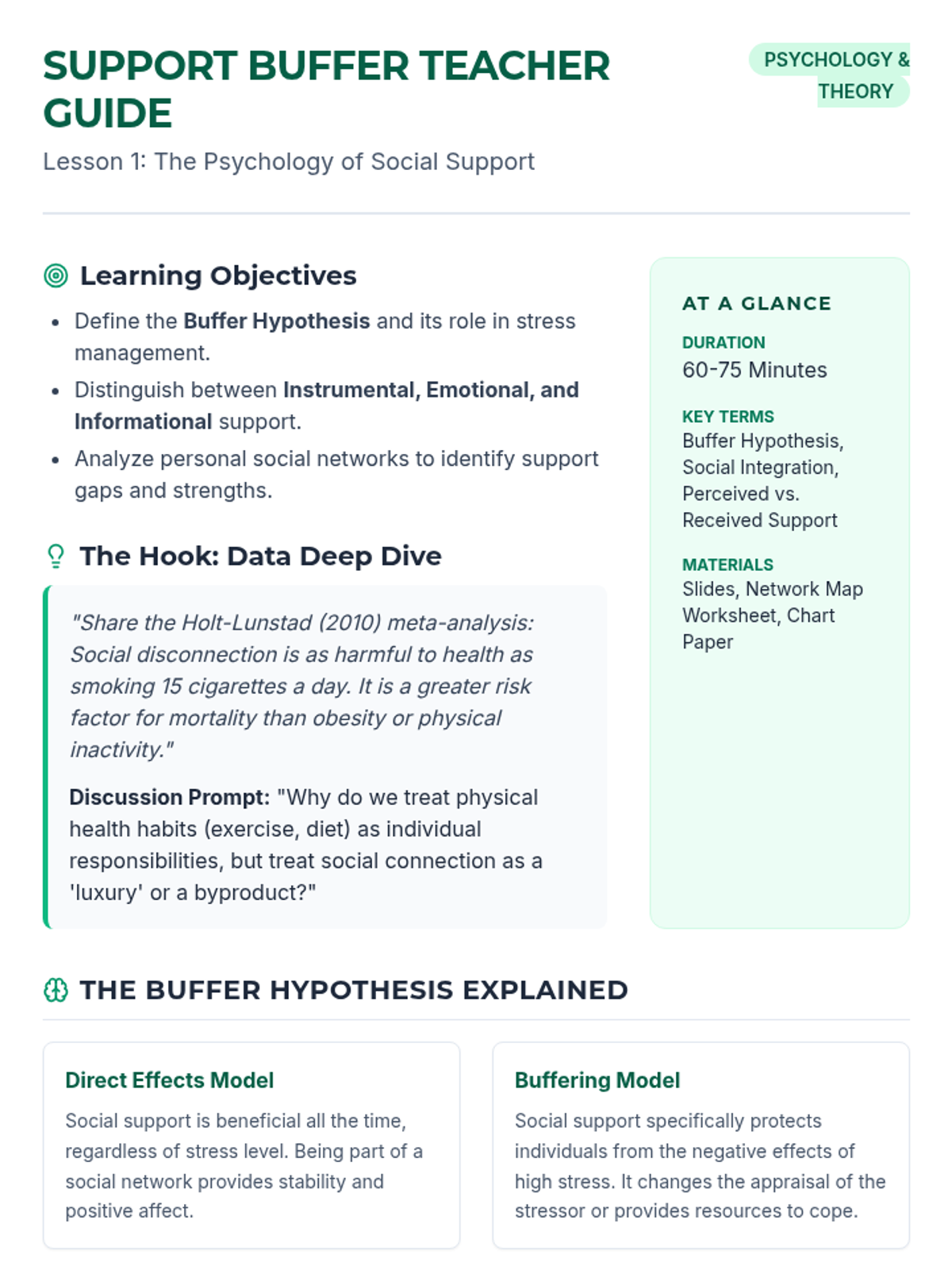
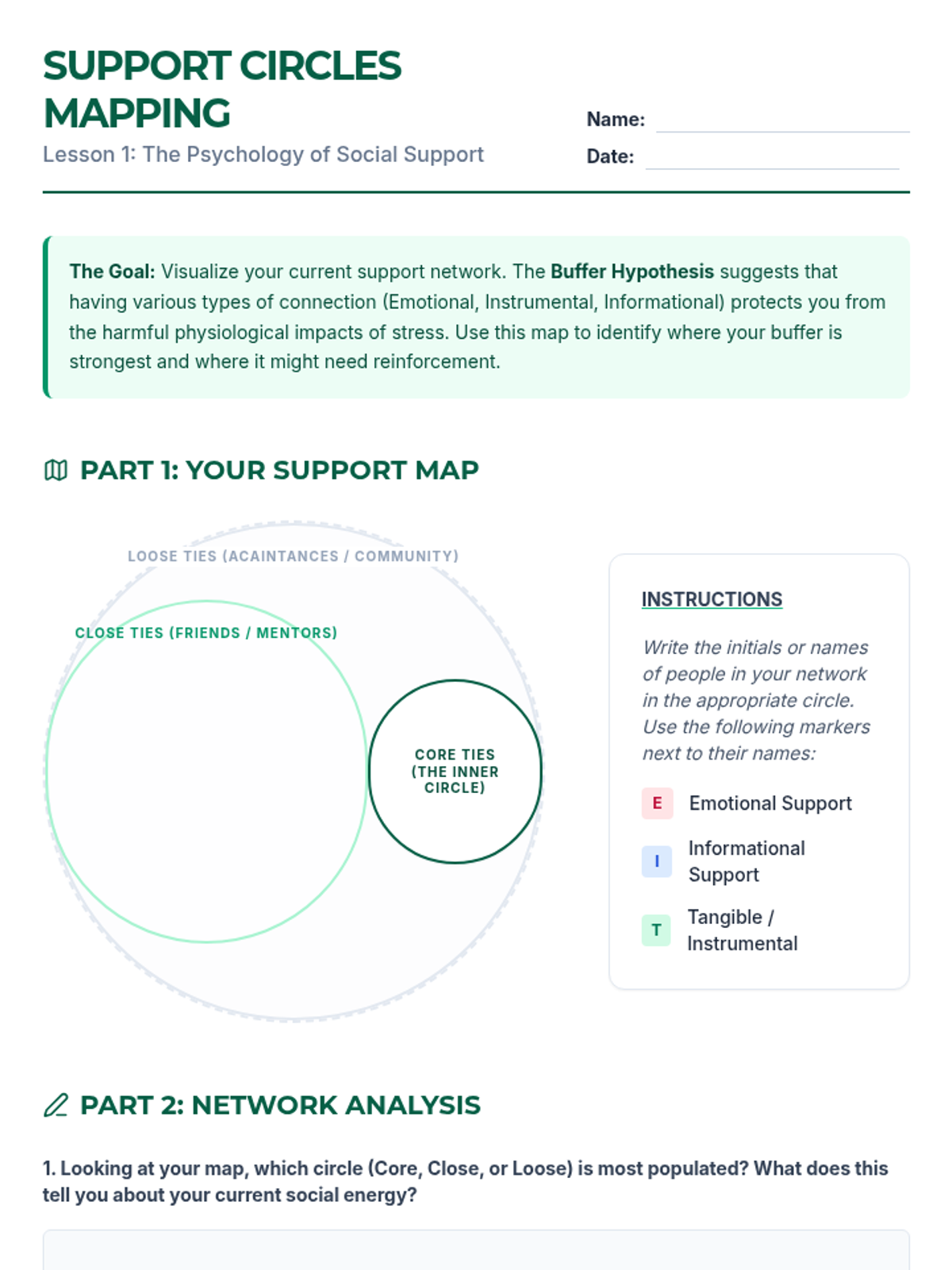
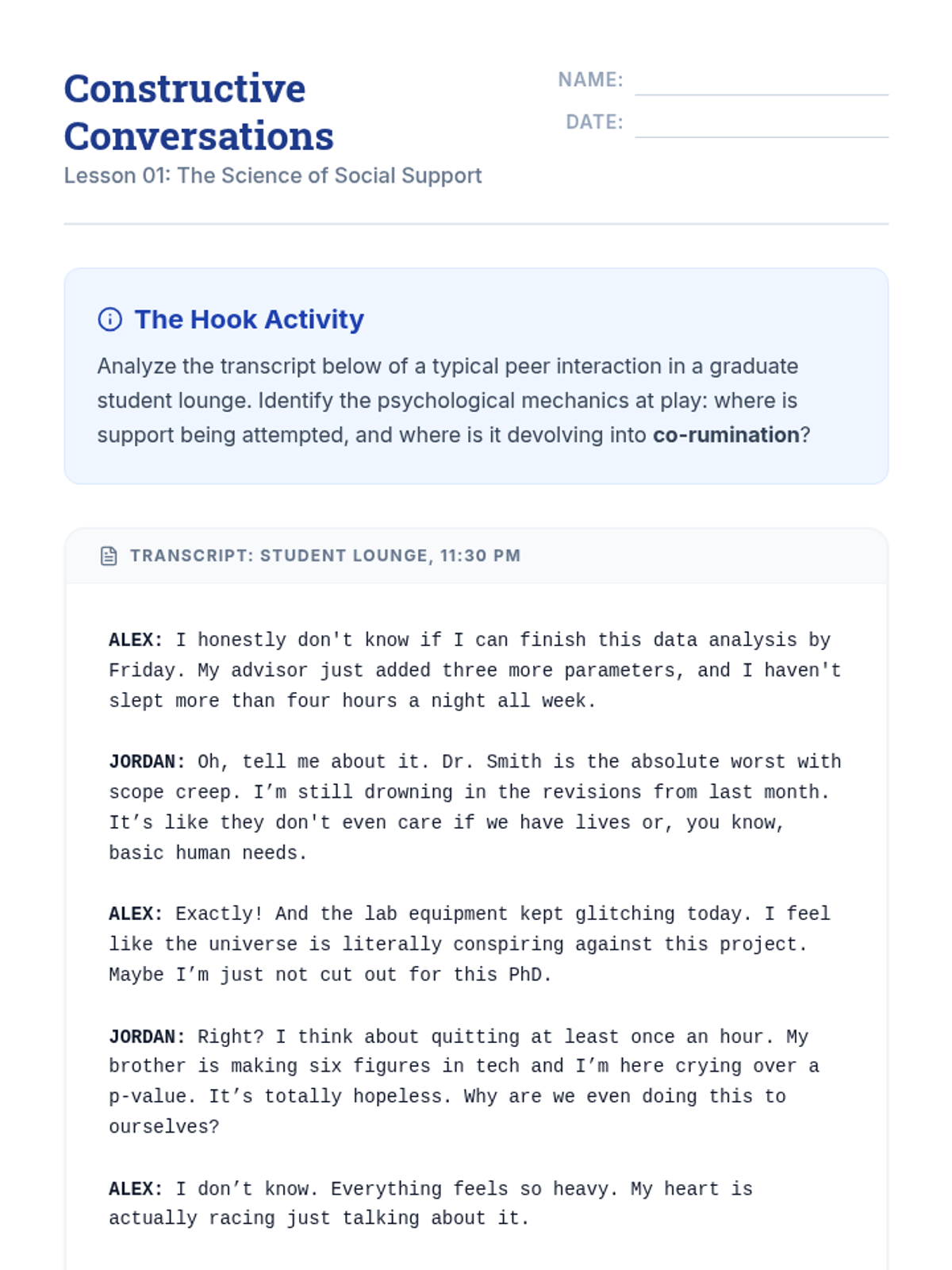
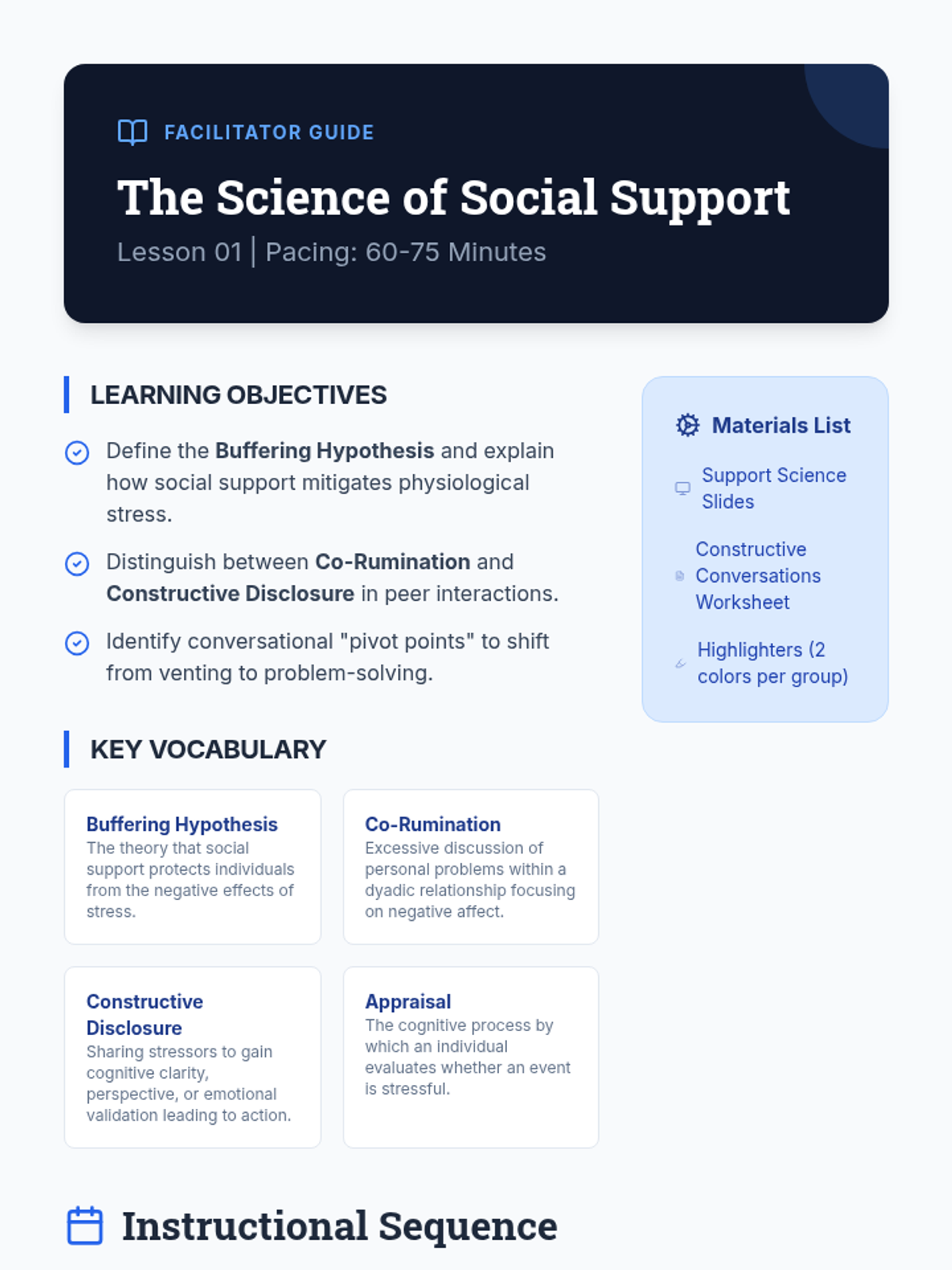
A comprehensive sequence for undergraduate students exploring the social psychology of stress and the practical skills needed to build resilient peer support networks. Students move from theoretical understanding to practical facilitation and community planning.
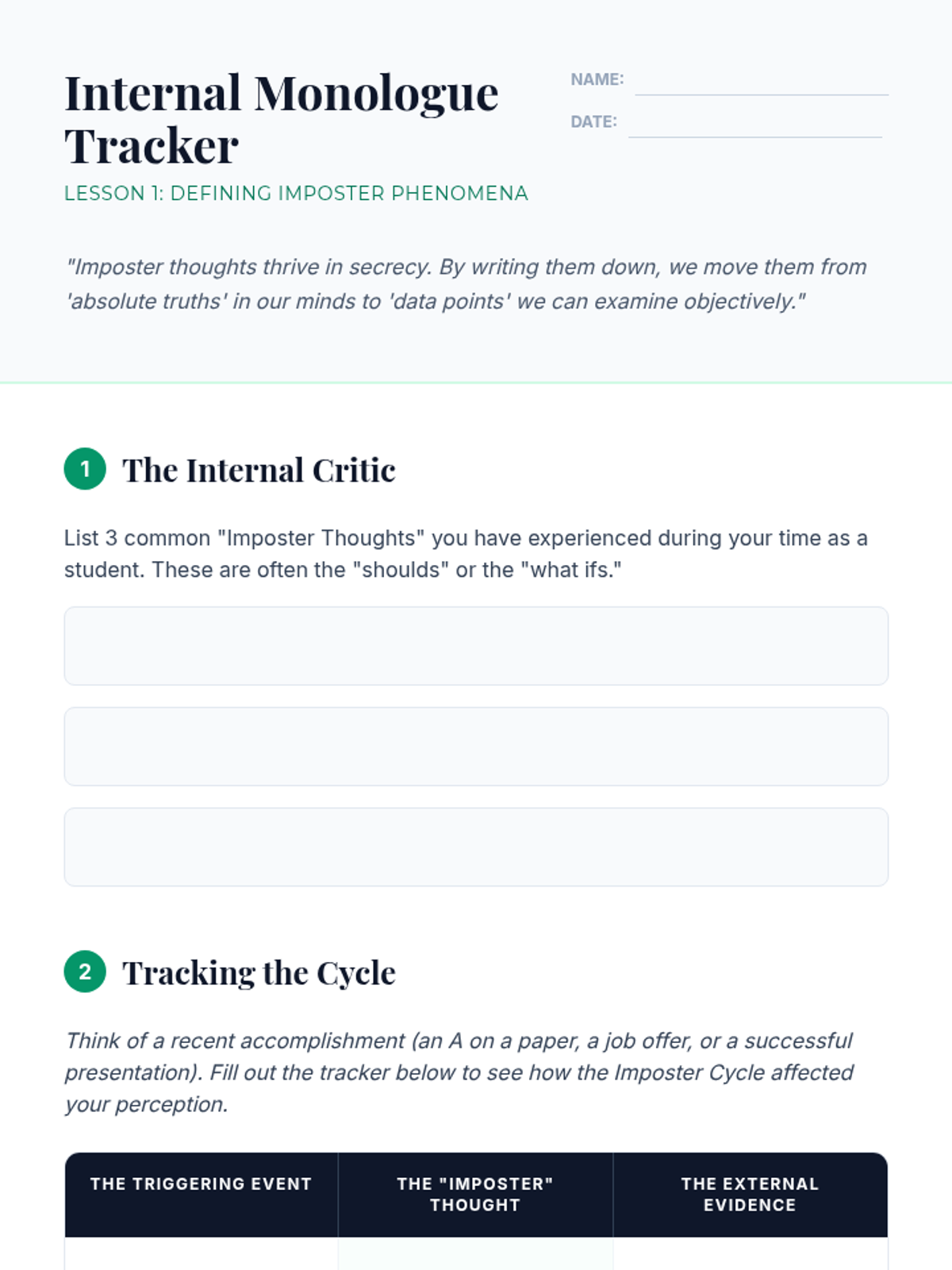
A 5-lesson workshop sequence for undergraduate students to understand, challenge, and overcome imposter syndrome through peer validation and evidence-based identity building.
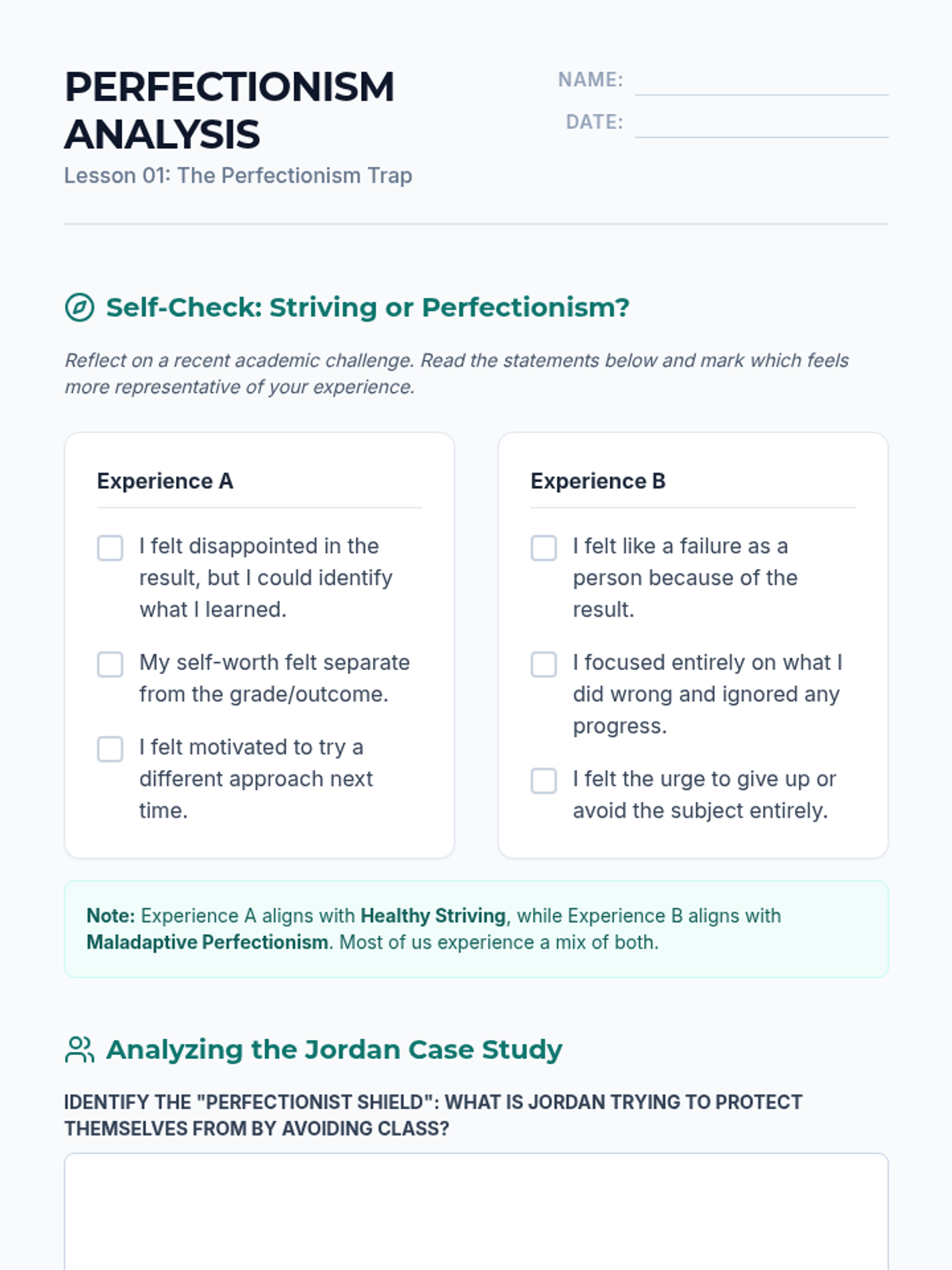
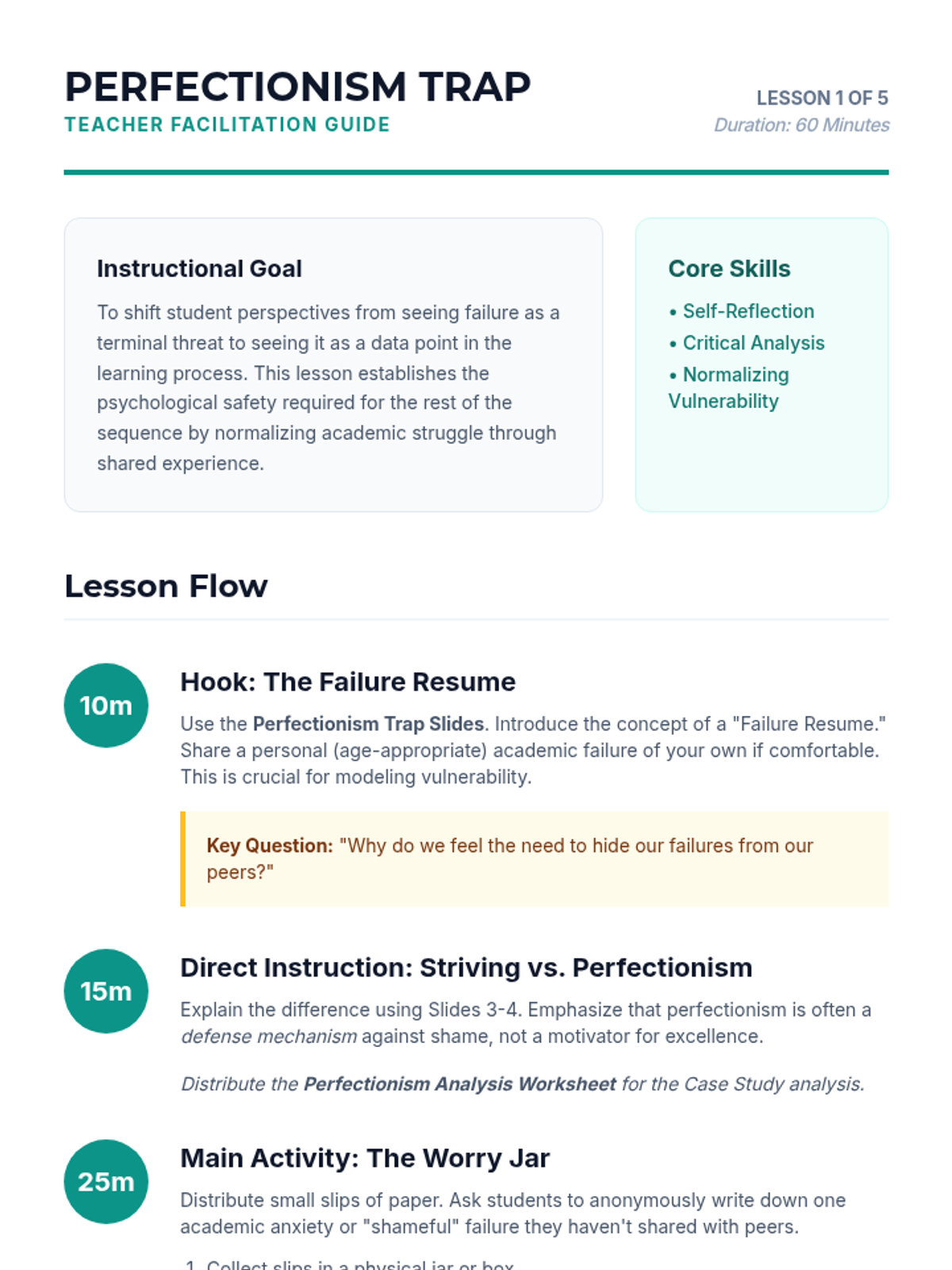
A 5-lesson sequence for undergraduate students focused on deconstructing academic failure, understanding stress physiology, practicing vulnerability through storytelling, and creating personalized resilience frameworks through peer support.
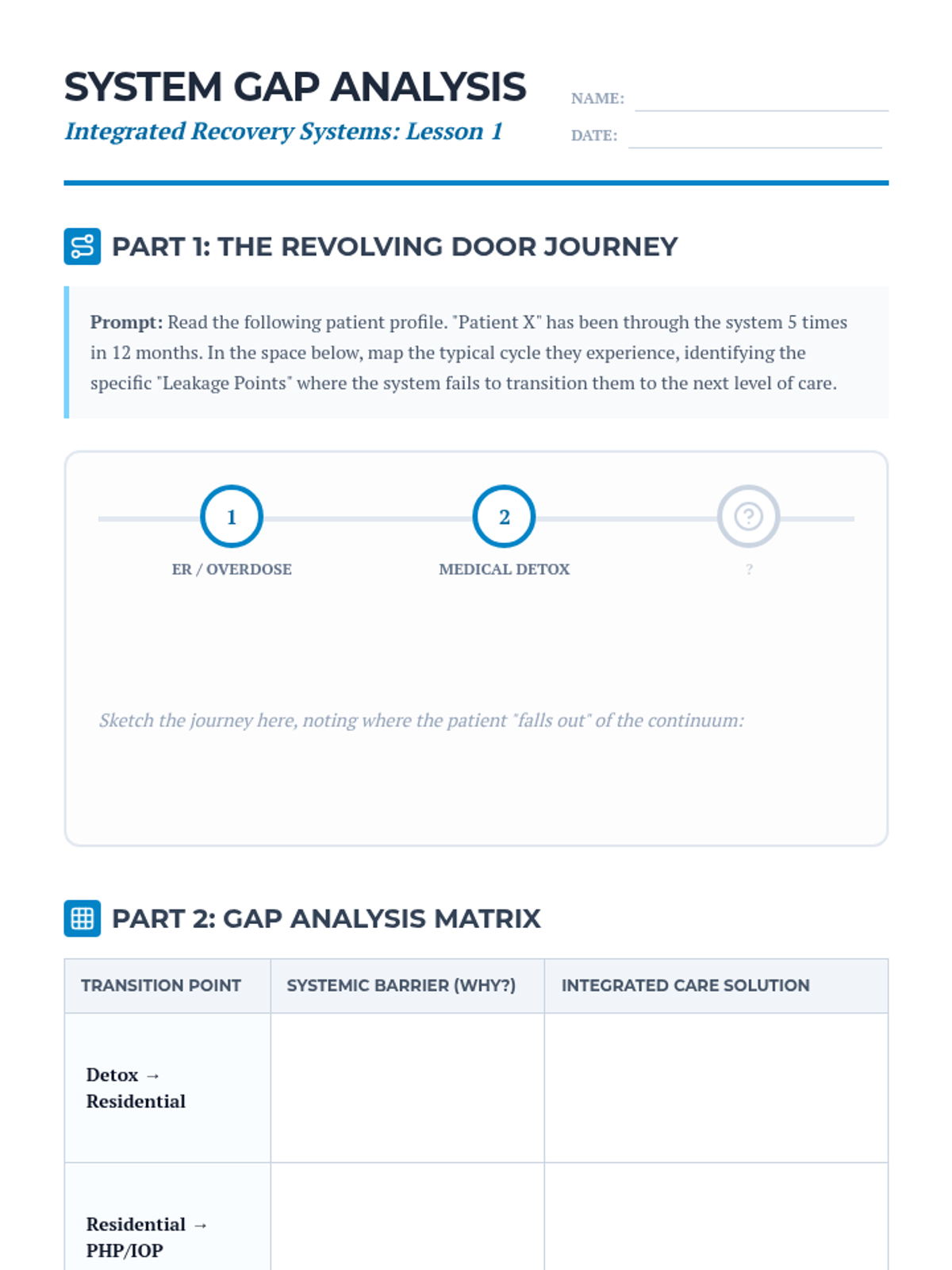
A graduate-level exploration of systems-based approaches to opioid recovery, focusing on integrated care models, recovery capital, and the creation of recovery-ready communities. Students analyze the 'Continuum of Care' and develop strategies for sustainable social reintegration.
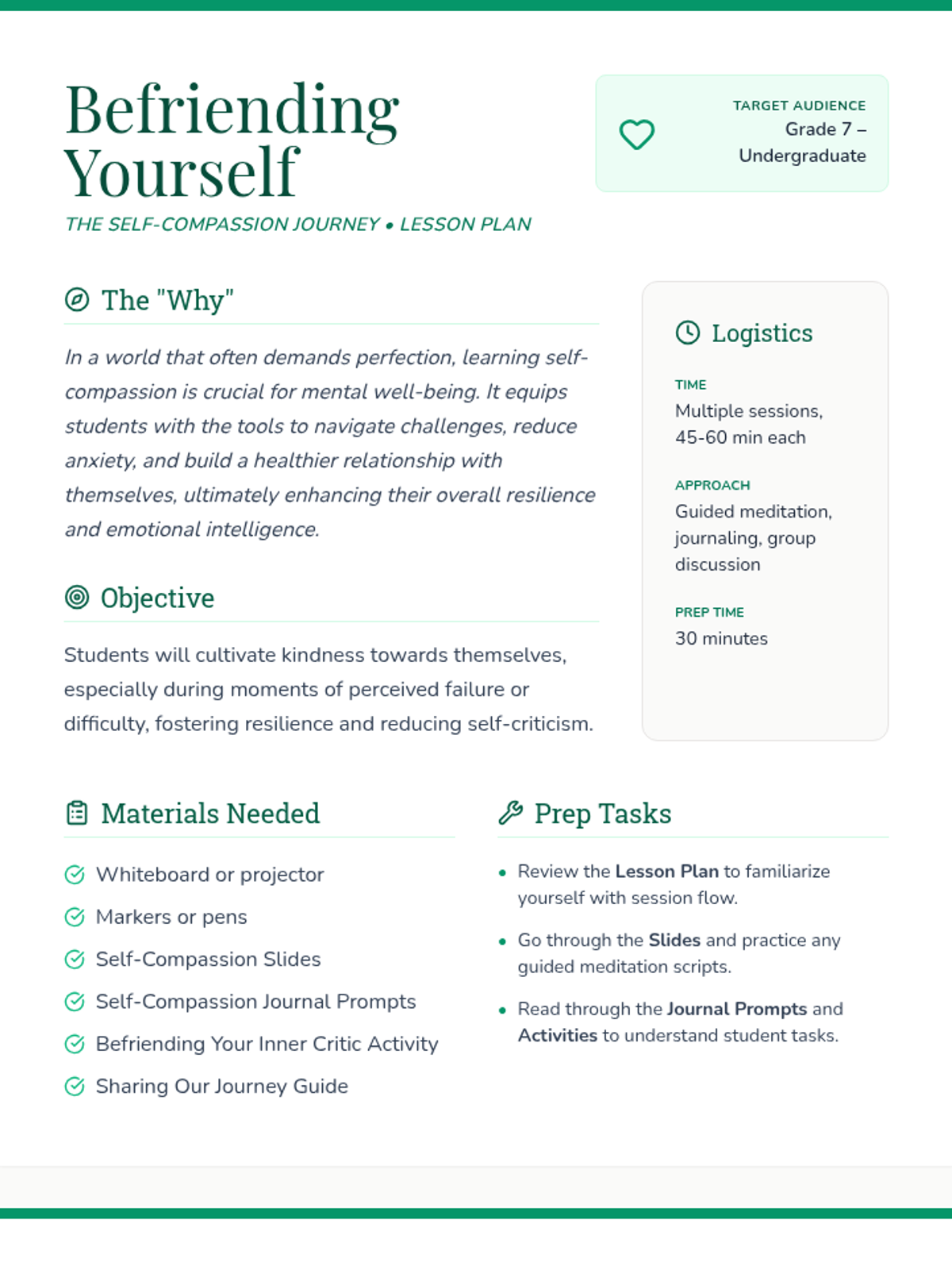
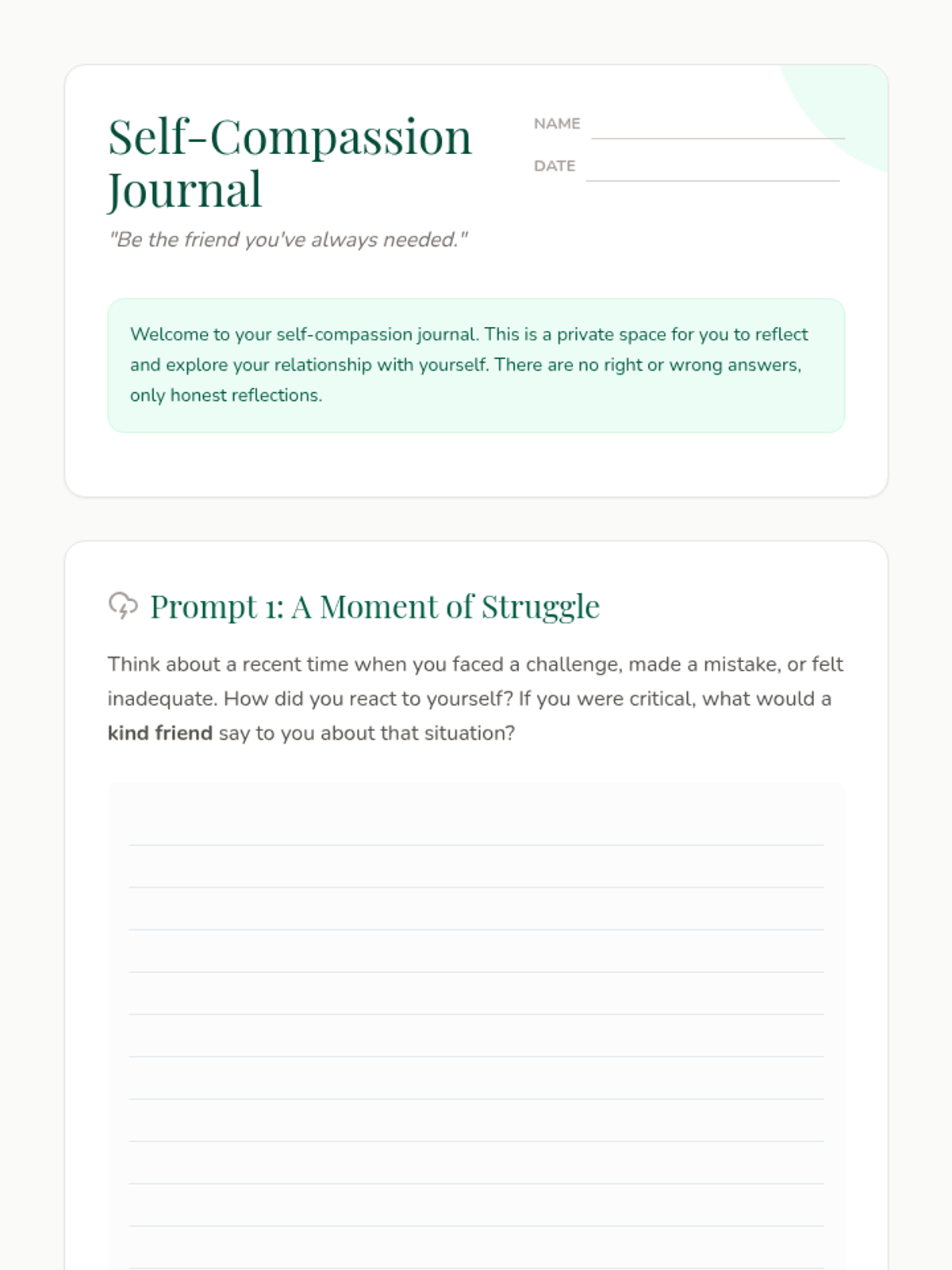
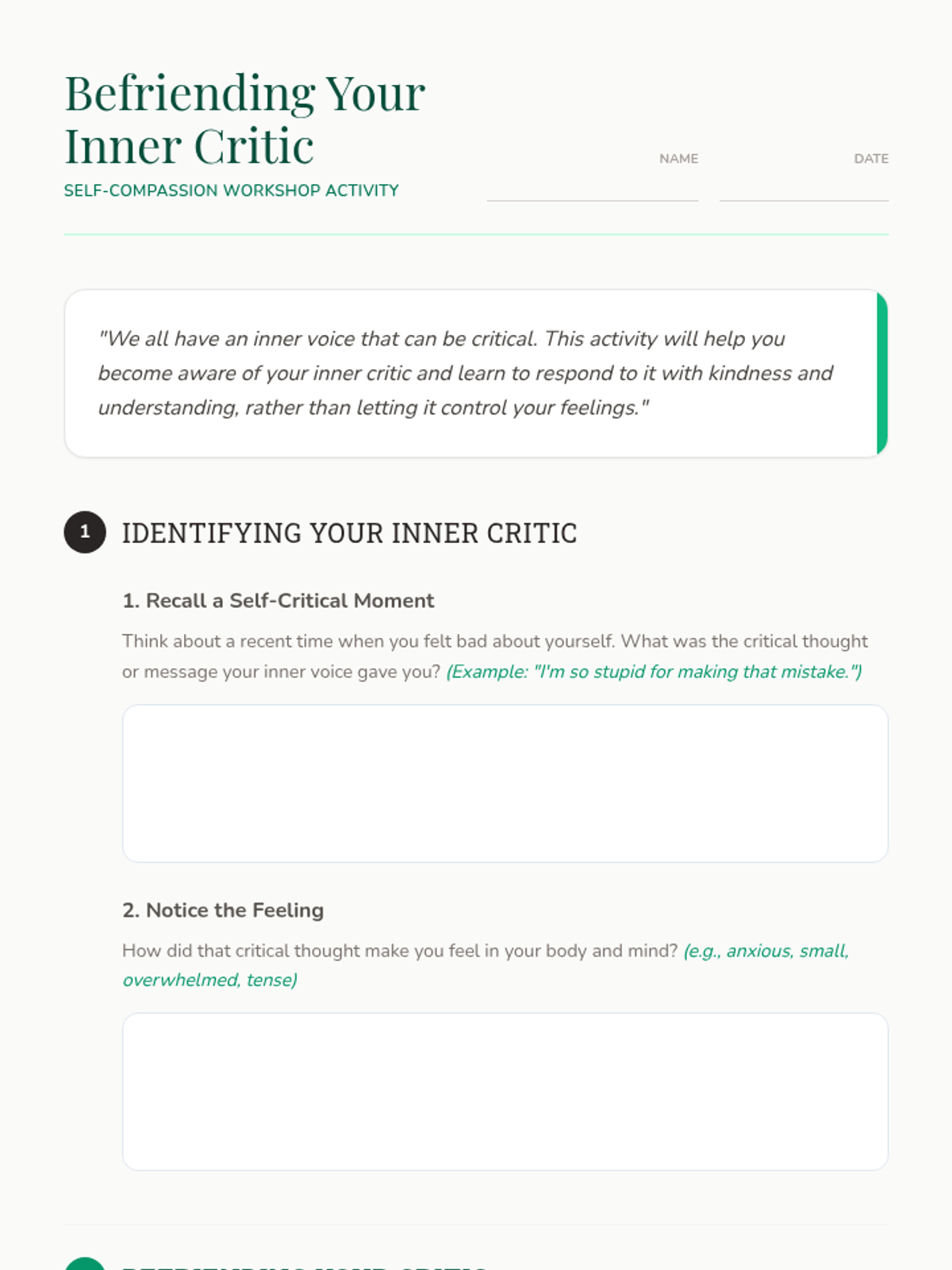
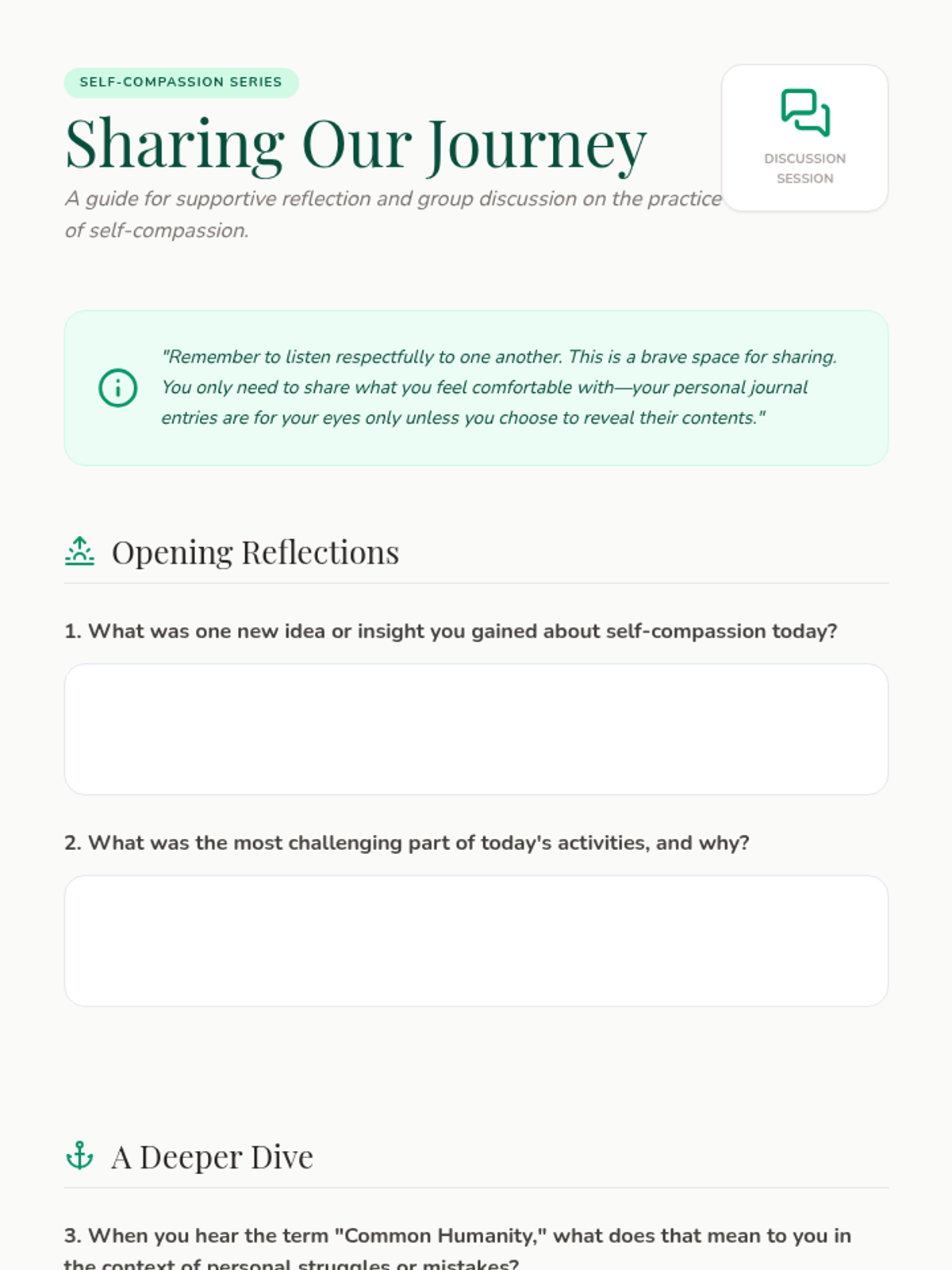
A multi-session series designed for students from 7th grade to undergraduate levels, focusing on the practice of self-compassion. Through guided meditations, journaling, and active reflection, students learn to reduce self-criticism and build emotional resilience by treating themselves with the same kindness they offer others.
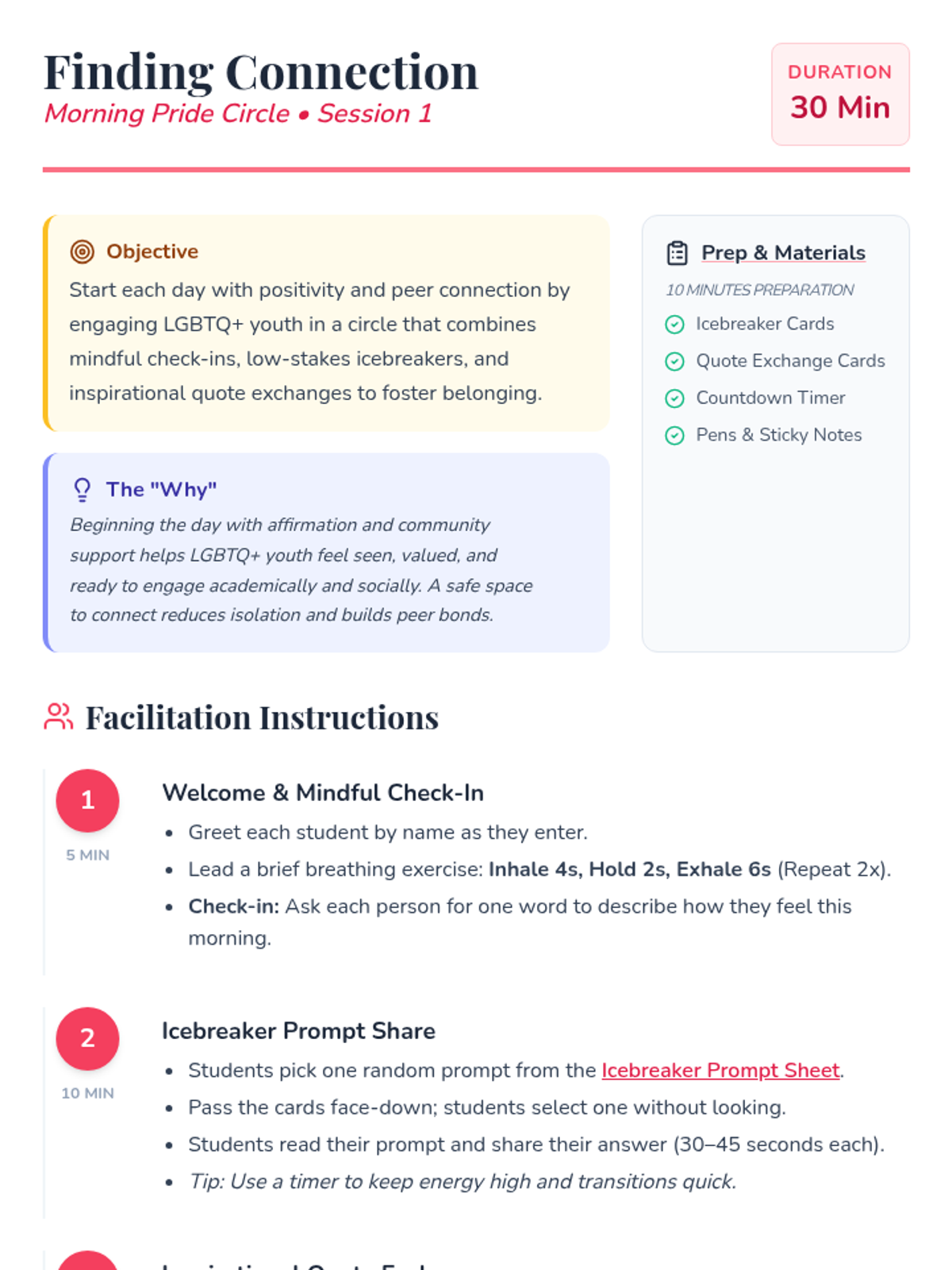
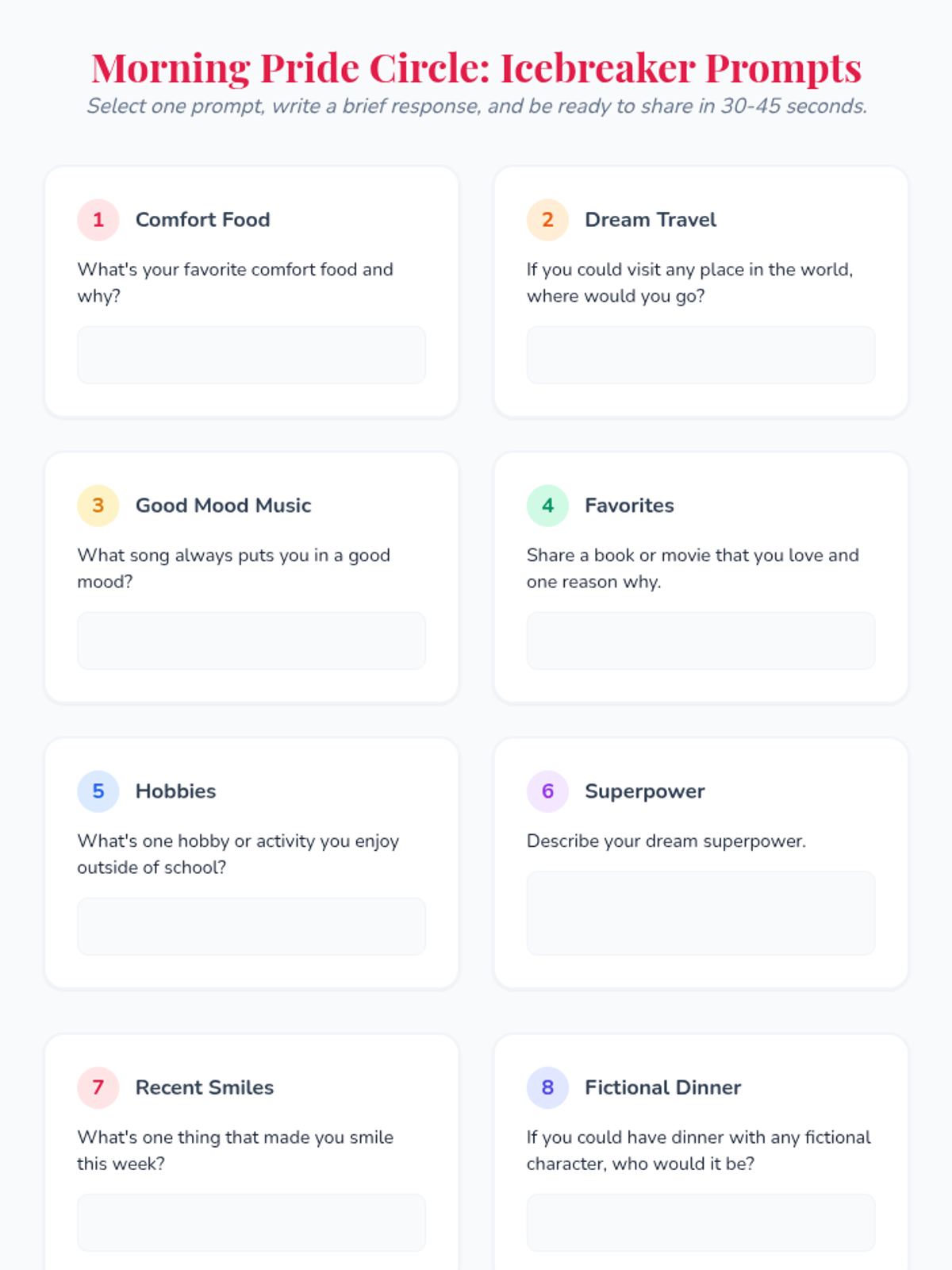
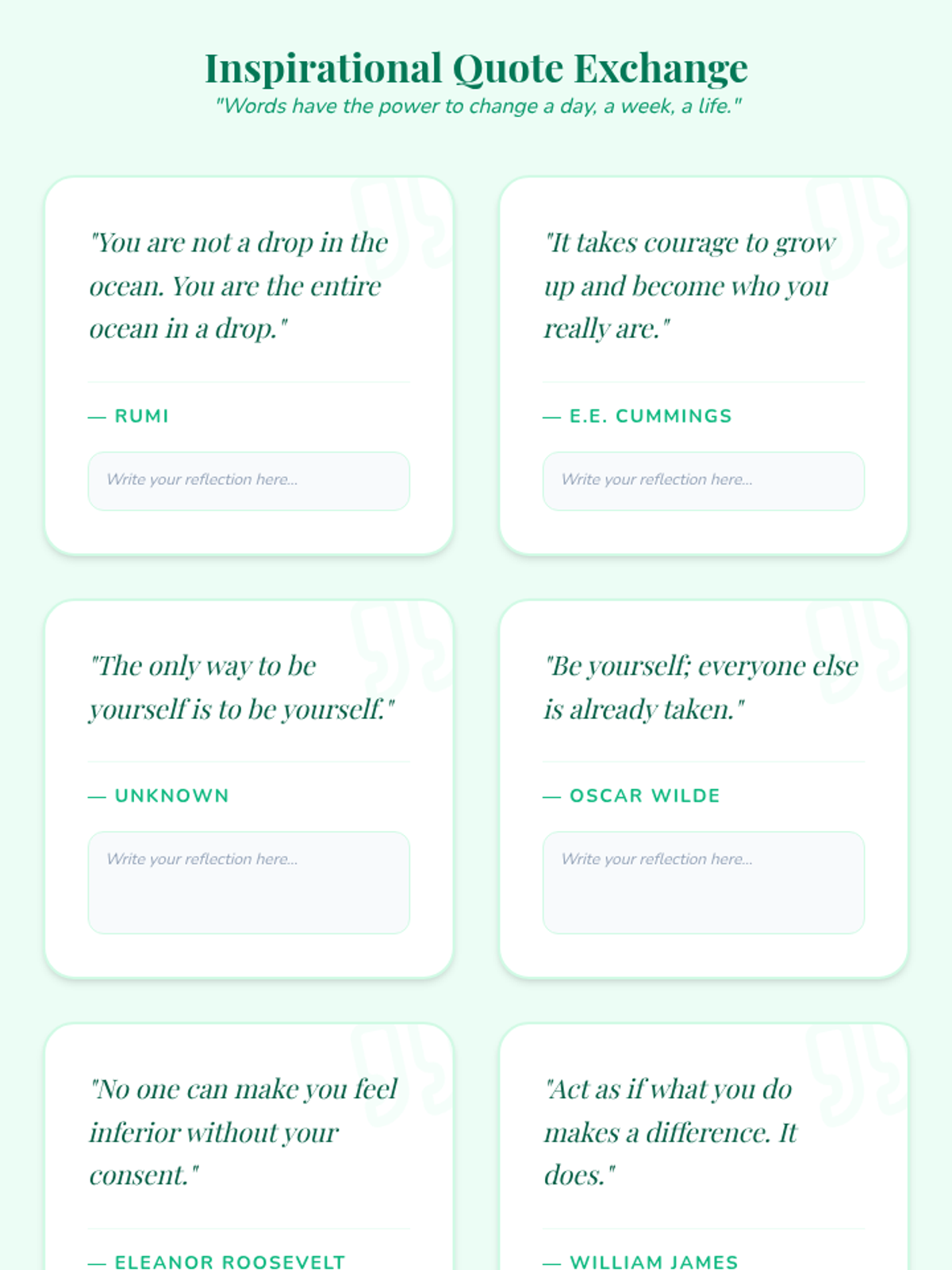
A series of four 30-minute morning gatherings for LGBTQ+ youth focused on building community, self-affirmation, and positive momentum through shared reflections, strengths exploration, and peer support.
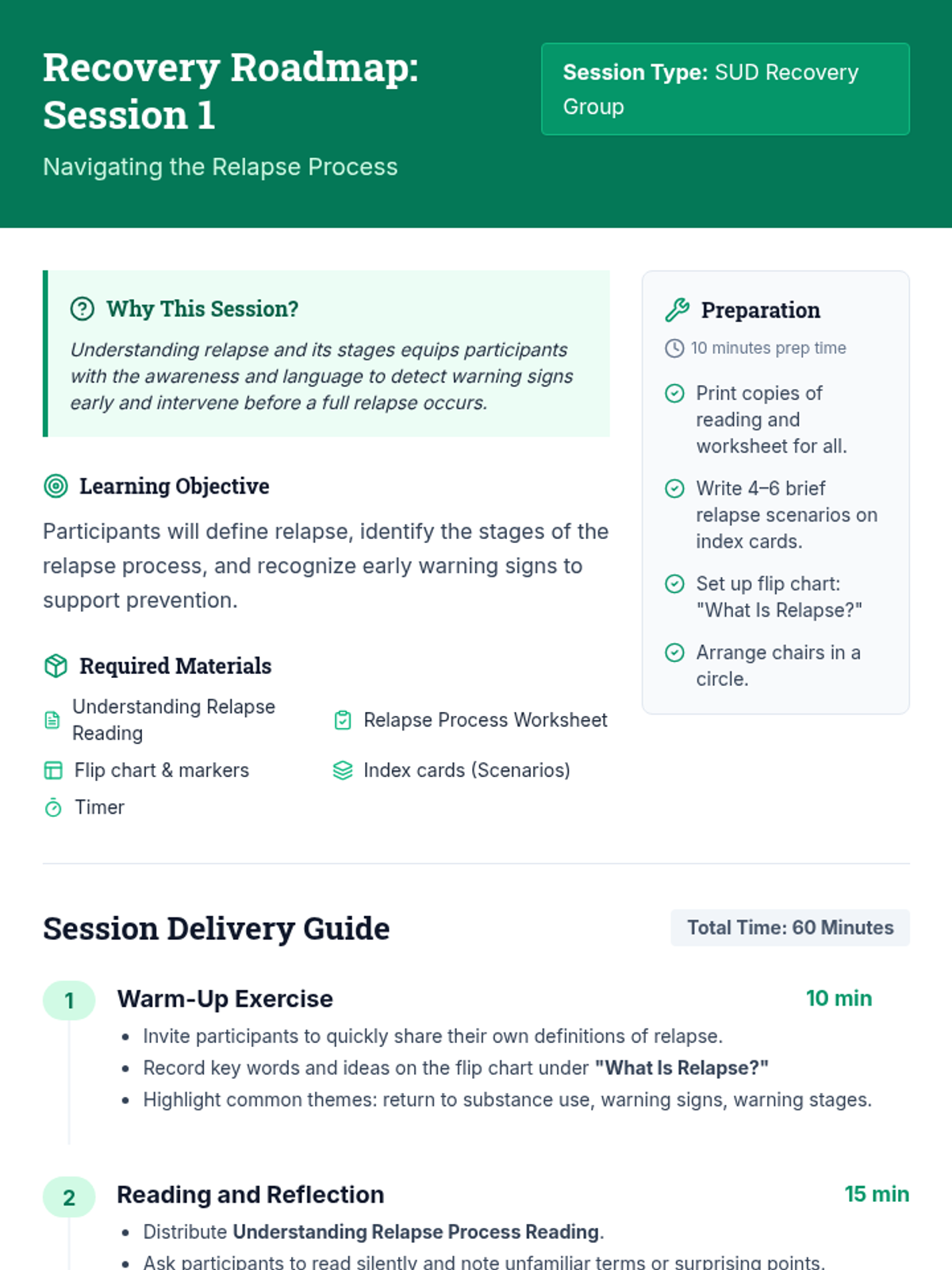
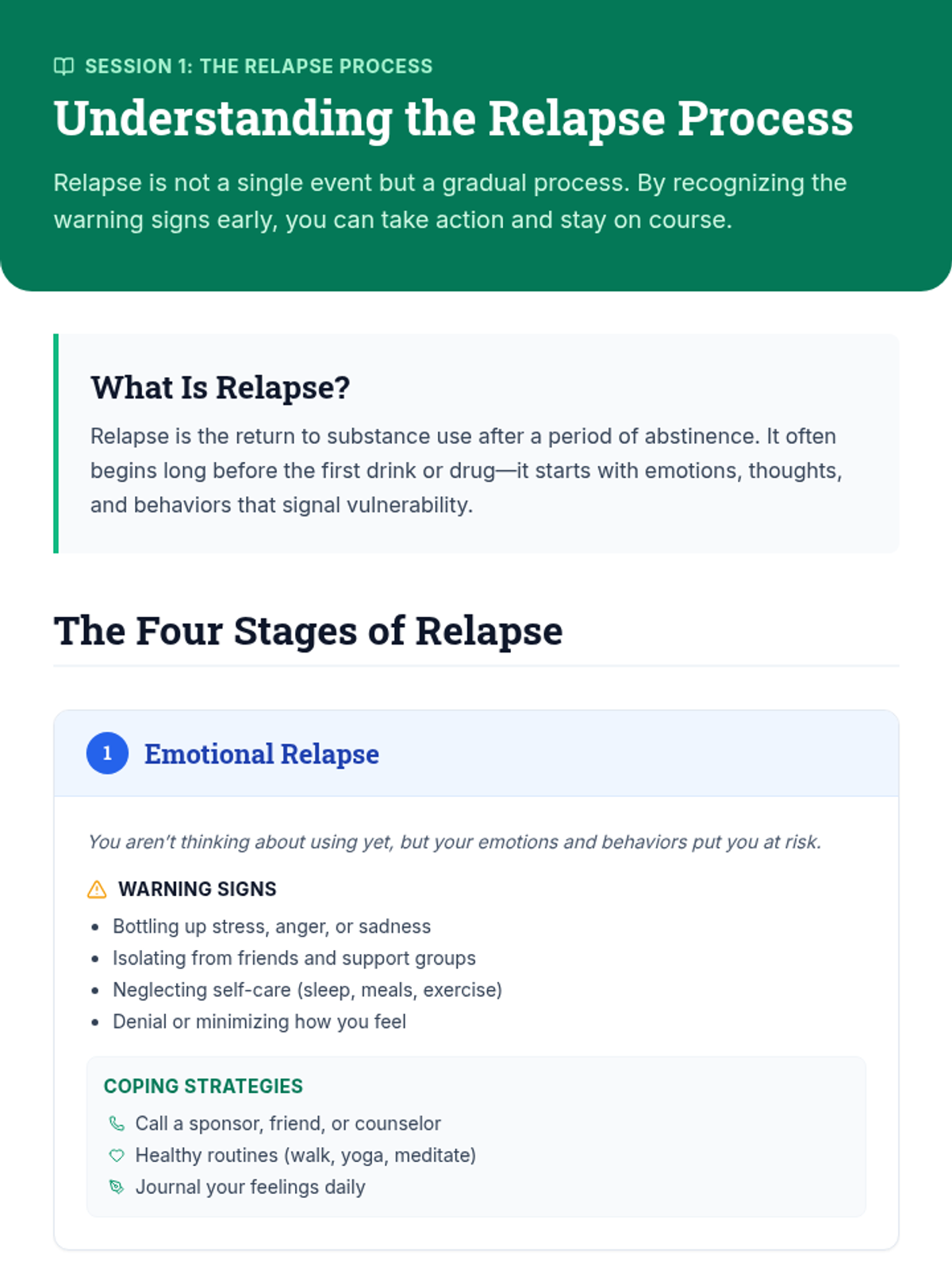
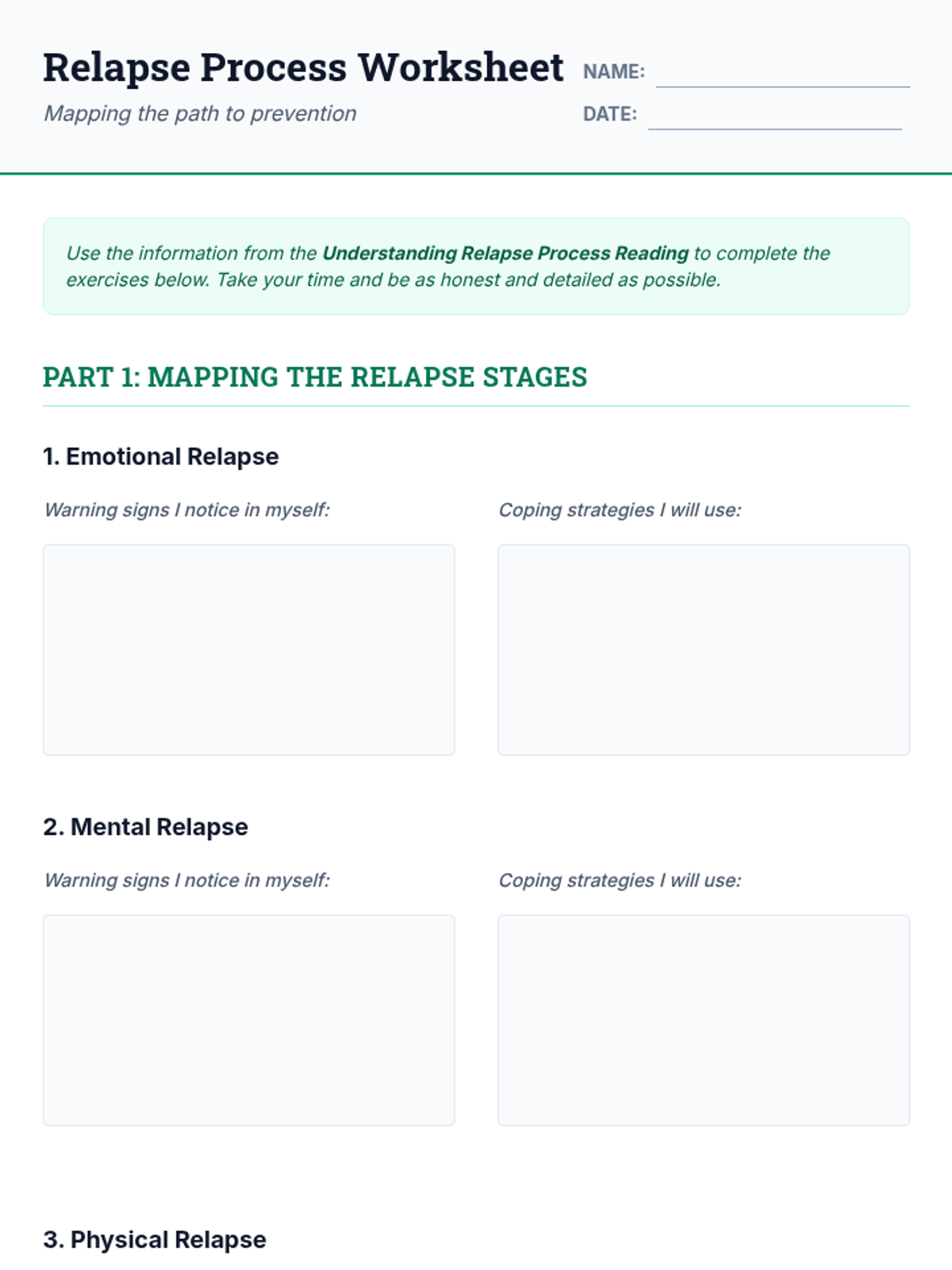
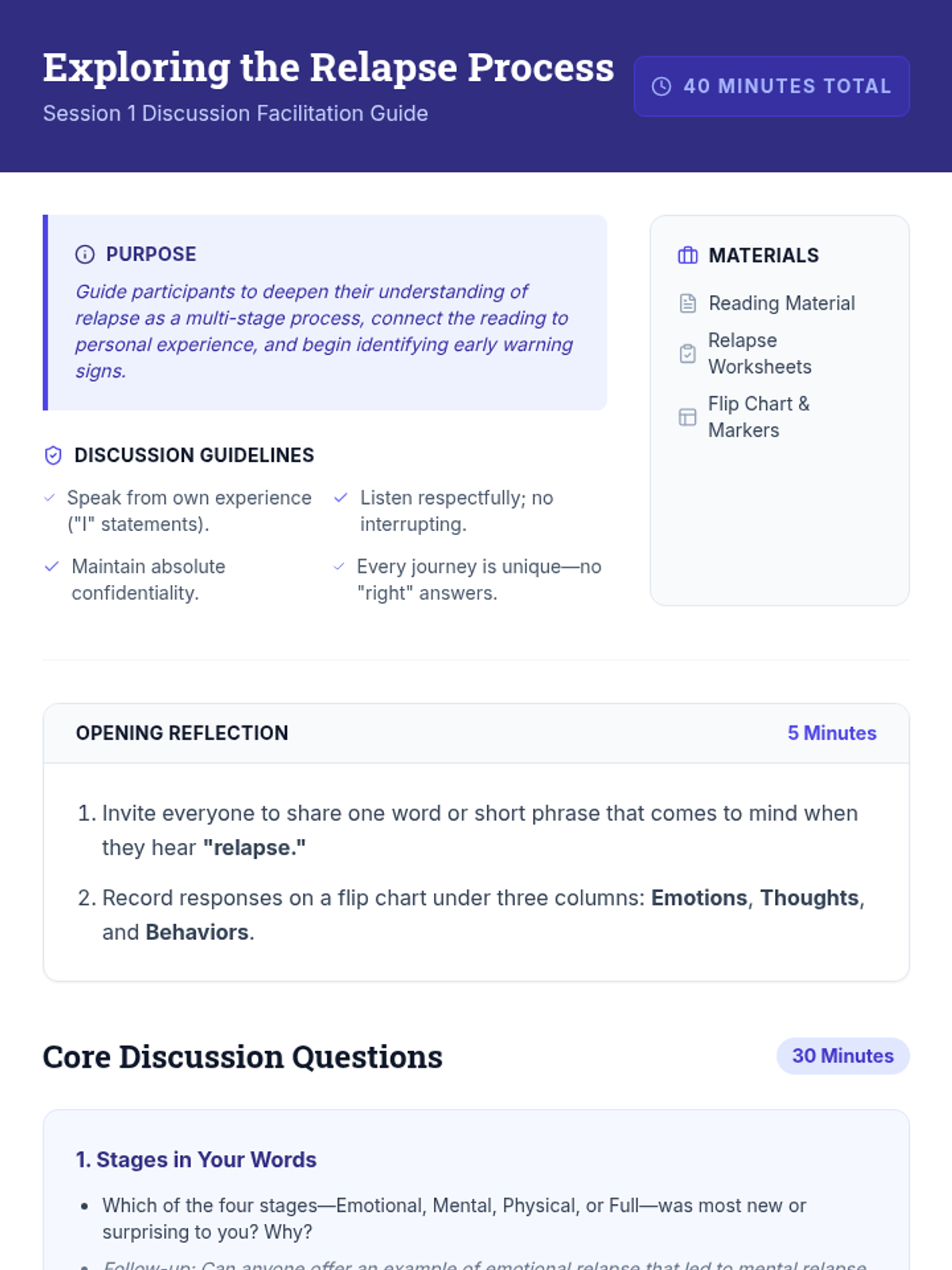
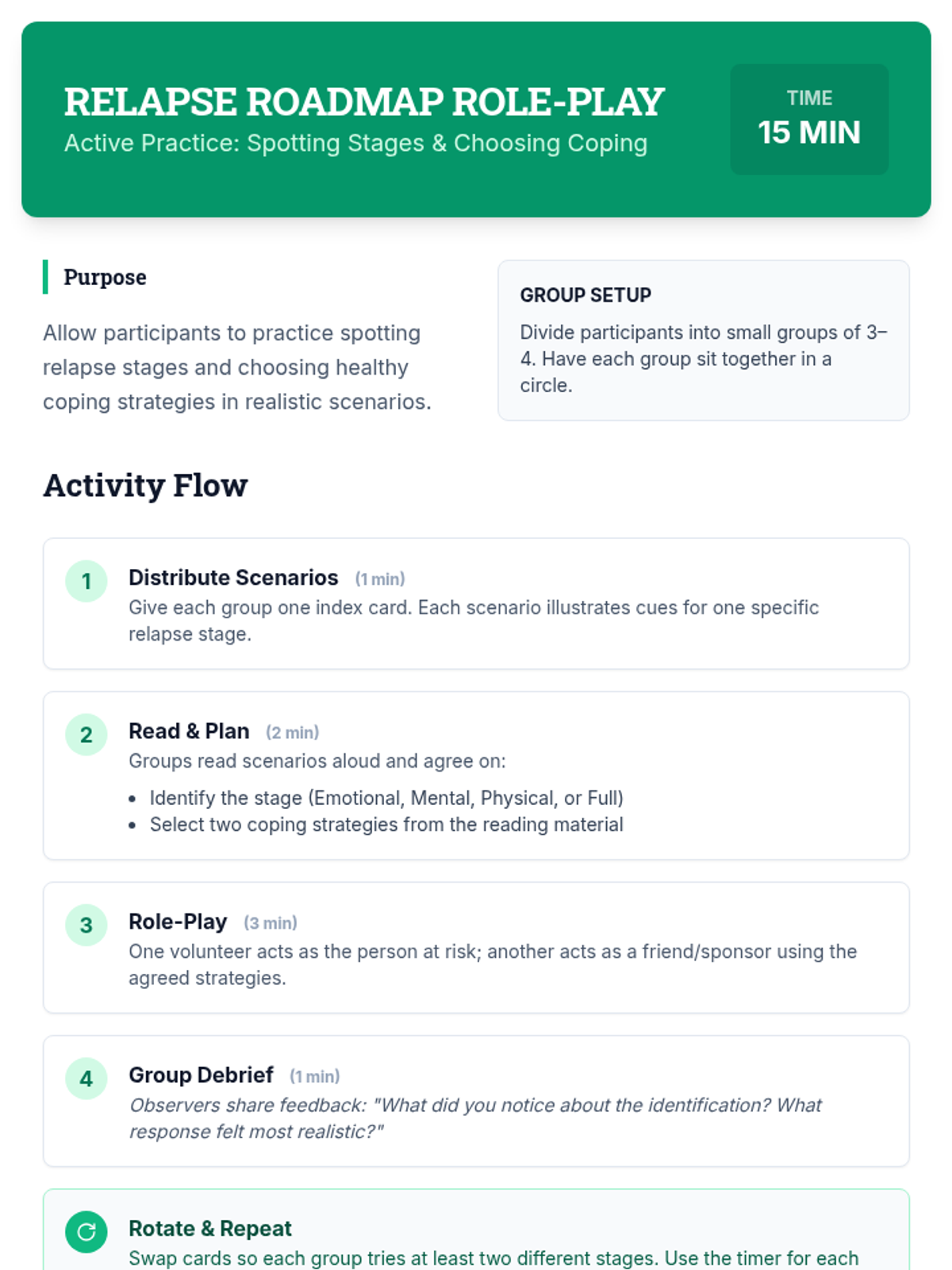
A 4-session relapse prevention group for adults in SUD recovery, focusing on understanding relapse, identifying triggers, building coping strategies, and creating long-term support plans. This program helps participants develop skills to maintain sobriety through interactive readings, discussions, activities, and games.
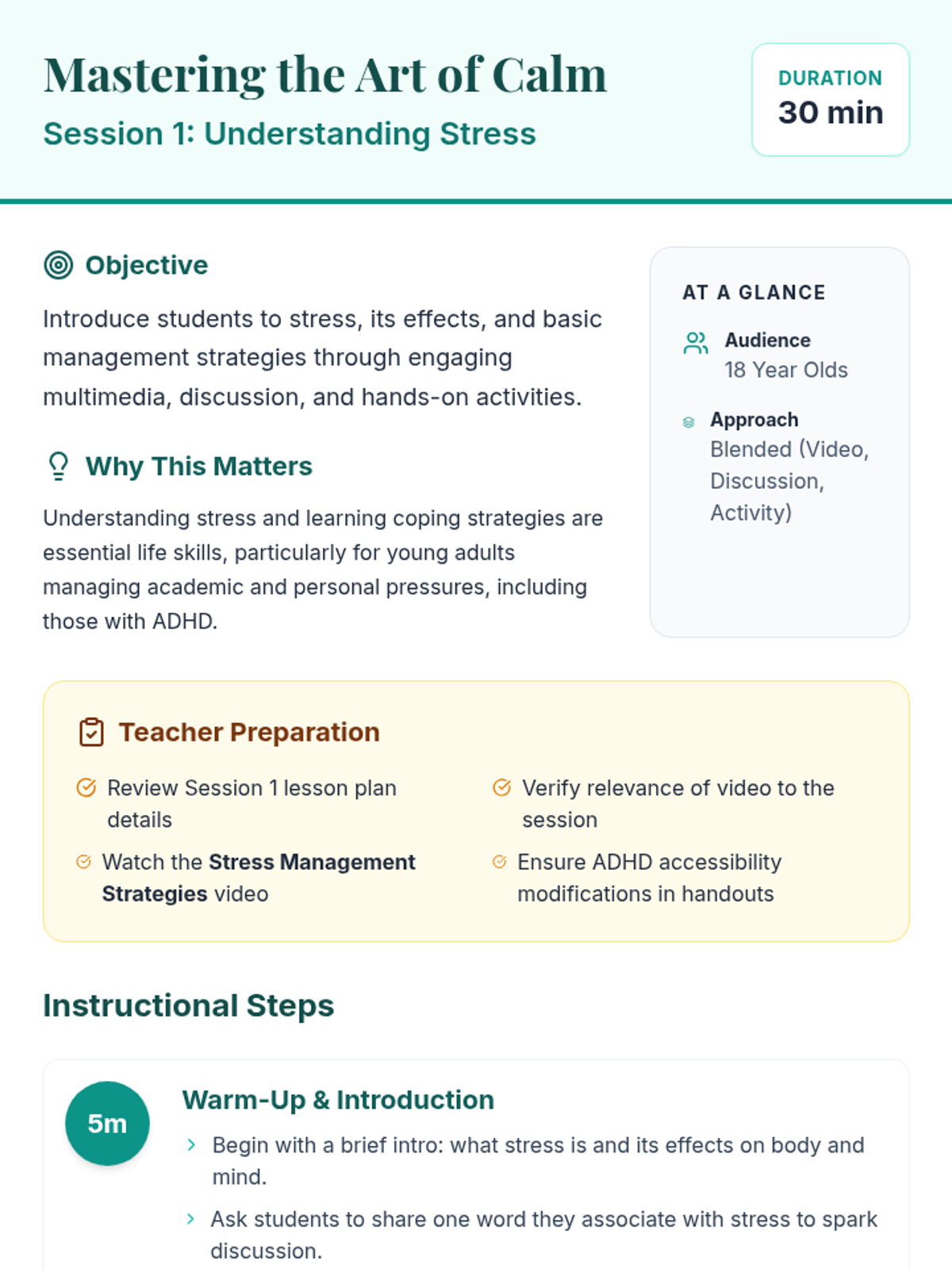
A comprehensive stress management series for 18-year-olds, featuring classroom sessions and self-led 10-minute modules. The series covers stress mechanics, practical coping techniques, and the creation of personalized management plans with ADHD-friendly structures.
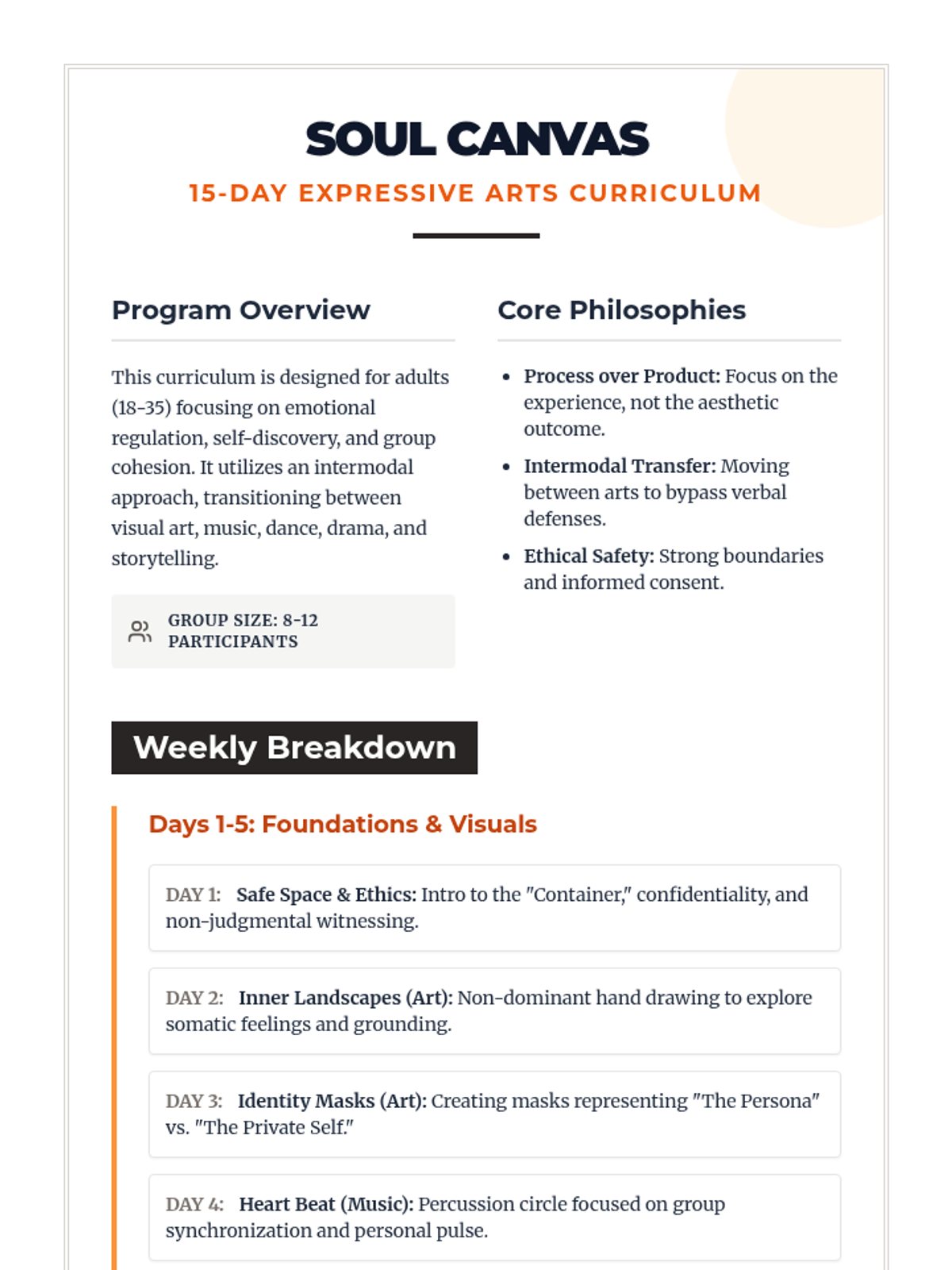
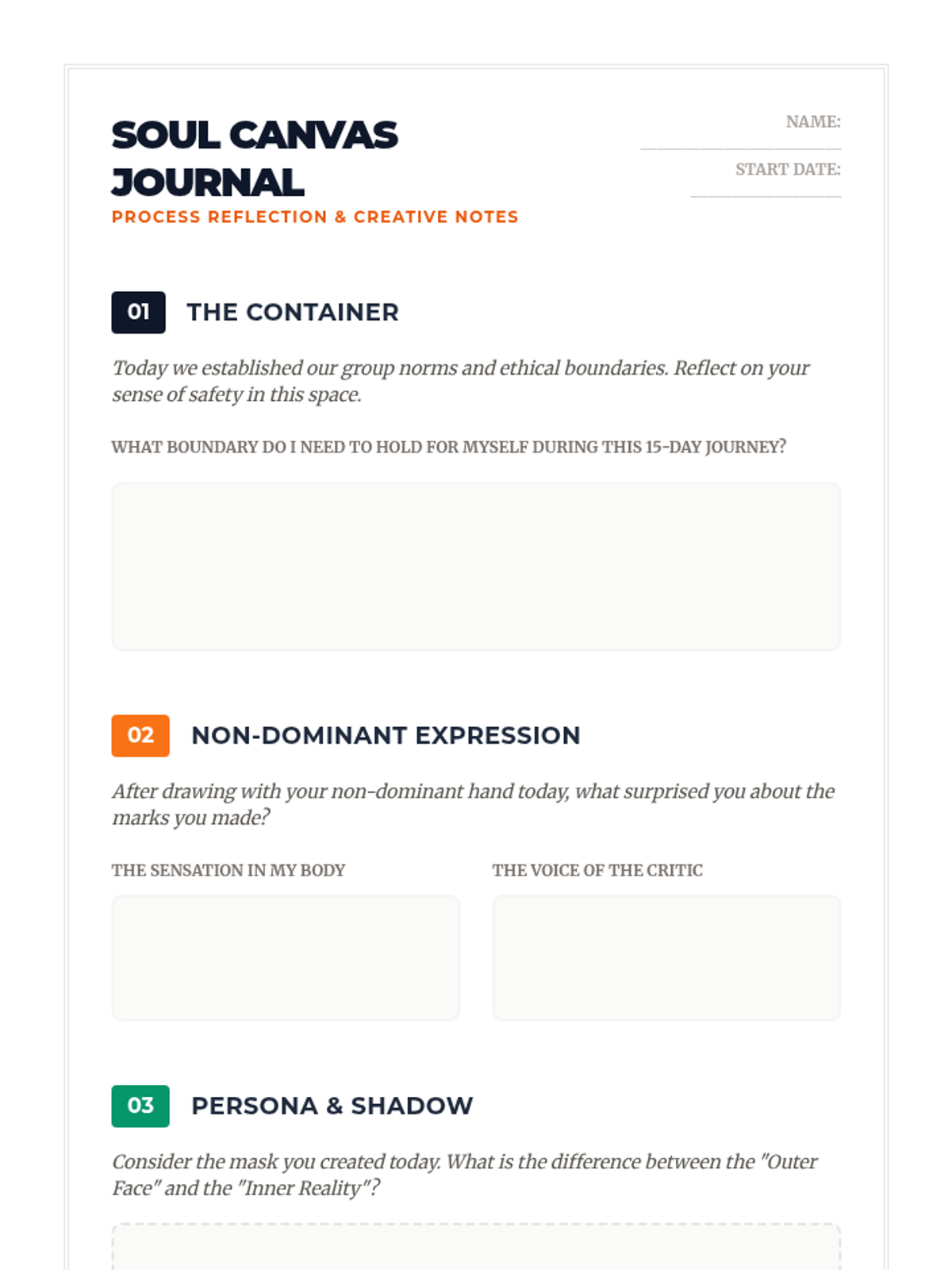
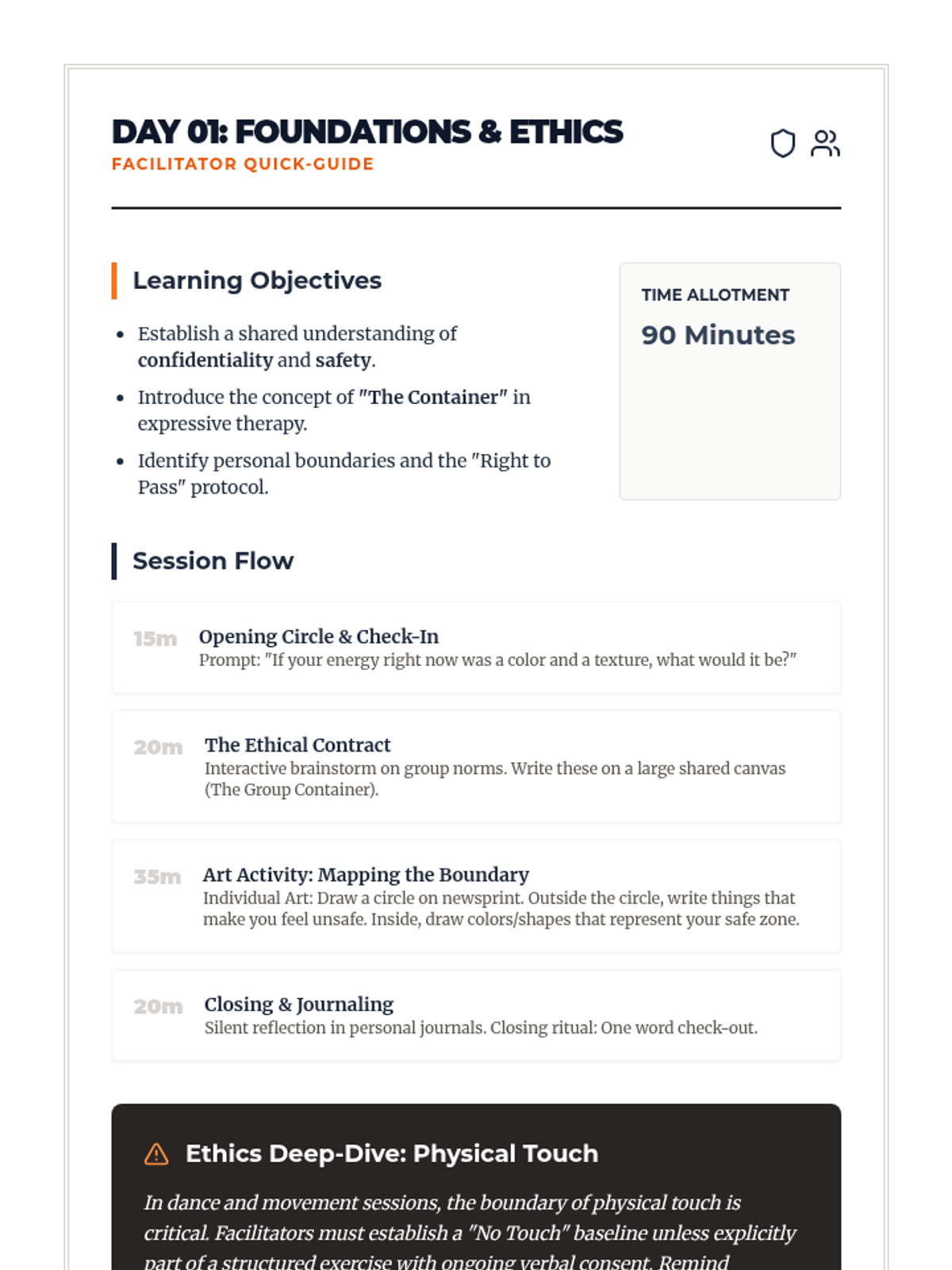
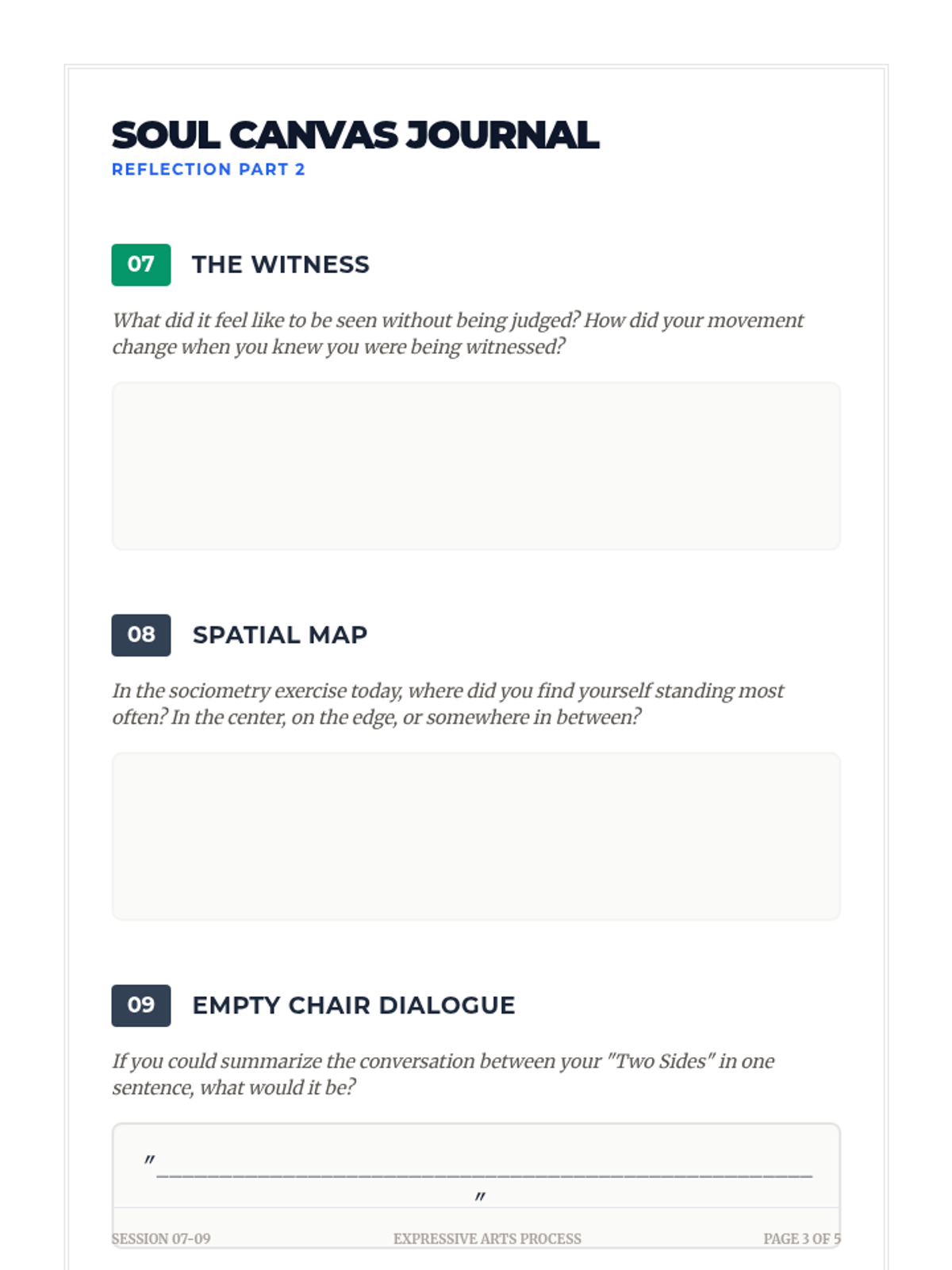
A comprehensive 15-day expressive arts therapy program for adults, integrating visual arts, music, dance, psychodrama, storytelling, and professional ethics.
A graduate-level training sequence on facilitating peer support systems to mitigate stress and anxiety. Students learn the science of social support, micro-skills for active listening, boundary setting to prevent burnout, and group facilitation techniques to create sustainable communities of care.
This sequence explores the psychology of group dynamics and community care. Students learn to recognize burnout, offer effective support, and advocate for cultures where requesting breaks is normalized and valued.
This sequence prepares undergraduate students to facilitate peer-led mental health support groups. It covers ethical boundaries, group safety, advanced communication skills, crisis protocols, and concludes with a practical facilitation session.
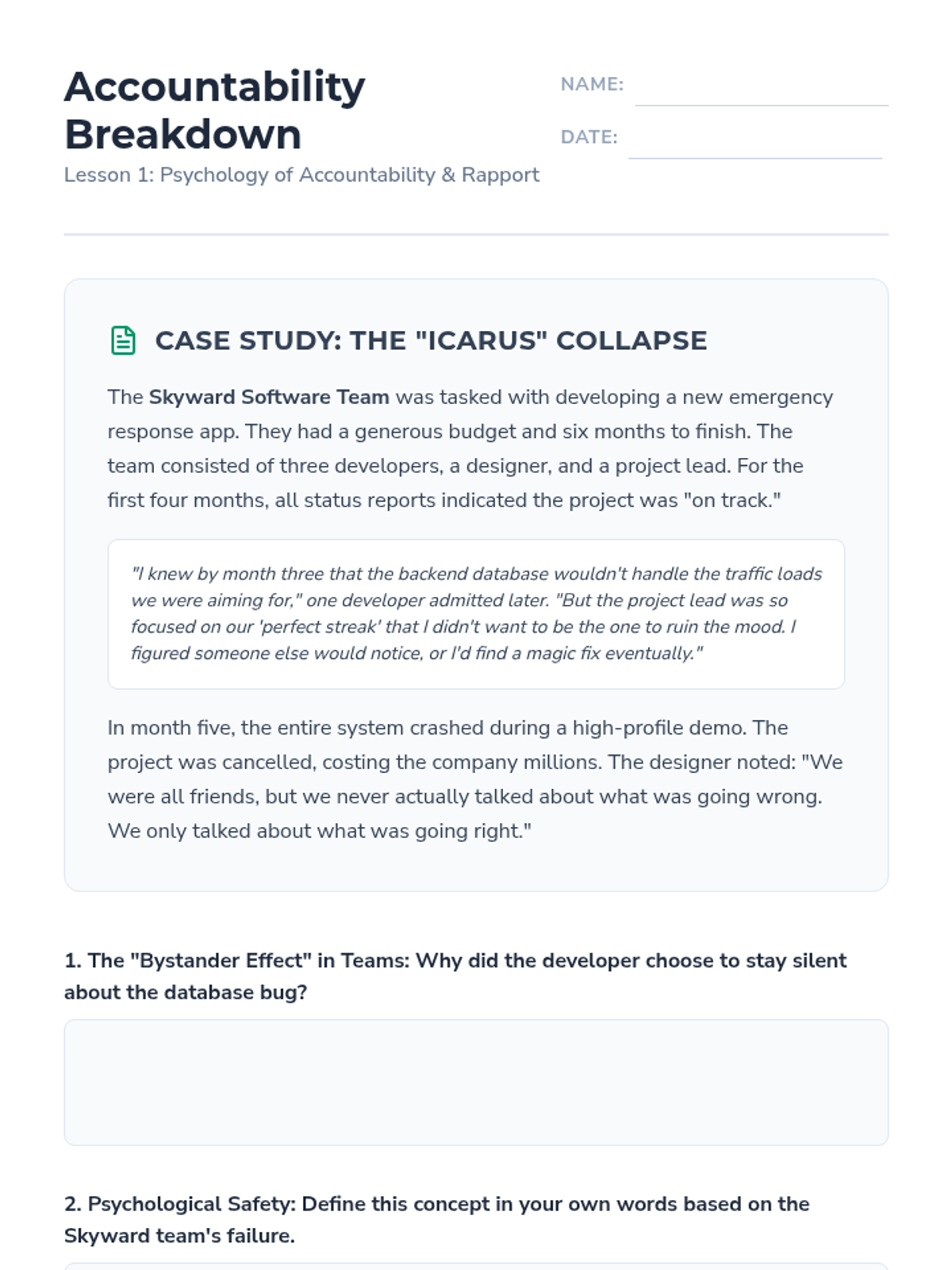
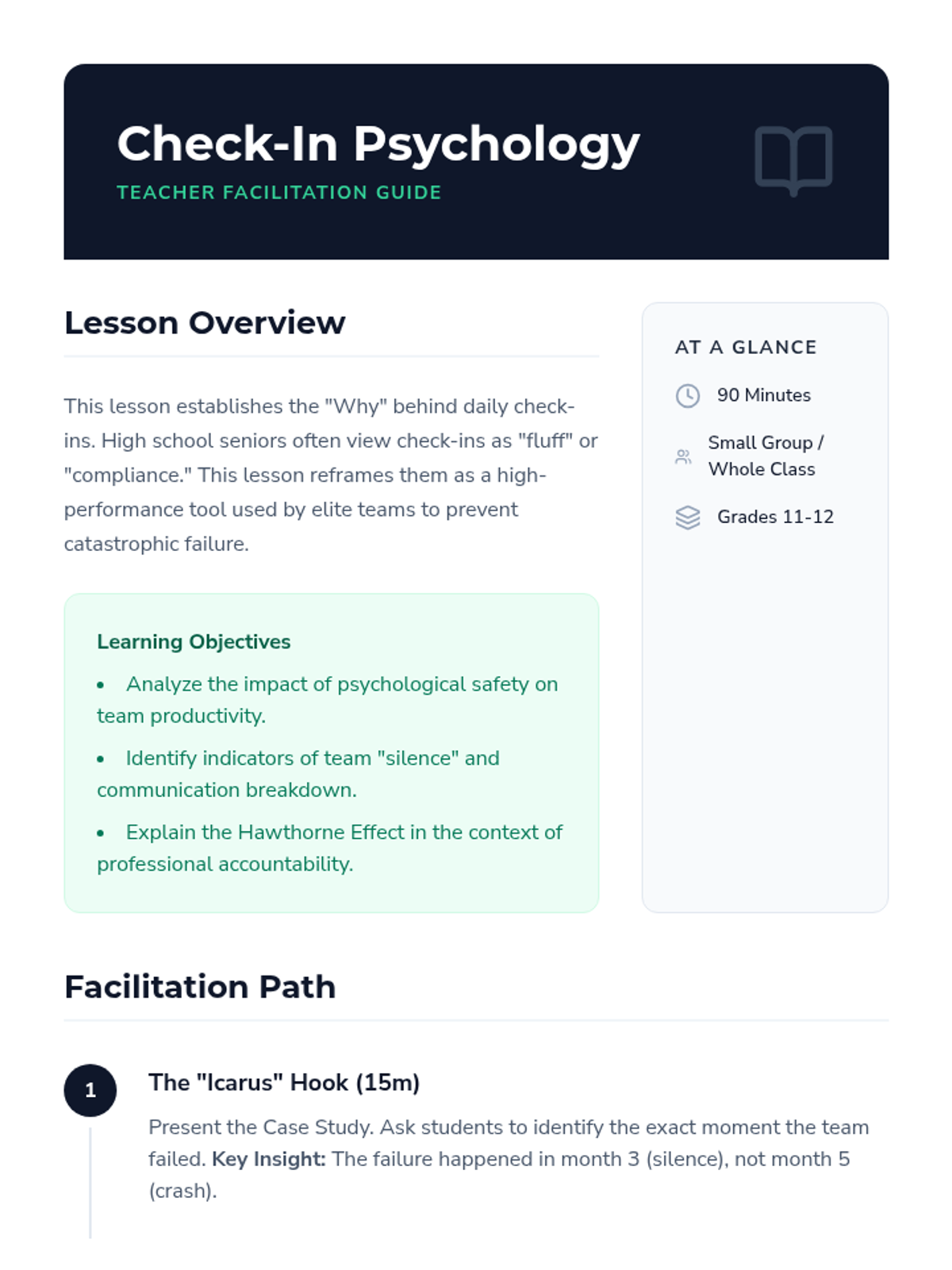
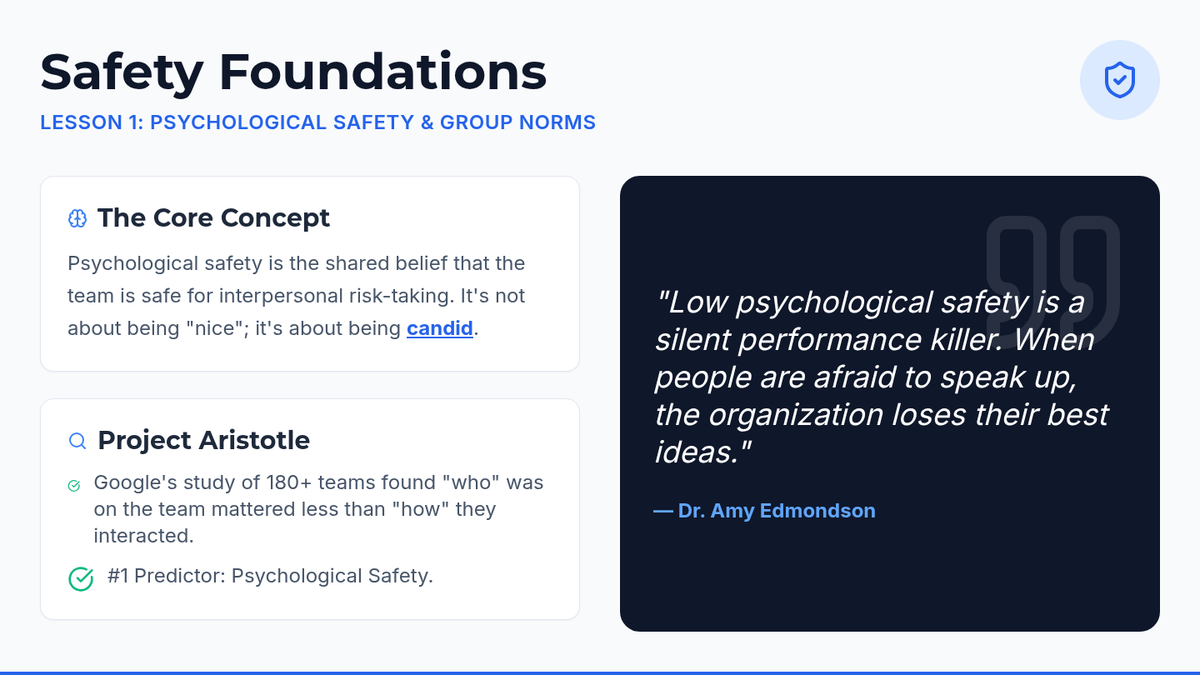
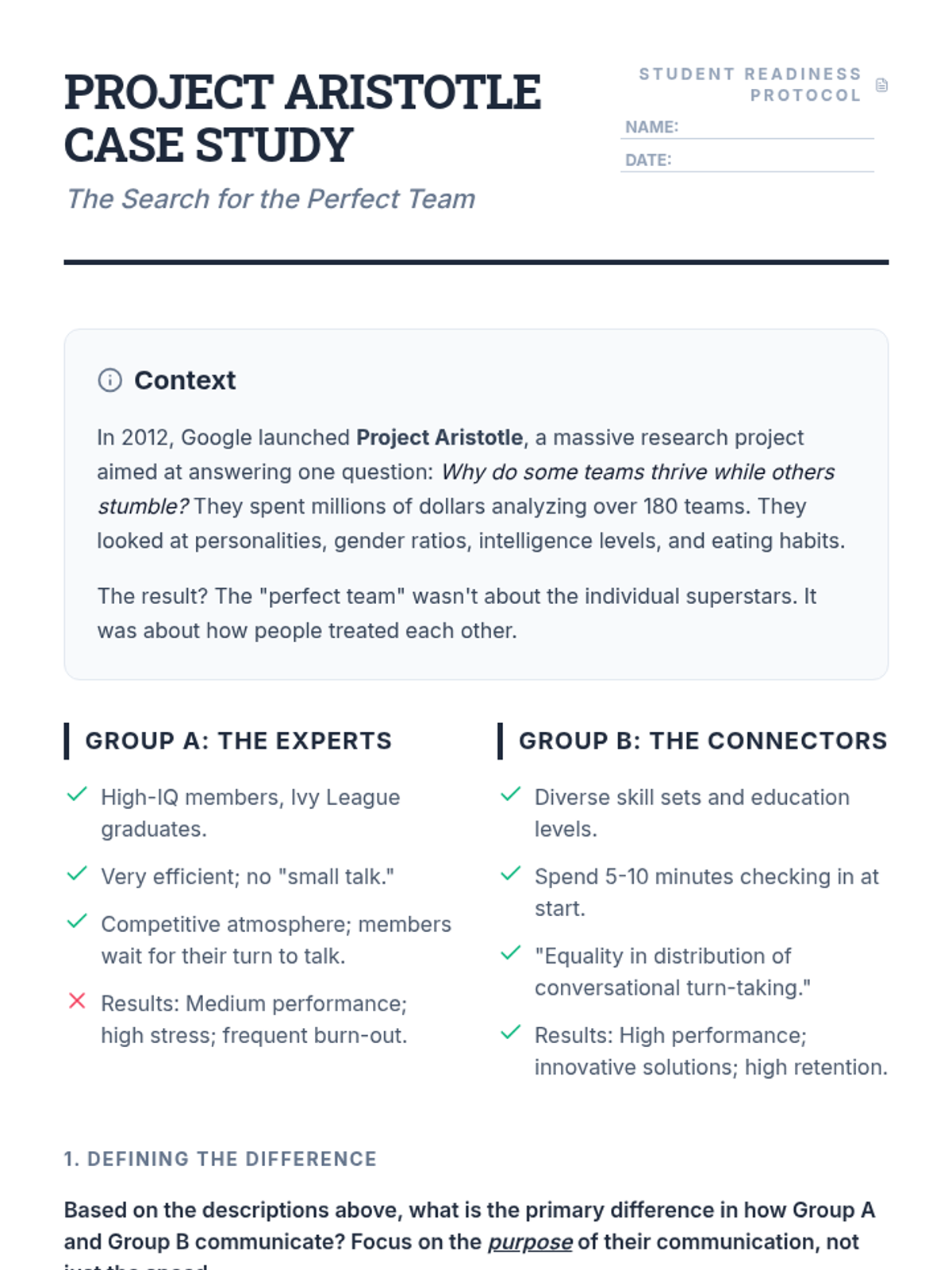
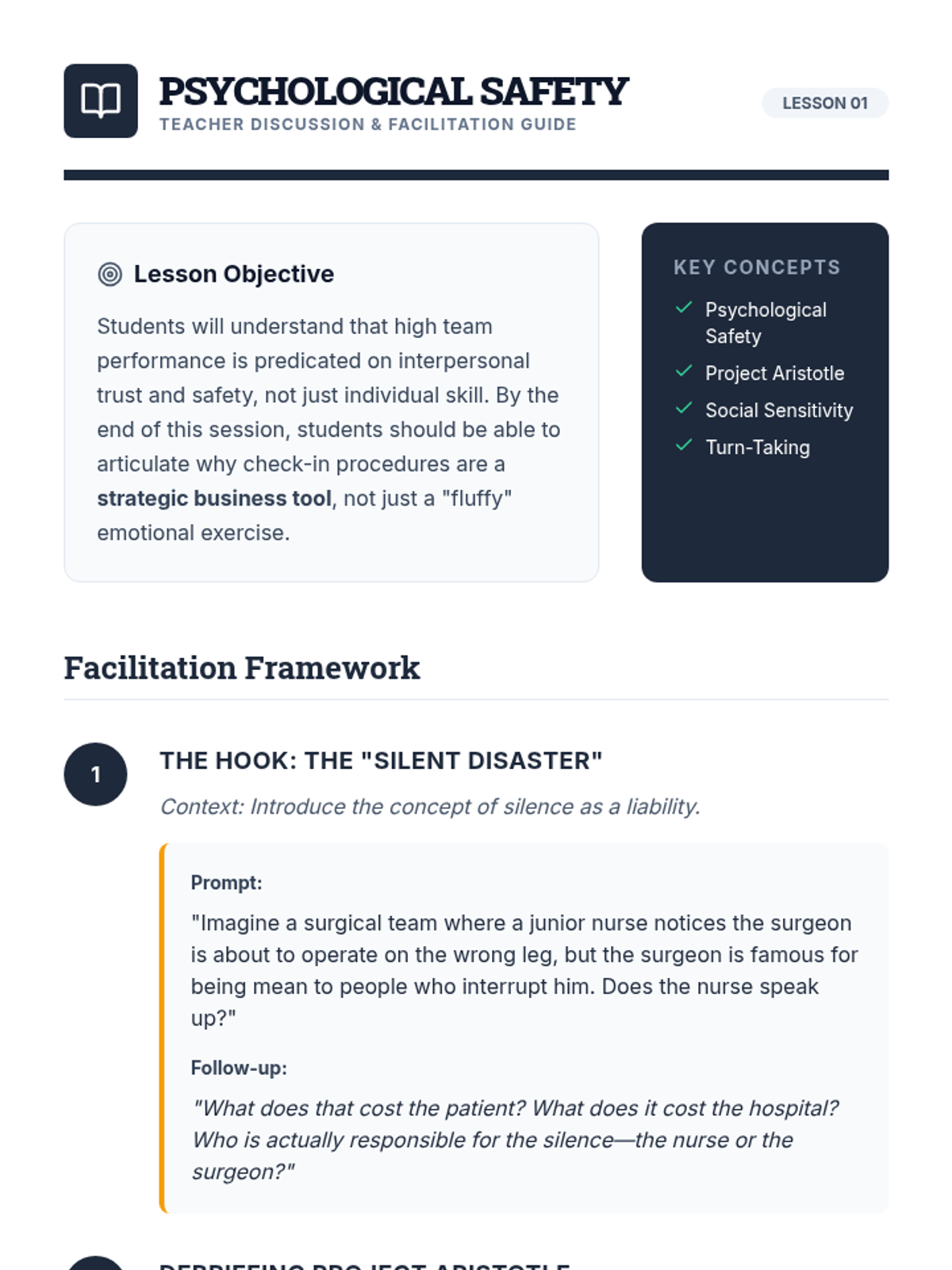
This sequence explores the role of structured daily check-ins in fostering psychological safety and collective productivity. Students move from understanding the psychological foundations of rapport to mastering professional frameworks like Agile Stand-Ups, eventually leading their own community circles.
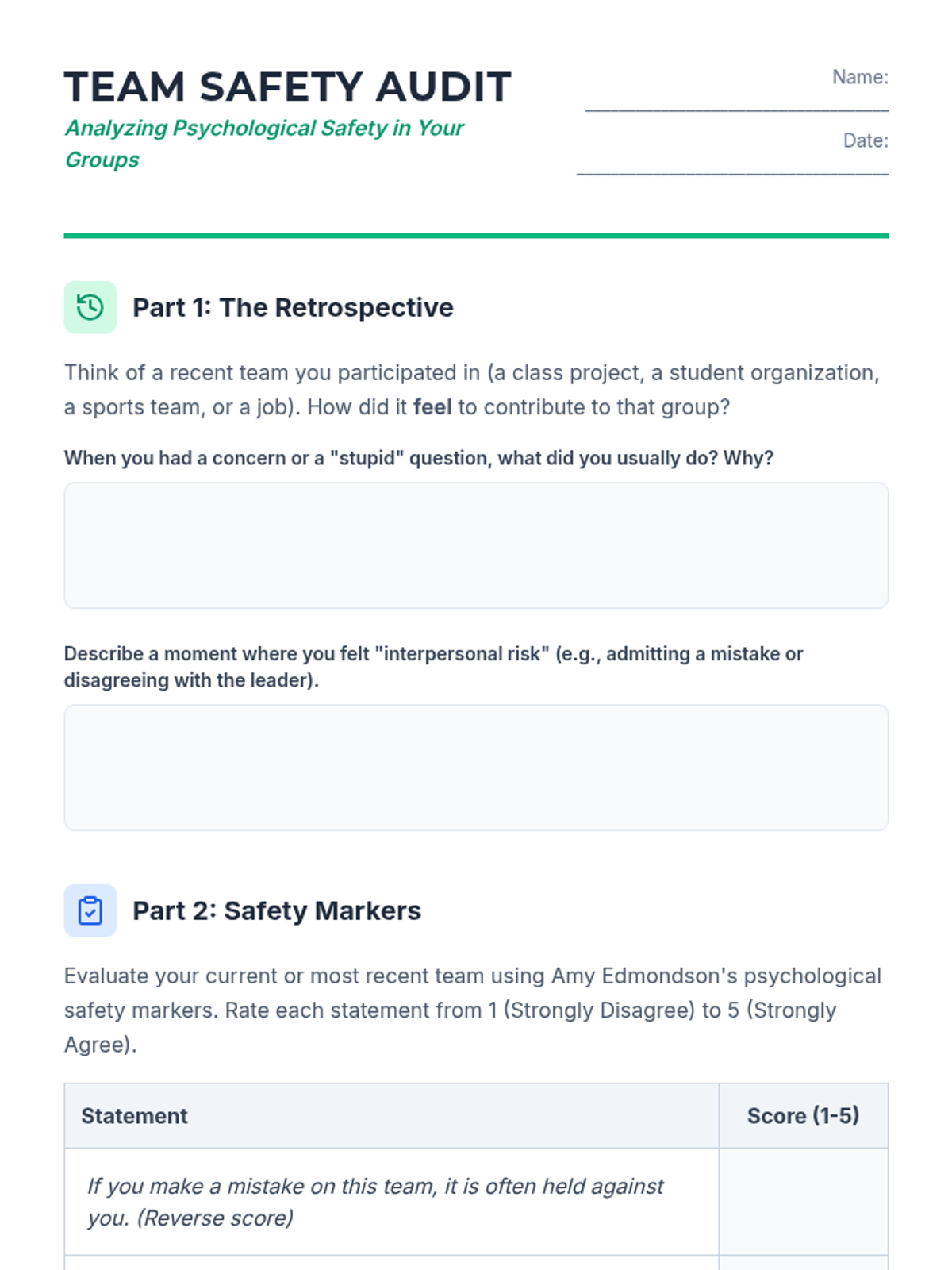
A comprehensive sequence for undergraduate students to master the art of creating psychological safety, fostering belonging, and designing inclusive community rituals through theoretical frameworks and practical facilitation skills.
This sequence trains undergraduate students in the foundational mechanisms required to build and maintain safe peer support environments. Students progress from theoretical psychological safety to practical microskills, empathy, boundary management, and group facilitation.
This sequence shifts the focus from individual introspection to collective well-being and leadership. Students learn to facilitate check-ins for others, developing empathy and active listening skills required for leadership roles. The arc explores the psychology of psychological safety, how to spot distress in peers, and how to build a supportive community culture. Students move from participants to facilitators, eventually leading community circles or peer support groups.
An advanced sequence for graduate counseling students focusing on the theoretical and practical application of building psychological safety, group cohesion, and navigating developmental stages in therapeutic groups.
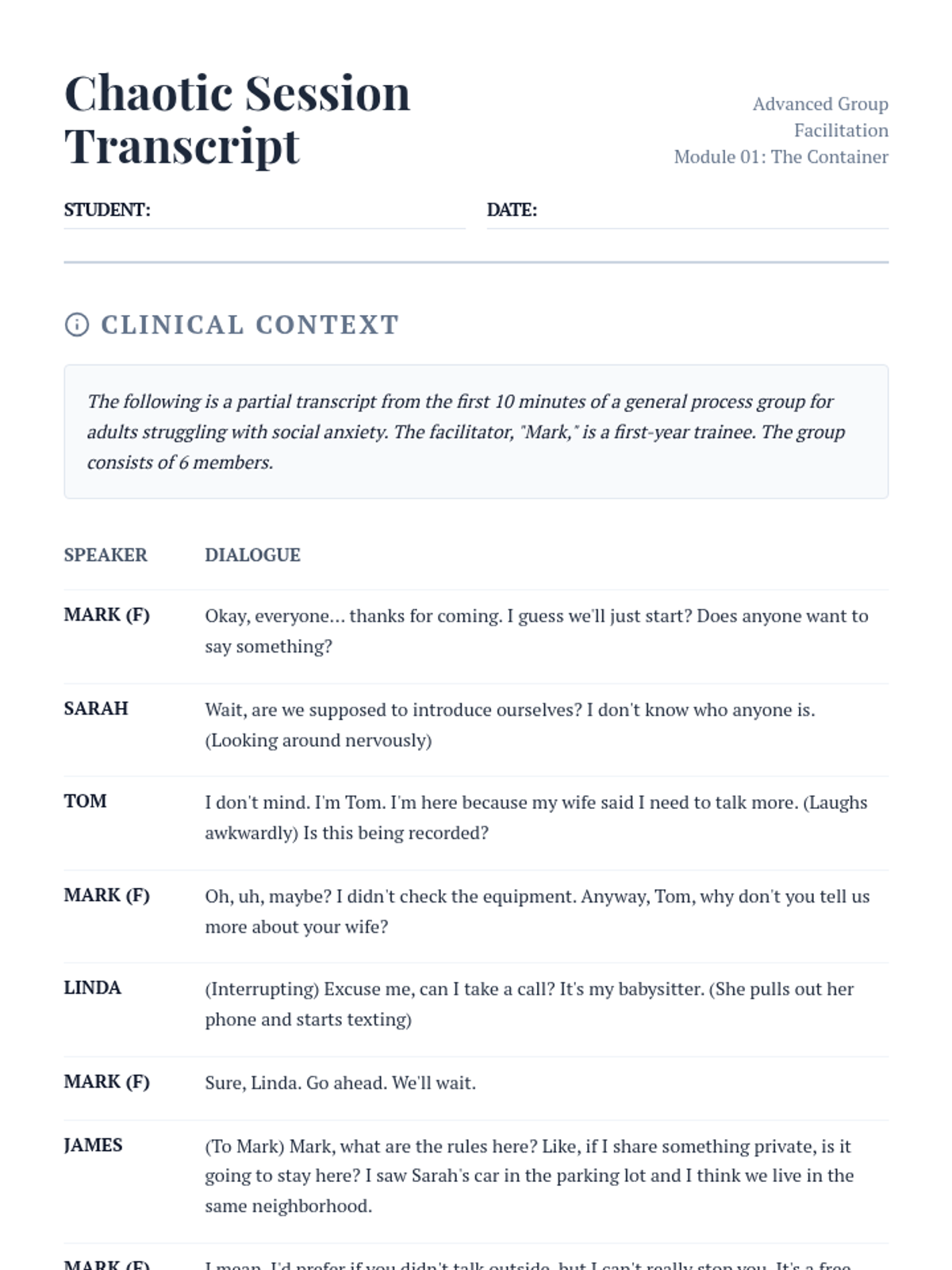
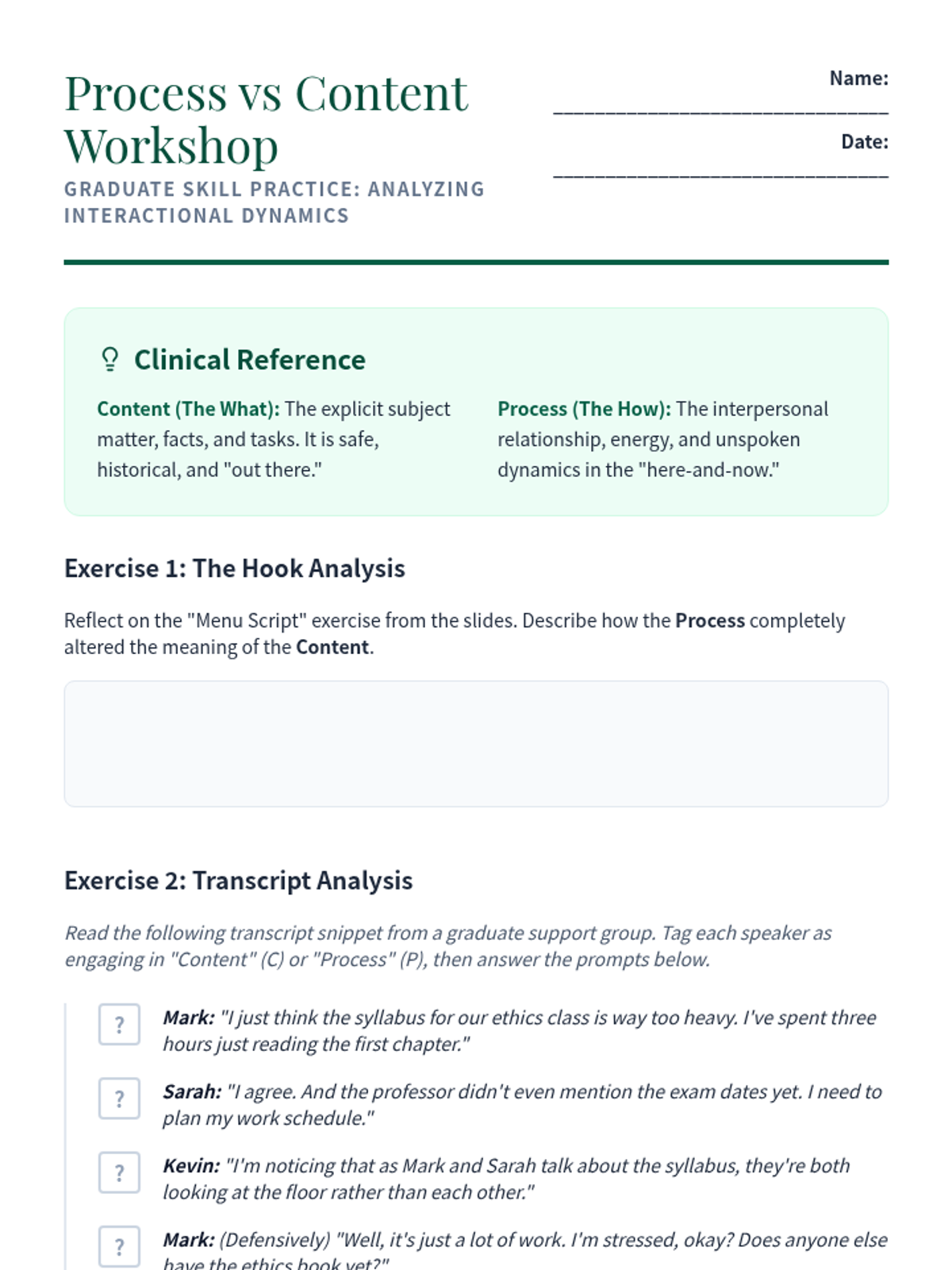
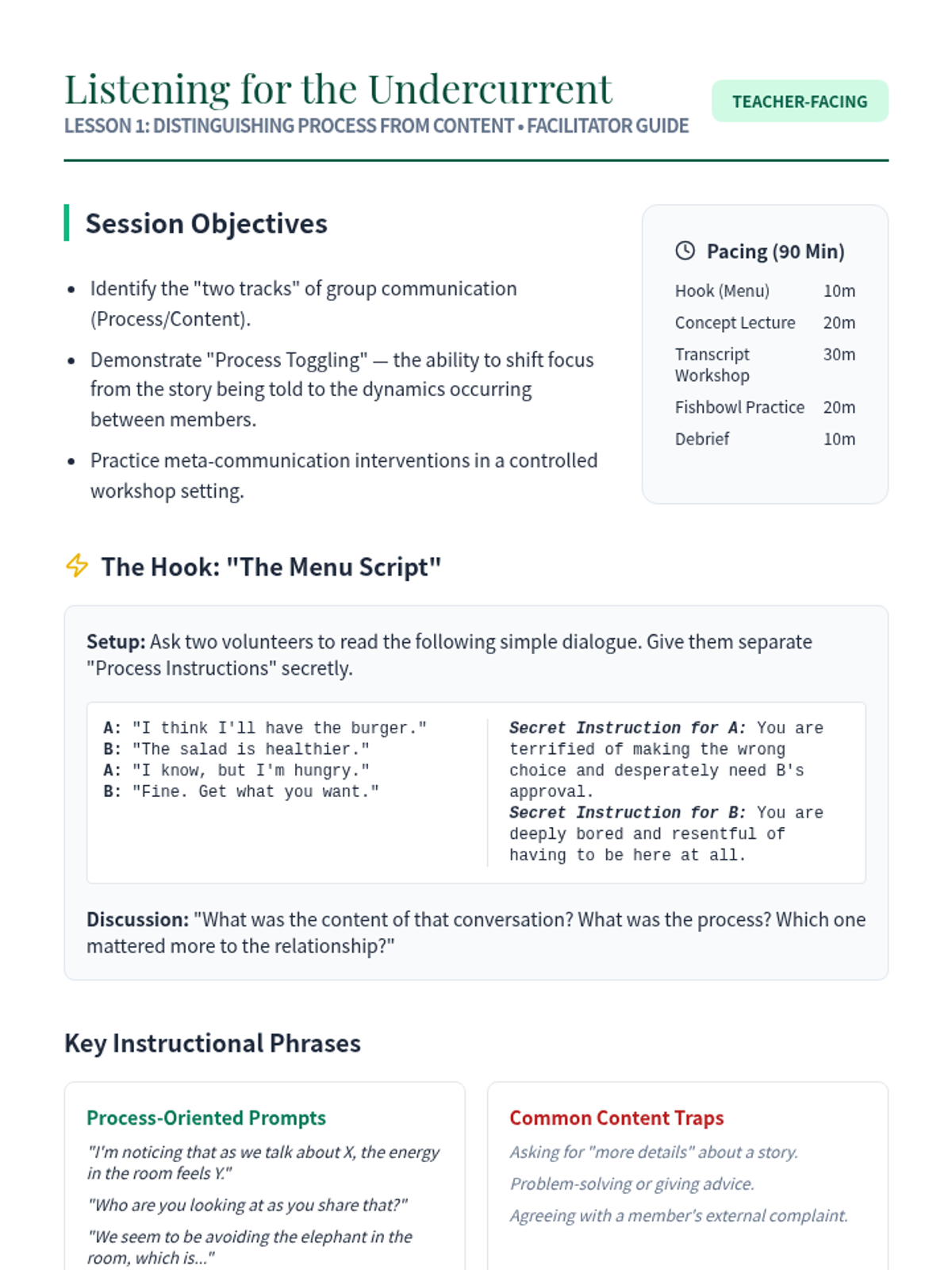
A graduate-level sequence focused on the 'process' rather than the 'content' of group interaction. Students learn to identify underlying emotional currents, facilitate interpersonal feedback, and manage transference/countertransference through experiential, inquiry-based learning.
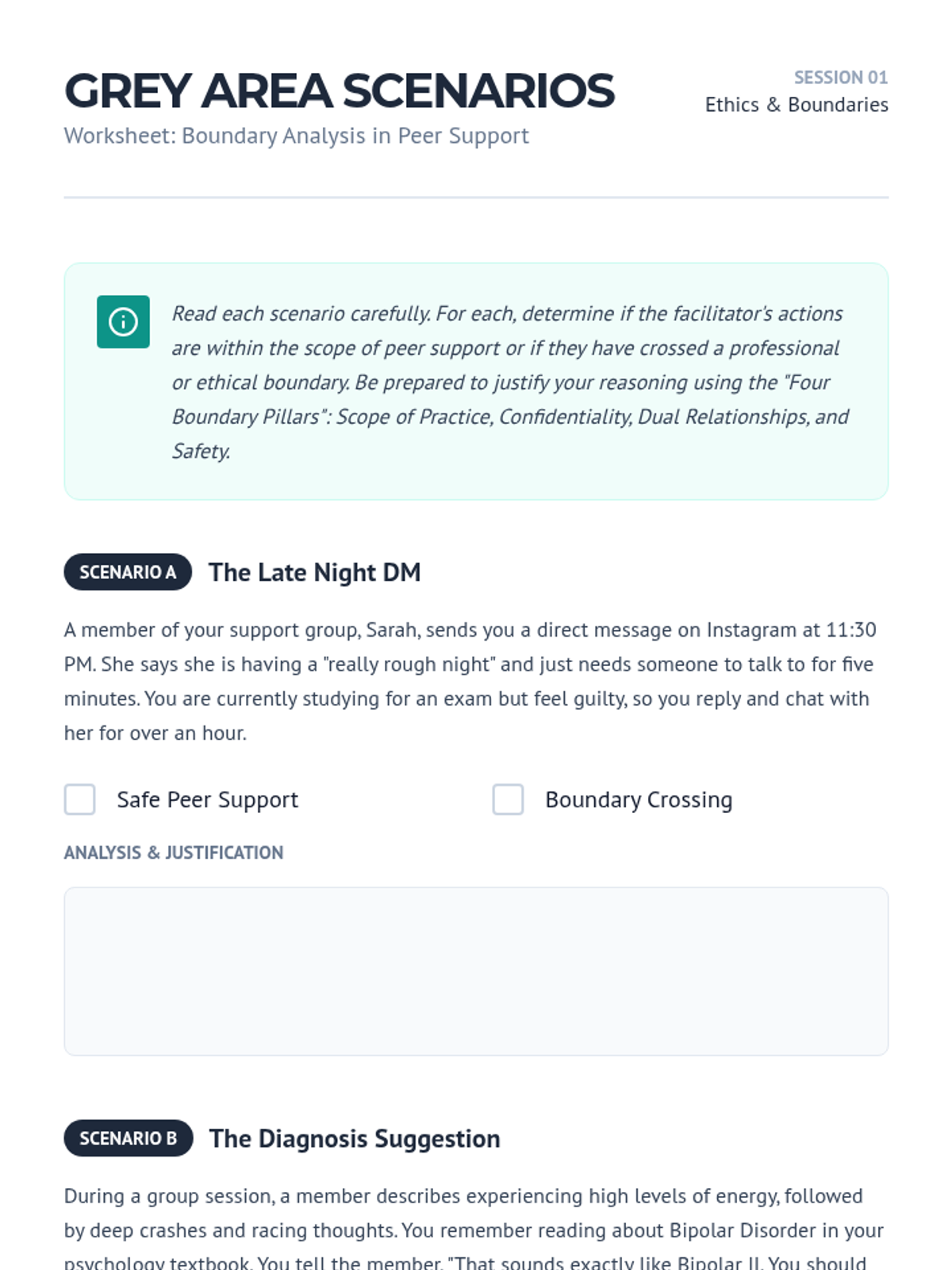
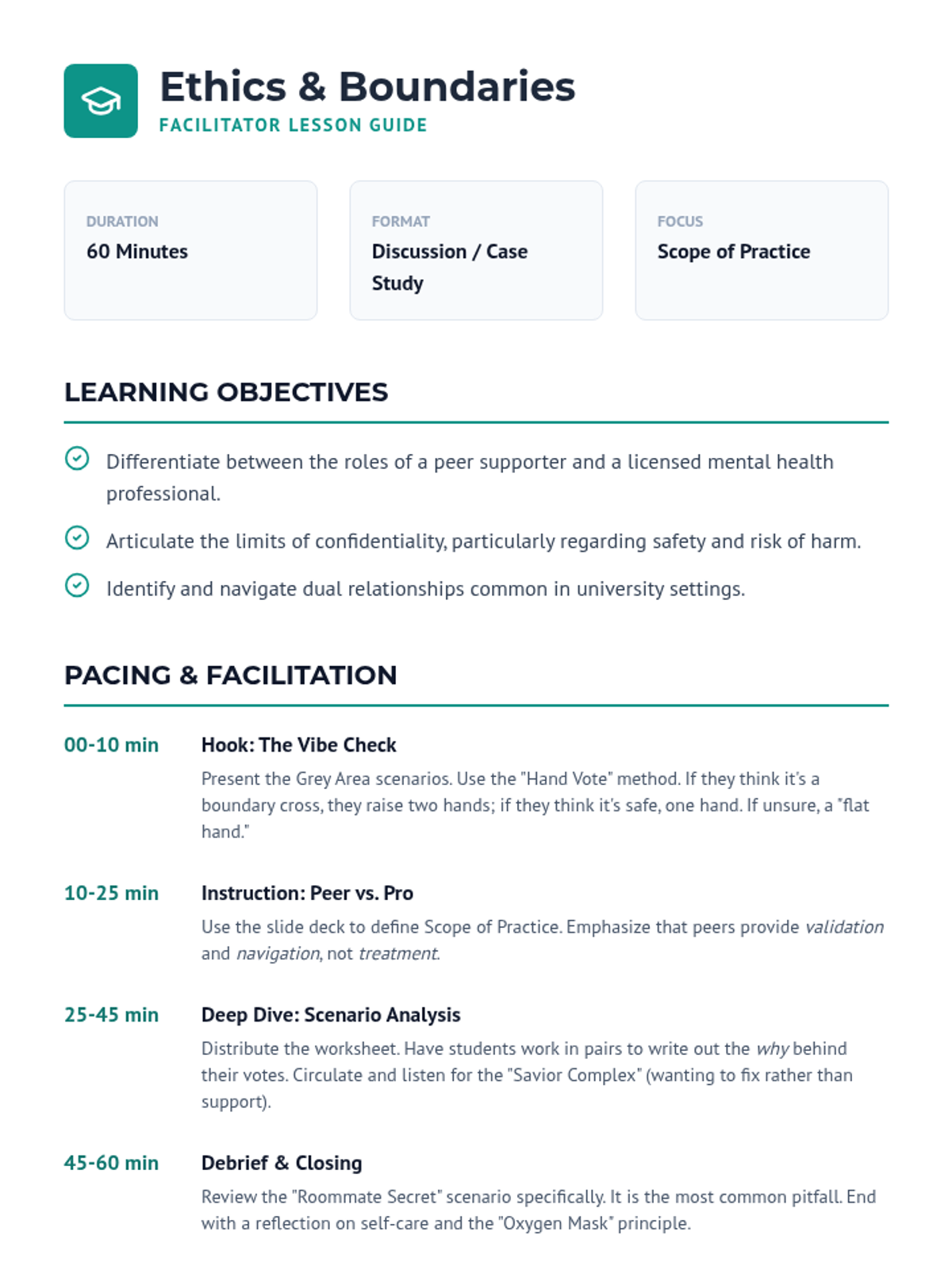
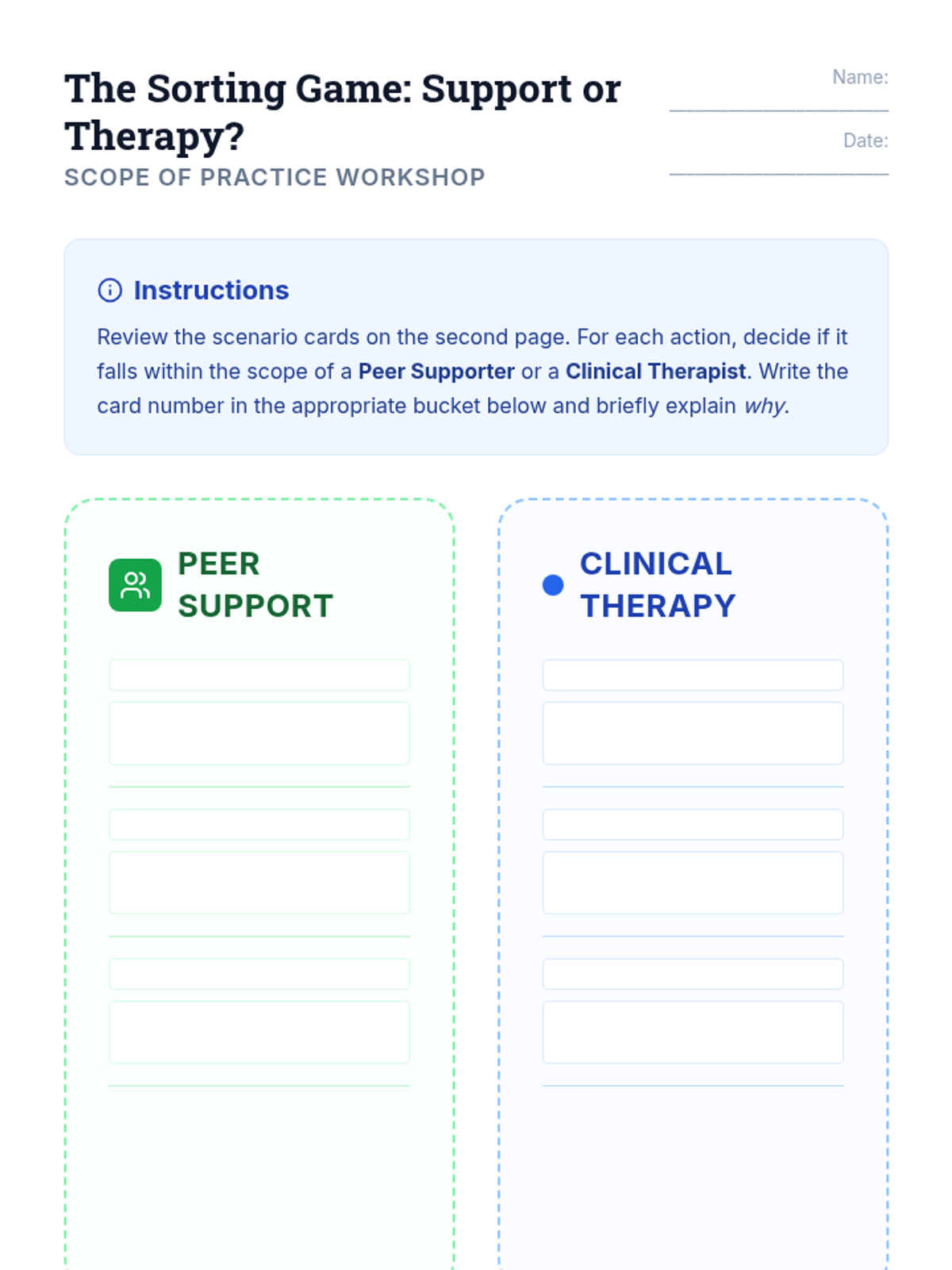
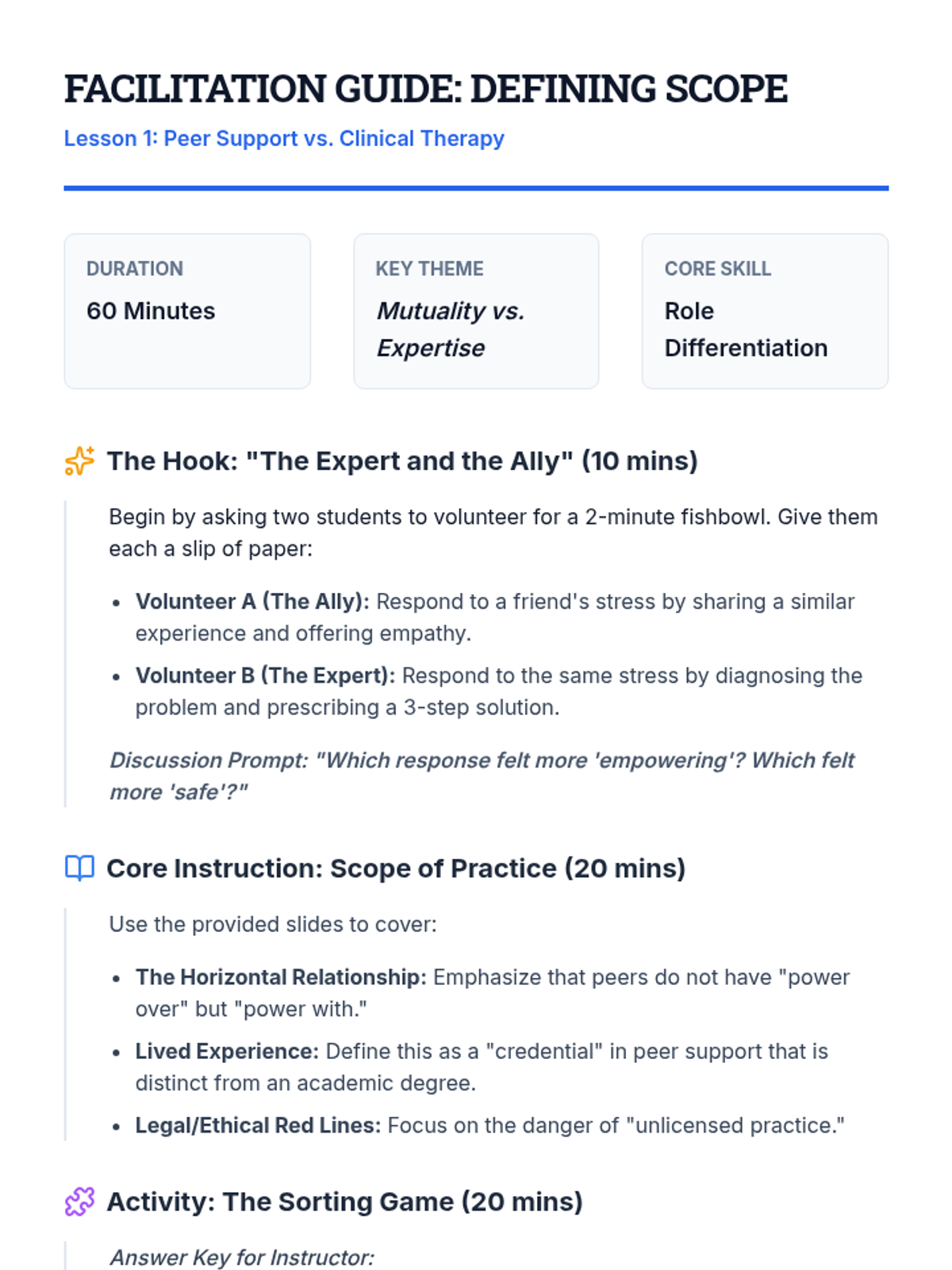
A comprehensive sequence for undergraduate students on managing the ethical complexities of peer support, focusing on professional boundaries, disclosure limits, and crisis management.
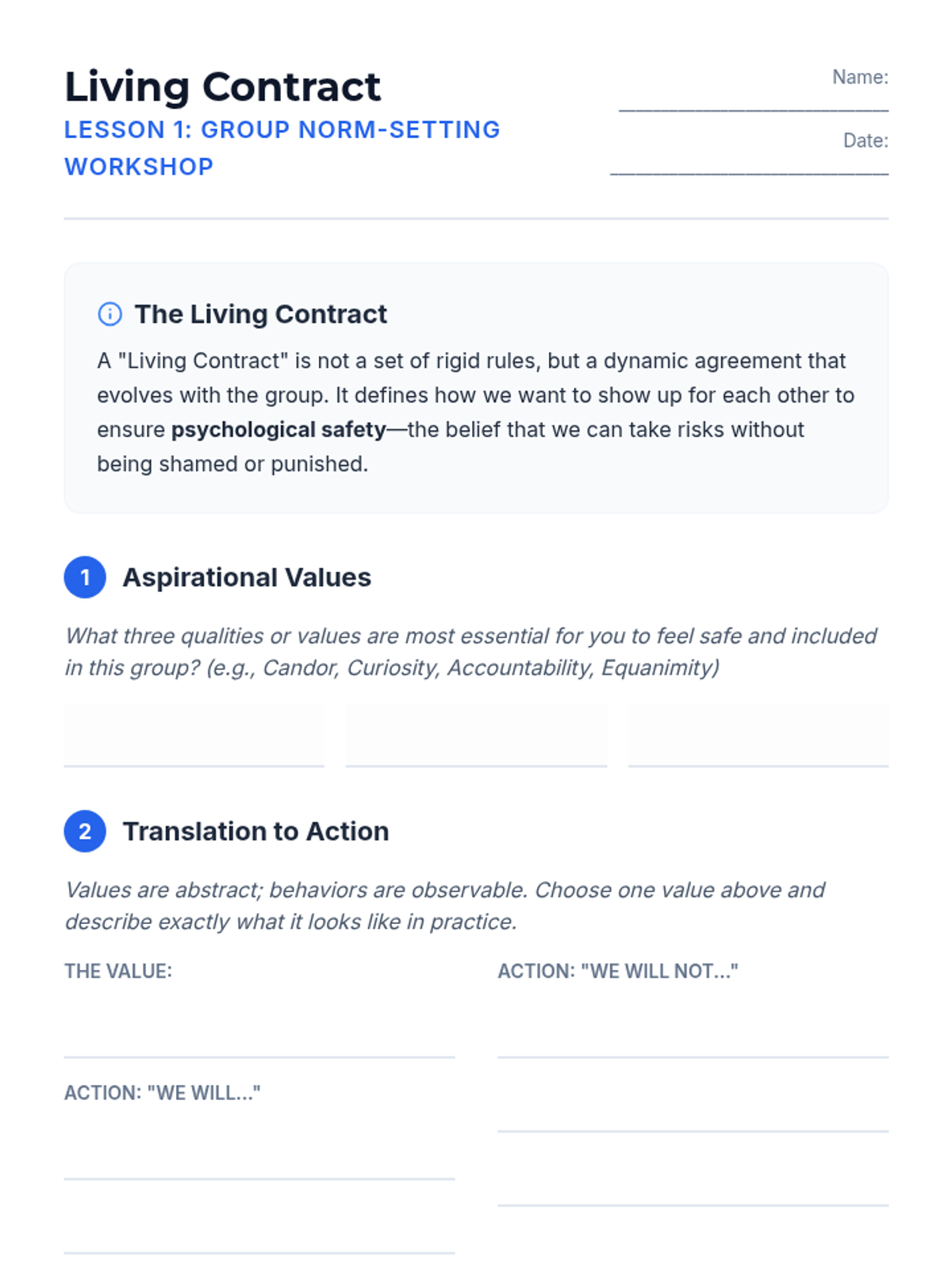
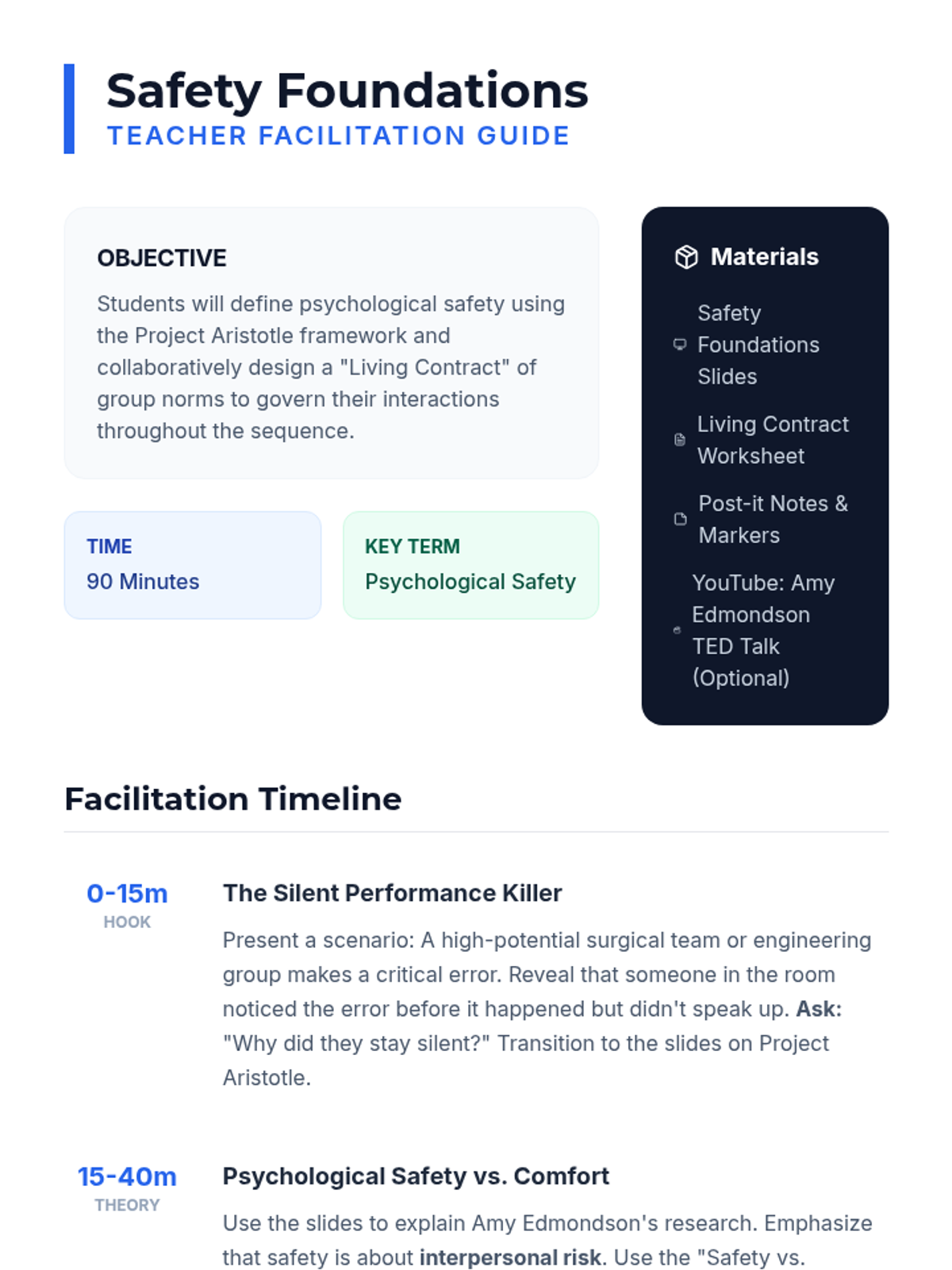
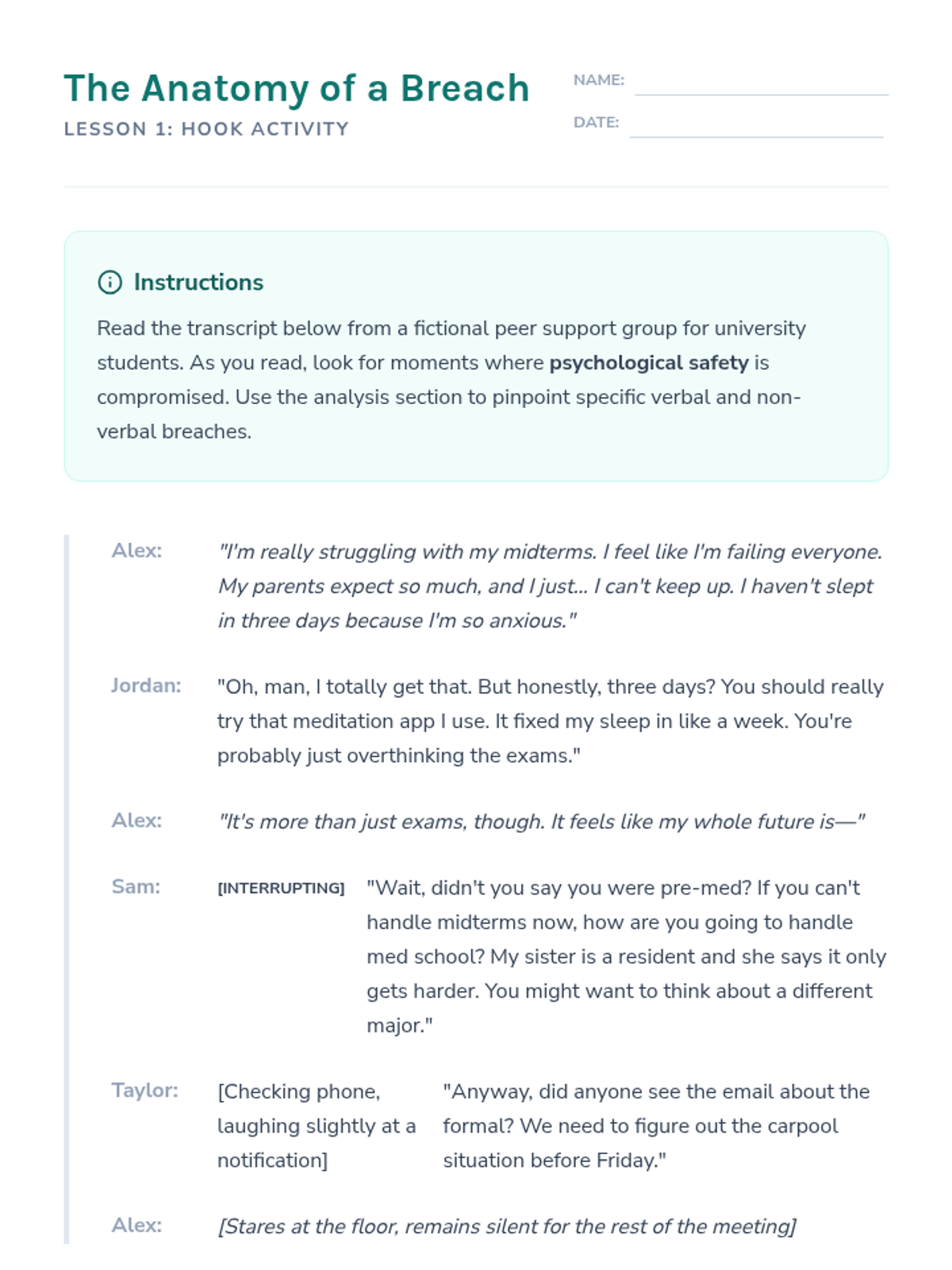
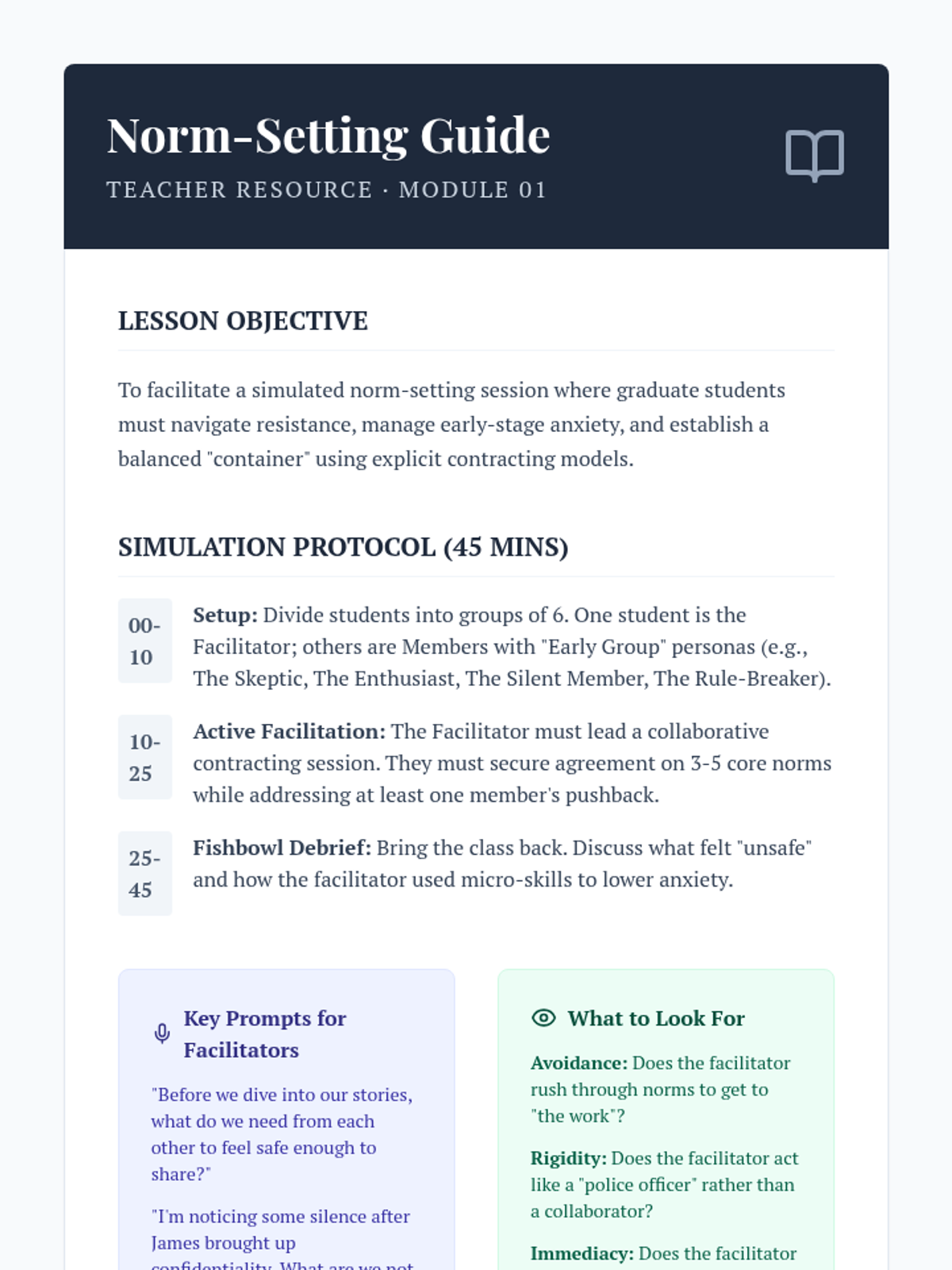
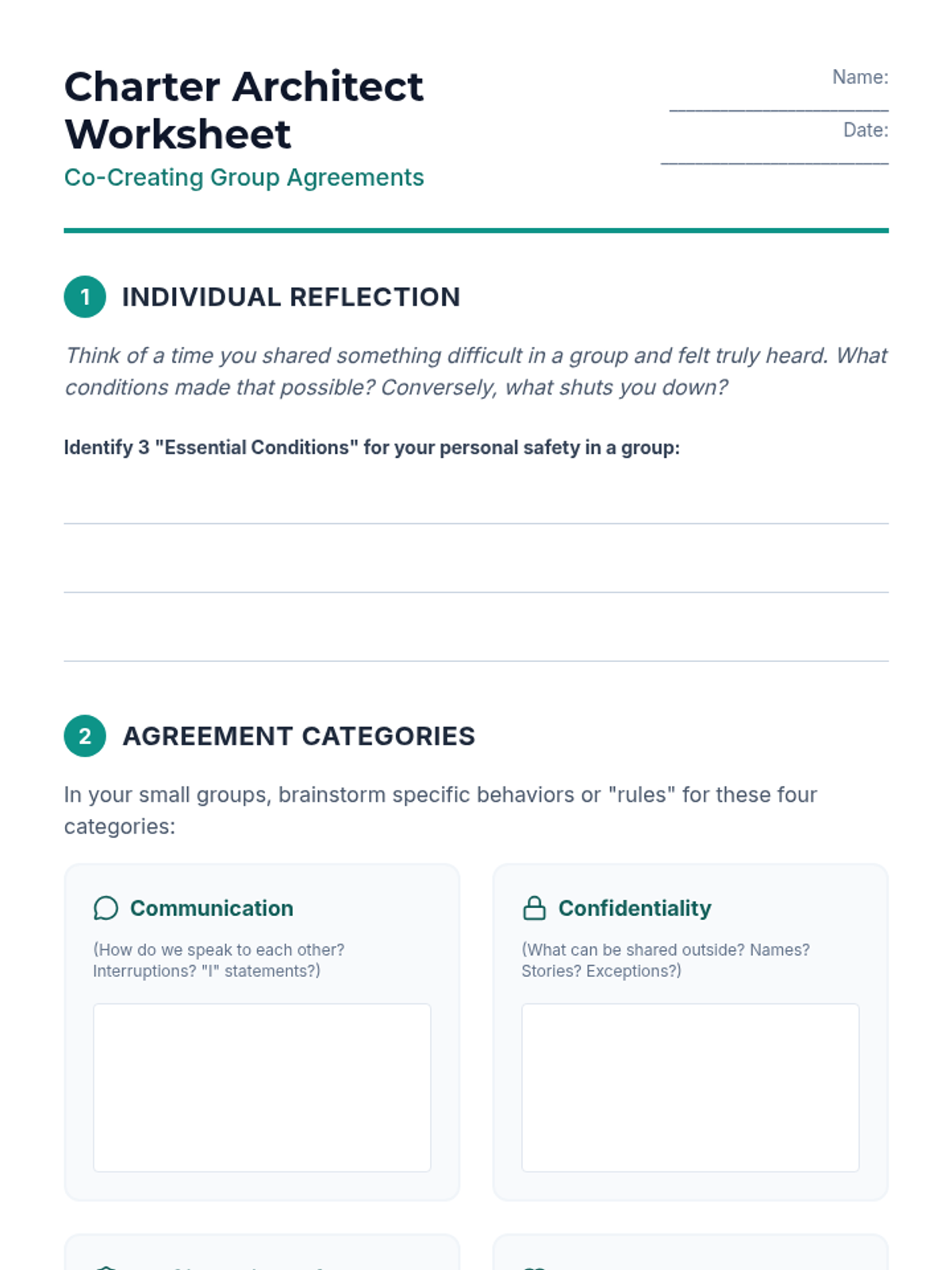
A comprehensive sequence for undergraduate counseling students focused on building psychological safety, co-creating group norms, and mastering the structural elements of group facilitation. Students progress from theoretical understanding to simulated practice of establishing and maintaining safe group containers.
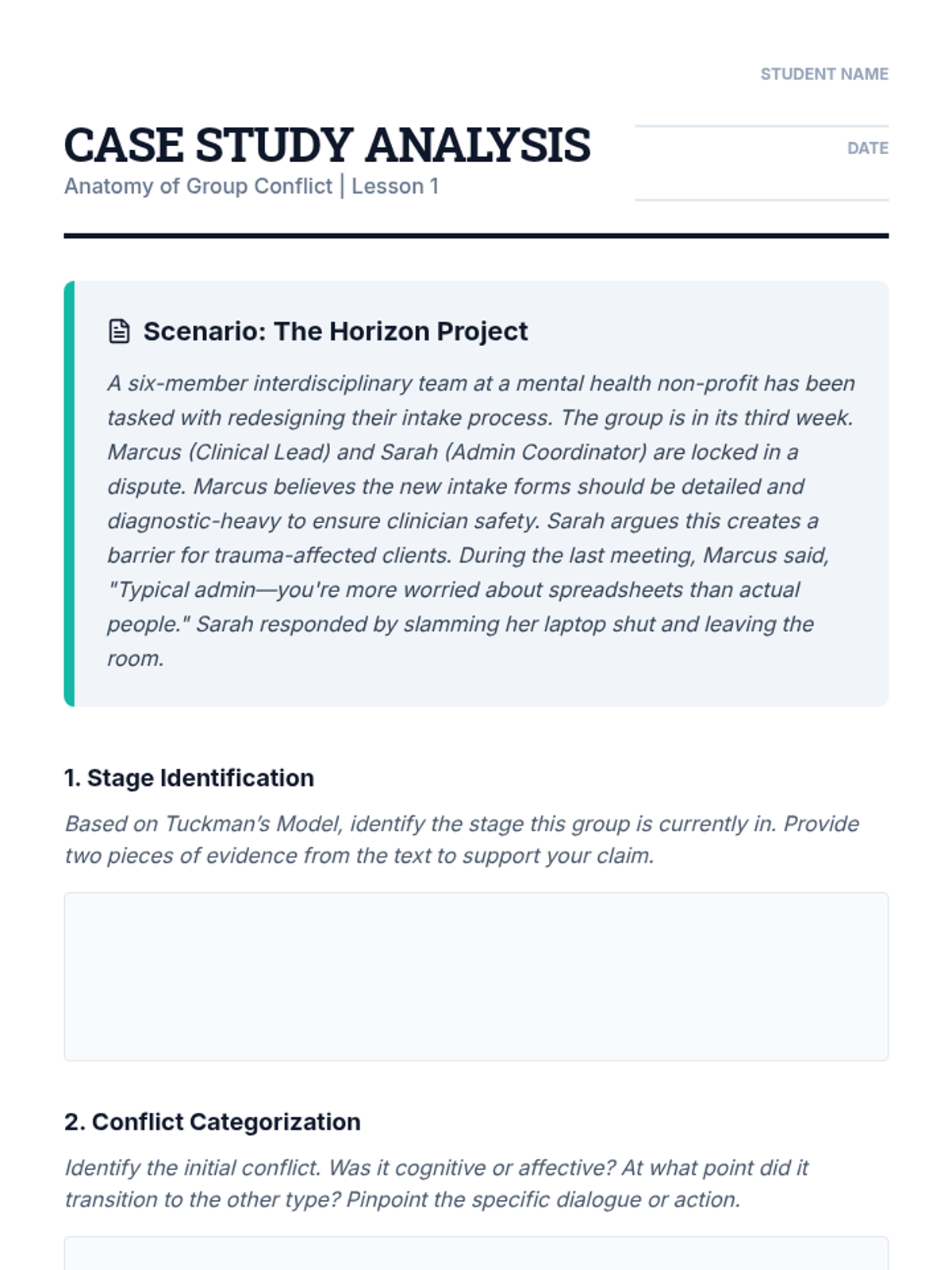
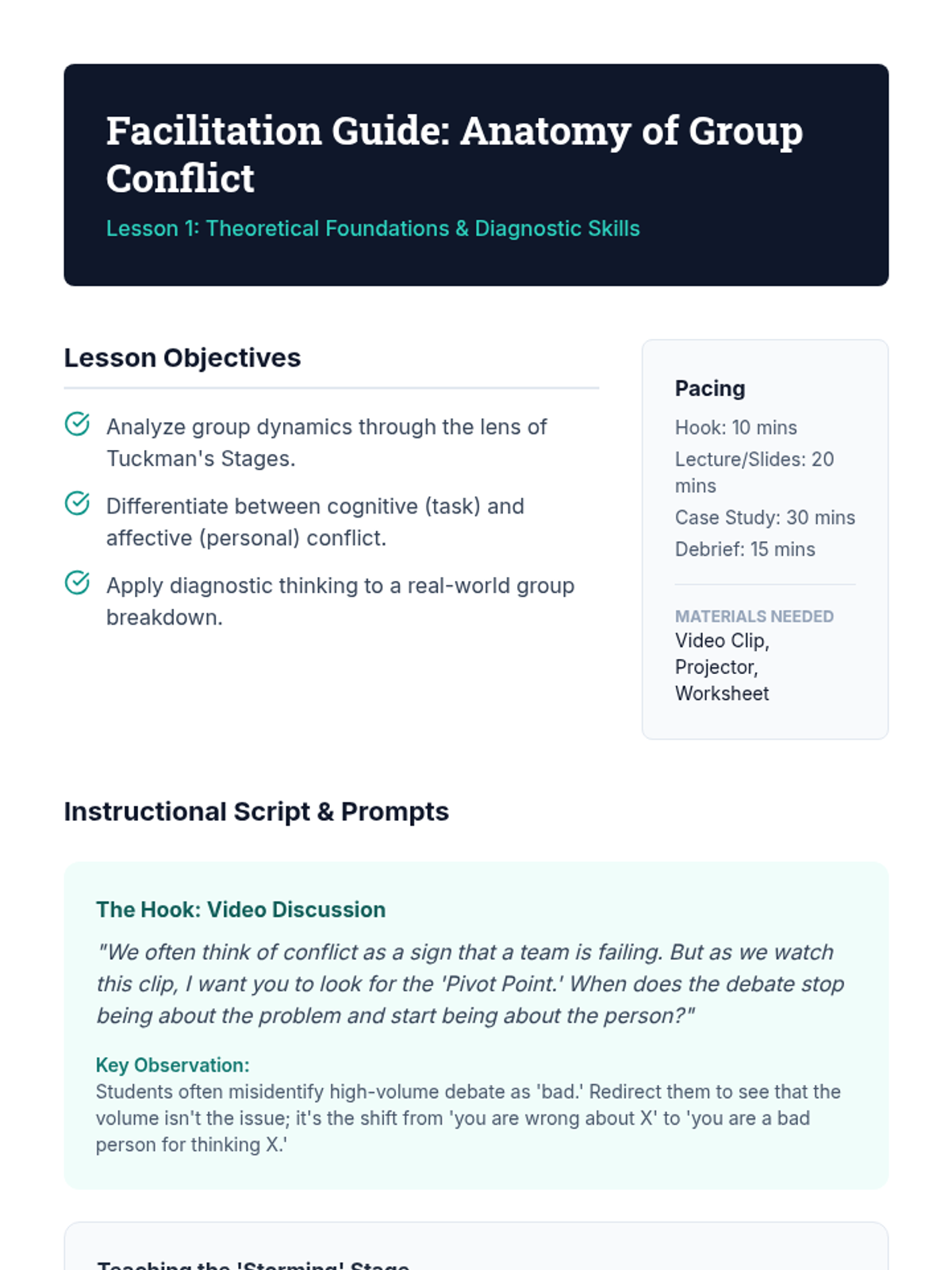
A comprehensive undergraduate sequence on group conflict resolution, exploring the theoretical underpinnings of group development, de-escalation skills, negotiation strategies, and power dynamics through immersive simulations.
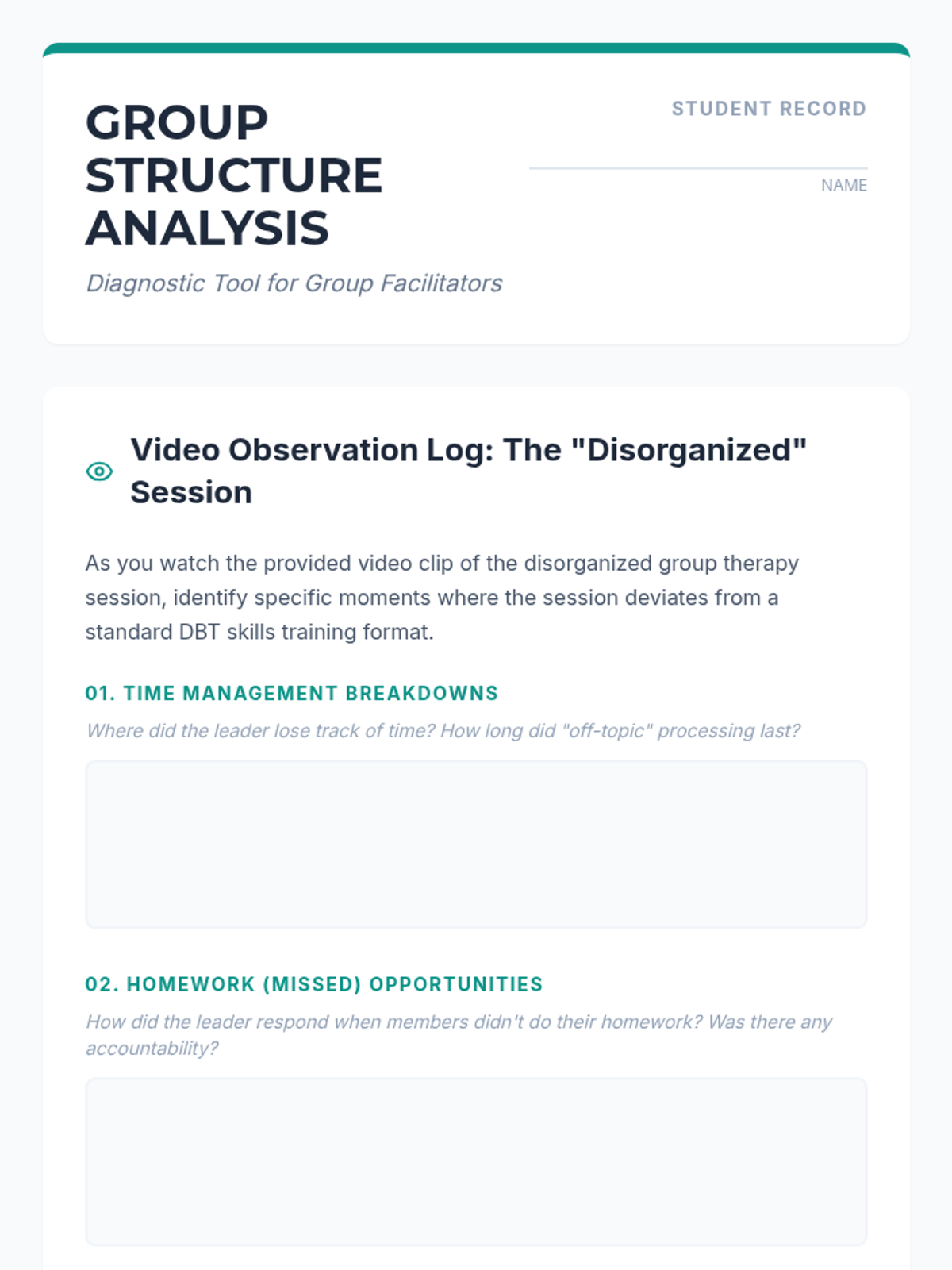
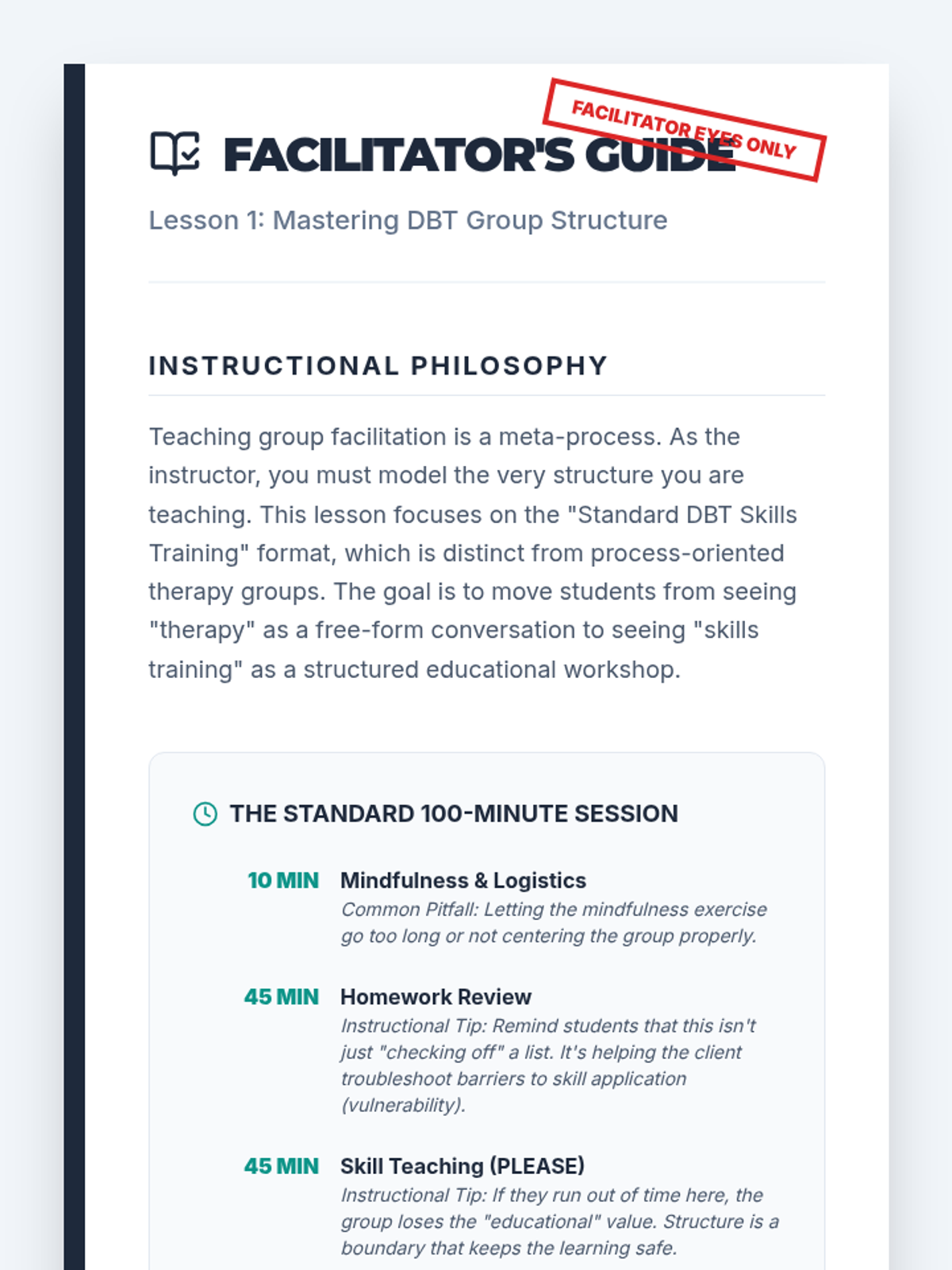
This advanced sequence prepares undergraduate students to design and facilitate psychoeducational groups focused on the DBT PLEASE skills (Physical illness, Eating, Altering substances, Sleep, Exercise). Students will progress from understanding group structures to leading mock sessions, focusing on communication, engagement, and managing clinical dynamics.
This sequence frames daily check-ins as a professional leadership and team management competency. Students explore psychological safety, real-world professional stand-ups, and facilitation techniques to design their own 'Readiness Protocols' for teams.
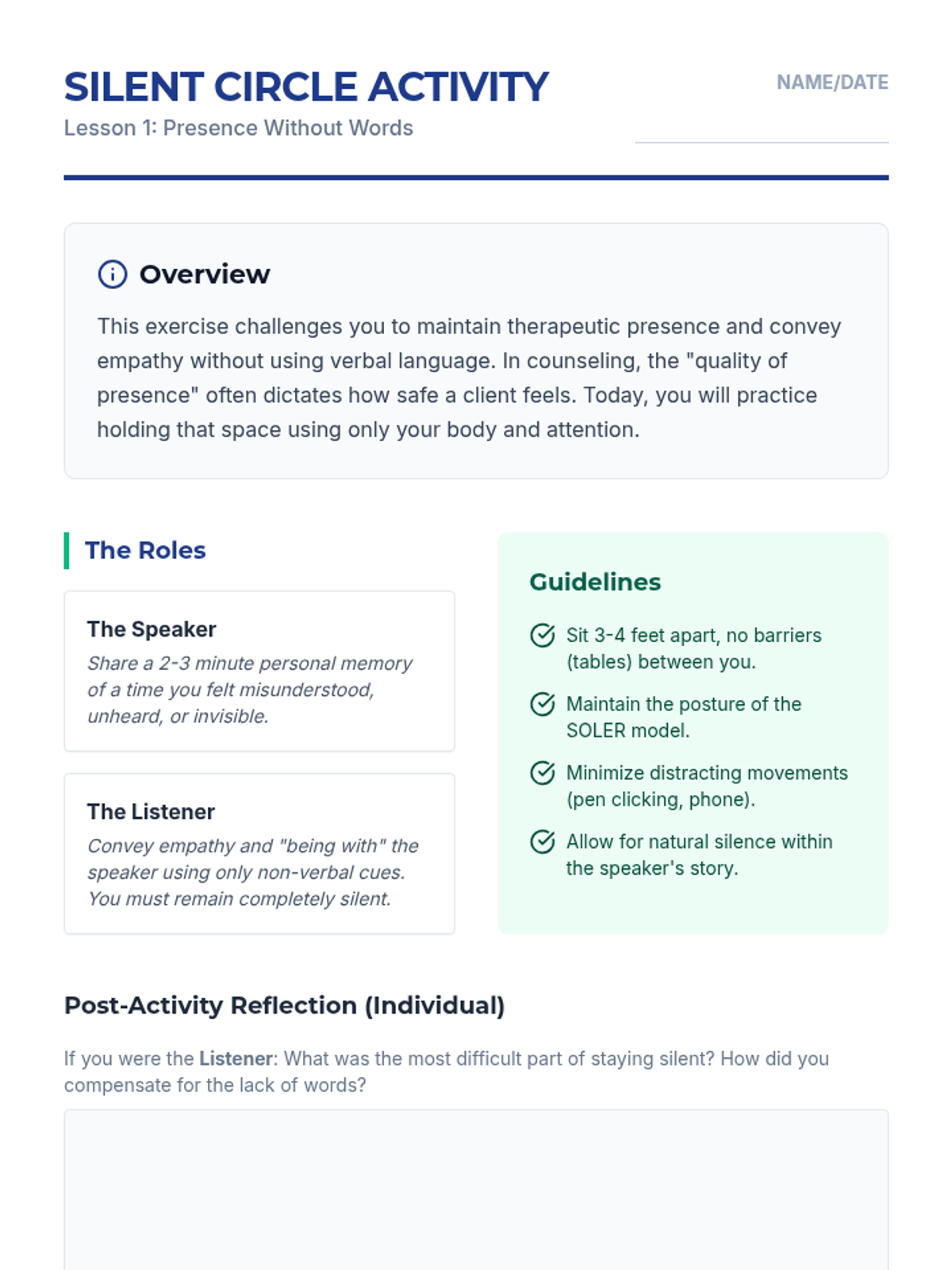
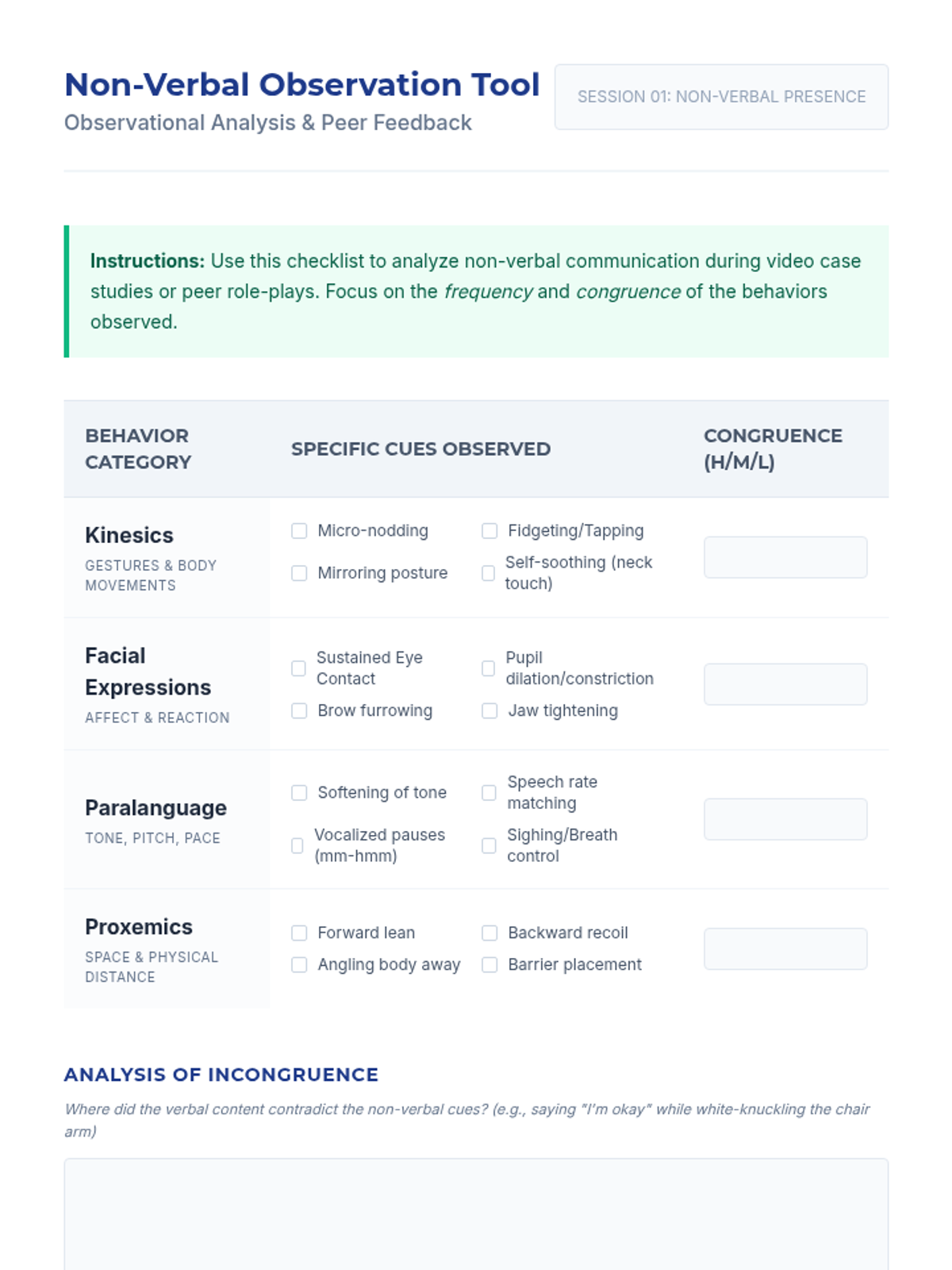
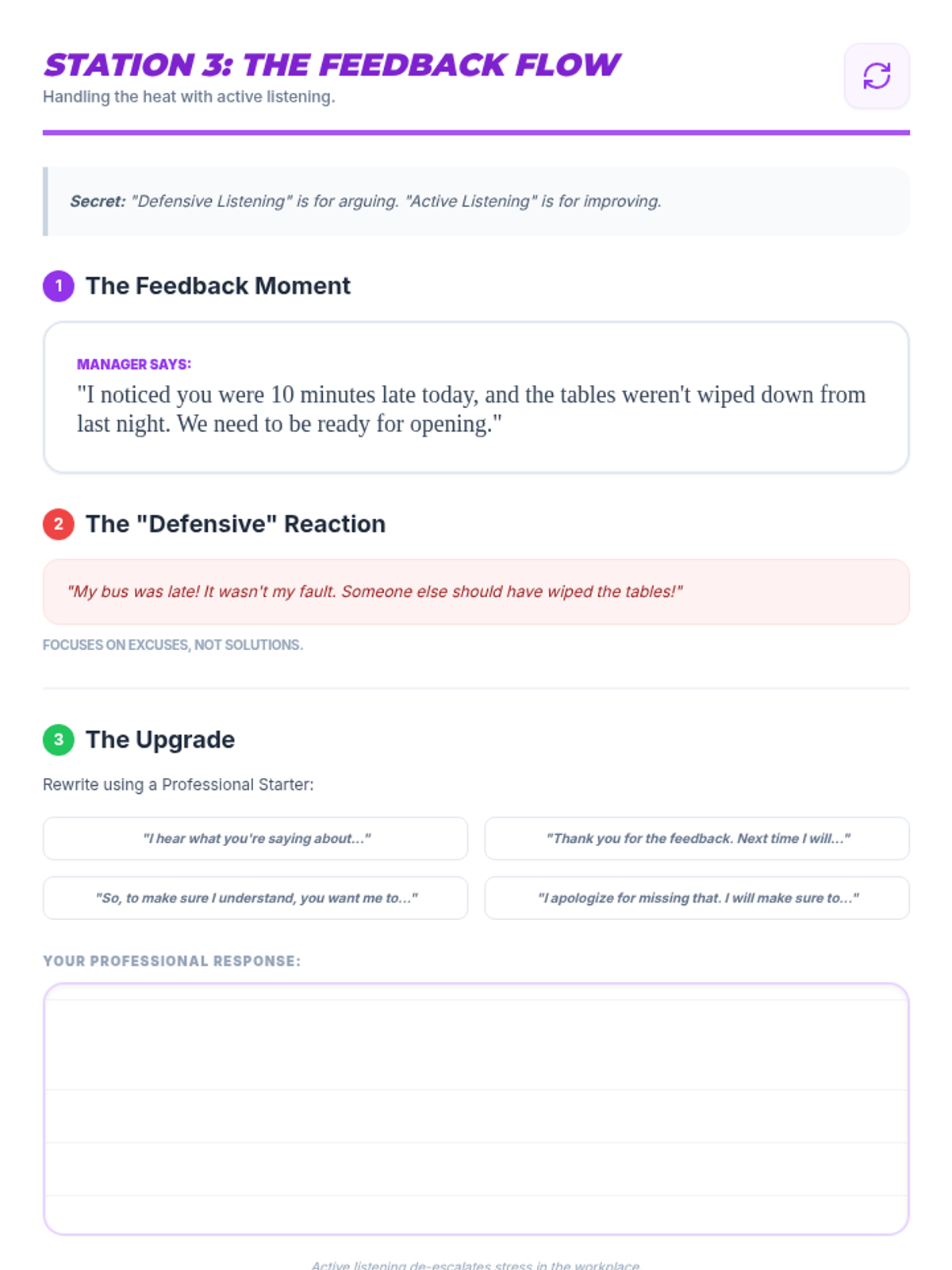
This sequence provides undergraduate counseling students with a structured progression from non-verbal presence to complex group facilitation. It emphasizes active listening, reflective responding, internal bias management, and constructive feedback loops using the SBI model.
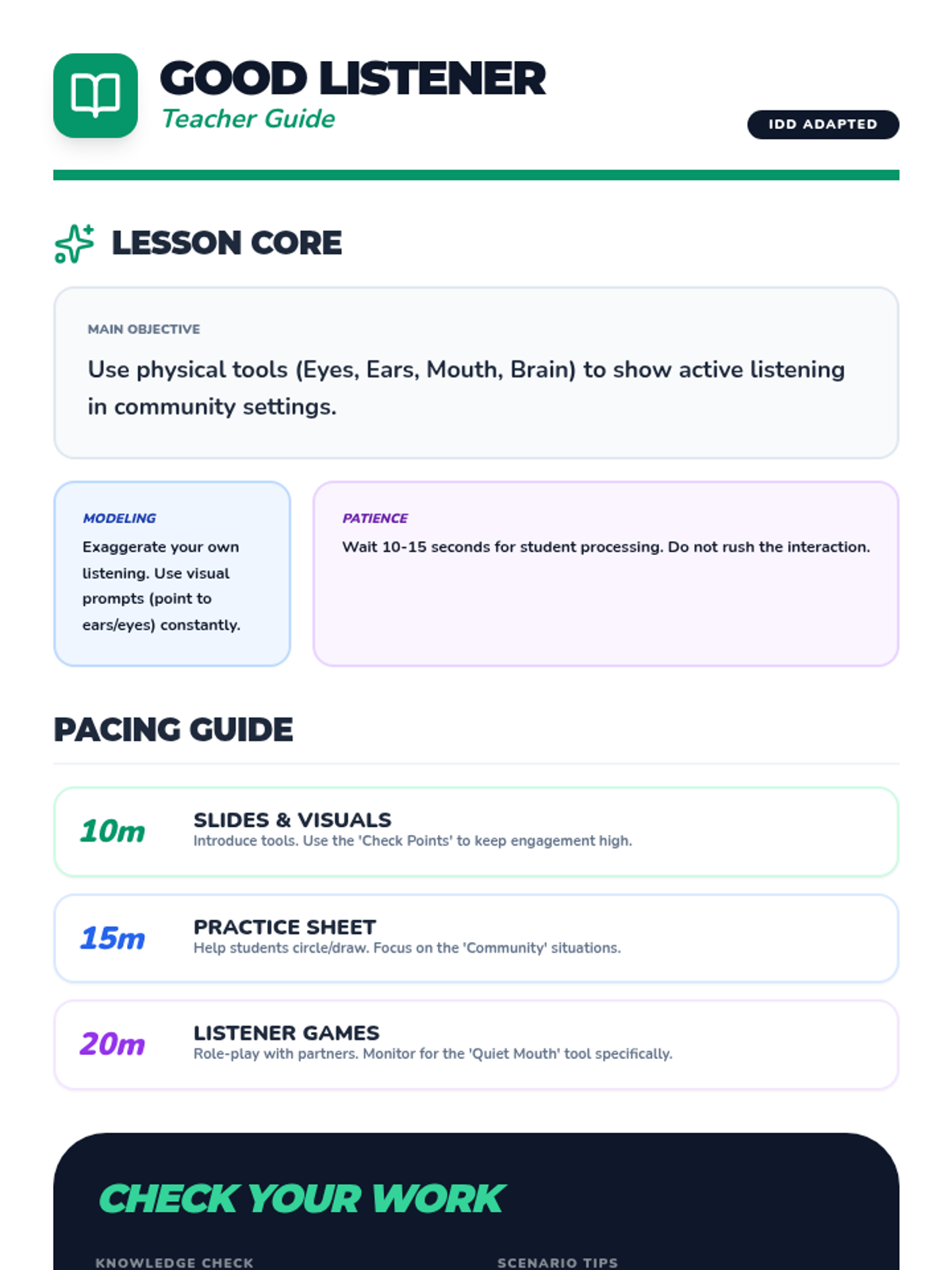
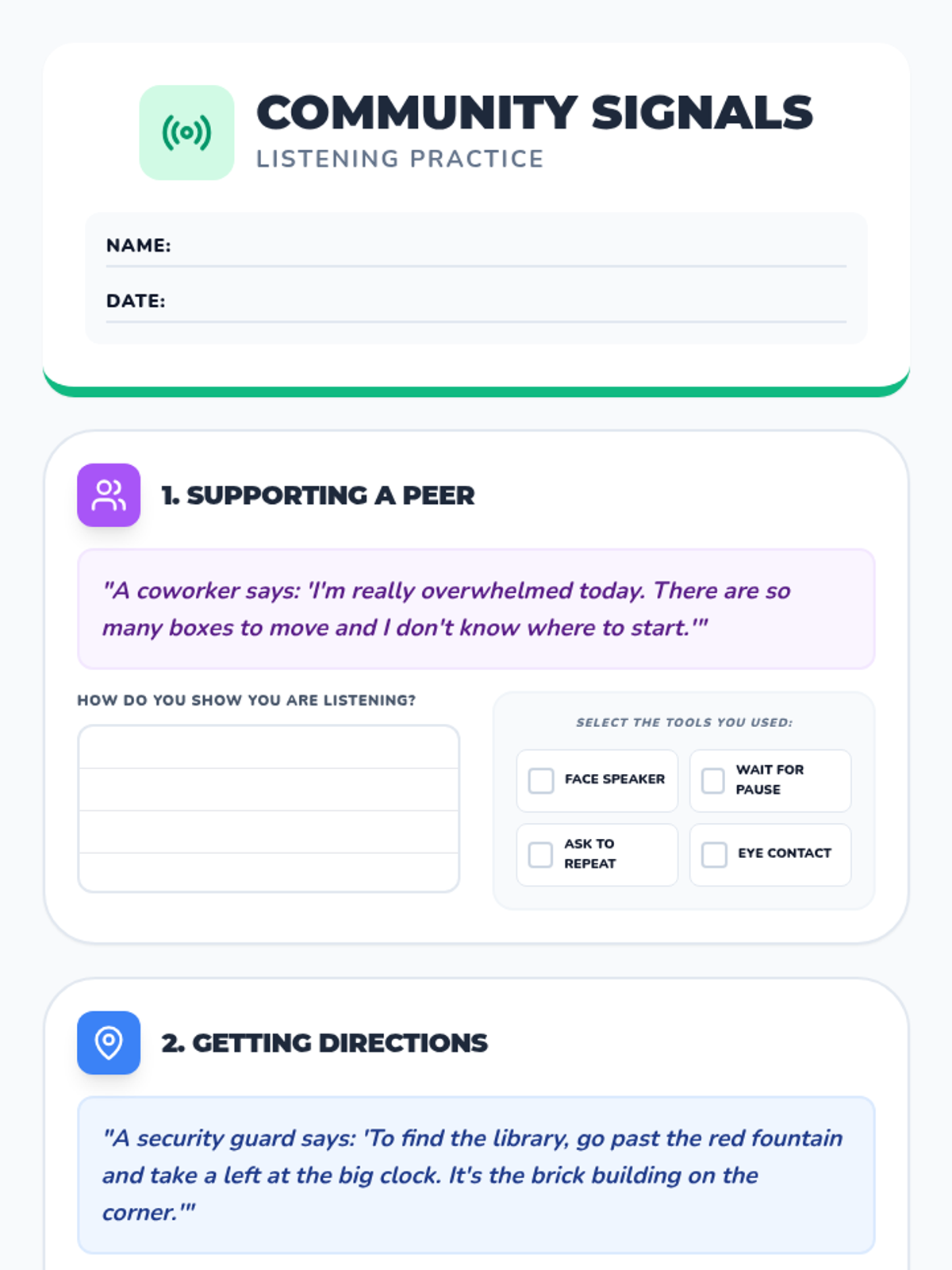
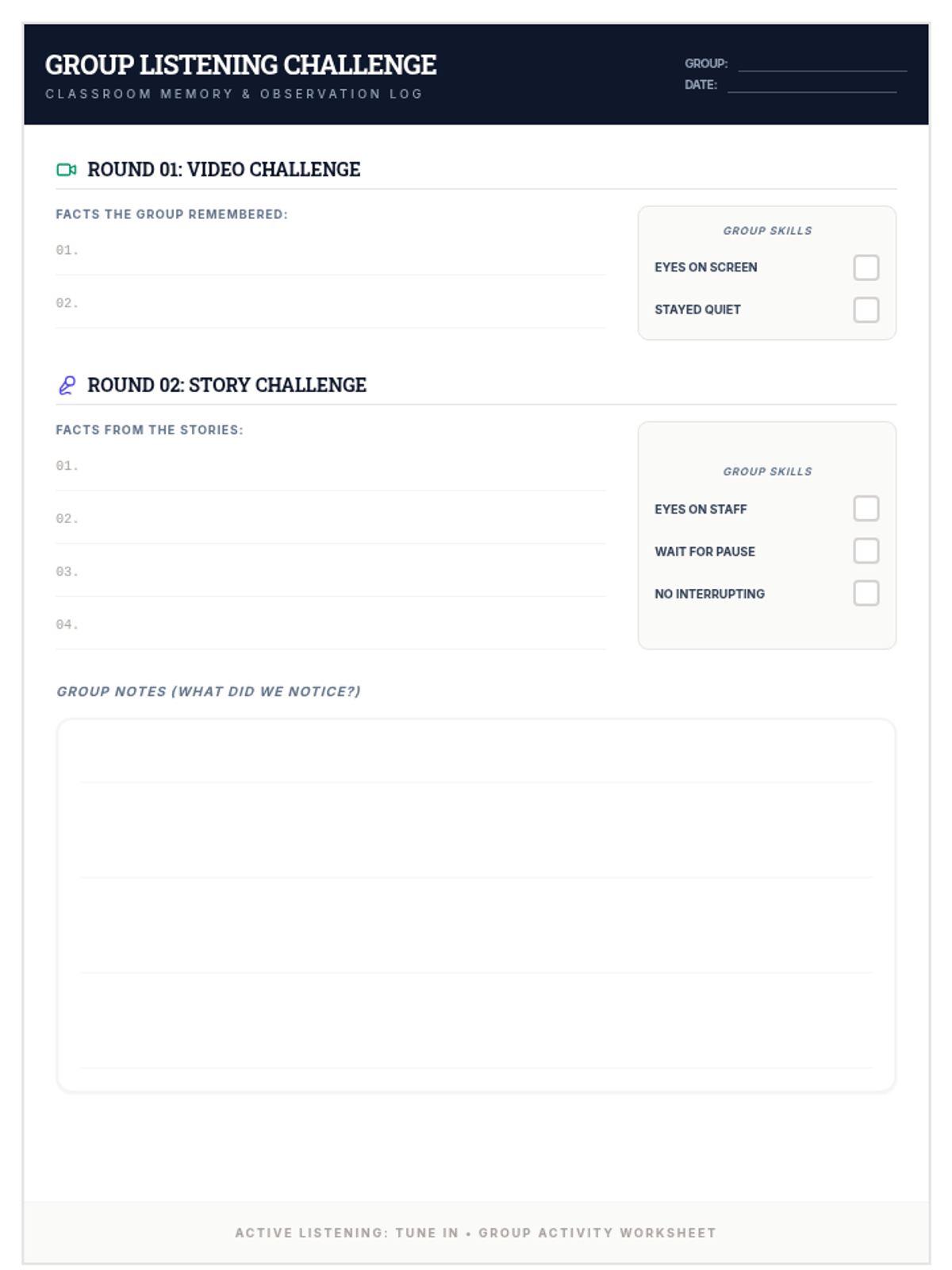
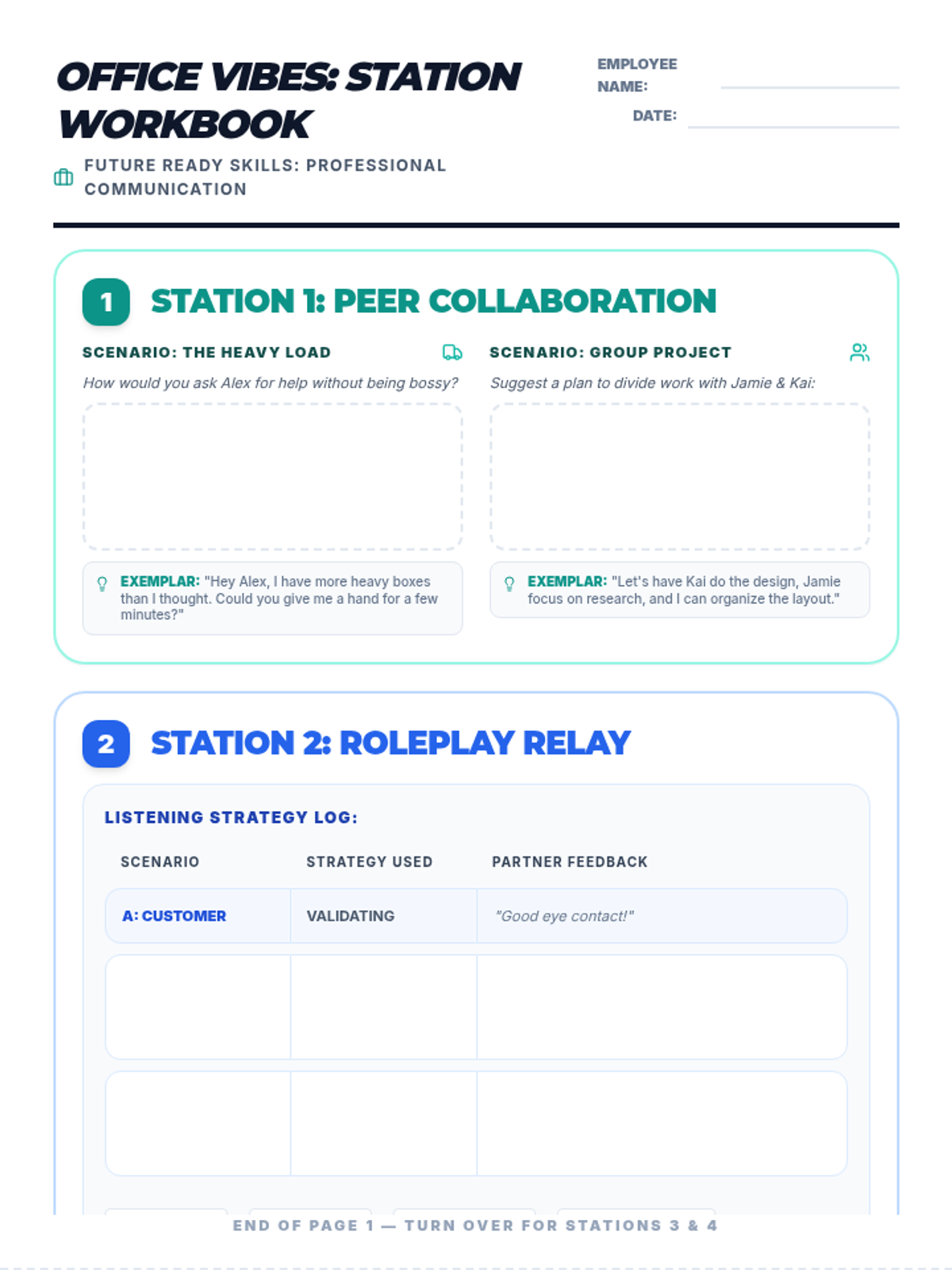
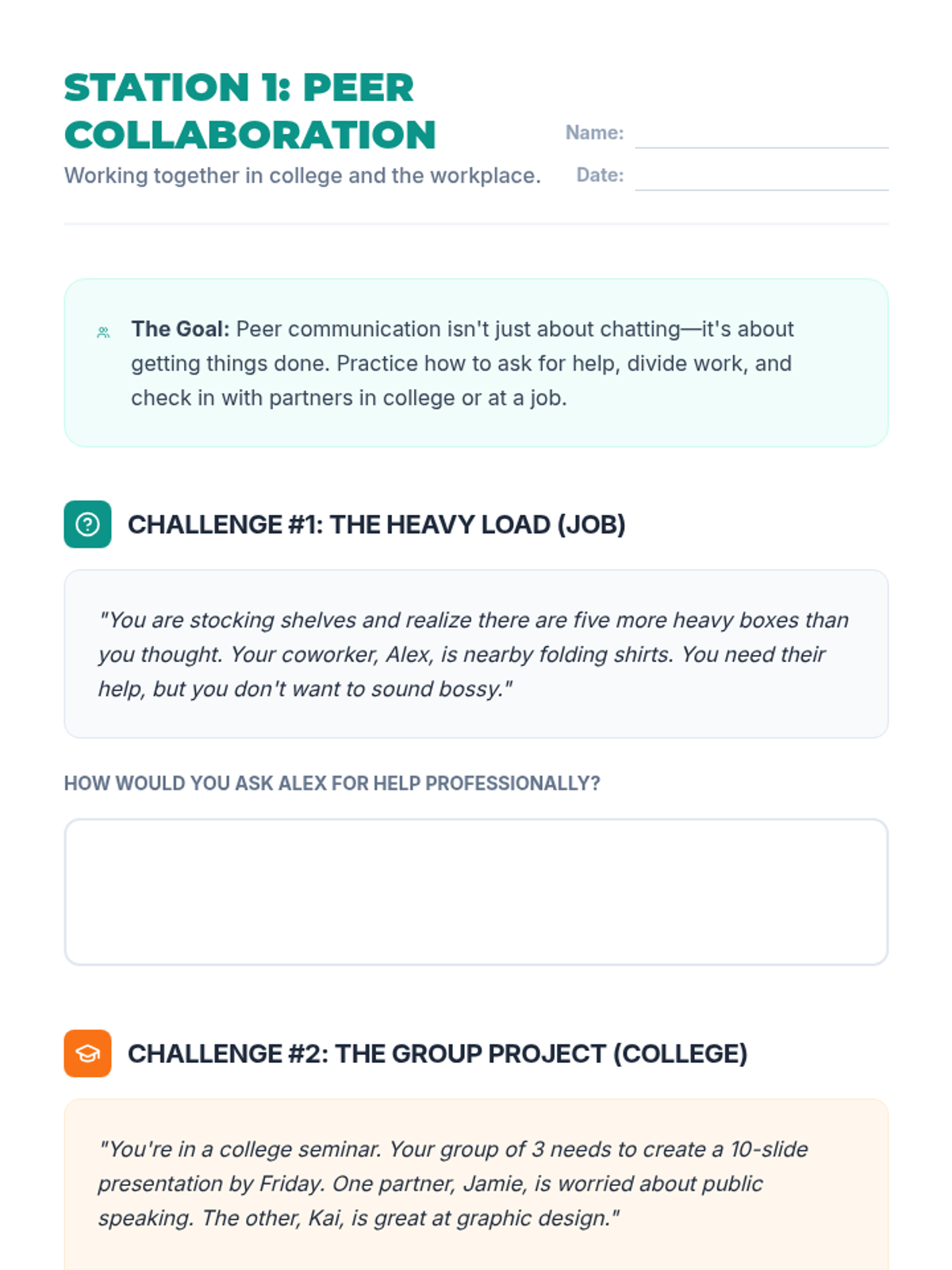
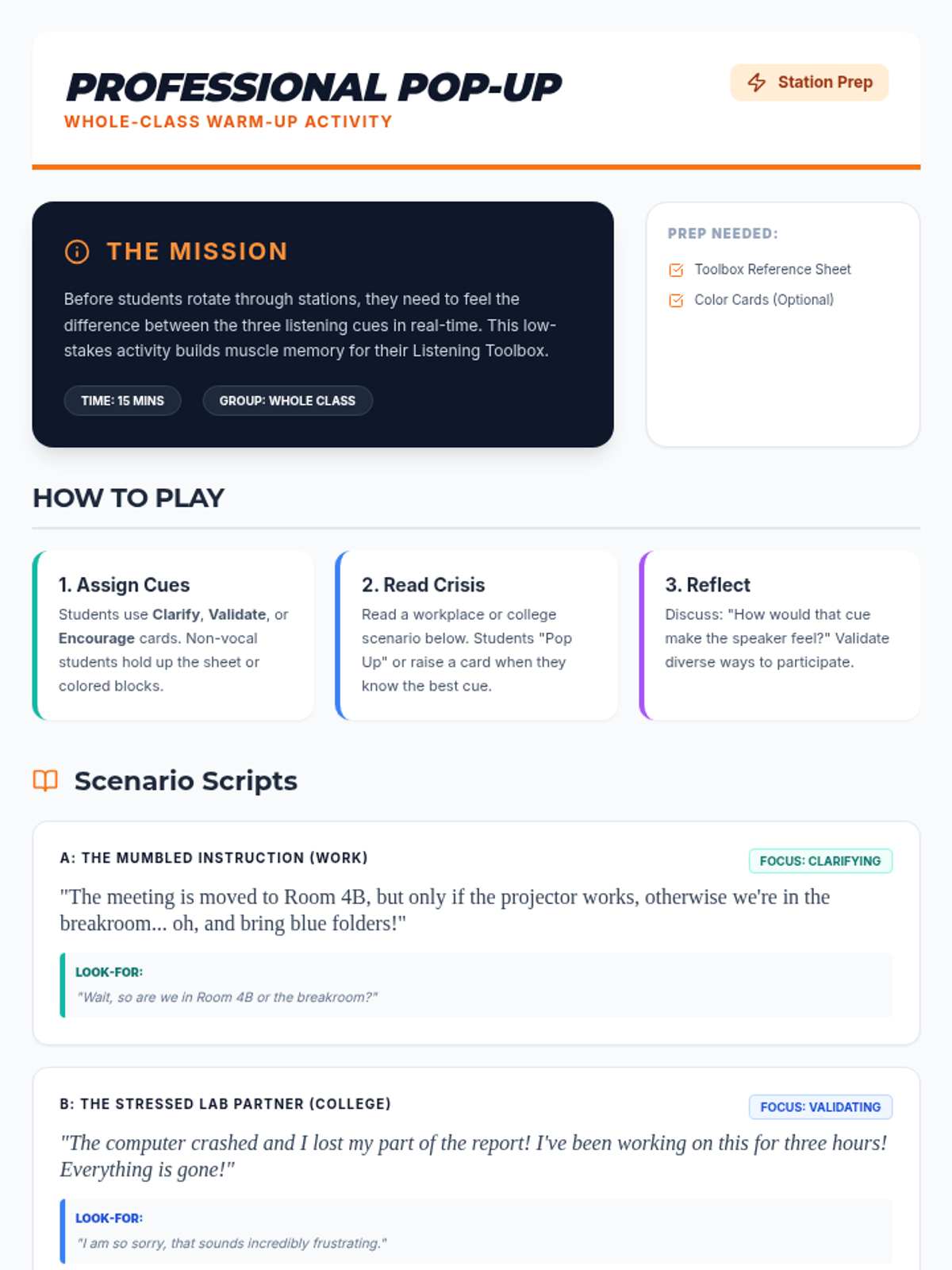
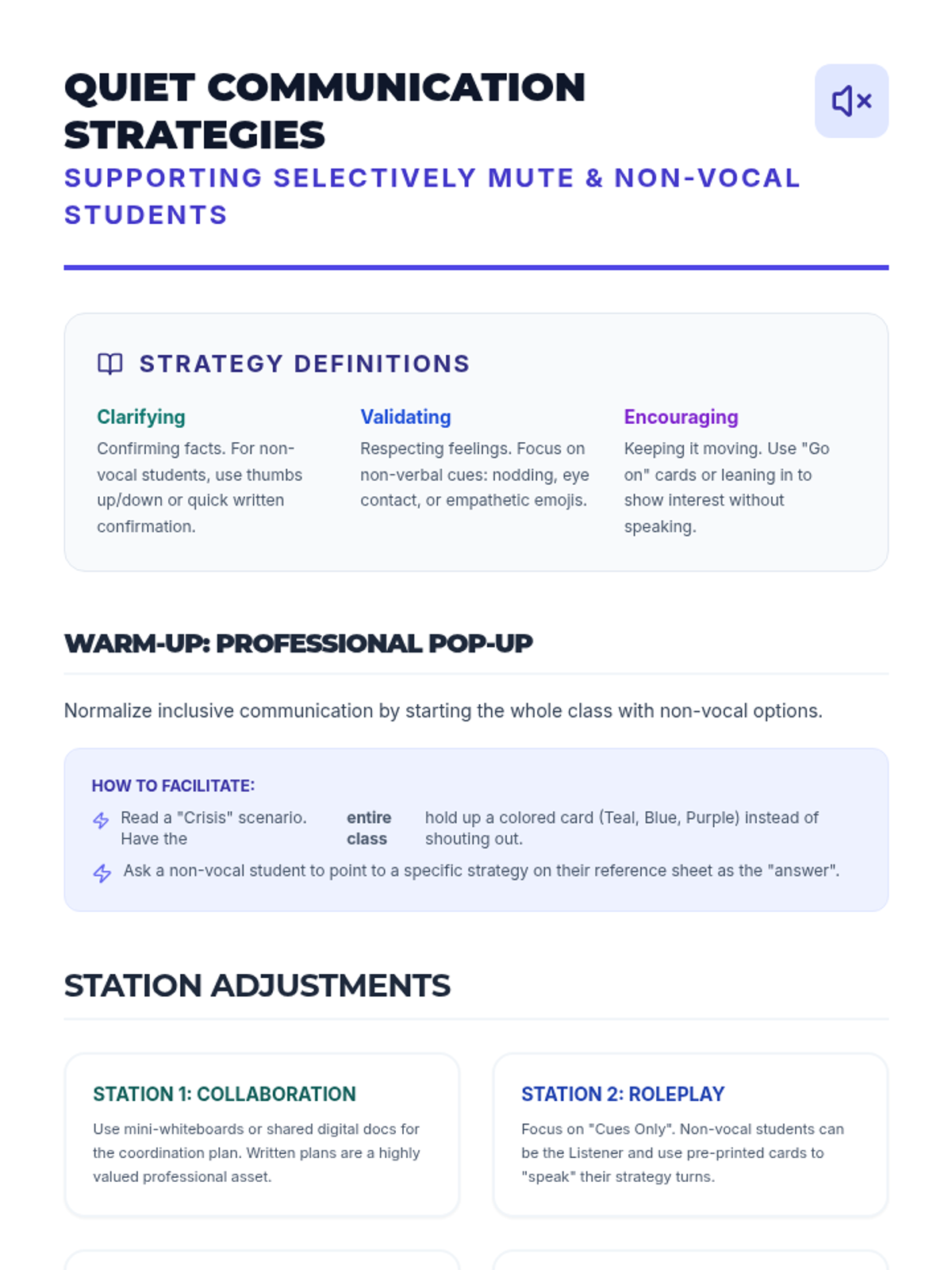
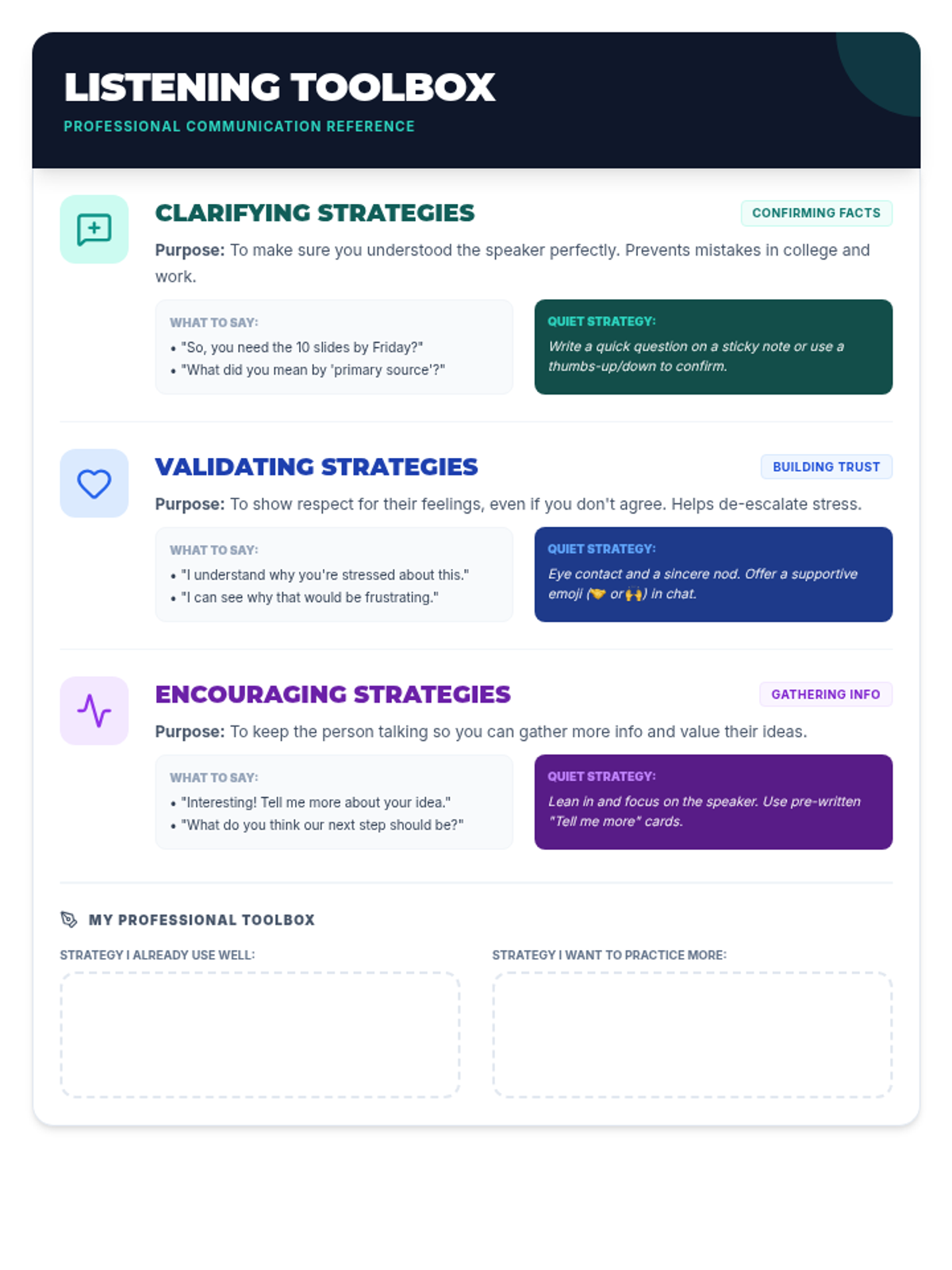
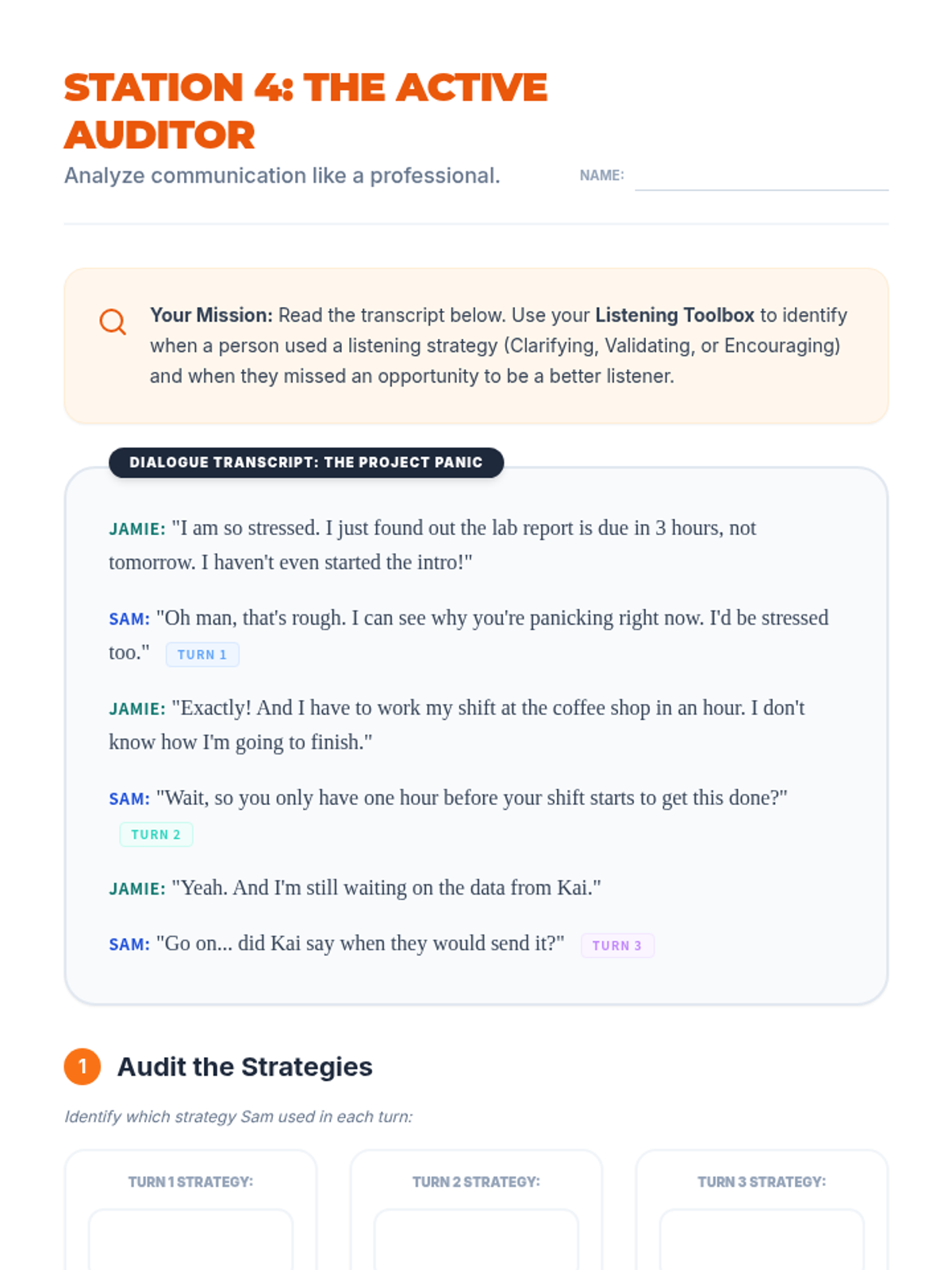
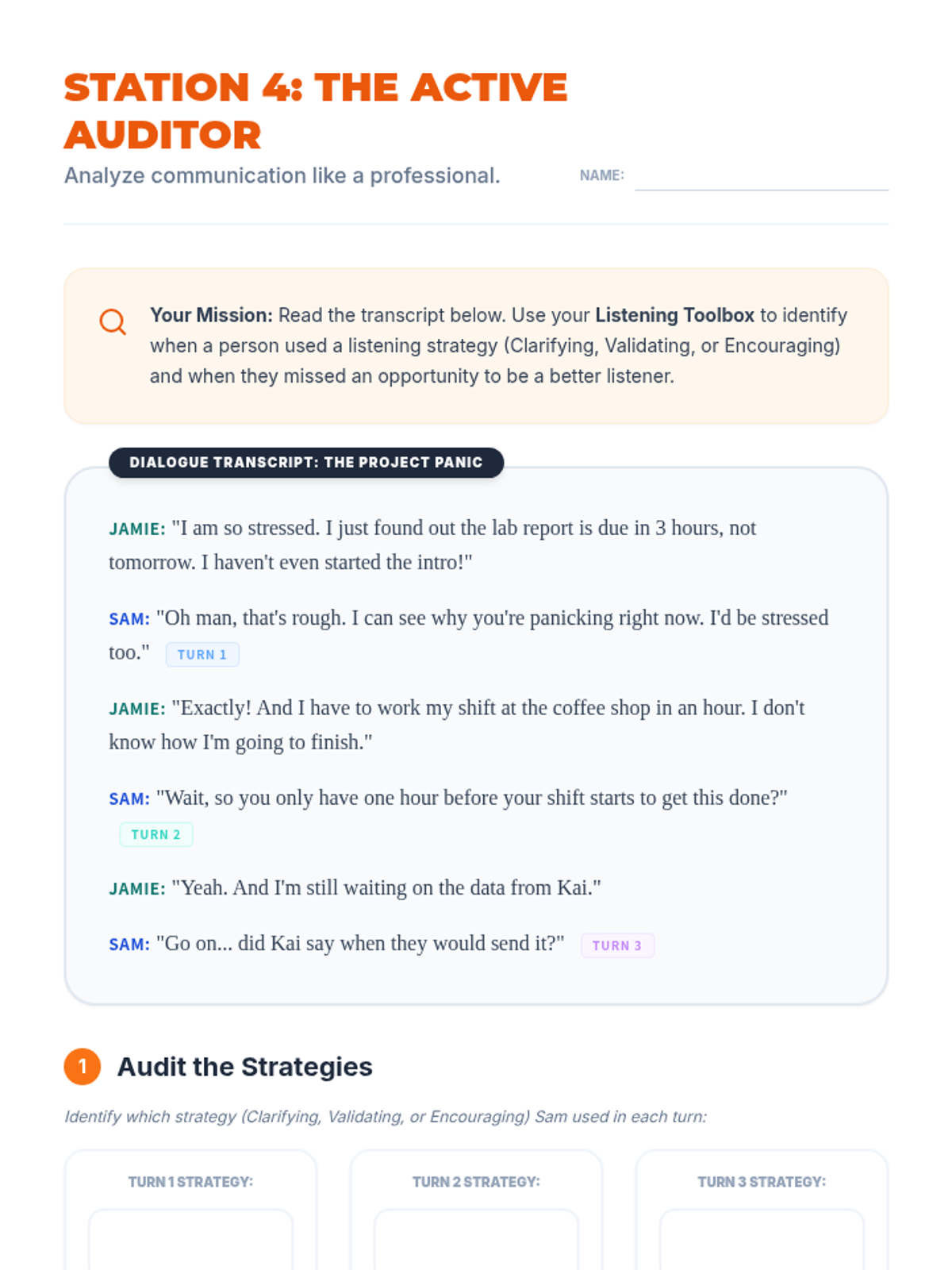
This sequence focuses on building fundamental active listening skills through relatable social scenarios and professional data-driven practice. Students learn to focus visually, manage verbal impulses, and retain key information in both casual and community-based environments.
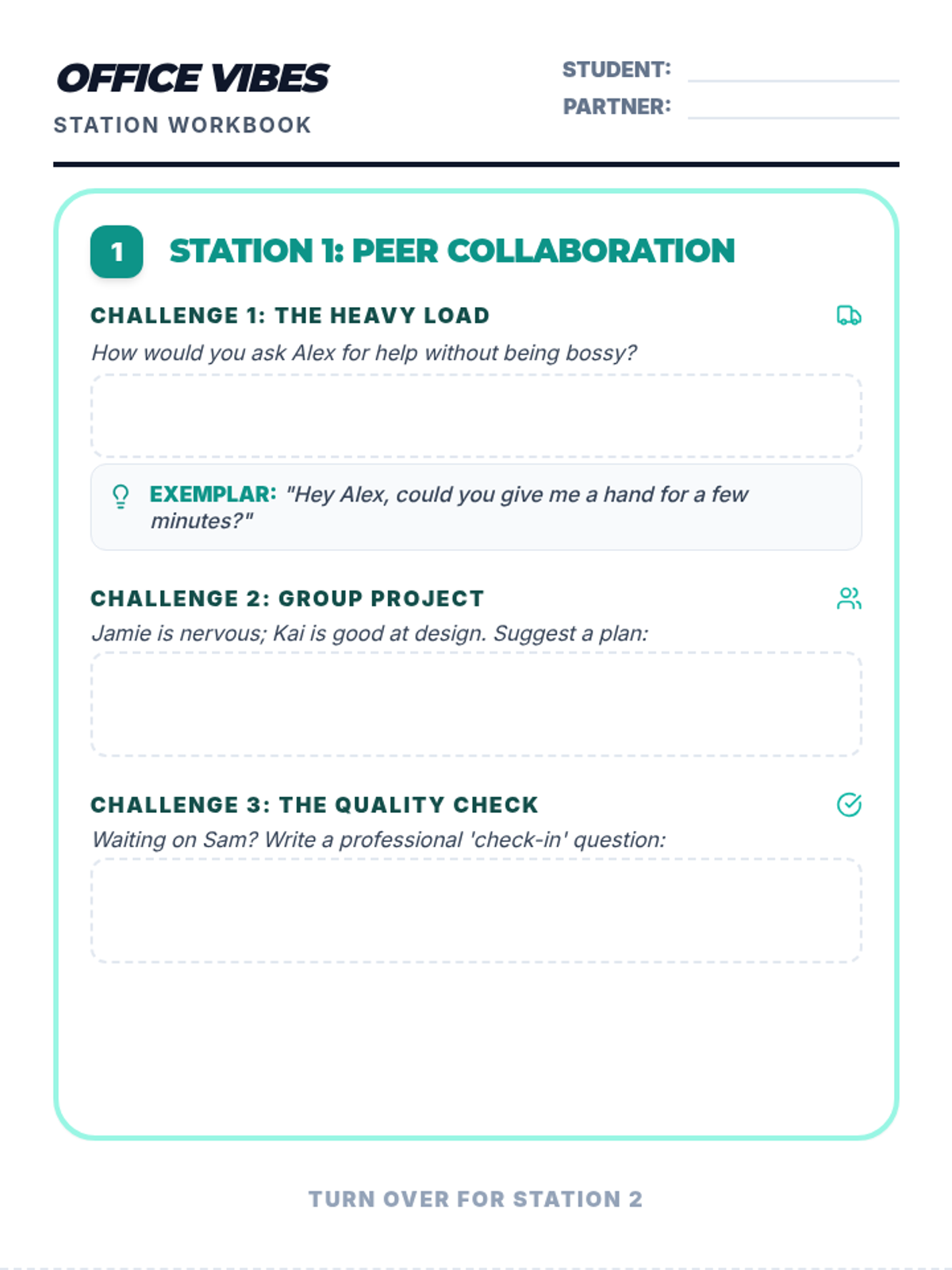
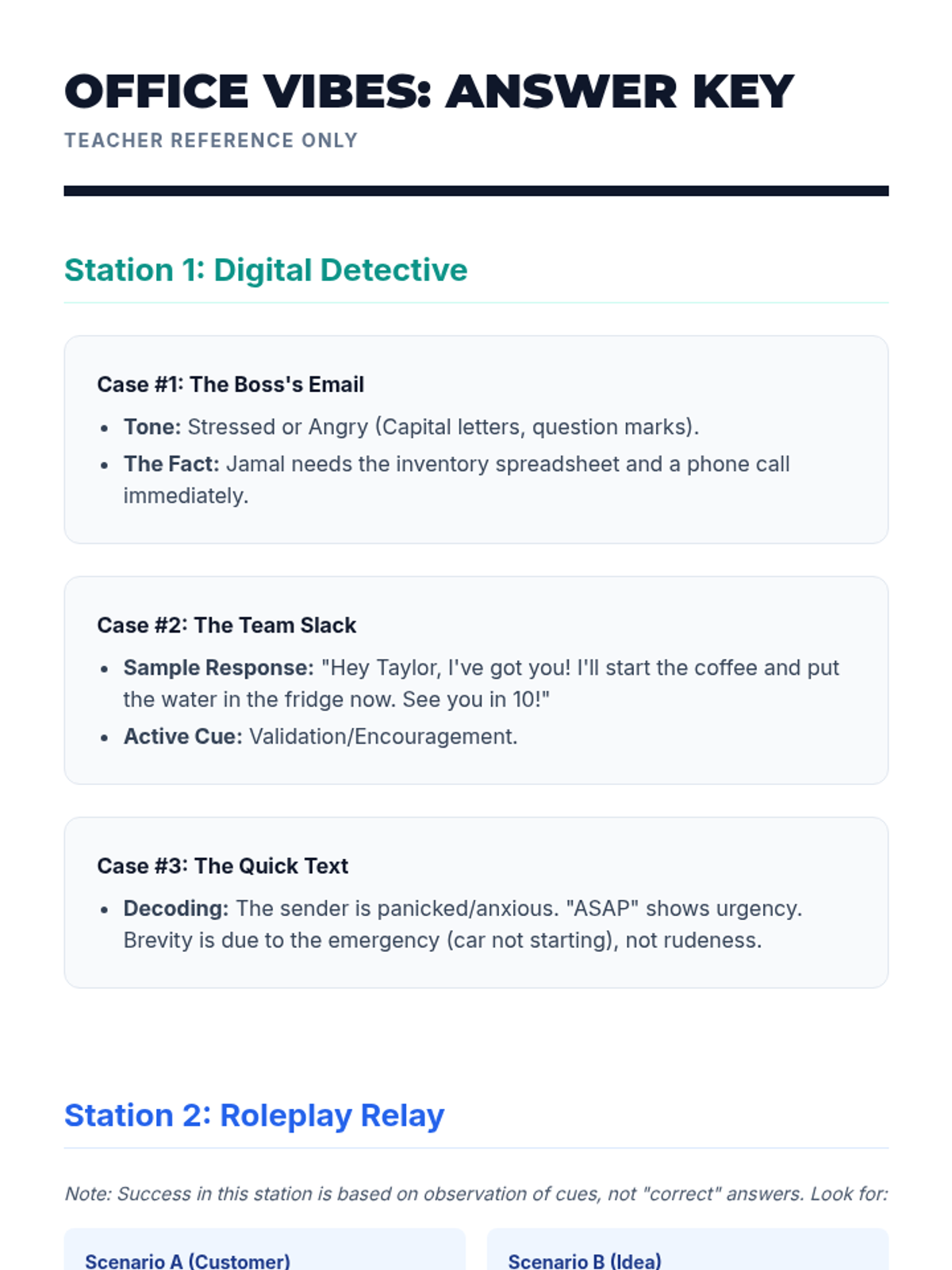
A series of lessons designed to prepare students for the transition to the workforce by developing critical soft skills, digital literacy, and professional communication strategies.
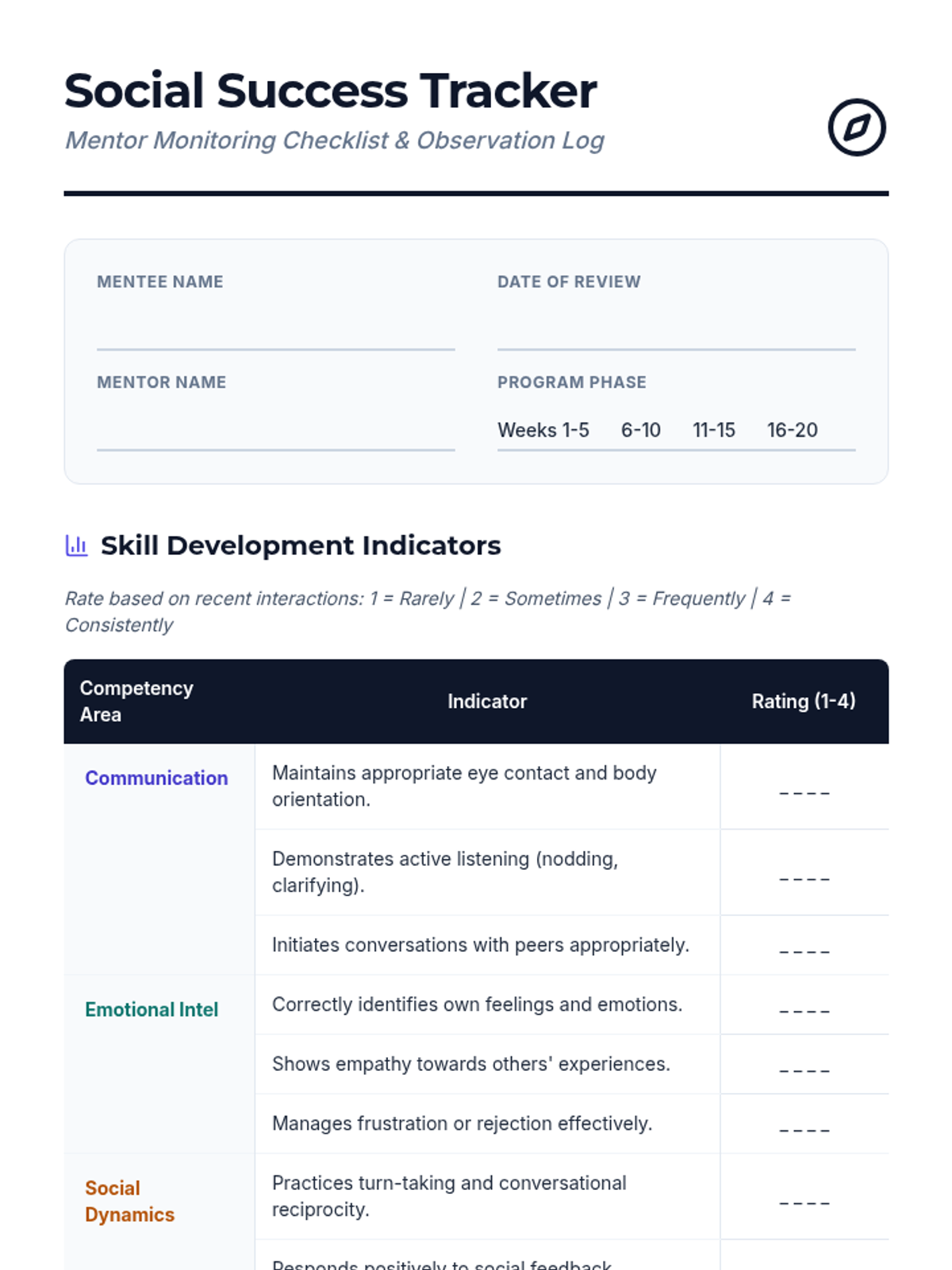
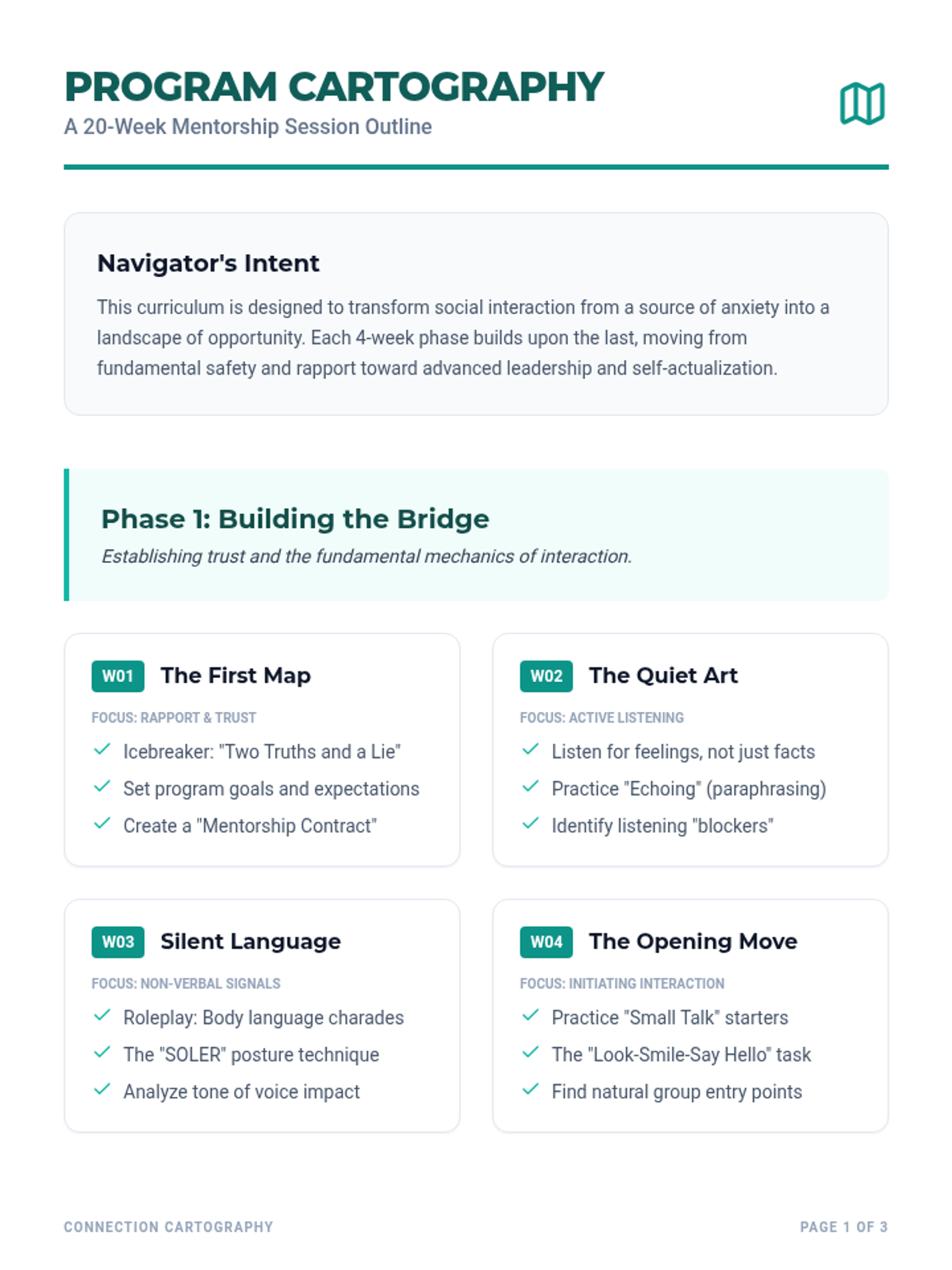
A comprehensive 20-week mentorship program designed to help students navigate social environments, build meaningful friendships, and master communication.
A collection of lessons that use modern cultural icons to teach literacy, social-emotional skills, and creative expression to elementary and middle school students.
A series of lessons designed to enhance social and professional communication skills for adult learners, focusing on workplace and community interactions.
A comprehensive unit designed to equip students with foundational workplace behavior skills, focusing on self-awareness, self-advocacy, time management, and problem-solving through a UDL lens.