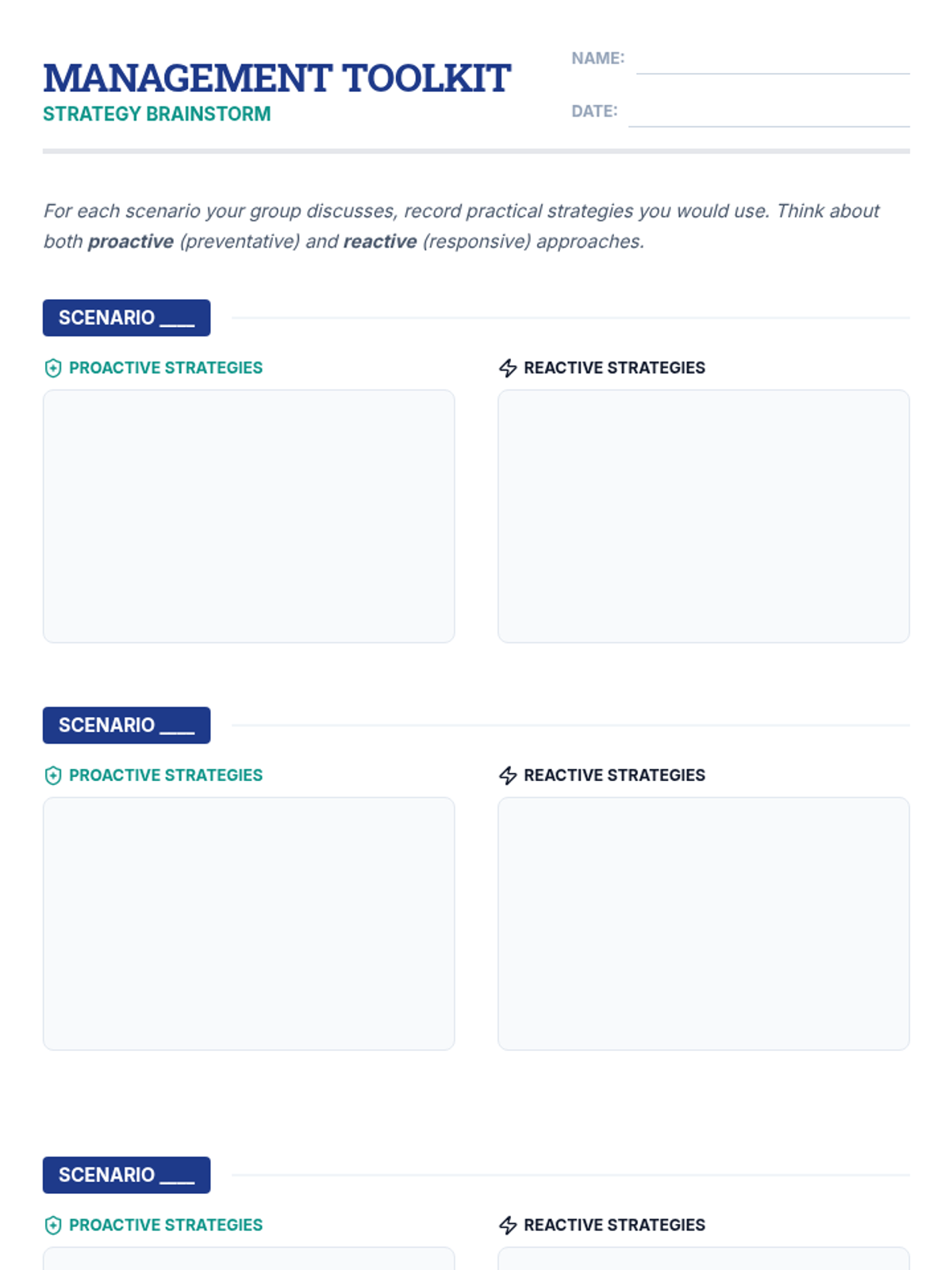
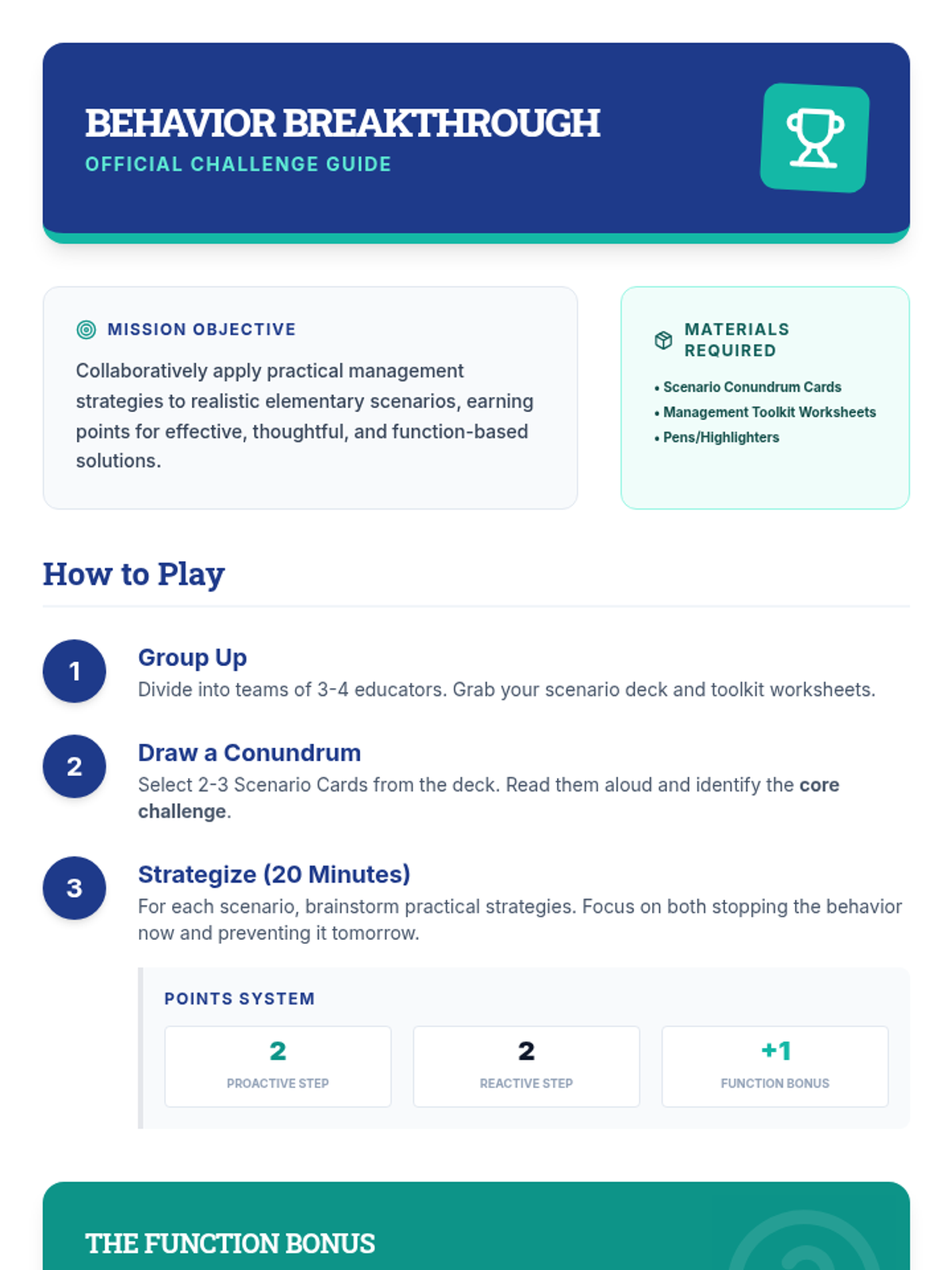
Functional behavior assessment, data tracking, and de-escalation strategies for managing classroom conduct. Addresses positive reinforcement, token economies, and individualized behavior contracts to support student self-regulation.
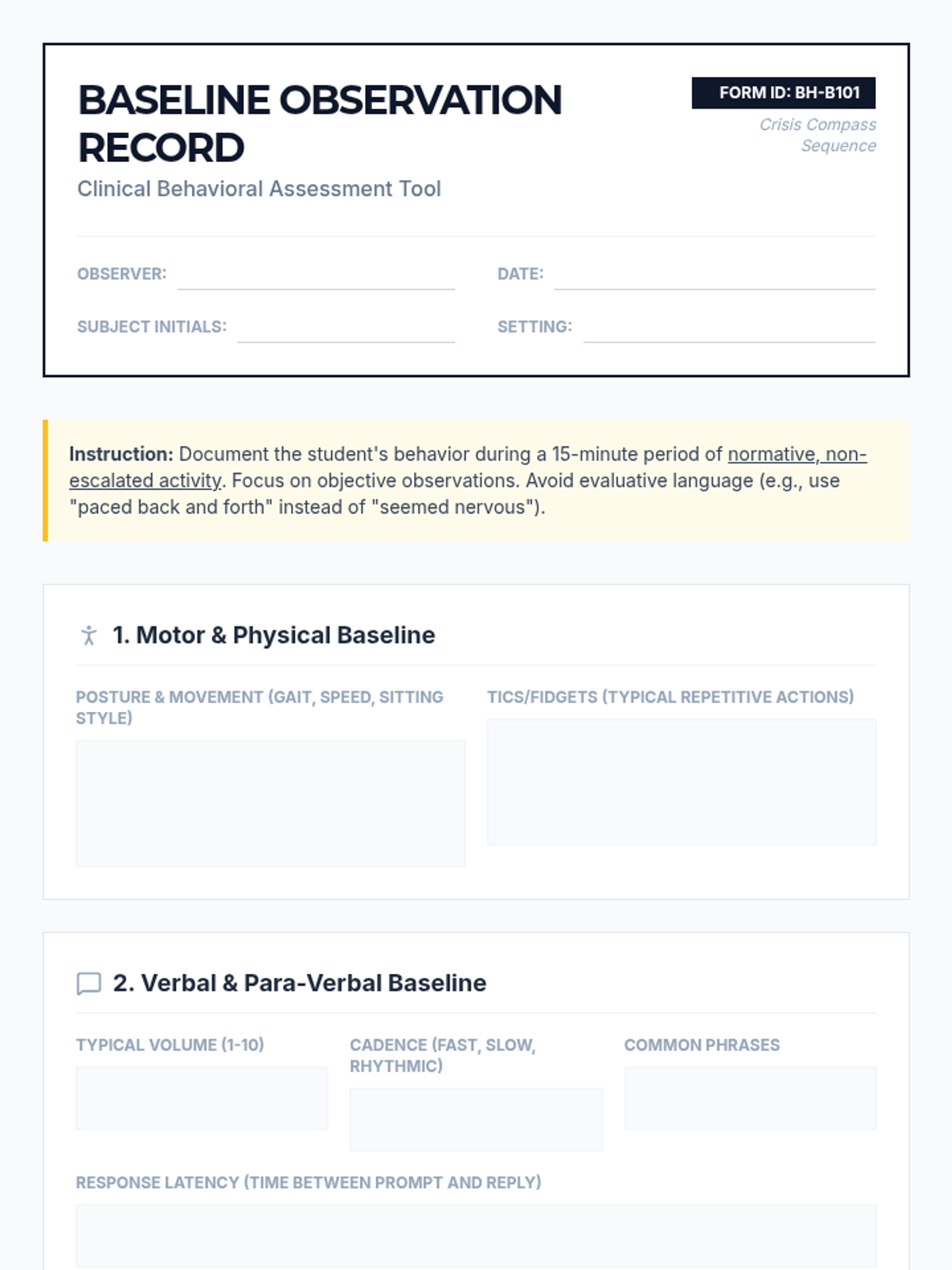
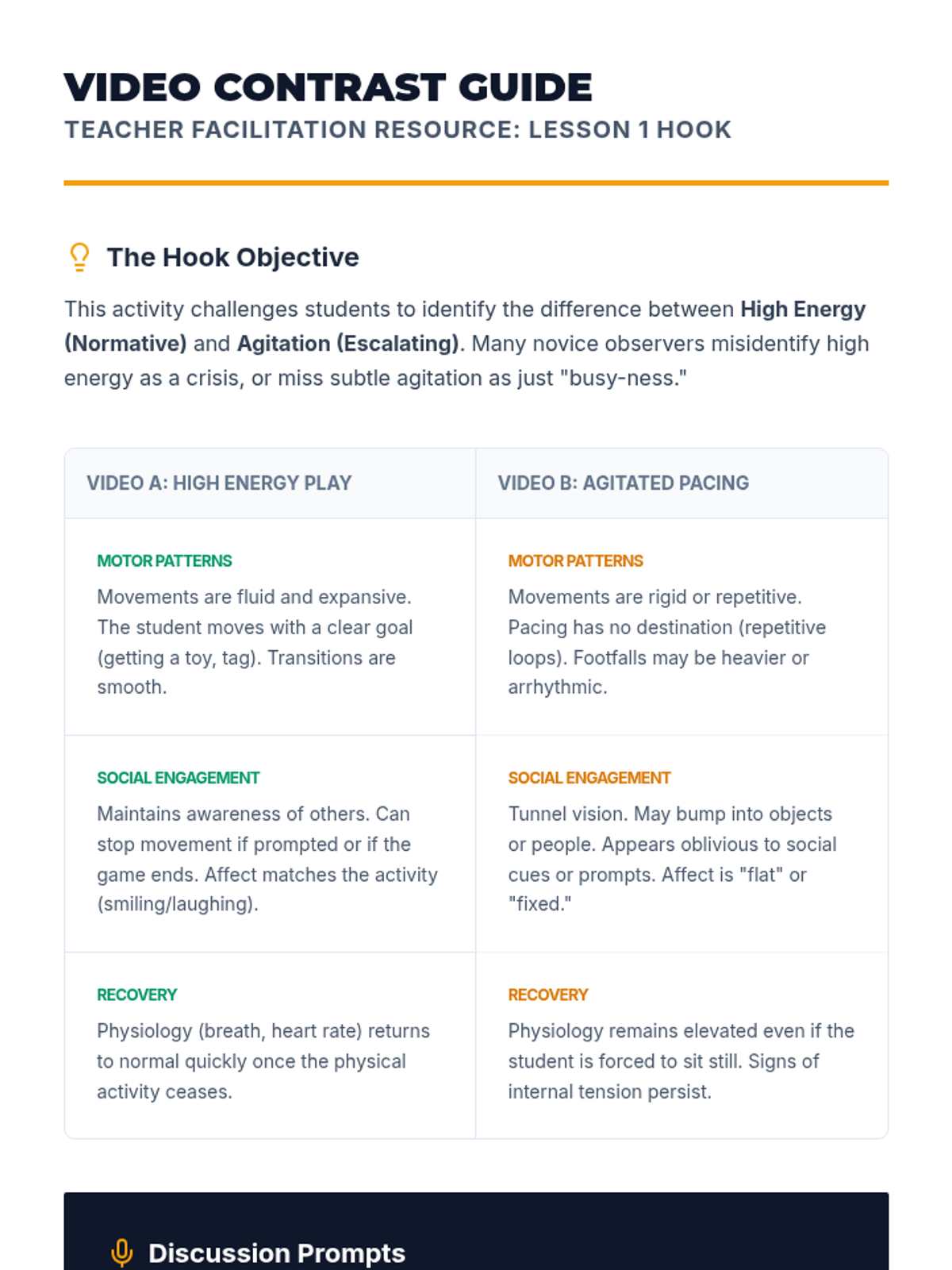
This sequence trains undergraduate students in behavioral health and education to identify the early warning signs of crisis. Students move from establishing behavioral baselines to analyzing motor, verbal, and passive indicators of escalation through case studies and clinical observation.
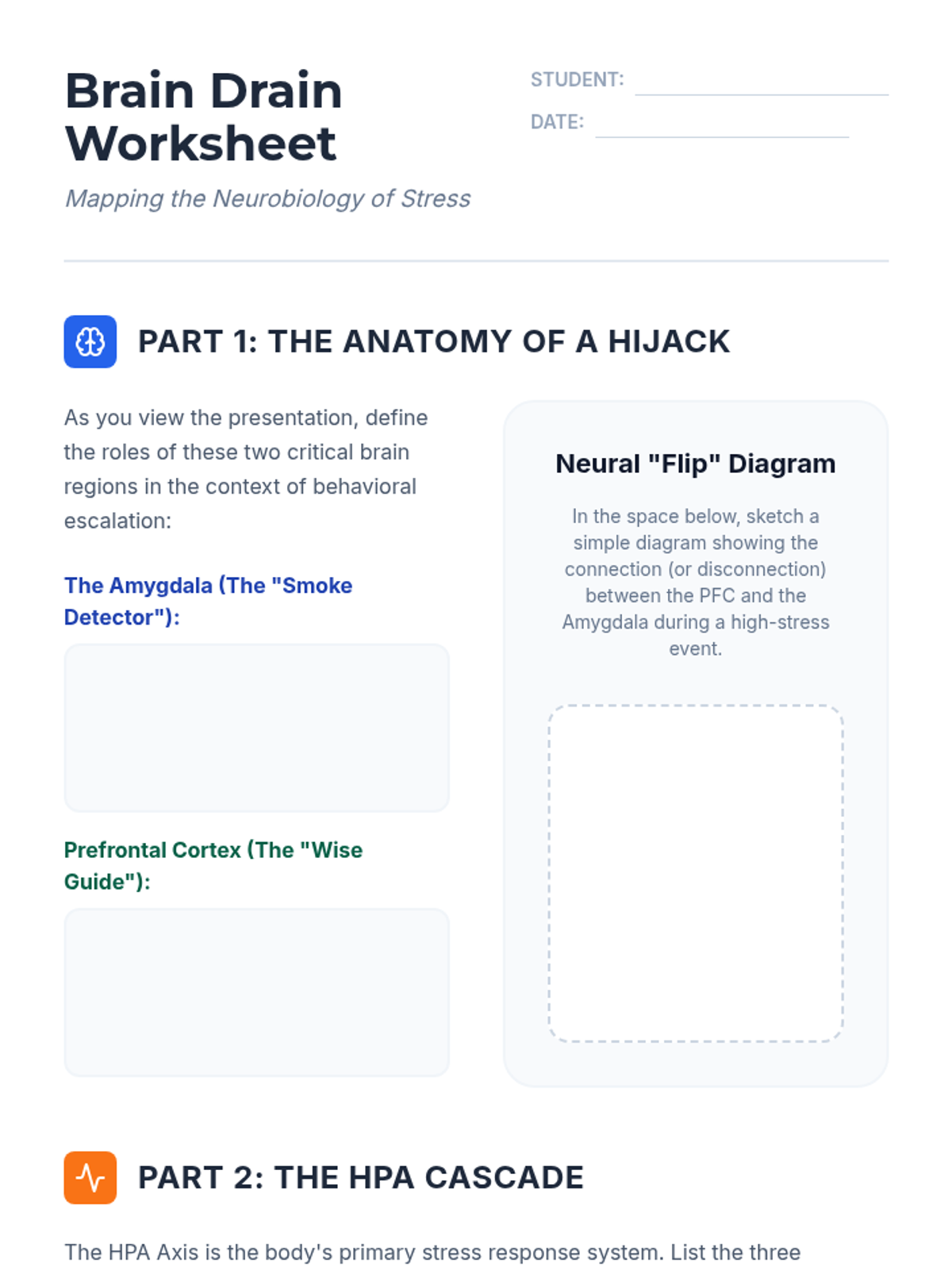
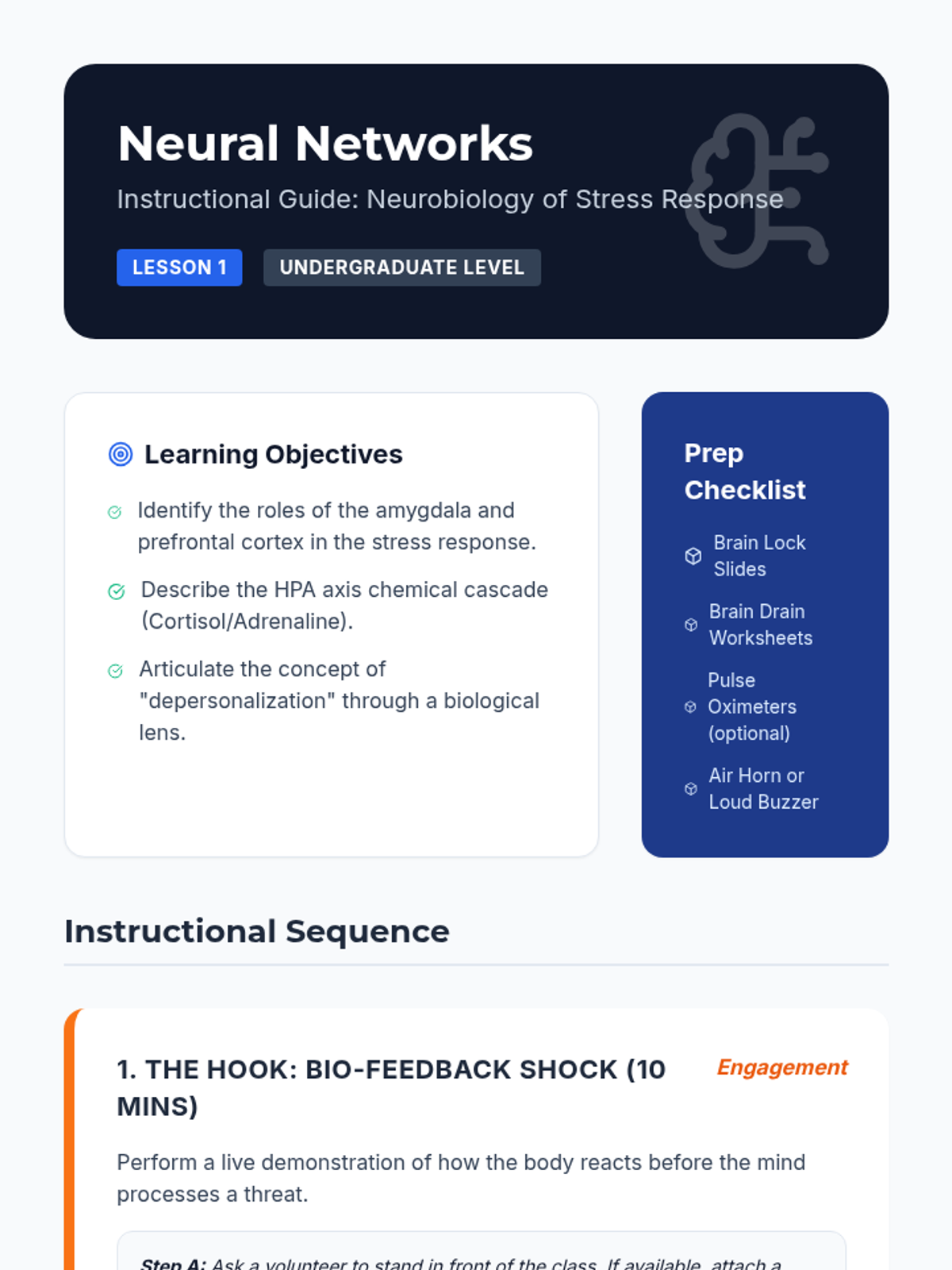
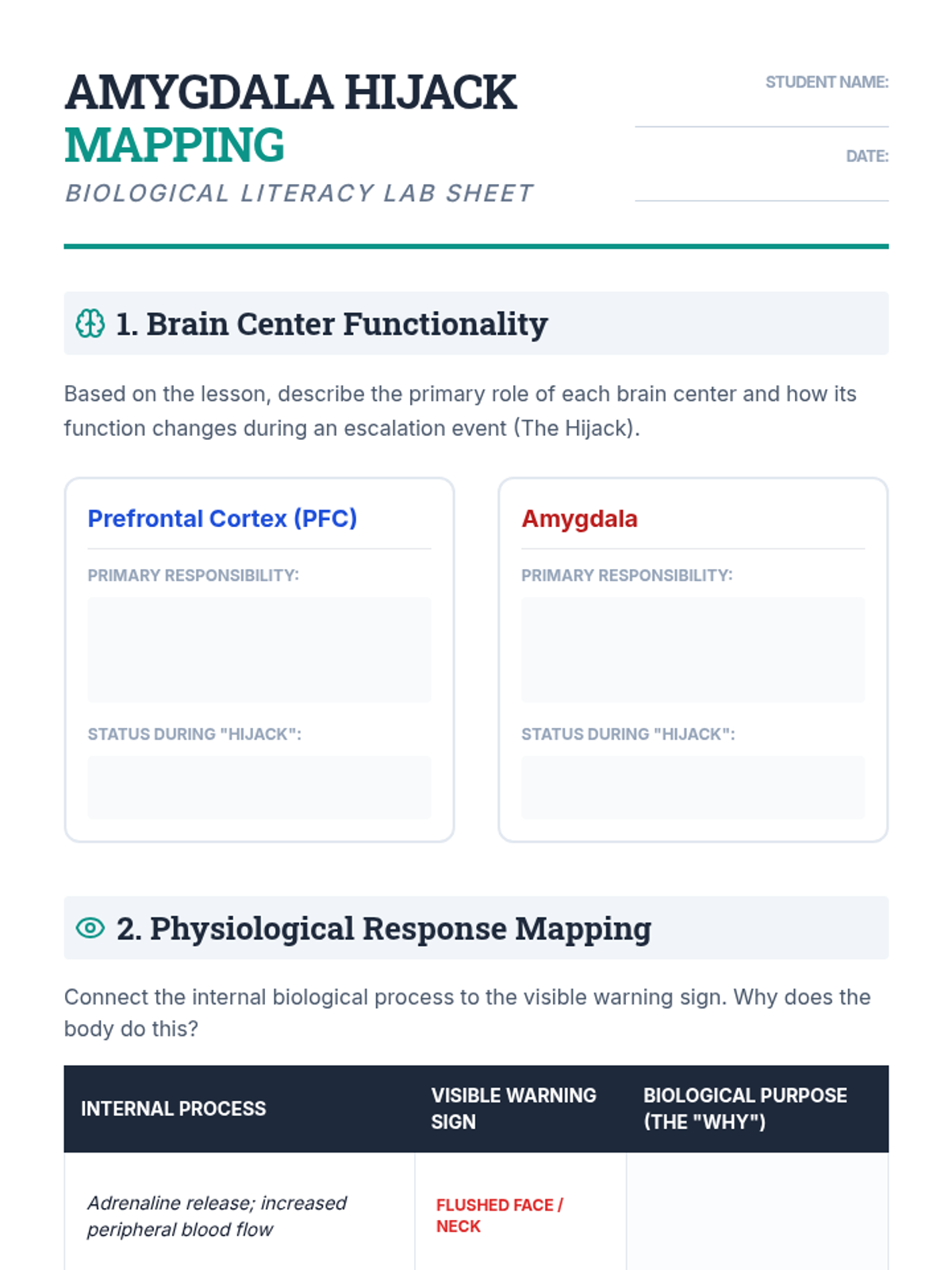
This sequence explores the neurobiological foundations of student escalation, connecting internal physiological stress responses (the 'amygdala hijack') to observable external warning signs. Students will learn to depersonalize behavior by understanding it as a biological survival mechanism, training them to recognize subtle somatic, respiratory, and muscular cues before a full behavioral outburst occurs.
This sequence connects behavioral observation to the biological science of the stress response. Students investigate the 'why' behind warning signs by studying the sympathetic nervous system and the 'fight, flight, or freeze' response, culminating in a biological profile of behavioral escalation.
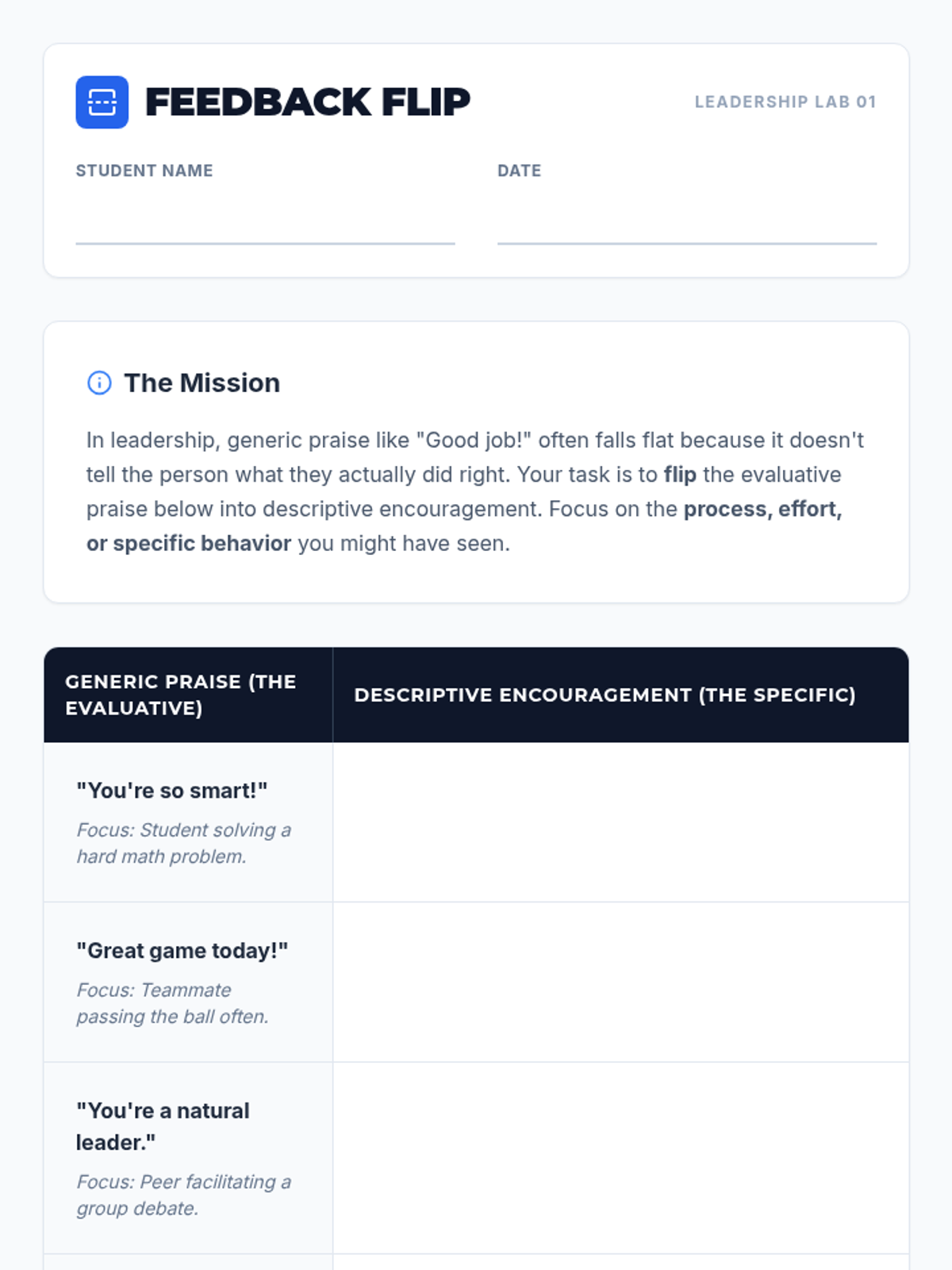
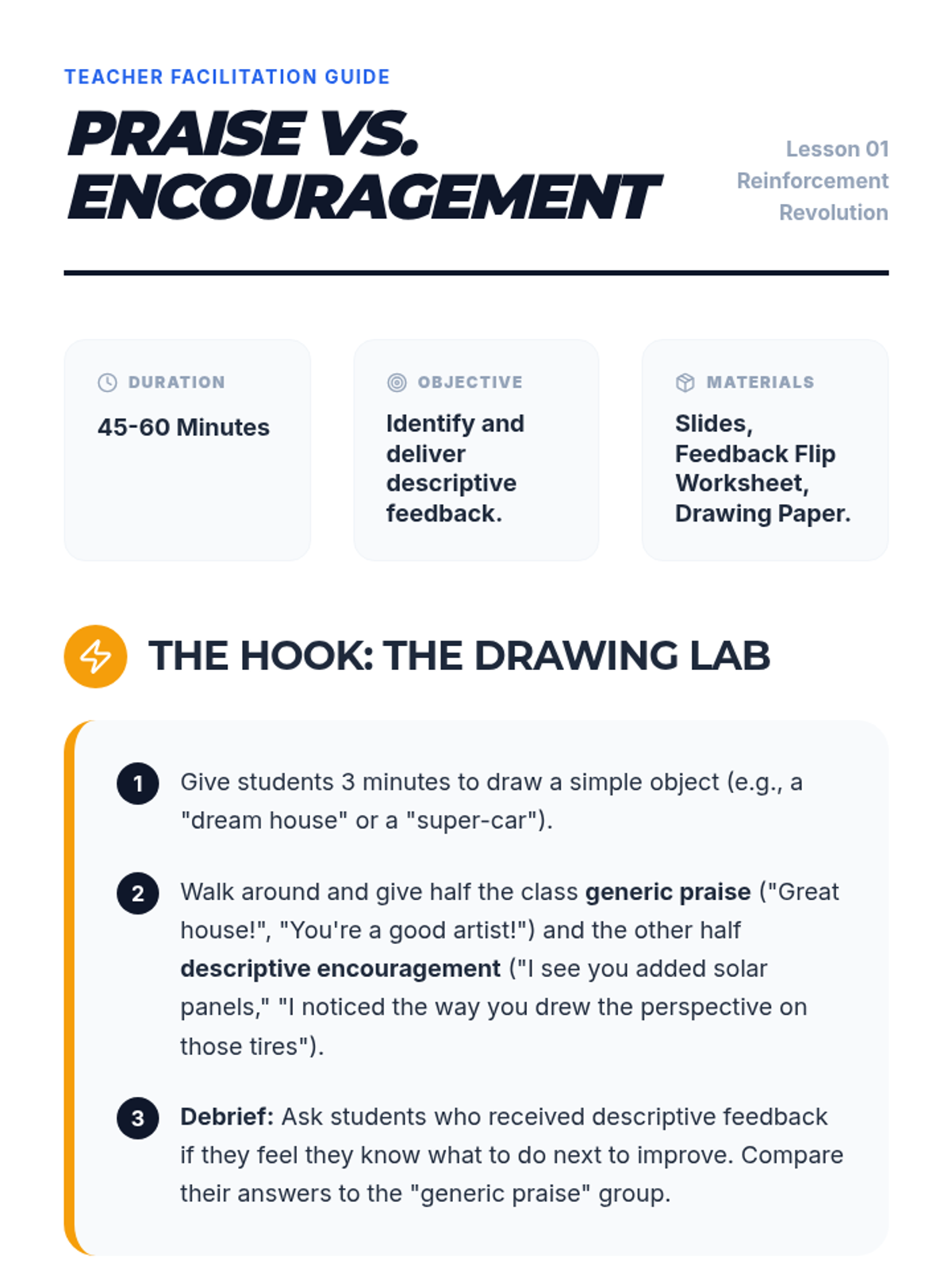
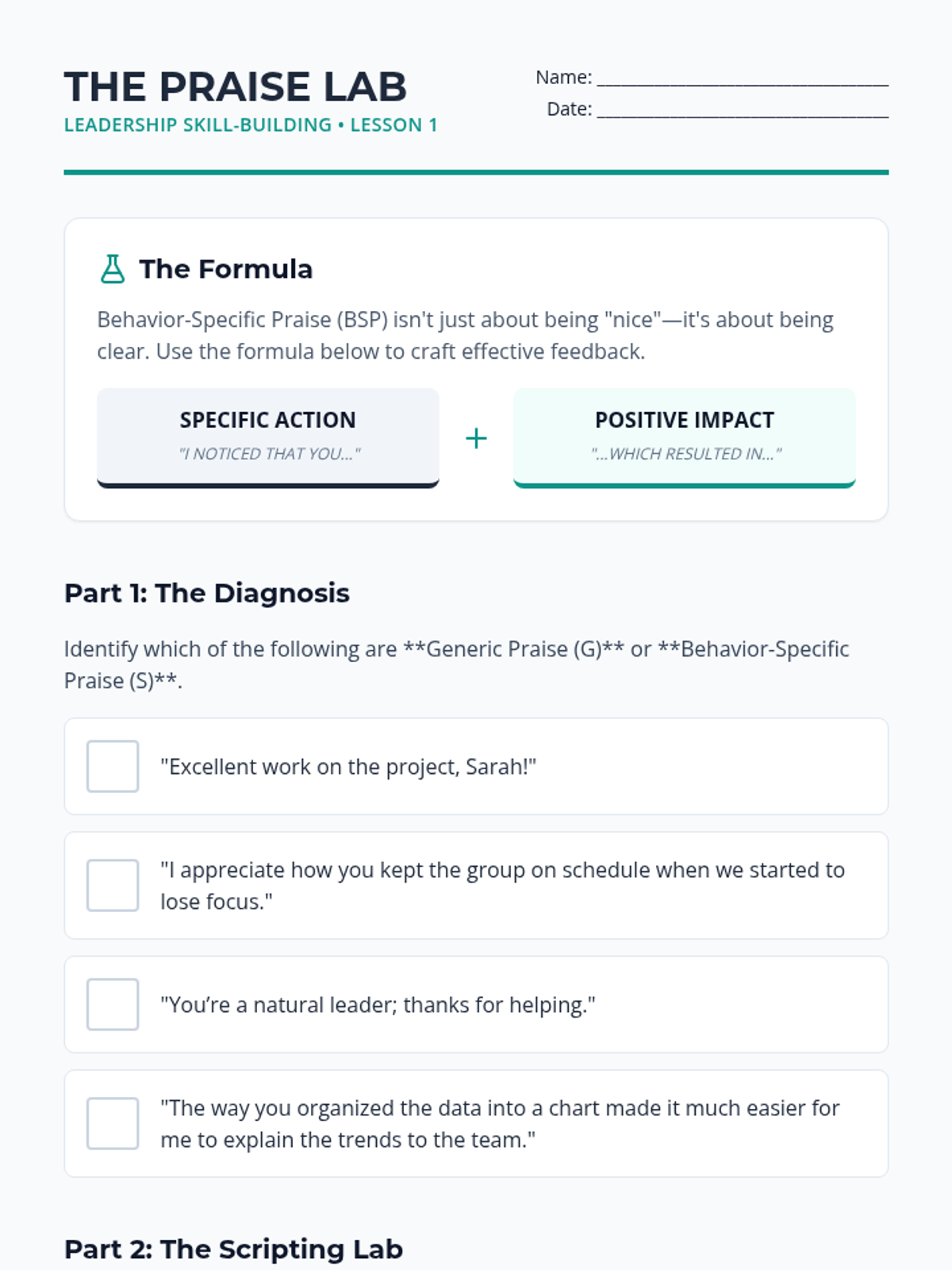
This sequence explores the interpersonal application of positive reinforcement in leadership, coaching, and mentoring contexts. Students examine how leaders influence group culture and individual performance through specific praise and recognition systems.
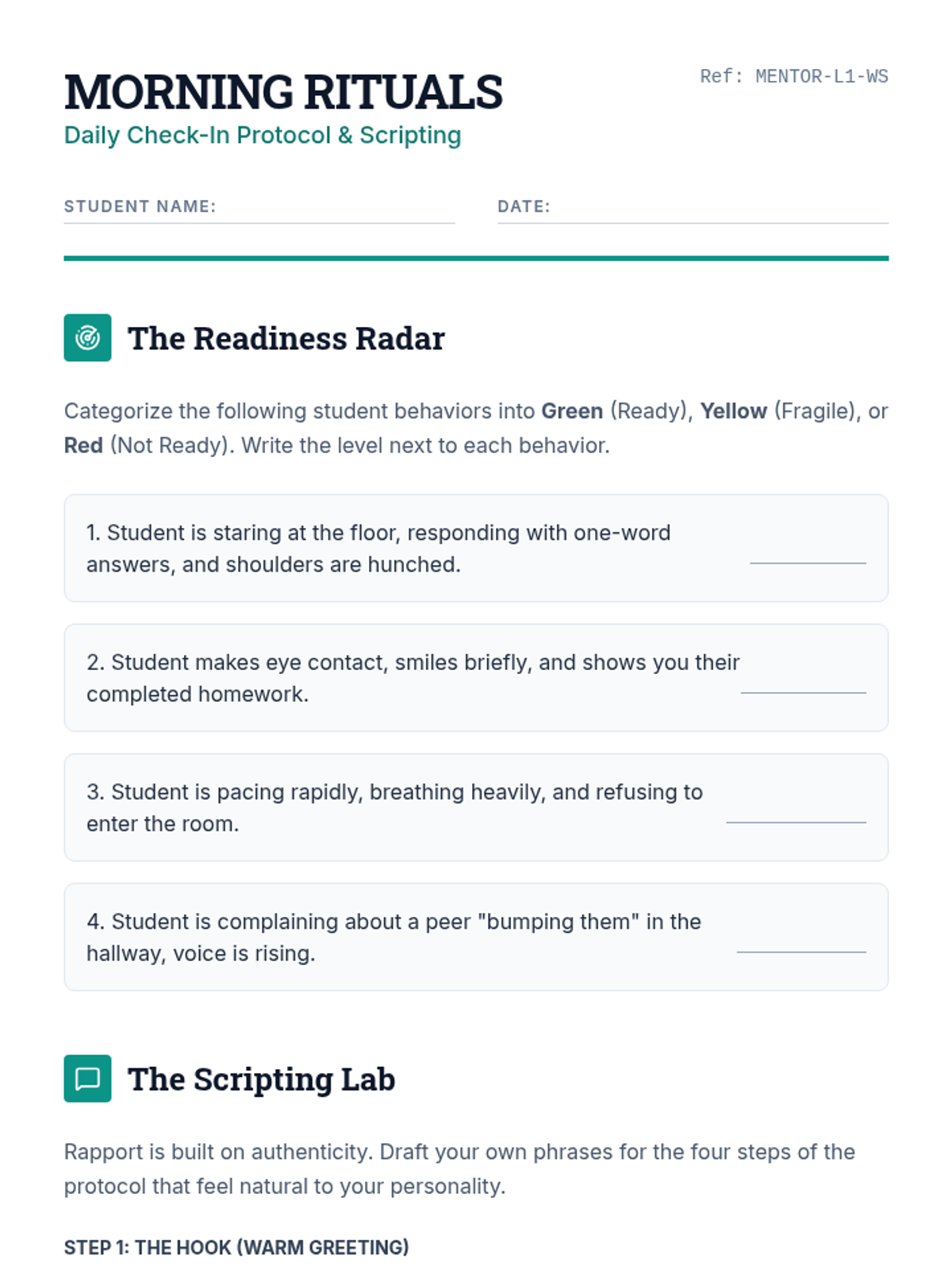
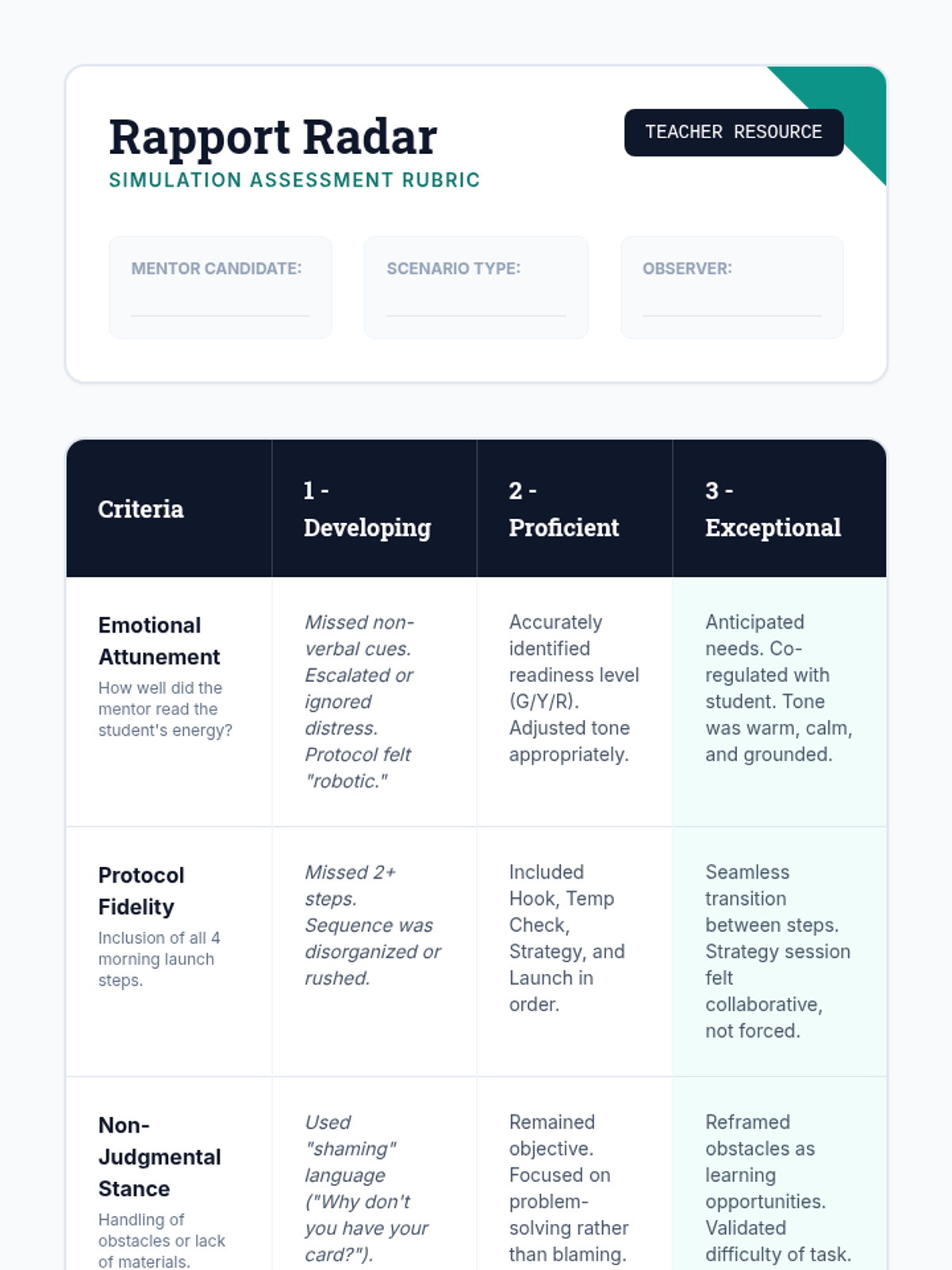
A comprehensive sequence for undergraduate students on implementing daily check-in/check-out (CICO) procedures with a focus on rapport building, motivational interviewing, and therapeutic interaction. Students will move from basic morning protocols to handling complex setbacks and planning for student graduation from behavioral supports.
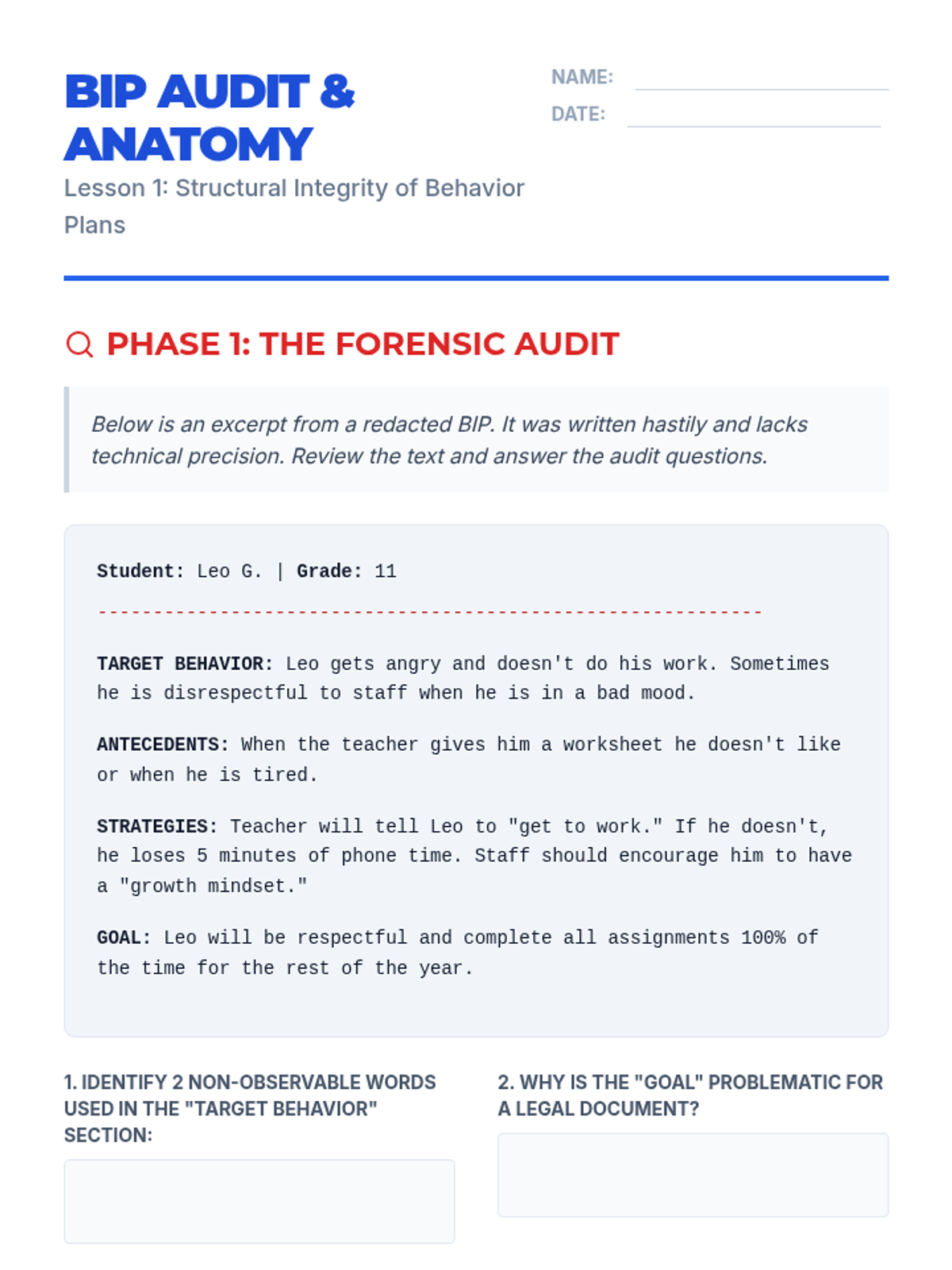
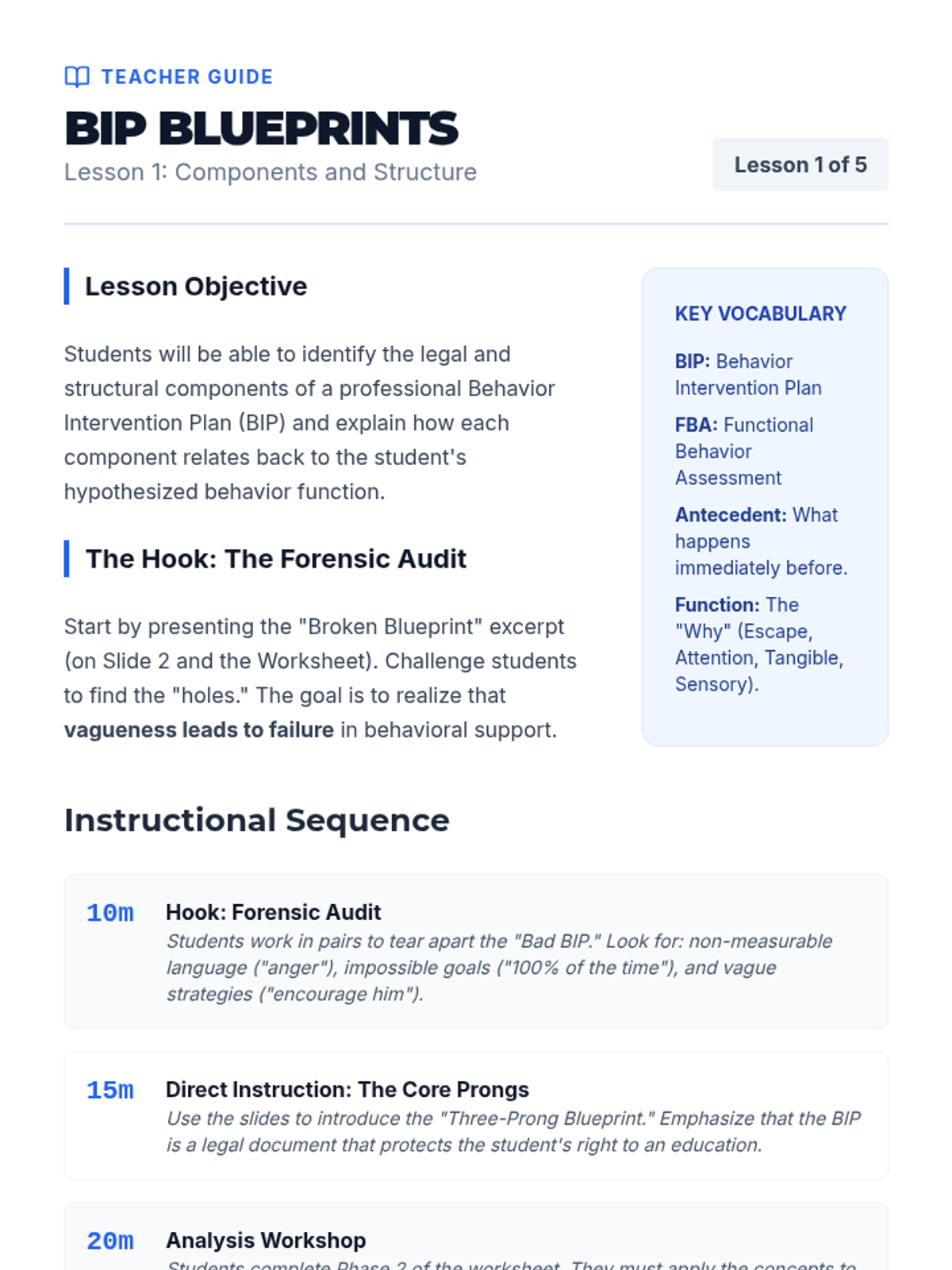
A capstone sequence for 11th-grade students to synthesize assessment, prevention, and teaching strategies into a comprehensive Behavior Intervention Plan (BIP). Students learn about reinforcement systems, crisis management, and data-based decision-making to create sustainable and ethical behavioral supports.
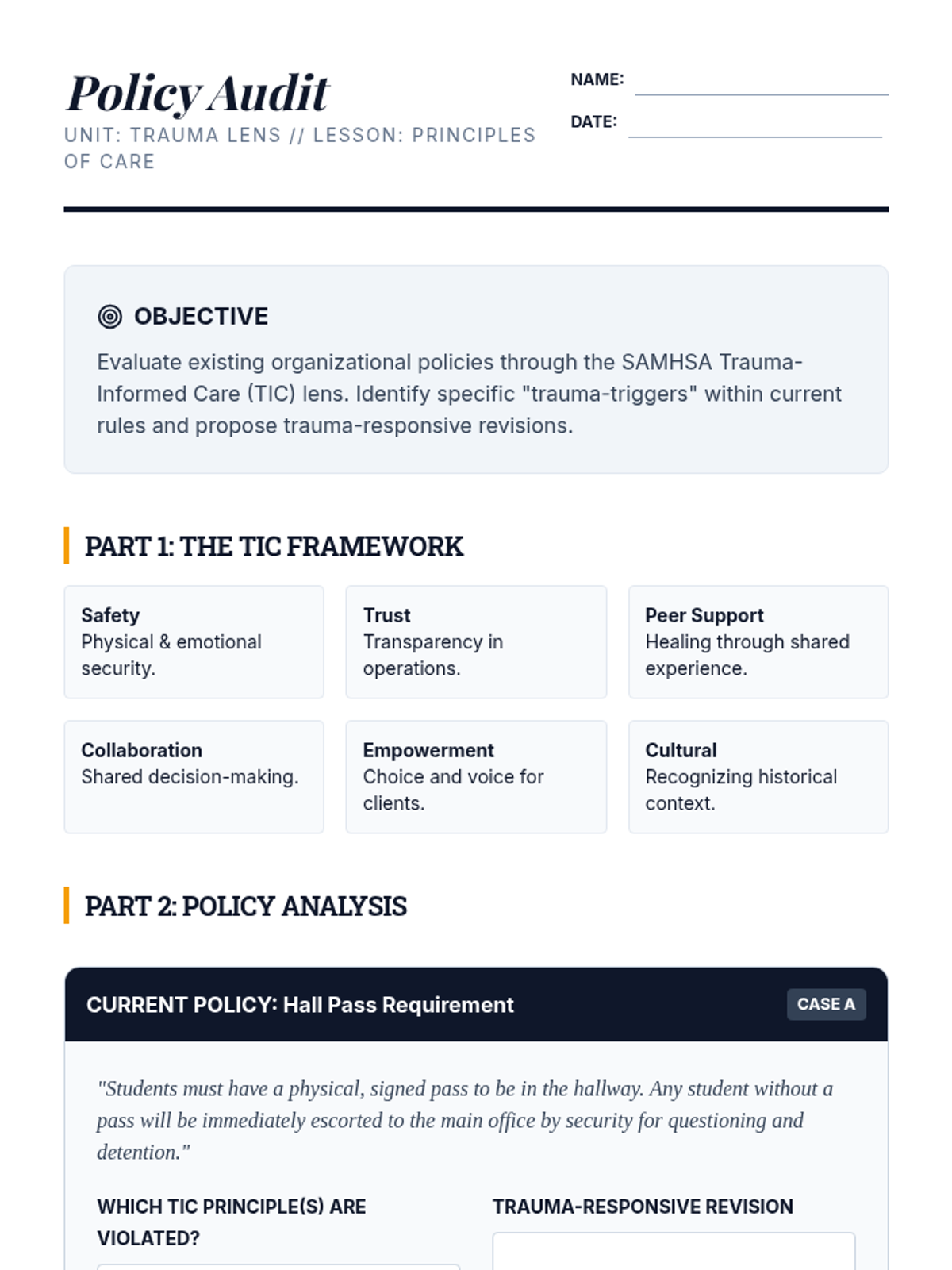
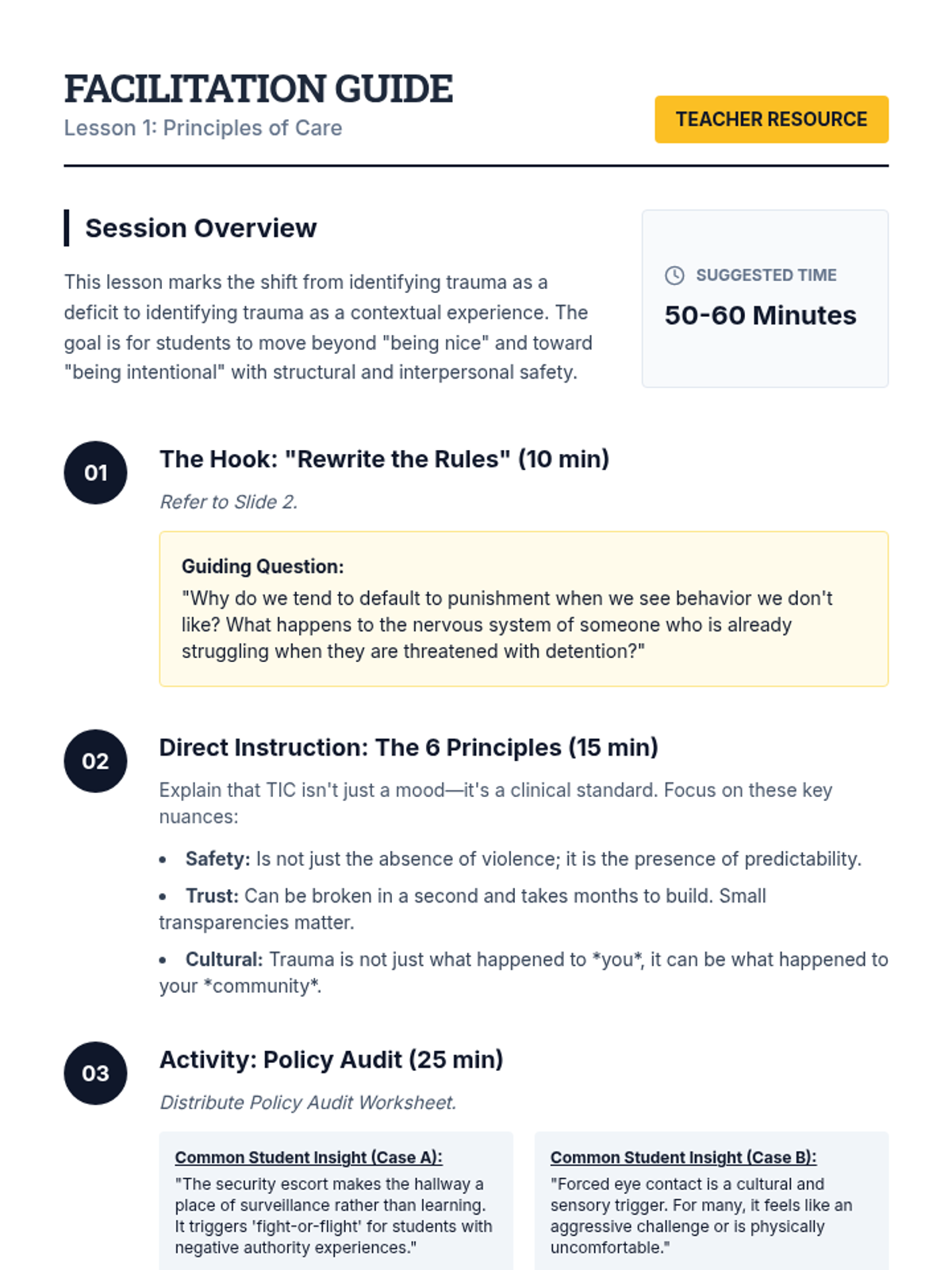
A comprehensive unit for 11th-grade students exploring the principles of Trauma-Informed Care (TIC), de-escalation strategies, provider wellness, and cultural competency. Students transition from theoretical understanding to clinical application through simulations and policy analysis.
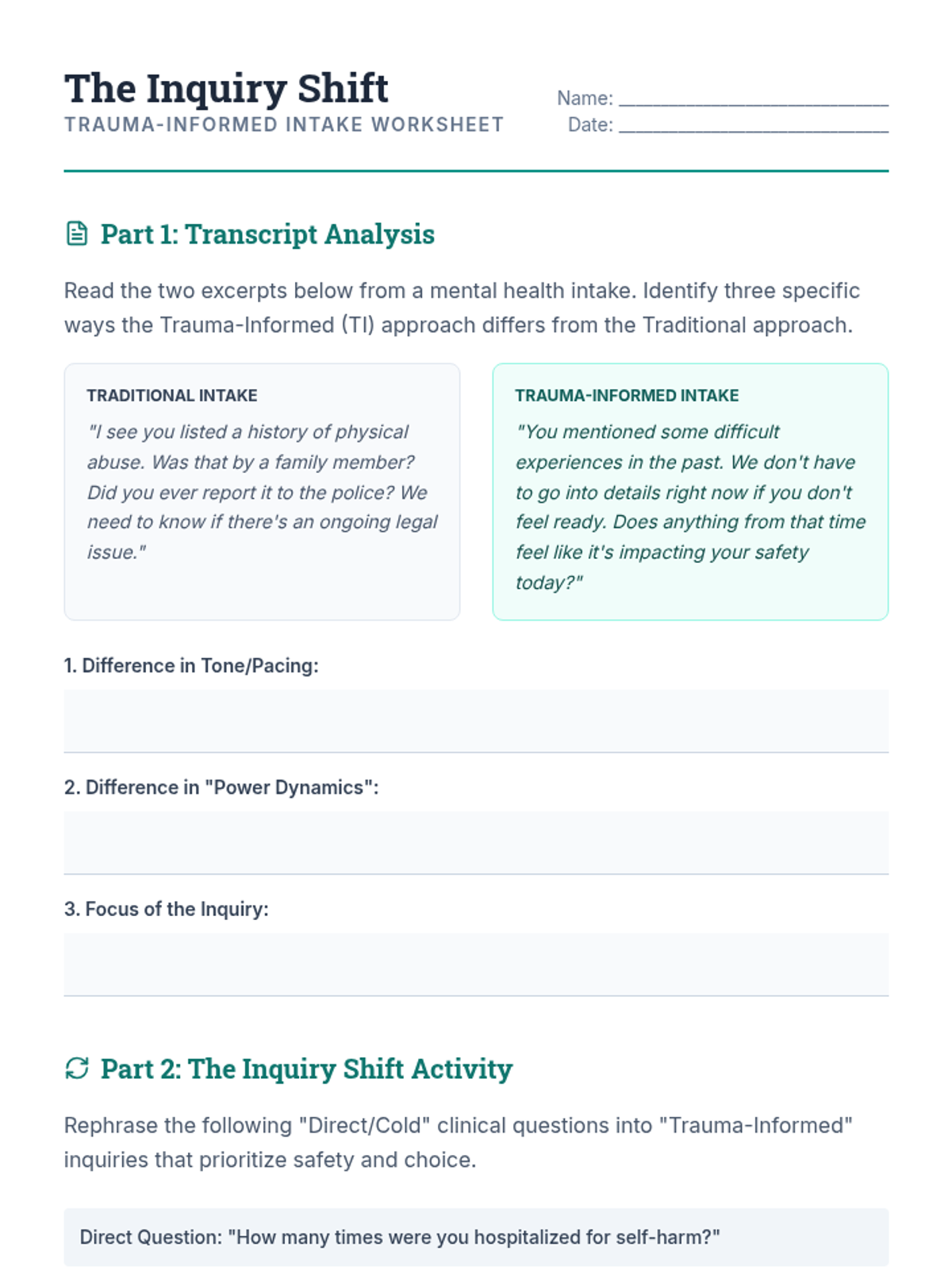
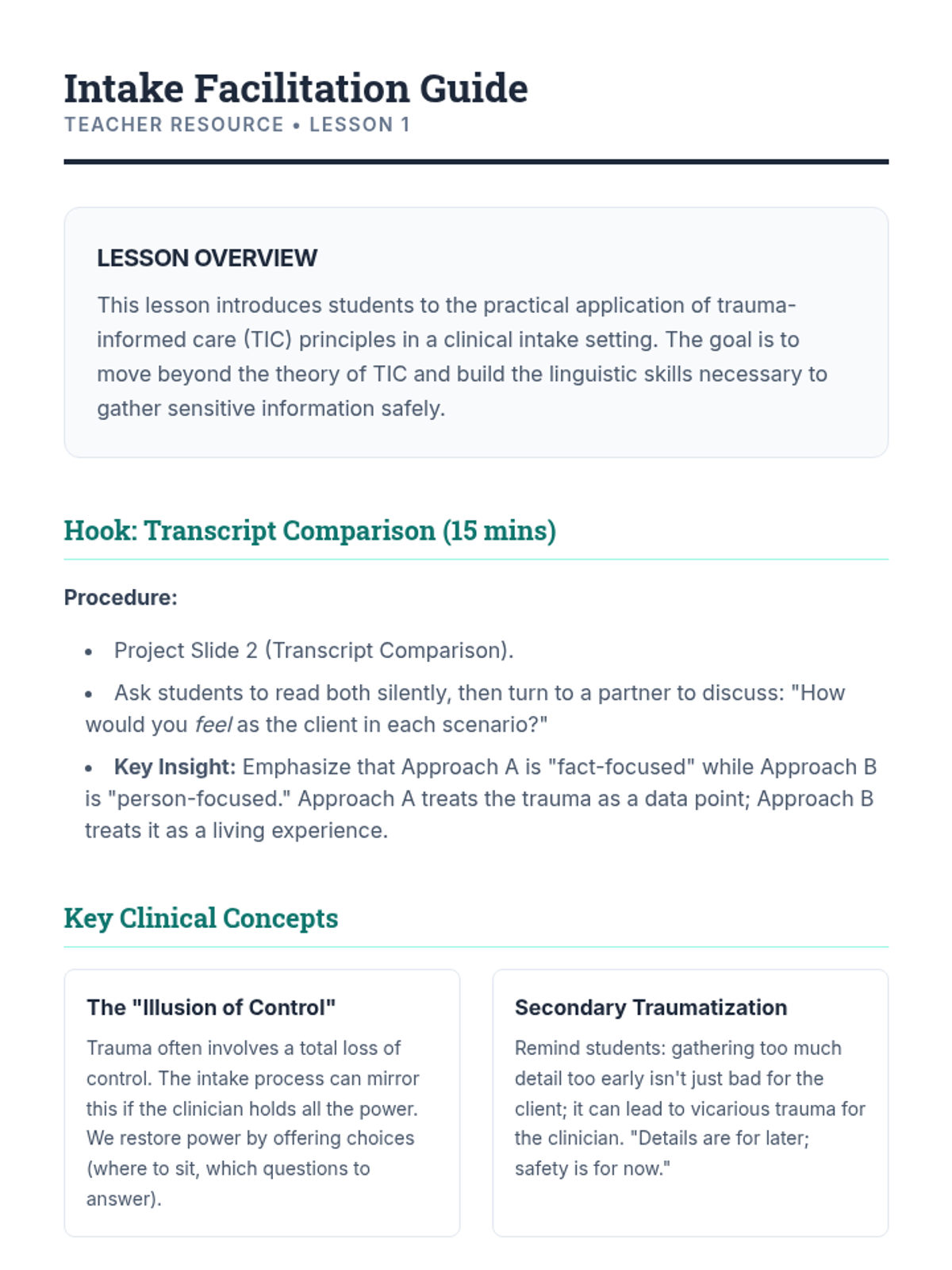
This sequence trains undergraduate students in the clinical assessment of trauma, focusing on identifying triggers, mapping reactivity cycles, and conducting trauma-informed intake interviews. It emphasizes the shift from pathological to trauma-informed perspectives and integrates cultural competency and safety planning.
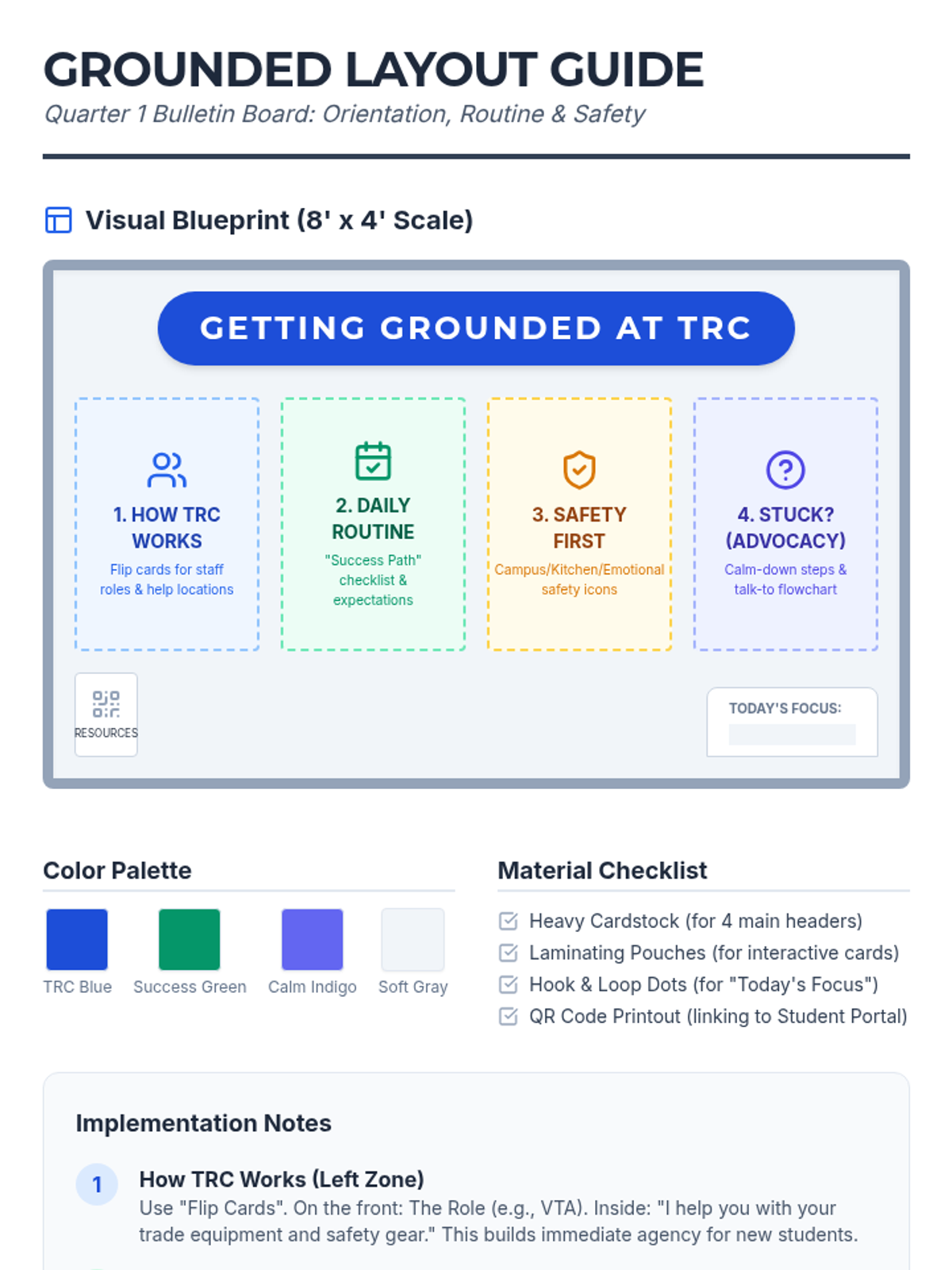
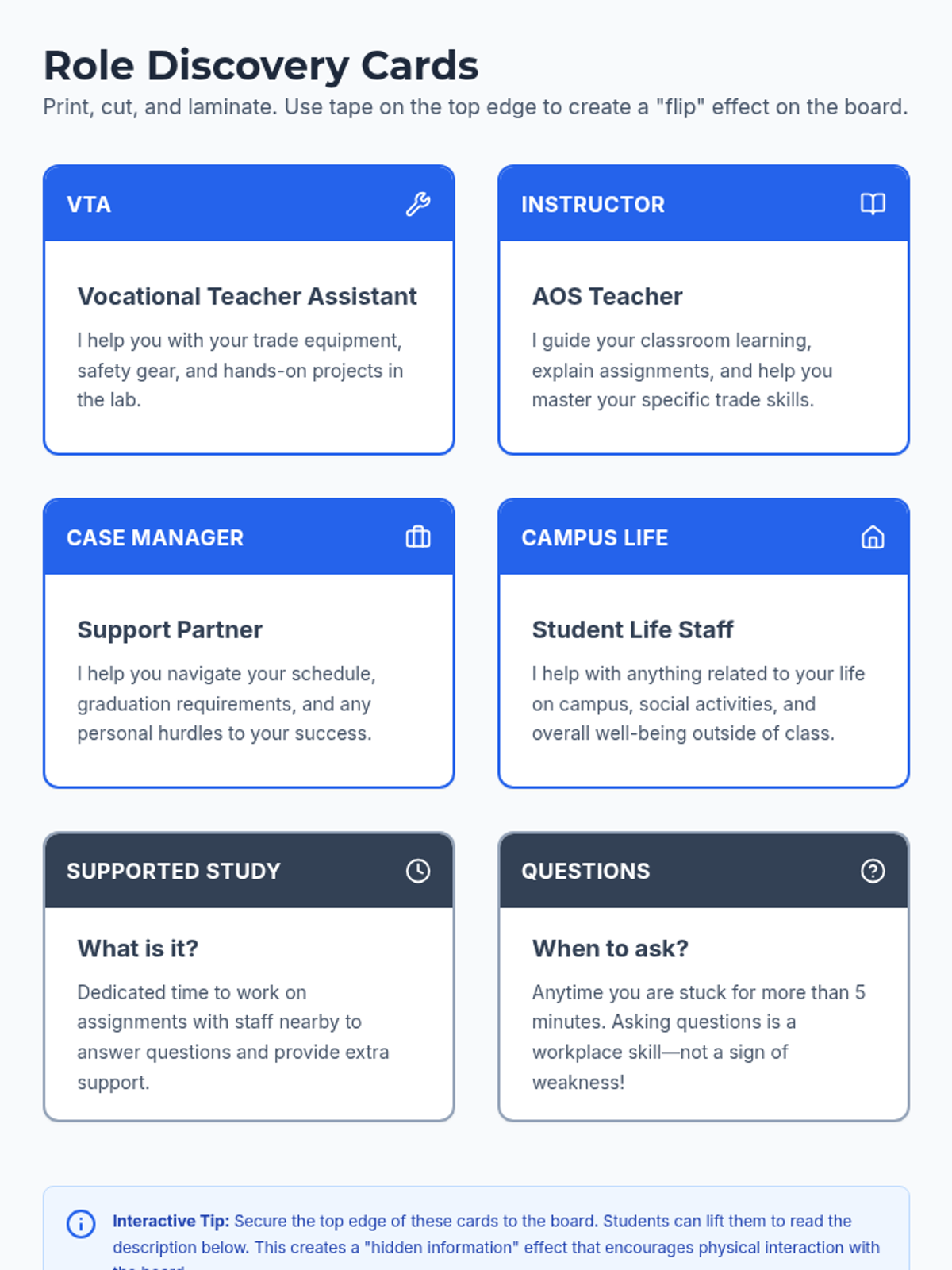
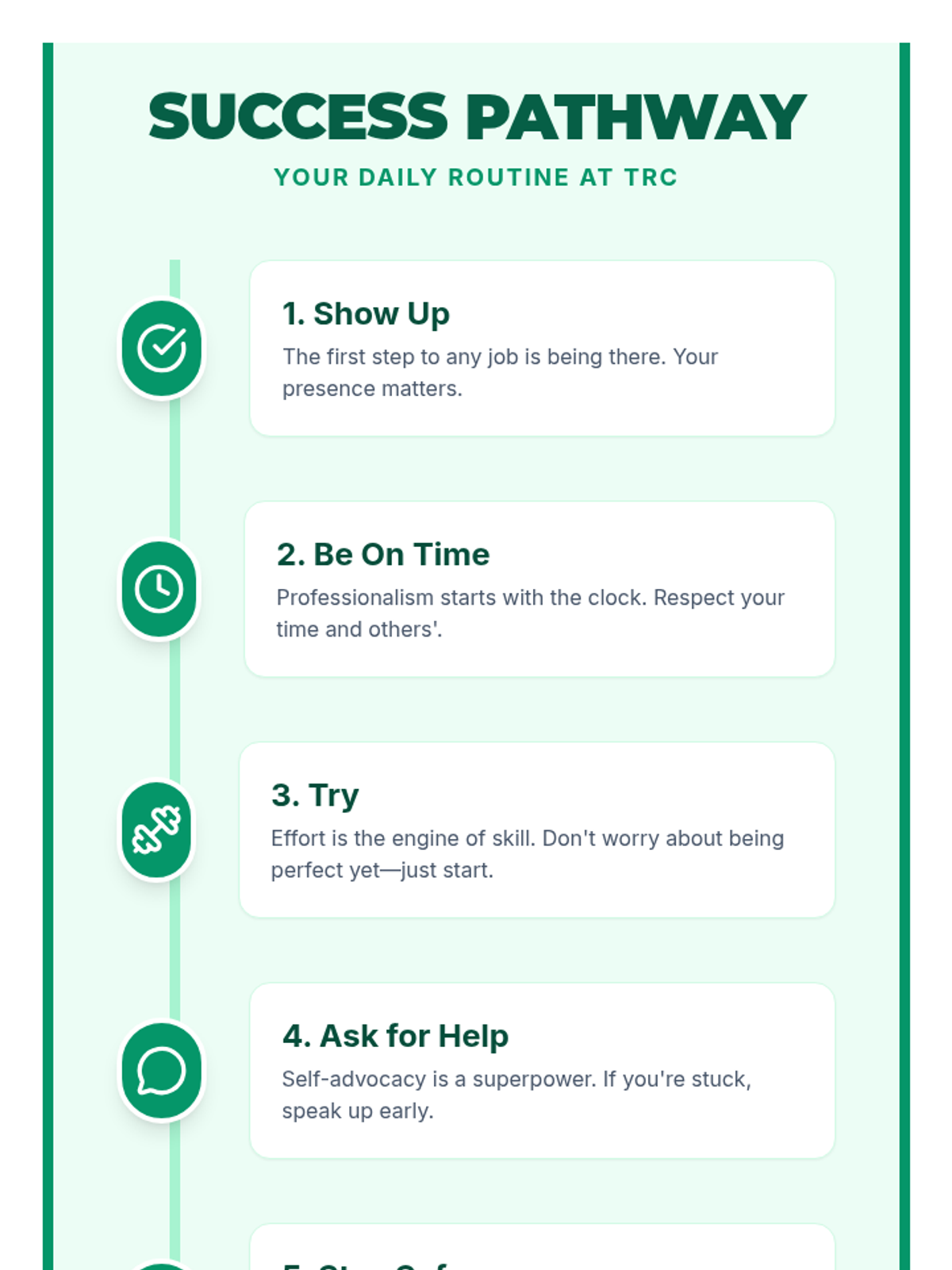
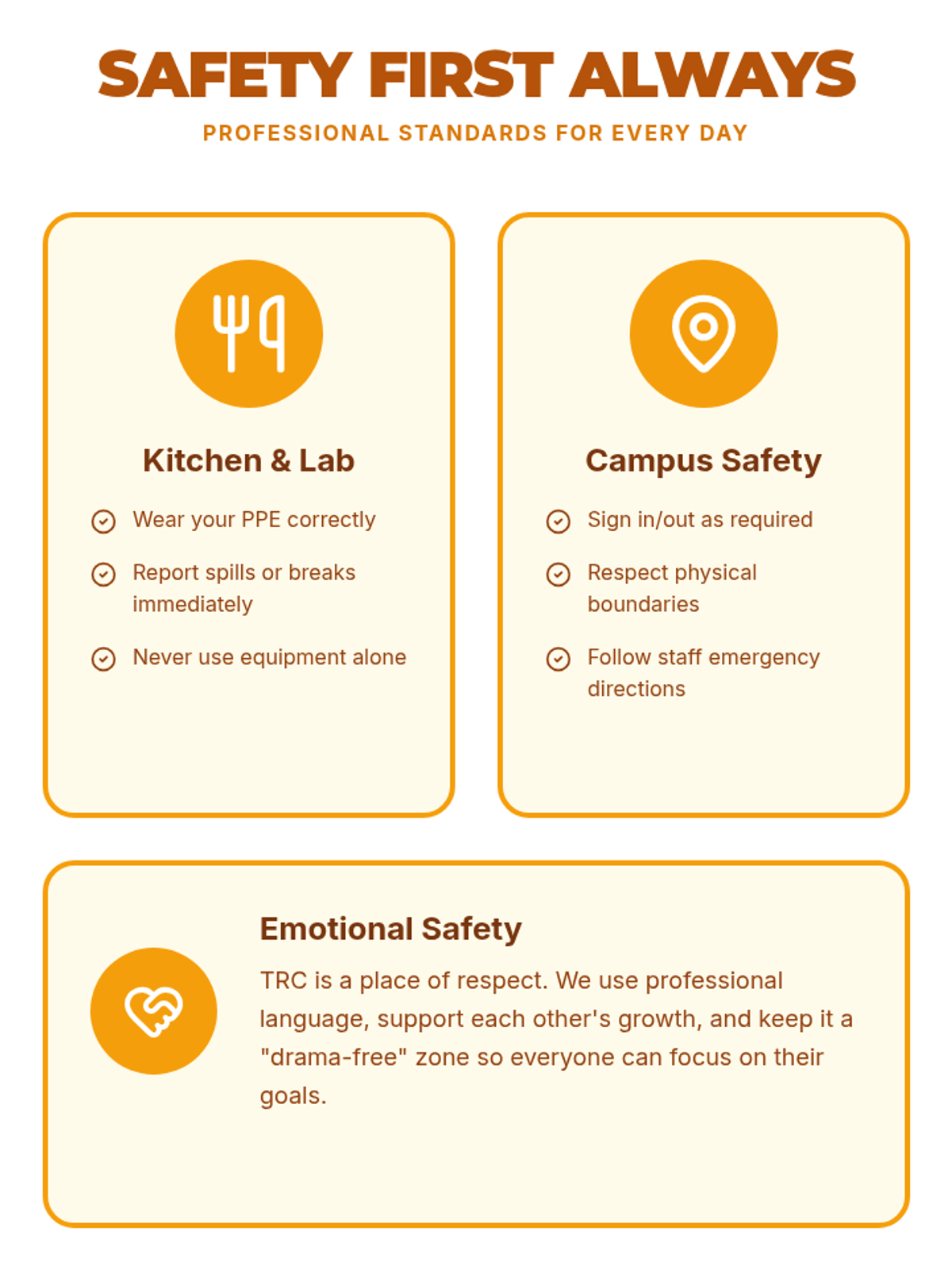
A collection of quarterly bulletin board designs for TRC, providing visual blueprints and printable components to help students navigate orientation, skill-building, and transition planning.
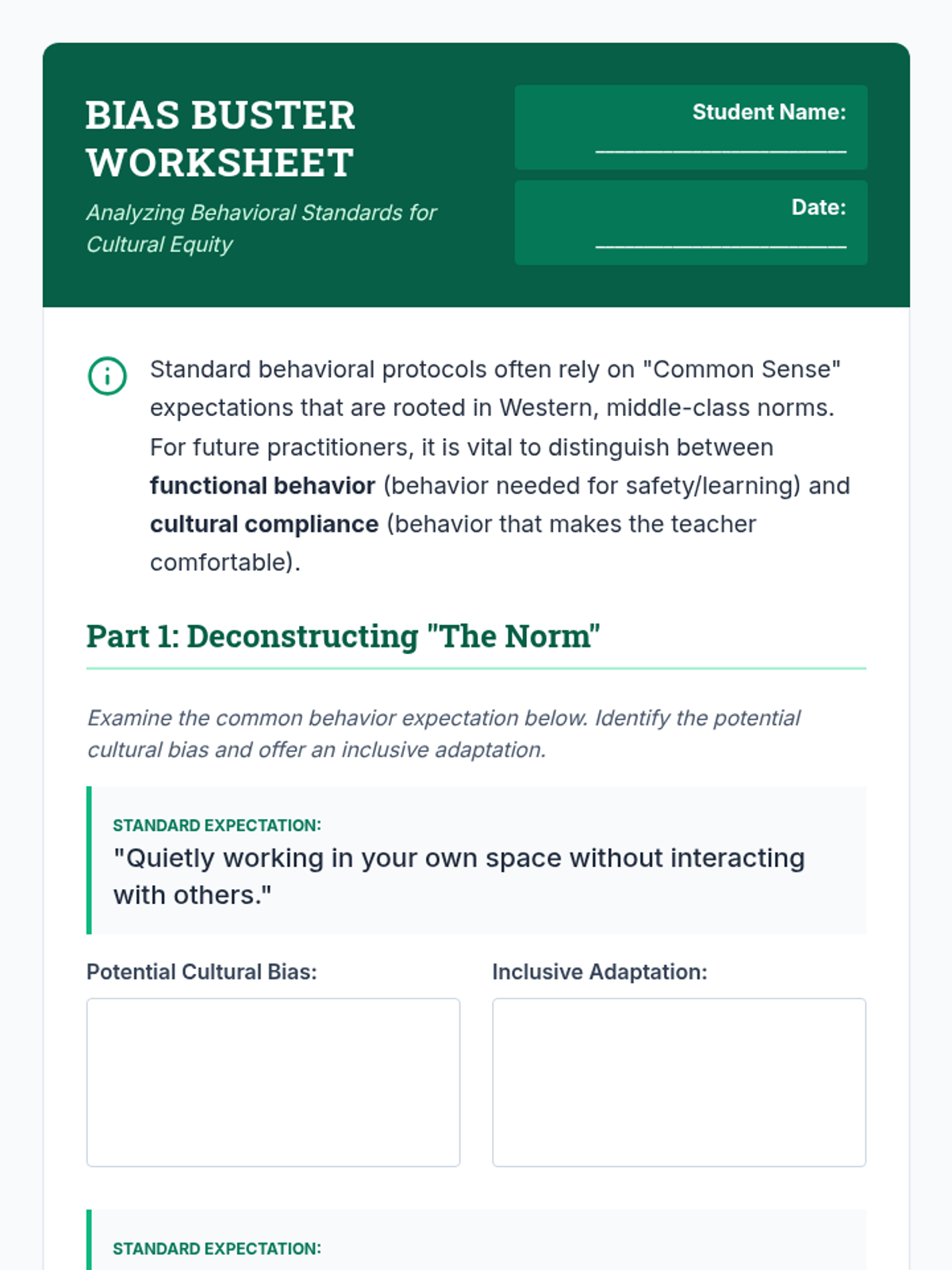
This sequence prepares undergraduate students in counseling and education to adapt standard behavioral check-in procedures (like Check-In/Check-Out) for diverse populations. It emphasizes cultural responsiveness, developmental appropriateness, neurodiversity, and modern remote contexts to ensure equity and accessibility in behavioral support.
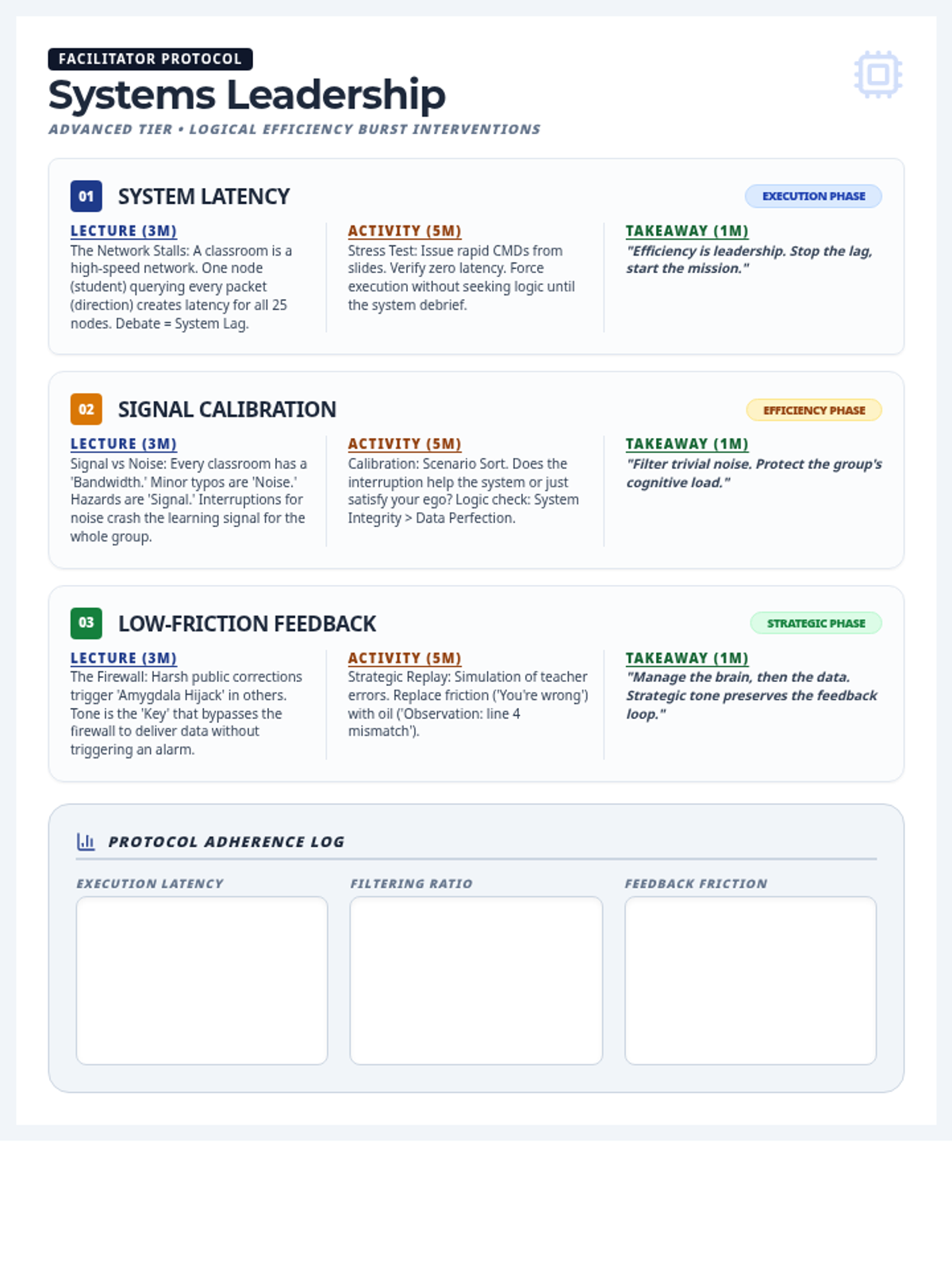
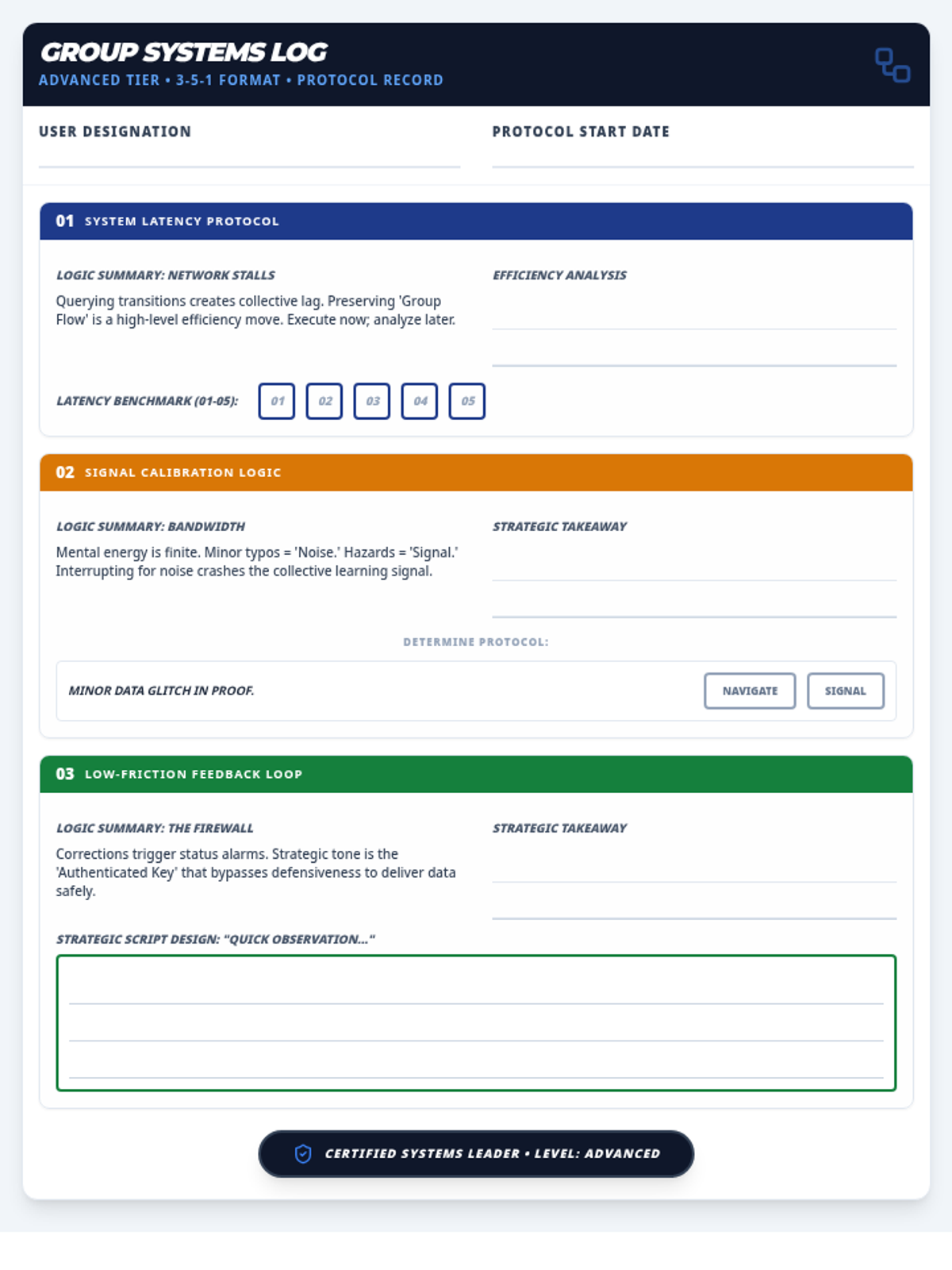
A series of three 10-minute 'burst' sessions designed to teach classroom leadership through systems-thinking and logical efficiency. Focuses on minimizing group latency, calibrating priority, and mastering low-friction feedback.
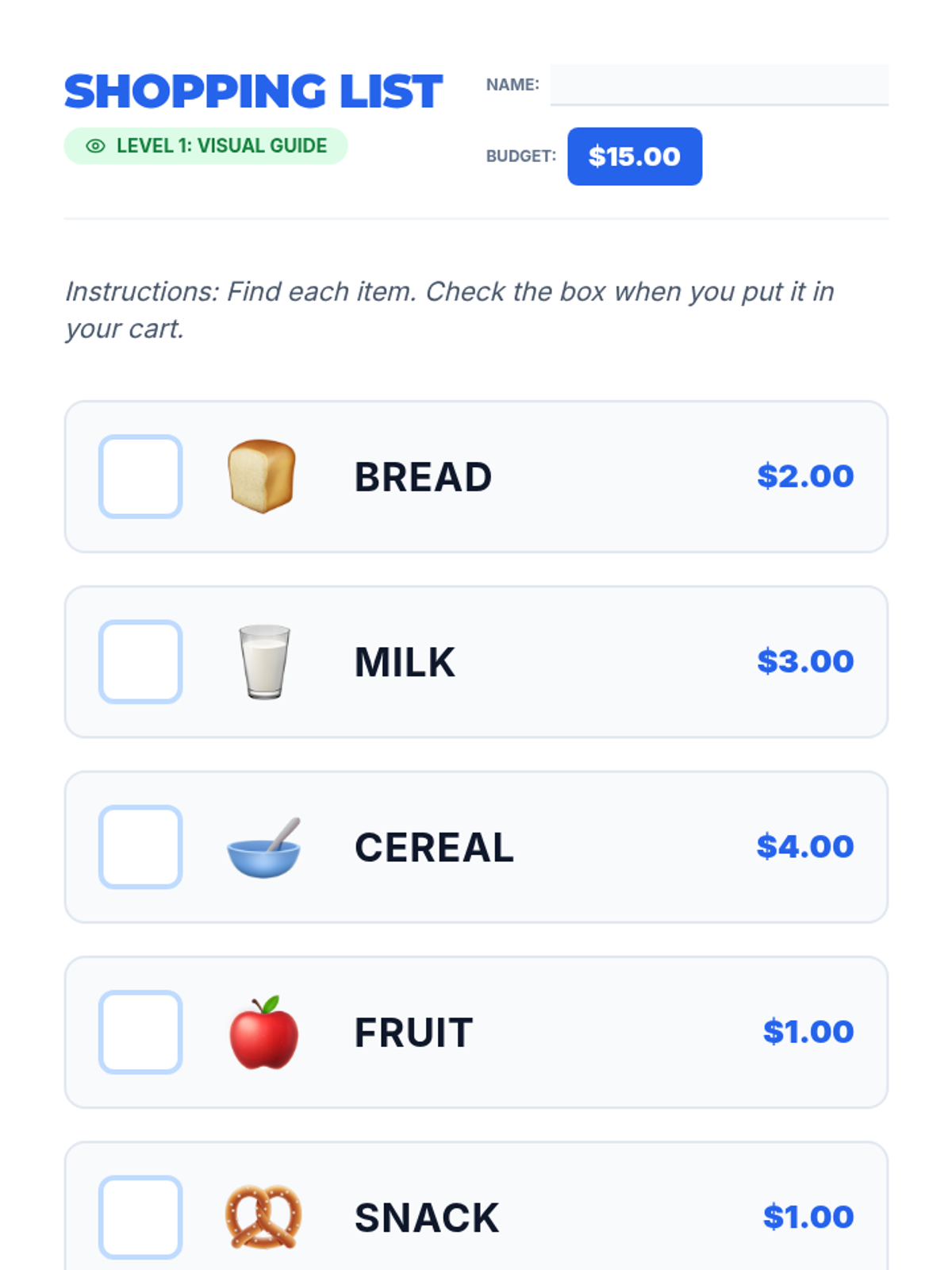
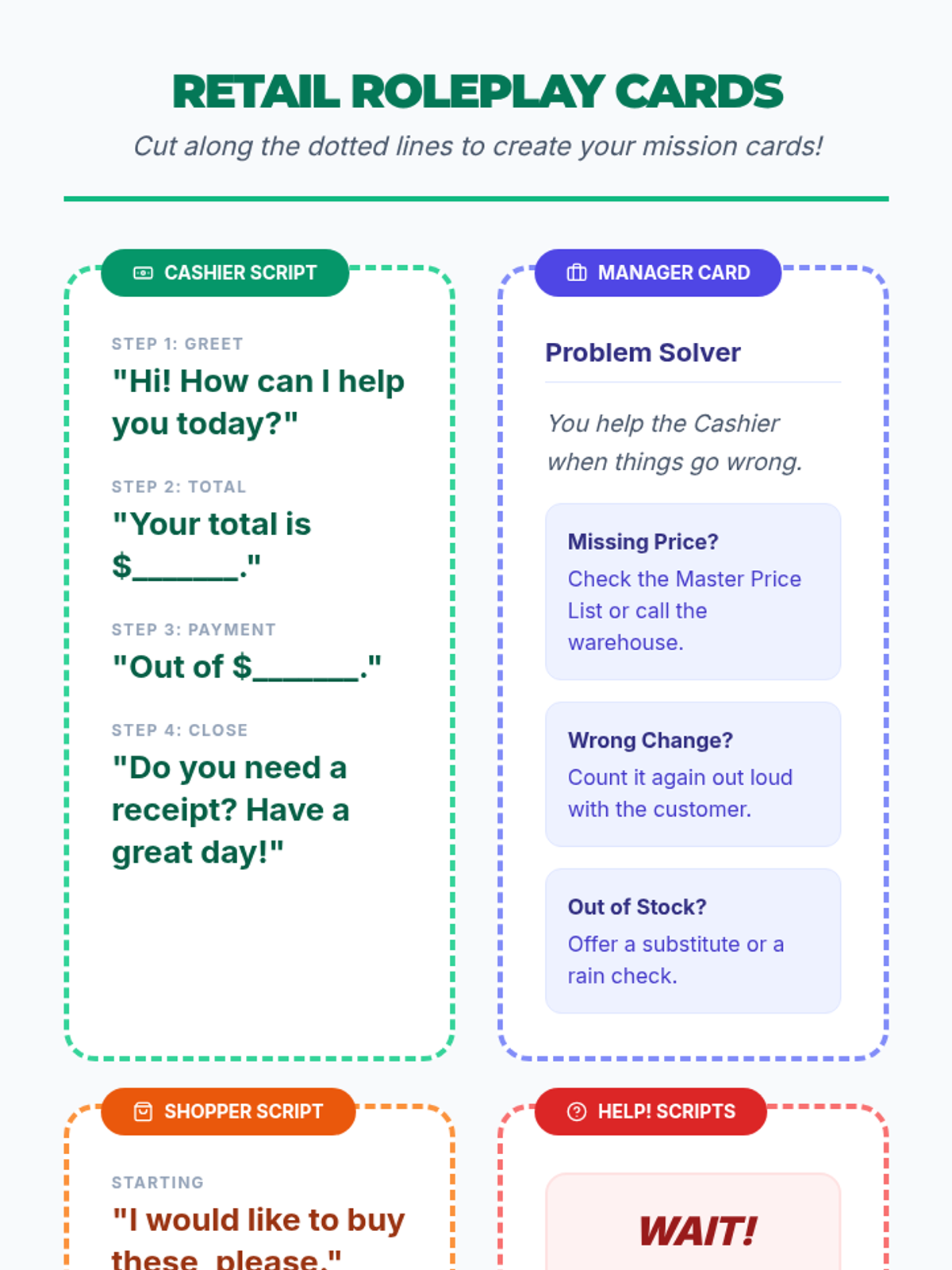
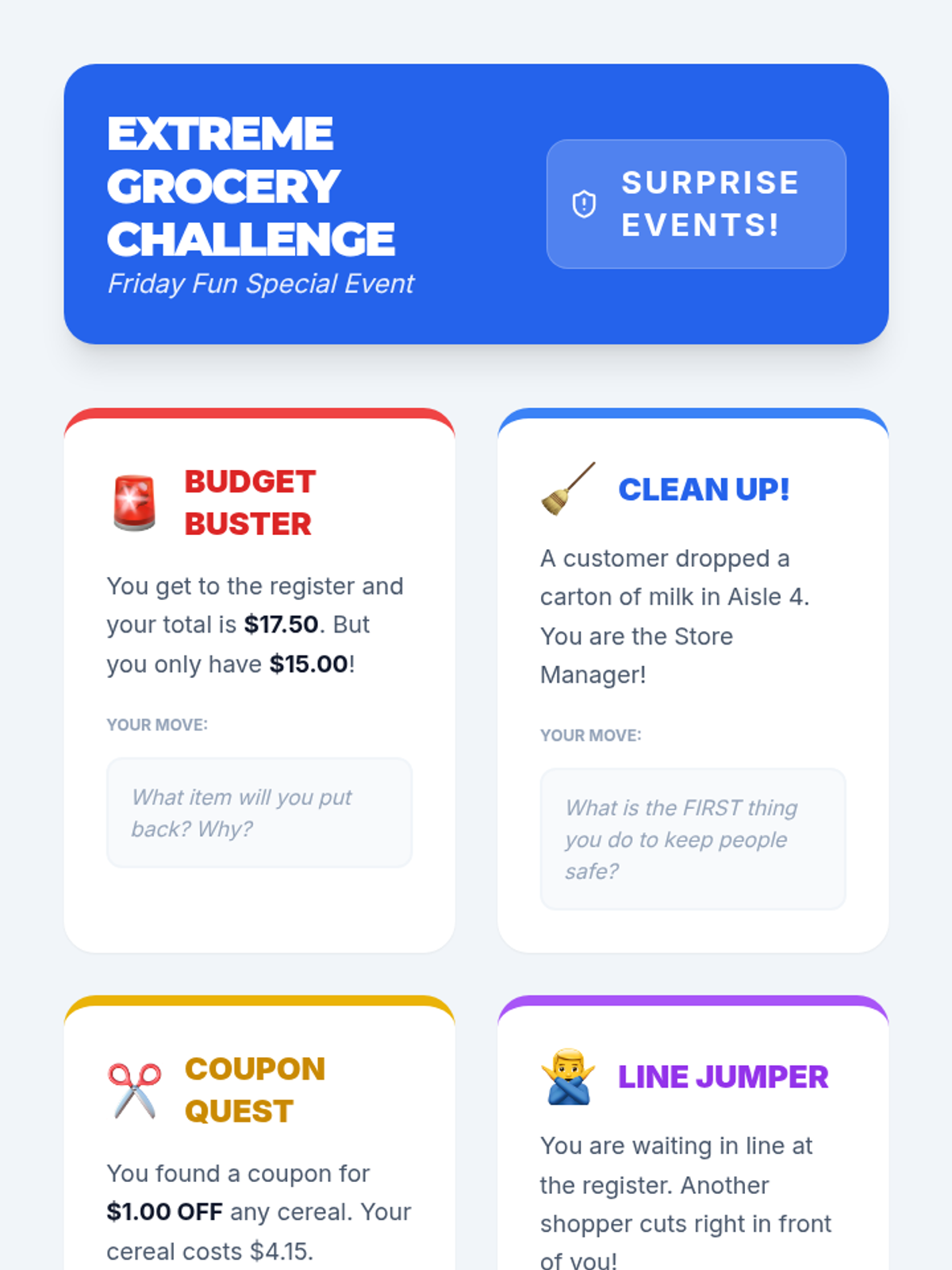
A full-month curriculum focused on developing independence through real-world simulations, role-playing, and practical application of functional life skills.
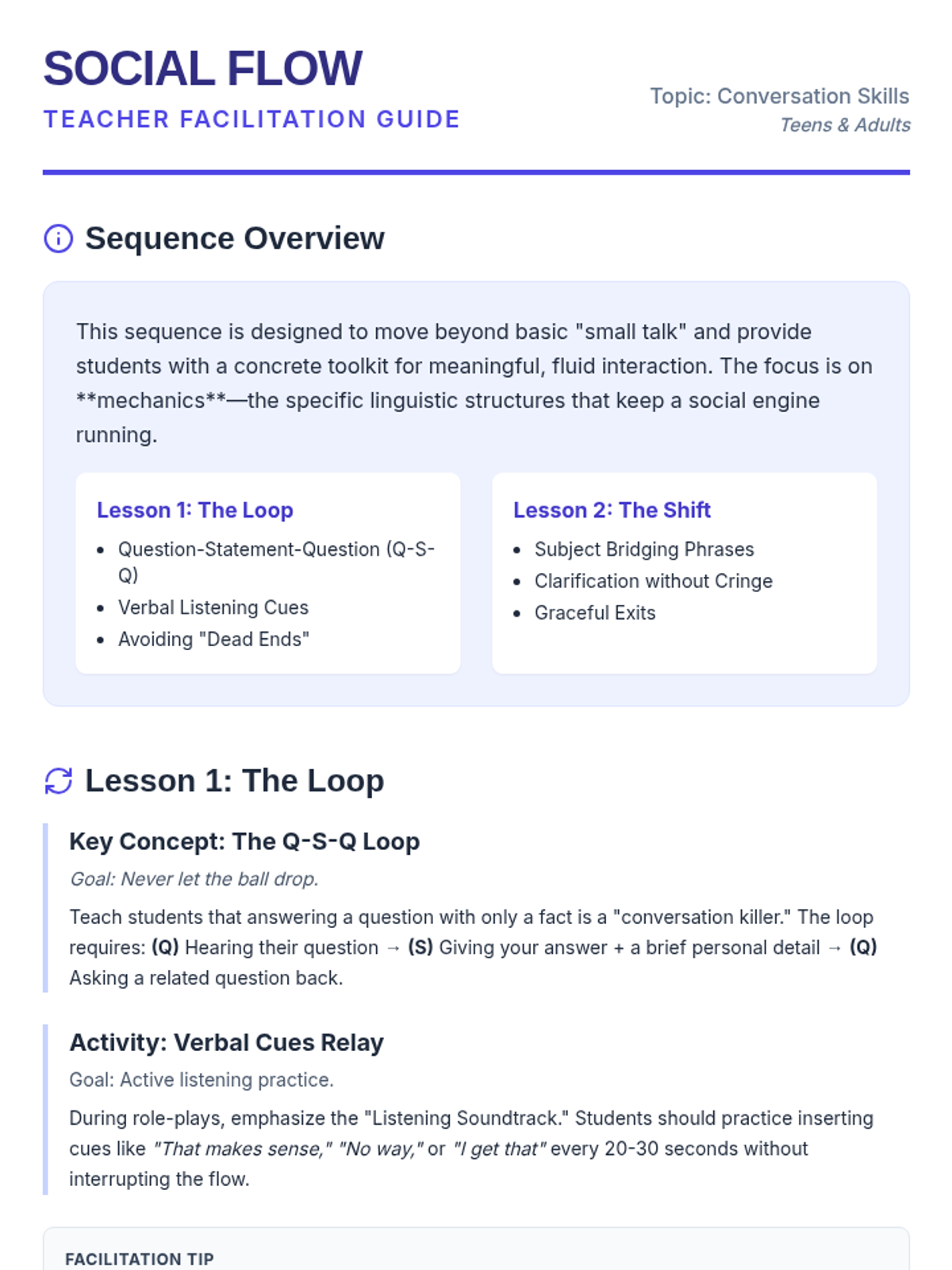
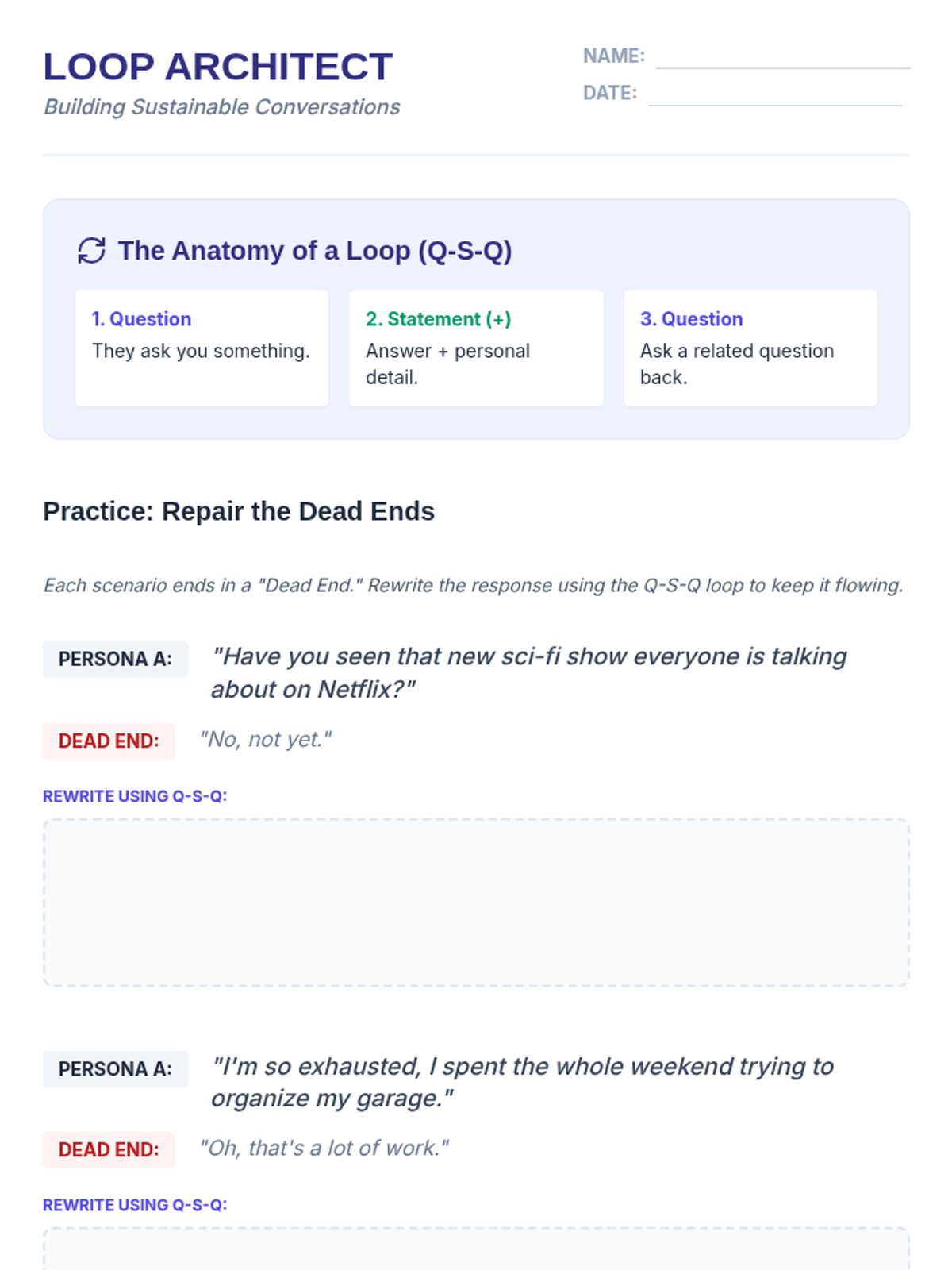
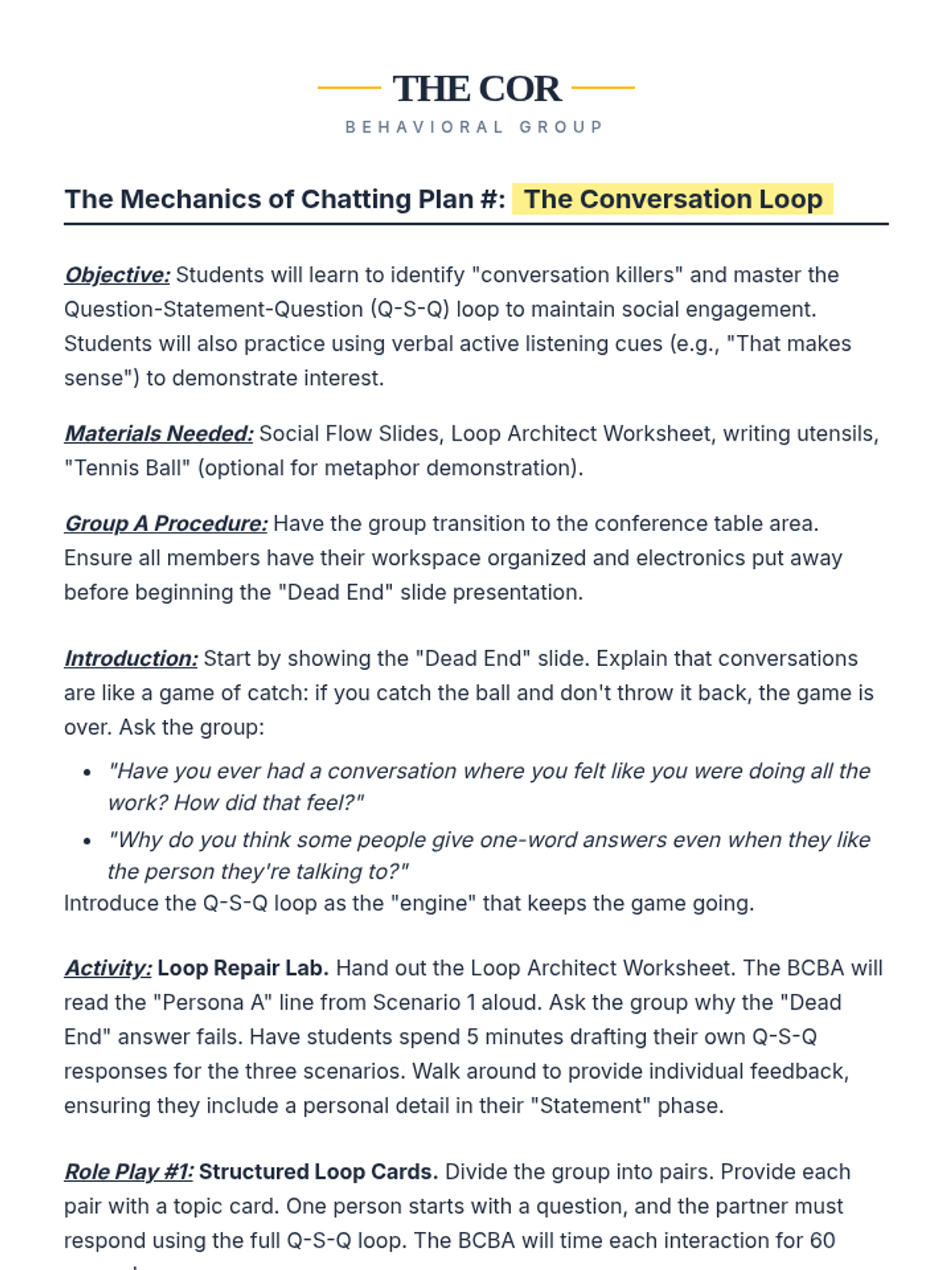
A comprehensive workshop sequence designed for teens and adults to master modern conversation skills, focusing on the 'Question-Statement-Question' loop, subject bridging, active listening, and clarification techniques.
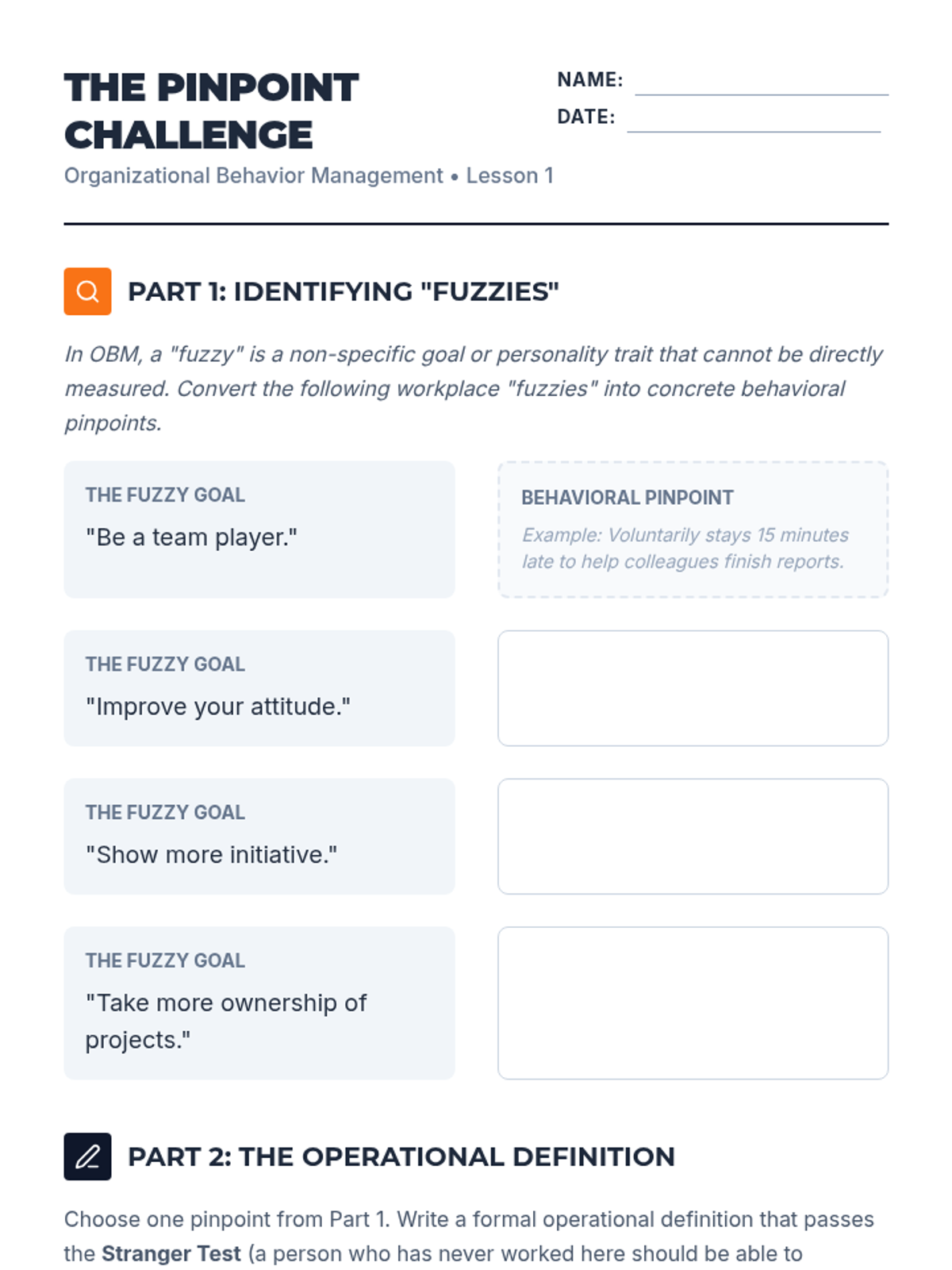
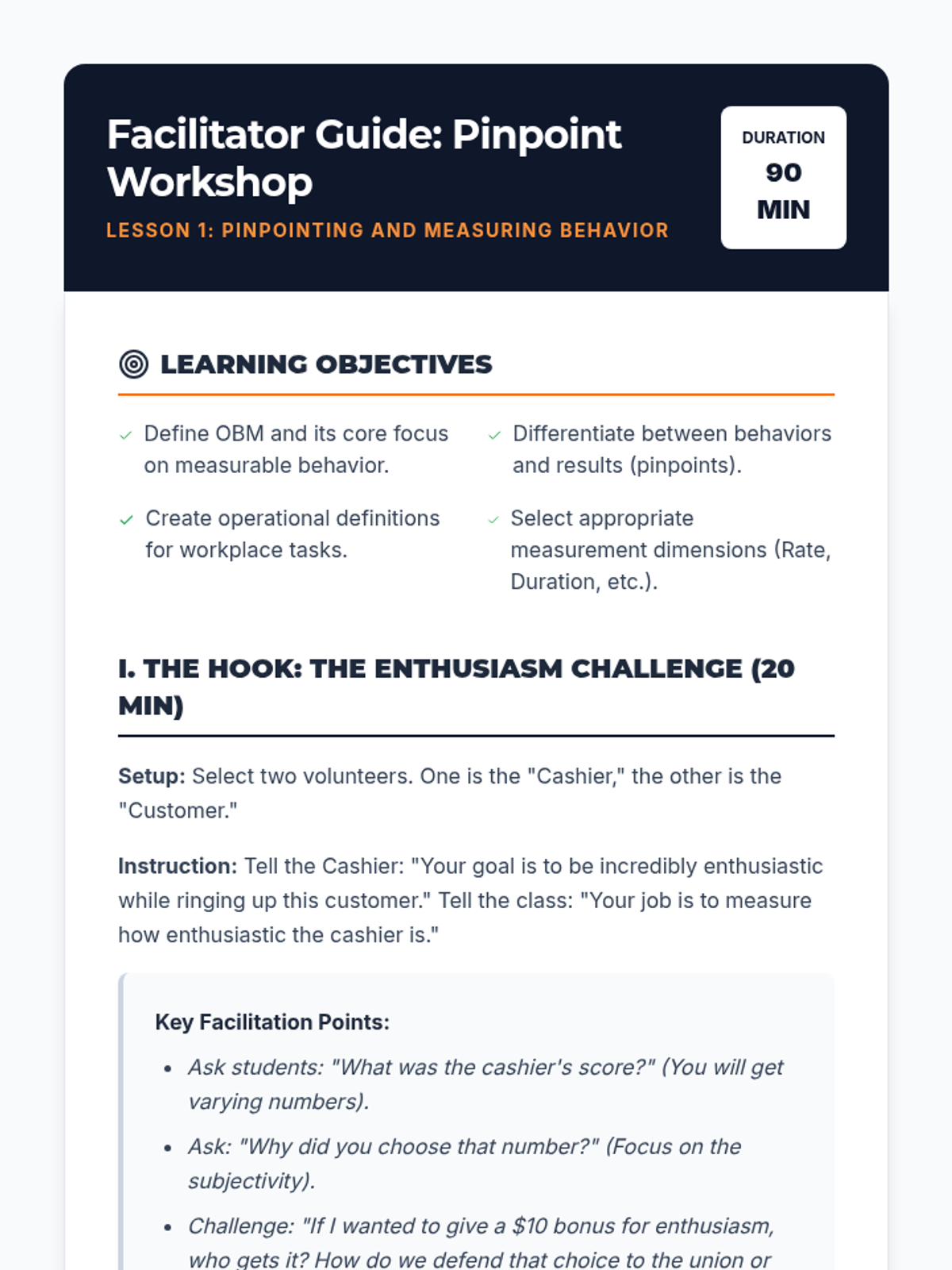
This sequence applies Organizational Behavior Management (OBM) principles to improve employee performance and organizational systems through positive reinforcement, pinpointing, and evidence-based training models.
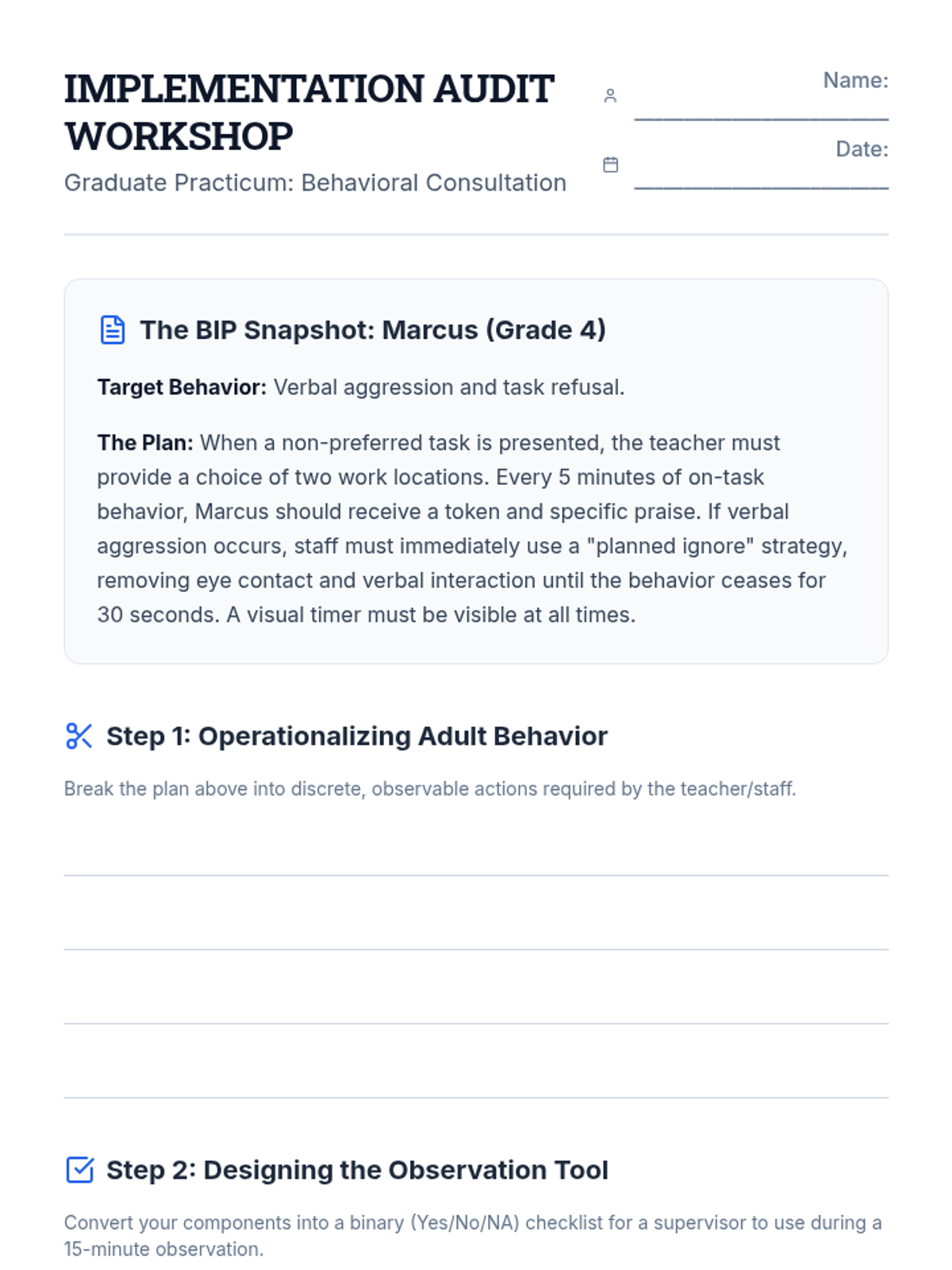
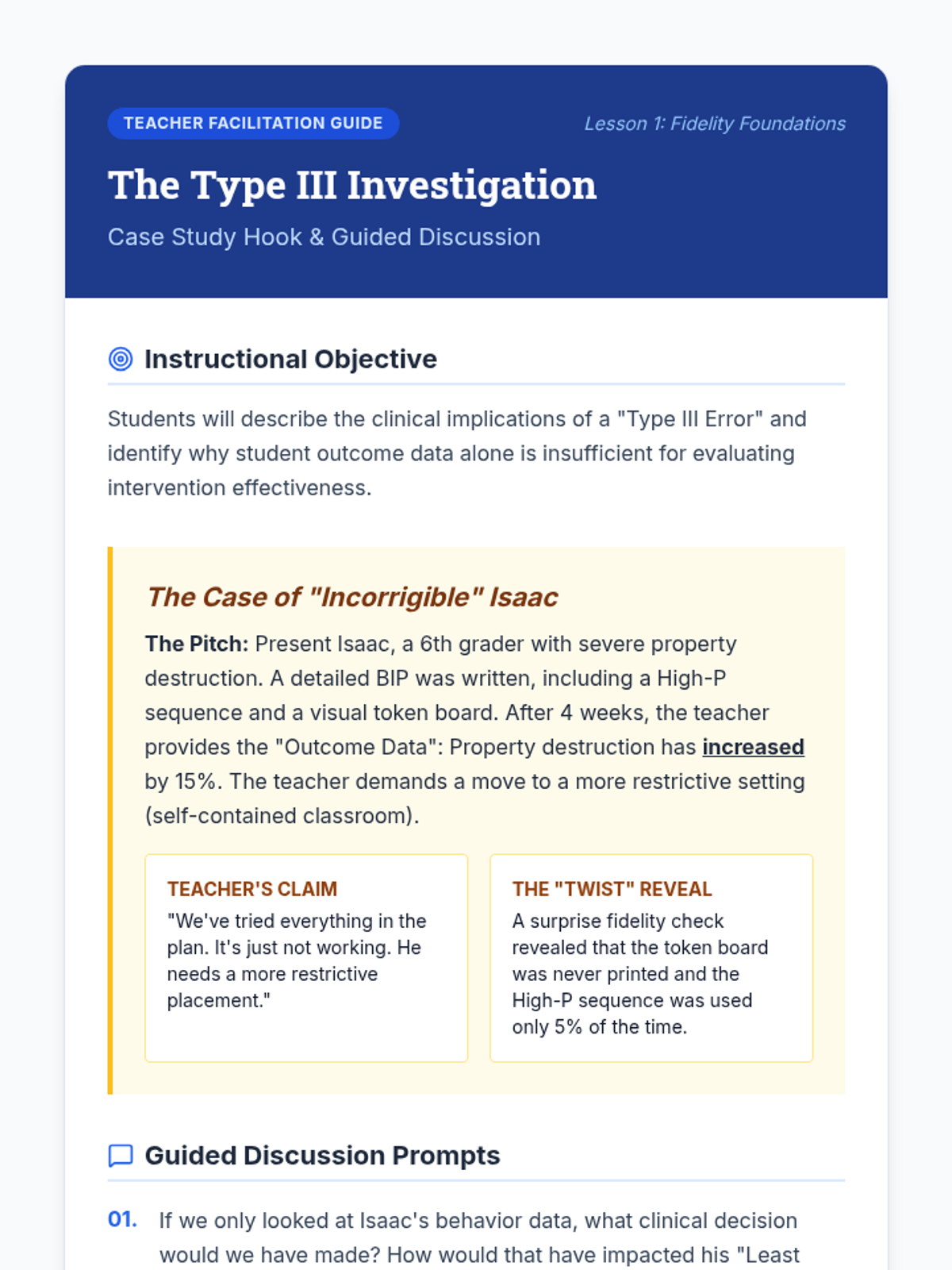
A graduate-level sequence focused on the intersection of implementation science and behavior analysis. Students learn to measure treatment fidelity, provide performance feedback, and ethically modify Behavior Intervention Plans (BIPs) based on concurrent implementation and outcome data.
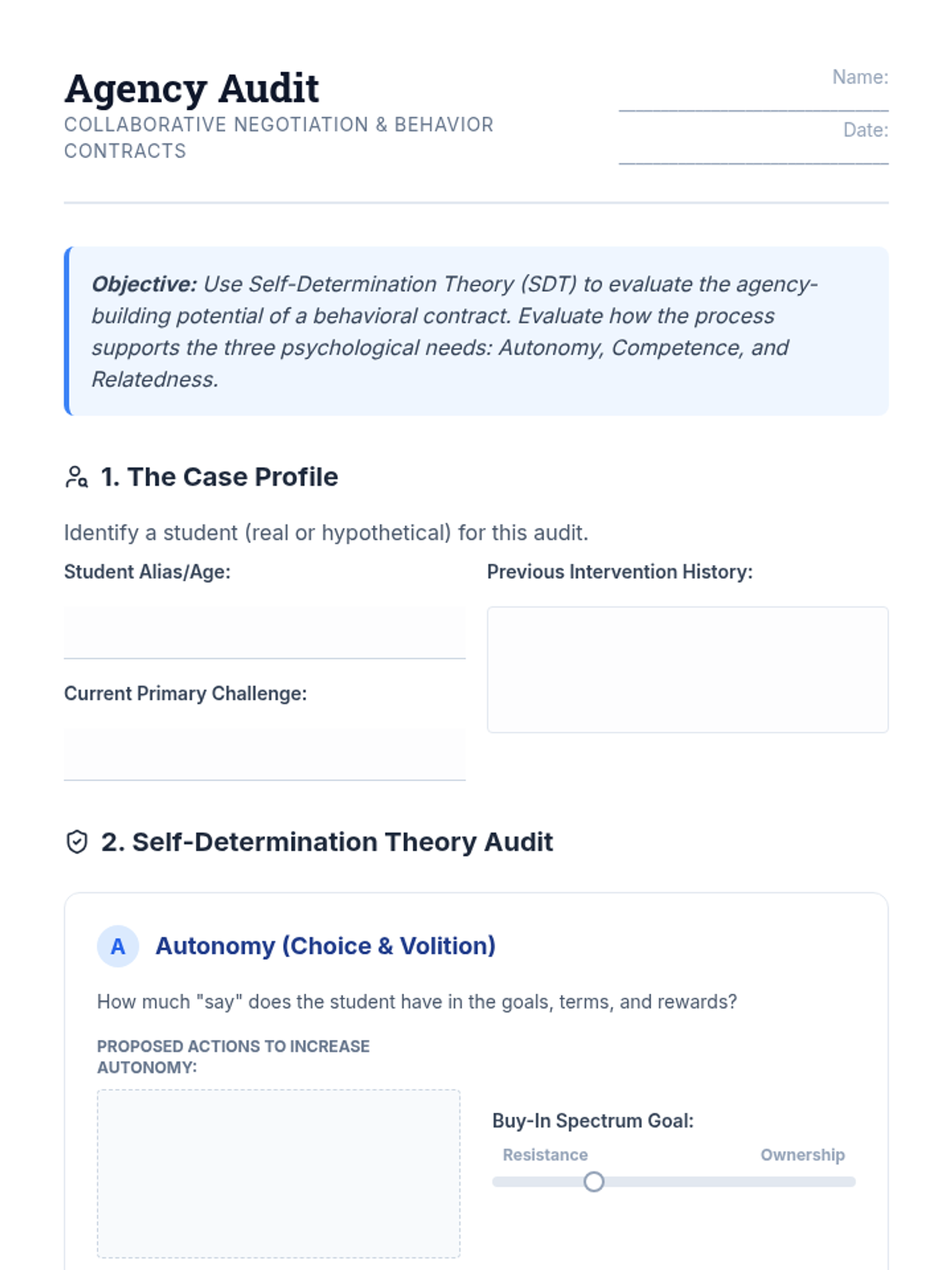
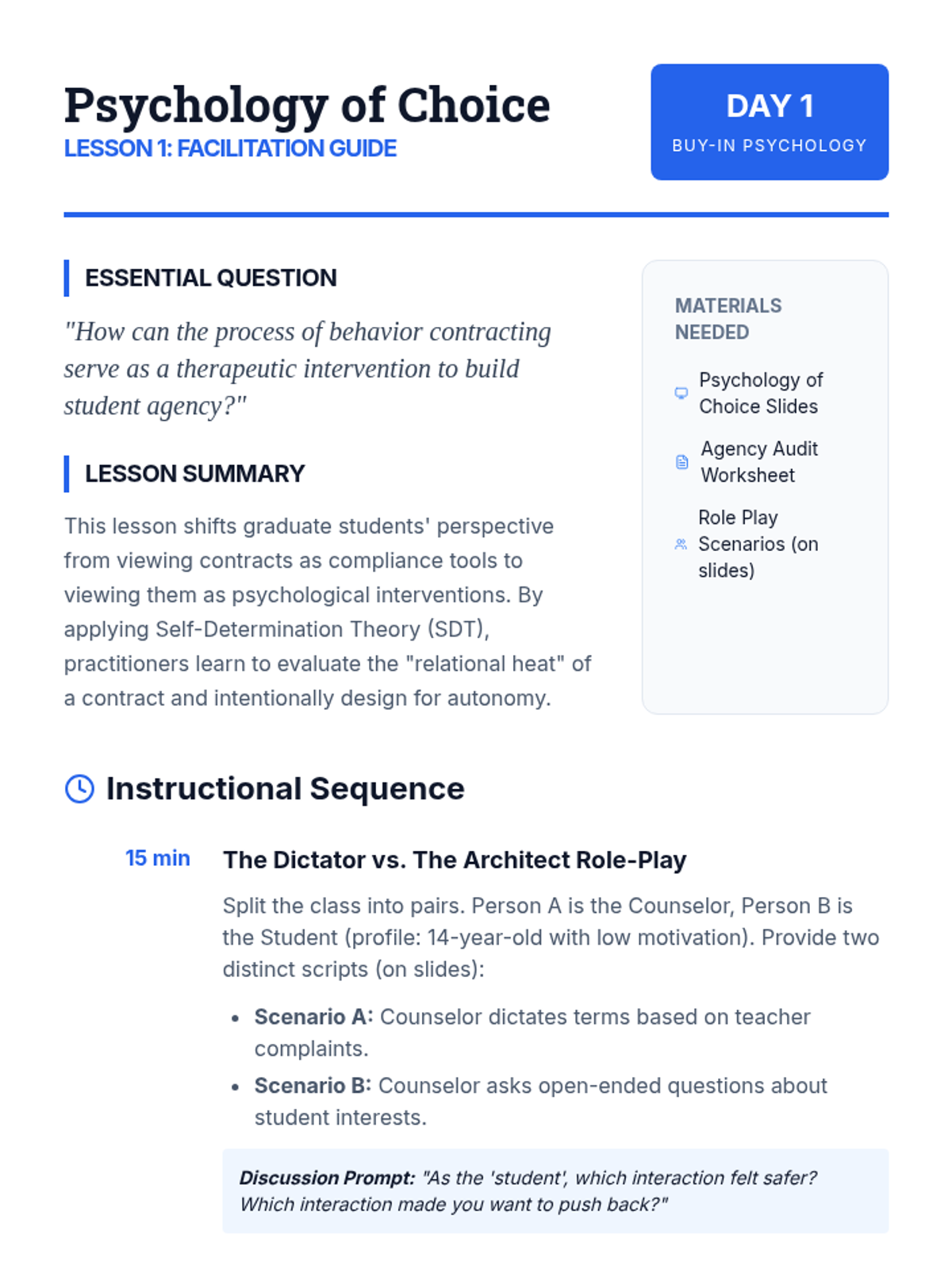
This graduate-level sequence focuses on the interpersonal and therapeutic aspects of behavior contracting. Rather than treating the contract as a static document, students explore it as a collaborative intervention designed to build student agency, self-regulation, and stakeholder alignment using Motivational Interviewing and negotiation strategies.
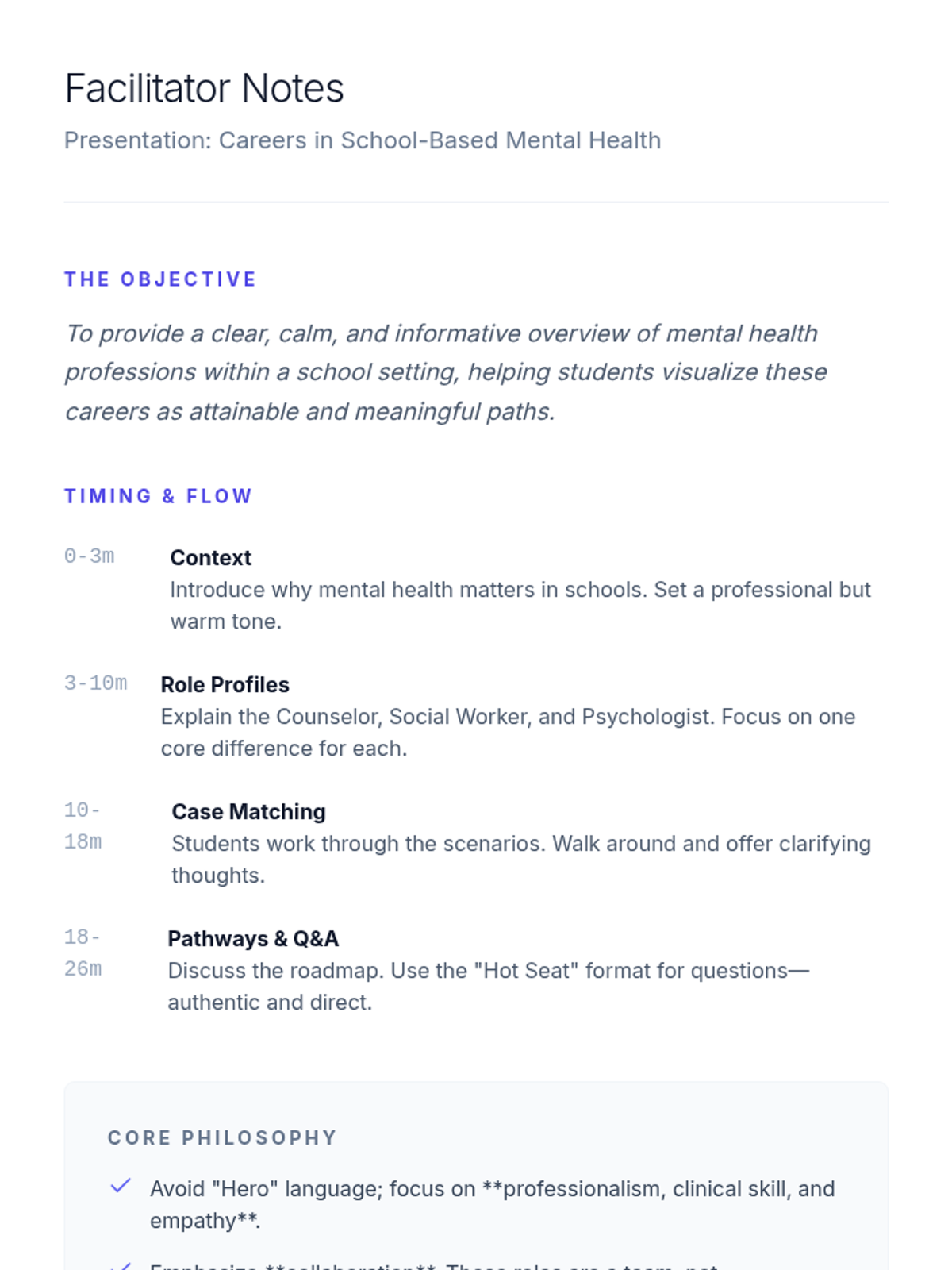
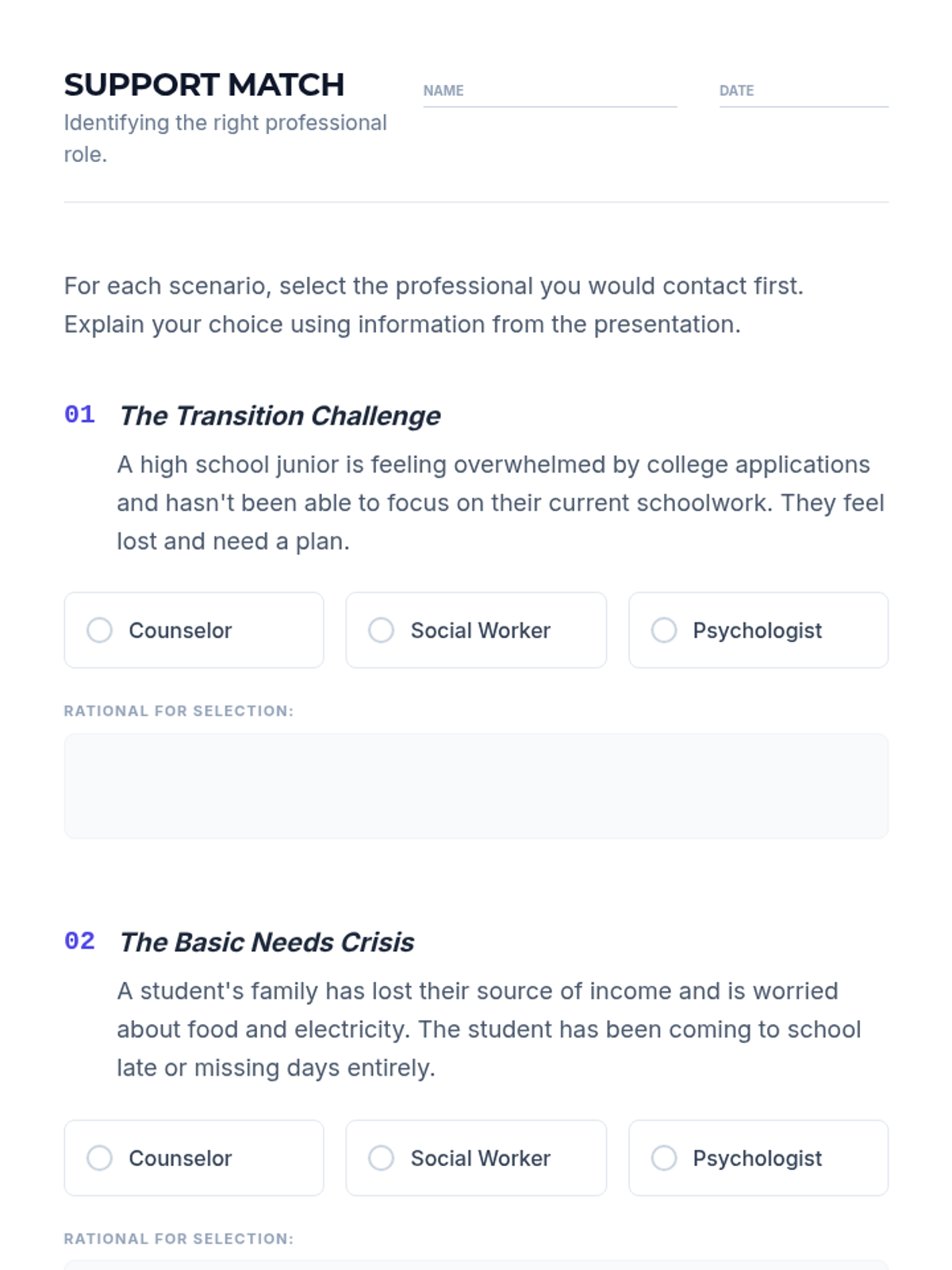
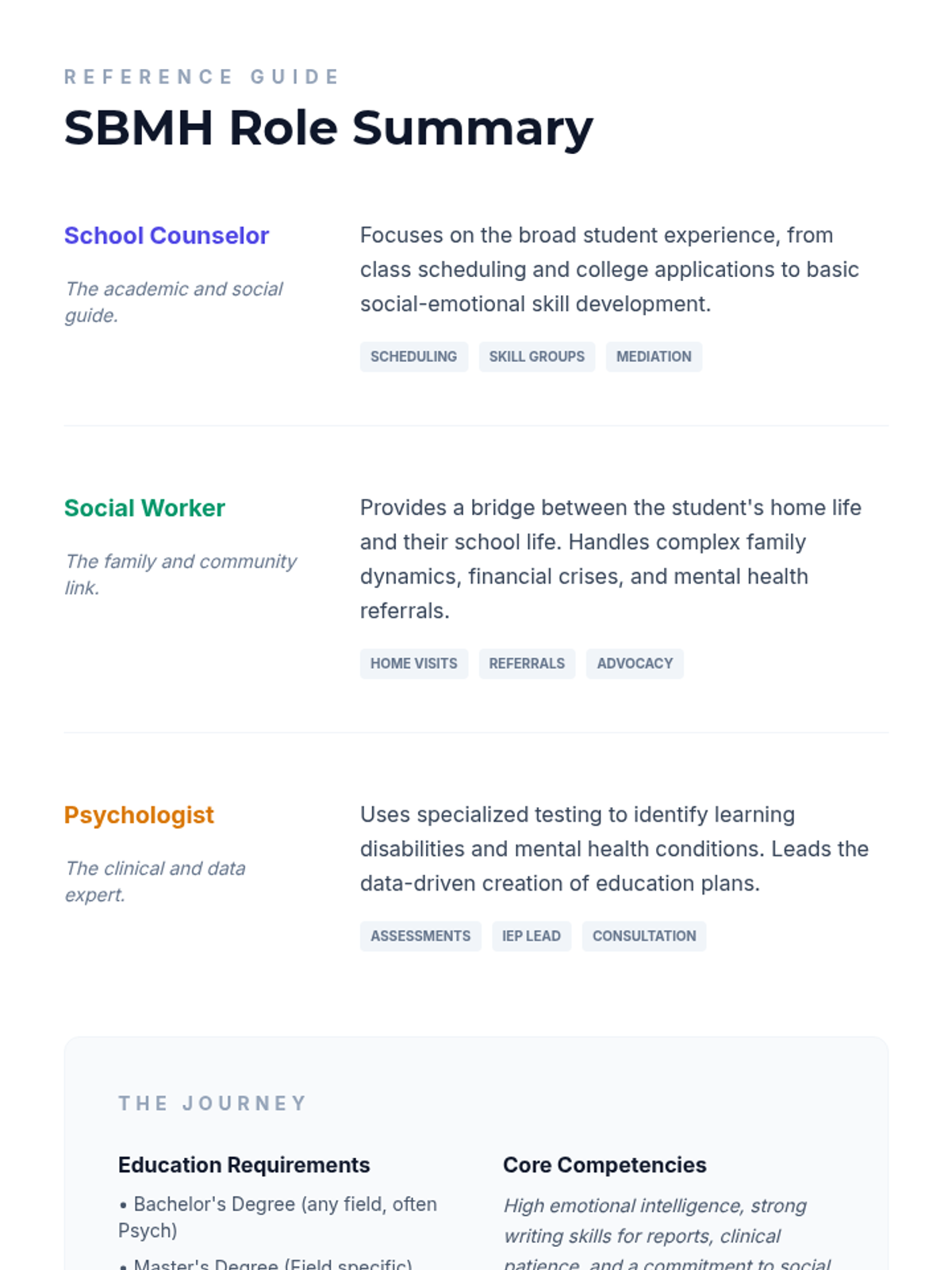
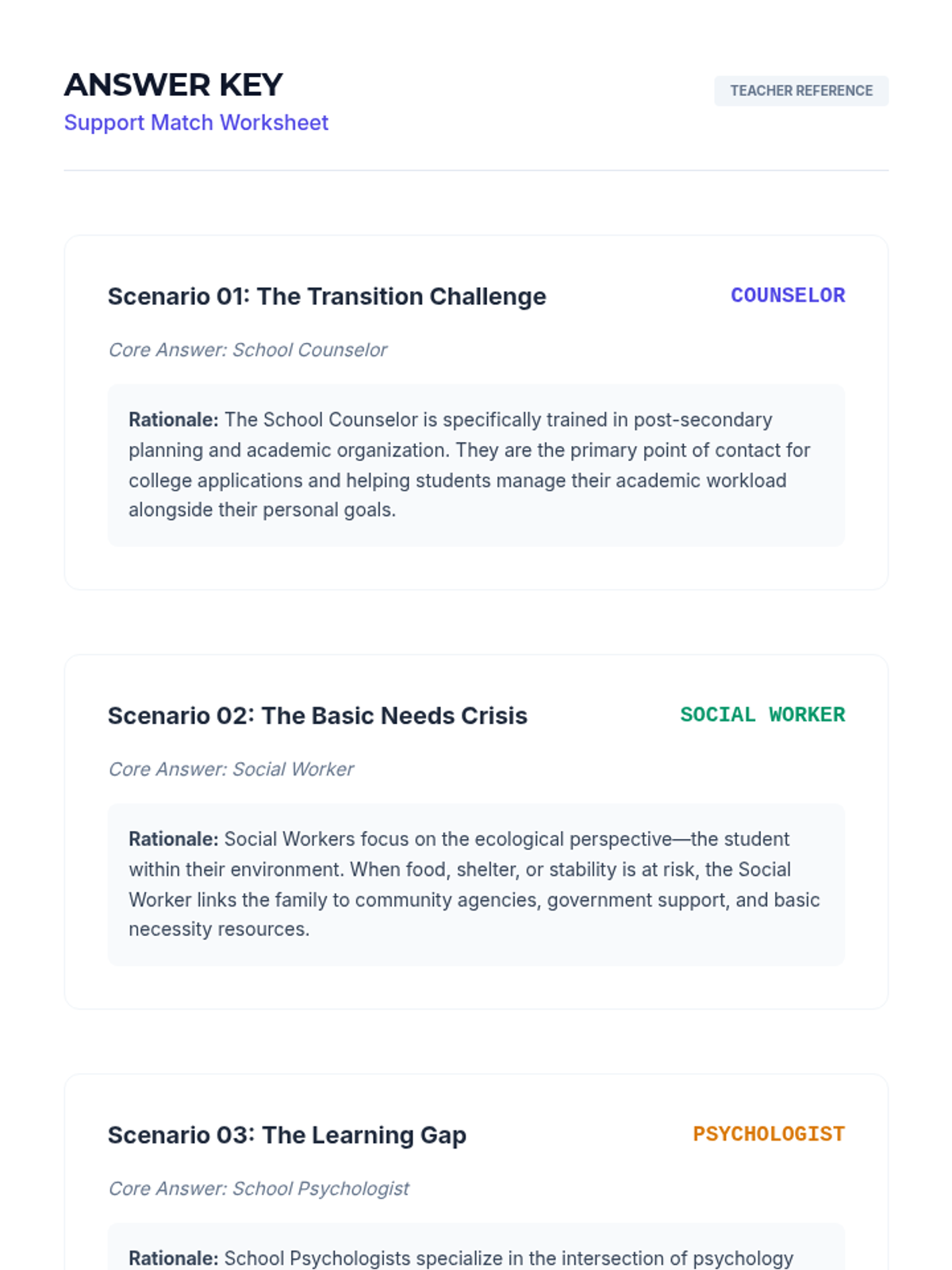
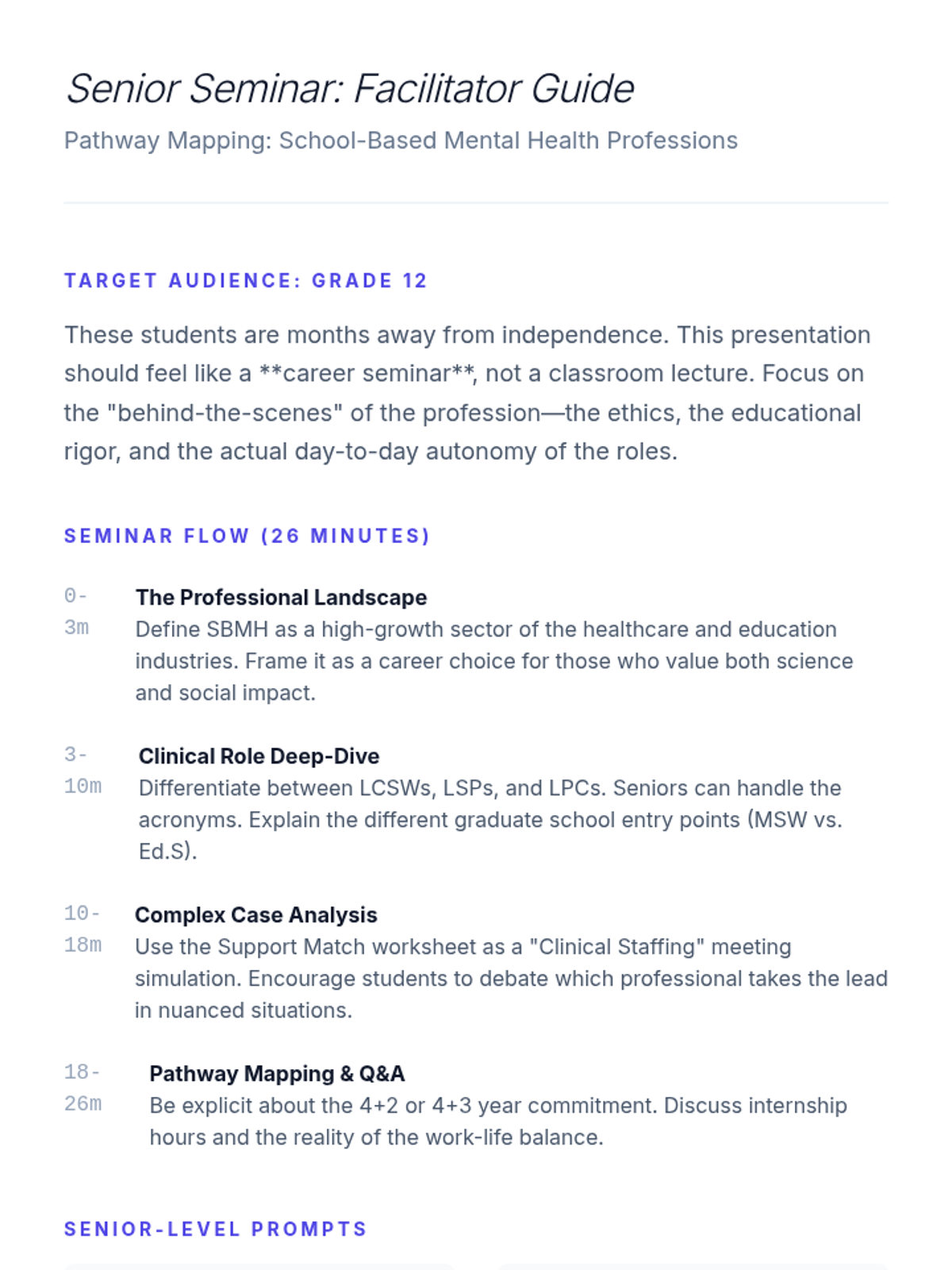
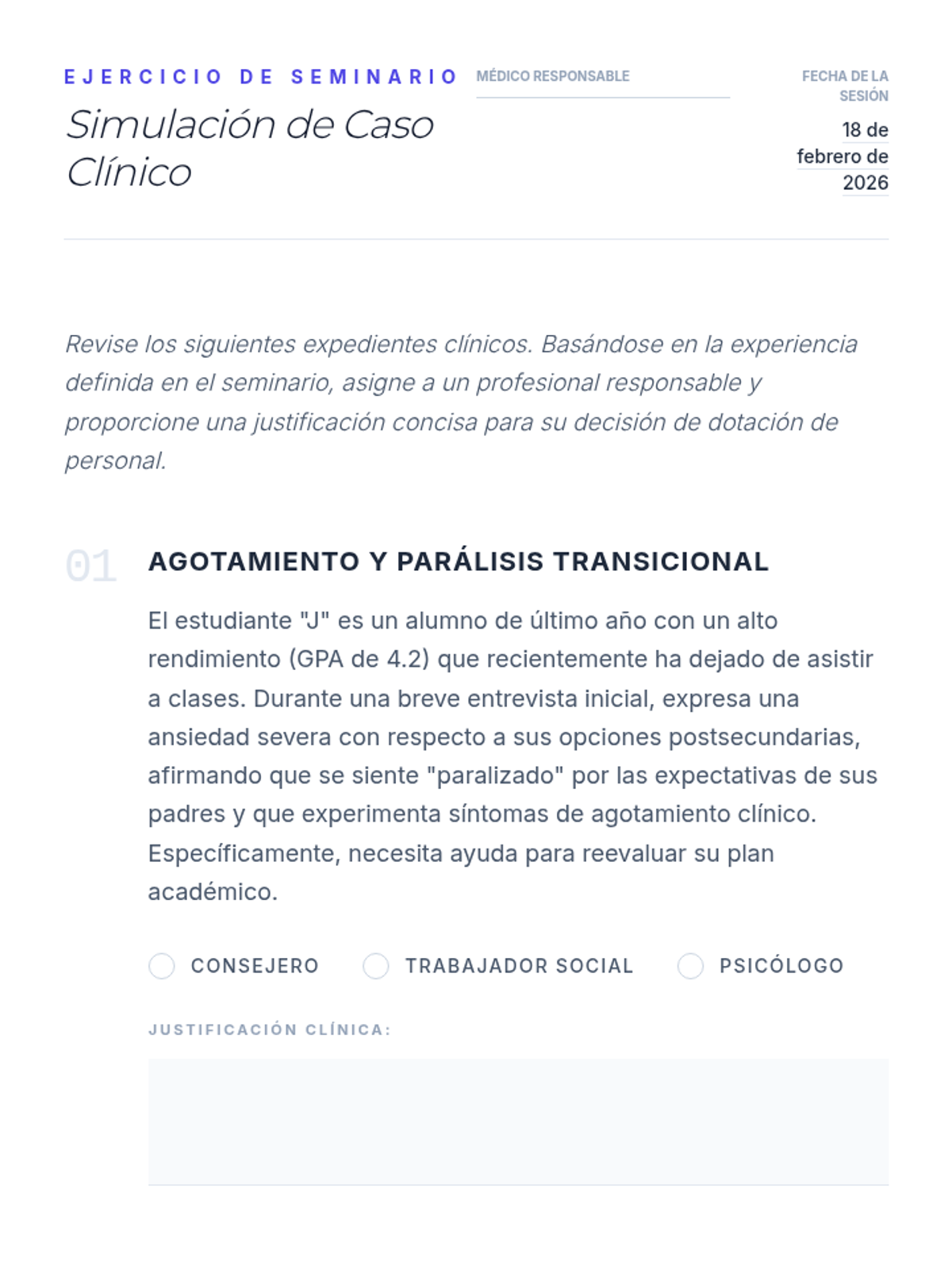
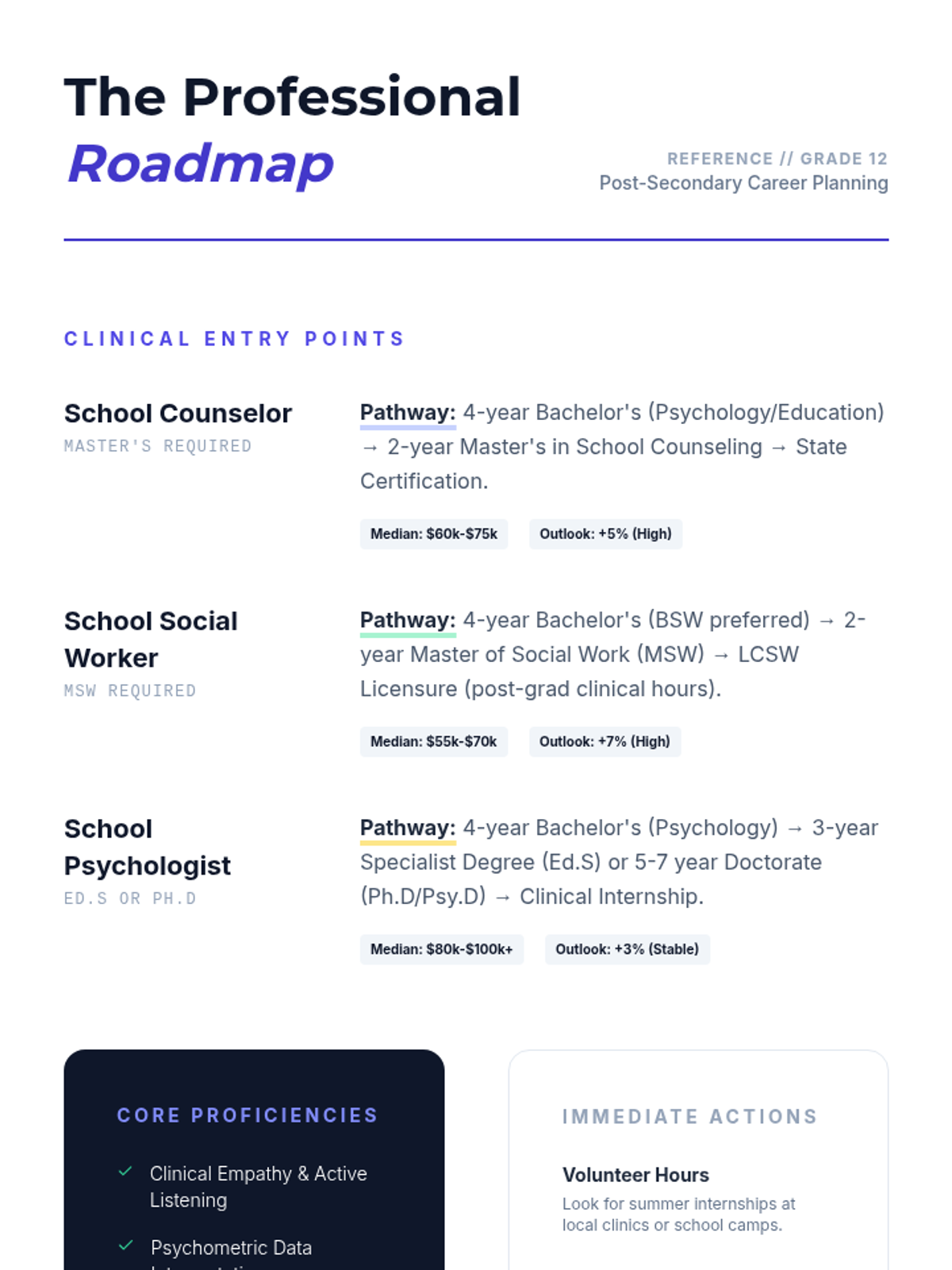
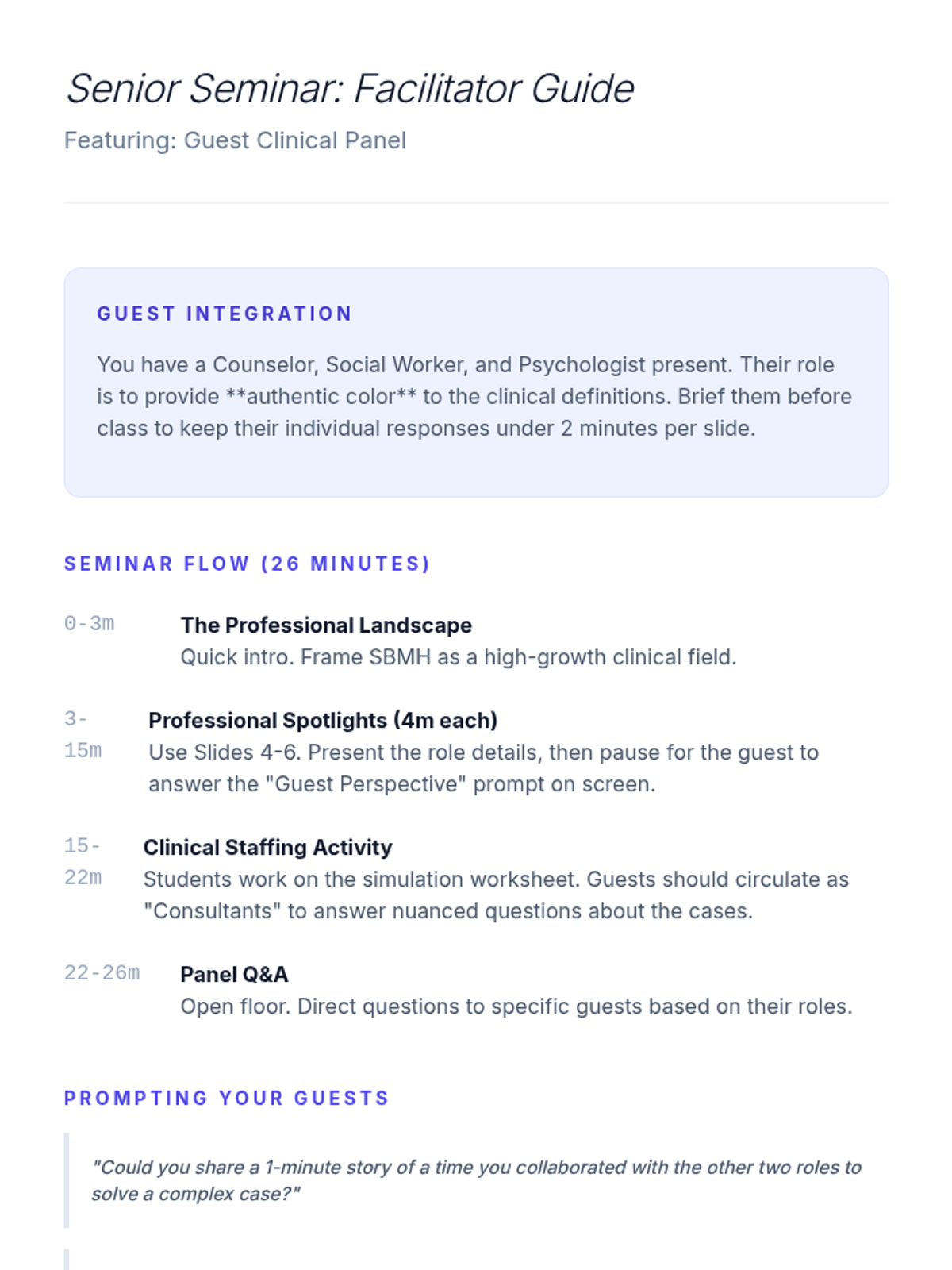
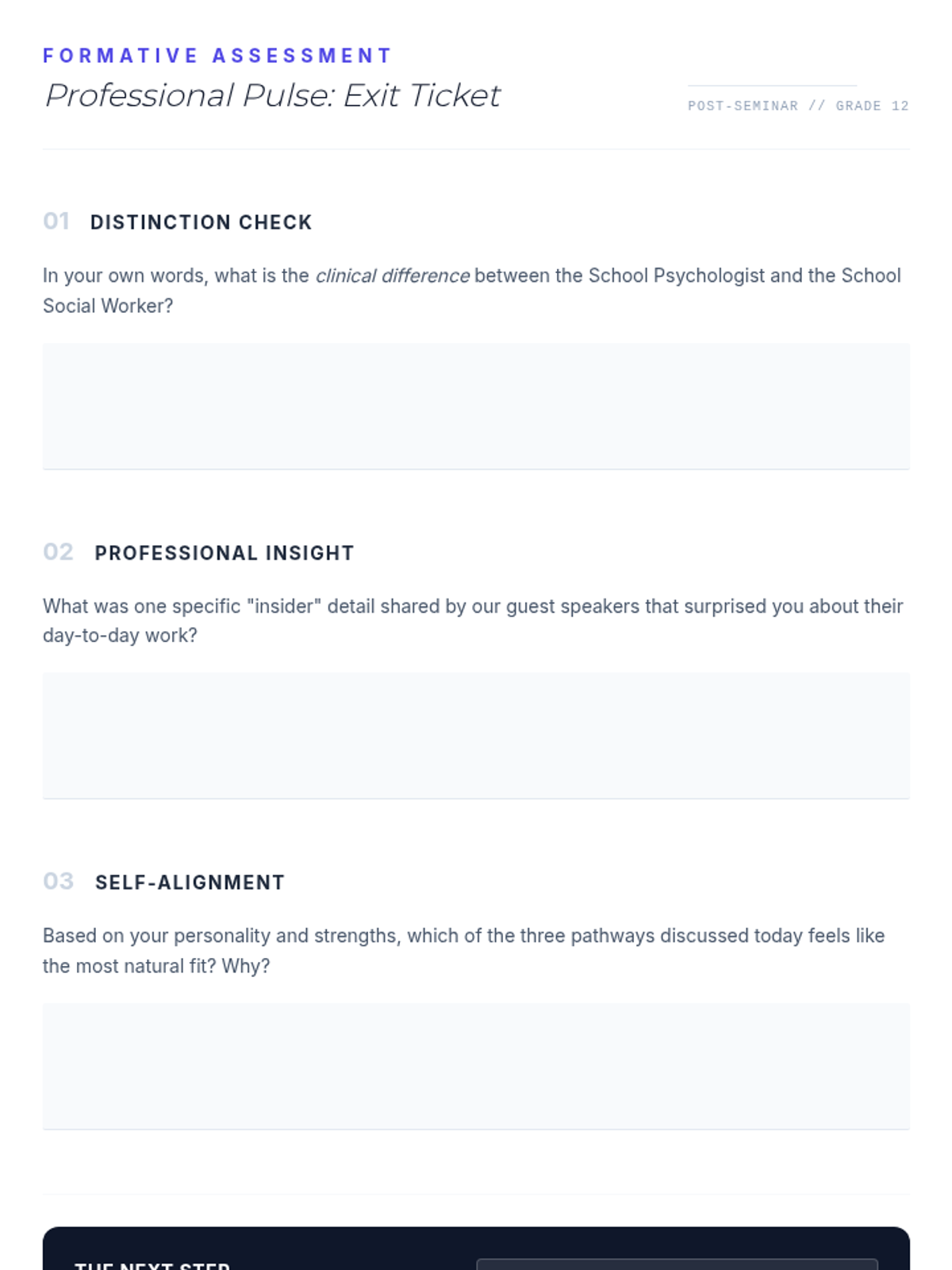
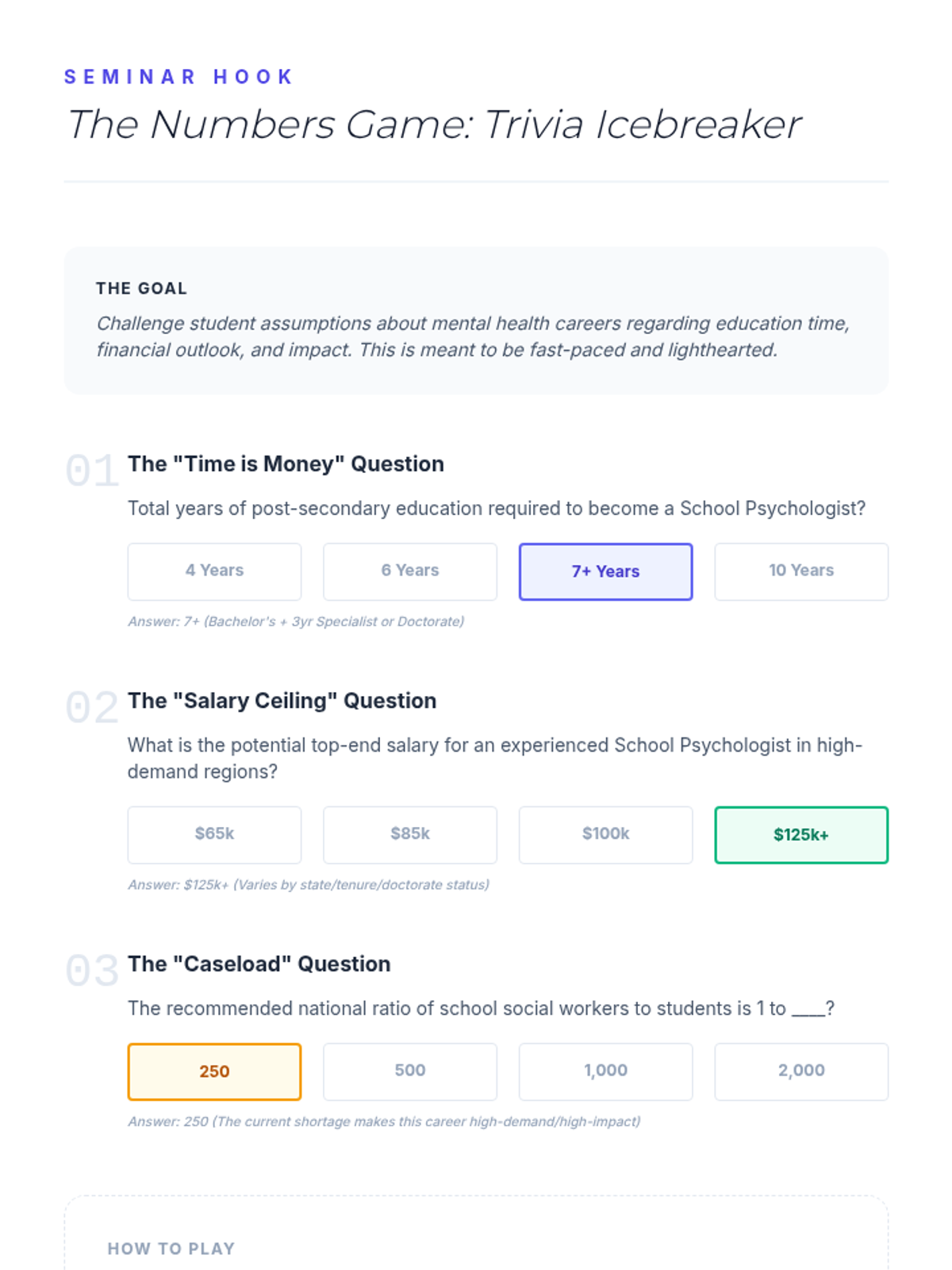
A professional and understated exploration of careers in school-based mental health, focusing on clear definitions, educational journeys, and practical support roles.
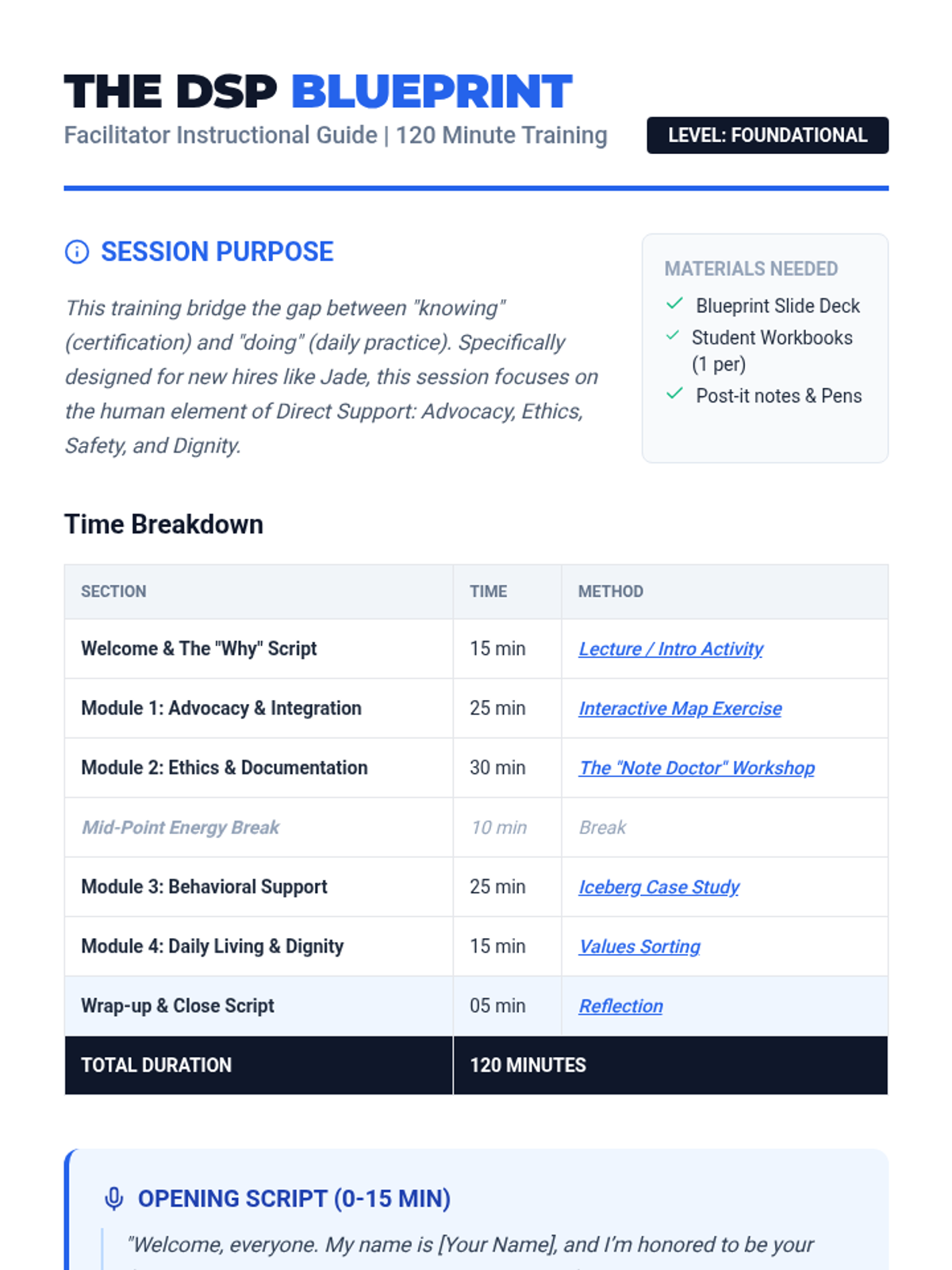
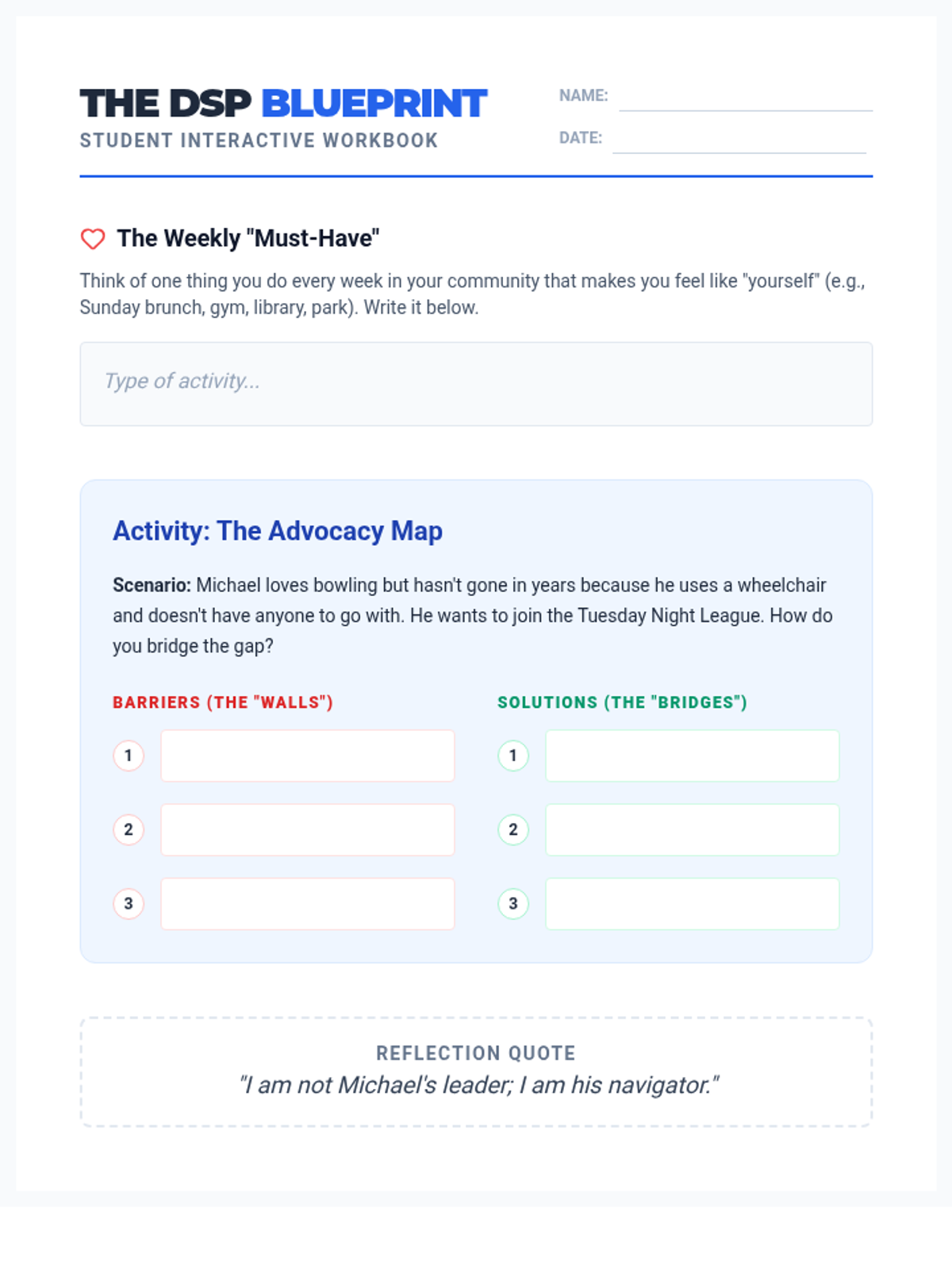
A comprehensive training sequence designed for new Direct Support Professionals (DSPs). It covers the core pillars of the role including advocacy, ethics, behavioral support, and daily care through a 120-minute immersive training experience.
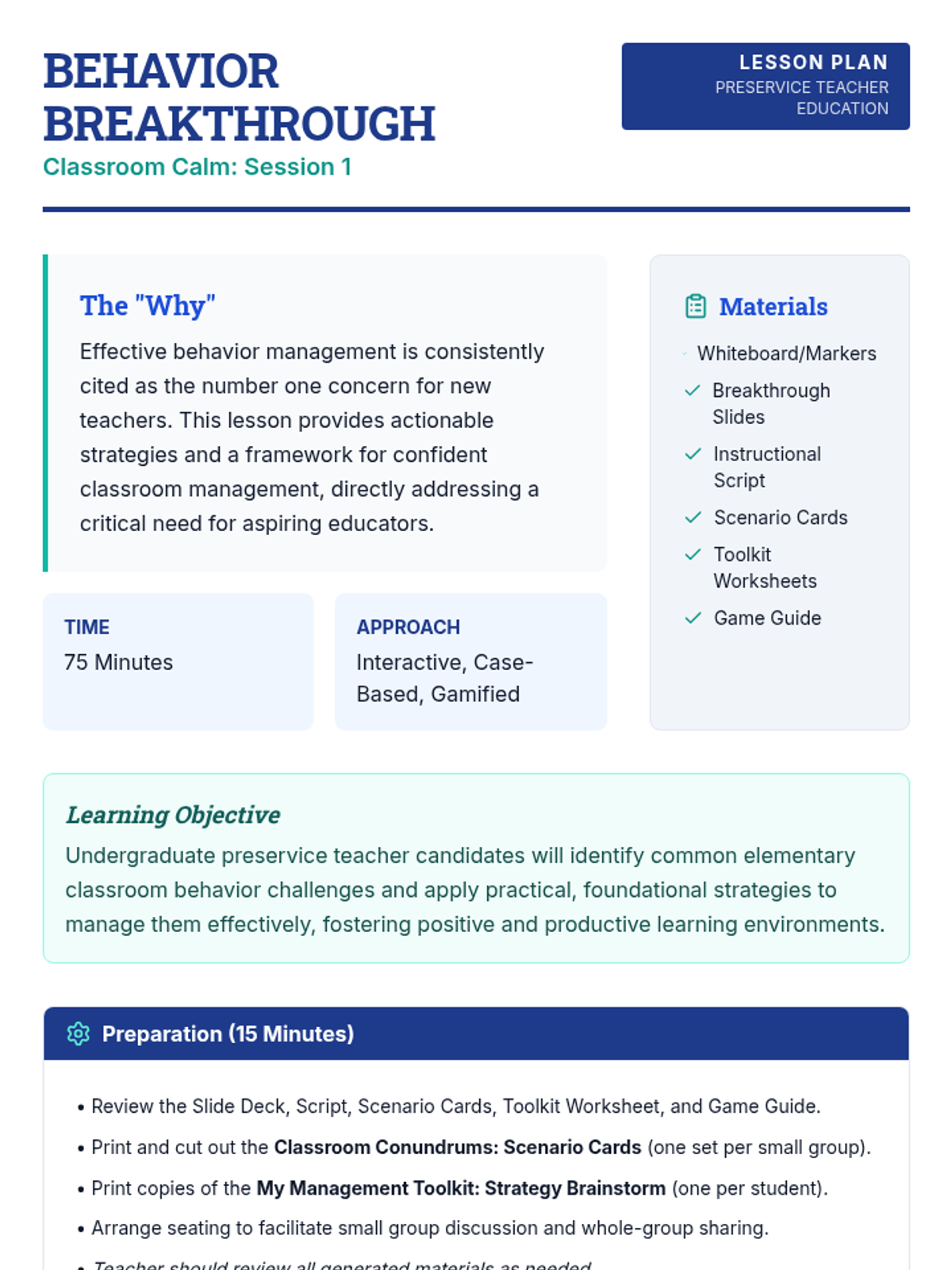
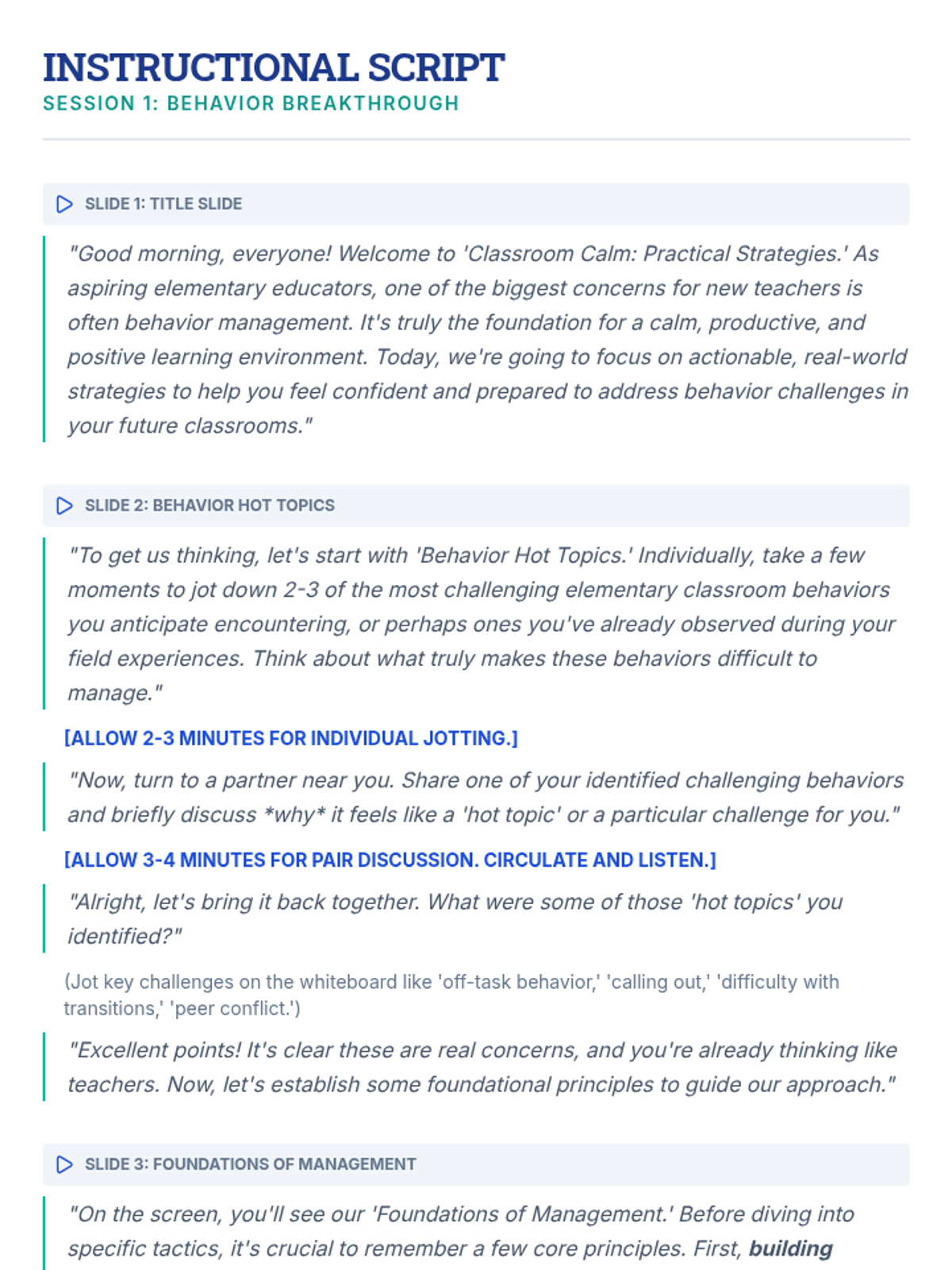
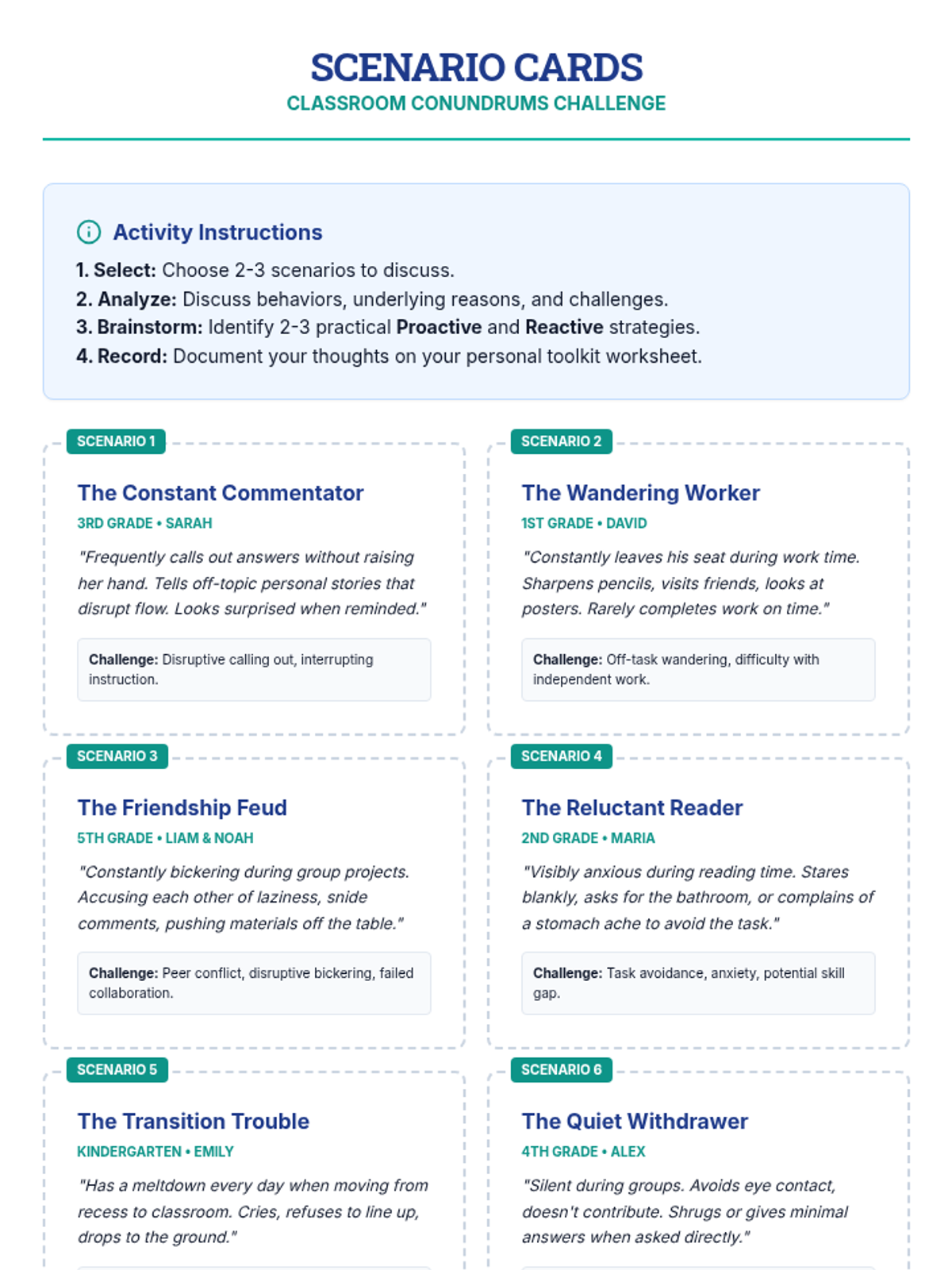
A comprehensive 4-session sequence for undergraduate preservice teachers focusing on practical behavior management, theoretical models, parent communication, and professional reflection.
This sequence explores the strategic use of positive reinforcement in leadership and peer counseling. Students progress from basic praise techniques to designing complex incentive systems and navigating the ethics of behavioral influence.
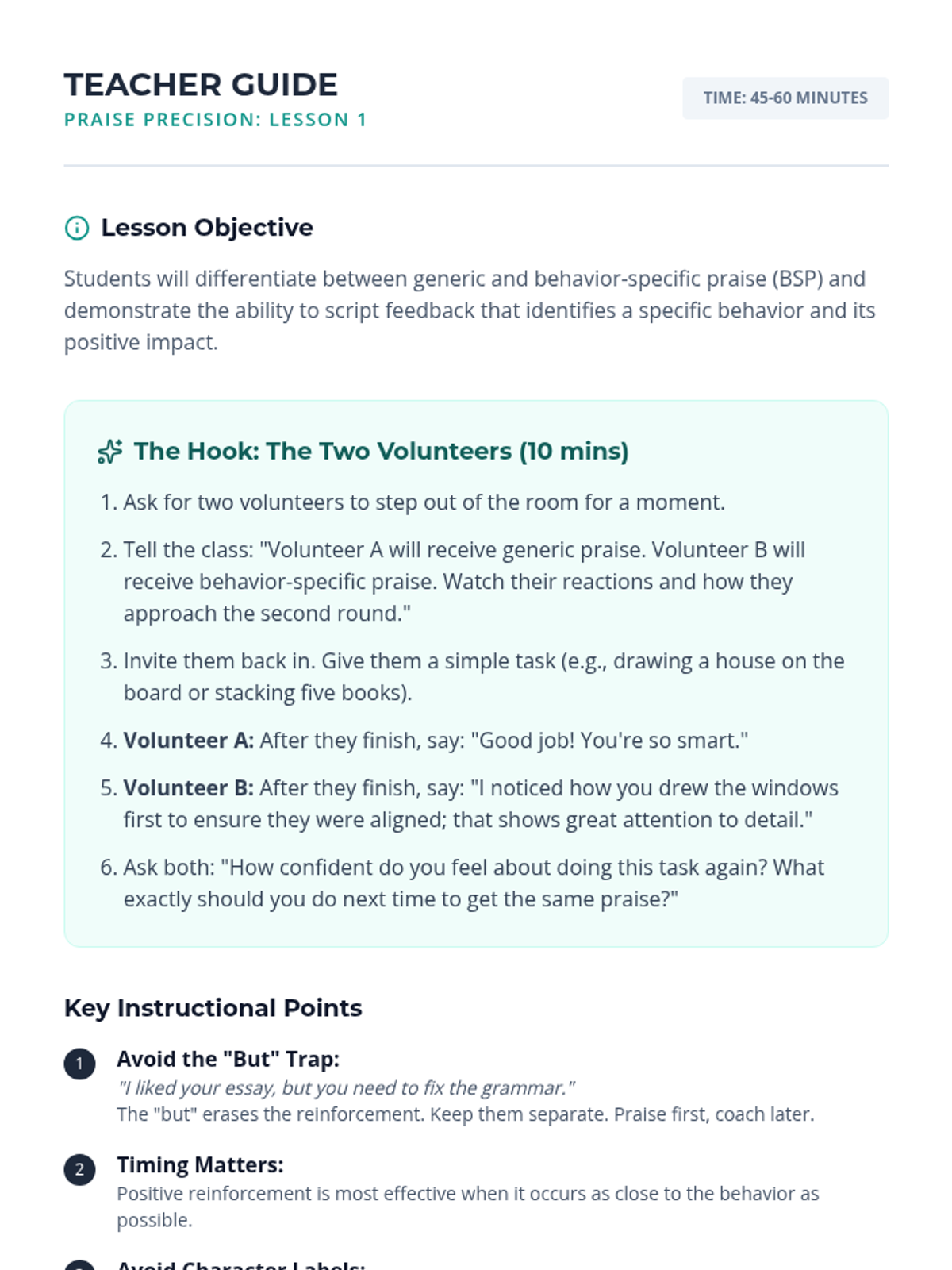
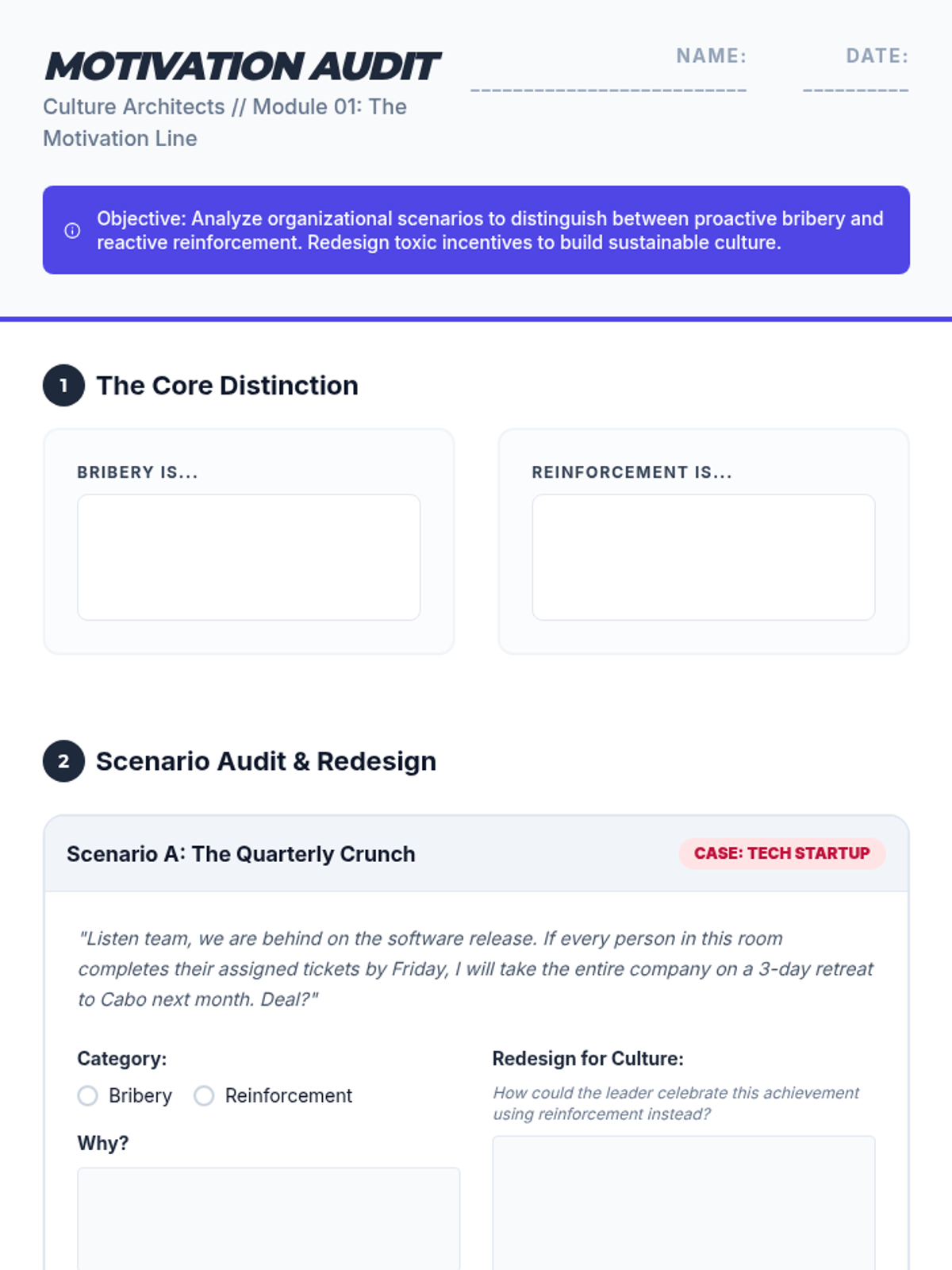
A comprehensive sequence for 12th-grade students exploring the psychology of positive reinforcement through the lens of leadership and management. Students learn to distinguish reinforcement from bribery, deliver high-impact praise, design motivational systems, and resolve performance issues using behavioral science.
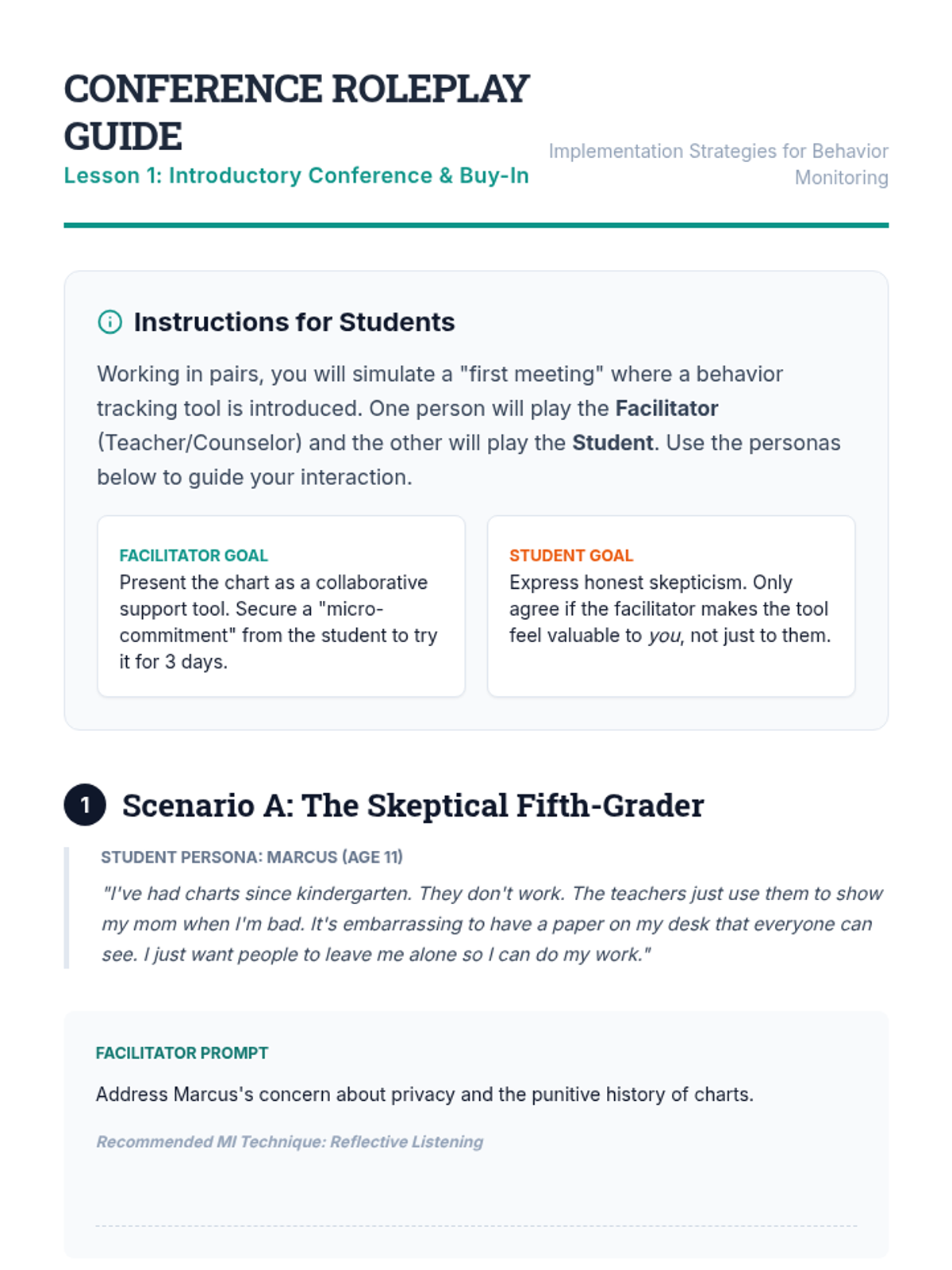
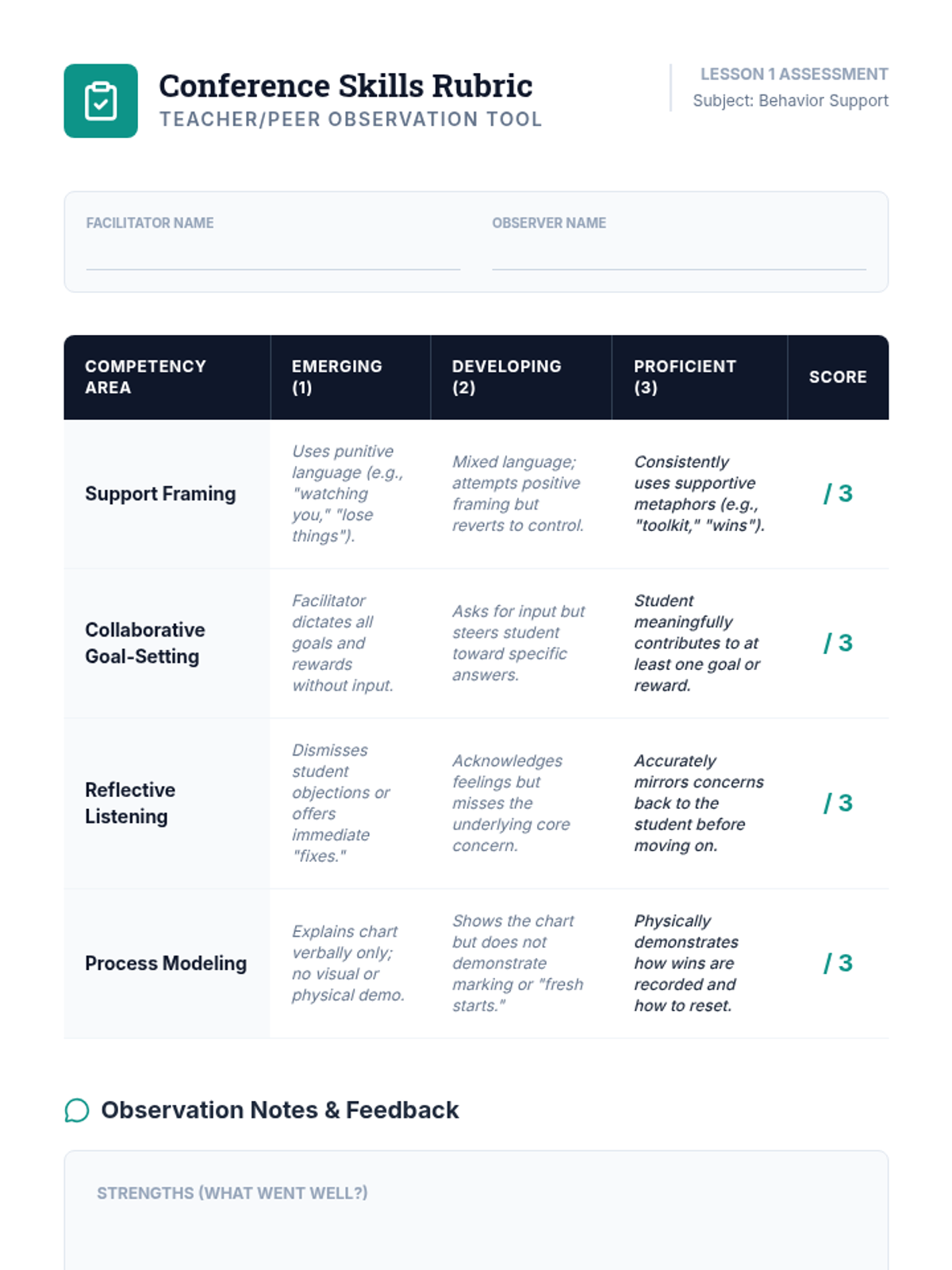
A comprehensive sequence for undergraduate students in counseling or education, focusing on the interpersonal and technical implementation of behavior tracking systems. Students will learn to build buy-in, deliver high-fidelity feedback, manage reinforcement schedules, provide non-shaming correction, and systematically fade supports for long-term autonomy.
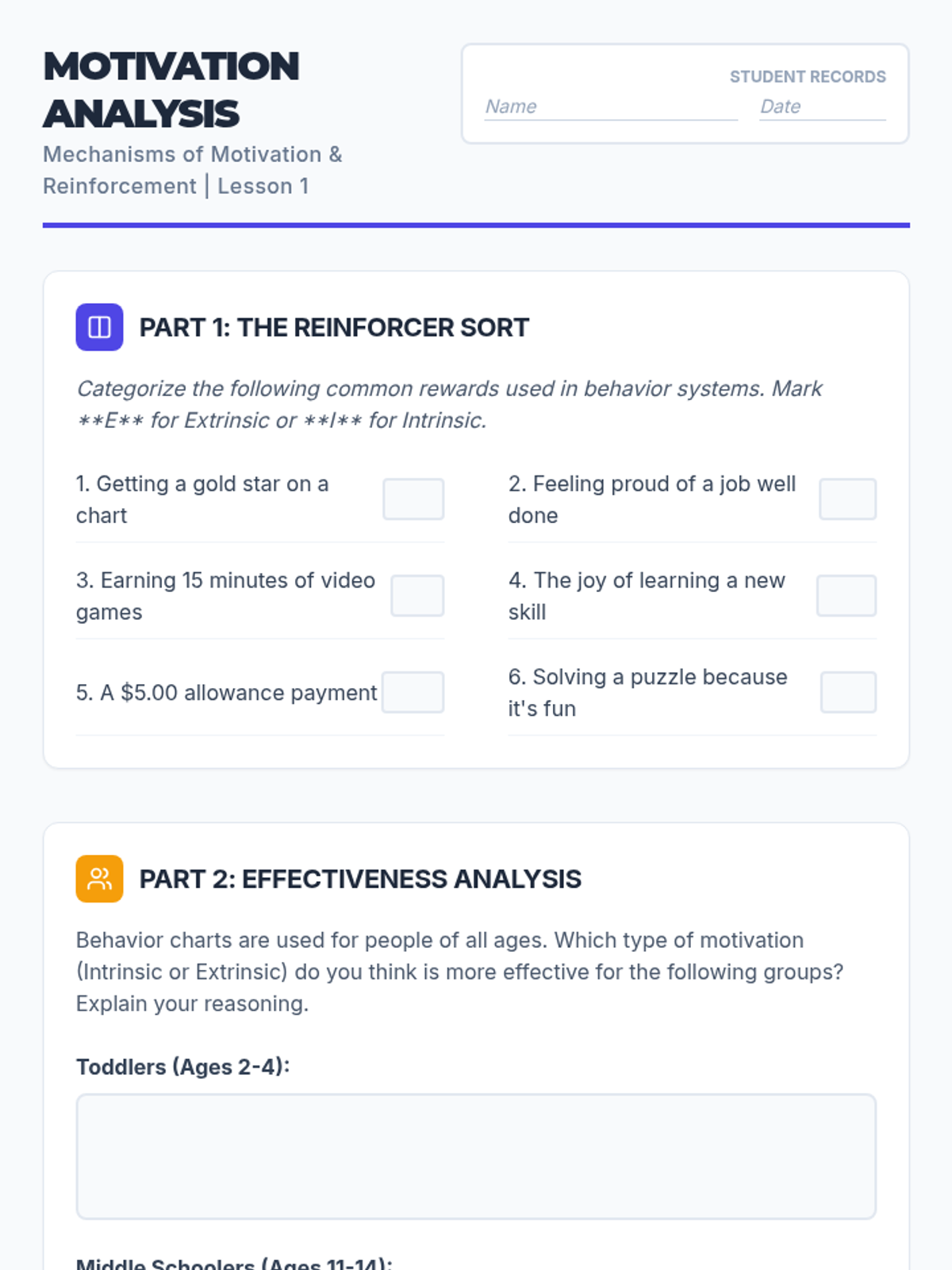
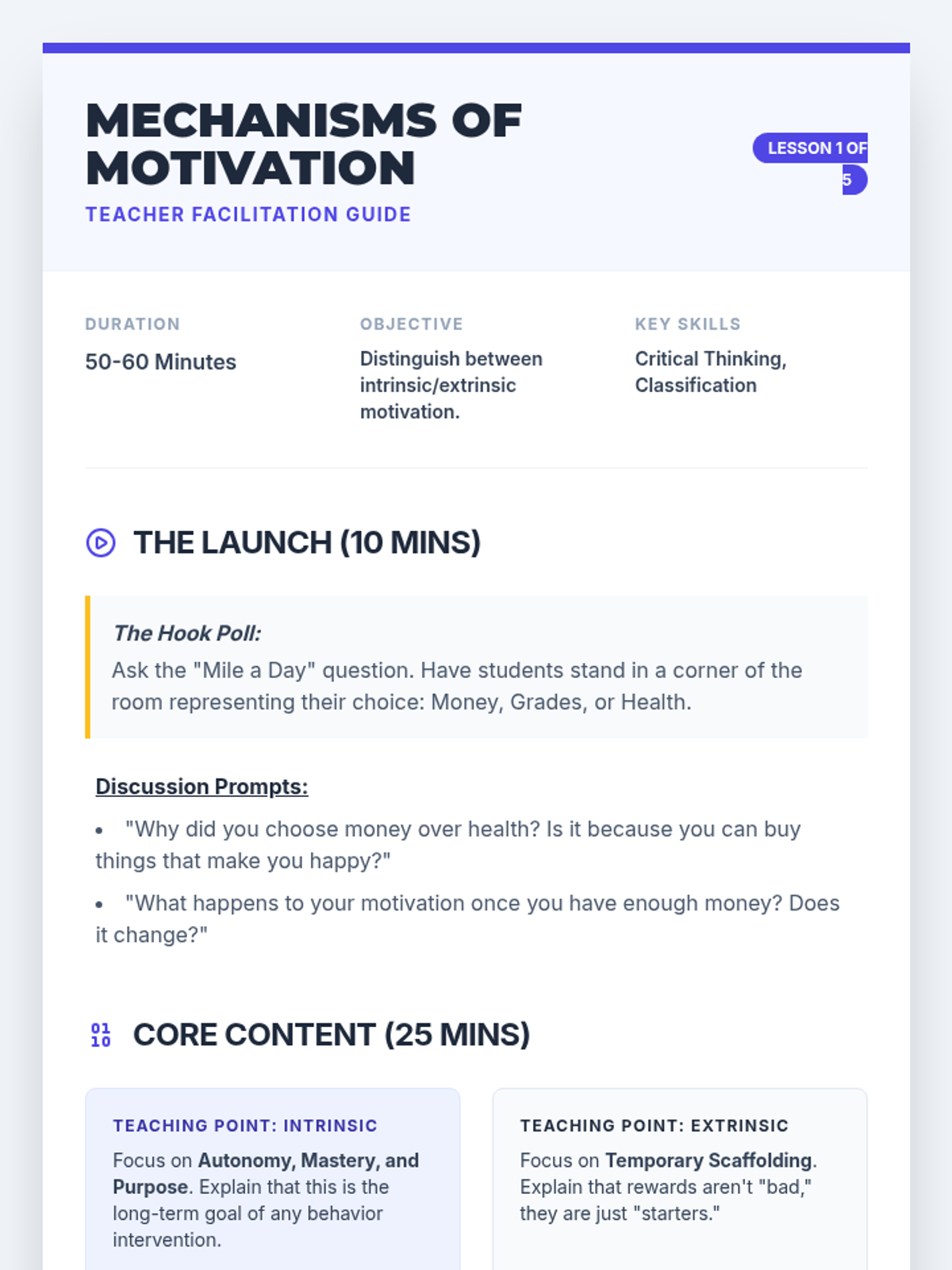
This sequence explores the psychology of reinforcement strategies and how they are integrated into behavior tracking systems. Students delve into concepts like positive vs. negative reinforcement, intrinsic vs. extrinsic motivation, and reward schedules to understand how to establish and maintain new behaviors.
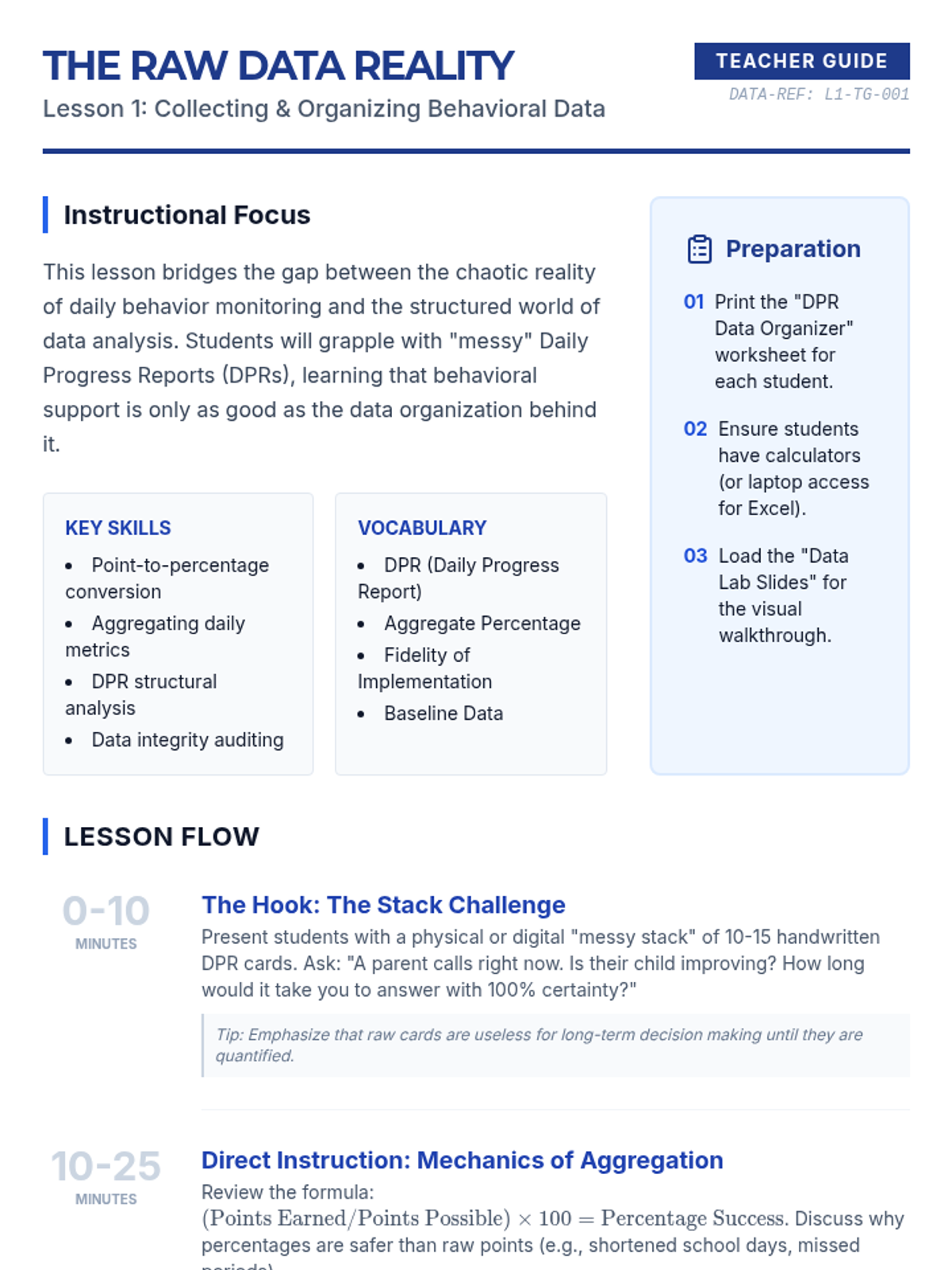
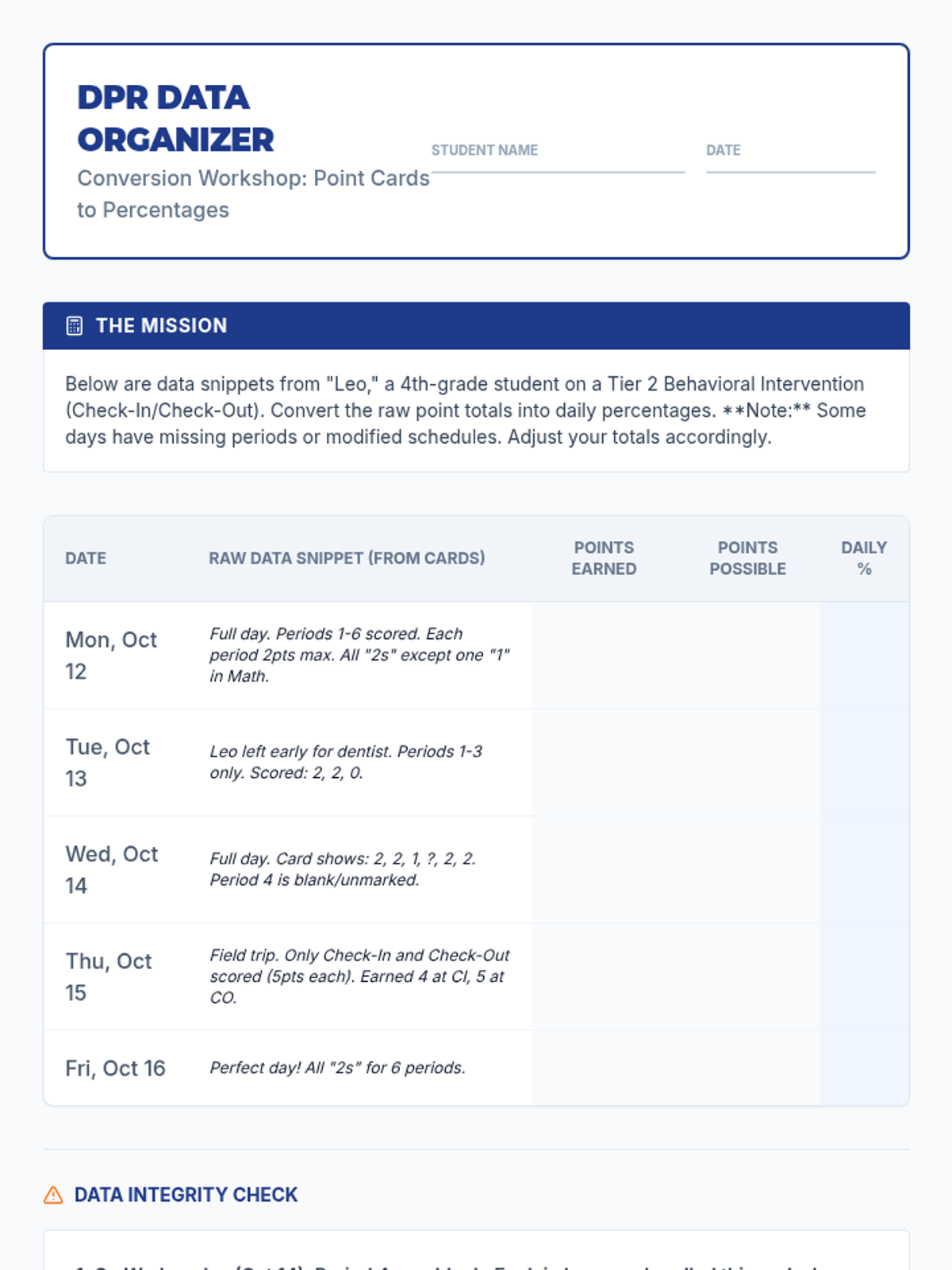
A comprehensive unit for undergraduate students focused on the quantitative analysis of behavioral data from Daily Progress Reports (DPRs). Students will learn to aggregate, graph, interpret, and communicate behavioral metrics to make evidence-based decisions in counseling and school settings.