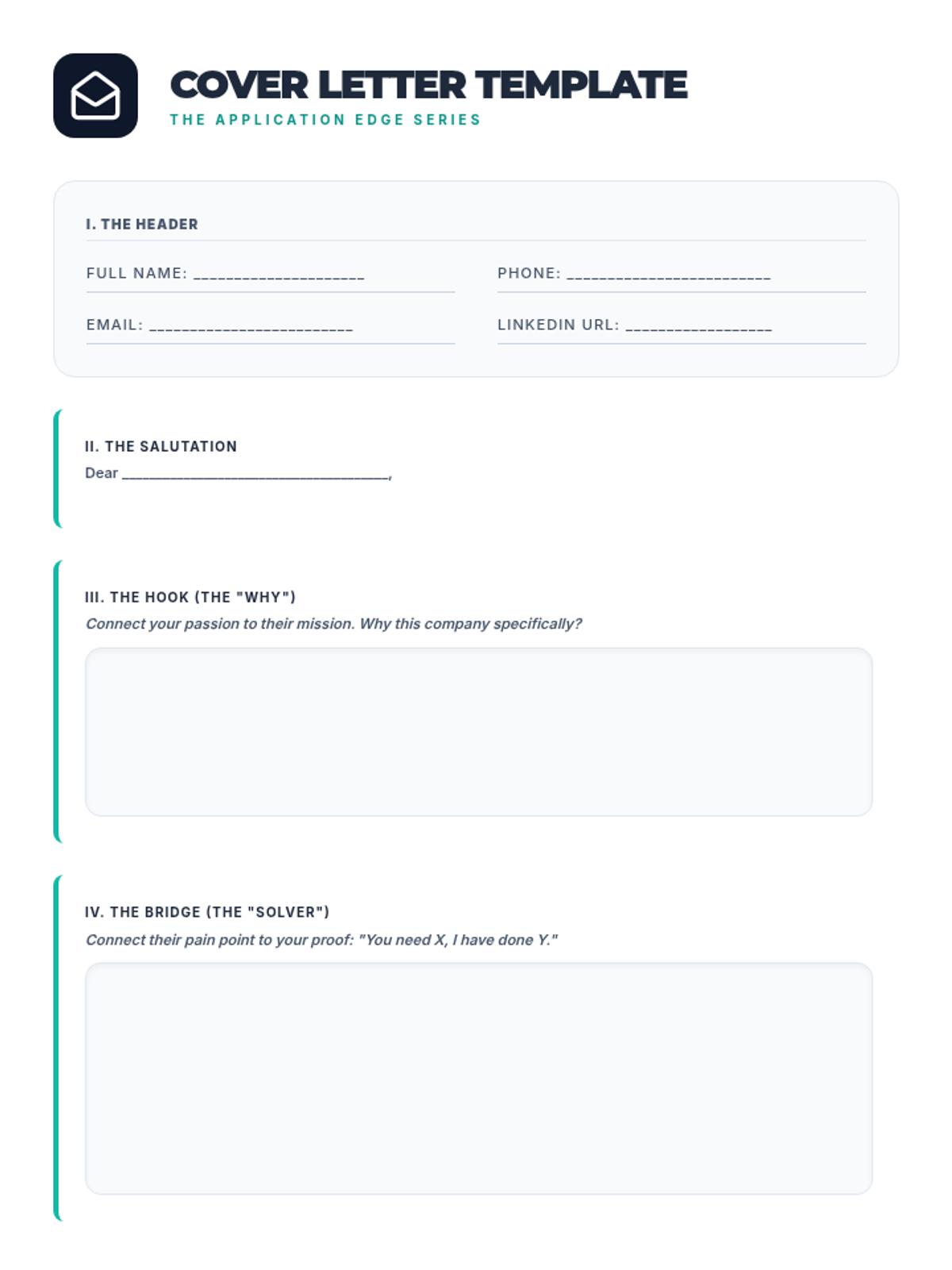
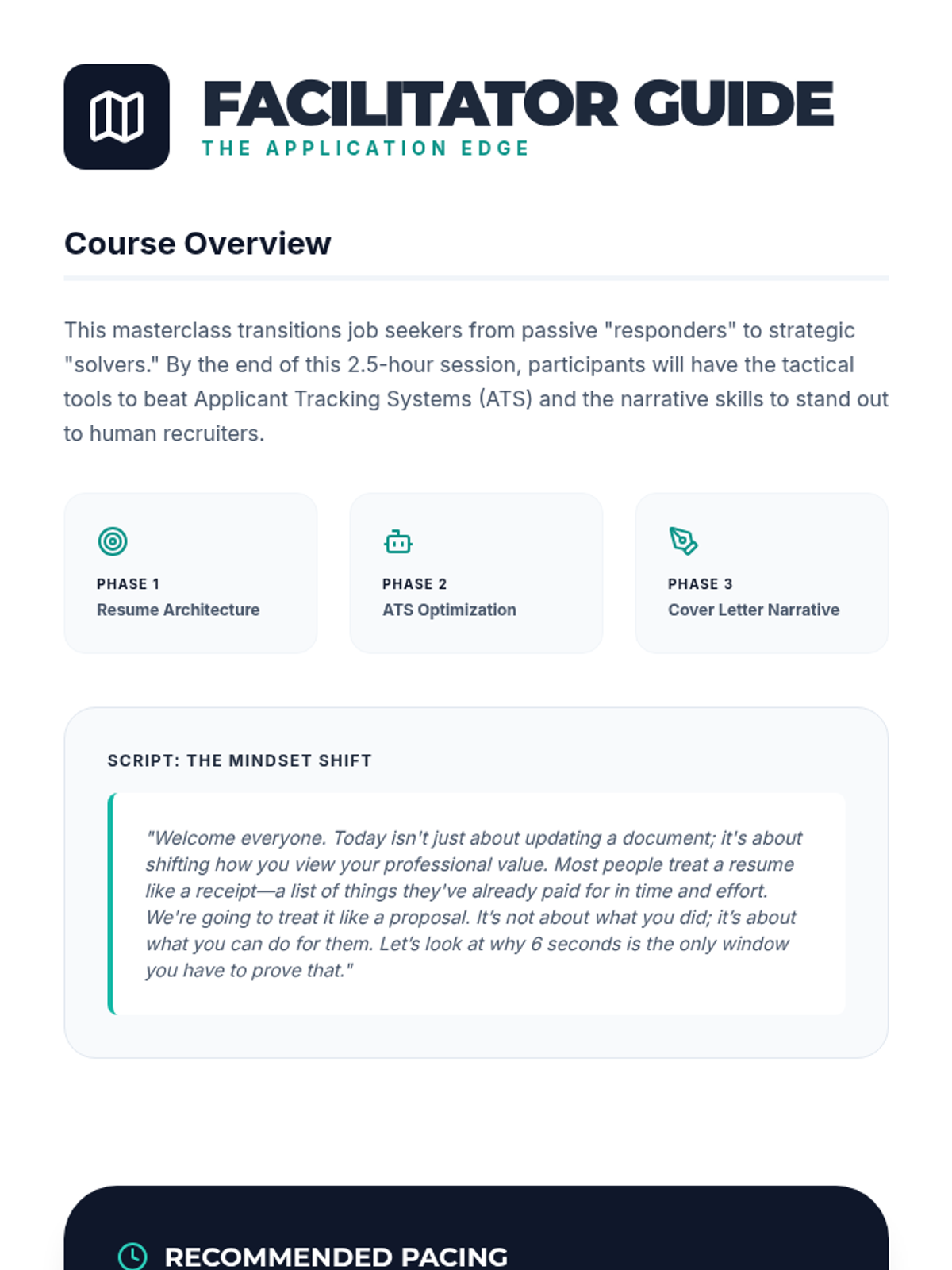
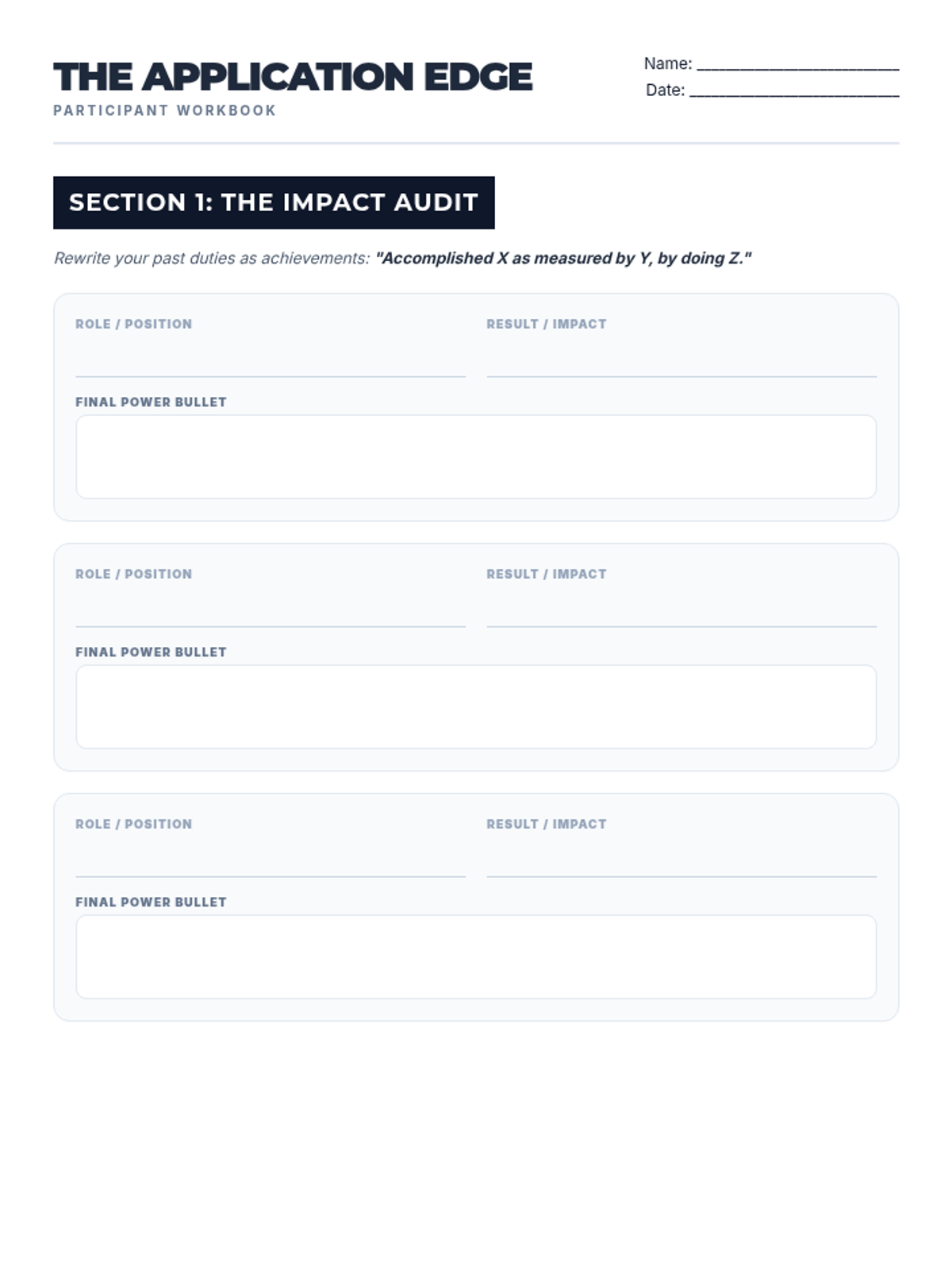
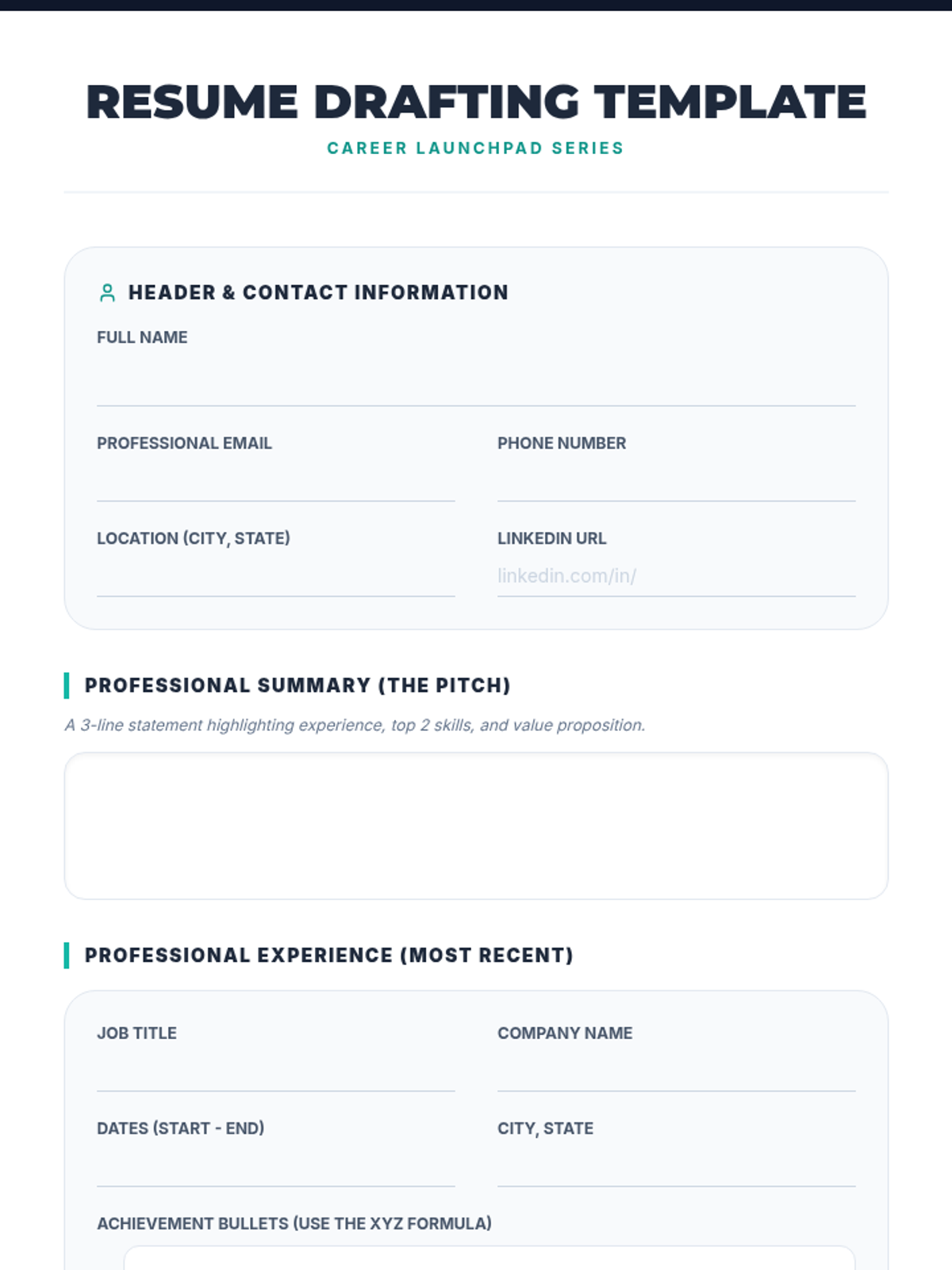
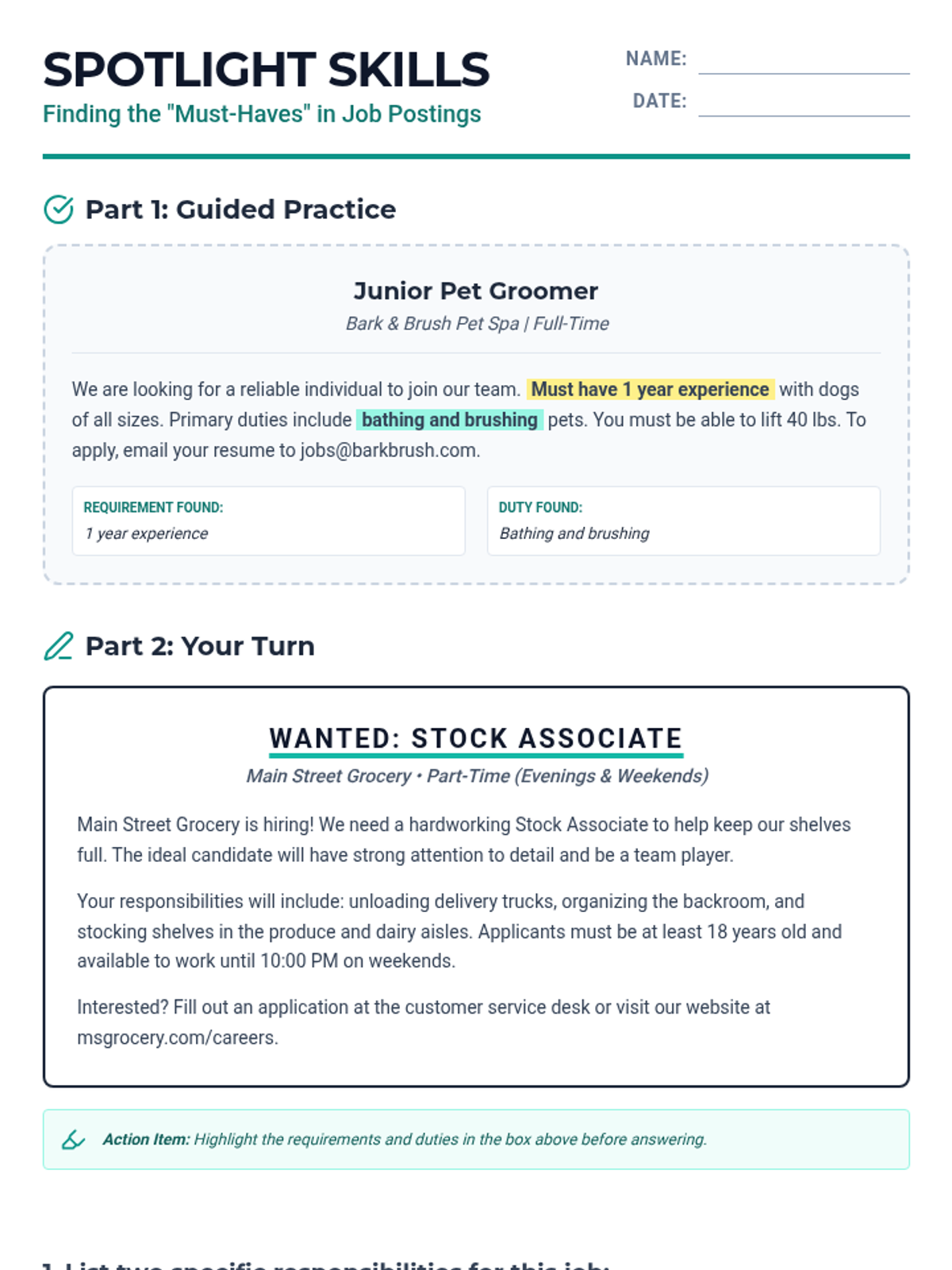
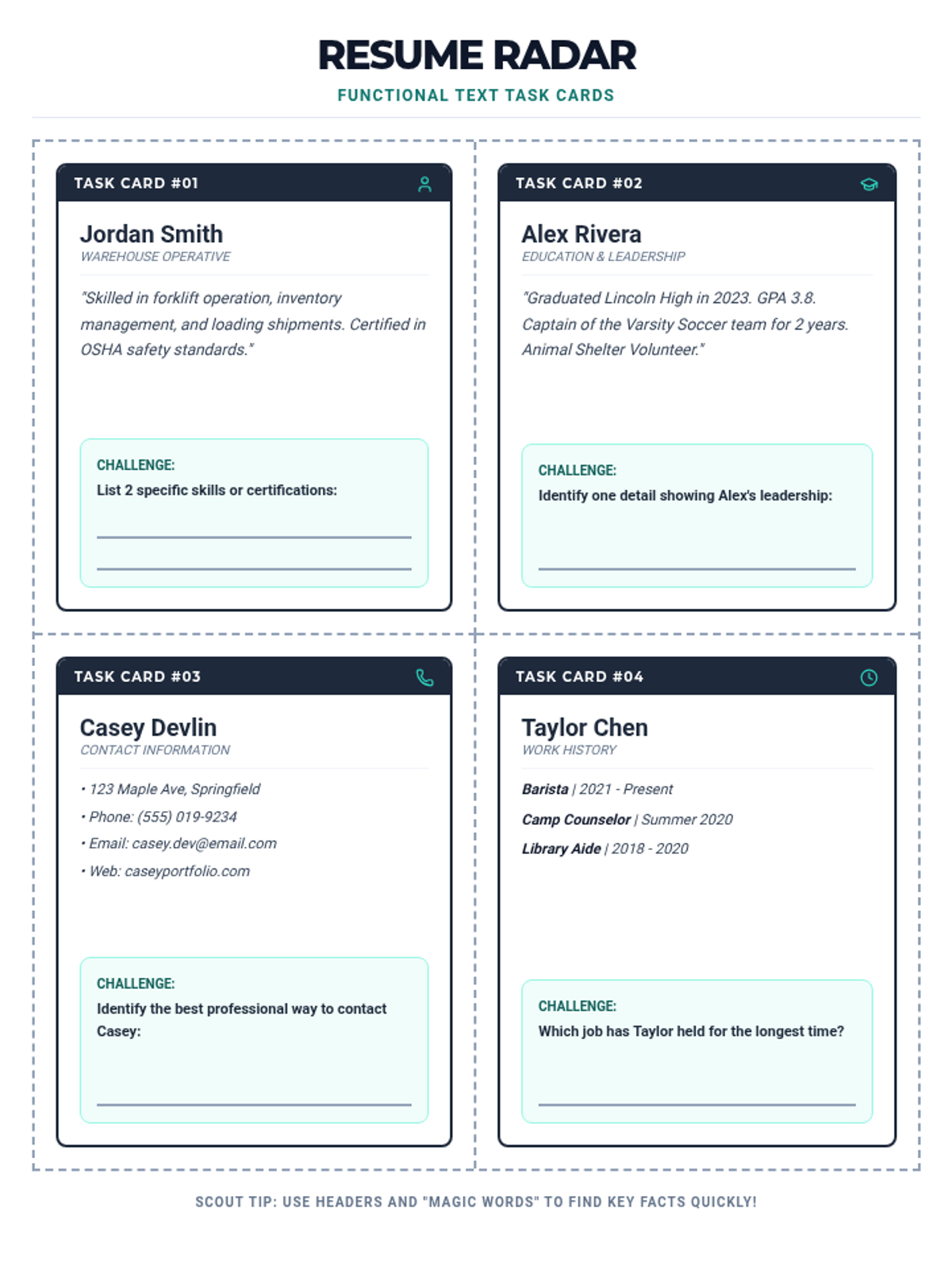
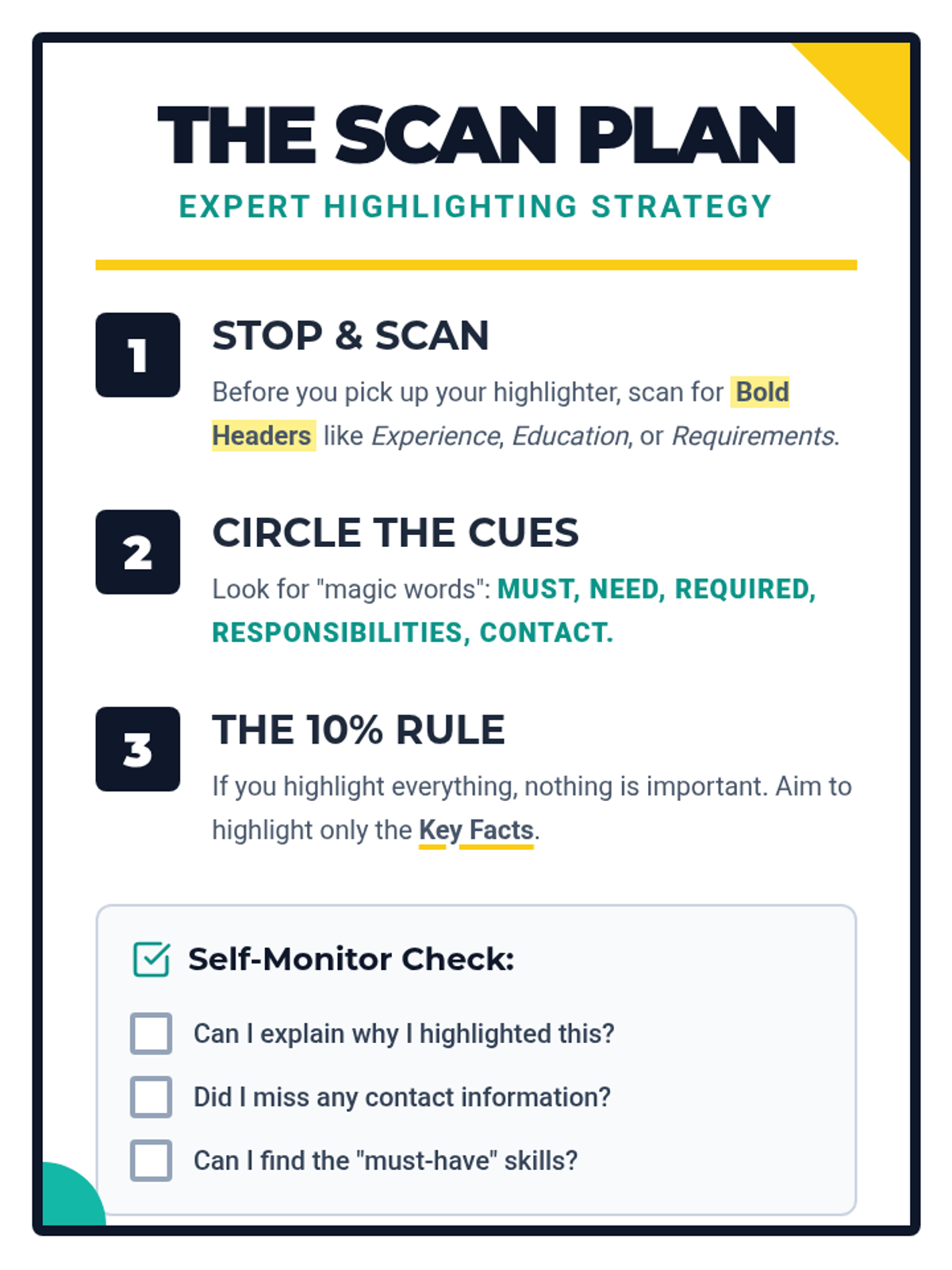
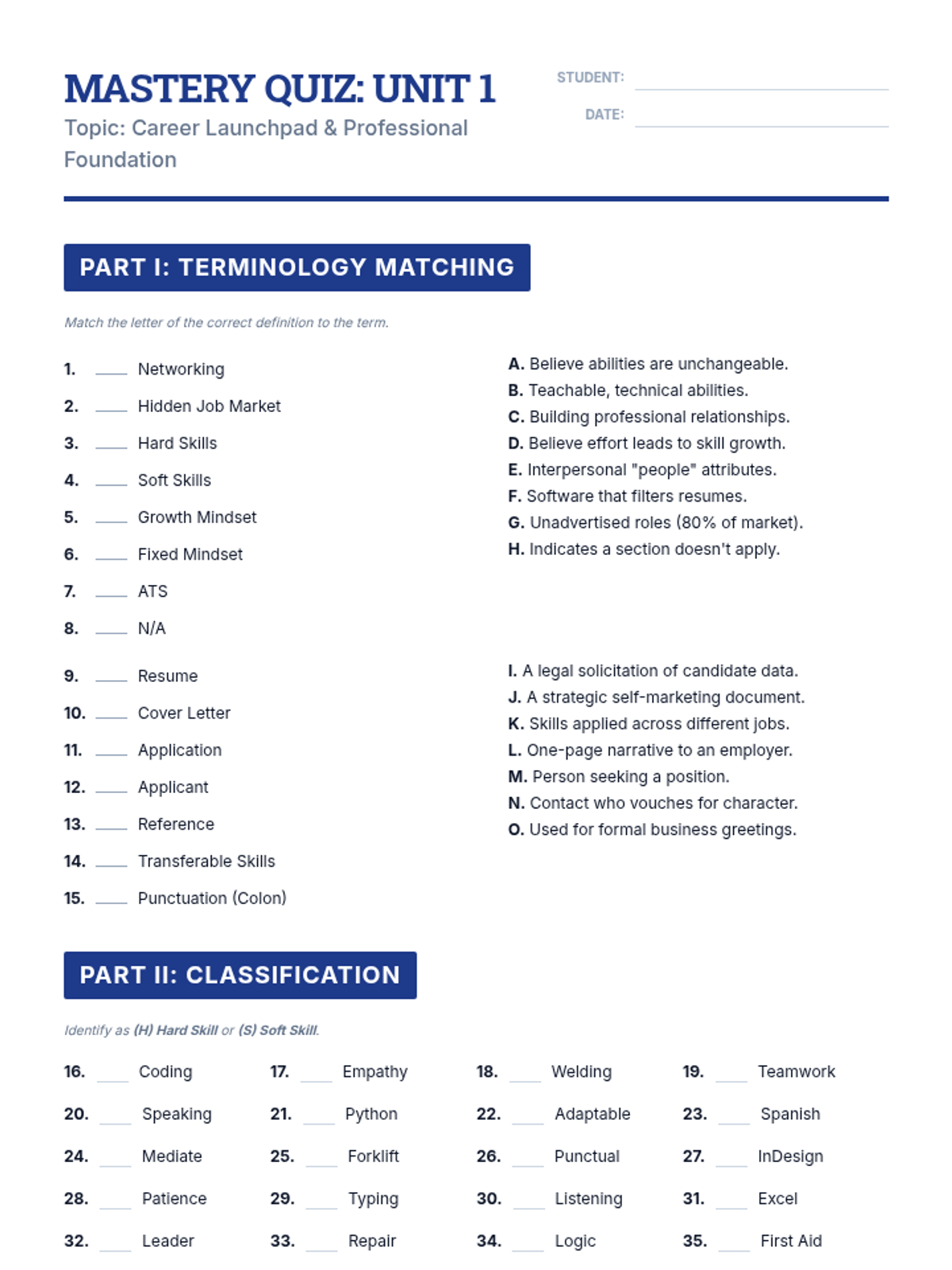
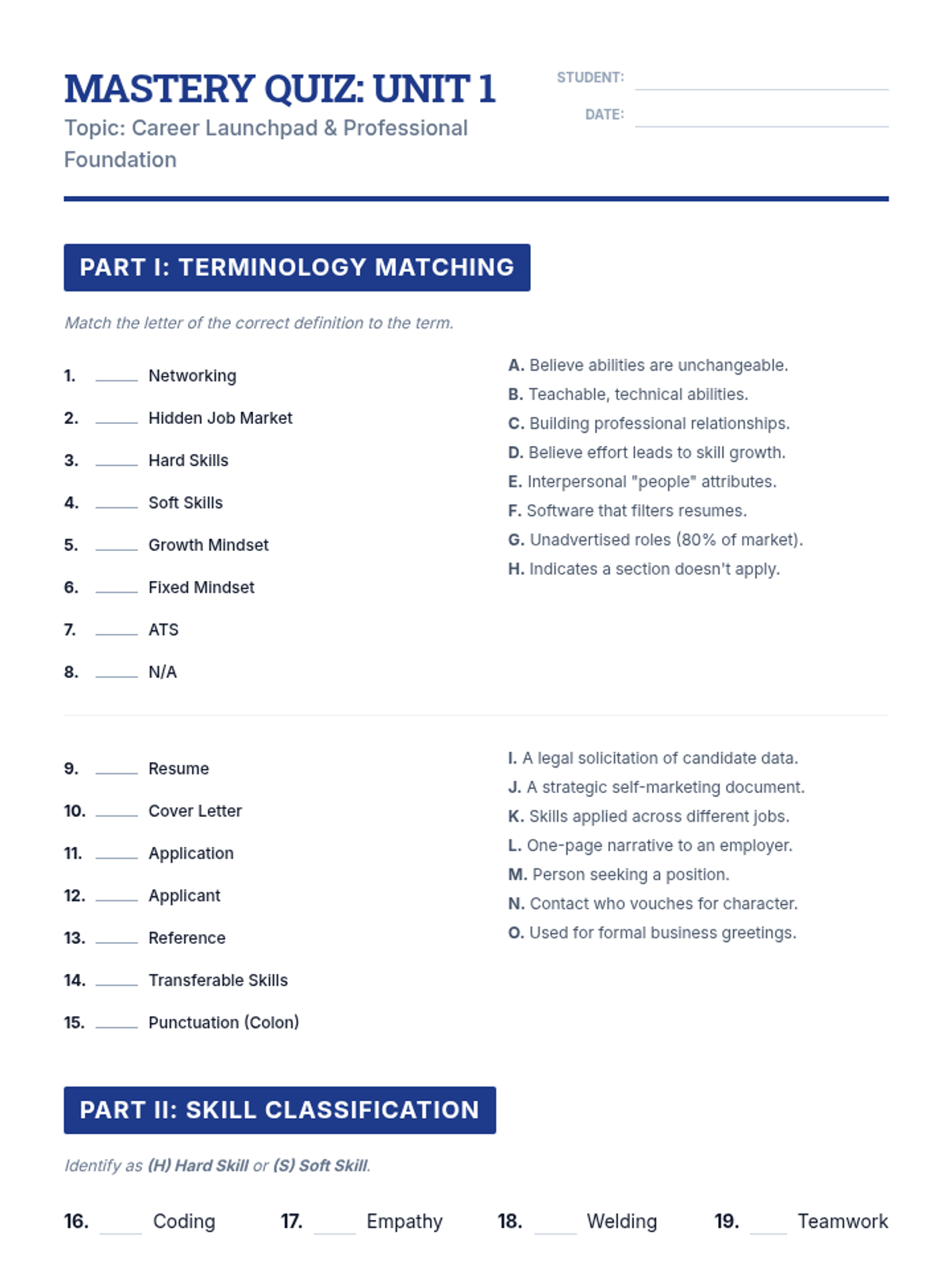
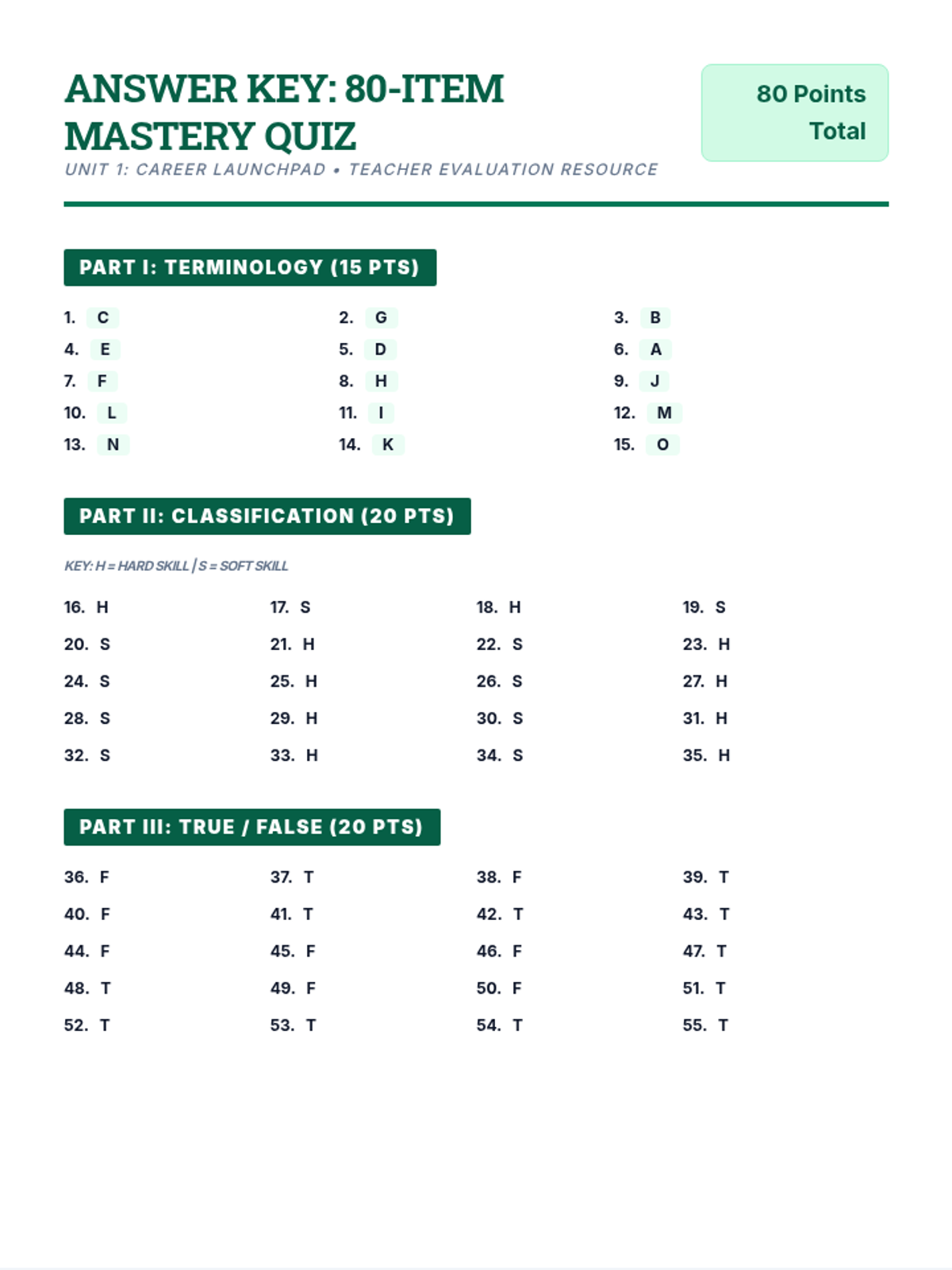
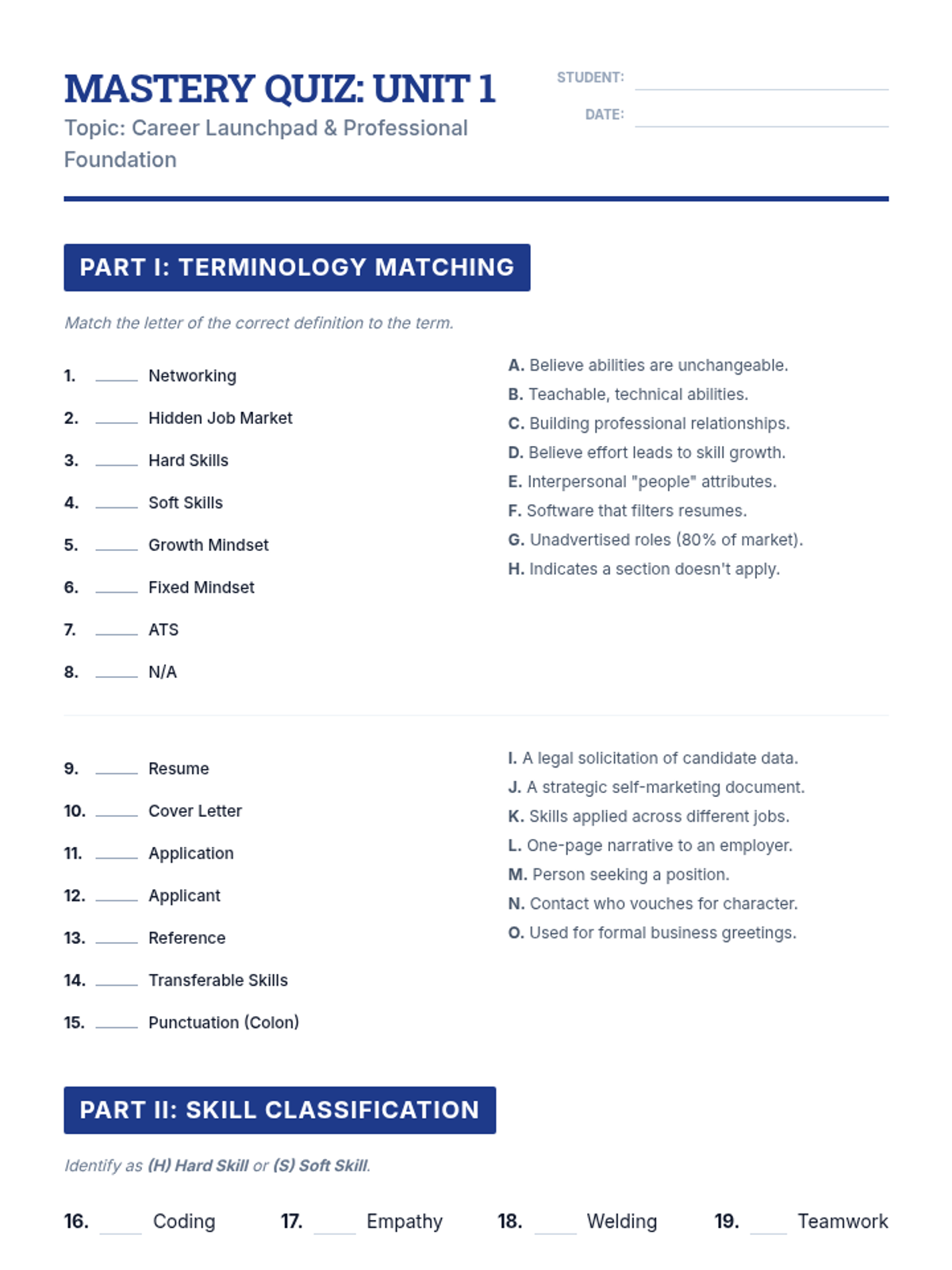
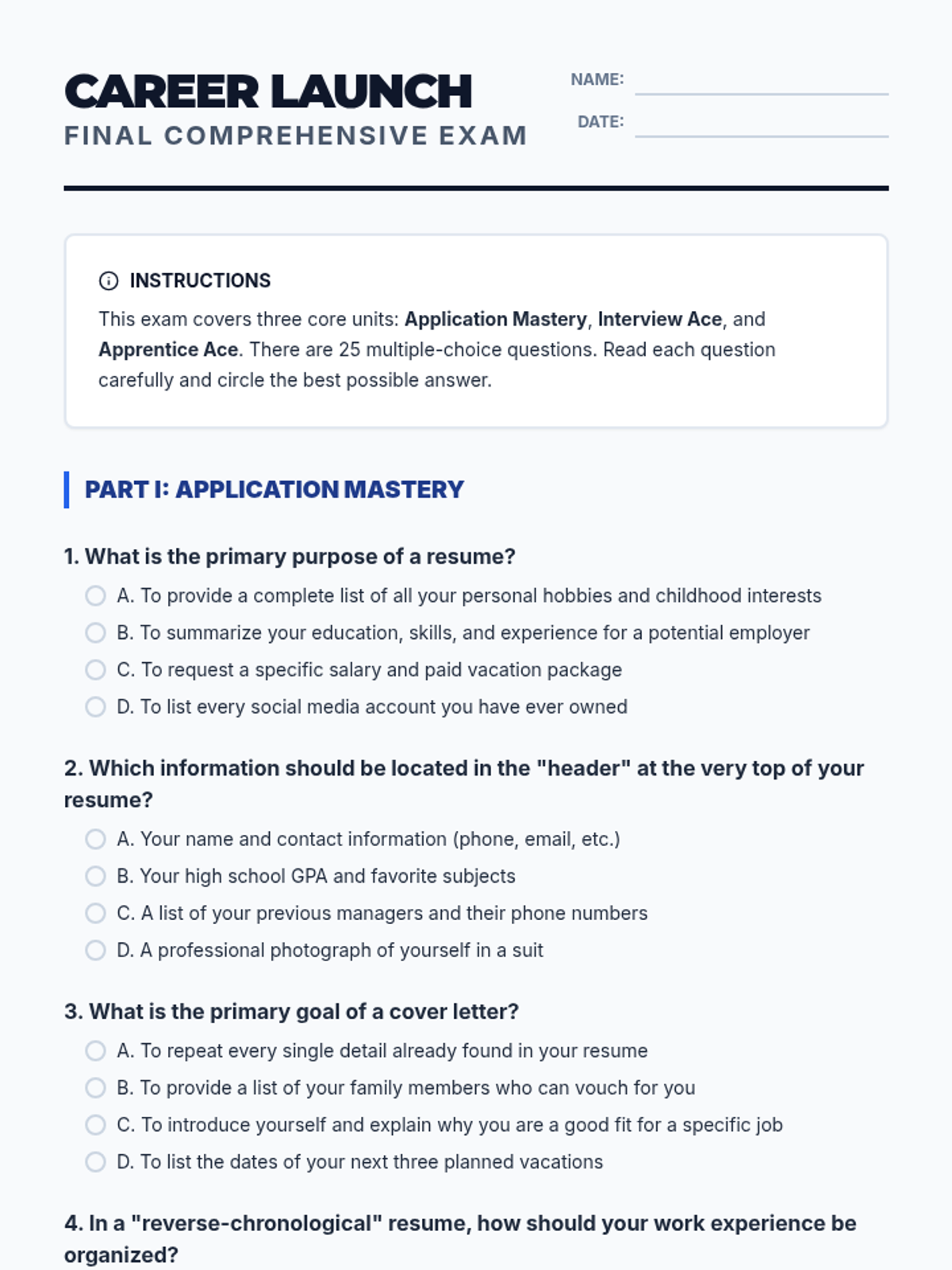
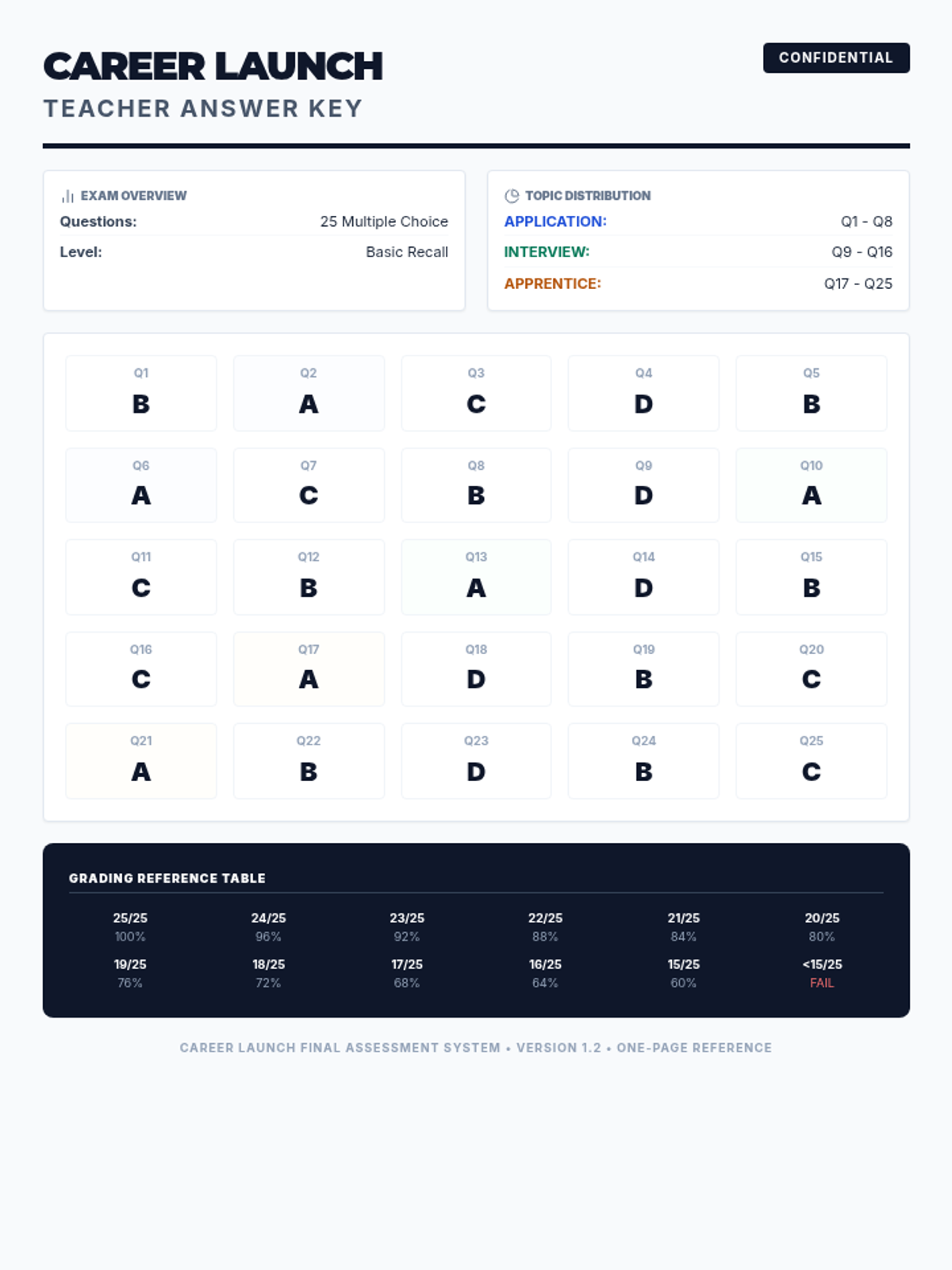
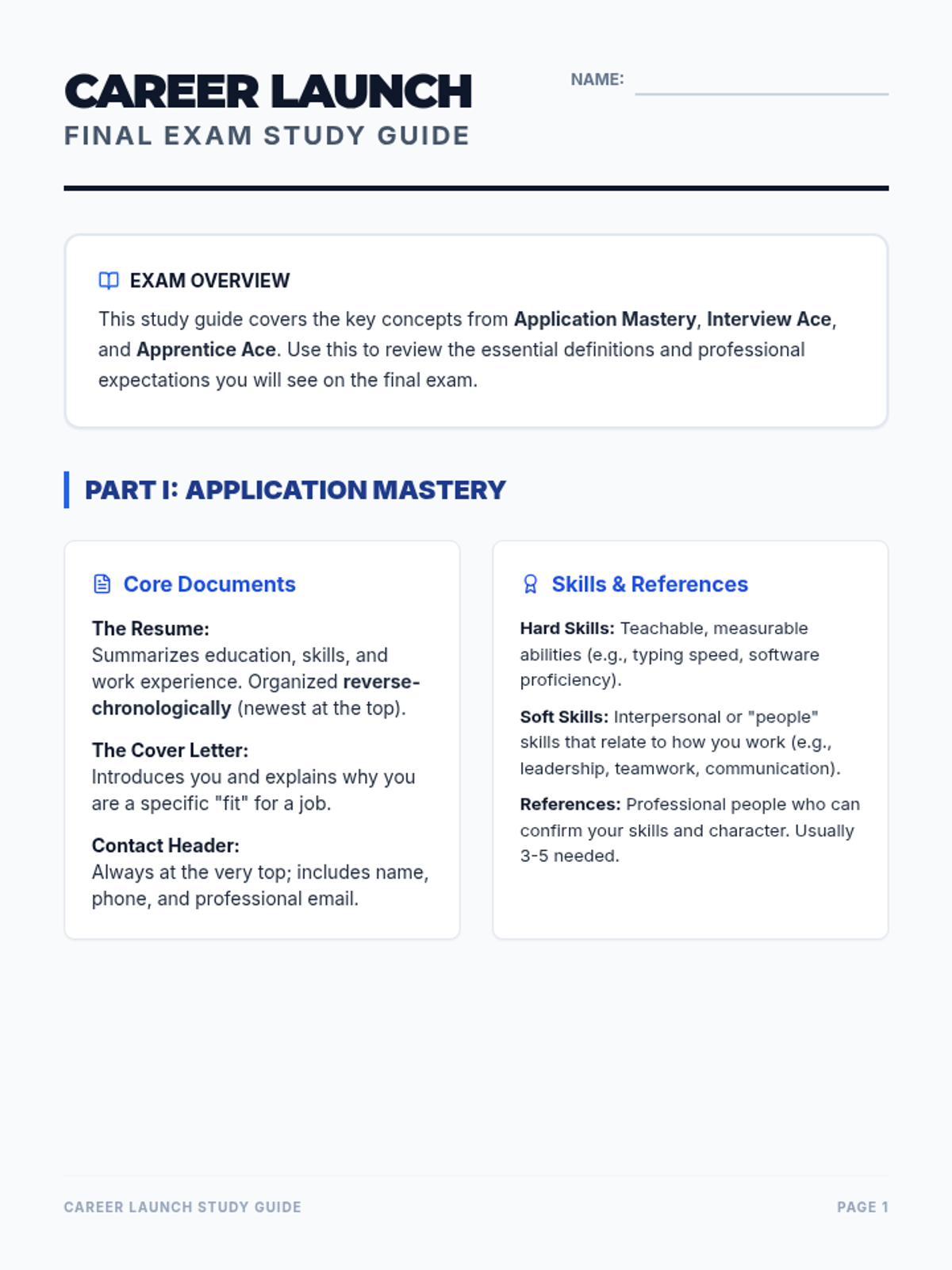
Resume construction, cover letter drafting, and networking techniques for modern job markets. Equips learners to analyze job descriptions and tailor applications using achievement-based language.
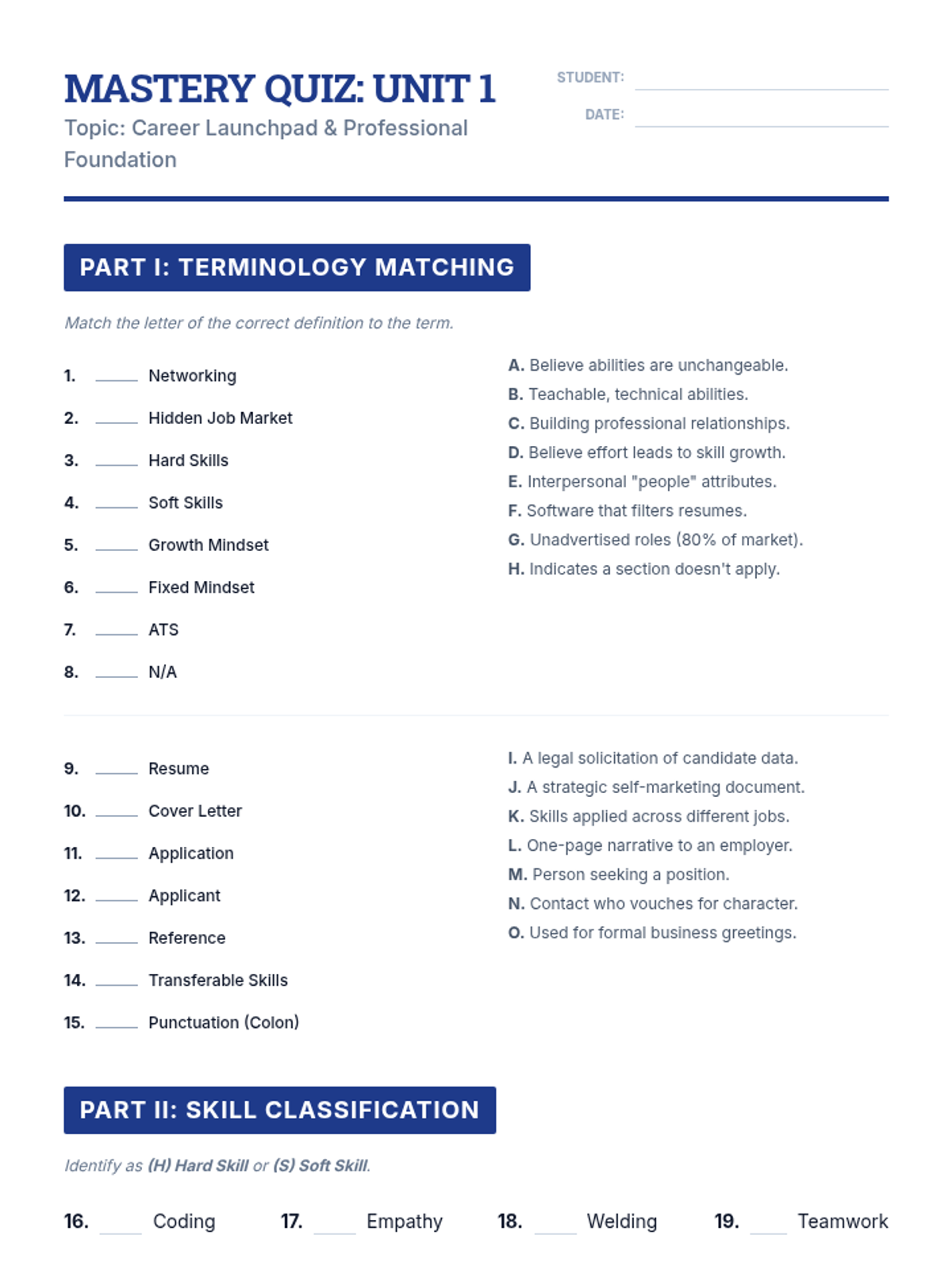
A comprehensive course designed to equip job seekers with the essential tools for a successful job search, focusing on high-impact resumes, persuasive cover letters, and professional application techniques.
A series of lessons designed to equip students with the functional literacy skills needed to navigate the world of employment, focusing on resumes, job applications, and workplace communication.
A comprehensive program designed to guide students through the essentials of career exploration, professional document preparation, and the job application process.
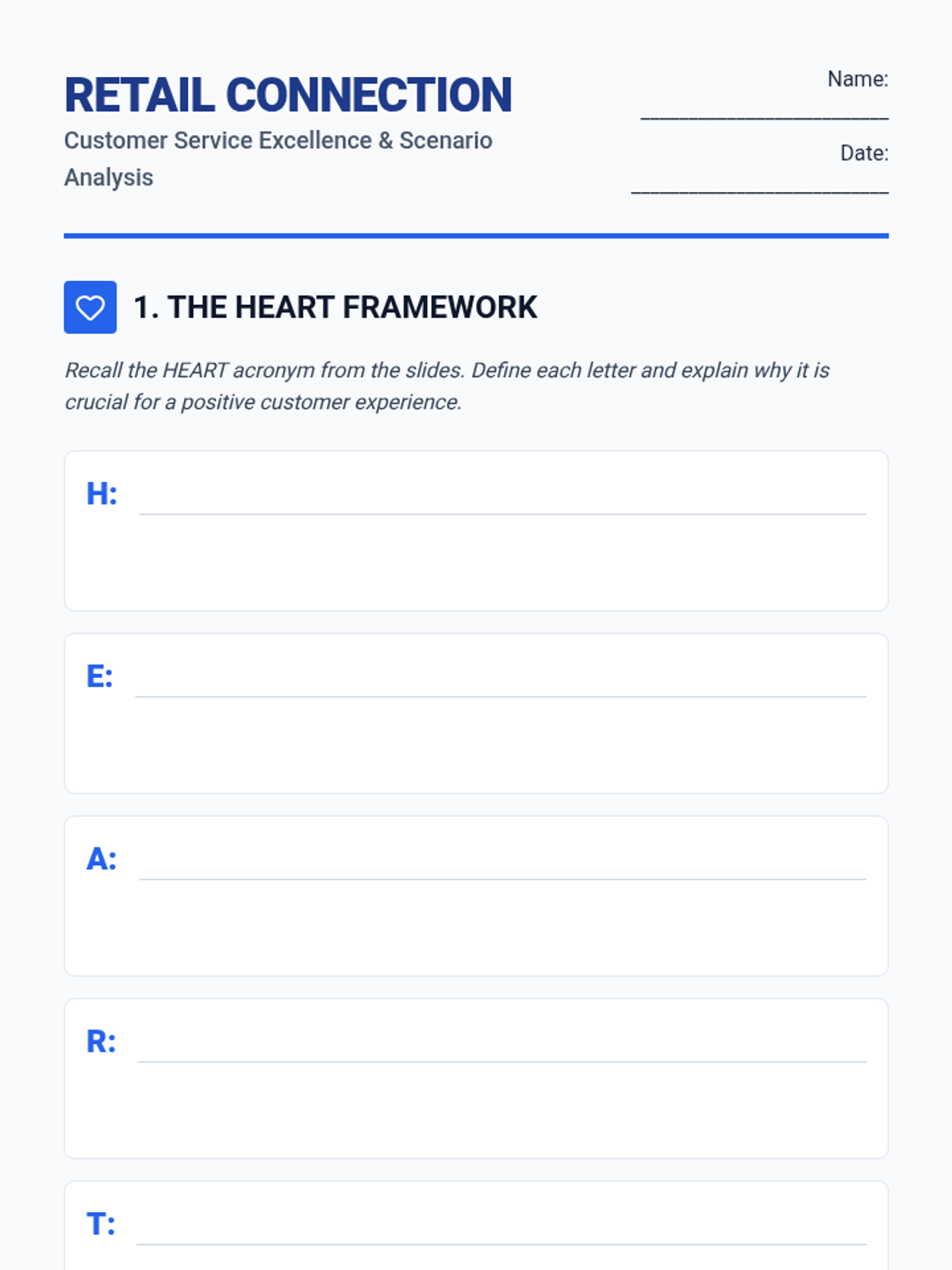
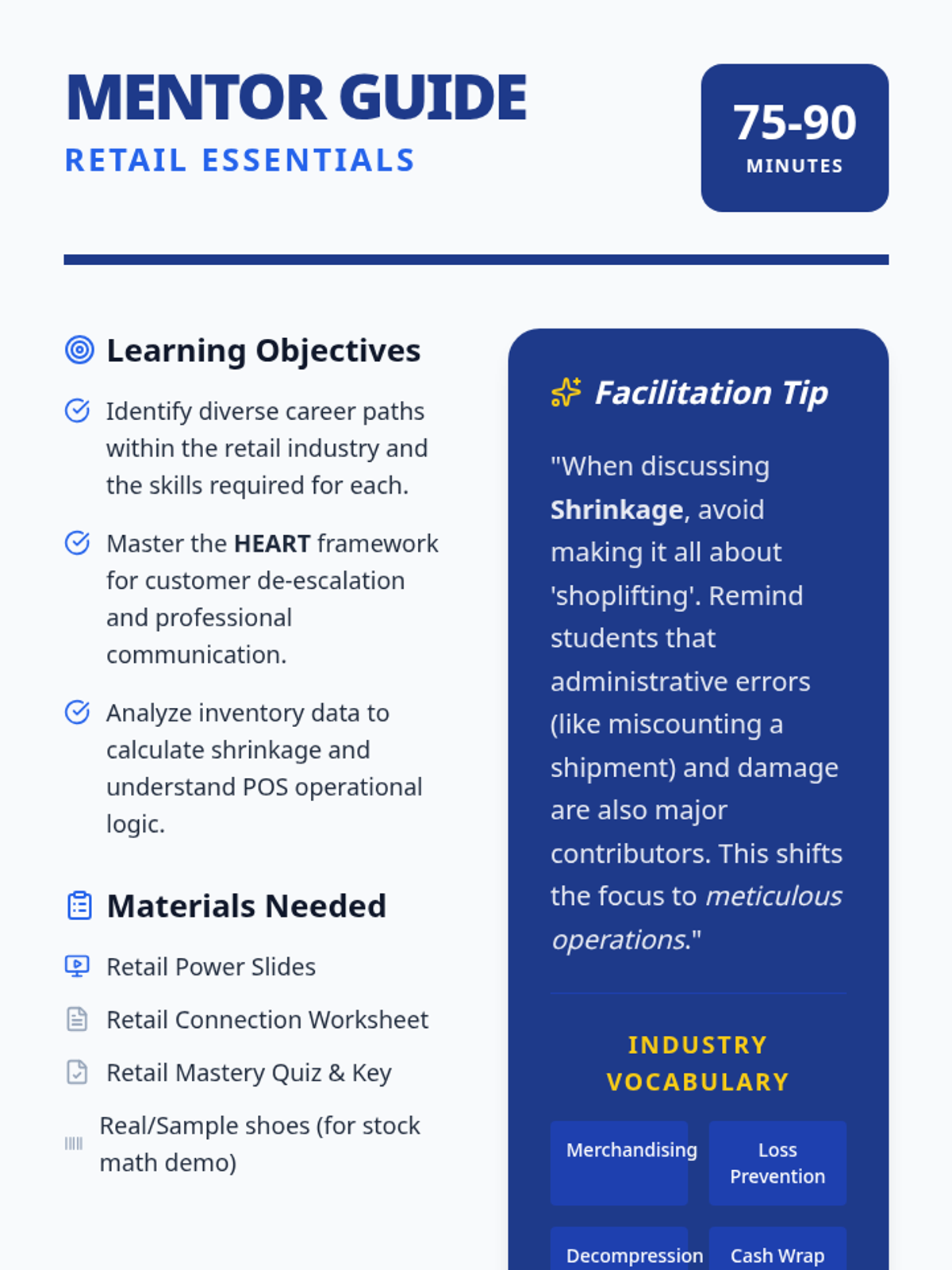
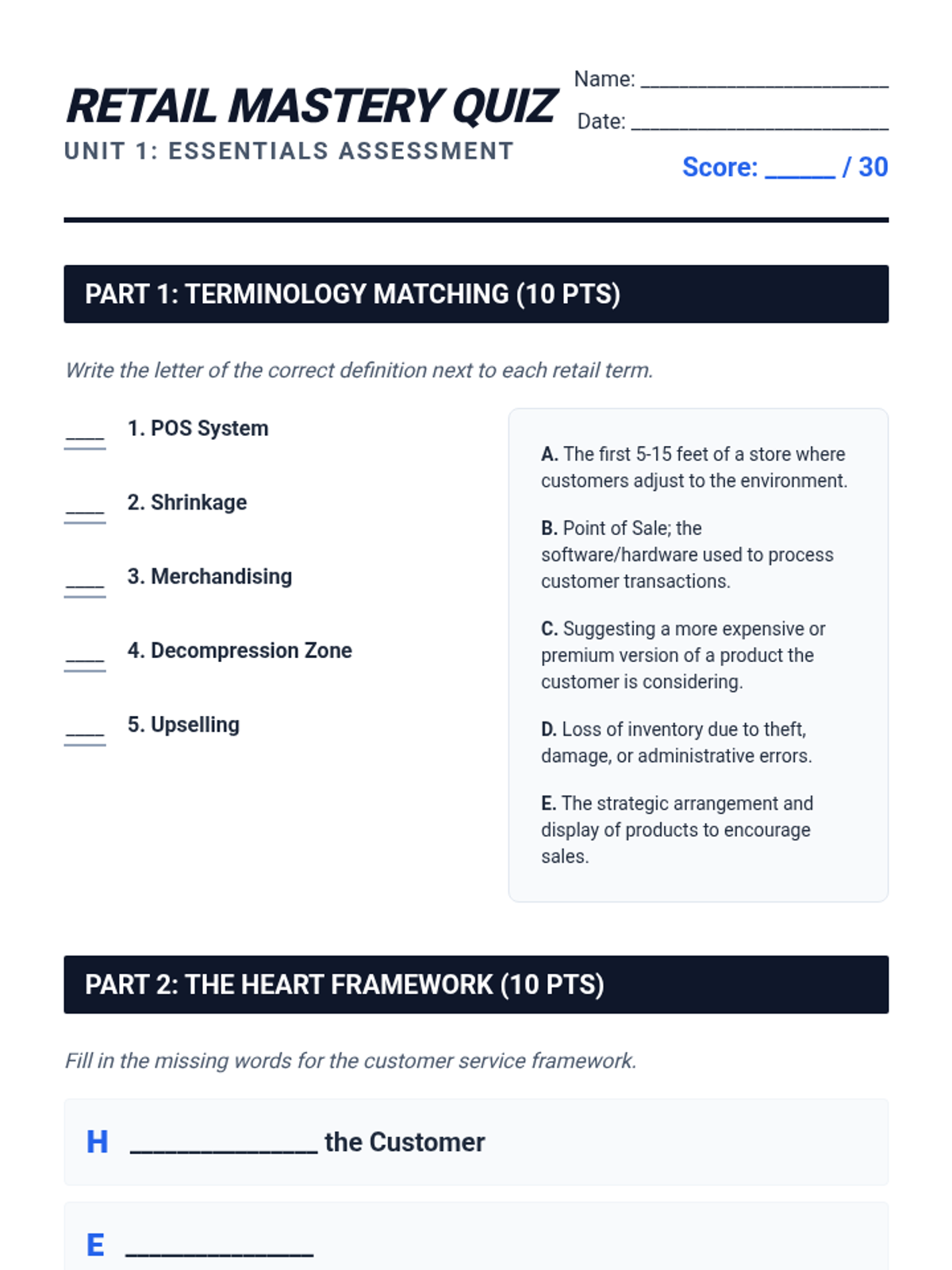
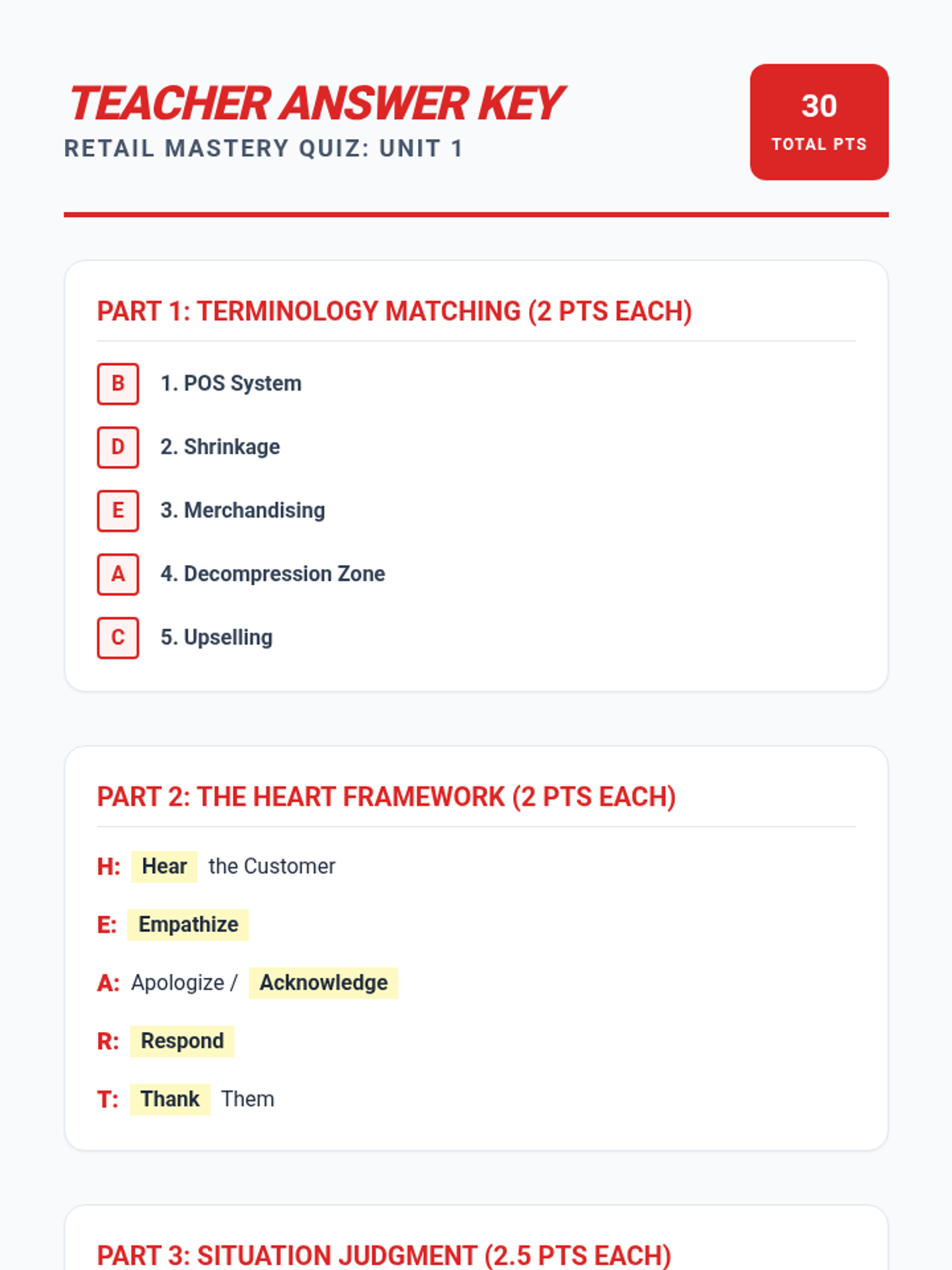
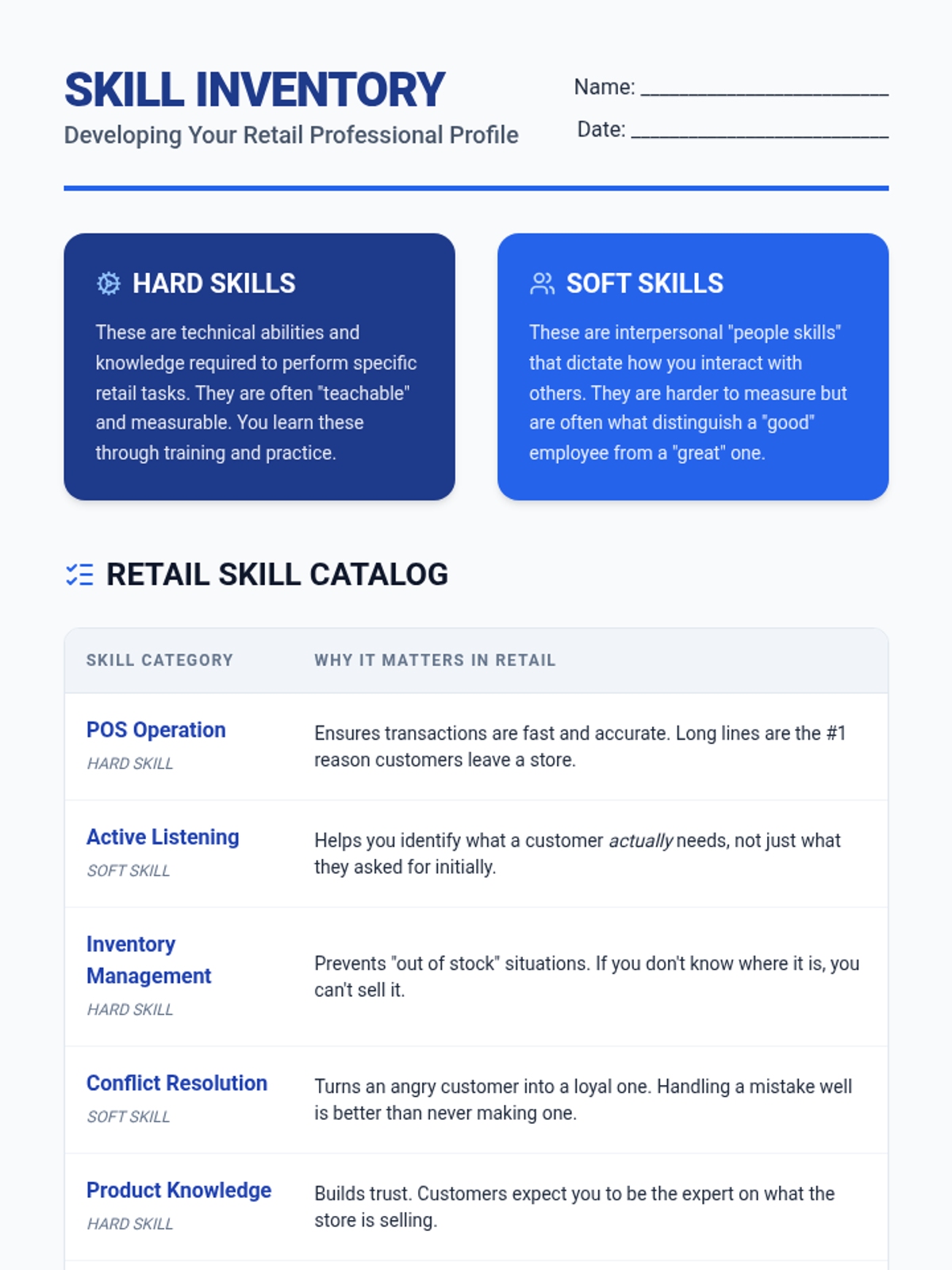
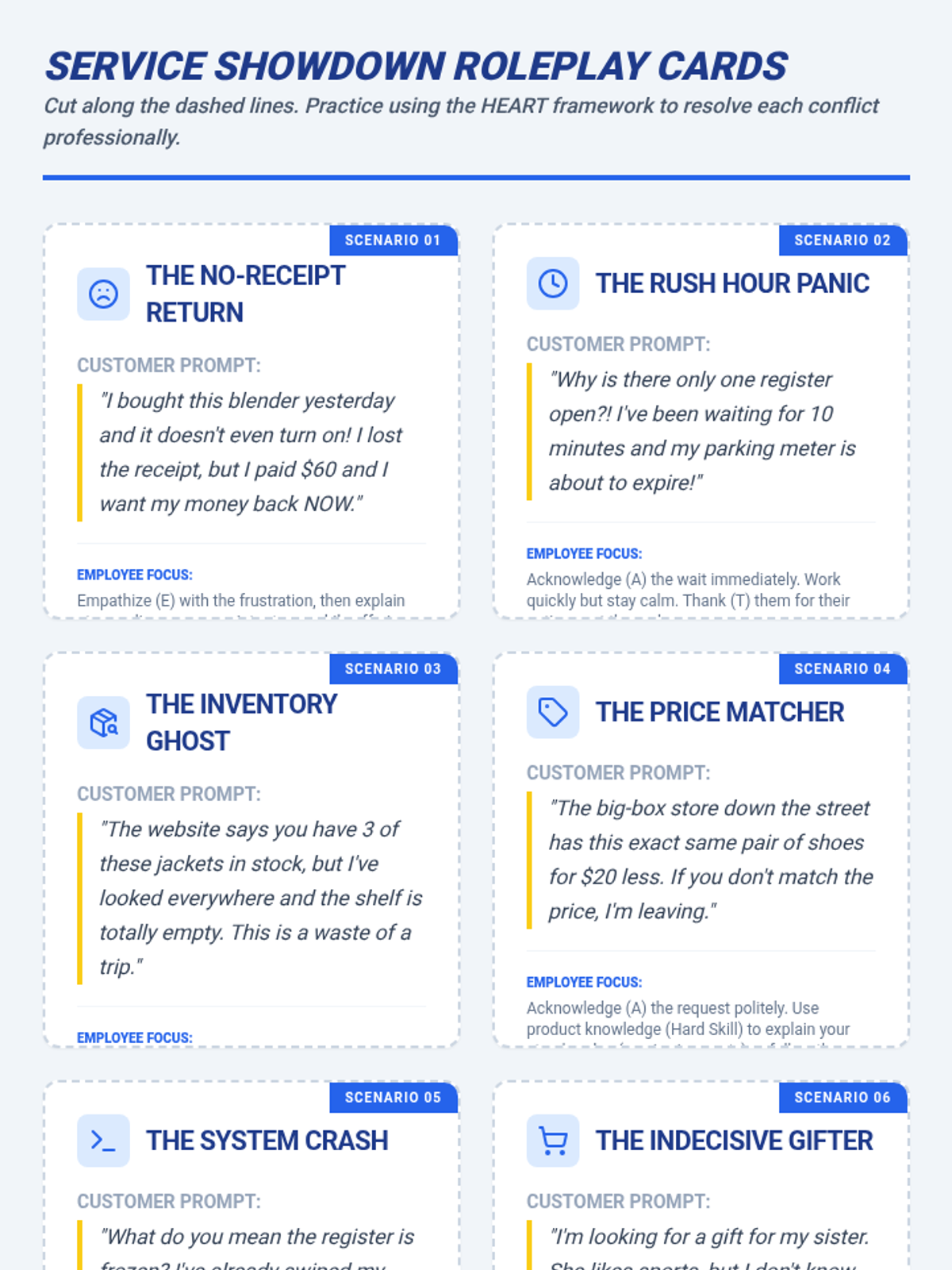
A hands-on career exploration unit focusing on the dynamic world of retail. Students will master customer service excellence, learn retail operations like inventory and POS systems, and design their own retail floor plan and brand strategy.
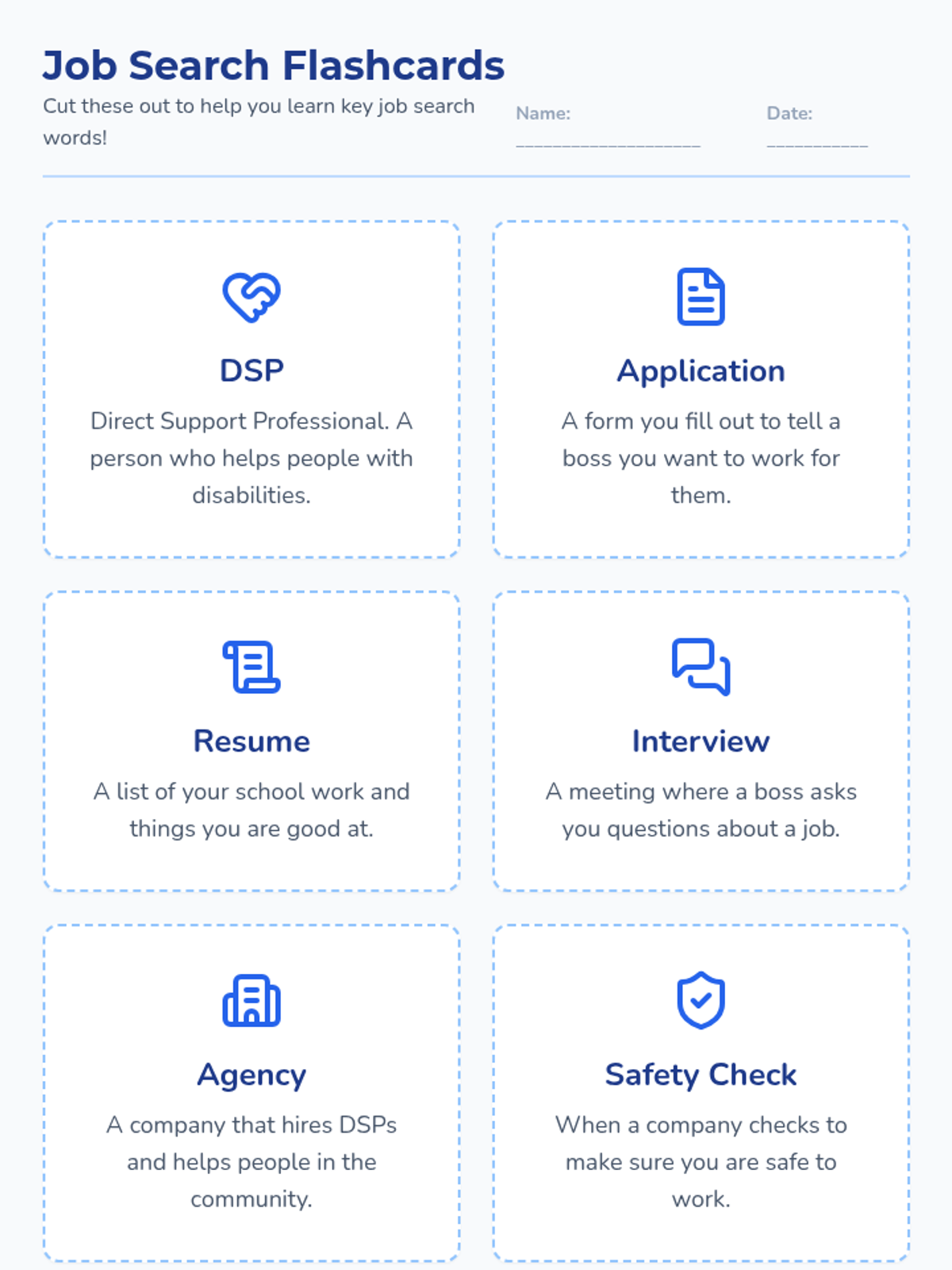
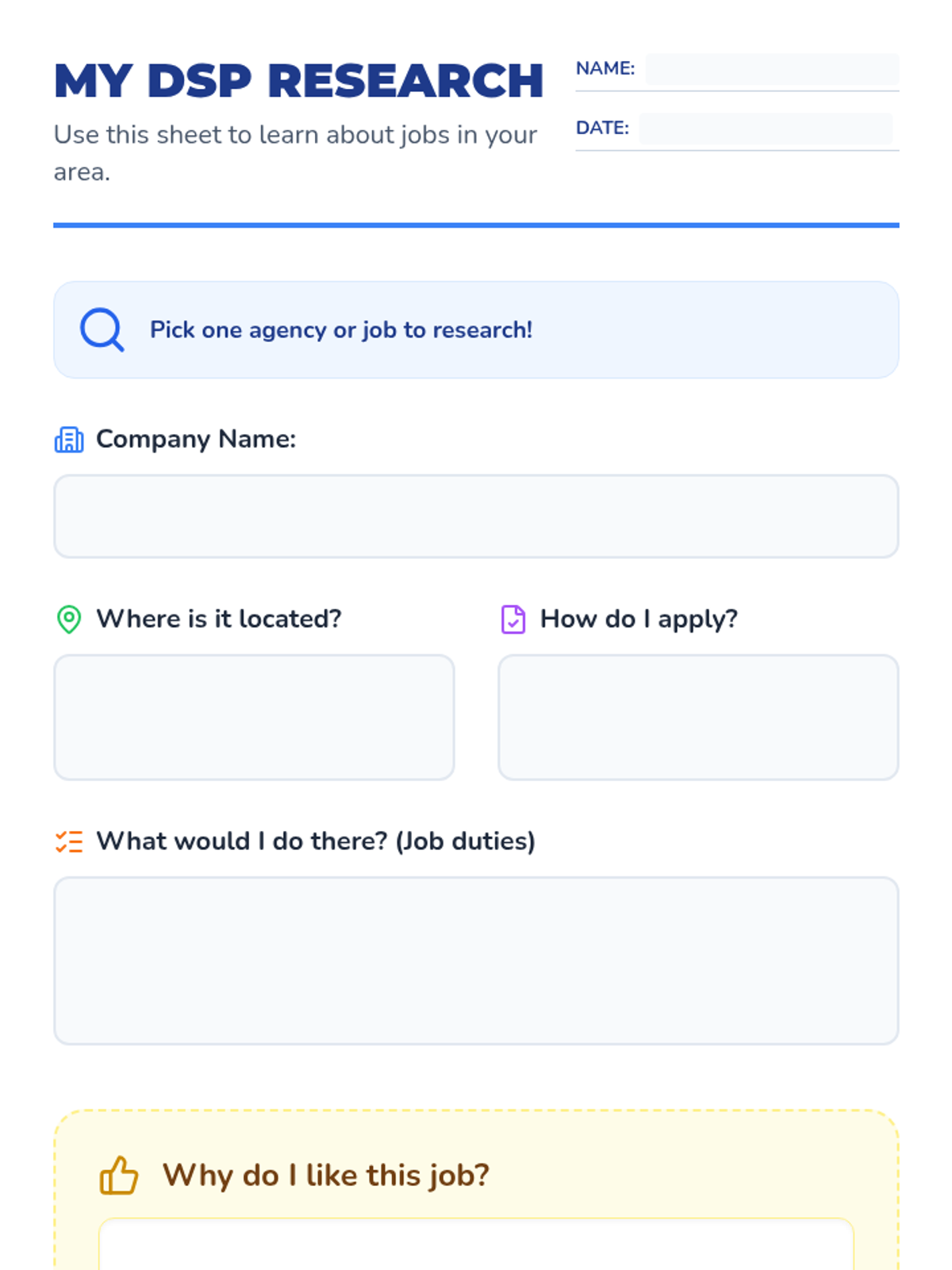
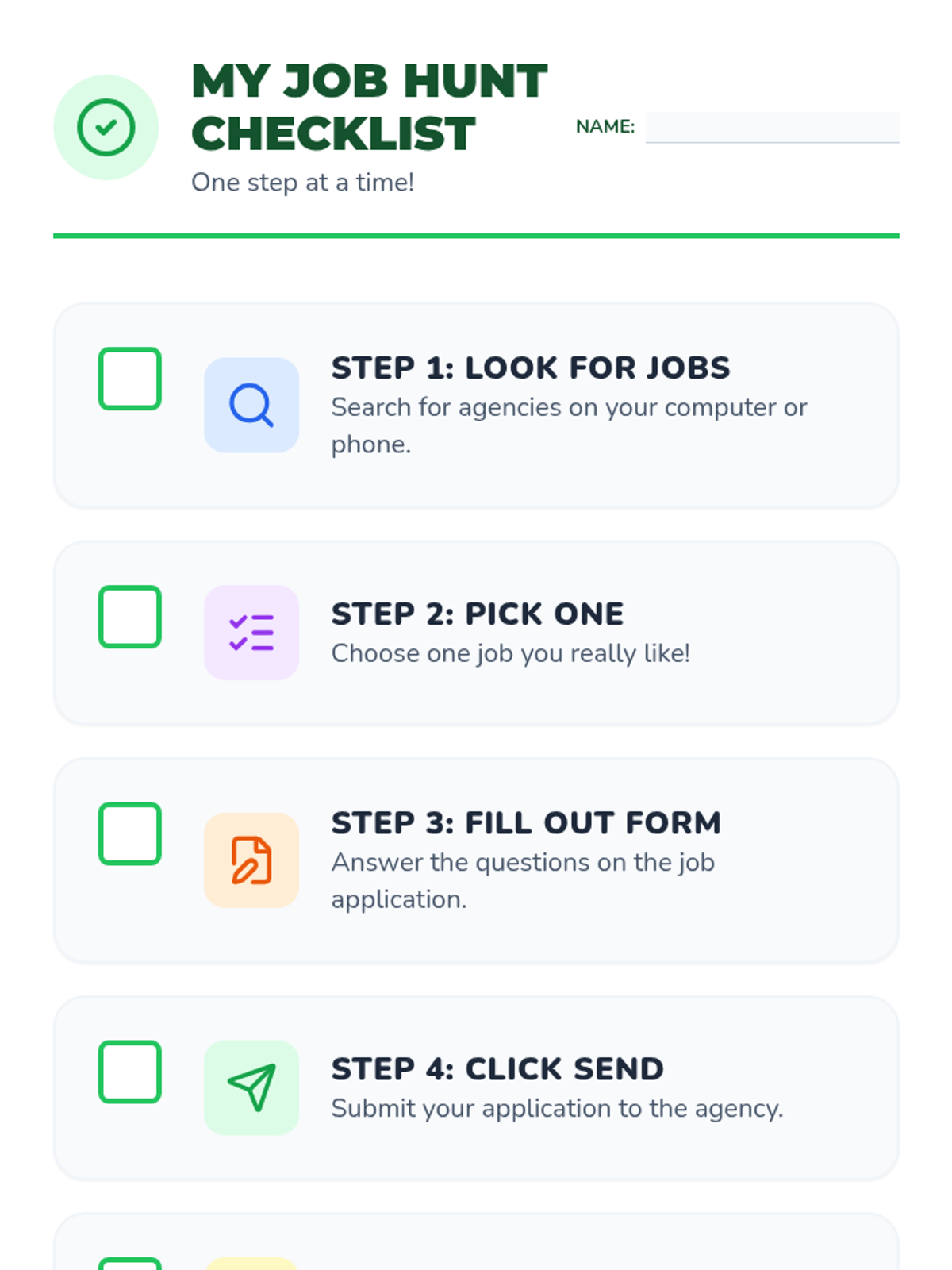
A series of resources designed to help individuals with diverse learning needs research and apply for Direct Support Professional (DSP) roles independently. The materials focus on visual clarity, simplified language, and step-by-step guidance.
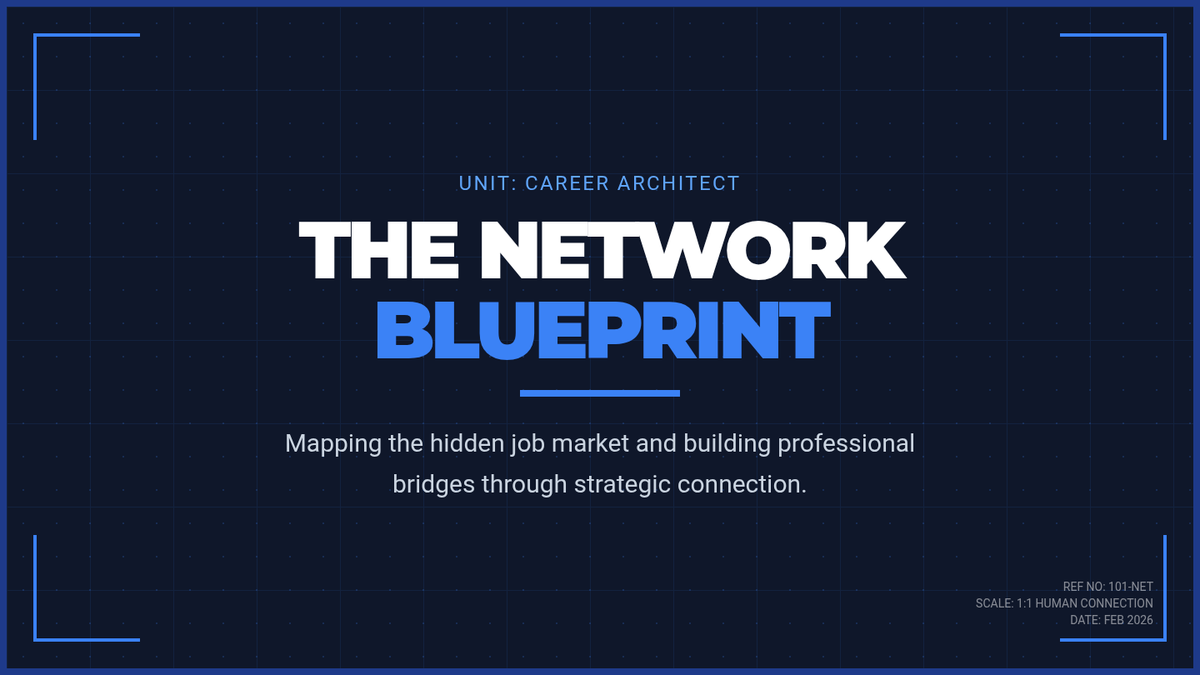
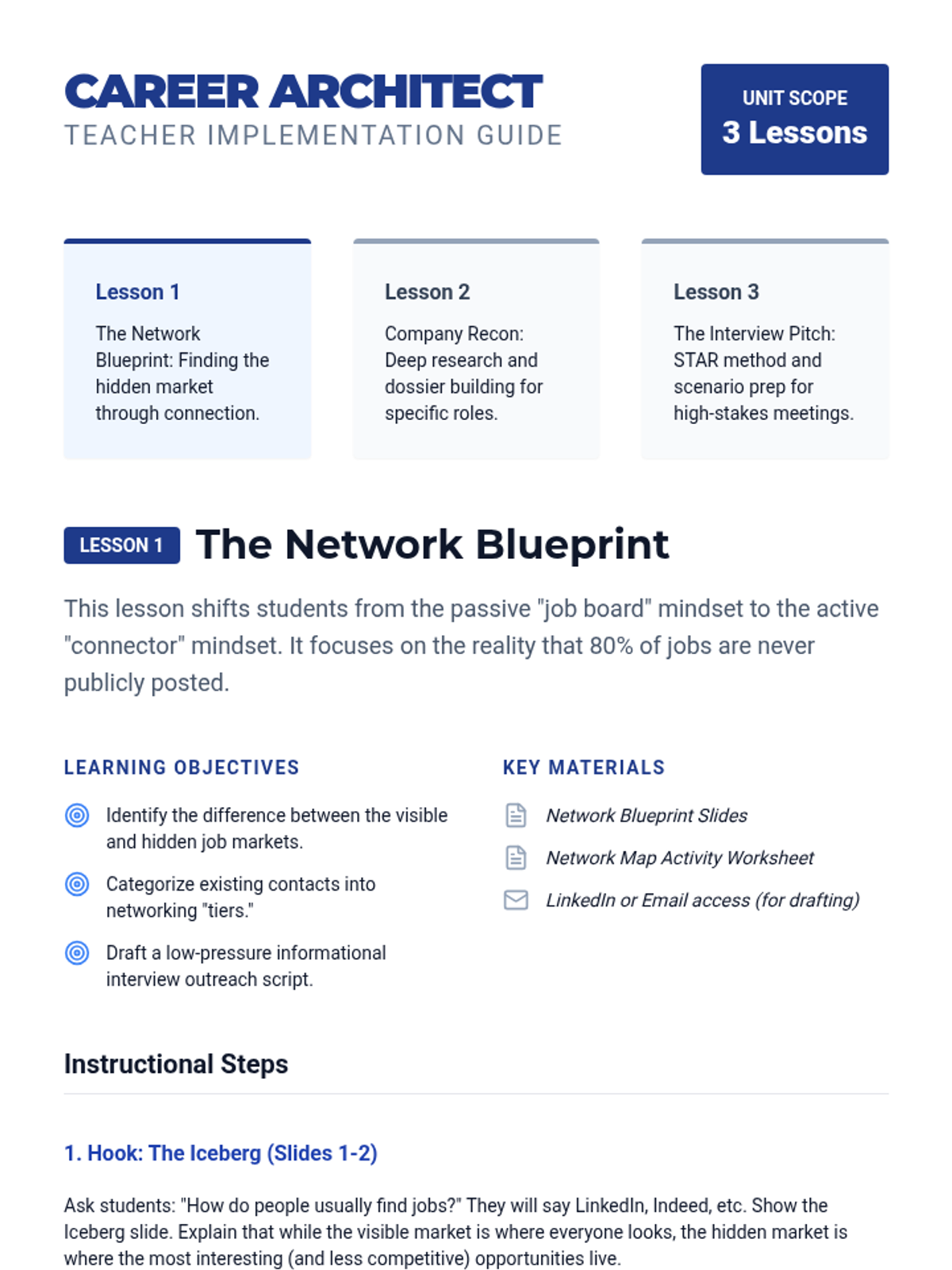
A comprehensive unit designed to guide students through the modern job application process, focusing on strategic networking, deep company research, and high-stakes interview preparation. Students will learn to build professional connections and tailor their approach to specific company cultures and scenarios.
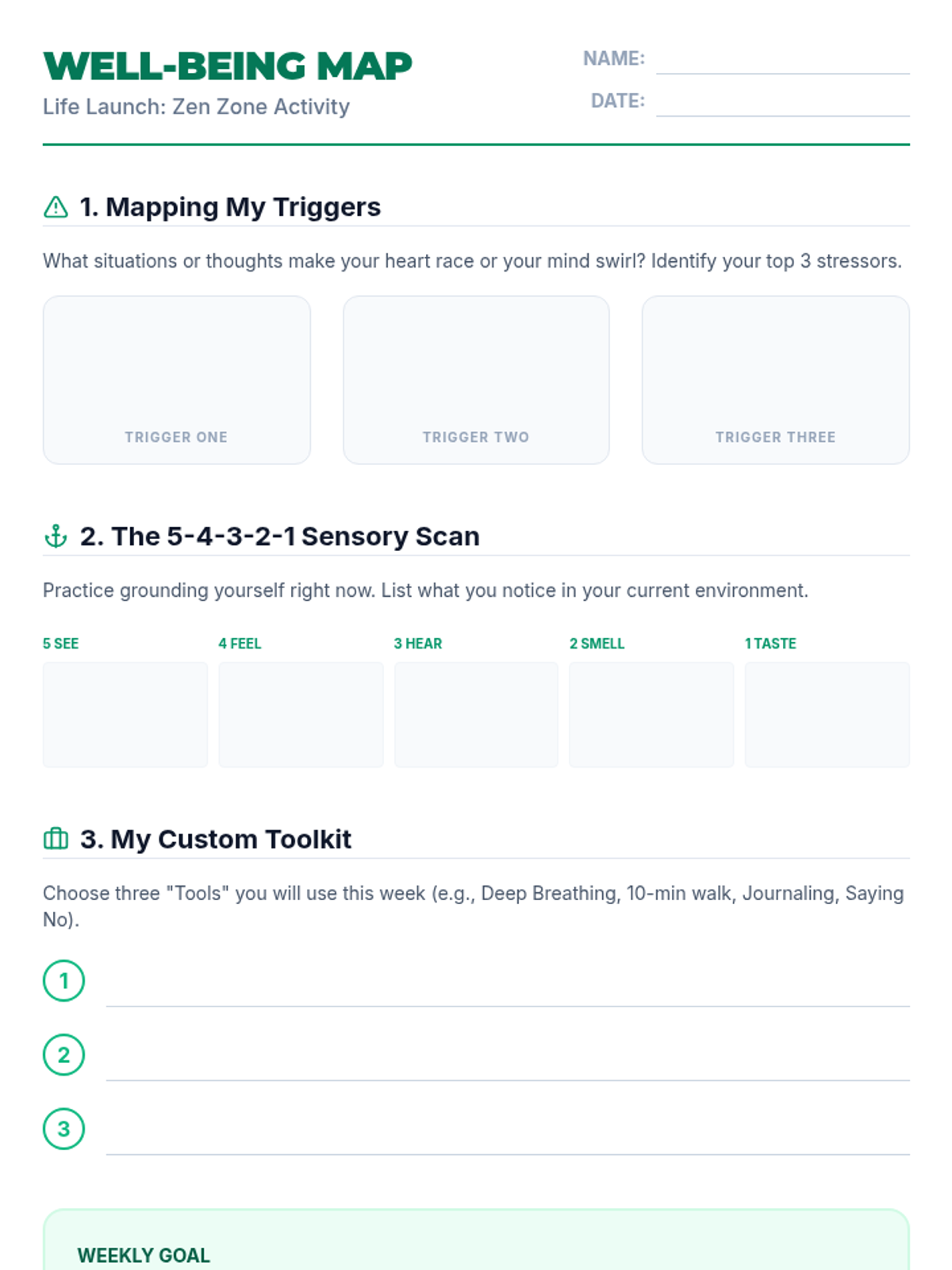
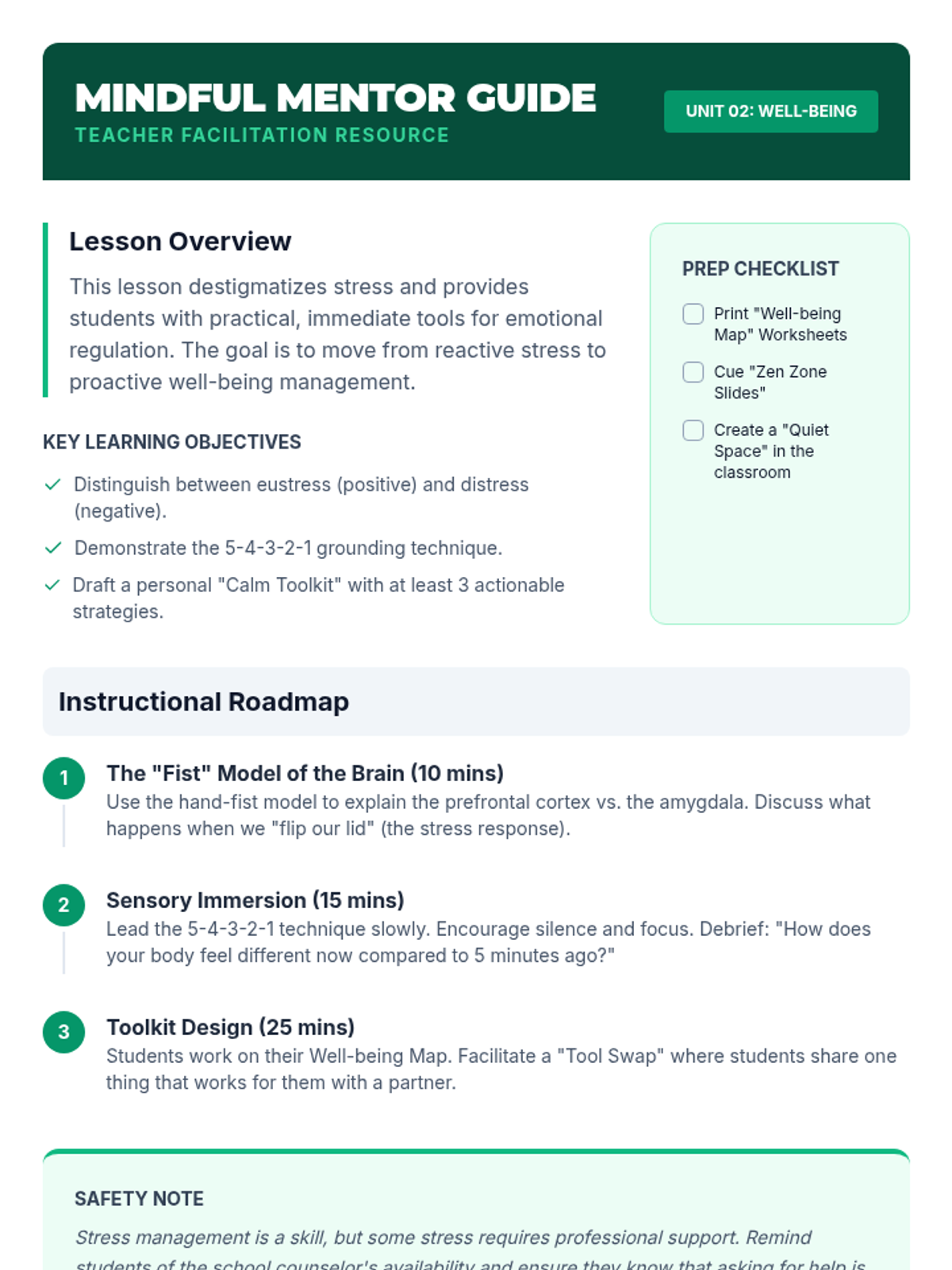
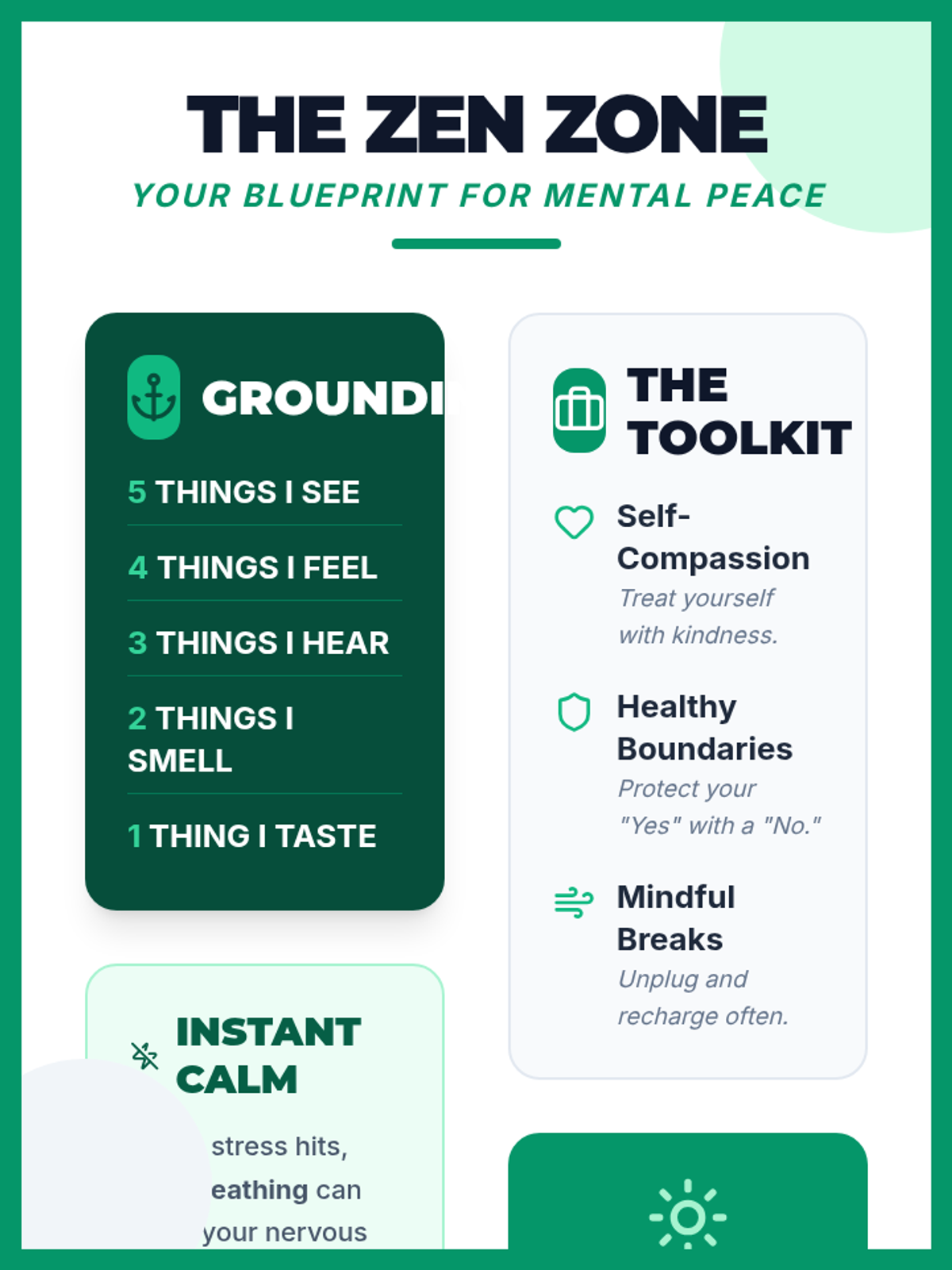
A dual-unit program designed to equip students with essential life skills for the post-application phase of job hunting and personal well-being. This sequence focuses on interpersonal communication, interview excellence, and mental health.
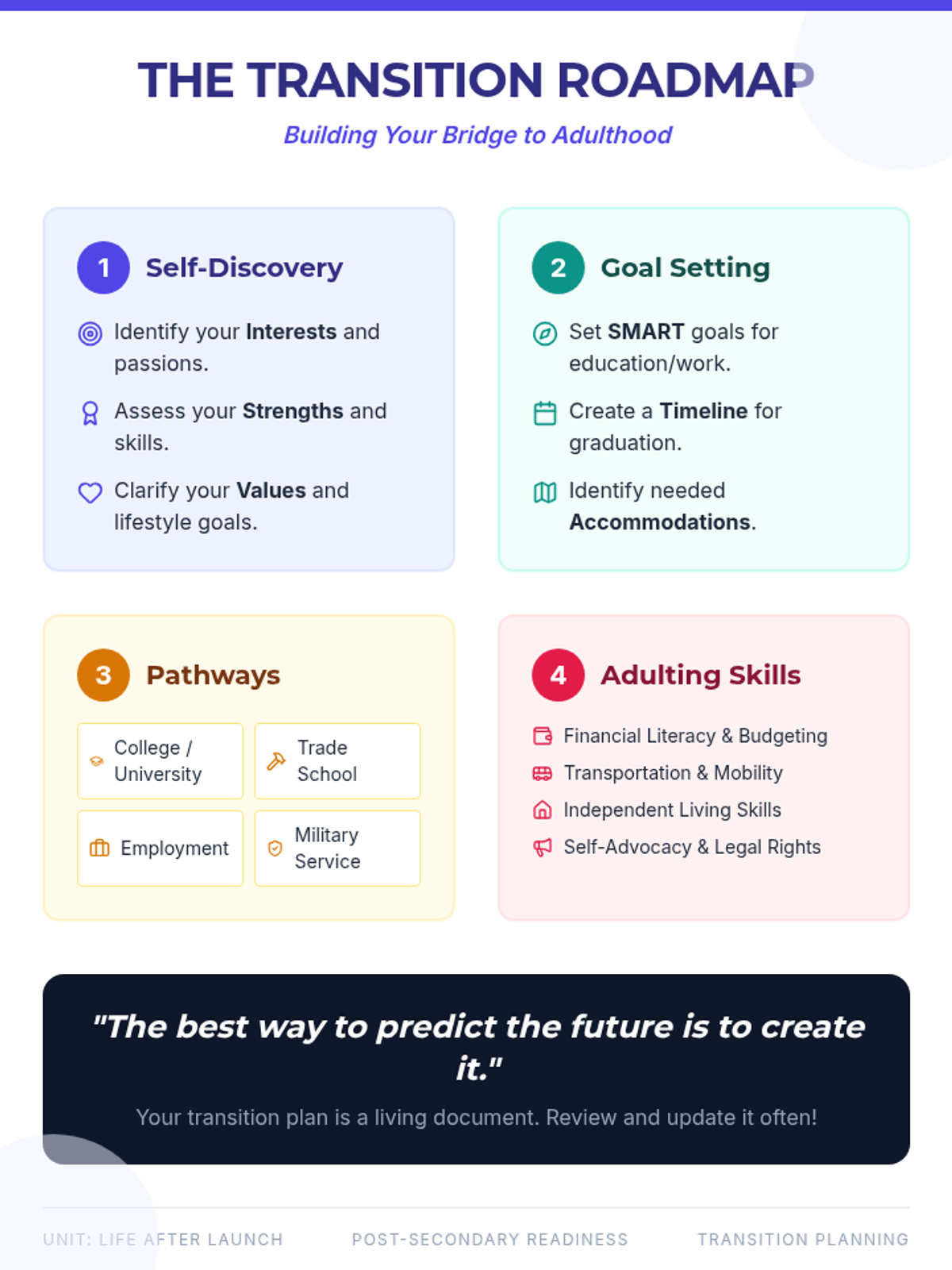
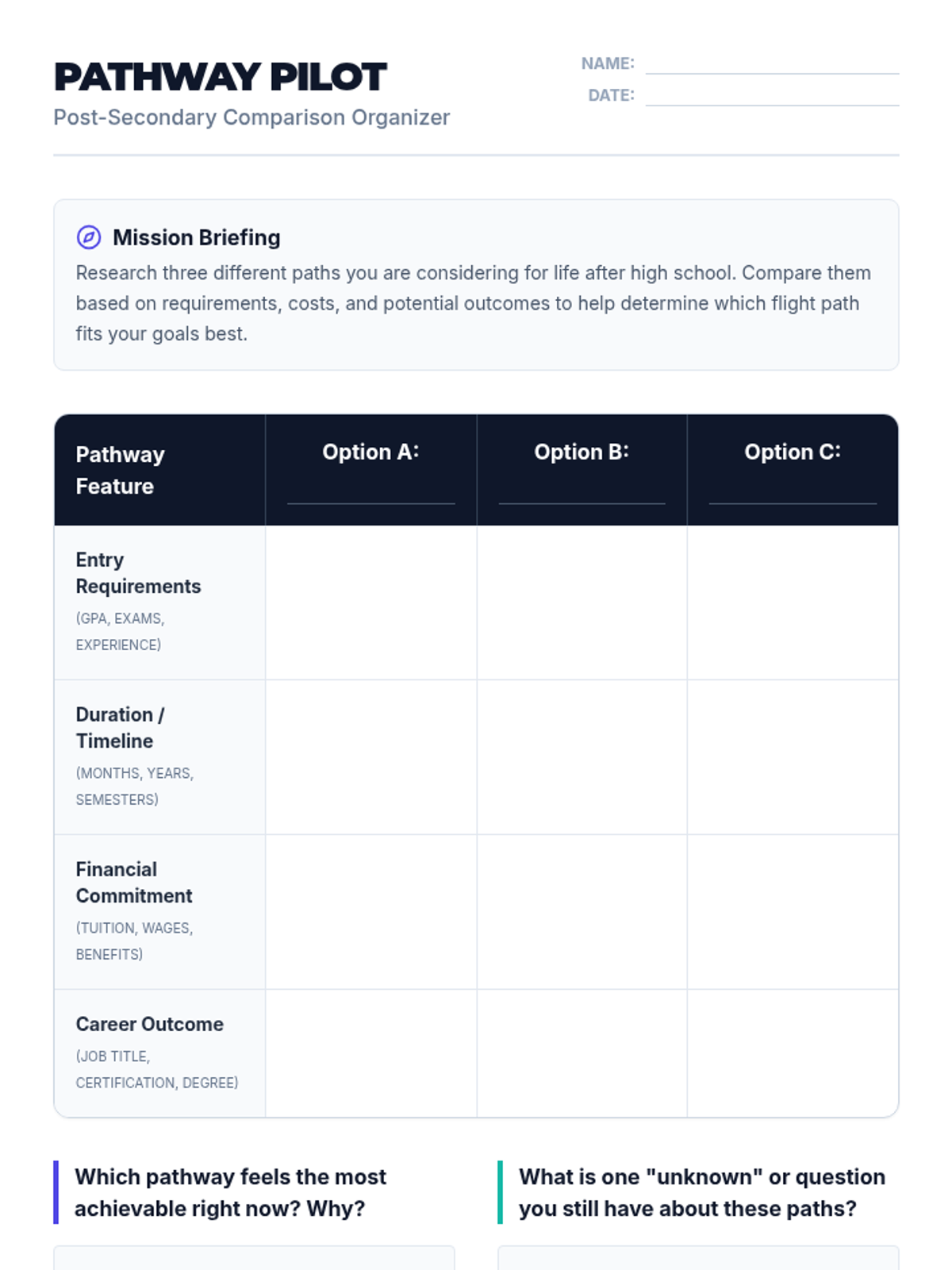
A comprehensive unit designed to prepare students for the transition from high school to adulthood, focusing on post-secondary pathways, resume building, and professional interview skills.
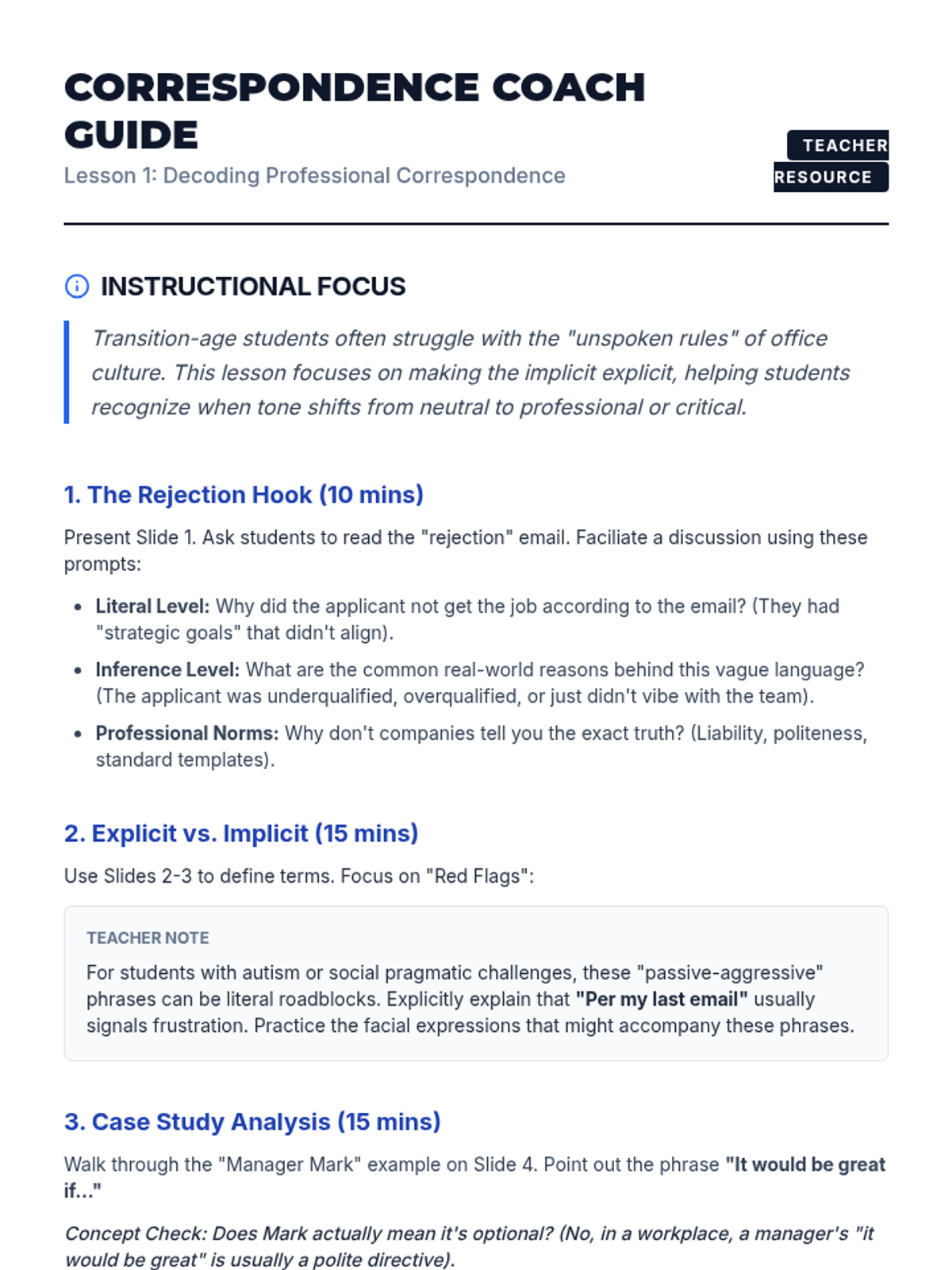
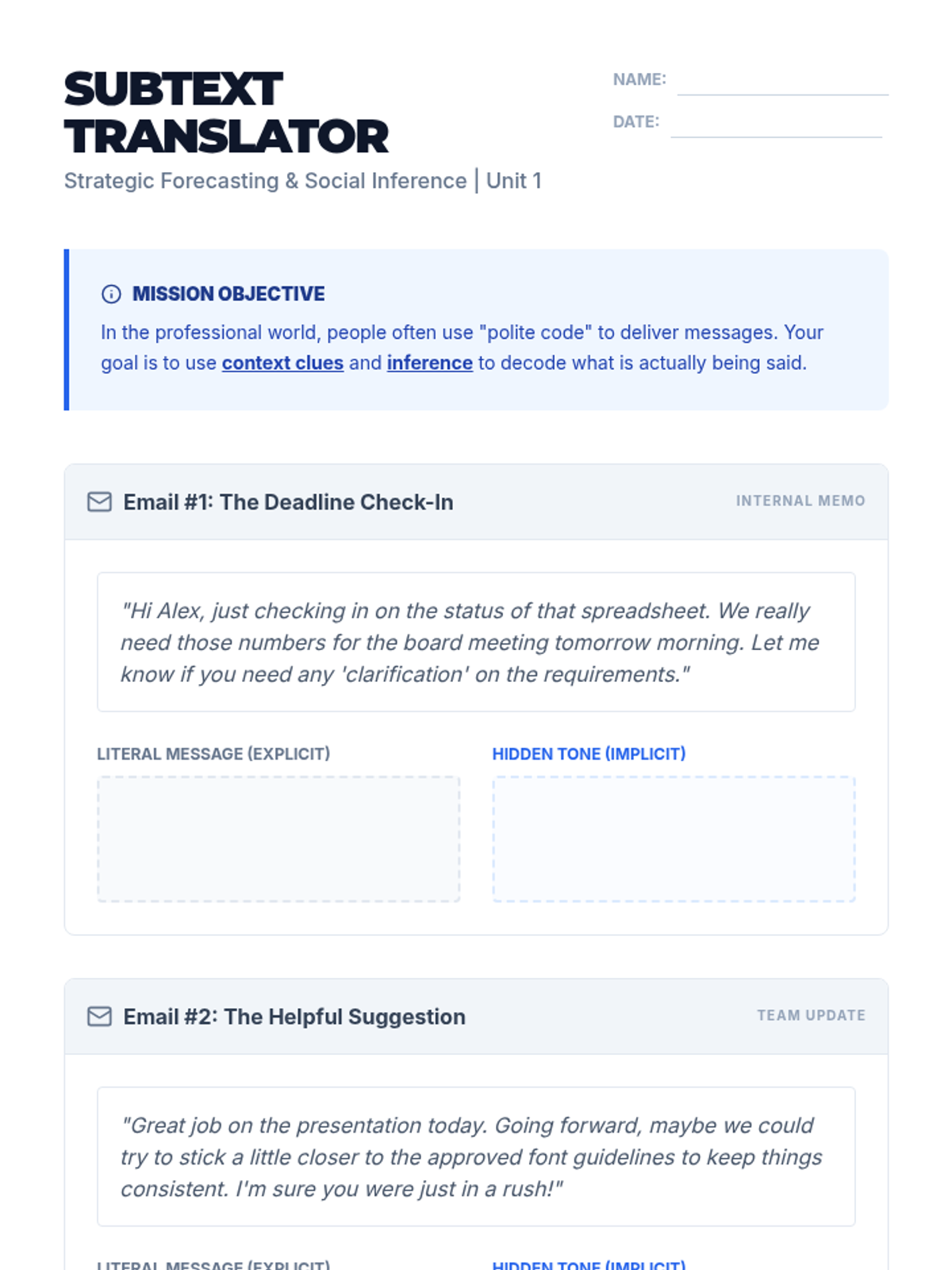
A 5-lesson sequence for 11th-grade students focusing on applying inference and prediction skills to real-world professional and social contexts, including workplace communication, media literacy, and career transitions.
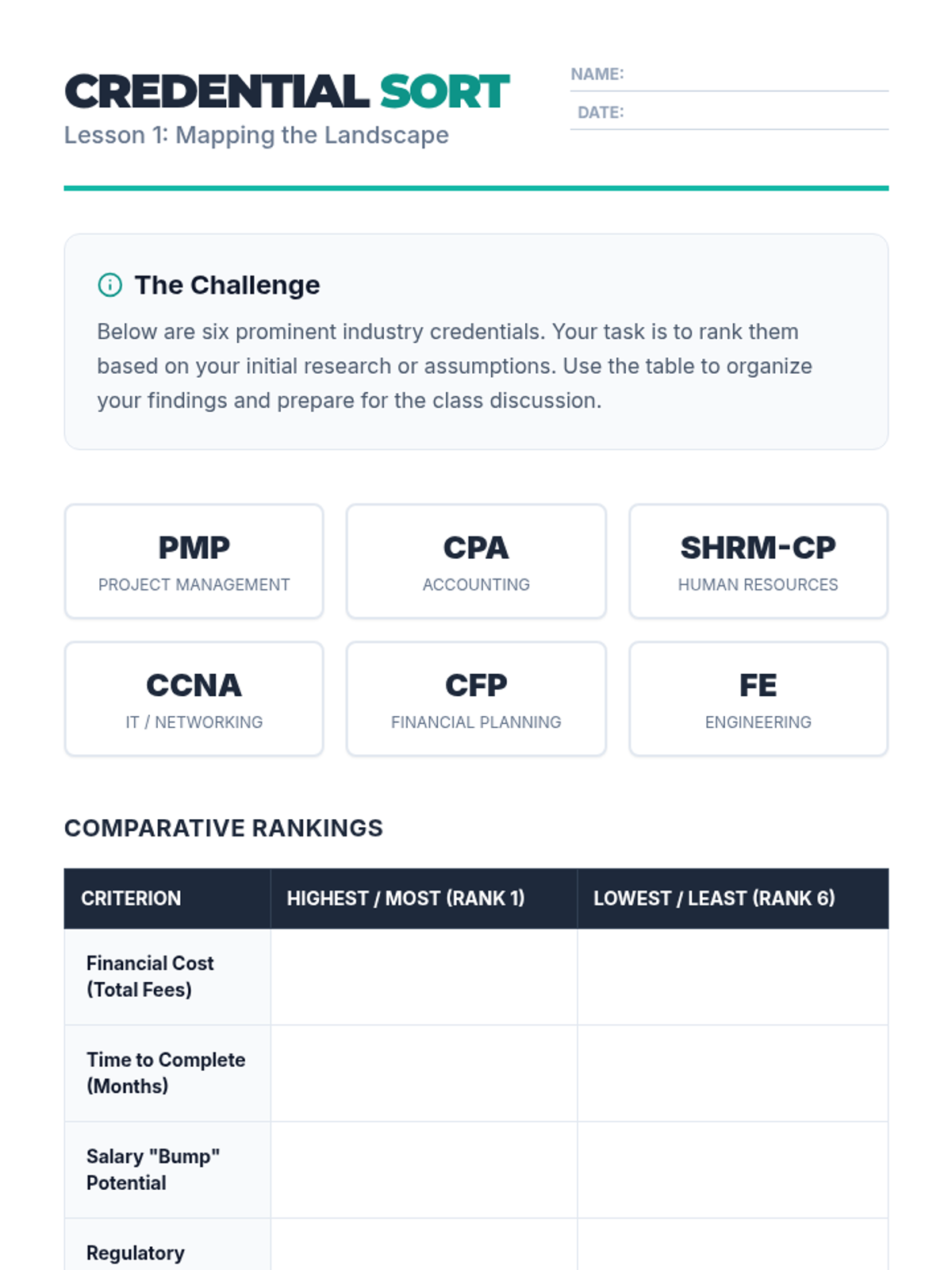
This sequence guides undergraduate students through the complex landscape of professional certifications, micro-credentials, and licensures. Students will learn to evaluate the market value, legitimacy, and strategic fit of various post-secondary credentials to enhance their early career trajectories.
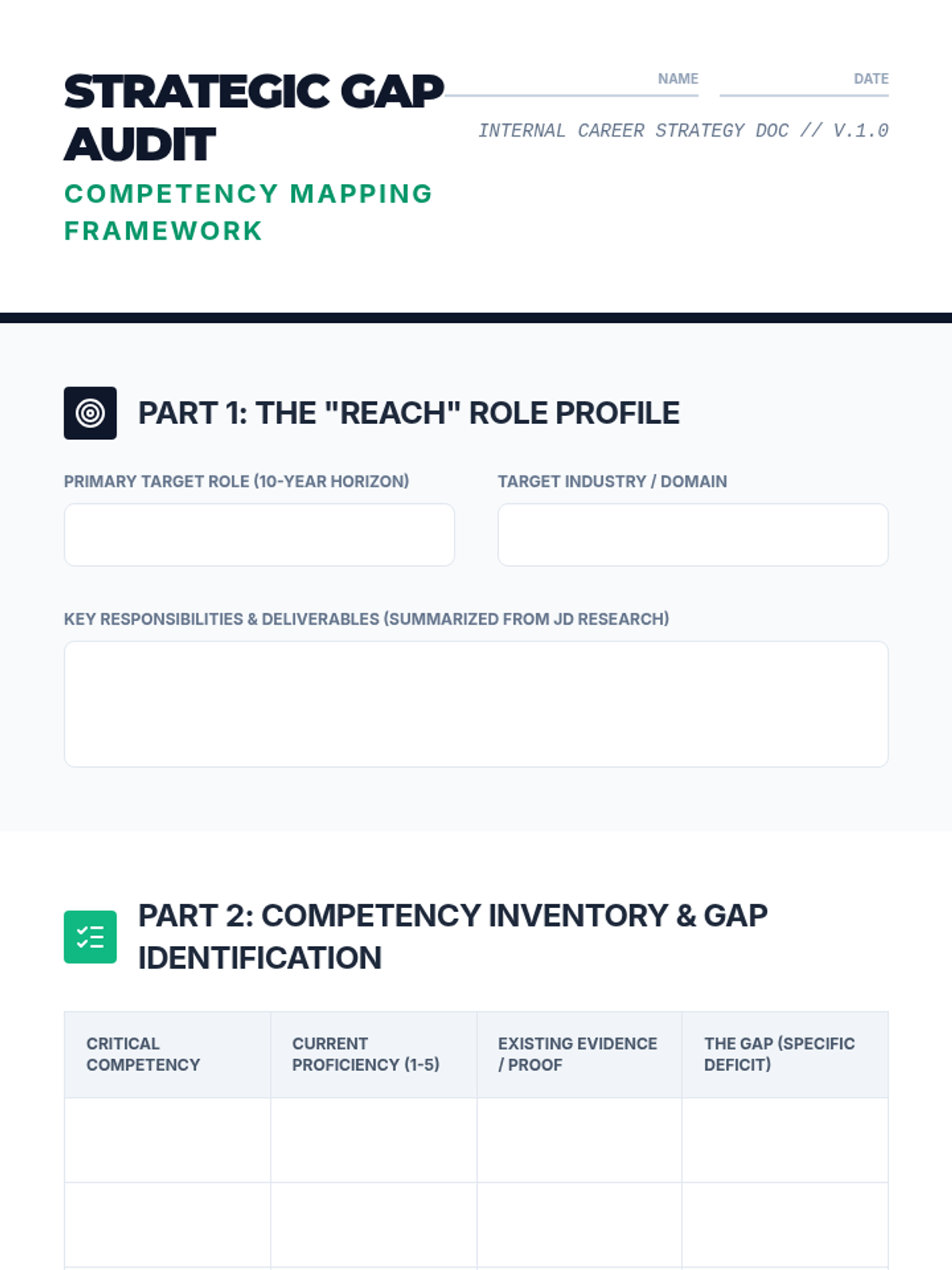
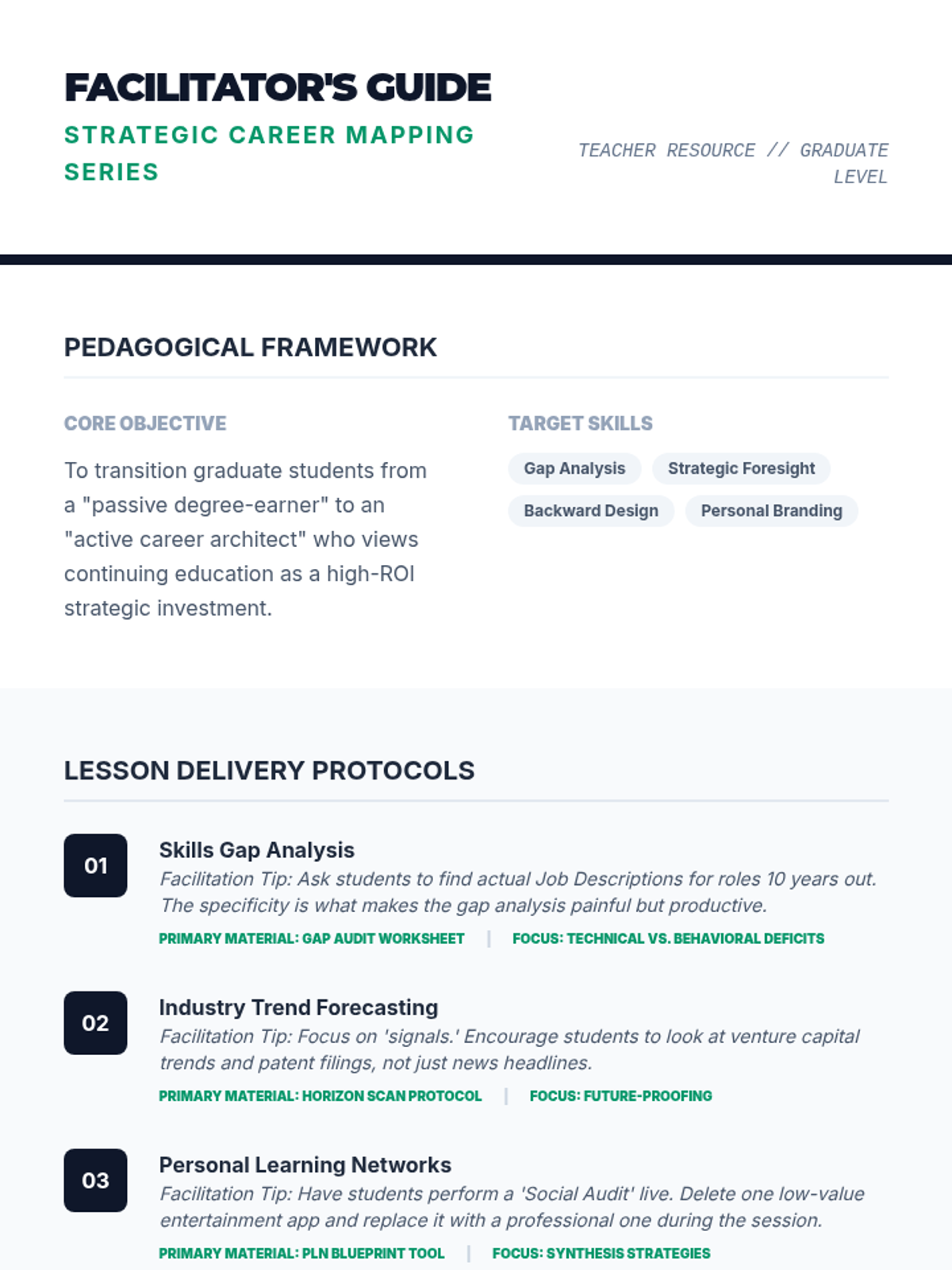
A graduate-level sequence focused on long-term career architecture through strategic continuing education. Students perform gap analyses, forecast industry trends, and use backward design to build a 'Living Syllabus' for their professional advancement.
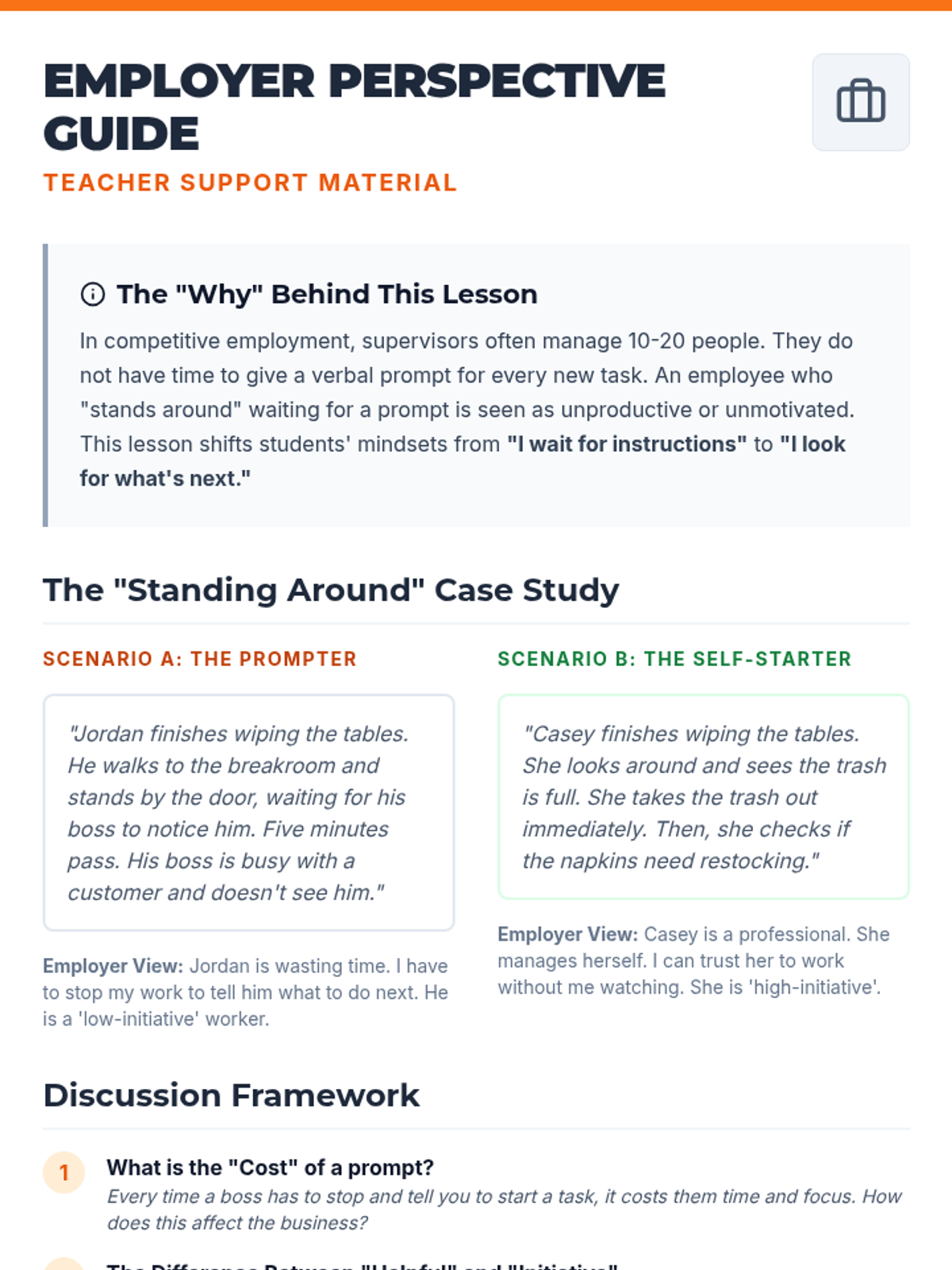
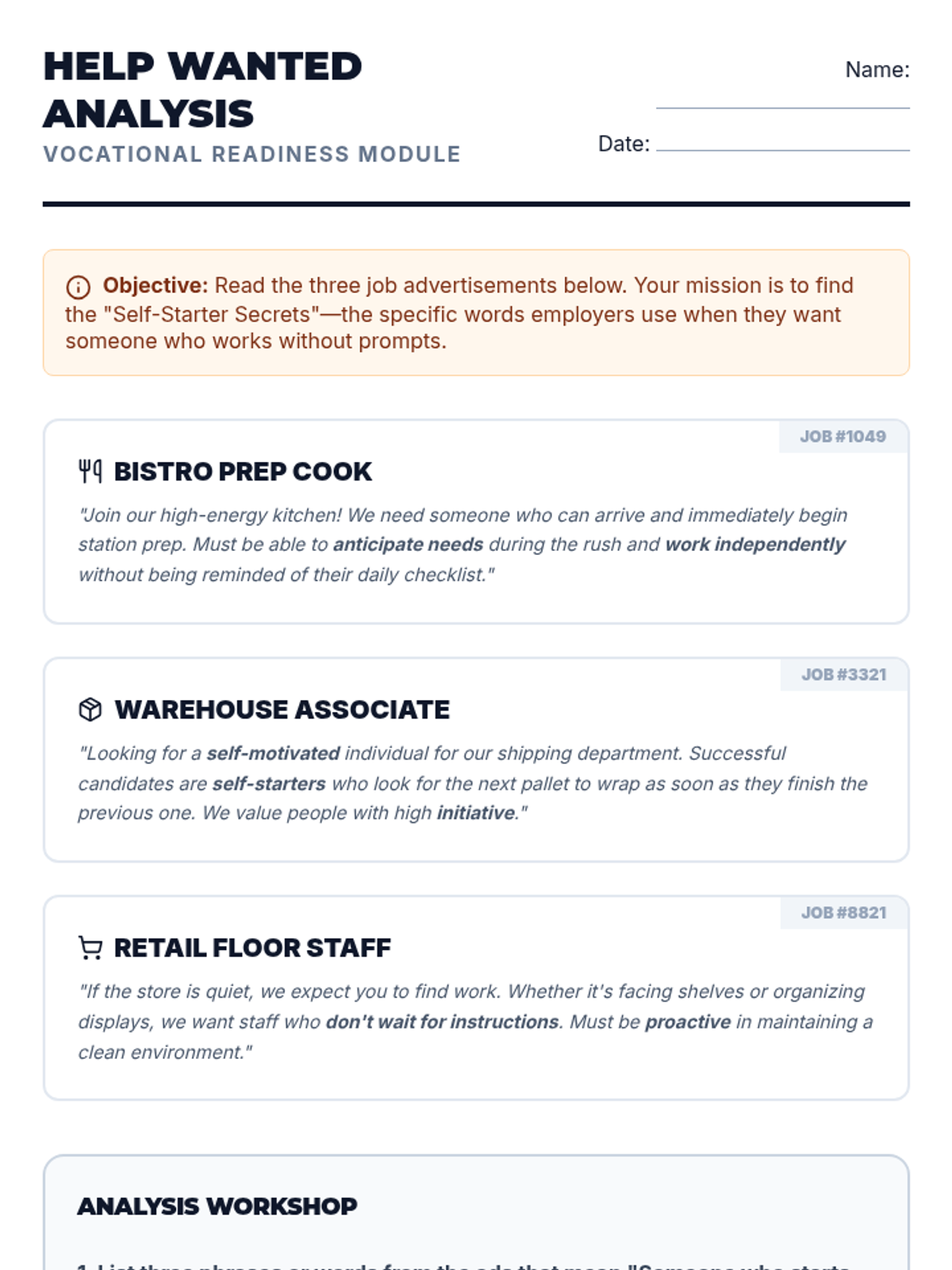
A workplace-readiness sequence for transition-aged students focused on moving from verbal prompting to identifying natural environmental cues for task initiation. Students practice initiative through simulations, role-plays, and environmental analysis to prepare for competitive employment.
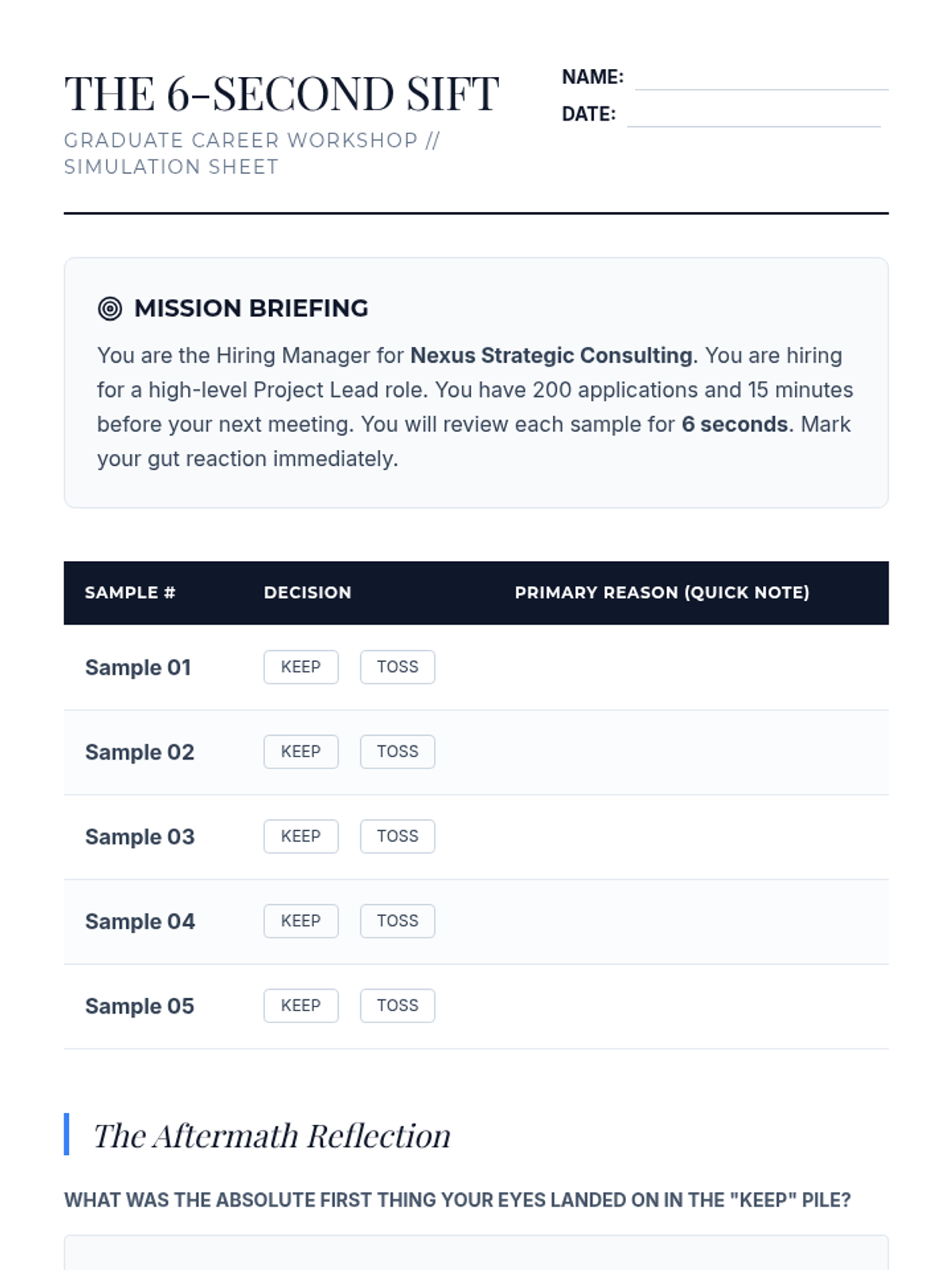
This sequence guides graduate students through a mastery-based revision process for cover letters. It moves from high-level hiring manager simulations to structural logic, linguistic precision, technical proofreading, and finally, a strategic defense of their writing choices.
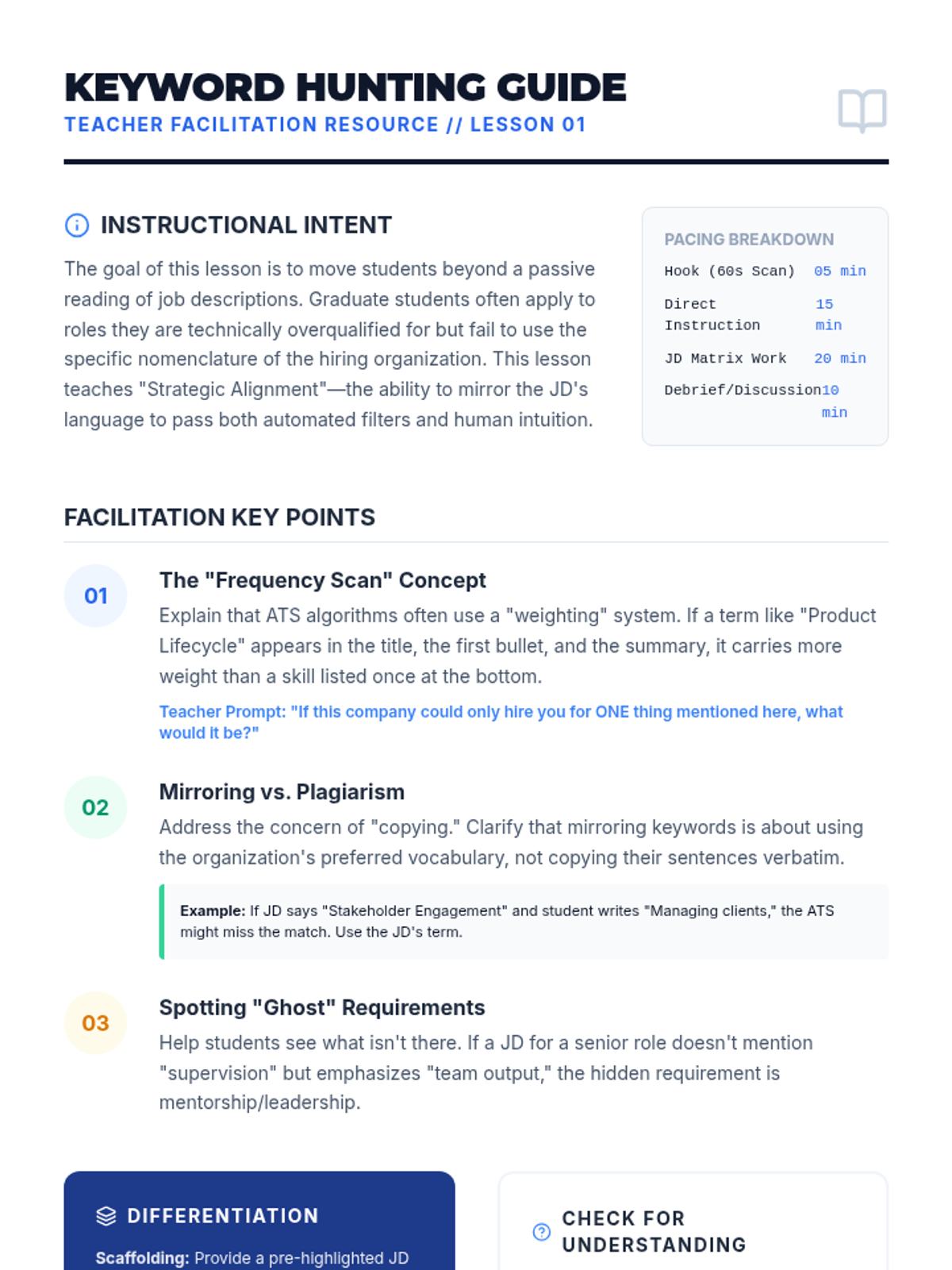
A comprehensive graduate-level series on tailoring cover letters for Applicant Tracking Systems (ATS) and human recruiters through strategic keyword analysis and value alignment.
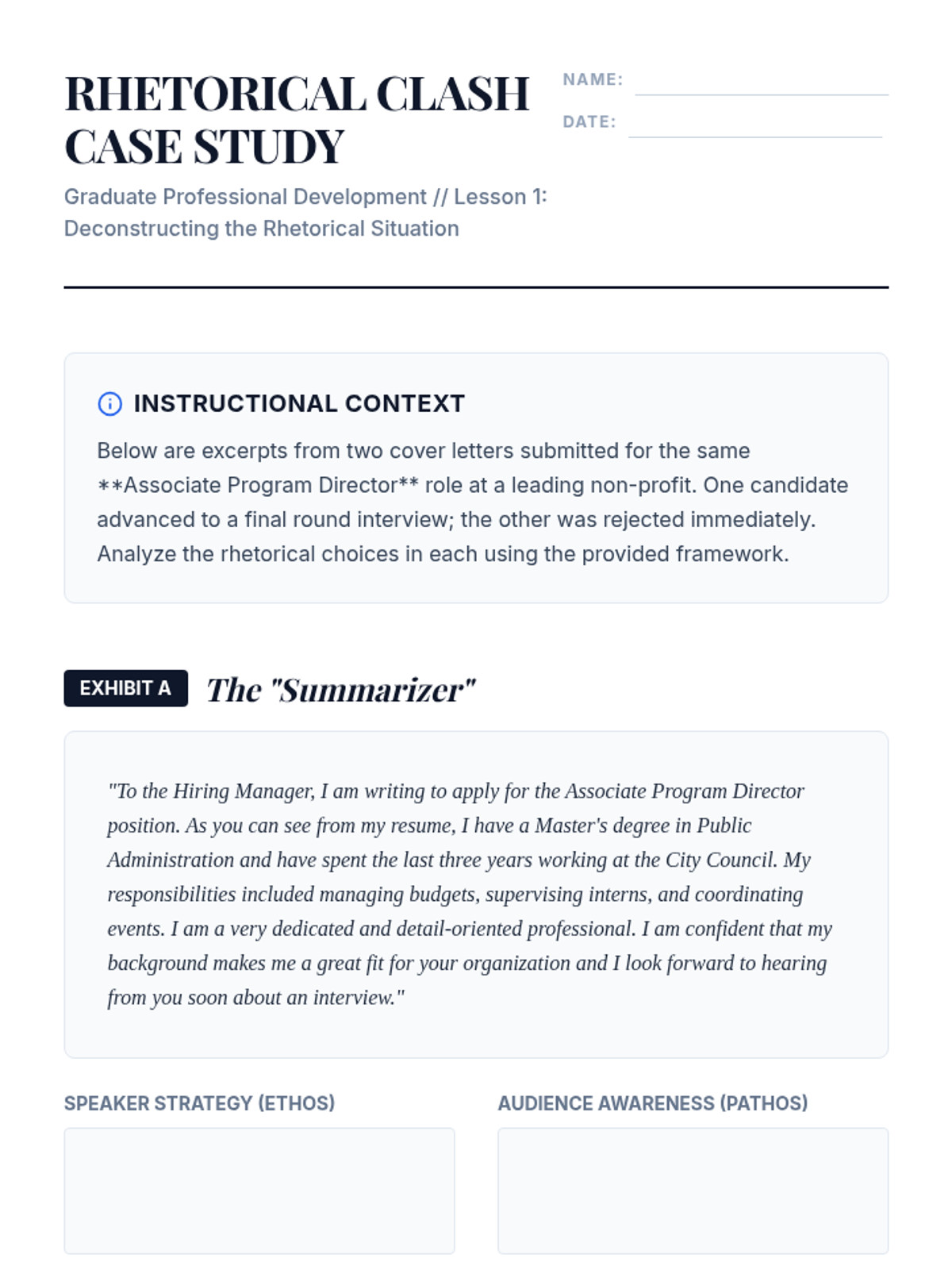
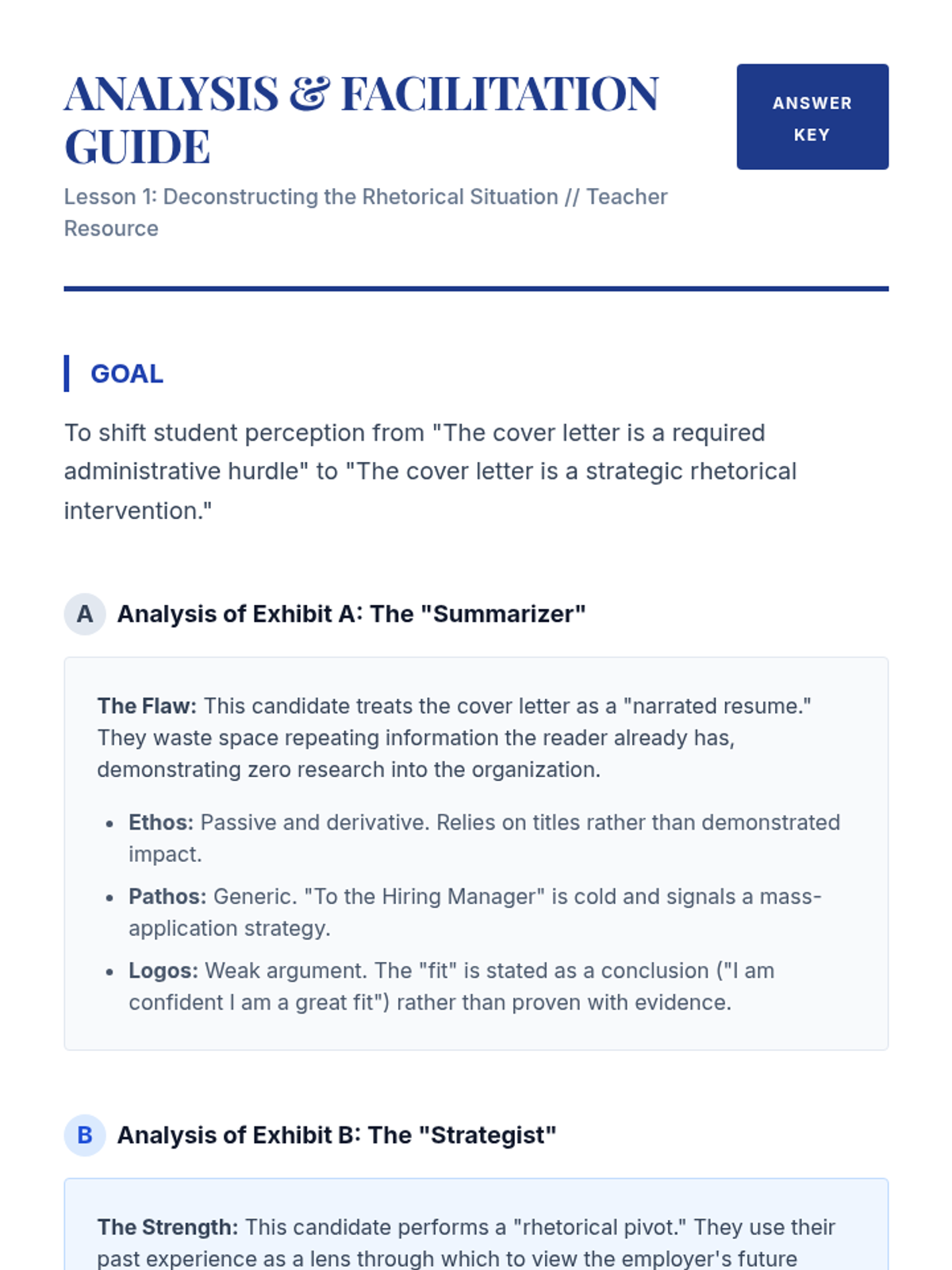
This graduate-level sequence focuses on the rhetorical architecture of professional cover letters. Students move beyond templates to master persuasive structure, visual hierarchy, and narrative argumentation, culminating in the ability to craft compelling, high-stakes professional correspondence.
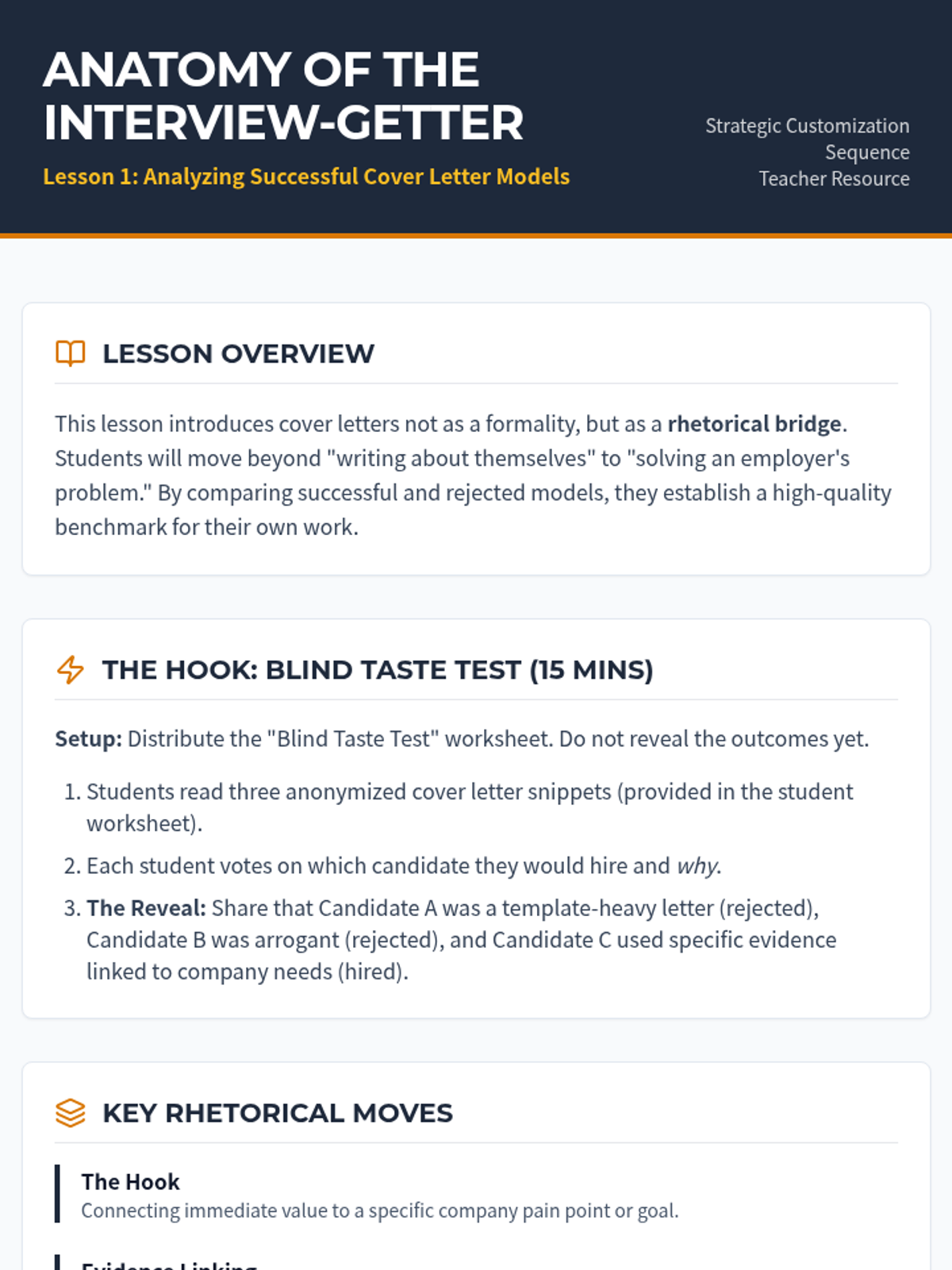
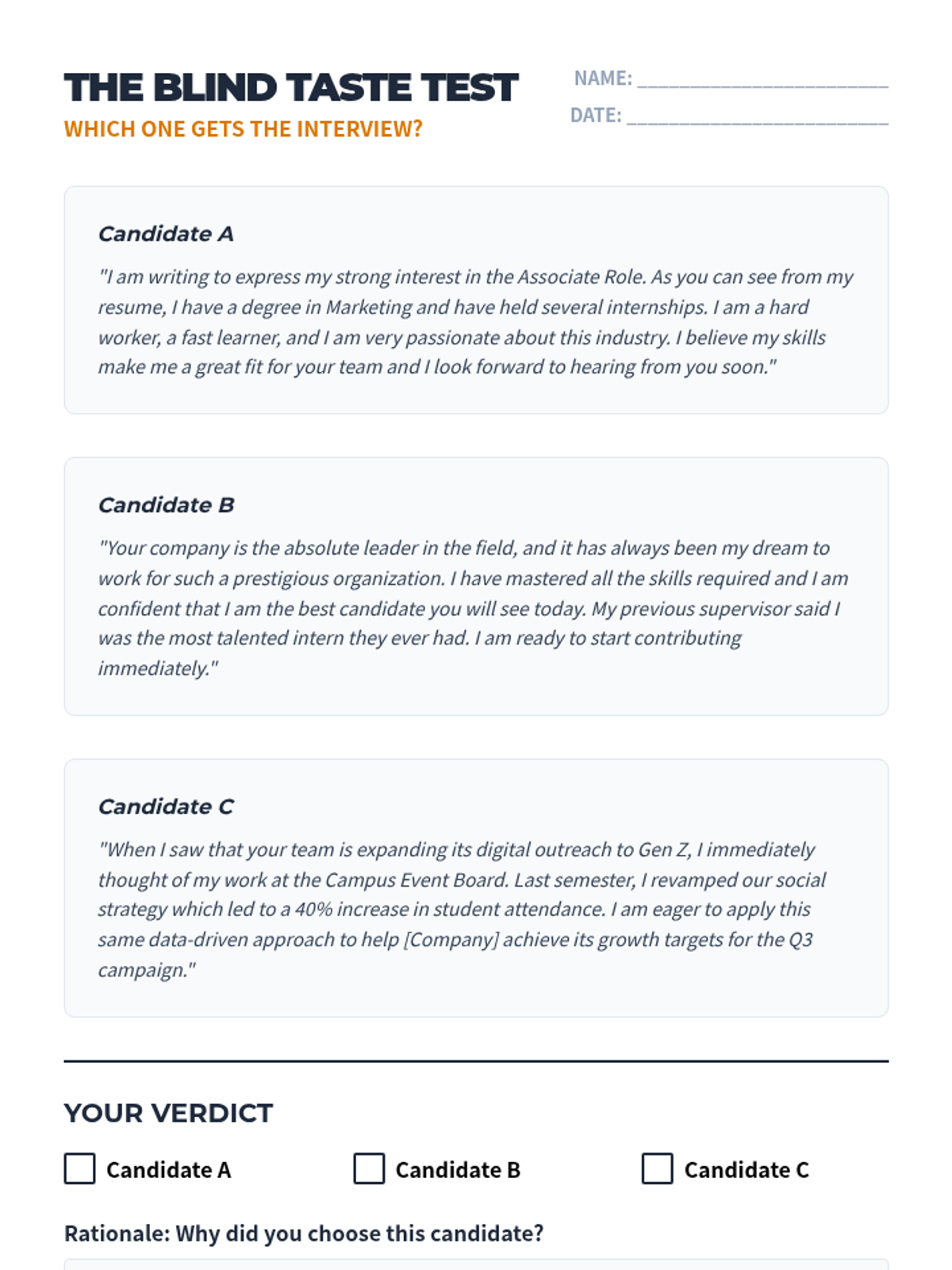
This sequence transforms undergraduate cover letter writing from a generic exercise into a strategic communication challenge. Students analyze real-world models, translate non-traditional skills into professional competencies, and master the art of tailoring tone to specific company cultures through simulations and timed challenges.
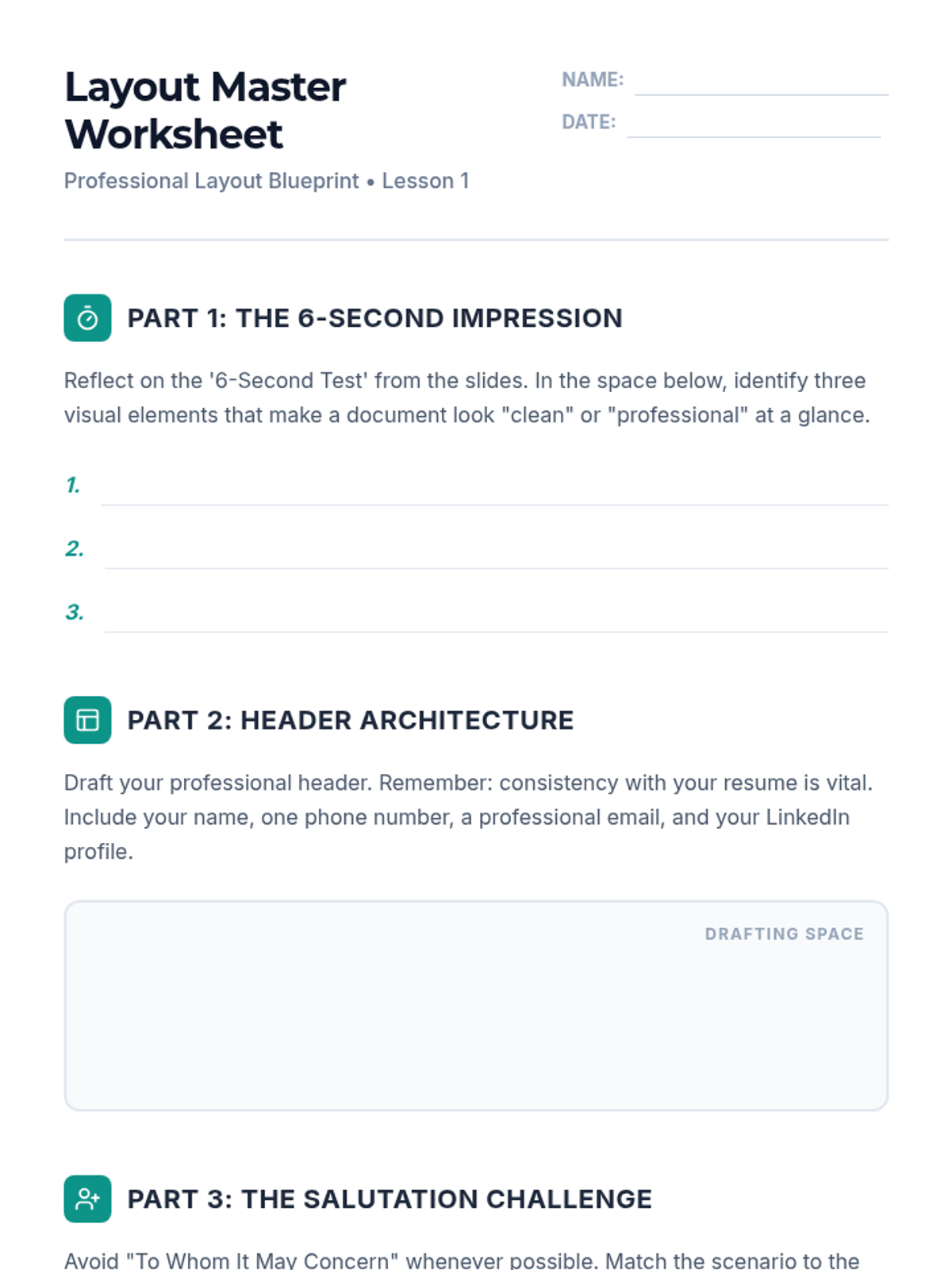
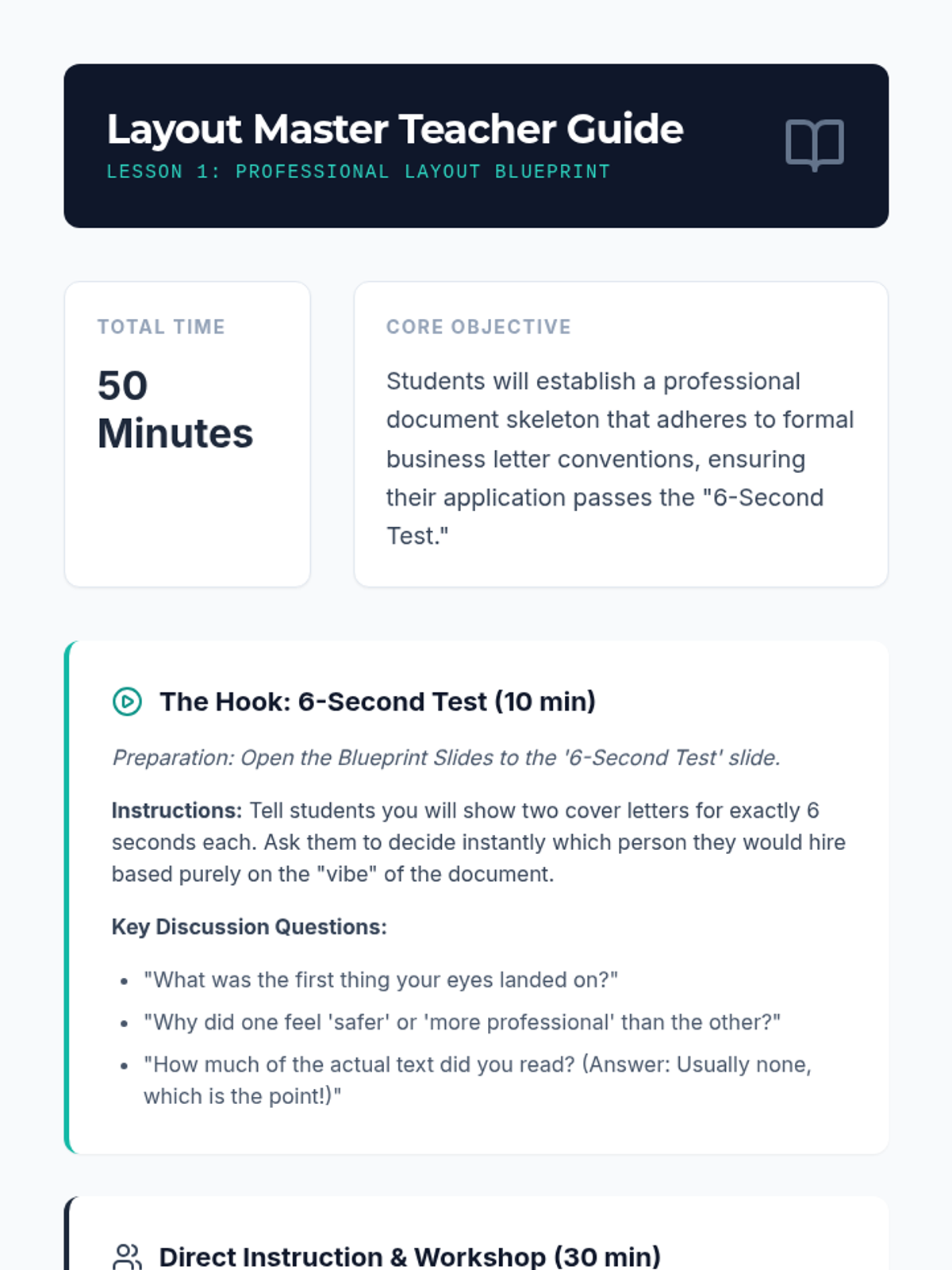
This comprehensive sequence guides undergraduate students through the technical and rhetorical process of constructing a professional cover letter. From mastering business formatting to decoding job descriptions and crafting evidence-based narratives, students move from structural basics to a polished, industry-standard final draft.
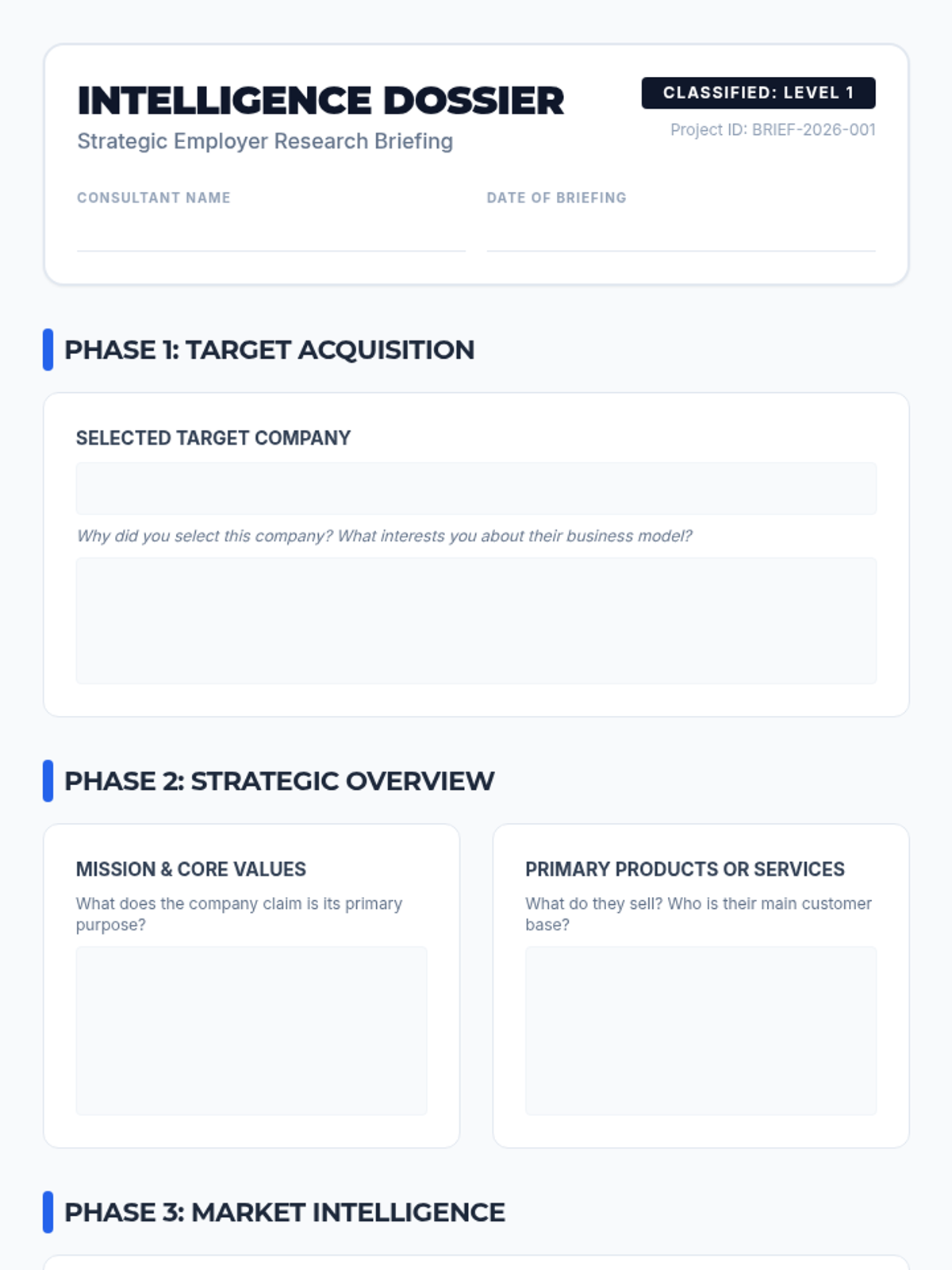
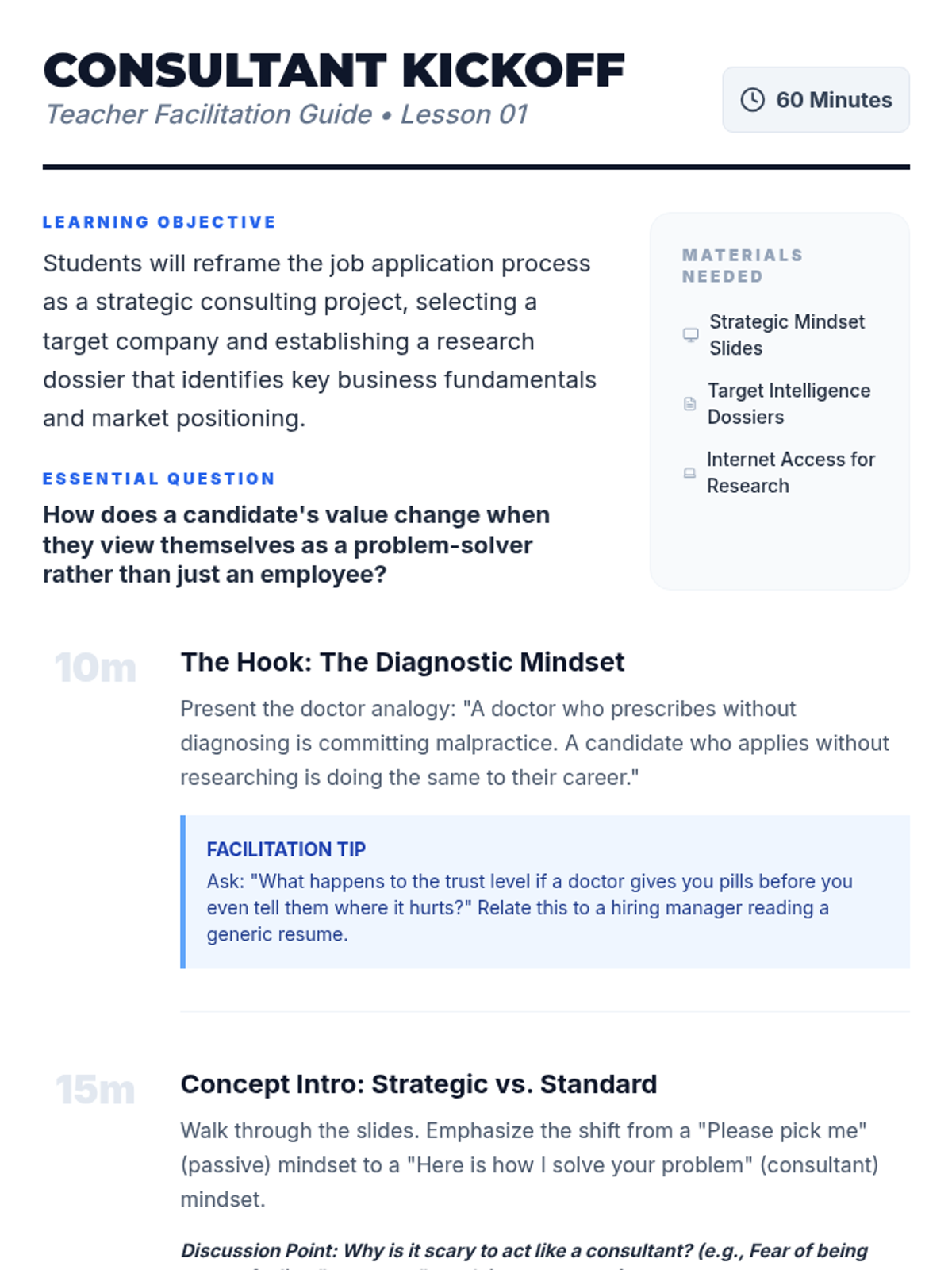
A project-based sequence where 10th-grade students act as business consultants to research target employers. Students conduct SWOT analyses, identify company pain points, and develop a 'Candidate Value Proposition' to position themselves as strategic solutions during the interview process.
A comprehensive deep dive into the technical intersection of human resources and artificial intelligence, equipping graduate students to navigate and master Applicant Tracking Systems (ATS). Students learn to leverage semantic analysis and keyword optimization to ensure their qualifications are recognized by algorithmic gatekeepers while maintaining a compelling human narrative.
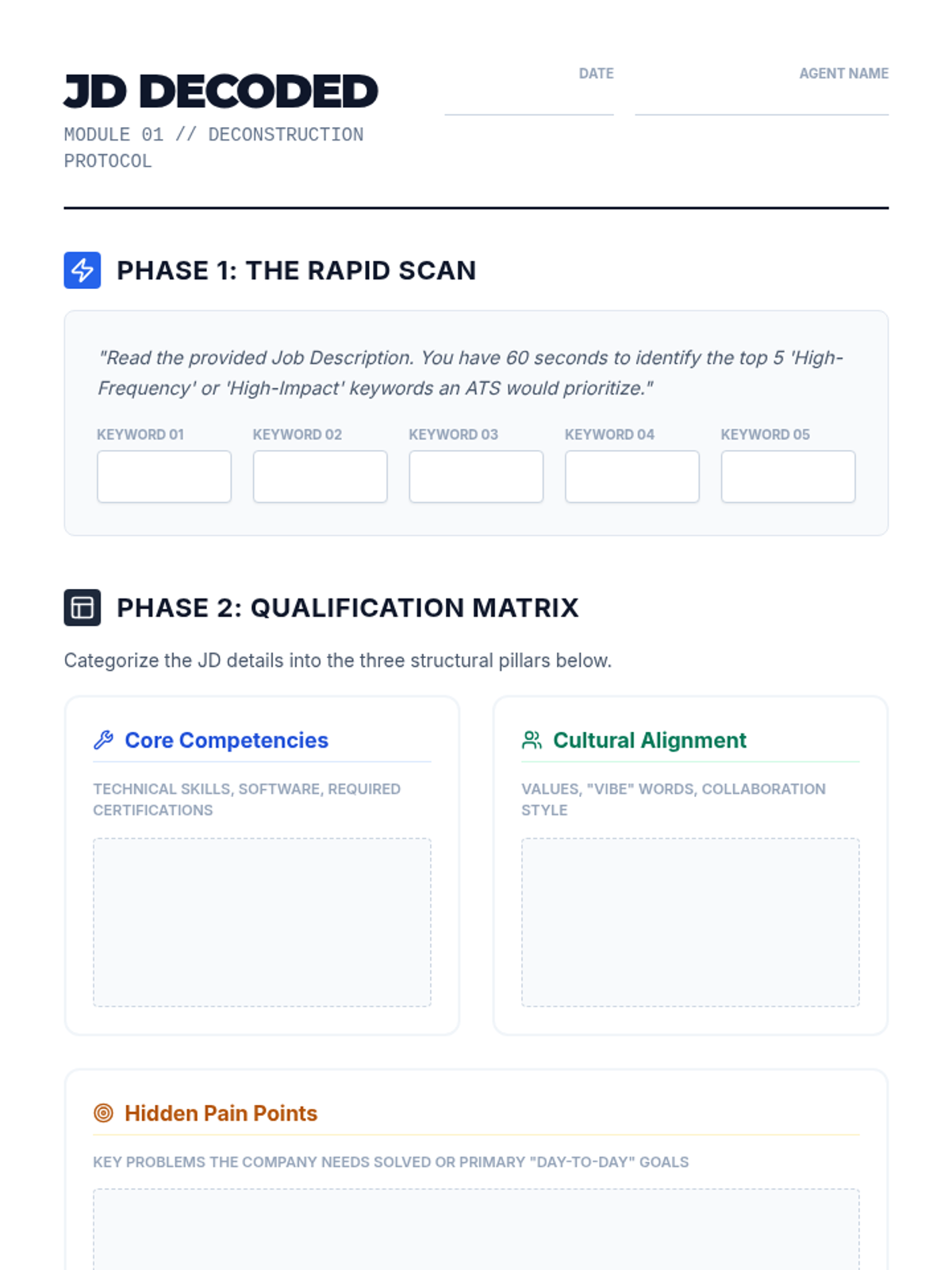
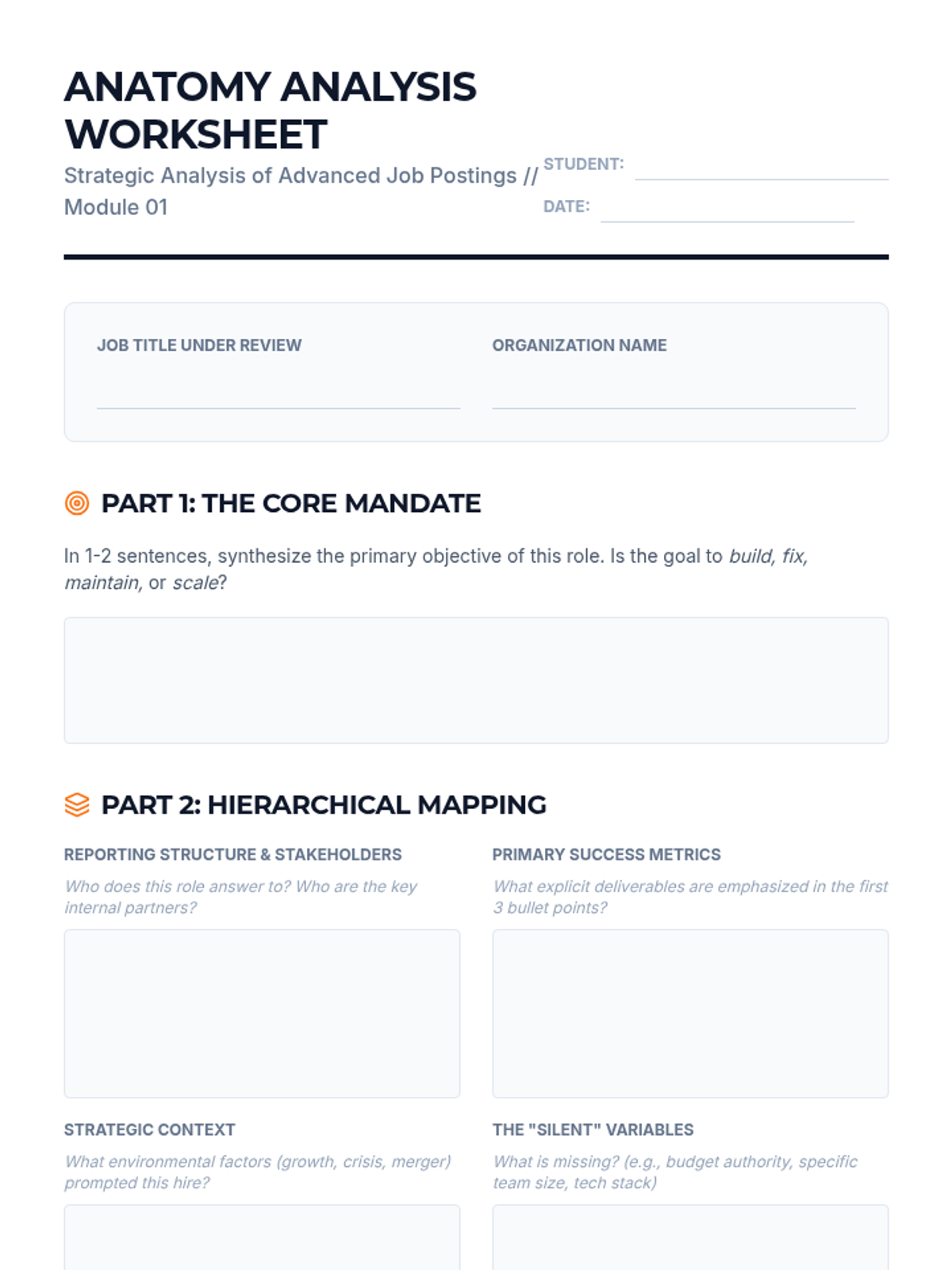
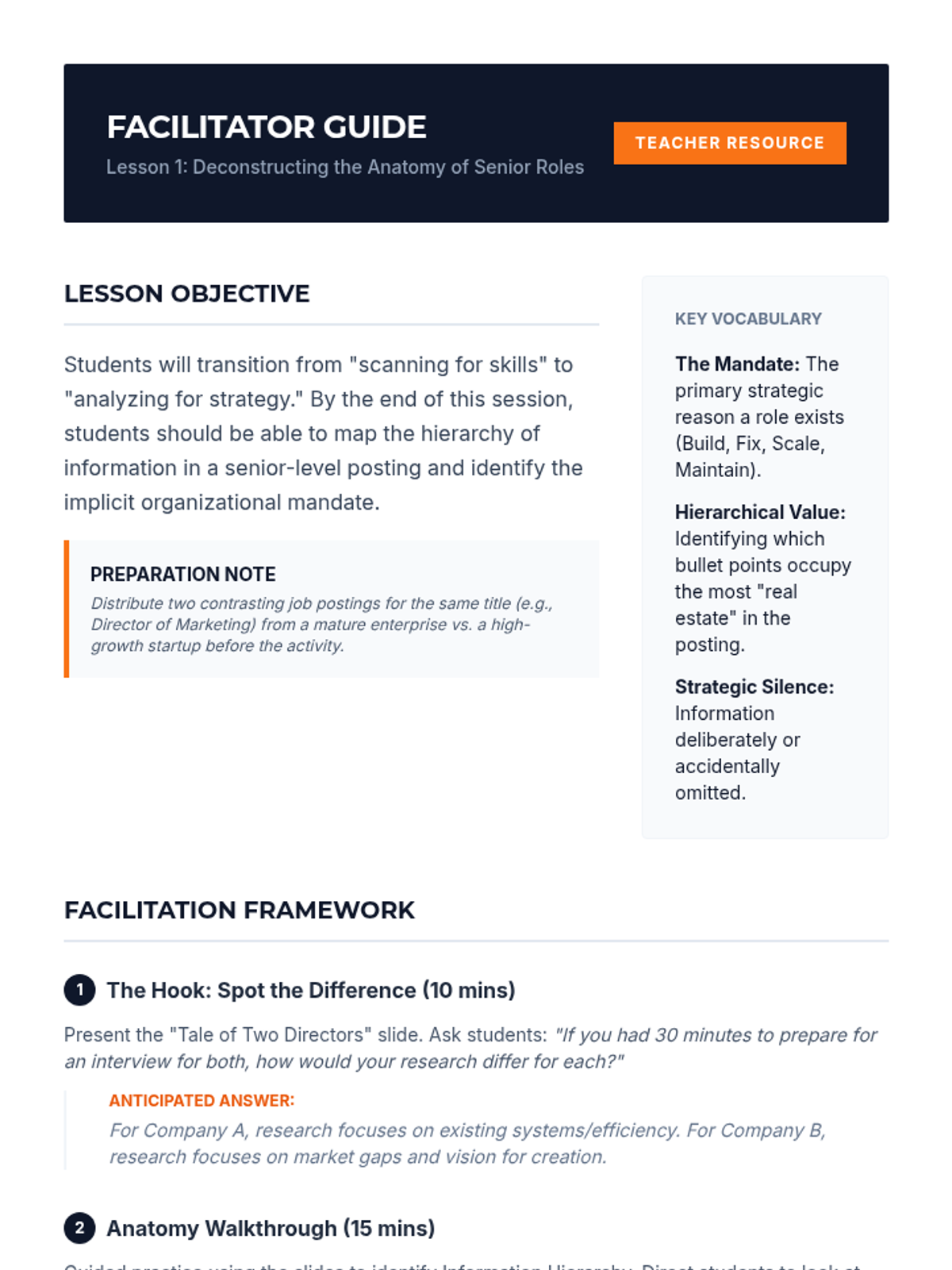
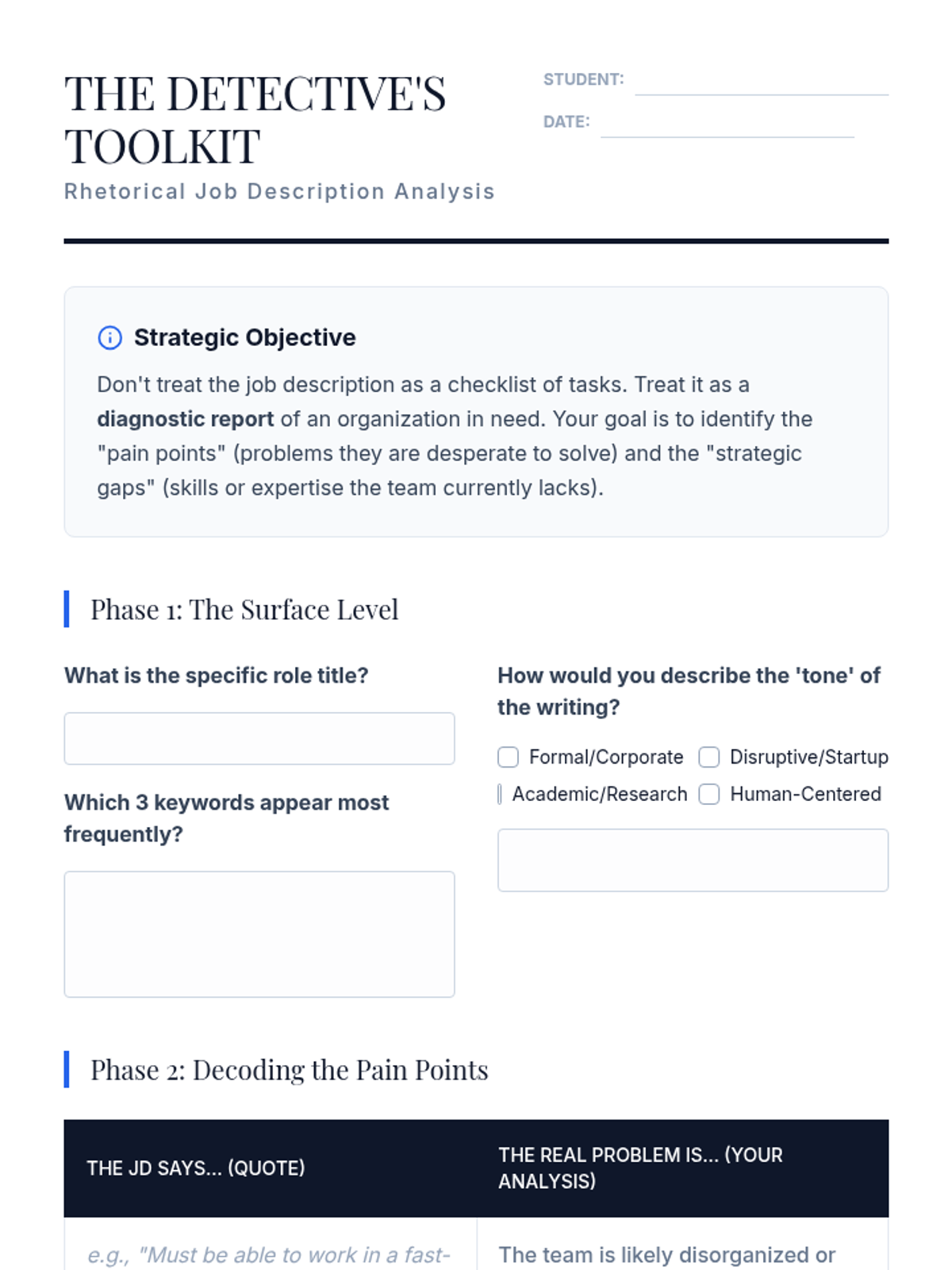
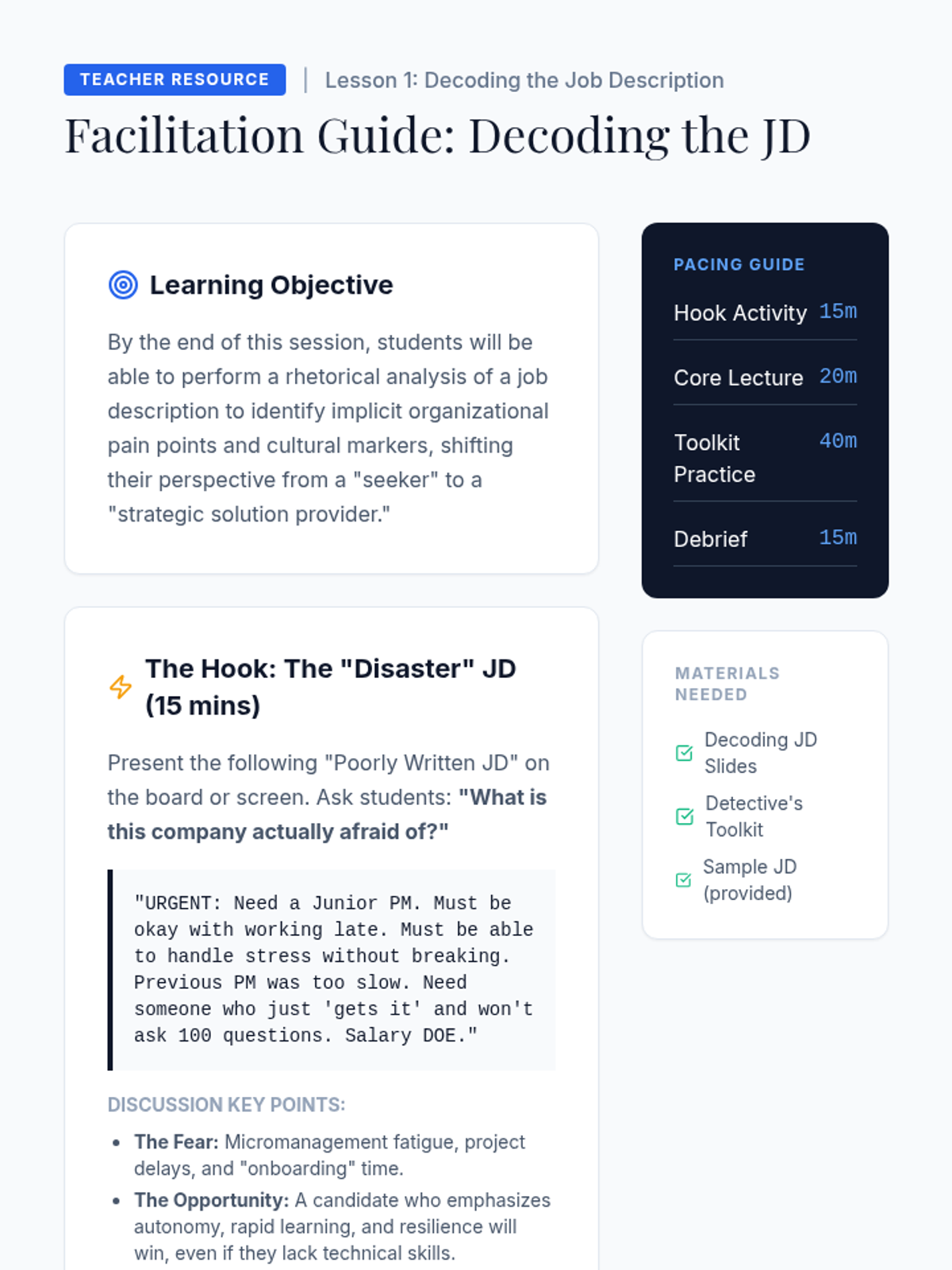
A high-level series for graduate students to master the art of decoding complex job postings, focusing on organizational culture, implicit expectations, and strategic alignment. Students will learn to analyze job descriptions as primary sources to make informed career decisions.
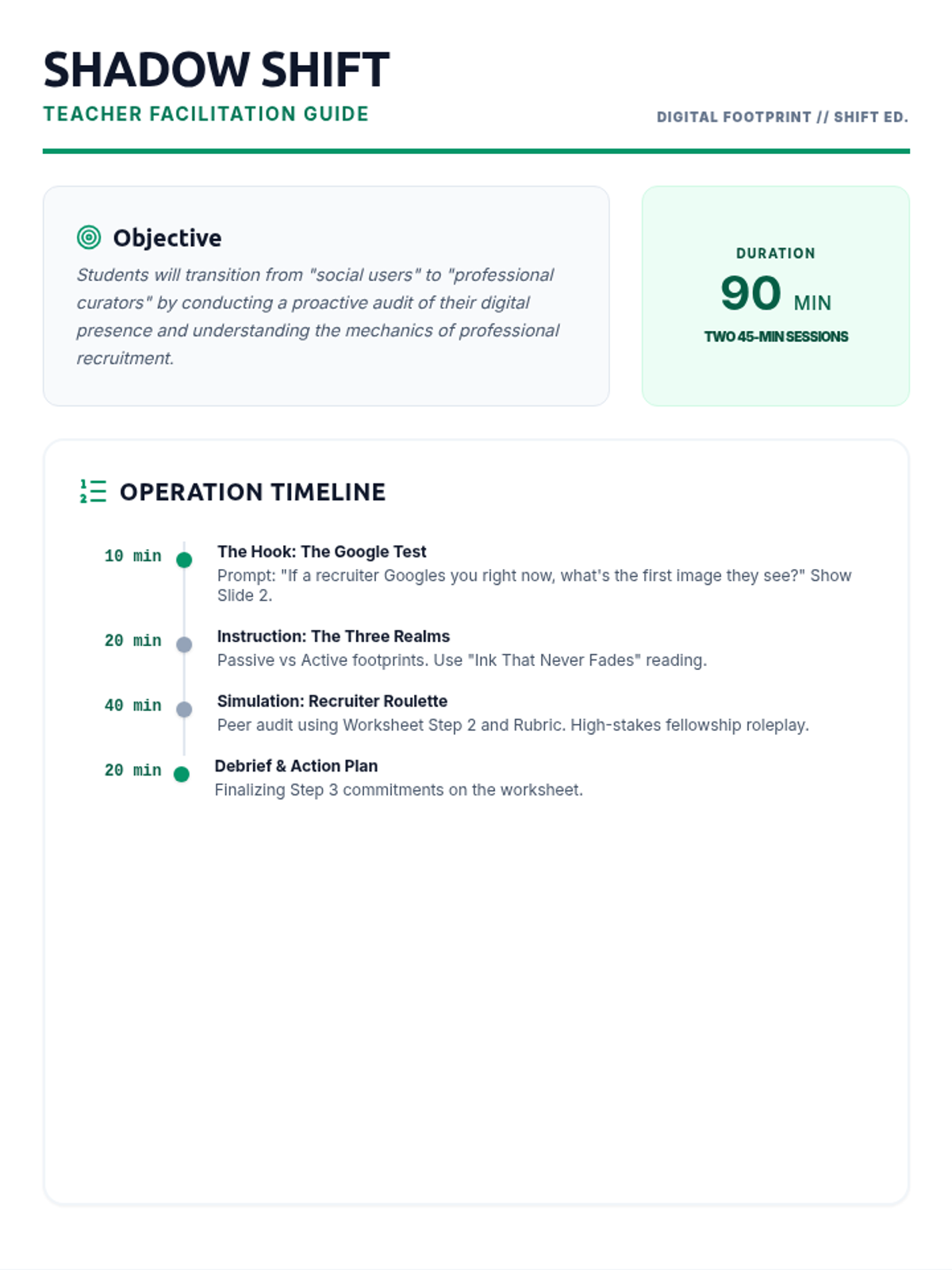
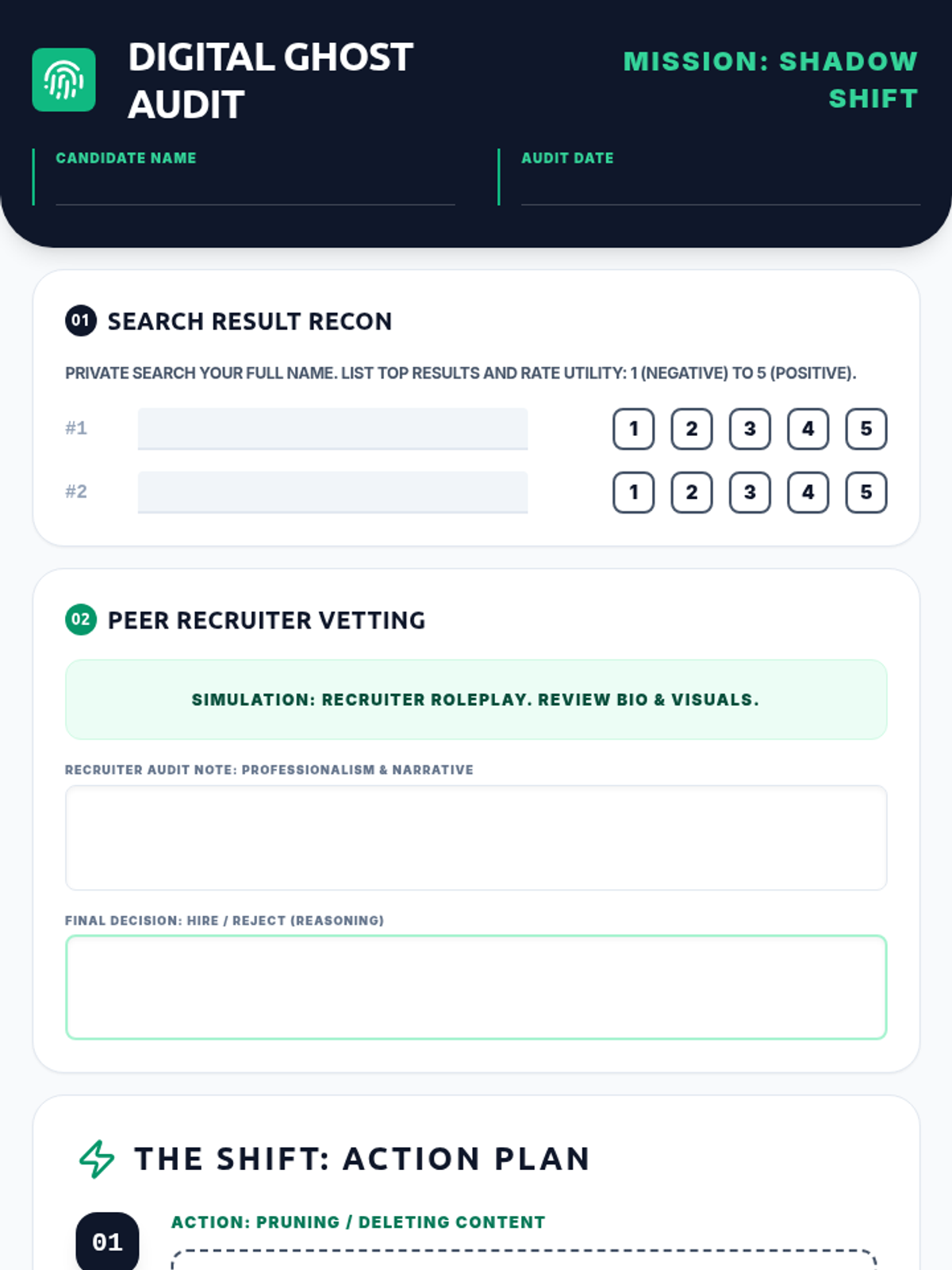
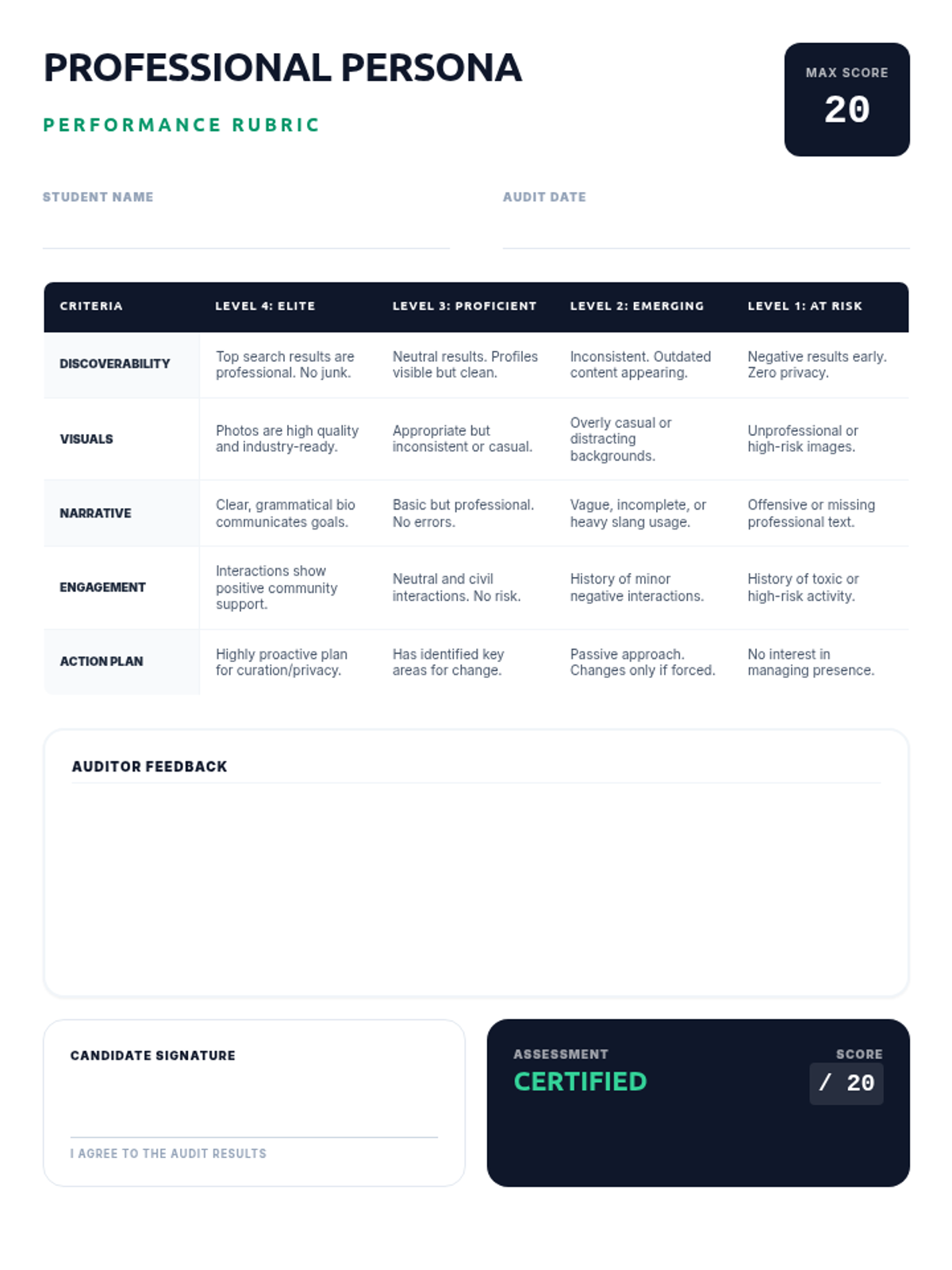
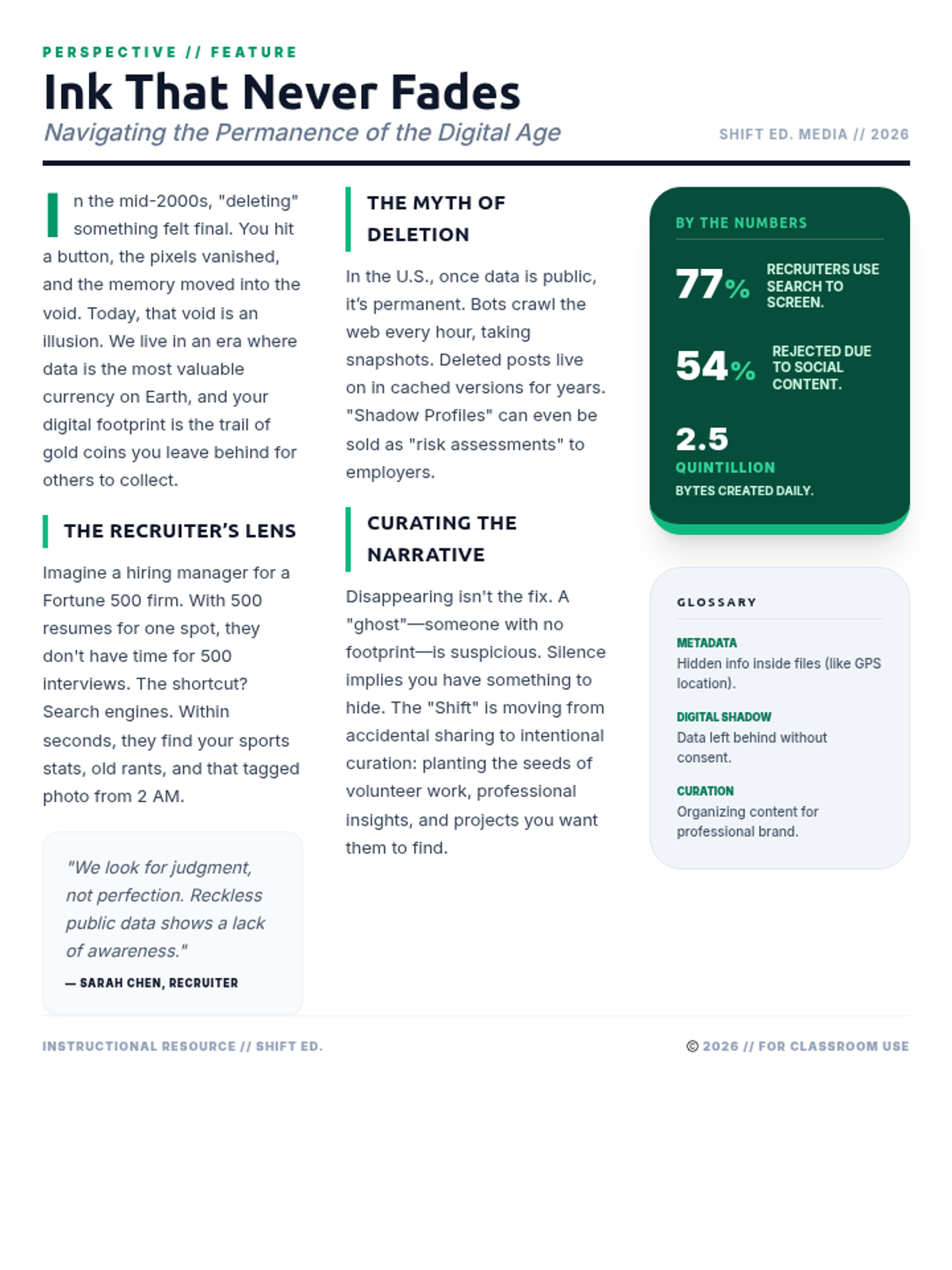
A comprehensive lesson on digital footprint management for students transitioning to professional or collegiate environments. Students engage in 'recruitment simulations' to understand how their online presence impacts future opportunities and learn to curate a professional digital persona.
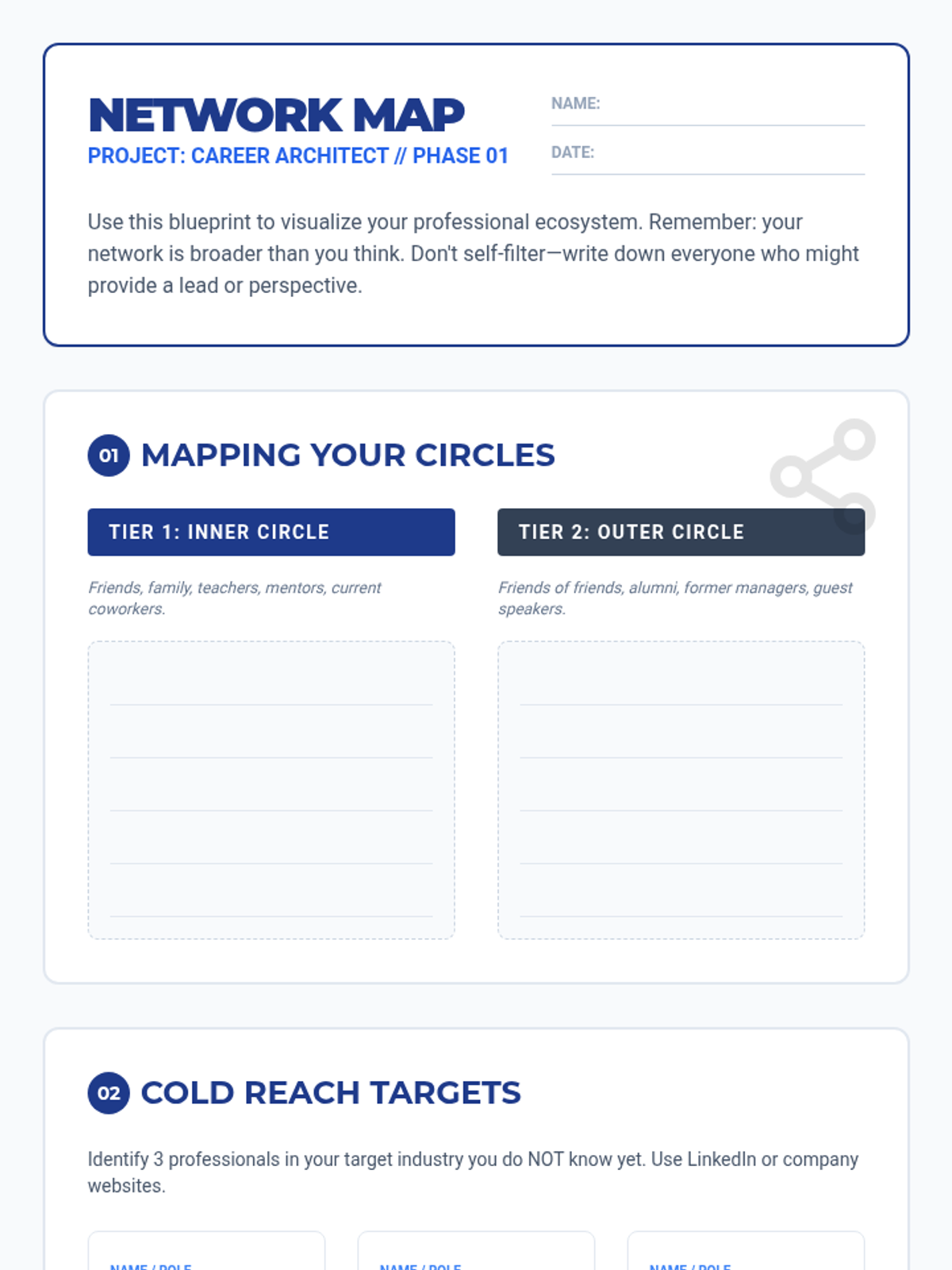
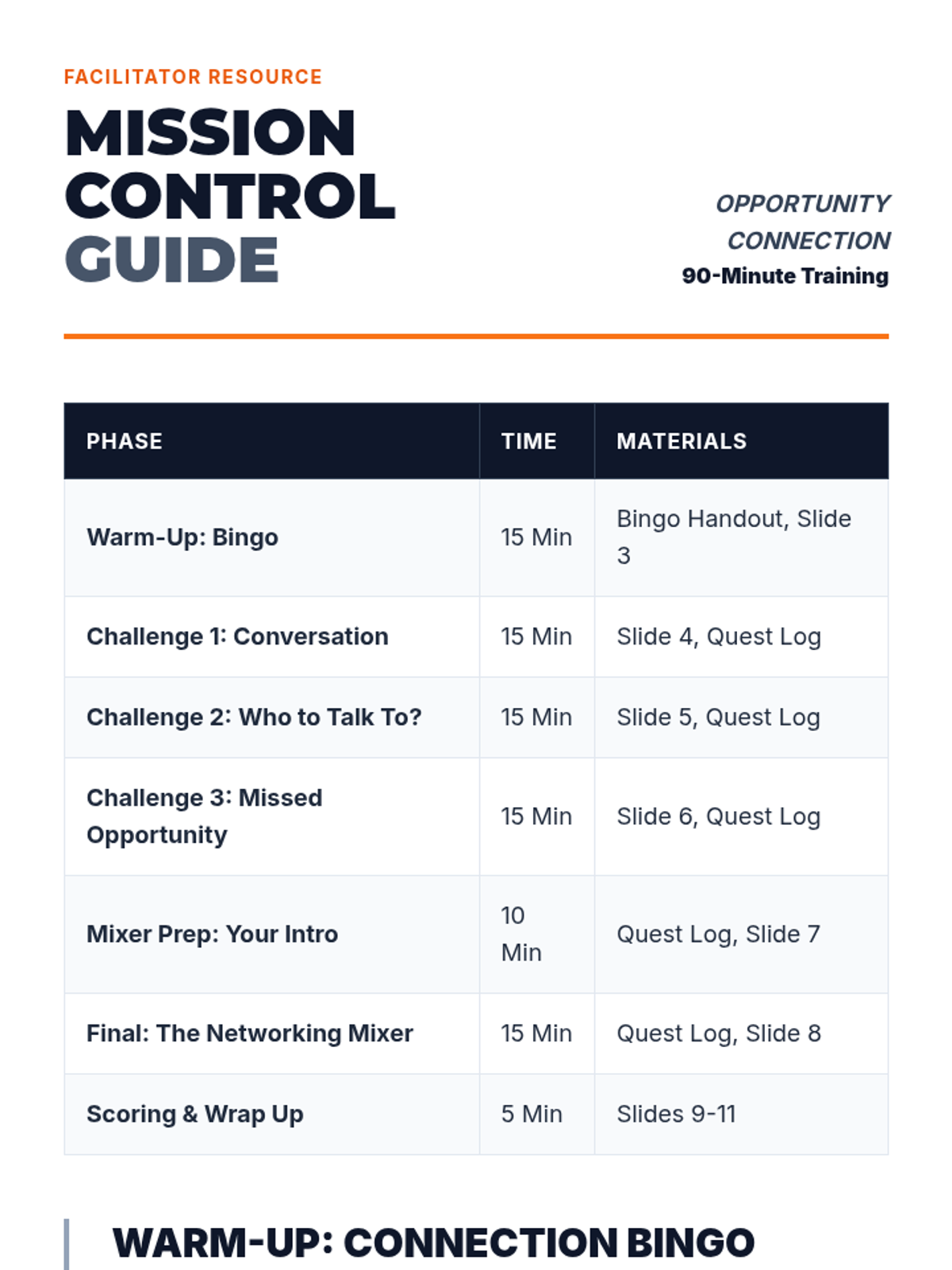
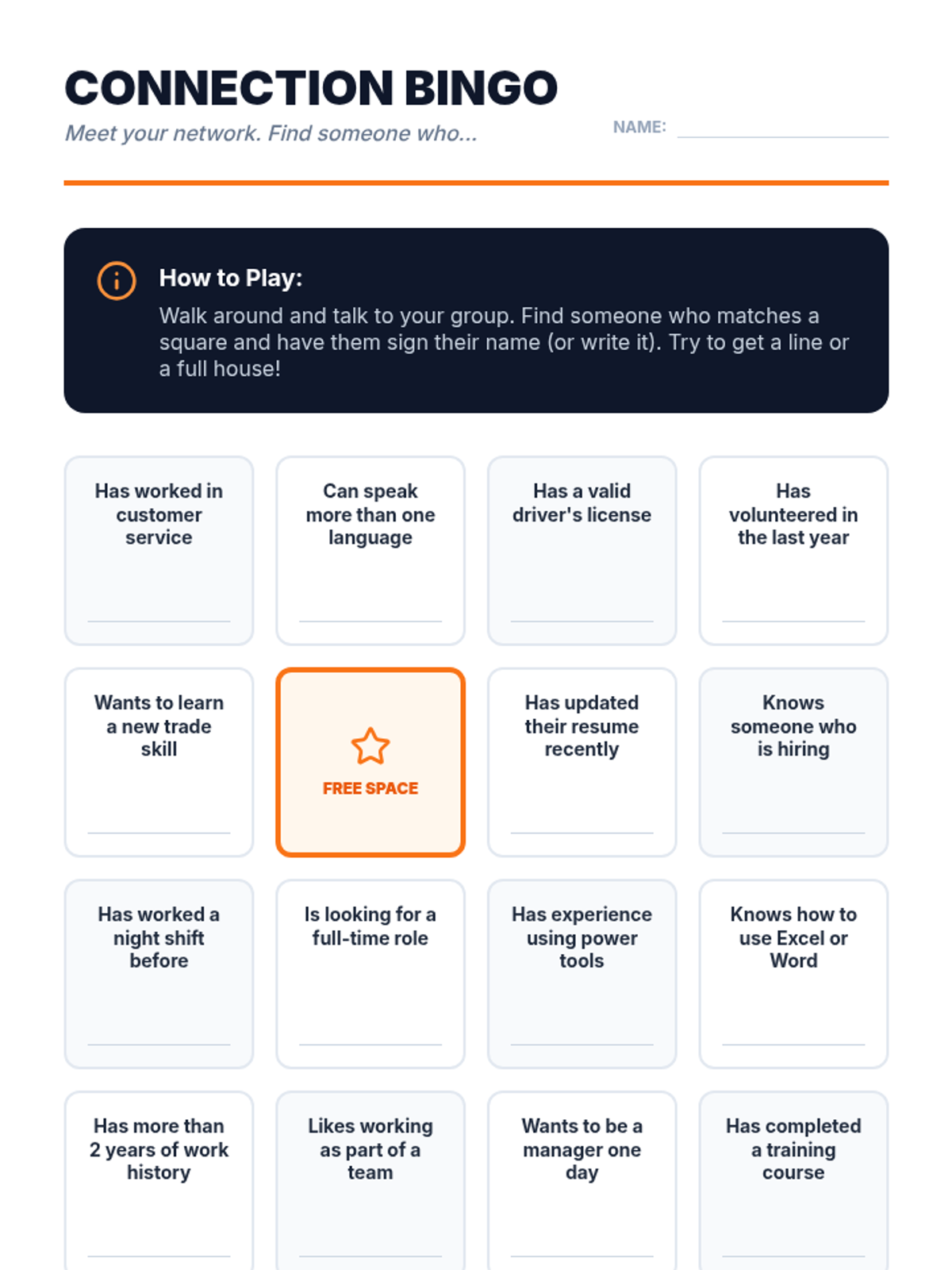
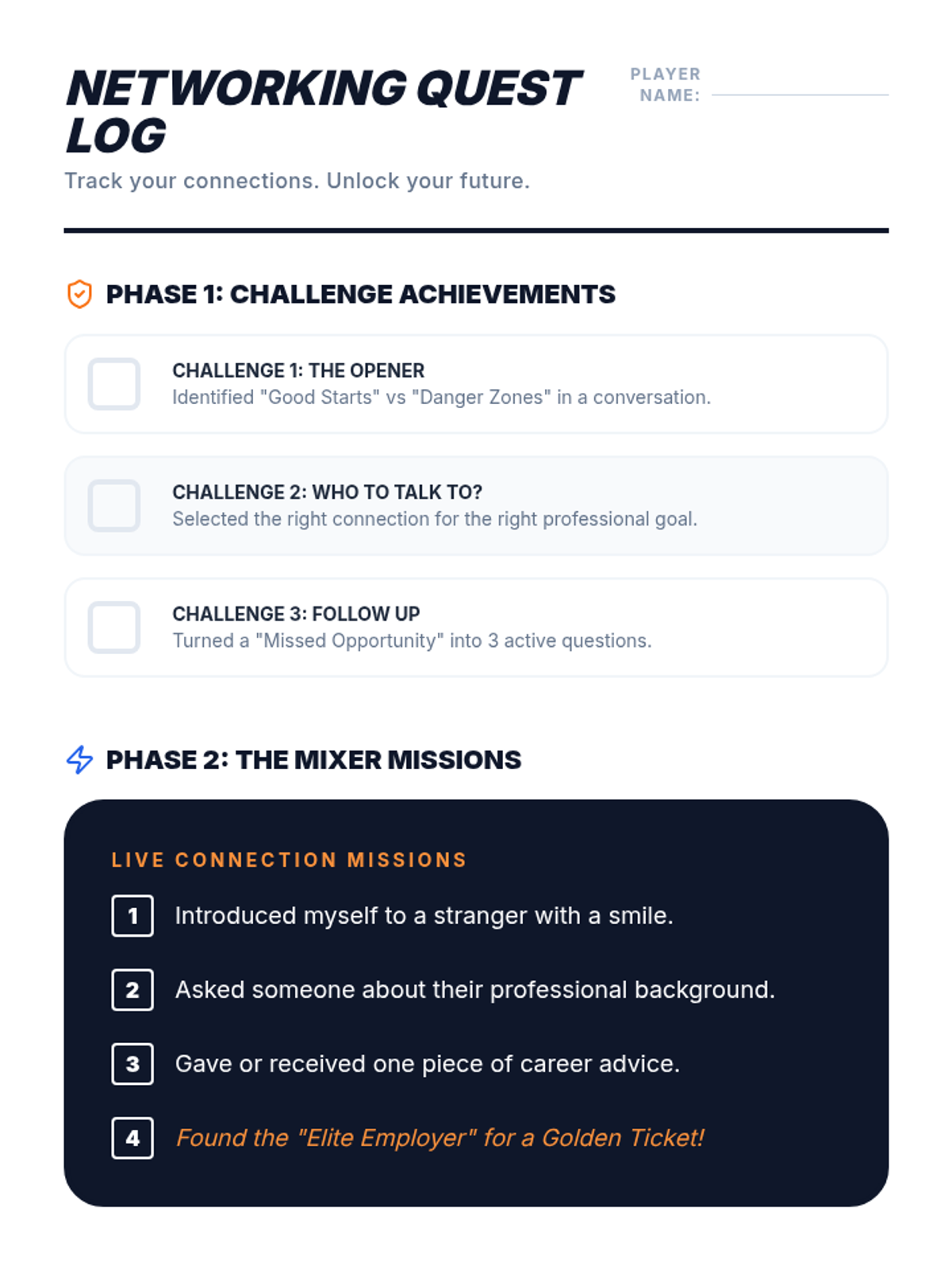
A high-energy, game-based training program focused on demystifying networking and building social capital for job seekers. Participants engage in a series of 'Connection Challenges' to earn opportunity rewards and build their own professional network maps.
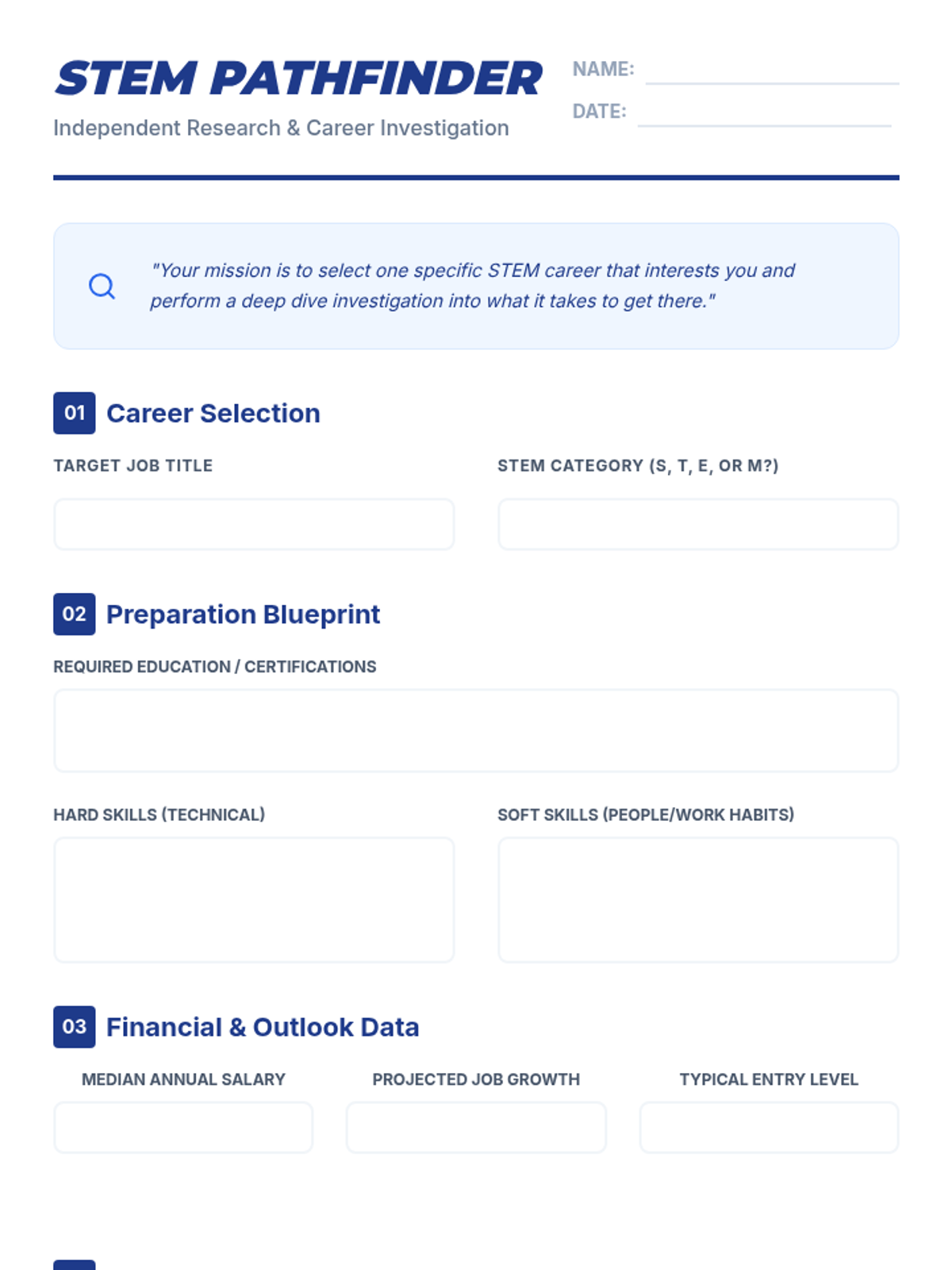
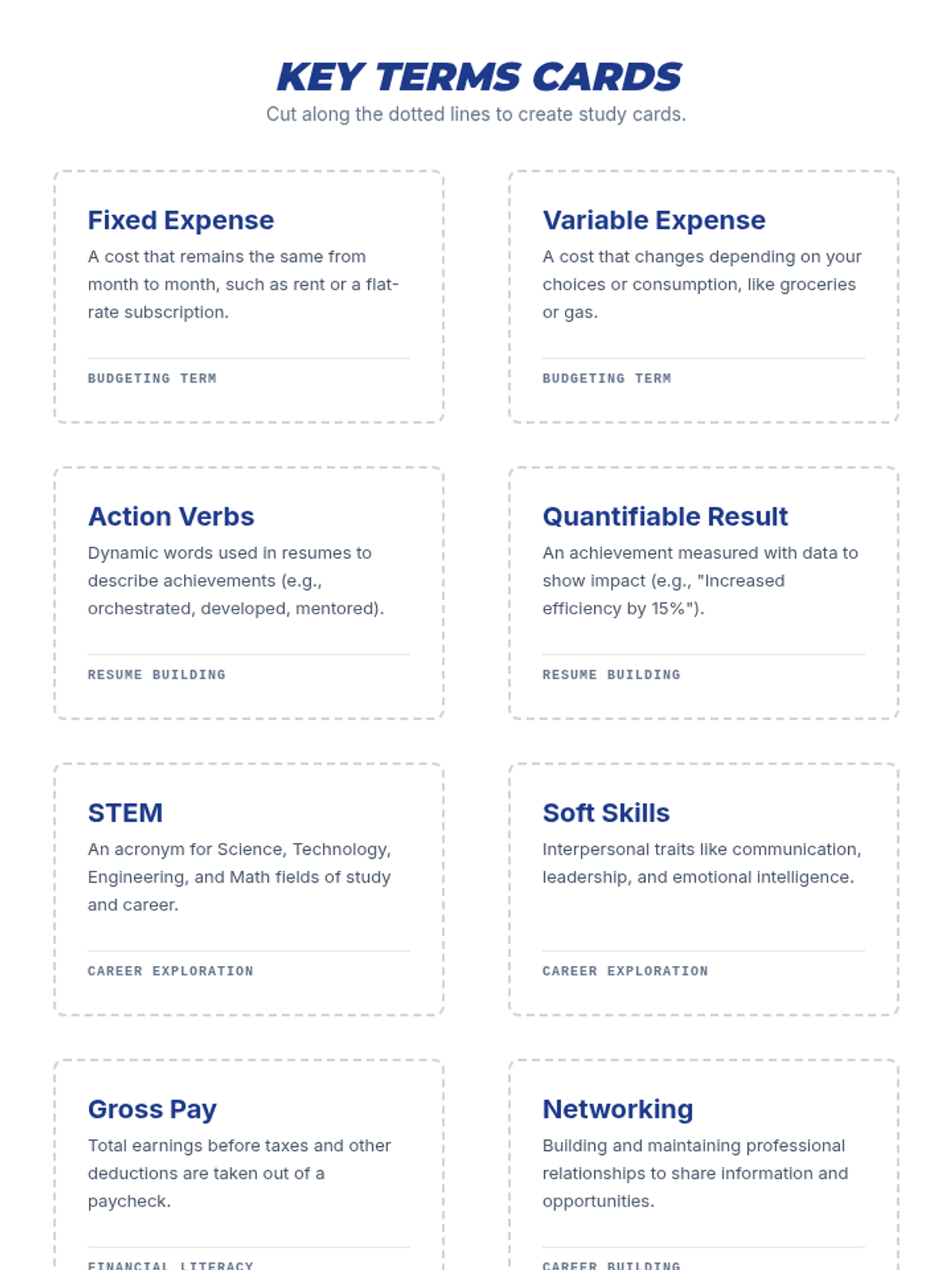
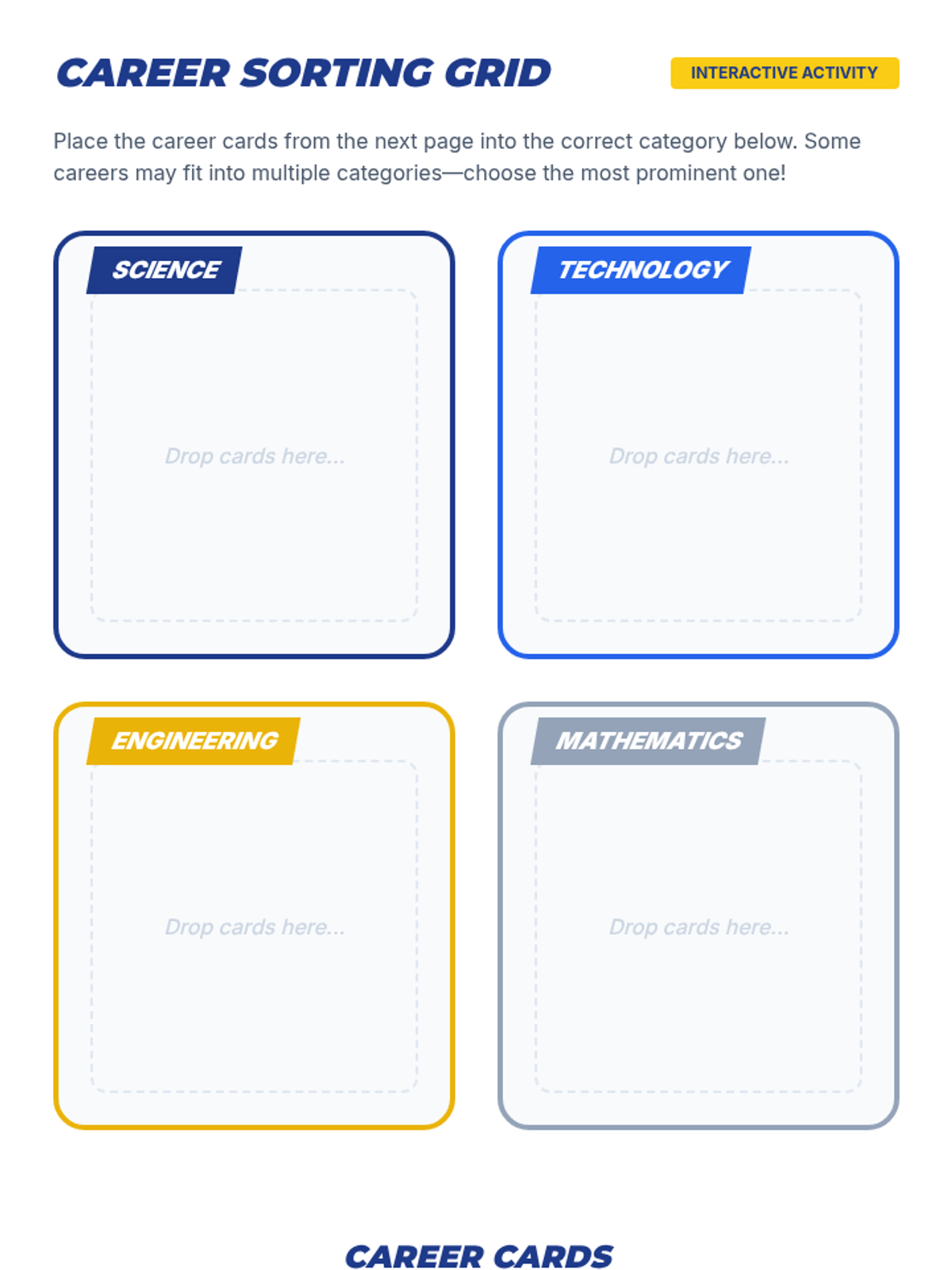
A comprehensive unit designed to prepare students for the transition to adulthood, focusing on financial literacy for college, professional resume writing, and exploration of STEM career opportunities.
A series of lessons designed to prepare students for the transition to the workforce by developing critical soft skills, digital literacy, and professional communication strategies.
A full-month curriculum focused on developing independence through real-world simulations, role-playing, and practical application of functional life skills.
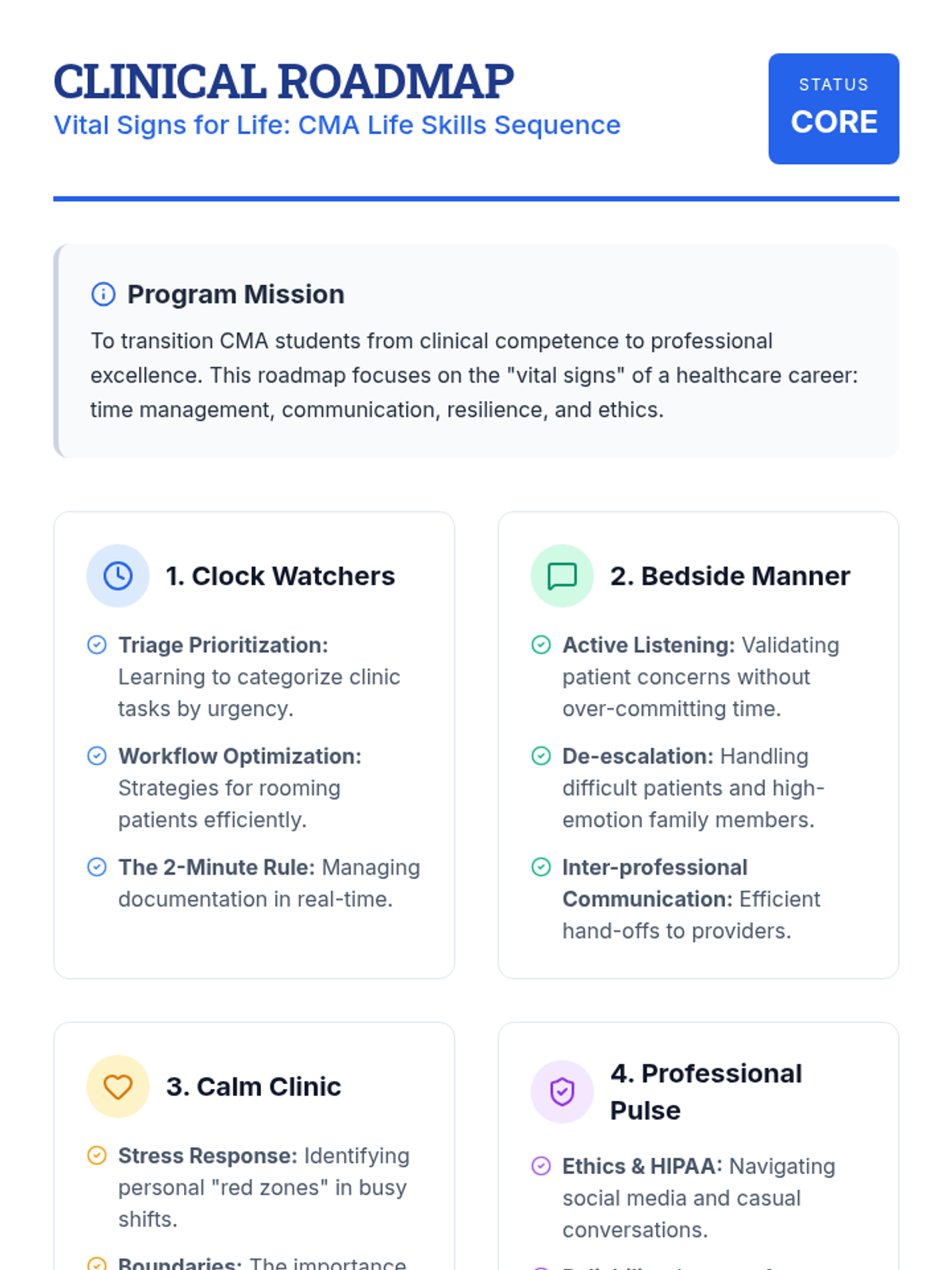
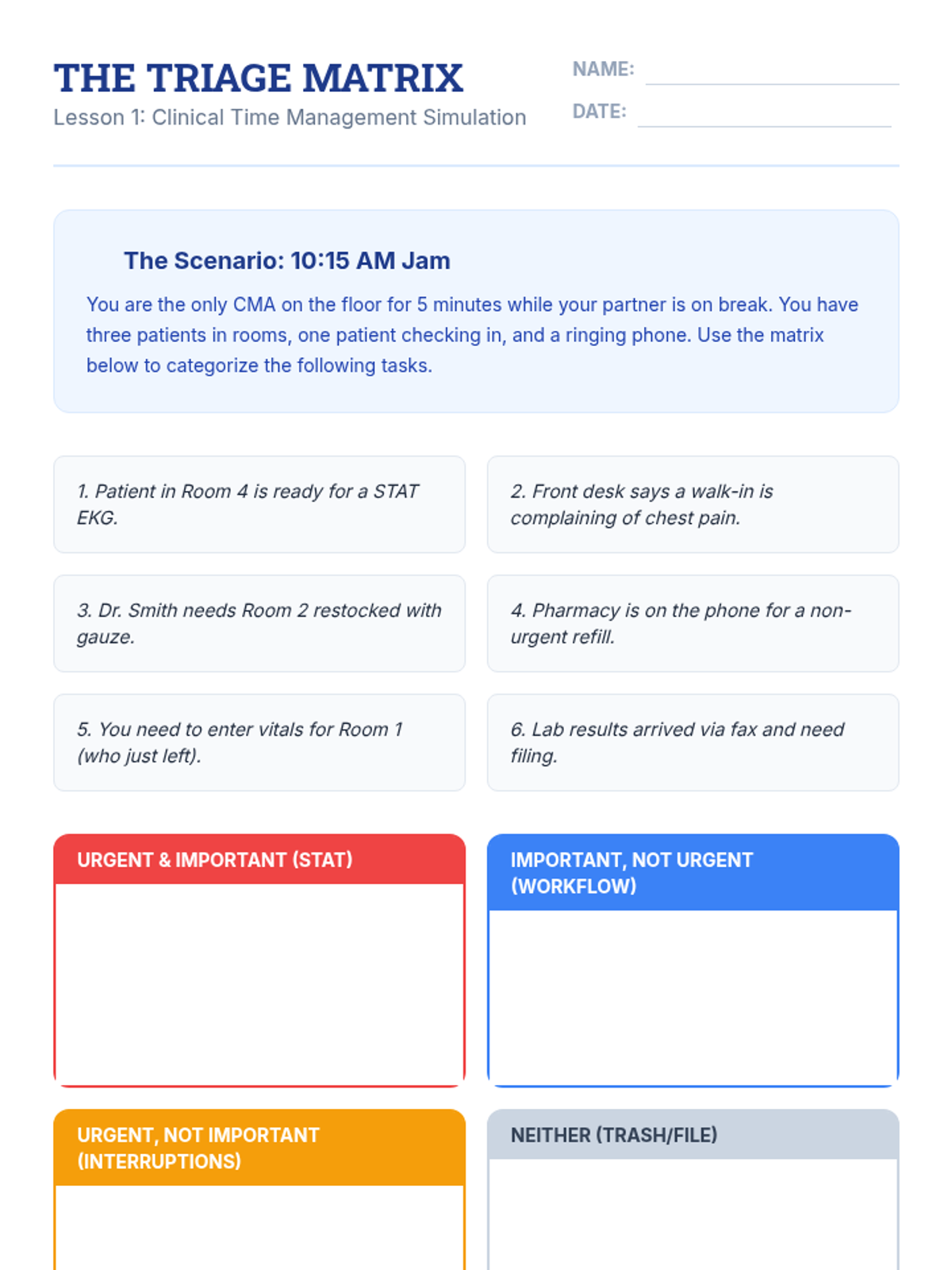
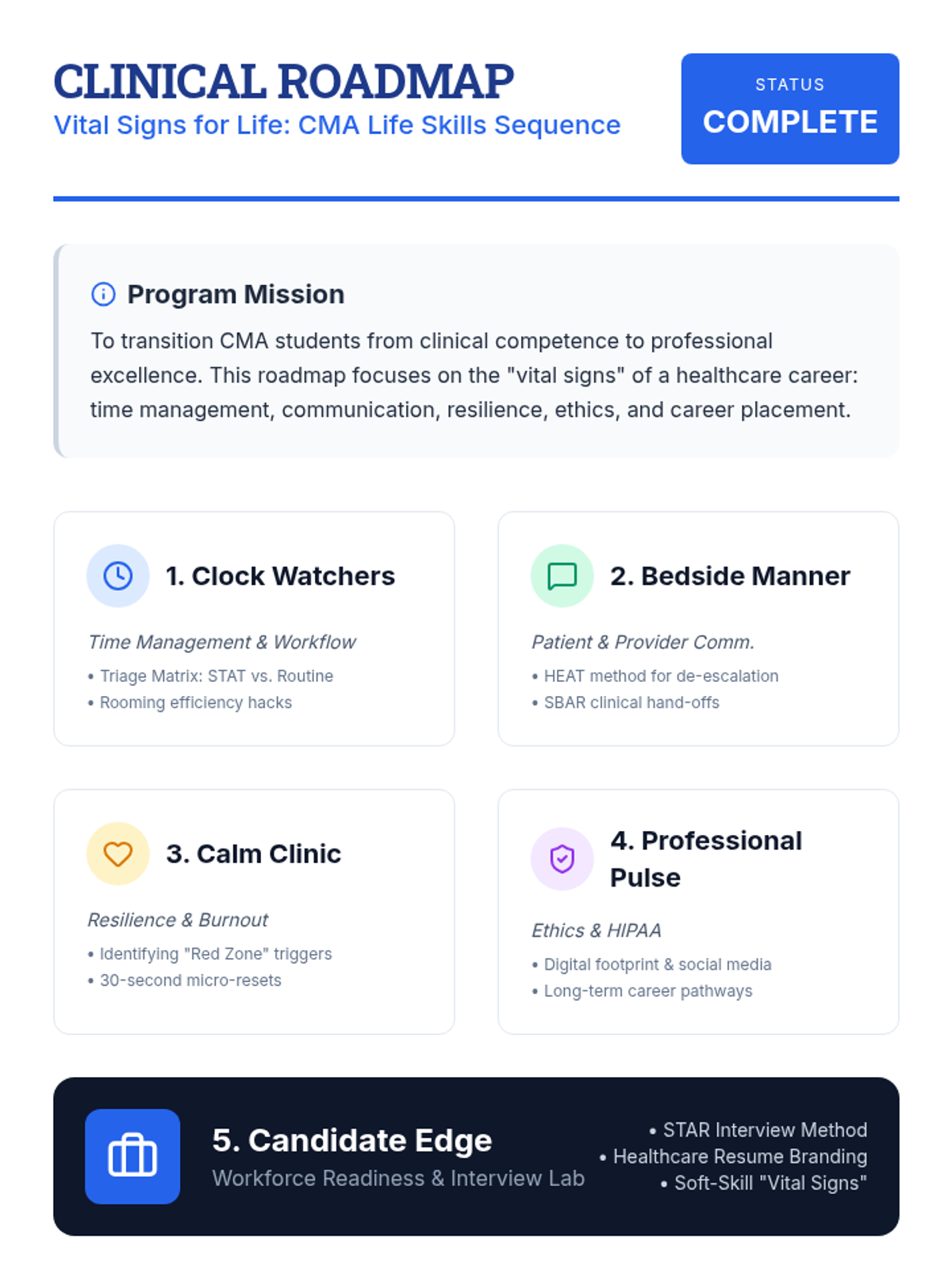
A comprehensive life skills training program designed specifically for Medical Assistant students, focusing on the essential soft skills needed to thrive in a high-pressure clinical environment.
A comprehensive year-long curriculum for high school seniors focusing on college readiness, career planning, financial literacy, and social-emotional well-being. This sequence guides students through the complexities of post-secondary transitions with a special focus on arts-based pathways.
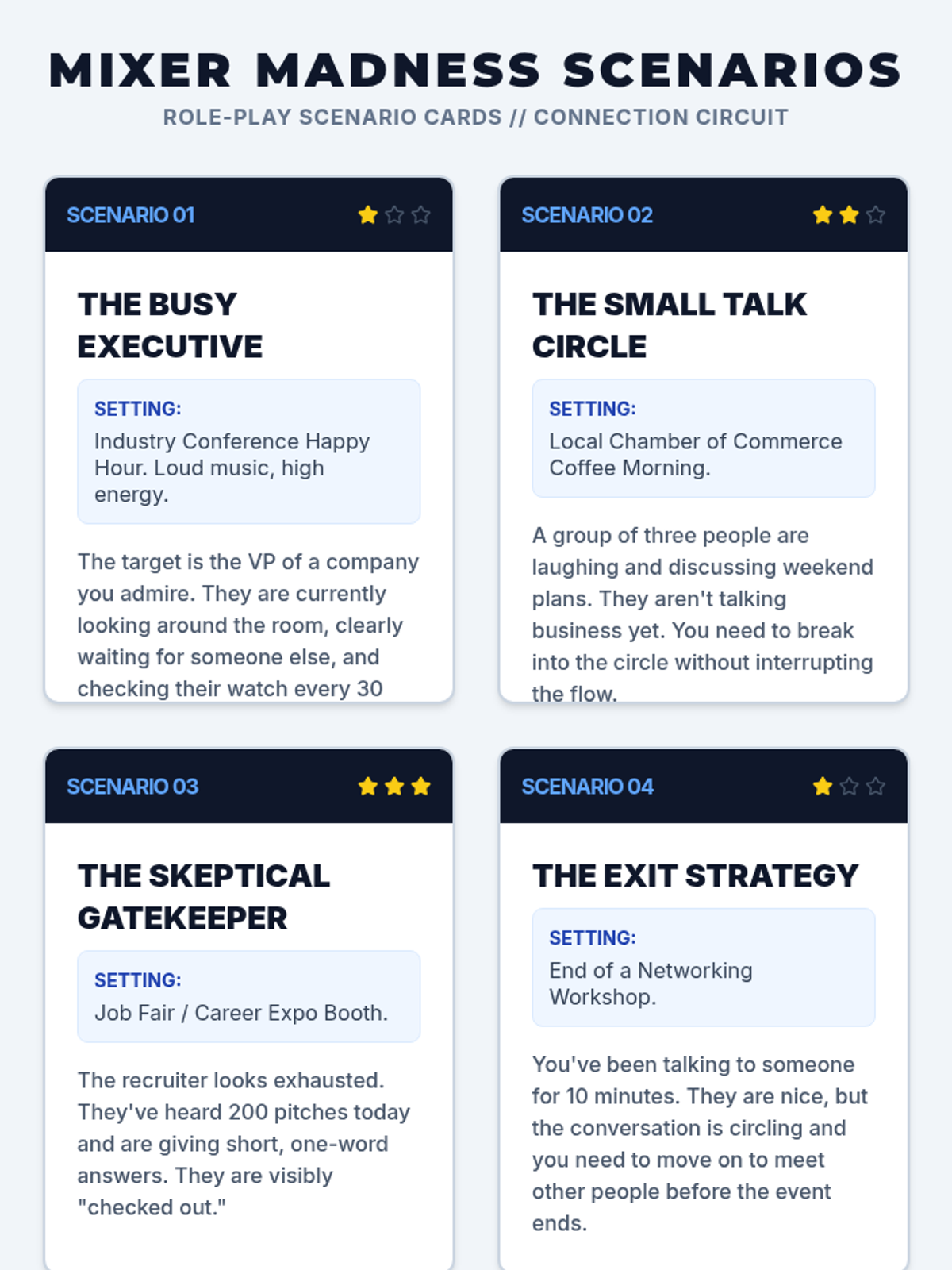
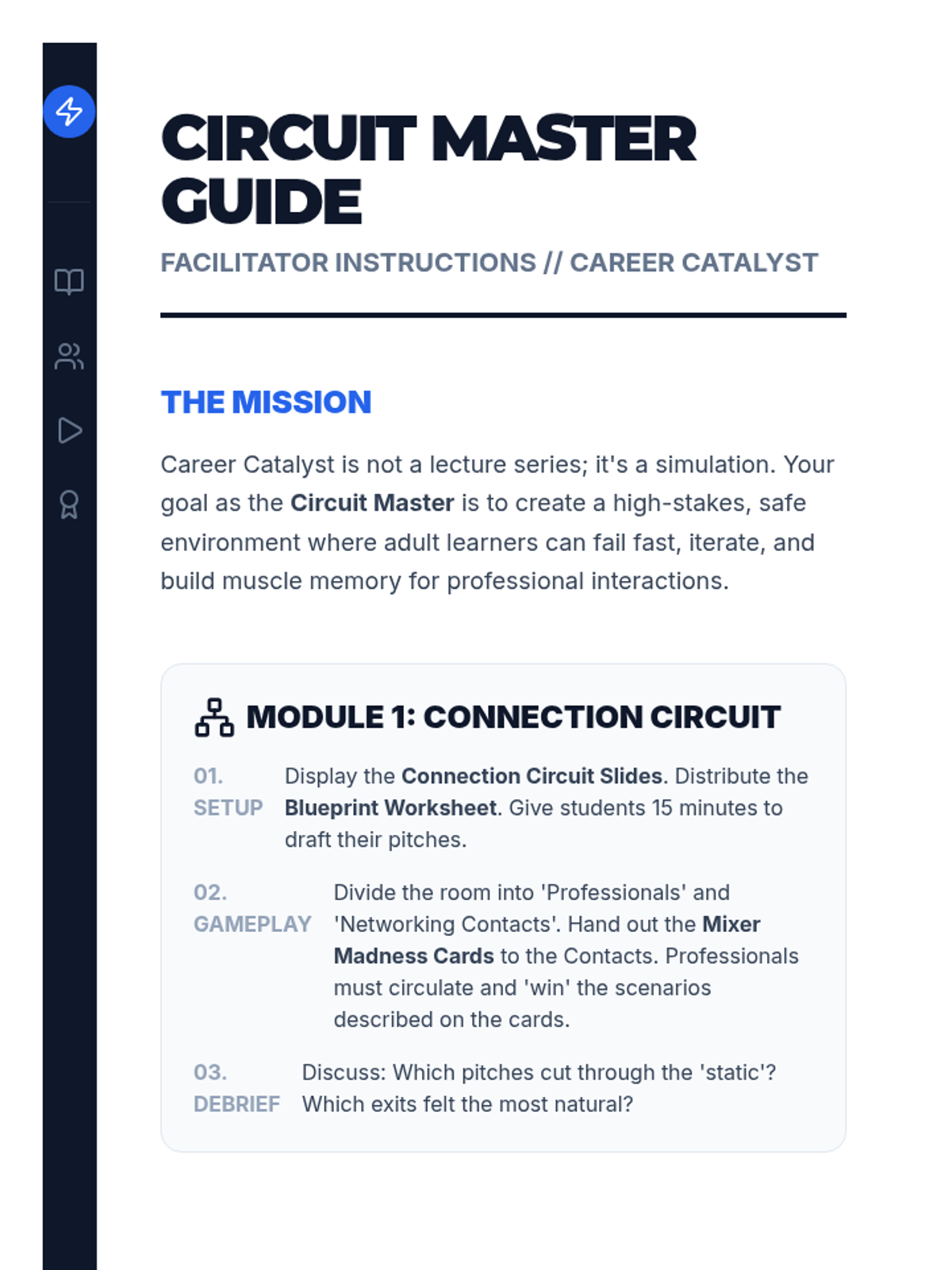
A comprehensive role-playing experience designed for adult learners and college students to master the art of networking and professional interviewing. The sequence uses a 'circuit' theme, guiding students through high-stakes scenarios and peer feedback loops.
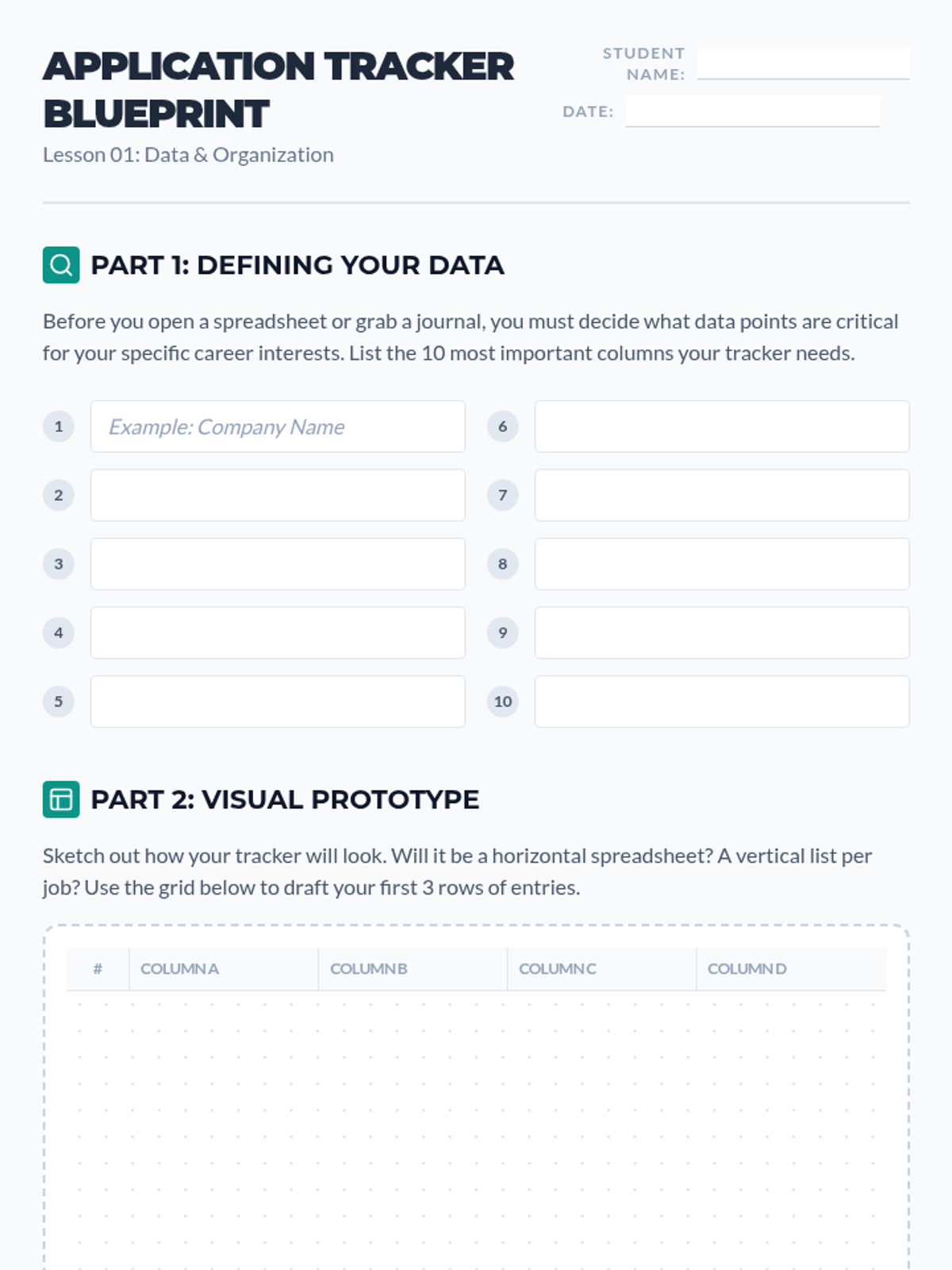
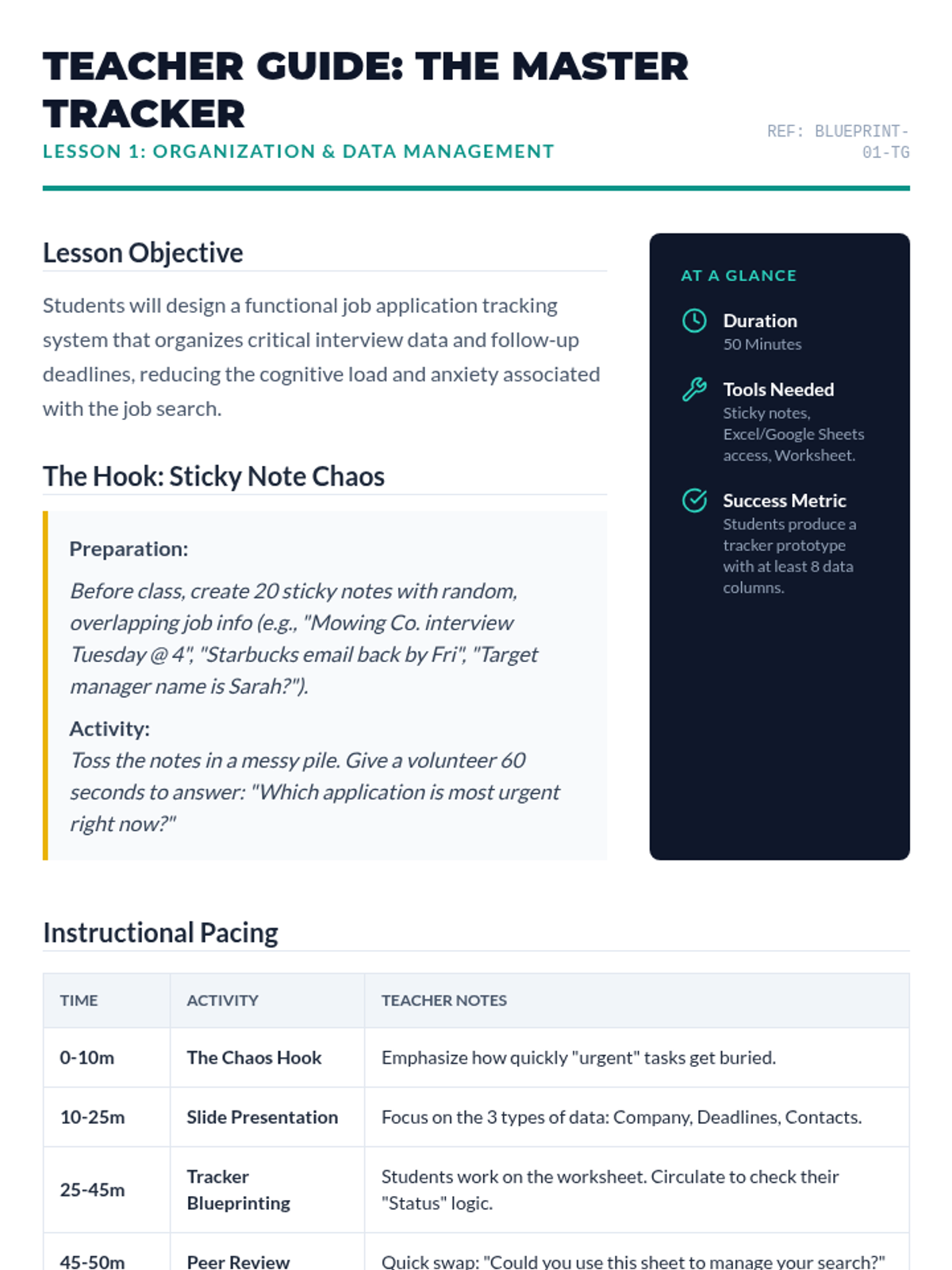
Students build a comprehensive Interview Follow-Up Toolkit, designing reusable systems like trackers, email templates, and reference sheets to manage the job search process with organization and confidence.
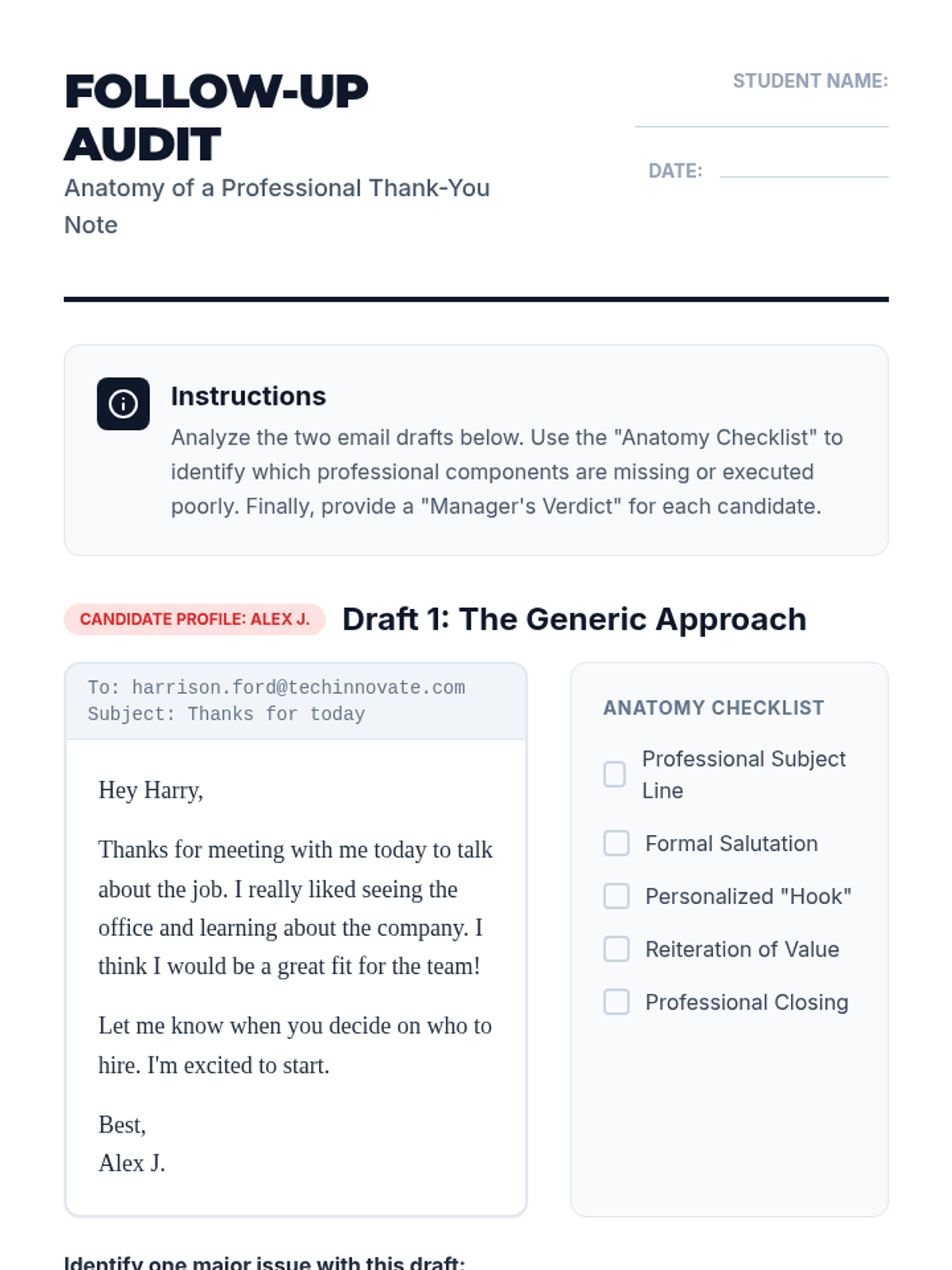
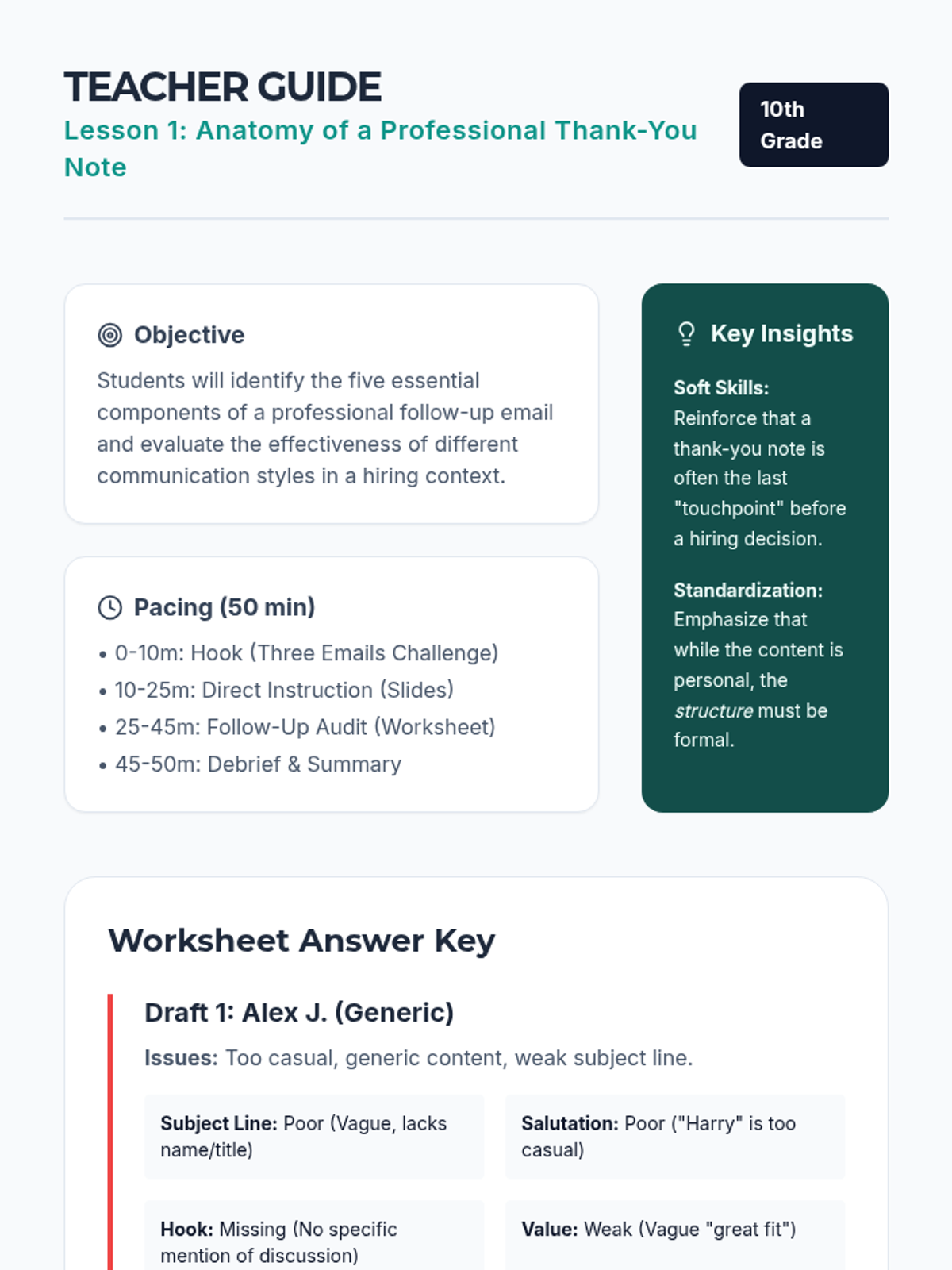
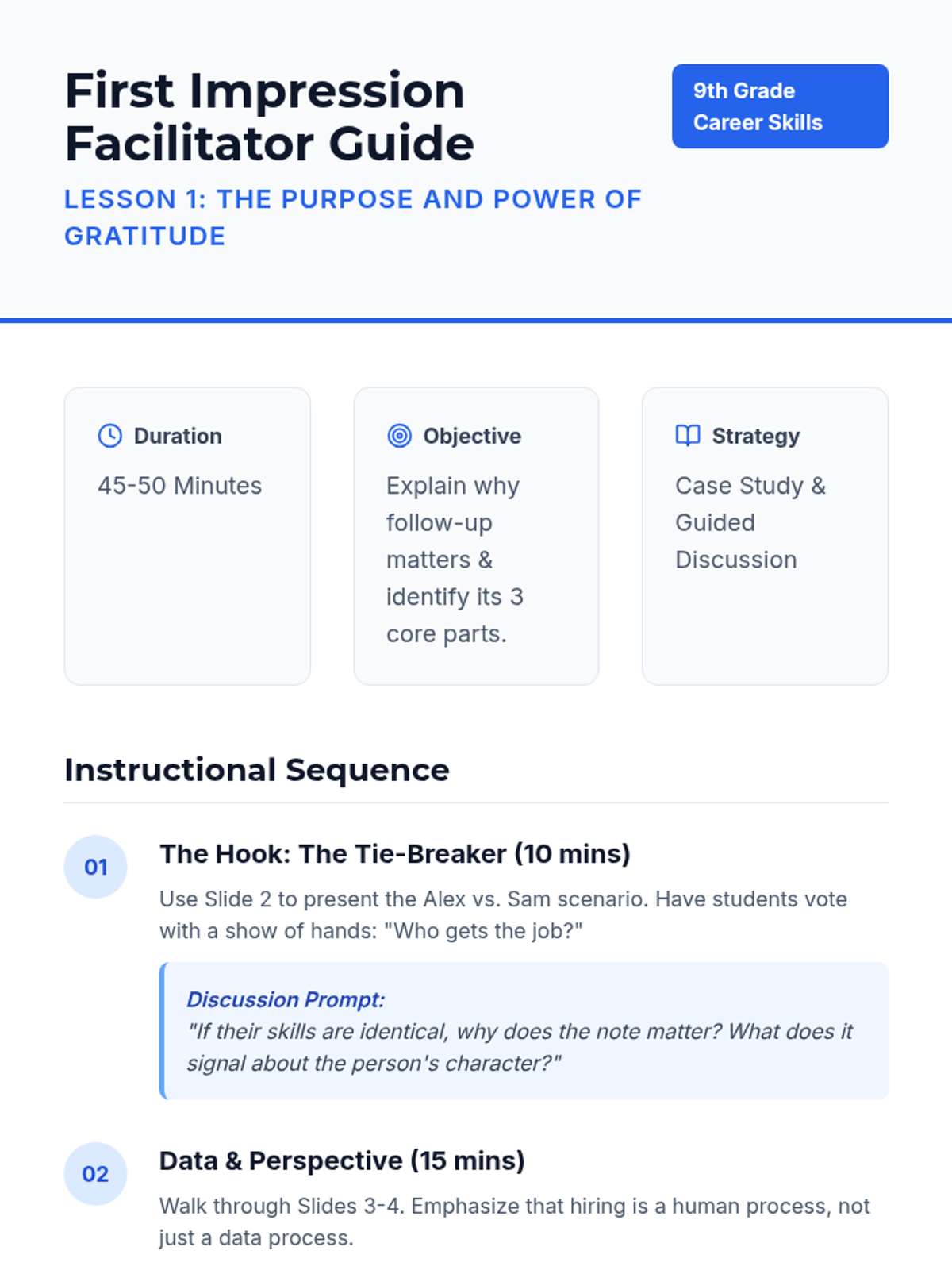
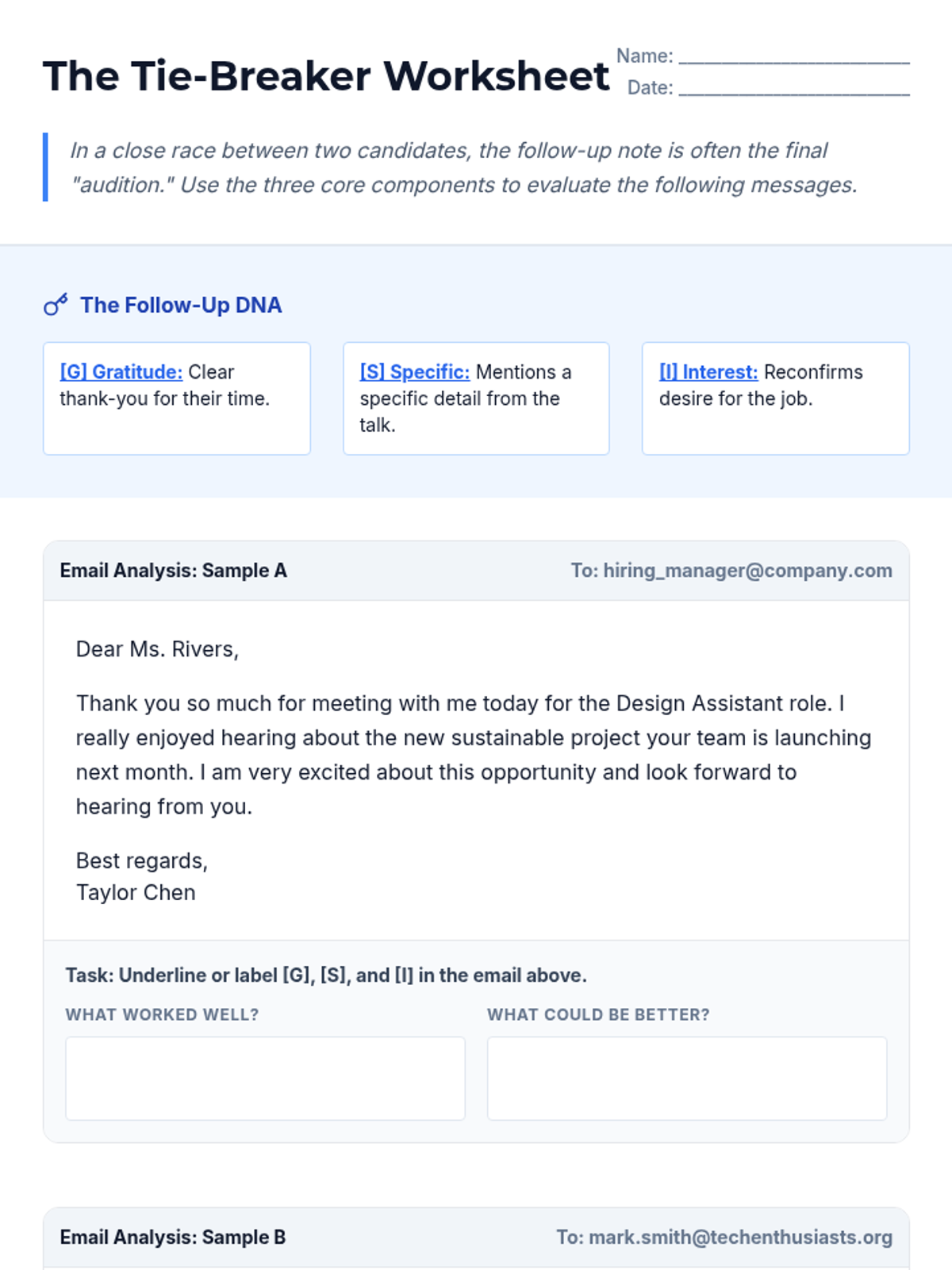
A comprehensive writing workshop for 10th-grade students focusing on the mechanics, tone, and strategic importance of post-interview follow-up communication. Students progress from analyzing standard structures to drafting personalized, professional emails for various interview scenarios.
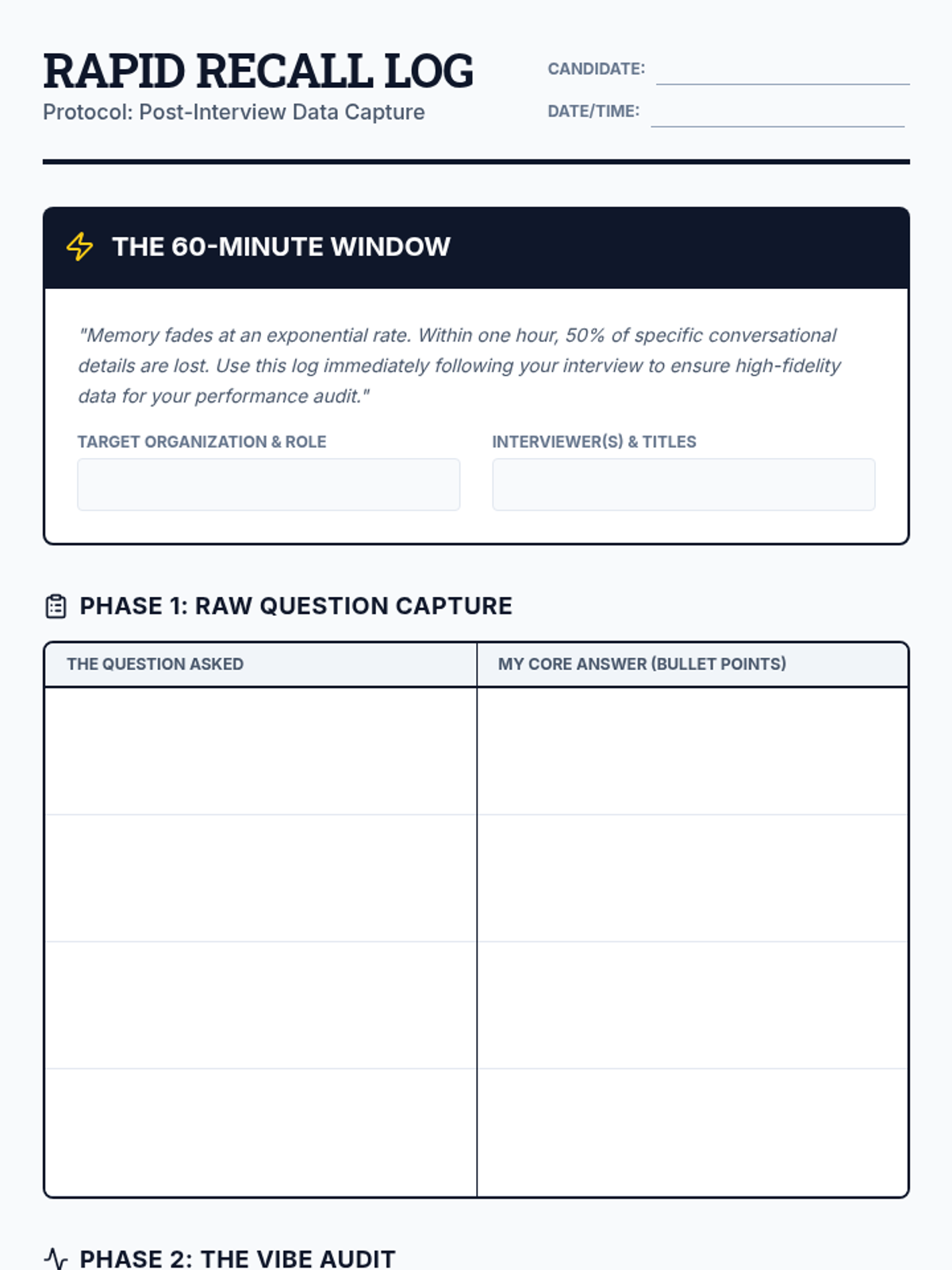
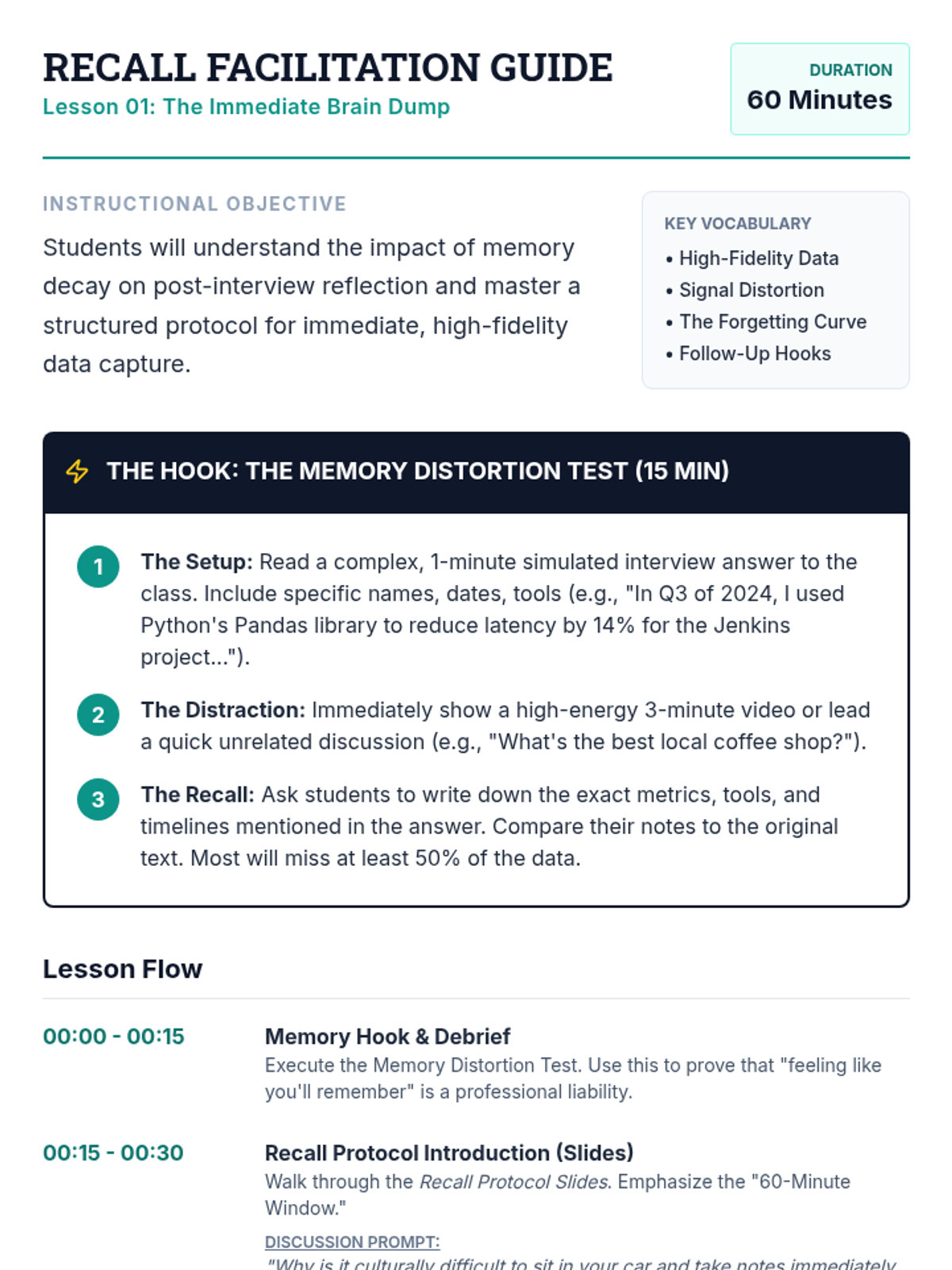
A graduate-level sequence focused on interview follow-up through a data-driven self-audit lens. Students move from immediate memory capture to performance scoring, gap analysis, and long-term professional development planning.
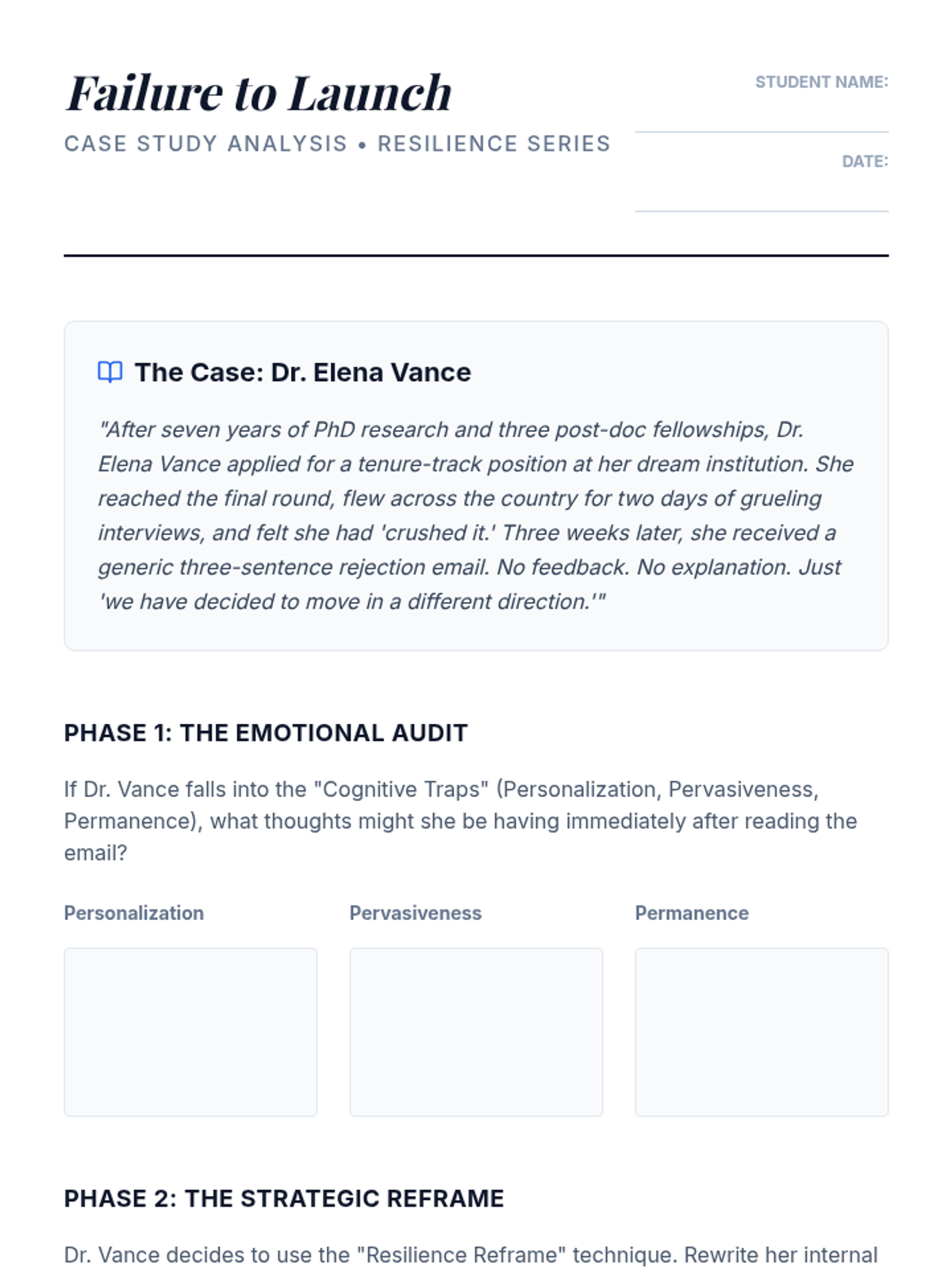
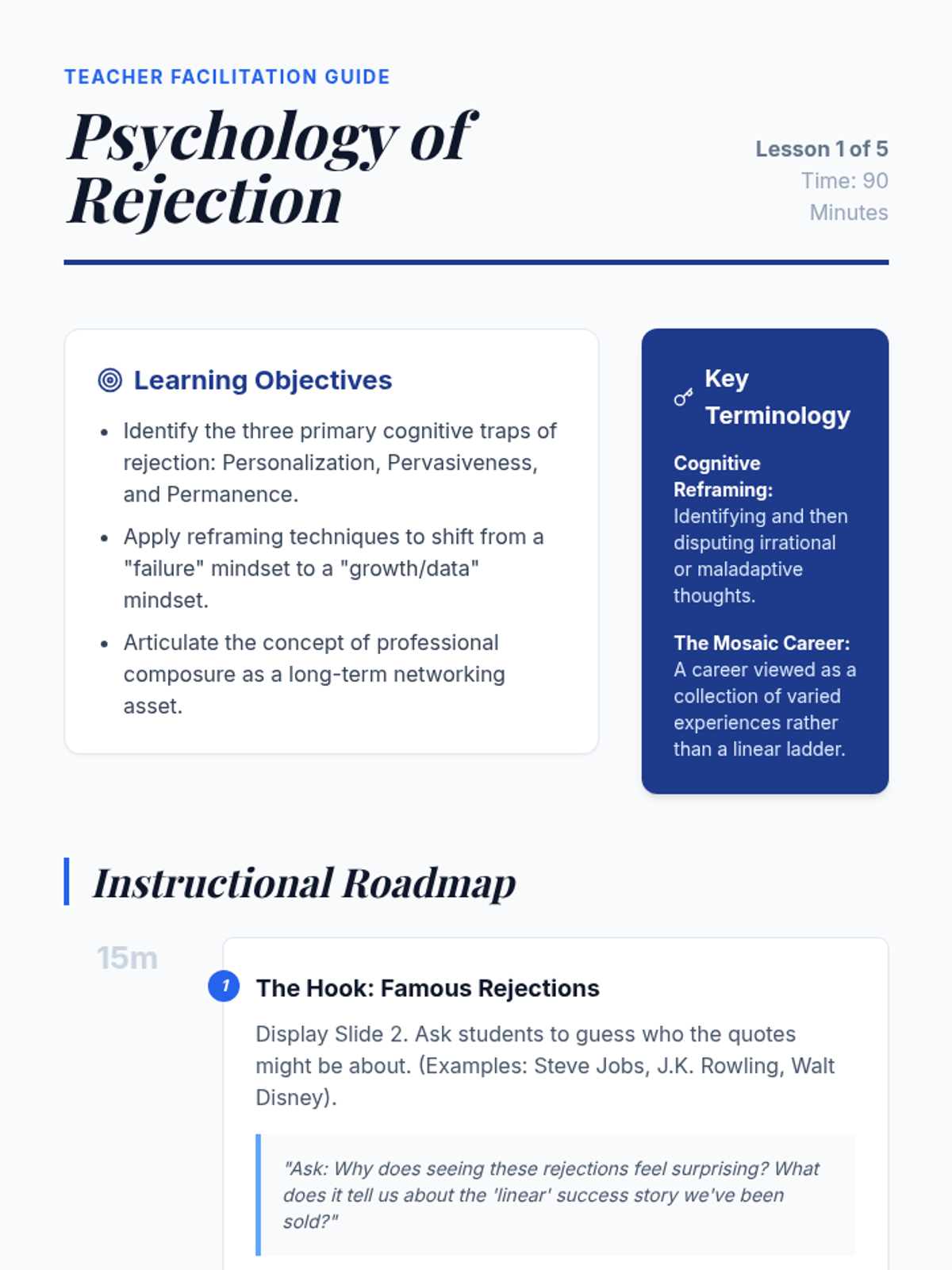
A comprehensive sequence for graduate students focused on converting interview setbacks into networking opportunities and long-term career growth through professional resilience, feedback solicitation, and relationship management.
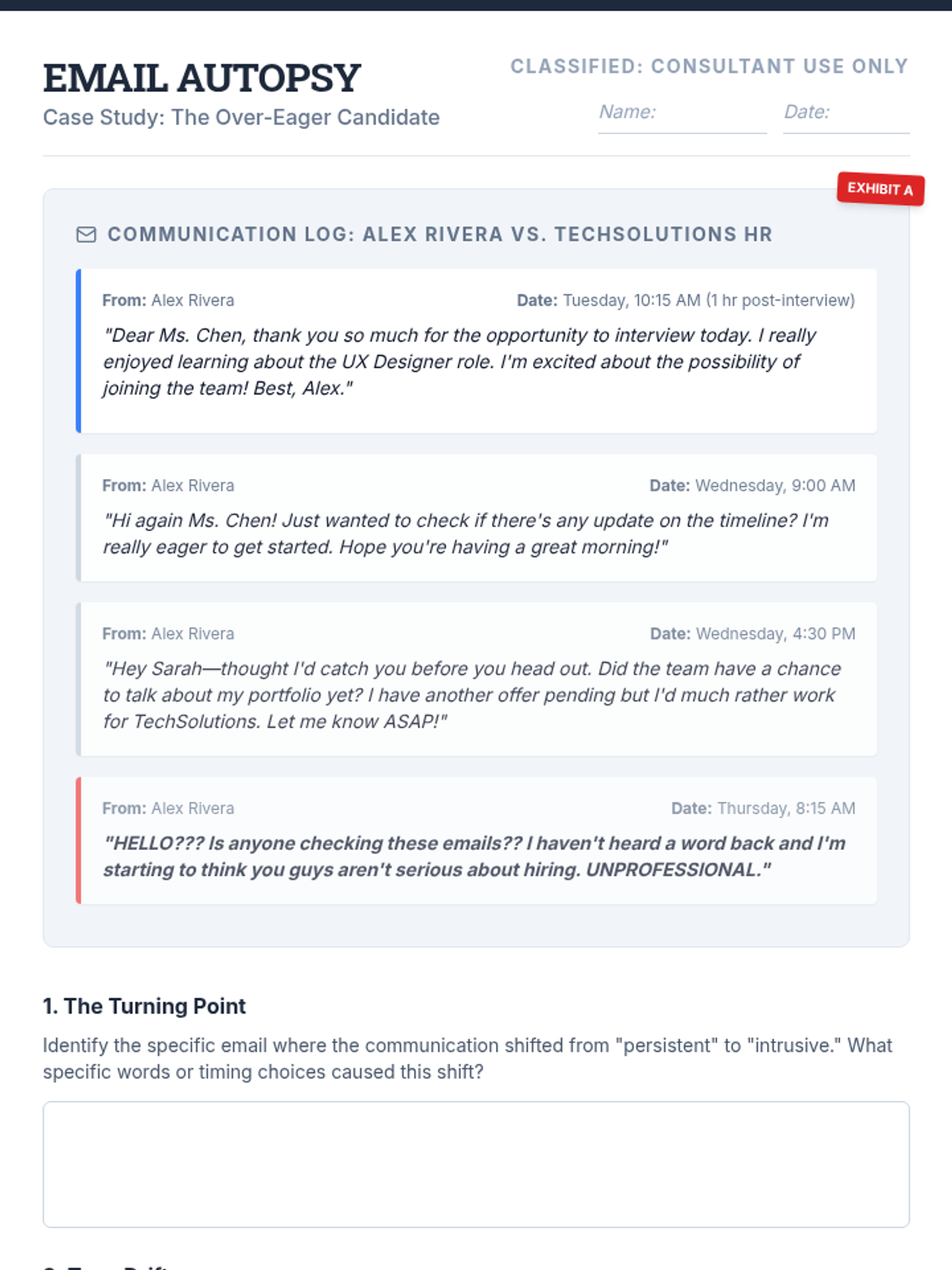
A case-study-driven unit where 12th-grade students act as communication consultants to analyze and refine professional interview follow-up strategies, focusing on tone, timing, and ethics.
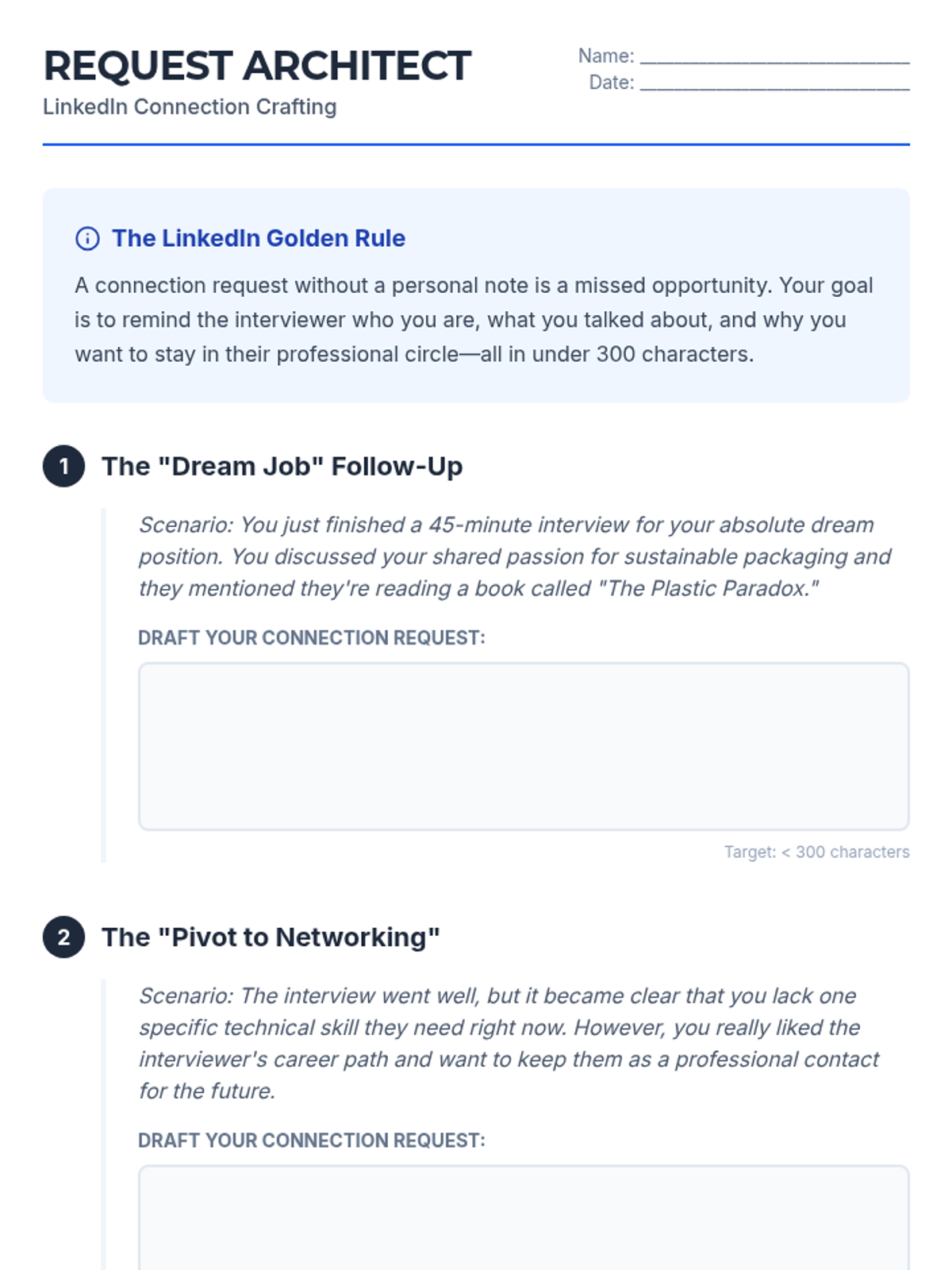
A comprehensive unit for 12th-grade students on leveraging digital tools like LinkedIn and CRM systems to maintain professional relationships and manage their digital footprint following interviews.
A practical writing workshop sequence where students master the mechanics of professional follow-up communication after interviews. Students will analyze the structure of formal emails, draft multiple versions of follow-up messages, and refine their professional tone and proofreading skills.
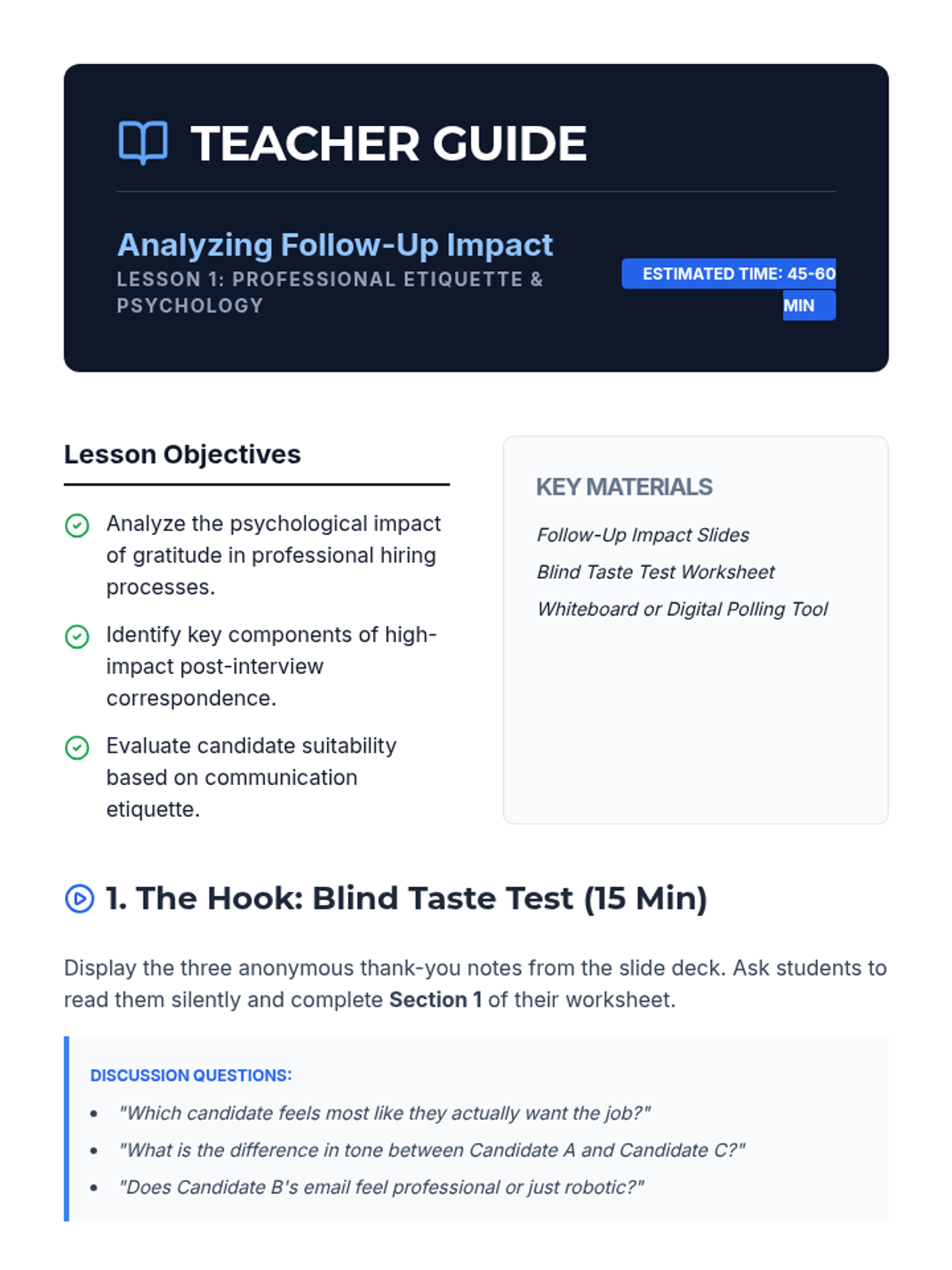
A practical writing workshop sequence where students master post-interview thank-you notes, analyzing their psychological impact and crafting personalized, professional correspondence for various contexts.
A comprehensive career readiness sequence focusing on the transition from application to employment, covering resumes, interviewing, and workplace success.
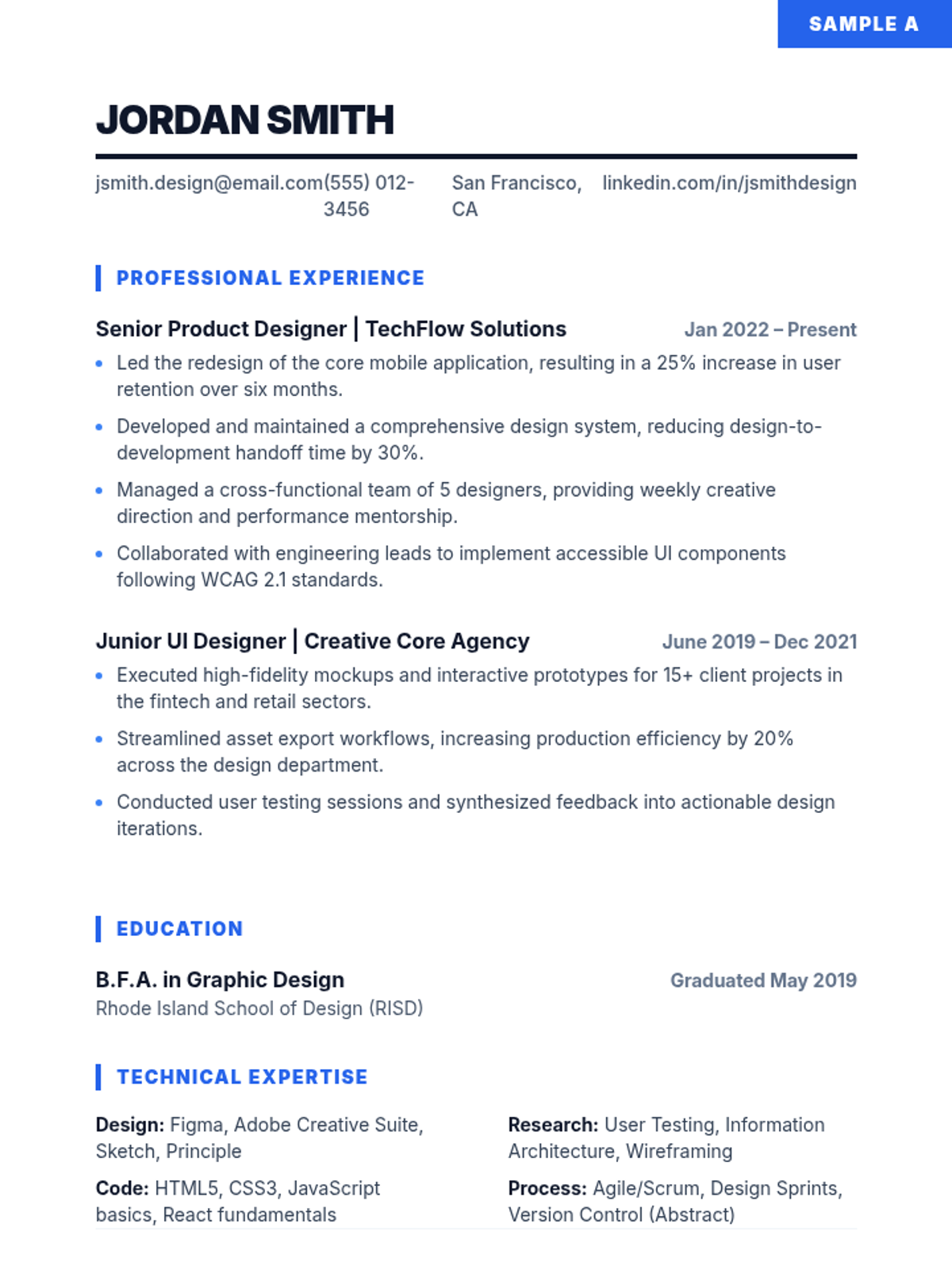
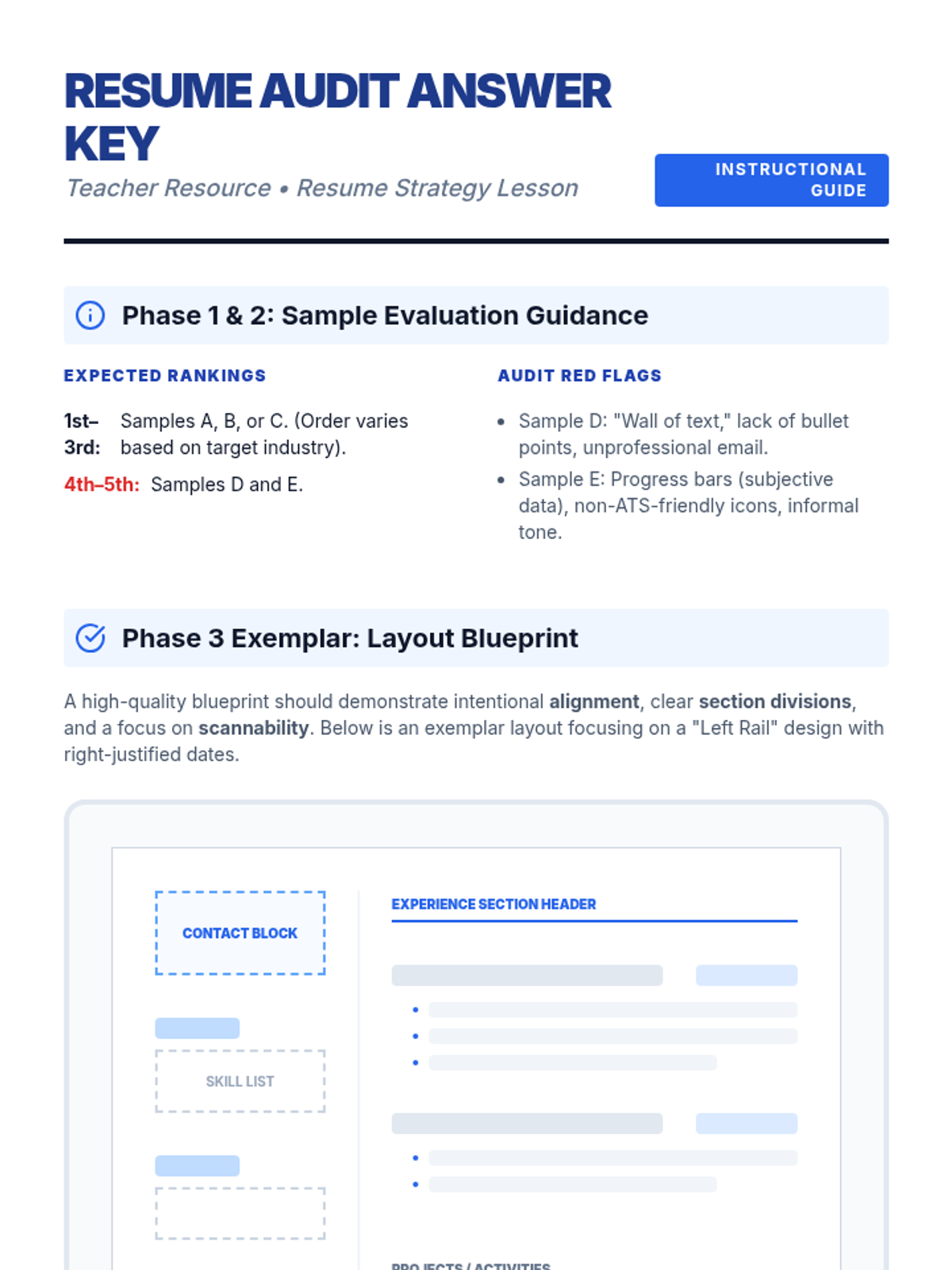
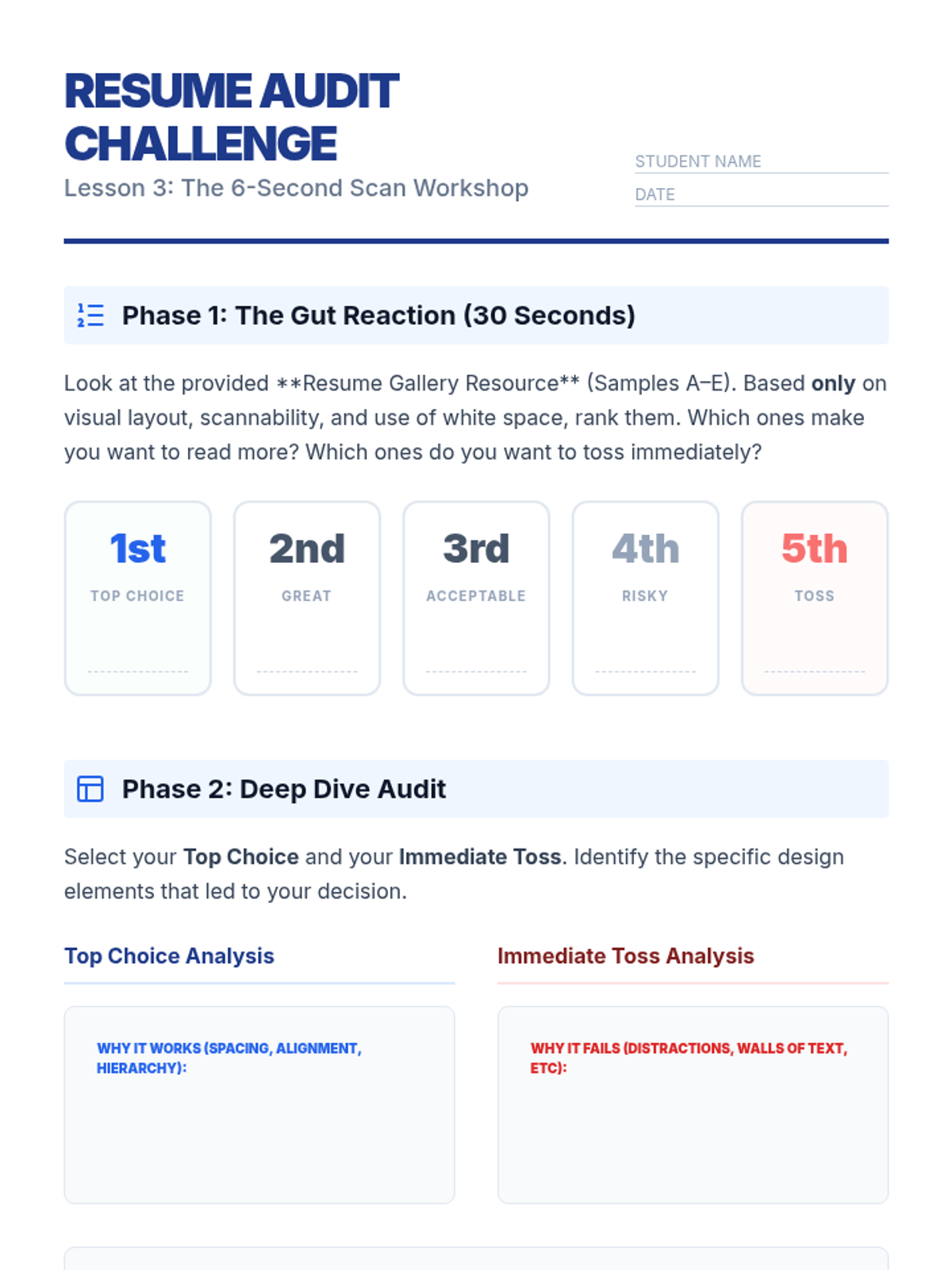
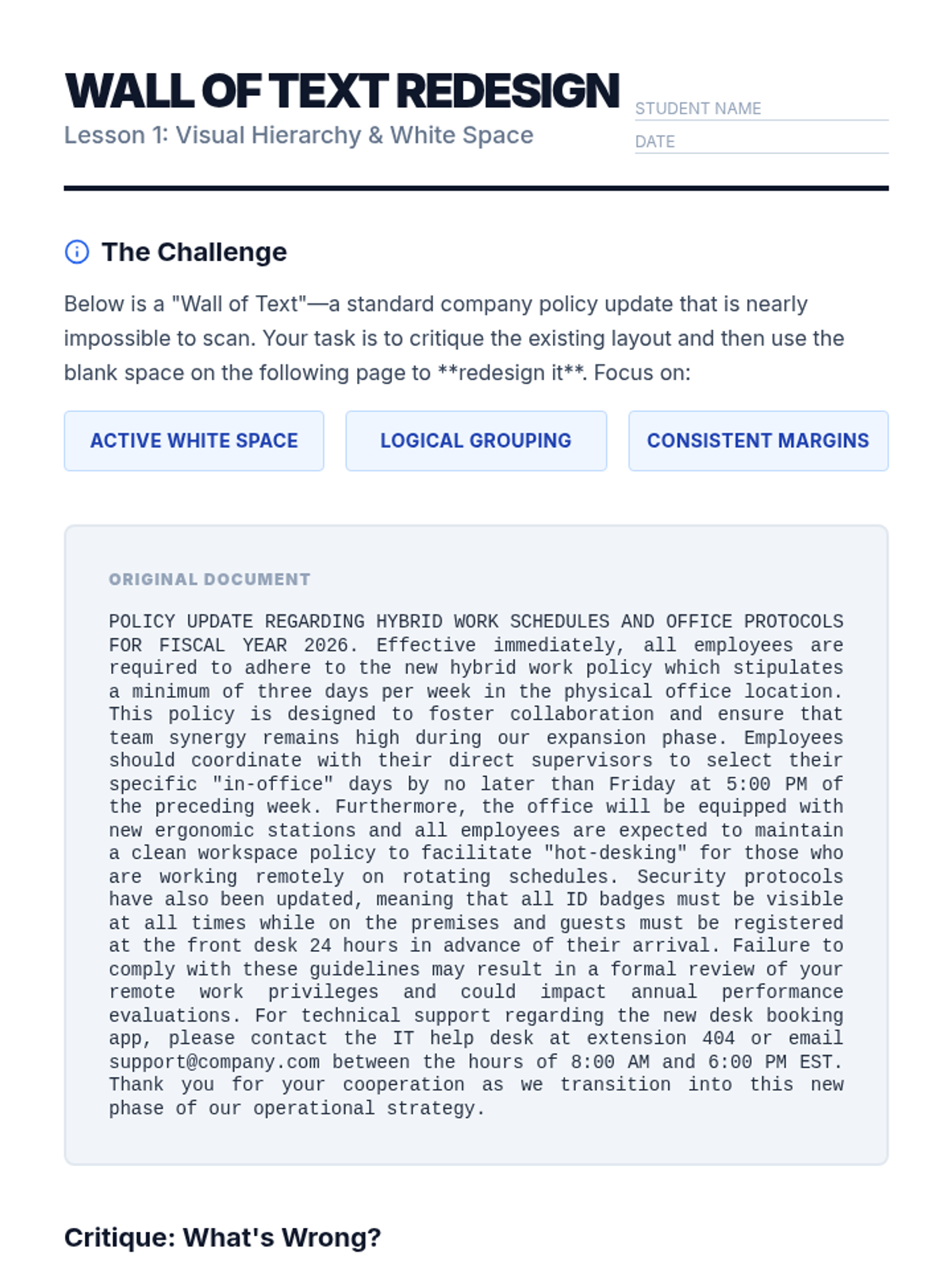
A project-based sequence for 12th-grade students focusing on visual hierarchy, document design, and professional formatting standards. Students move from basic principles of white space to creating a cohesive professional portfolio.
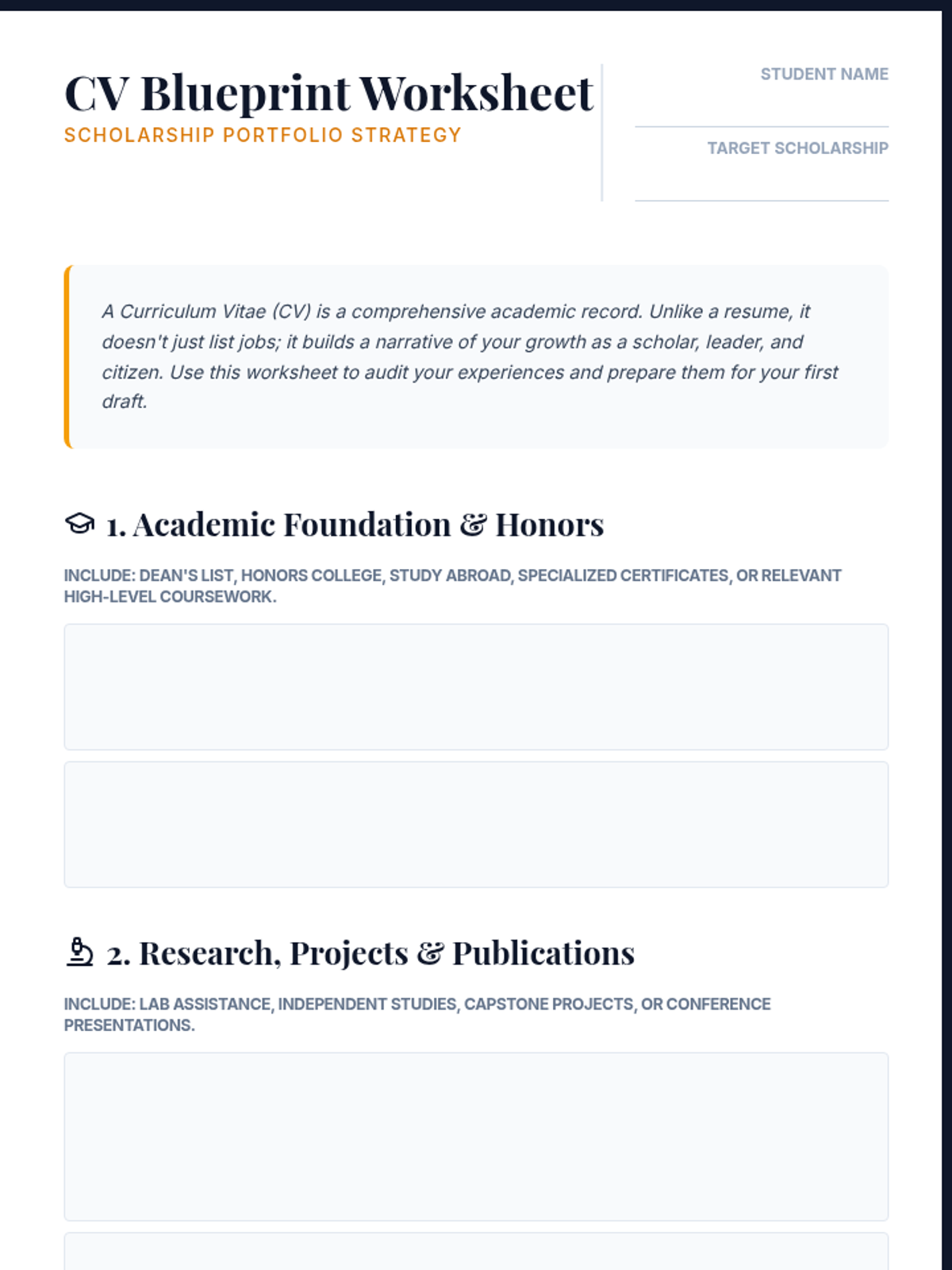
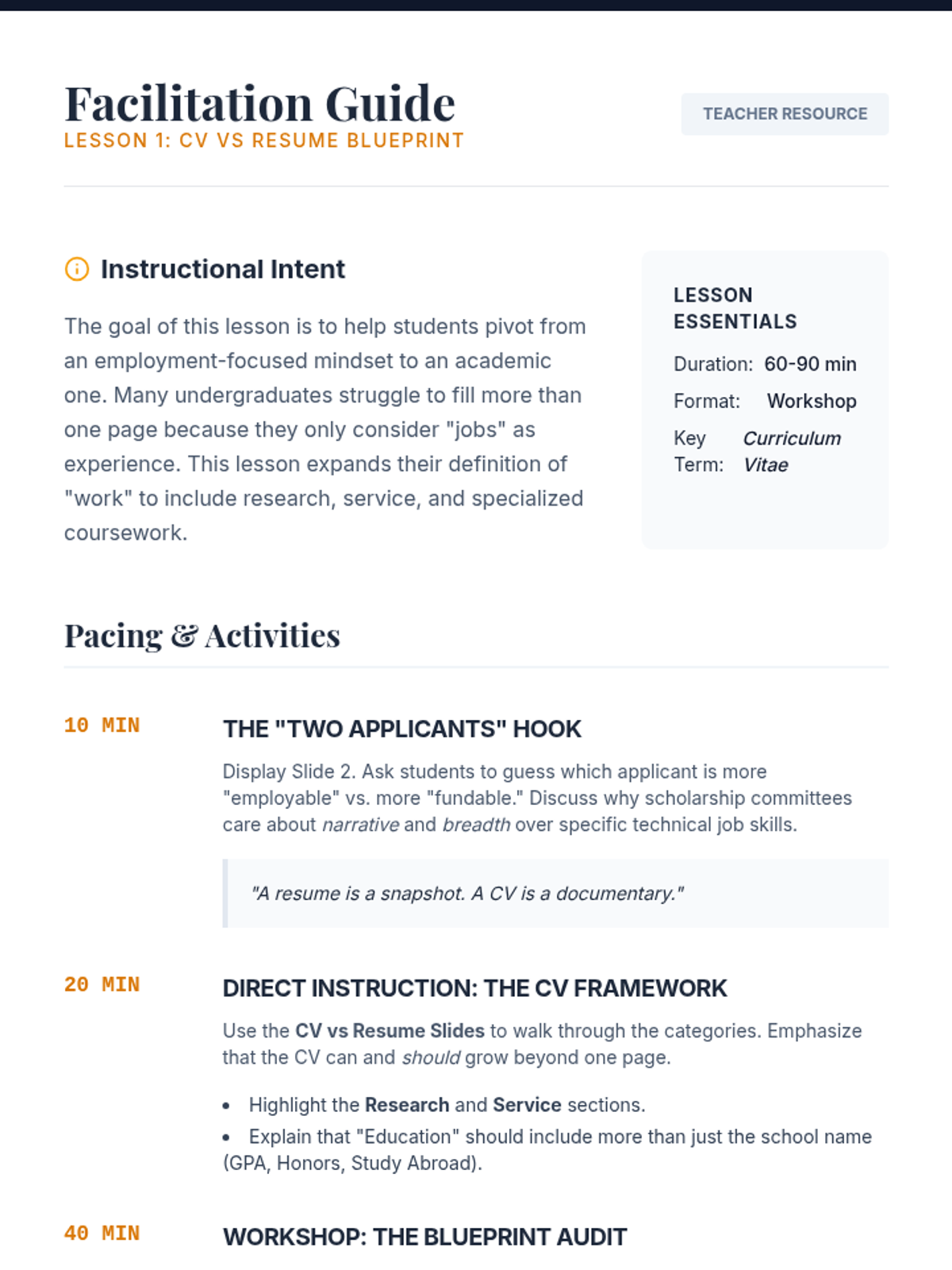
This sequence guides undergraduate students through building a professional scholarship portfolio and mastering the interview process. Students will transition from document creation (CVs, brag sheets) to interpersonal communication (STAR method, mock interviews), ensuring they present a cohesive and professional narrative to scholarship committees.
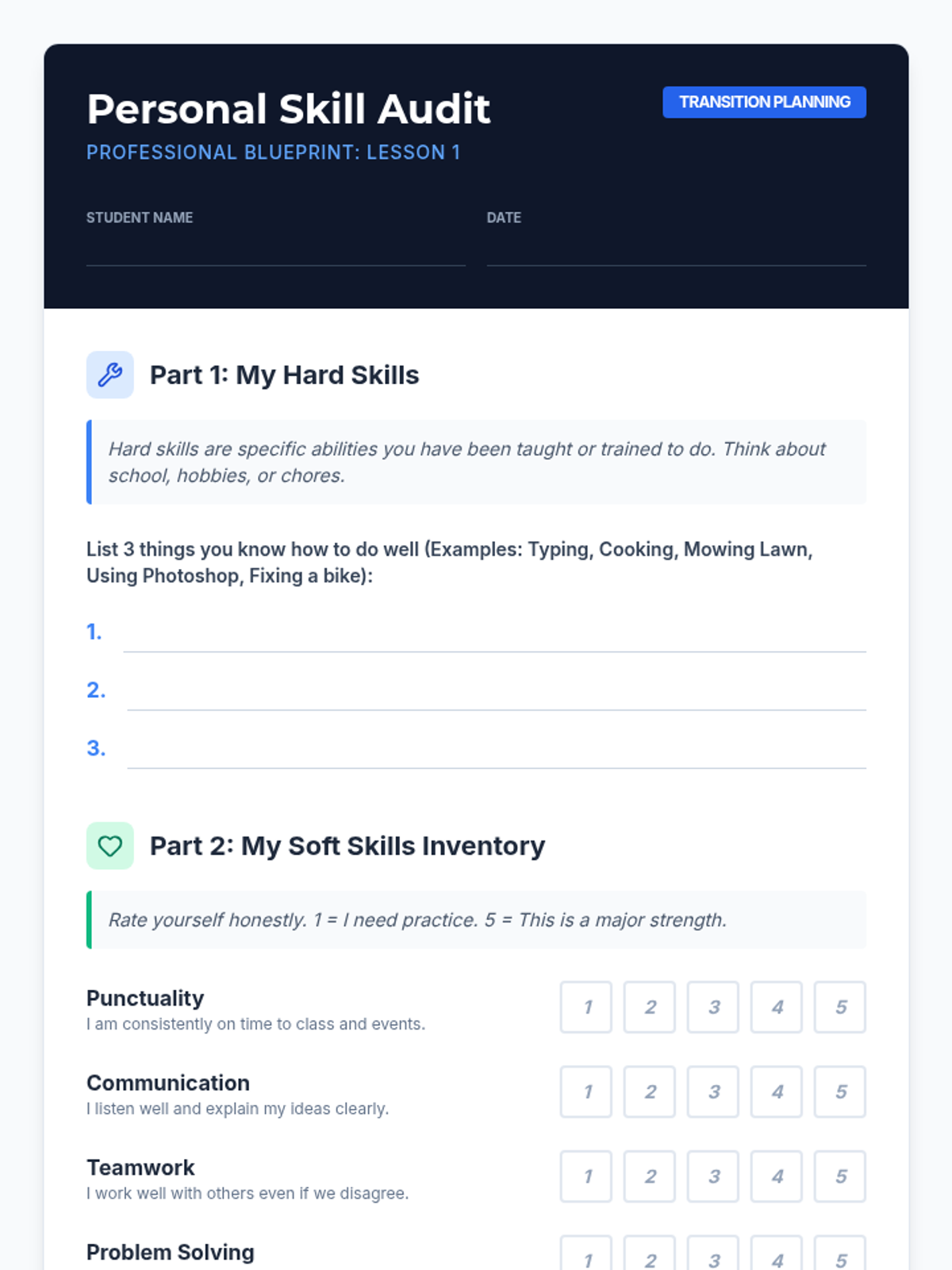
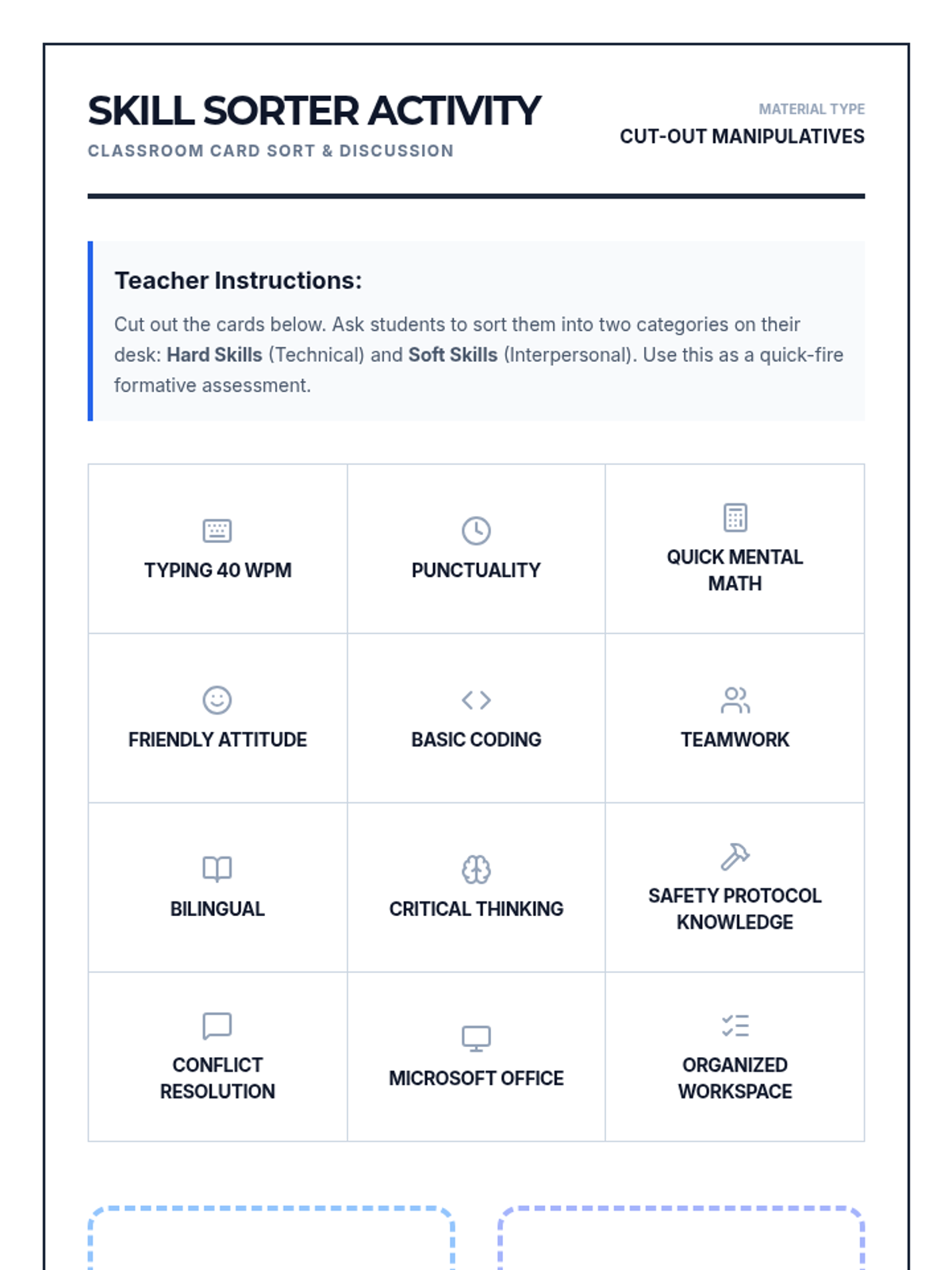
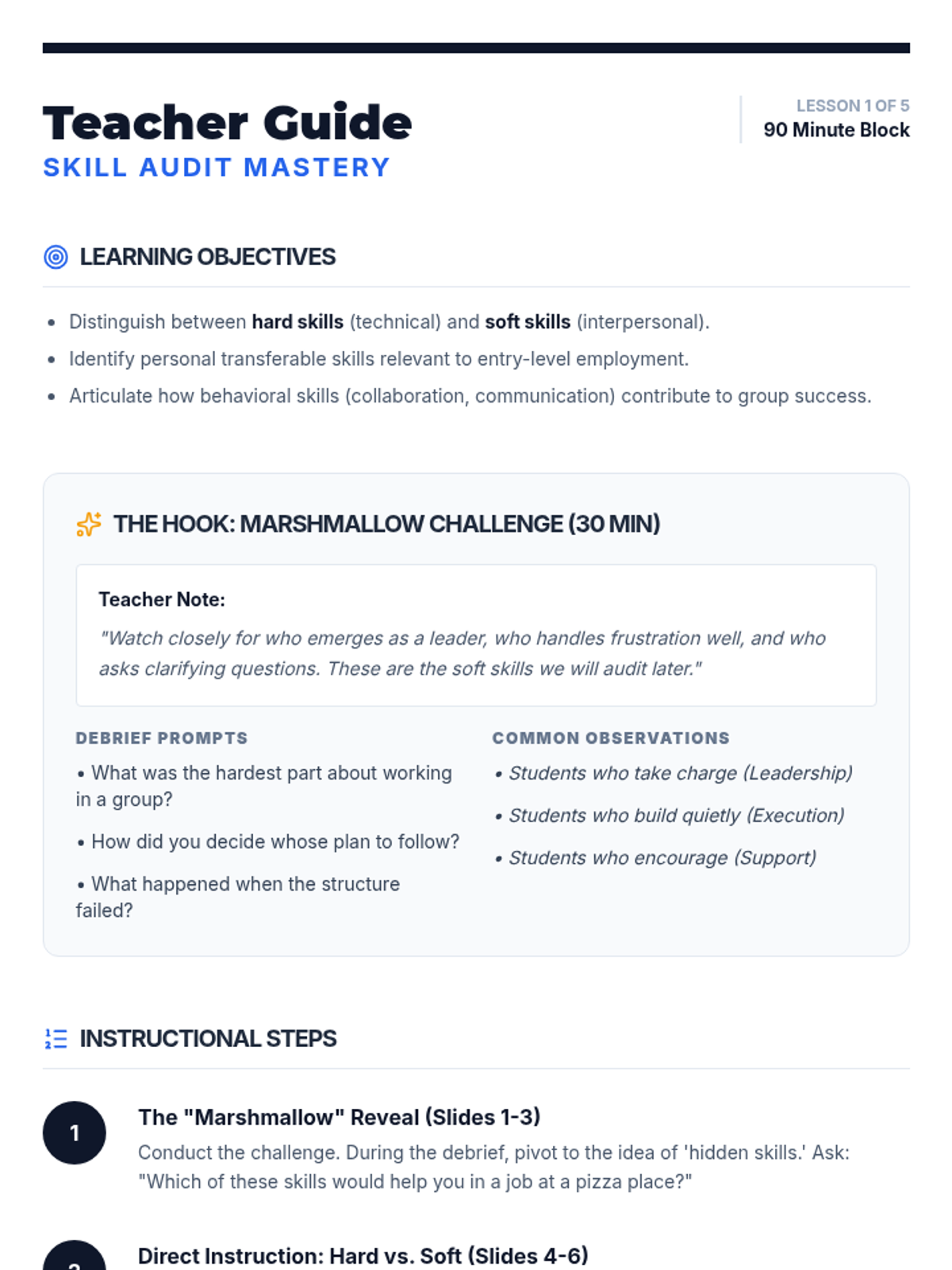
A comprehensive sequence designed for 9th-grade transition students to master the job acquisition cycle. Students progress from identifying soft skills to mastering resumes, applications, and interviews, with a heavy focus on the social 'hidden curriculum' of the workplace.
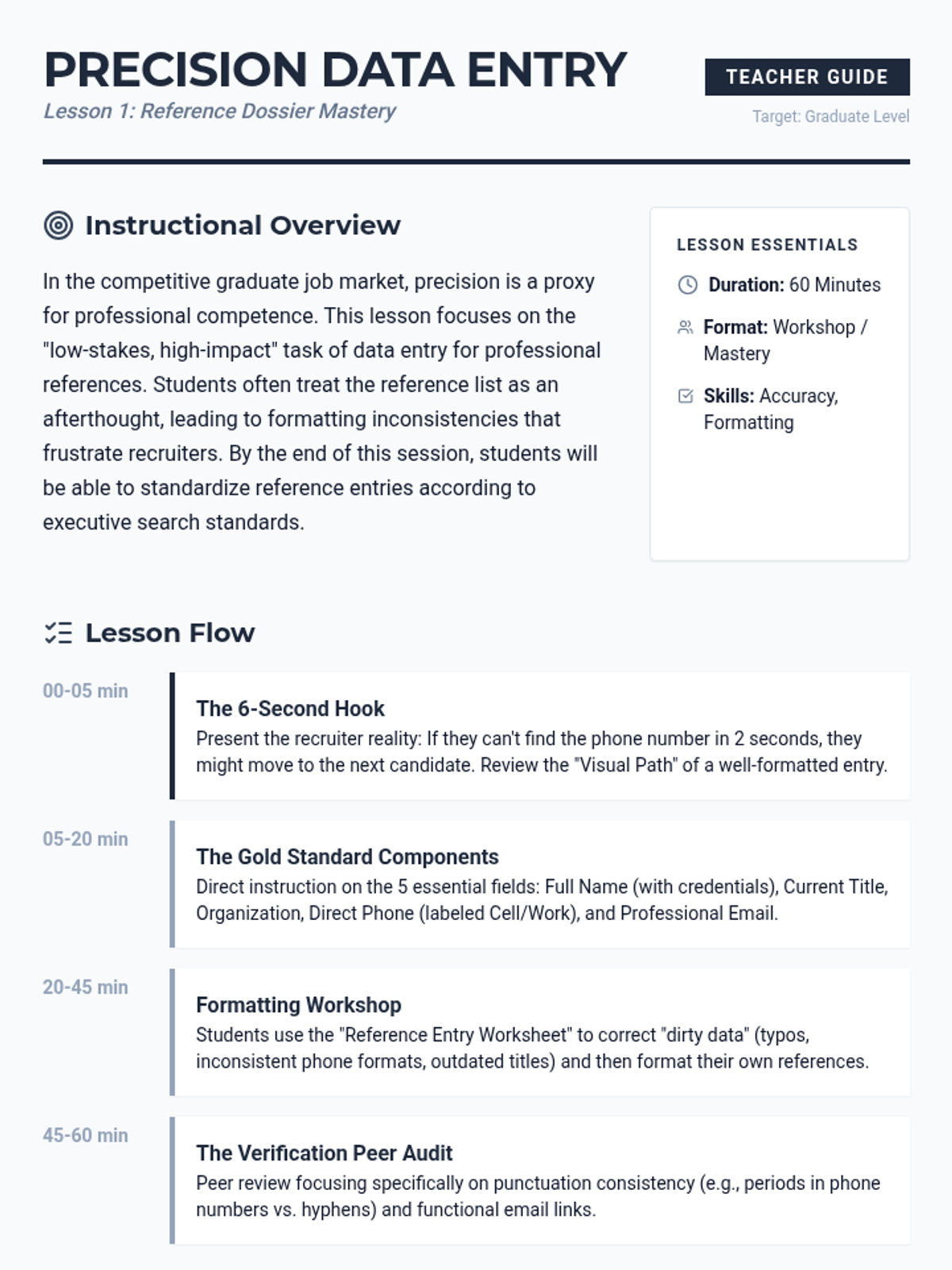
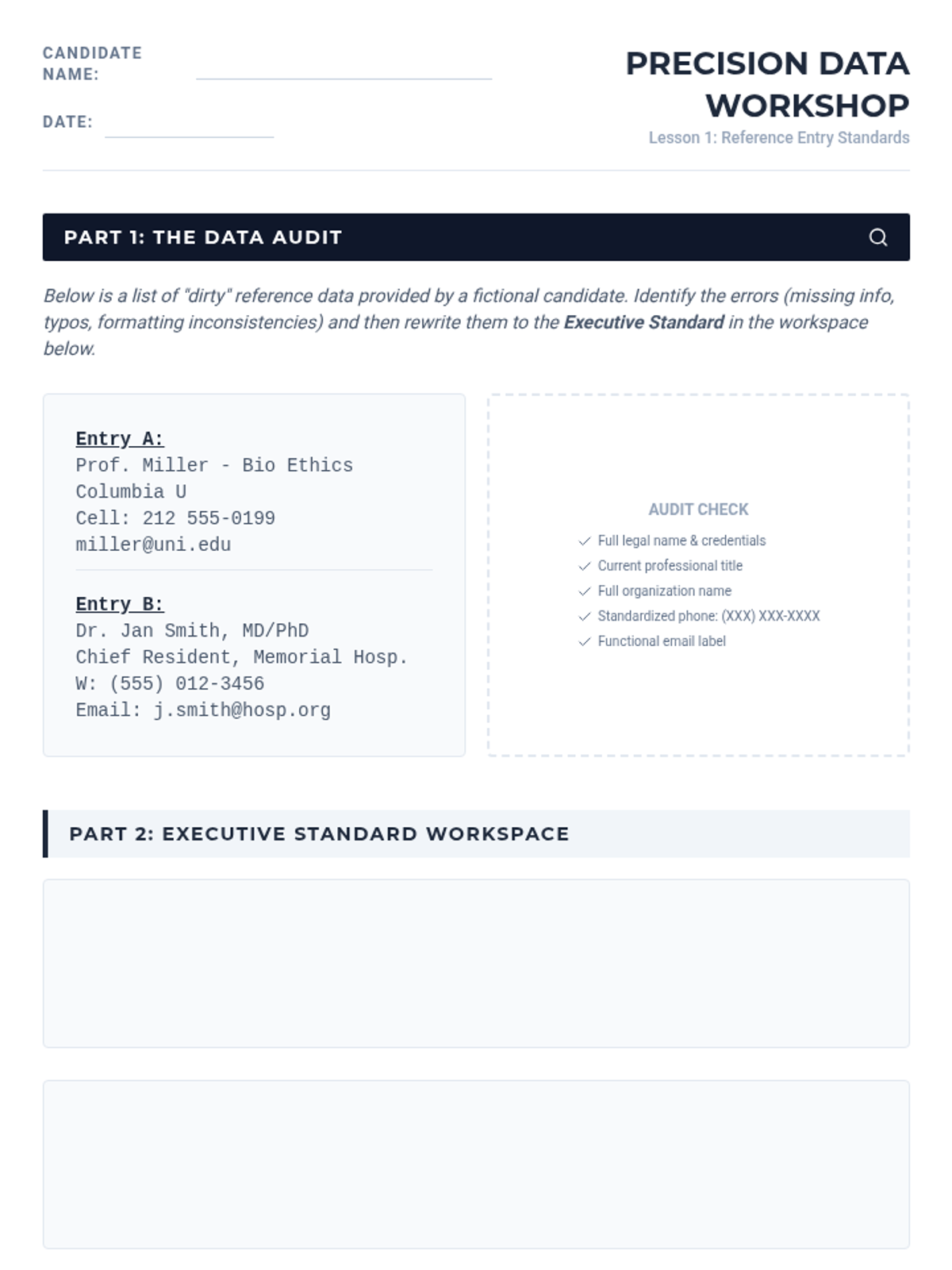
A comprehensive workshop series for graduate students on formatting, presenting, and securing professional reference dossiers. This sequence moves from basic data accuracy to advanced personal branding and digital reputation management.
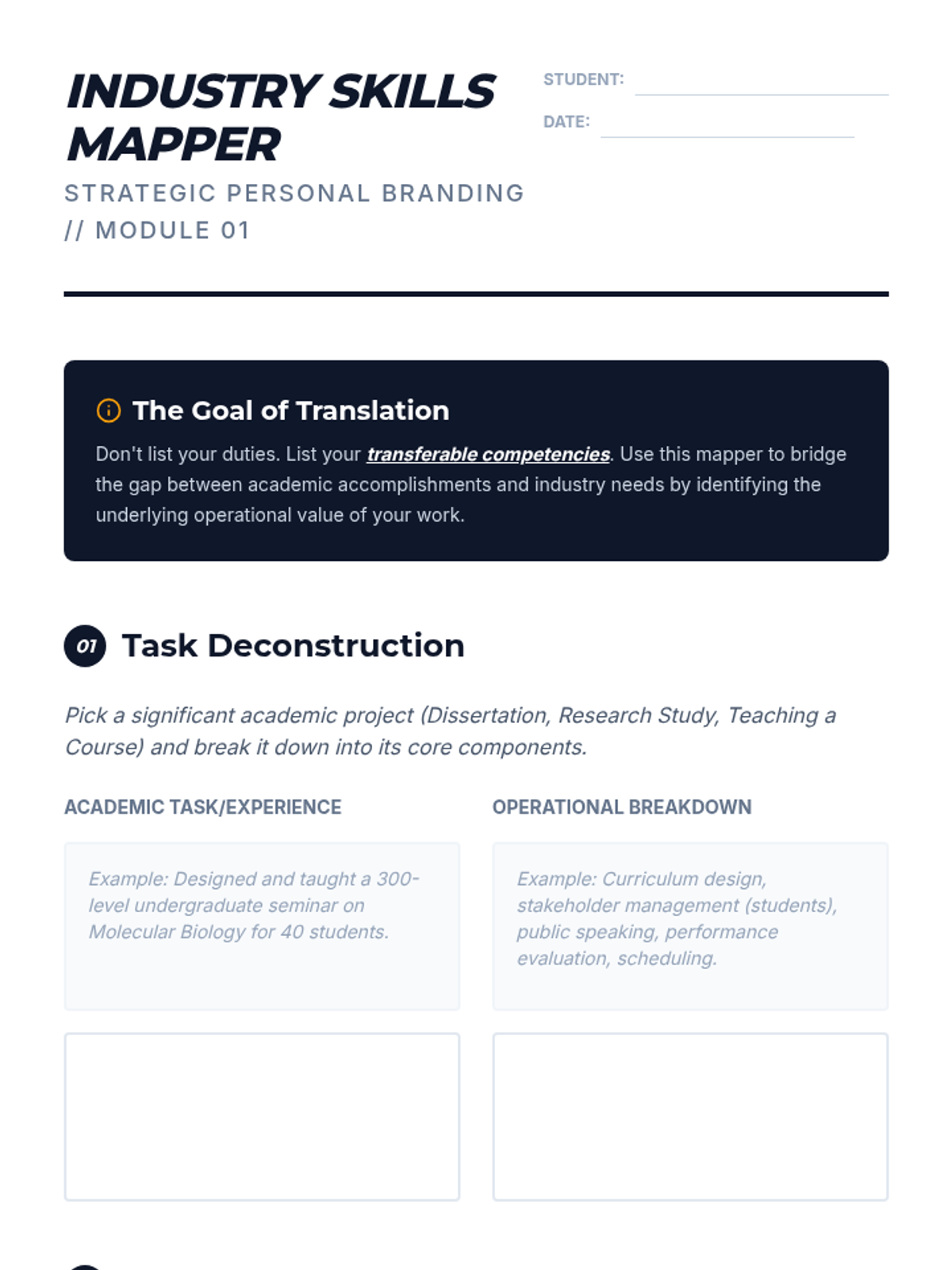
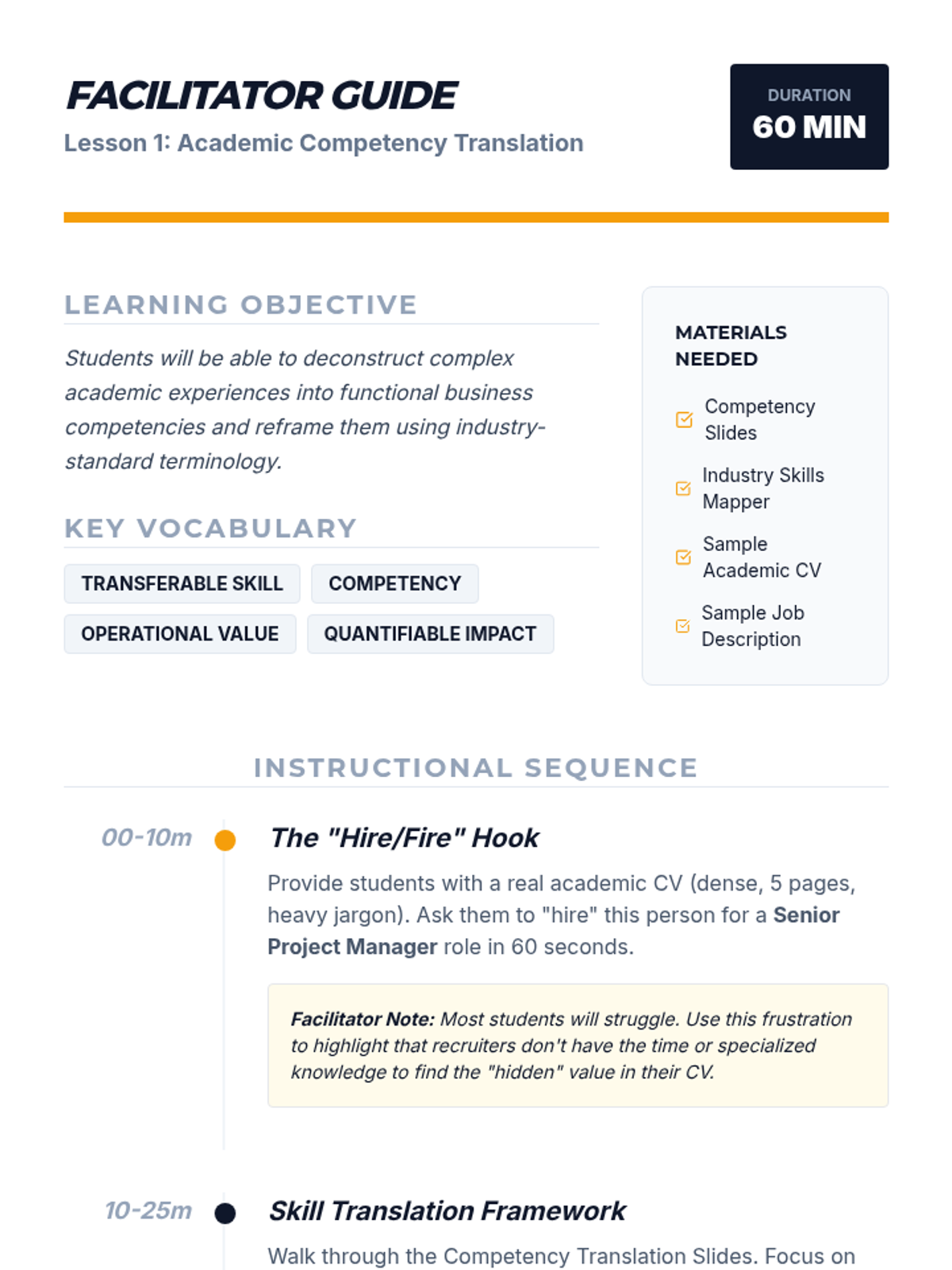
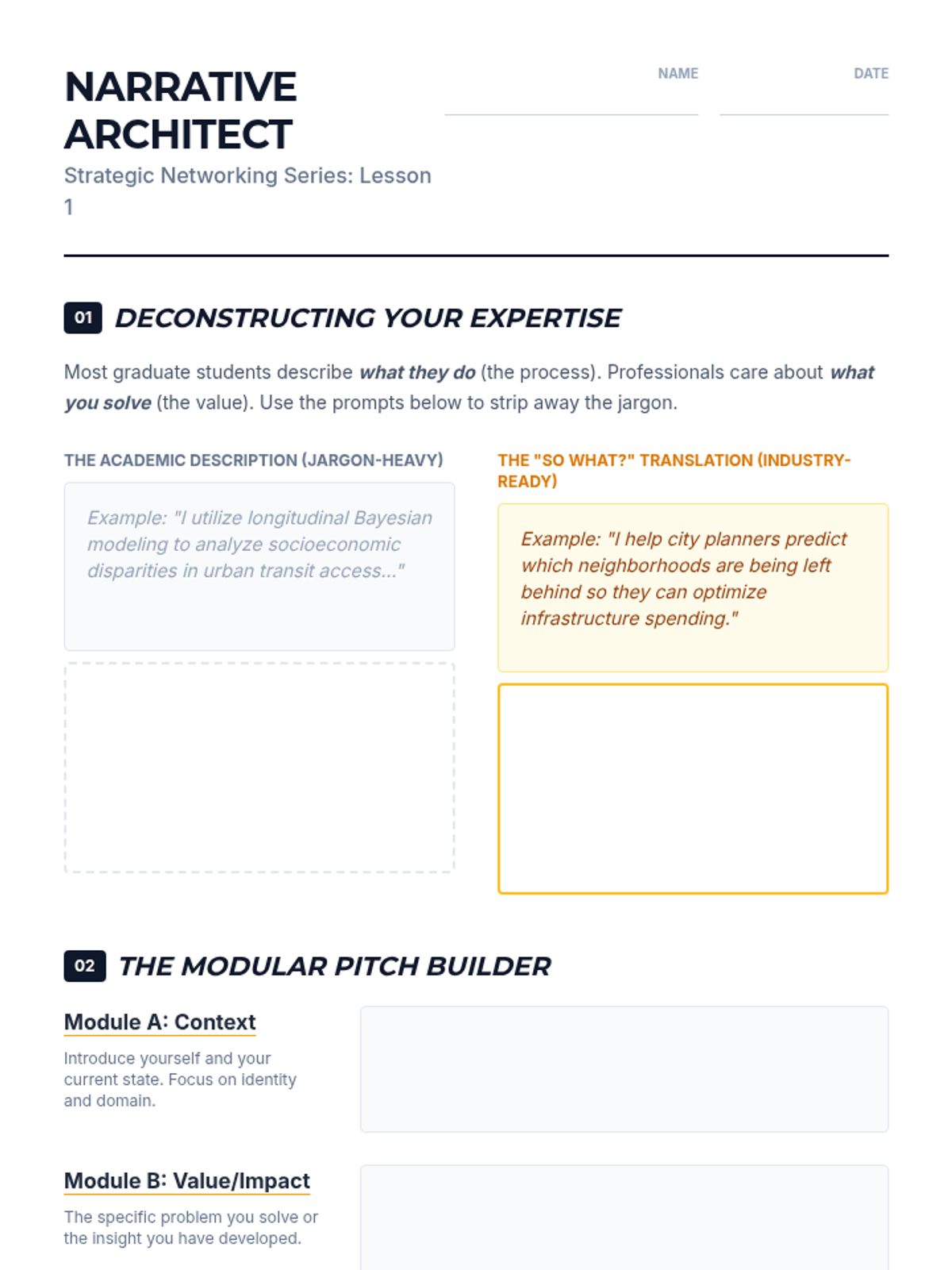
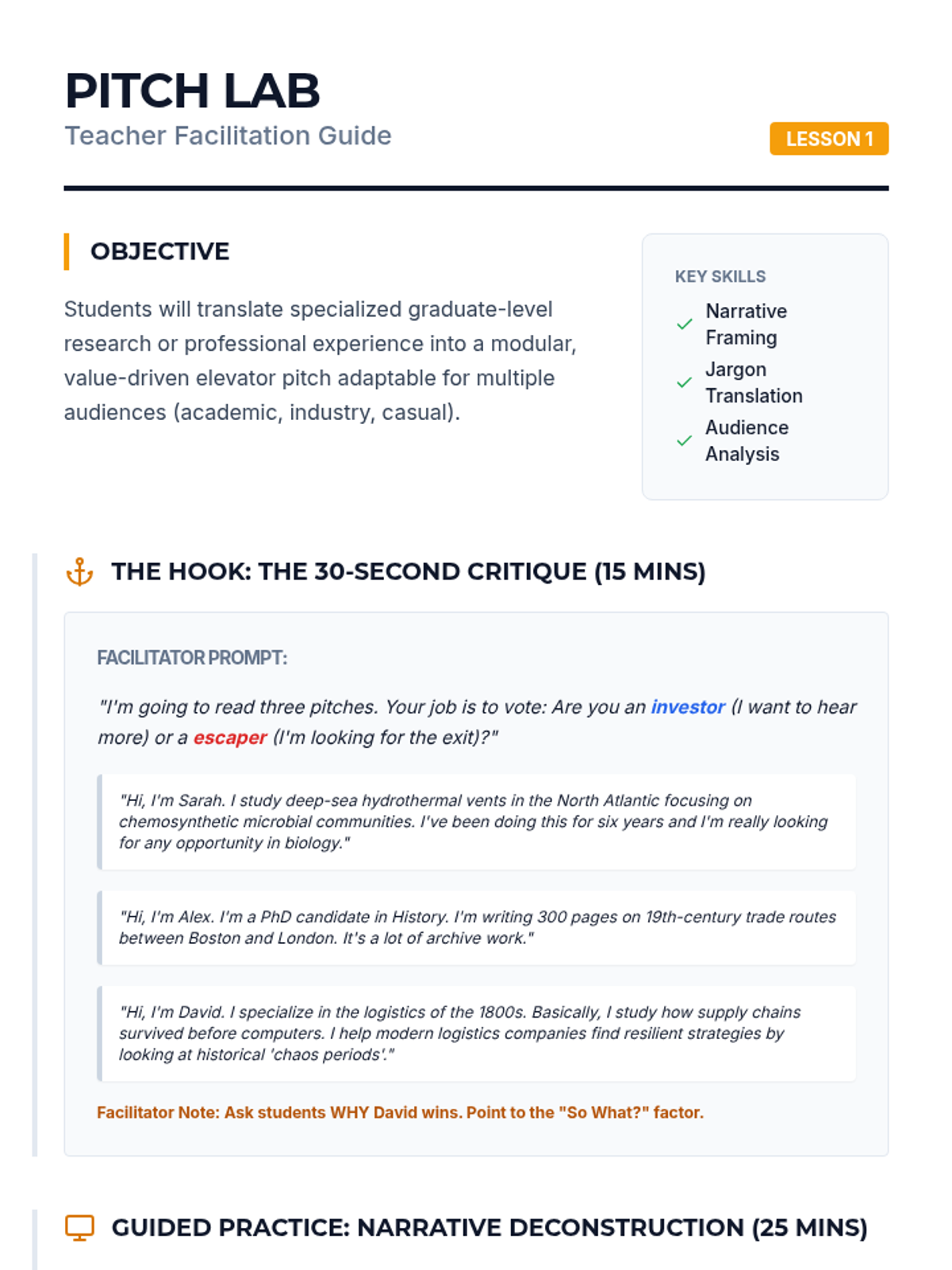
A comprehensive career development sequence for graduate students to translate academic expertise into industry-relevant value. Students master skill mapping, resume architecture, personal branding, and high-level interview strategies.
A graduate-level sequence that treats the job search as a strategic marketing exercise. Students learn to perform deep textual analysis of job descriptions to uncover employer pain points and align their professional experience through competency mapping, tailored summaries, and evidence-based bullet points.
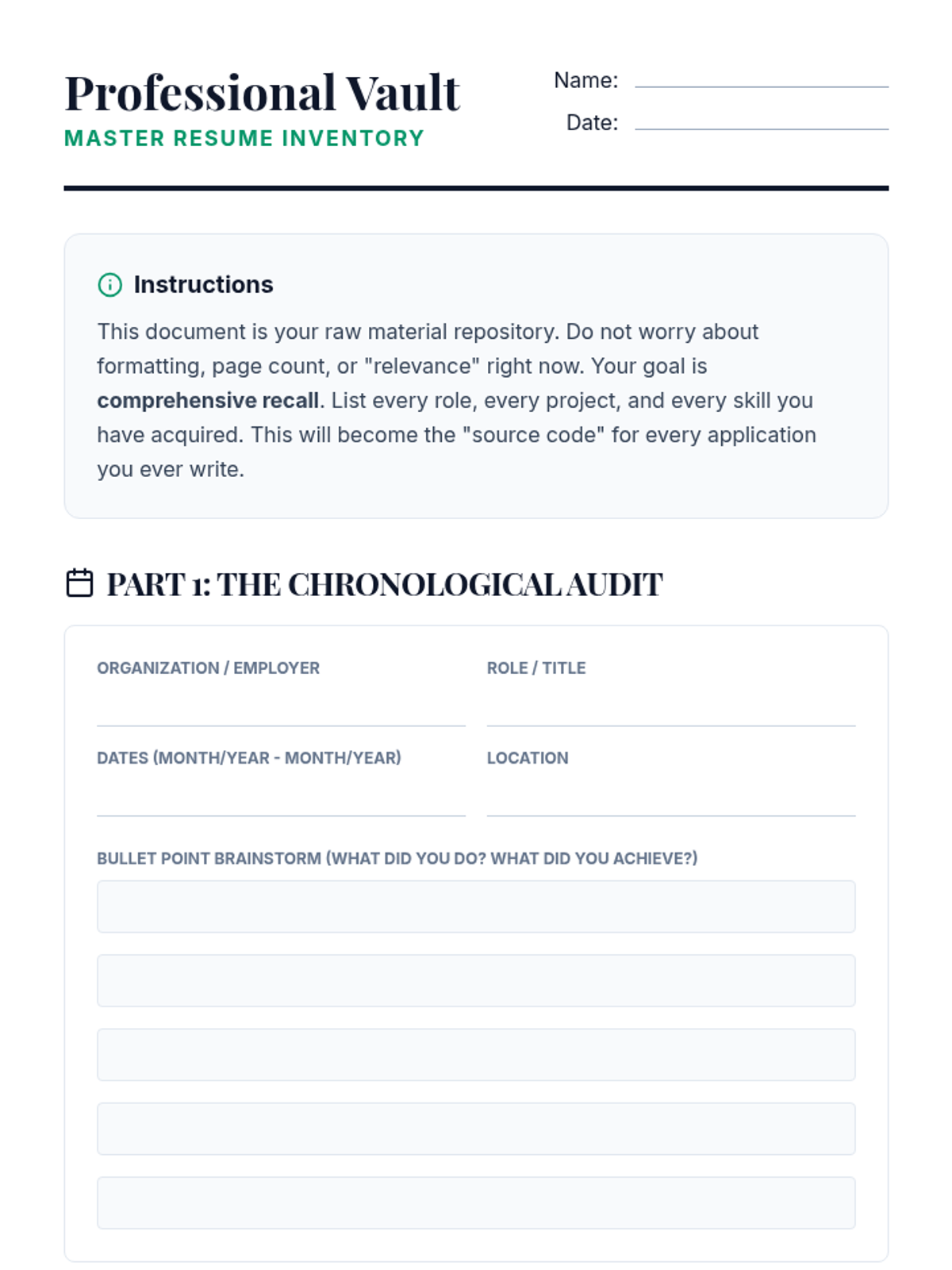
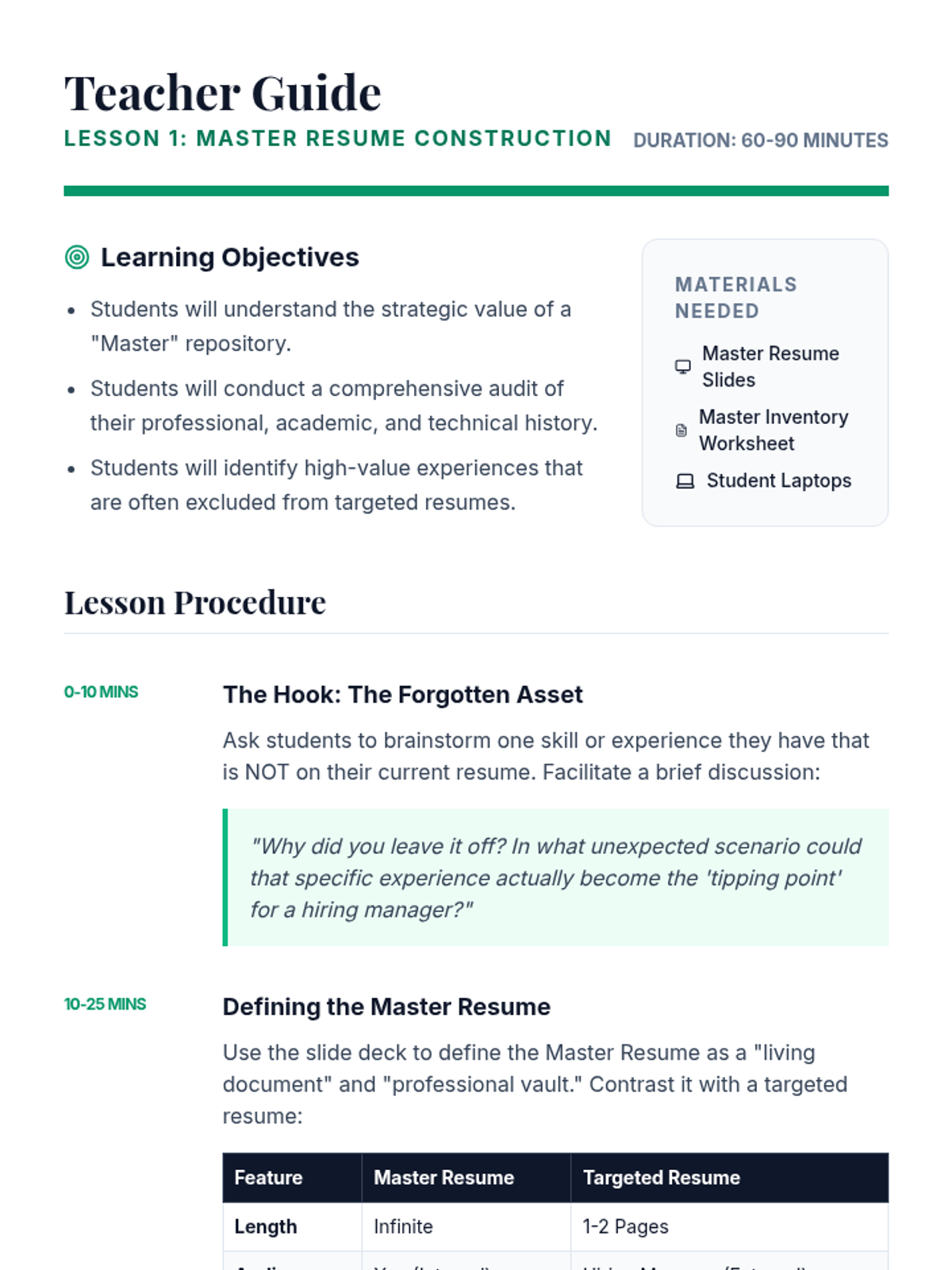
A comprehensive workshop sequence for graduate students focusing on building a Master Resume and developing a rapid customization workflow for diverse job opportunities. Students move from comprehensive data collection to strategic, targeted output.
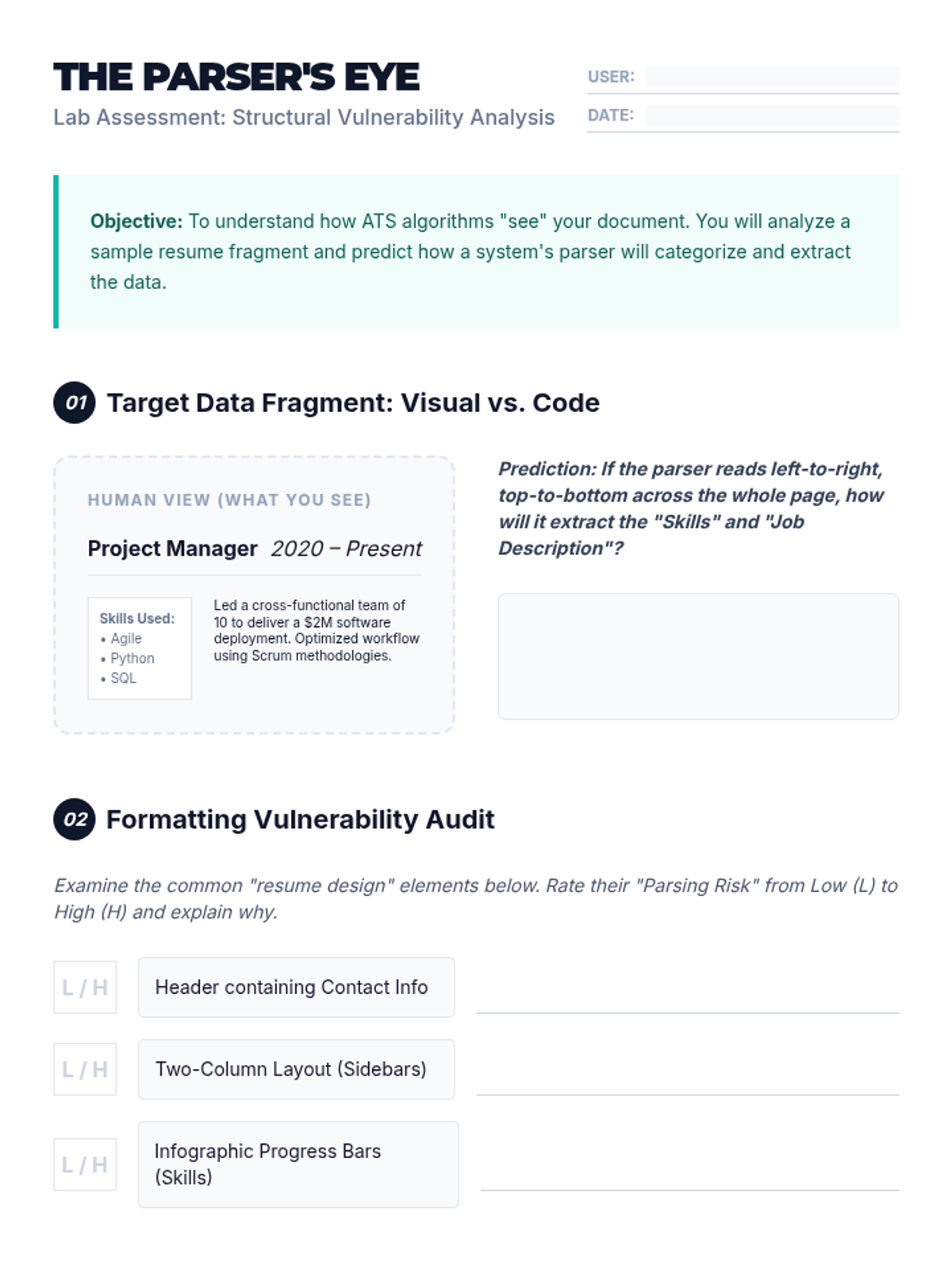
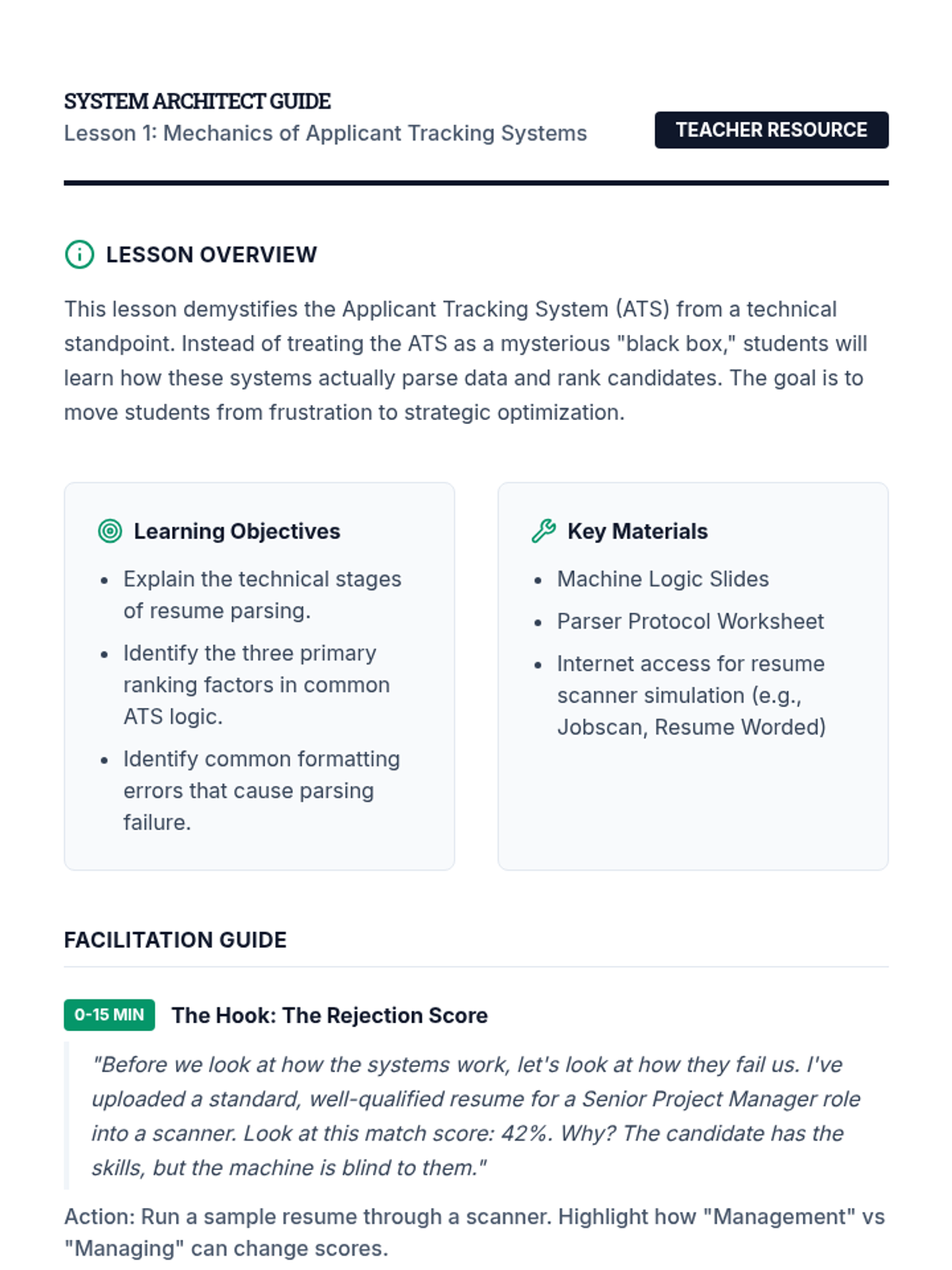
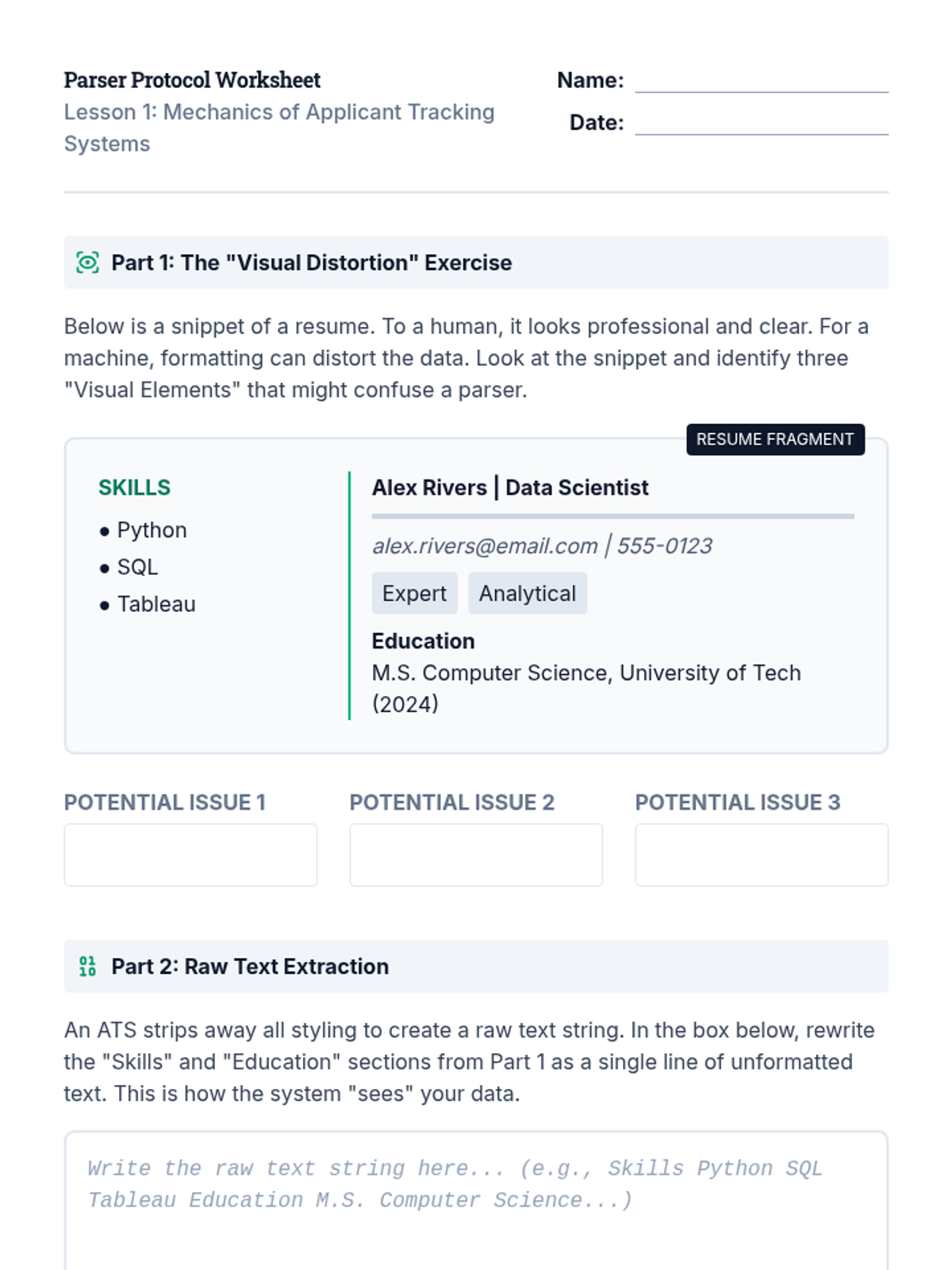
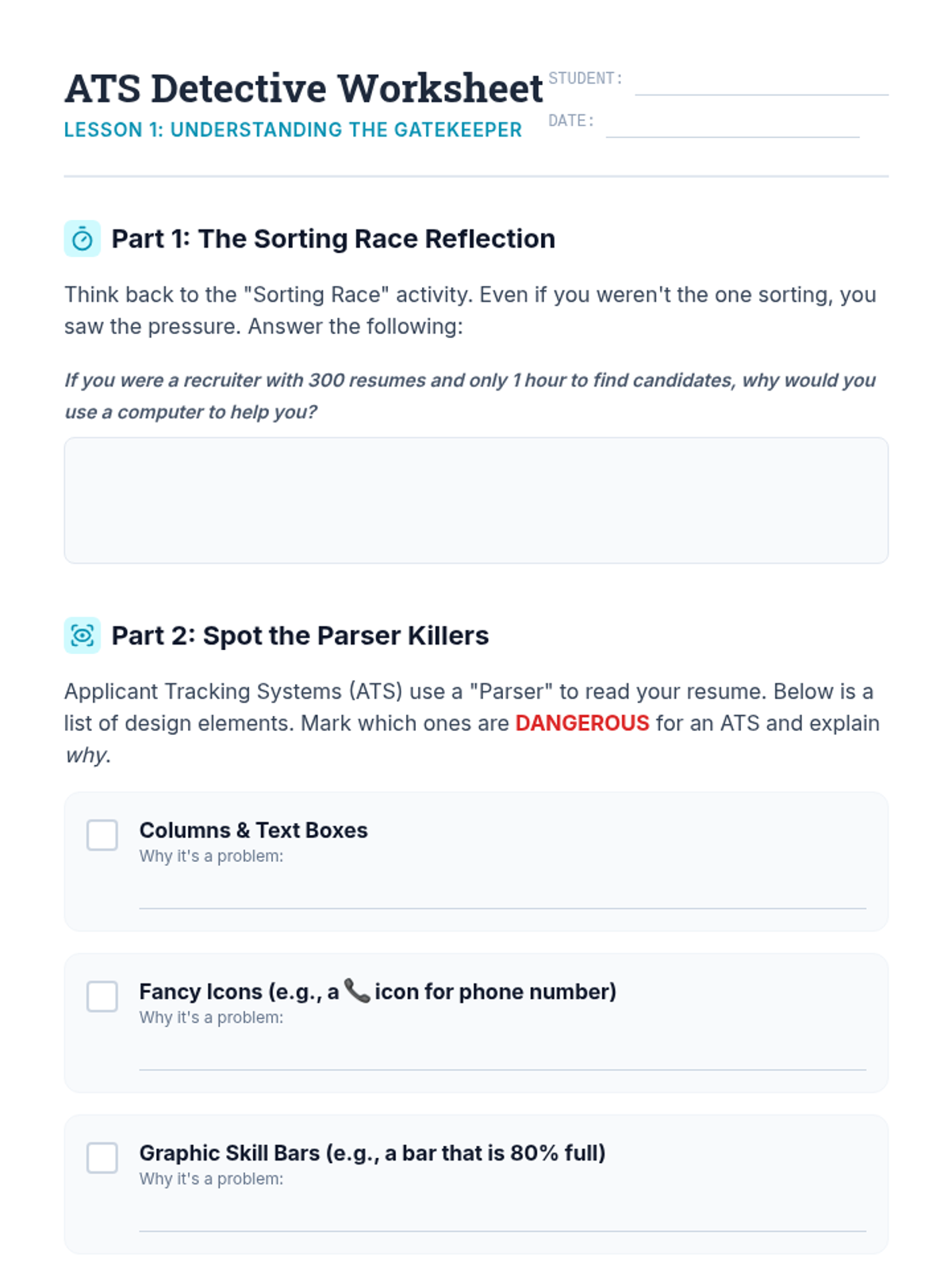
A comprehensive sequence for graduate students to master resume optimization for Applicant Tracking Systems (ATS). Students move from understanding the mechanics of parsing algorithms to identifying keywords, contextualizing skills, and formatting for maximum machine readability and human impact.
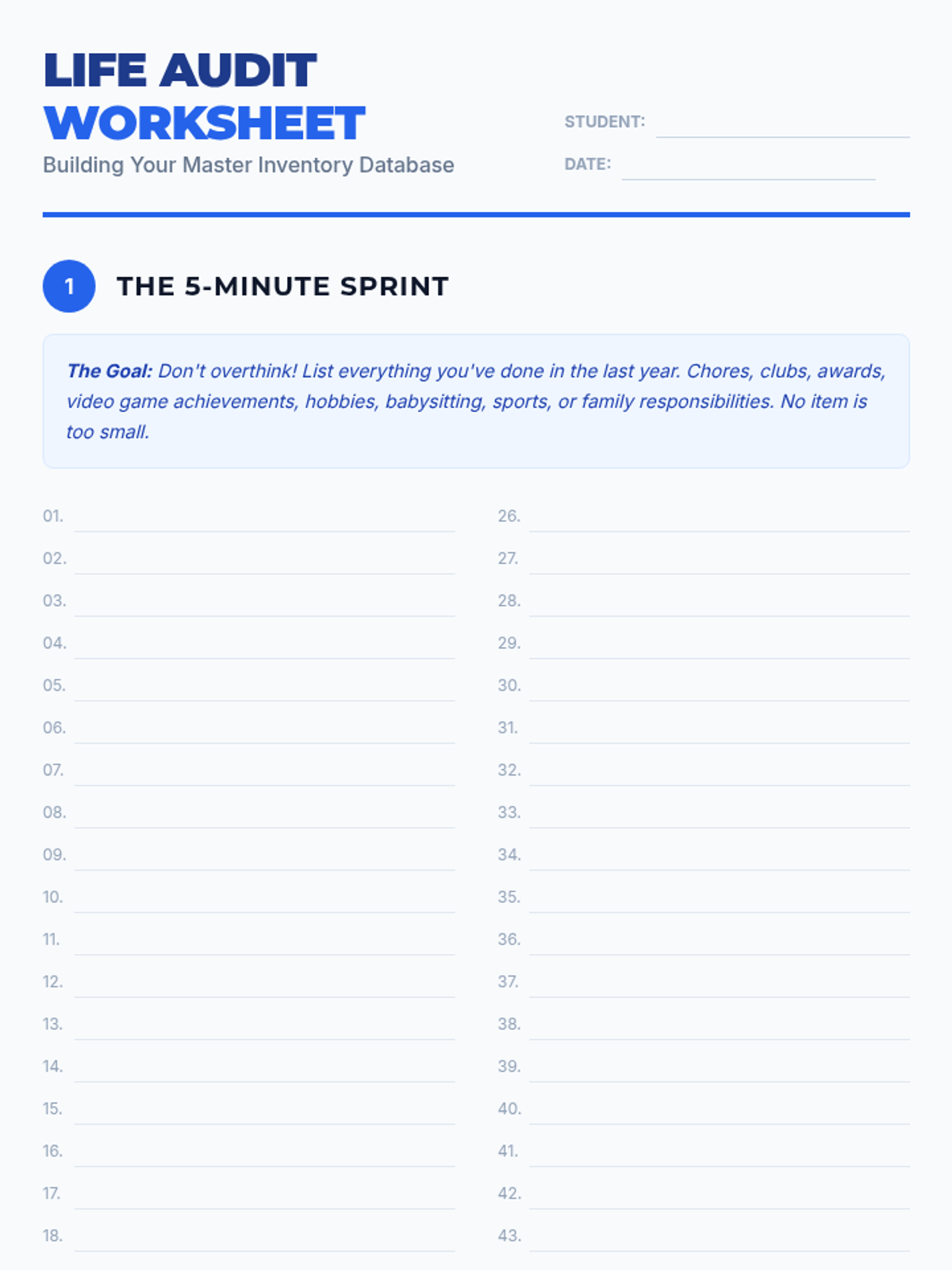
A project-based sequence where 9th-grade students learn the art of resume tailoring. Students move from a 'Life Audit' to creating a Master Inventory, and then learn to curate and reframe their experiences for two distinct job roles.
This curriculum equips transition-age learners (18–22) with essential life and work skills needed for independence and community engagement, covering daily living, financial literacy, job readiness, and more.
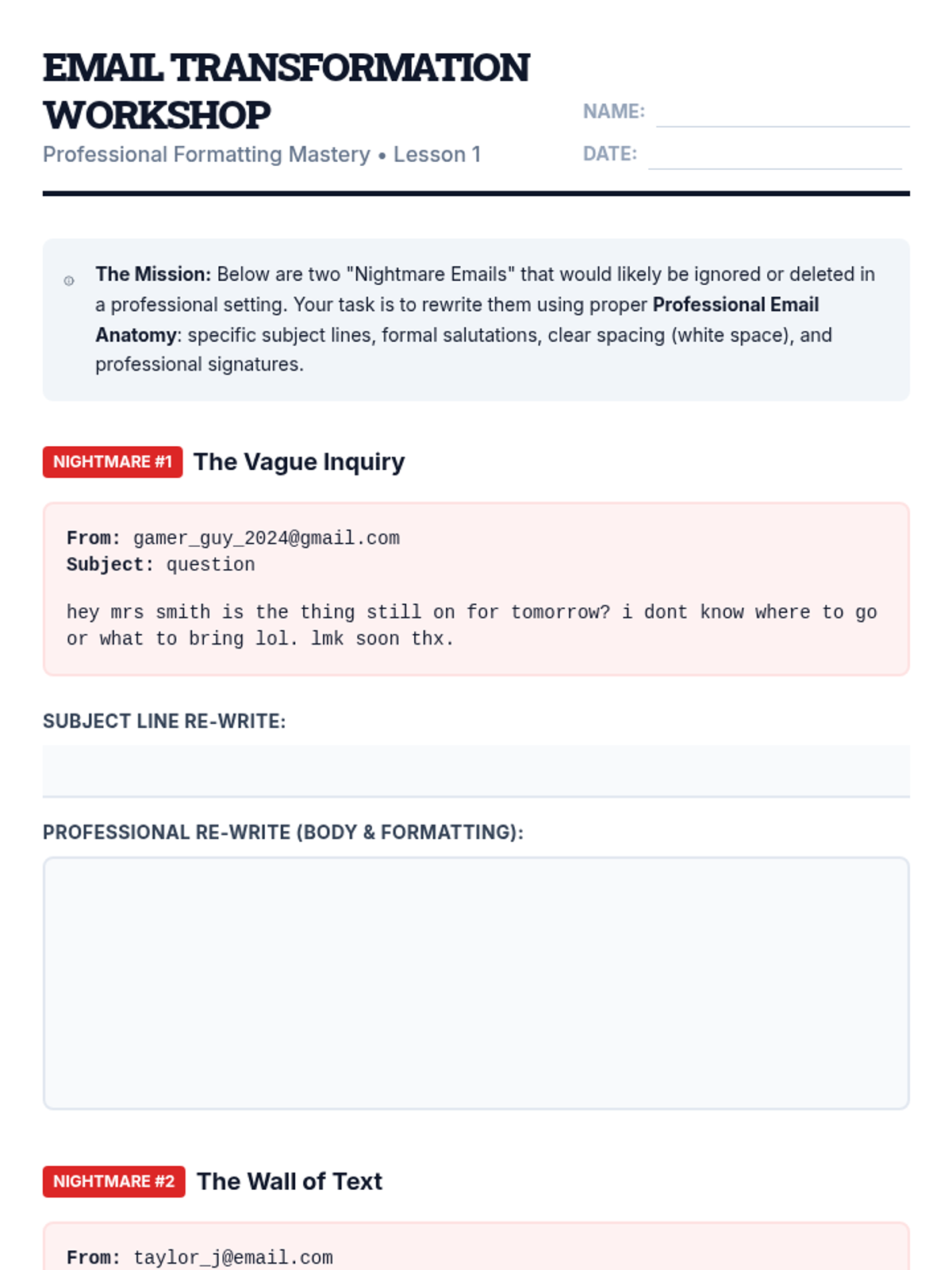
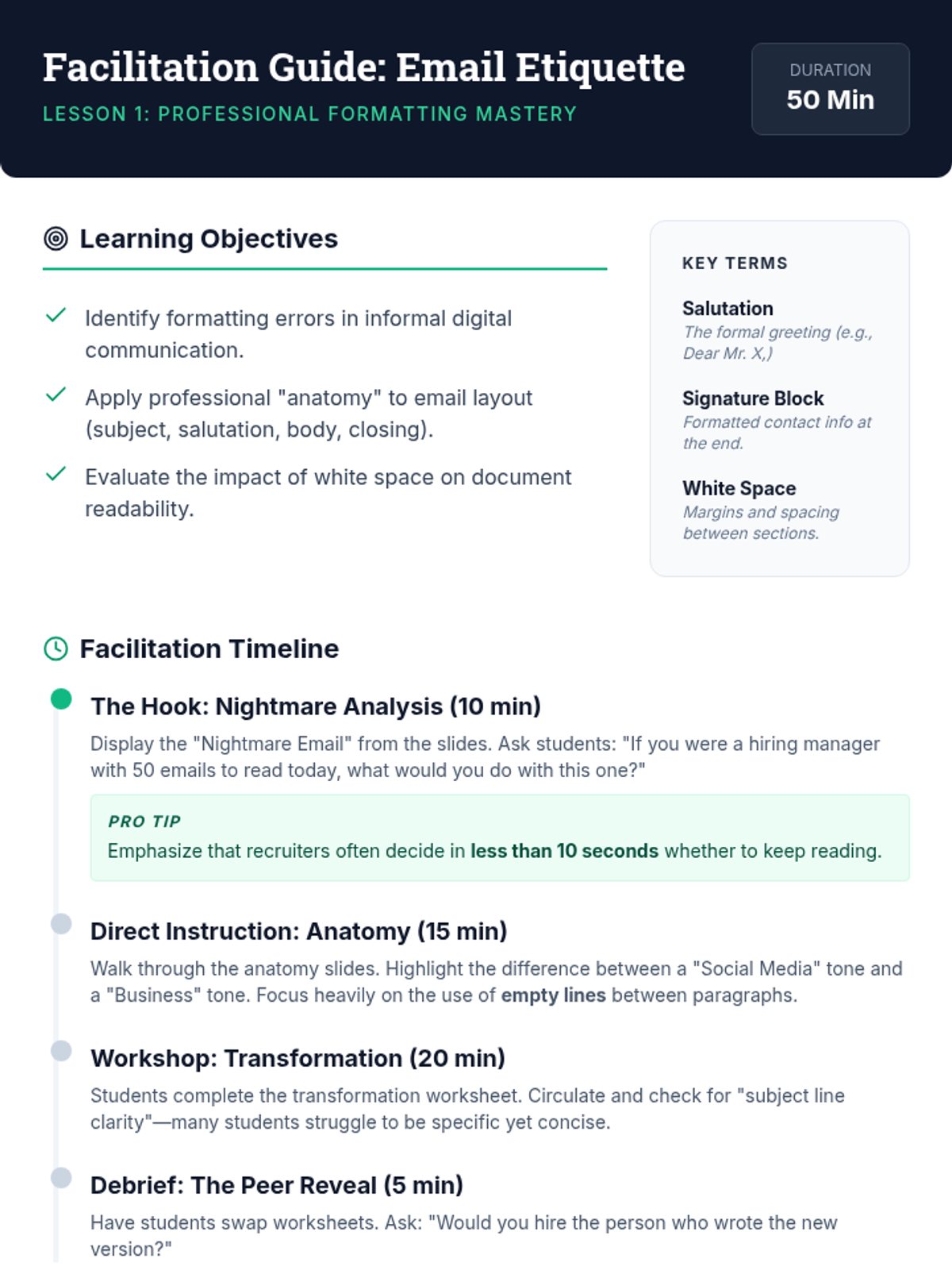
This sequence immerses students in the rigorous demands of professional communication, focusing on how formatting influences credibility. Students analyze poorly formatted business documents to identify failures in communication, then progressively build skills in structuring emails, memos, and resumes.
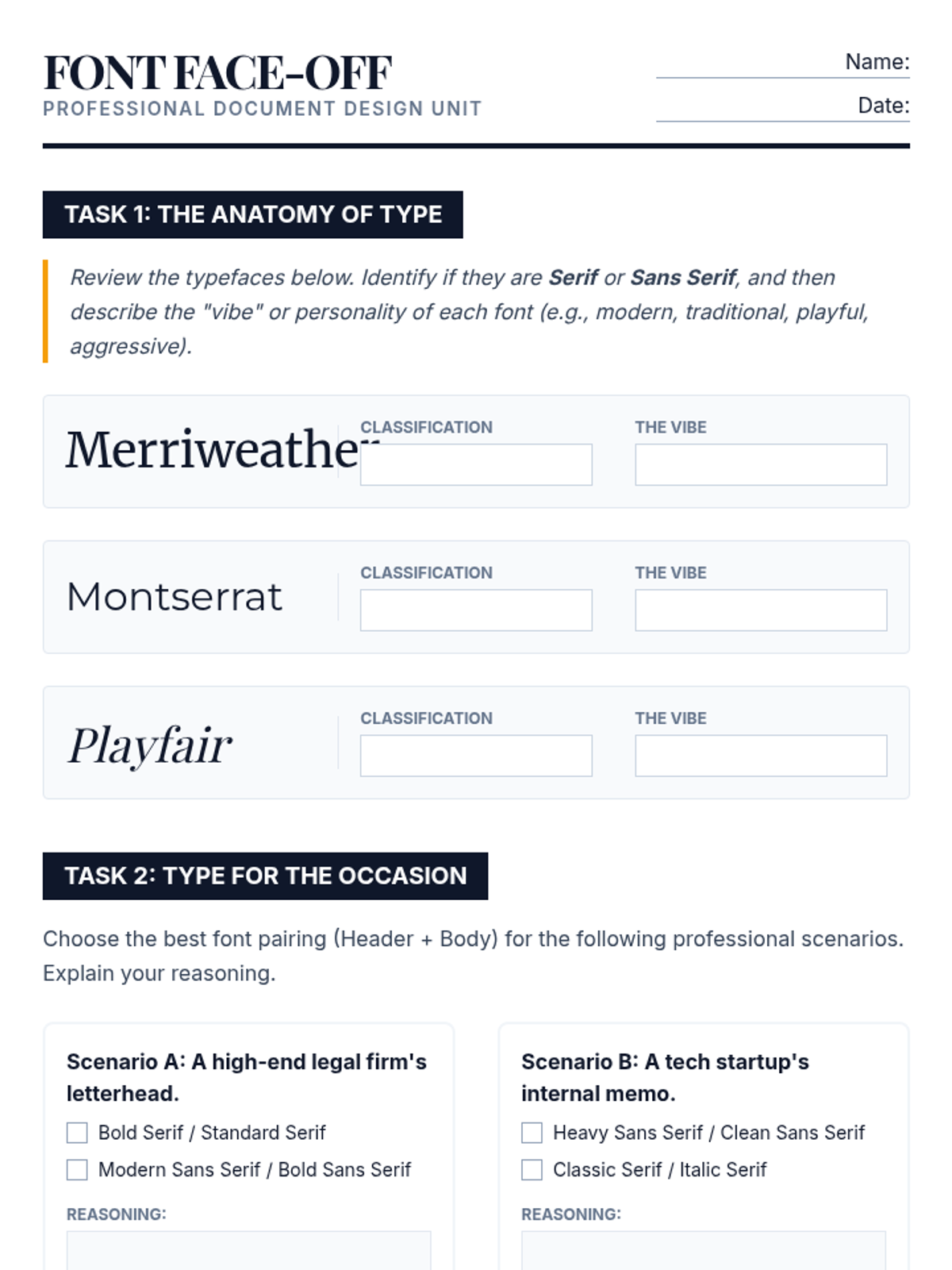
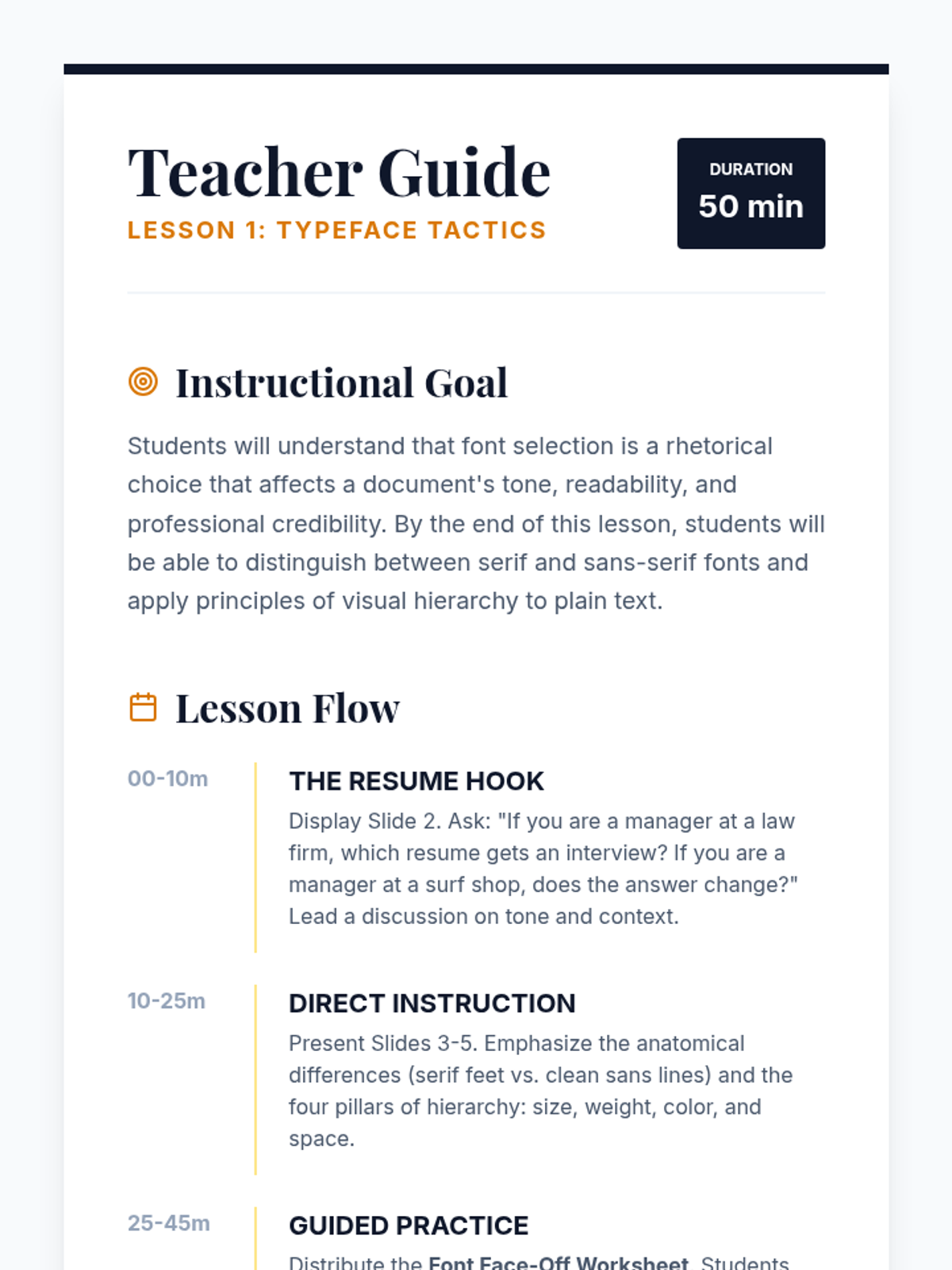
This sequence transitions students from standard essay formatting to the visual demands of professional documents. Students explore how layout, font selection, and spacing influence the readability and credibility of business communications. Through the creation of resumes and formal letters, they apply strict conventions regarding margins, alignment, and hierarchy.
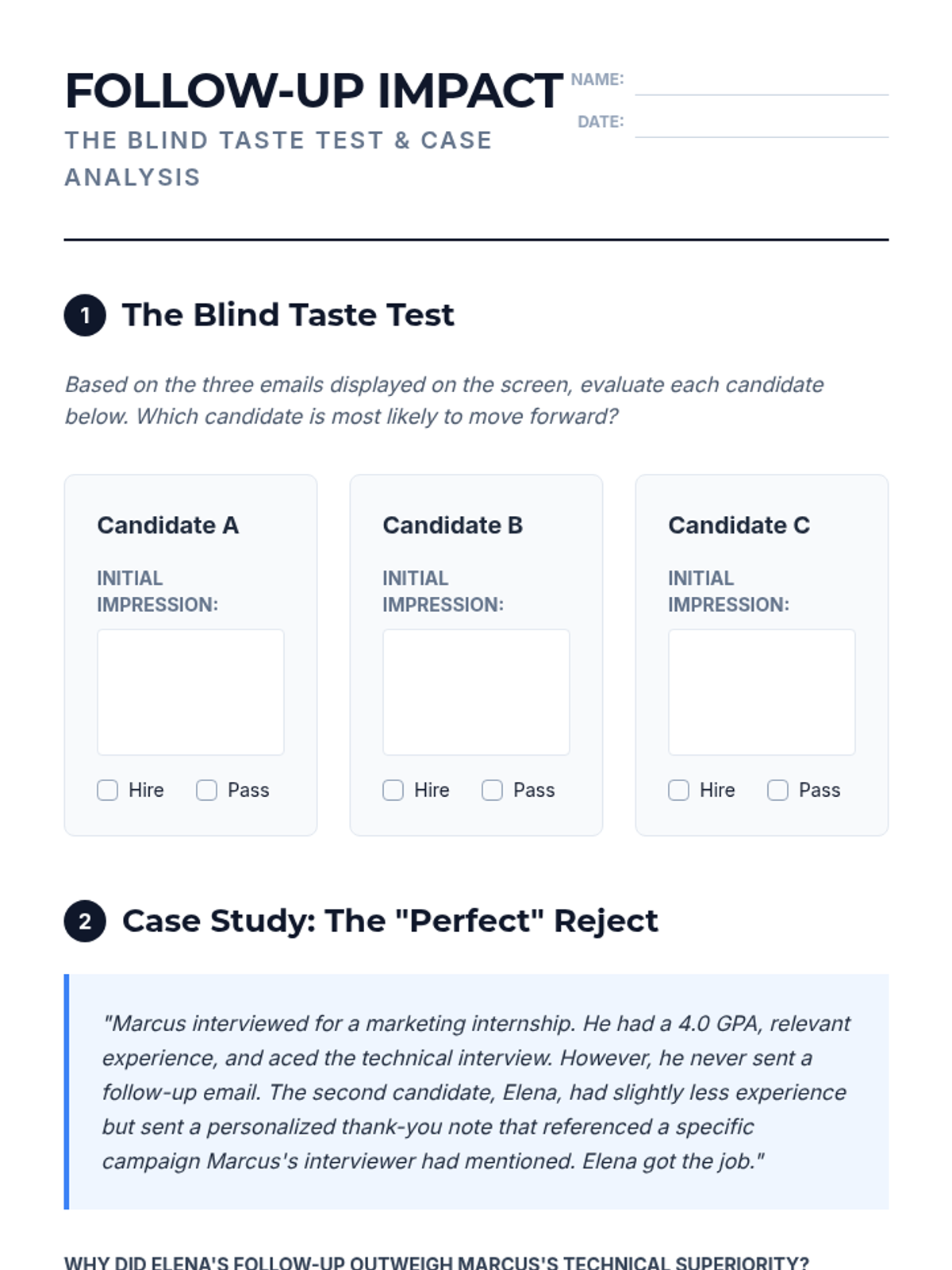
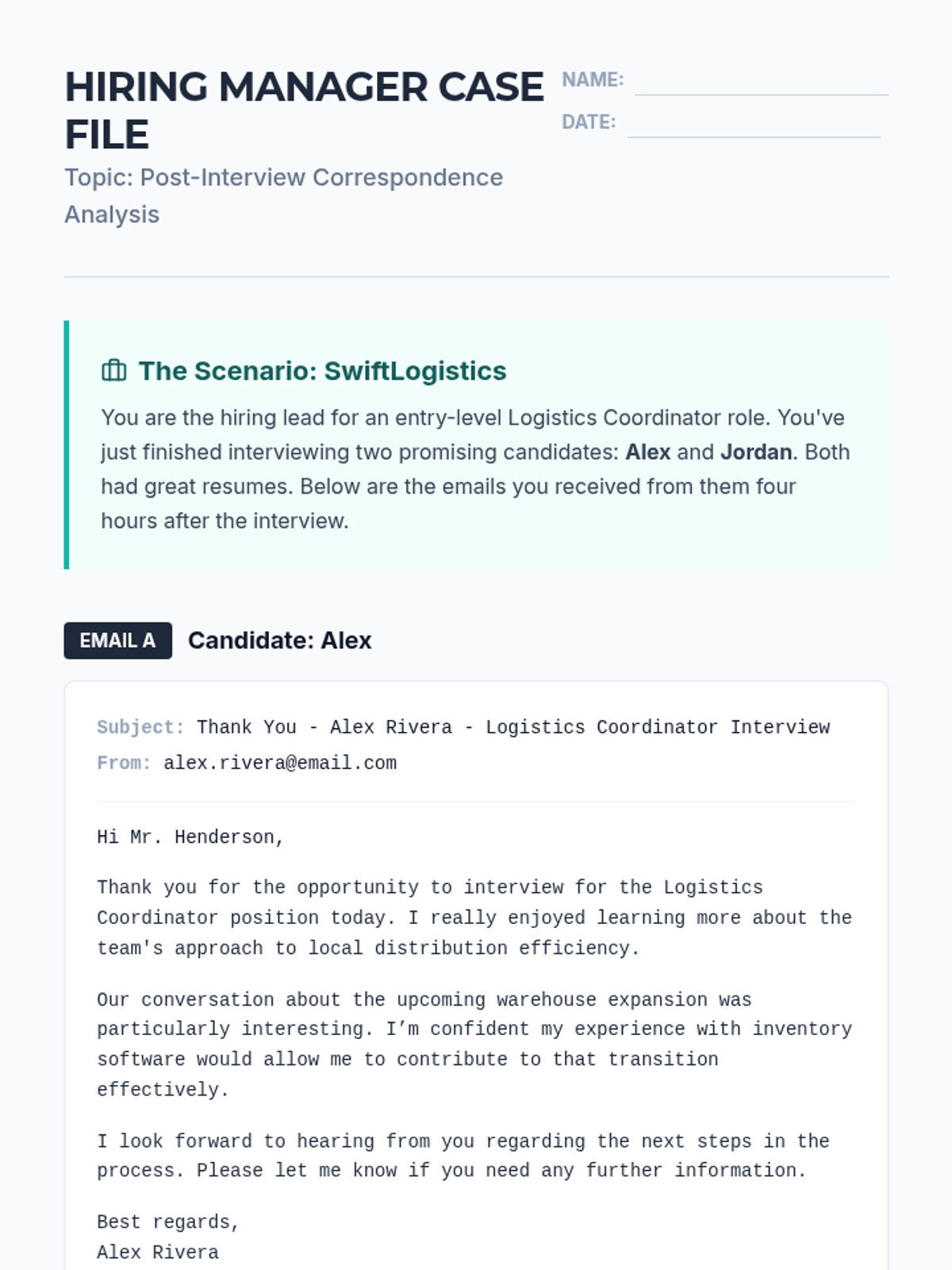
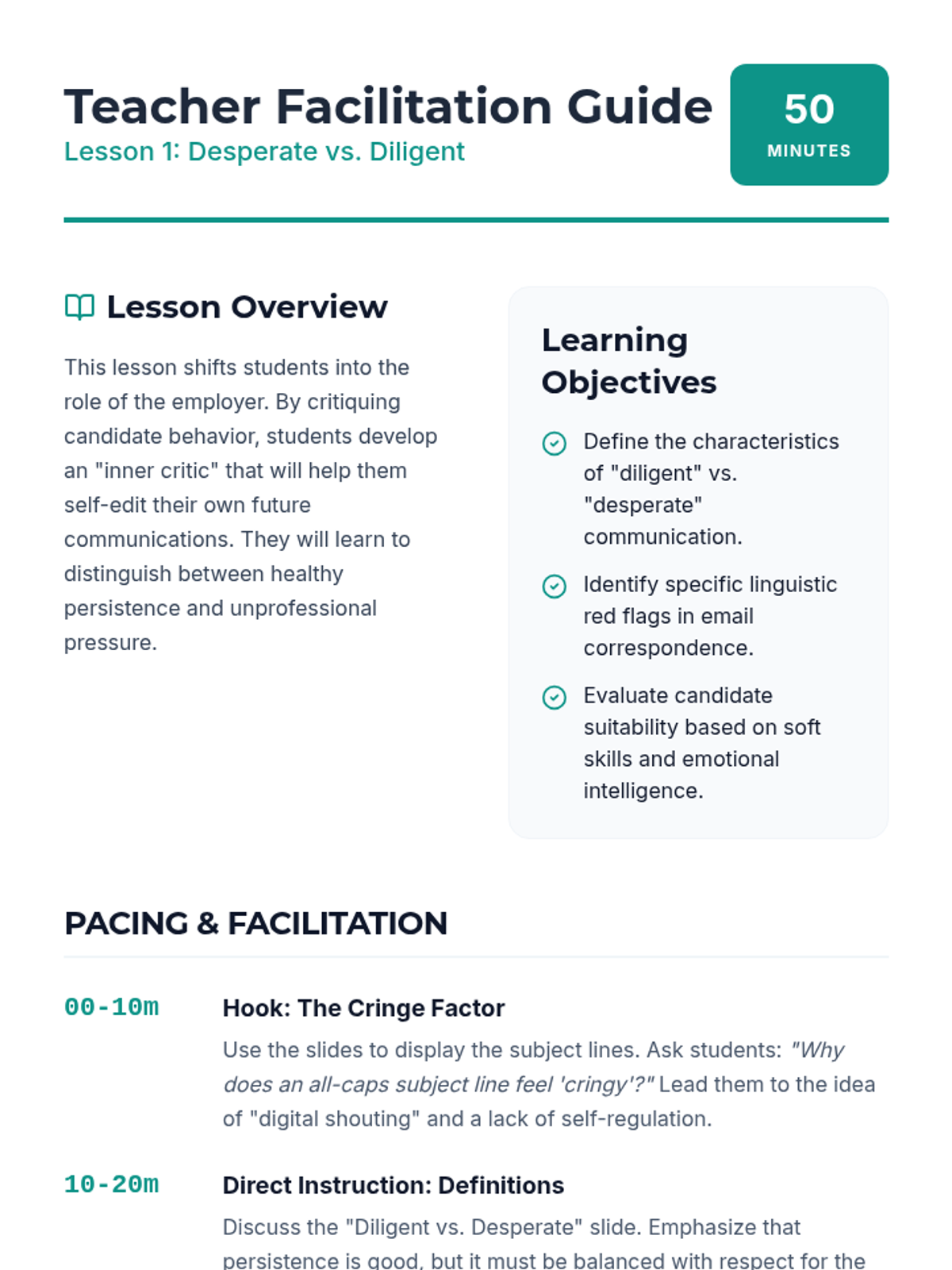
A case-study-driven unit where students act as hiring managers to analyze the nuances of post-interview follow-up communication, focusing on professional tone, attention to detail, and strategic value-adds.
This advanced sequence guides graduate students through the strategic development of a professional network essential for accessing the hidden job market. Students move from refining their personal narrative and value proposition to tactical digital mapping, effective outreach, informational interviewing, and long-term relationship stewardship.
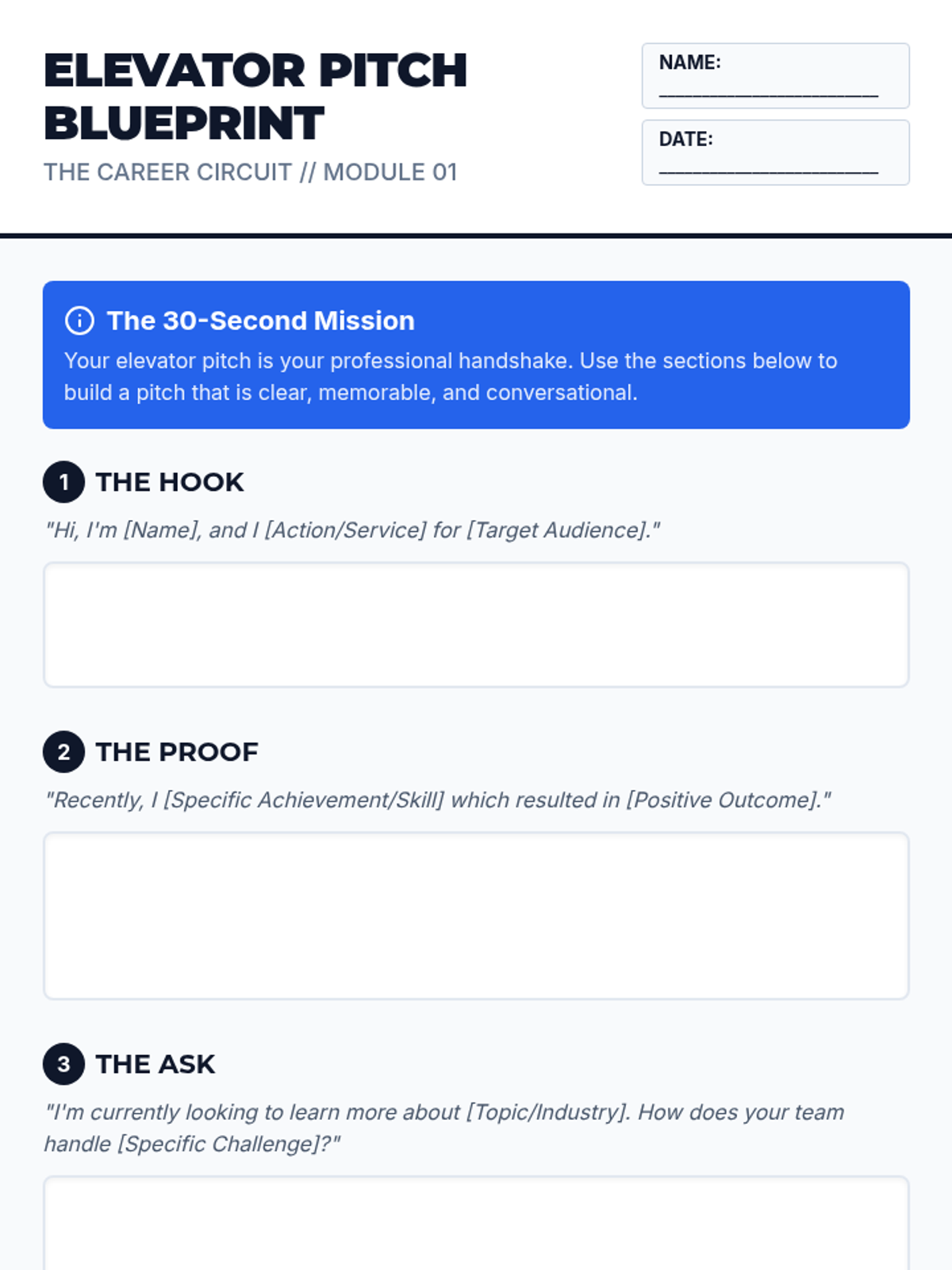
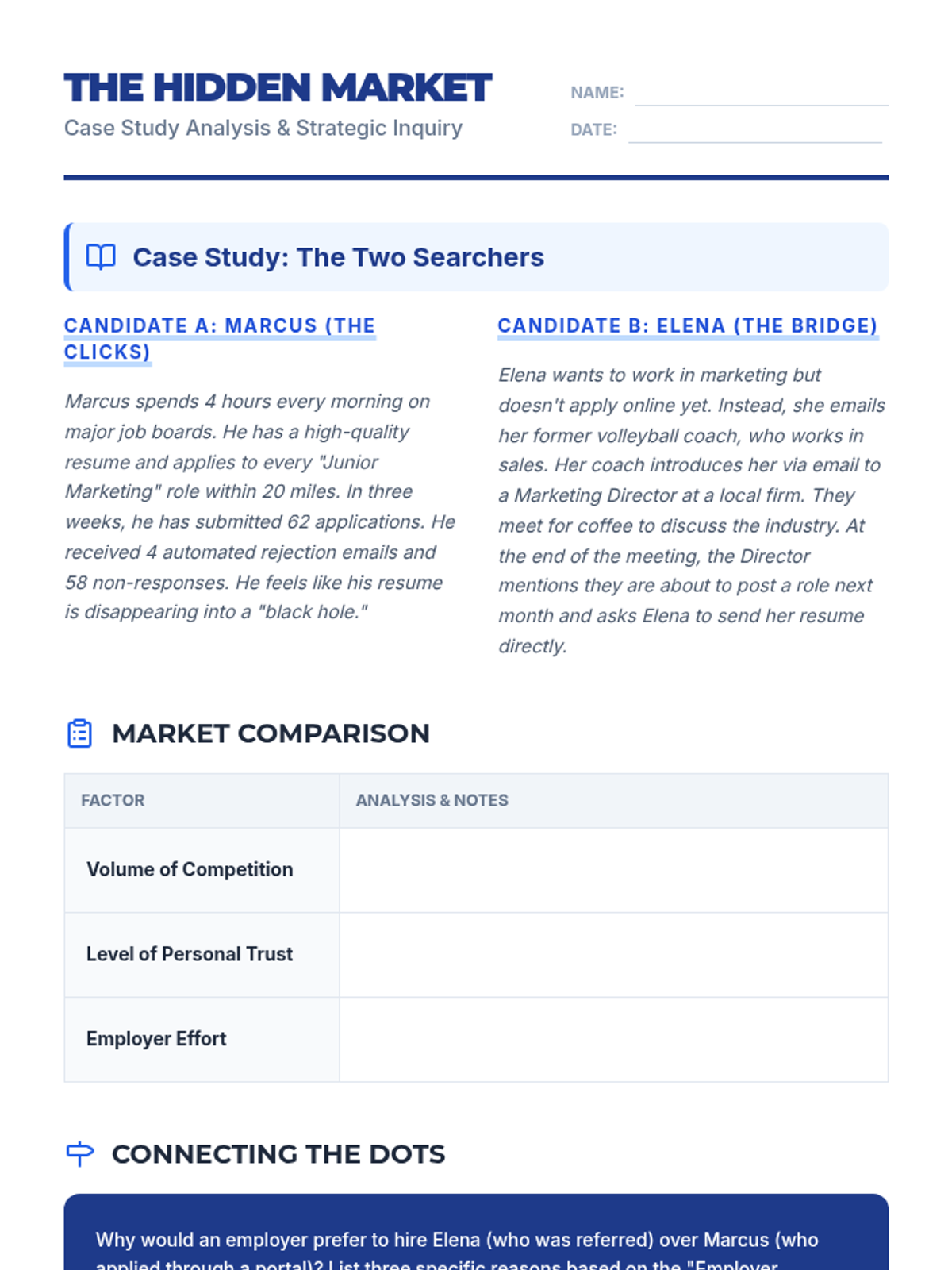
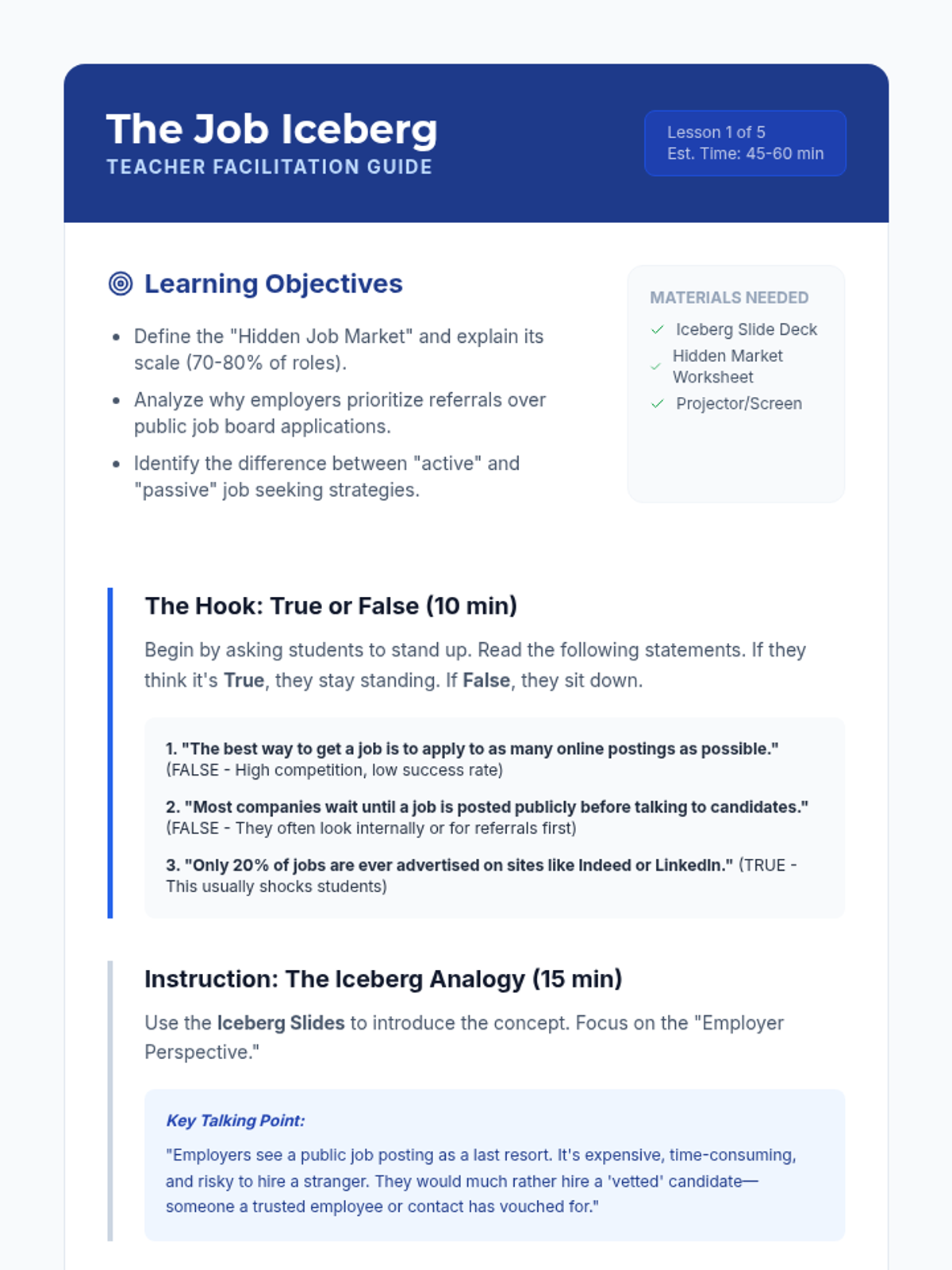
This sequence explores the 'hidden job market' where up to 80% of roles are filled through networking. Students will develop social capital, craft elevator pitches, map their personal connections, and learn the etiquette of informational interviews and professional follow-up.
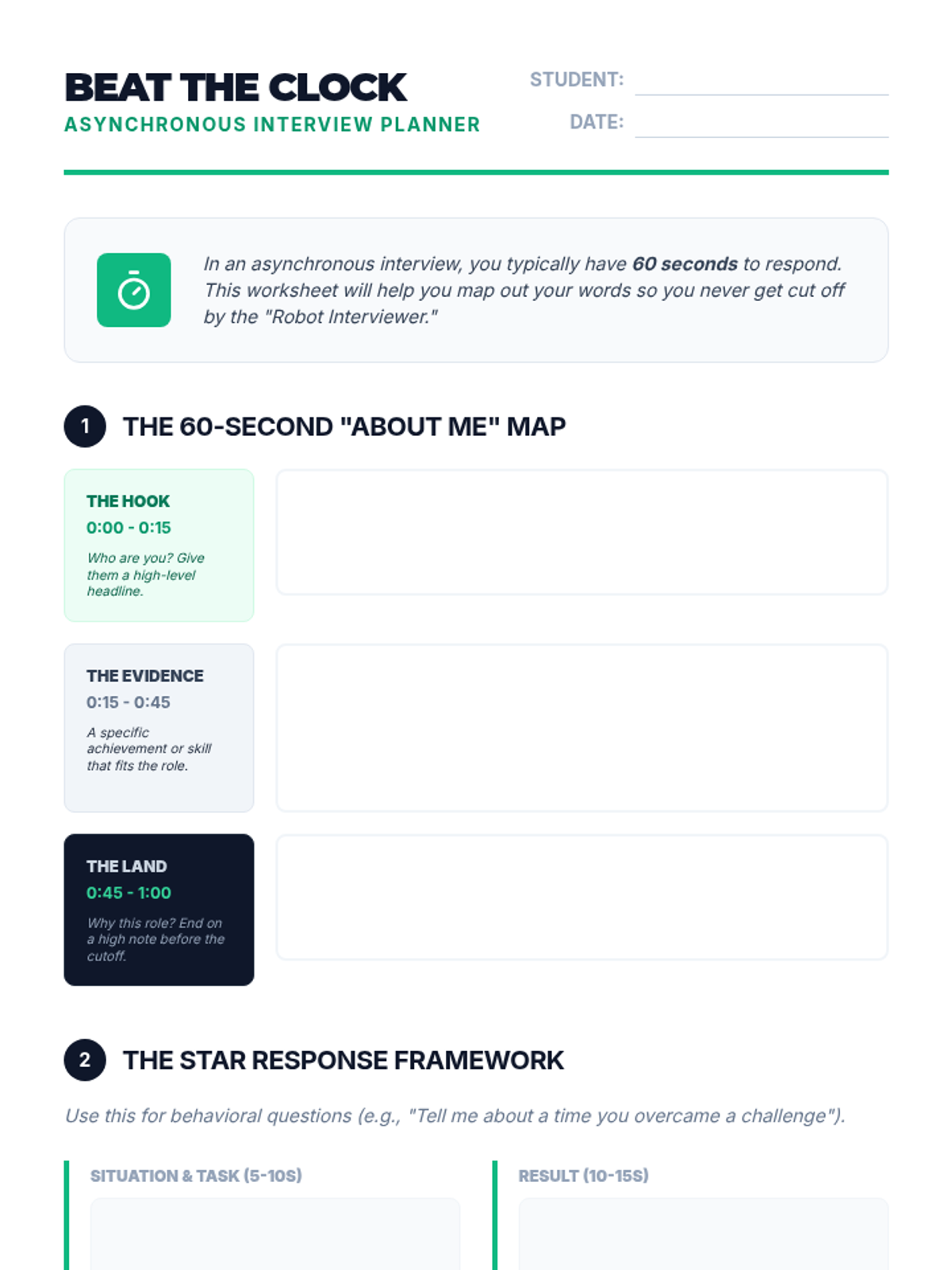
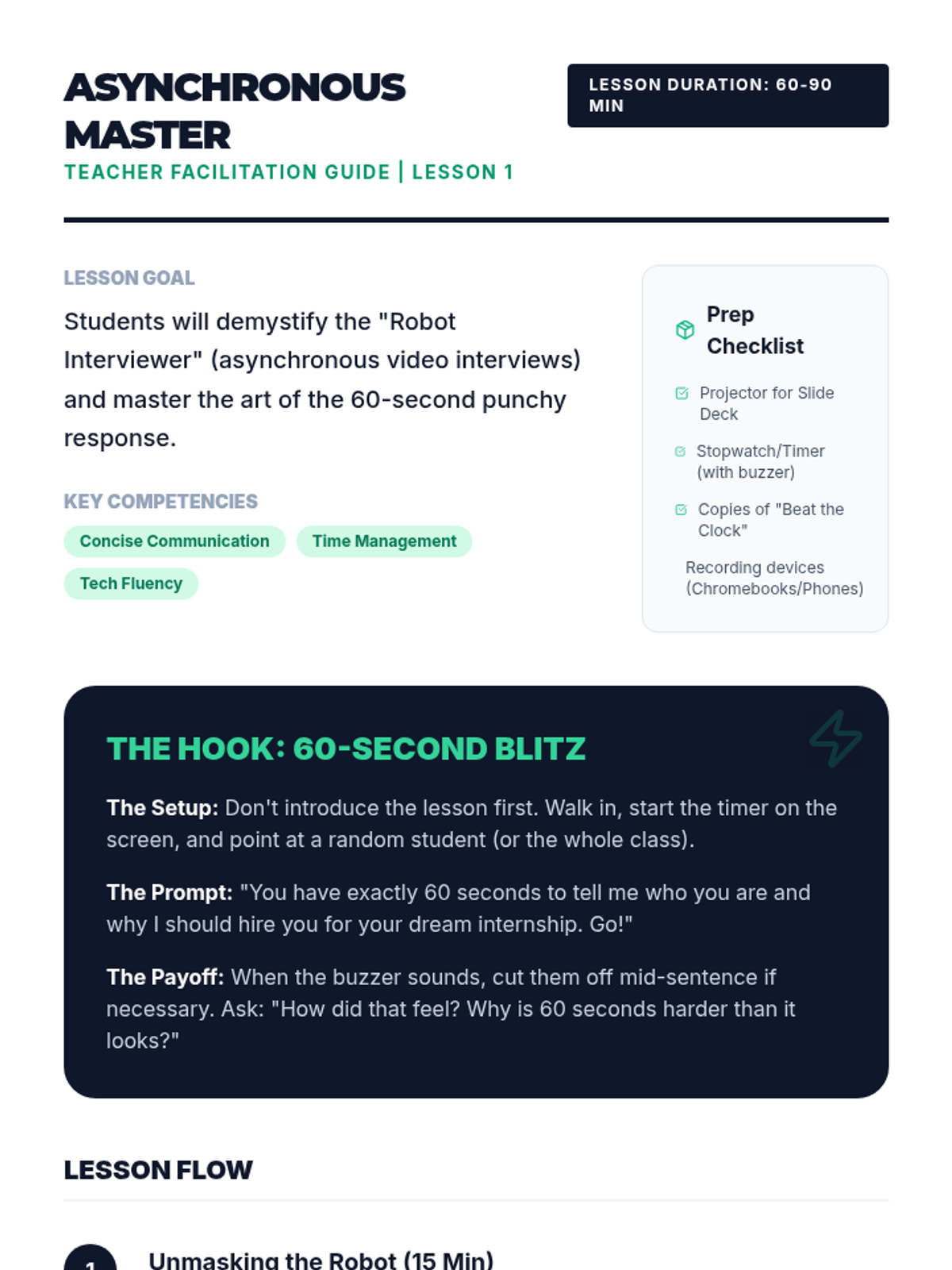
A comprehensive sequence for 10th graders to master virtual interviewing through asynchronous recordings, peer feedback loops, and a high-stakes capstone simulation. Students develop technical setup proficiency, non-verbal communication, and concise verbal pitching.
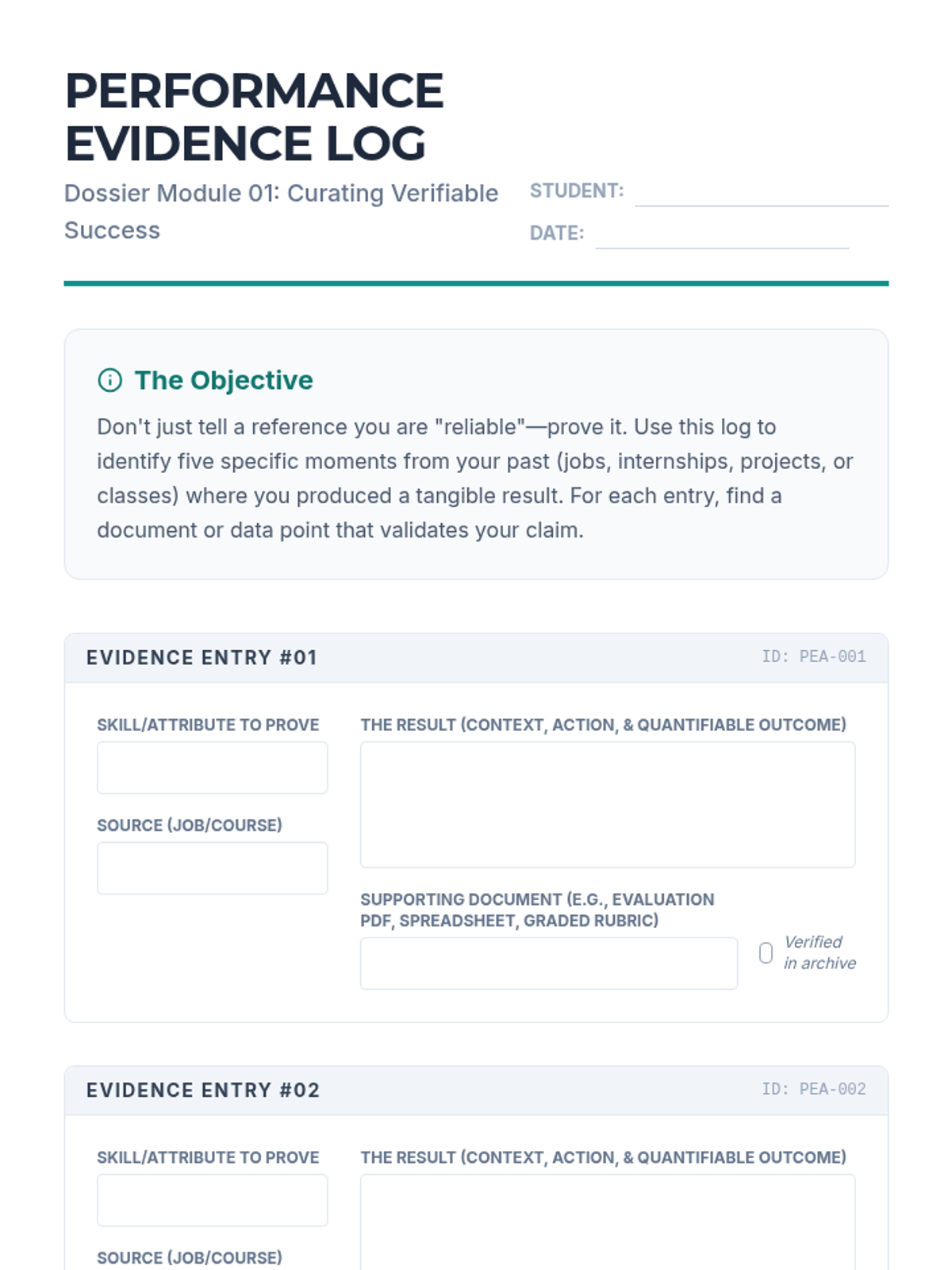
A project-based sequence for undergraduate students focused on transforming the process of providing professional references into an active 'Reference Portfolio' project. Students learn to curate evidence, brief their contacts effectively, and manage their professional reputation across digital and traditional platforms.
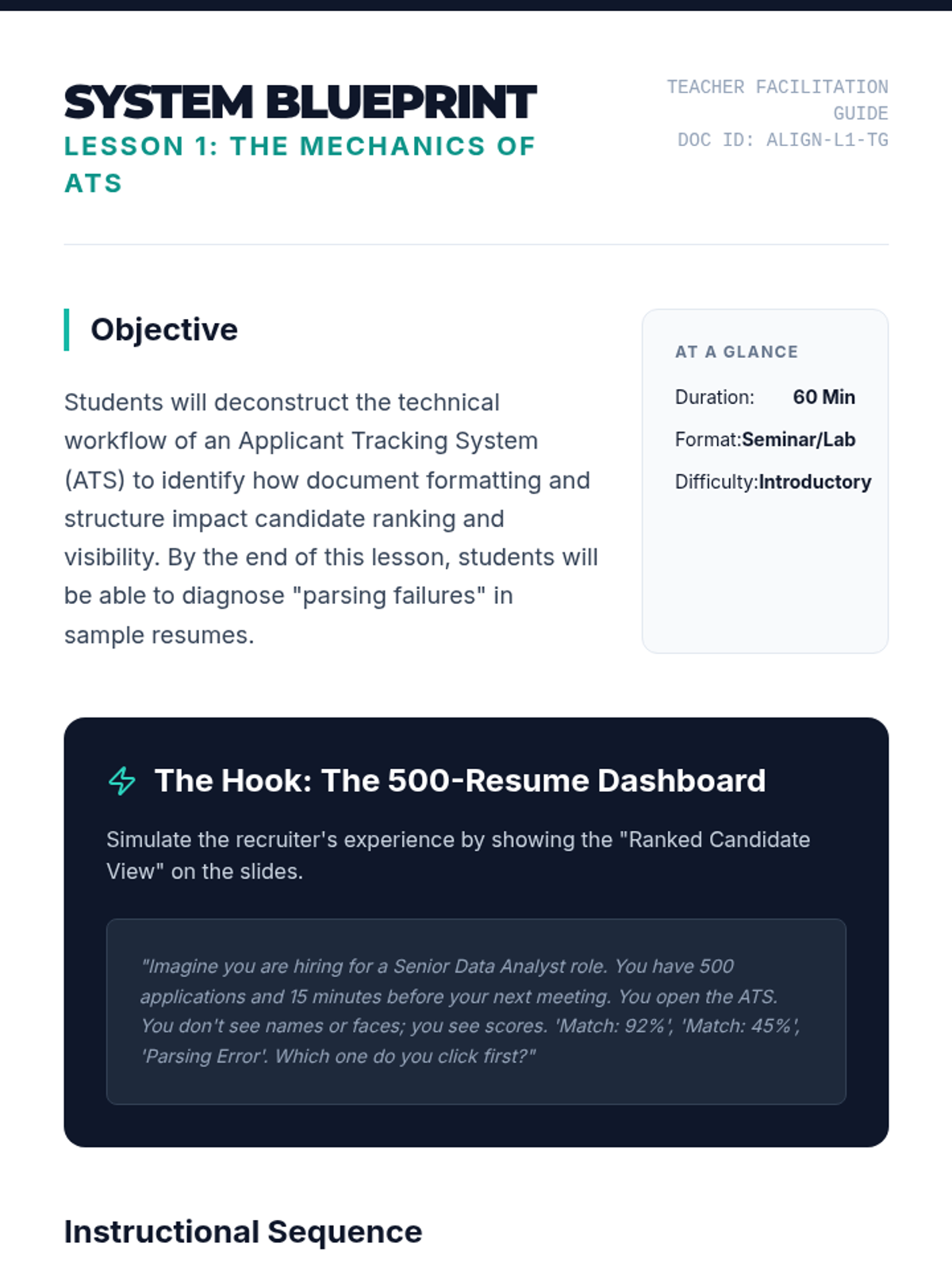
This sequence focuses on the technical aspects of modern job searching, specifically optimizing resumes for Applicant Tracking Systems (ATS). Students explore how digital screening tools filter candidates and learn the specific formatting and keyword strategies required to pass these automated gates. through simulations and technical audits, learners develop a resume structure that is both machine-readable and human-compelling.
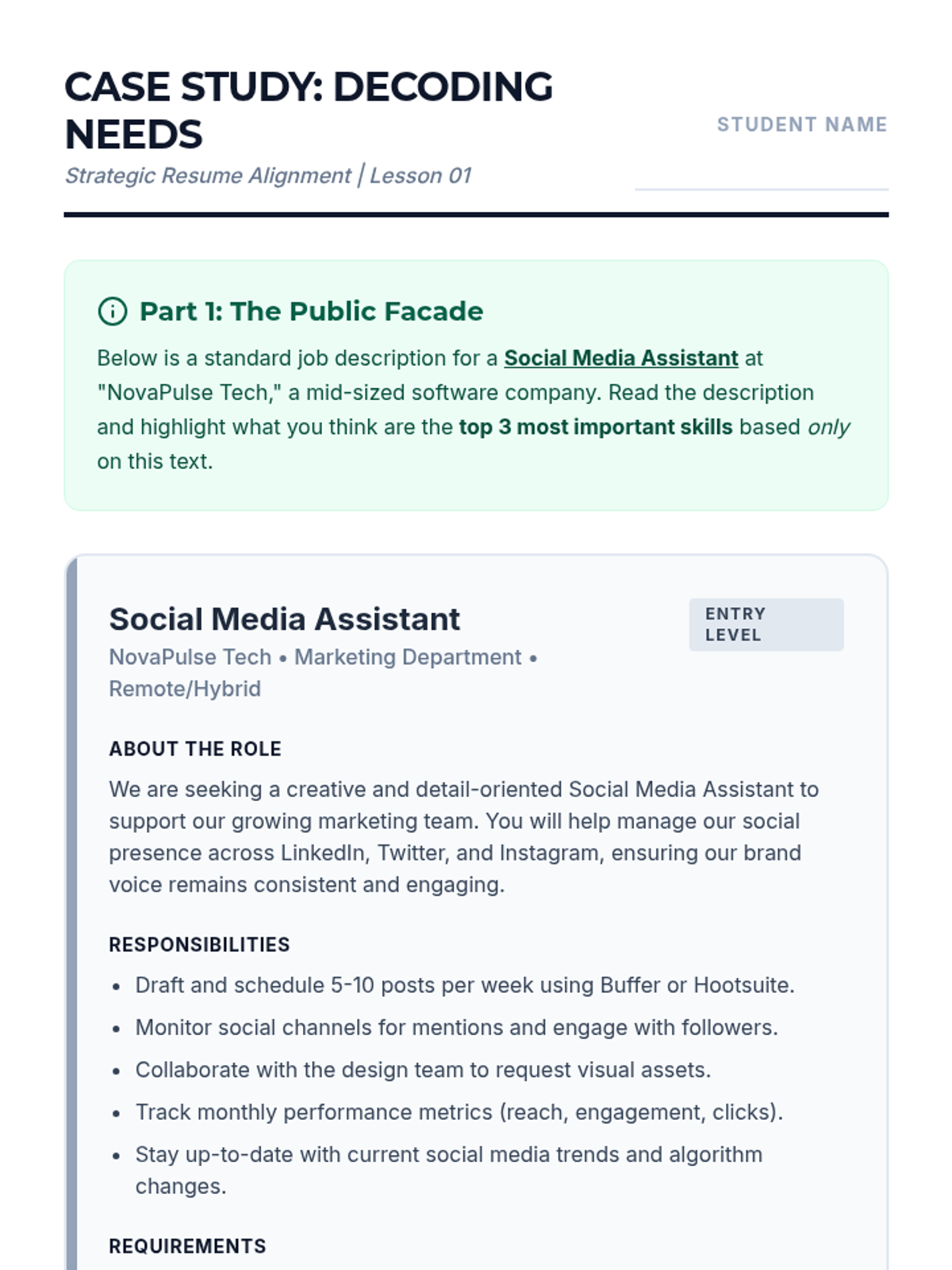
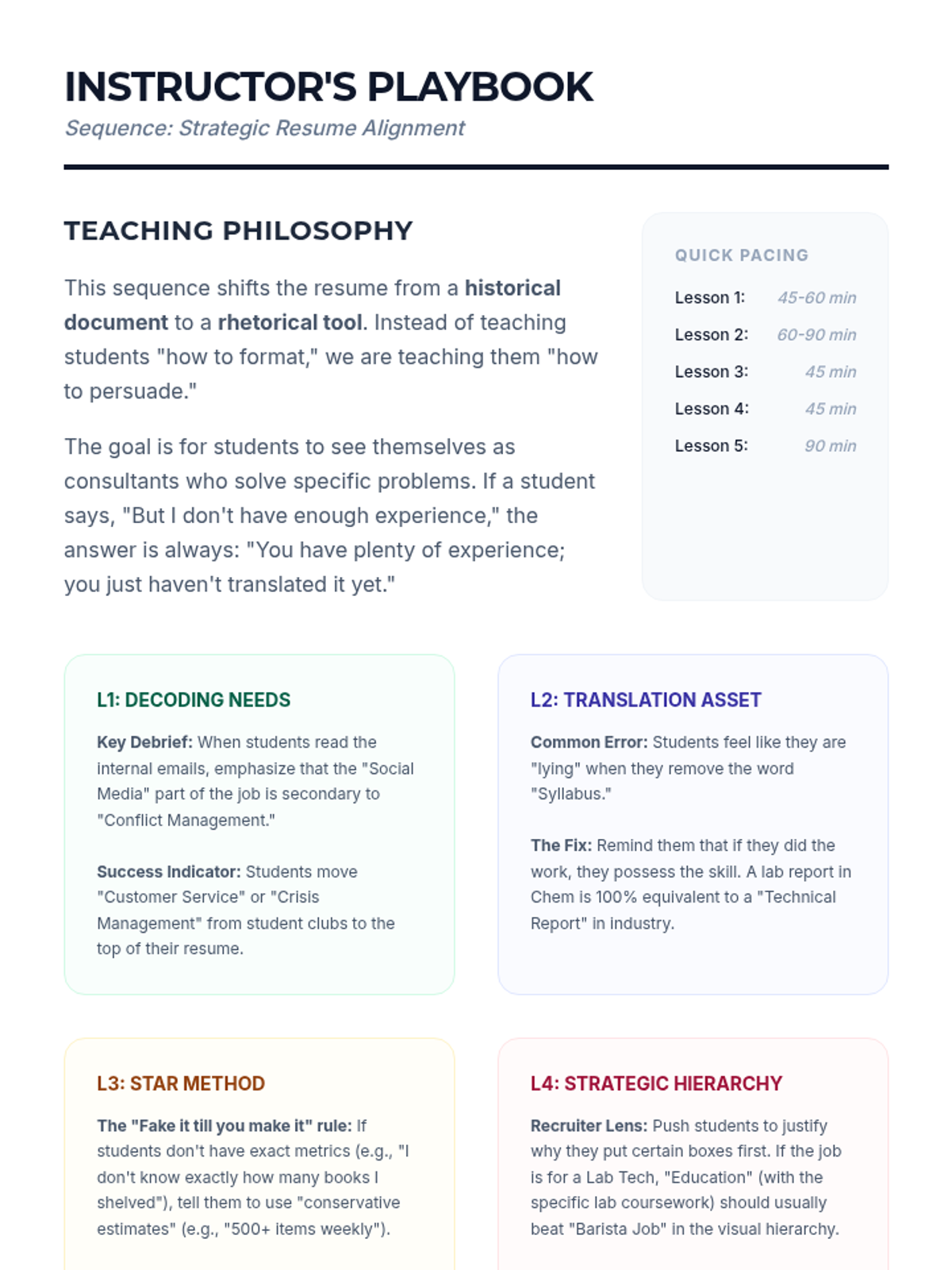
This sequence guides students through deconstructing job postings to create aligned resume content. Students learn to identify requirements, translate personal experiences into professional language, and draft high-impact bullet points, culminating in a tailored resume for a specific role.
A technical and strategic sequence for 11th-grade students on navigating Applicant Tracking Systems (ATS). Students learn to balance writing for algorithms with writing for human recruiters through simulations, keyword analysis, and formatting workshops.
This sequence teaches undergraduate students how to strategically tailor their resumes to specific job descriptions by analyzing employer pain points, translating academic experiences into professional assets, and using the STAR method to quantify impact. Students will move beyond technical compliance to master the rhetorical art of presenting themselves as the ideal solution to an employer's unique problems.
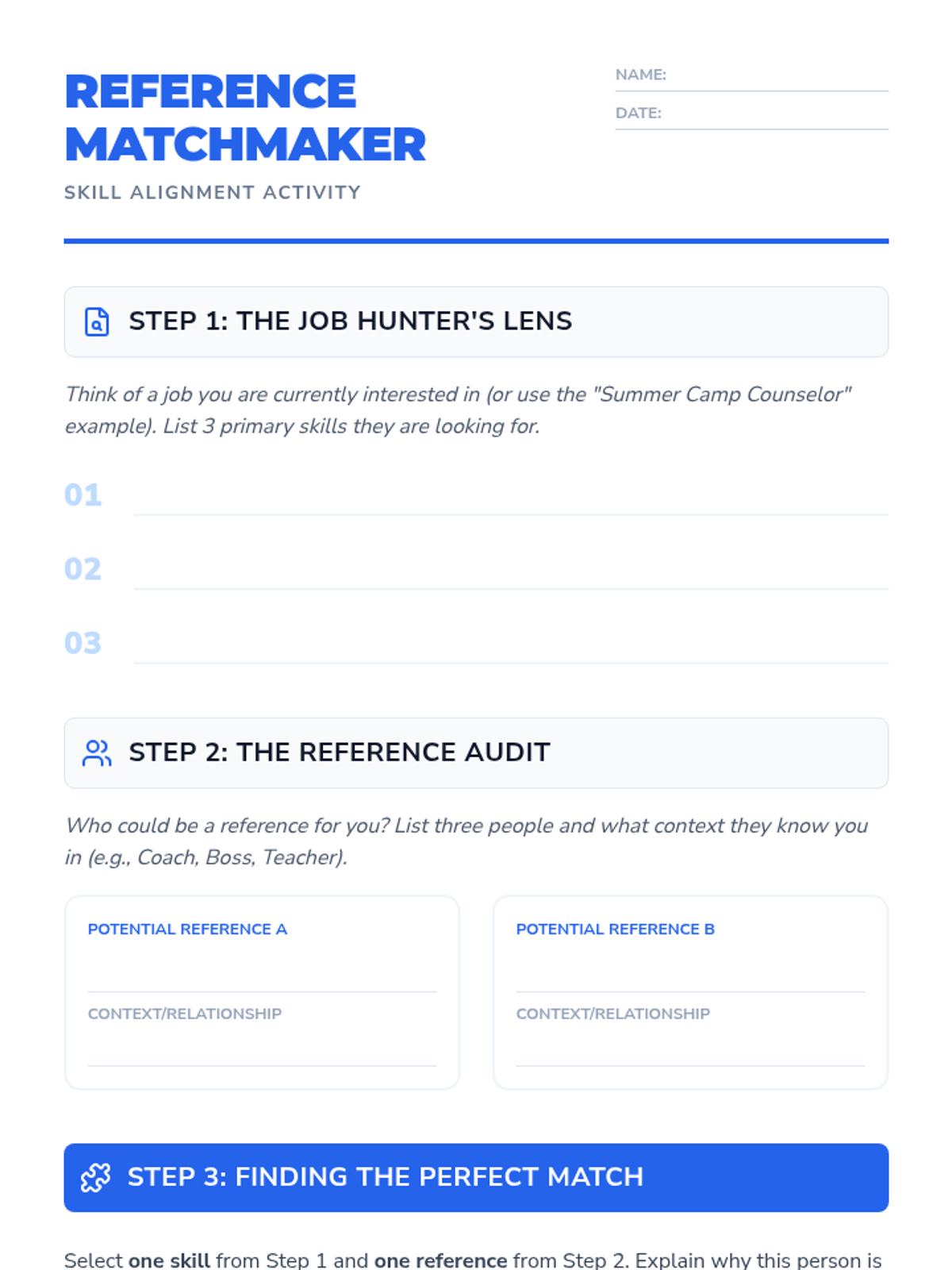
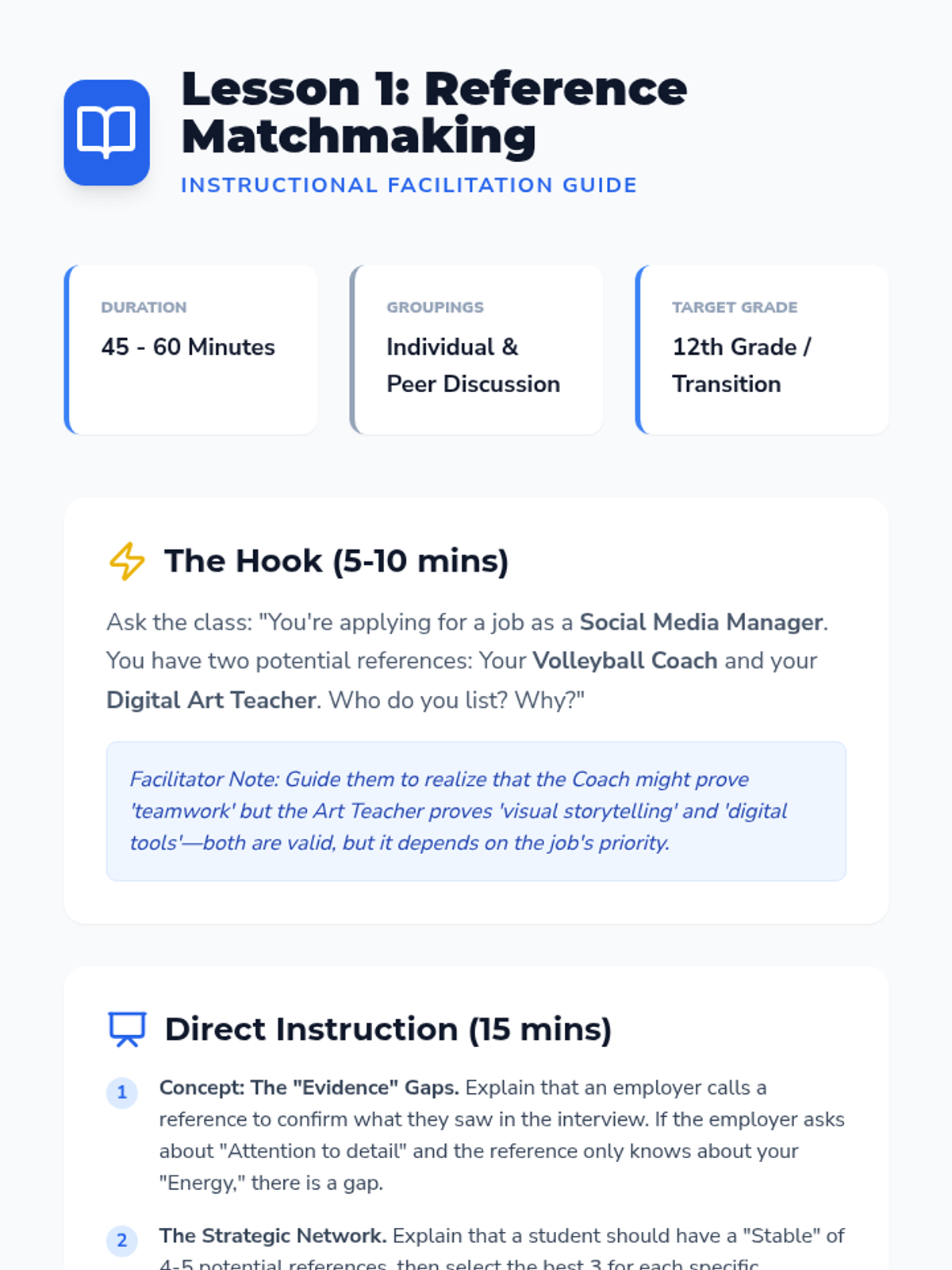
This undergraduate sequence teaches students to treat reference selection as a strategic component of the job application process, focusing on competency mapping, recruiter perspectives, and intentional alignment with specific roles.
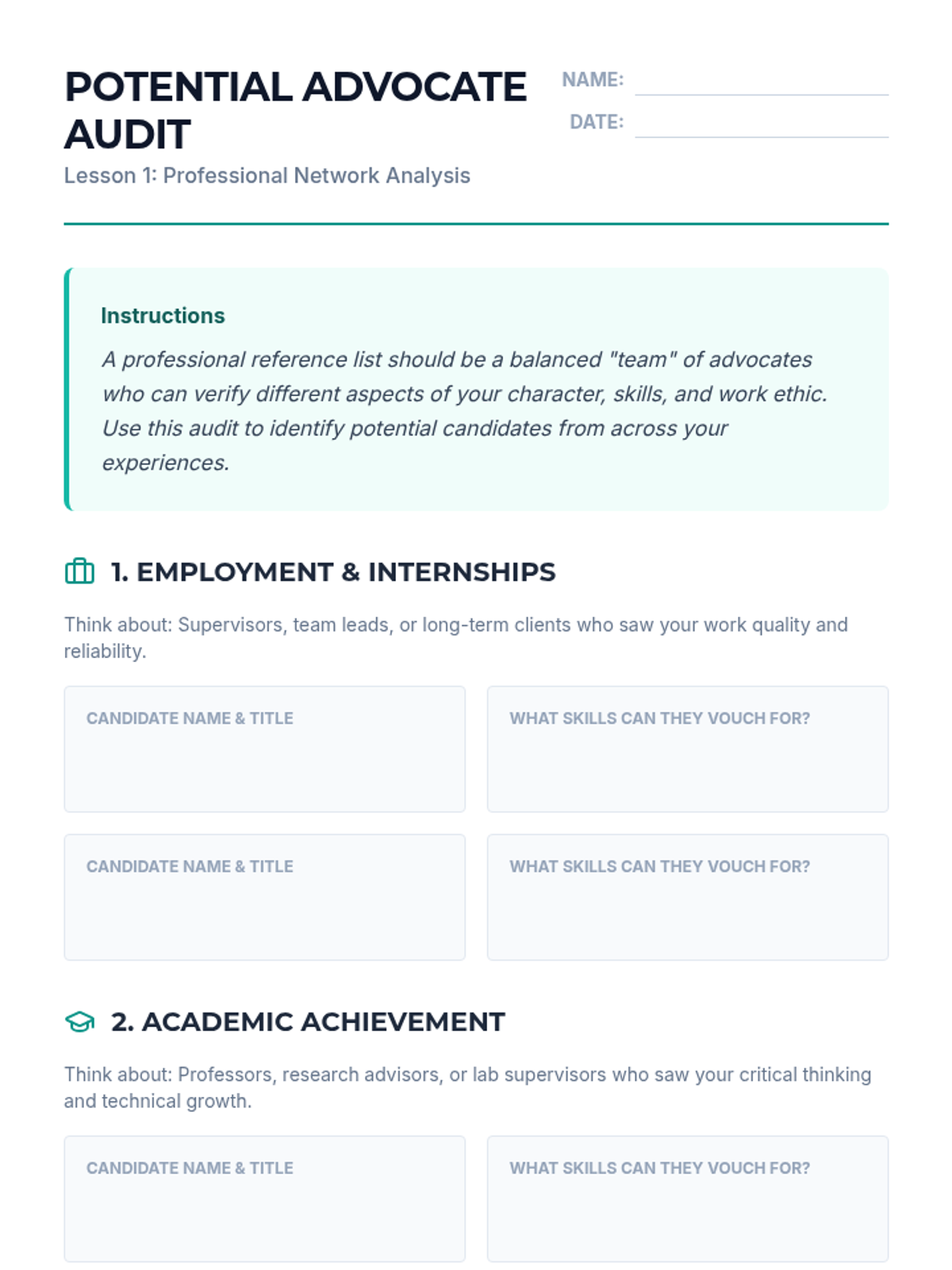
A comprehensive workshop series for undergraduate students to identify, secure, and format professional references for their job search. Students move from auditing their network to finalizing a polished reference document and practicing interview responses.
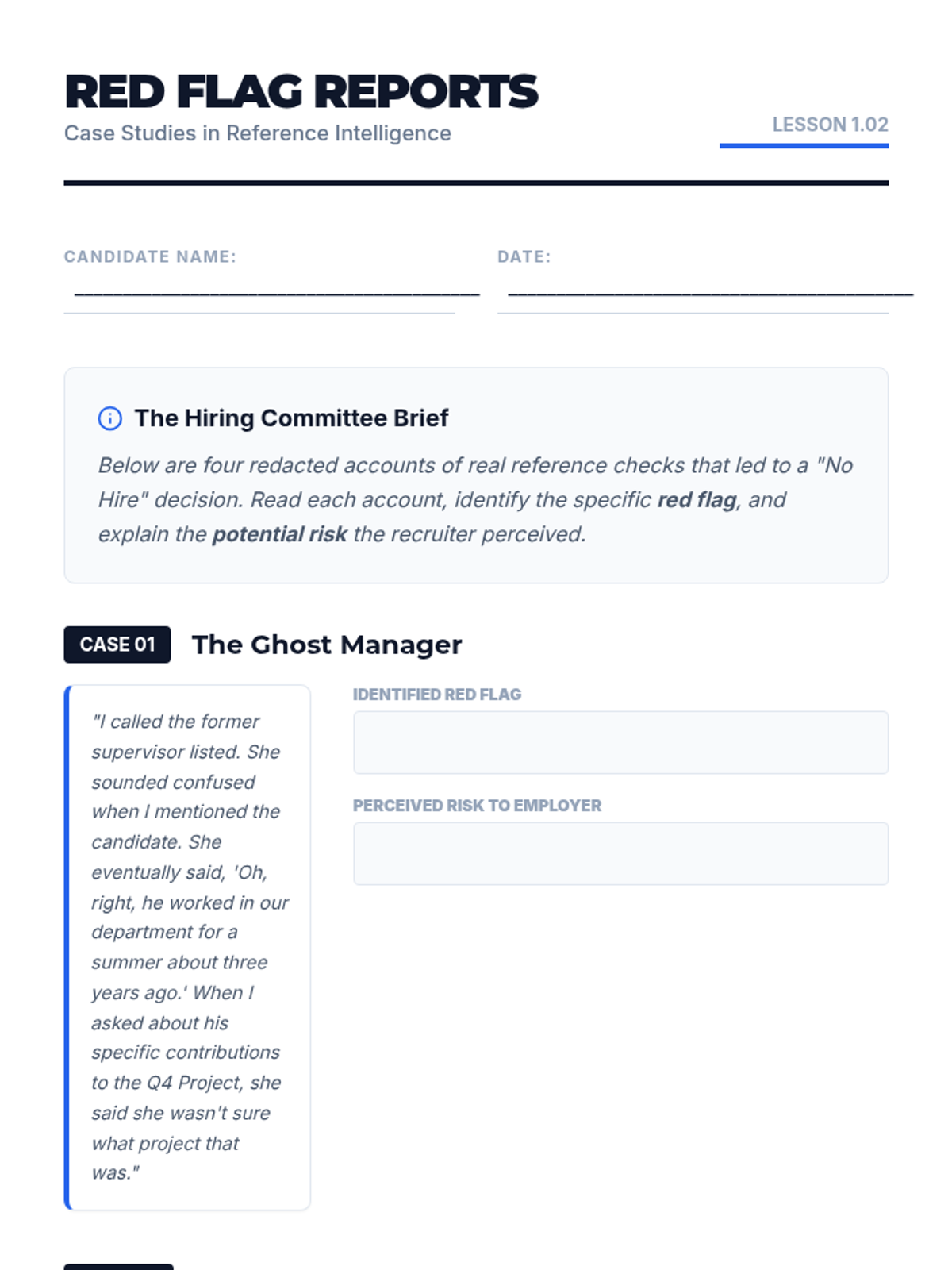
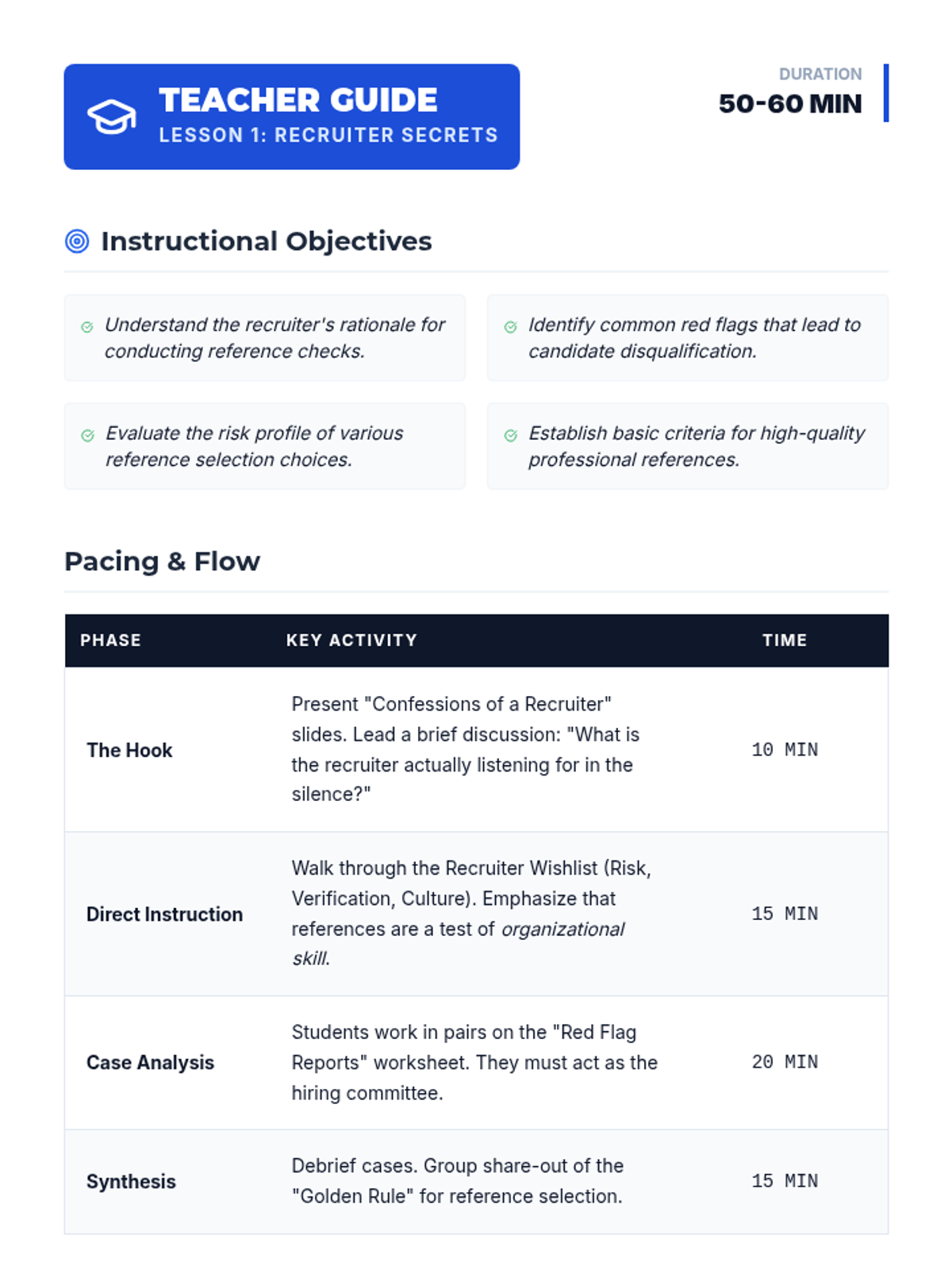
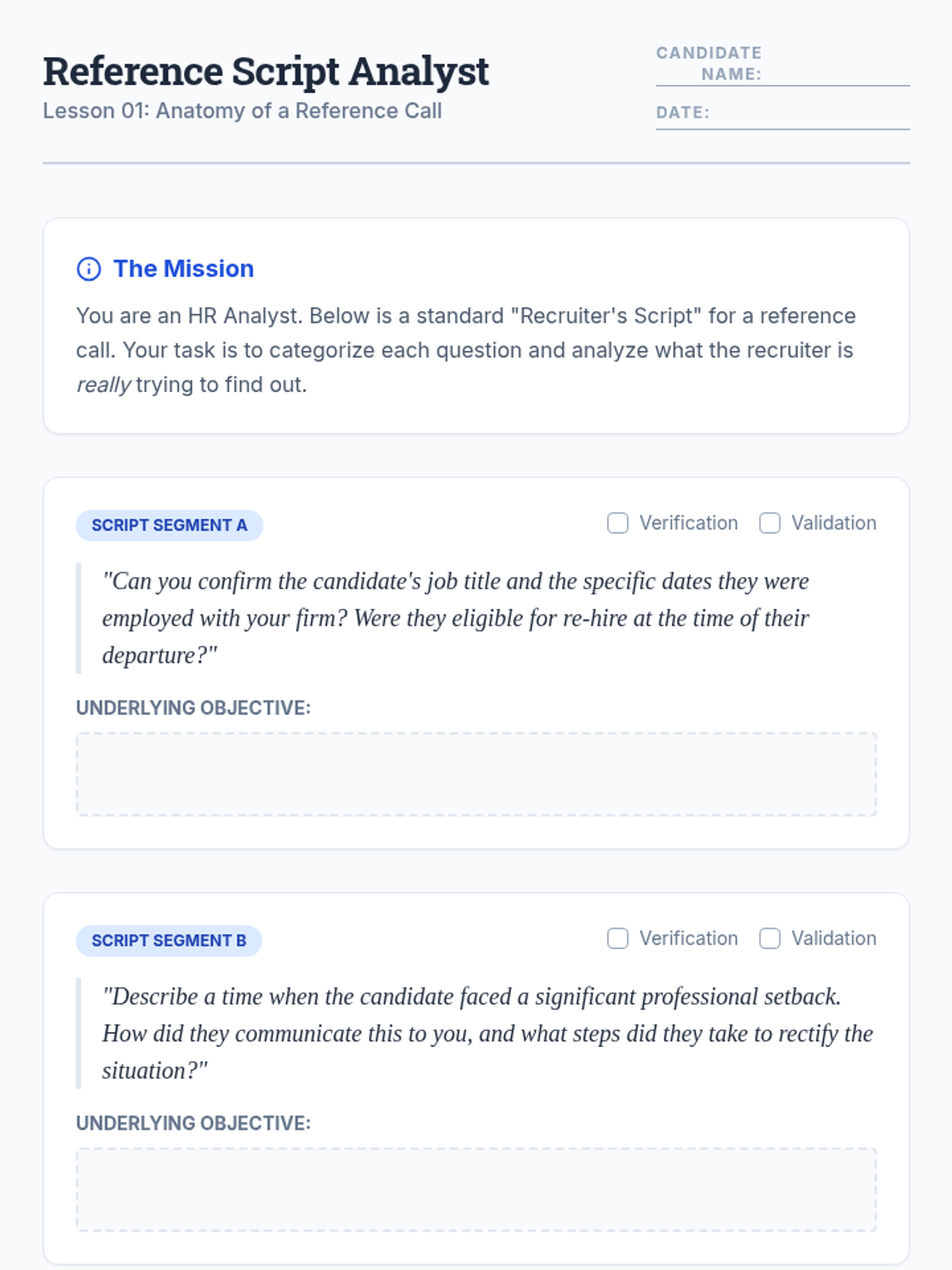
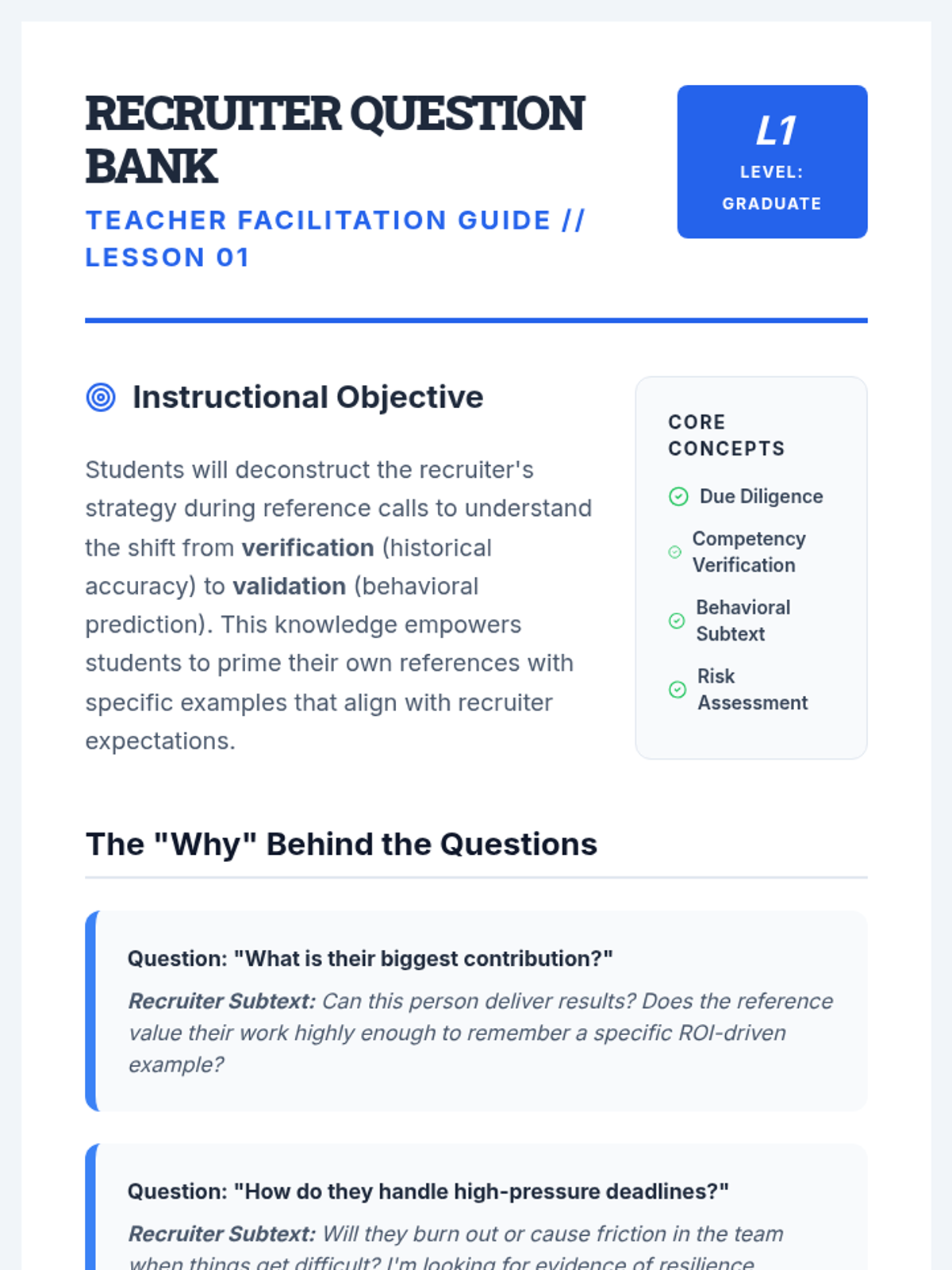
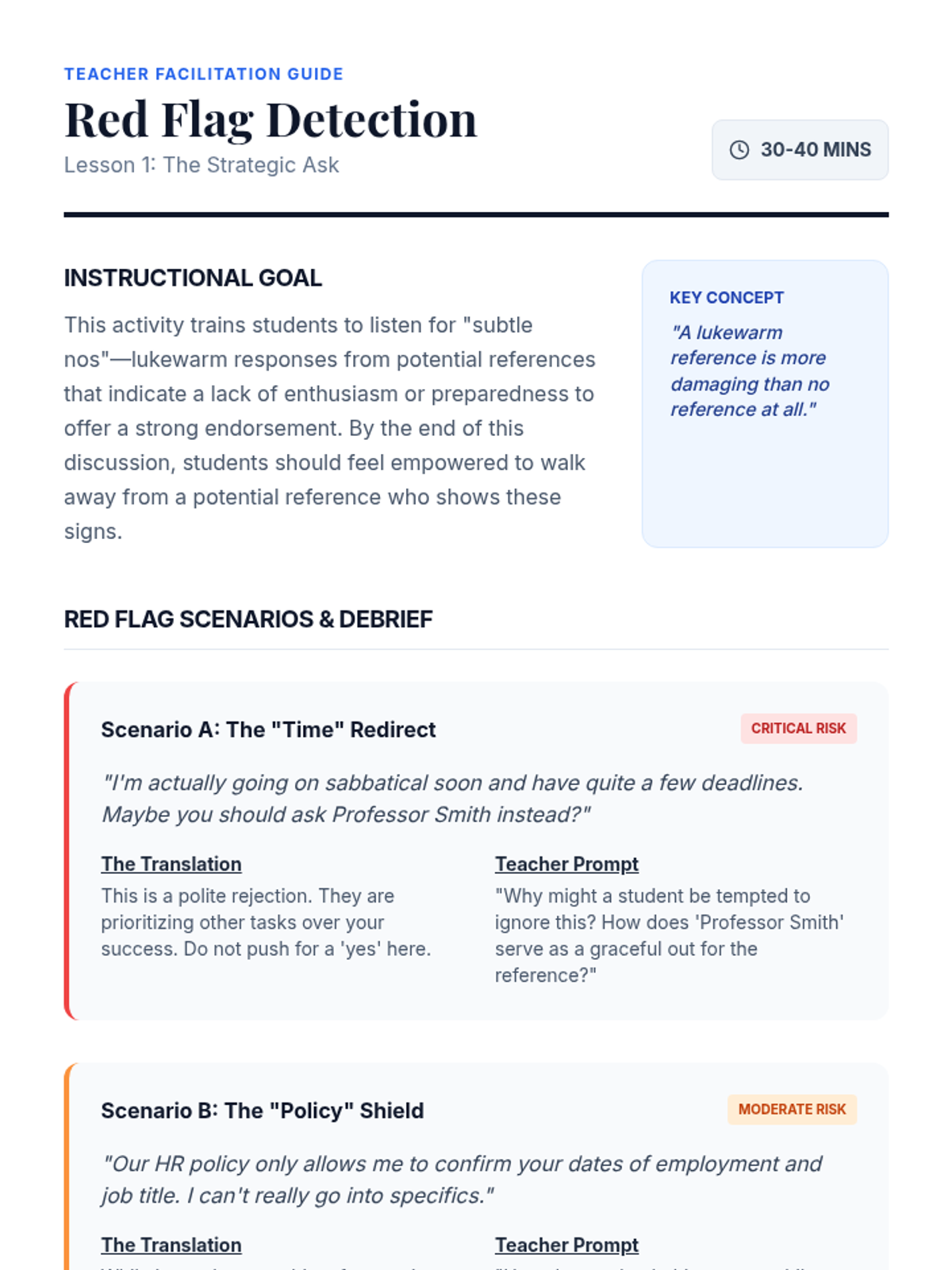
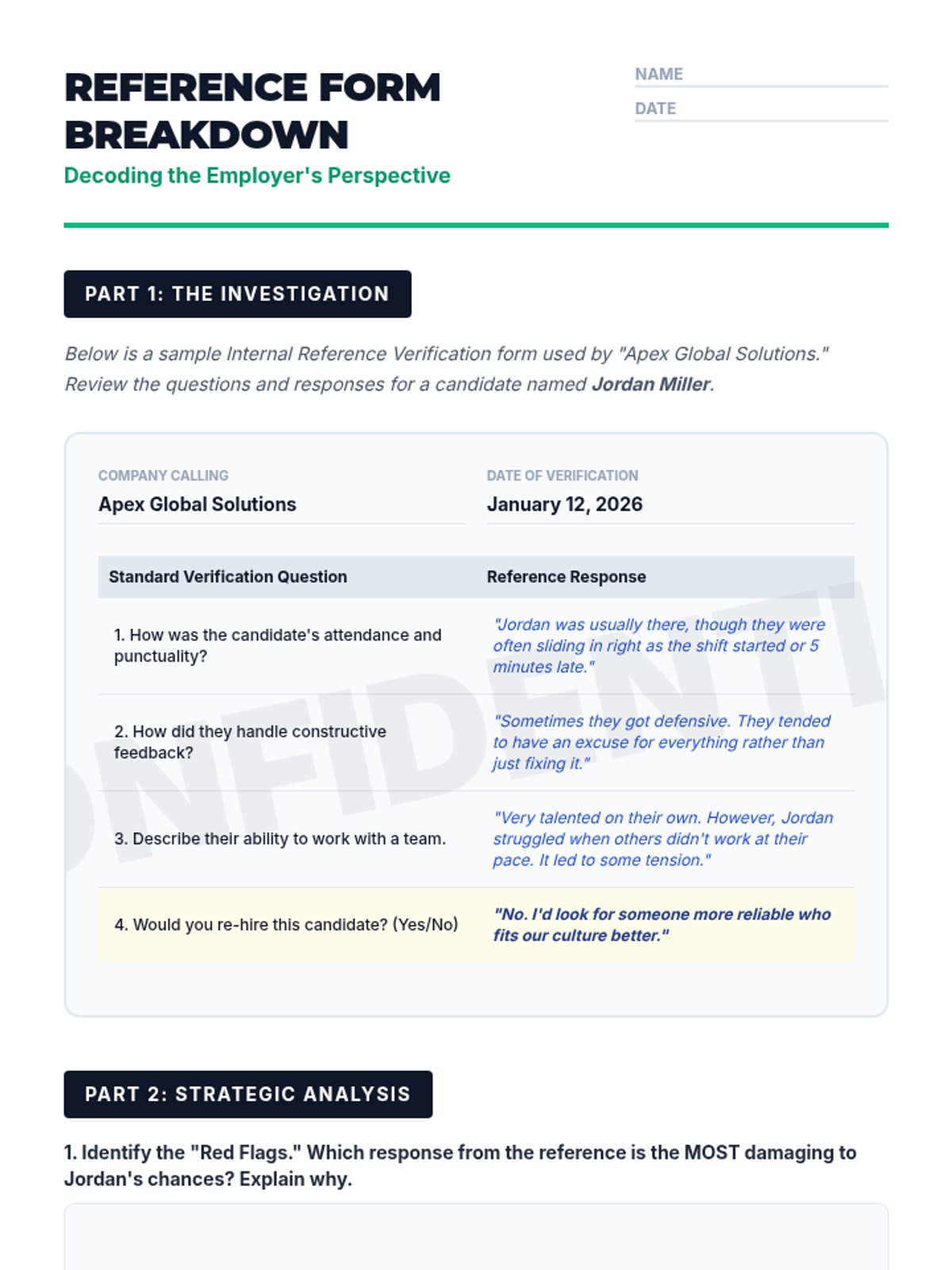
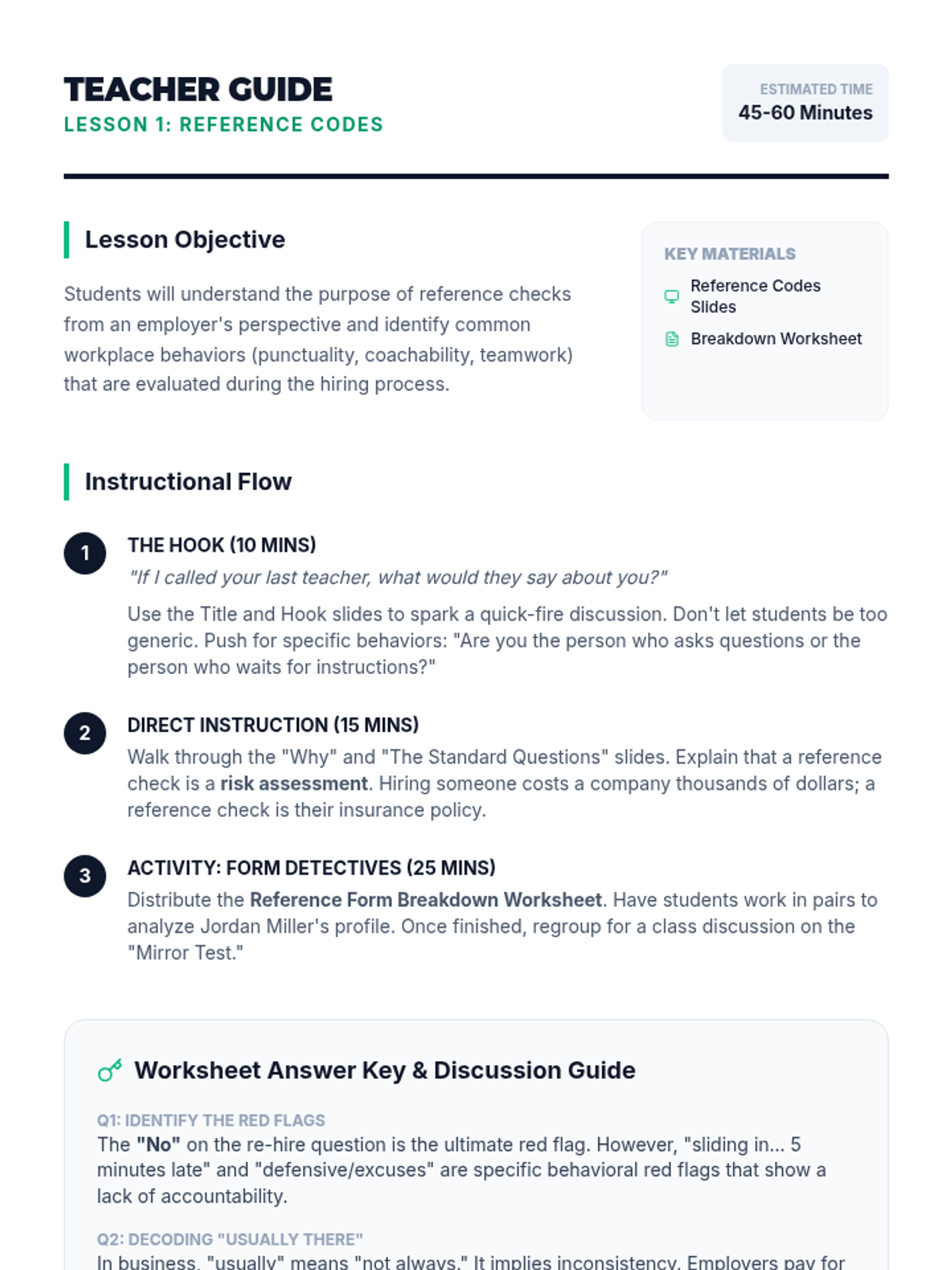
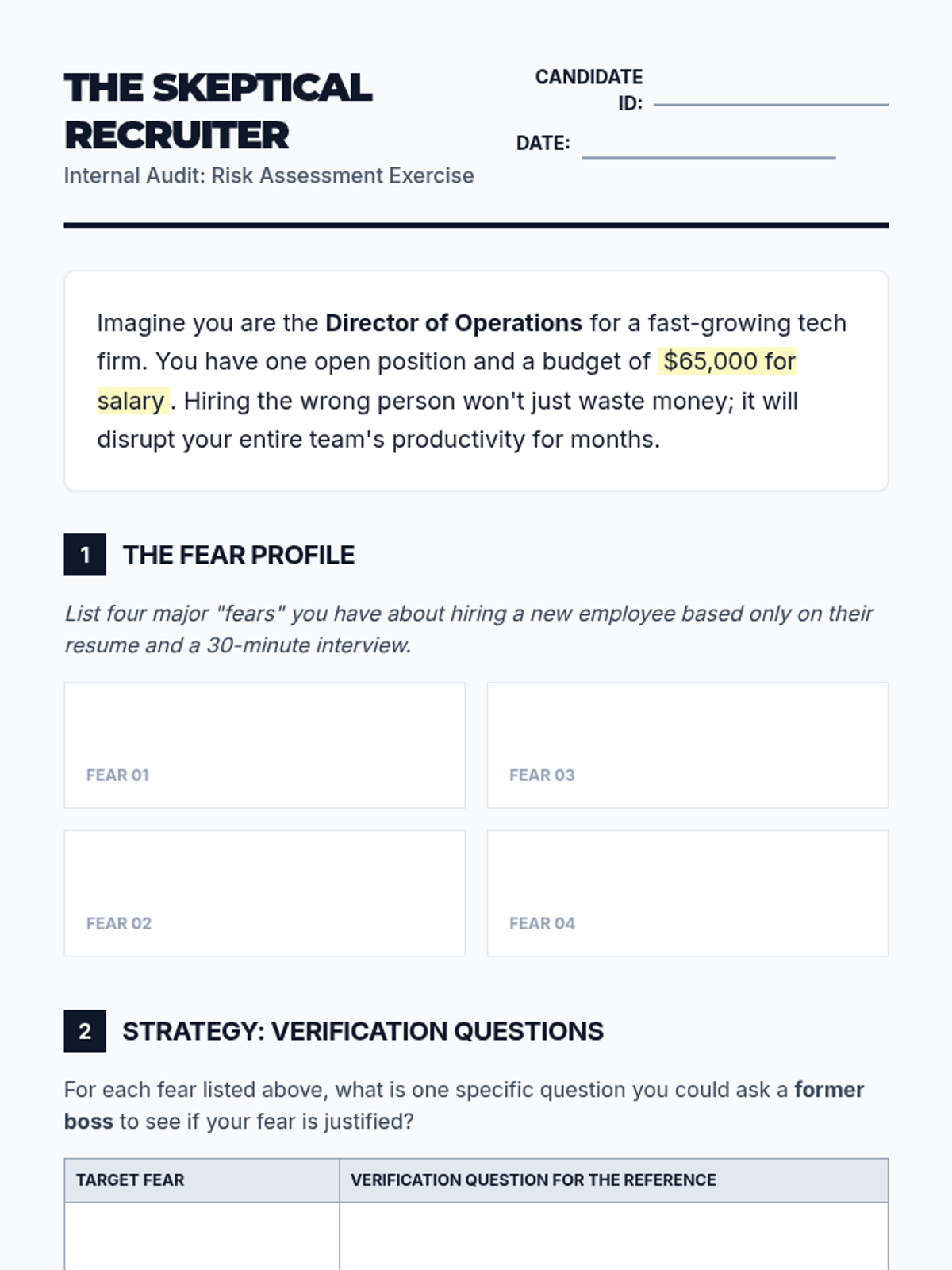
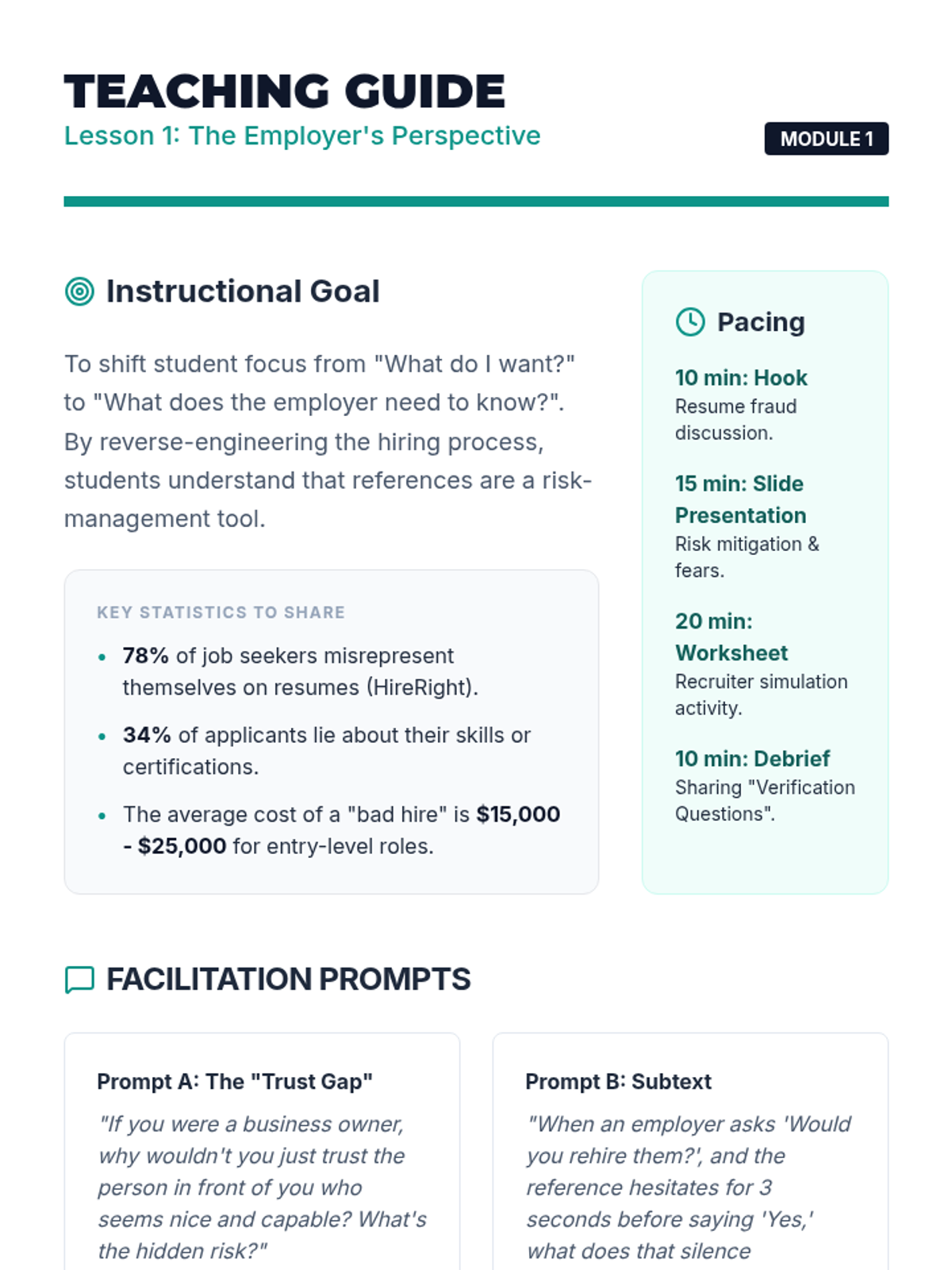
This inquiry-based sequence flips the table, placing graduate students in the role of the recruiter or hiring manager to understand the reference check process from the employer's perspective. Students analyze scripts, interpret subtext, examine red flags, and simulate hiring decisions to better select and prepare their own professional references.
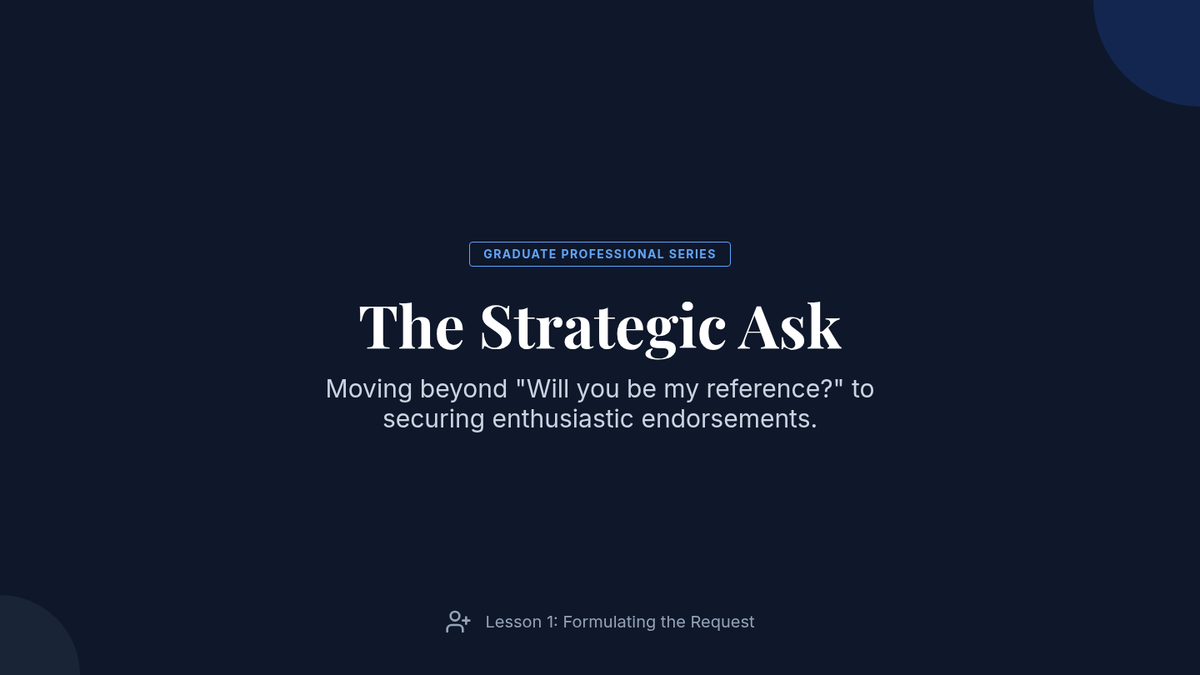
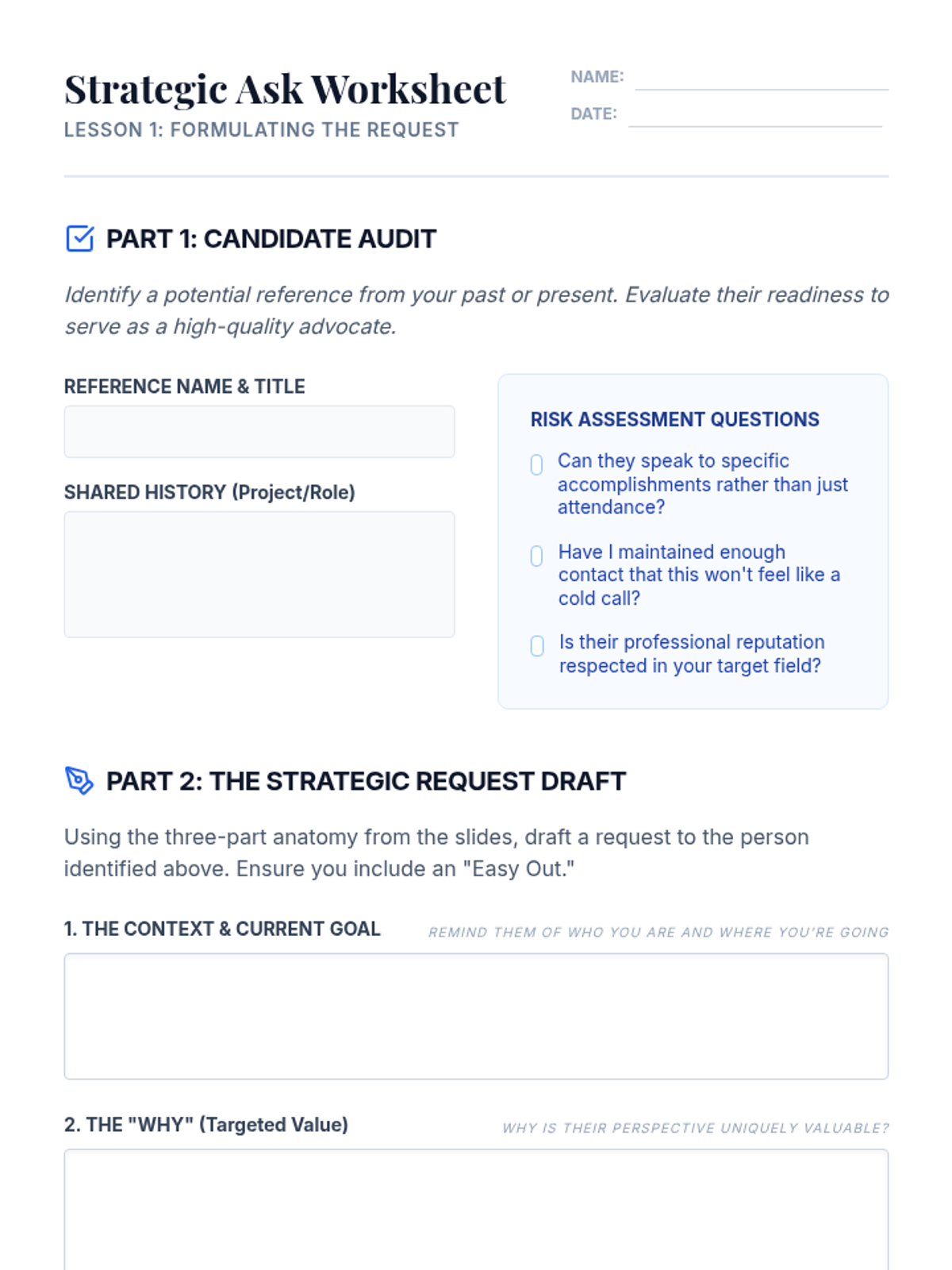
This sequence equips graduate students with the tactical communication skills needed to manage professional references. It focuses on shifting from a passive 'ask' to an active 'briefing' strategy, ensuring references are prepared with specific talking points and context to advocate effectively for the candidate.
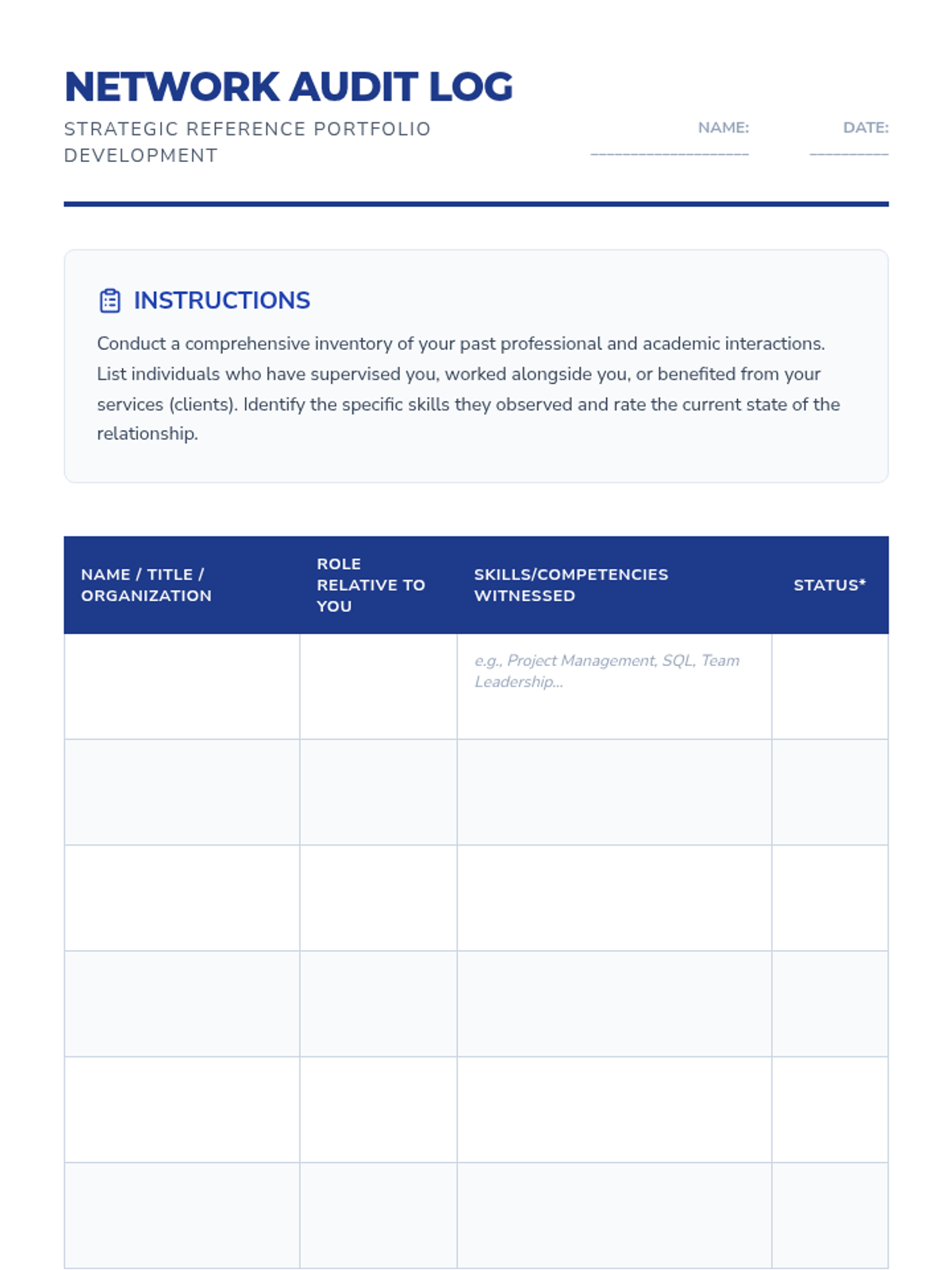
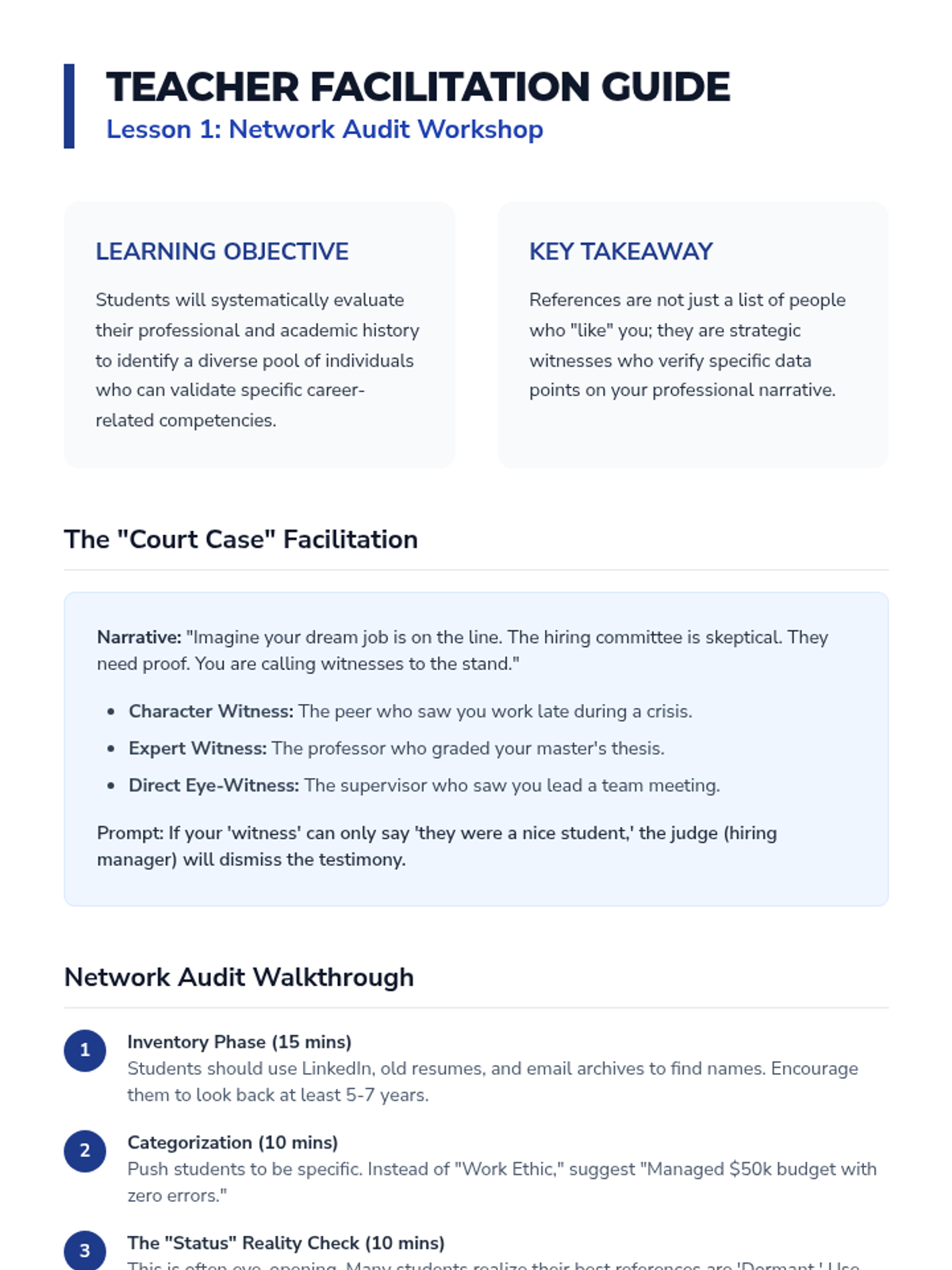
A comprehensive sequence for graduate students focusing on the strategic identification, selection, and long-term cultivation of professional references to validate career competencies and professional narratives.
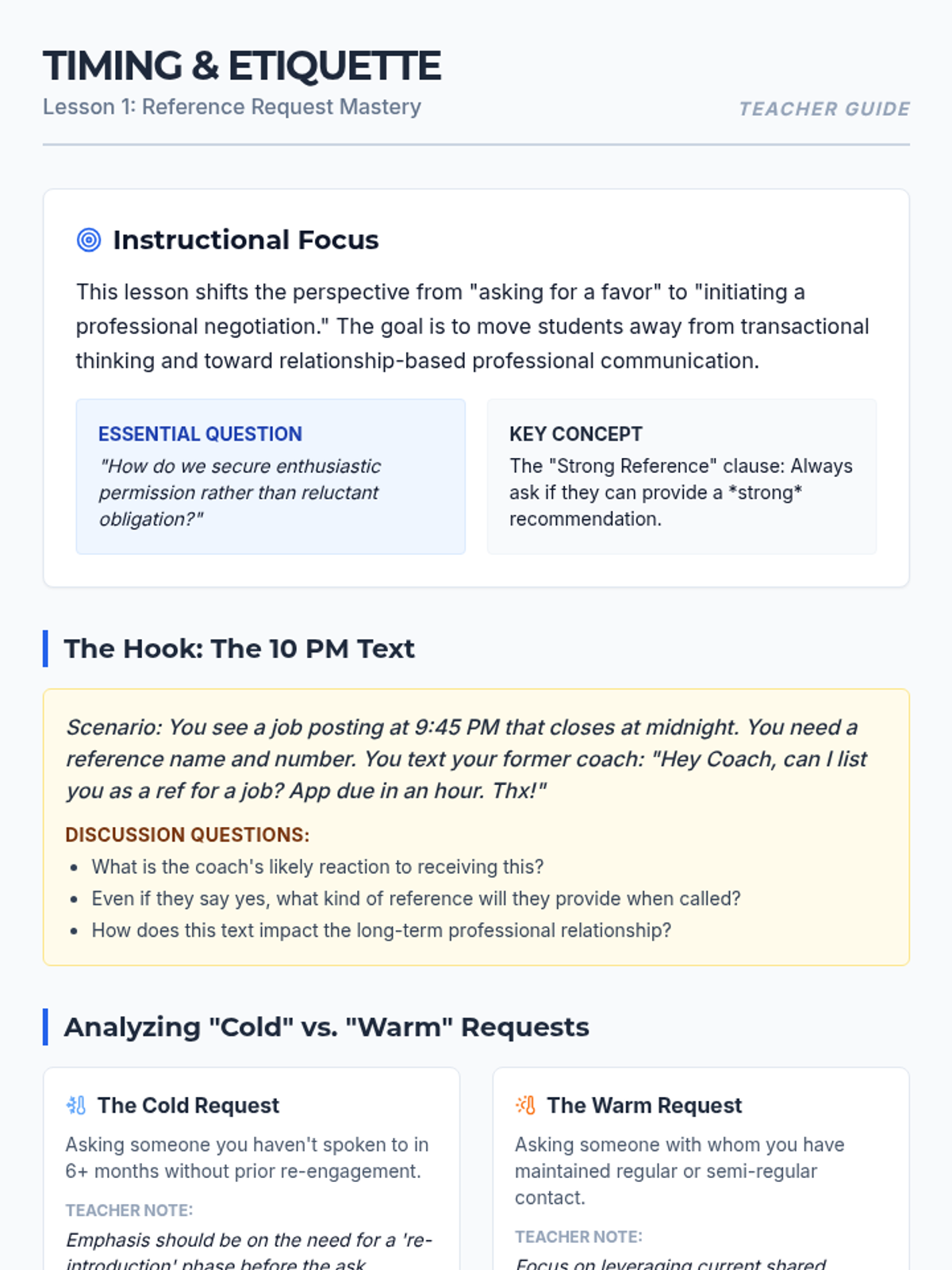
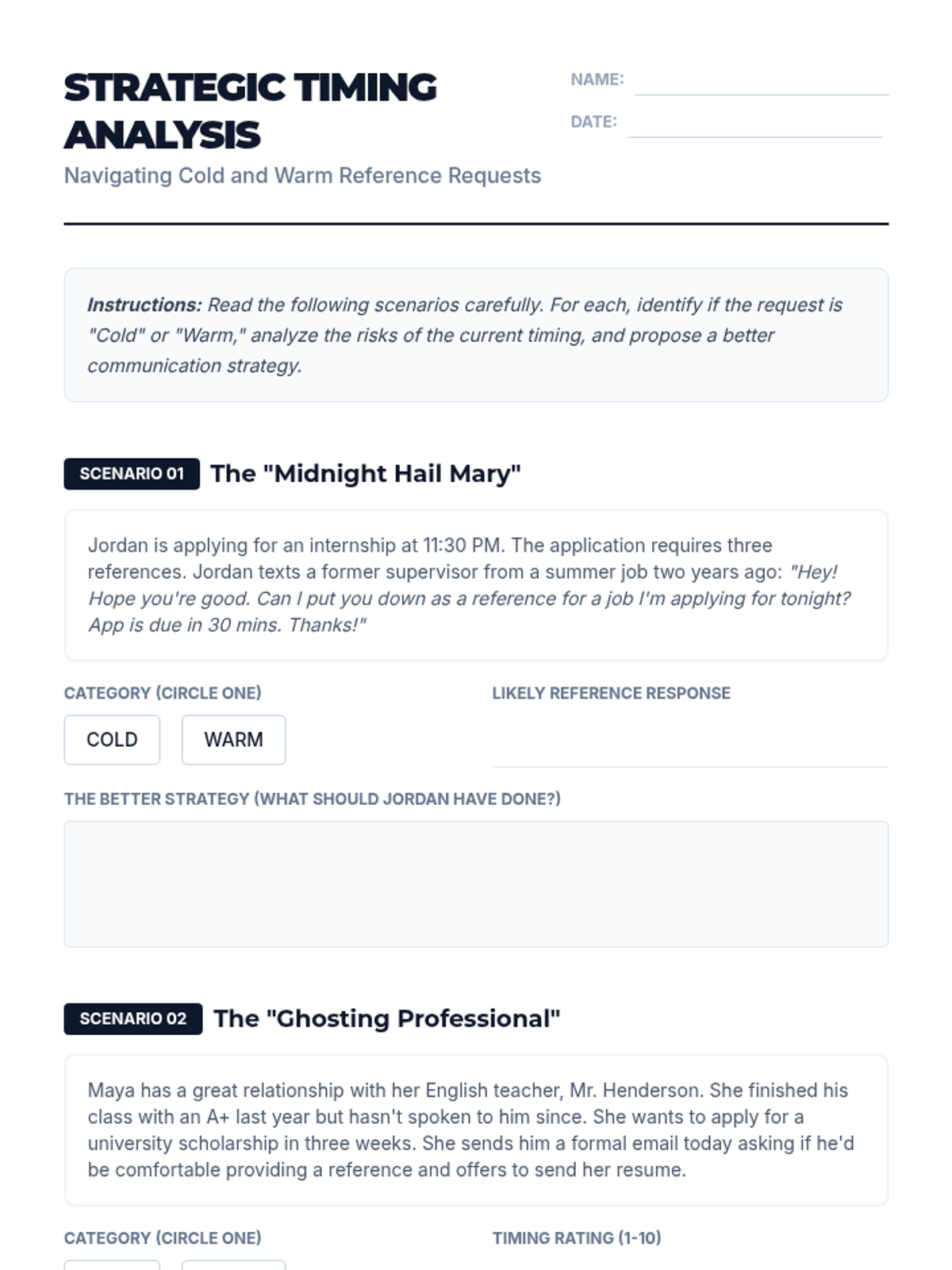
A comprehensive sequence for high school seniors on the nuances of requesting professional references. Students transition from understanding etiquette and timing to mastering email drafts, phone simulations, and the critical art of maintaining professional relationships through follow-ups.
This project-based sequence teaches students how to strategically 'coach' their professional references by providing context, resumes, and specific talking points. By treating references as active partners rather than passive participants, students ensure their advocates are equipped to speak effectively about their skills in relation to specific job opportunities.
An inquiry-based unit where students act as hiring managers to understand the strategic power of professional references in the job market. Students move from decoding reference forms to strategically selecting references and managing professional reputations.
This simulation-heavy sequence places students in the shoes of hiring managers to demystify the background check process. Students learn to reverse-engineer the reference process by identifying employer needs, legal boundaries, and strategic preparation techniques.
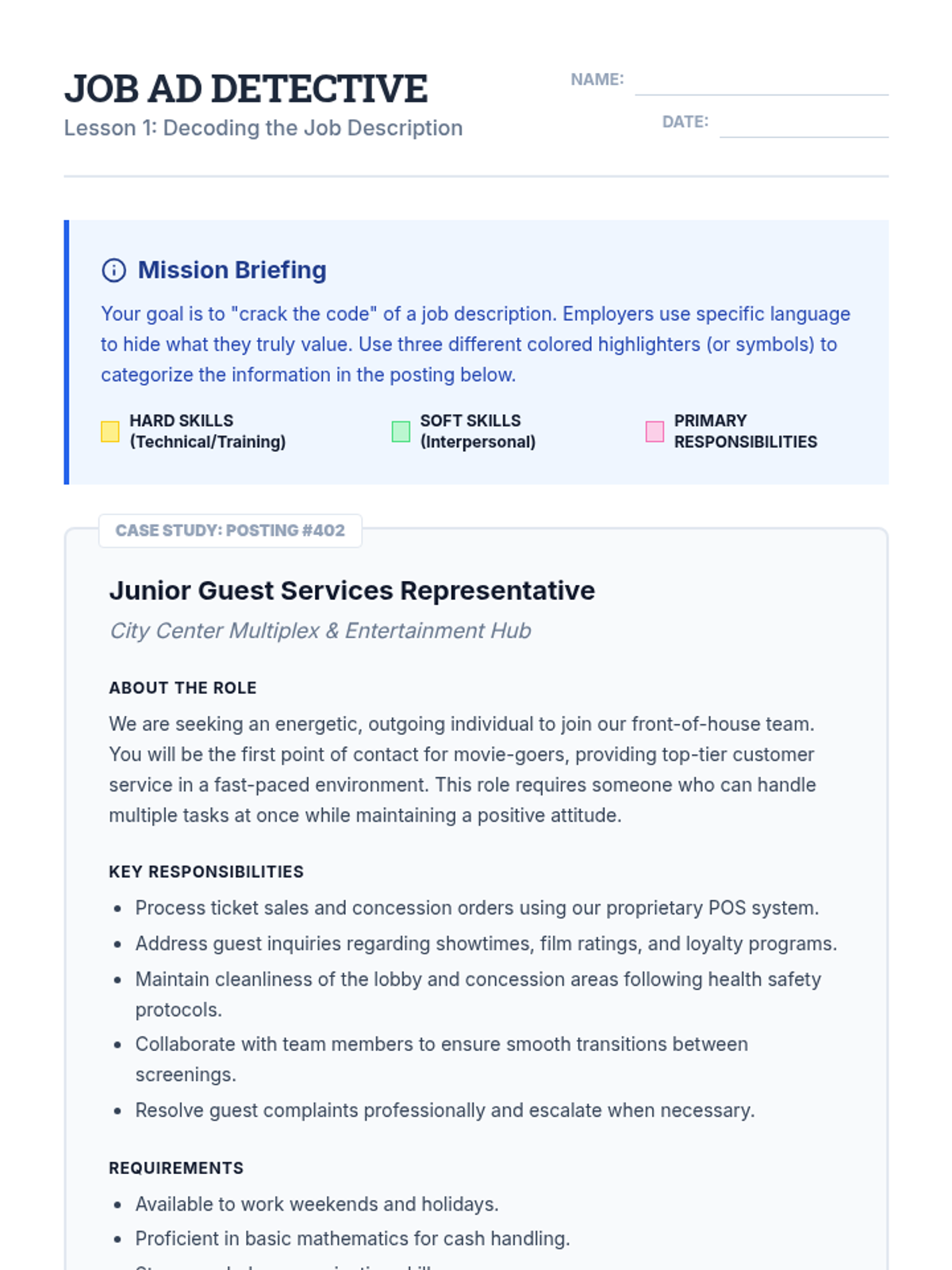
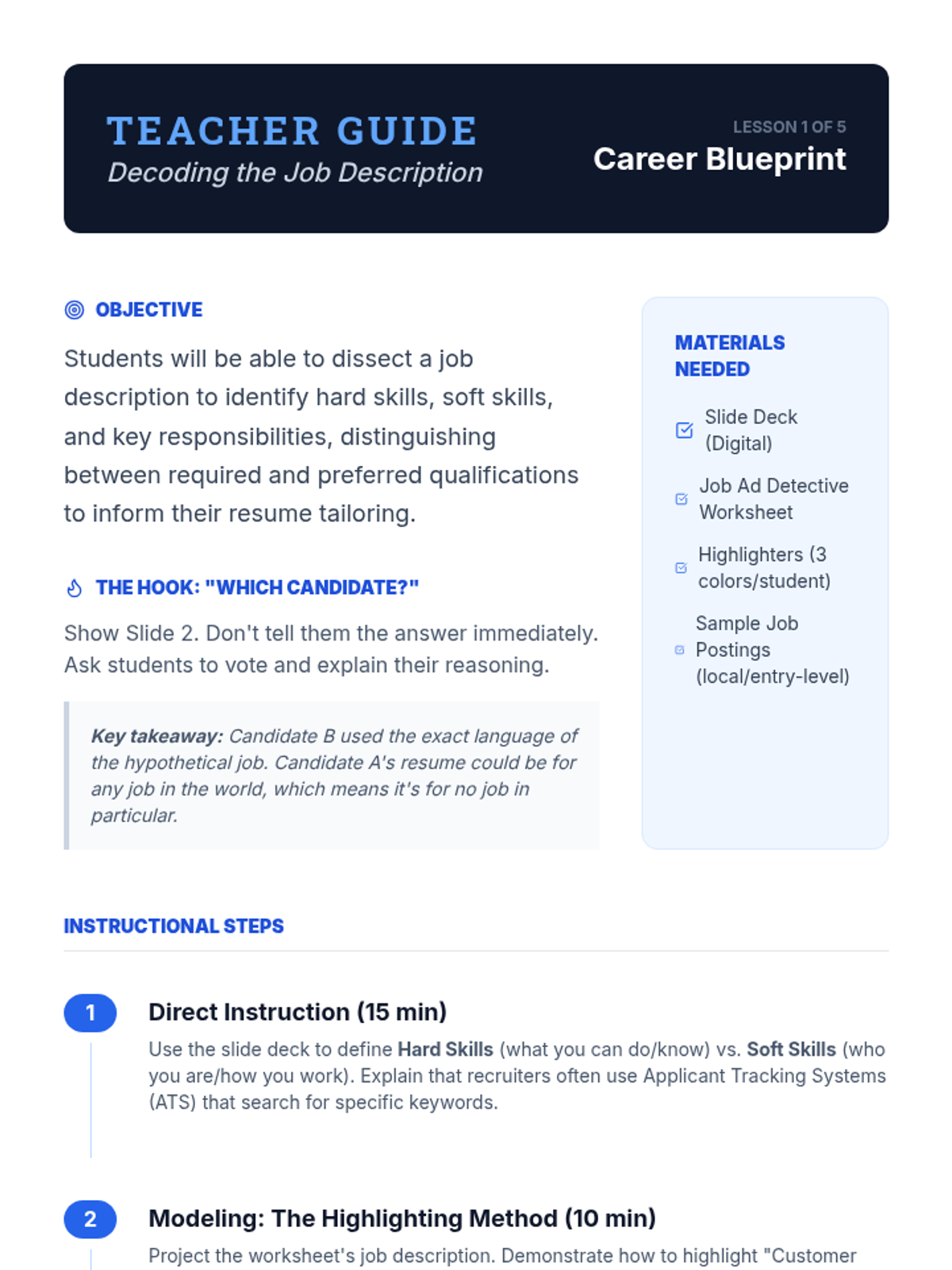
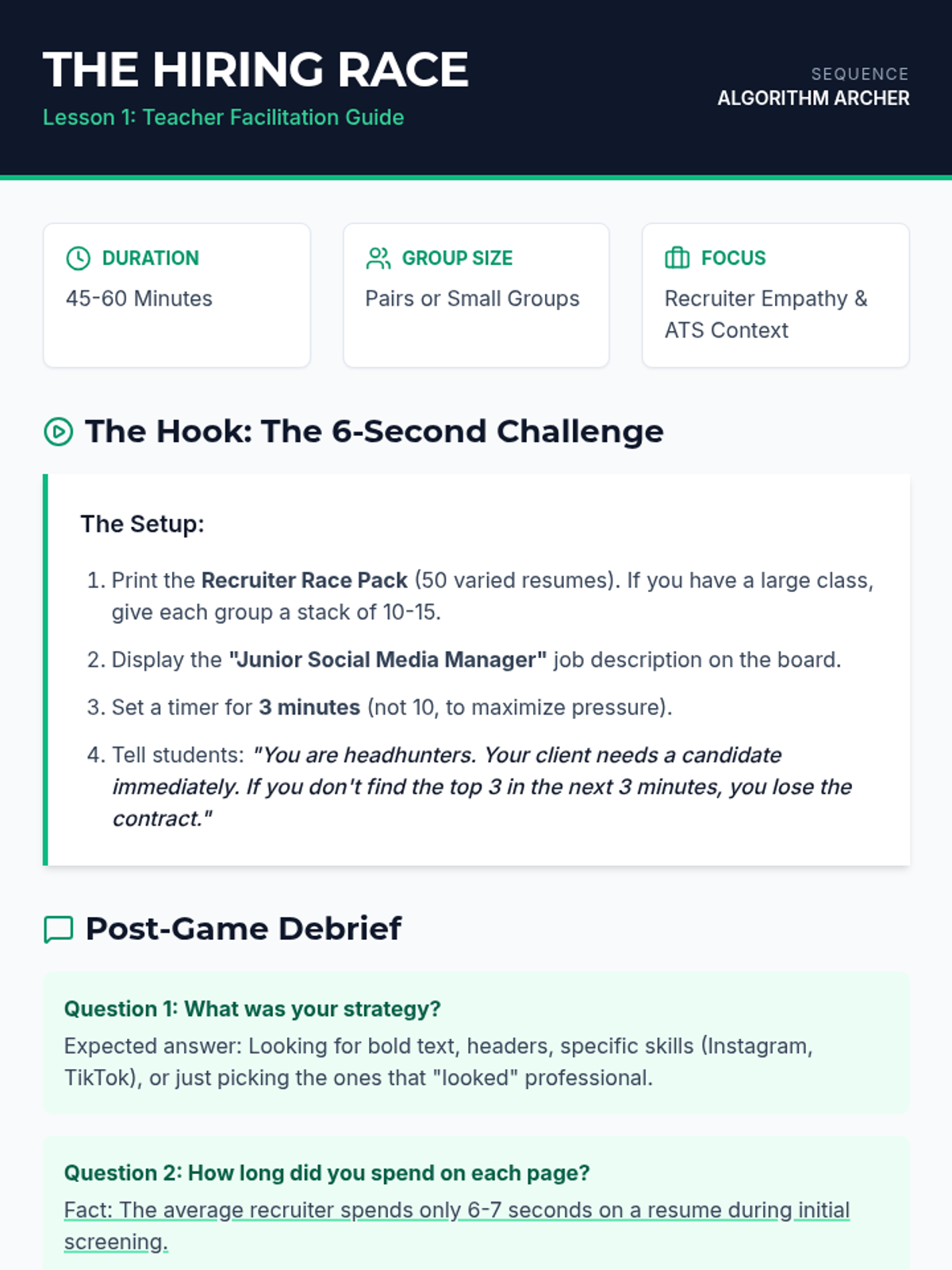
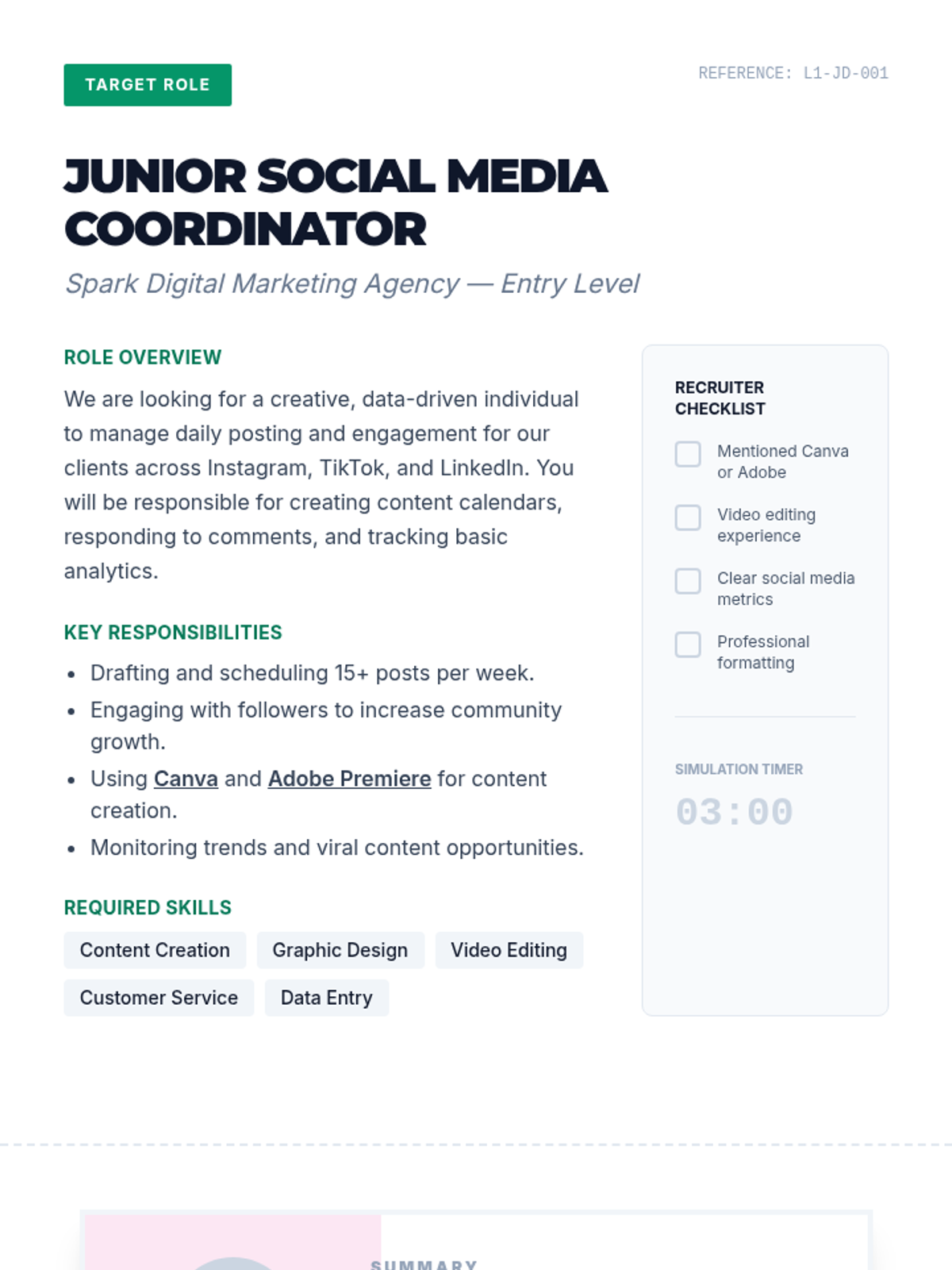
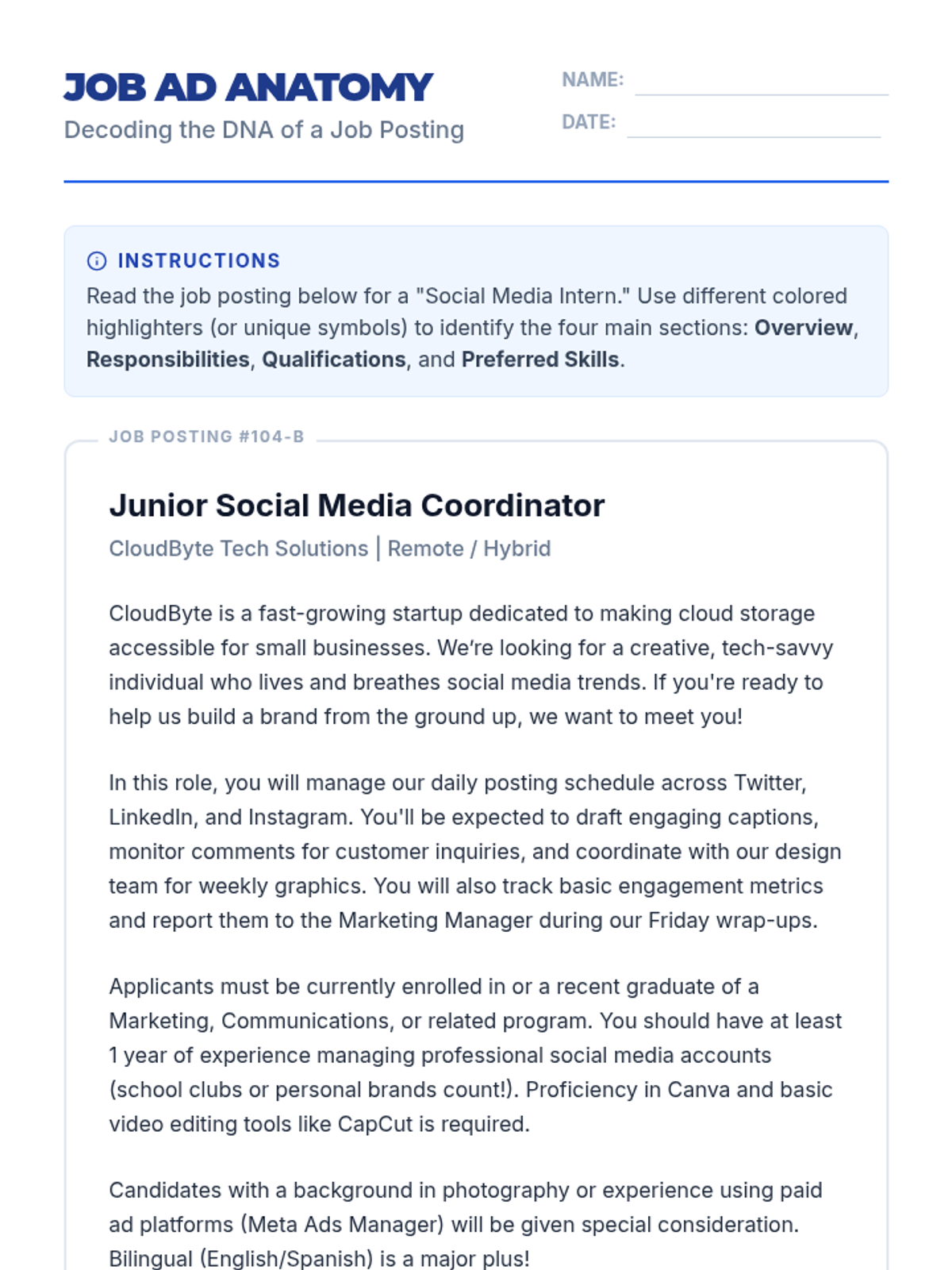
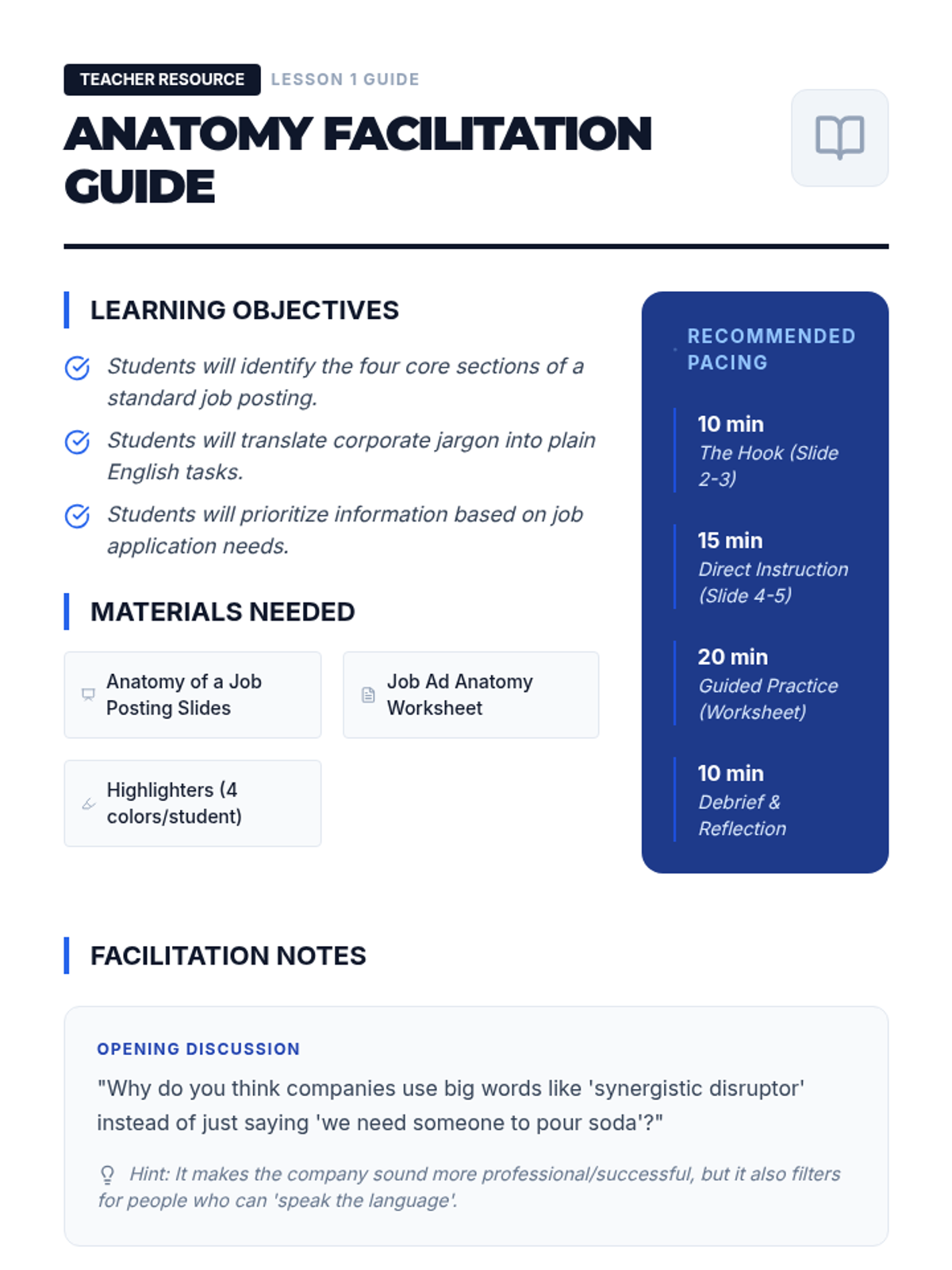
A sequence focused on deconstructing job postings to understand employer needs. Students learn to identify job structure, extract keywords, decode soft skills, and perform gap analyses to prepare for tailored resume writing.