Stop-and-think strategies, impulse management, and SMART goal setting for personal growth. Develops internal motivation, stress reduction techniques, and resilience through proactive planning and monitoring.
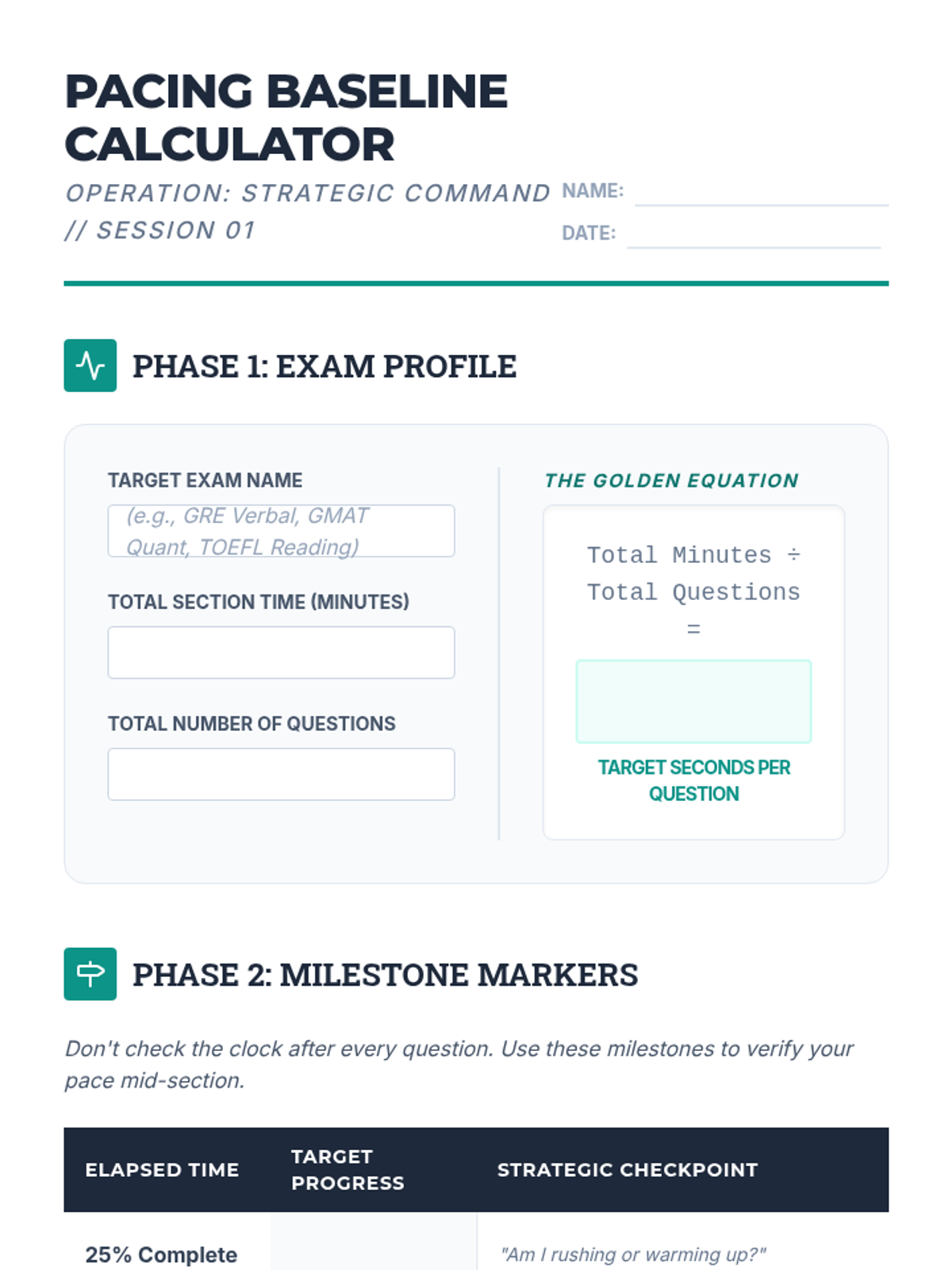
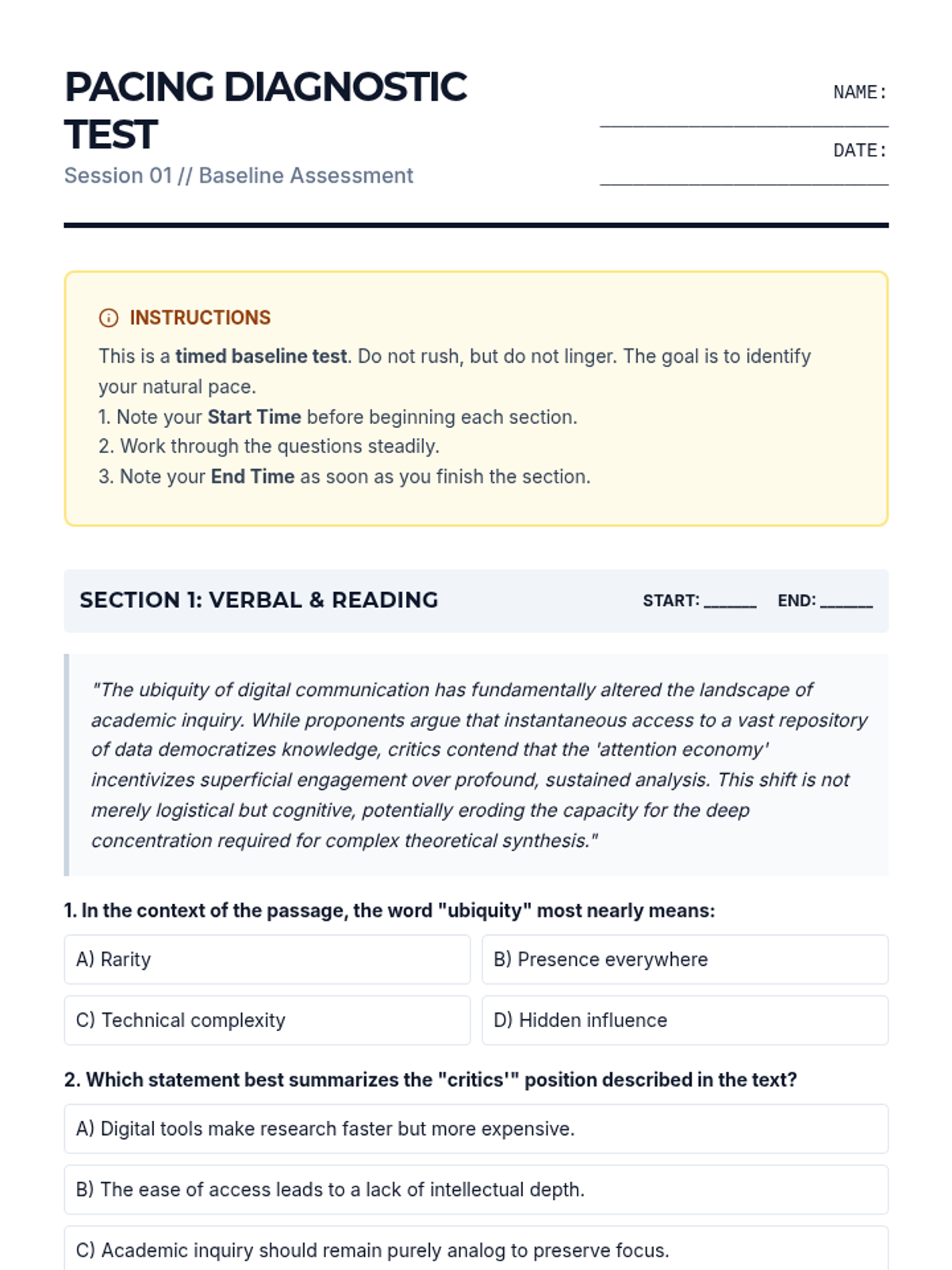
A comprehensive graduate-level sequence focused on the psychological and logistical aspects of high-stakes testing, including time management, anxiety reduction, and strategic decision-making.
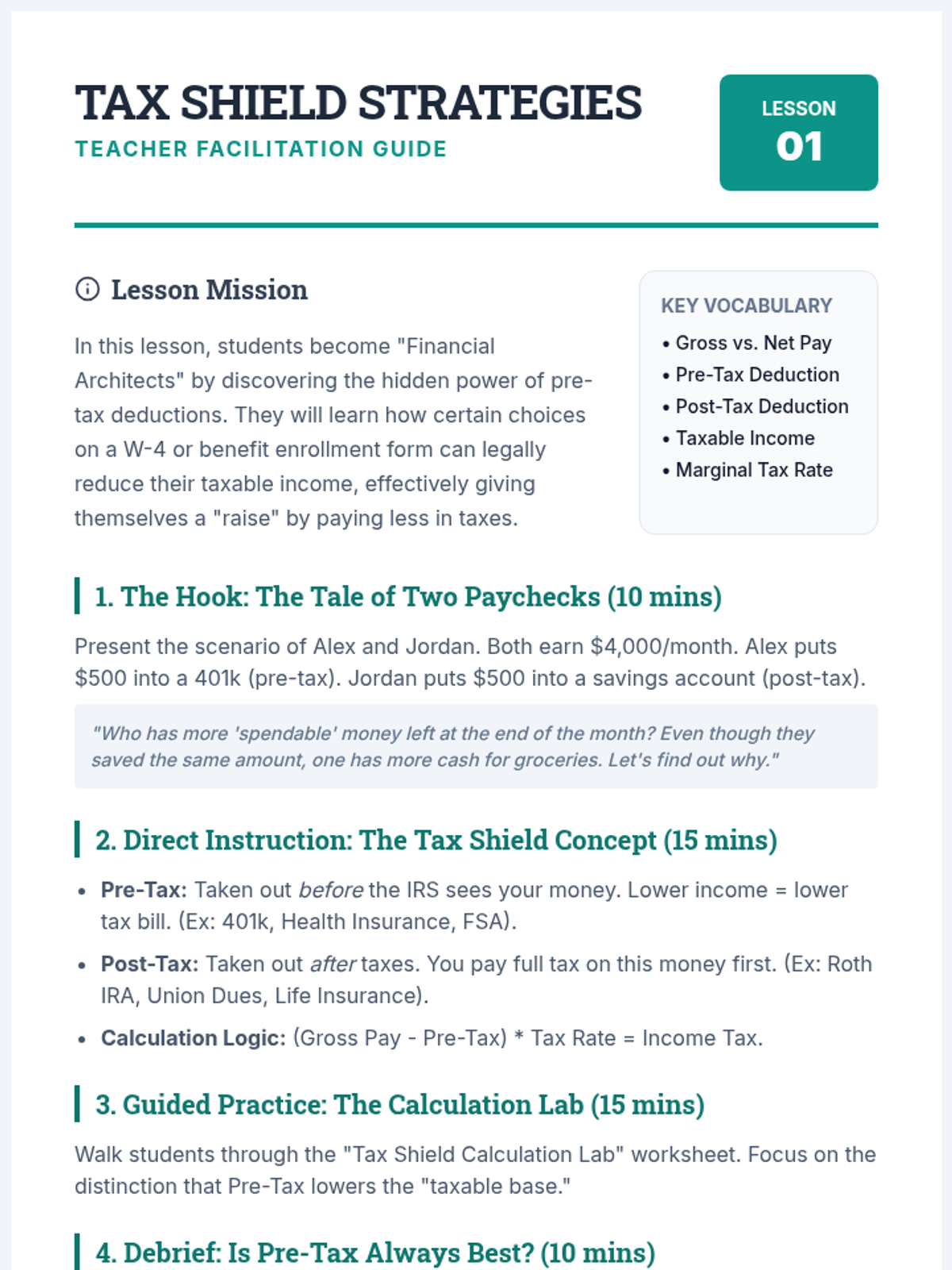
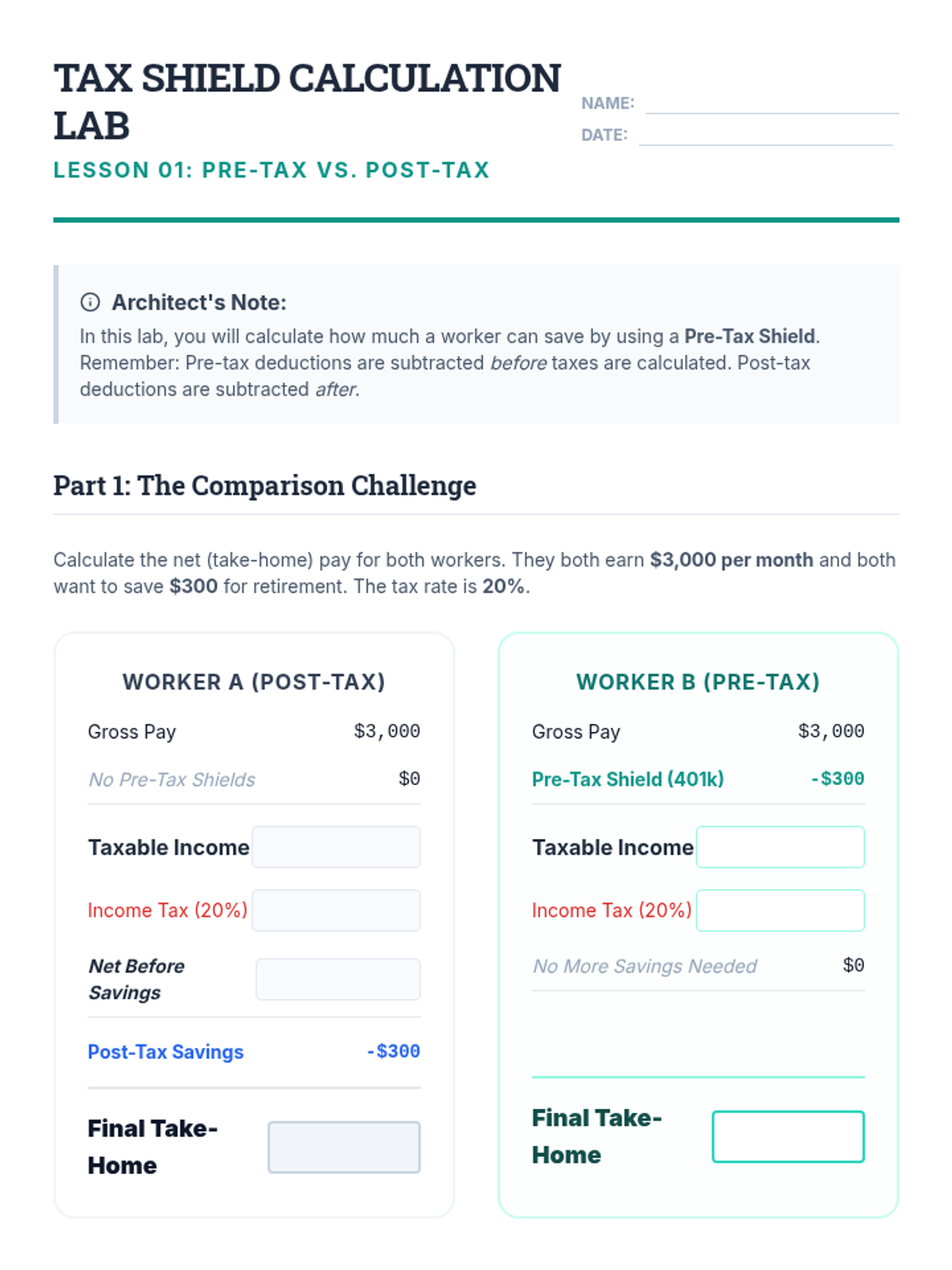
A comprehensive project-based unit exploring how strategic payroll deductions like FSAs, HSAs, and retirement contributions build long-term wealth and manage risk. Students move from basic tax calculations to designing a 'Payroll Strategy Guide' for a career-ready future.
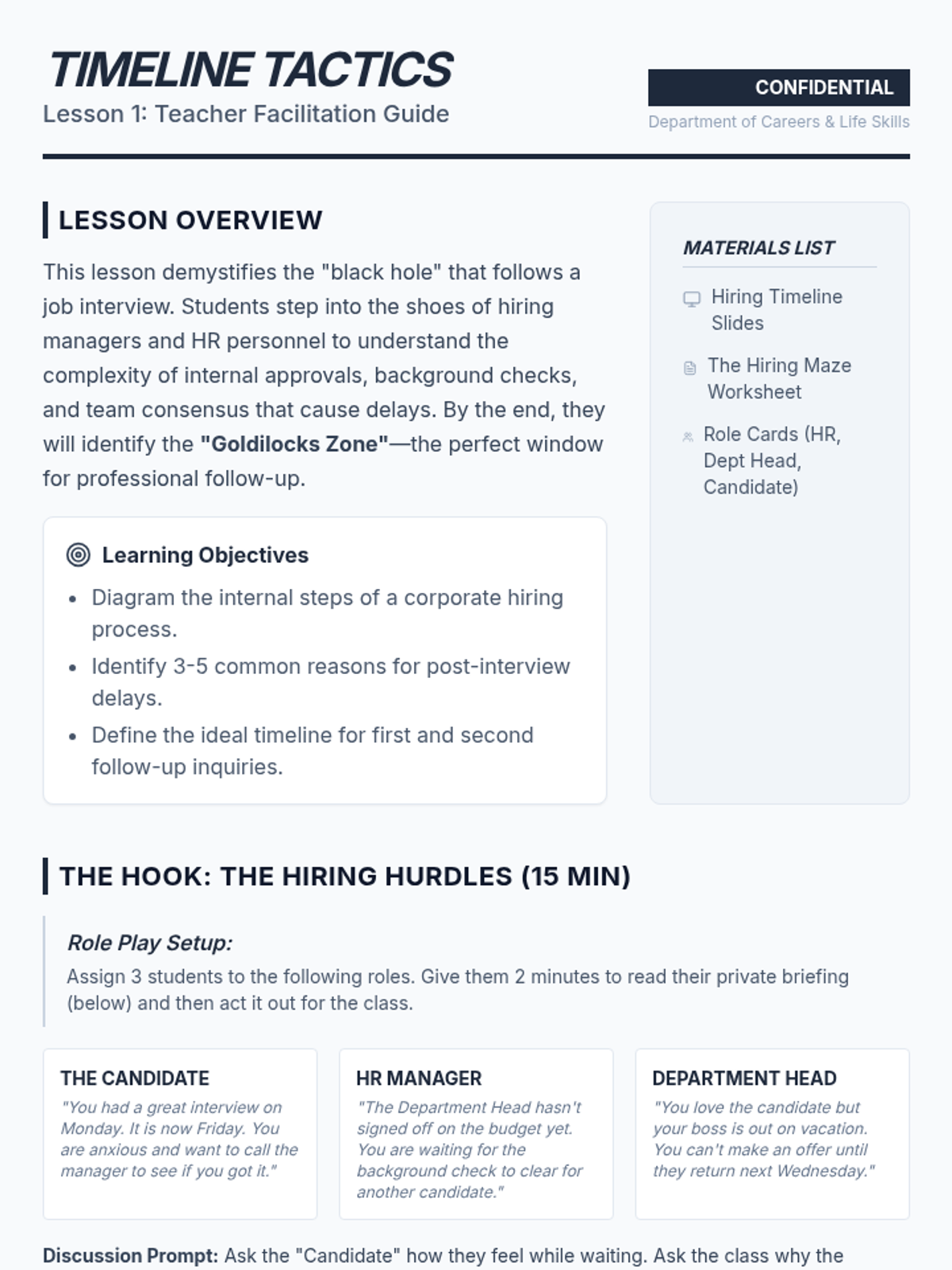
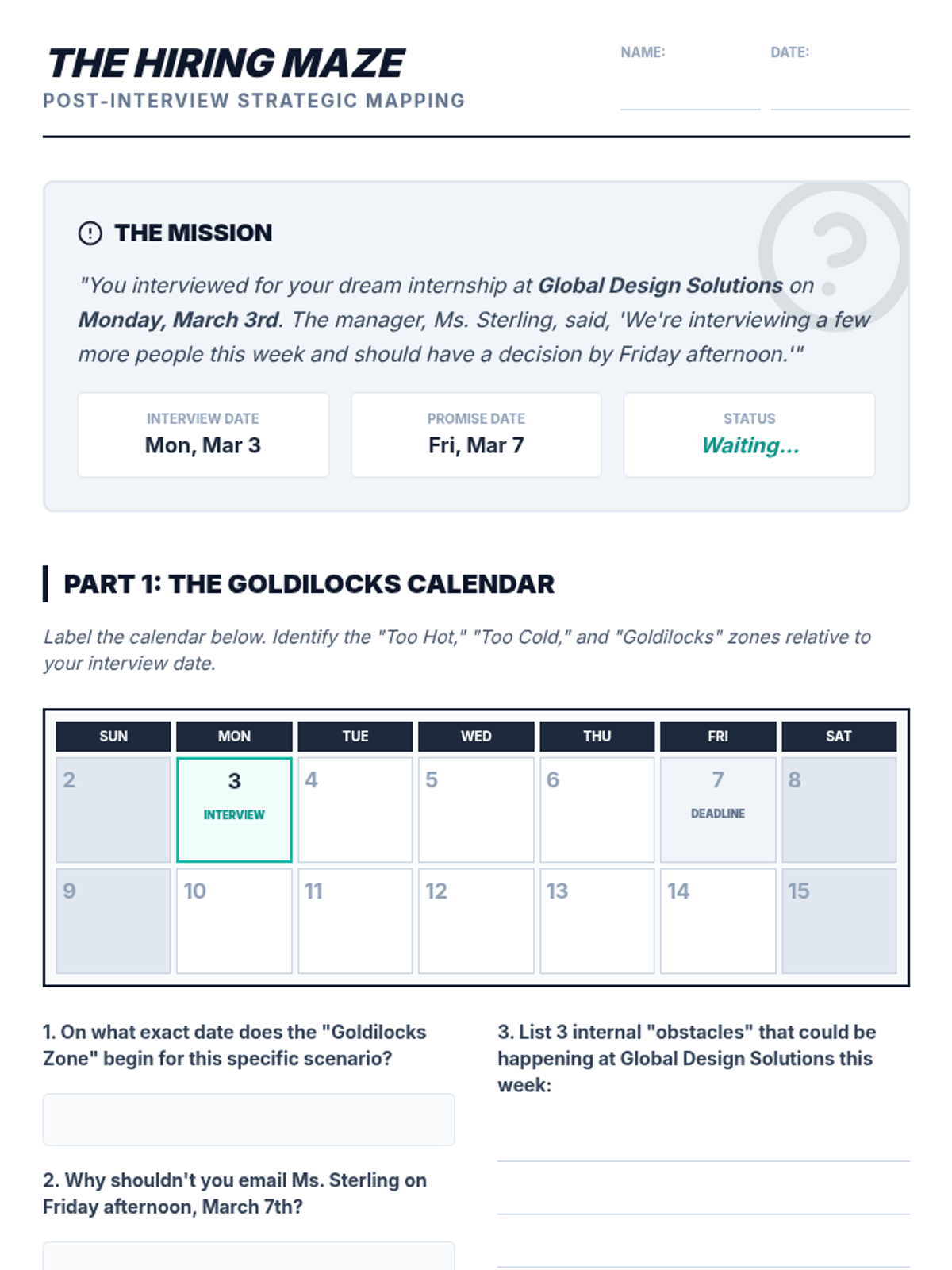
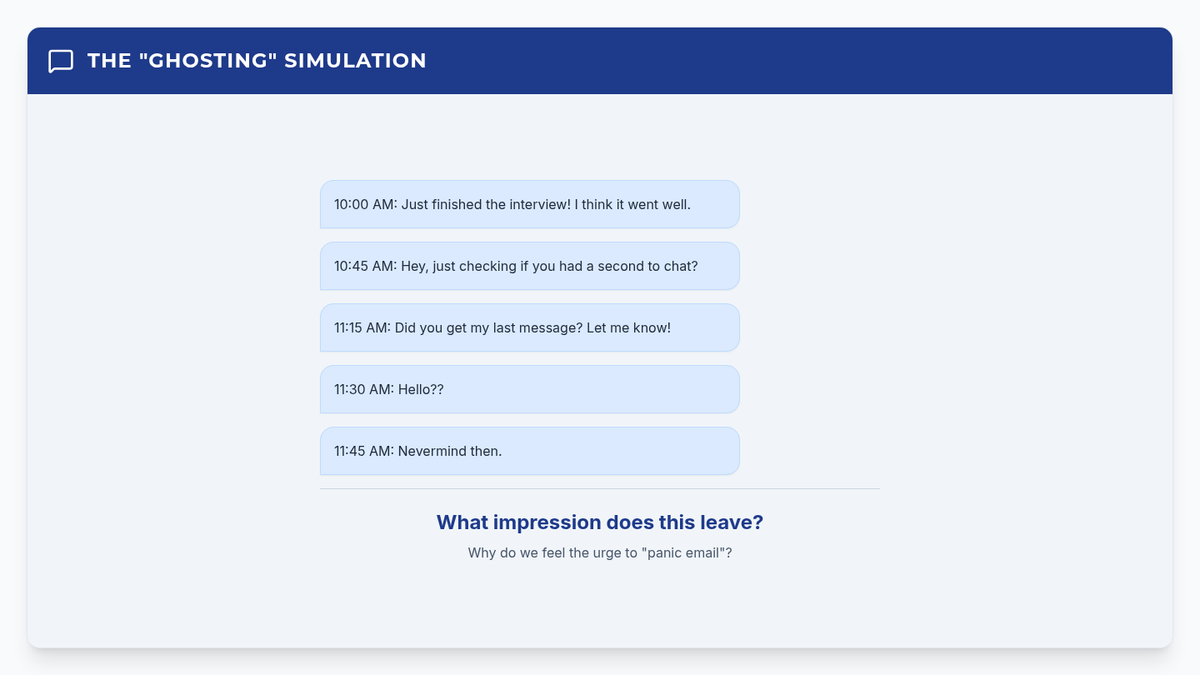
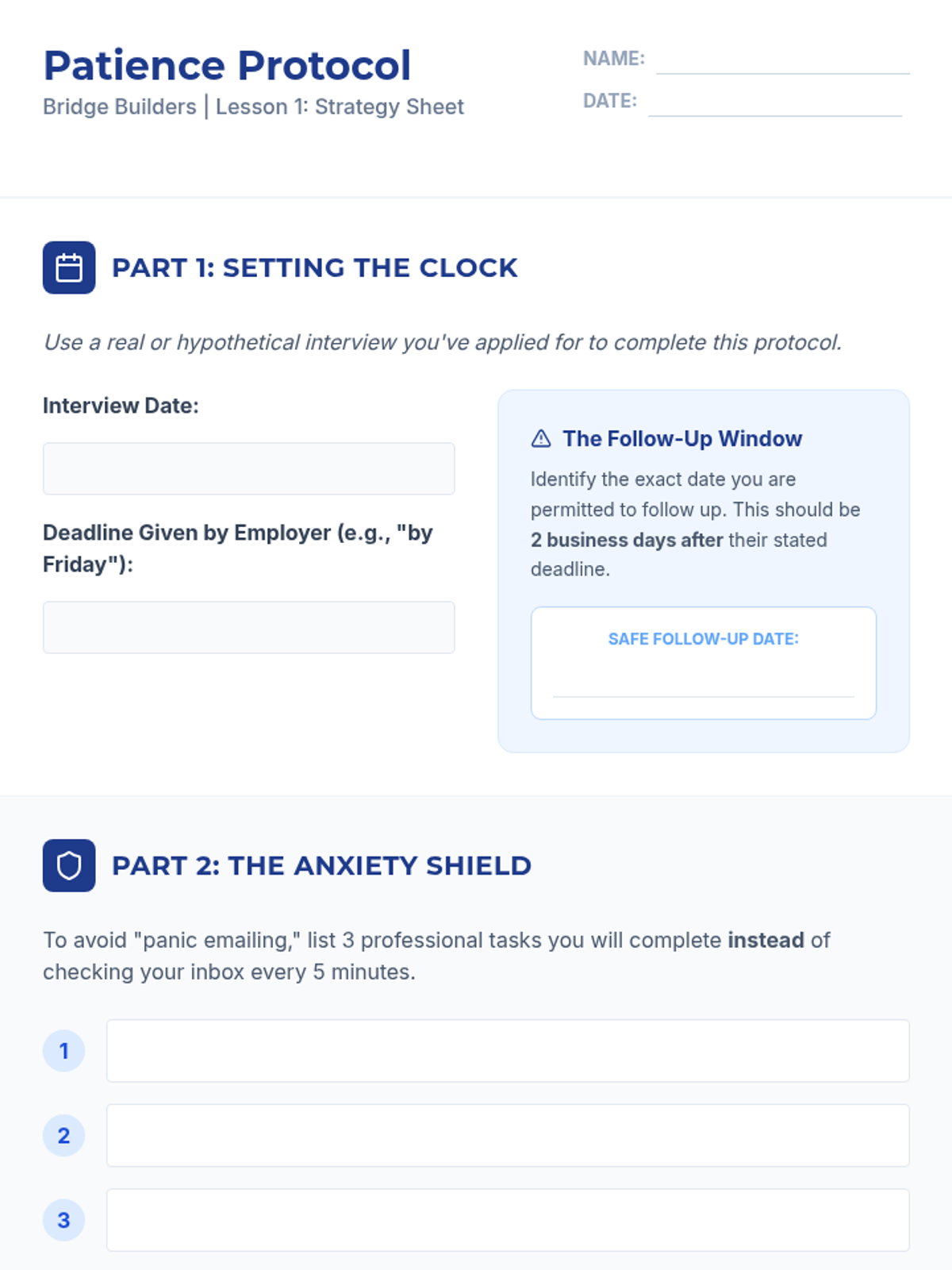
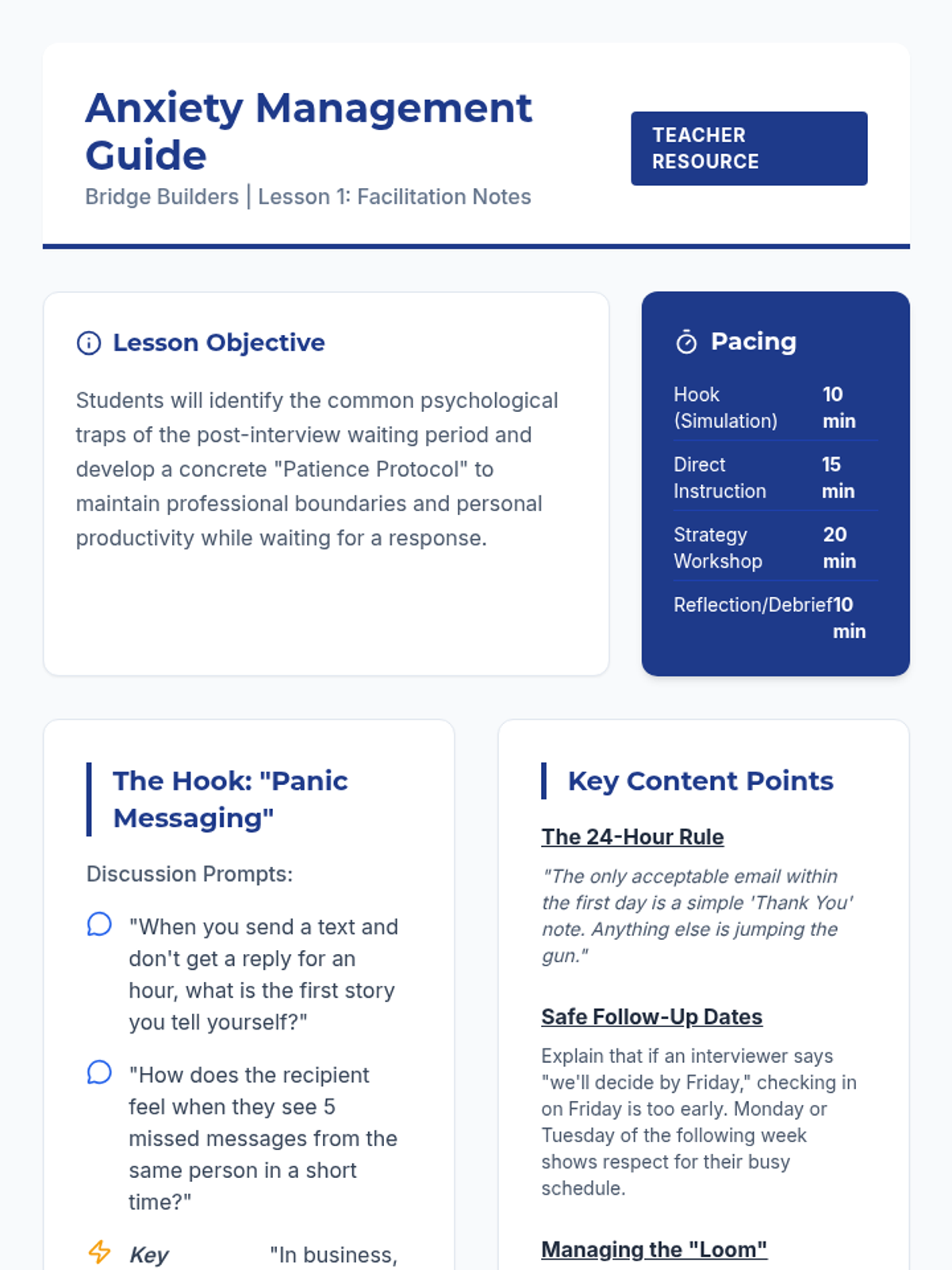
This sequence explores the professional art of following up after a job interview. Students learn to navigate the 'waiting game' by understanding employer timelines, drafting strategic inquiries, and responding professionally to outcomes ranging from job offers to rejections.
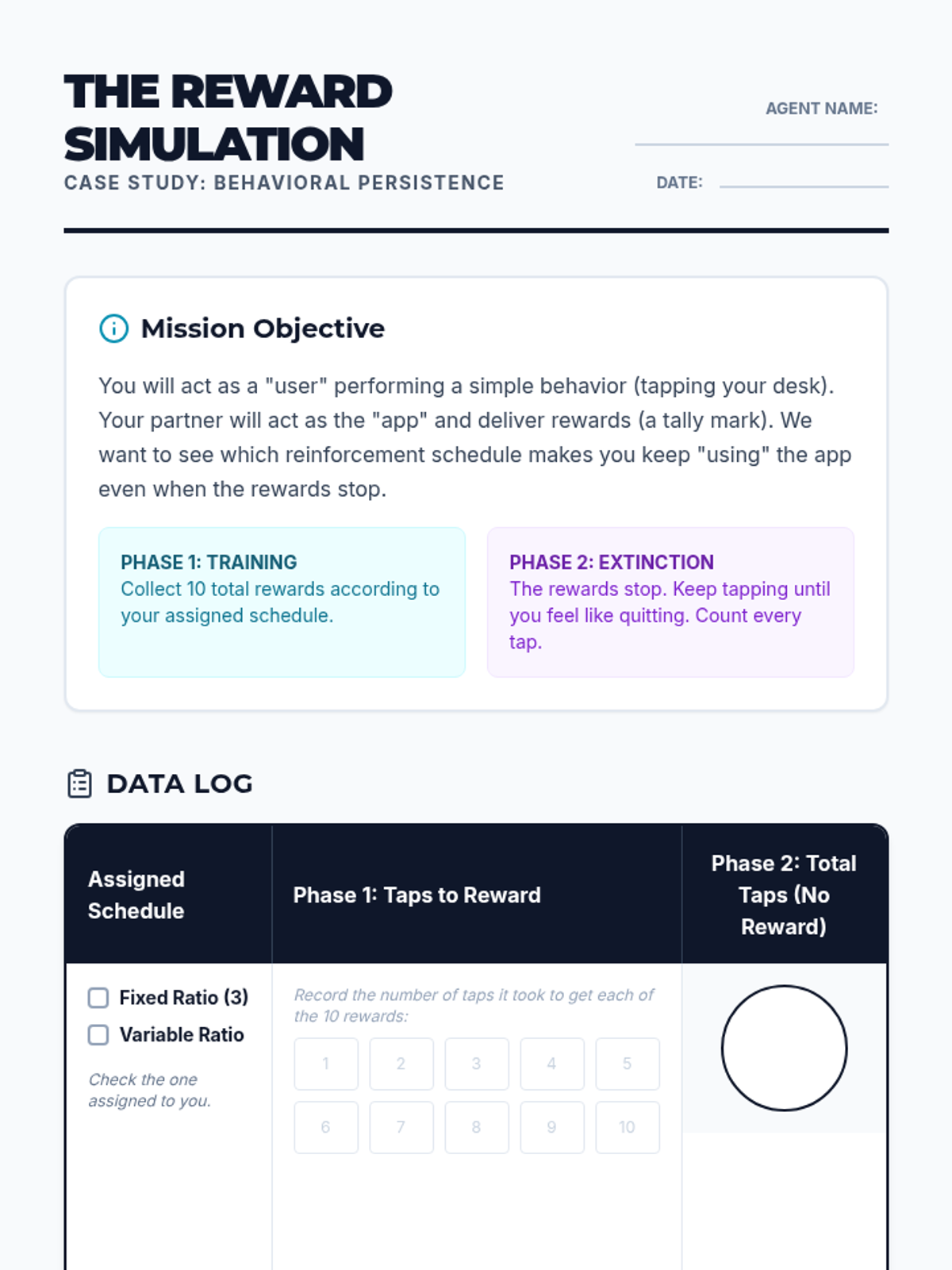
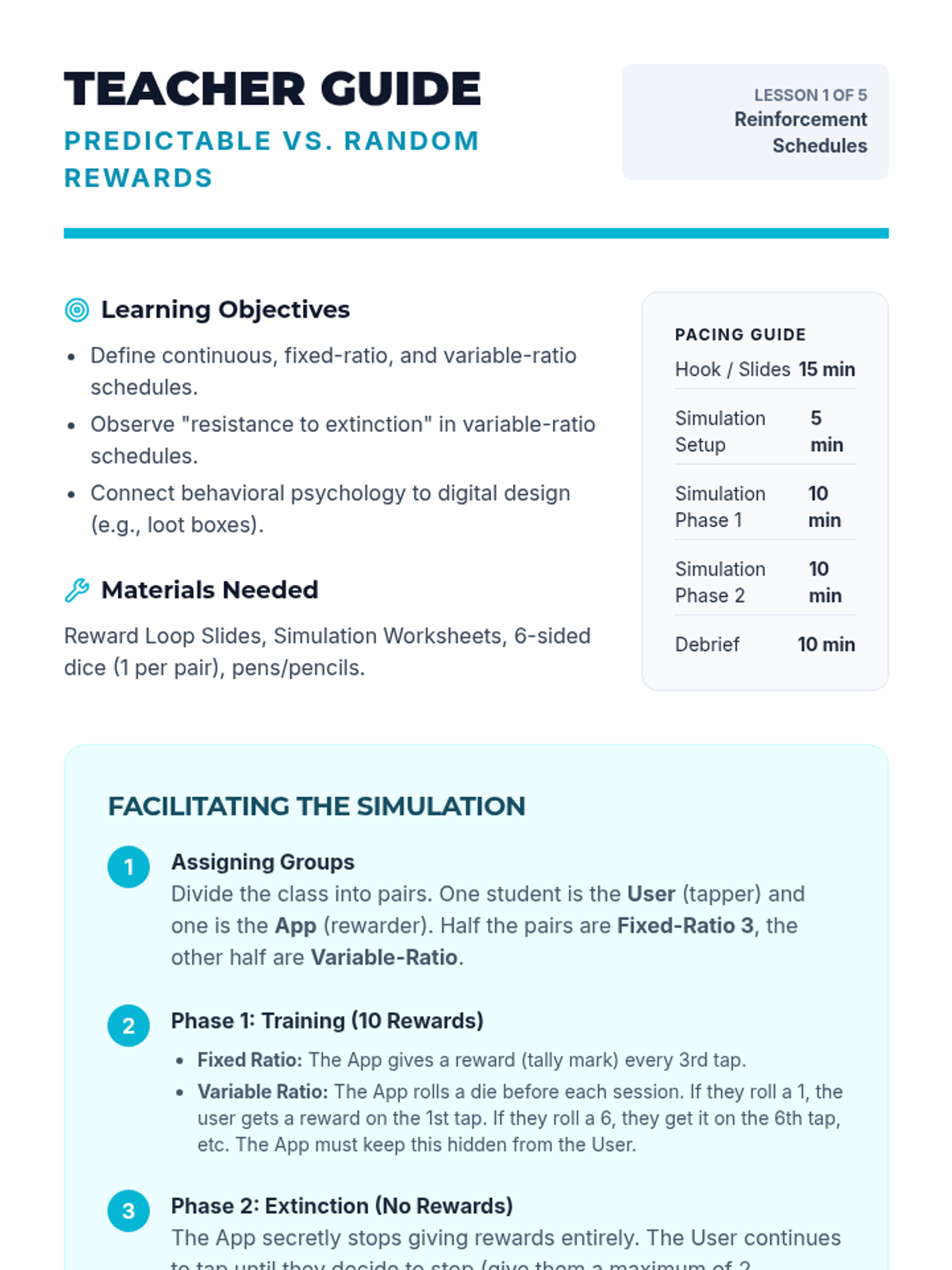
A 5-lesson sequence exploring how technology uses schedules of reinforcement (fixed and variable) to drive engagement. Students analyze gamification, social media mechanics, and ethical design to build digital literacy.
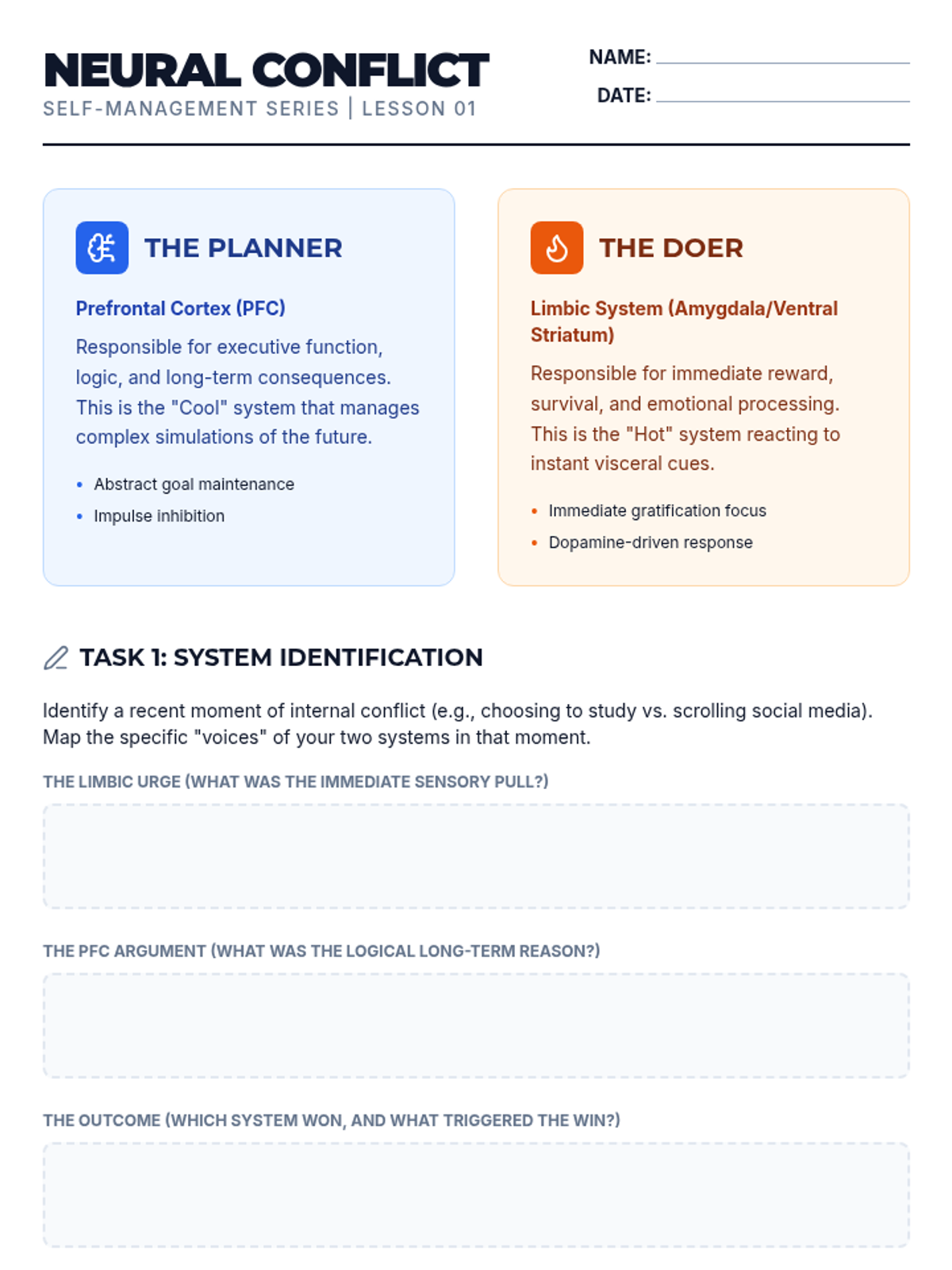
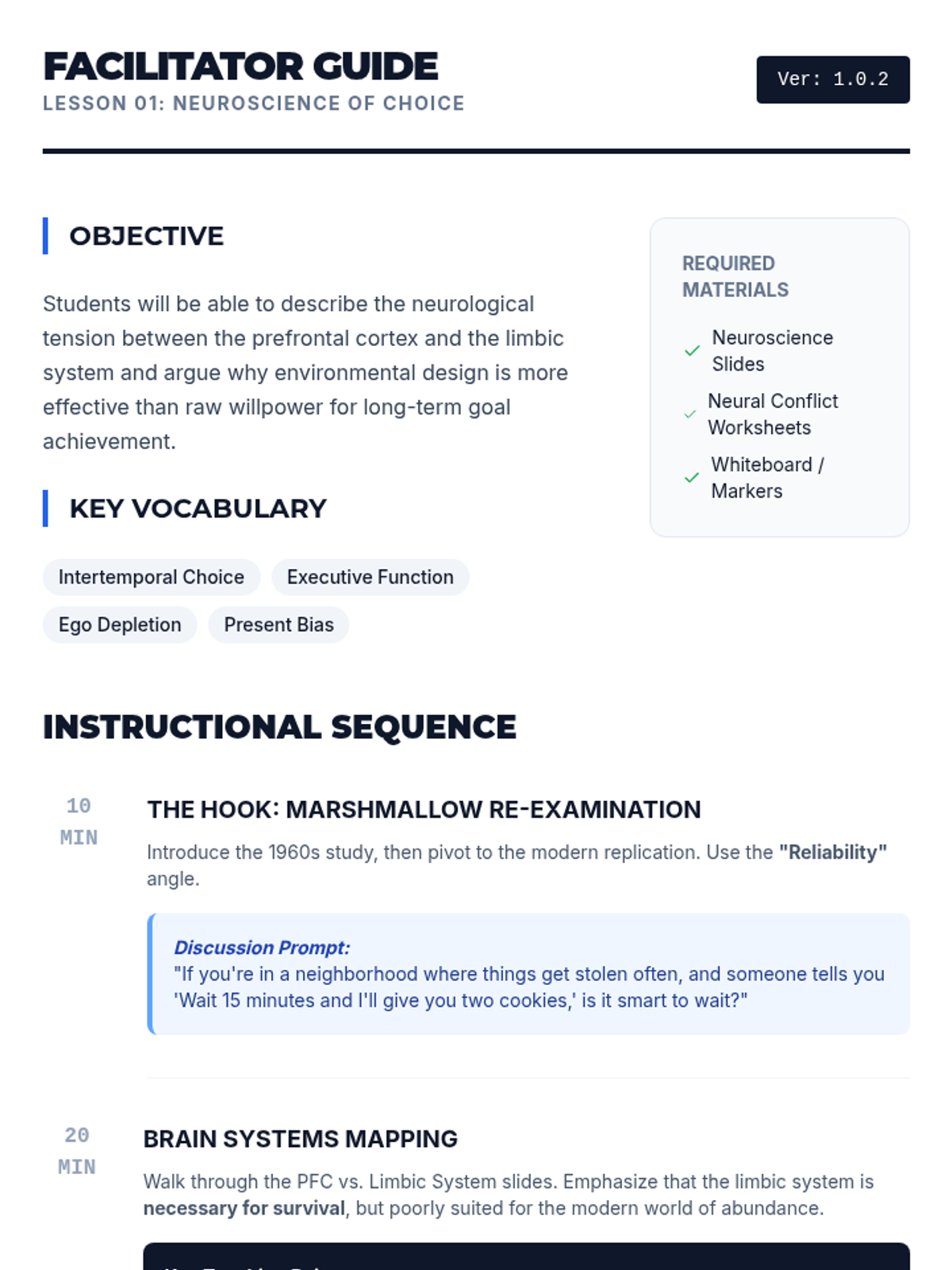
This sequence explores the psychological and neurological mechanisms of delayed gratification, moving beyond willpower to evidence-based strategies like commitment devices and environmental architecture. Students will analyze hyperbolic discounting, fMRI brain studies, and implementation intentions to build a personalized framework for long-term goal achievement.
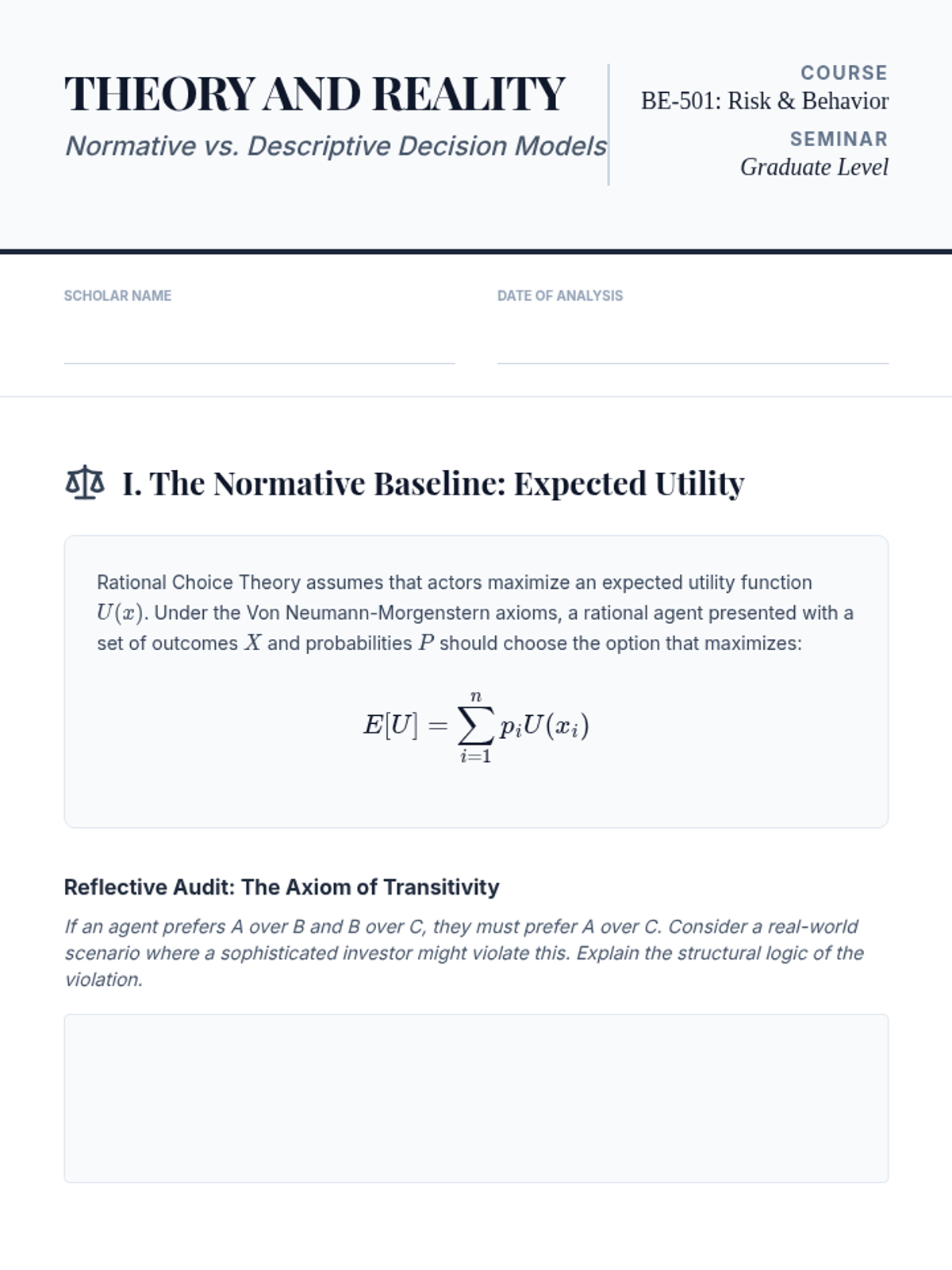
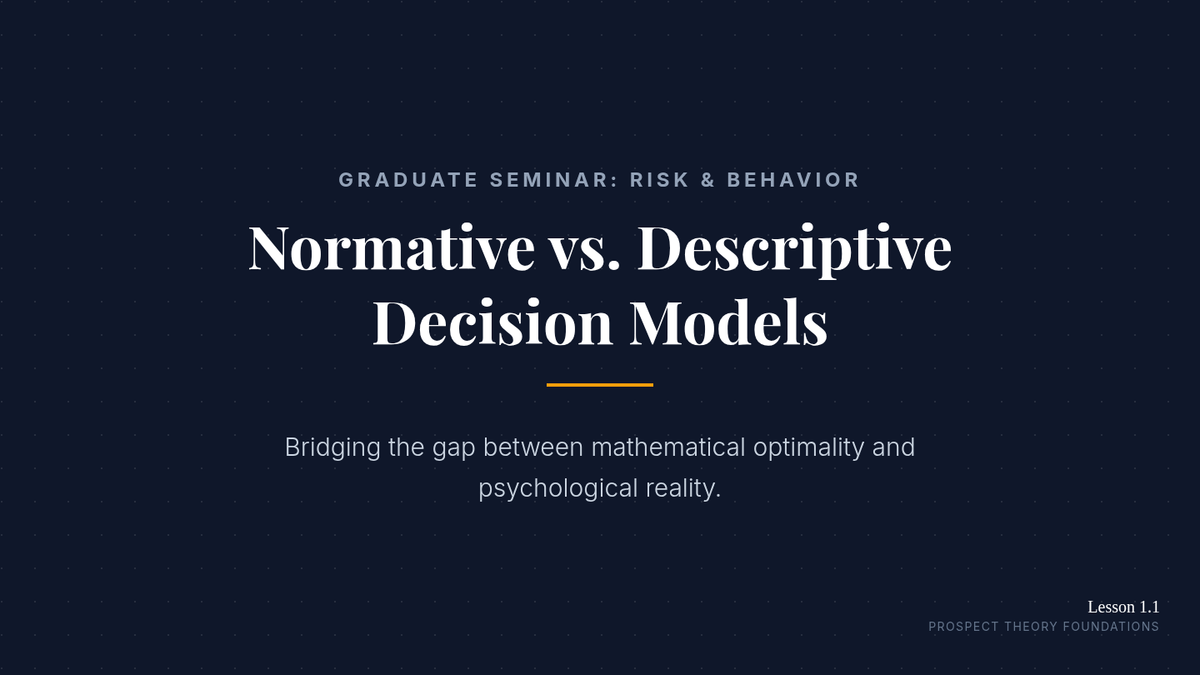
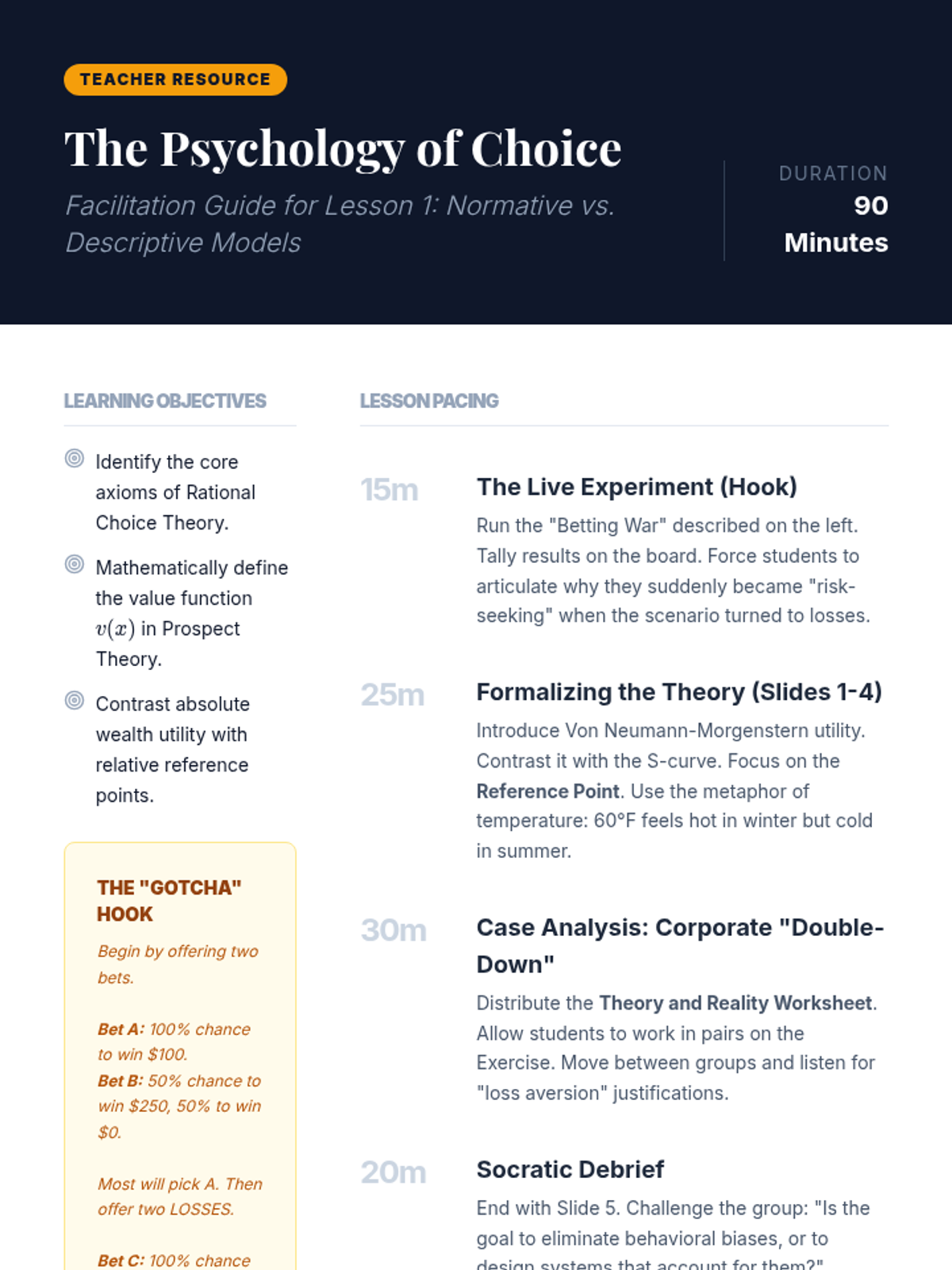
A graduate-level exploration of the intersection between mathematical probability and behavioral psychology. This sequence covers Prospect Theory, cognitive heuristics, fat-tail distributions, and the design of psychologically resilient risk management frameworks.
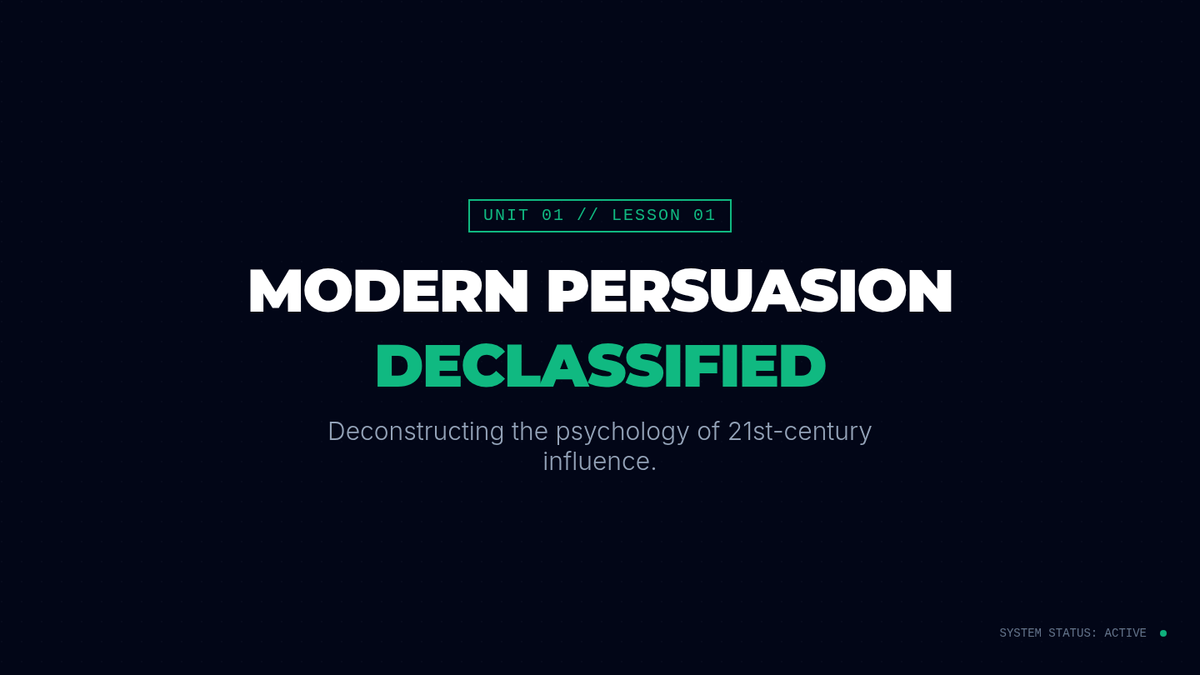
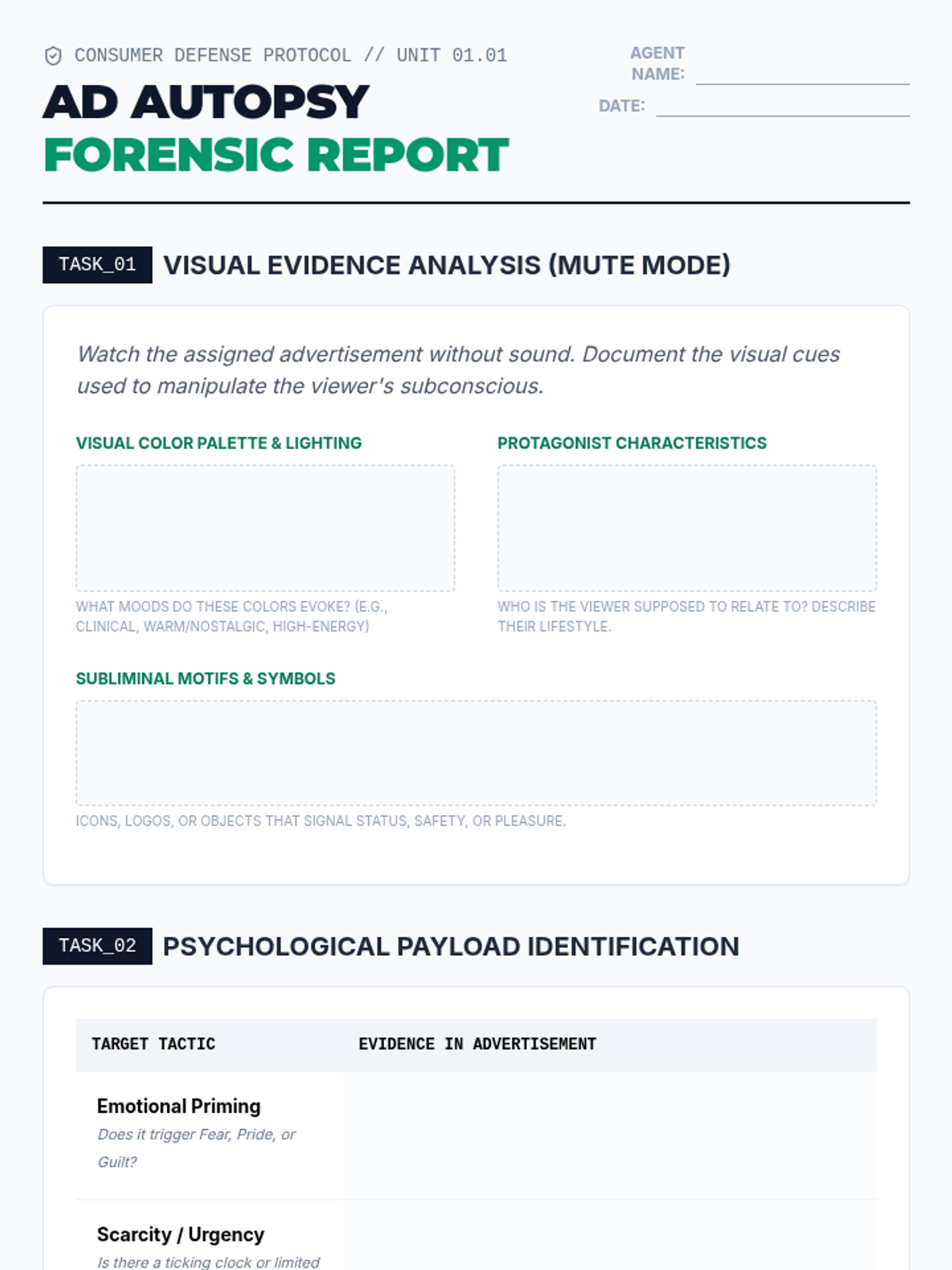
A high-school level sequence exploring the psychological and digital mechanisms of modern advertising. Students learn to identify neuromarketing, algorithmic targeting, influencer tactics, and dark patterns to develop critical consumer autonomy.
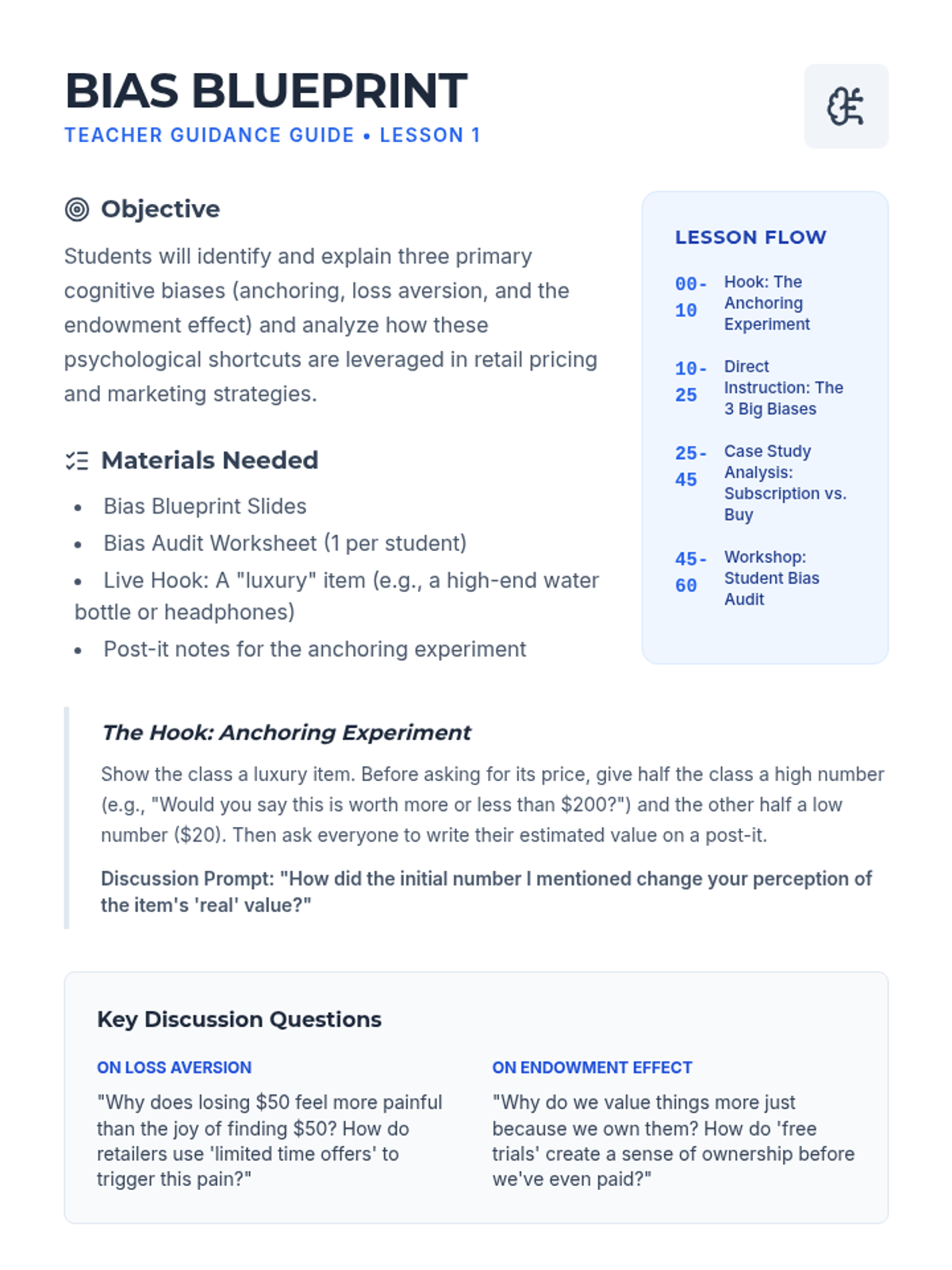
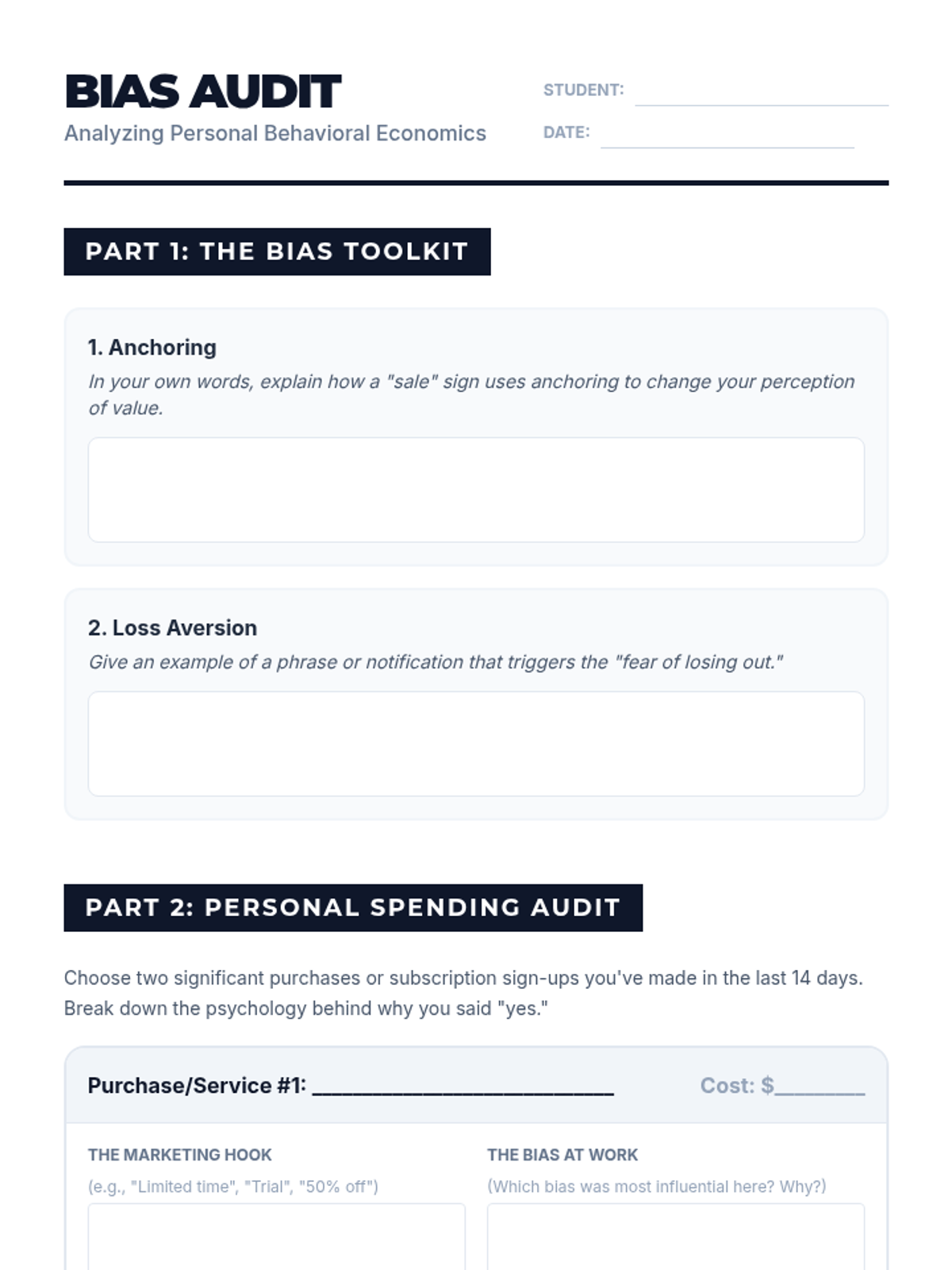
This sequence explores the intersection of behavioral economics and modern marketing. Undergraduate students will analyze cognitive biases, algorithmic targeting, dark patterns in UX, and the influencer economy to develop a personal framework for conscious consumption.
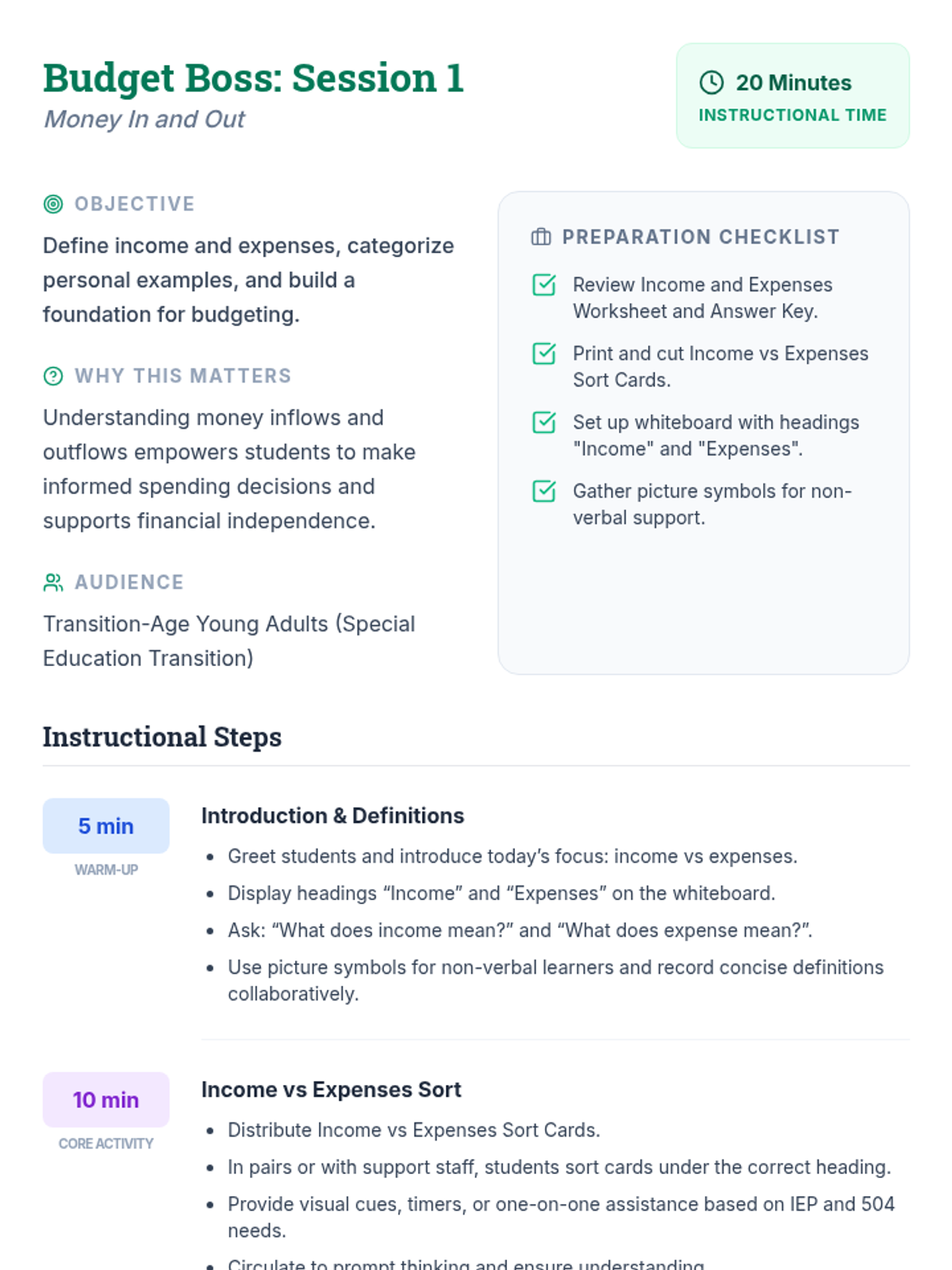
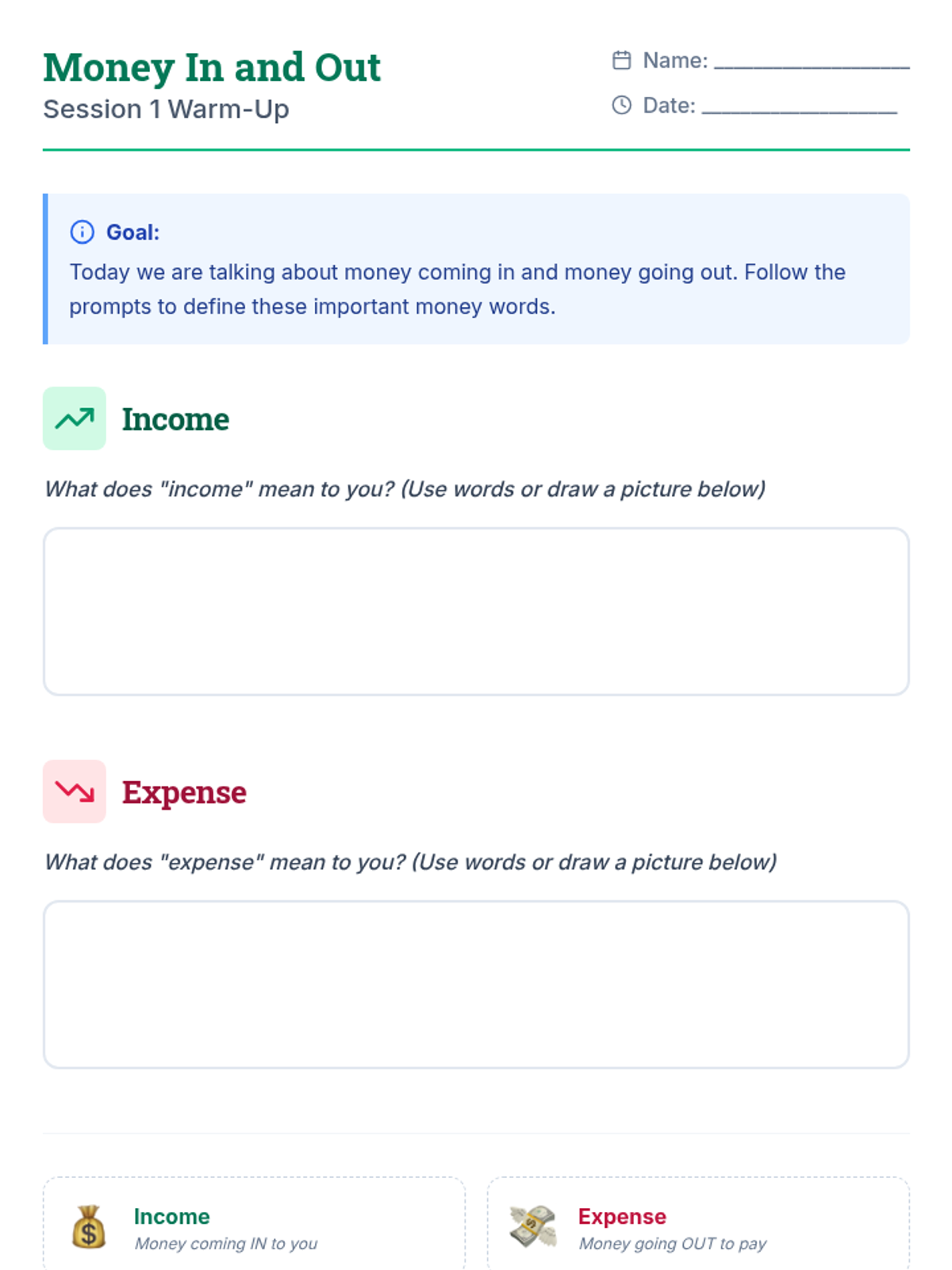
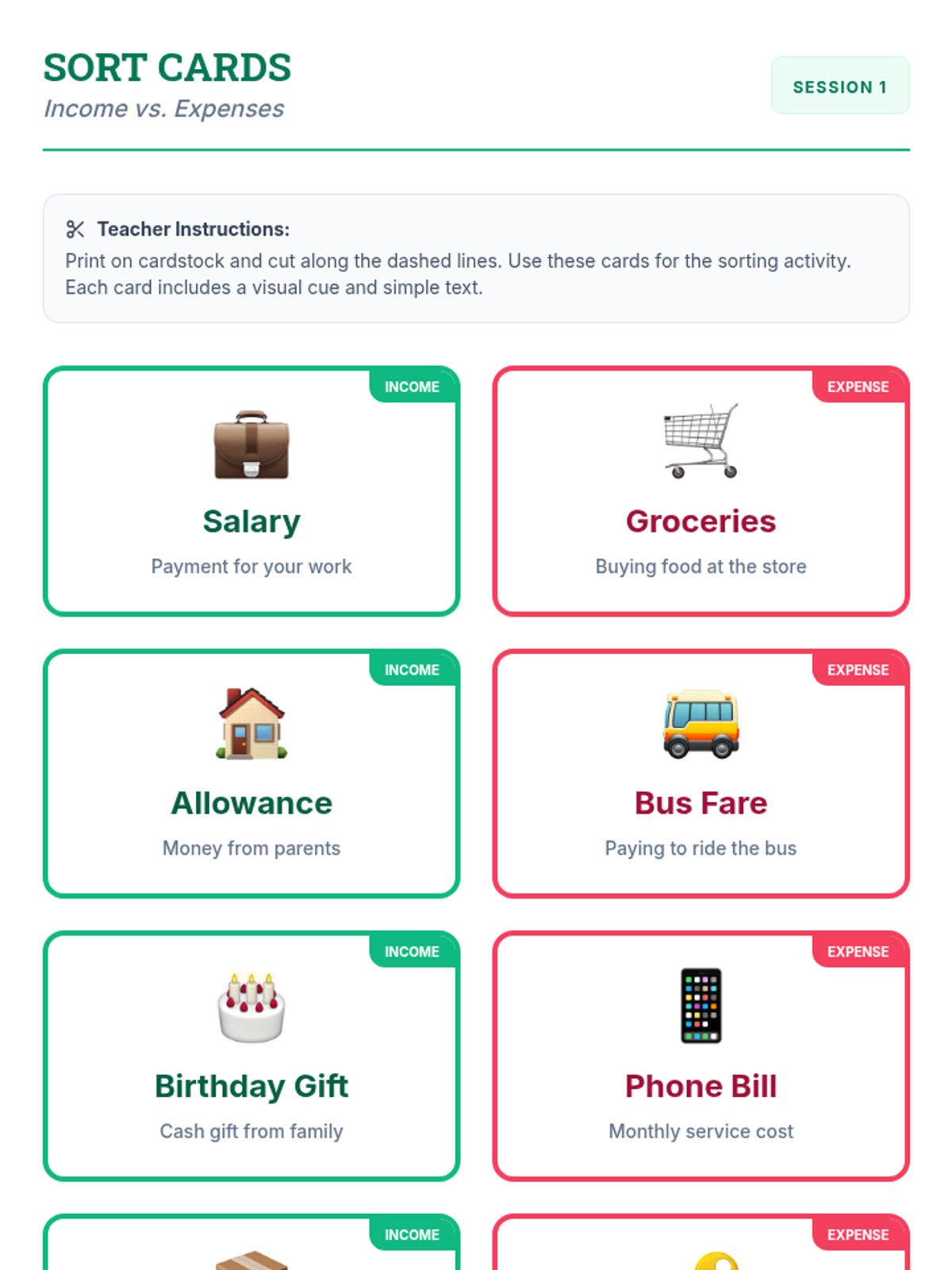
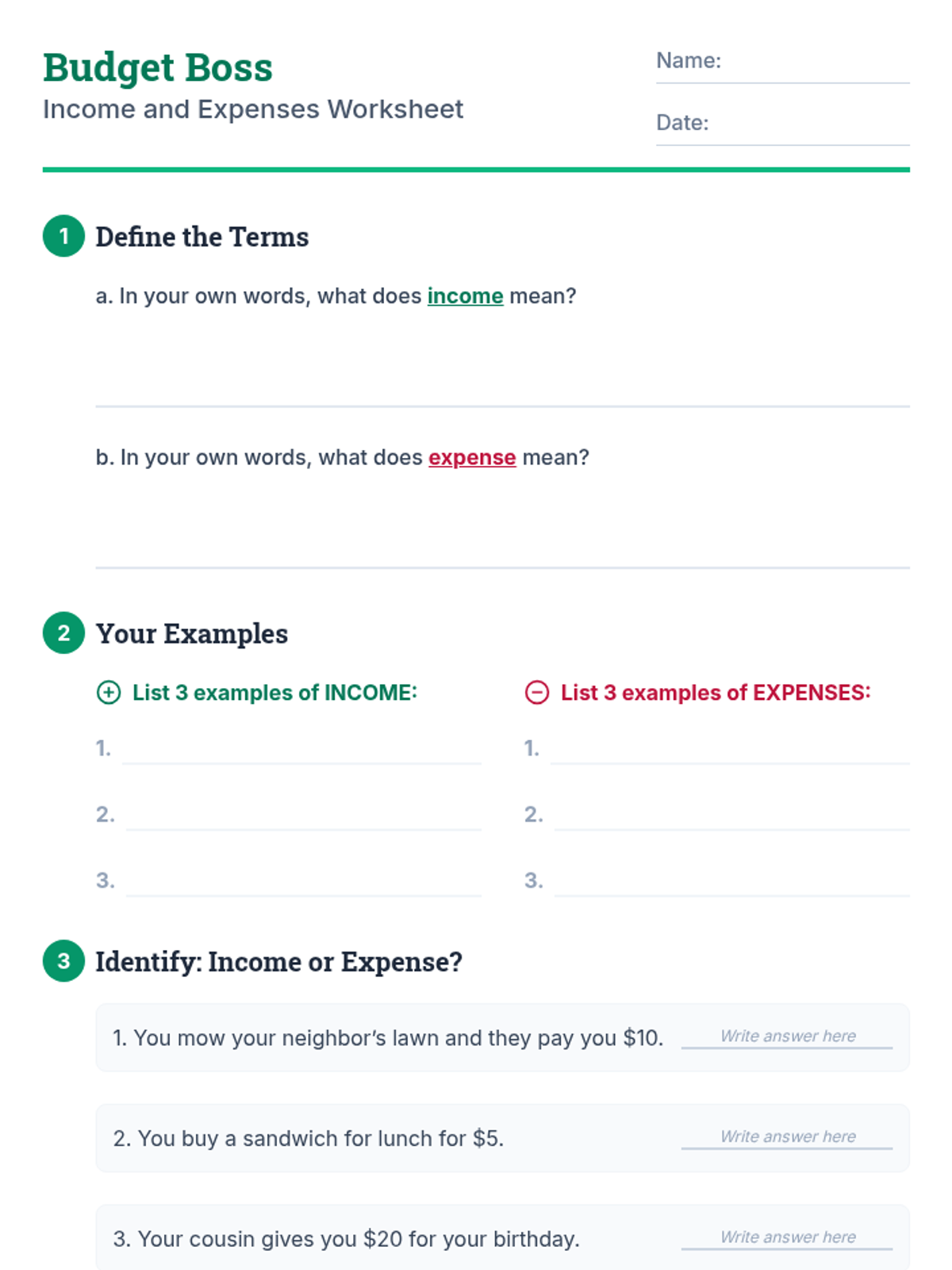
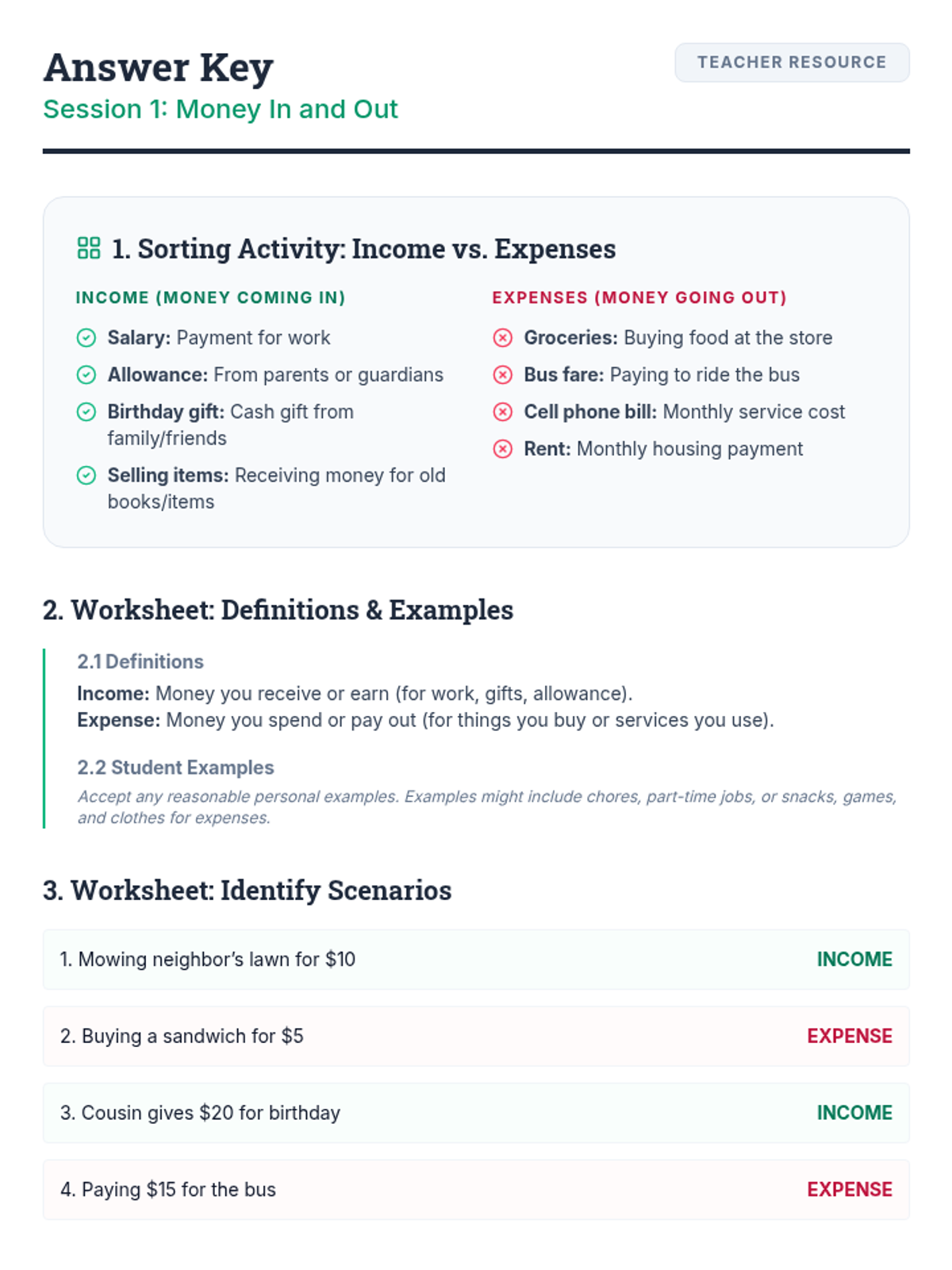
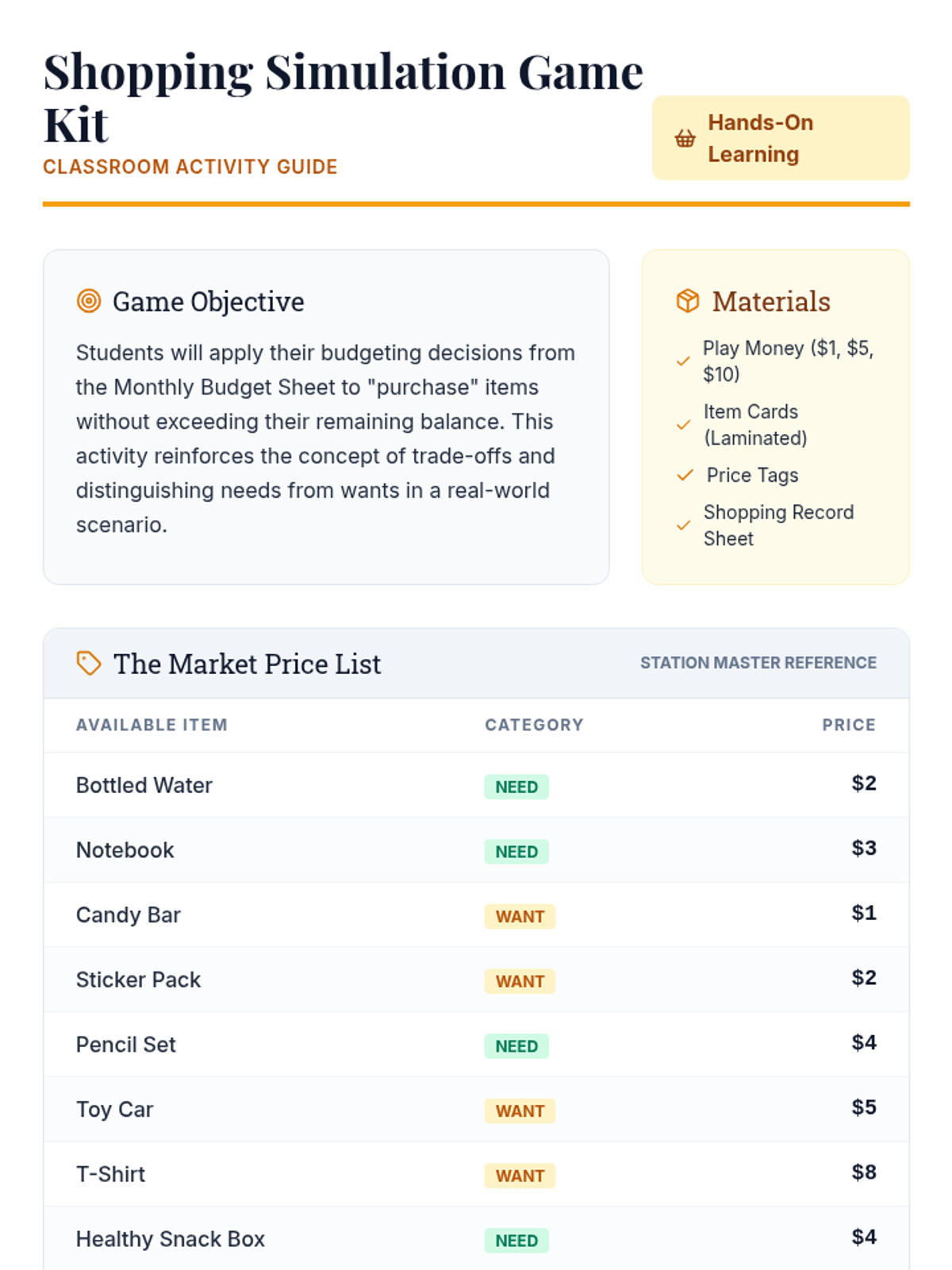
A three-session financial literacy course designed for transition-age young adults with special needs, focusing on income, expenses, tracking, and personal budgeting.
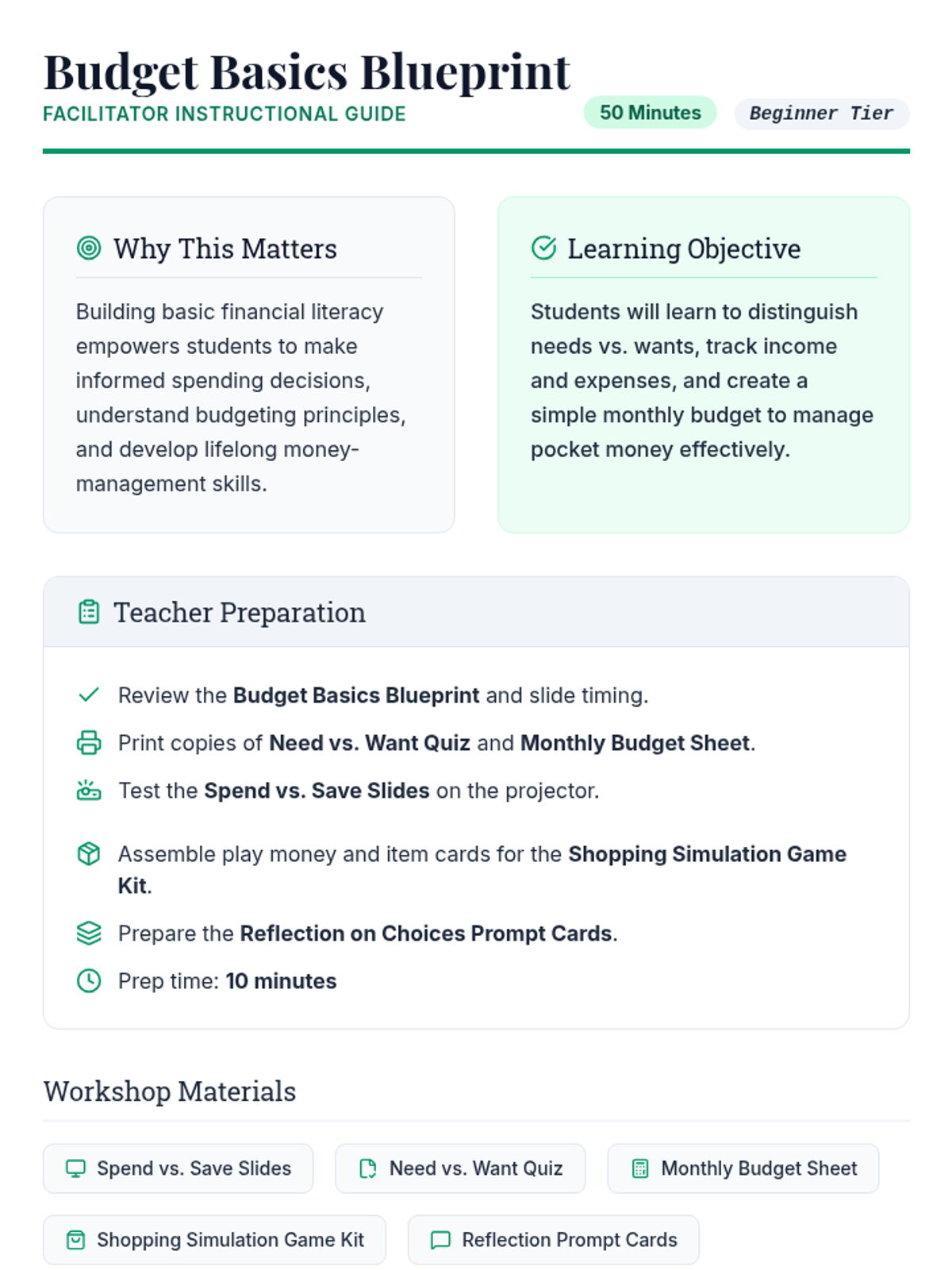
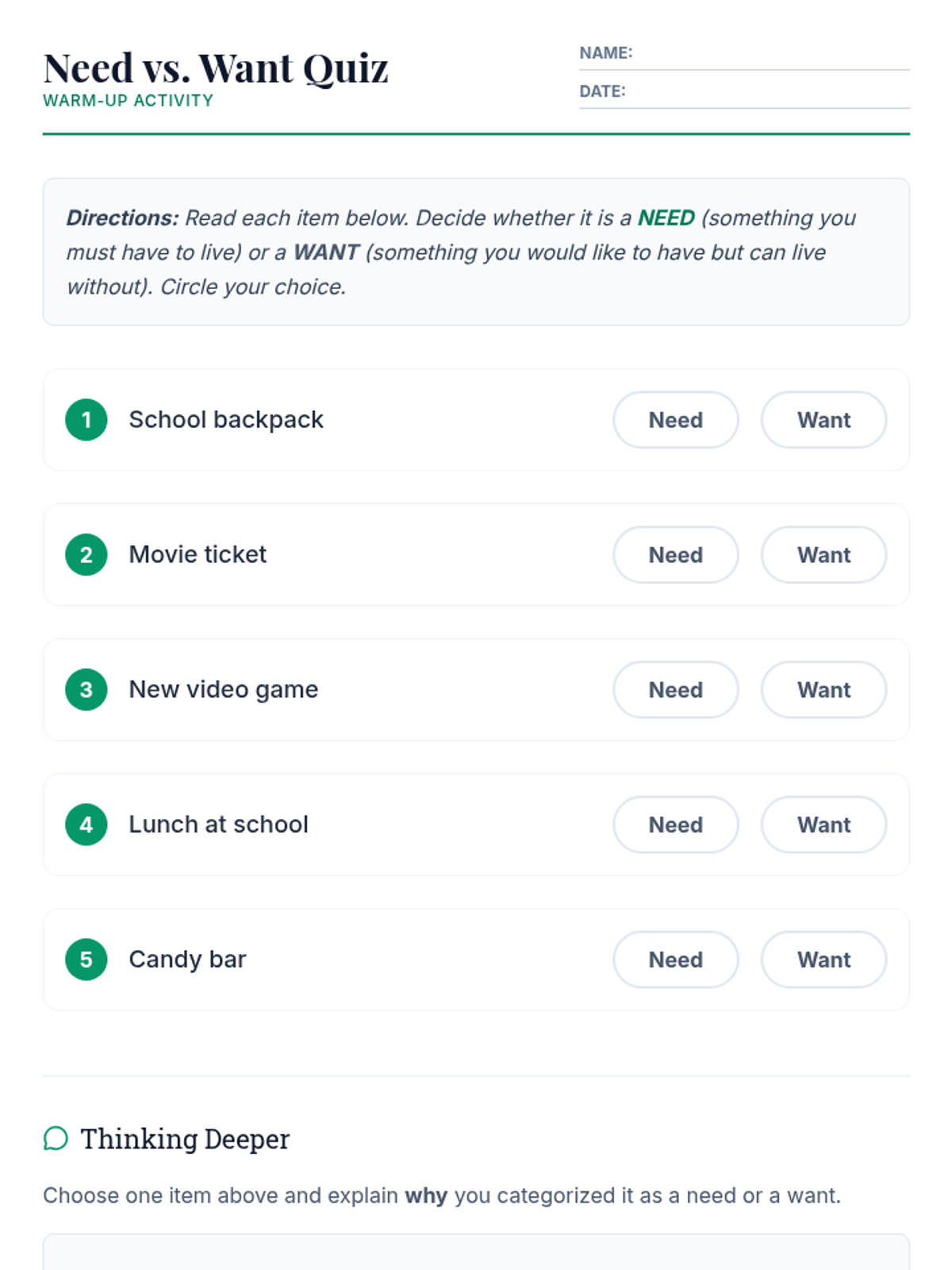
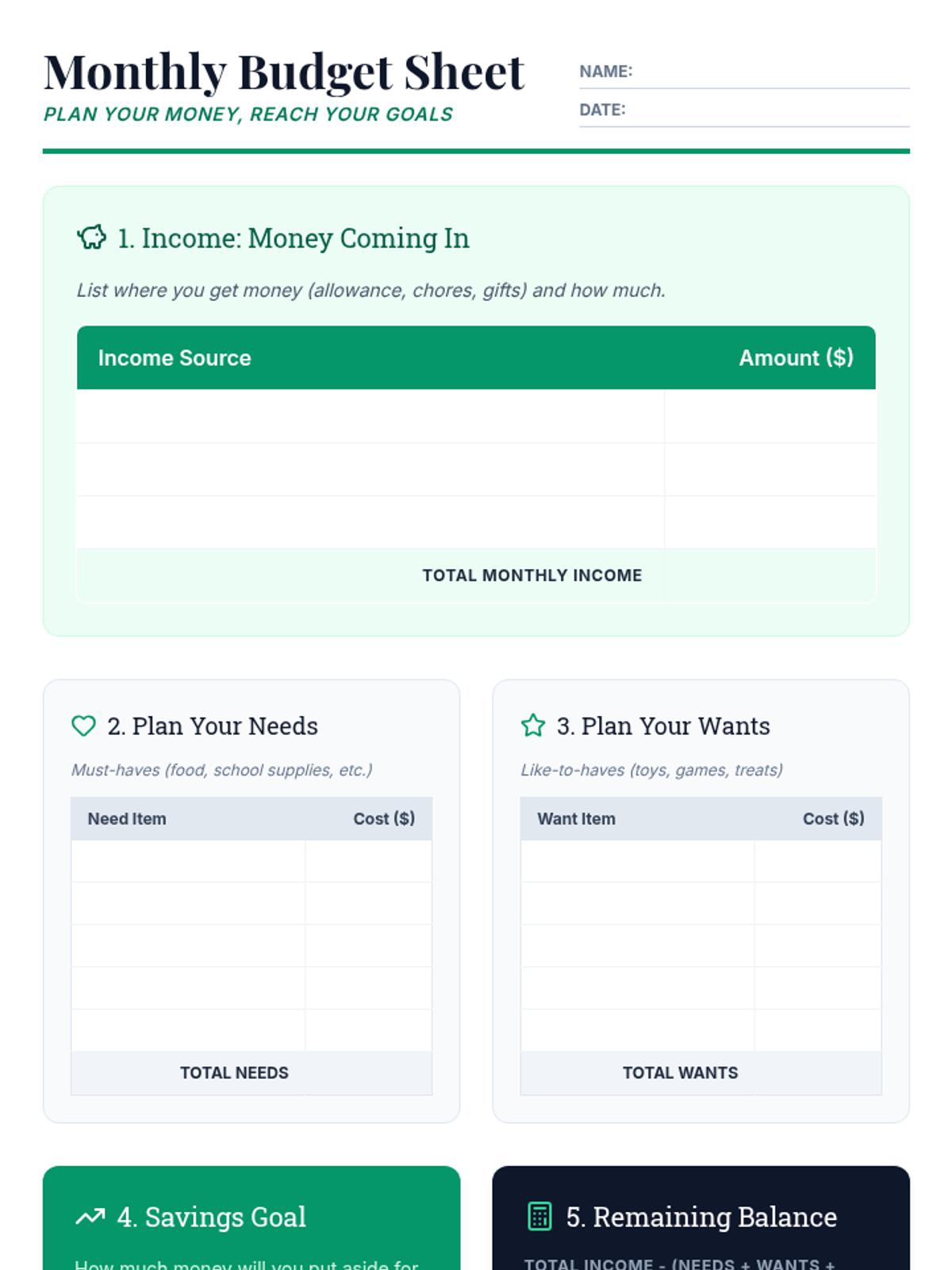
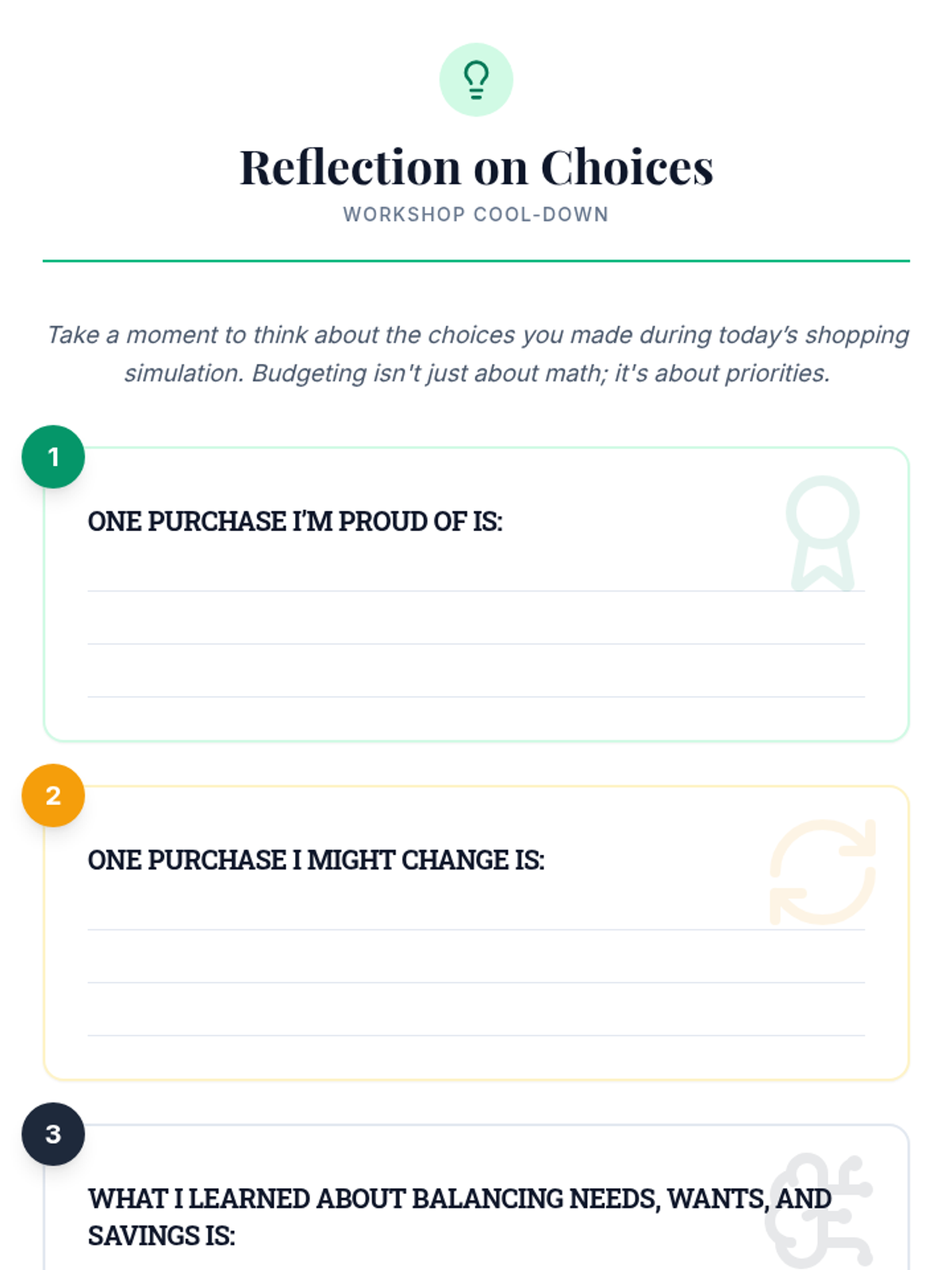
A comprehensive financial literacy sequence designed to take students from basic money concepts to advanced budgeting, goal setting, and investment basics. Suitable for diverse learners in a workshop setting.
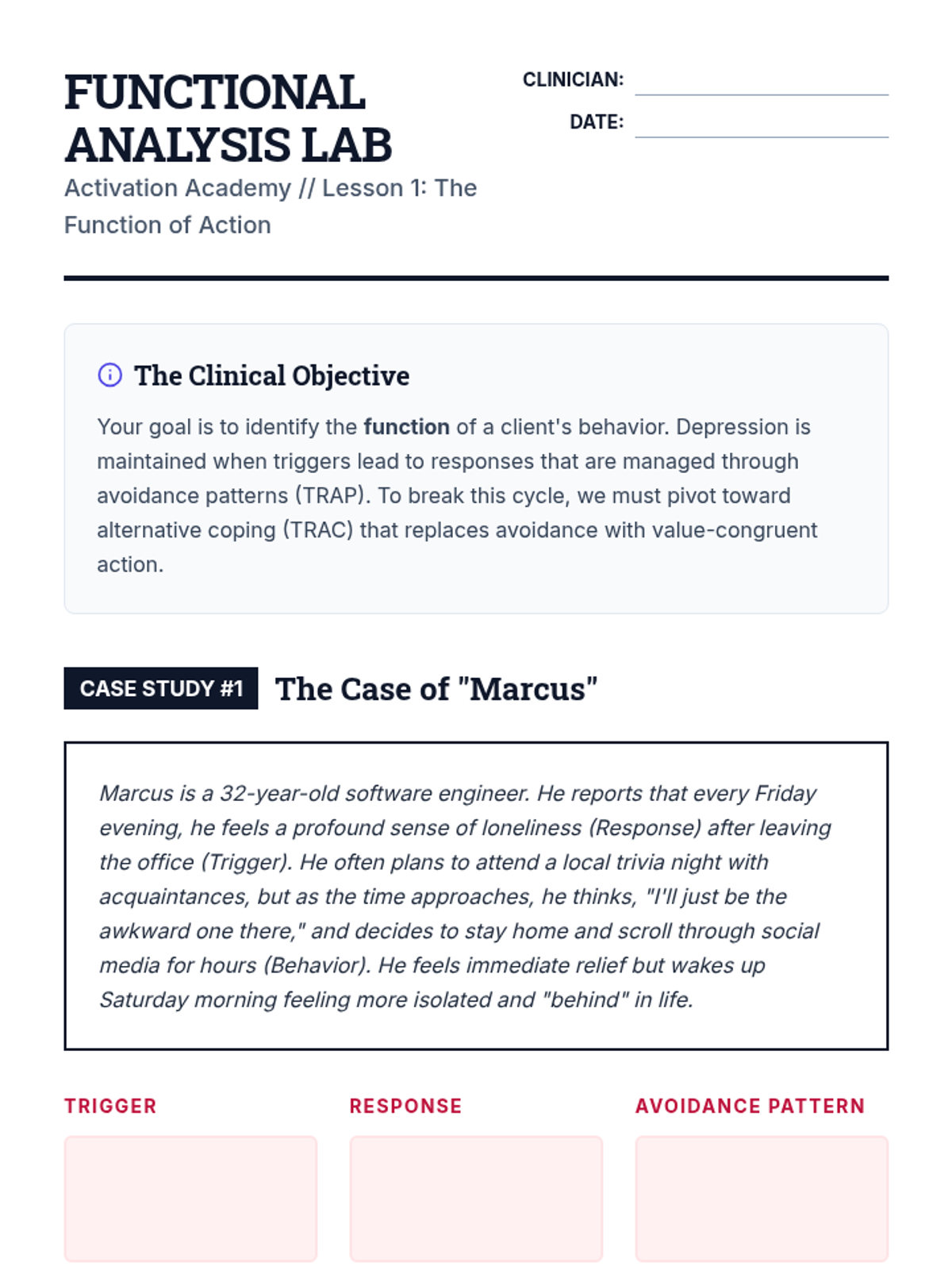
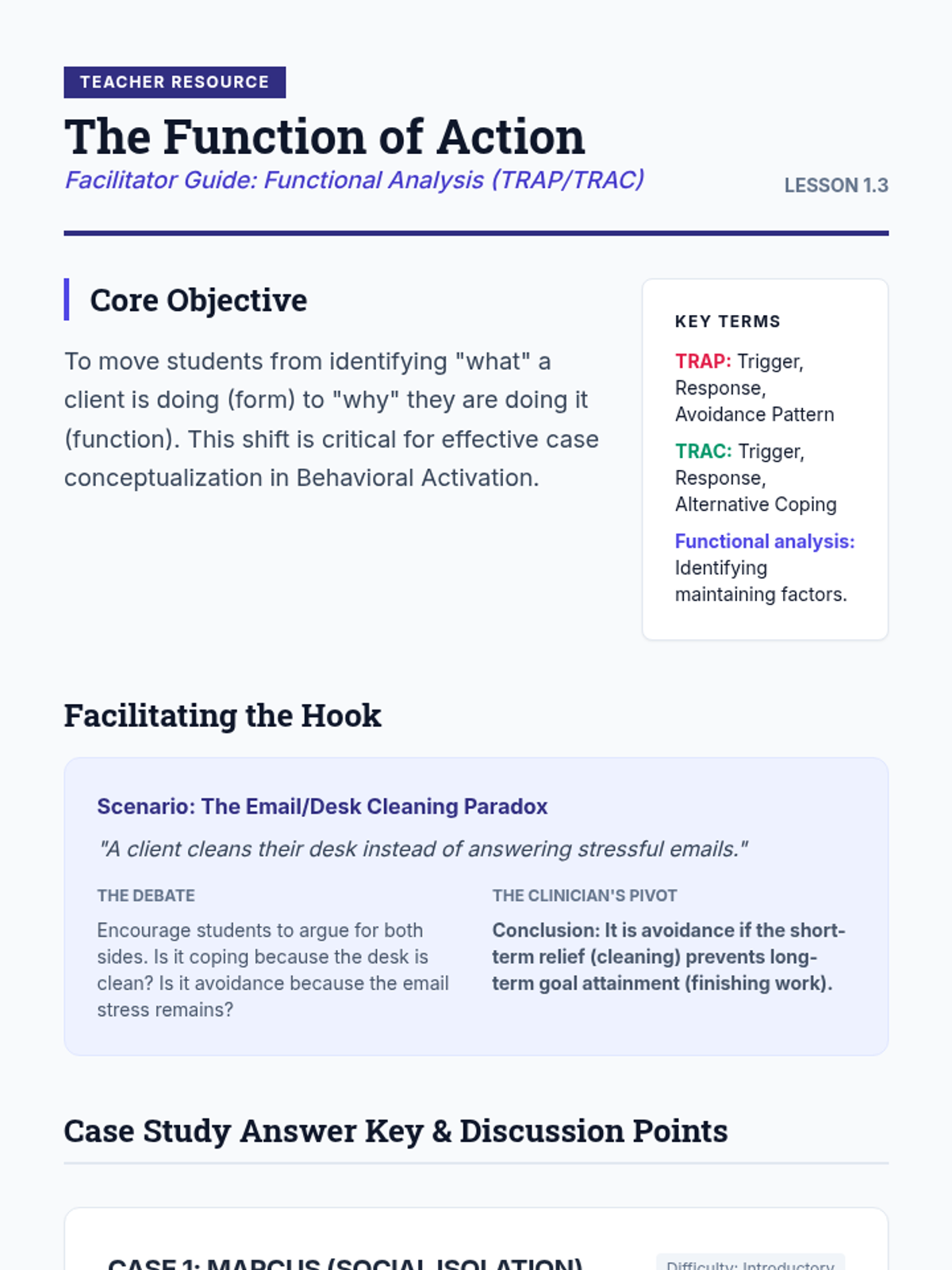
This sequence guides undergraduate students through the practical application of Behavioral Activation (BA) protocols. Moving from theoretical understanding to clinical implementation, students learn to design interventions, troubleshoot psychological barriers using the TRAP/TRAC model, and analyze data to refine therapeutic outcomes.
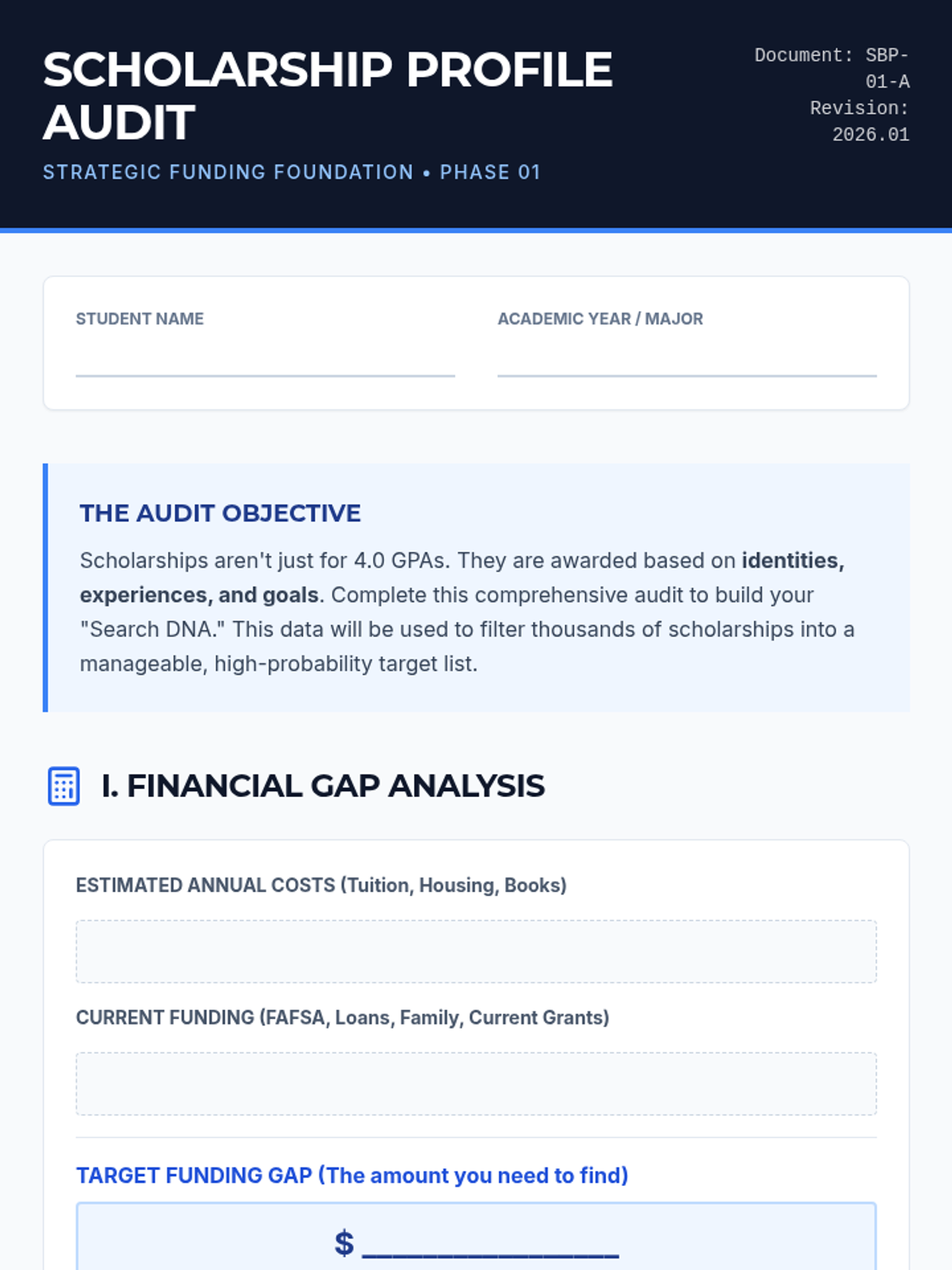
A comprehensive guide for undergraduate students to systematically search for, evaluate, and manage scholarship applications. The sequence covers self-auditing, database navigation, ROI analysis, project management, and donor mission alignment.
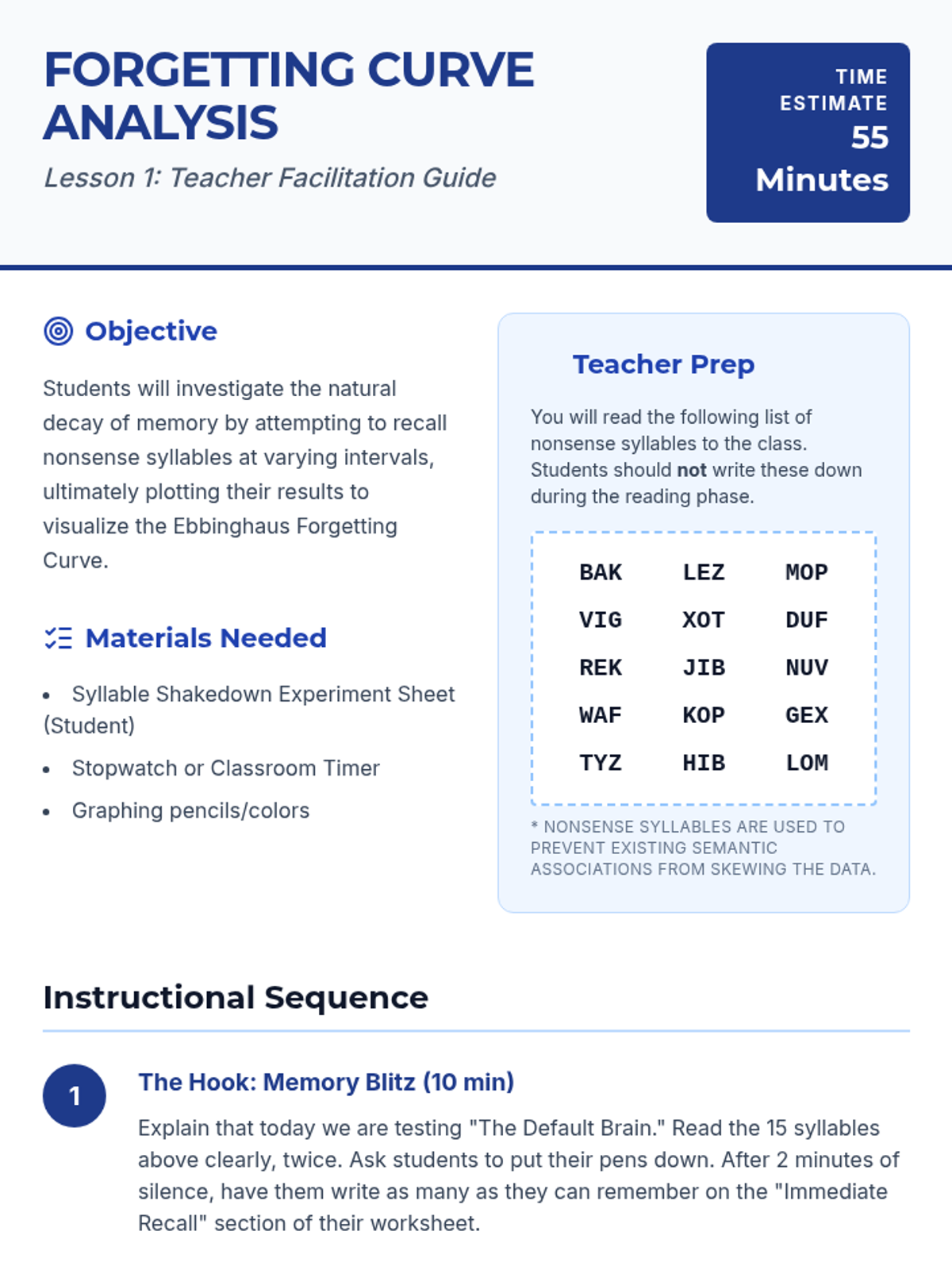
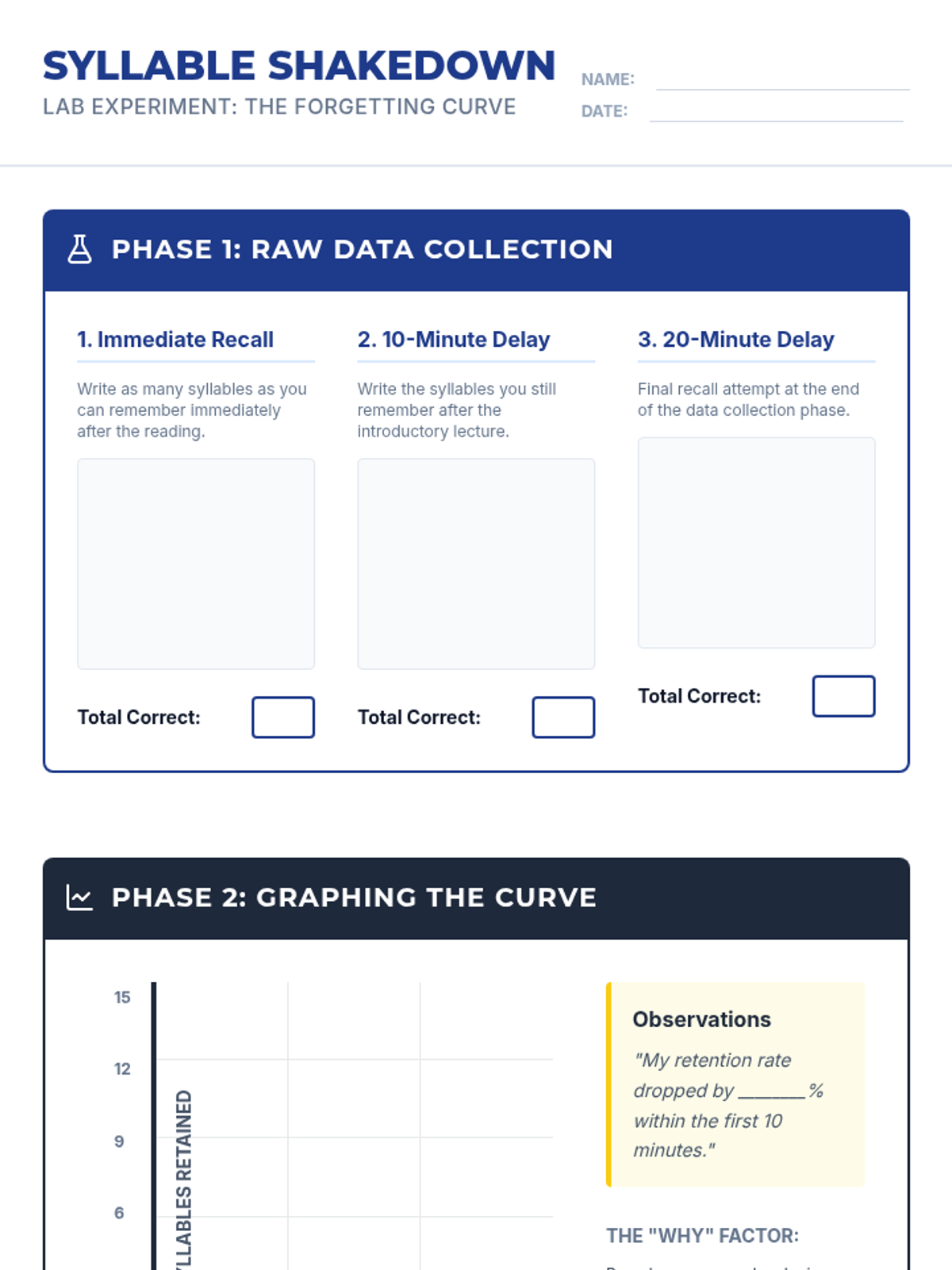
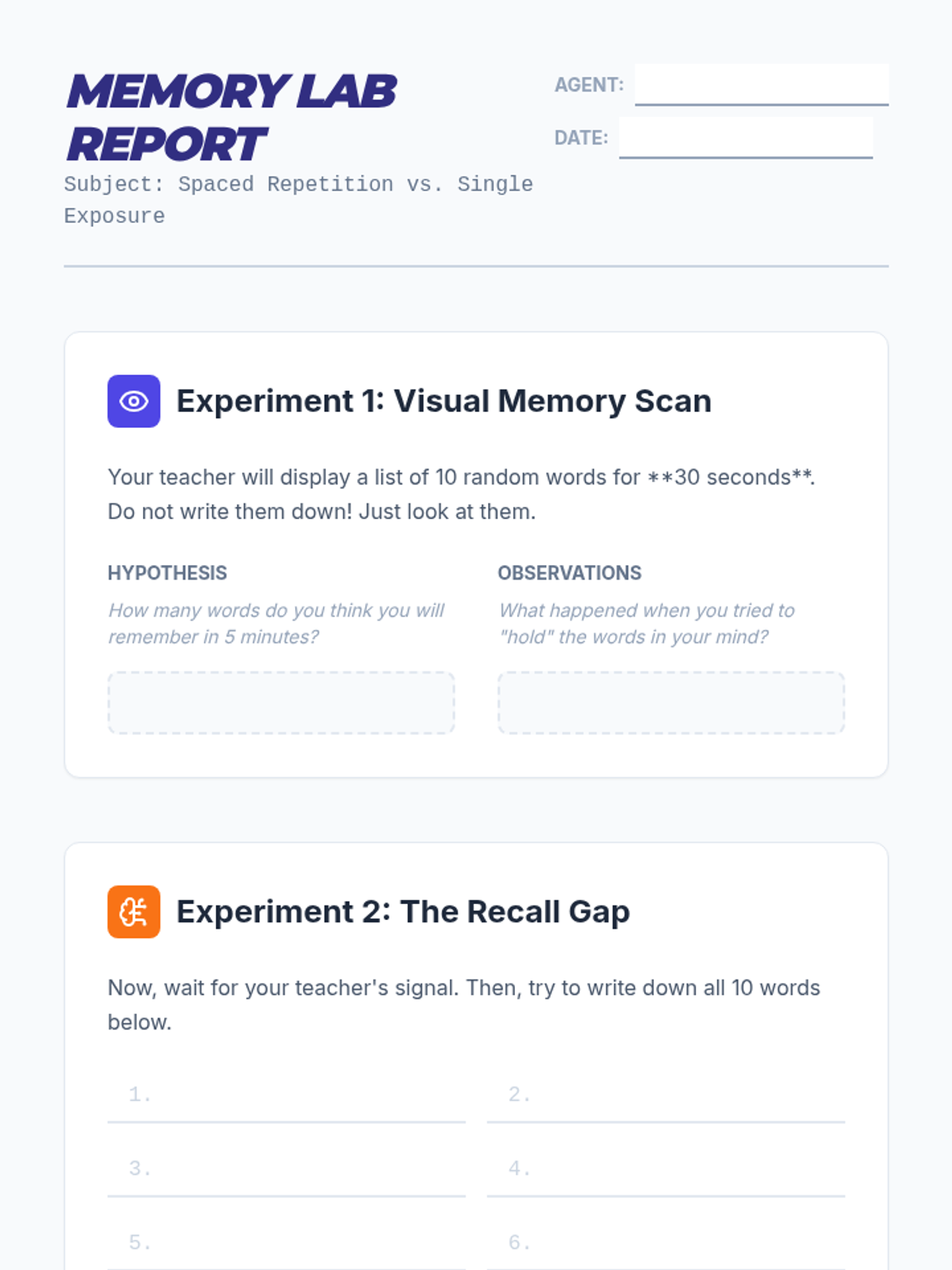
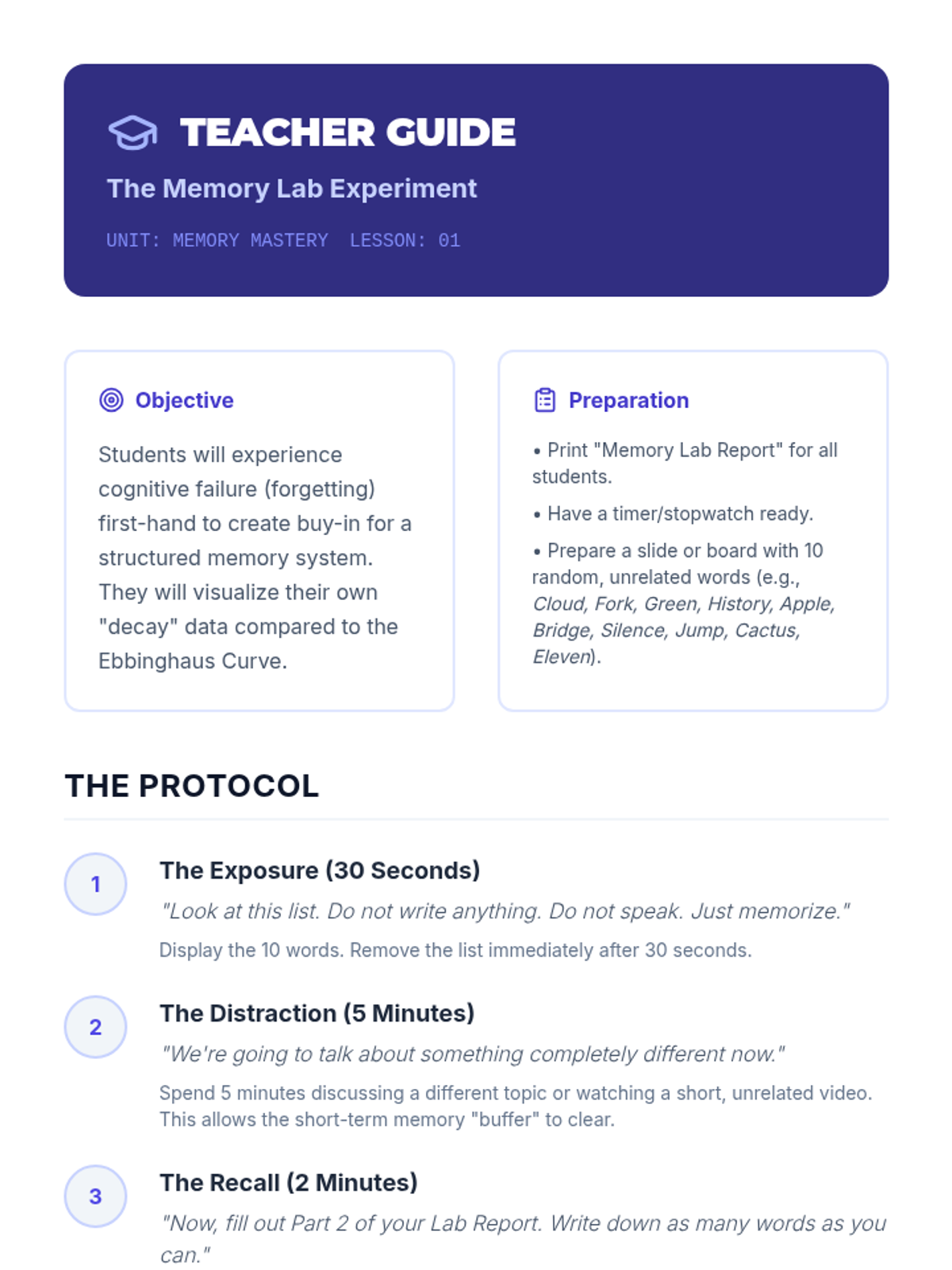
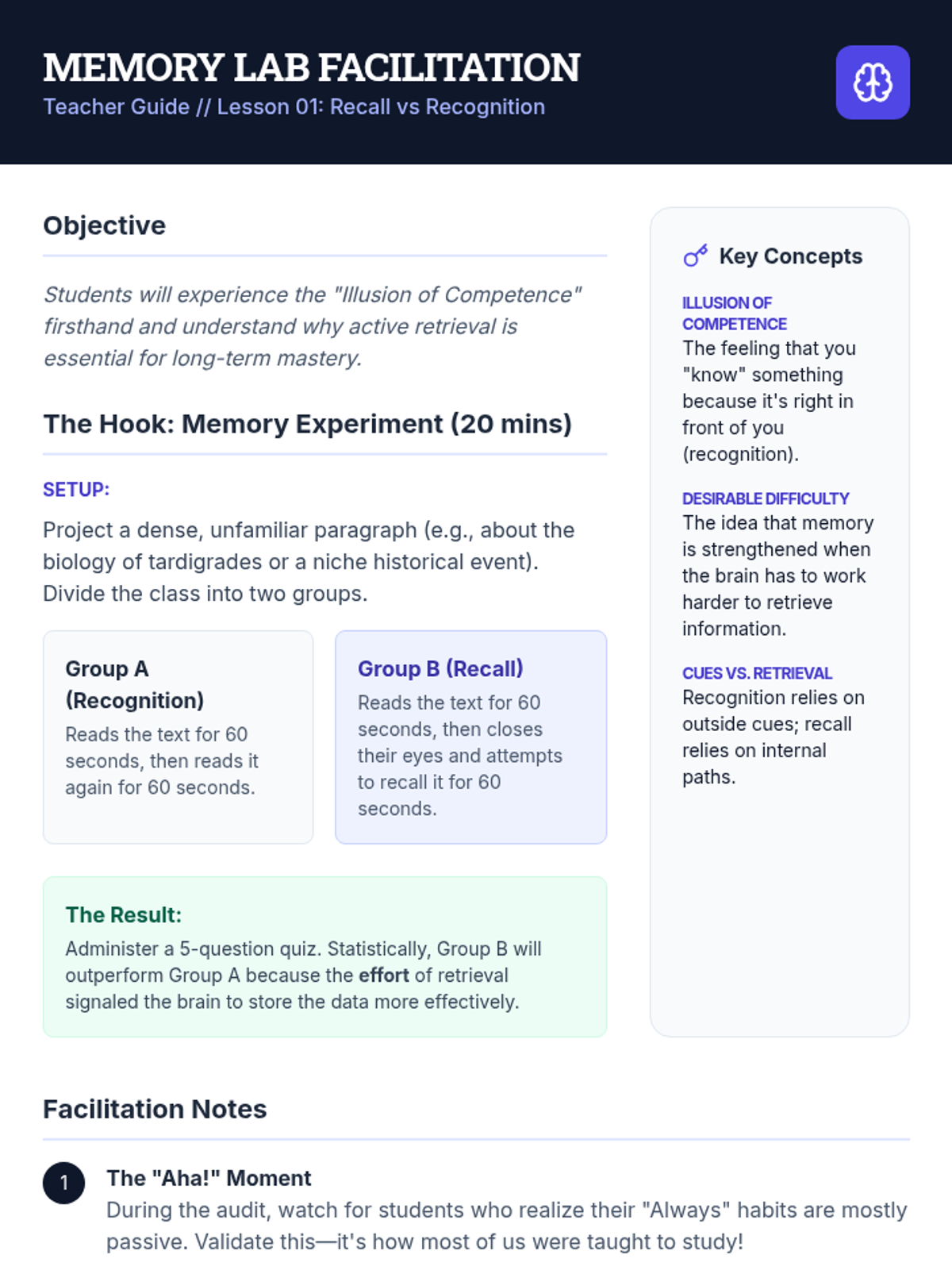
An inquiry-based exploration into the neuroscience of memory, focusing on the Forgetting Curve and how spaced repetition can 'hack' the brain for long-term retention. Students move from understanding memory decay to designing their own efficient study schedules based on biological principles.
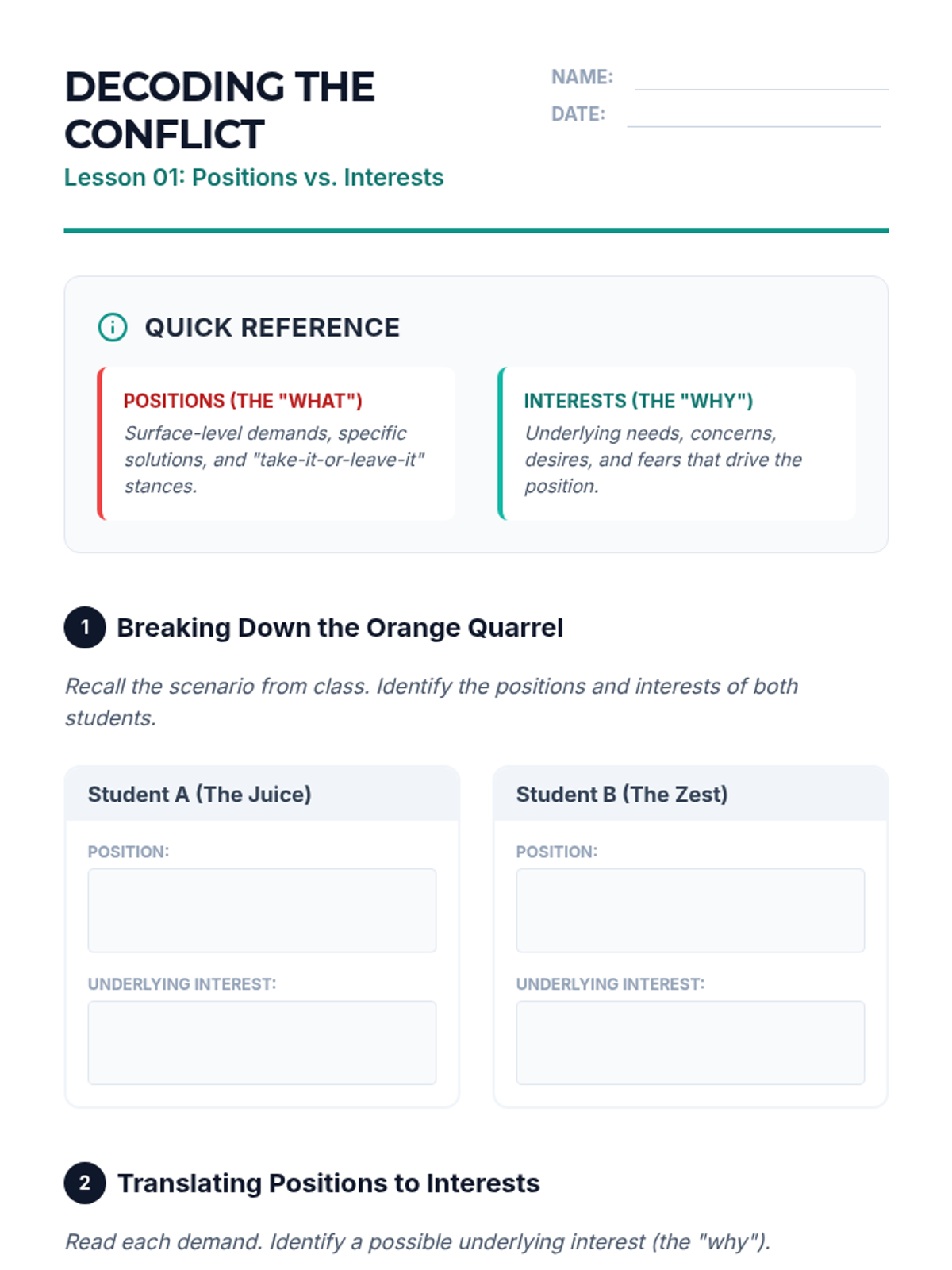
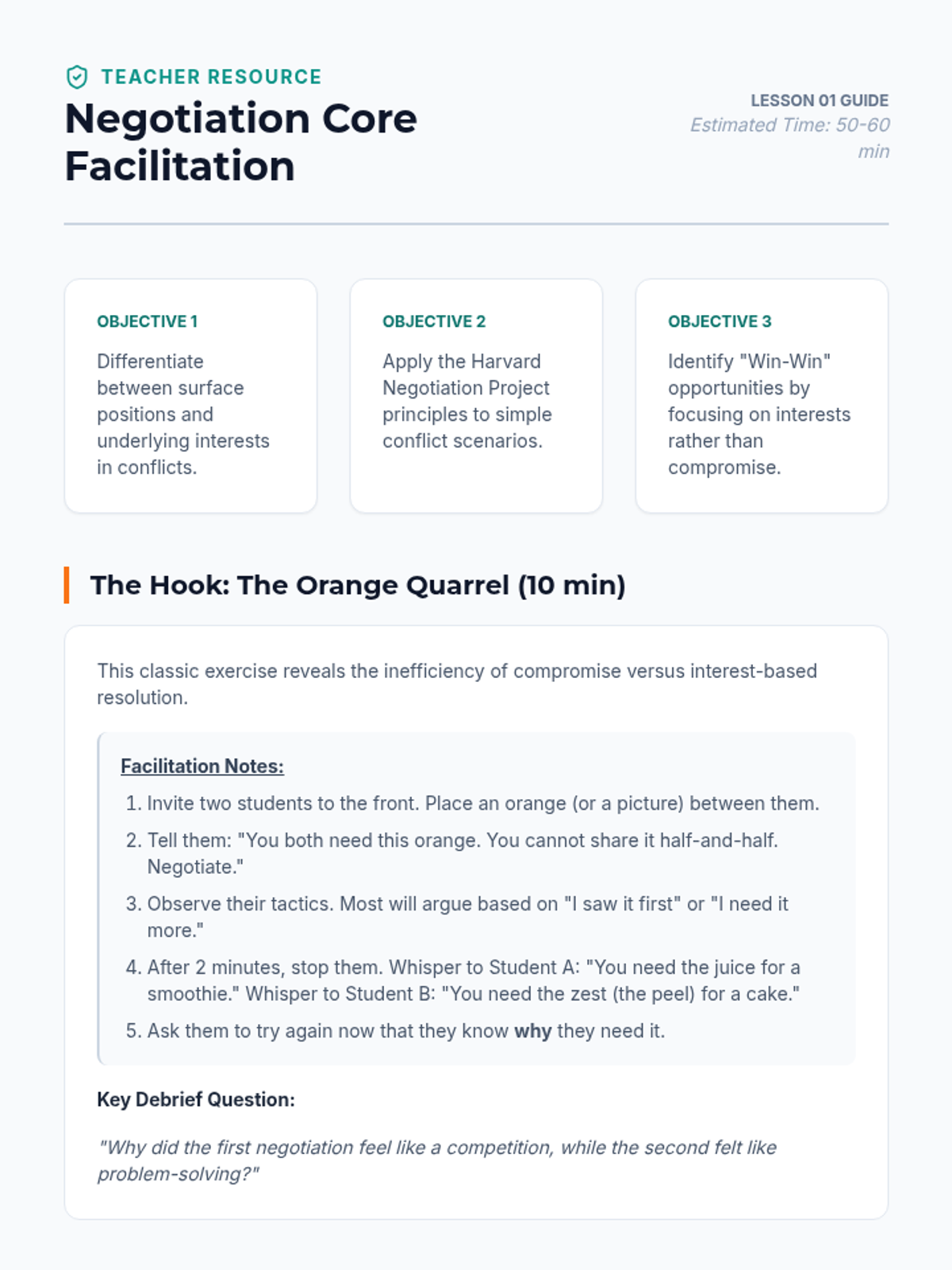
A comprehensive high school unit on interest-based negotiation and formal mediation. Students move from understanding individual interests to facilitating multi-party resolutions using the Harvard Negotiation Project framework and professional mediation stages.
A comprehensive sequence introducing 9th-grade students to the Leitner System, combining the science of the Forgetting Curve with the practical skill of building and maintaining a spaced repetition study system.
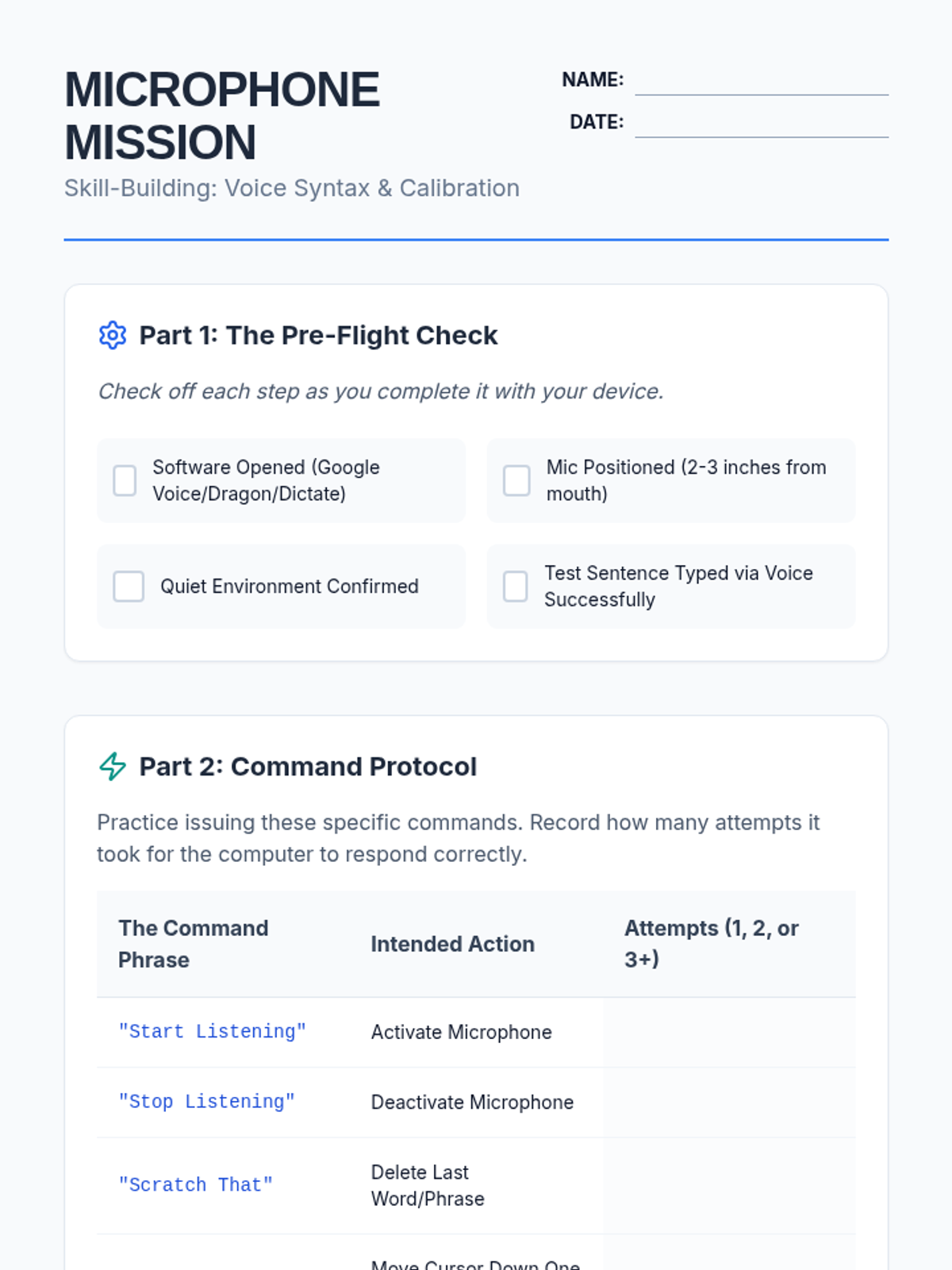
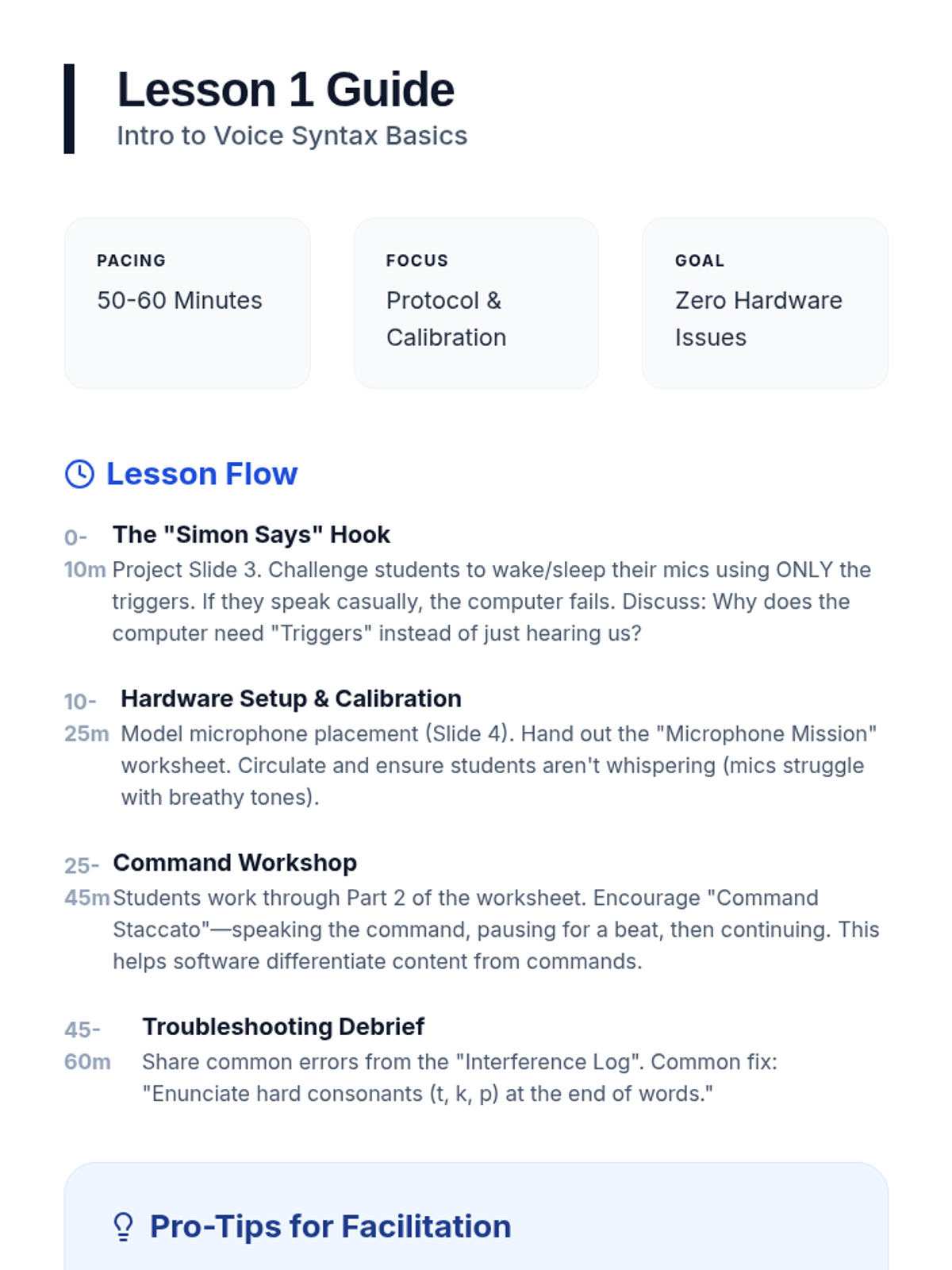
A comprehensive sequence for 11th-grade students to master speech-to-text technology, focusing on voice commands, punctuation syntax, and hands-free document formatting. Students transition from basic dictation to precise cursor control and layout management.
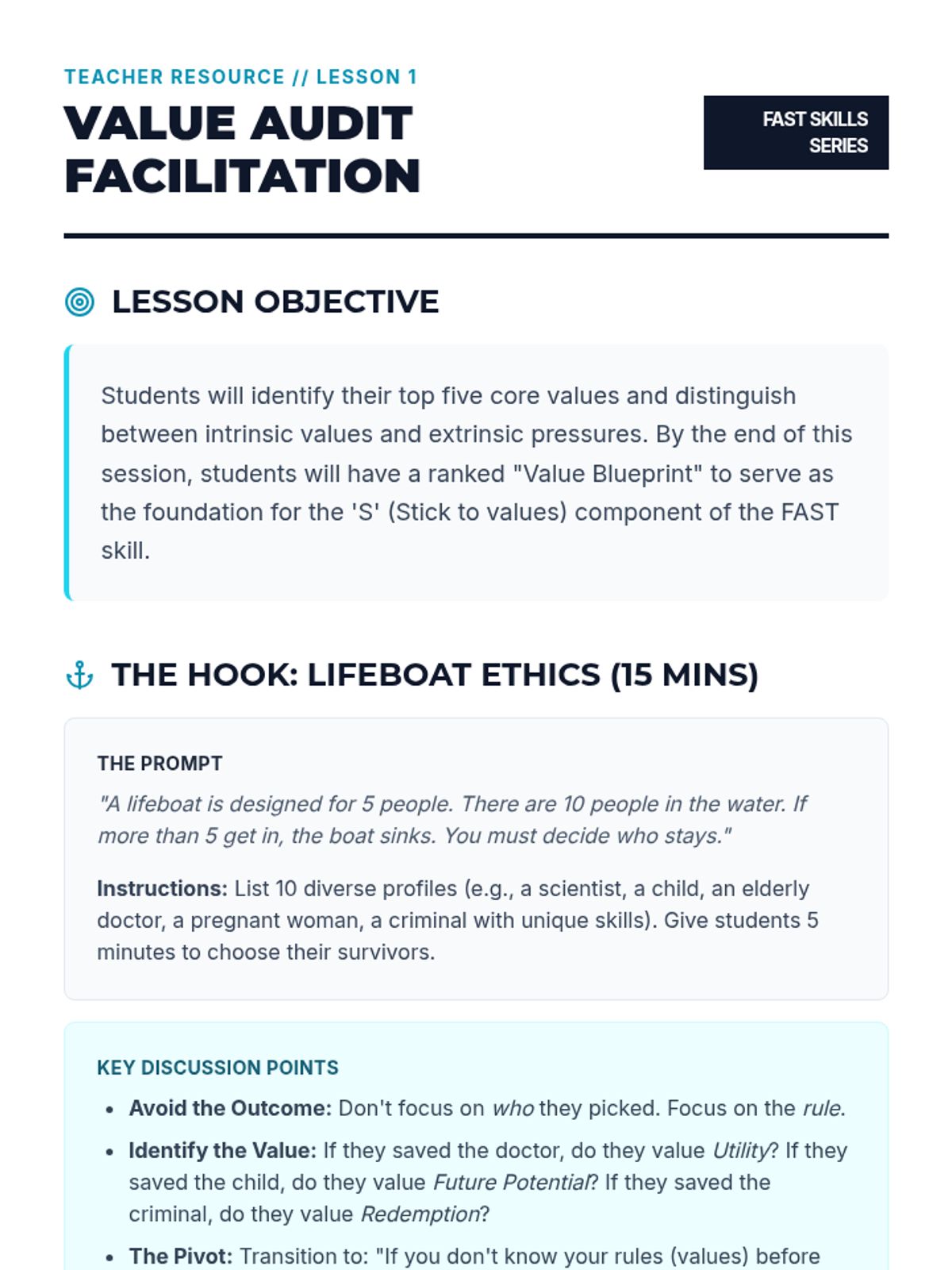
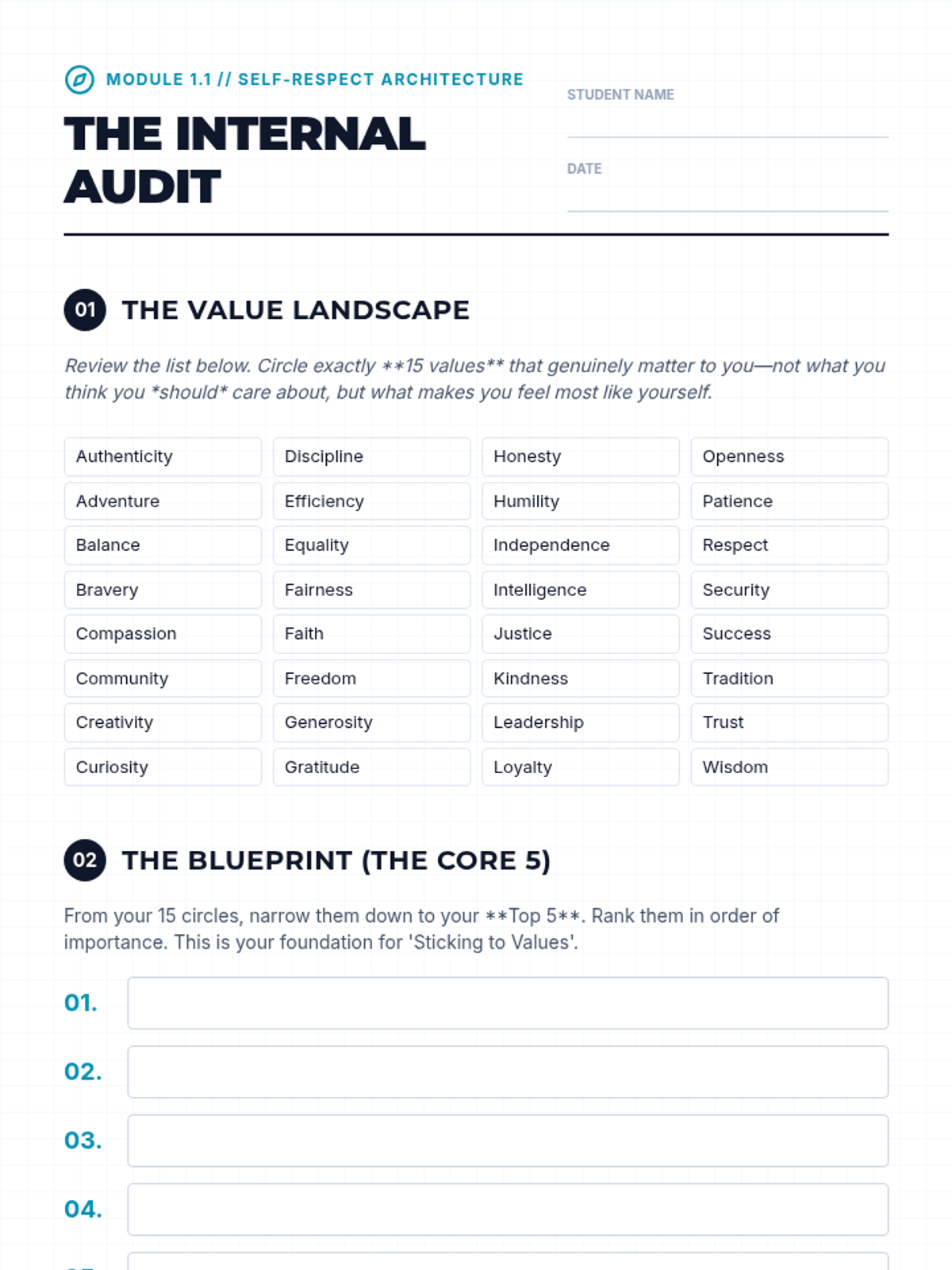
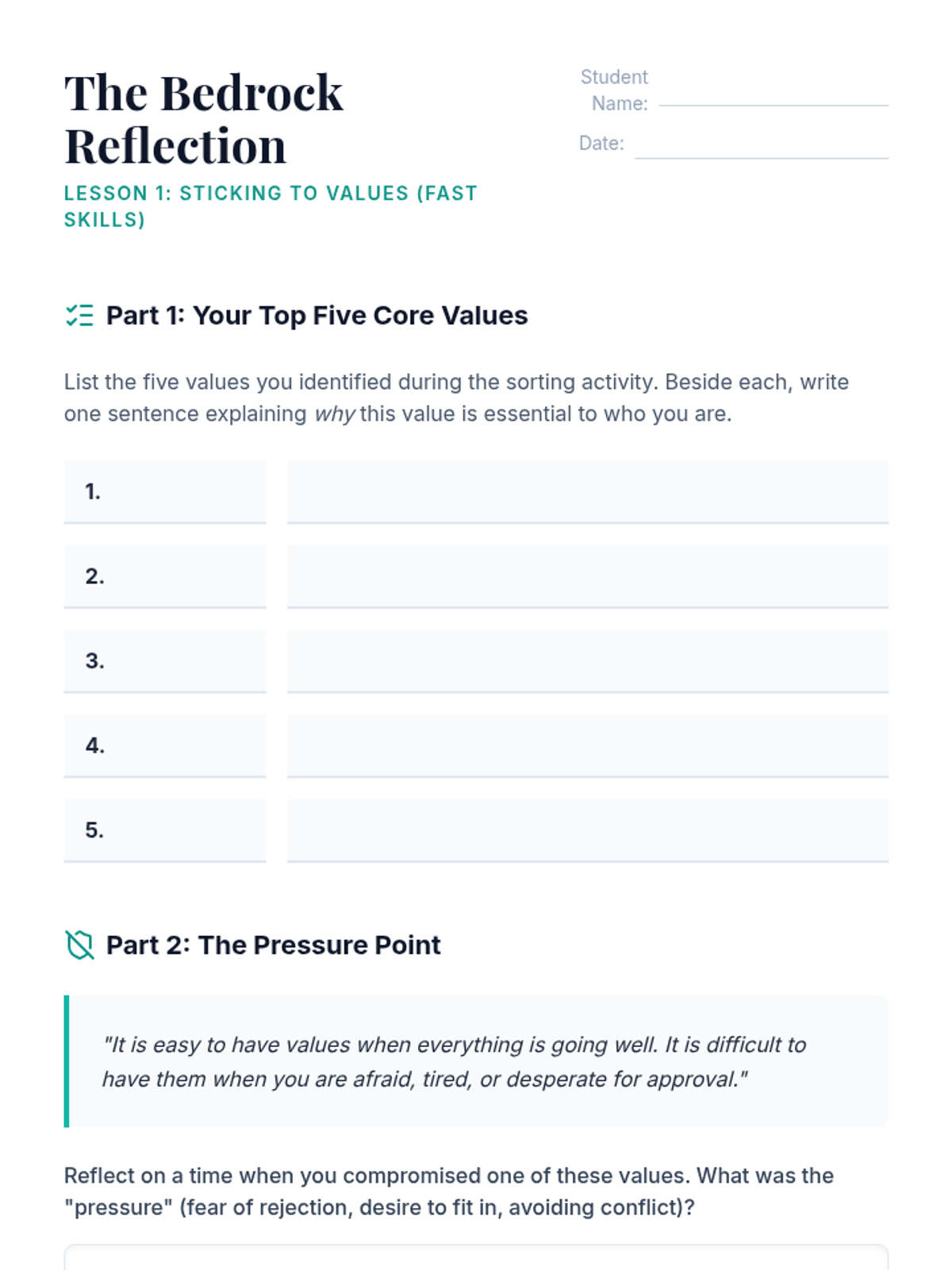
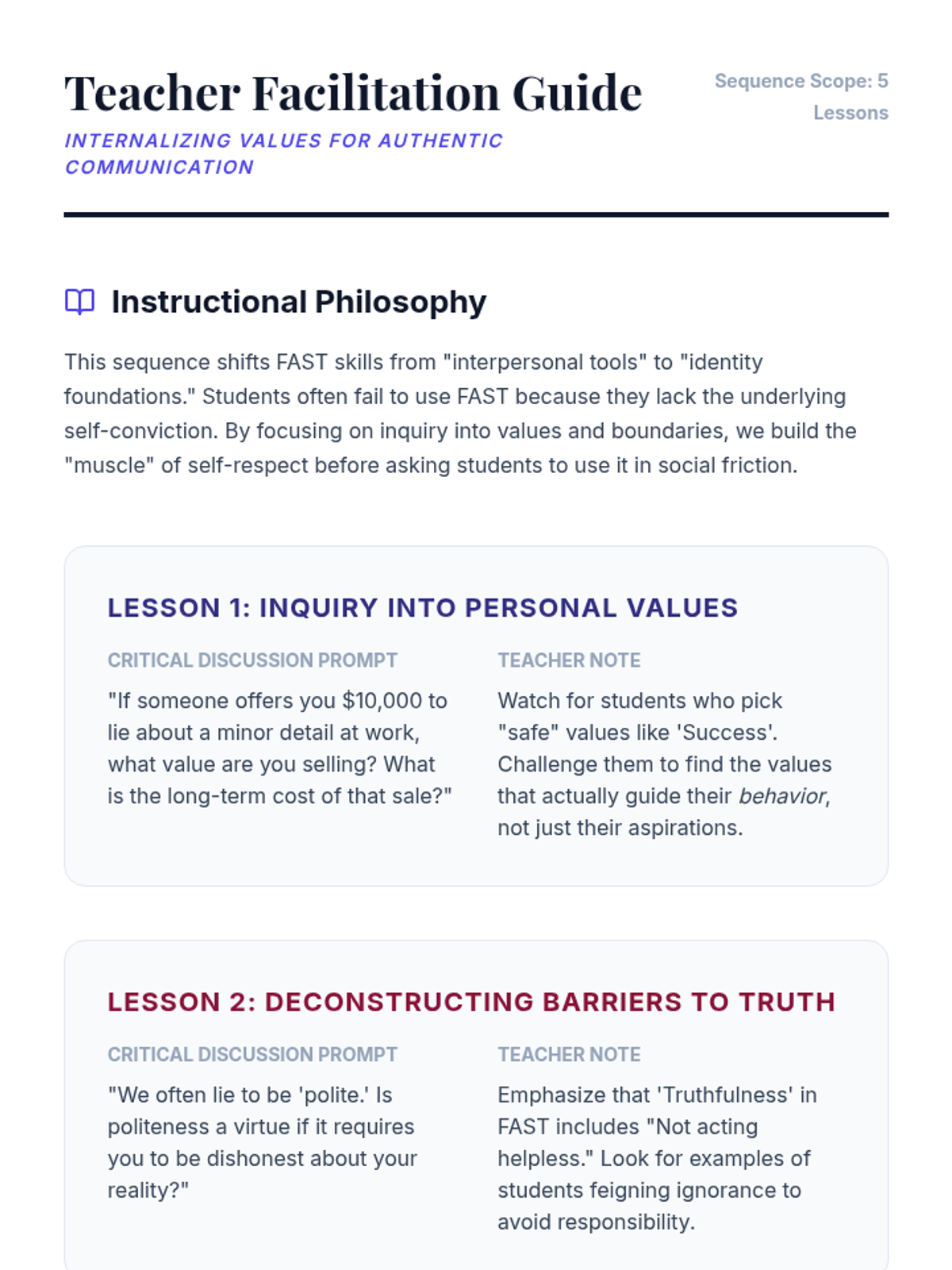
A 12th-grade sequence on FAST skills for self-respect, focusing on personal ethics, integrity in communication, and maintaining values in the face of external pressure and digital influence.
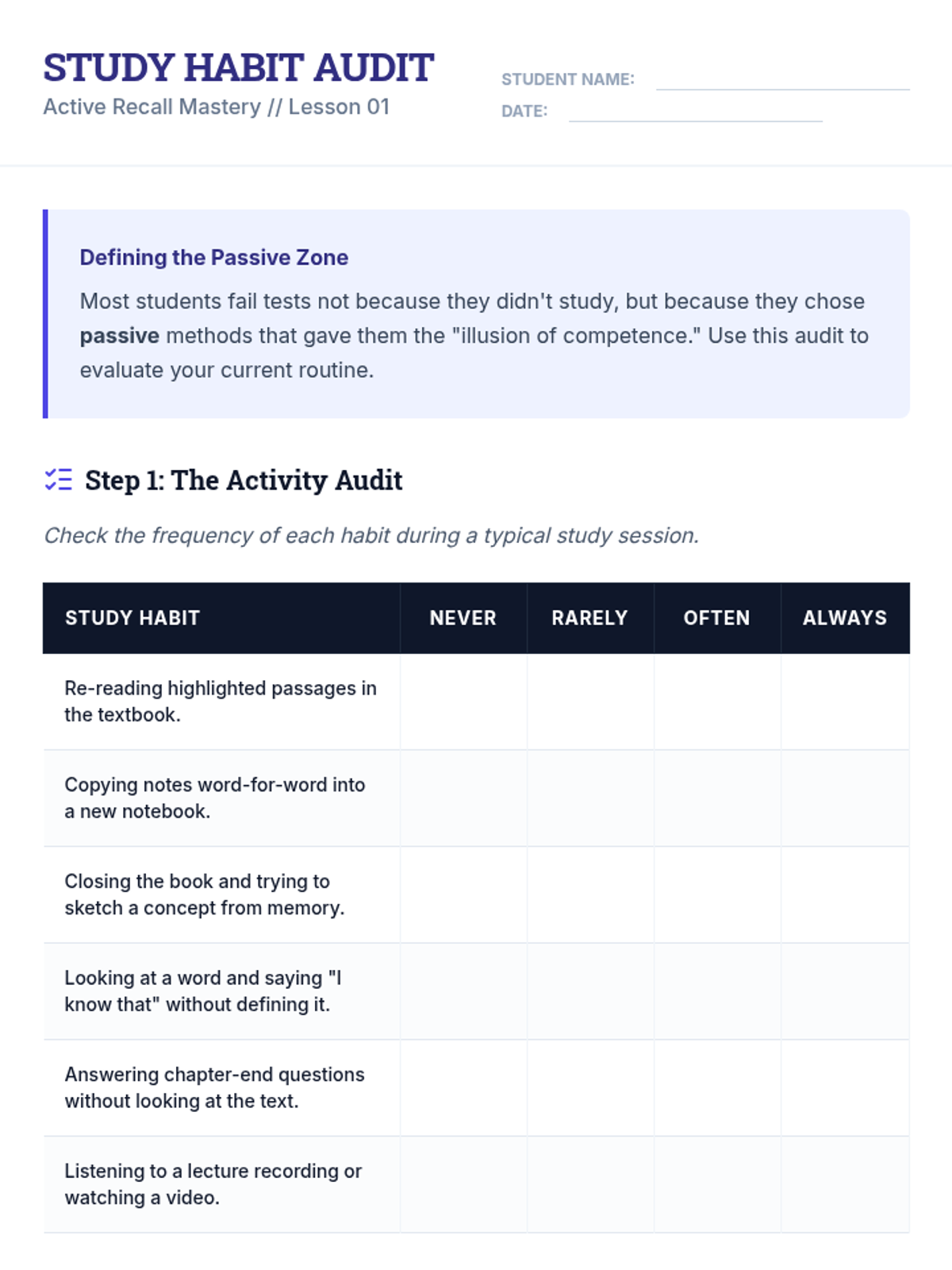
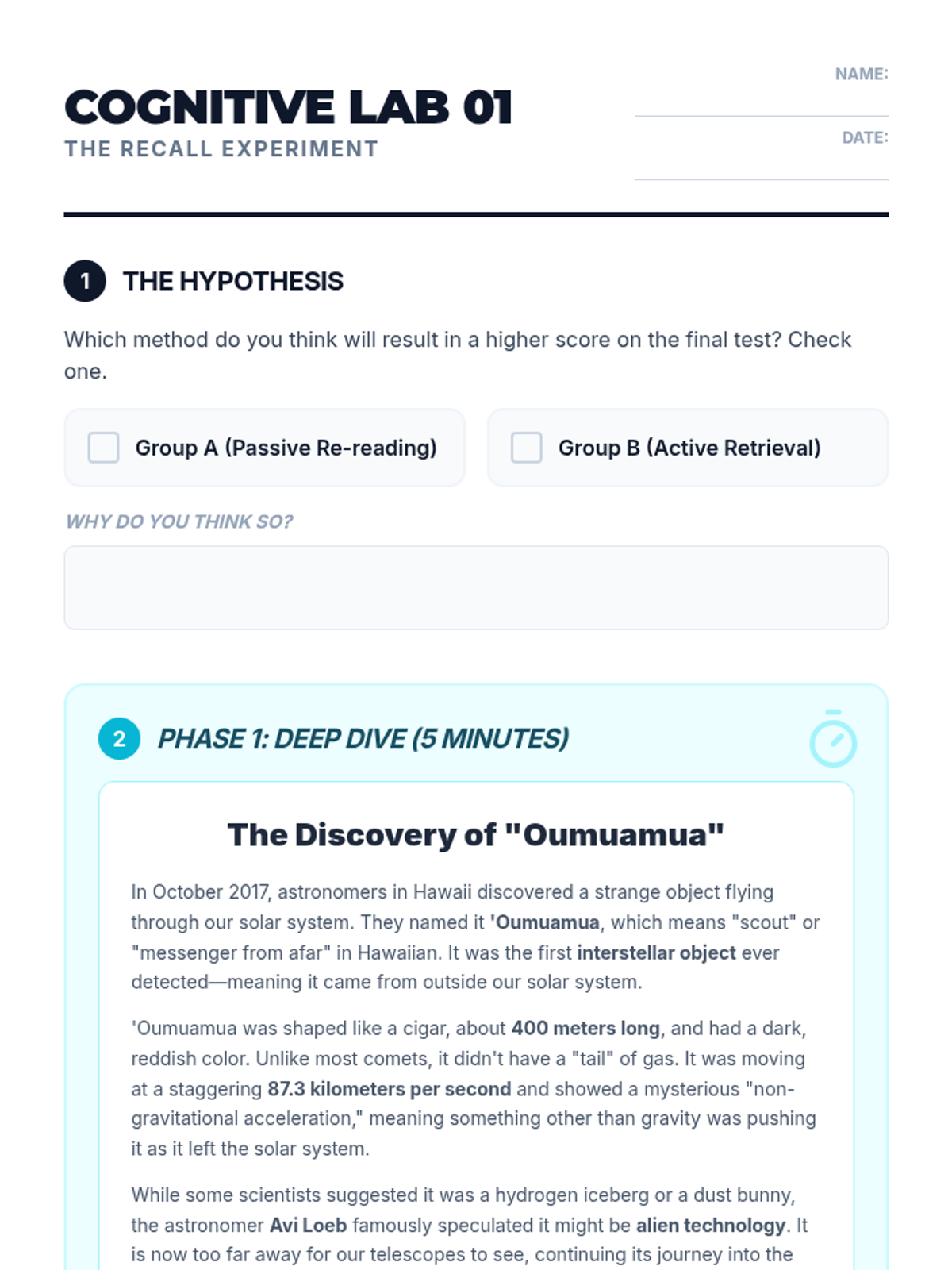
This sequence teaches 11th-grade students to transition from passive re-reading to active recall strategies. Students will master question formulation, study tool design, and error analysis to create effective self-testing materials.
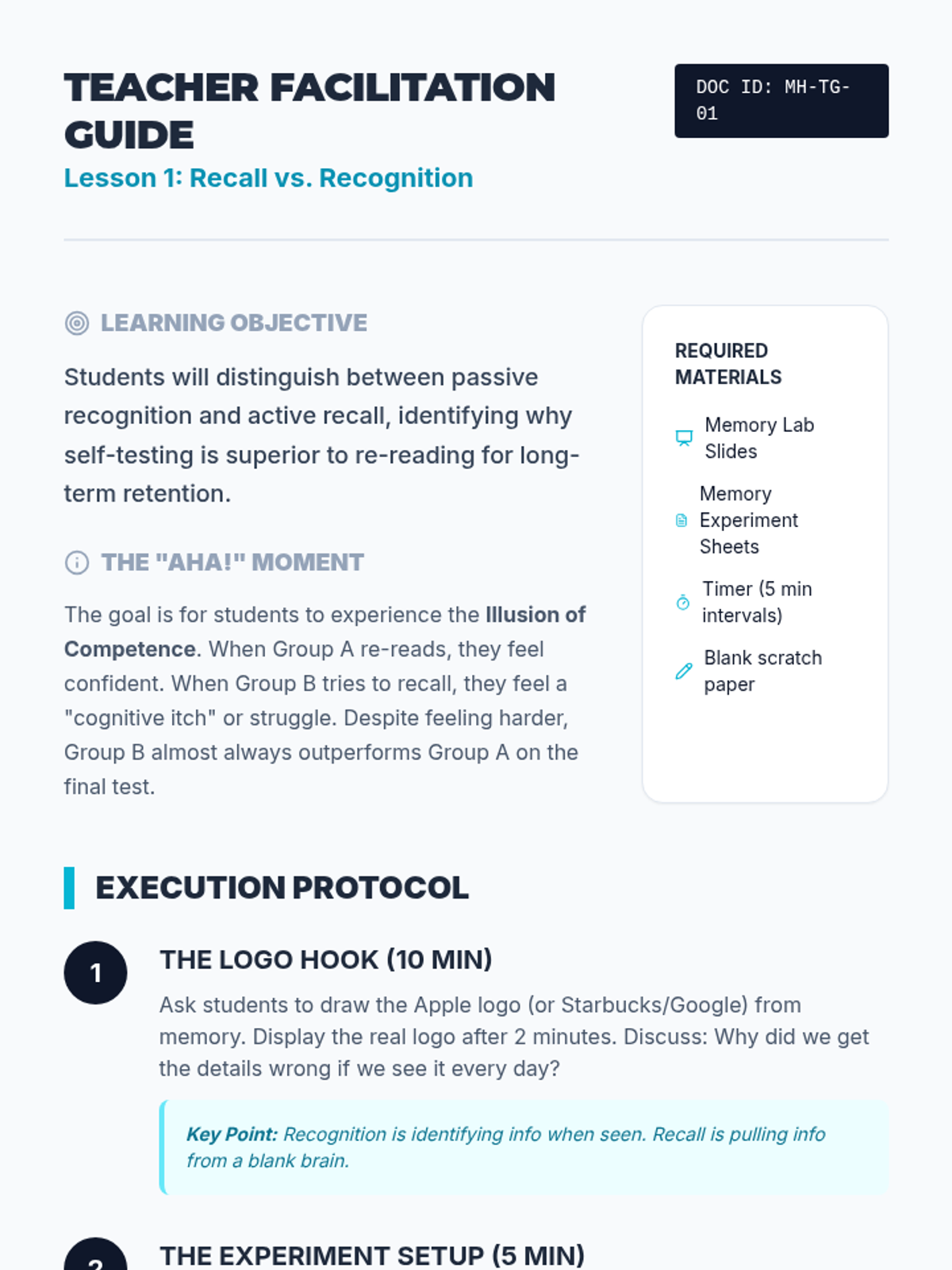
This sequence shifts focus from the design of the study guide to its utility, emphasizing active recall and self-testing strategies to help students distinguish between familiarity and actual mastery of material.
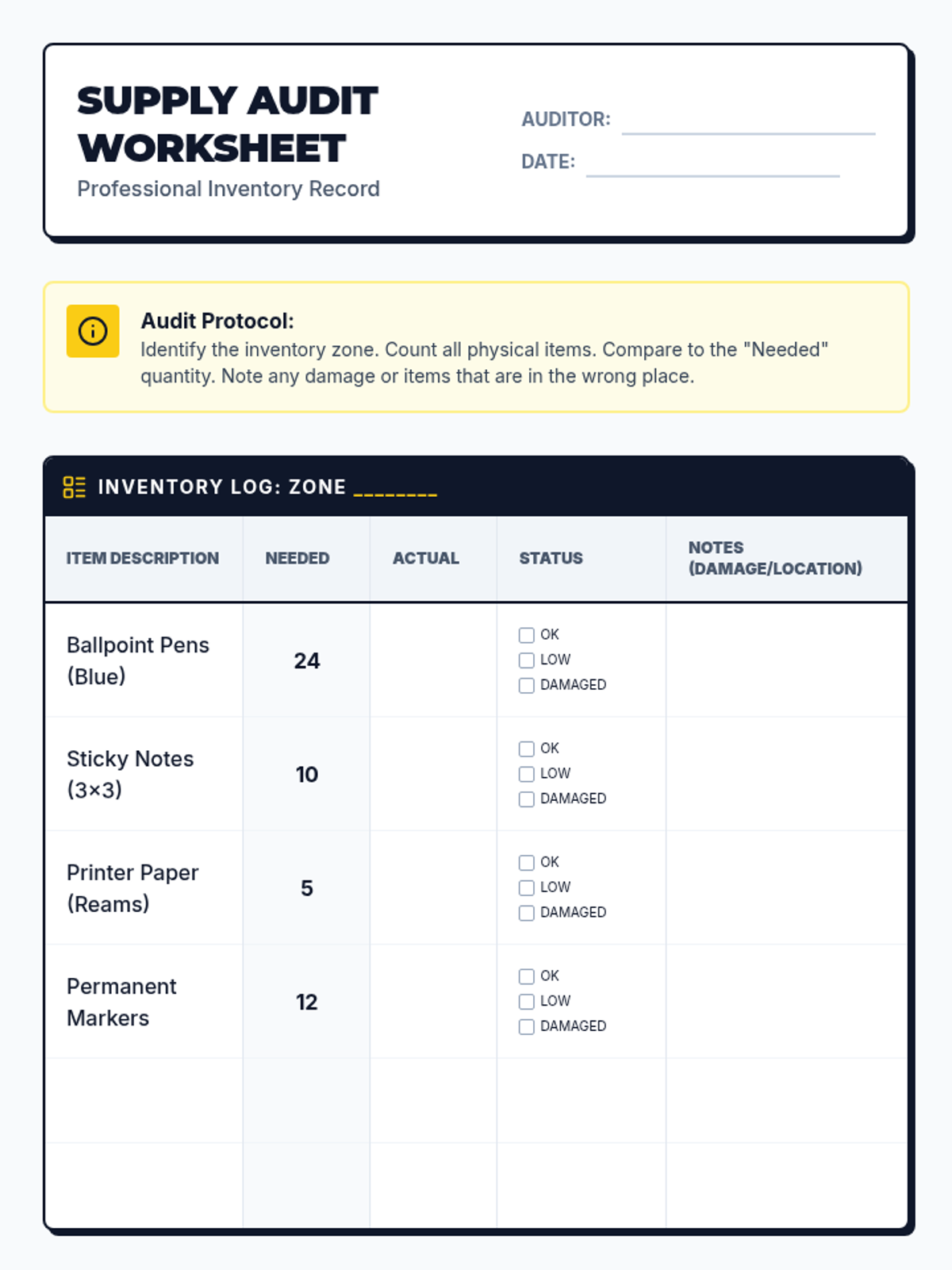
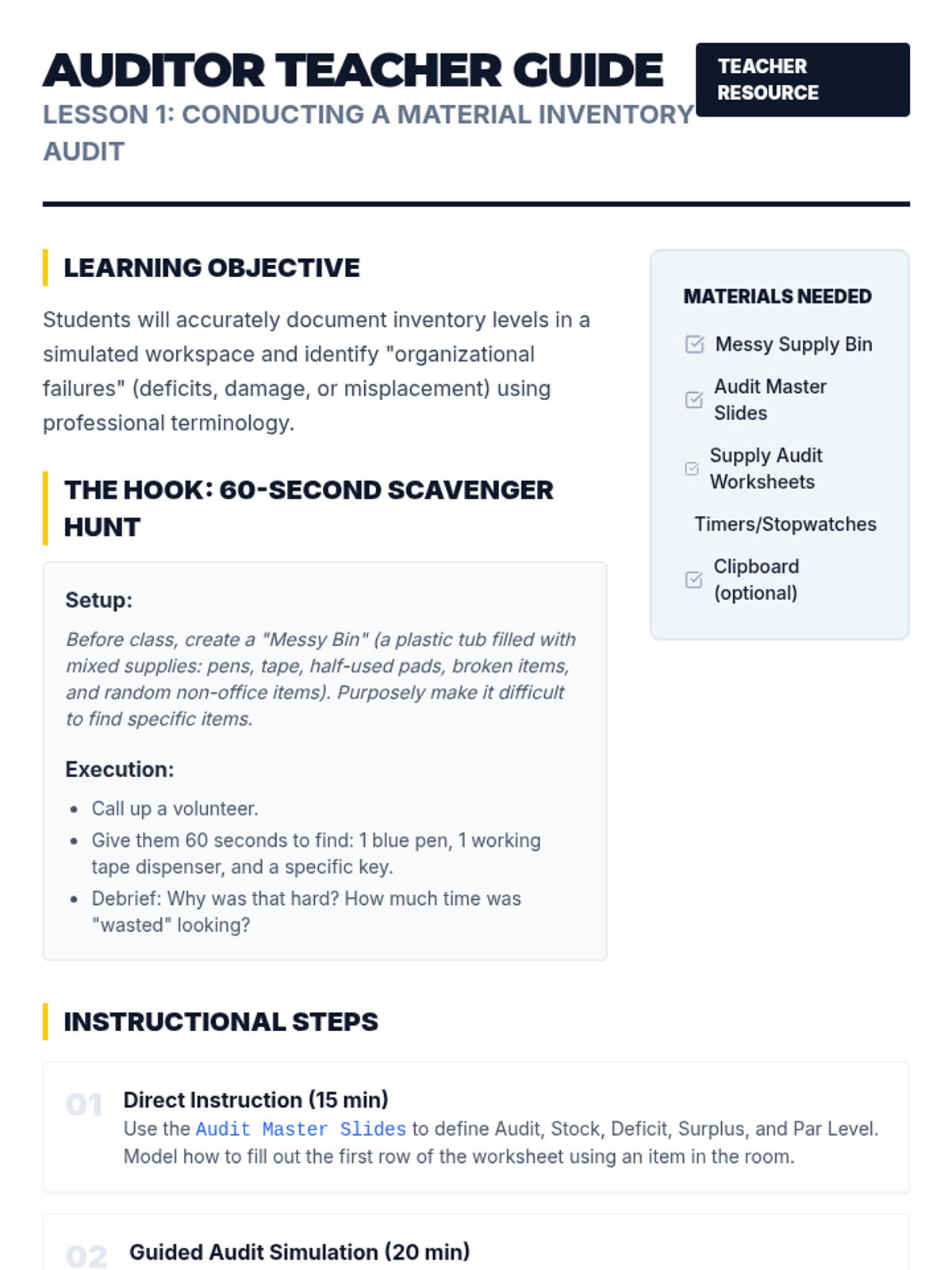
This vocational sequence prepares 12th-grade students for workplace success by teaching systematic physical organization, inventory auditing, and maintenance strategies. Students move from assessing current states to designing and implementing efficient material management systems.
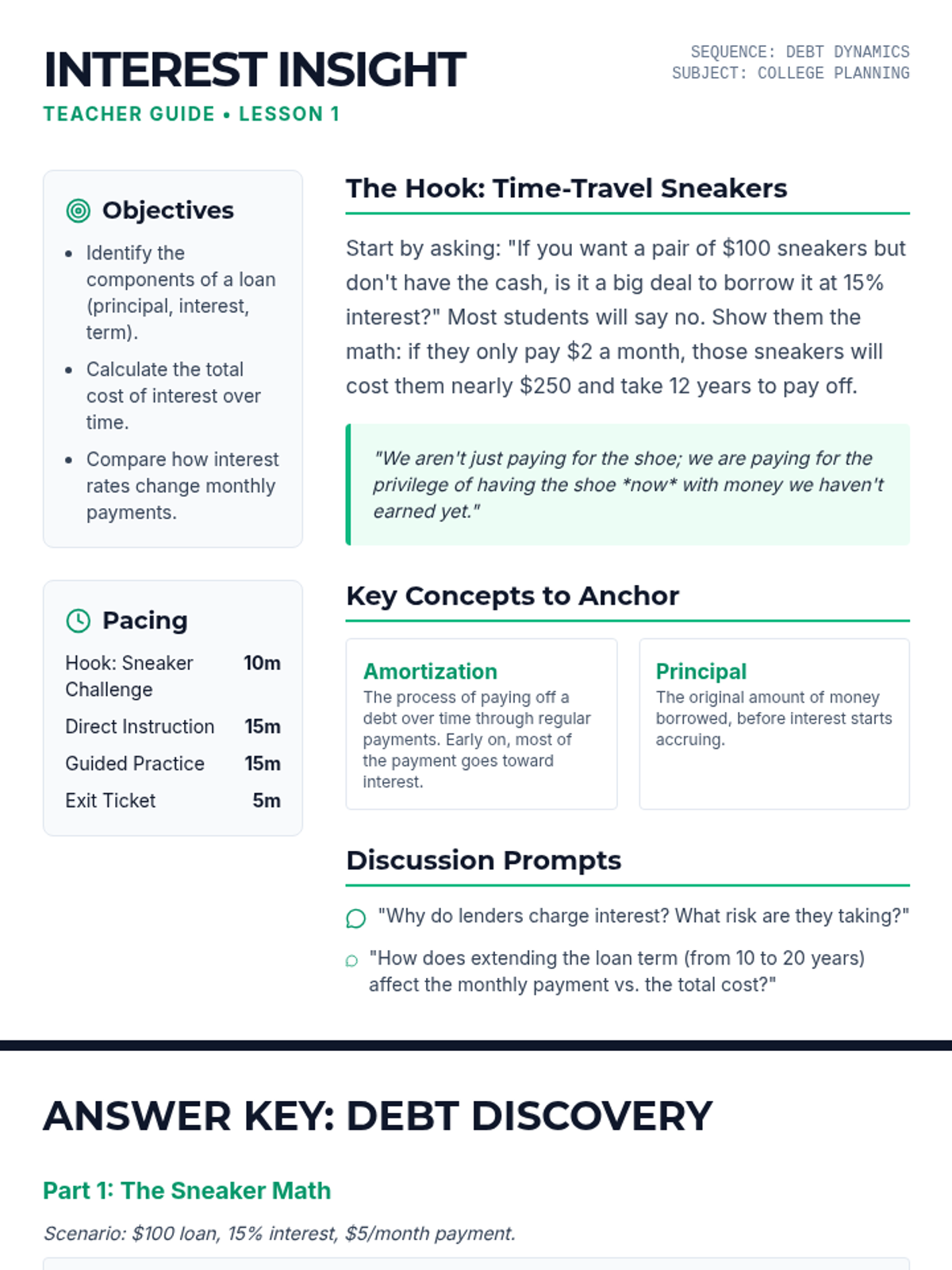
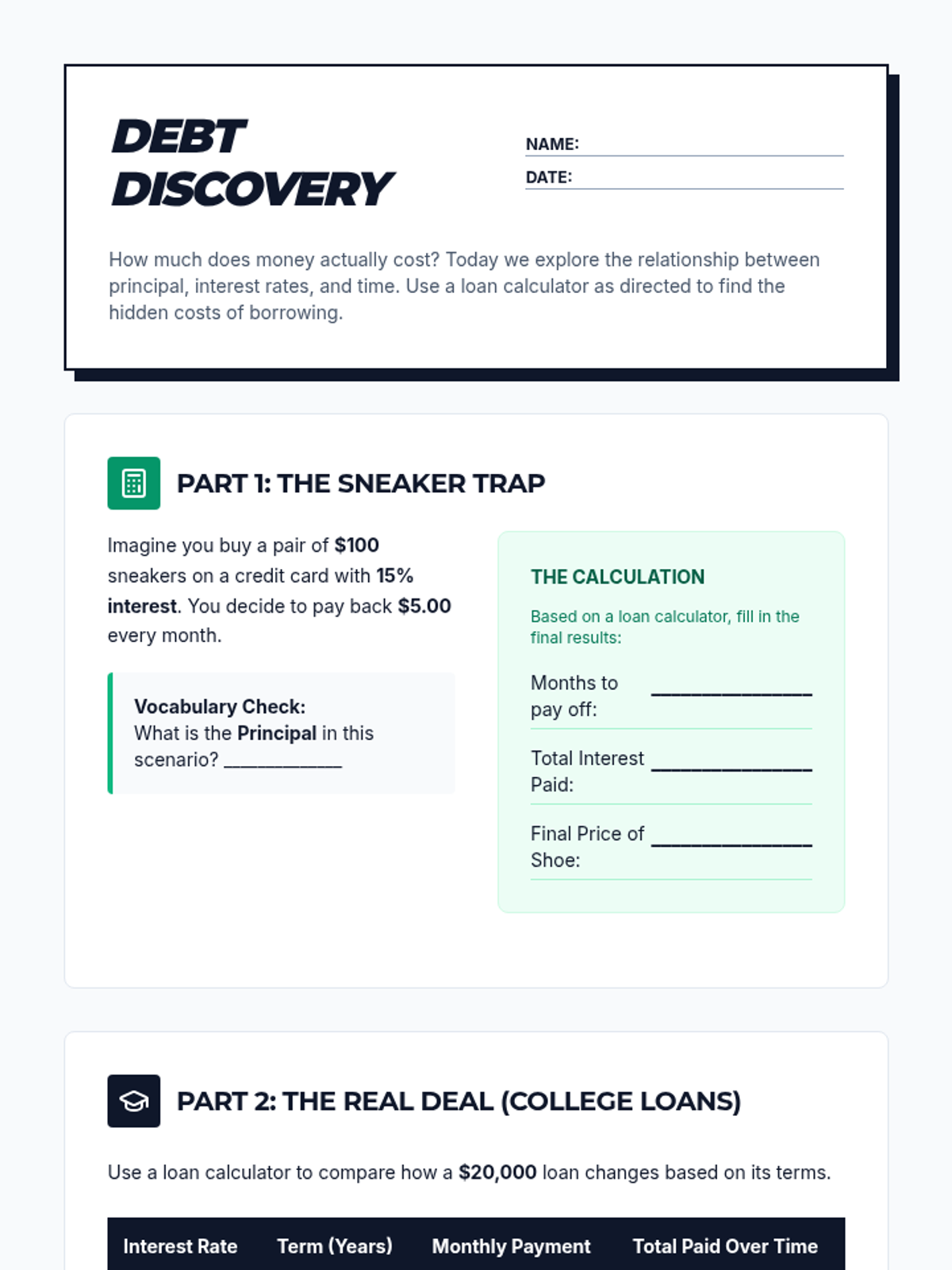
This sequence explores the long-term financial implications of student loans, focusing on repayment plans, budgeting, and return on investment (ROI). Students transition from understanding borrowing mechanics to simulating the real-world impact of debt on lifestyle and career choices.
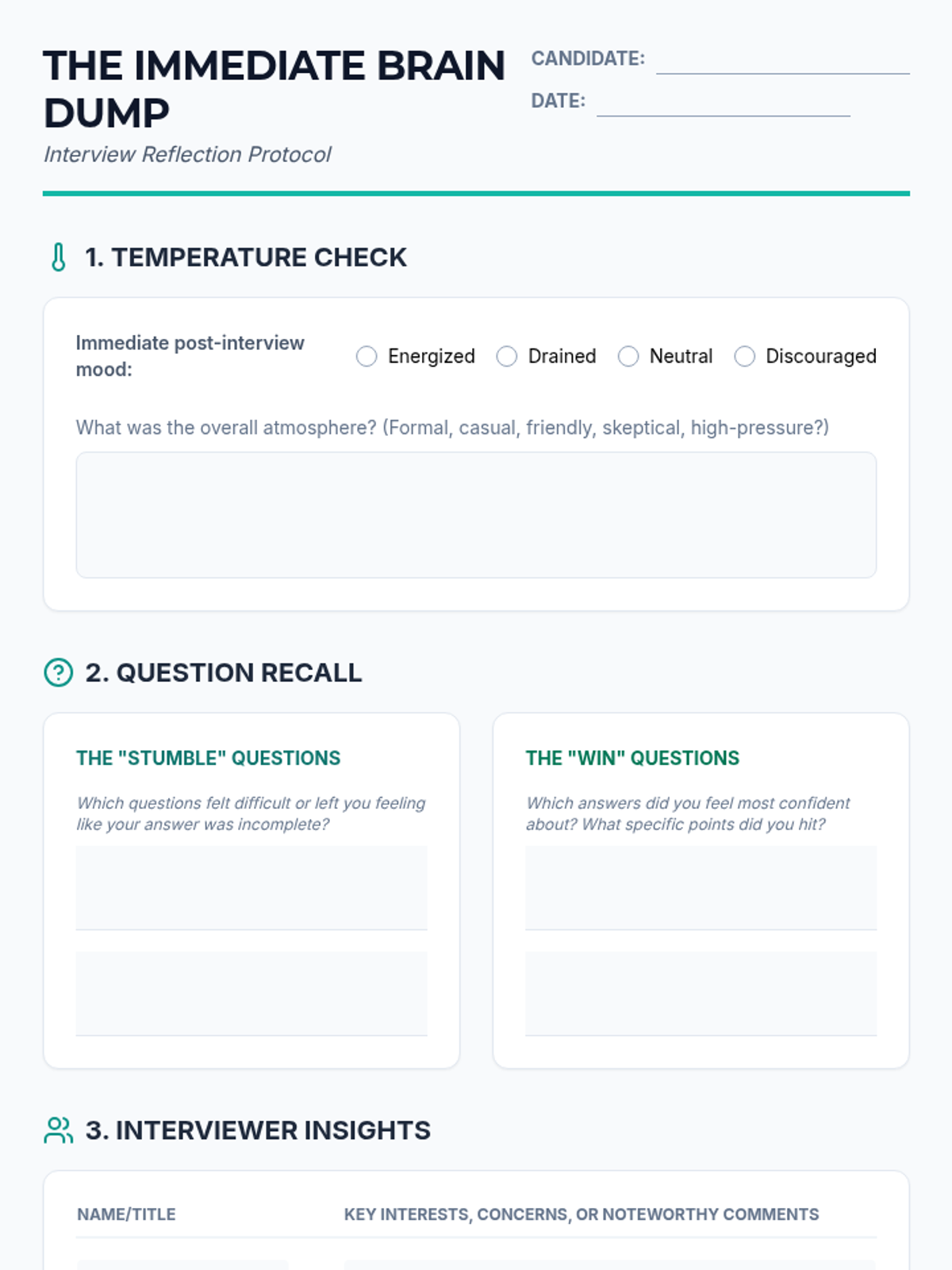
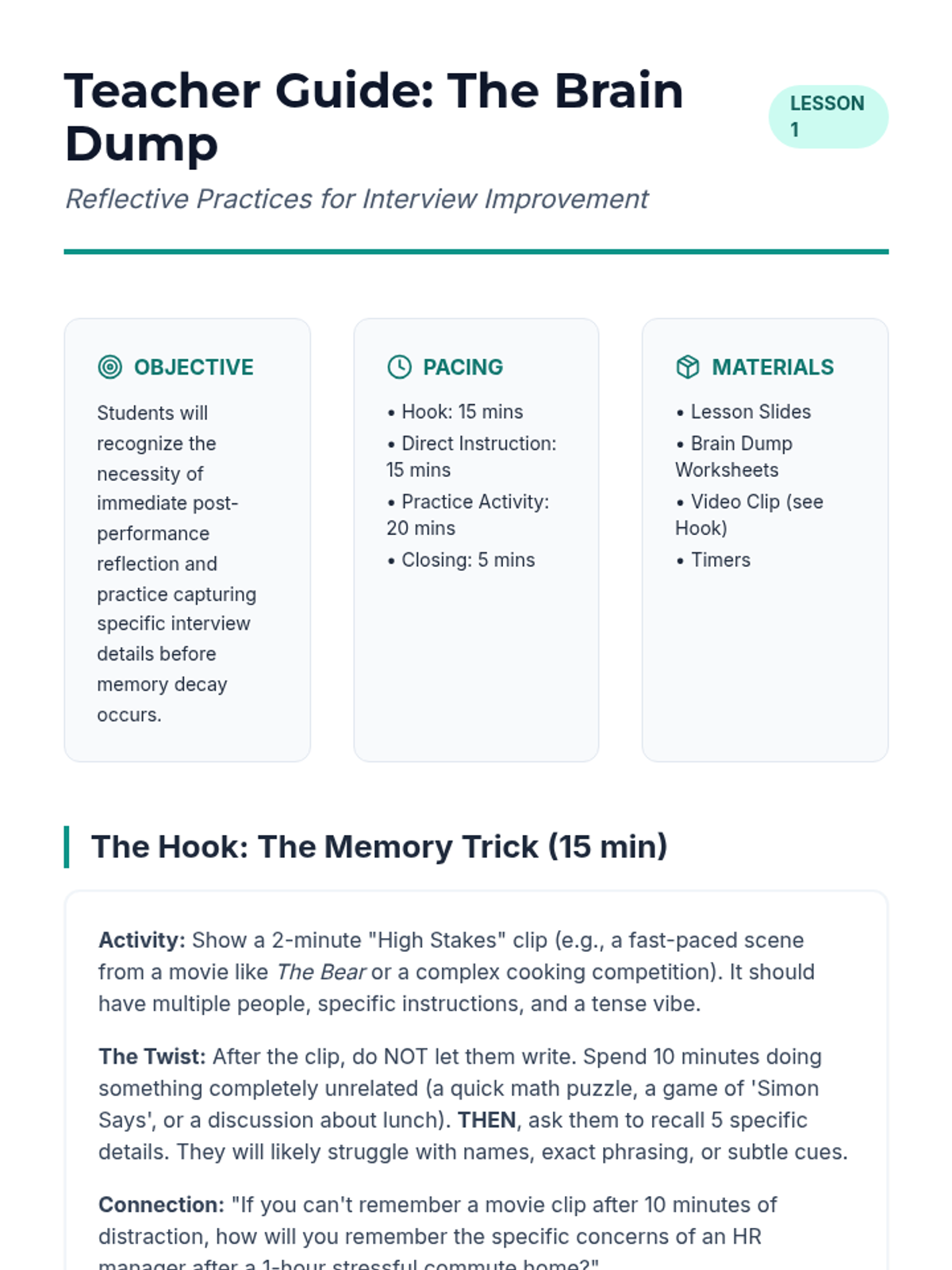
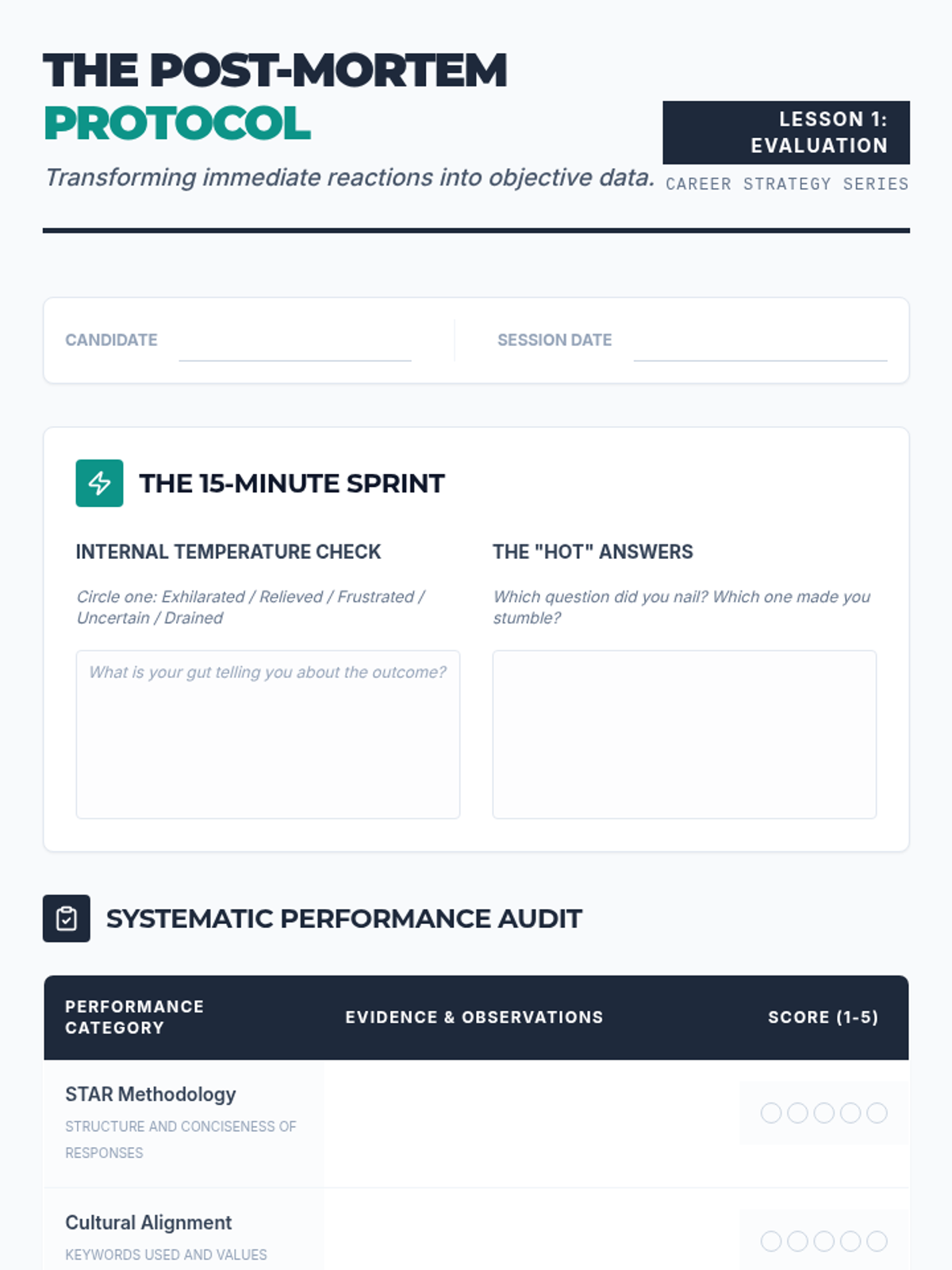
This inquiry-based sequence focuses on self-assessment and continuous improvement in the interview process. Students will develop habits for immediate post-interview reflection, analyze performance gaps, learn to process feedback with a growth mindset, and create actionable plans for professional growth.
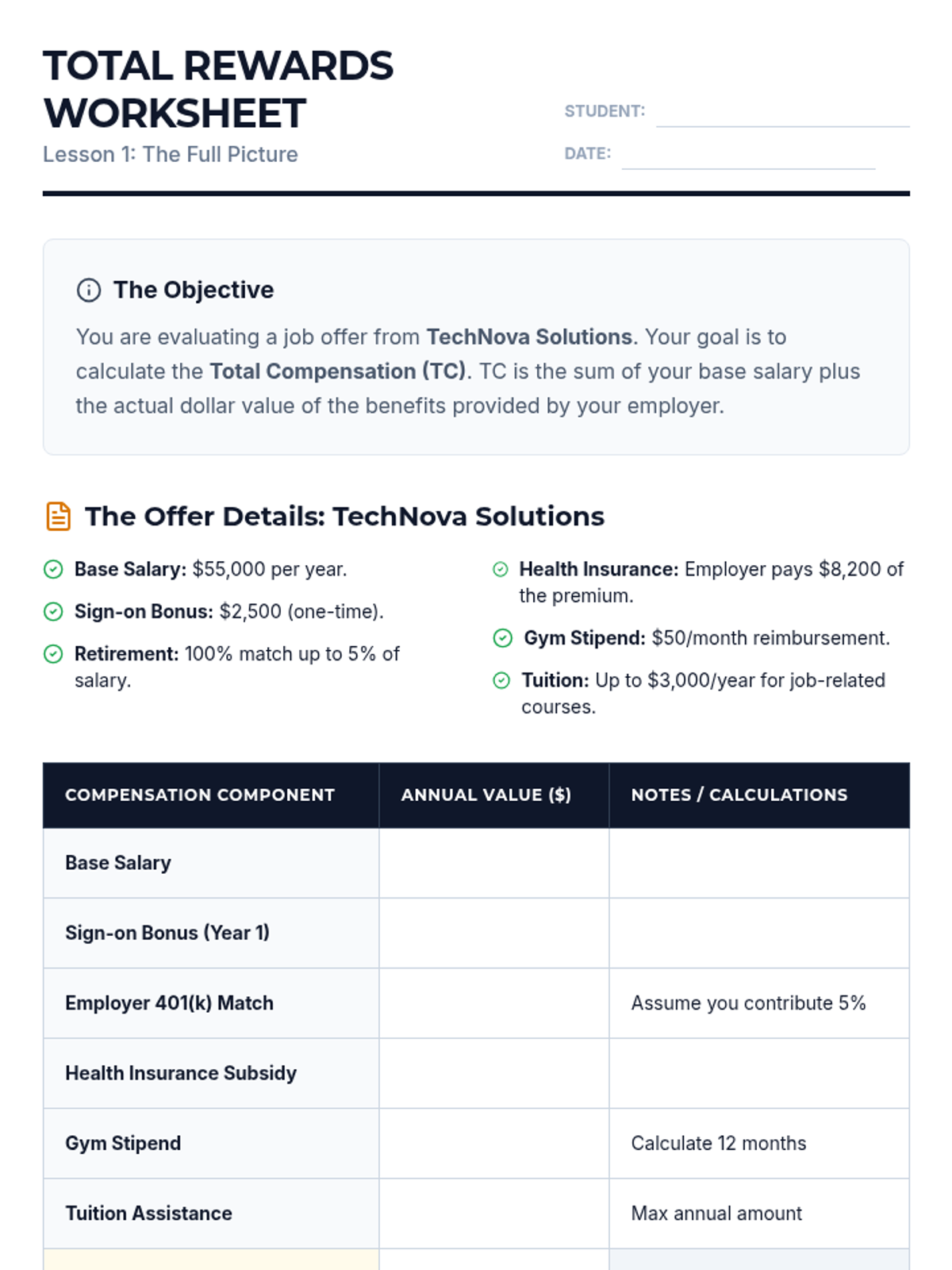
A comprehensive unit for undergraduate students to master the financial and legal aspects of job offers, focusing on total compensation analysis, cost-of-living adjustments, and professional negotiation skills.
A comprehensive clinical training sequence for undergraduate students focusing on the application of Behavioral Activation (BA). Students learn to conduct functional analyses using the TRAP and TRAC models, deliver treatment rationales through collaborative empiricism, navigate client resistance, and design relapse prevention plans.
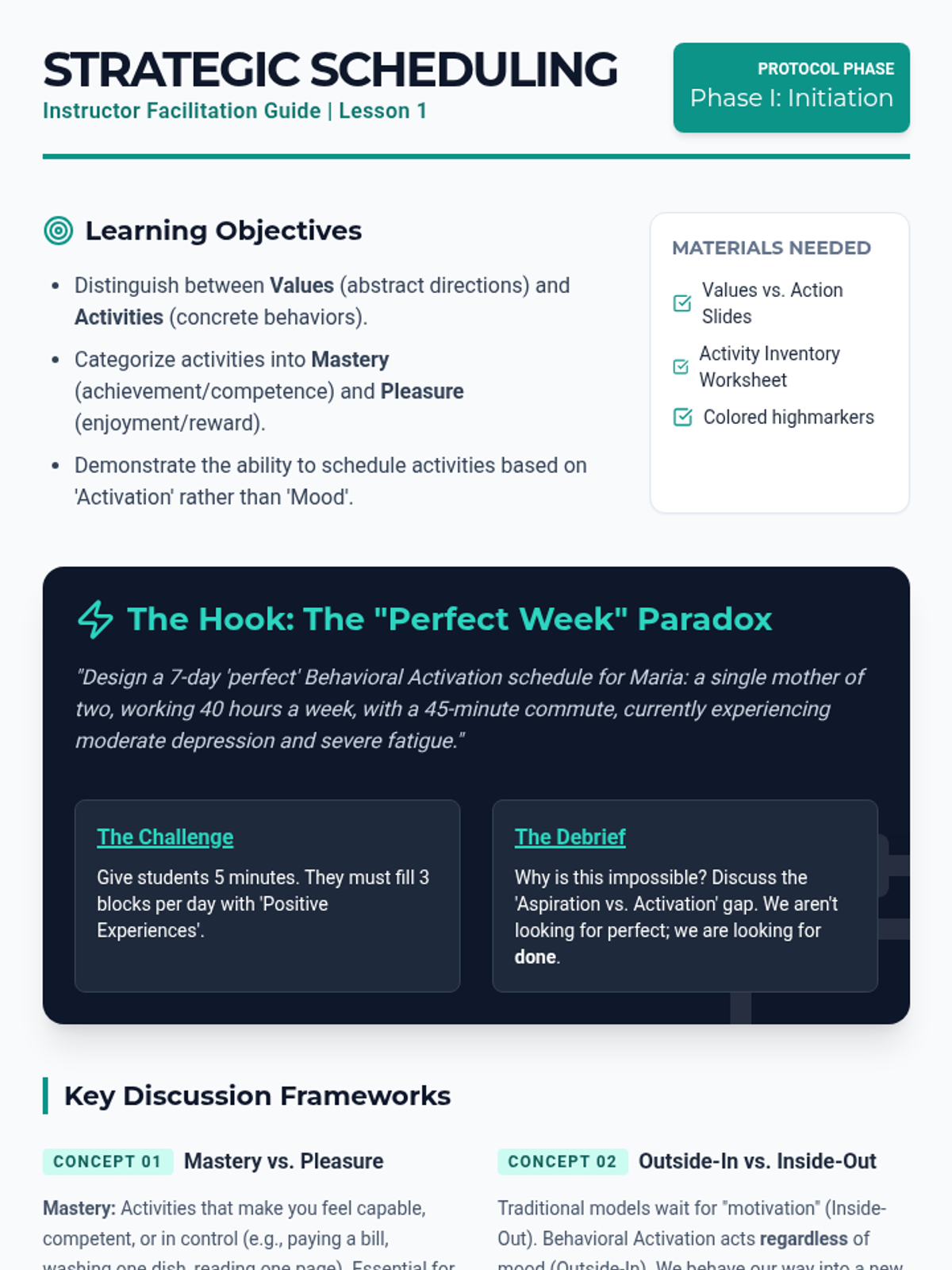
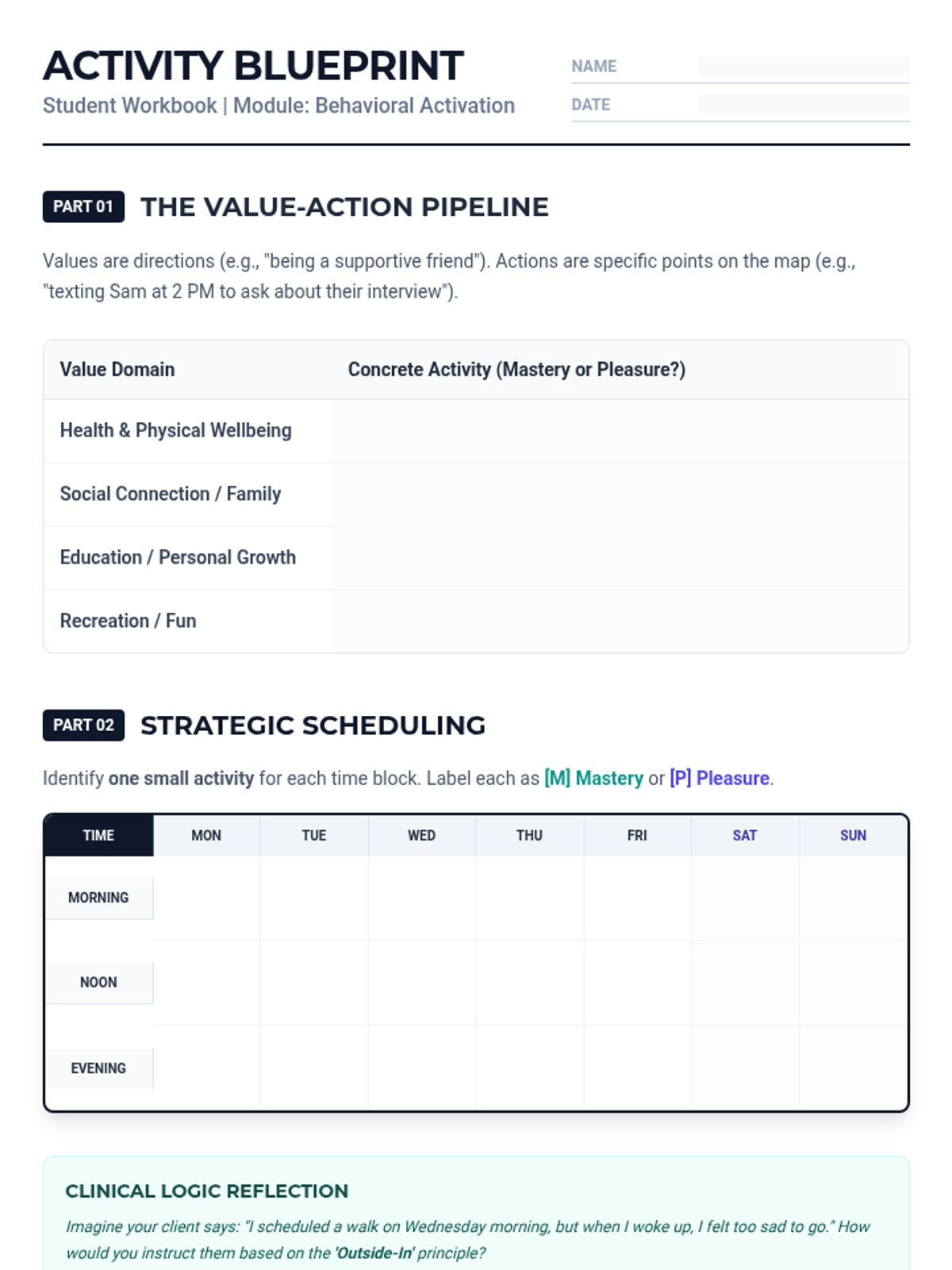
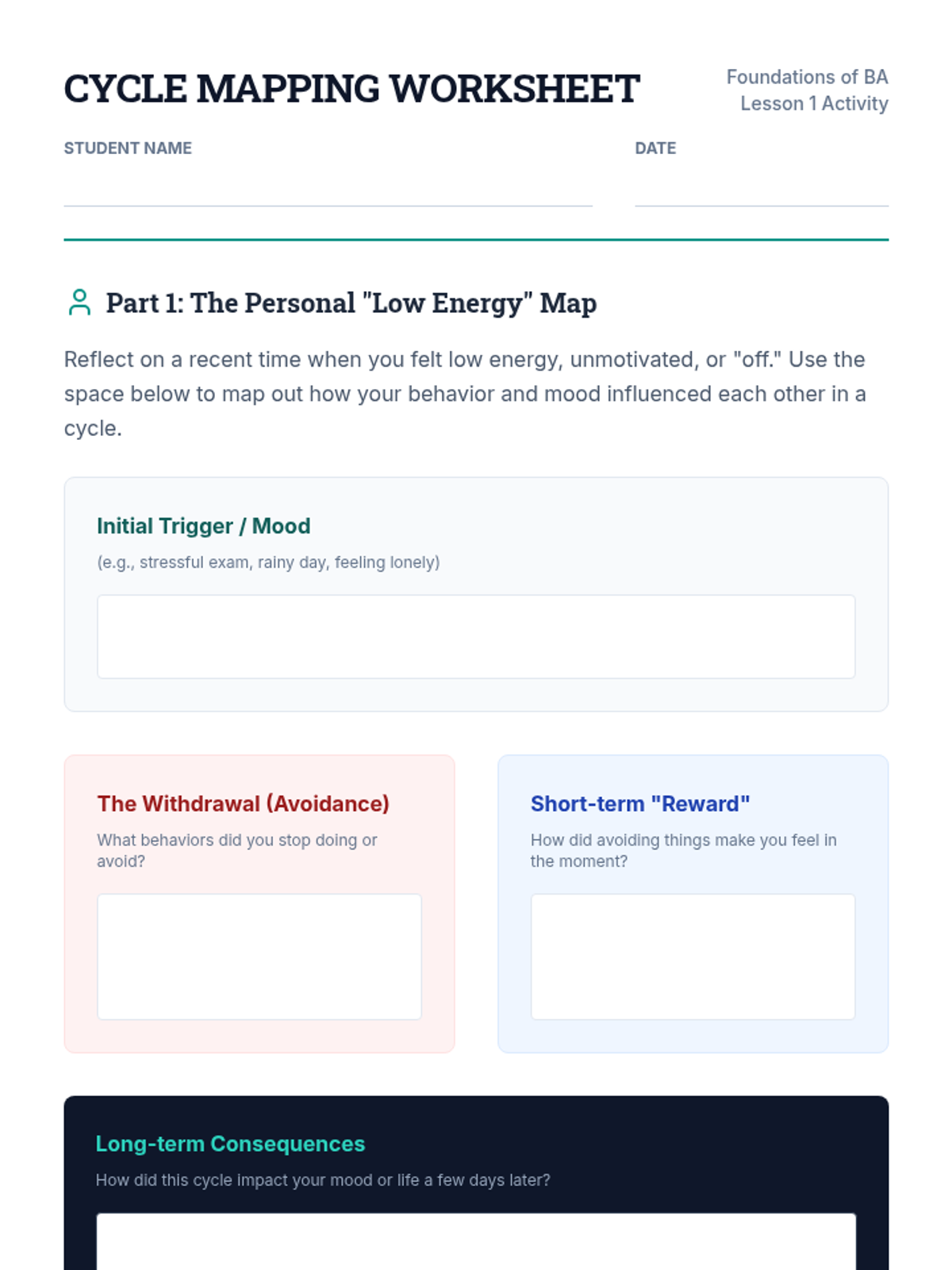
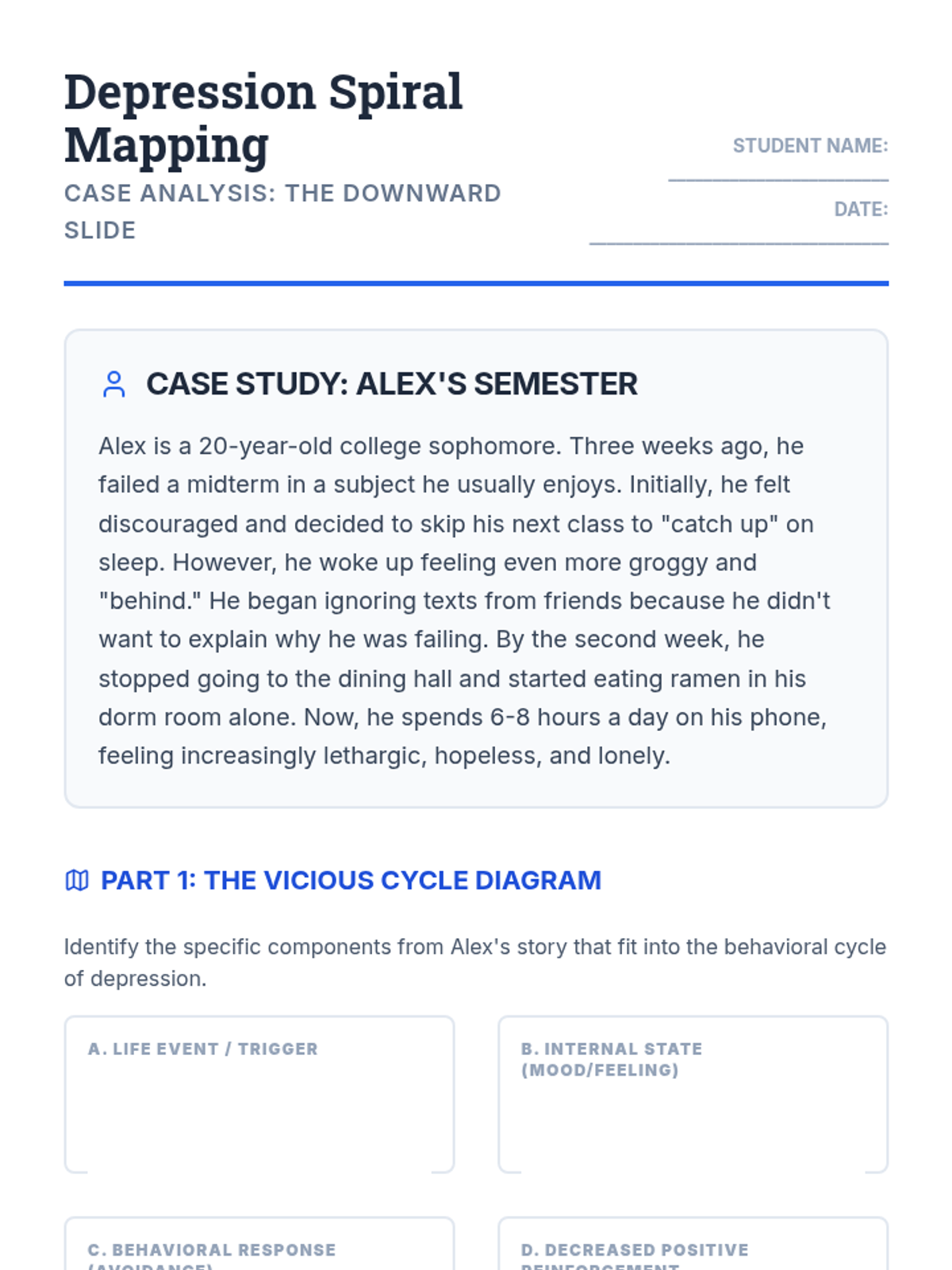
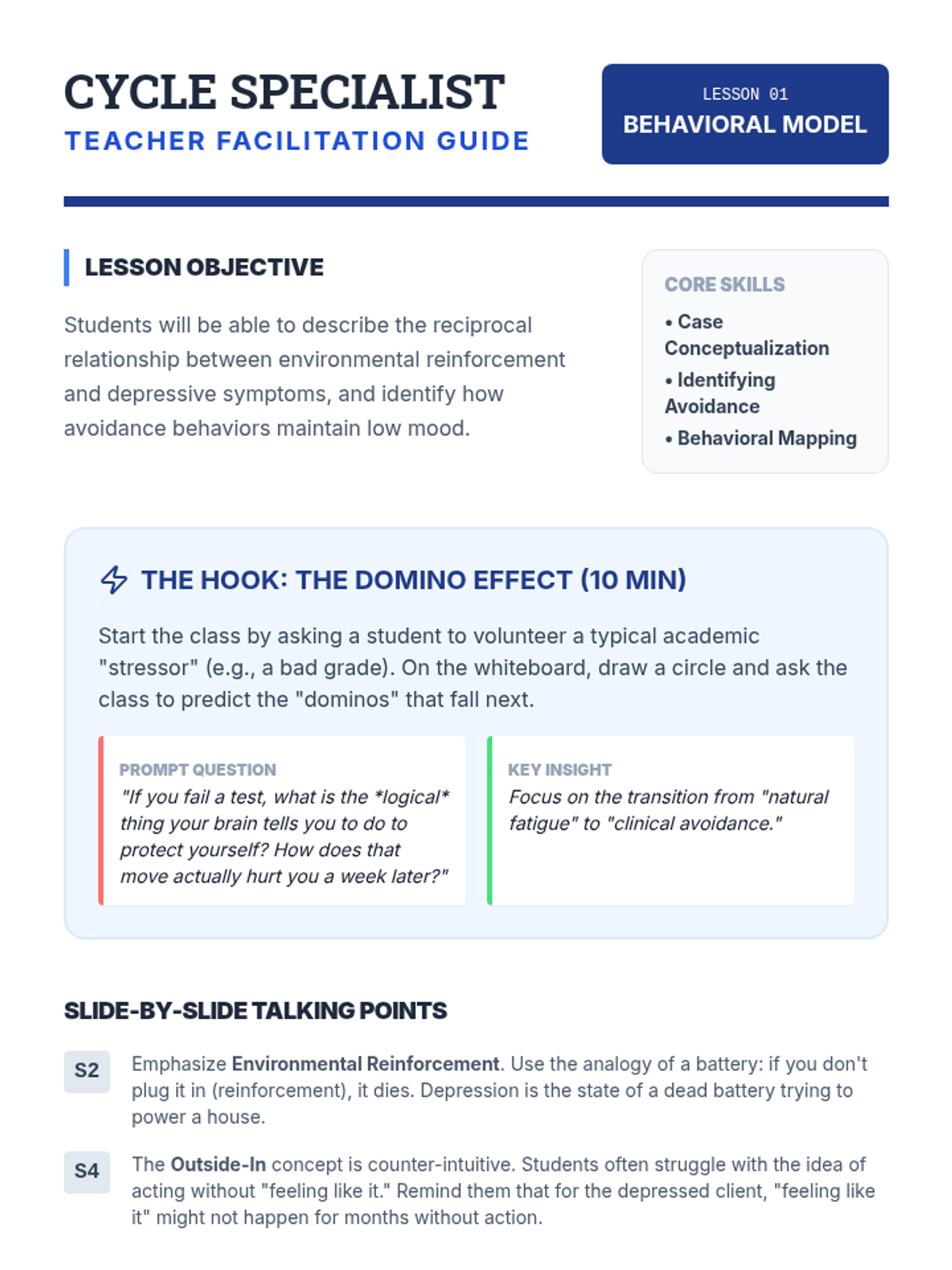
This sequence introduces undergraduate students to Behavioral Activation (BA), focusing on the theoretical cycle of depression, activity monitoring, values-based goal setting, and intervention planning. Students move from understanding the 'vicious cycle' of withdrawal to designing structured, values-aligned activity schedules.
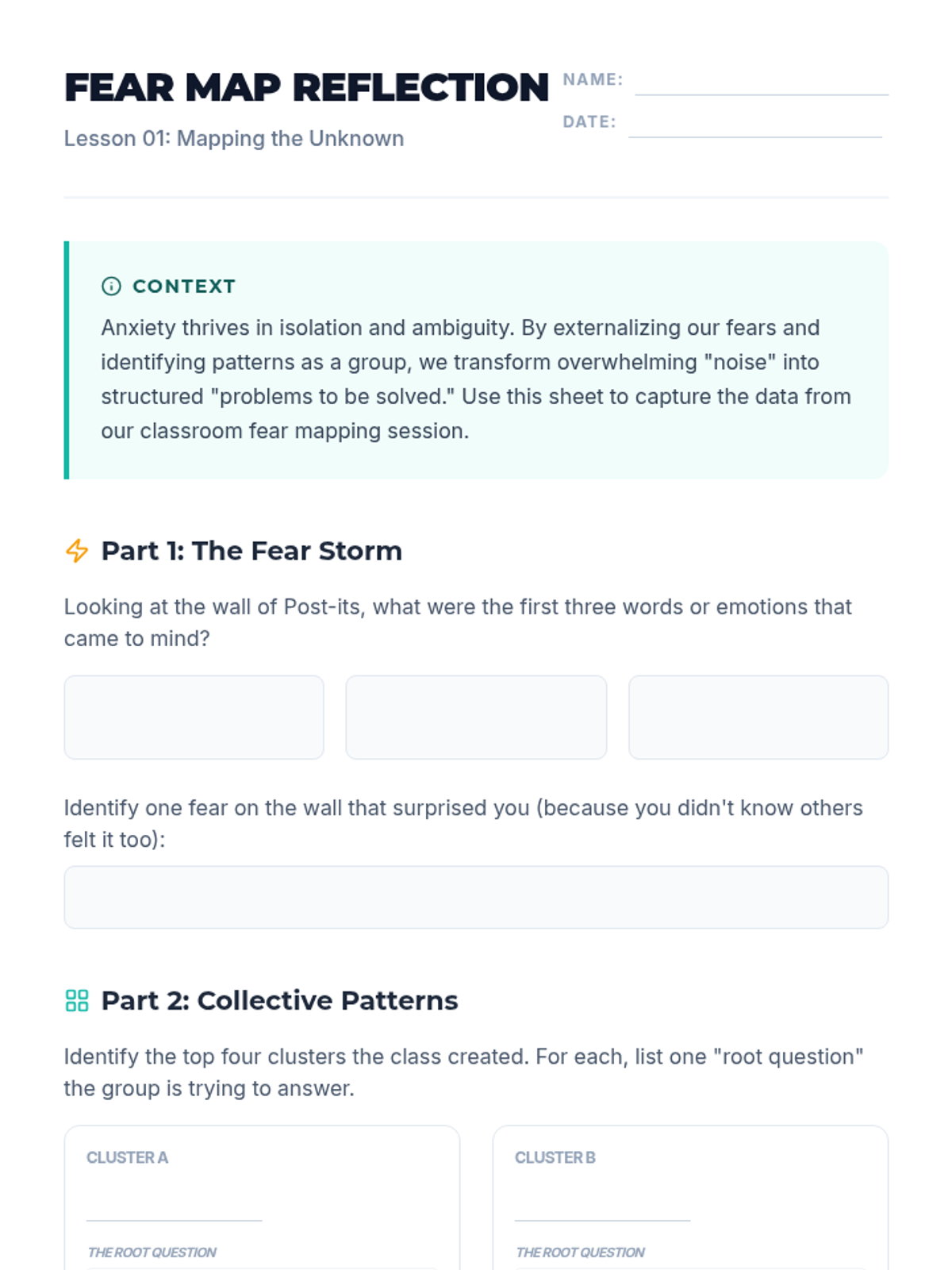
A project-based sequence for undergraduate students using Design Thinking to navigate post-graduation anxiety. Students collaborate to prototype future paths and build a collective resource repository.
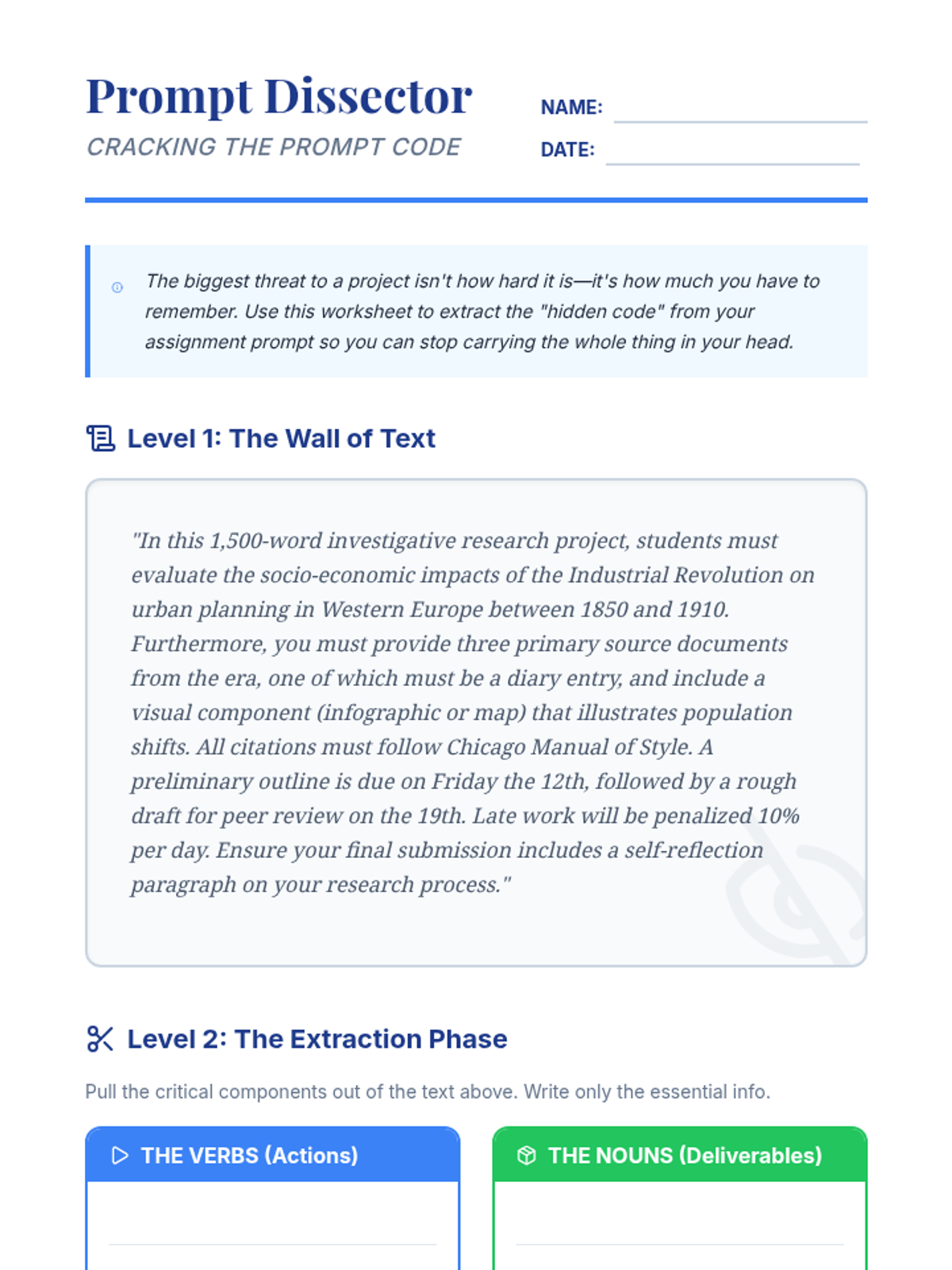
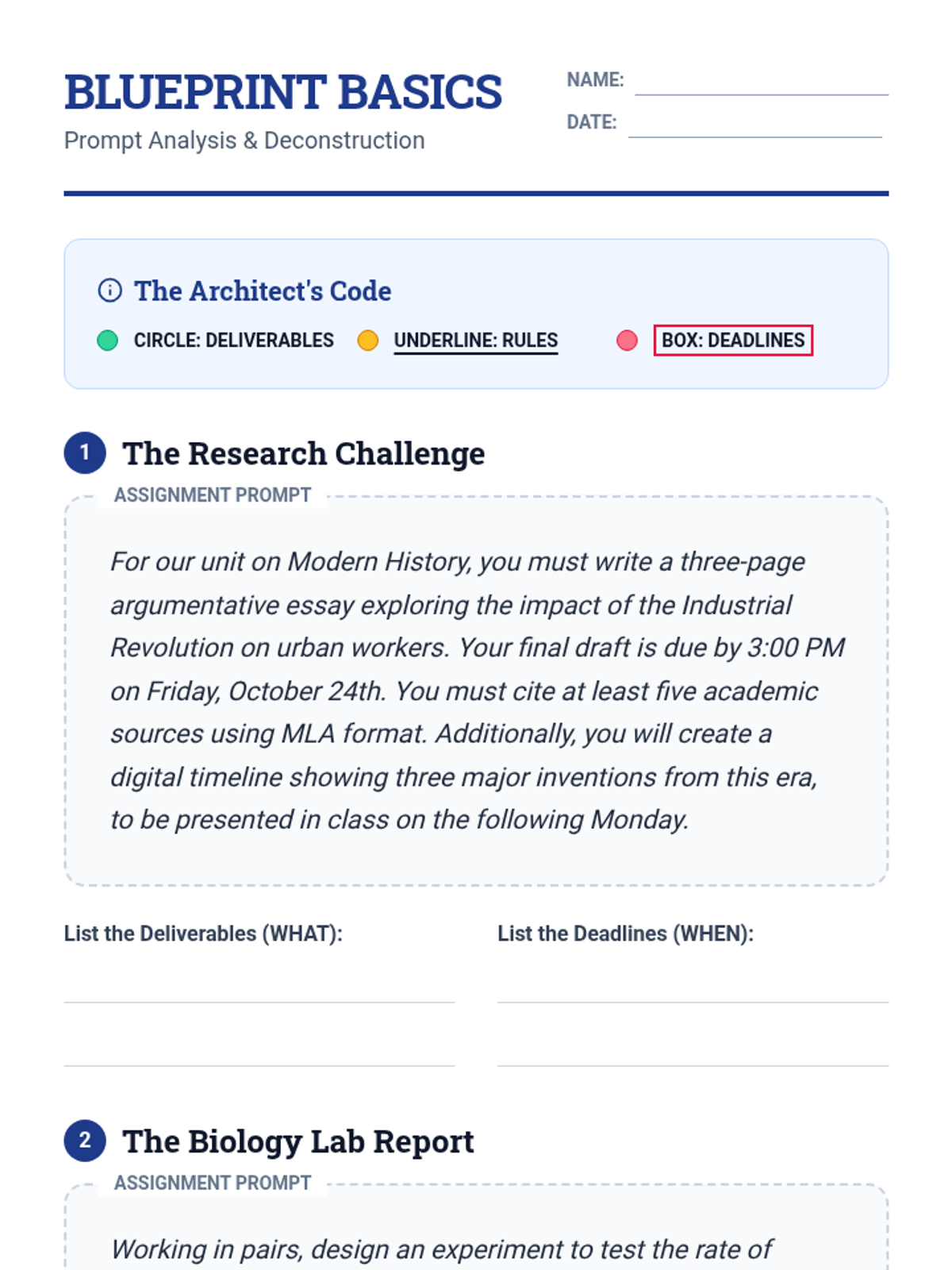
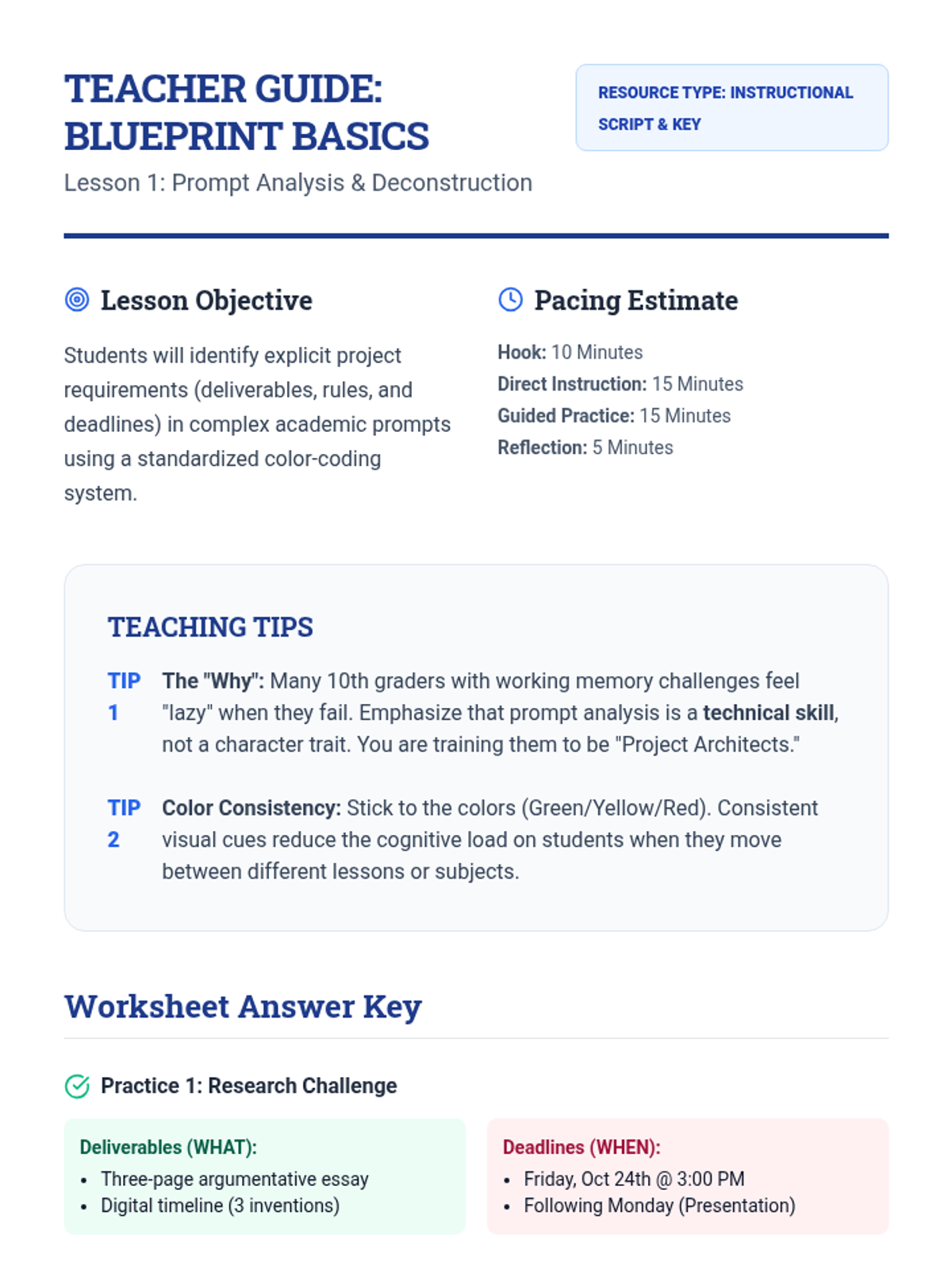
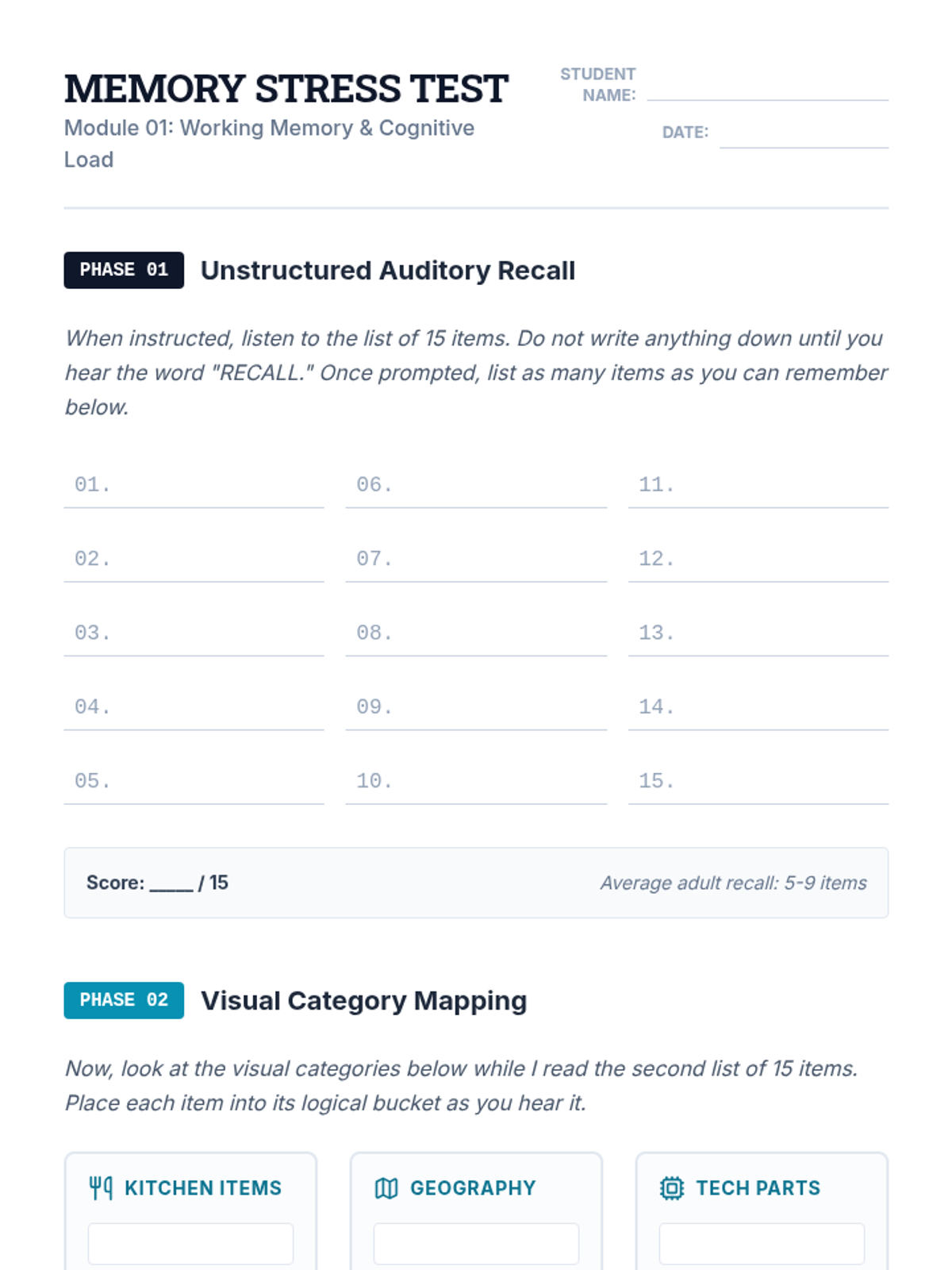
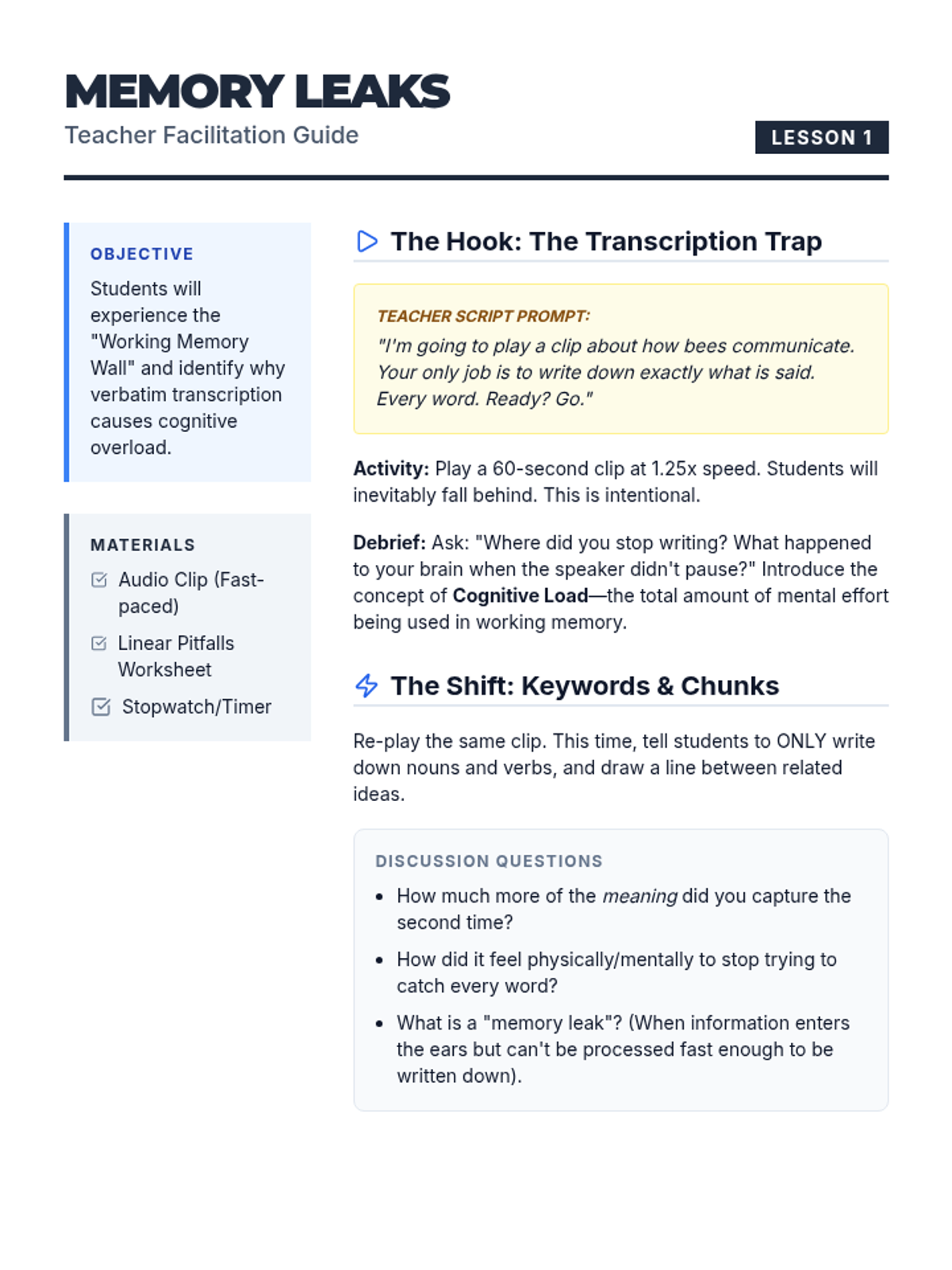
A 5-lesson workshop sequence for 11th-grade students designed to manage working memory load by deconstructing complex academic projects. Students learn to analyze multi-part prompts, backward plan from deadlines, visualize final products, and build external tracking systems.
This sequence teaches students to deconstruct complex academic assignments by identifying hidden requirements, expanding tasks into manageable actions, and using backwards planning to create realistic timelines for completion.
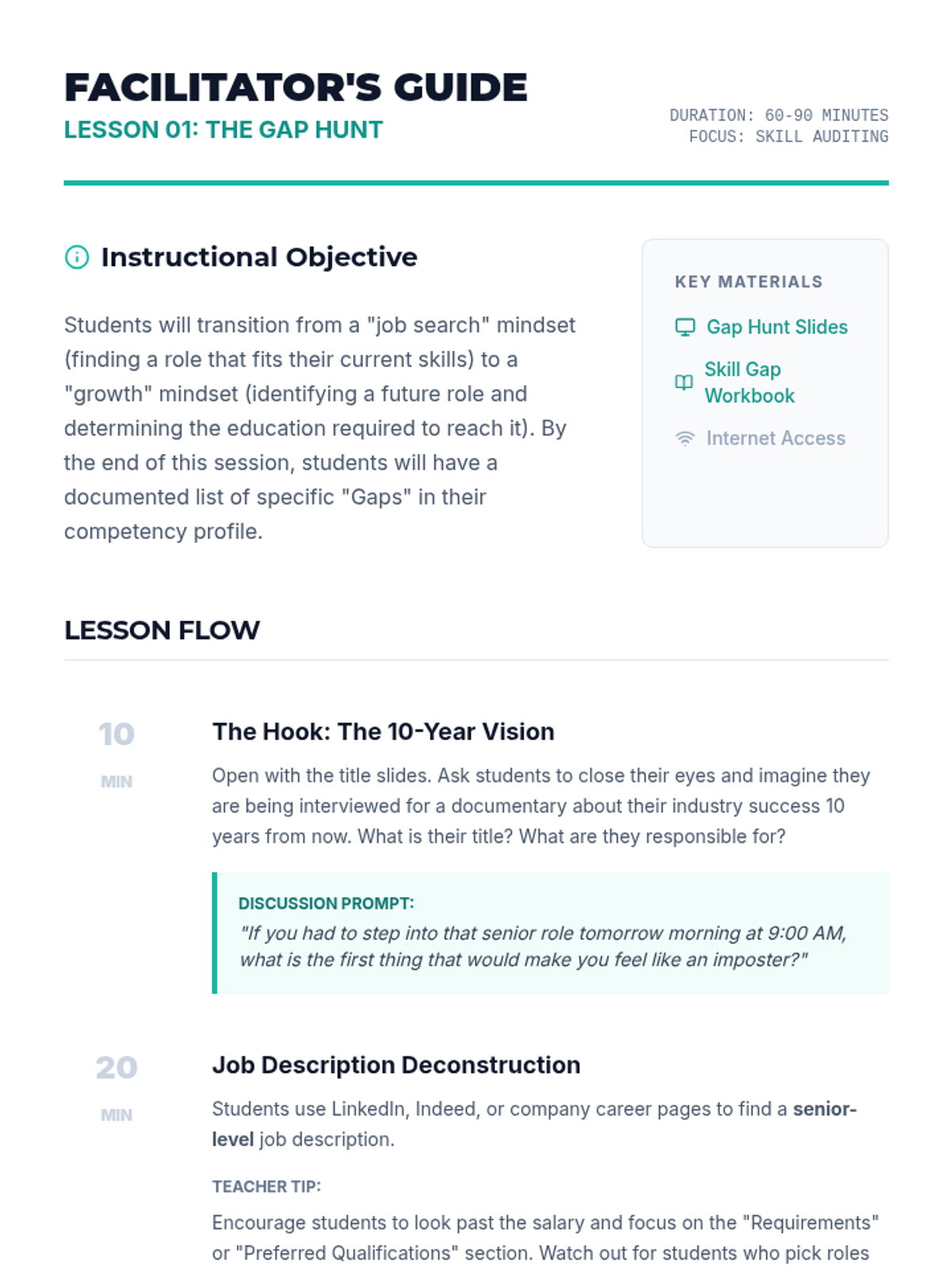
This sequence guides undergraduate students through a strategic, design-thinking approach to professional development. Students will move from self-assessment and trend forecasting to designing a concrete 5-year growth plan and pitching their strategy for lifelong relevance in an evolving economy.
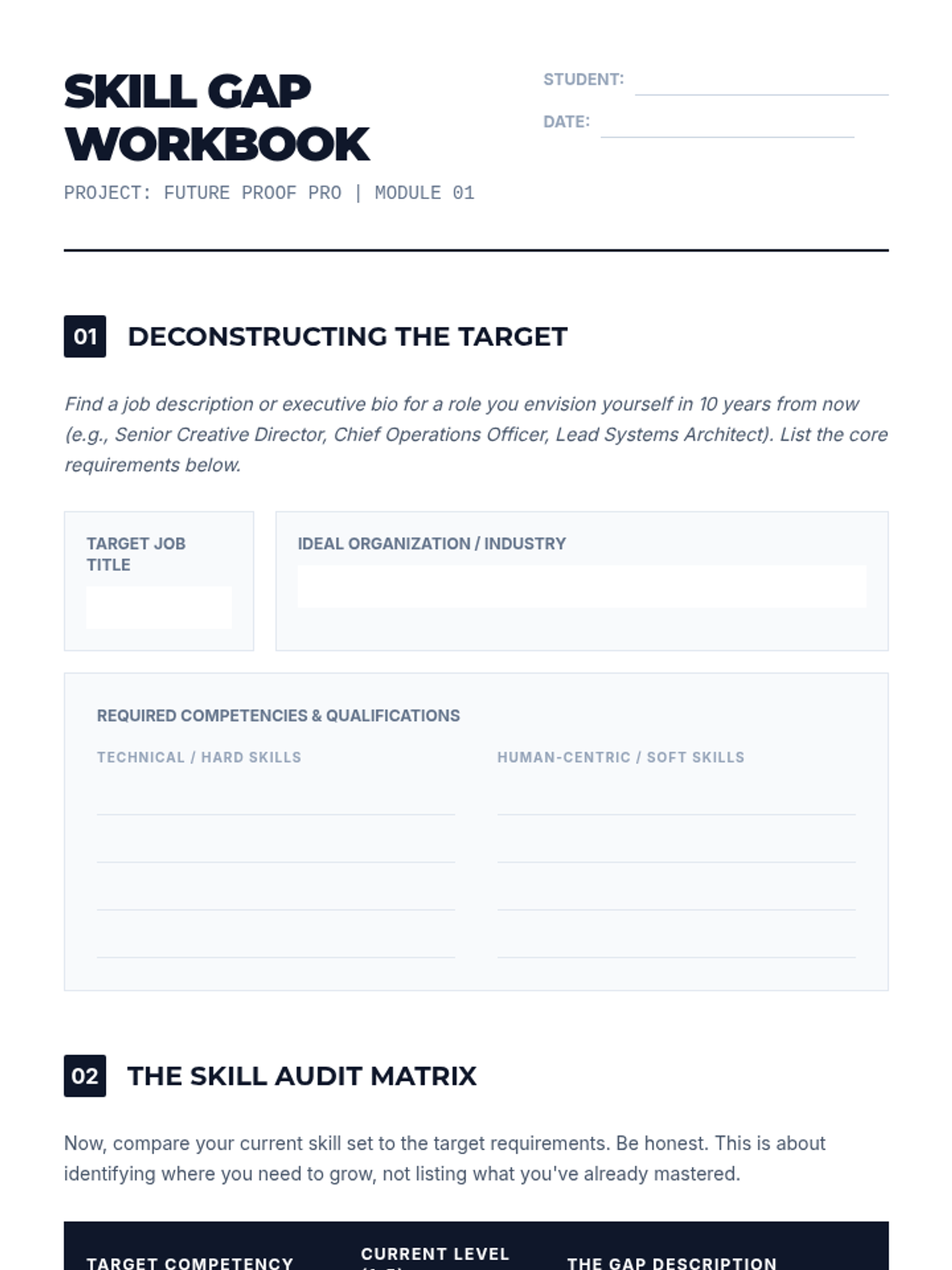
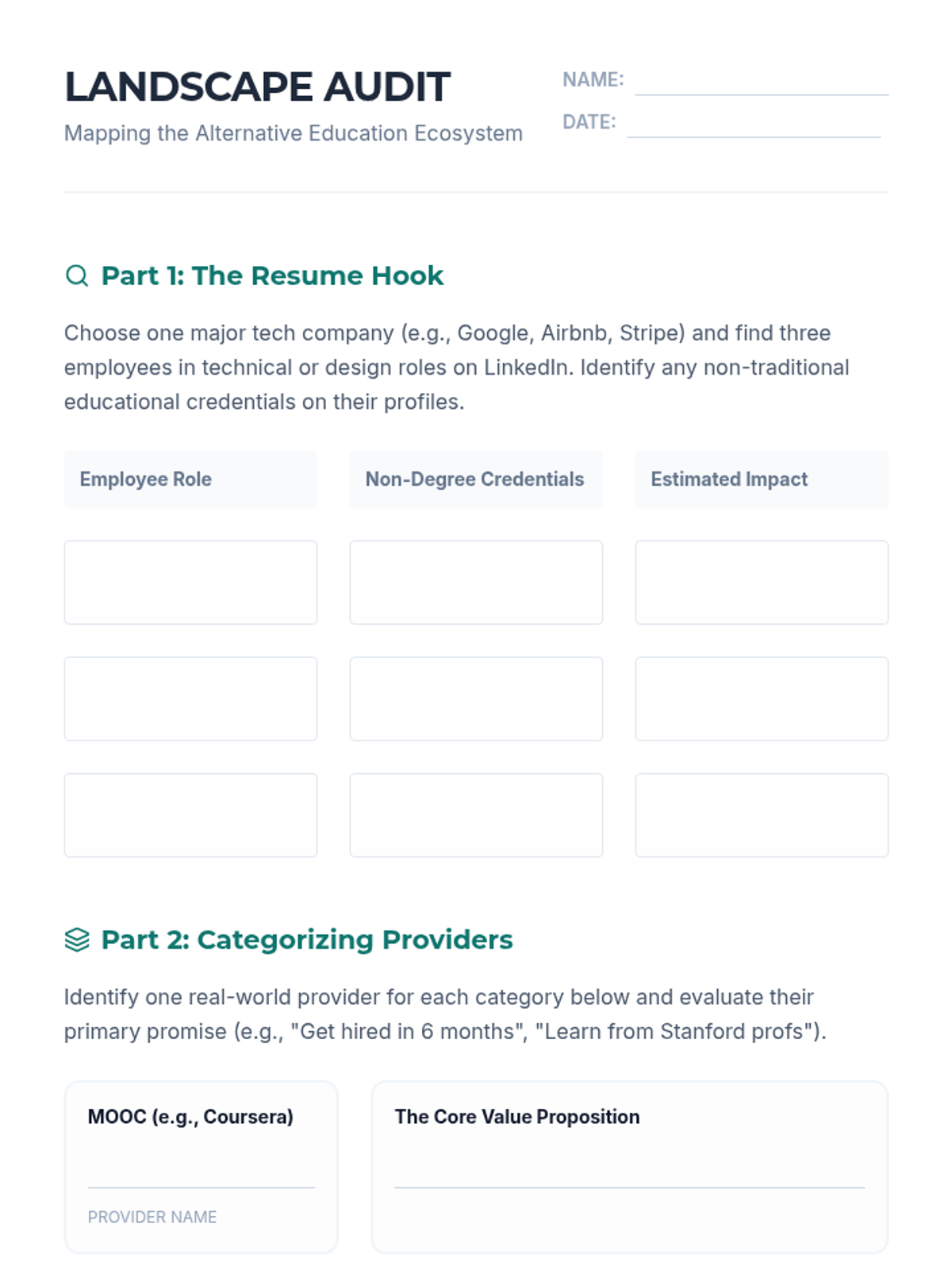
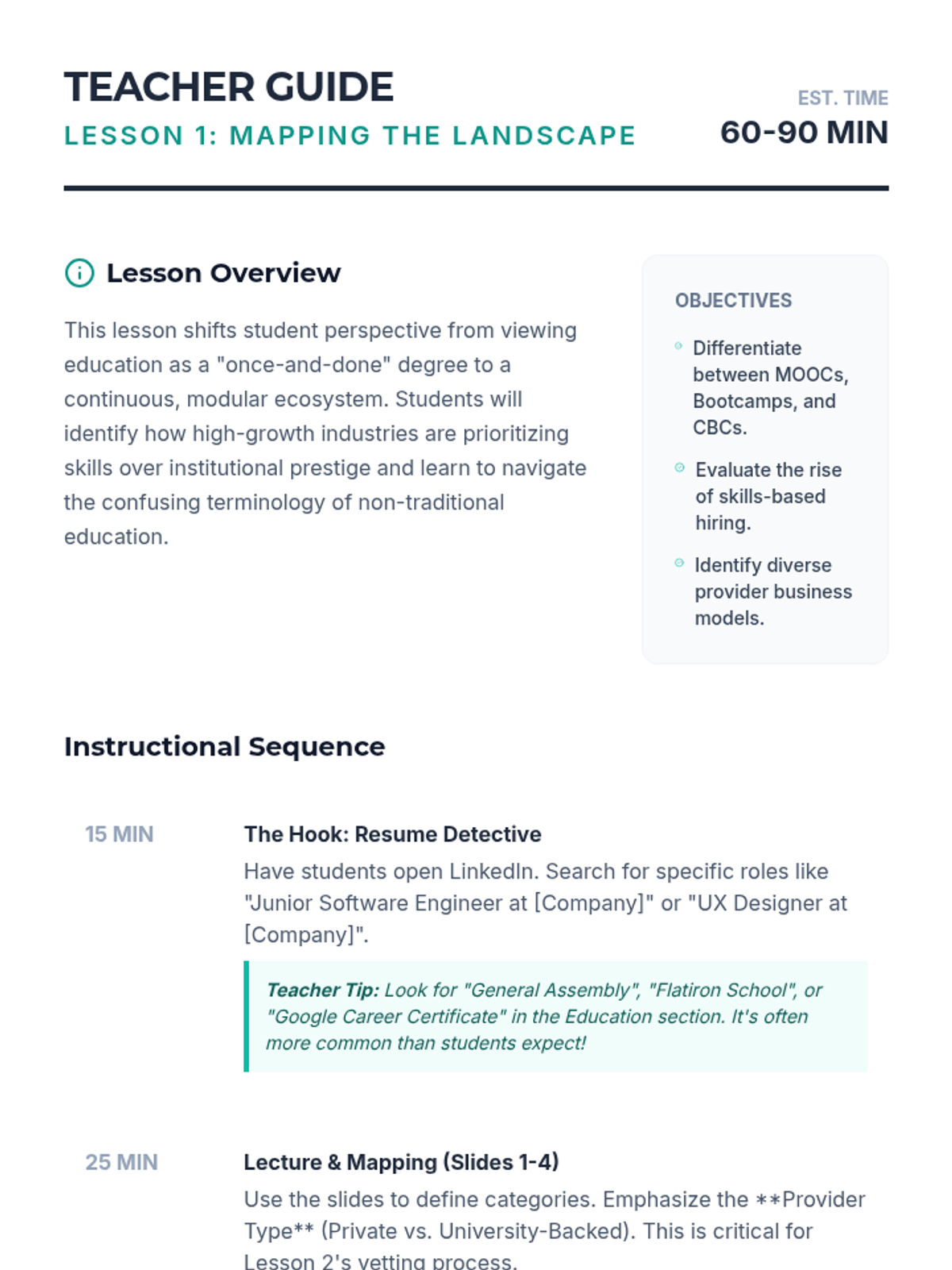
This sequence investigates the rapidly growing sector of non-traditional education, including coding bootcamps, MOOCs, and corporate training. Students learn to vet these pathways for quality, outcomes, and career alignment, moving from landscape survey to strategic decision-making.
This sequence introduces undergraduate students to the theoretical underpinnings and practical assessment tools of Behavioral Activation (BA). Students will learn to conceptualize depression as a cycle of avoidance and reduced reinforcement, mastering techniques like activity monitoring, values clarification, and functional analysis.
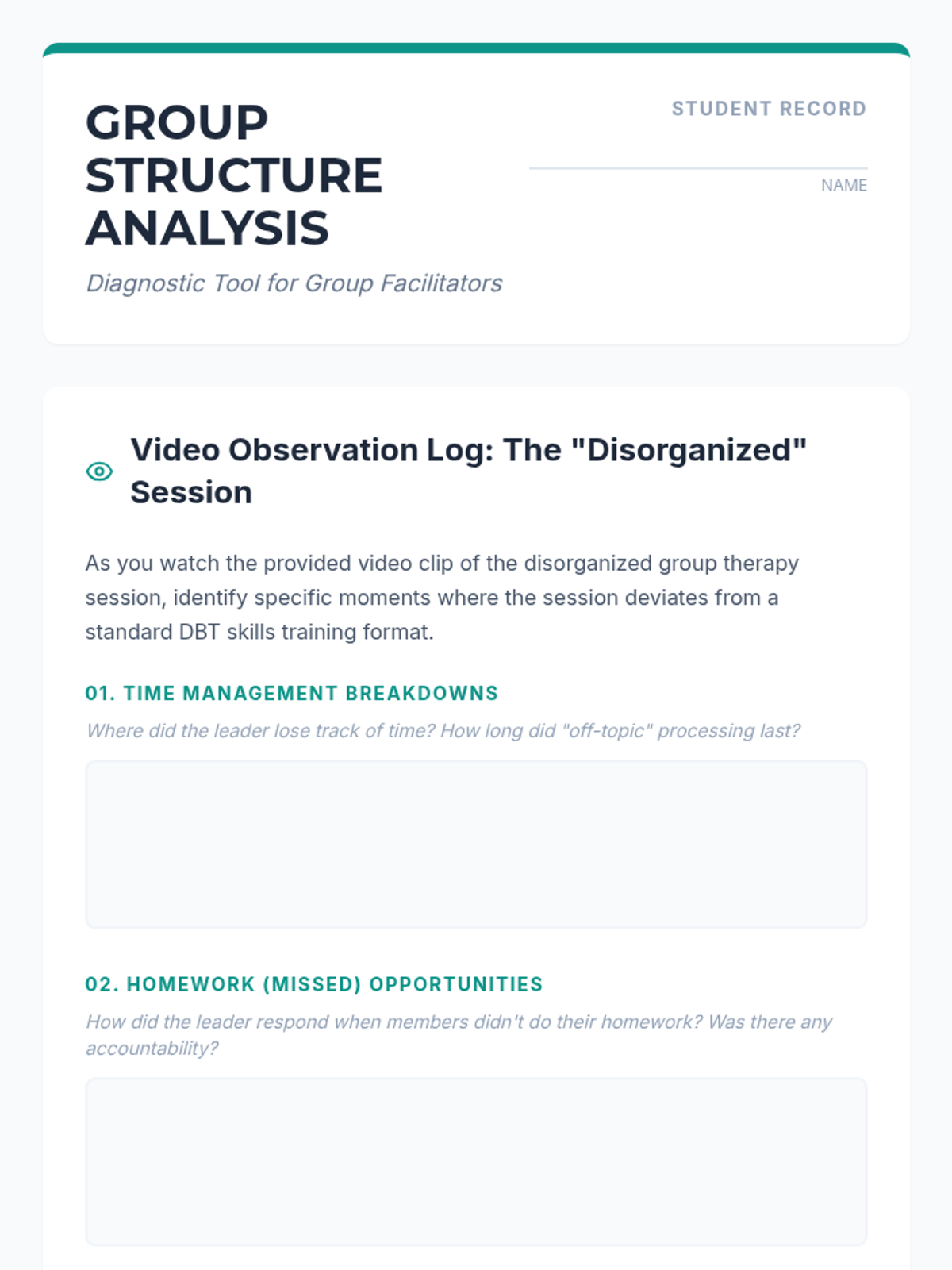
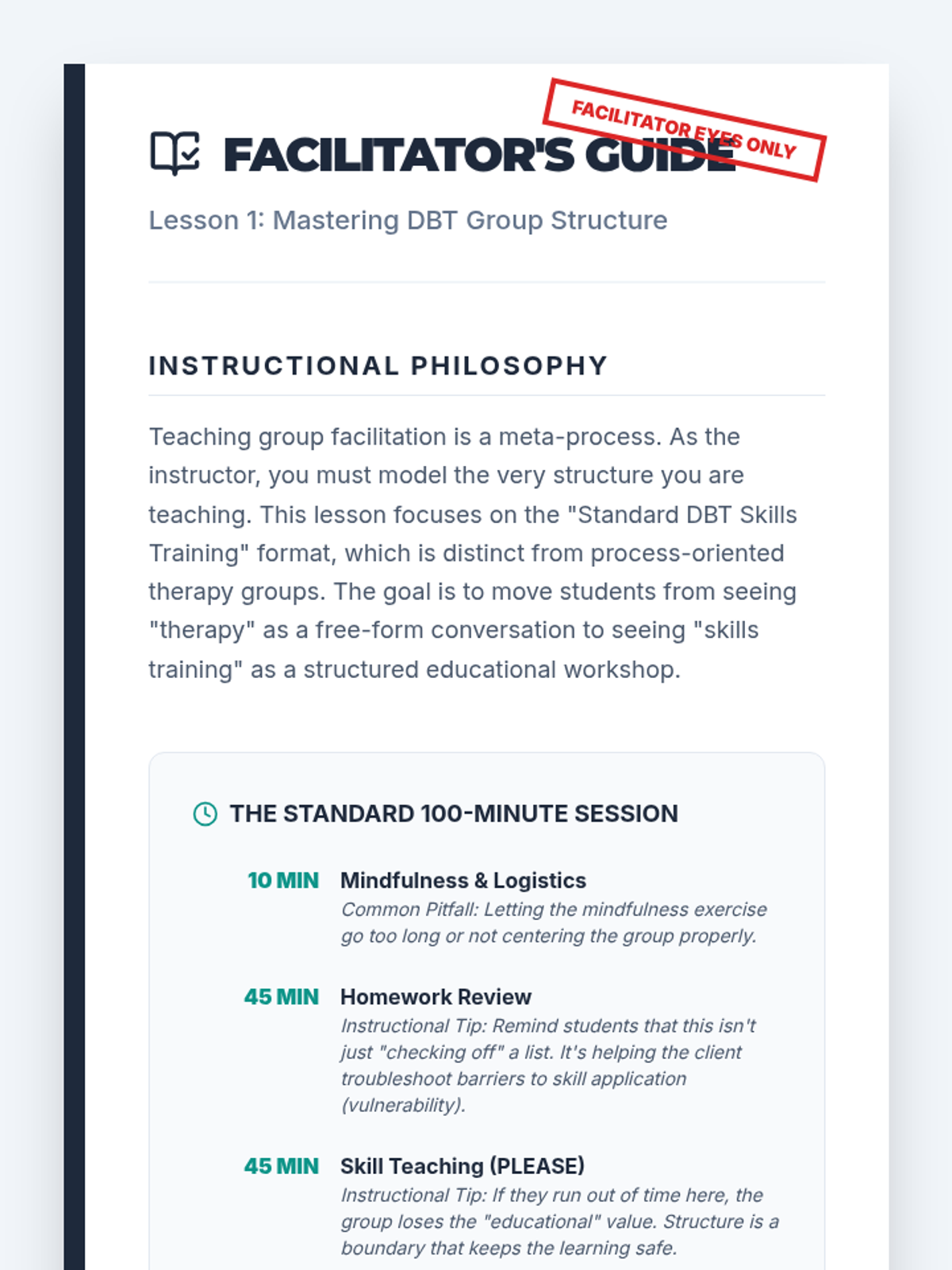
This advanced sequence prepares undergraduate students to design and facilitate psychoeducational groups focused on the DBT PLEASE skills (Physical illness, Eating, Altering substances, Sleep, Exercise). Students will progress from understanding group structures to leading mock sessions, focusing on communication, engagement, and managing clinical dynamics.
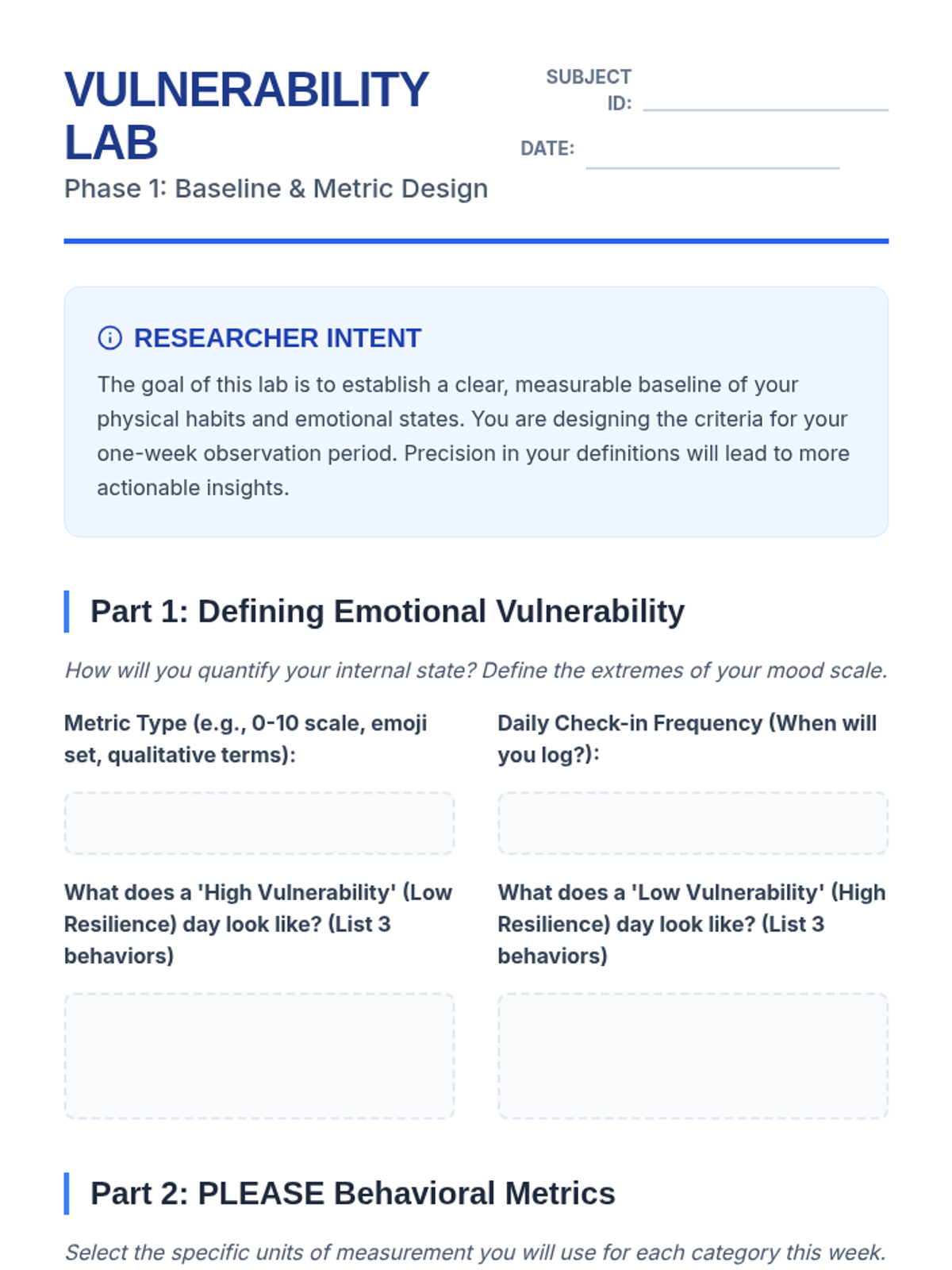
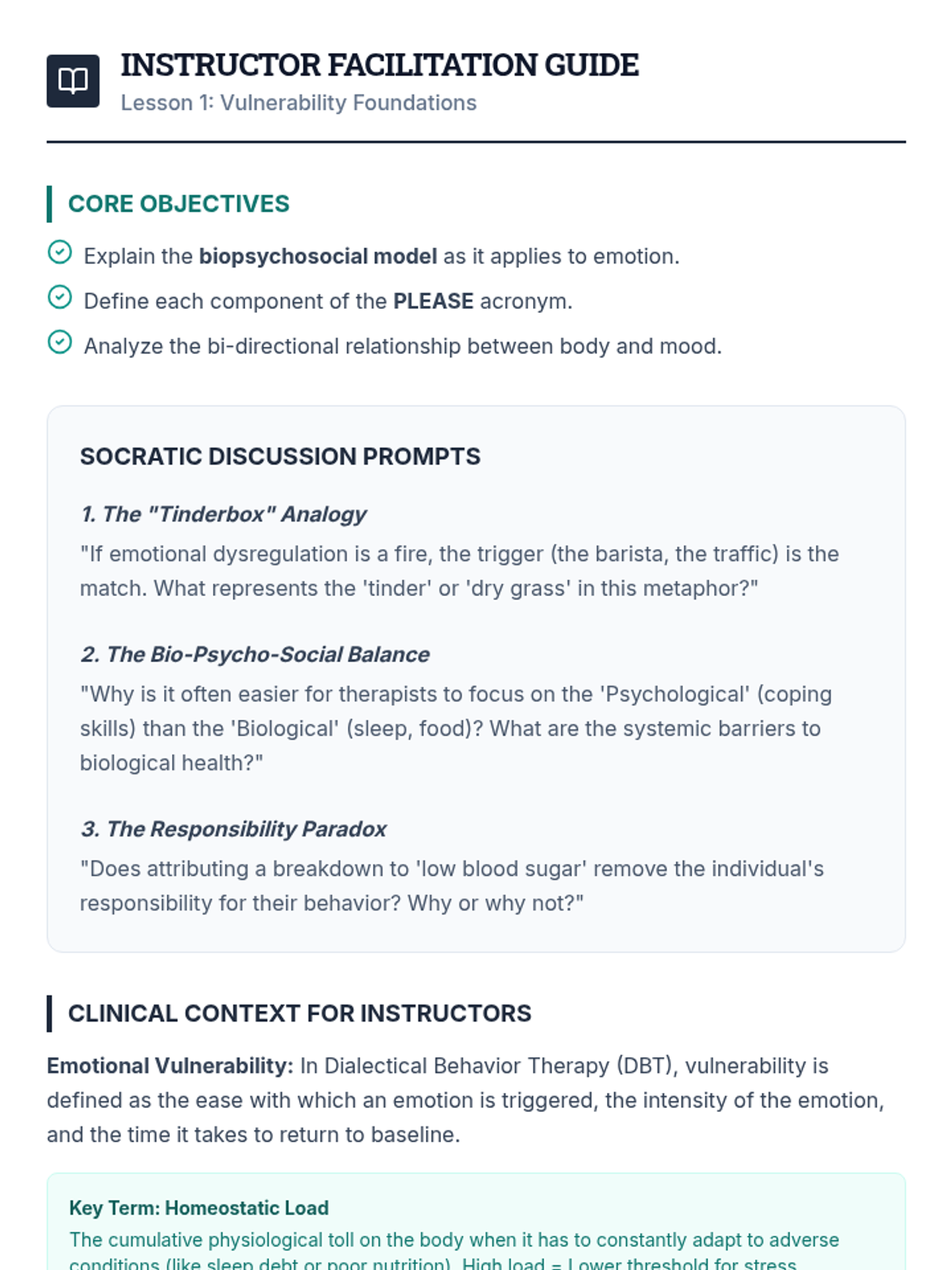
A workshop-based sequence where undergraduate students apply the PLEASE skills to their own lives. Students act as both client and clinician, tracking sleep, nutrition, and exercise to understand the causal link between physical maintenance and emotional vulnerability.
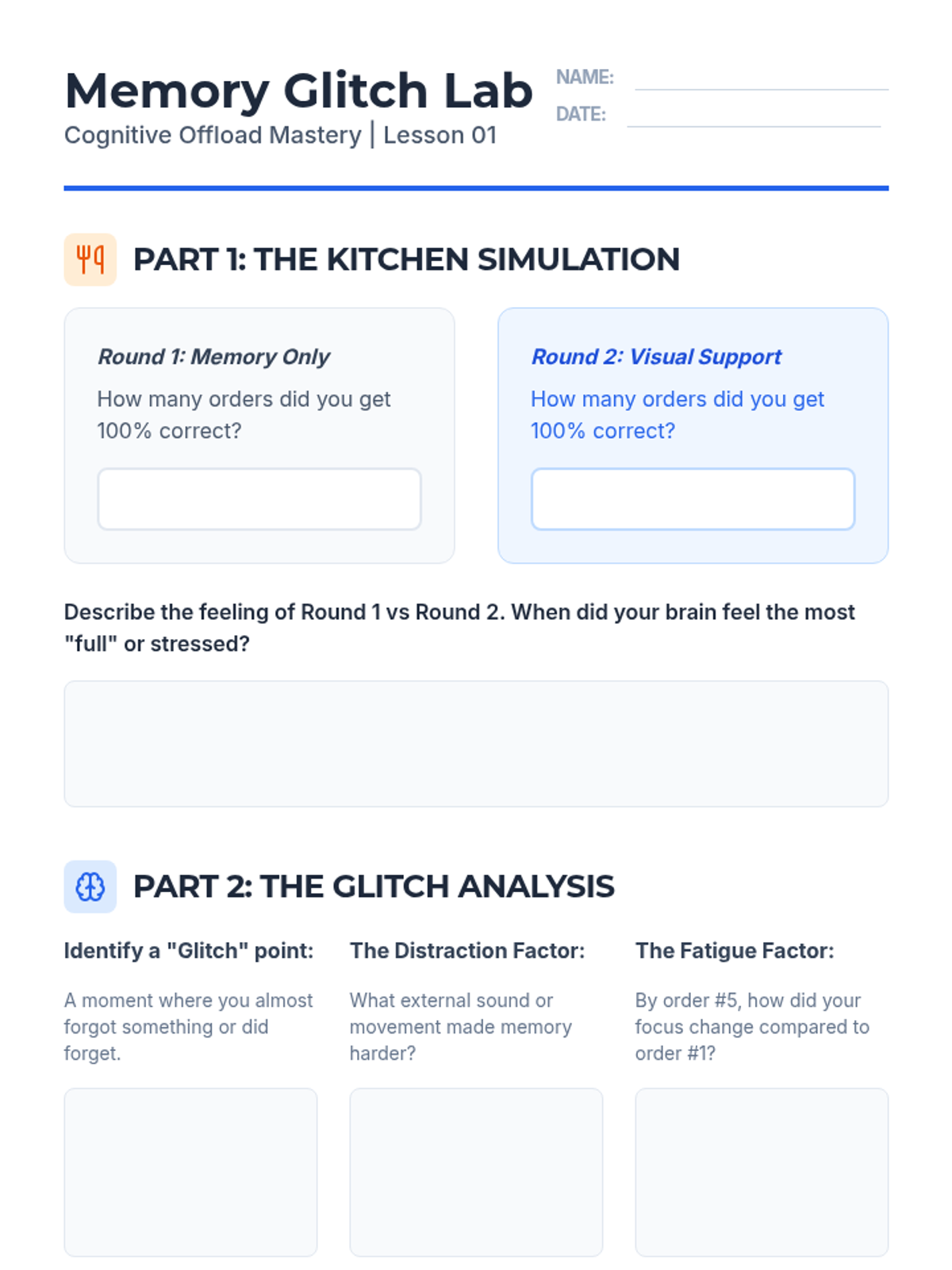
This sequence prepares 11th-grade students for vocational and independent living by teaching them to design and use professional visual aids (SOPs and checklists). Students learn to offload working memory onto visual systems to reduce error and mental fatigue in complex tasks.
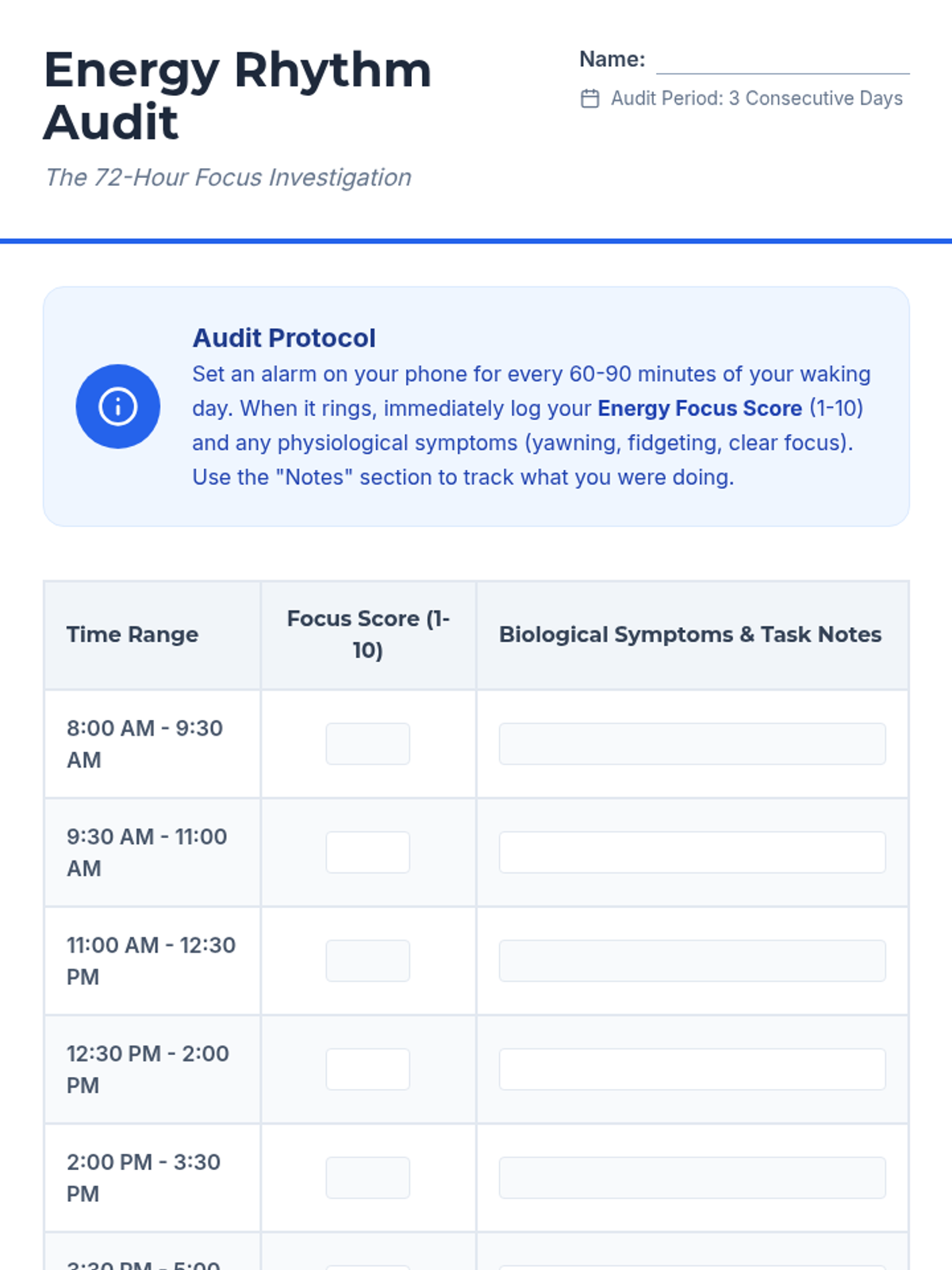
A comprehensive sequence for undergraduate students focusing on executive function and proactive support-seeking. Students move from data-driven self-analysis of energy rhythms to the creation of a long-term 'Semester Sustainability Plan' that treats mental health and support as logistical necessities.
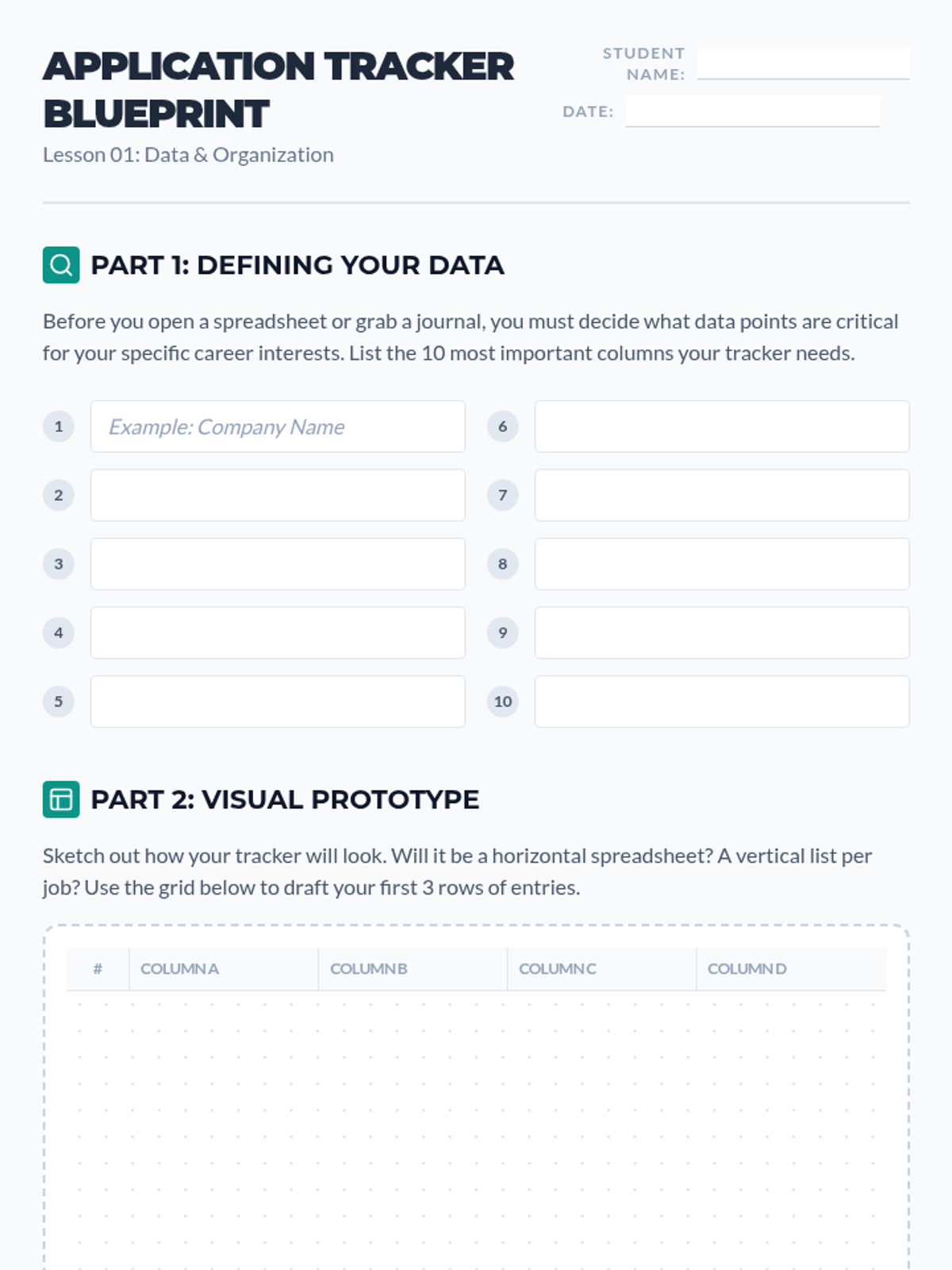
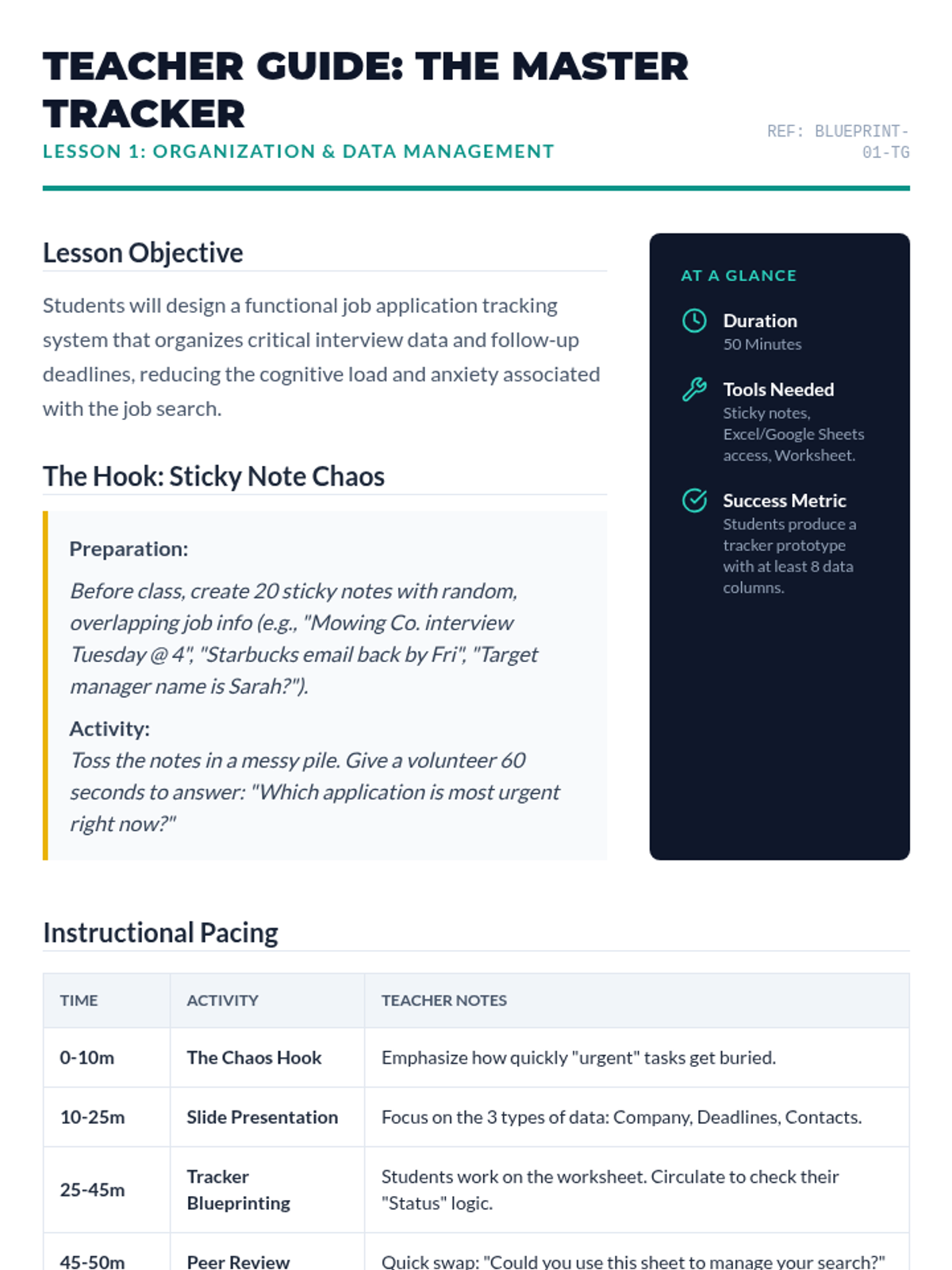
Students build a comprehensive Interview Follow-Up Toolkit, designing reusable systems like trackers, email templates, and reference sheets to manage the job search process with organization and confidence.
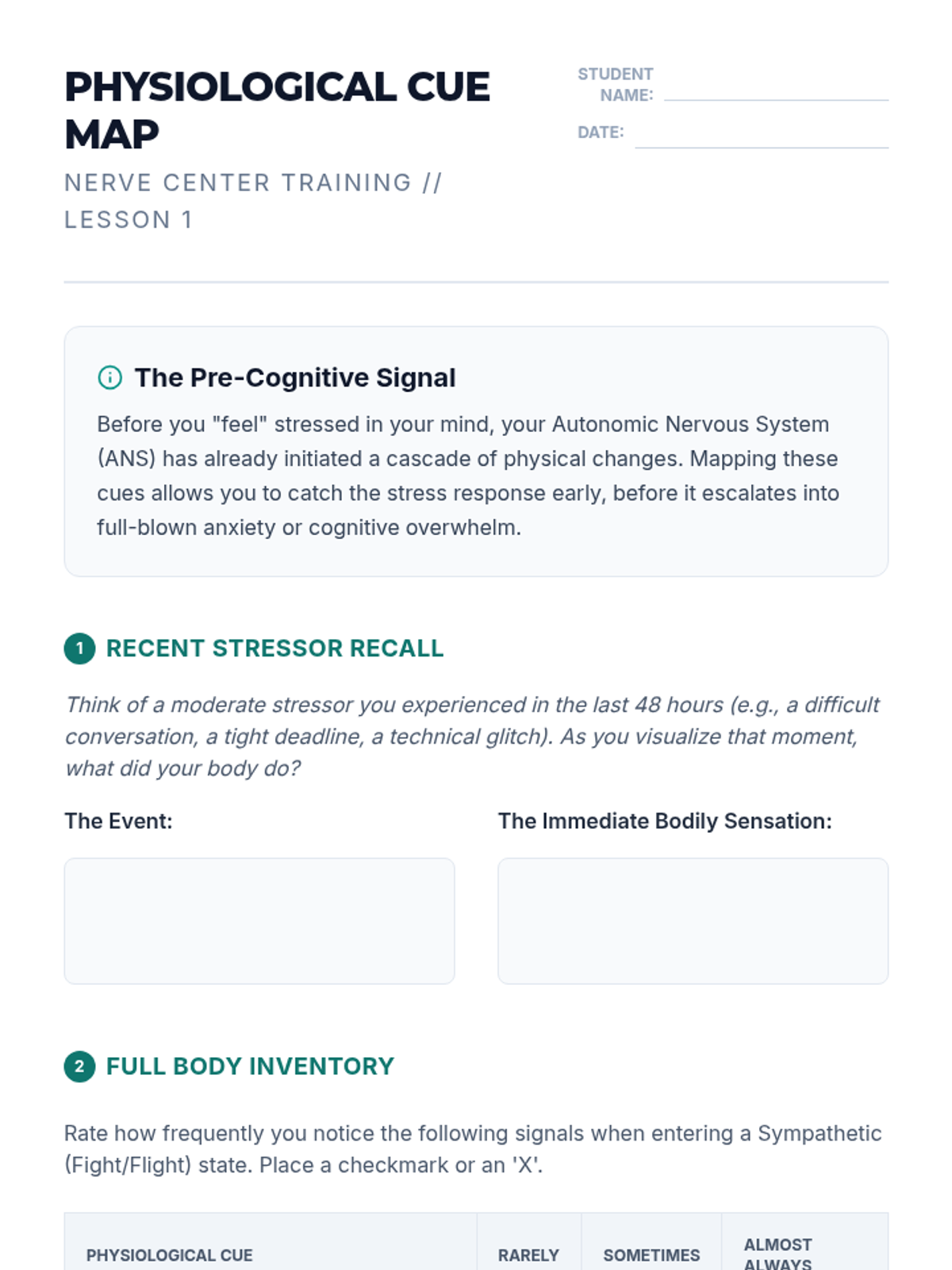
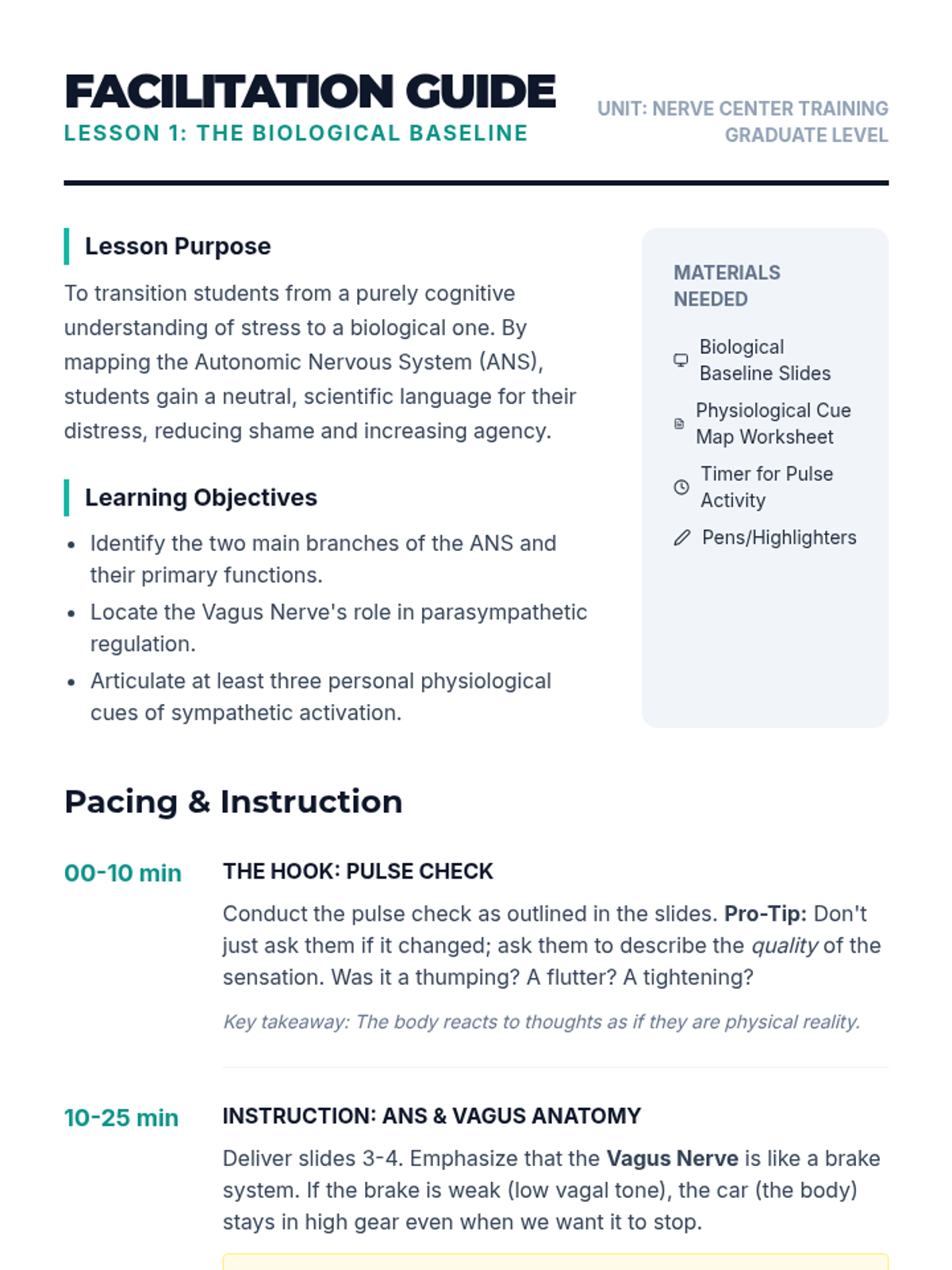
A graduate-level exploration of the biological underpinnings of stress. Students move from theoretical understanding of the autonomic nervous system and Polyvagal Theory to practical application of somatic regulation and interoceptive awareness, culminating in a personalized physiological safety plan.
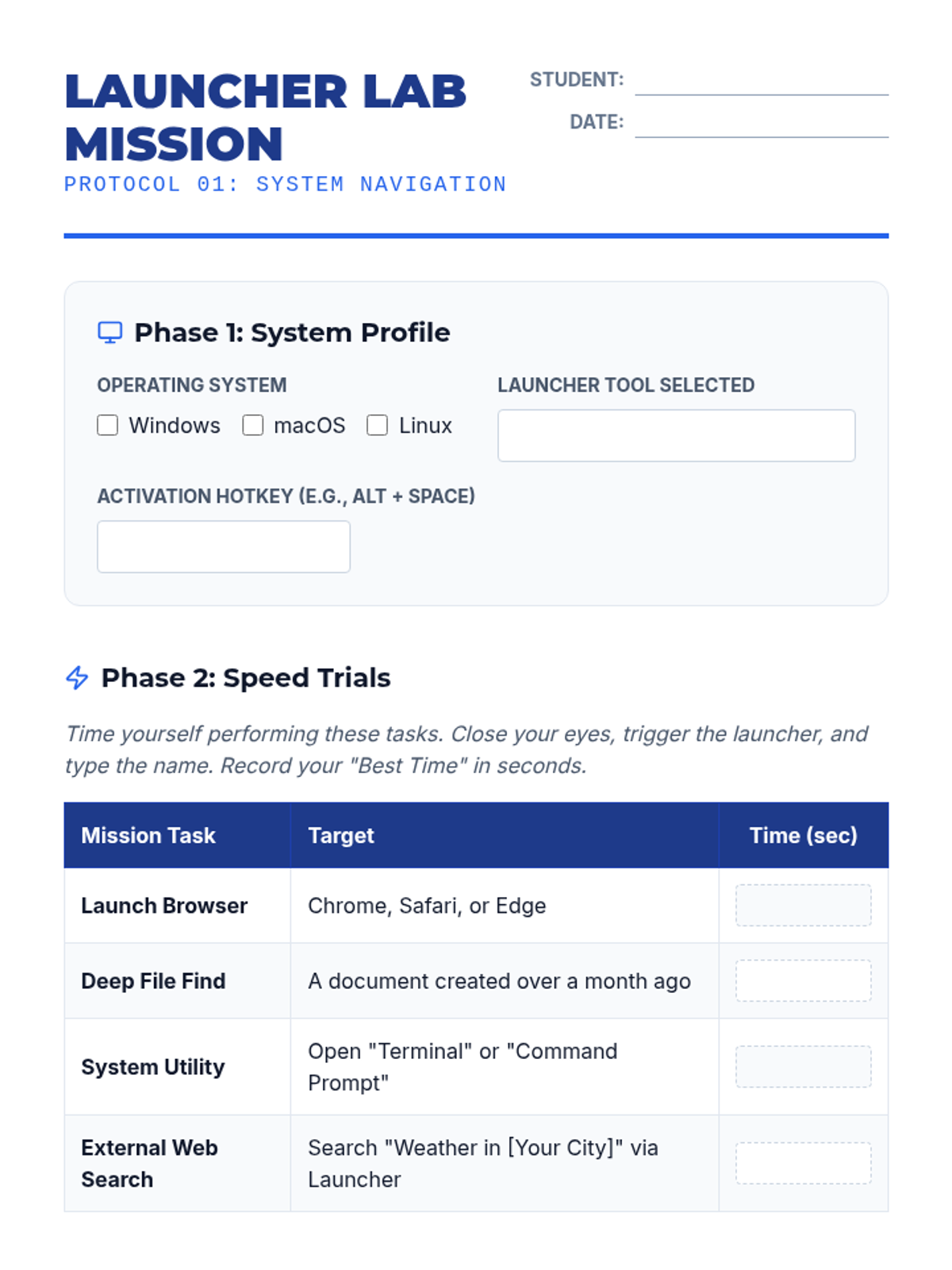
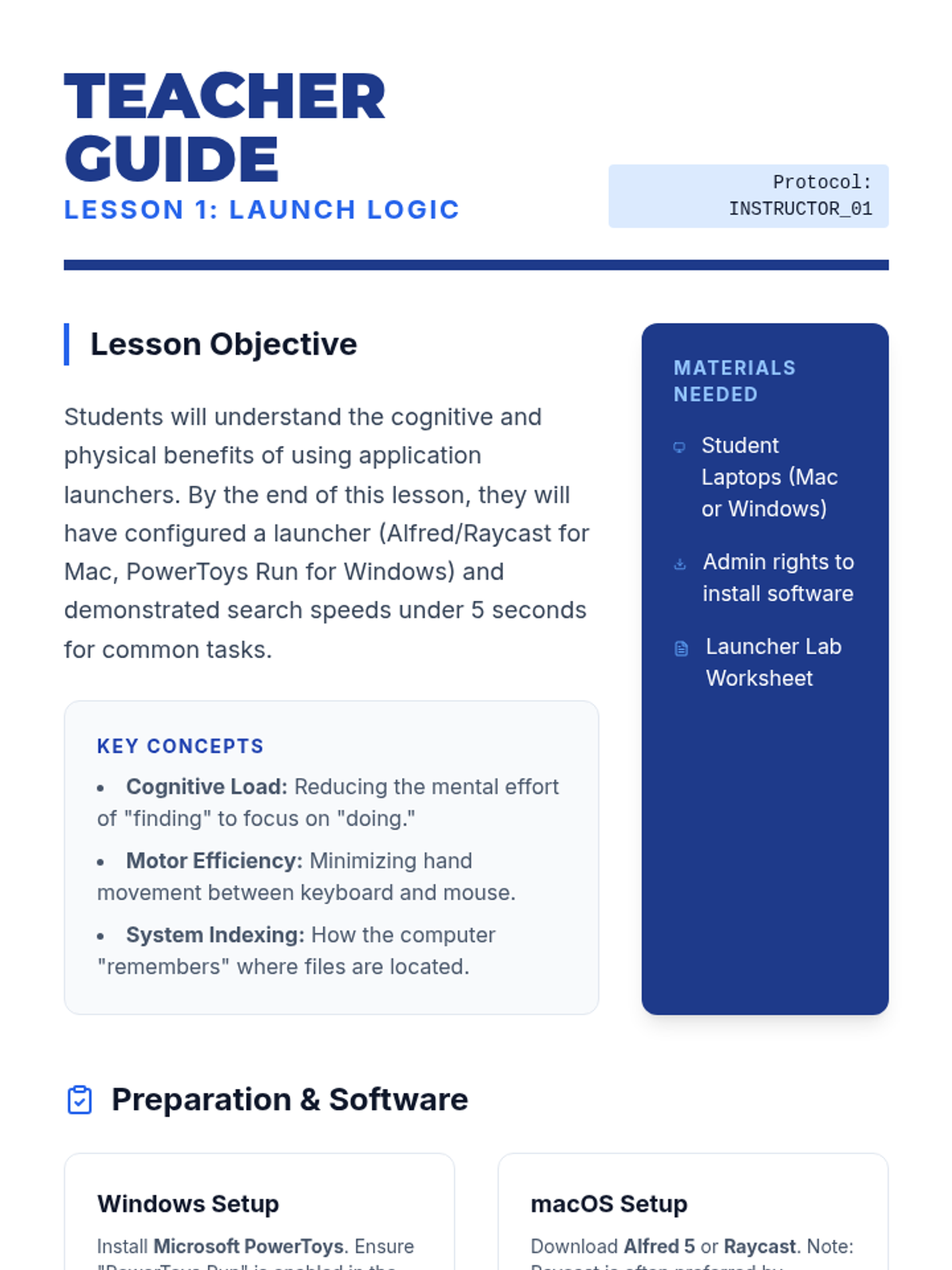
A 5-lesson project-based sequence for undergraduate students focused on assistive technology and workflow optimization. Students move from basic application launchers to creating custom macros and multi-app workflows, culminating in a personalized productivity setup project.
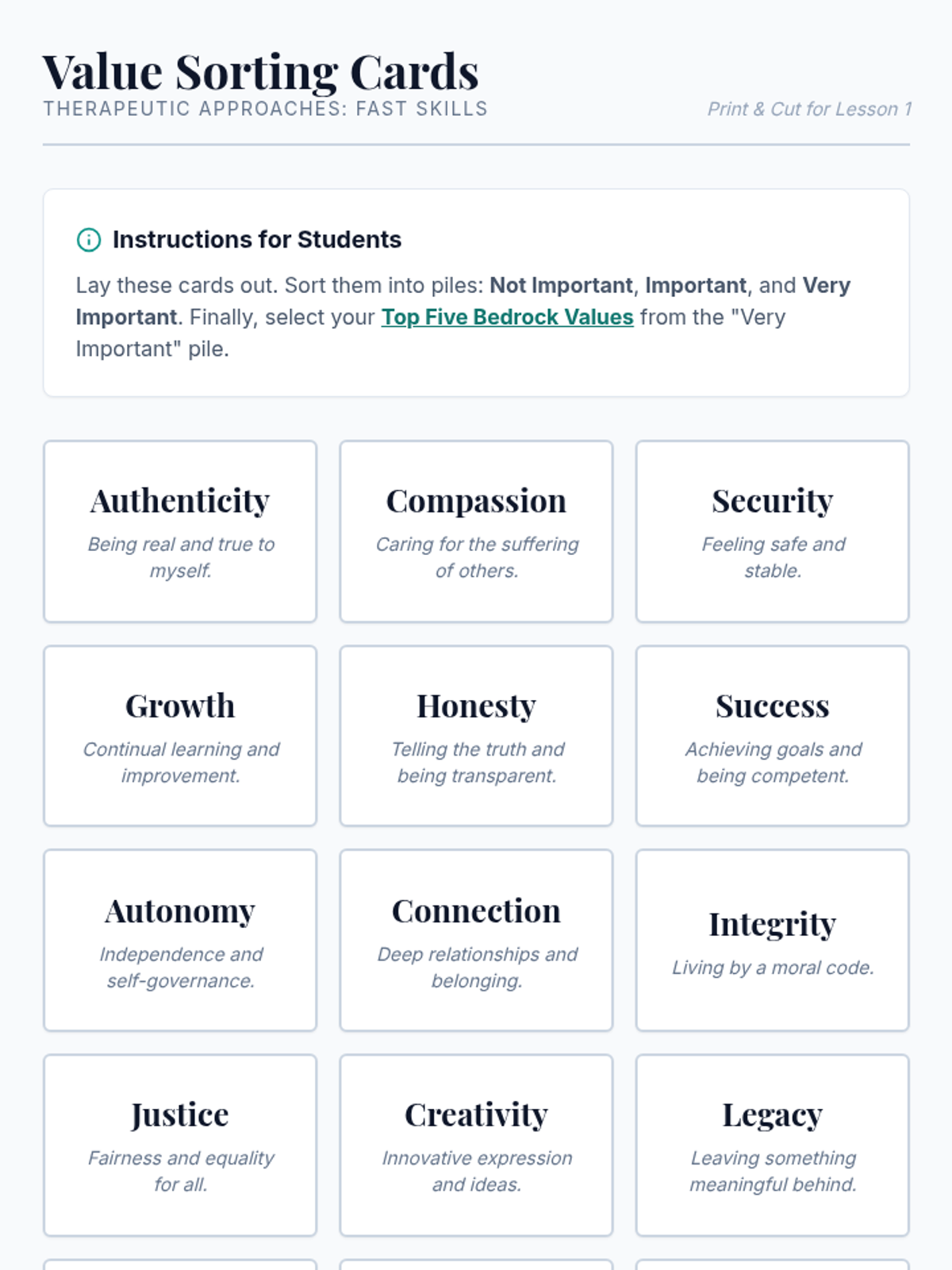
An inquiry-based exploration of the FAST skills (Fairness, Apologies, Stick to Values, Truthfulness) for undergraduate students. This sequence moves from internal value identification to external boundary setting and integrity planning.
A comprehensive workshop series for 12th-grade students to master visual scaffolding techniques, reducing cognitive load and enhancing long-term retention during academic tasks. students transition from understanding cognitive science to real-time application of hierarchical, sequential, and comparative note-taking structures.
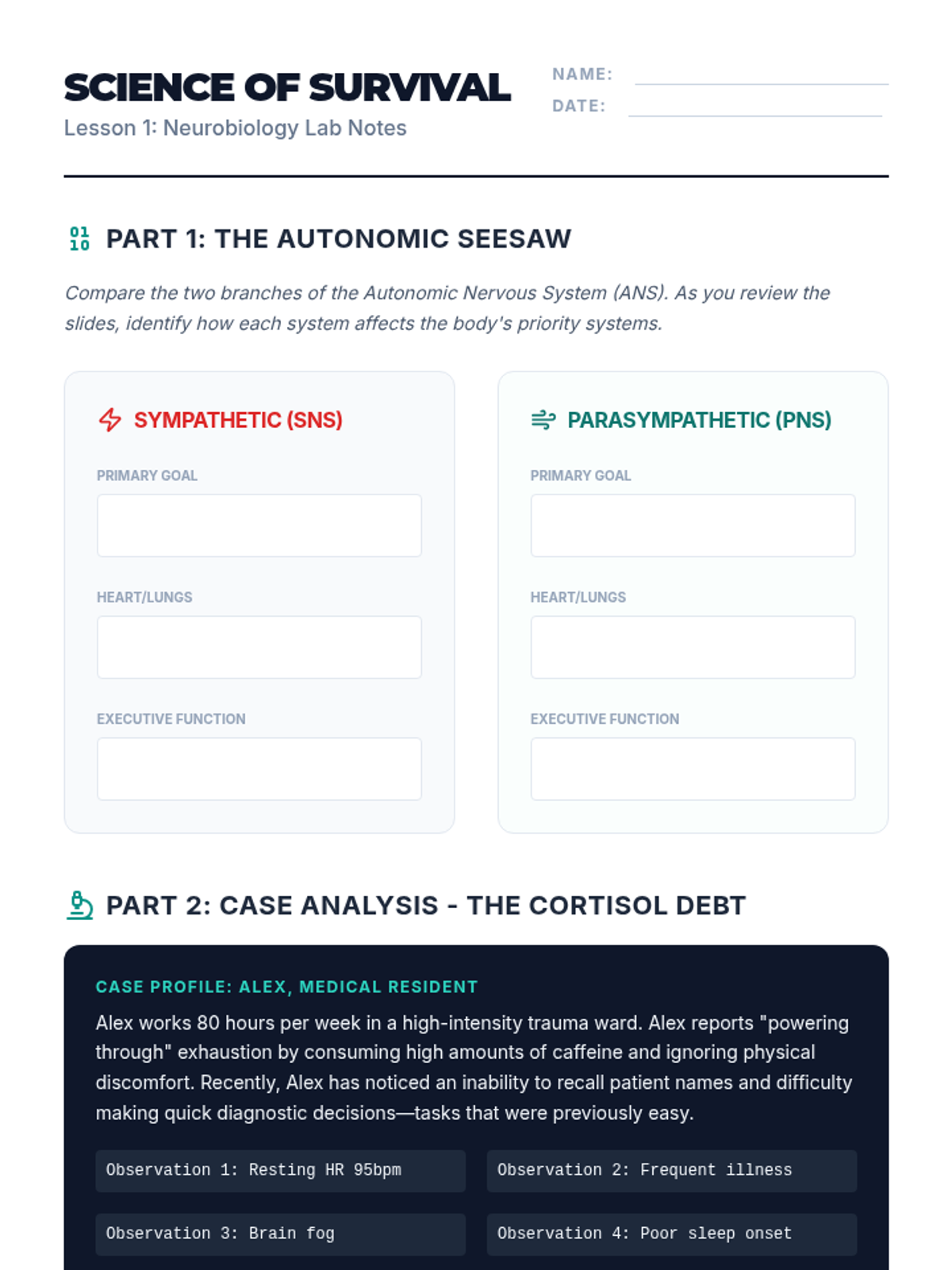
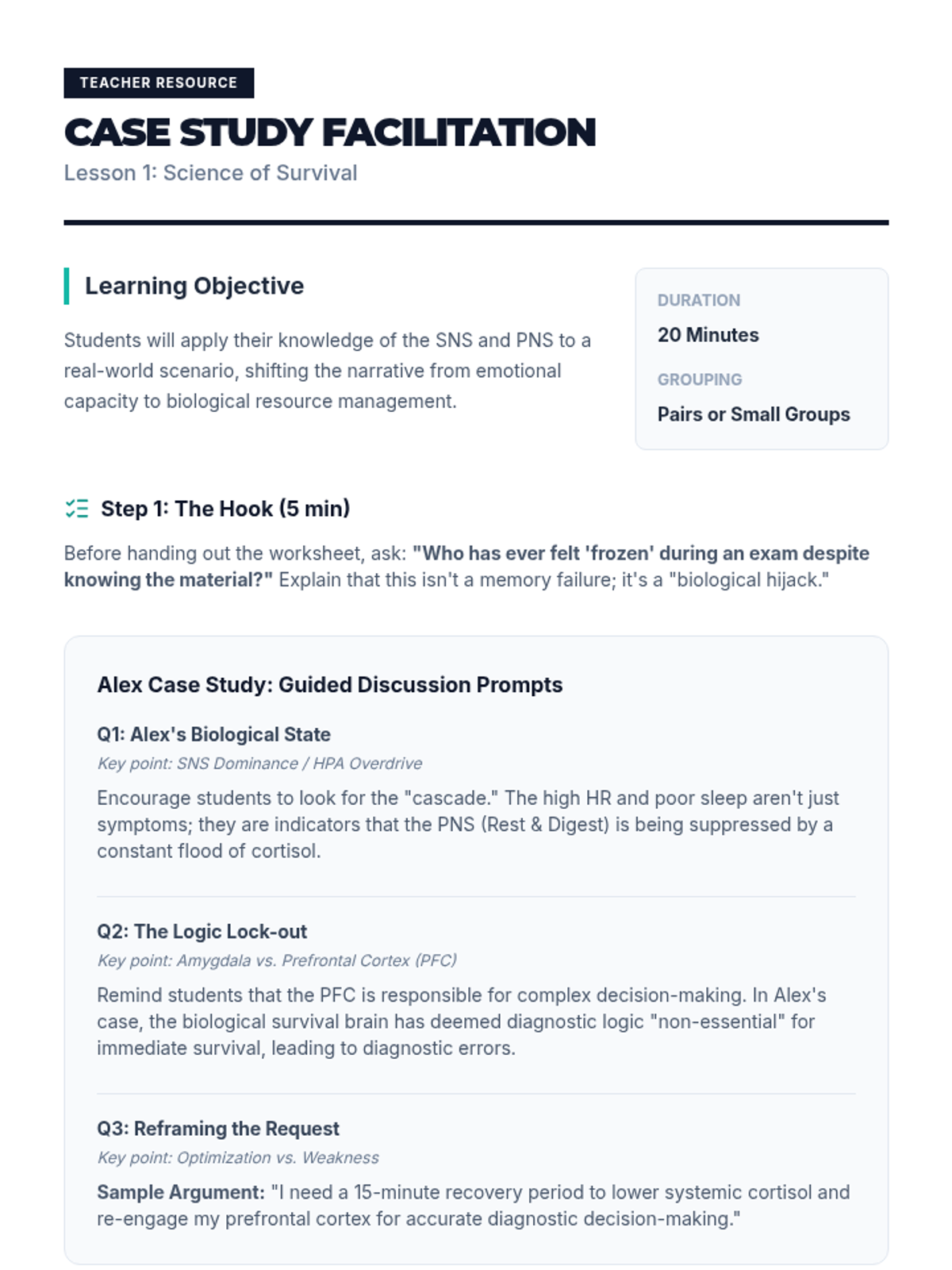
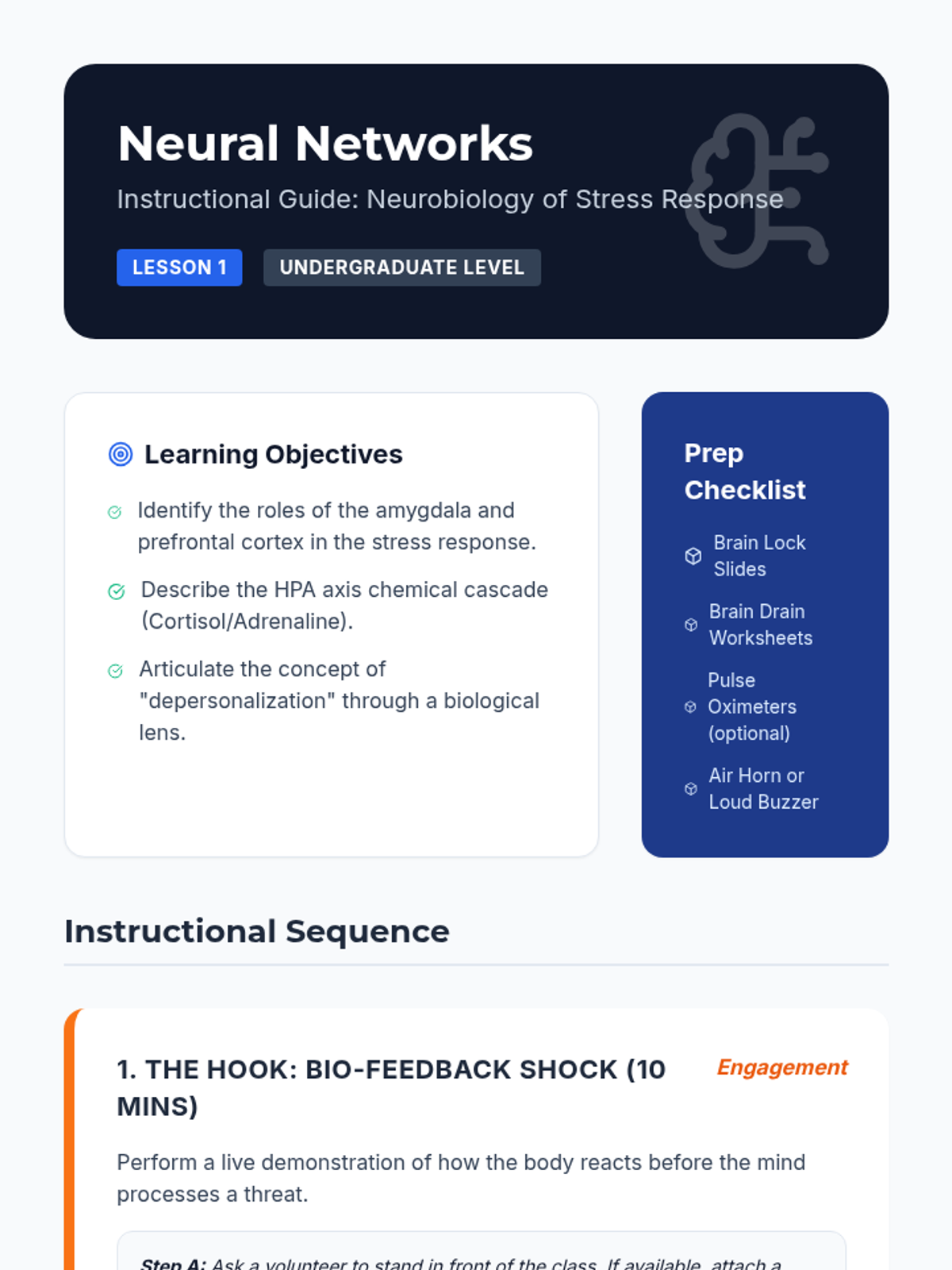
This undergraduate-level sequence explores the biological and psychological underpinnings of stress to legitimize the need for rest and support. Students bridge neuroscience with practical self-regulation, moving from understanding the HPA axis to creating personalized 'Standard Operating Procedures' for mental and physiological performance optimization.
A comprehensive sequence for graduate students focused on converting interview setbacks into networking opportunities and long-term career growth through professional resilience, feedback solicitation, and relationship management.
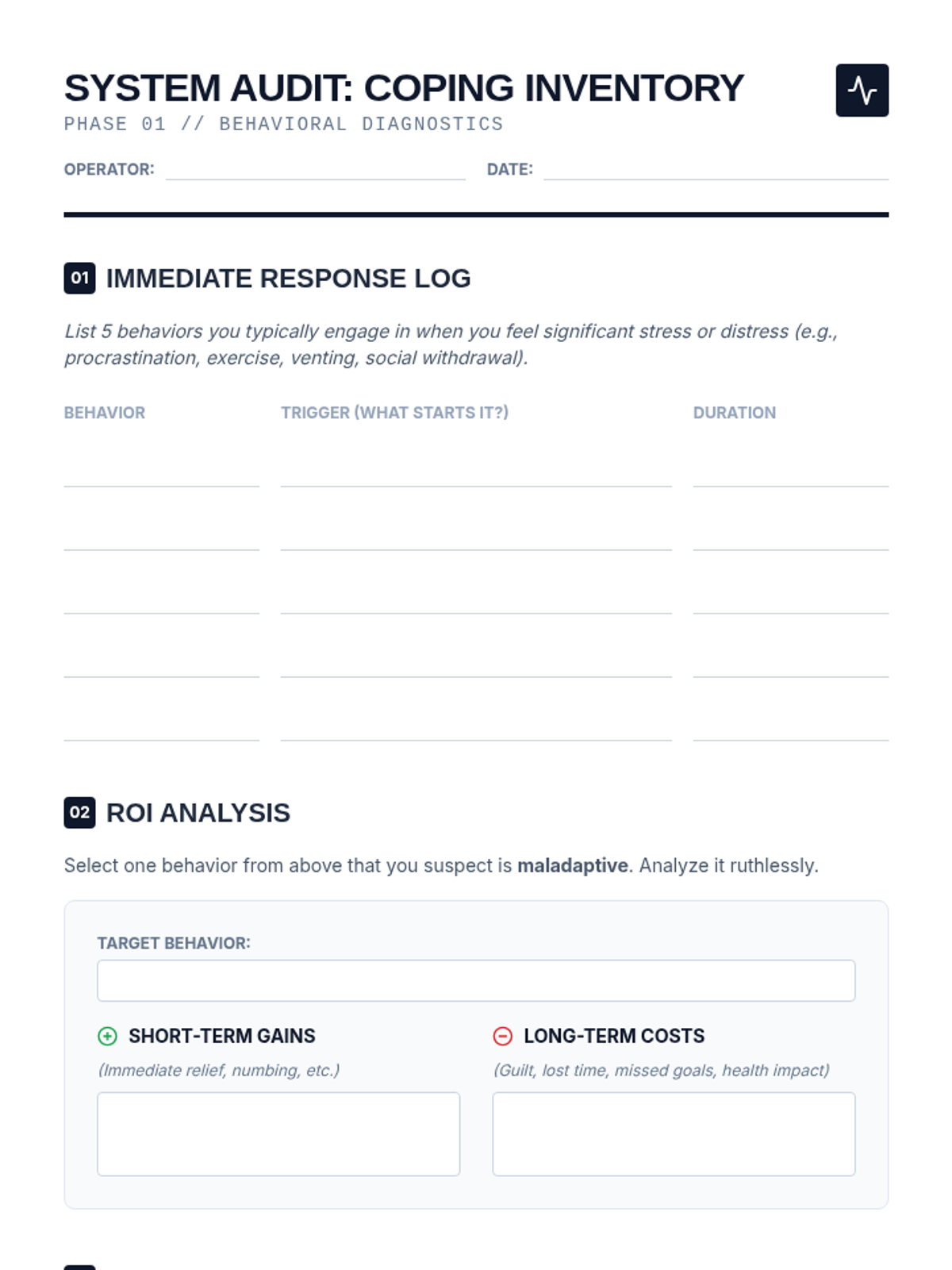
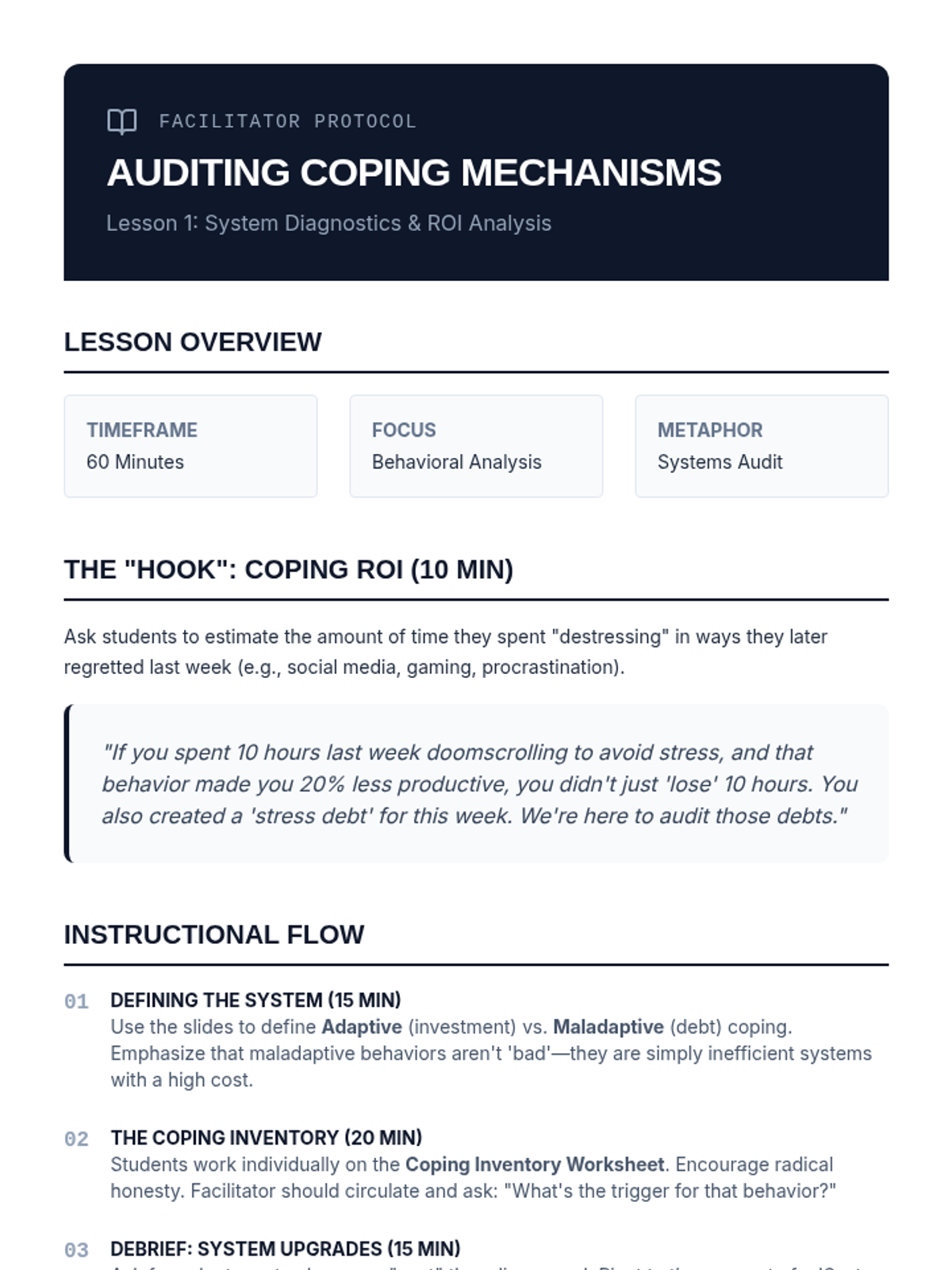
A mastery-focused sequence where undergraduate students audit their current stress responses and design a personalized, tiered emotional regulation protocol. Students use systems thinking to build resilient habits and prepare for future distress.
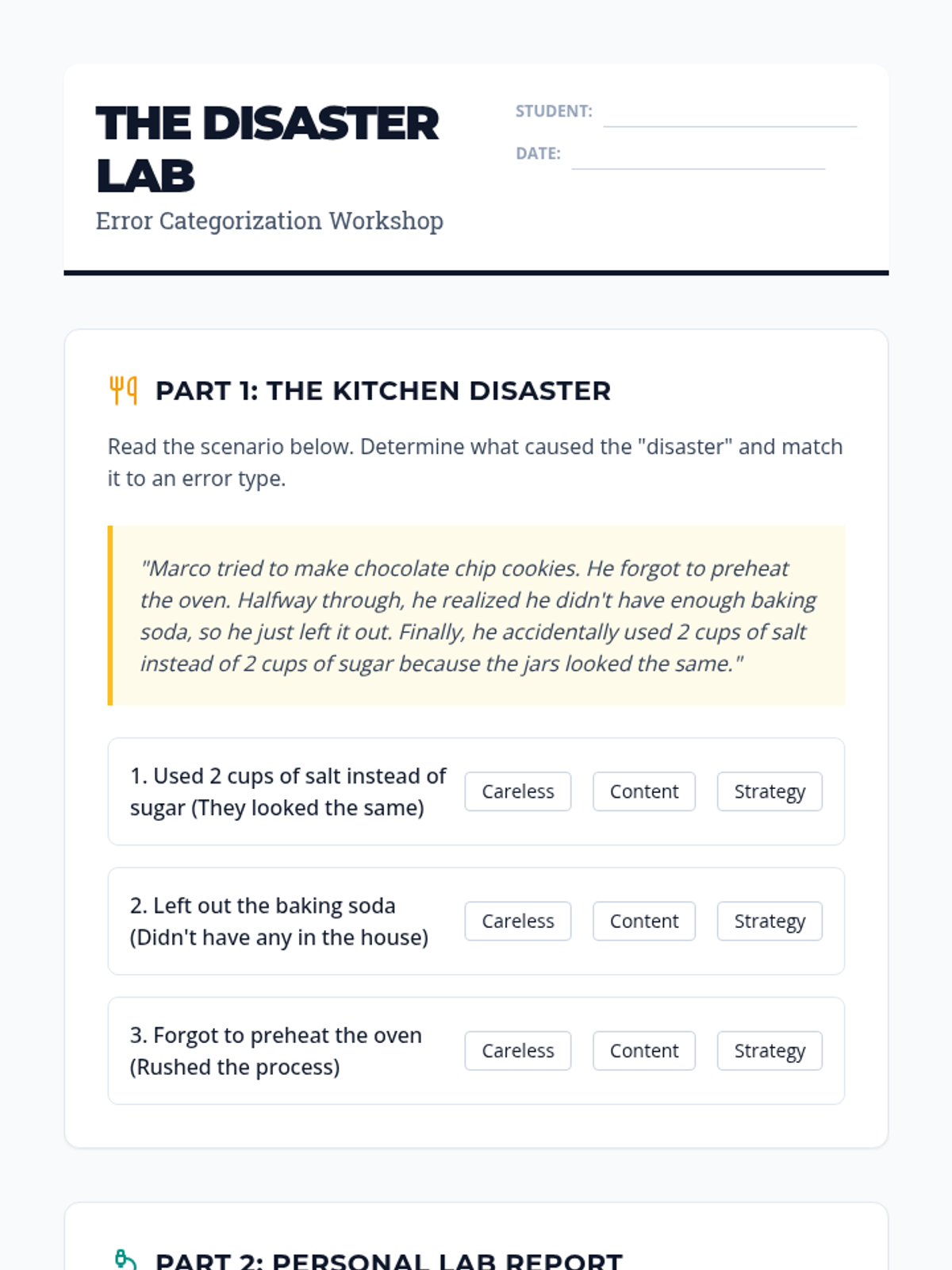
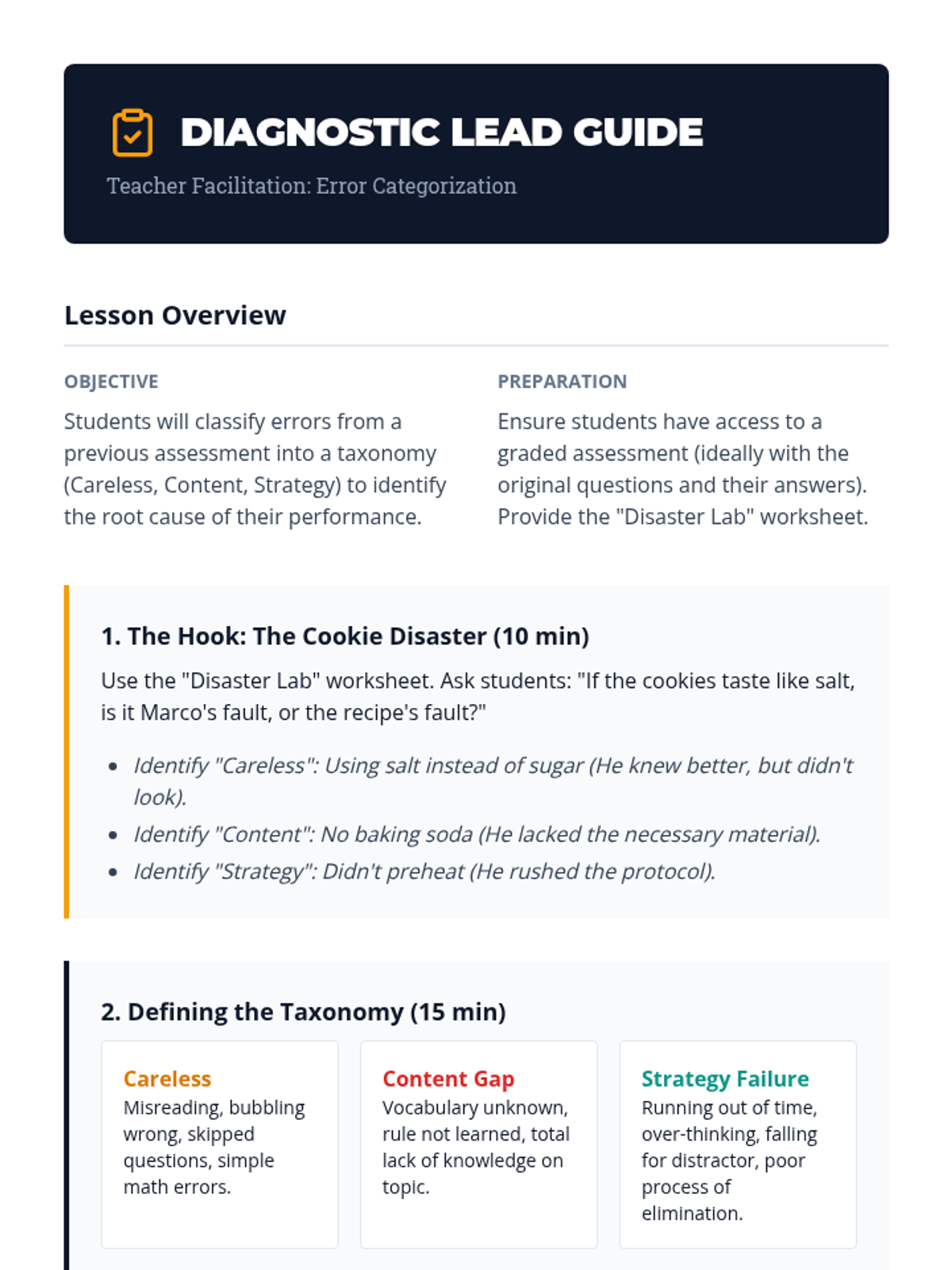
A comprehensive sequence on metacognitive error analysis, teaching students to categorize, analyze, and learn from their mistakes to improve test-taking performance. Students move from simple error classification to deep retrospective correction and personal strategy development.
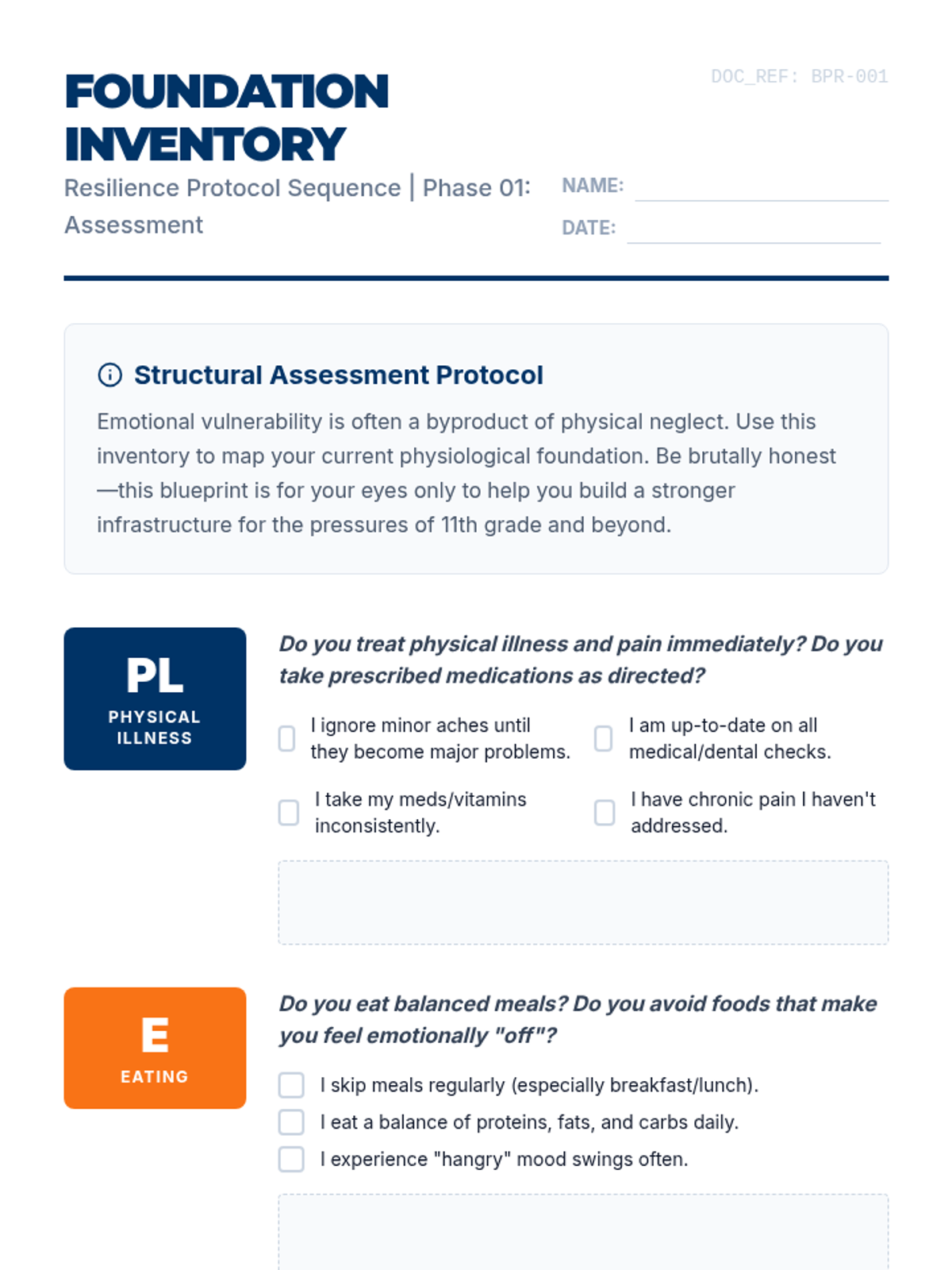
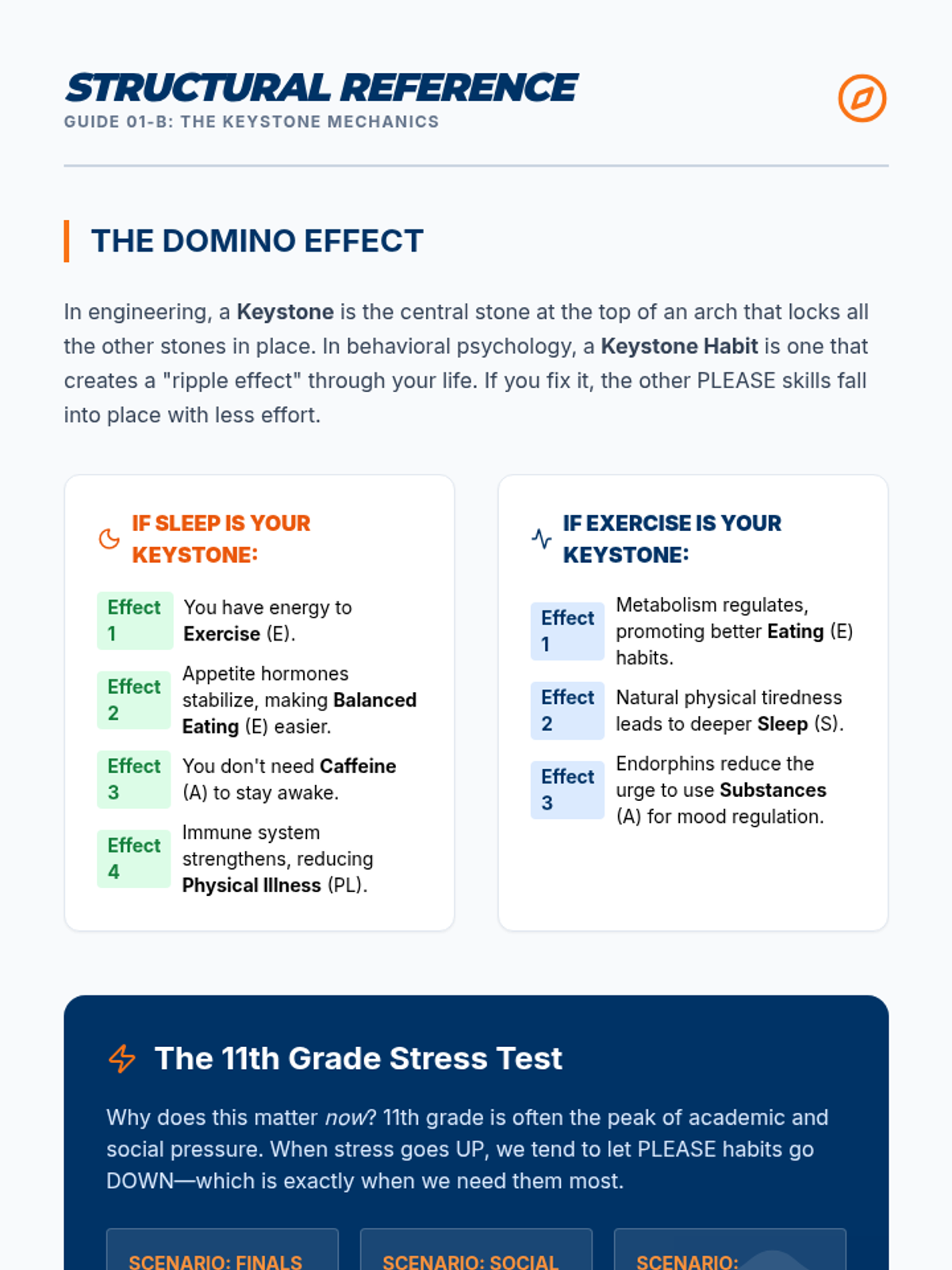
A comprehensive 5-lesson sequence for 11th-grade students focused on mastering the PLEASE skills (DBT therapeutic approach) to reduce emotional vulnerability. Students move from self-assessment to crisis planning, data analysis, and peer consultancy, culminating in a professional 'Resilience Portfolio' designed for their transition to young adulthood.
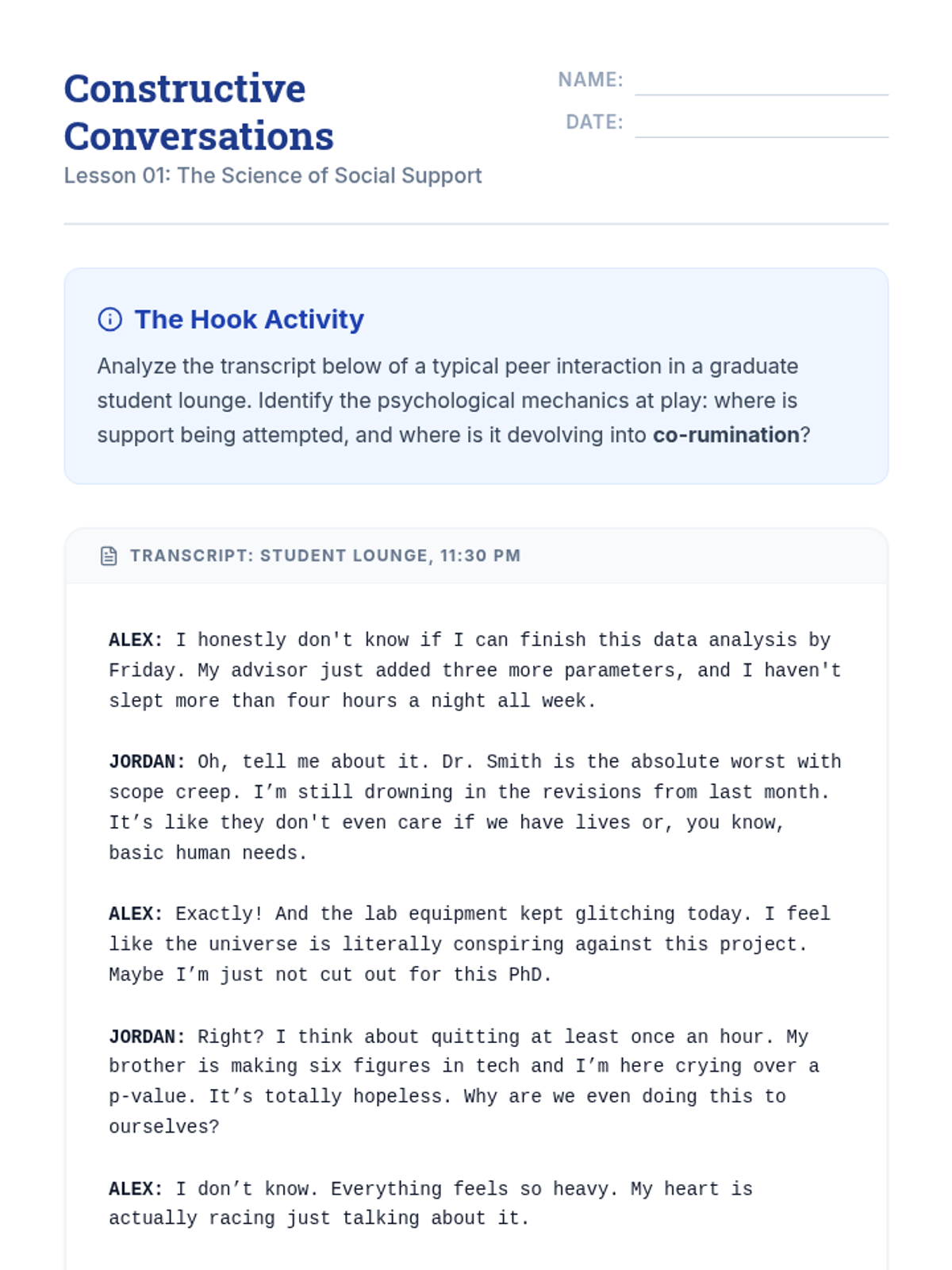
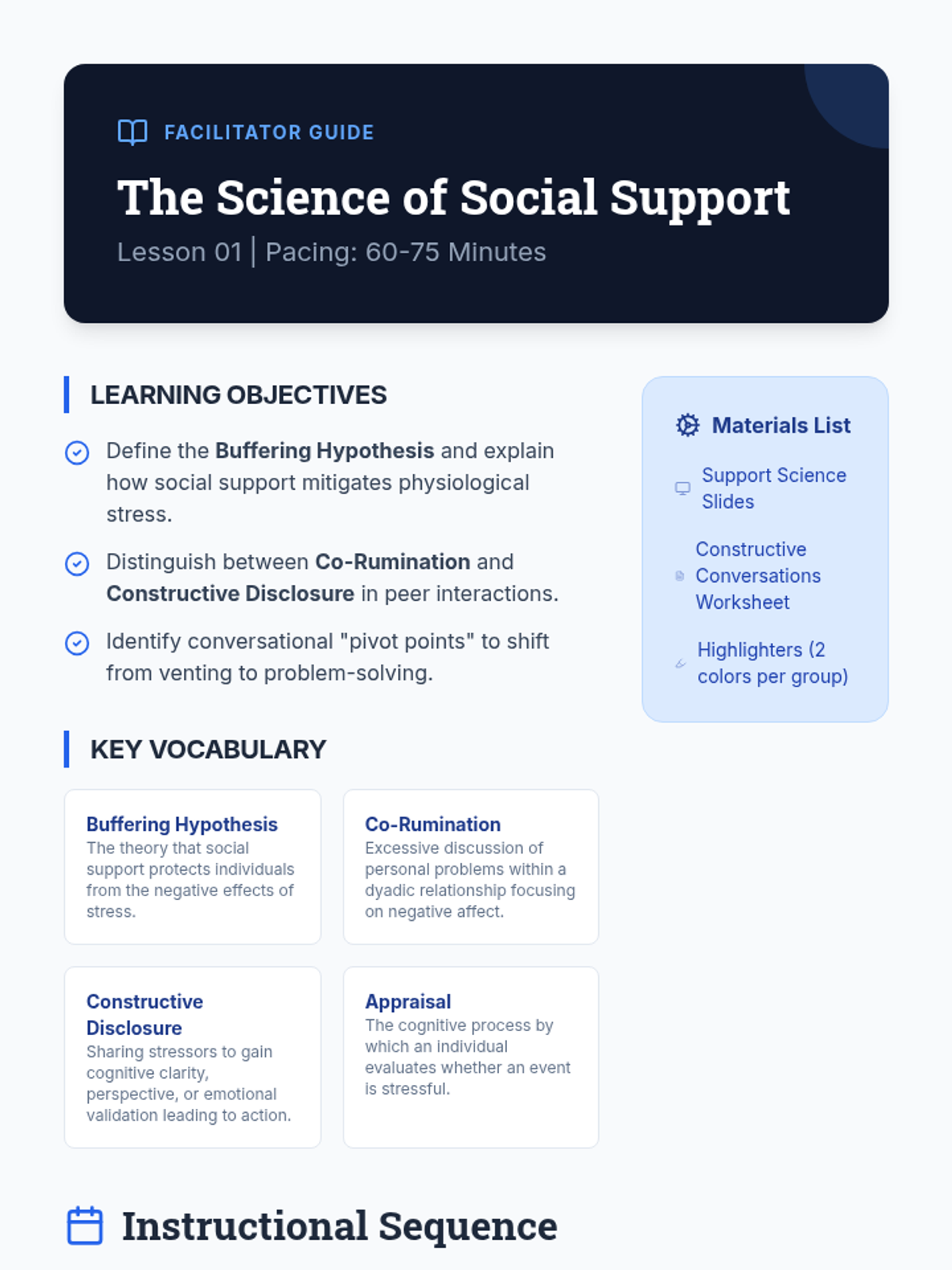
A graduate-level training sequence on facilitating peer support systems to mitigate stress and anxiety. Students learn the science of social support, micro-skills for active listening, boundary setting to prevent burnout, and group facilitation techniques to create sustainable communities of care.
A technical and mastery-based sequence for undergraduate students to develop actionable emotional regulation and grounding strategies. Students move from physiological understanding to real-time application in high-pressure simulations.
An applied sequence for undergraduate students to master self-regulation and de-escalation techniques in high-pressure academic and interpersonal contexts. Students move from identifying personal physiological triggers to practicing real-time regulation during active conflict and performance.
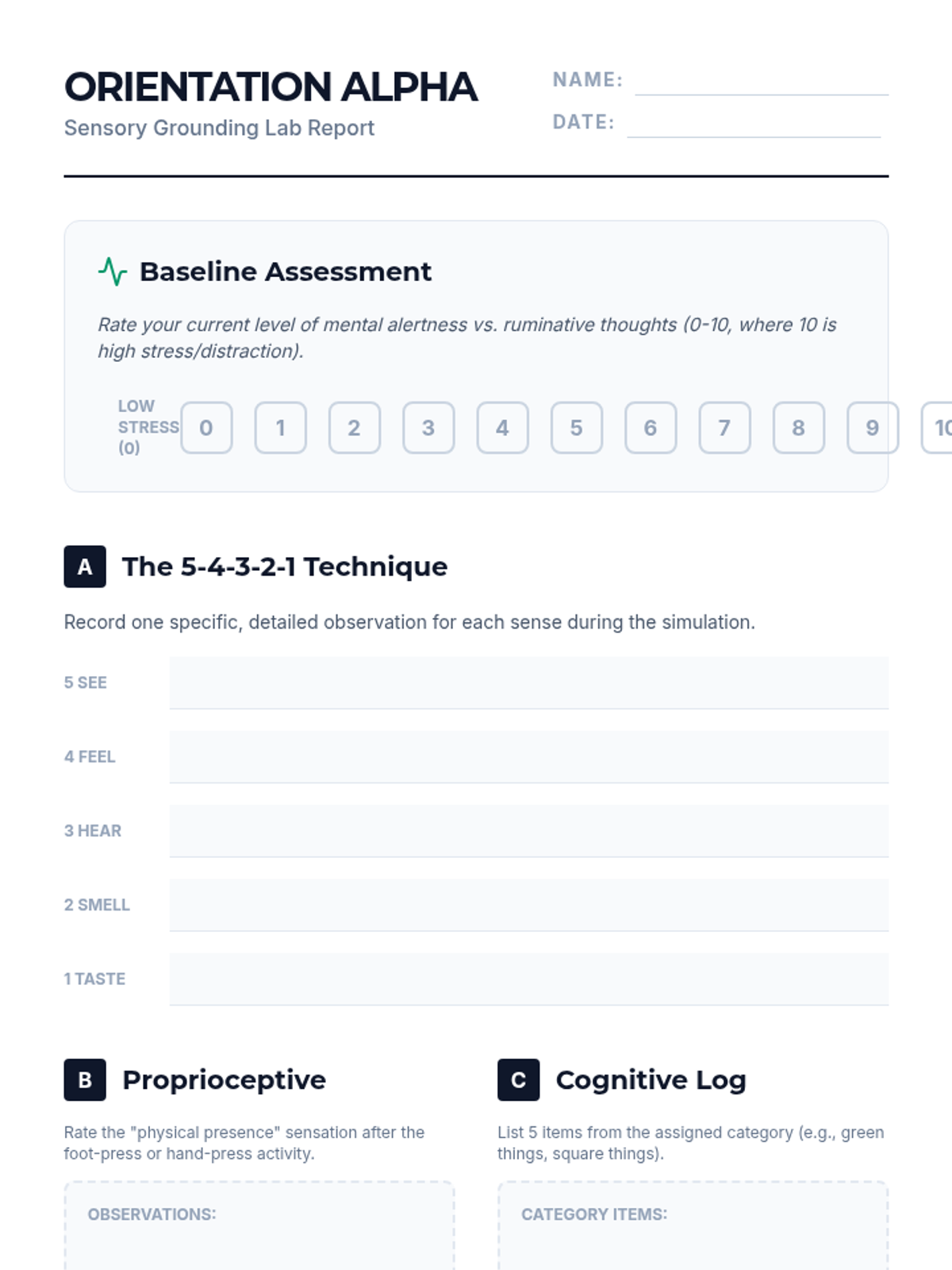
This sequence equips undergraduate students with evidence-based sensory grounding techniques to manage acute emotional distress. Through theory, experimentation, and design, students develop a personalized toolkit for cognitive reorientation and physiological stabilization.
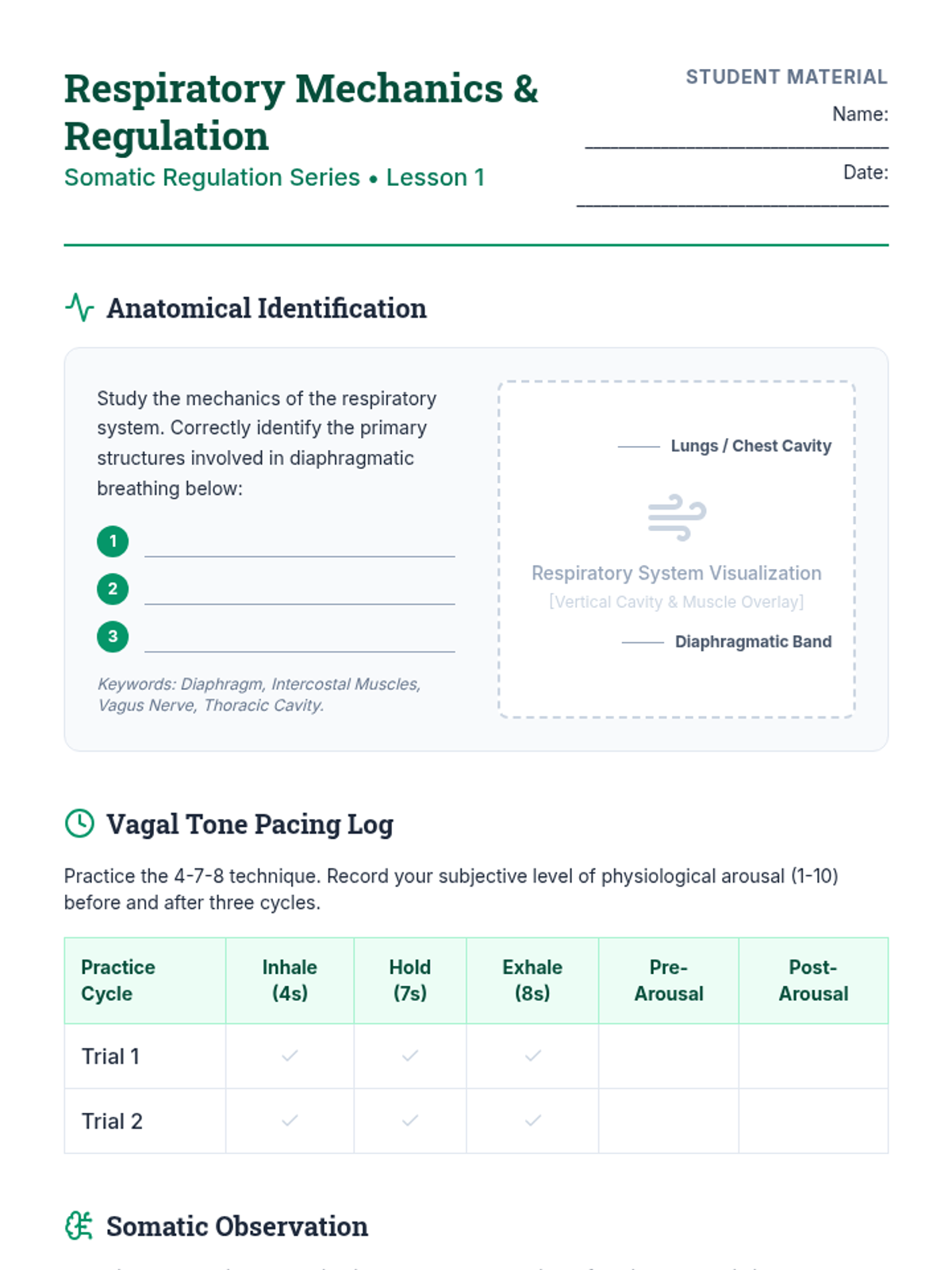
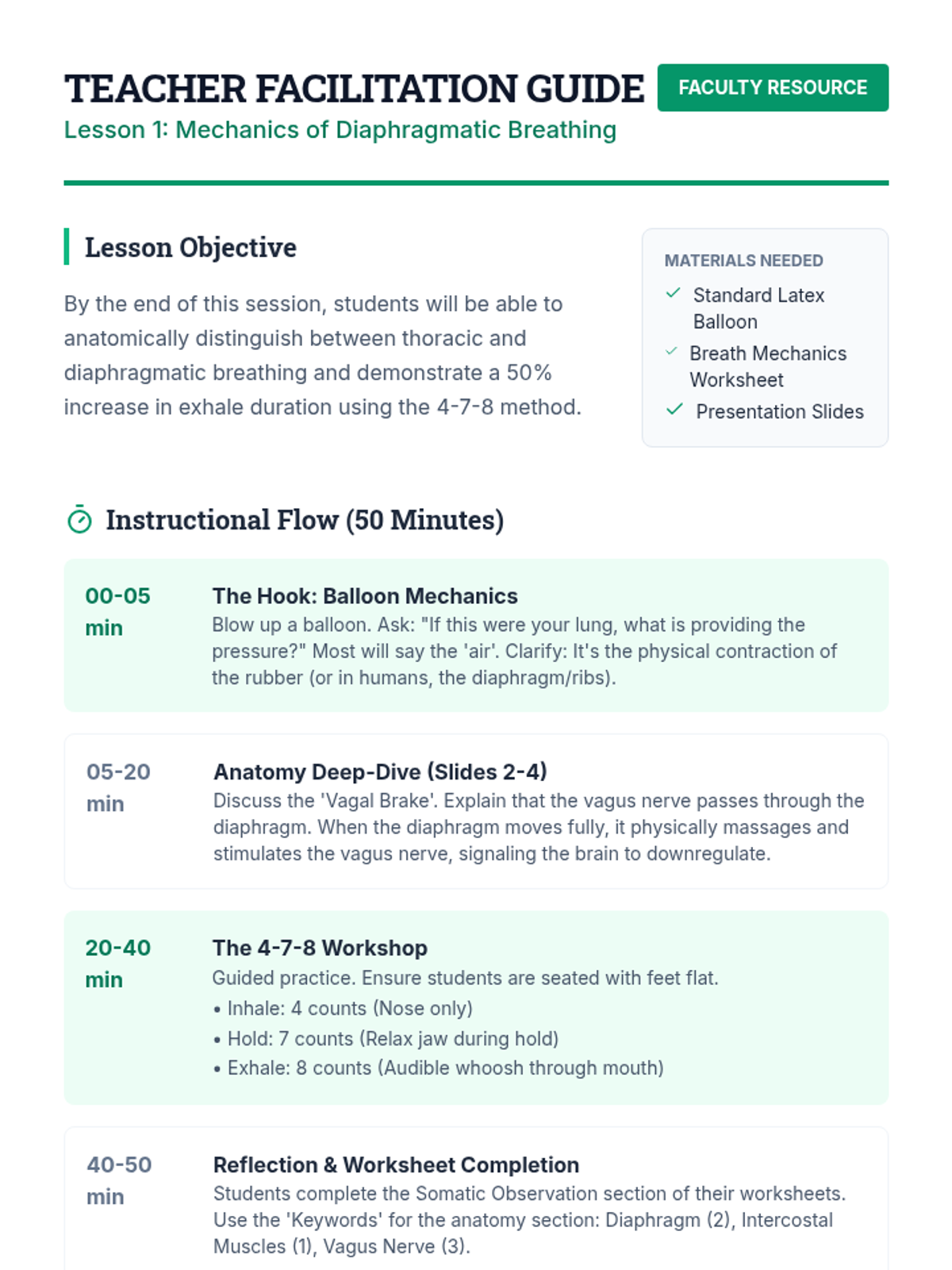
A comprehensive 5-lesson sequence on somatic regulation and Progressive Muscle Relaxation (PMR) for undergraduate students. It covers anatomical breath mechanics, systematic muscle group isolation, and rapid relaxation protocols for real-world stress management.
A comprehensive sequence for undergraduate students exploring the neurobiology of stress, the autonomic nervous system, and physiological self-regulation techniques. Students move from theoretical understanding of brain structures to practical mastery of interoception and vagal tone modulation.
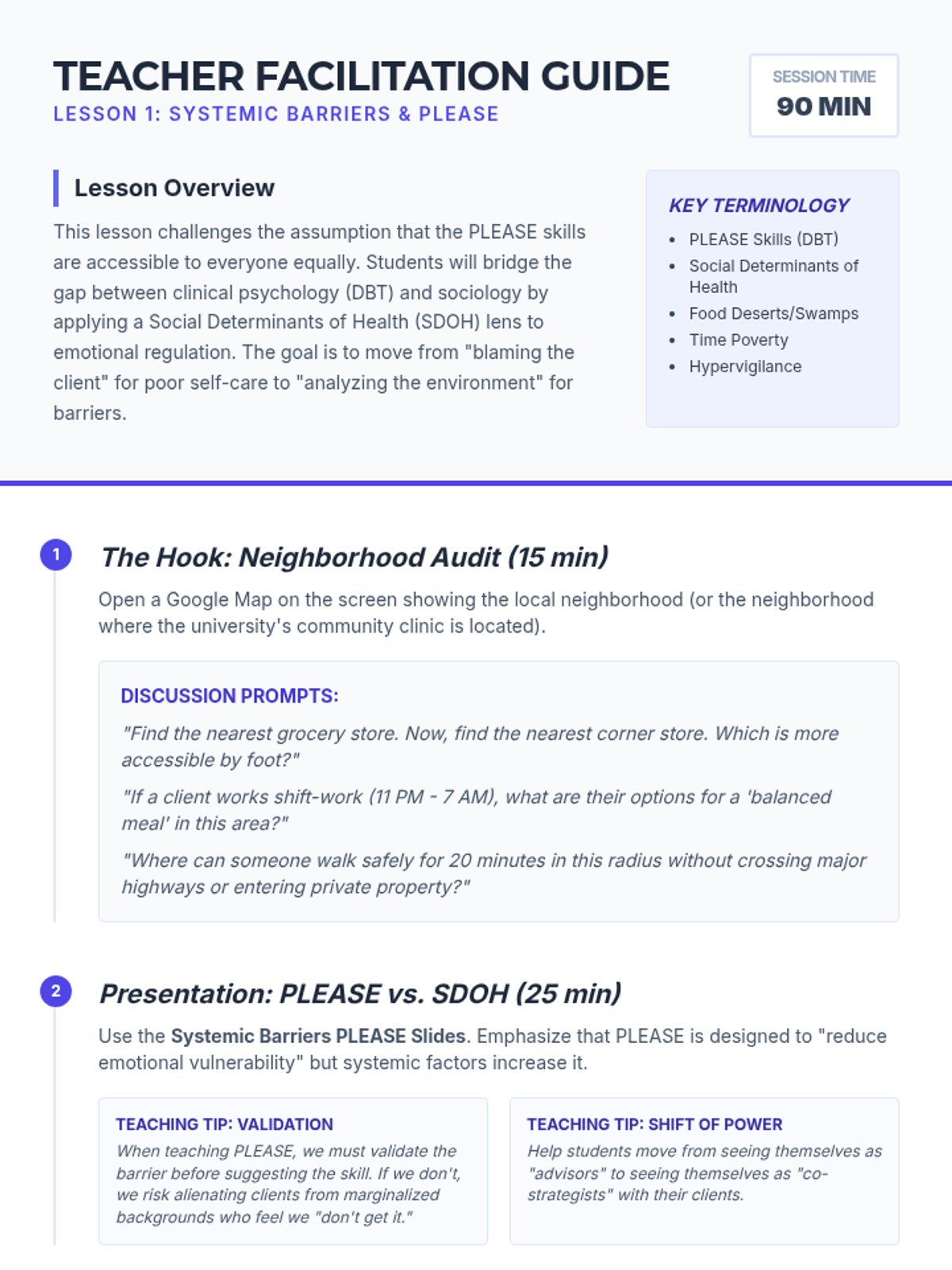
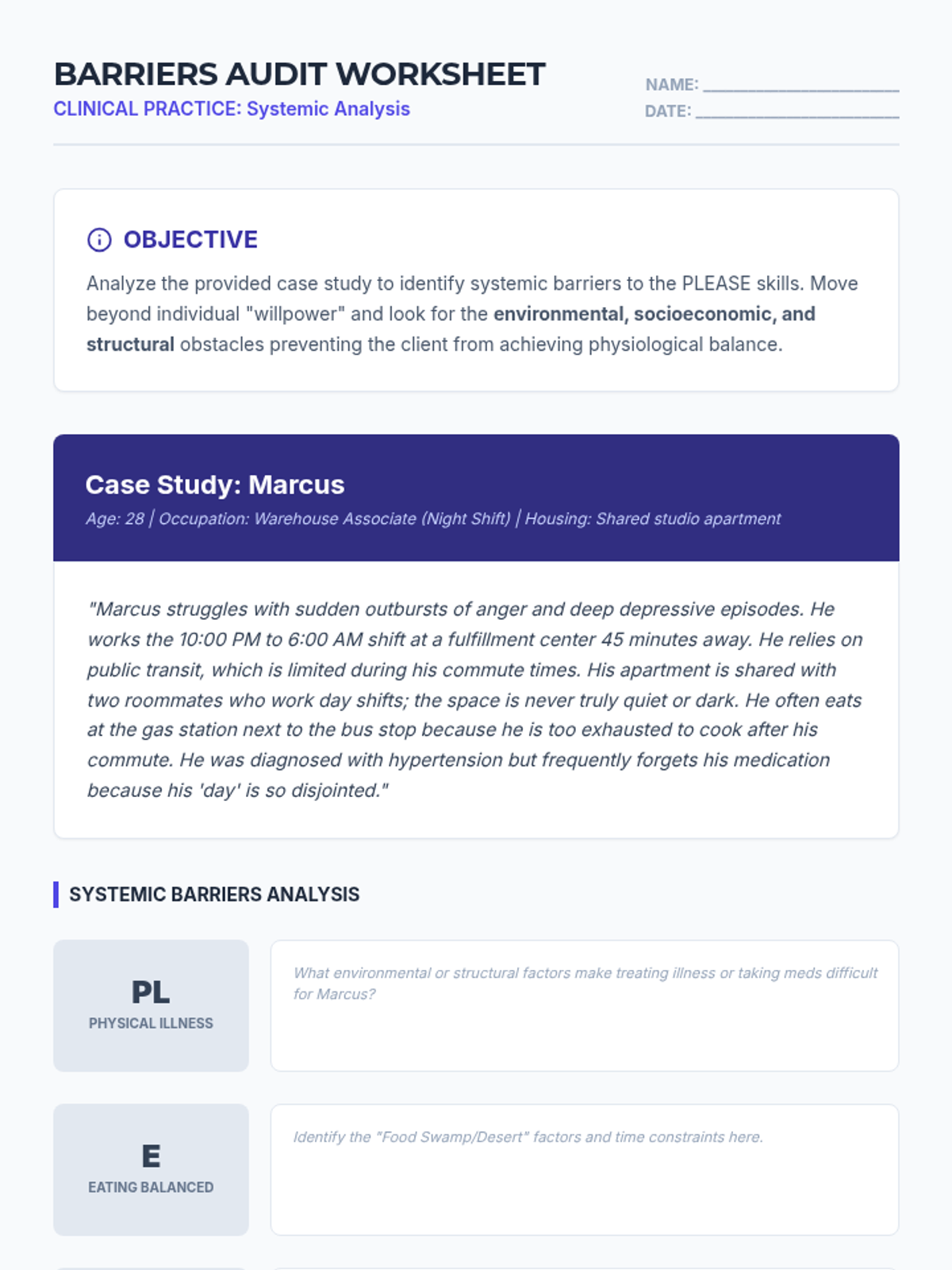
This sequence examines the PLEASE skills (Physical illness, Lunch/Eating, Avoid mood-altering substances, Sleep, Exercise) through a Social Determinants of Health lens. Undergraduate counseling students will learn to adapt these therapeutic interventions for clients facing systemic barriers such as food insecurity, housing instability, and physical disability.
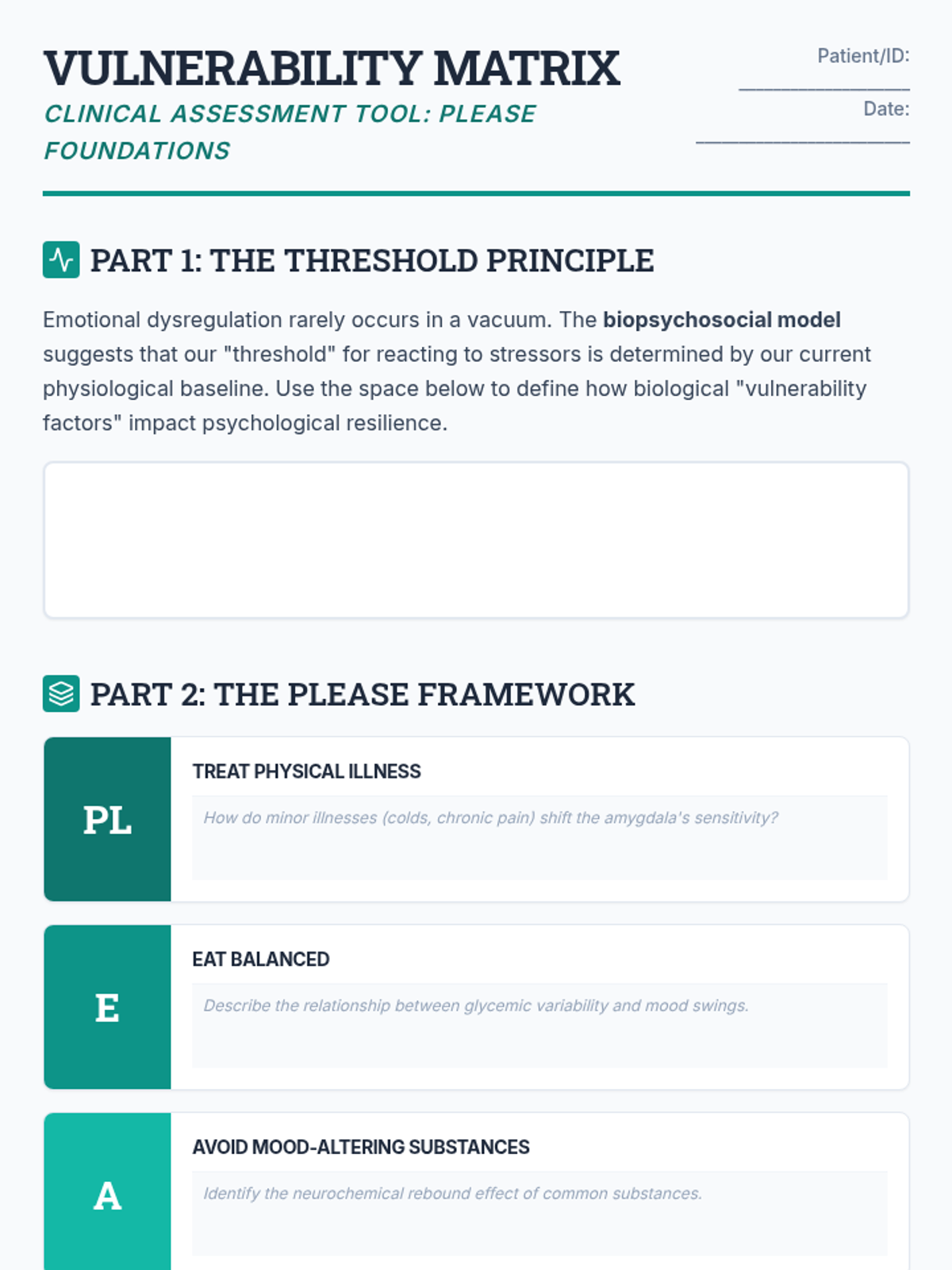
This sequence explores the physiological foundations of the DBT 'PLEASE' skills. Students investigate the neurobiological mechanisms through which physical health impacts emotional regulation, focusing on sleep, nutrition, and exercise.
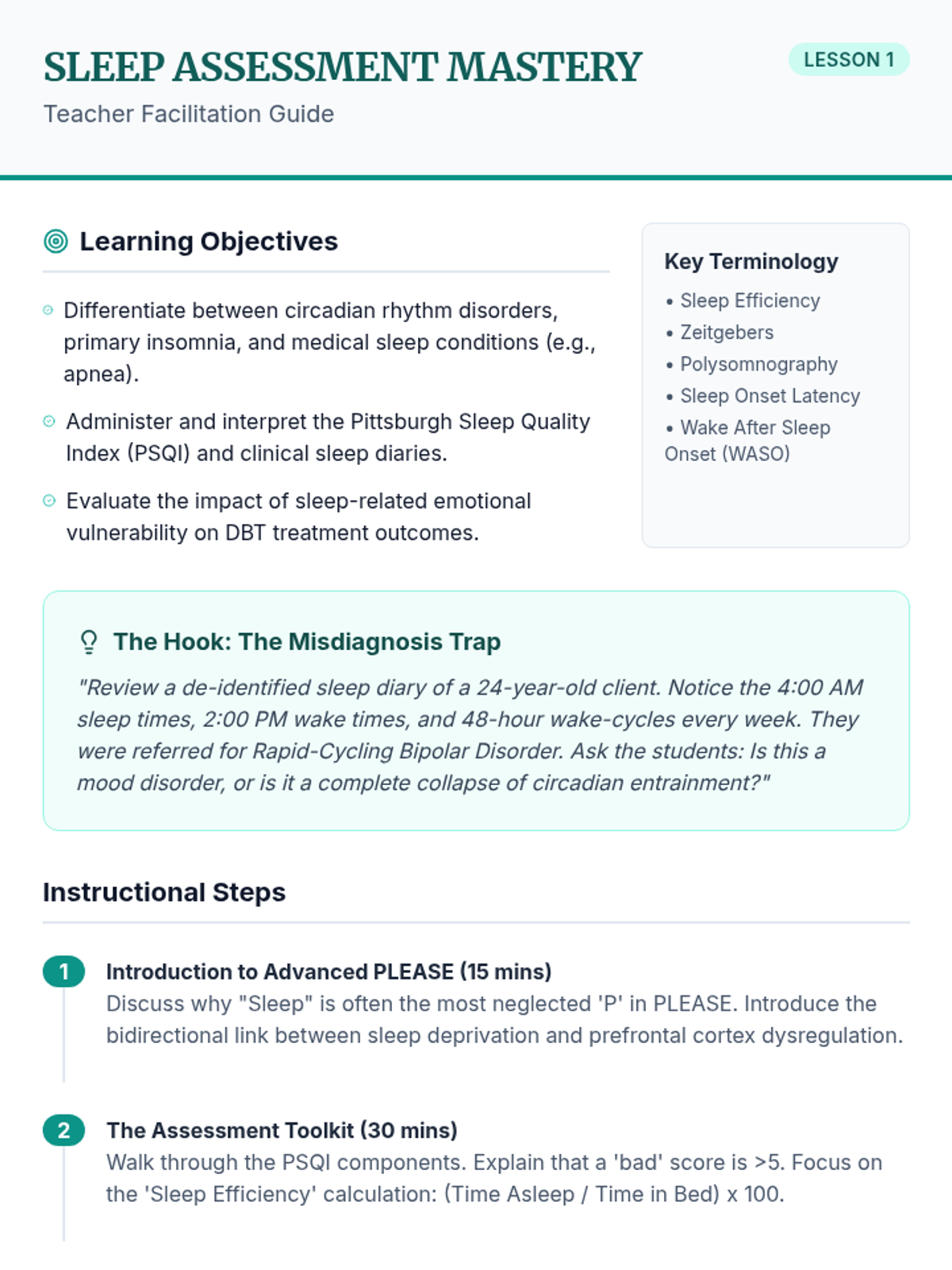
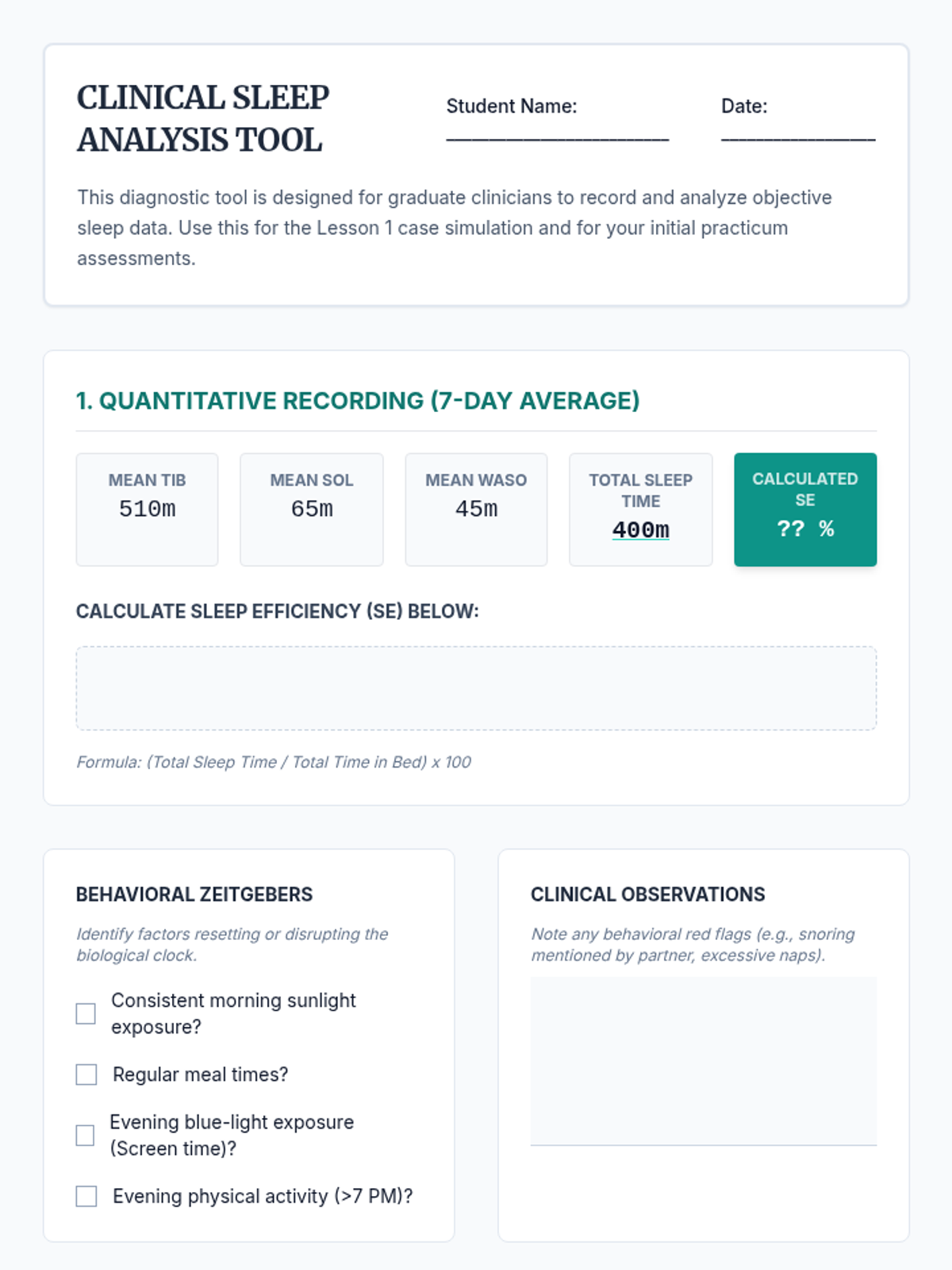
This sequence provides graduate-level training on integrating behavioral medicine and DBT to reduce emotional vulnerability. It covers advanced sleep assessment, CBT-I adaptation, nightmare protocols, chronic pain management, and medical adherence strategies.
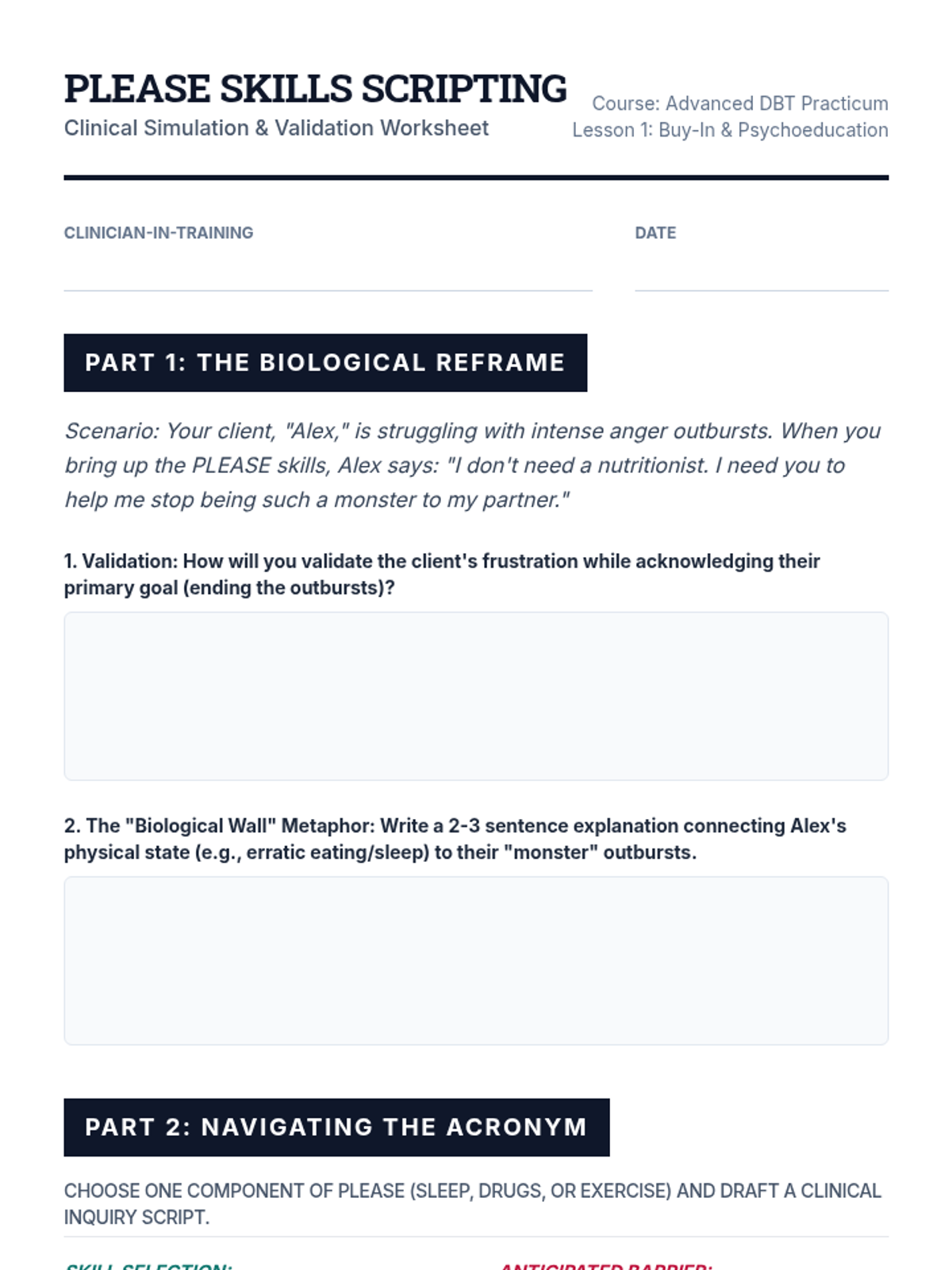
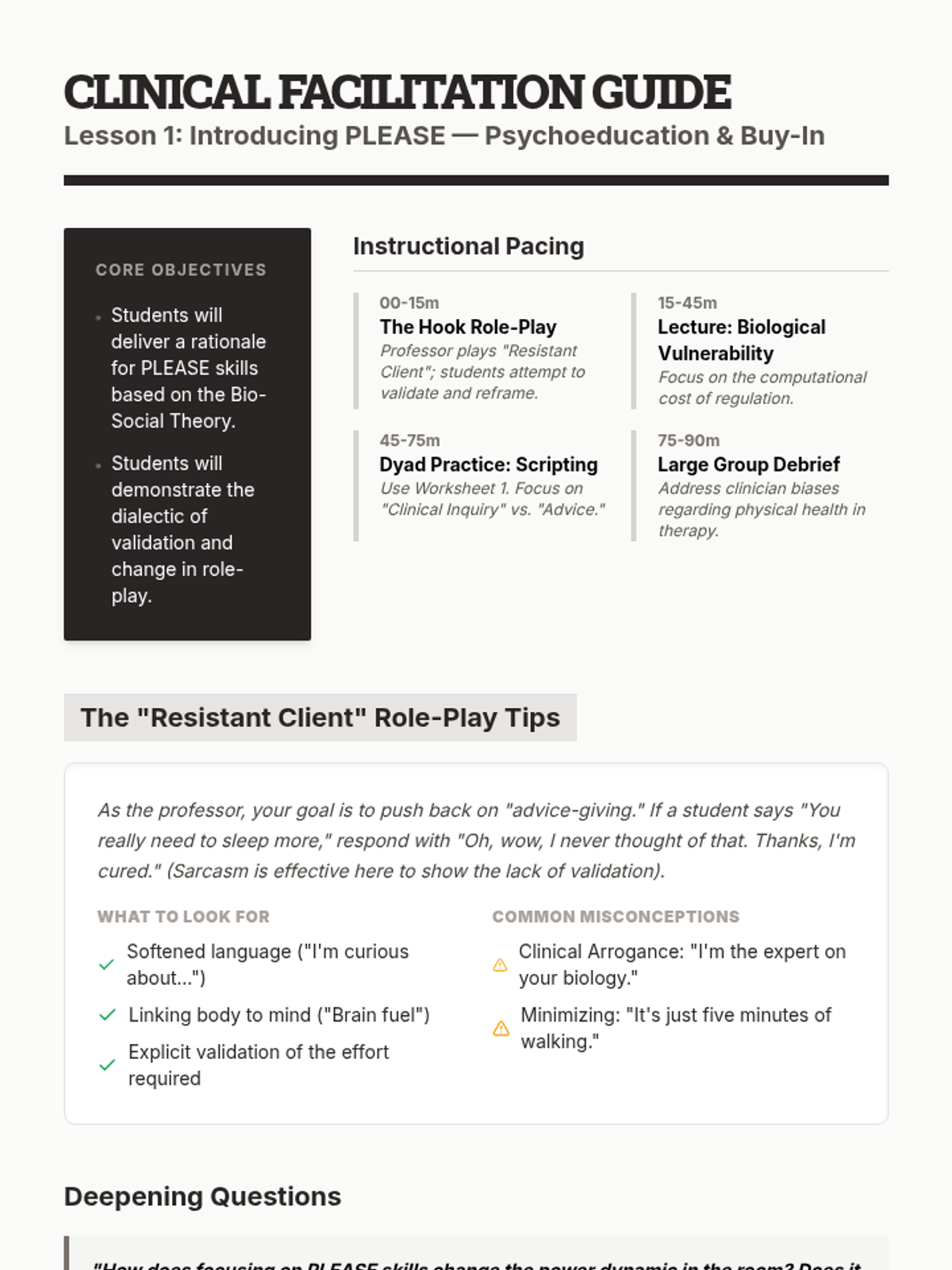
This graduate-level sequence focuses on the clinical application of PLEASE skills within DBT. Students will master the assessment, psychoeducation, and troubleshooting of physiological vulnerability factors, progressing from building client buy-in to designing complex, individualized protocols for diverse populations.
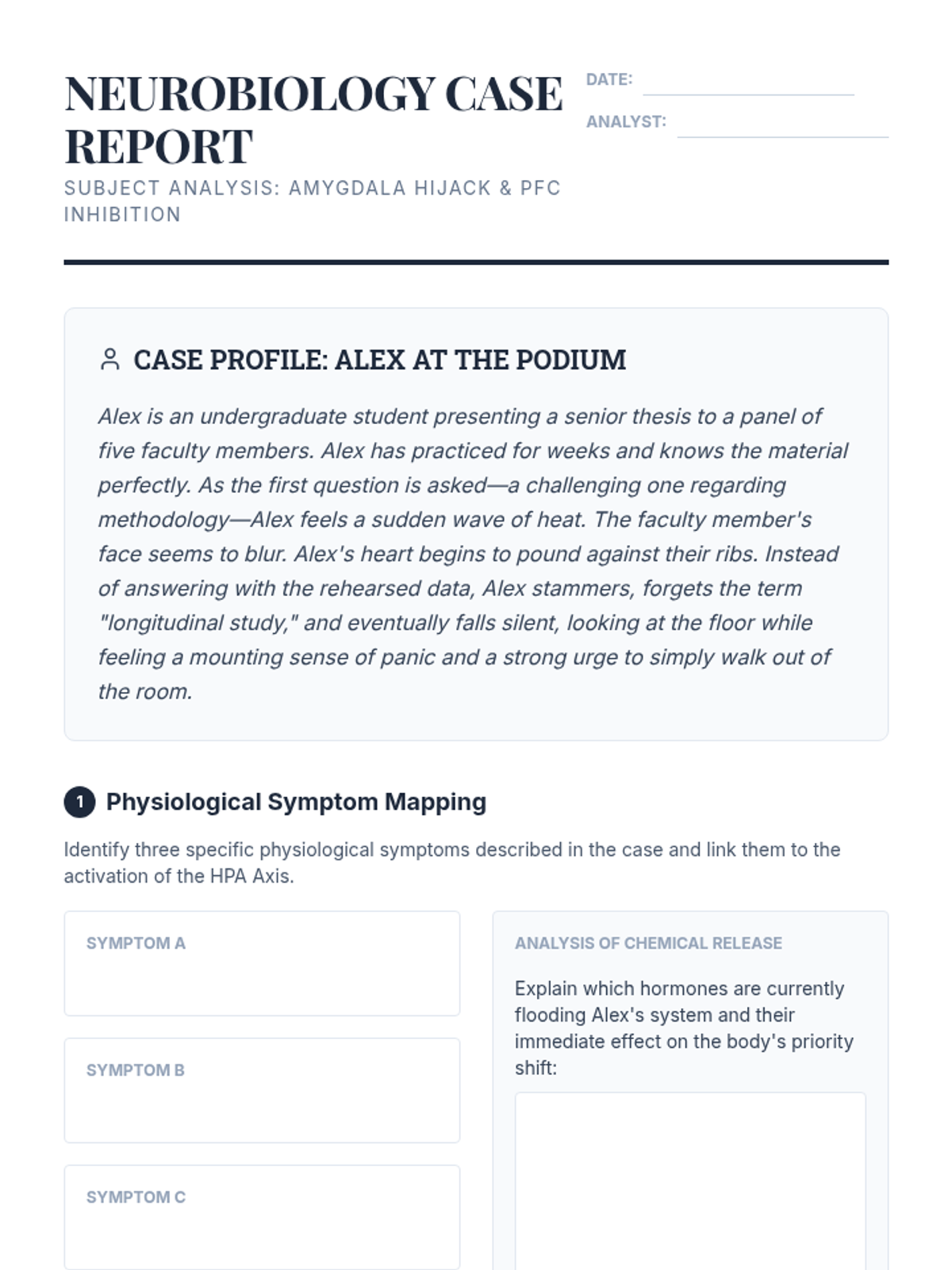
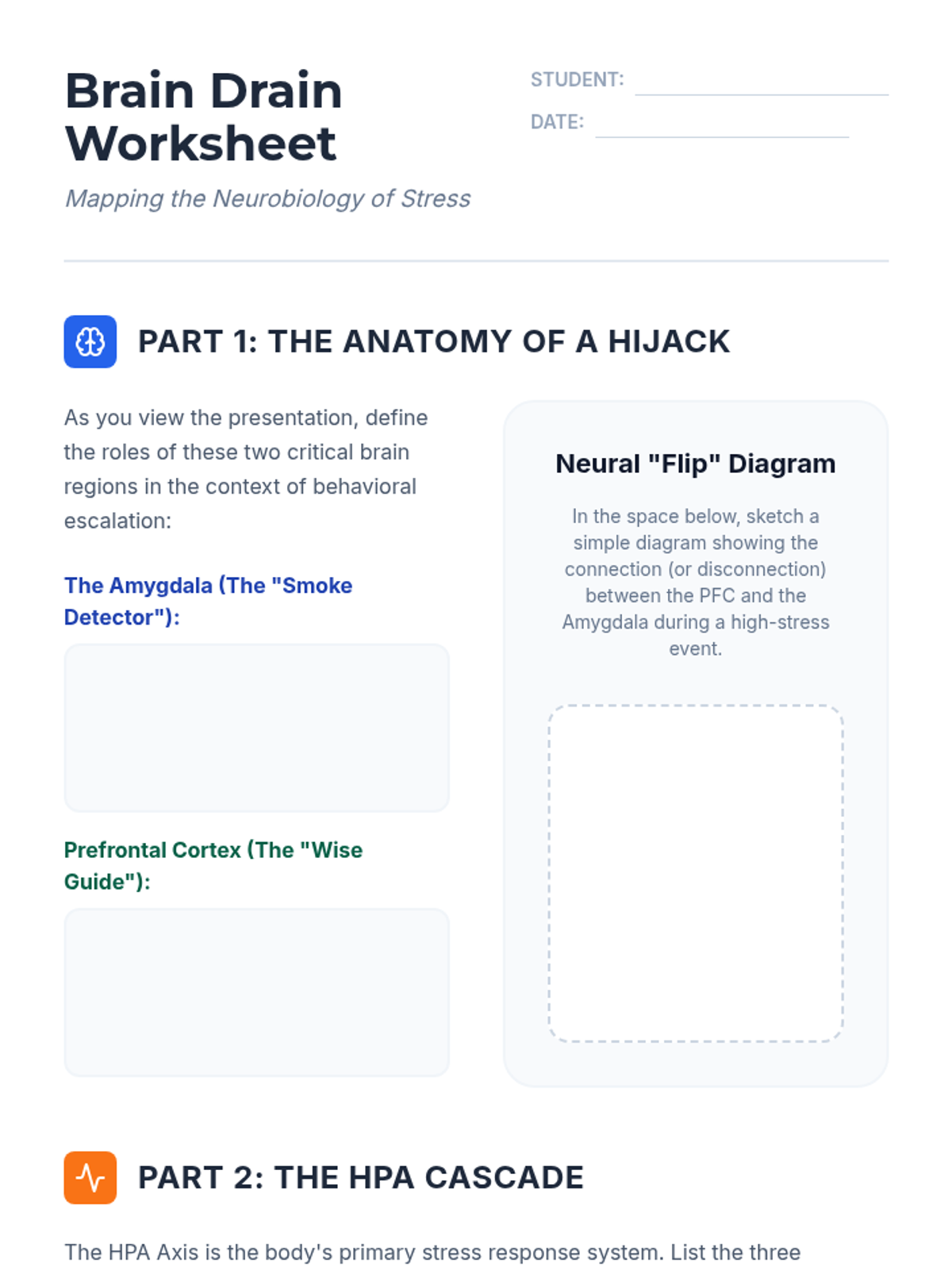
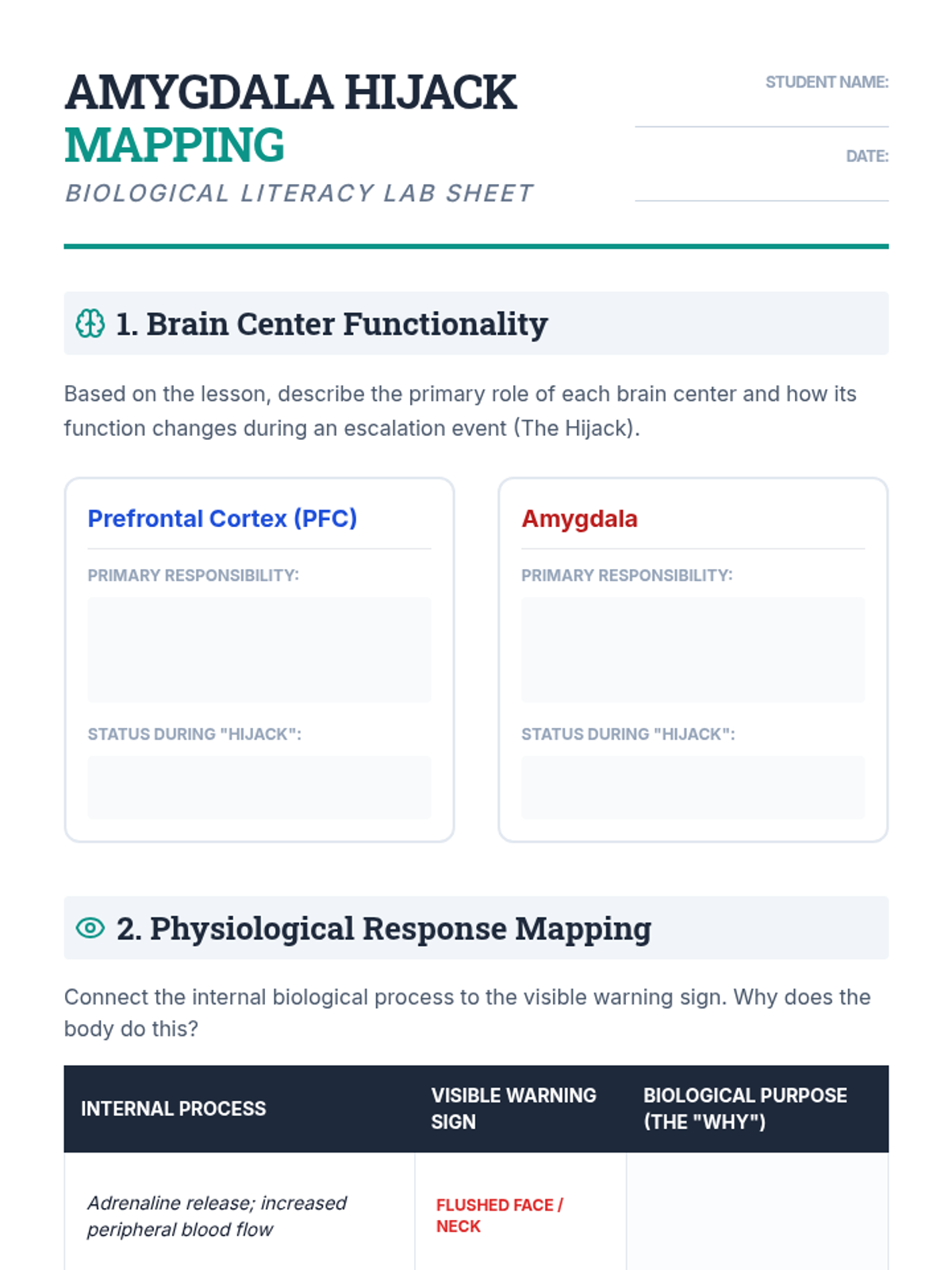
This sequence explores the neurobiological foundations of student escalation, connecting internal physiological stress responses (the 'amygdala hijack') to observable external warning signs. Students will learn to depersonalize behavior by understanding it as a biological survival mechanism, training them to recognize subtle somatic, respiratory, and muscular cues before a full behavioral outburst occurs.
This sequence connects behavioral observation to the biological science of the stress response. Students investigate the 'why' behind warning signs by studying the sympathetic nervous system and the 'fight, flight, or freeze' response, culminating in a biological profile of behavioral escalation.
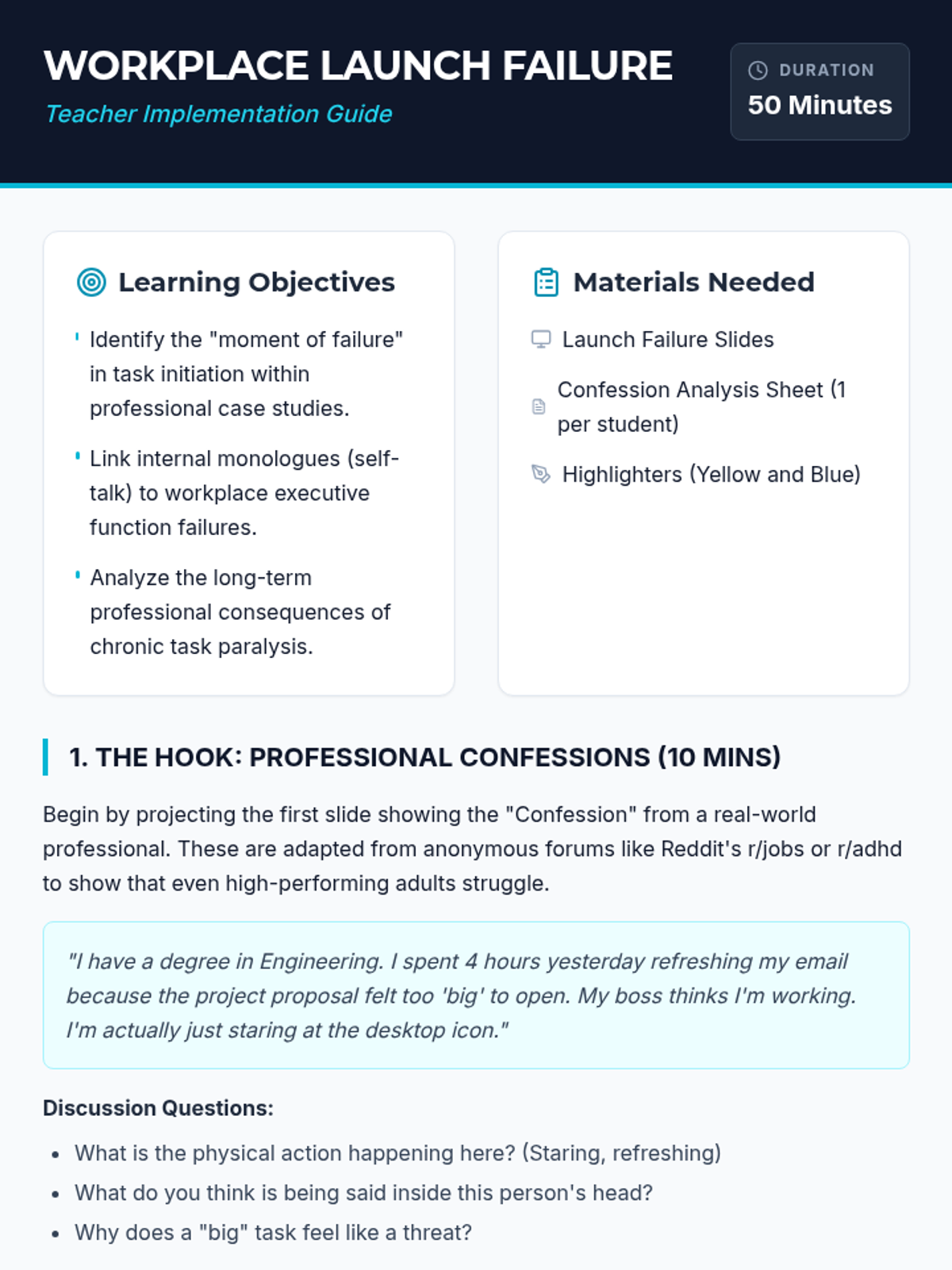
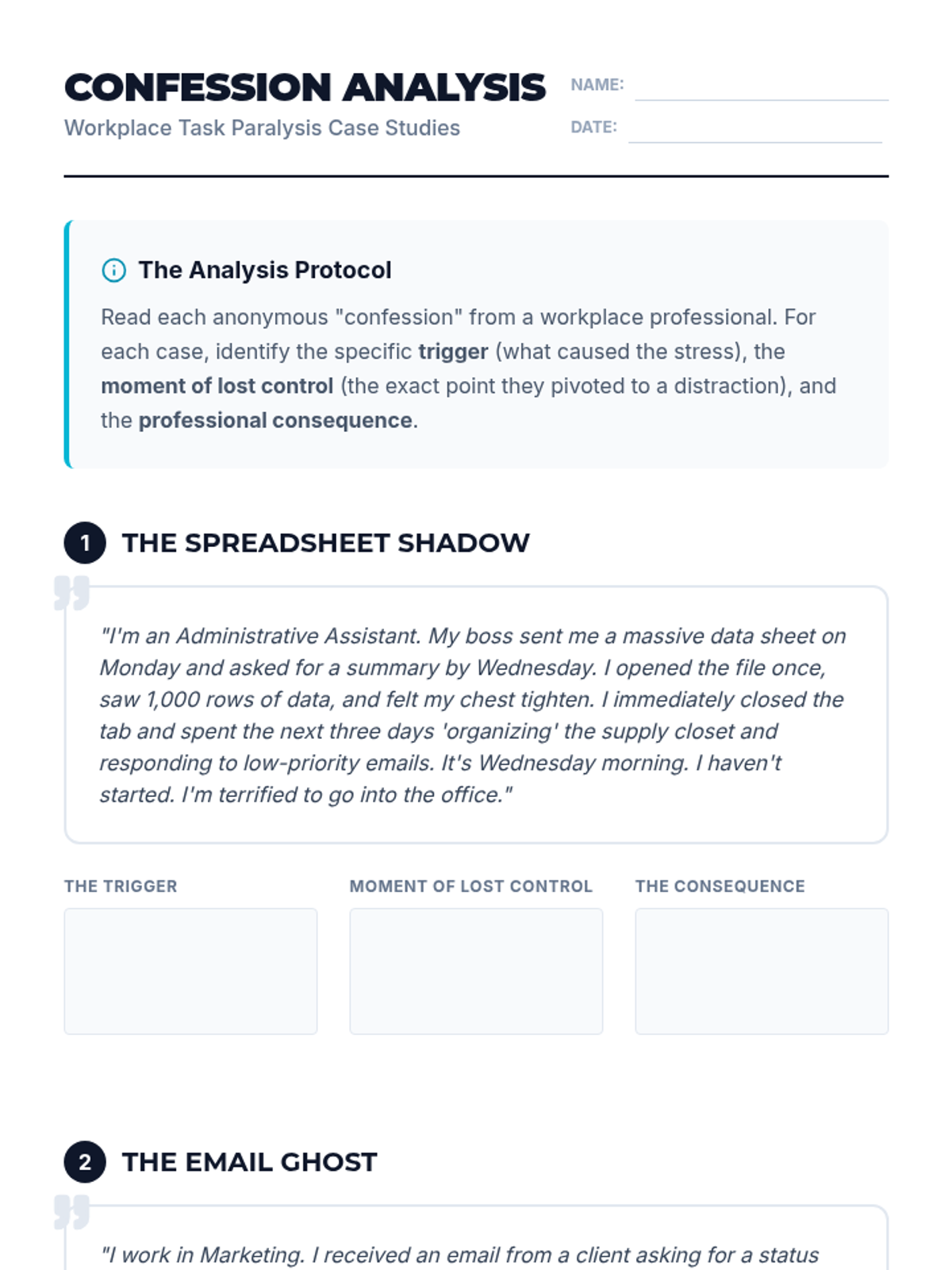
A comprehensive sequence for transition-age students to master self-talk strategies for task initiation in professional and independent living contexts. Students move from analyzing workplace failures to building a personalized 'Standard Operating Procedure' for overcoming task paralysis.
A 5-lesson sequence for 11th-grade students focusing on reducing cognitive load through specialized graphic organizer note-taking templates. Students move from understanding working memory limitations to fluidly selecting and applying hierarchical, sequential, and semantic models.
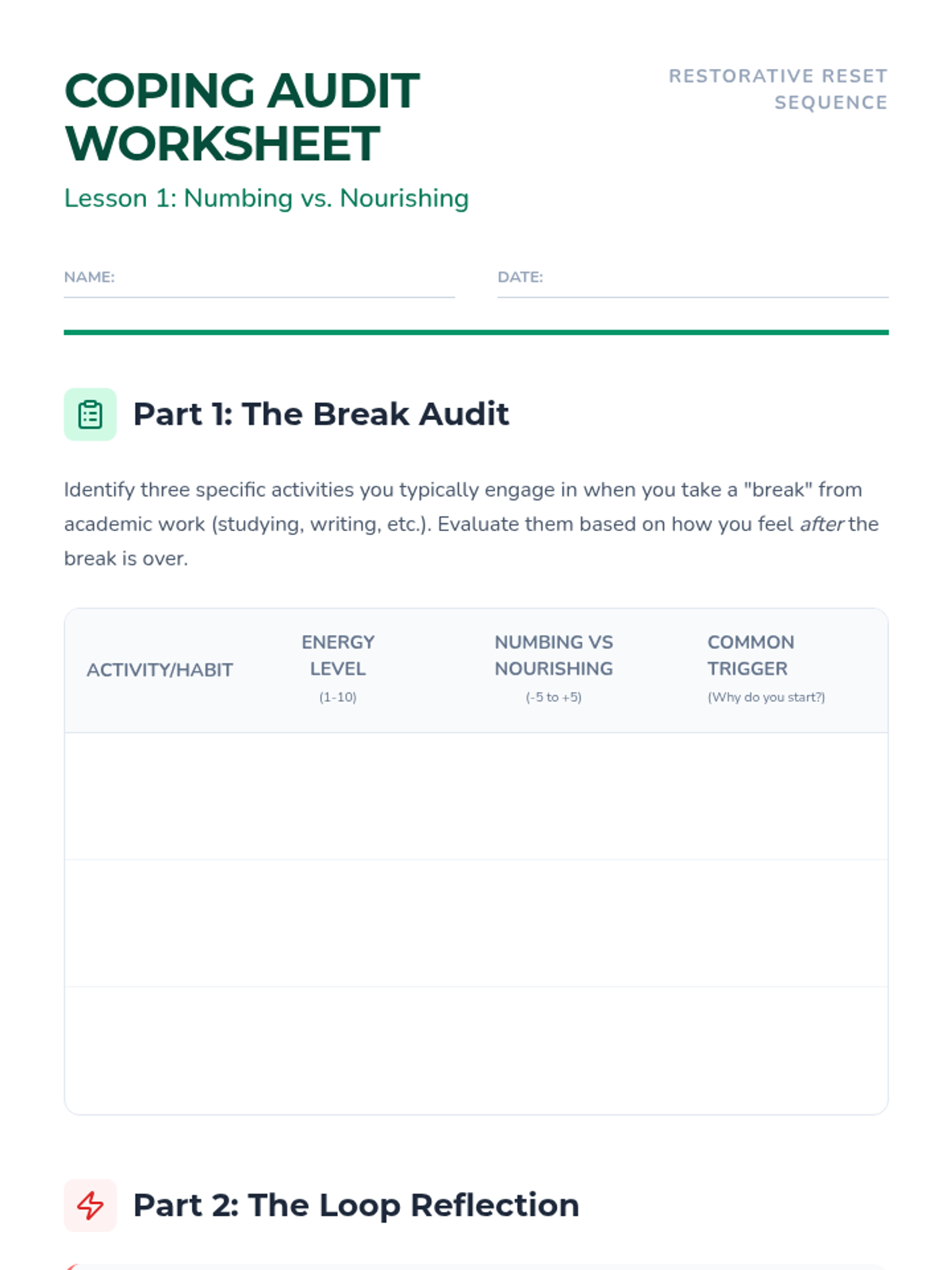
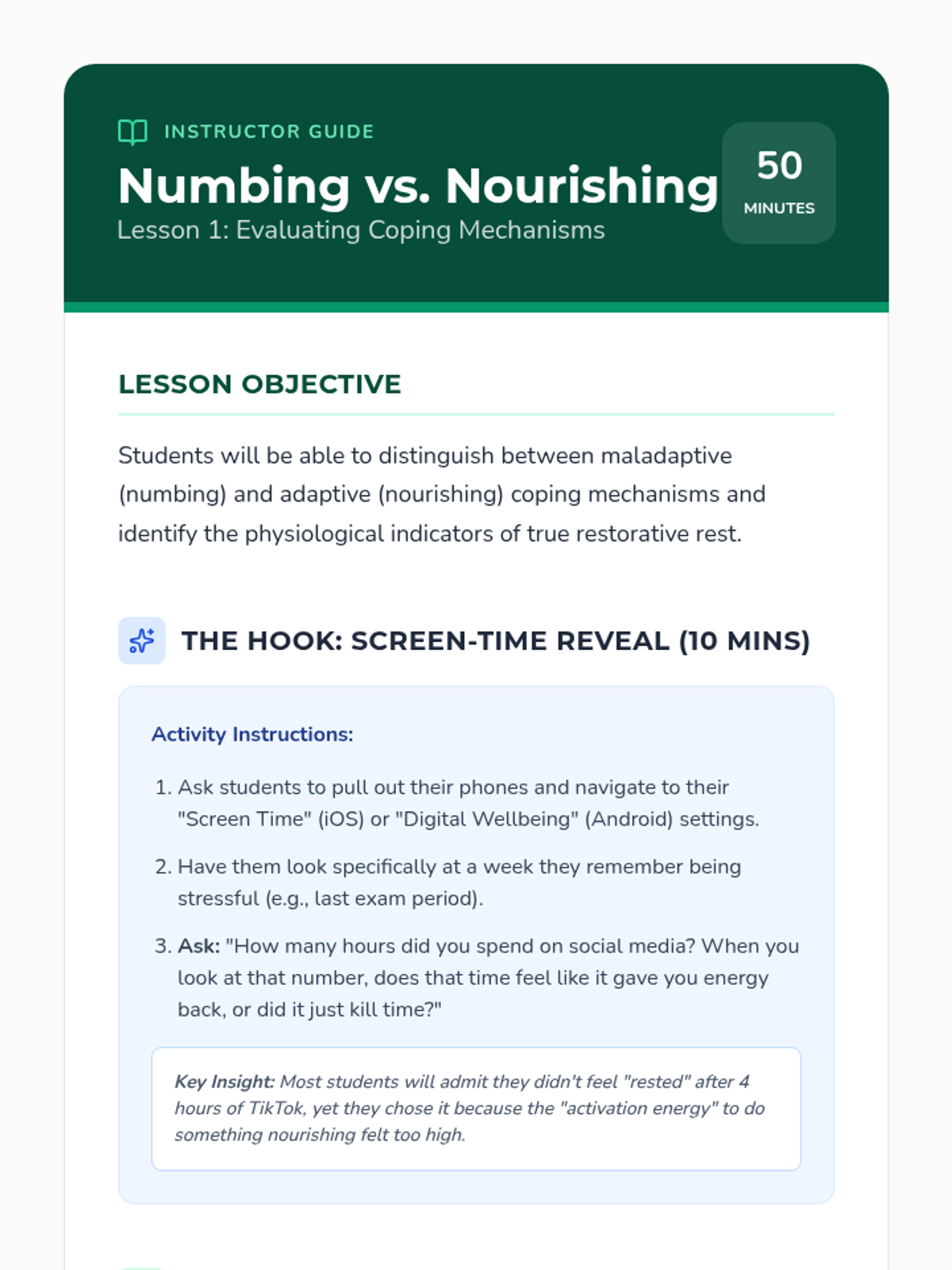
A 5-lesson sequence for undergraduate students focused on transforming requested breaks from avoidant behaviors into restorative regulation. Students explore somatic, cognitive, and environmental strategies to manage stress and transition back to academic work effectively.
A 12th-grade sequence focused on the psychological and communicative aspects of interview outcomes. Students learn to navigate rejection, solicit feedback, analyze offers, and communicate professionally regardless of the result.
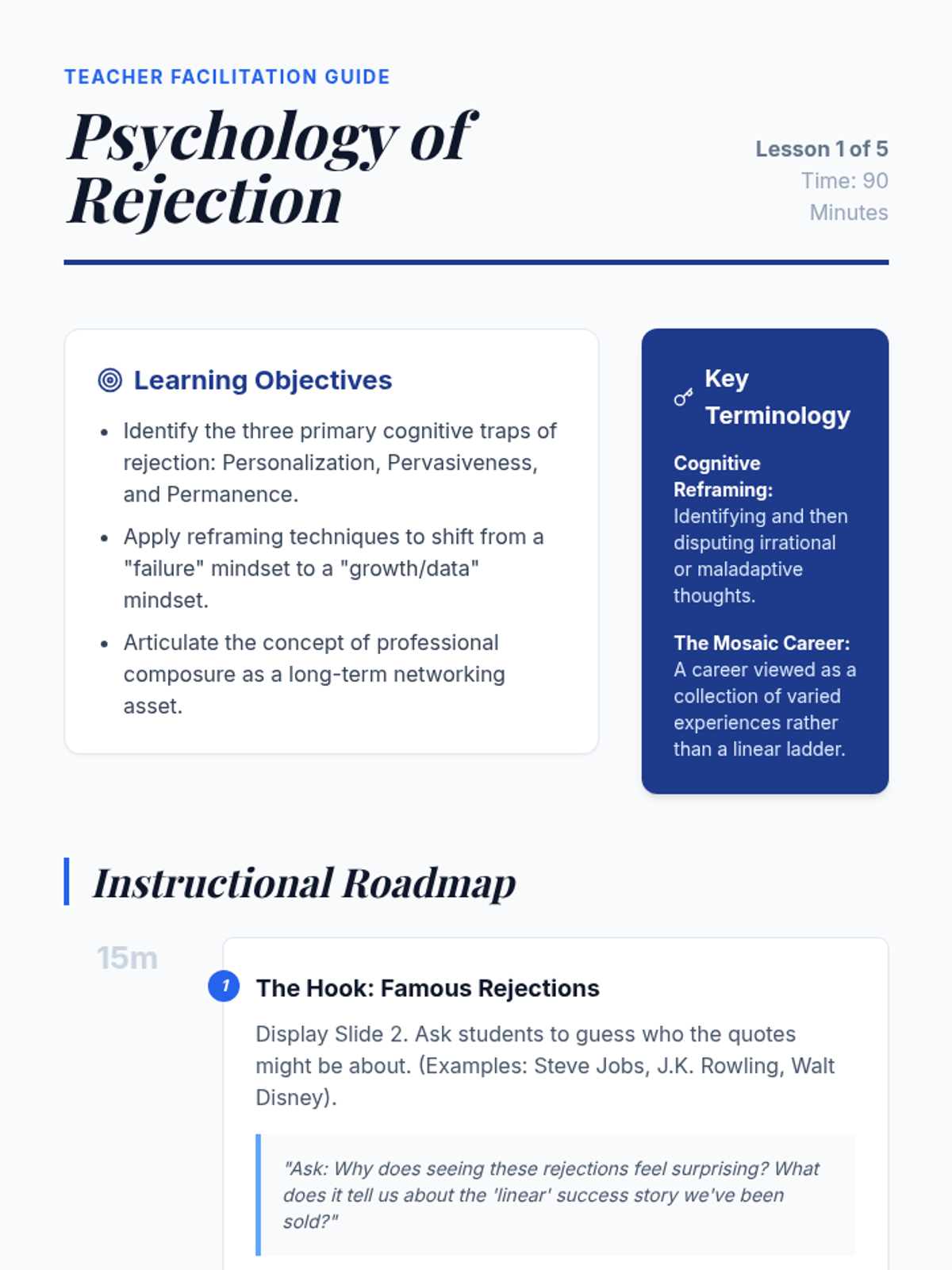
This sequence focuses on the critical 'after' phase of the interview process, teaching undergraduate students how to analyze their performance, interpret outcomes, and manage professional relationships long-term. Students move from self-reflection and performance analysis to navigating offers and maintaining a strategic network, turning every interview into a growth opportunity.
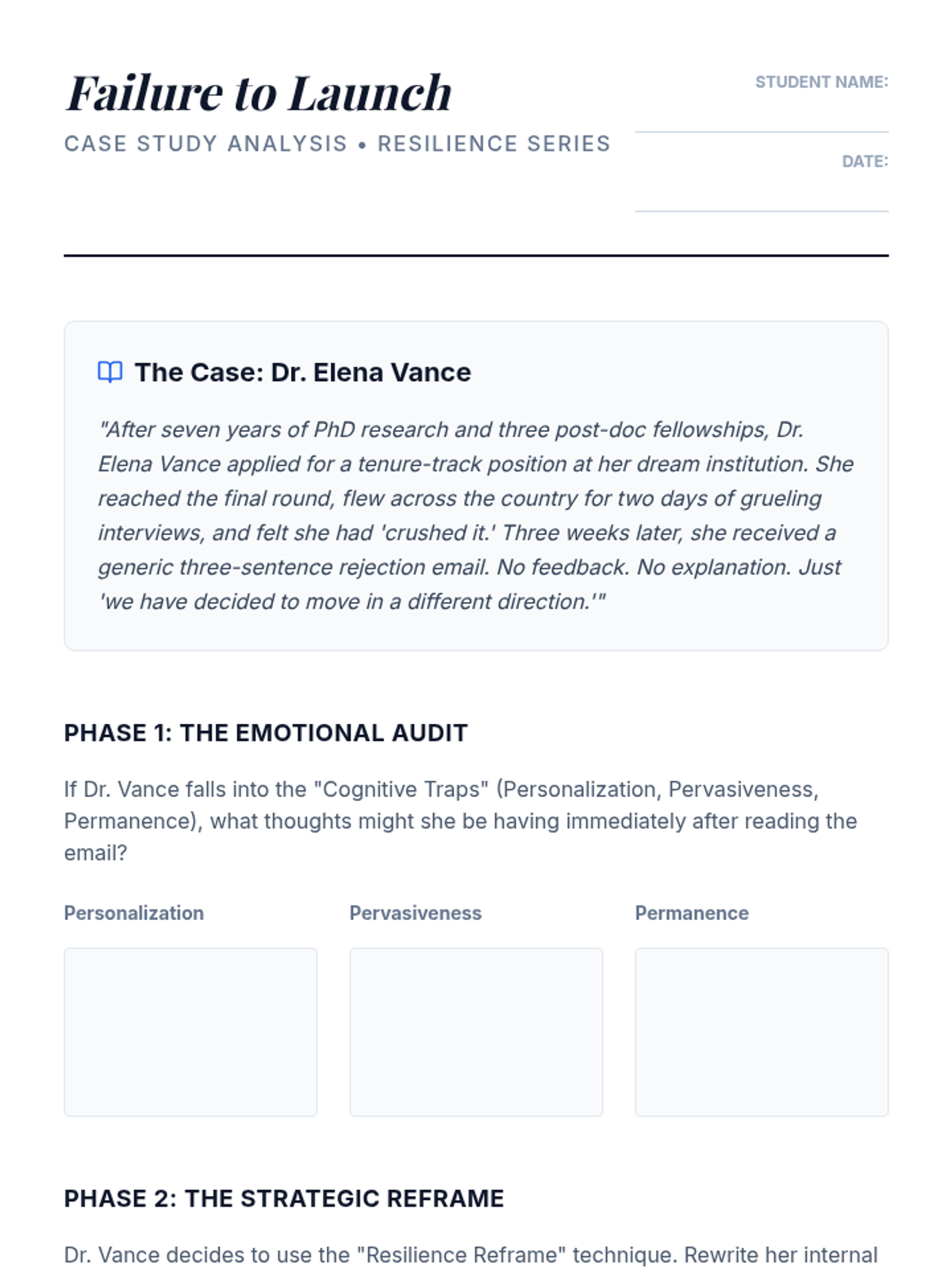
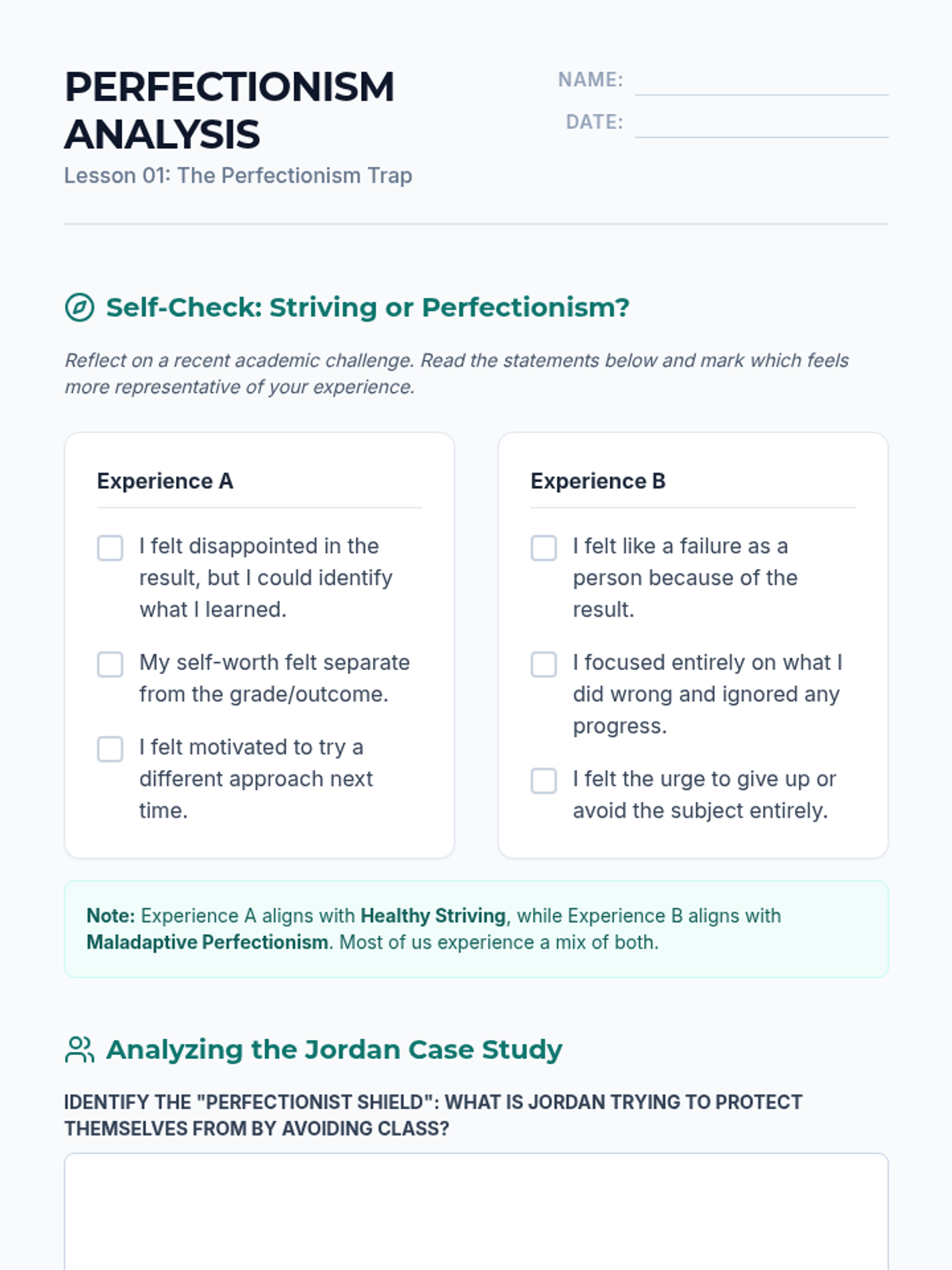
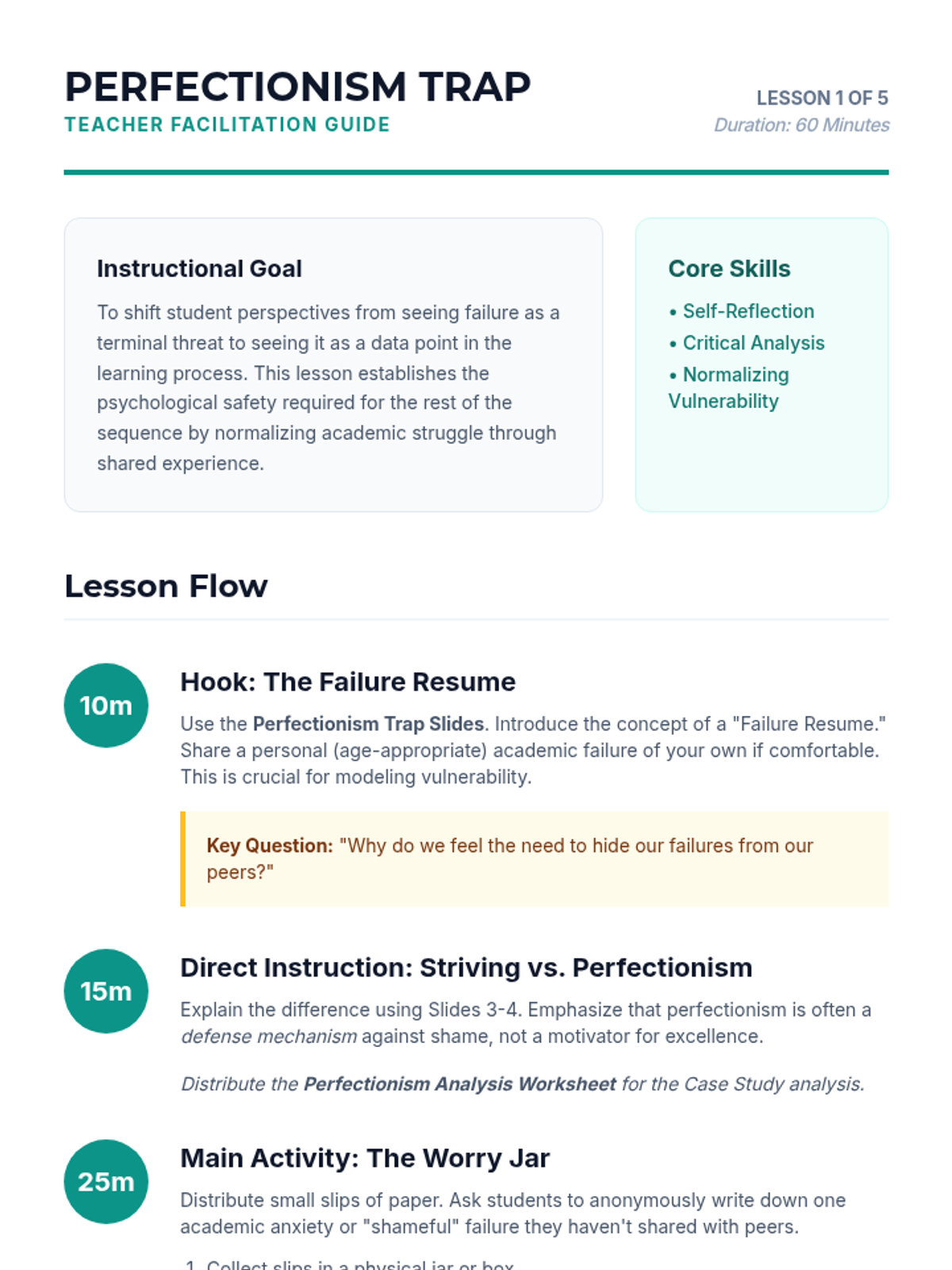
A 5-lesson sequence for undergraduate students focused on deconstructing academic failure, understanding stress physiology, practicing vulnerability through storytelling, and creating personalized resilience frameworks through peer support.
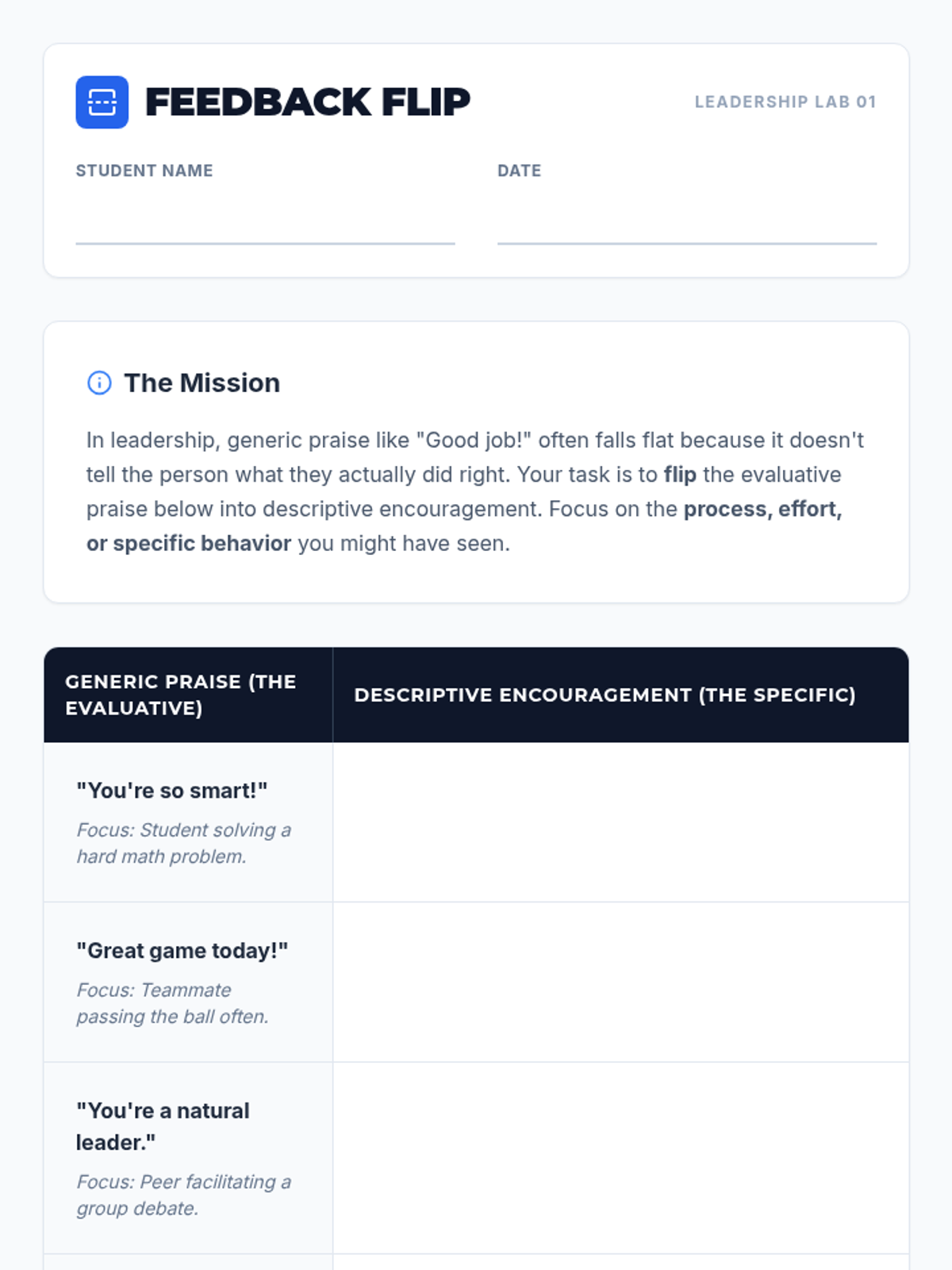
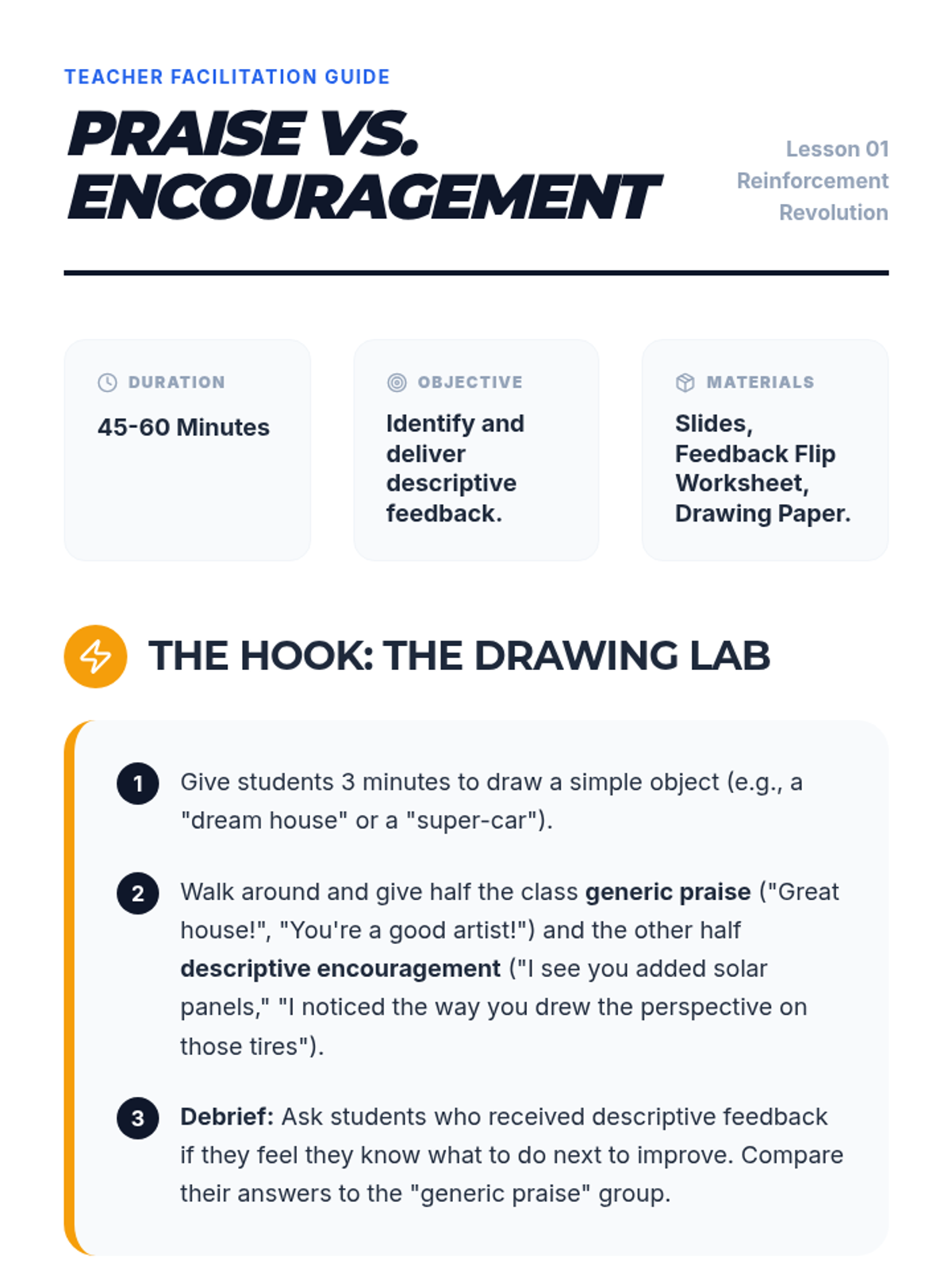
This sequence explores the interpersonal application of positive reinforcement in leadership, coaching, and mentoring contexts. Students examine how leaders influence group culture and individual performance through specific praise and recognition systems.
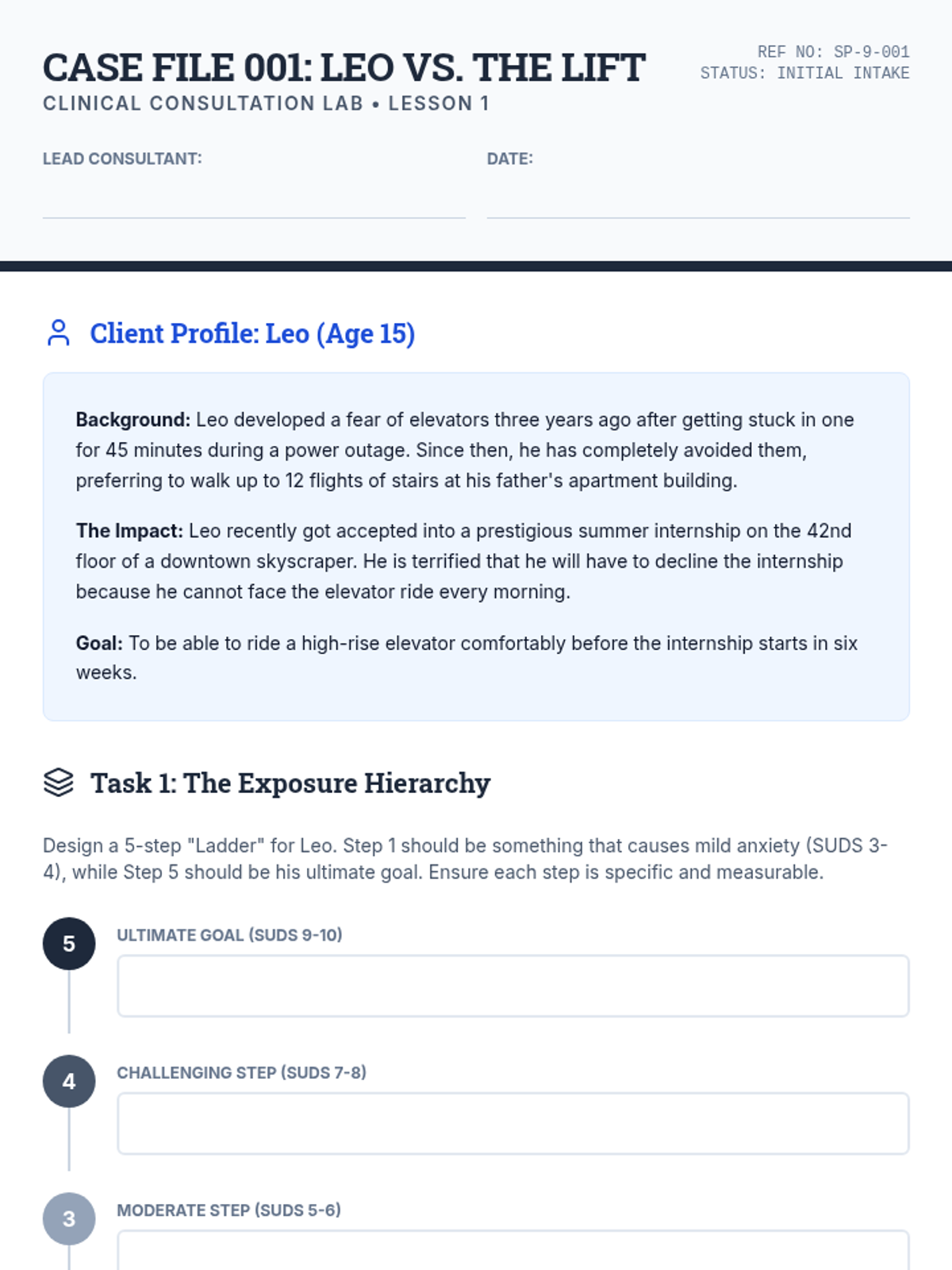
This sequence guides 9th-grade students through the practical application of exposure hierarchies. Acting as 'clinical consultants,' students analyze specific phobias, social anxiety variables, and stalled progress, eventually designing a comprehensive care plan rooted in personal values.