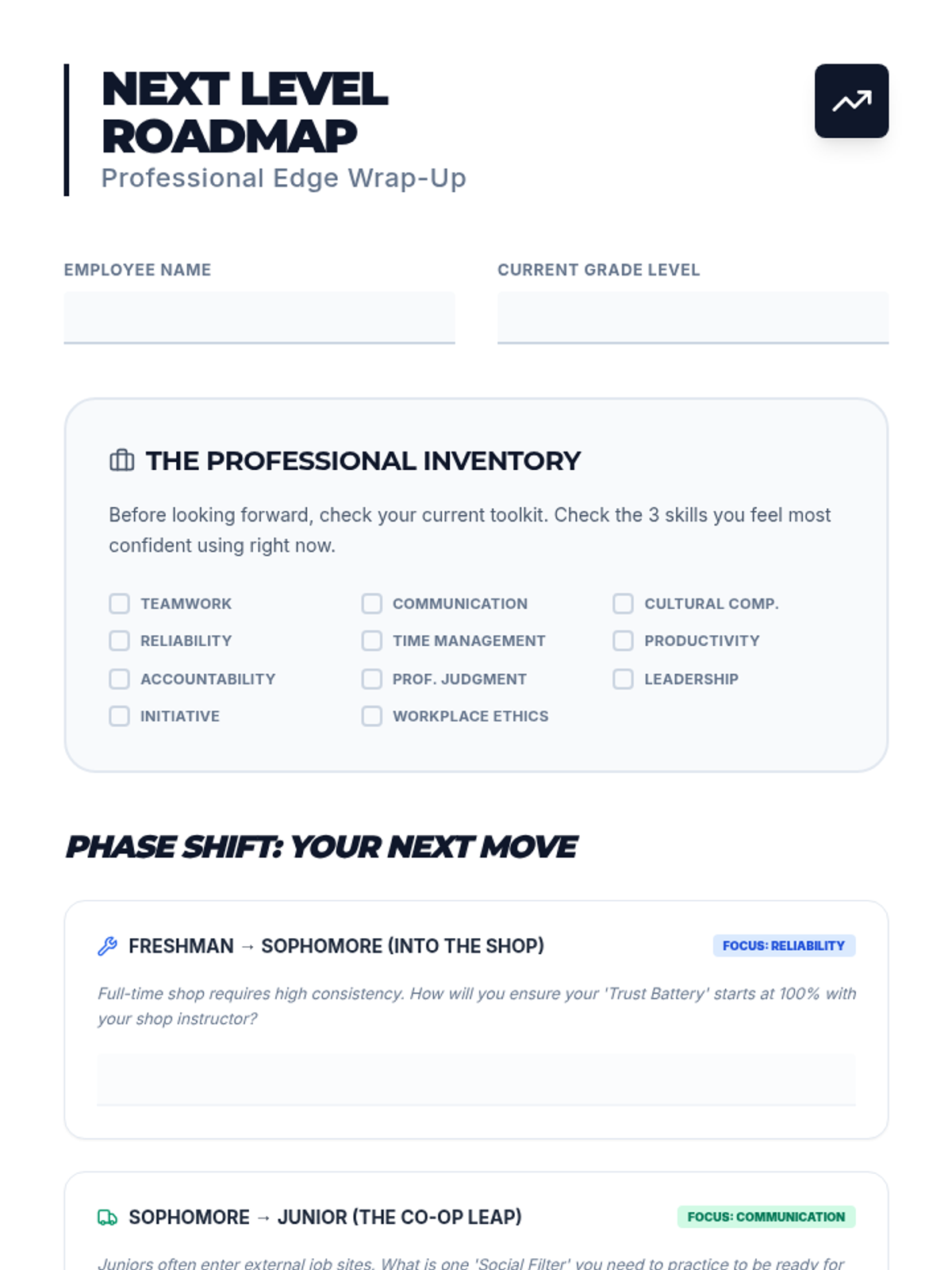
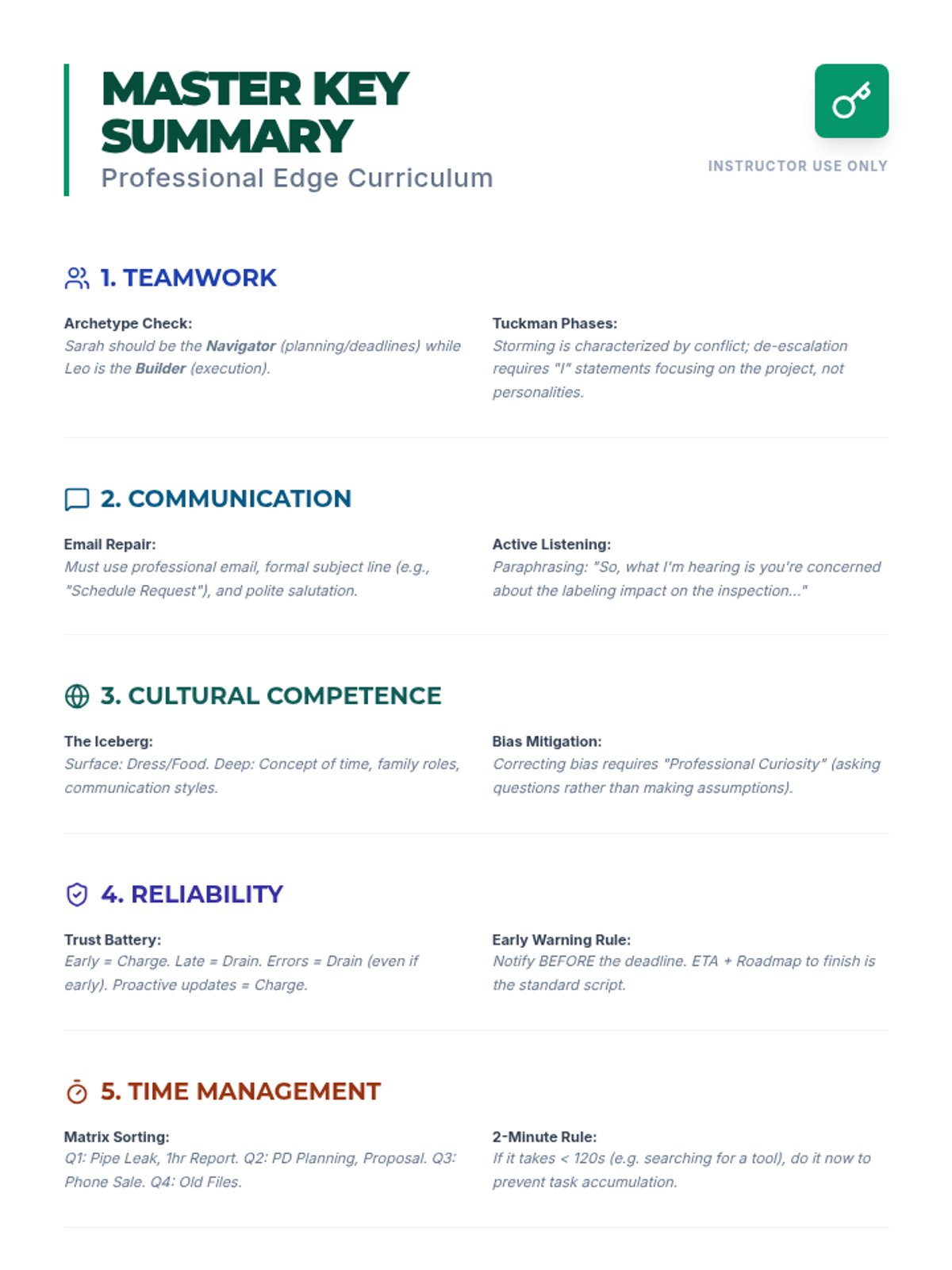
Written and verbal communication standards for the workplace, including email etiquette, presentation delivery, and professional phone conduct. Develops collaborative skills for teamwork, constructive feedback, and efficient time management.
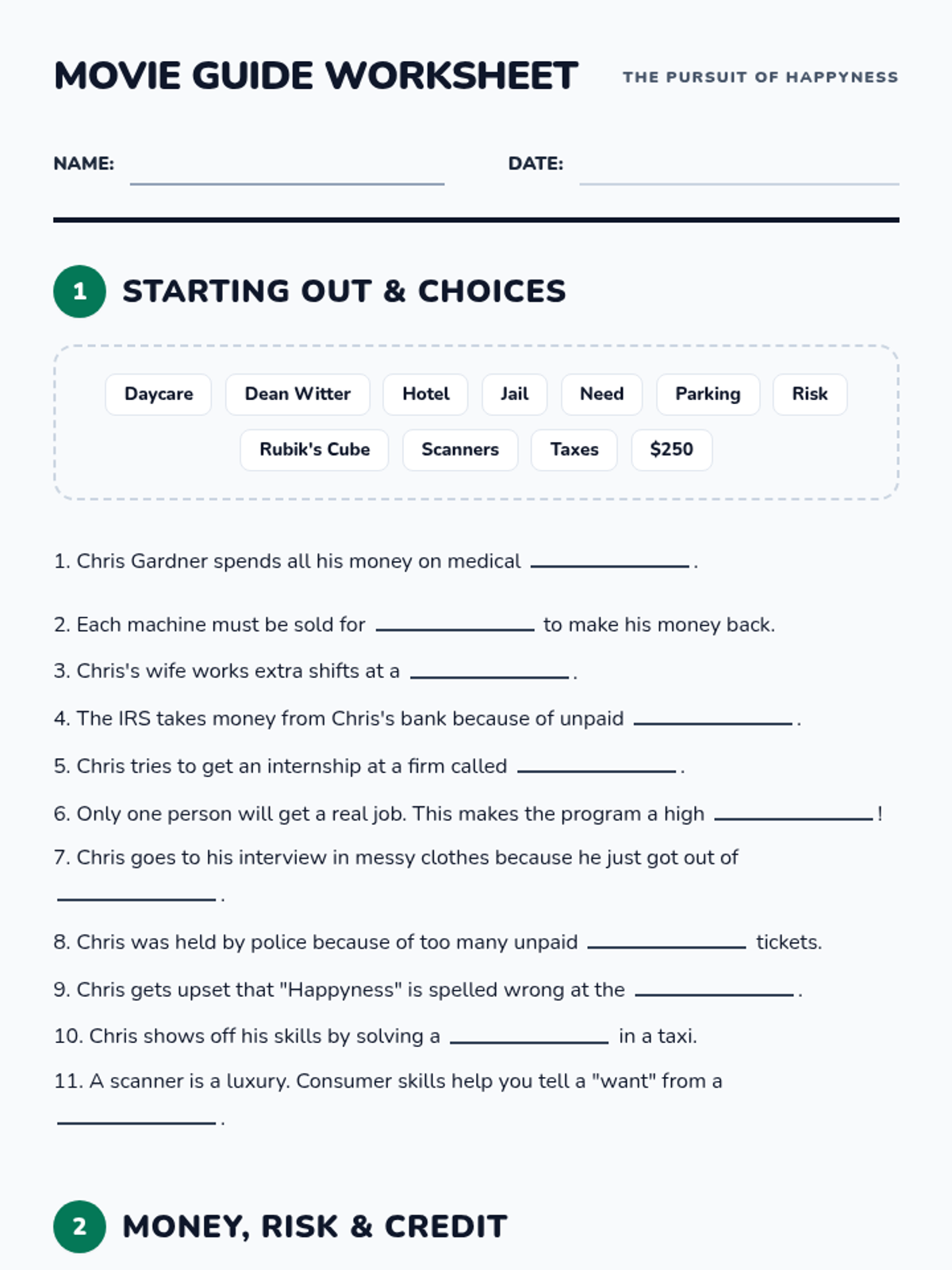
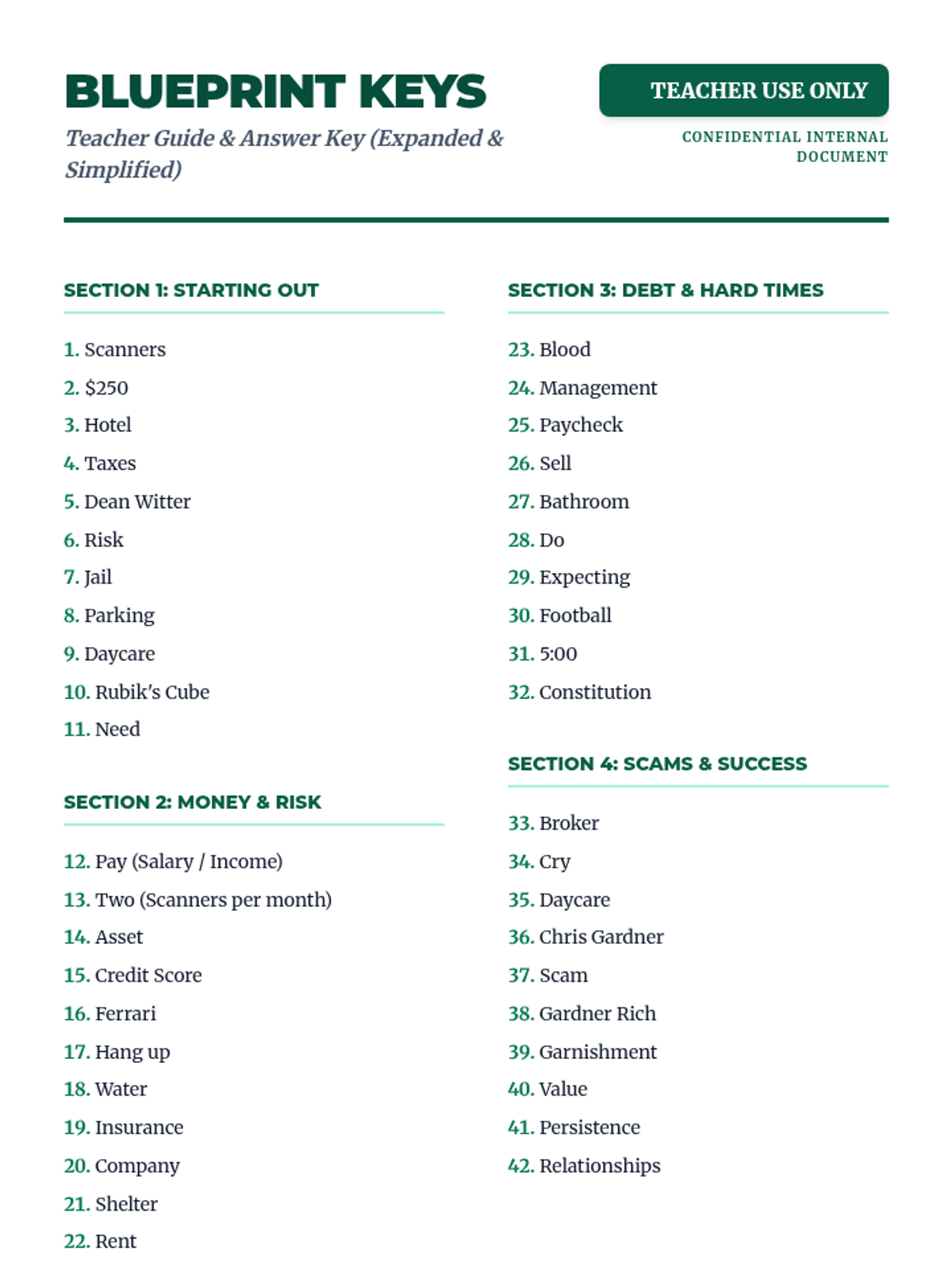
A series of lessons exploring real-world financial concepts through the lens of popular cinema, helping students connect abstract economic theories to relatable human stories.
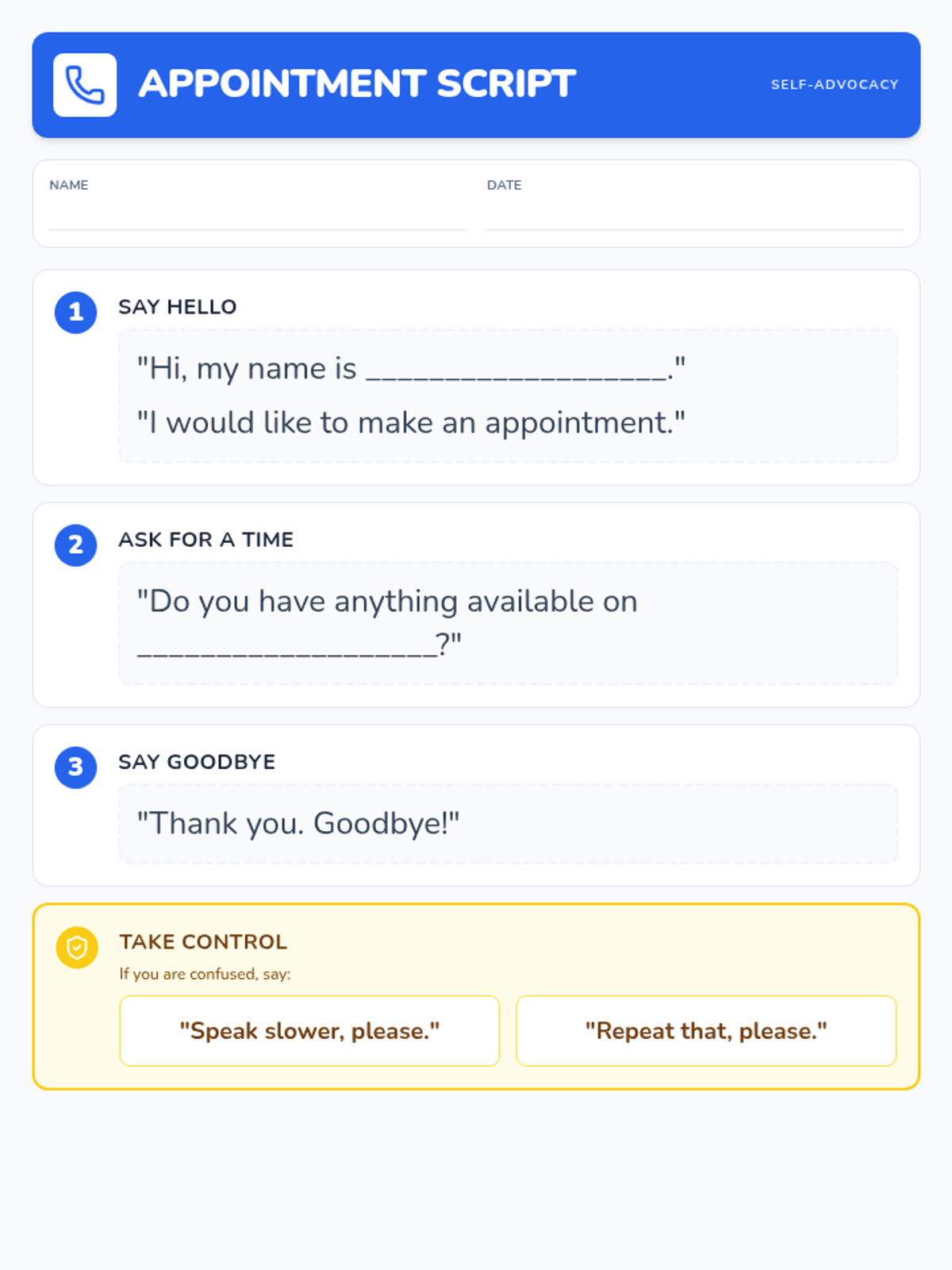
A sequence focused on building self-advocacy skills through experiential learning, specifically for scheduling and managing various types of professional and personal appointments.
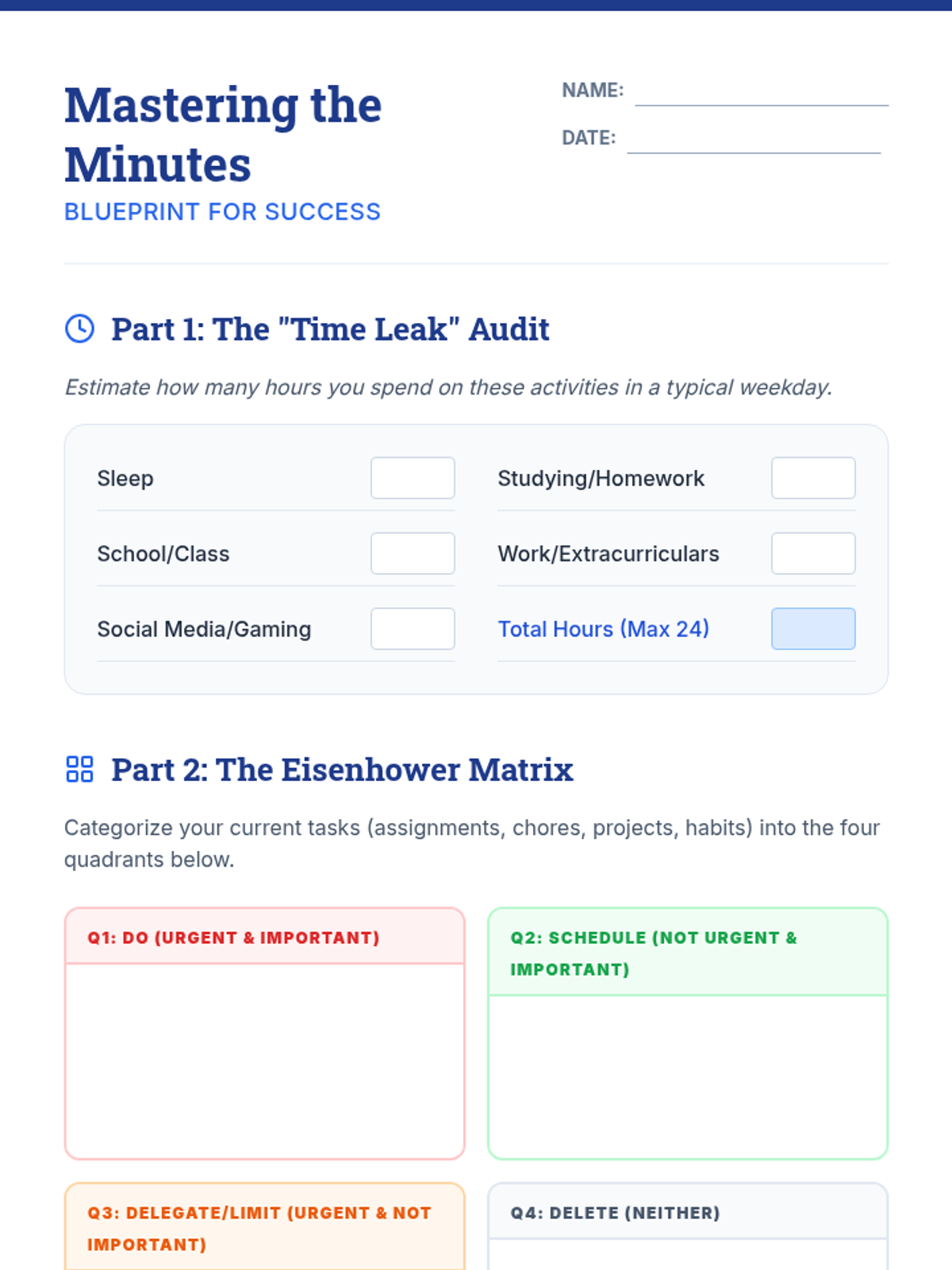
A comprehensive series designed to prepare students for post-secondary success through essential life skills, including time management, study habits, and digital literacy.
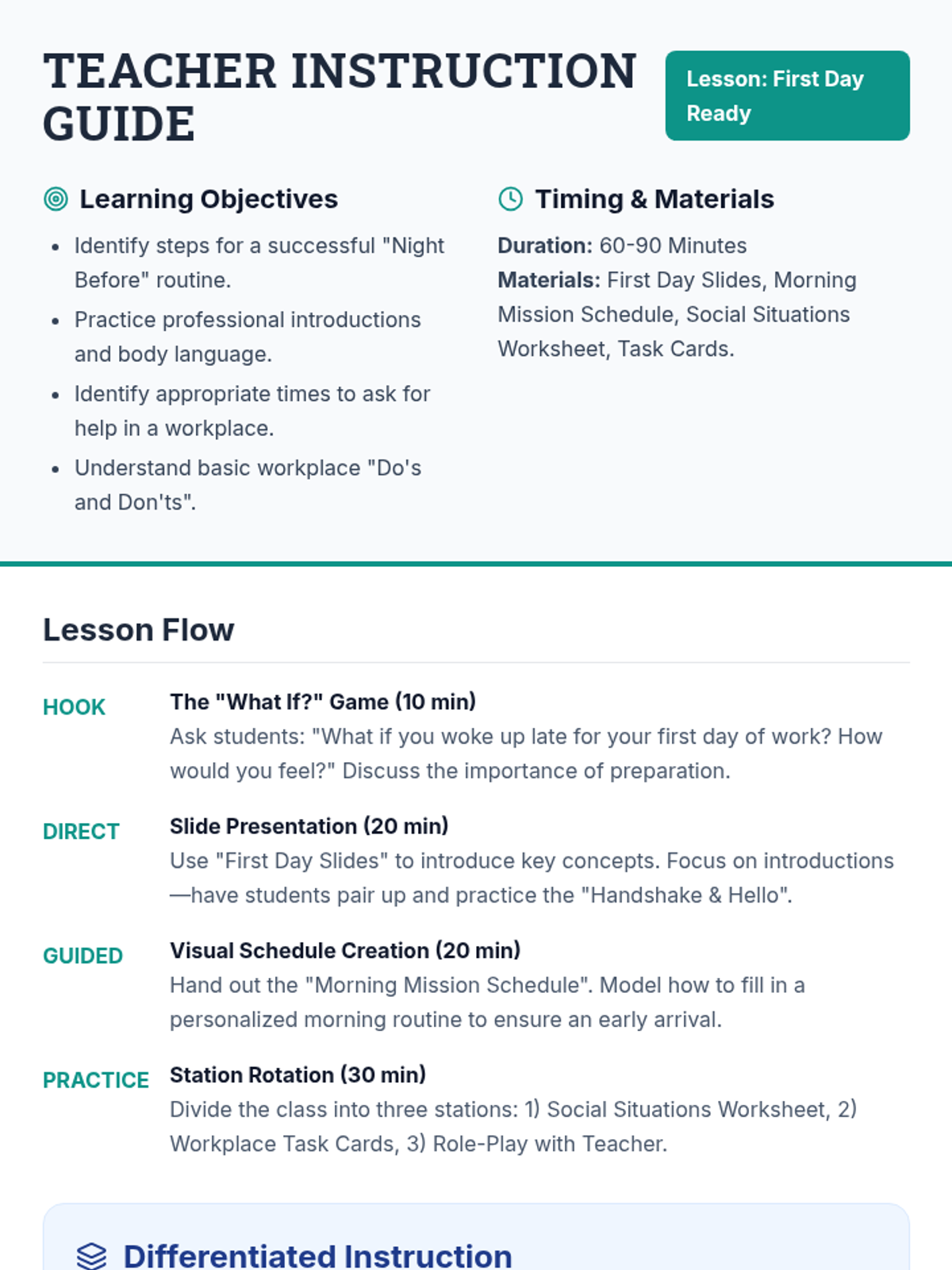
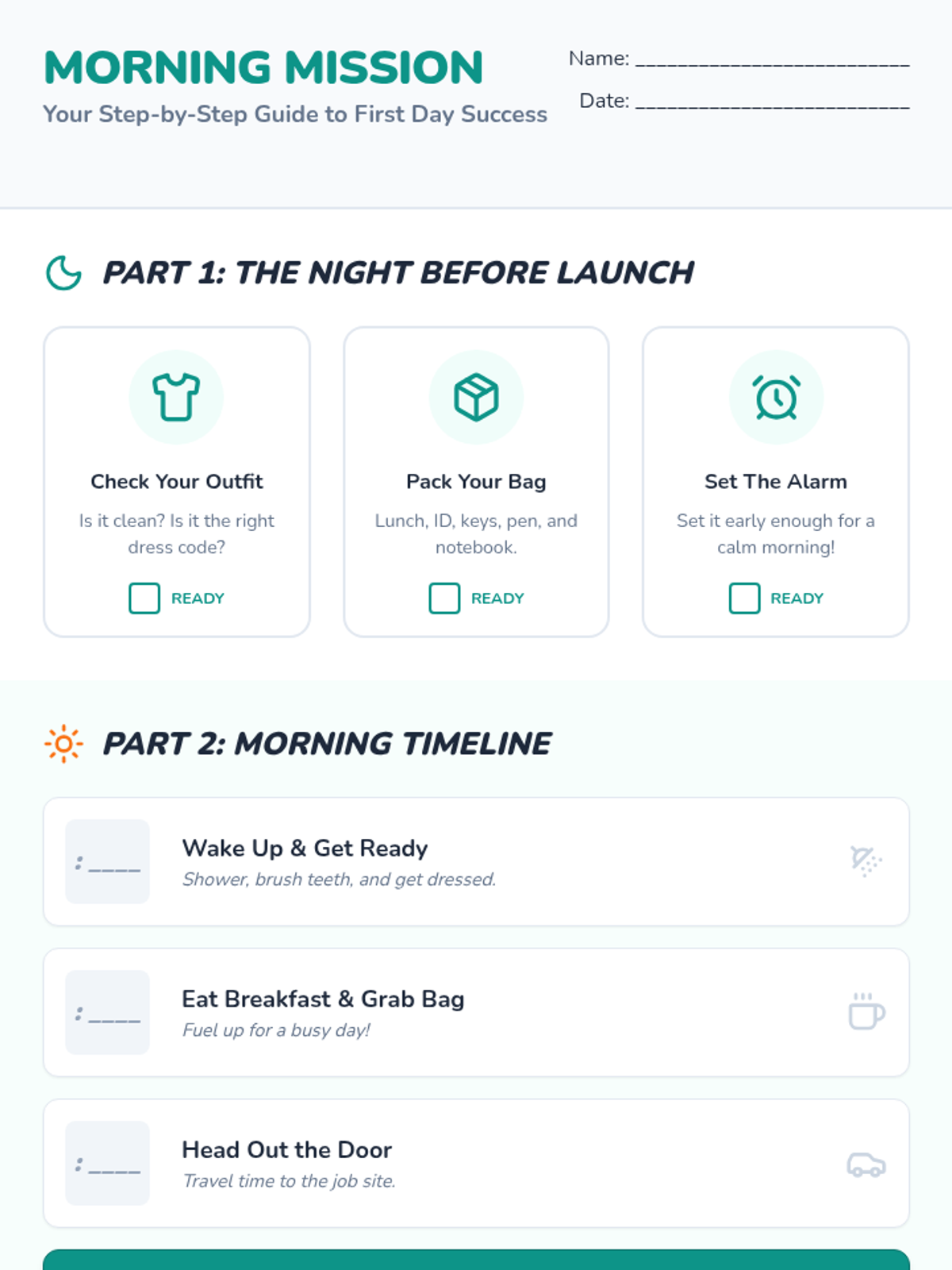
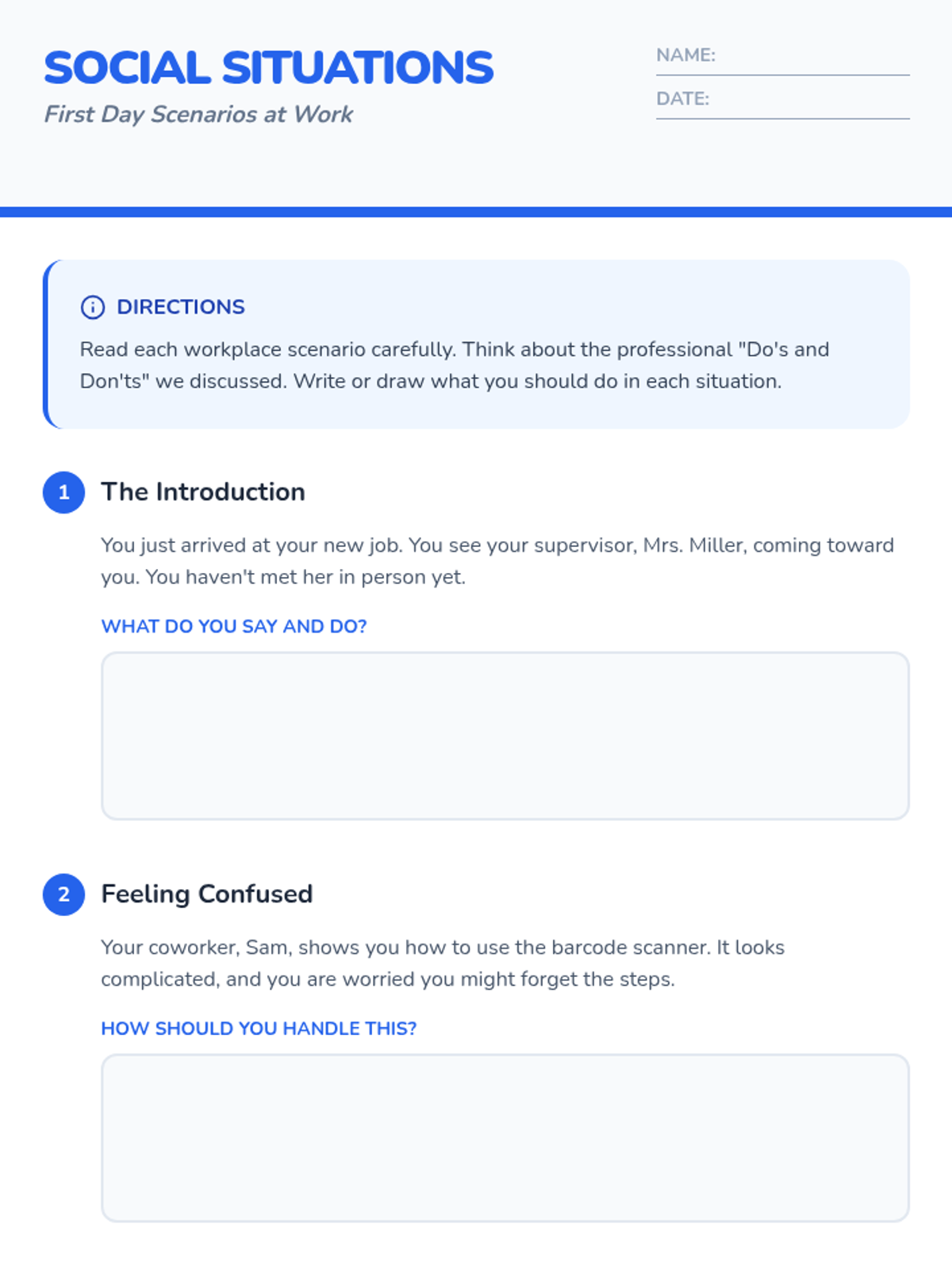
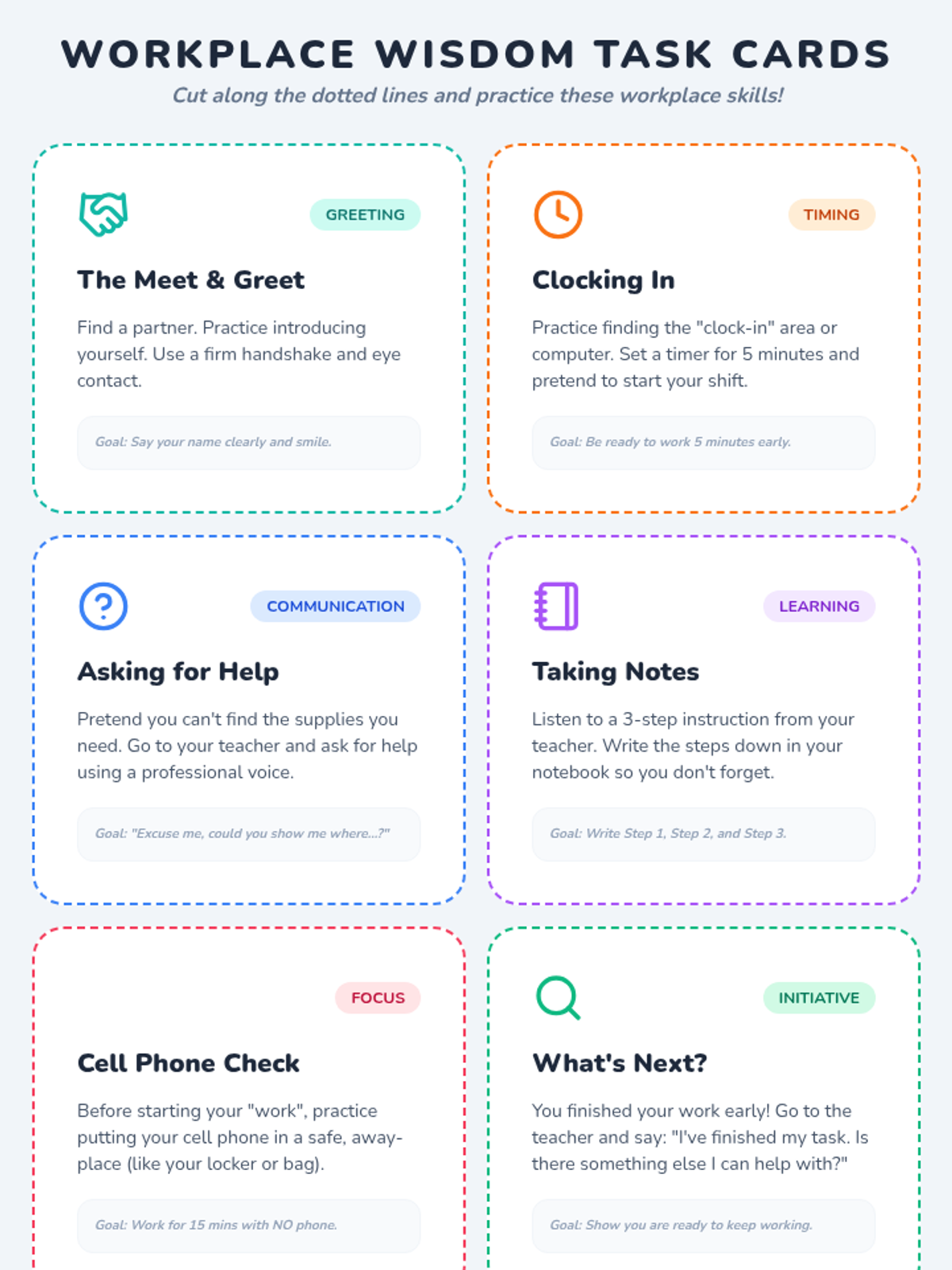
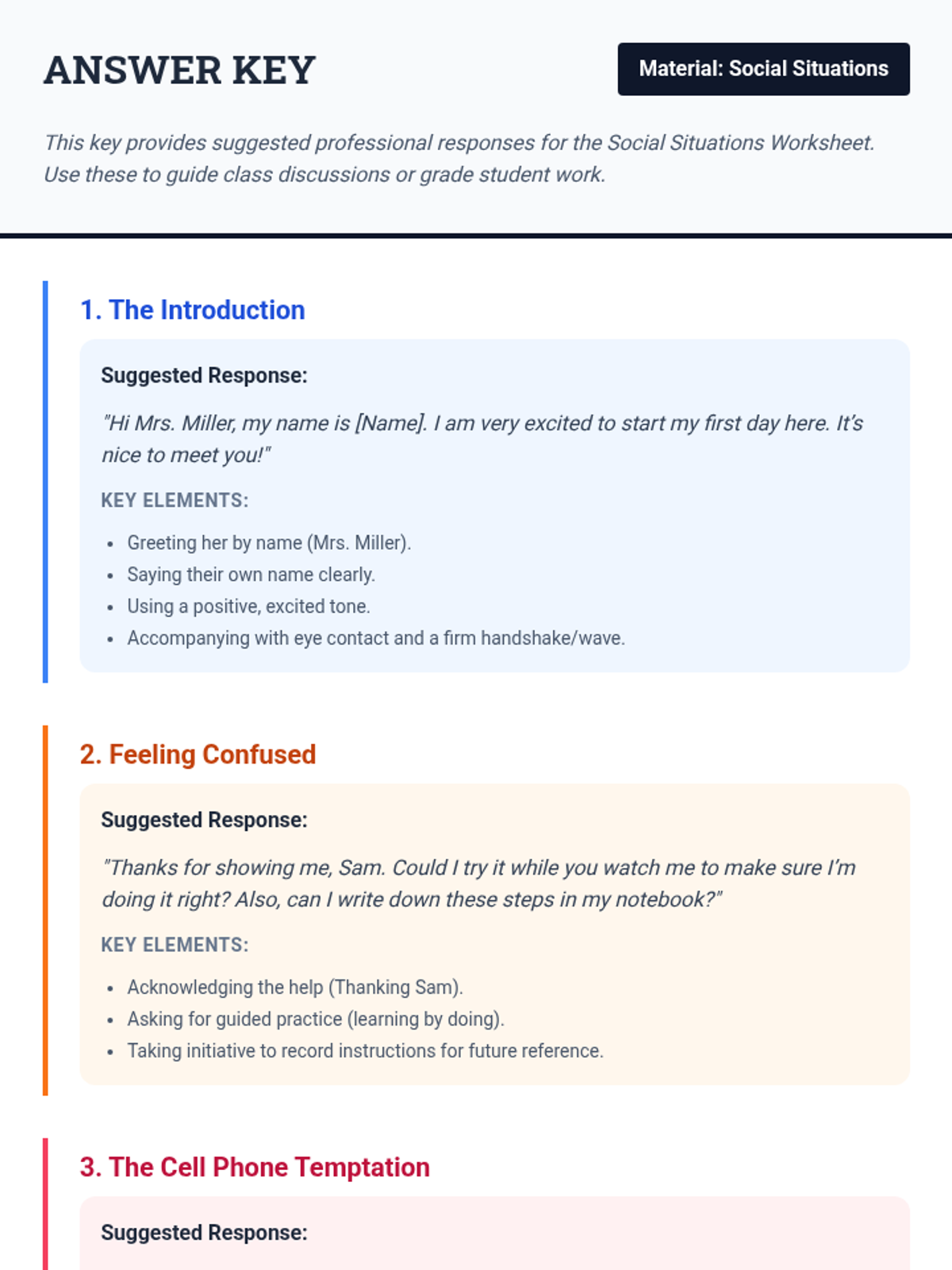
A comprehensive series of lessons designed to equip students with the essential life skills needed to transition into the workforce, focusing on preparation, professionalism, and daily routines.
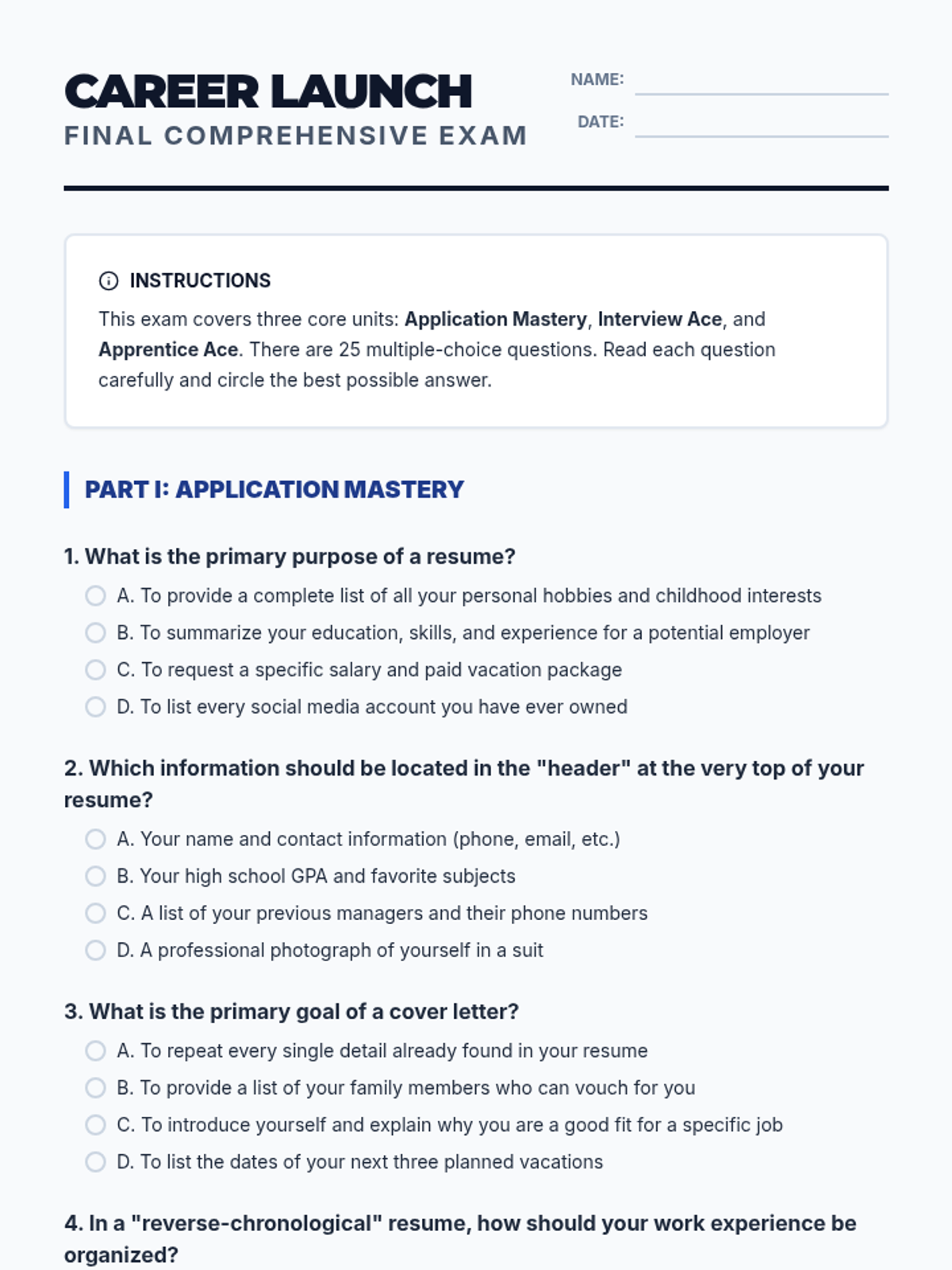
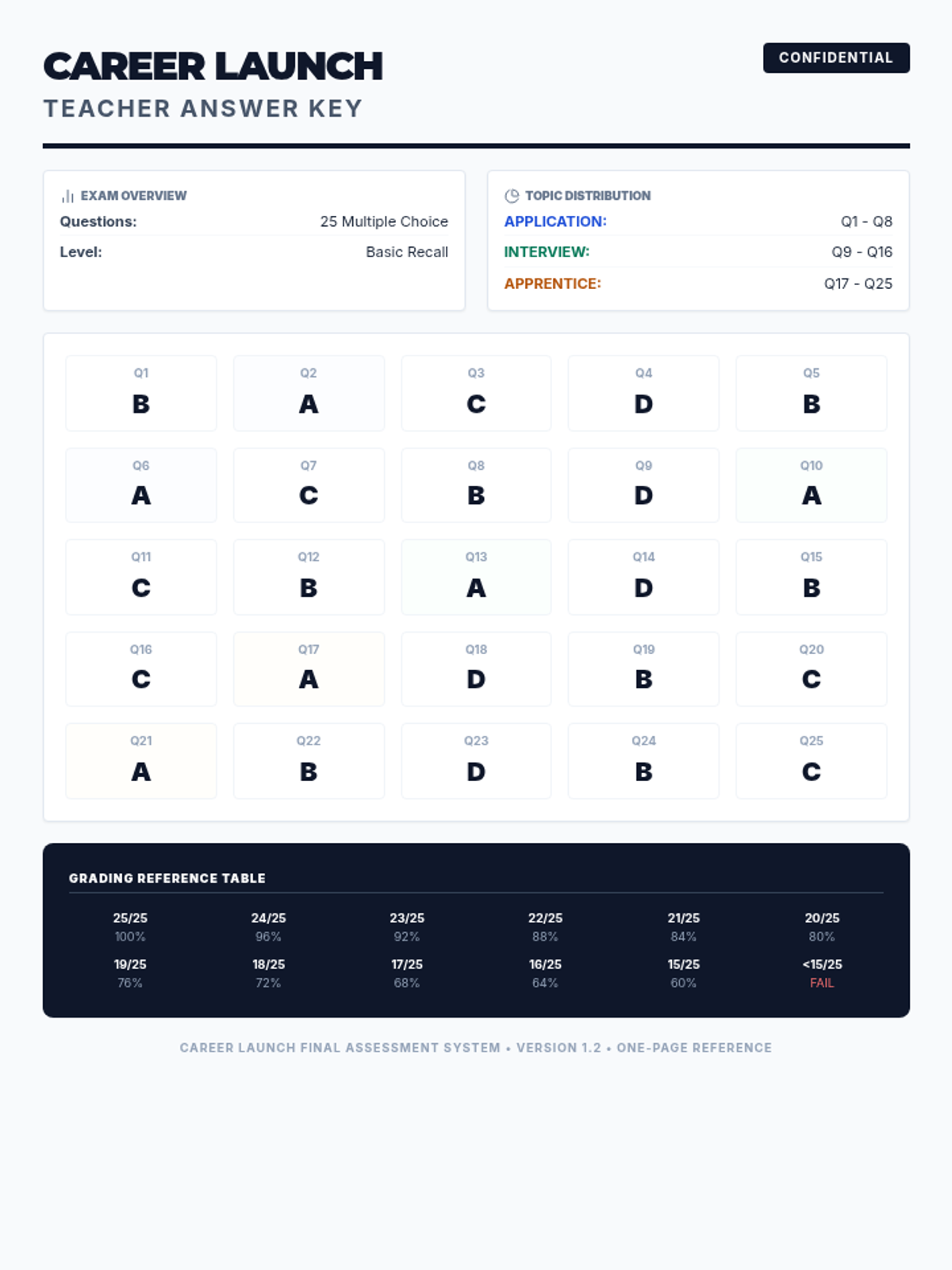
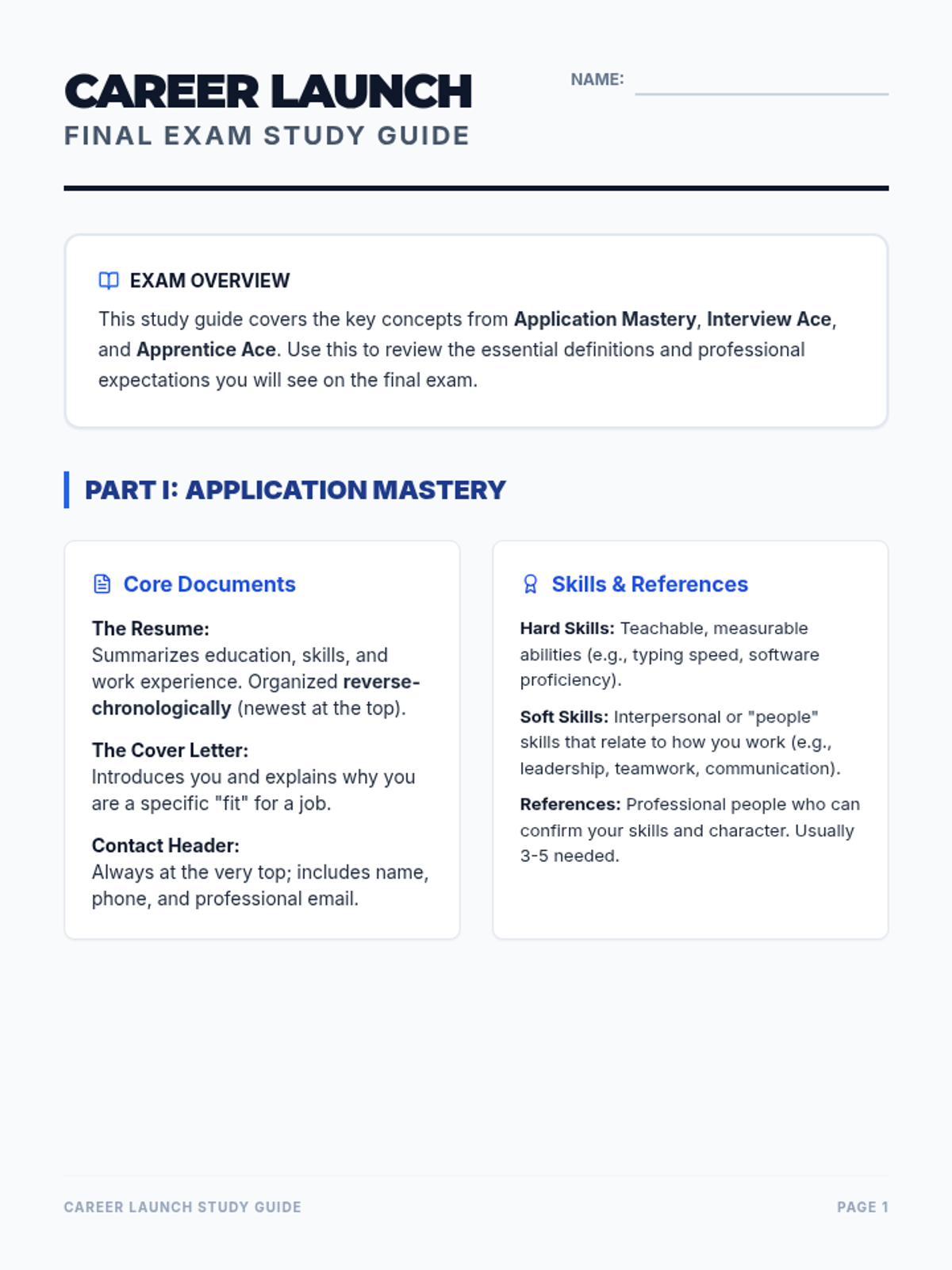
A comprehensive program designed to guide students through the essentials of career exploration, professional document preparation, and the job application process.
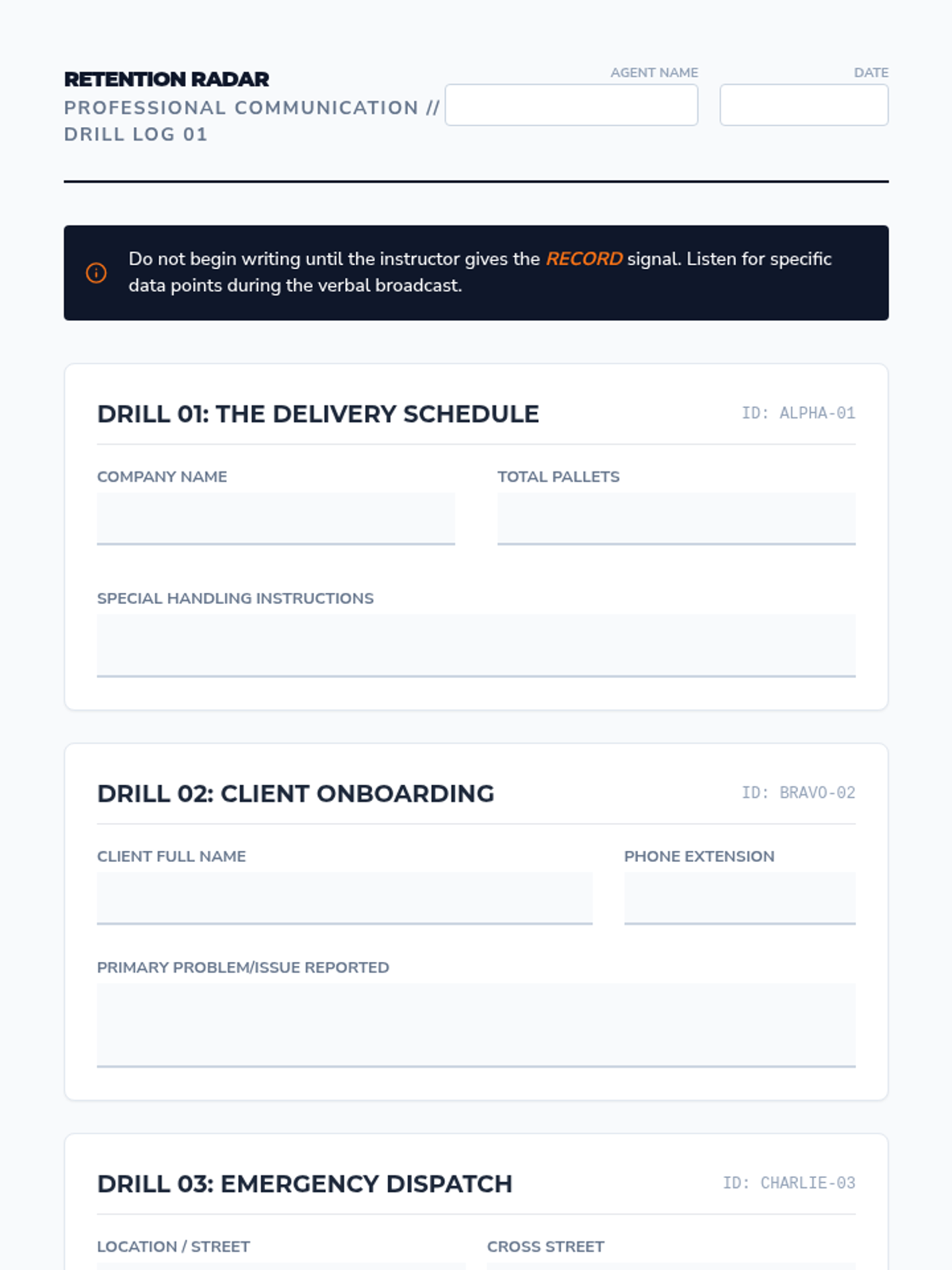
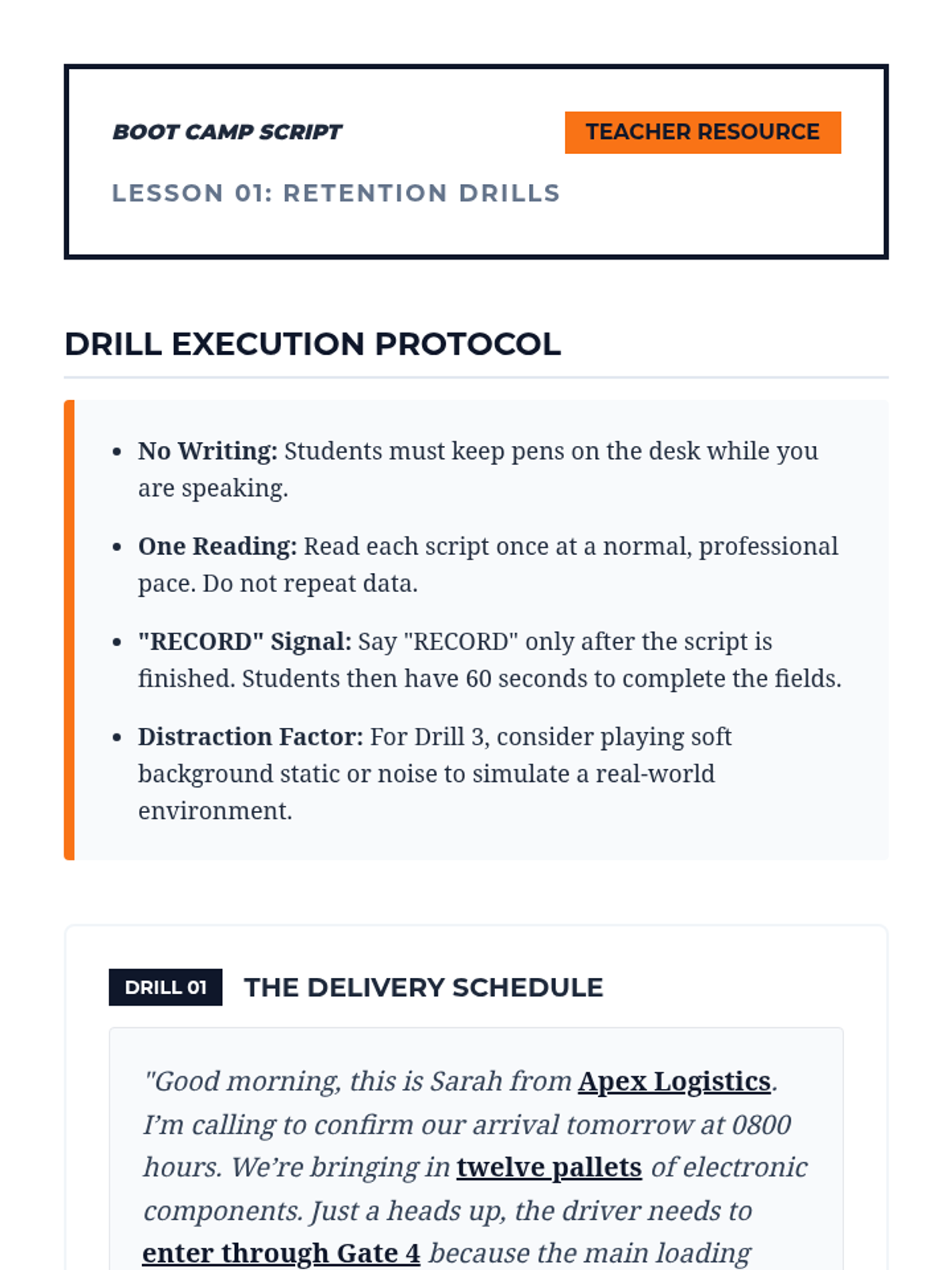
This sequence treats phone communication as a high-precision discipline. Students master active listening, the NATO phonetic alphabet, information filtering, and verification techniques to ensure the integrity of data moving from verbal to written formats.
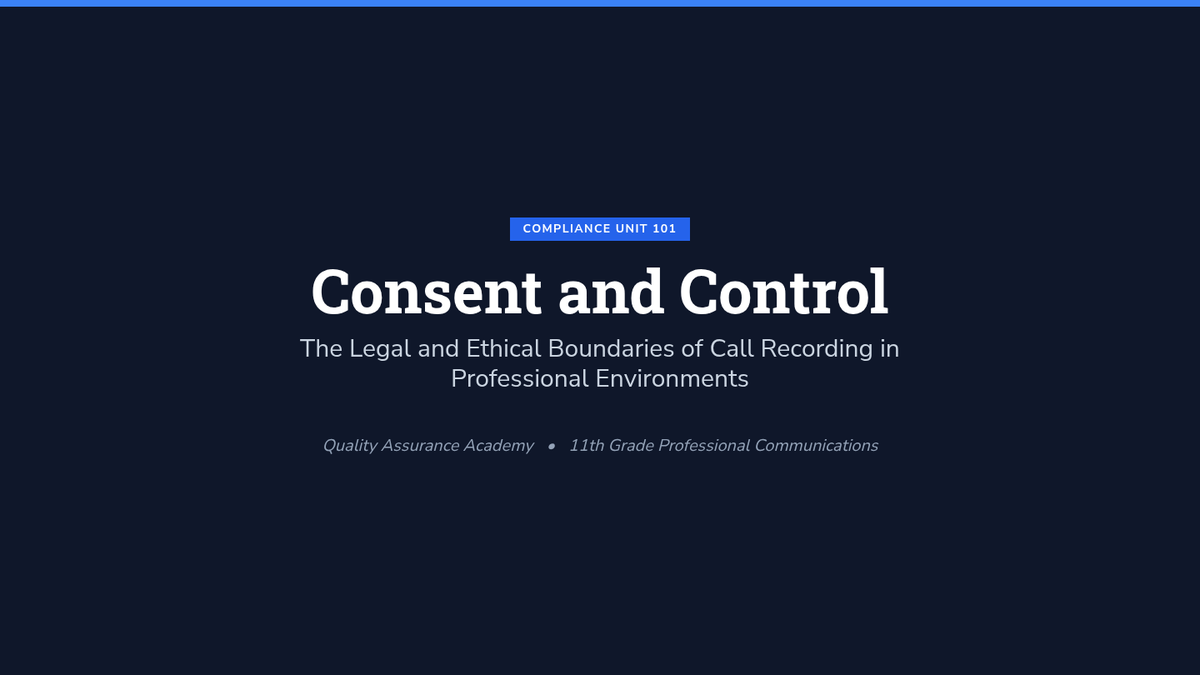
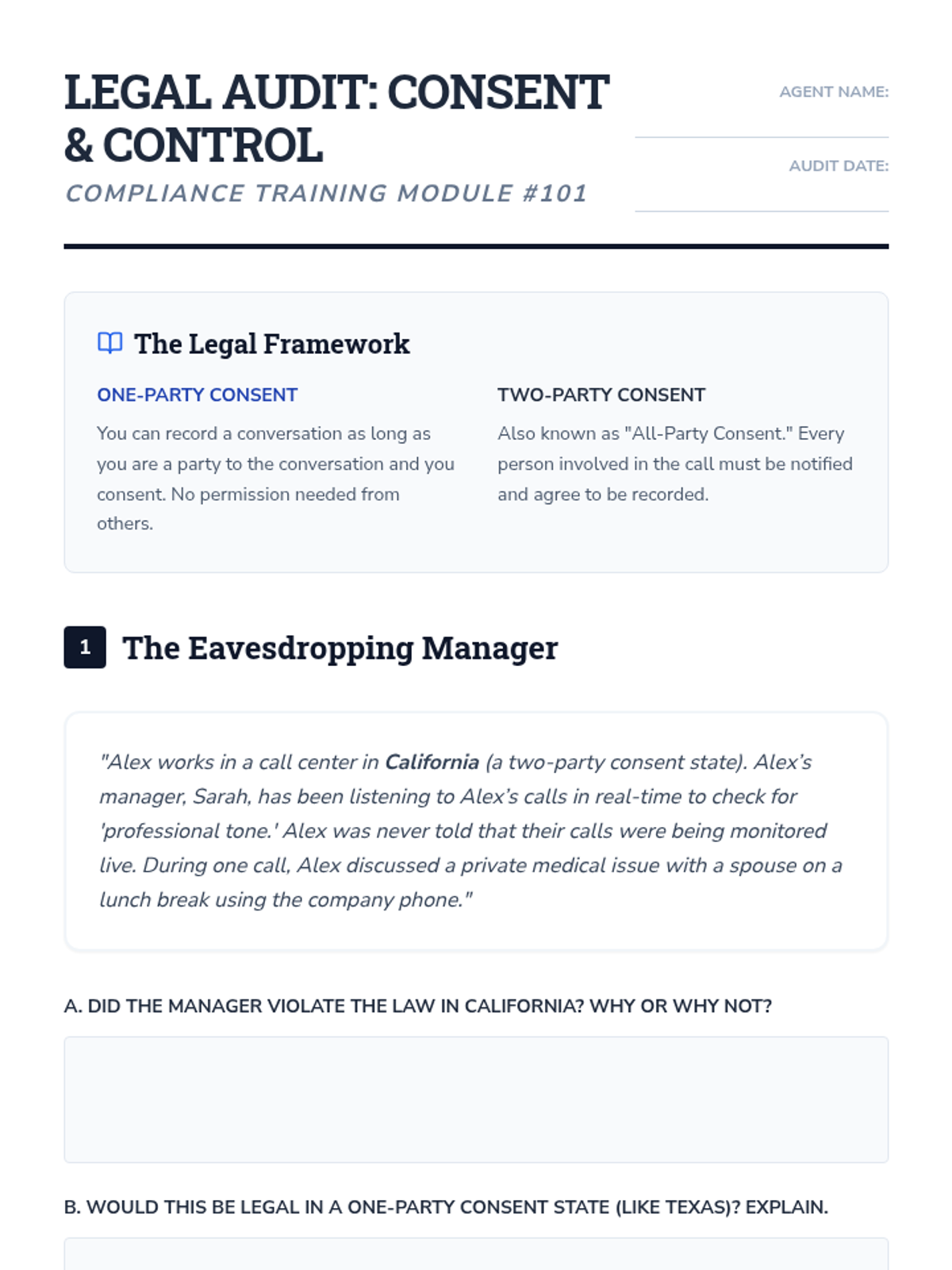
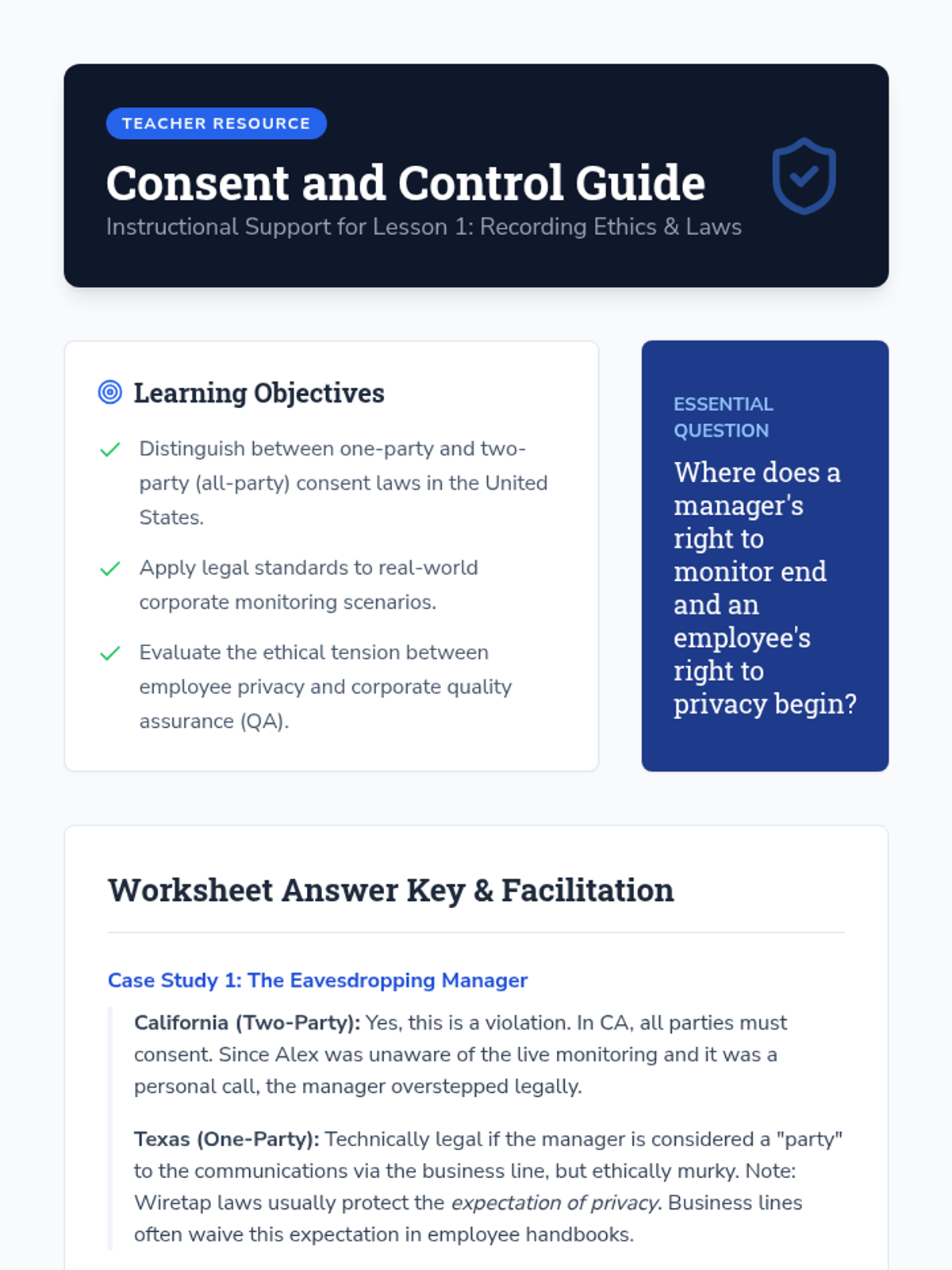
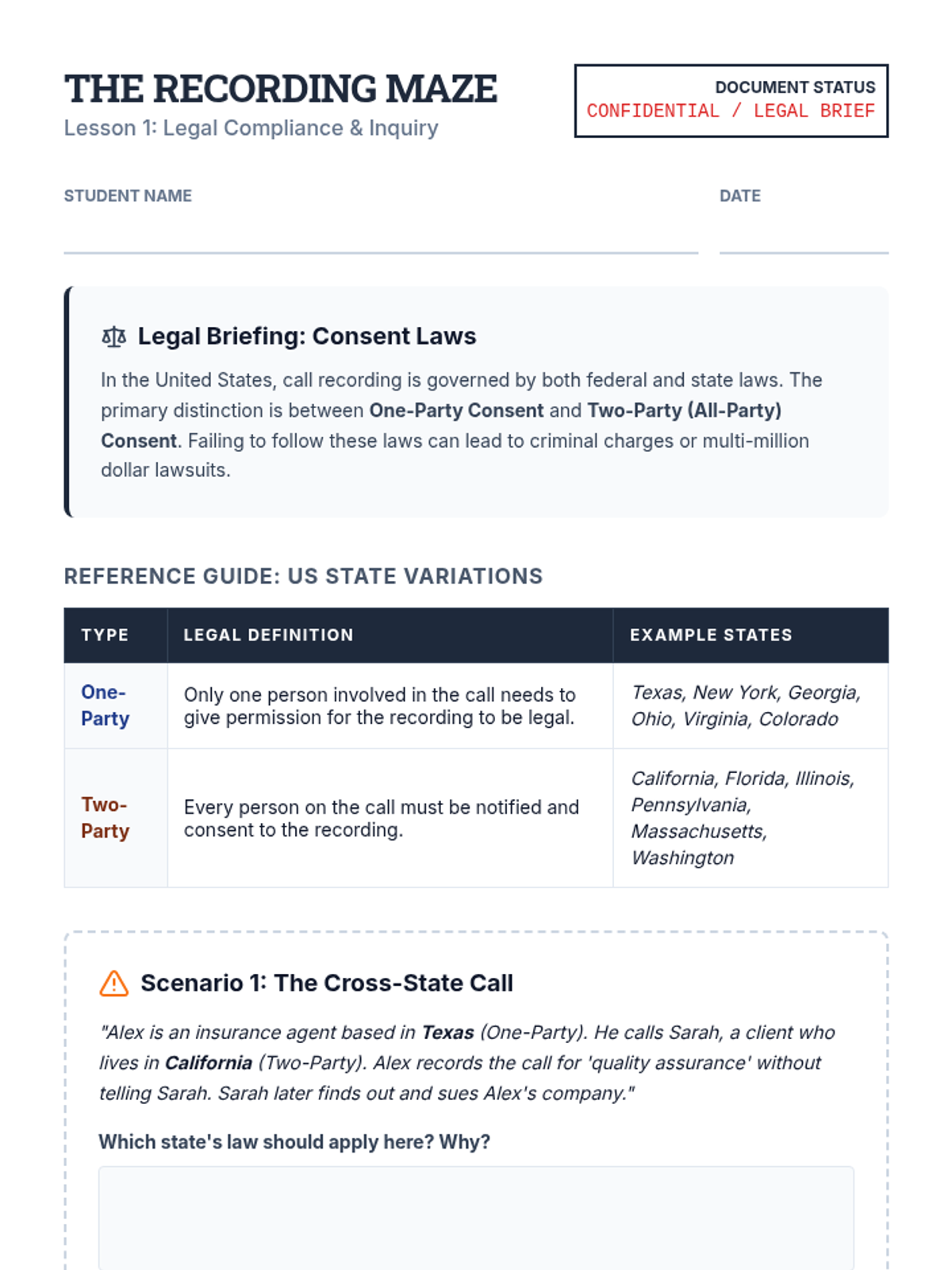
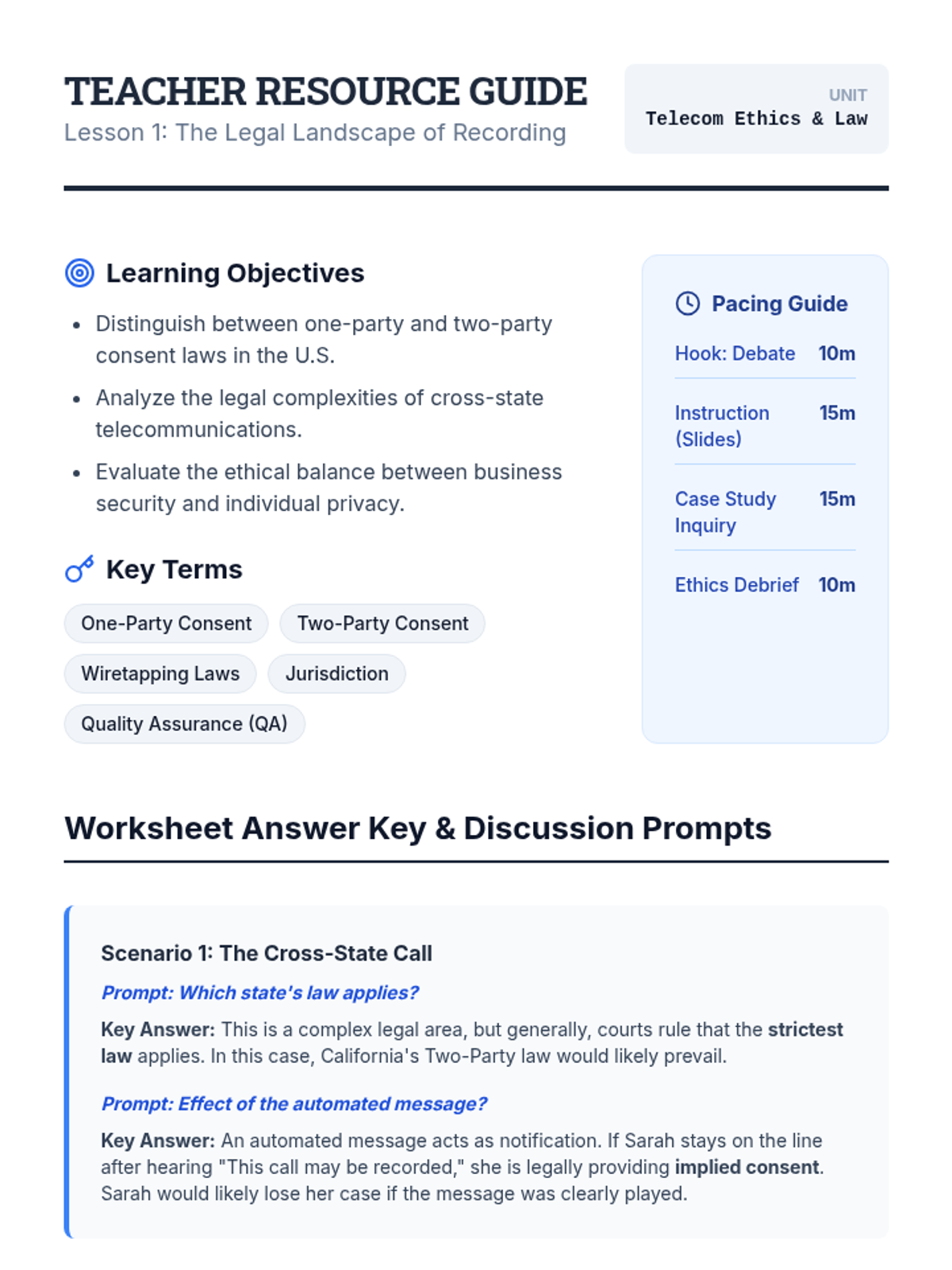
A high-level sequence for 11th graders focusing on the legal, ethical, and operational standards of professional telecommunications through the lens of quality assurance and management.
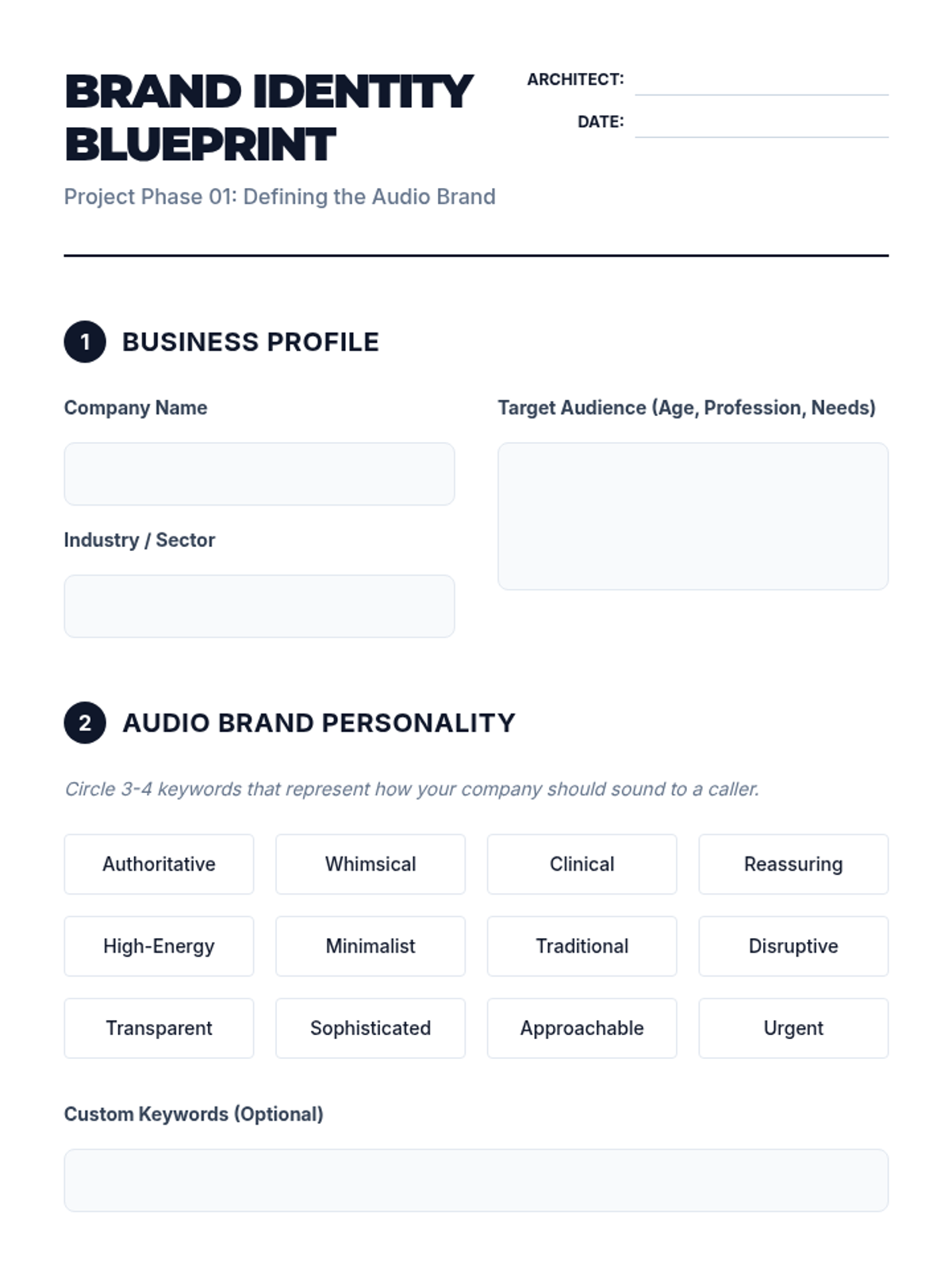
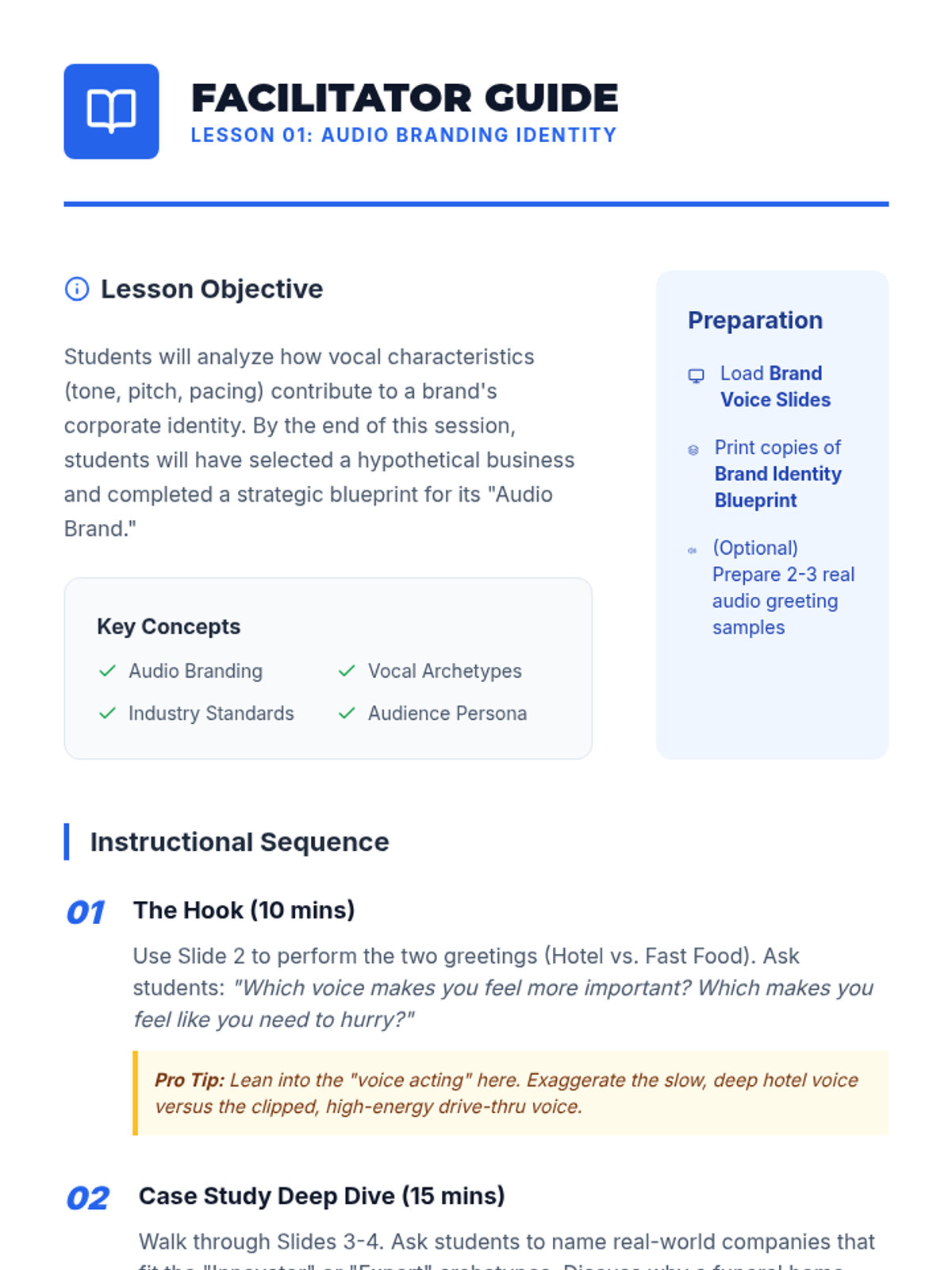
Students step into the role of corporate communication architects to design audio brand identities, professional voicemail systems, and efficient call flow structures. This sequence bridges technical writing, user experience (UX) design, and professional speaking through a project-based approach.
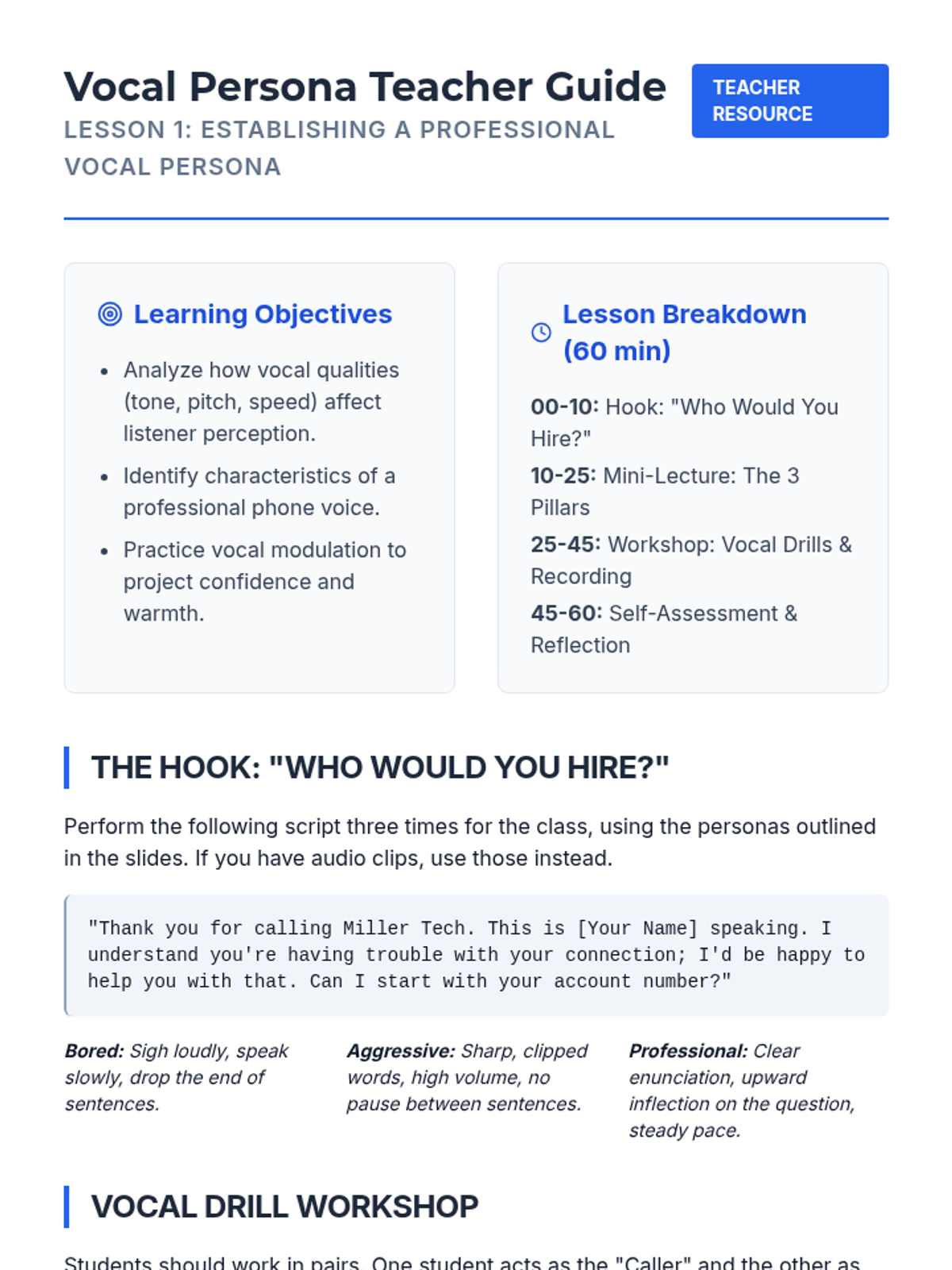
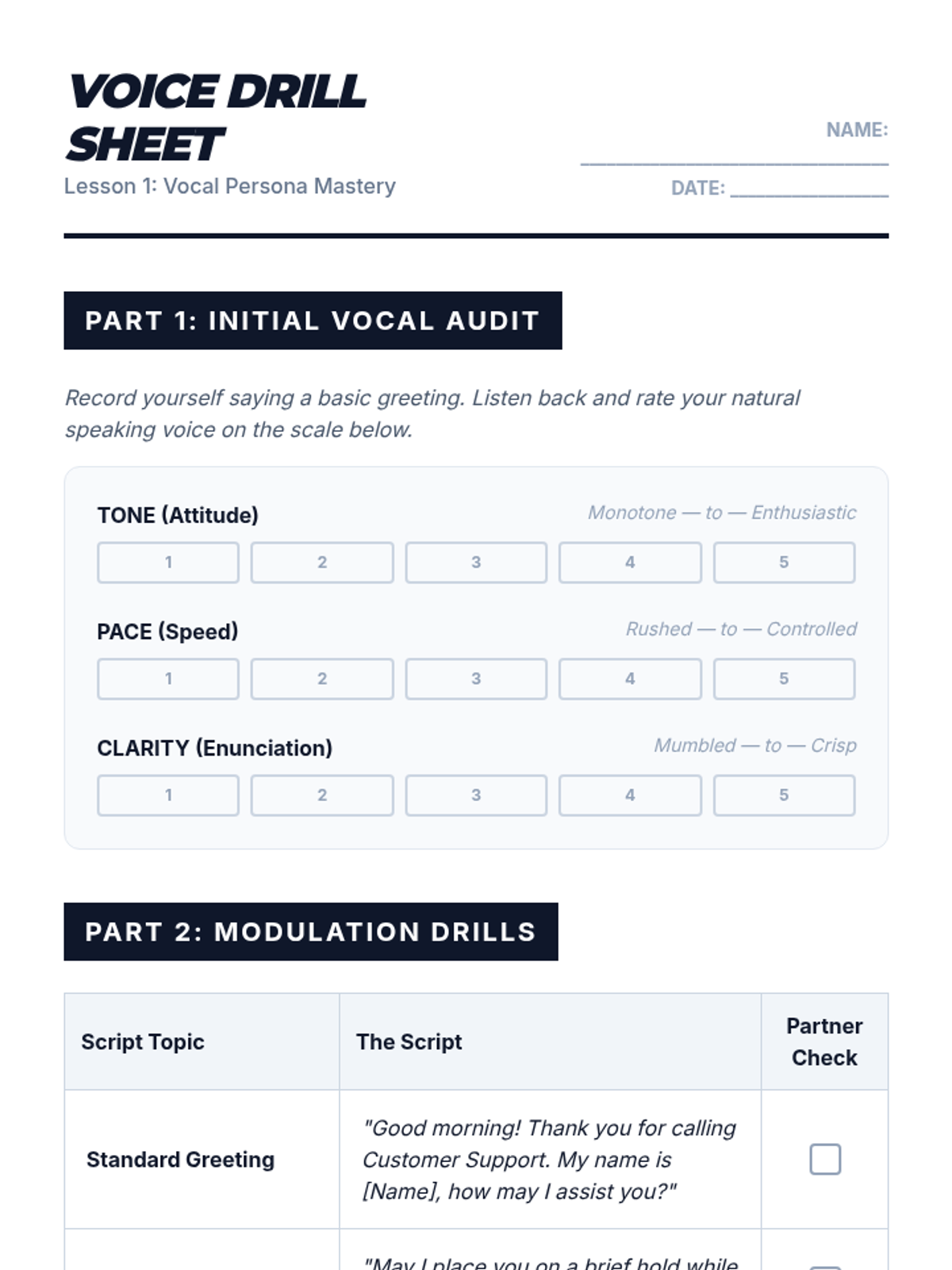
This unit focuses on the fundamental mechanics of professional telephone interactions, from vocal modulation and tone to standardized greetings and message-taking. Students will develop a professional vocal persona and learn to navigate the differences between mobile and landline etiquette in a business setting.
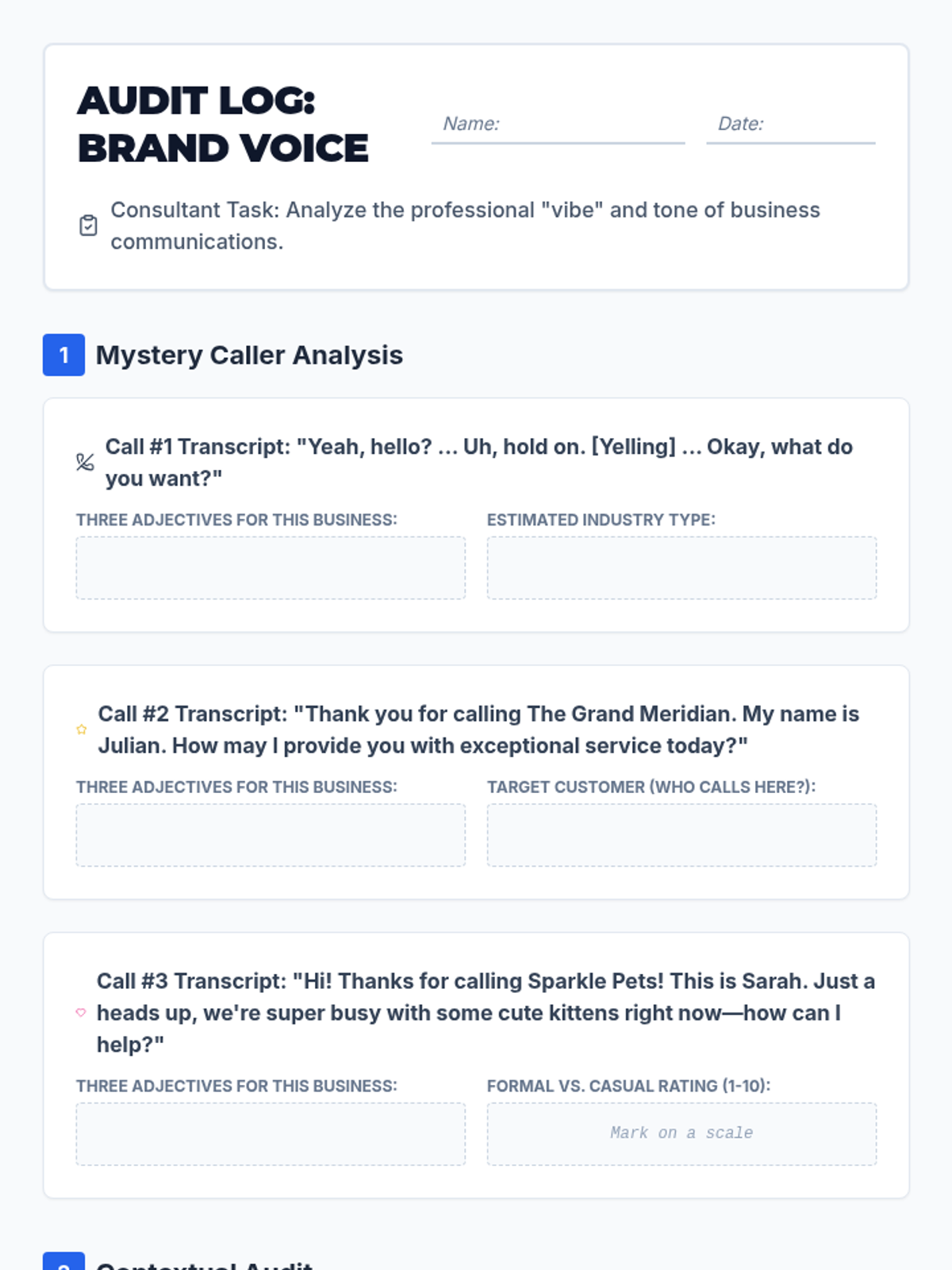
A case-study driven sequence where students act as communication consultants to evaluate and improve business phone protocols, focusing on brand identity, privacy, and etiquette.
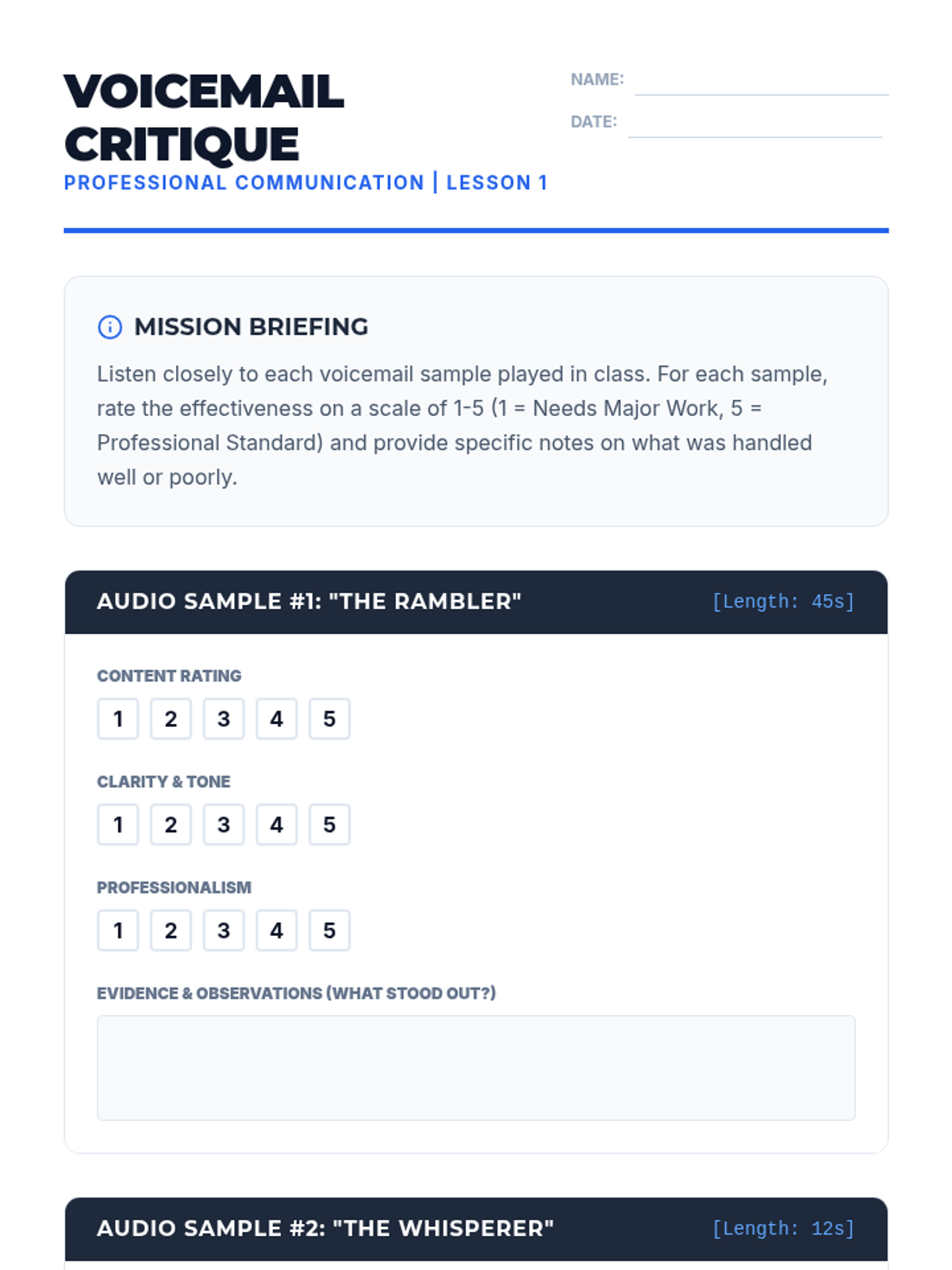
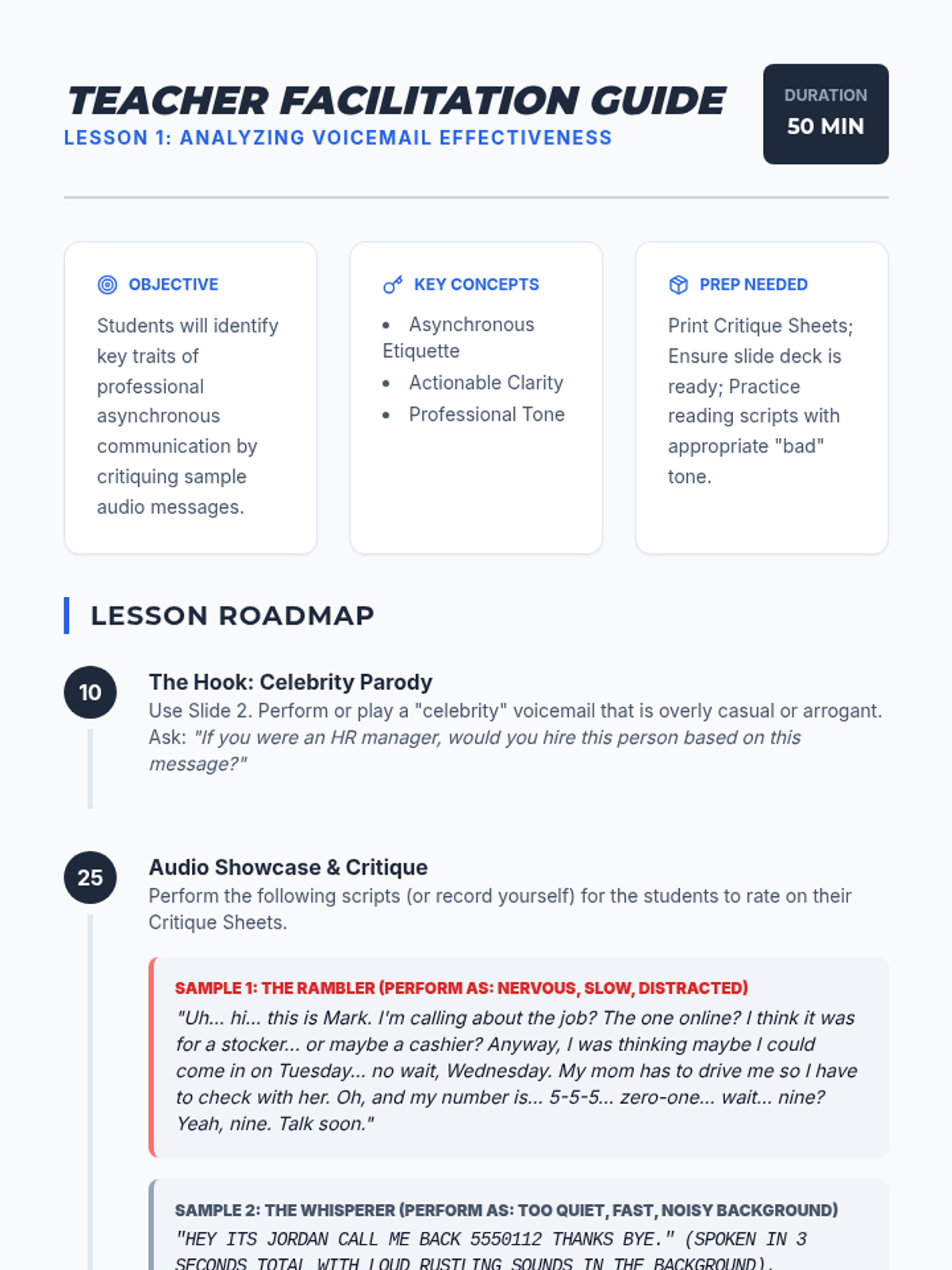
A comprehensive 9th-grade sequence on professional asynchronous communication, focusing on voicemail greetings and messaging. Students analyze, script, record, and practice follow-up protocols to build a professional digital presence.
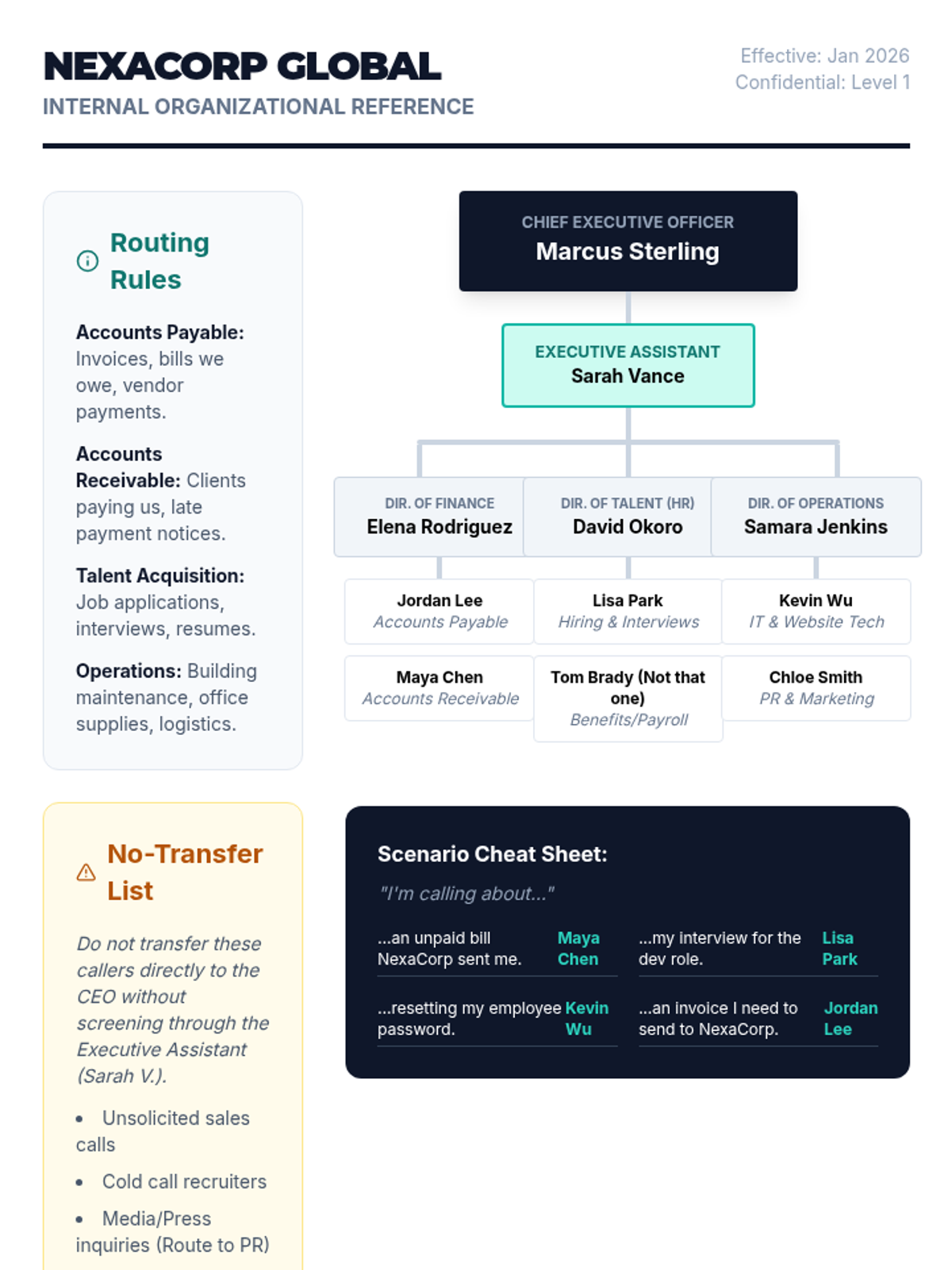
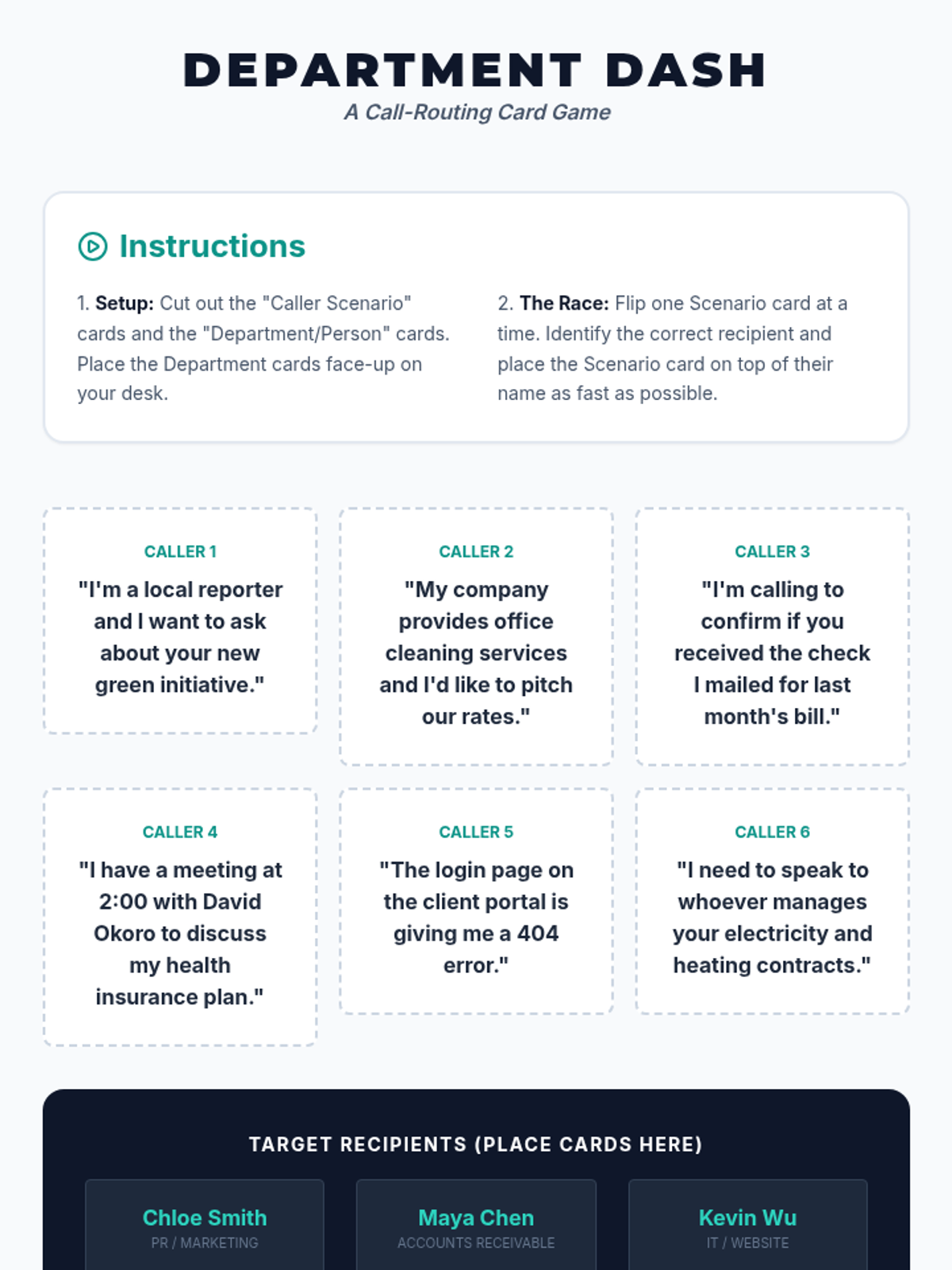
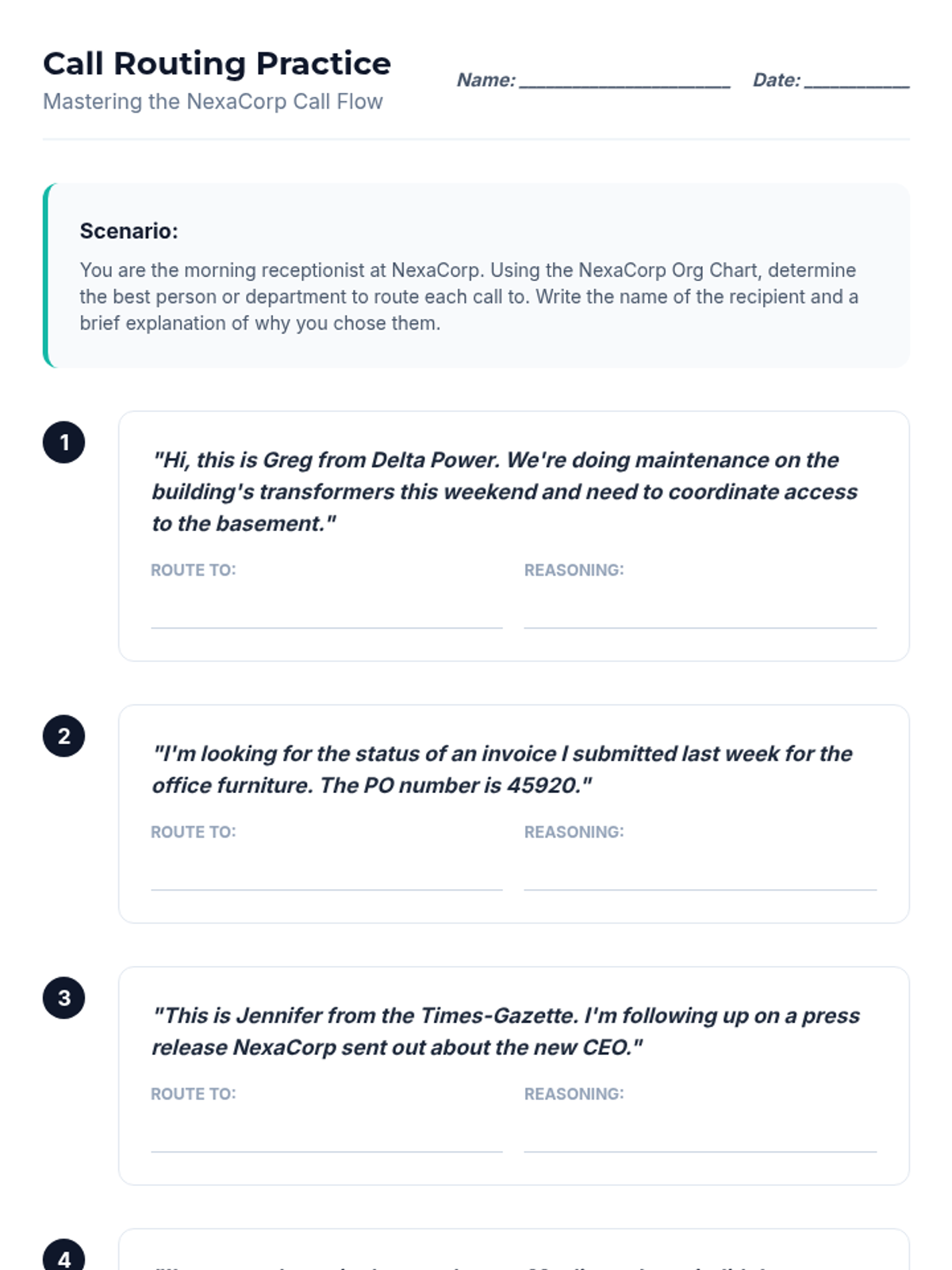
This sequence transforms students into professional communication experts through immersive simulations of office call flows. Students will master screening callers, executing polite holds and transfers, taking accurate messages, and managing multiple incoming lines with efficiency and courtesy.
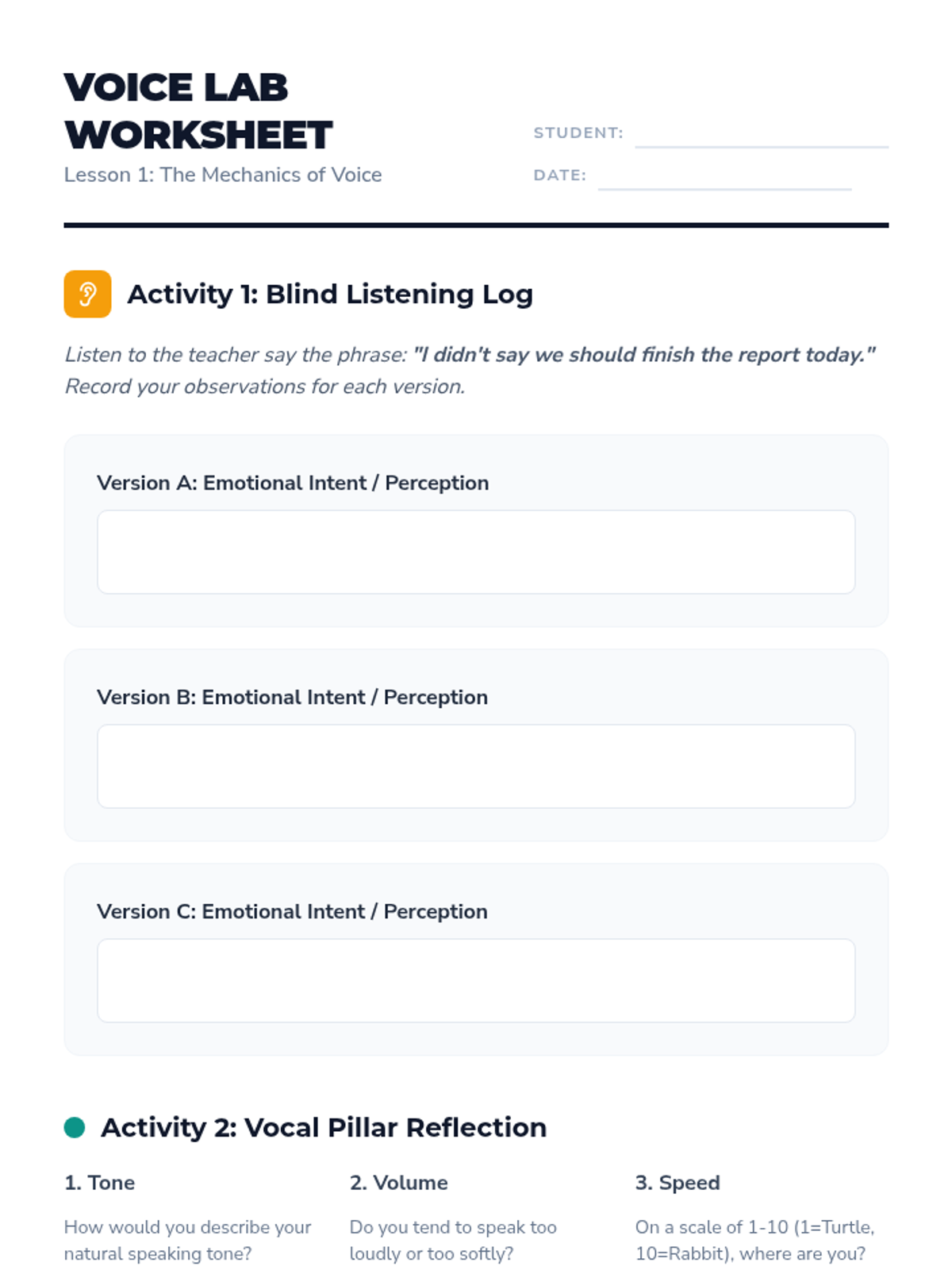
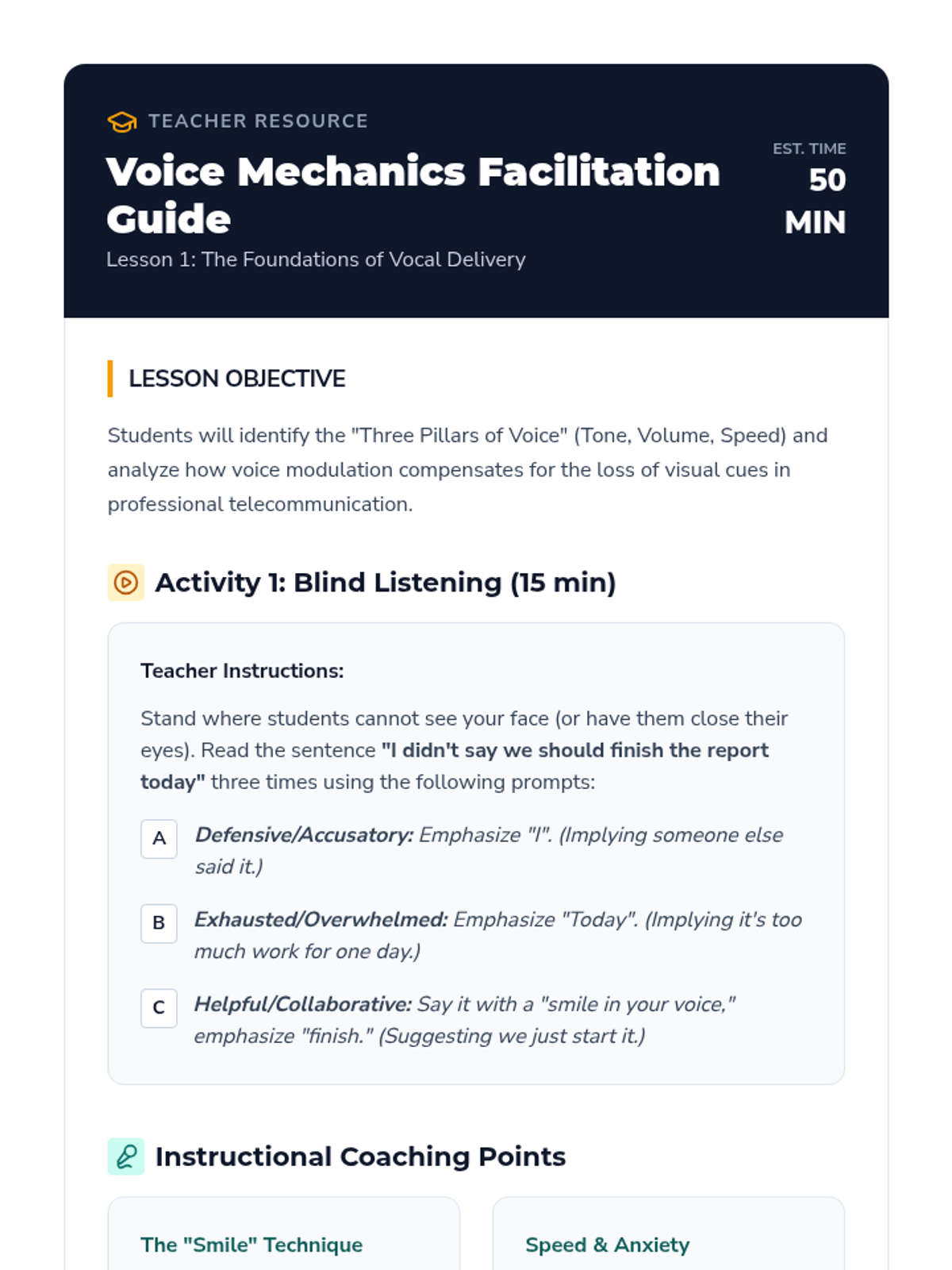
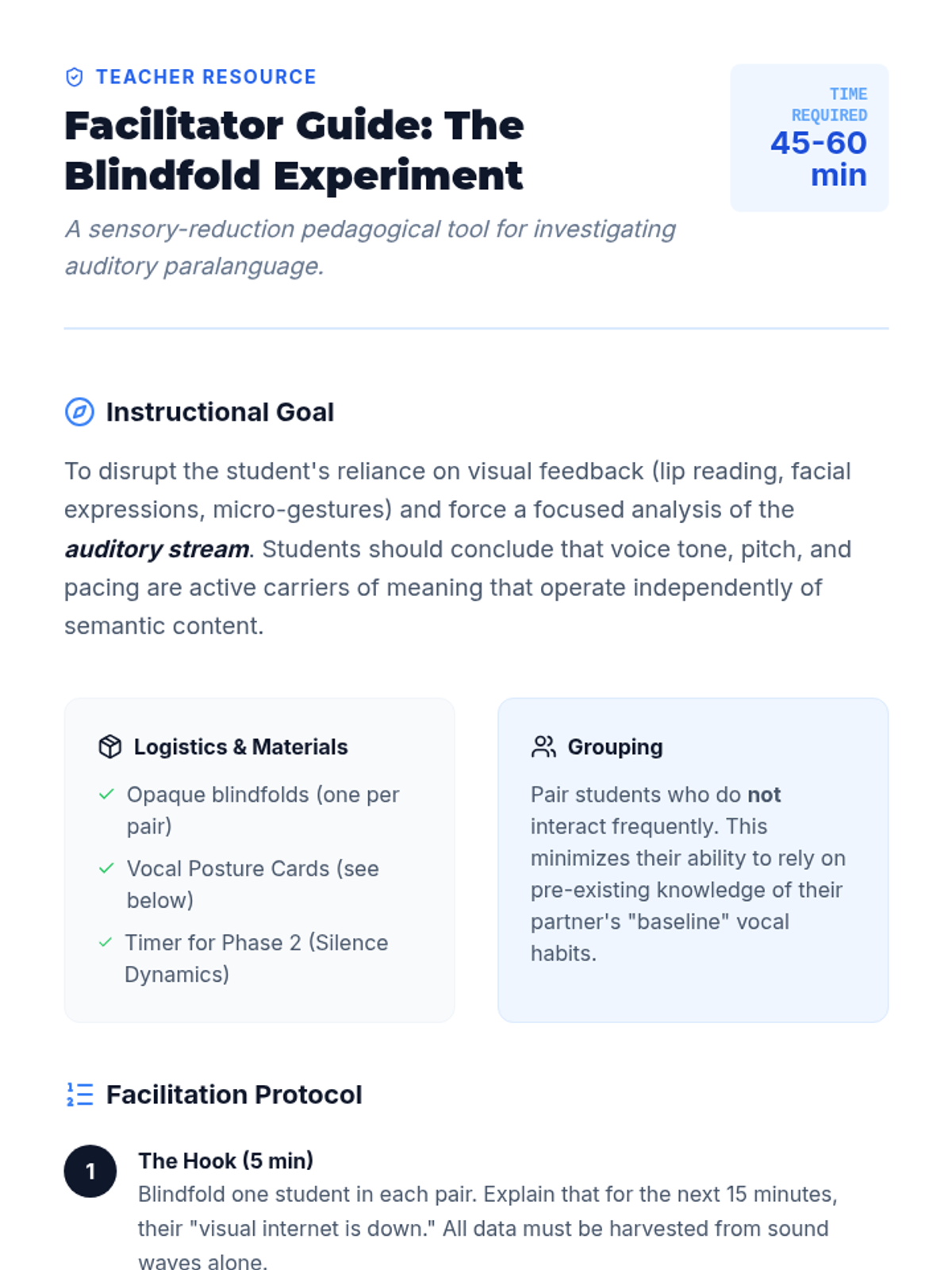
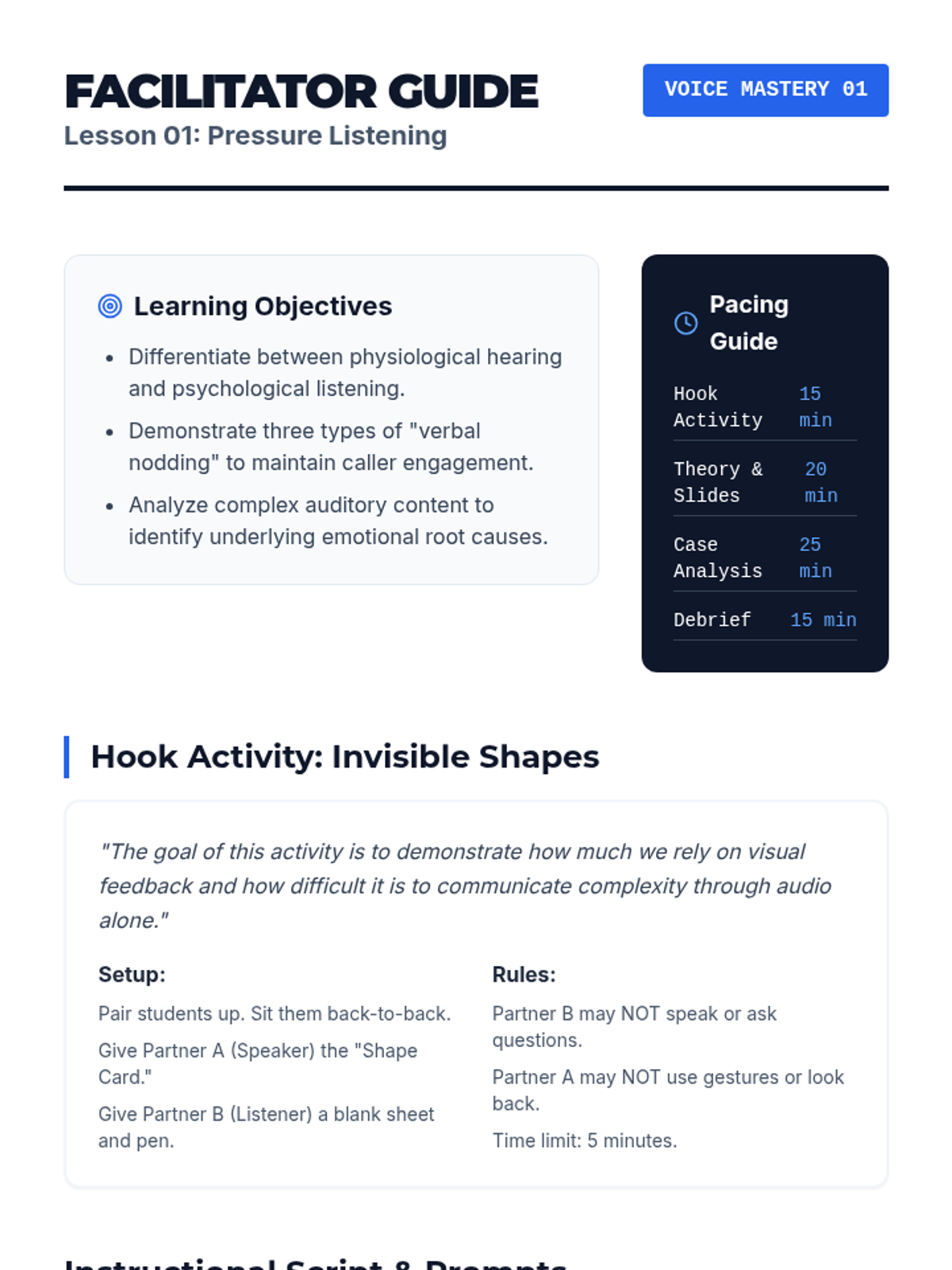
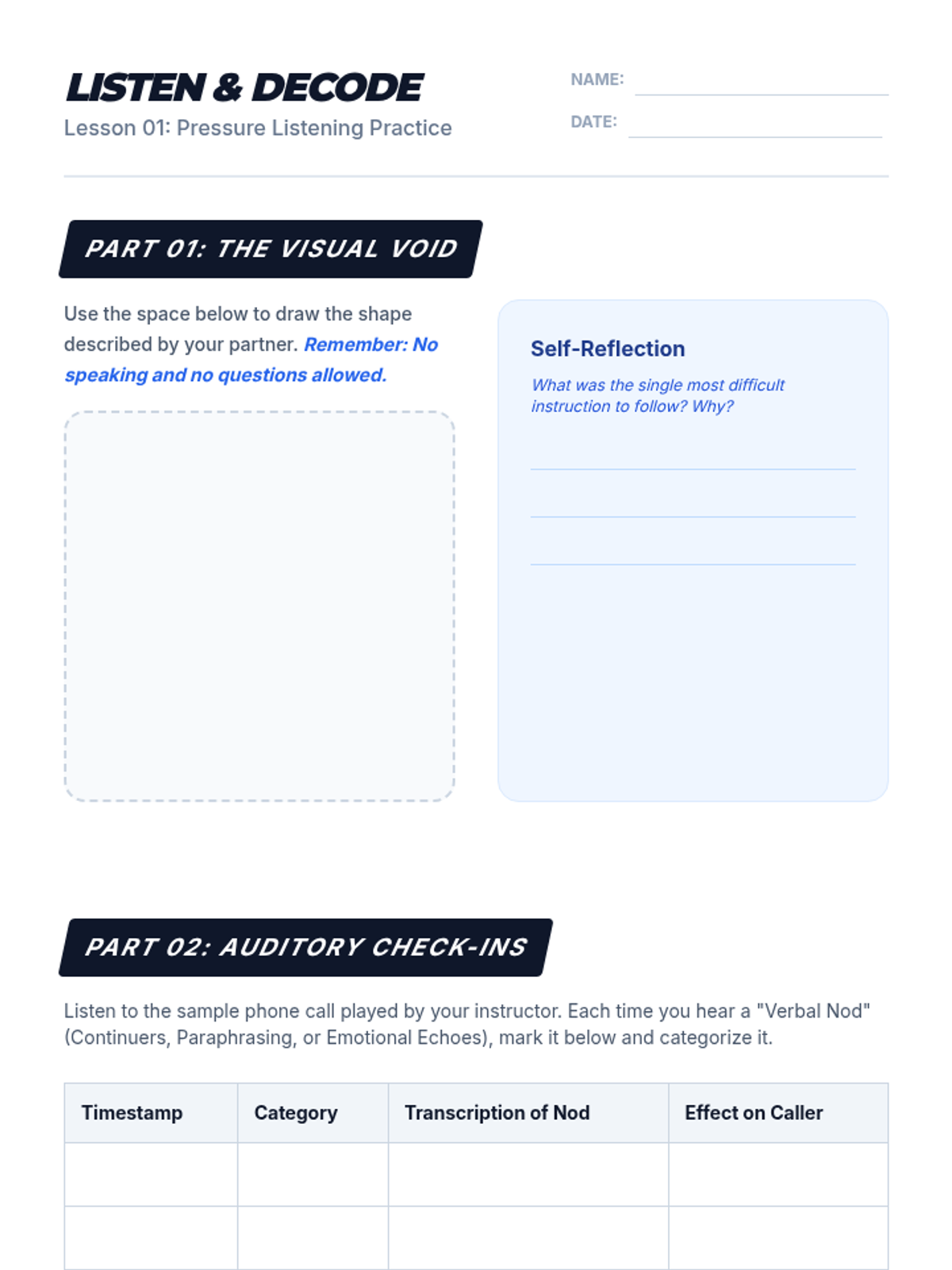
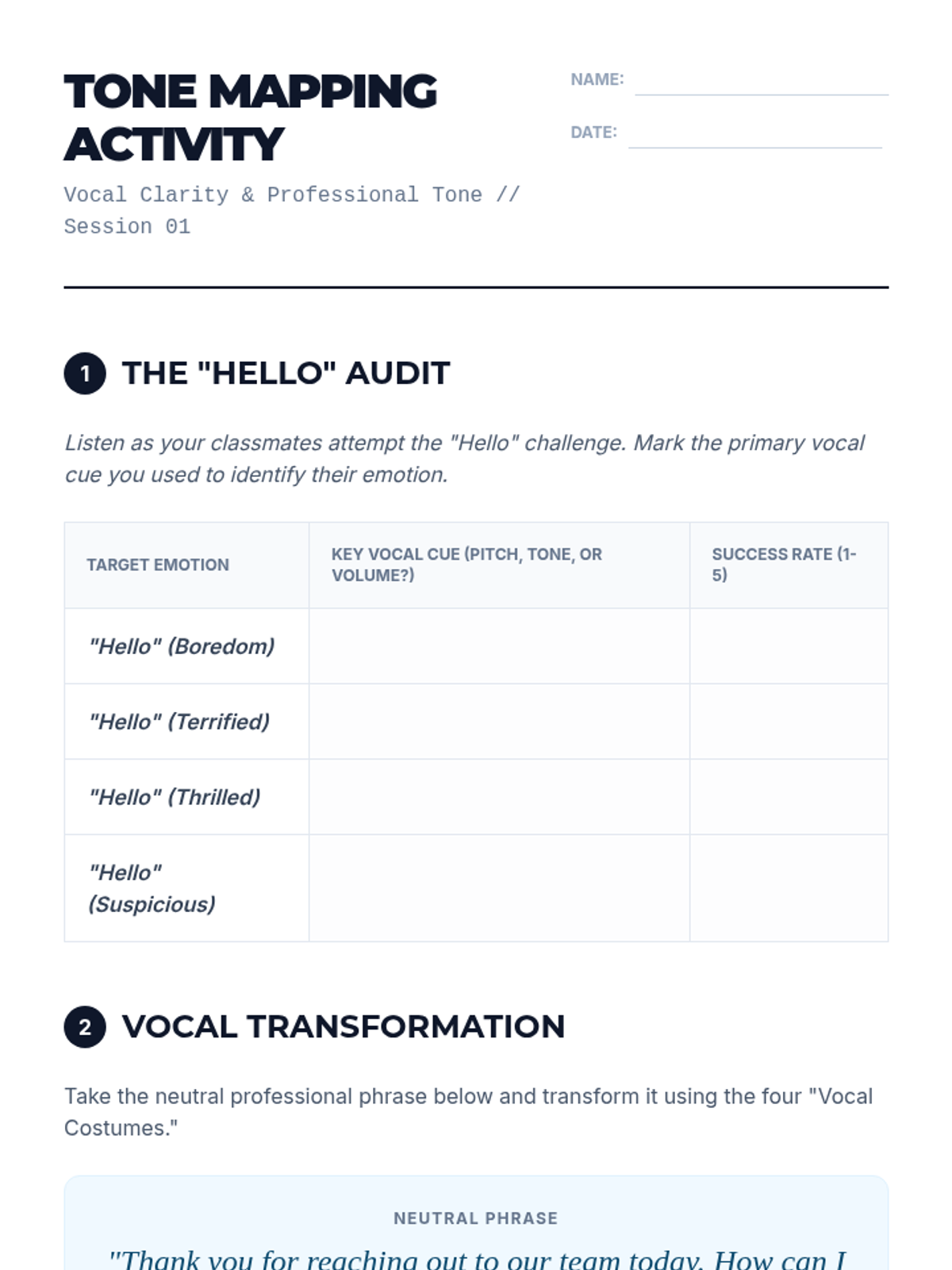
This sequence establishes the foundational skills required for professional verbal communication, focusing specifically on tone, volume, and clarity in the absence of visual cues. Students practice enunciation, reducing filler words, and mastering the structure of professional phone interactions through workshops and simulations.
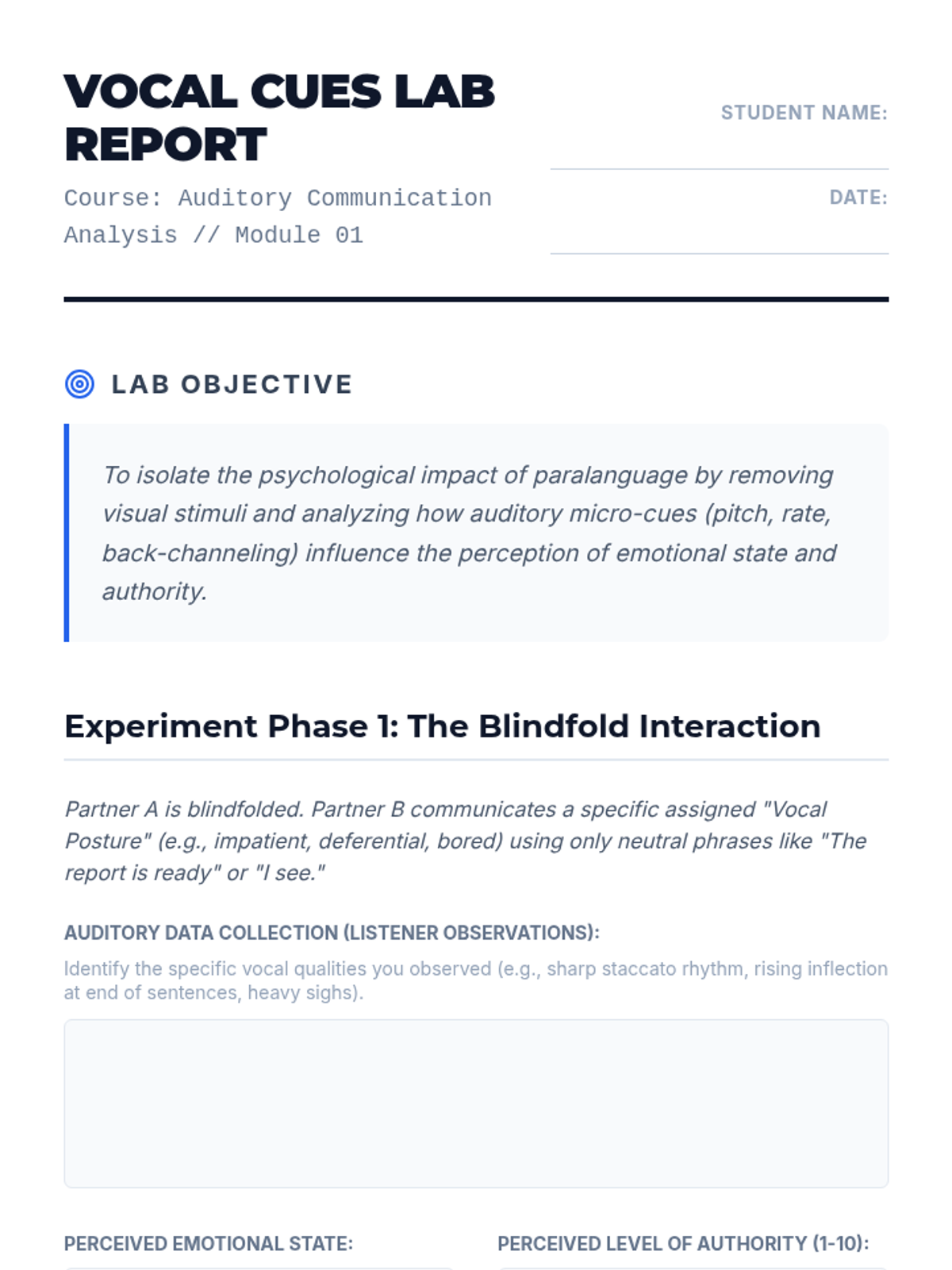
This sequence examines telephone communication as a complex system of cultural and organizational behavior, focusing on paralanguage, global etiquette, AI integration, and remote workplace presence for undergraduate students.
A project-based sequence for undergraduate students focusing on the scripting, recording, and analysis of professional voicemail and asynchronous audio communication to build a personal brand.
An advanced series for undergraduate students focusing on high-stakes phone communication, conflict resolution, and ethical call management. Students progress from active listening techniques to handling hostile callers and navigating complex ethical scenarios.
This sequence equips undergraduate students with essential professional telephone skills, focusing on vocal tone, standard protocols, screening techniques, message accuracy, and transfer etiquette. Students progress from basic vocal modulation to managing complex business call flows through simulations and workshops.
This project-based sequence explores the world of asynchronous audio communication, specifically voicemail systems. Students investigate professional standards, script their own greetings, and practice leaving clear, actionable messages, culminating in a digital audio portfolio.
This inquiry-based sequence examines the legal, ethical, and reputation-based consequences of telephonic communication, moving from privacy laws to developing a personal code of ethics for the workplace.
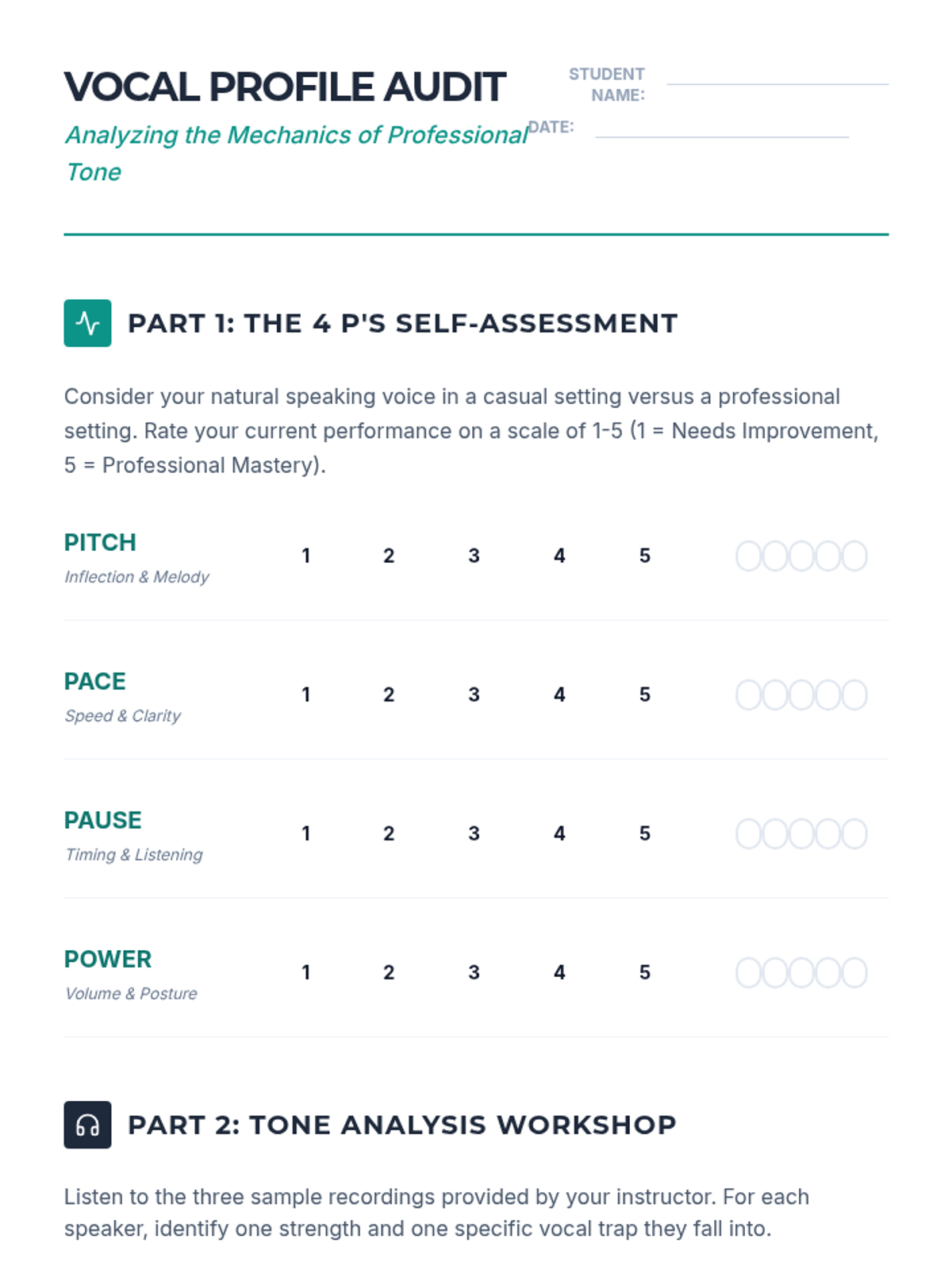
This sequence focuses on the auditory aspects of communication, specifically tone, pacing, and clarity, which are crucial when visual cues are absent. Students will record, analyze, and refine their speaking voices to convey competence and warmth, moving from self-diagnosis of speech habits to the production of polished voicemail recordings.
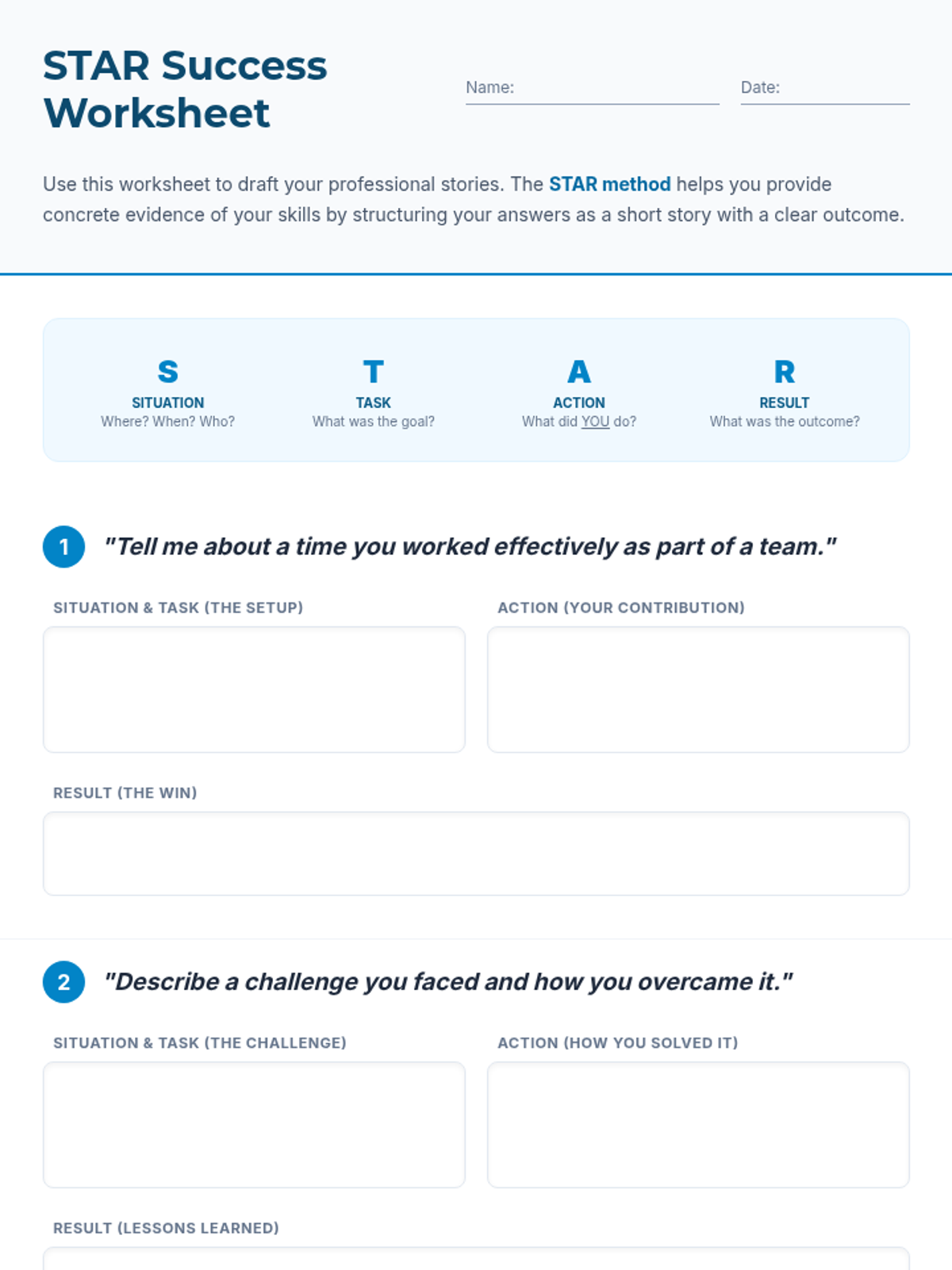
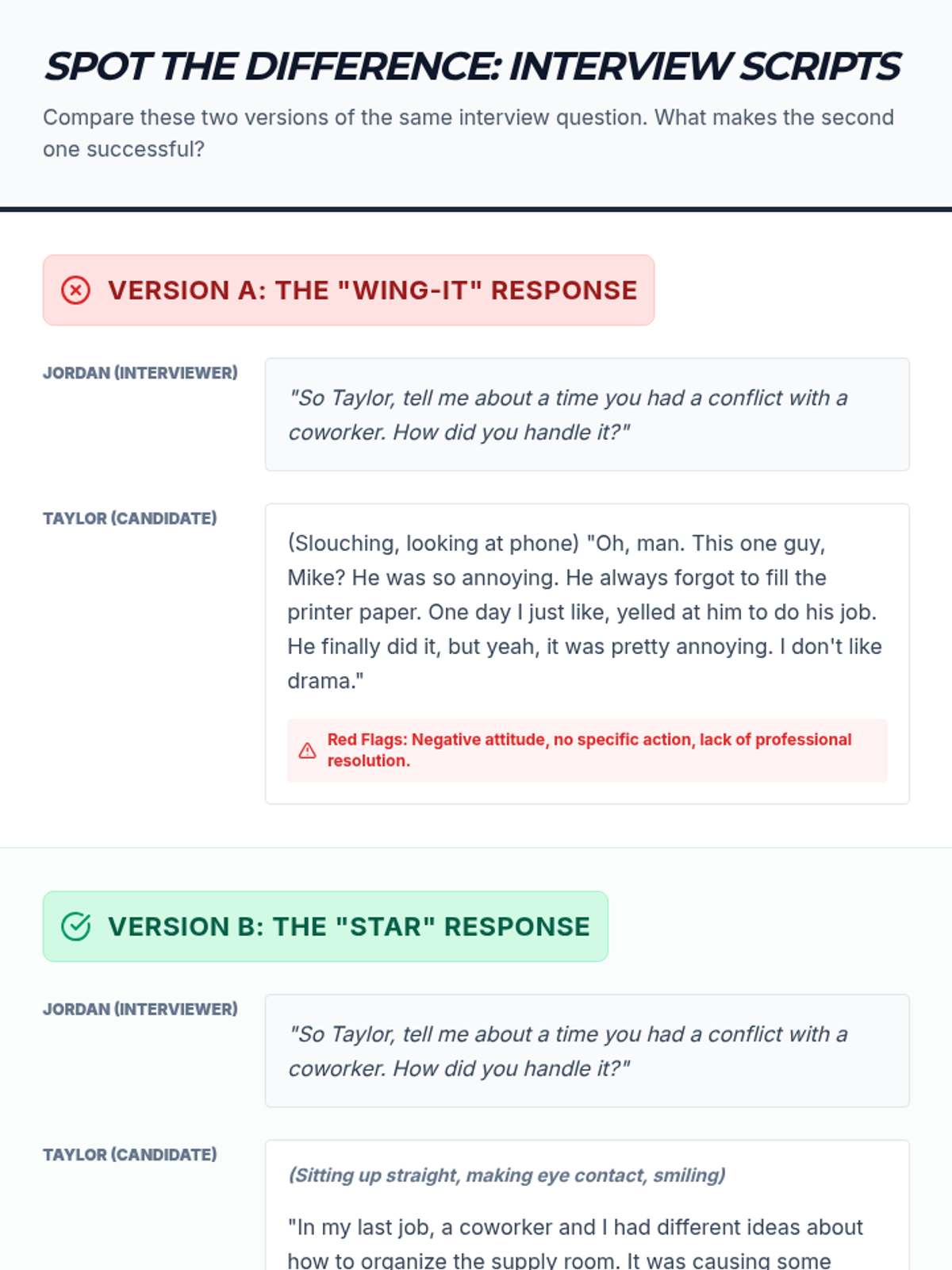
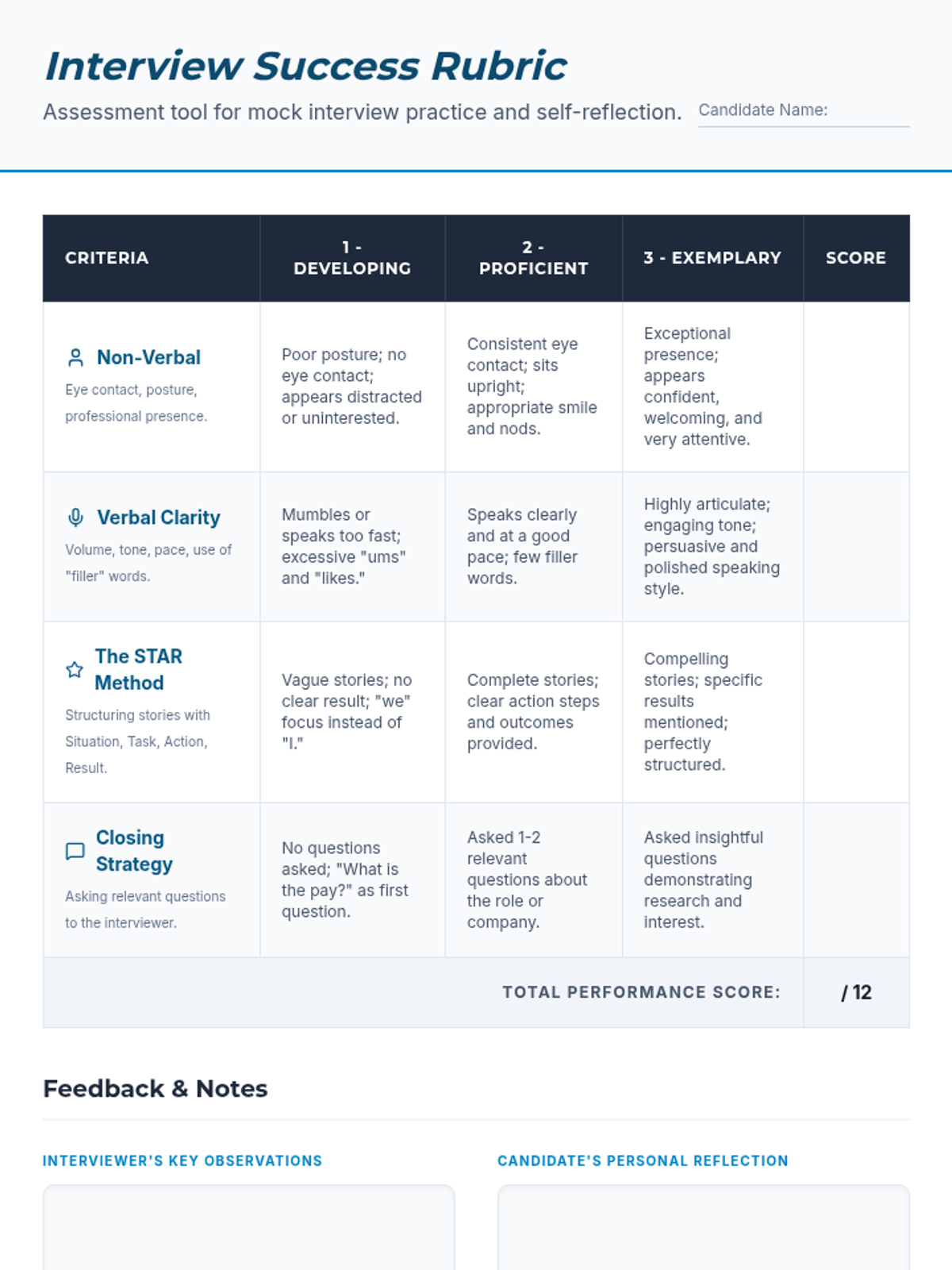
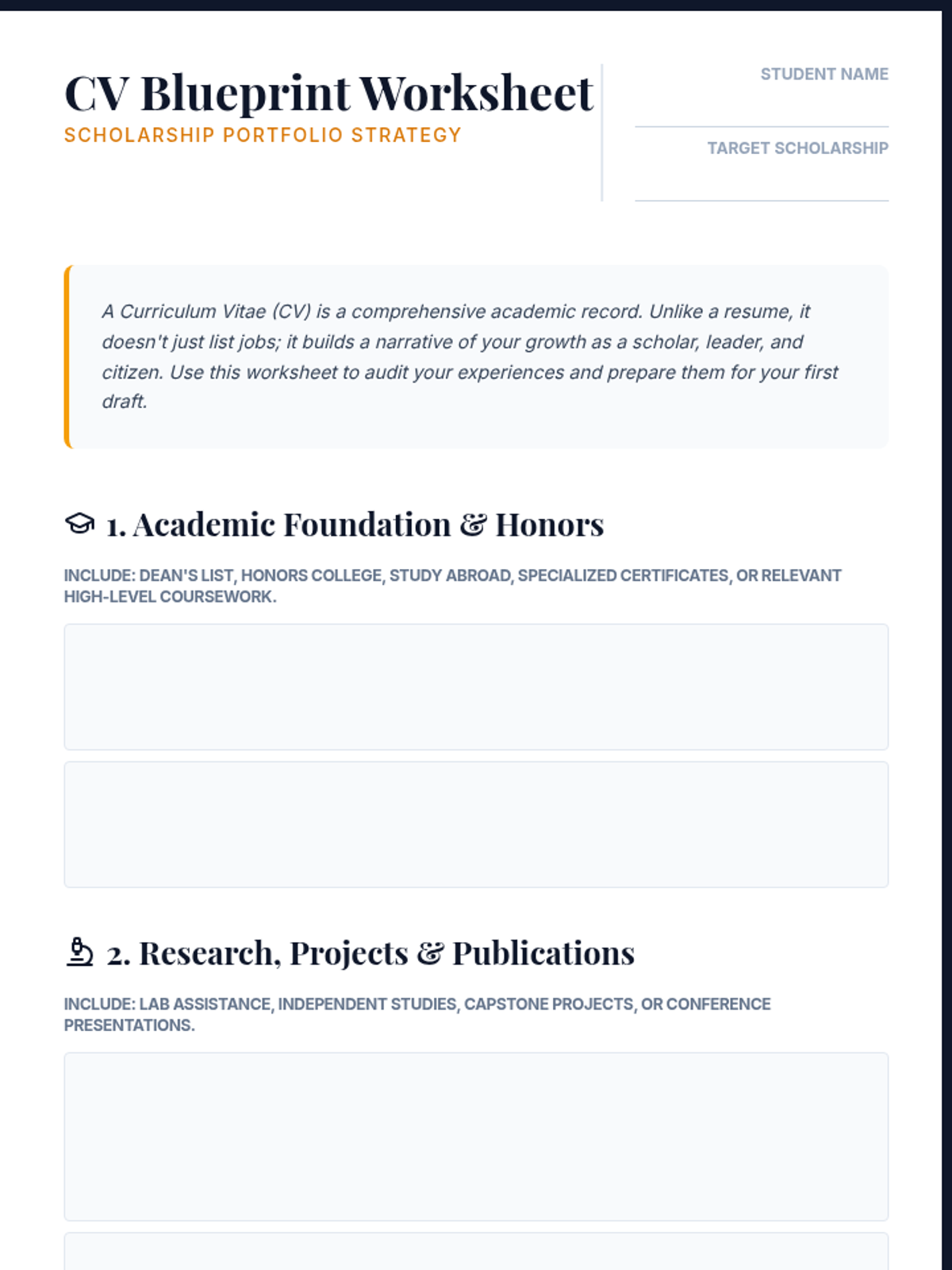
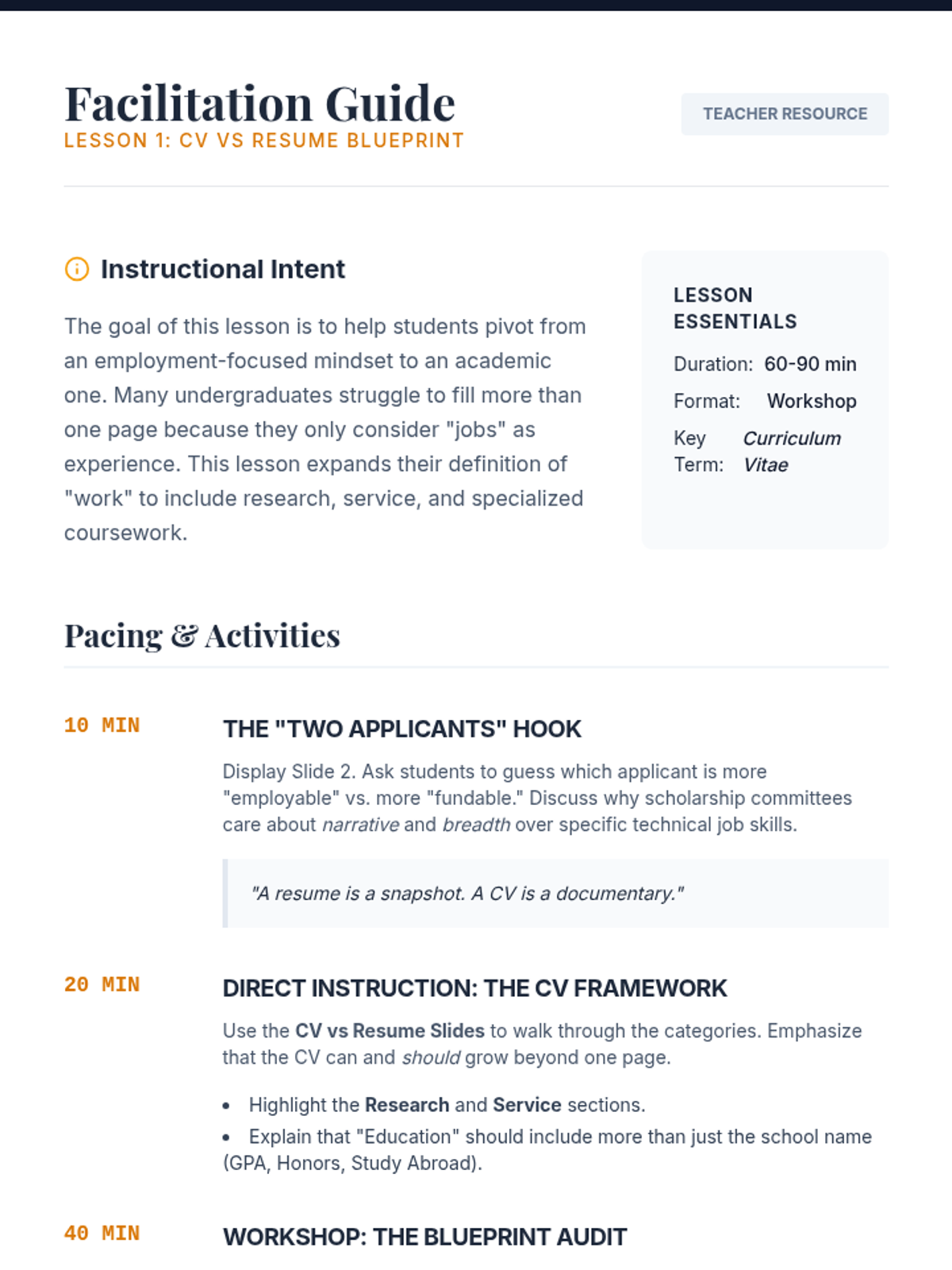
This sequence guides undergraduate students through building a professional scholarship portfolio and mastering the interview process. Students will transition from document creation (CVs, brag sheets) to interpersonal communication (STAR method, mock interviews), ensuring they present a cohesive and professional narrative to scholarship committees.
A comprehensive sequence for undergraduate students exploring the professional application of dictation technology. Students master business communication, mobile productivity, data privacy, workplace etiquette, and real-time transcription to prepare for assistive technology integration in the workforce.
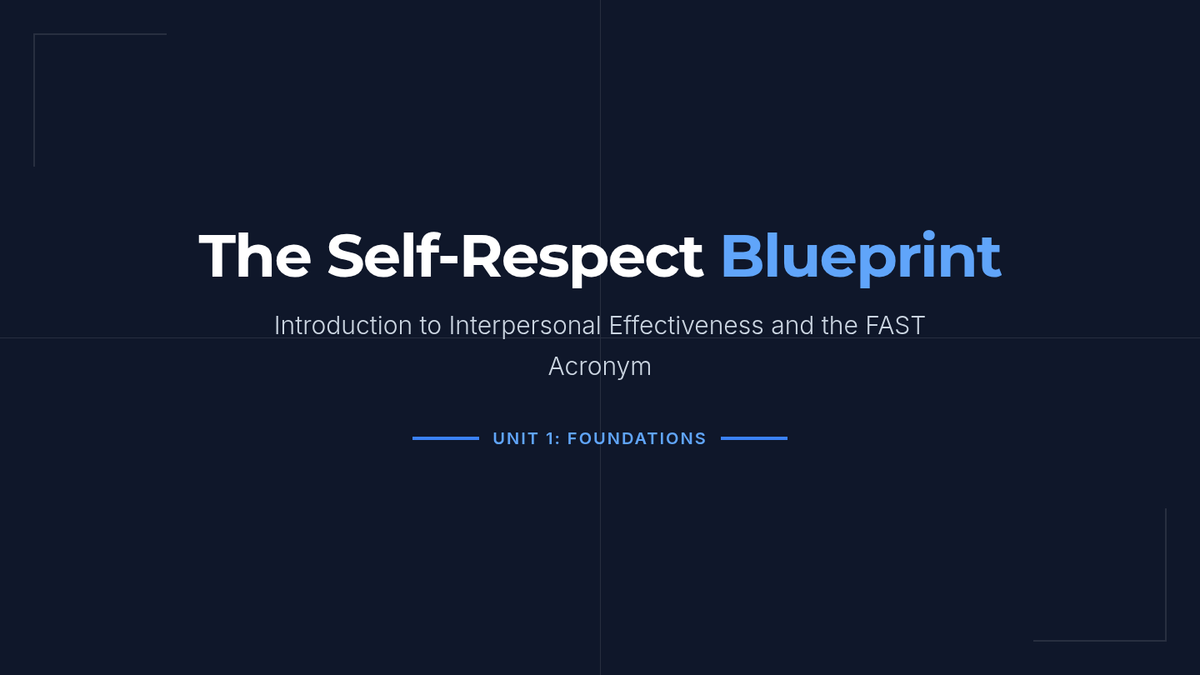
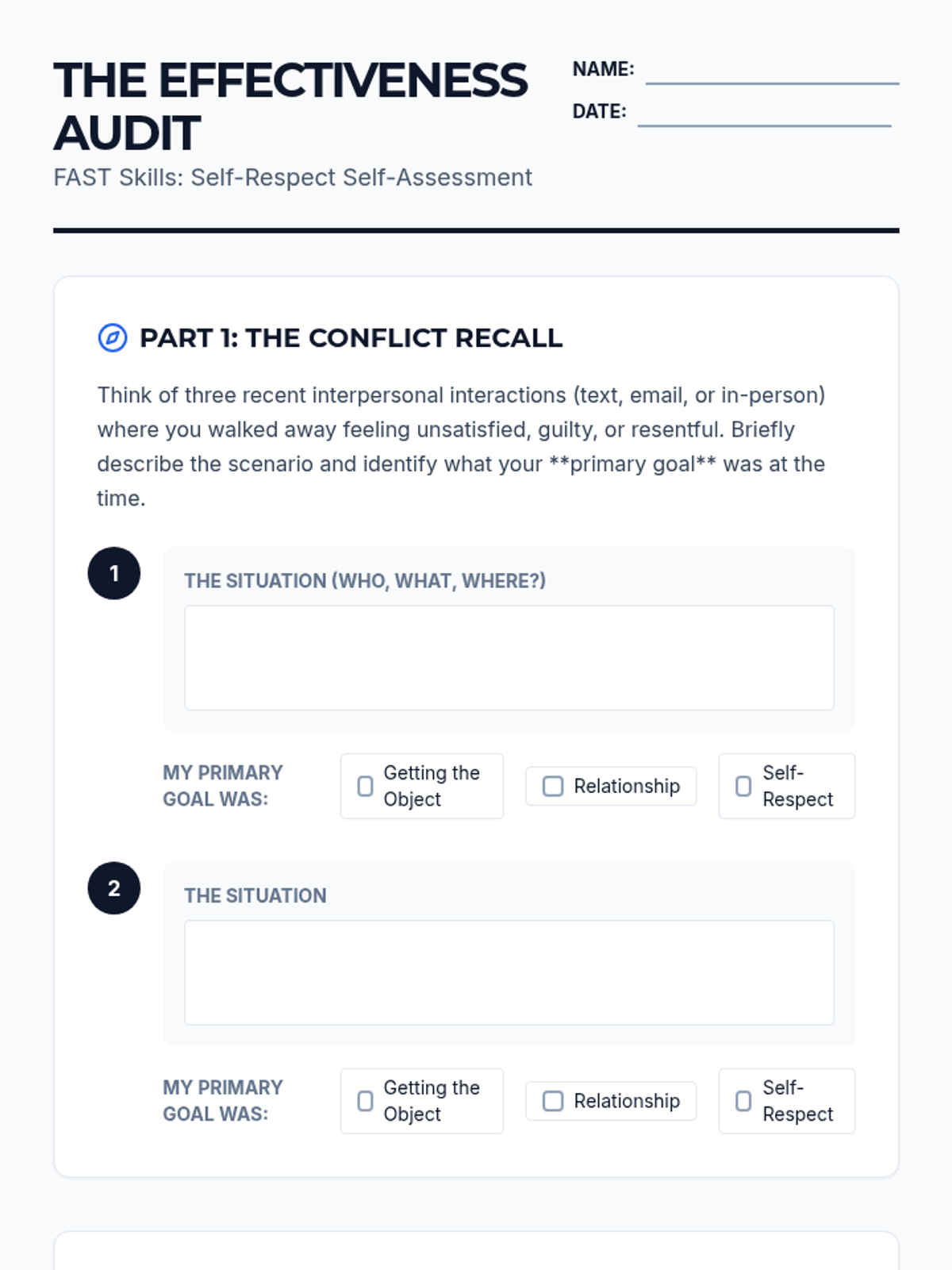
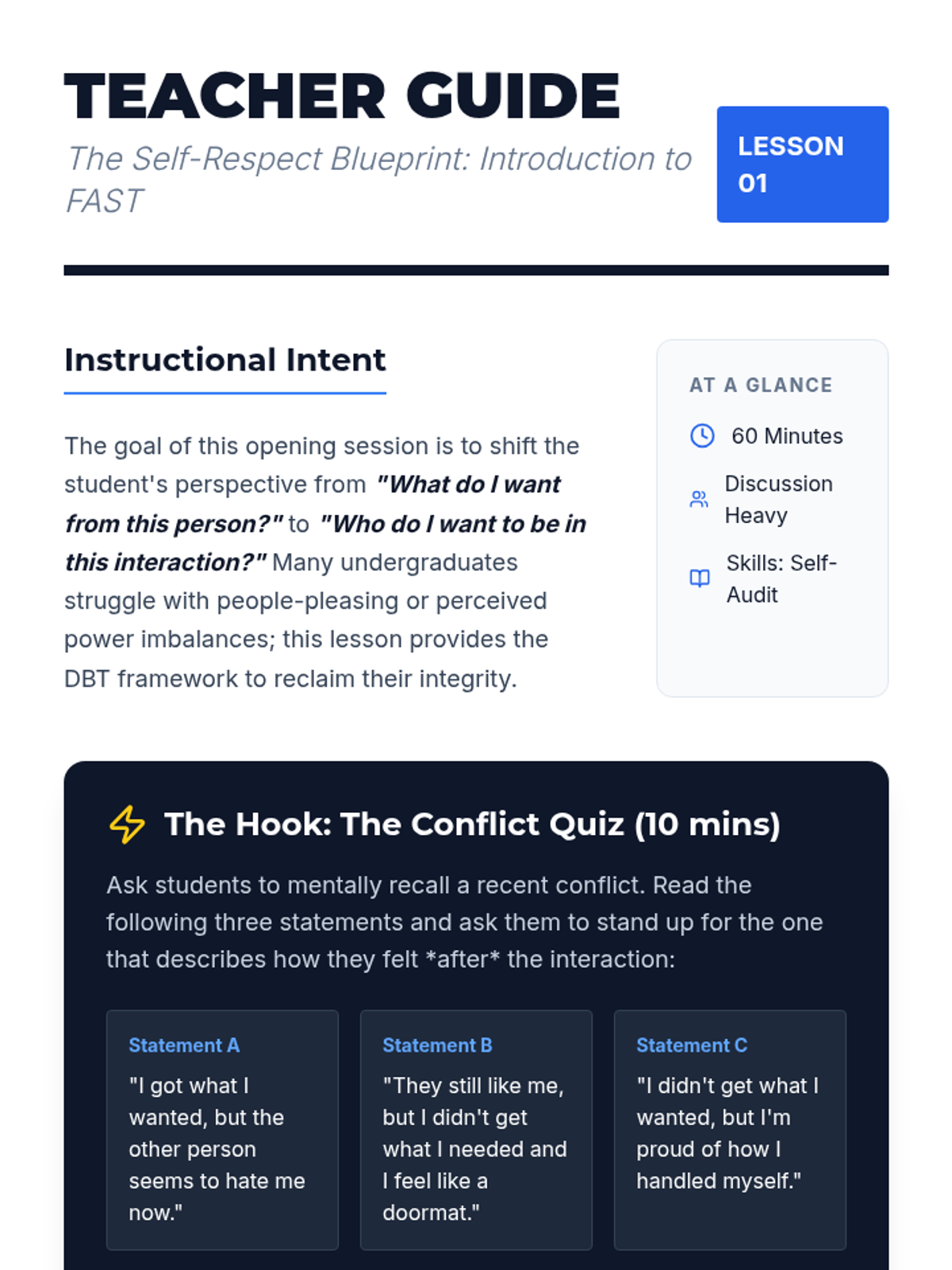
A comprehensive 5-lesson series for undergraduate students on the Dialectical Behavior Therapy (DBT) FAST skills. Students explore Fairness, Apologies, Sticking to Values, and Truthfulness to build a foundation for maintaining self-respect in social and professional contexts.
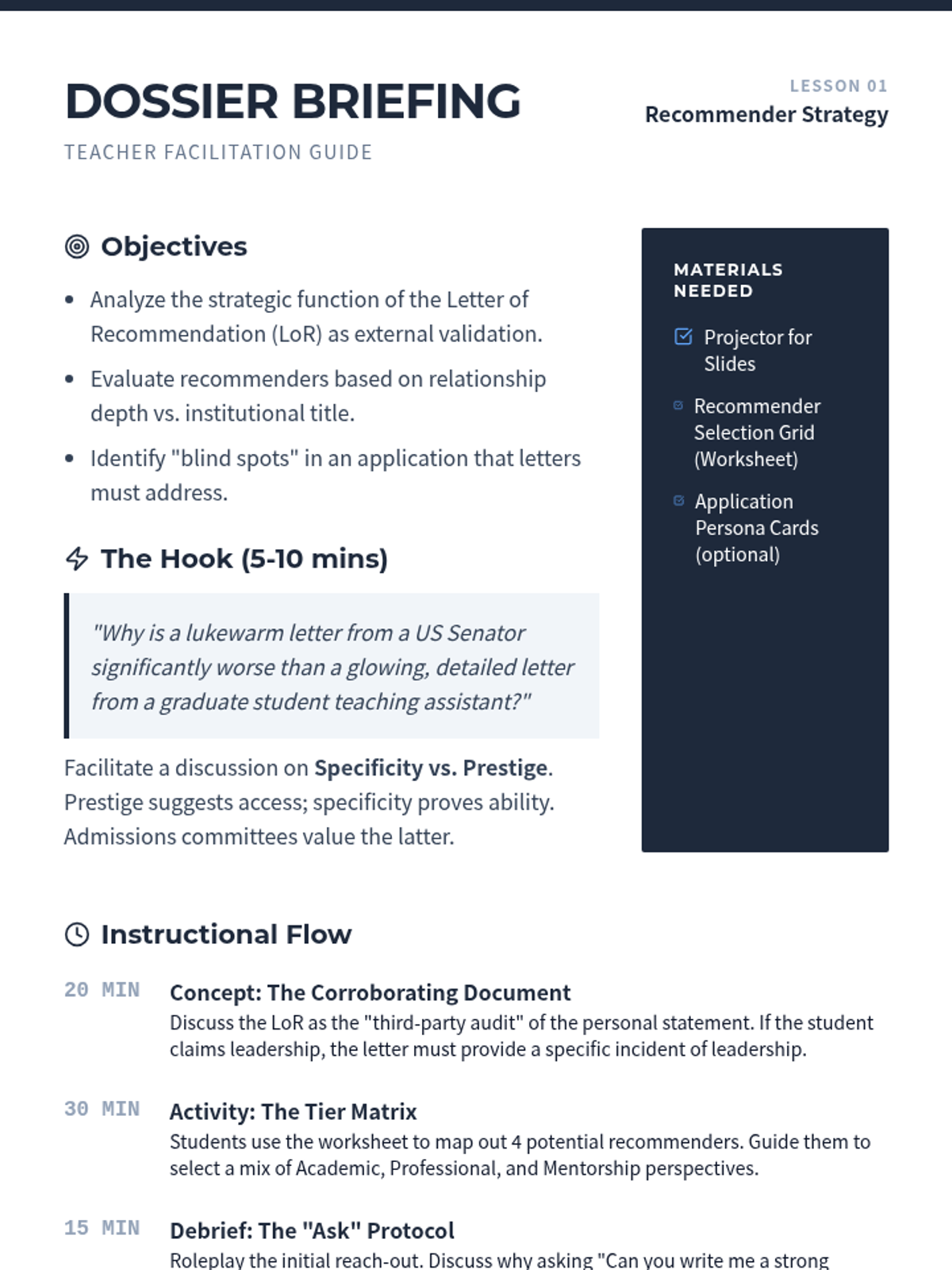
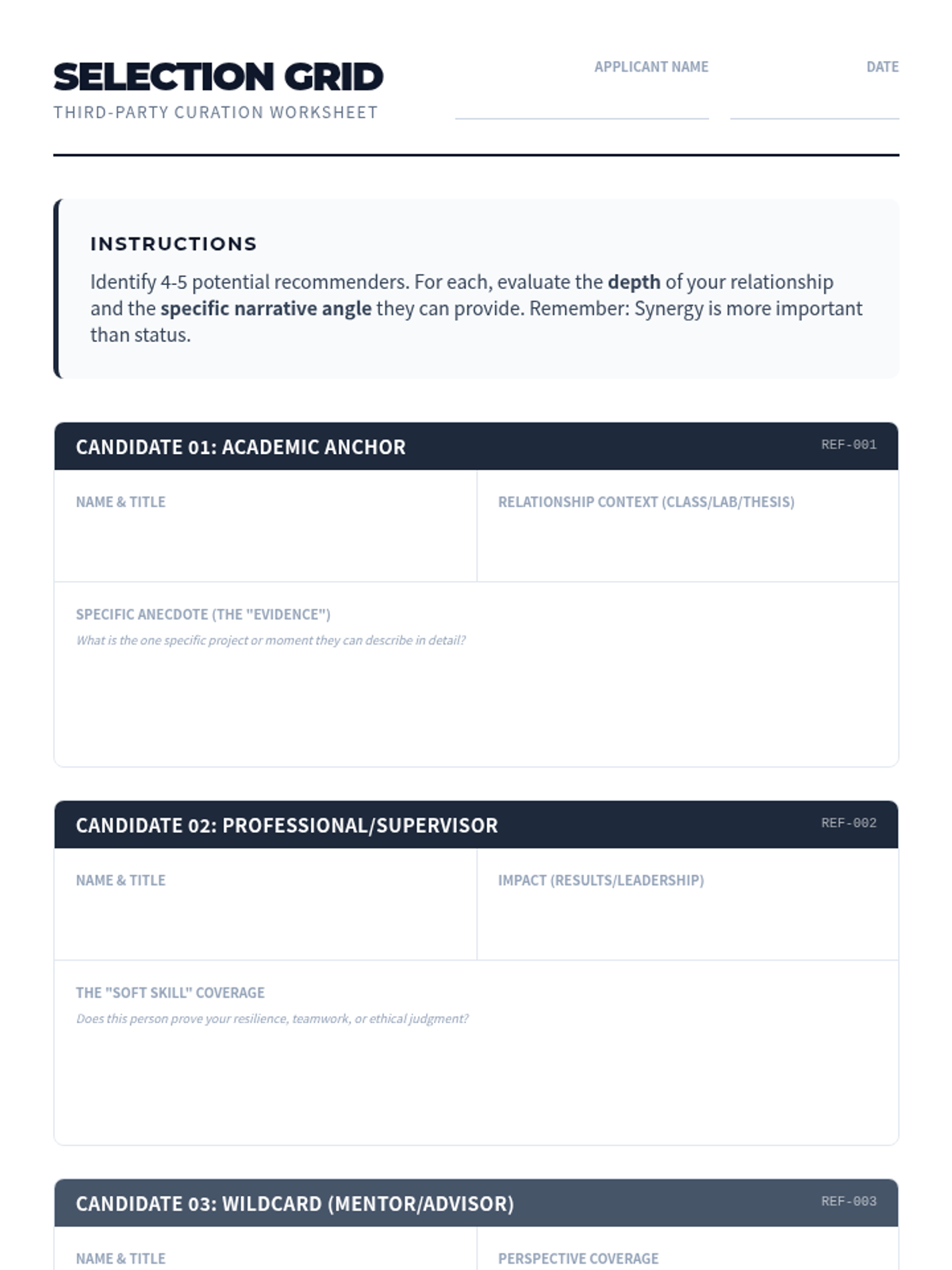
A comprehensive project-based sequence for graduate students focusing on the strategic curation and management of third-party application materials. Students learn to select recommenders, draft 'brag sheets', navigate ethical considerations like FERPA, and audit application packets for narrative consistency.
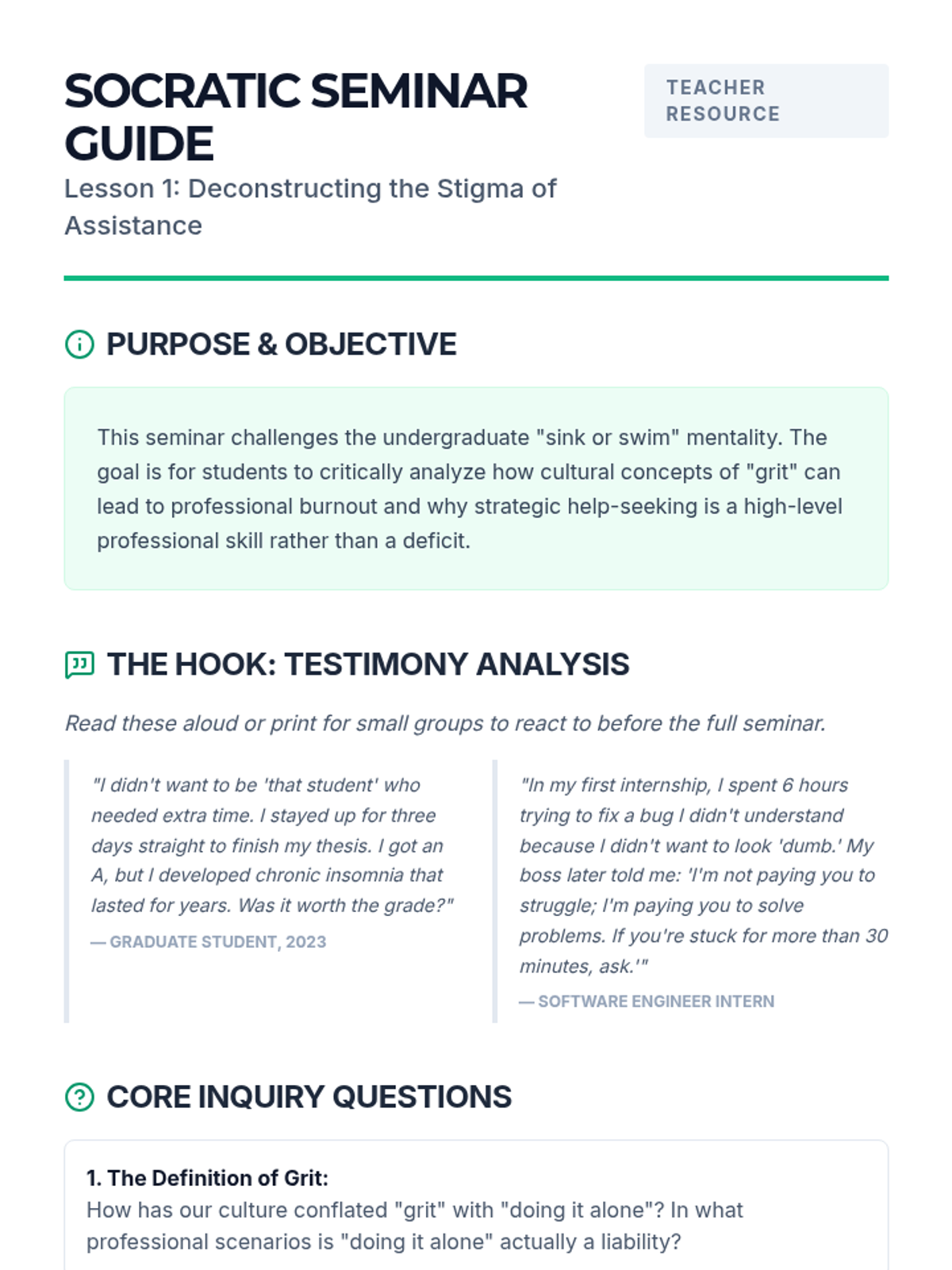
This sequence equips undergraduate students with the rhetorical skills and legal knowledge to advocate for their needs in academic and professional settings. It transitions from exploring cultural stigmas around help-seeking to practical skill-building in written and verbal communication, culminating in high-stakes negotiation simulations.
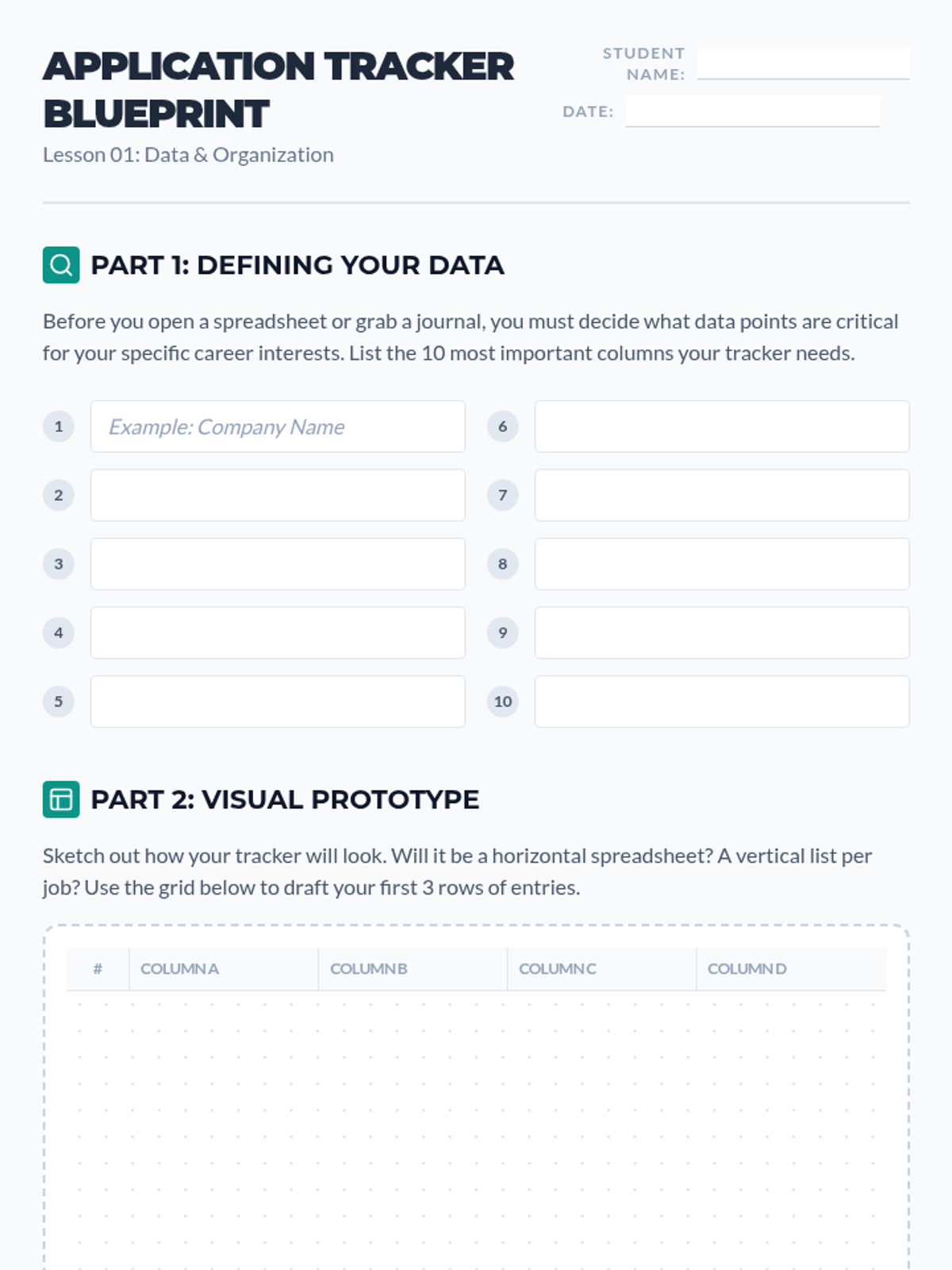
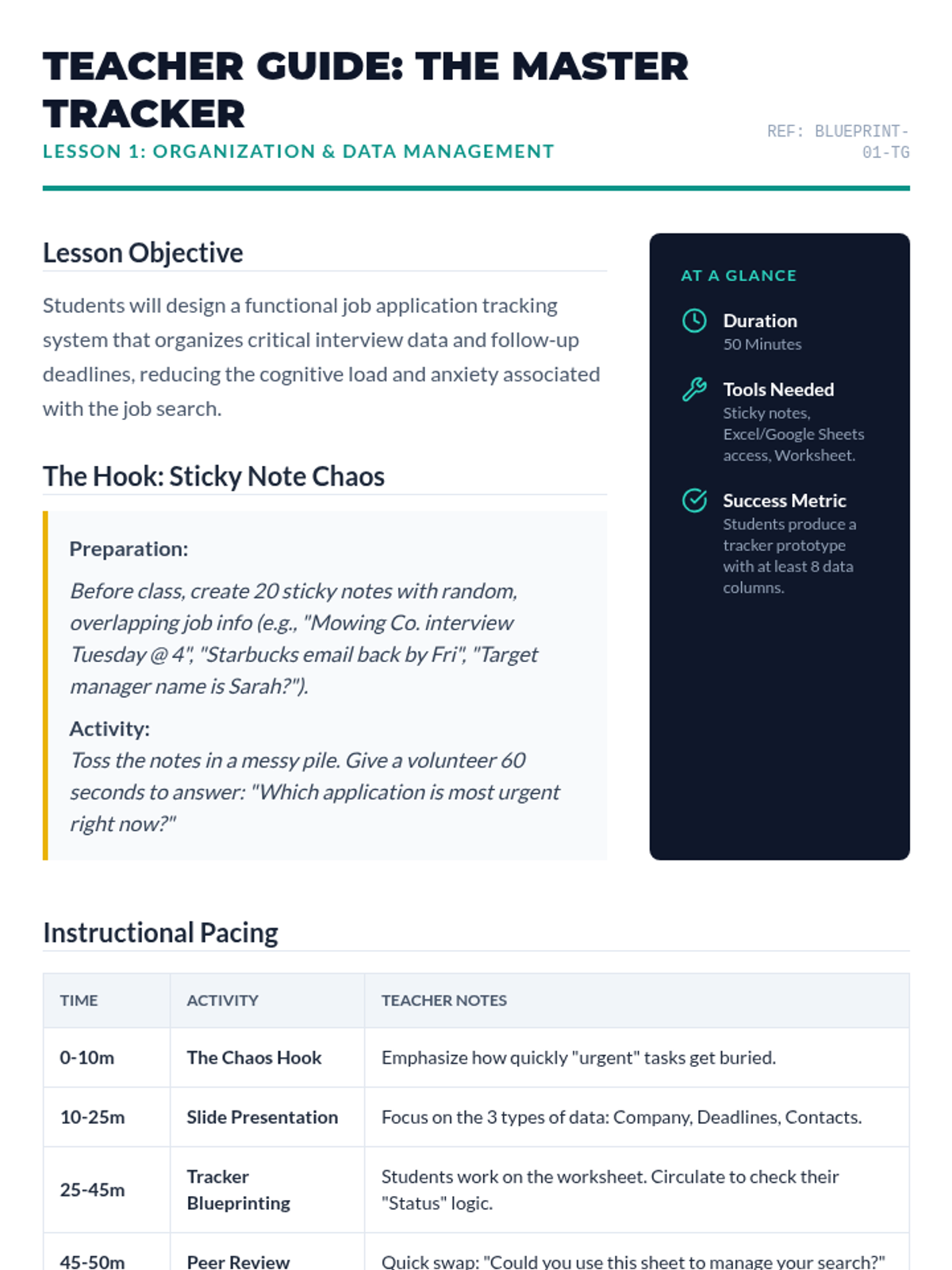
Students build a comprehensive Interview Follow-Up Toolkit, designing reusable systems like trackers, email templates, and reference sheets to manage the job search process with organization and confidence.
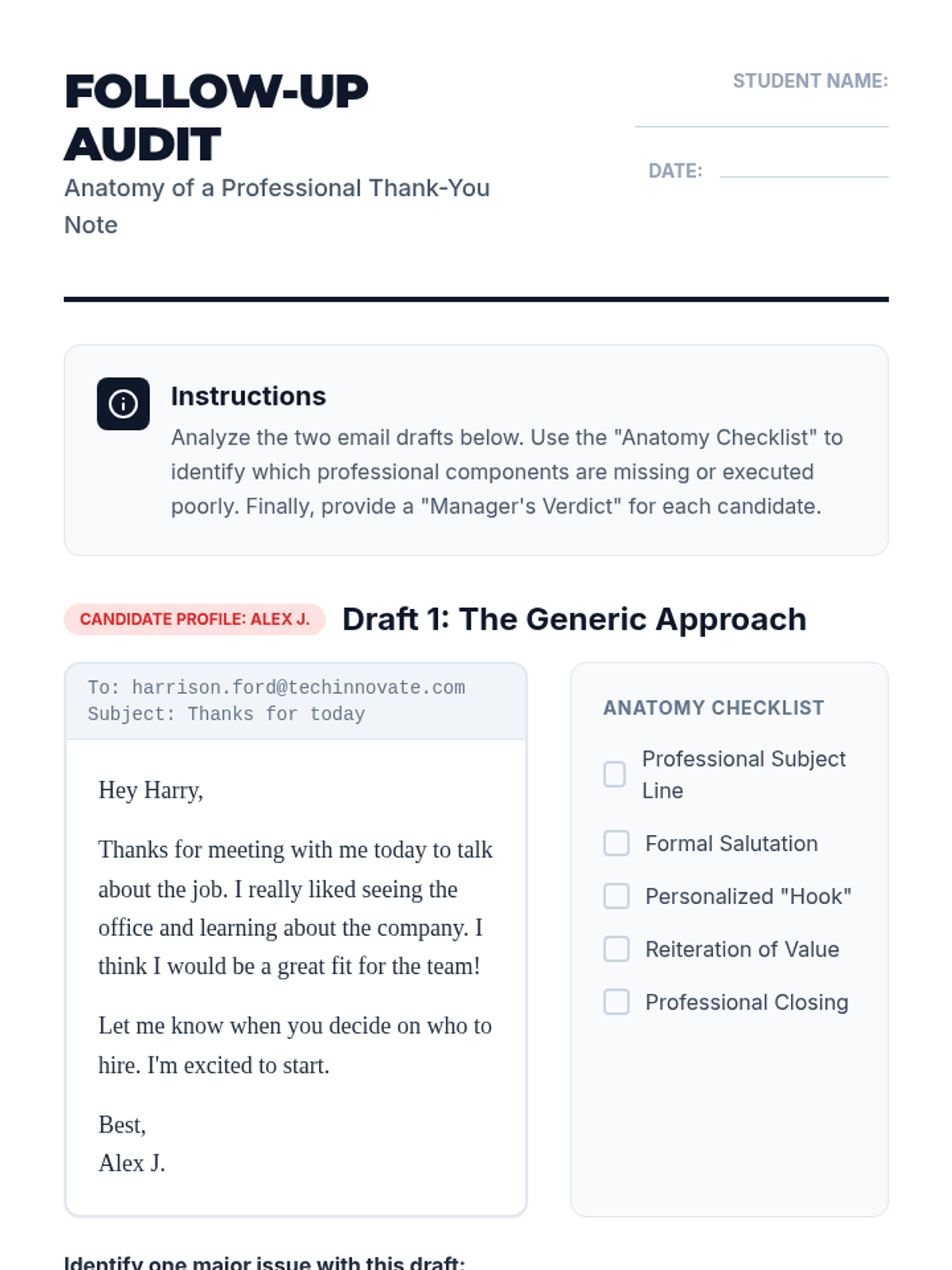
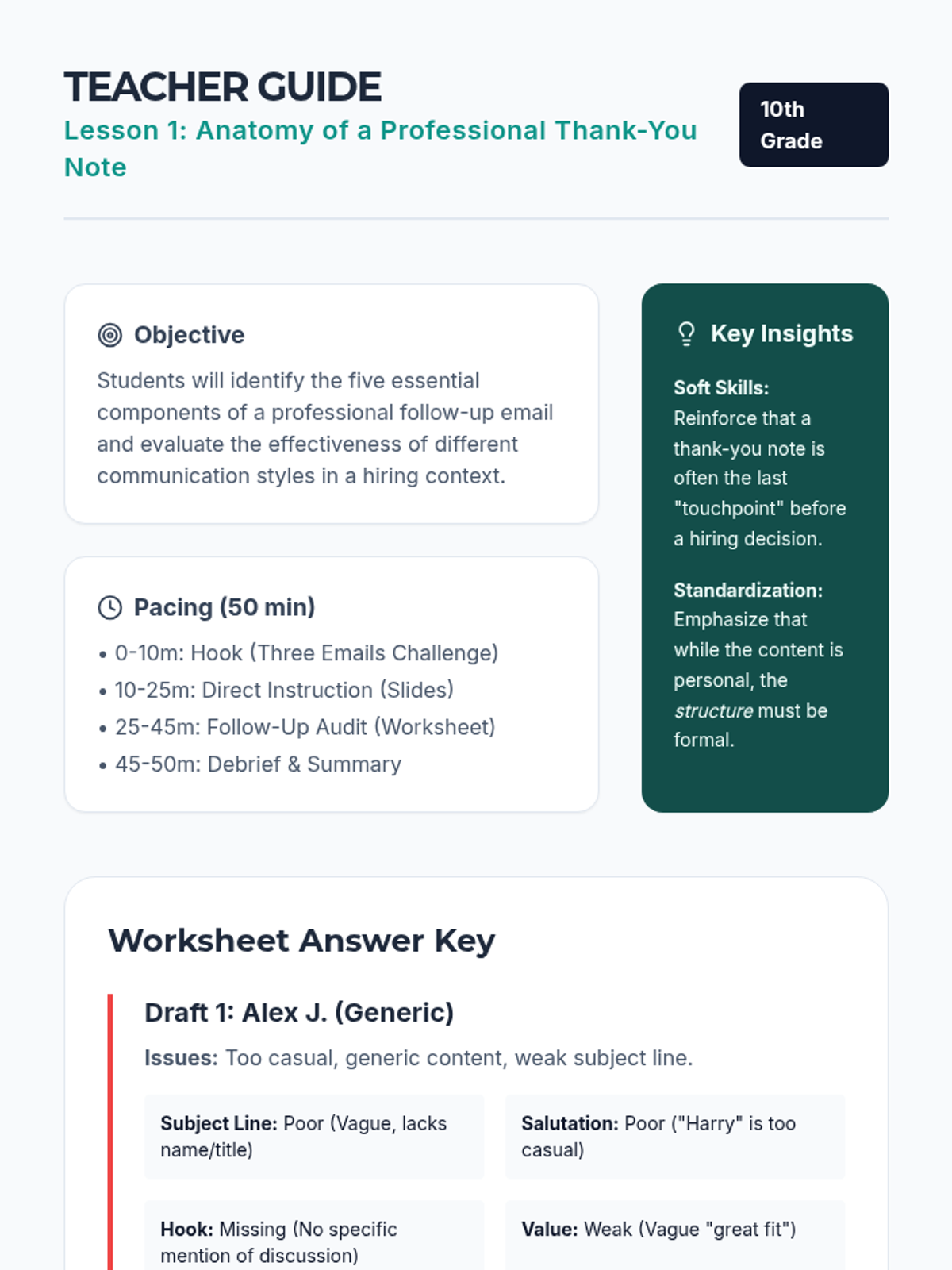
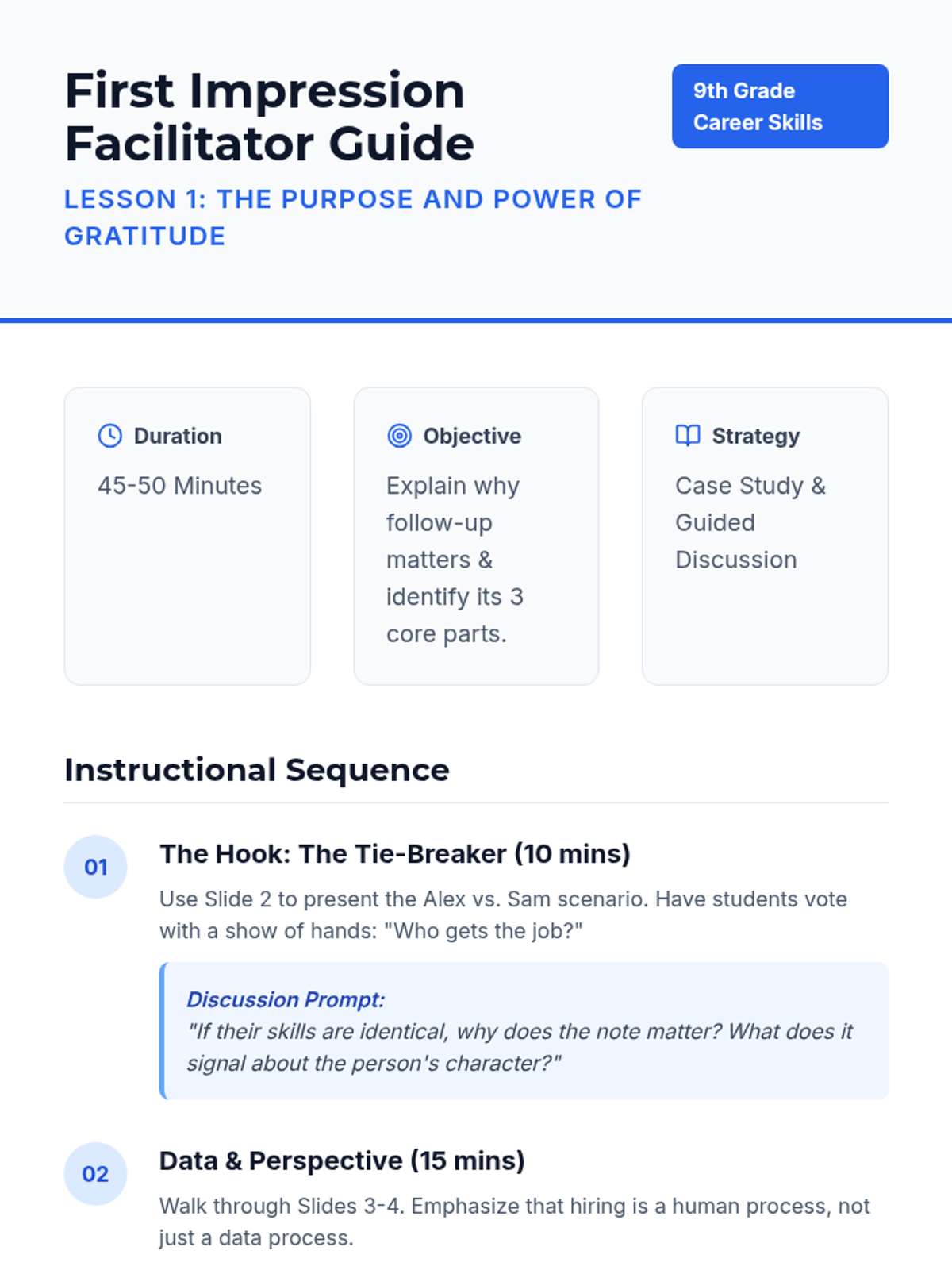
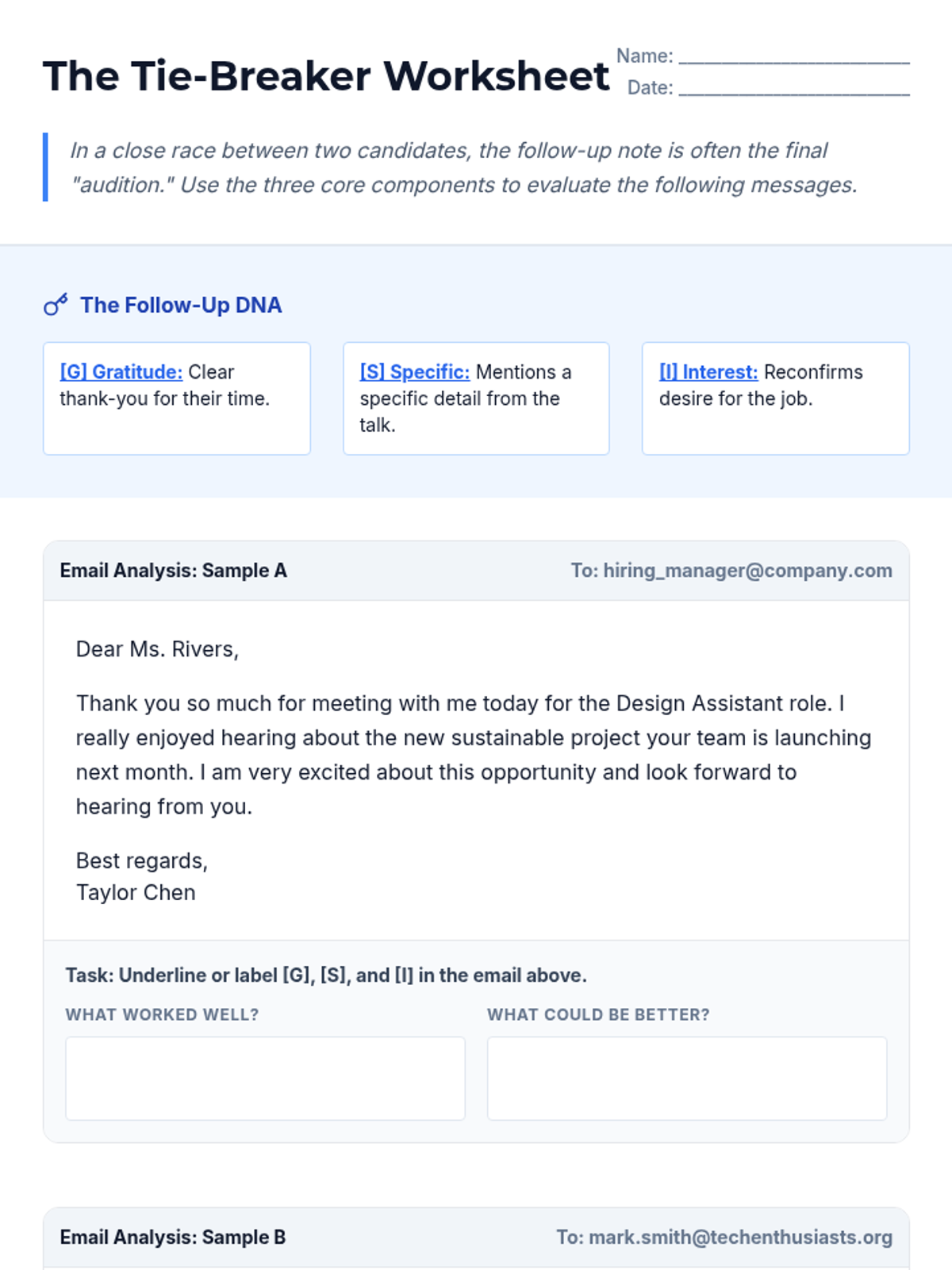
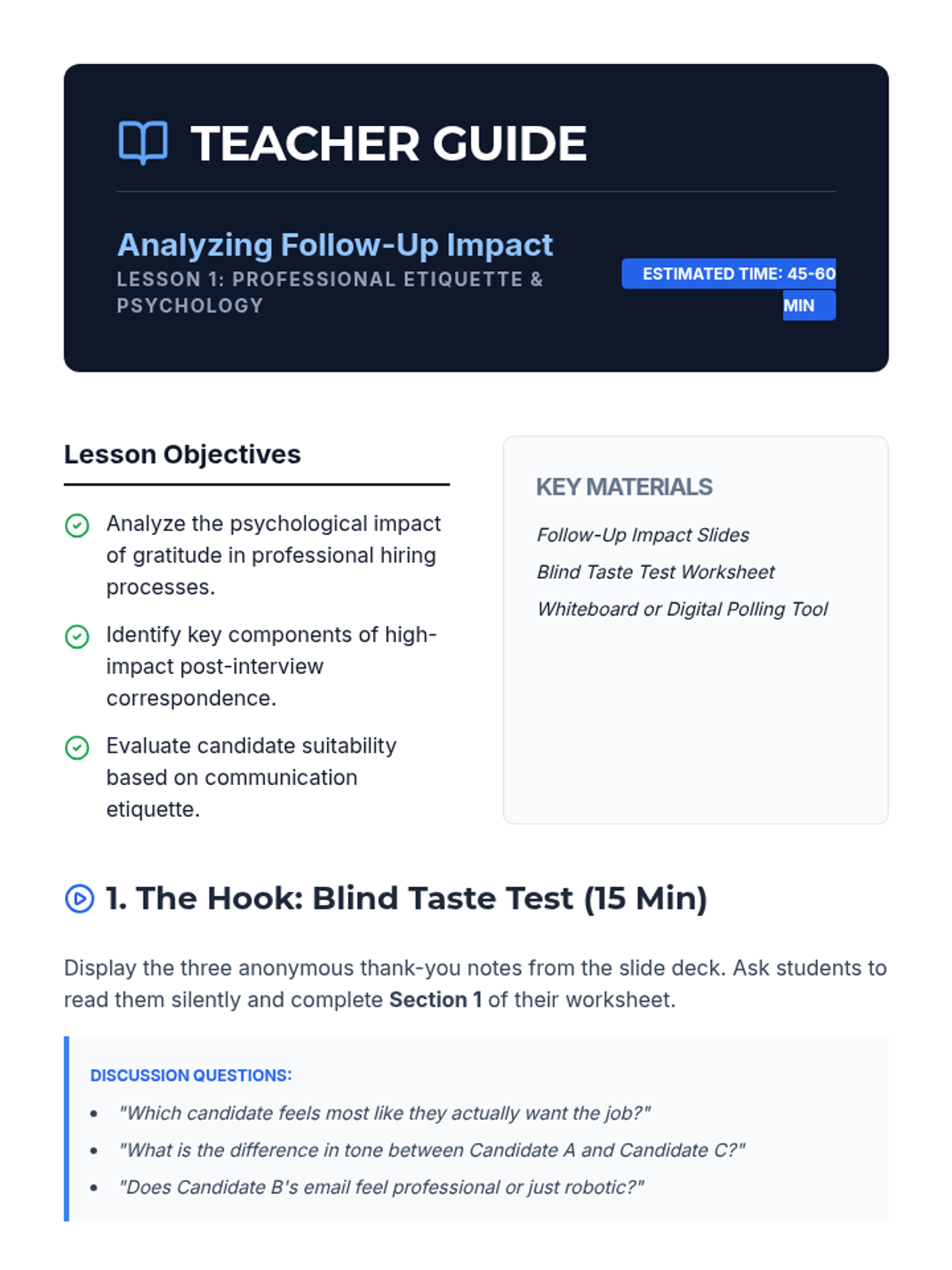
A comprehensive writing workshop for 10th-grade students focusing on the mechanics, tone, and strategic importance of post-interview follow-up communication. Students progress from analyzing standard structures to drafting personalized, professional emails for various interview scenarios.
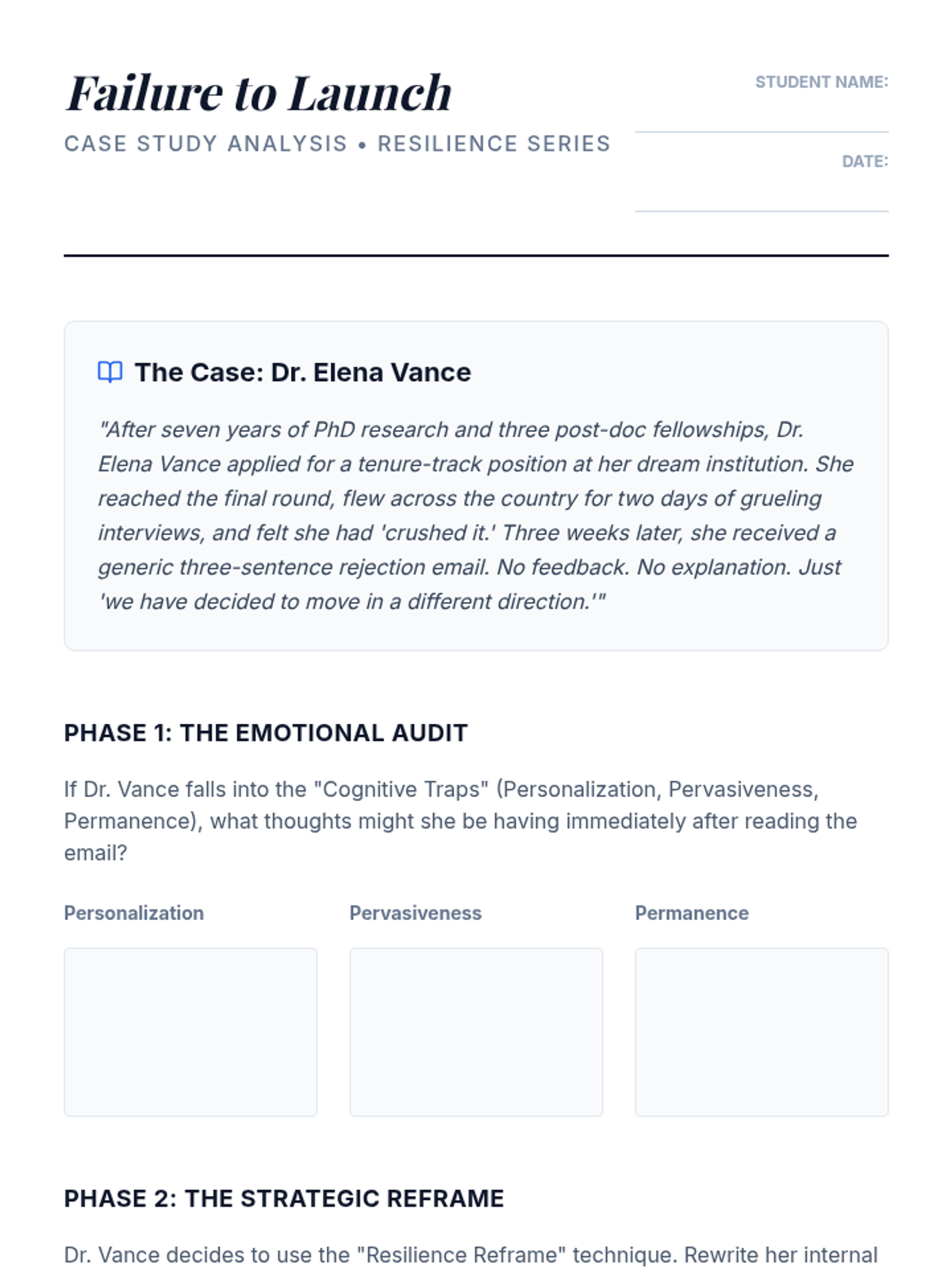
A comprehensive sequence for graduate students focused on converting interview setbacks into networking opportunities and long-term career growth through professional resilience, feedback solicitation, and relationship management.
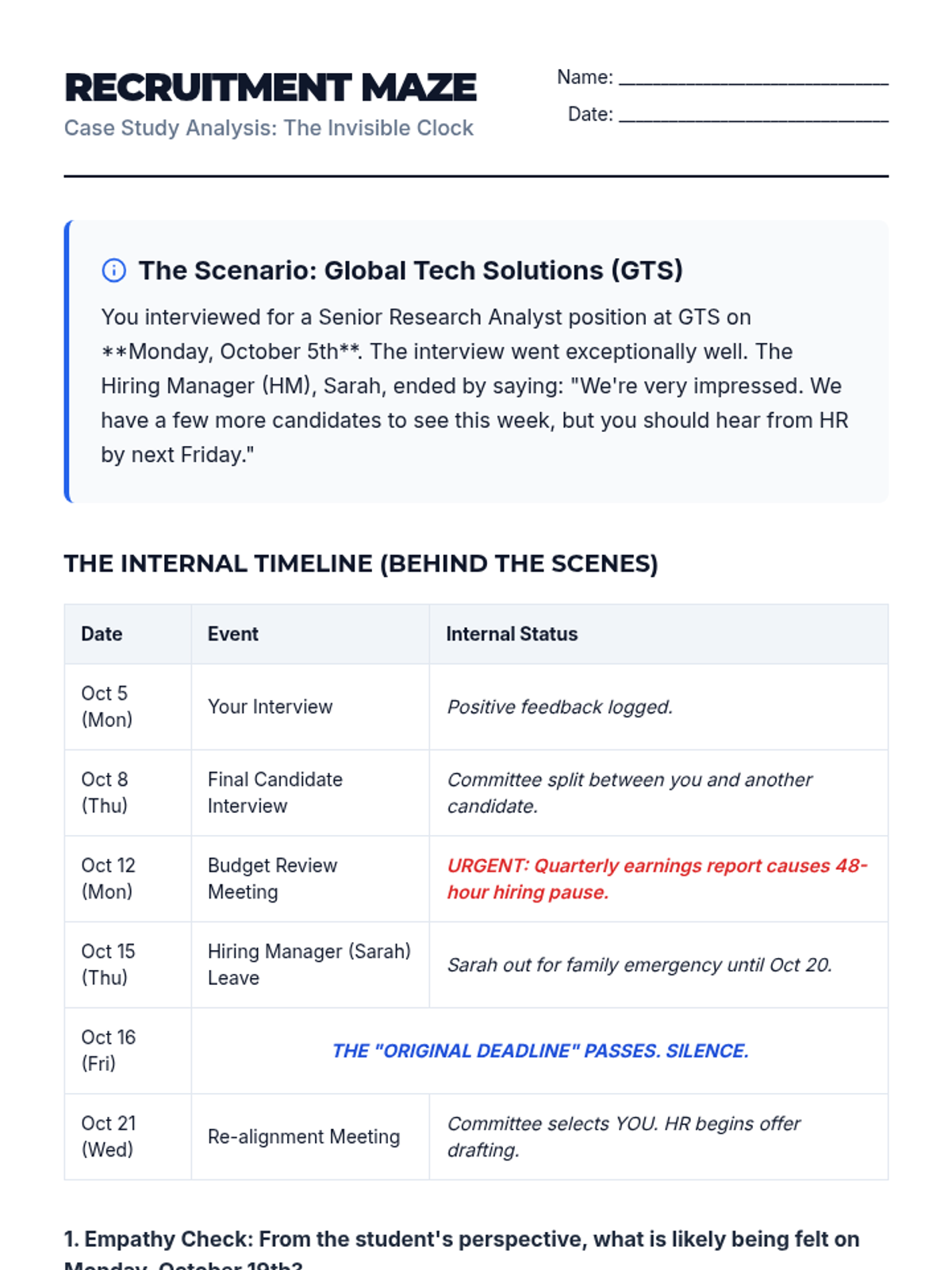
A comprehensive guide for graduate students on navigating the complexities of post-interview logistics, recruitment cycles, and managing multiple job offers with professional etiquette.
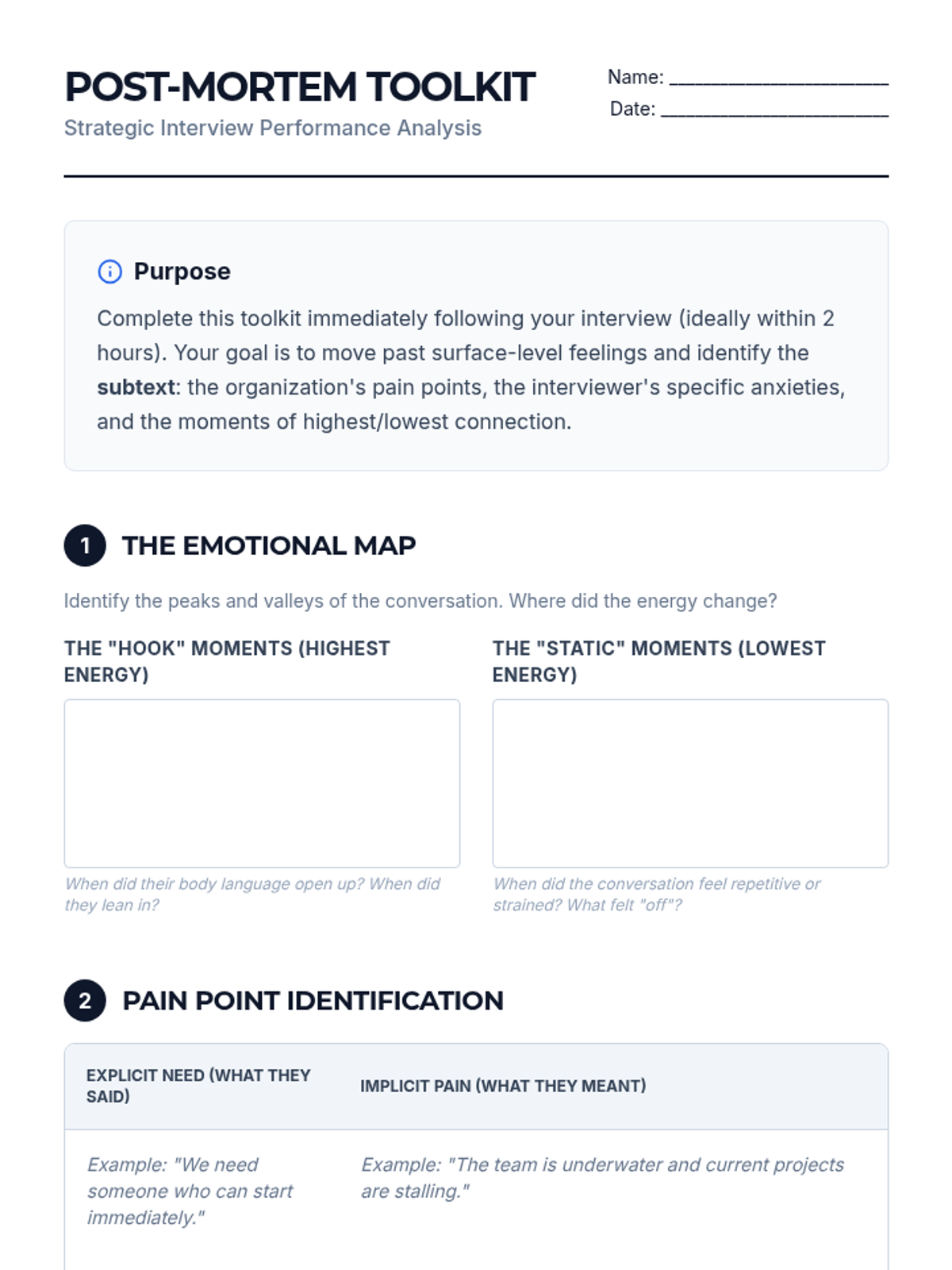
This graduate-level sequence focuses on post-interview communication as a strategic tool. Students learn to analyze interview performance, draft value-driven correspondence, mitigate weaknesses, and navigate complex stakeholder dynamics to reinforce their professional brand.
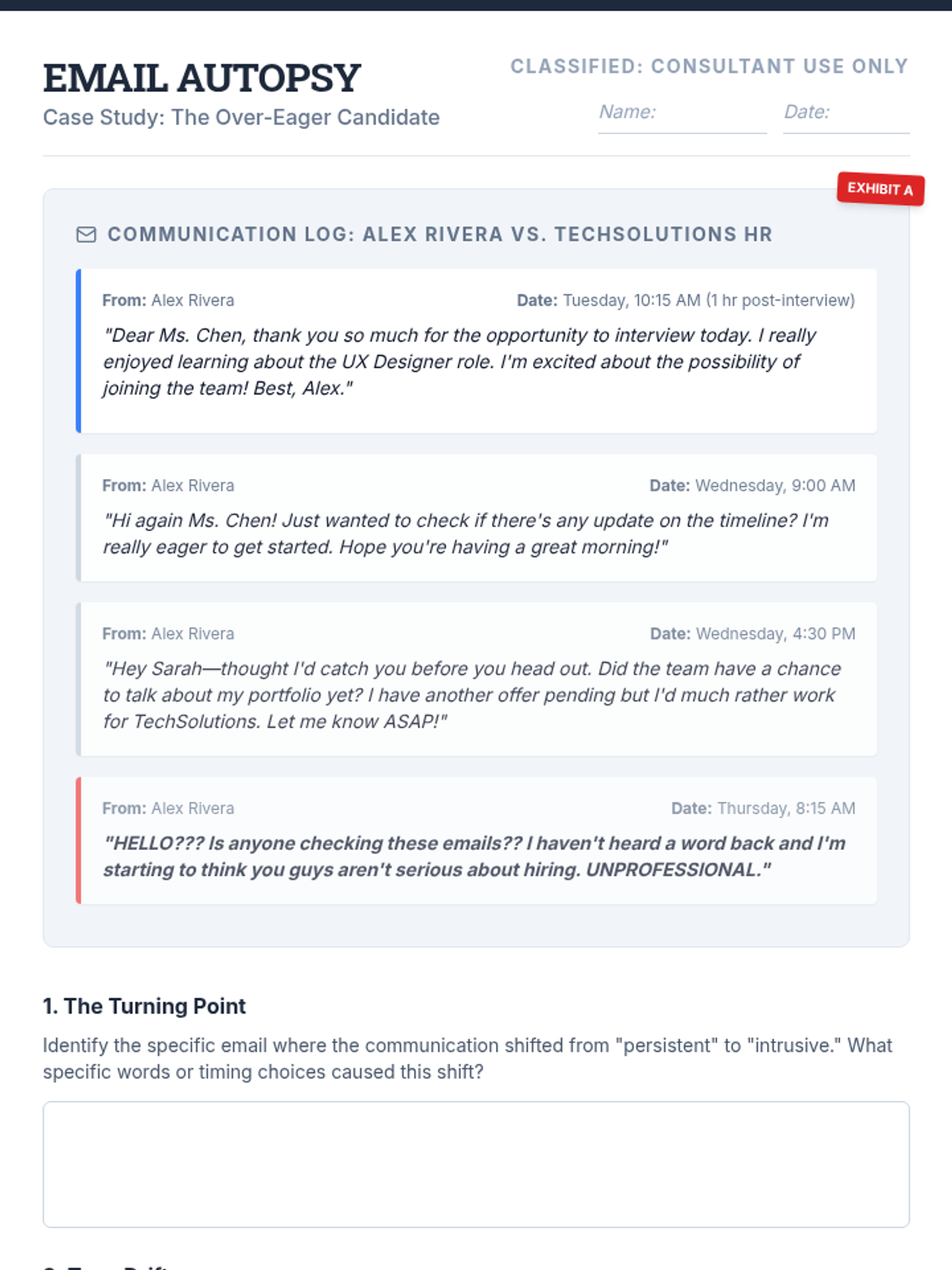
A case-study-driven unit where 12th-grade students act as communication consultants to analyze and refine professional interview follow-up strategies, focusing on tone, timing, and ethics.
A 12th-grade sequence focused on the psychological and communicative aspects of interview outcomes. Students learn to navigate rejection, solicit feedback, analyze offers, and communicate professionally regardless of the result.
A comprehensive workshop-style sequence designed to teach 12th-grade students the technical and rhetorical skills needed for professional post-interview communication, from standard thank-yous to complex damage control.
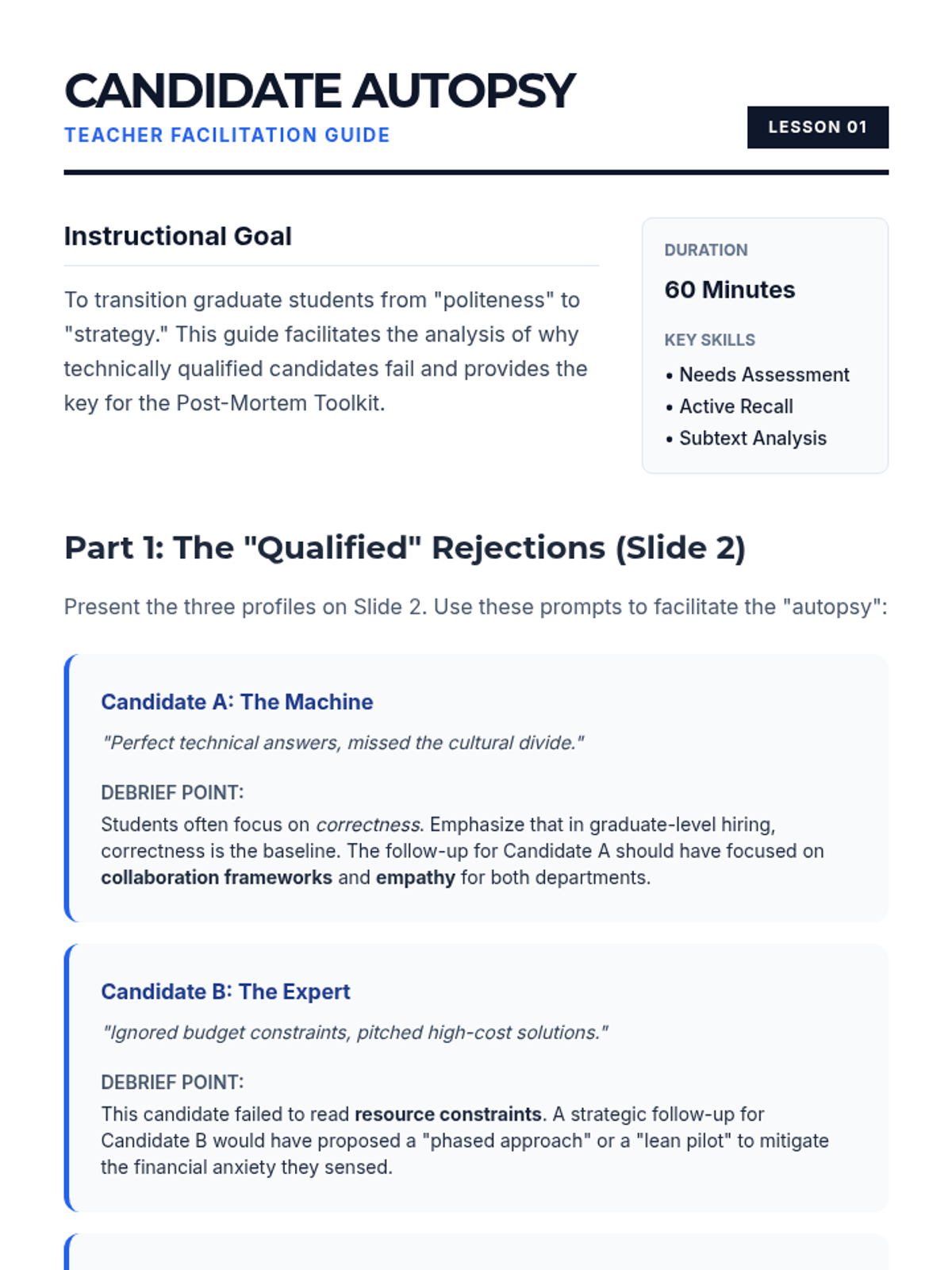
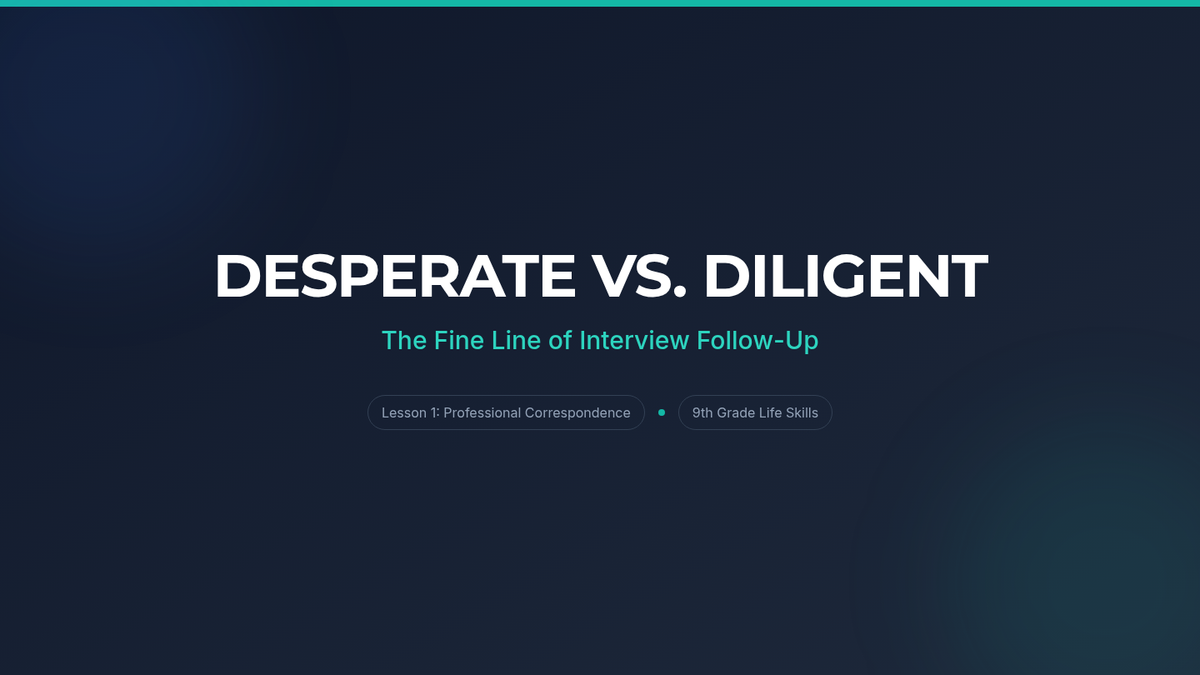
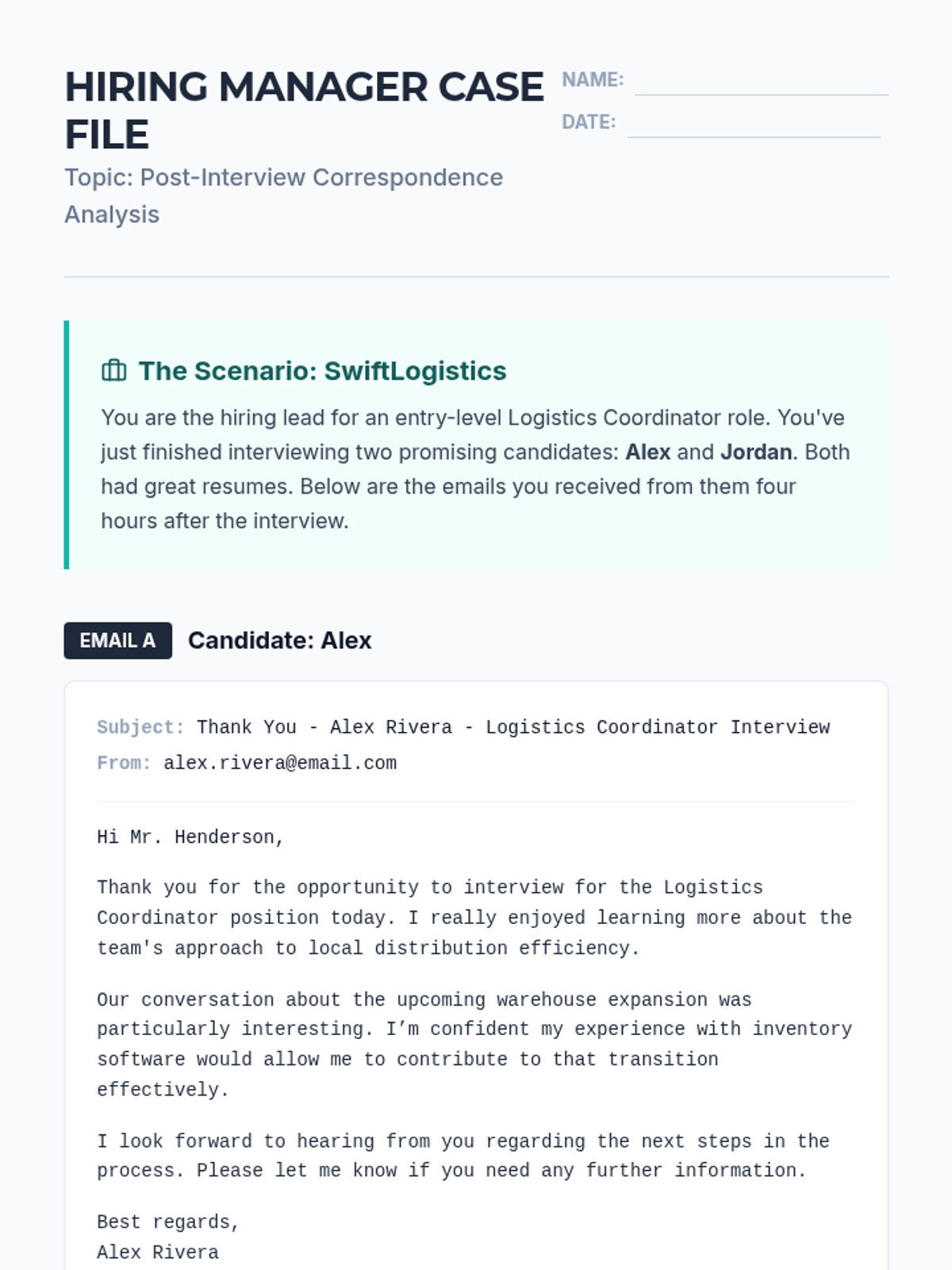
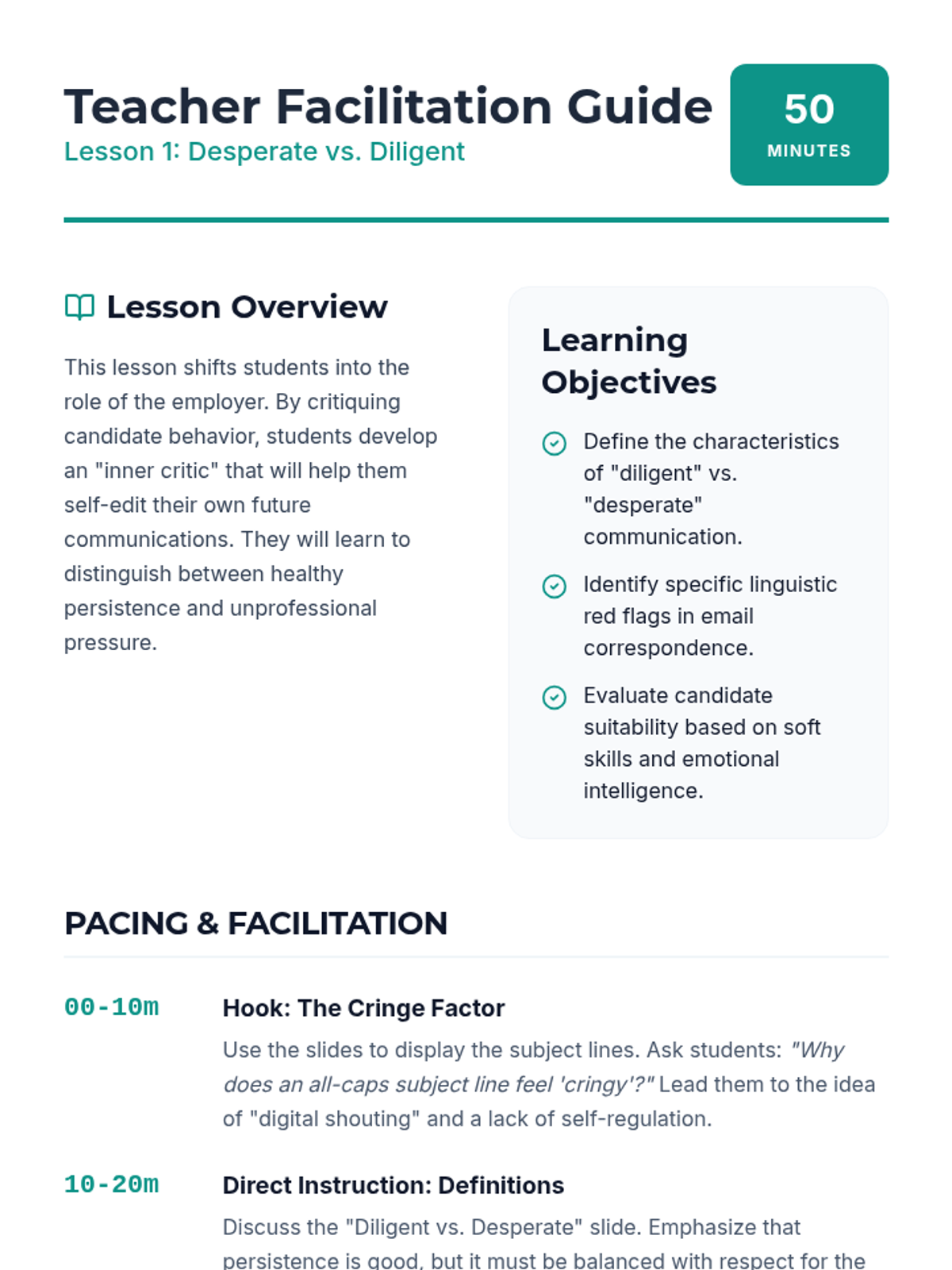
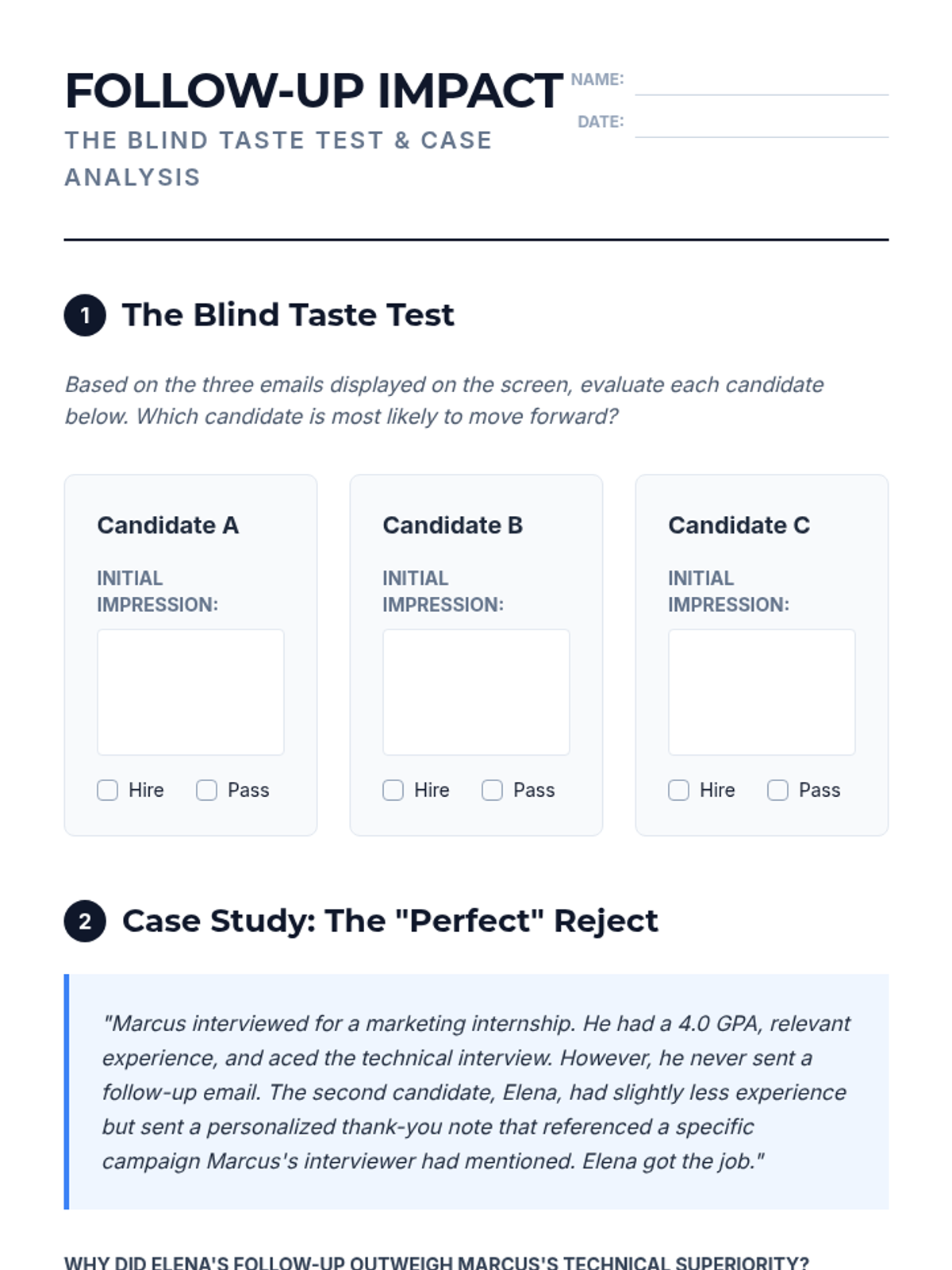
A case-study-driven unit where students act as hiring managers to analyze the nuances of post-interview follow-up communication, focusing on professional tone, attention to detail, and strategic value-adds.
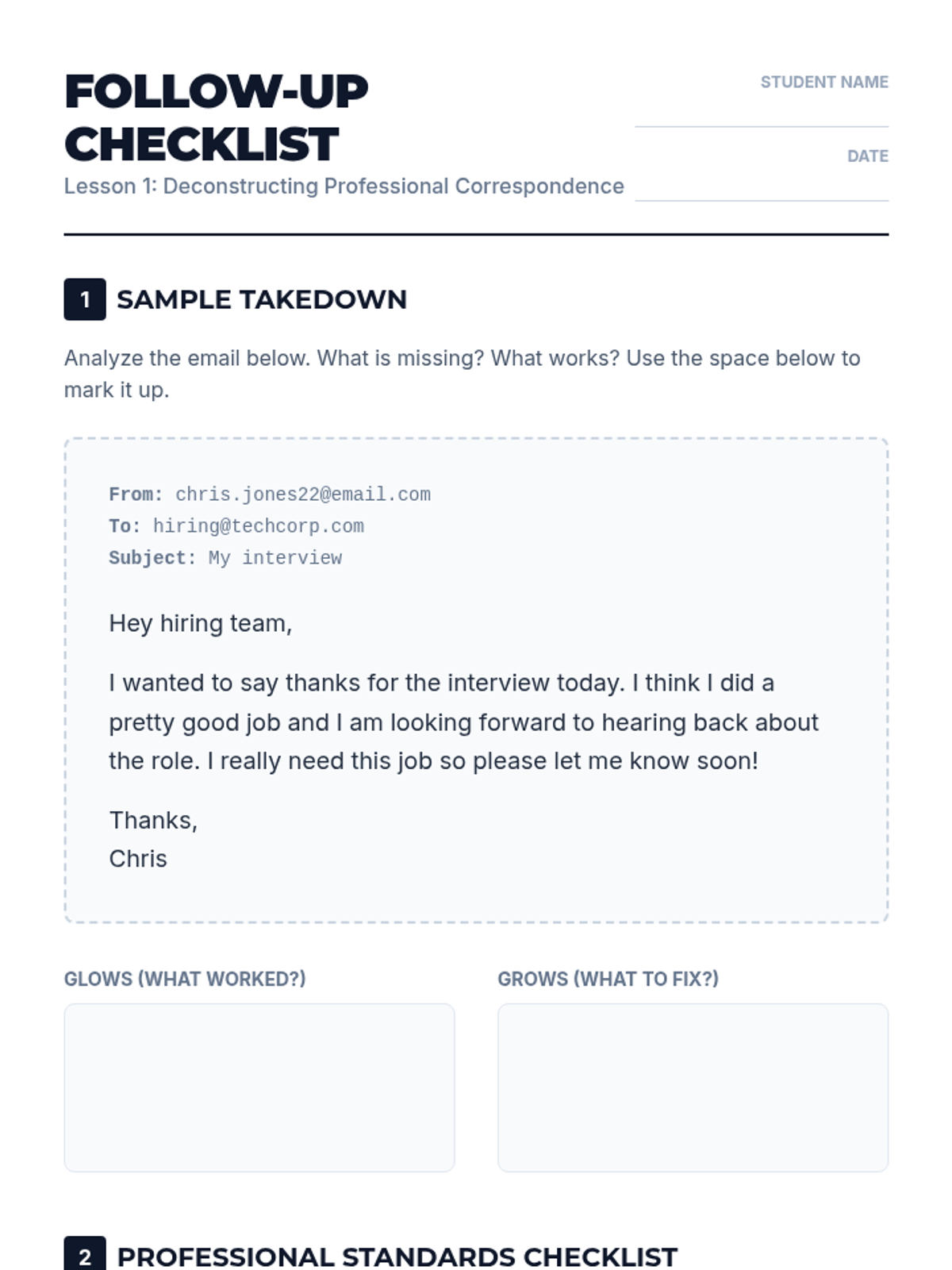
A practical writing workshop sequence where students master the mechanics of professional follow-up communication after interviews. Students will analyze the structure of formal emails, draft multiple versions of follow-up messages, and refine their professional tone and proofreading skills.
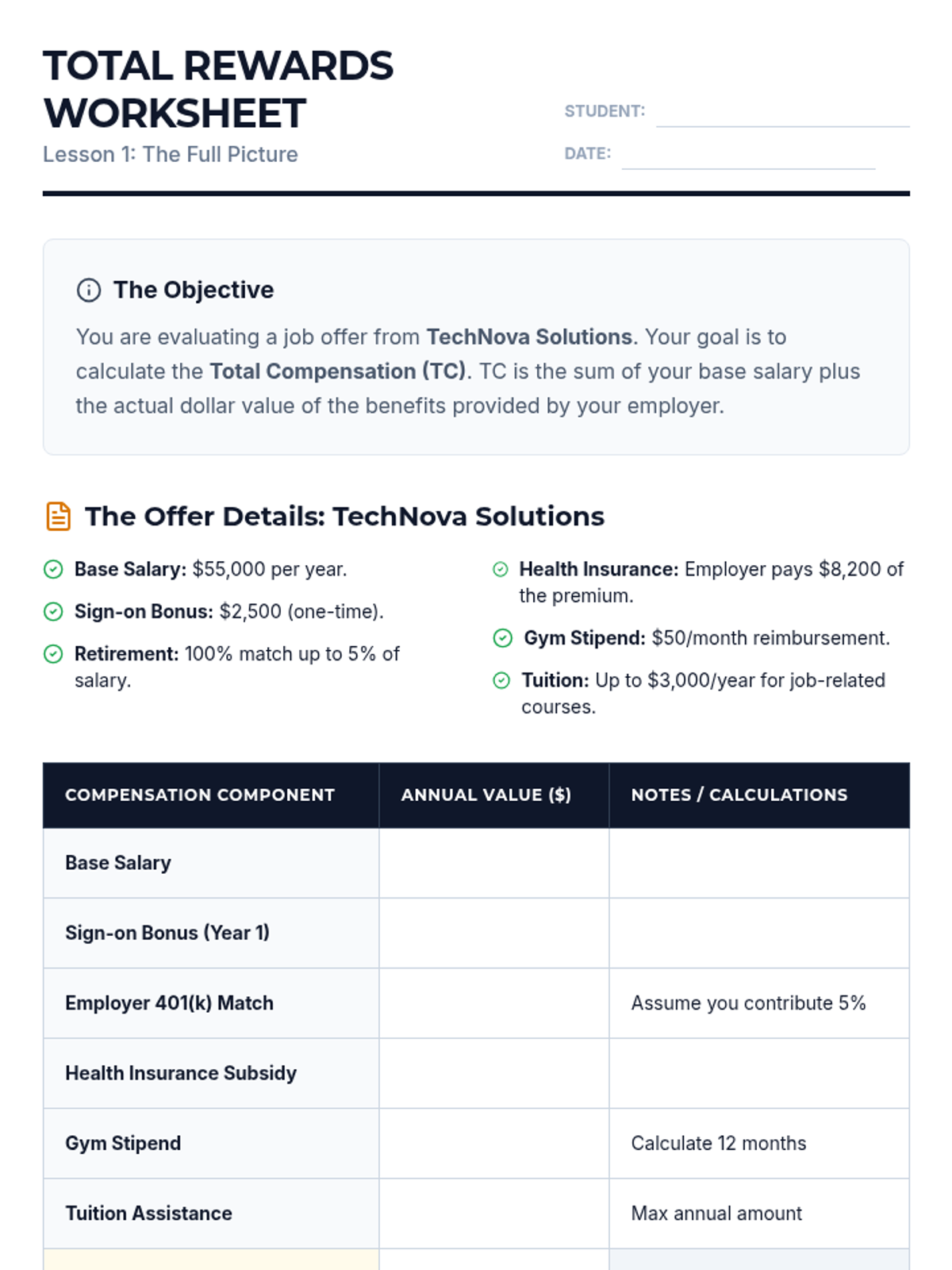
A comprehensive unit for undergraduate students to master the financial and legal aspects of job offers, focusing on total compensation analysis, cost-of-living adjustments, and professional negotiation skills.
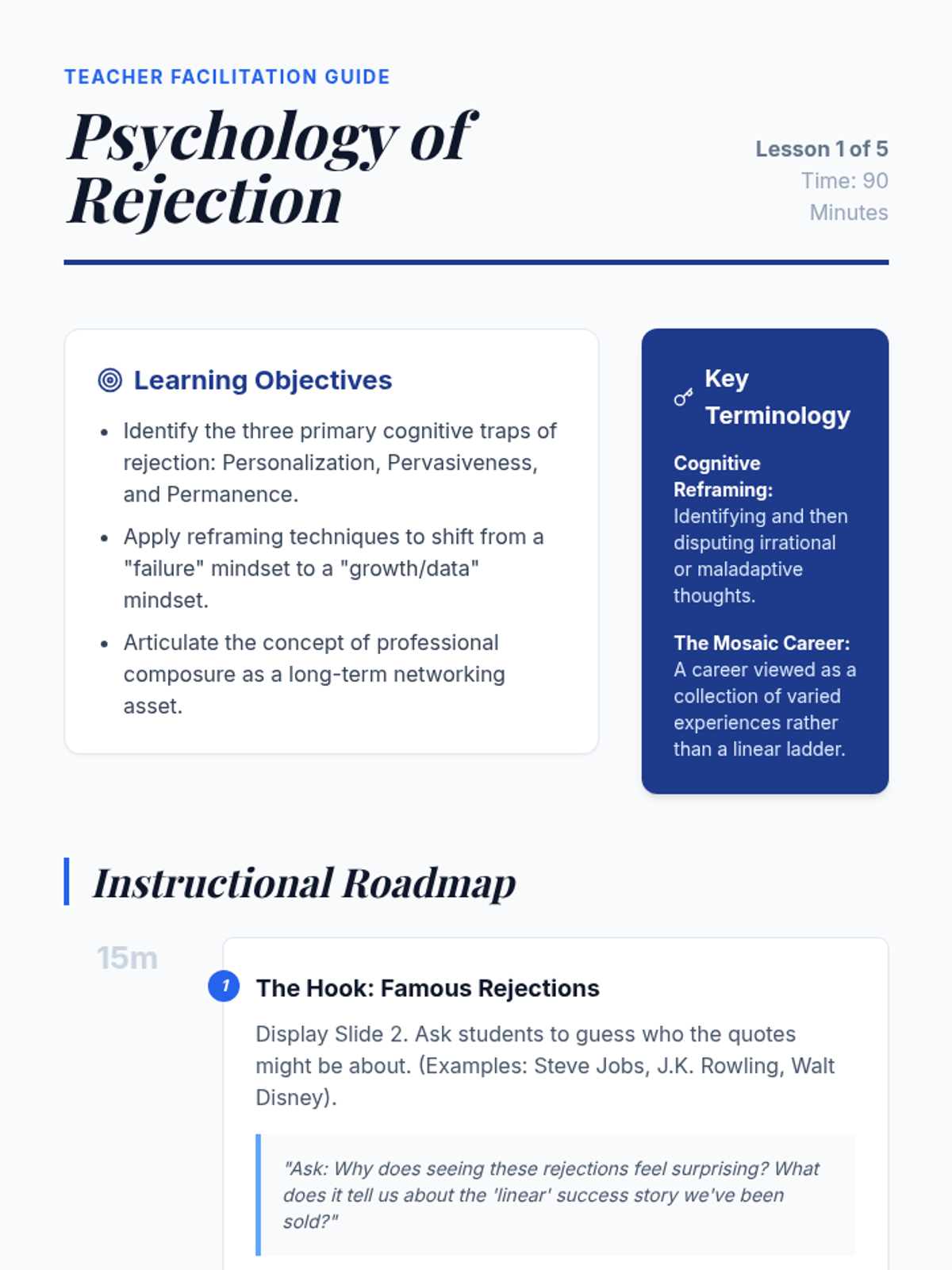
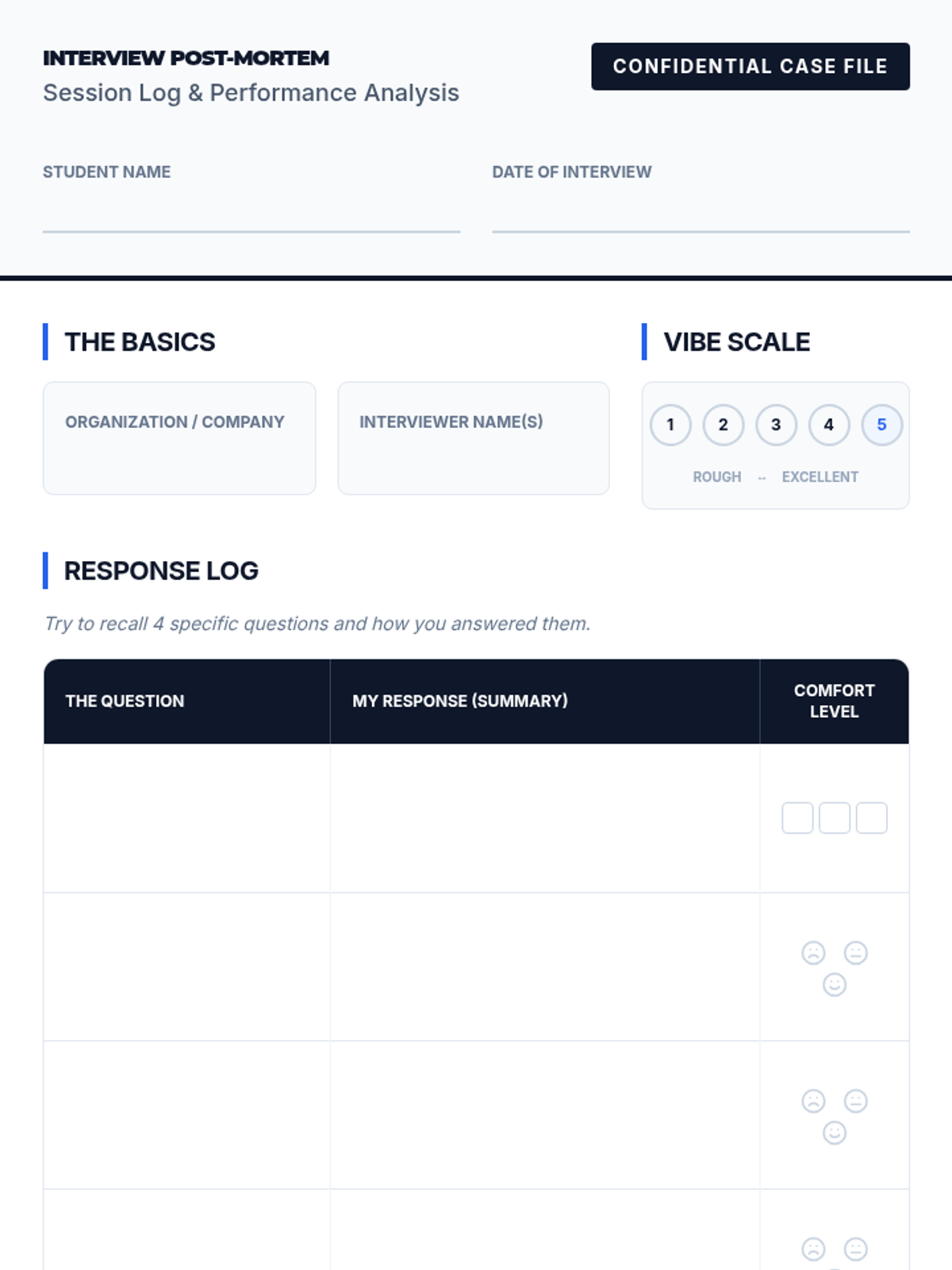
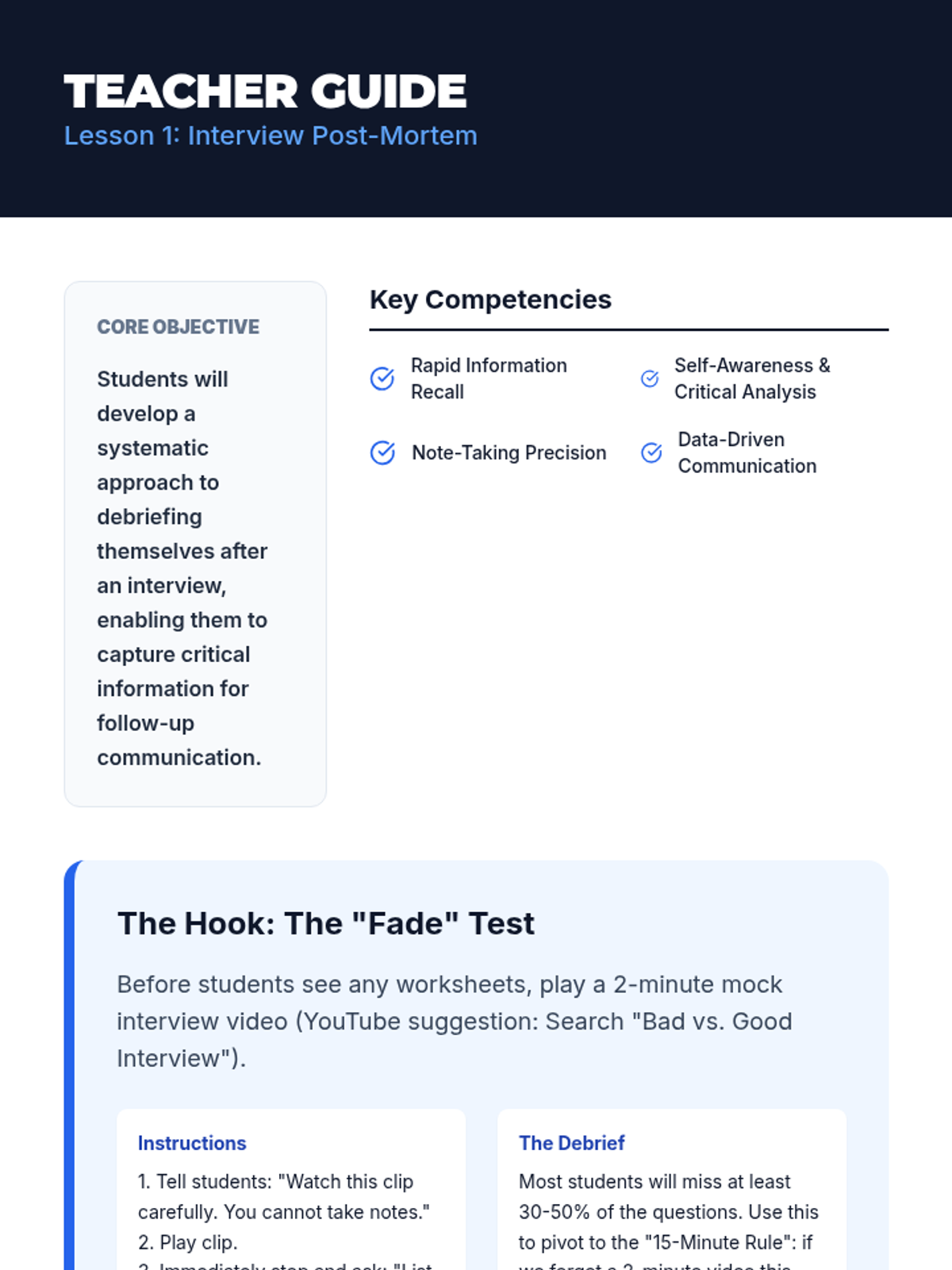
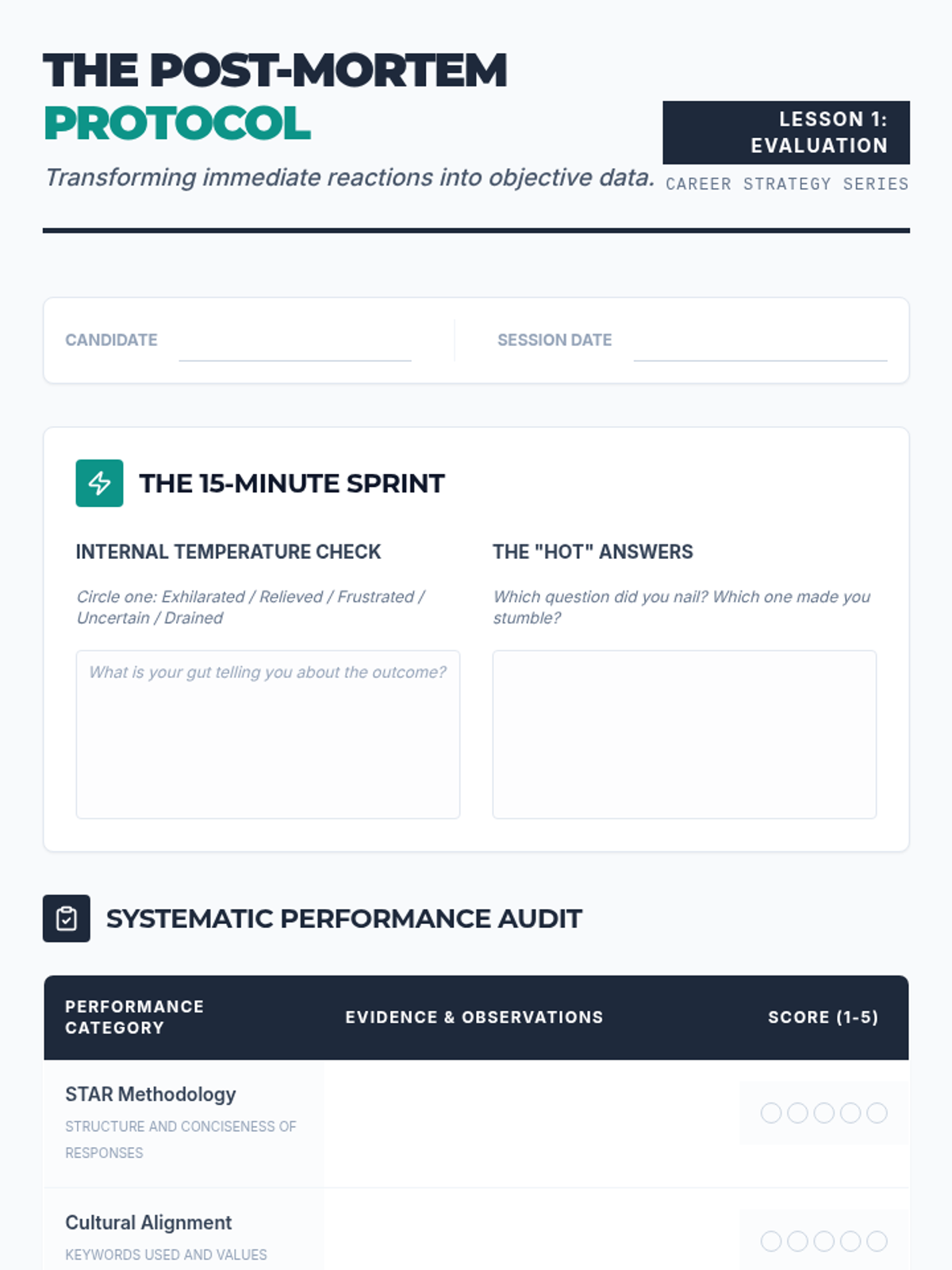
This sequence transforms the interview follow-up process from a simple 'thank you' into a comprehensive self-reflection and growth cycle. Students learn to conduct post-interview debriefs, address performance gaps in their communication, analyze non-verbal cues retrospectively, and professionalize their approach to receiving feedback and rejection.
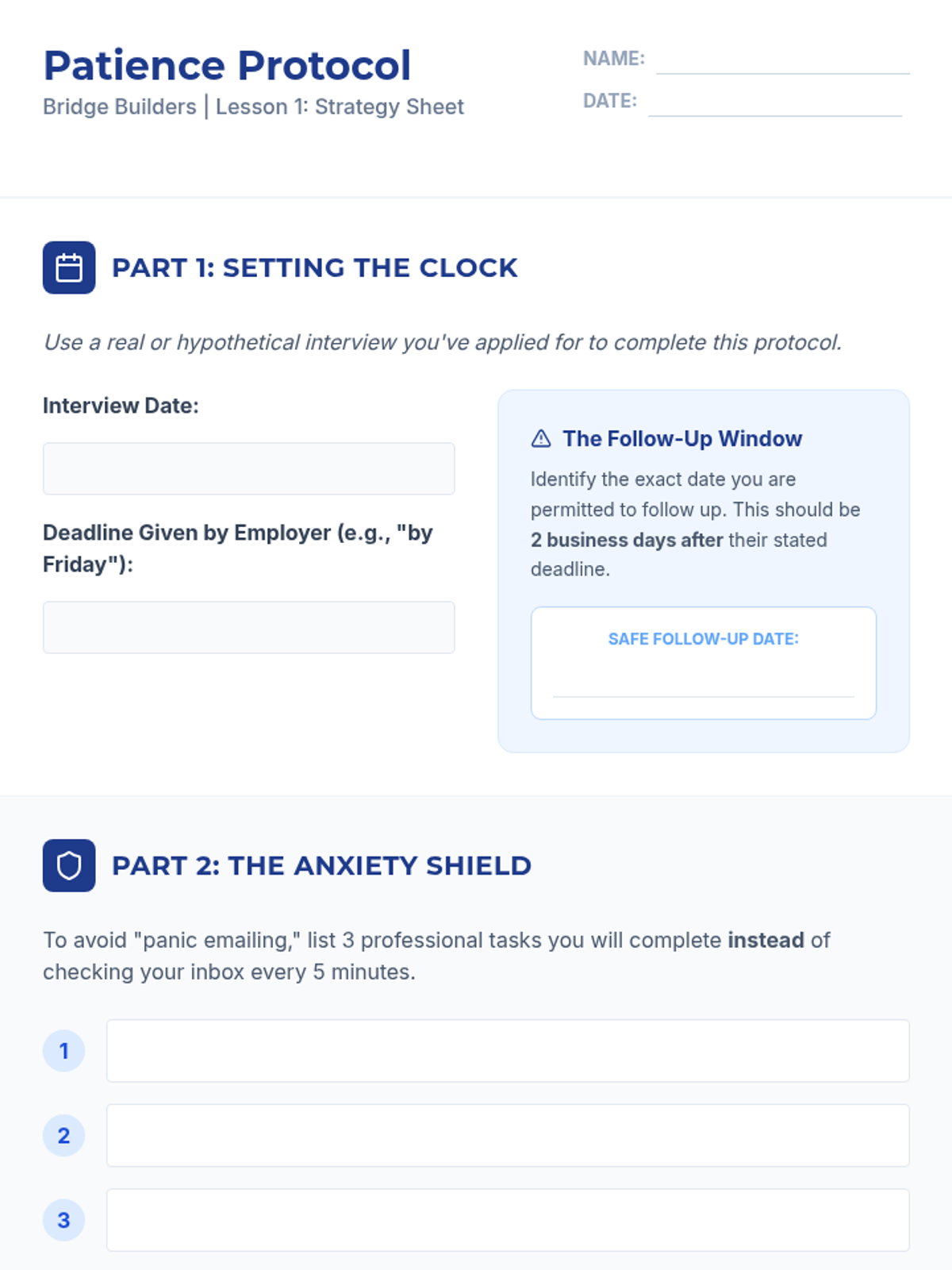
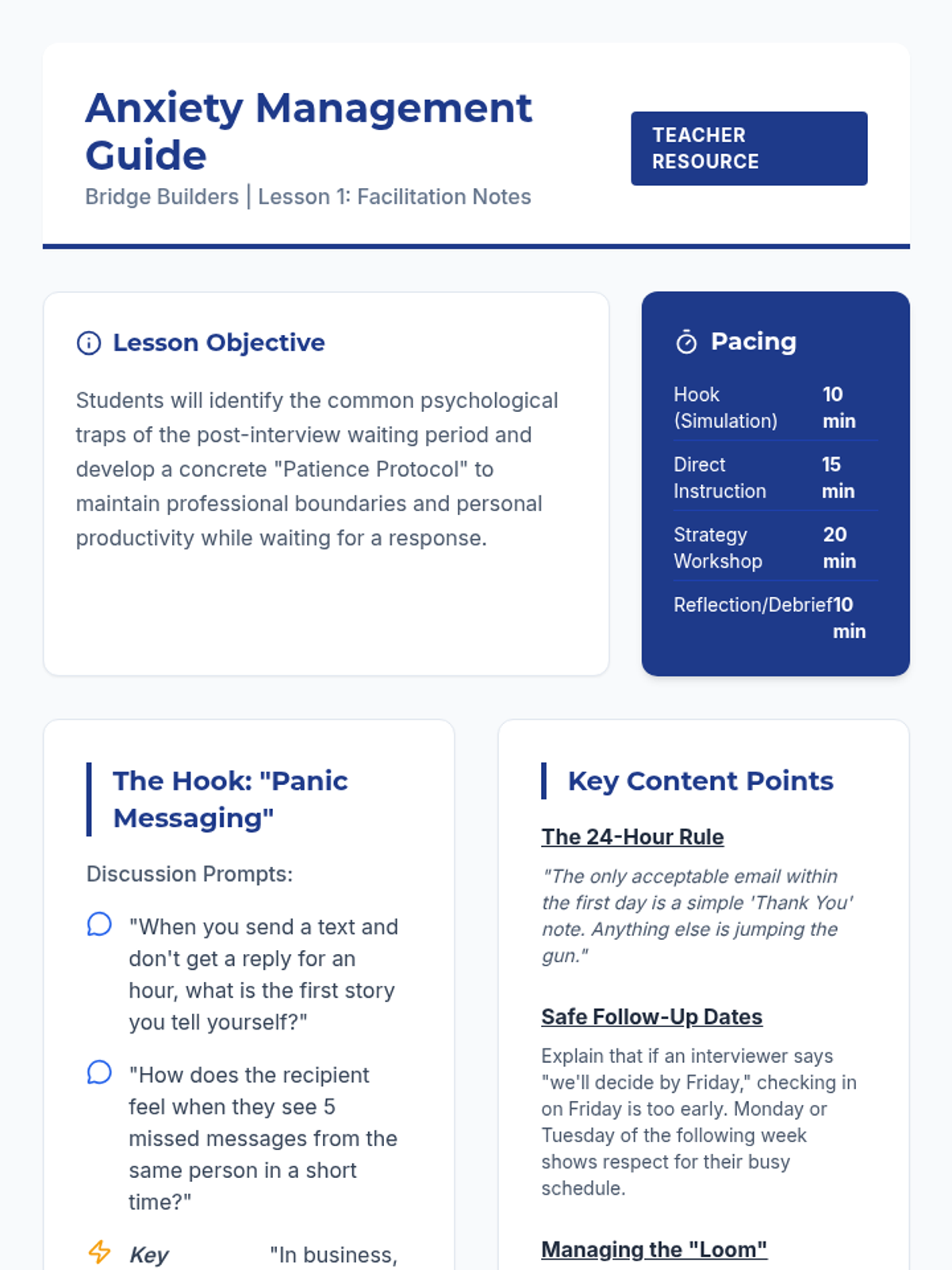
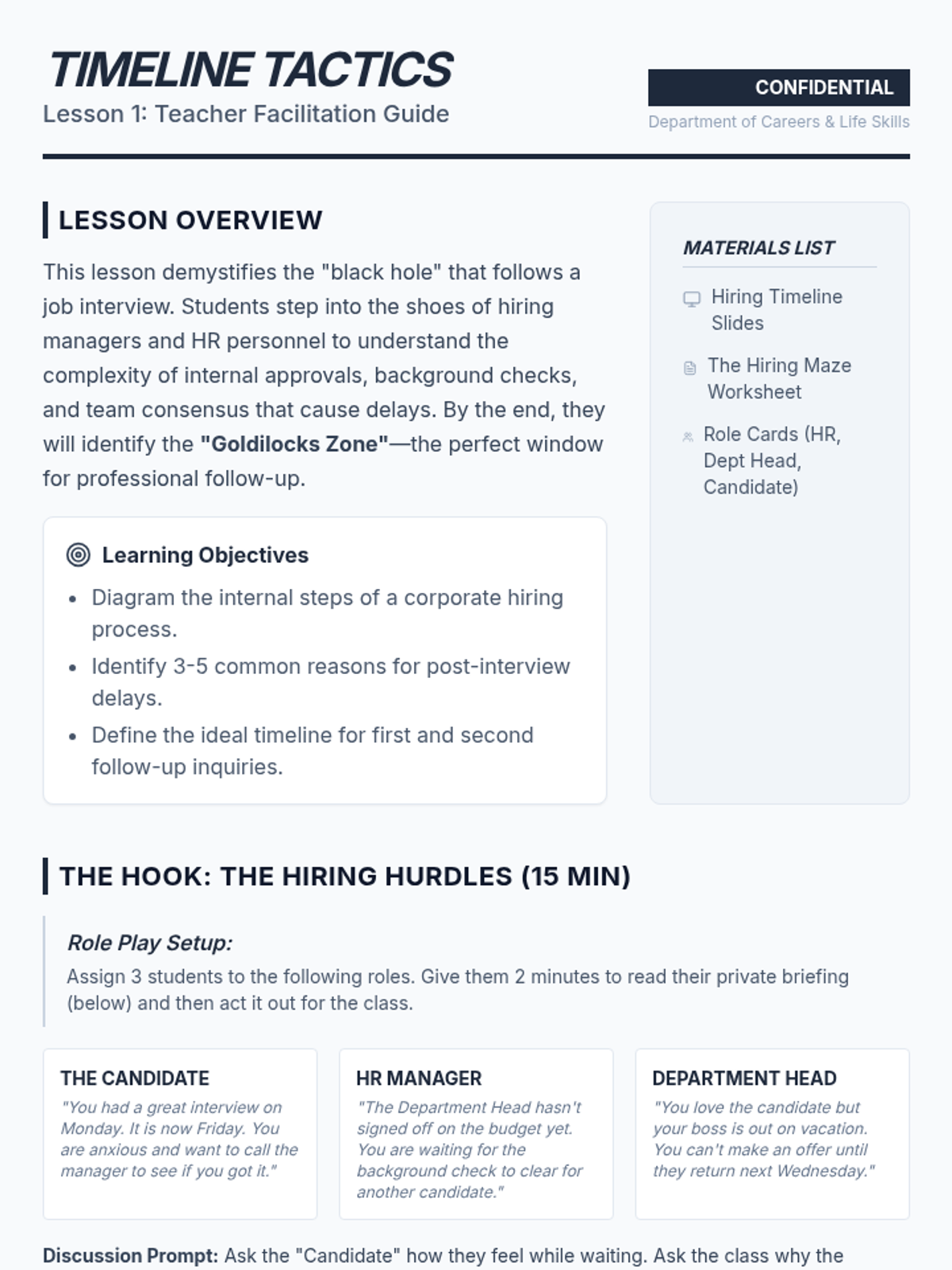
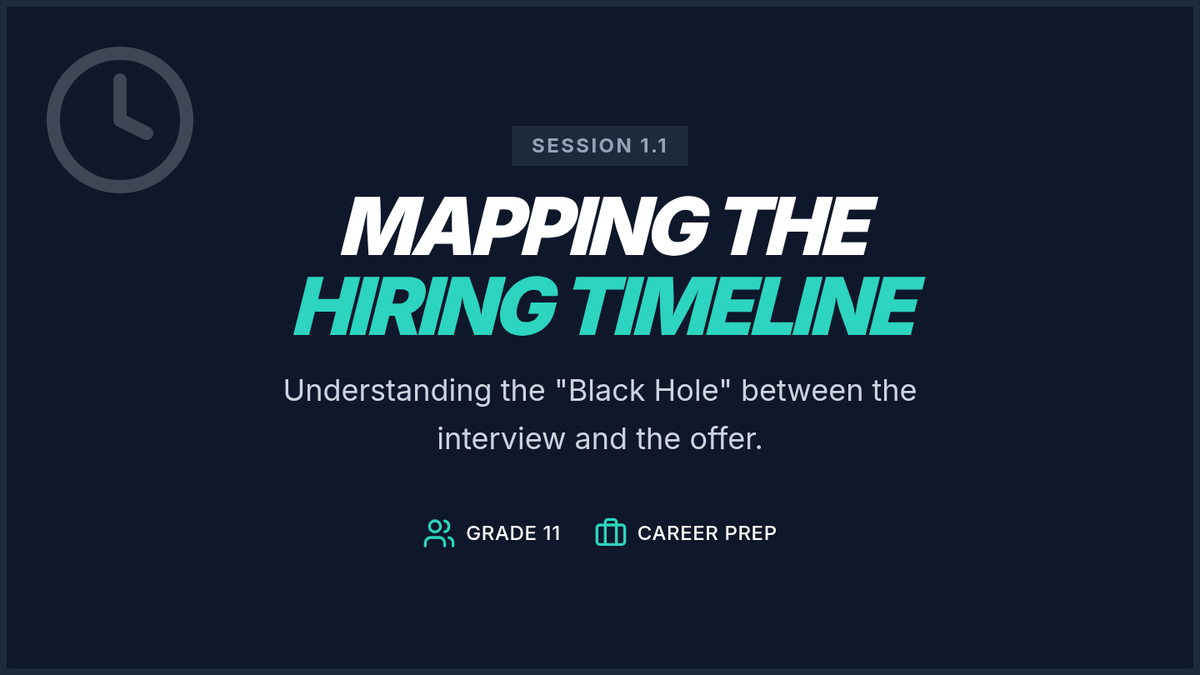
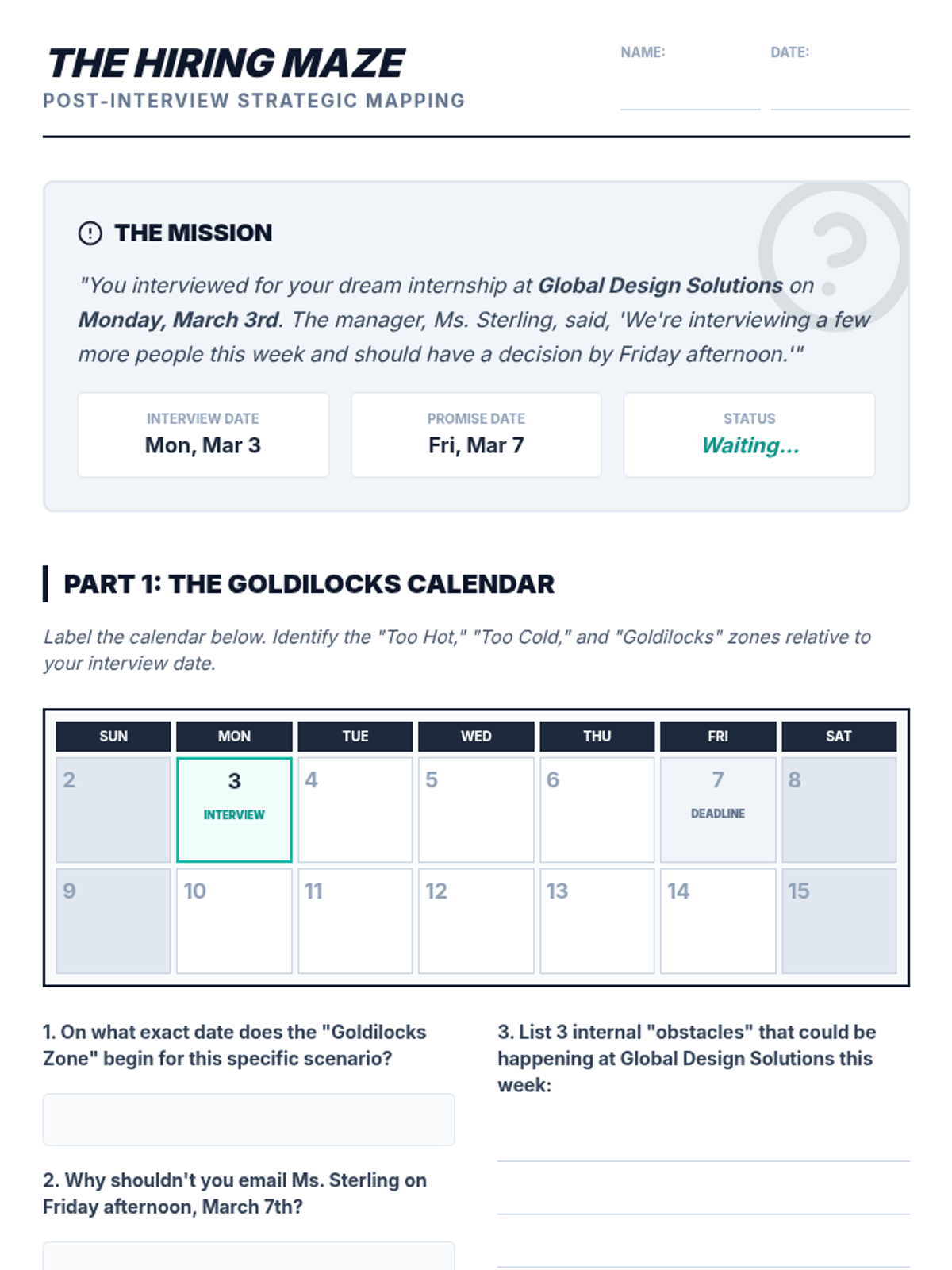
This sequence explores the professional art of following up after a job interview. Students learn to navigate the 'waiting game' by understanding employer timelines, drafting strategic inquiries, and responding professionally to outcomes ranging from job offers to rejections.
A practical writing workshop sequence where students master post-interview thank-you notes, analyzing their psychological impact and crafting personalized, professional correspondence for various contexts.
This sequence focuses on the critical 'after' phase of the interview process, teaching undergraduate students how to analyze their performance, interpret outcomes, and manage professional relationships long-term. Students move from self-reflection and performance analysis to navigating offers and maintaining a strategic network, turning every interview into a growth opportunity.
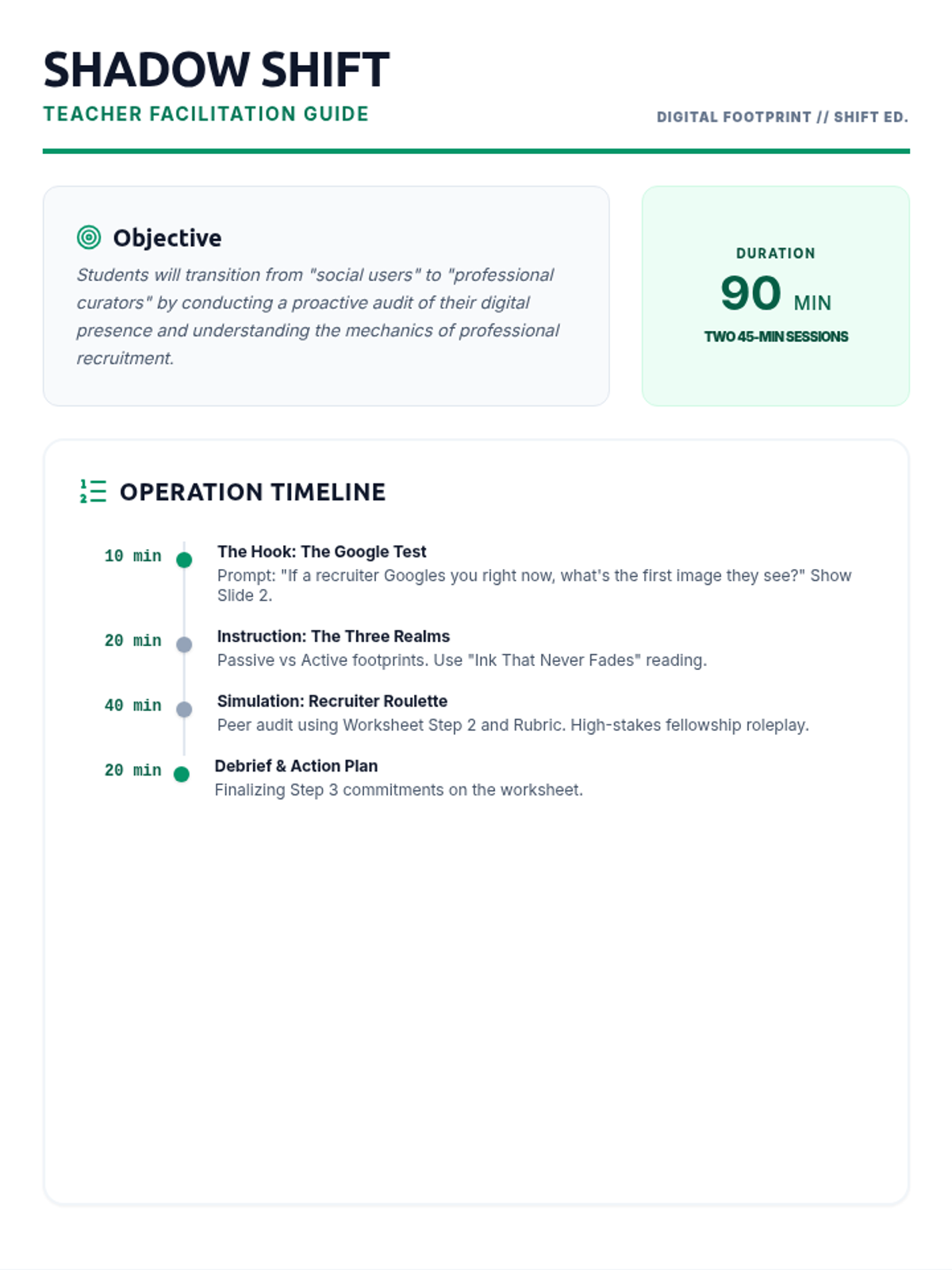
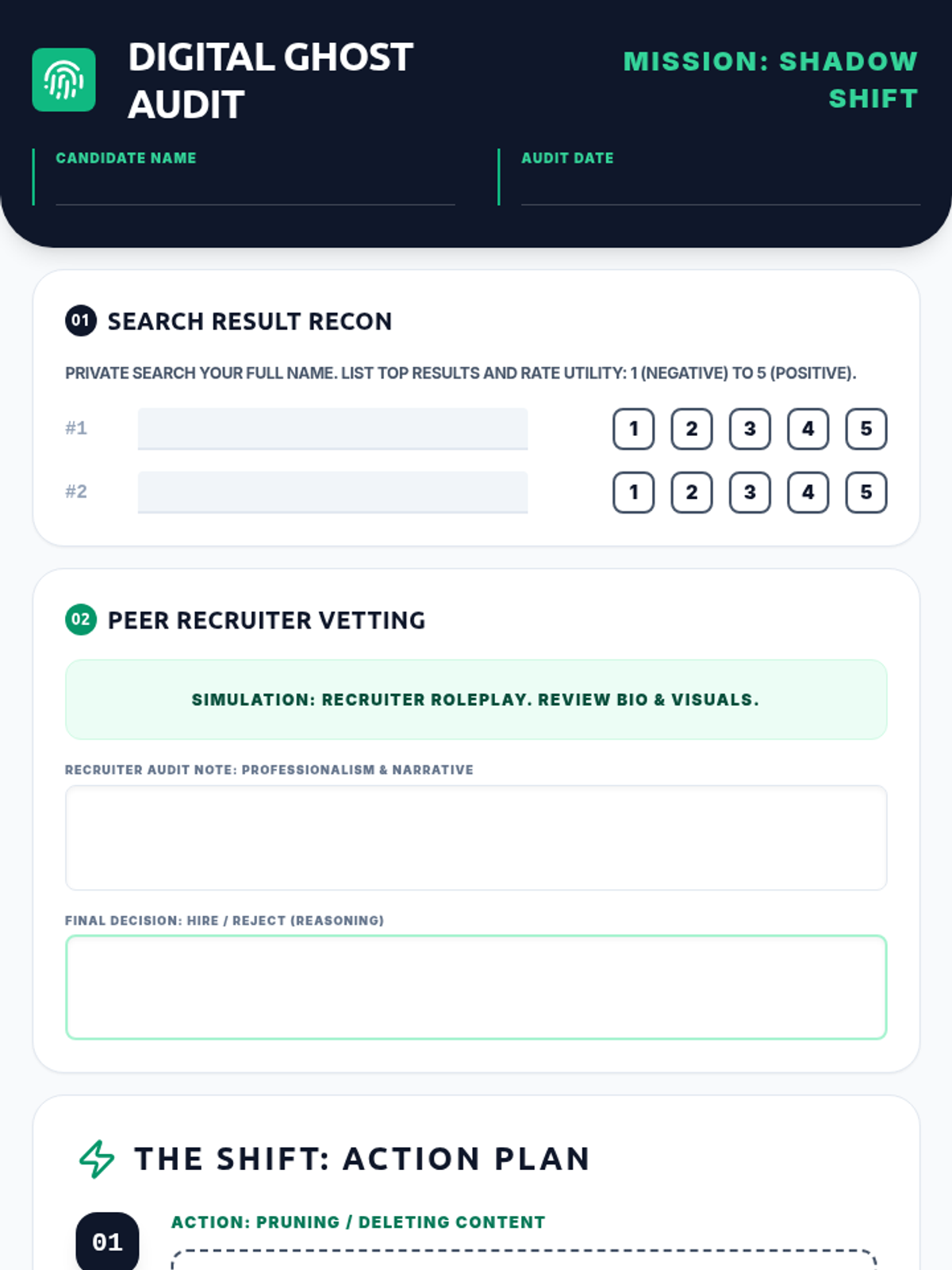
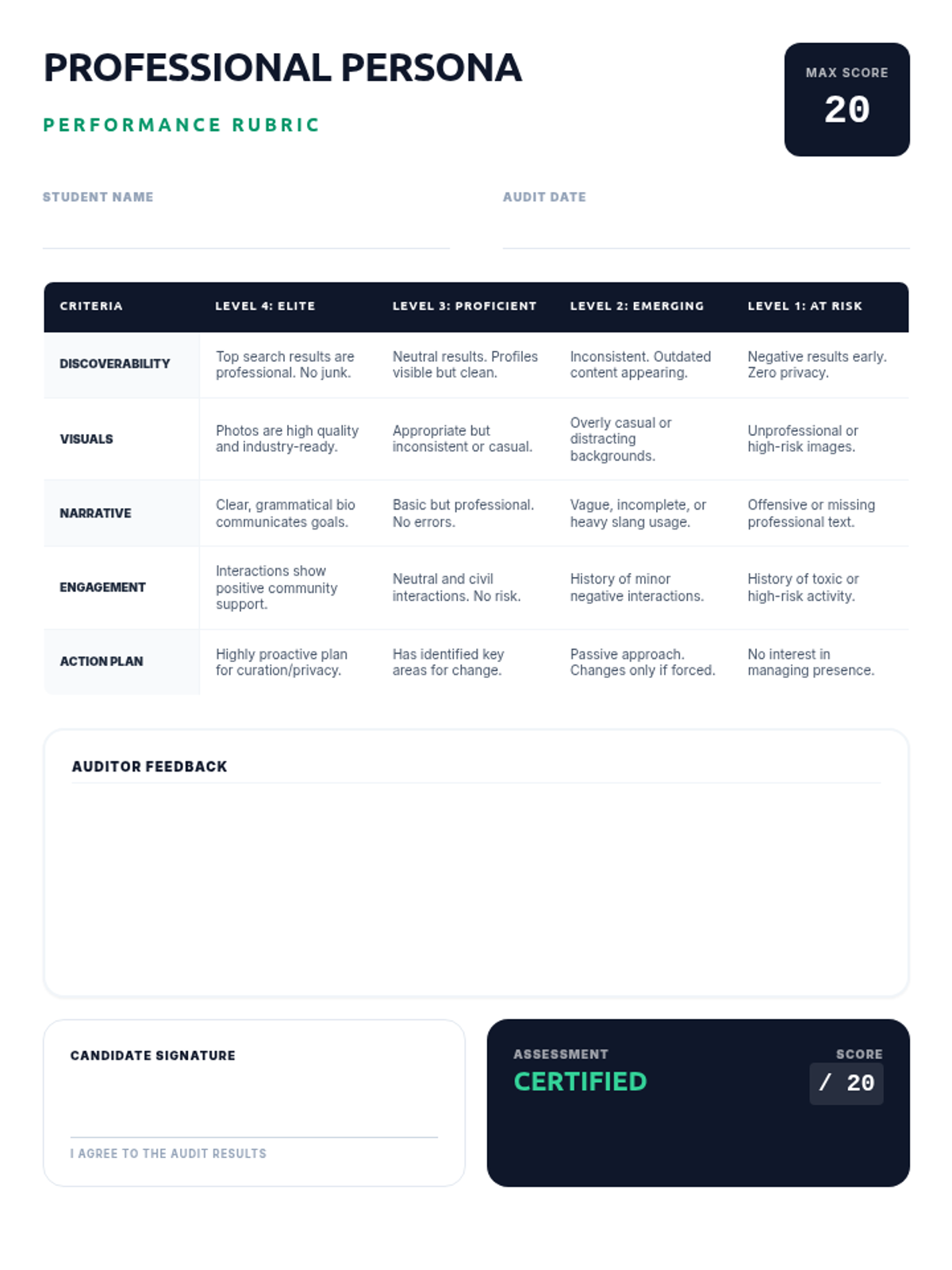
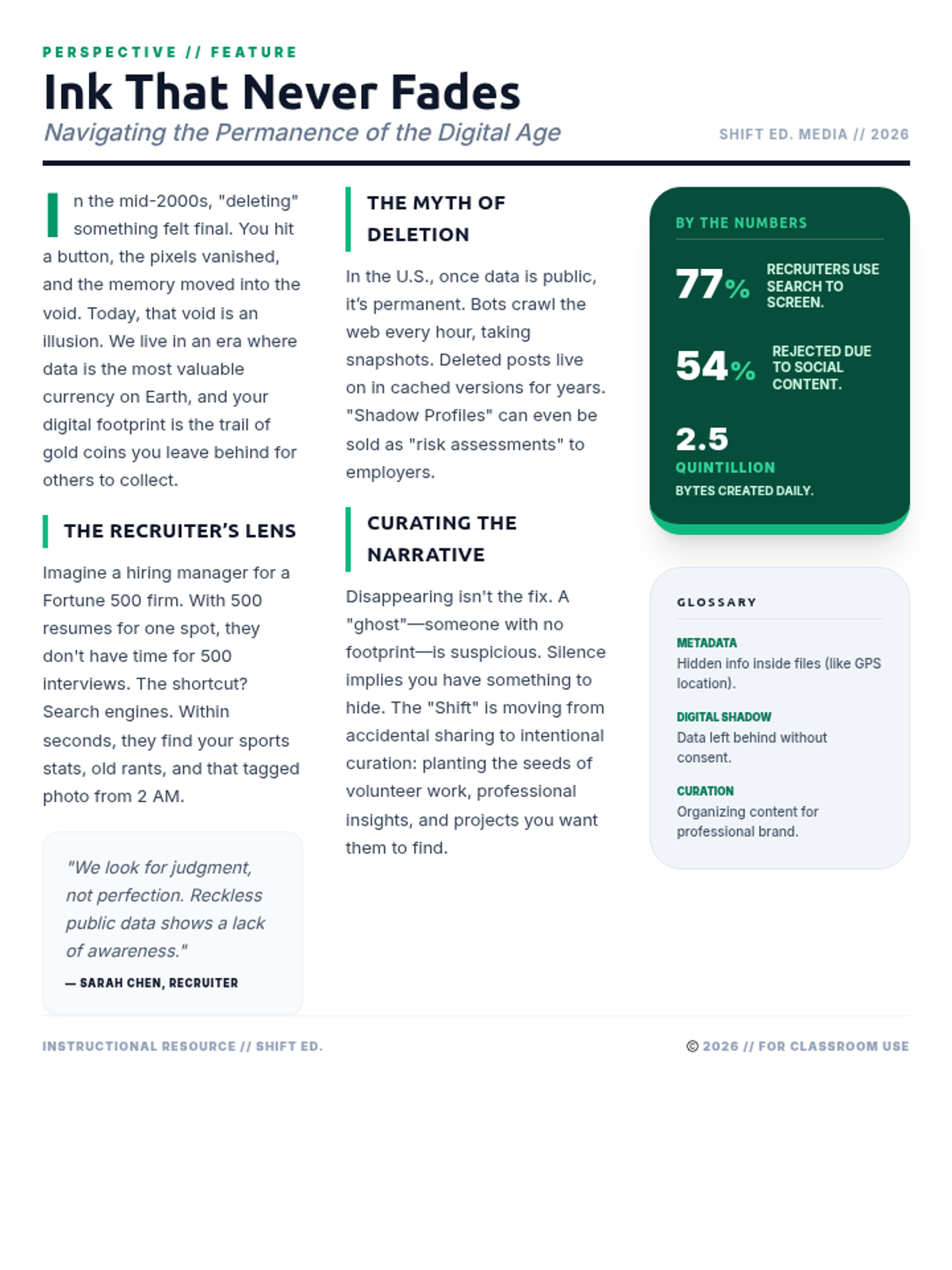
A comprehensive lesson on digital footprint management for students transitioning to professional or collegiate environments. Students engage in 'recruitment simulations' to understand how their online presence impacts future opportunities and learn to curate a professional digital persona.
A sequence focused on executive functioning and emotional regulation for young adults to improve productivity and mental well-being.
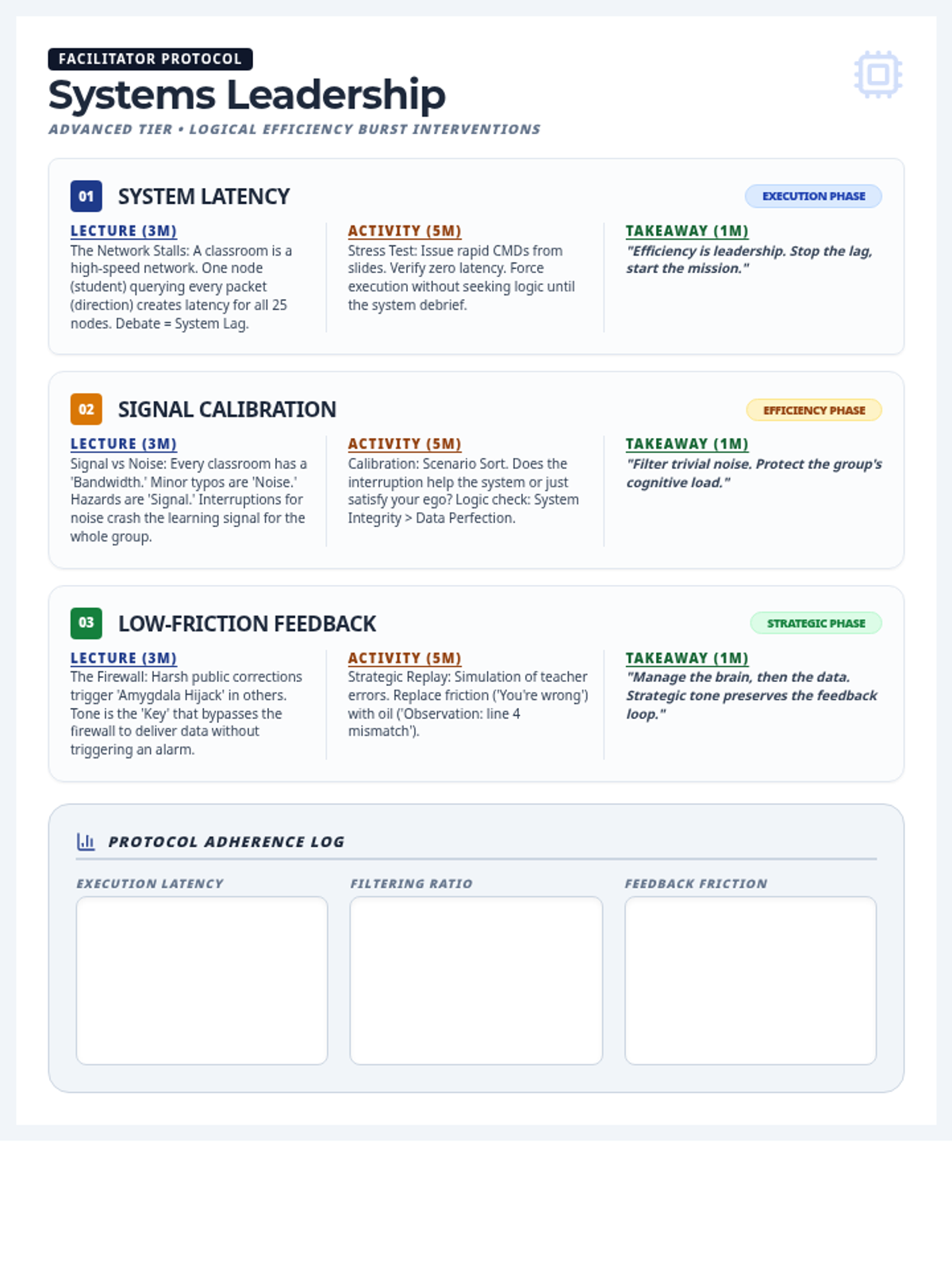
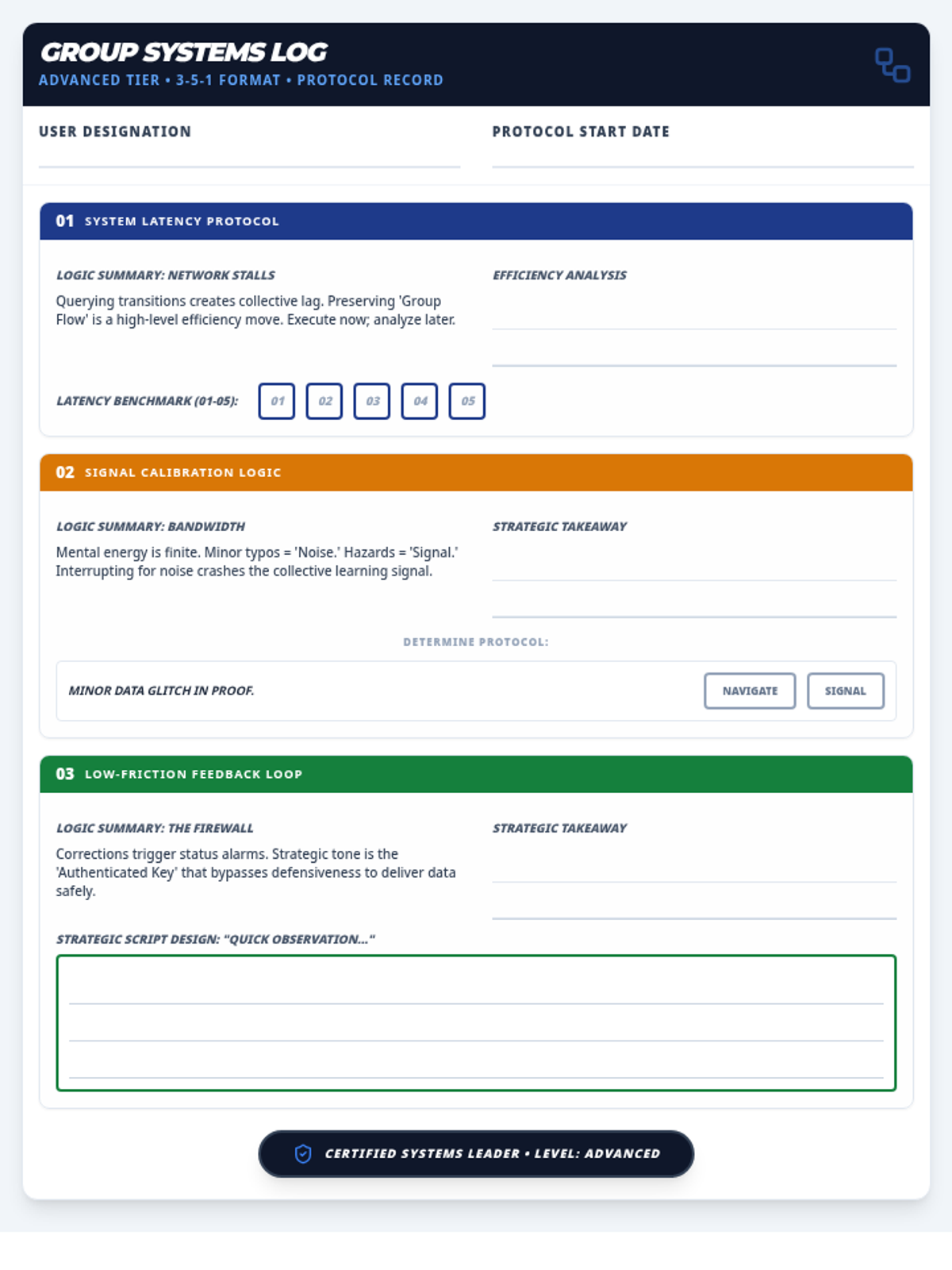
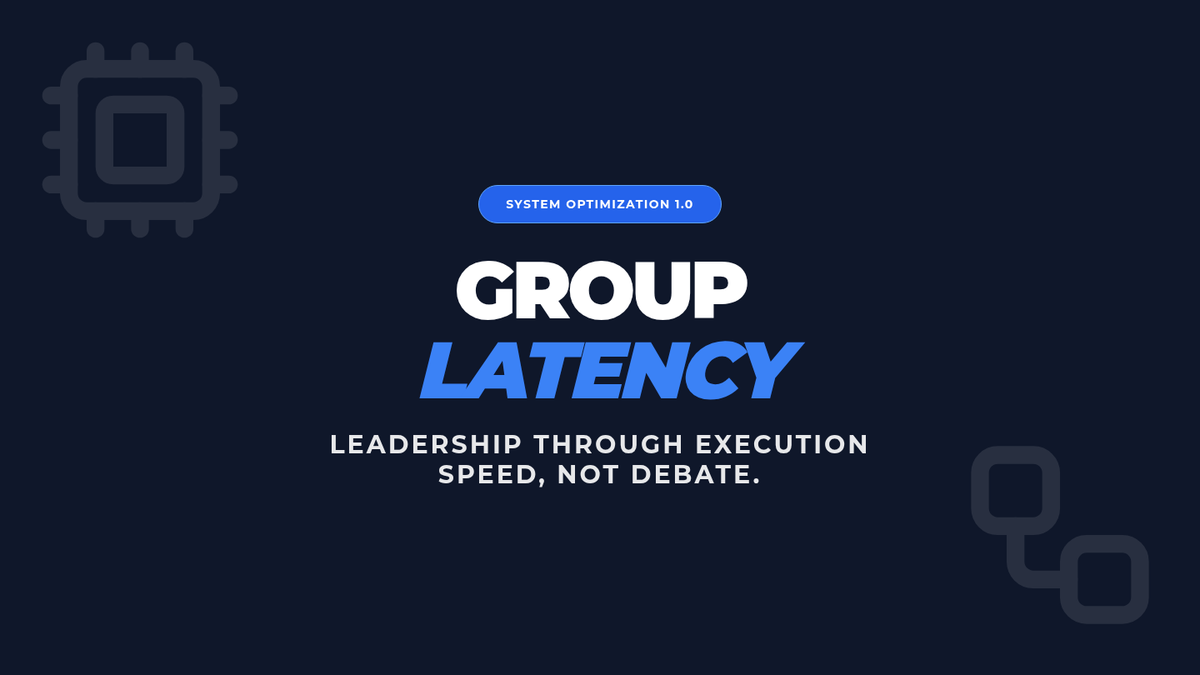
A series of three 10-minute 'burst' sessions designed to teach classroom leadership through systems-thinking and logical efficiency. Focuses on minimizing group latency, calibrating priority, and mastering low-friction feedback.
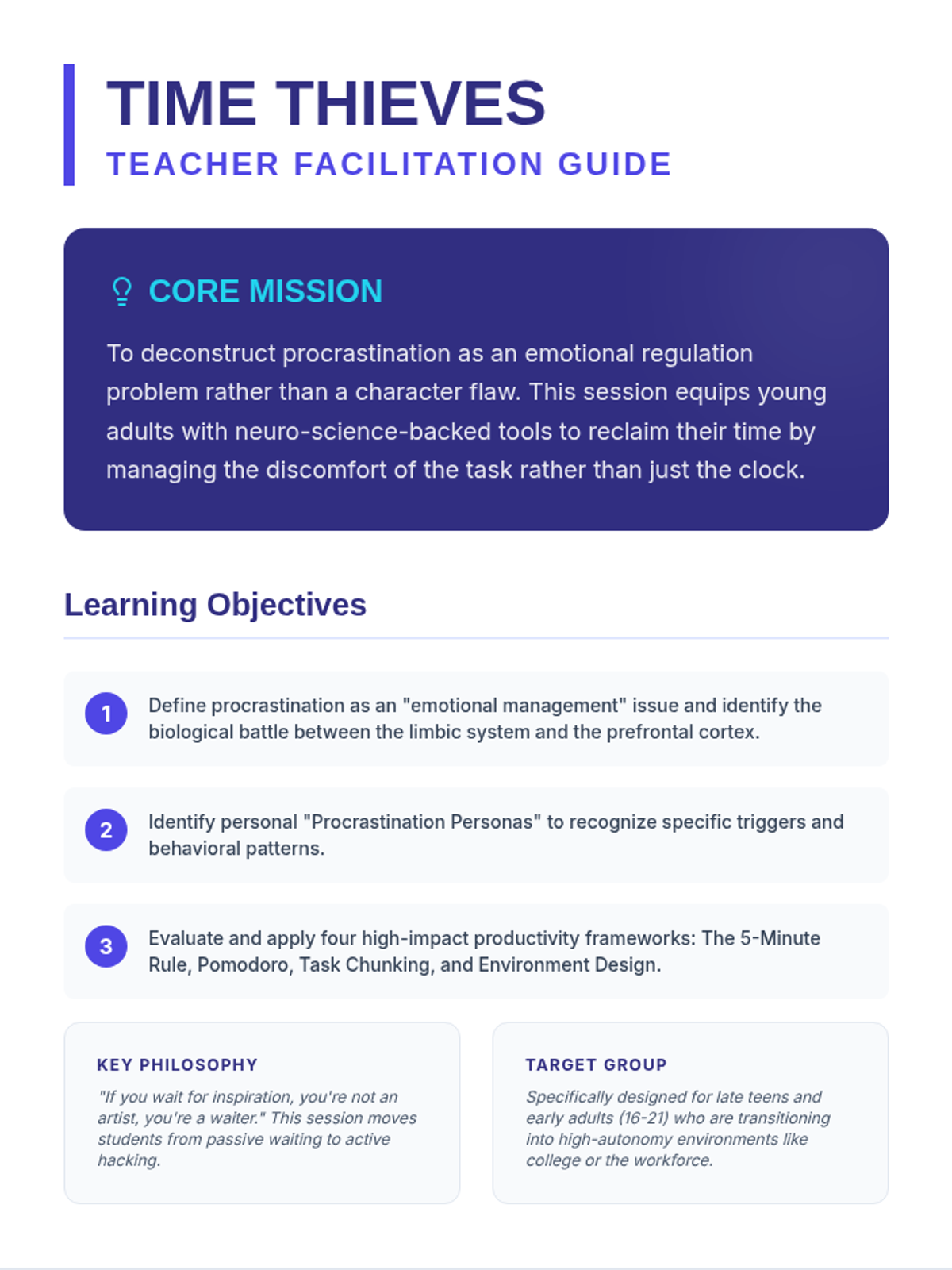
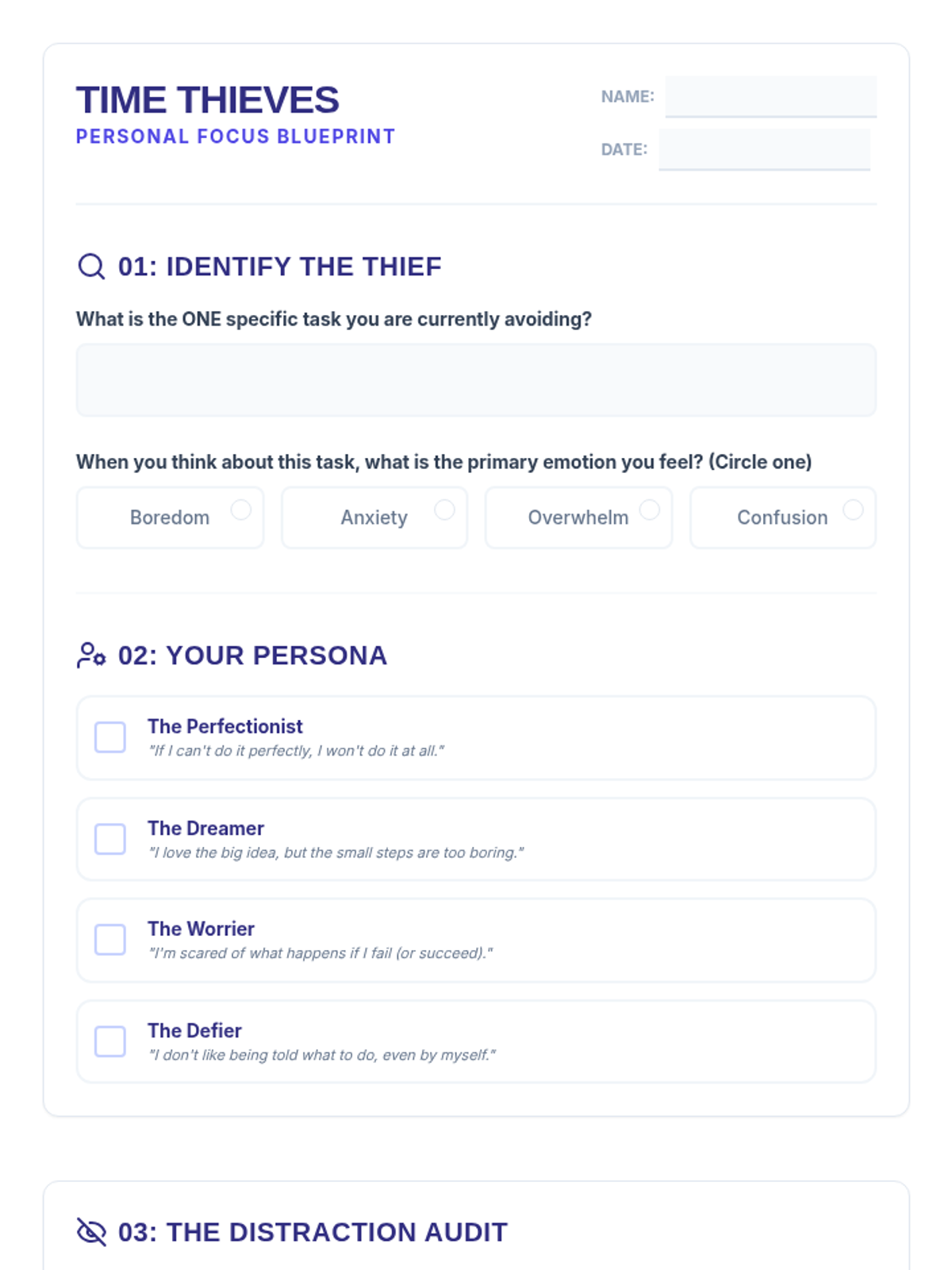
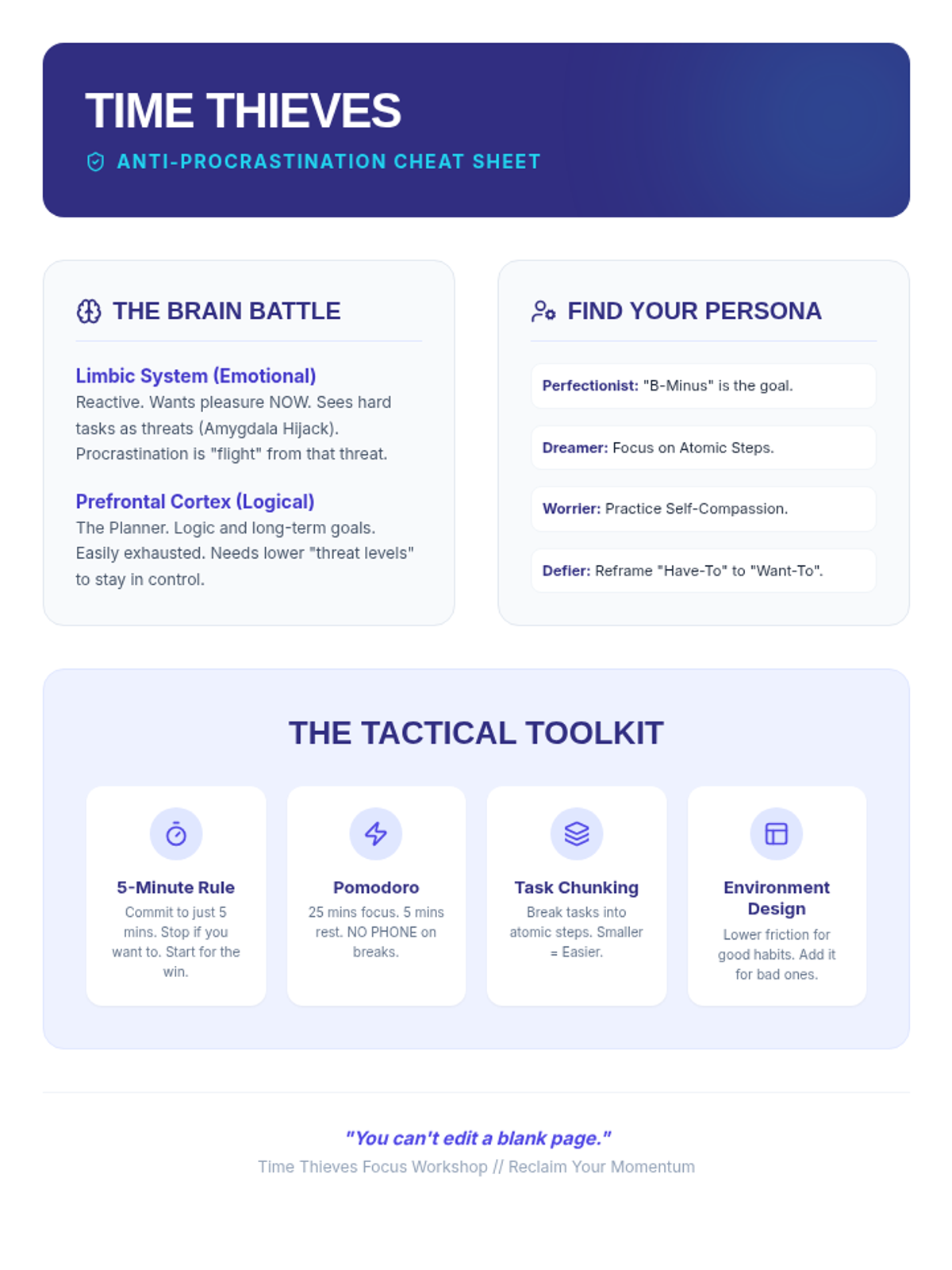
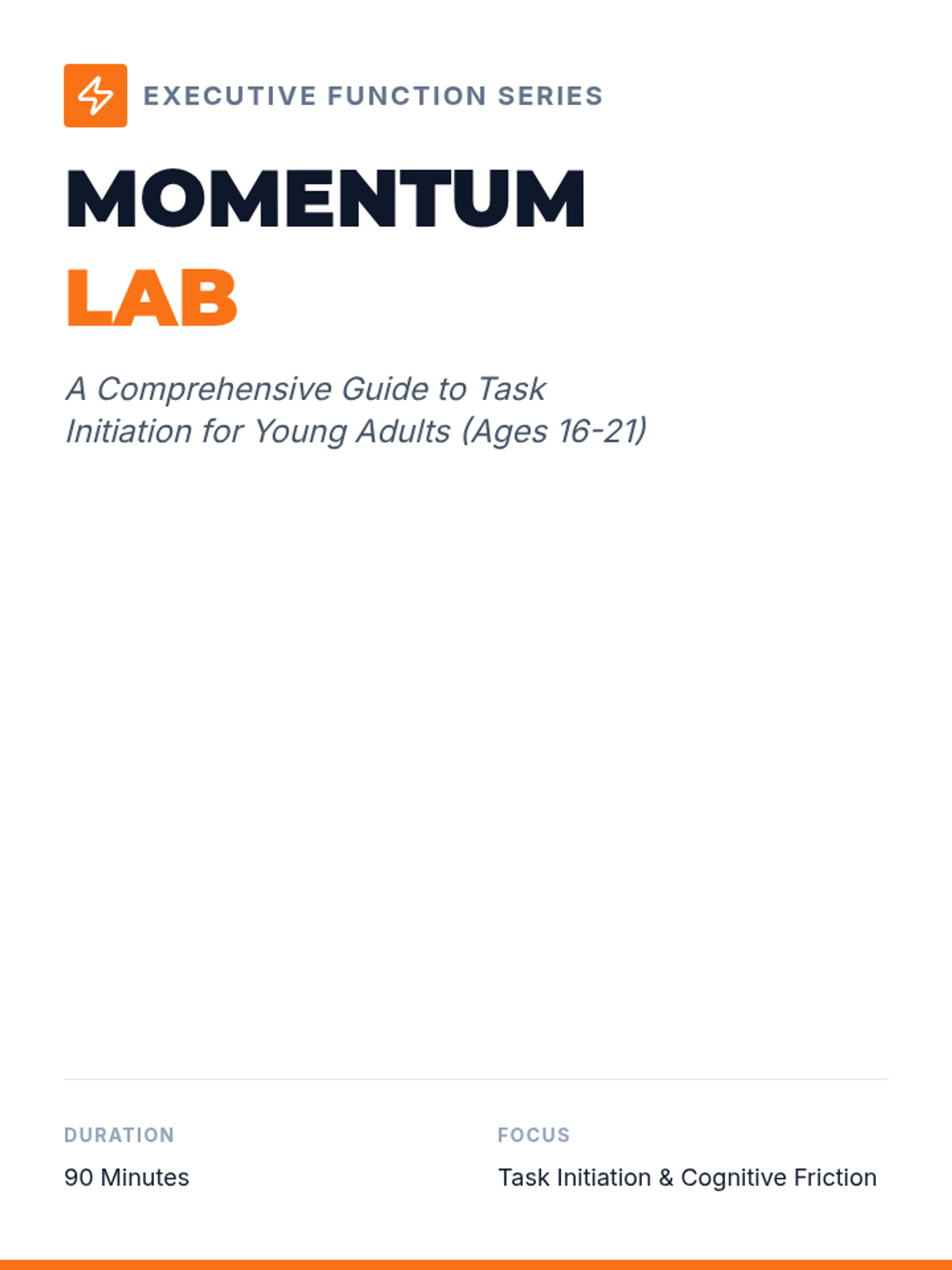
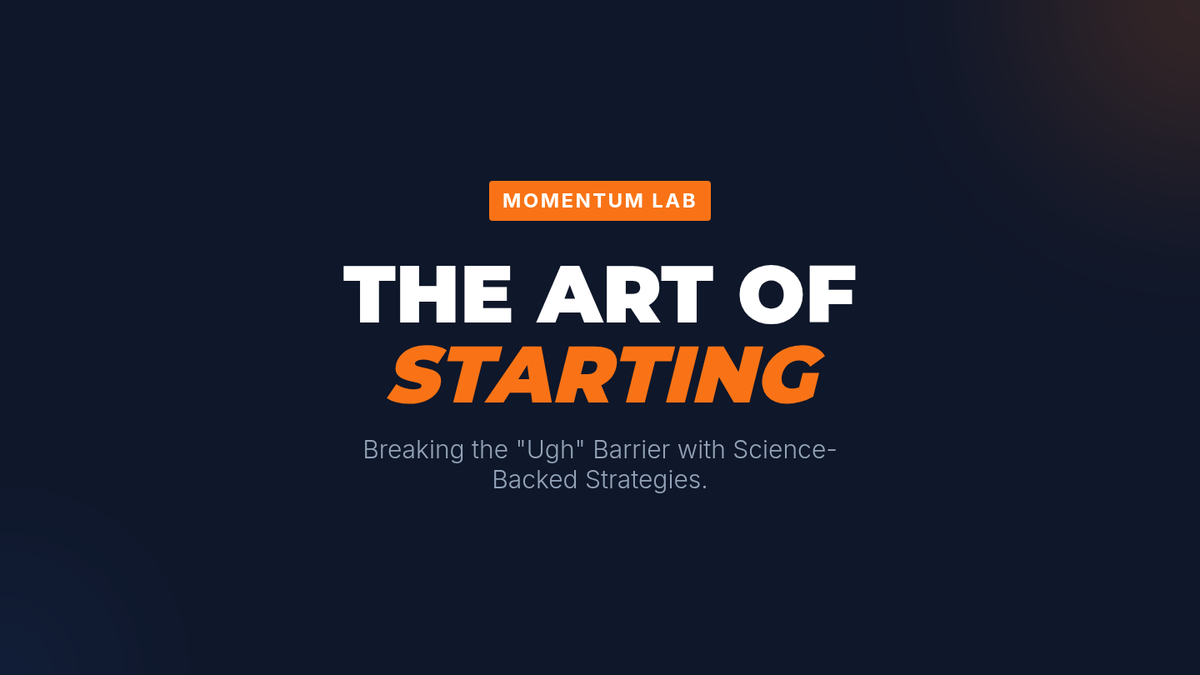
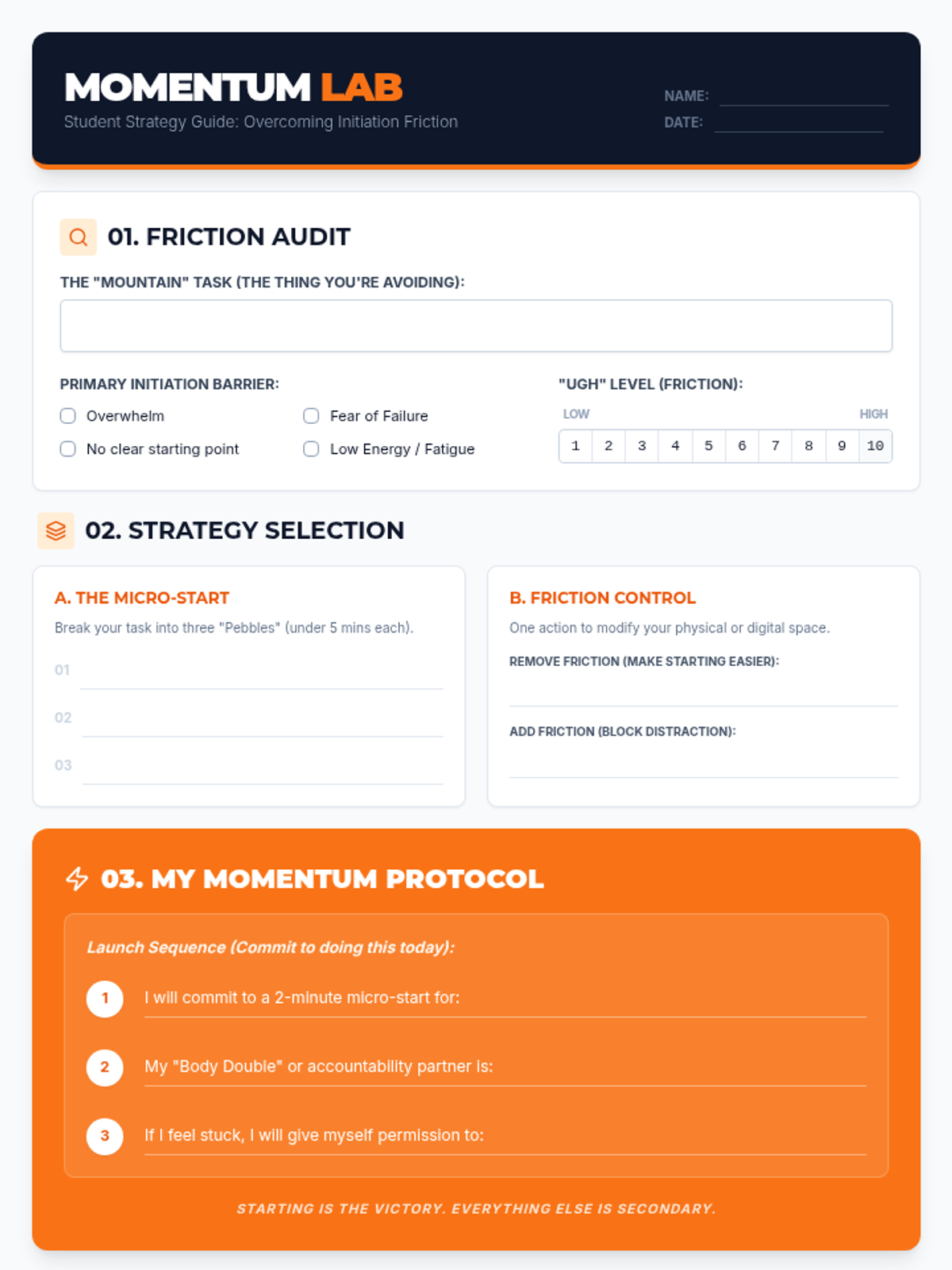
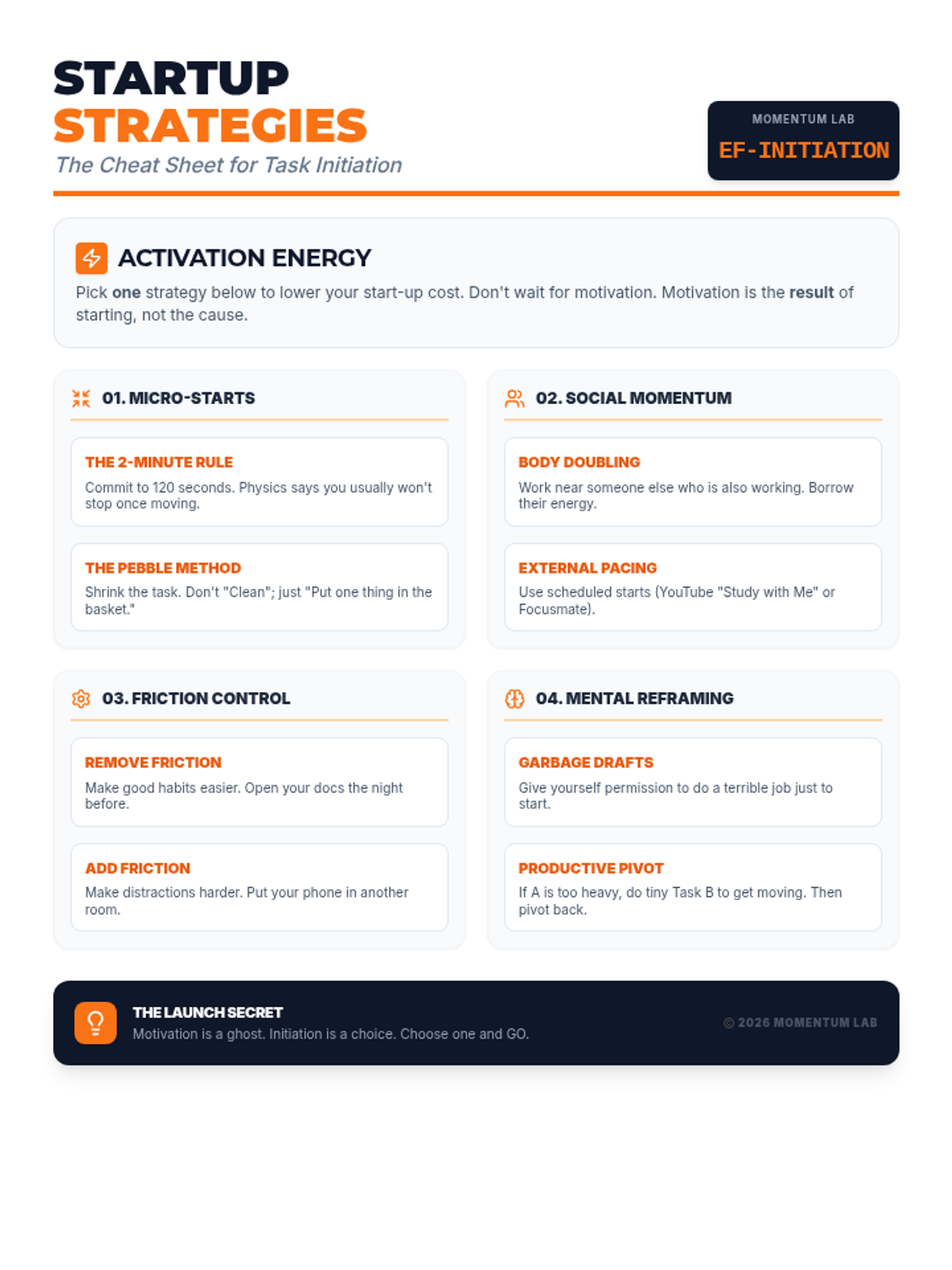
A session designed for 16-21 year olds to master executive function skills, specifically focusing on overcoming the 'start-up cost' of difficult tasks through science-backed initiation strategies.
A series of lessons designed to equip students with the foundational skills needed to navigate the professional world, secure employment, and thrive in their careers.
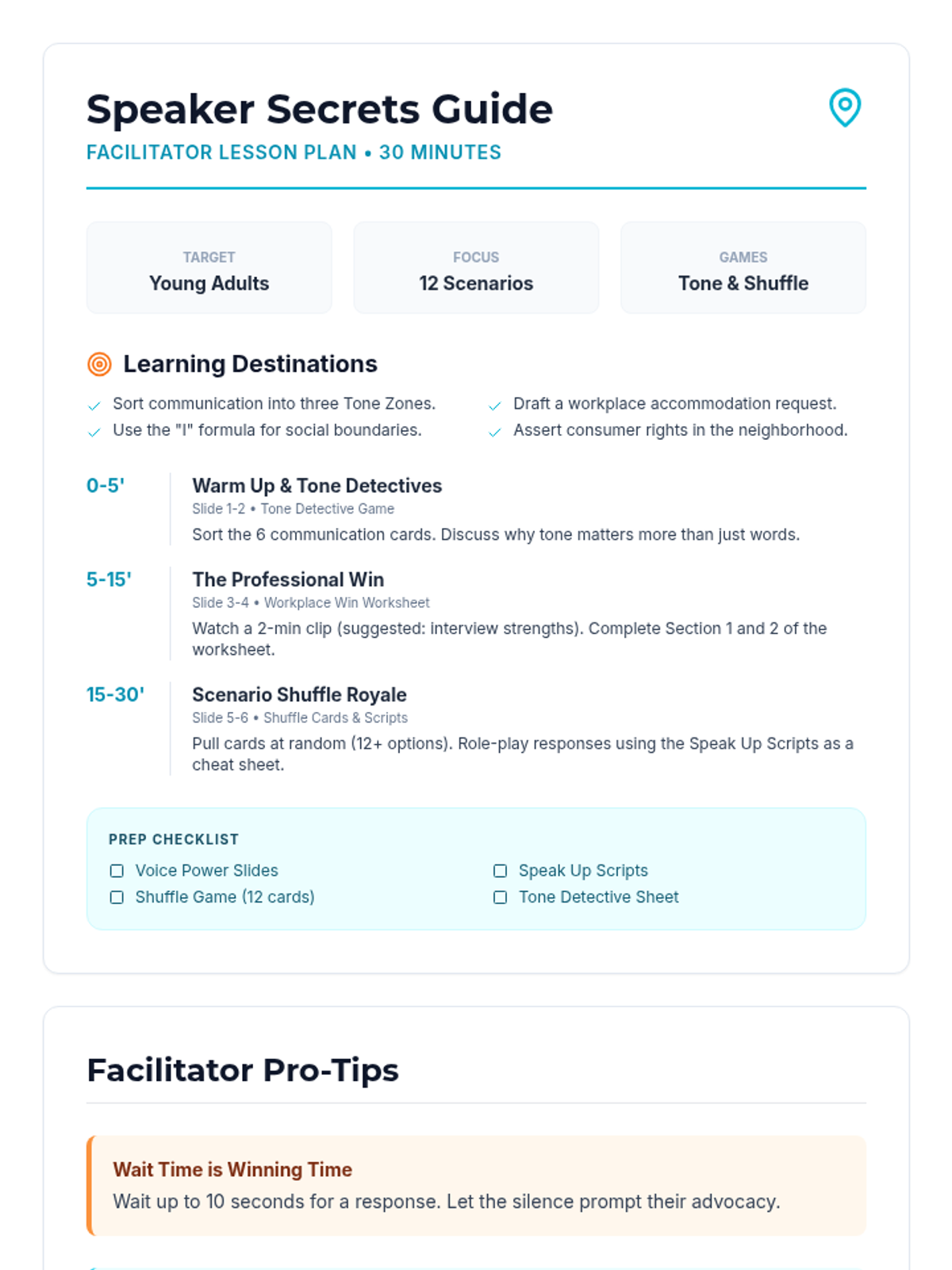
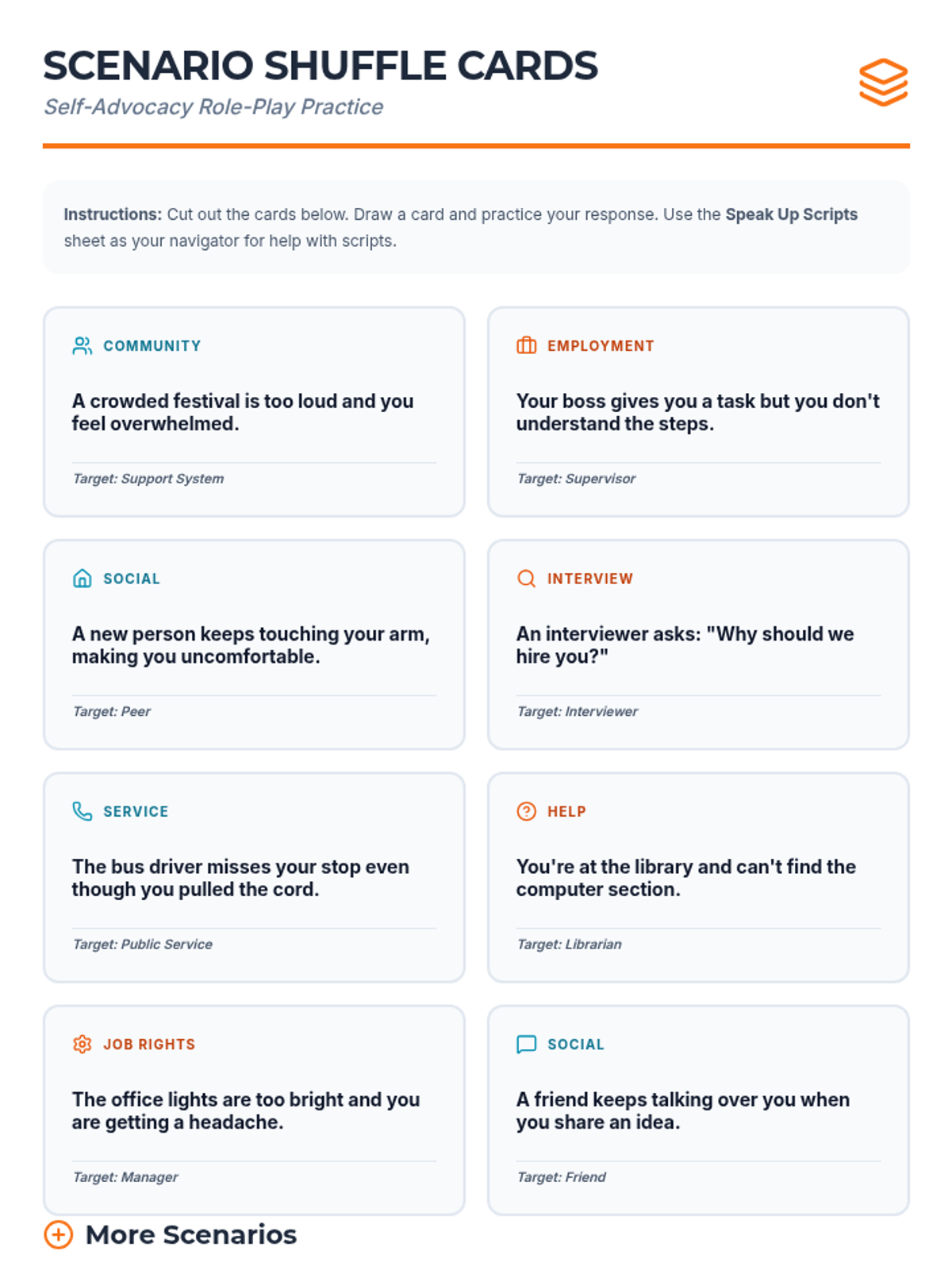
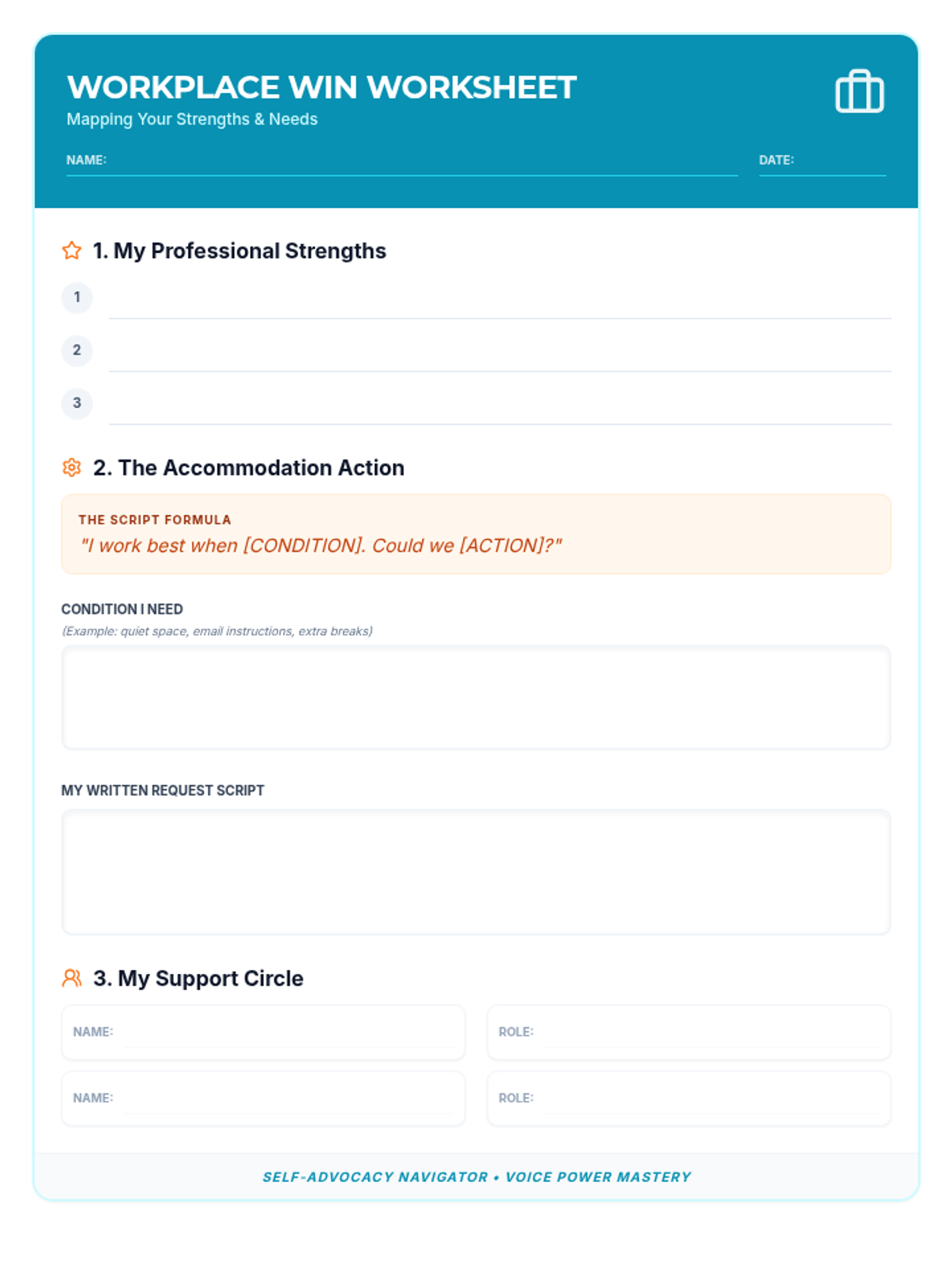
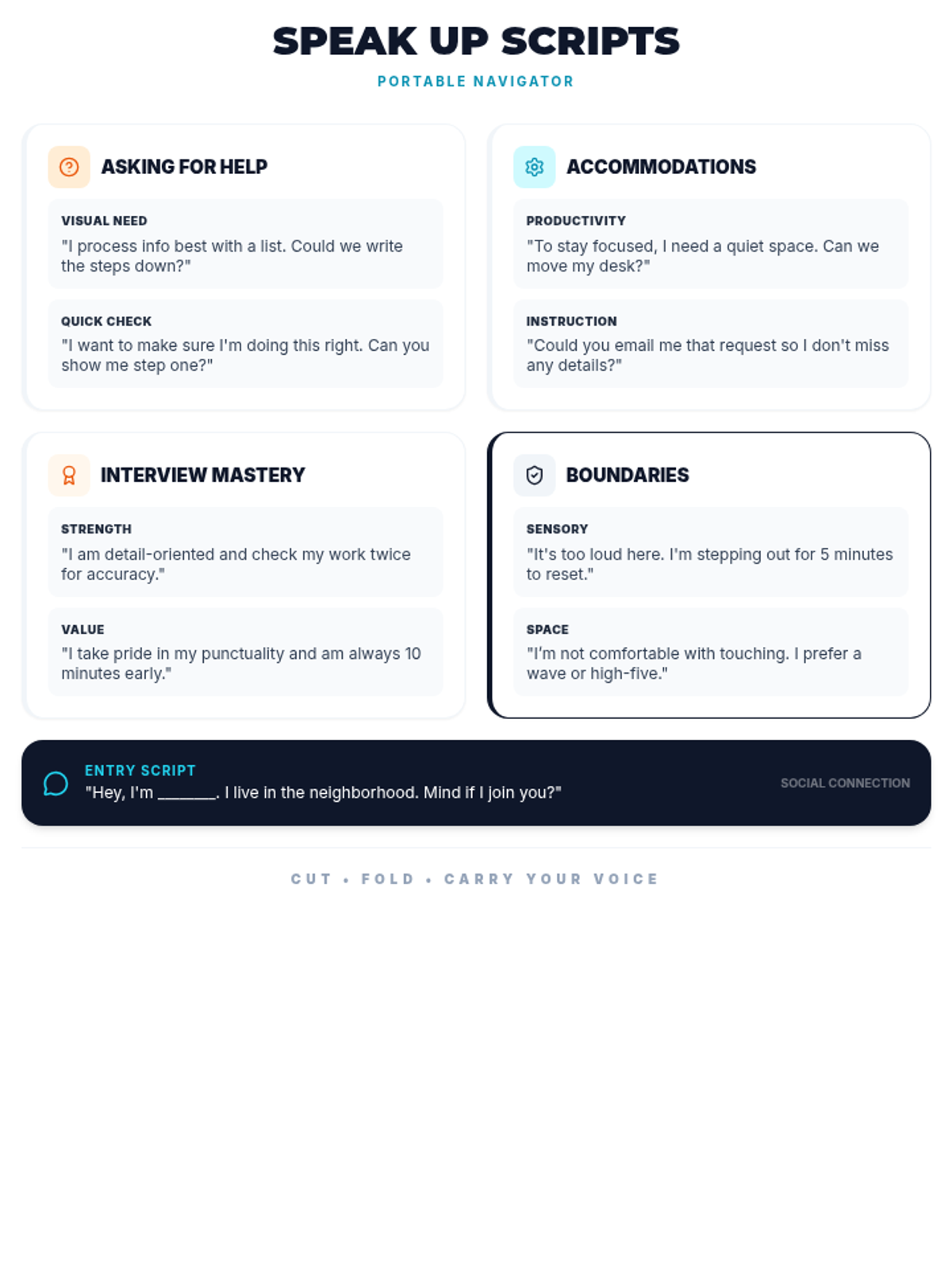
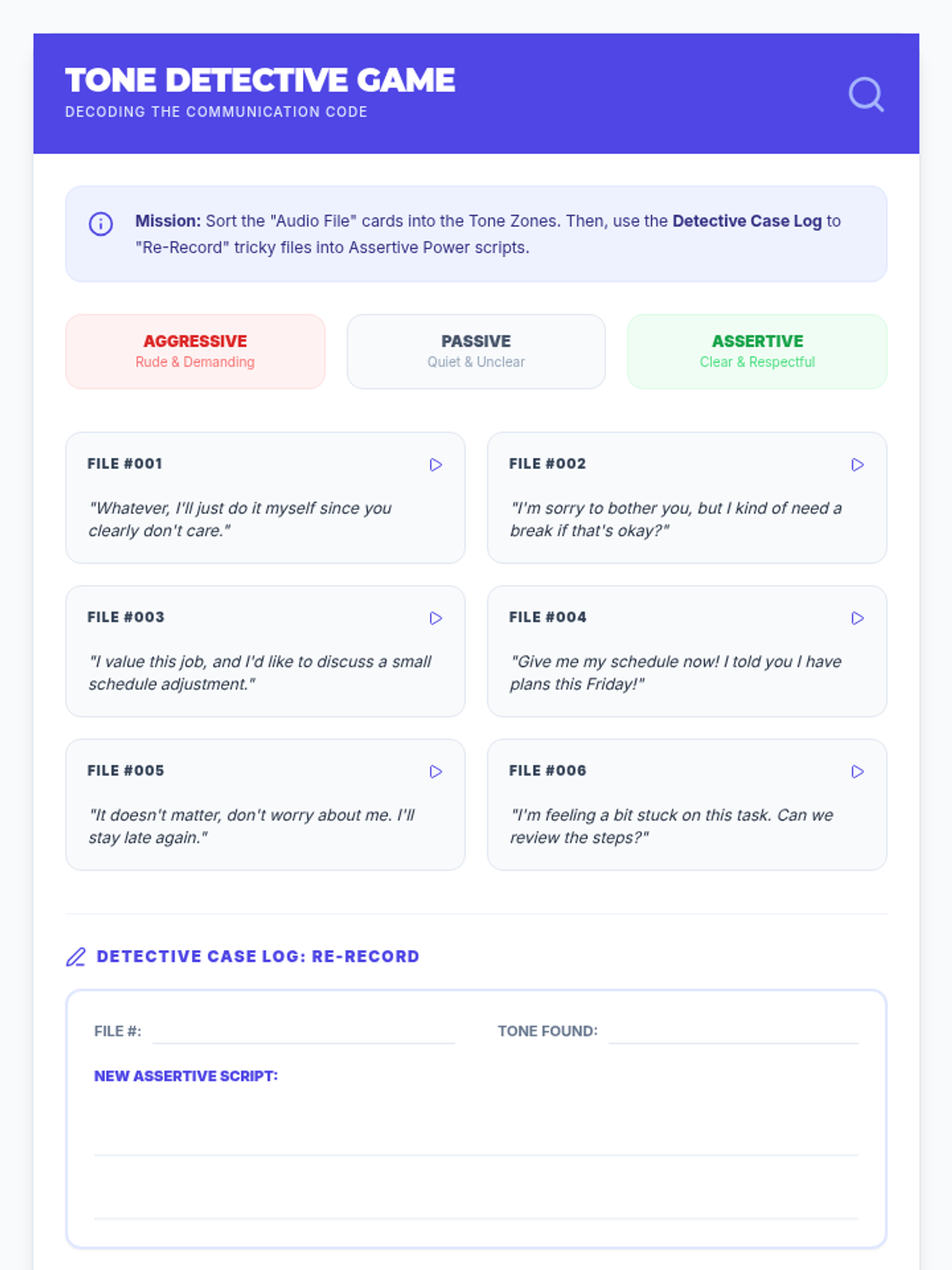
A comprehensive unit designed for young adults to master self-advocacy across workplace, community, and social environments. Through interactive scenarios and guided practice, learners build confidence in asserting their needs and showcasing their strengths.
A comprehensive identity design unit where students explore the psychological and visual elements of branding, including color theory, typography, and logo composition.
A comprehensive career readiness sequence focusing on the transition from application to employment, covering resumes, interviewing, and workplace success.
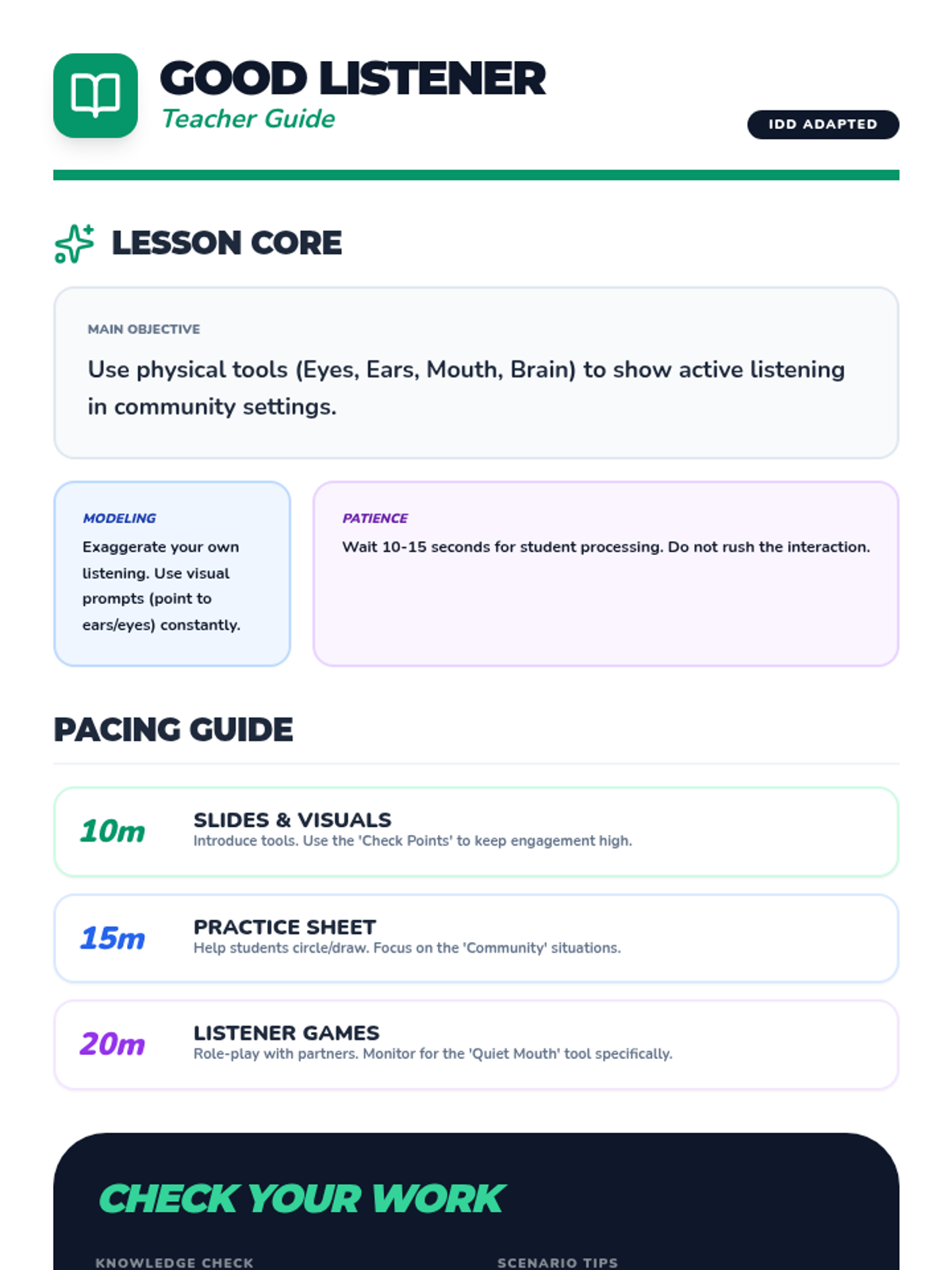
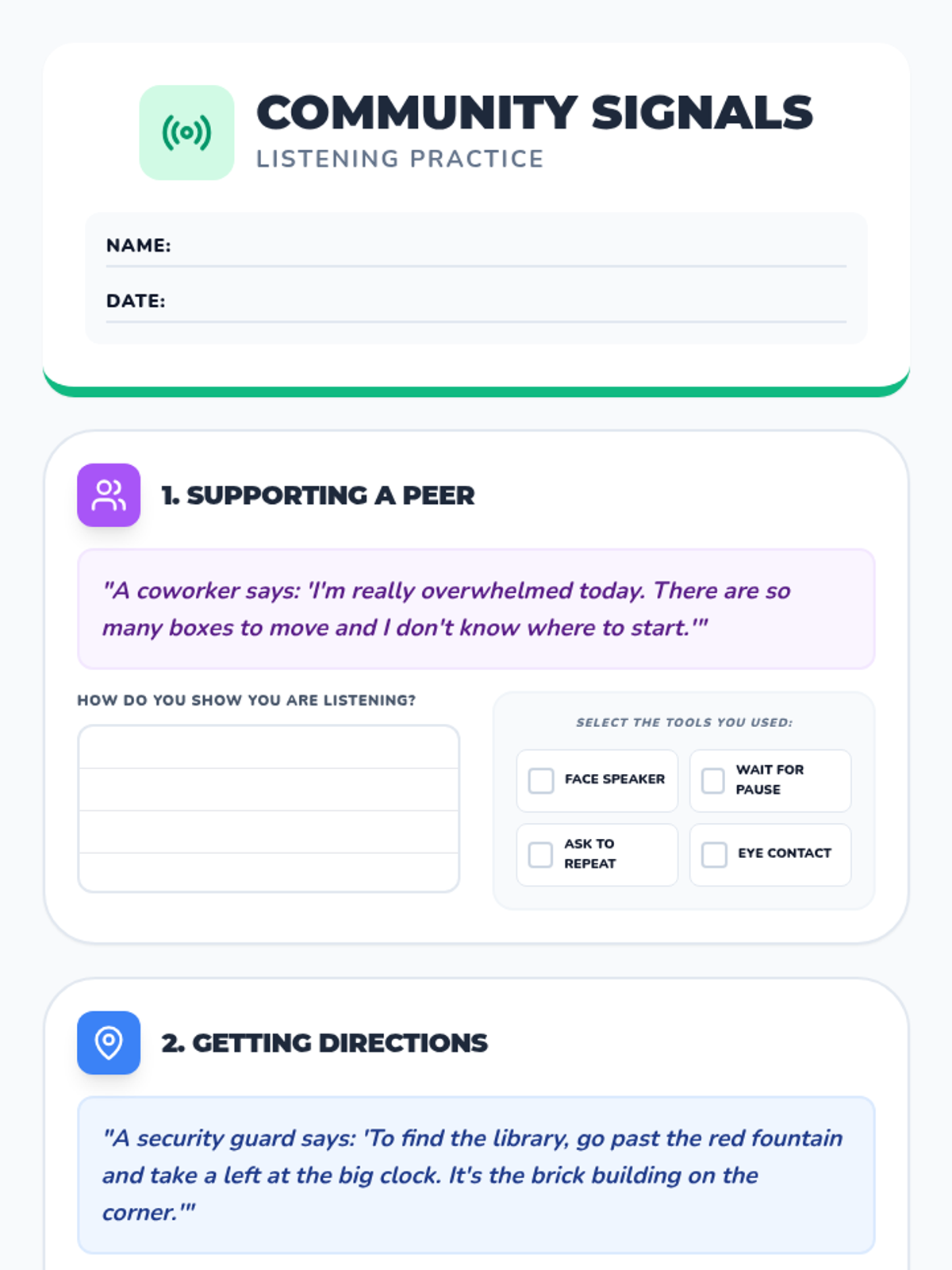
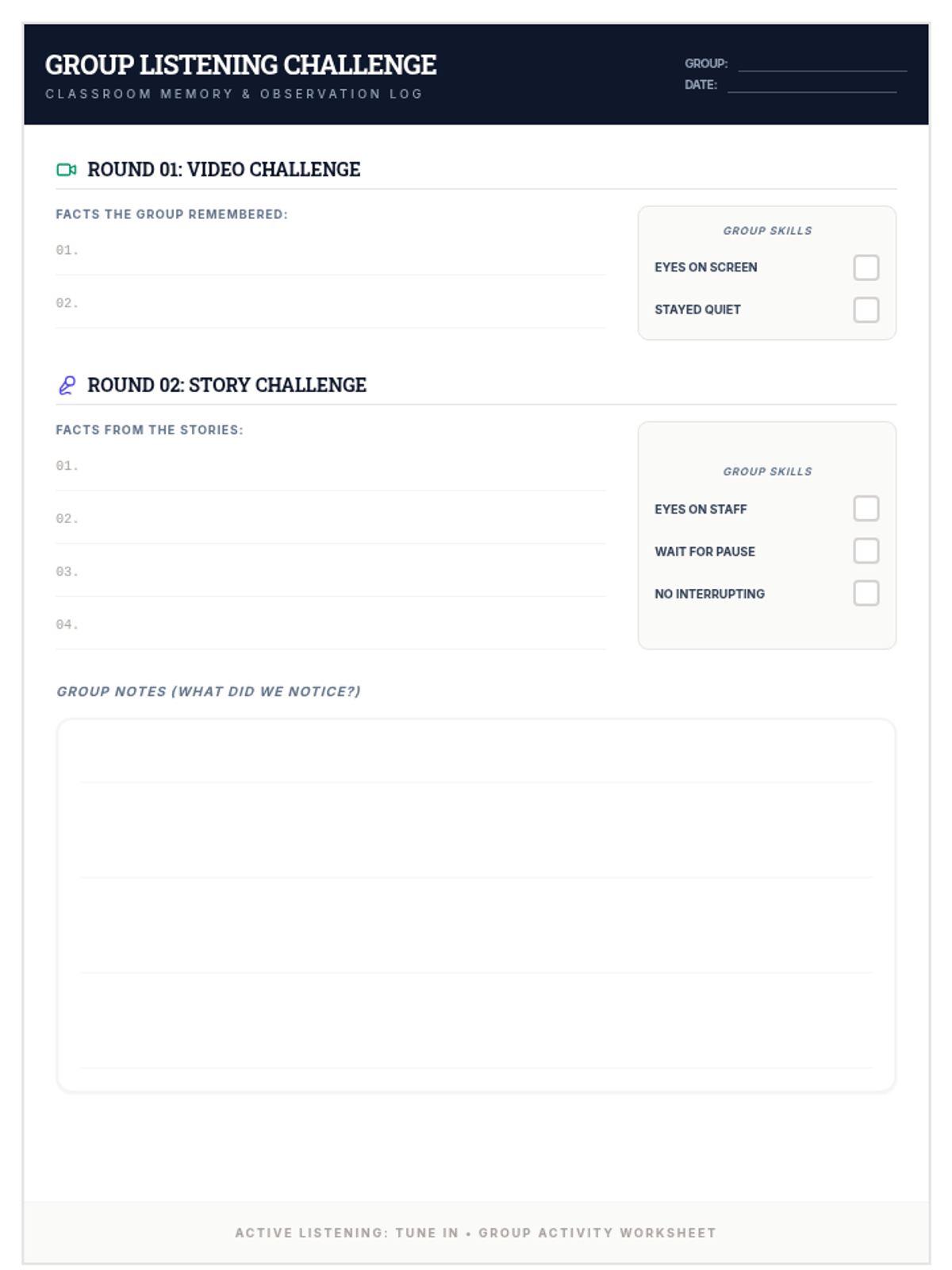
This sequence focuses on building fundamental active listening skills through relatable social scenarios and professional data-driven practice. Students learn to focus visually, manage verbal impulses, and retain key information in both casual and community-based environments.
A series of lessons designed to prepare students for the transition to the workforce by developing critical soft skills, digital literacy, and professional communication strategies.
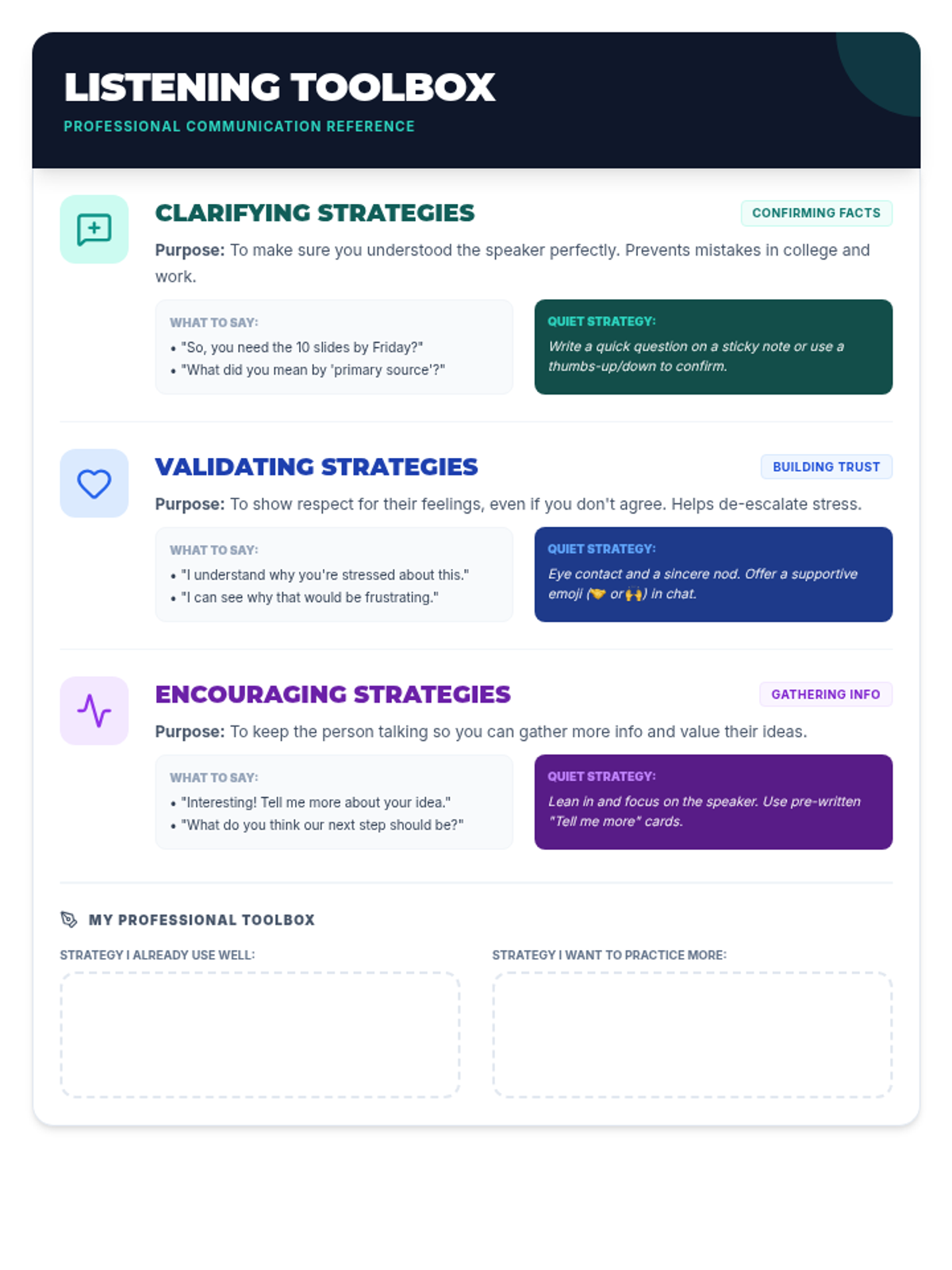
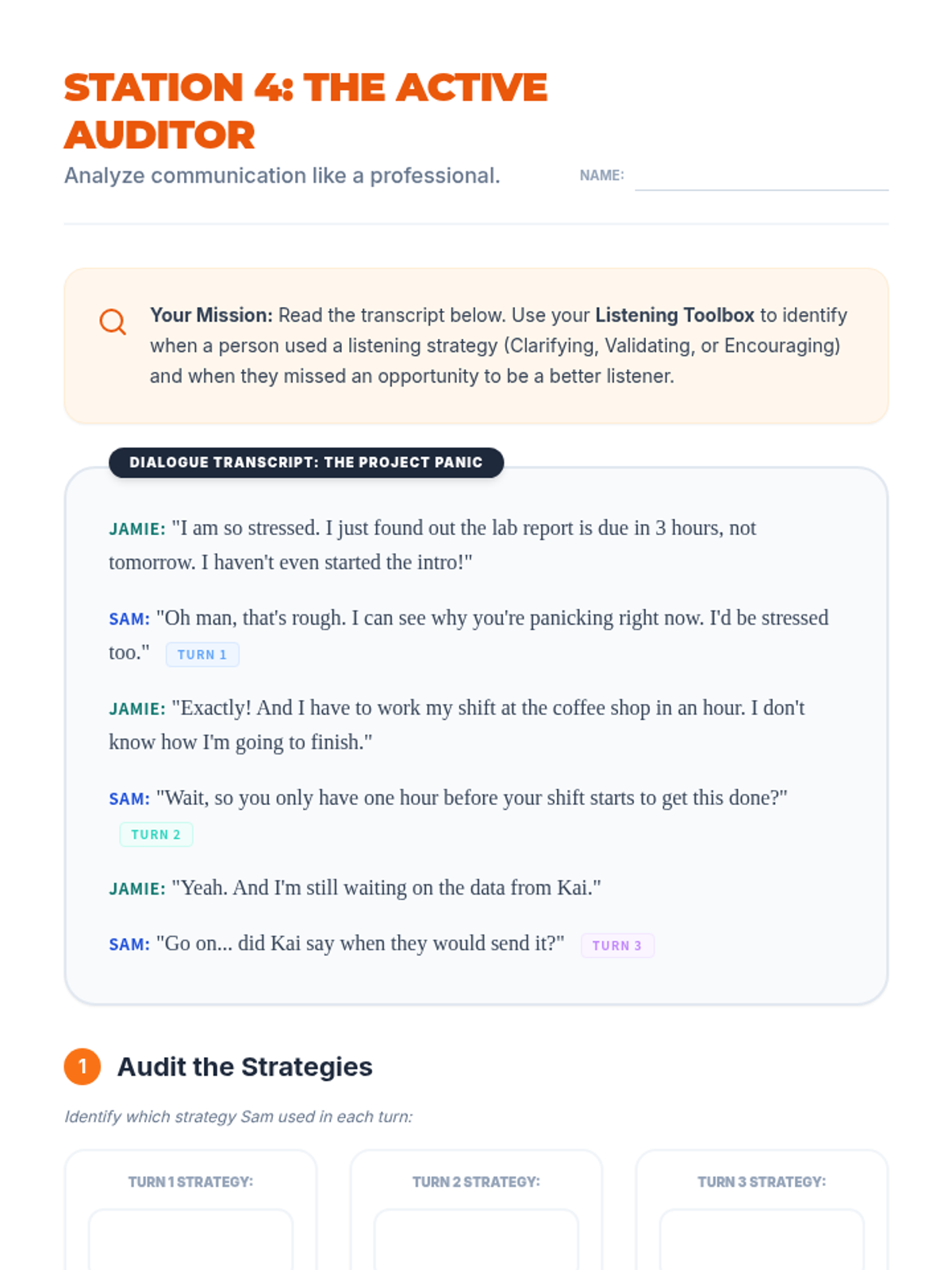
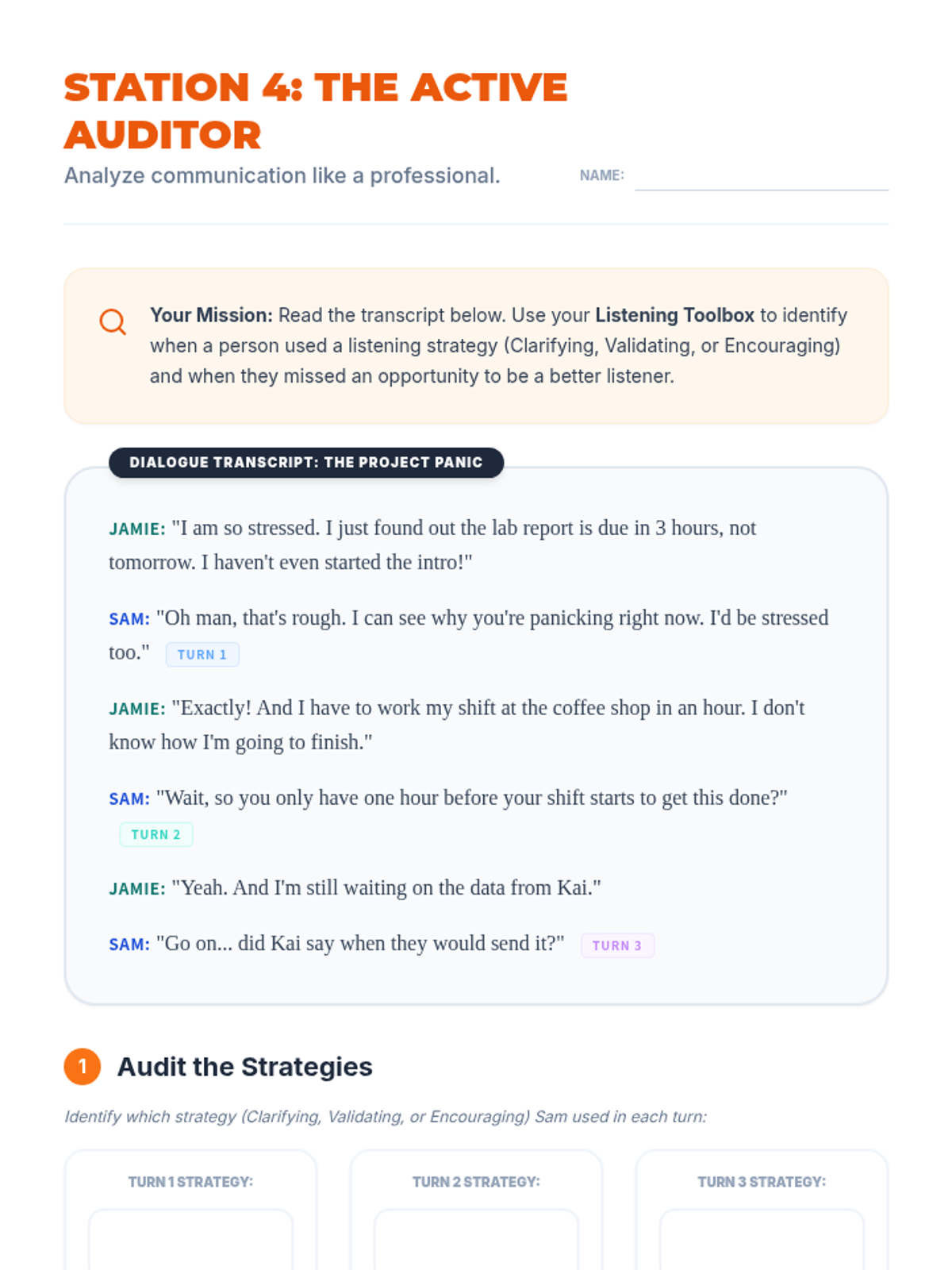
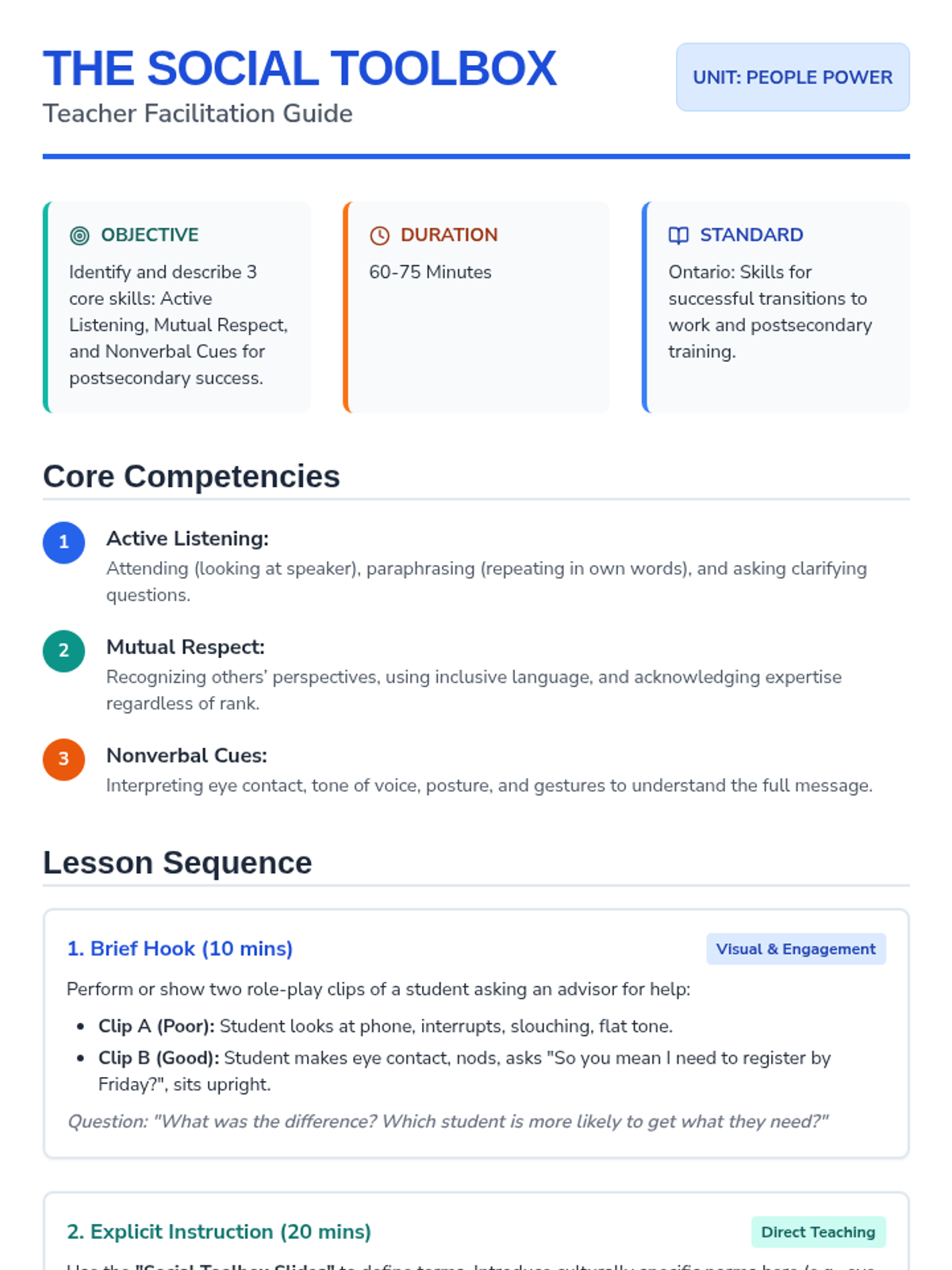
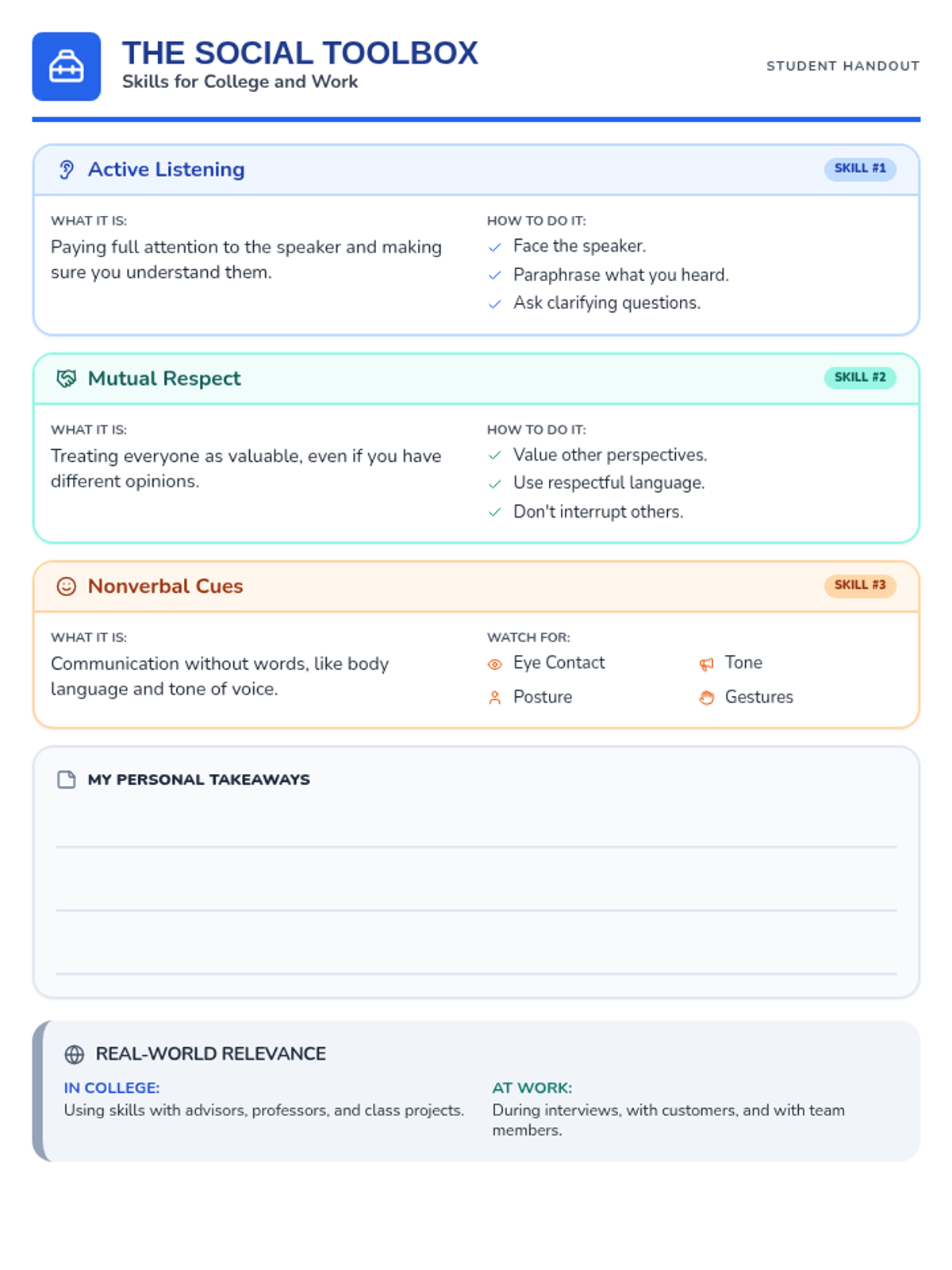
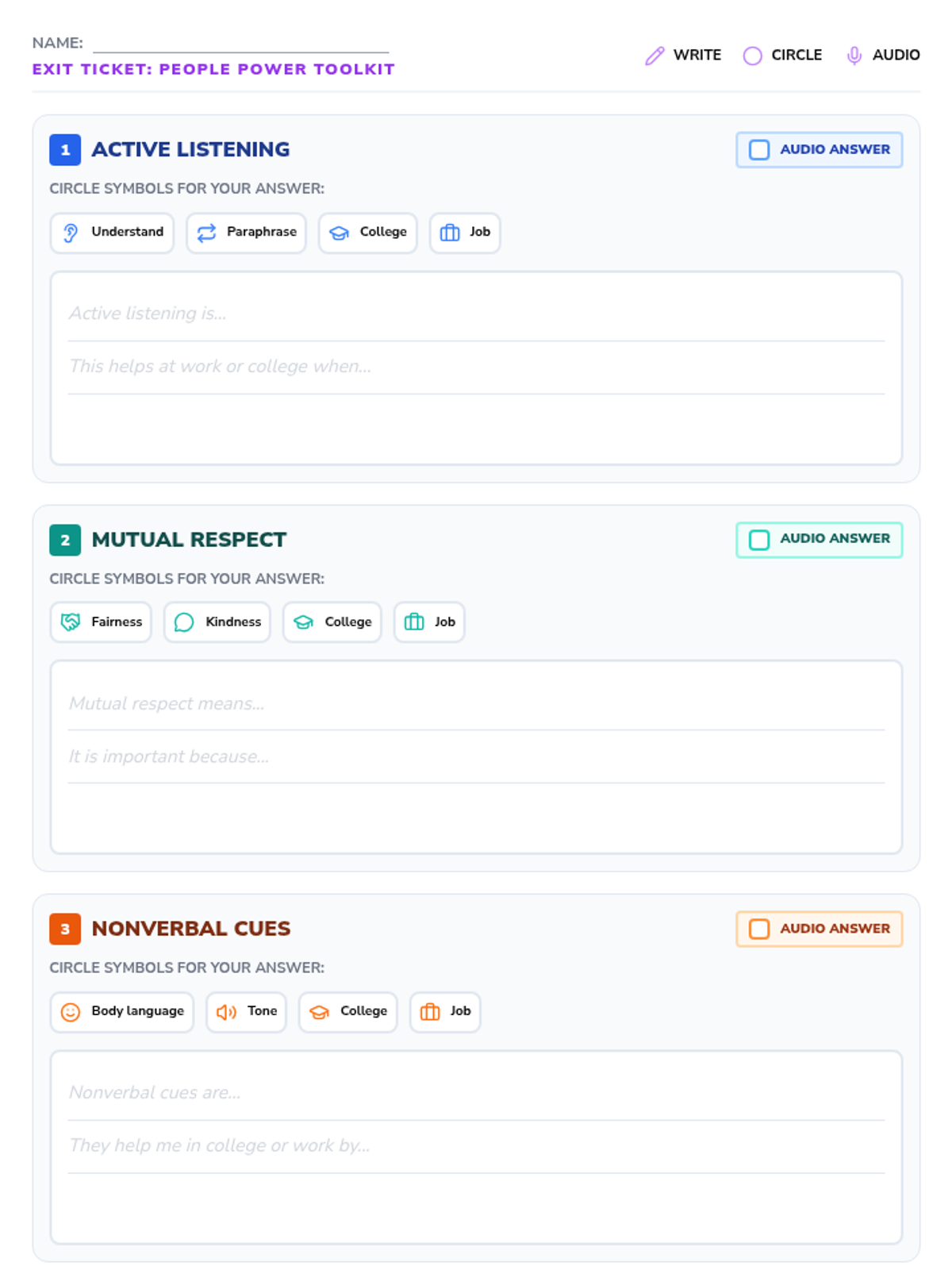
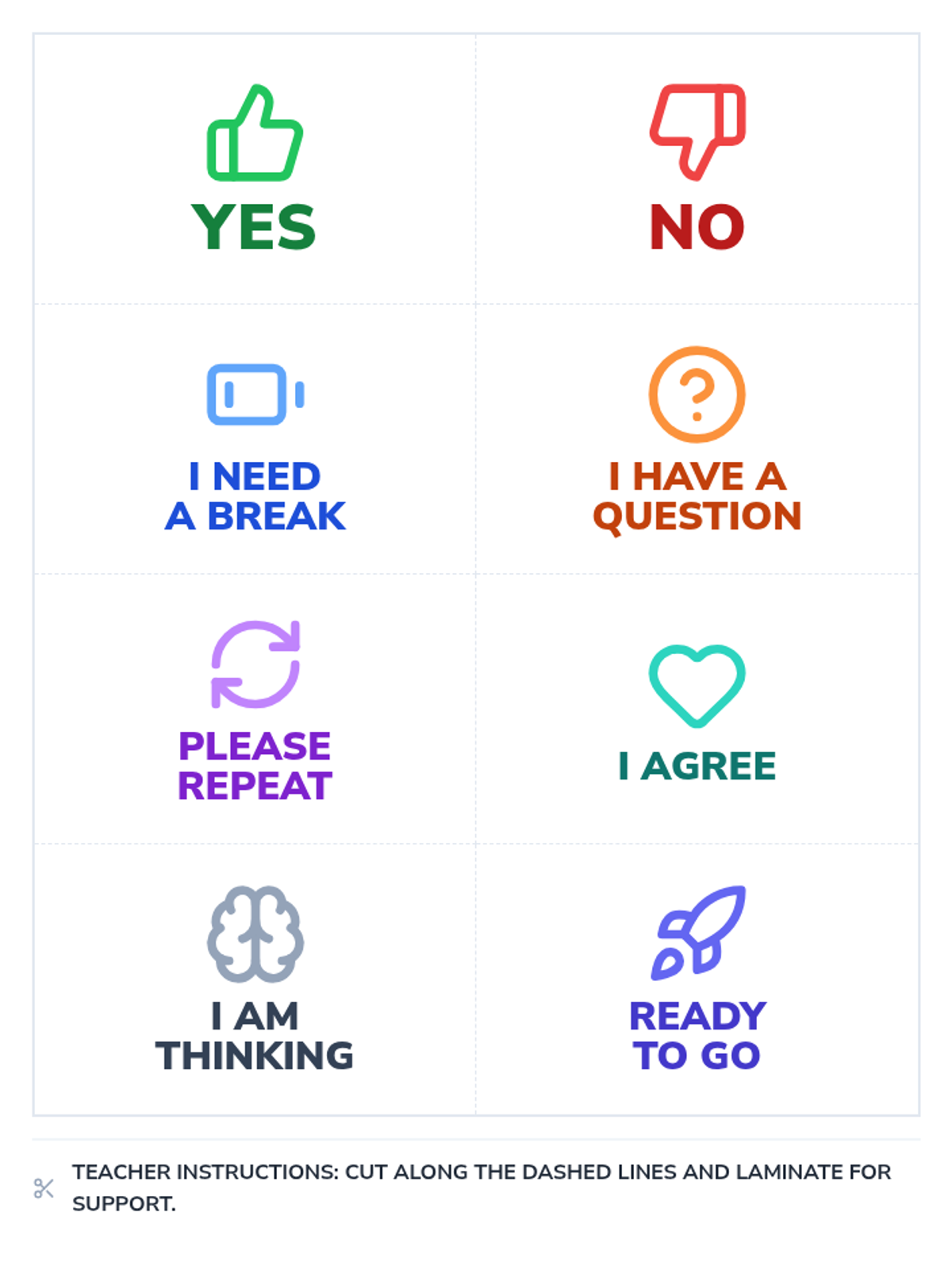
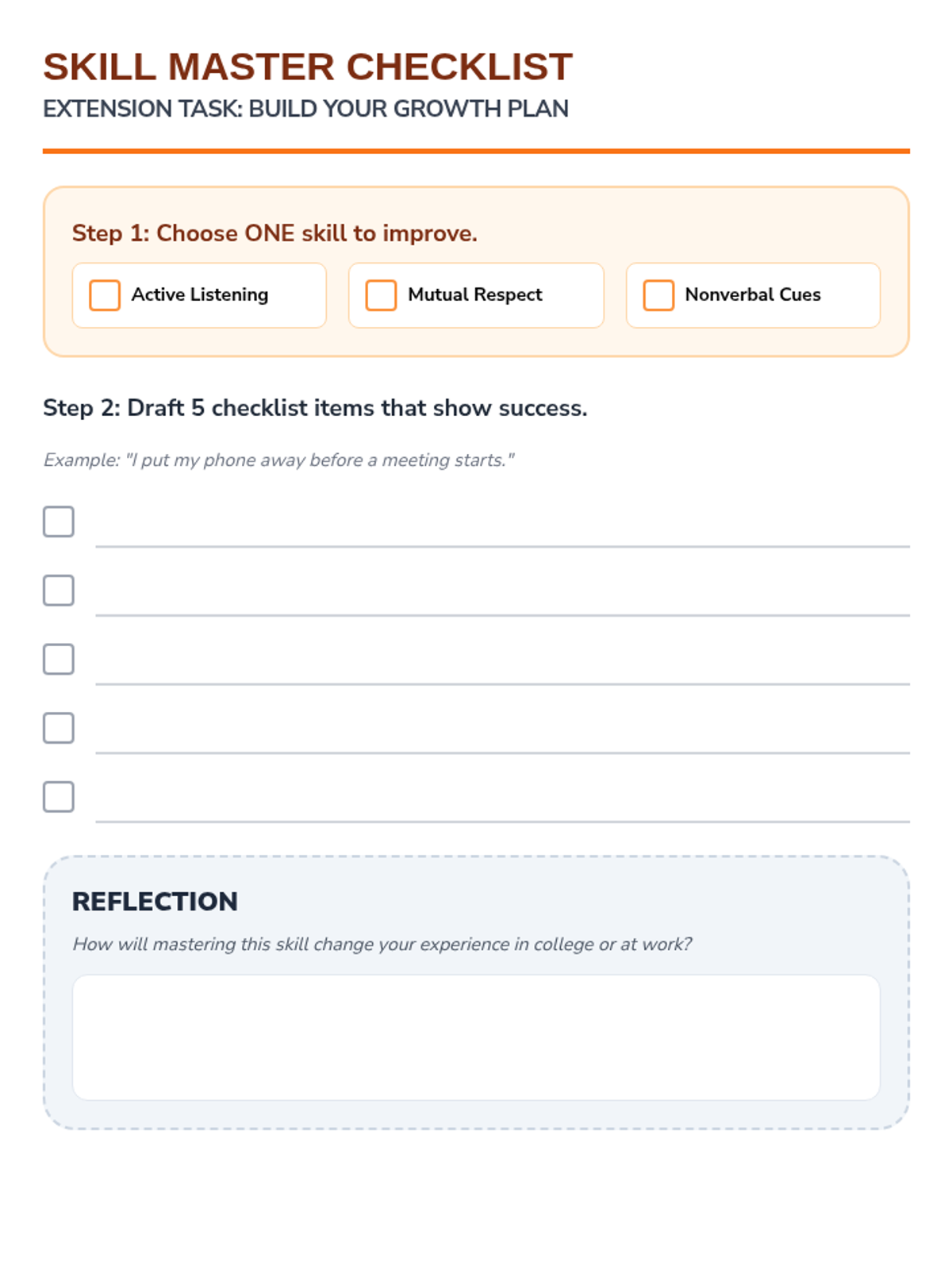
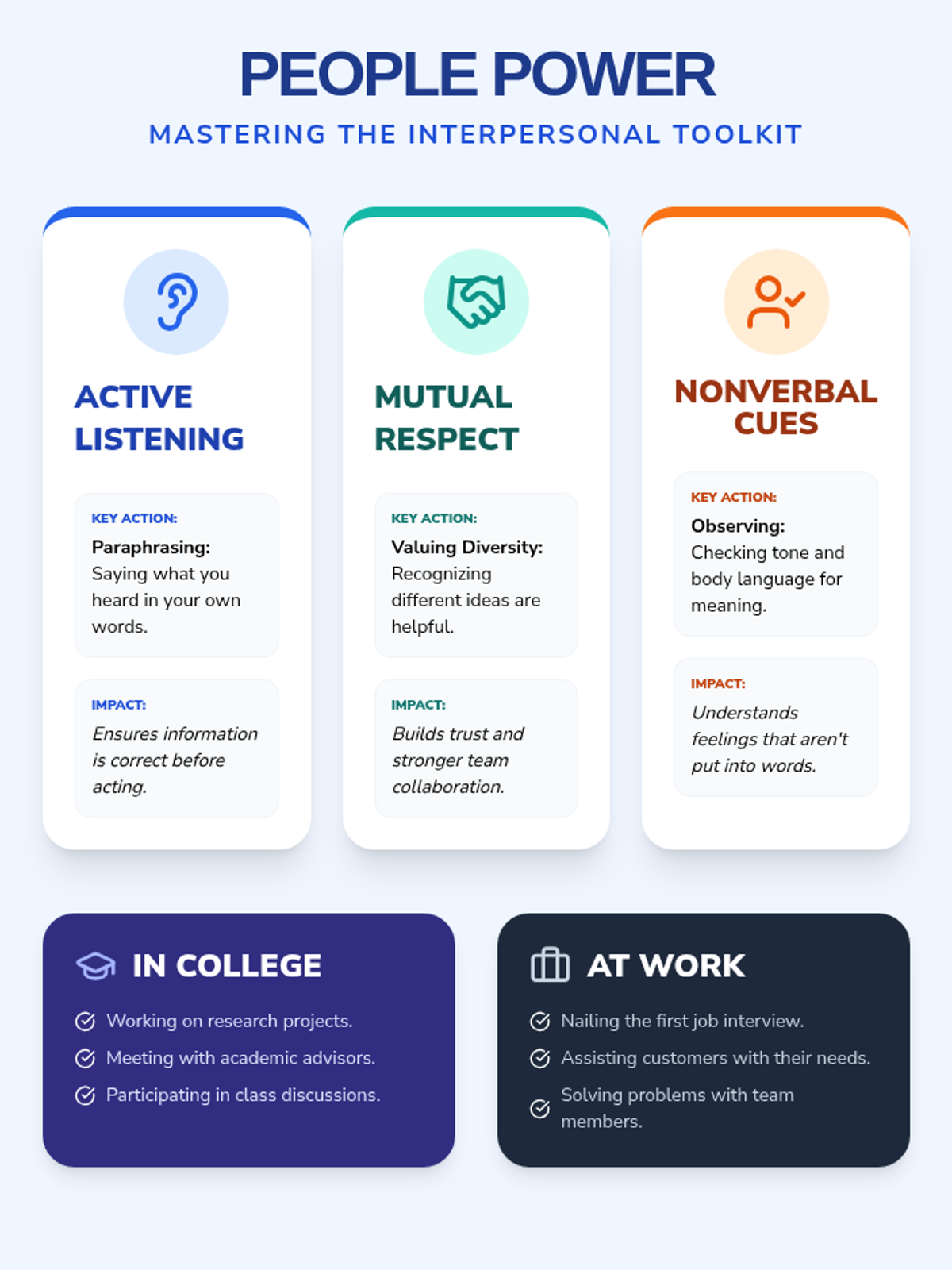
A comprehensive lesson sequence focused on developing core interpersonal skills (active listening, mutual respect, and nonverbal communication) to support student transitions to postsecondary education and the workplace. The materials incorporate Universal Design for Learning (UDL) and culturally responsive practices to ensure accessibility for all learners.
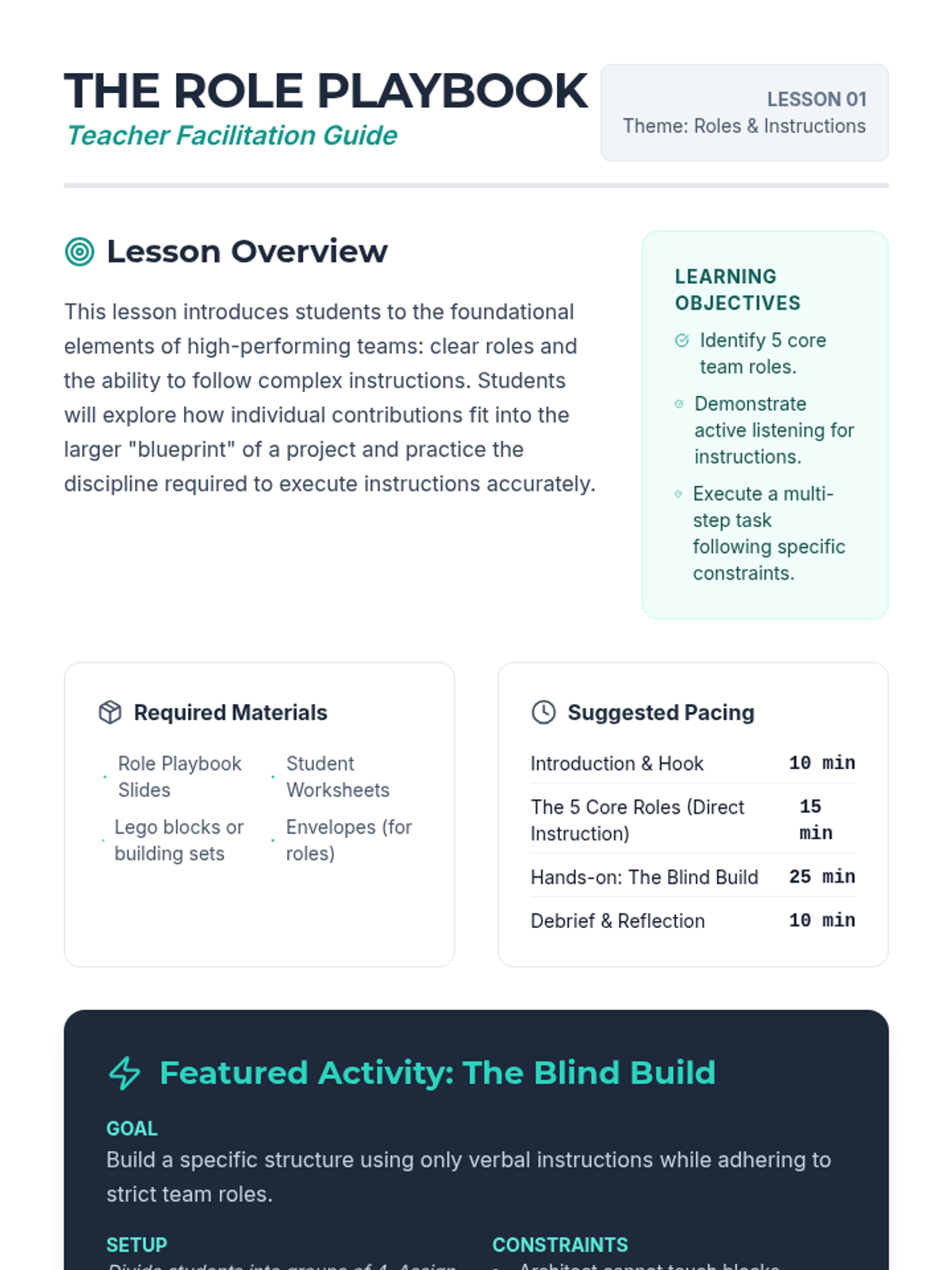
A comprehensive professional development series designed to equip individuals with essential workplace teamwork skills, including role definition, communication, feedback loops, and conflict management.
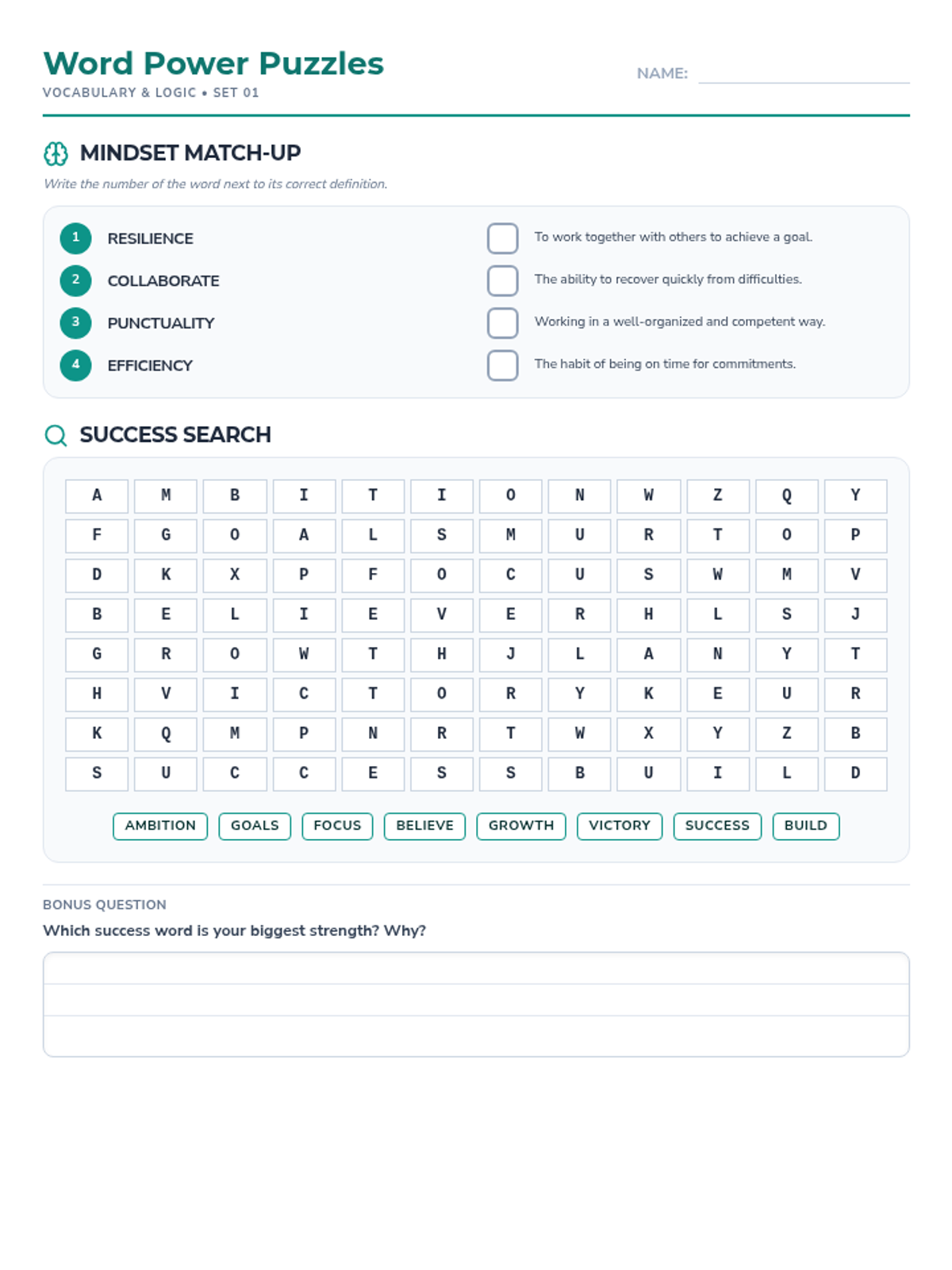
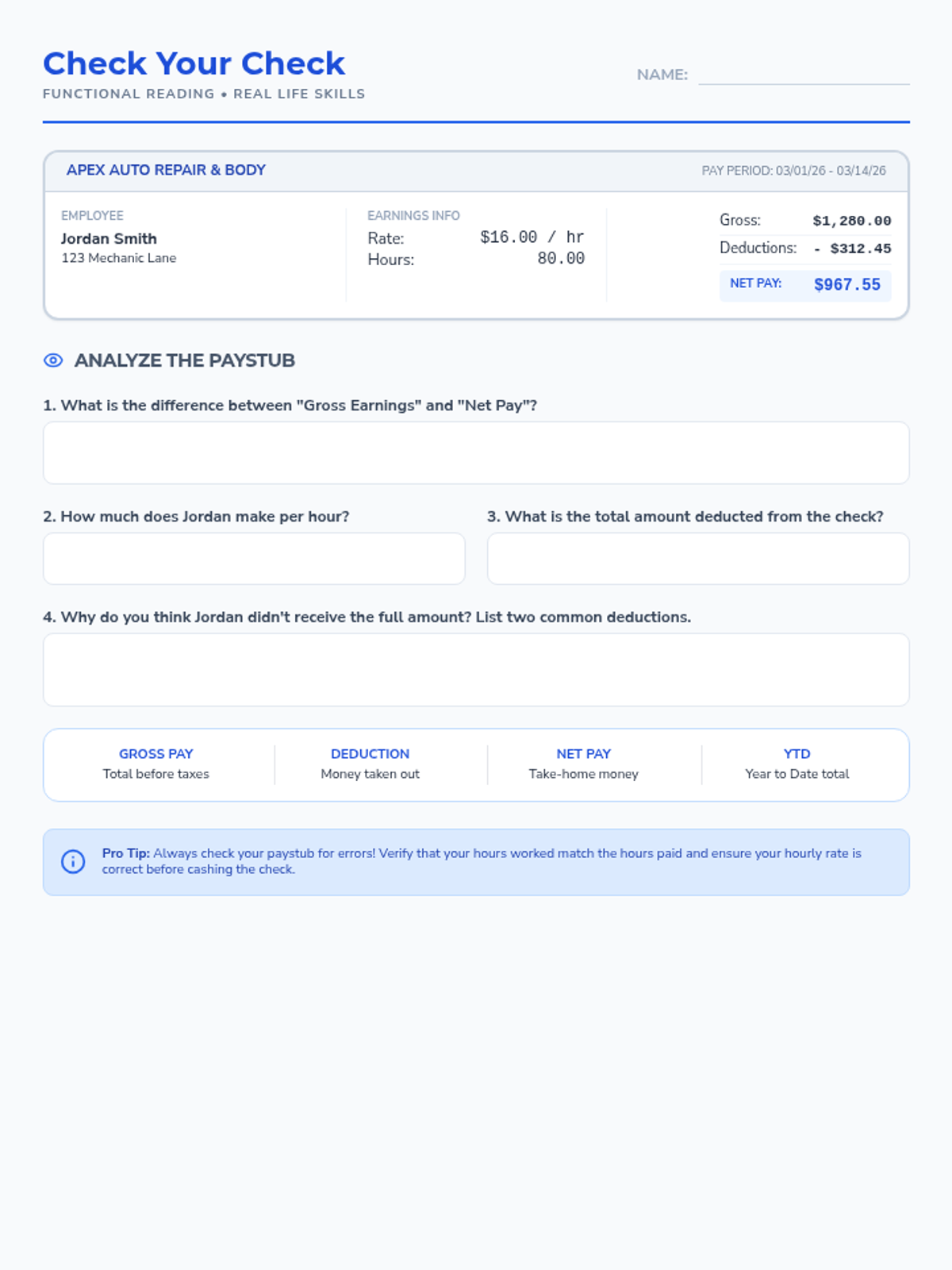
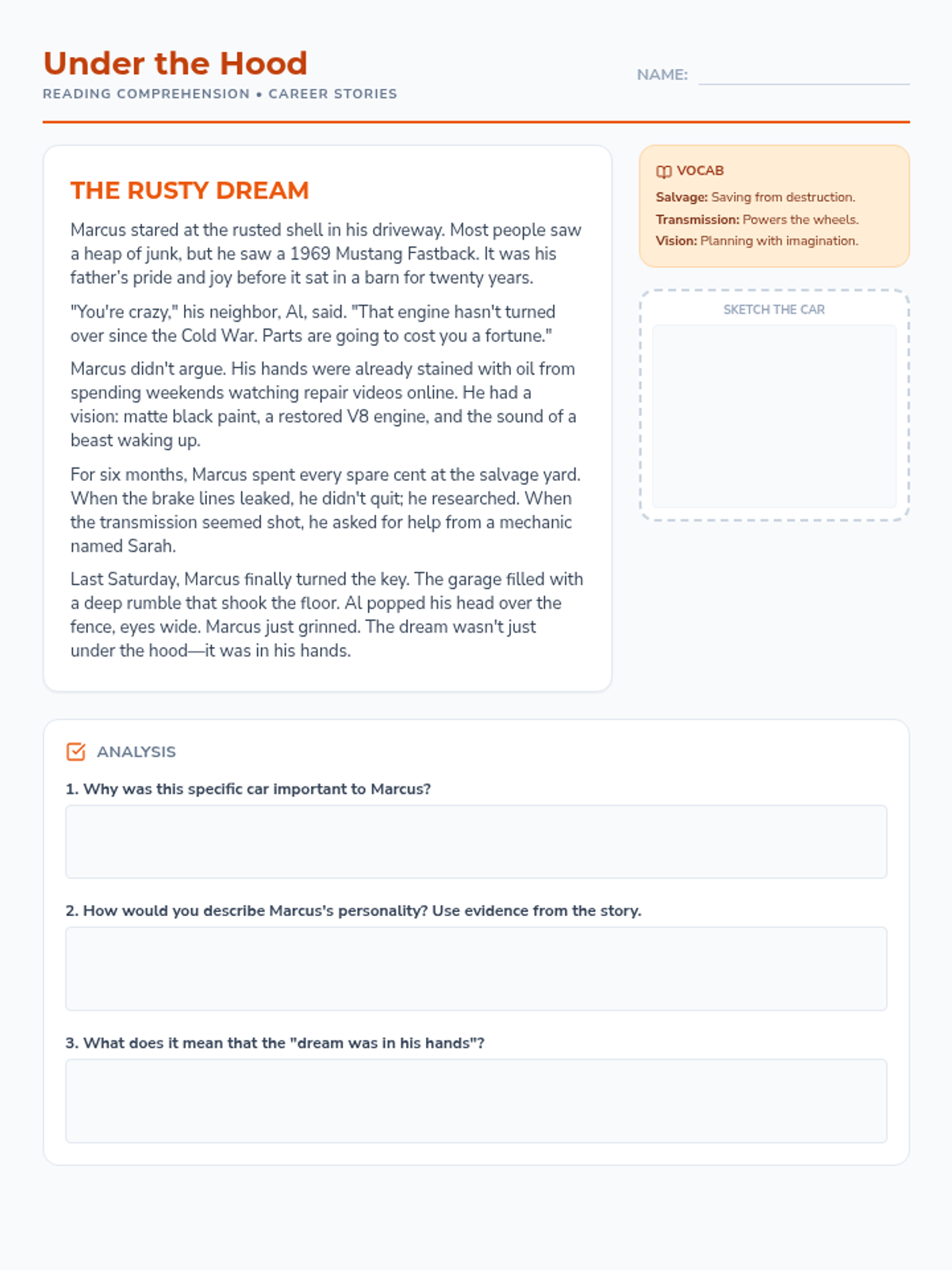
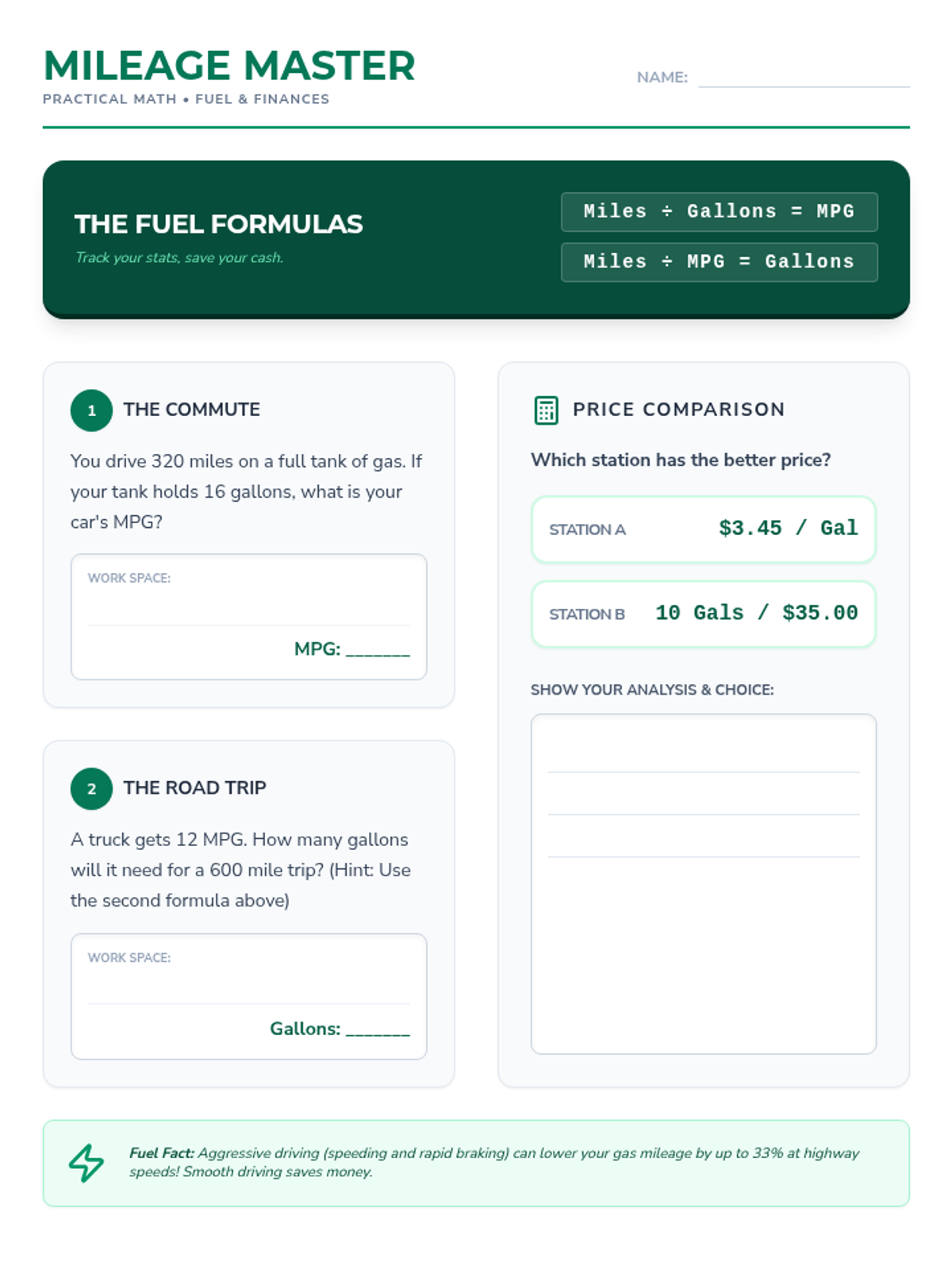
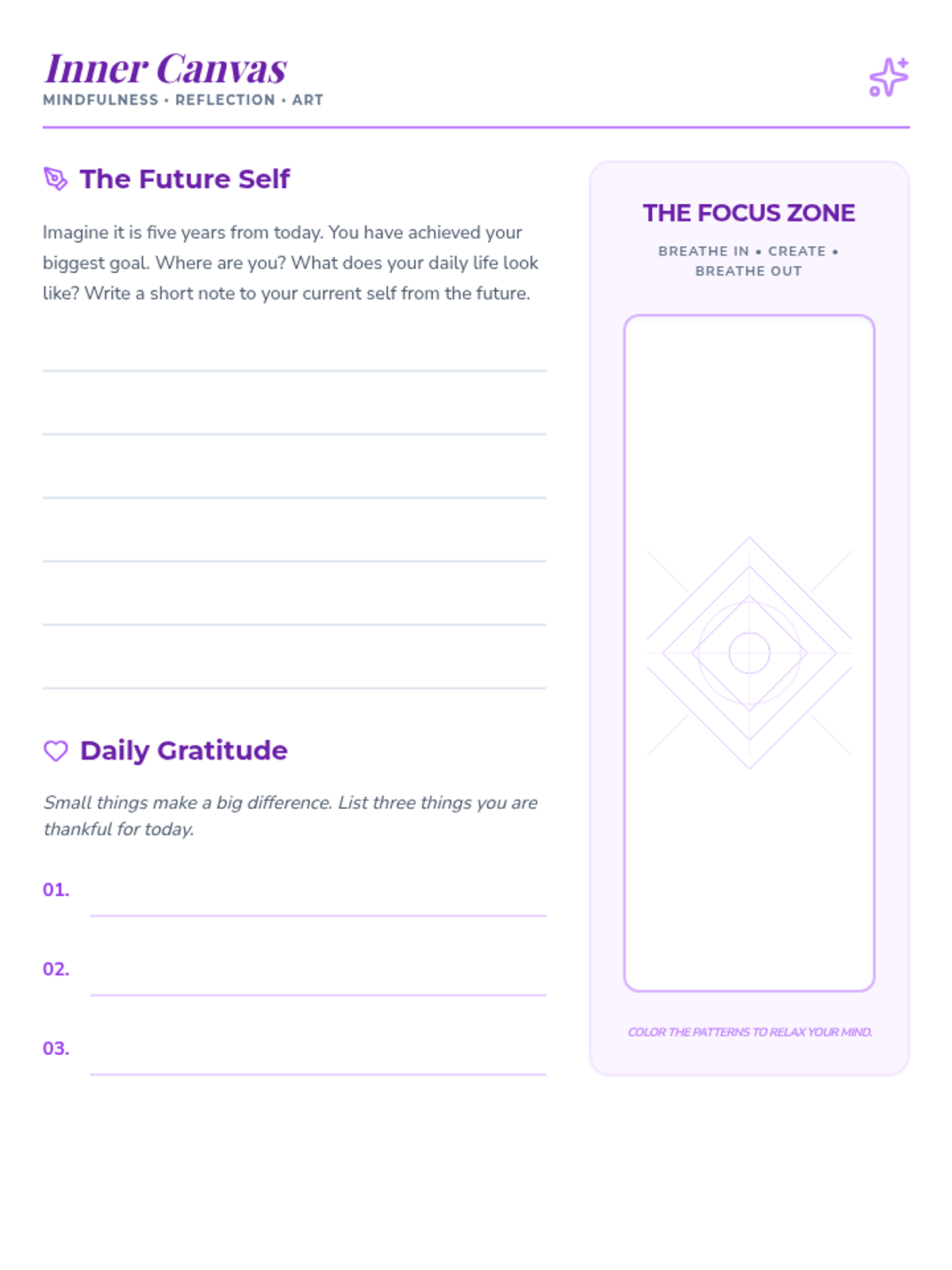
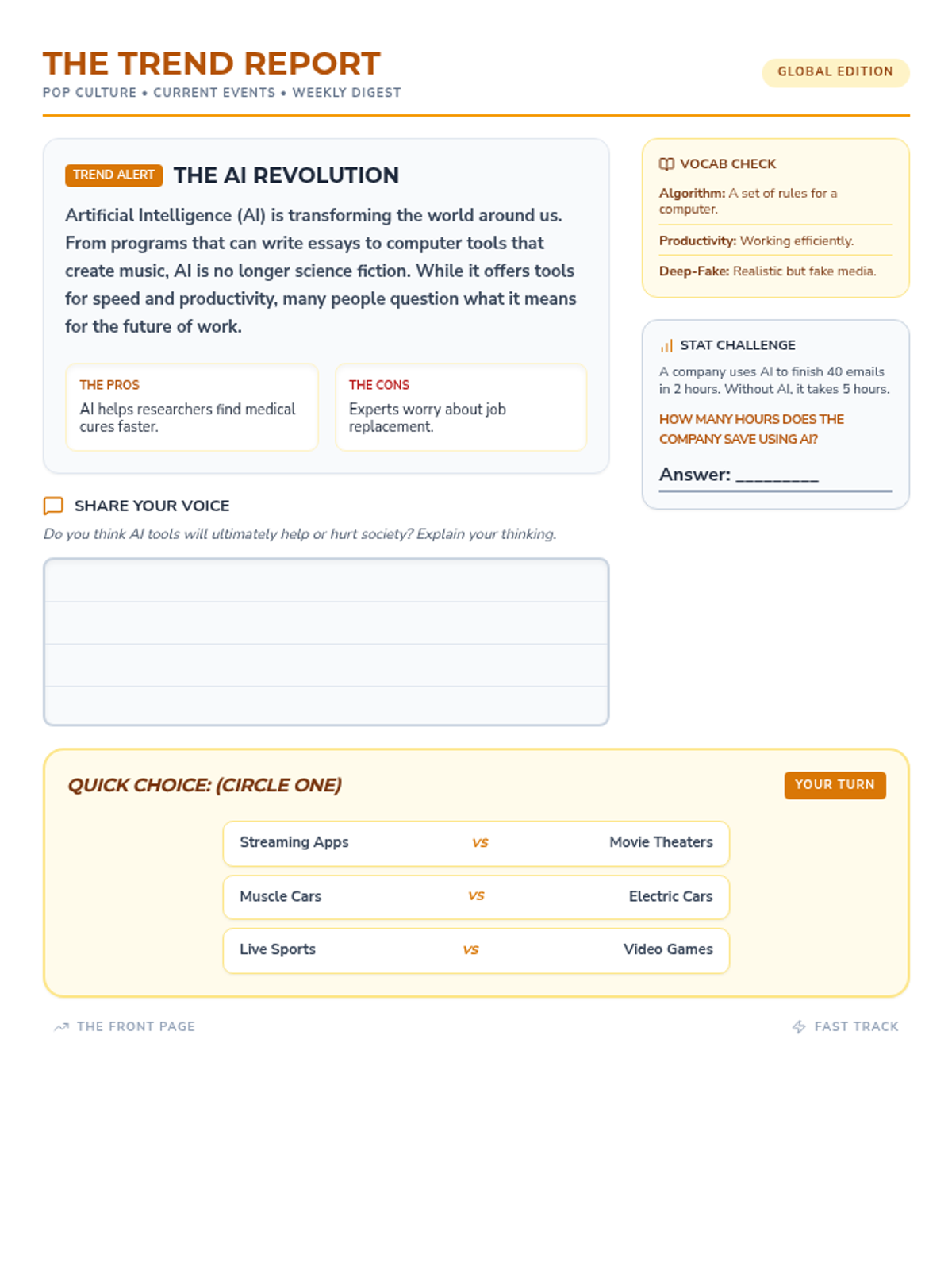
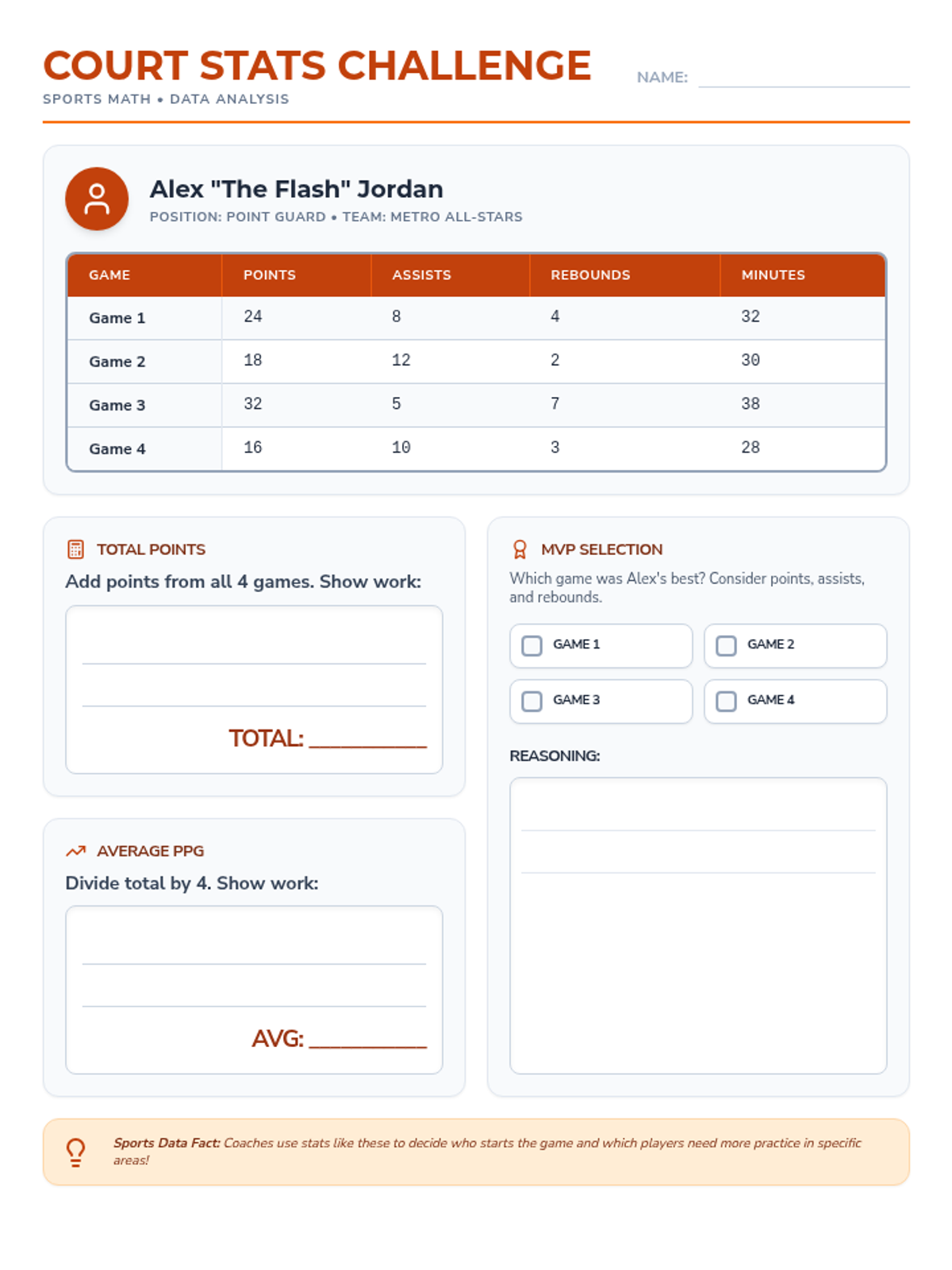
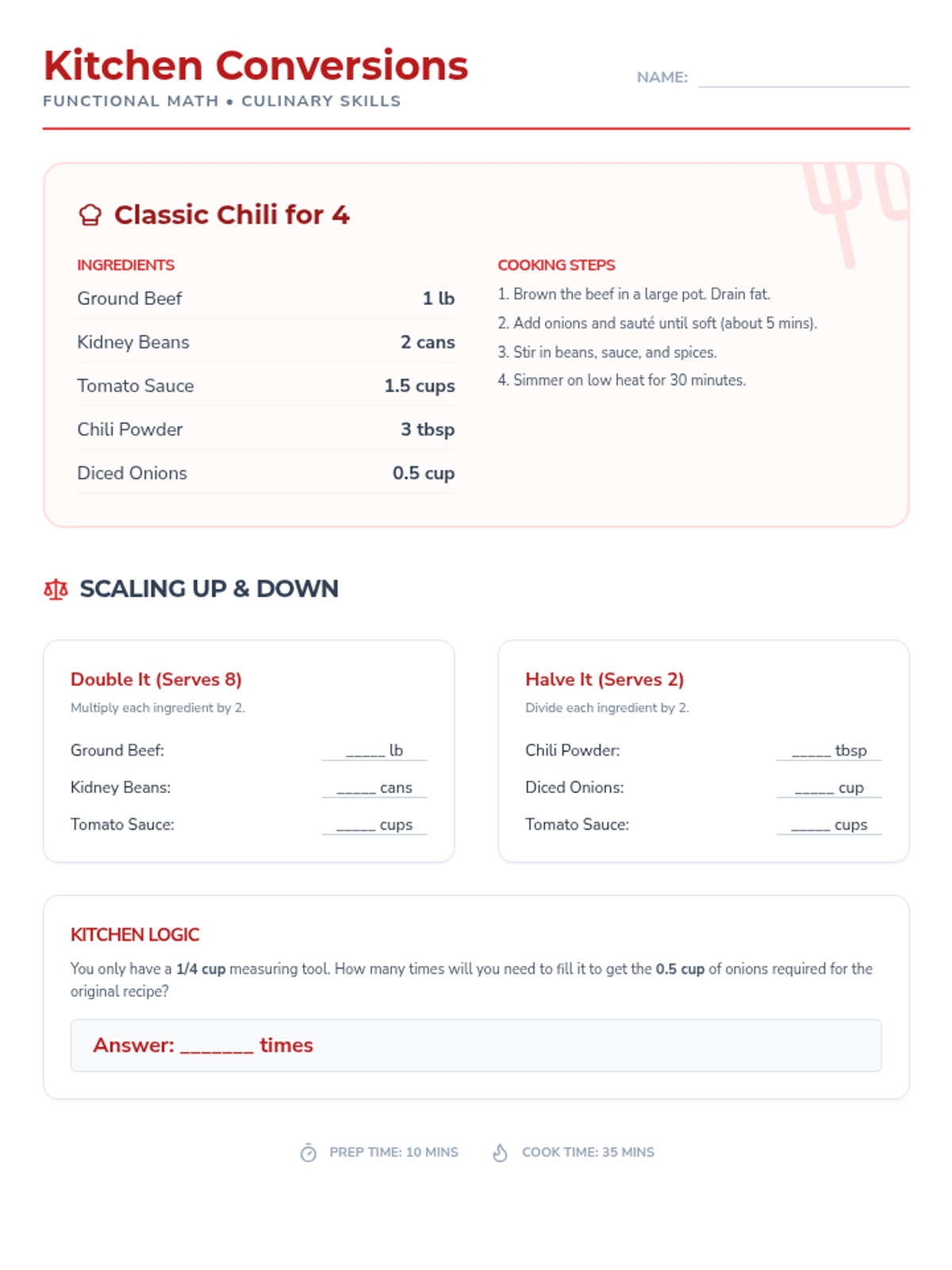
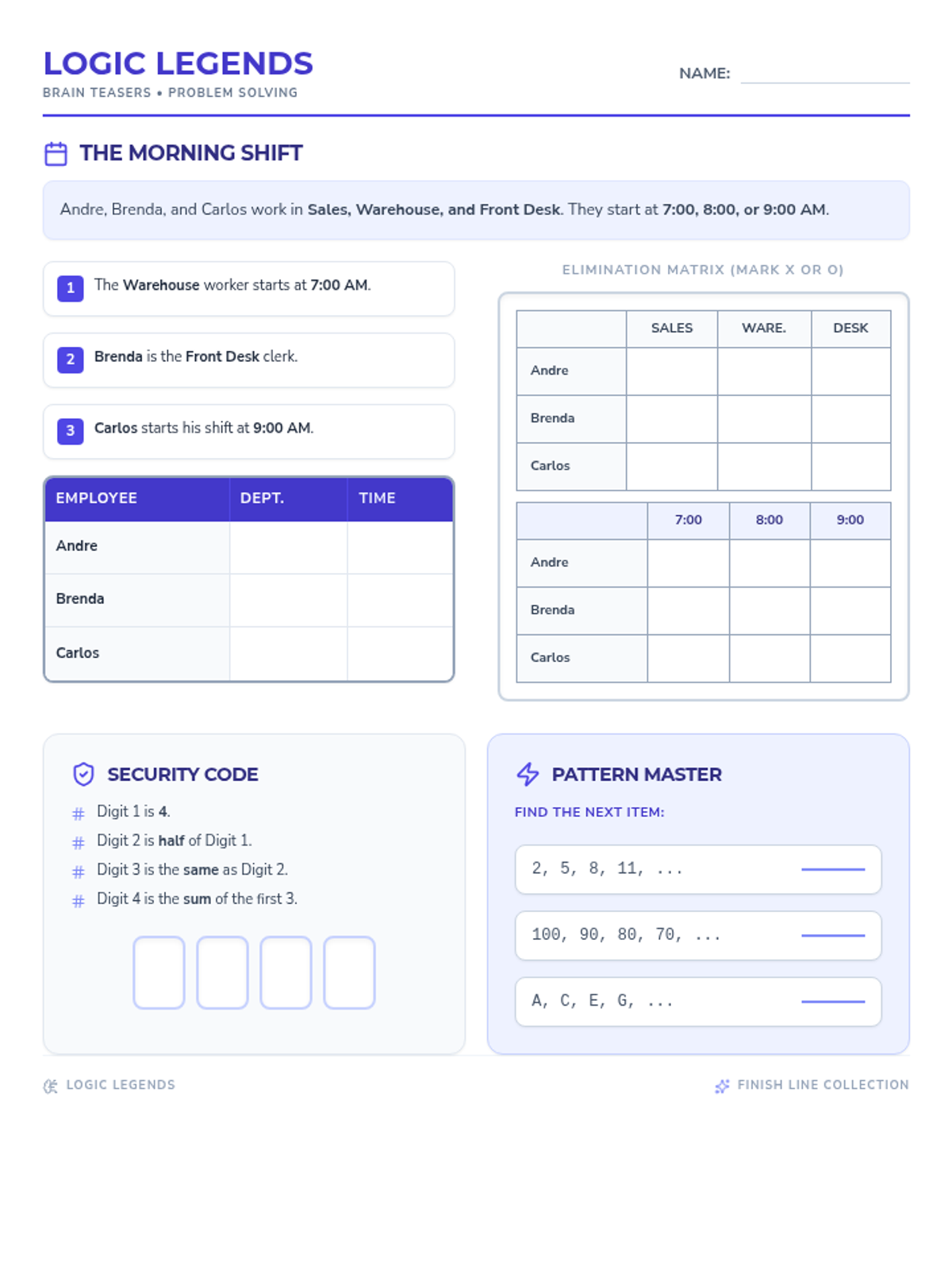
A collection of engaging, high-interest materials for HSED students to complete after finishing their primary coursework. The sequence blends functional literacy, practical math, and creative mindfulness with a modern, adult-appropriate aesthetic.
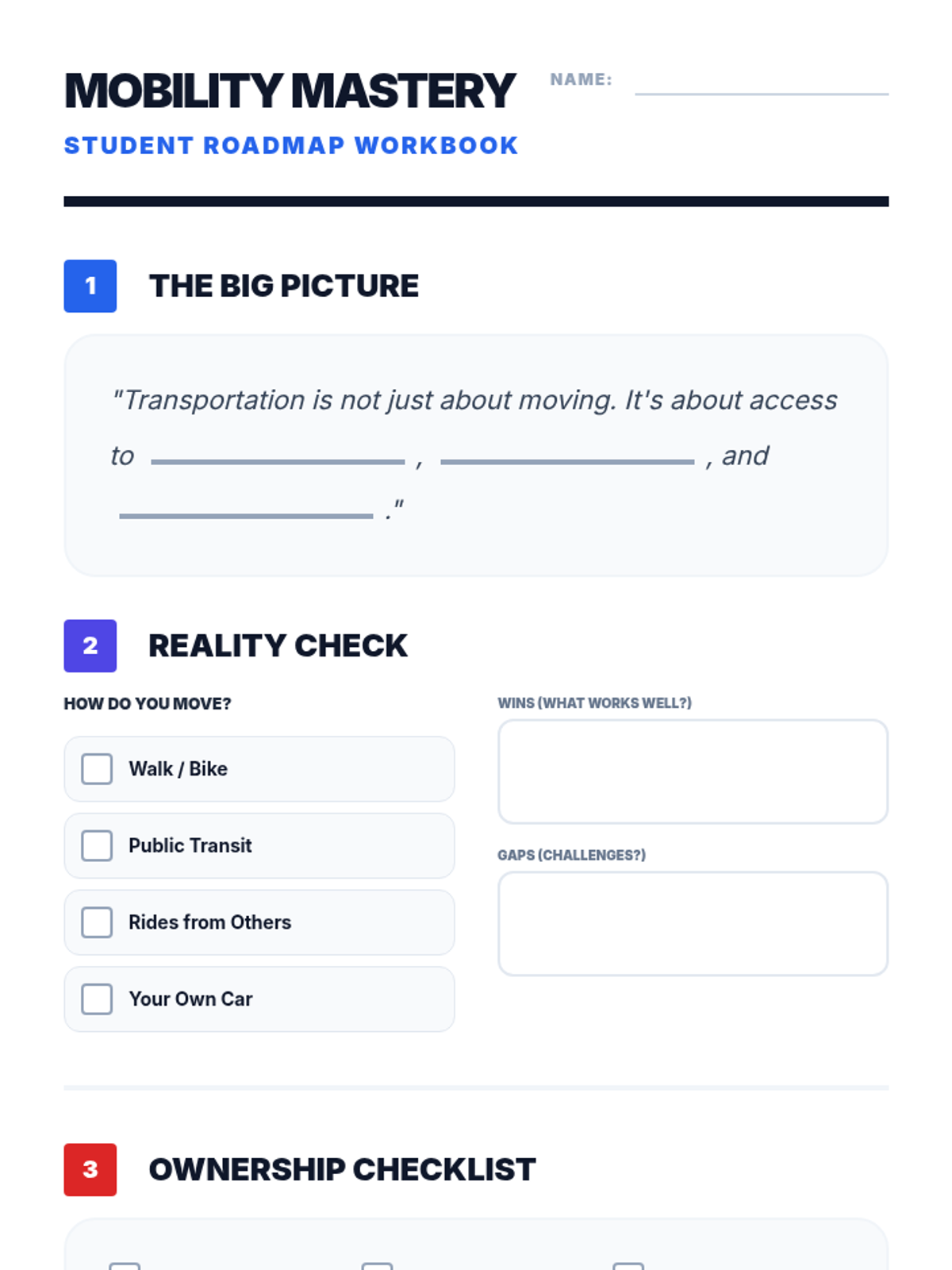
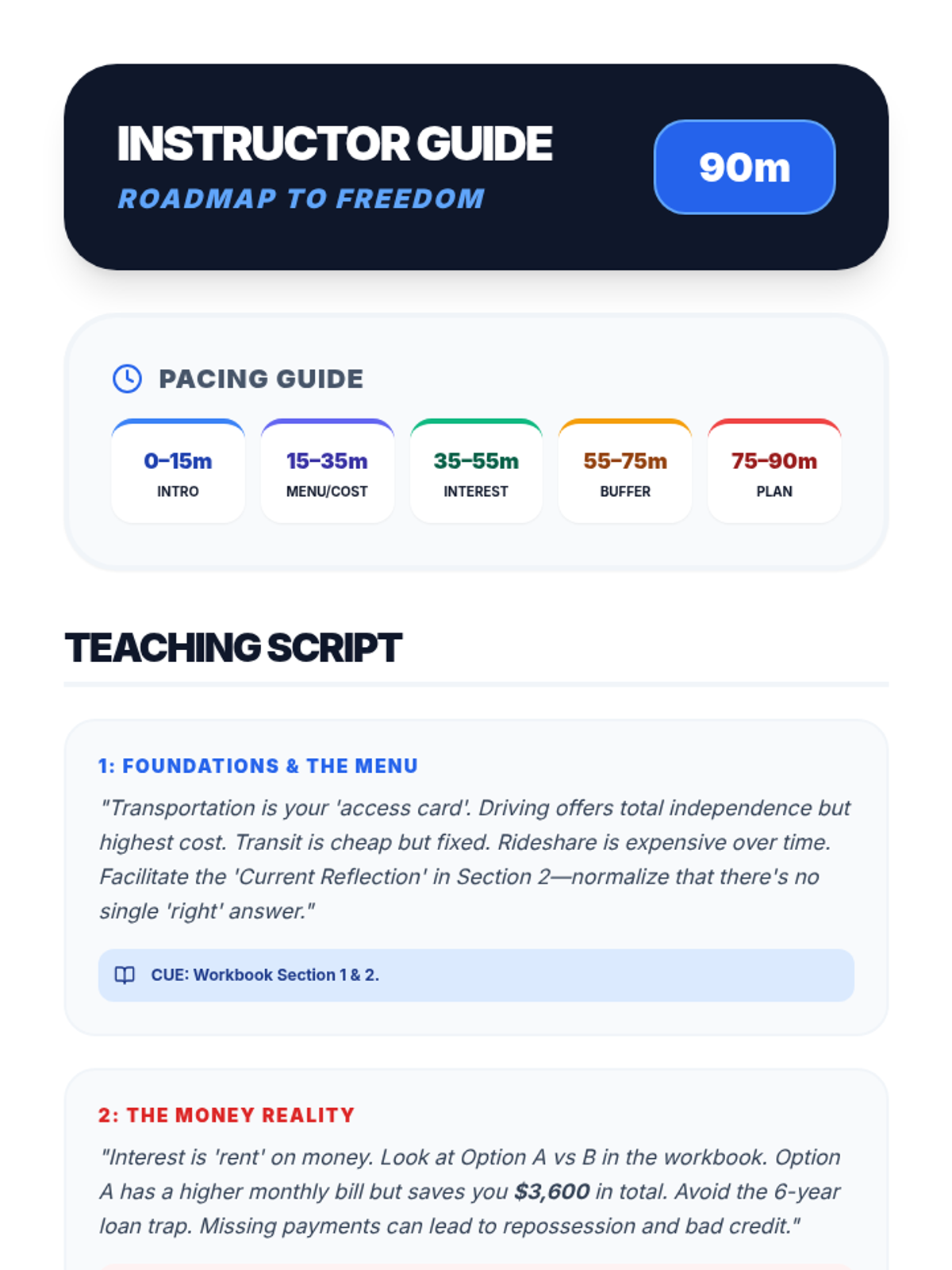
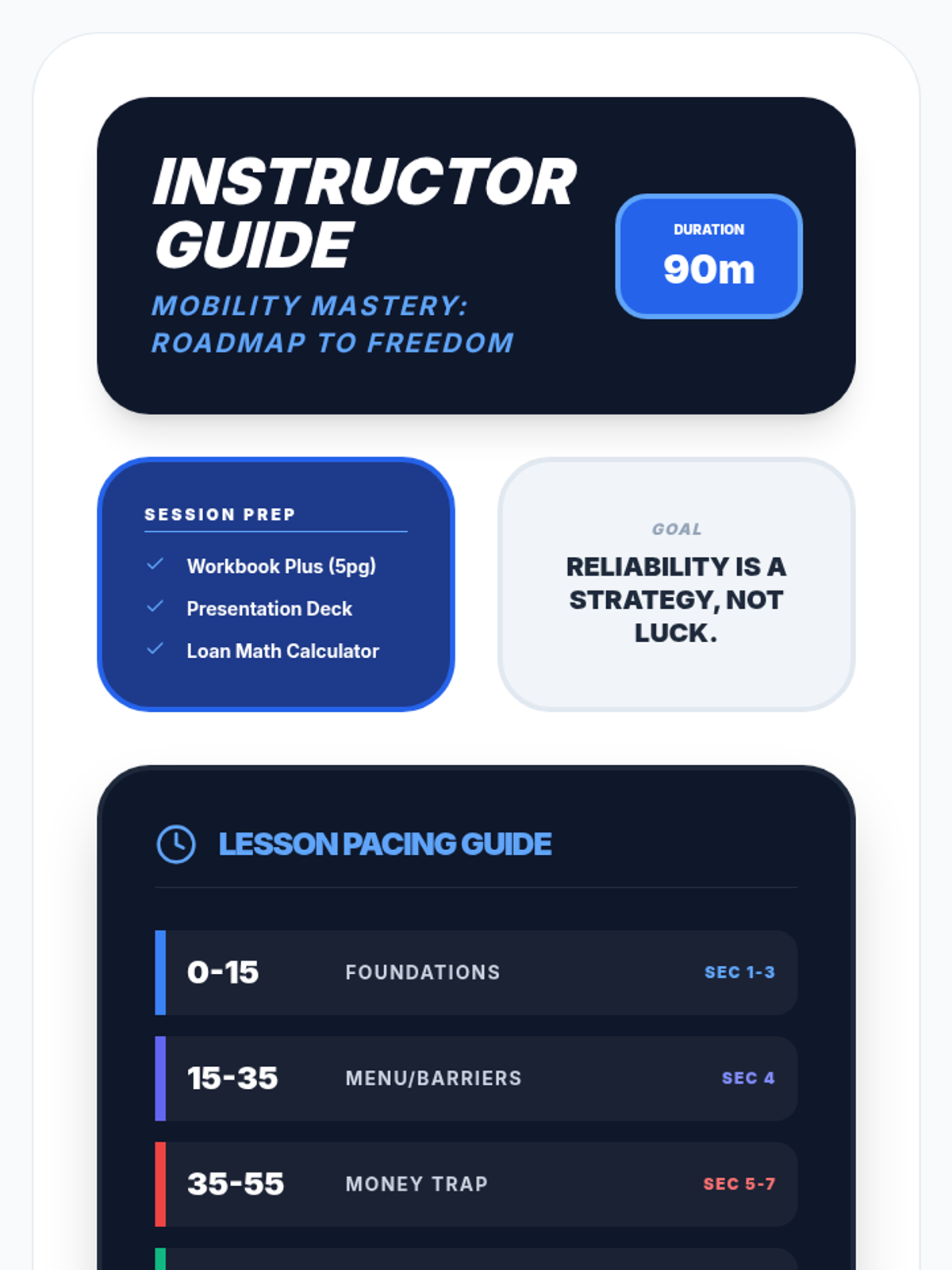
A comprehensive 90-minute course for young adults on navigating transportation options, understanding the financial realities of car ownership, and building a reliable mobility plan for independence.
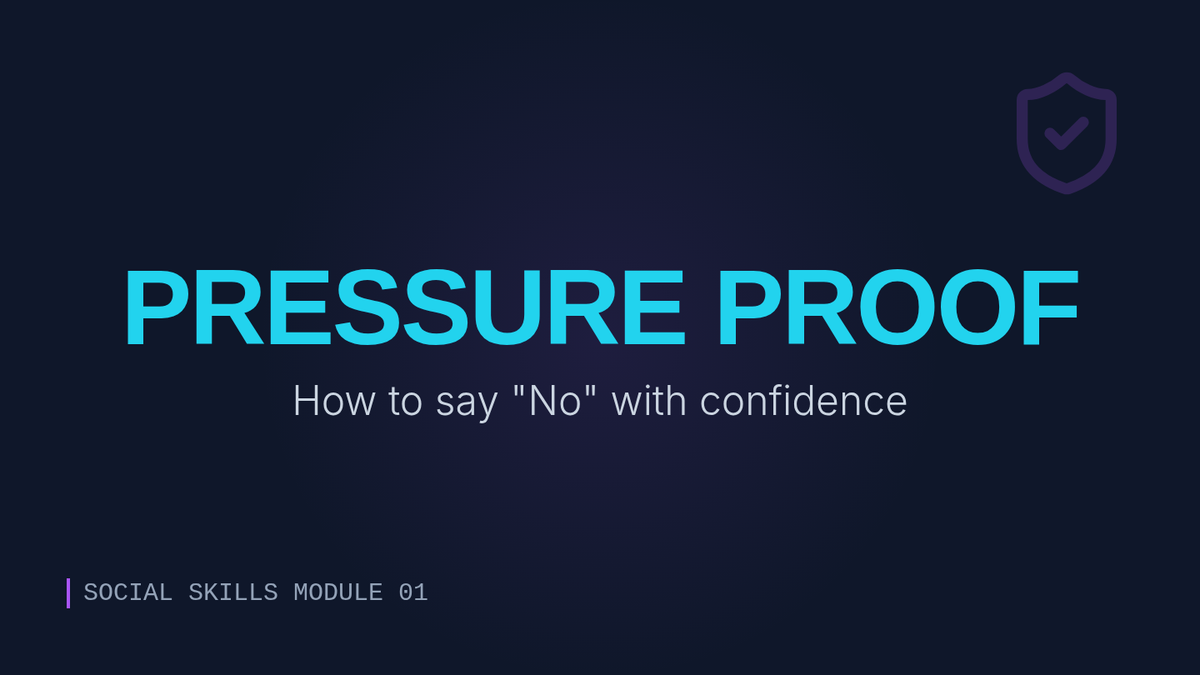
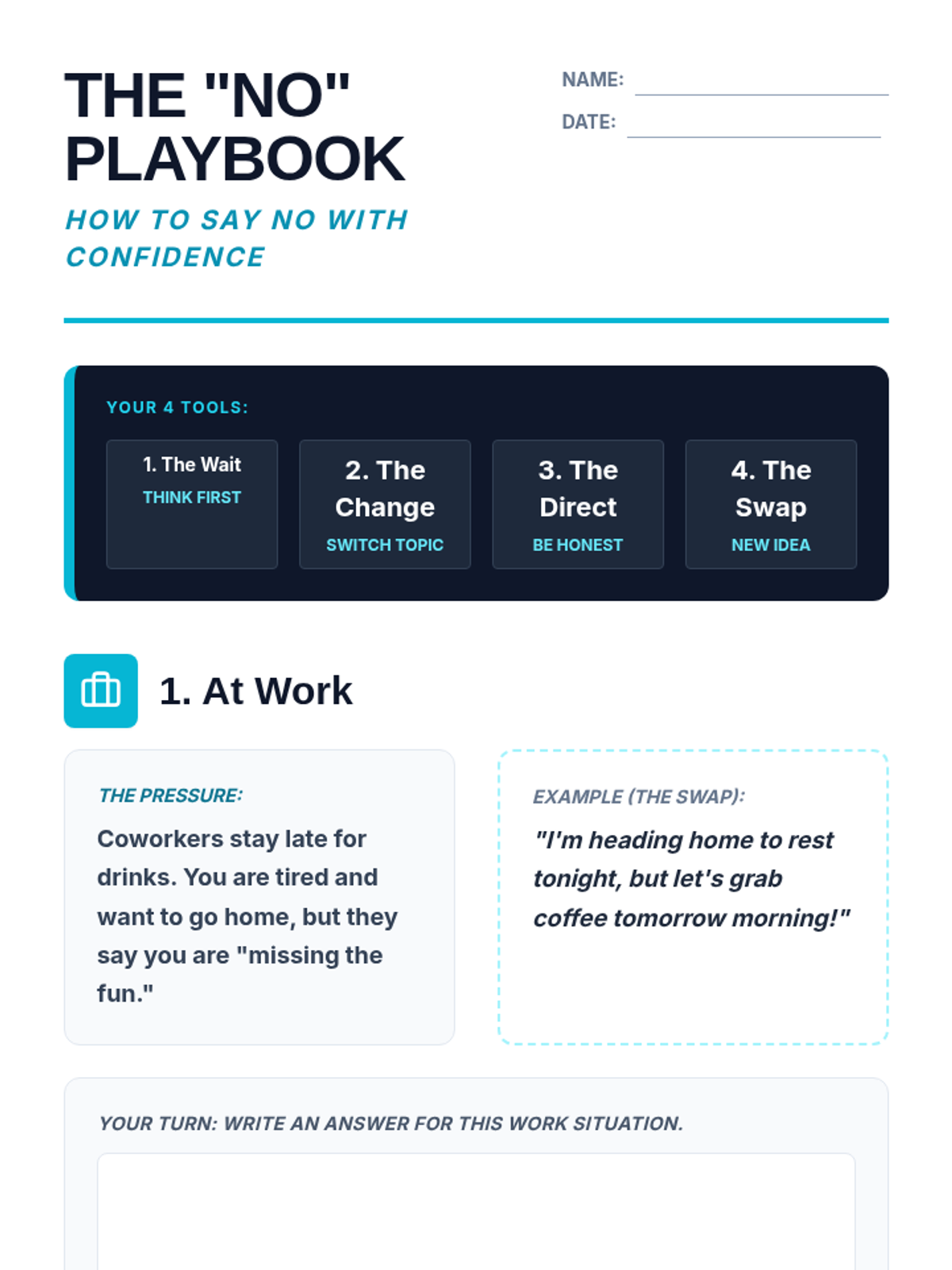
A comprehensive social skills unit designed for adults, focusing on building boundaries and mastering refusal strategies across workplace and social settings.
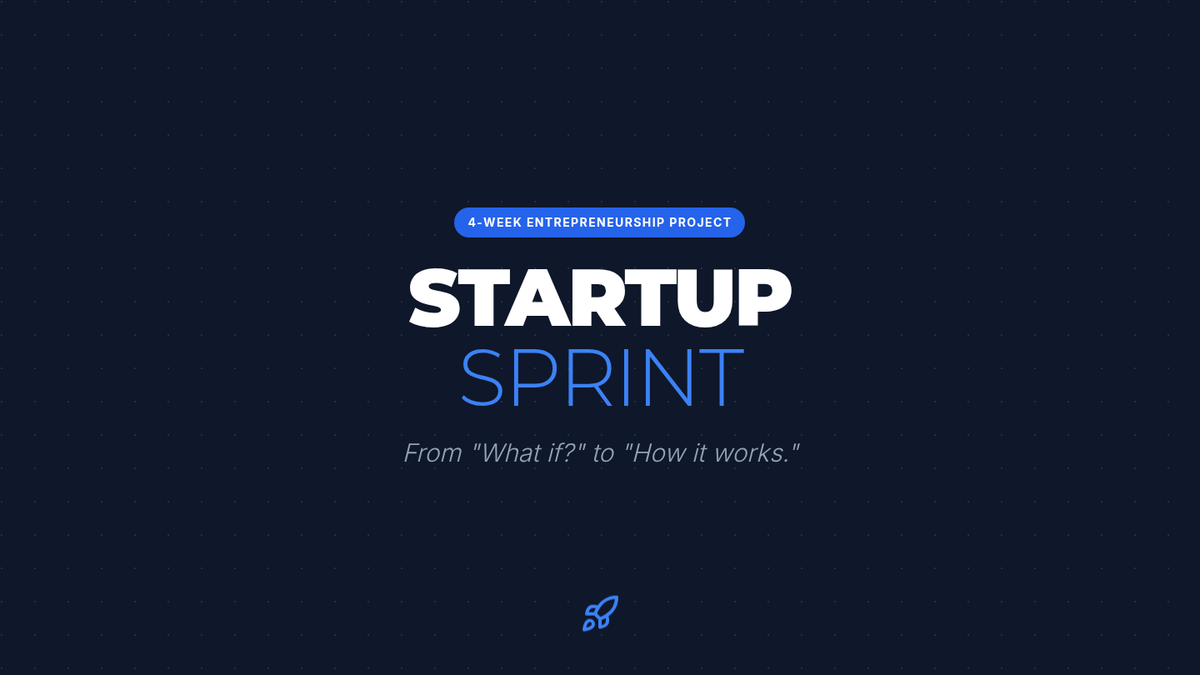
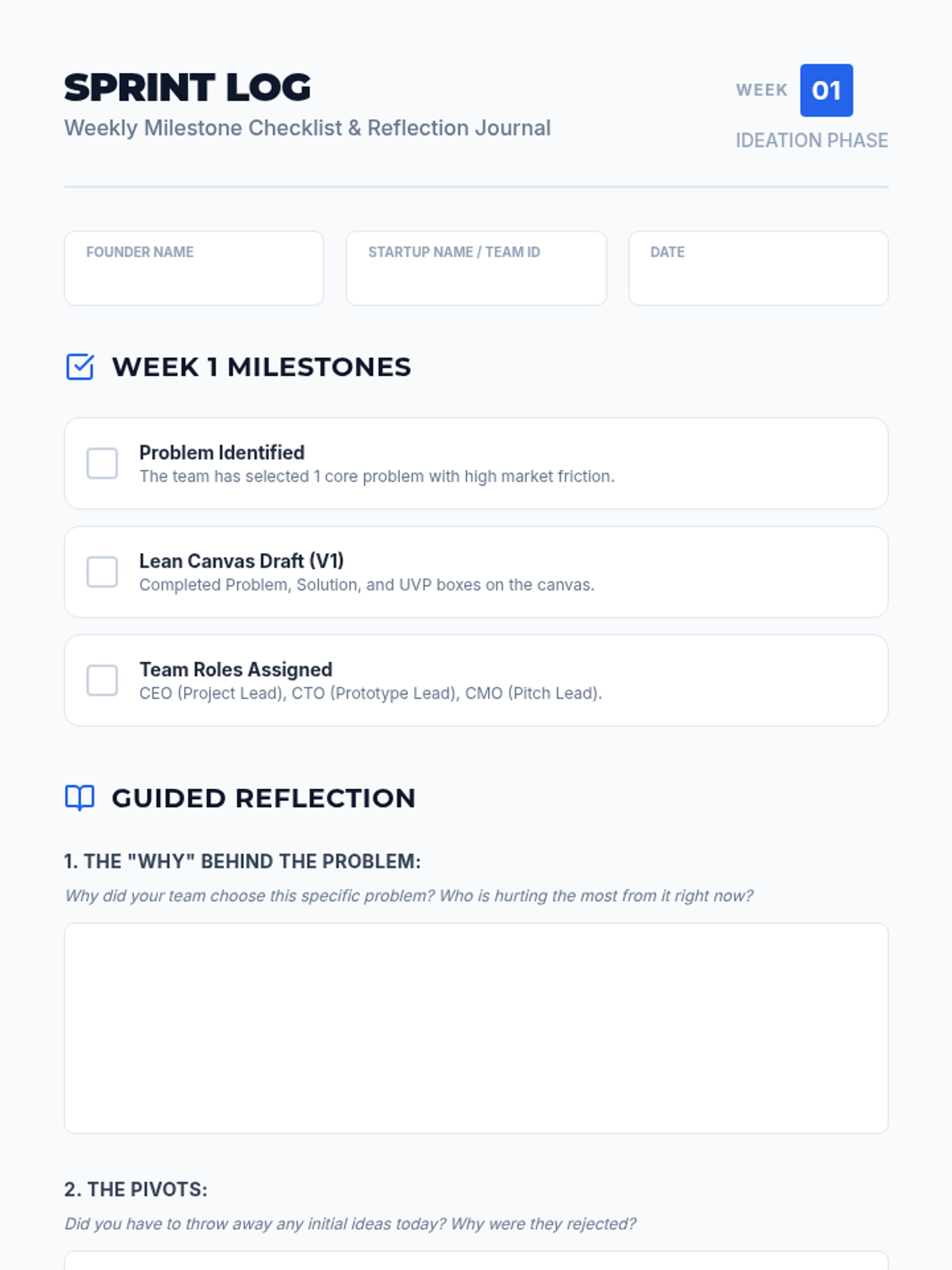
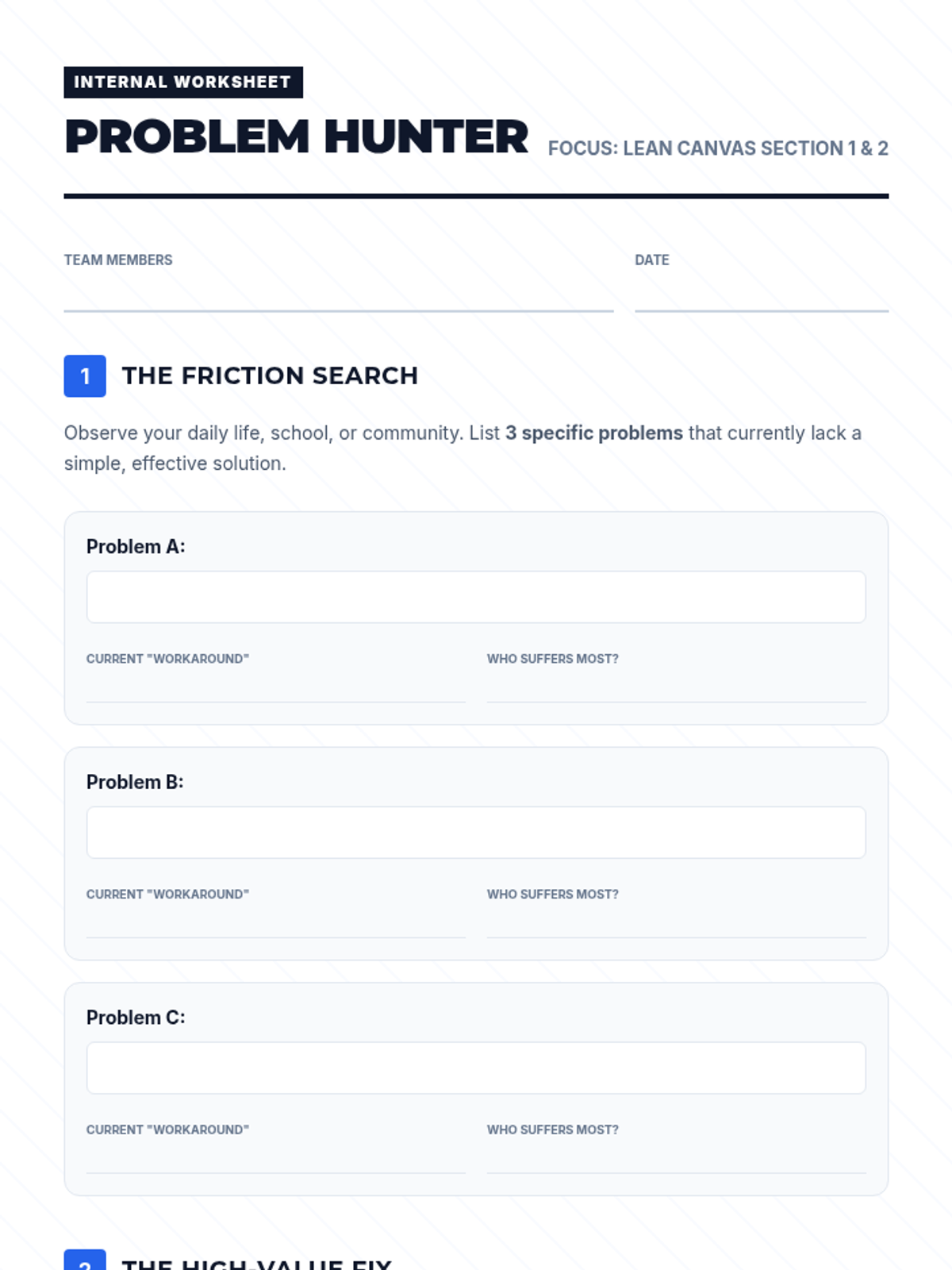
A comprehensive 4-week entrepreneurship project where high school CTE students use the Lean Business Canvas to develop a startup concept, build a tangible prototype, and deliver a professional pitch. Includes weekly reflection journals, milestone checklists, and peer feedback cycles.
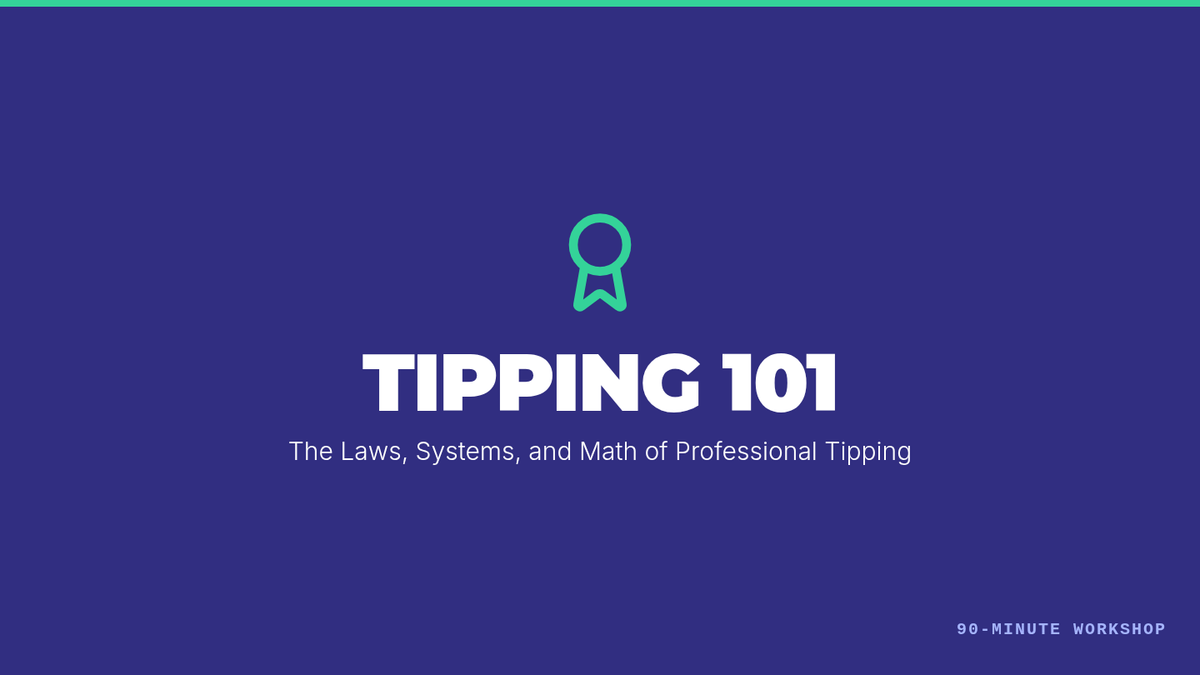
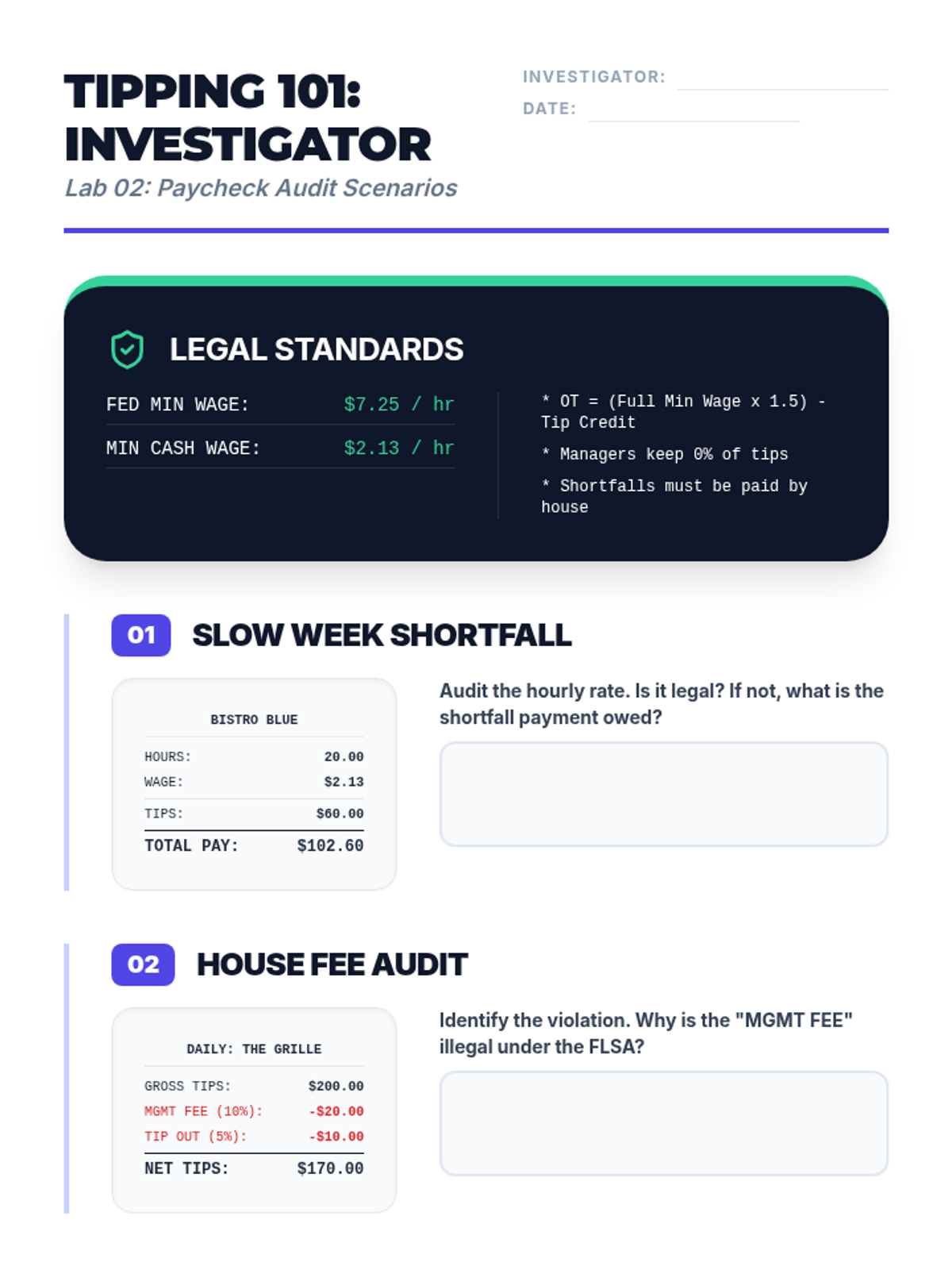
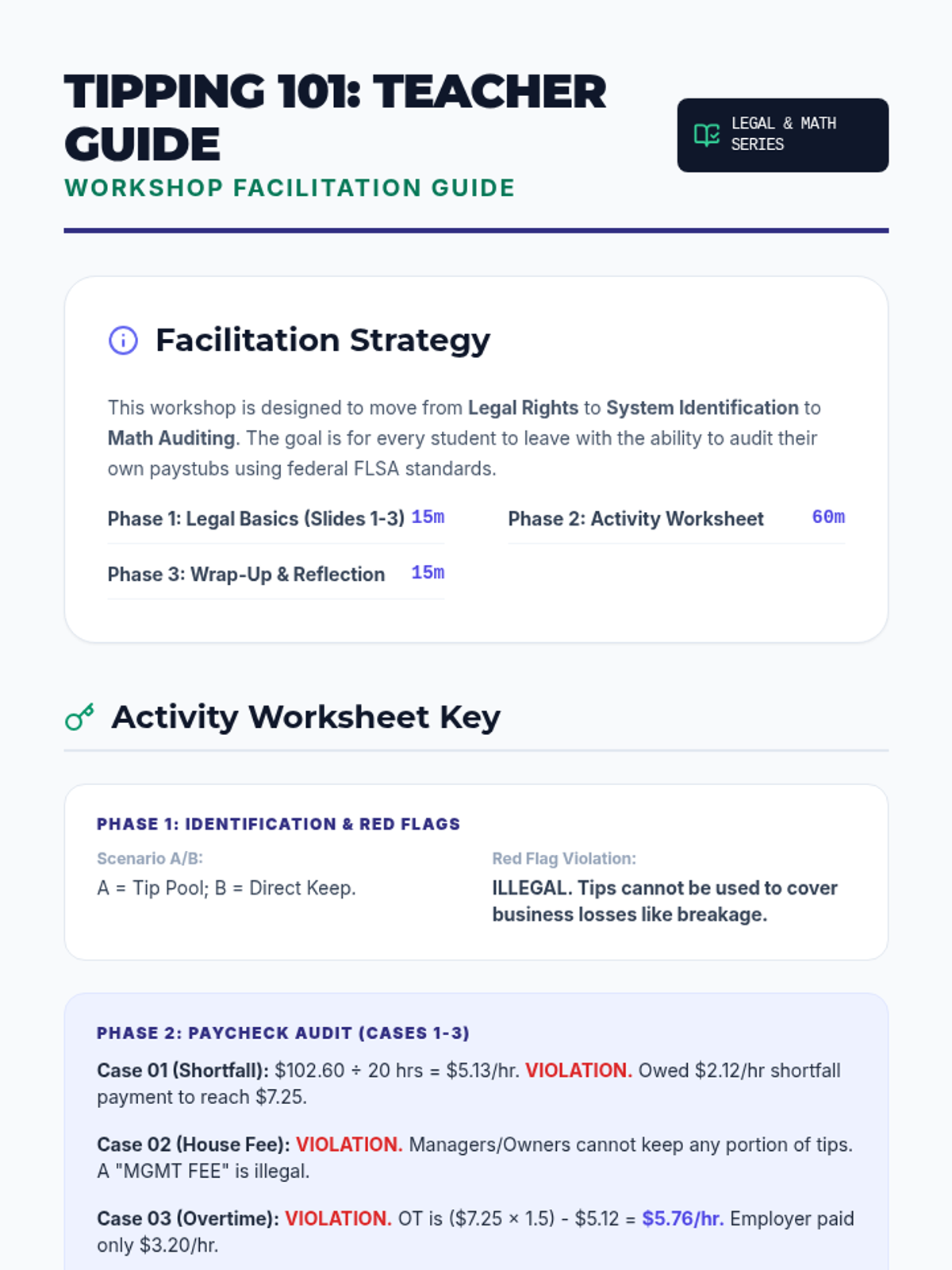
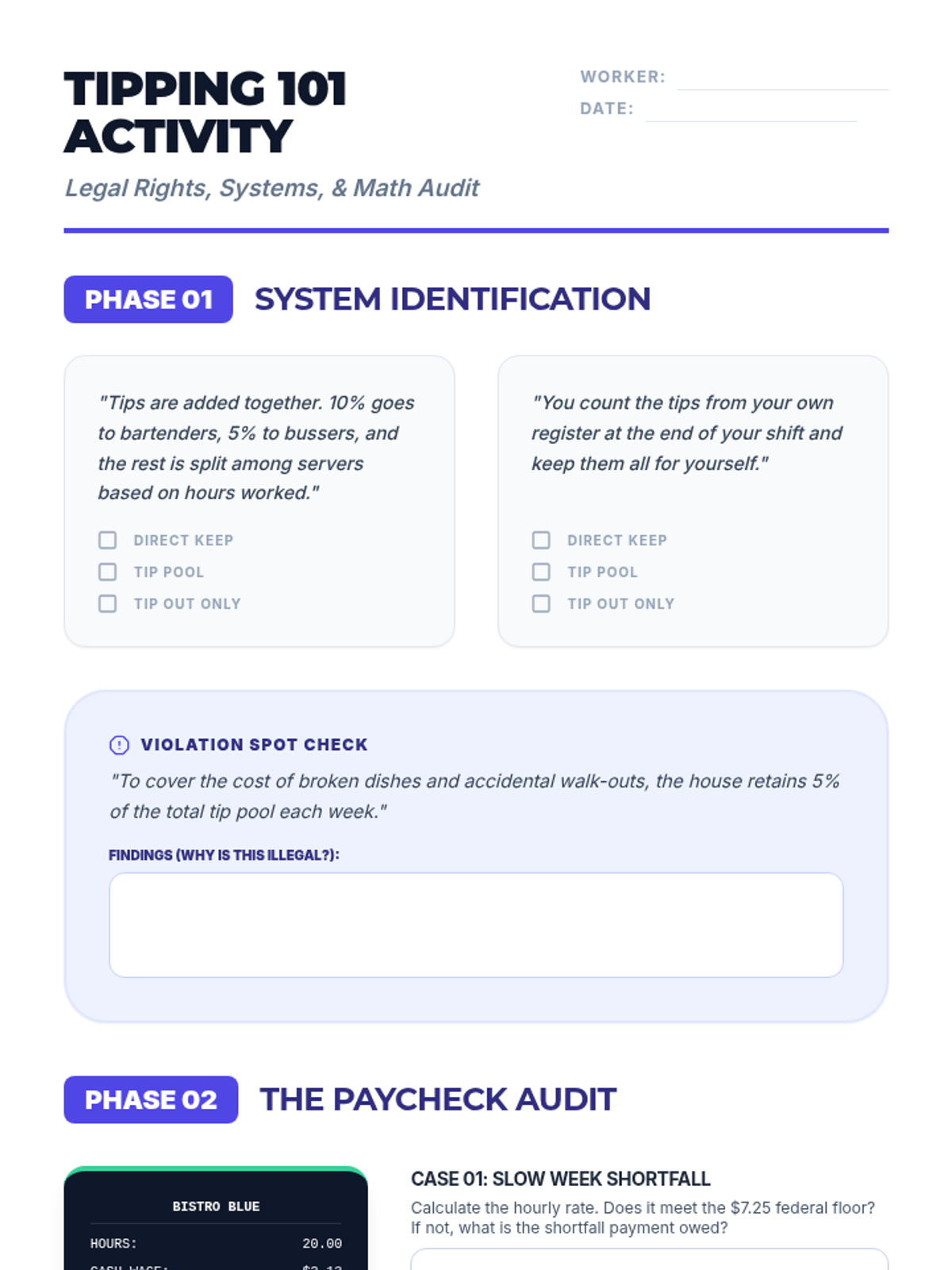
A focused 90-minute workshop on the fundamentals of tipping. Workers learn their legal rights under the FLSA, master the math of tip credits and shortfall payments, and practice auditing pay summaries for errors and illegal deductions.
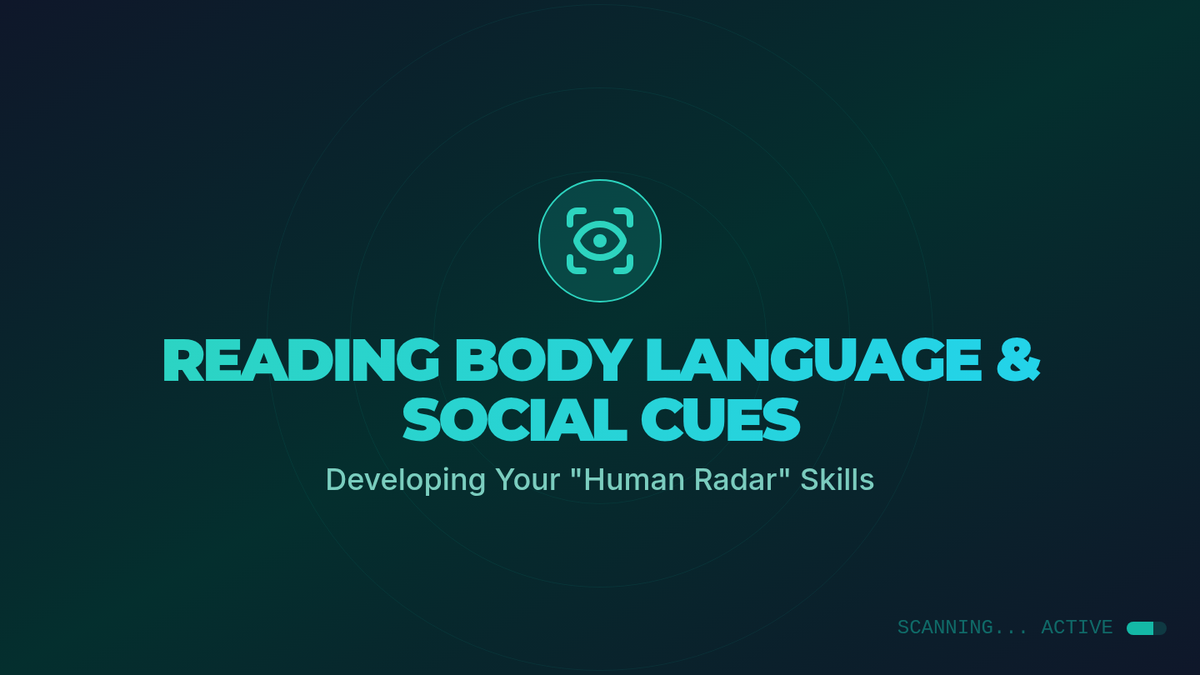
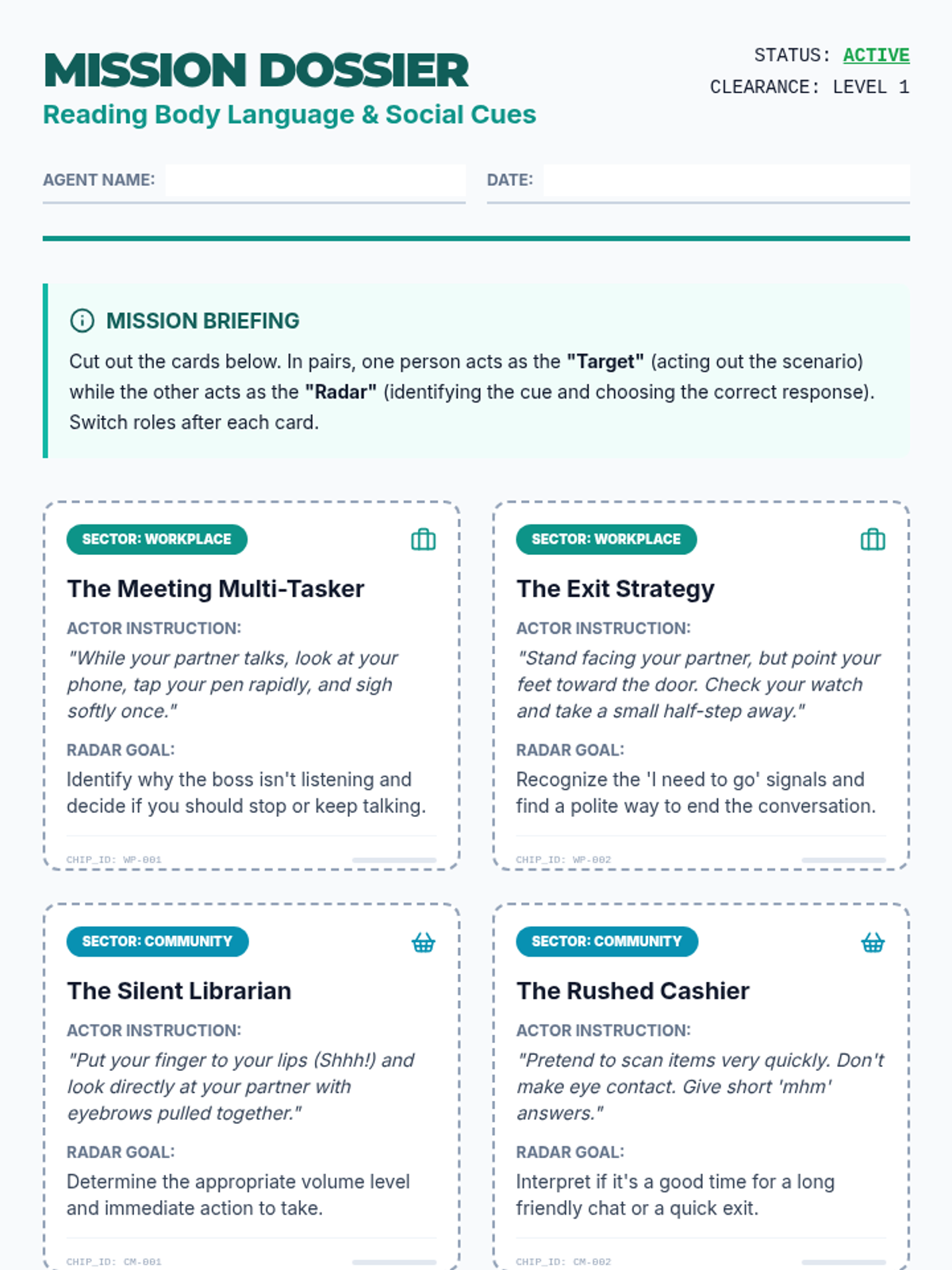
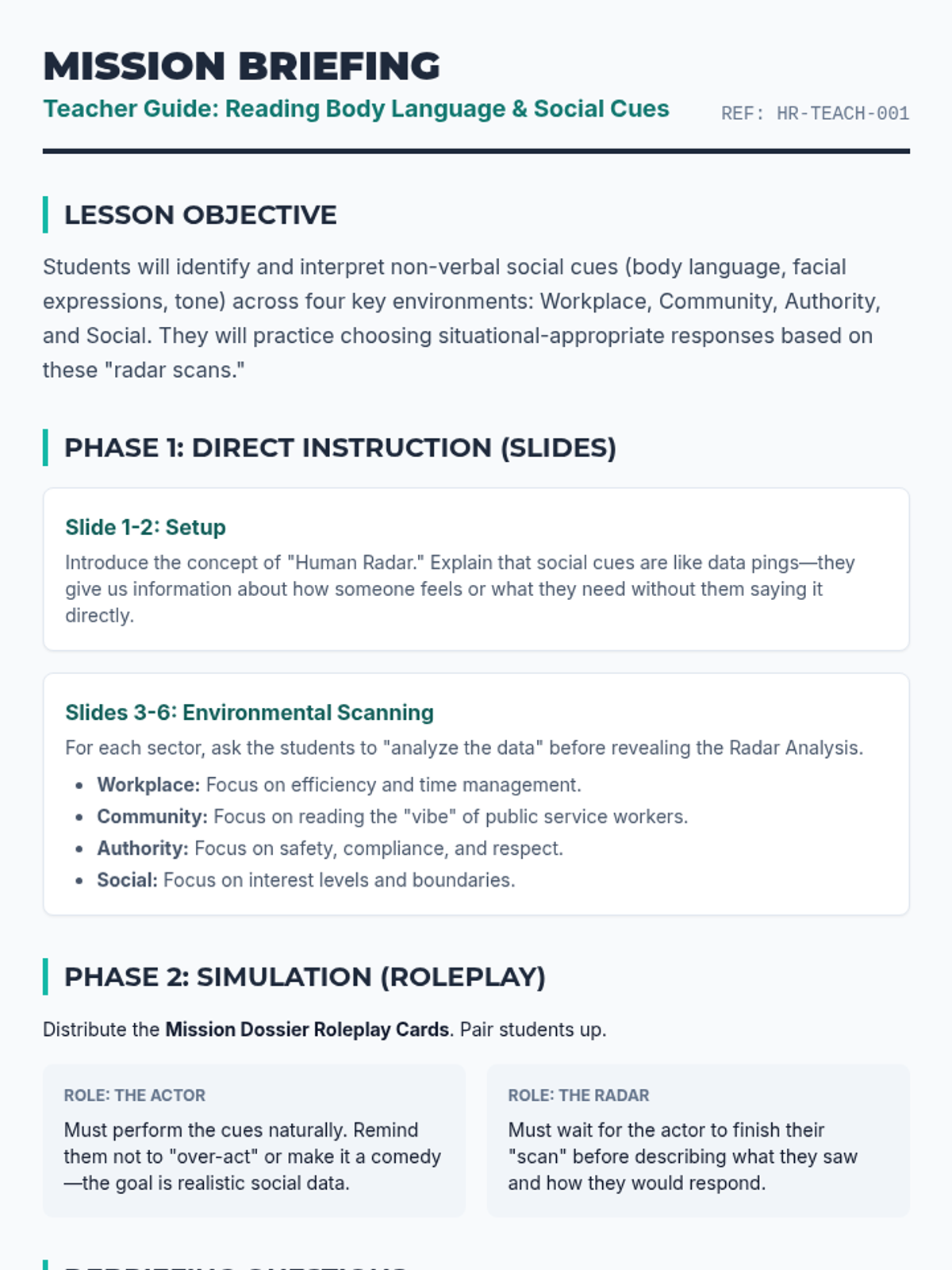
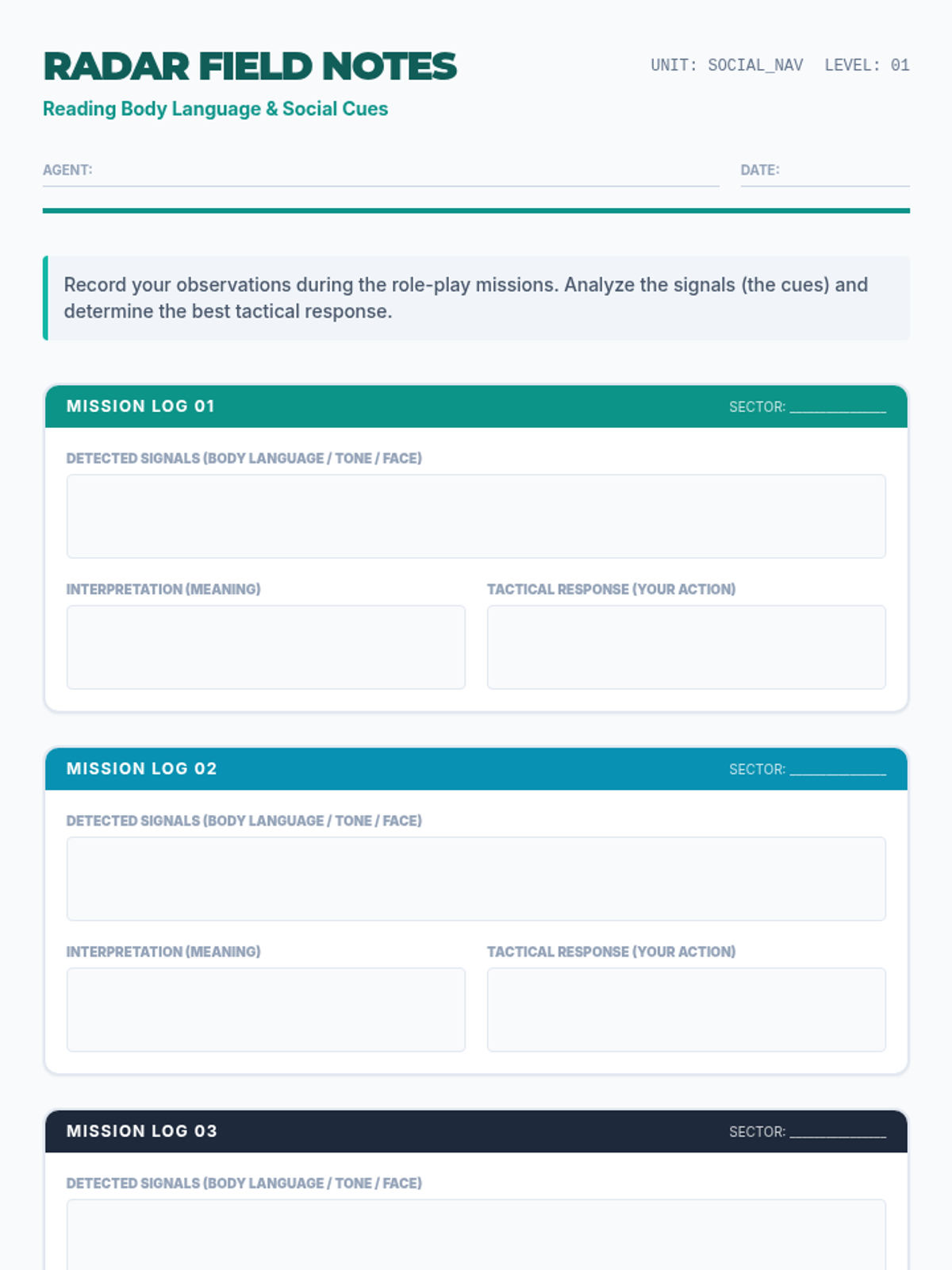
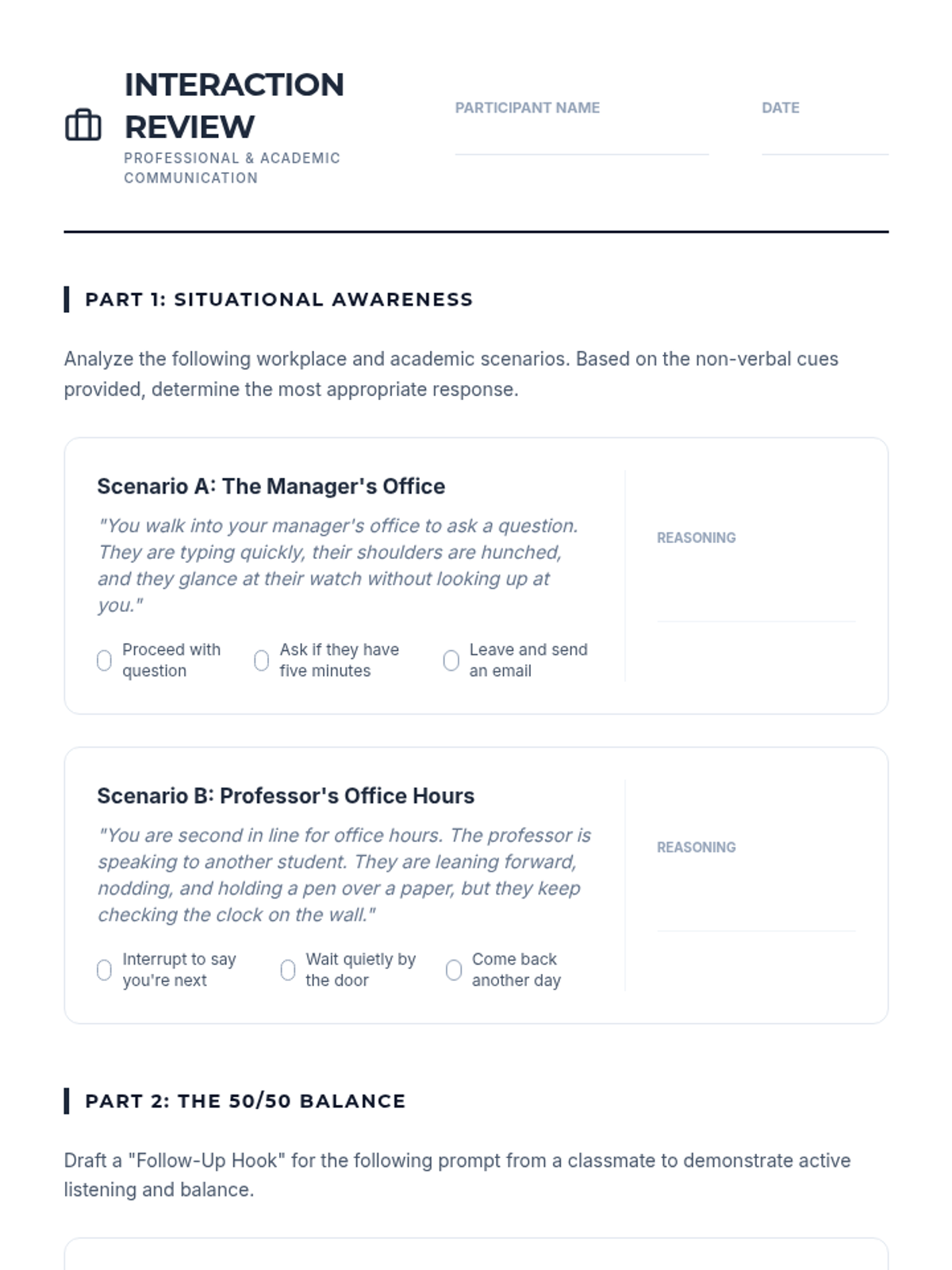
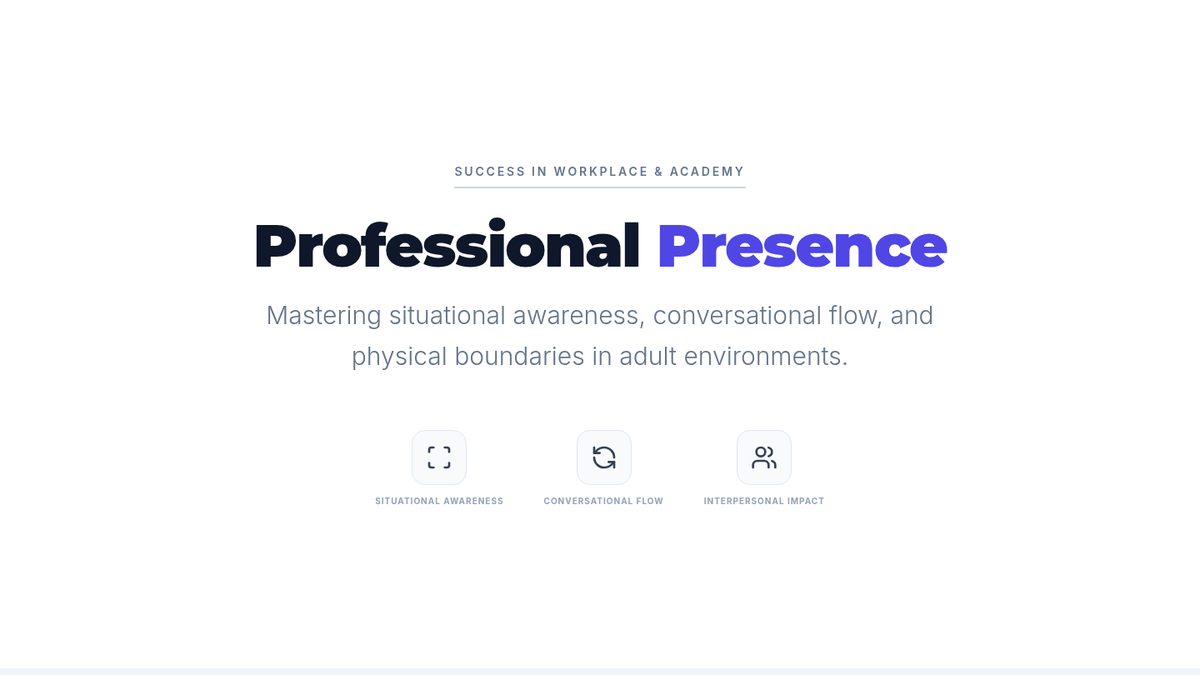
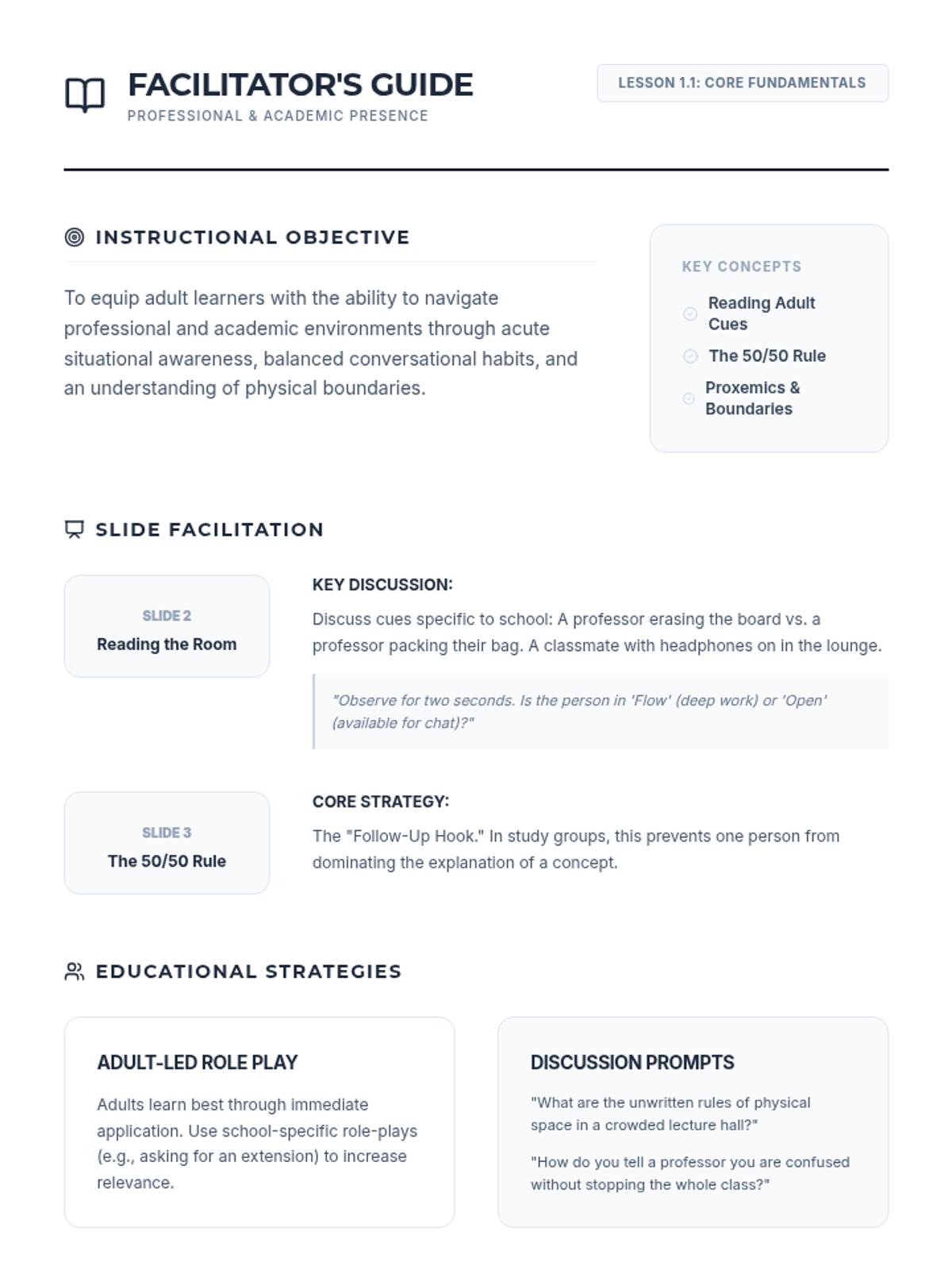
A series of lessons designed to improve social awareness, non-verbal communication, and situational appropriateness in diverse real-world environments.
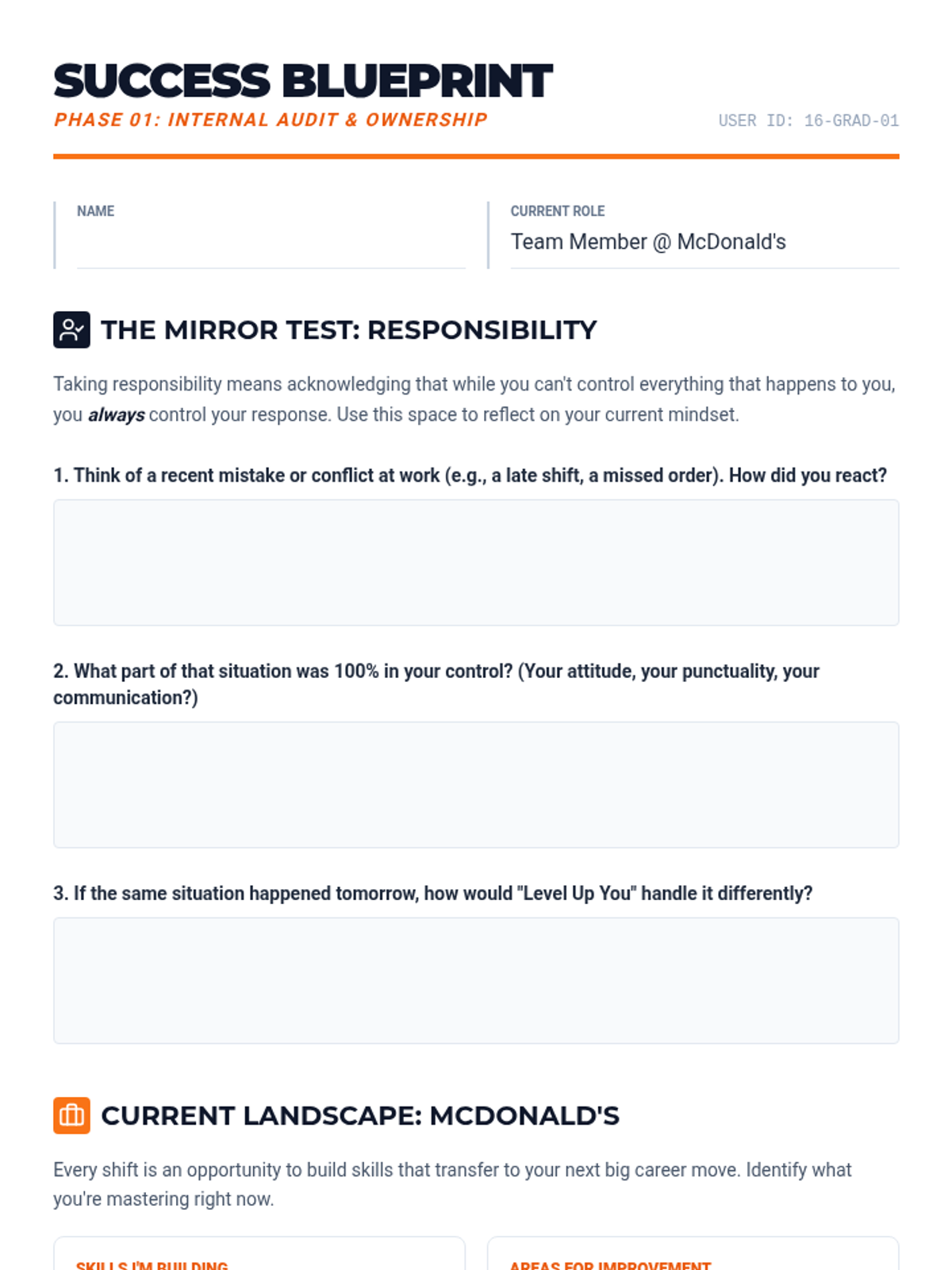
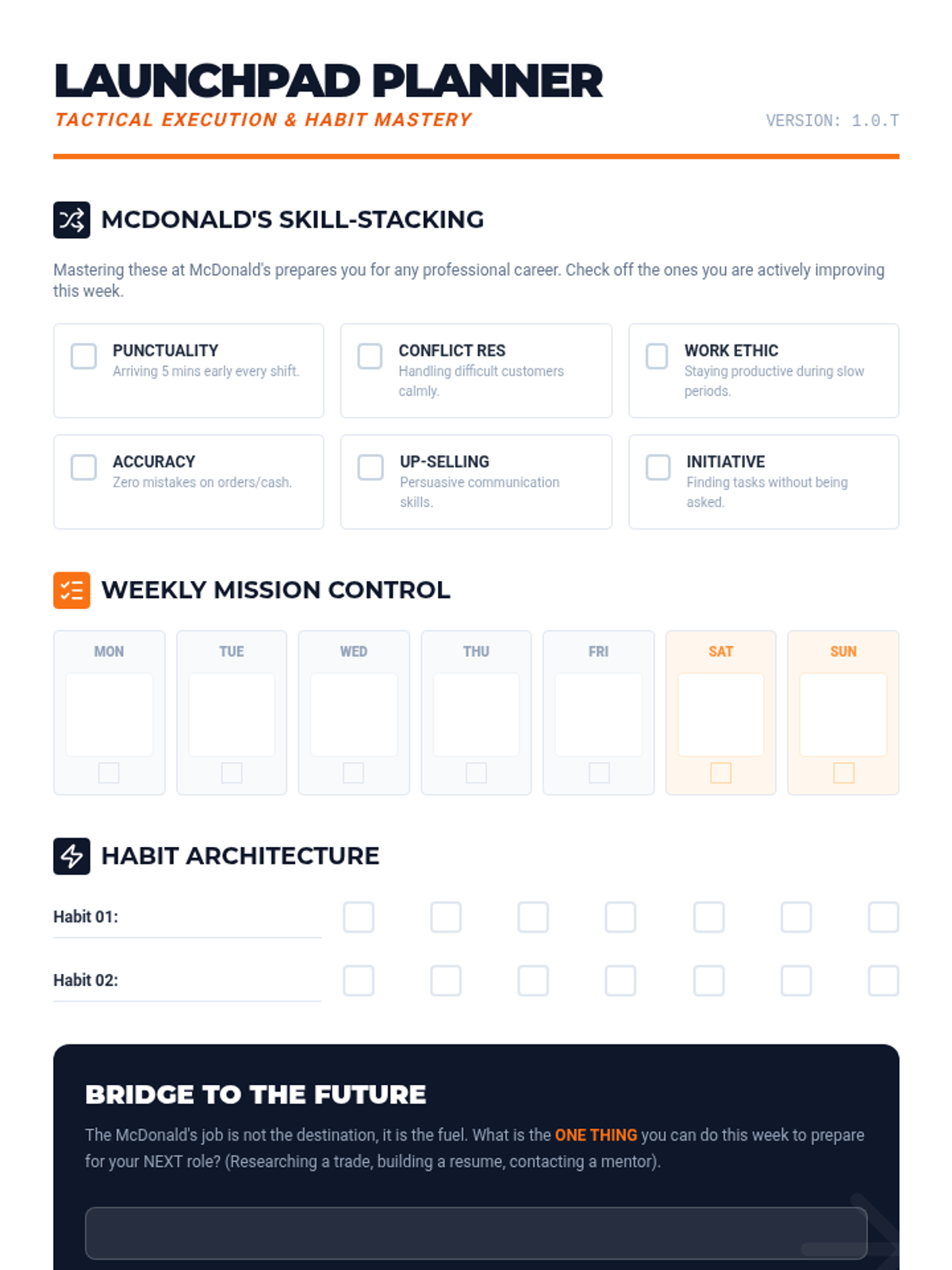
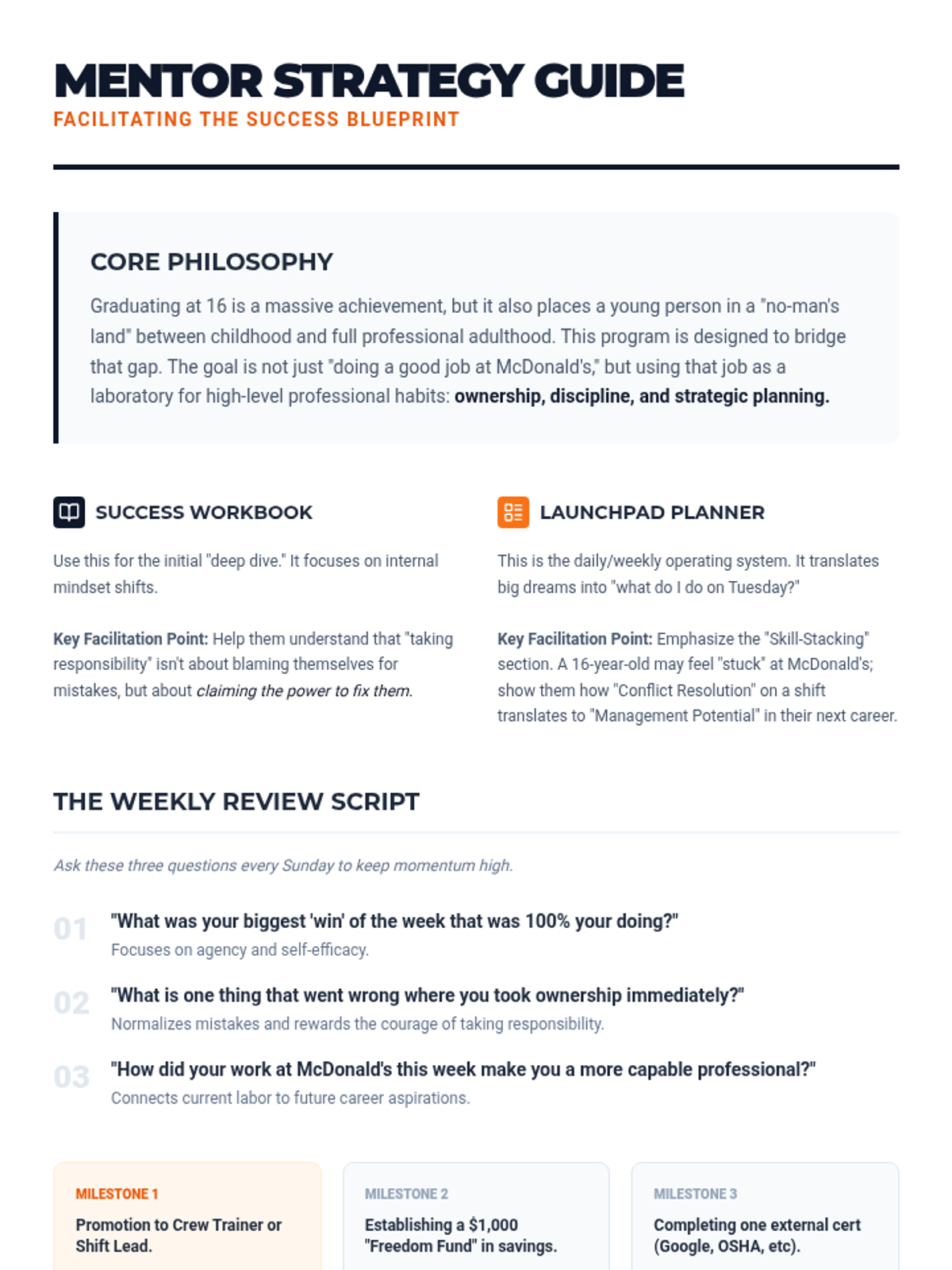
A comprehensive personal development guide for a young graduate to take ownership of their life, master their current role, and bridge the gap to their future career through structured goal-setting and reflection.
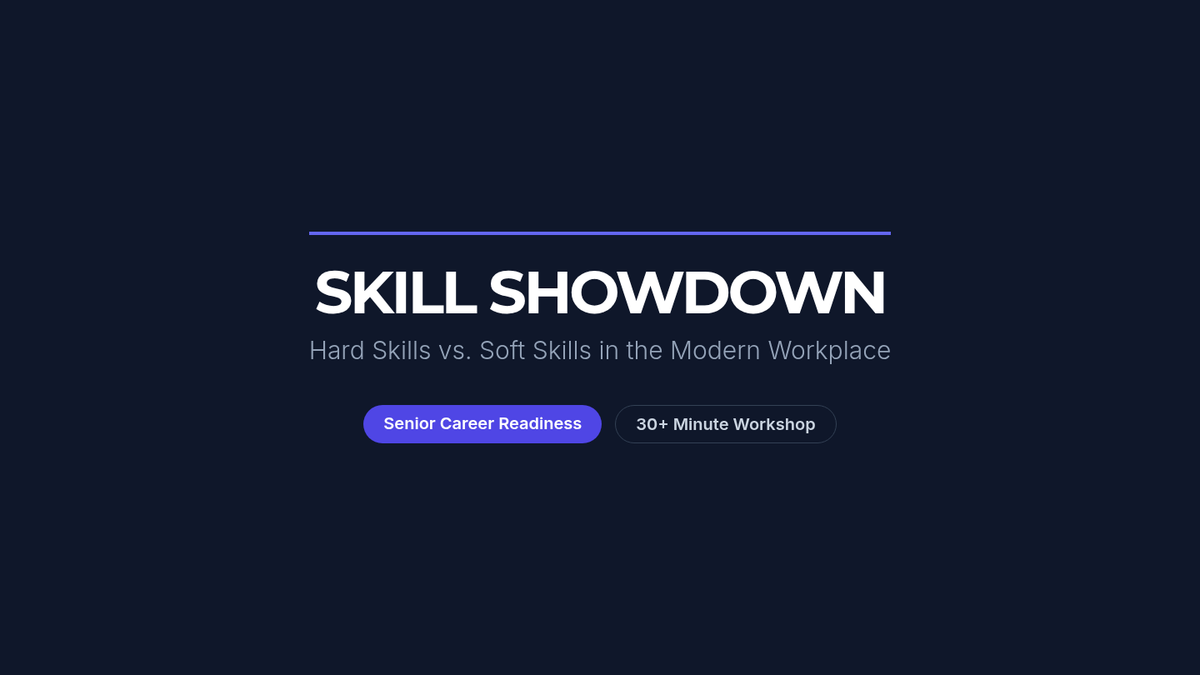
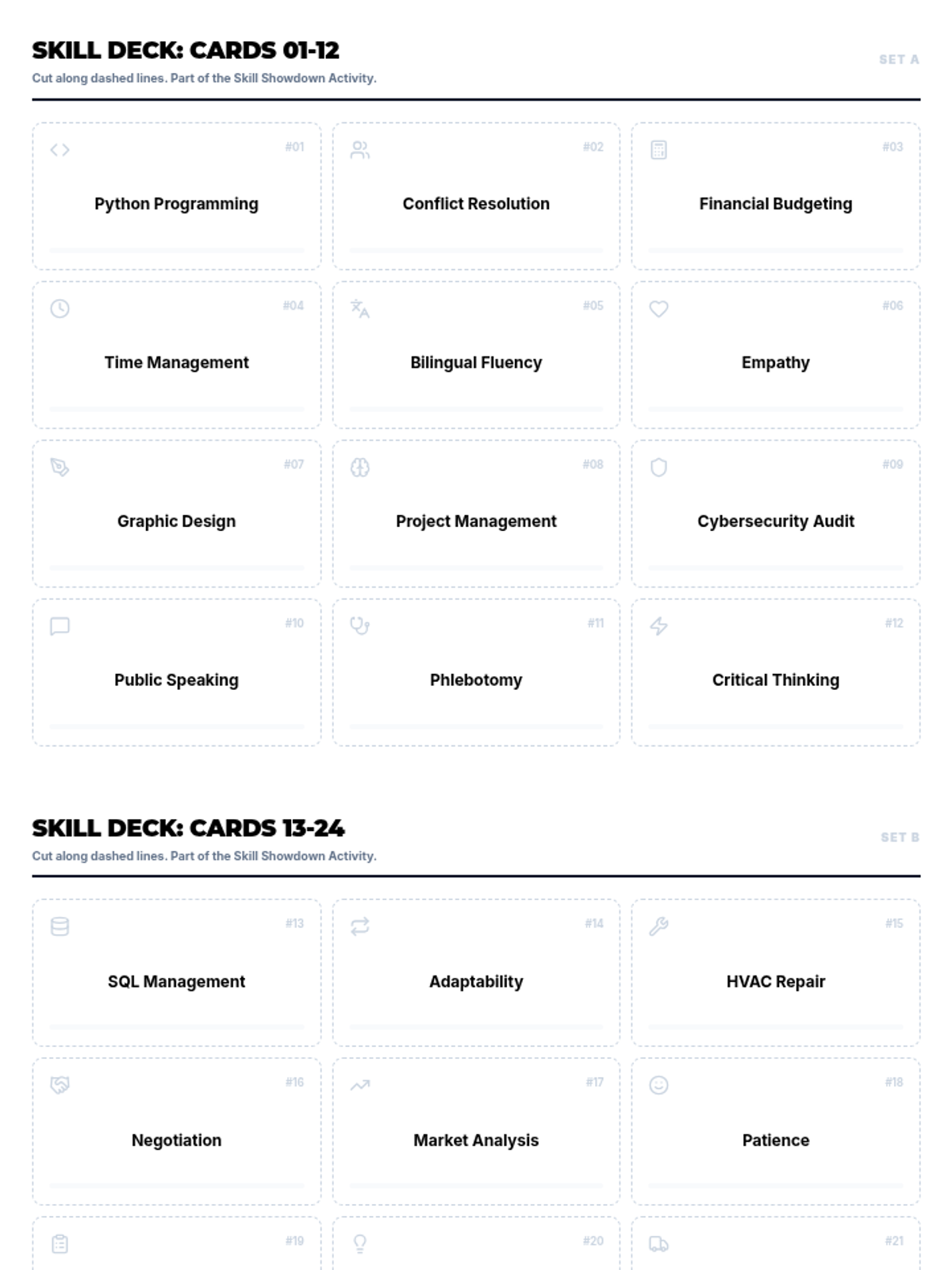
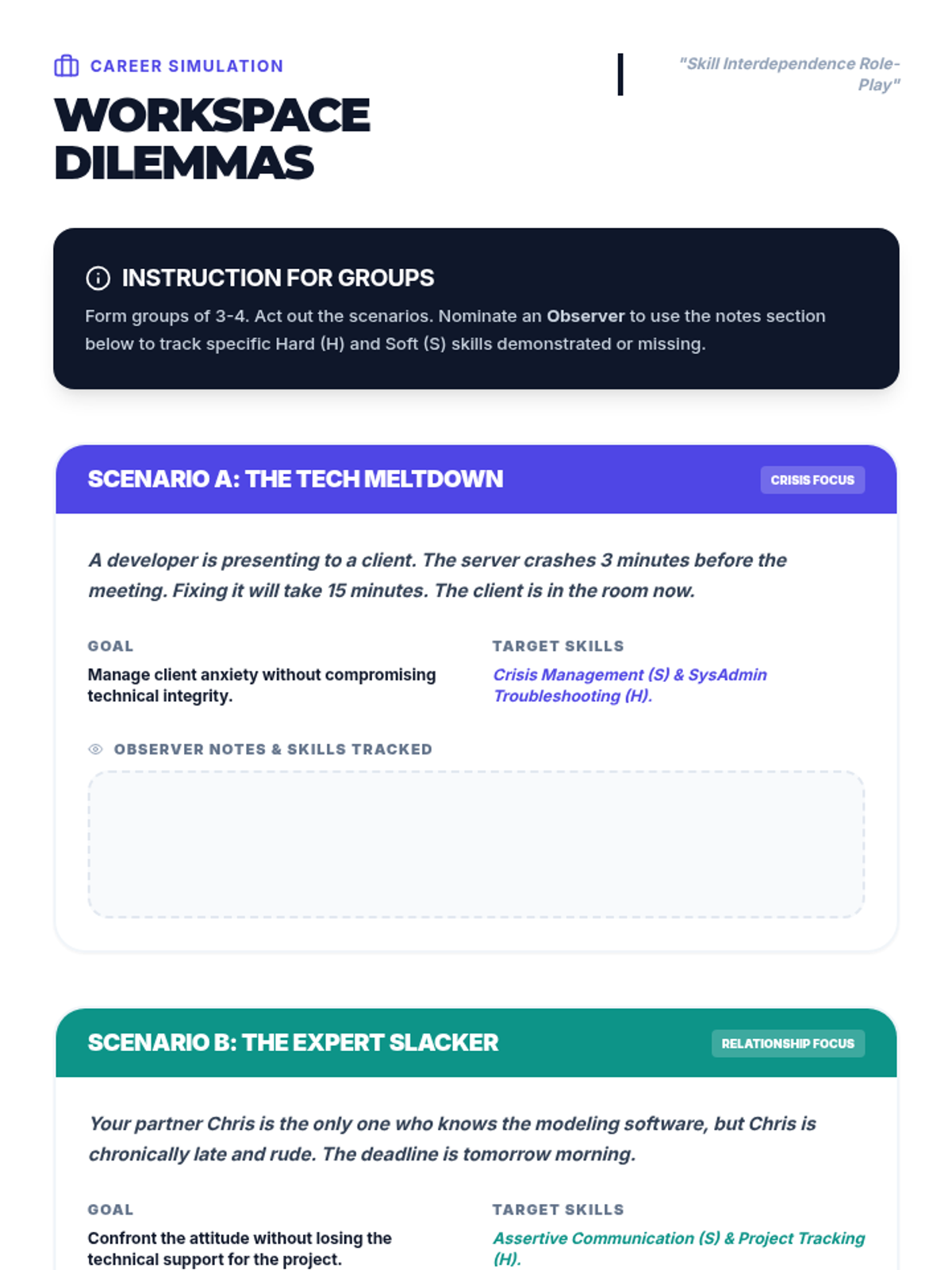
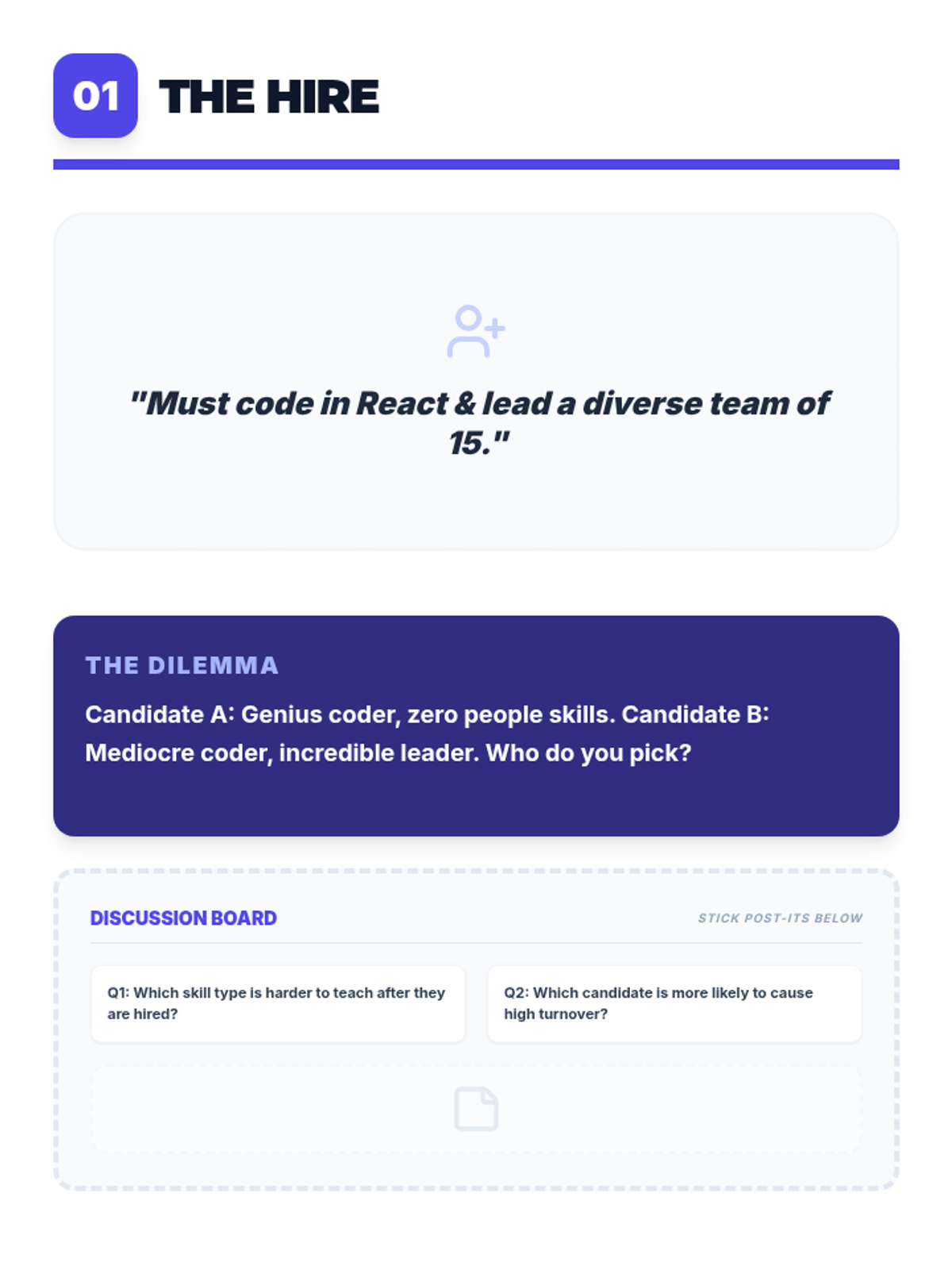
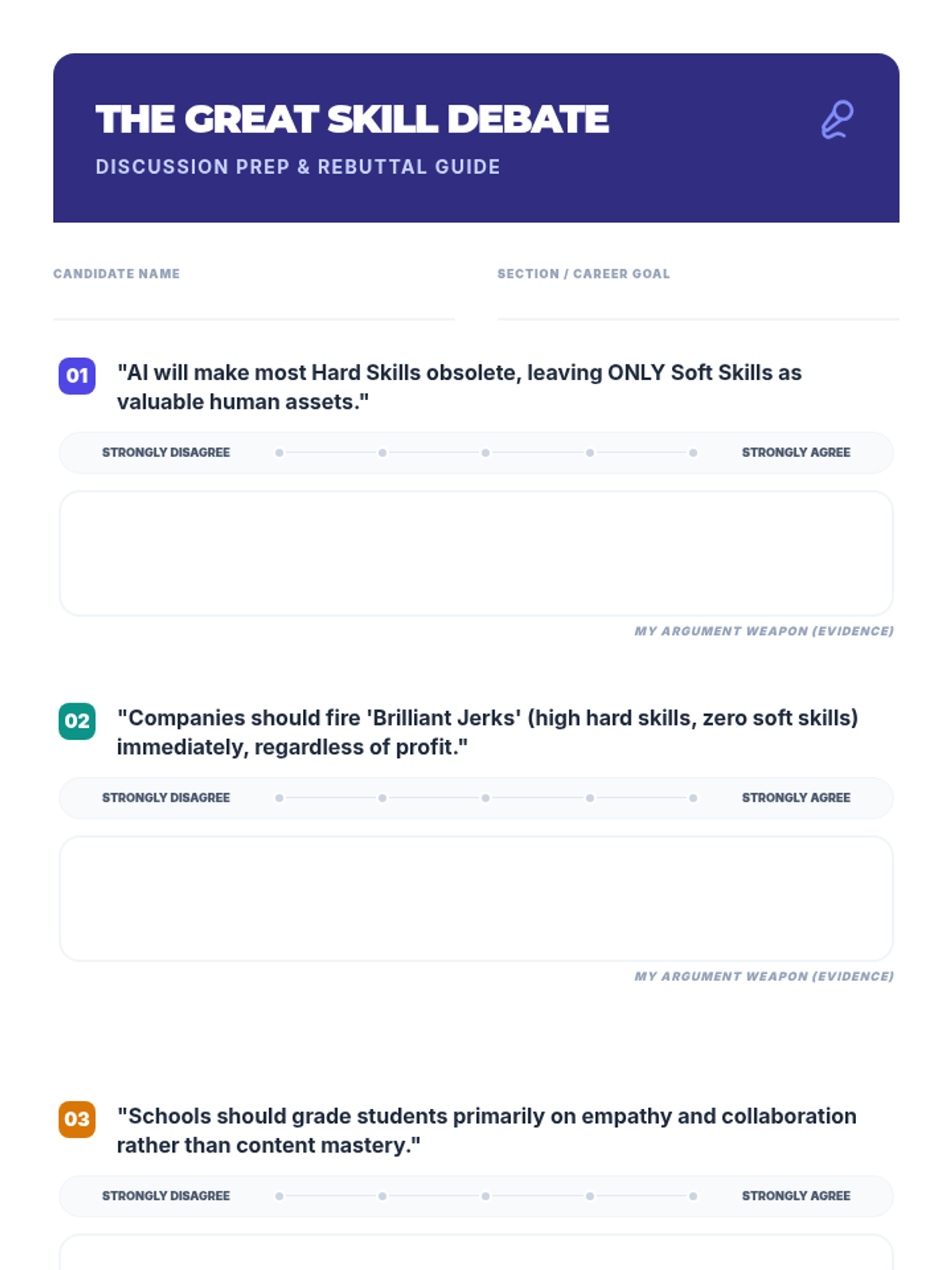
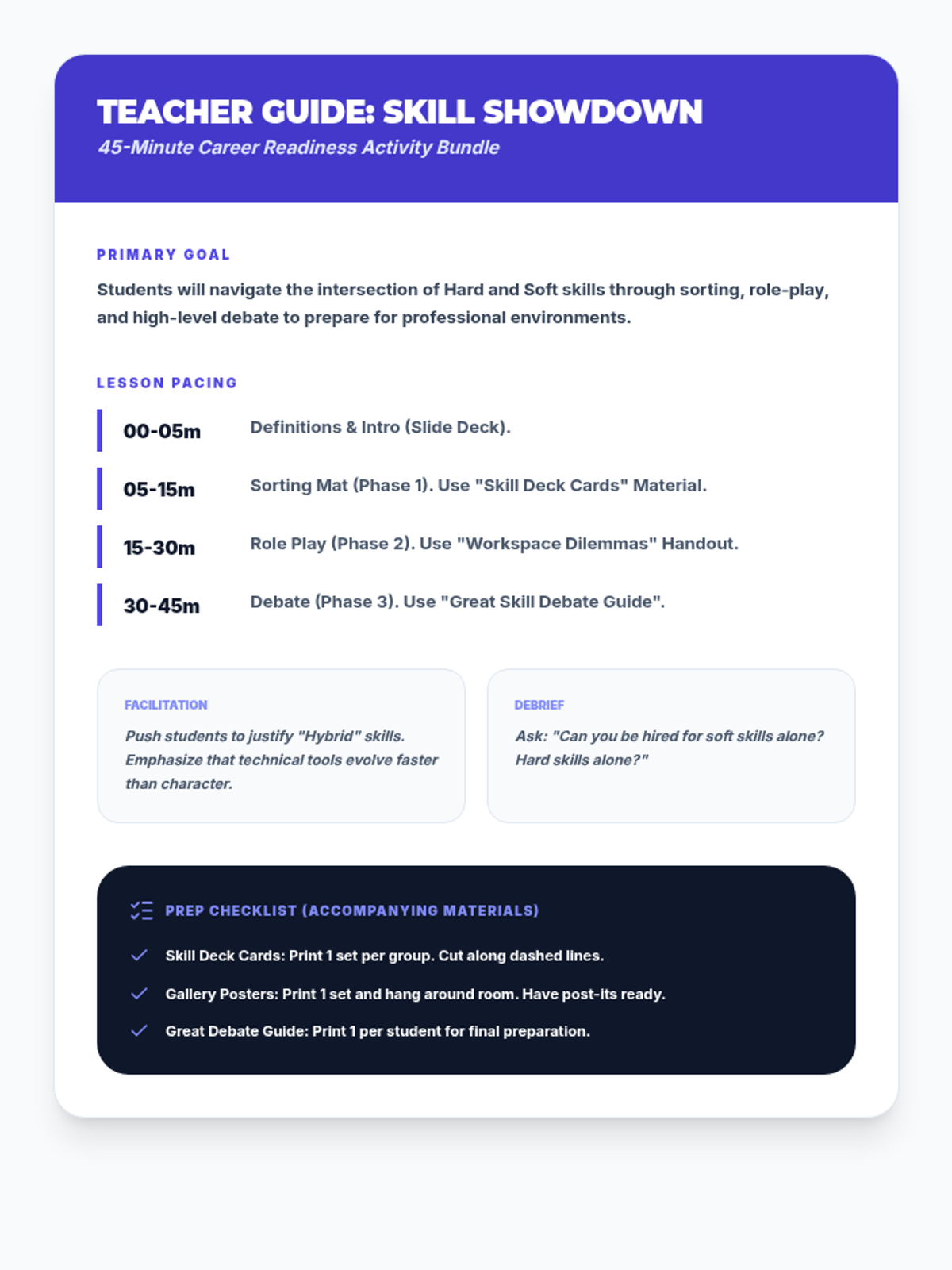
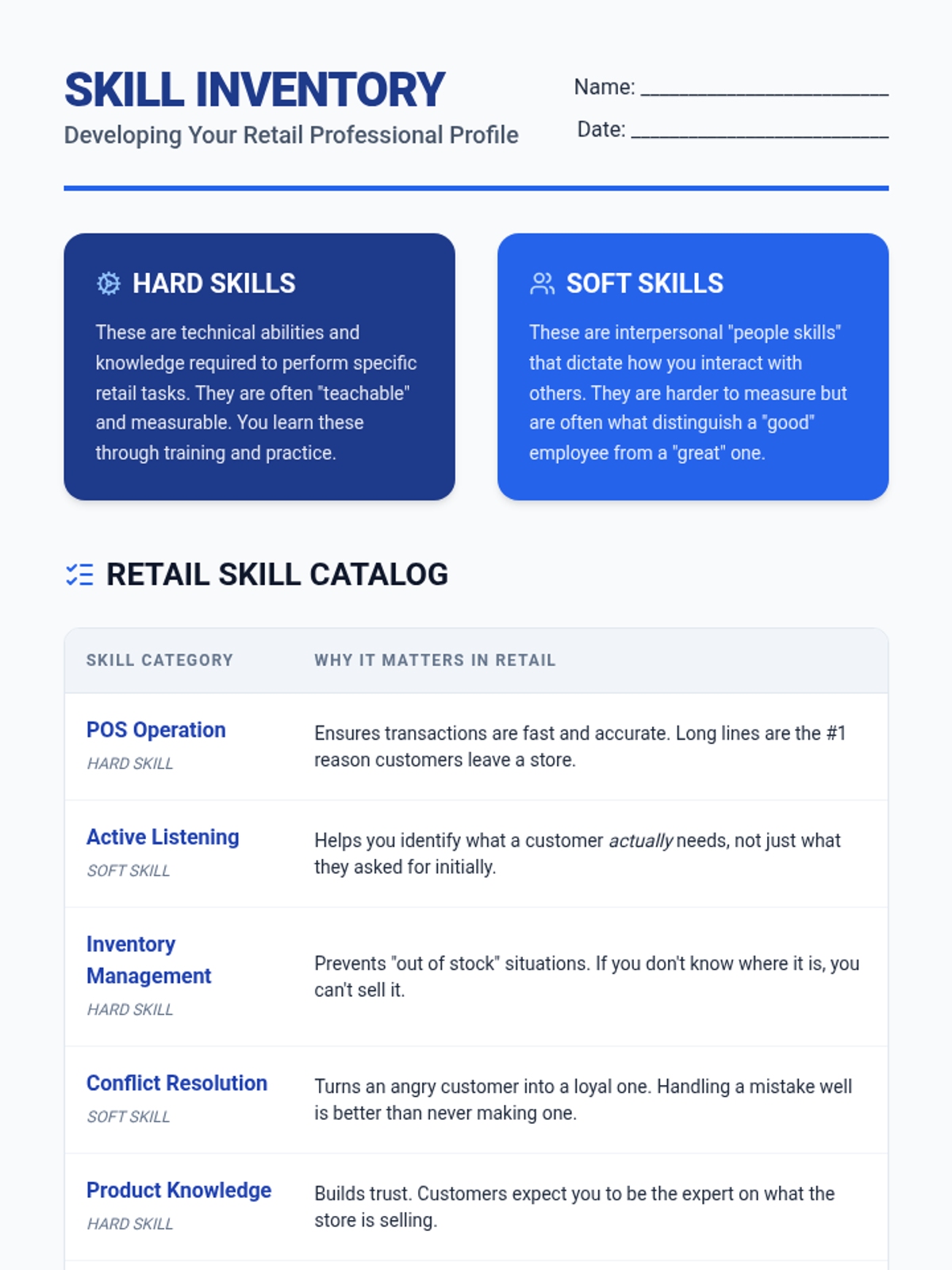
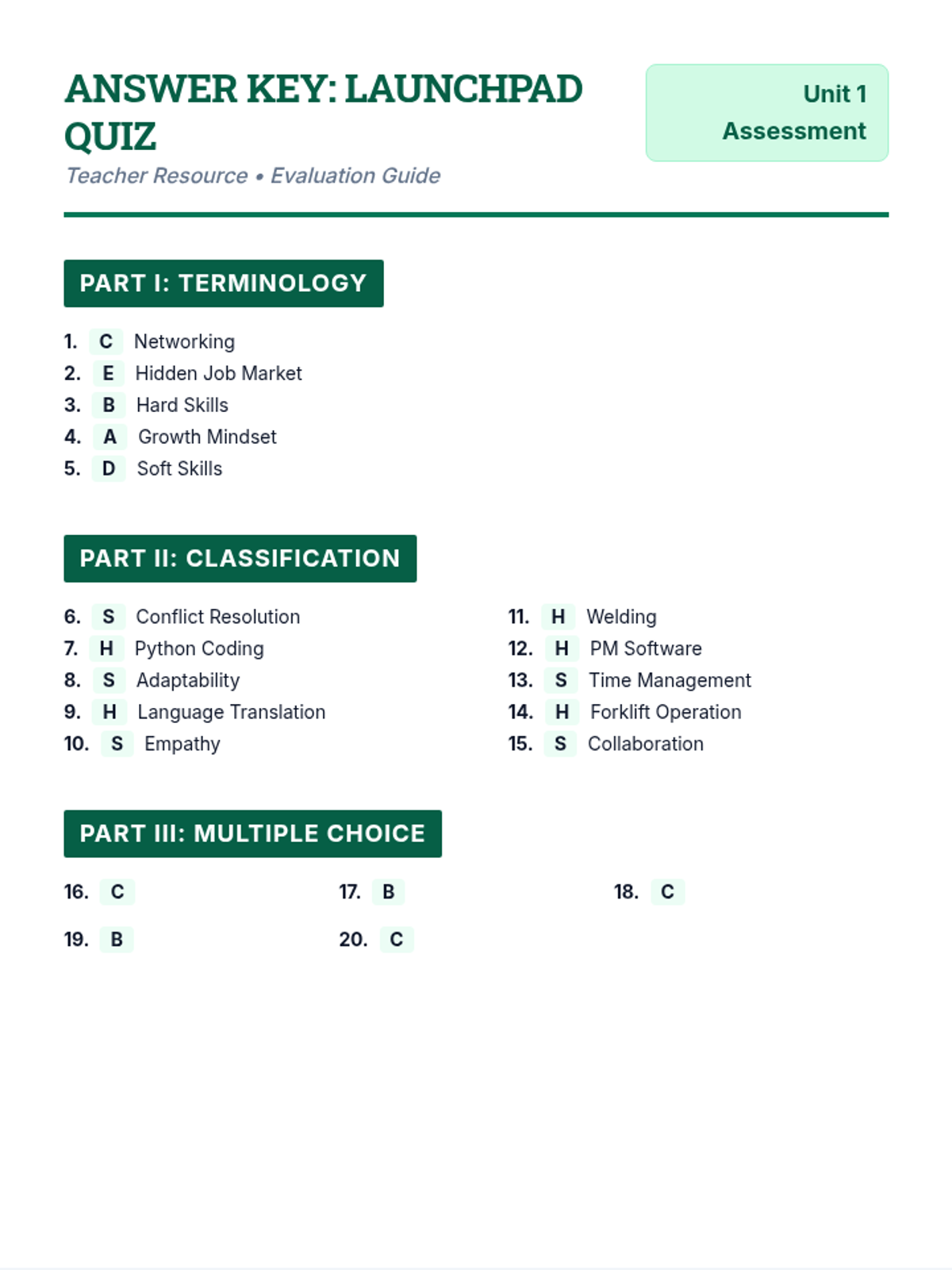
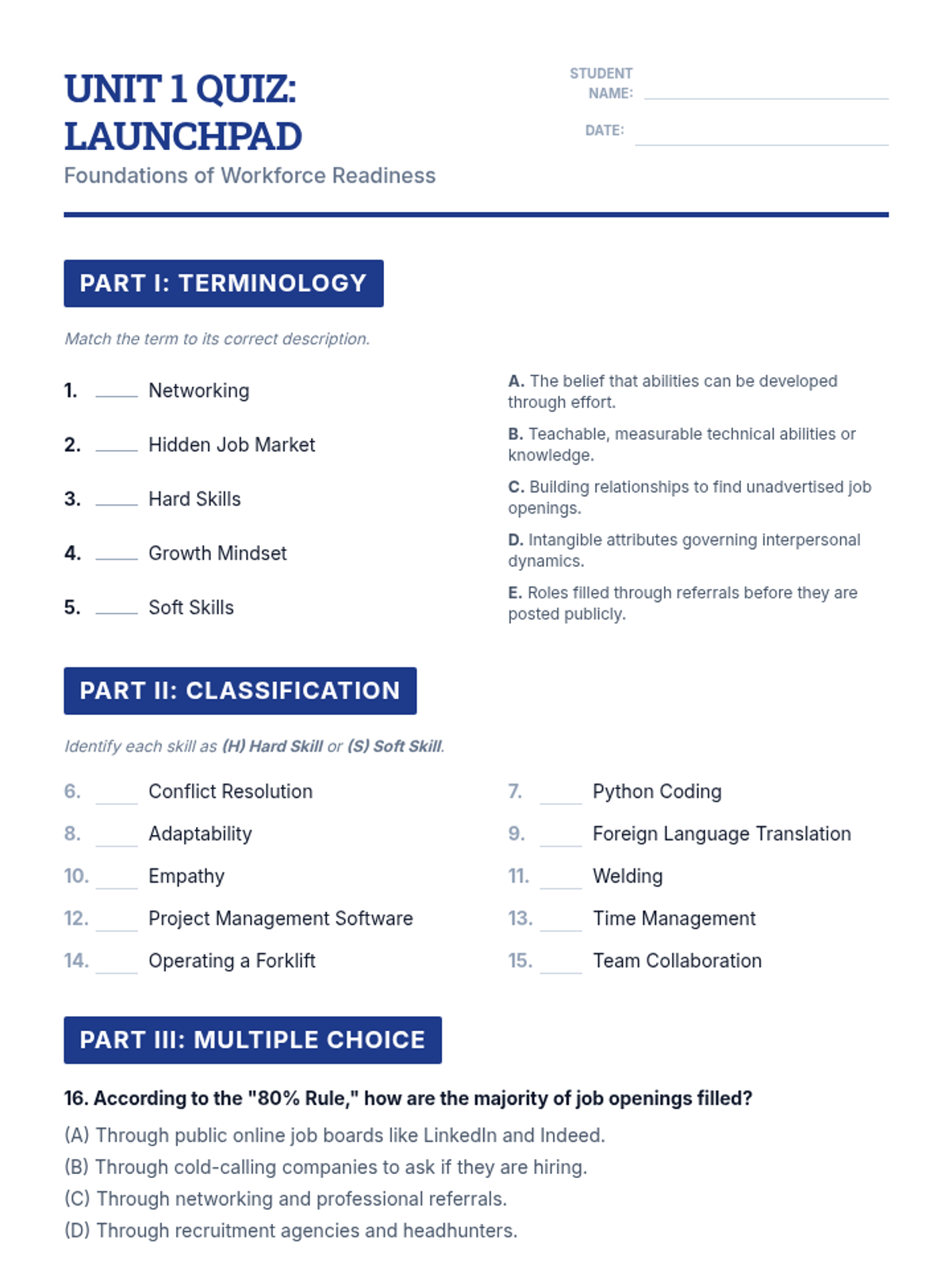
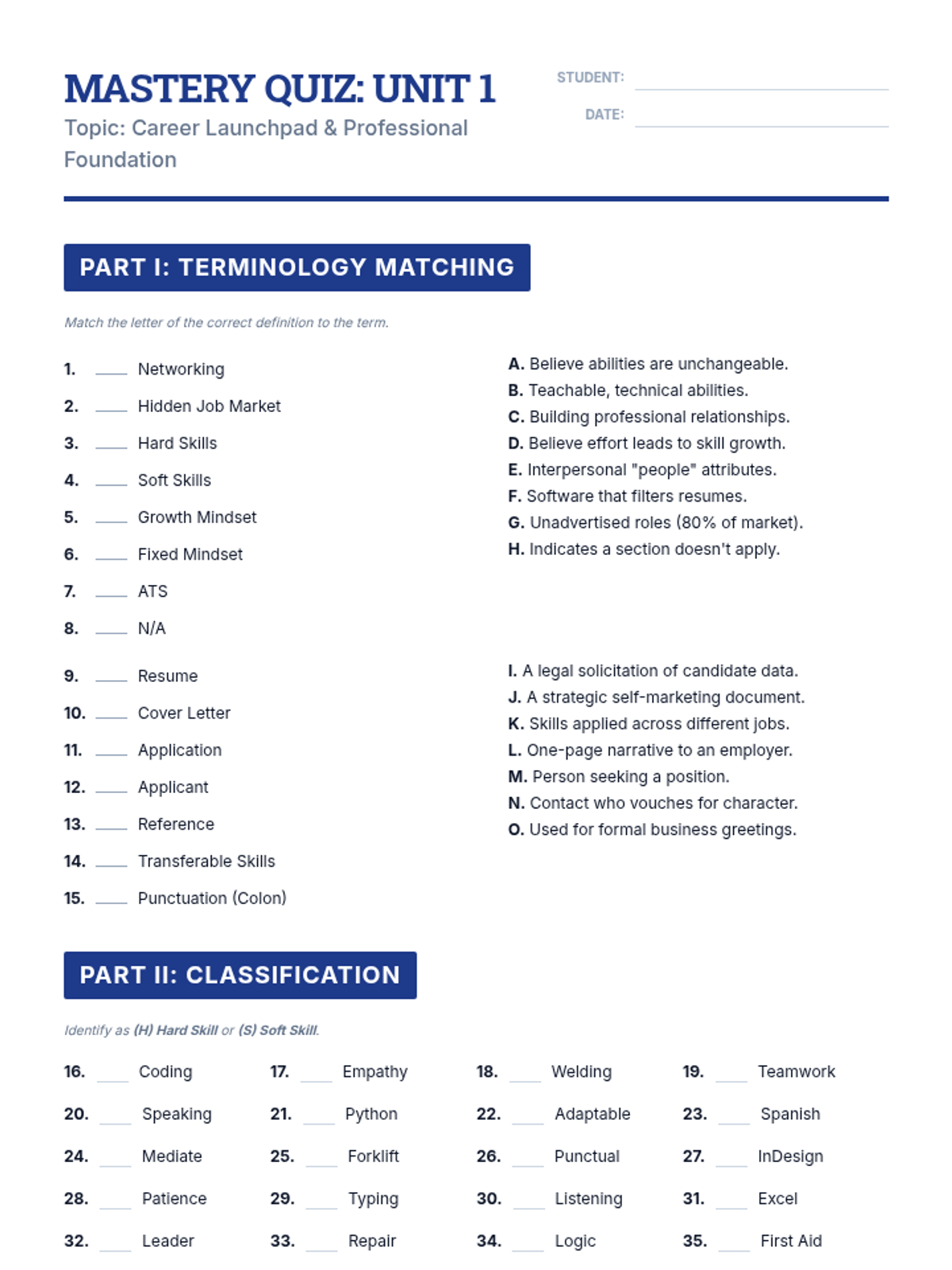
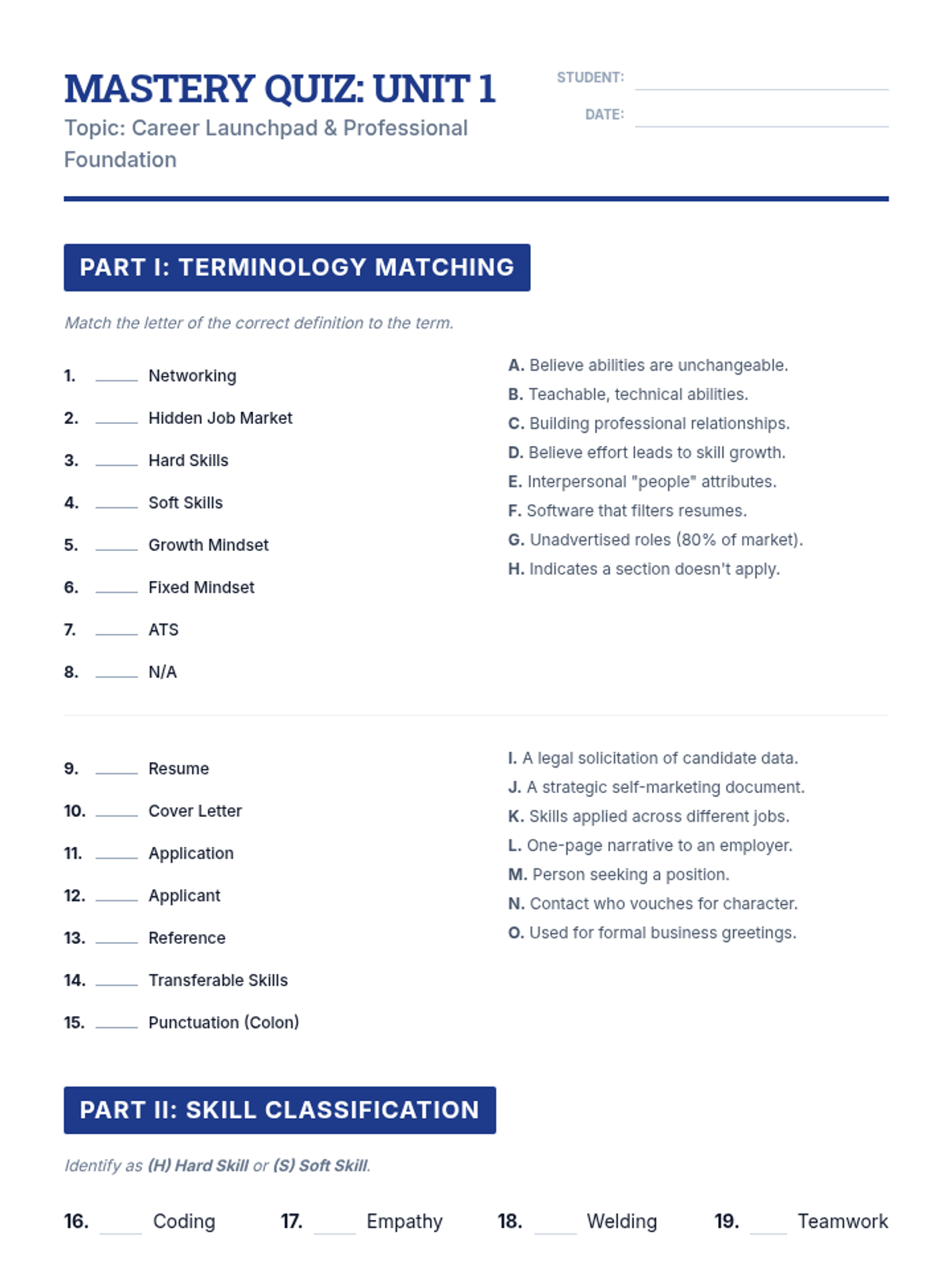
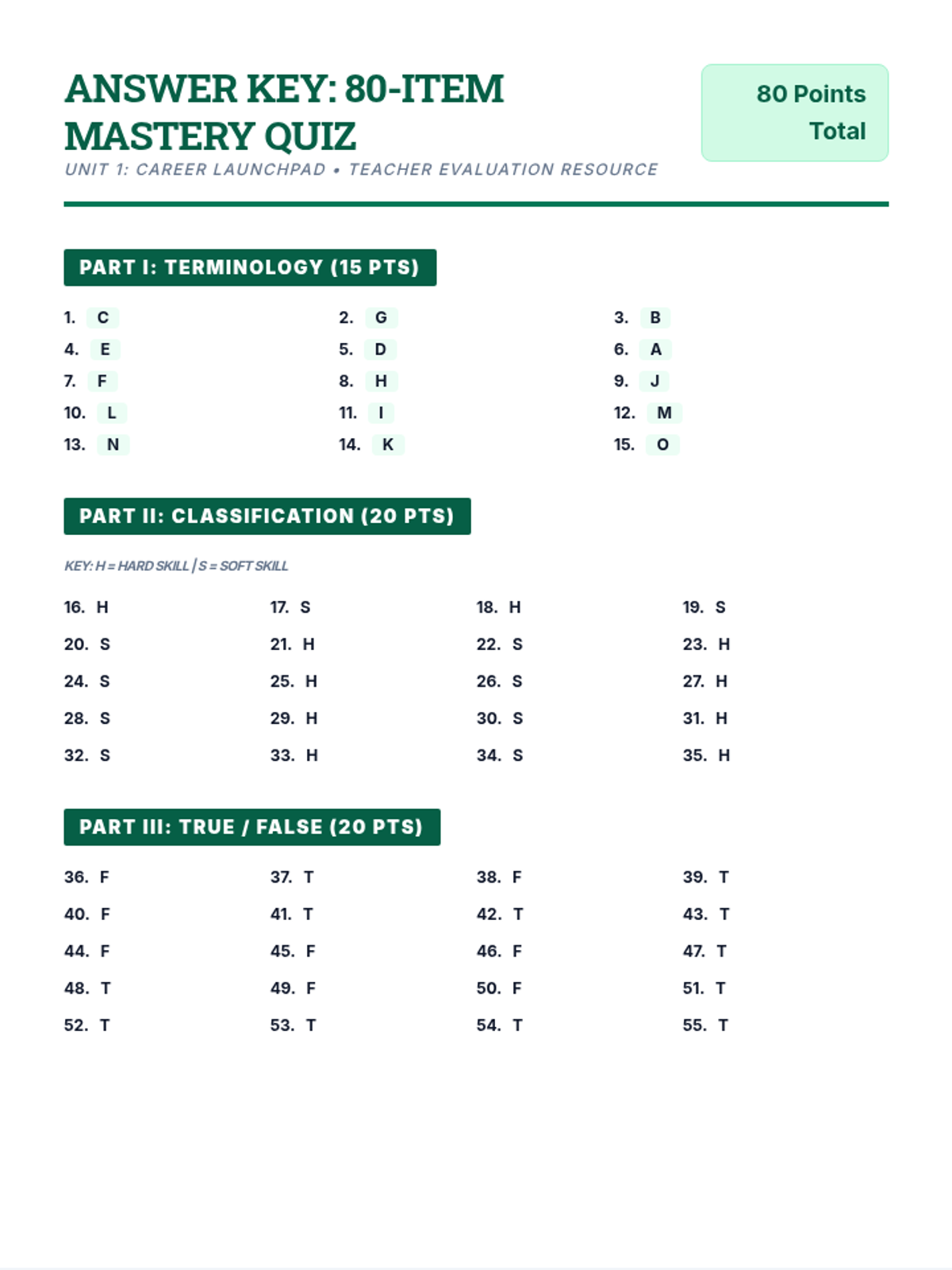
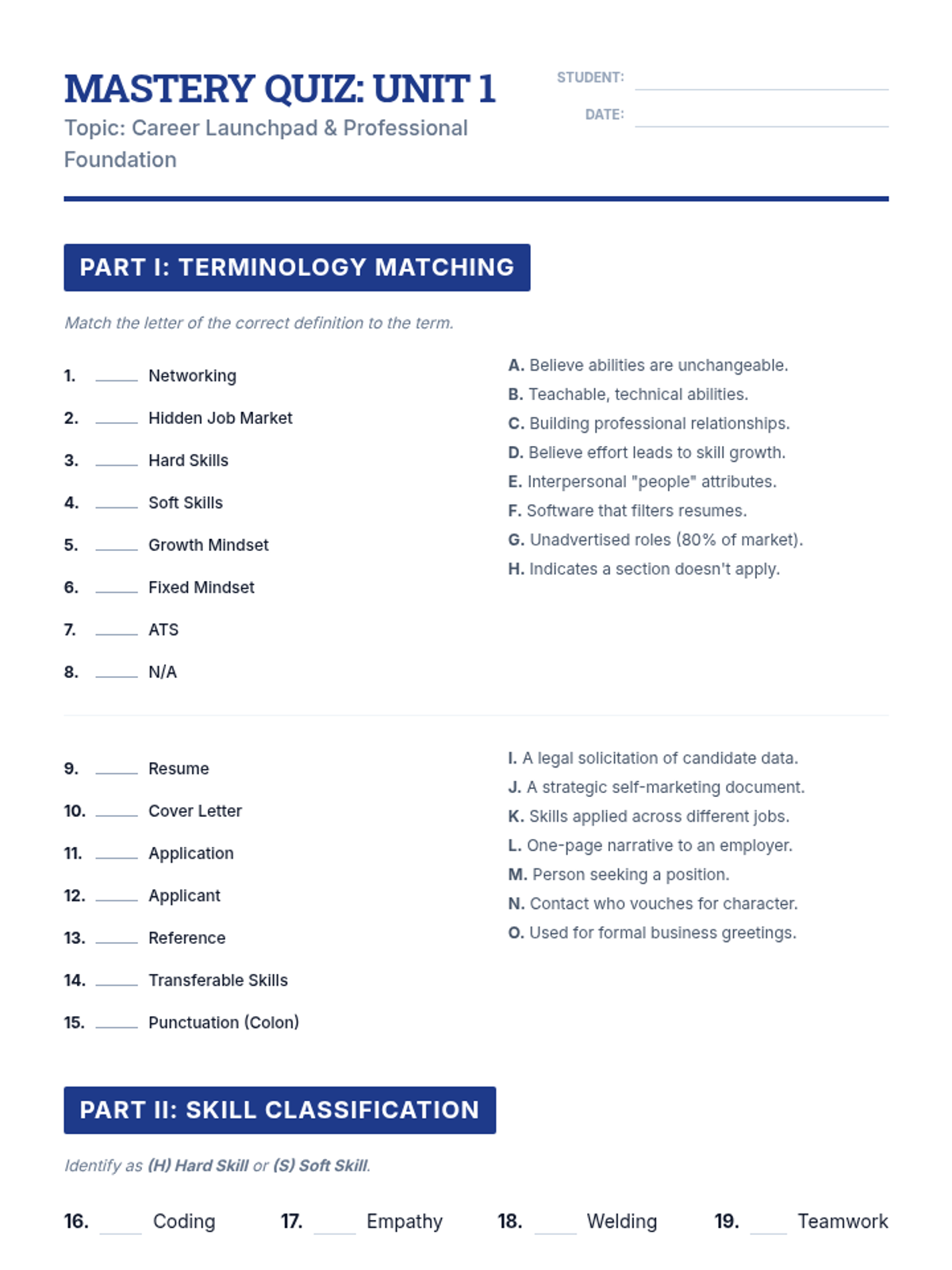
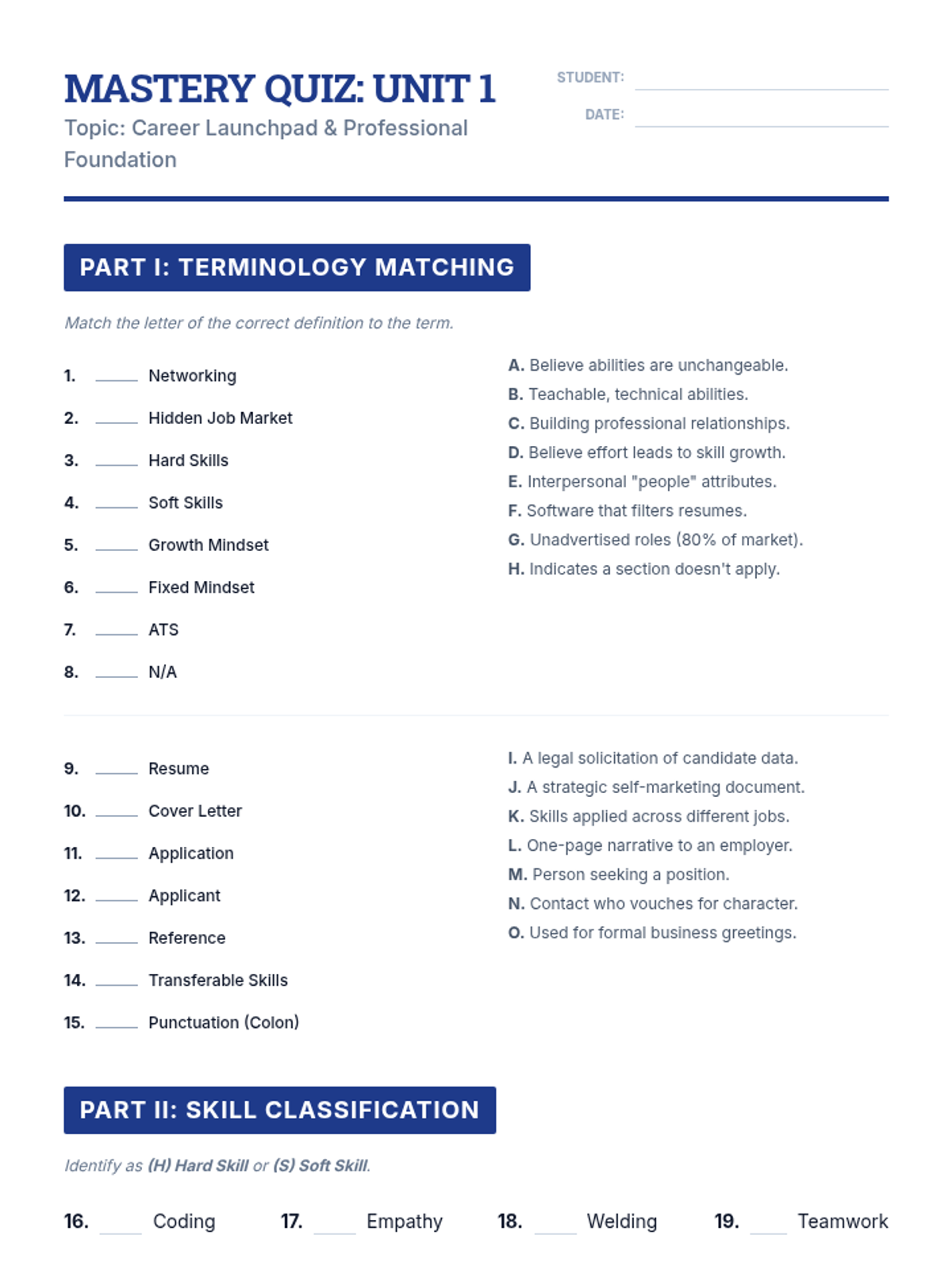
A career readiness module focused on identifying, comparing, and applying hard and soft skills through interactive workplace simulations.
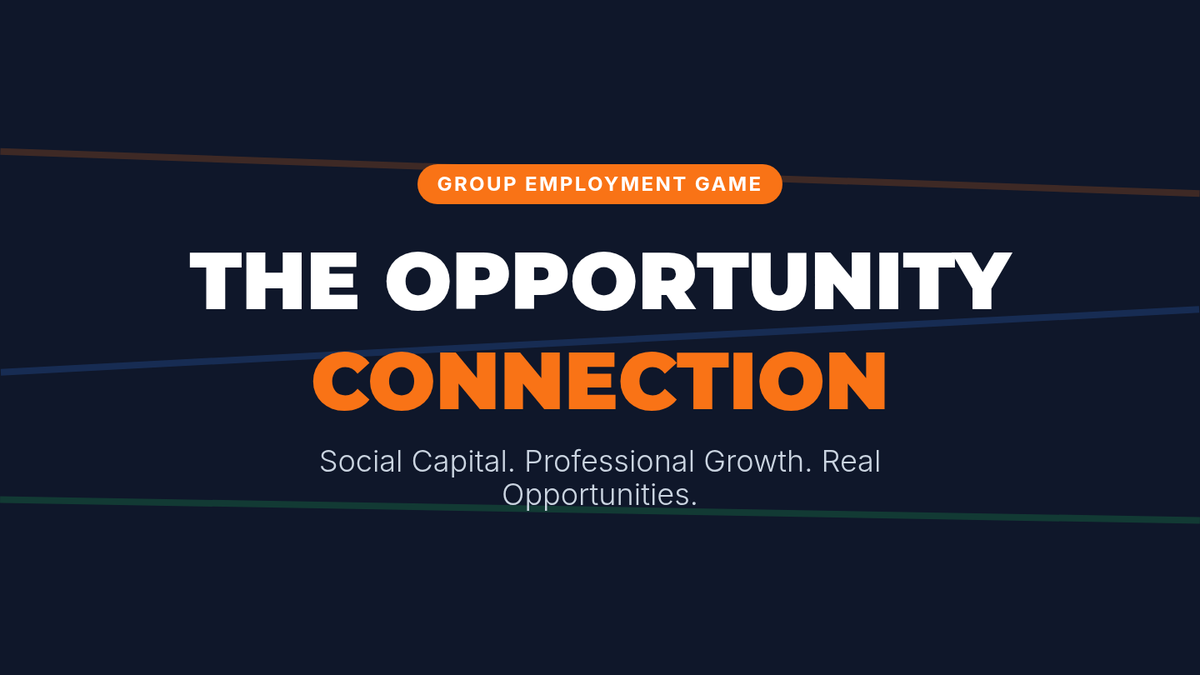
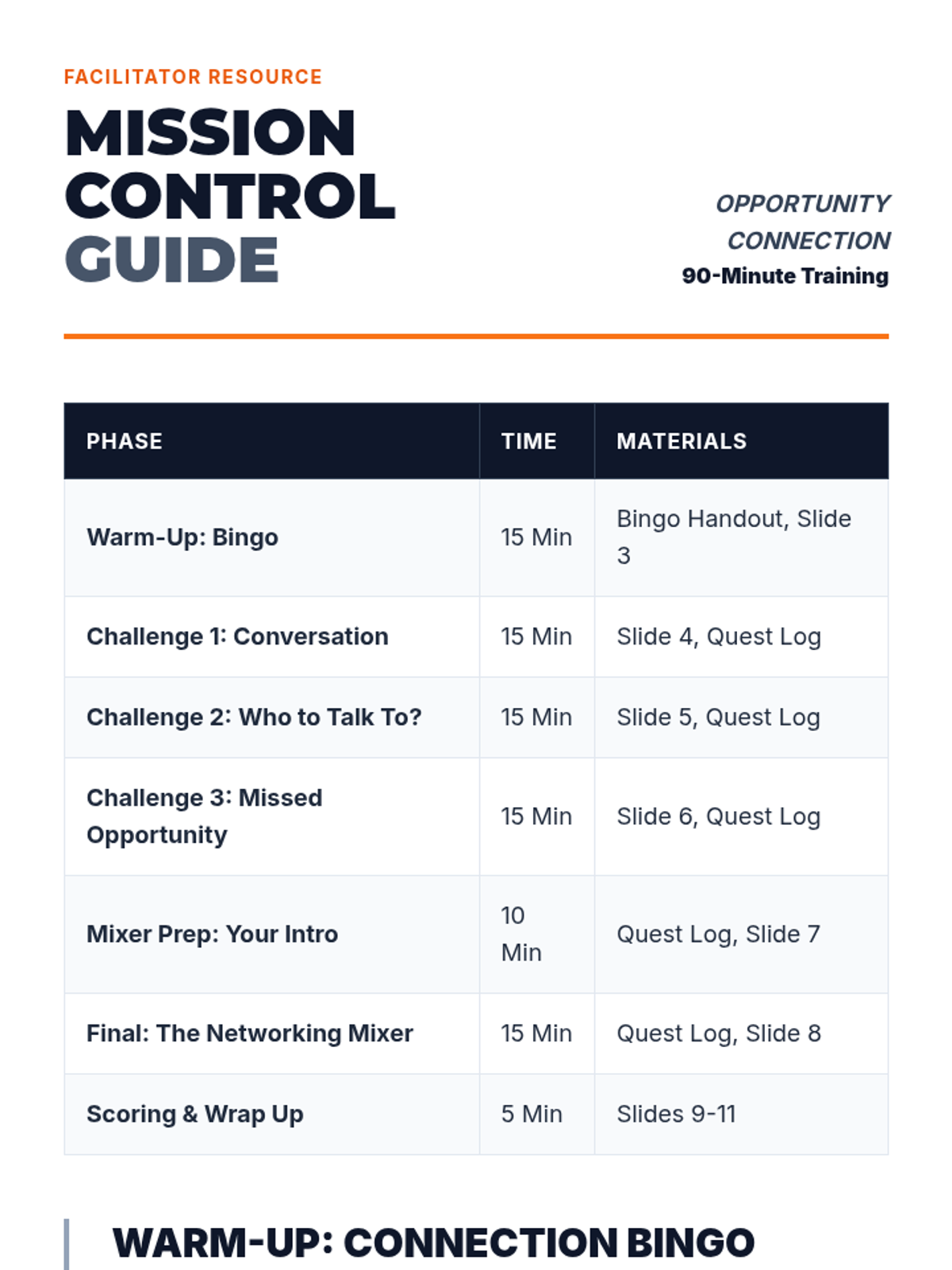
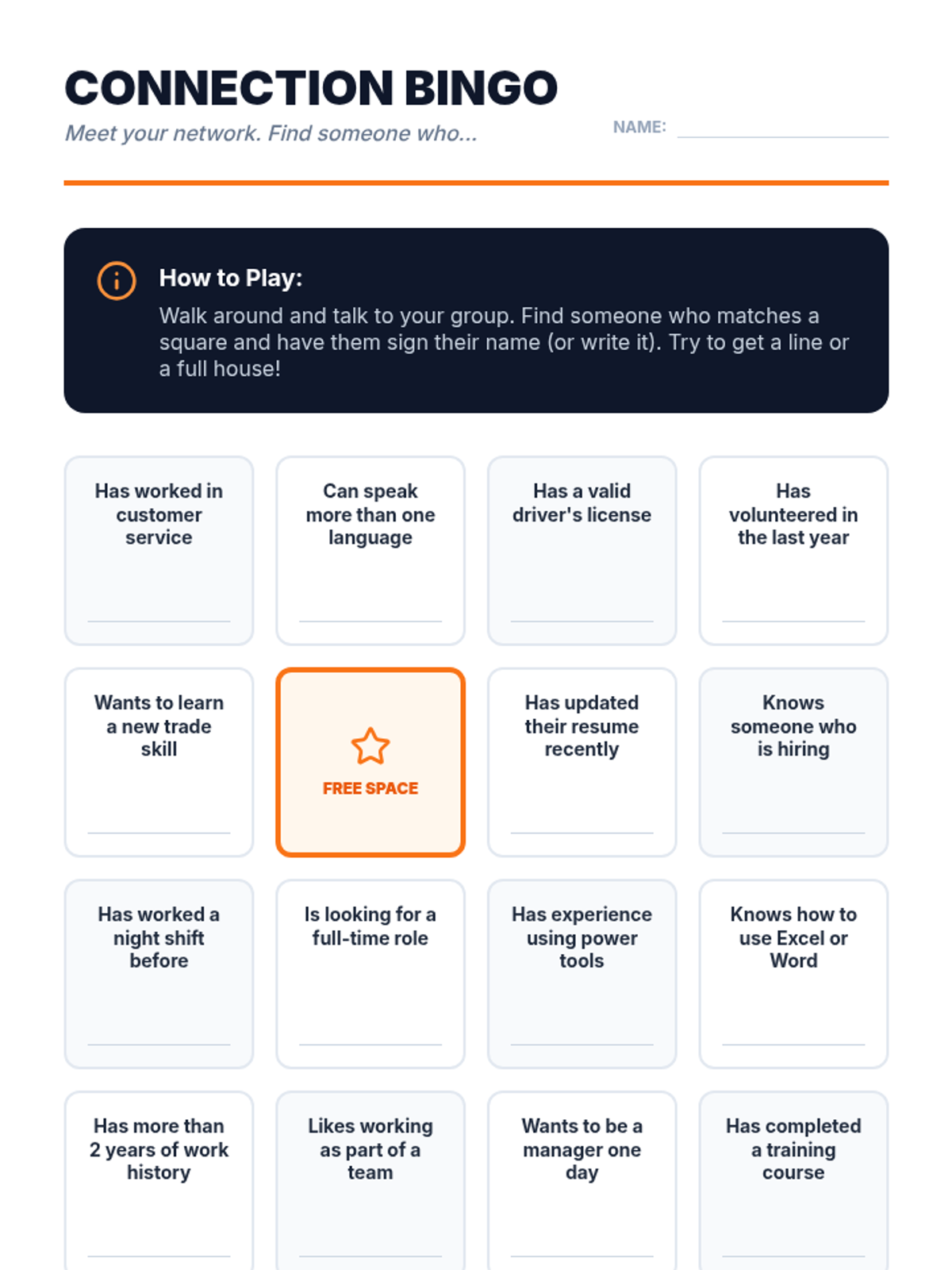
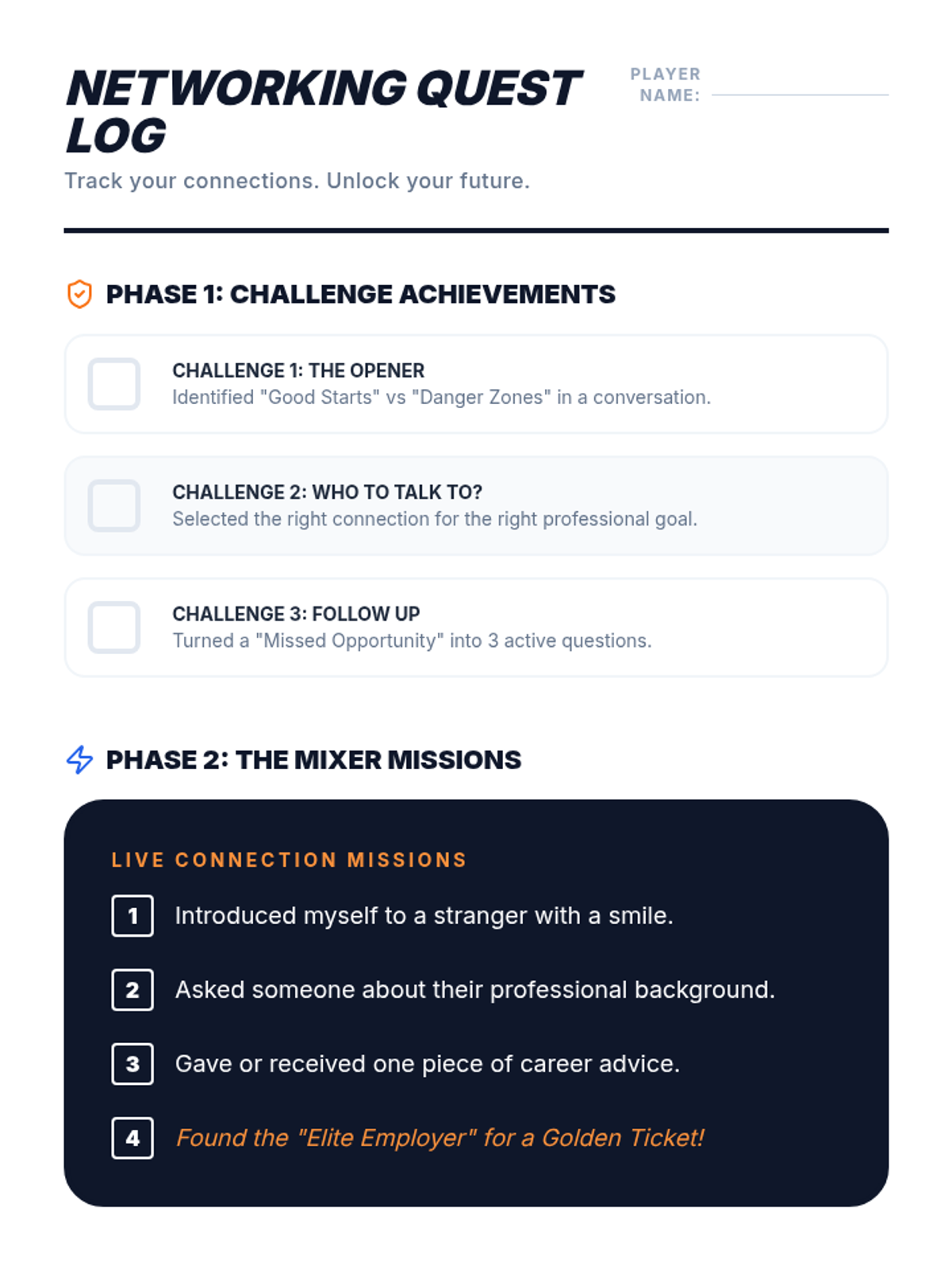
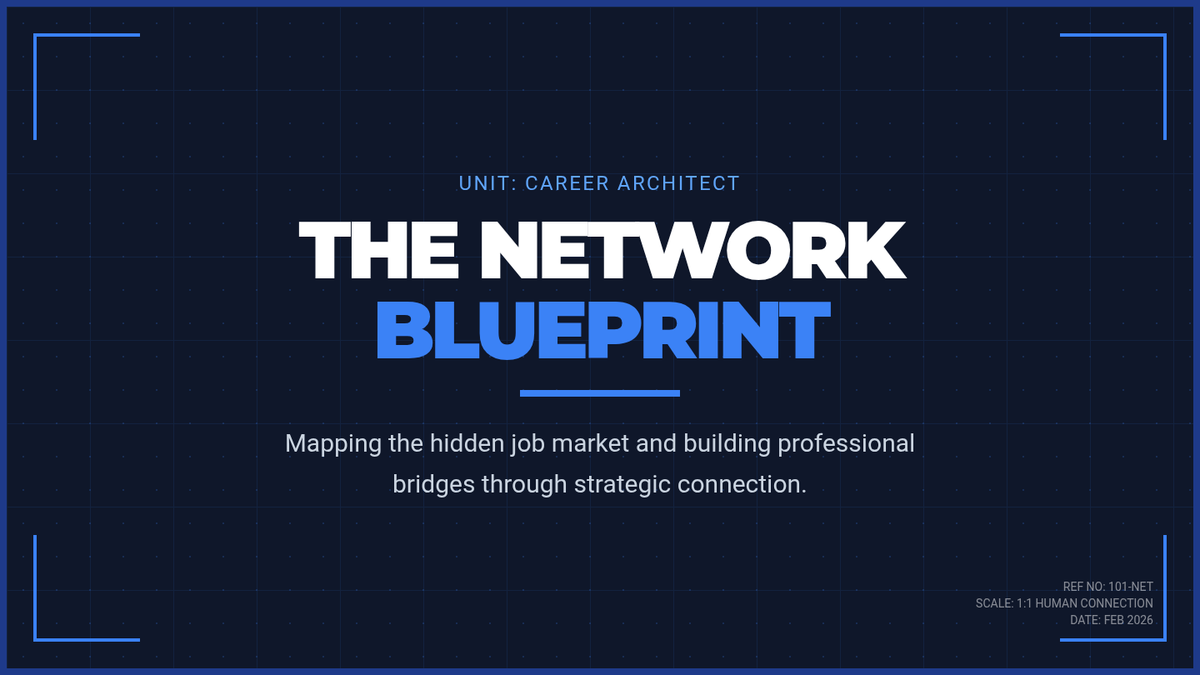
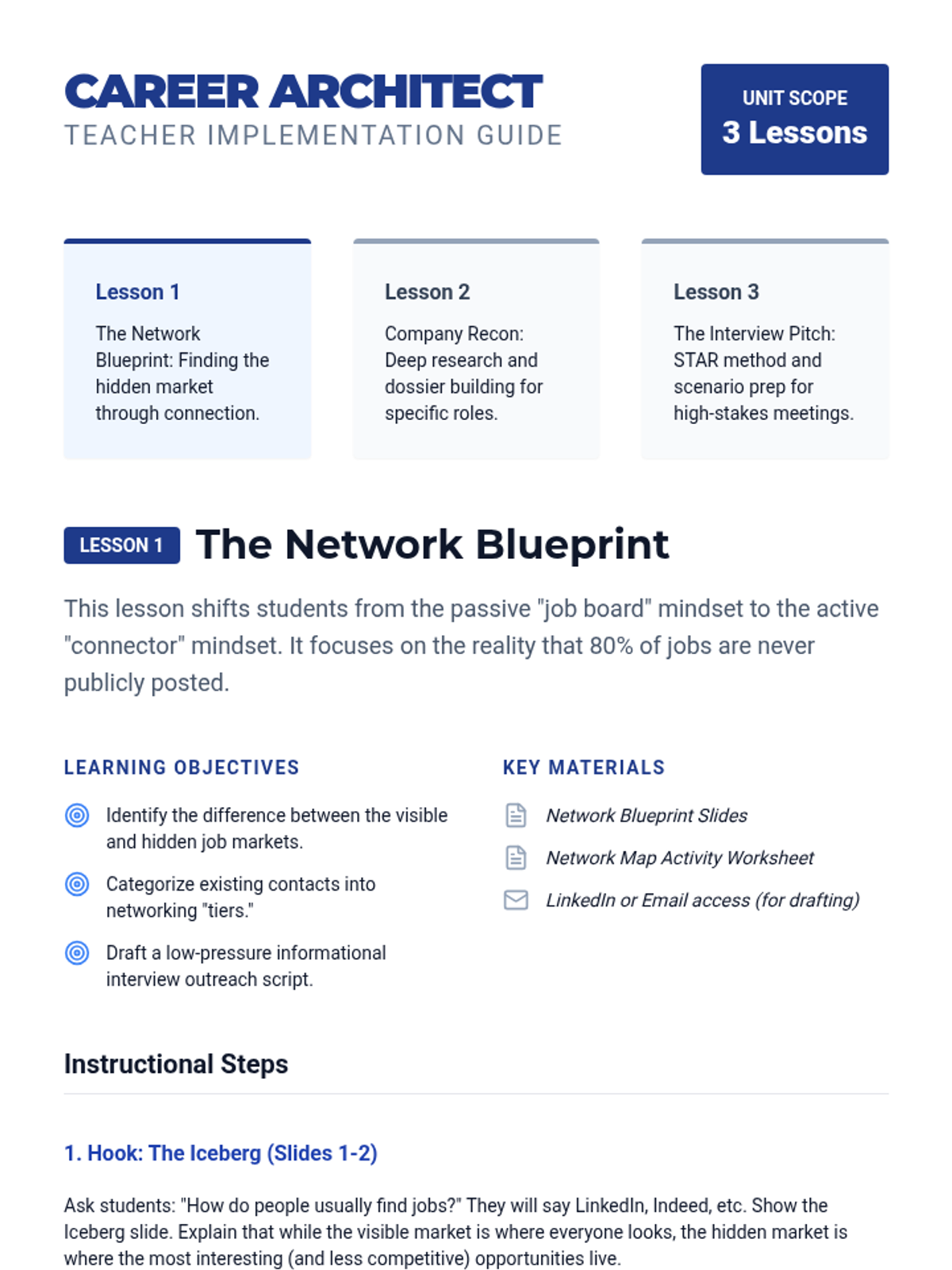
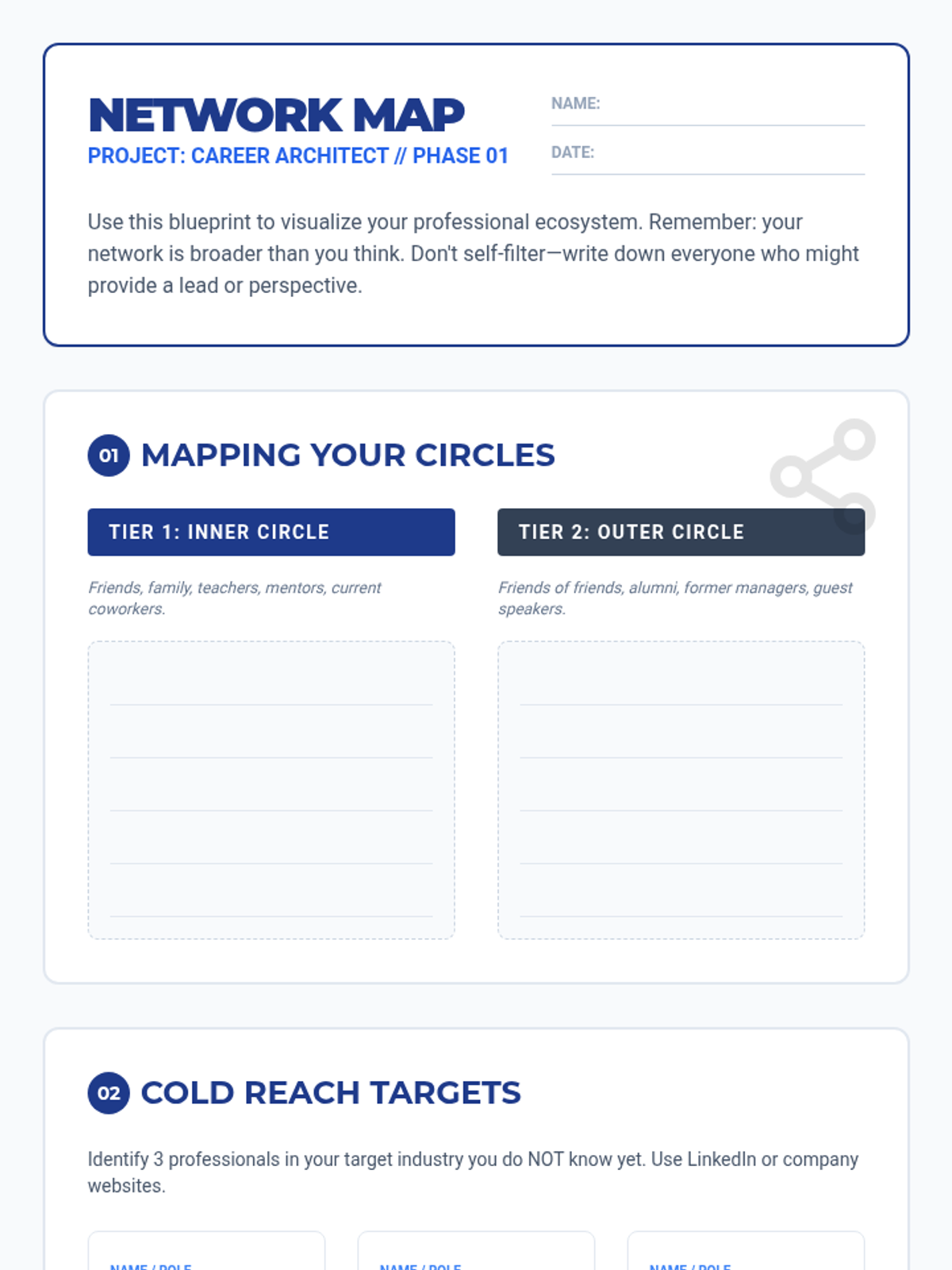
A high-energy, game-based training program focused on demystifying networking and building social capital for job seekers. Participants engage in a series of 'Connection Challenges' to earn opportunity rewards and build their own professional network maps.
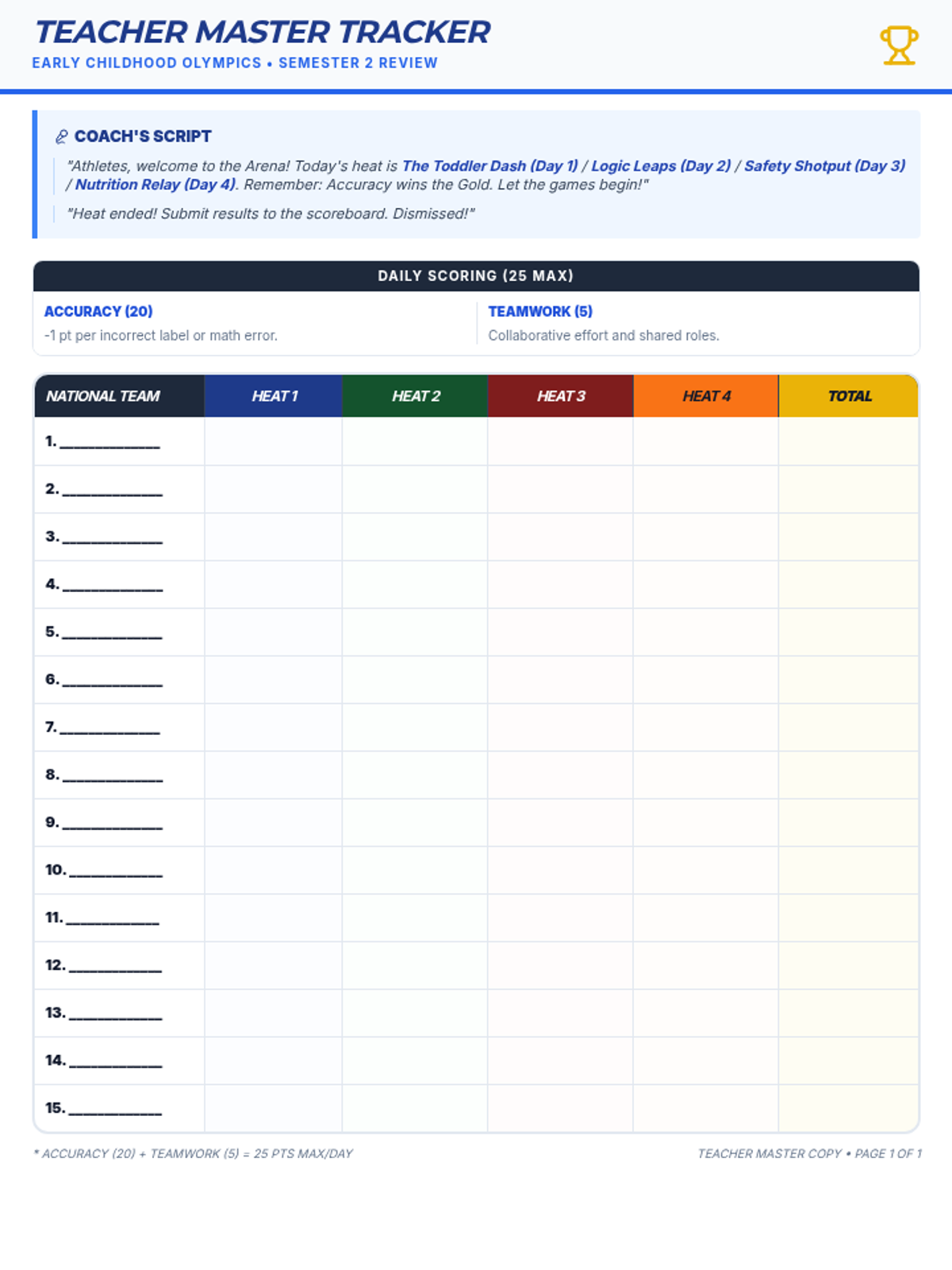
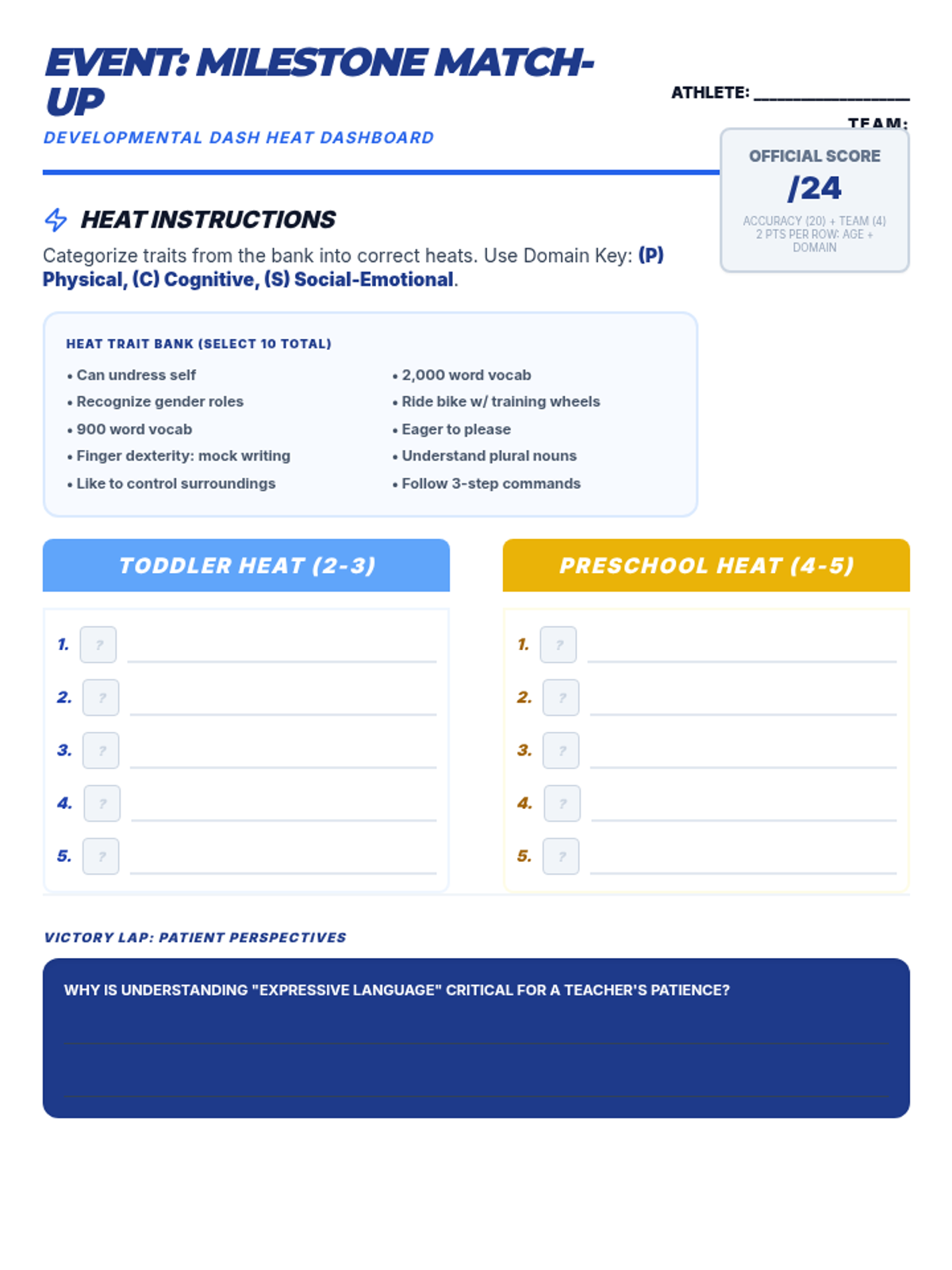
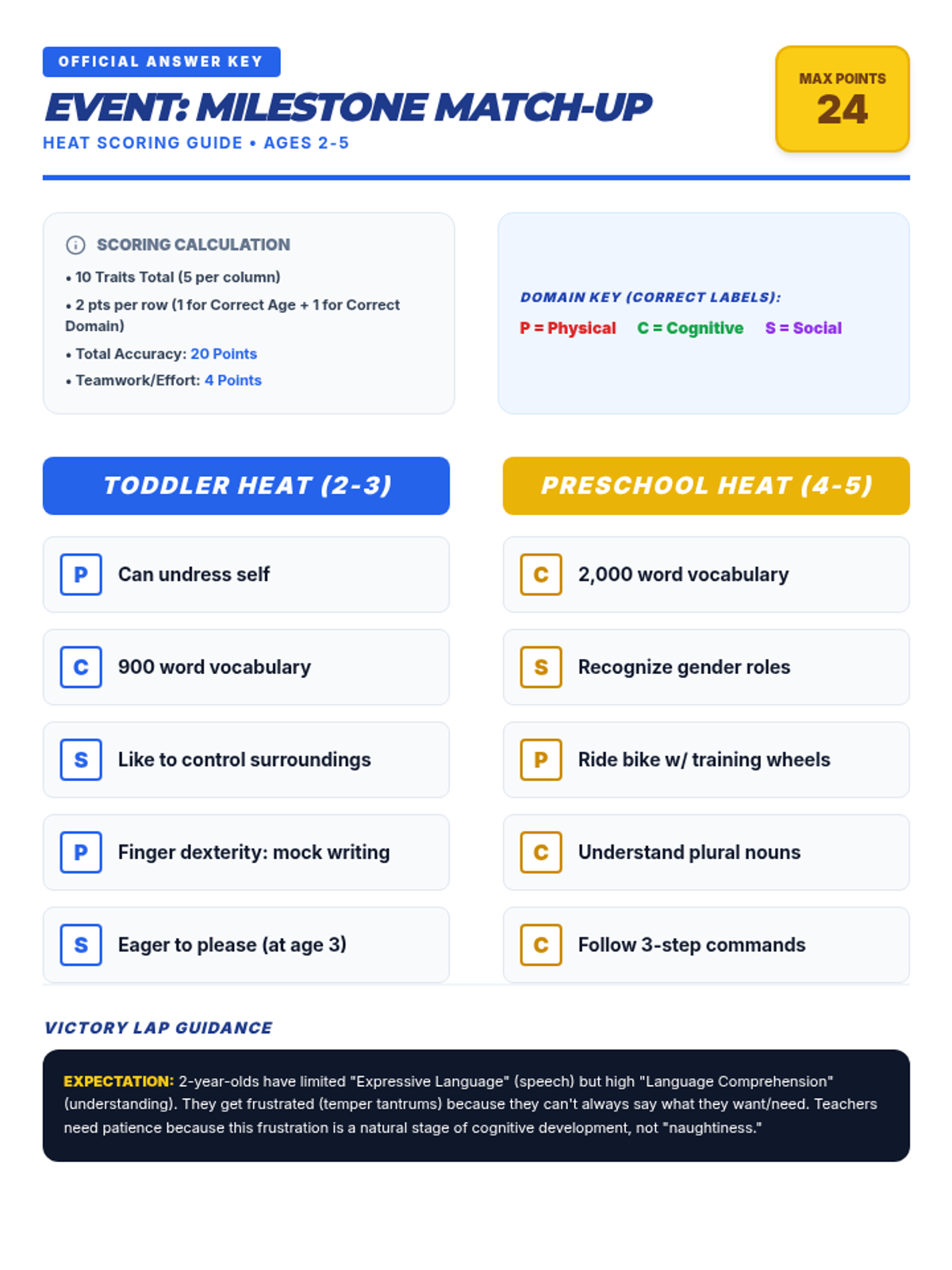
A 4-day end-of-semester review event where students compete in 'Olympic heats' covering child development from toddlers to middle childhood, safety protocols, and nutrition. Each day features competitive activities that reward accuracy and teamwork as teams aim for the gold medal.
A full-month curriculum focused on developing independence through real-world simulations, role-playing, and practical application of functional life skills.
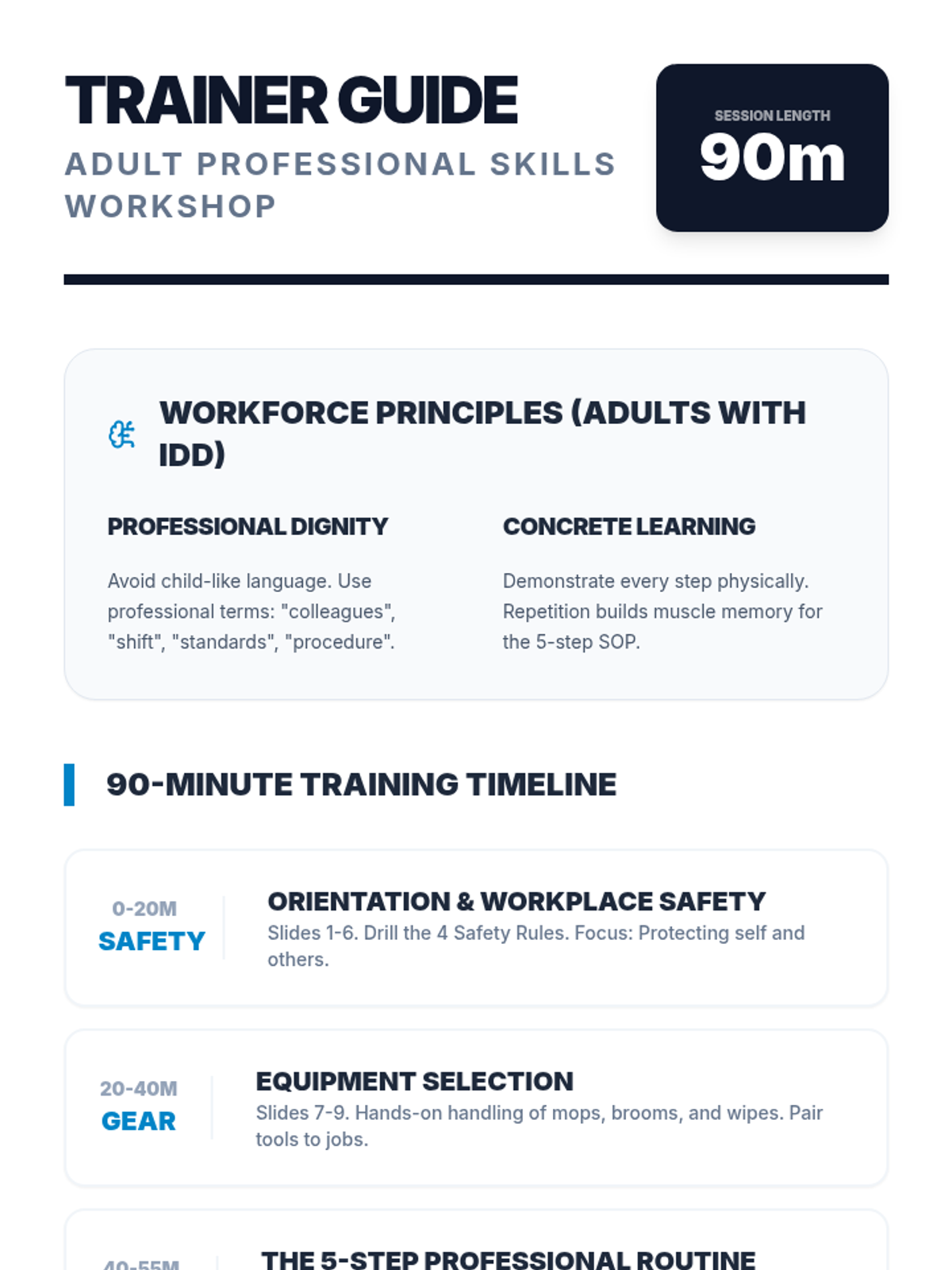
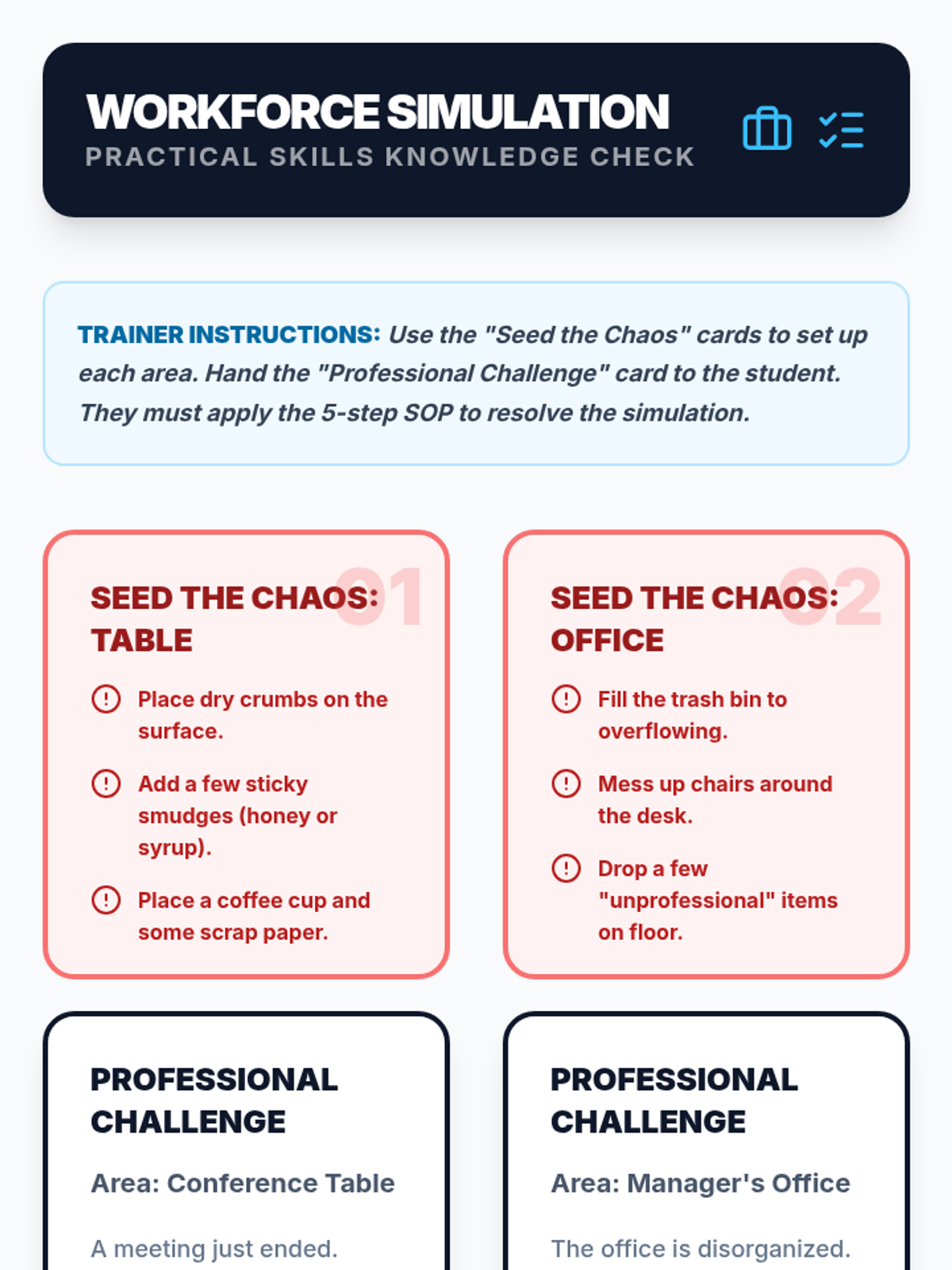
A comprehensive 5-lesson module designed to teach foundational housekeeping skills, focusing on safety, equipment identification, procedural cleaning, and professional work habits.
A series of lessons and projects designed to transition students from job-seeking skills to workplace success and independent living, focusing on professional ethics, communication, and long-term planning.
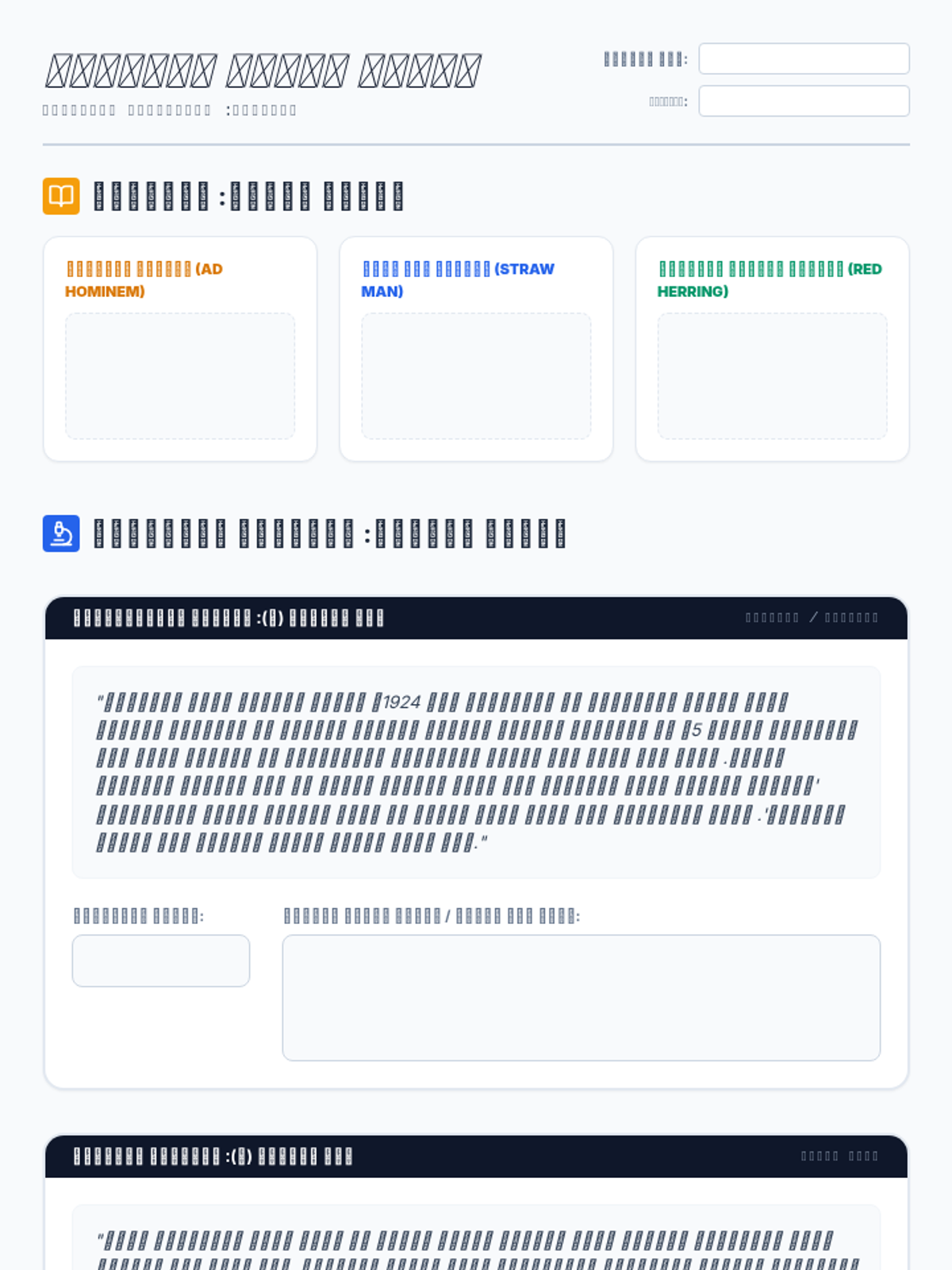
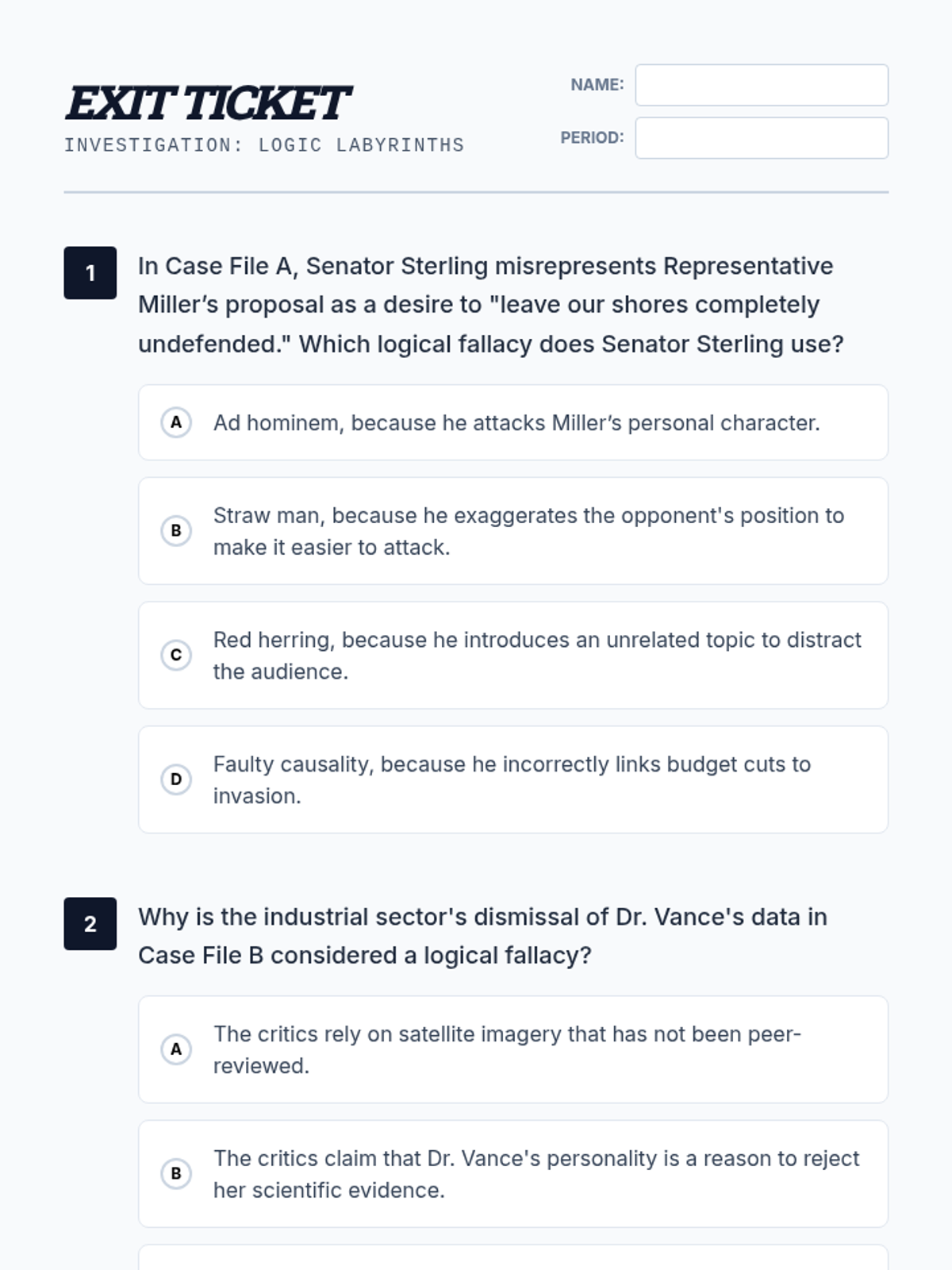
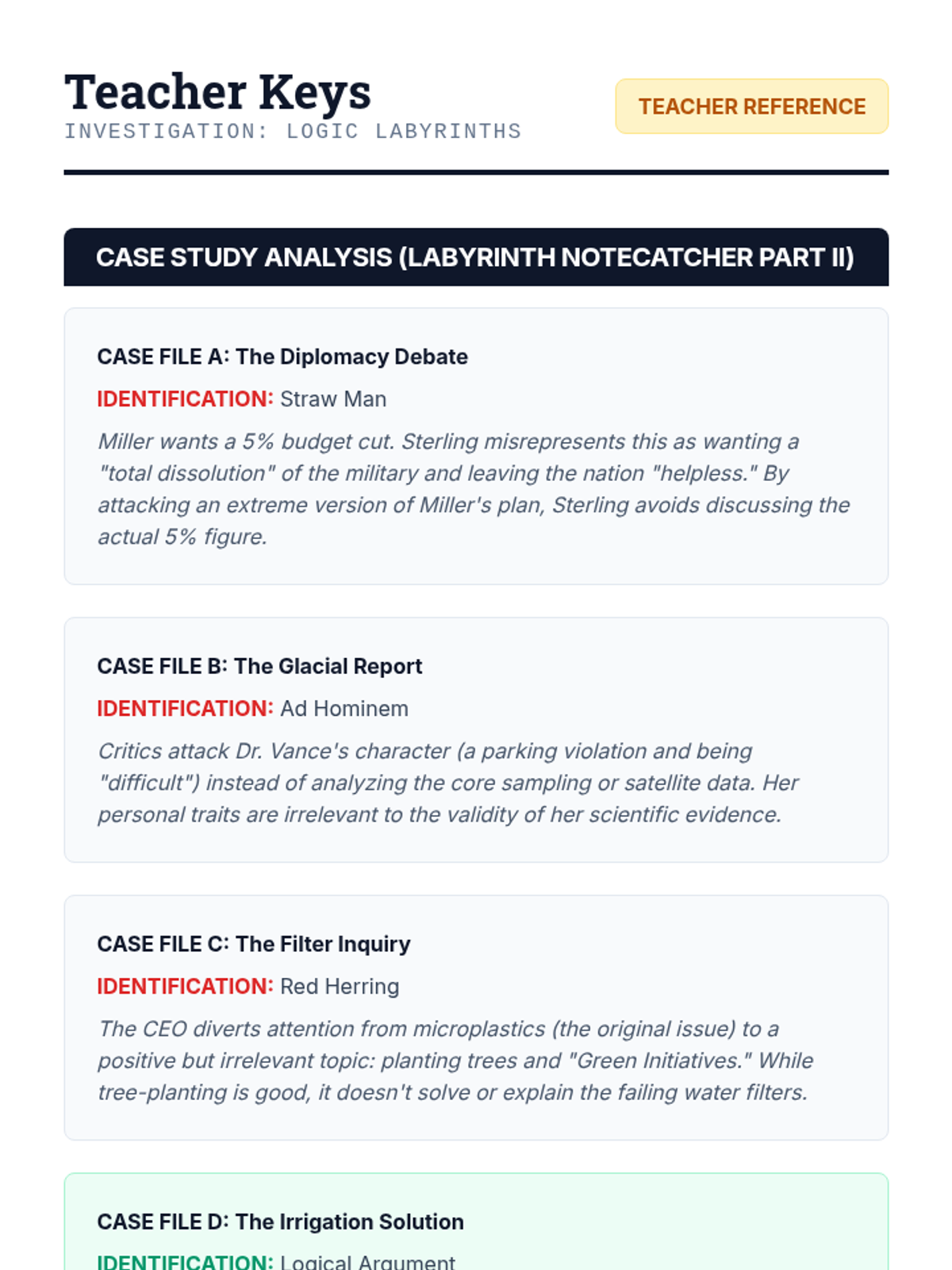
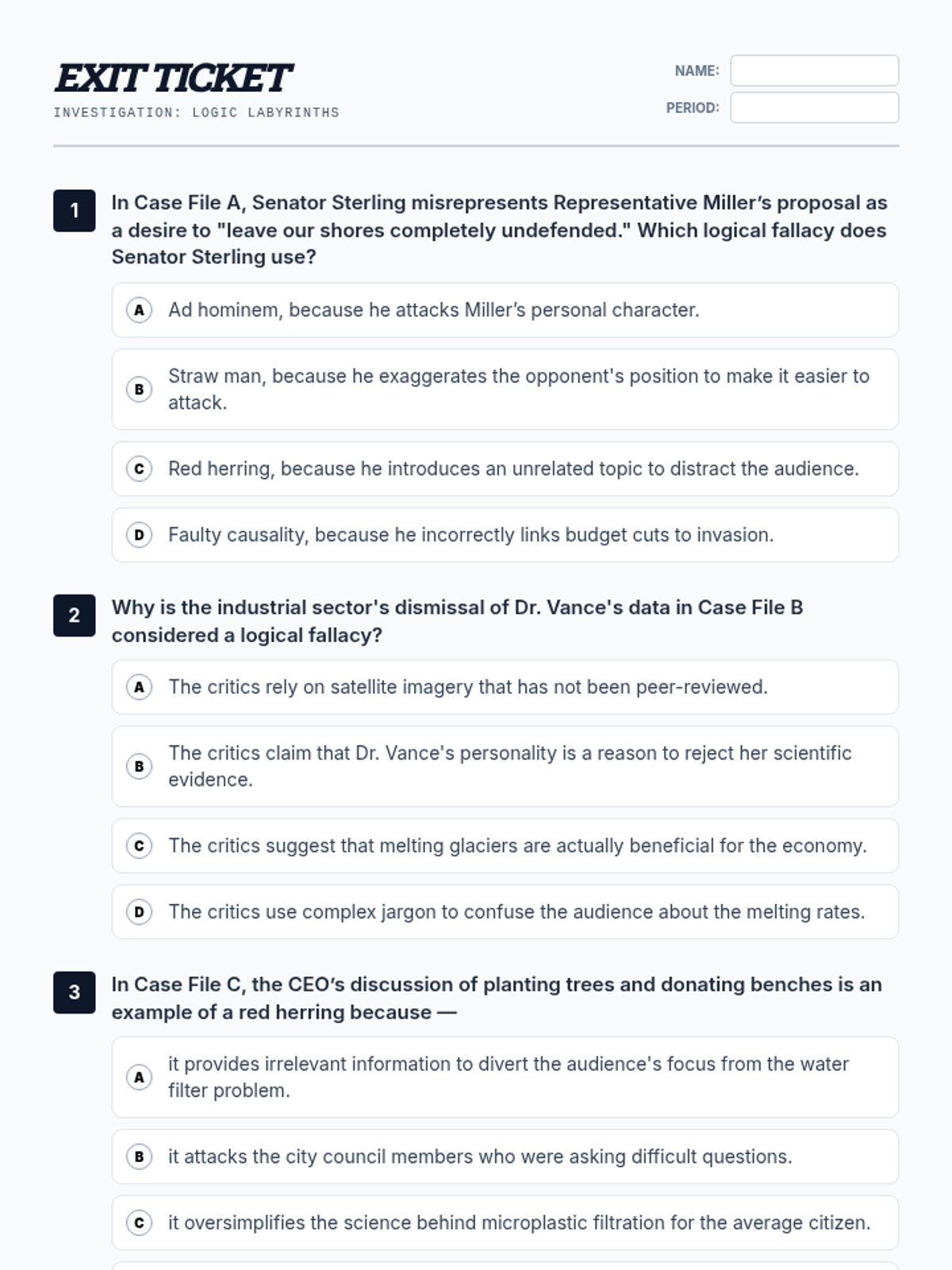
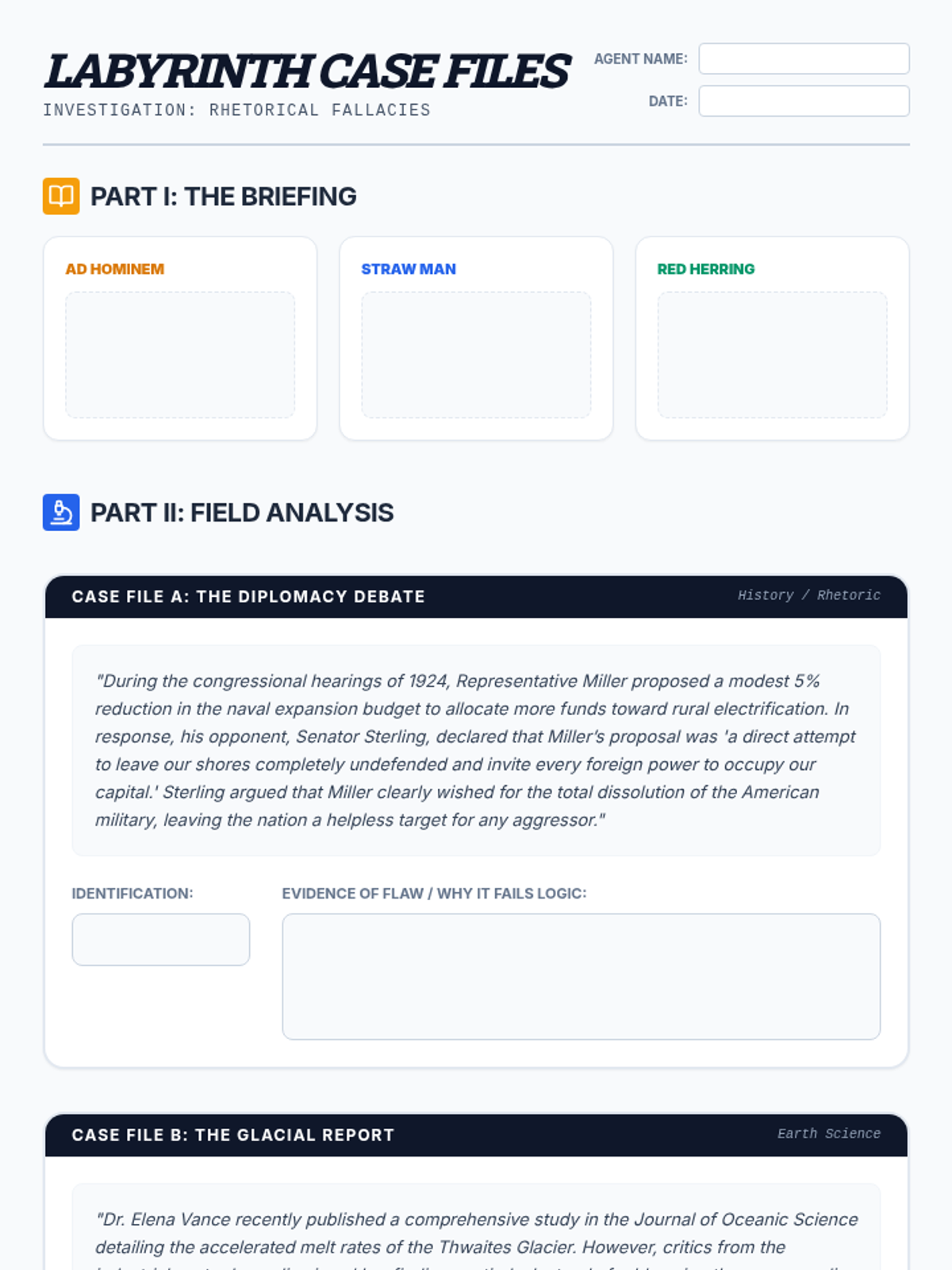
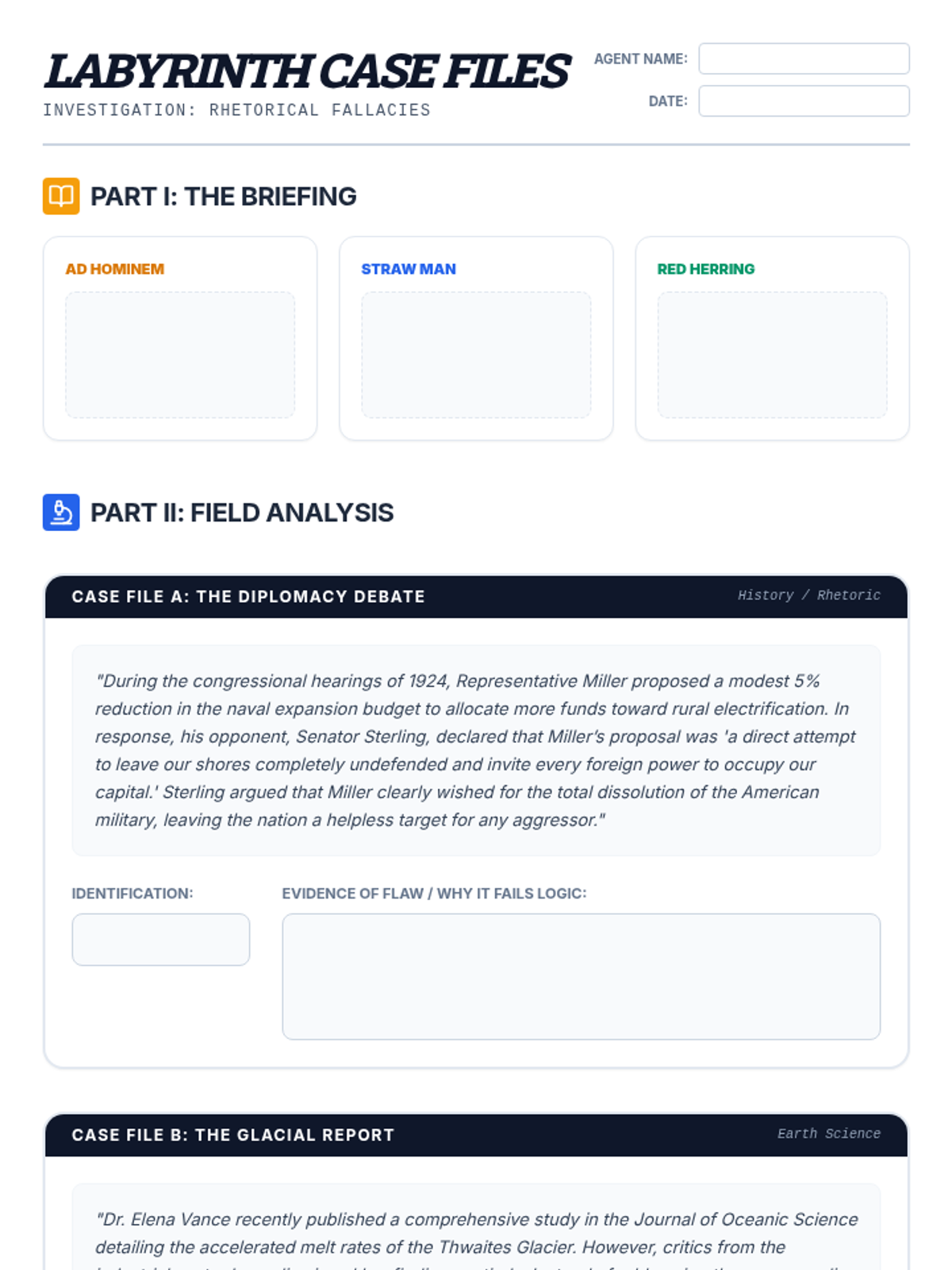
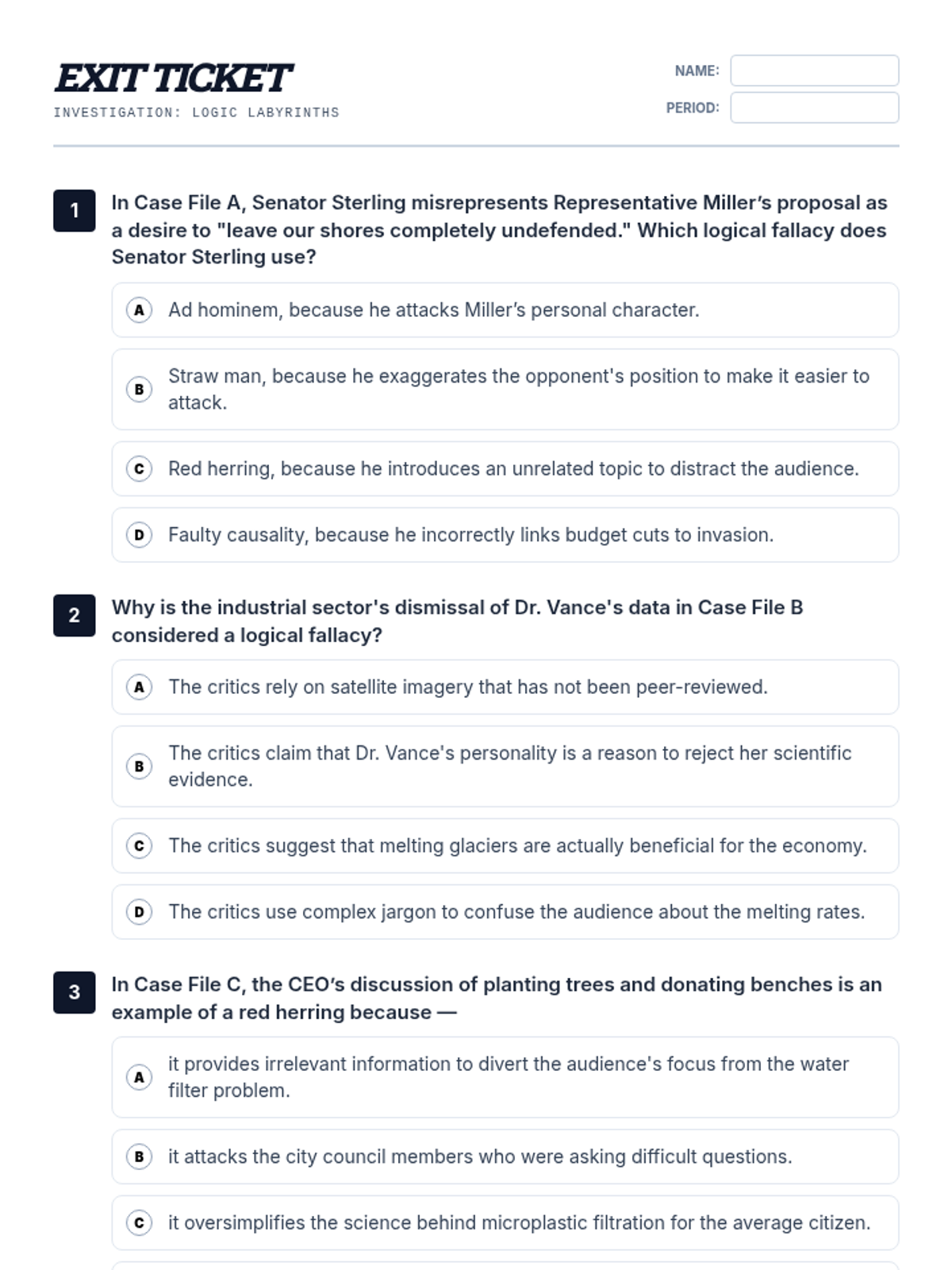
A dual-focus sequence on identifying logical fallacies across academic and professional contexts, preparing students for both STAAR-level rhetorical analysis and real-world career communications.
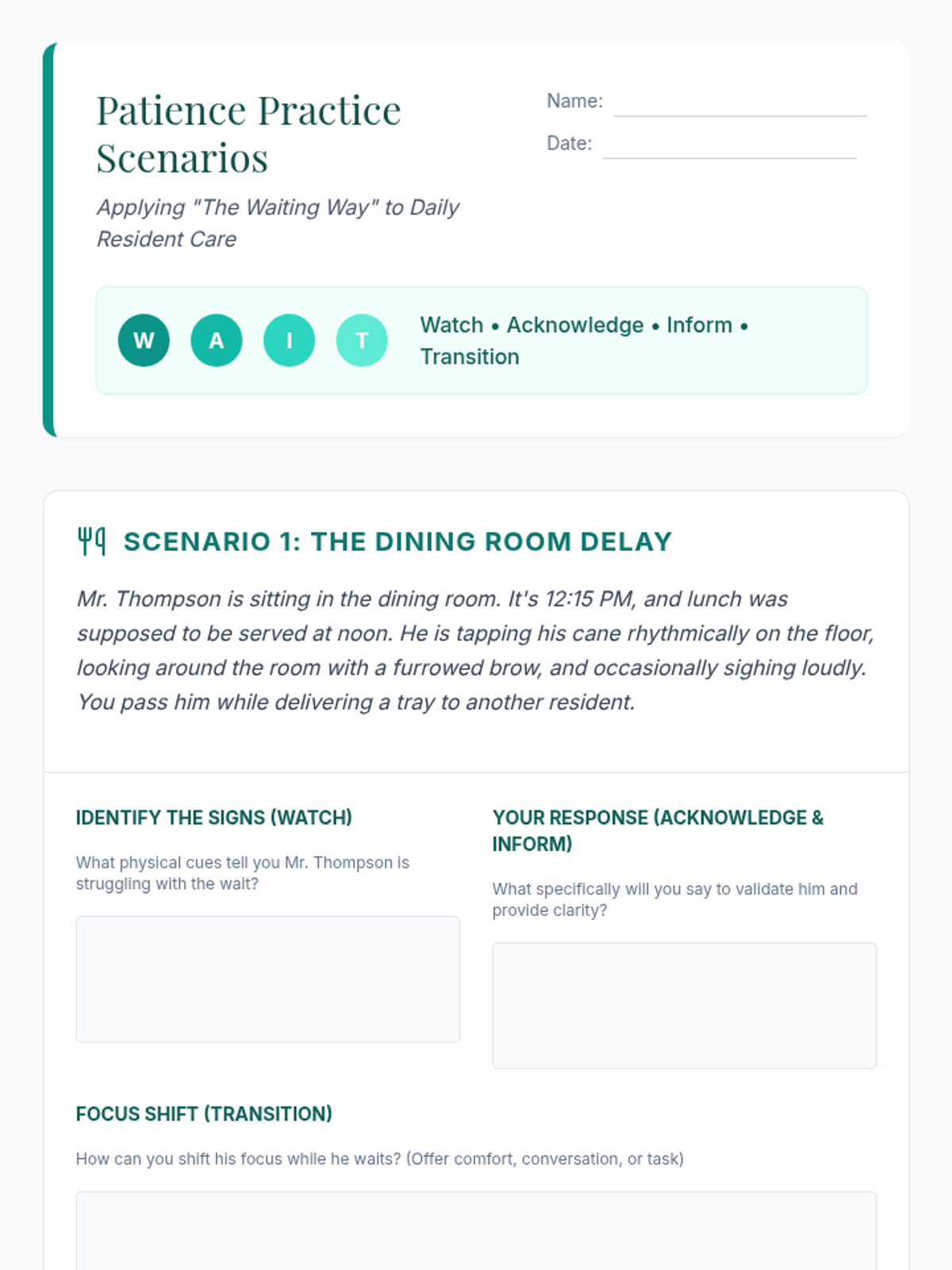
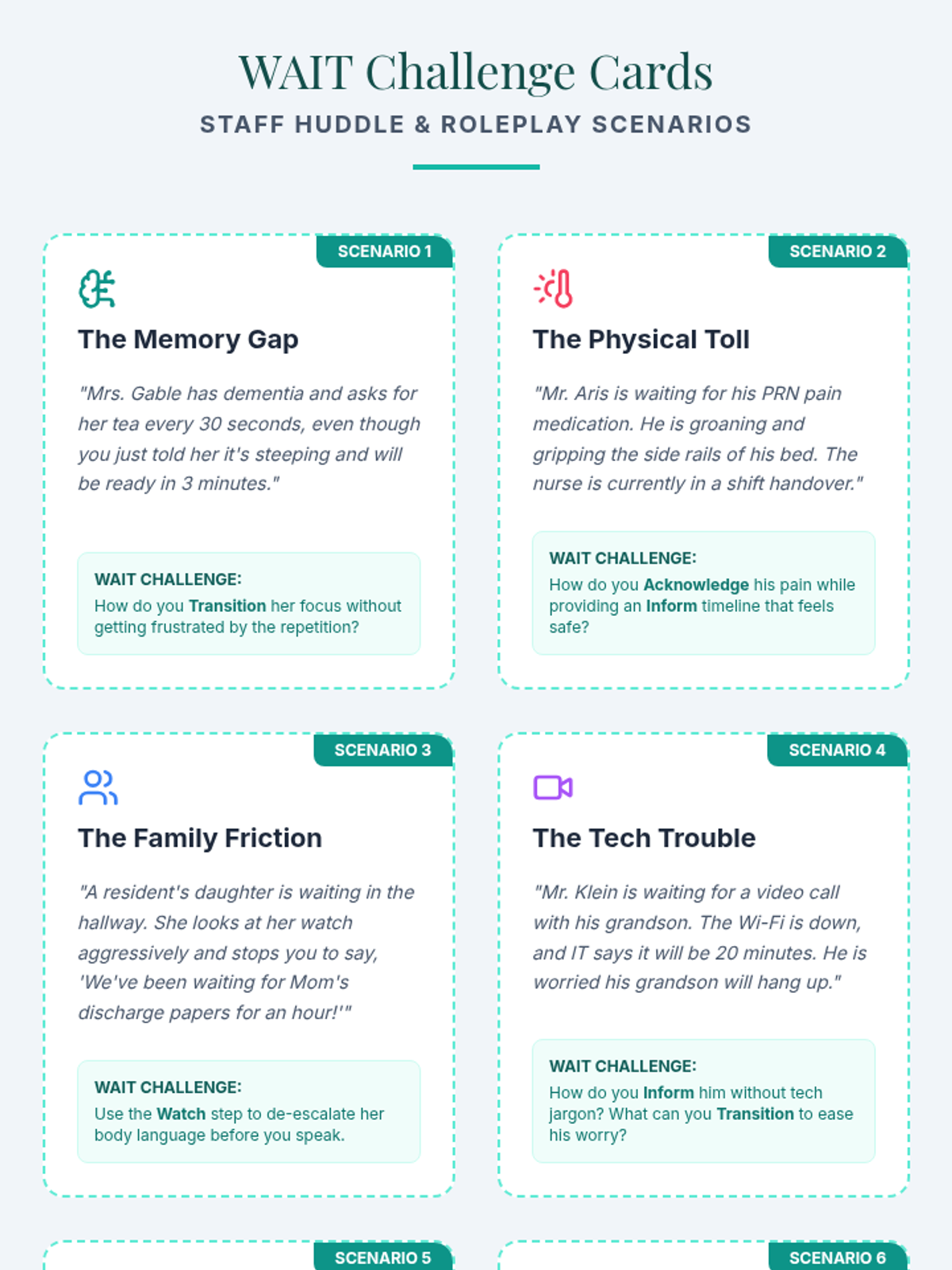
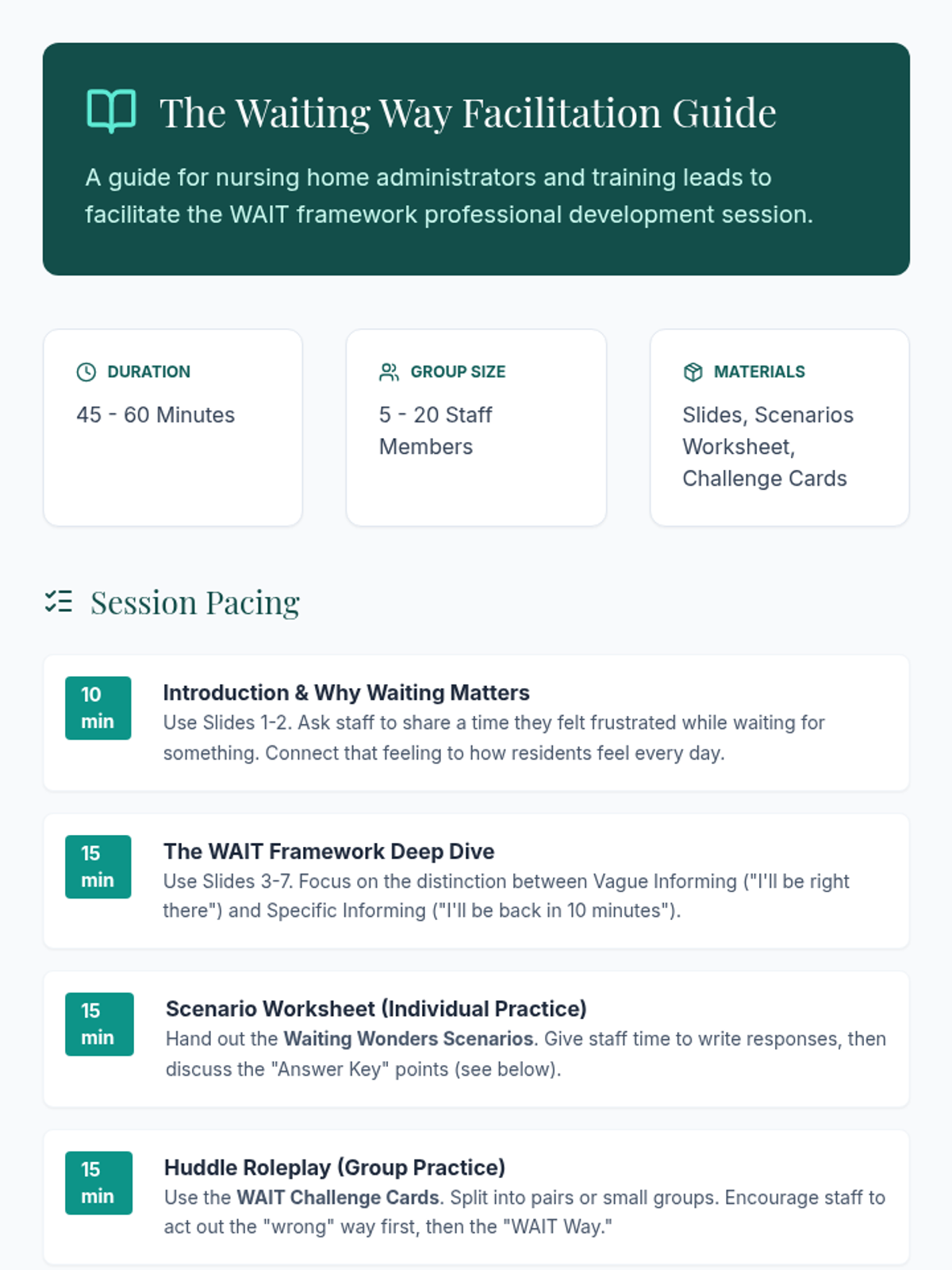
A professional development series for nursing home staff and volunteers focused on enhancing resident communication and emotional support through practical strategies.
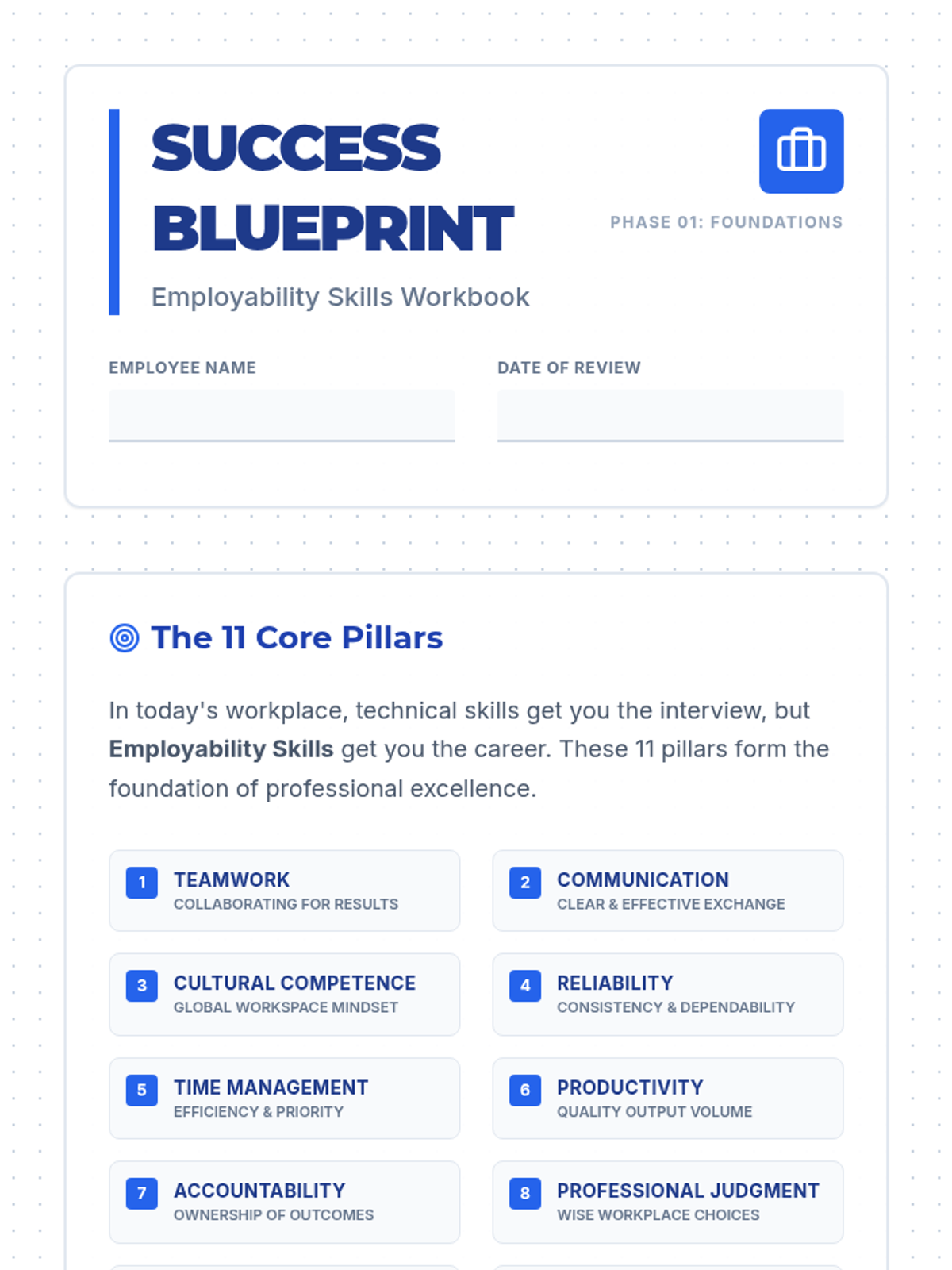
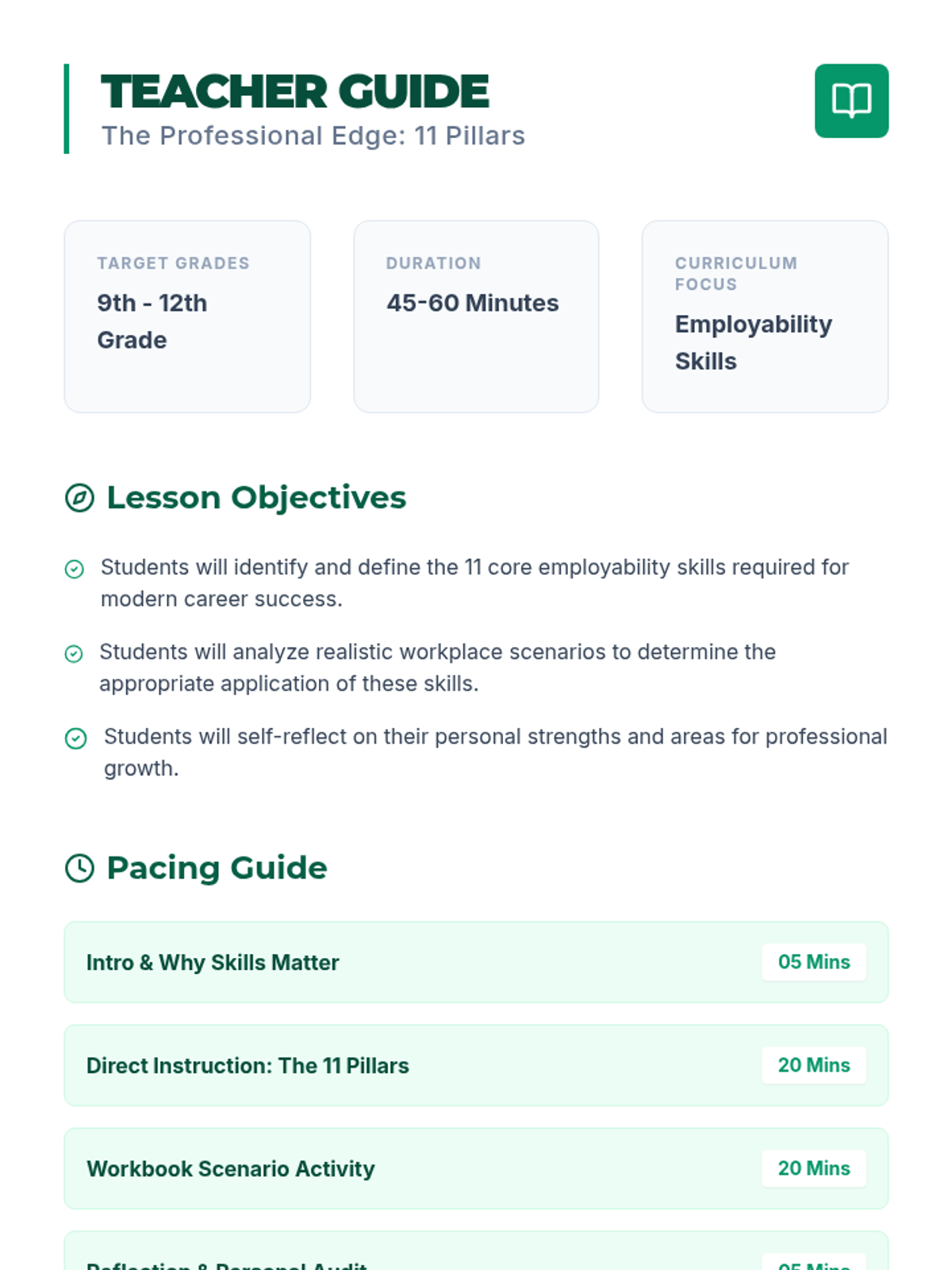
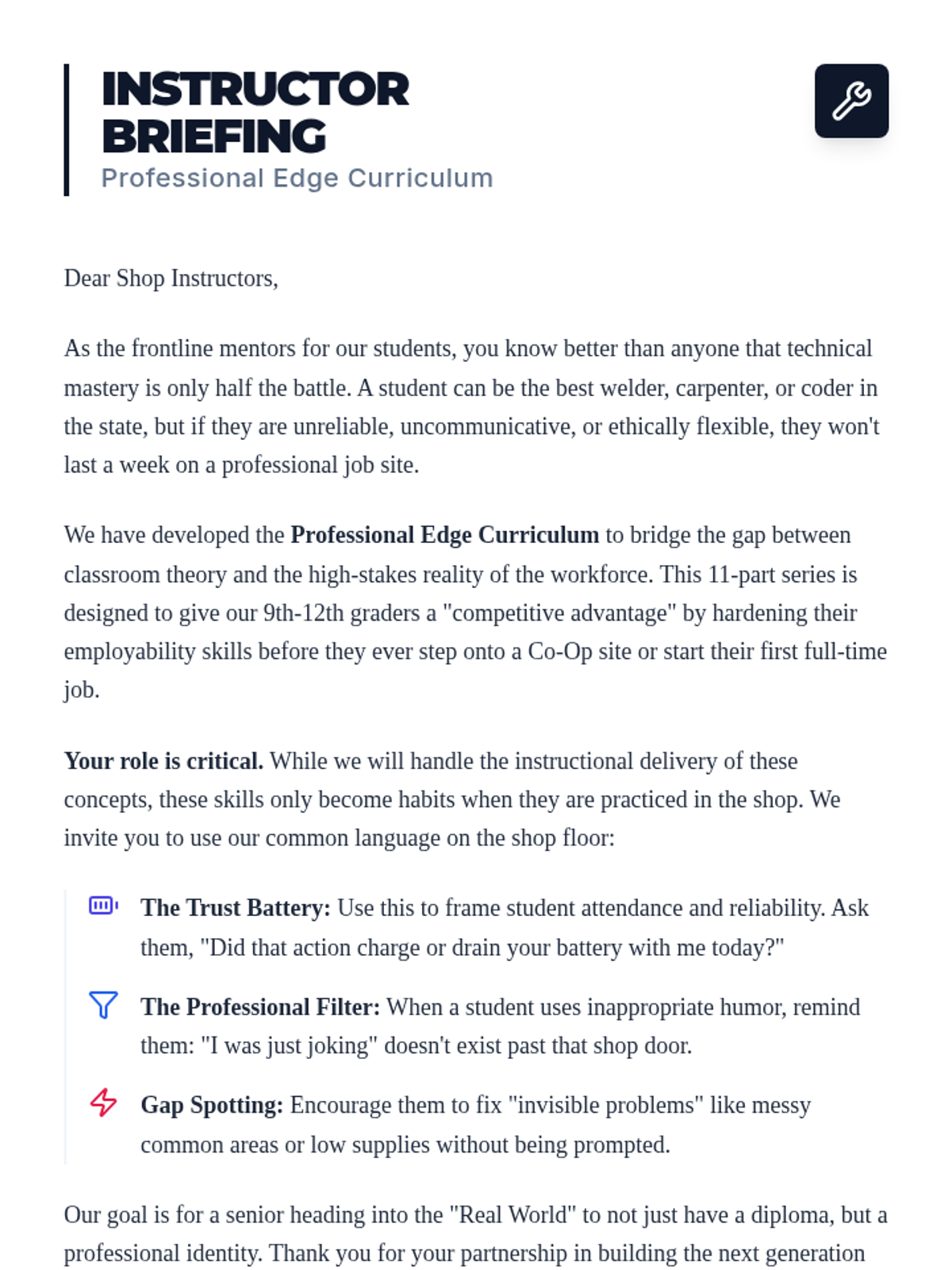
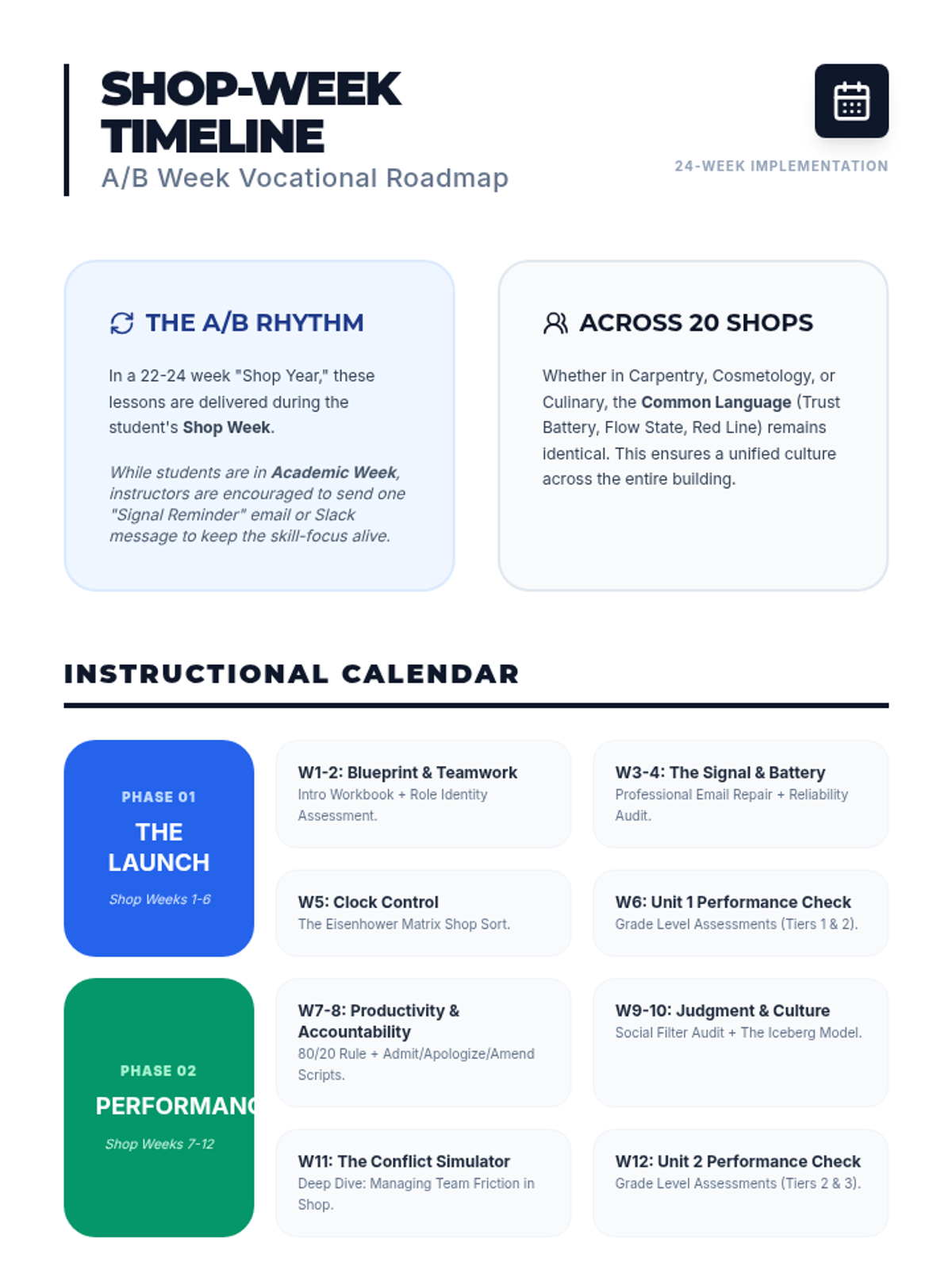
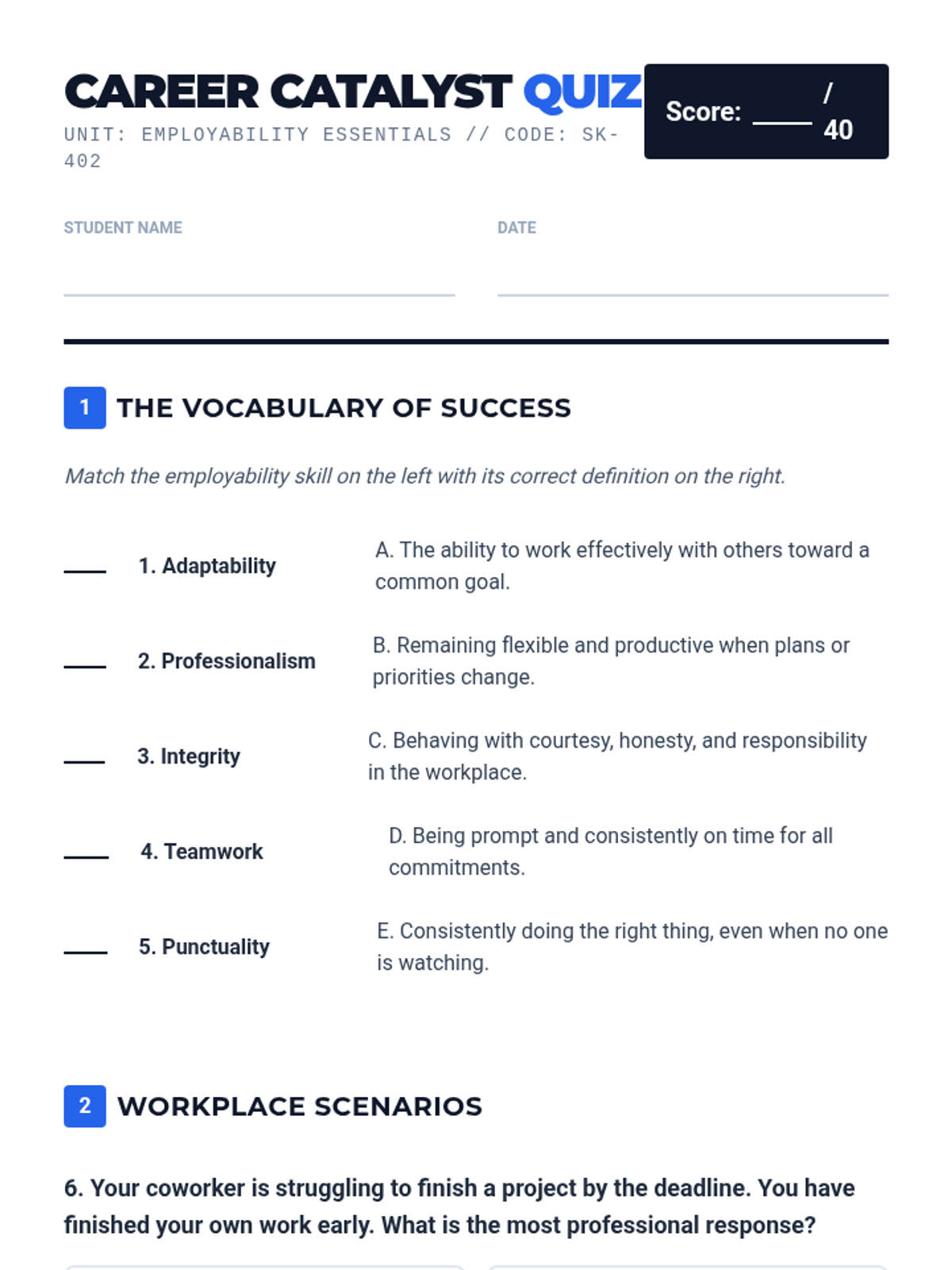
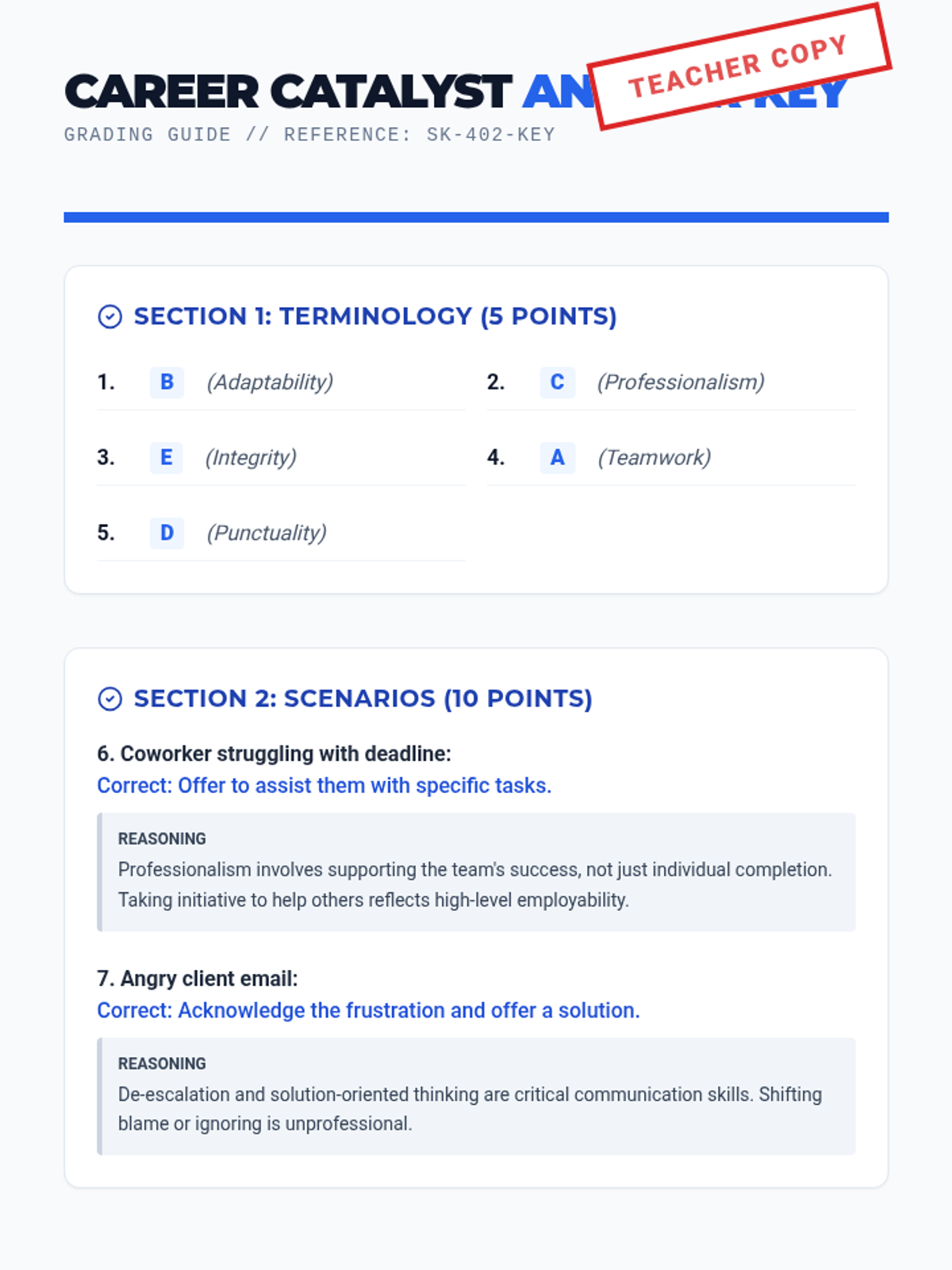
A comprehensive high school curriculum covering 11 essential employability skills, from foundational concepts to advanced application in professional settings. Includes instructional slides, student worksheets, and teacher guides for every skill.
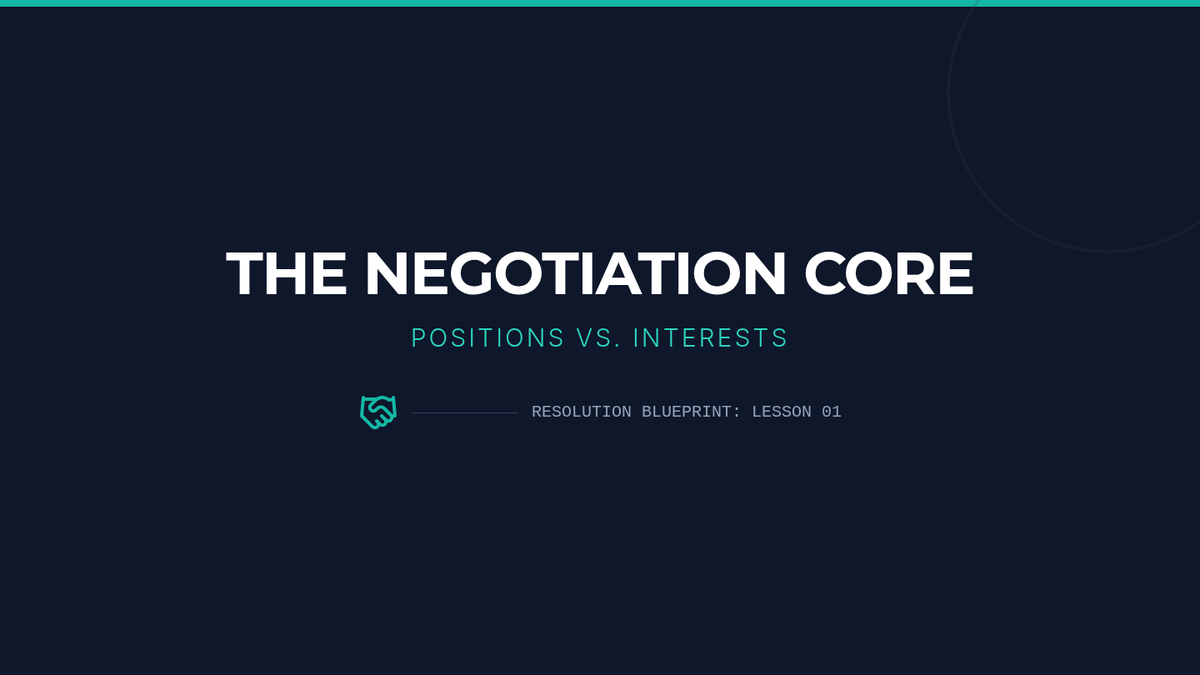
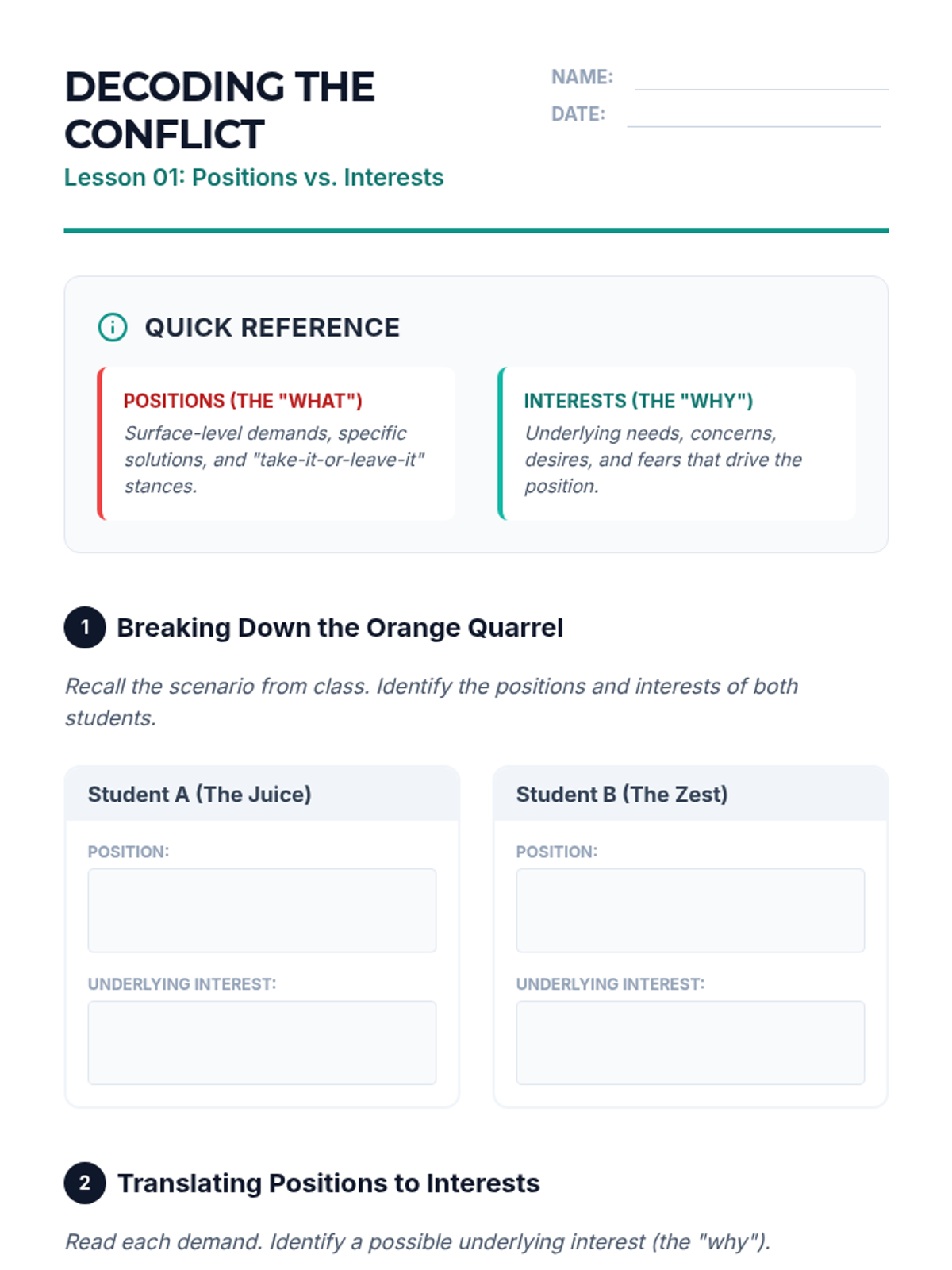
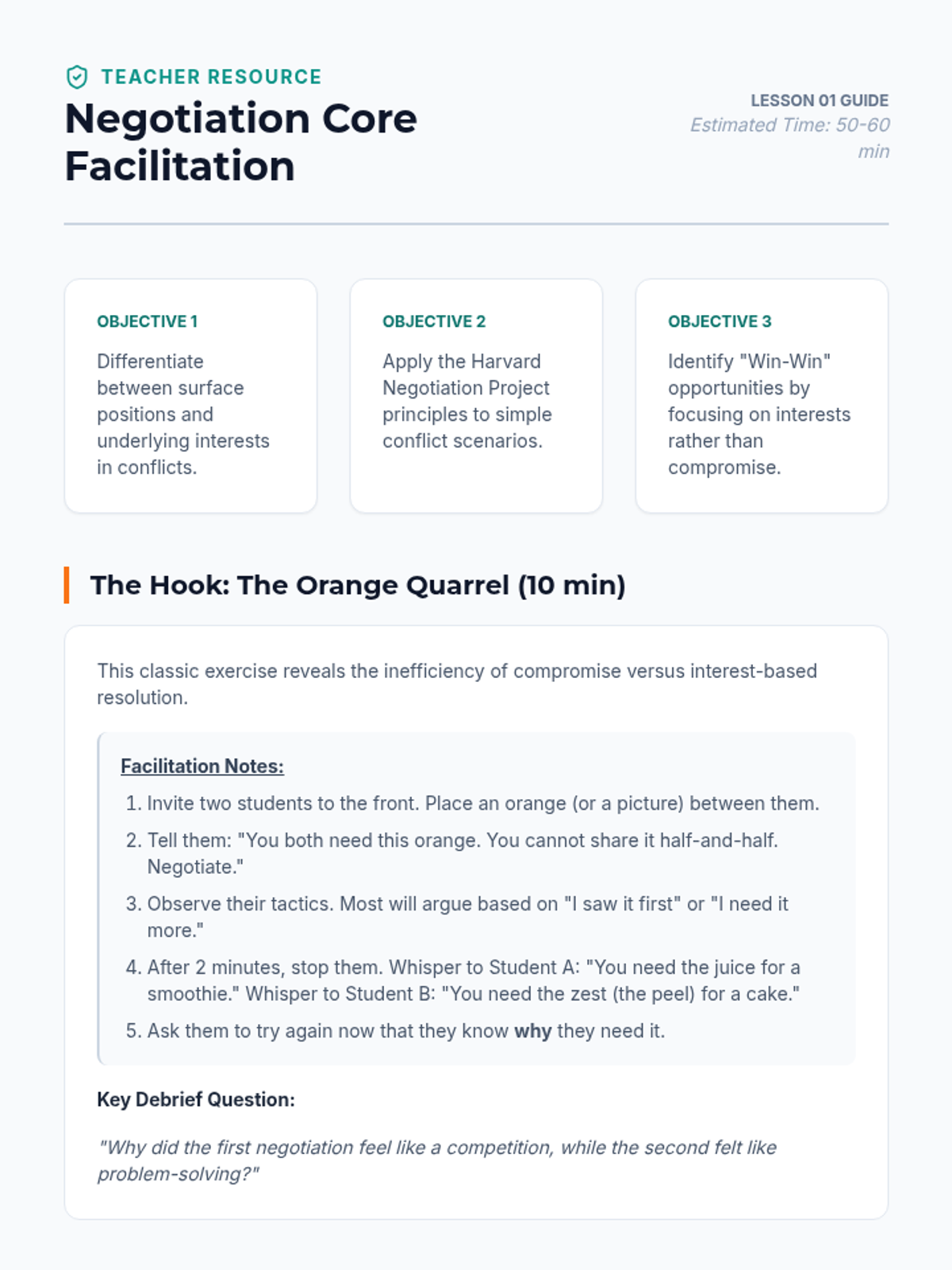
A comprehensive high school unit on interest-based negotiation and formal mediation. Students move from understanding individual interests to facilitating multi-party resolutions using the Harvard Negotiation Project framework and professional mediation stages.
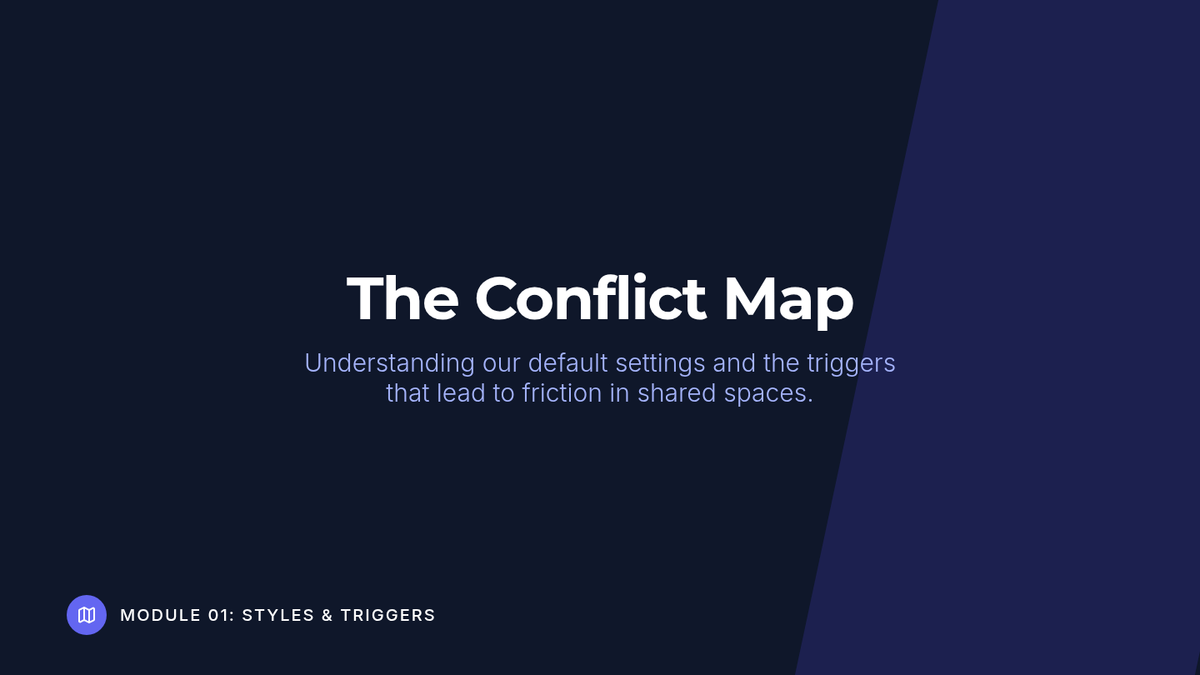
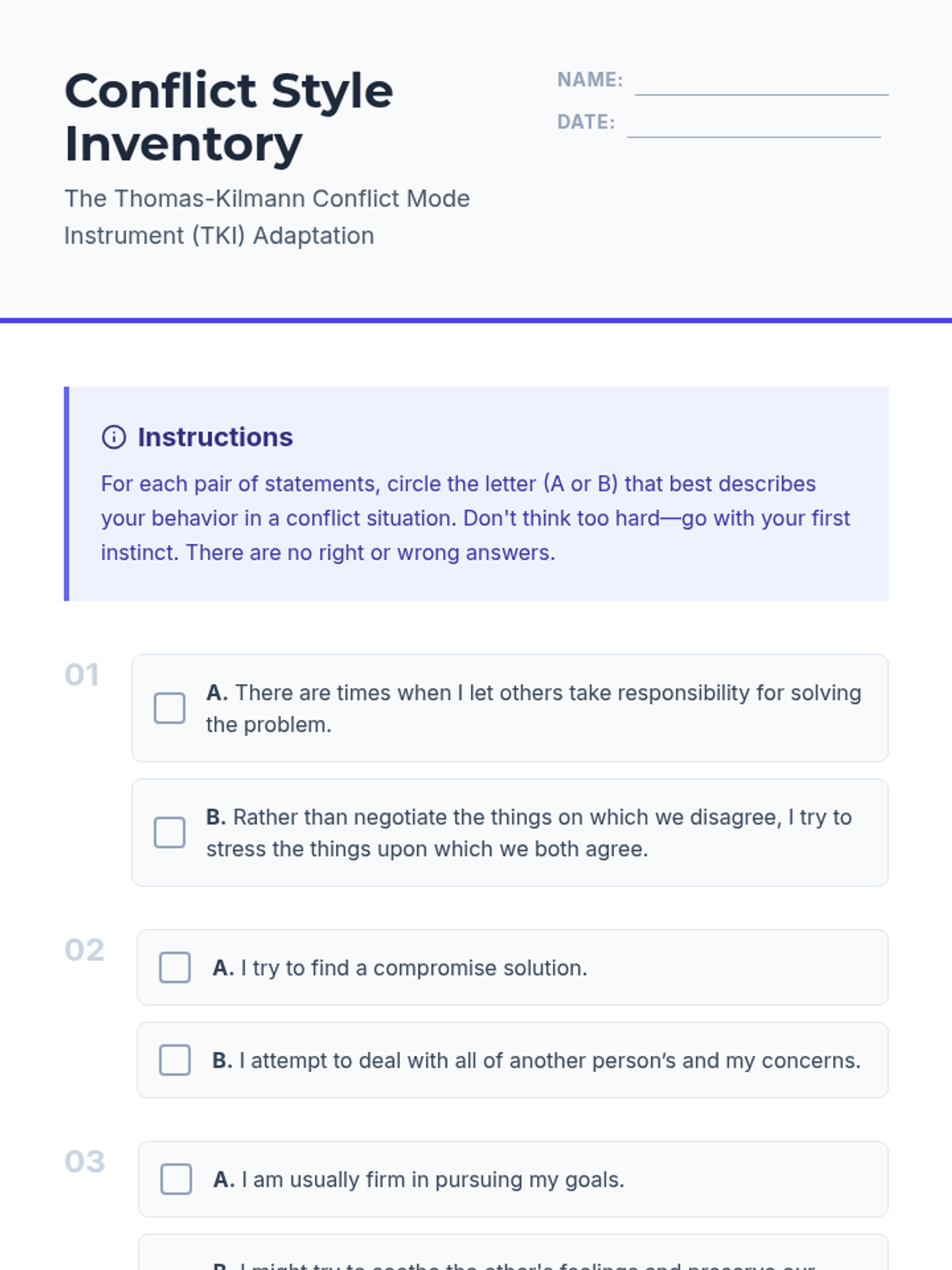
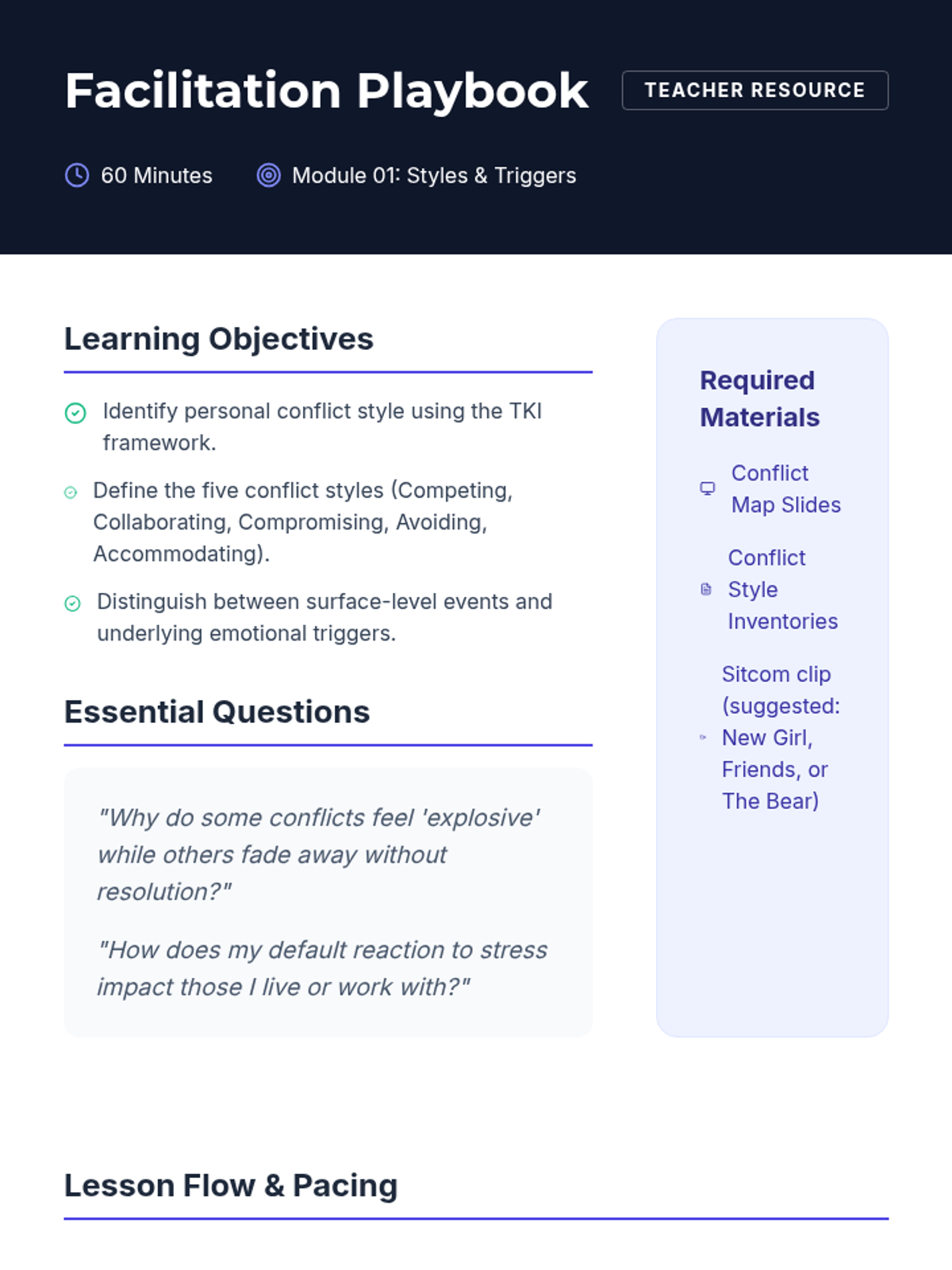
A 5-lesson unit for undergraduates on navigating interpersonal conflict, setting boundaries, and developing communication skills for shared living and working environments. Students explore their own conflict styles, engage in simulations, and practice assertive communication and de-escalation techniques.
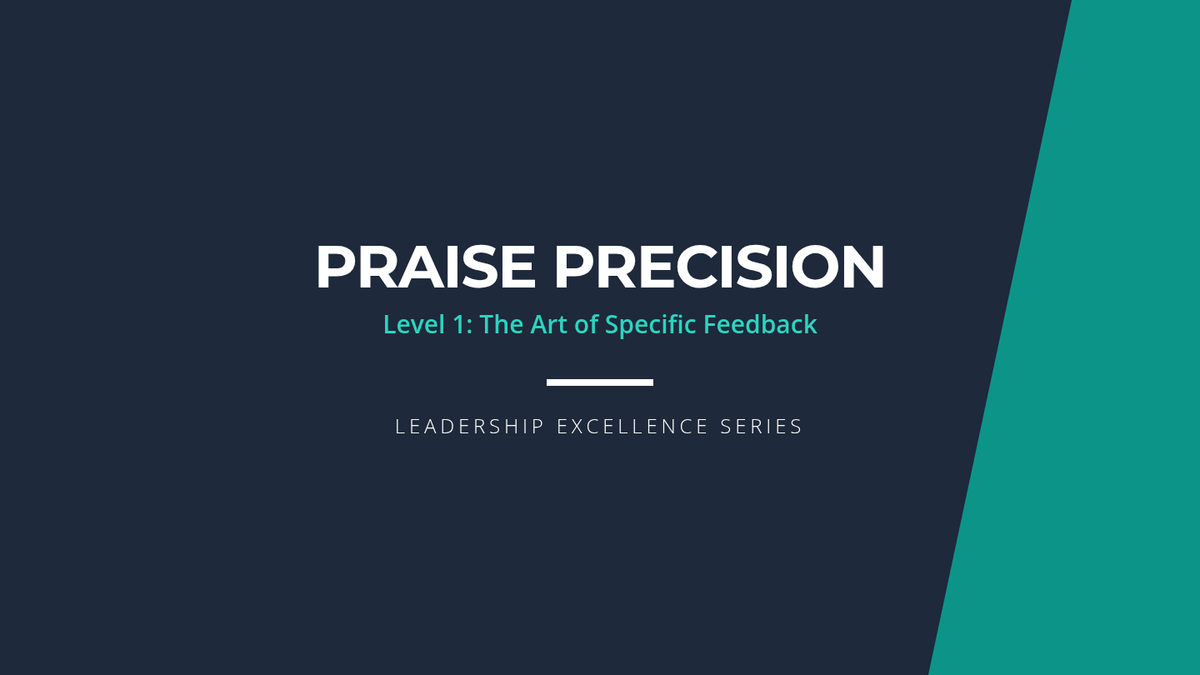
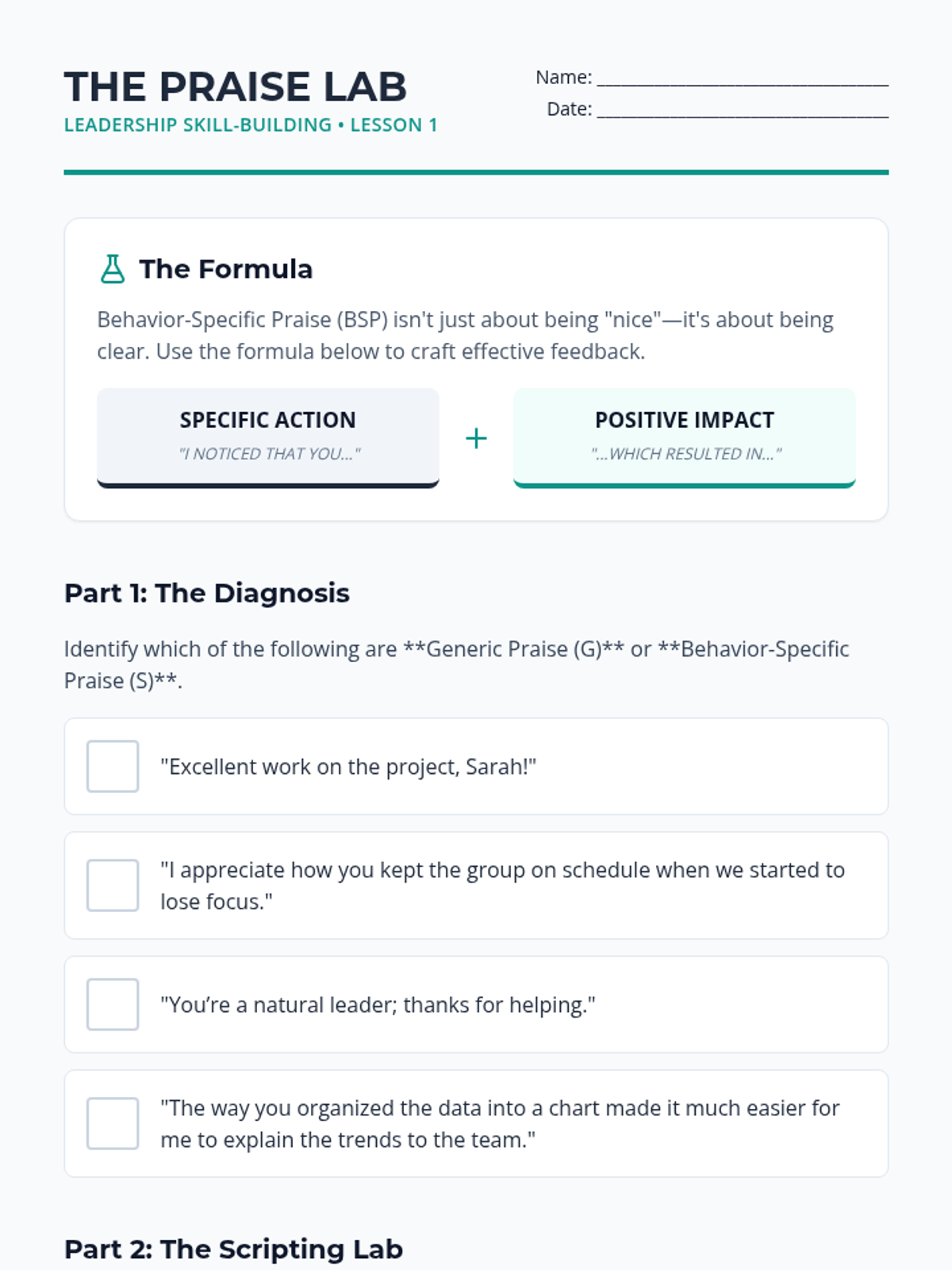
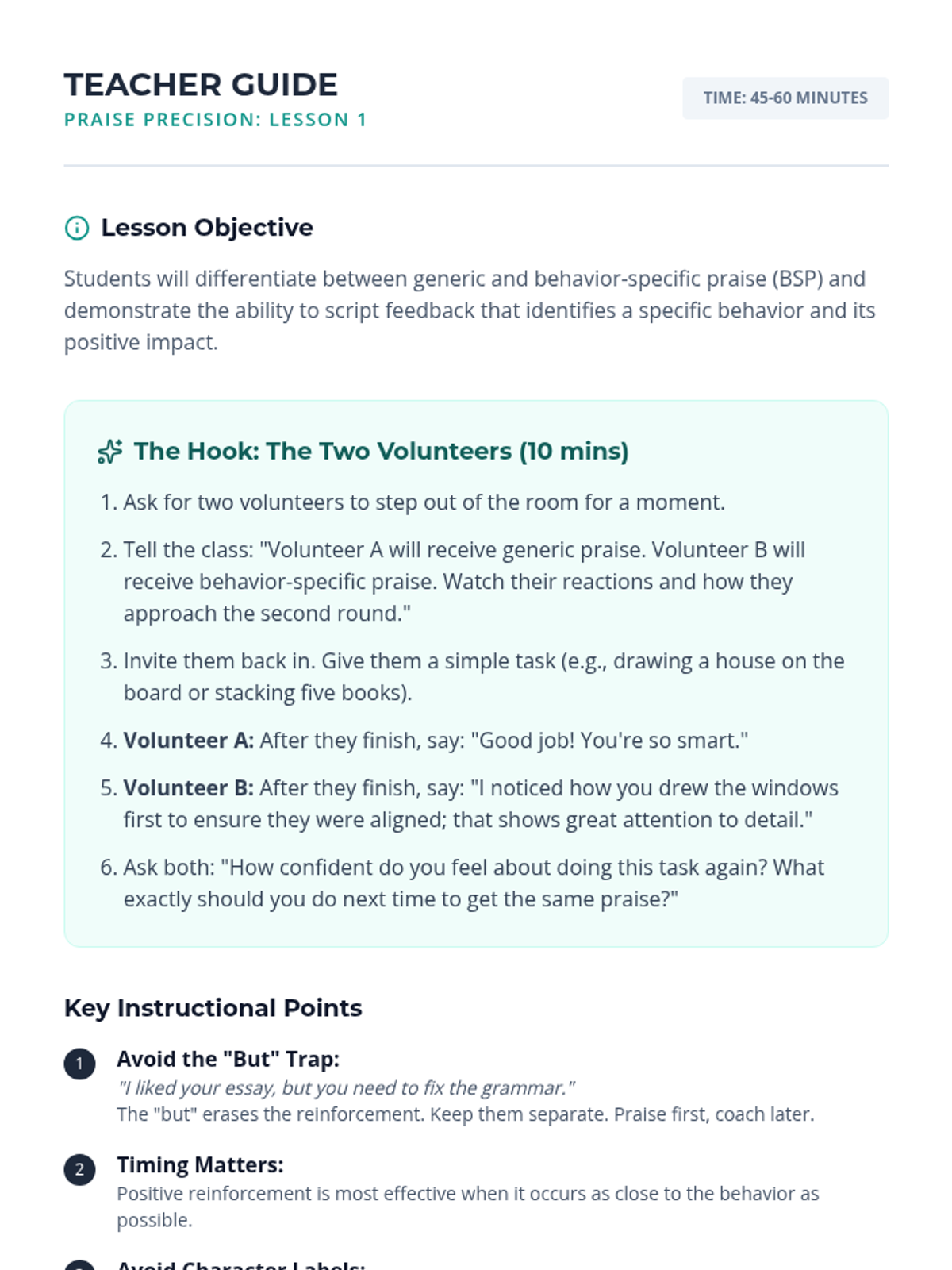
This sequence explores the strategic use of positive reinforcement in leadership and peer counseling. Students progress from basic praise techniques to designing complex incentive systems and navigating the ethics of behavioral influence.
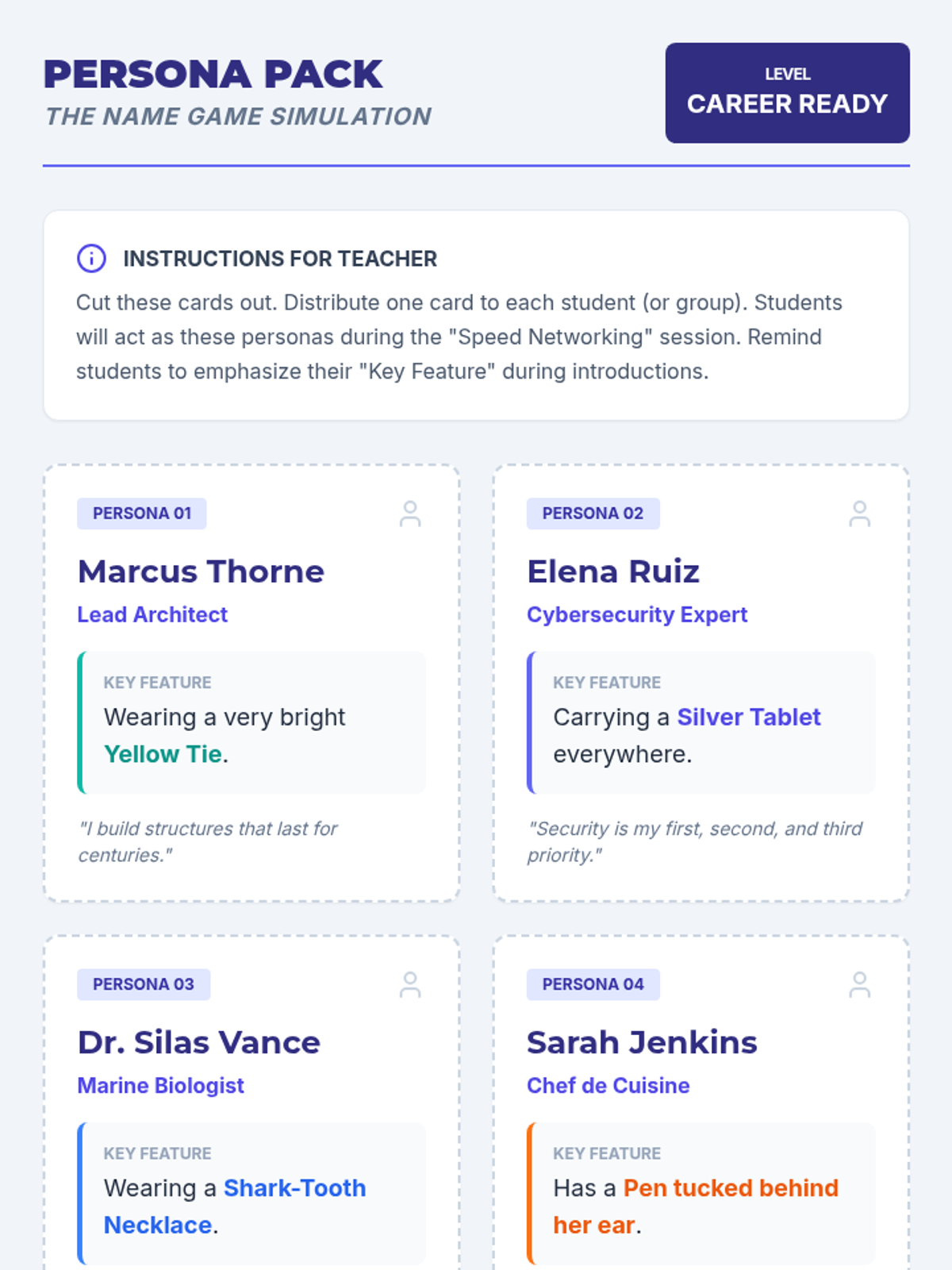
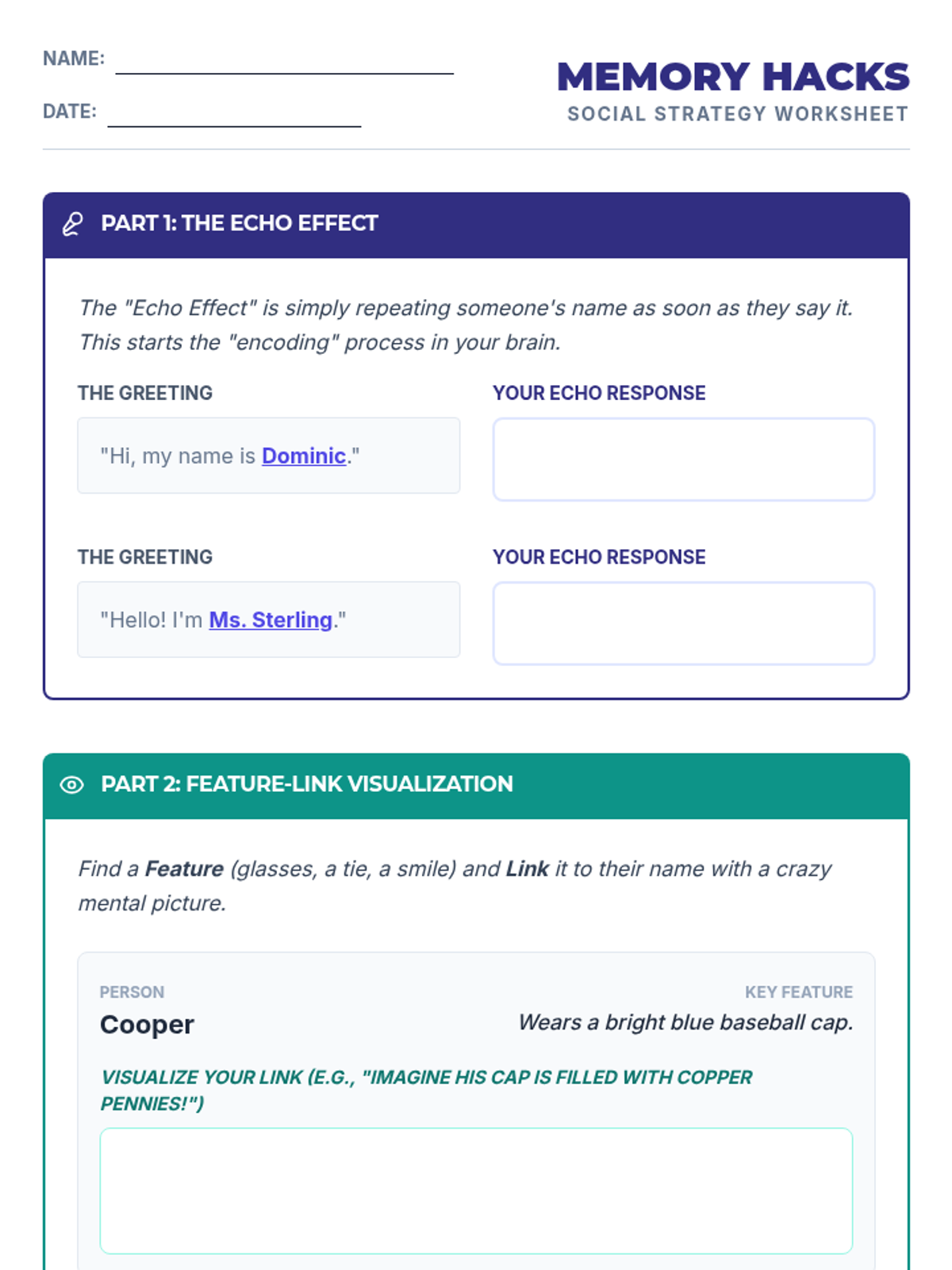
A career-focused memory strategy sequence for high school seniors, teaching mnemonic devices for social networking, workplace procedures, and numerical data to boost professional reliability.
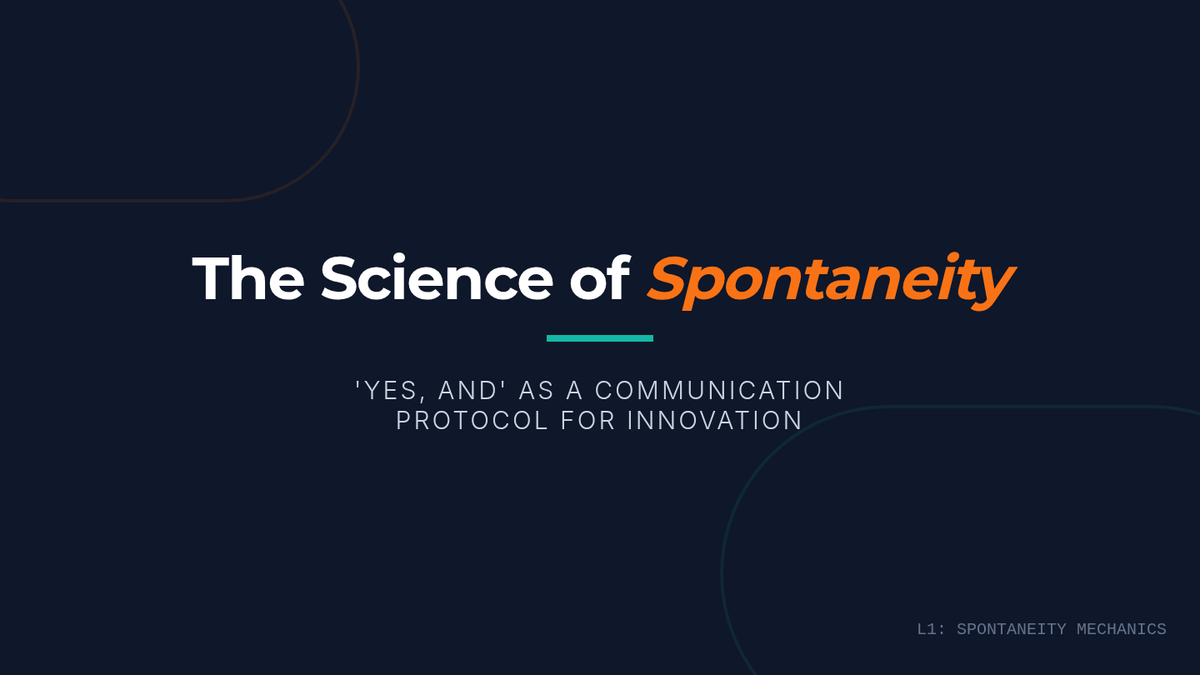
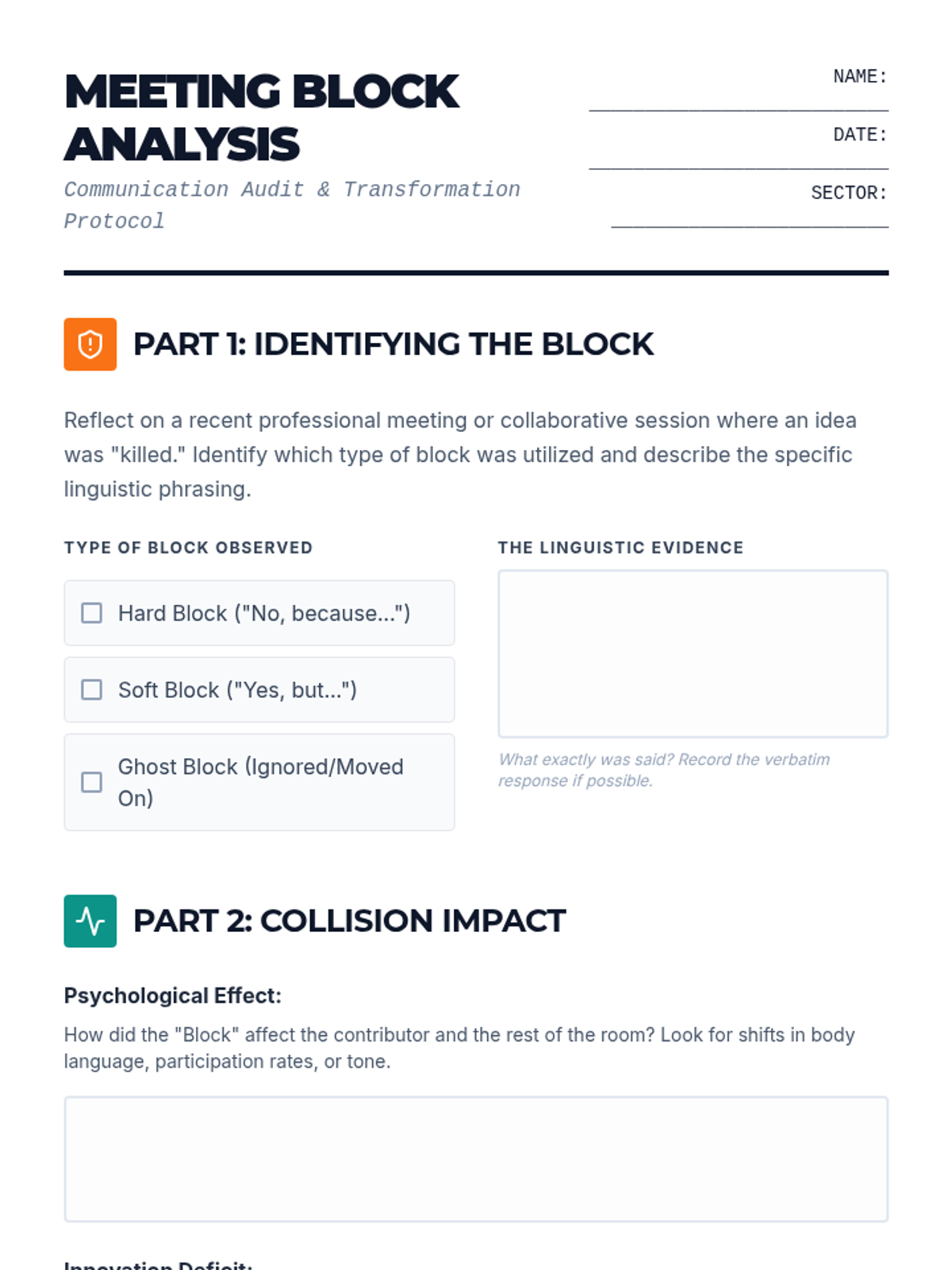
This graduate-level sequence bridges the gap between improvisational theater techniques and organizational leadership. Students explore how the mechanics of spontaneity, 'Yes, And' communication protocols, and narrative arcs can be applied to crisis management, negotiation, and high-stakes corporate communication.
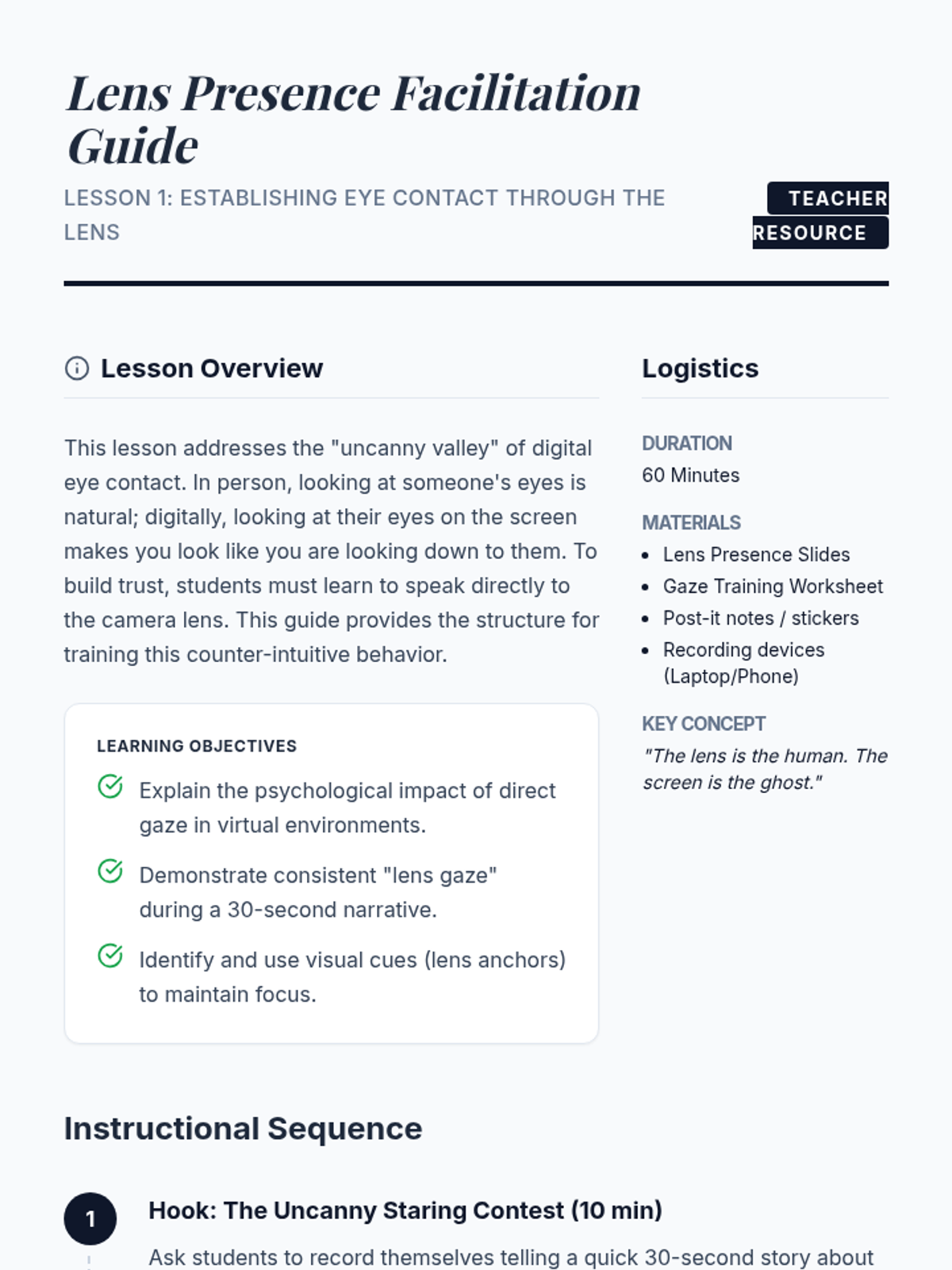
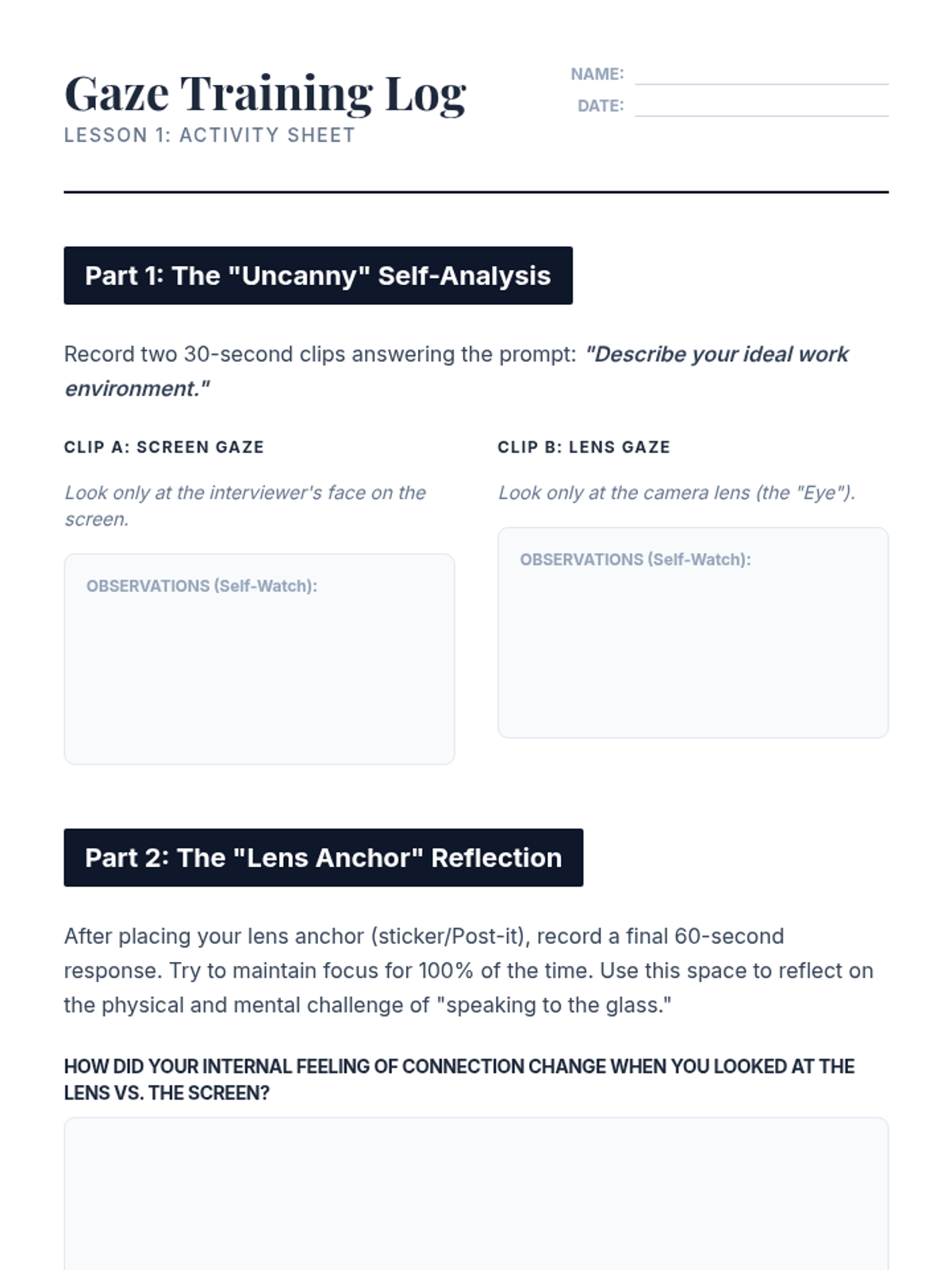
A comprehensive training program for graduate students to master non-verbal communication in virtual interviews. The sequence covers eye contact, framing, digital active listening, vocal modulation, and self-critique using video playback.
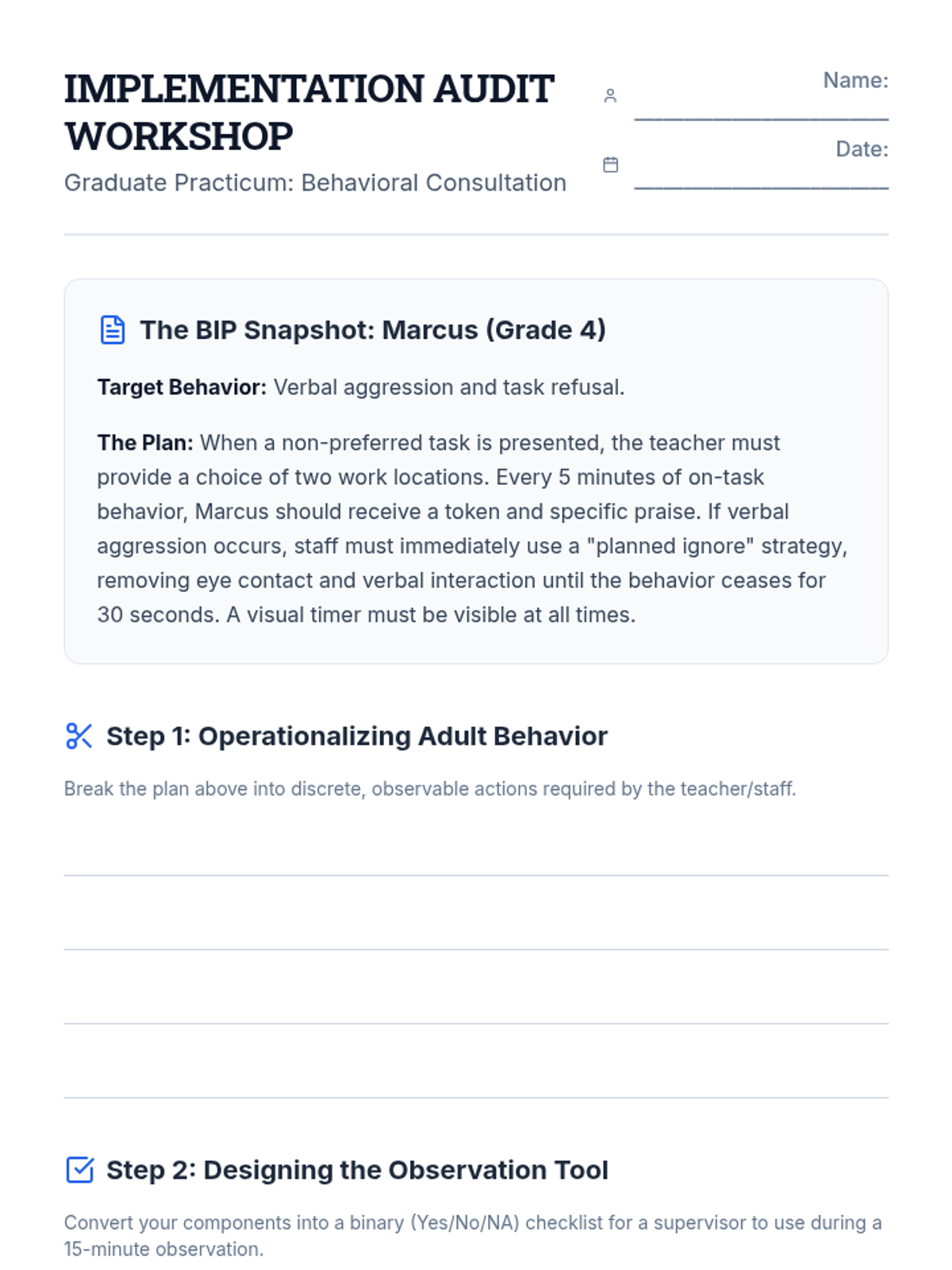
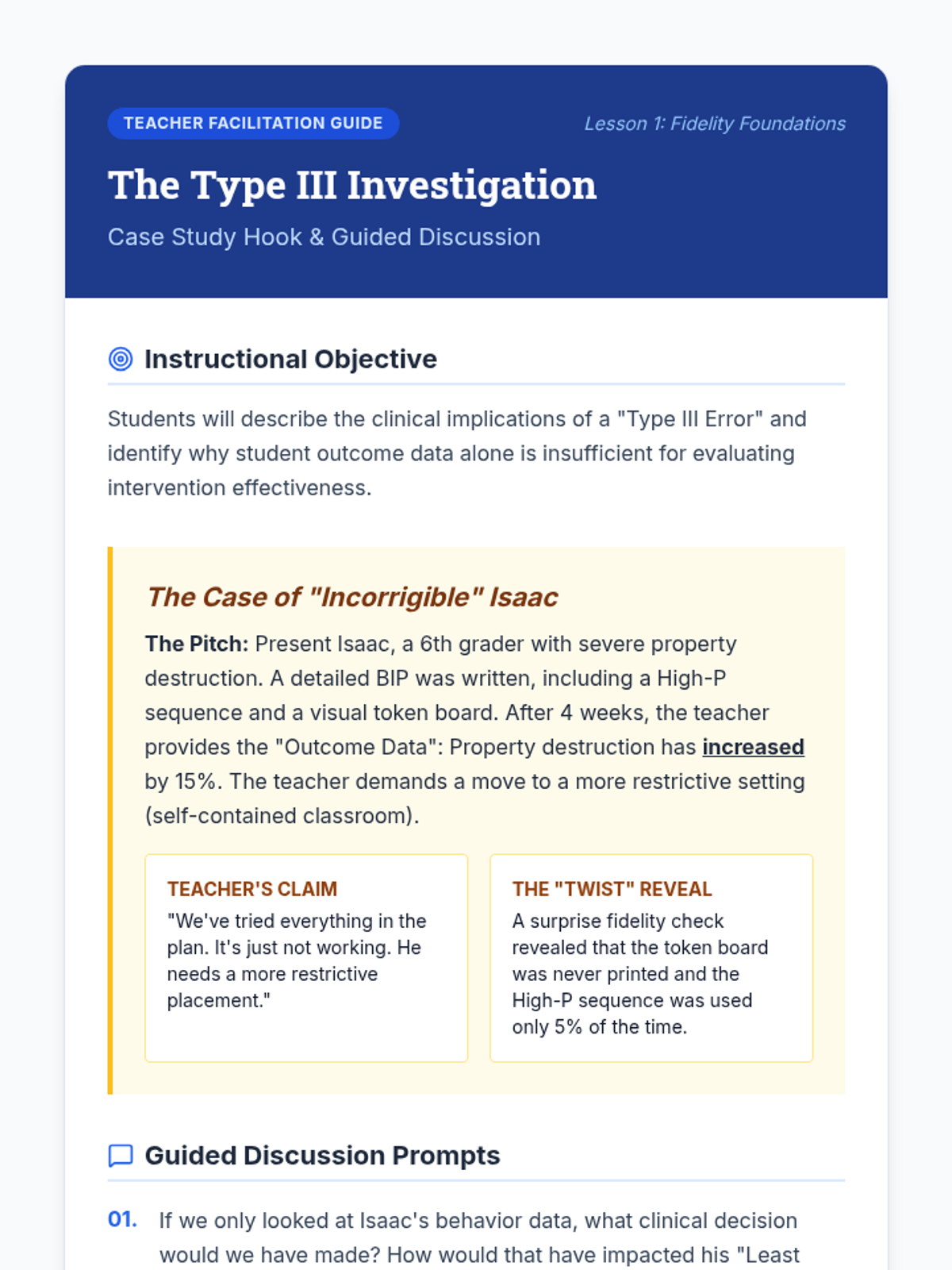
A graduate-level sequence focused on the intersection of implementation science and behavior analysis. Students learn to measure treatment fidelity, provide performance feedback, and ethically modify Behavior Intervention Plans (BIPs) based on concurrent implementation and outcome data.
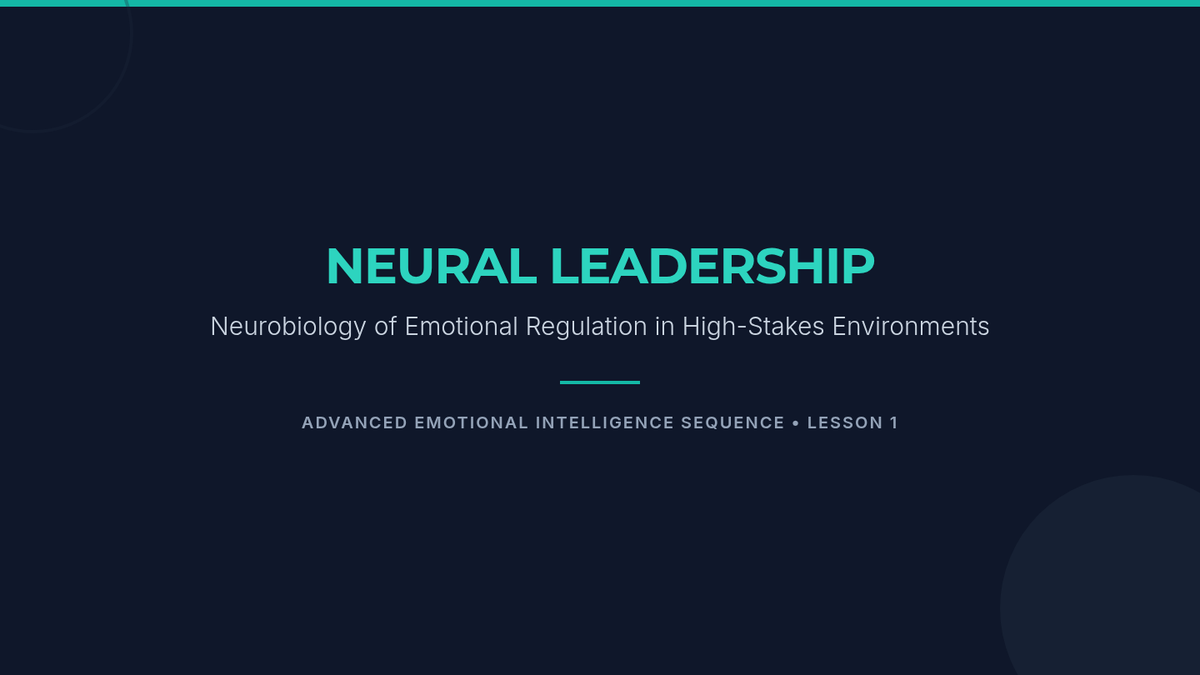
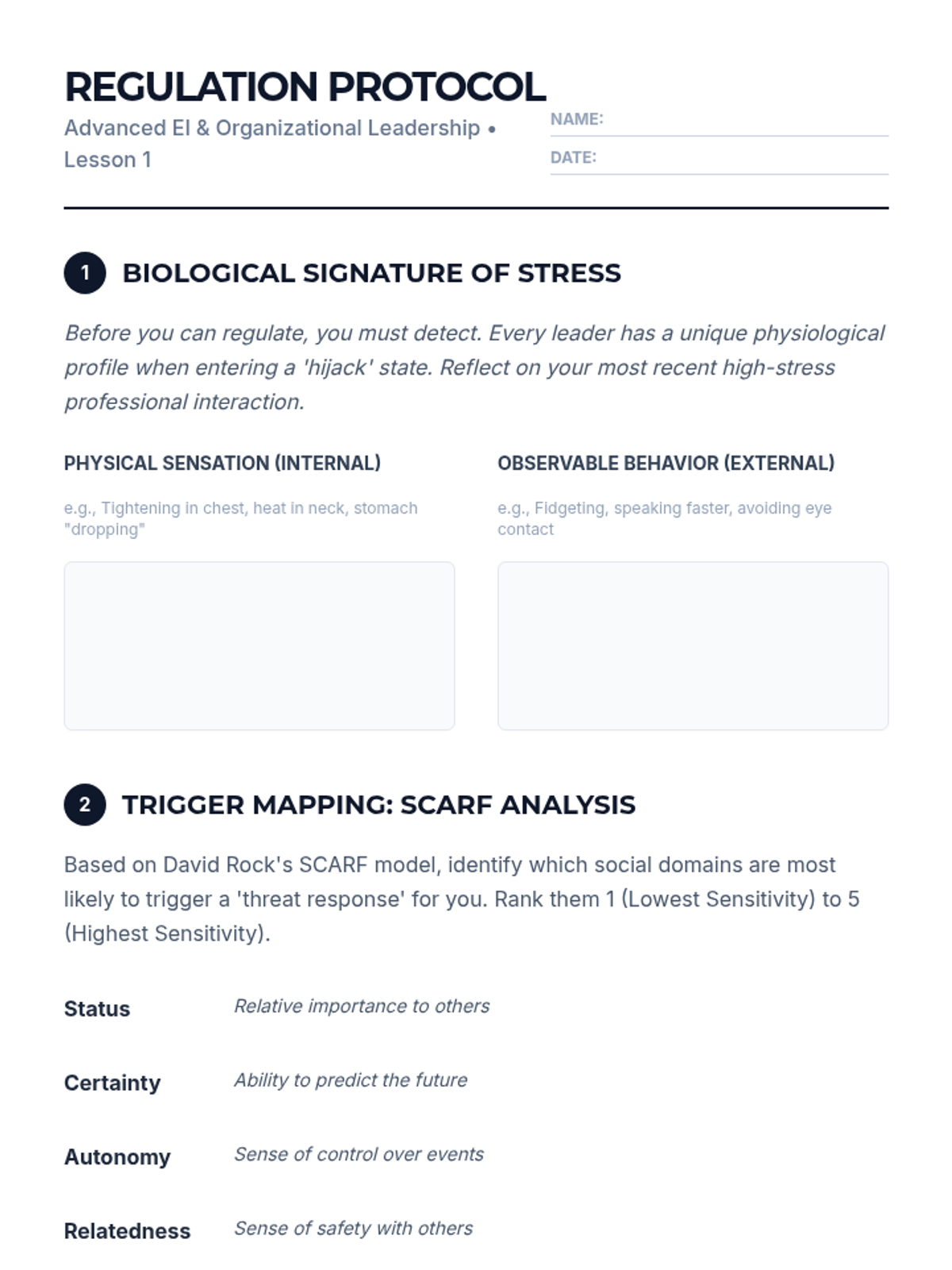
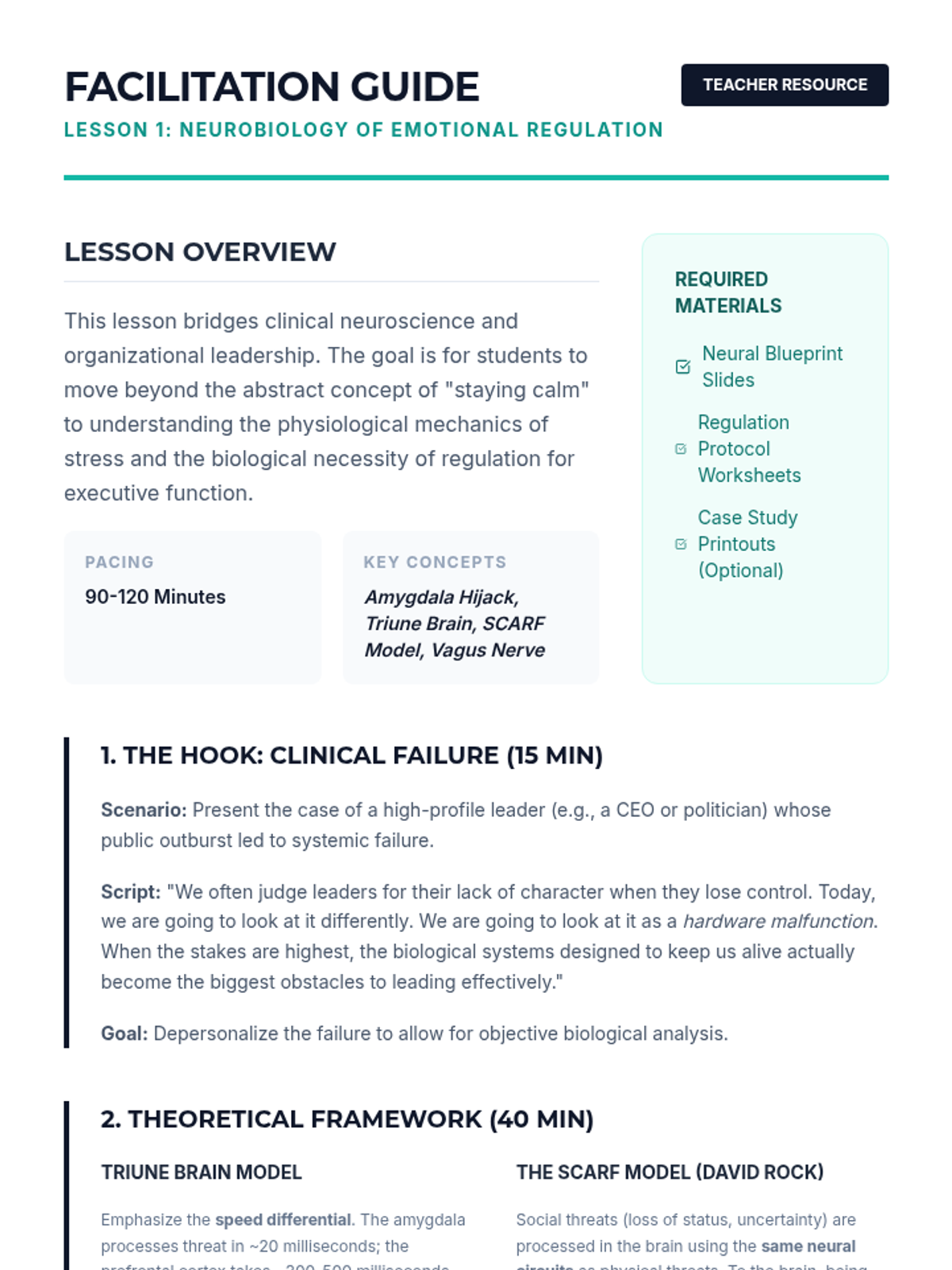
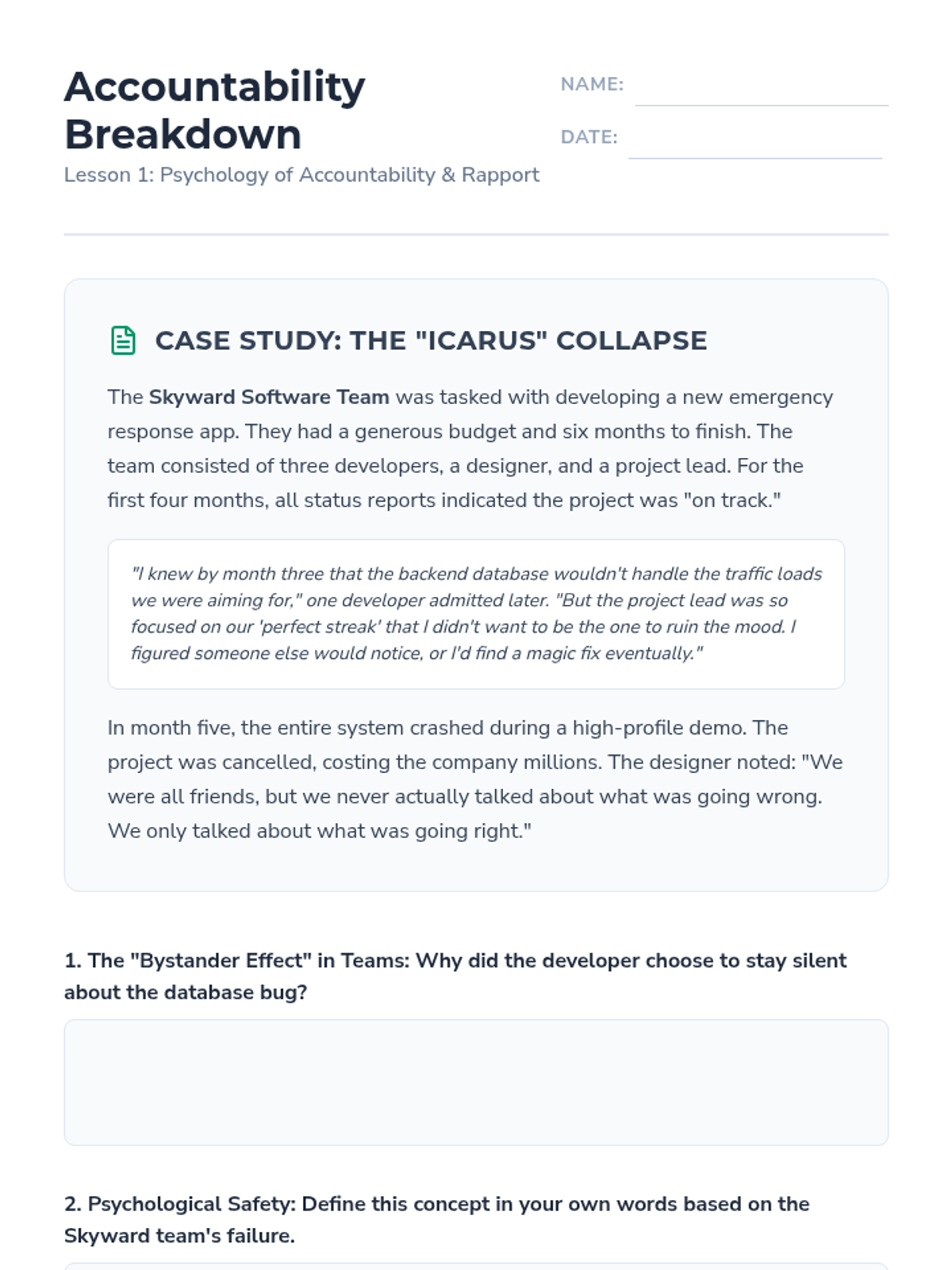
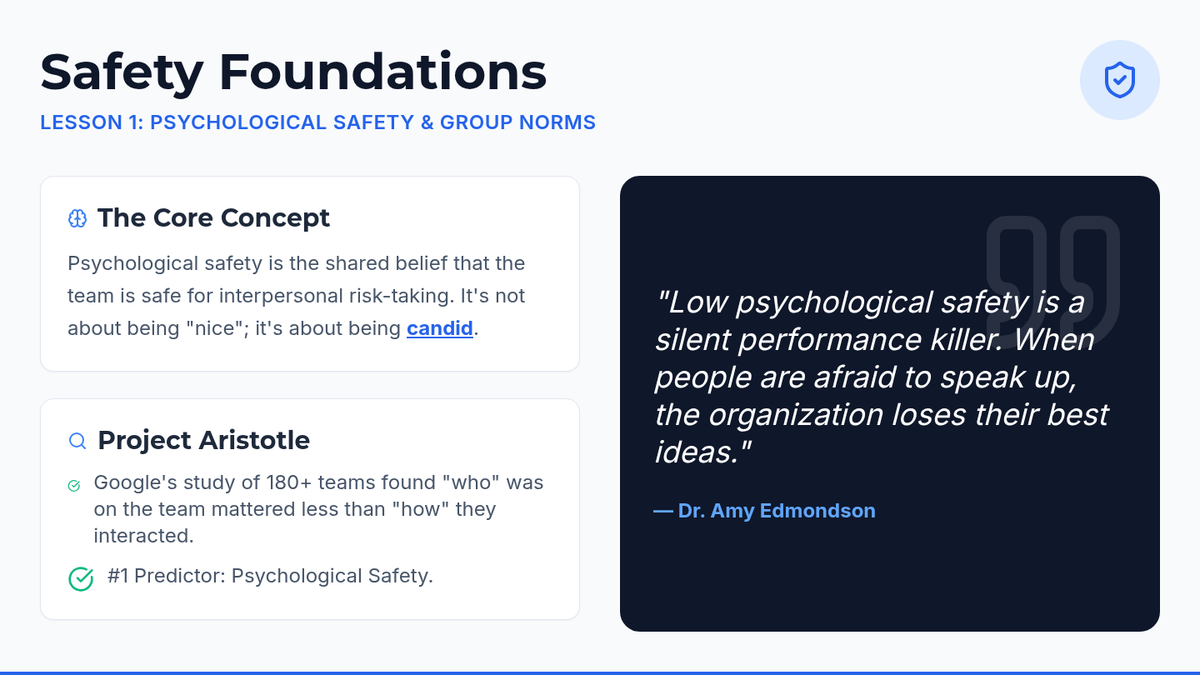
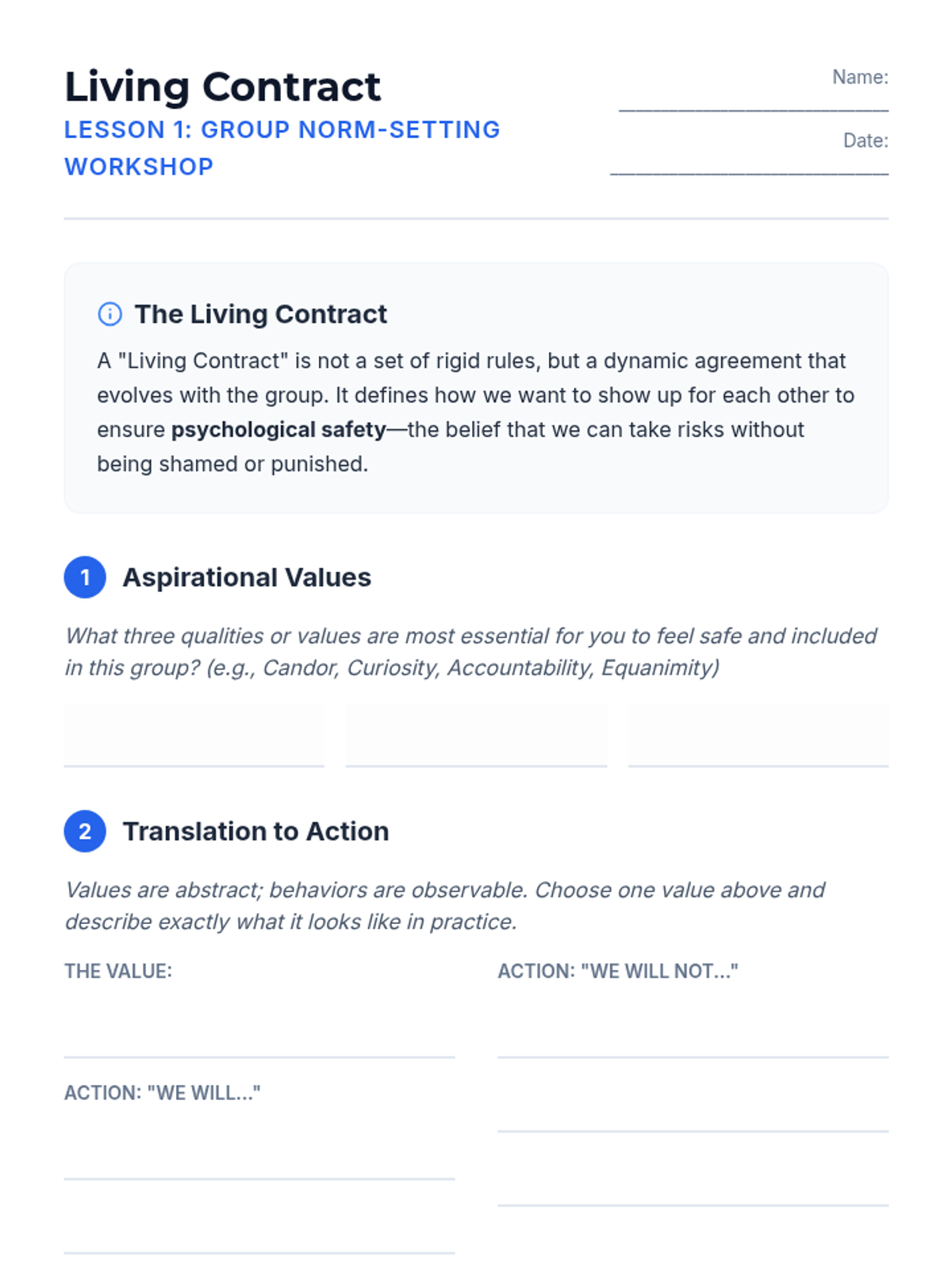
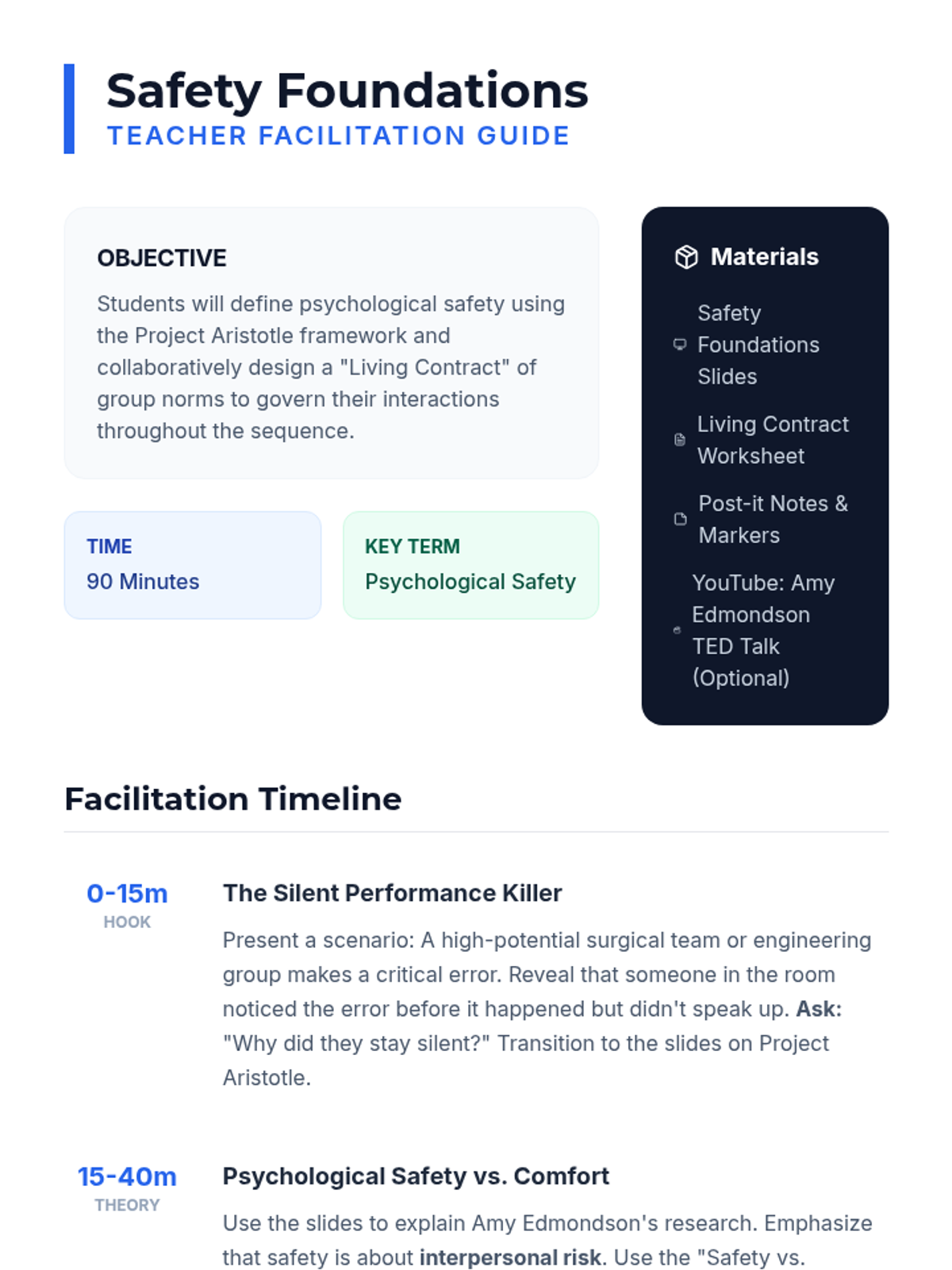
An advanced course for graduate students exploring the intersection of neurobiology, psychological theory, and organizational leadership. Students develop high-level social and emotional competencies to navigate complex professional environments and foster psychological safety.
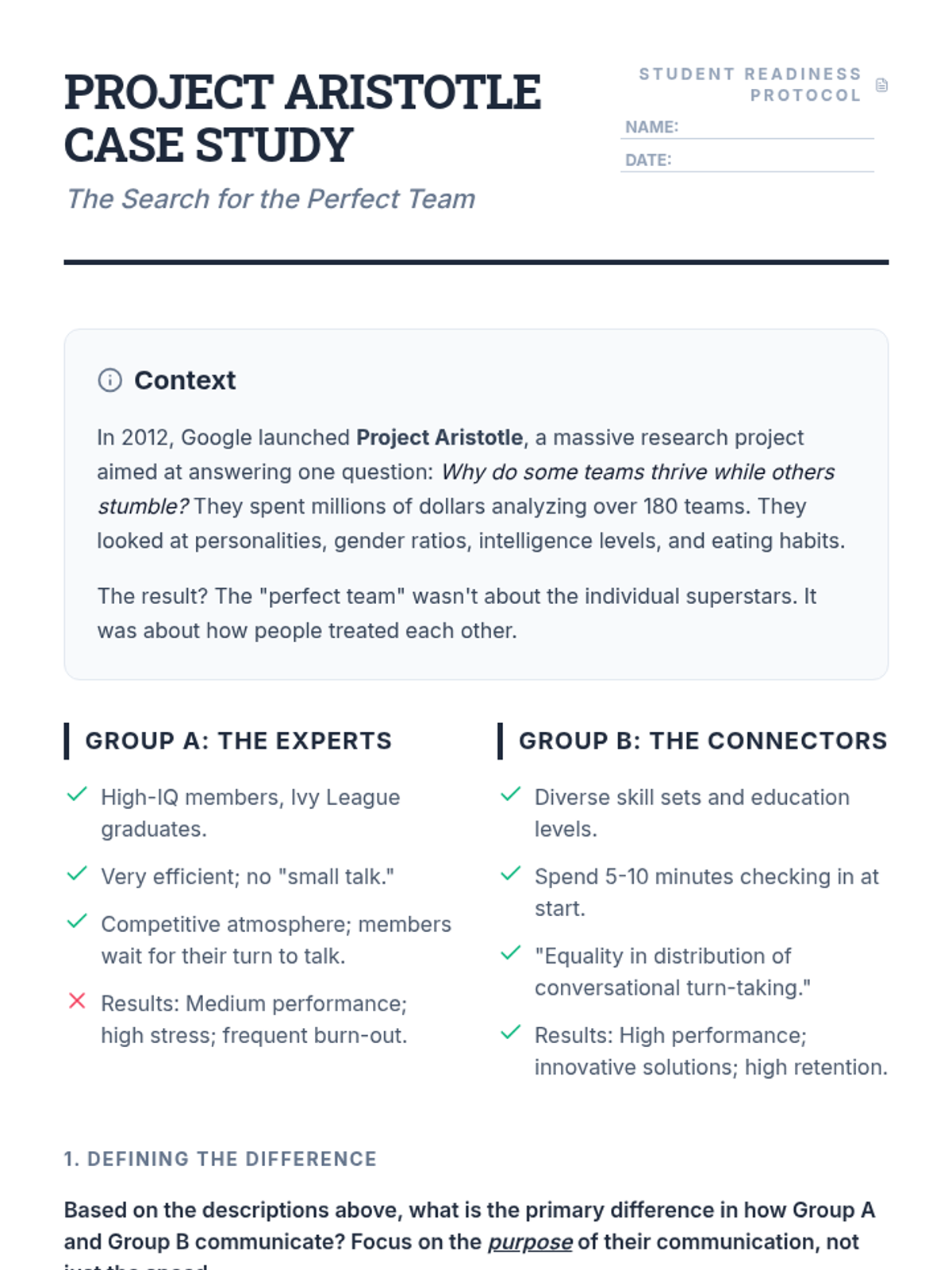
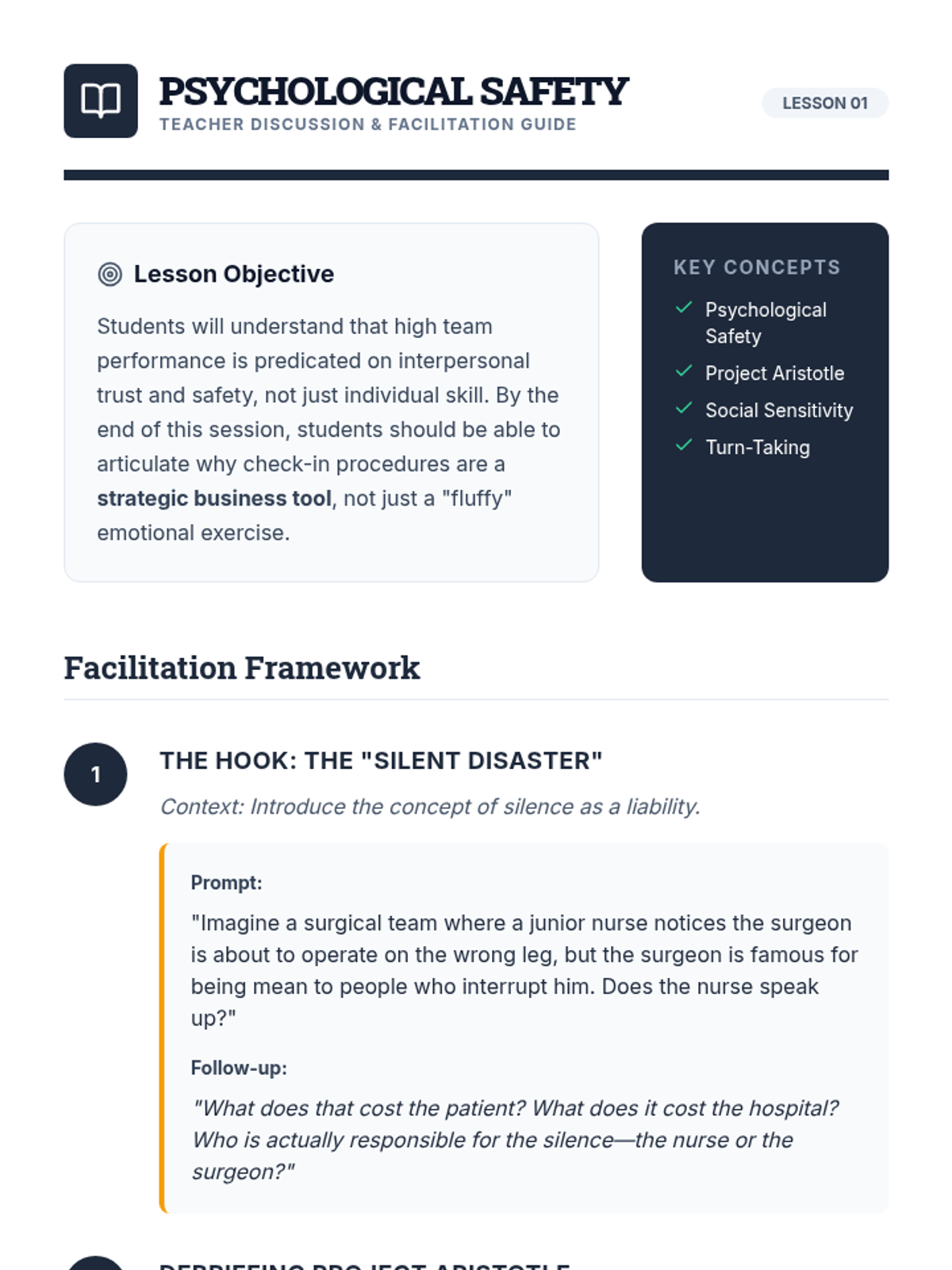
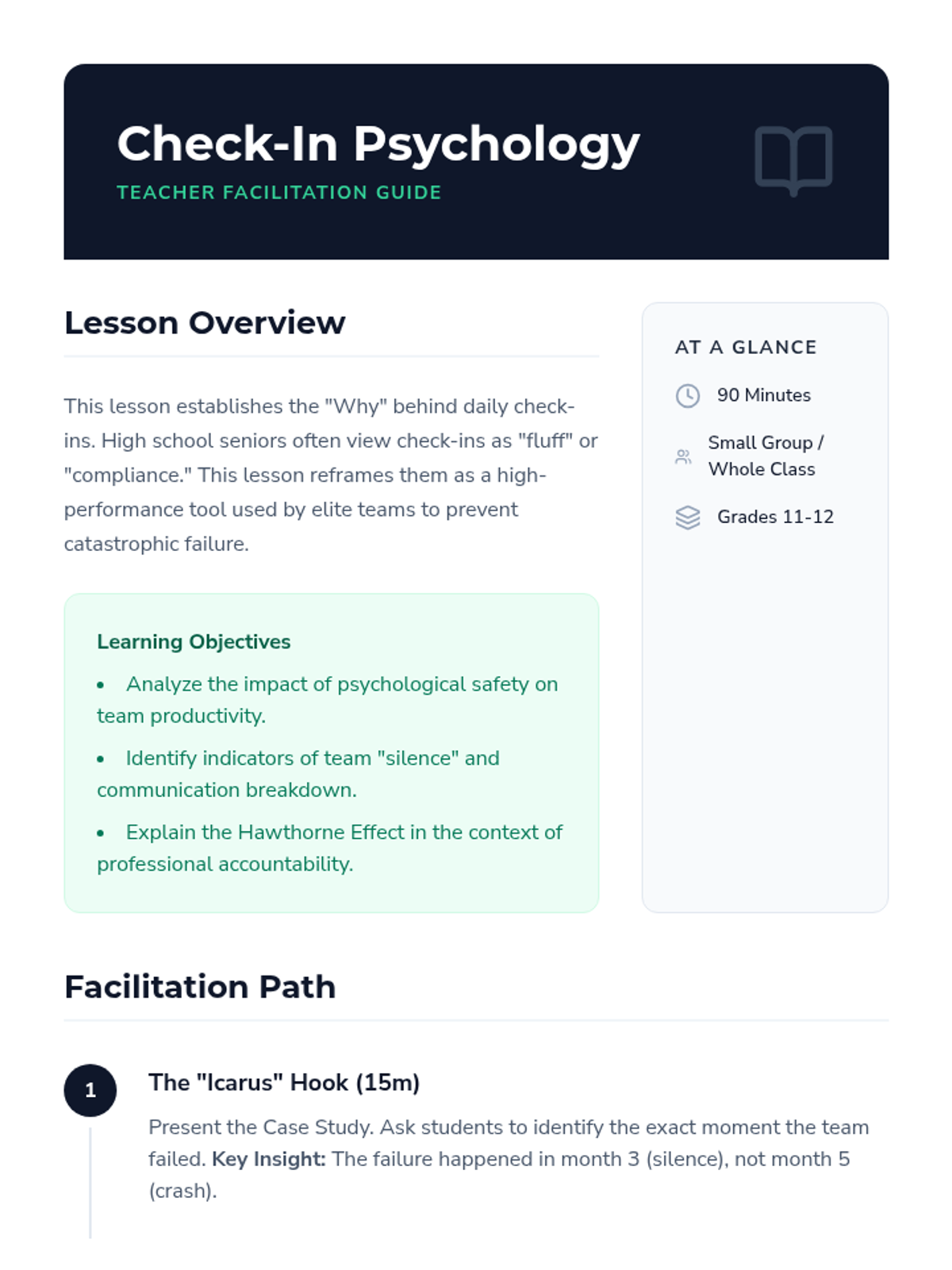
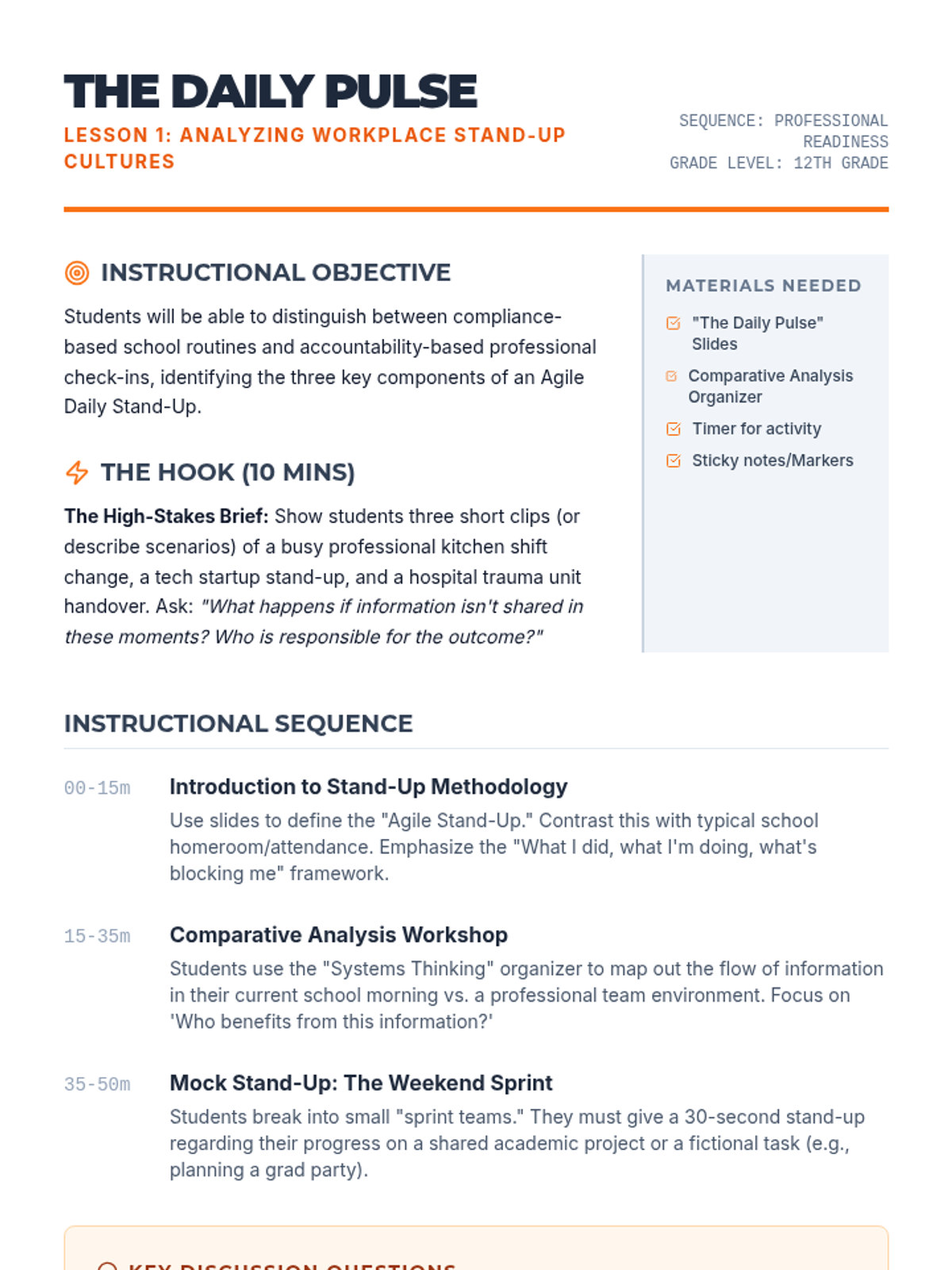
This sequence frames daily check-ins as a professional leadership and team management competency. Students explore psychological safety, real-world professional stand-ups, and facilitation techniques to design their own 'Readiness Protocols' for teams.
This sequence explores the role of structured daily check-ins in fostering psychological safety and collective productivity. Students move from understanding the psychological foundations of rapport to mastering professional frameworks like Agile Stand-Ups, eventually leading their own community circles.
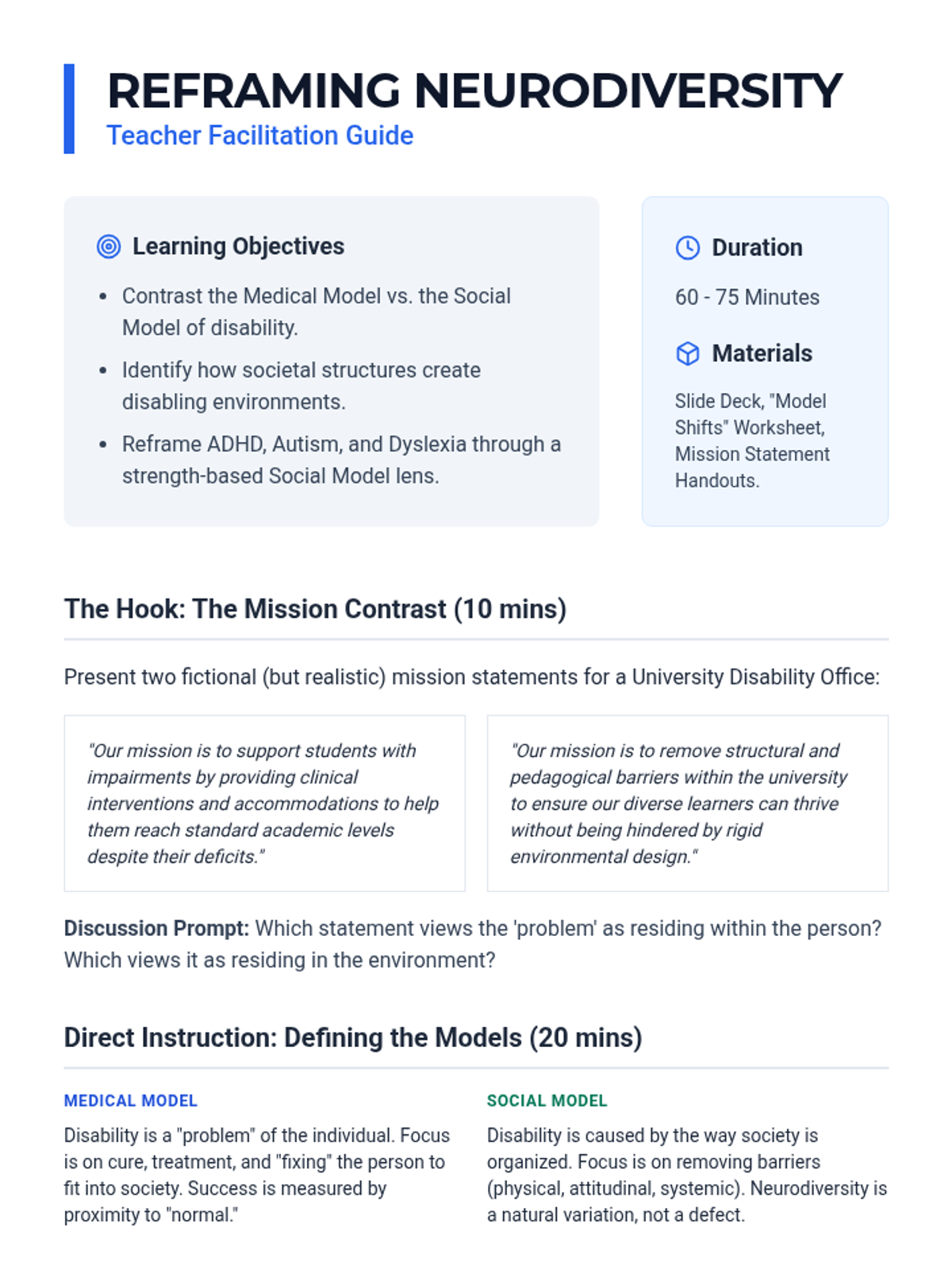
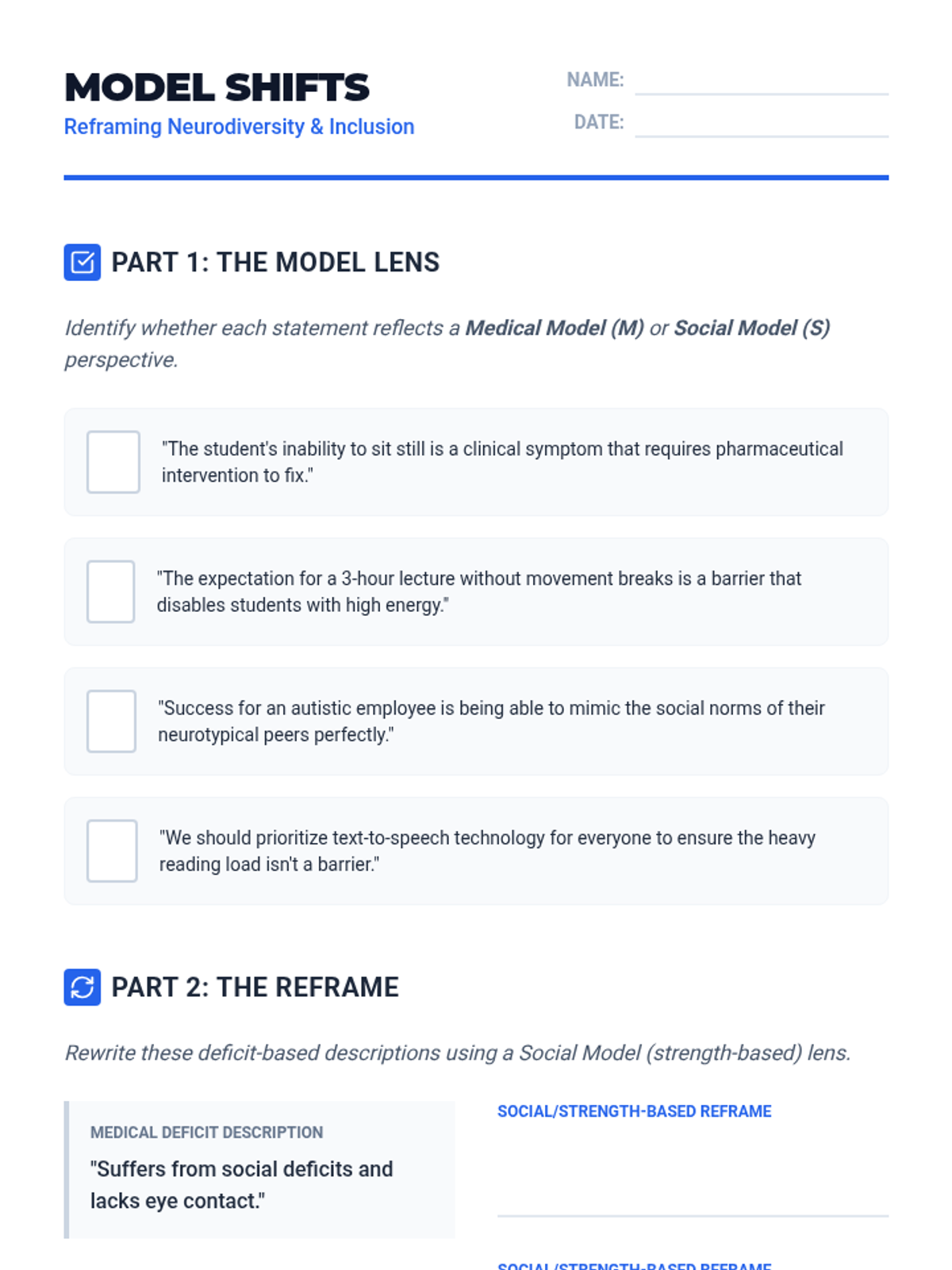
This sequence explores neurodiversity through the Social Model of disability, challenging traditional norms of professionalism and designing inclusive environments. Students will move from theoretical understanding to practical application in organizational policy and advocacy.
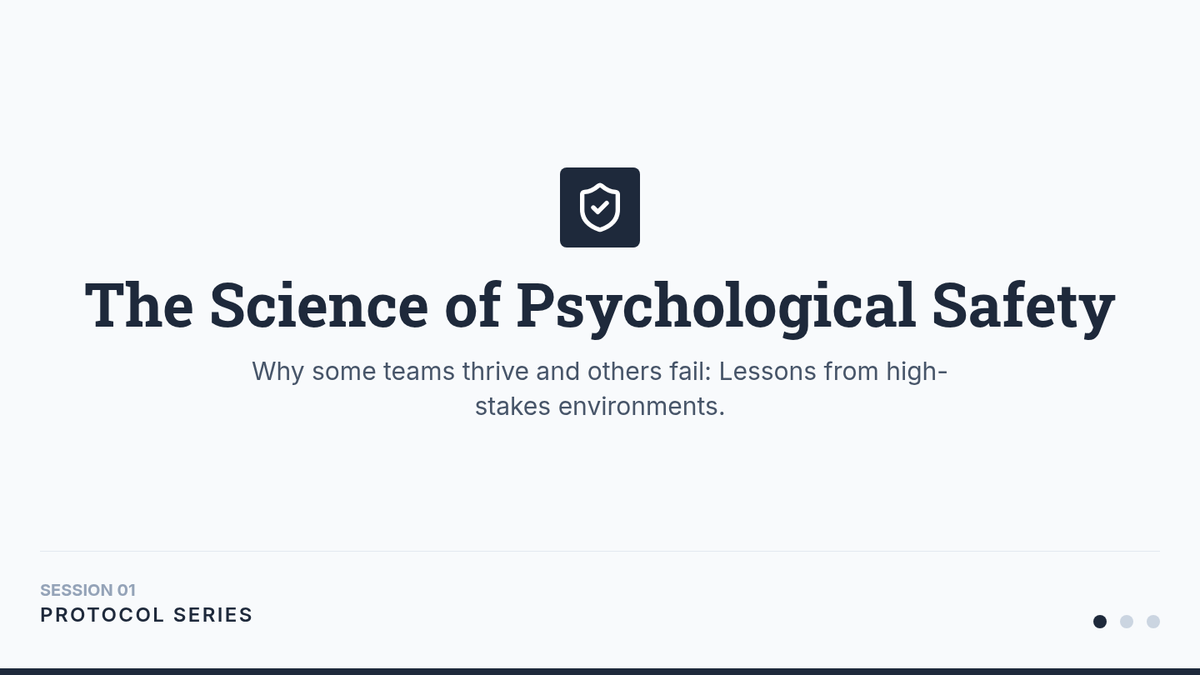
A comprehensive sequence for undergraduate students to master the art of creating psychological safety, fostering belonging, and designing inclusive community rituals through theoretical frameworks and practical facilitation skills.
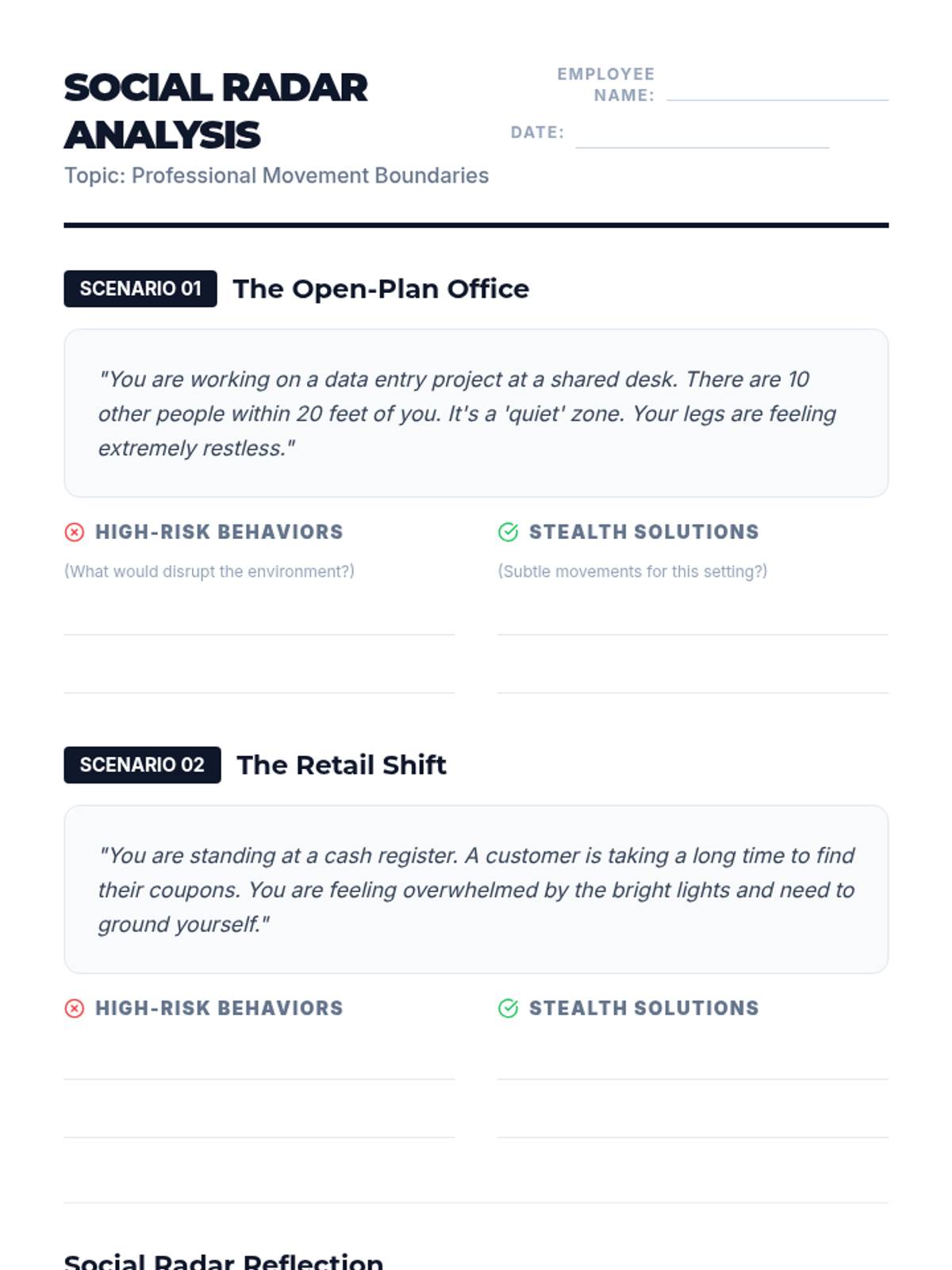
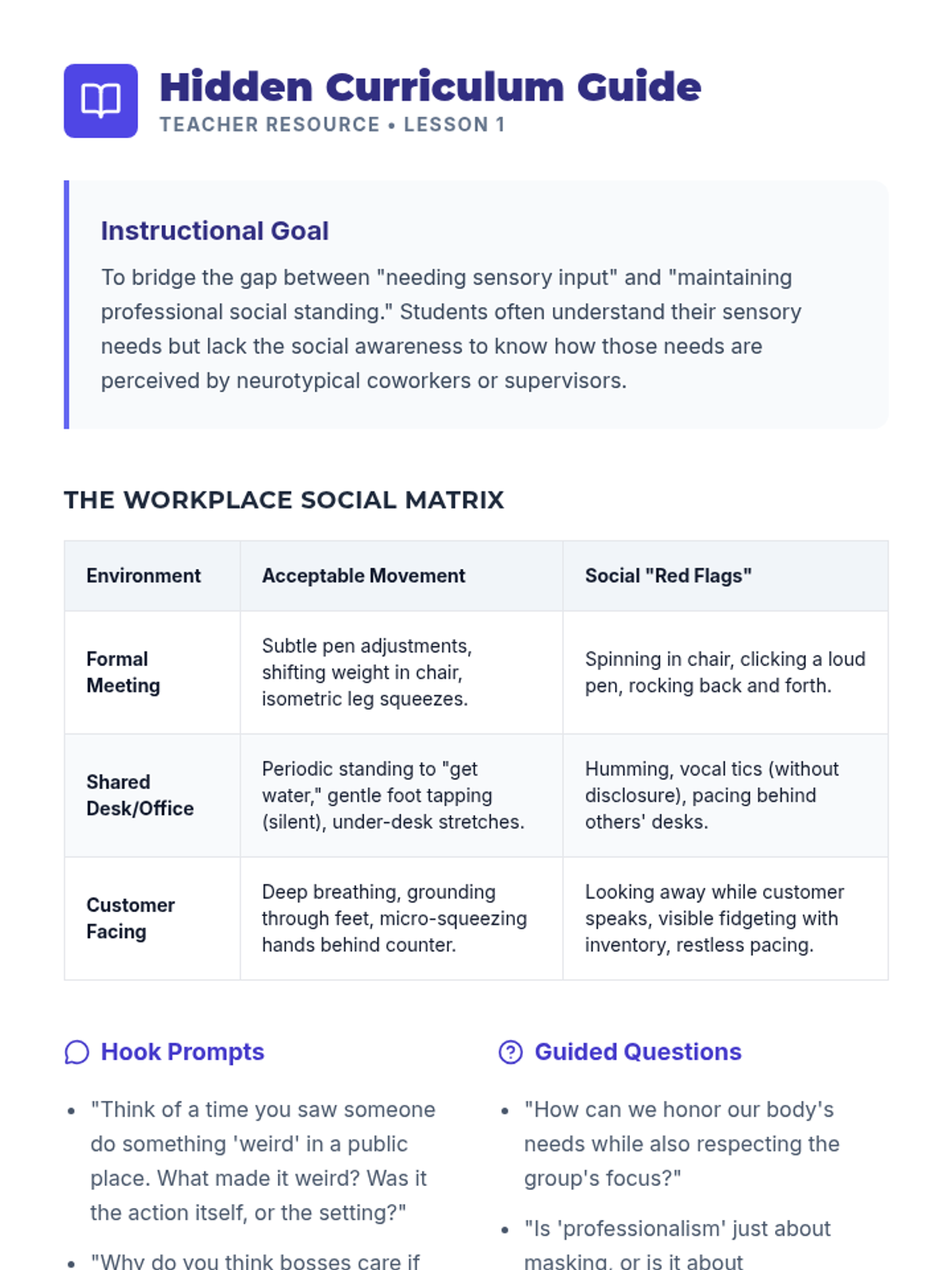
A comprehensive sequence for 12th-grade students to master discreet sensory regulation strategies suitable for professional and workplace environments. Students learn isometric exercises, tool evaluation, and micro-movements to maintain focus and regulation without overt movement.
This sequence prepares 12th-grade students for the professional world by teaching them how to use daily check-ins for self-assessment, capacity planning, and proactive communication. Students transition from compliance-based school routines to accountability-driven workplace protocols, learning to quantify their bandwidth and flag obstacles effectively.
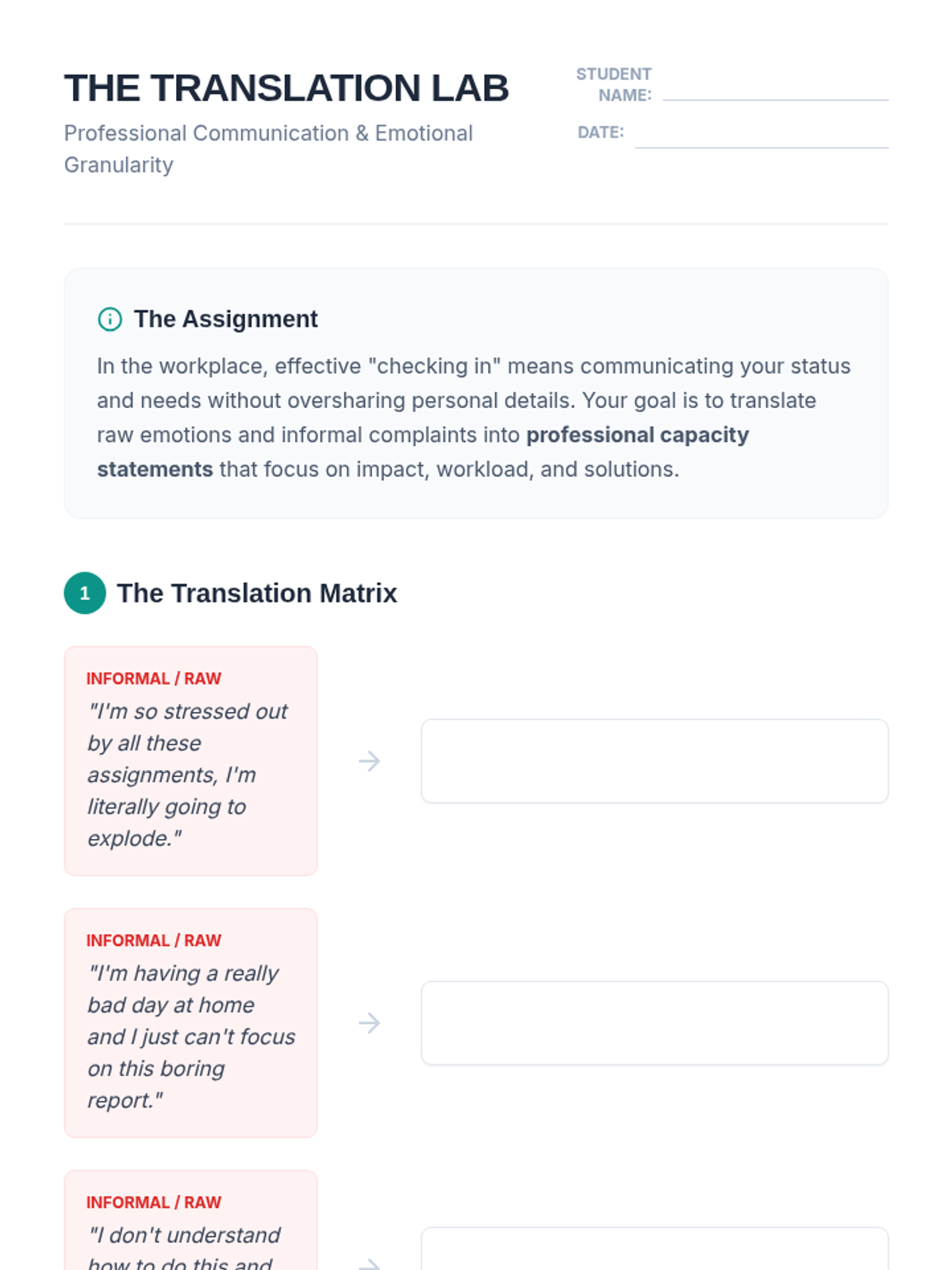
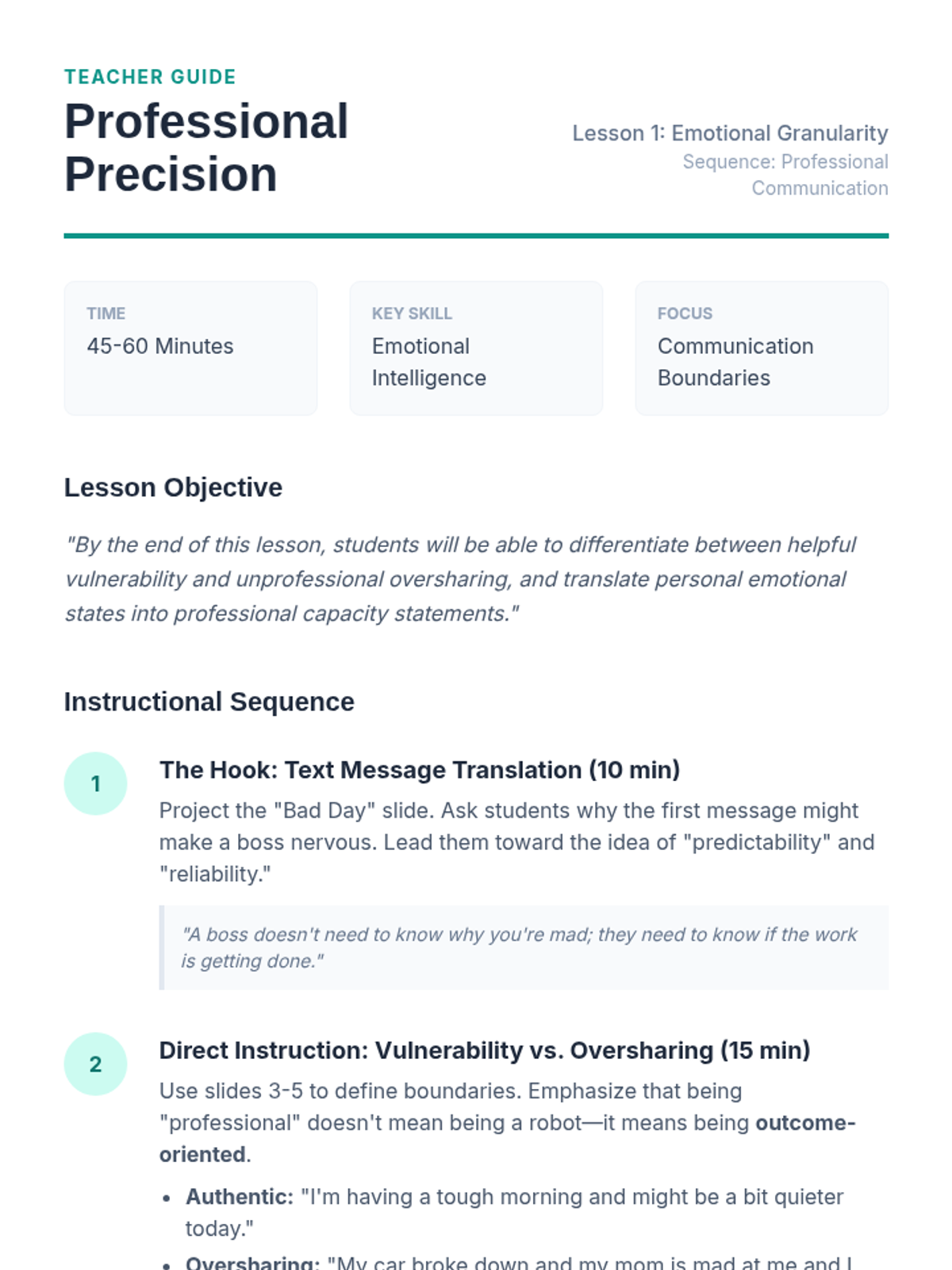
This sequence reframes daily check-ins as a professional soft skill, teaching 11th-grade students to communicate emotional needs and capacity limits effectively in workplace environments. Students move from expanding their emotional vocabulary to participating in a simulated corporate stand-up meeting.
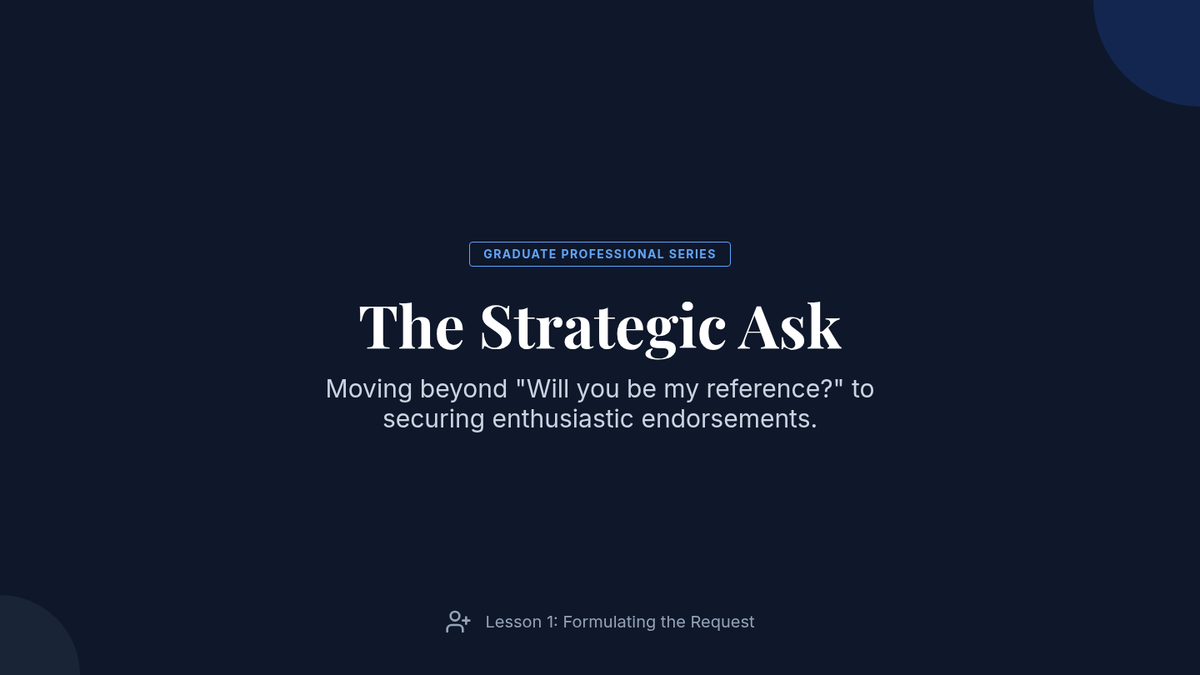
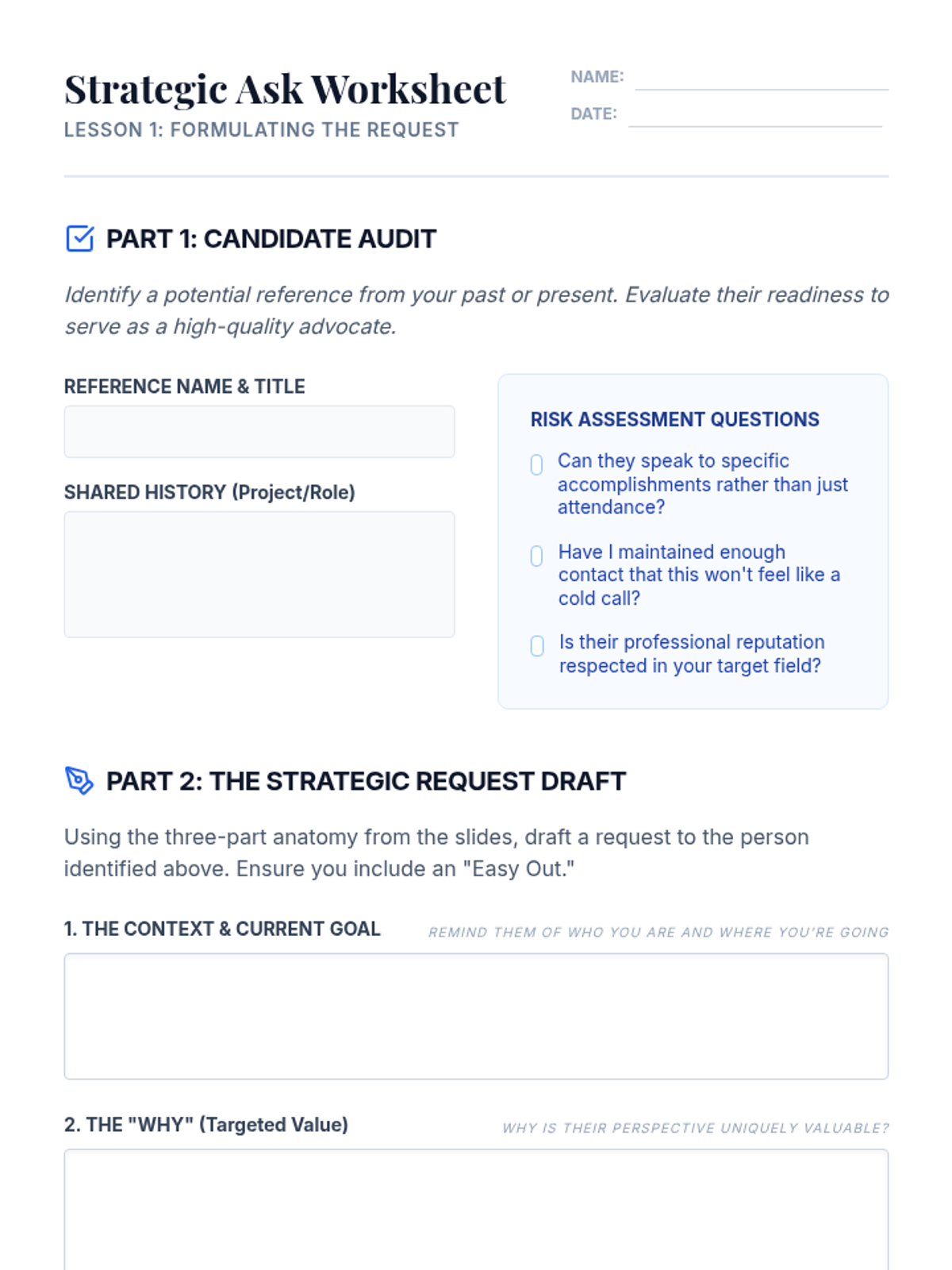
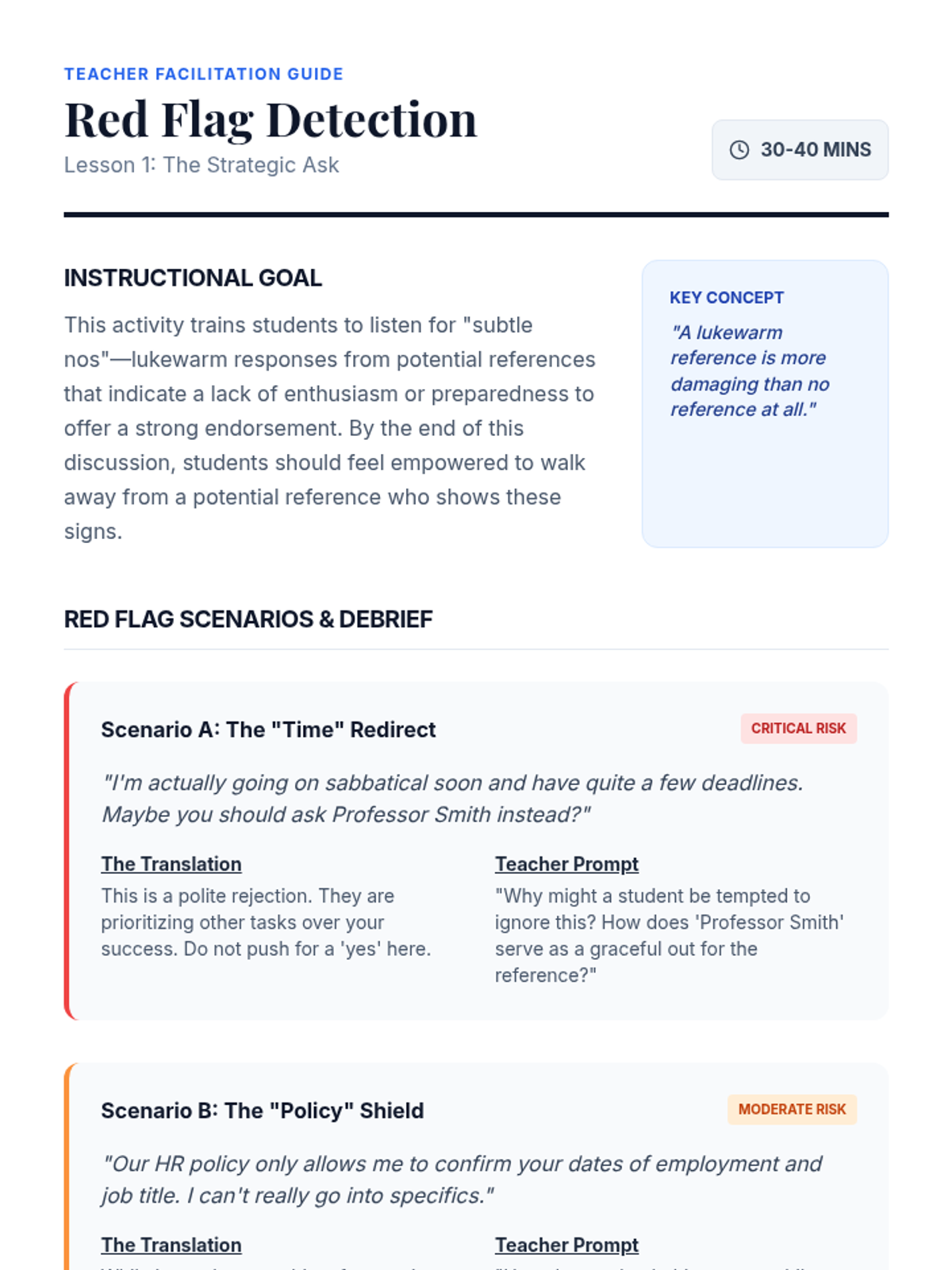
This sequence equips graduate students with the tactical communication skills needed to manage professional references. It focuses on shifting from a passive 'ask' to an active 'briefing' strategy, ensuring references are prepared with specific talking points and context to advocate effectively for the candidate.
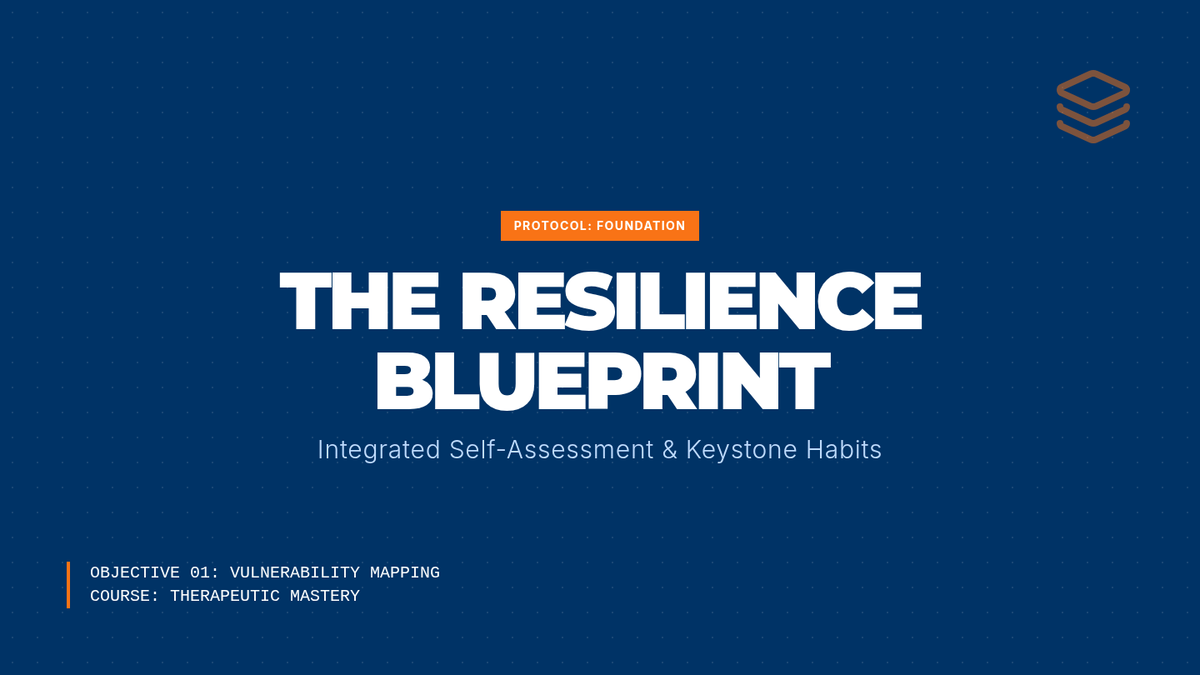
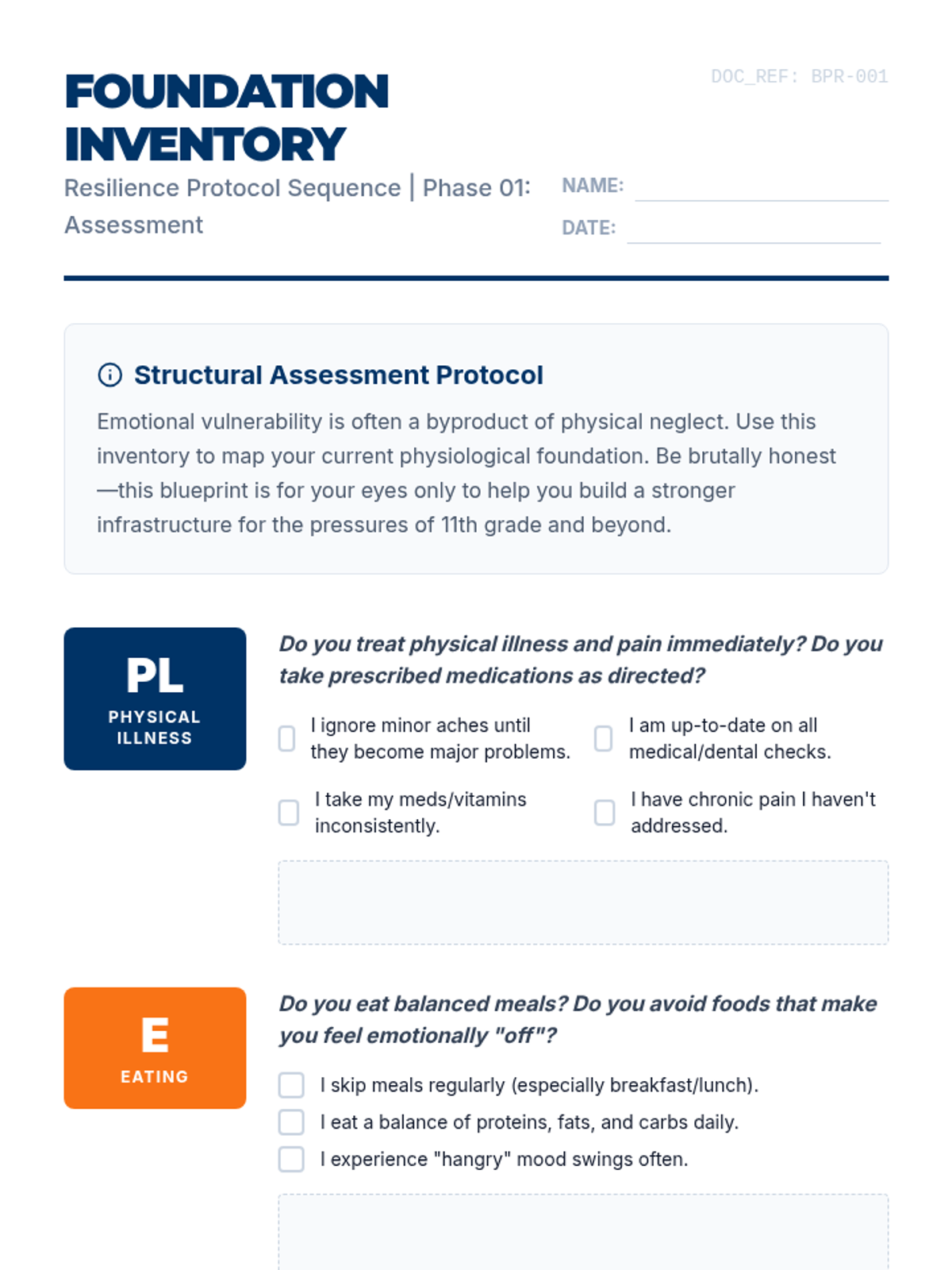
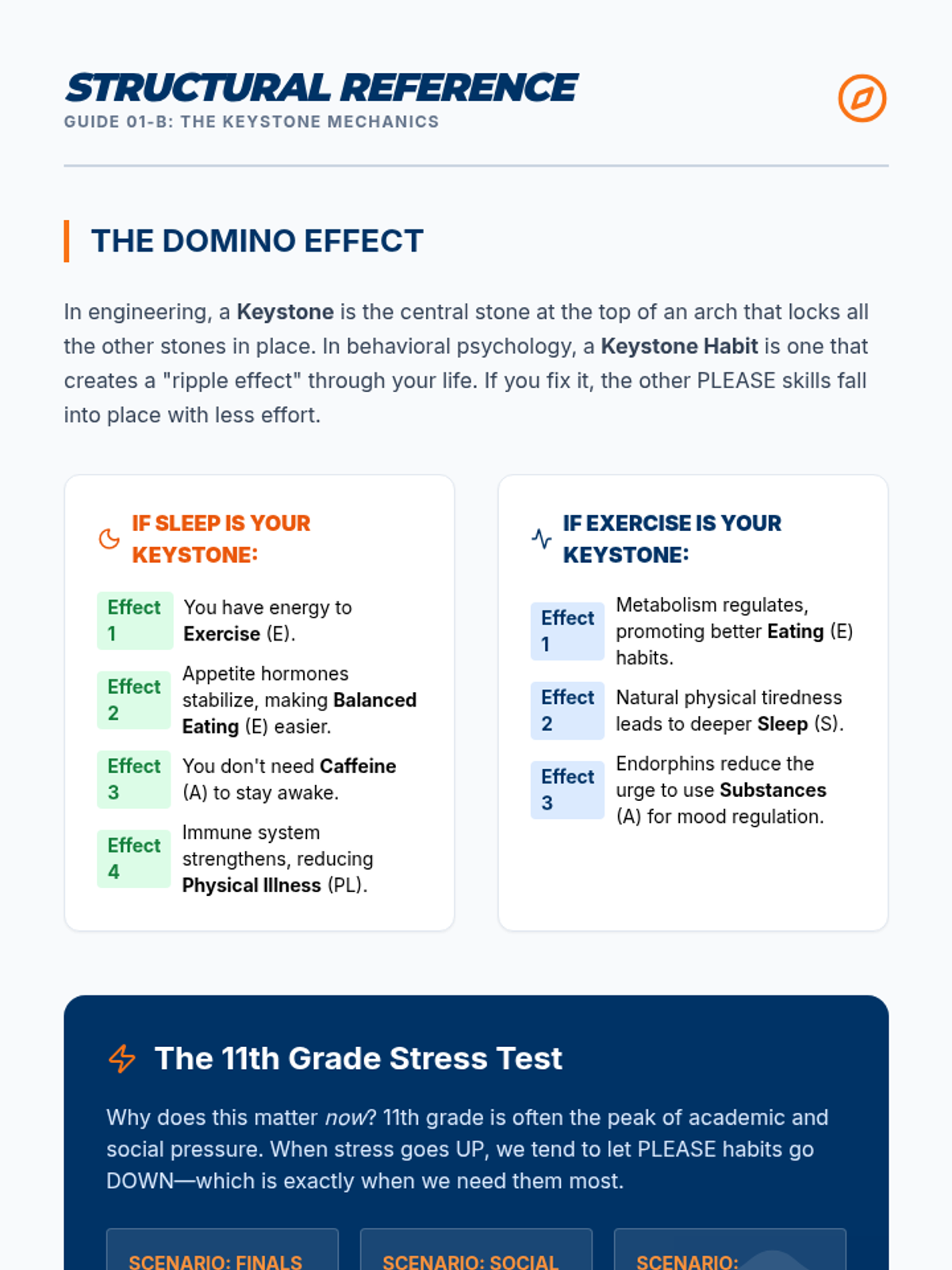
A comprehensive 5-lesson sequence for 11th-grade students focused on mastering the PLEASE skills (DBT therapeutic approach) to reduce emotional vulnerability. Students move from self-assessment to crisis planning, data analysis, and peer consultancy, culminating in a professional 'Resilience Portfolio' designed for their transition to young adulthood.
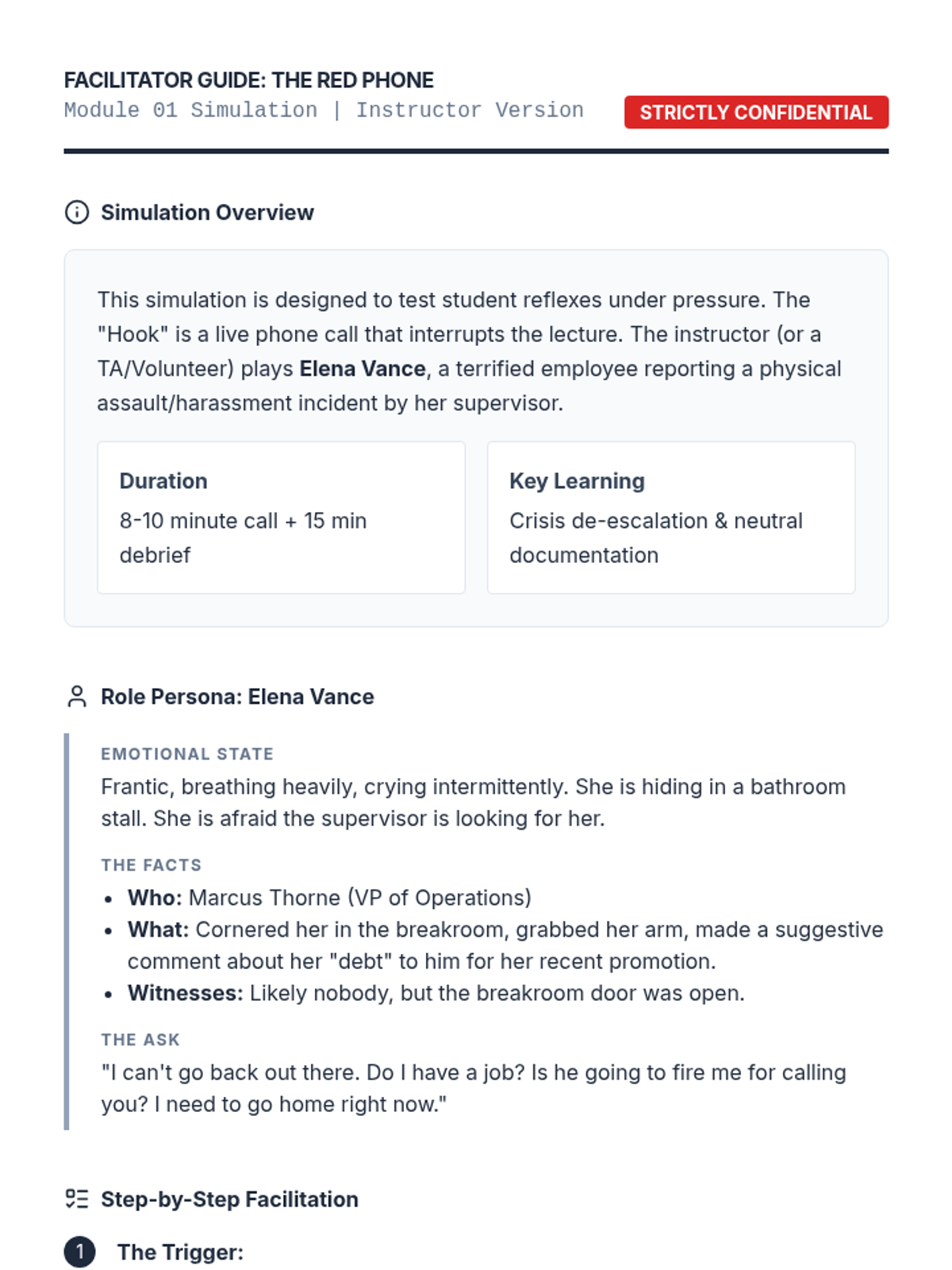
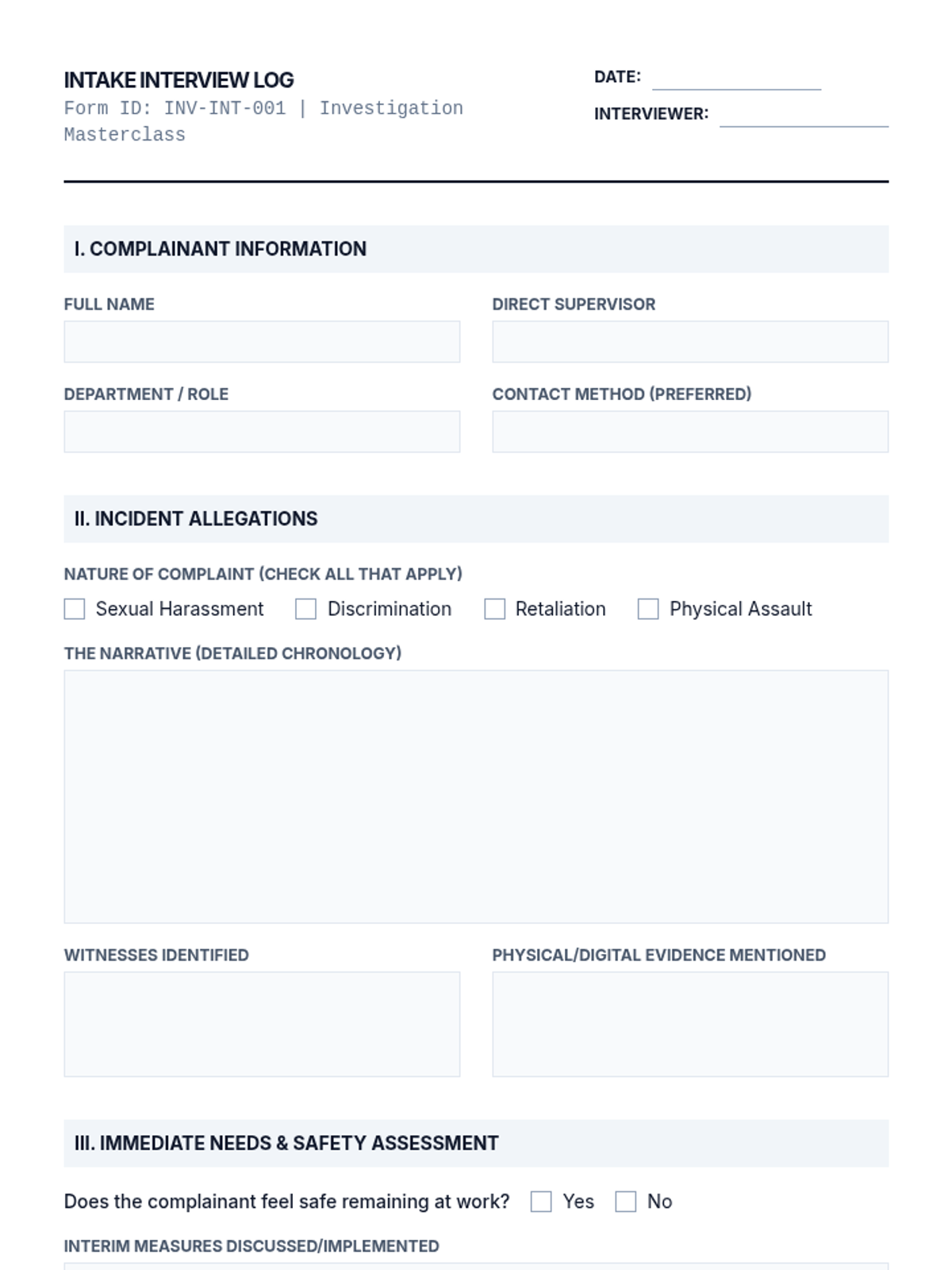
A comprehensive graduate-level simulation-based course on handling workplace harassment and discrimination complaints. Students progress from initial intake to final report writing, focusing on procedural fairness, neutrality, and evidence-based determination.
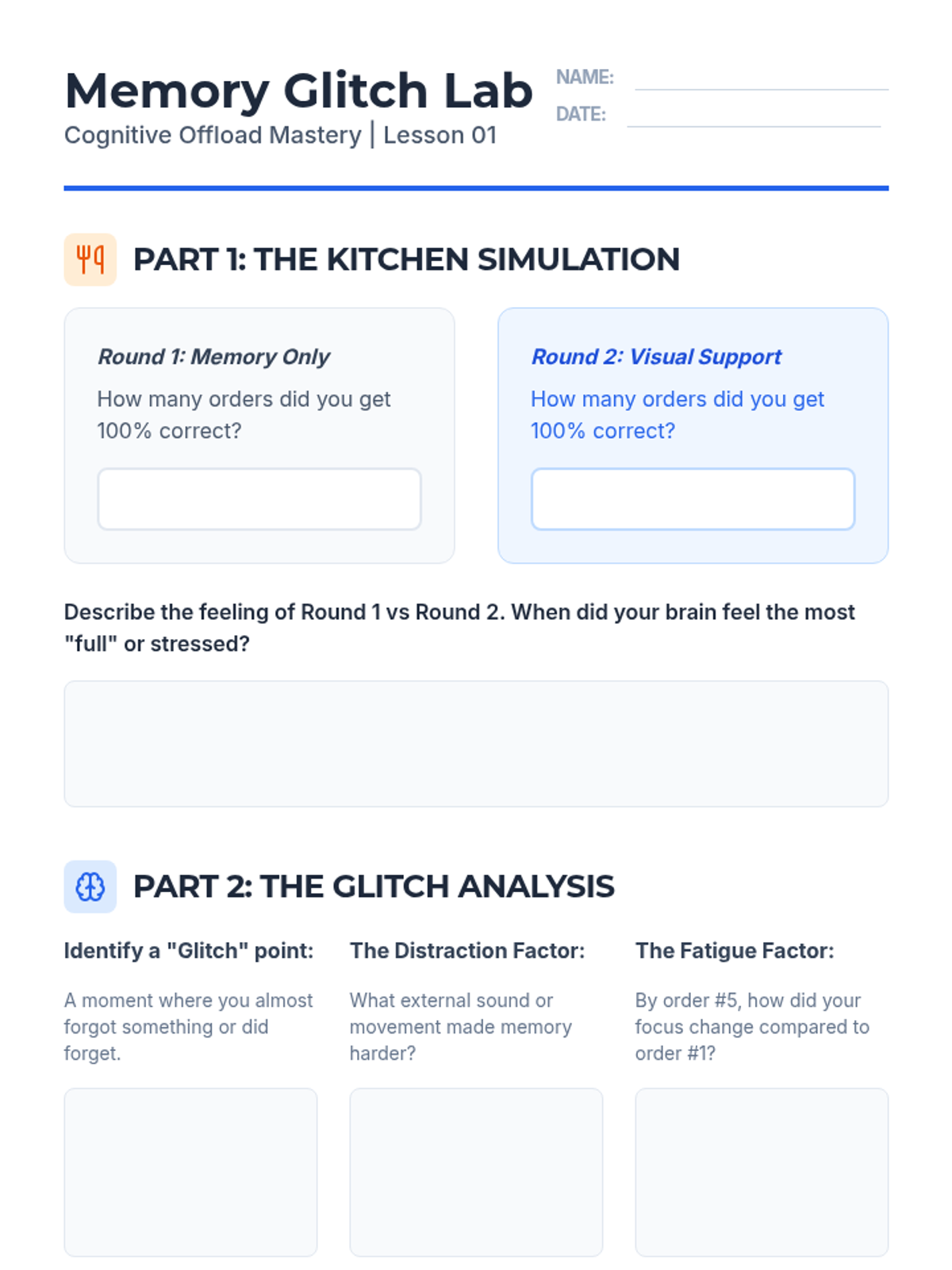
This sequence prepares 11th-grade students for vocational and independent living by teaching them to design and use professional visual aids (SOPs and checklists). Students learn to offload working memory onto visual systems to reduce error and mental fatigue in complex tasks.
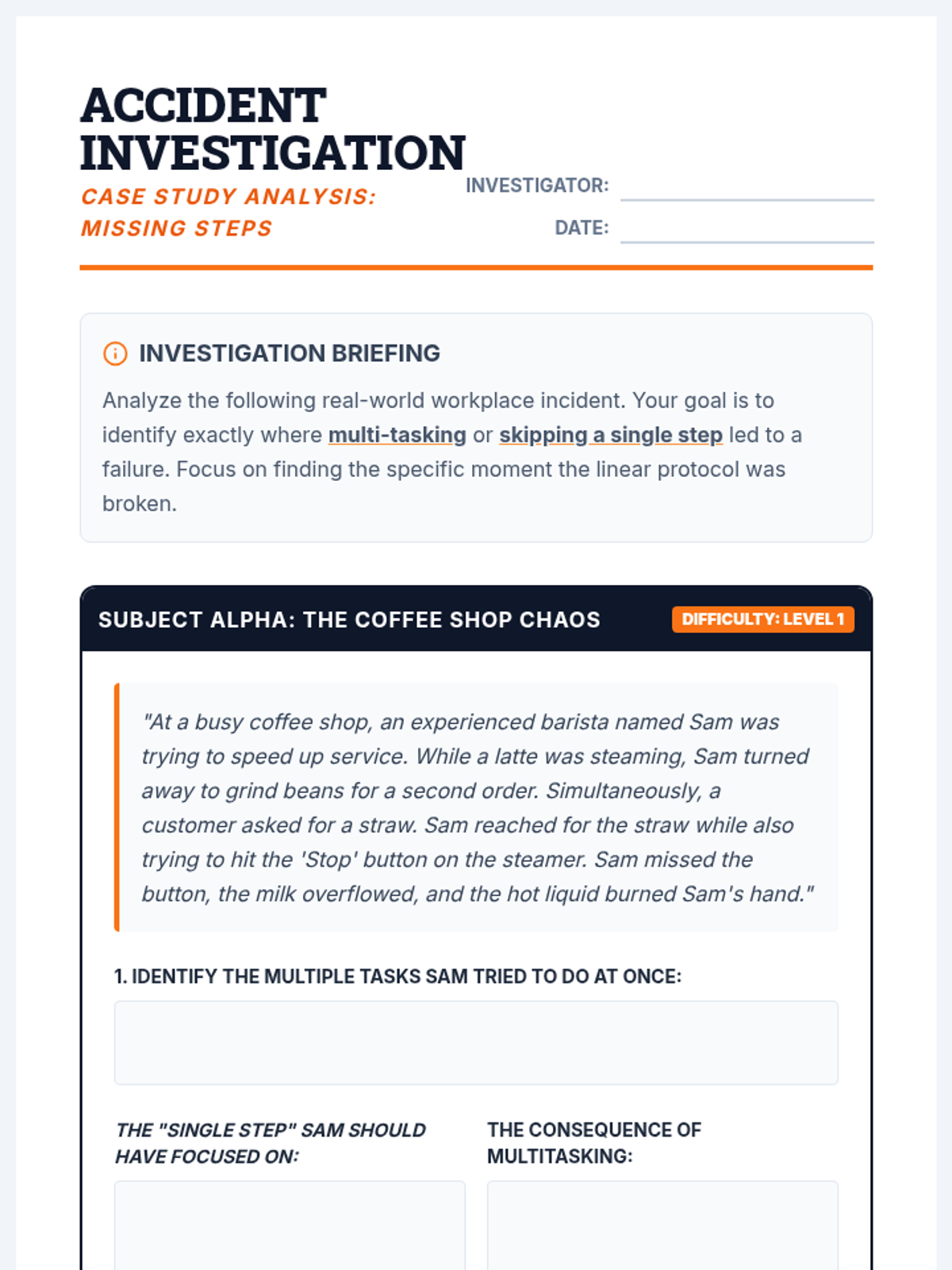
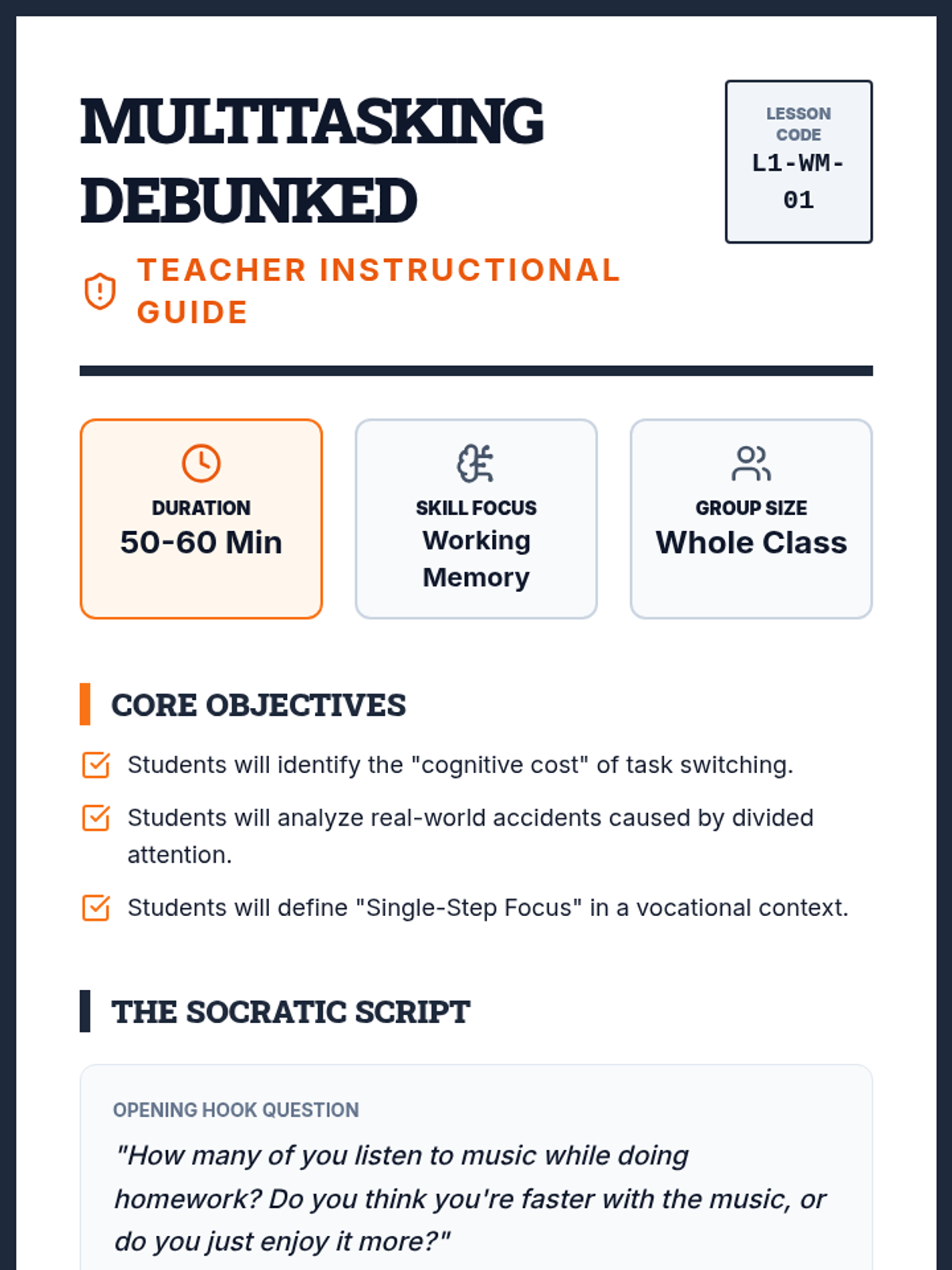
This sequence explores the critical importance of single-step focus in vocational environments. Students analyze how working memory limitations impact safety and quality, practicing sequential execution through industrial case studies, SOP development, and high-stakes simulations.
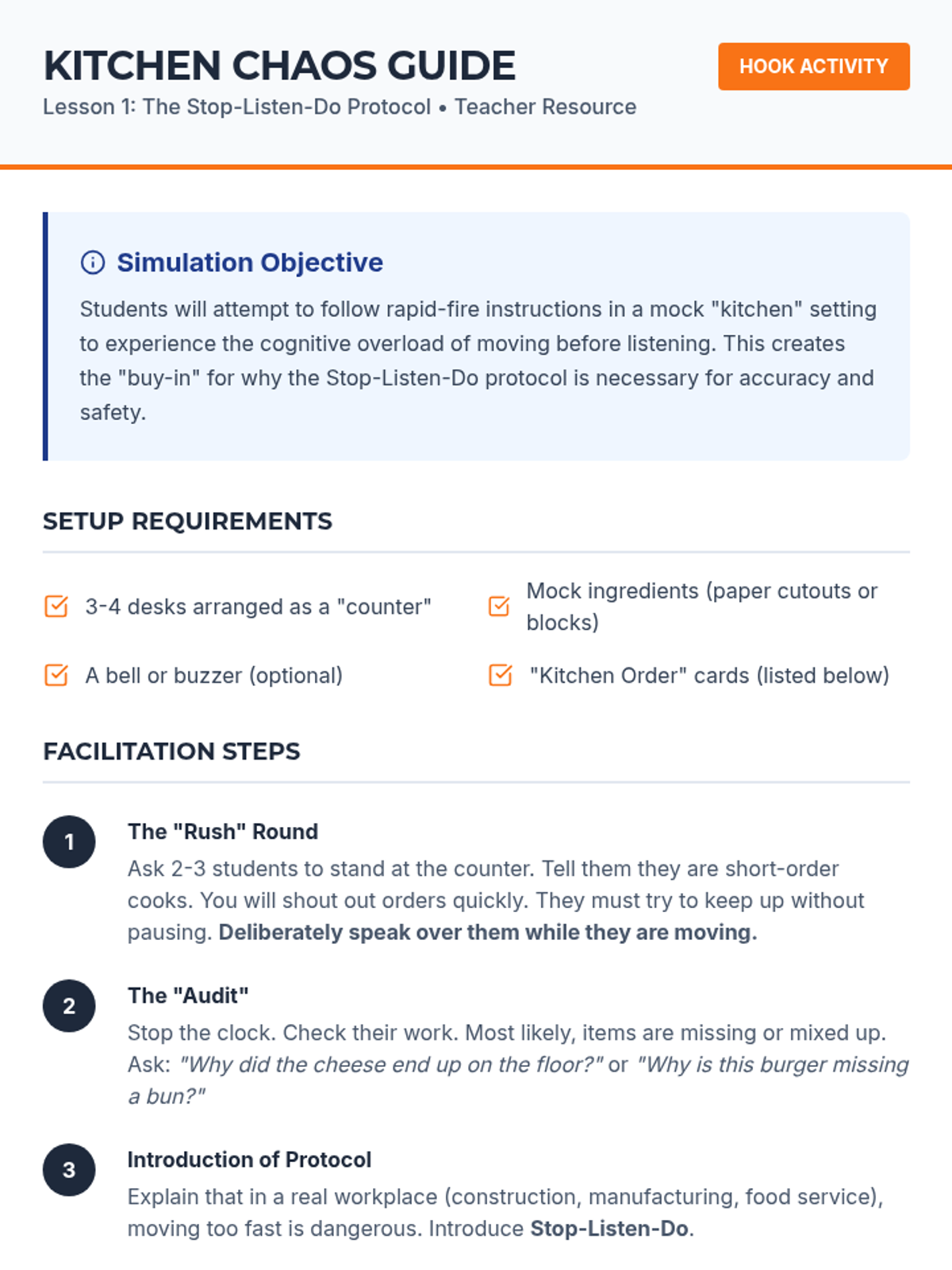
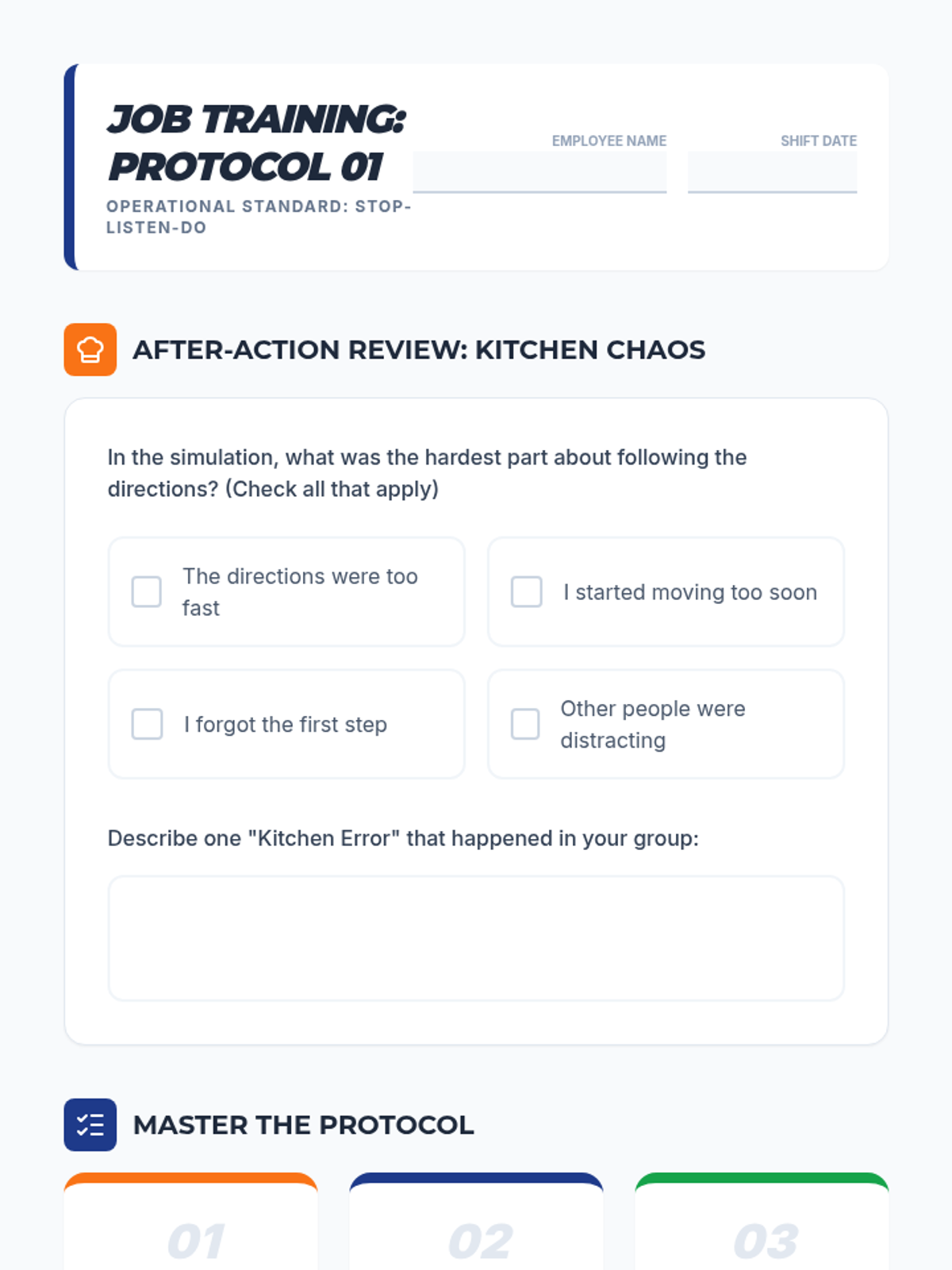
A vocational readiness sequence designed for 9th-grade students with working memory needs, focusing on the 'Stop-Listen-Do' protocol to master single-step directions in workplace environments. Students engage in simulations ranging from clerical work to assembly line tasks, emphasizing active listening and verification.
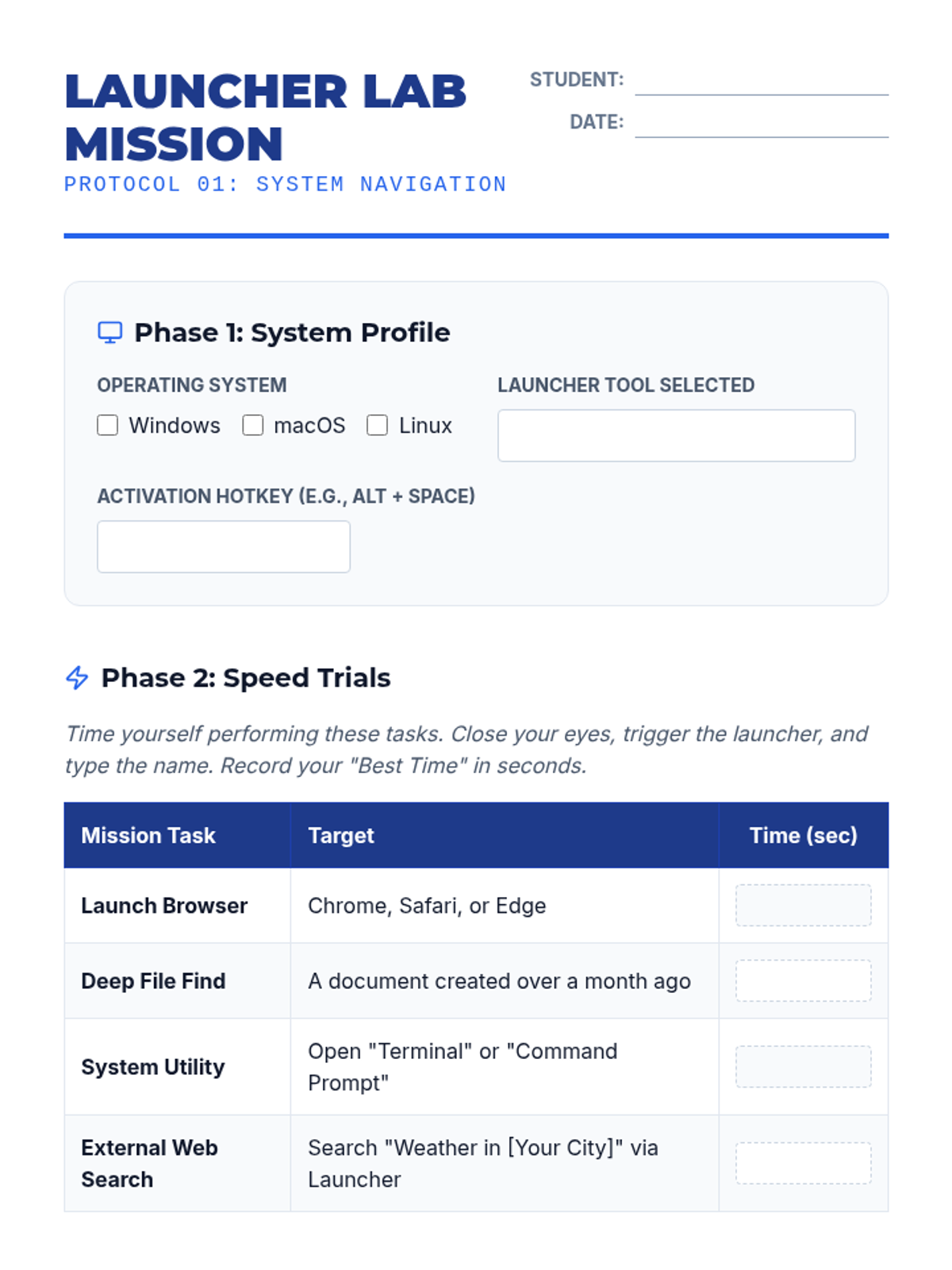
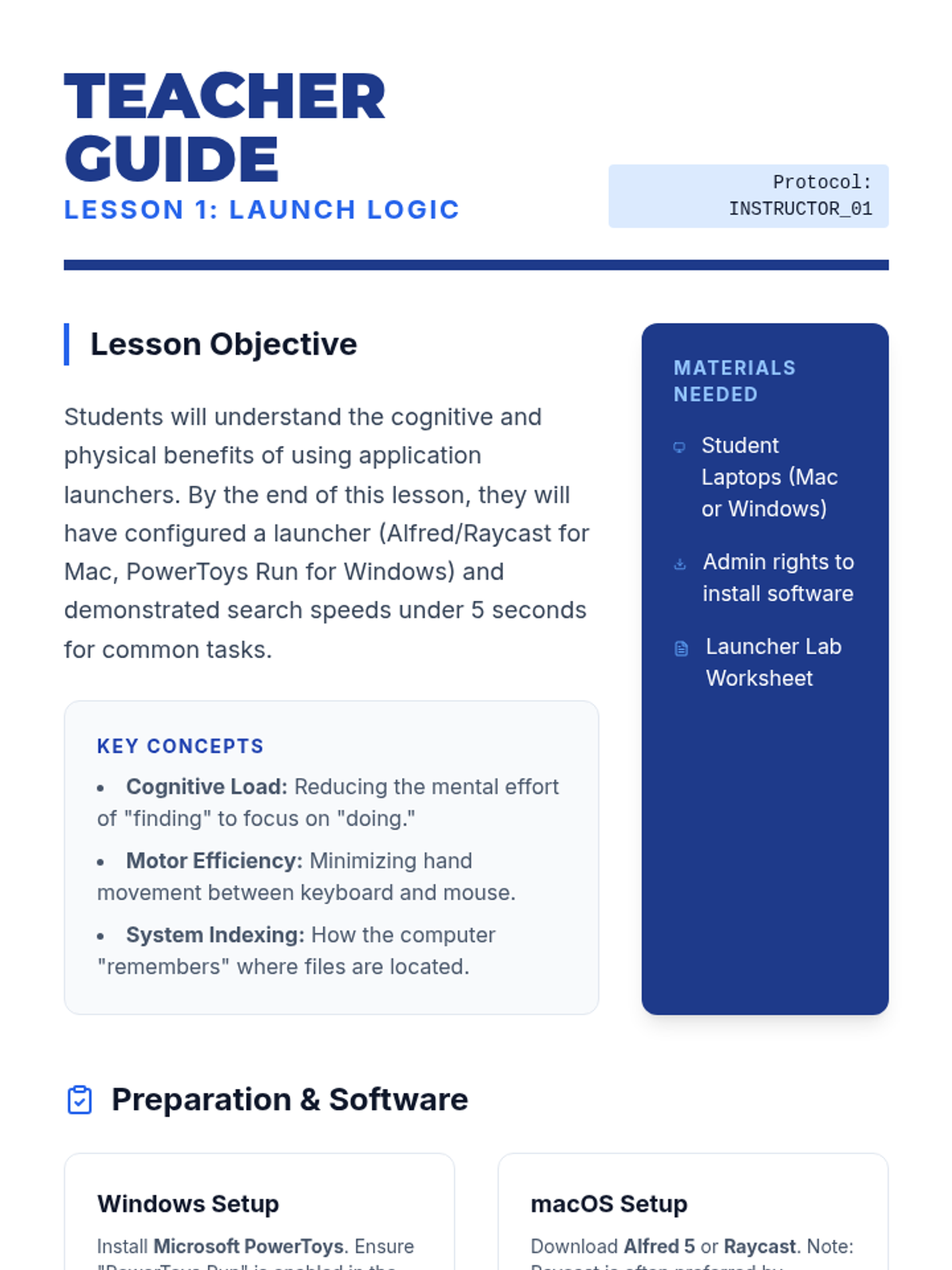
A 5-lesson project-based sequence for undergraduate students focused on assistive technology and workflow optimization. Students move from basic application launchers to creating custom macros and multi-app workflows, culminating in a personalized productivity setup project.
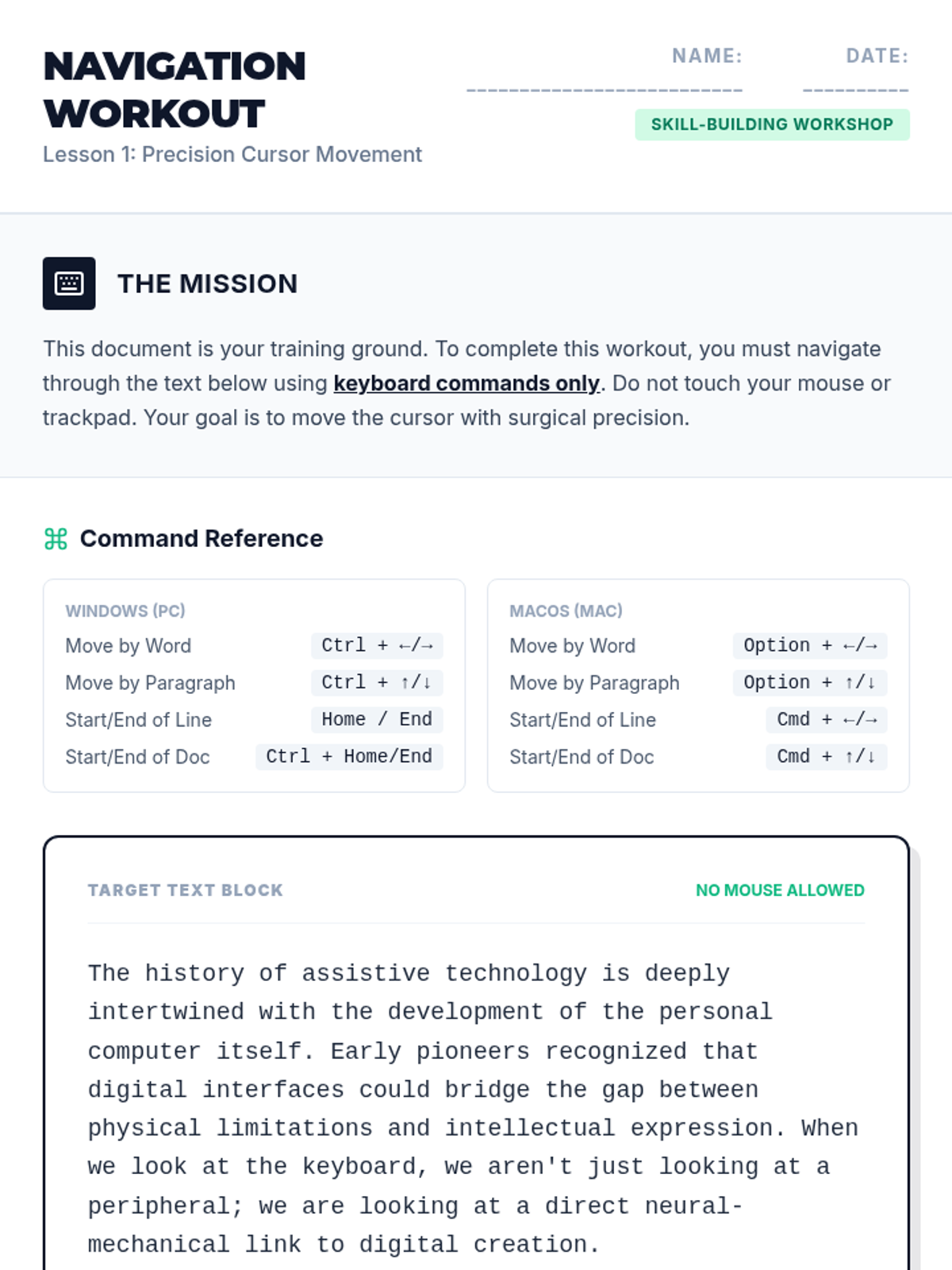
A workshop-style sequence designed to transform document creation and editing into a high-velocity, precision process for undergraduate students. It covers text selection, cursor manipulation, and formatting commands that are essential for academic writing and assistive technology efficiency.
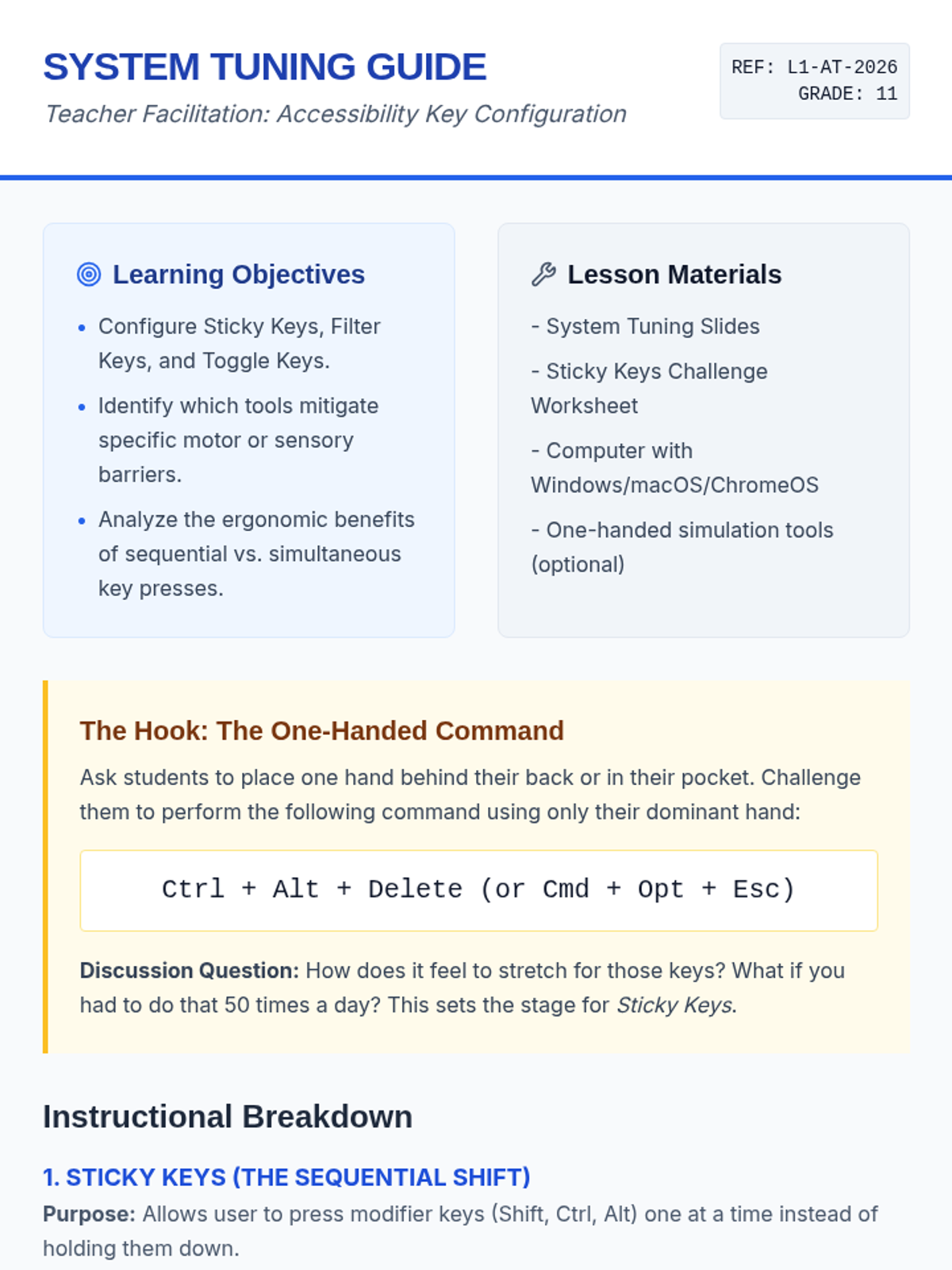
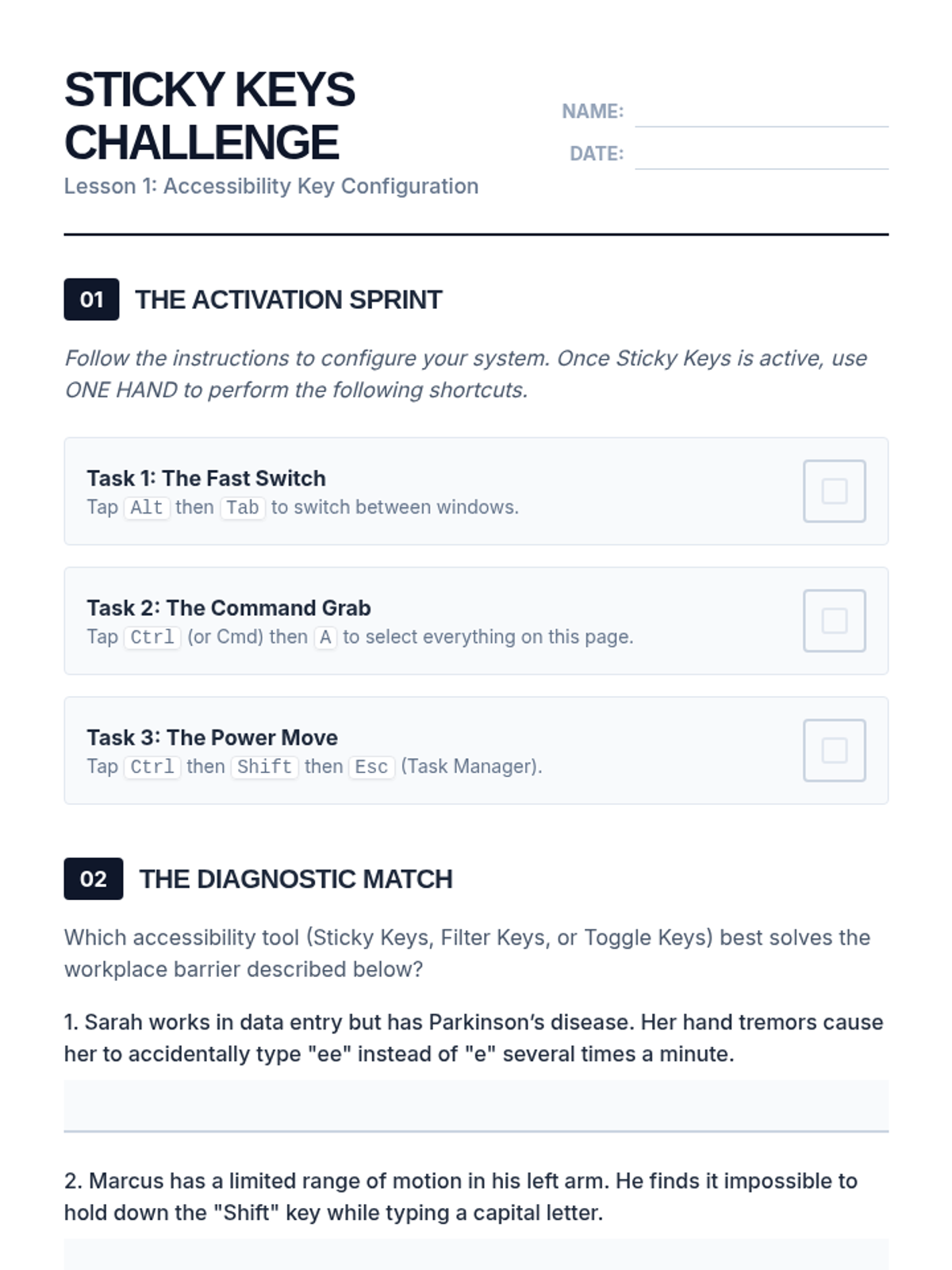
This sequence teaches 11th-grade students how to customize their computing environment using keyboard-based accessibility tools like Sticky Keys, screen reader commands, and custom macros. It focuses on workplace readiness, technical troubleshooting, and self-advocacy for digital accommodations.
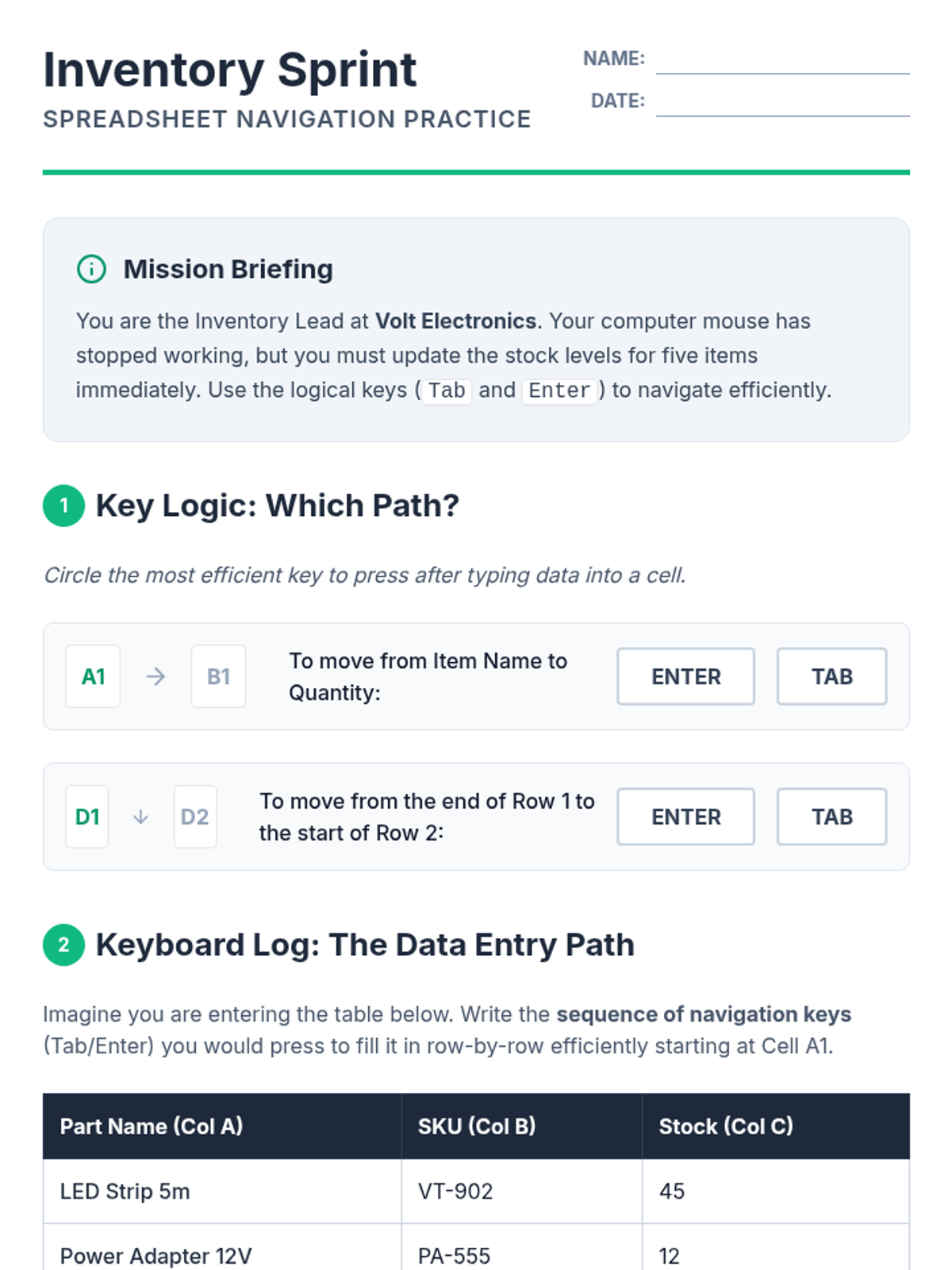
A specialized keyboard-only spreadsheet curriculum for 12th-grade students, focusing on assistive technology skills and workplace readiness. Students progress from basic grid navigation to complex budget management using only keyboard shortcuts.
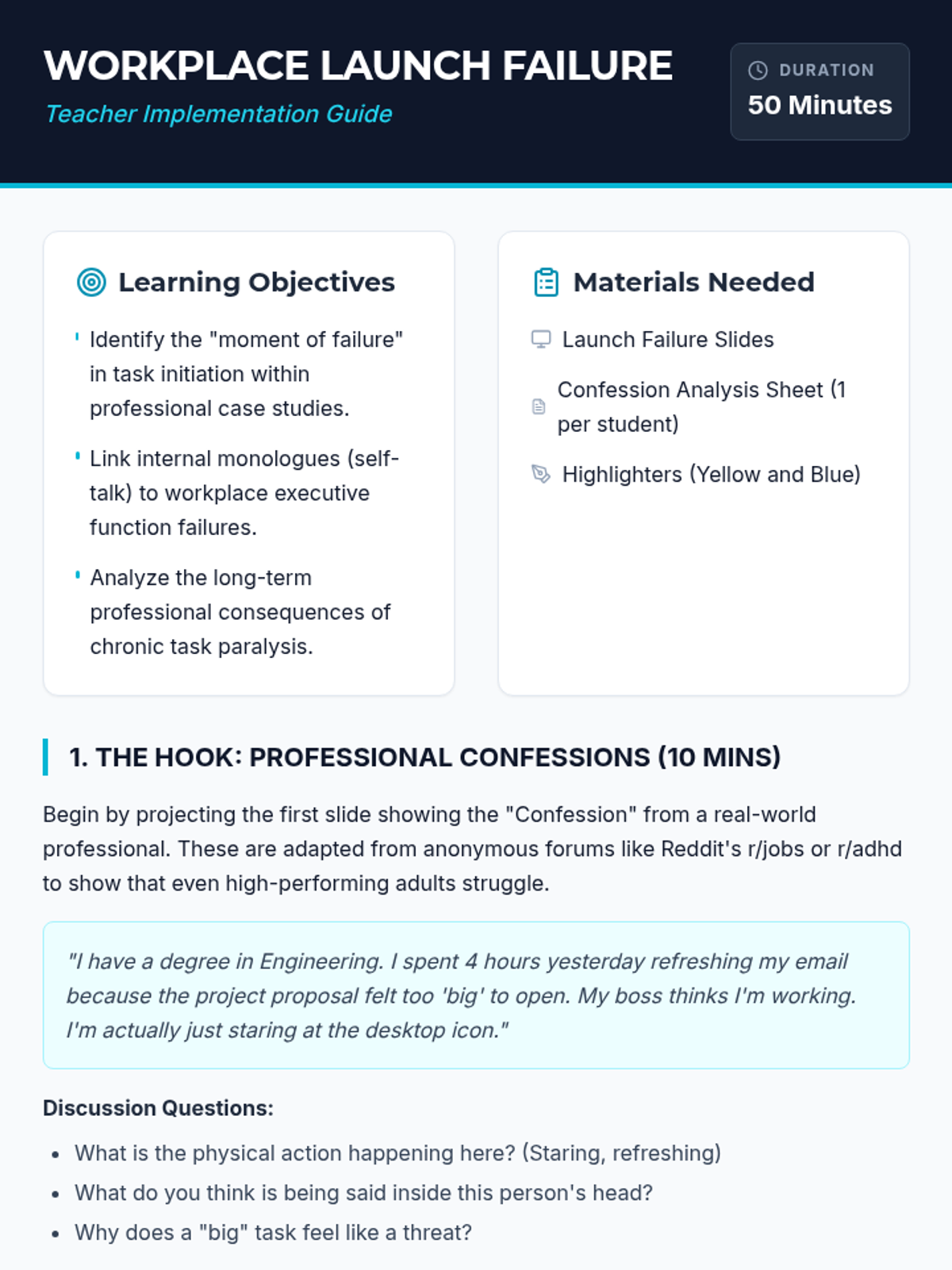
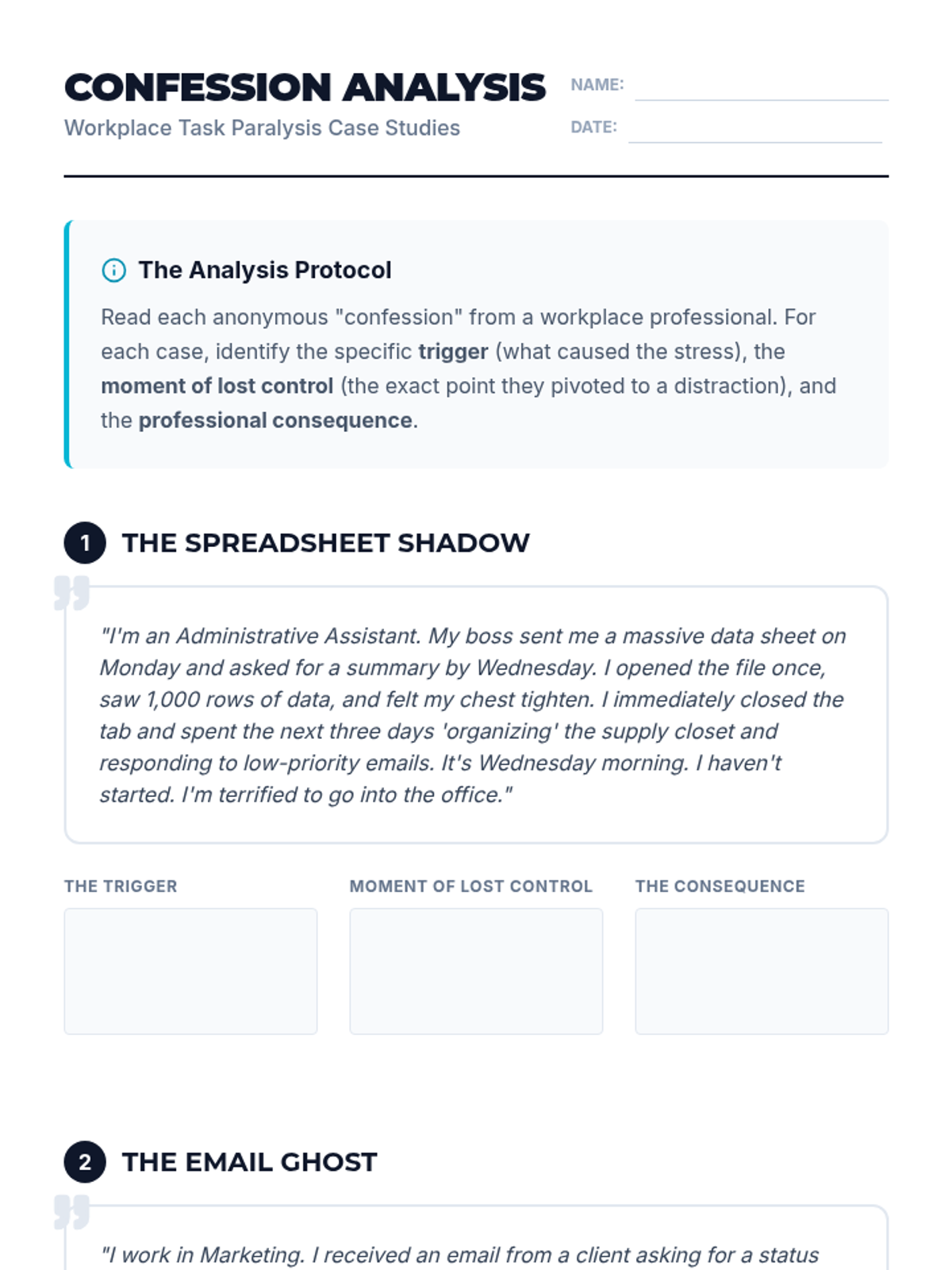
A comprehensive sequence for transition-age students to master self-talk strategies for task initiation in professional and independent living contexts. Students move from analyzing workplace failures to building a personalized 'Standard Operating Procedure' for overcoming task paralysis.
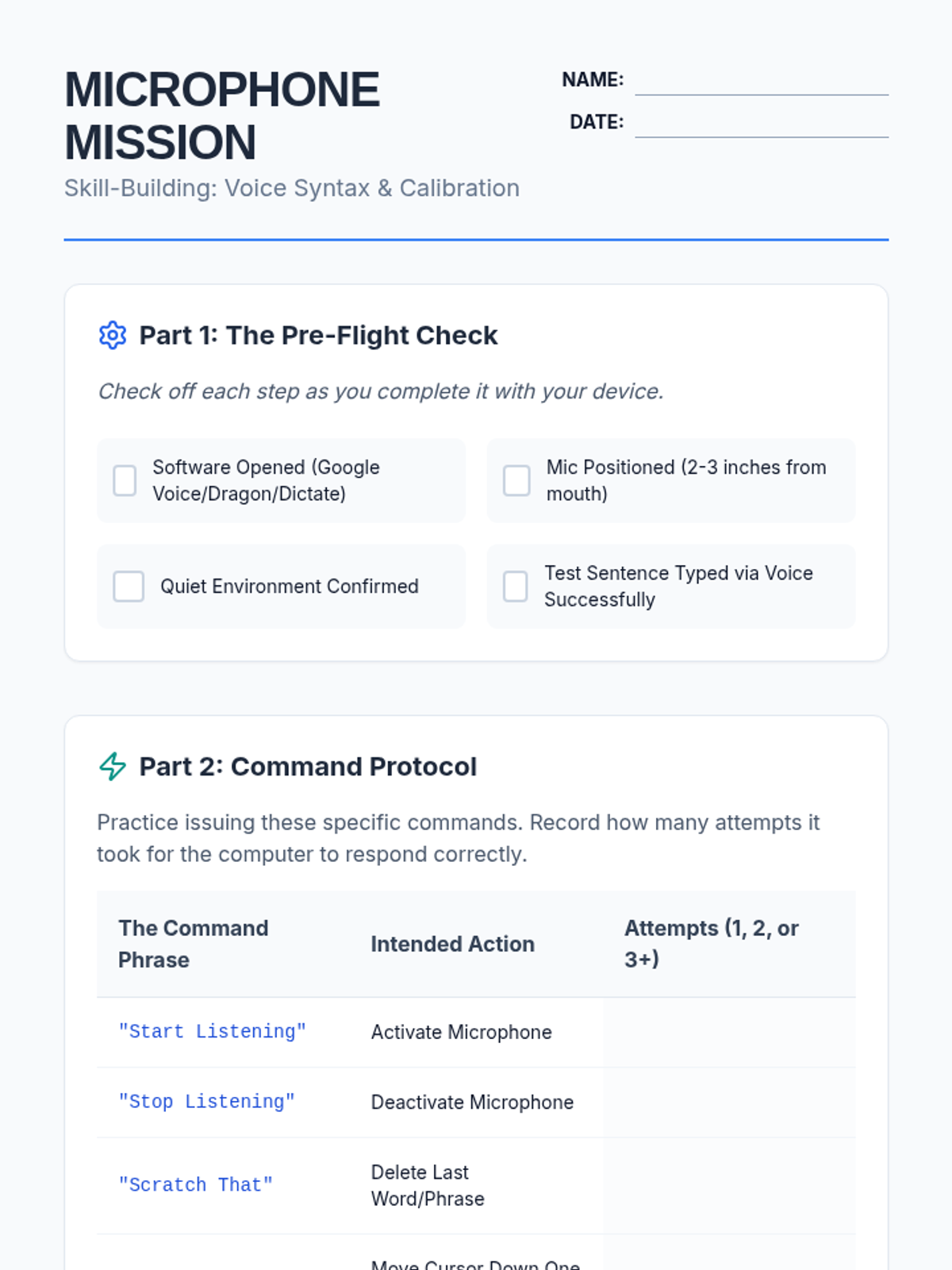
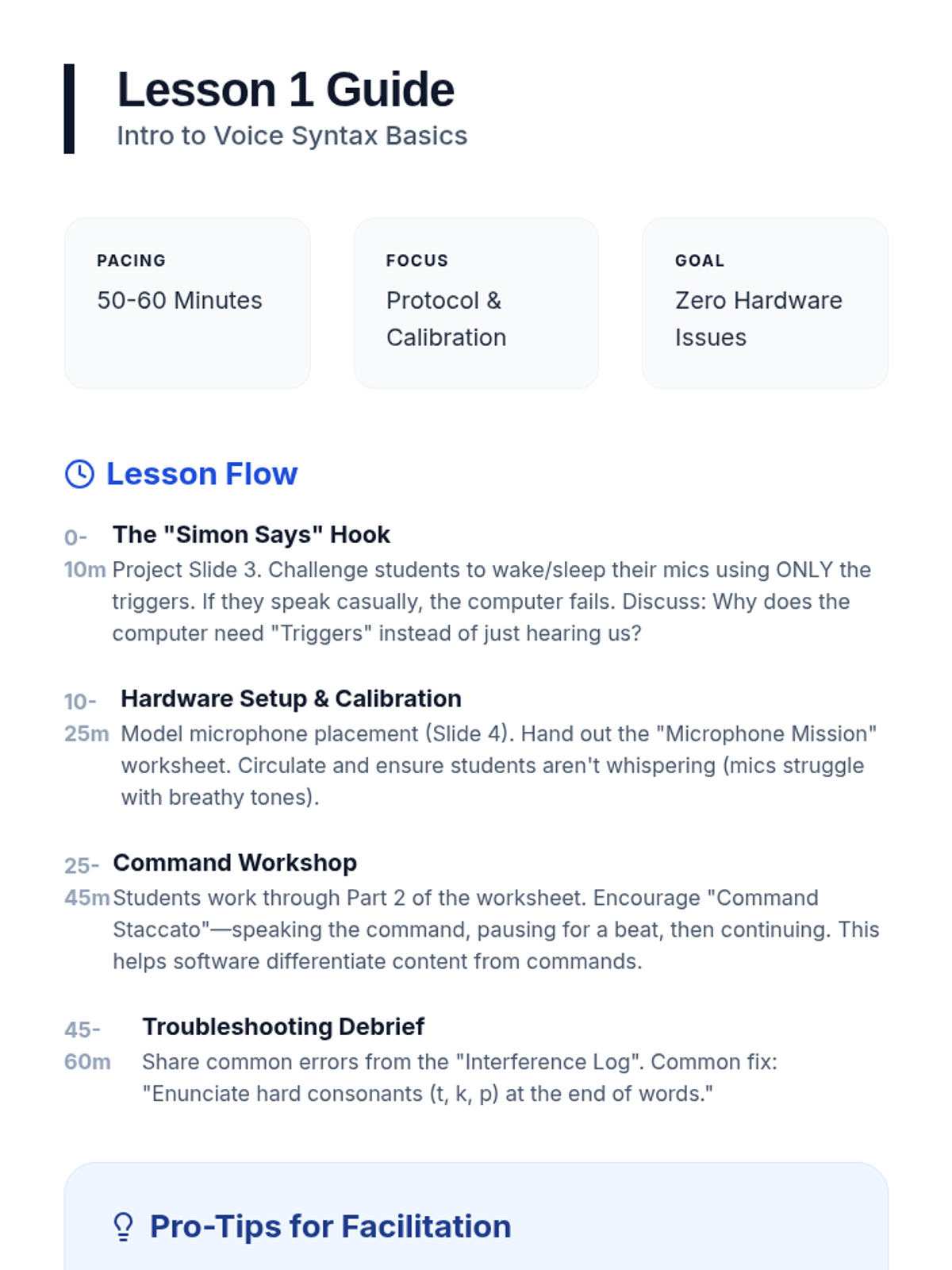
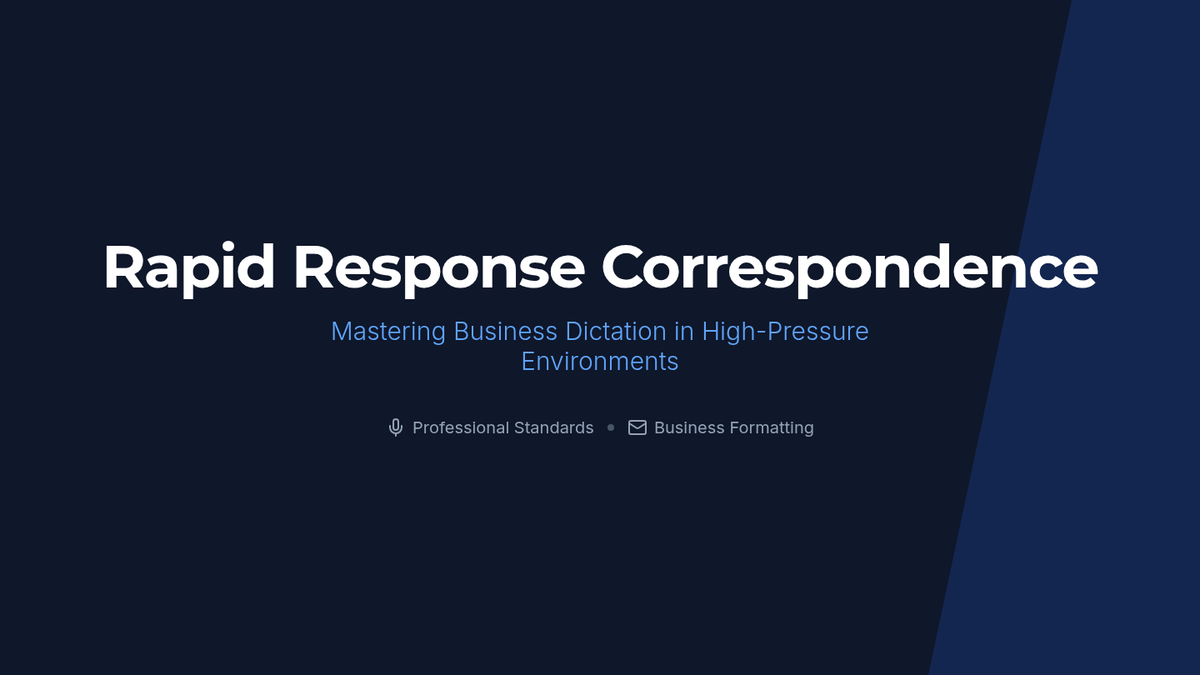
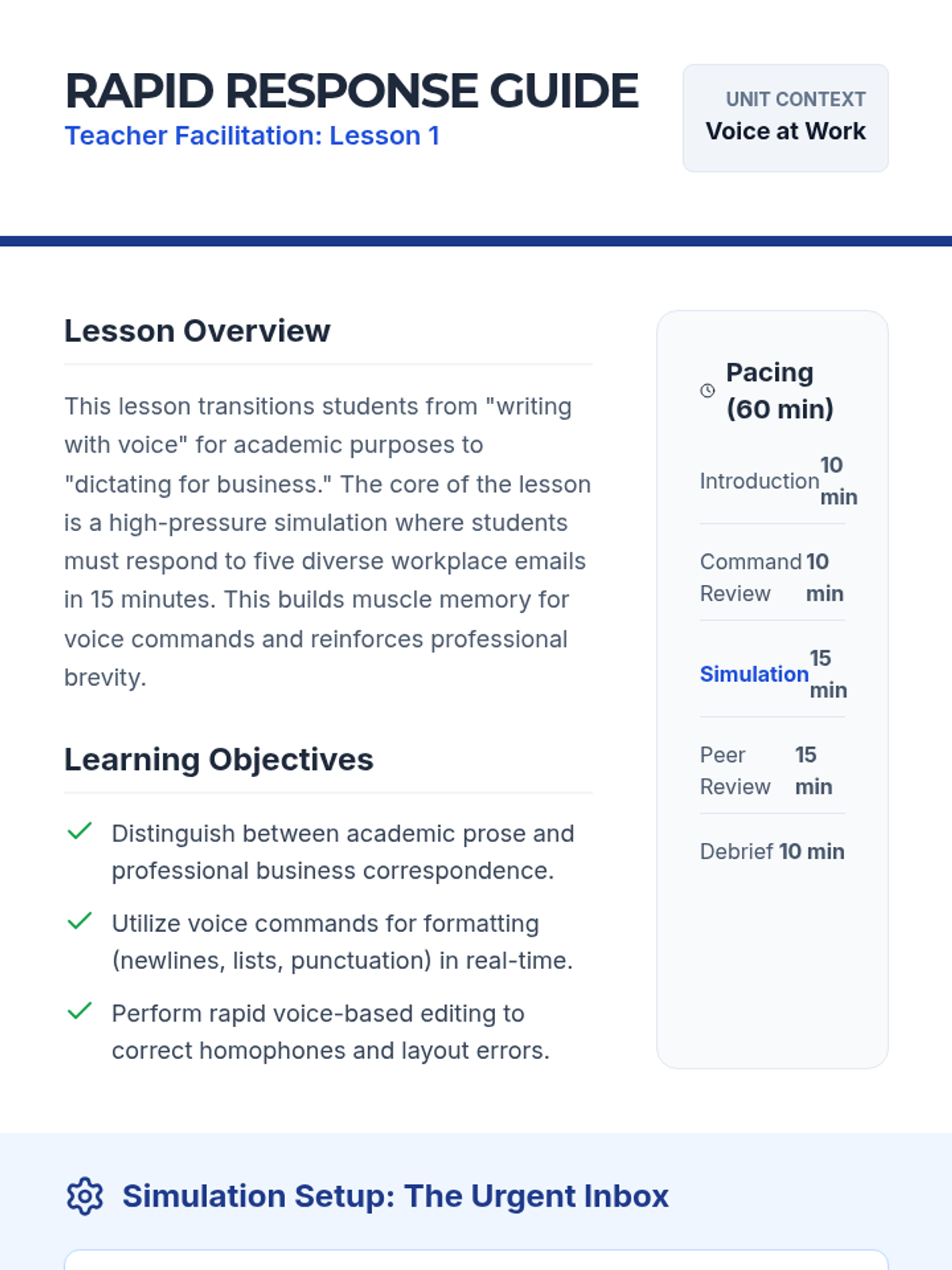
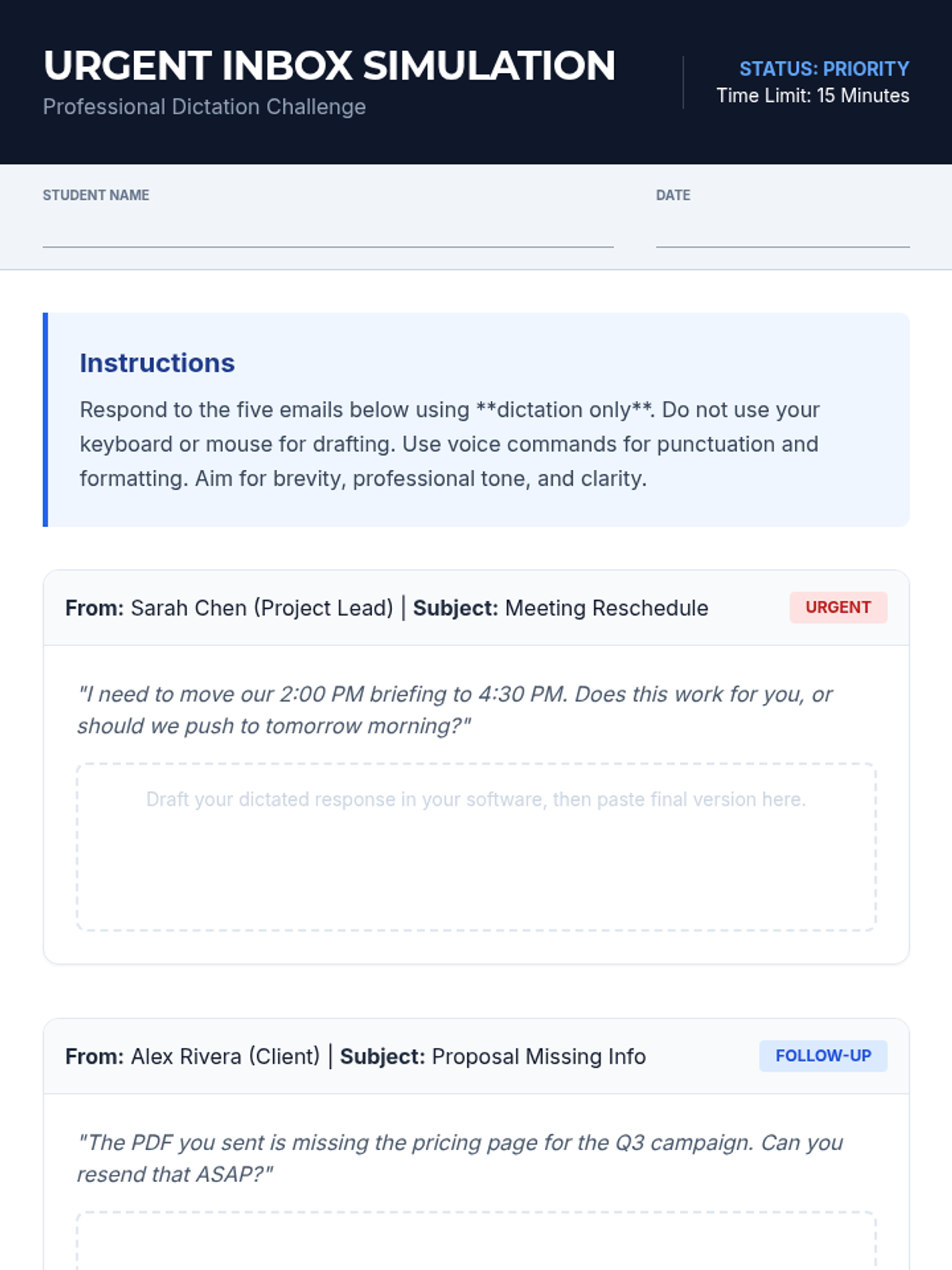
A comprehensive sequence for 11th-grade students to master speech-to-text technology, focusing on voice commands, punctuation syntax, and hands-free document formatting. Students transition from basic dictation to precise cursor control and layout management.
A comprehensive sequence for undergraduate students focusing on using graphic organizers to support working memory during fast-paced lectures. Students learn to prepare skeletal notes, map STEM logic, track humanities arguments, leverage digital tools, and synthesize notes for long-term retention.
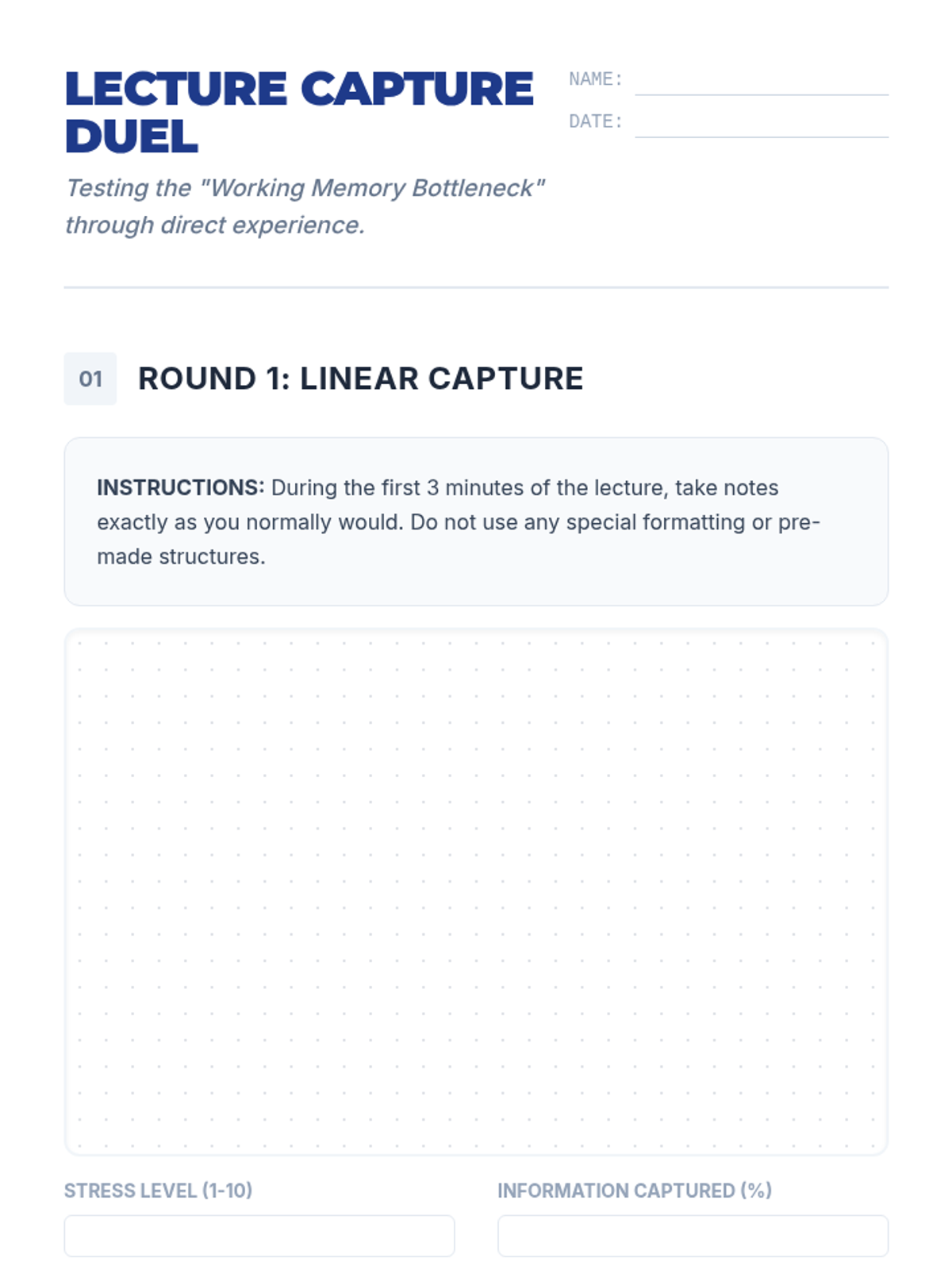
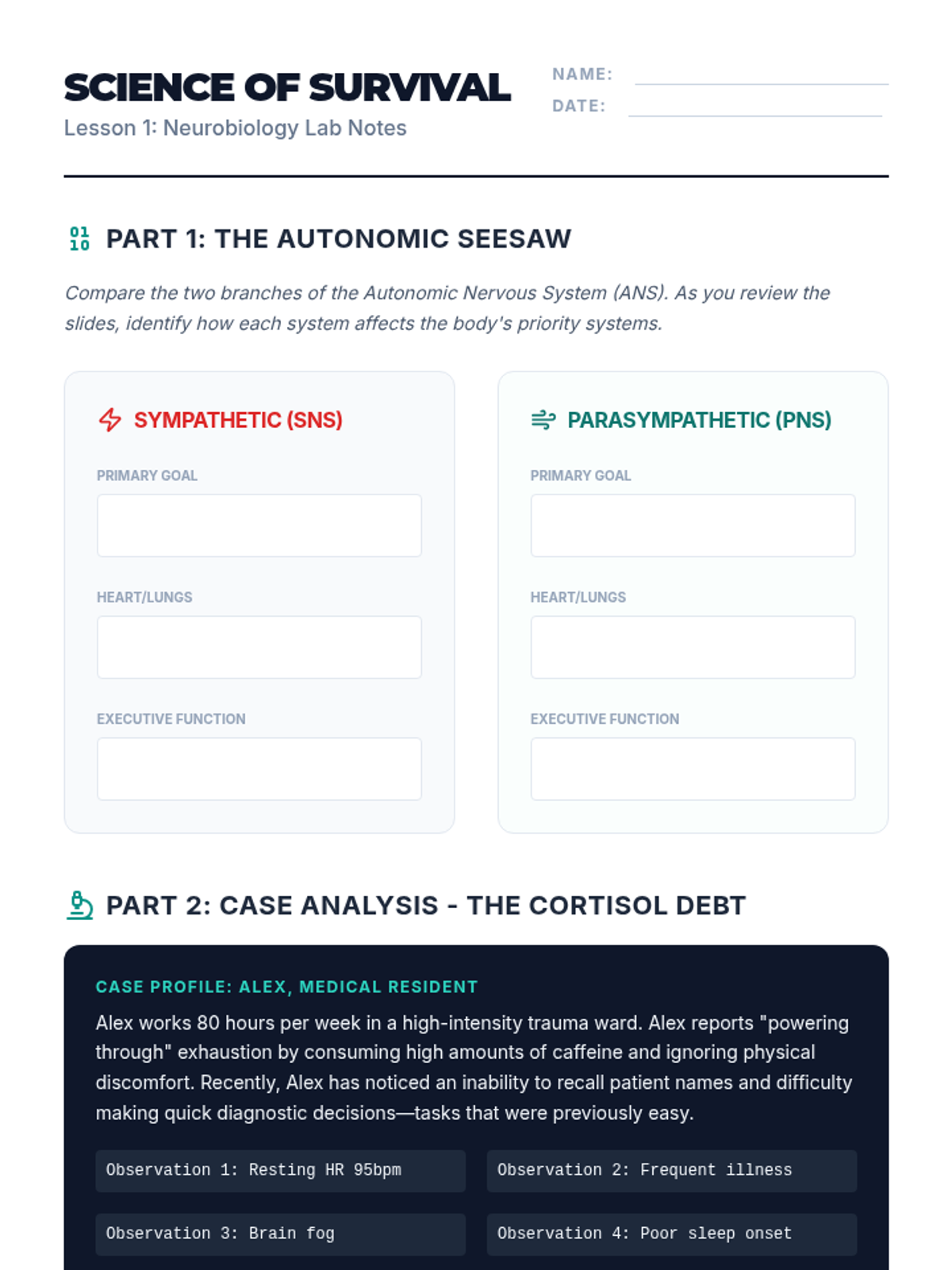
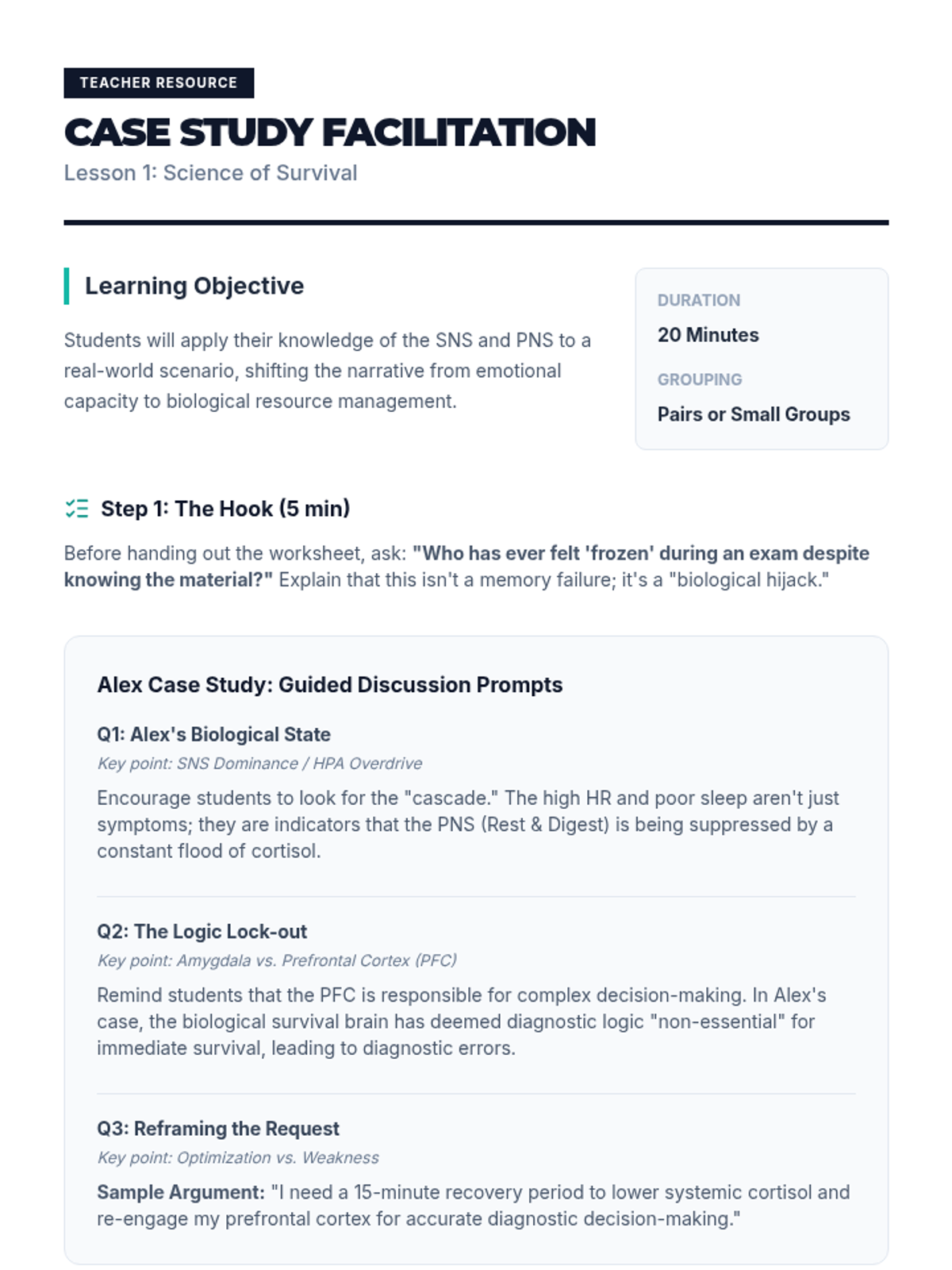
This undergraduate-level sequence explores the biological and psychological underpinnings of stress to legitimize the need for rest and support. Students bridge neuroscience with practical self-regulation, moving from understanding the HPA axis to creating personalized 'Standard Operating Procedures' for mental and physiological performance optimization.
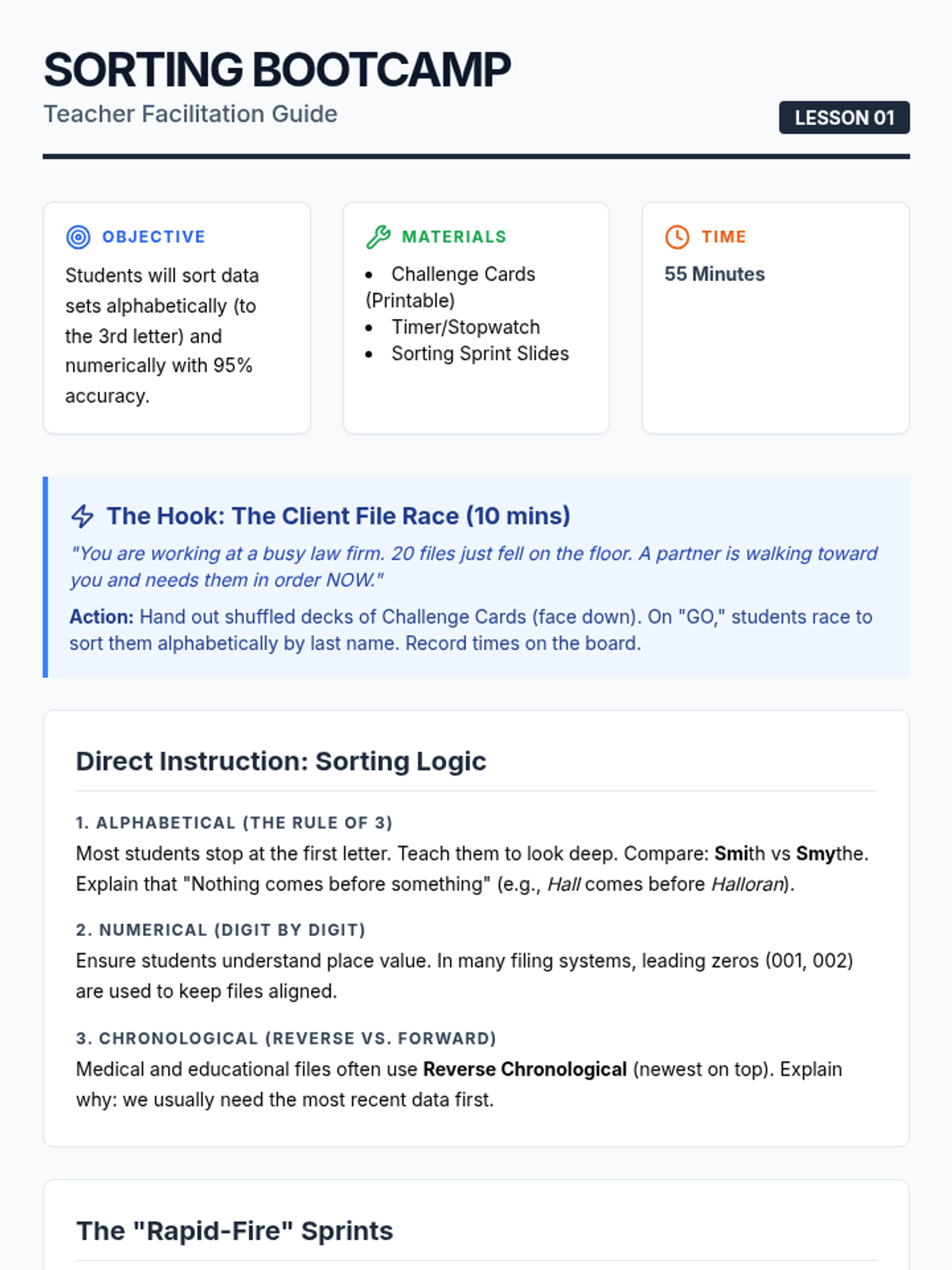
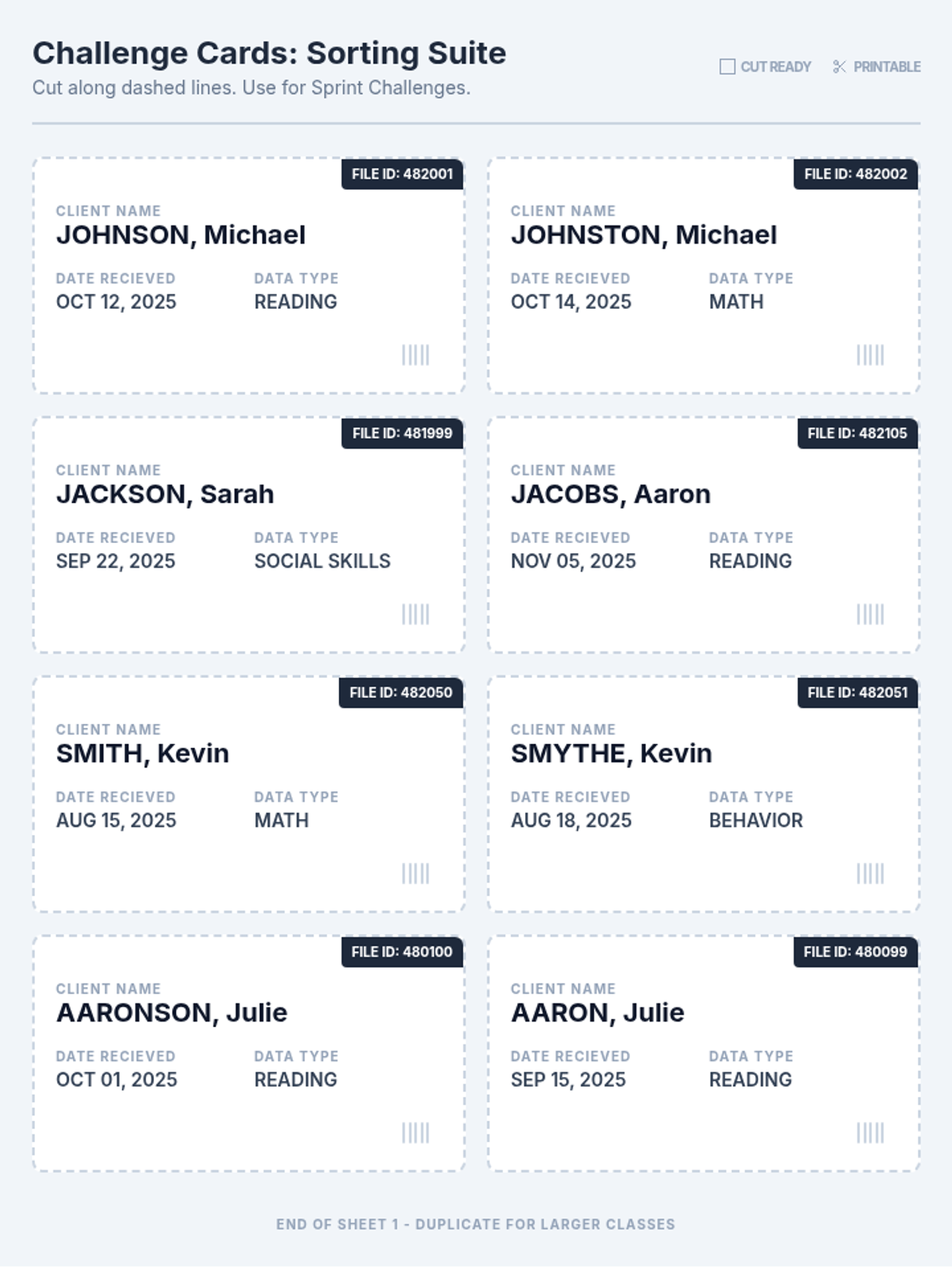
A comprehensive sequence focused on professional clerical skills, teaching students to master alphabetical, numerical, and color-coded filing systems, alongside data tracking and confidentiality protocols.
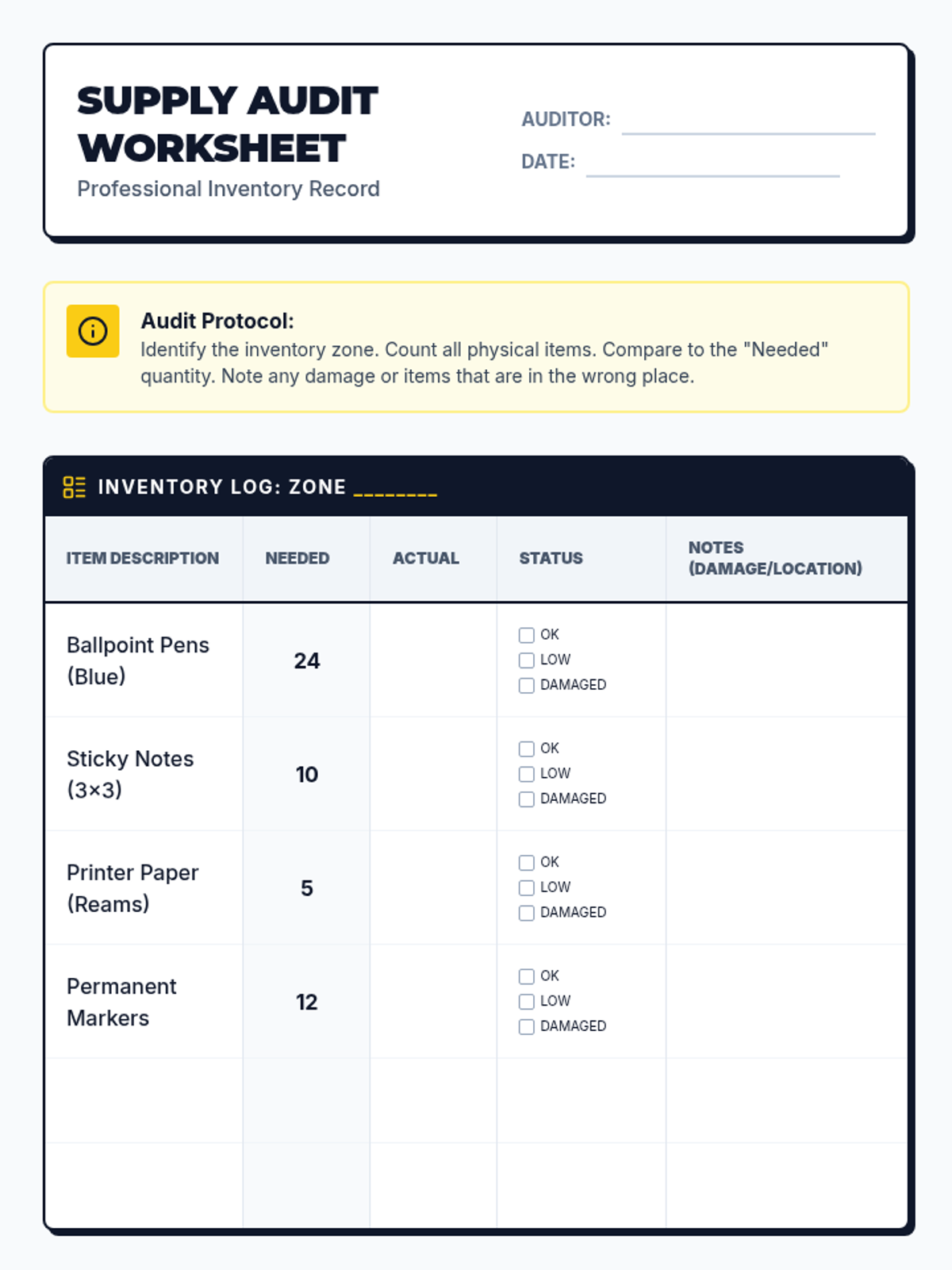
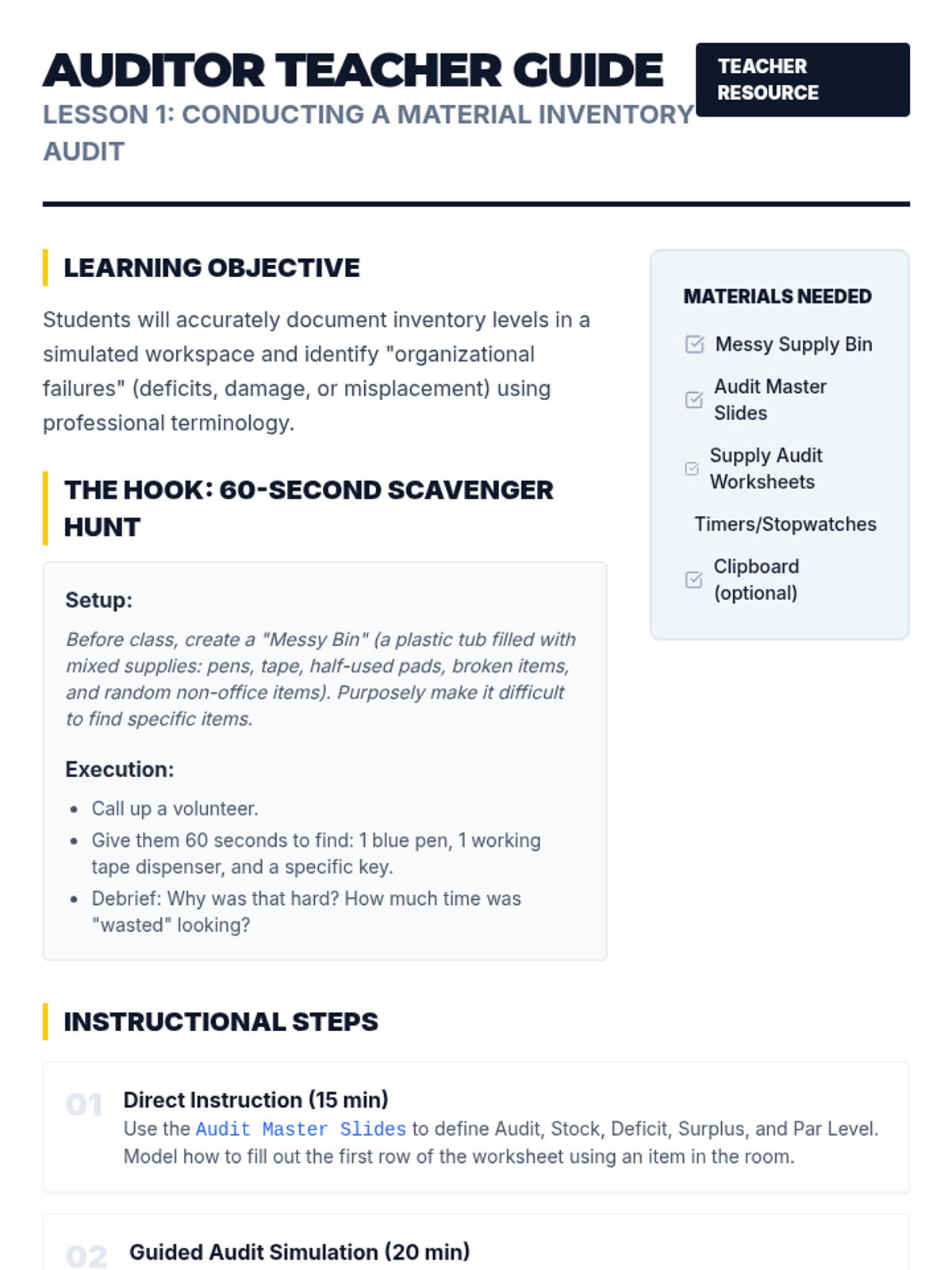
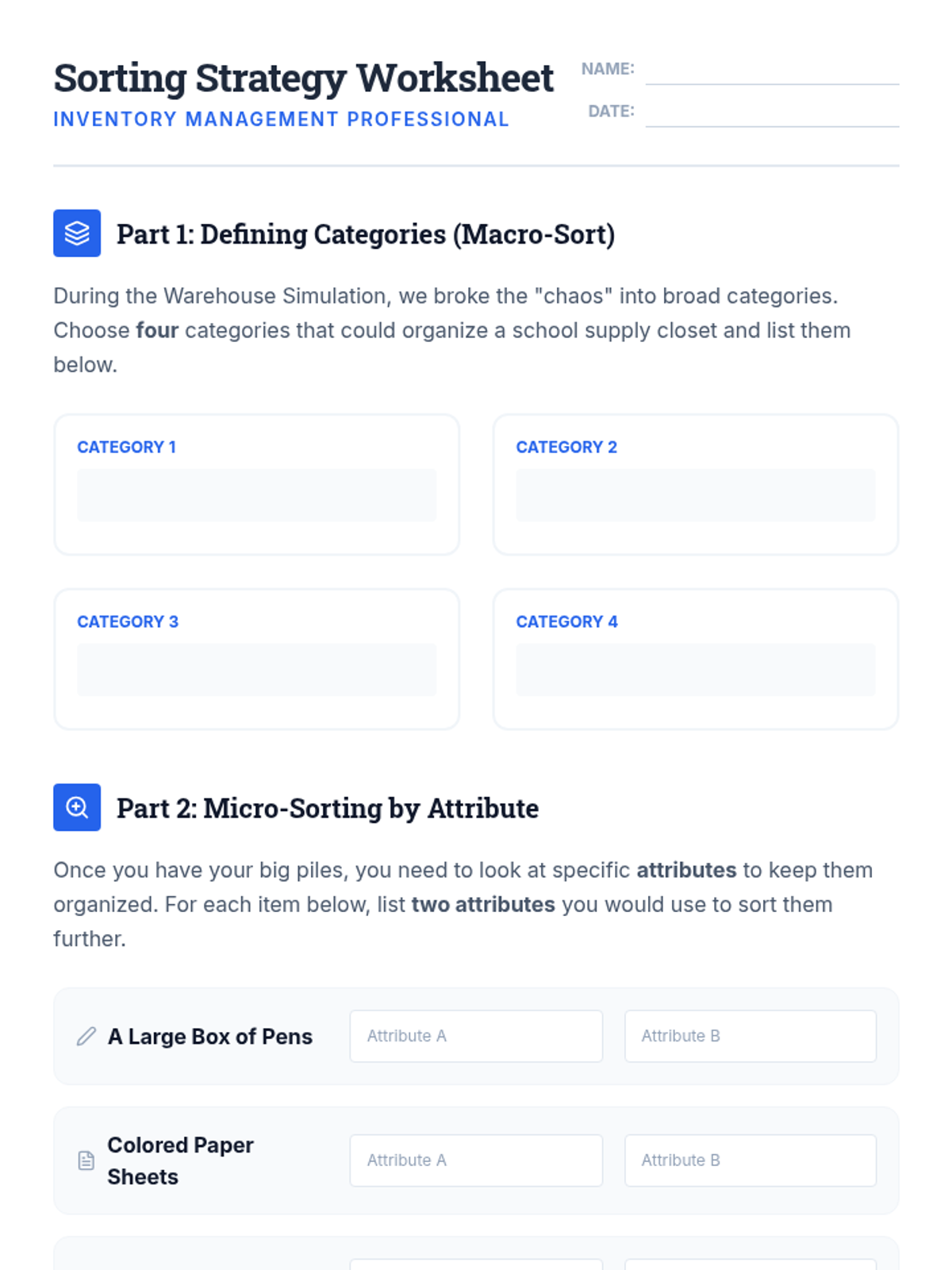
This vocational sequence prepares 12th-grade students for workplace success by teaching systematic physical organization, inventory auditing, and maintenance strategies. Students move from assessing current states to designing and implementing efficient material management systems.
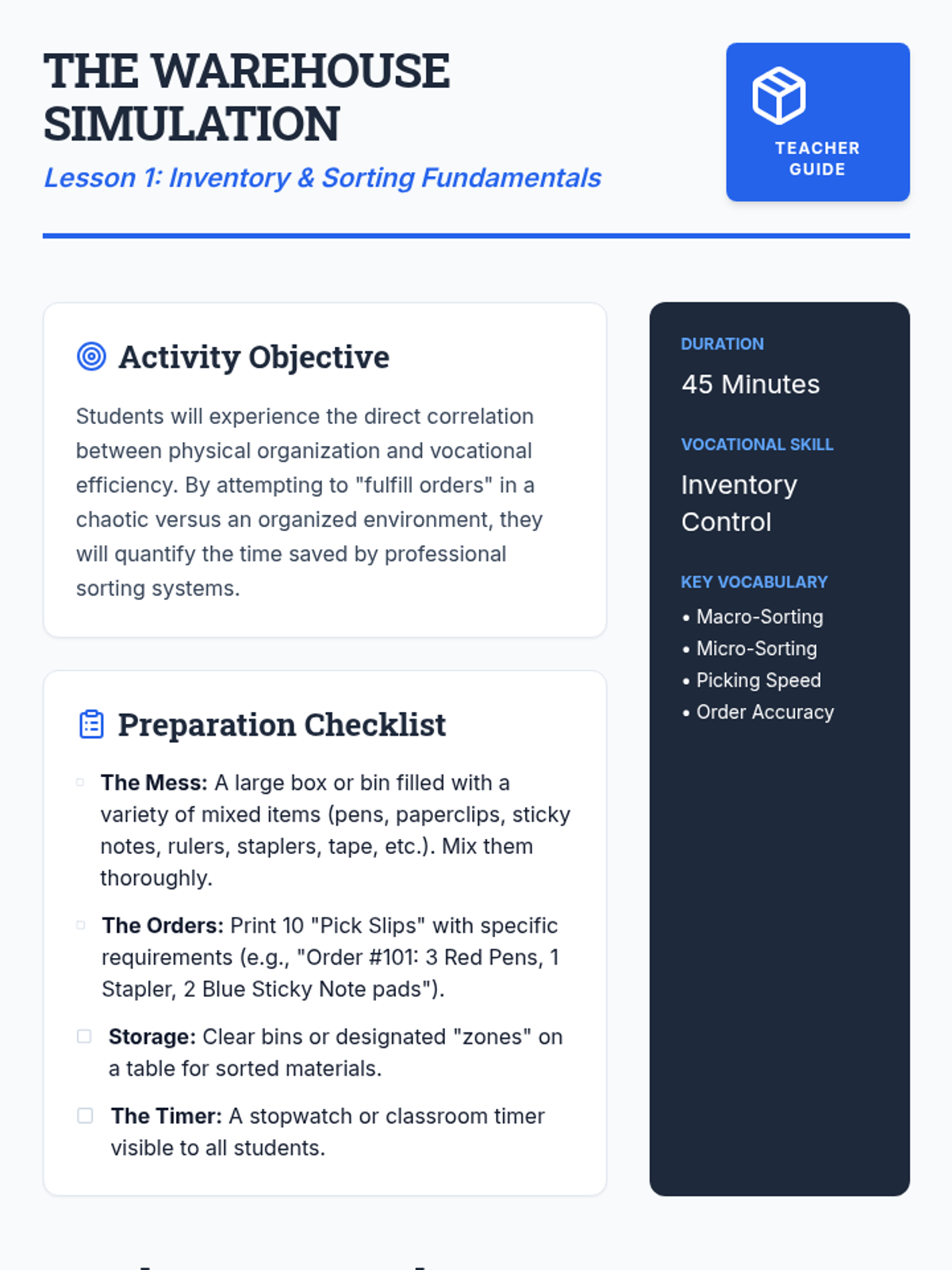
This sequence focuses on vocational and executive function skills, treating organization as a professional competency. Students simulate roles like office managers or resource coordinators to learn sorting, filing, ergonomics, and hybrid digital-physical tracking.
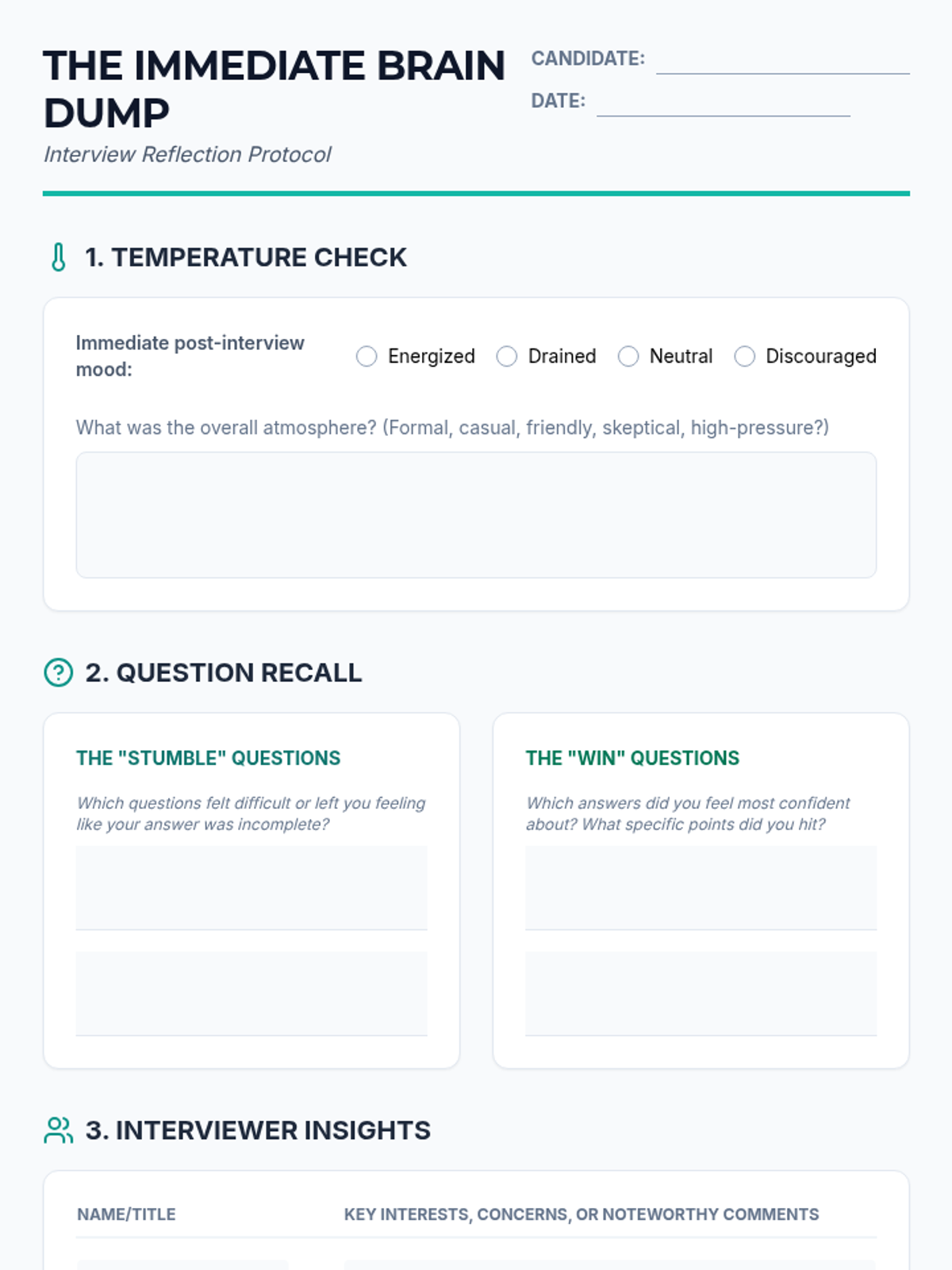
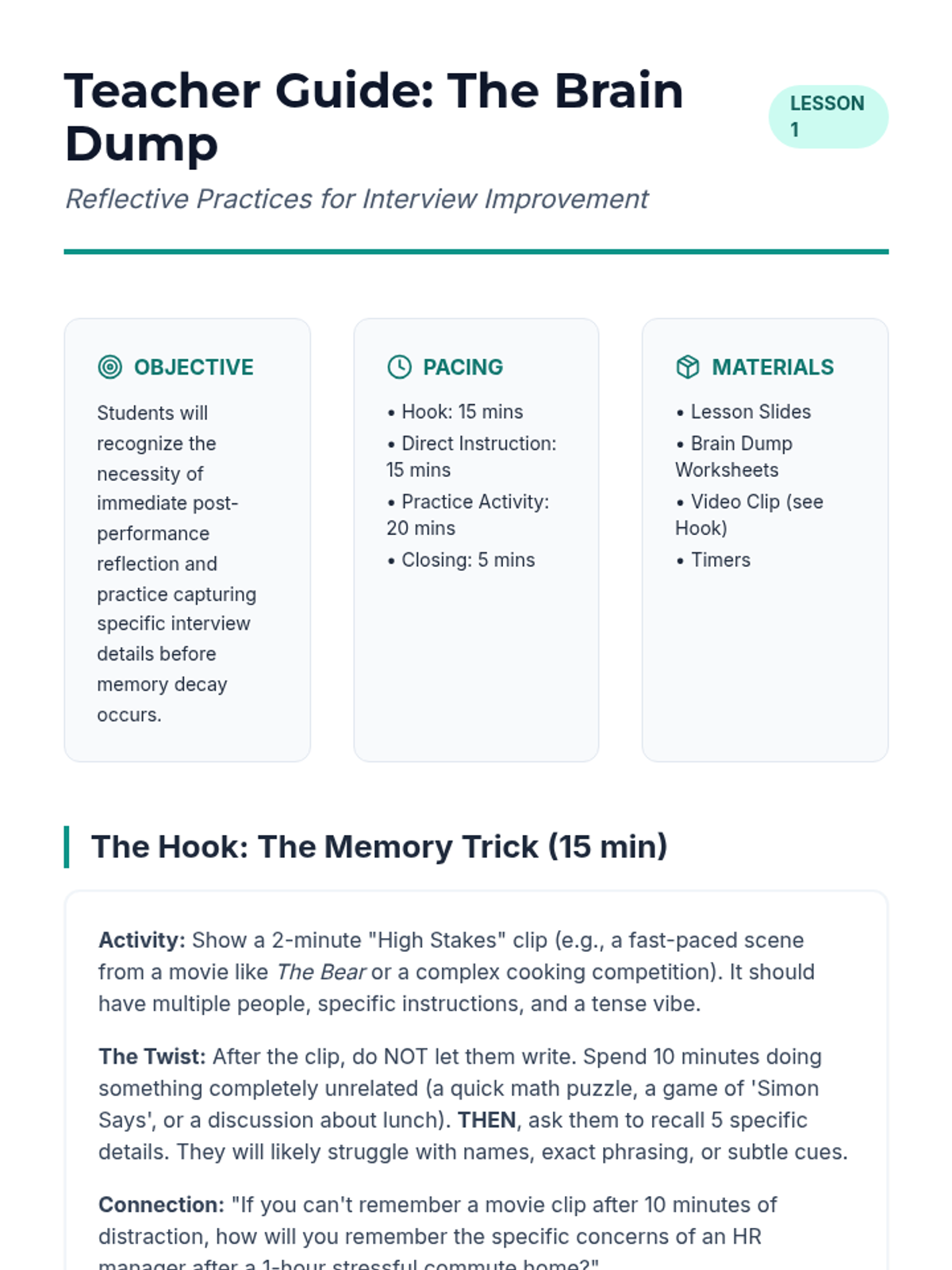
This inquiry-based sequence focuses on self-assessment and continuous improvement in the interview process. Students will develop habits for immediate post-interview reflection, analyze performance gaps, learn to process feedback with a growth mindset, and create actionable plans for professional growth.
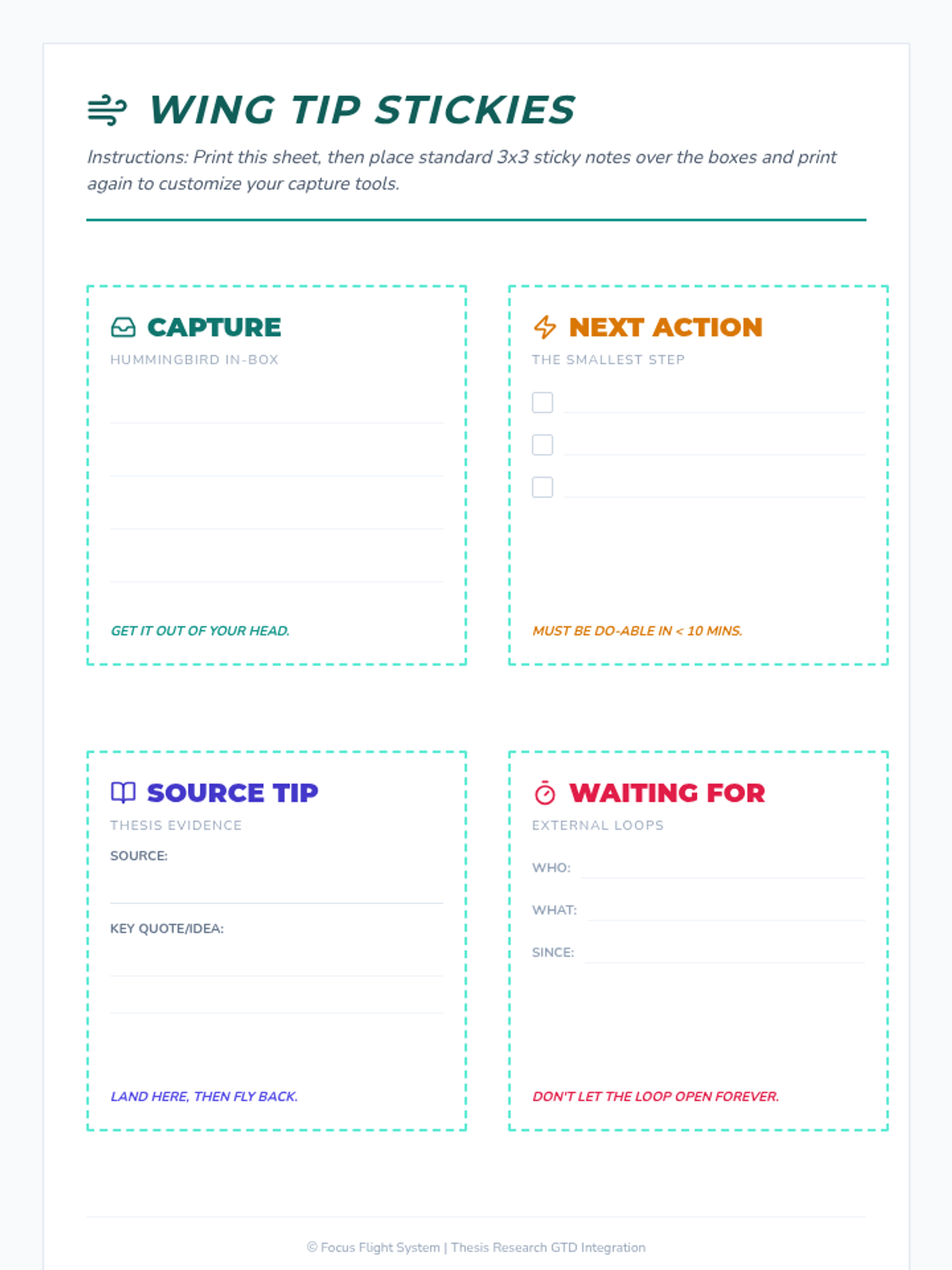
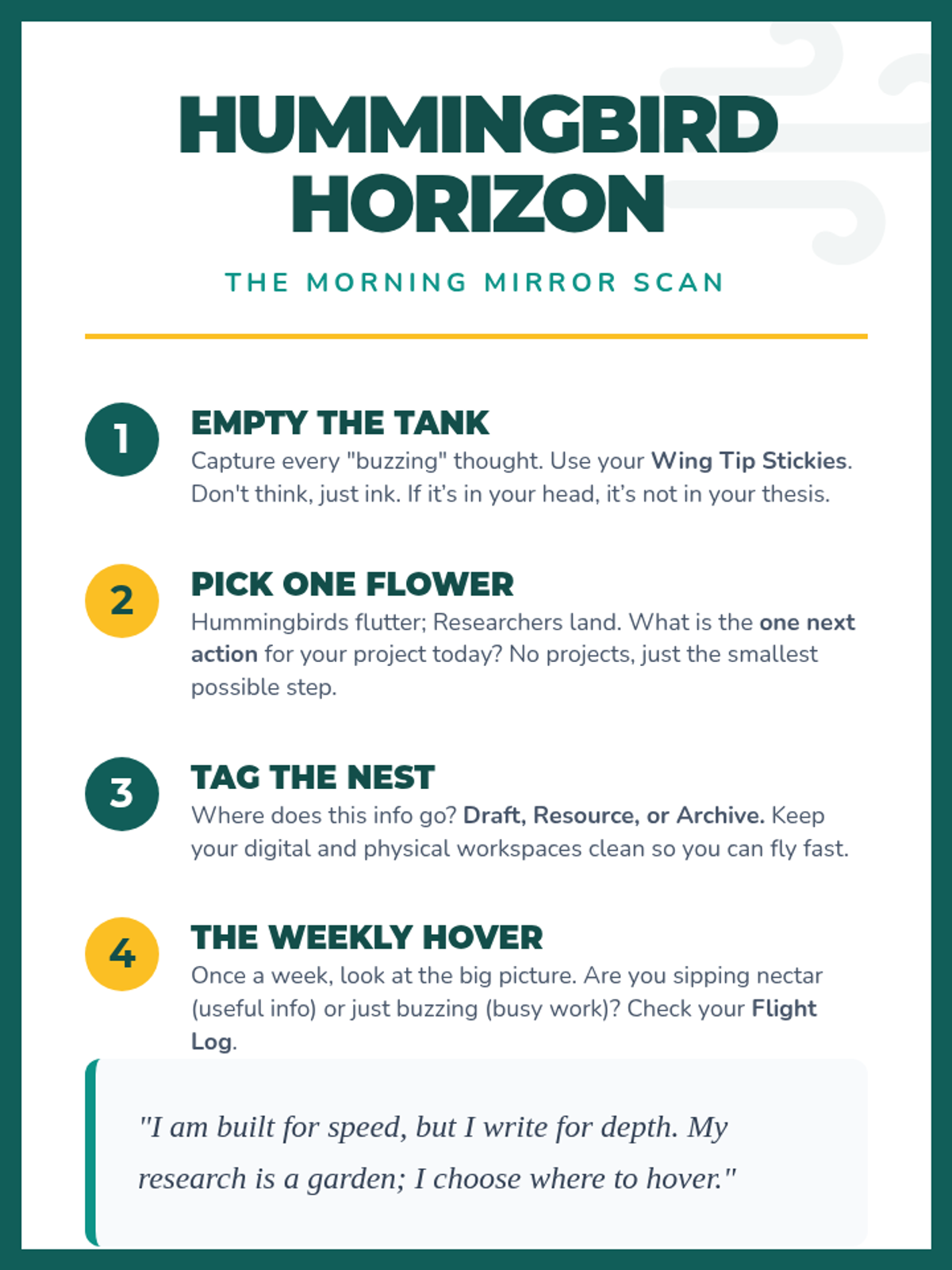
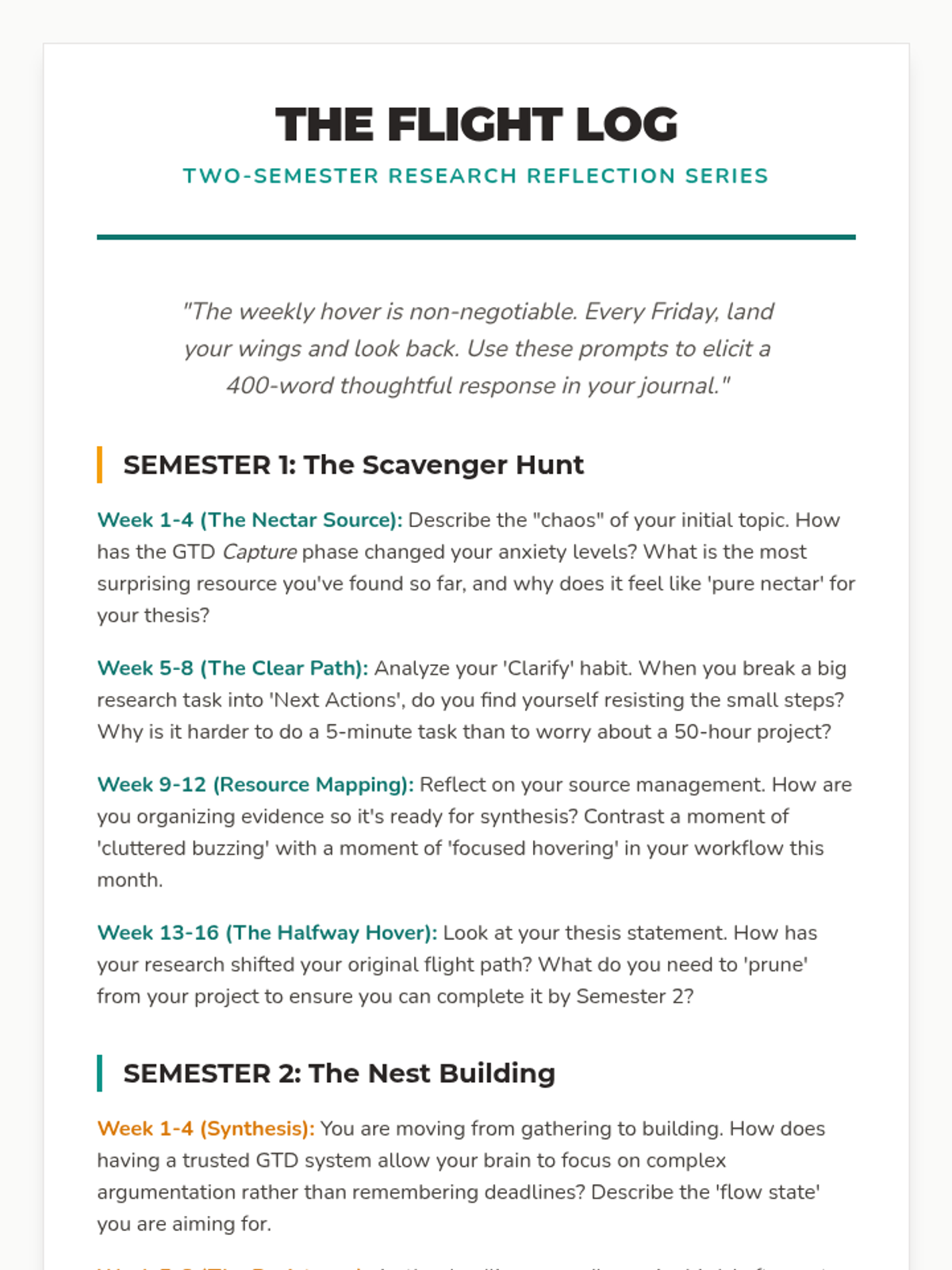
A comprehensive system for young adult researchers to manage long-term projects using GTD principles adapted for high-energy 'hummingbird' chronotypes. Focuses on capturing ideas quickly, maintaining visual momentum, and deep weekly reflection.
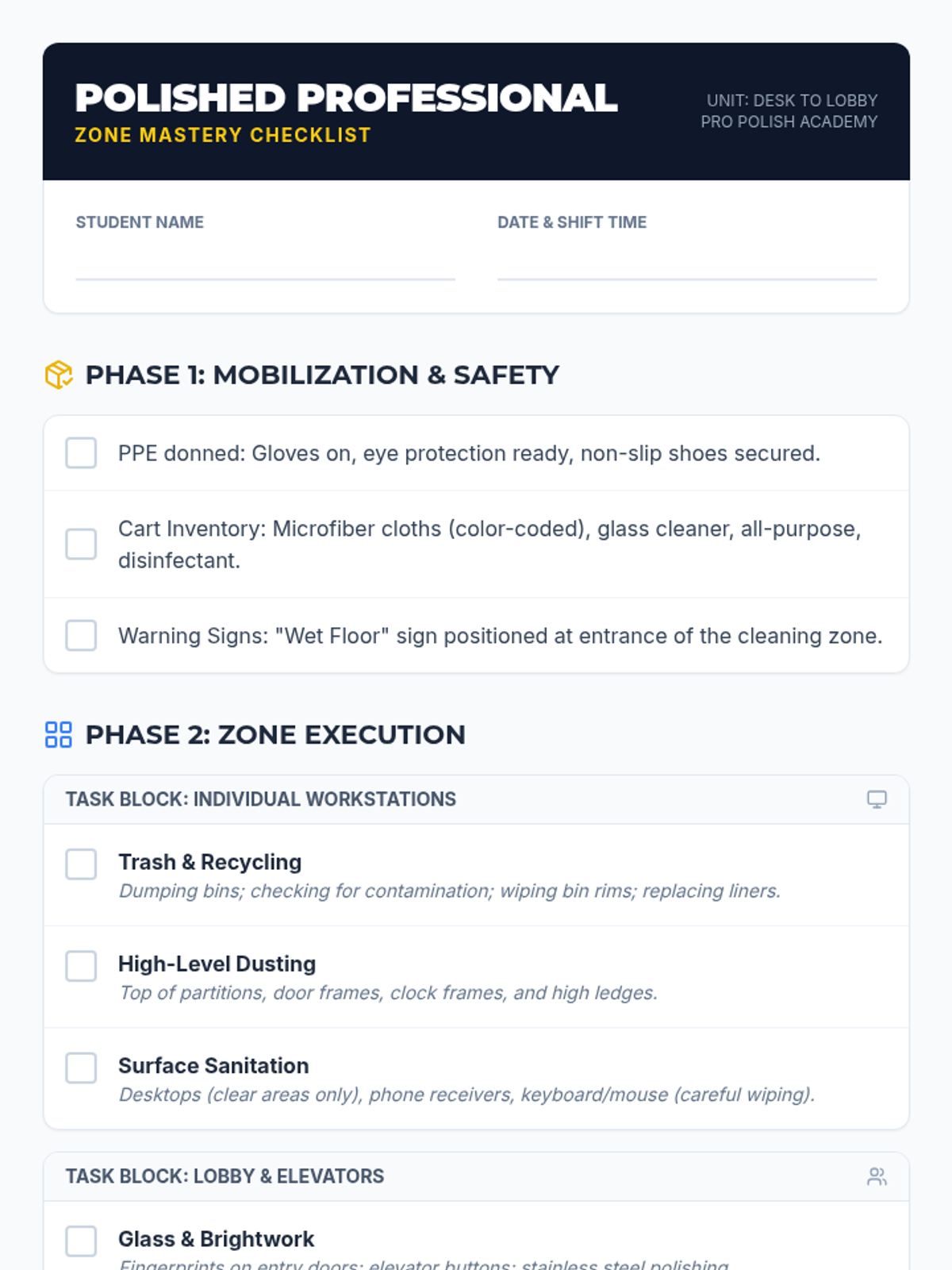
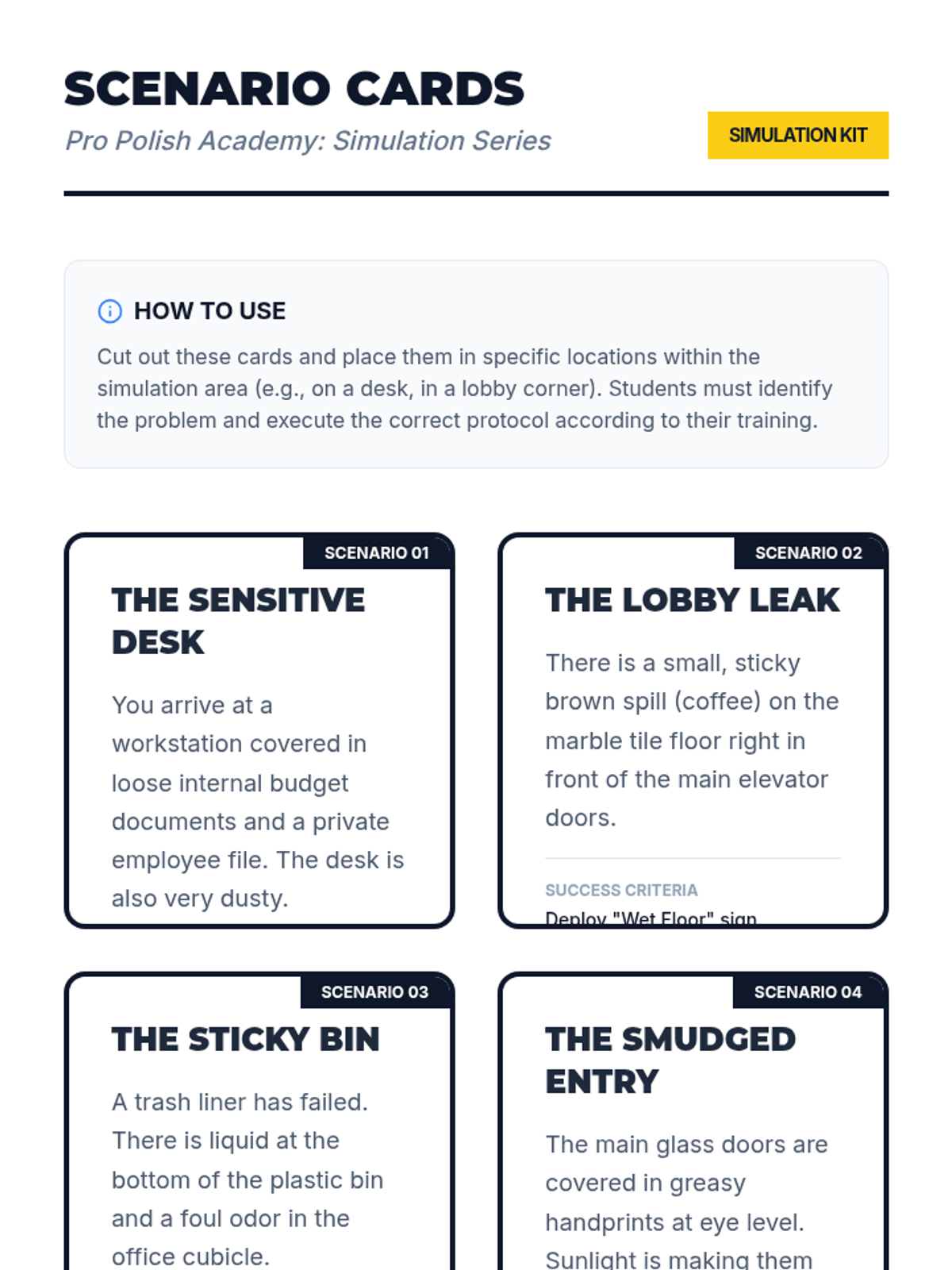
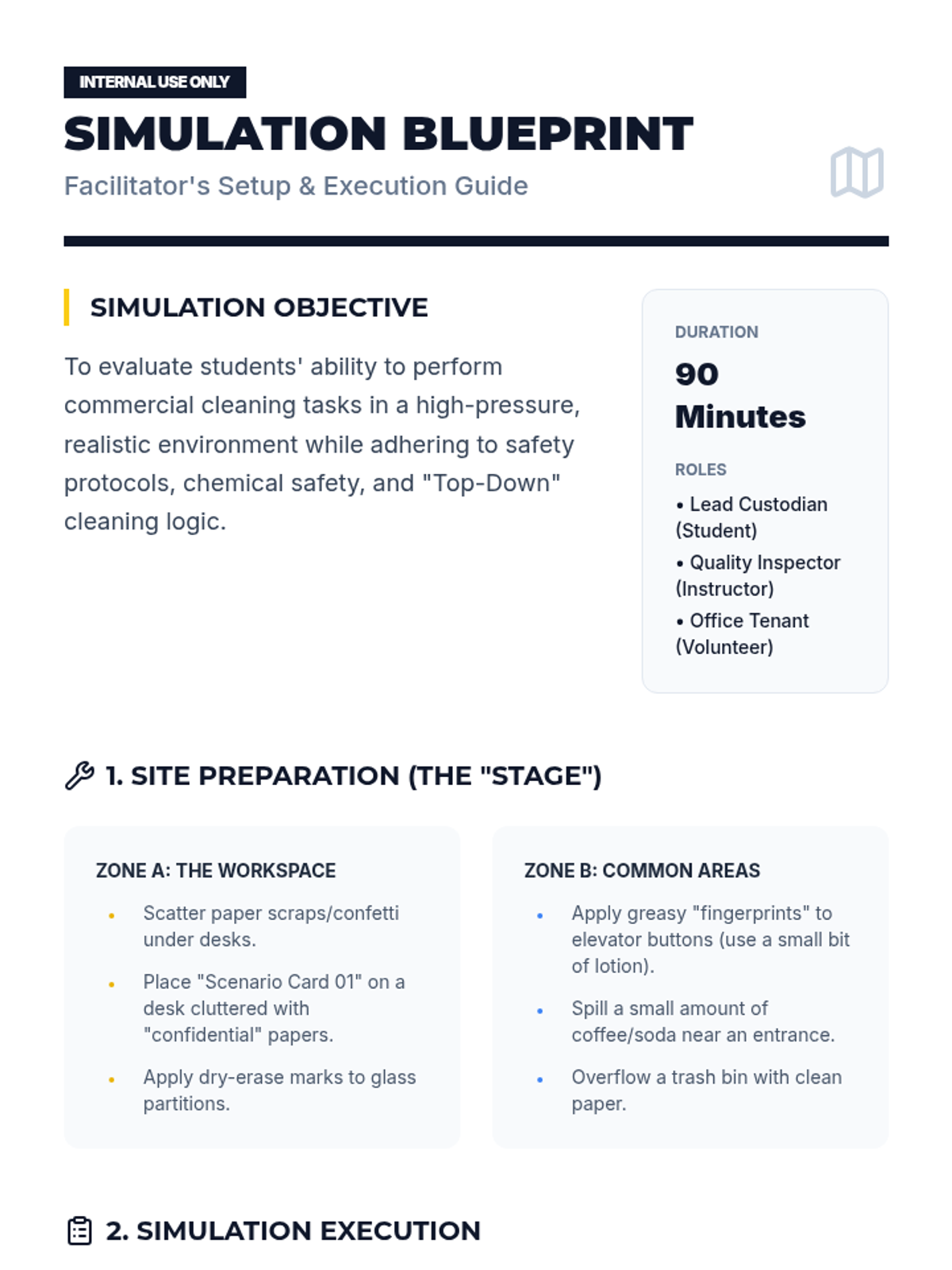
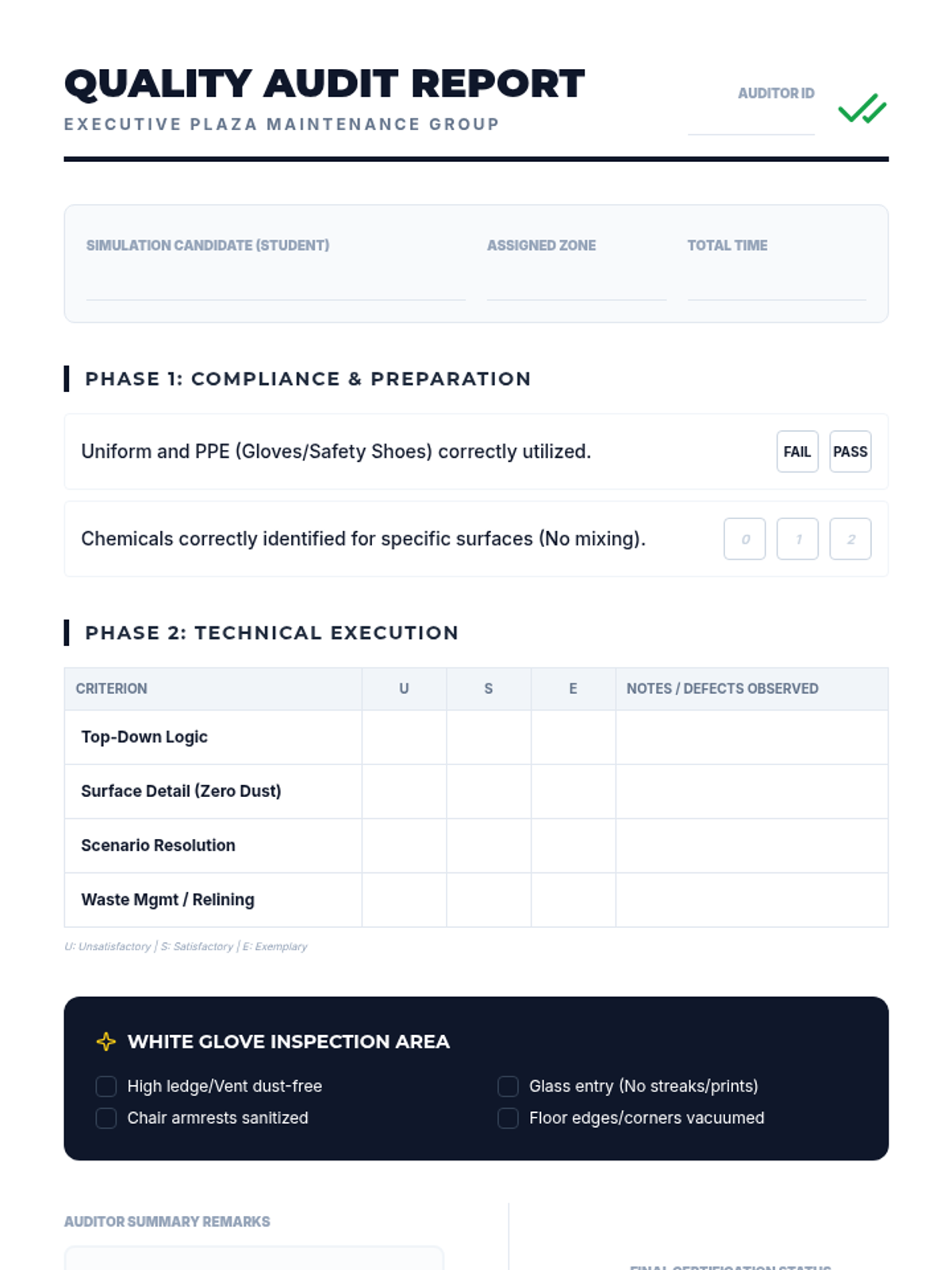
A vocational training series designed to prepare individuals for employment in the commercial cleaning and facilities maintenance industry.
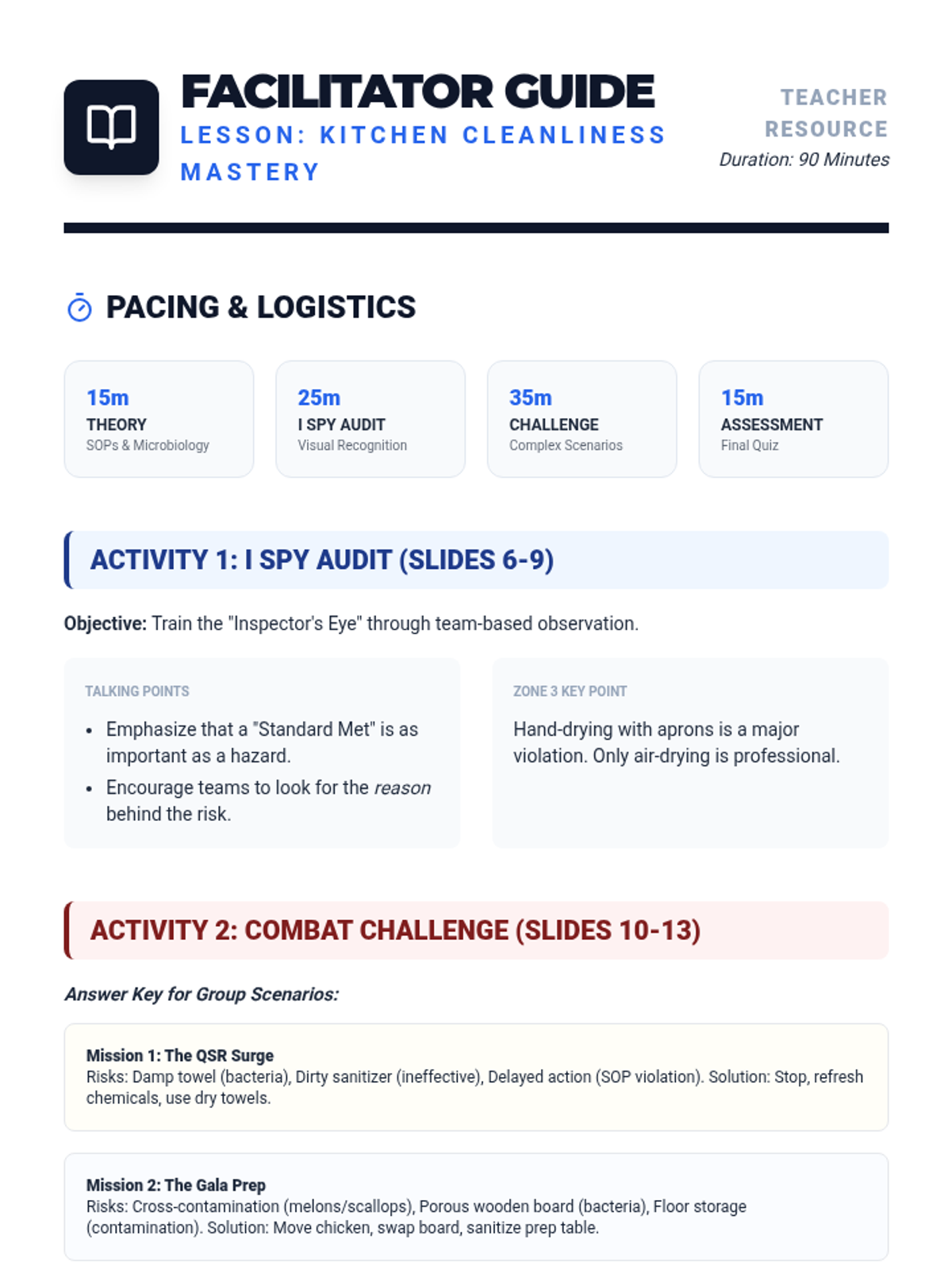
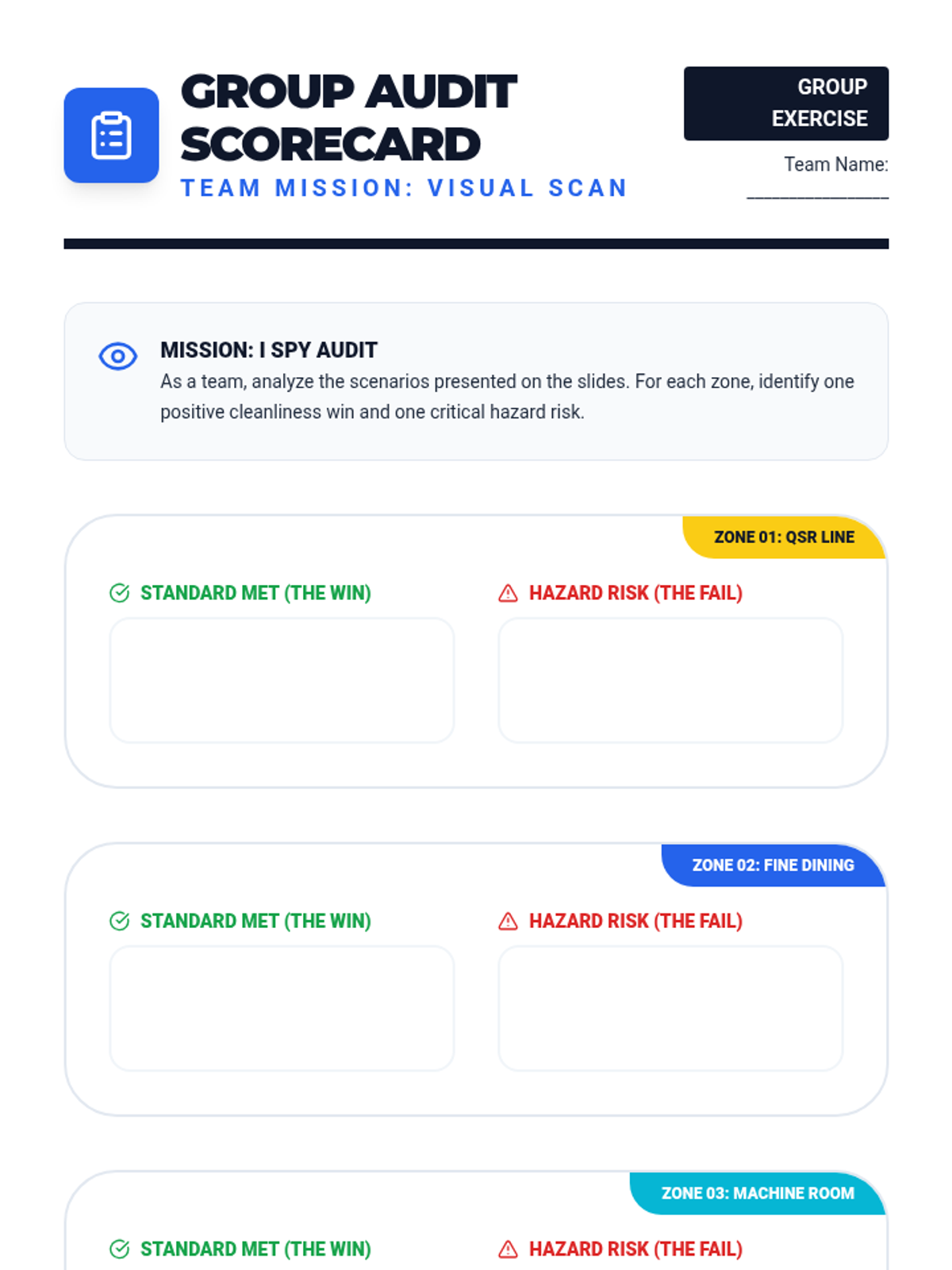
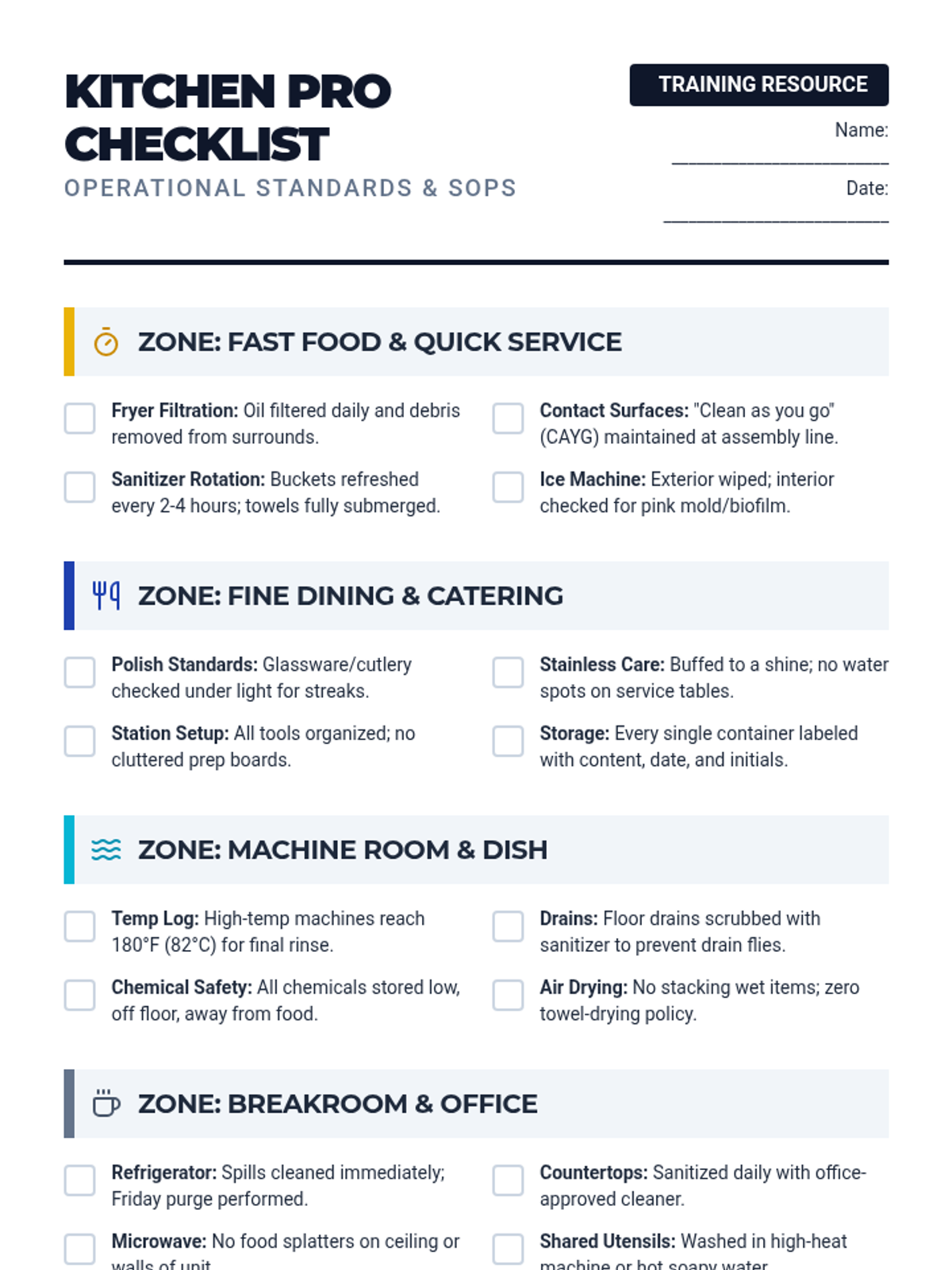
An employment training series focused on professional hygiene, safety protocols, and operational excellence in culinary and hospitality environments.
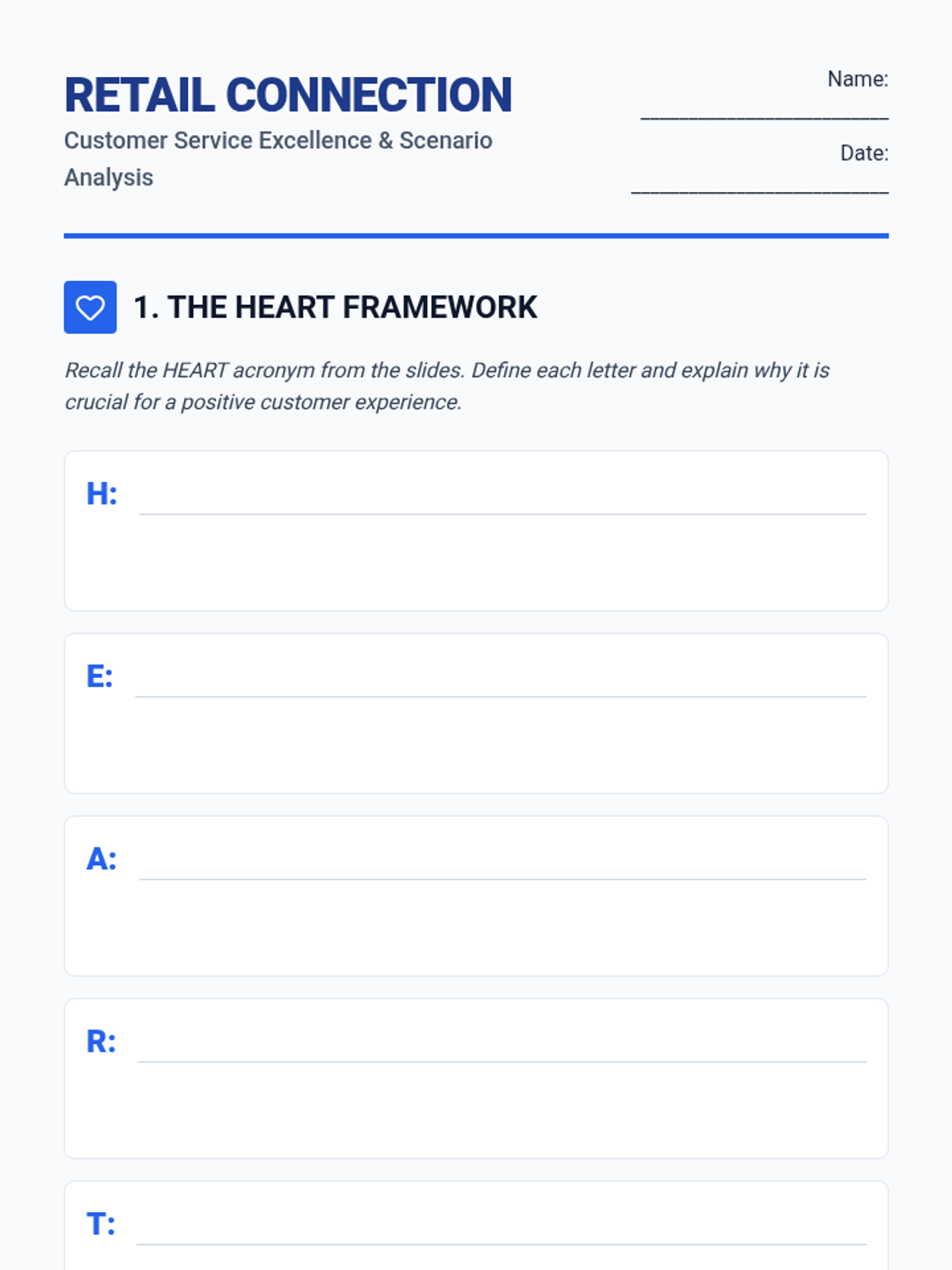
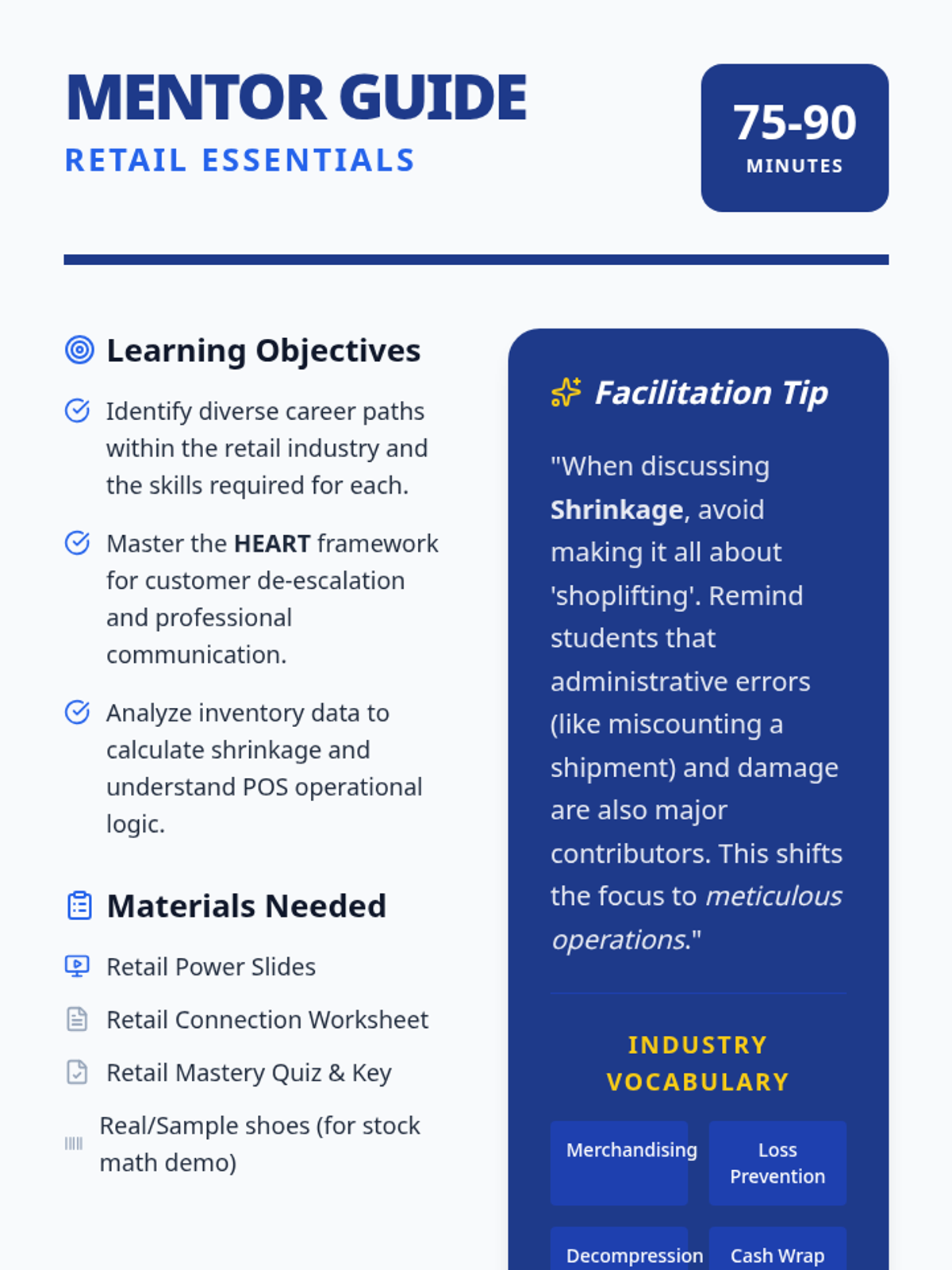
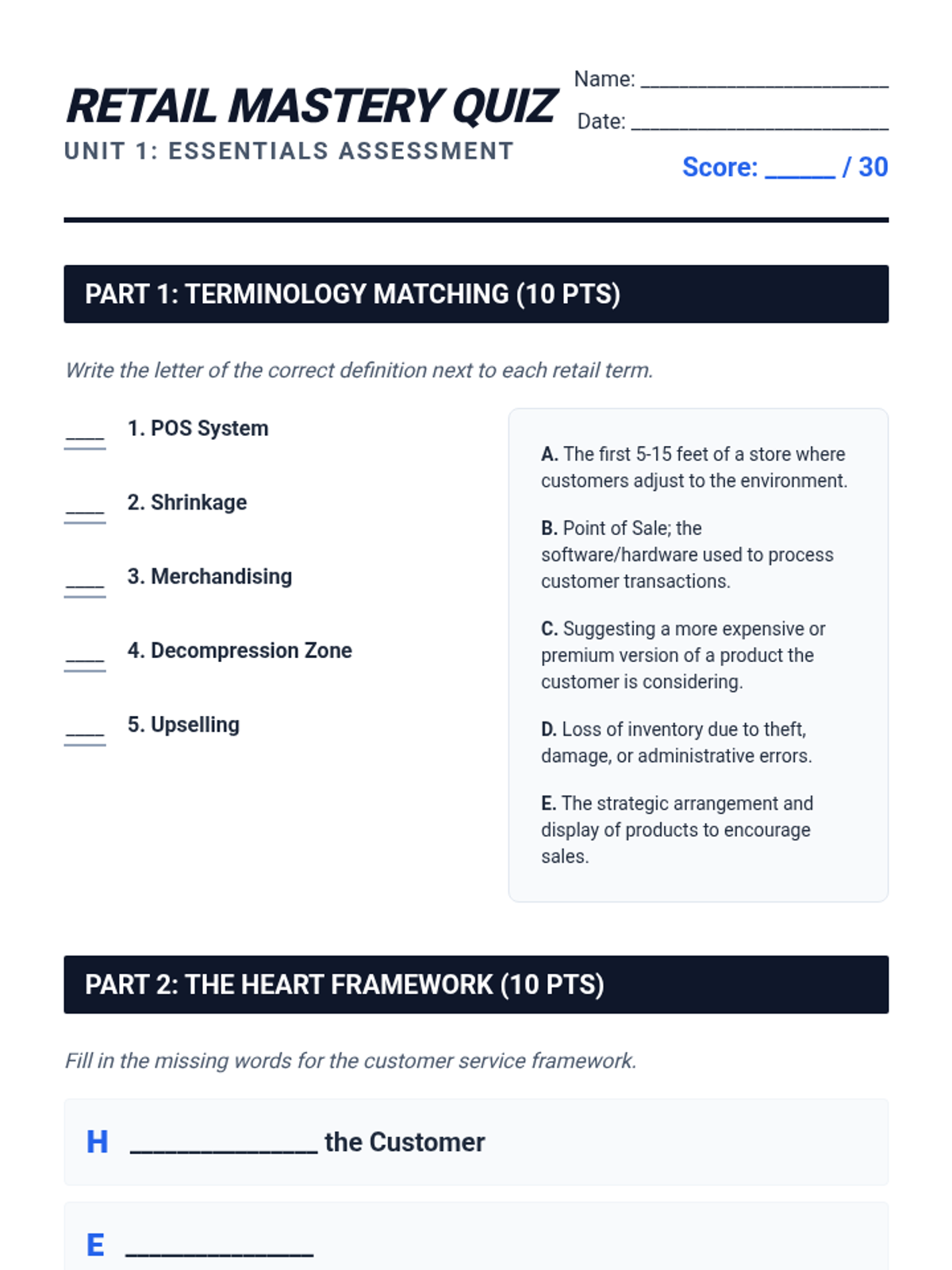
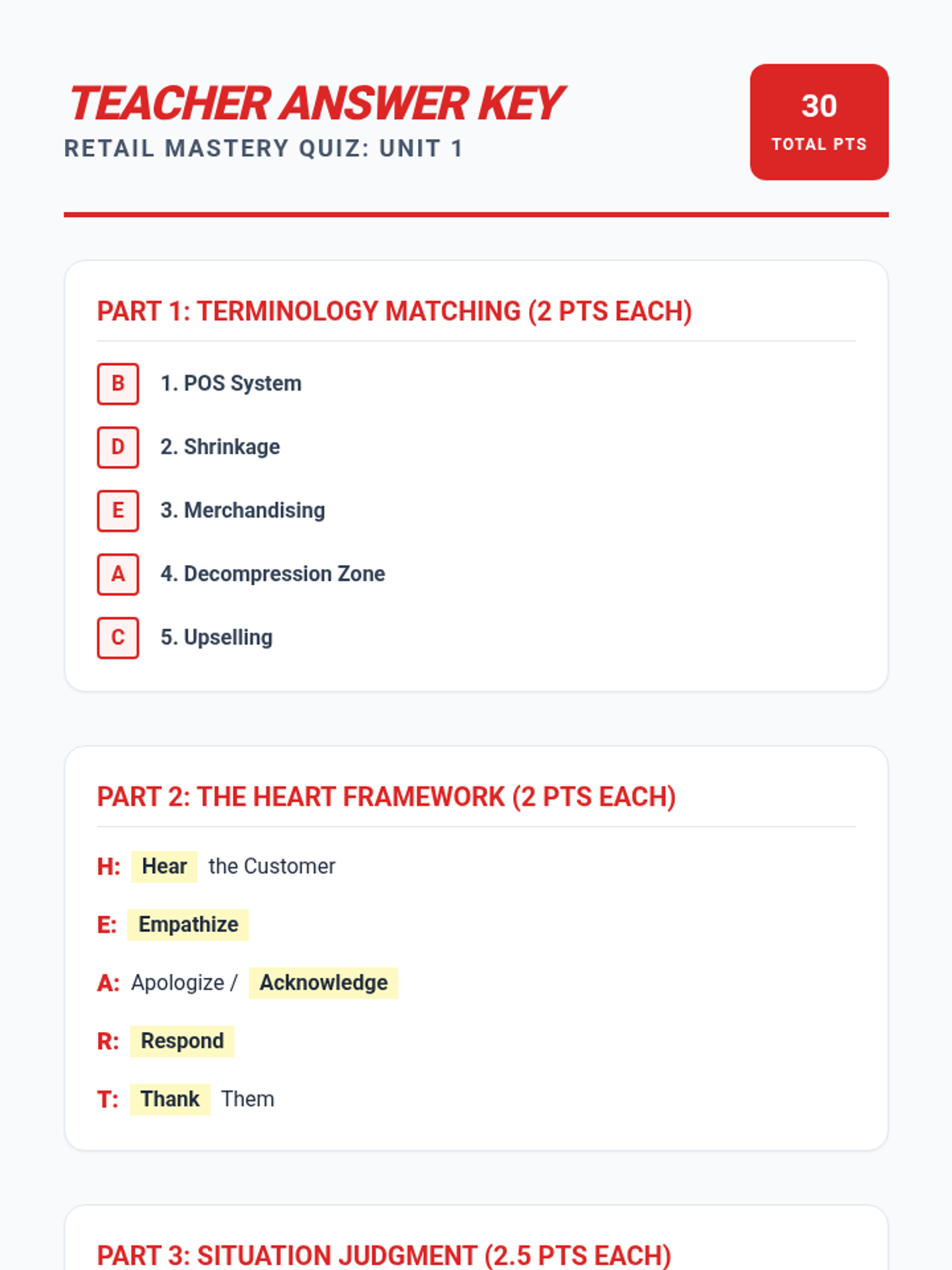
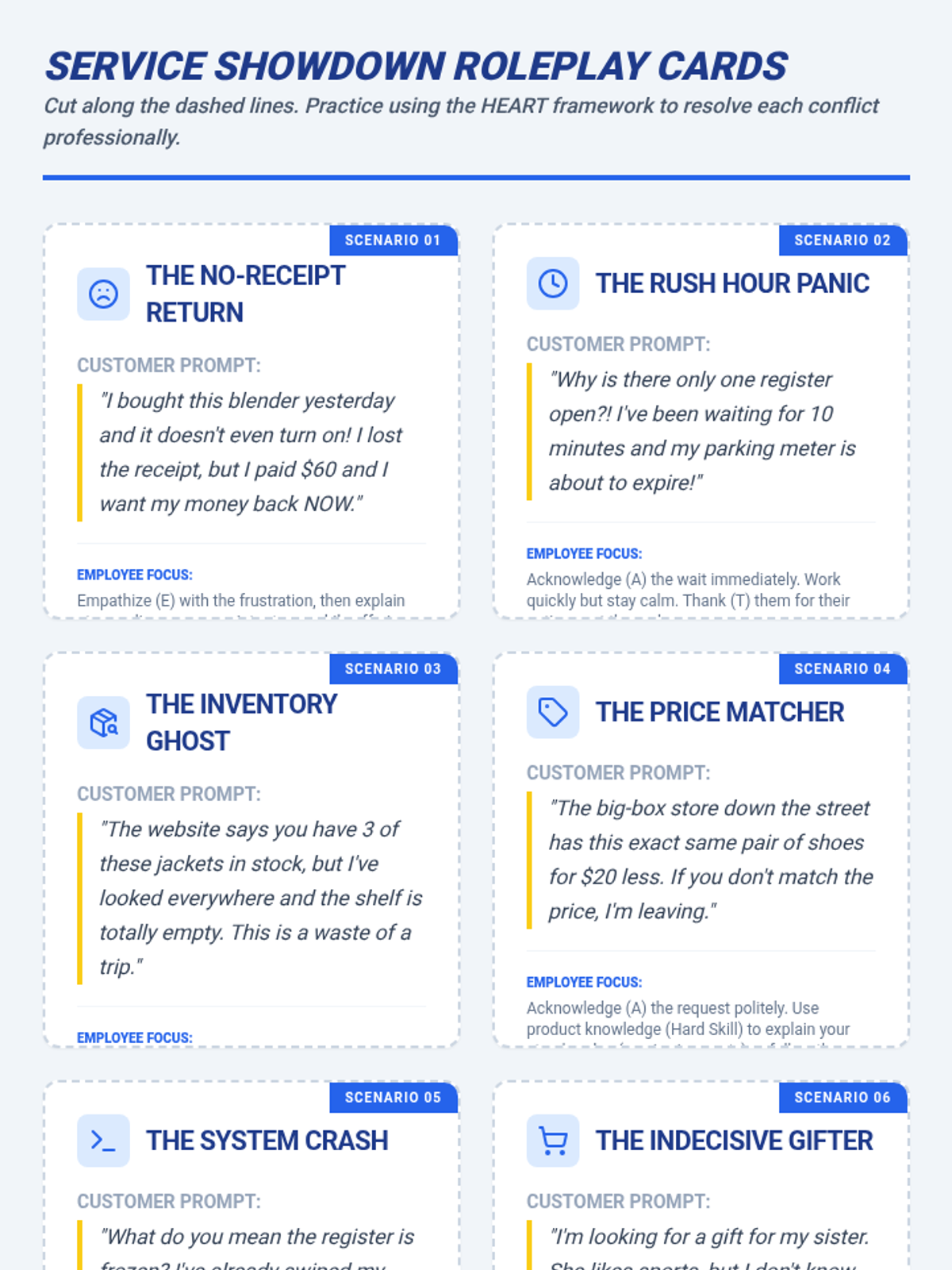
A hands-on career exploration unit focusing on the dynamic world of retail. Students will master customer service excellence, learn retail operations like inventory and POS systems, and design their own retail floor plan and brand strategy.
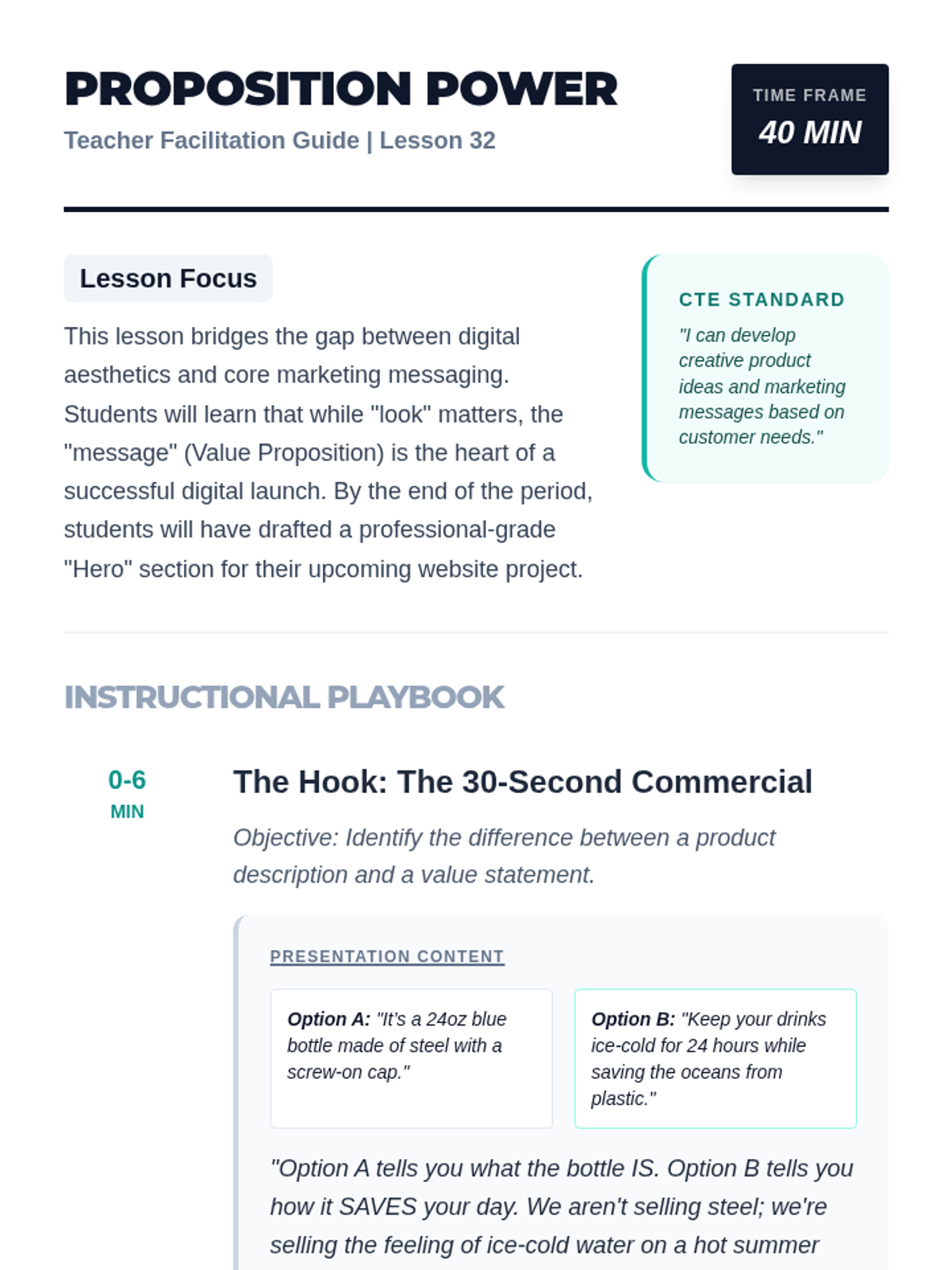
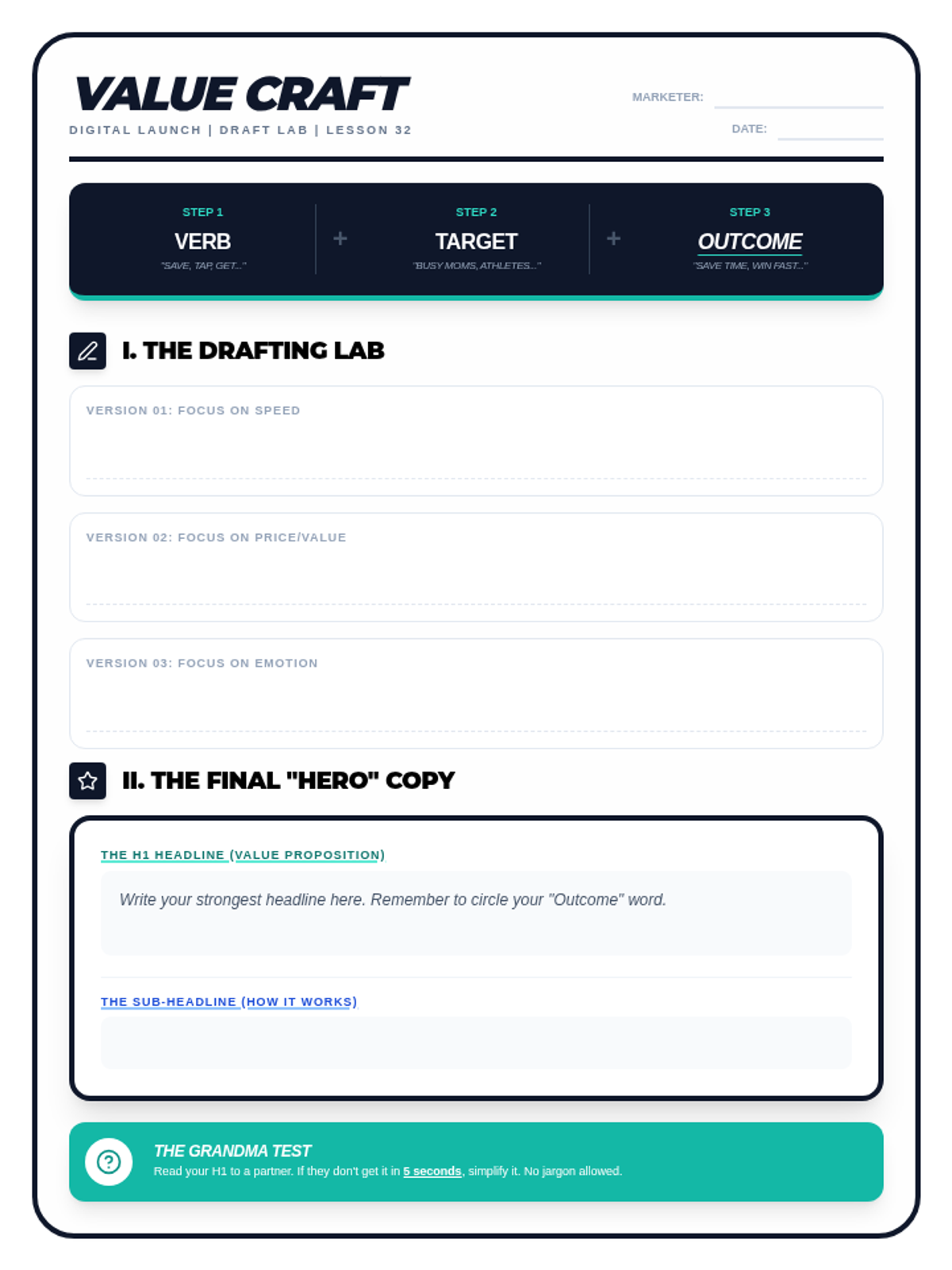
A comprehensive unit focused on the digital launch of marketing campaigns, bridging the gap between design and messaging to create persuasive online presences.
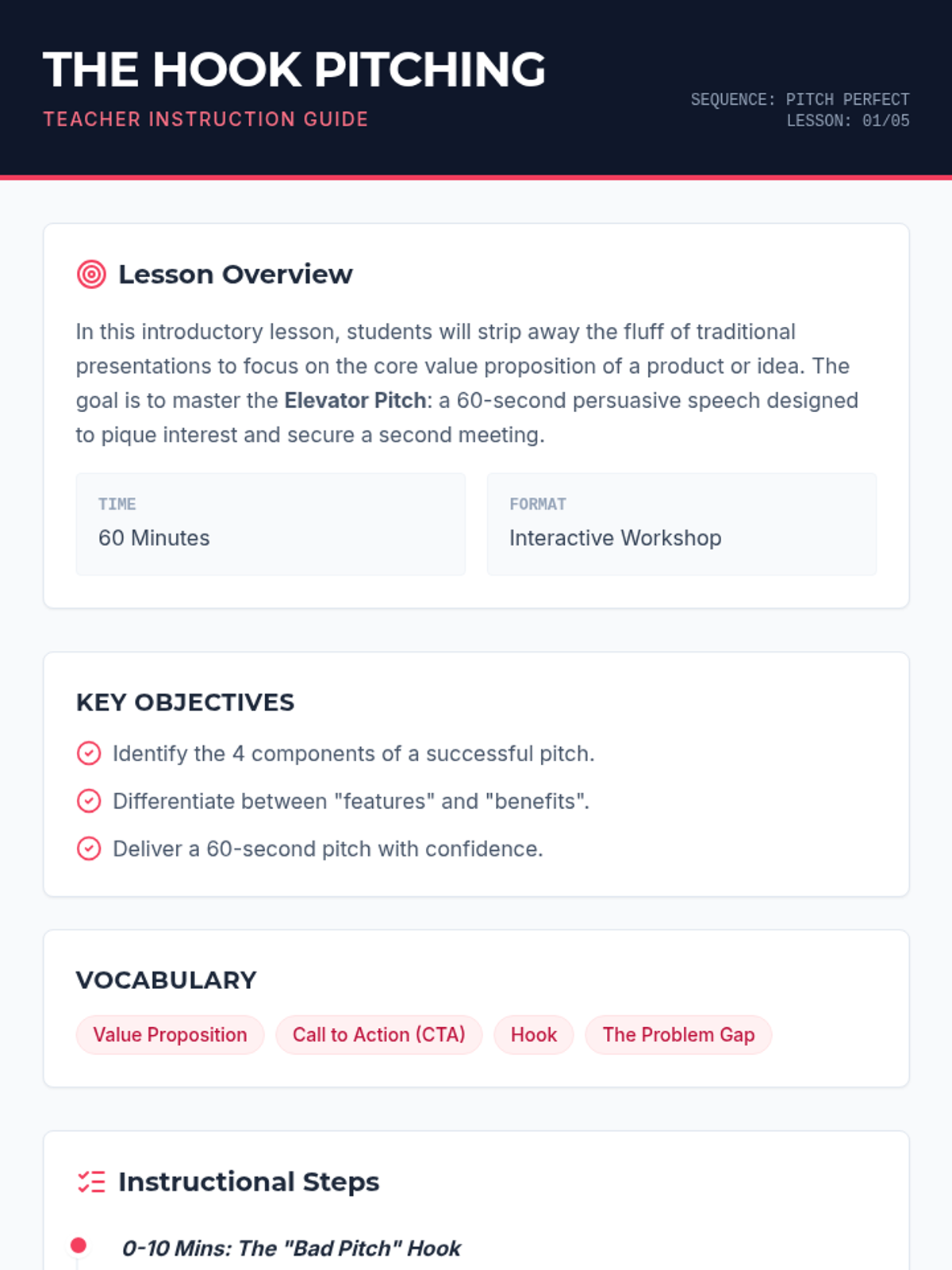
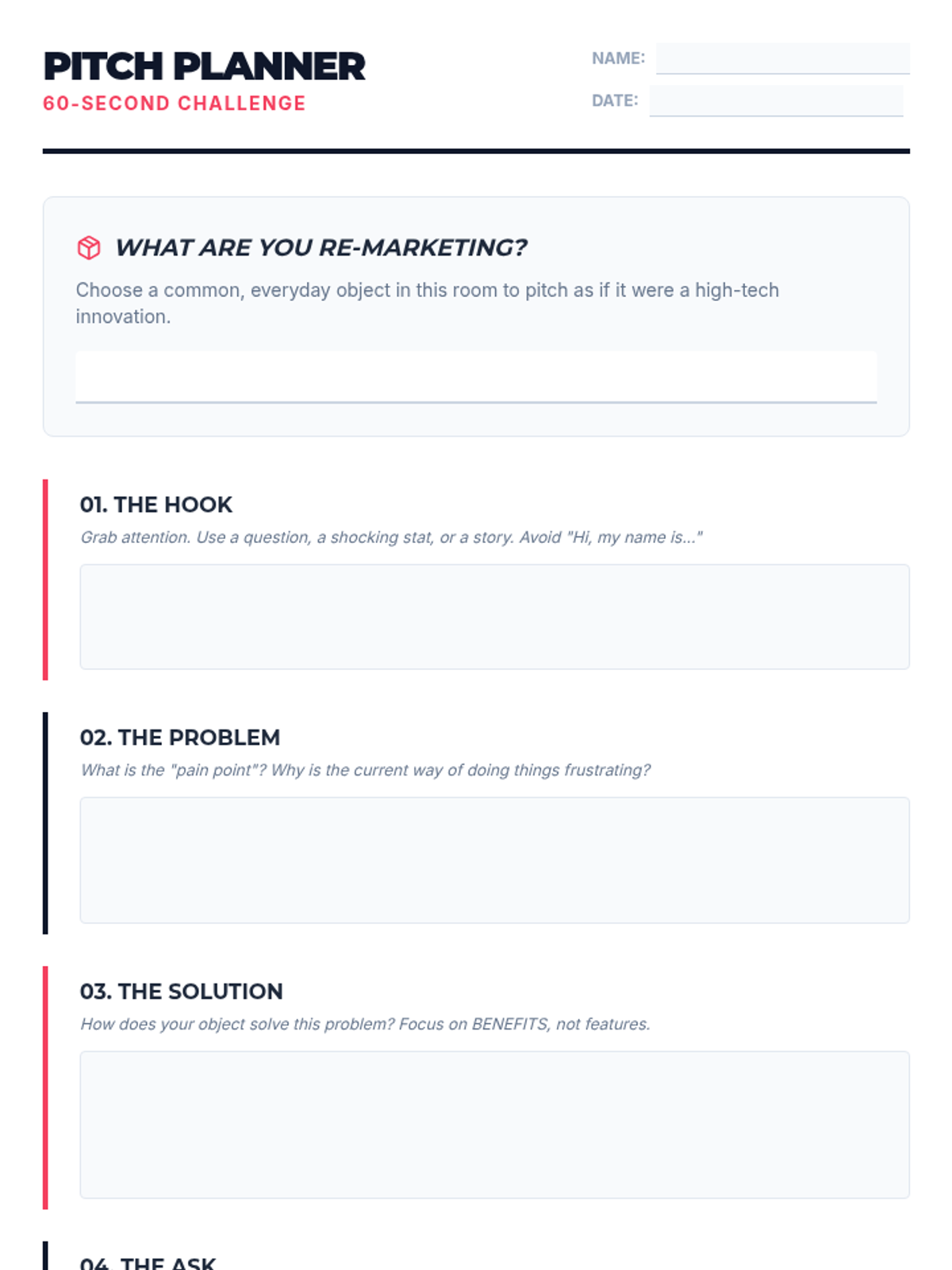
A five-part sequence designed to turn students into persuasive marketing presenters. Students will learn to craft elevator pitches, build brand narratives, design high-impact visuals, and master professional delivery techniques for a final high-stakes pitch.
A series of lessons designed to enhance social and professional communication skills for adult learners, focusing on workplace and community interactions.
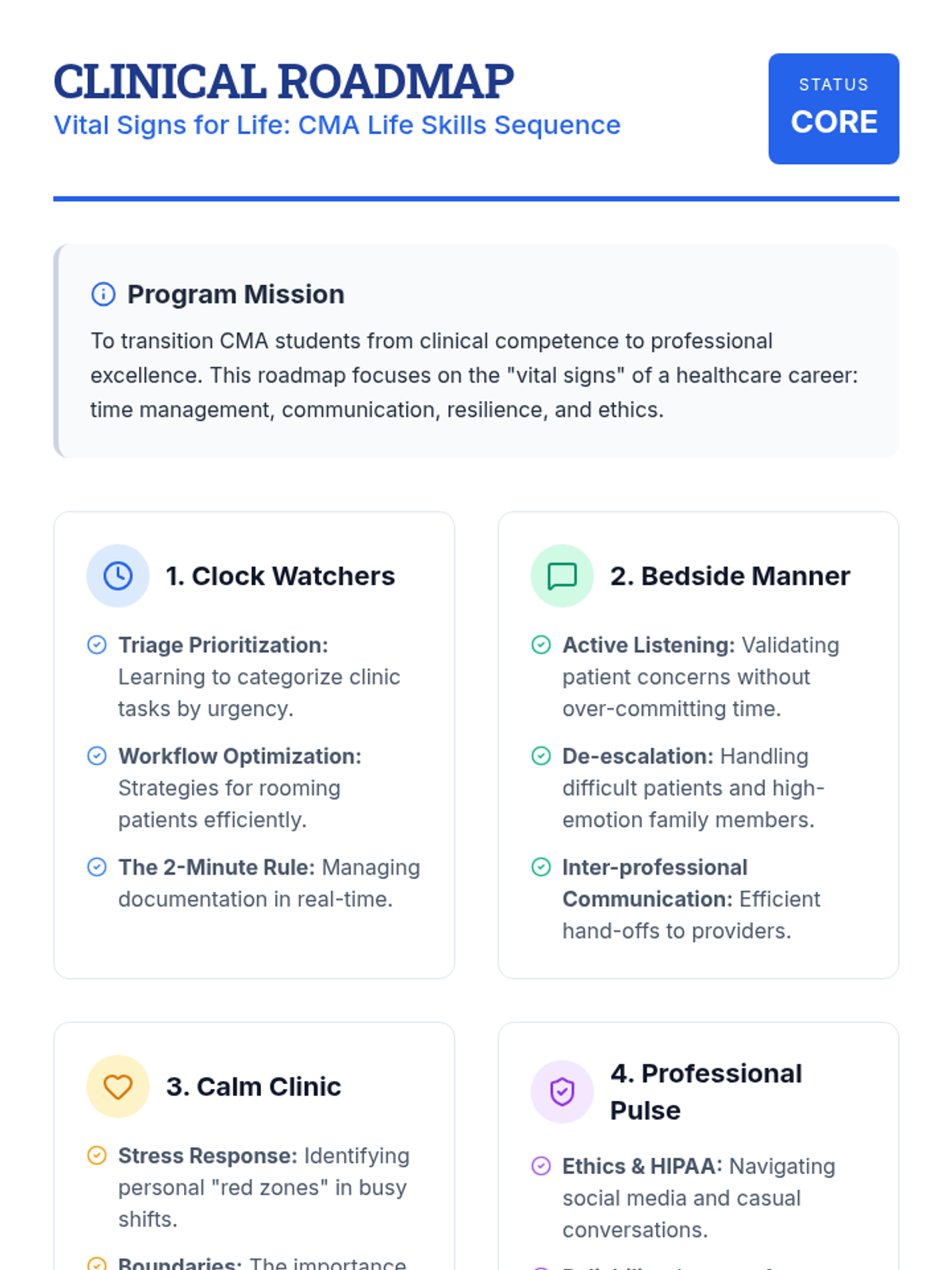
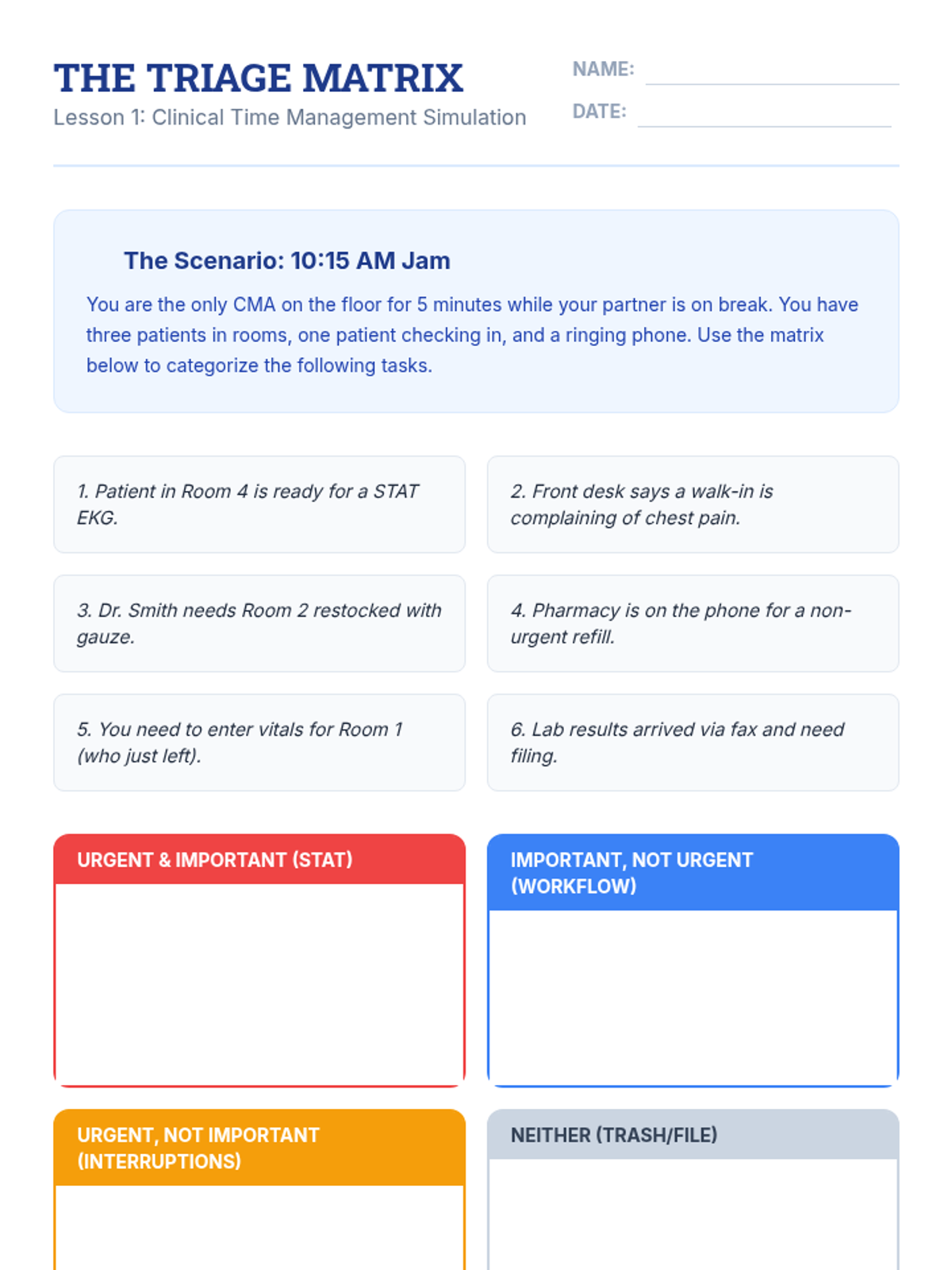
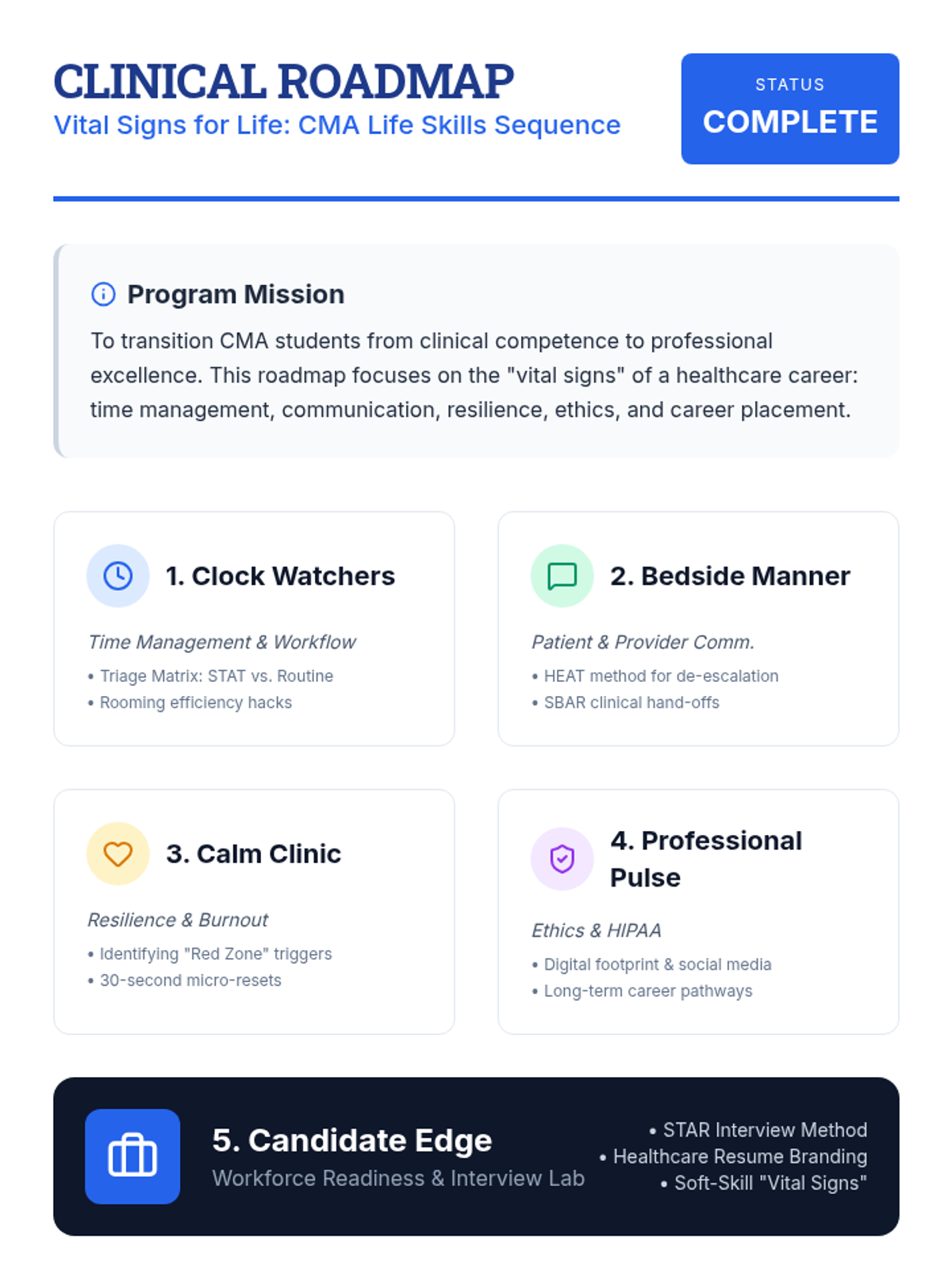
A comprehensive life skills training program designed specifically for Medical Assistant students, focusing on the essential soft skills needed to thrive in a high-pressure clinical environment.
A series of lessons focused on professional communication and career readiness, helping students master the written and verbal skills needed for the workplace.
A comprehensive program designed to equip 12th graders, undergraduates, and adult special education students with the essential skills for job searching and professional success. This curriculum covers resume development, interview mastery, and workplace etiquette through interactive activities and practical application.
A comprehensive unit designed to guide students through the modern job application process, focusing on strategic networking, deep company research, and high-stakes interview preparation. Students will learn to build professional connections and tailor their approach to specific company cultures and scenarios.
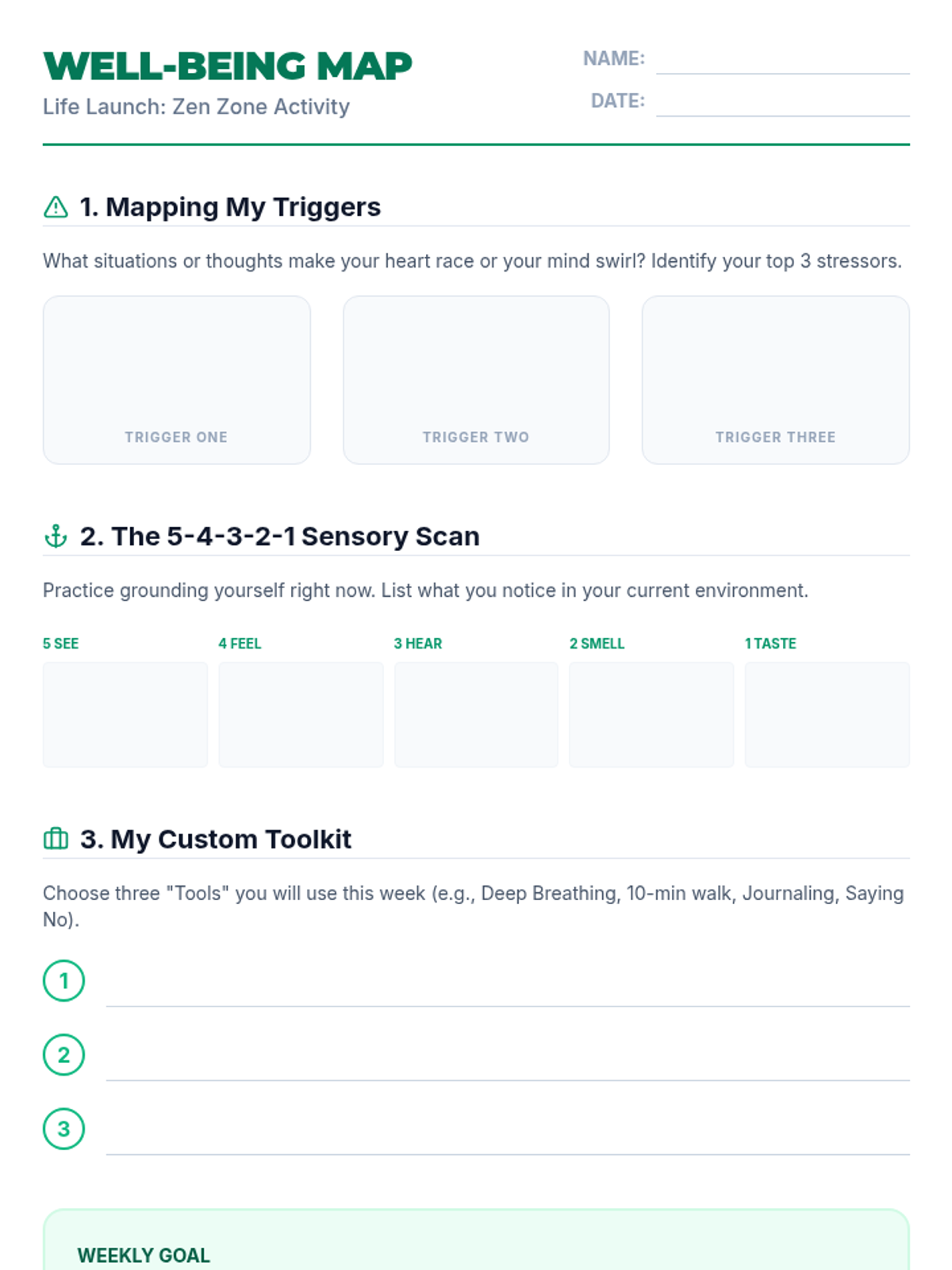
A dual-unit program designed to equip students with essential life skills for the post-application phase of job hunting and personal well-being. This sequence focuses on interpersonal communication, interview excellence, and mental health.
A comprehensive year-long curriculum for high school seniors focusing on college readiness, career planning, financial literacy, and social-emotional well-being. This sequence guides students through the complexities of post-secondary transitions with a special focus on arts-based pathways.
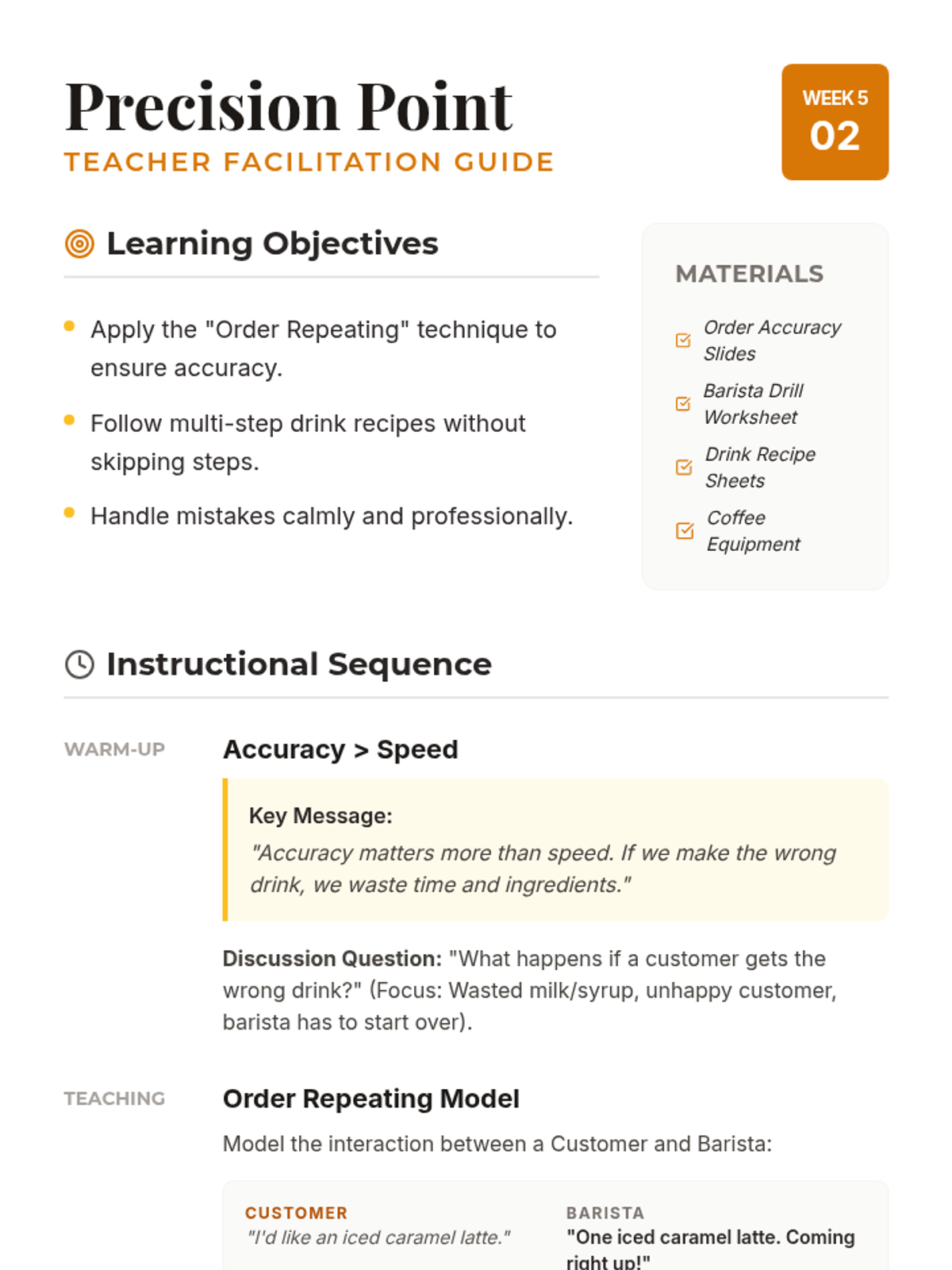
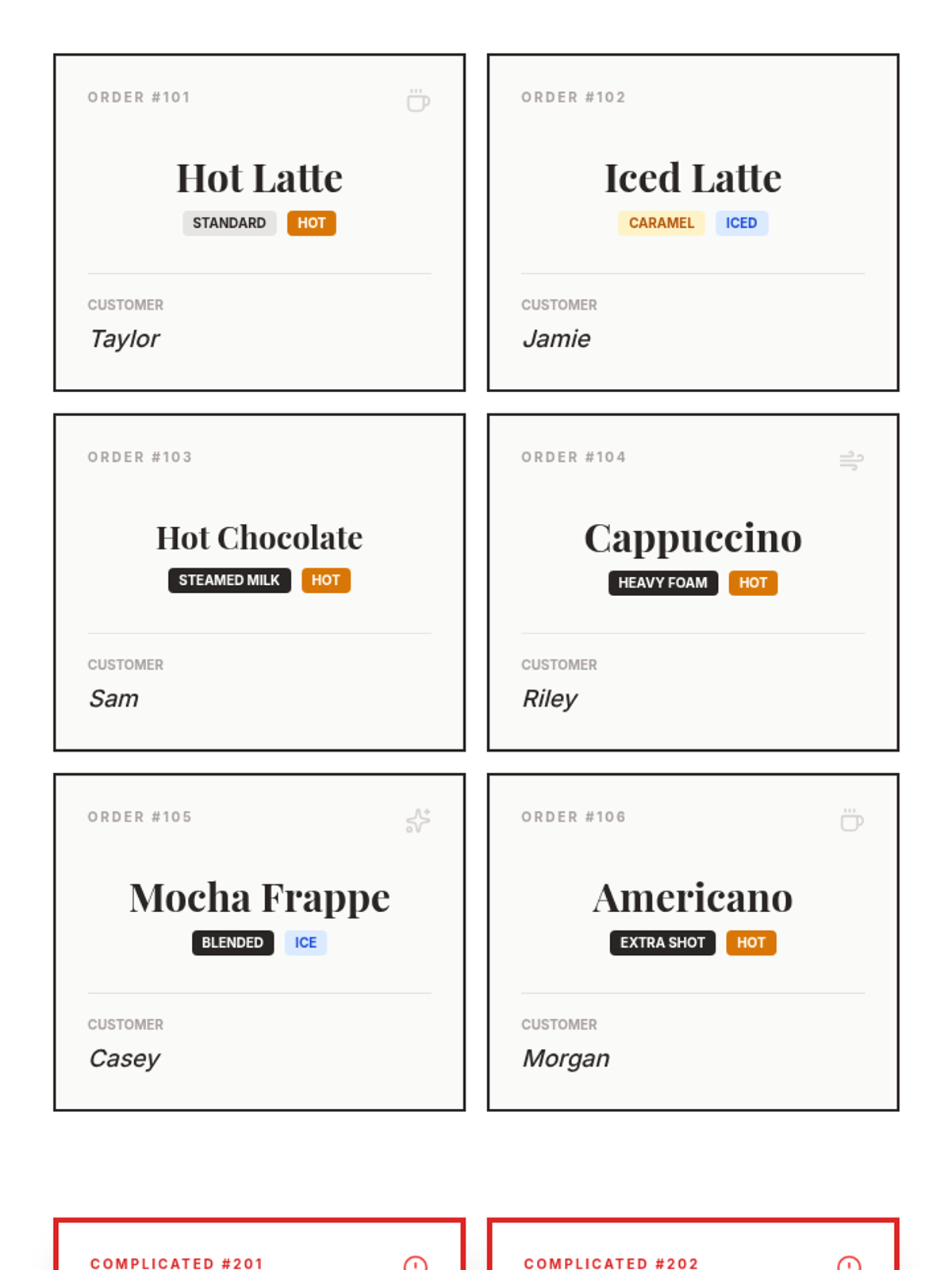
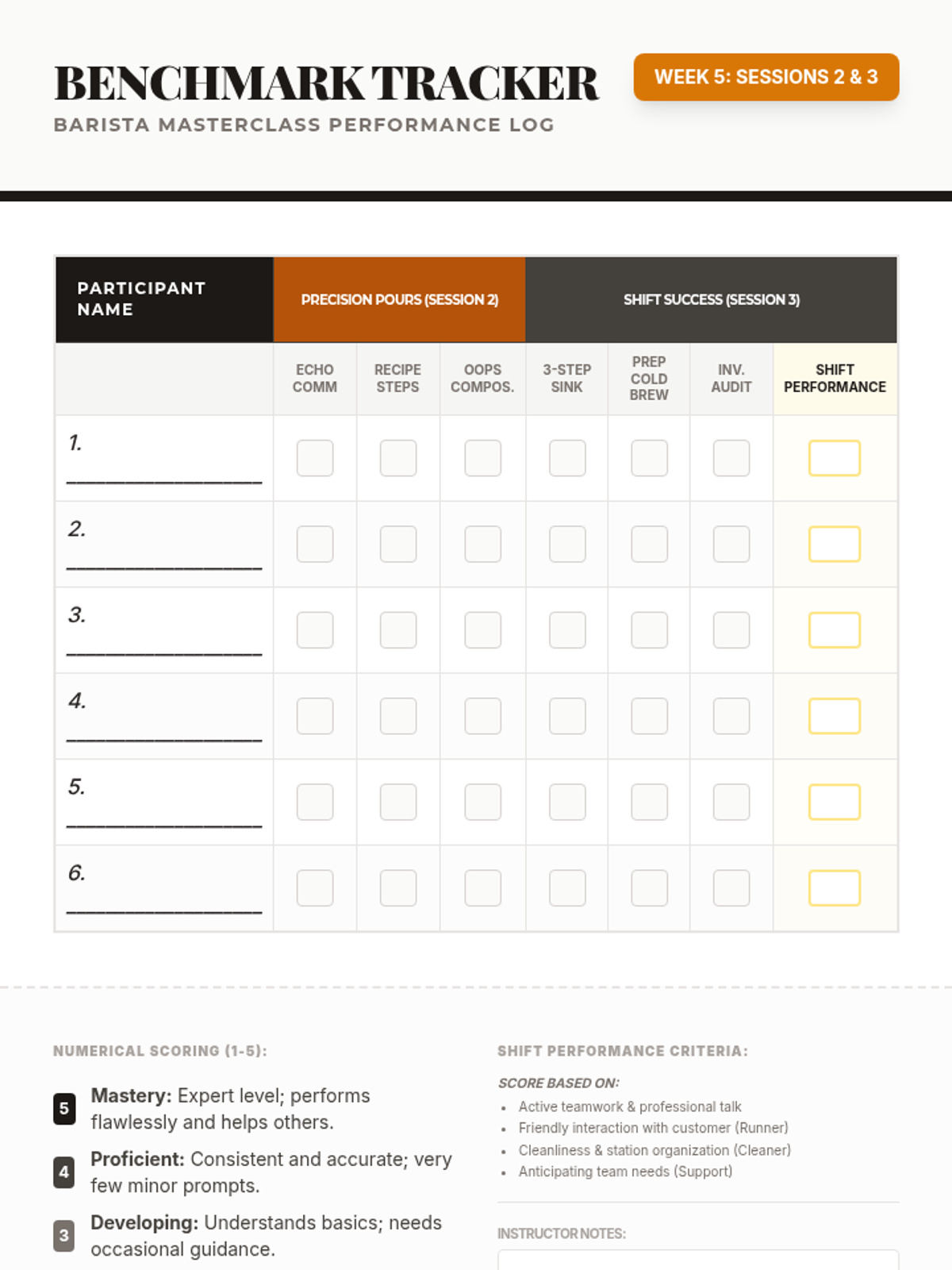
A specialized two-part training module focusing on order accuracy and professional equipment maintenance for aspiring baristas.
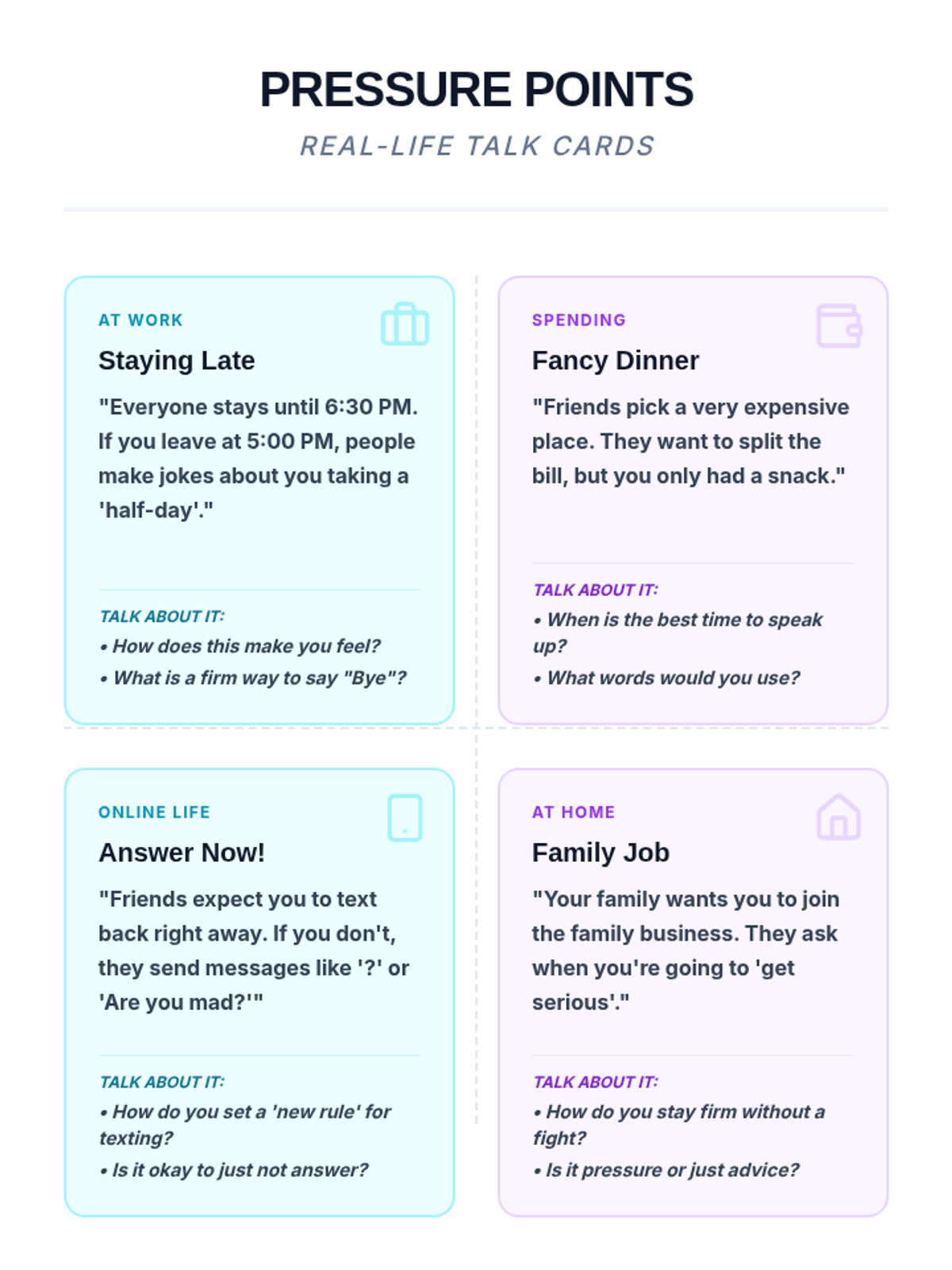
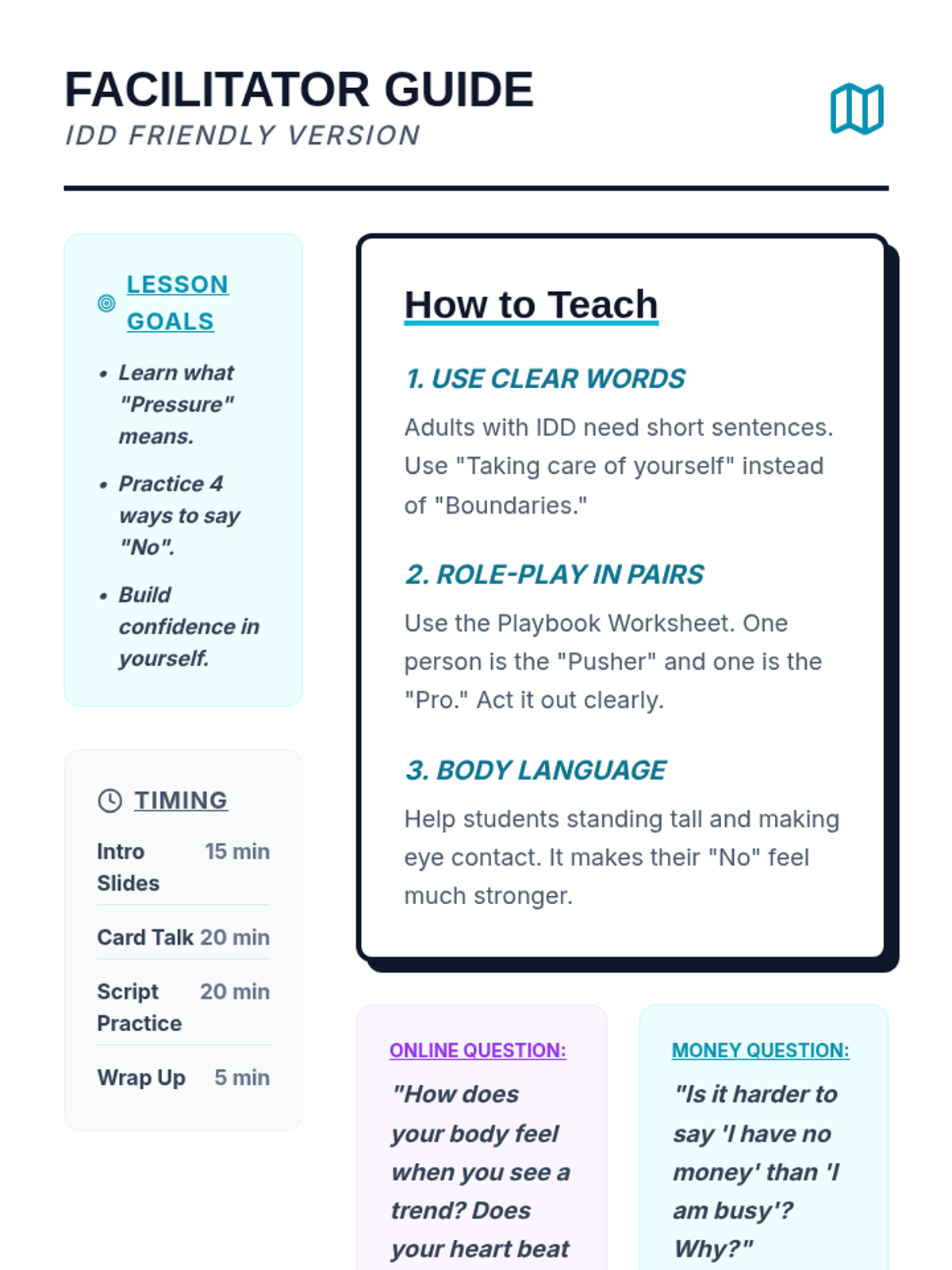
![[ARCHIVED] Pressure Points Cards 1](https://www.lenny.com/api/preview/217d4cb7-da06-4e17-9243-a20b84b13d40/1200.png?selected_locale_code=null)
![[ARCHIVED] Pressure Points Cards 3](https://www.lenny.com/api/preview/3e0574ca-7872-4985-bcb7-daa3968afdf0/1200.png?selected_locale_code=null)
![[ARCHIVED] Pressure Points Cards 2](https://www.lenny.com/api/preview/f849bf48-09f0-43ff-8b3e-27e1abc46cda/1200.png?selected_locale_code=null)
![[ARCHIVED] Pressure Proof Slides 2](https://www.lenny.com/api/preview/413c85b3-3eff-4bba-9ff0-156325a779b0/1200.png?selected_locale_code=null)
![[ARCHIVED] Pressure Proof Facilitator Guide 2](https://www.lenny.com/api/preview/f3956daf-6693-45cb-ba80-d369c35f5671/1200.png?selected_locale_code=null)
![[ARCHIVED] Refusal Playbook Worksheet 2](https://www.lenny.com/api/preview/9a4f233a-a54d-4a8a-b21b-932cc85e758c/1200.png?selected_locale_code=null)
![[ARCHIVED] Pressure Proof Facilitator Guide 3](https://www.lenny.com/api/preview/413b6171-7866-444b-9326-bbfb0f6e4a01/1200.png?selected_locale_code=null)
![[ARCHIVED] Pressure Proof Slides 3](https://www.lenny.com/api/preview/fa5bb225-106c-4b80-92b7-fc371f327dff/1200.png?selected_locale_code=null)
![[ARCHIVED] Refusal Playbook Worksheet 1](https://www.lenny.com/api/preview/ed0c10be-ad6c-4152-a521-bca8b2972b76/1200.png?selected_locale_code=null)
![[ARCHIVED] Pressure Proof Facilitator Guide 1](https://www.lenny.com/api/preview/01158e9b-231c-4cef-b6f2-667df499189f/1200.png?selected_locale_code=null)
![[ARCHIVED] Pressure Proof Slides 1](https://www.lenny.com/api/preview/783a2e0c-4303-4520-943a-28202dc7bd06/1200.png?selected_locale_code=null)
![[ARCHIVED] Pressure Proof Slides 4](https://www.lenny.com/api/preview/3085c551-44e8-4f65-8d54-656cfc0cf760/1200.png?selected_locale_code=null)
![[ARCHIVED] Pressure Points Cards 4](https://www.lenny.com/api/preview/66f628db-ebca-4e09-8c6d-4aacbcb8de9a/1200.png?selected_locale_code=null)
![[ARCHIVED] Pressure Proof Facilitator Guide 4](https://www.lenny.com/api/preview/5fb172af-3d25-4f85-8634-9f5df4bc5e03/1200.png?selected_locale_code=null)
![[ARCHIVED] Refusal Playbook Worksheet 3](https://www.lenny.com/api/preview/6c6f31d5-f95c-4468-950d-5ad427ac3843/1200.png?selected_locale_code=null)
![[ARCHIVED] Pressure Proof Slides 5](https://www.lenny.com/api/preview/541df7f1-5726-4a36-9d88-9b4fd381c139/1200.png?selected_locale_code=null)