Root cause analysis and brainstorming techniques for everyday problem-solving. Equips learners with ethical frameworks and risk-benefit evaluation skills to predict consequences and make informed choices.
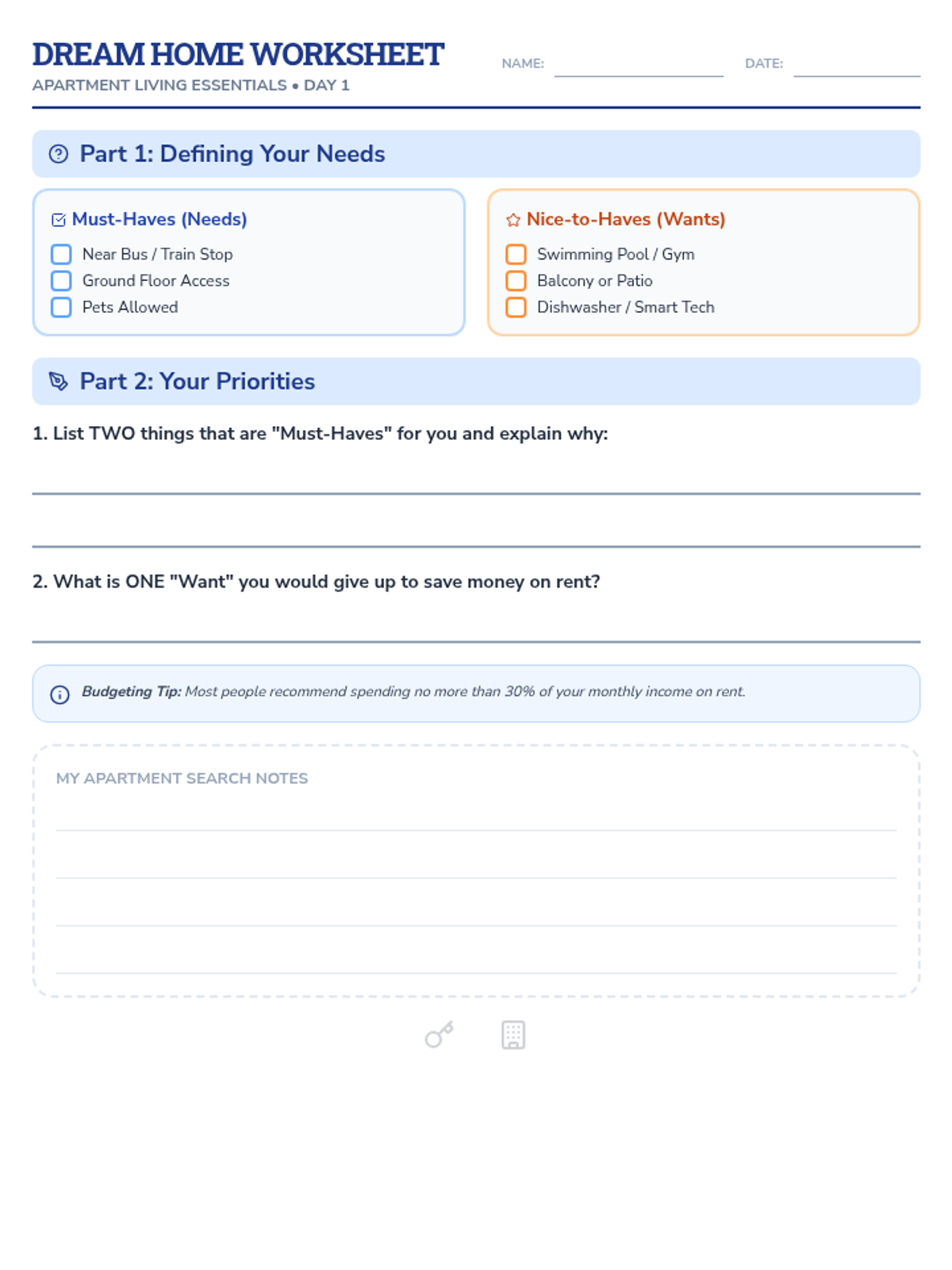
A comprehensive 5-day unit designed for adult transition students to master the essentials of finding, securing, and maintaining an apartment. Topics include budgeting, understanding leases, setting up utilities, and being a responsible neighbor.
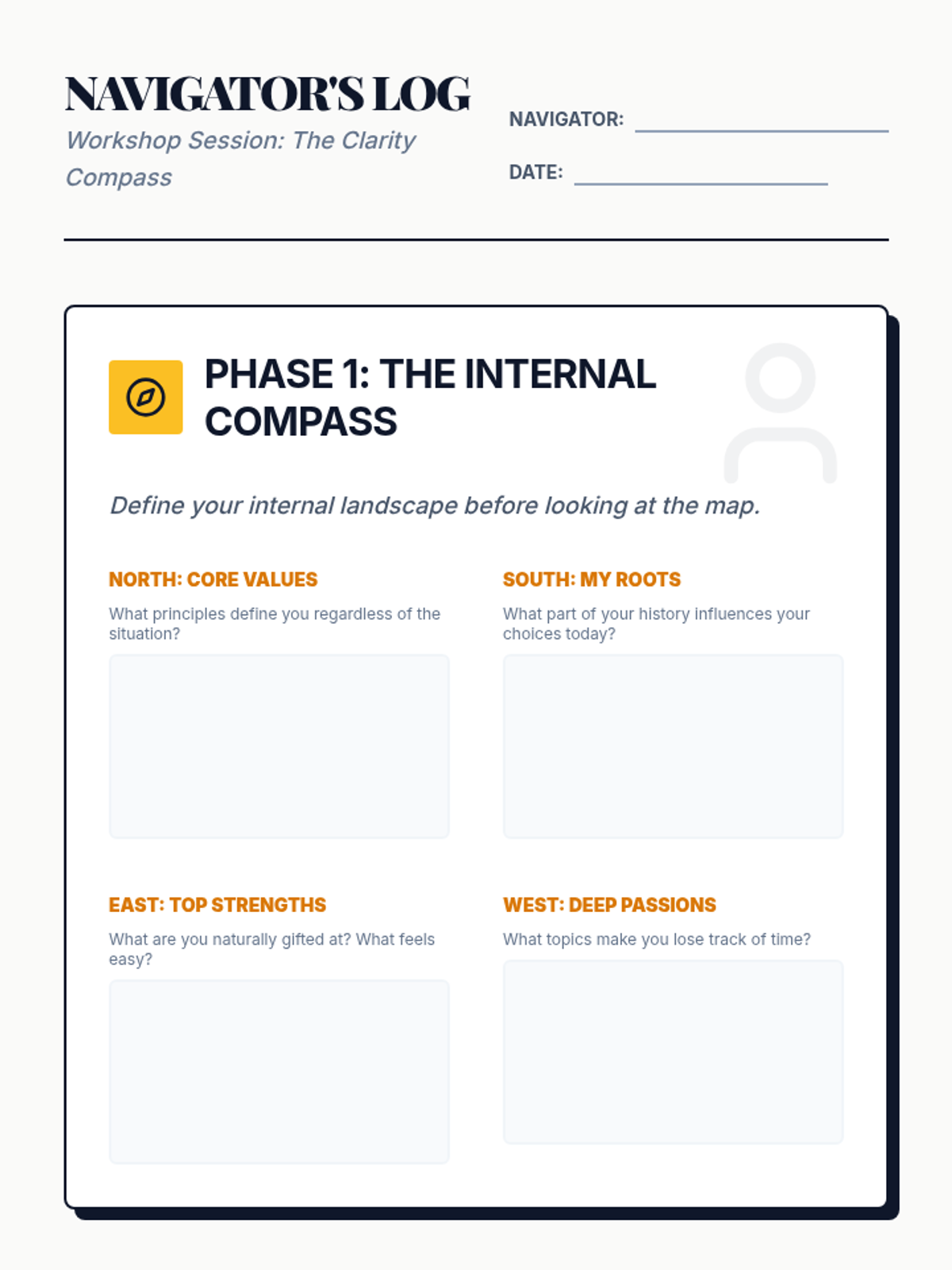
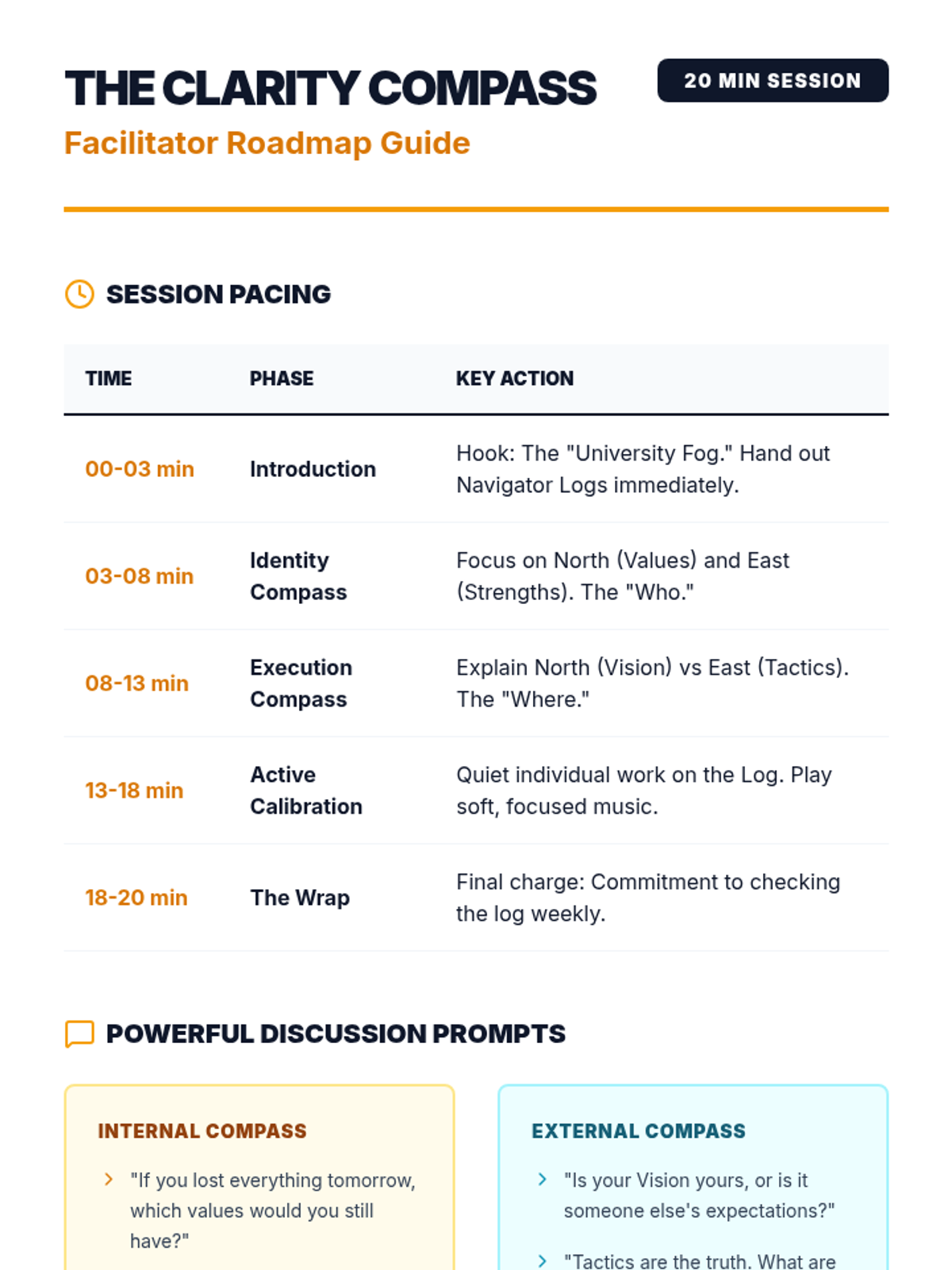
A high-impact workshop sequence designed to help university students navigate personal goal setting using two distinct Clarity Compass models focusing on internal identity and external action.
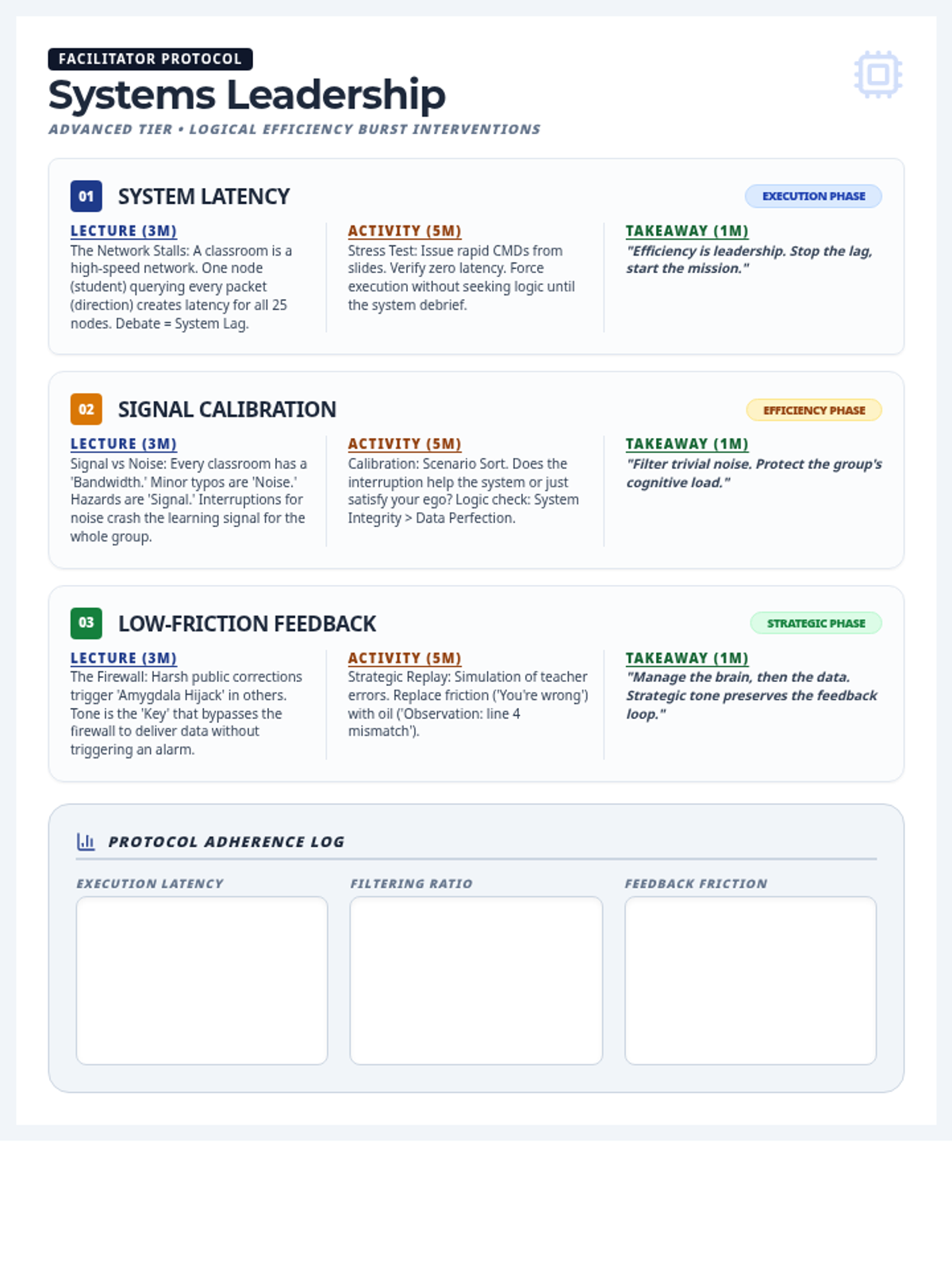
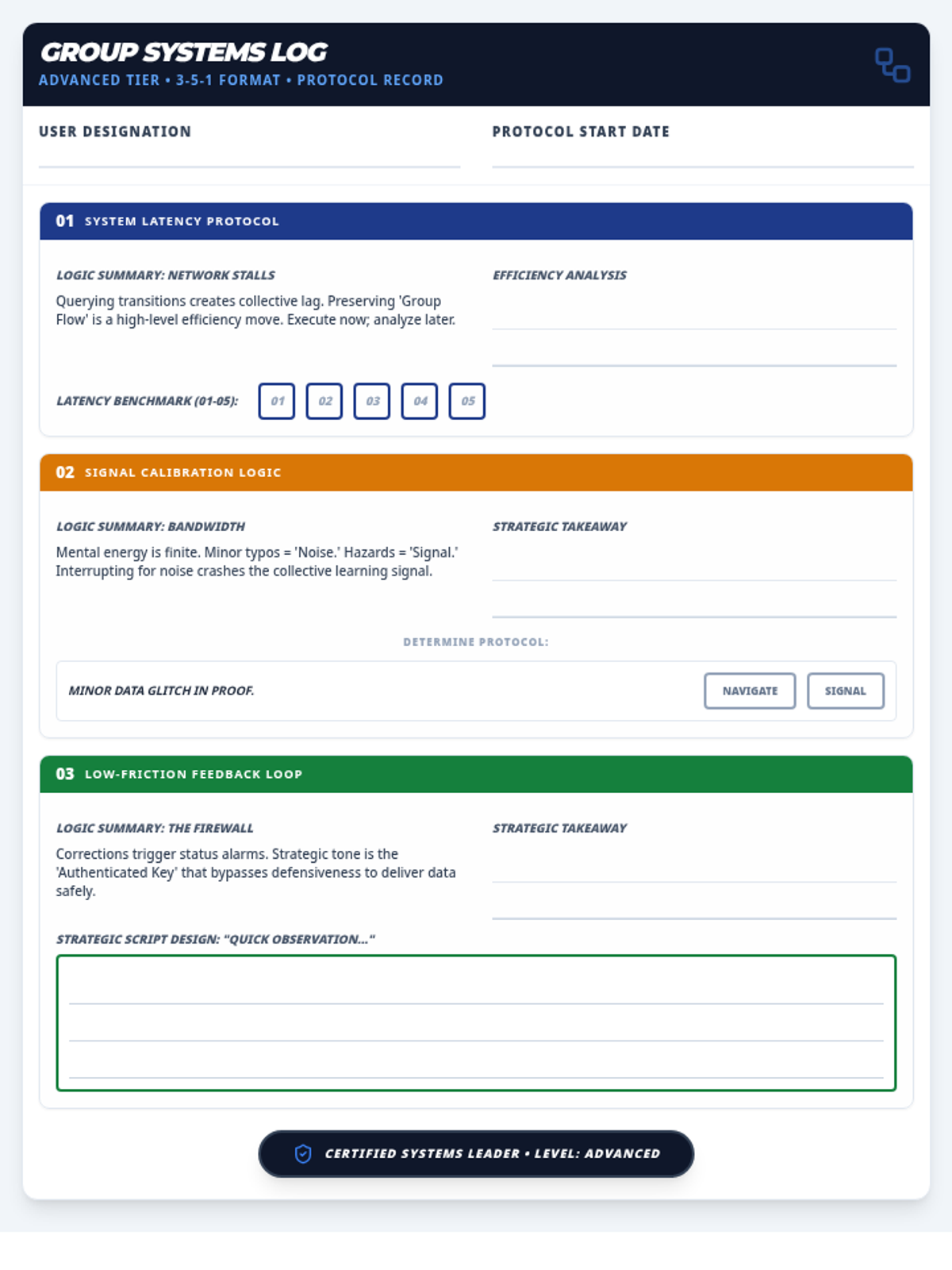
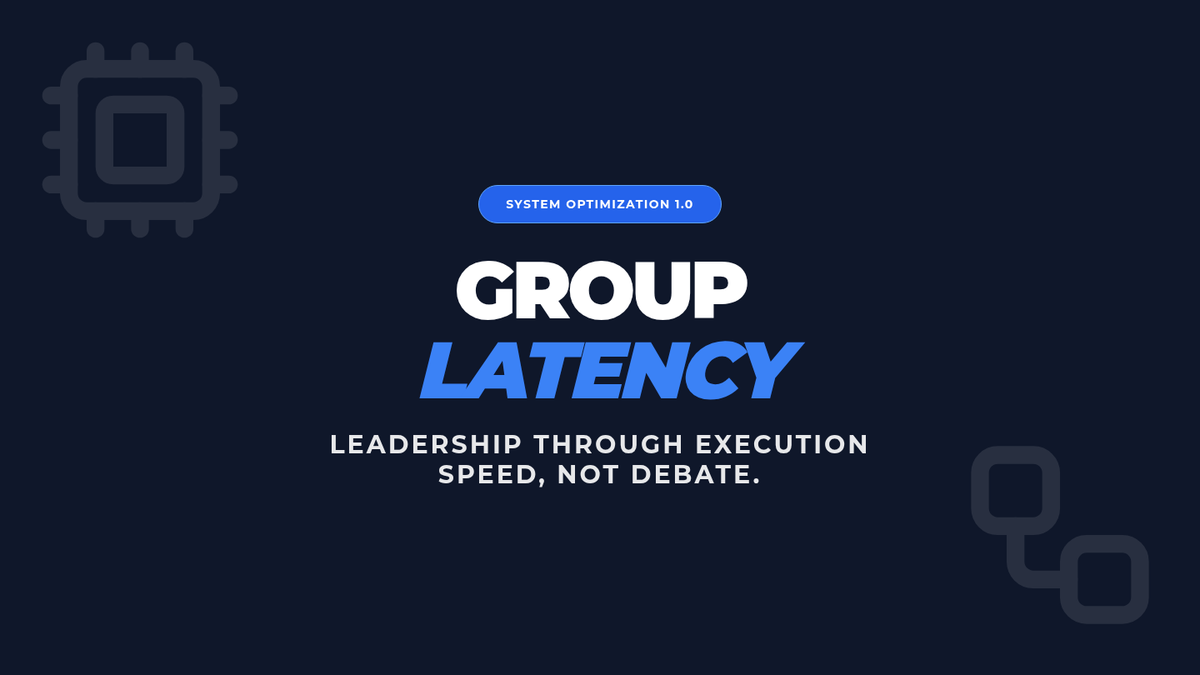
A series of three 10-minute 'burst' sessions designed to teach classroom leadership through systems-thinking and logical efficiency. Focuses on minimizing group latency, calibrating priority, and mastering low-friction feedback.
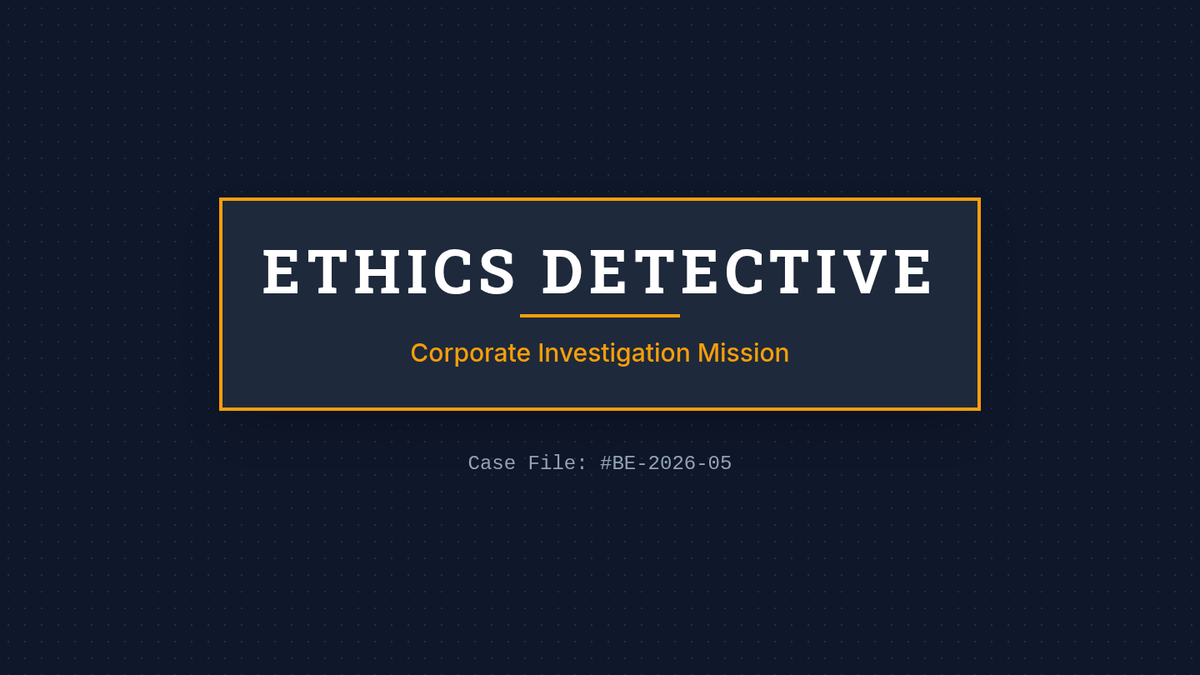
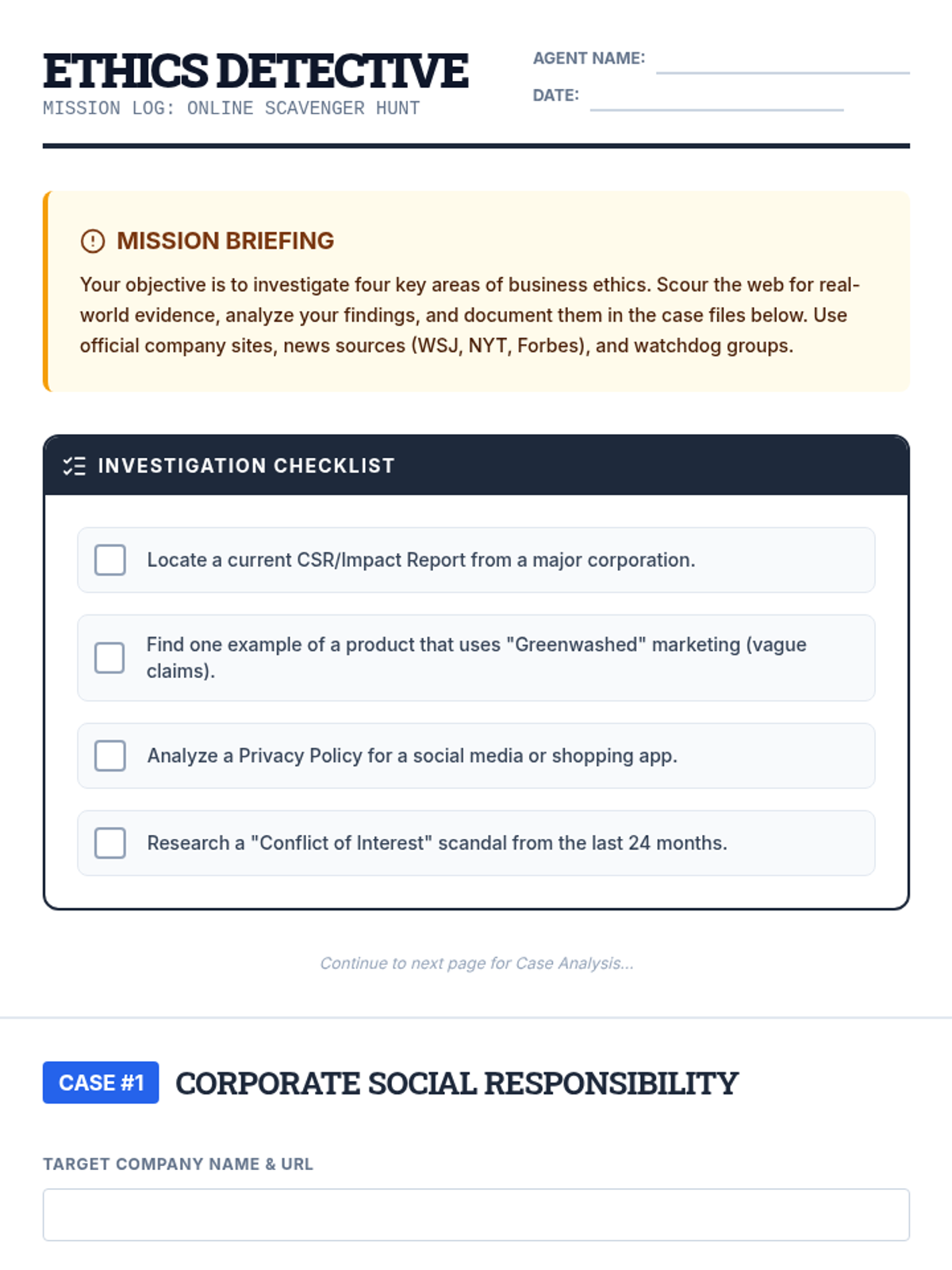
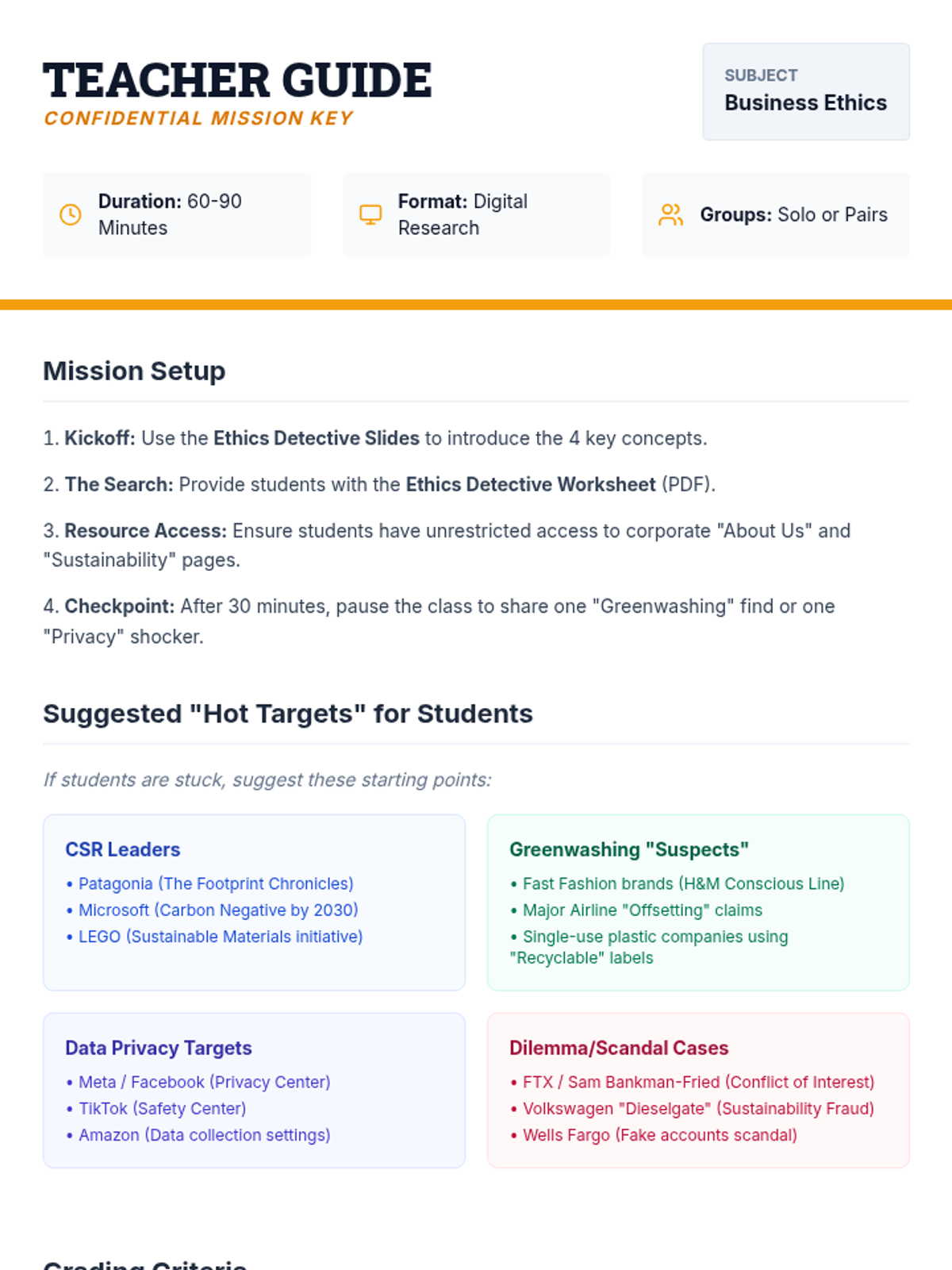
An immersive scavenger hunt where students act as corporate investigators to uncover real-world examples of business ethics, from CSR initiatives to greenwashing and data privacy.
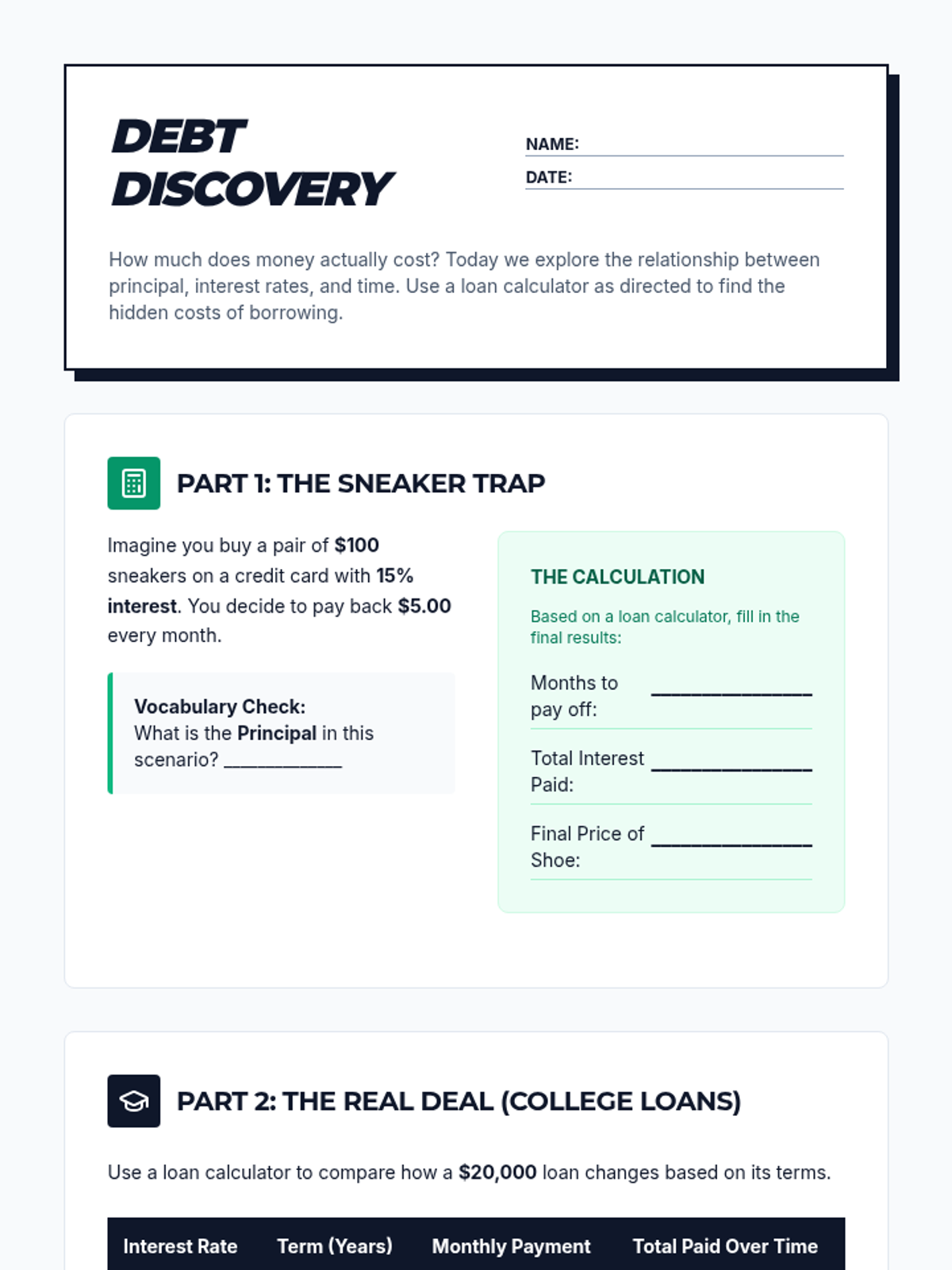
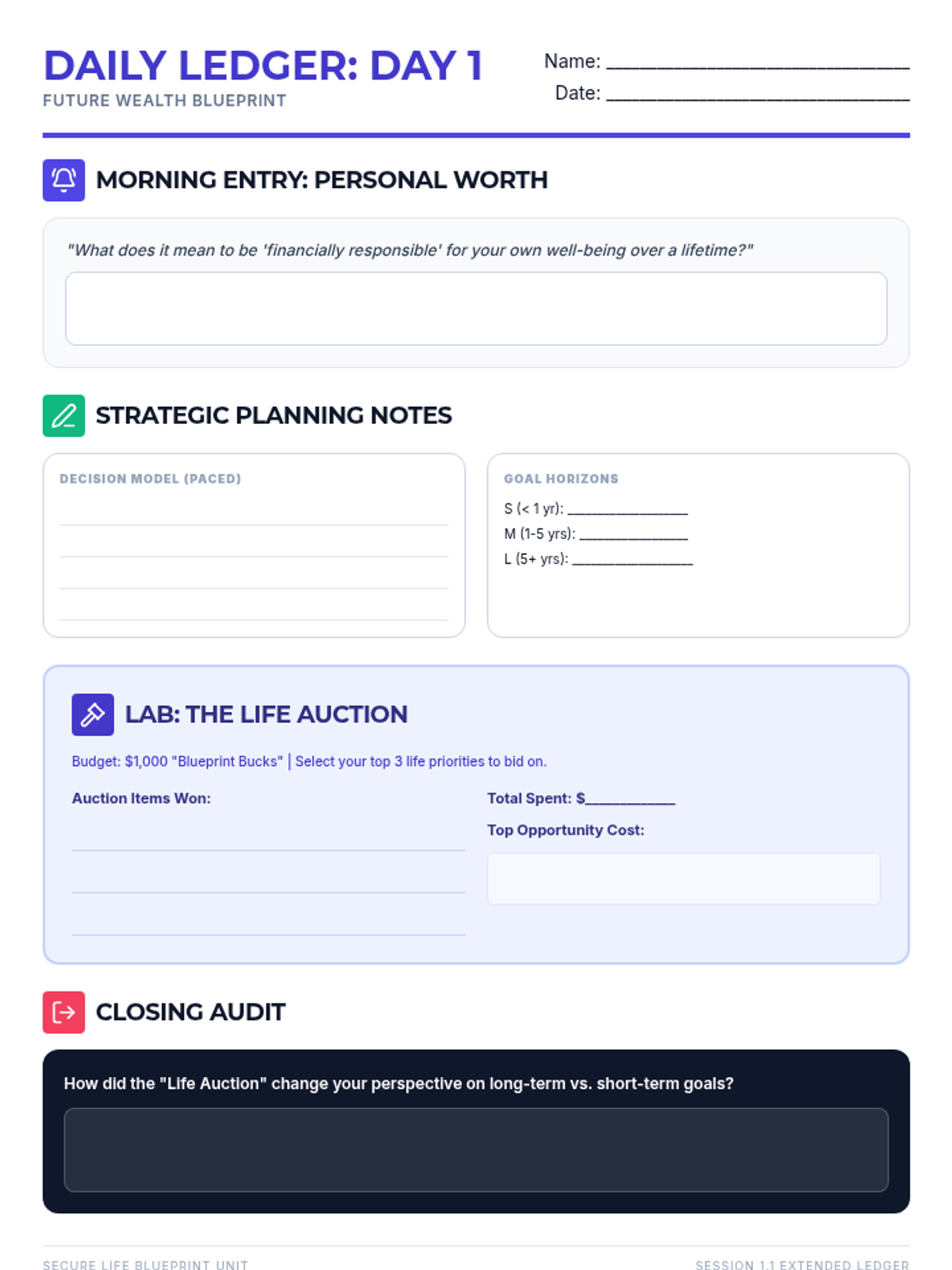
A comprehensive one-week unit on personal financial responsibility, goal setting, information literacy, fraud prevention, and consumer protection. Students learn to navigate the financial landscape safely and strategically.
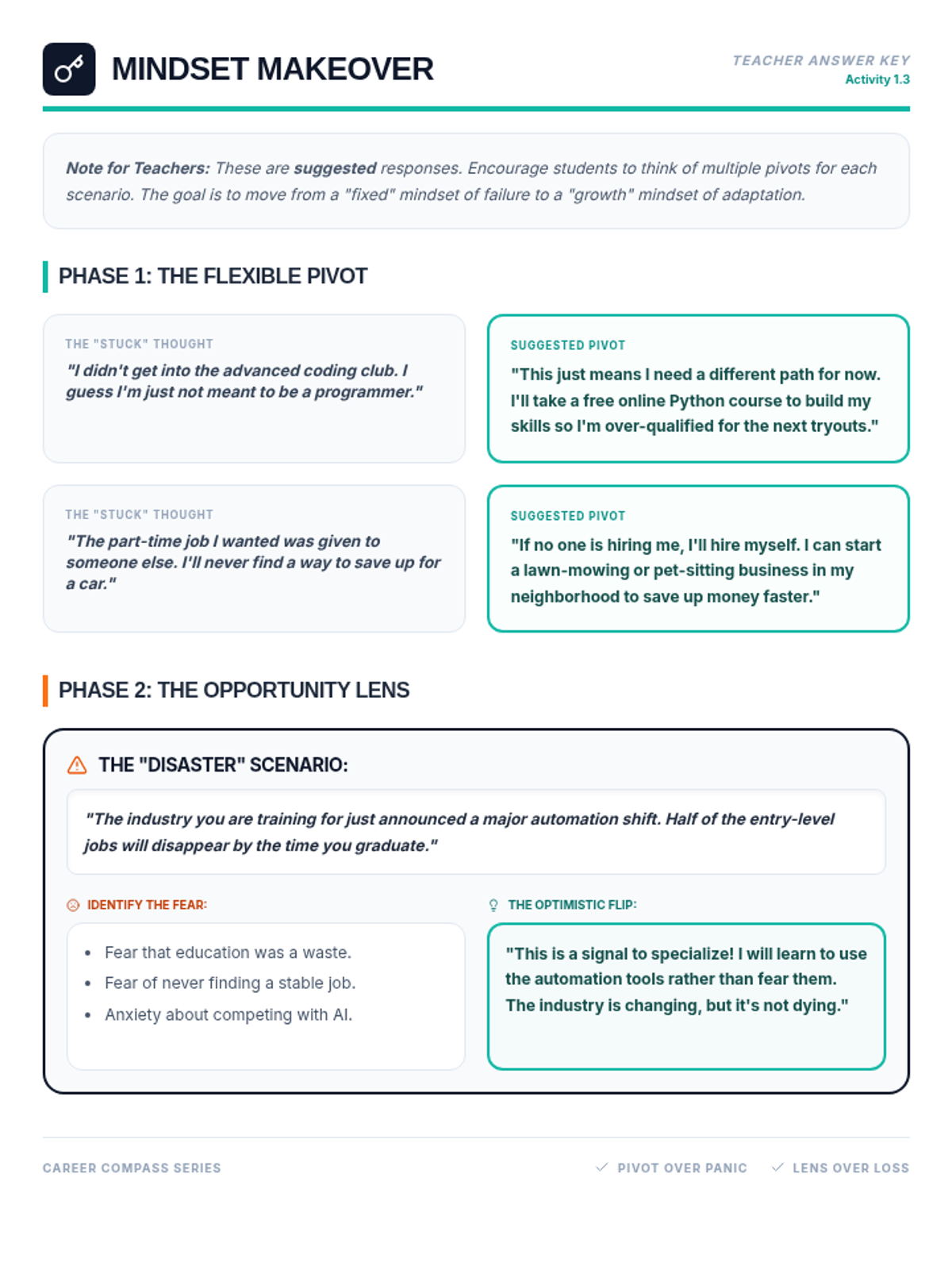
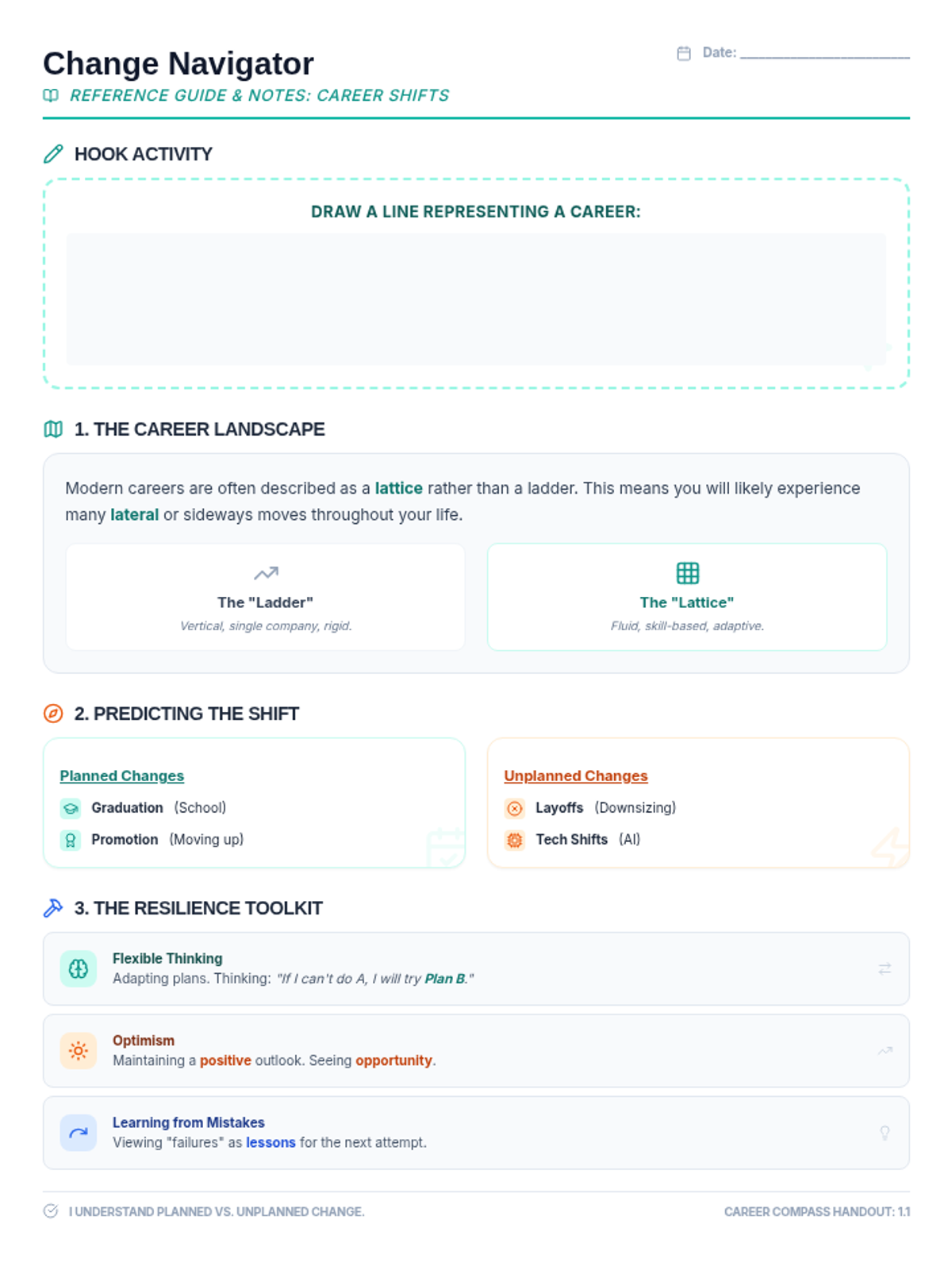
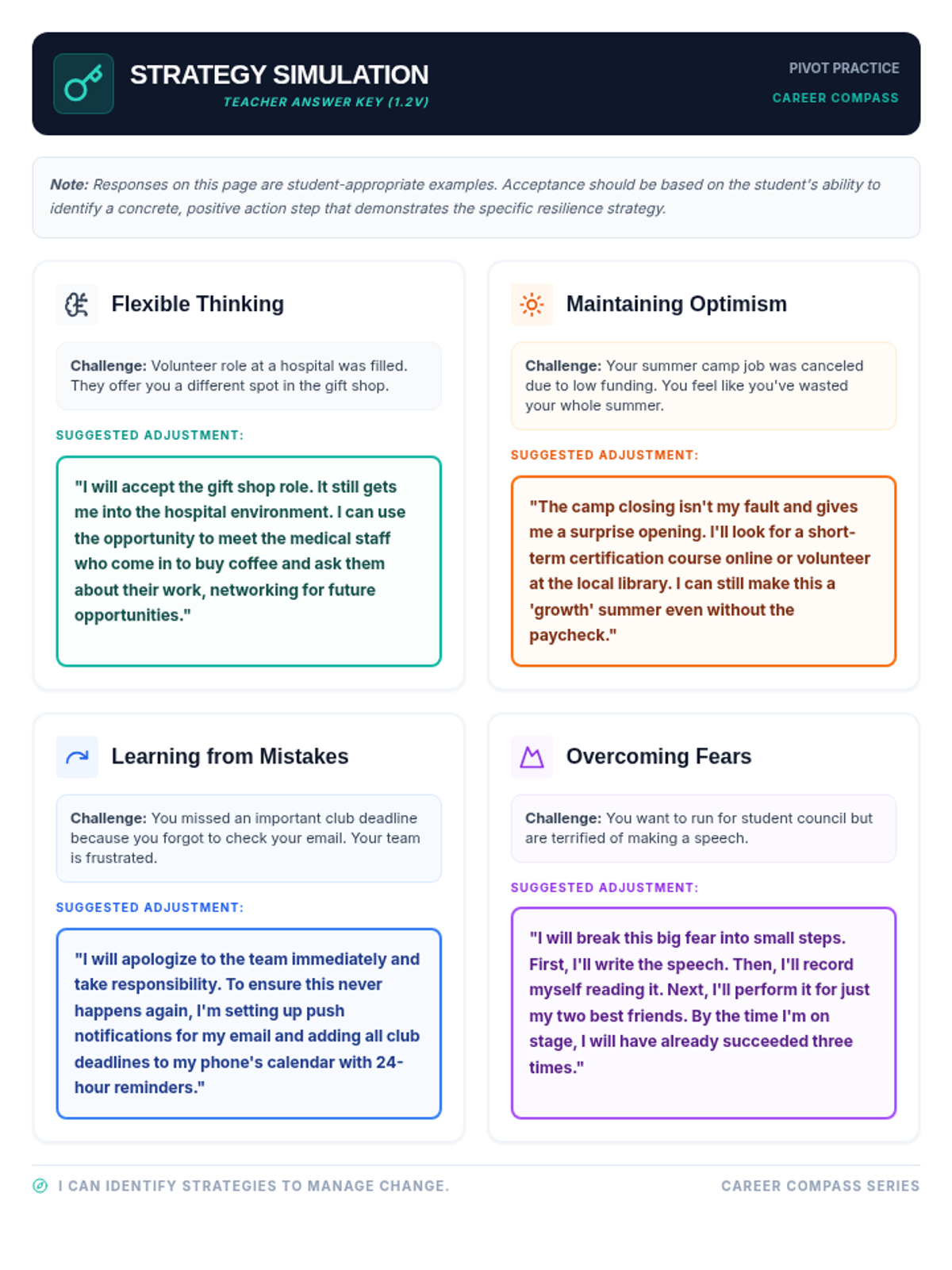
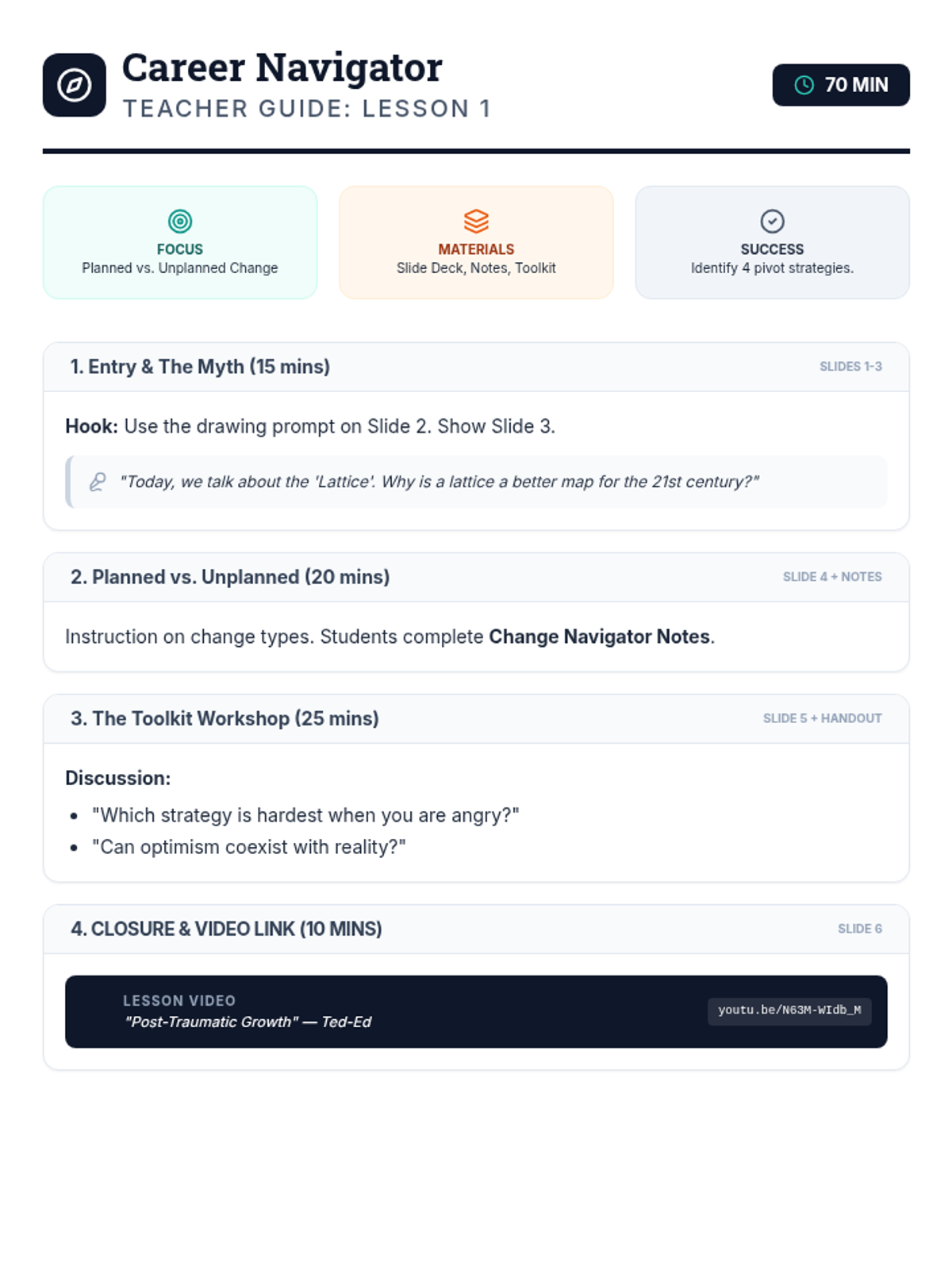
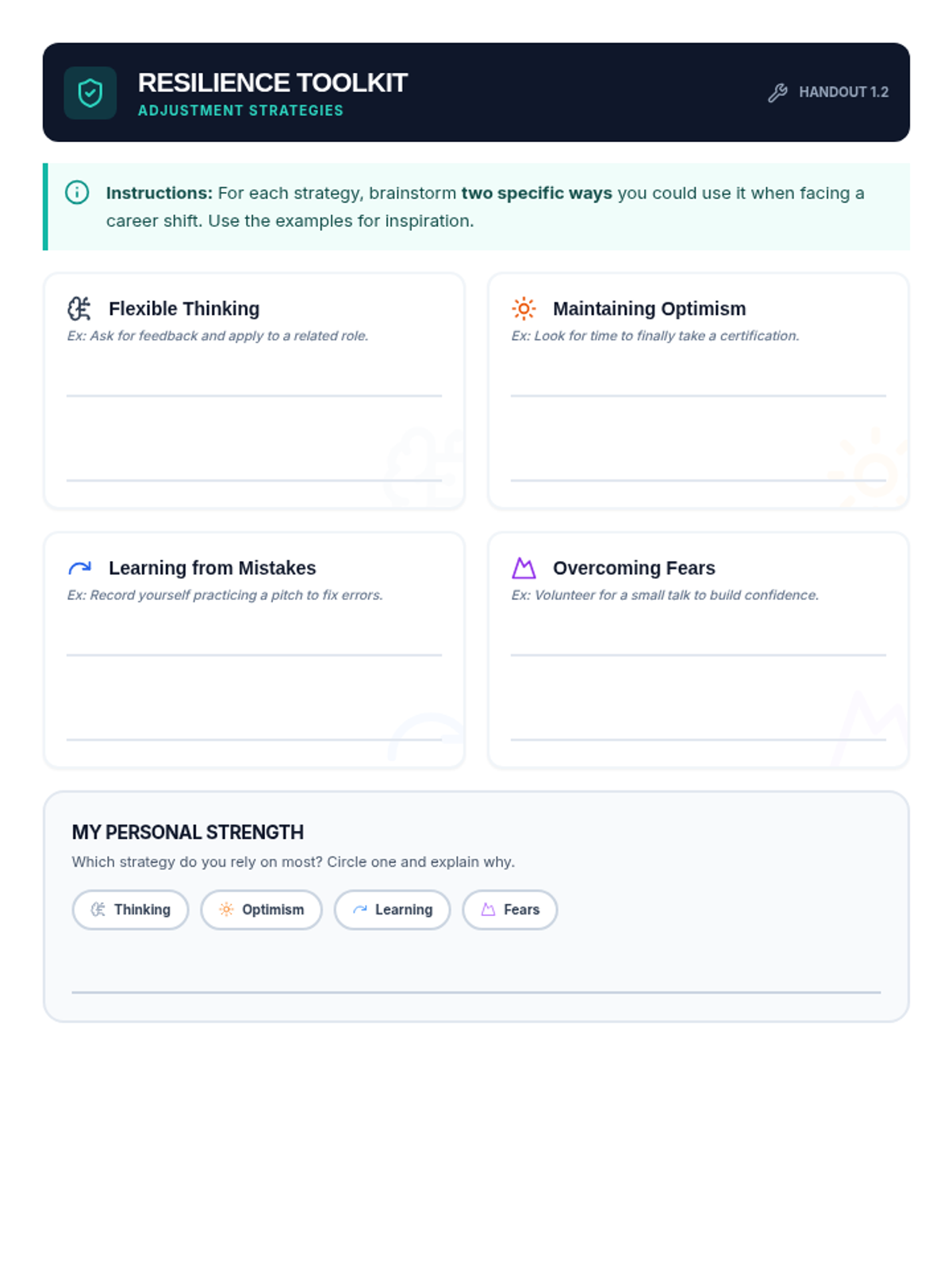
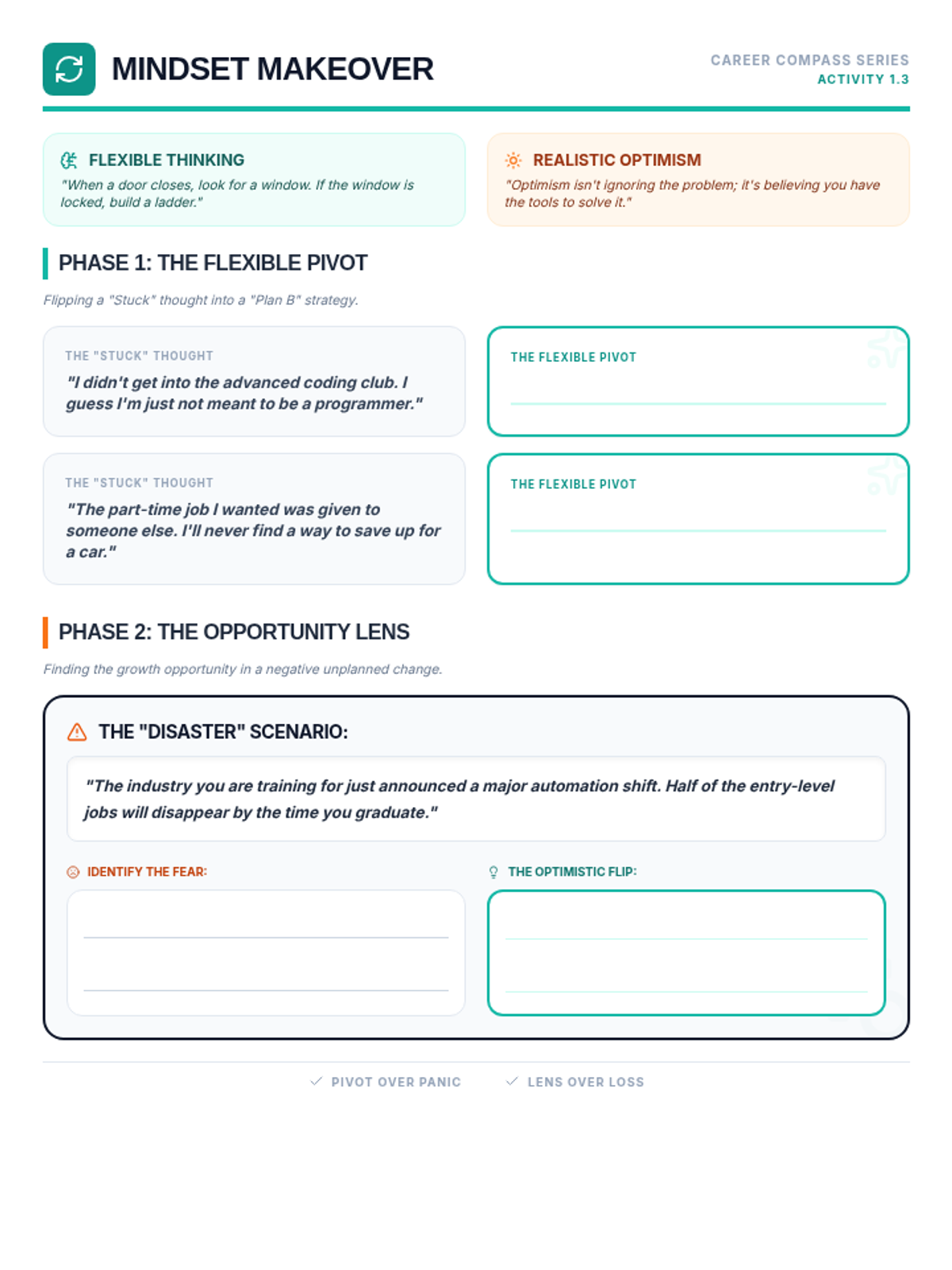
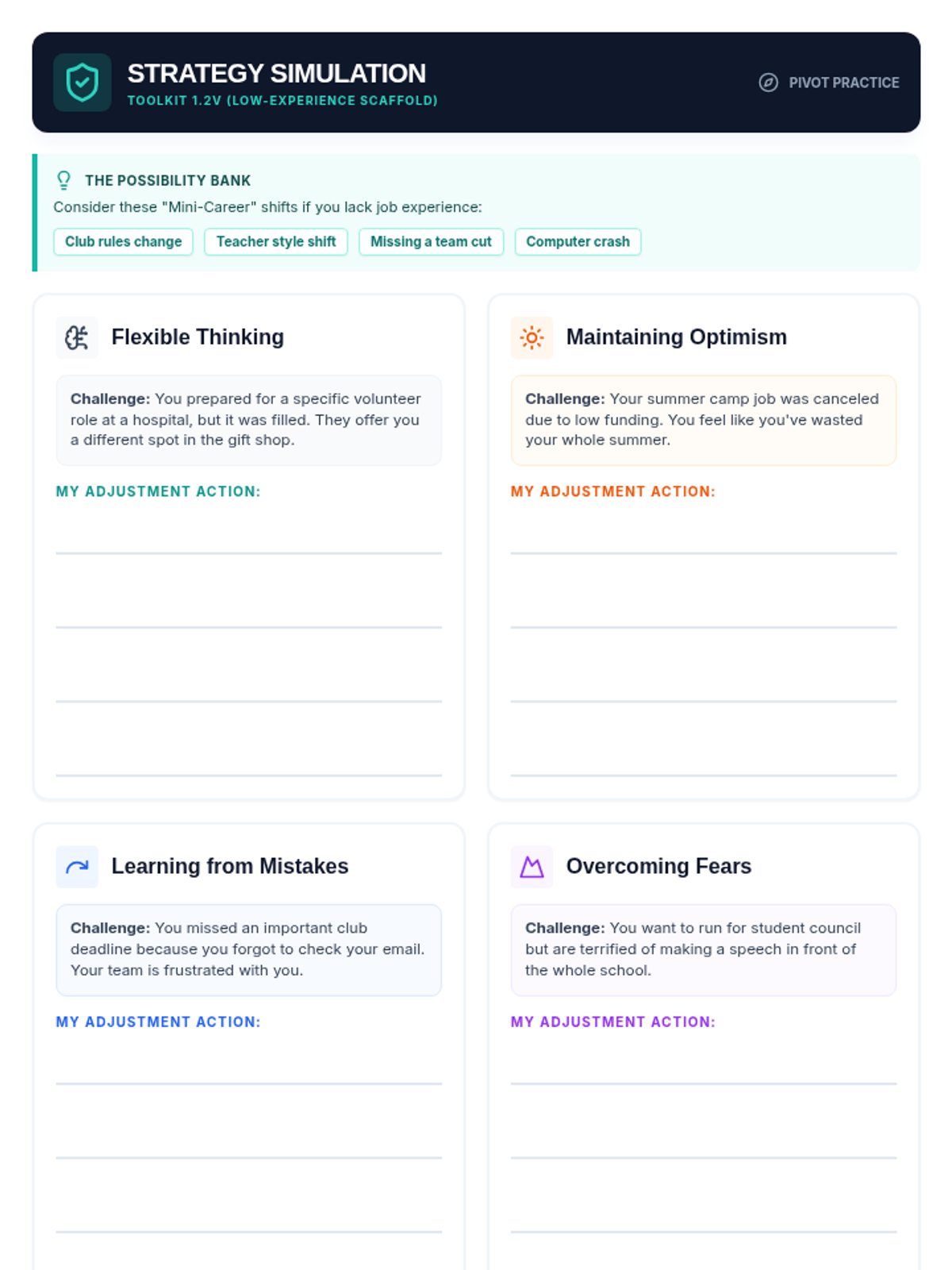
A 2-day unit focused on managing planned and unplanned career changes, featuring visual-heavy instruction, scaffolded reflections, and Universal Design for Learning (UDL) principles. Students will learn to identify strategies like flexible thinking and optimism to navigate their future professional paths.
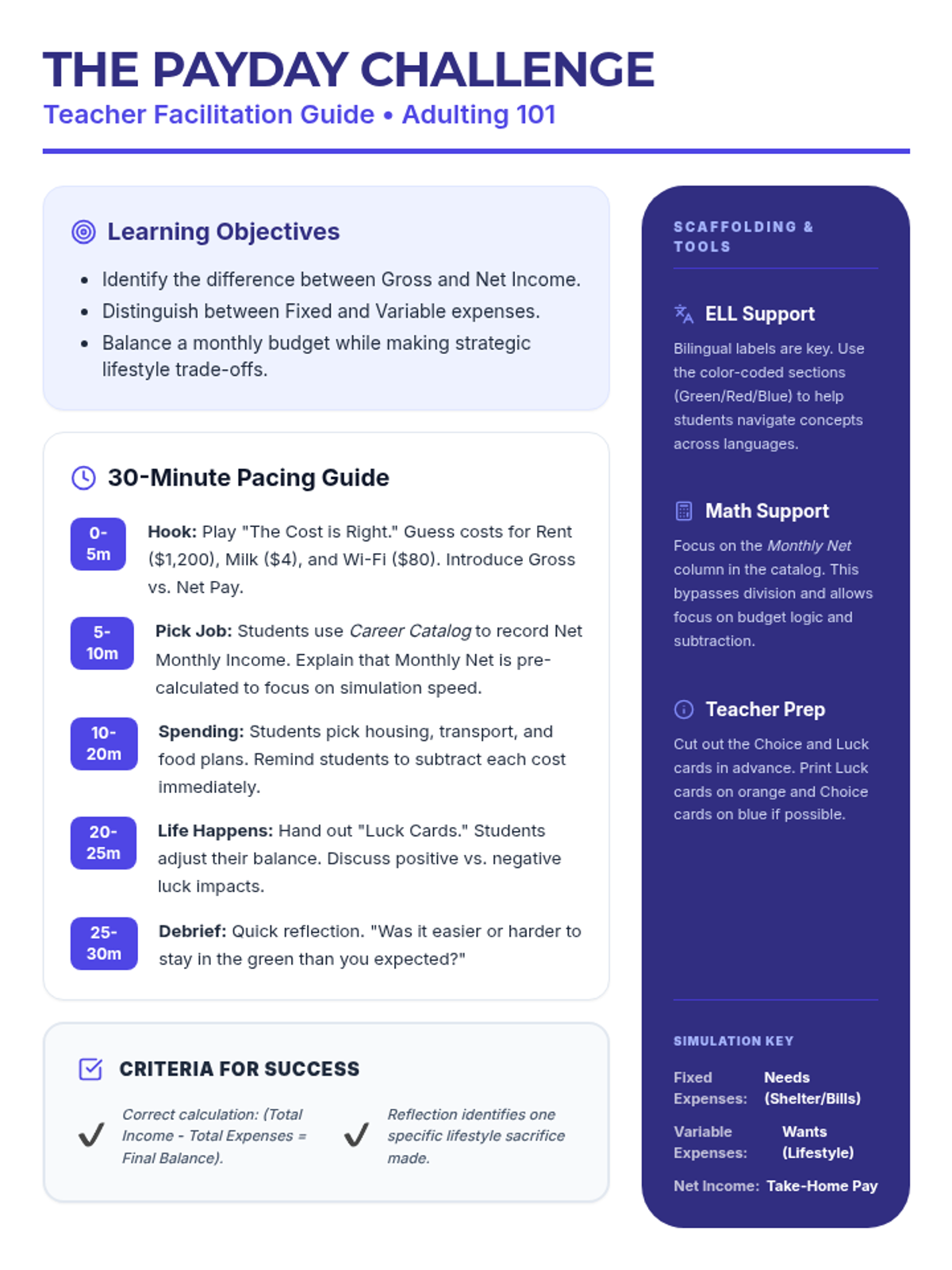
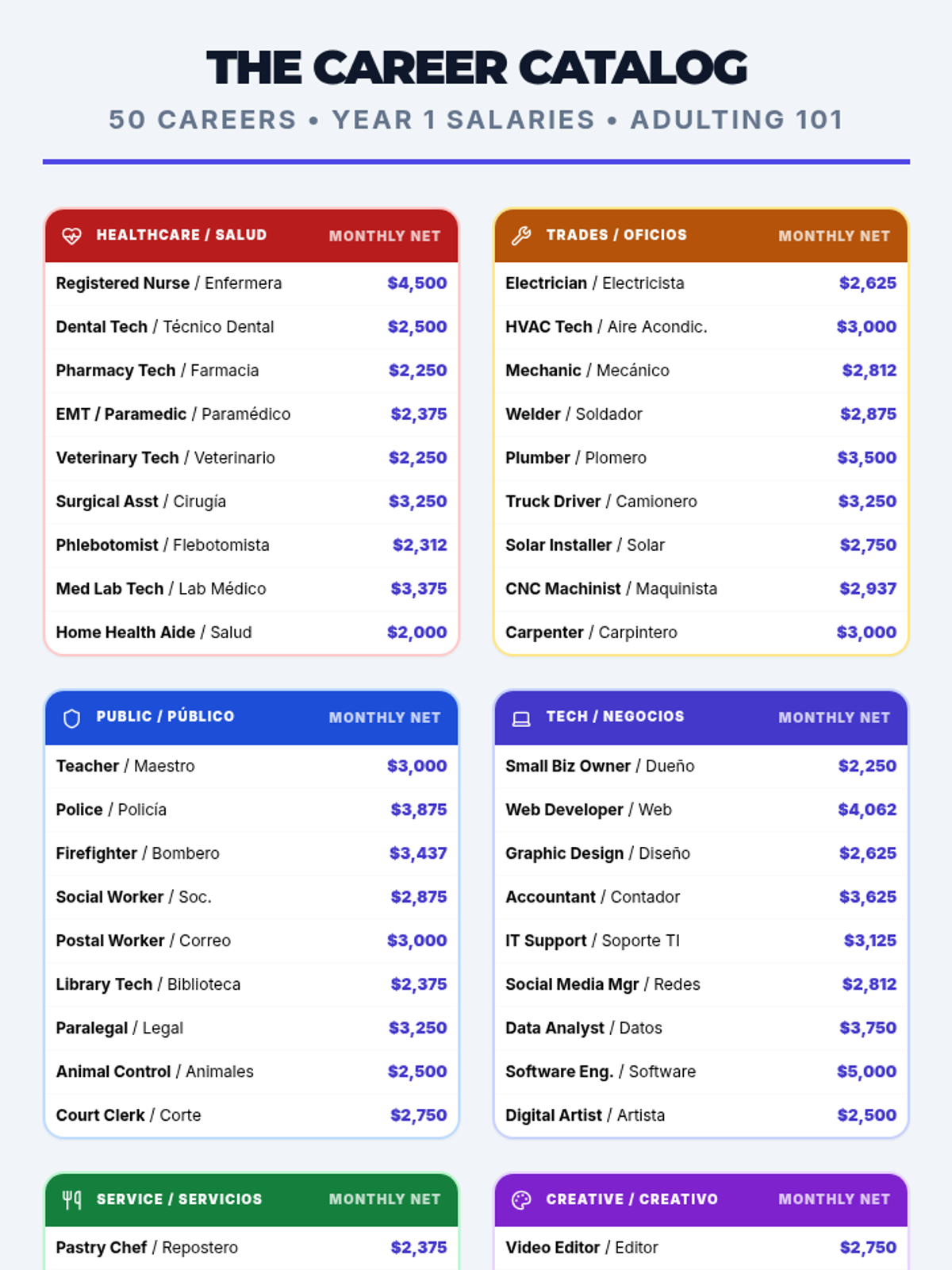
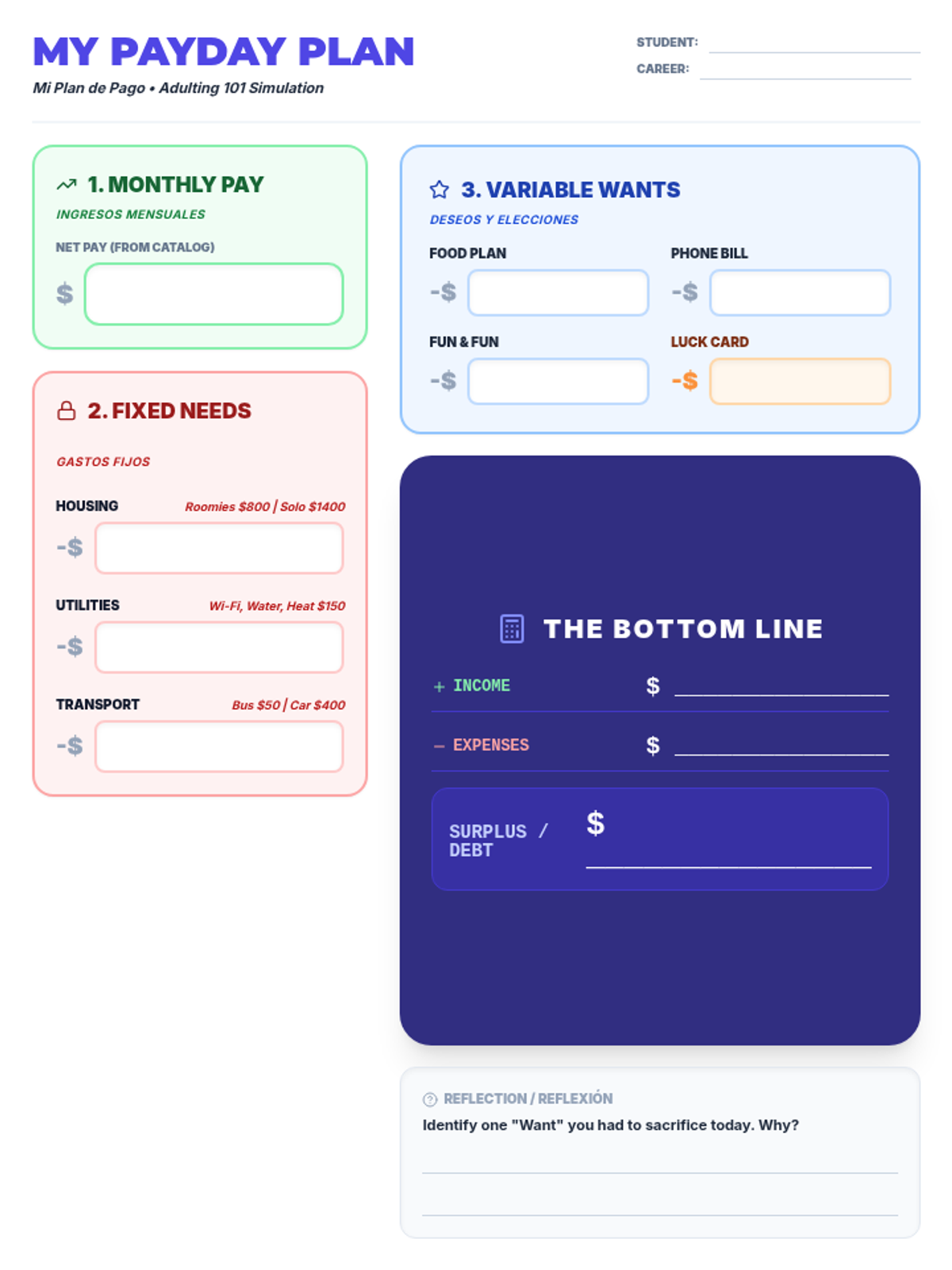
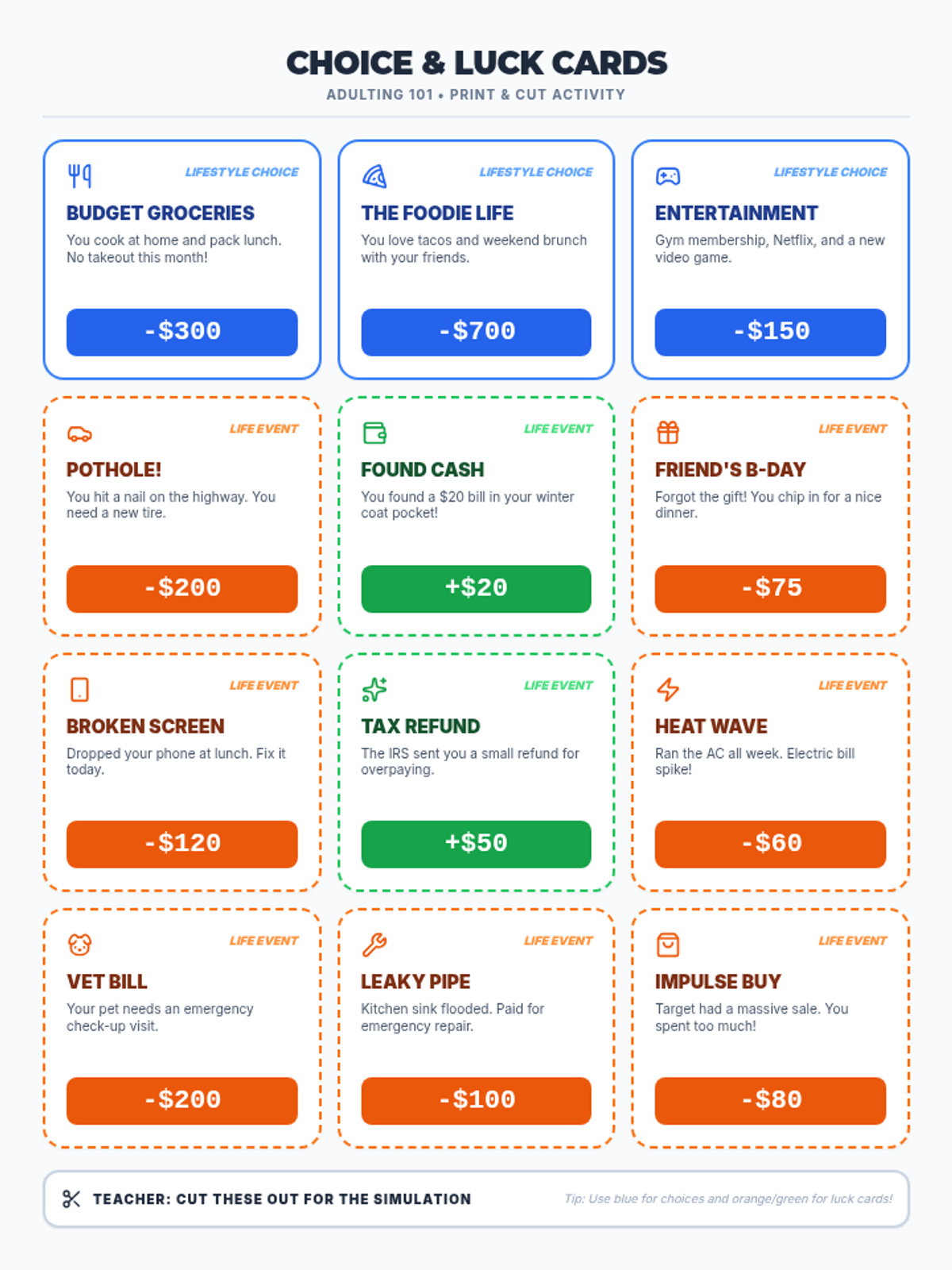
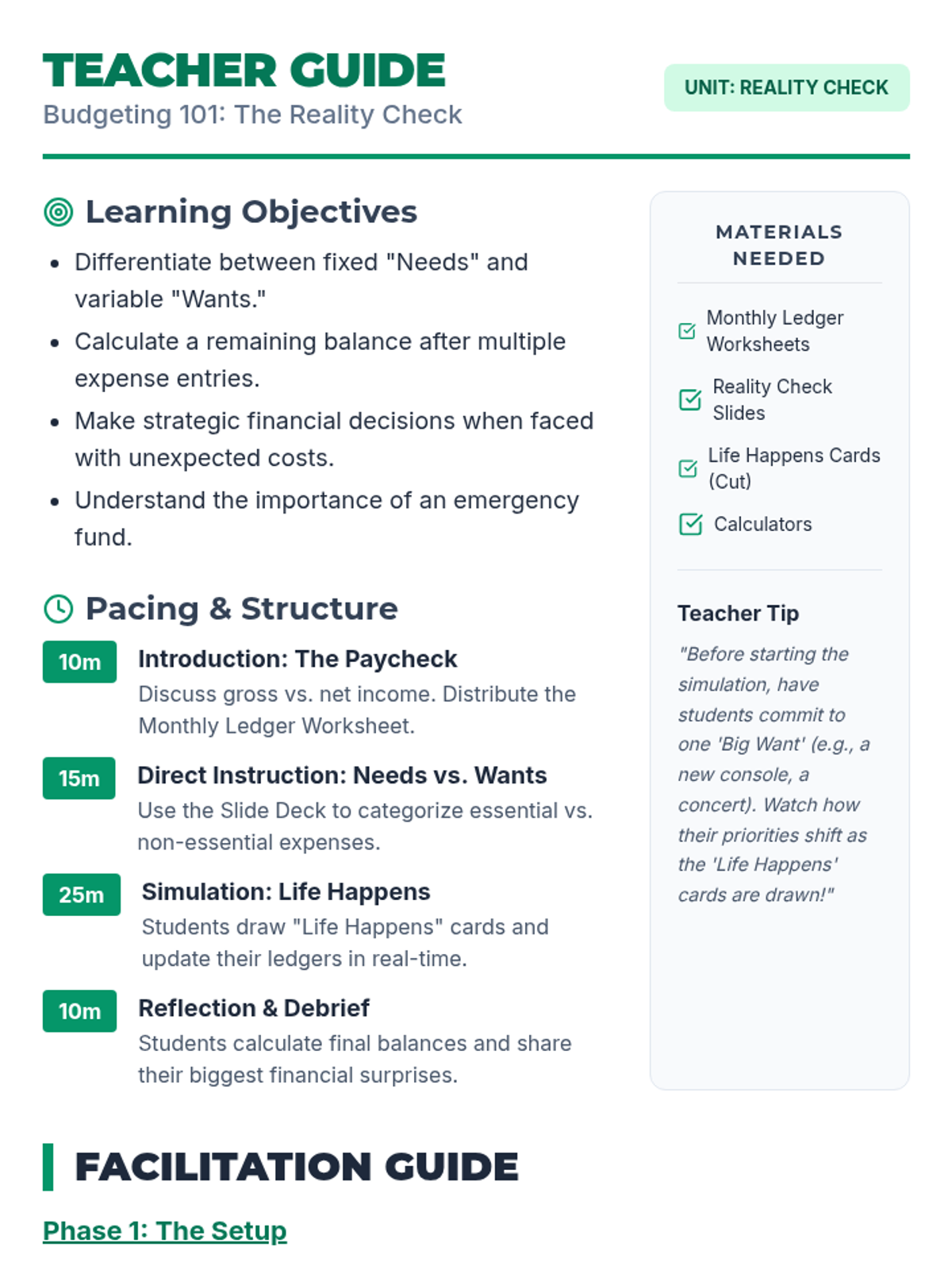
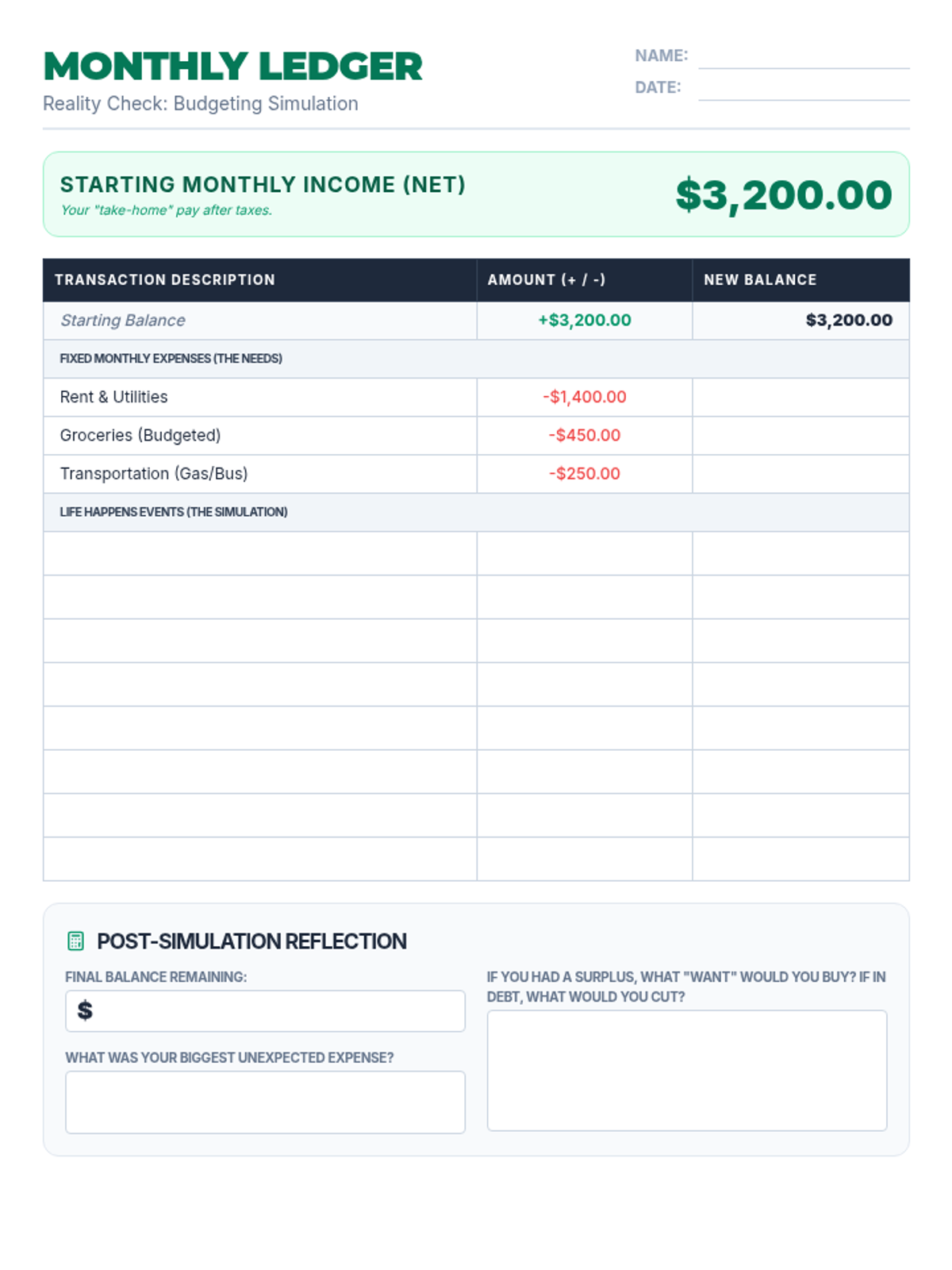
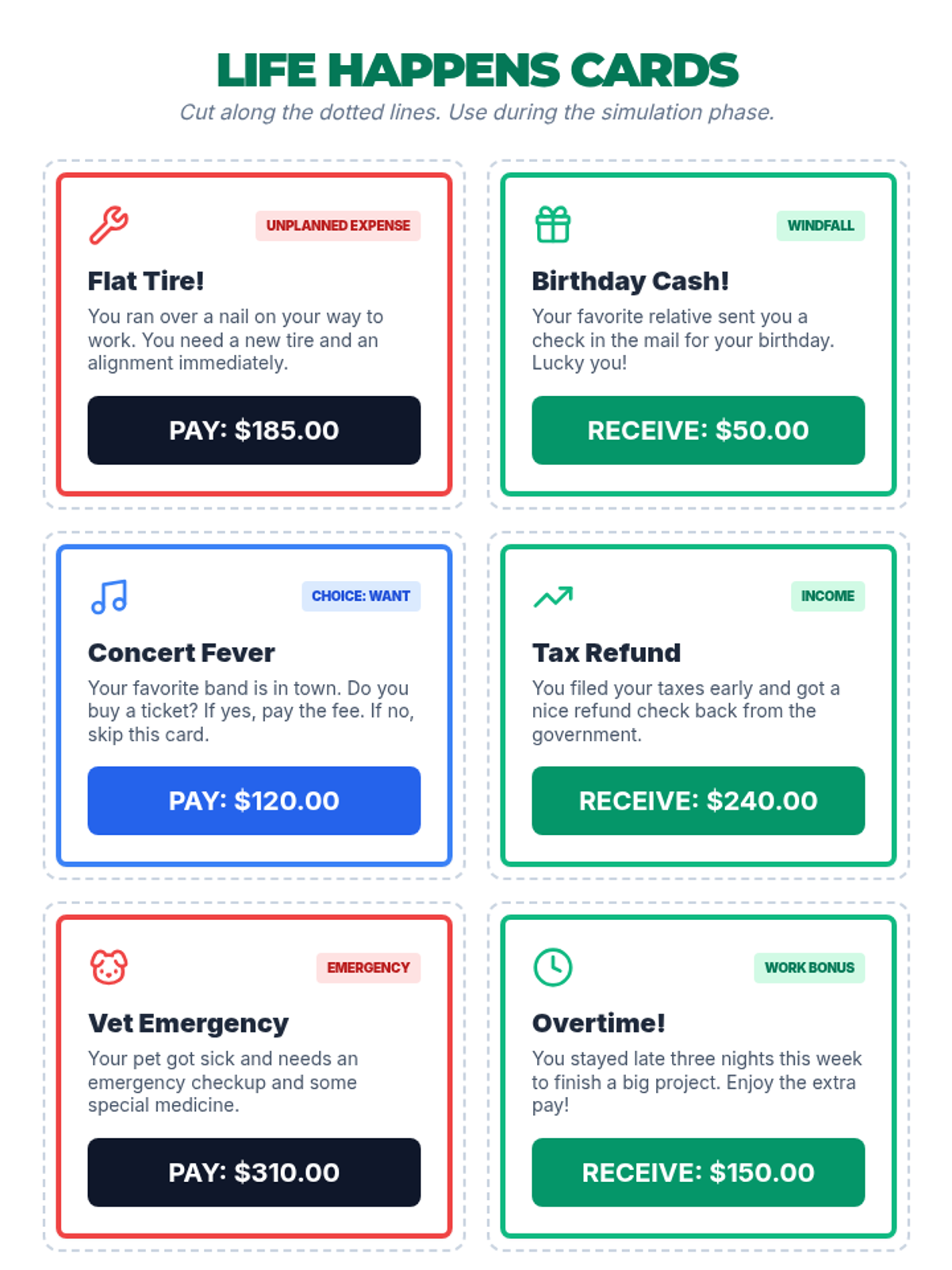
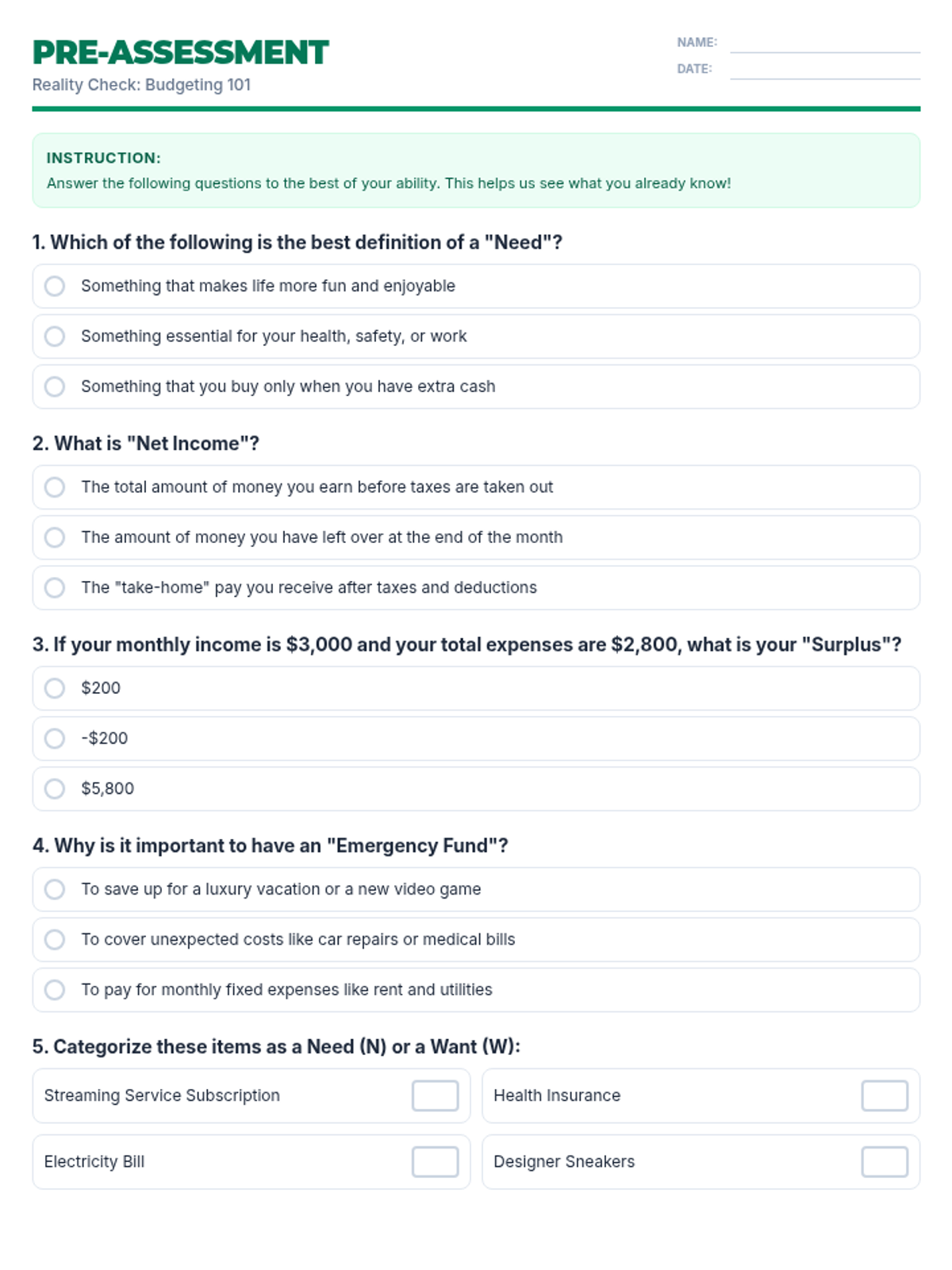
A comprehensive life-skills unit focused on practical financial literacy, featuring a fast-paced budgeting simulation where students navigate career choices, monthly expenses, and unexpected life events using color-coded visual supports.
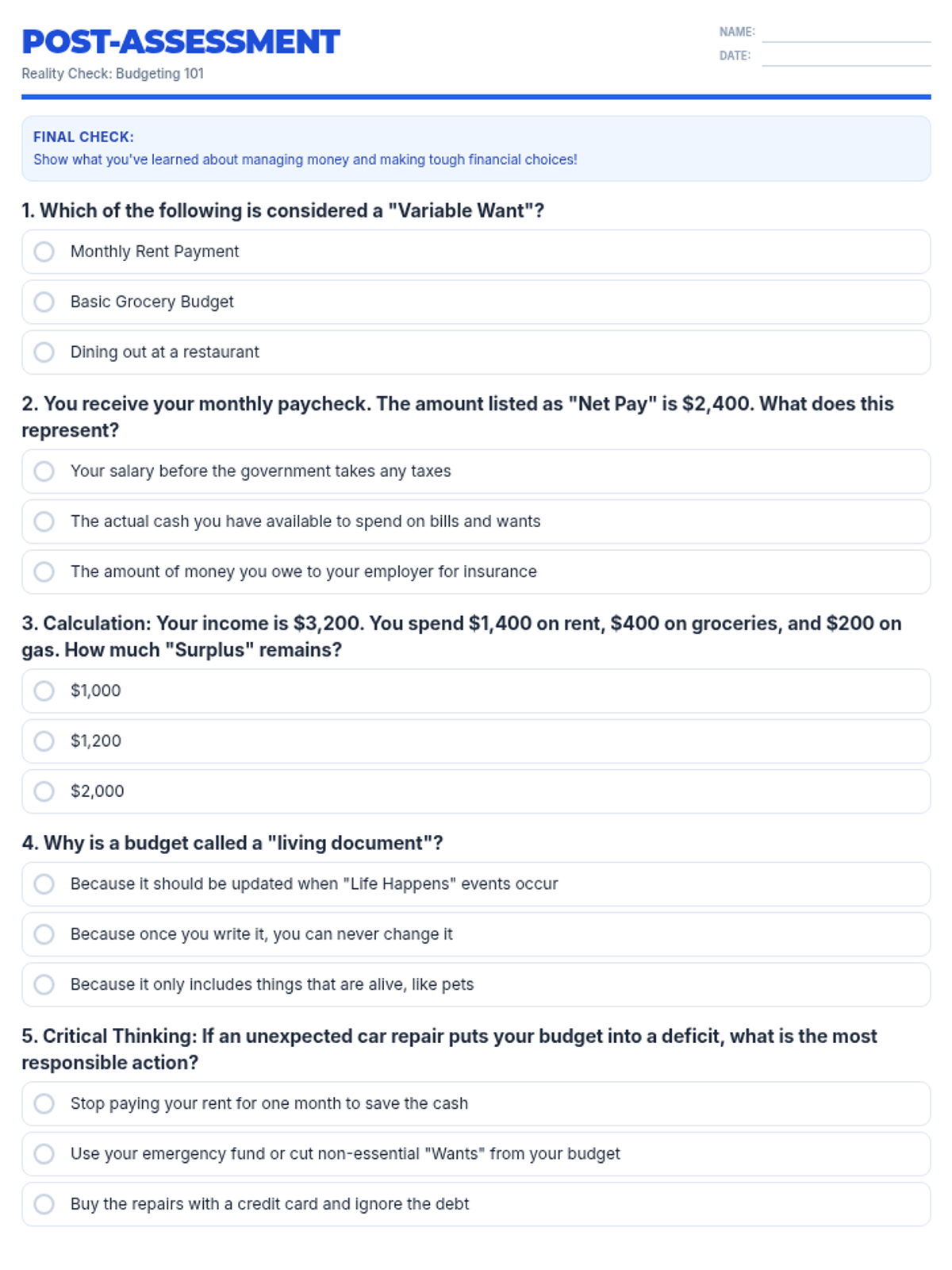
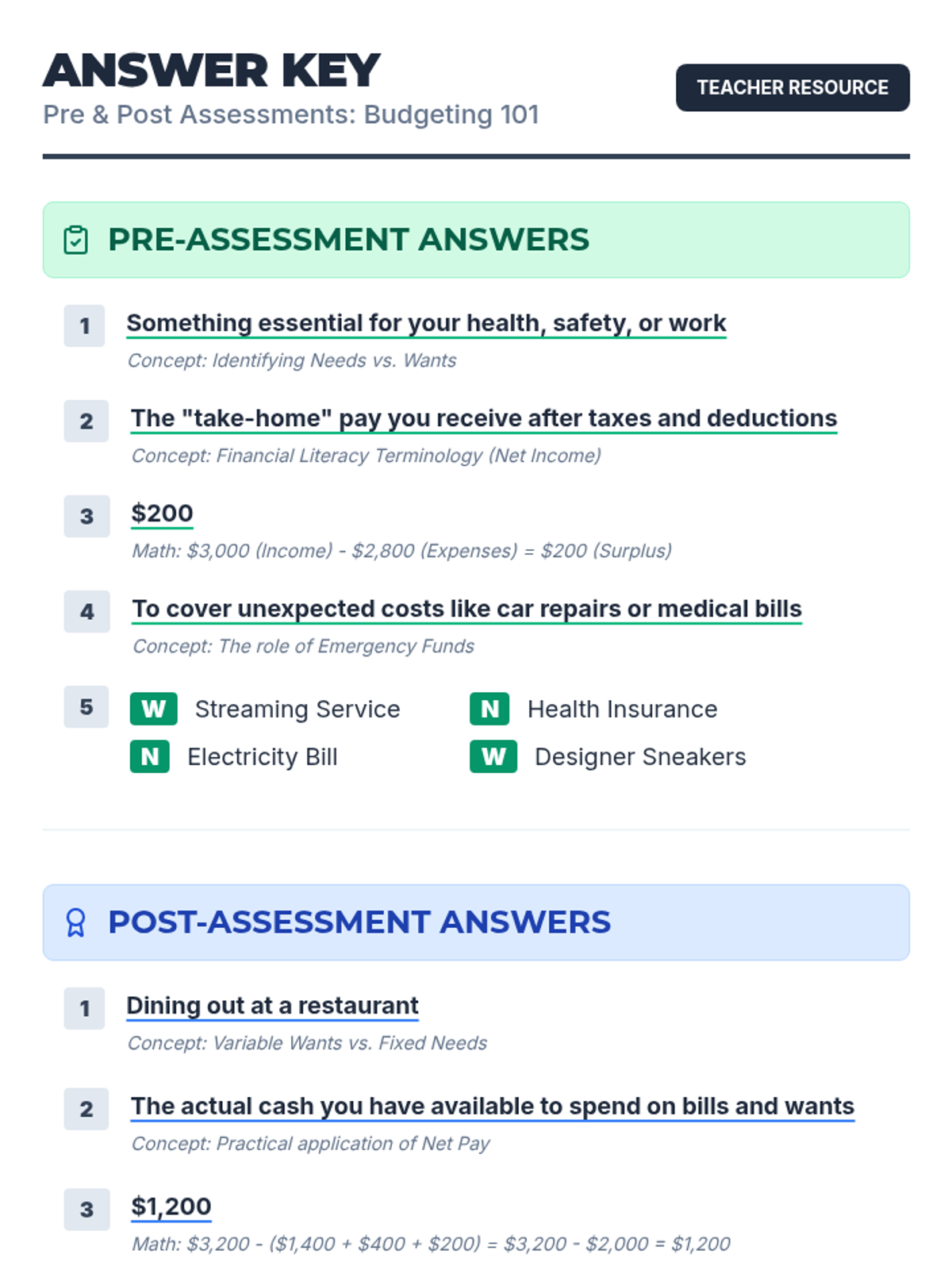
A functional math and life skills unit where students manage a simulated monthly income, navigate unexpected expenses, and prioritize needs versus wants.
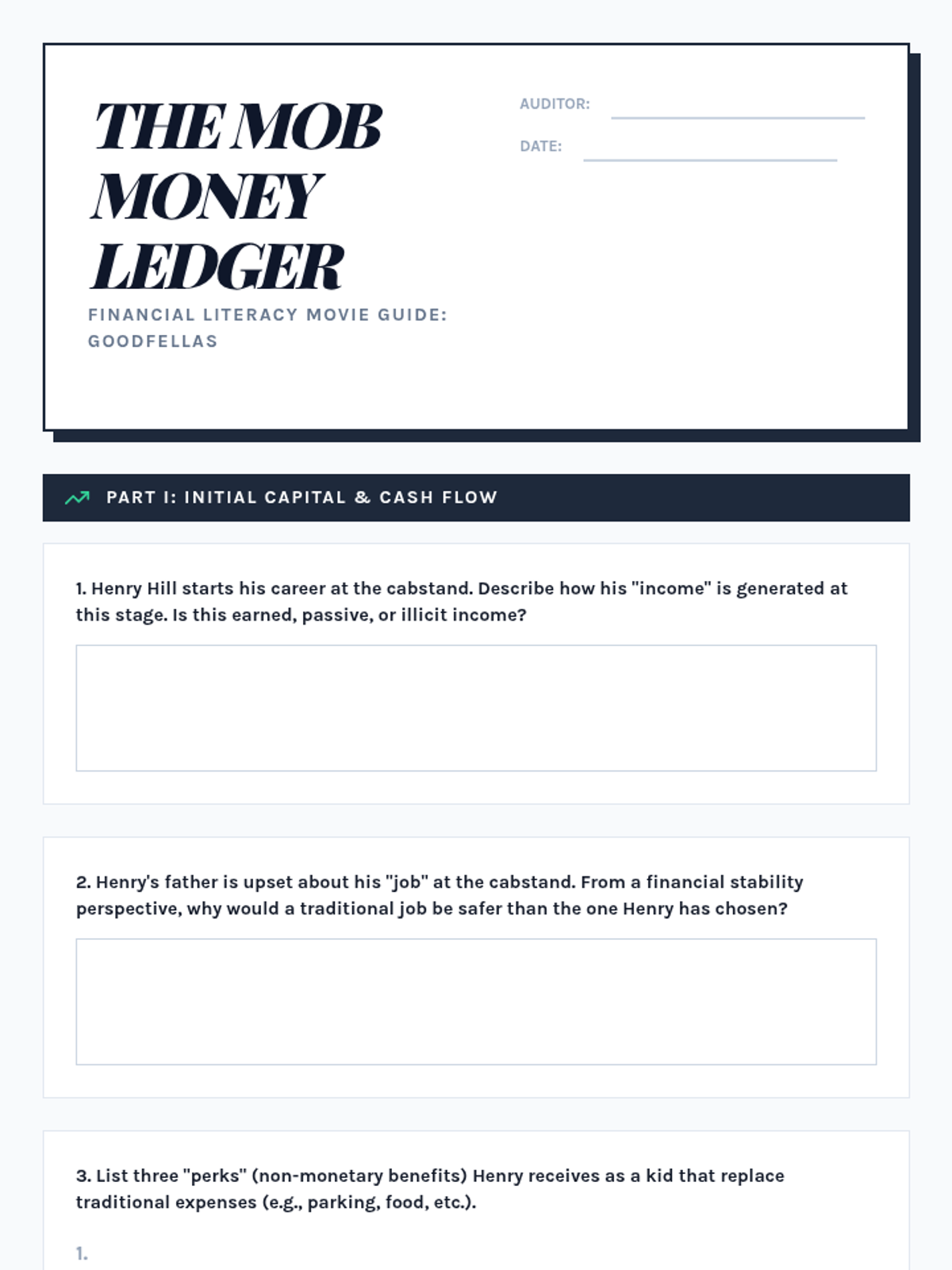
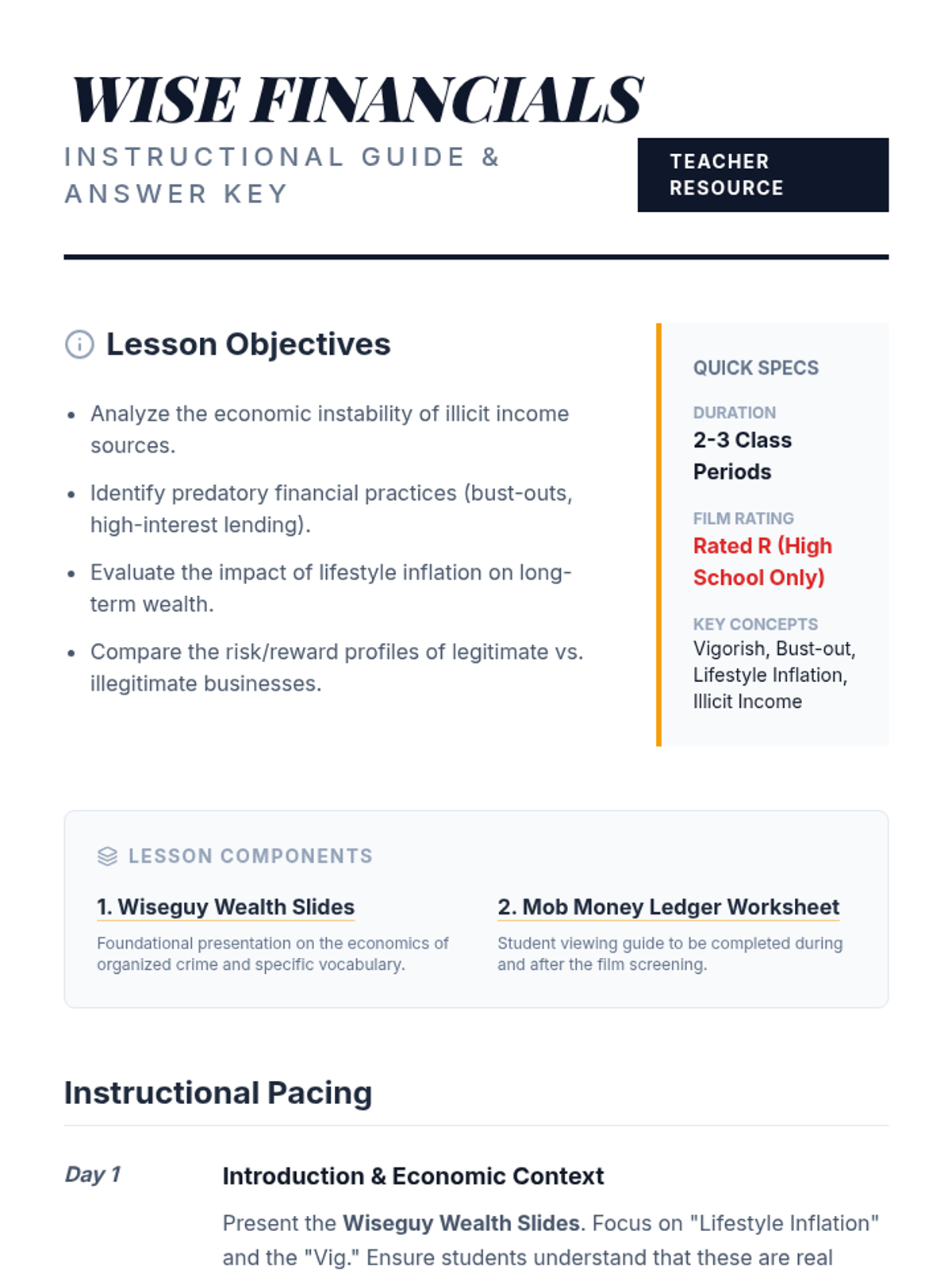
A financial literacy sequence centered on the film Goodfellas, examining the unstable economics of organized crime, lifestyle inflation, and the importance of legitimate financial planning.
A comprehensive identity design unit where students explore the psychological and visual elements of branding, including color theory, typography, and logo composition.
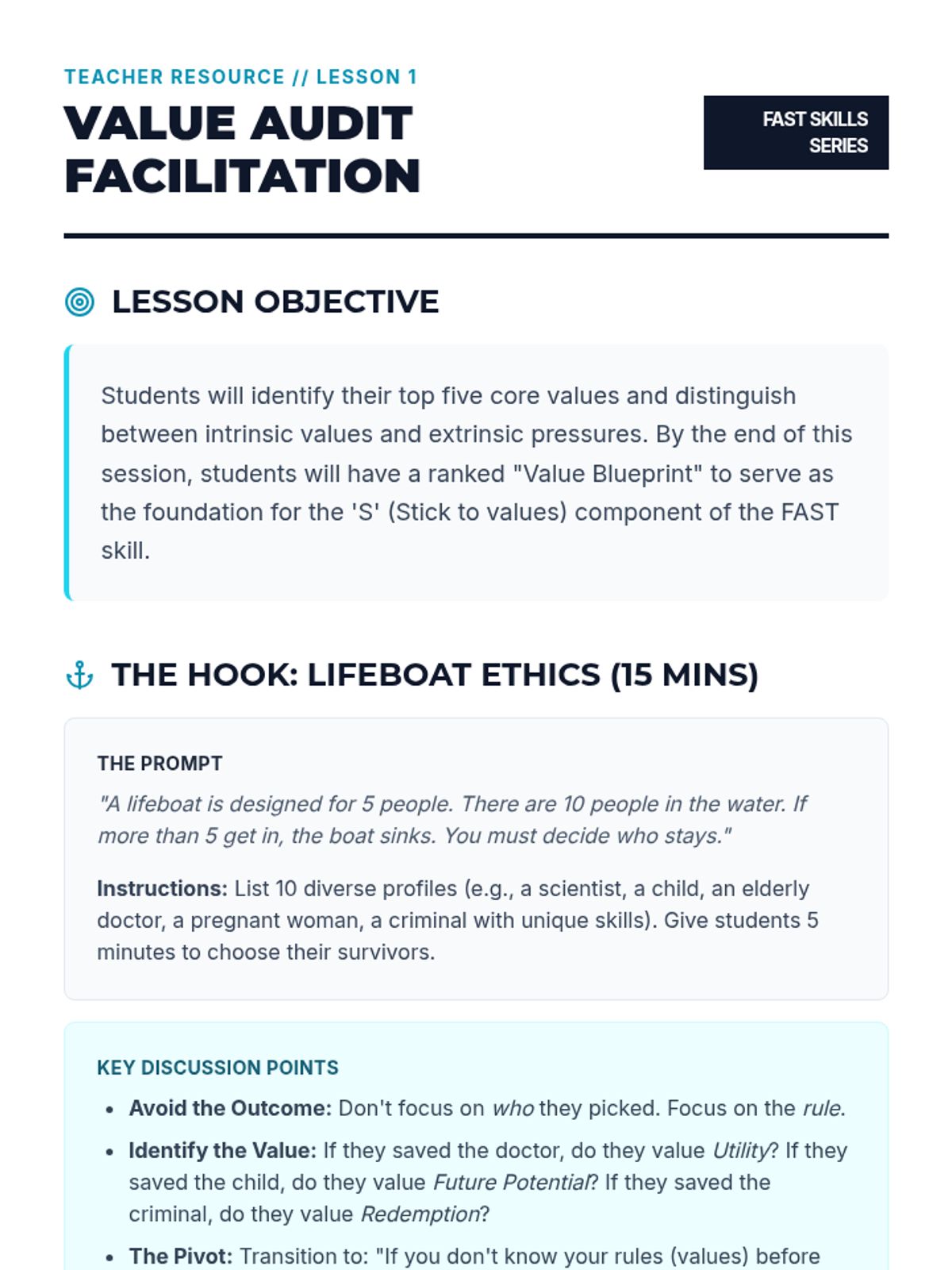
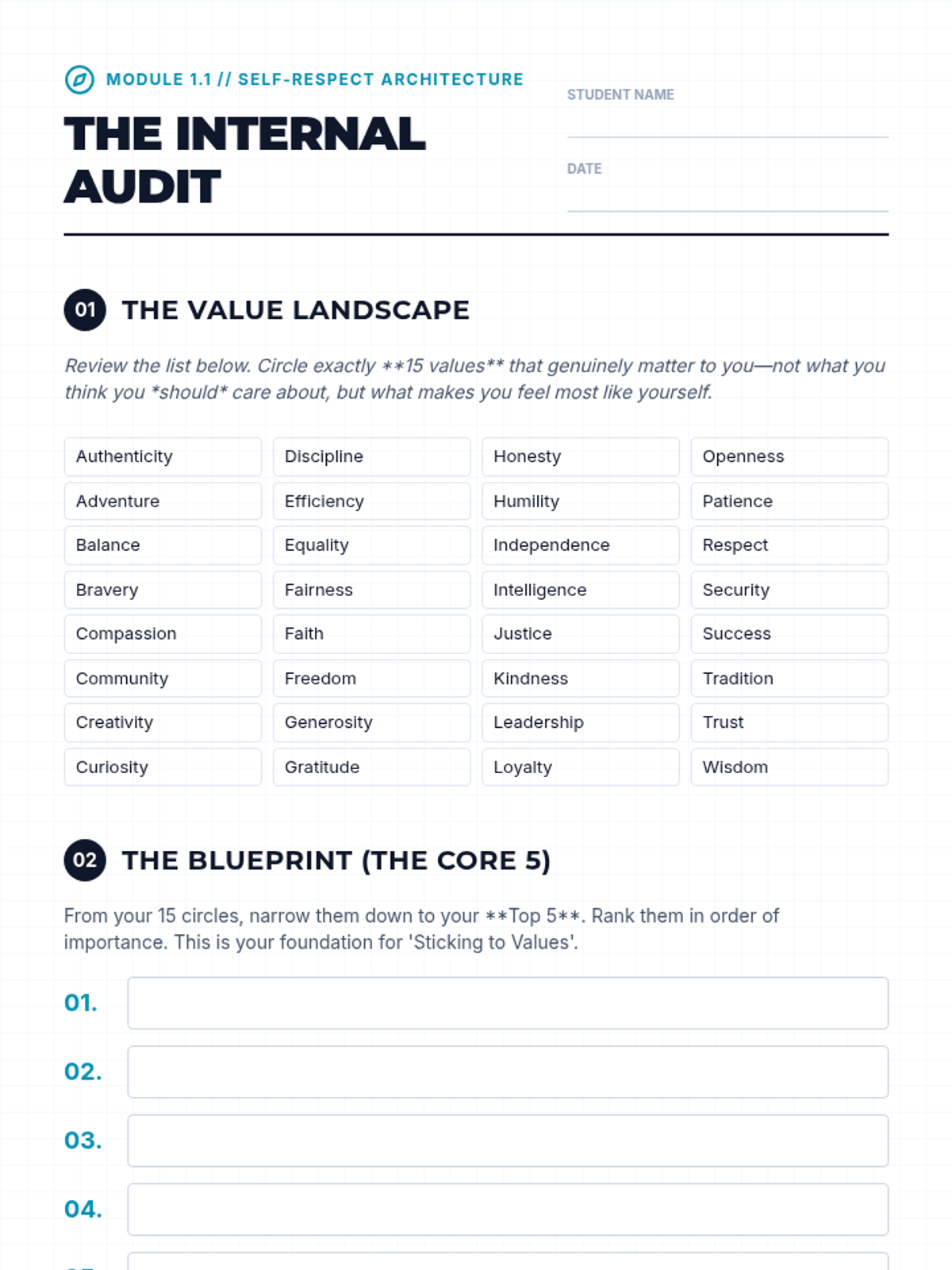
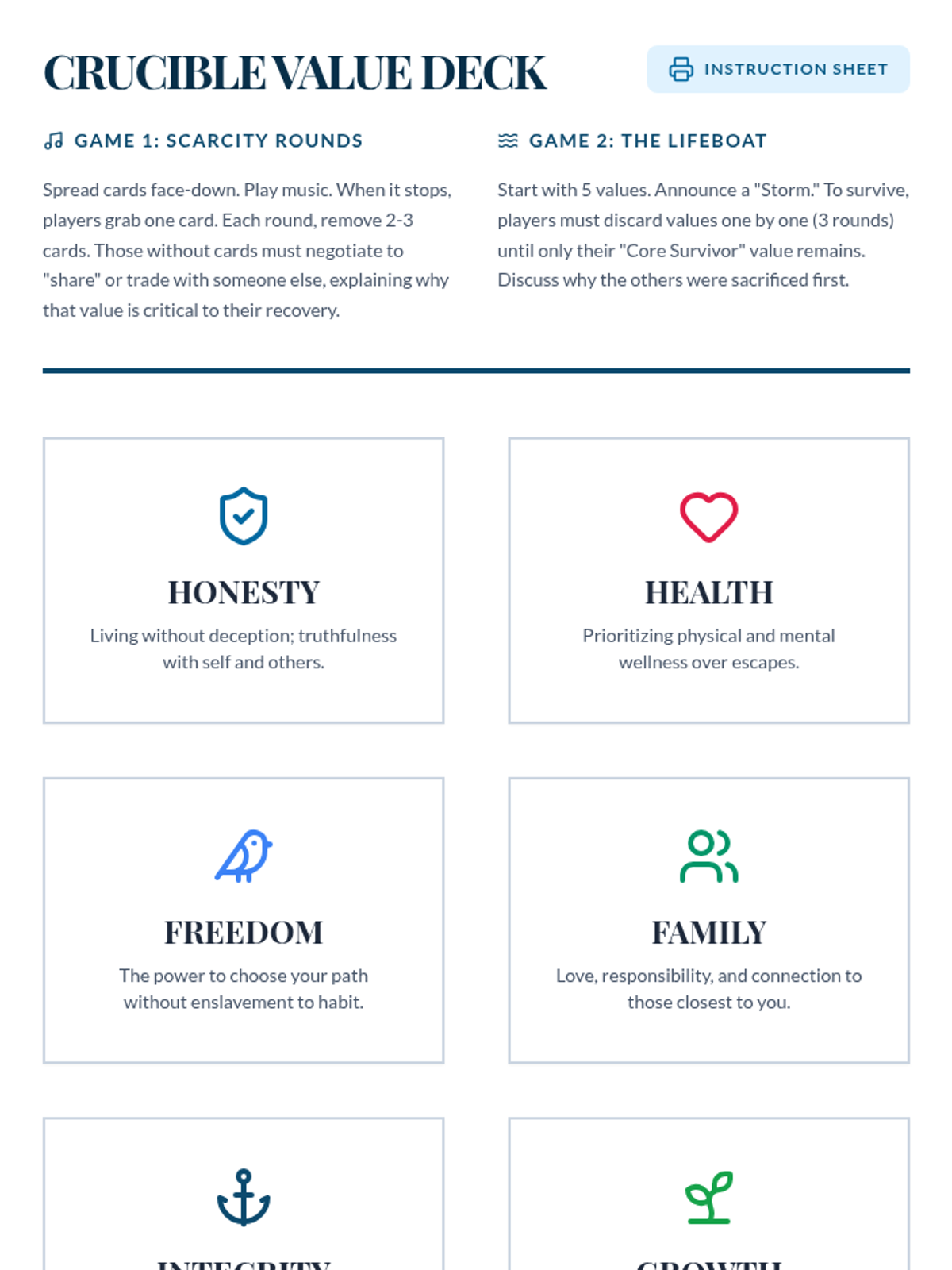
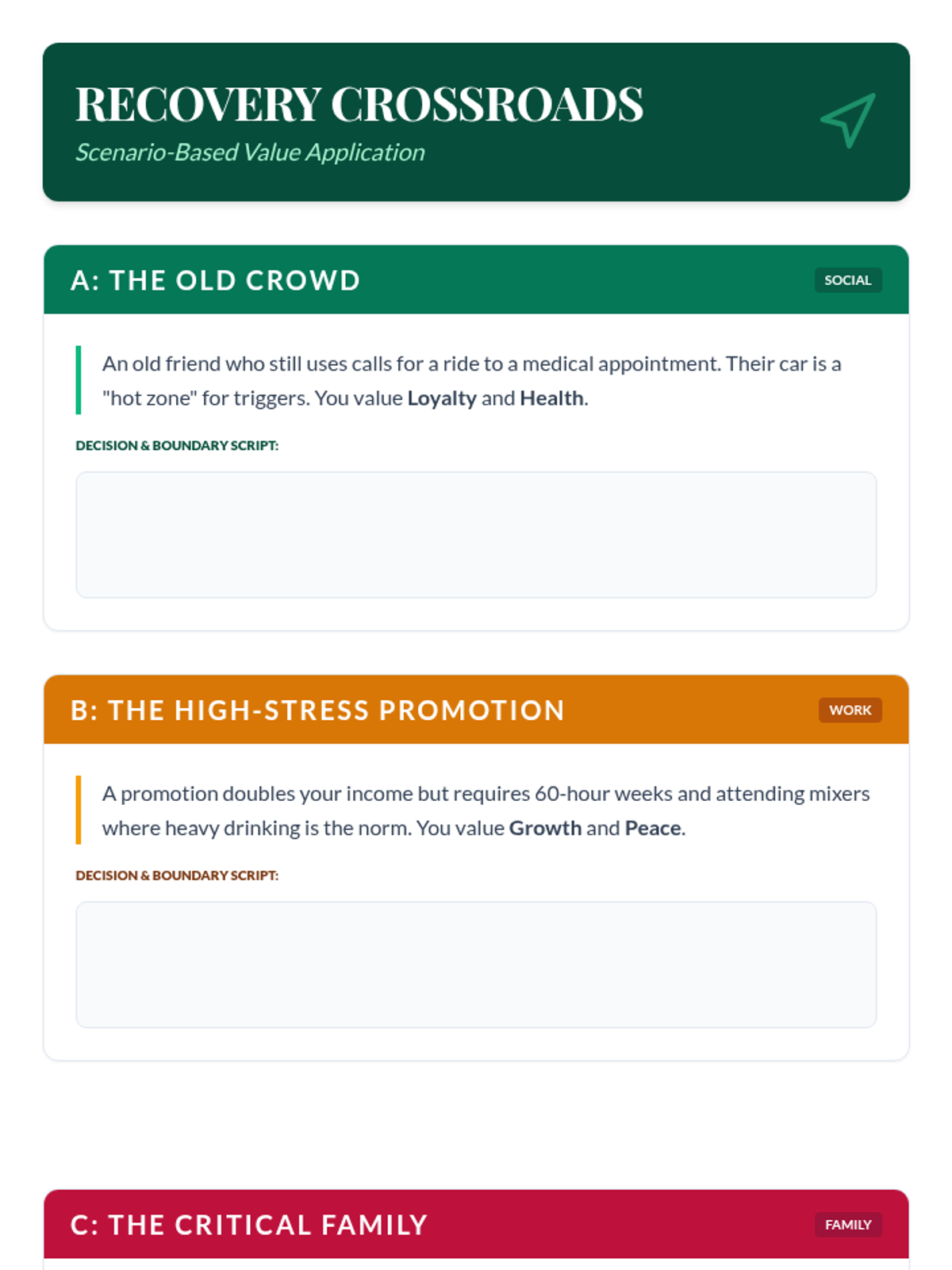
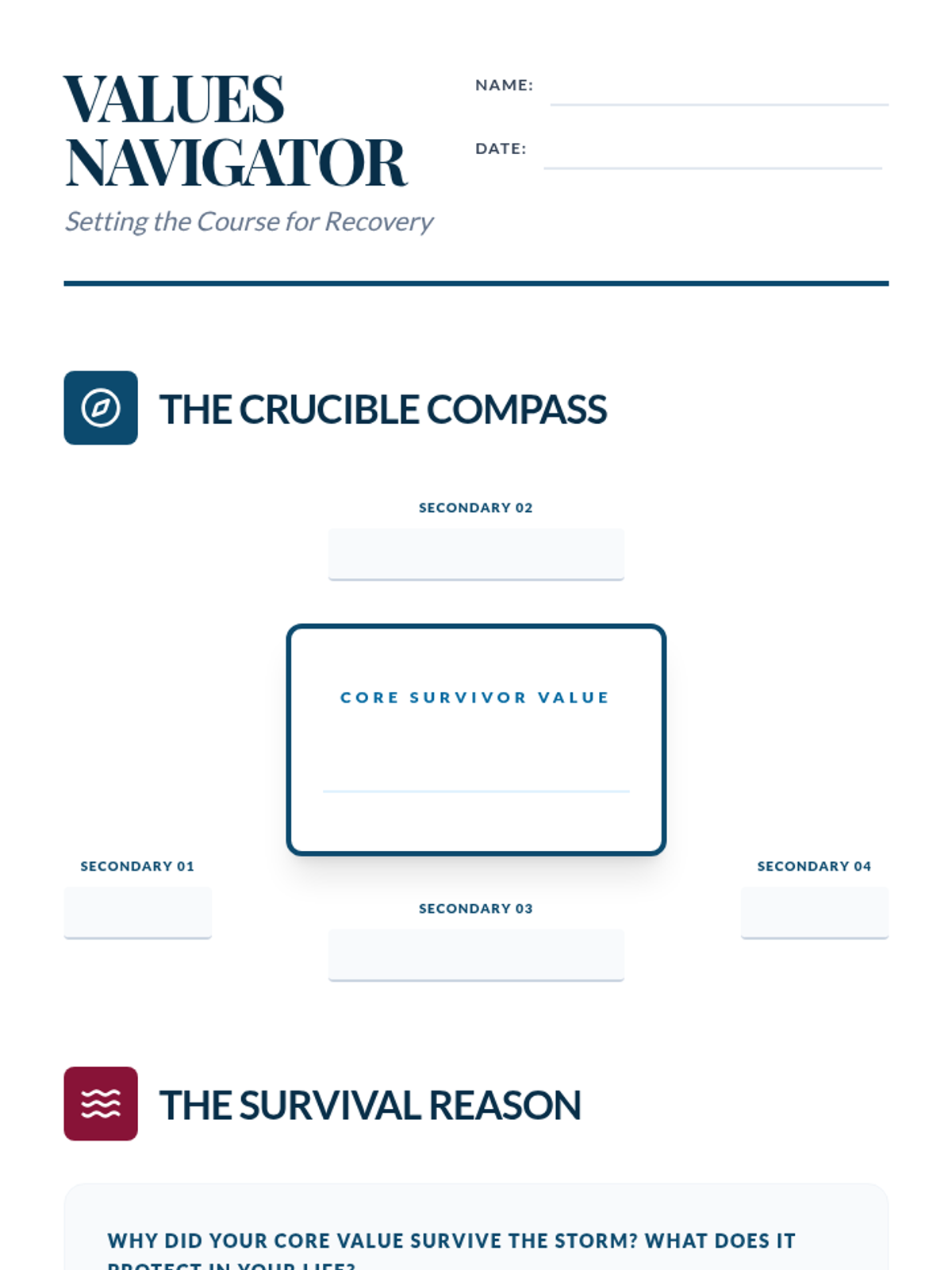
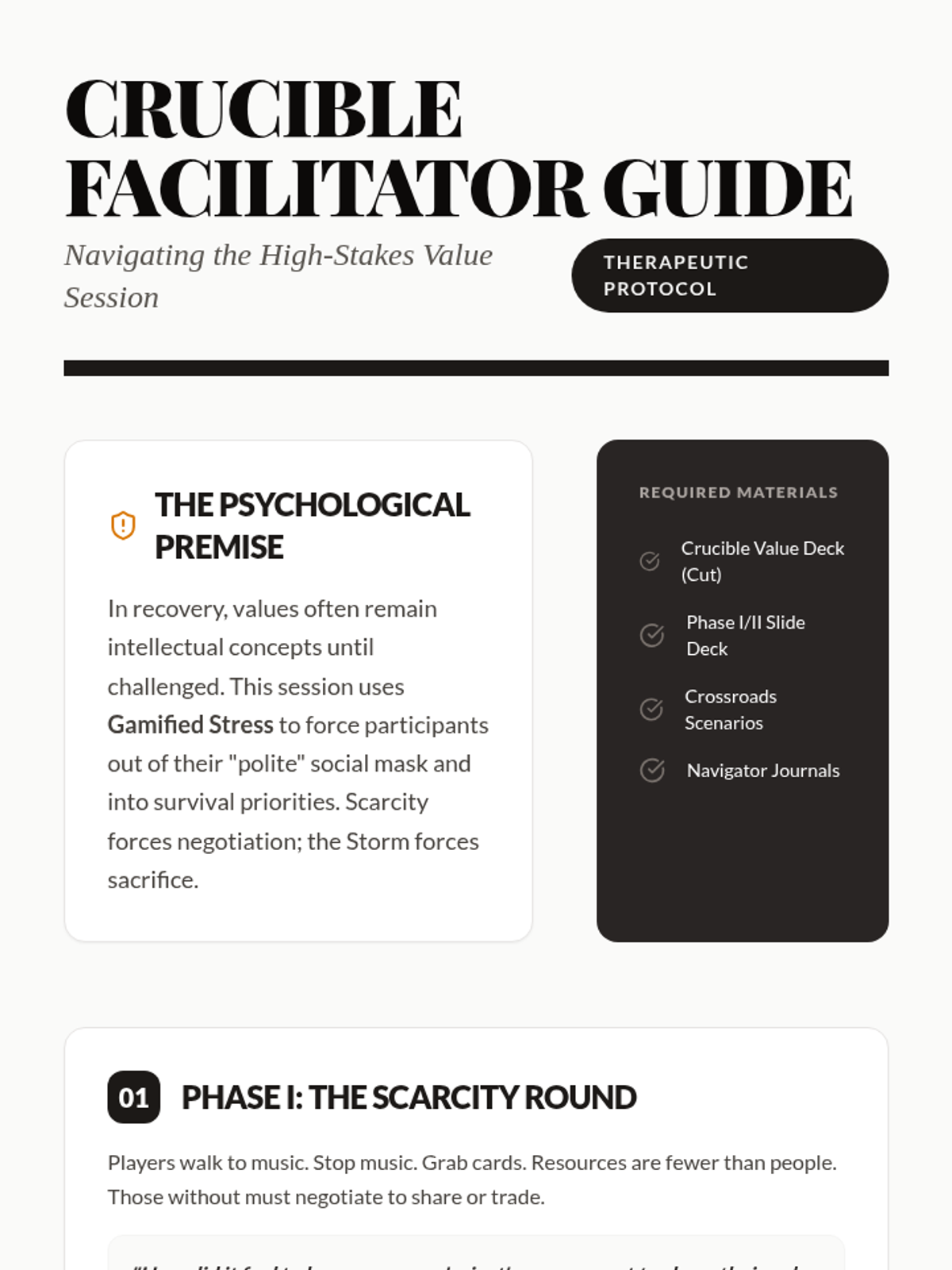
A therapeutic series designed to help individuals in recovery identify their non-negotiable core values through high-stakes decision-making and real-world application. Students move from broad concepts to a refined personal compass.
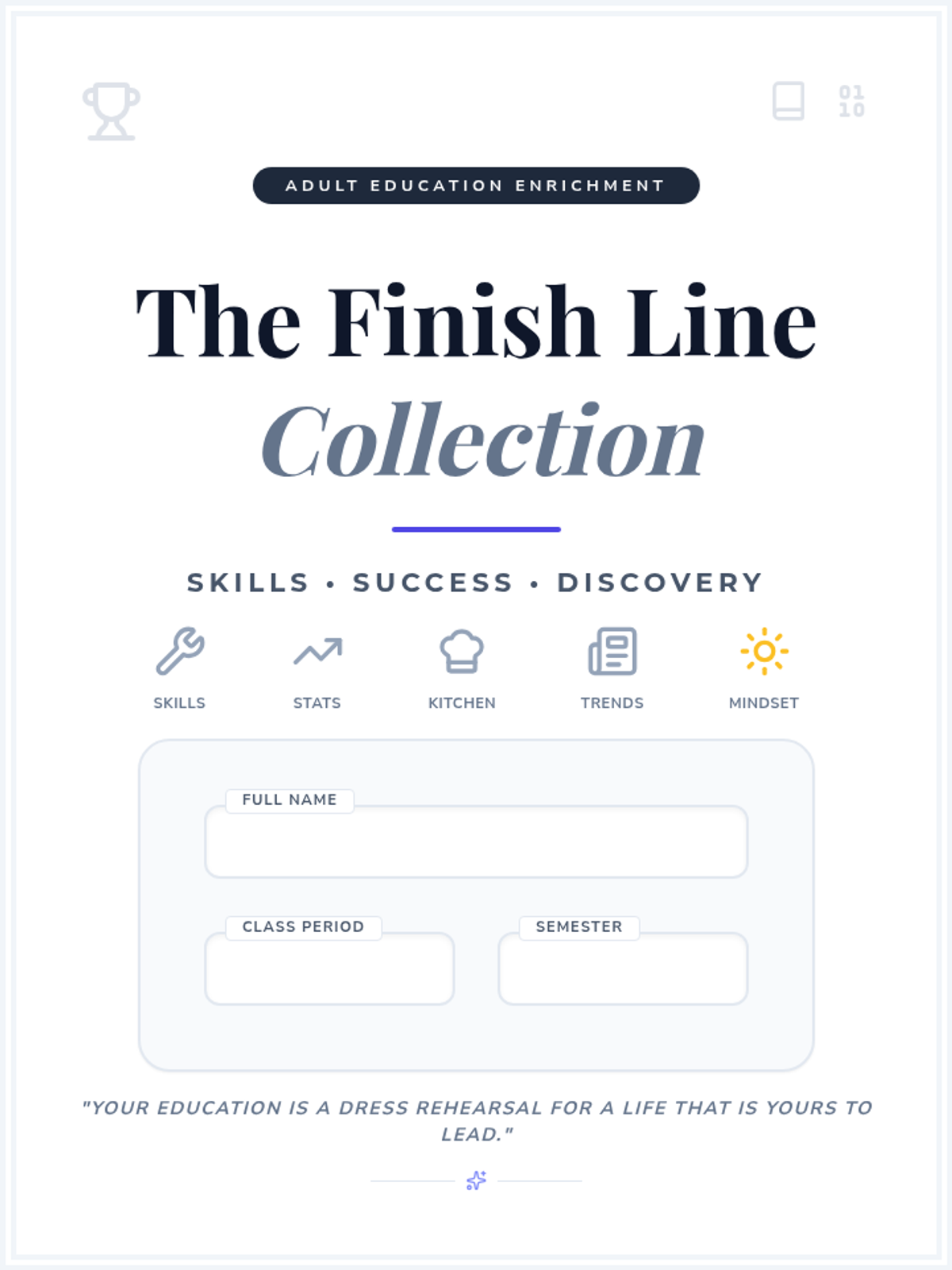
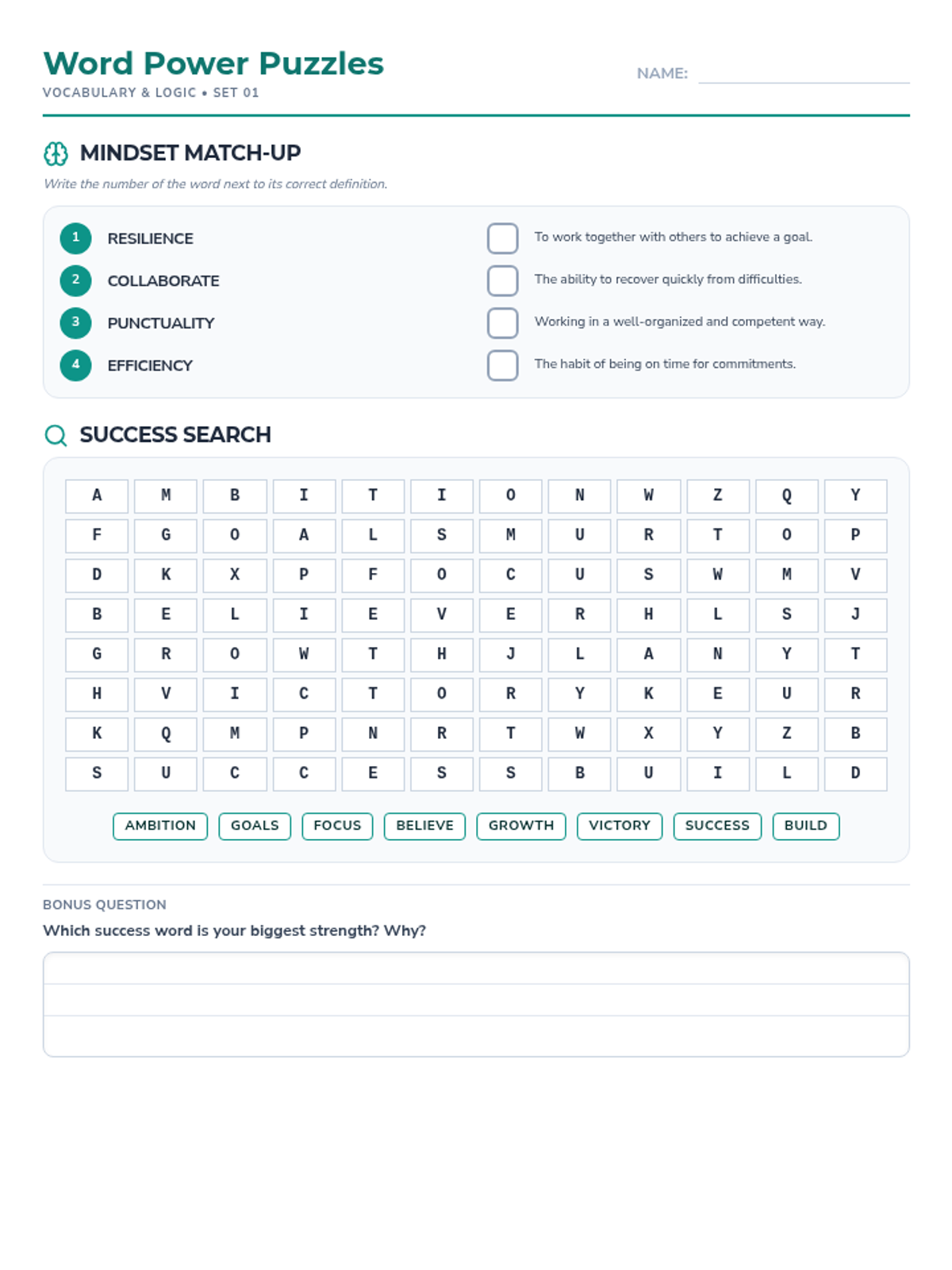
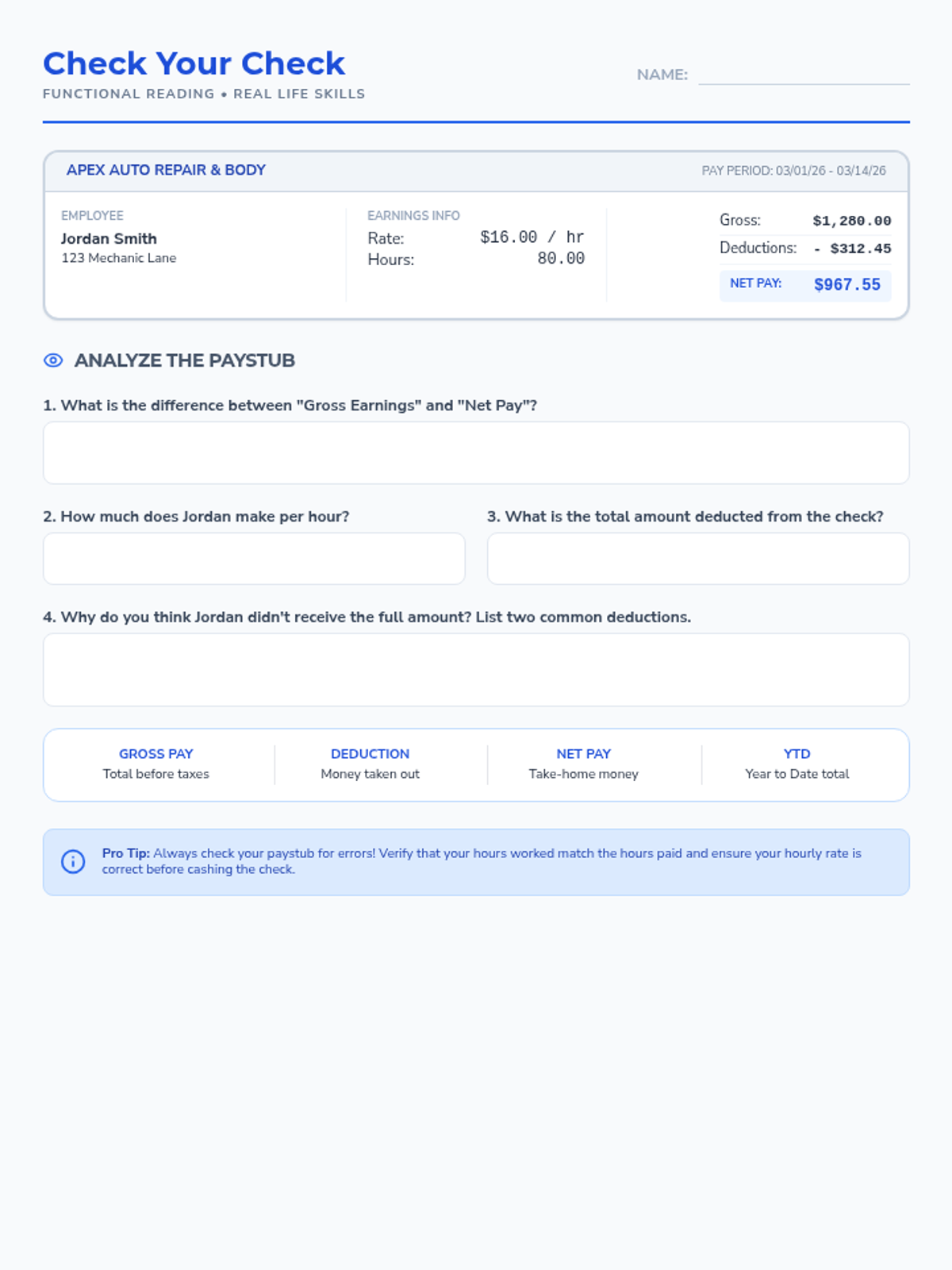
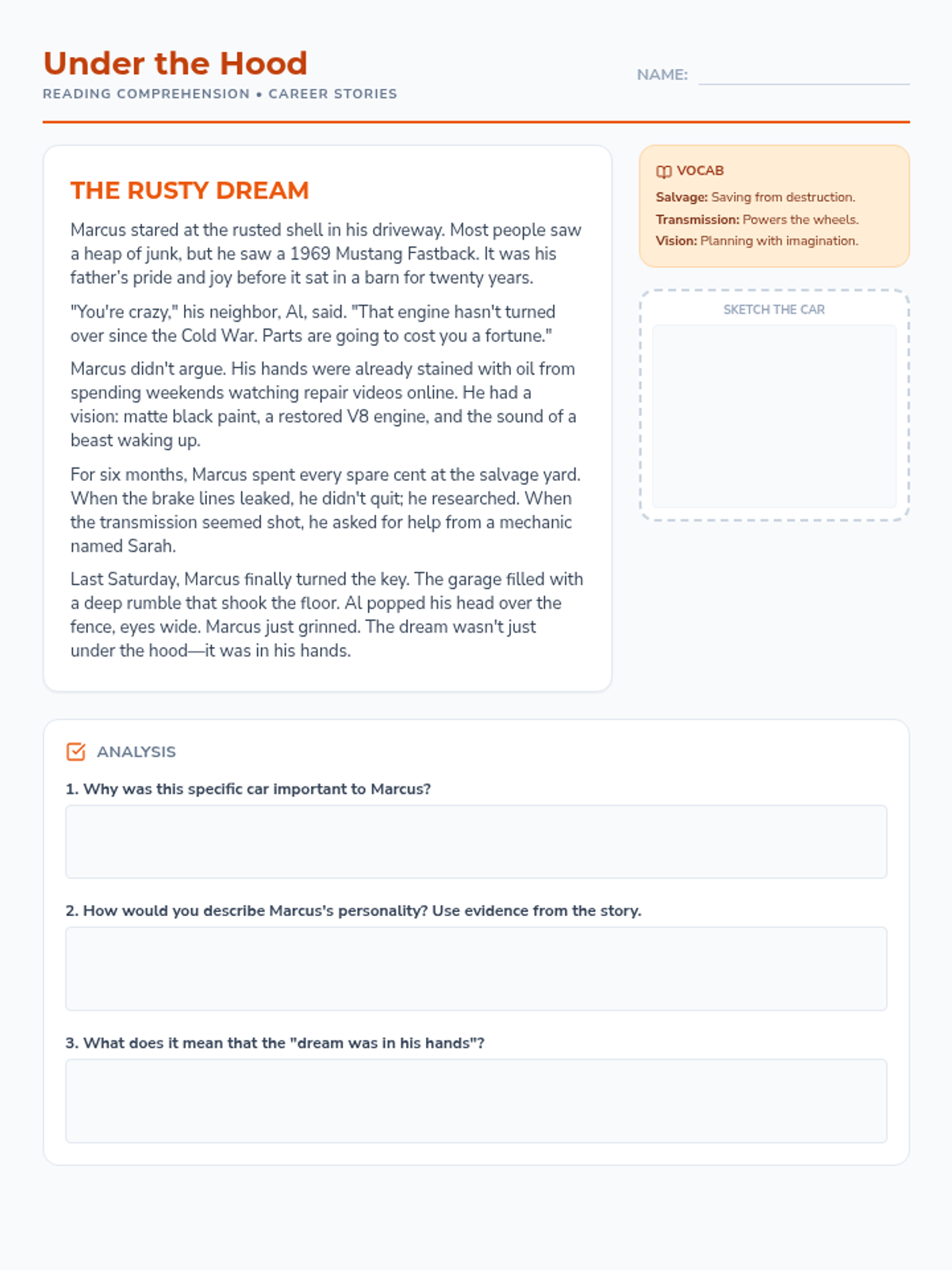
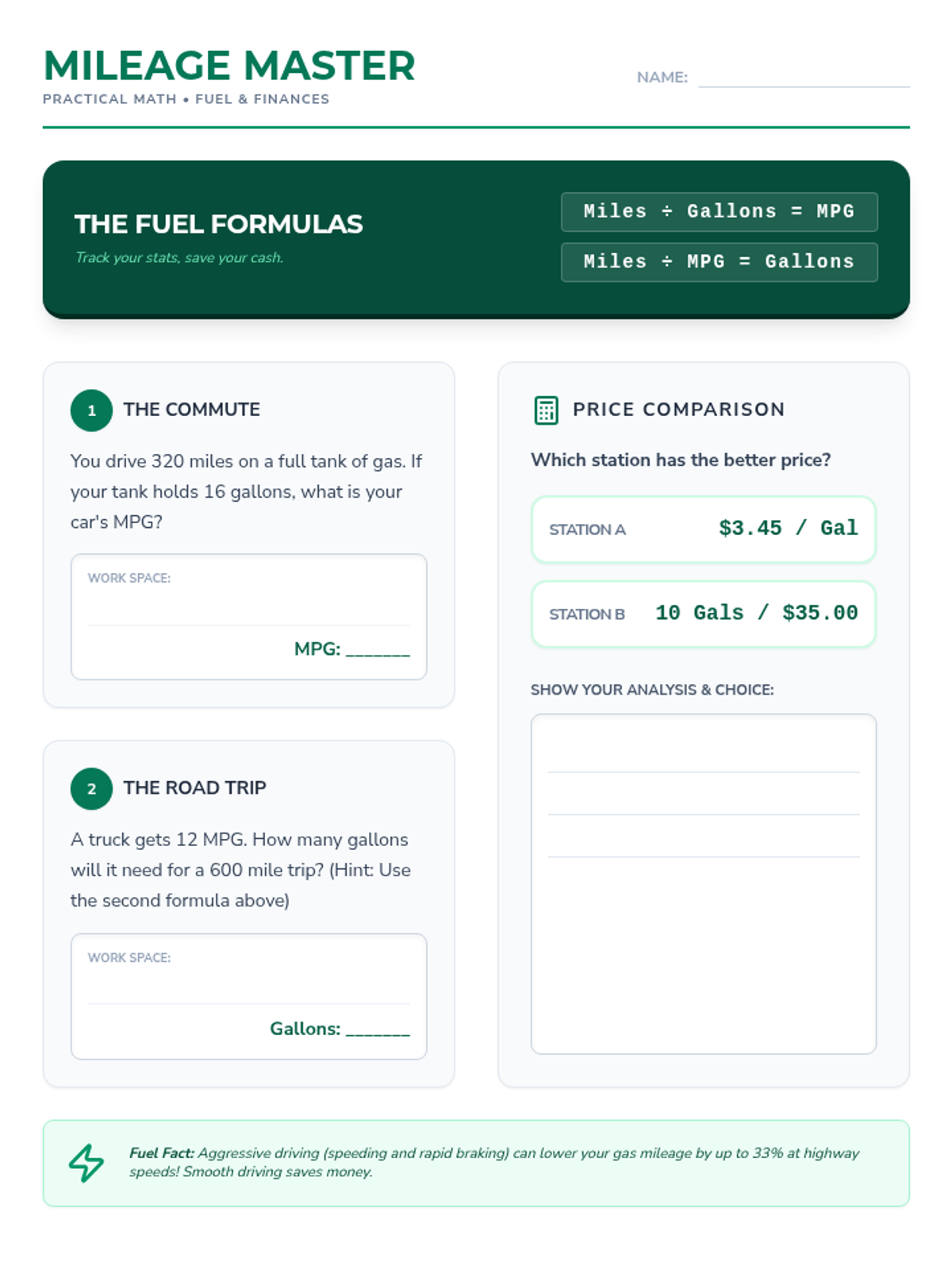
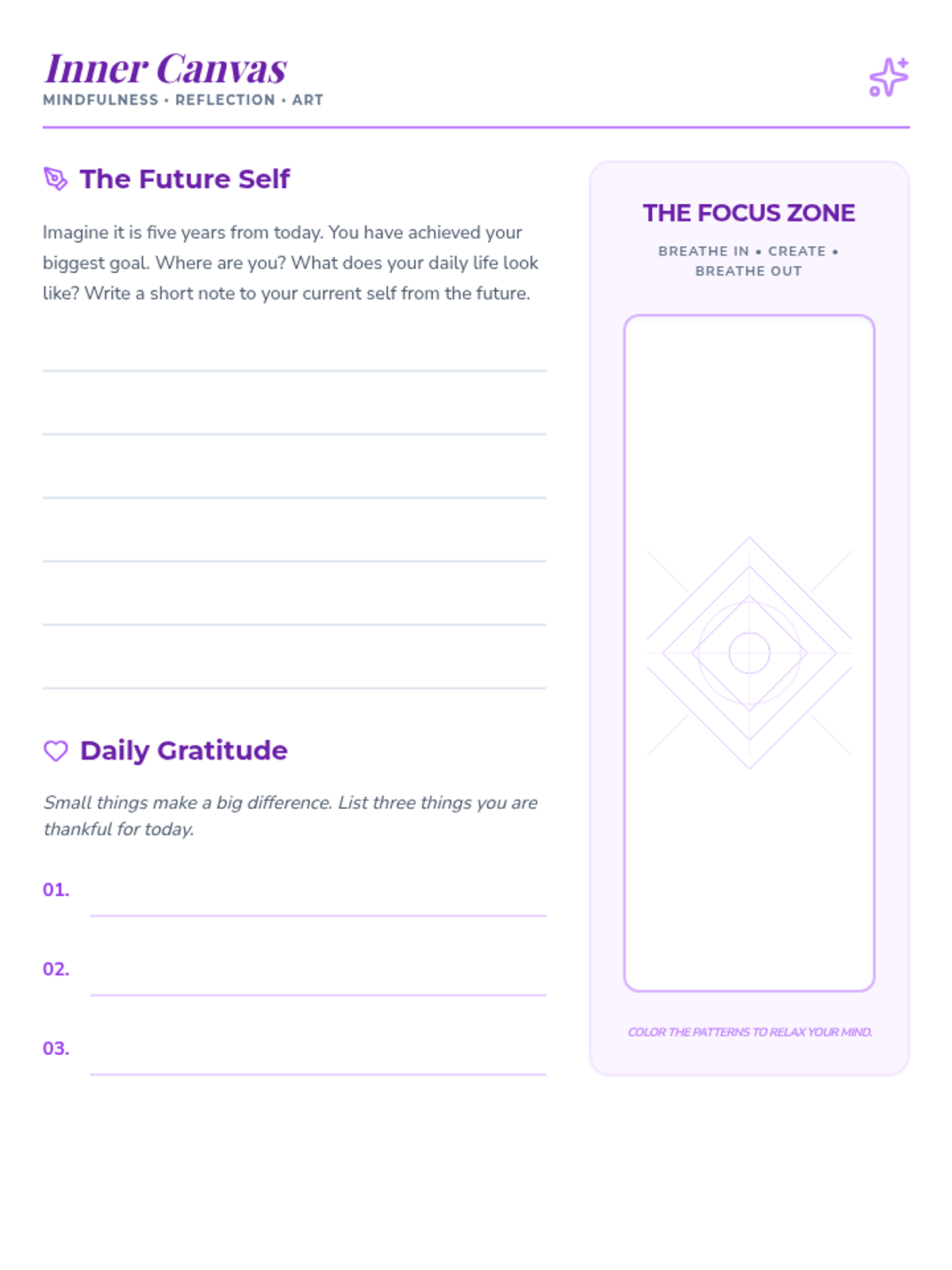
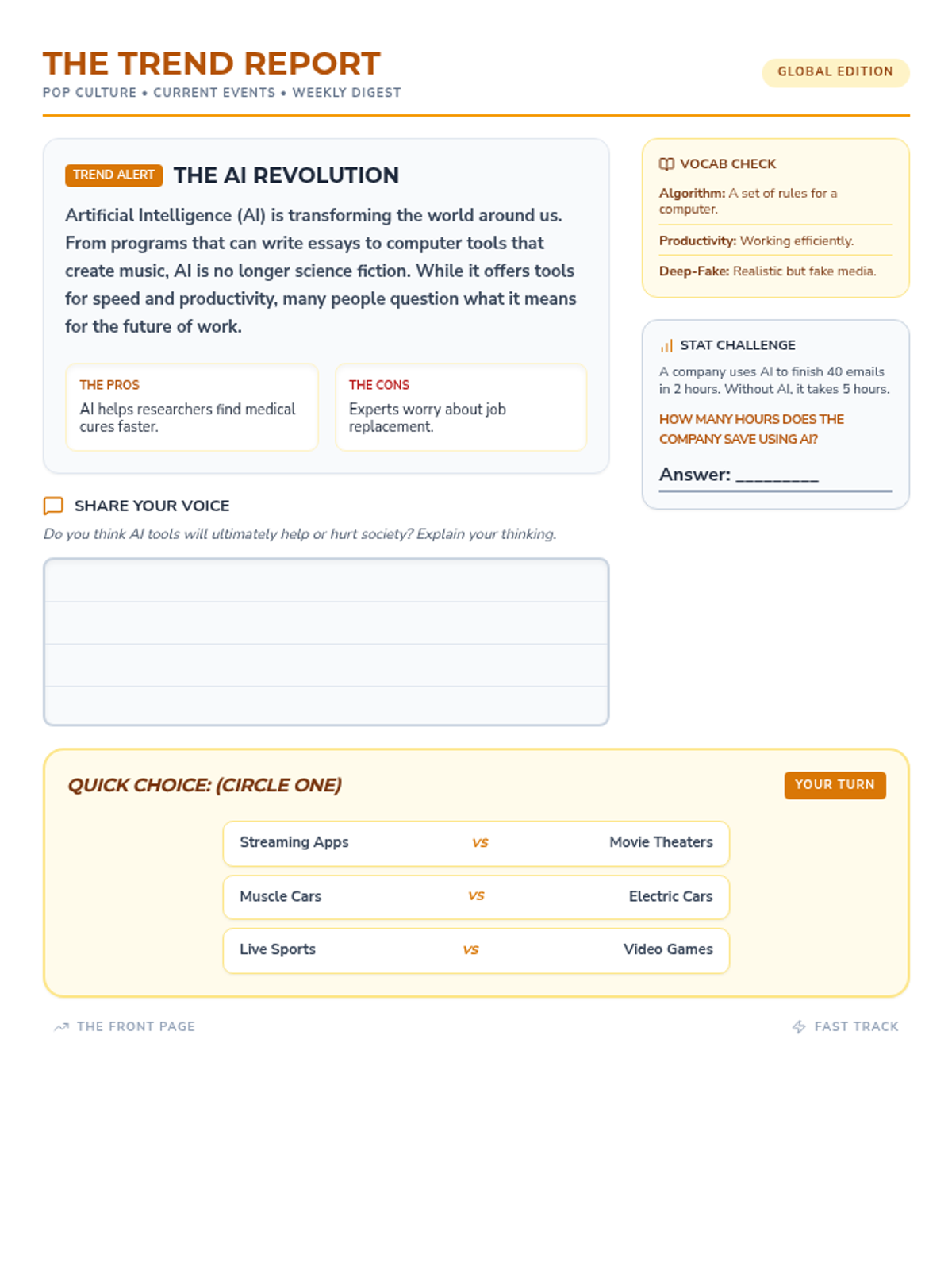
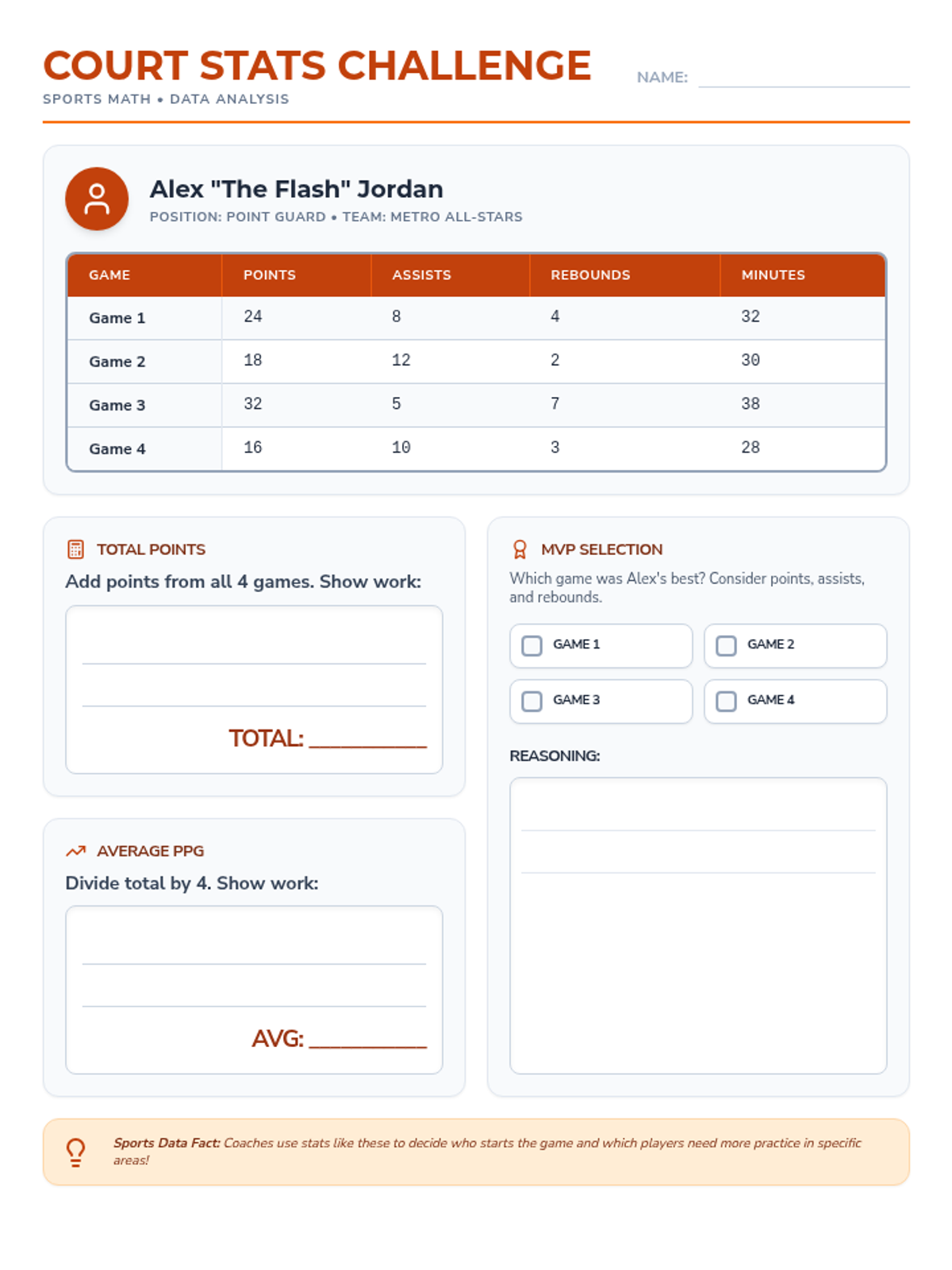
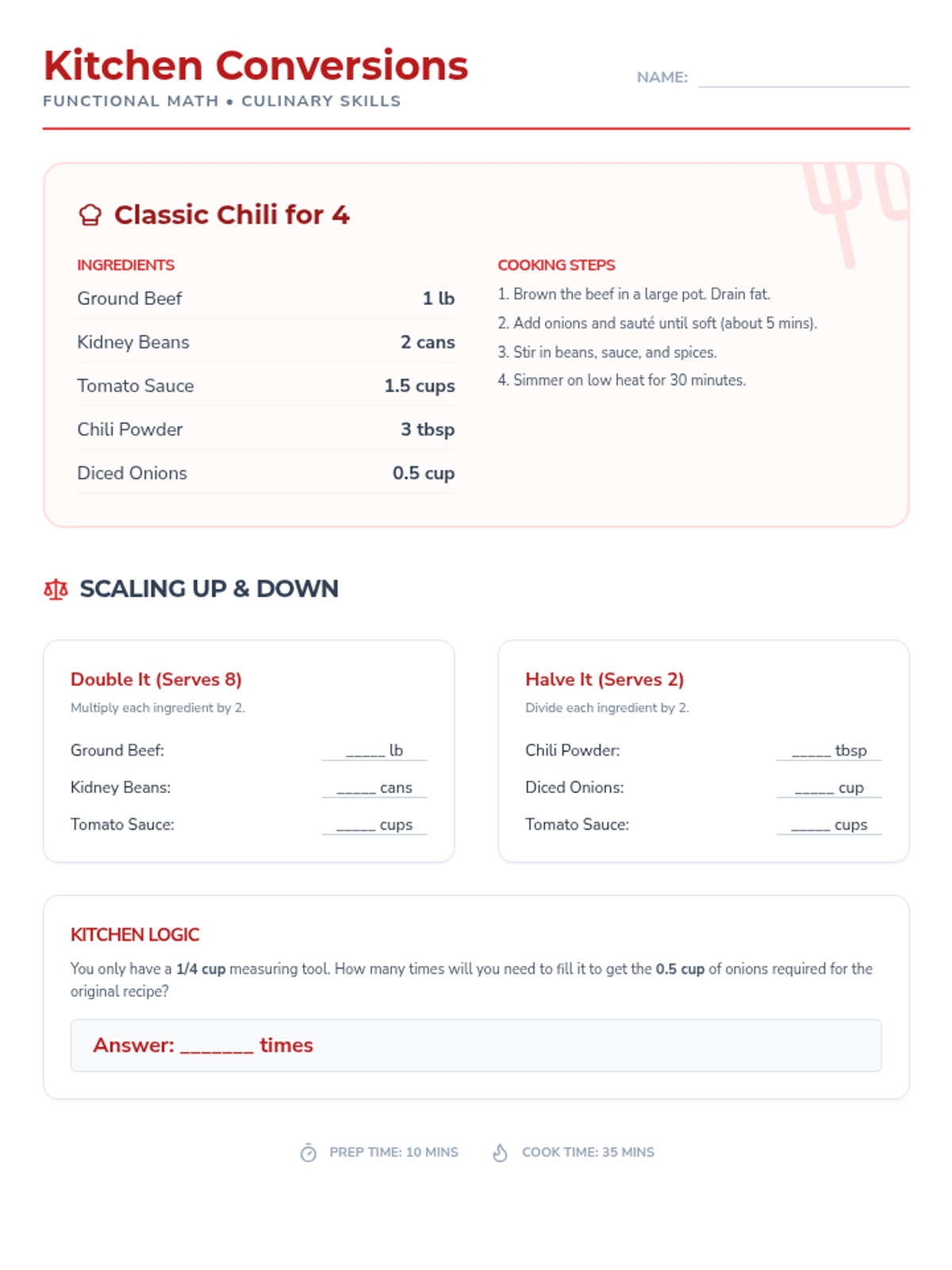
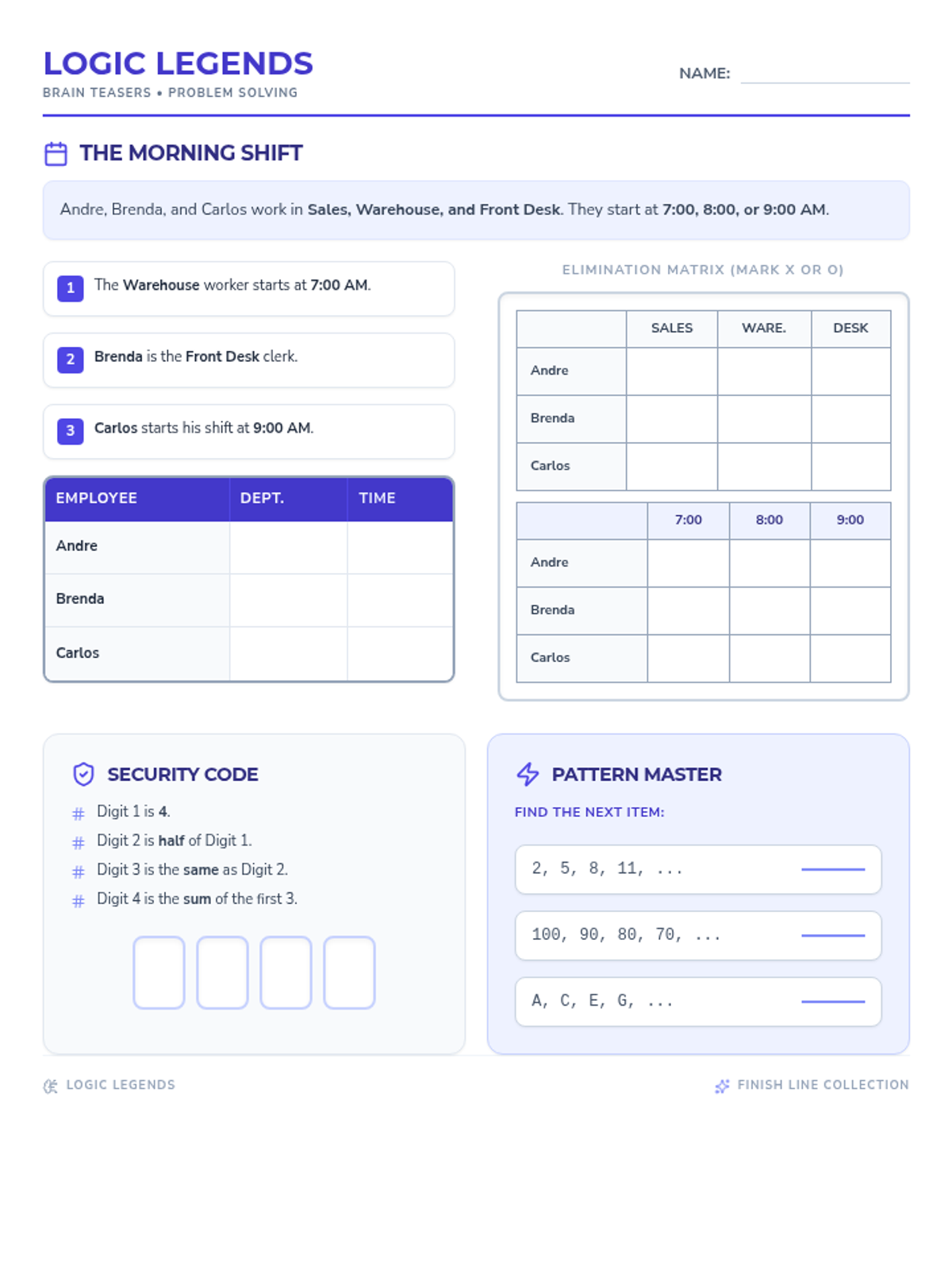
A collection of engaging, high-interest materials for HSED students to complete after finishing their primary coursework. The sequence blends functional literacy, practical math, and creative mindfulness with a modern, adult-appropriate aesthetic.
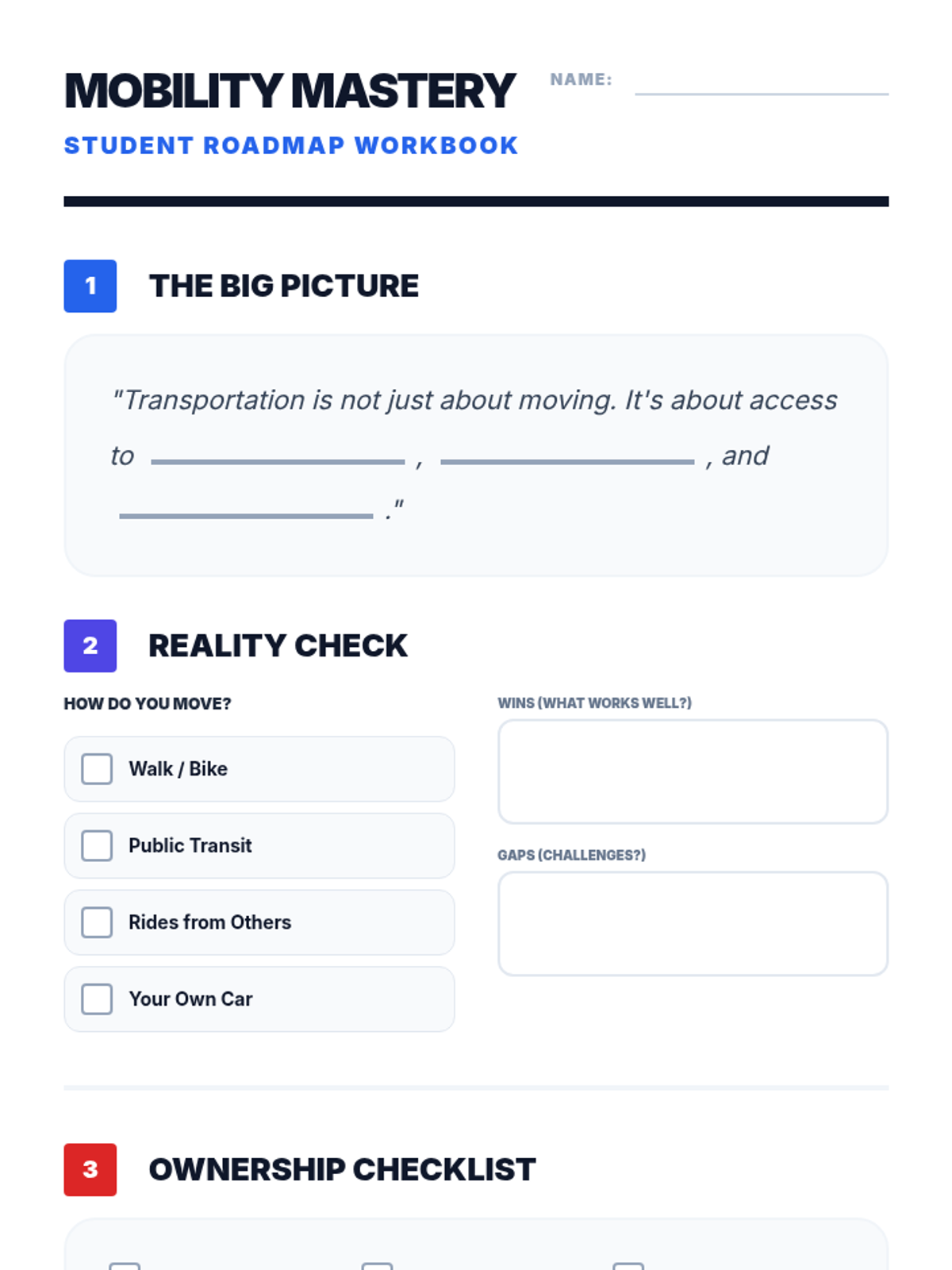
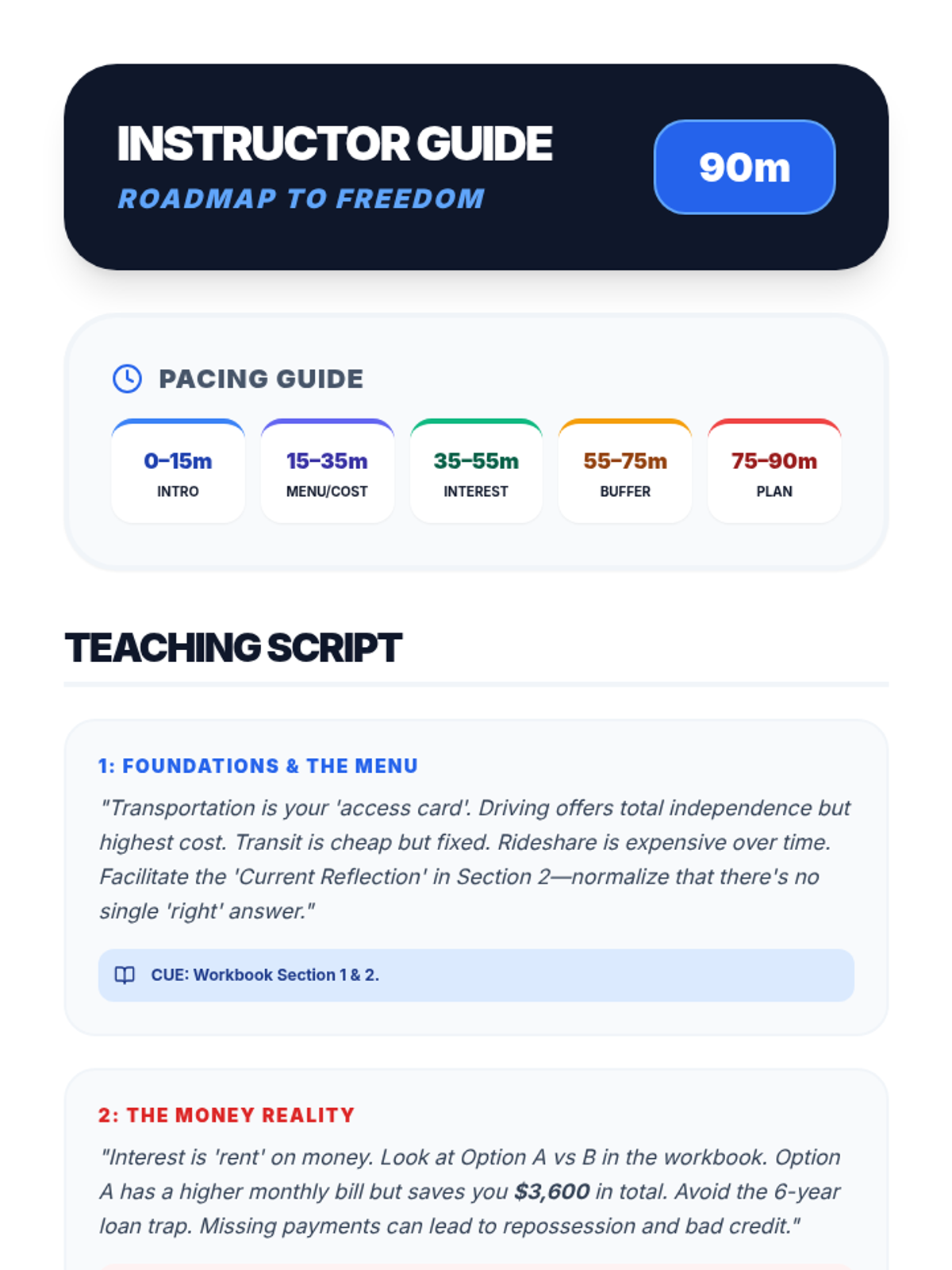
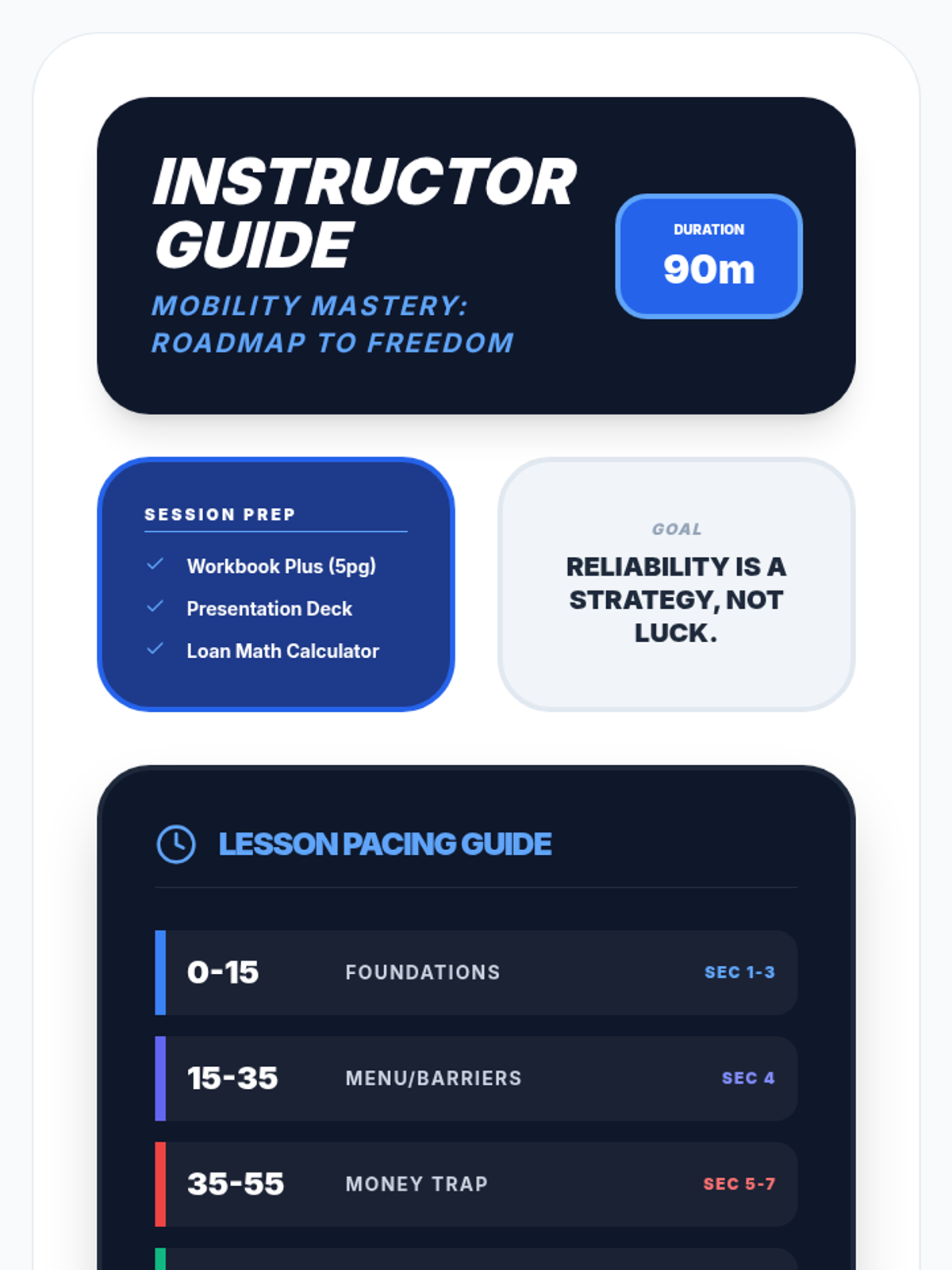
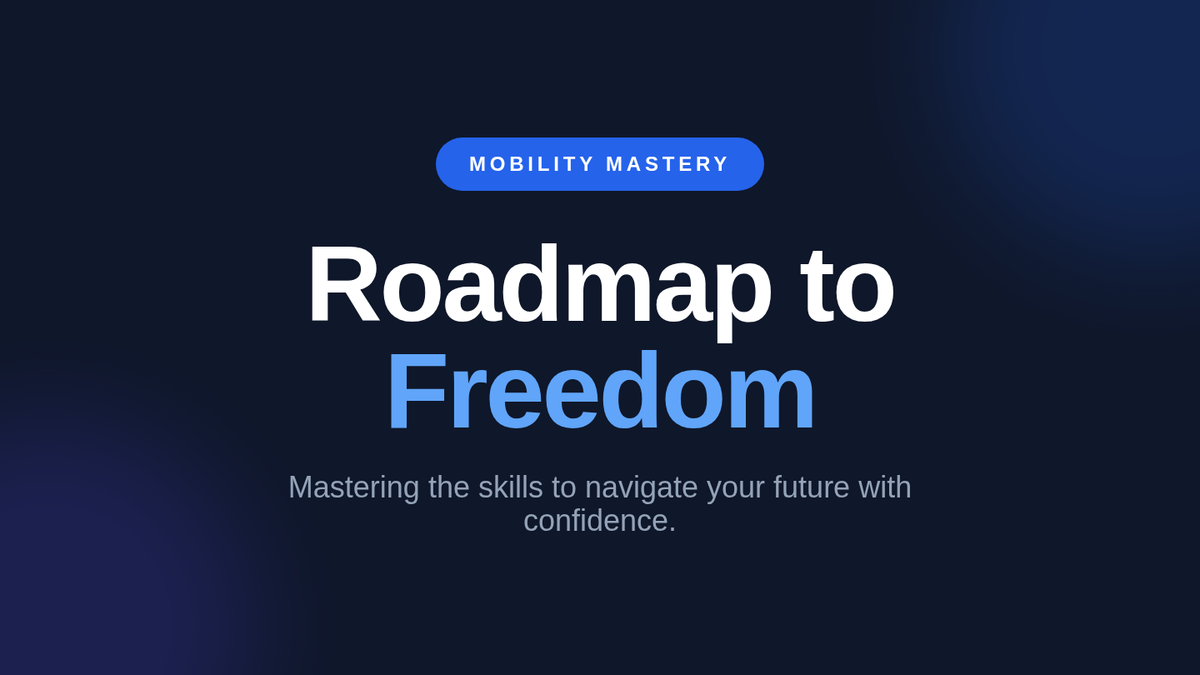
A comprehensive 90-minute course for young adults on navigating transportation options, understanding the financial realities of car ownership, and building a reliable mobility plan for independence.
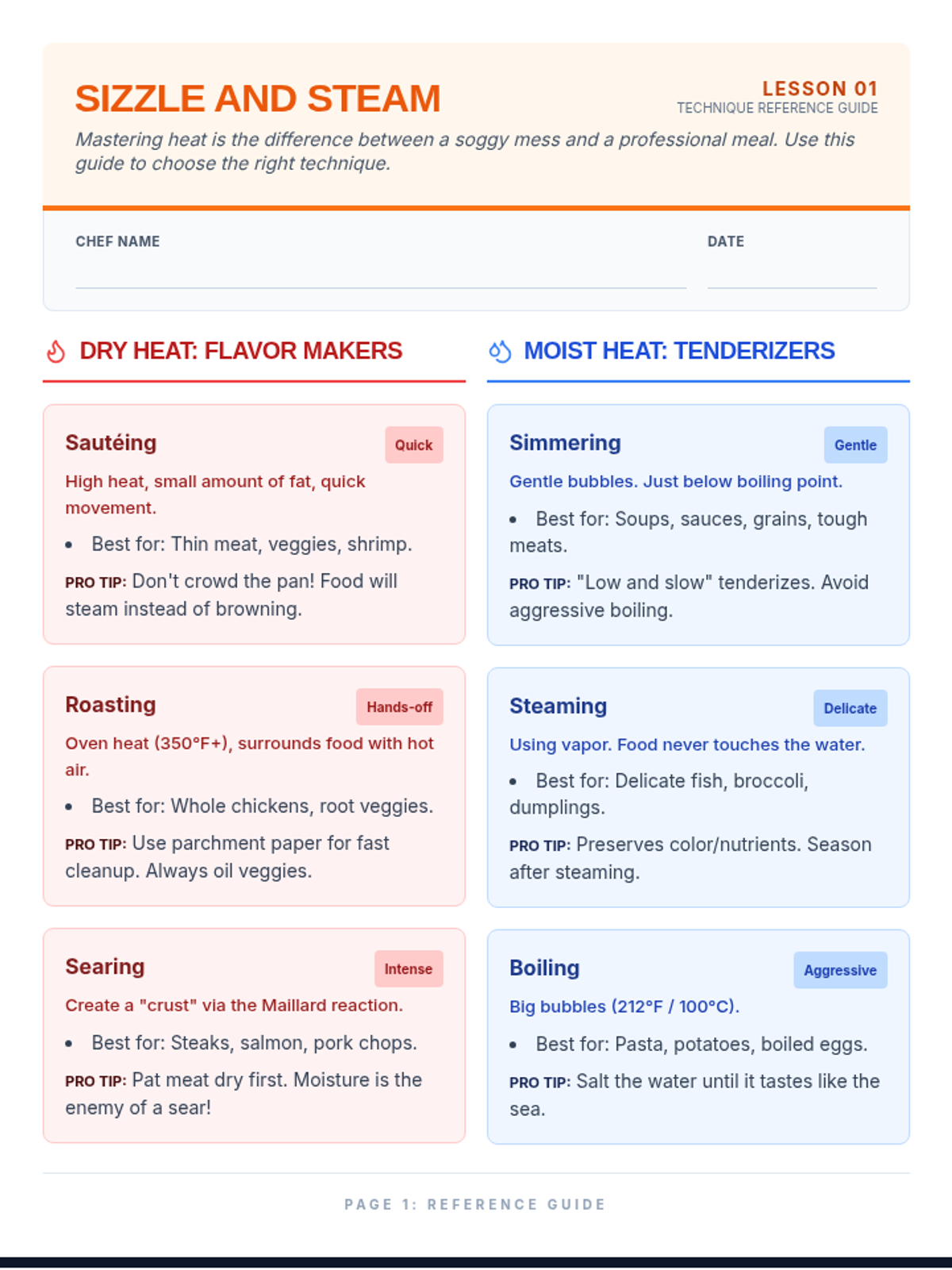
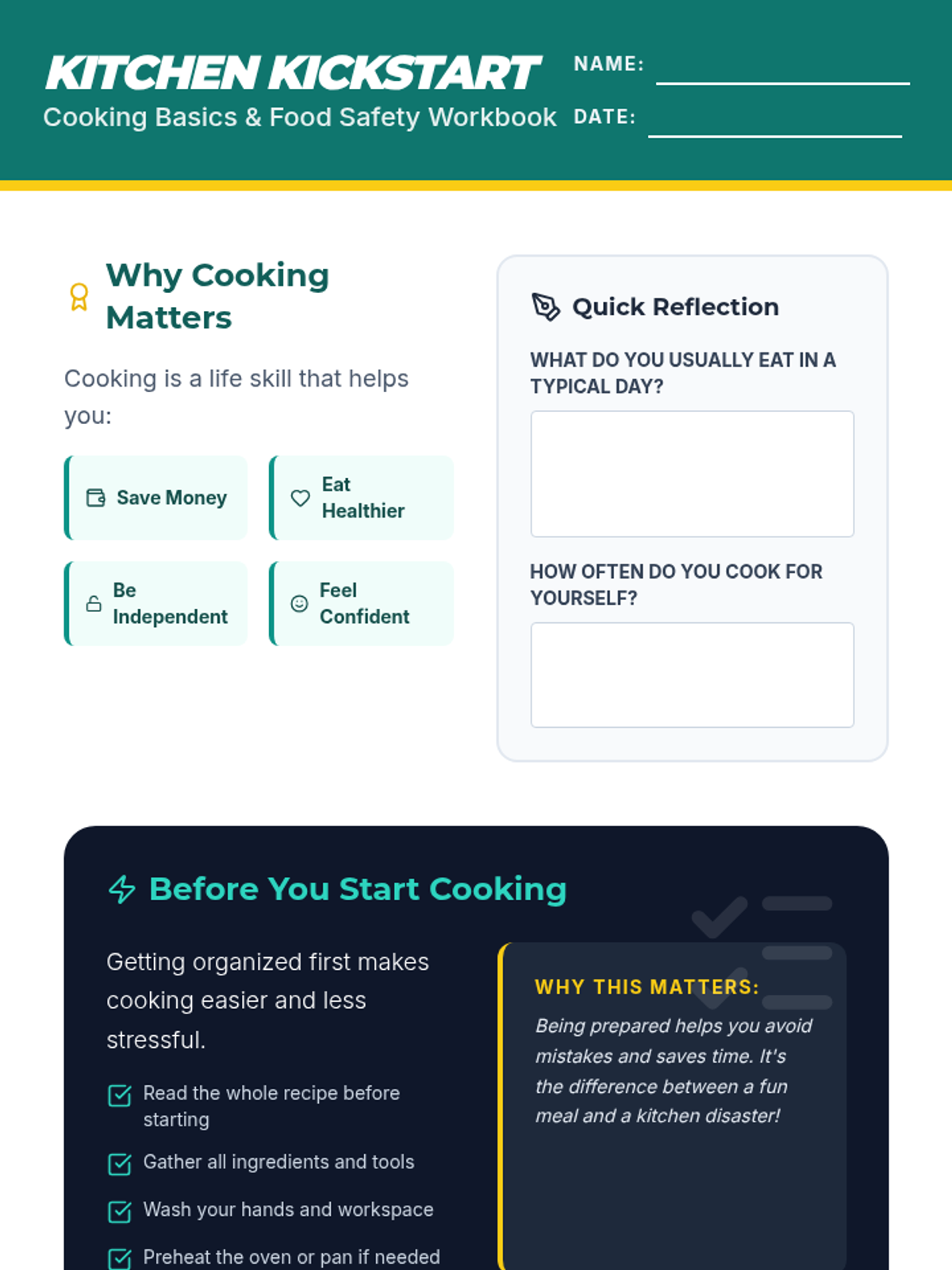
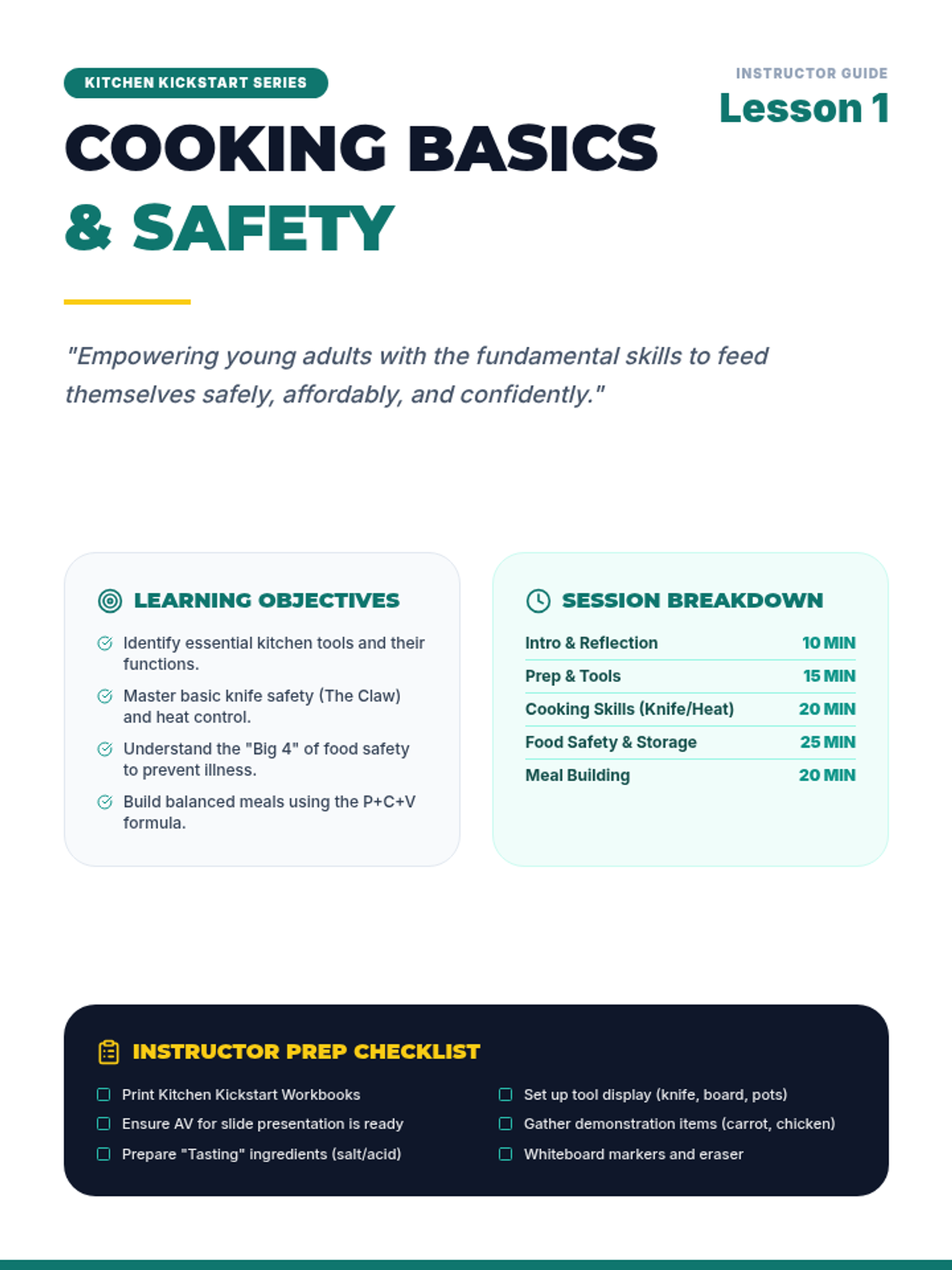
An introductory sequence for young adults transitioning to independence, covering the essentials of safe cooking, kitchen management, and basic meal planning. This program builds confidence in beginners by demystifying food preparation and safety protocols.
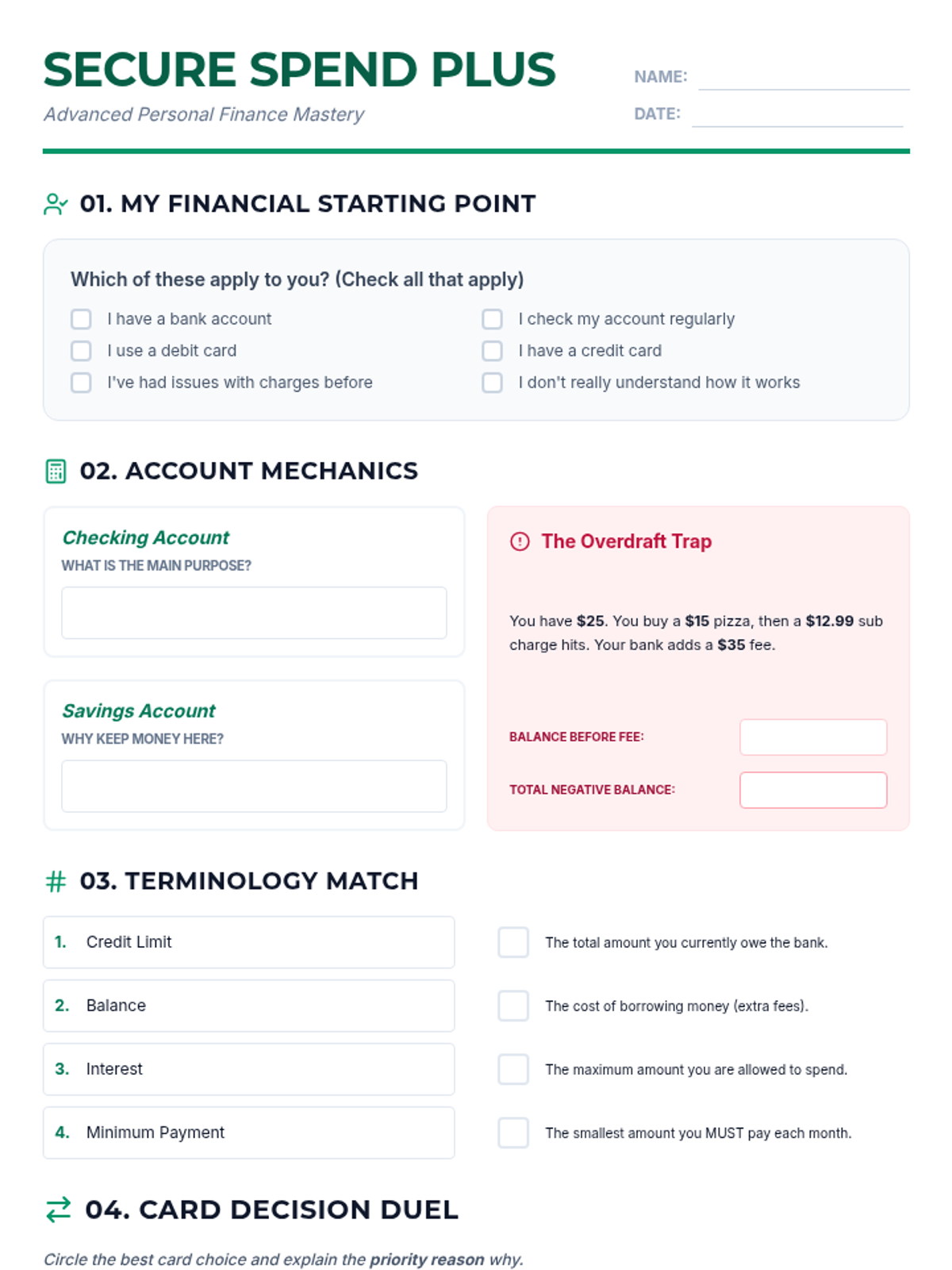
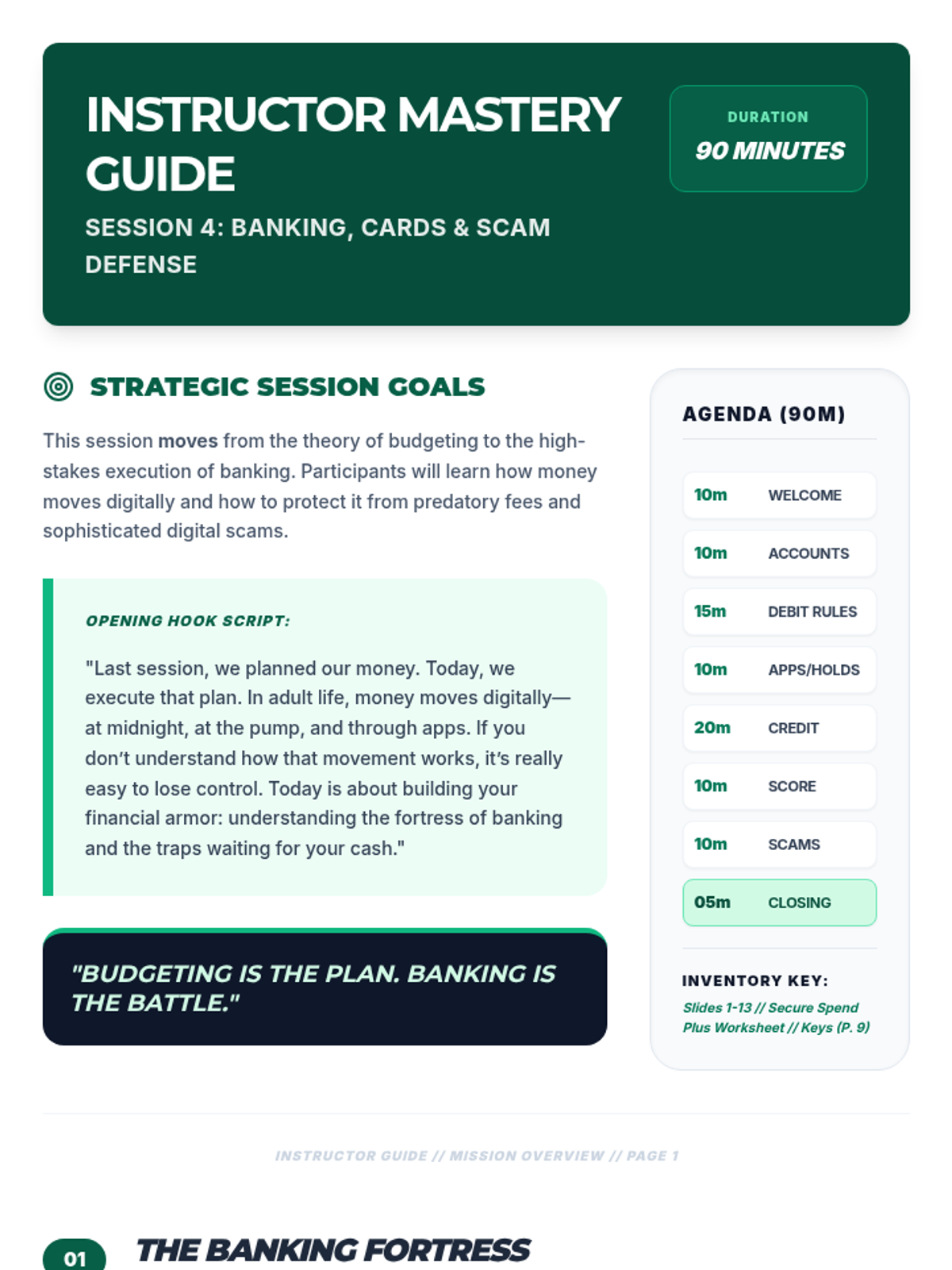
An in-depth personal finance unit for young adults (ages 16-21) covering the mechanics of bank accounts, the differences between debit and credit, the impact of interest and credit scores, and practical strategies for identifying and avoiding financial scams.
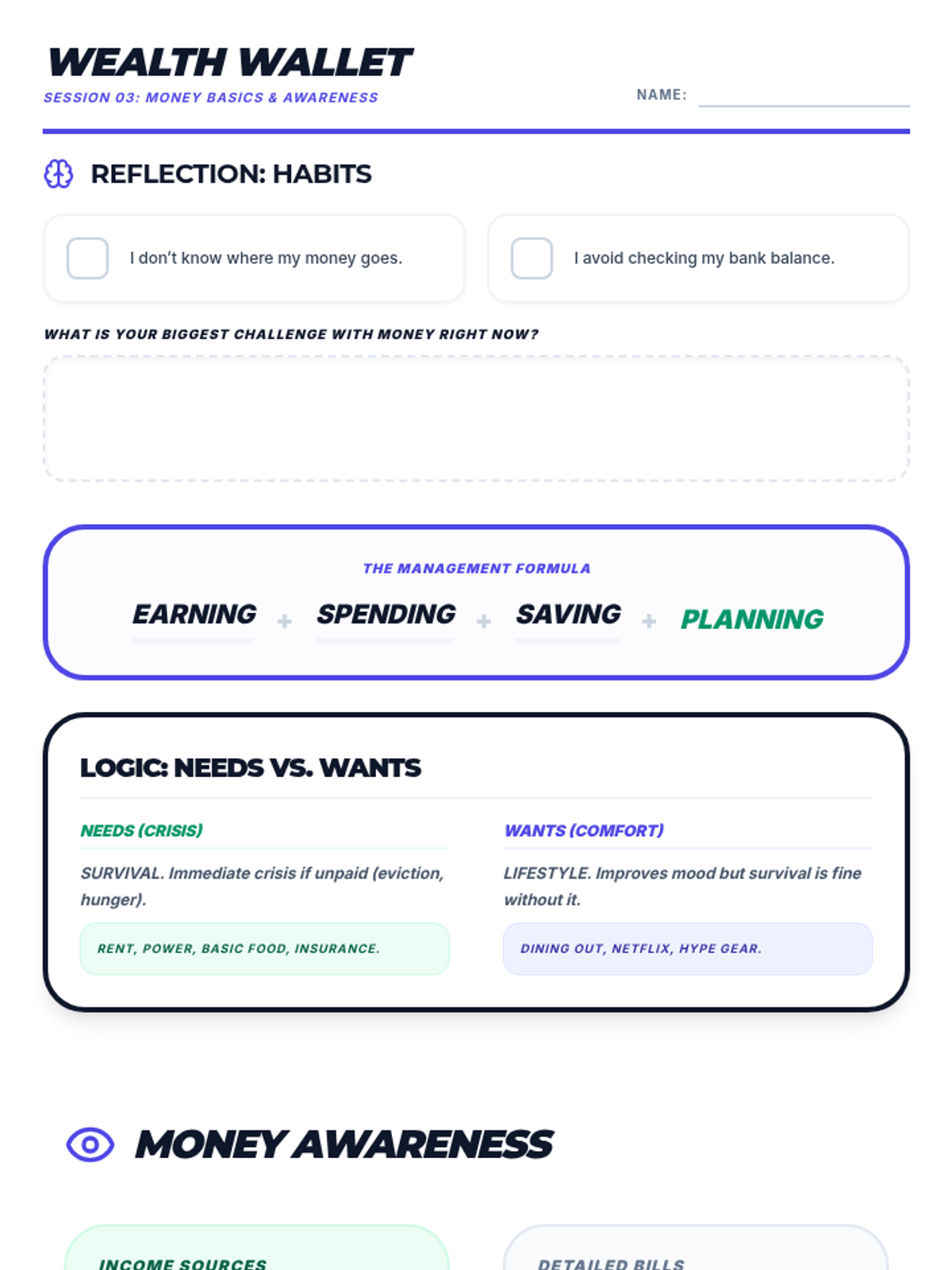
A comprehensive financial literacy series designed for young adults (16-21) to navigate the transition to financial independence with confidence and practical skills.
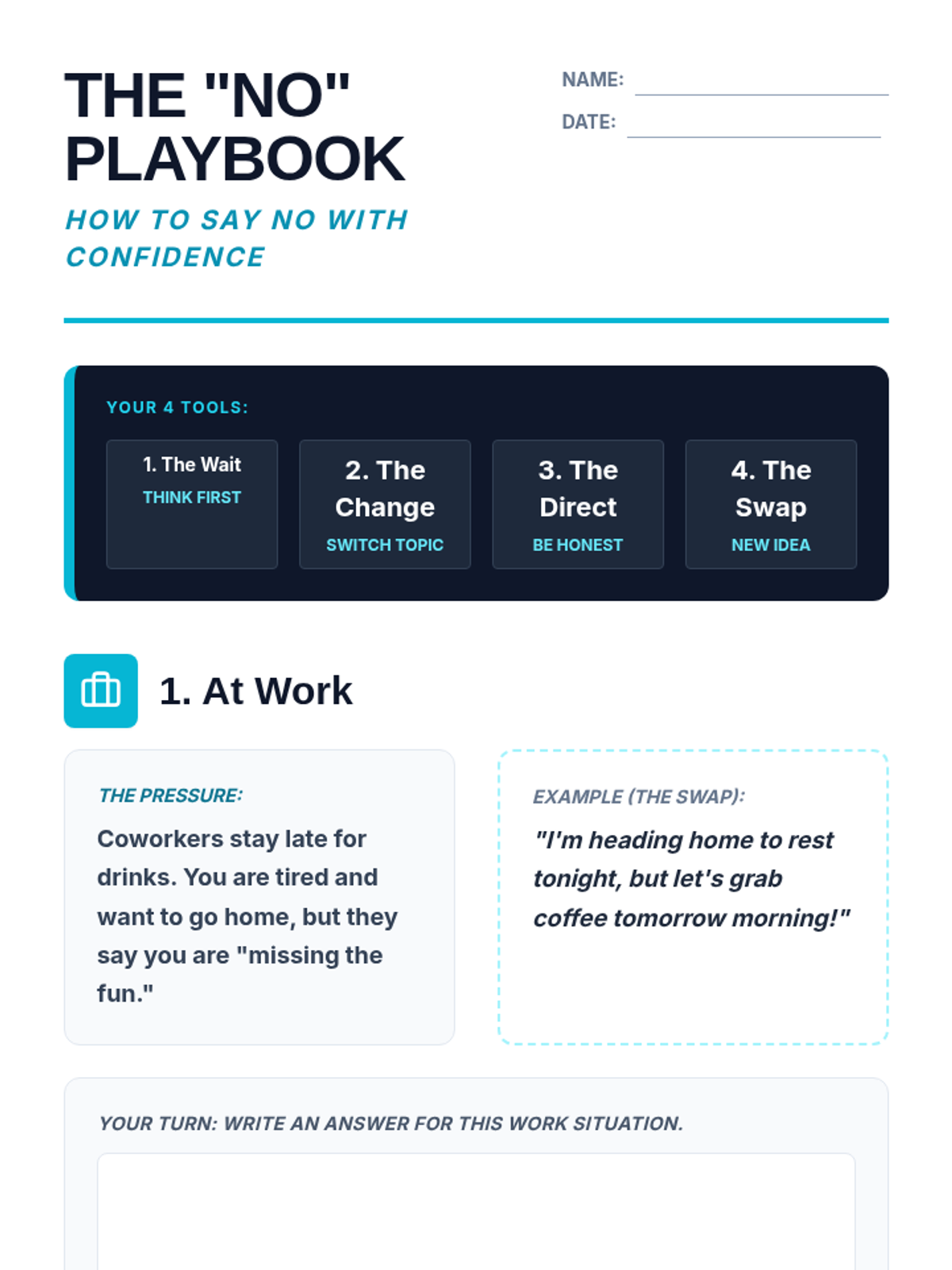
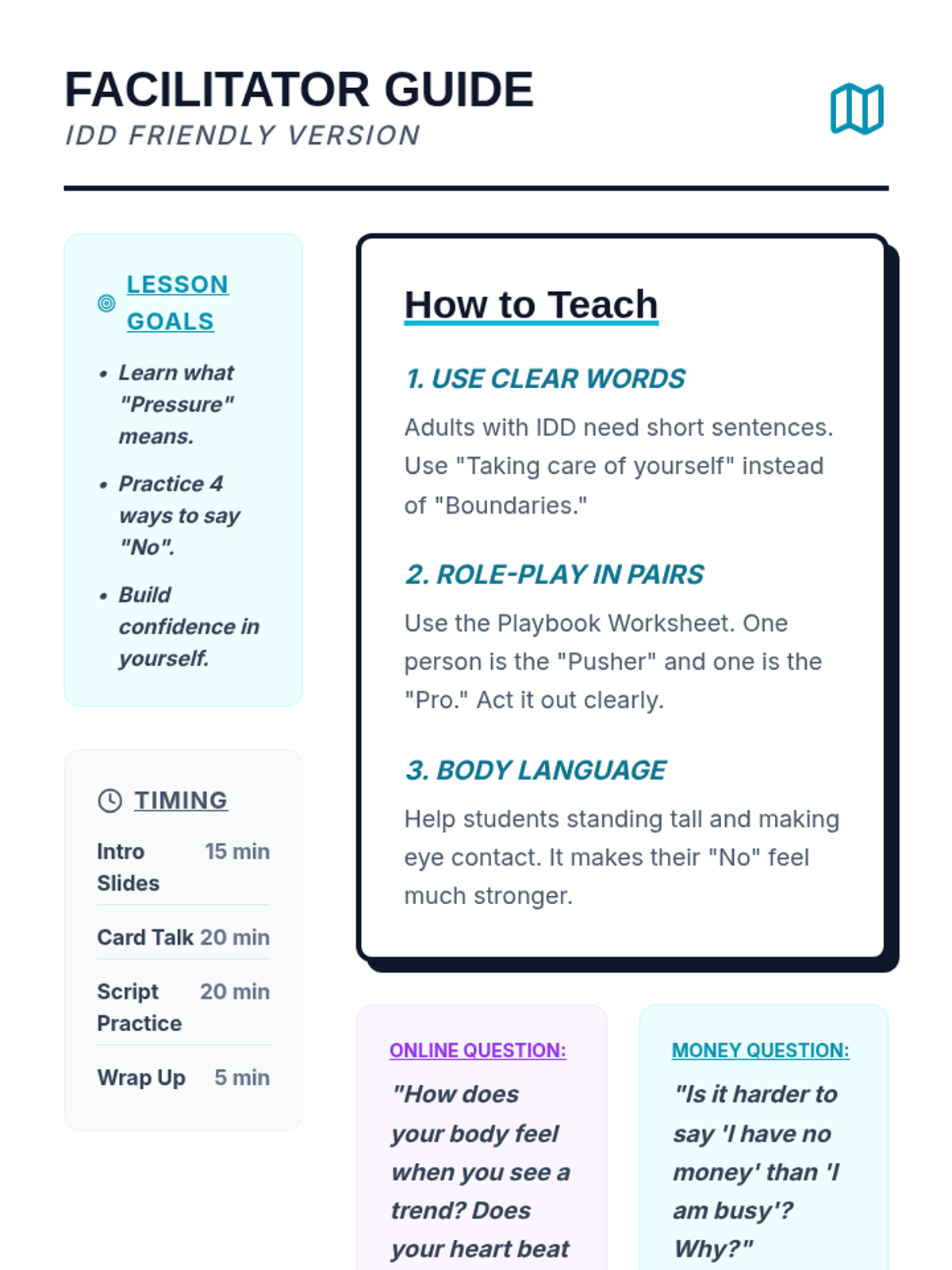
A comprehensive social skills unit designed for adults, focusing on building boundaries and mastering refusal strategies across workplace and social settings.
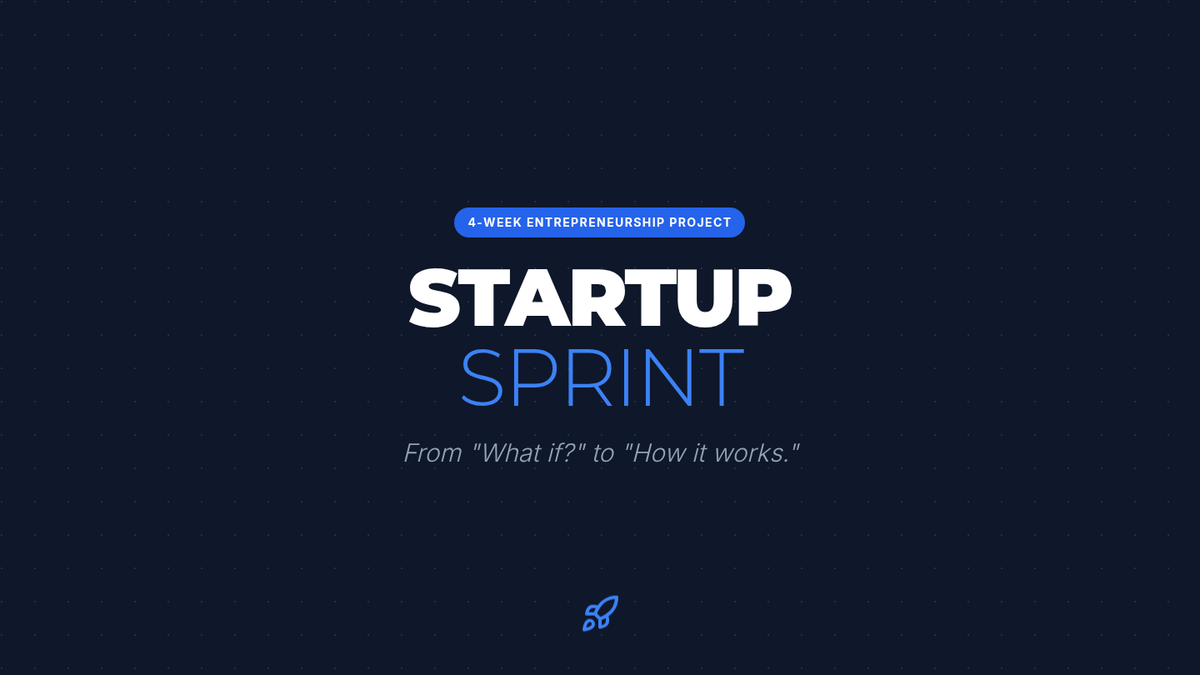
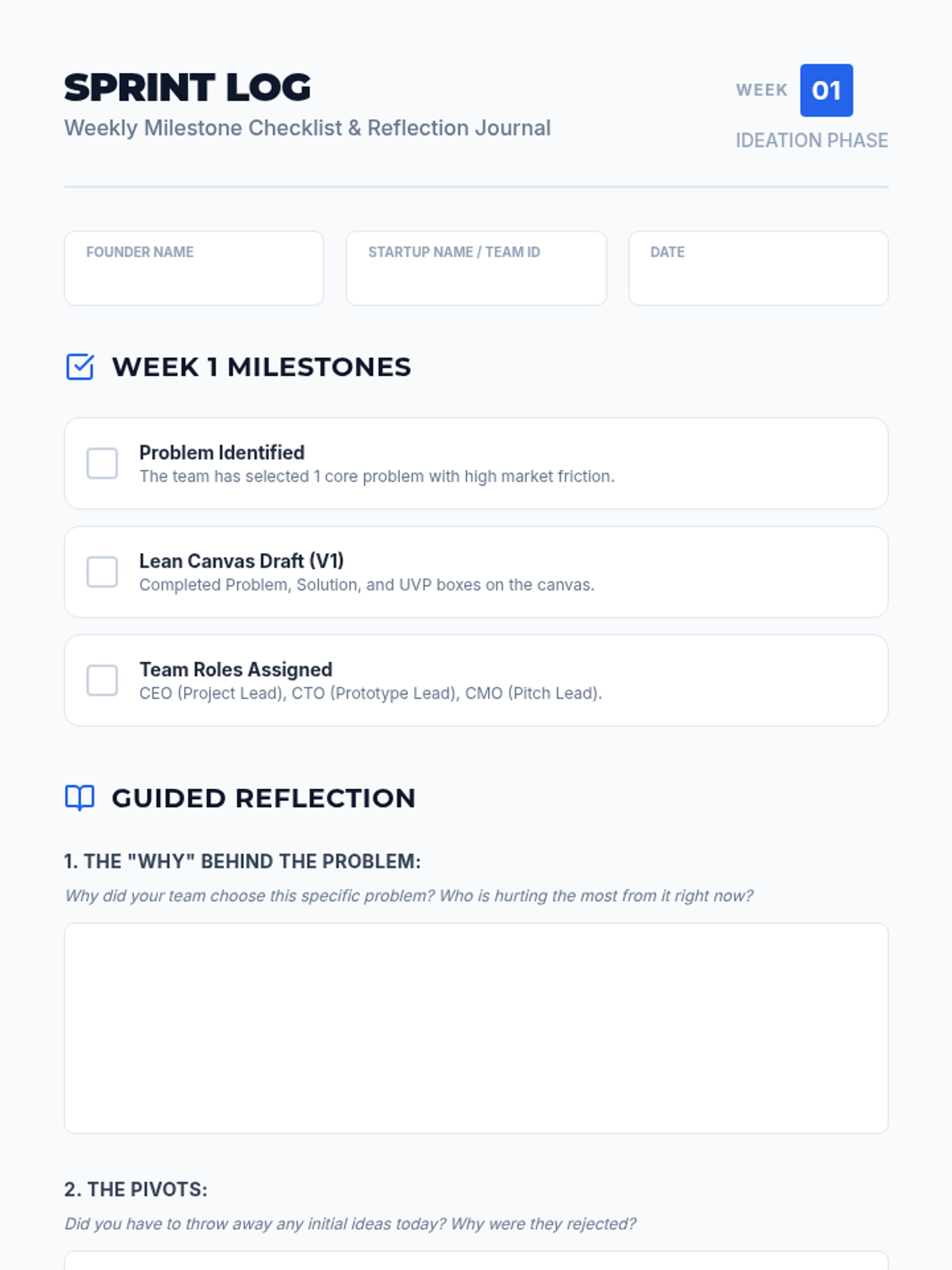
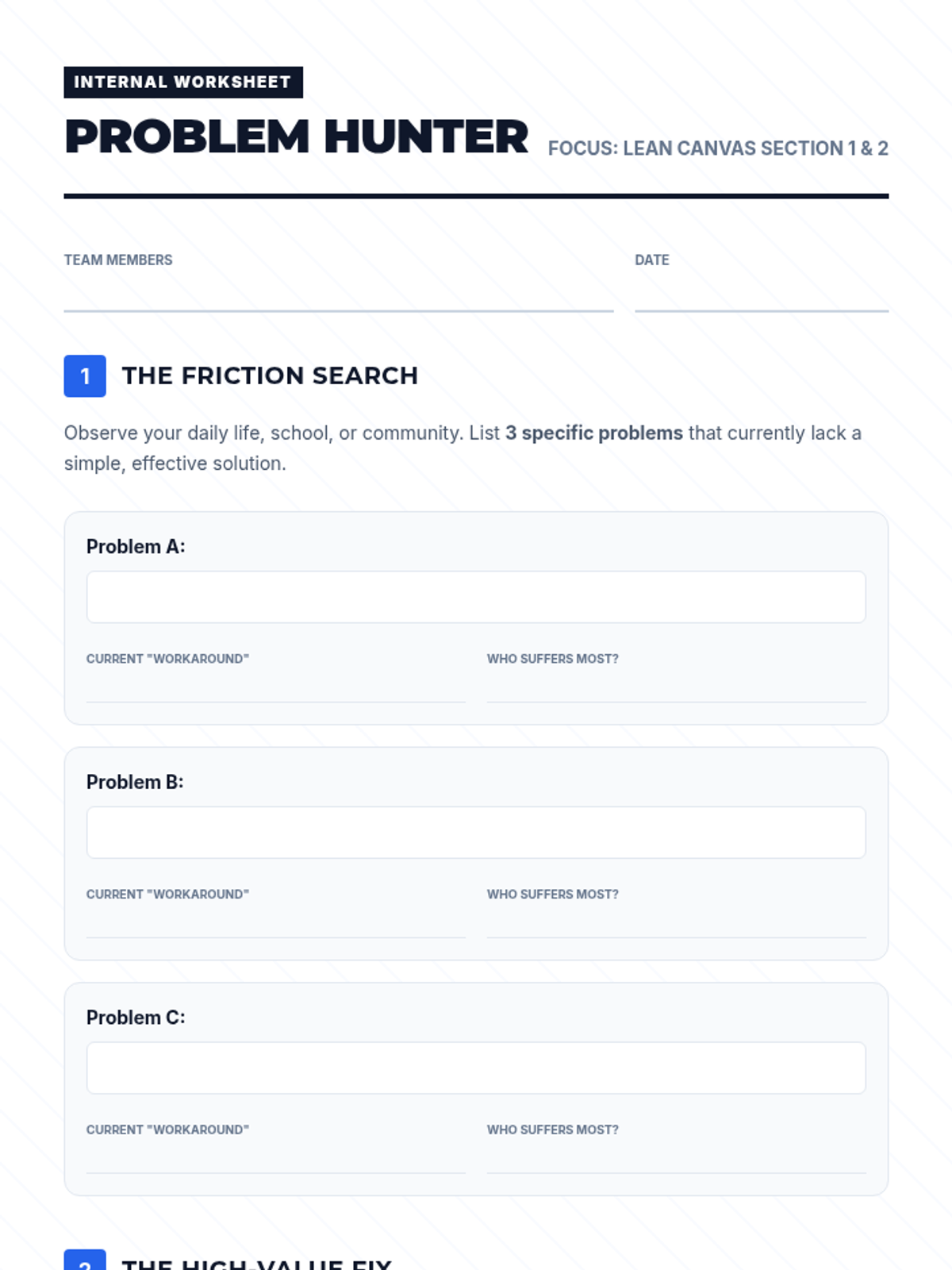
A comprehensive 4-week entrepreneurship project where high school CTE students use the Lean Business Canvas to develop a startup concept, build a tangible prototype, and deliver a professional pitch. Includes weekly reflection journals, milestone checklists, and peer feedback cycles.
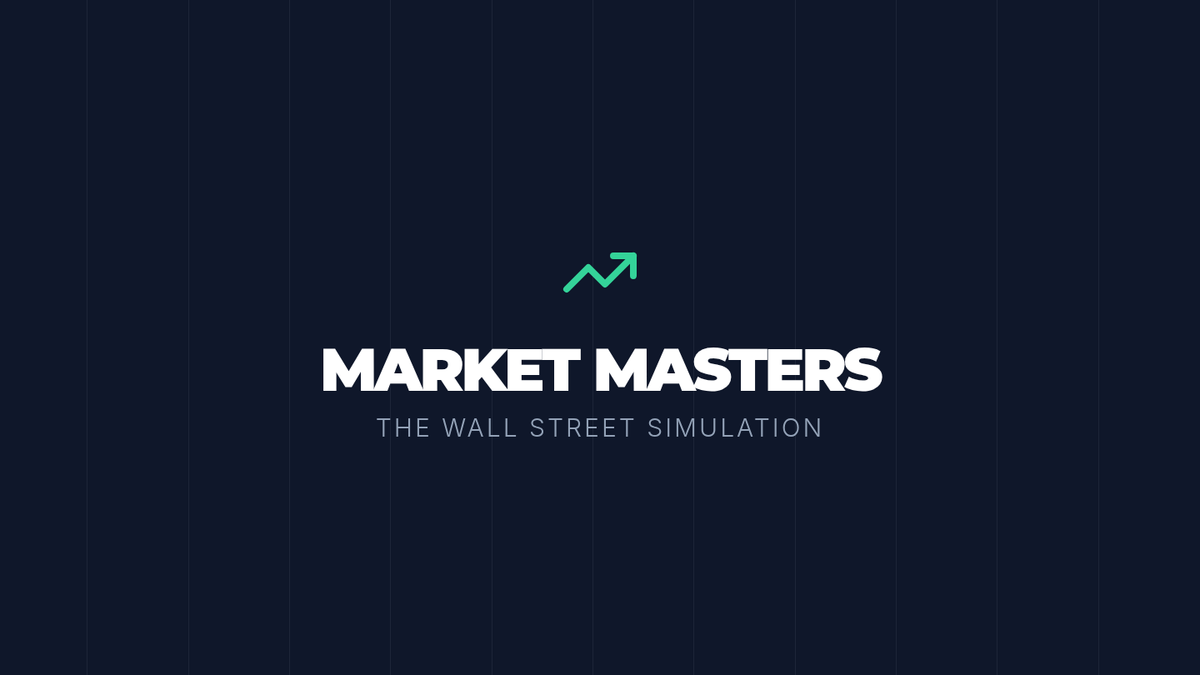
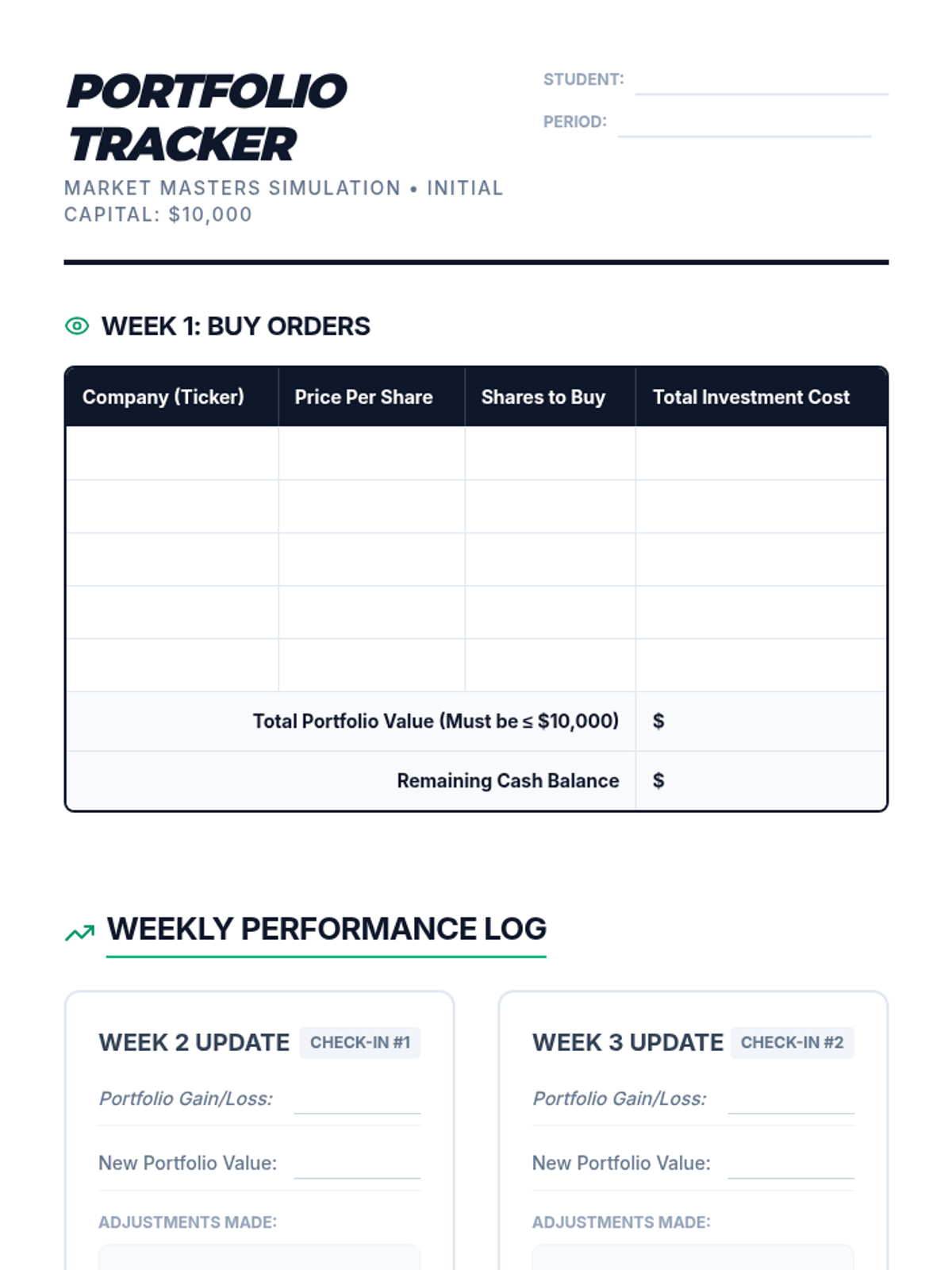
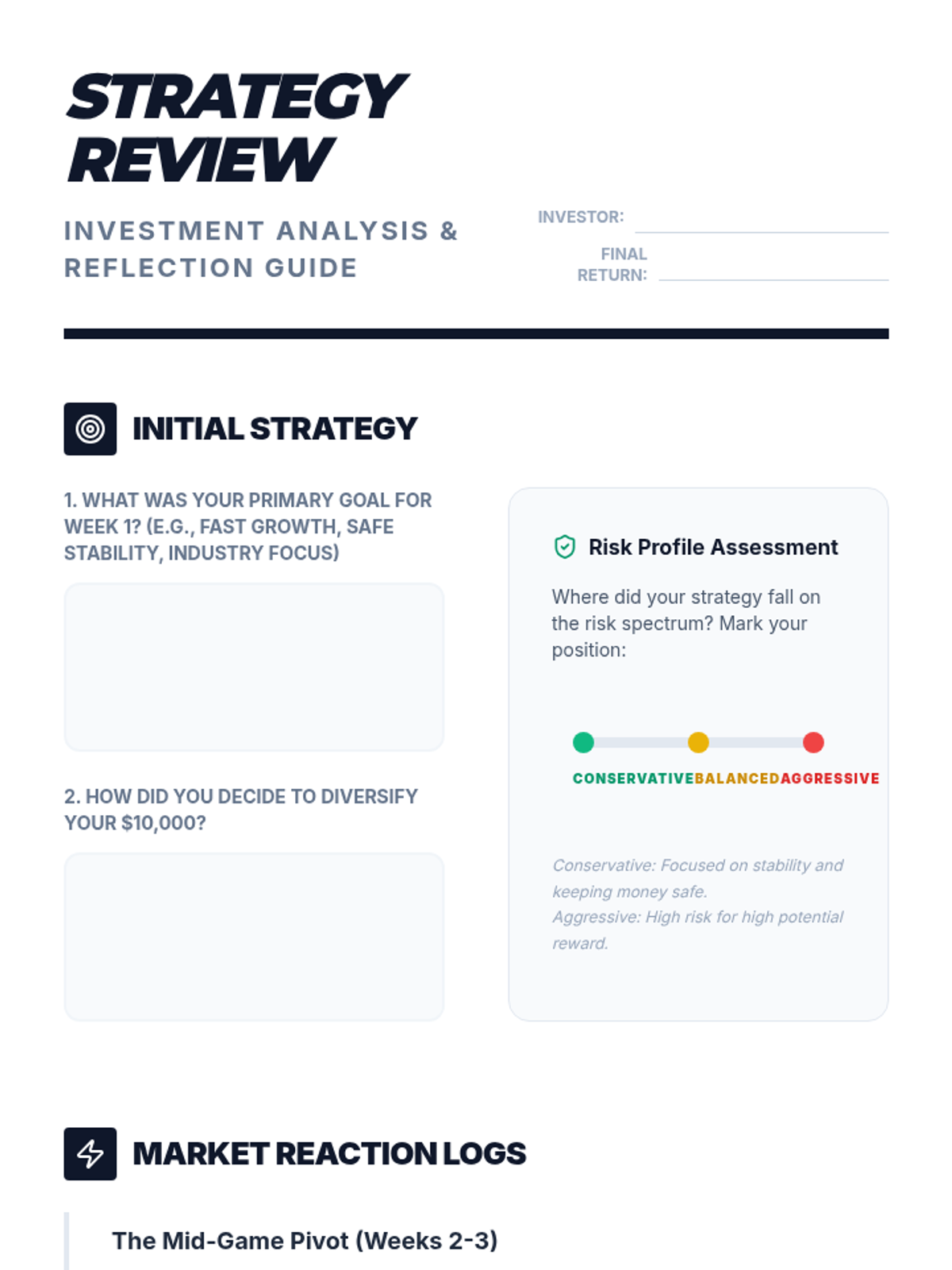
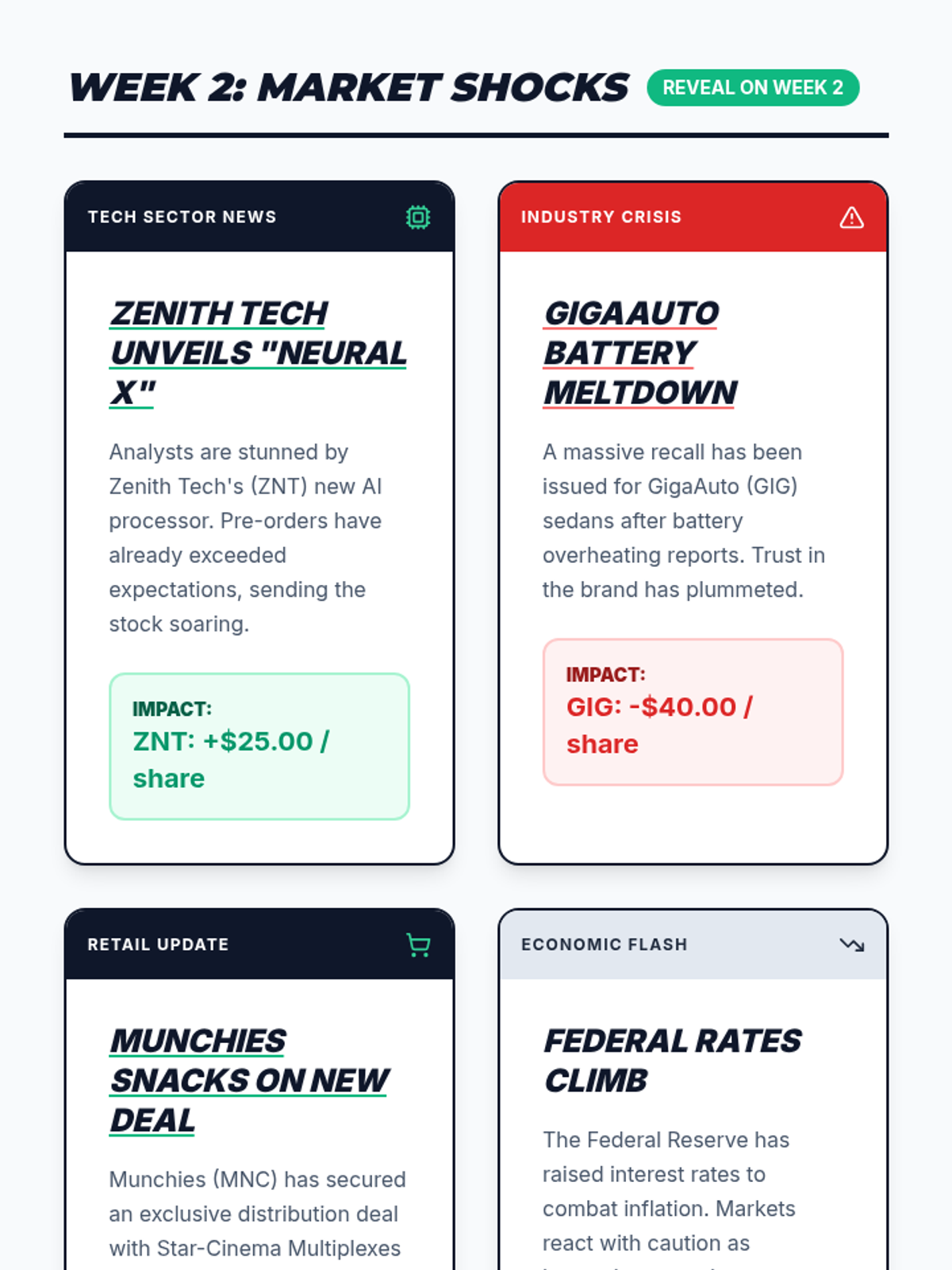
A hands-on introduction to financial markets and investment strategies through a four-week simulated portfolio management project.
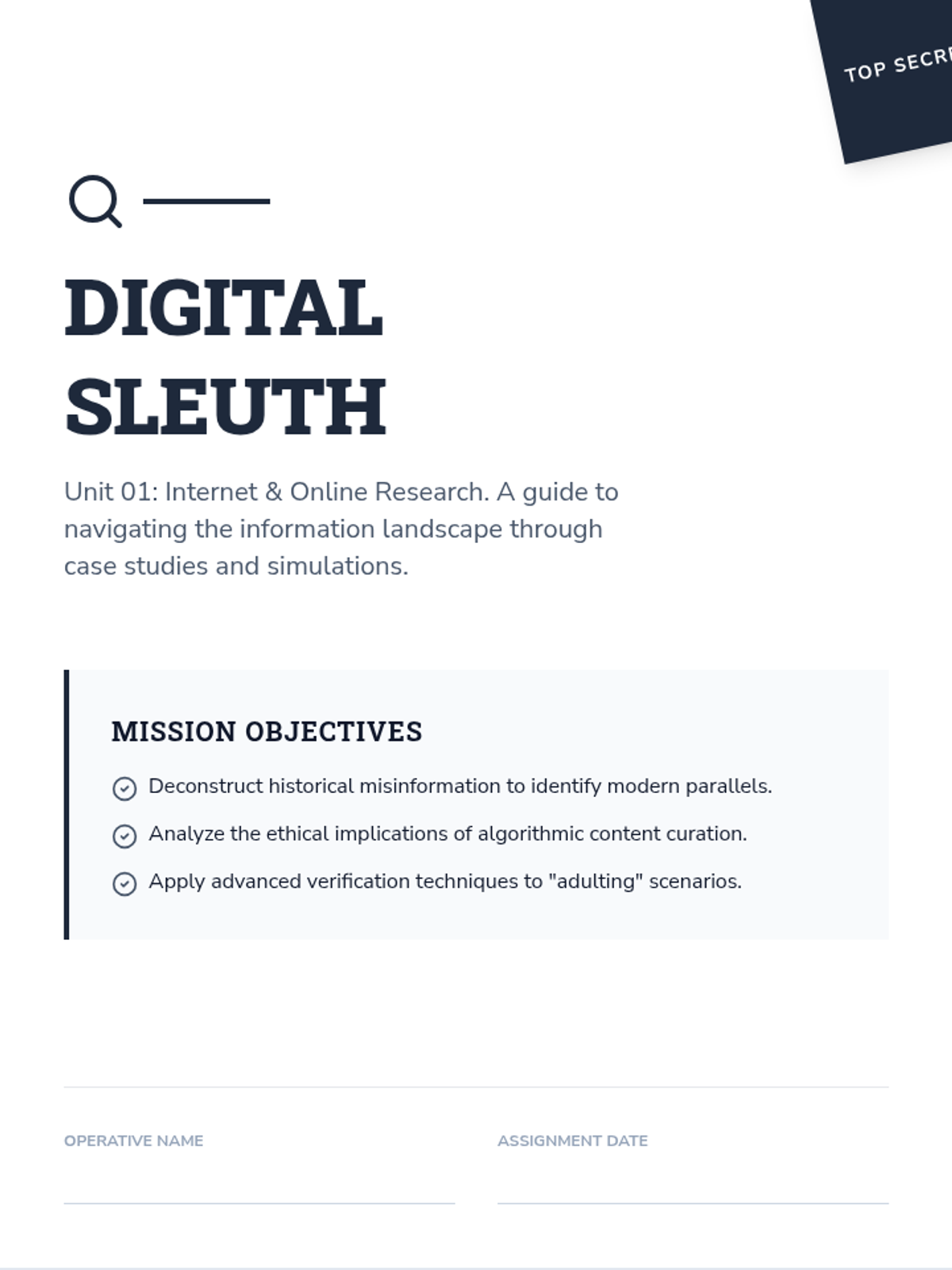
A comprehensive curriculum covering financial literacy, economic principles, and civic systems through historical case studies, ethical dilemmas, and real-world simulations.
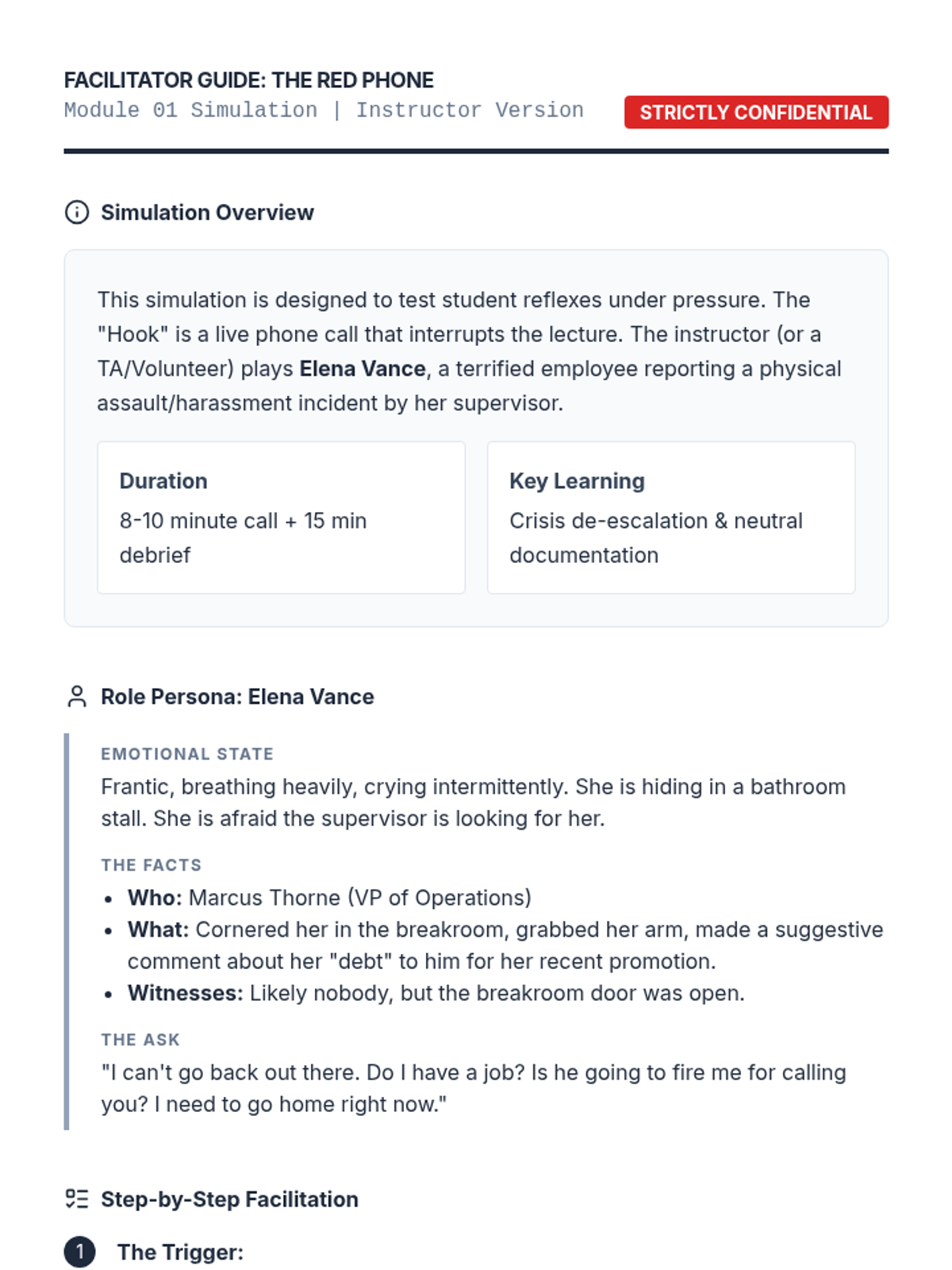
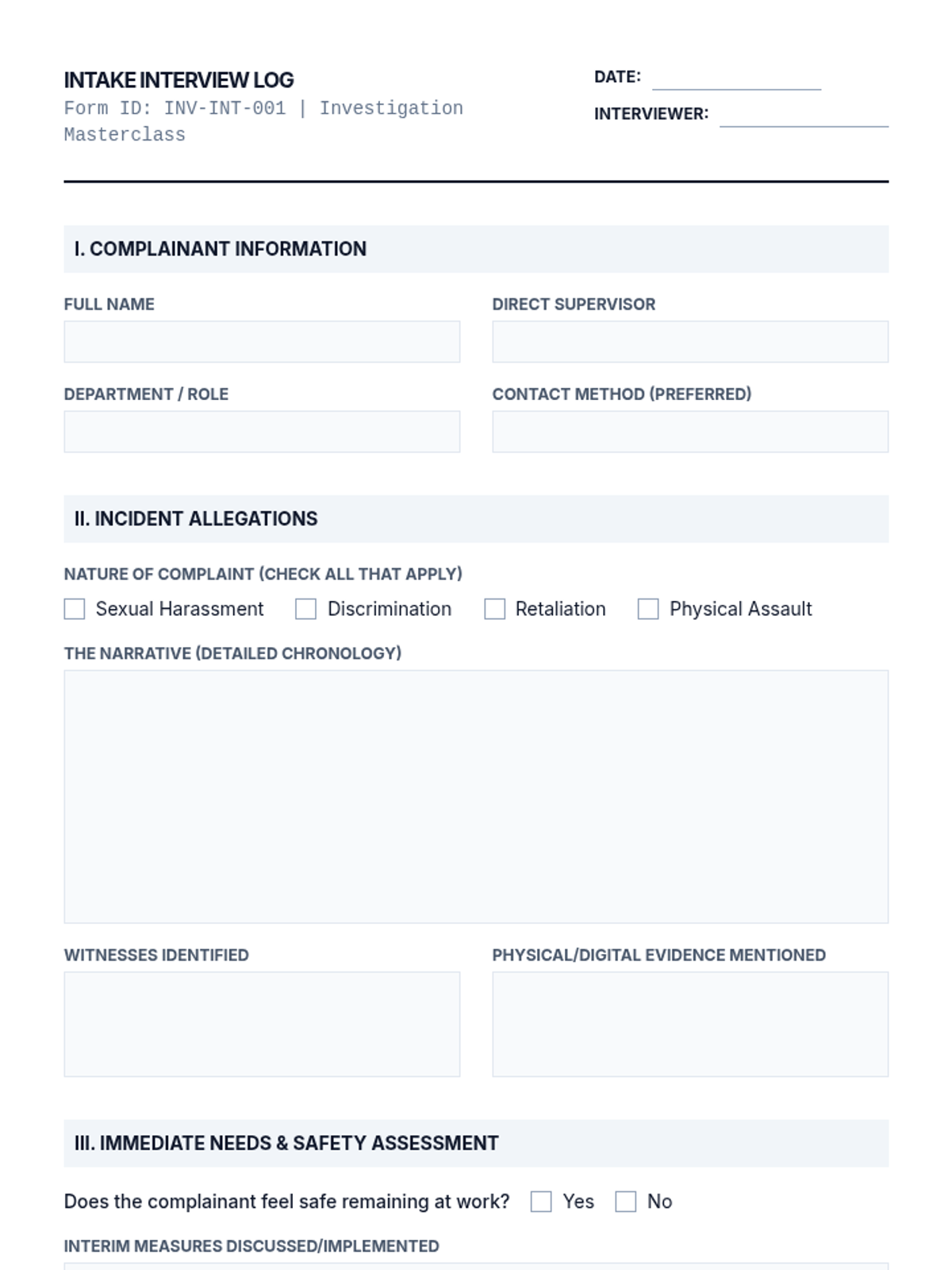
A comprehensive graduate-level simulation-based course on handling workplace harassment and discrimination complaints. Students progress from initial intake to final report writing, focusing on procedural fairness, neutrality, and evidence-based determination.
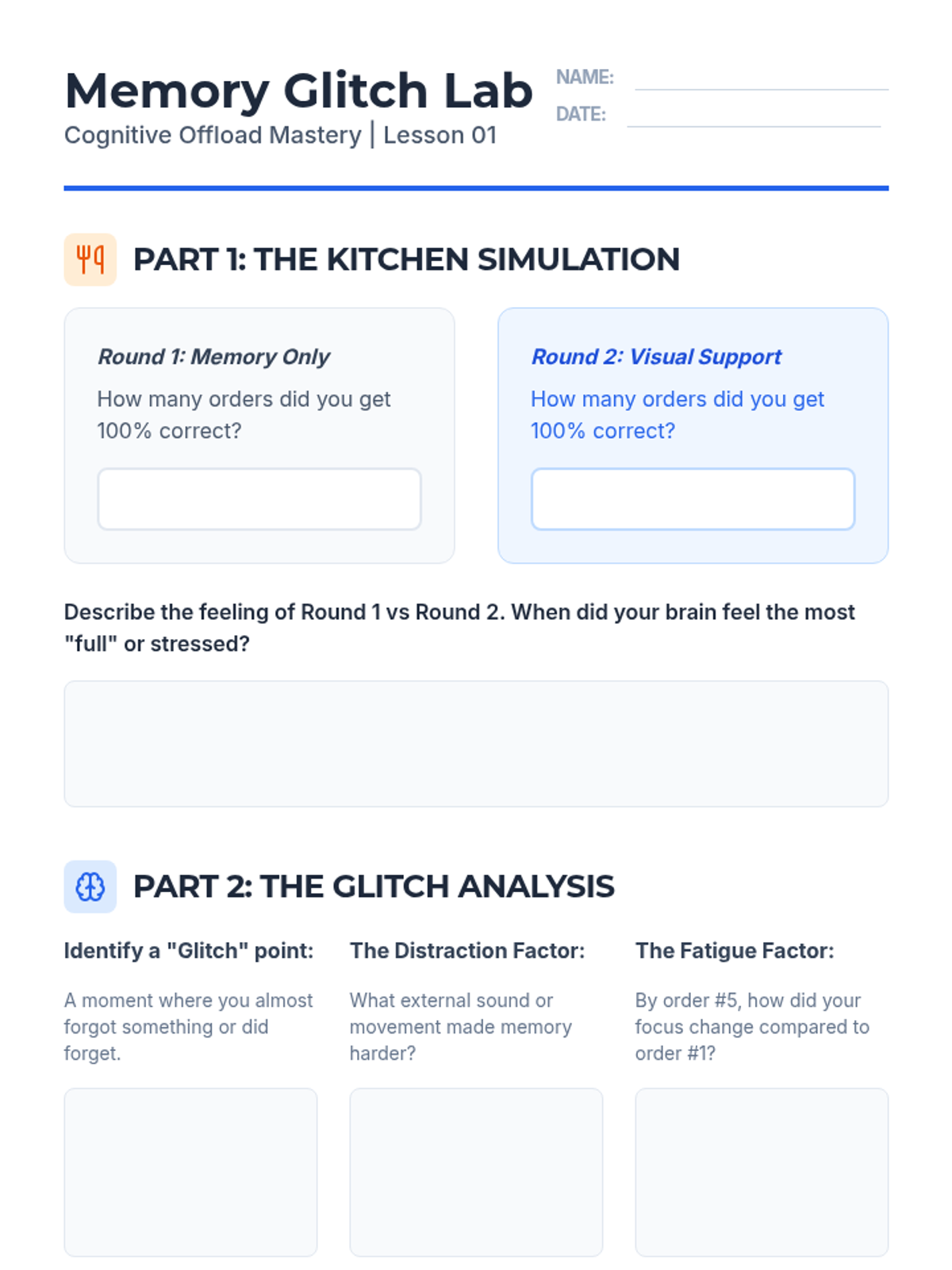
This sequence prepares 11th-grade students for vocational and independent living by teaching them to design and use professional visual aids (SOPs and checklists). Students learn to offload working memory onto visual systems to reduce error and mental fatigue in complex tasks.
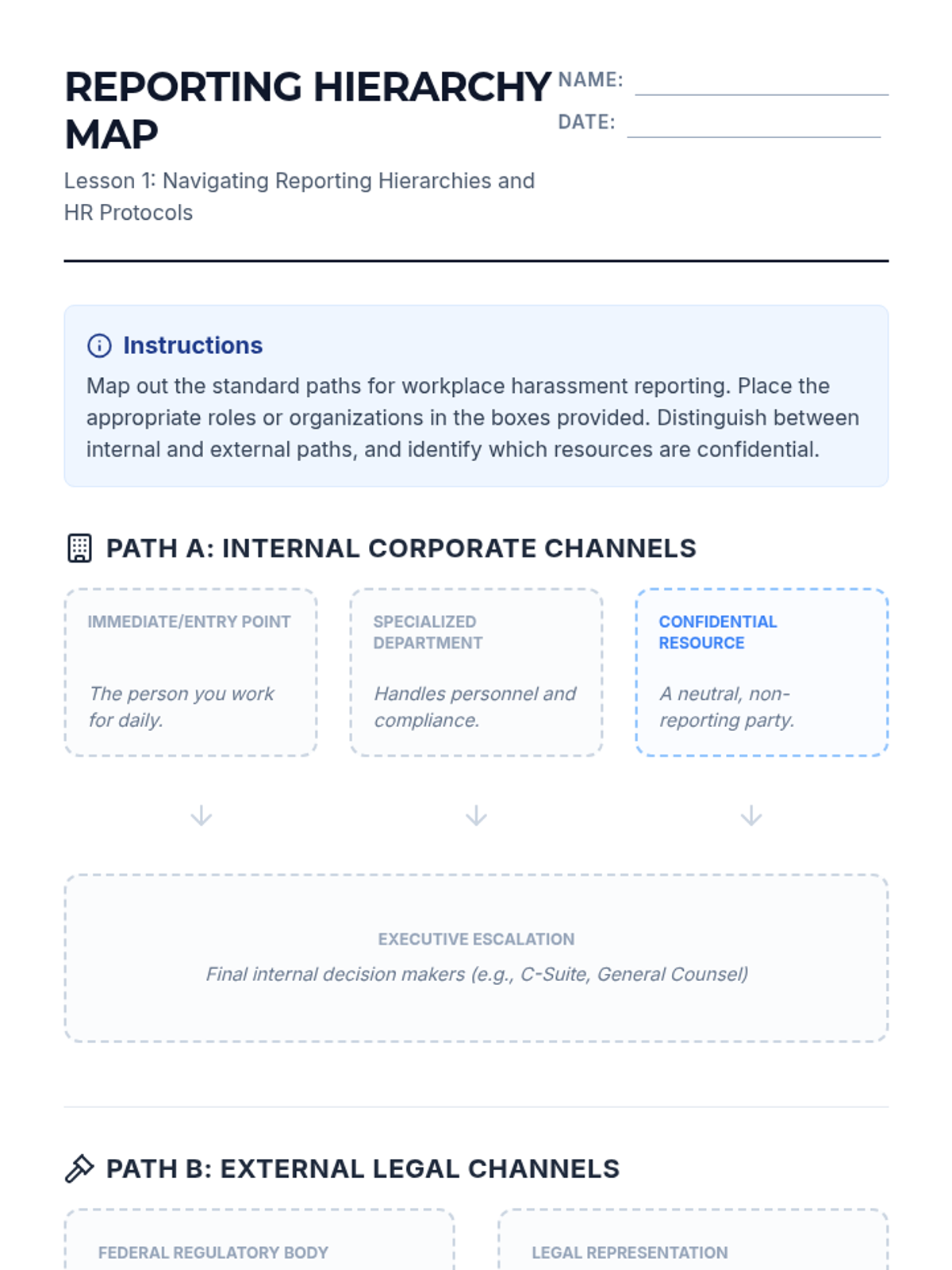
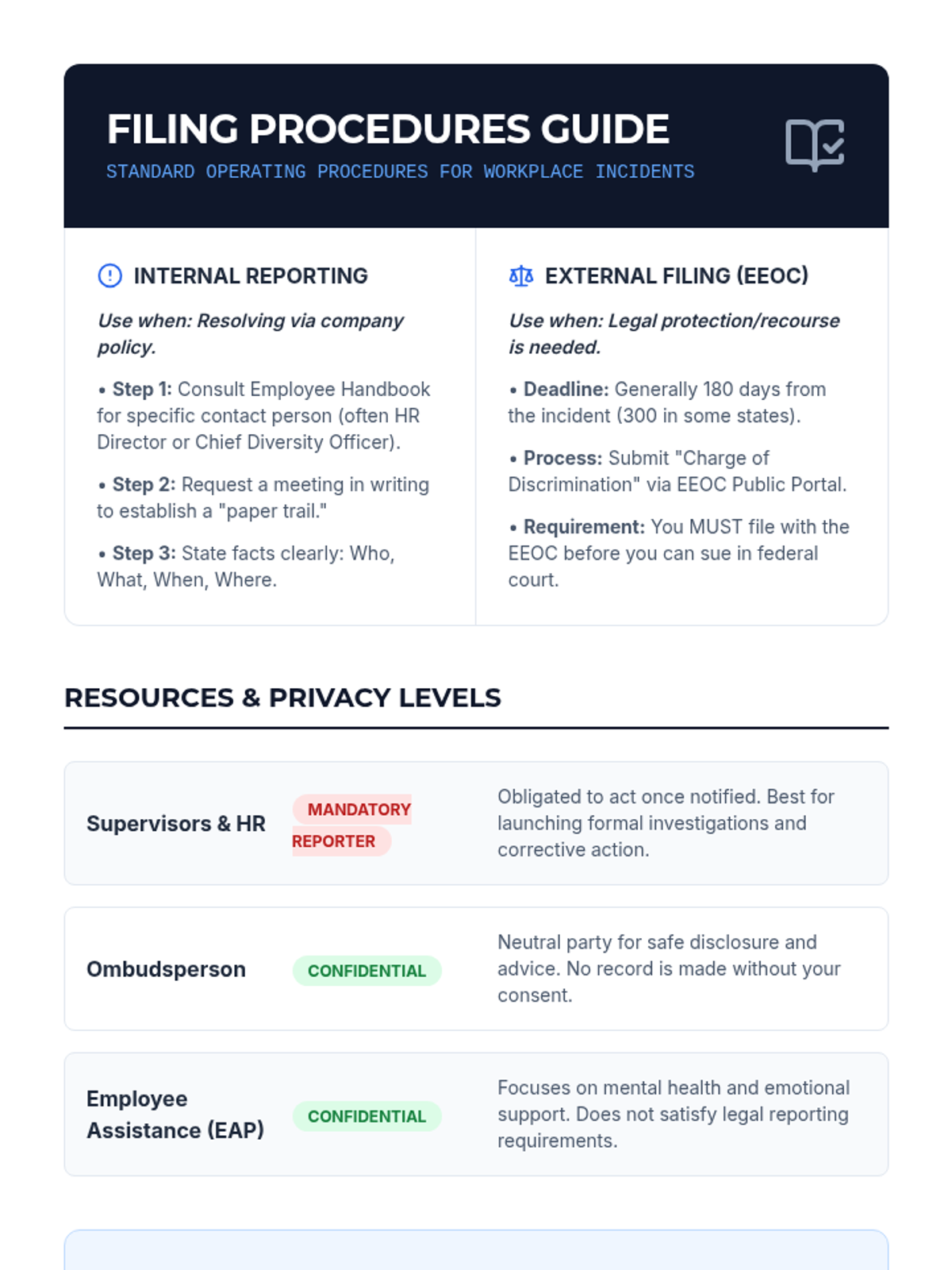
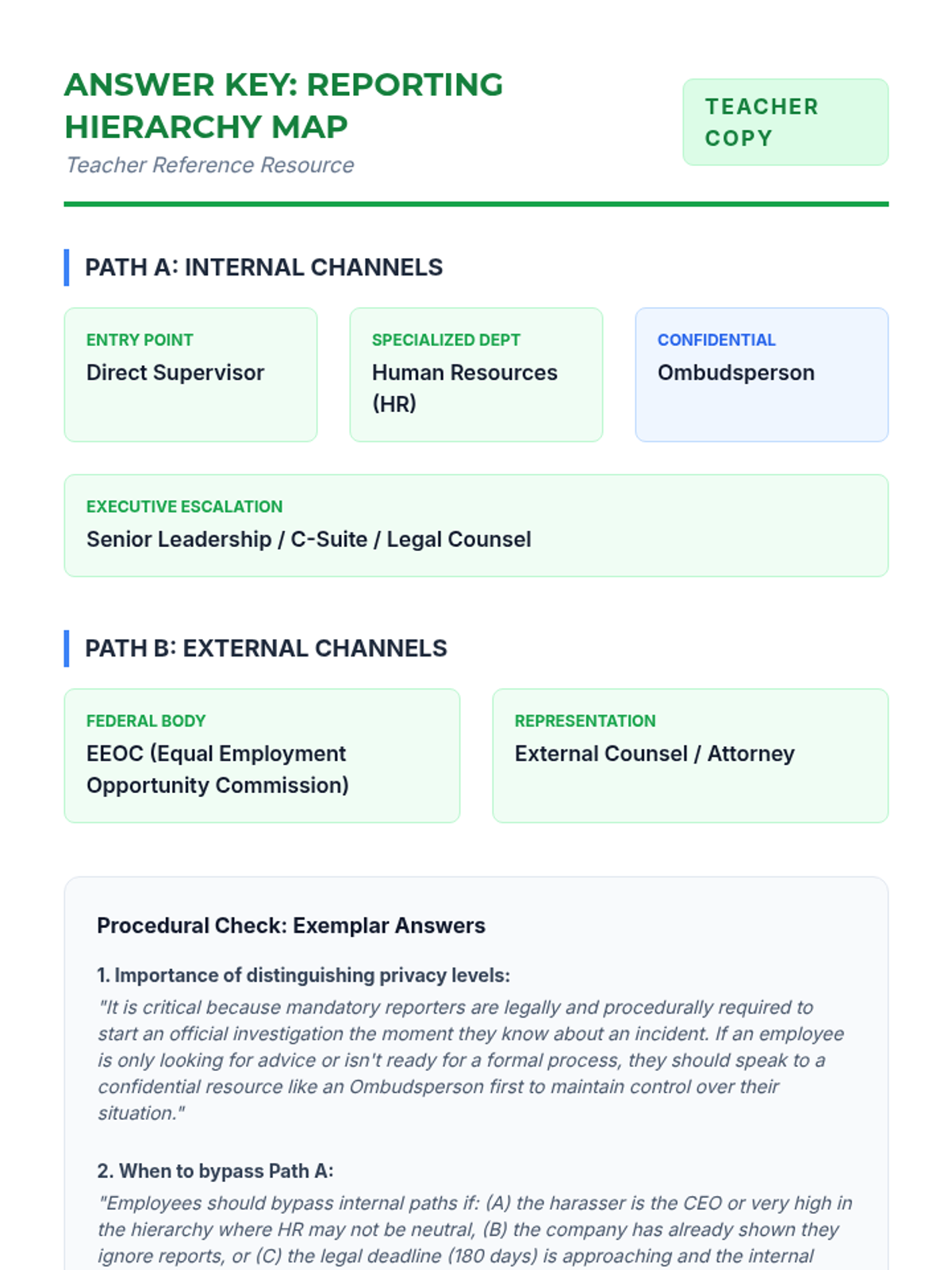
A comprehensive training sequence for undergraduate students on workplace harassment reporting, bystander intervention, and legal protections. Students progress from understanding HR protocols to mastering active intervention techniques and evidence documentation through high-fidelity simulations.
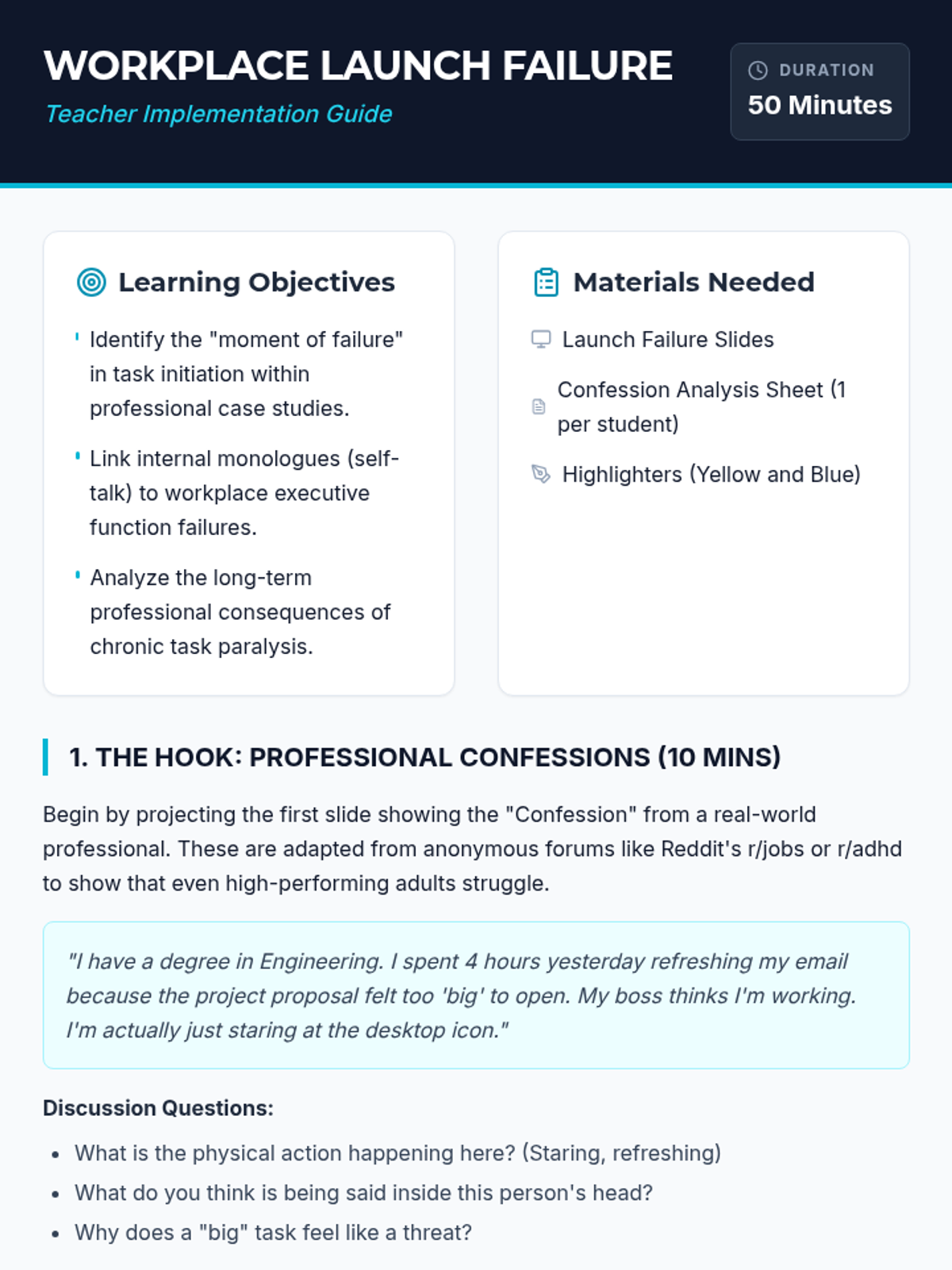
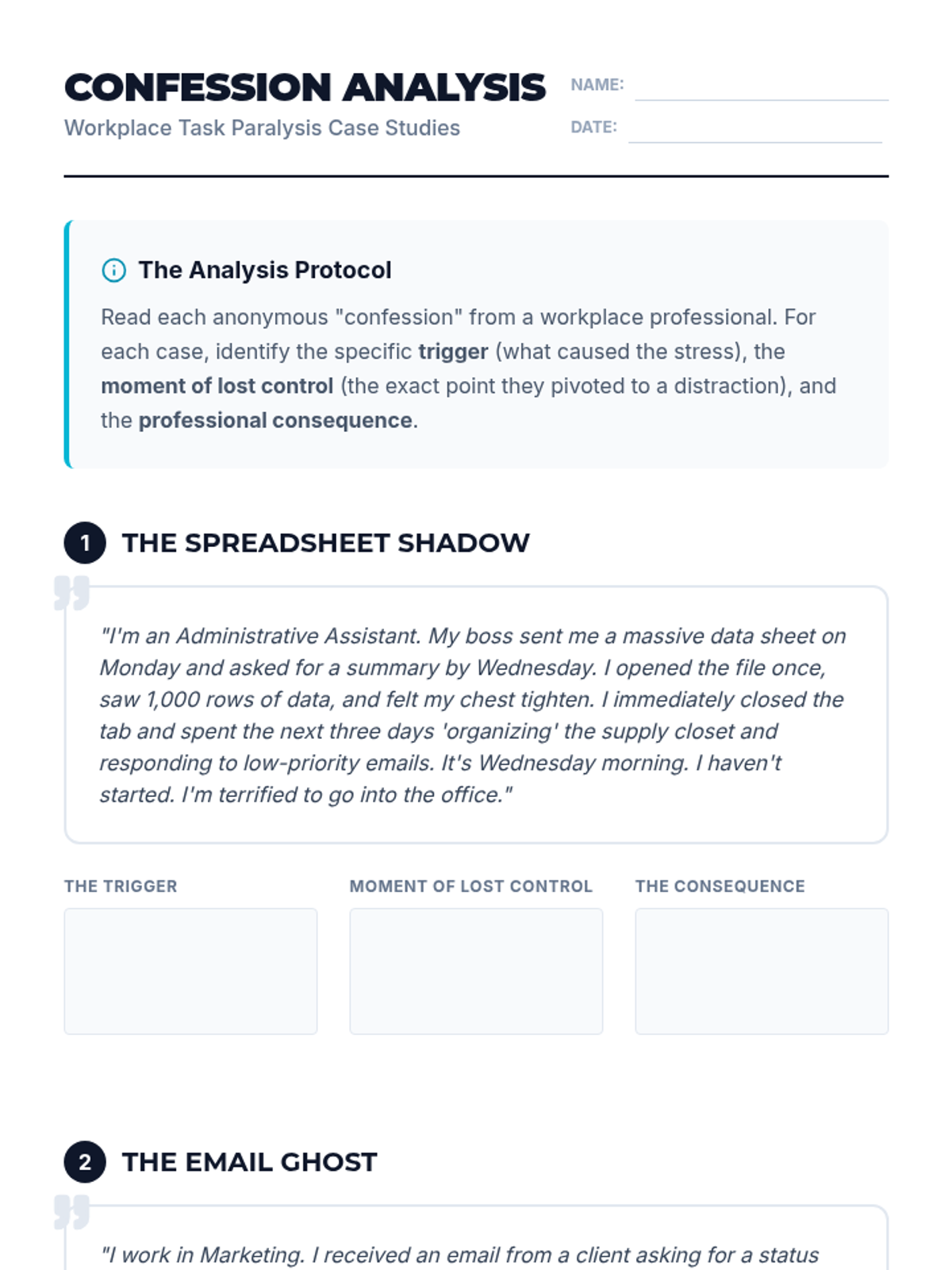
A comprehensive sequence for transition-age students to master self-talk strategies for task initiation in professional and independent living contexts. Students move from analyzing workplace failures to building a personalized 'Standard Operating Procedure' for overcoming task paralysis.
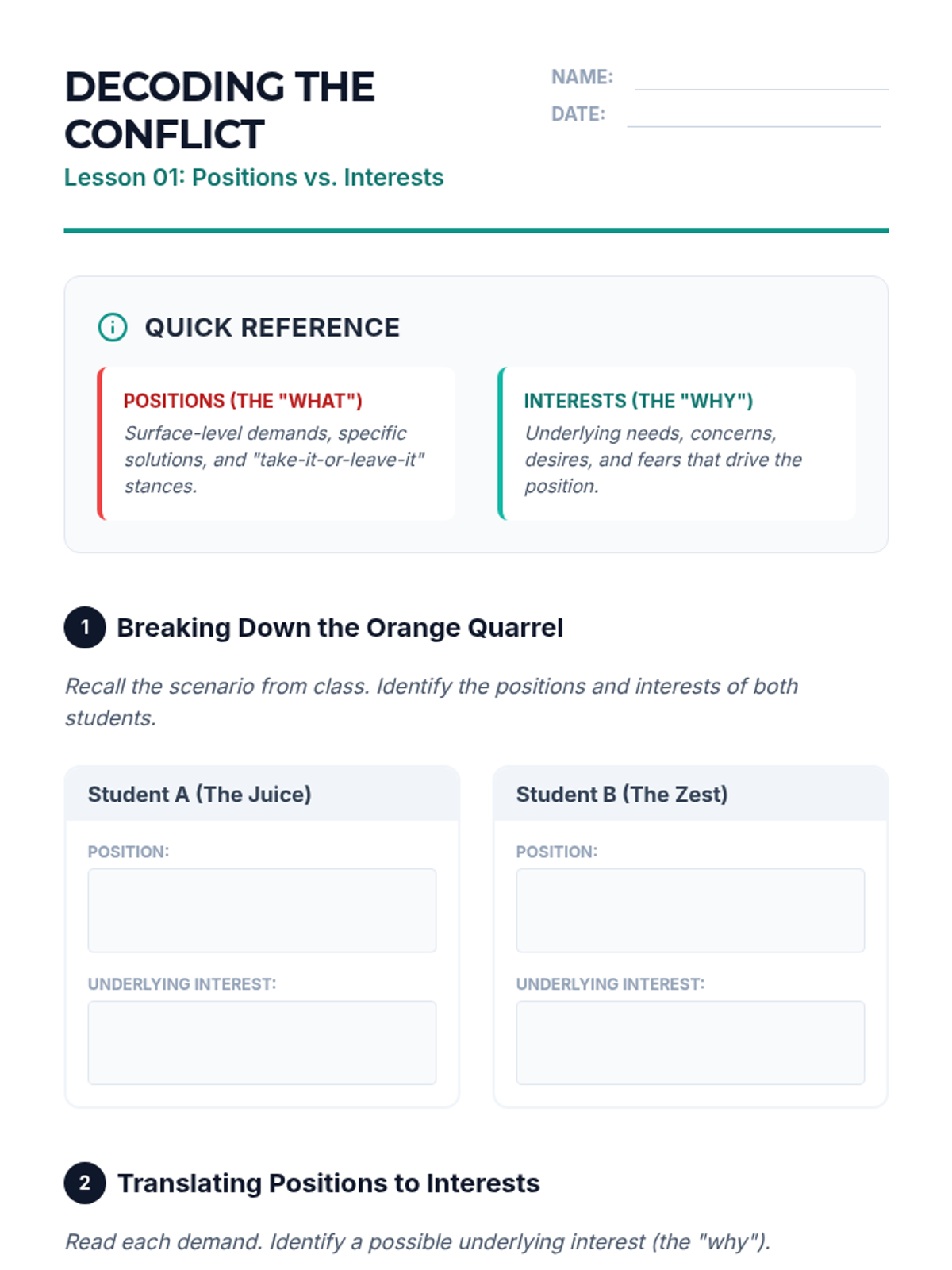
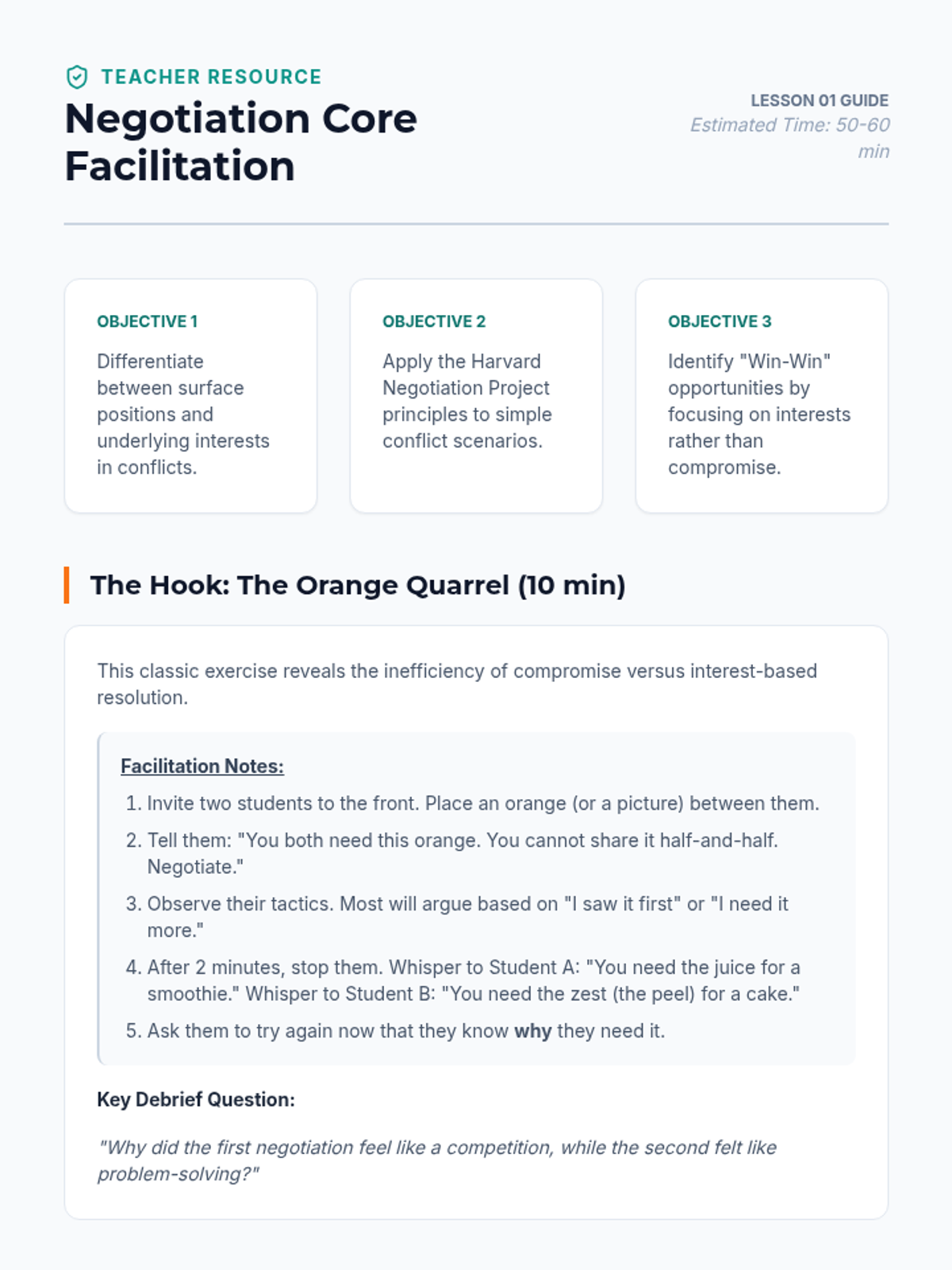
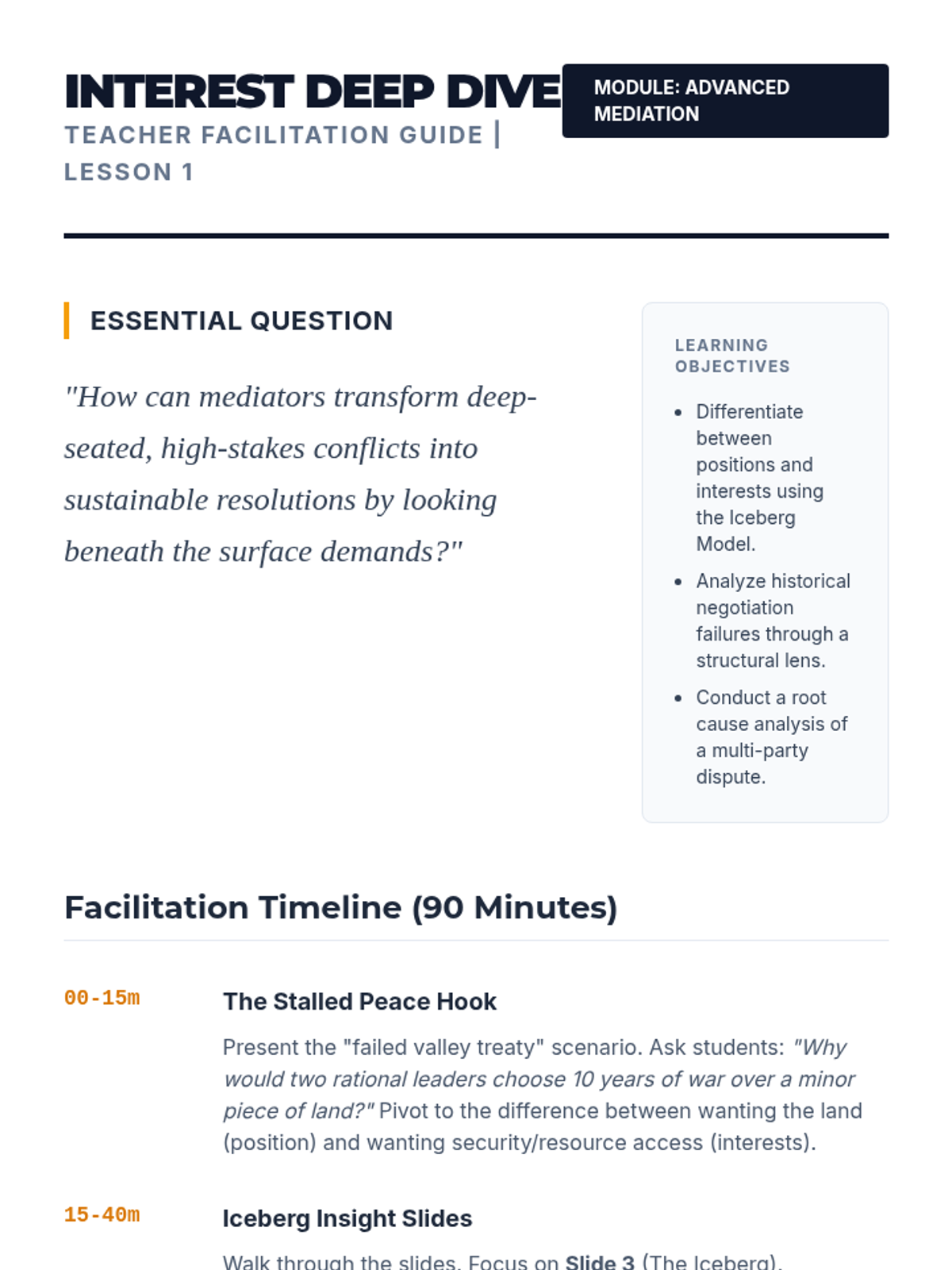
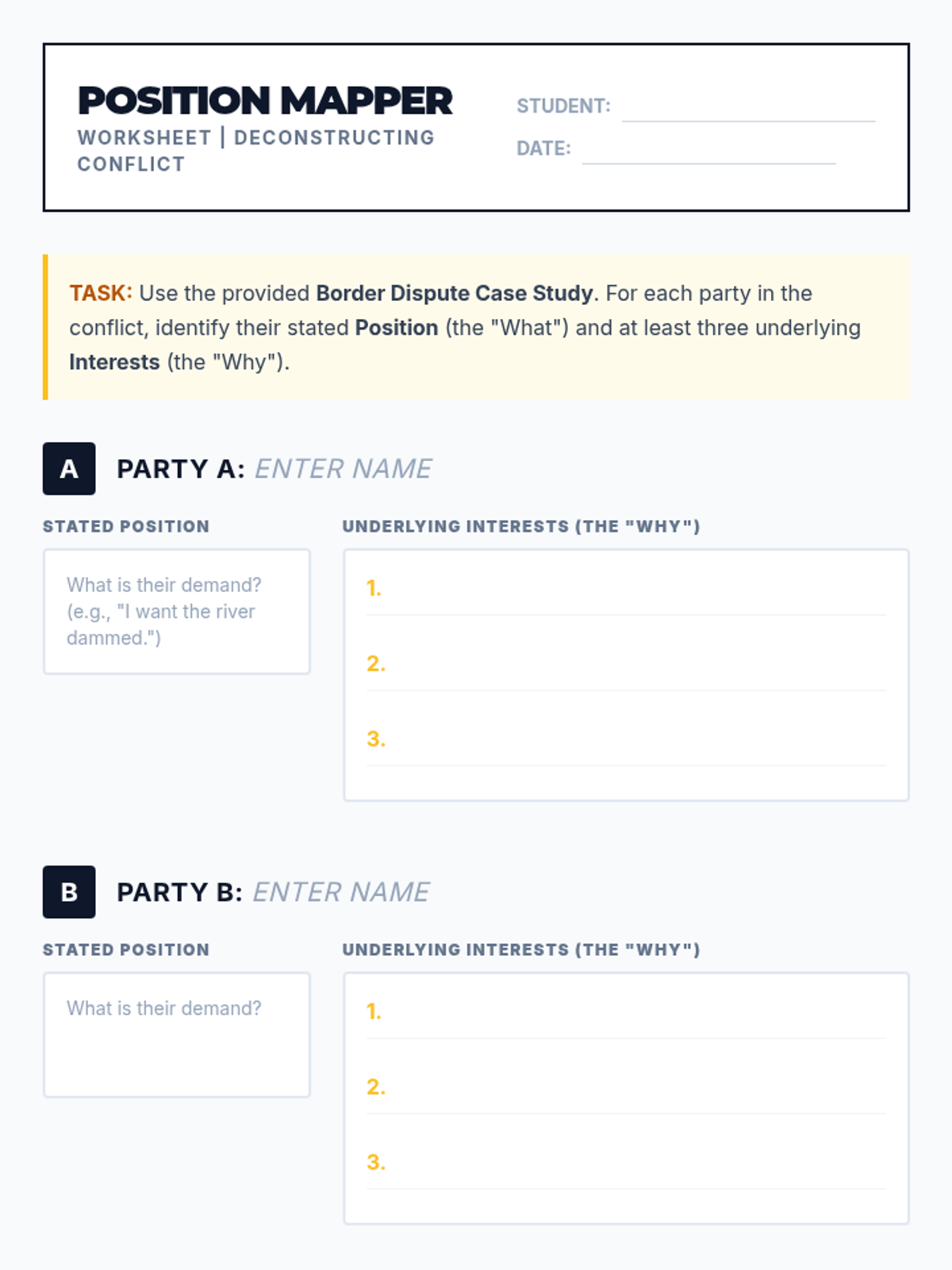
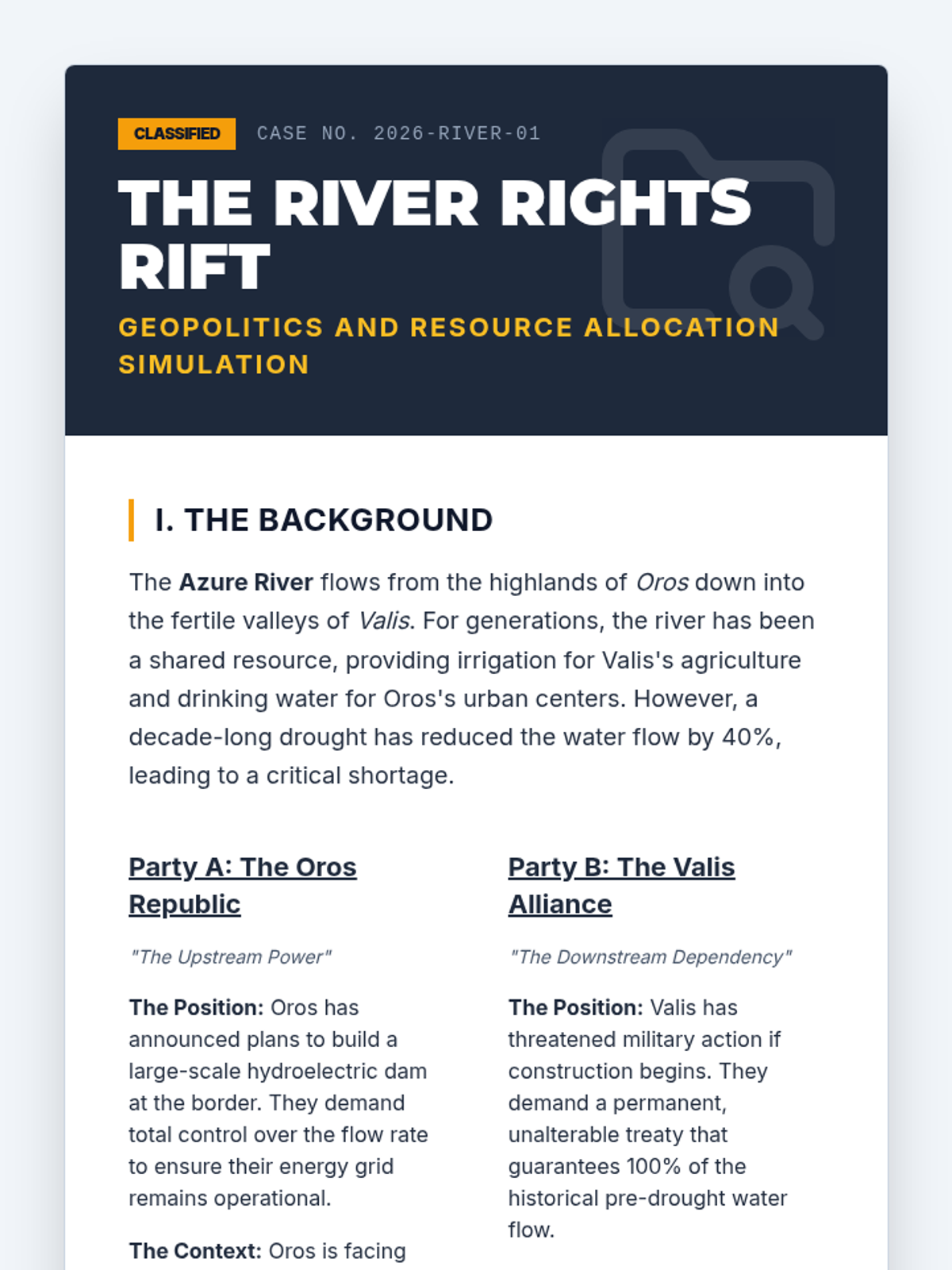
A comprehensive high school unit on interest-based negotiation and formal mediation. Students move from understanding individual interests to facilitating multi-party resolutions using the Harvard Negotiation Project framework and professional mediation stages.
This sequence immerses undergraduate students in the theoretical and practical application of advanced conflict resolution, moving beyond basic interpersonal skills to systemic mediation strategies. Students will master interest-based negotiation, emotional regulation, reframing, and power analysis through simulations and case studies.
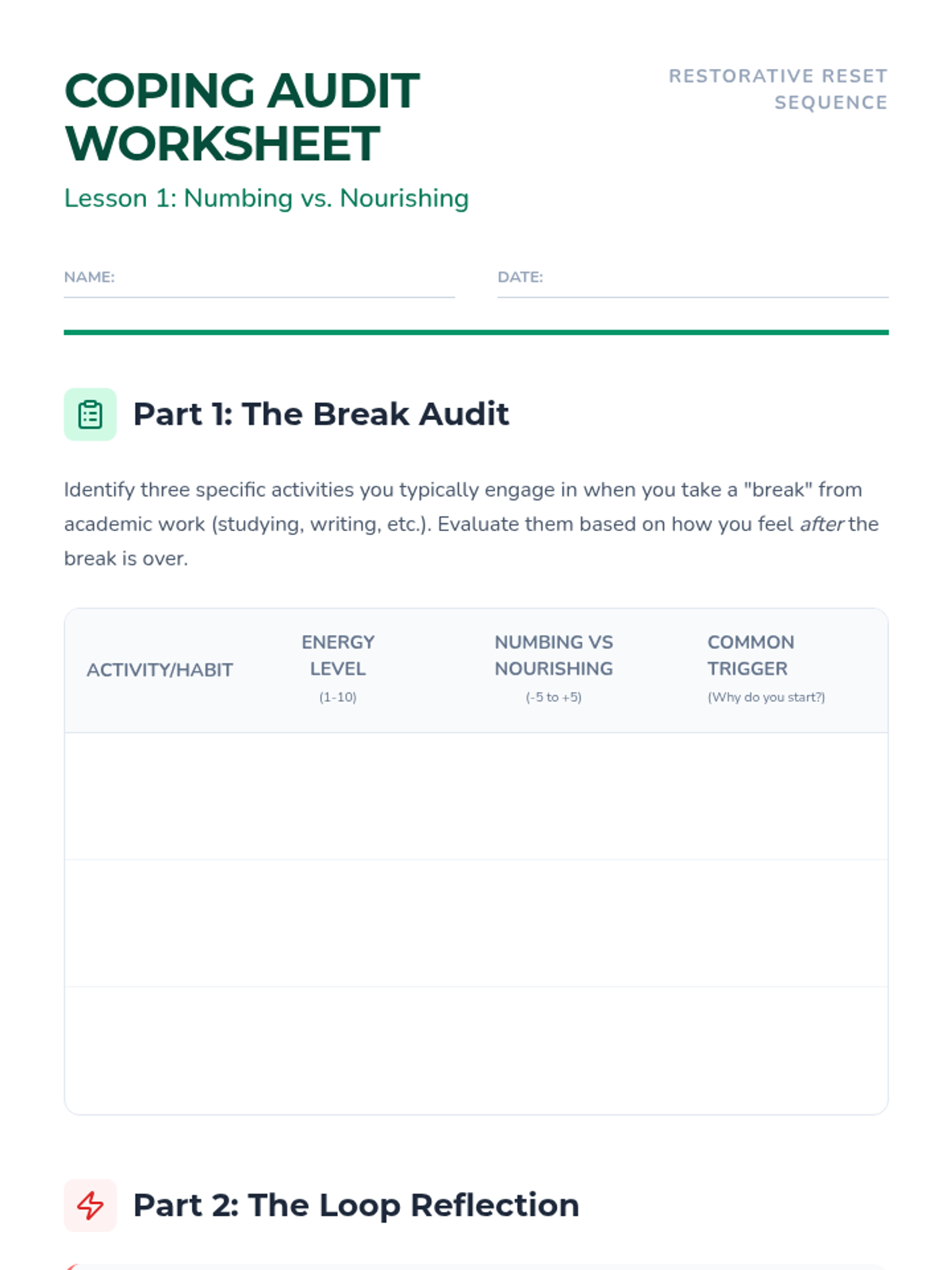
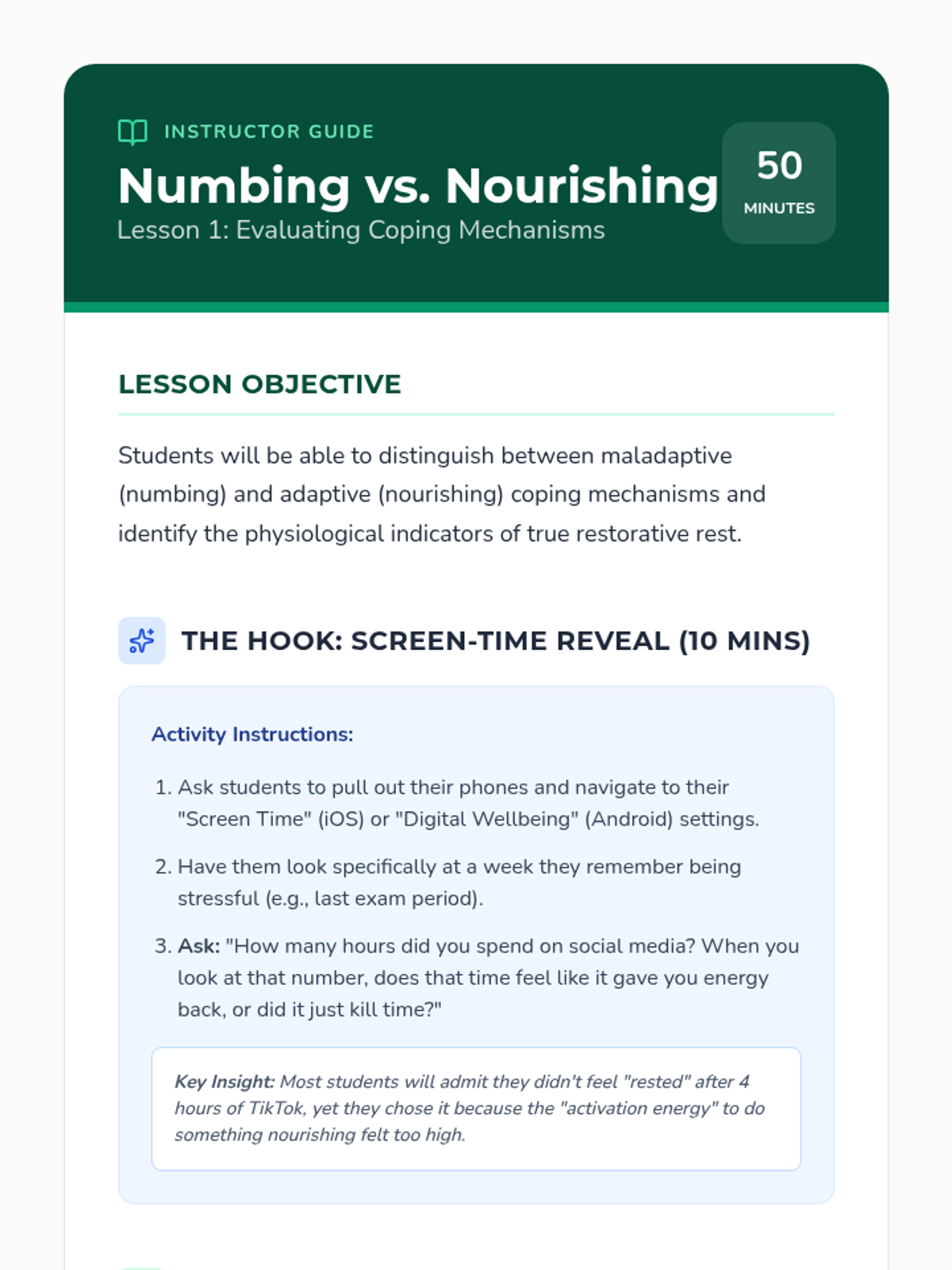
A 5-lesson sequence for undergraduate students focused on transforming requested breaks from avoidant behaviors into restorative regulation. Students explore somatic, cognitive, and environmental strategies to manage stress and transition back to academic work effectively.
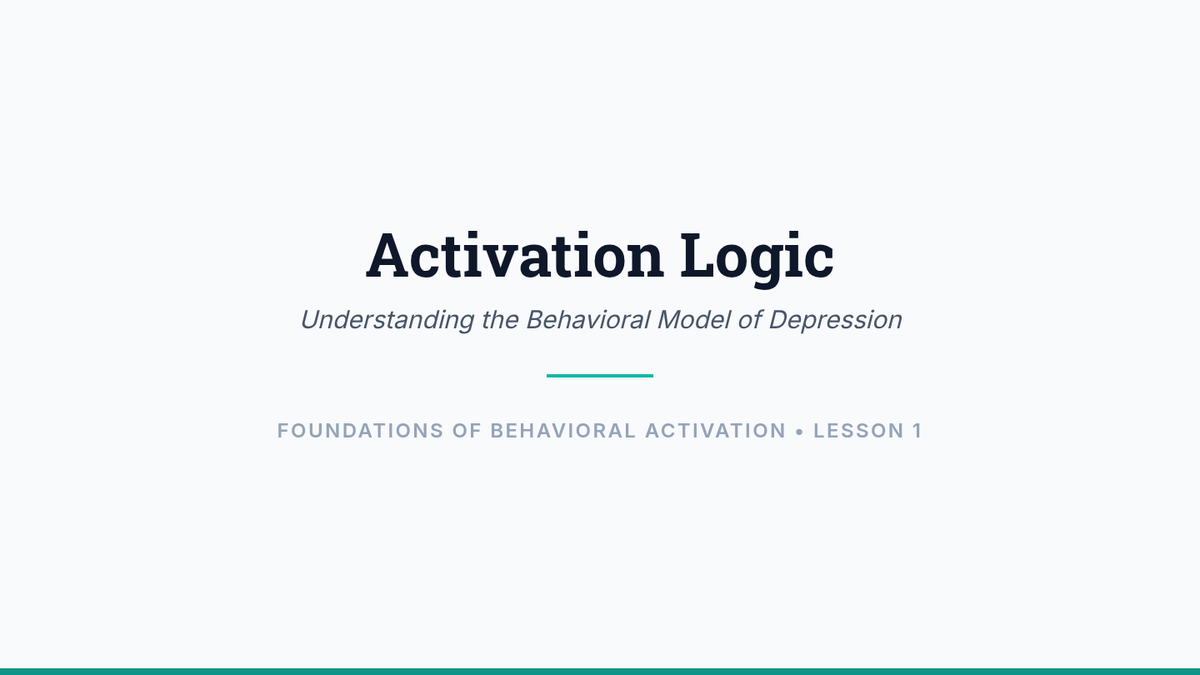
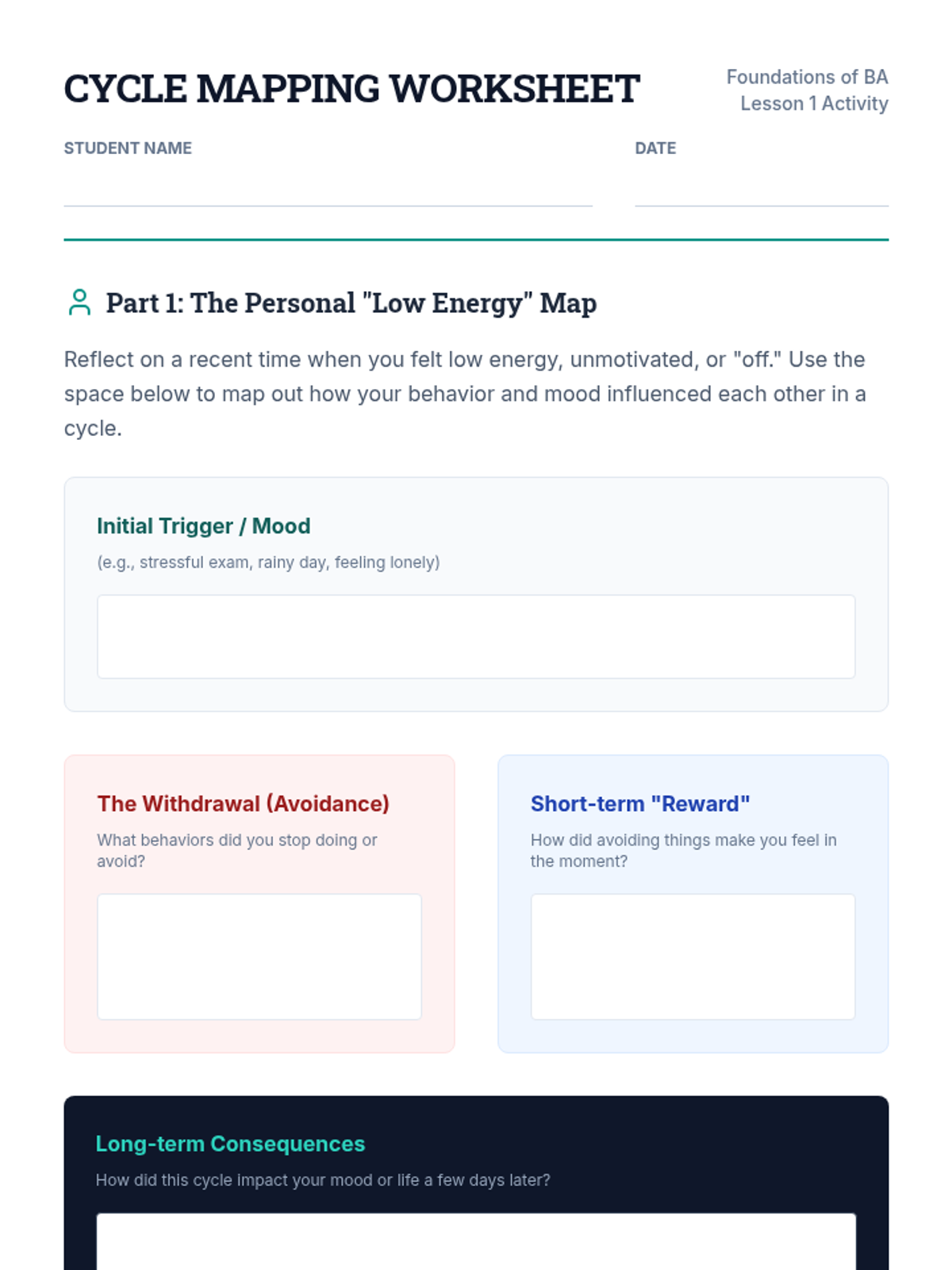
This sequence introduces undergraduate students to Behavioral Activation (BA), focusing on the theoretical cycle of depression, activity monitoring, values-based goal setting, and intervention planning. Students move from understanding the 'vicious cycle' of withdrawal to designing structured, values-aligned activity schedules.
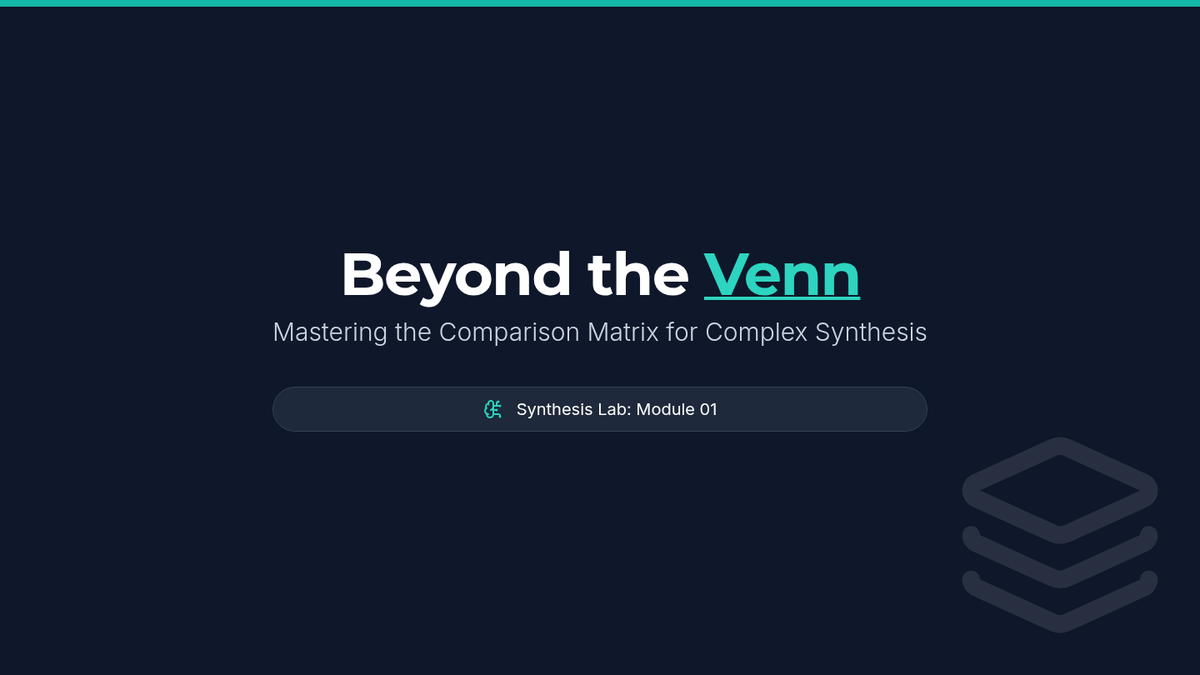
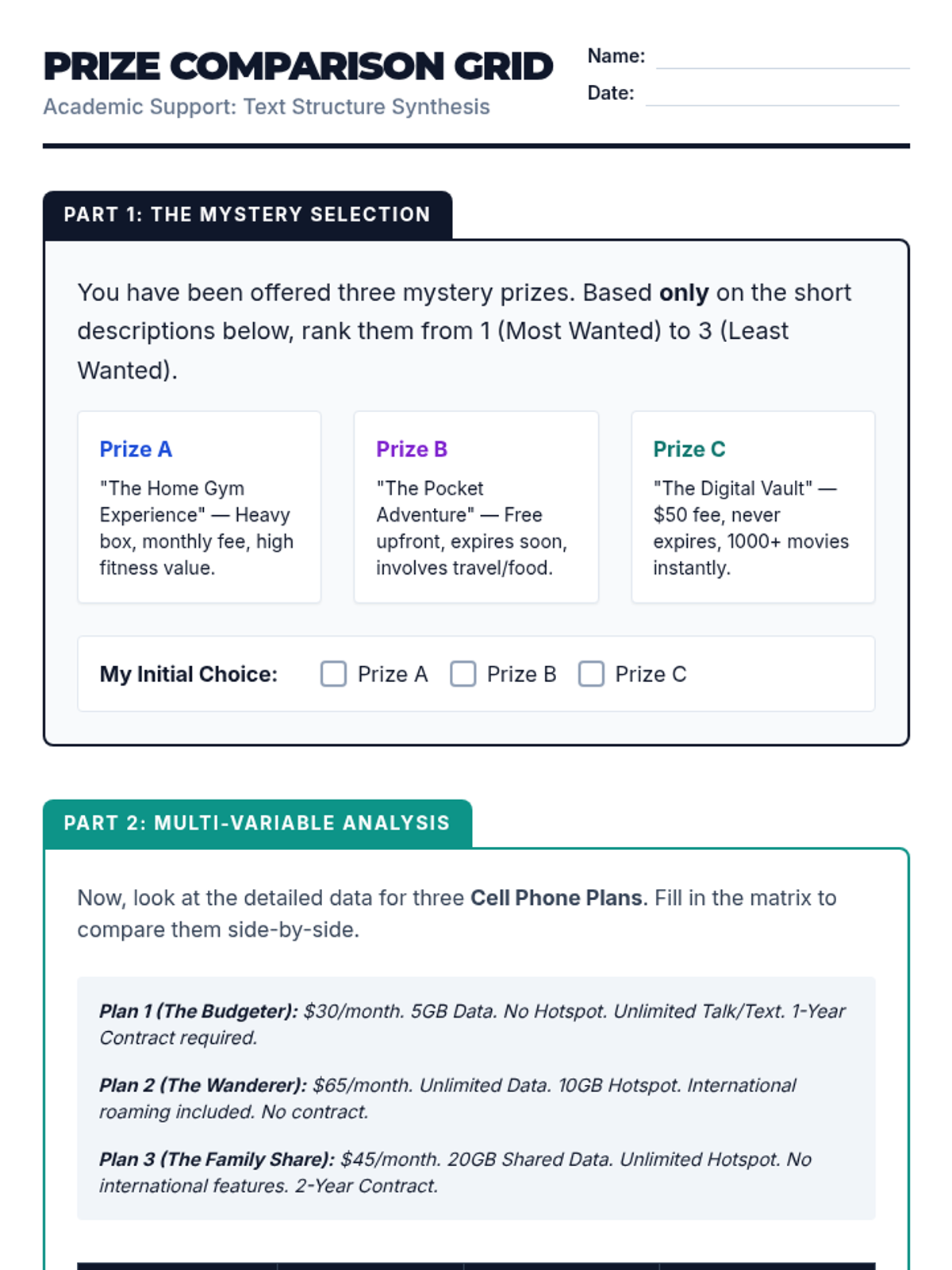
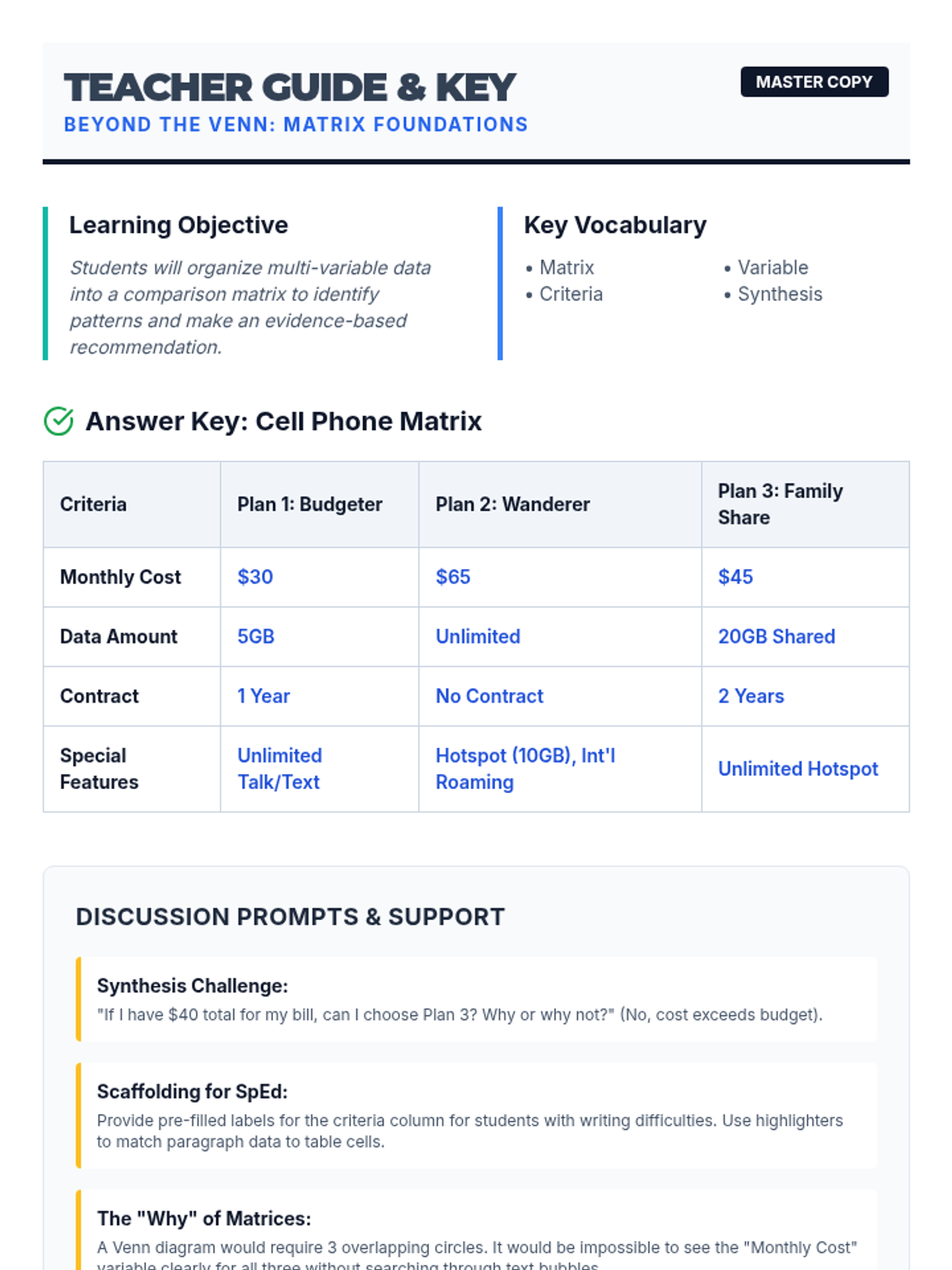
A higher-education and career-readiness sequence for 12th-grade students focused on using matrices to synthesize complex, conflicting, and multi-variable information. Students move from basic data organization to high-level comparative analysis and source evaluation.
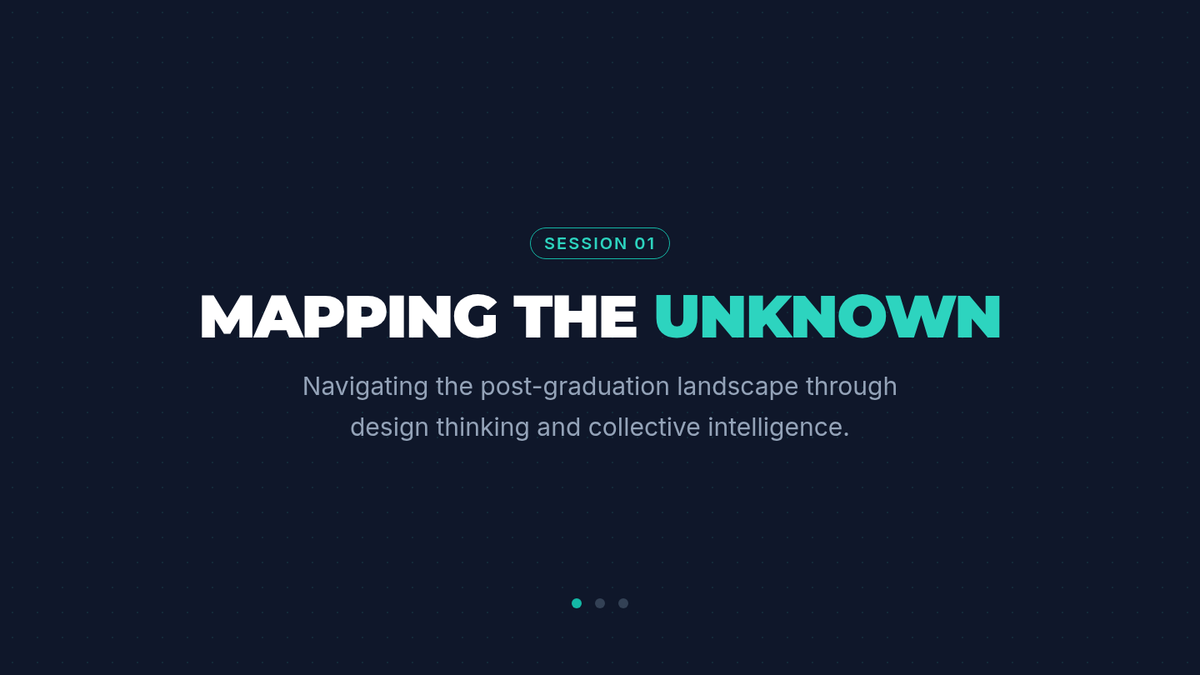
A project-based sequence for undergraduate students using Design Thinking to navigate post-graduation anxiety. Students collaborate to prototype future paths and build a collective resource repository.
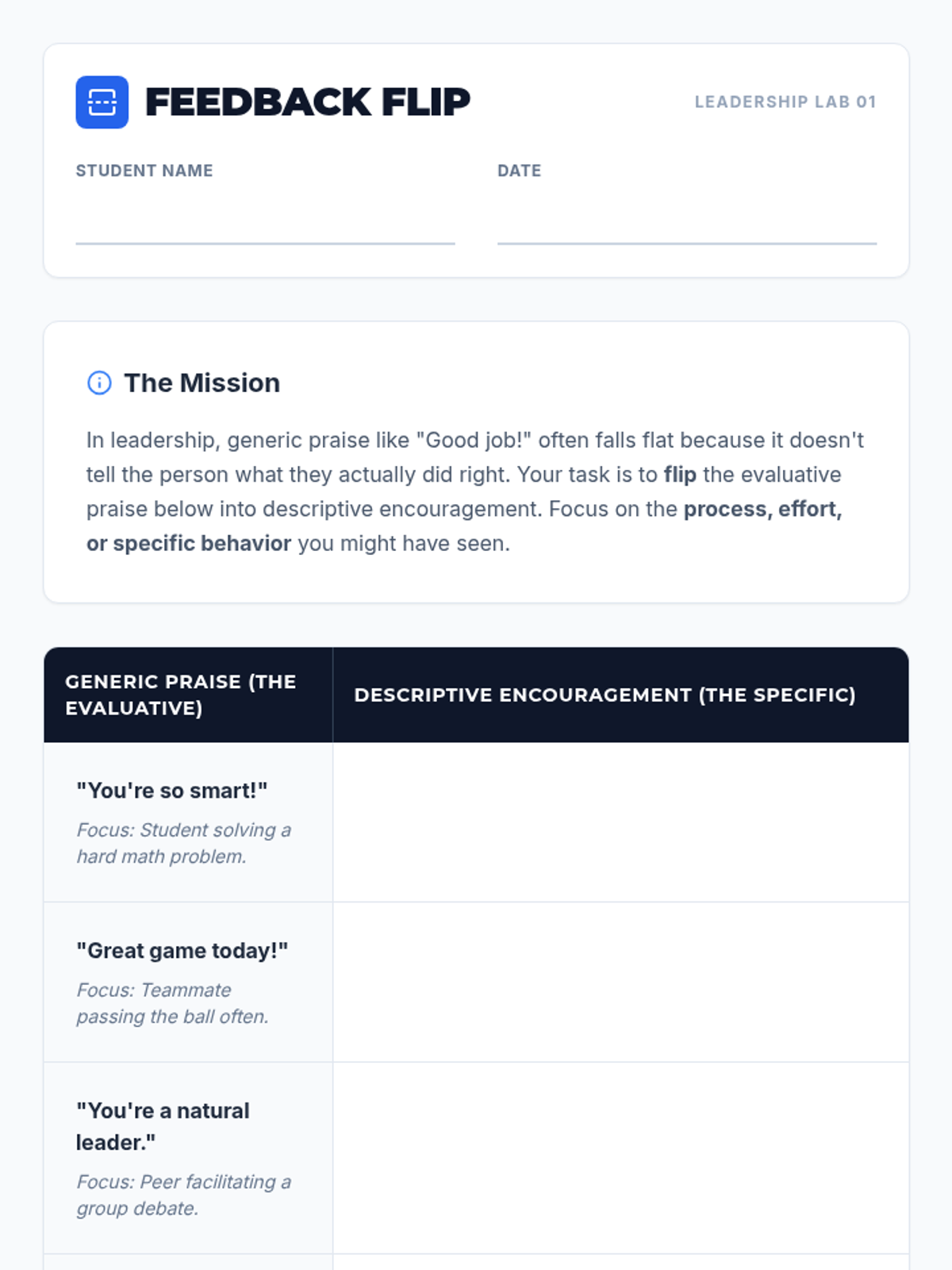
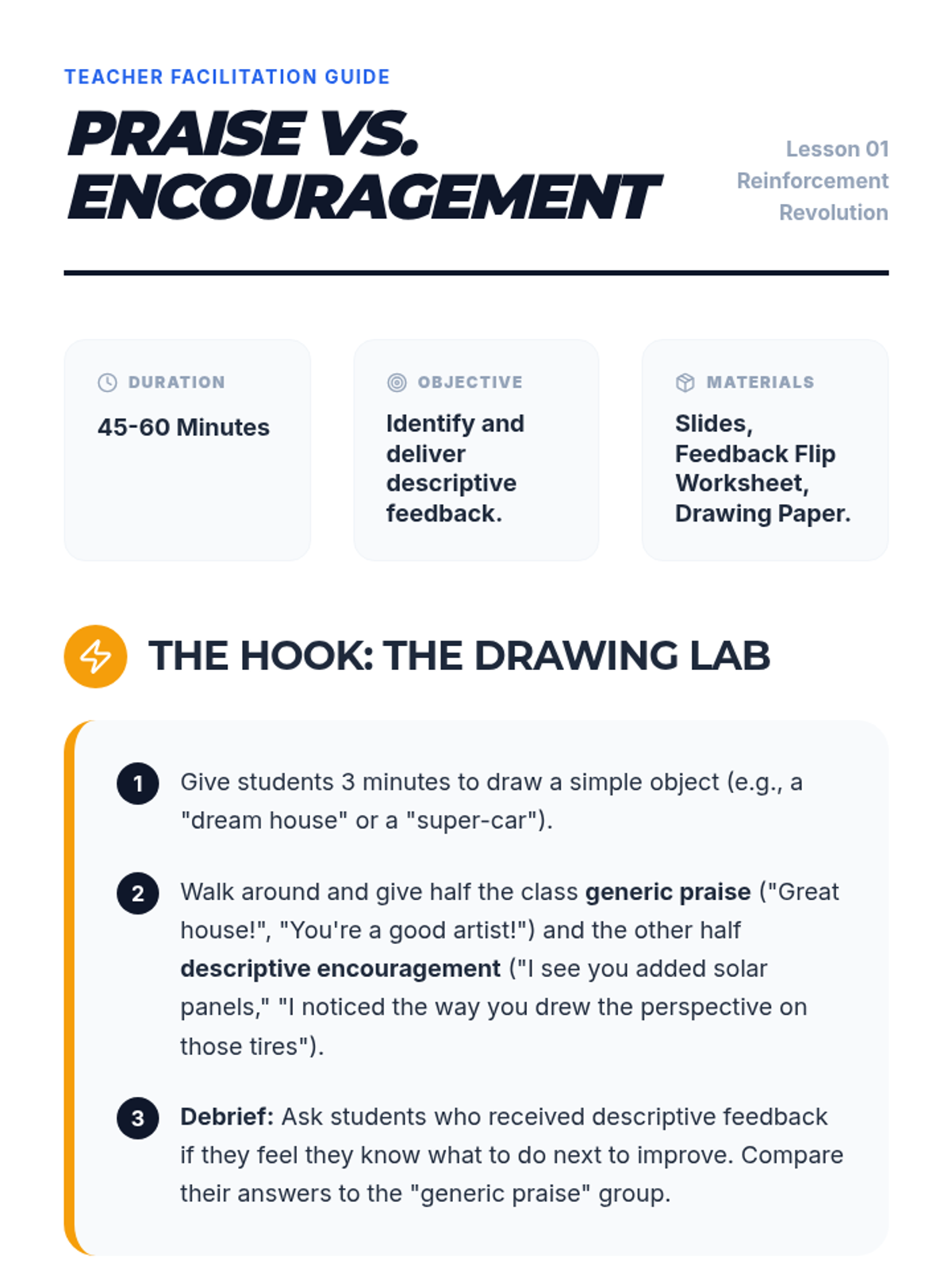
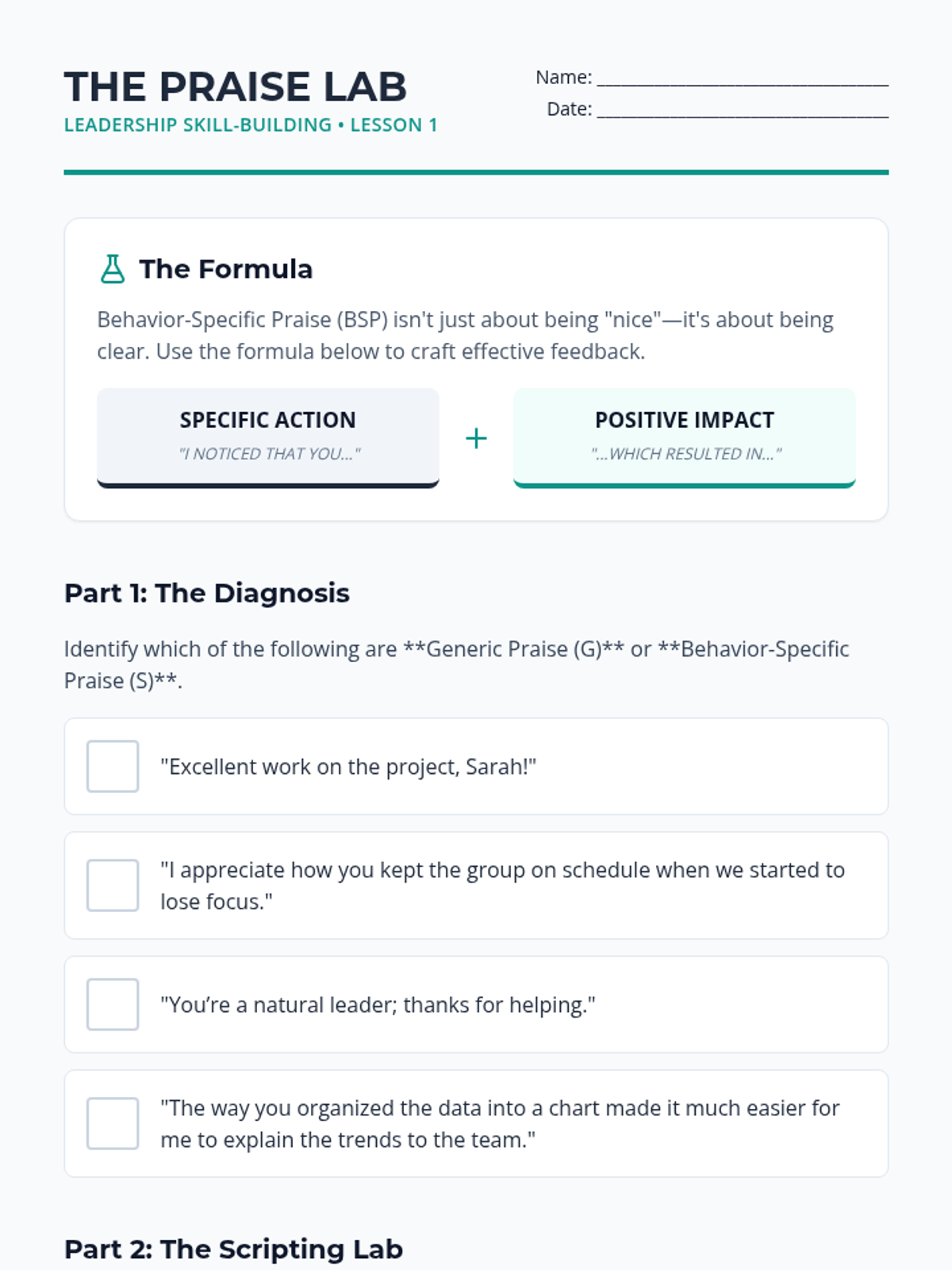
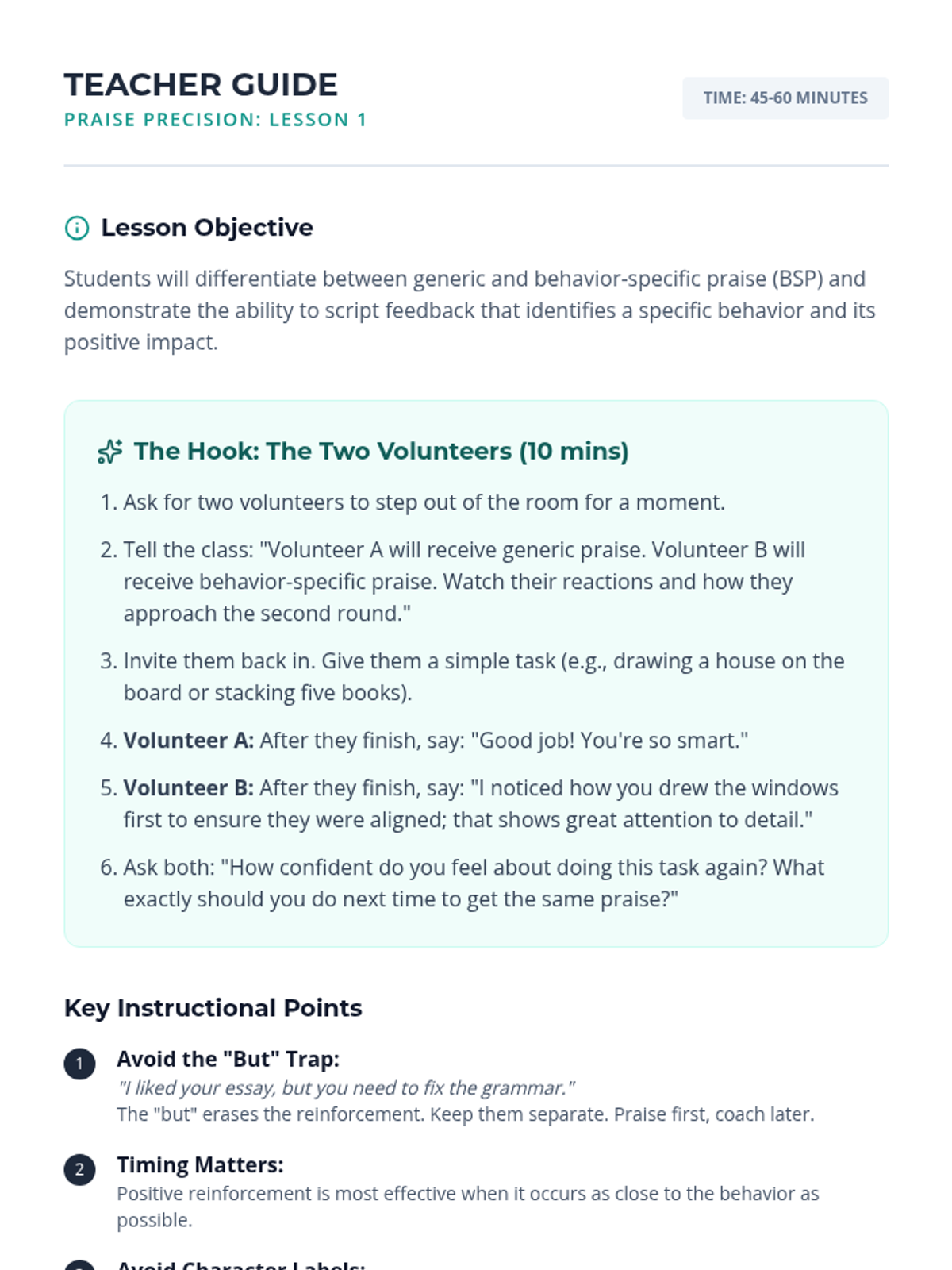
This sequence explores the interpersonal application of positive reinforcement in leadership, coaching, and mentoring contexts. Students examine how leaders influence group culture and individual performance through specific praise and recognition systems.
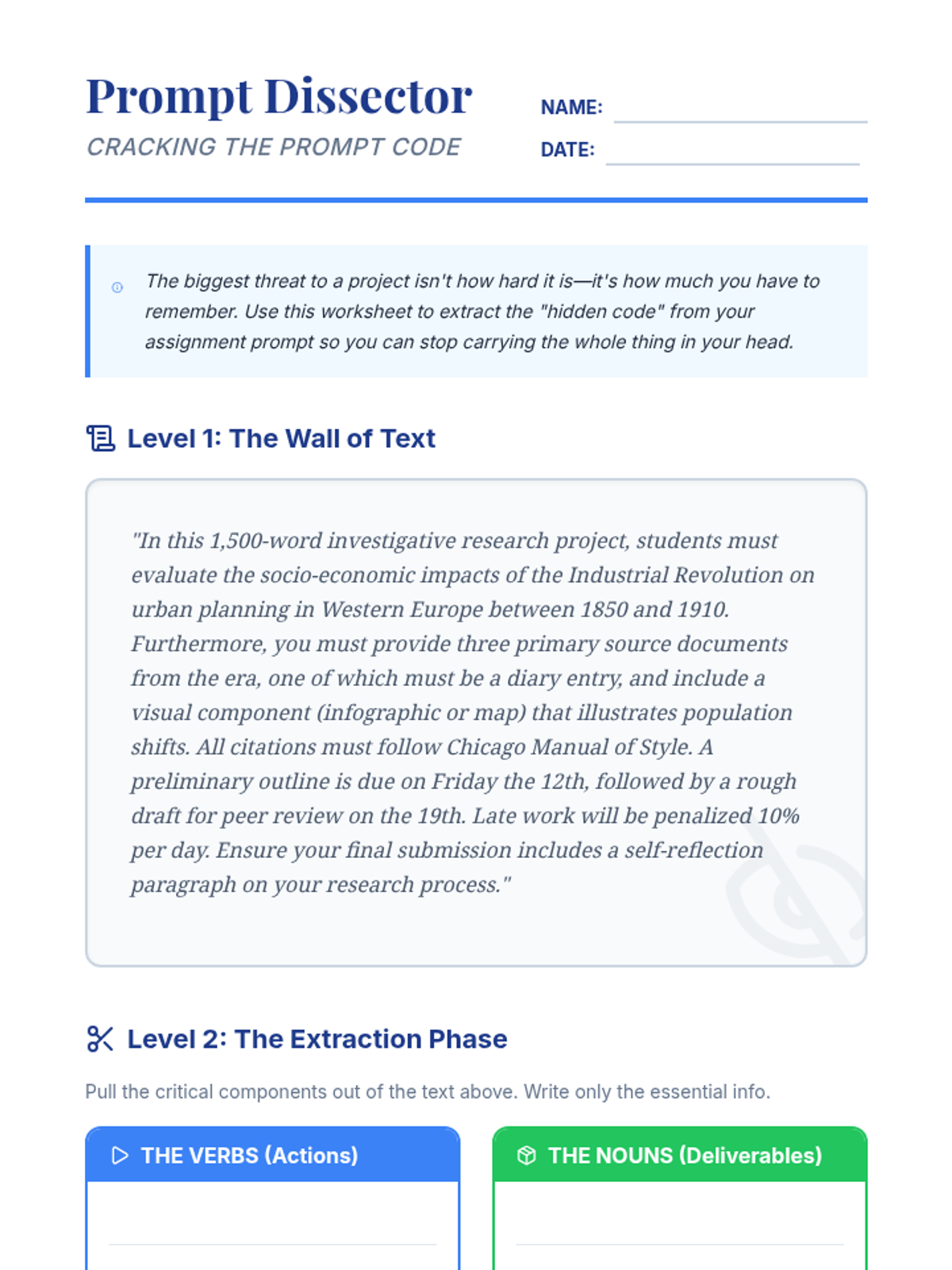
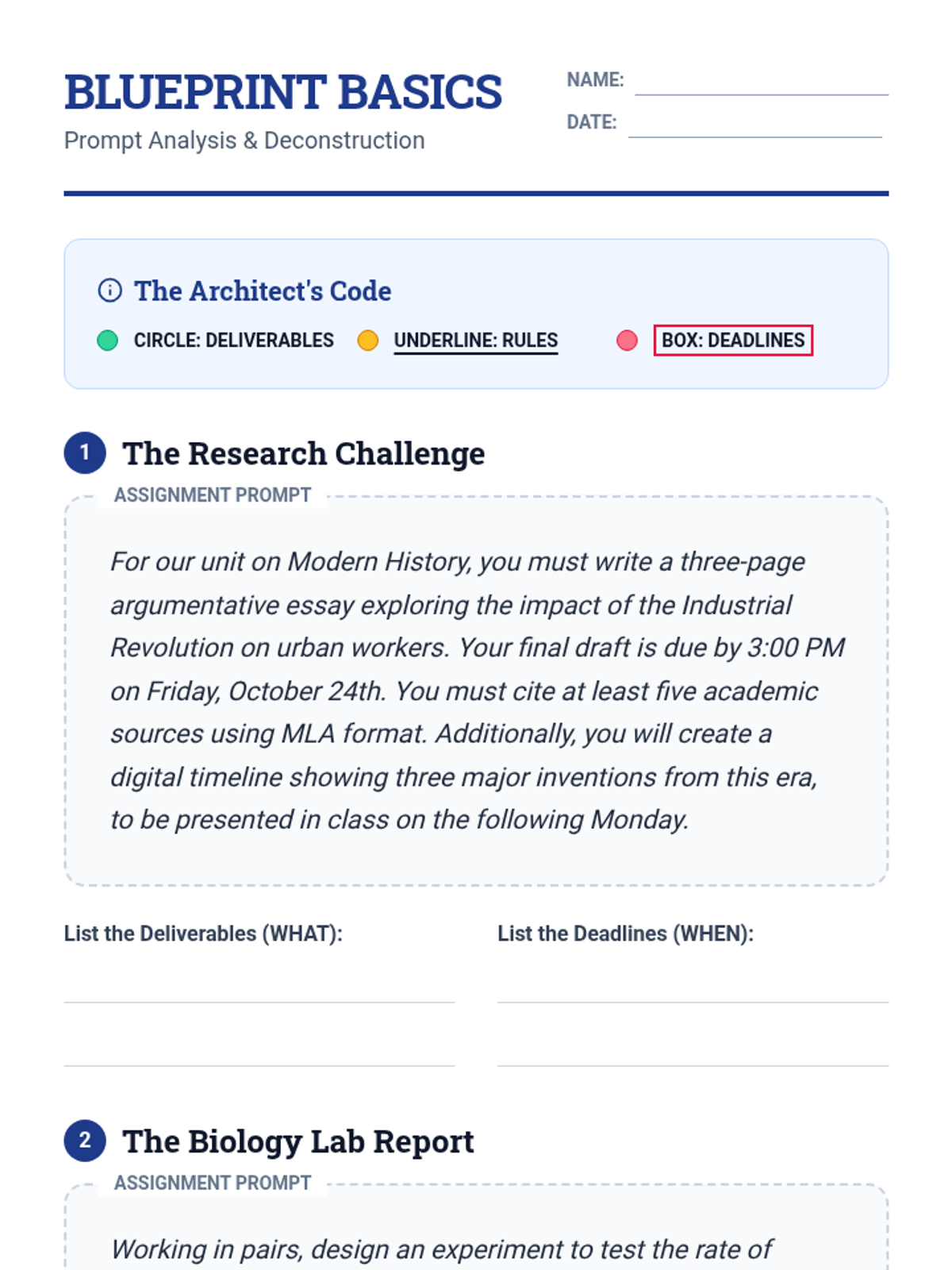
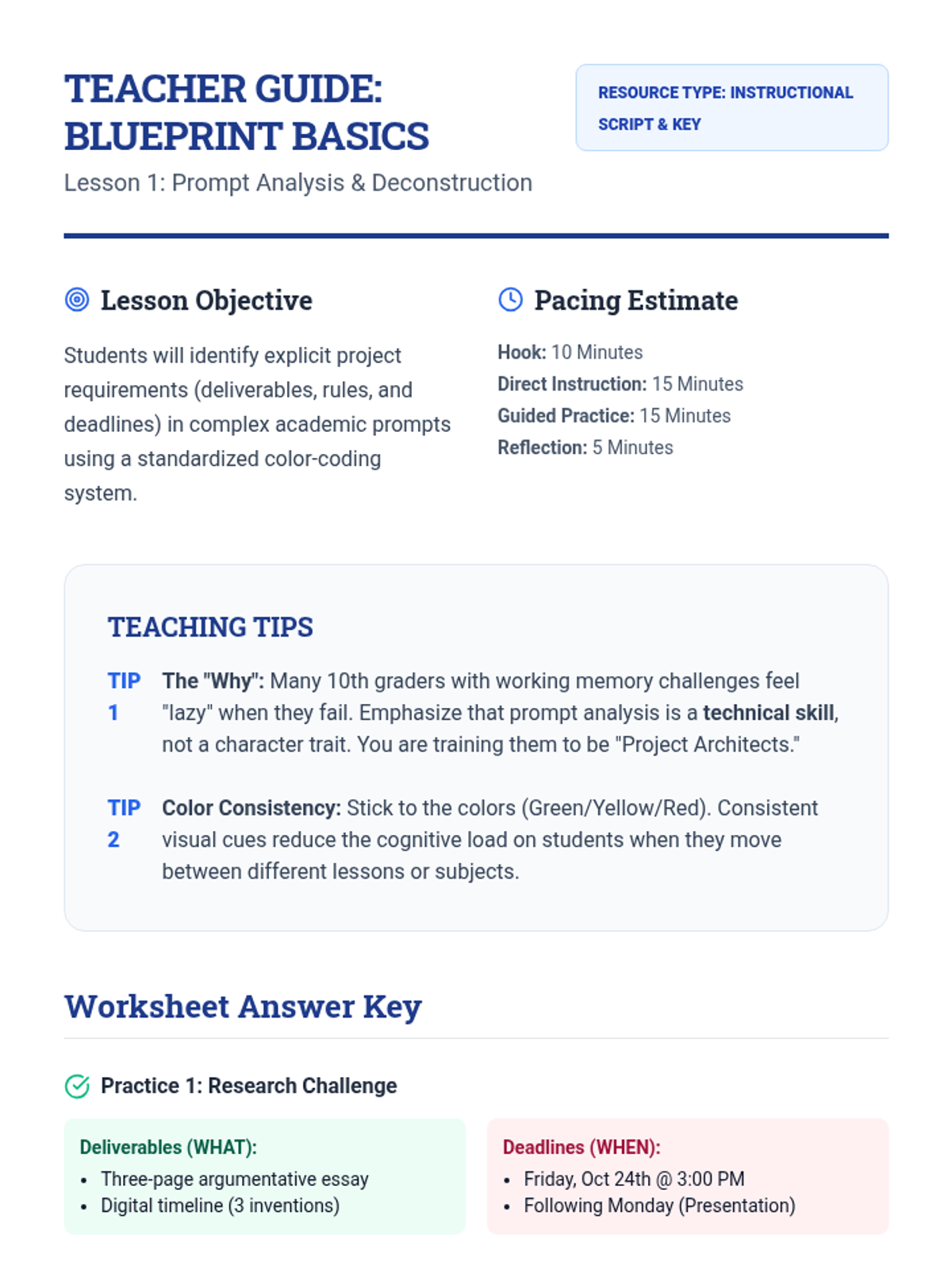
A 5-lesson workshop sequence for 11th-grade students designed to manage working memory load by deconstructing complex academic projects. Students learn to analyze multi-part prompts, backward plan from deadlines, visualize final products, and build external tracking systems.
This sequence teaches students to deconstruct complex academic assignments by identifying hidden requirements, expanding tasks into manageable actions, and using backwards planning to create realistic timelines for completion.
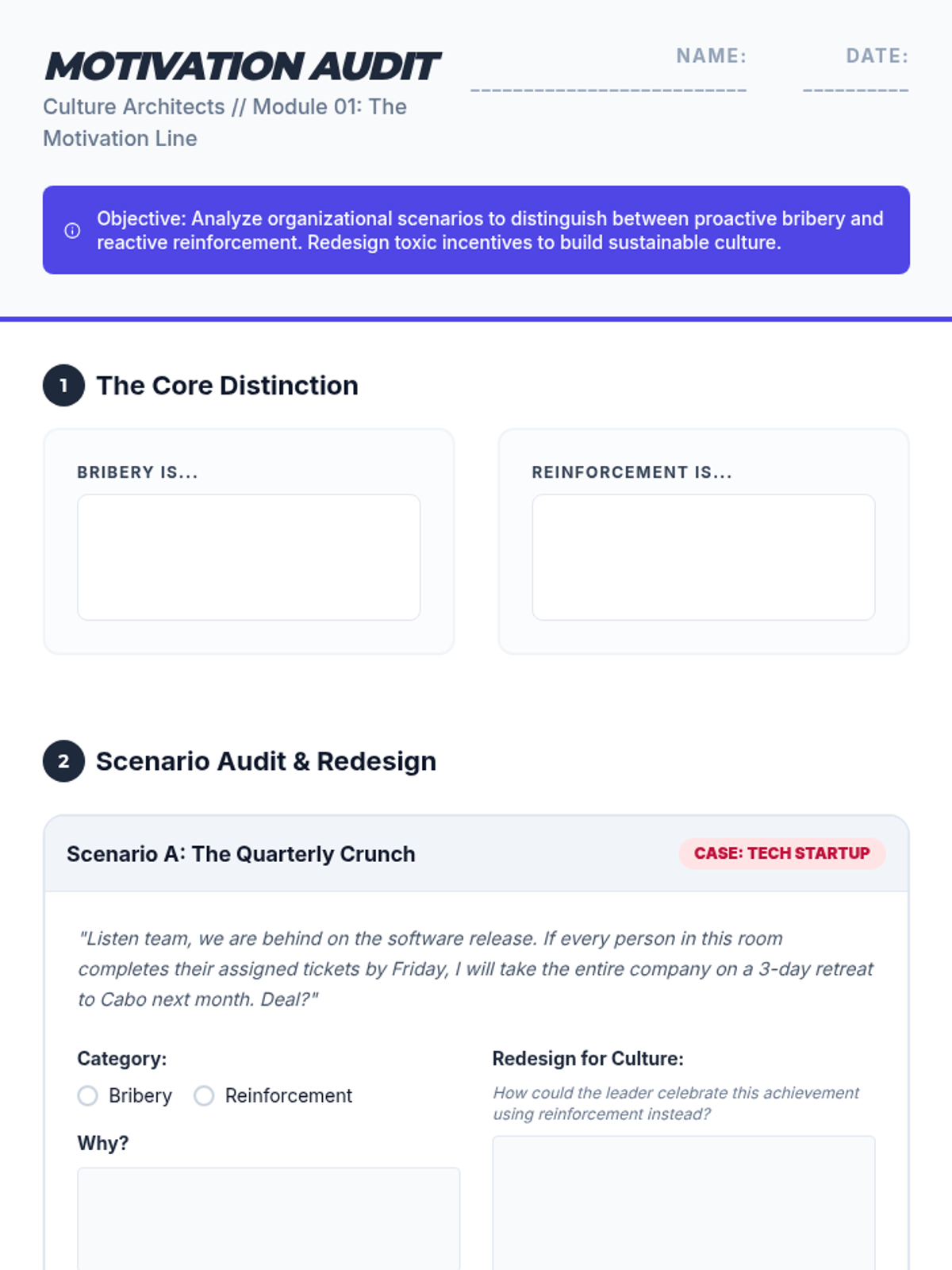
A comprehensive sequence for 12th-grade students exploring the psychology of positive reinforcement through the lens of leadership and management. Students learn to distinguish reinforcement from bribery, deliver high-impact praise, design motivational systems, and resolve performance issues using behavioral science.
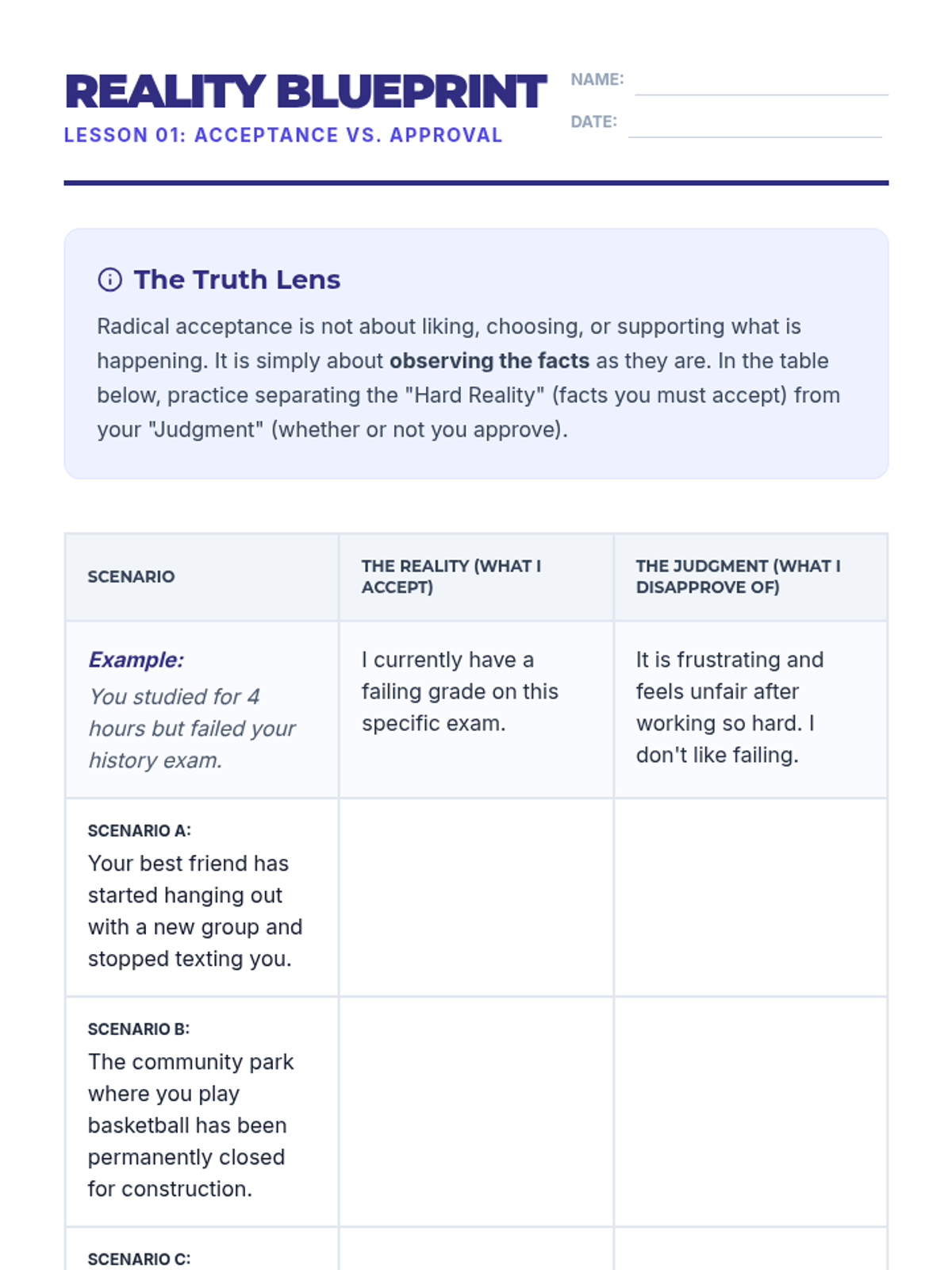
This sequence explores the psychological concept of Radical Acceptance, teaching students to distinguish between acceptance and approval. Students will analyze case studies, relationship dynamics, and civic advocacy to understand how acknowledging reality is the first step toward effective change.
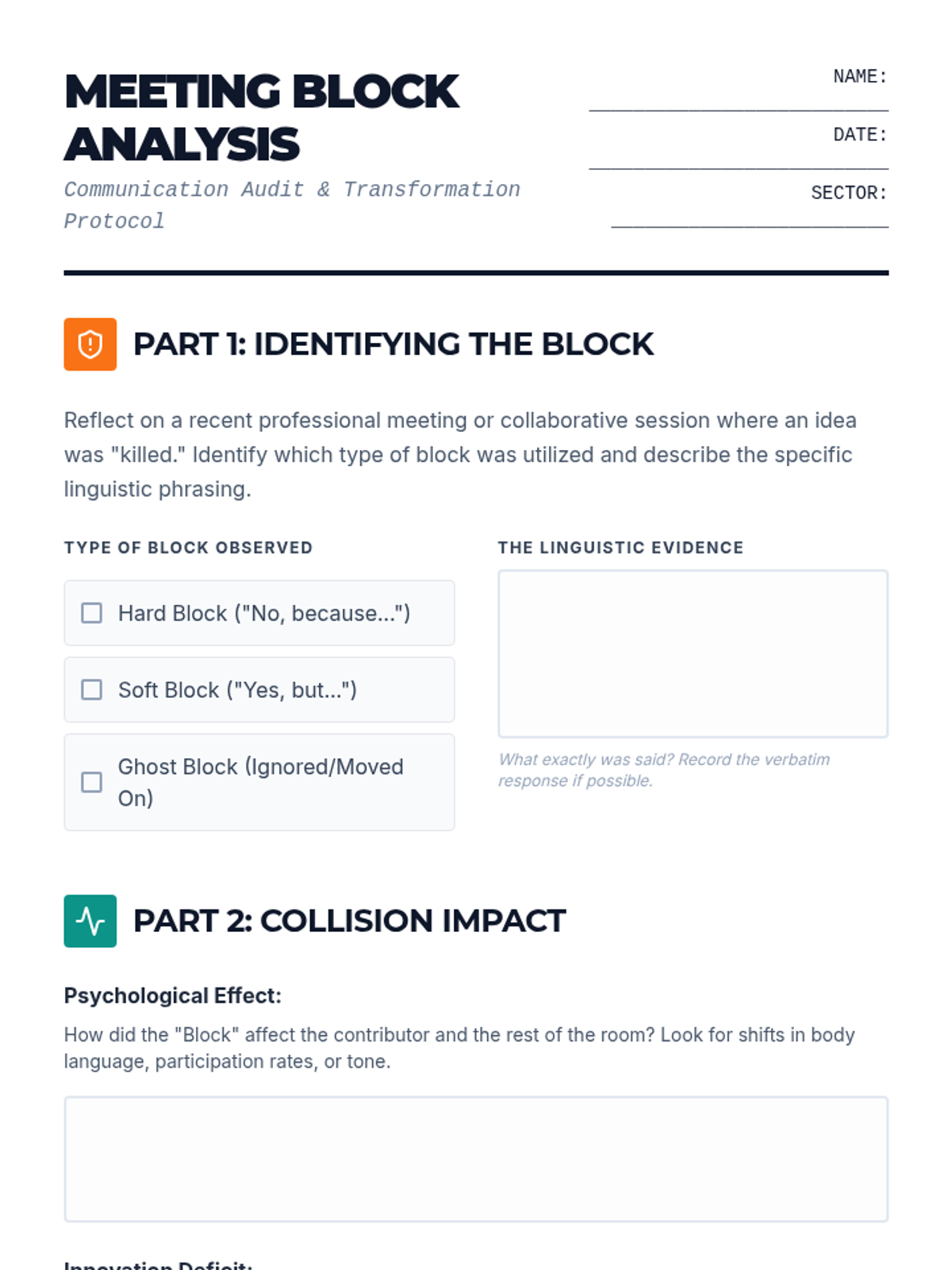
This graduate-level sequence bridges the gap between improvisational theater techniques and organizational leadership. Students explore how the mechanics of spontaneity, 'Yes, And' communication protocols, and narrative arcs can be applied to crisis management, negotiation, and high-stakes corporate communication.
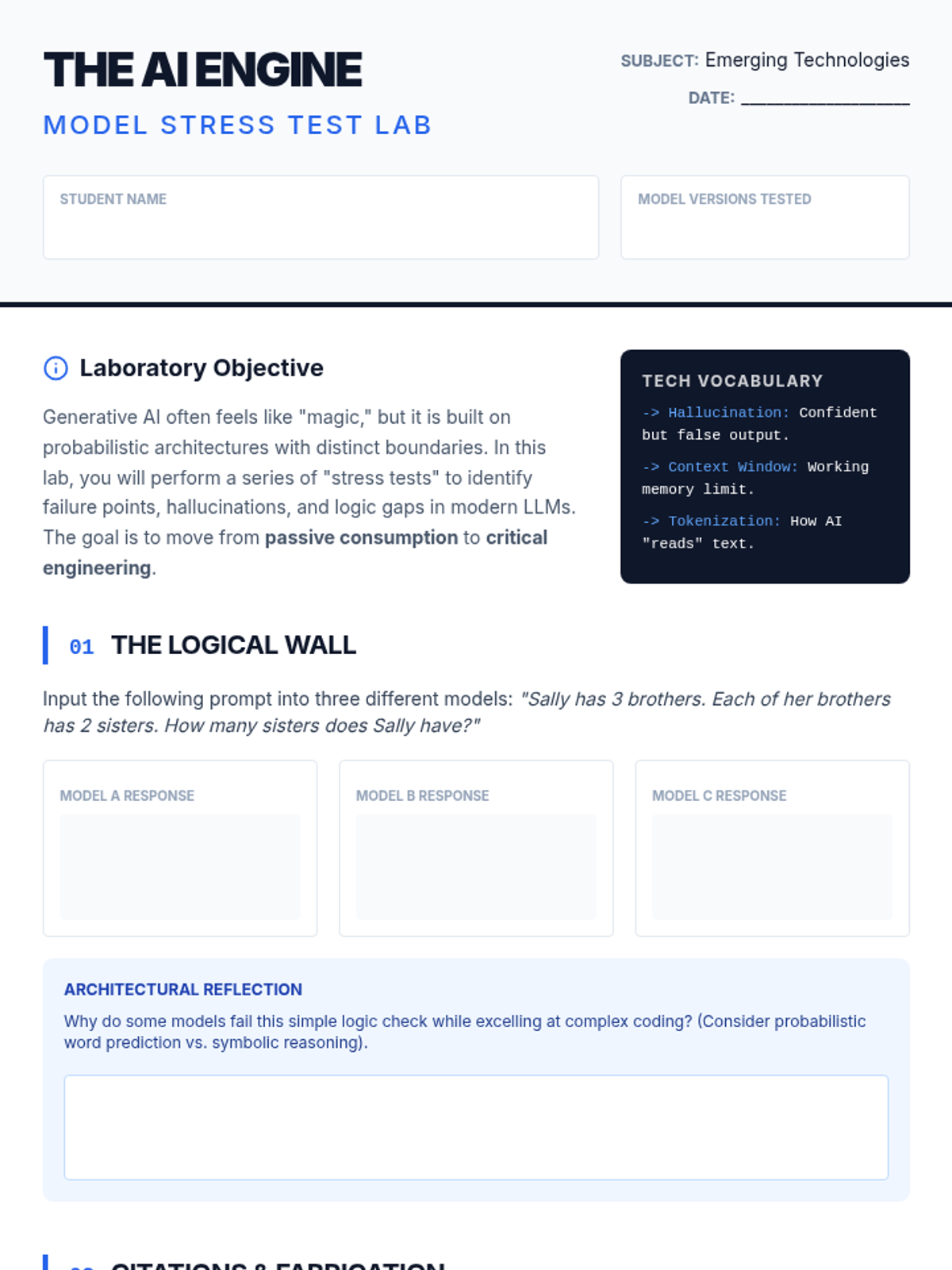
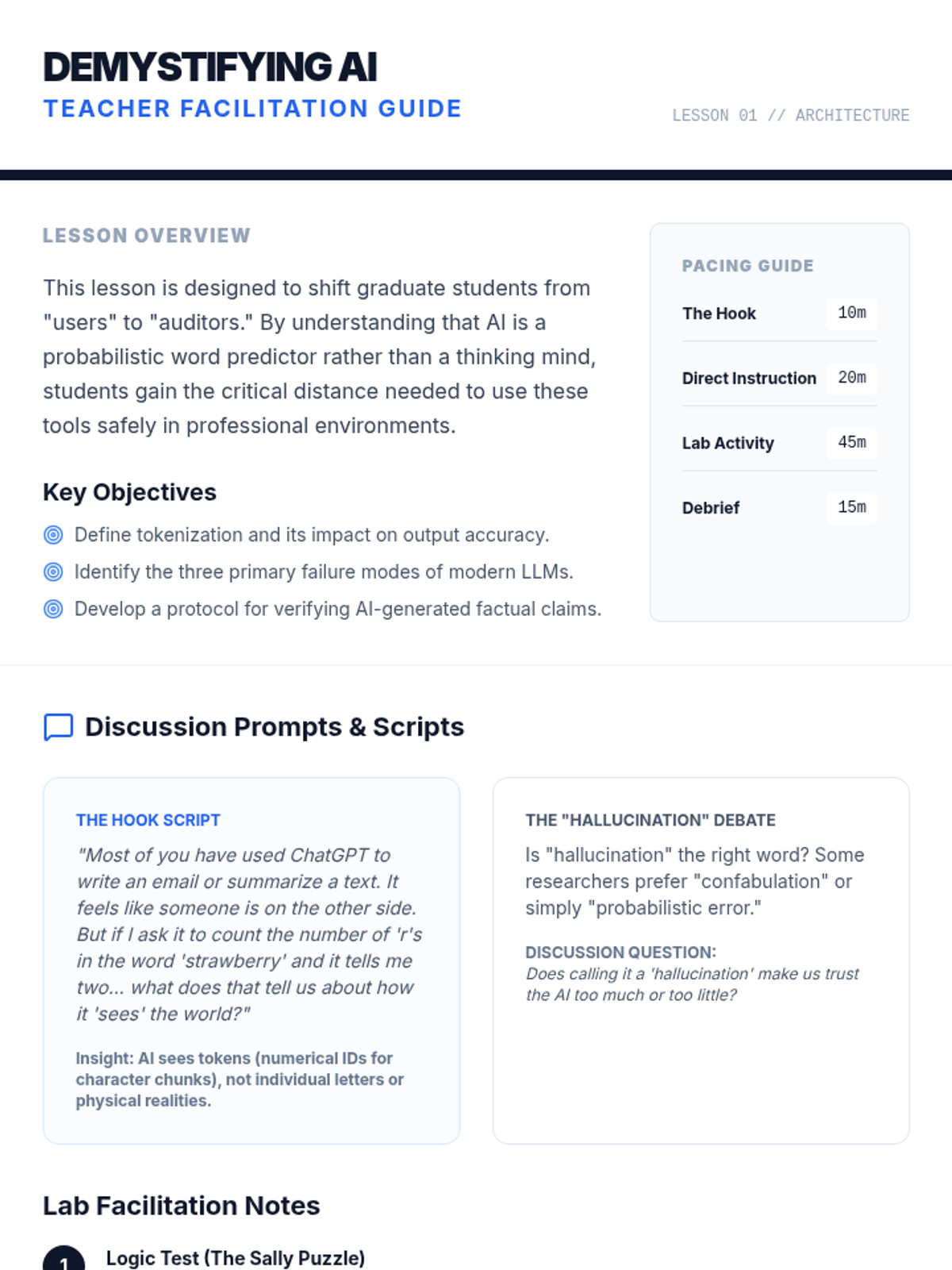
A graduate-level sequence focused on the practical integration of emerging technologies like LLMs and workflow automation into professional workflows, emphasizing technical literacy, prompt engineering, and career strategy.
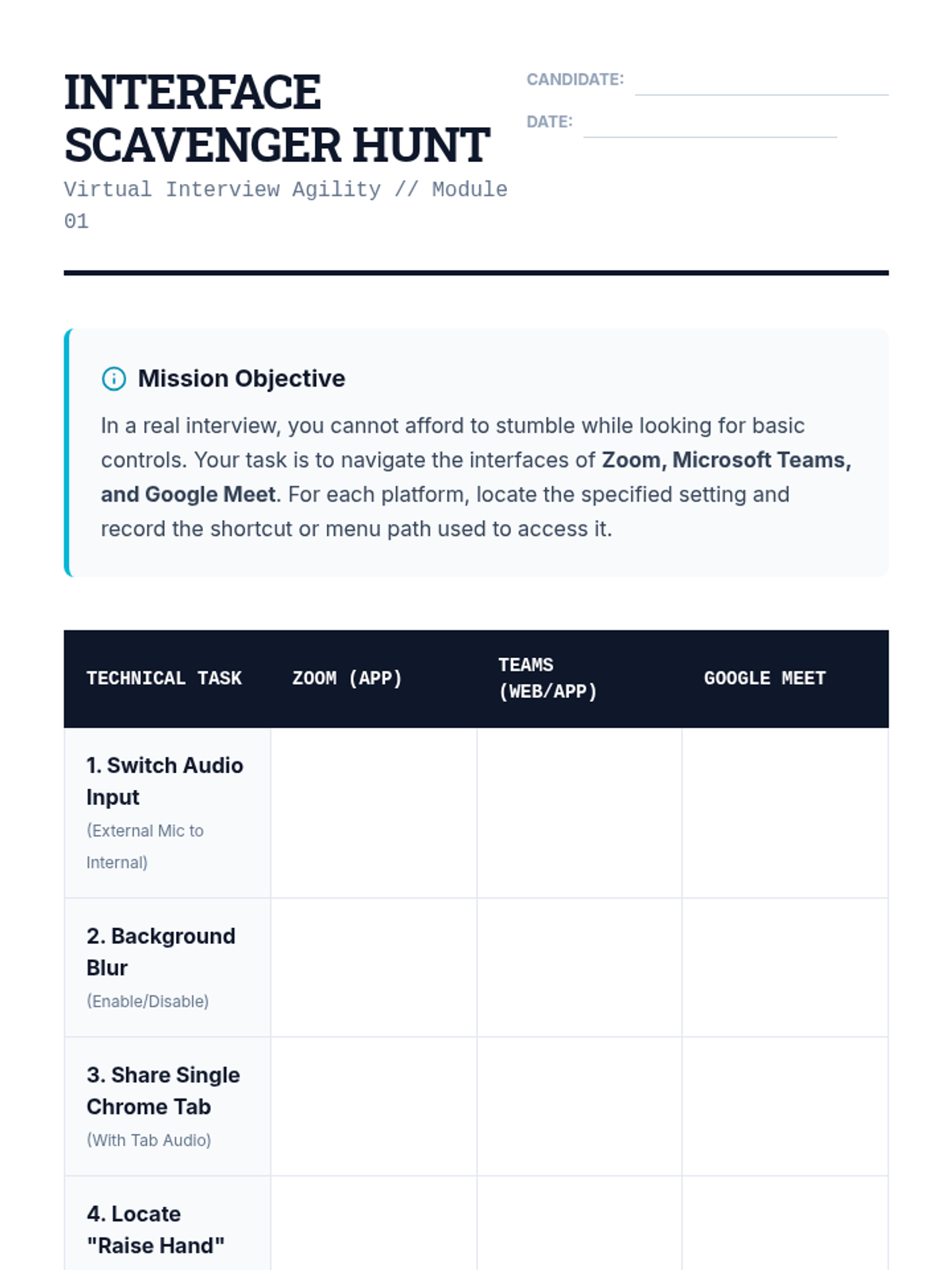
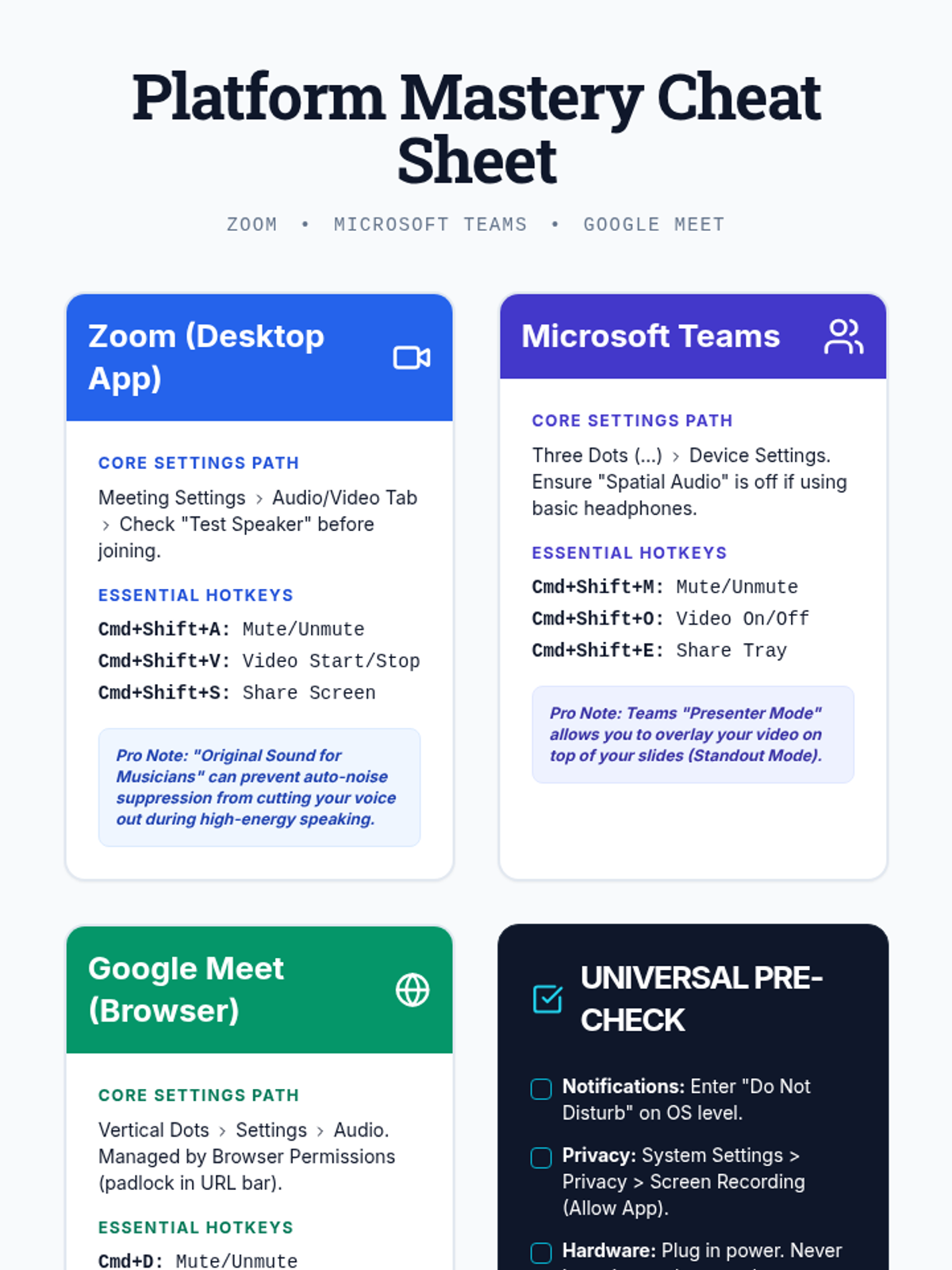
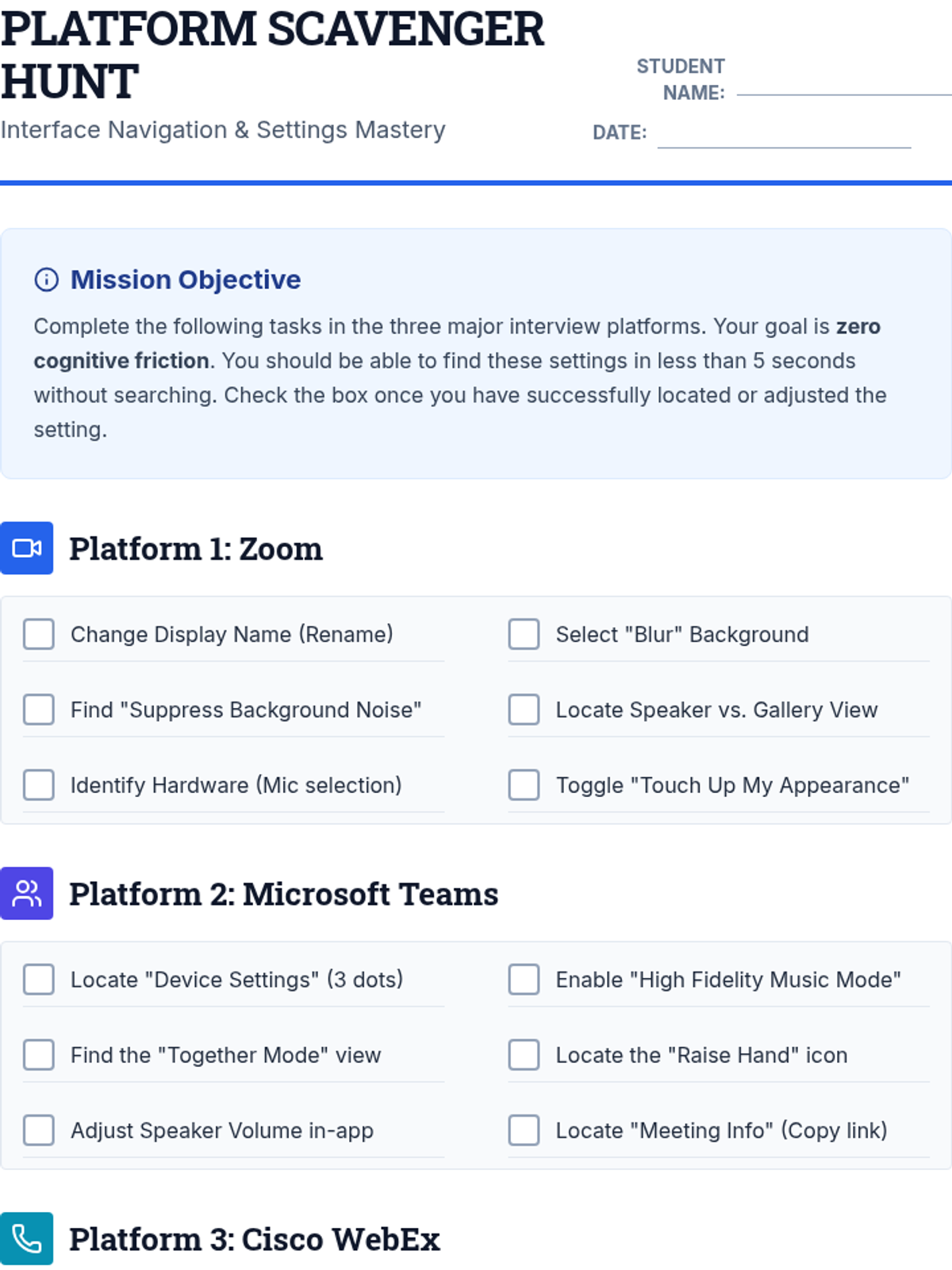
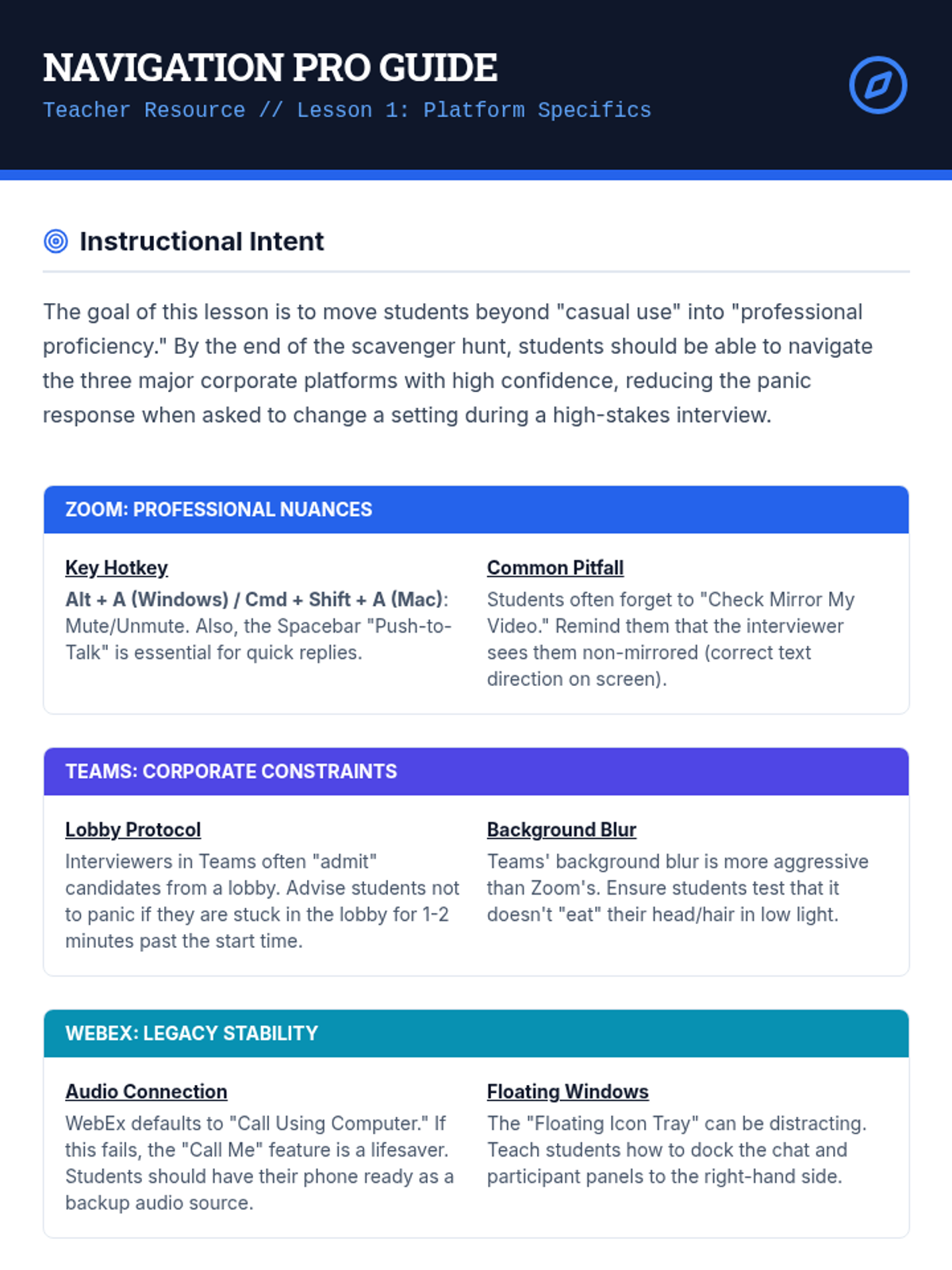
A specialized sequence for graduate students to master the technical nuances of virtual interview platforms, focusing on professional screen sharing, systematic troubleshooting, and contingency planning for high-stakes digital environments.
A comprehensive sequence for undergraduate students focused on mastering virtual interview platforms (Zoom, Teams, WebEx) and developing the resilience needed to handle technical failures with professional grace. Students move from platform fluency to real-time crisis management simulations.
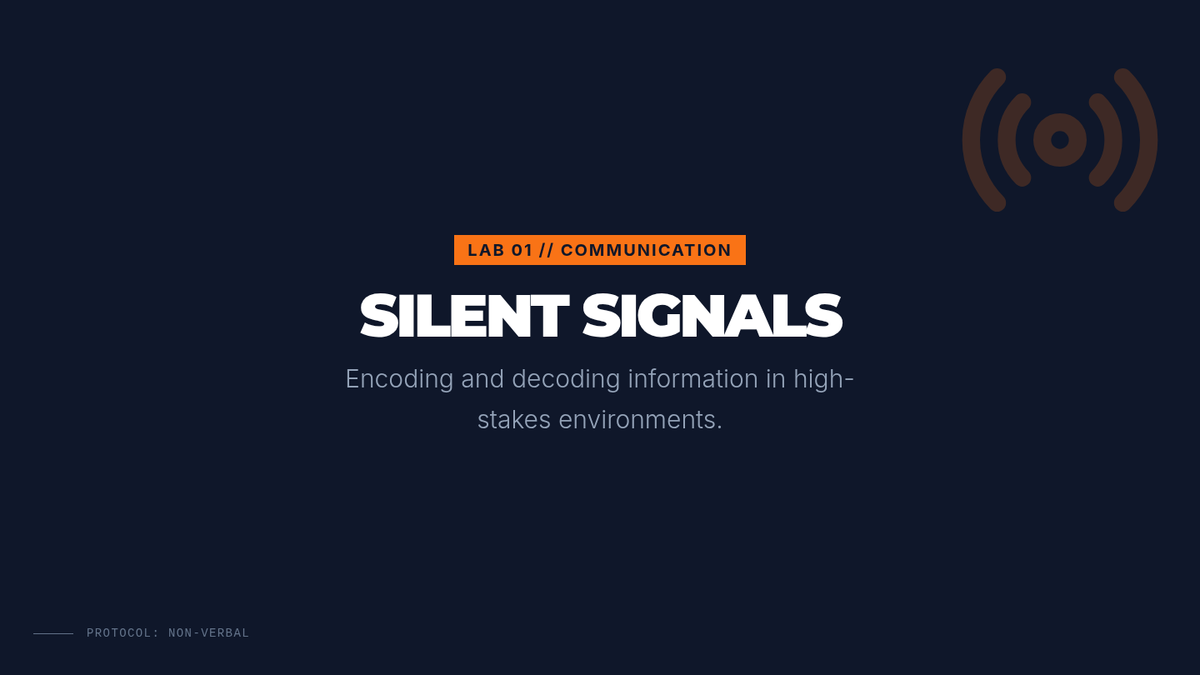
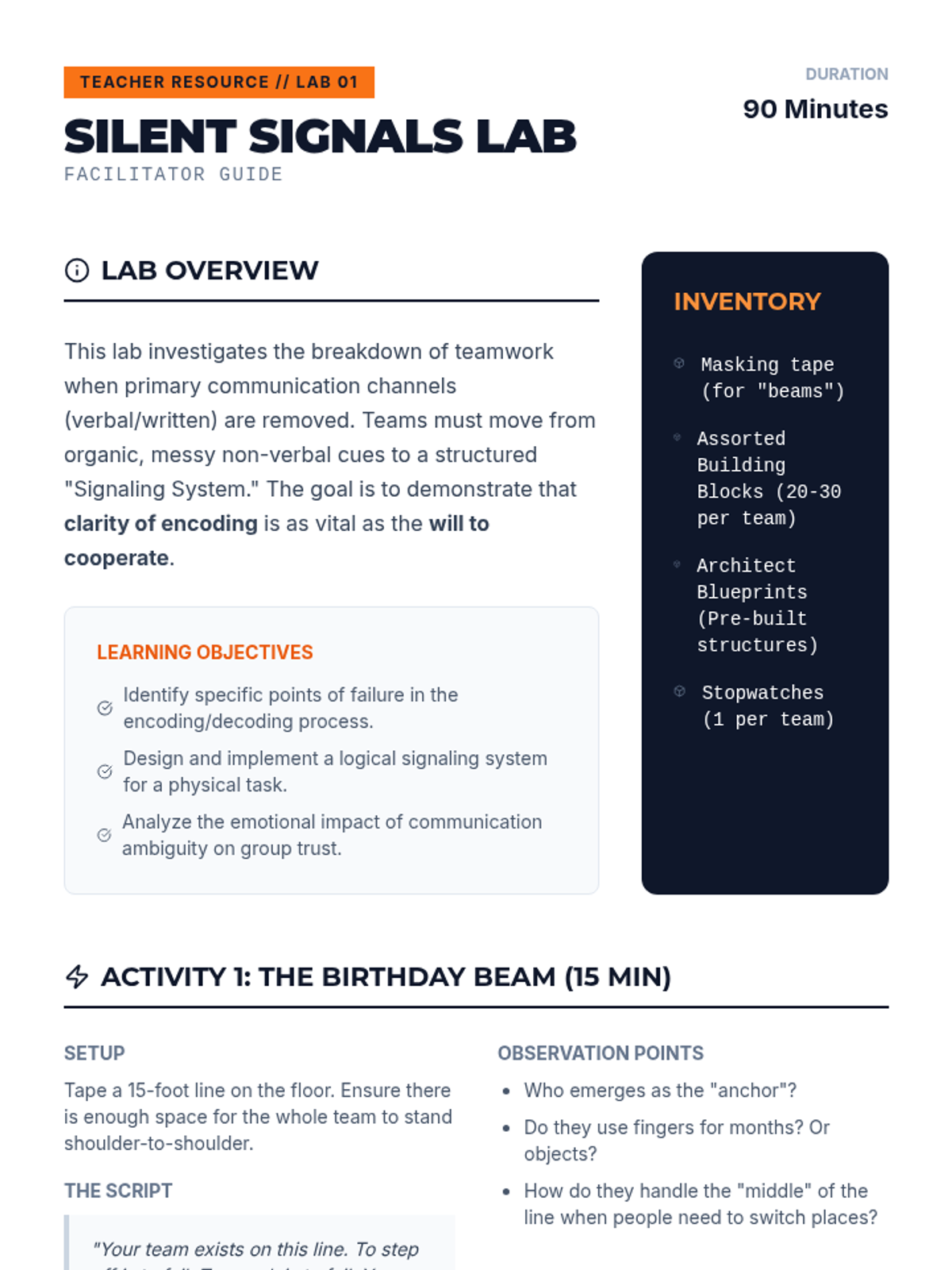
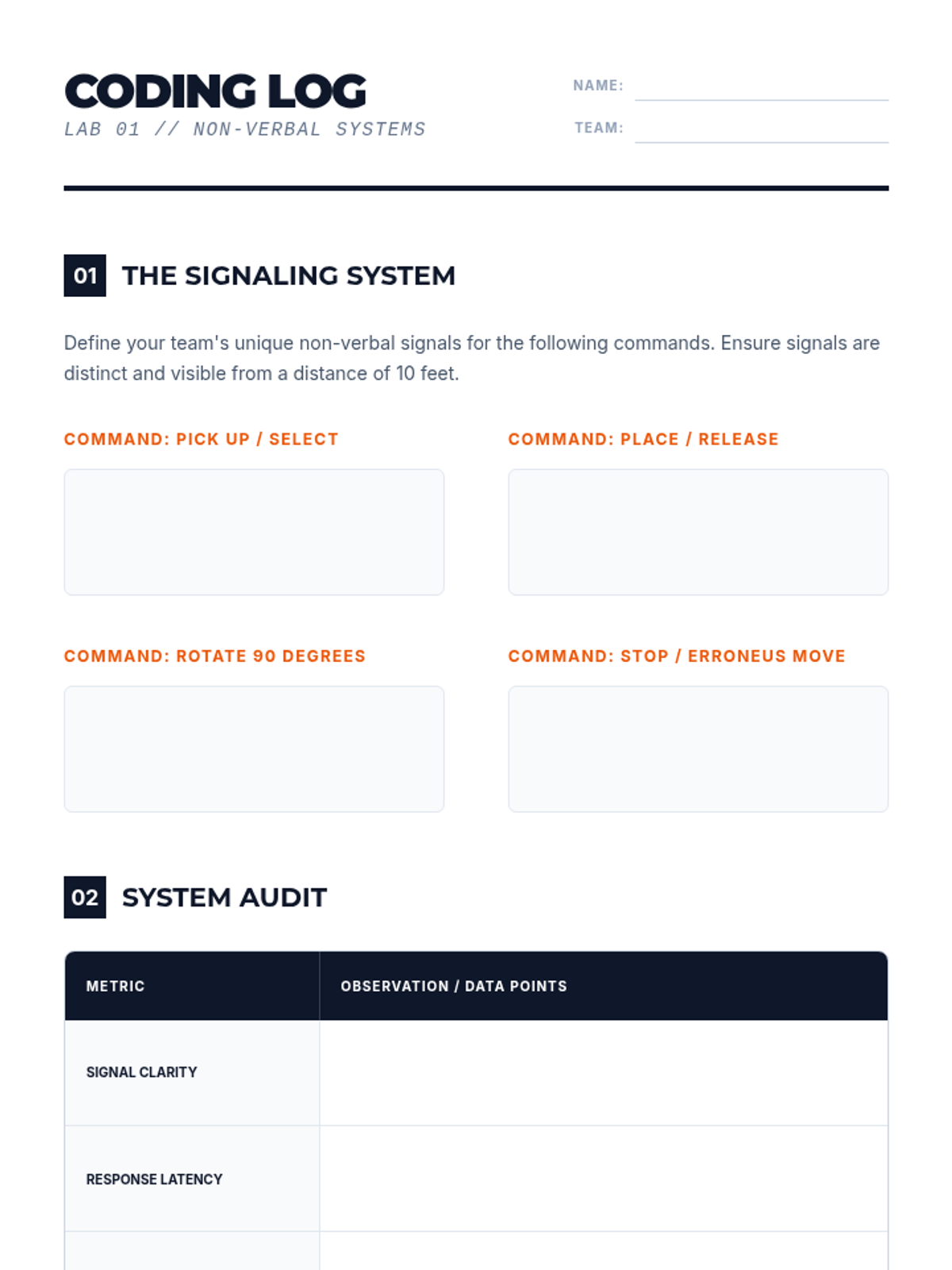
A comprehensive sequence for undergraduate students exploring high-stakes problem-solving through outdoor and adventure activities. Students move from analyzing communication systems to executing adaptive strategies, culminating in professional leadership development plans.
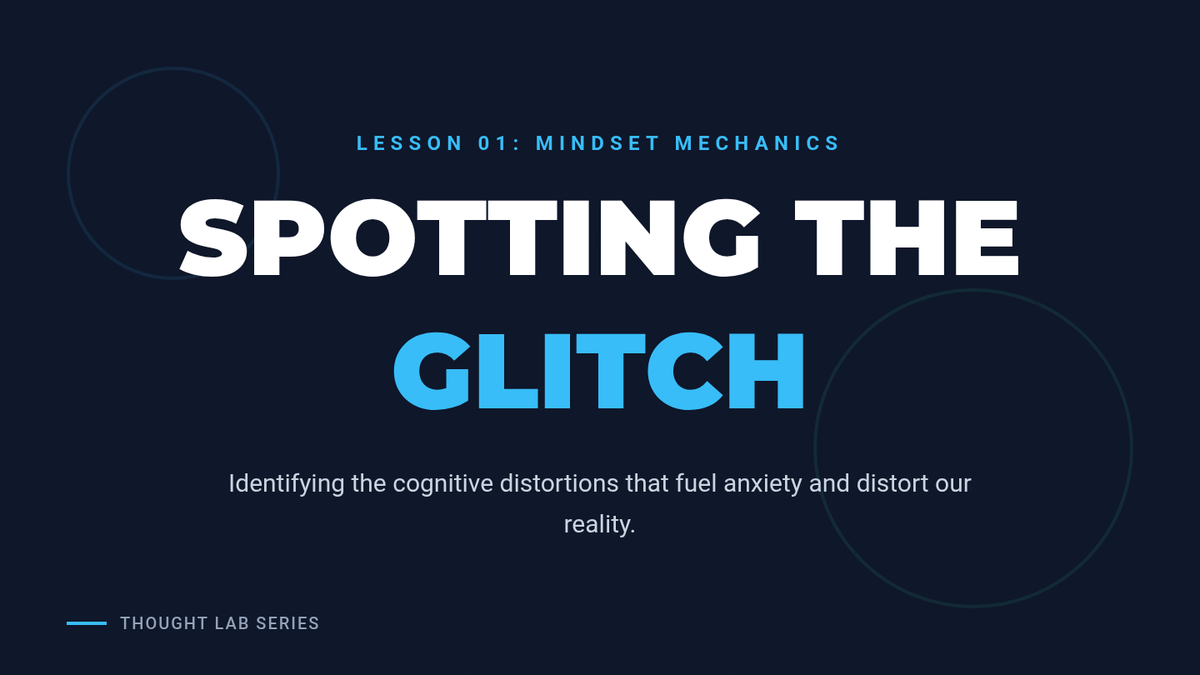
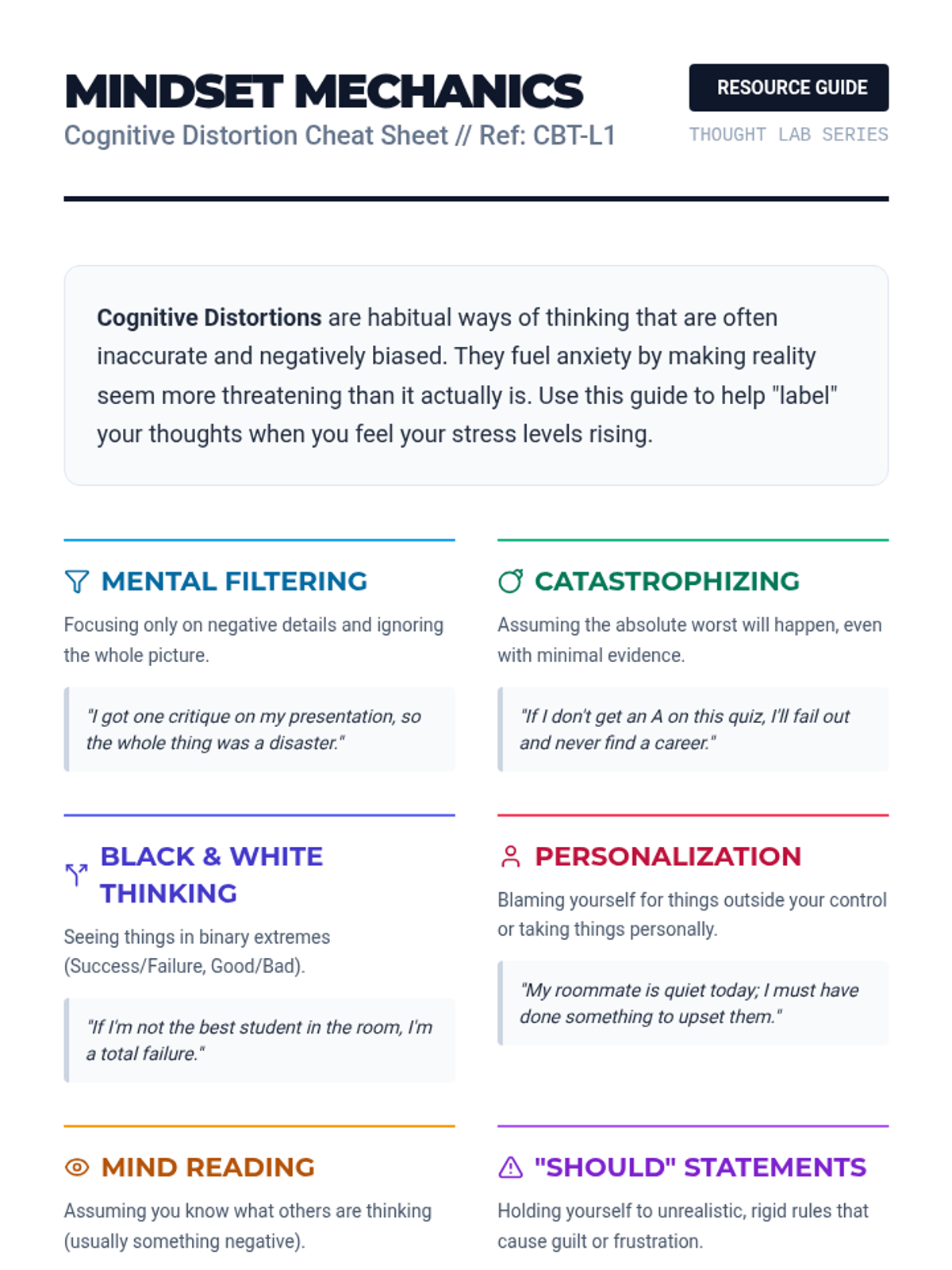
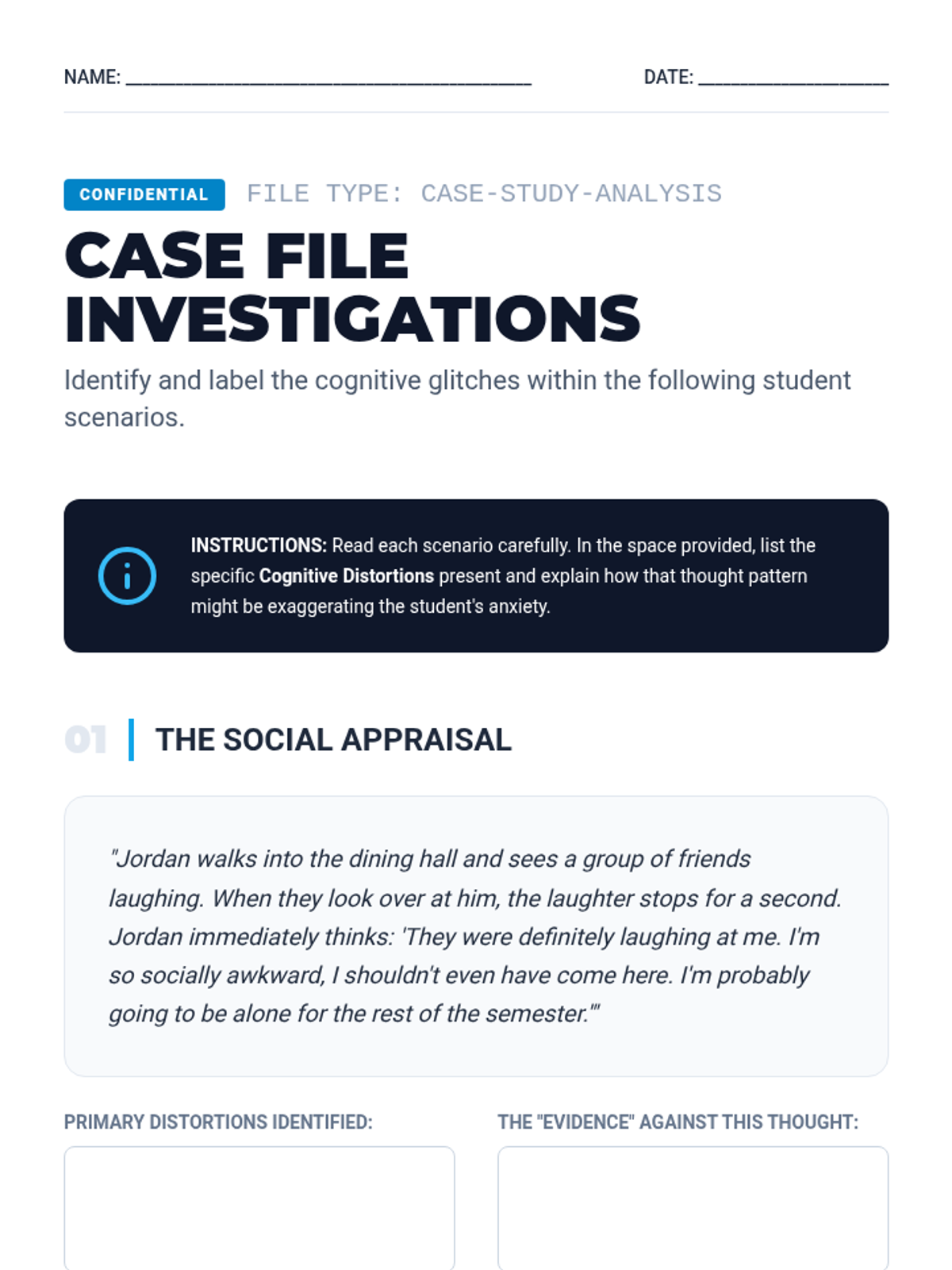
A comprehensive workshop-style sequence for undergraduate students to master cognitive reframing techniques. Students progress from identifying distortions to deconstructing beliefs and building resilient internal narratives.
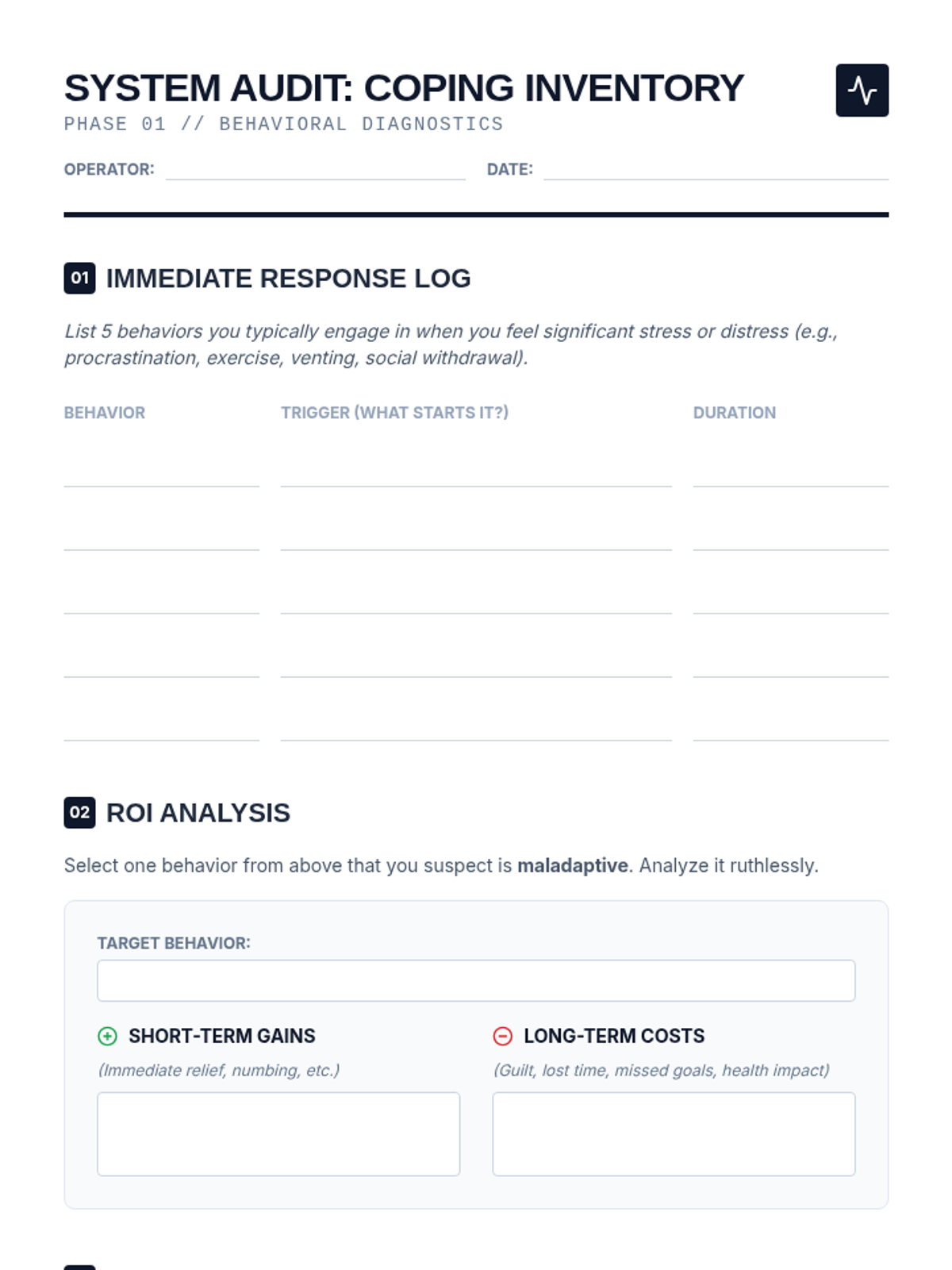
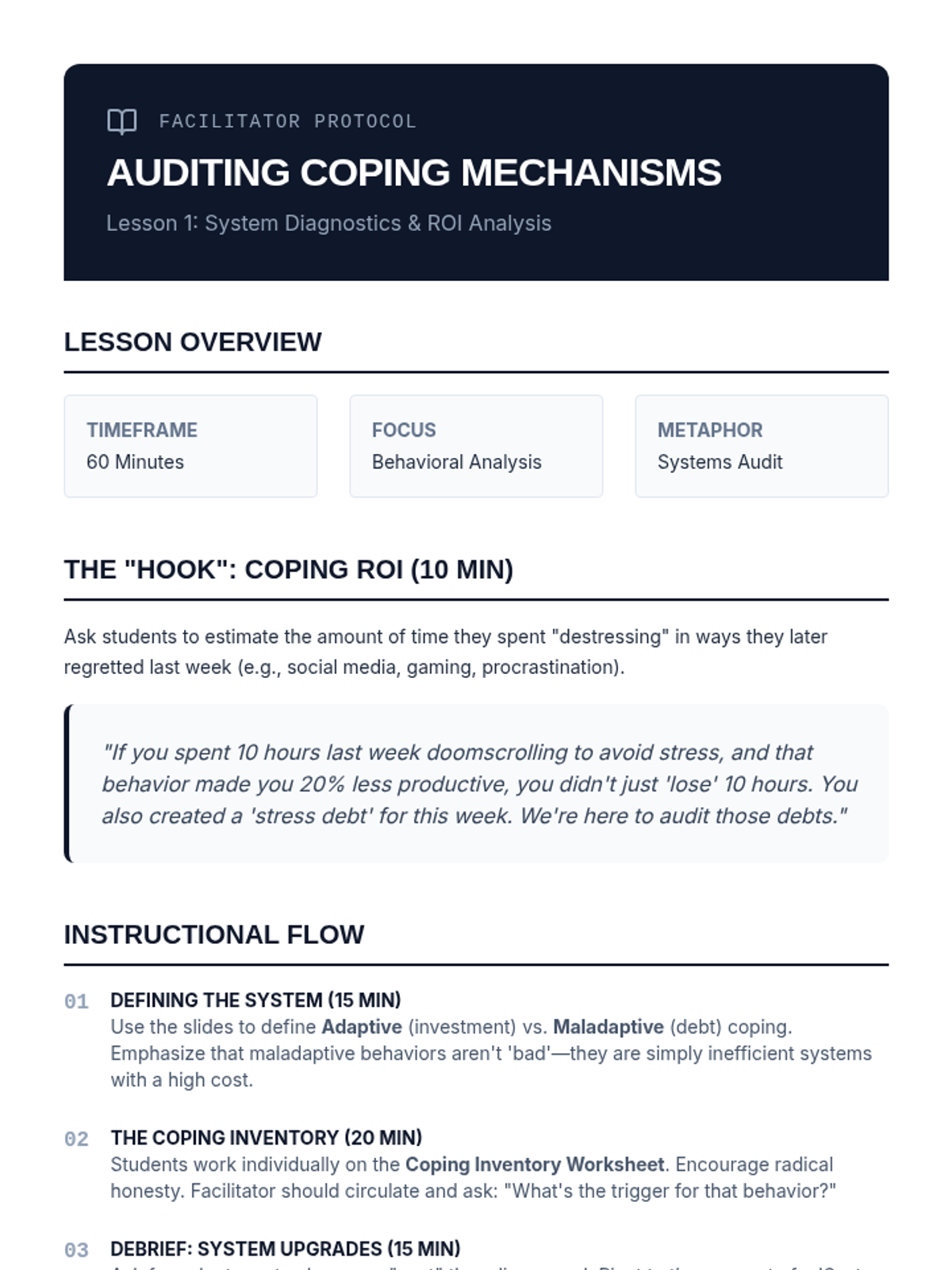
A mastery-focused sequence where undergraduate students audit their current stress responses and design a personalized, tiered emotional regulation protocol. Students use systems thinking to build resilient habits and prepare for future distress.
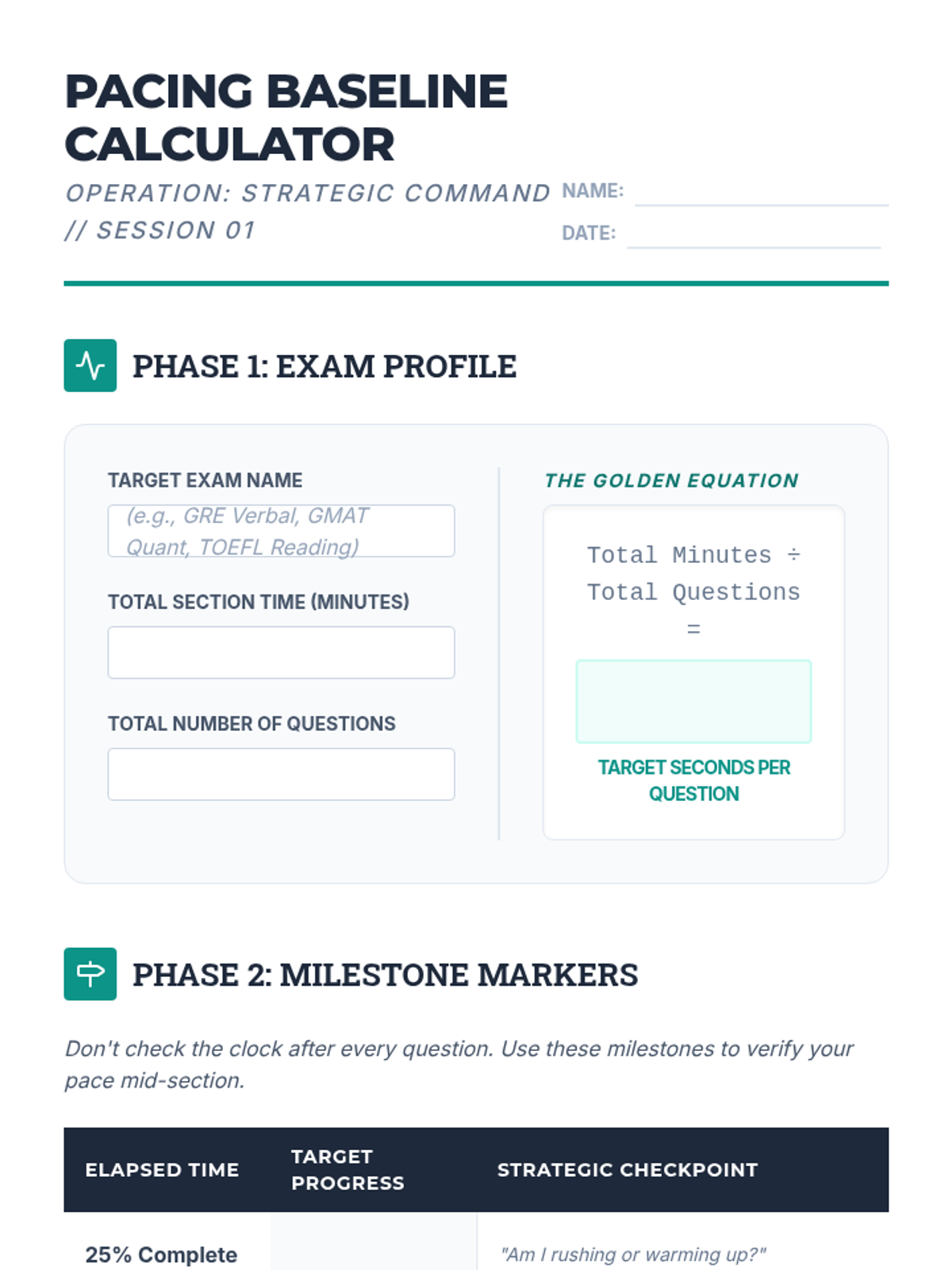
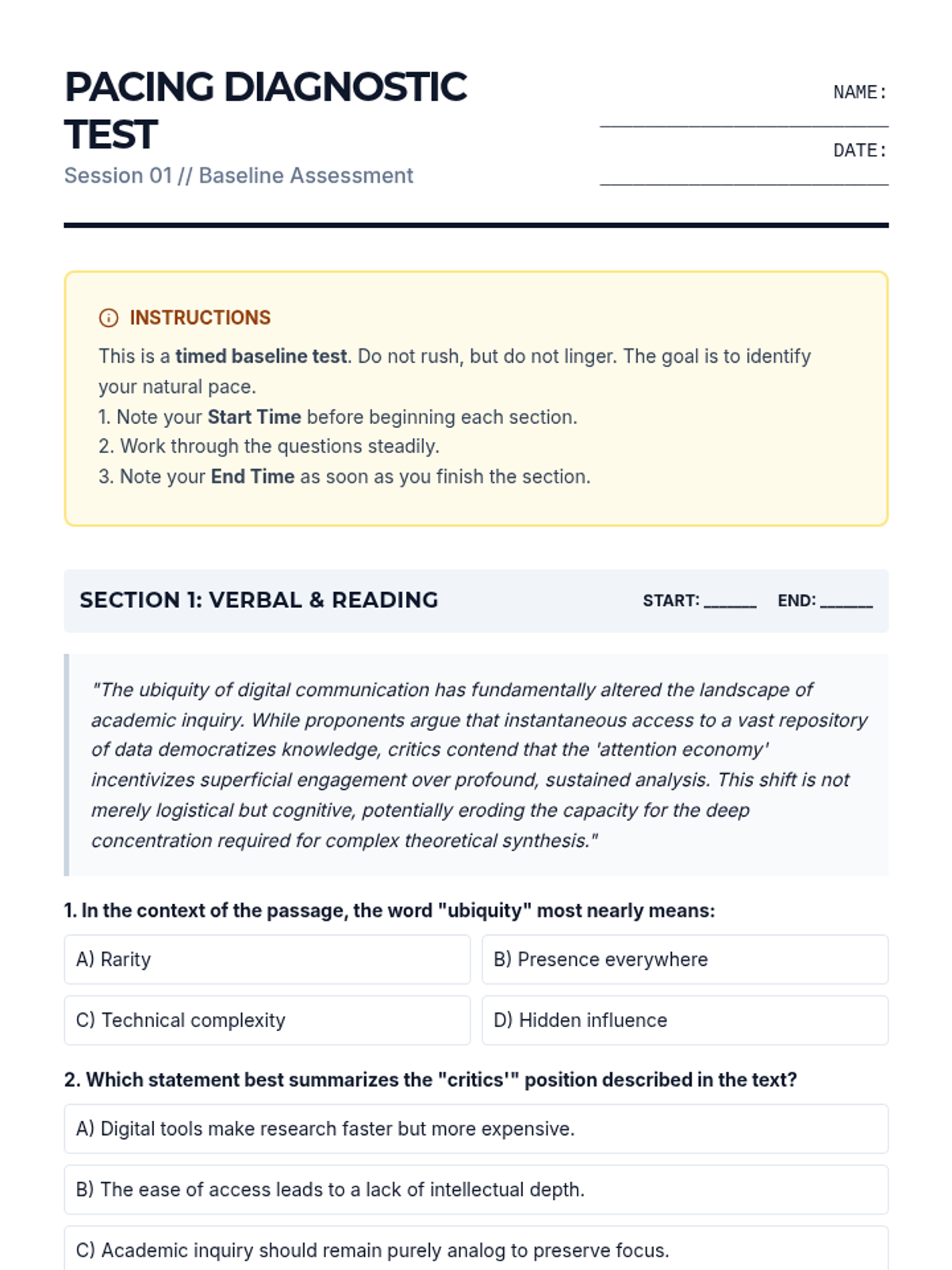
A comprehensive graduate-level sequence focused on the psychological and logistical aspects of high-stakes testing, including time management, anxiety reduction, and strategic decision-making.
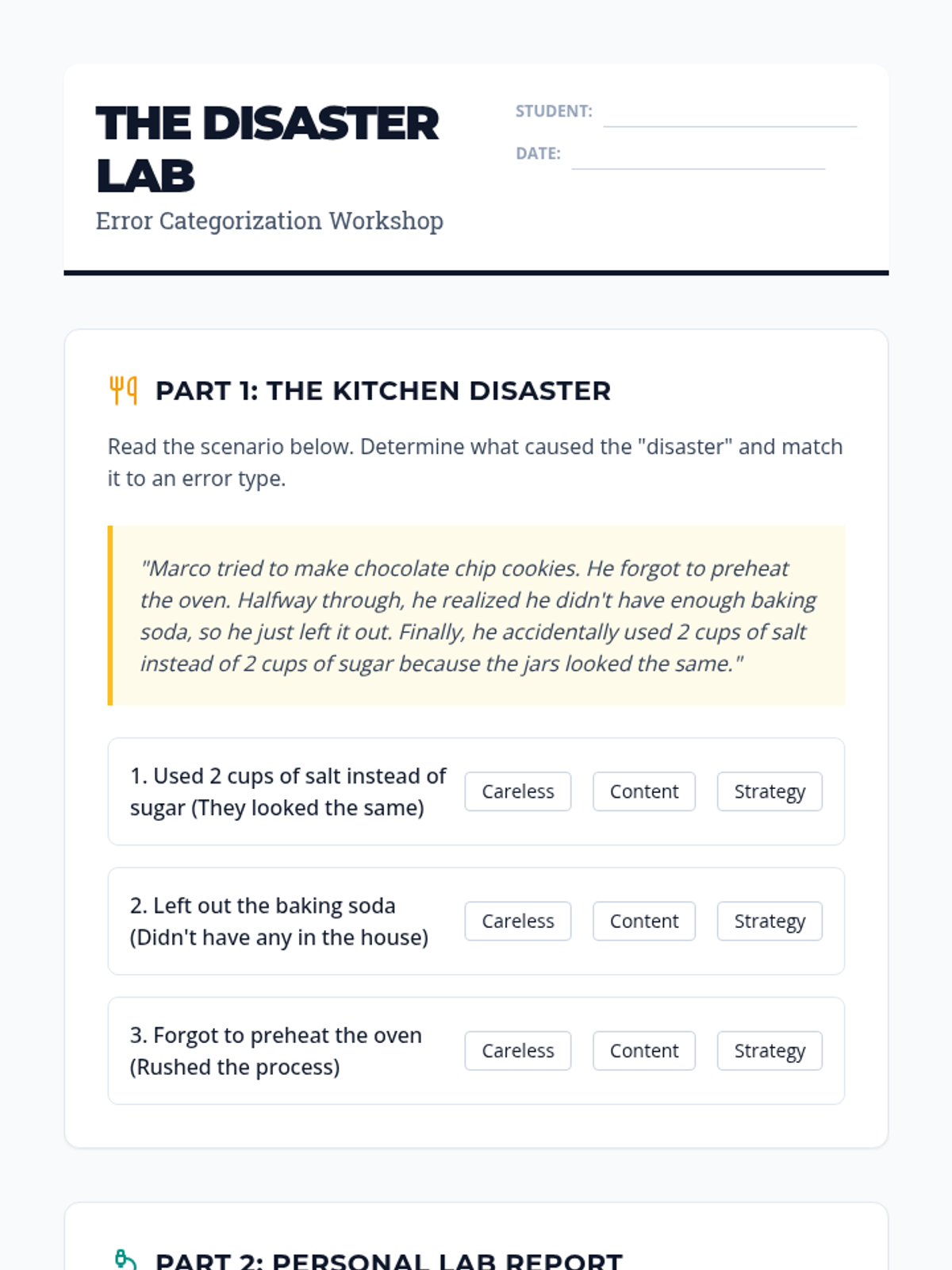
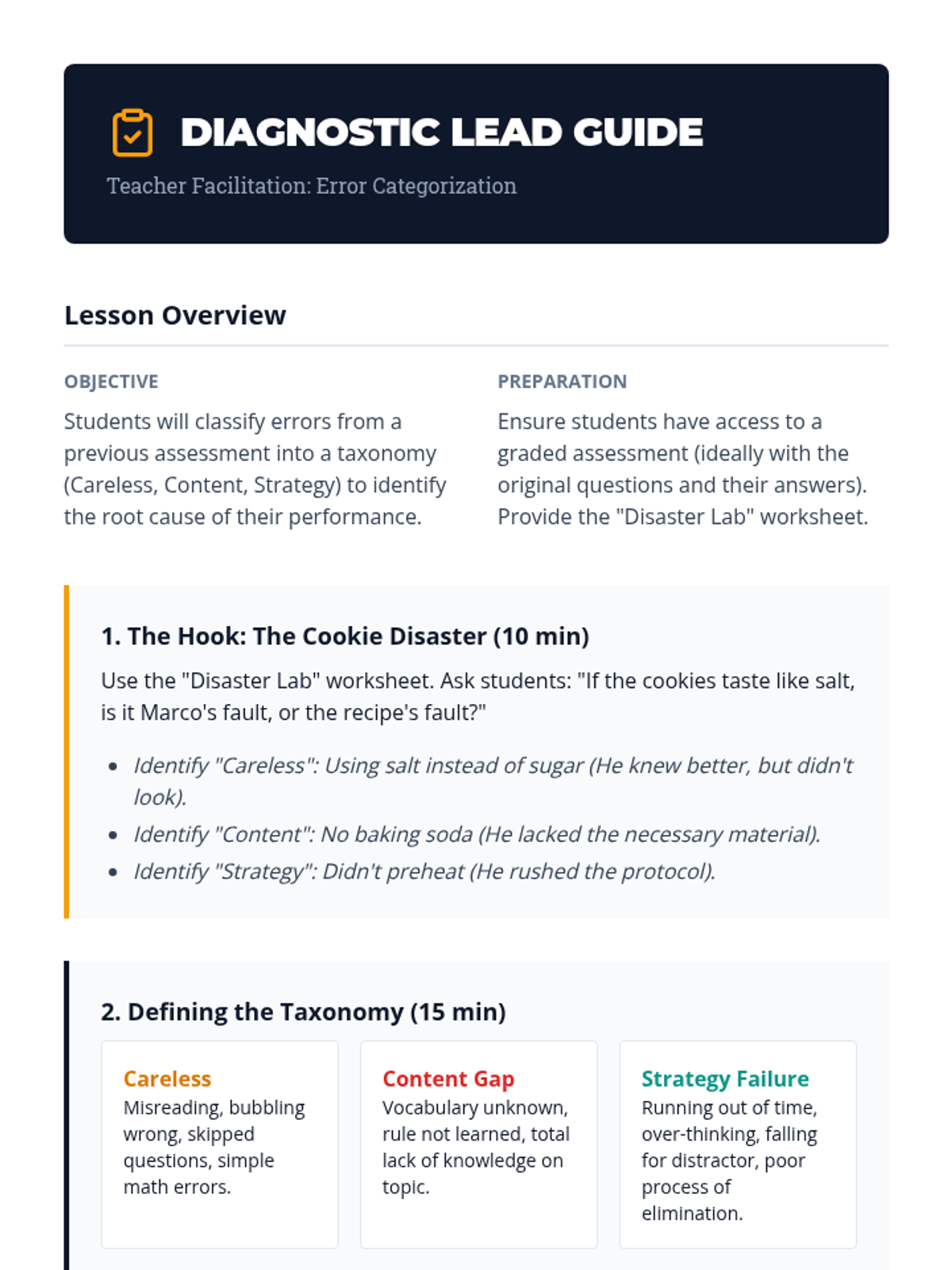
A comprehensive sequence on metacognitive error analysis, teaching students to categorize, analyze, and learn from their mistakes to improve test-taking performance. Students move from simple error classification to deep retrospective correction and personal strategy development.
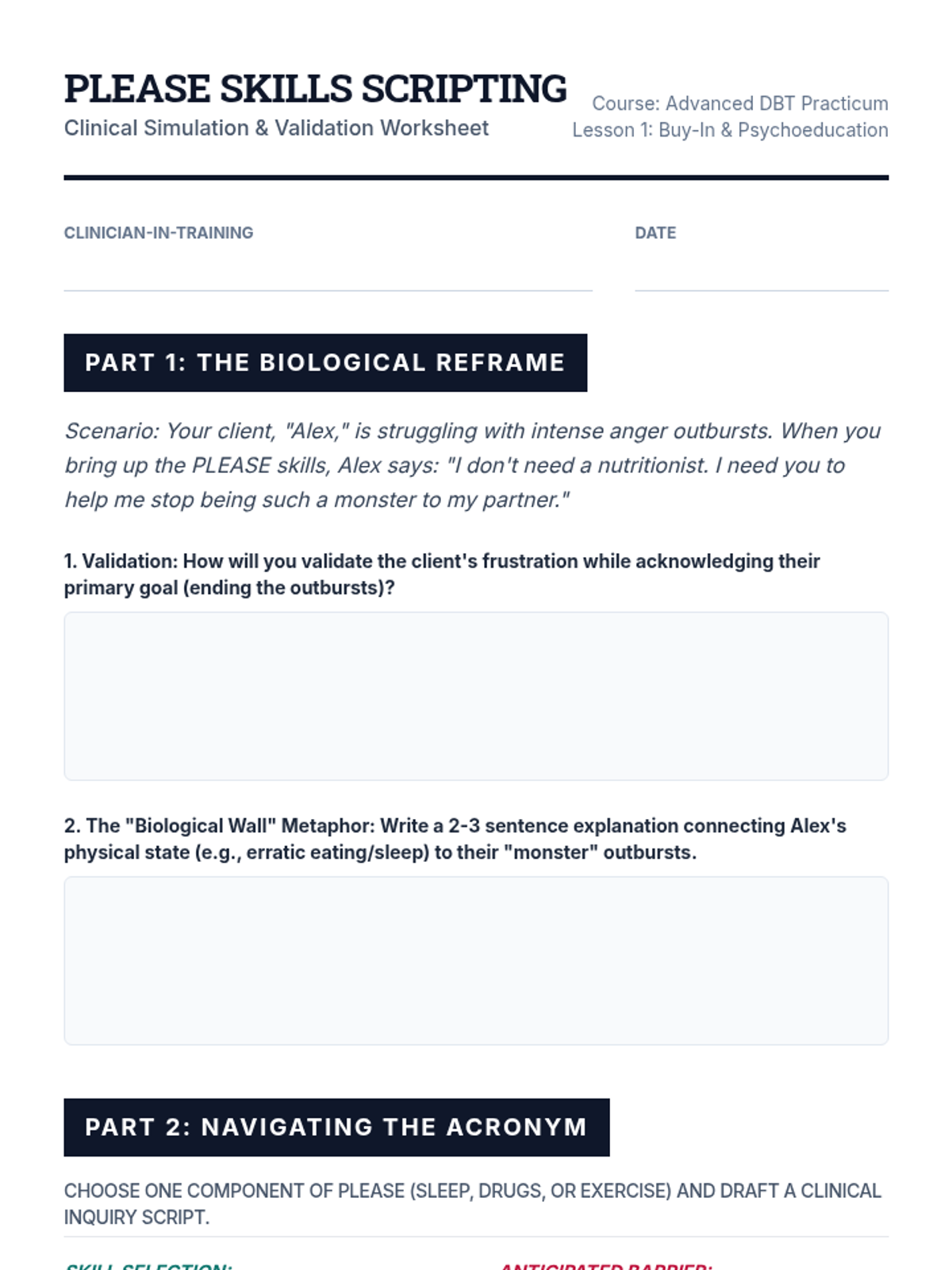
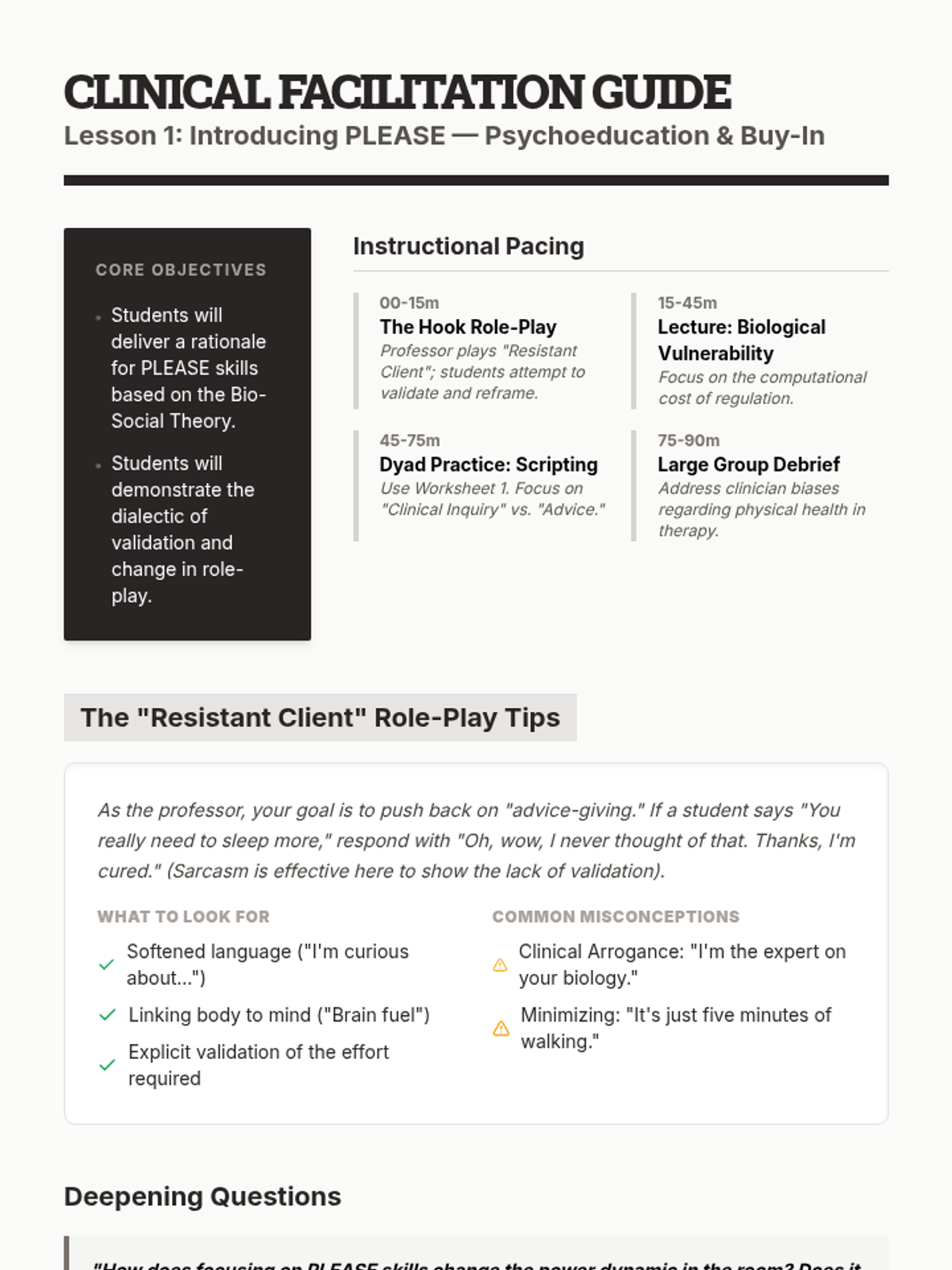
This graduate-level sequence focuses on the clinical application of PLEASE skills within DBT. Students will master the assessment, psychoeducation, and troubleshooting of physiological vulnerability factors, progressing from building client buy-in to designing complex, individualized protocols for diverse populations.
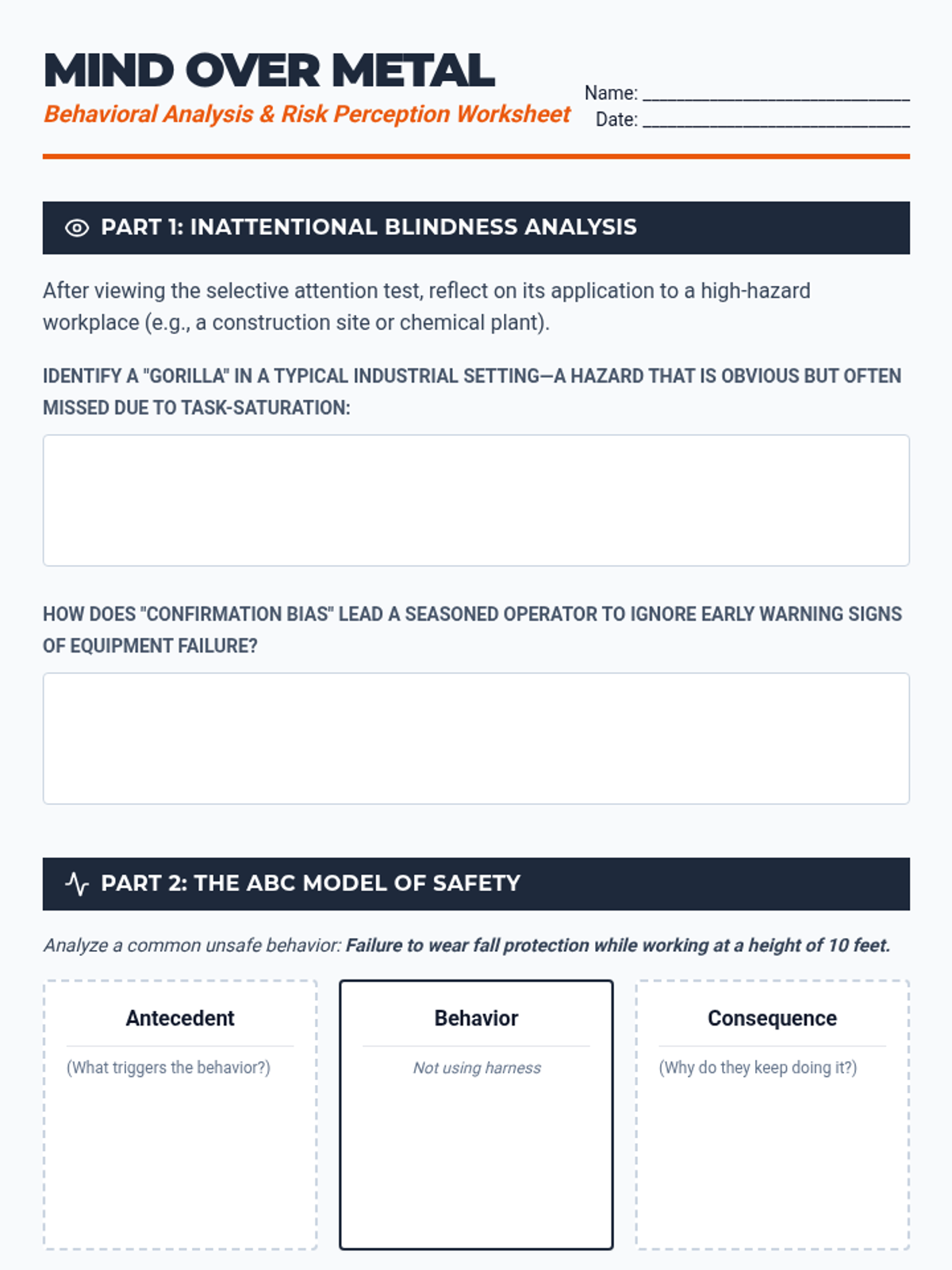
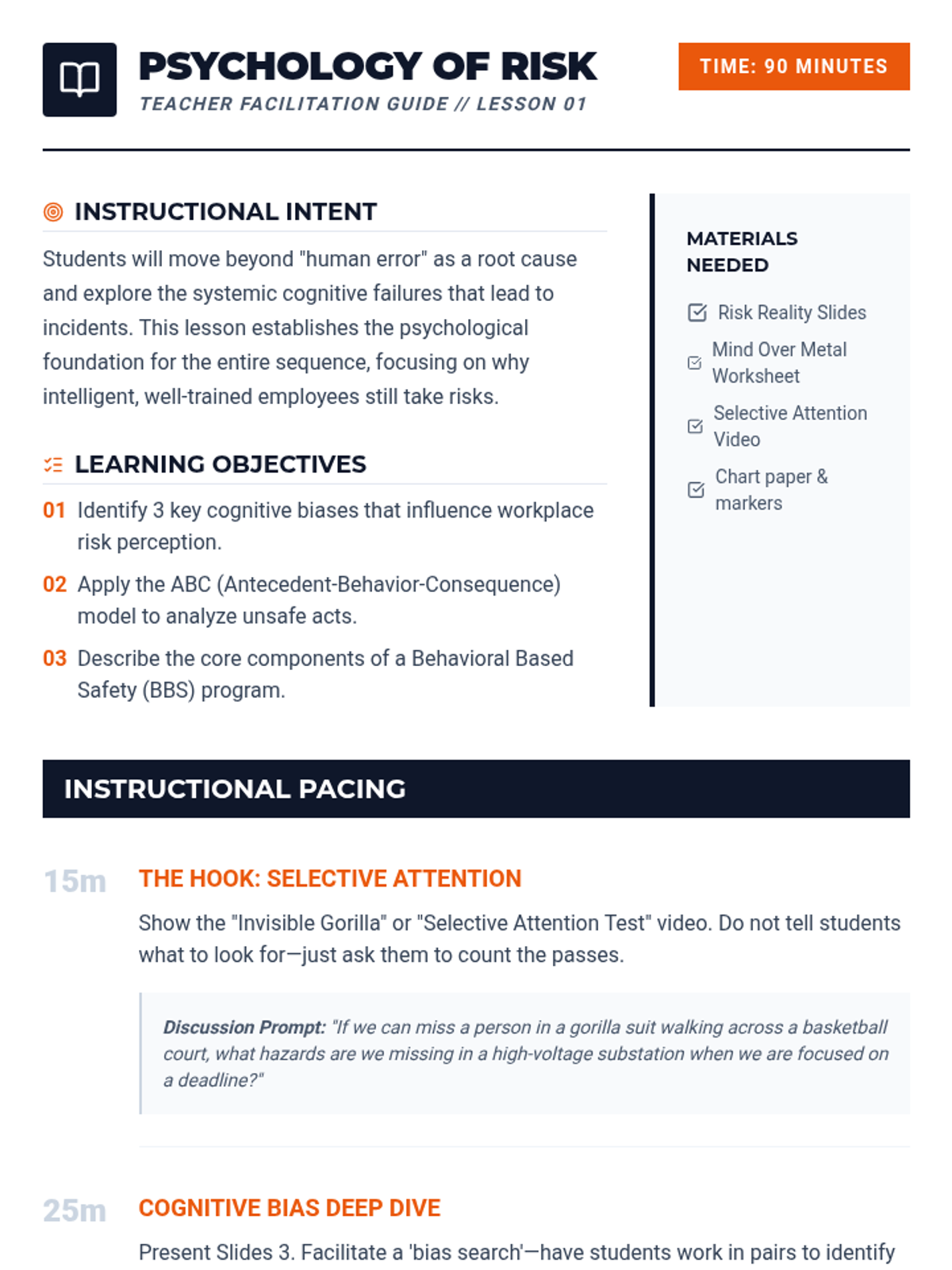
An advanced graduate-level exploration of the intersection between organizational psychology and workplace safety, focusing on Behavioral Based Safety, whistleblower protections, and the cultivation of a 'Just Culture' that encourages transparent incident reporting.
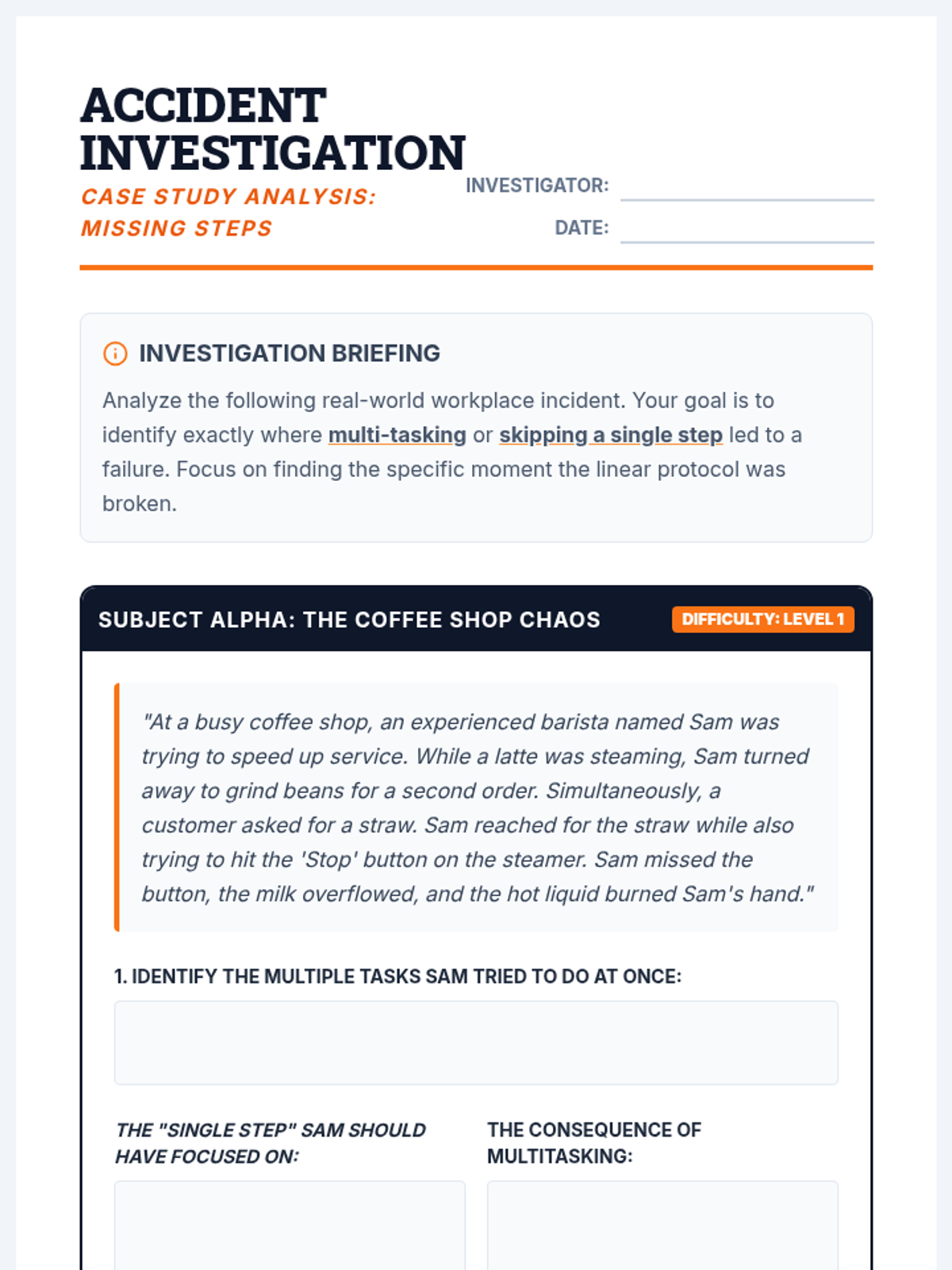
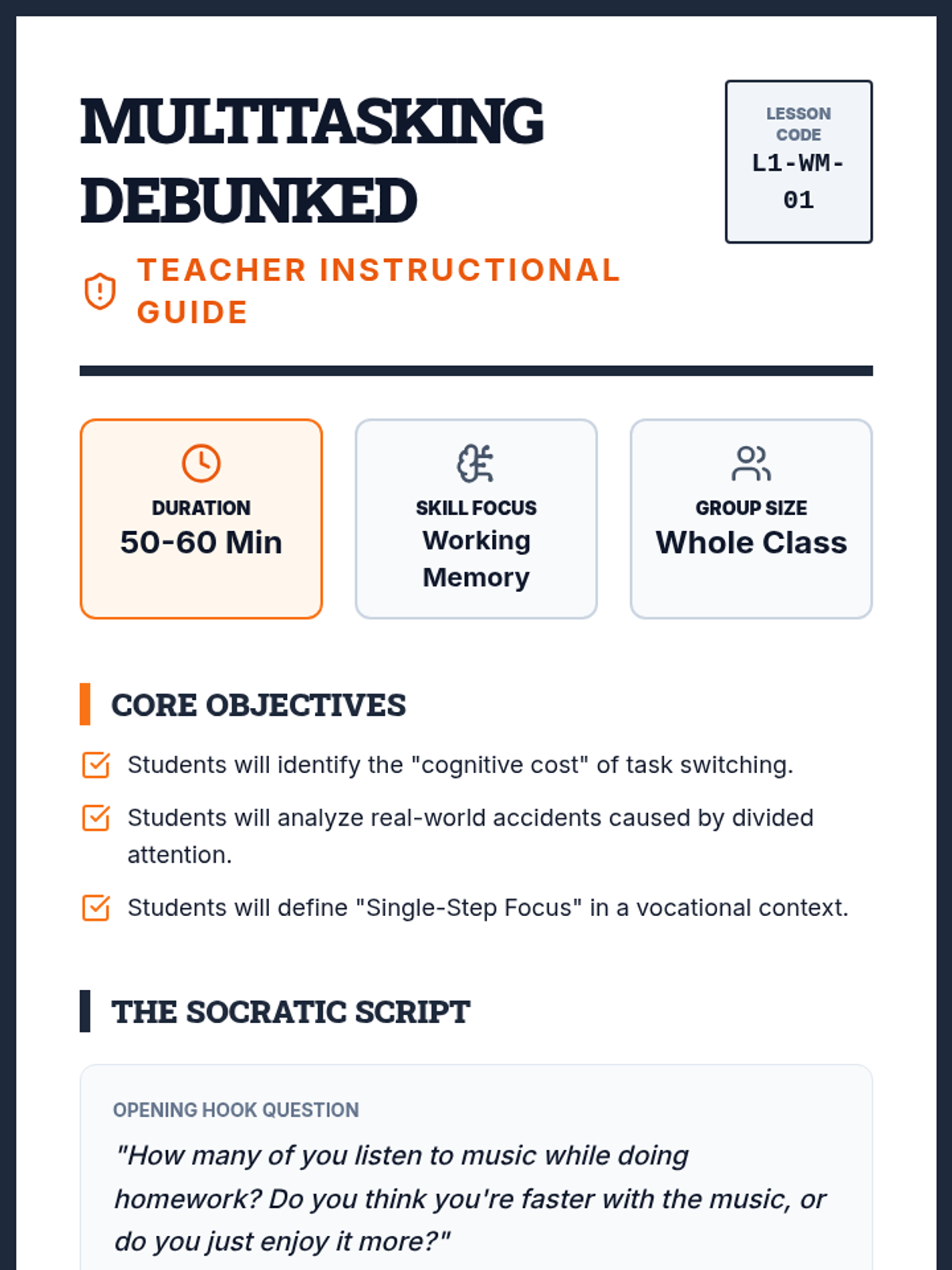
This sequence explores the critical importance of single-step focus in vocational environments. Students analyze how working memory limitations impact safety and quality, practicing sequential execution through industrial case studies, SOP development, and high-stakes simulations.
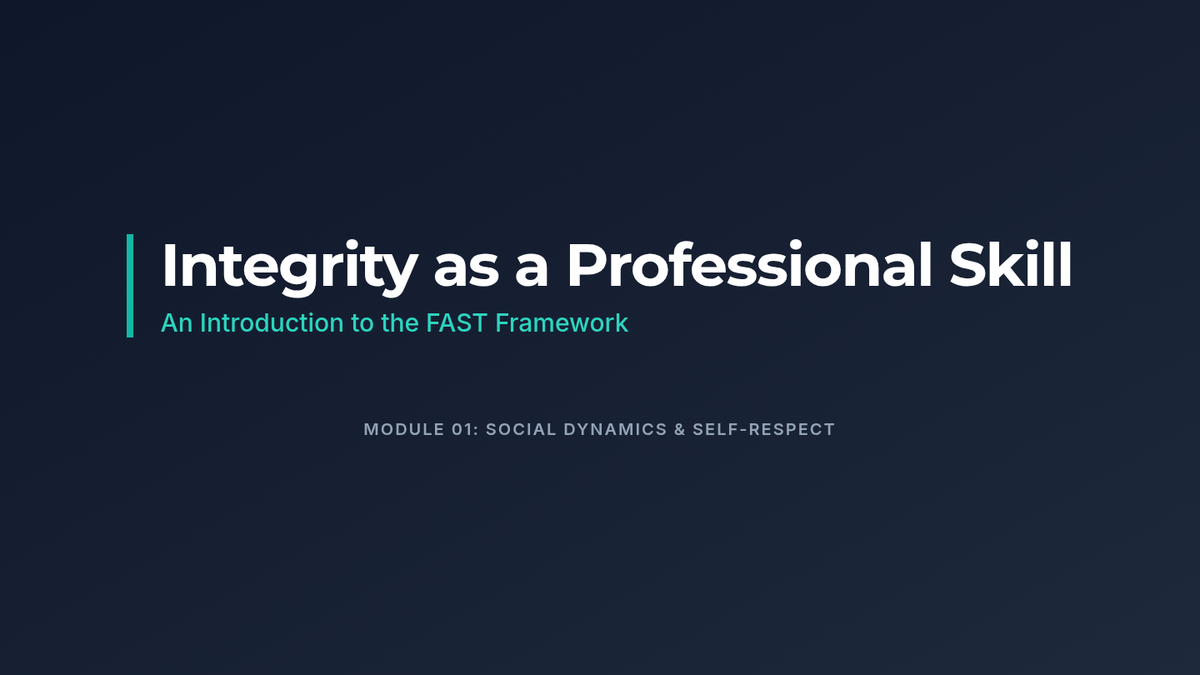
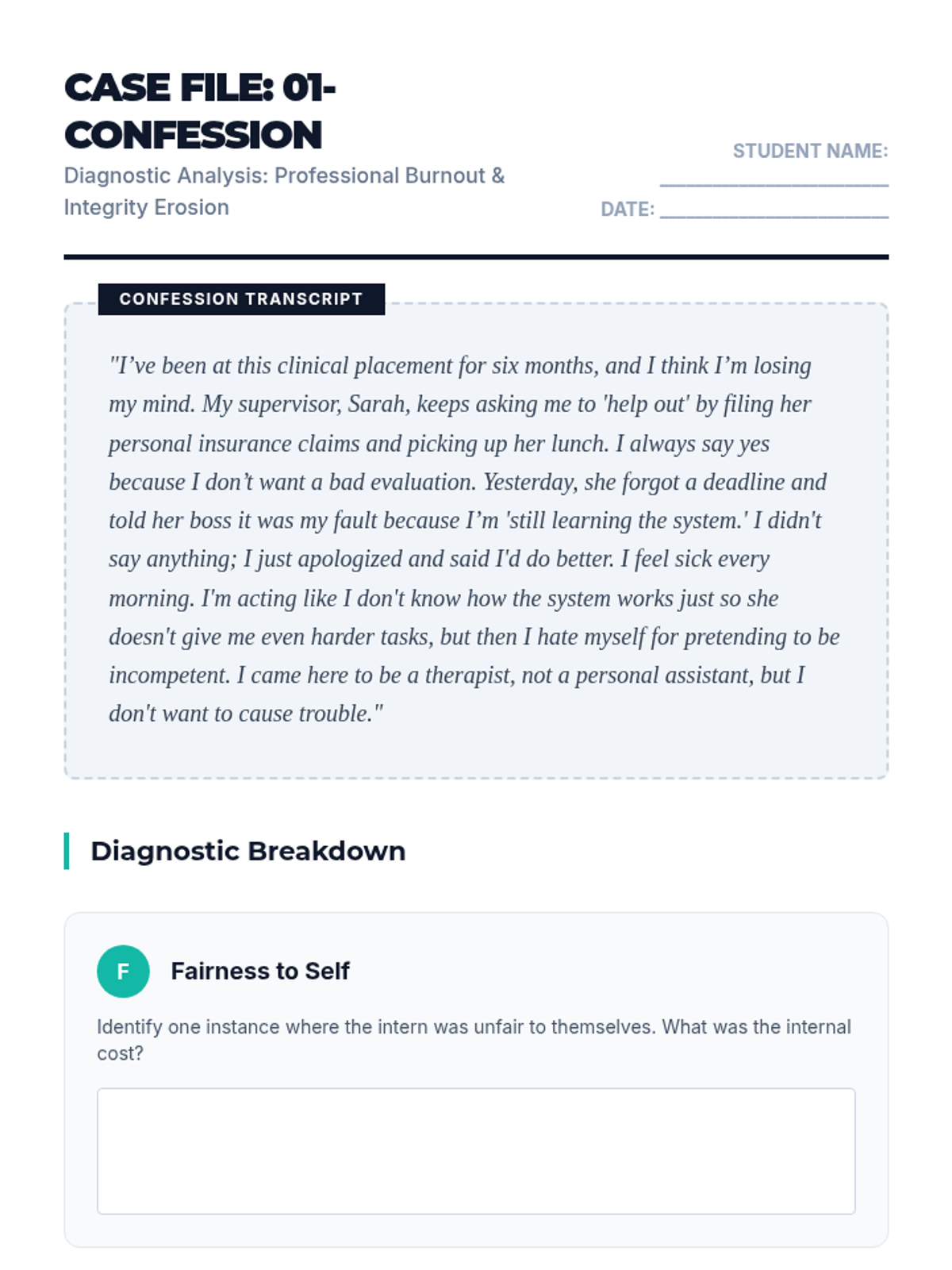
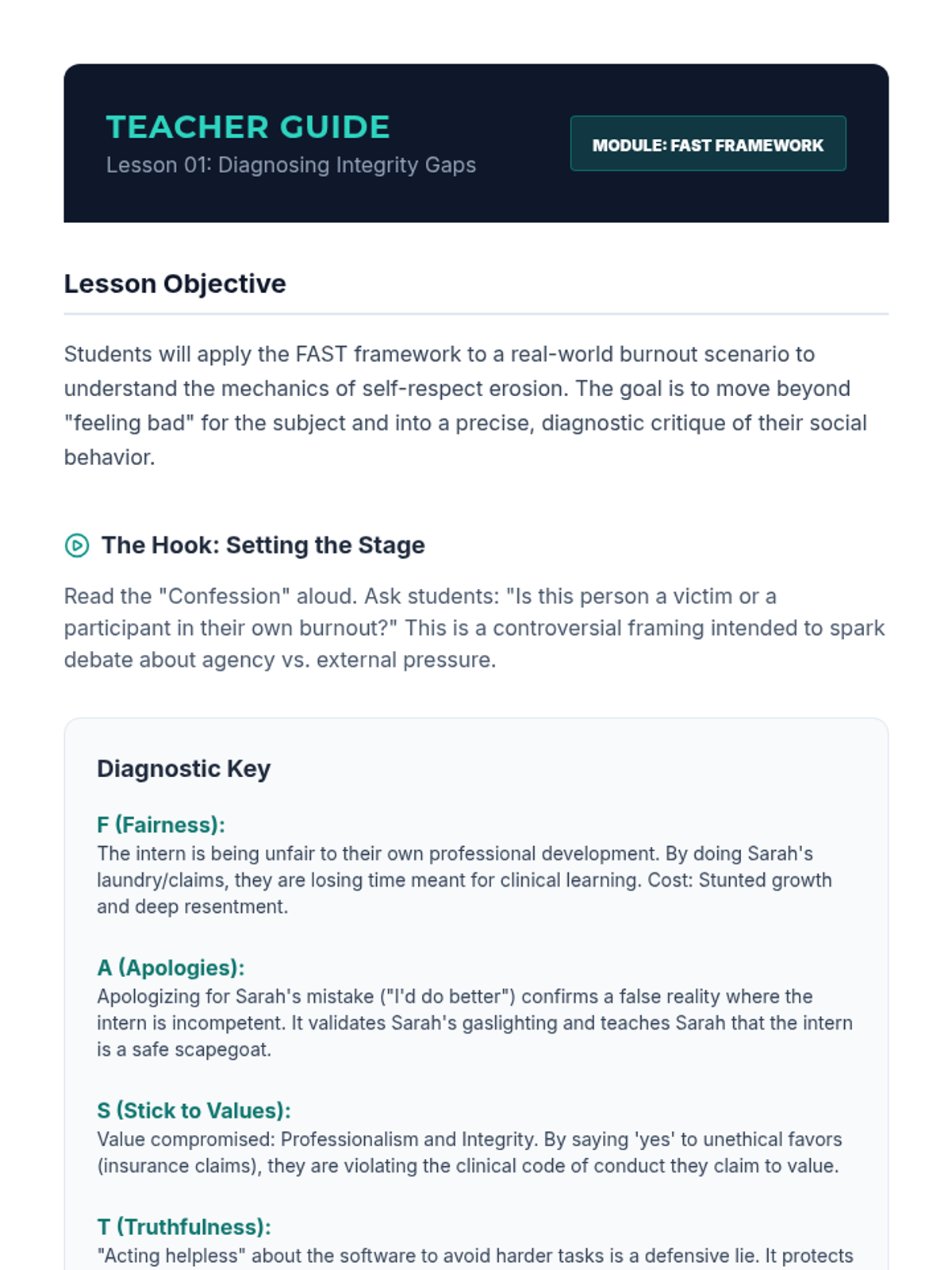
This sequence uses the FAST framework (DBT) to analyze professional social dynamics, helping undergraduate students identify and mitigate the erosion of self-respect in high-stakes environments like internships and early careers. Students progress from diagnostic analysis of professional failure scenarios to prescriptive intervention design.
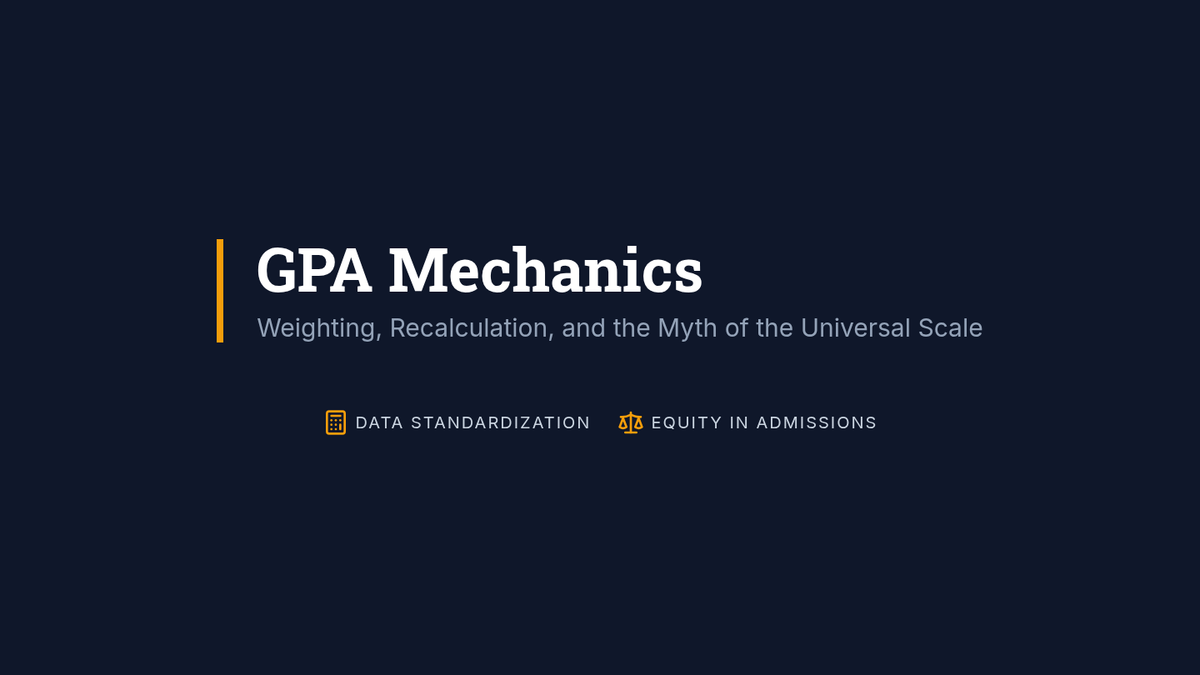
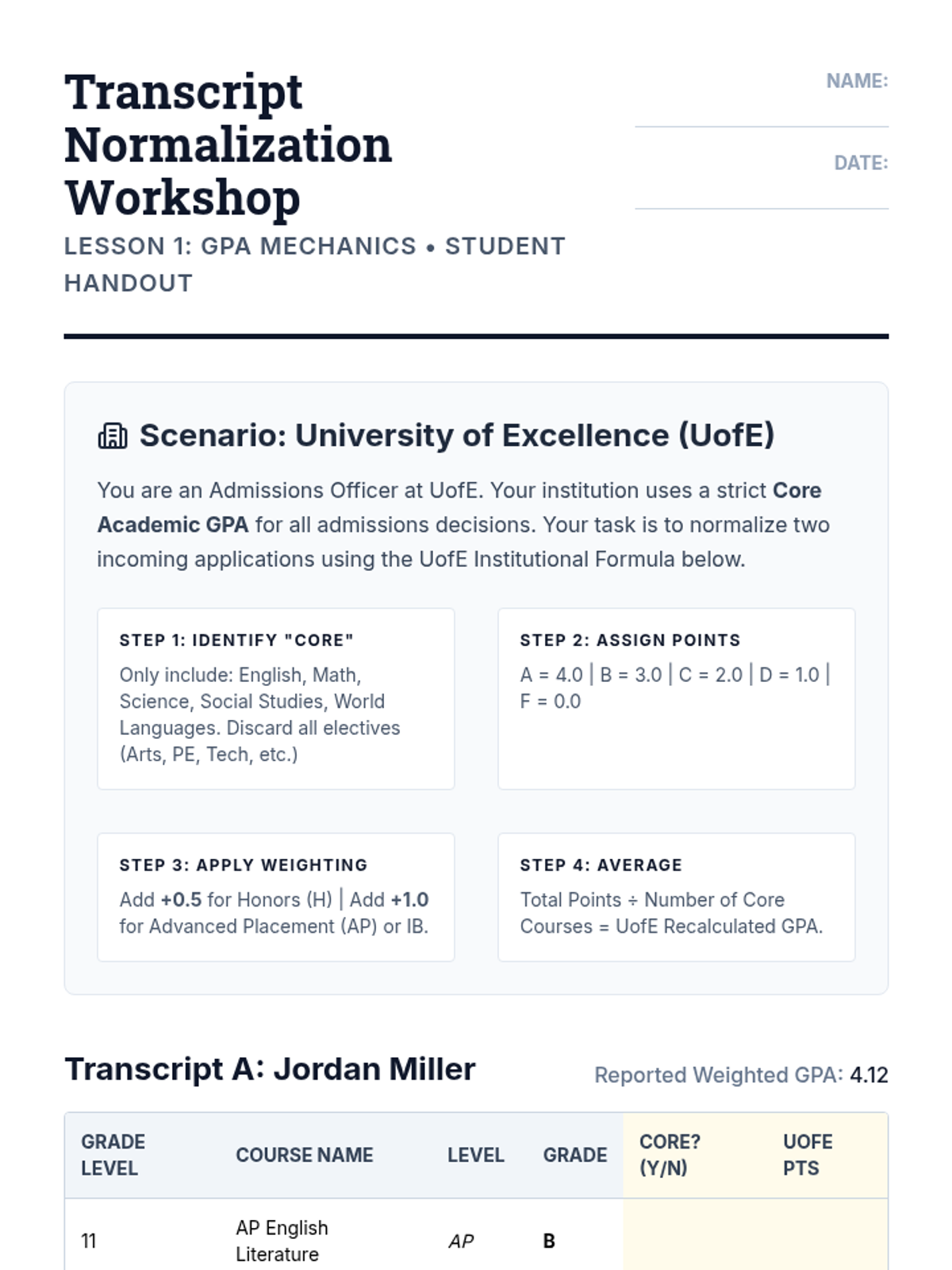
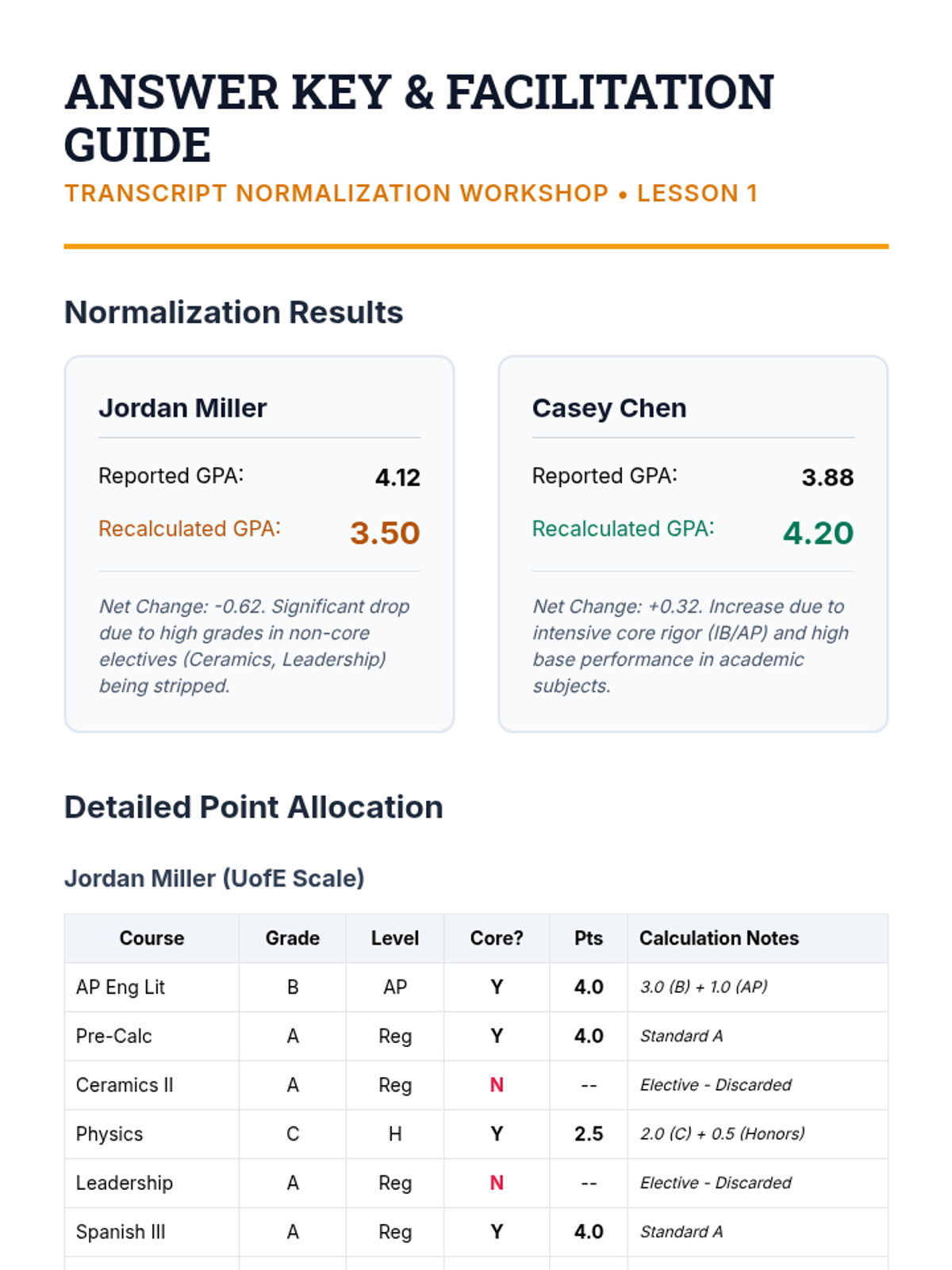
A graduate-level inquiry into the role of quantitative metrics in admissions, exploring the technical mechanics of GPA recalculation and the ethical implications of standardized testing through an equity lens.
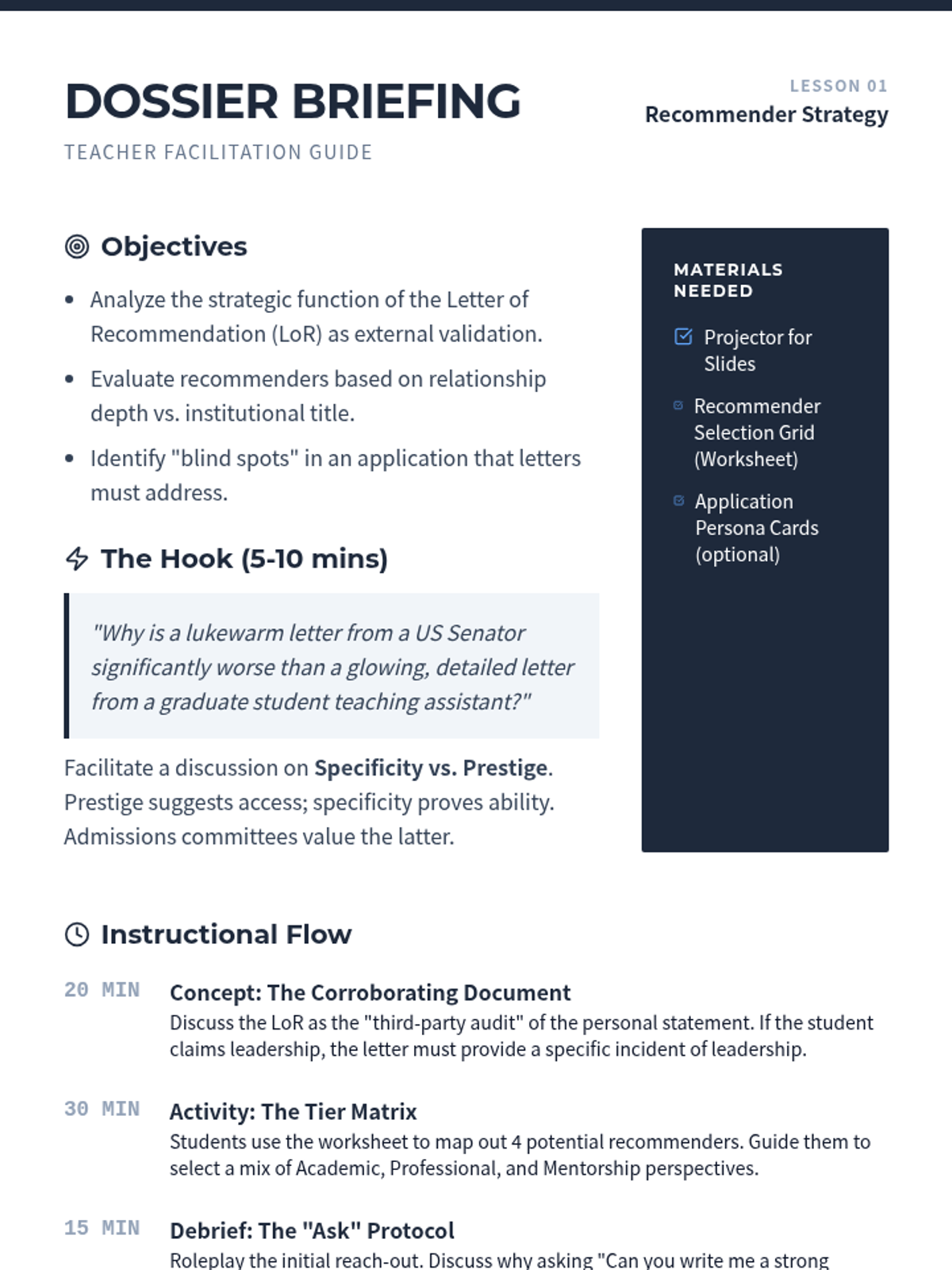
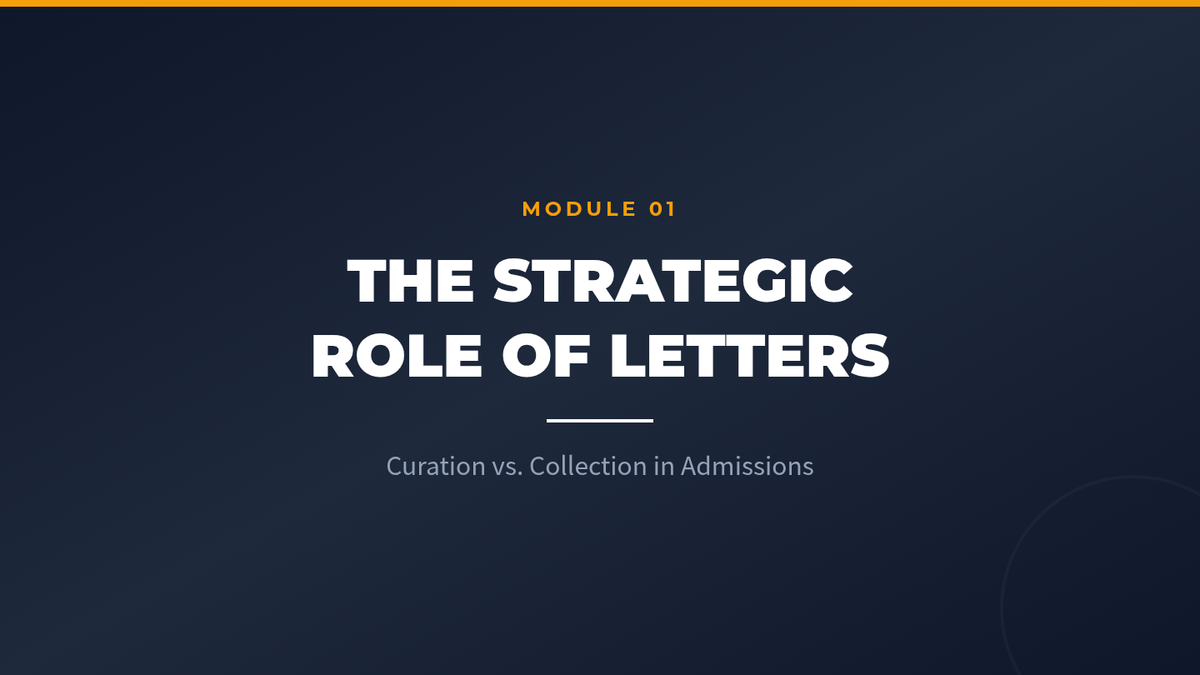
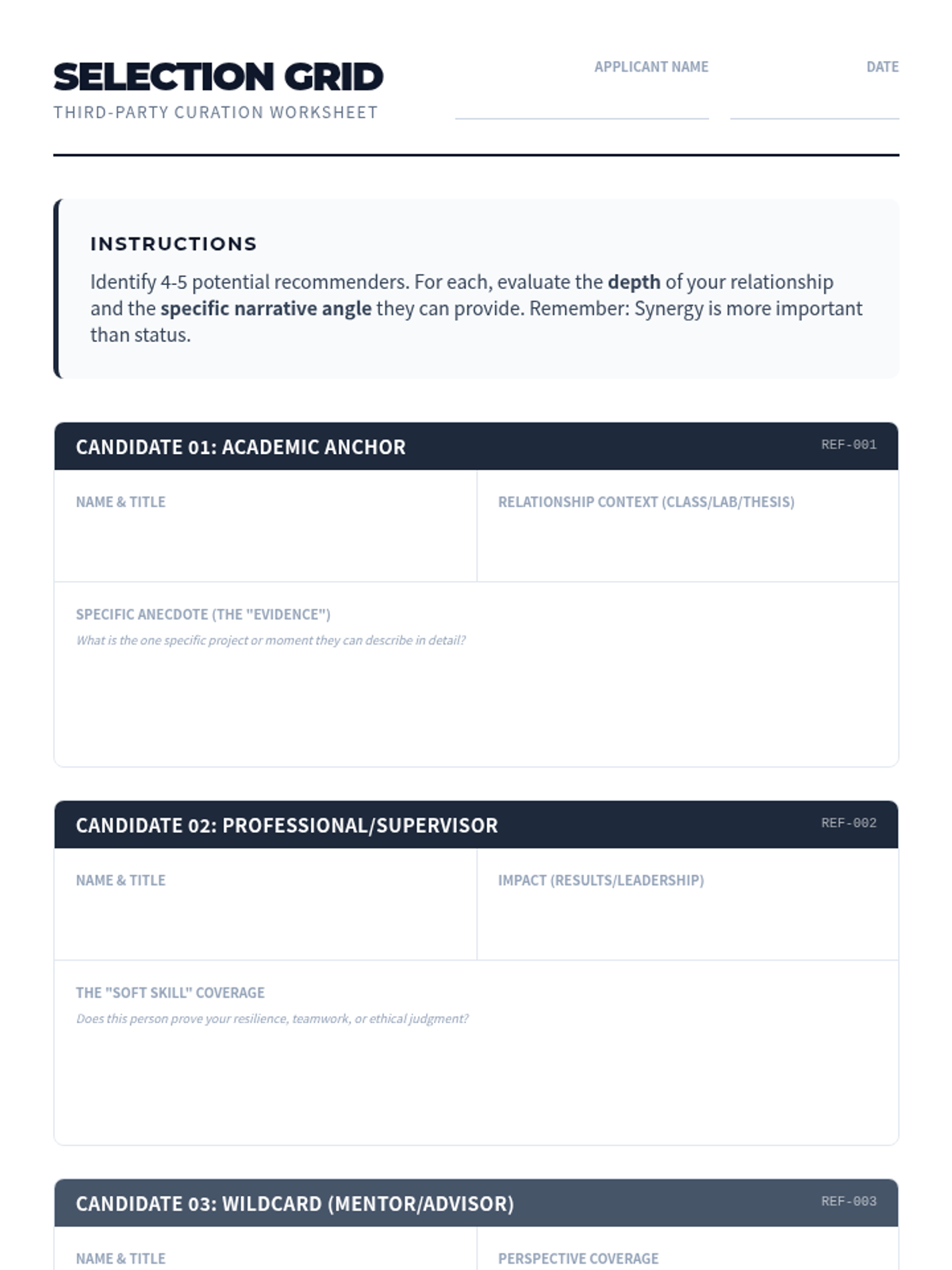
A comprehensive project-based sequence for graduate students focusing on the strategic curation and management of third-party application materials. Students learn to select recommenders, draft 'brag sheets', navigate ethical considerations like FERPA, and audit application packets for narrative consistency.
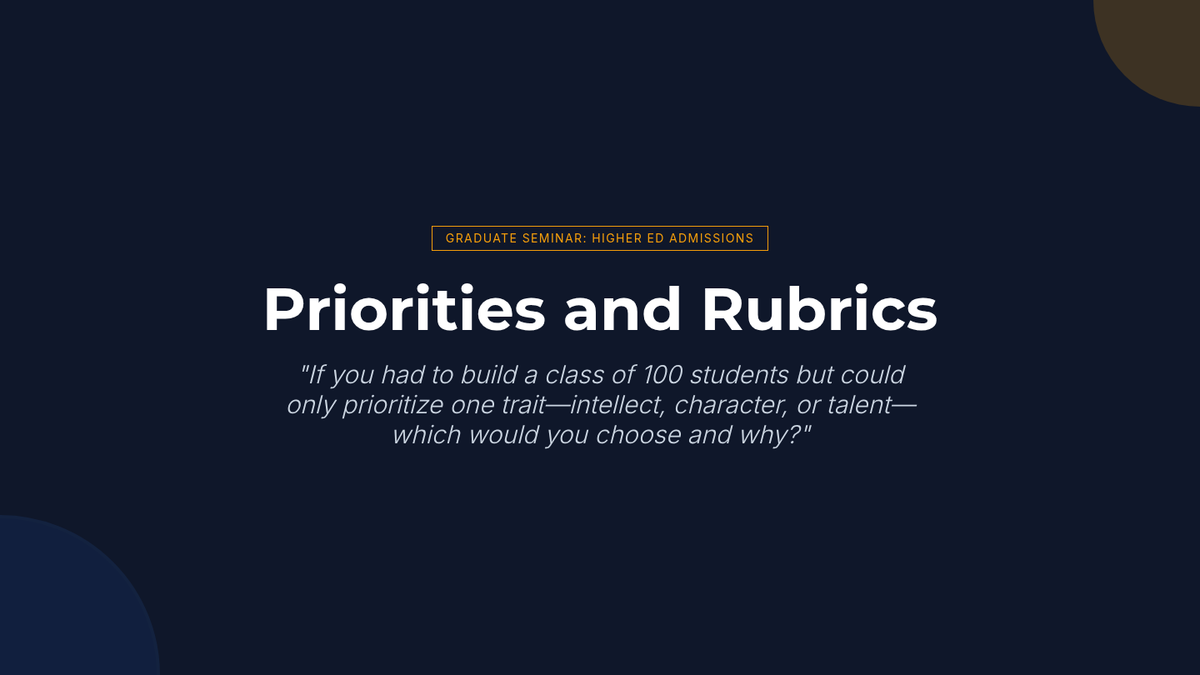
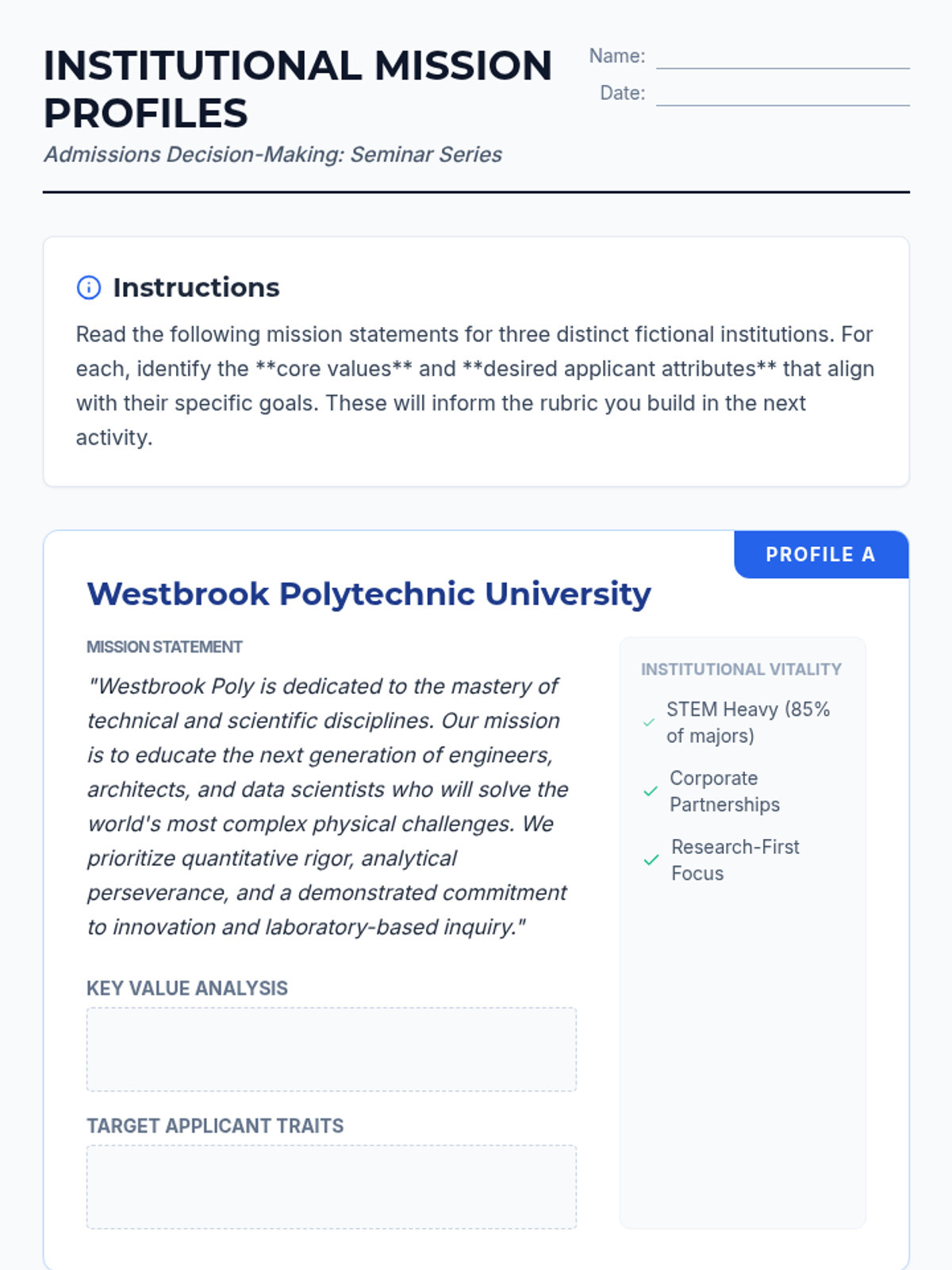
A graduate-level exploration of the admissions 'black box,' where students act as admissions officers to navigate the complexities of holistic review, institutional priorities, and systemic bias in post-secondary gatekeeping.
A 12th-grade sequence on FAST skills for self-respect, focusing on personal ethics, integrity in communication, and maintaining values in the face of external pressure and digital influence.
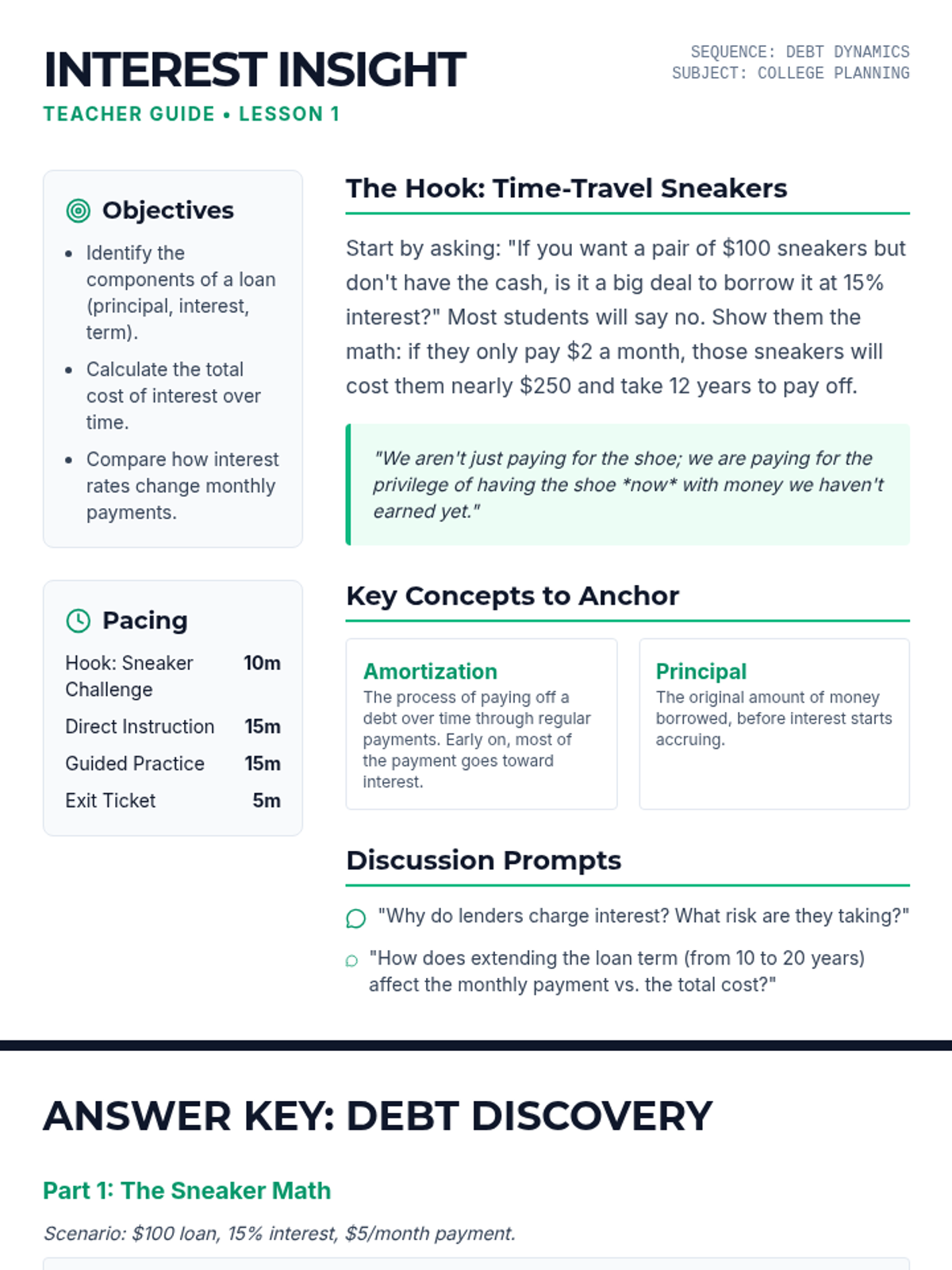
This sequence explores the long-term financial implications of student loans, focusing on repayment plans, budgeting, and return on investment (ROI). Students transition from understanding borrowing mechanics to simulating the real-world impact of debt on lifestyle and career choices.
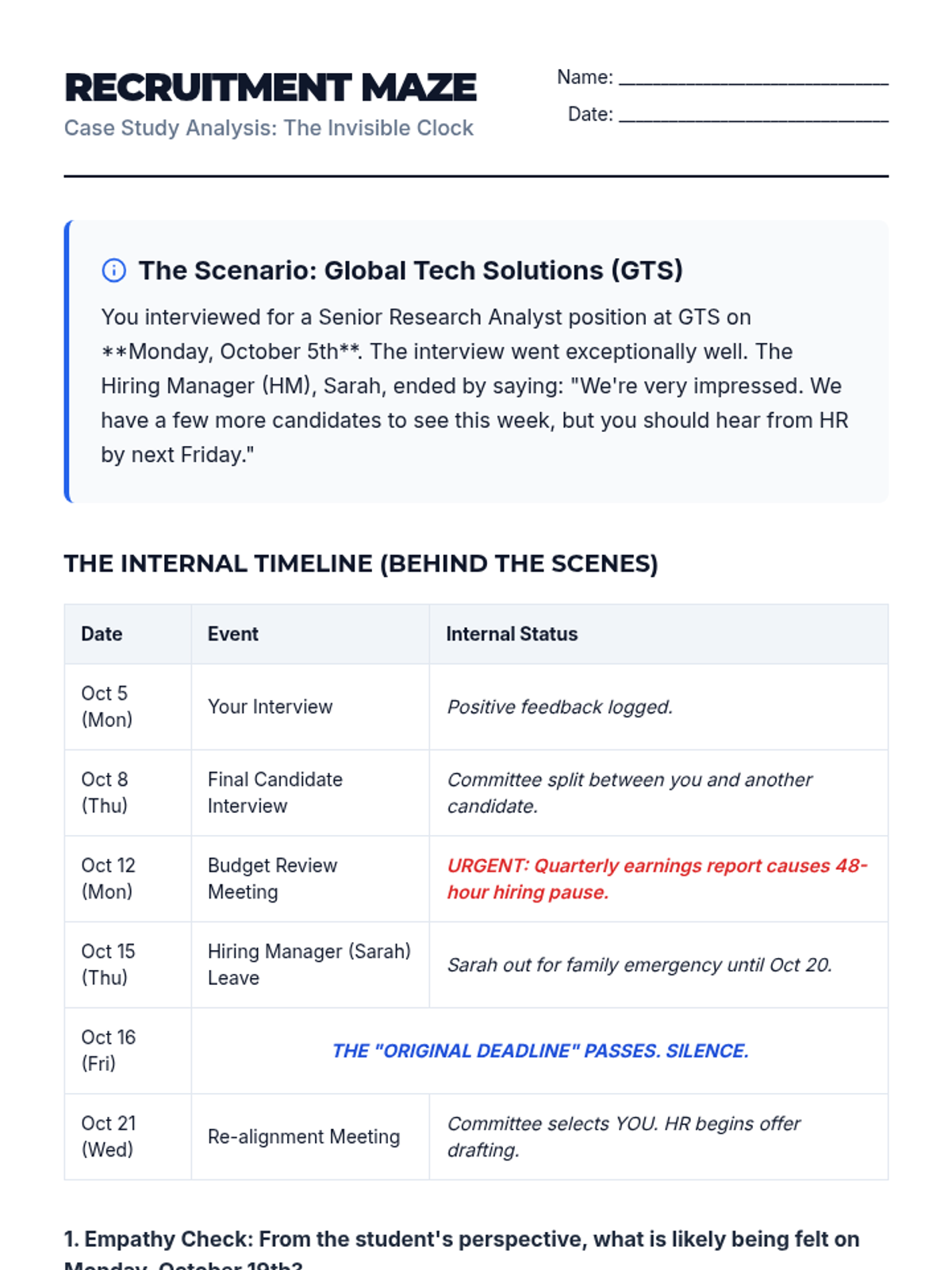
A comprehensive guide for graduate students on navigating the complexities of post-interview logistics, recruitment cycles, and managing multiple job offers with professional etiquette.
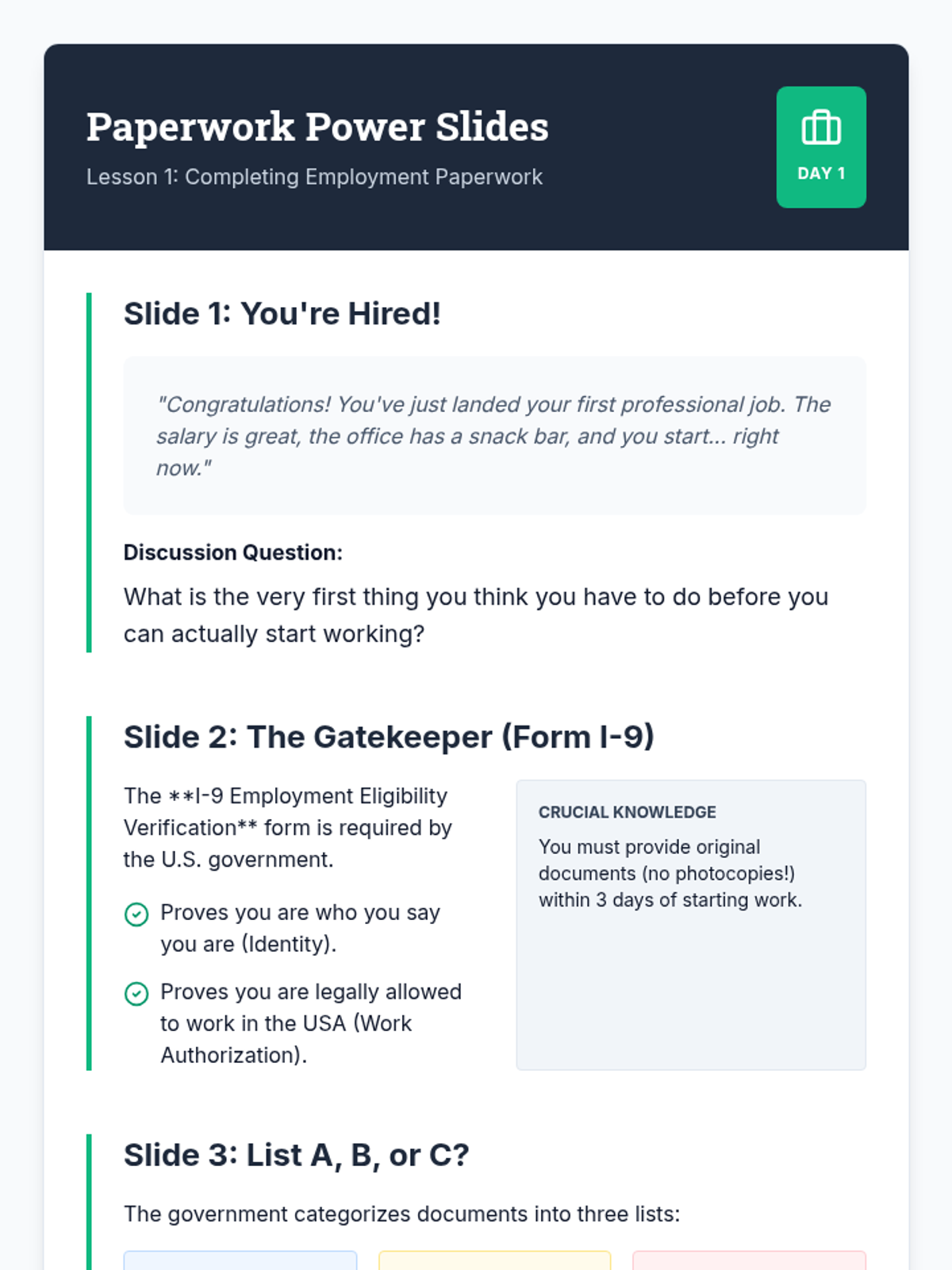
An immersive simulation where students navigate the onboarding process of a new job, making critical decisions about taxes, benefits, and workplace rights to understand their impact on a final paycheck.
This sequence explores the strategic use of positive reinforcement in leadership and peer counseling. Students progress from basic praise techniques to designing complex incentive systems and navigating the ethics of behavioral influence.
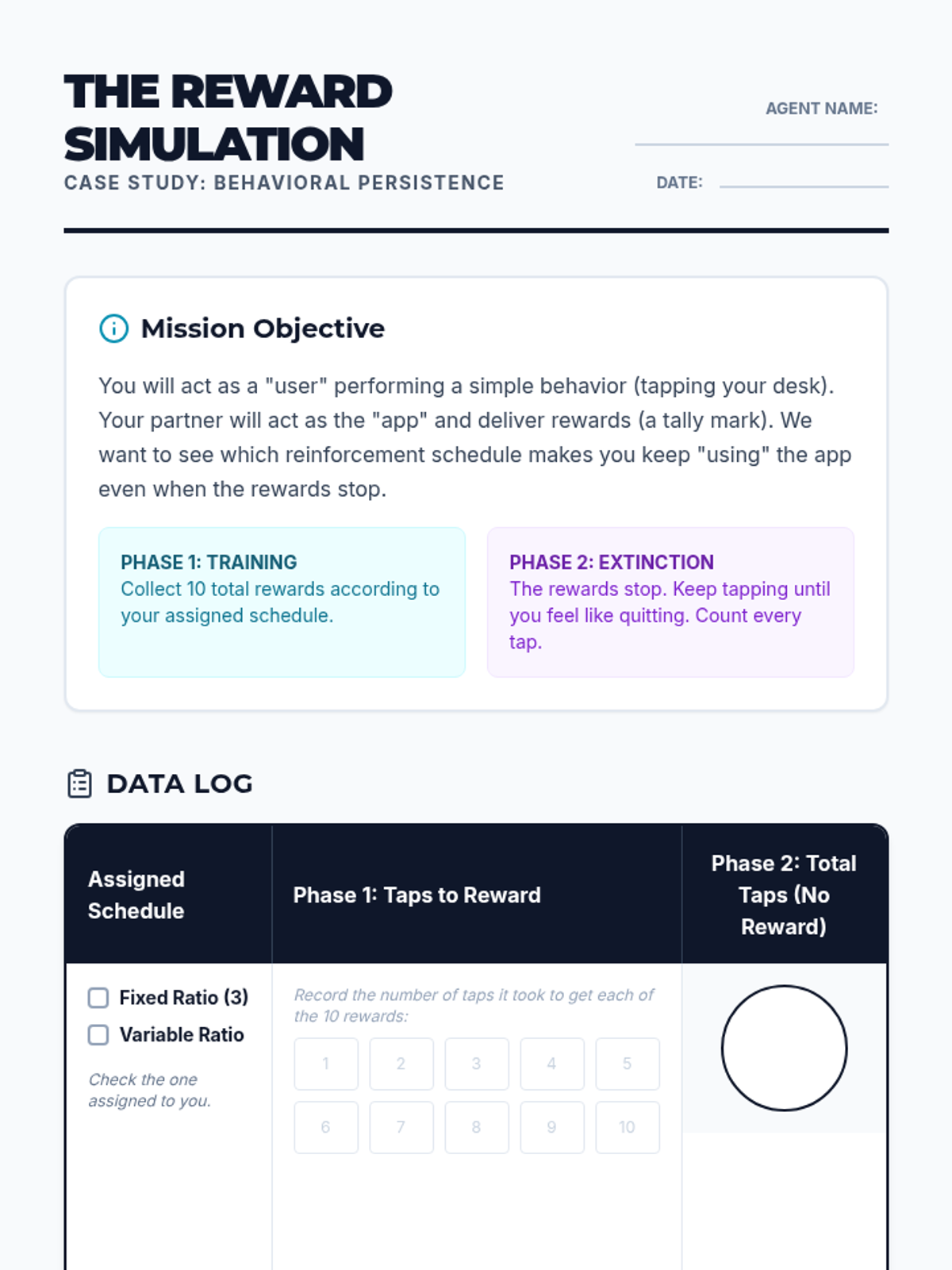
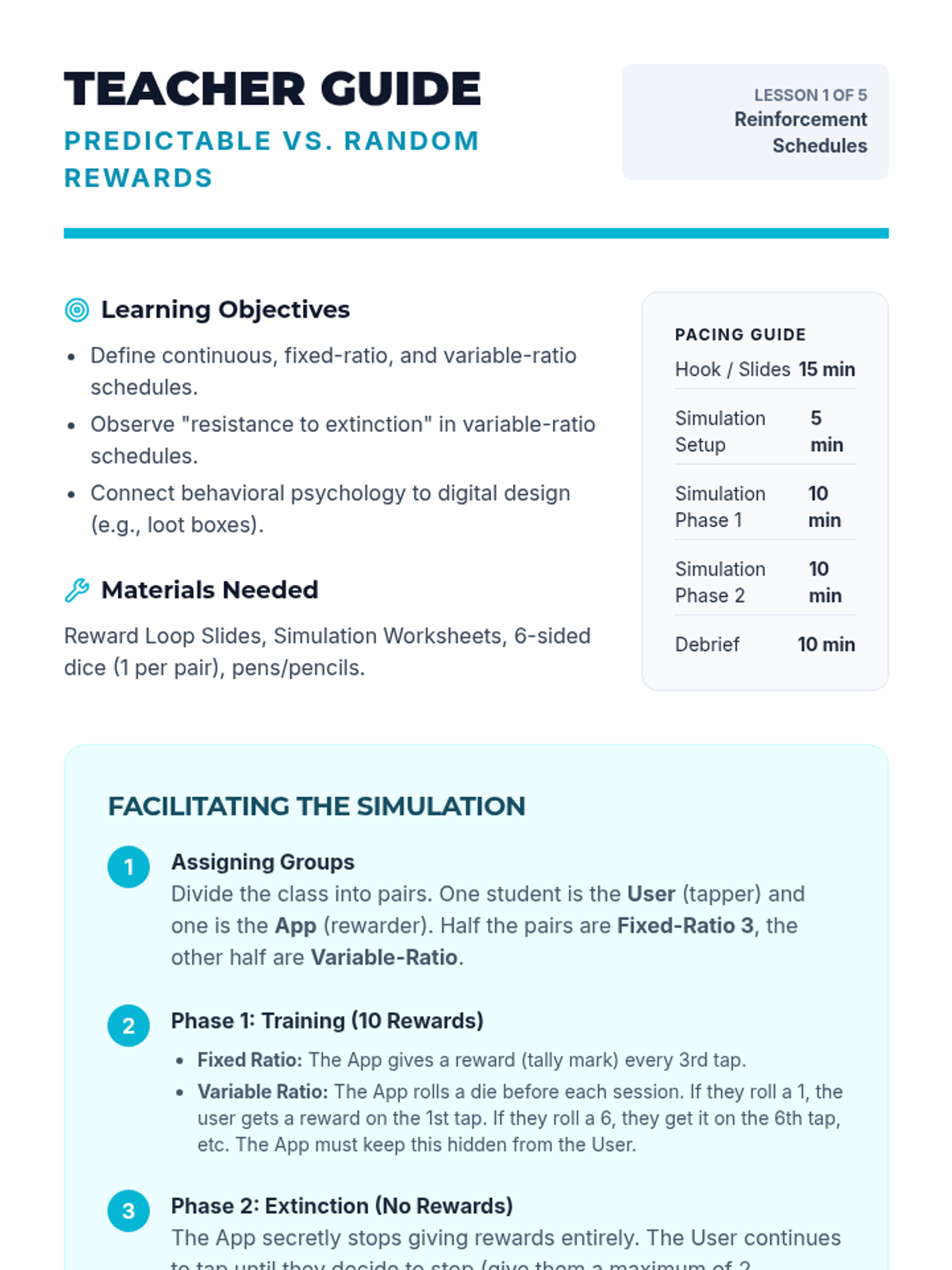
A 5-lesson sequence exploring how technology uses schedules of reinforcement (fixed and variable) to drive engagement. Students analyze gamification, social media mechanics, and ethical design to build digital literacy.
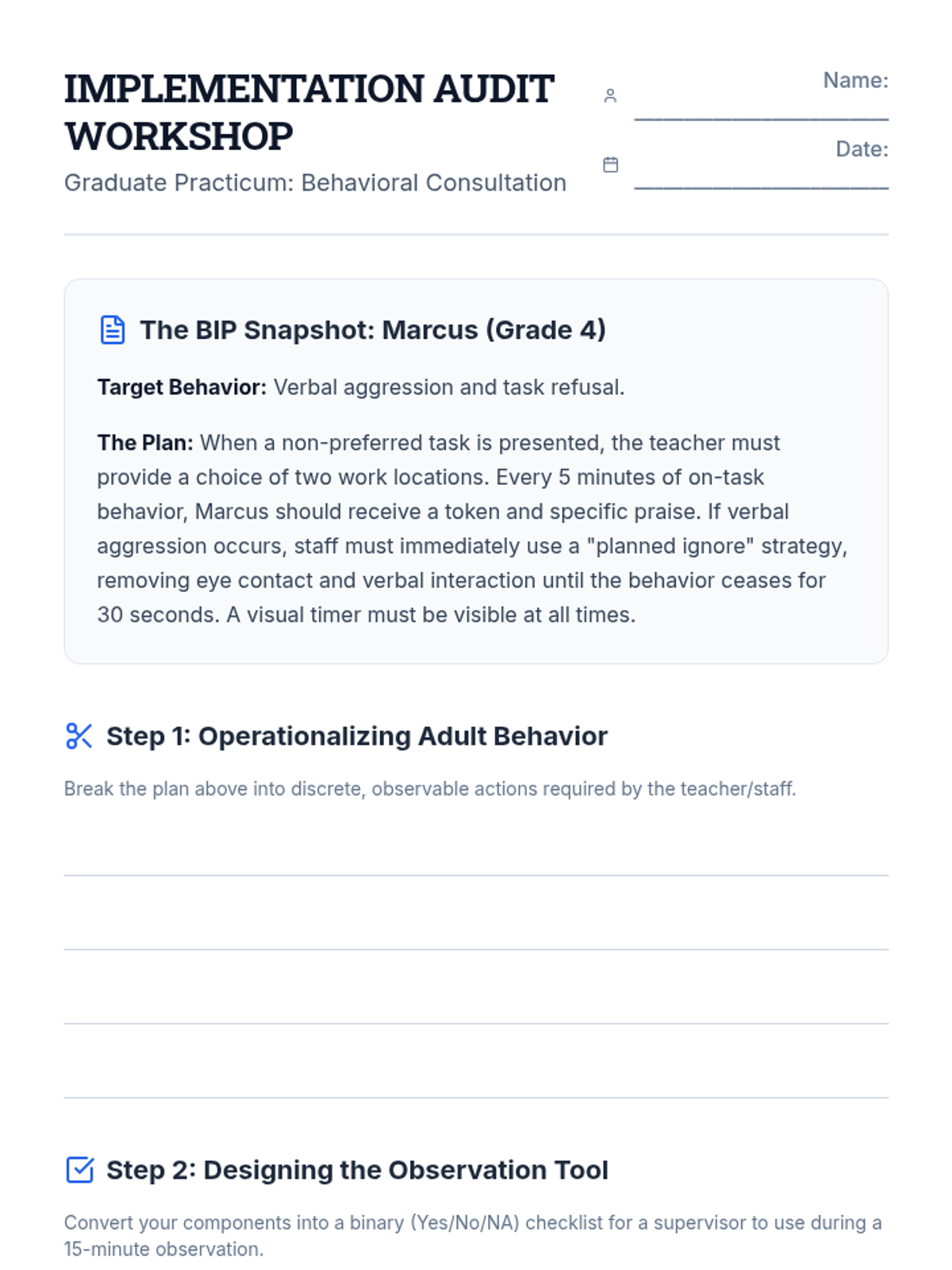
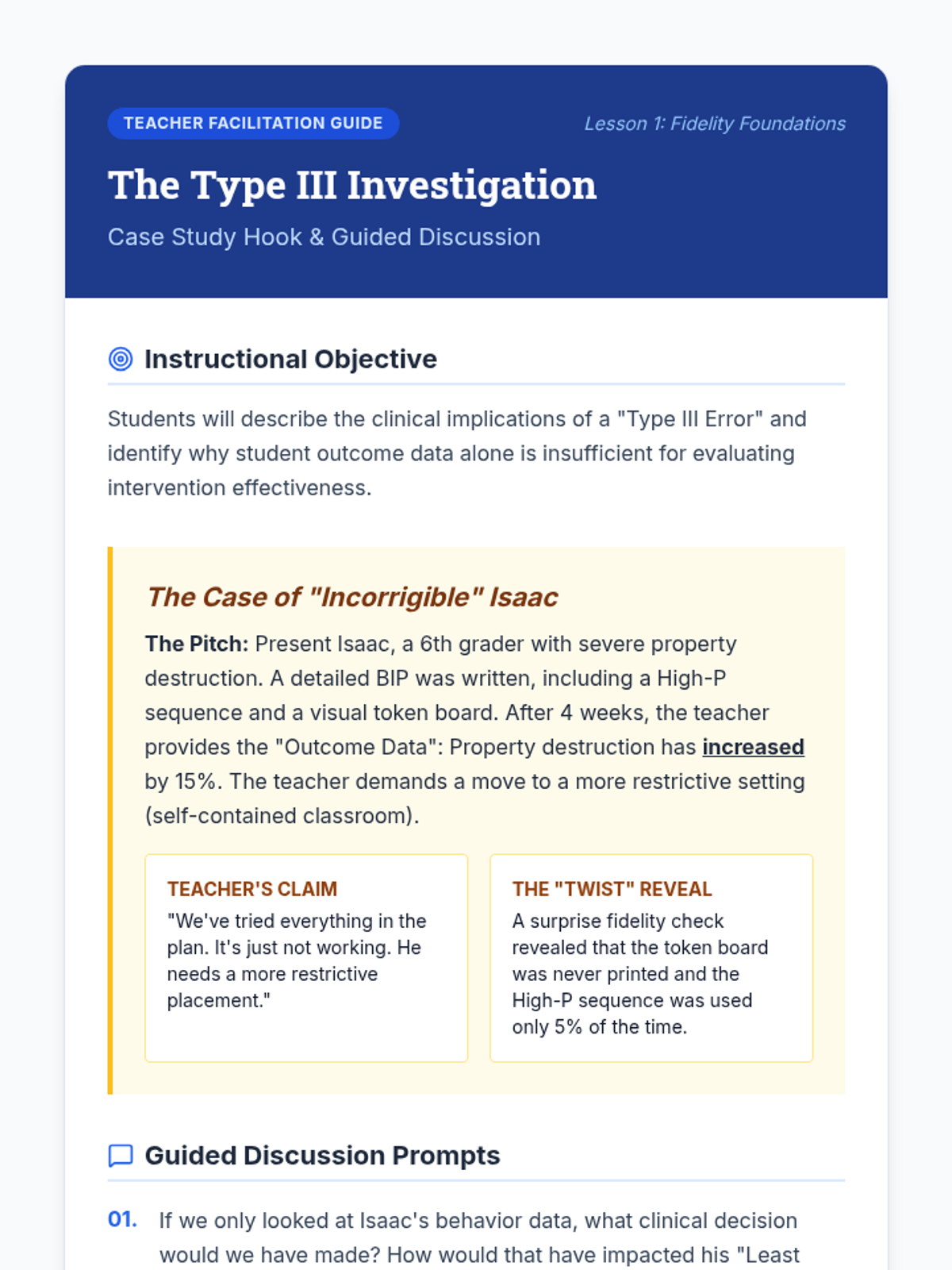
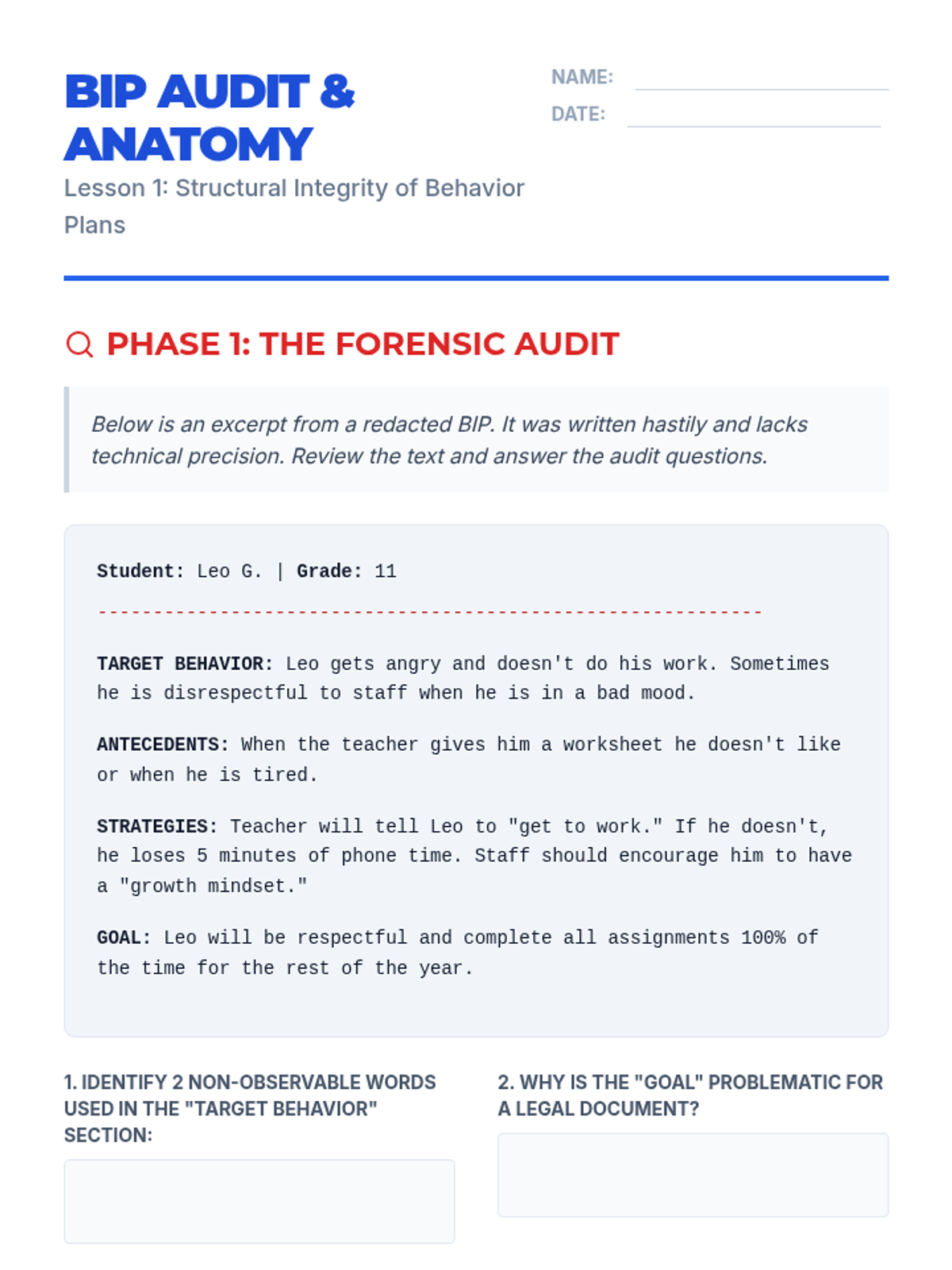
A graduate-level sequence focused on the intersection of implementation science and behavior analysis. Students learn to measure treatment fidelity, provide performance feedback, and ethically modify Behavior Intervention Plans (BIPs) based on concurrent implementation and outcome data.
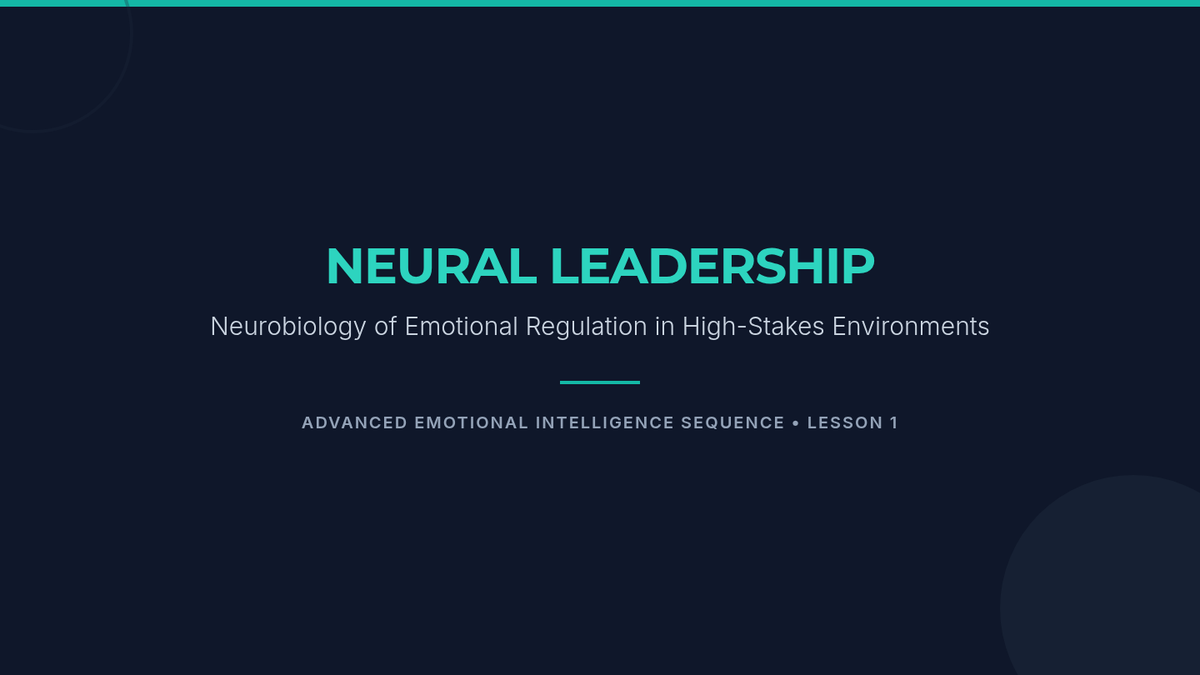
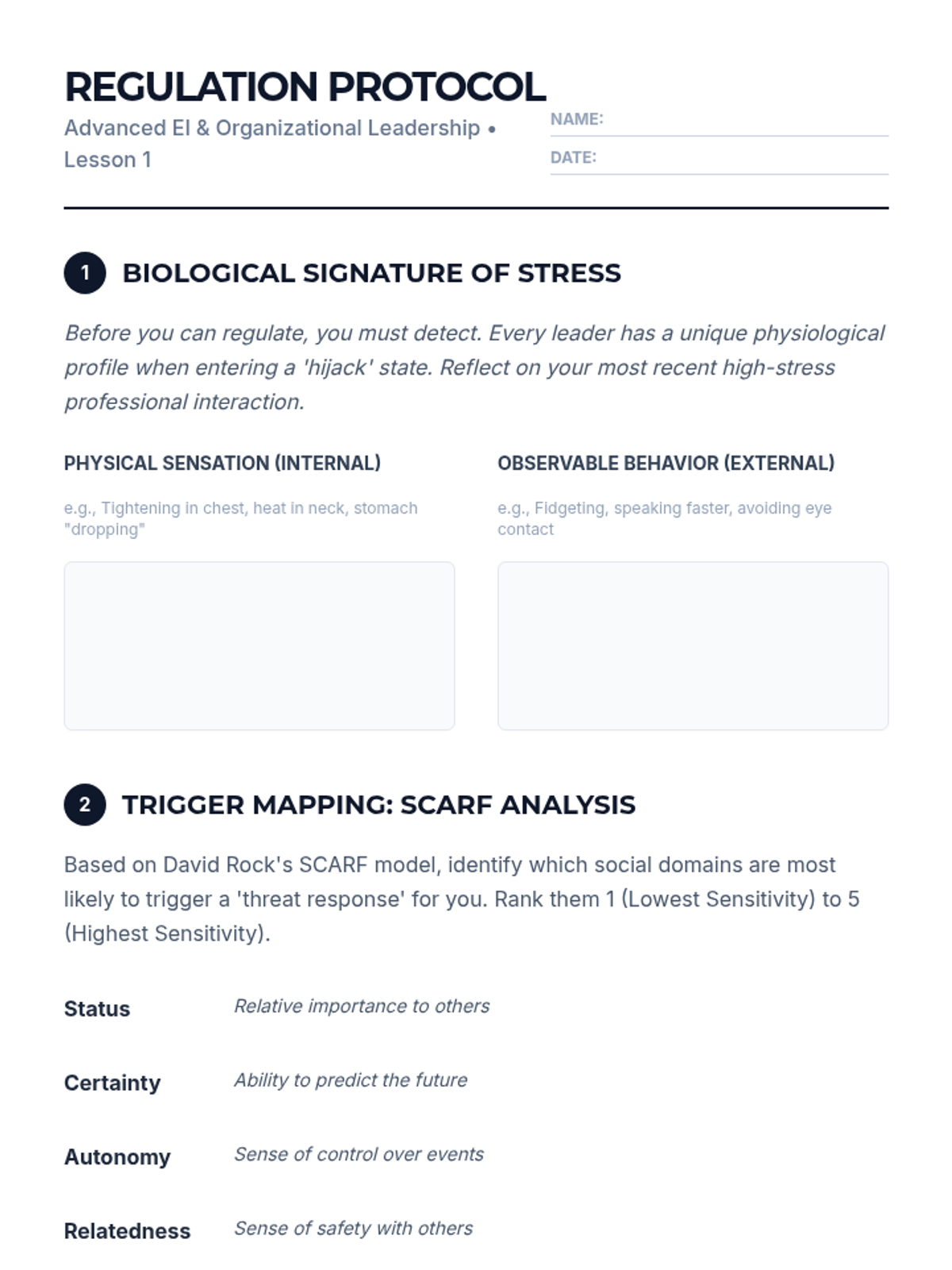
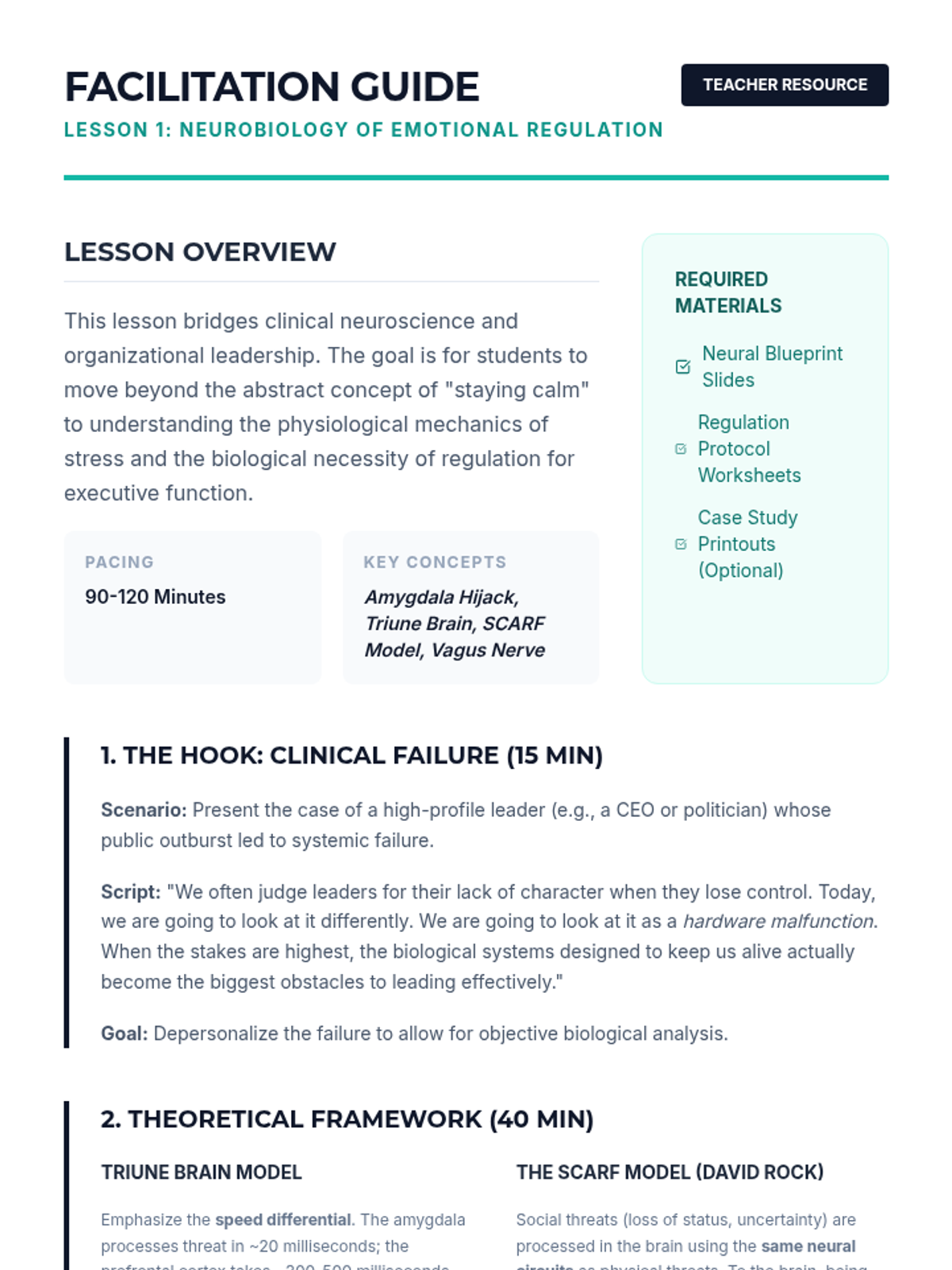
An advanced course for graduate students exploring the intersection of neurobiology, psychological theory, and organizational leadership. Students develop high-level social and emotional competencies to navigate complex professional environments and foster psychological safety.
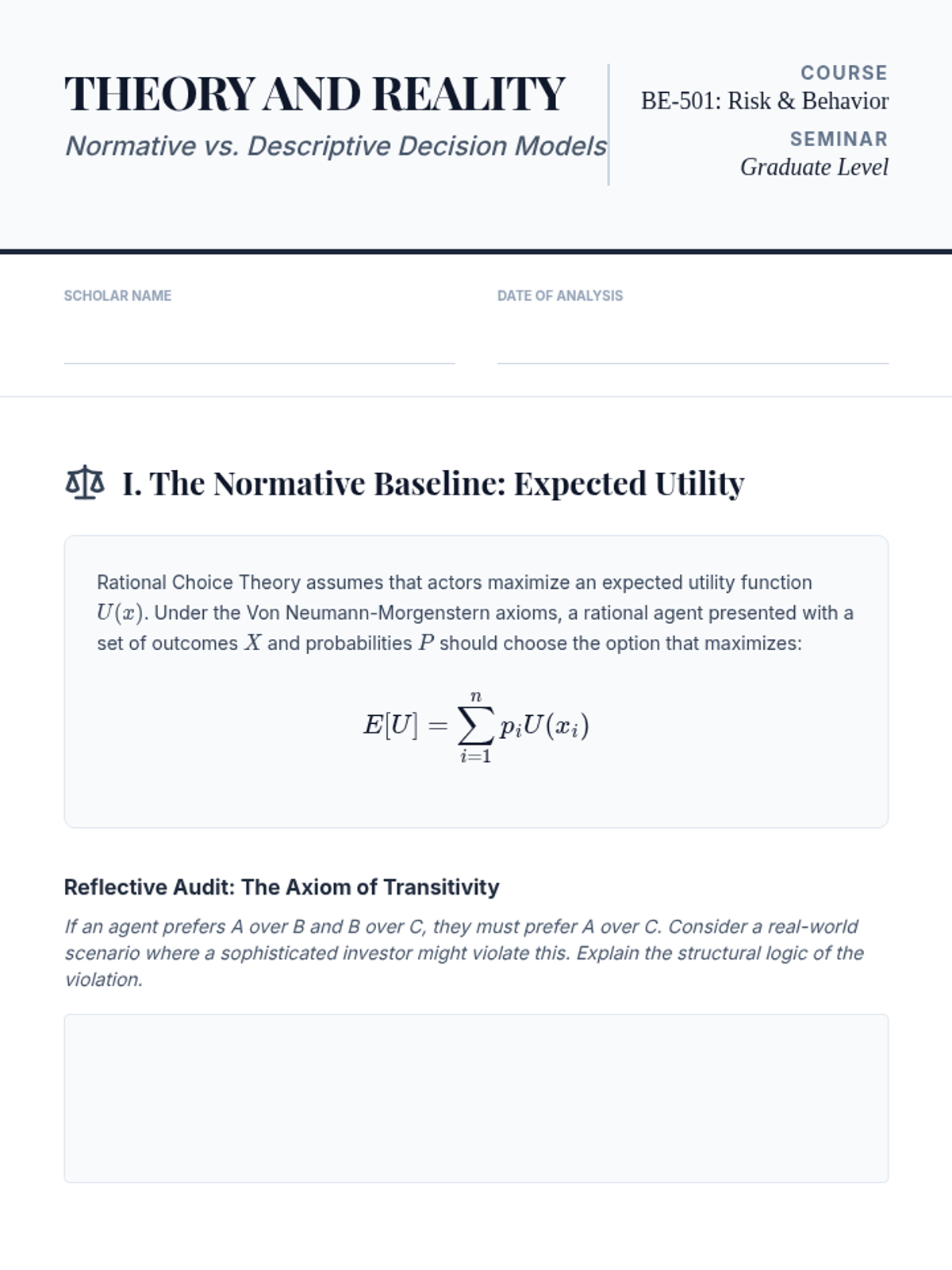
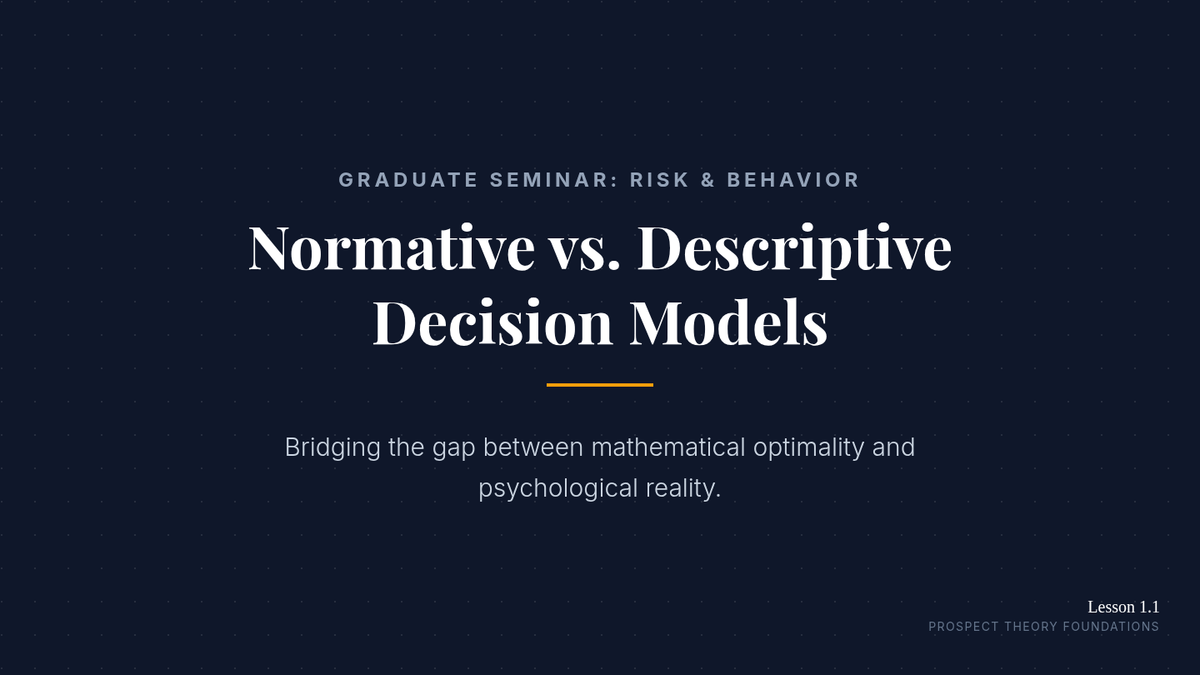
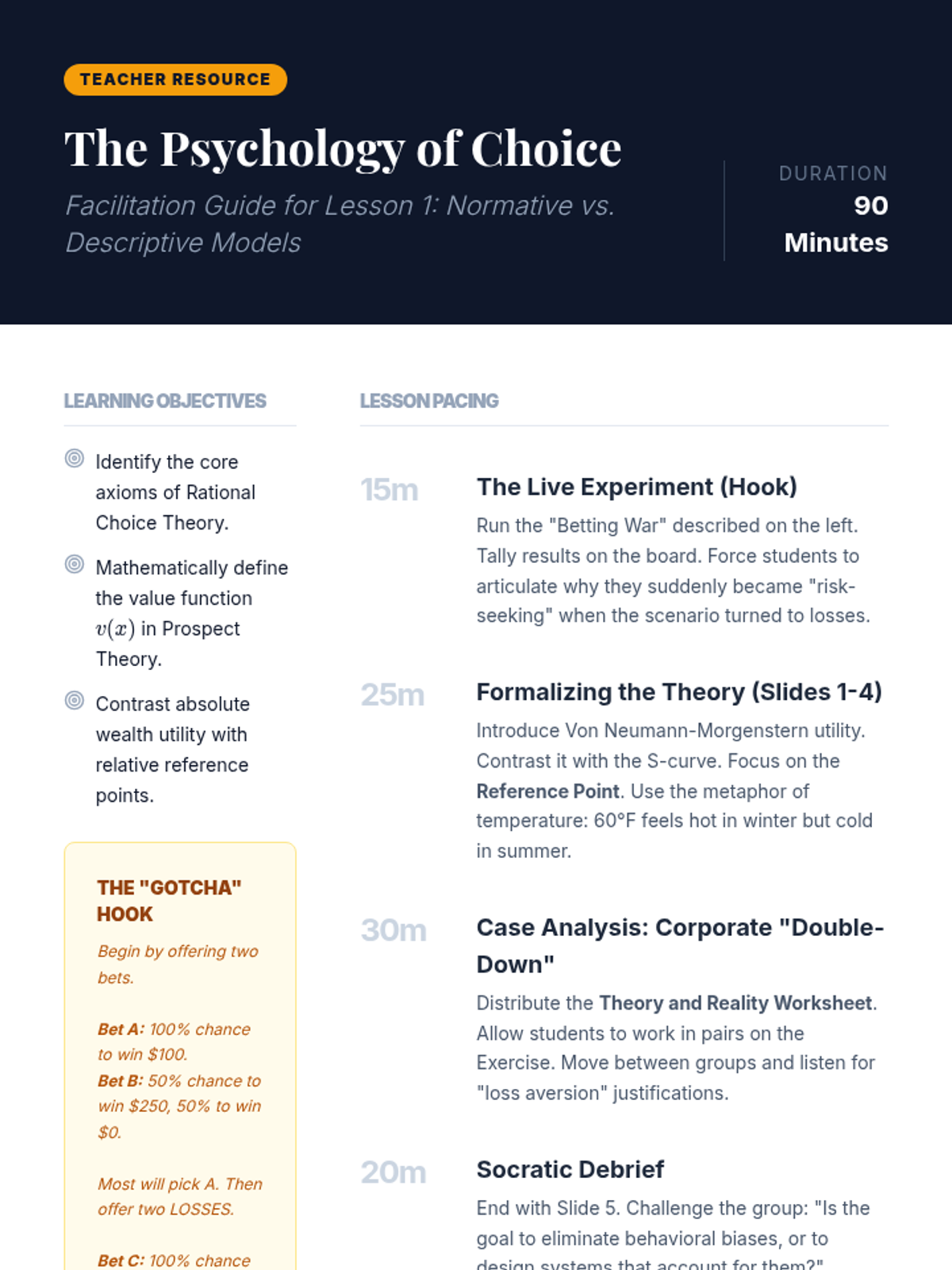
A graduate-level exploration of the intersection between mathematical probability and behavioral psychology. This sequence covers Prospect Theory, cognitive heuristics, fat-tail distributions, and the design of psychologically resilient risk management frameworks.
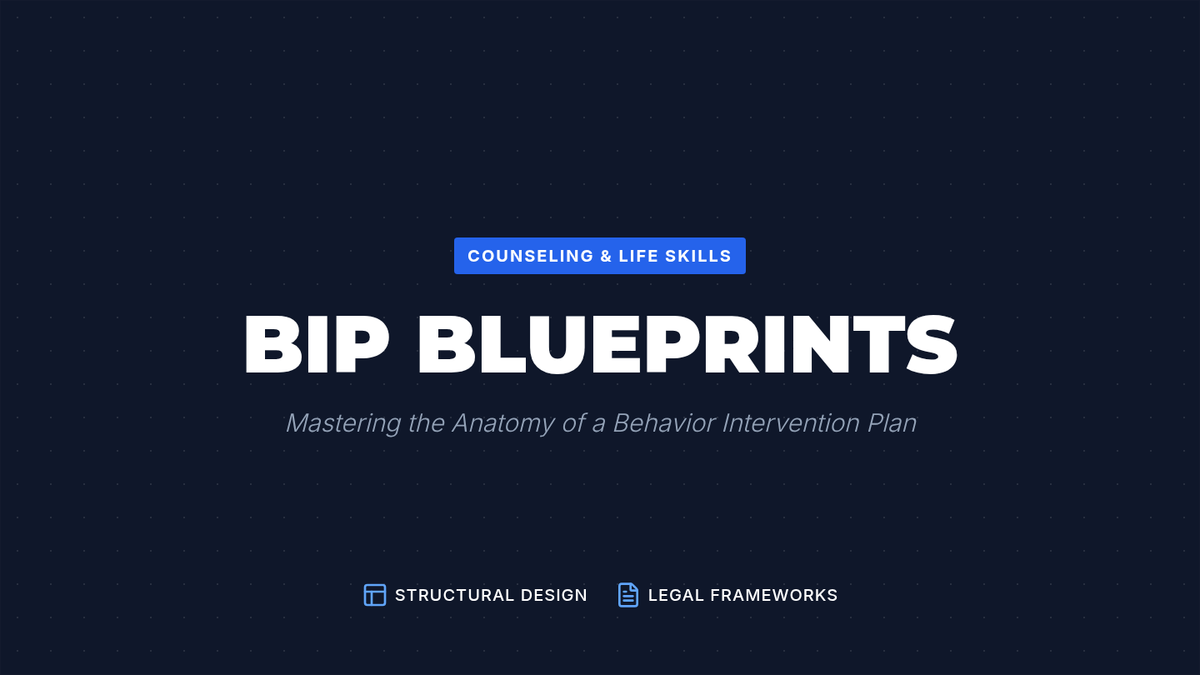
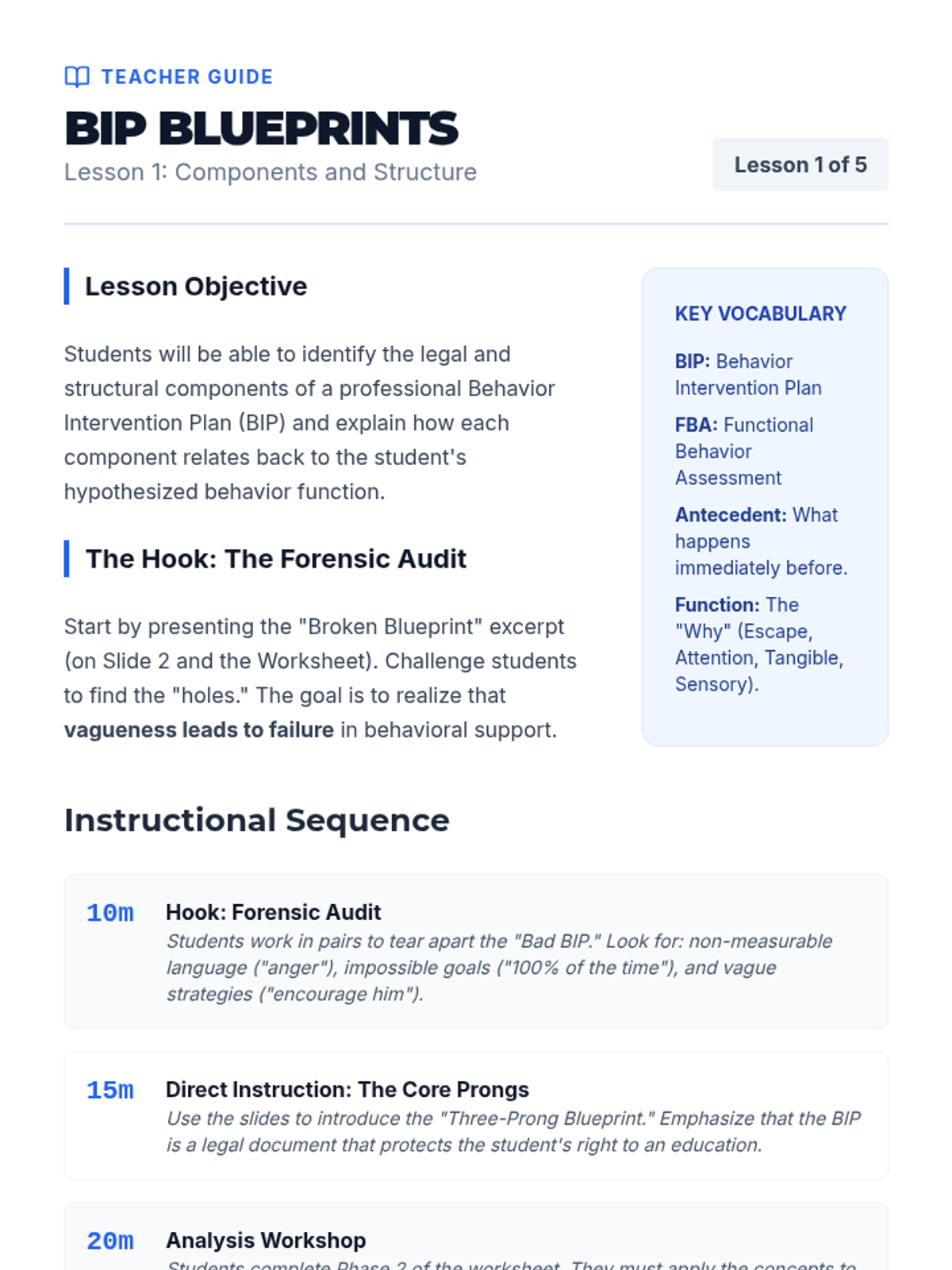
A capstone sequence for 11th-grade students to synthesize assessment, prevention, and teaching strategies into a comprehensive Behavior Intervention Plan (BIP). Students learn about reinforcement systems, crisis management, and data-based decision-making to create sustainable and ethical behavioral supports.
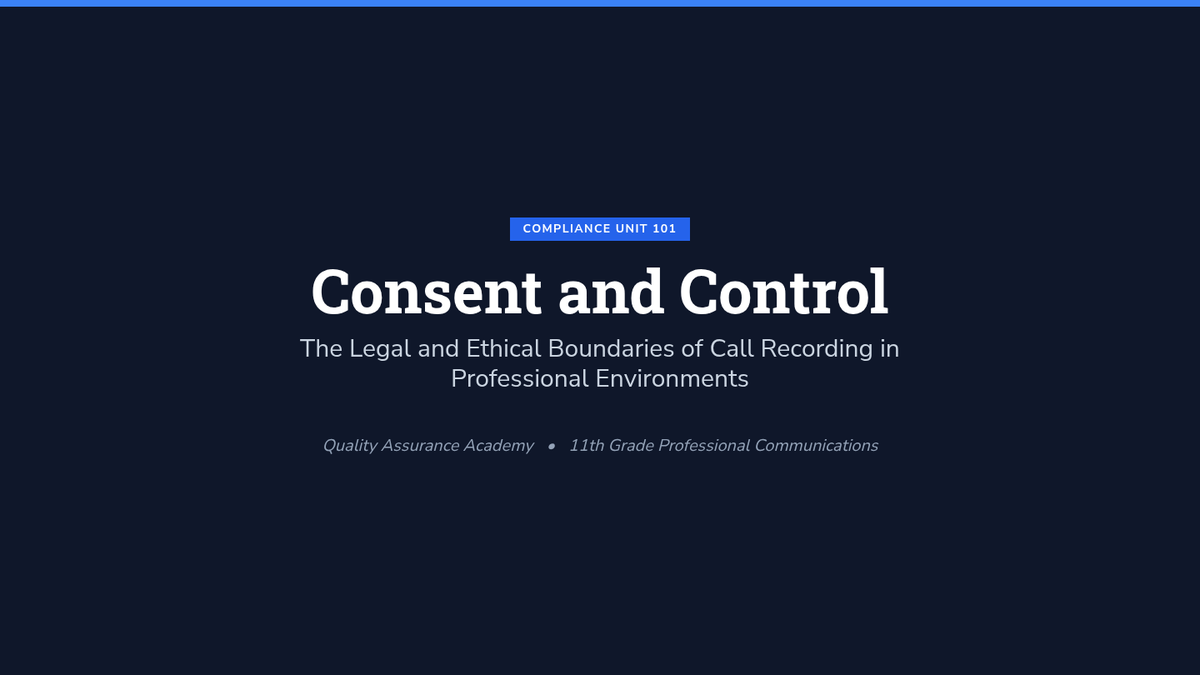
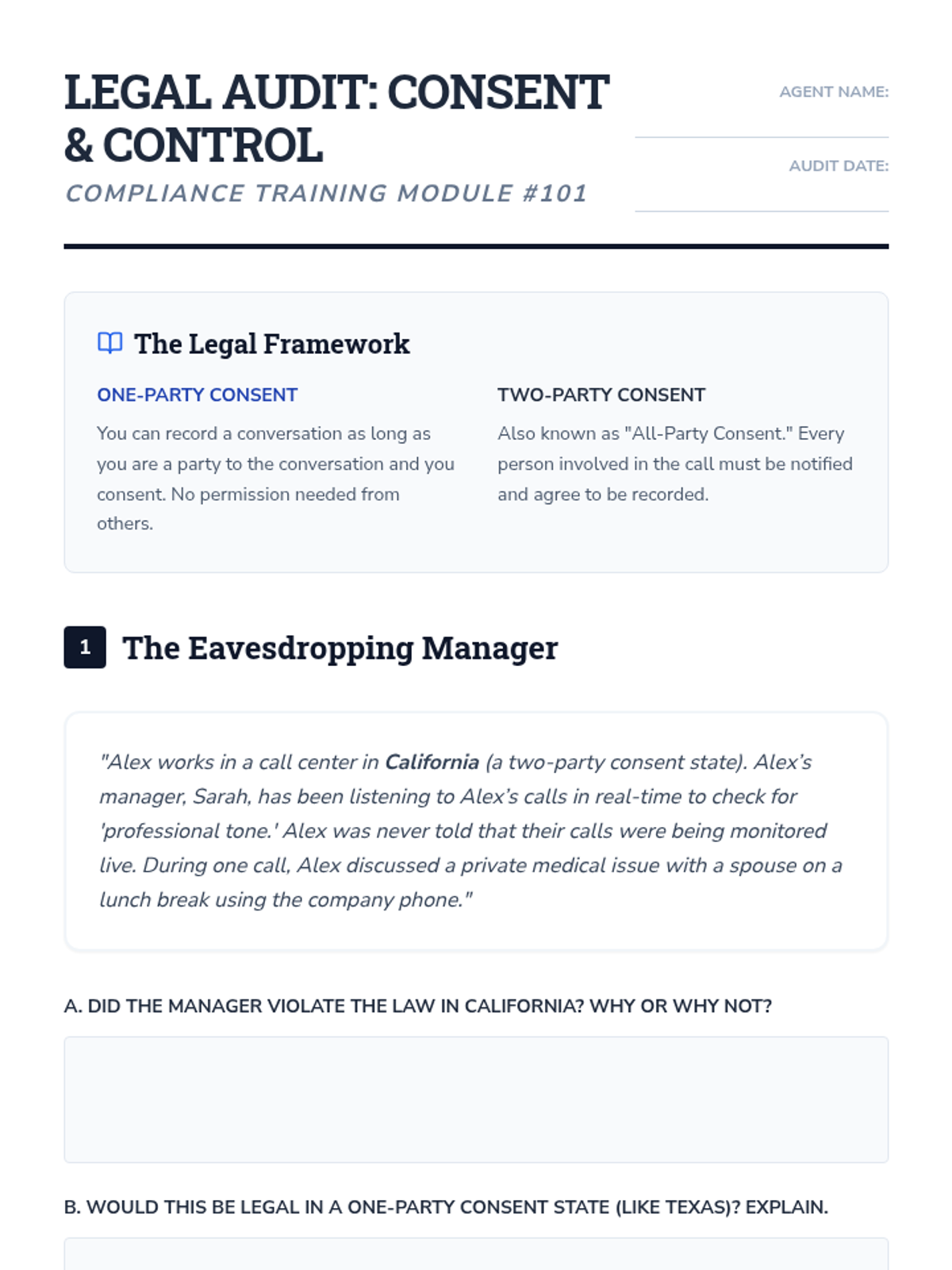
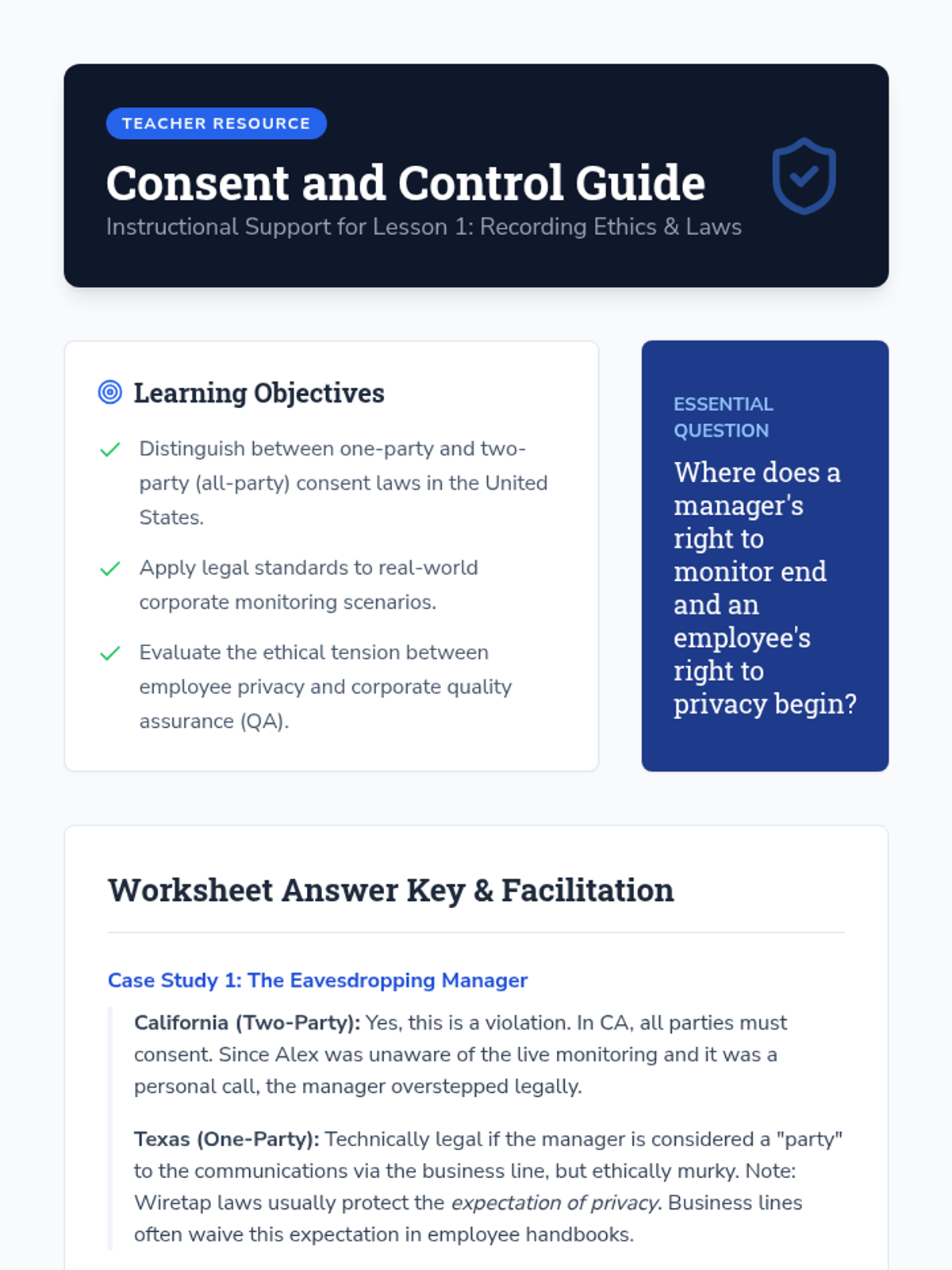
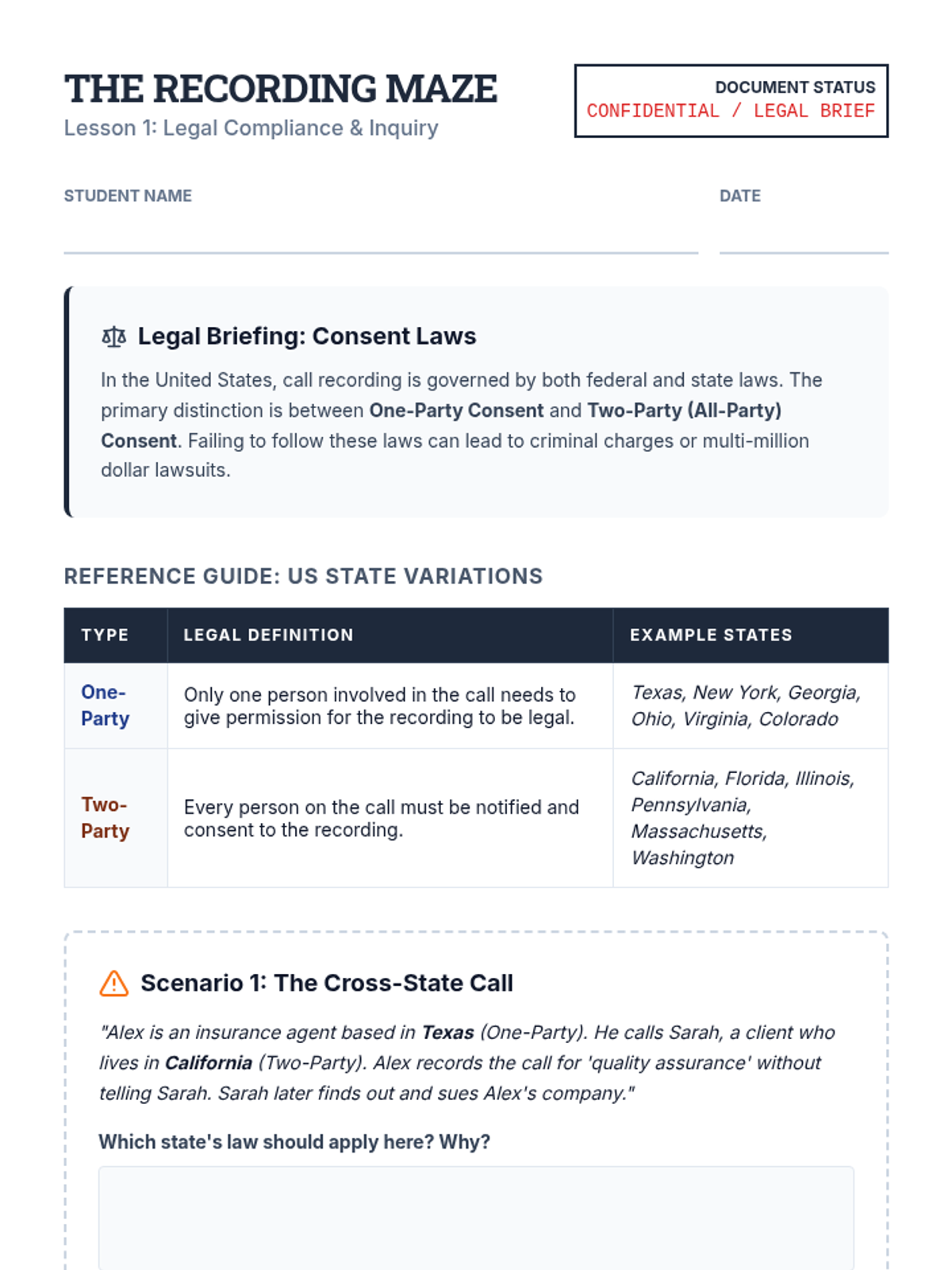
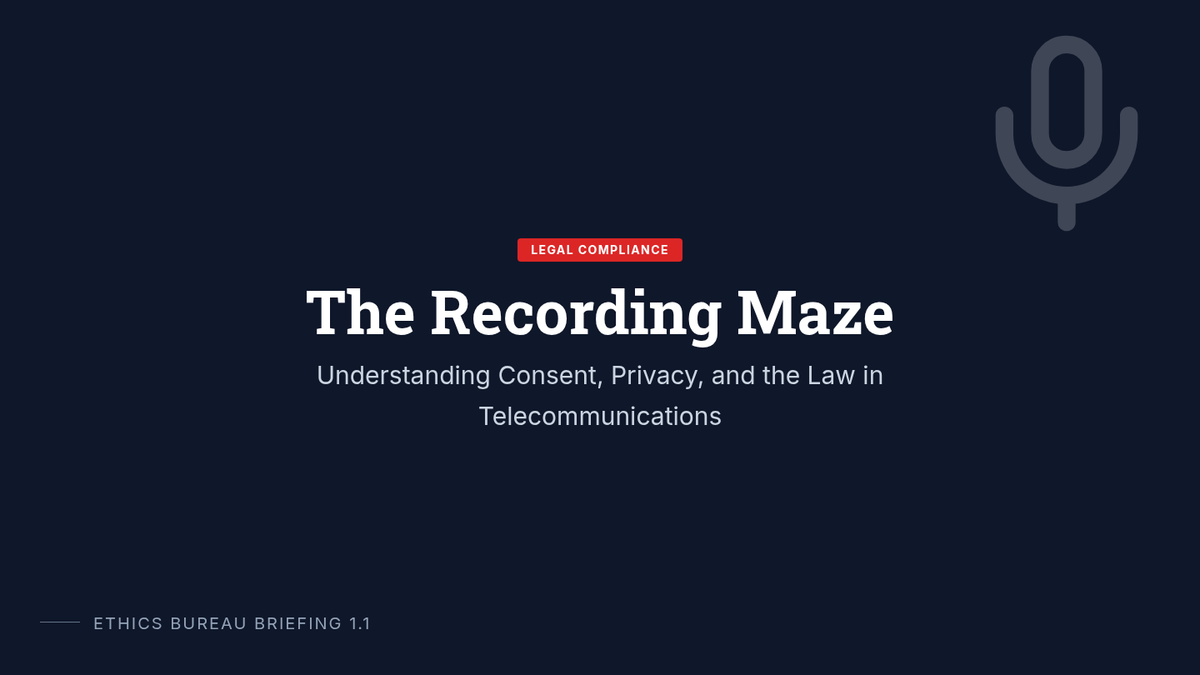
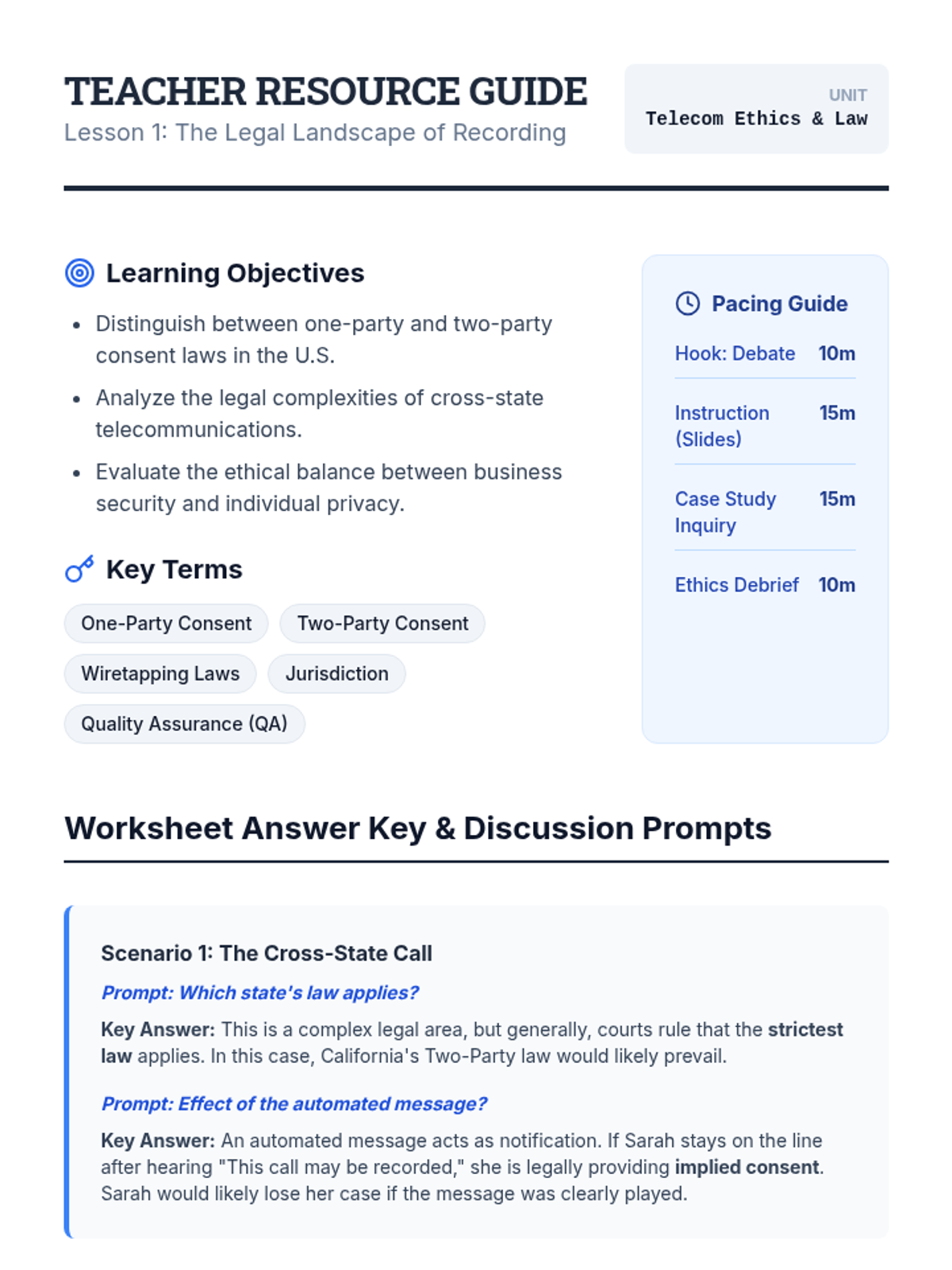
A high-level sequence for 11th graders focusing on the legal, ethical, and operational standards of professional telecommunications through the lens of quality assurance and management.
This inquiry-based sequence examines the legal, ethical, and reputation-based consequences of telephonic communication, moving from privacy laws to developing a personal code of ethics for the workplace.
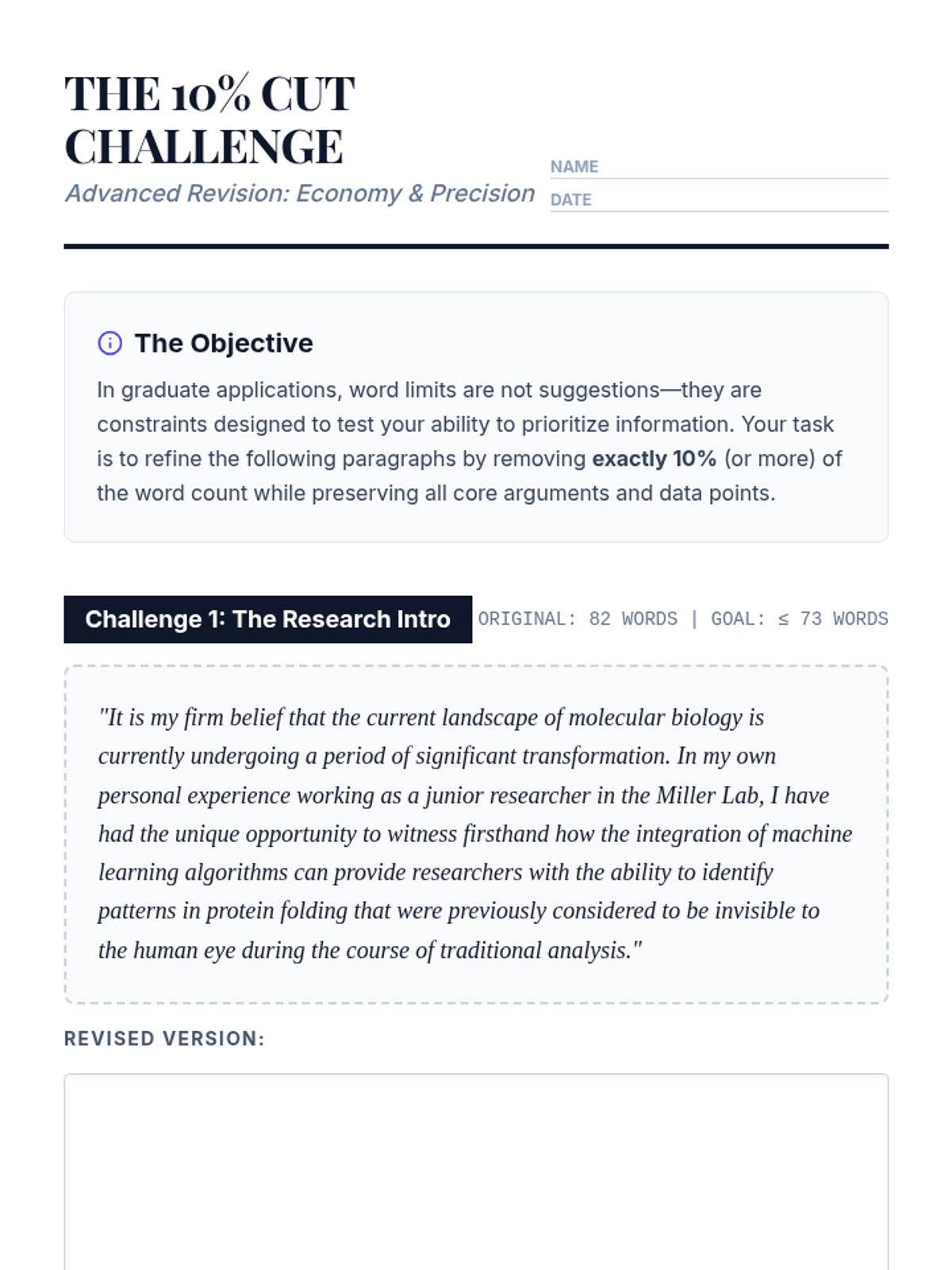
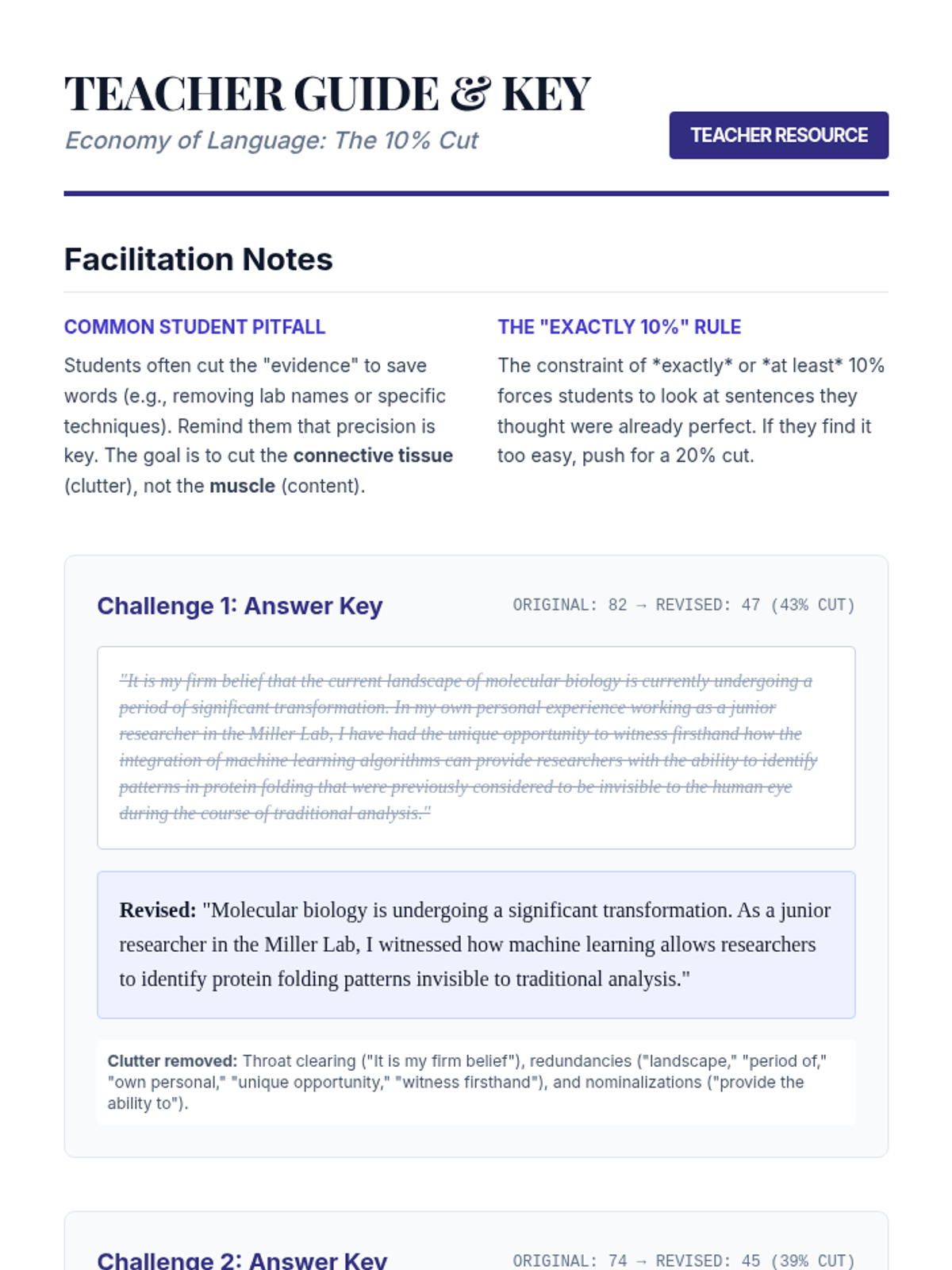
A high-level writing sequence for graduate students focusing on the final stages of personal statement revision. Students learn advanced techniques for conciseness, logical flow, authoritative tone, feedback management, and final submission quality assurance.
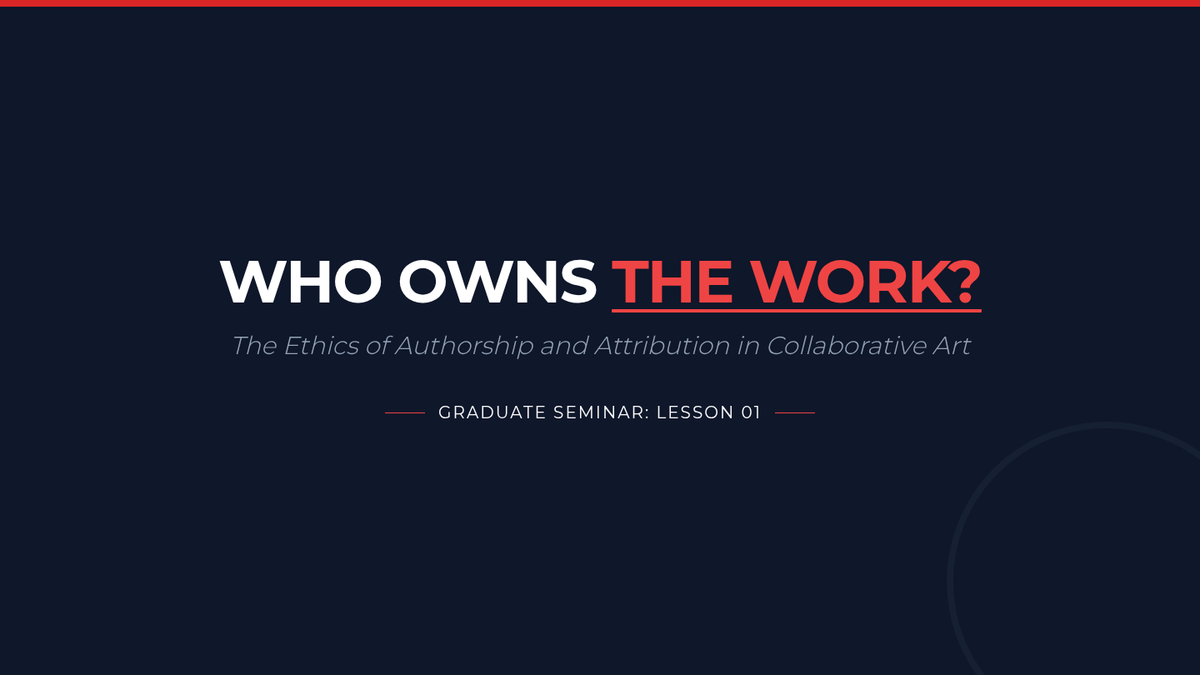
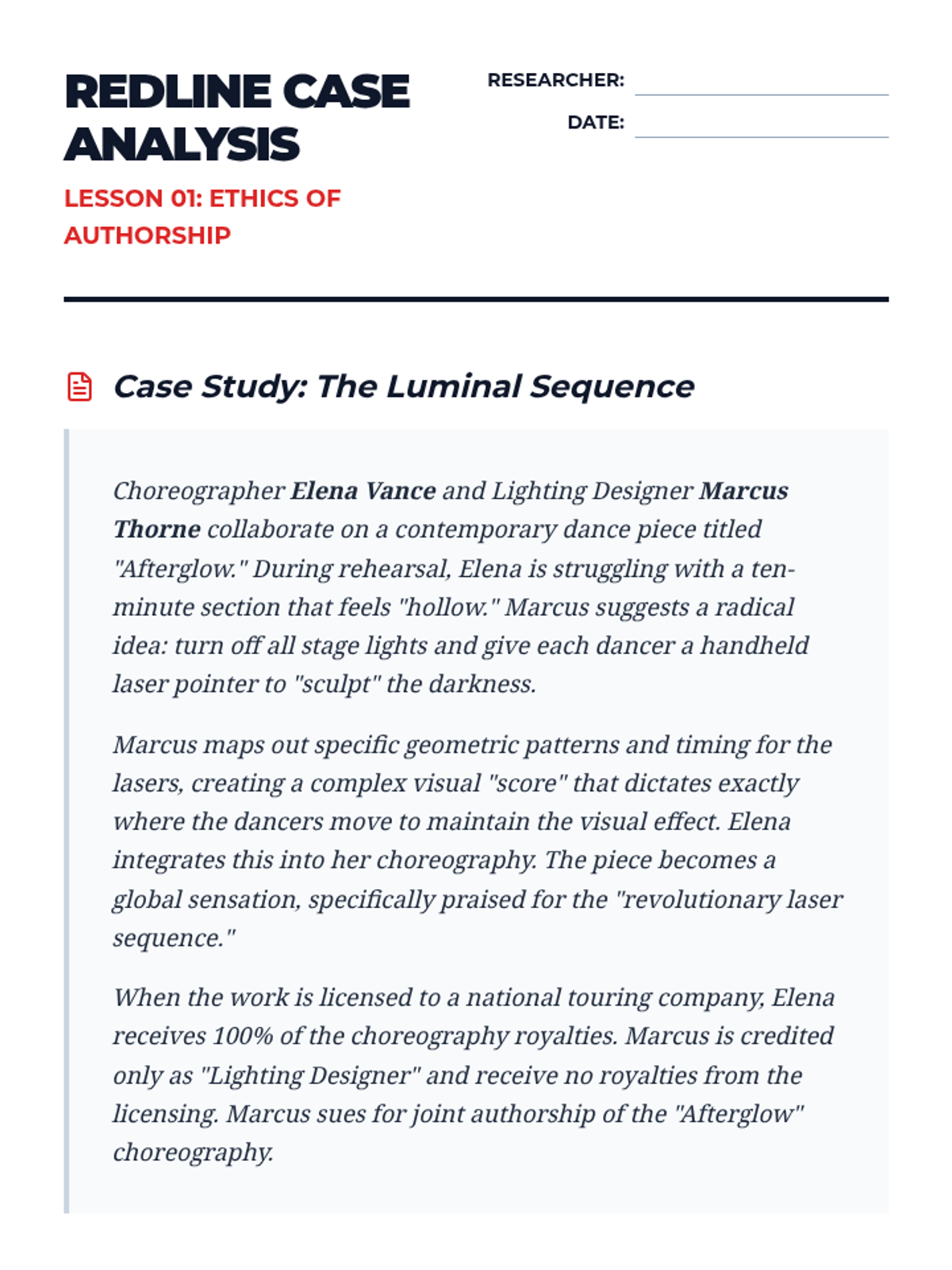
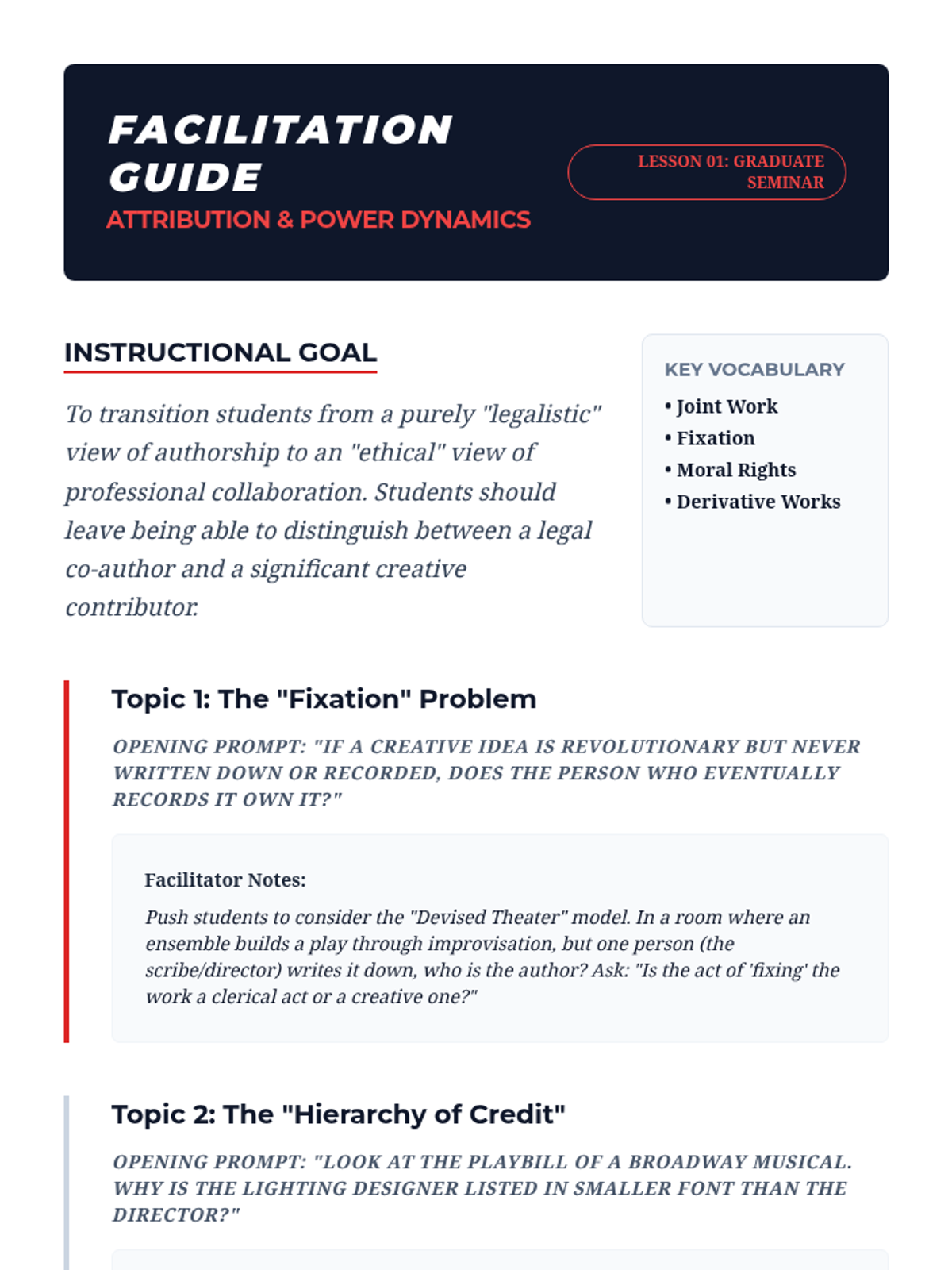
A graduate-level sequence exploring the ethical, legal, and leadership dimensions of collaborative arts practice. Students investigate authorship, intellectual property, and conflict resolution to prepare for professional creative leadership.
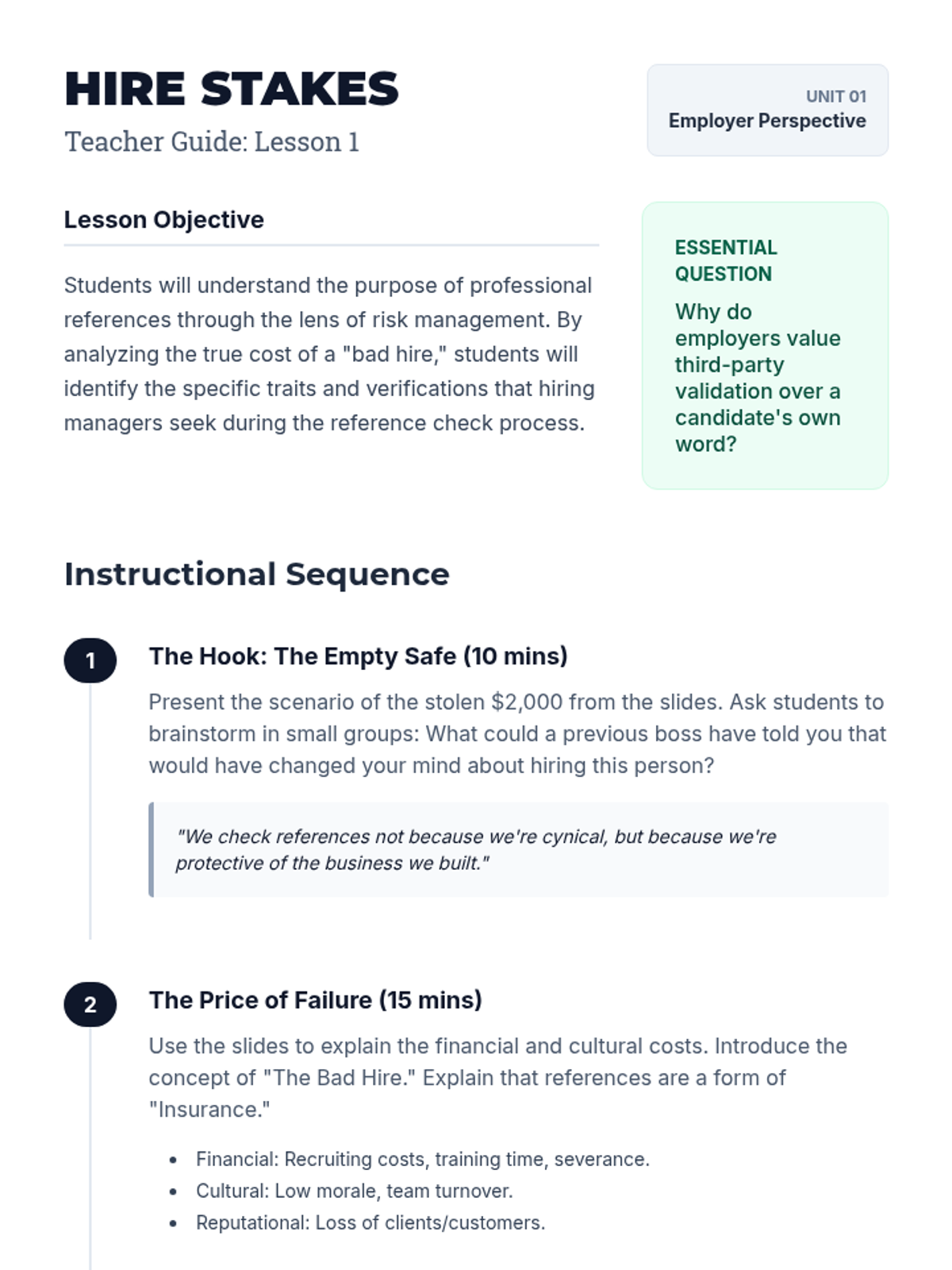
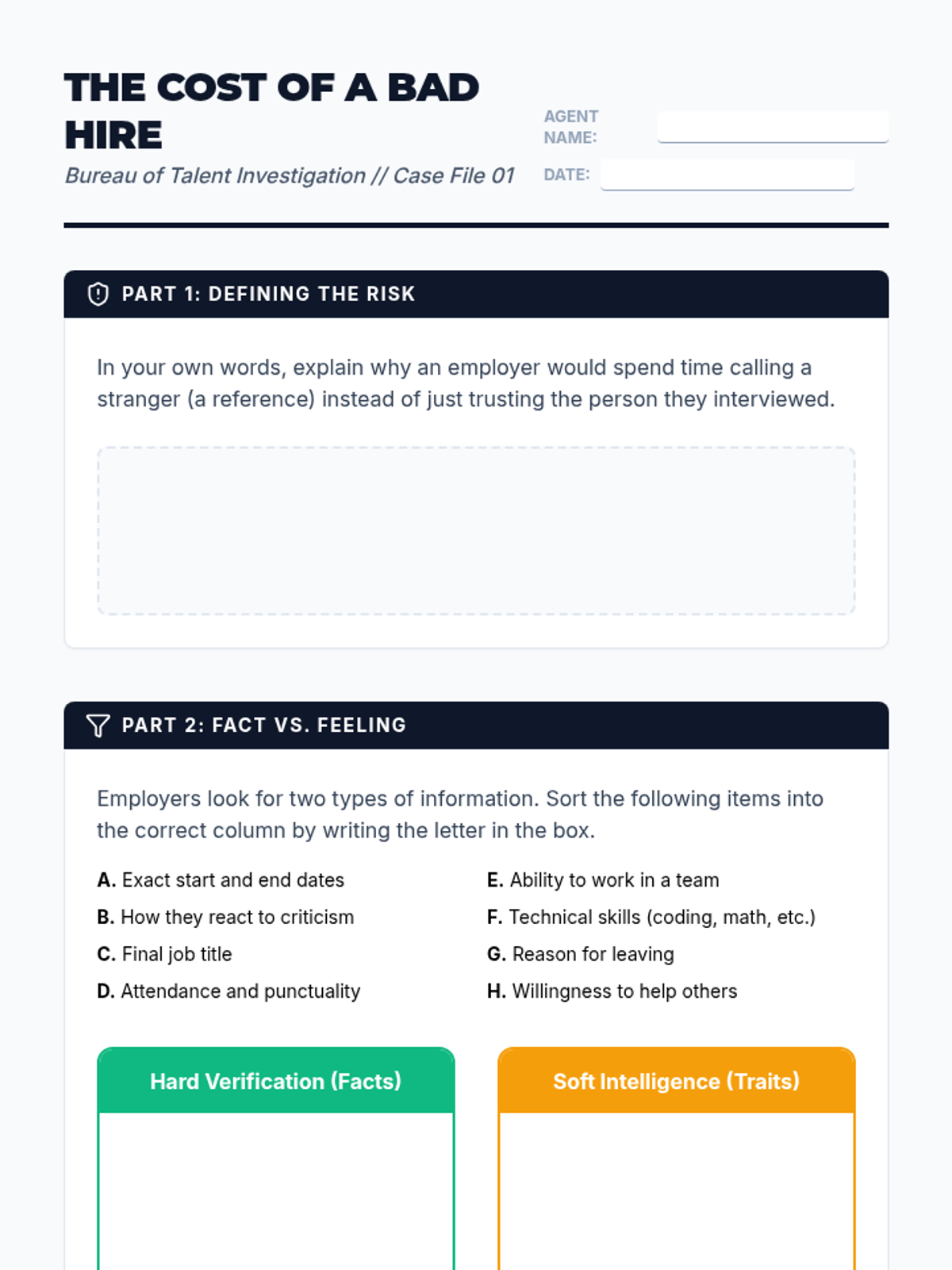
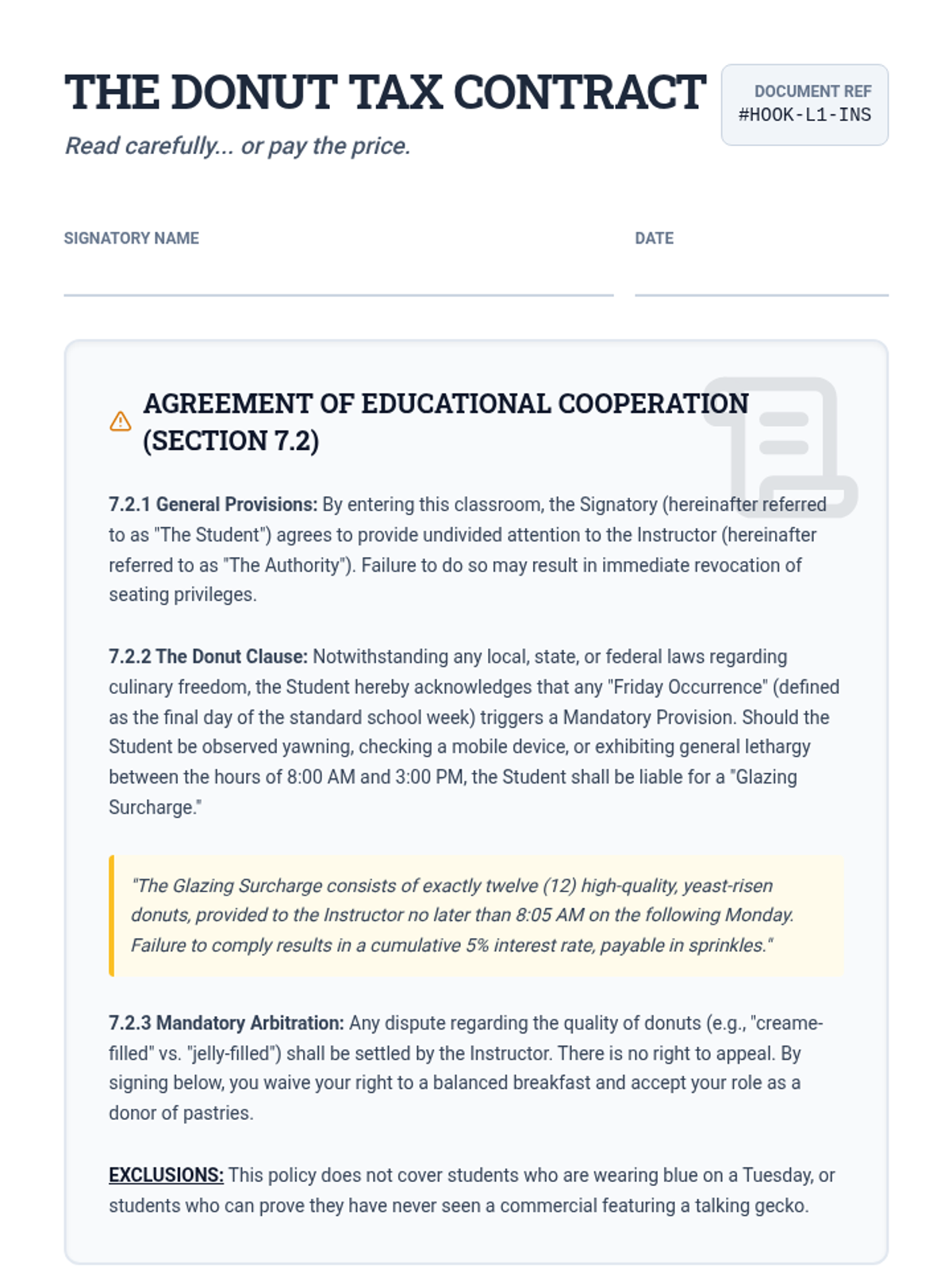
A 9th-grade sequence that flips the script on professional references, teaching students to evaluate candidates from an employer's perspective. Students analyze risk, decode reference transcripts, and learn the strategic, legal, and ethical nuances of professional recommendations to better prepare their own future applications.
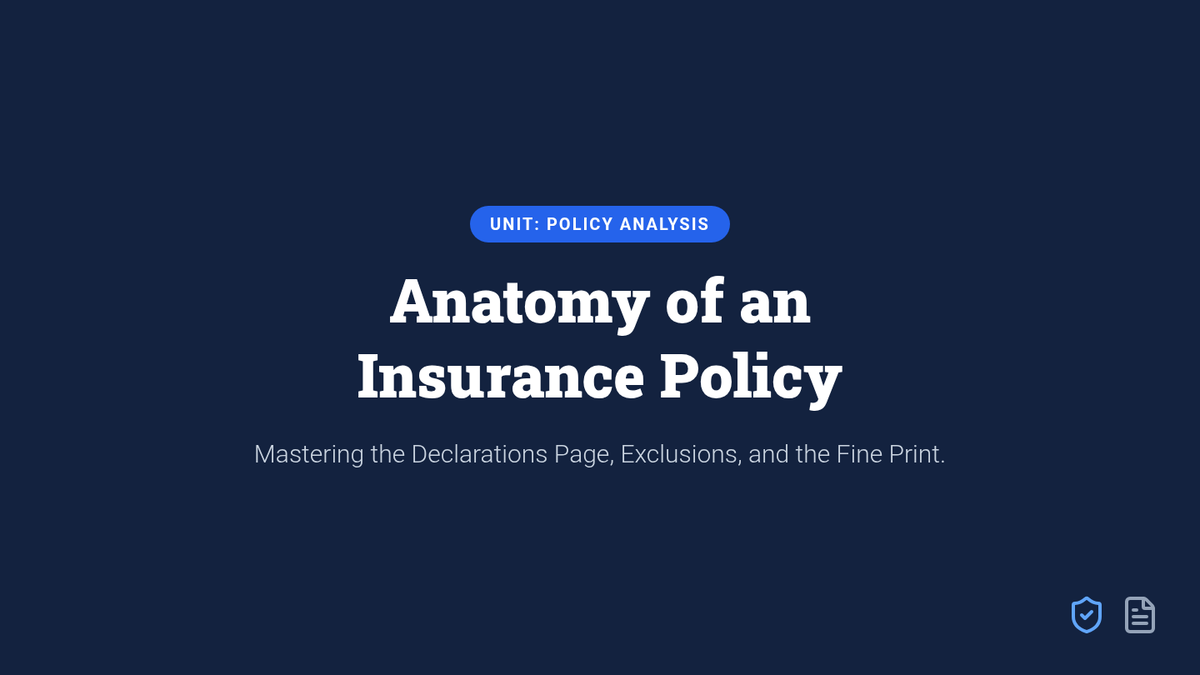
A comprehensive unit on insurance literacy, focusing on technical document analysis, legal concepts like liability and negligence, and the practical skills needed to file claims and advocate for consumer rights. Students move from reading the 'fine print' to drafting formal appeals.
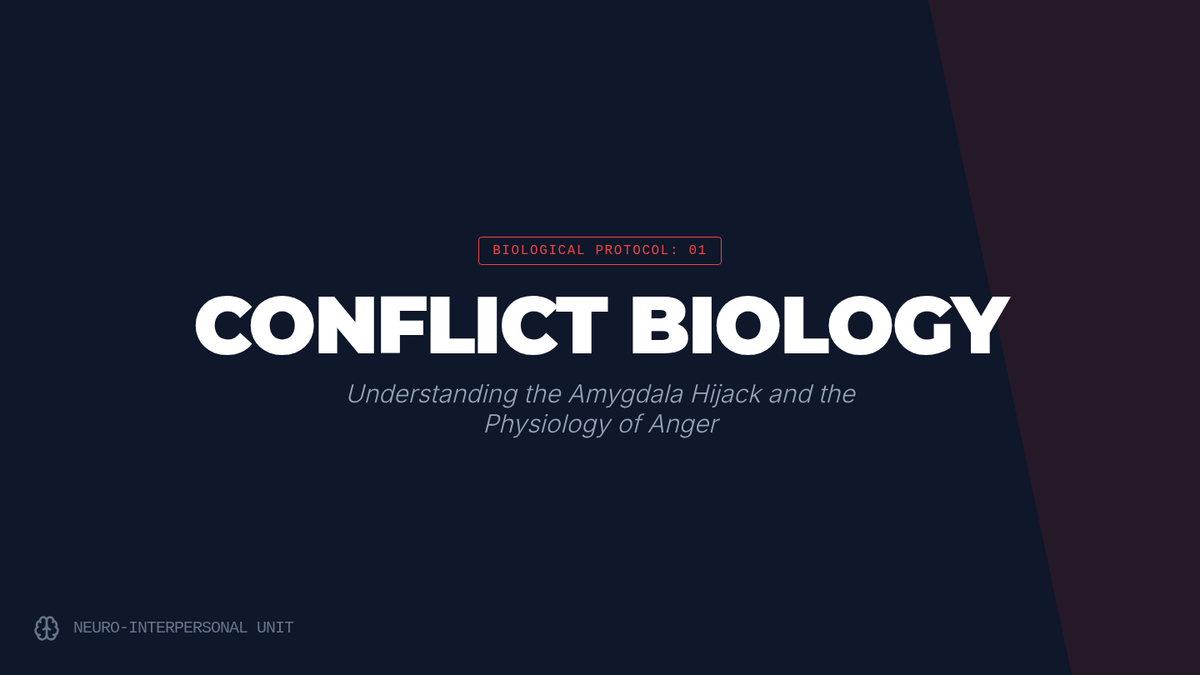
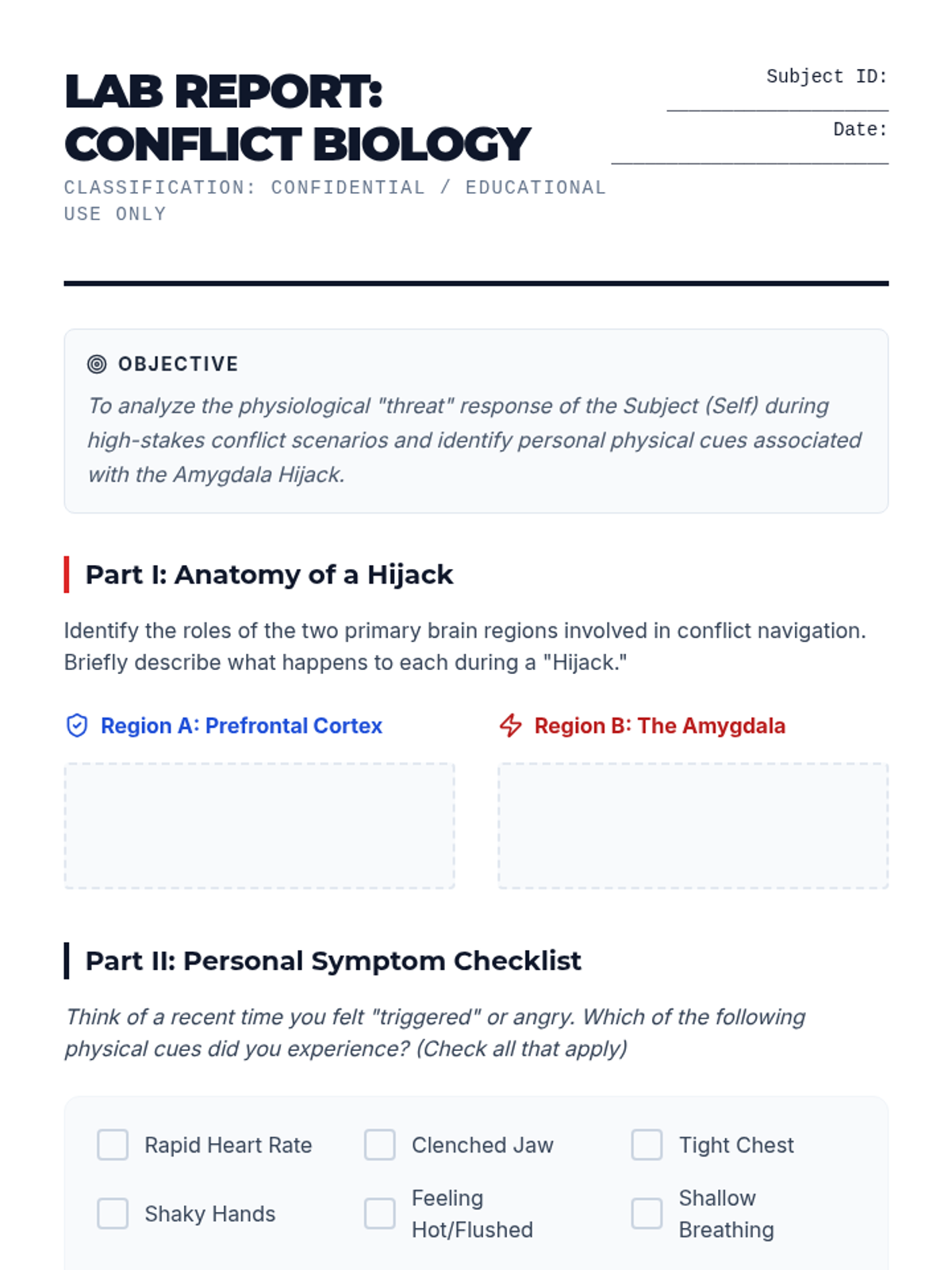
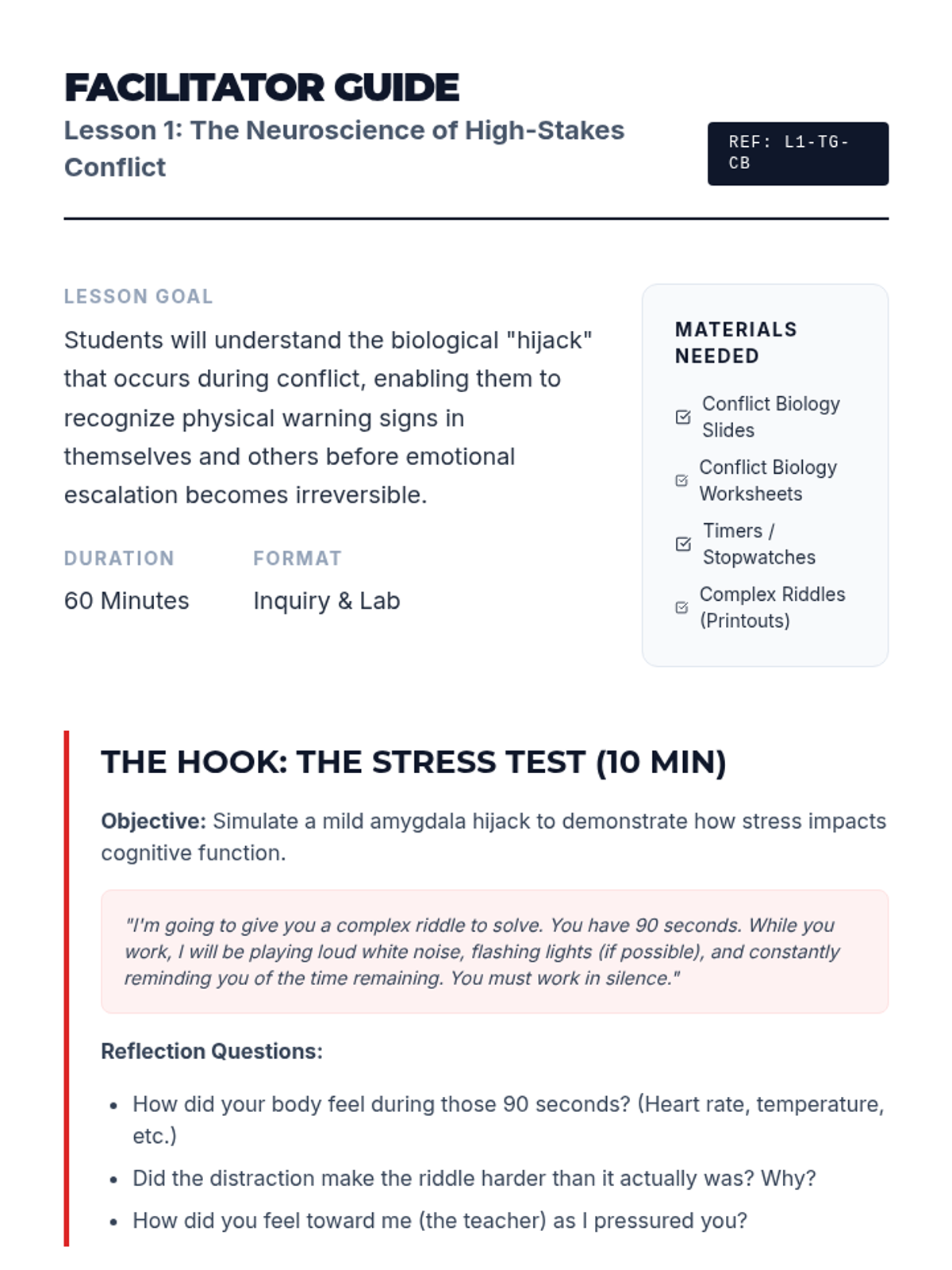
A comprehensive 5-lesson sequence on the psychological and interpersonal mechanics of managing high-conflict situations. Students explore the neuroscience of anger, practice verbal and non-verbal de-escalation, use the Iceberg Model to find root causes, and master assertive communication through simulations.
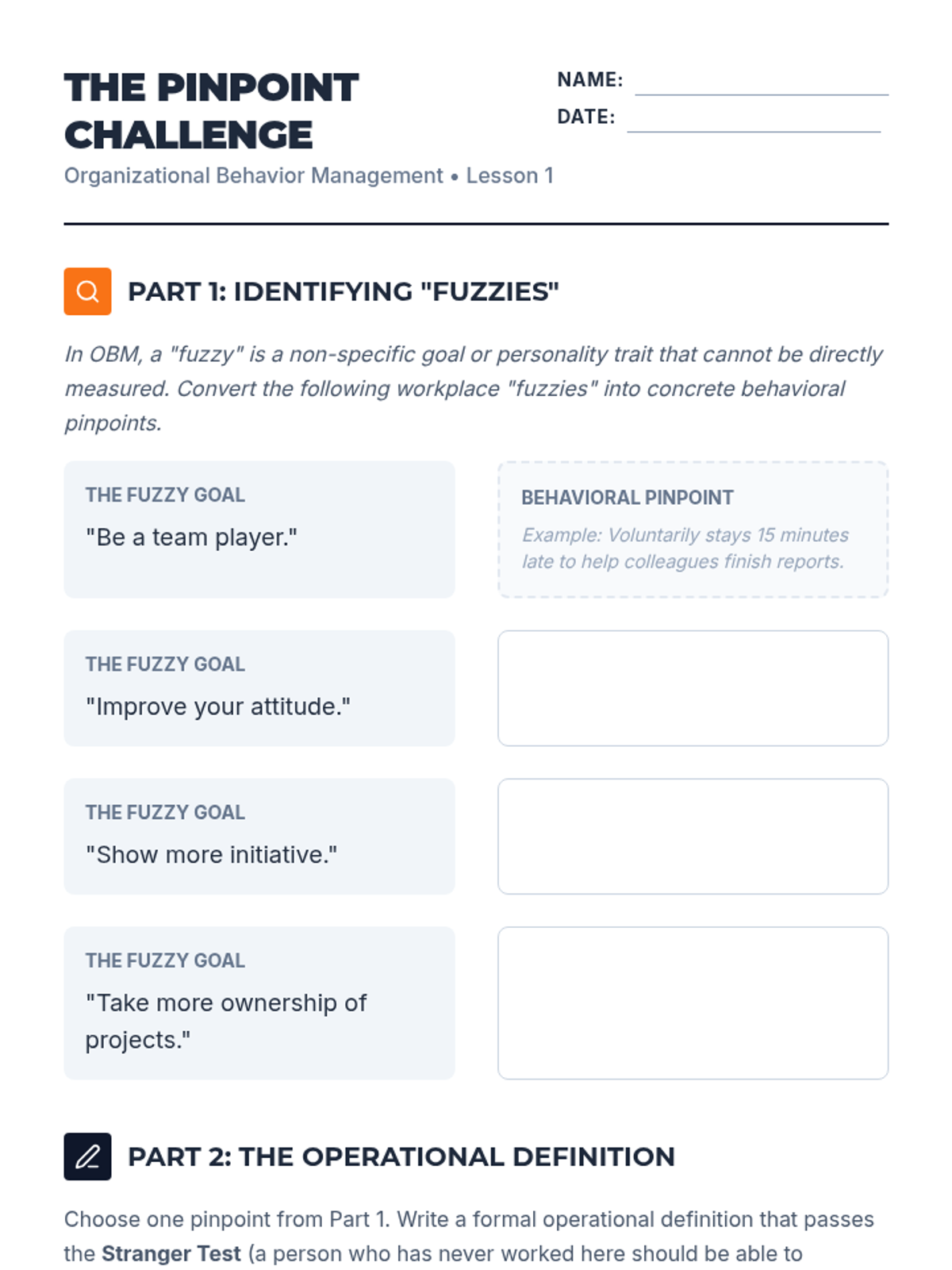
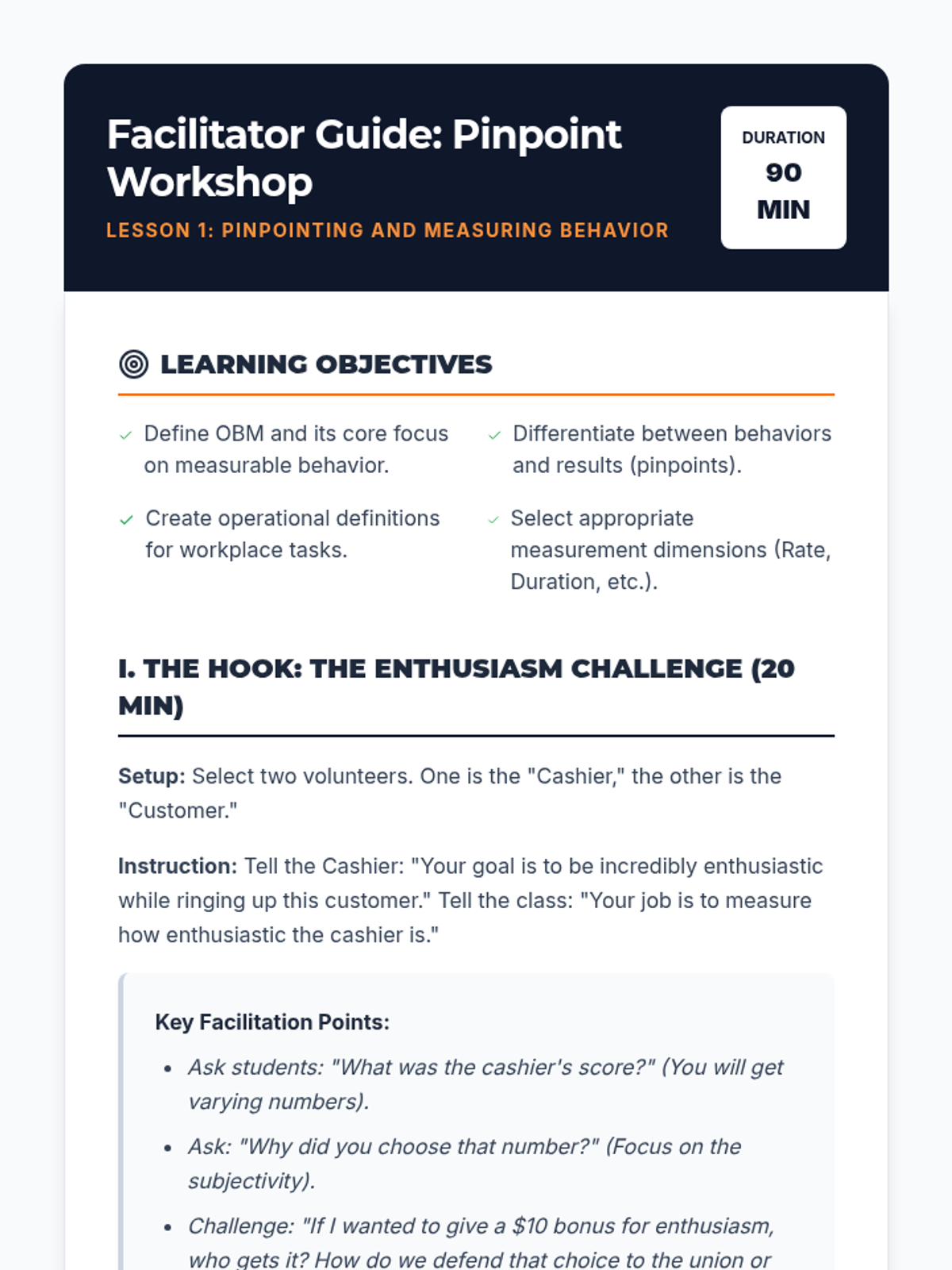
This sequence applies Organizational Behavior Management (OBM) principles to improve employee performance and organizational systems through positive reinforcement, pinpointing, and evidence-based training models.
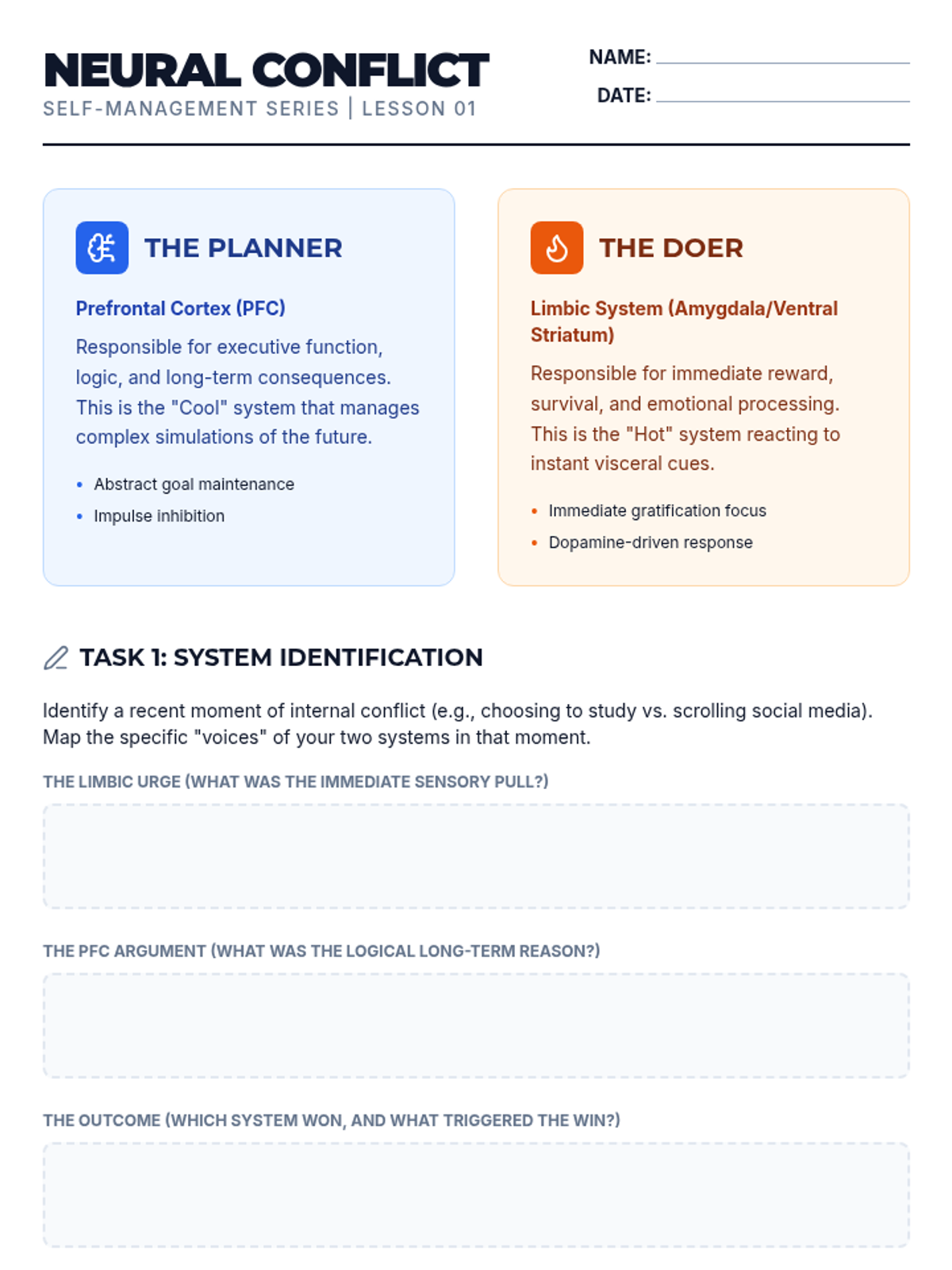
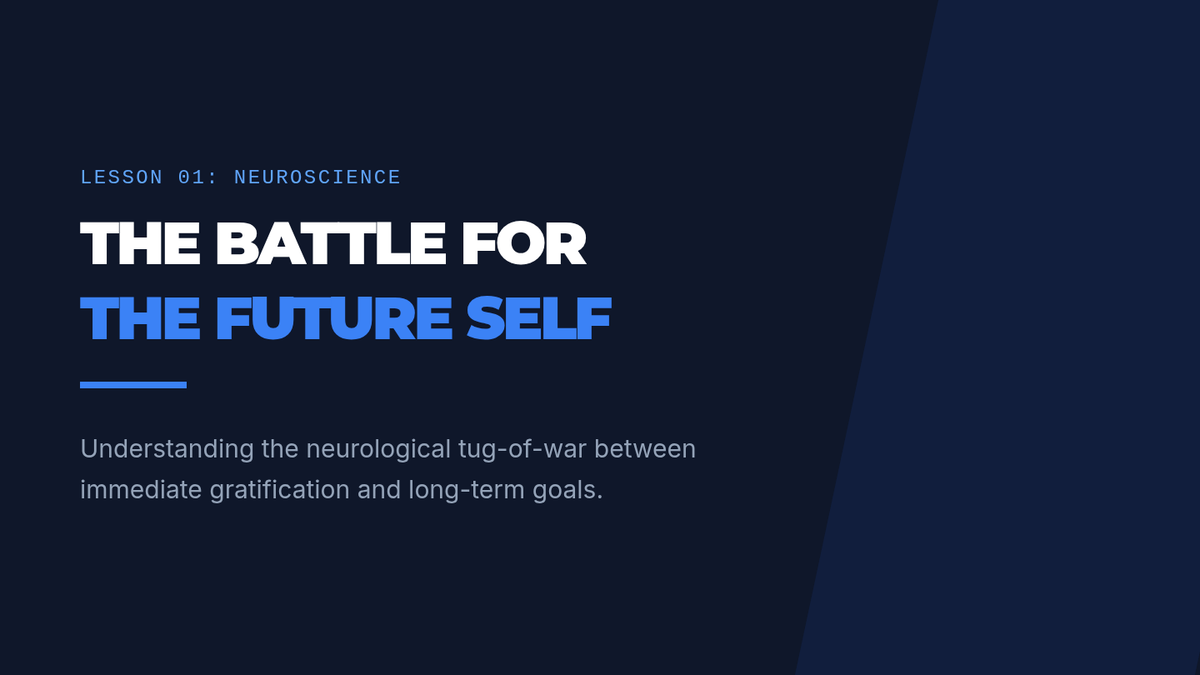
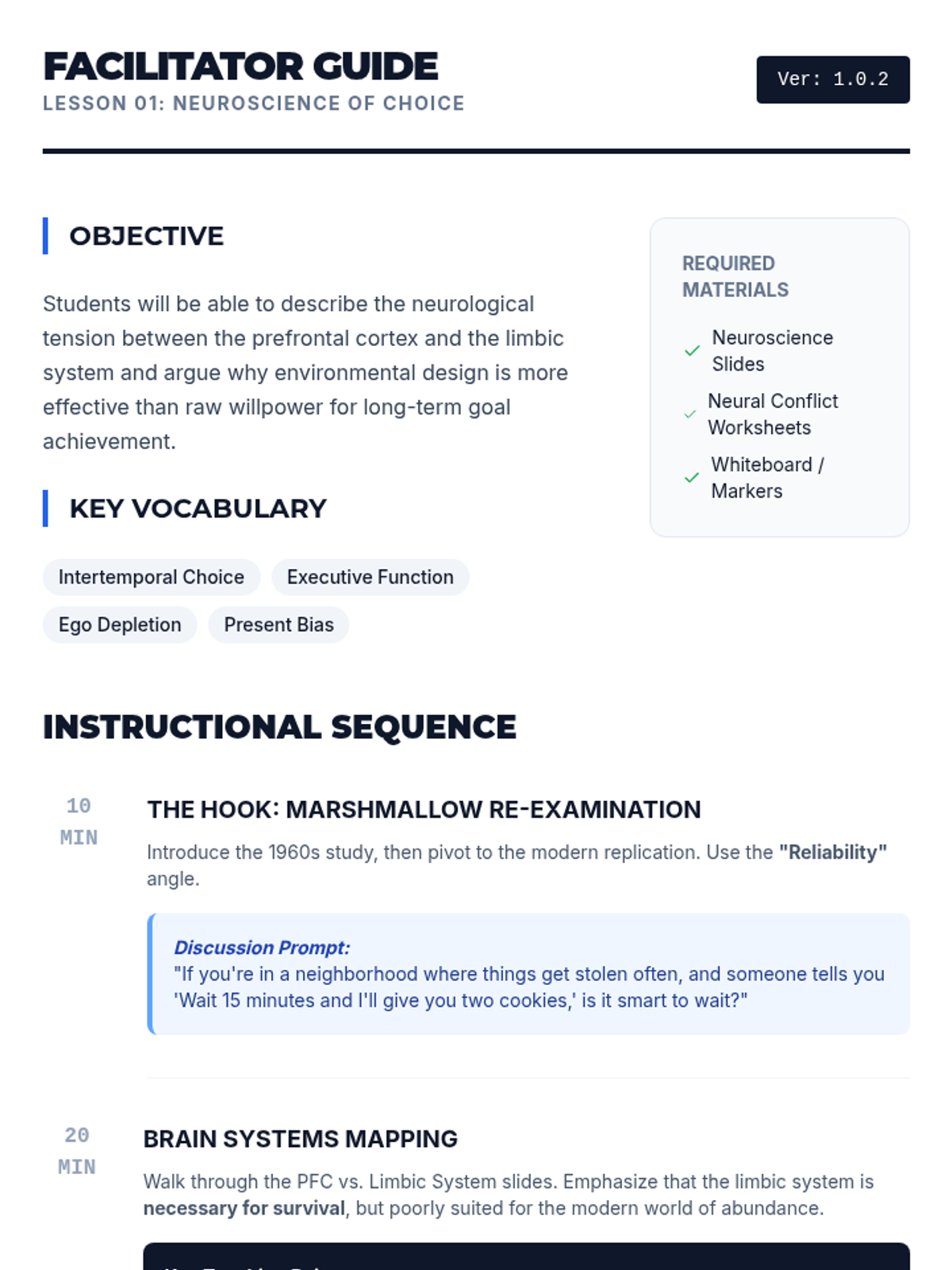
This sequence explores the psychological and neurological mechanisms of delayed gratification, moving beyond willpower to evidence-based strategies like commitment devices and environmental architecture. Students will analyze hyperbolic discounting, fMRI brain studies, and implementation intentions to build a personalized framework for long-term goal achievement.
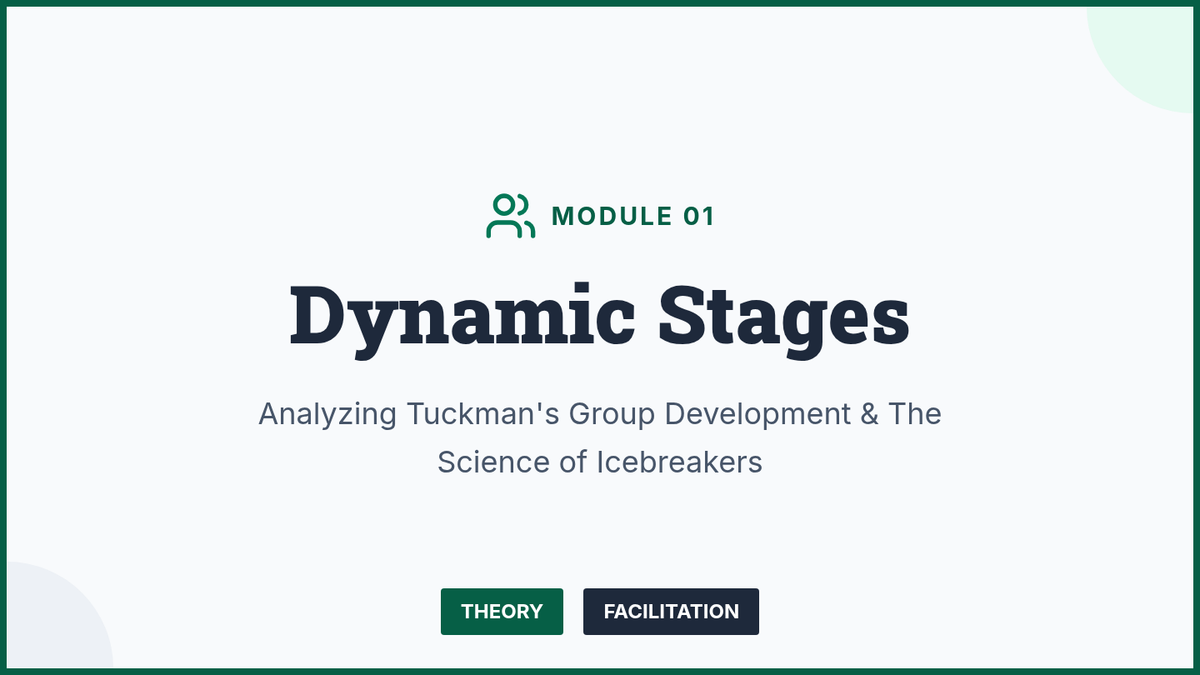
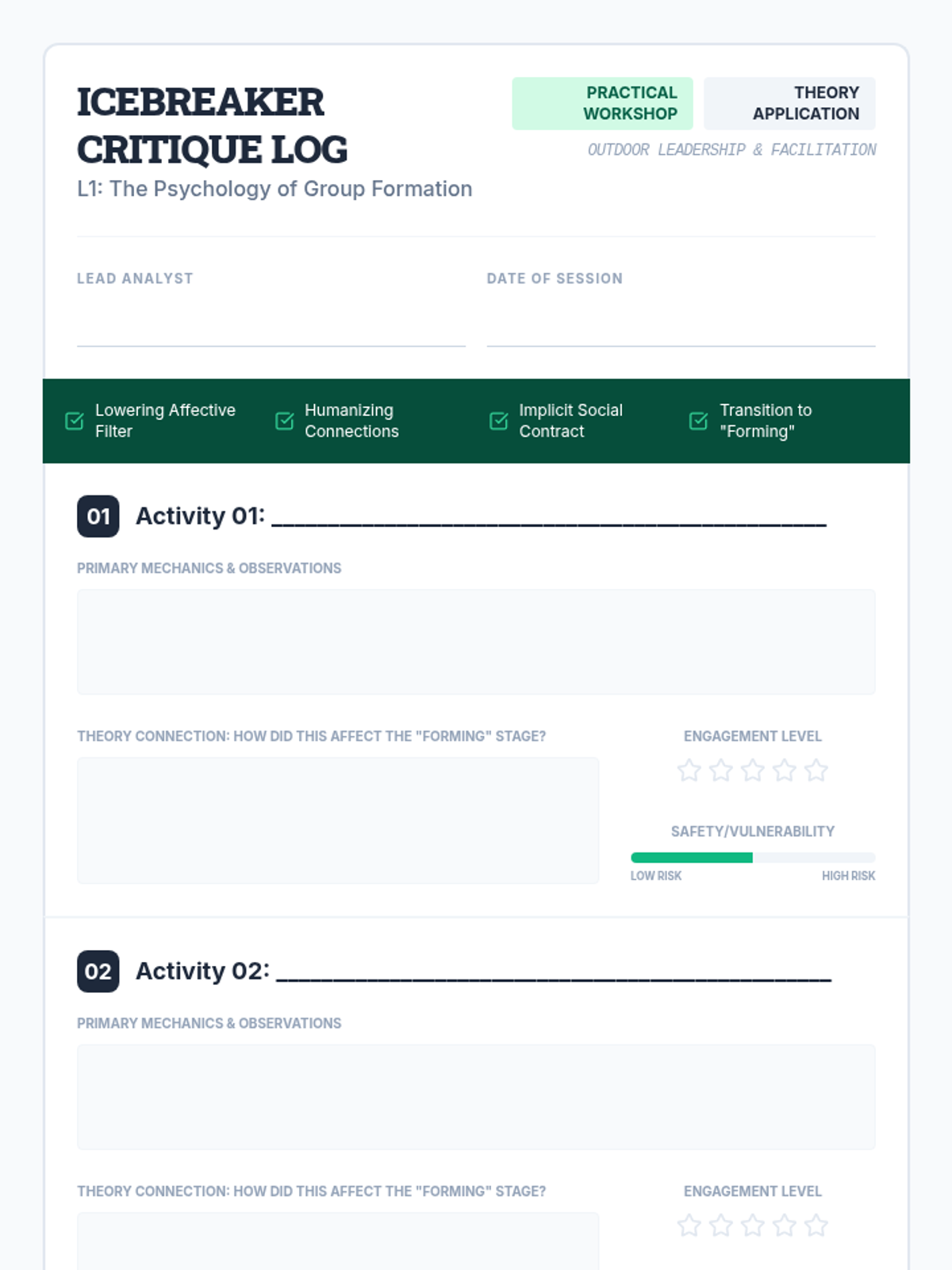
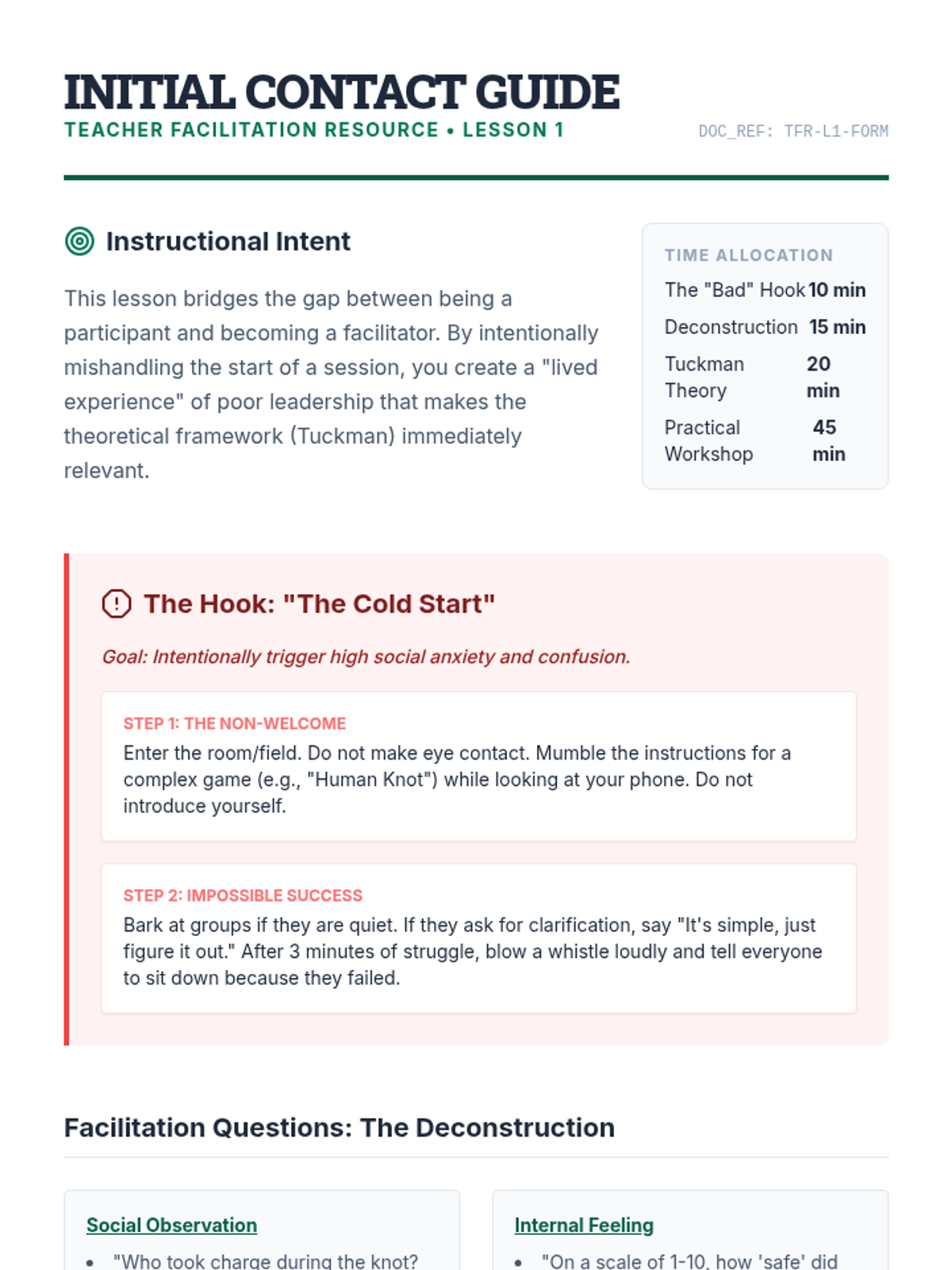
This sequence transitions undergraduate students from participants to facilitators of outdoor adventure activities. It explores group development theory, psychological safety, conflict mediation, universal design, and advanced debriefing techniques through a workshop-based approach.
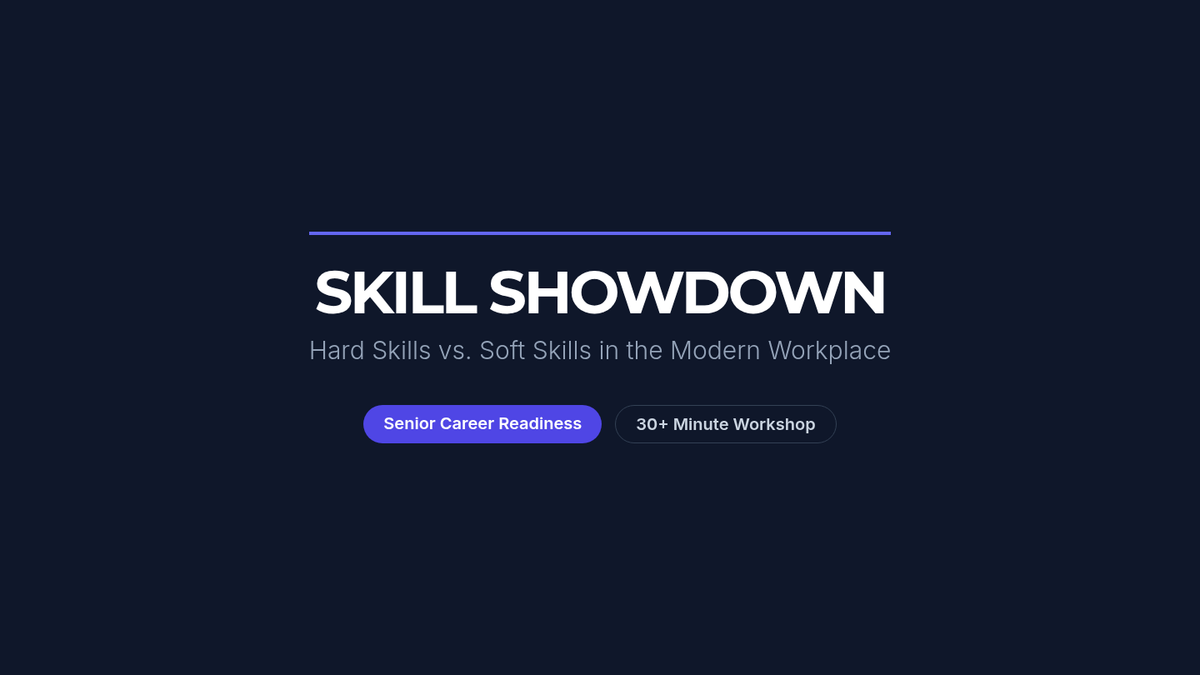
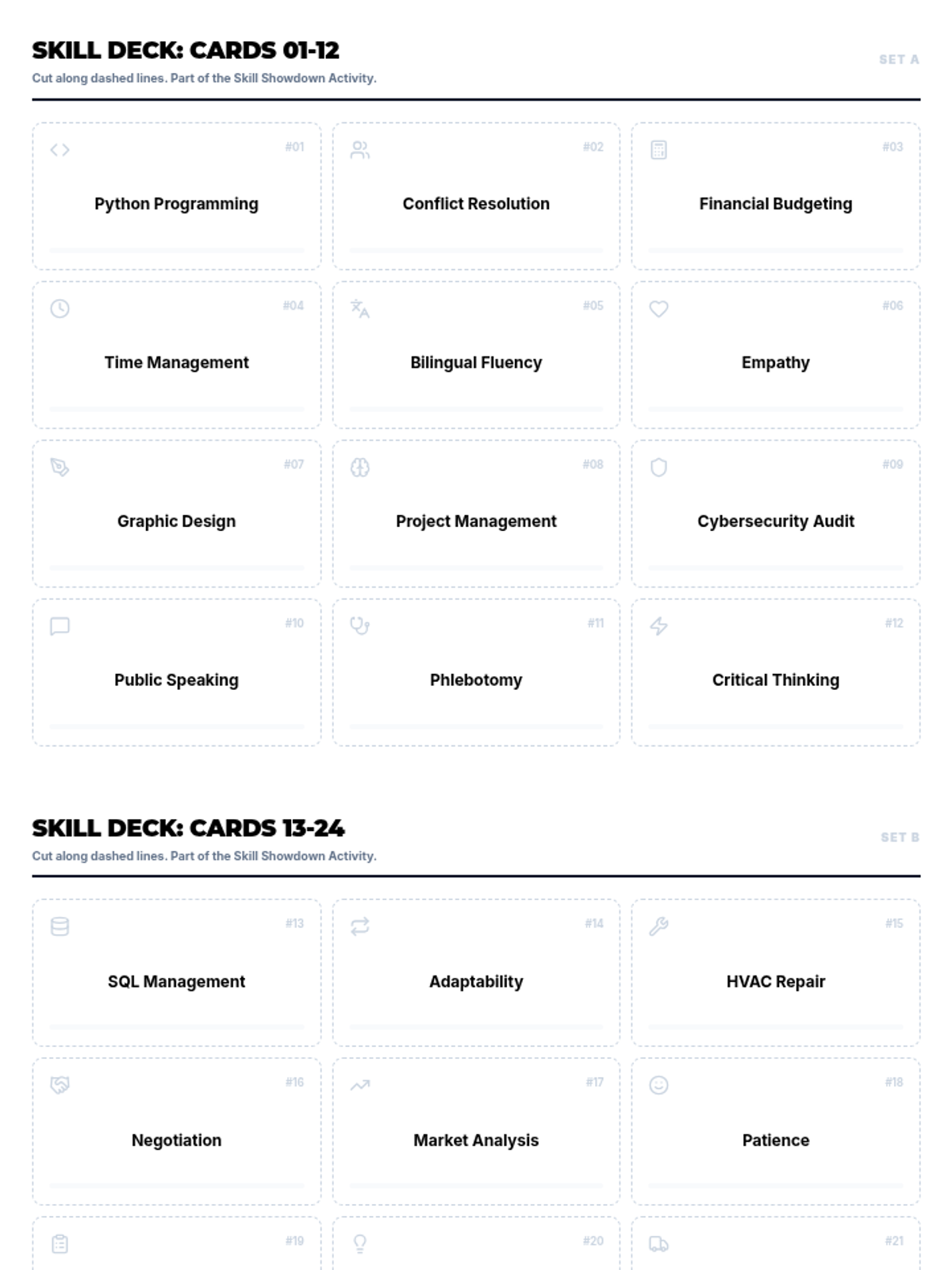
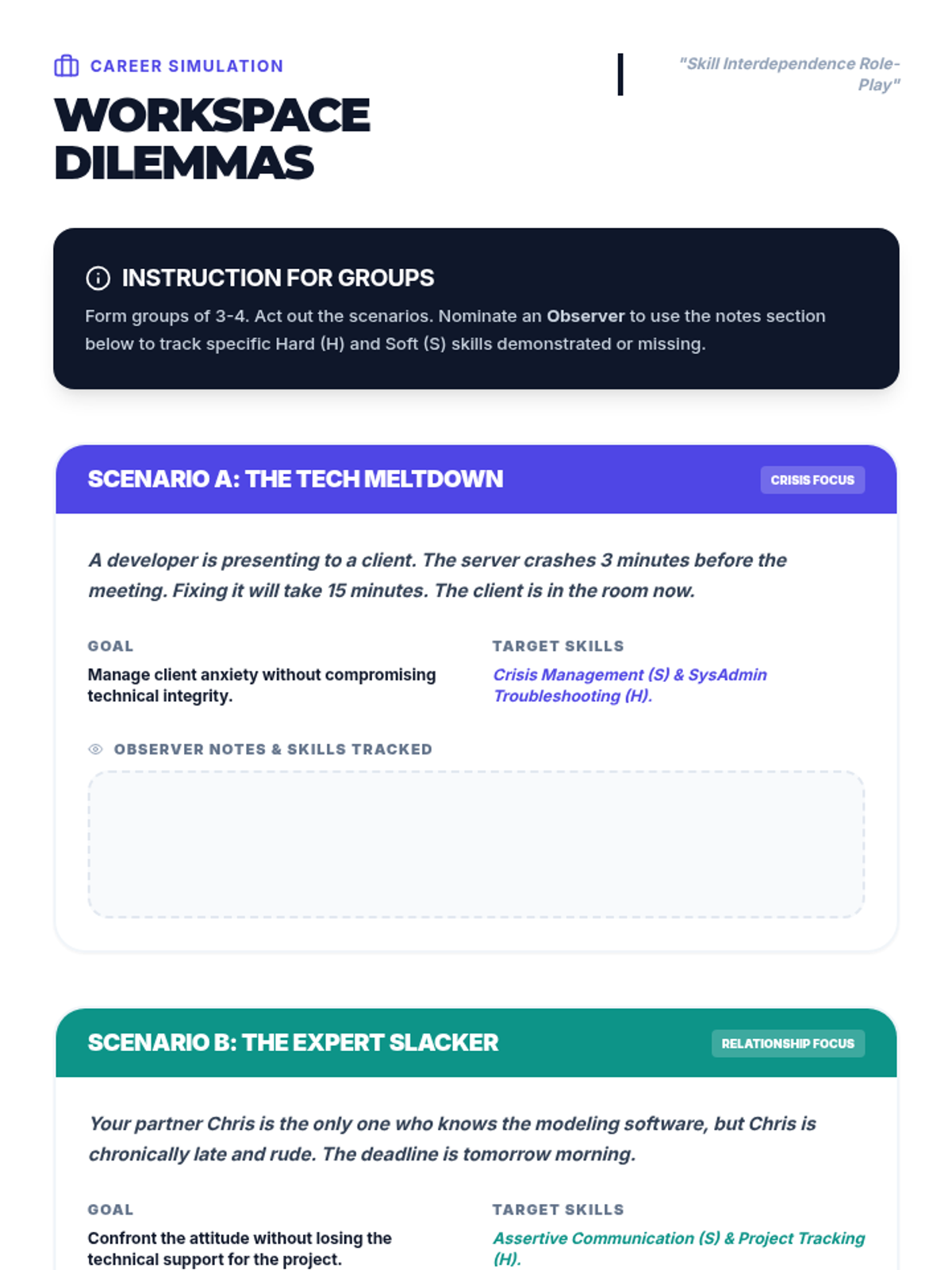
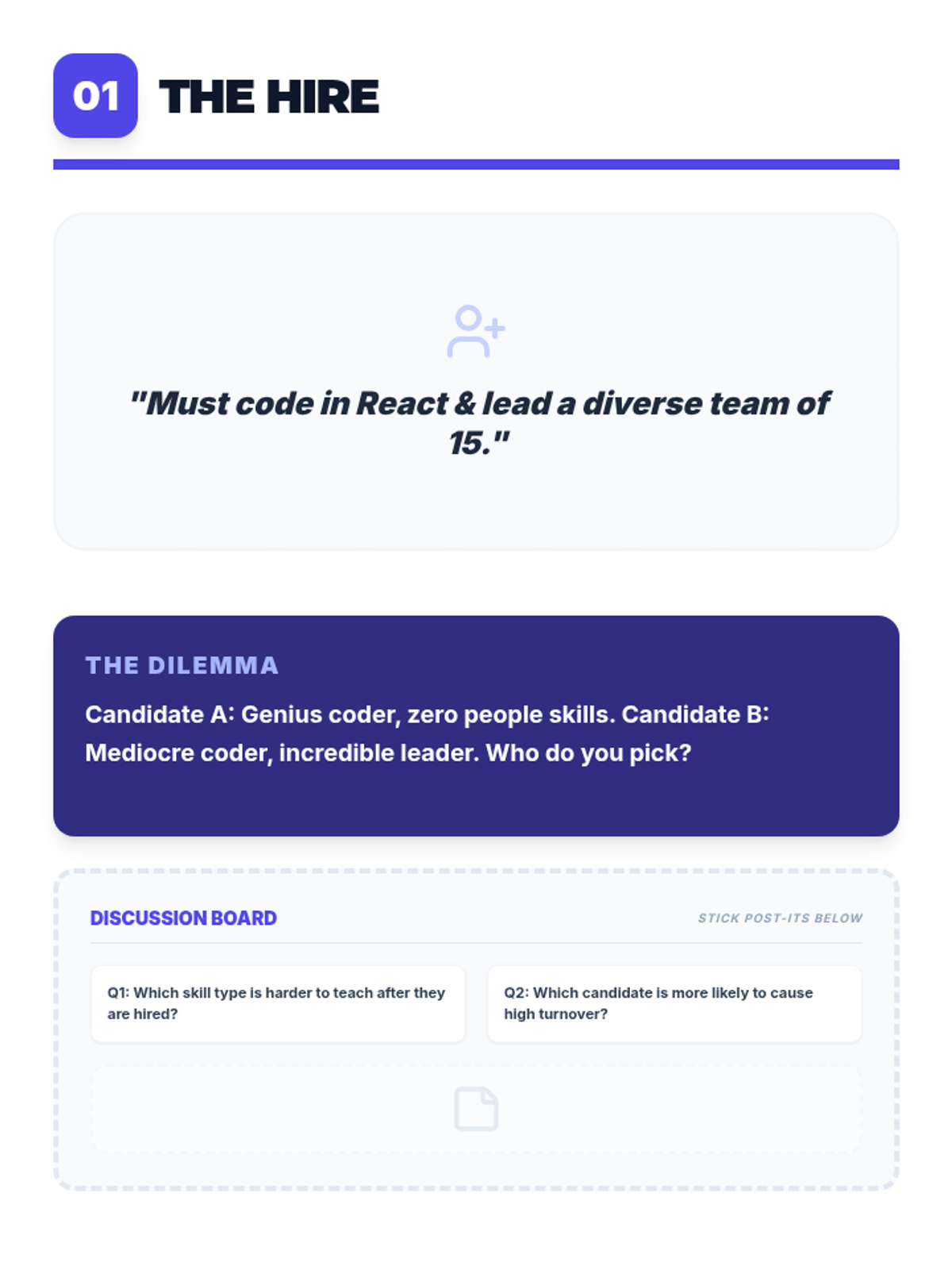
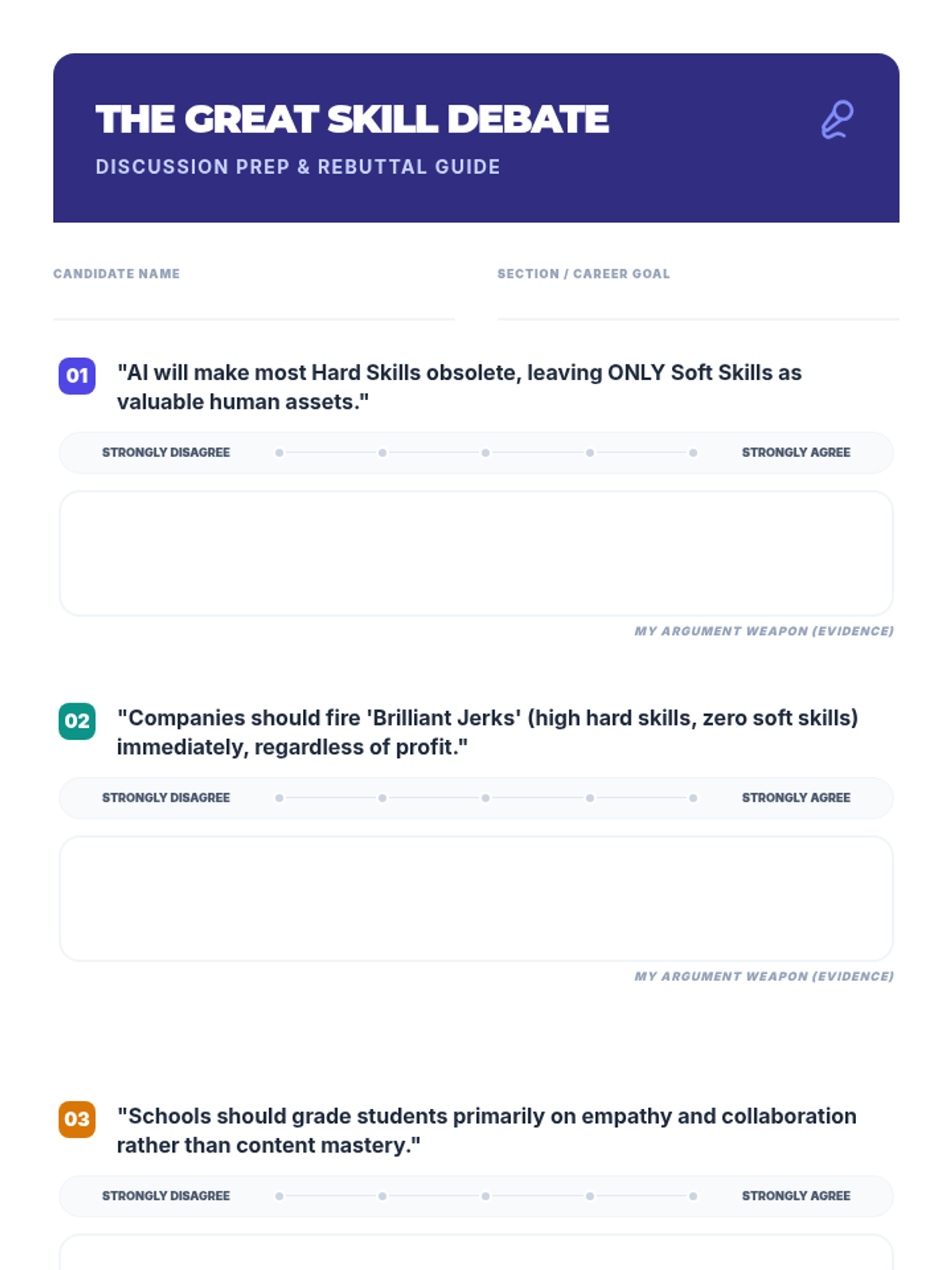
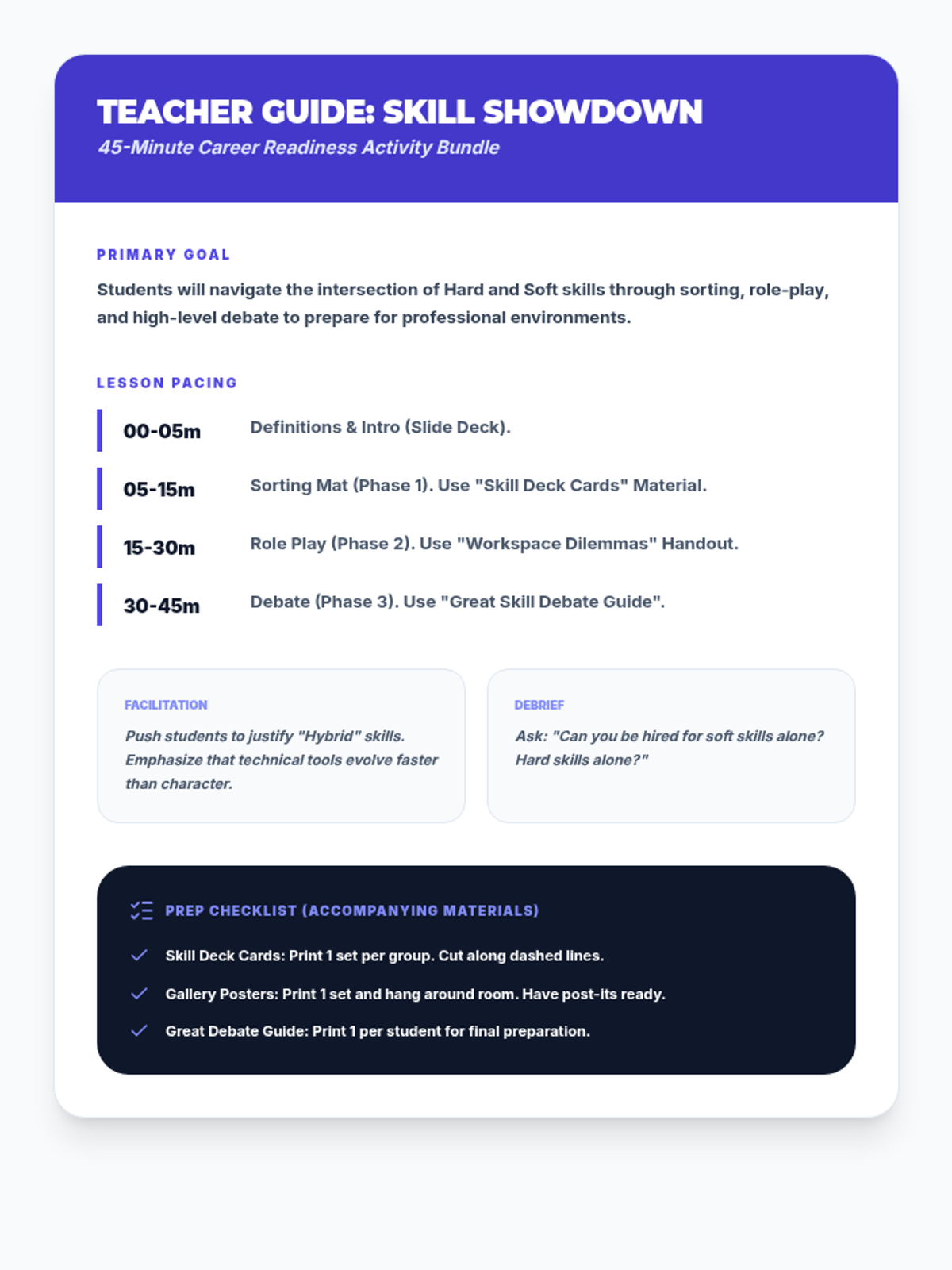
A career readiness module focused on identifying, comparing, and applying hard and soft skills through interactive workplace simulations.
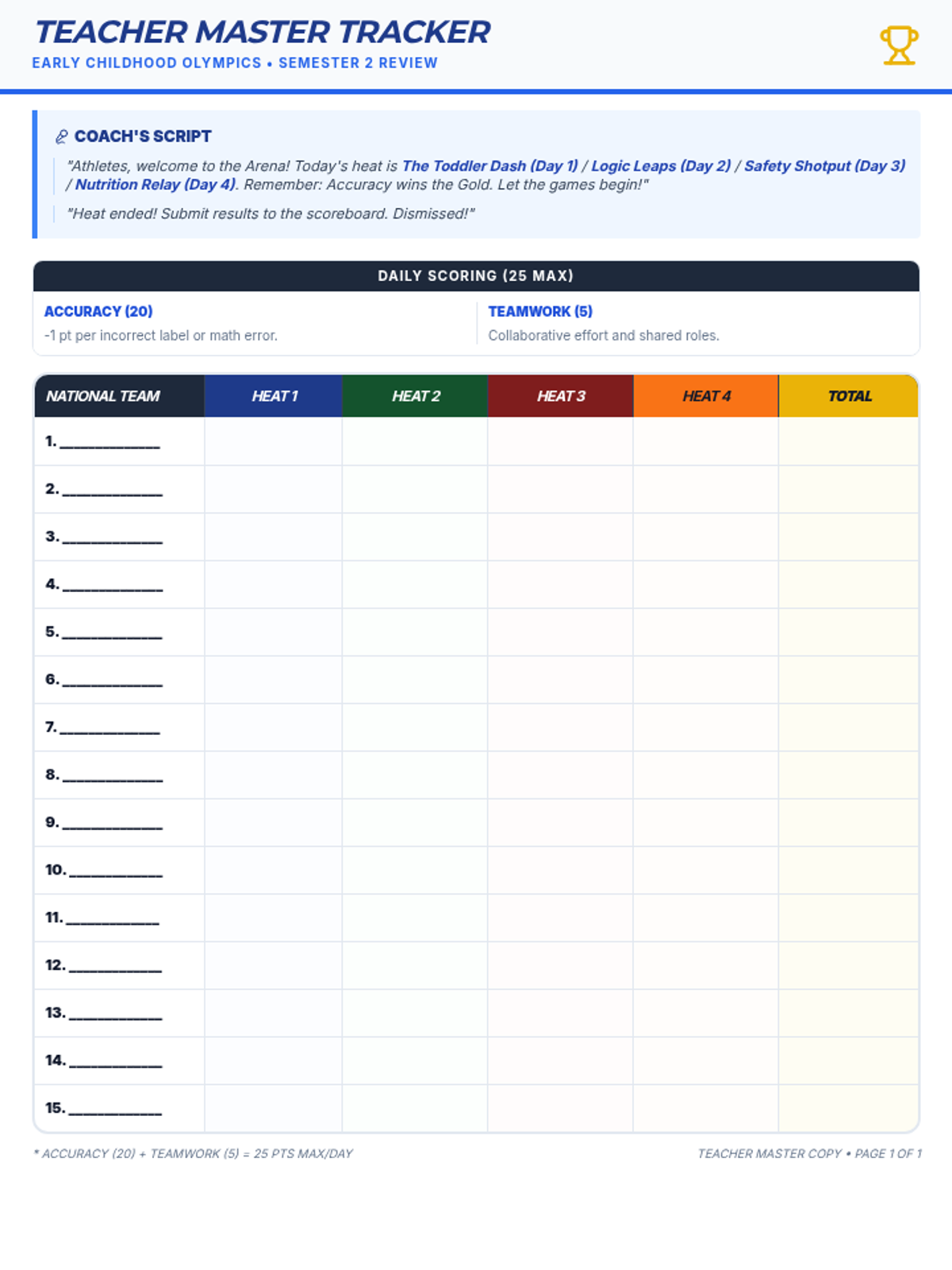
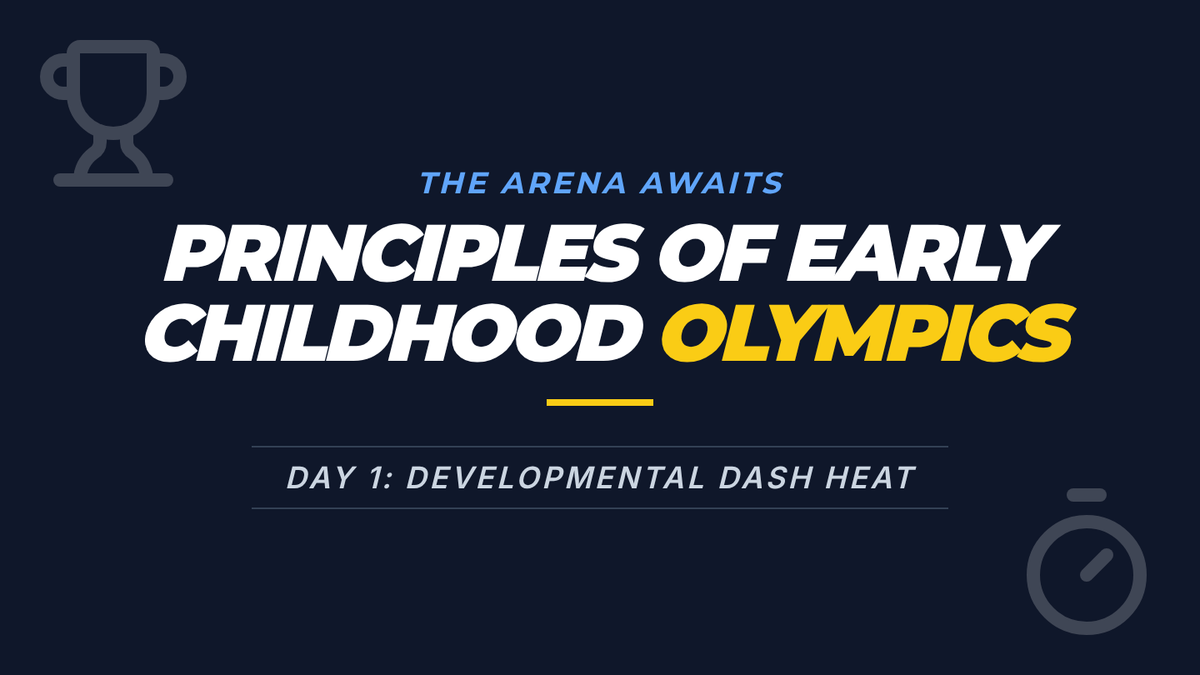
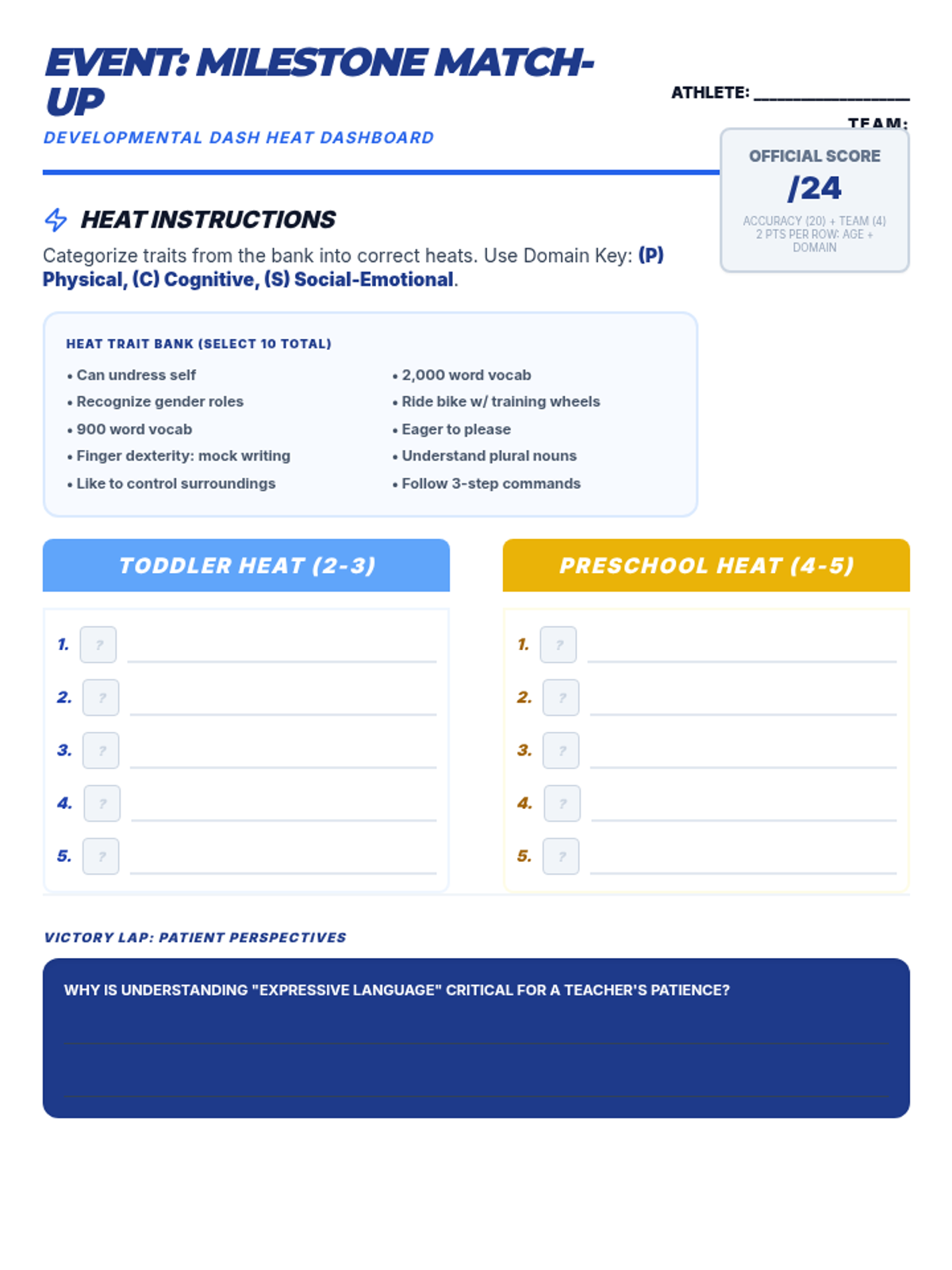
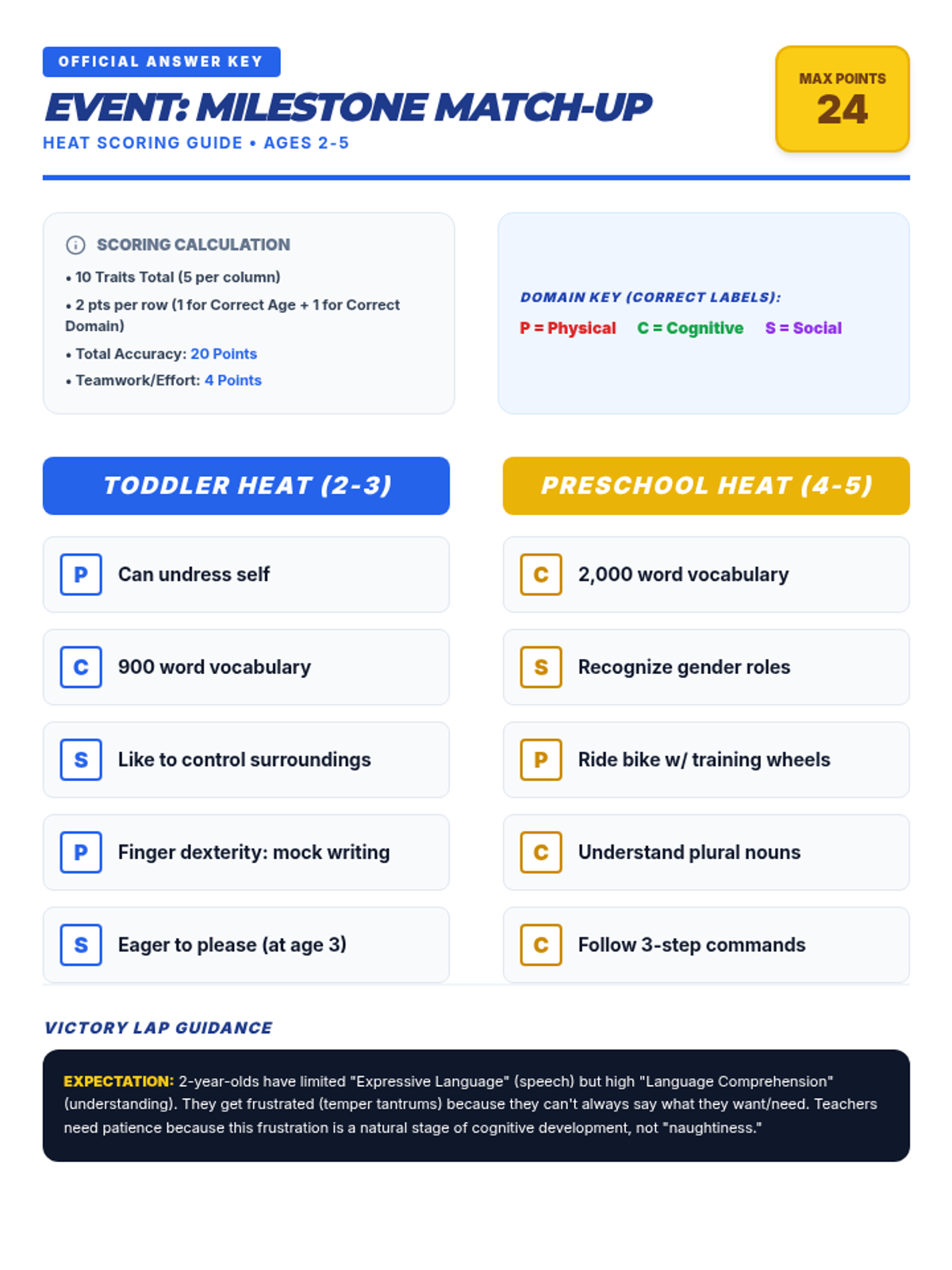
A 4-day end-of-semester review event where students compete in 'Olympic heats' covering child development from toddlers to middle childhood, safety protocols, and nutrition. Each day features competitive activities that reward accuracy and teamwork as teams aim for the gold medal.
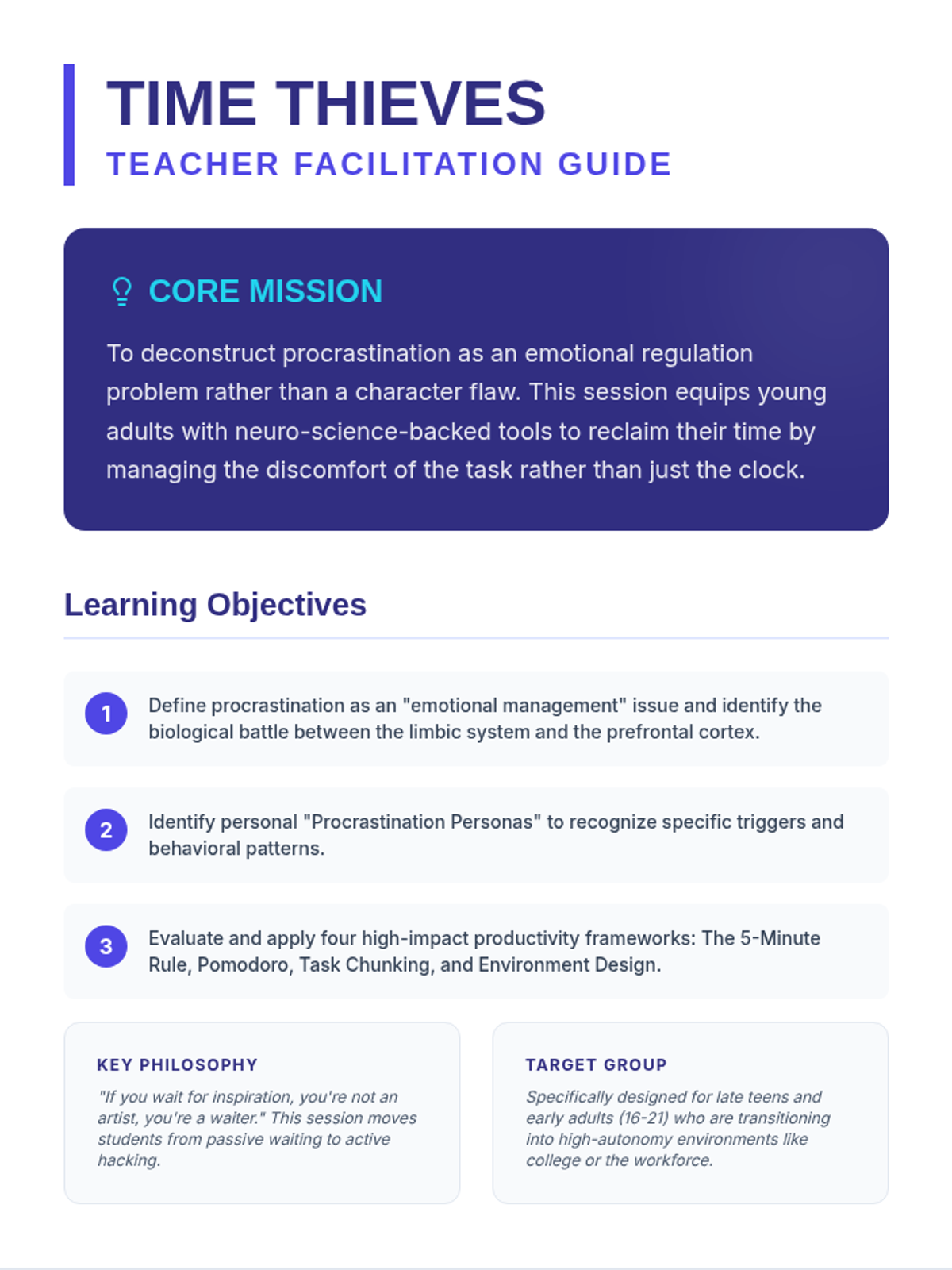
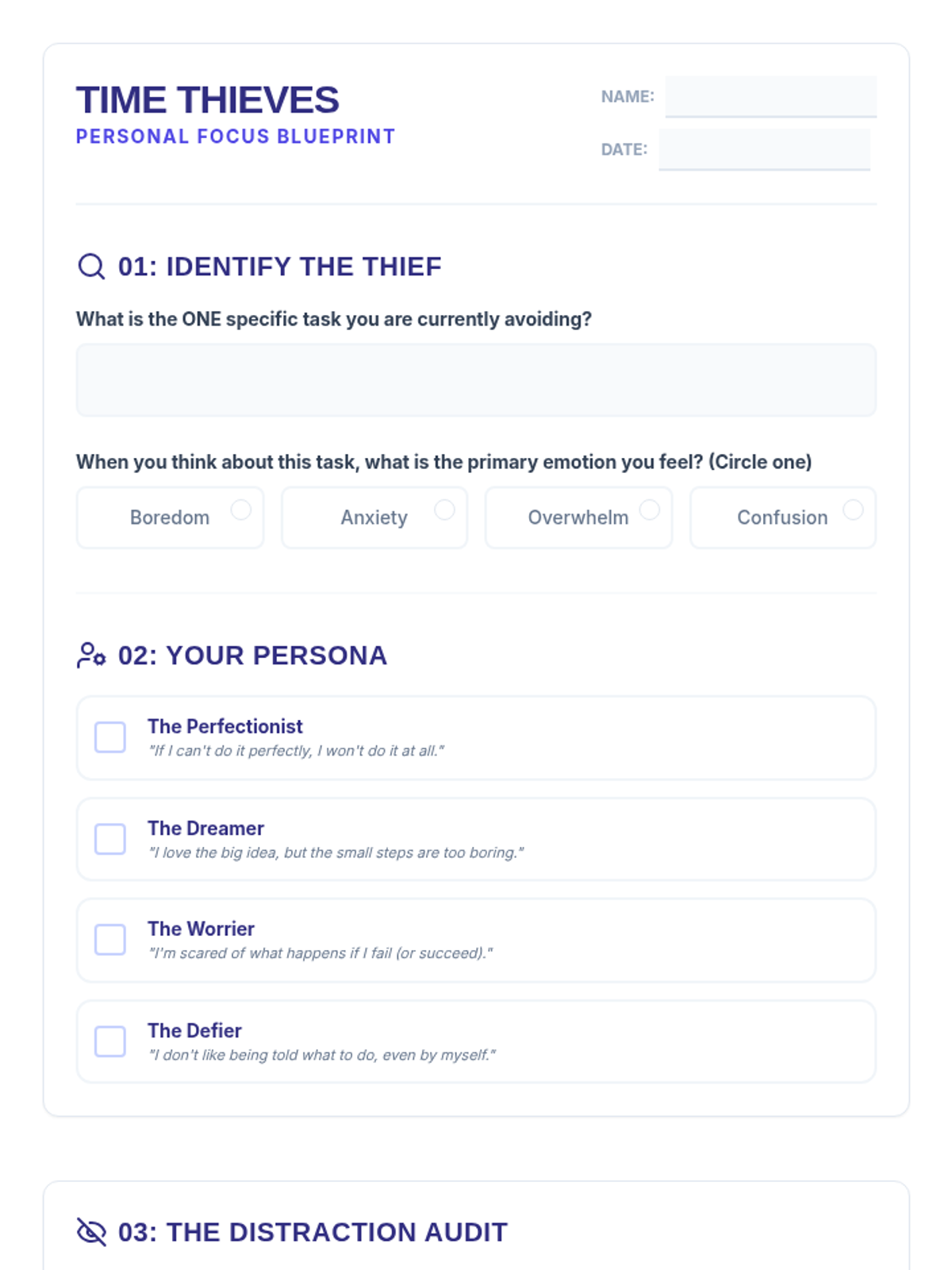
A sequence focused on executive functioning and emotional regulation for young adults to improve productivity and mental well-being.
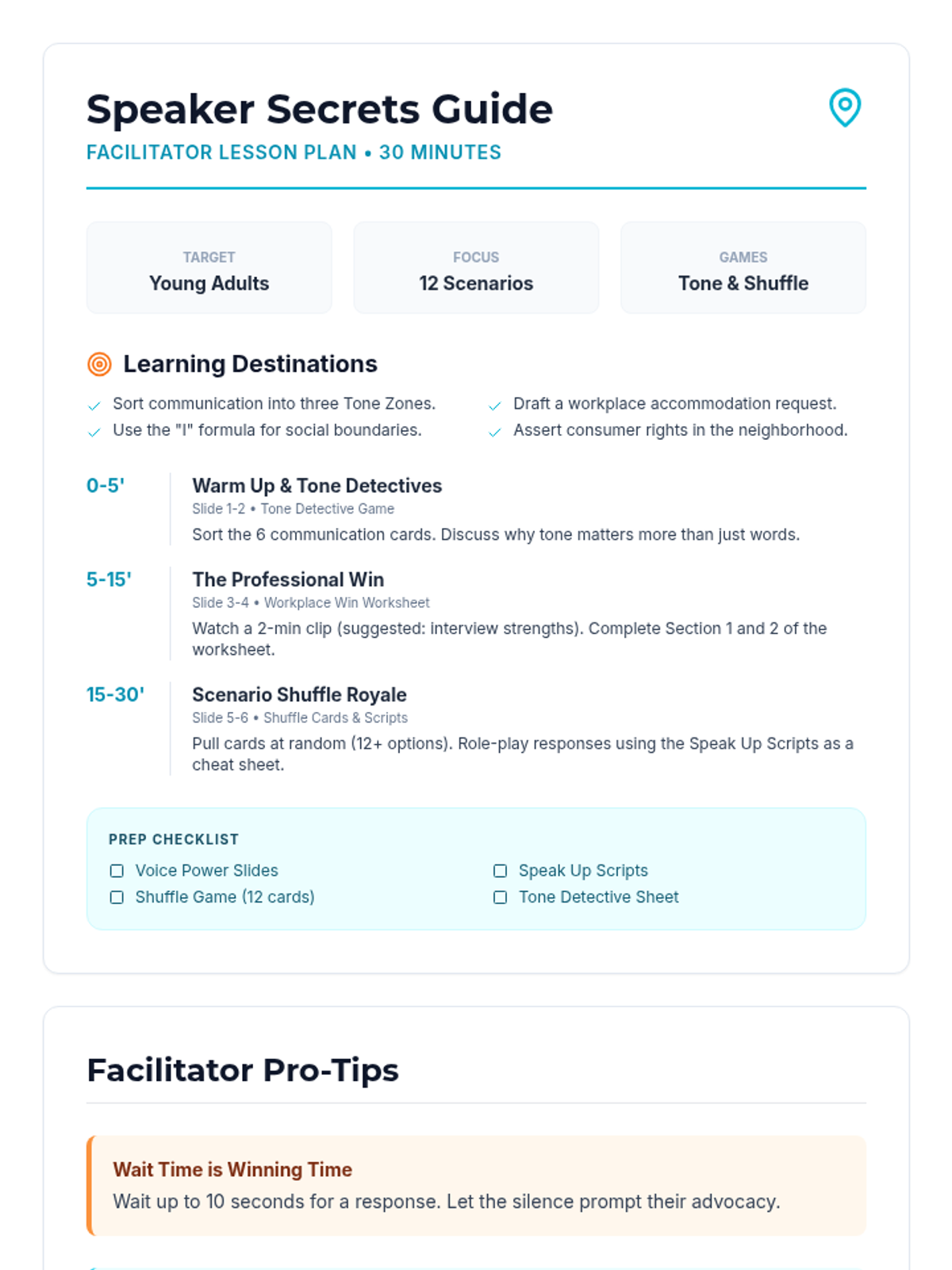
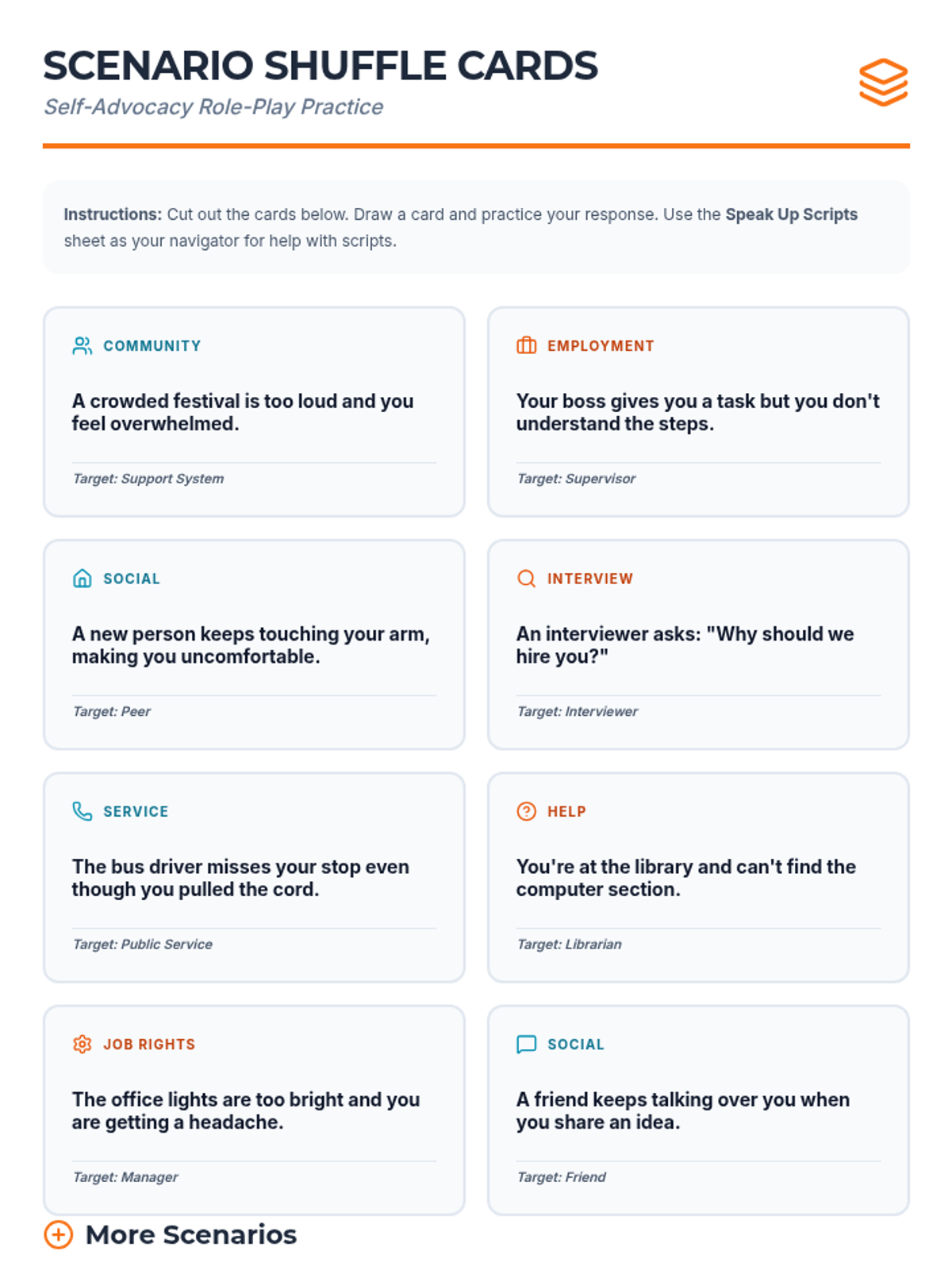
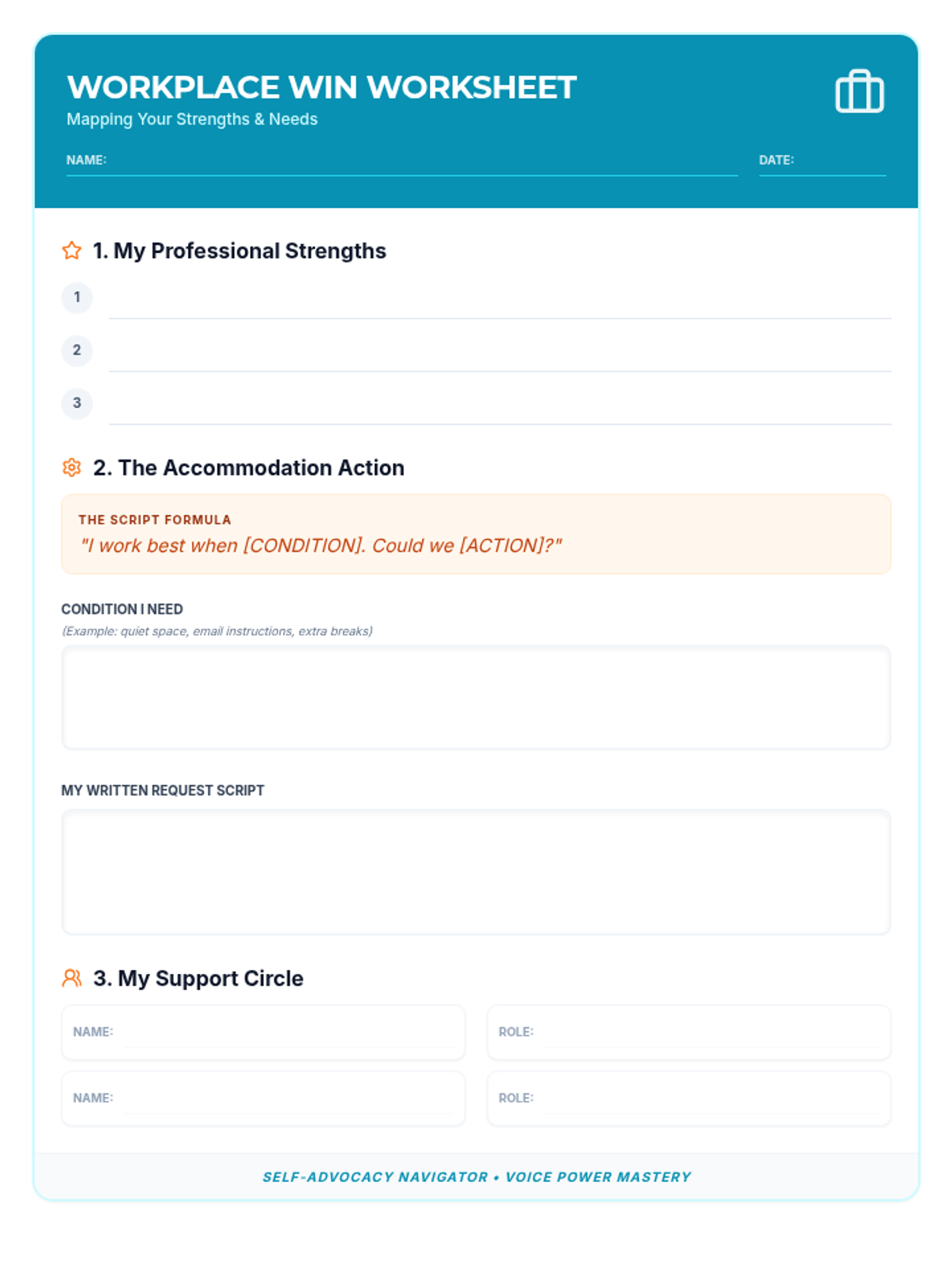
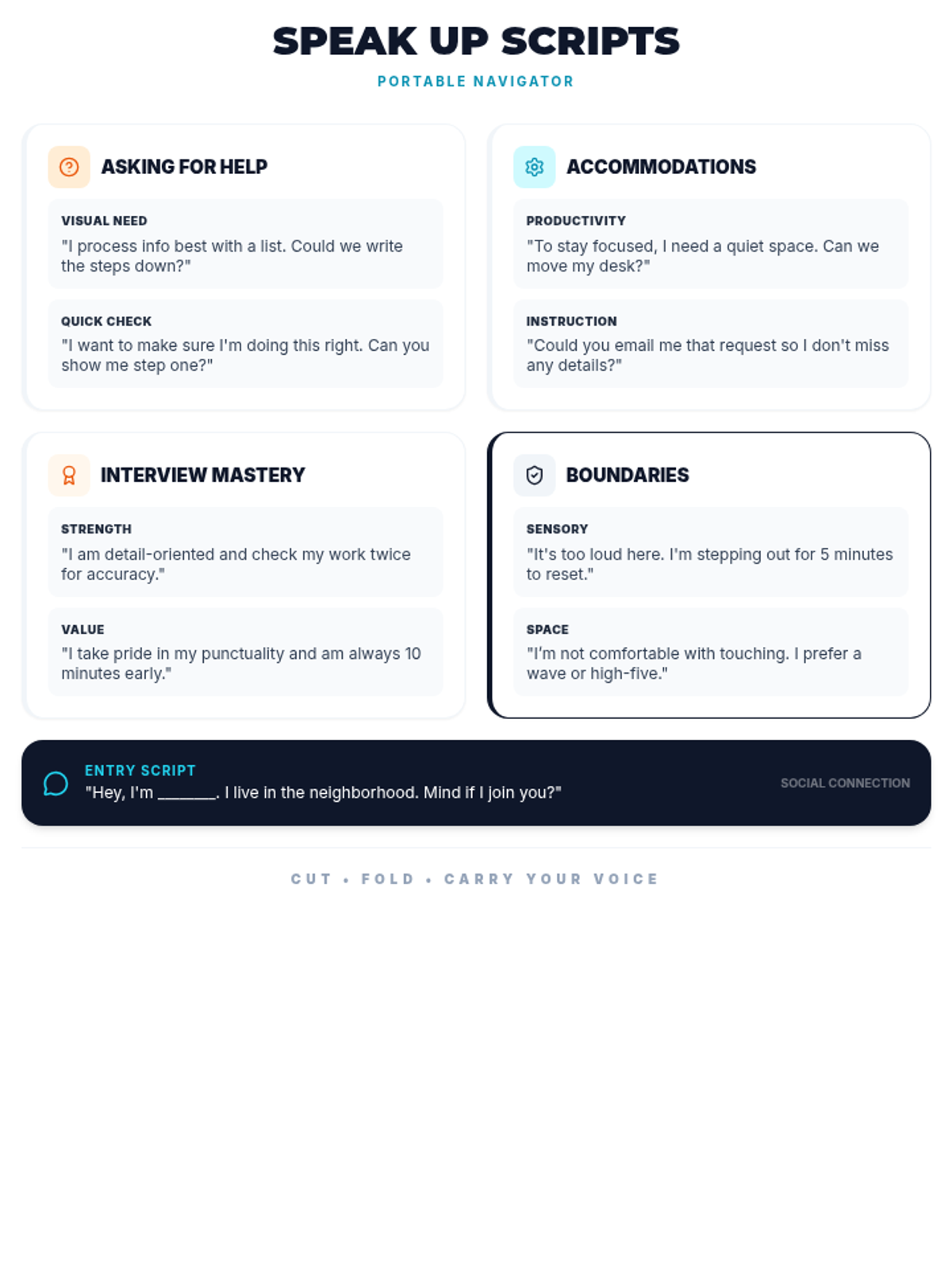
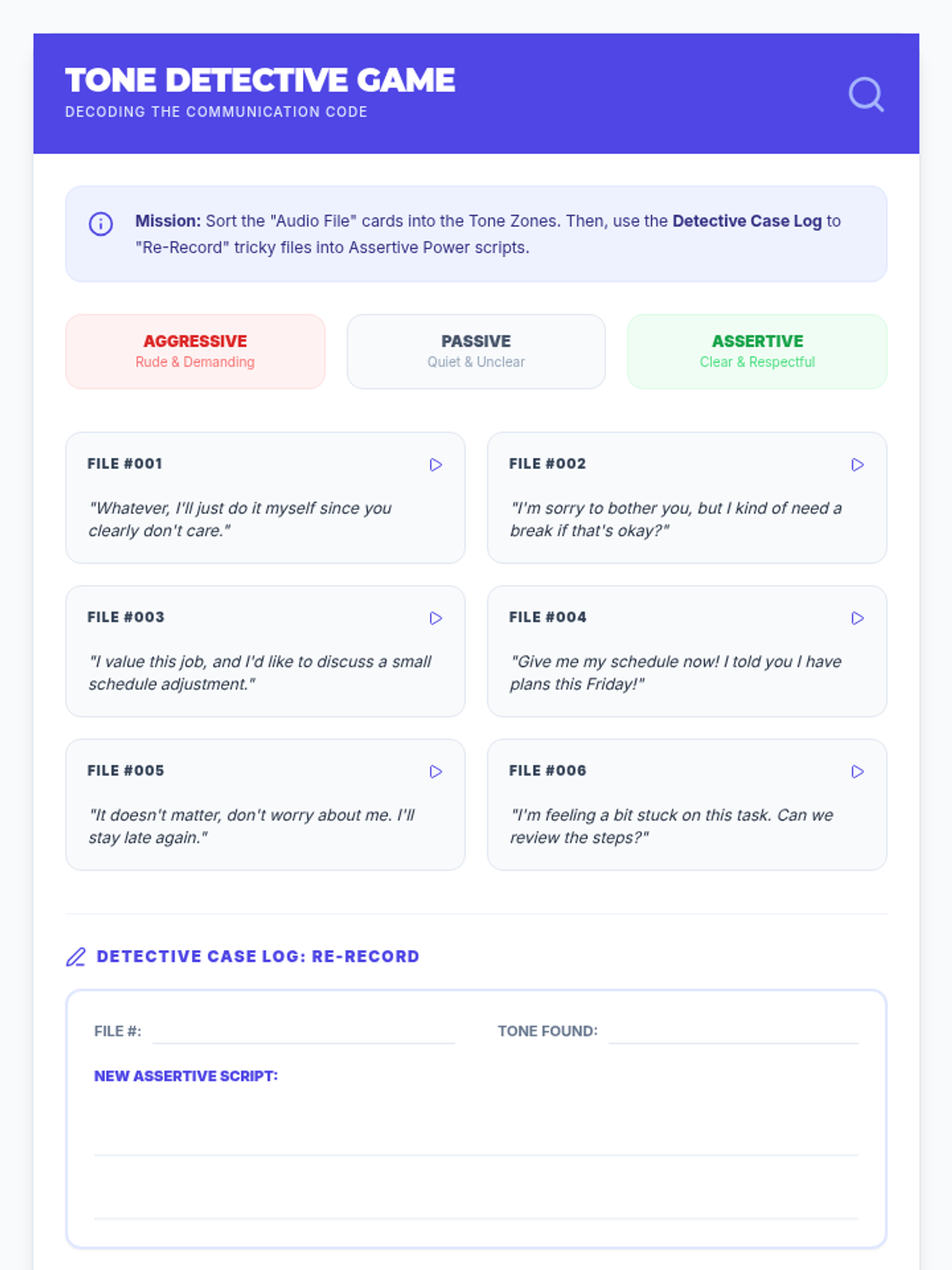
A comprehensive unit designed for young adults to master self-advocacy across workplace, community, and social environments. Through interactive scenarios and guided practice, learners build confidence in asserting their needs and showcasing their strengths.
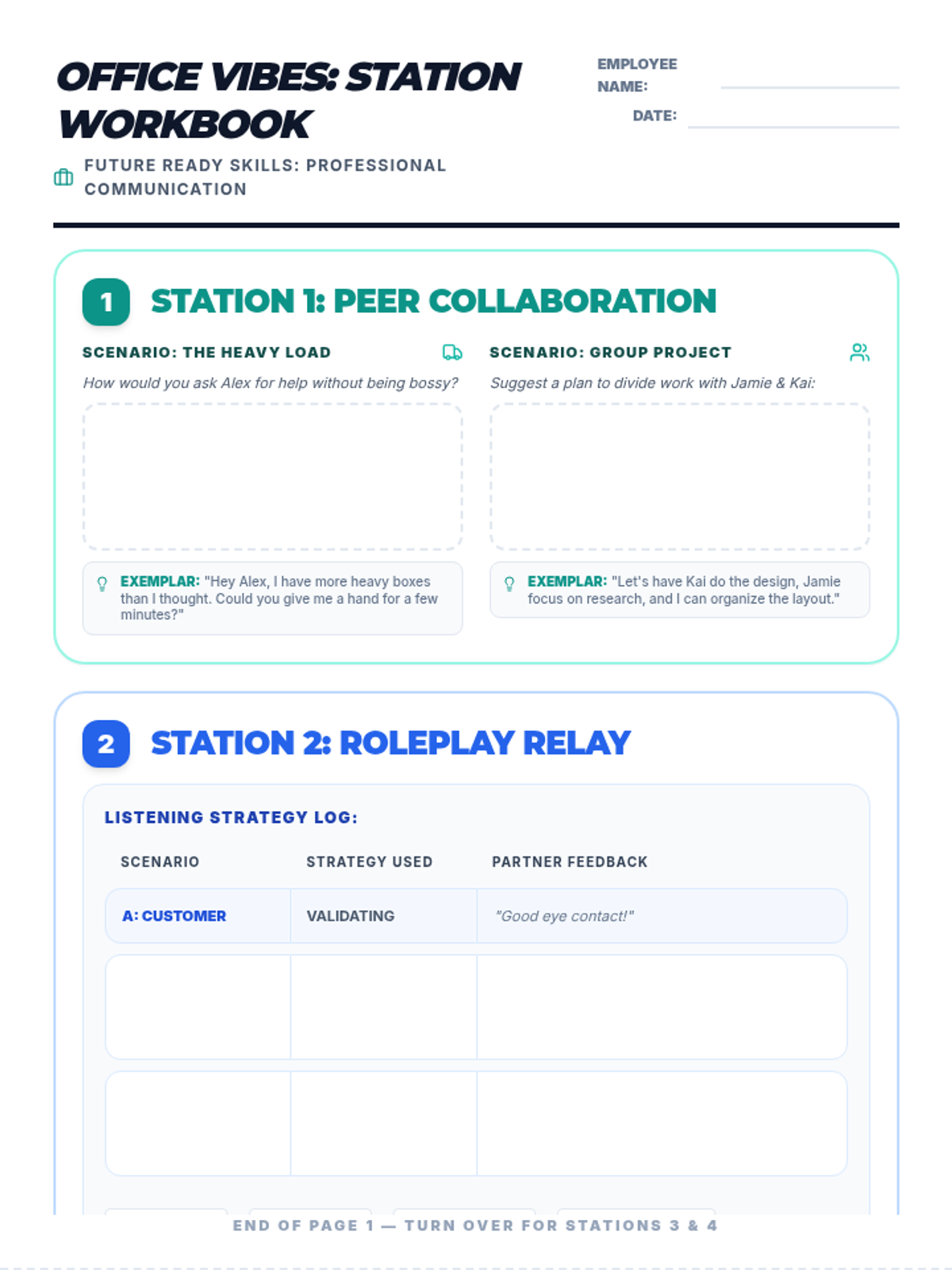
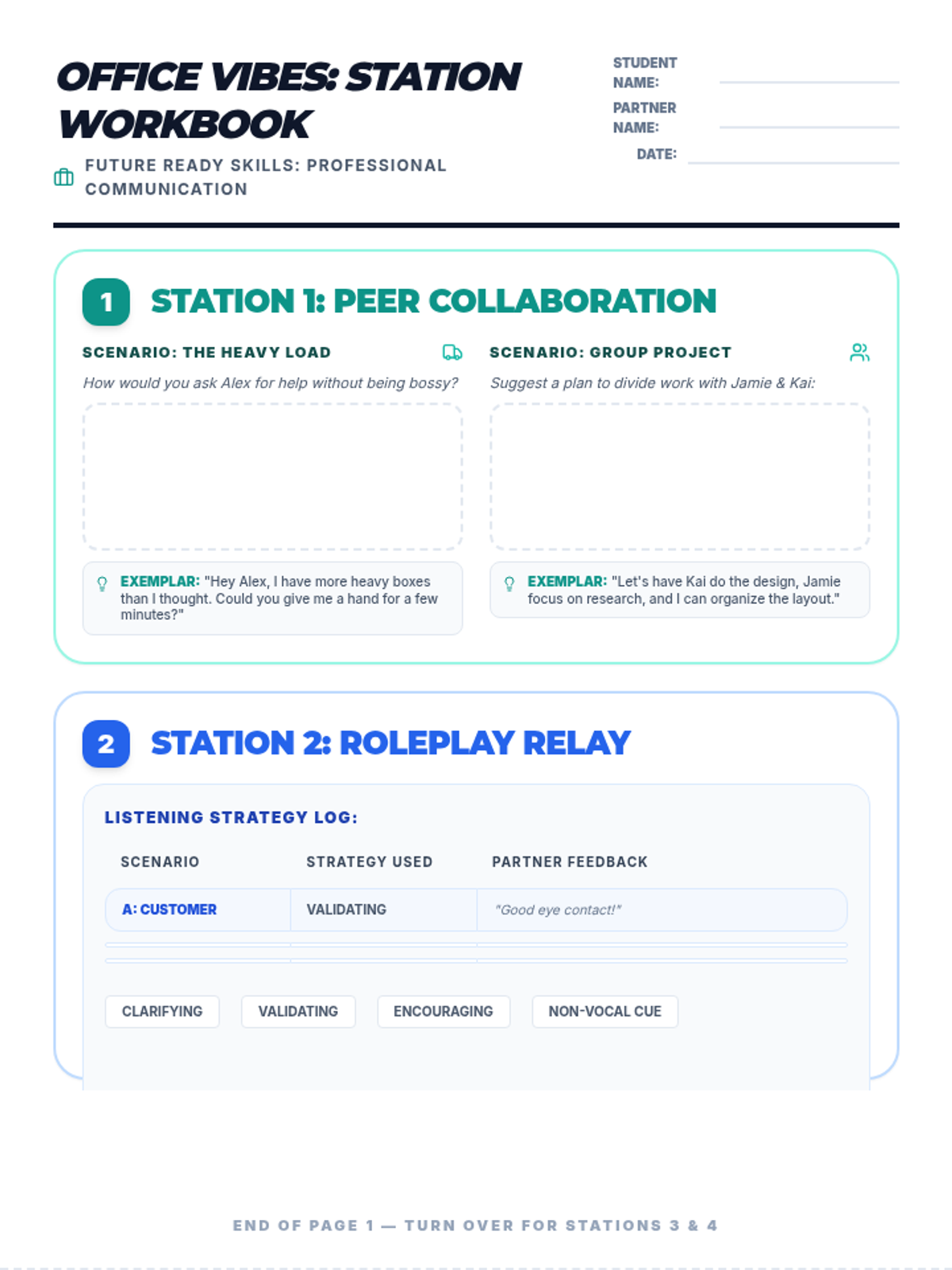
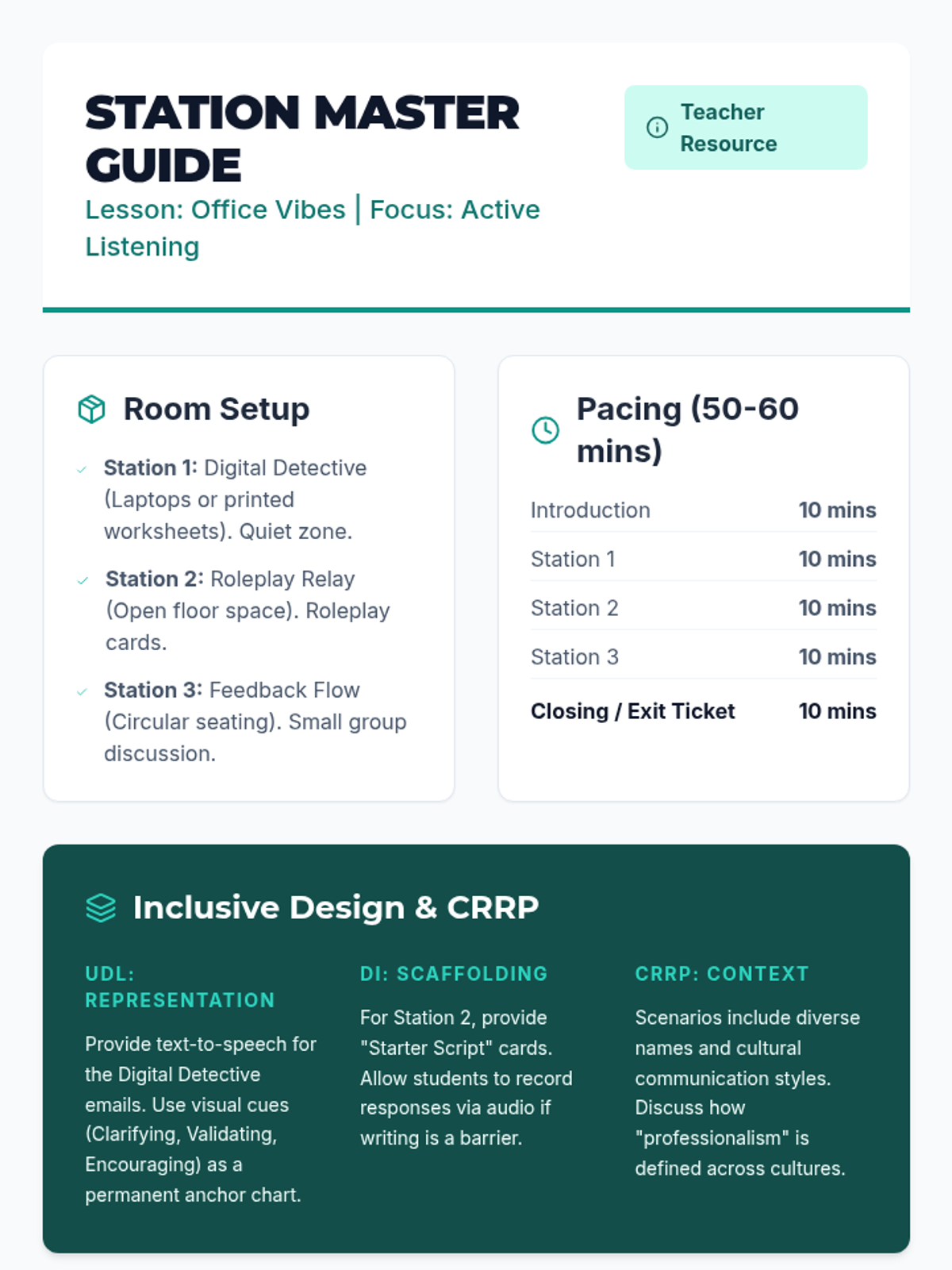
A series of lessons designed to prepare students for the transition to the workforce by developing critical soft skills, digital literacy, and professional communication strategies.
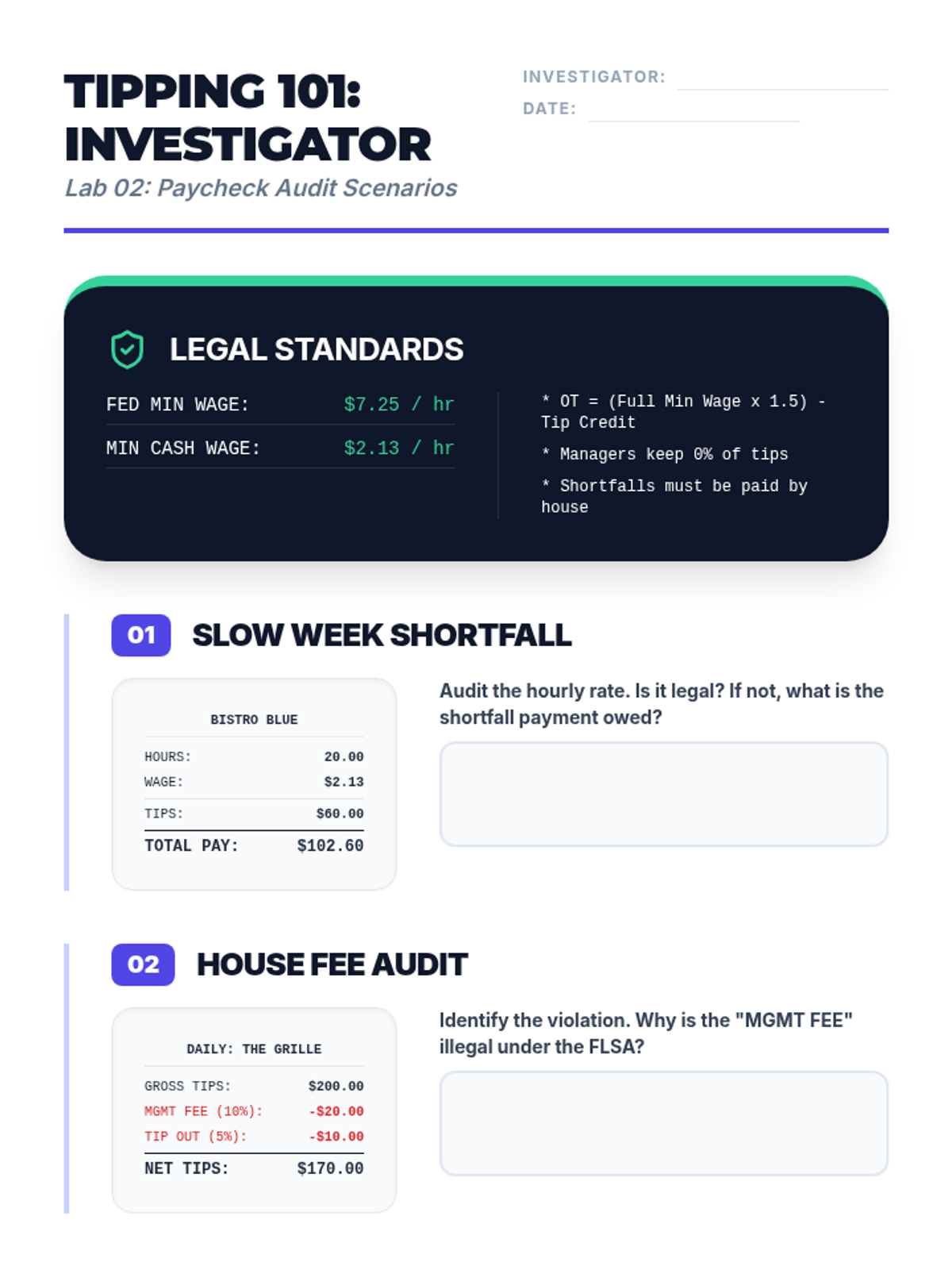
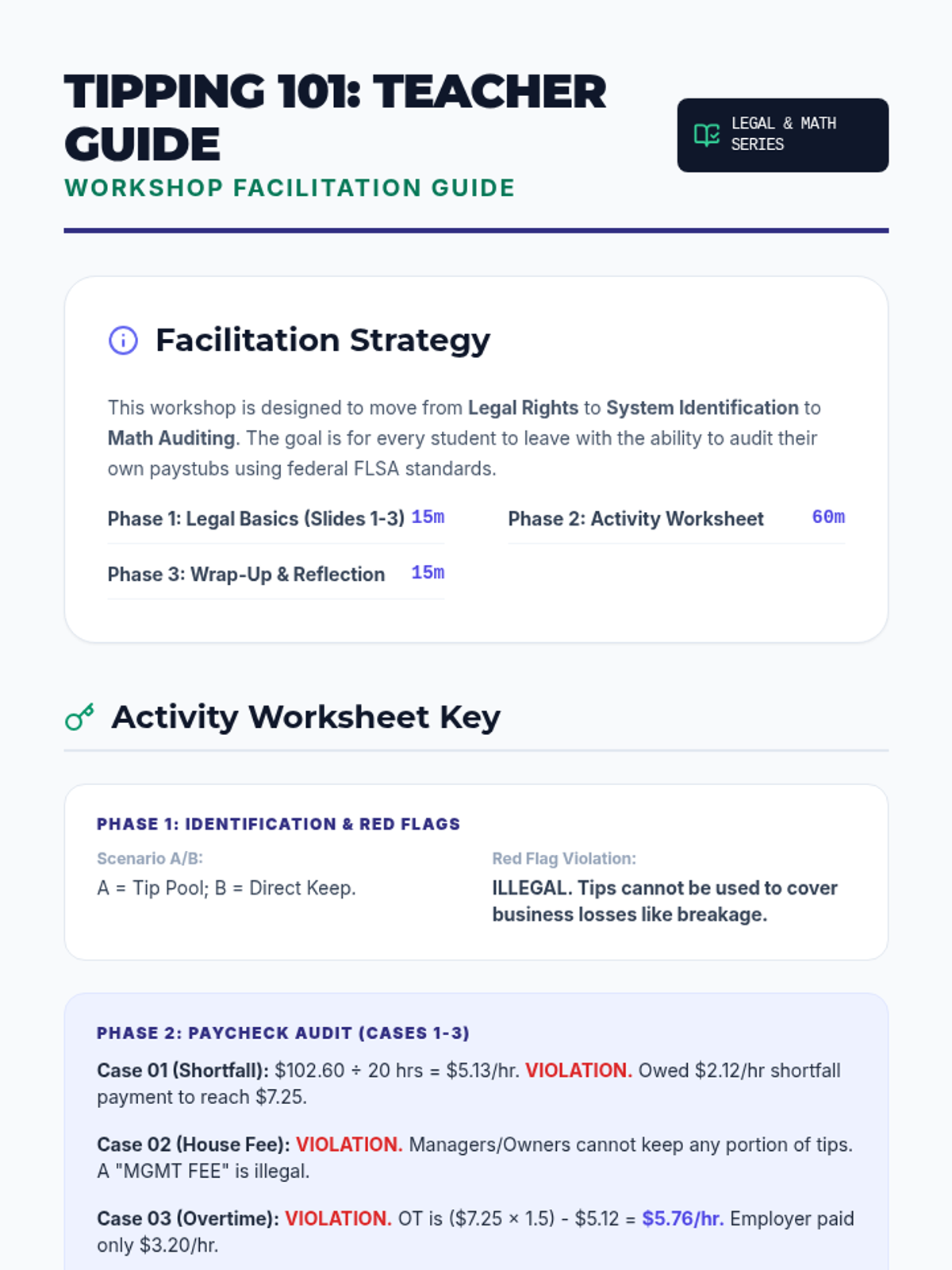
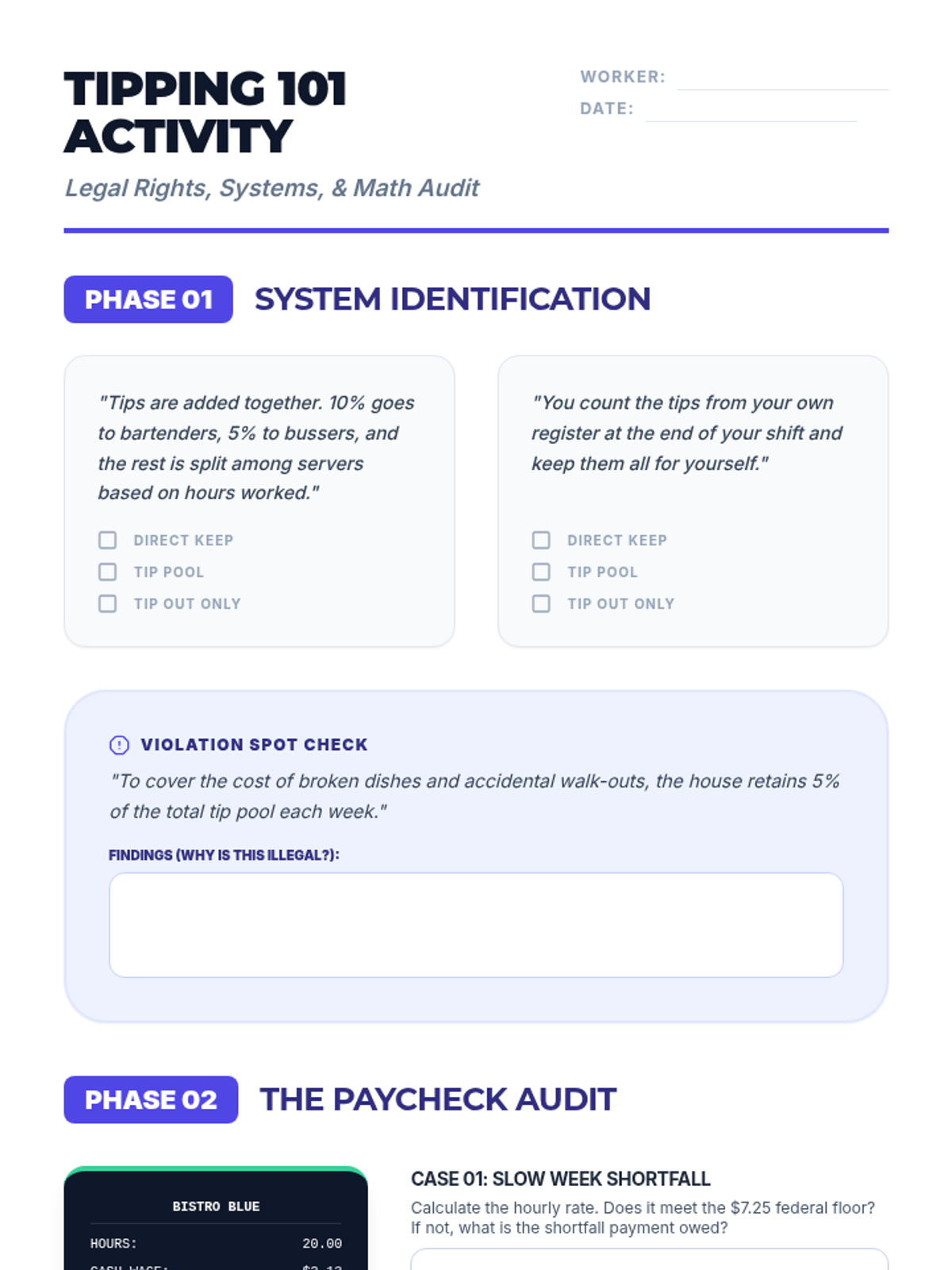
A focused 90-minute workshop on the fundamentals of tipping. Workers learn their legal rights under the FLSA, master the math of tip credits and shortfall payments, and practice auditing pay summaries for errors and illegal deductions.
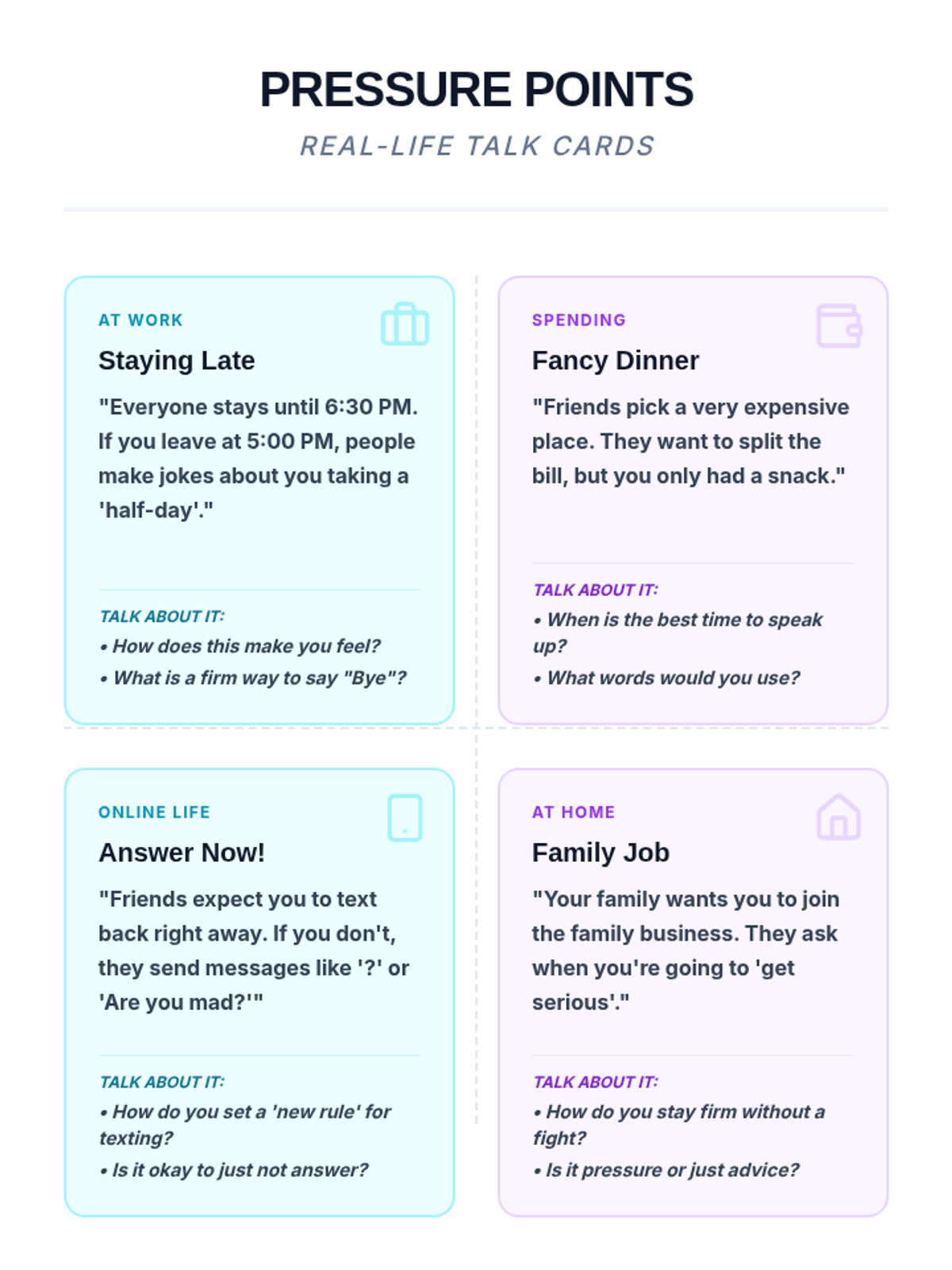
![[ARCHIVED] Pressure Points Cards 1](https://www.lenny.com/api/preview/217d4cb7-da06-4e17-9243-a20b84b13d40/1200.png?selected_locale_code=null)
![[ARCHIVED] Pressure Points Cards 3](https://www.lenny.com/api/preview/3e0574ca-7872-4985-bcb7-daa3968afdf0/1200.png?selected_locale_code=null)
![[ARCHIVED] Pressure Points Cards 2](https://www.lenny.com/api/preview/f849bf48-09f0-43ff-8b3e-27e1abc46cda/1200.png?selected_locale_code=null)
![[ARCHIVED] Pressure Proof Slides 2](https://www.lenny.com/api/preview/413c85b3-3eff-4bba-9ff0-156325a779b0/1200.png?selected_locale_code=null)
![[ARCHIVED] Pressure Proof Facilitator Guide 2](https://www.lenny.com/api/preview/f3956daf-6693-45cb-ba80-d369c35f5671/1200.png?selected_locale_code=null)
![[ARCHIVED] Refusal Playbook Worksheet 2](https://www.lenny.com/api/preview/9a4f233a-a54d-4a8a-b21b-932cc85e758c/1200.png?selected_locale_code=null)
![[ARCHIVED] Pressure Proof Facilitator Guide 3](https://www.lenny.com/api/preview/413b6171-7866-444b-9326-bbfb0f6e4a01/1200.png?selected_locale_code=null)
![[ARCHIVED] Pressure Proof Slides 3](https://www.lenny.com/api/preview/fa5bb225-106c-4b80-92b7-fc371f327dff/1200.png?selected_locale_code=null)
![[ARCHIVED] Refusal Playbook Worksheet 1](https://www.lenny.com/api/preview/ed0c10be-ad6c-4152-a521-bca8b2972b76/1200.png?selected_locale_code=null)
![[ARCHIVED] Pressure Proof Facilitator Guide 1](https://www.lenny.com/api/preview/01158e9b-231c-4cef-b6f2-667df499189f/1200.png?selected_locale_code=null)
![[ARCHIVED] Pressure Proof Slides 1](https://www.lenny.com/api/preview/783a2e0c-4303-4520-943a-28202dc7bd06/1200.png?selected_locale_code=null)
![[ARCHIVED] Pressure Proof Slides 4](https://www.lenny.com/api/preview/3085c551-44e8-4f65-8d54-656cfc0cf760/1200.png?selected_locale_code=null)
![[ARCHIVED] Pressure Points Cards 4](https://www.lenny.com/api/preview/66f628db-ebca-4e09-8c6d-4aacbcb8de9a/1200.png?selected_locale_code=null)
![[ARCHIVED] Pressure Proof Facilitator Guide 4](https://www.lenny.com/api/preview/5fb172af-3d25-4f85-8634-9f5df4bc5e03/1200.png?selected_locale_code=null)
![[ARCHIVED] Refusal Playbook Worksheet 3](https://www.lenny.com/api/preview/6c6f31d5-f95c-4468-950d-5ad427ac3843/1200.png?selected_locale_code=null)
![[ARCHIVED] Pressure Proof Slides 5](https://www.lenny.com/api/preview/541df7f1-5726-4a36-9d88-9b4fd381c139/1200.png?selected_locale_code=null)