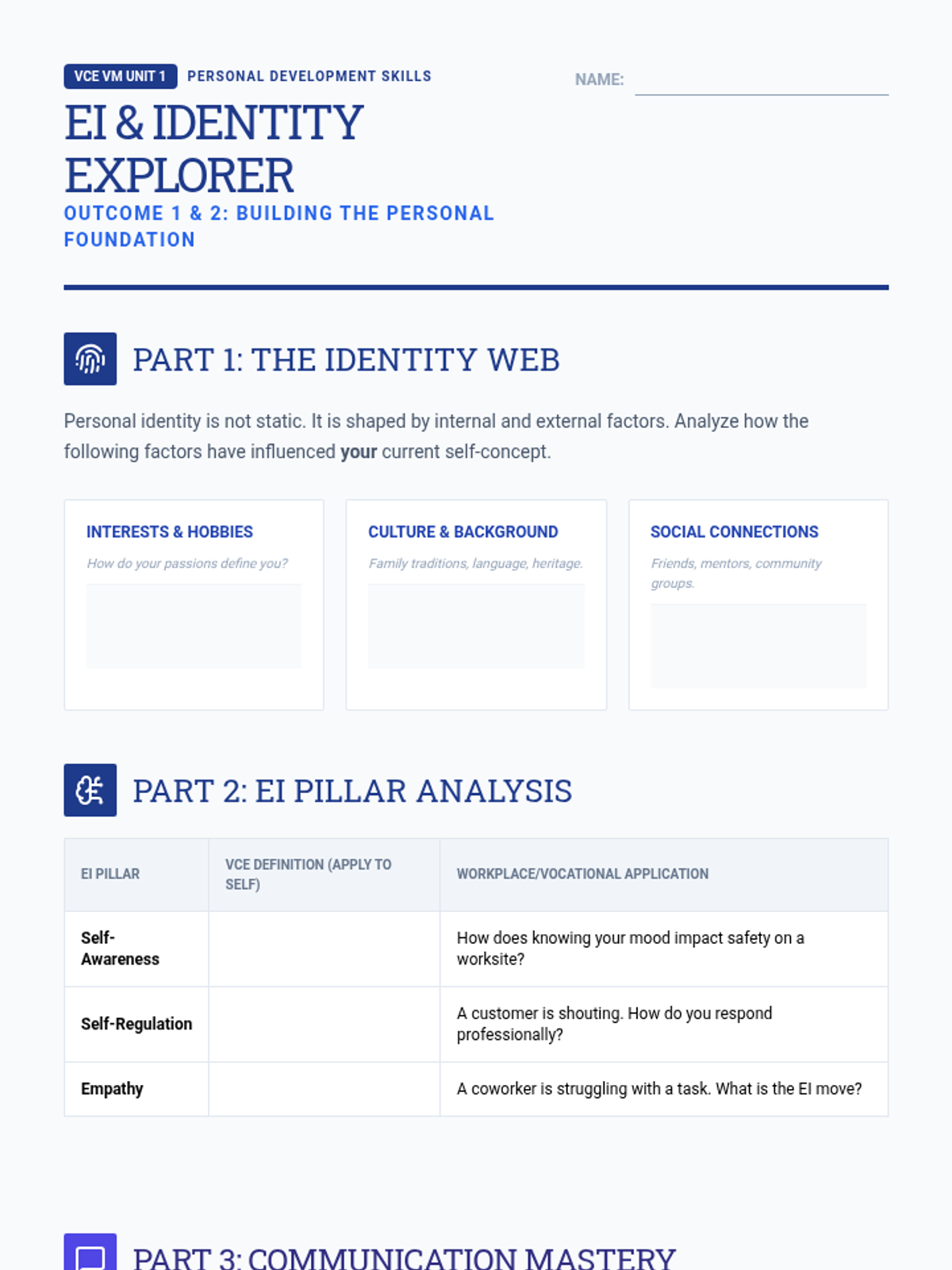
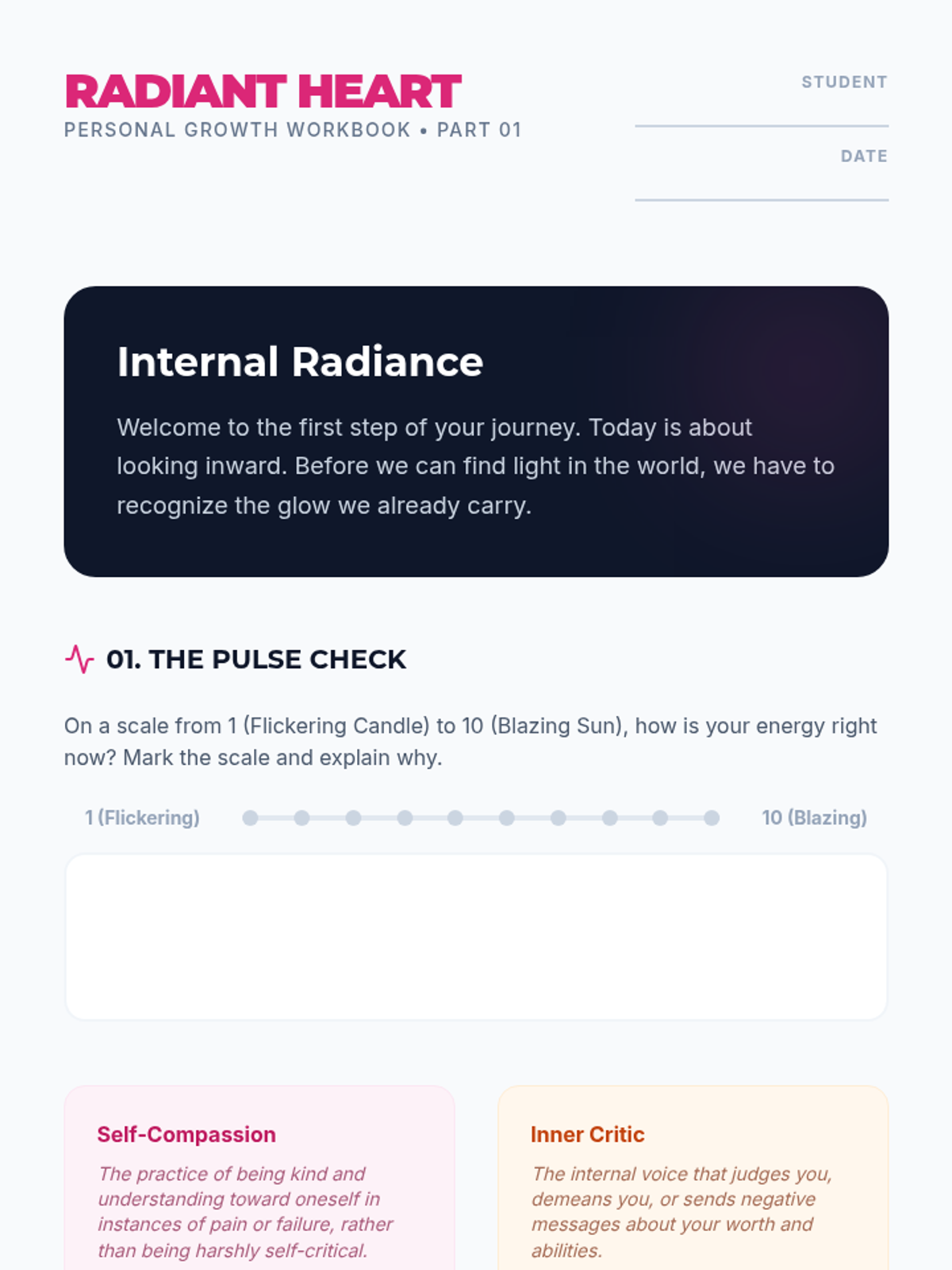
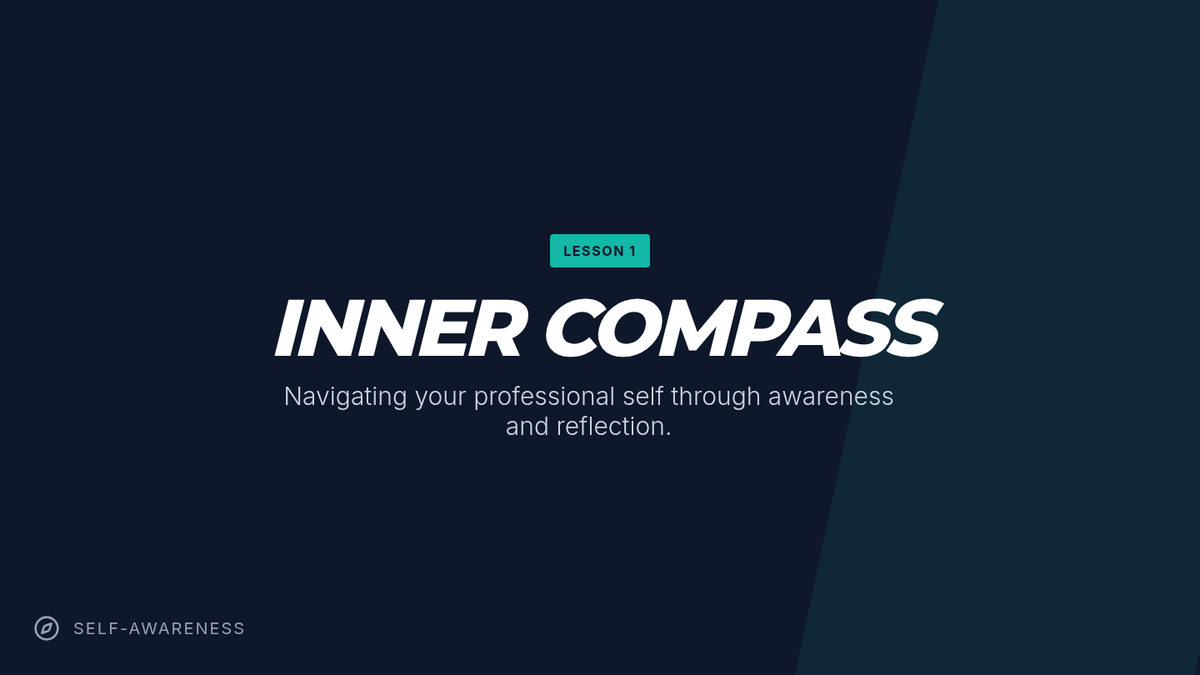
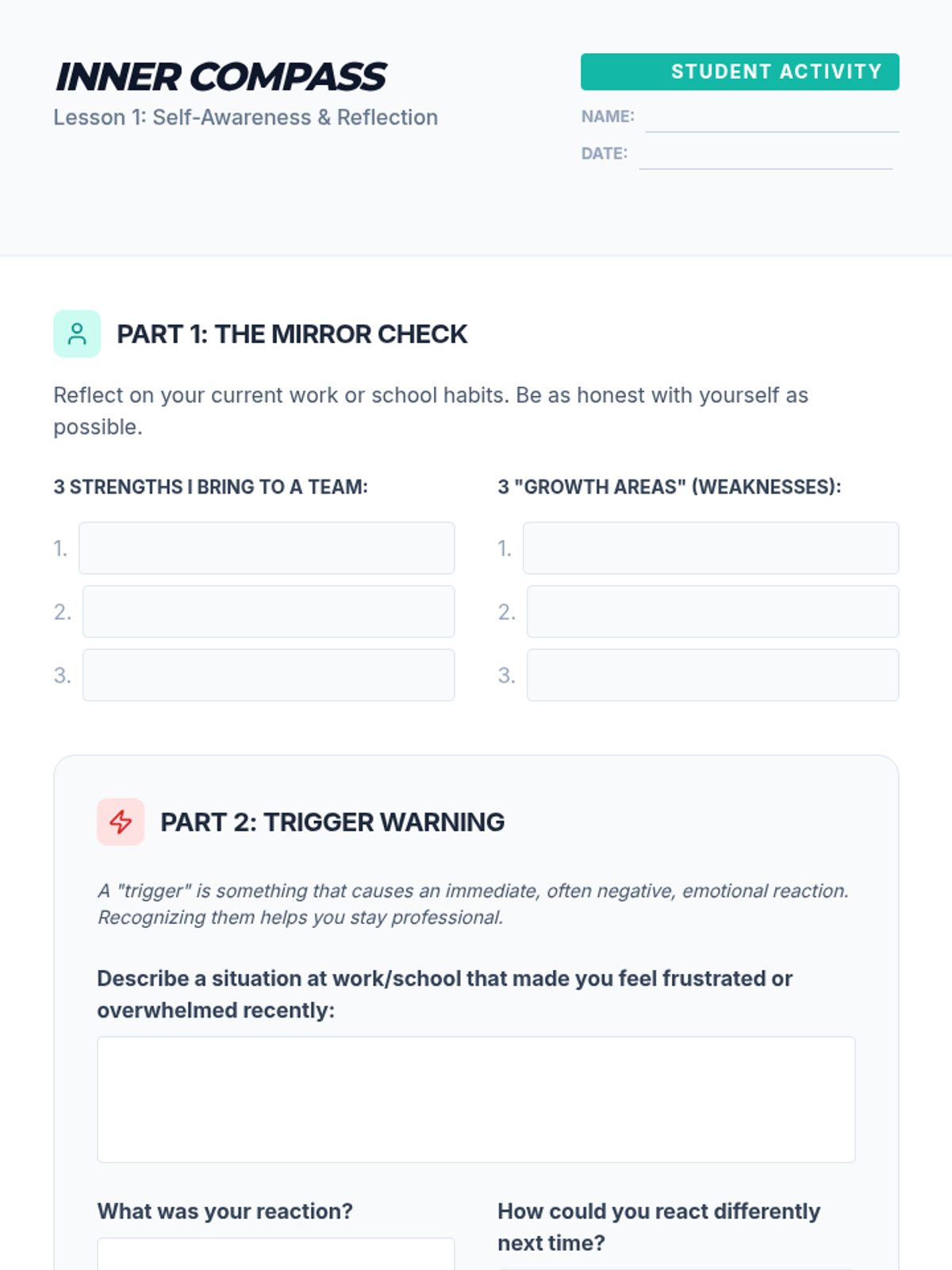
Emotion recognition ranging from basic feelings to complex nuances and mixed states. Strengthens accurate self-assessment through identity exploration, strength identification, and values-based decision making.
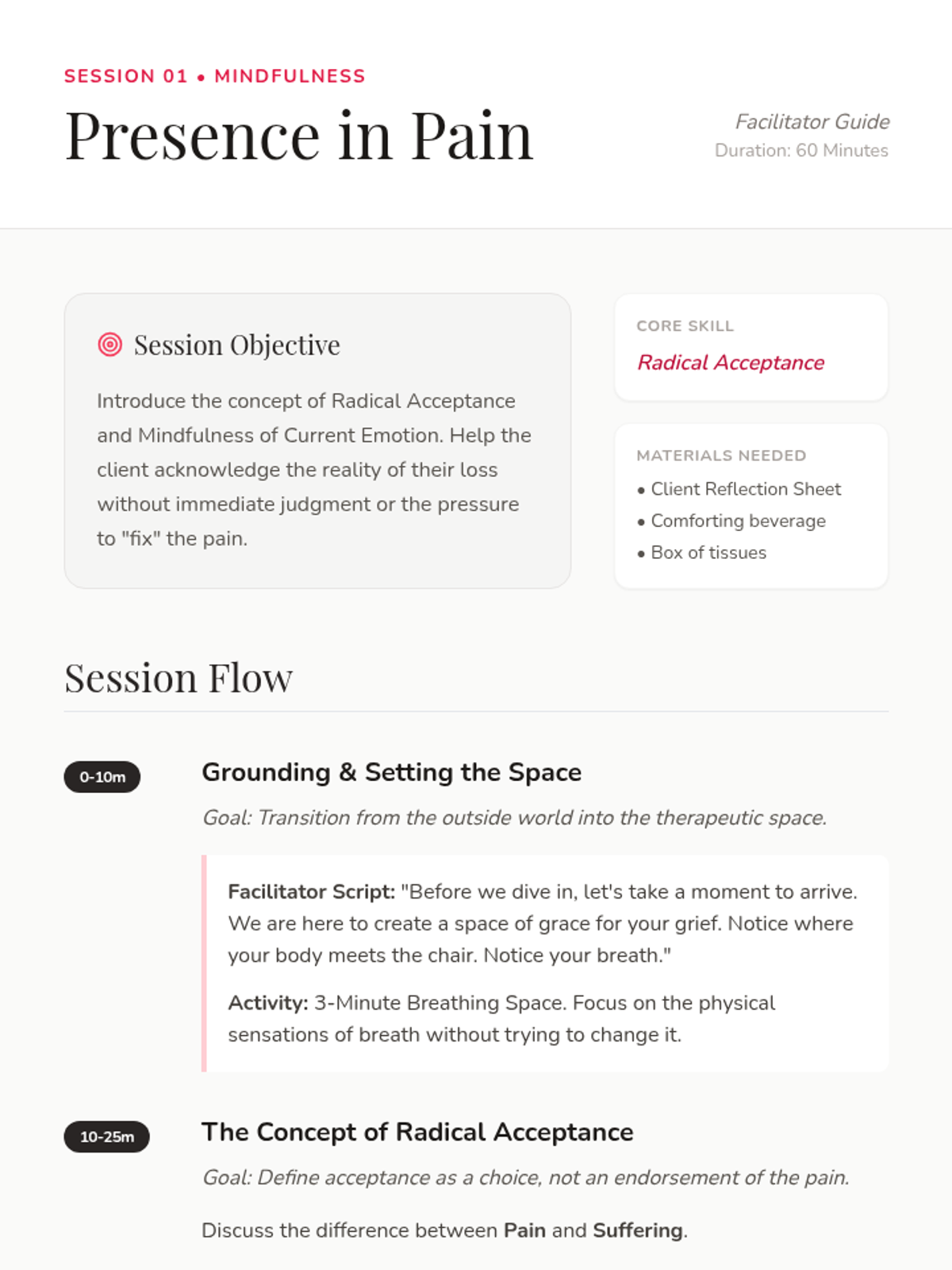
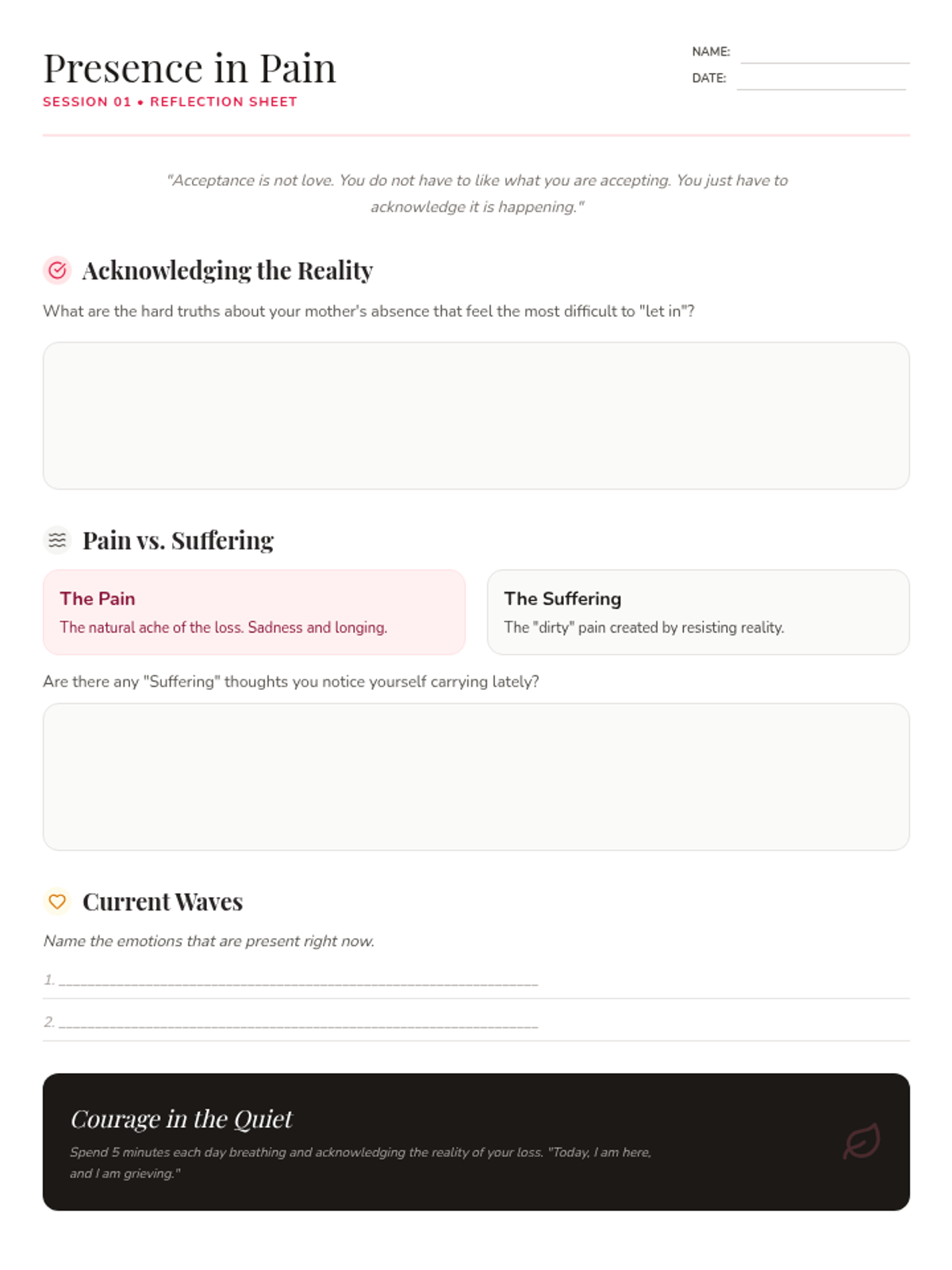
A 9-week therapeutic curriculum for adults processing maternal loss, integrating Dialectical Behavior Therapy (DBT) skills to foster acceptance, emotional regulation, and resilience.
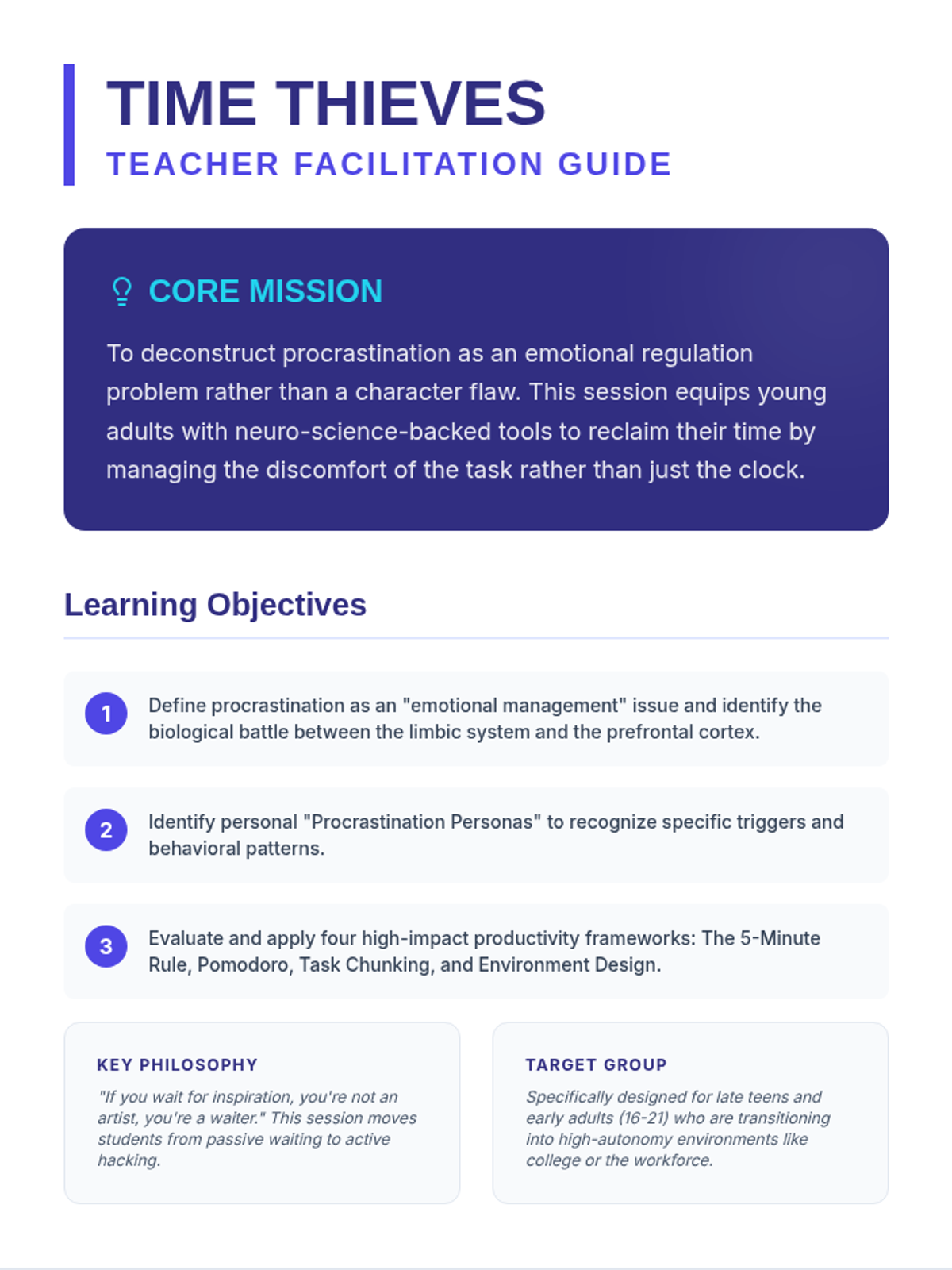
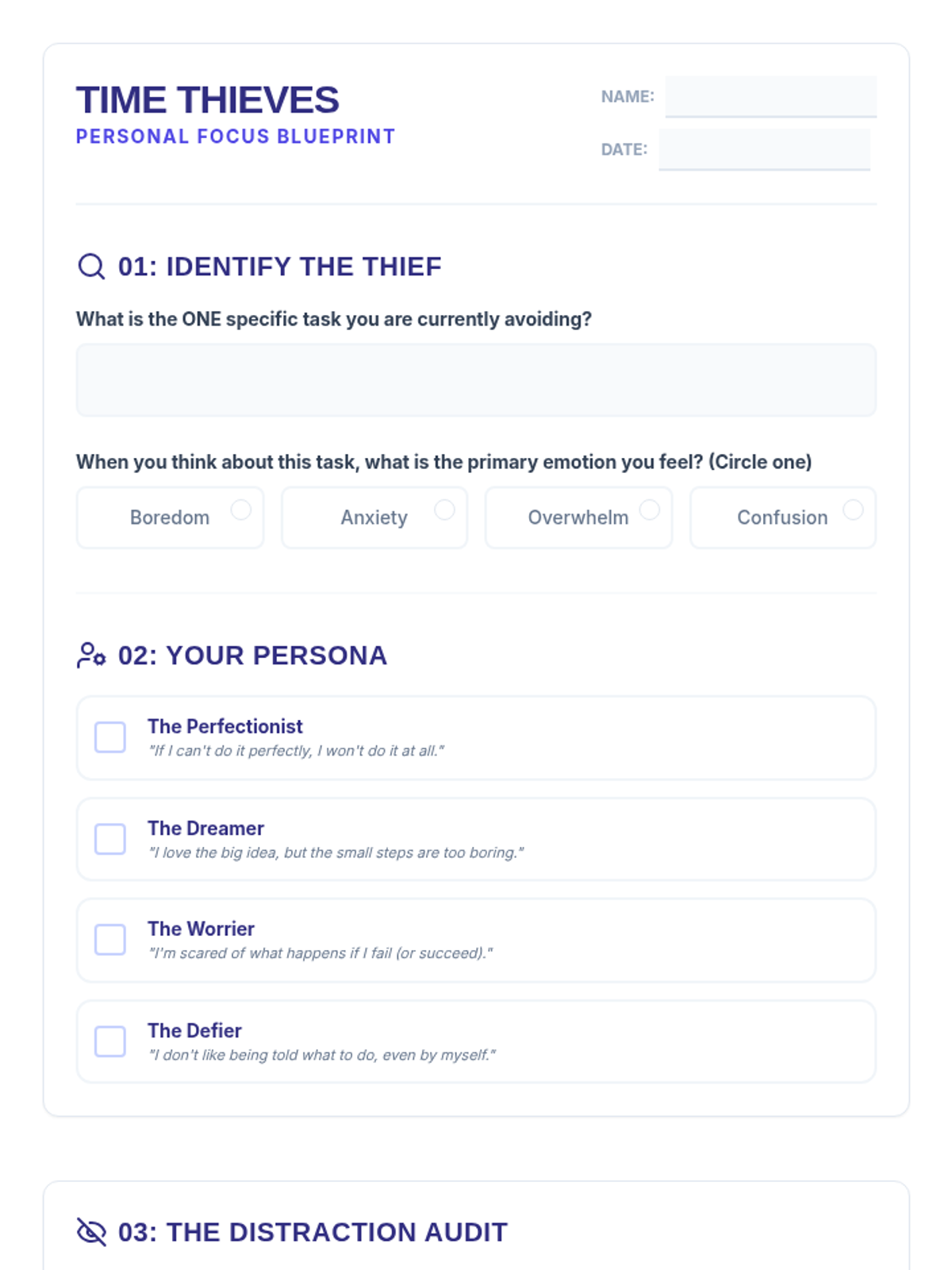
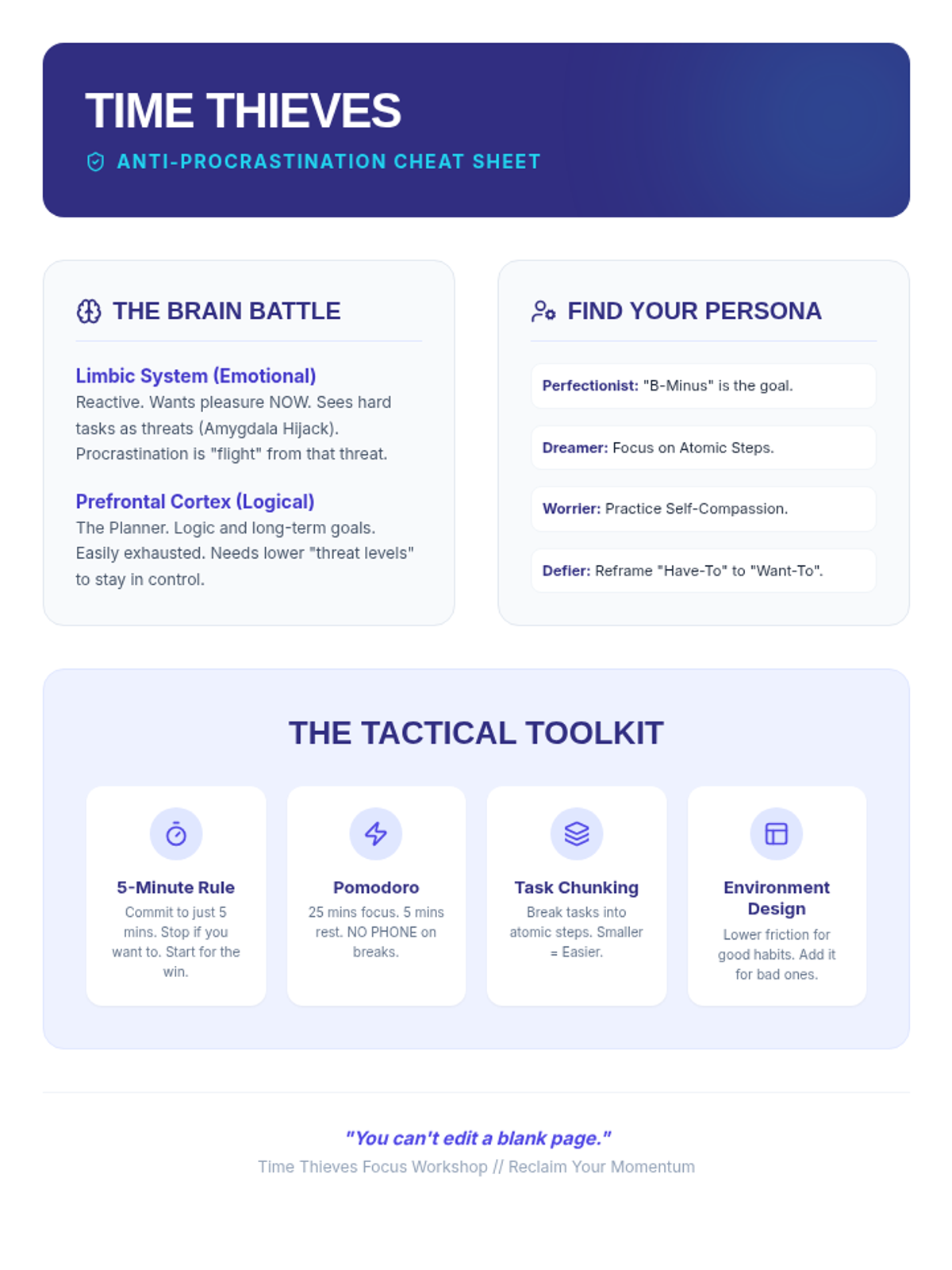
A sequence focused on executive functioning and emotional regulation for young adults to improve productivity and mental well-being.
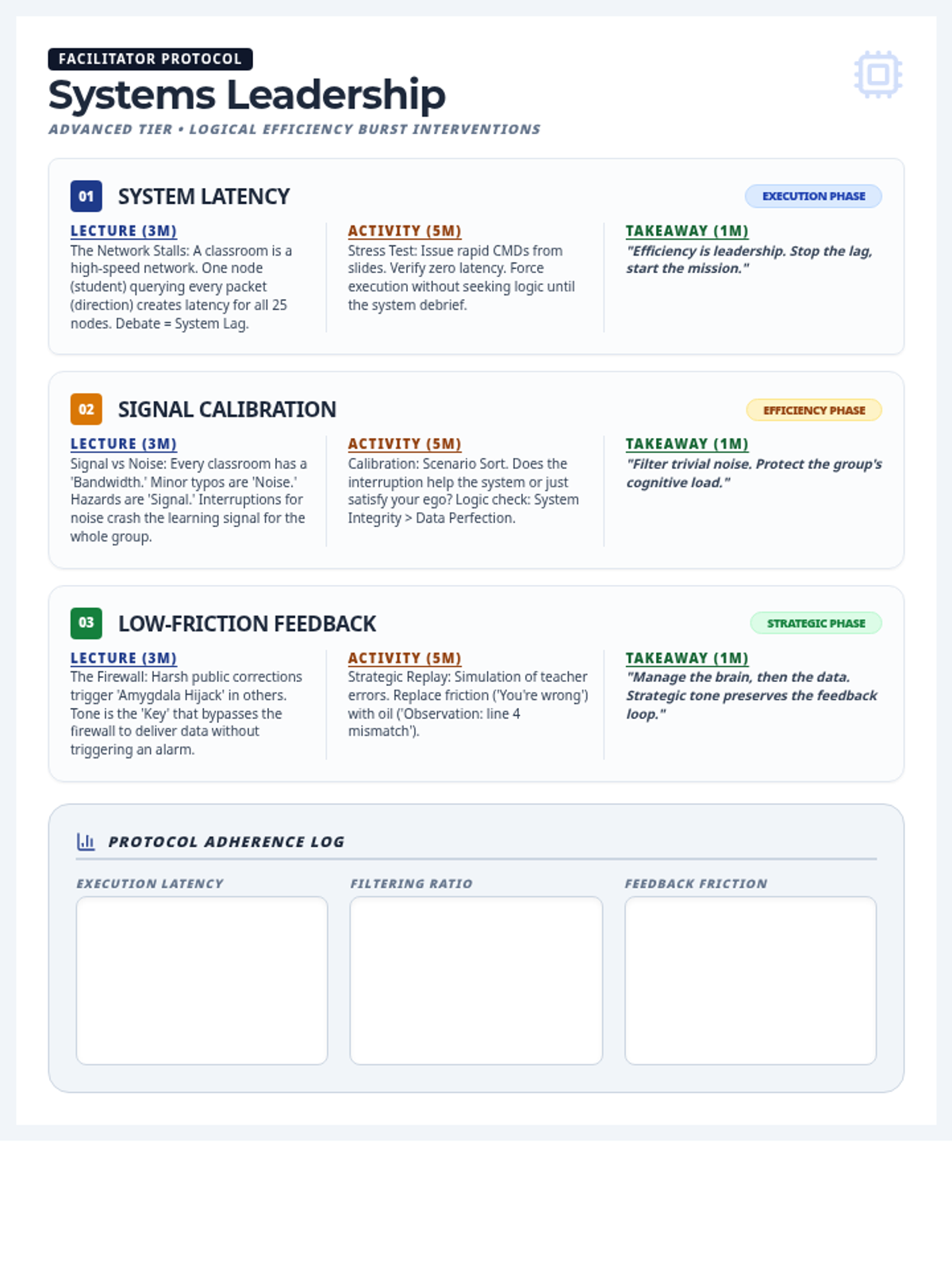
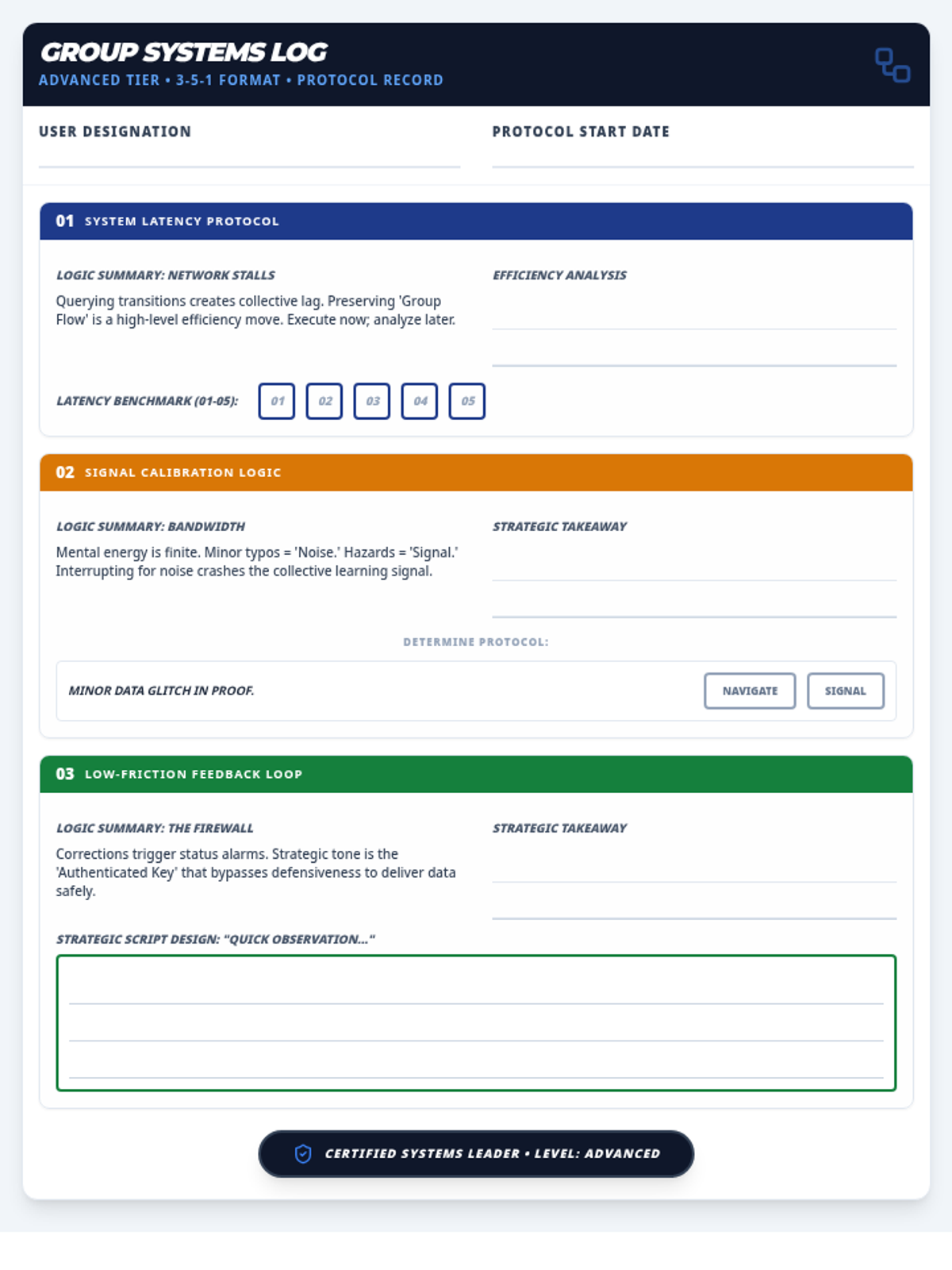
A series of three 10-minute 'burst' sessions designed to teach classroom leadership through systems-thinking and logical efficiency. Focuses on minimizing group latency, calibrating priority, and mastering low-friction feedback.
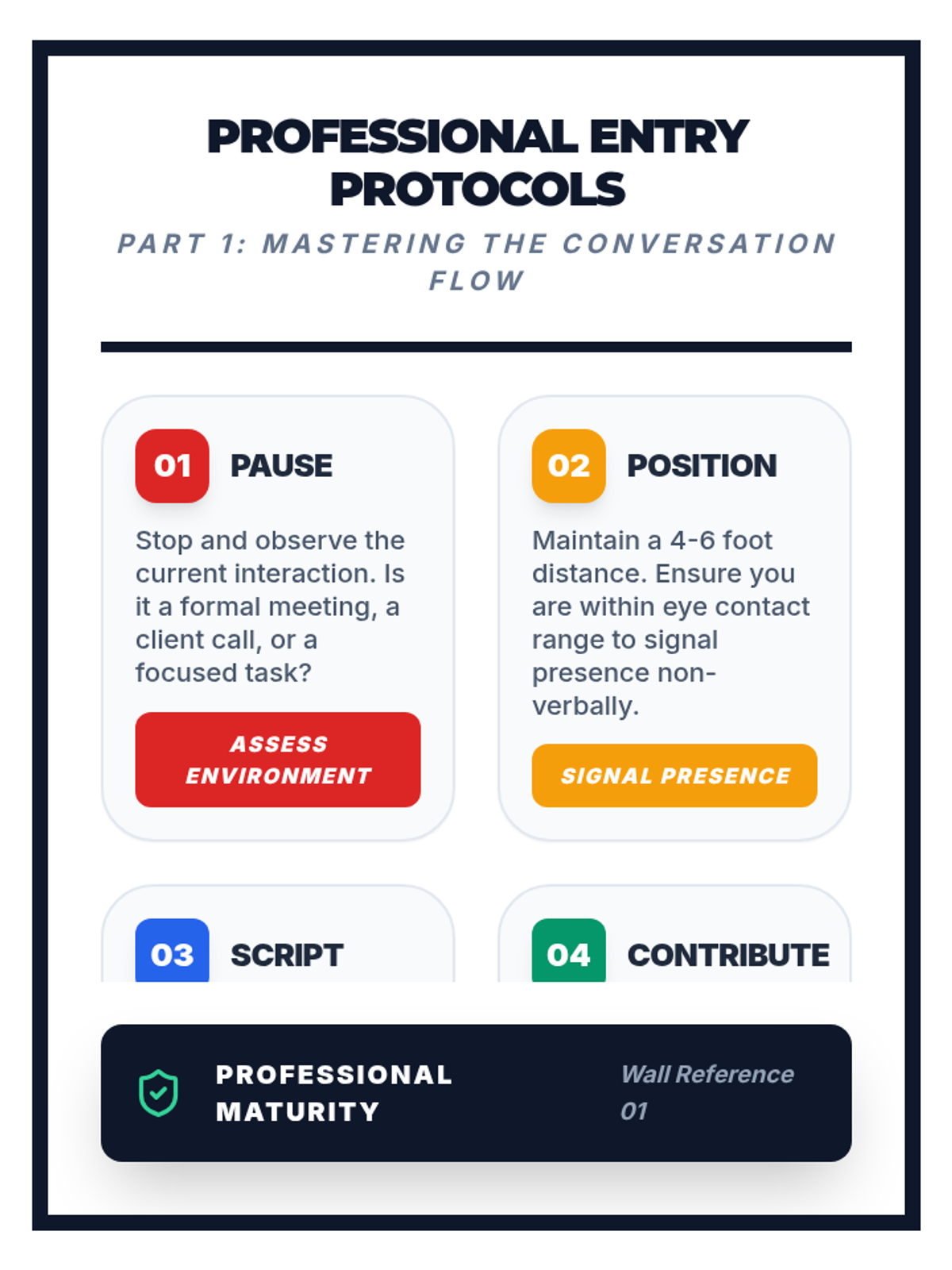
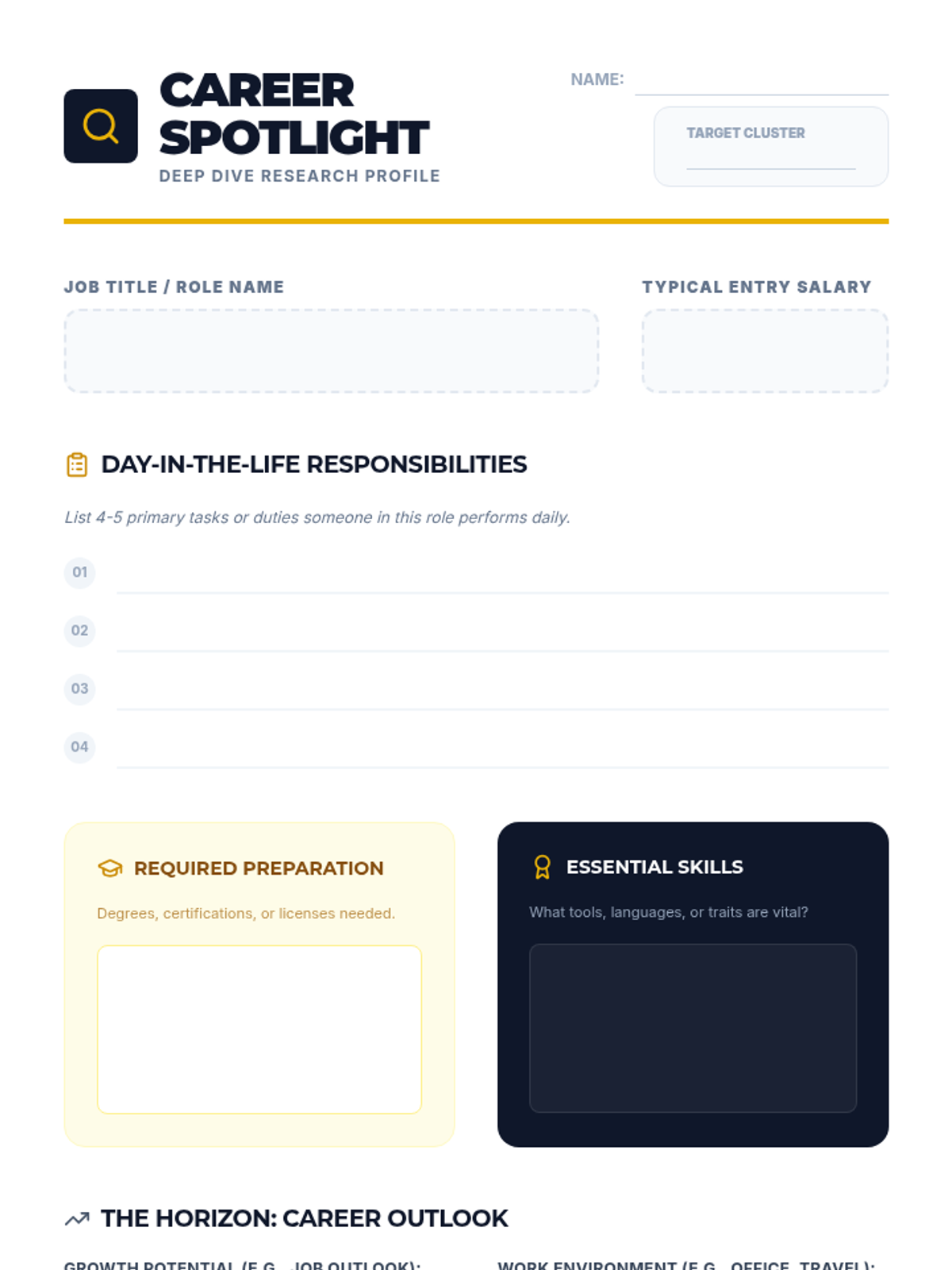
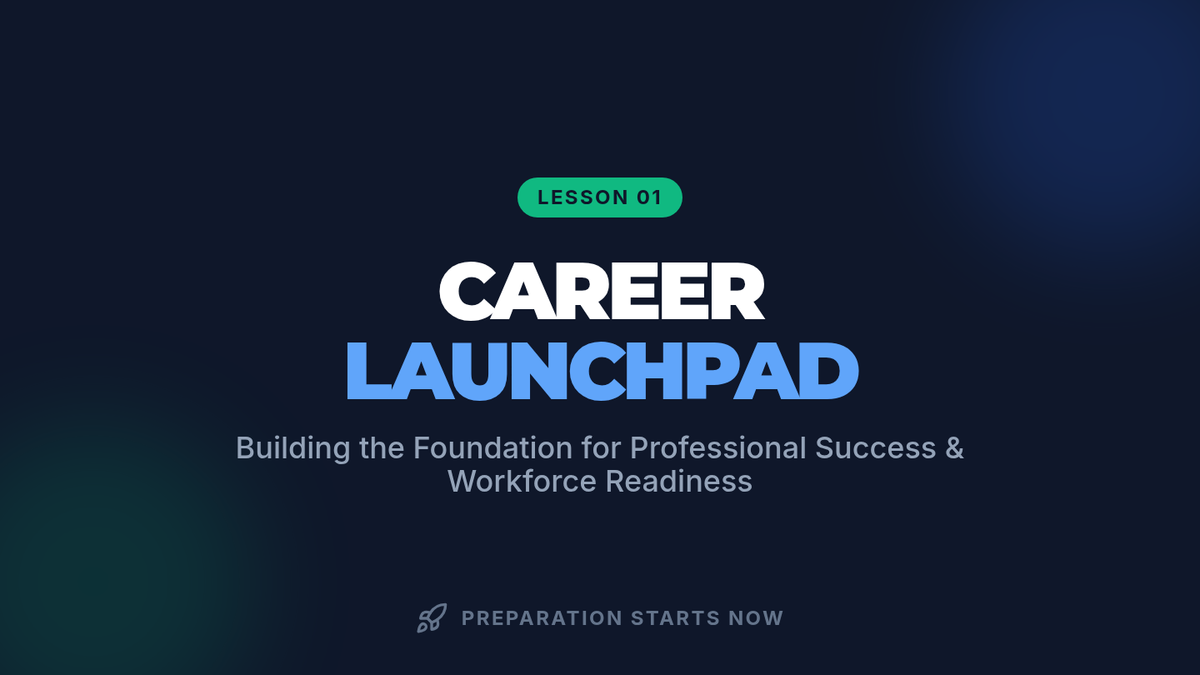
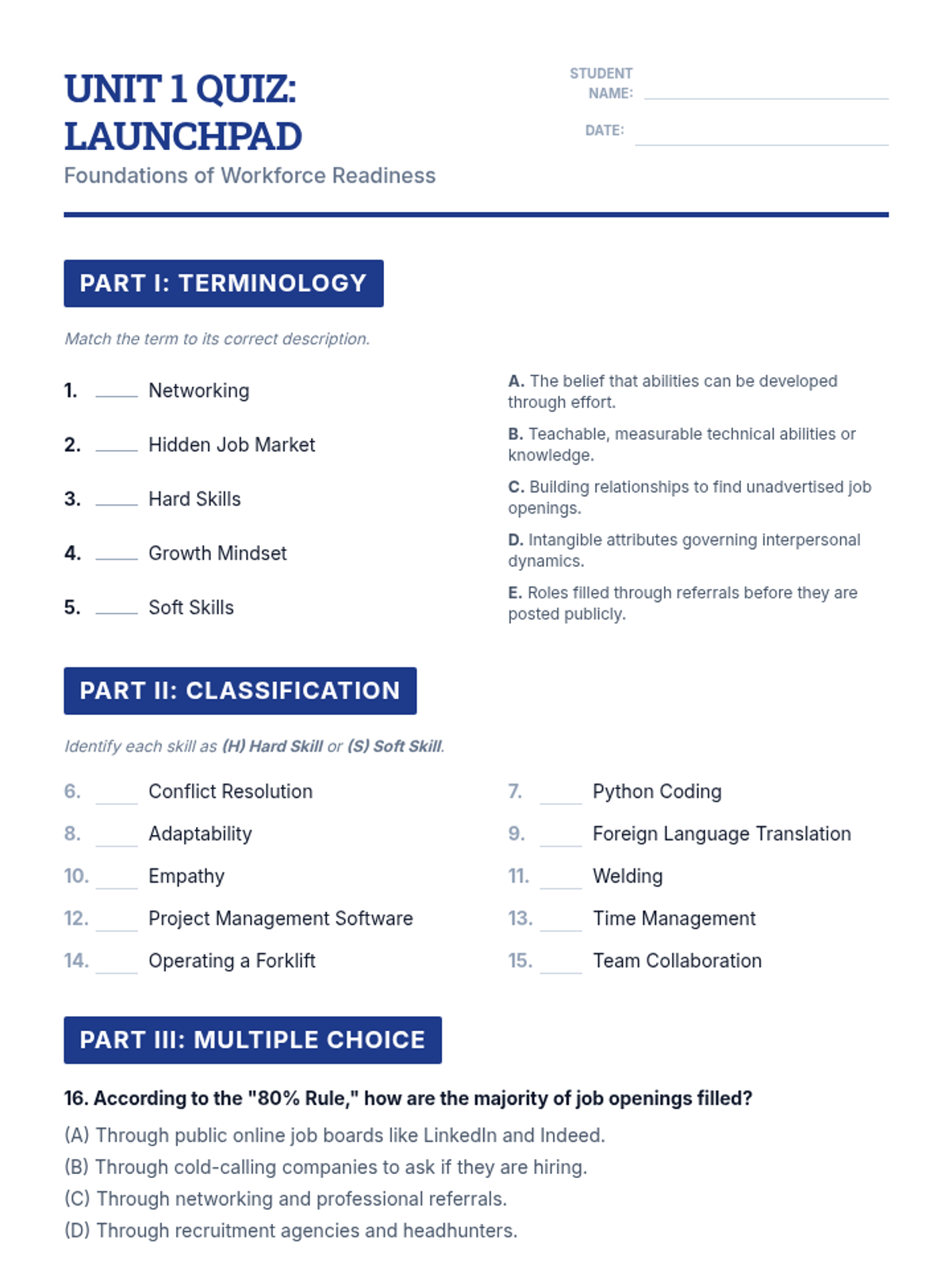
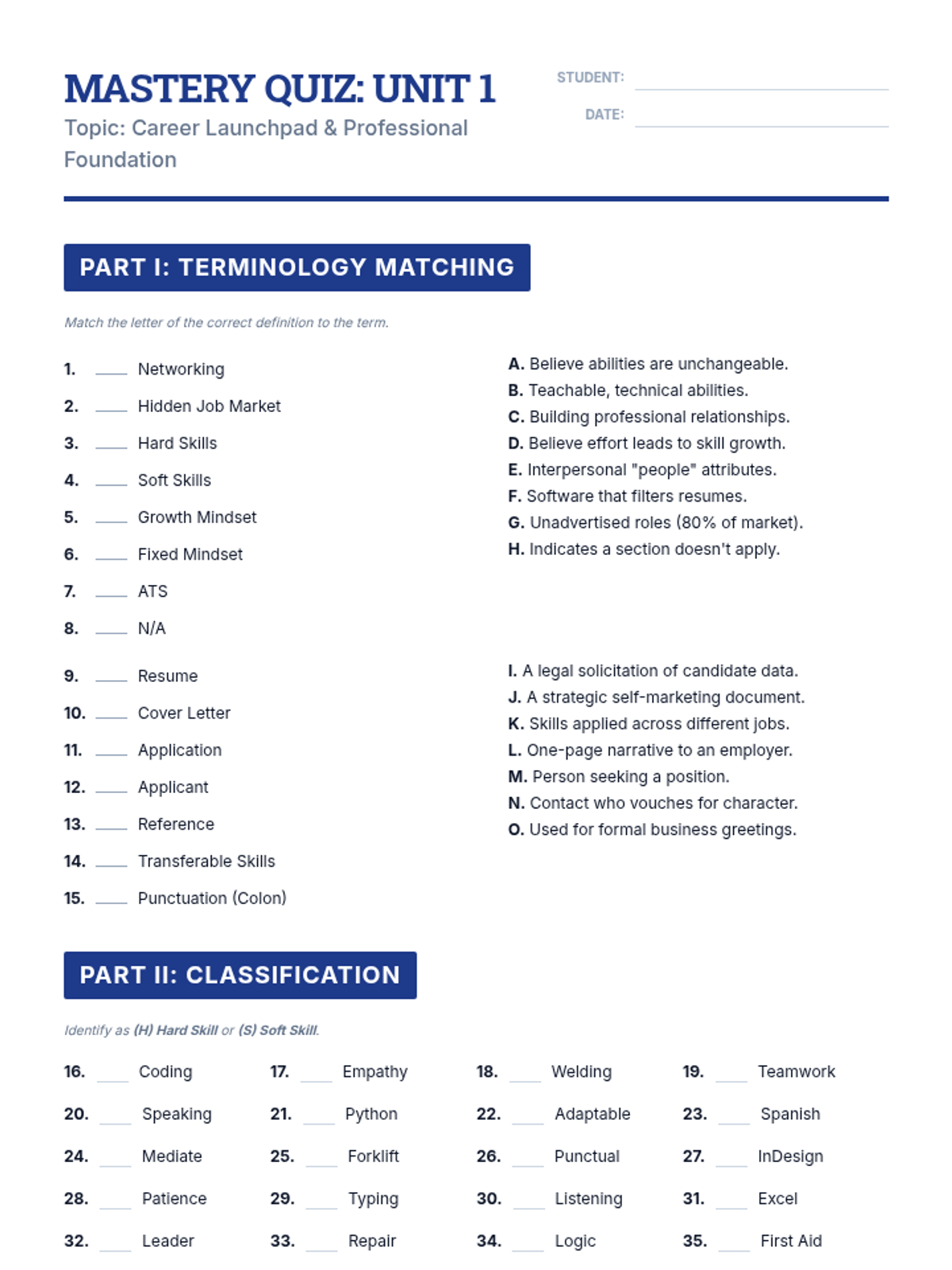
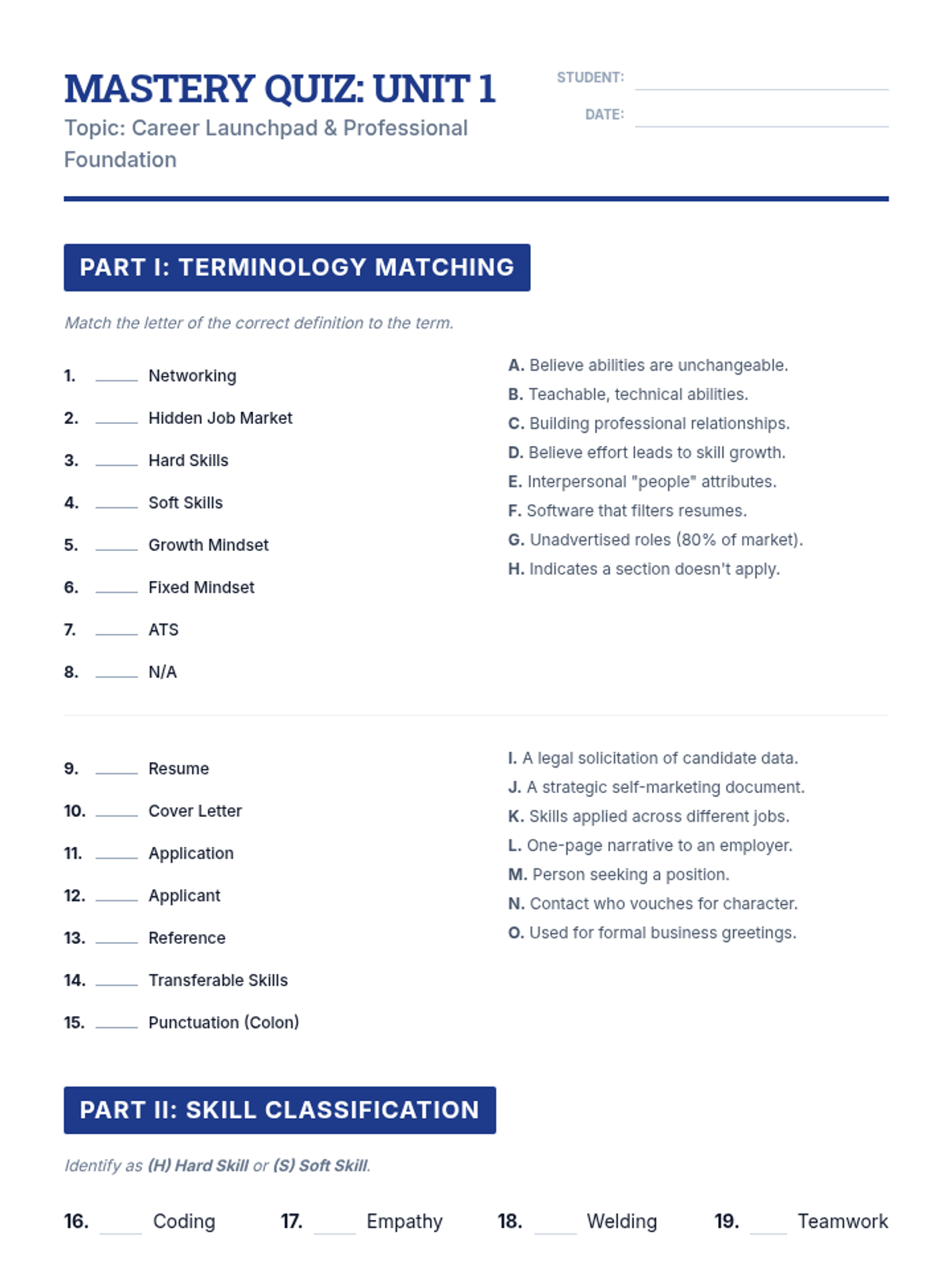
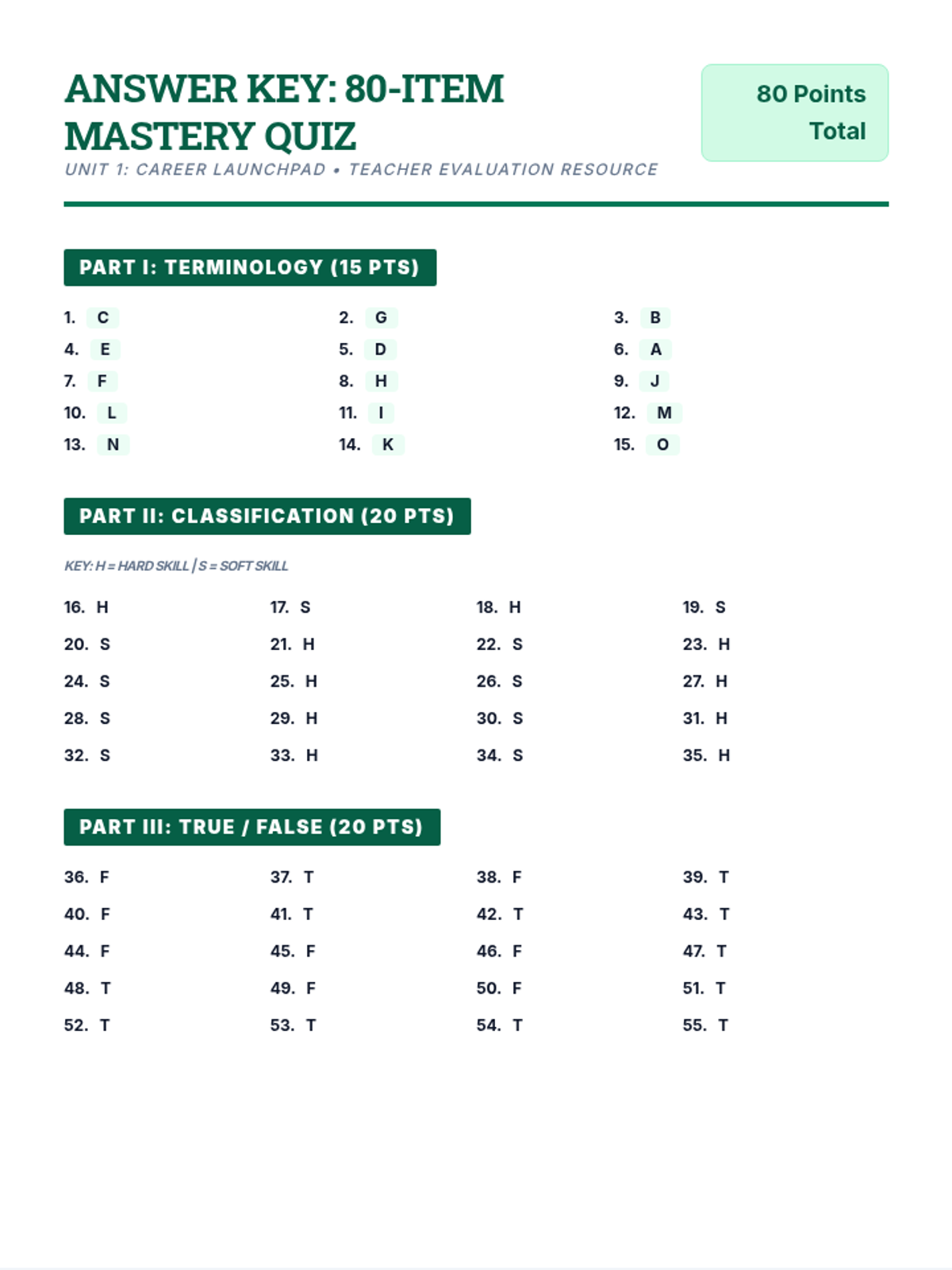
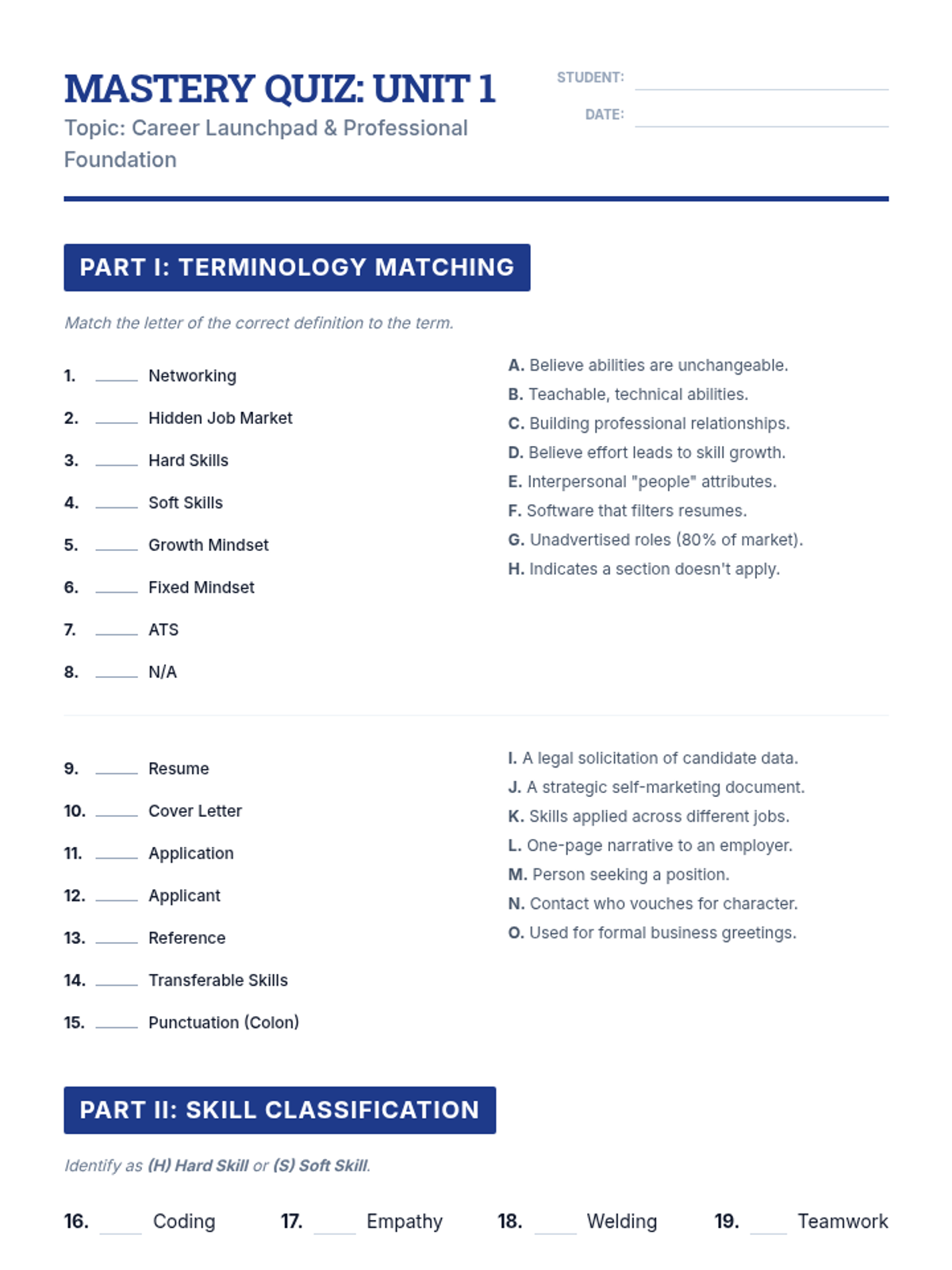
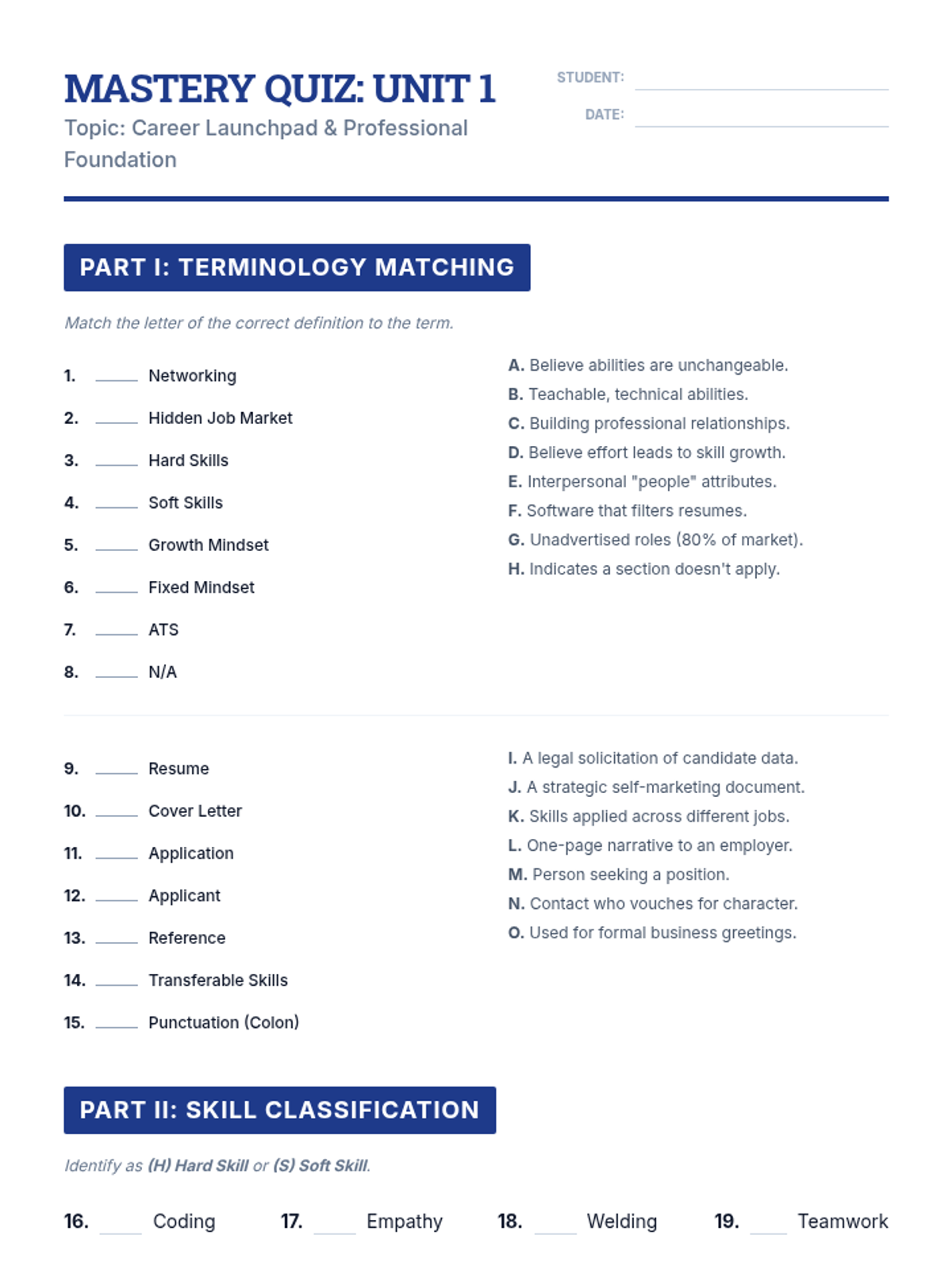
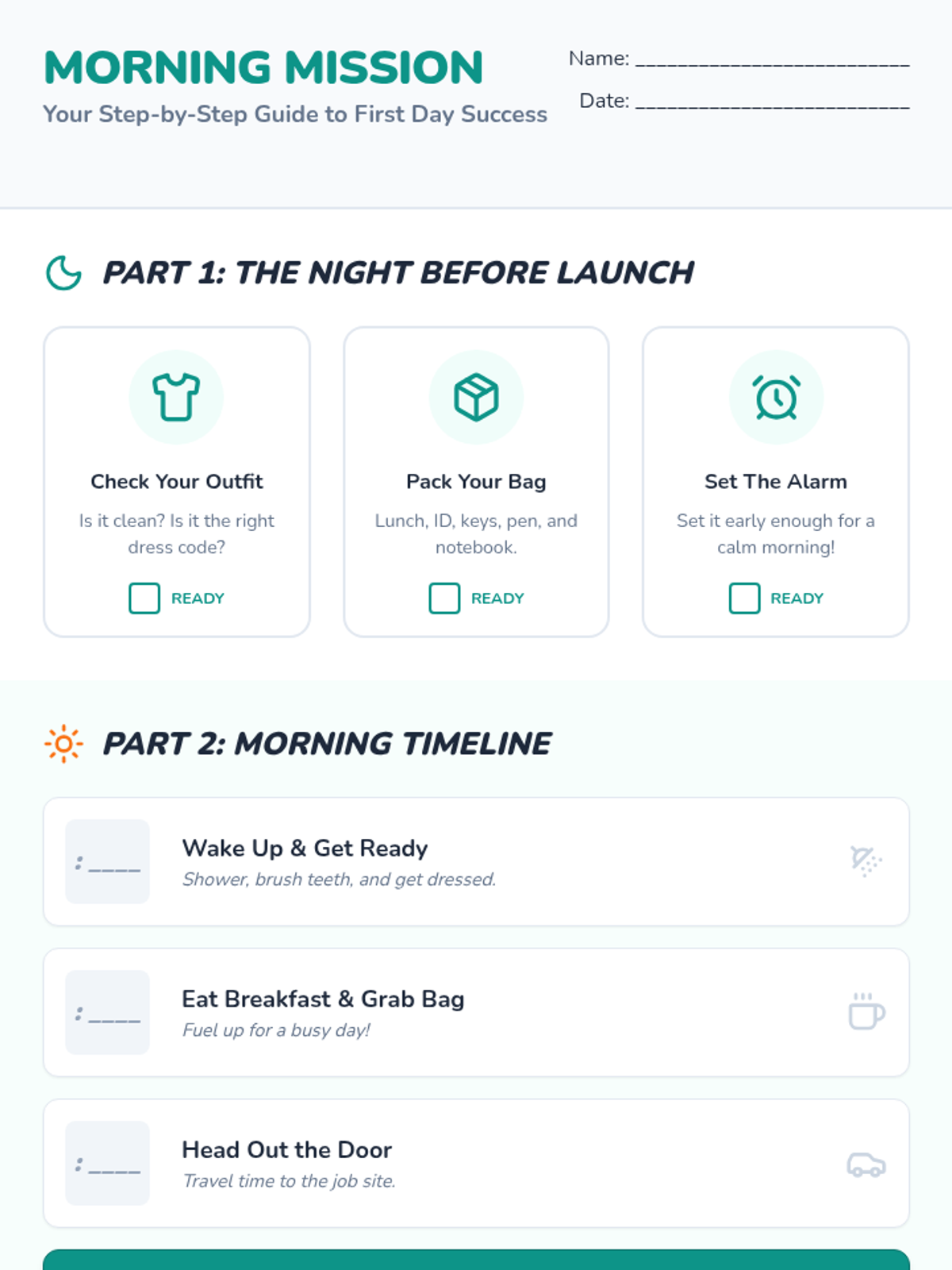
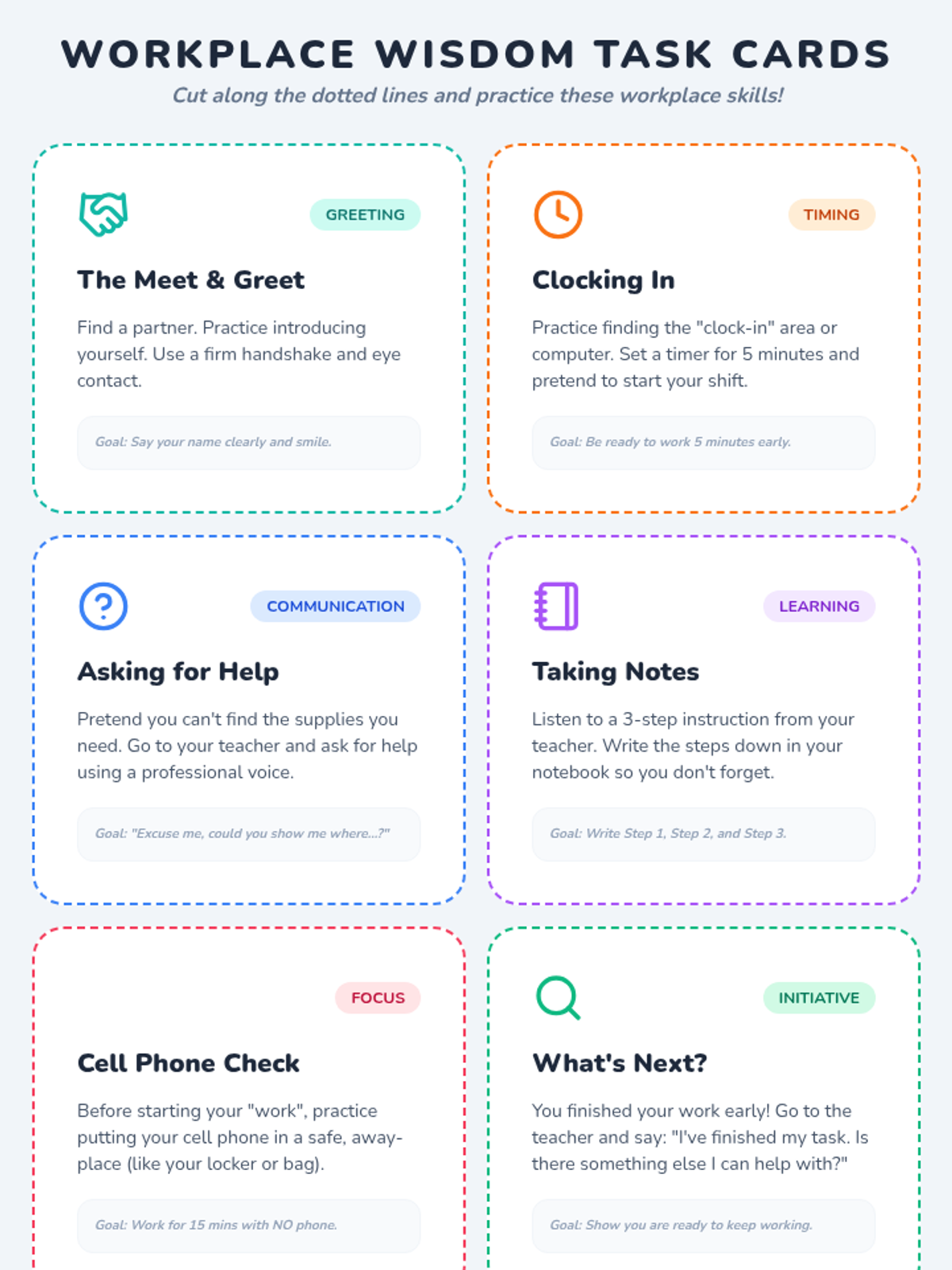
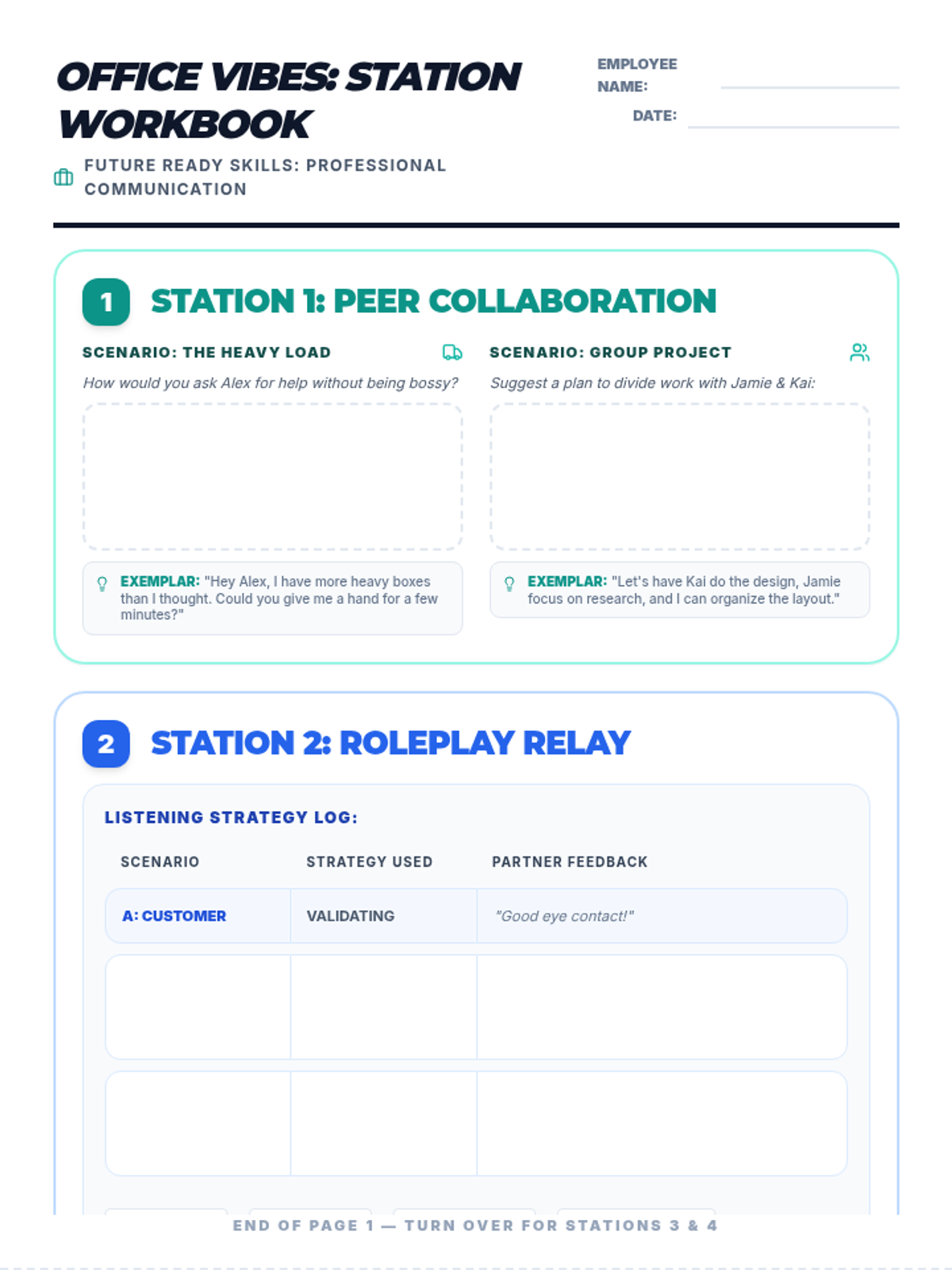
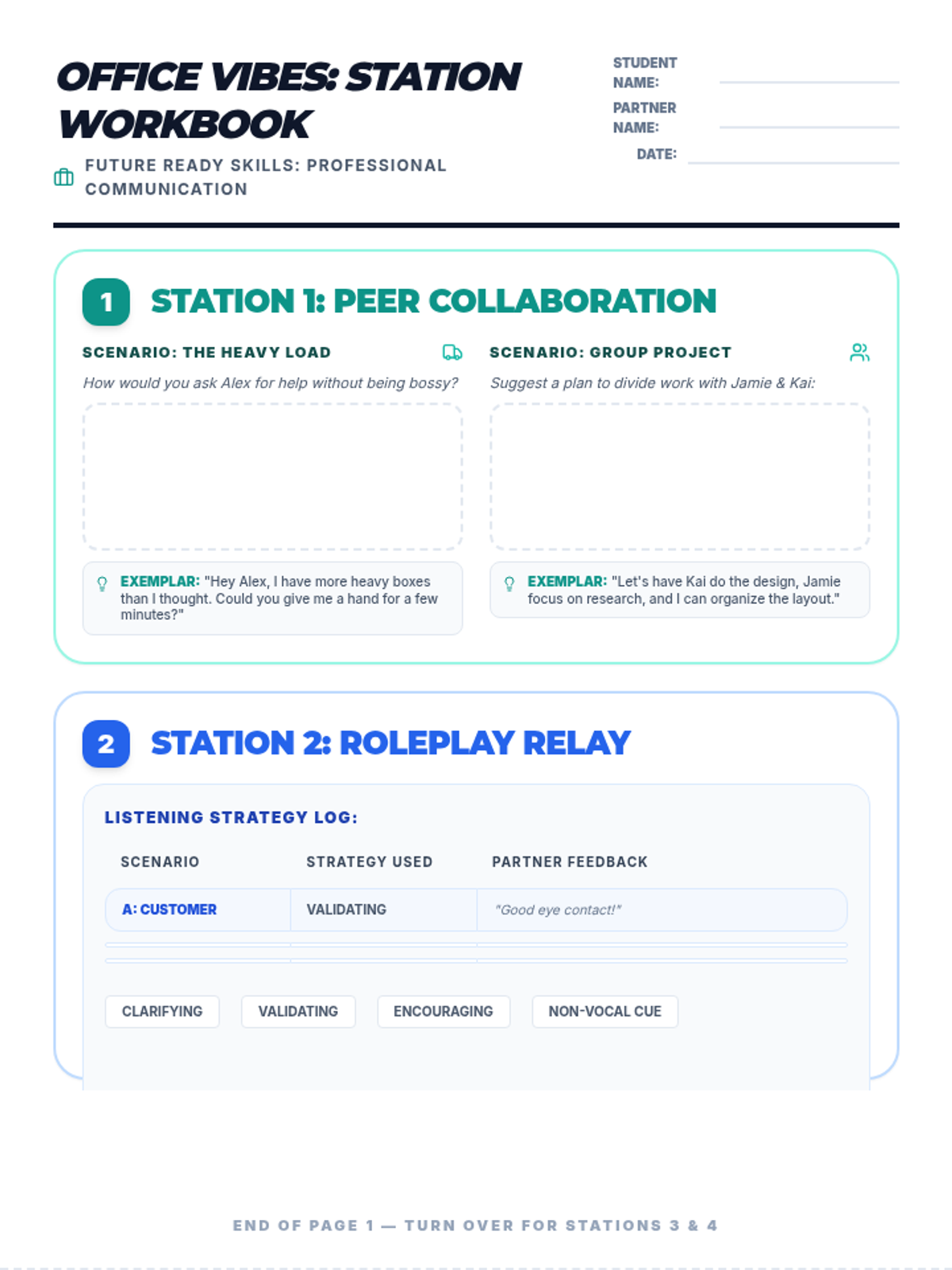
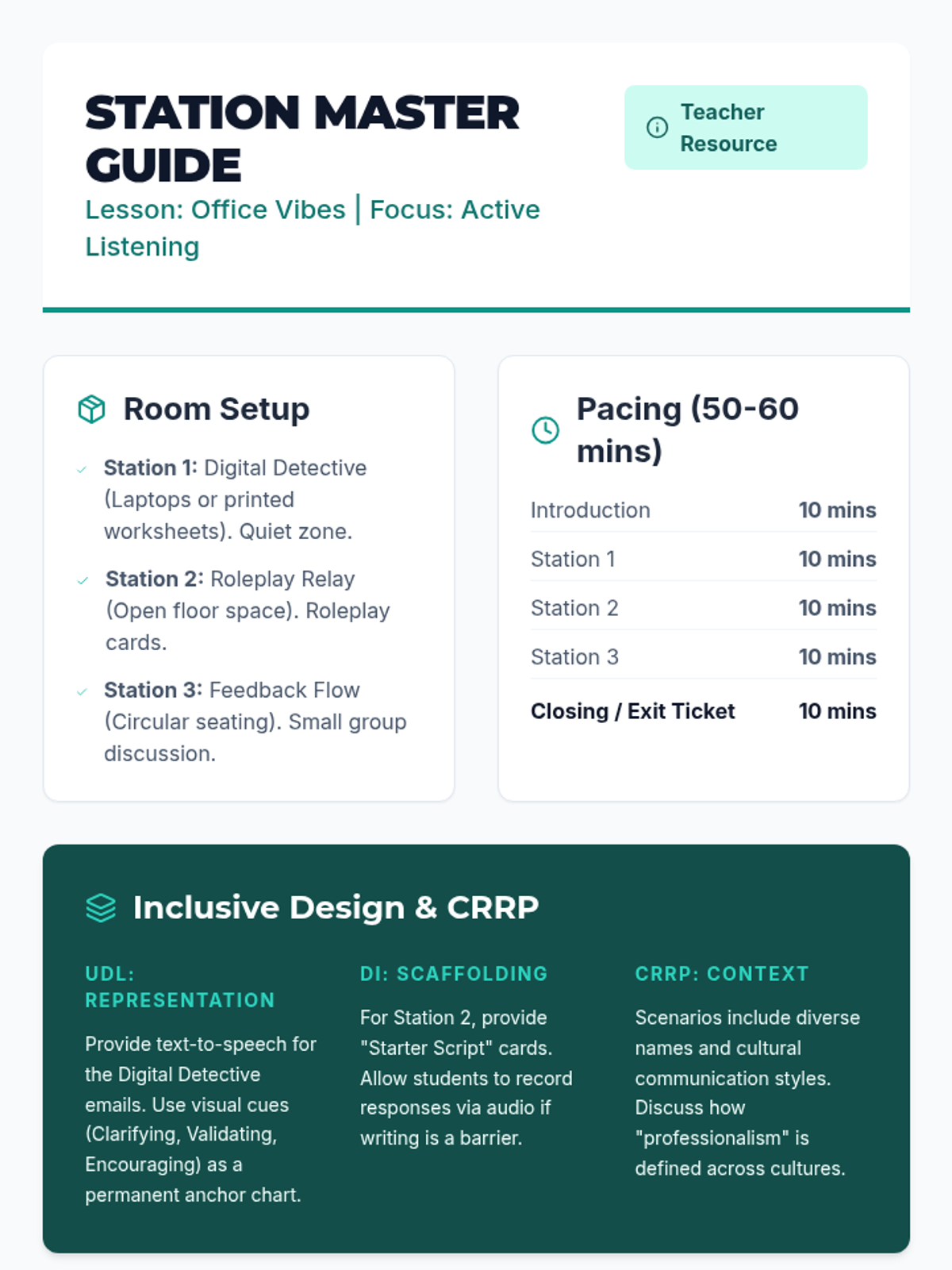
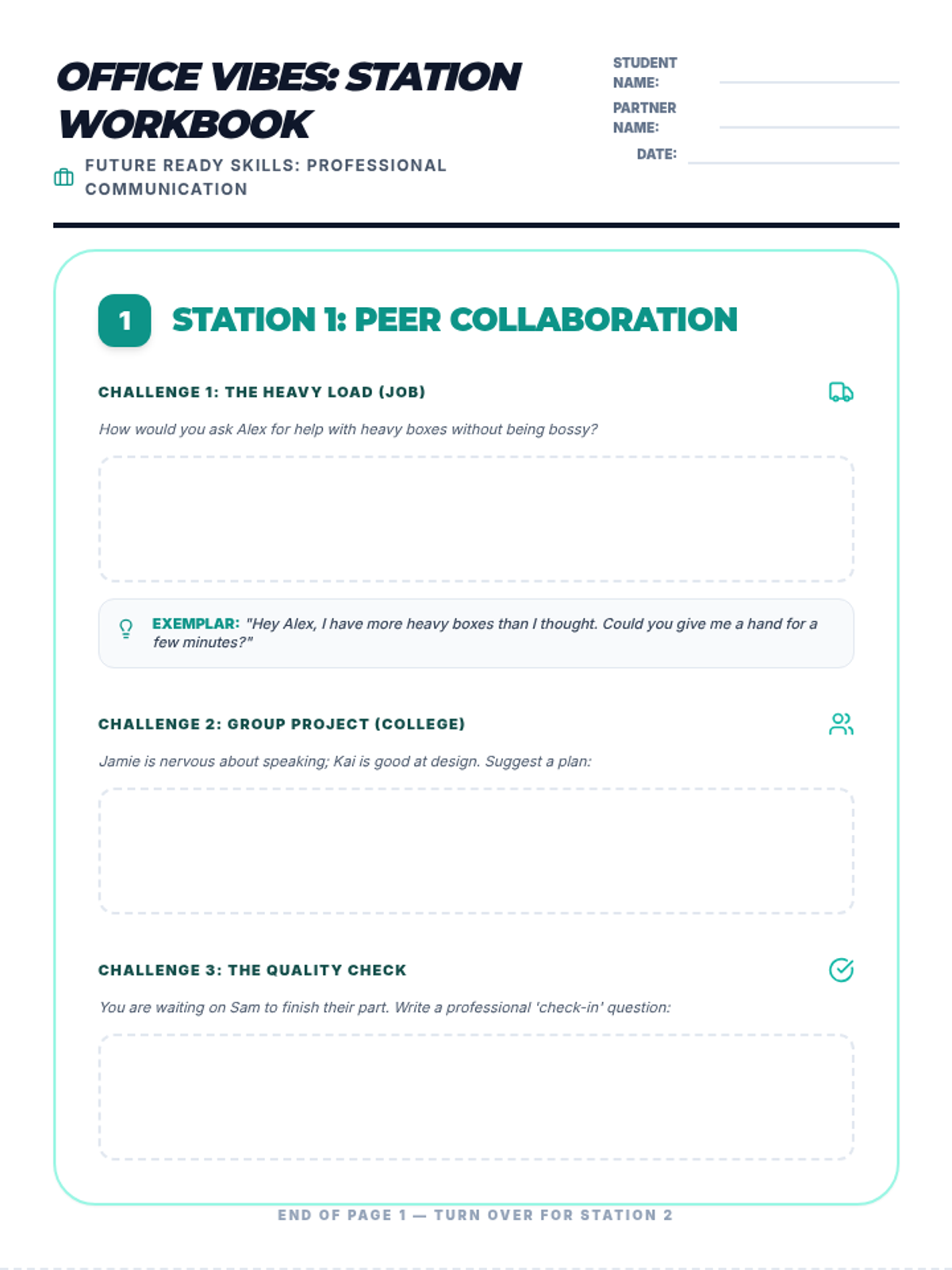
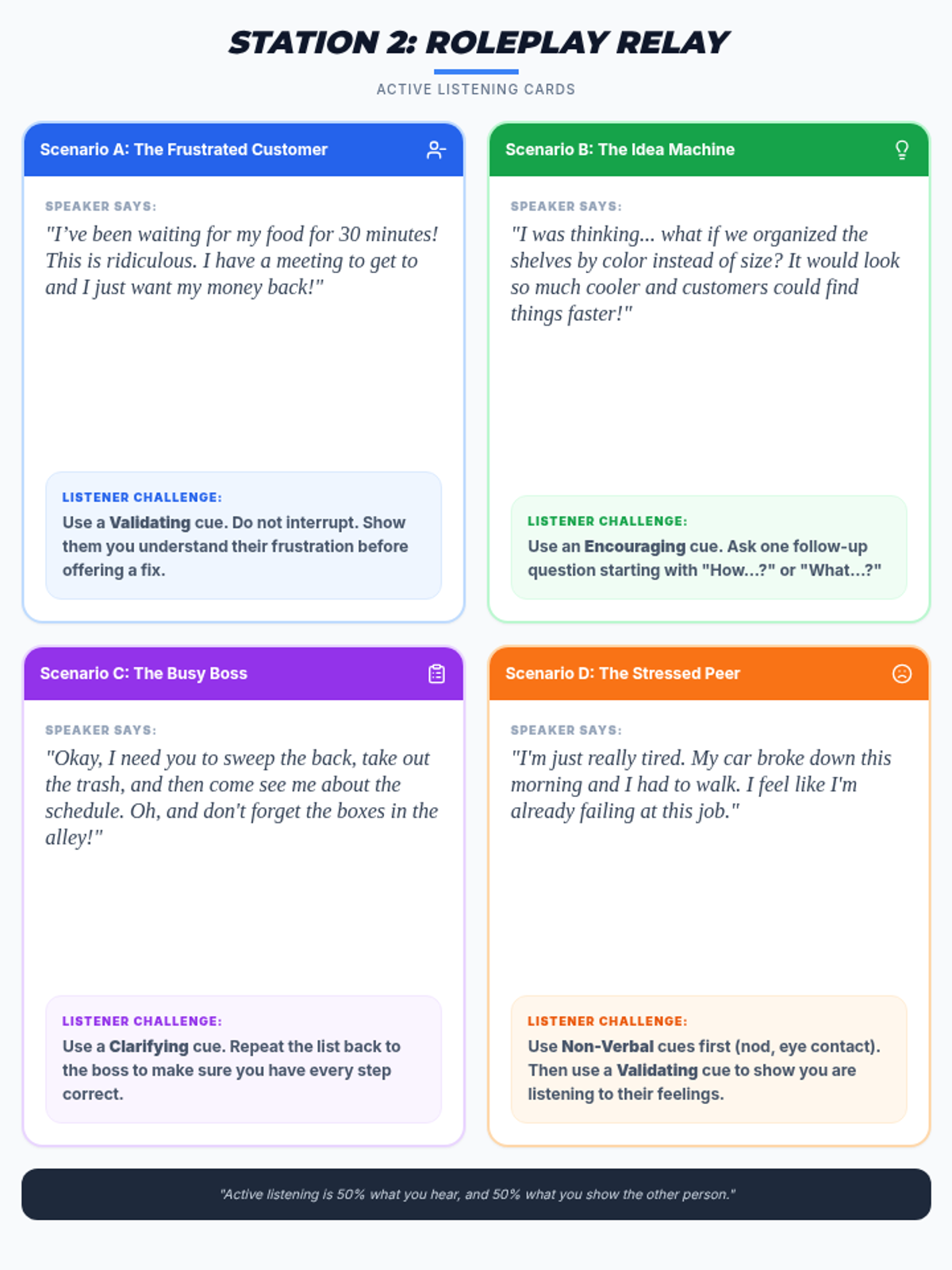
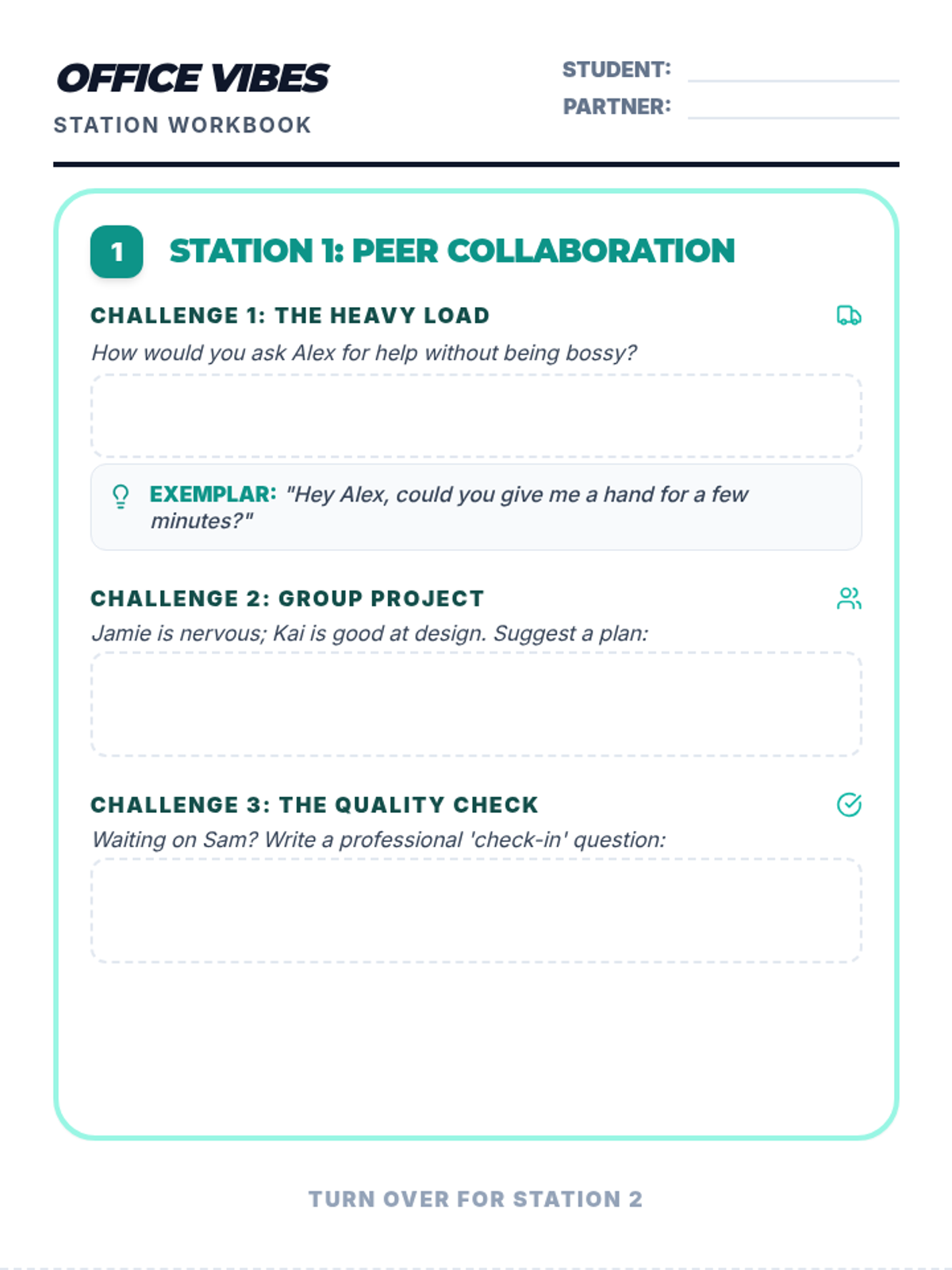
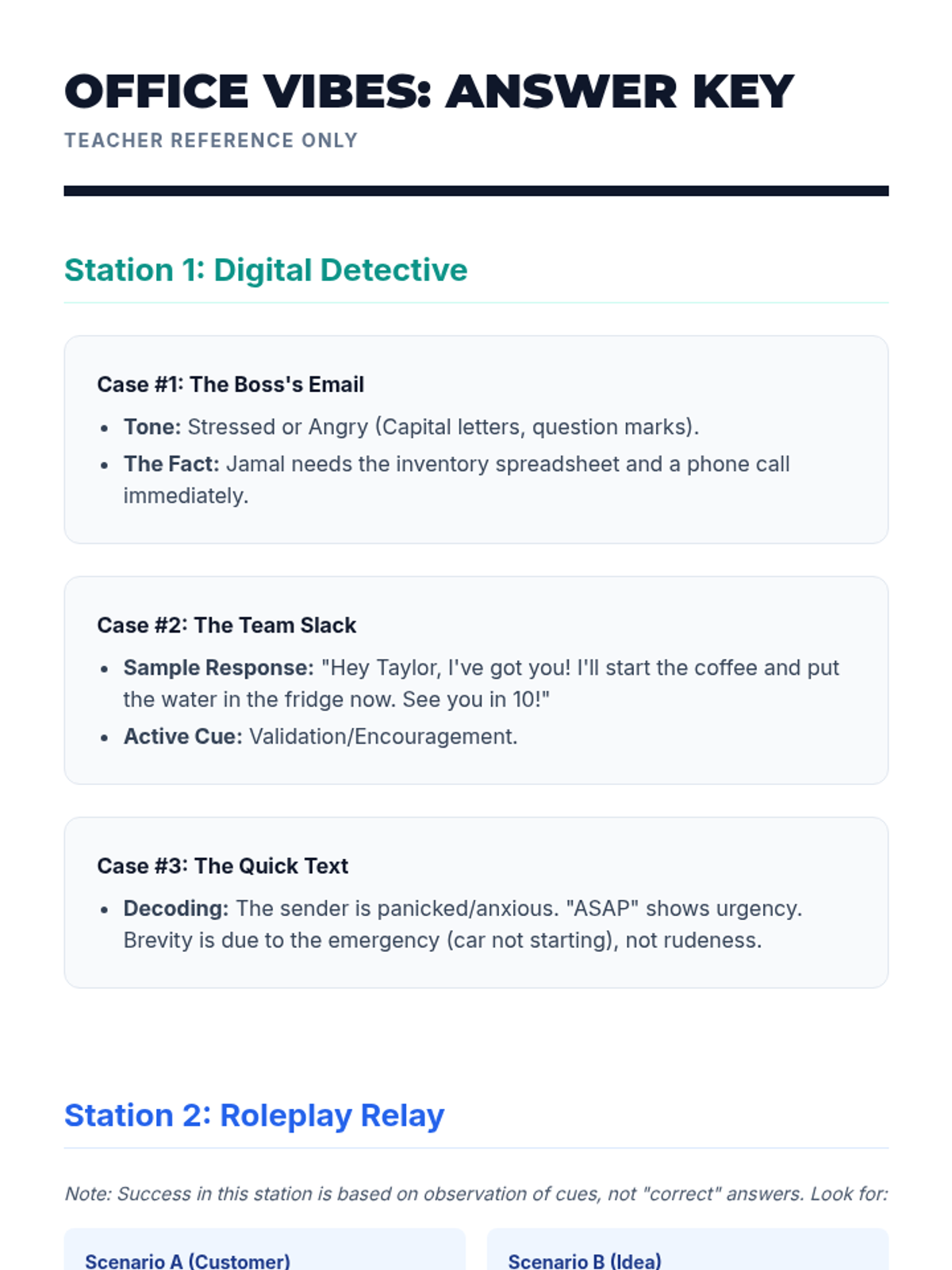
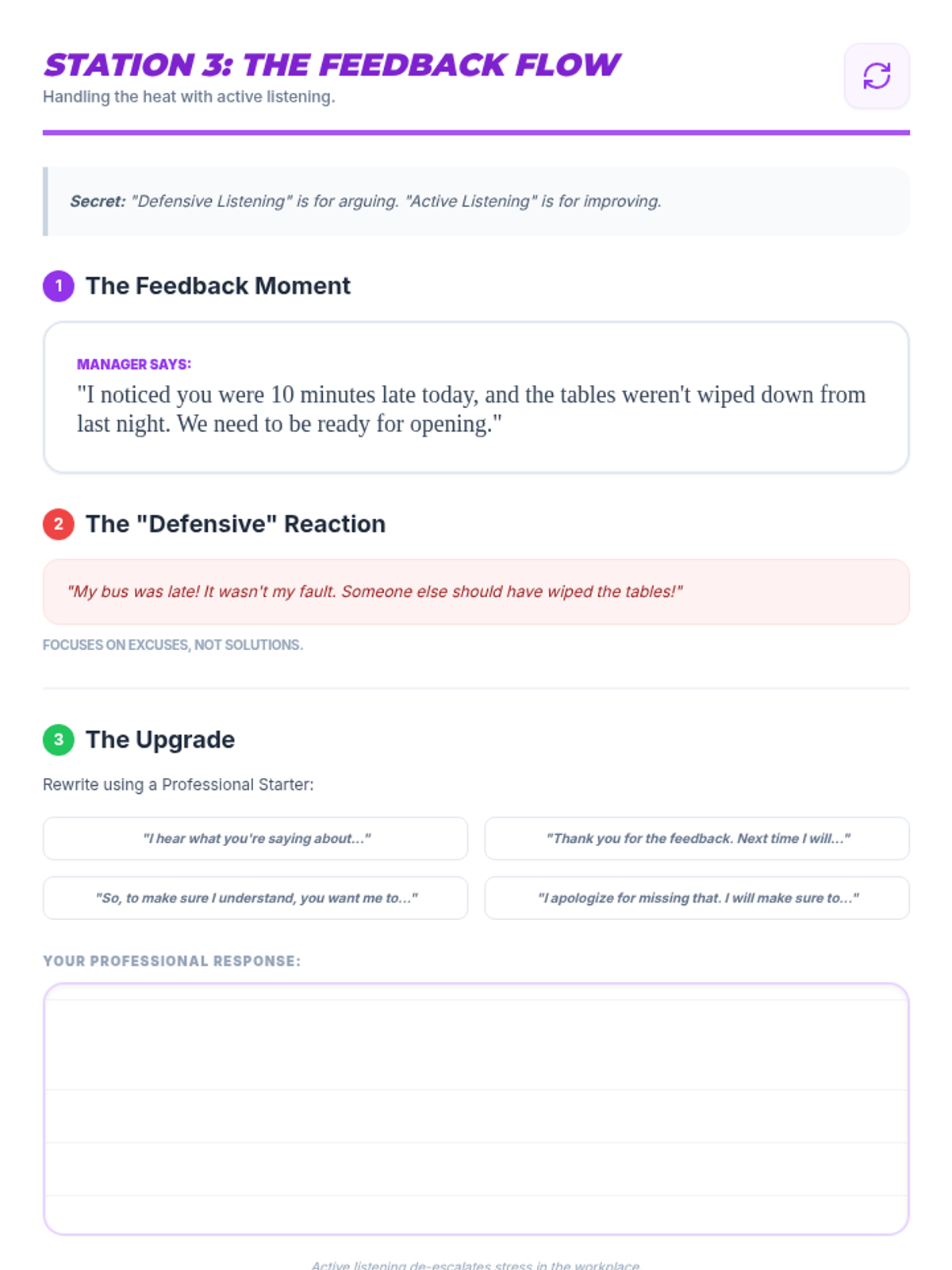
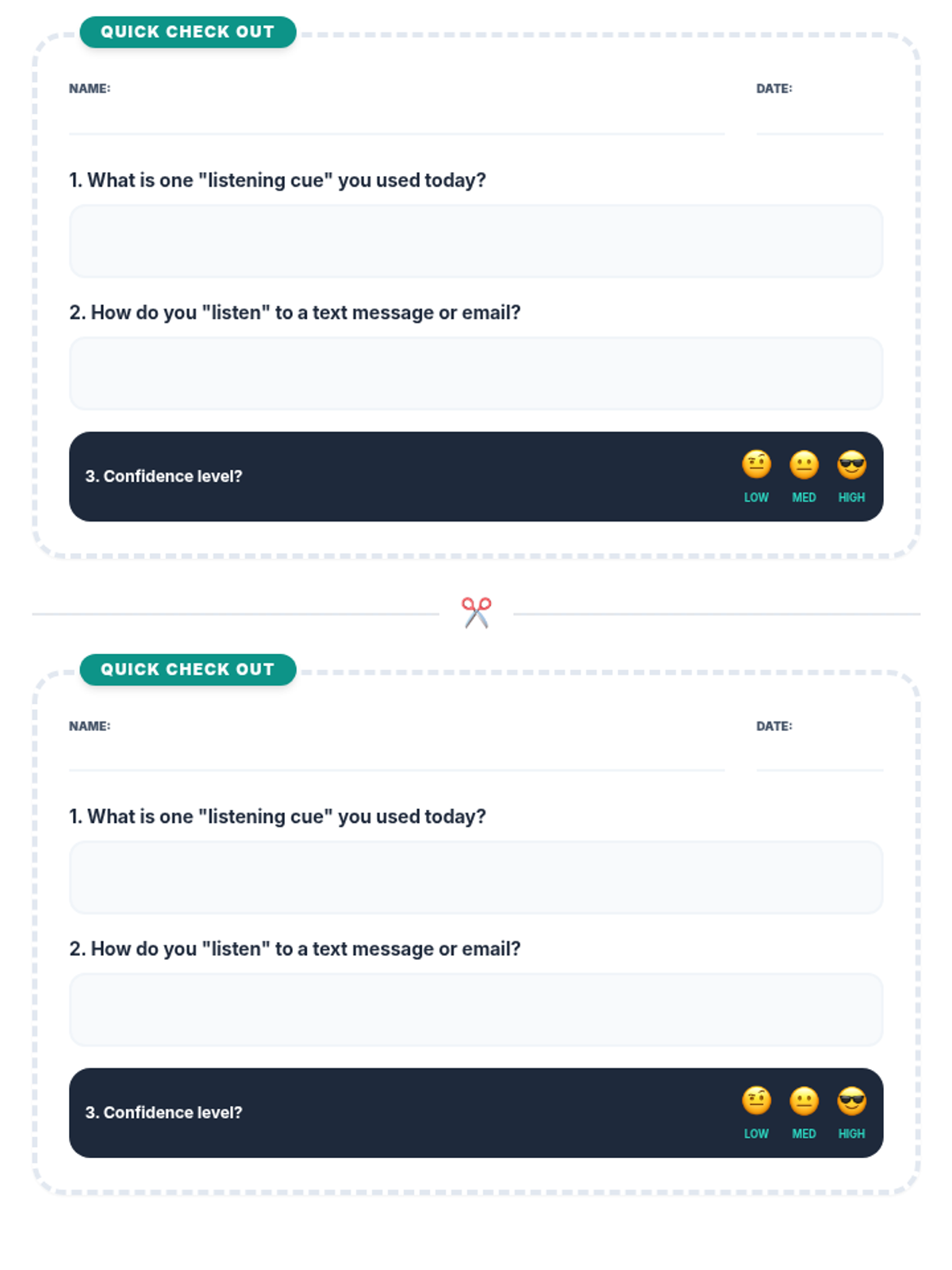
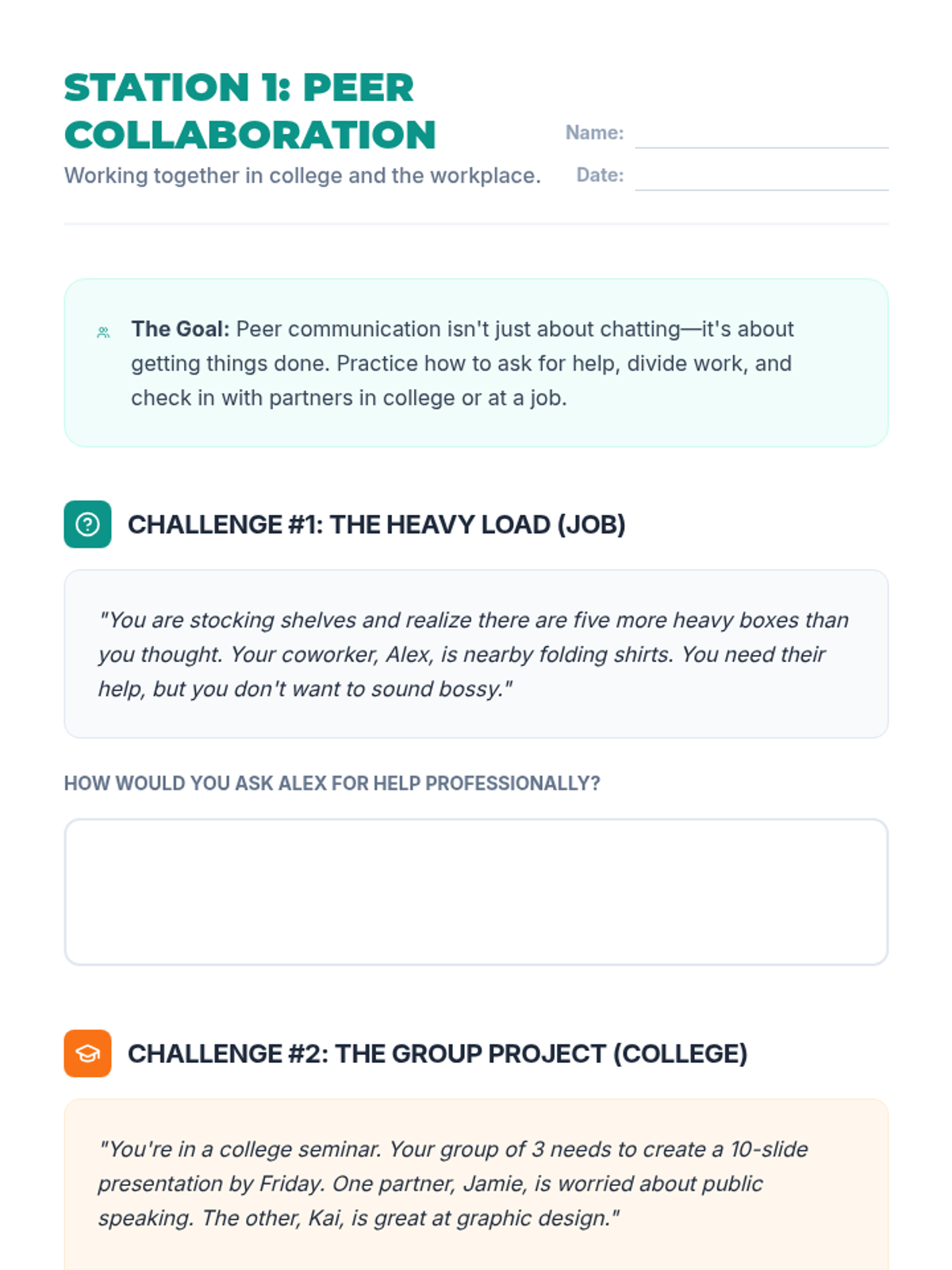
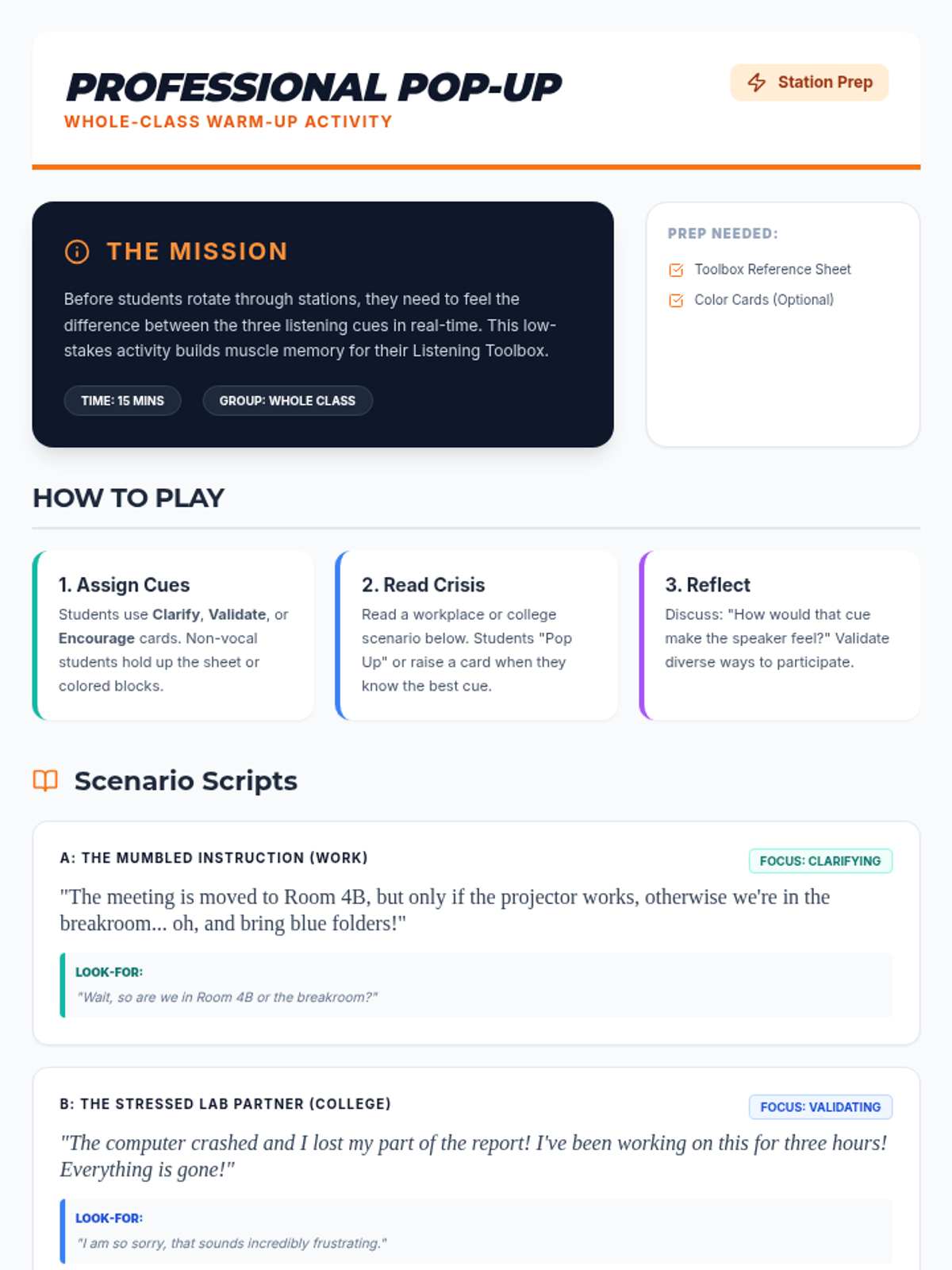
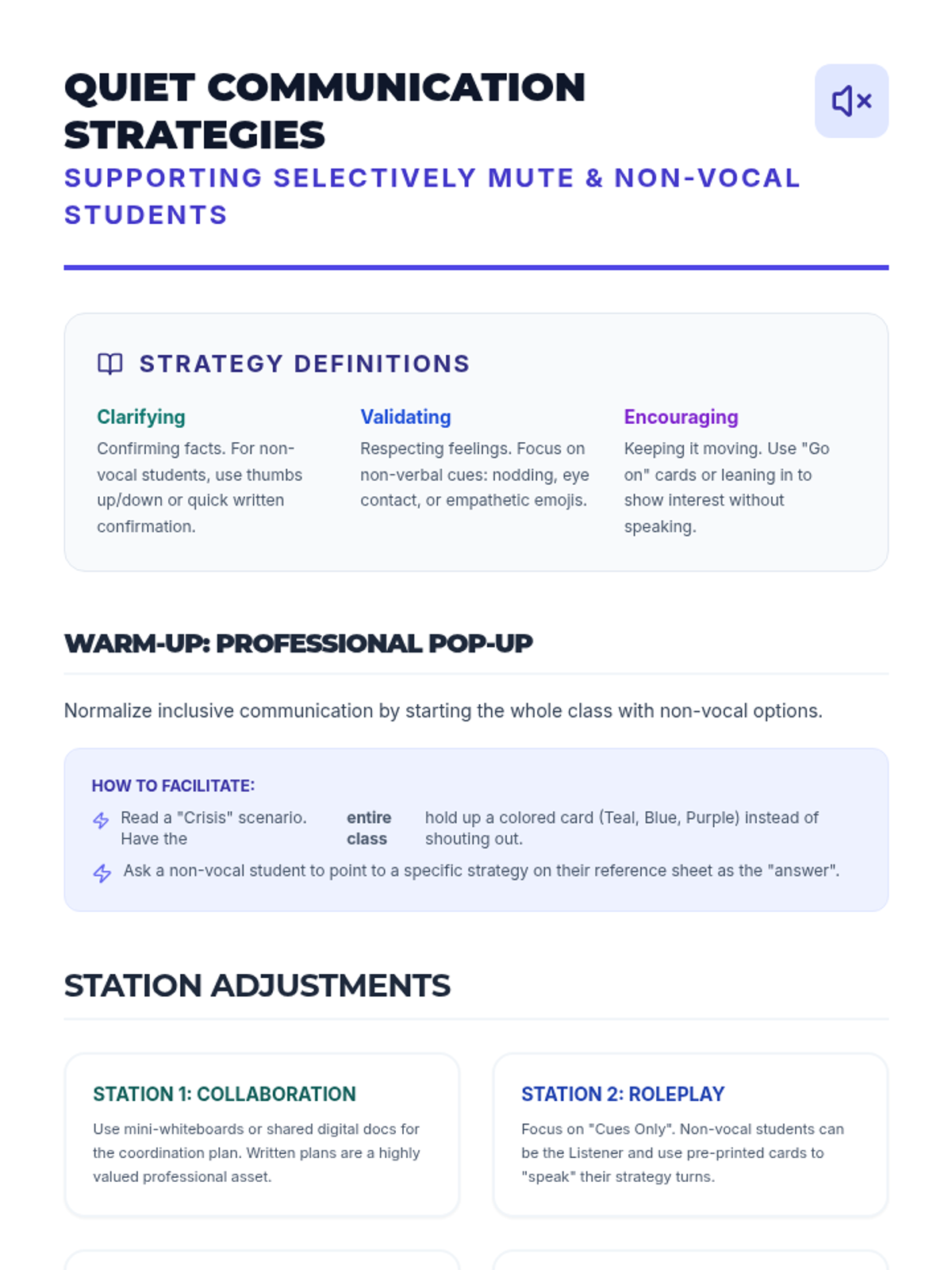
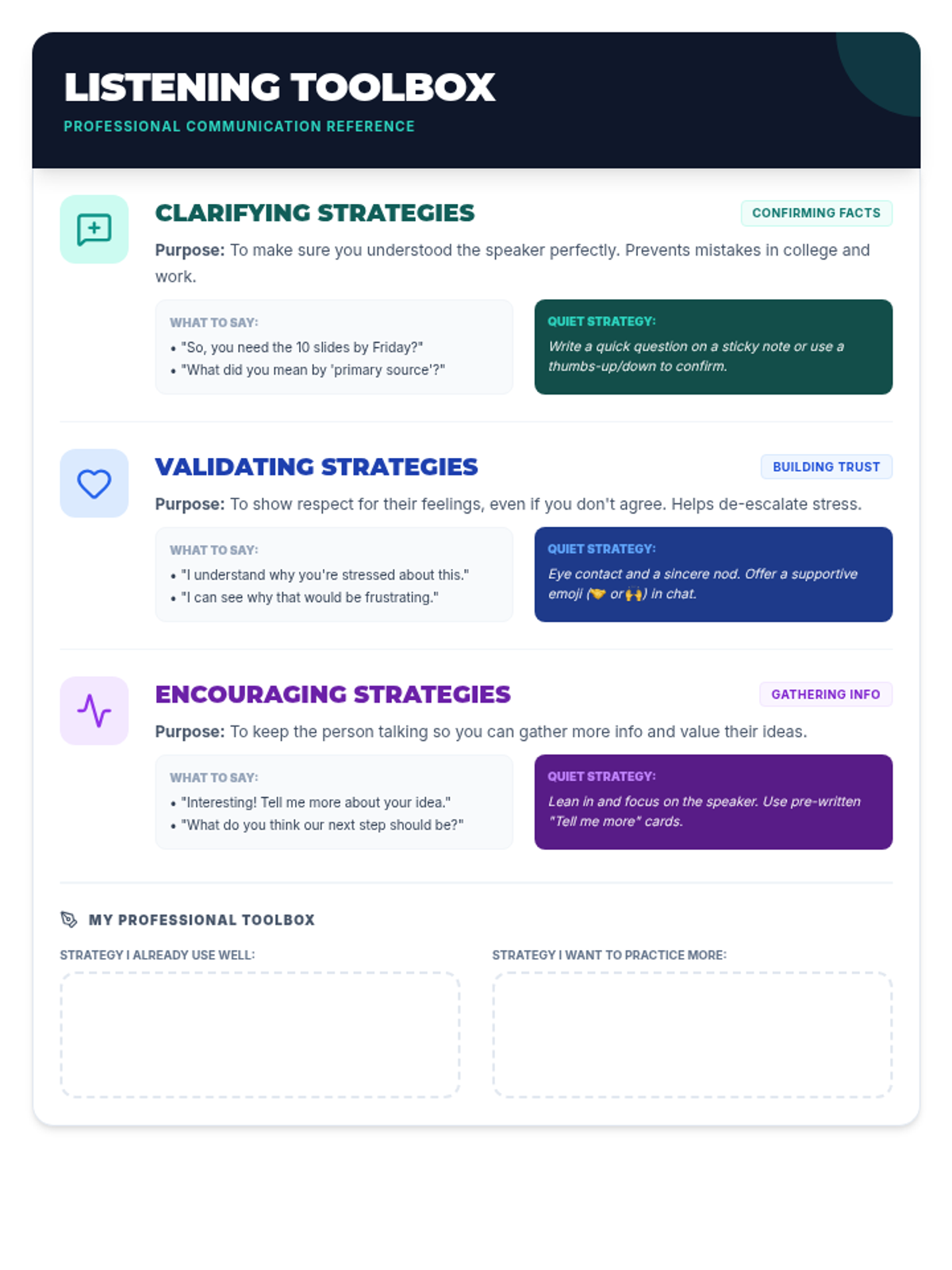
A series of lessons designed to prepare students for the transition to the workforce by developing critical soft skills, digital literacy, and professional communication strategies.
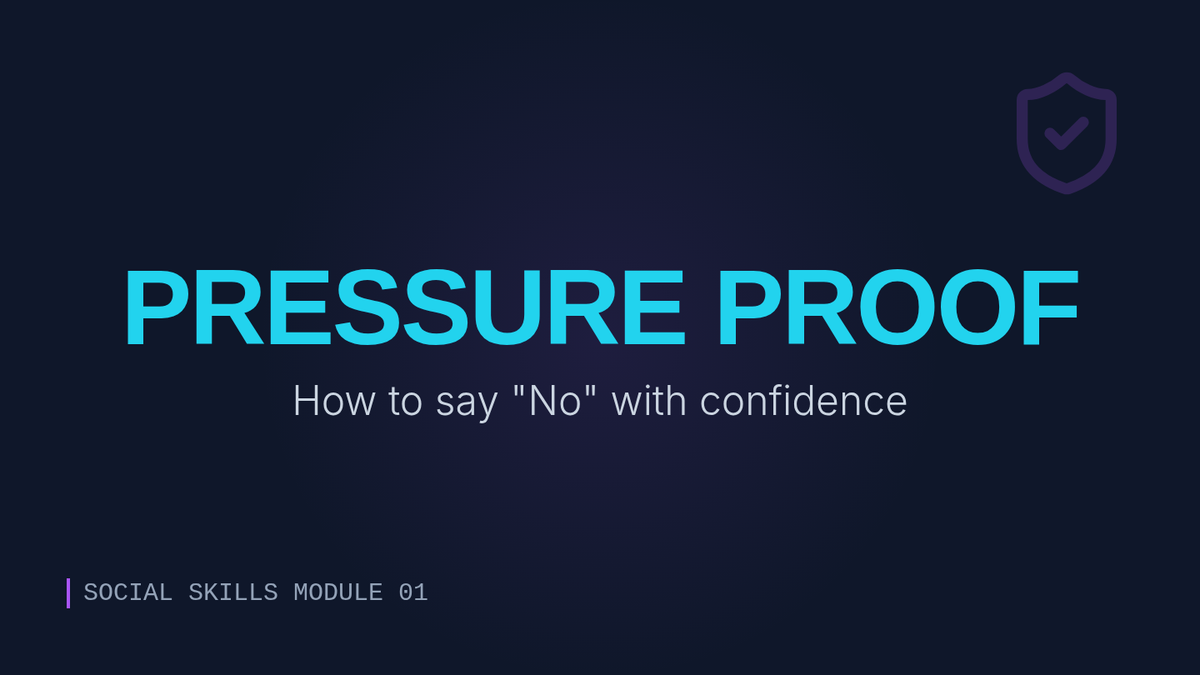
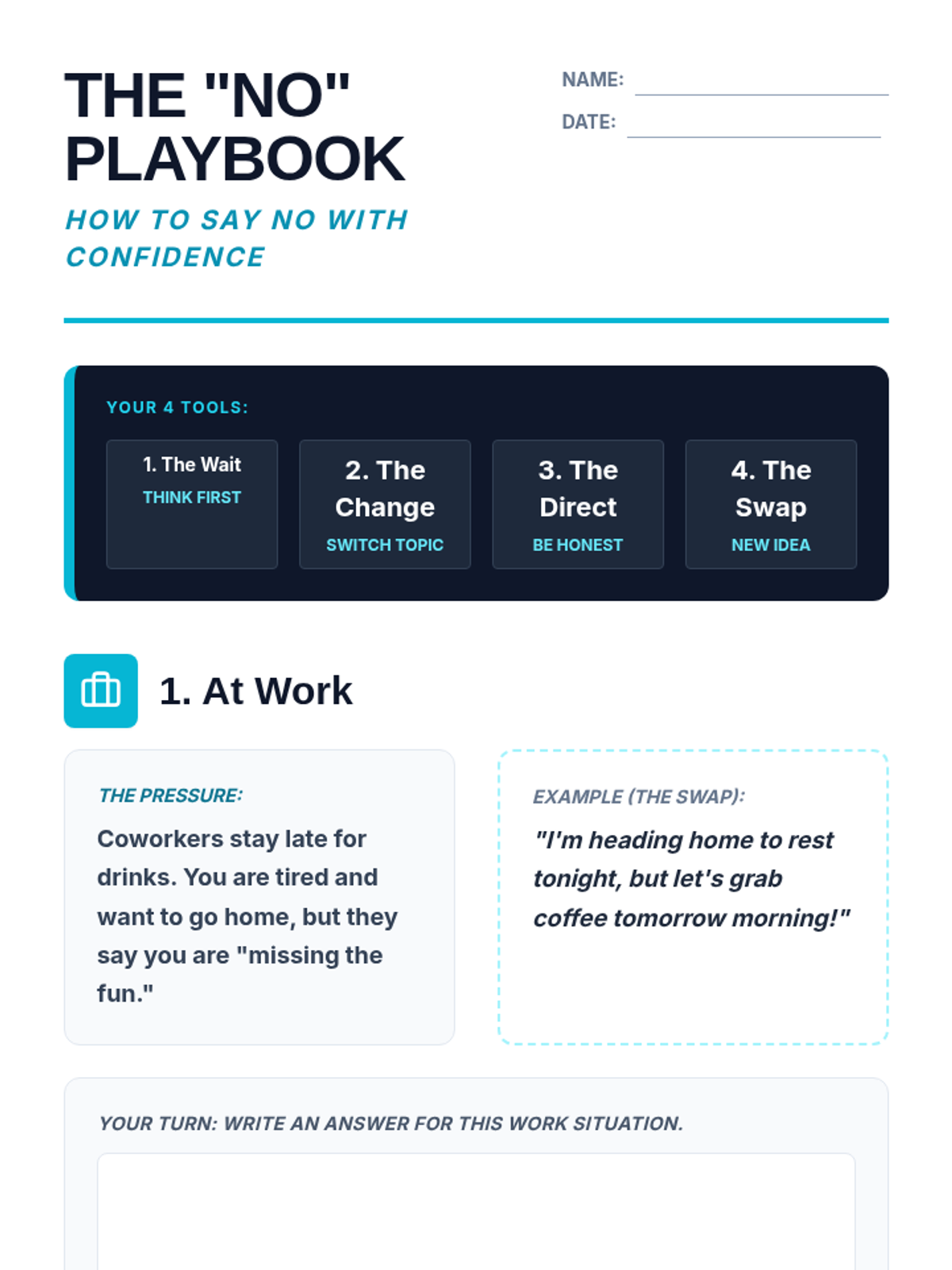
A comprehensive social skills unit designed for adults, focusing on building boundaries and mastering refusal strategies across workplace and social settings.
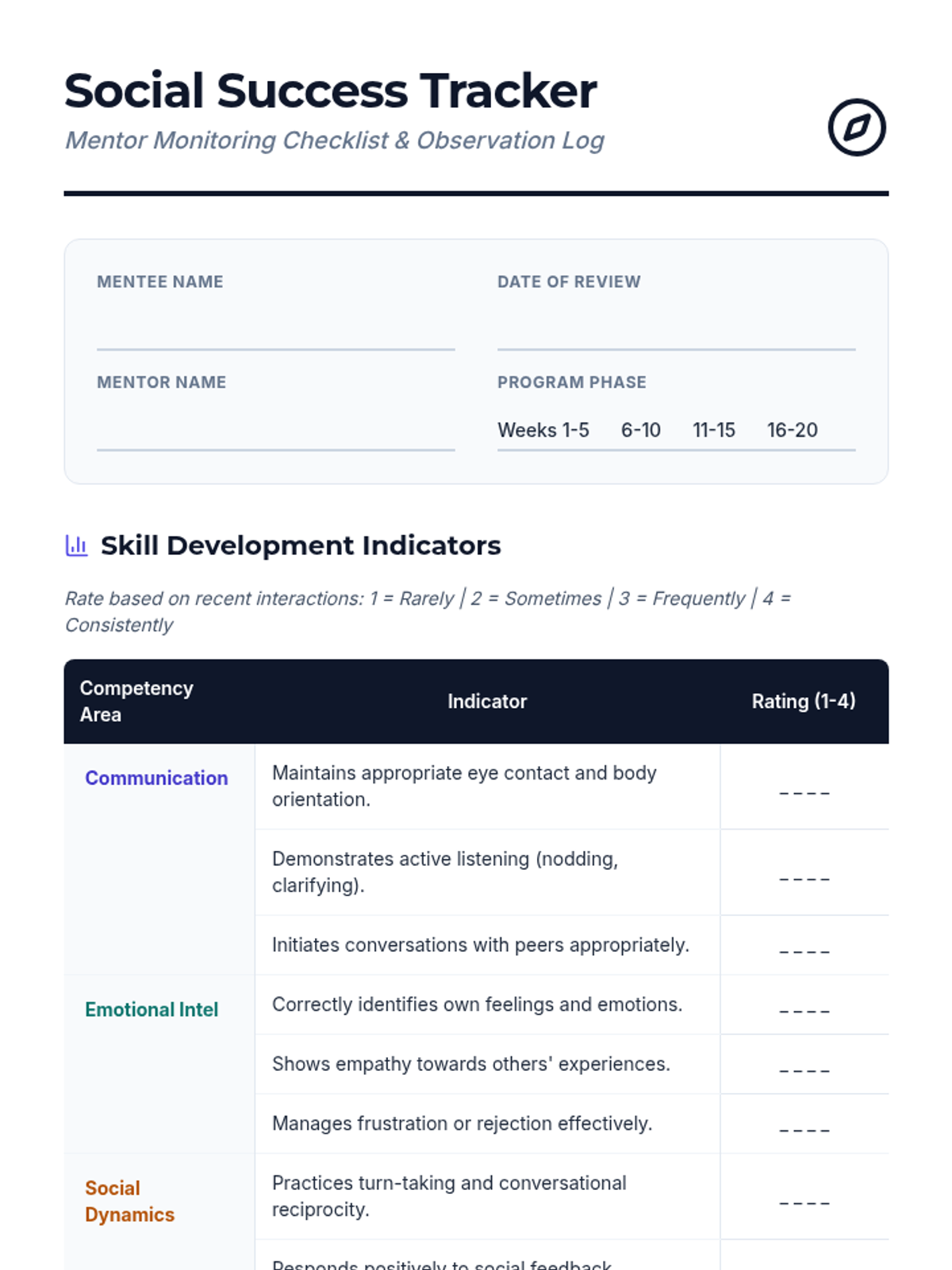
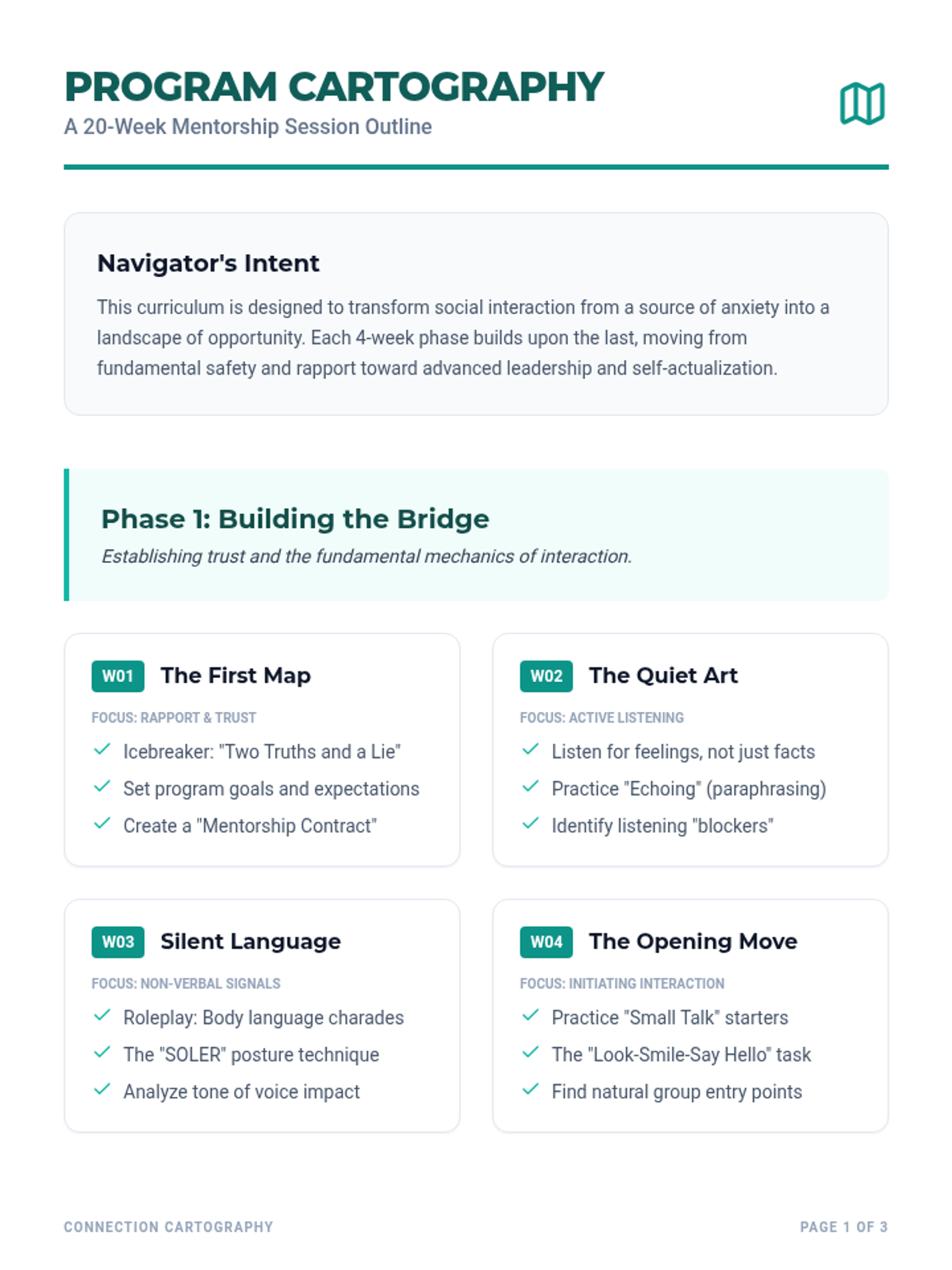
A comprehensive 20-week mentorship program designed to help students navigate social environments, build meaningful friendships, and master communication.
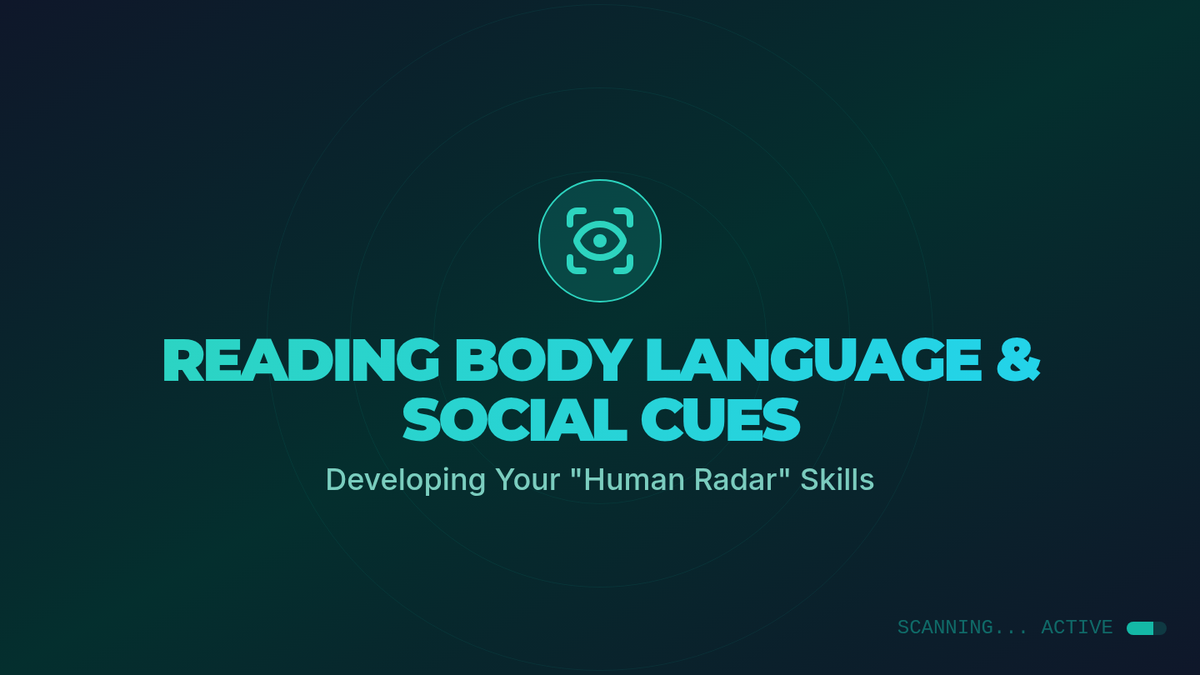
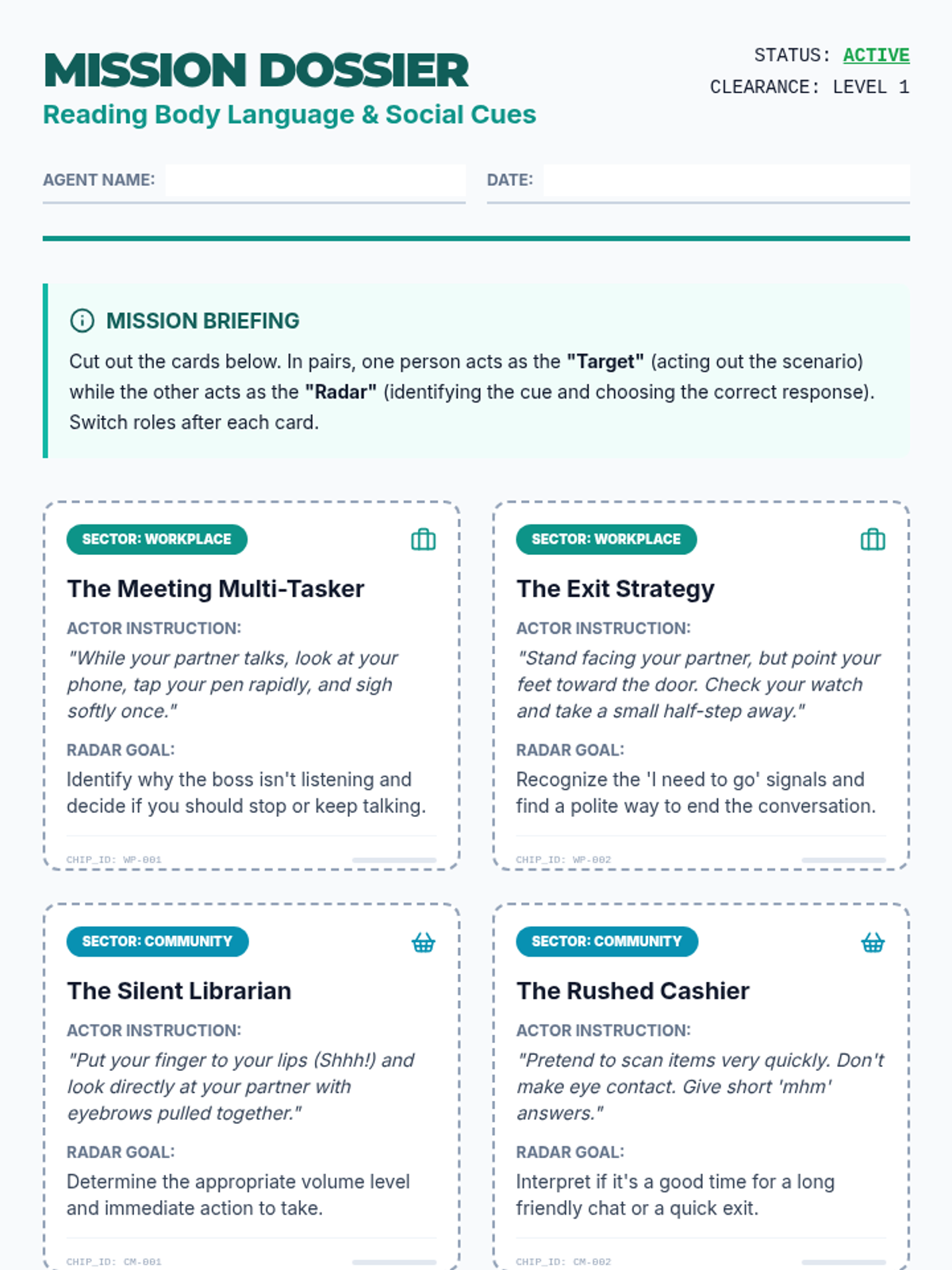
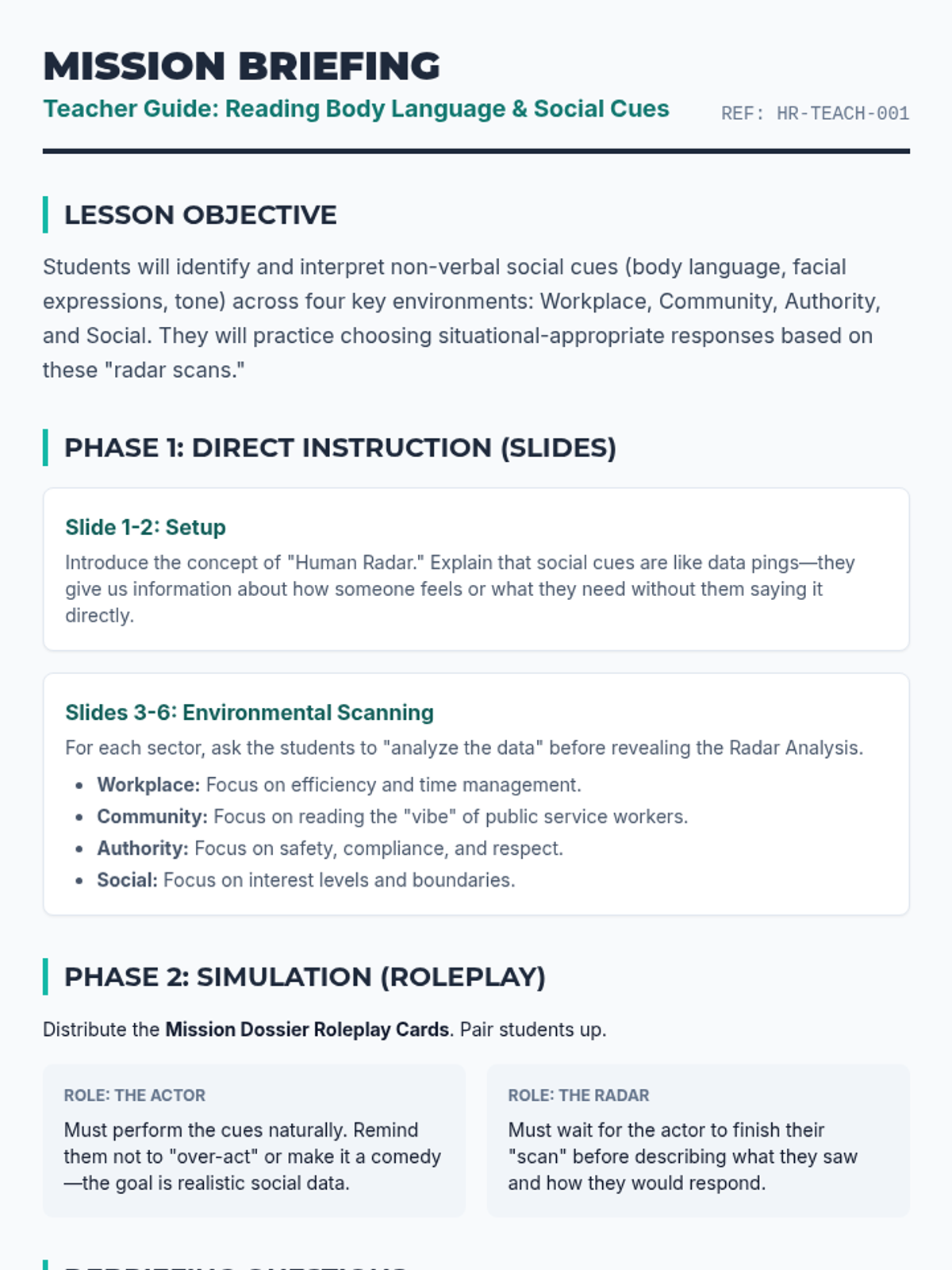
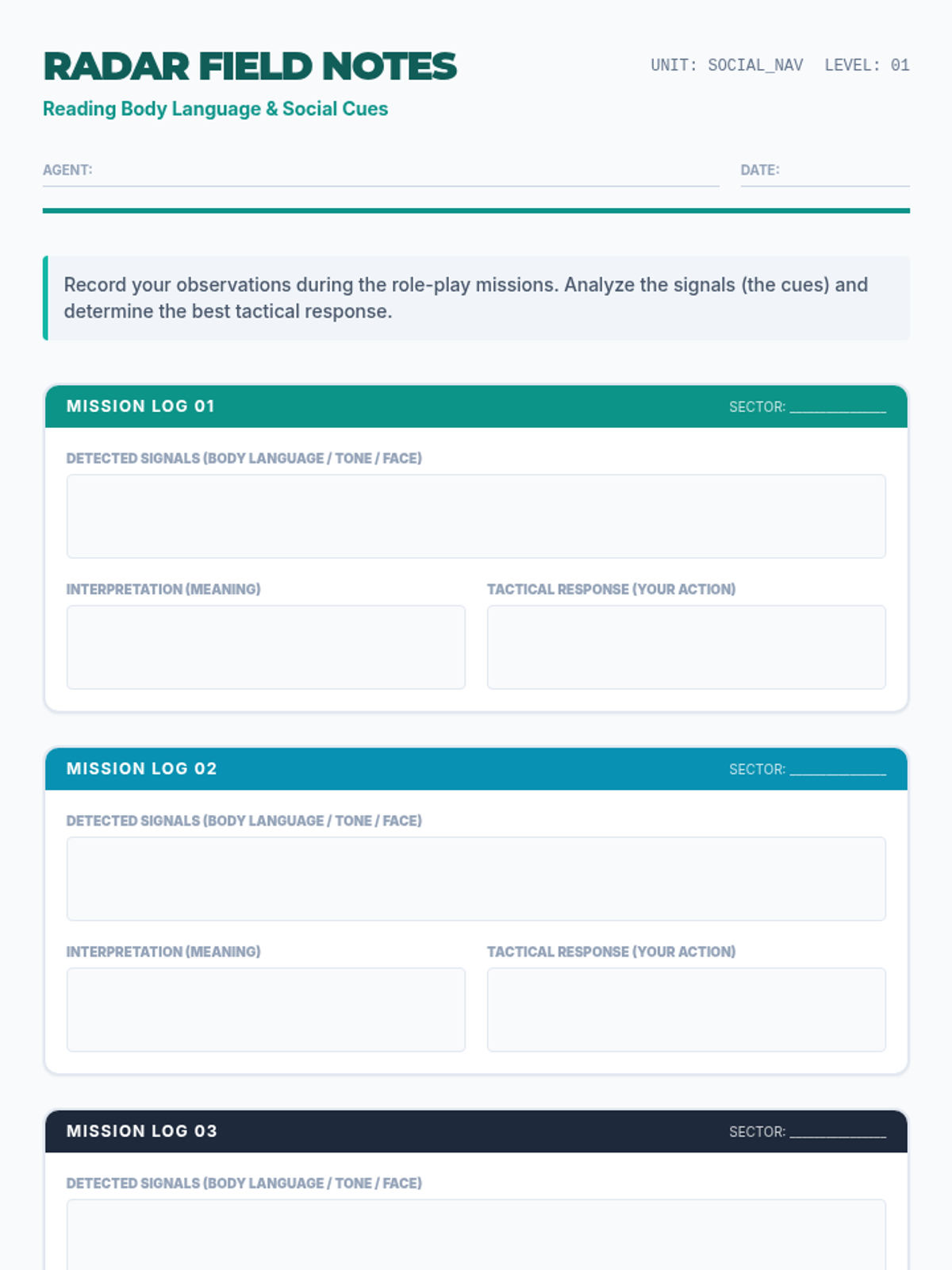
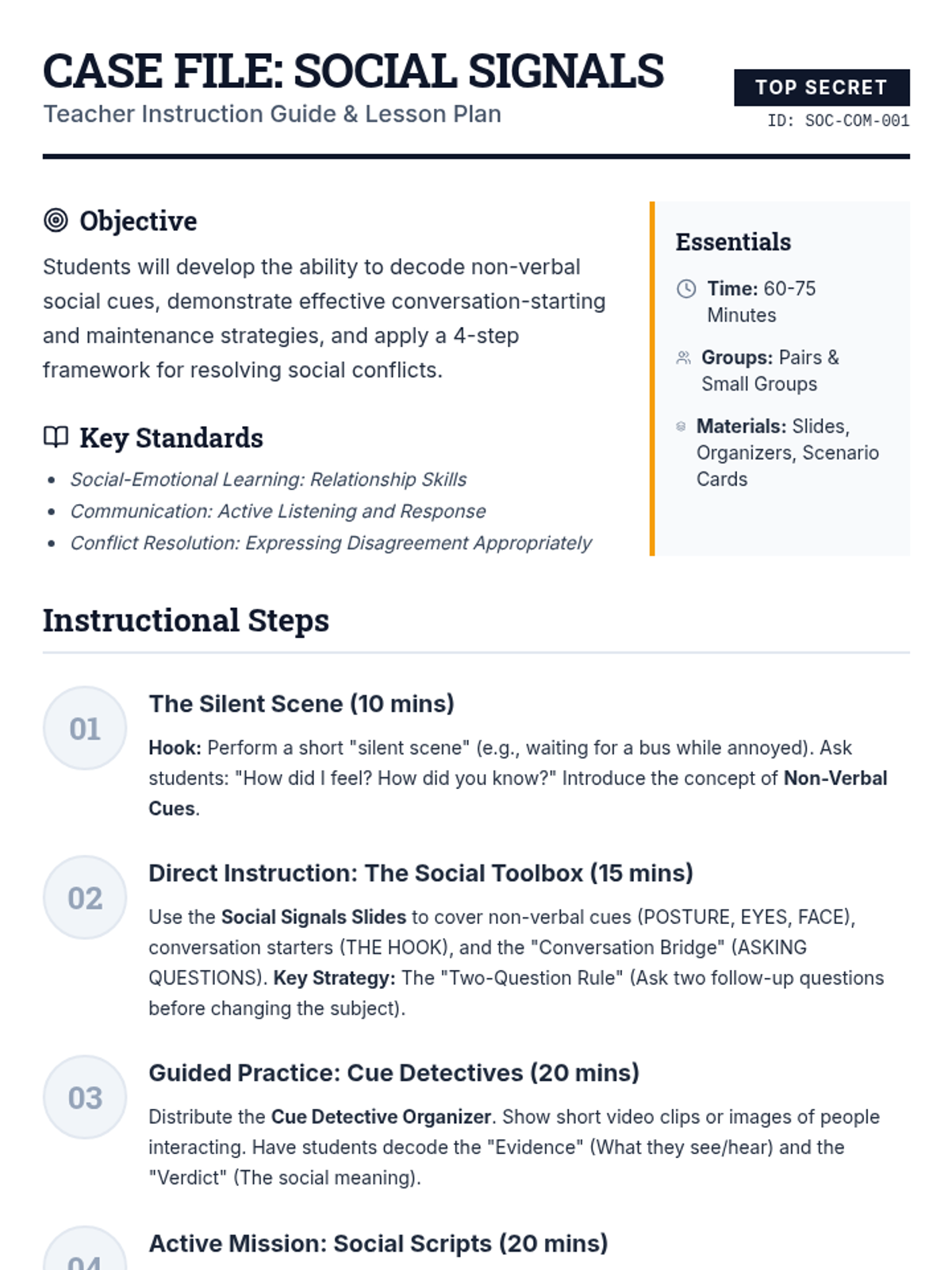
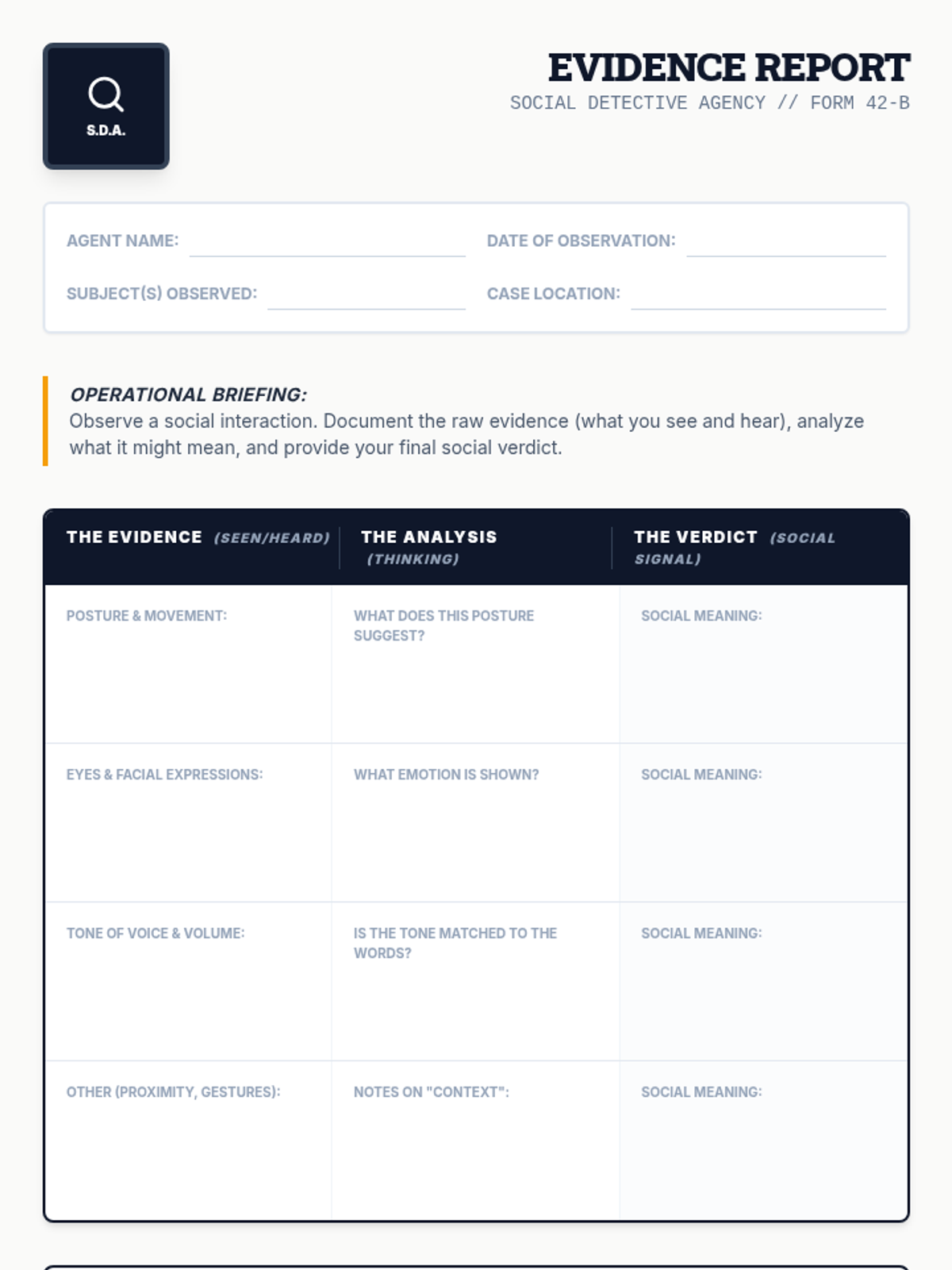
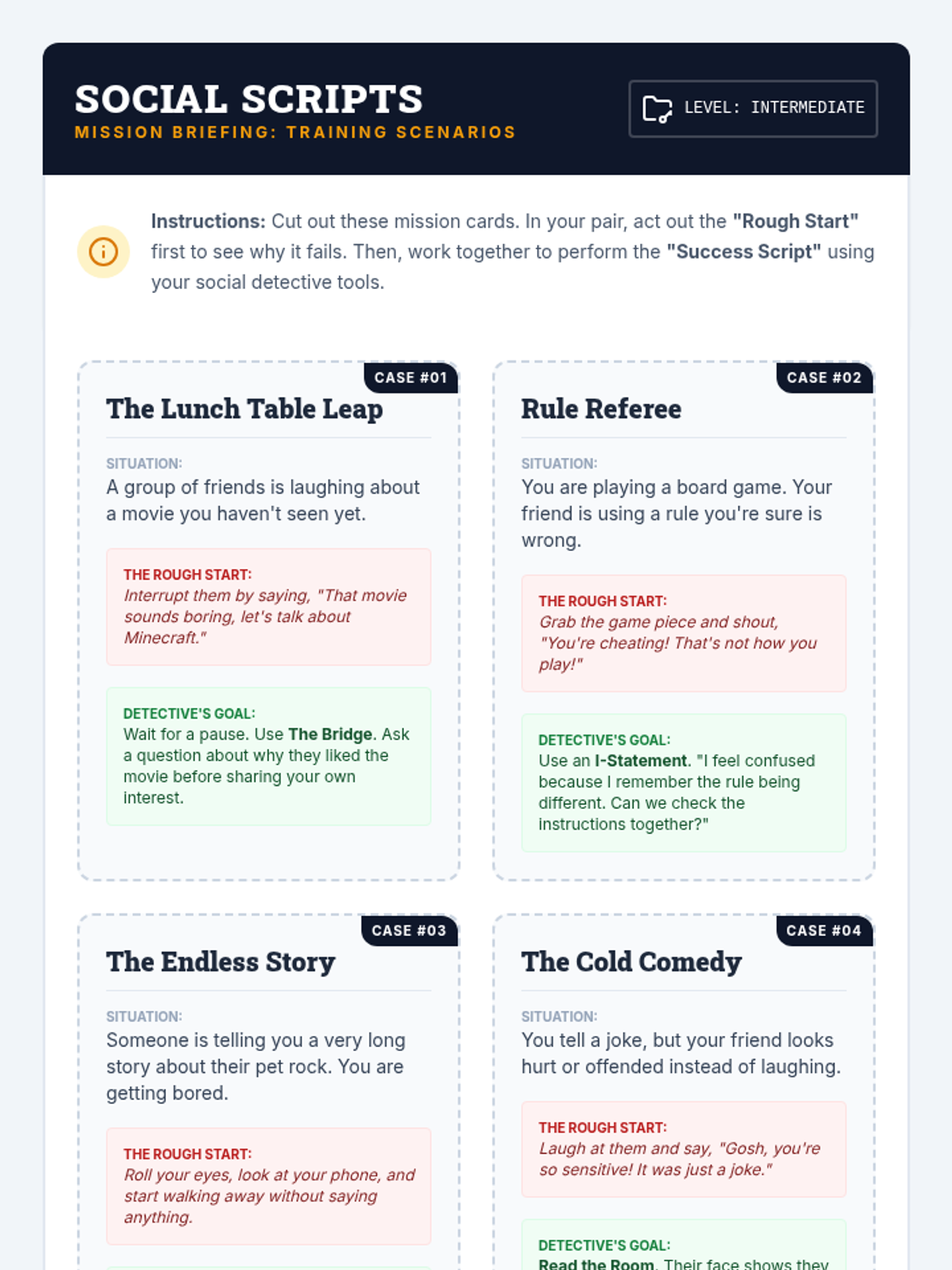
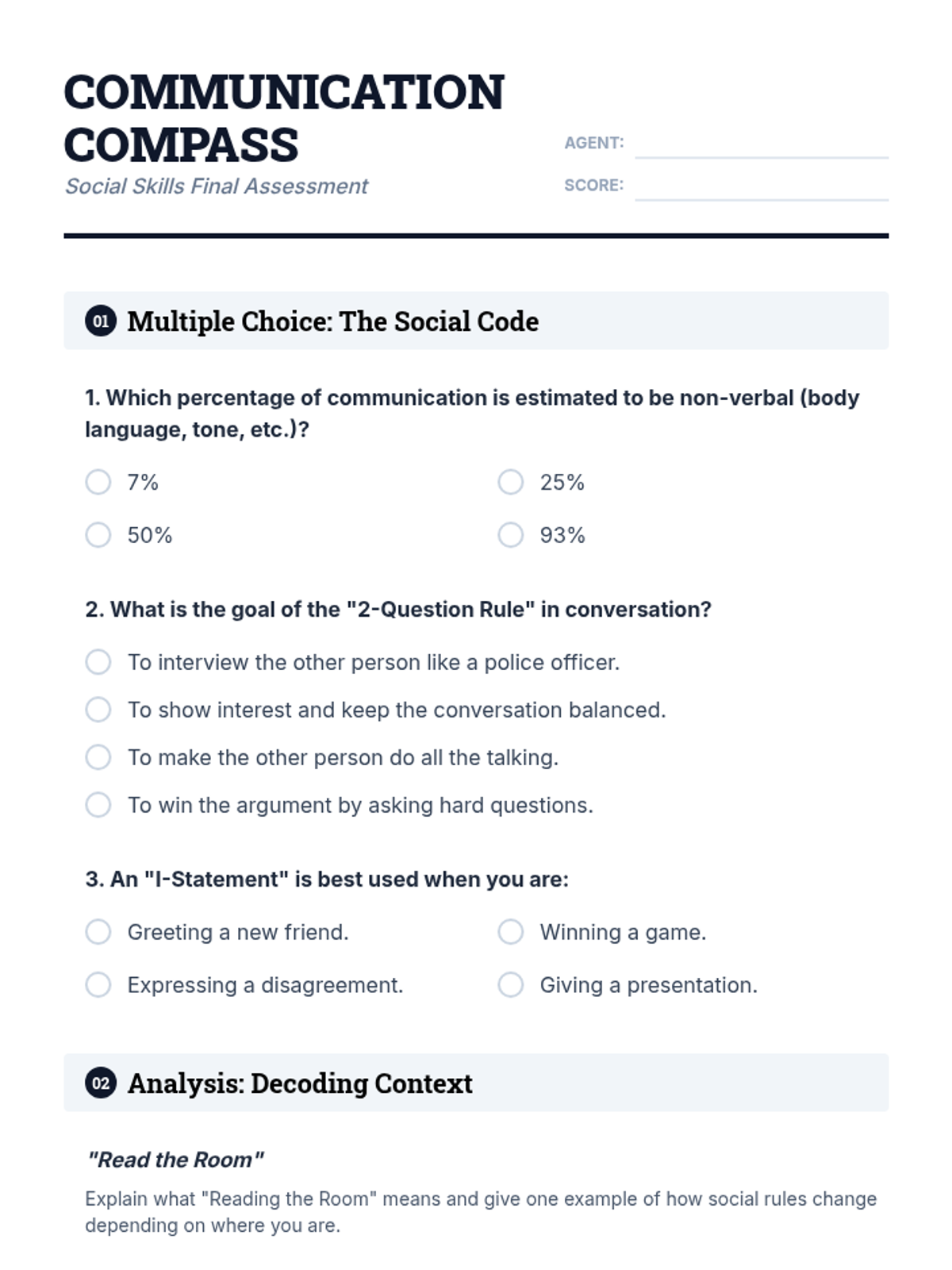
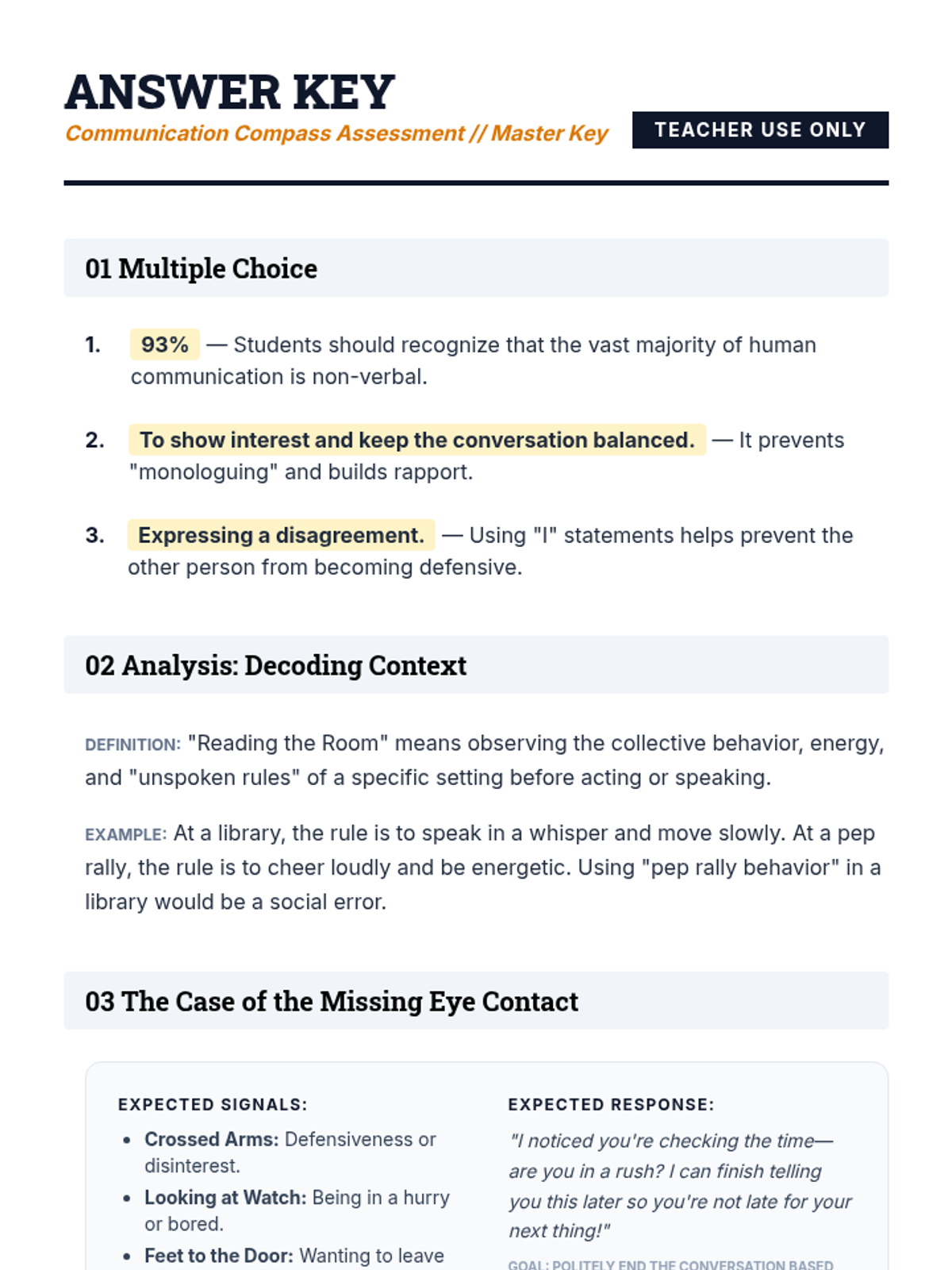
A series of lessons designed to improve social awareness, non-verbal communication, and situational appropriateness in diverse real-world environments.
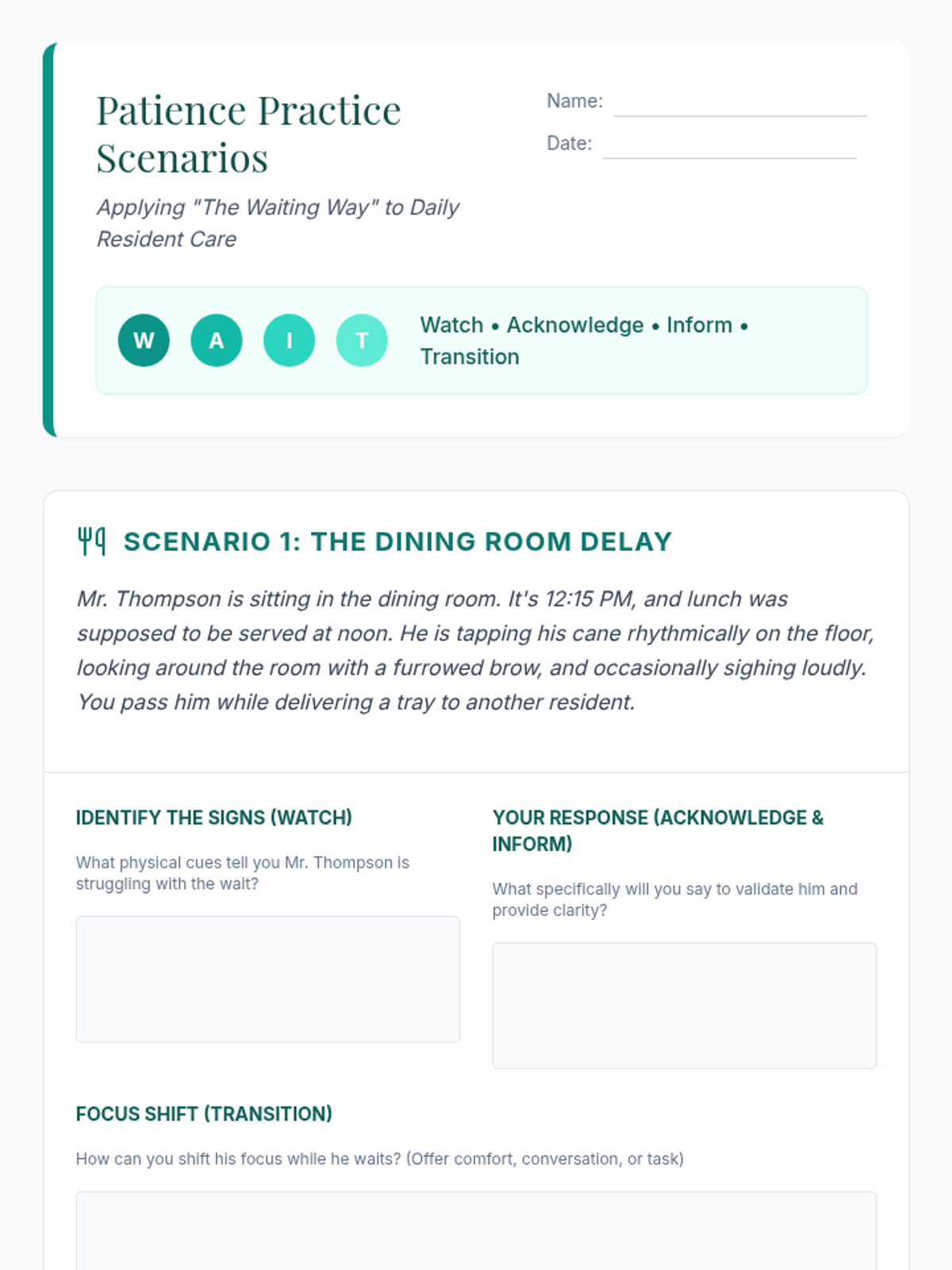
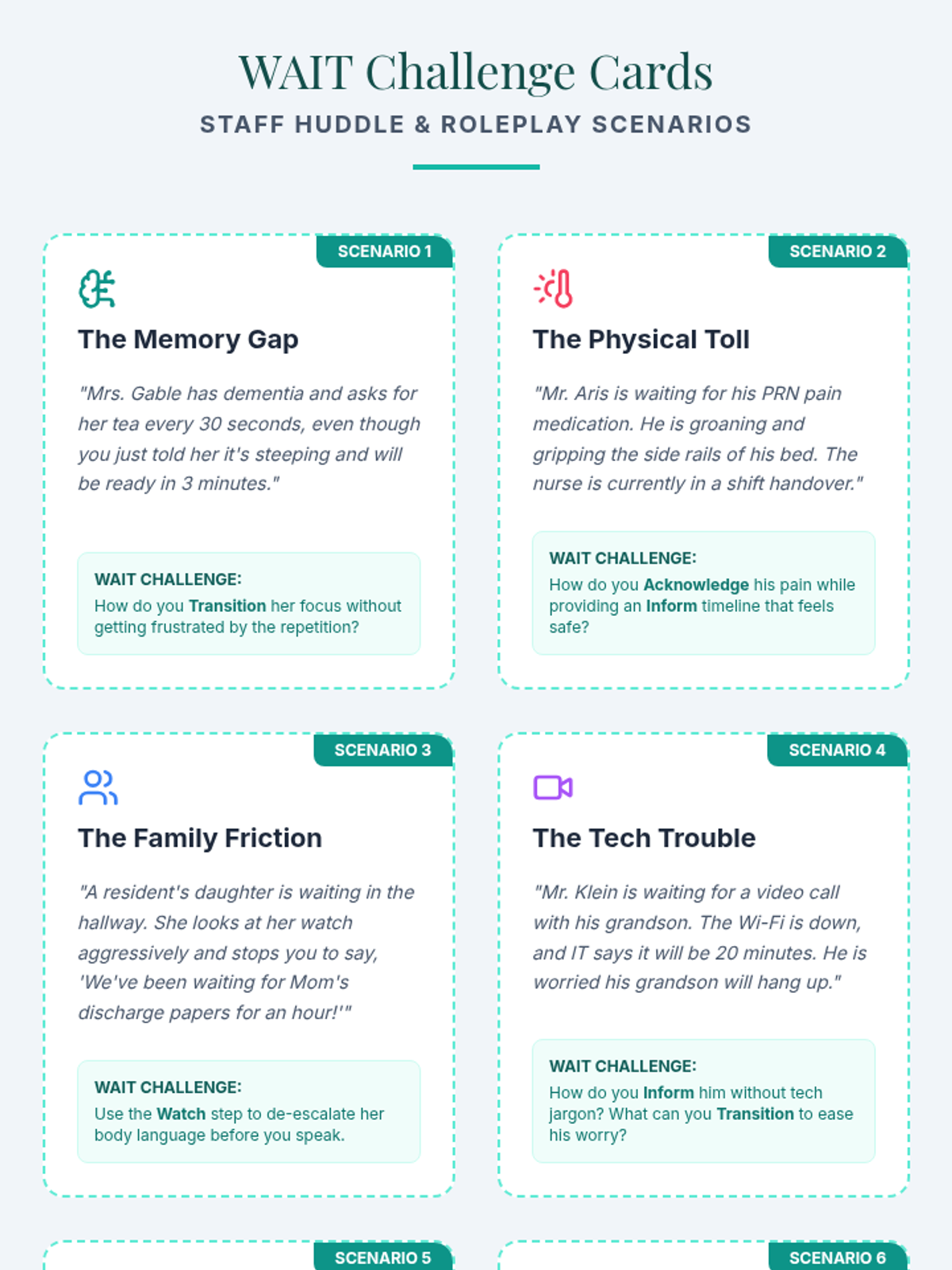
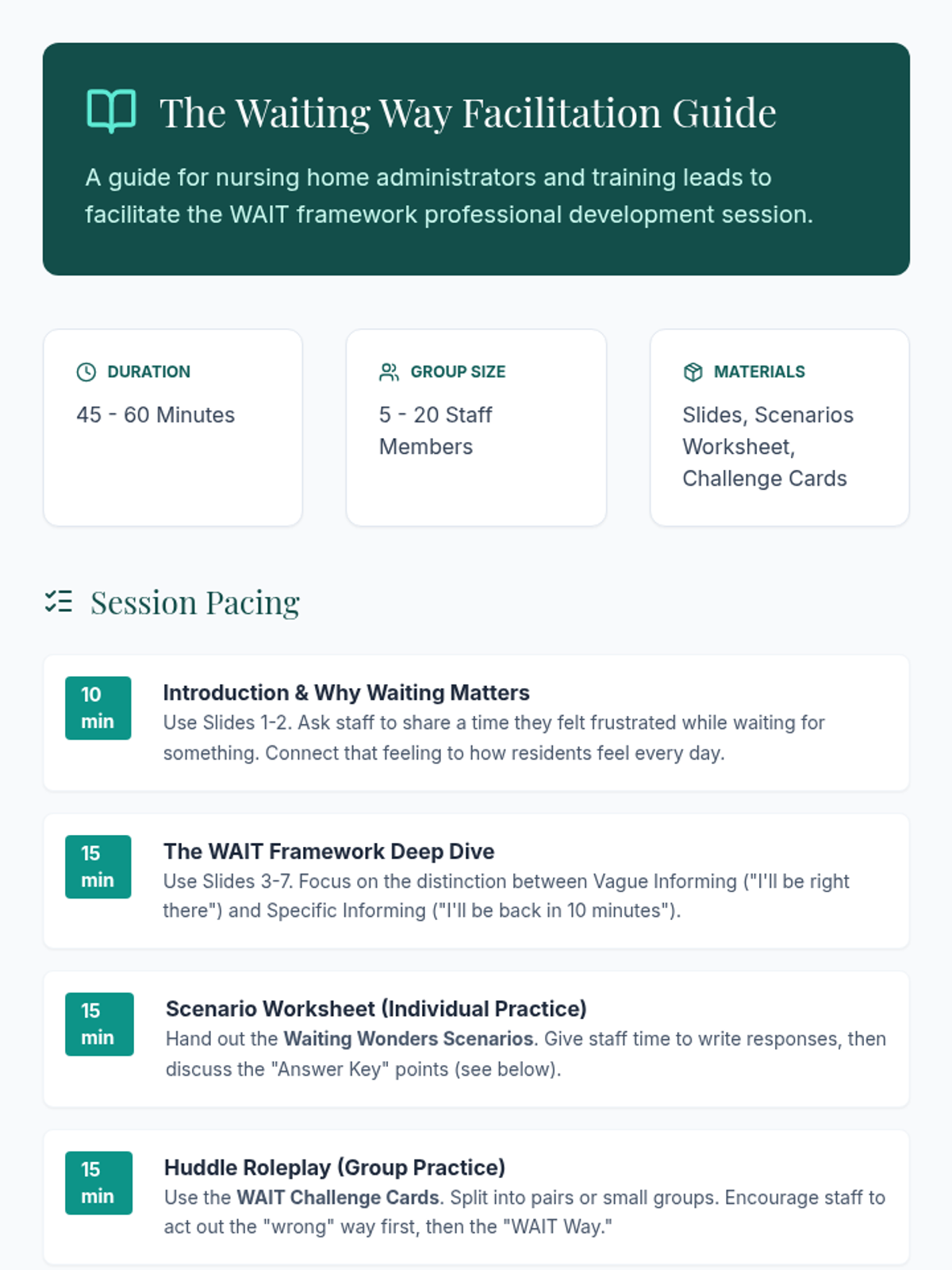
A professional development series for nursing home staff and volunteers focused on enhancing resident communication and emotional support through practical strategies.
A collection of lessons that use modern cultural icons to teach literacy, social-emotional skills, and creative expression to elementary and middle school students.
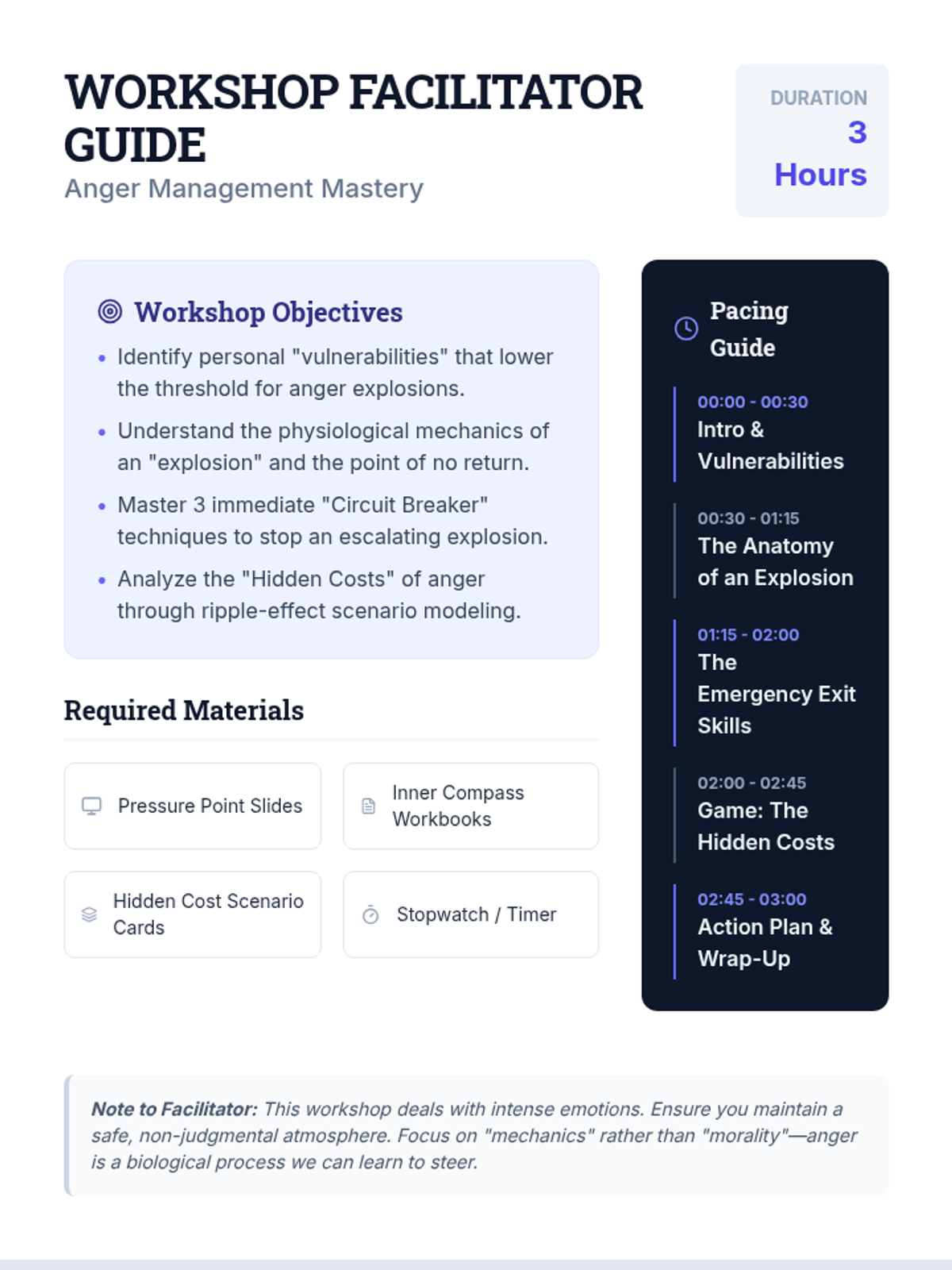
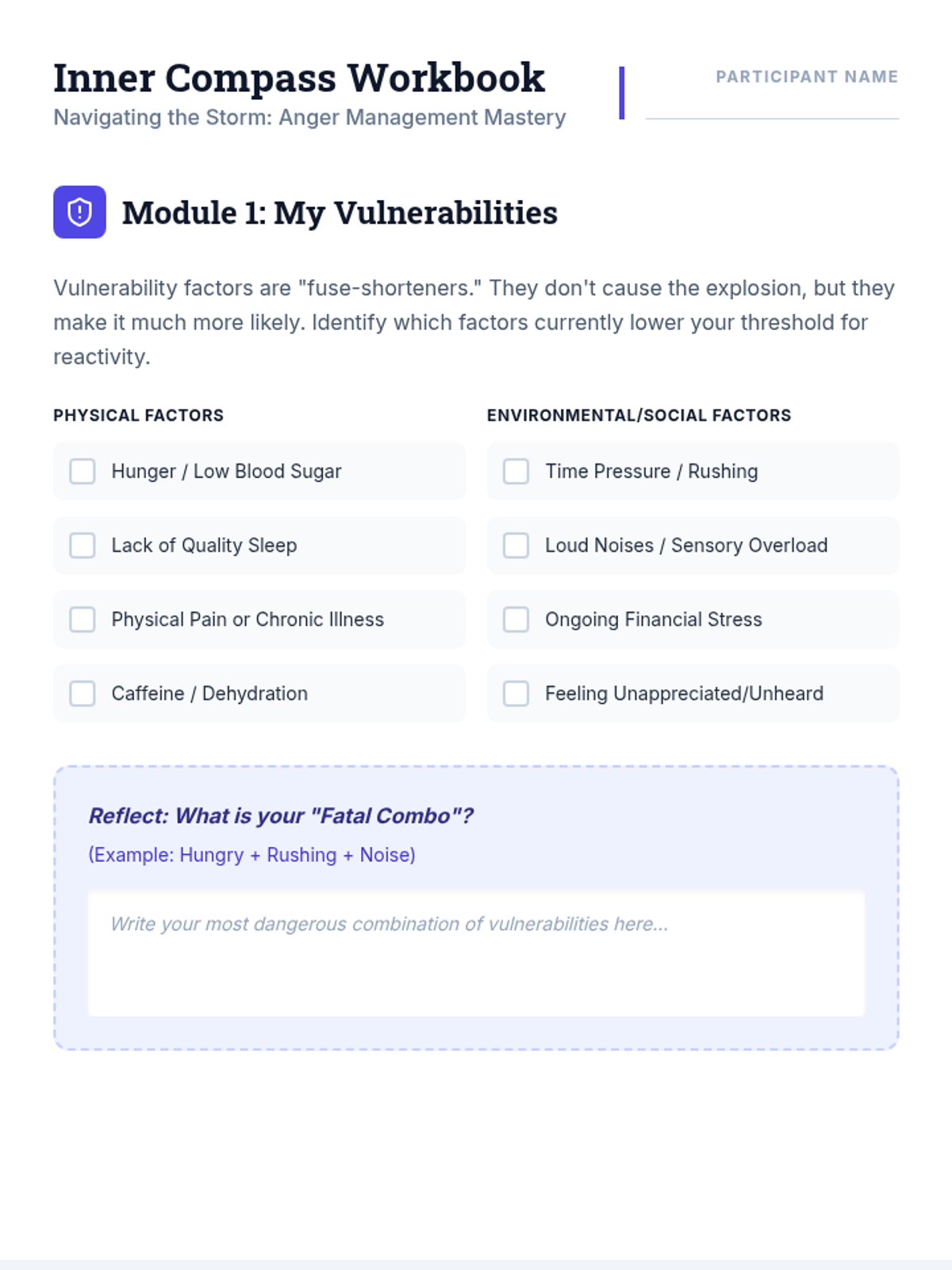
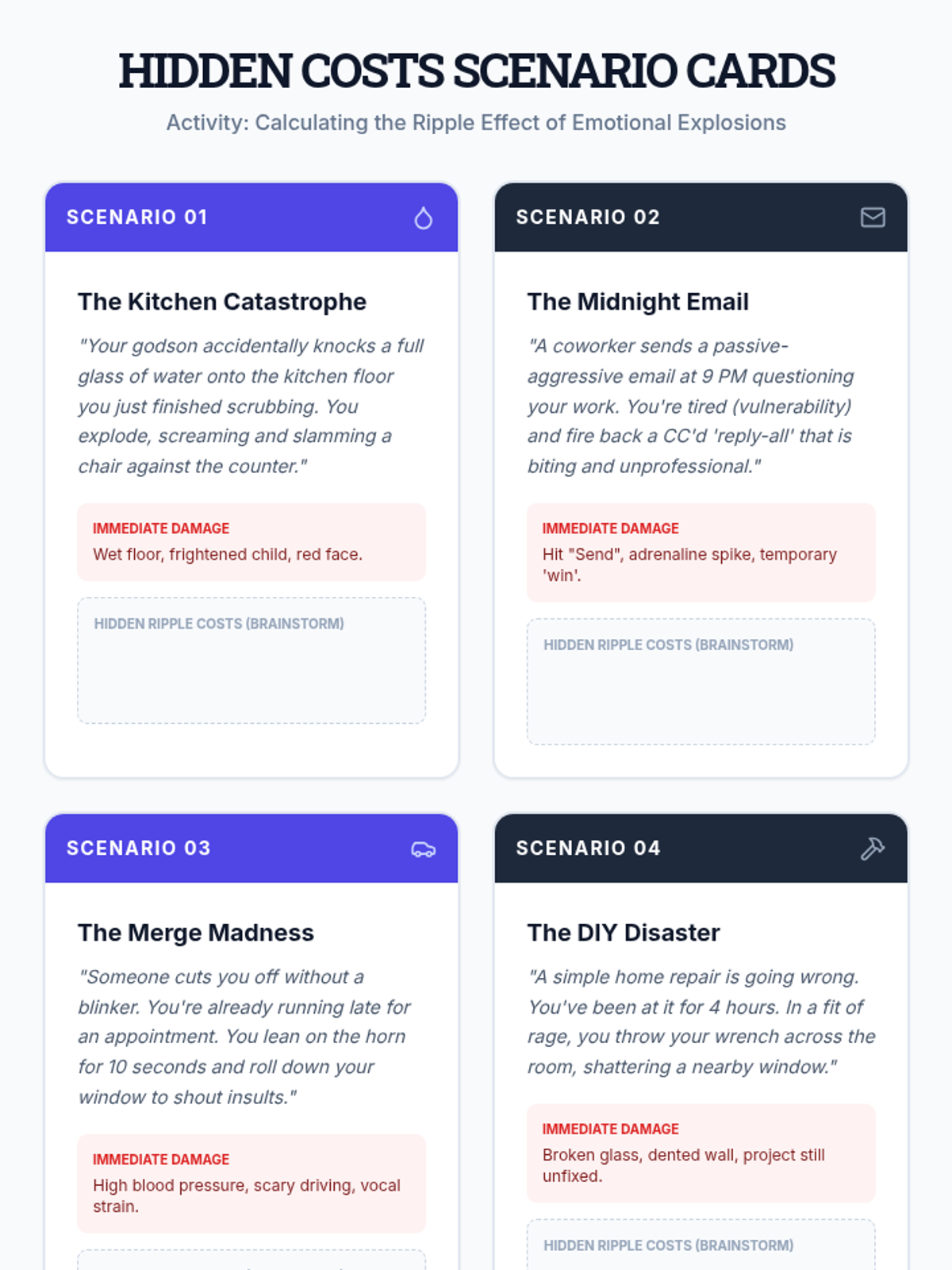
A specialized curriculum for adults on mastering emotional regulation, focusing on the mechanics of anger explosions, identifying vulnerabilities, and understanding the long-term impact of emotional reactivity.
A dual-unit program designed to equip students with essential life skills for the post-application phase of job hunting and personal well-being. This sequence focuses on interpersonal communication, interview excellence, and mental health.
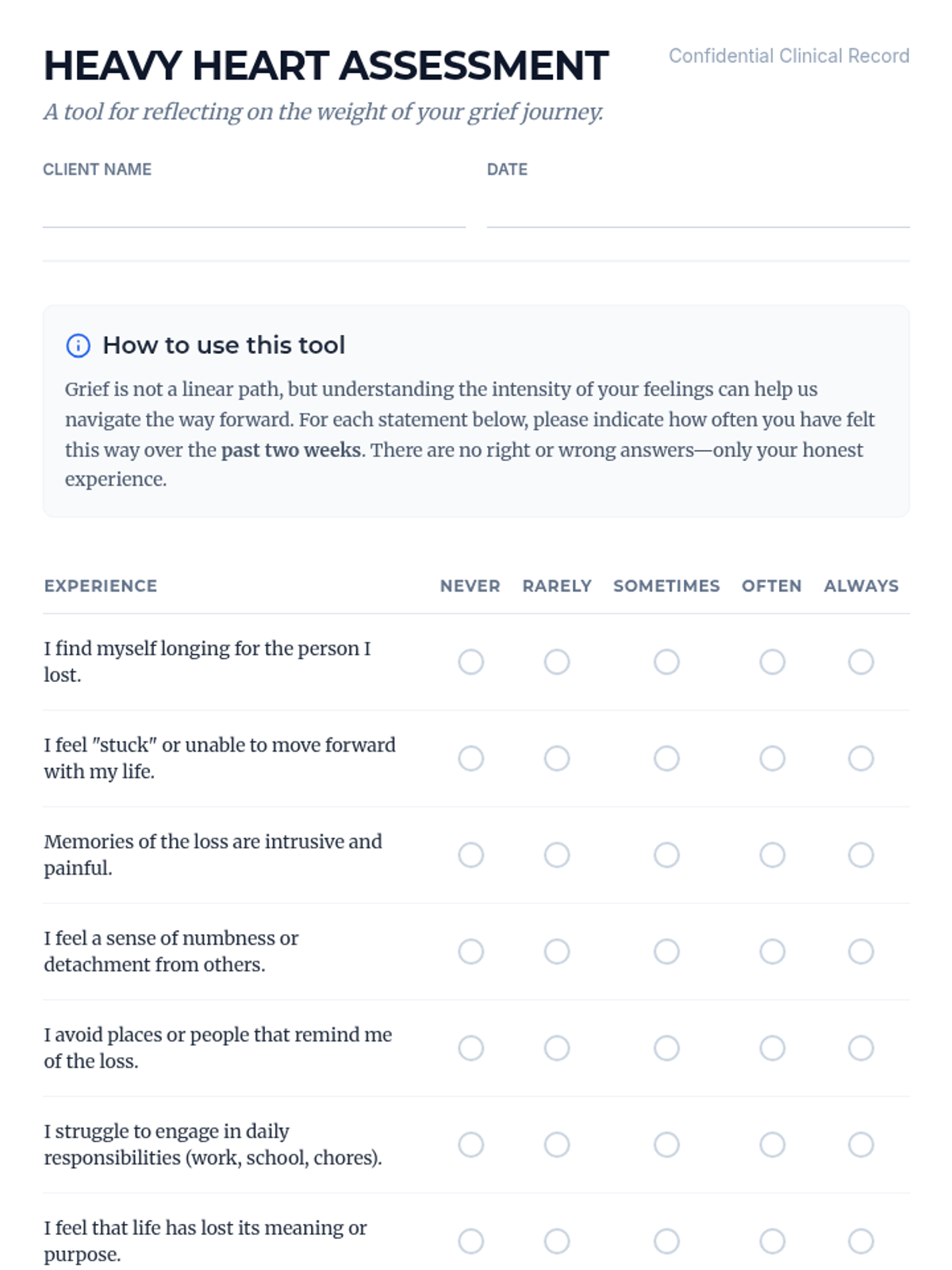
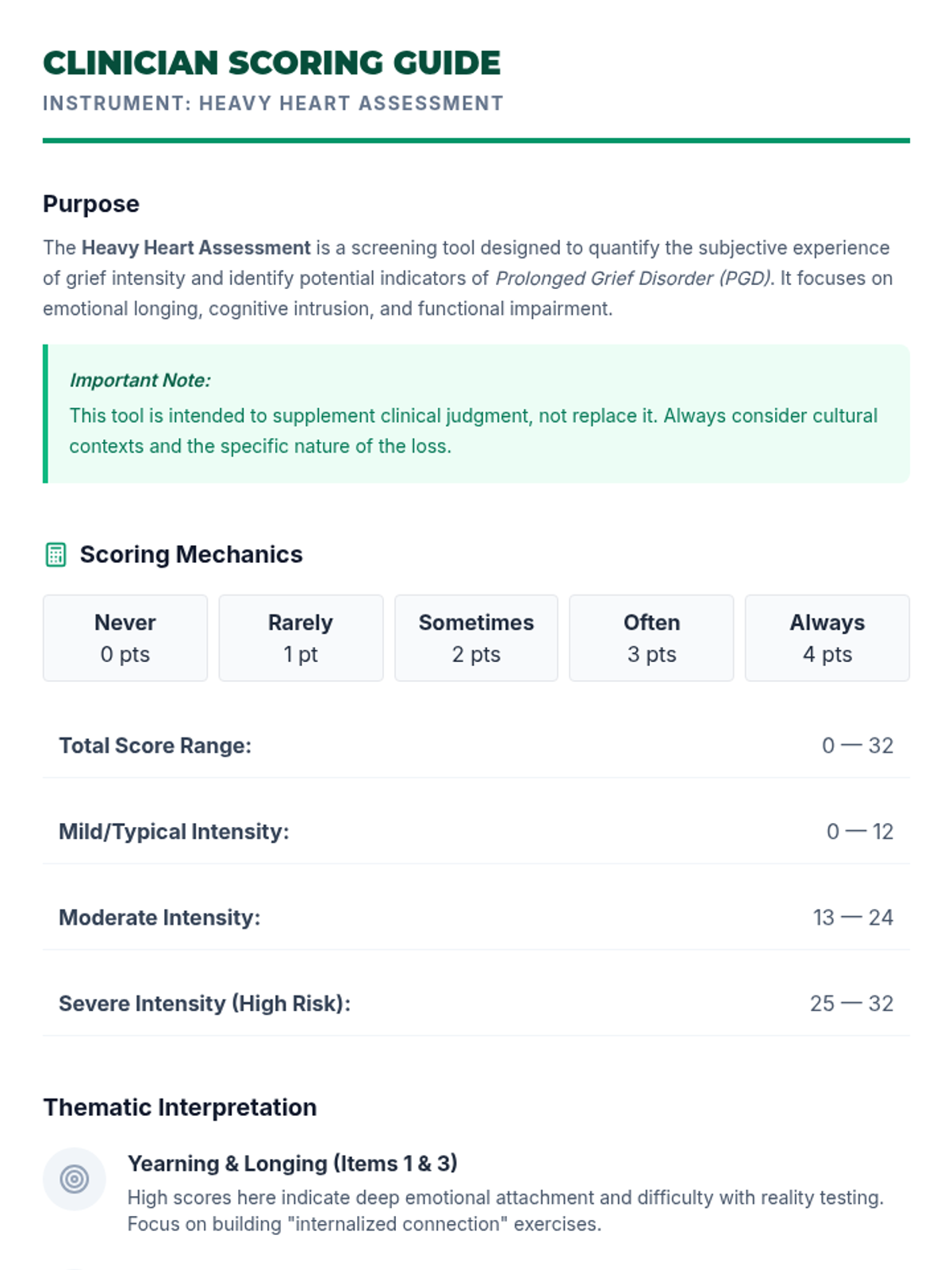
A comprehensive therapeutic sequence designed to guide clinicians and clients through the complexities of grief, focusing on assessment, psychoeducation, and age-appropriate coping strategies.
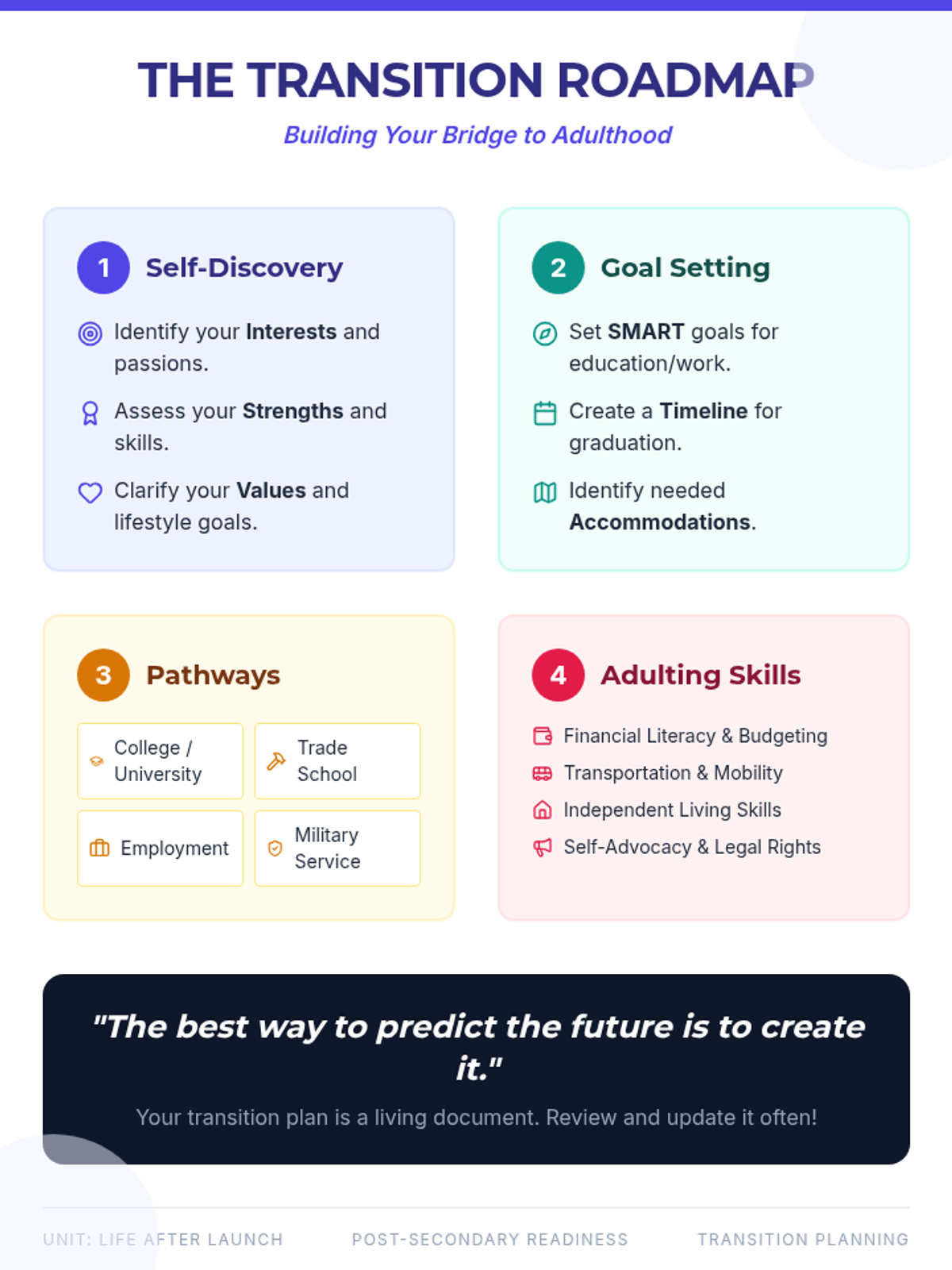
A comprehensive year-long curriculum for high school seniors focusing on college readiness, career planning, financial literacy, and social-emotional well-being. This sequence guides students through the complexities of post-secondary transitions with a special focus on arts-based pathways.
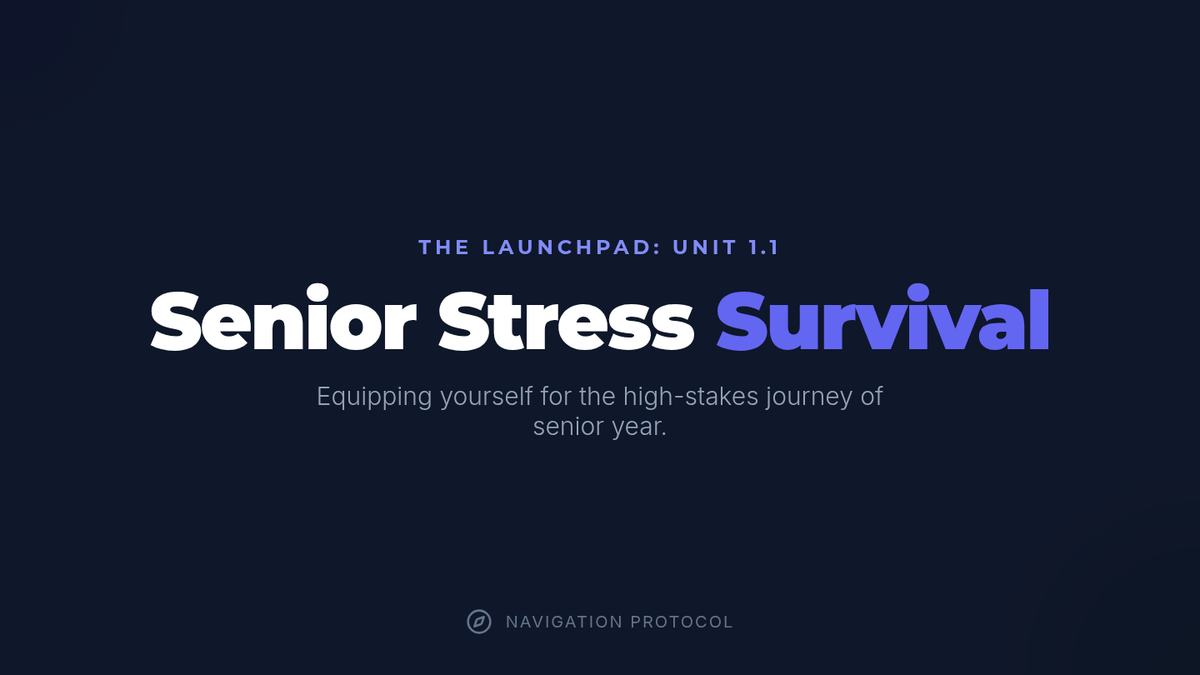
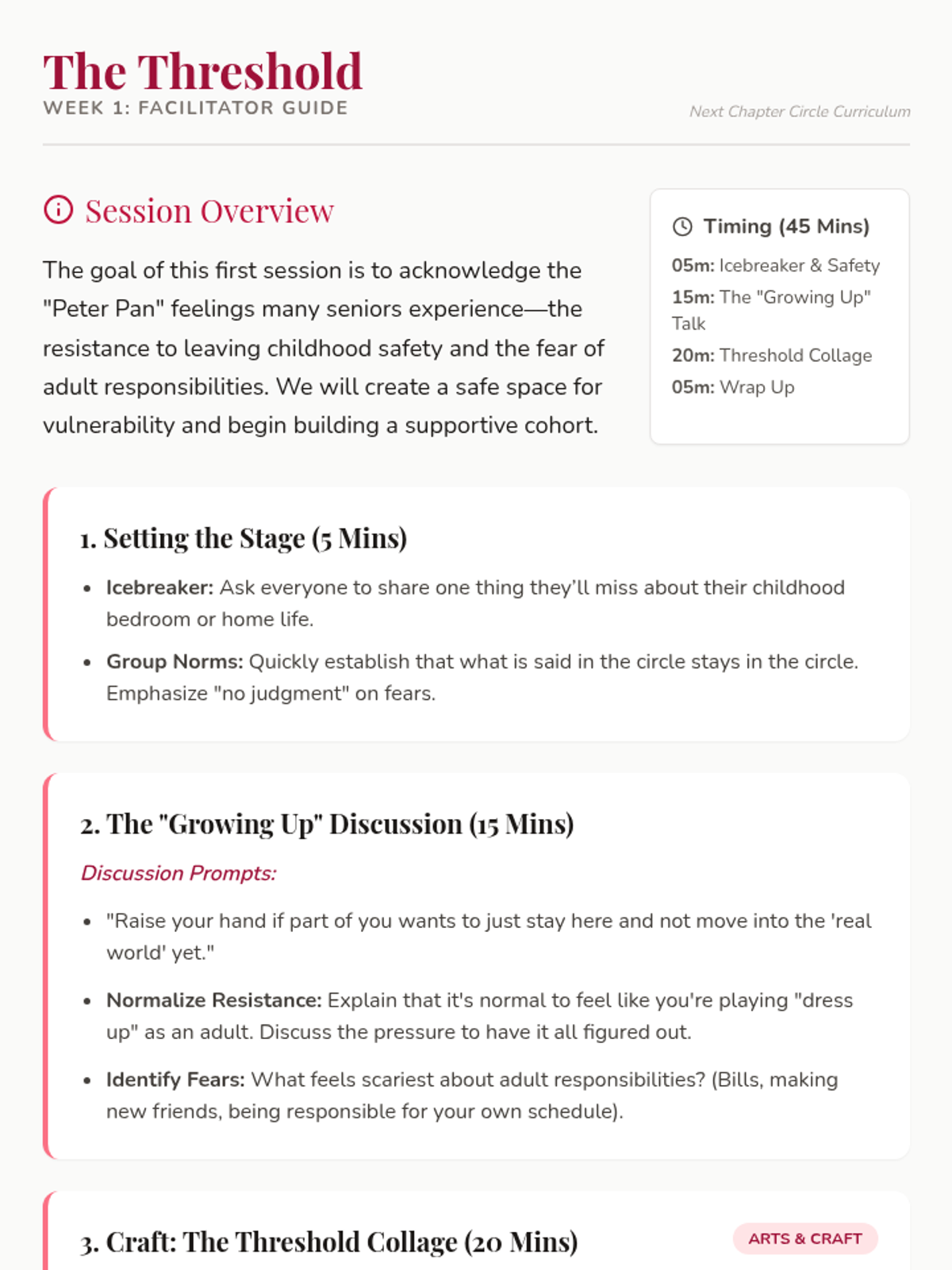
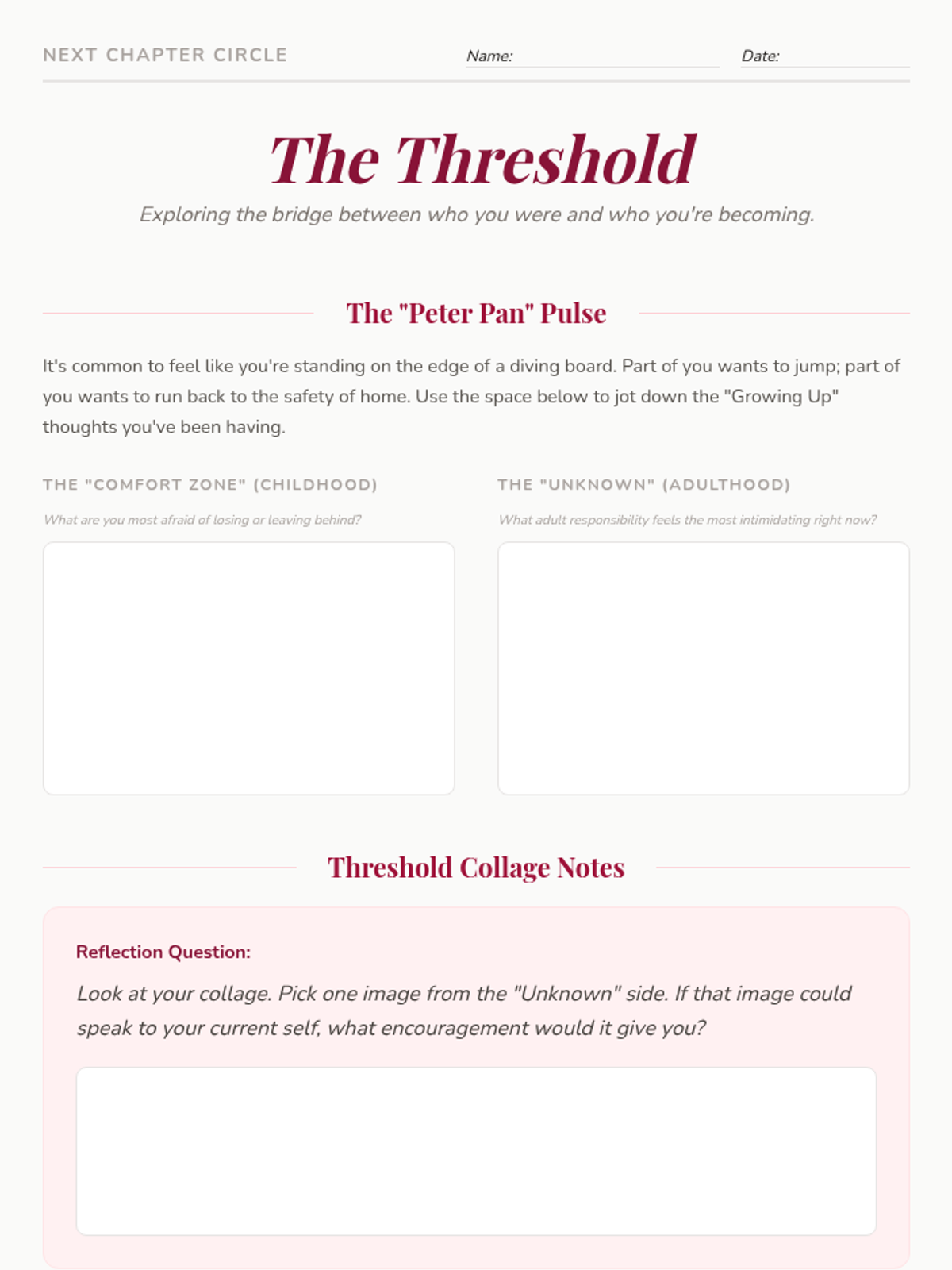
A comprehensive 8-week curriculum for high school senior girls transitioning to college. The program combines group counseling techniques with hands-on arts and crafts to address stress management, resource-seeking, and the emotional complexity of adulthood.
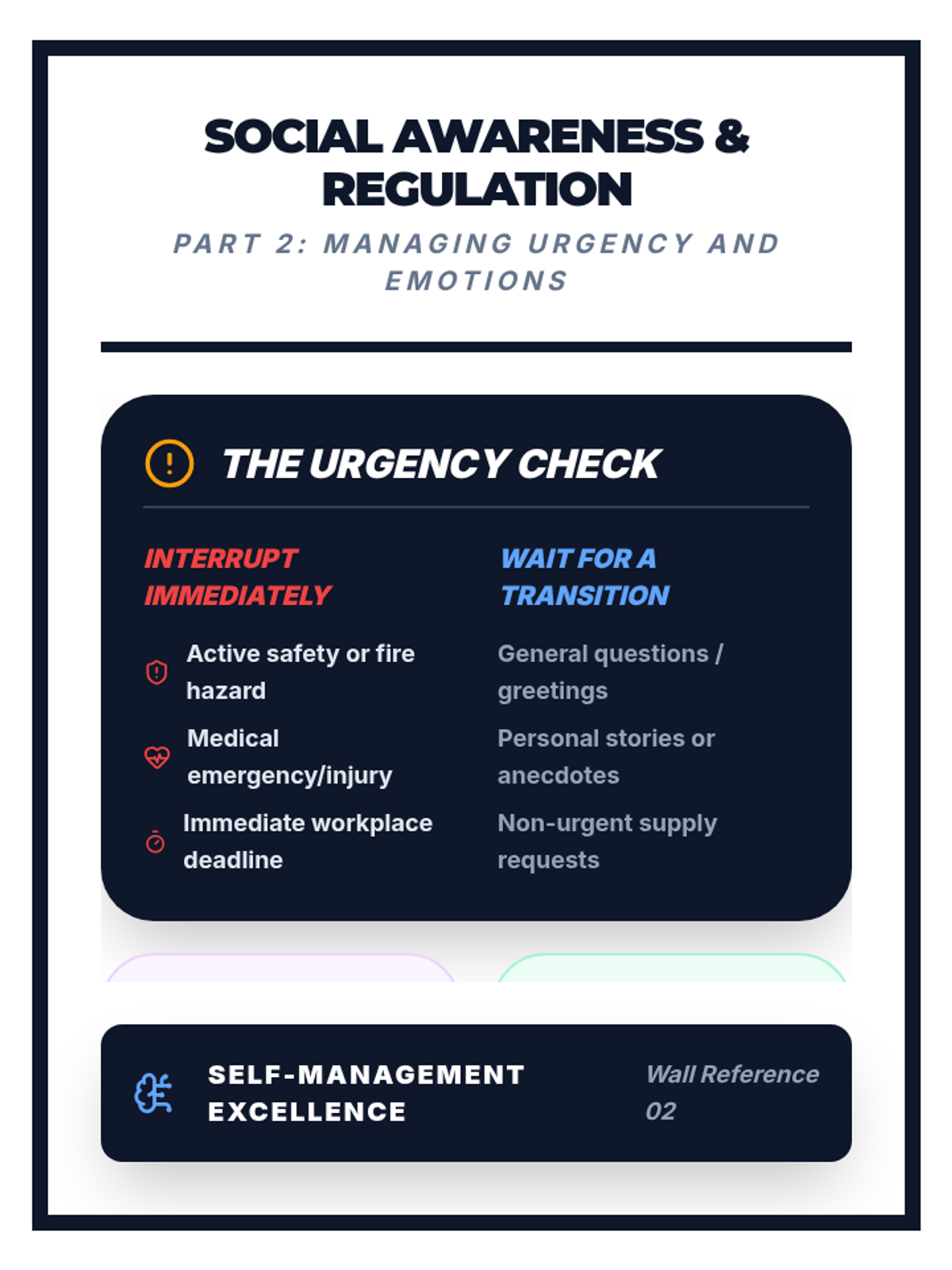
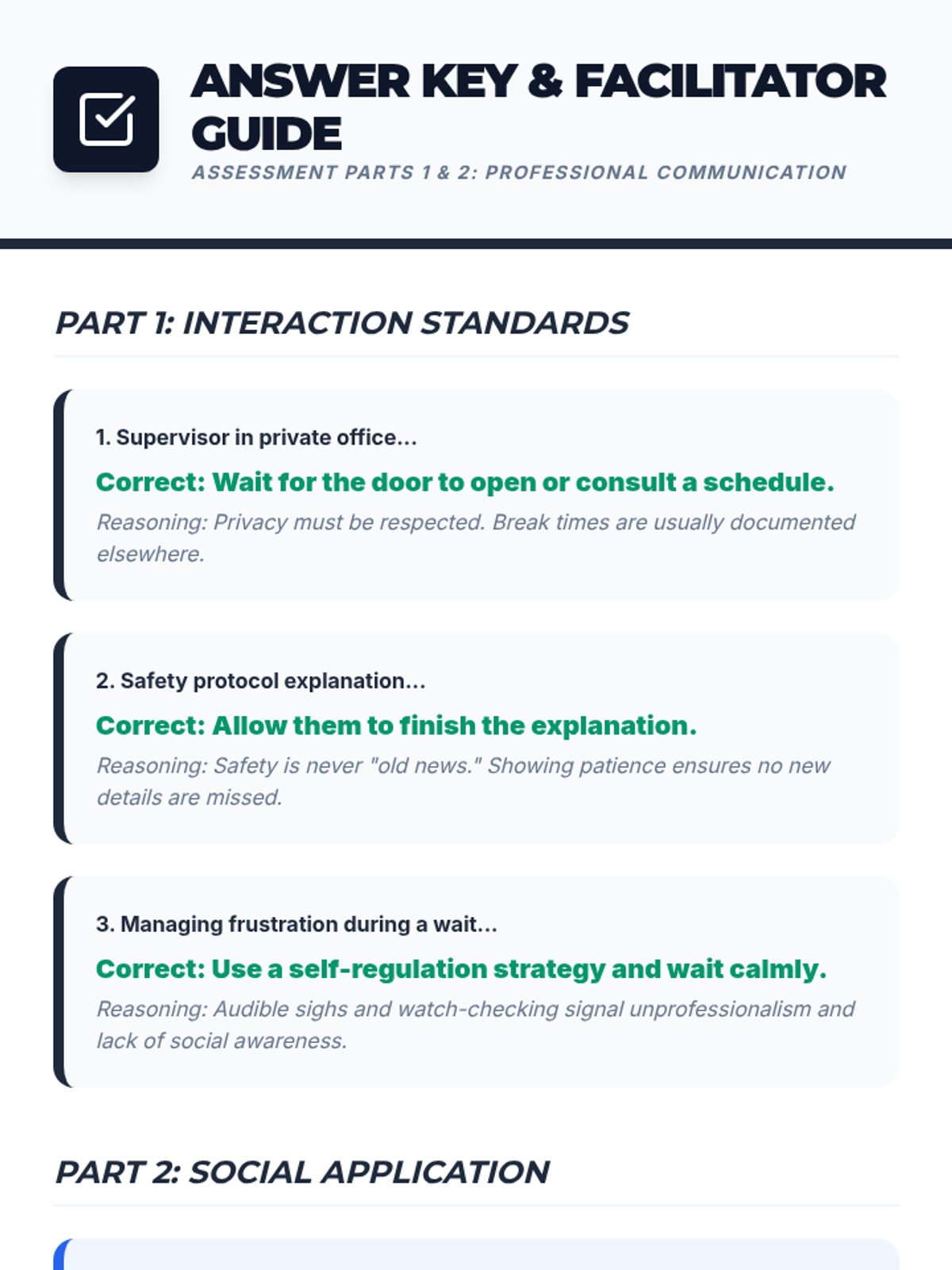
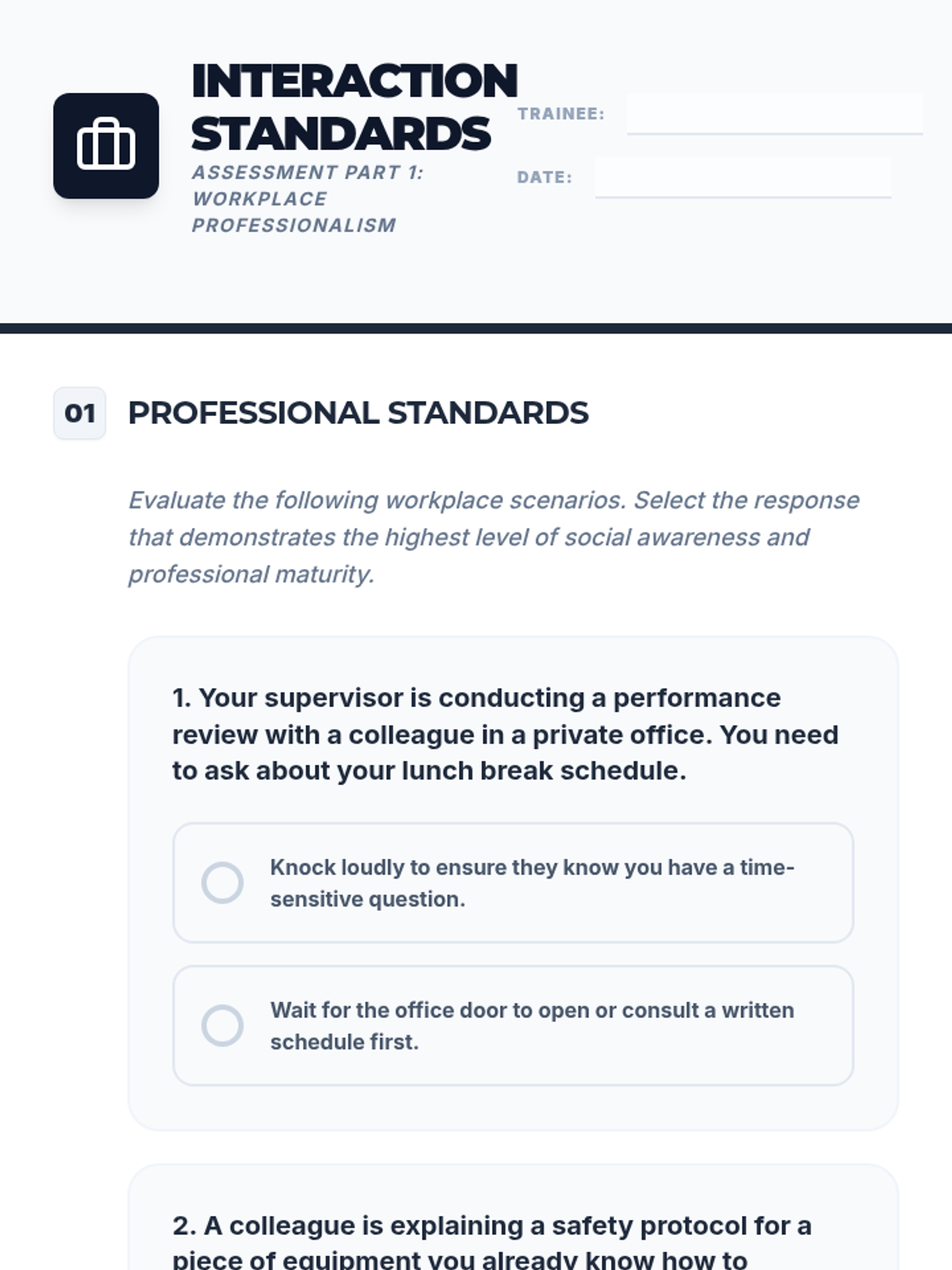
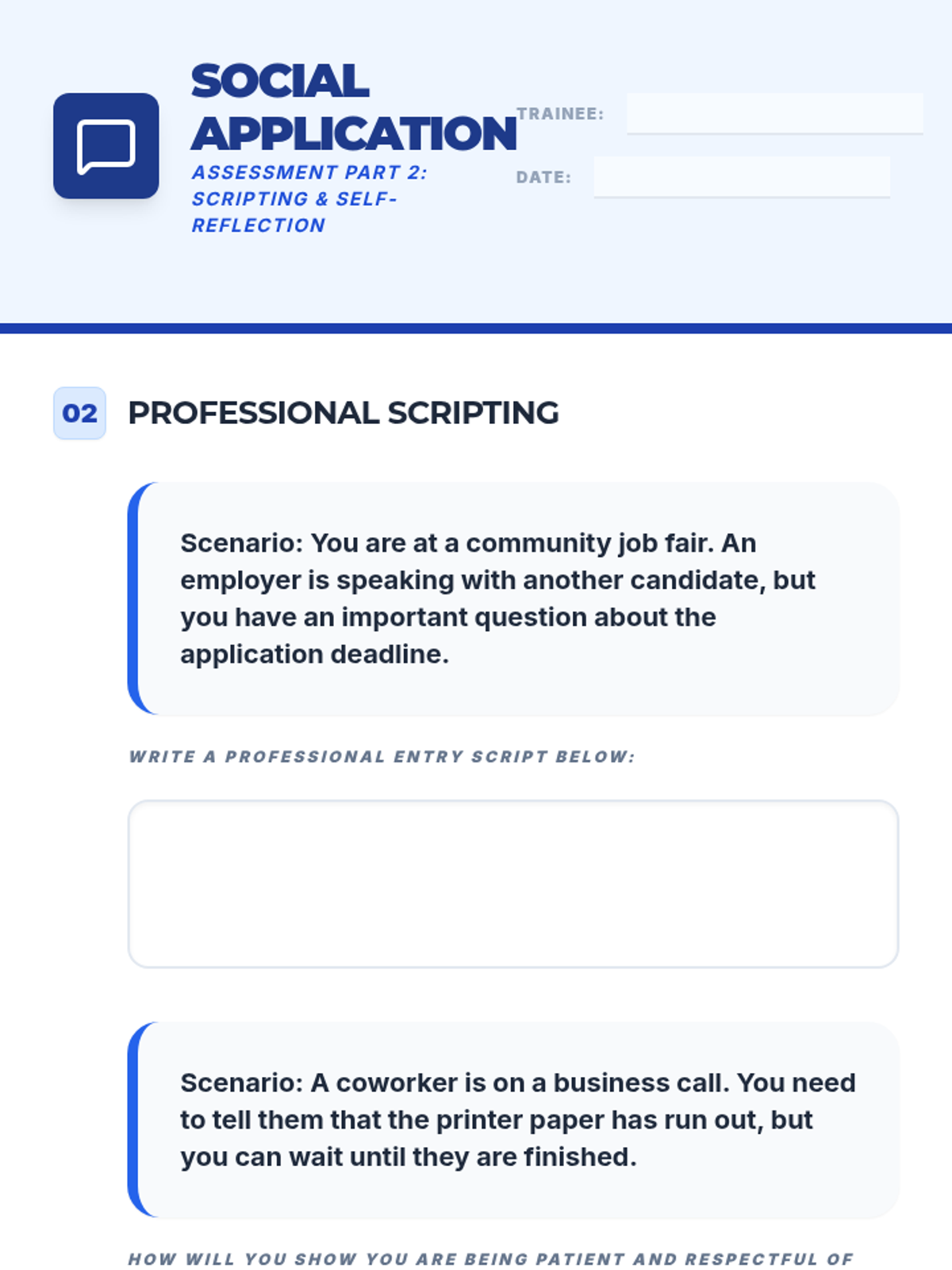
A comprehensive guide to navigating social interactions and professional boundaries in the workplace, specifically focusing on respectful interruption and emotional regulation.
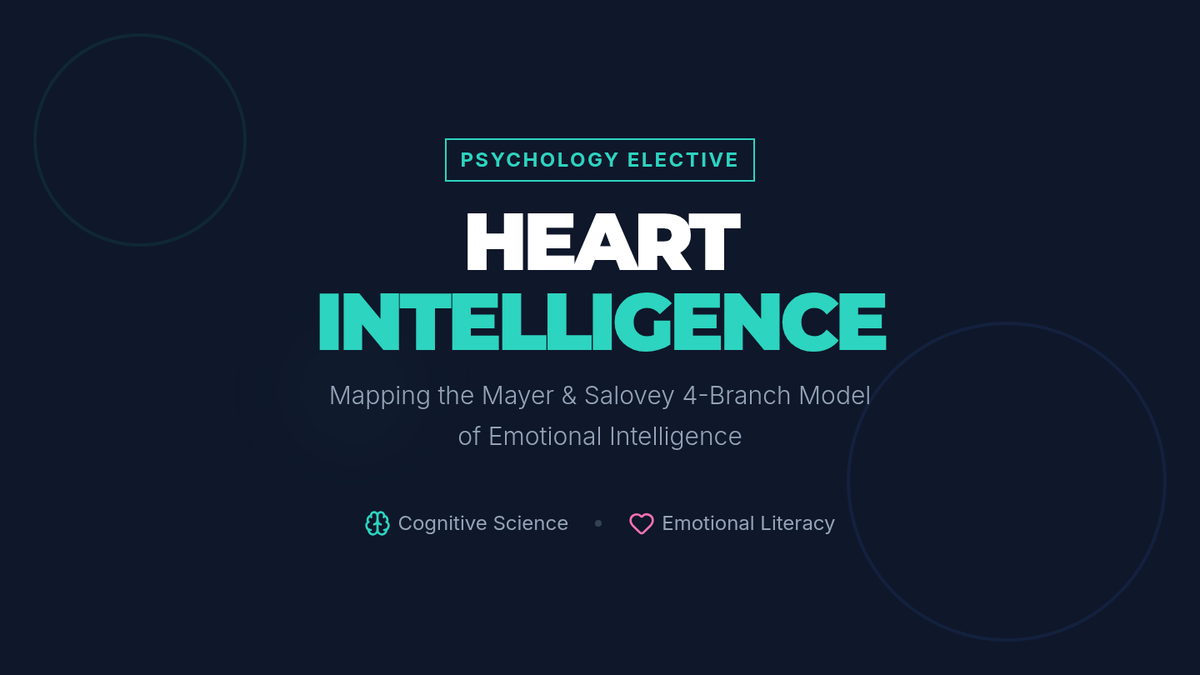
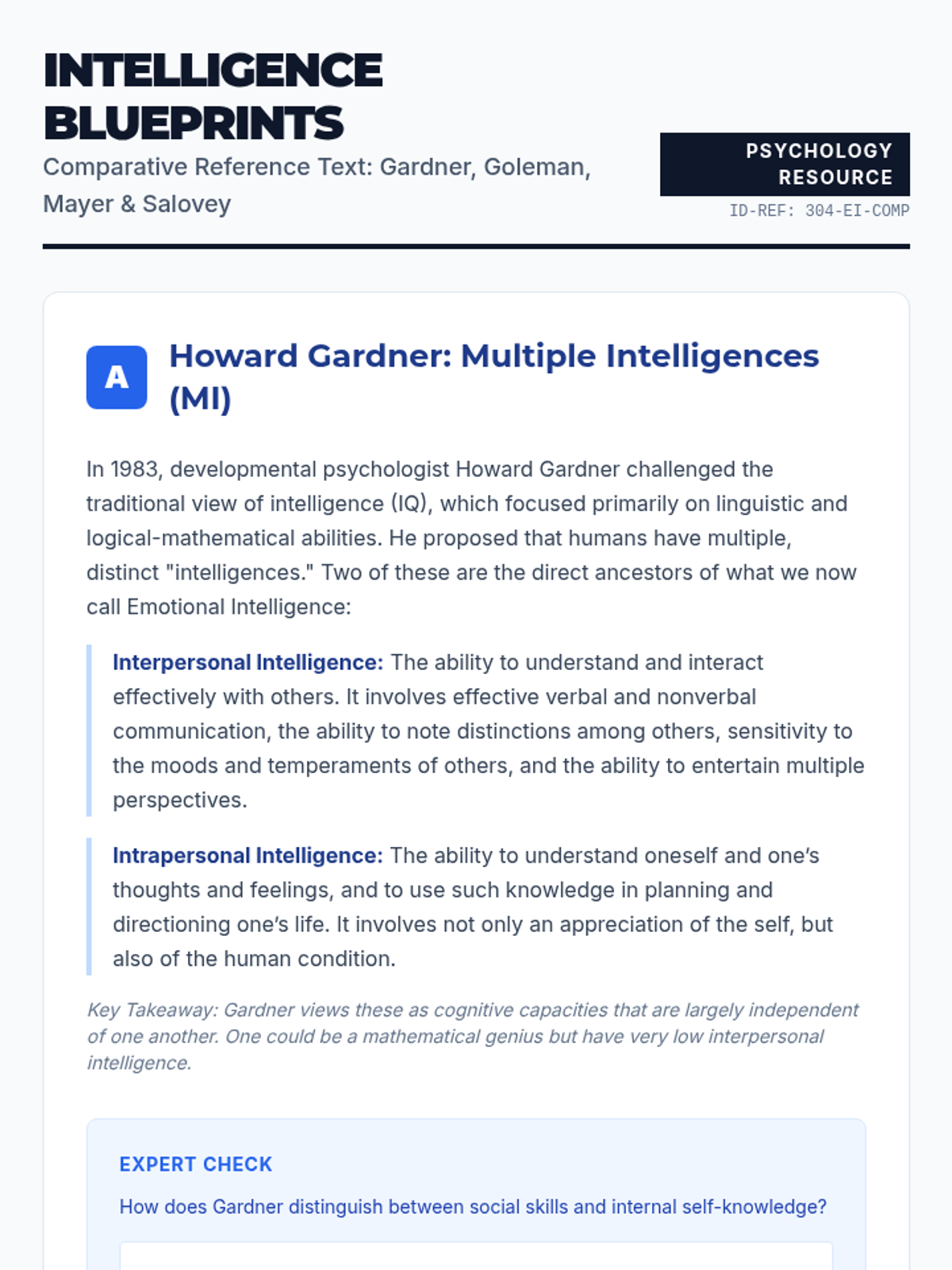
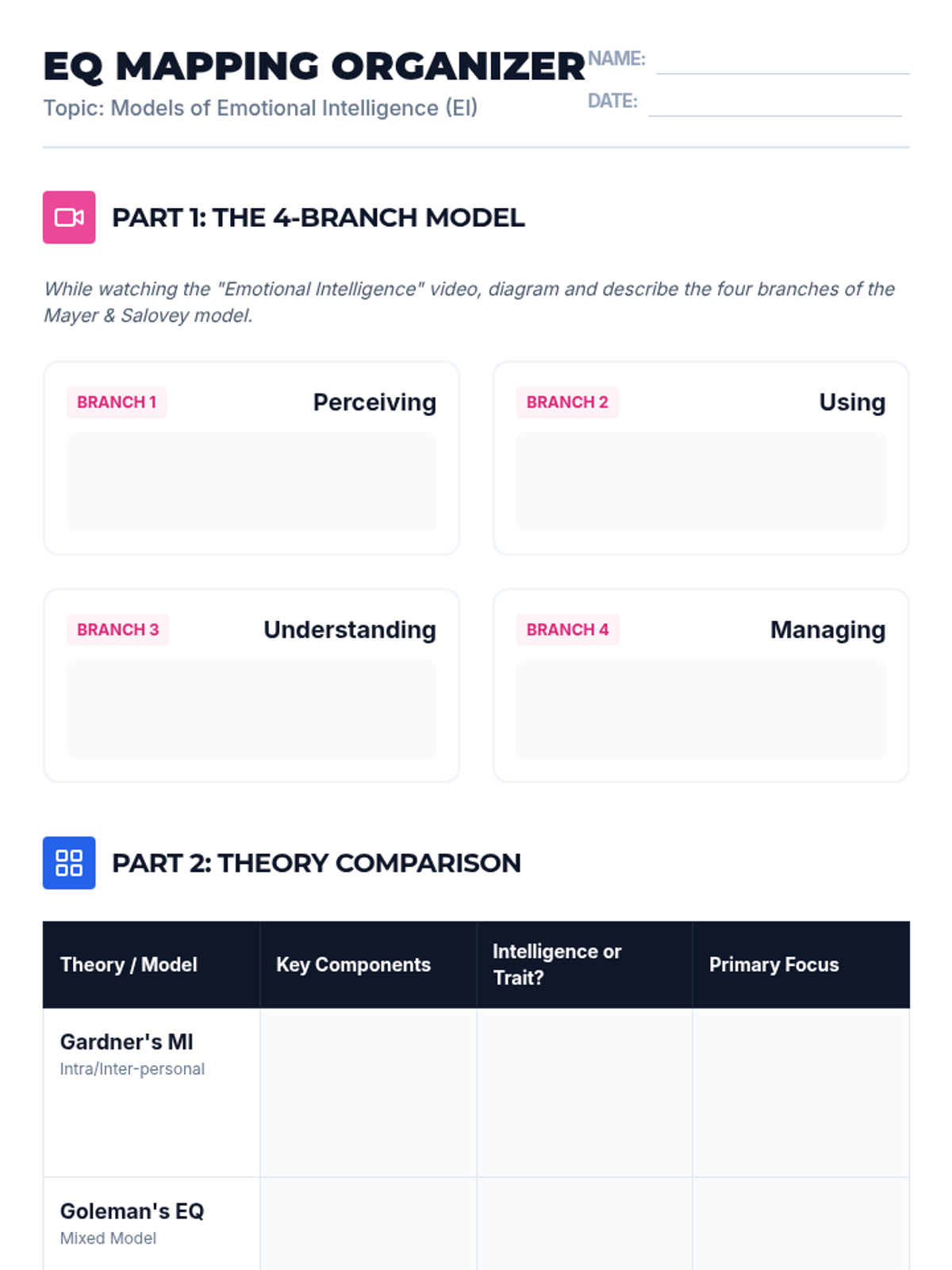
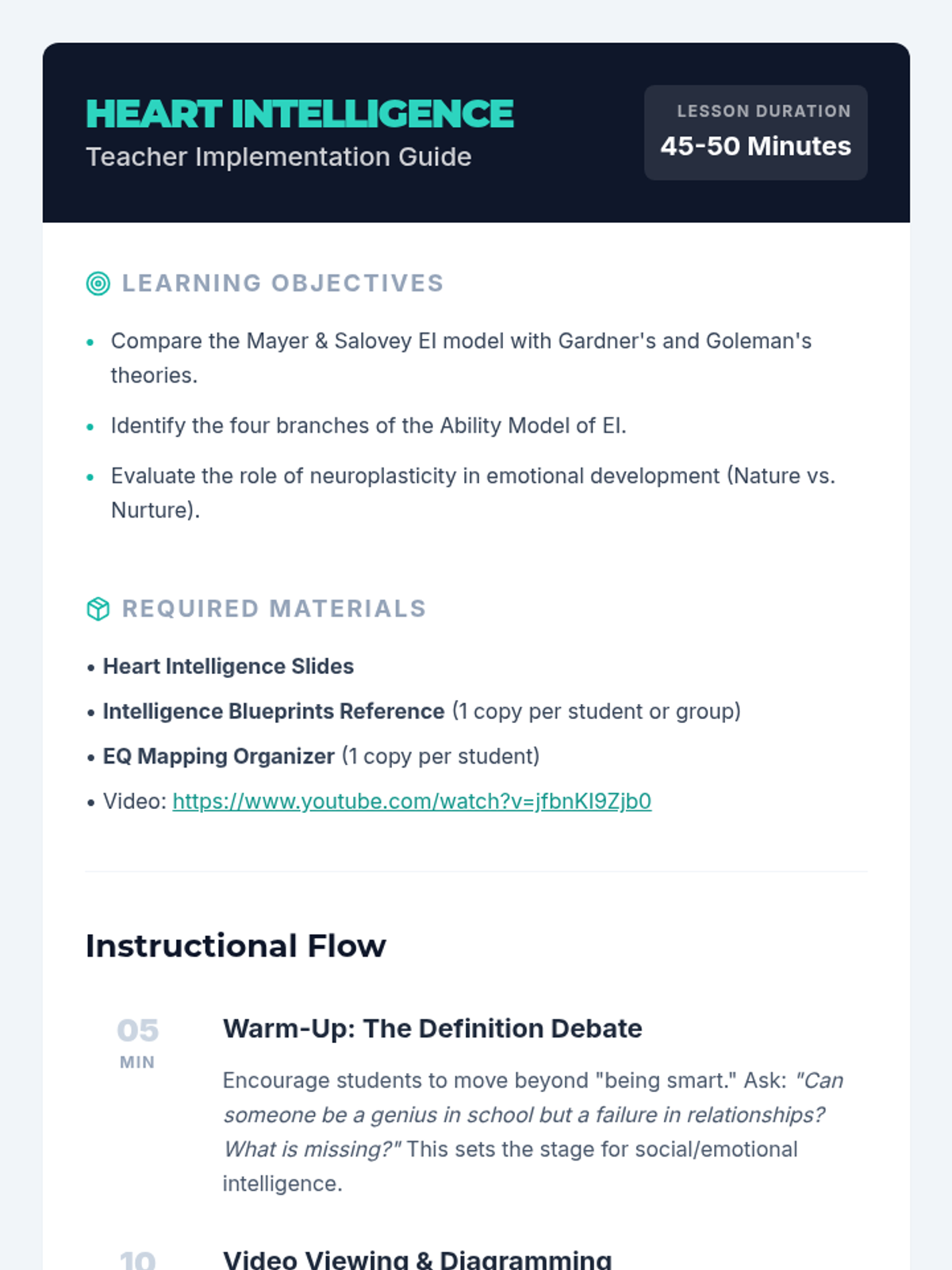
This lesson explores the concept of Emotional Intelligence (EI) through the lens of the Mayer and Salovey model, comparing it with other prominent theories of intelligence such as Gardner's Multiple Intelligences and Goleman's EI model. Students will evaluate whether EI is a distinct form of intelligence or a collection of personality traits.
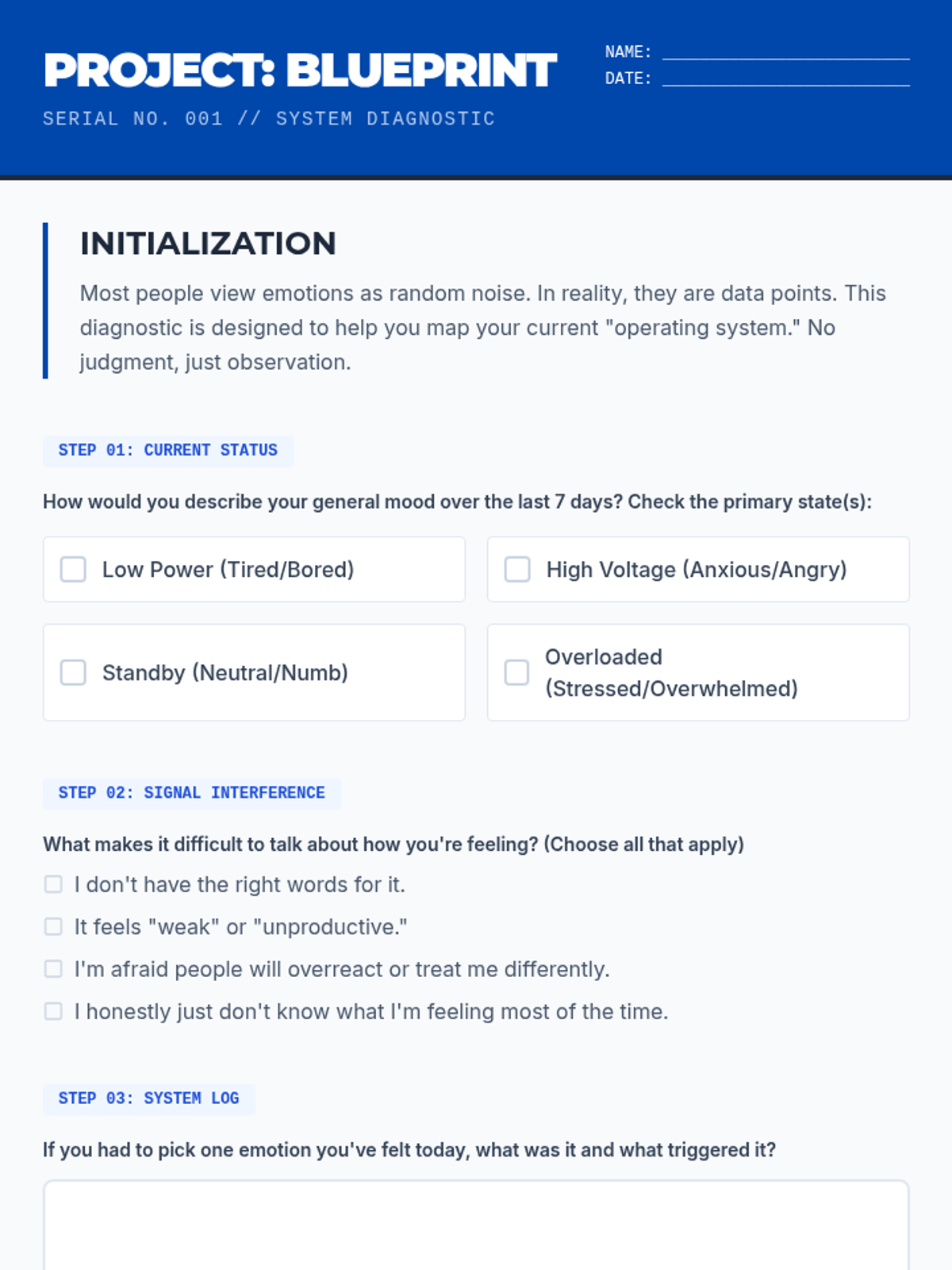
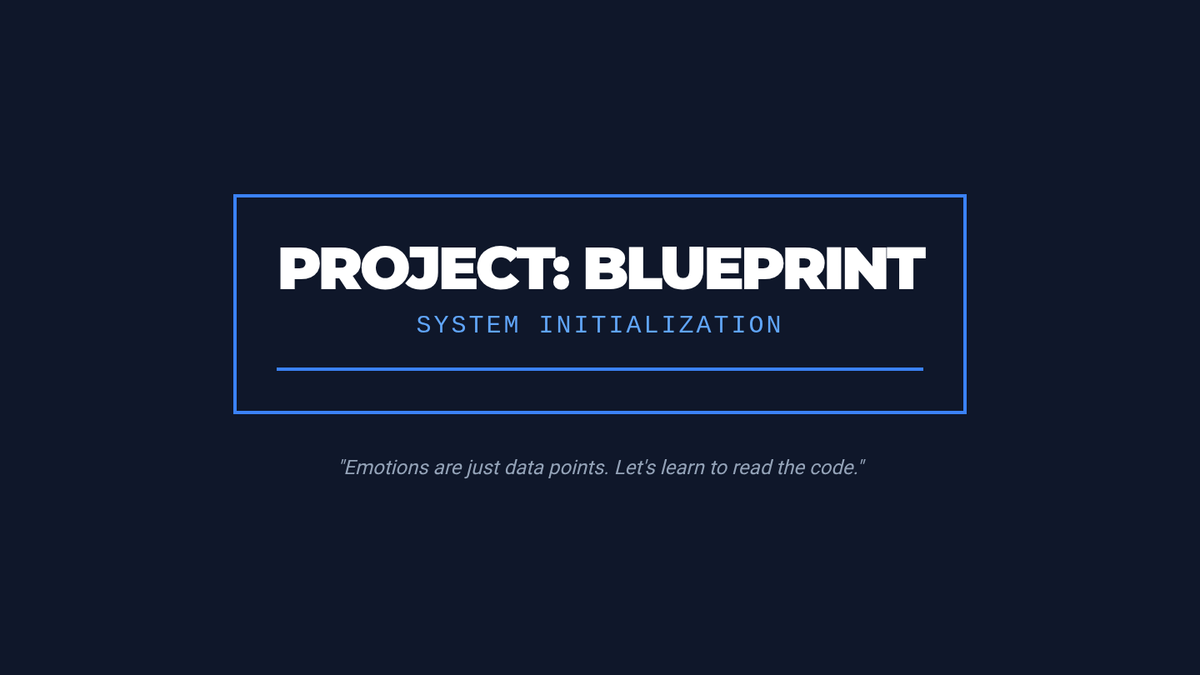
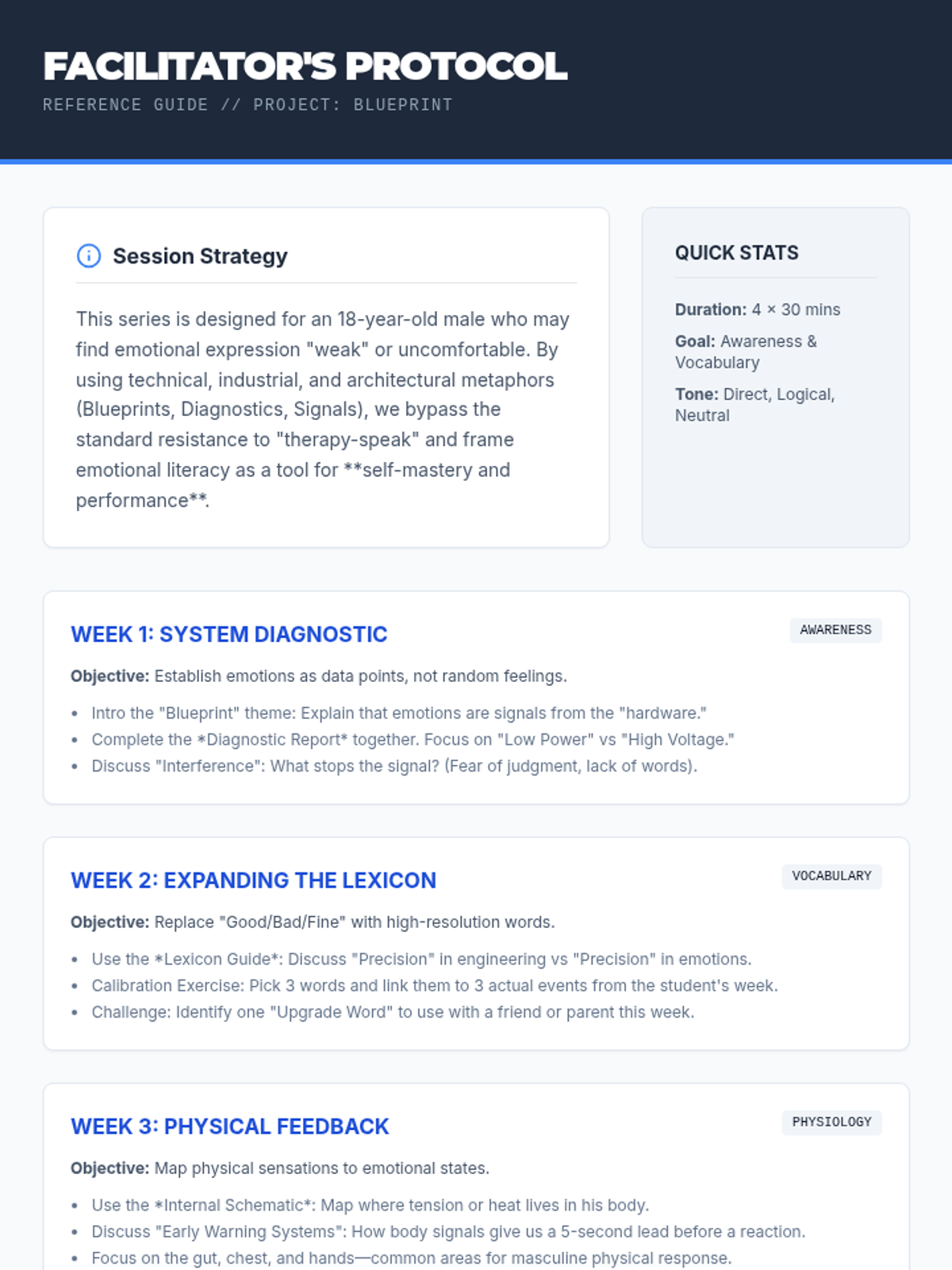
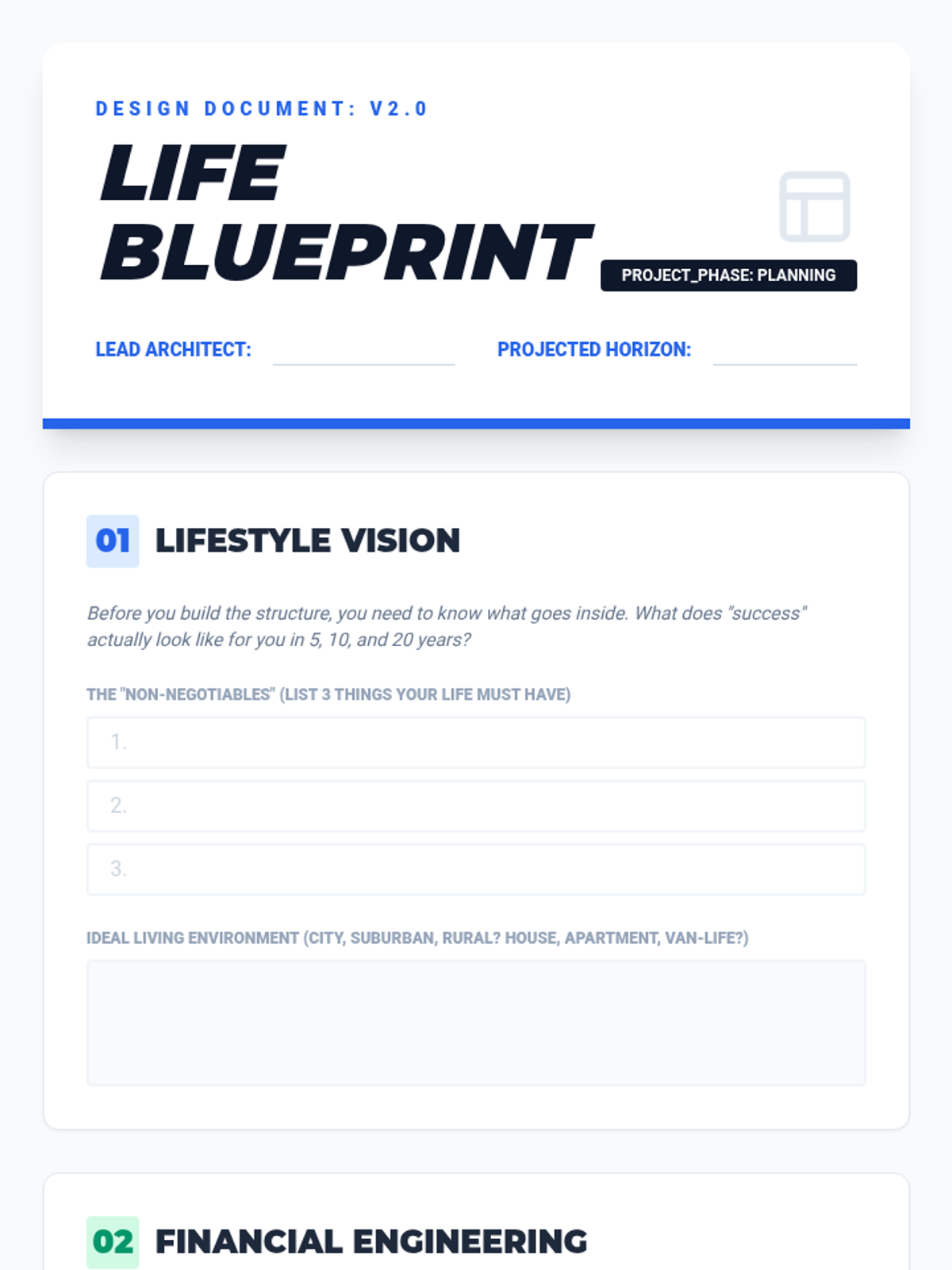
A 4-week counseling series for high school seniors focused on emotional literacy and expression. Using a 'Personal Blueprint' theme, the sequence treats emotions as data points and internal systems to help remove the stigma of sensitivity and focus on self-mastery.
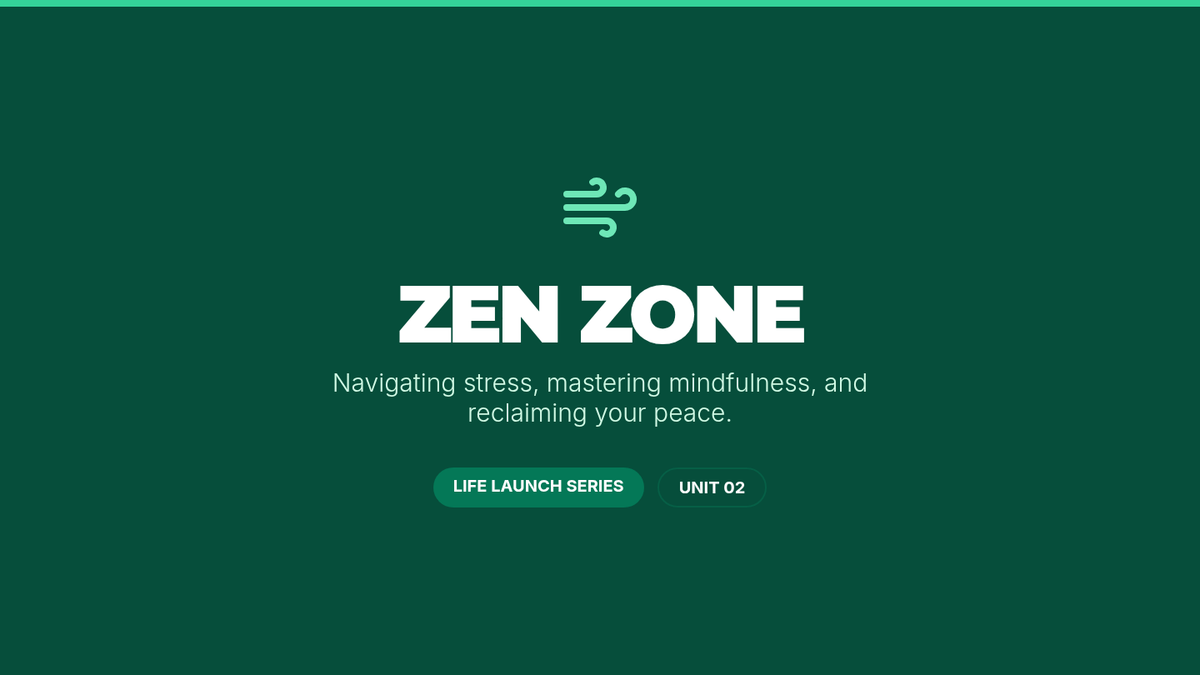
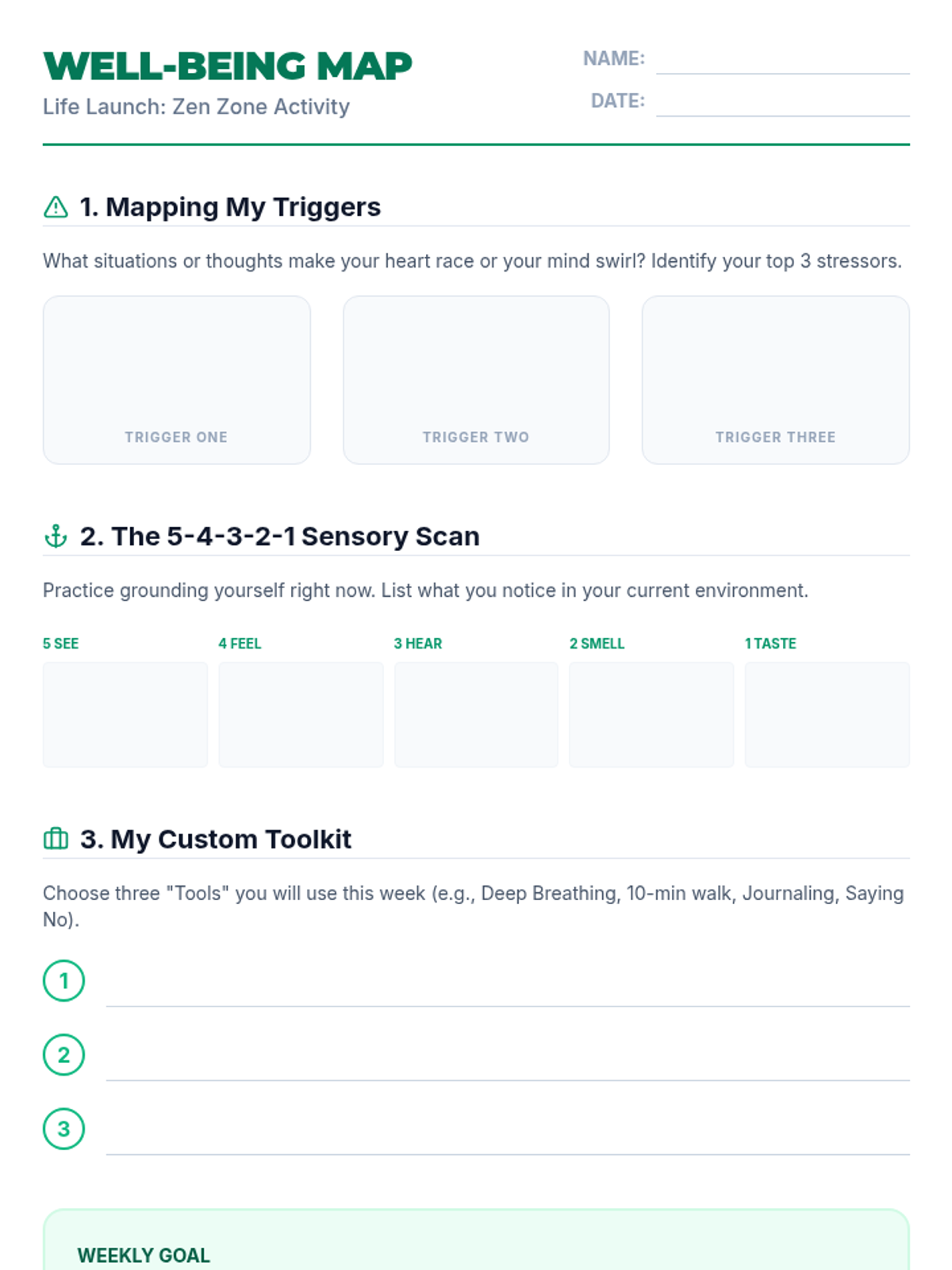
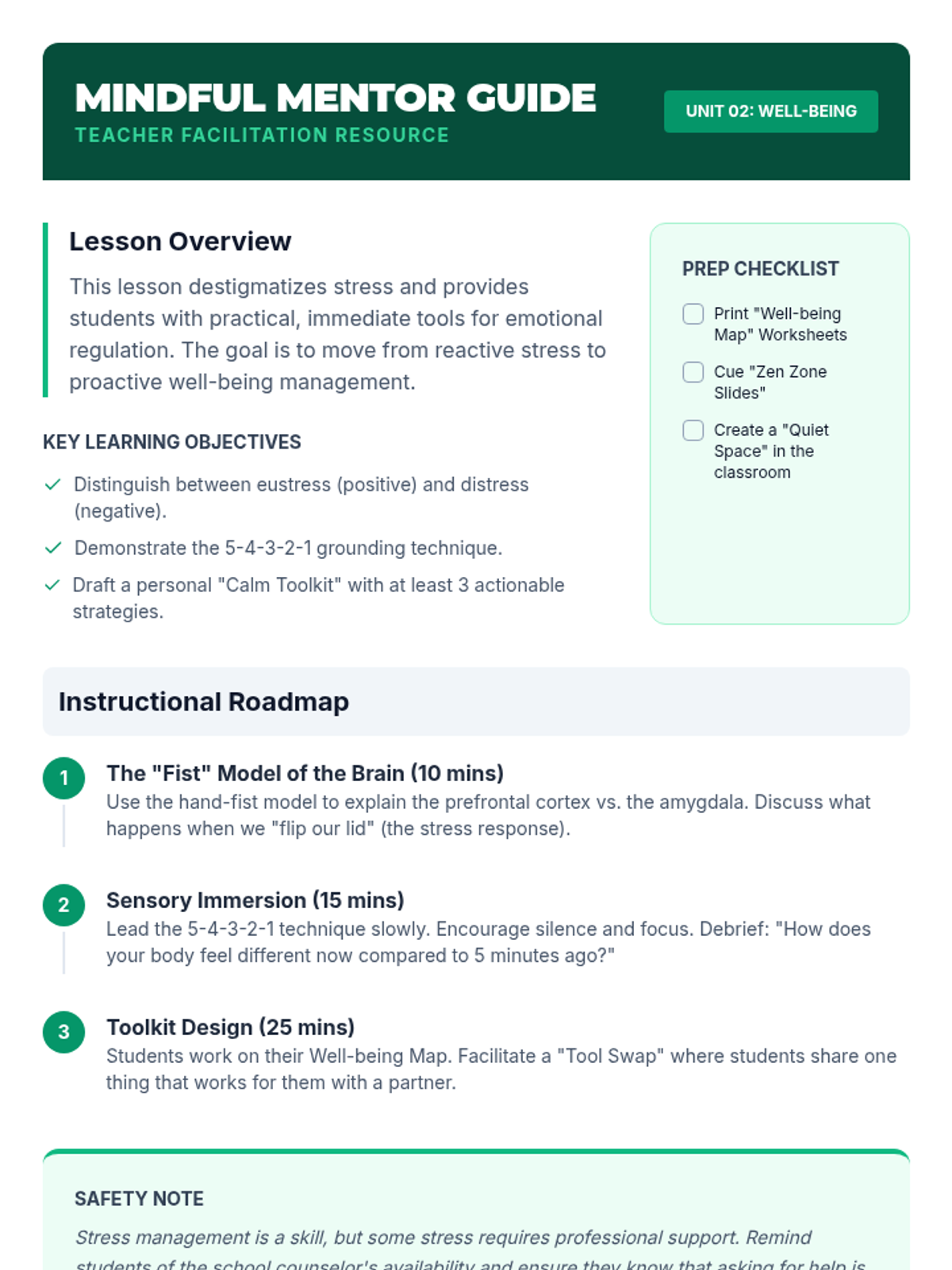
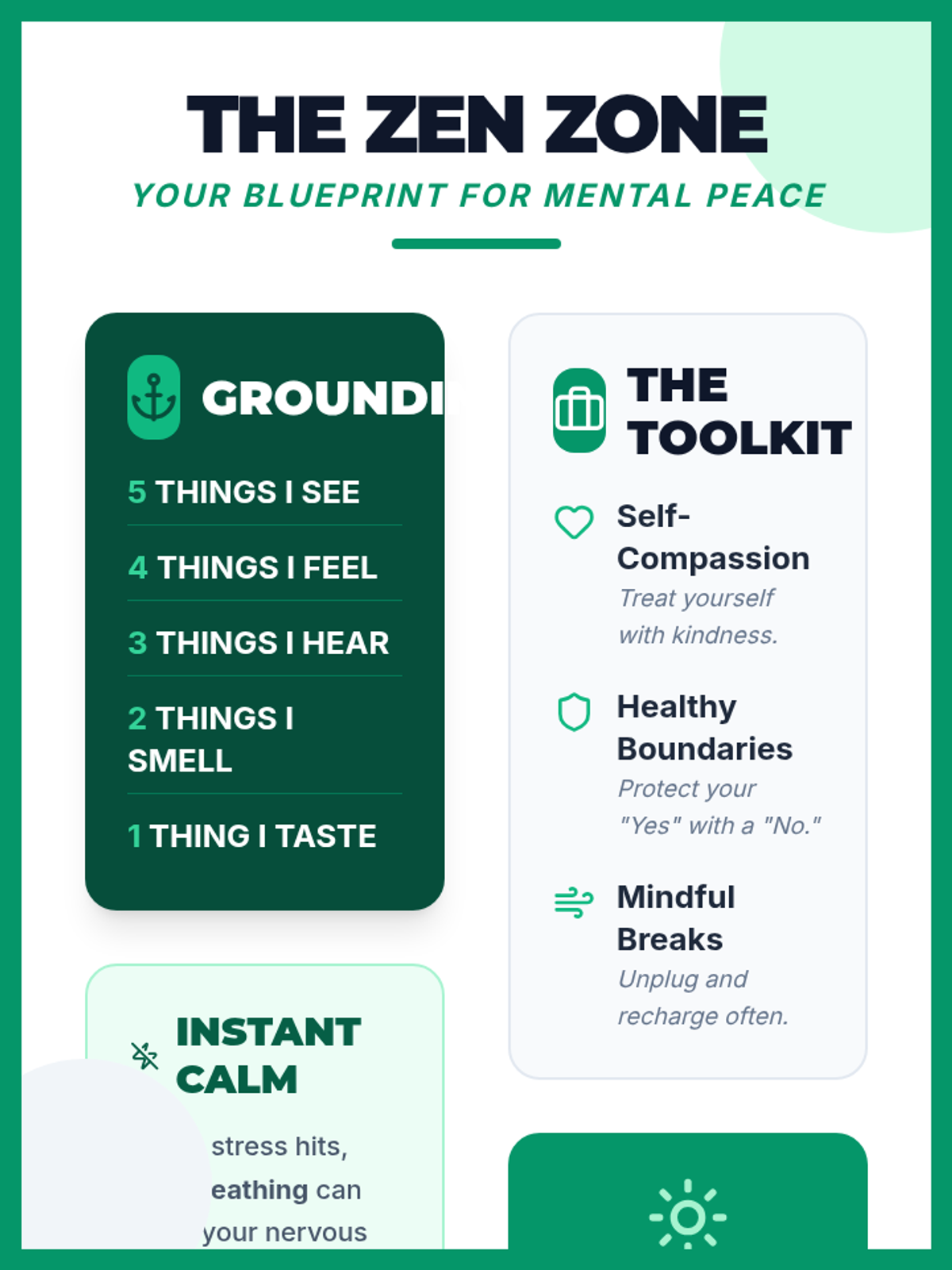
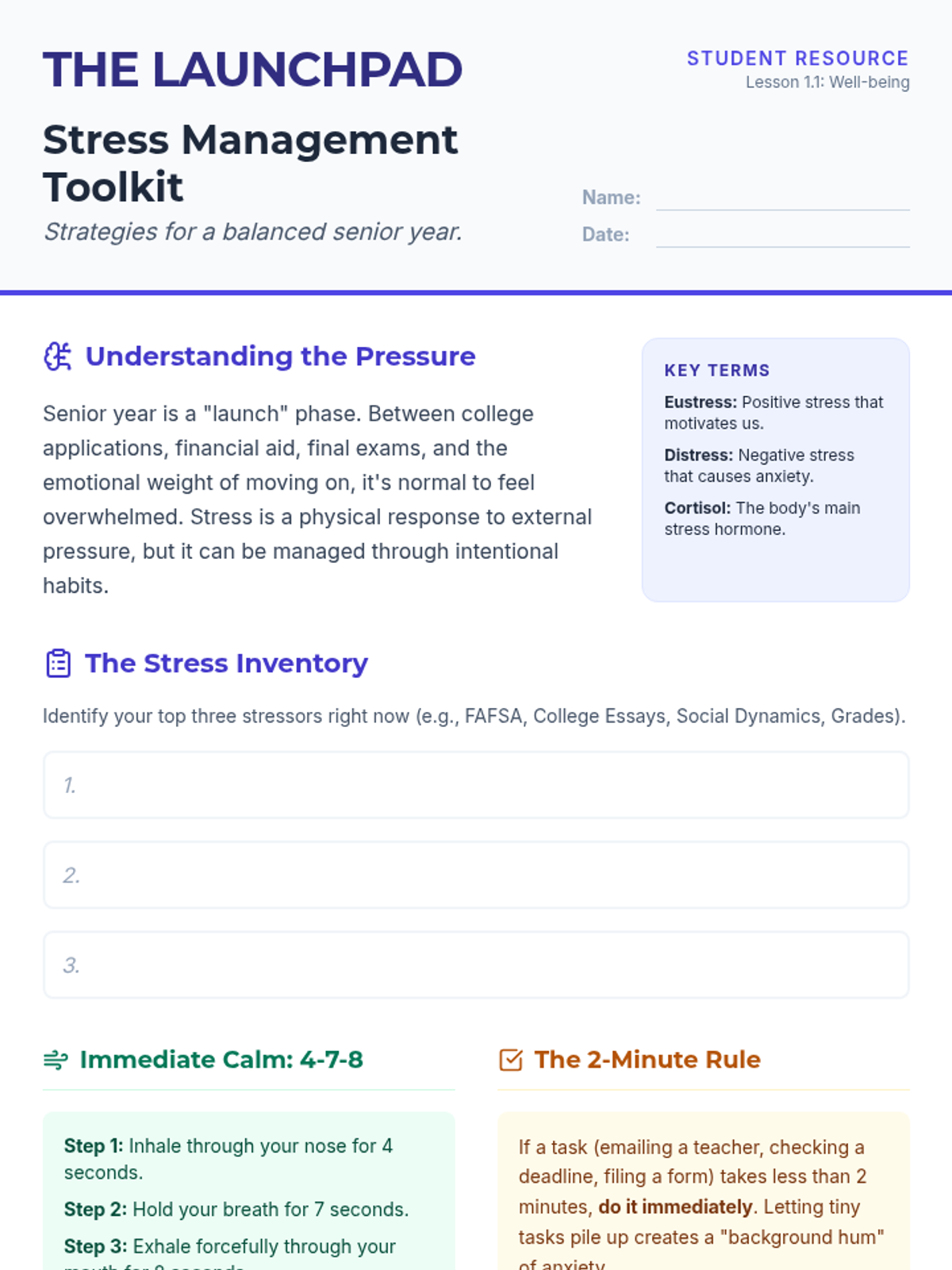
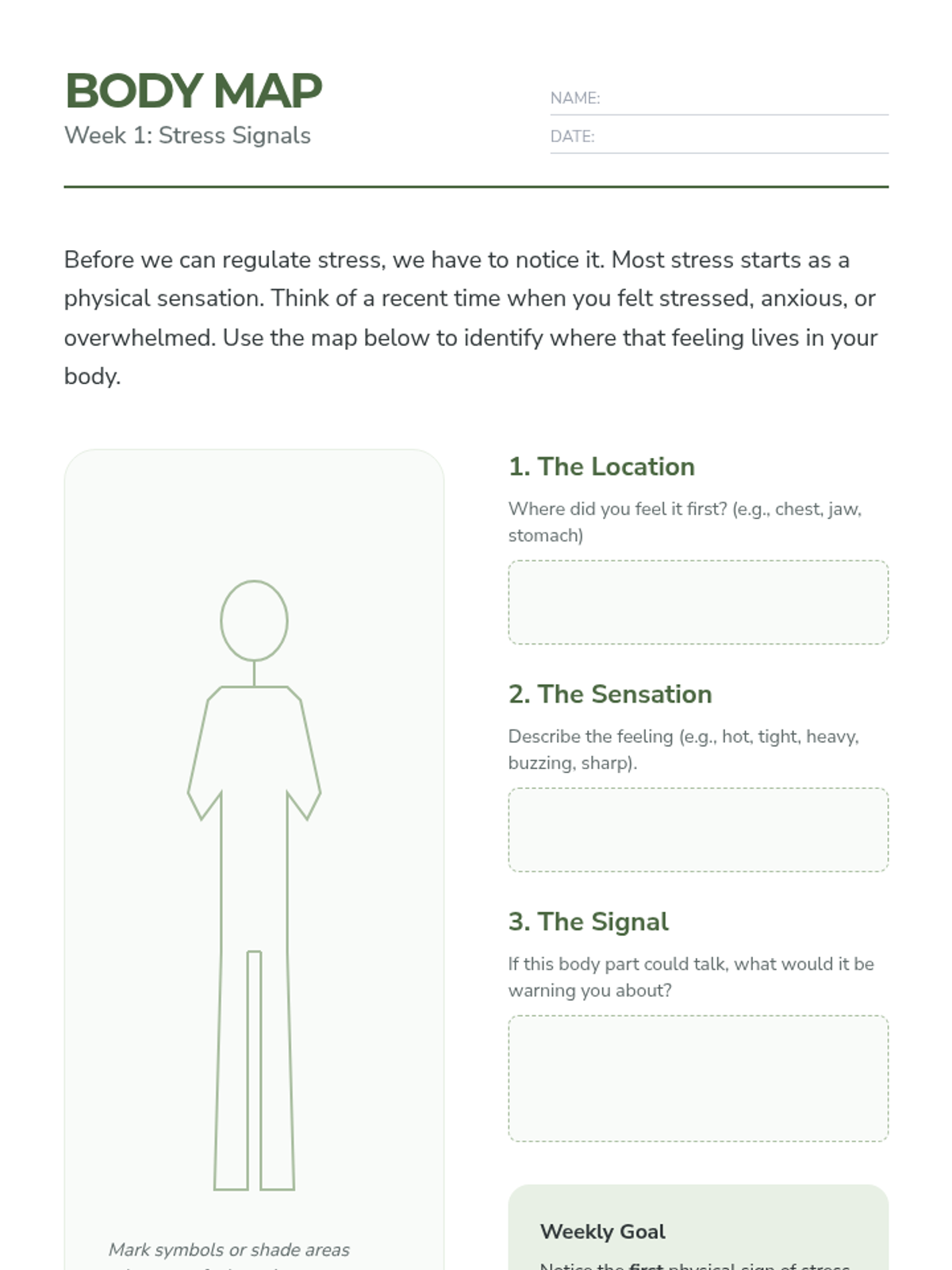
A 9-week social-emotional learning sequence designed for young adults, focusing on evidence-based coping mechanisms, mindfulness practices, and emotional resilience. This program guides participants from basic stress awareness to building a sustainable personal wellness plan.
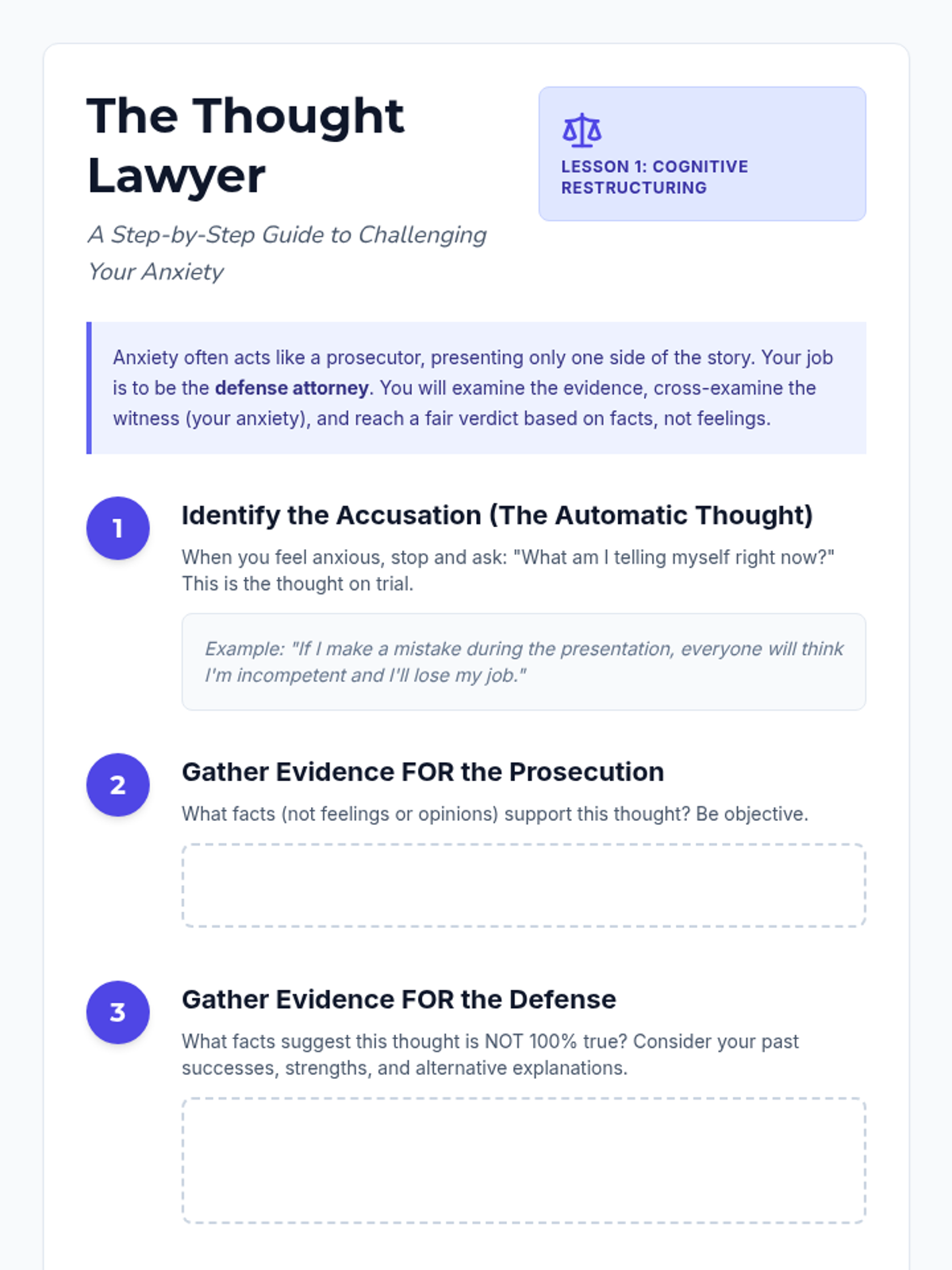
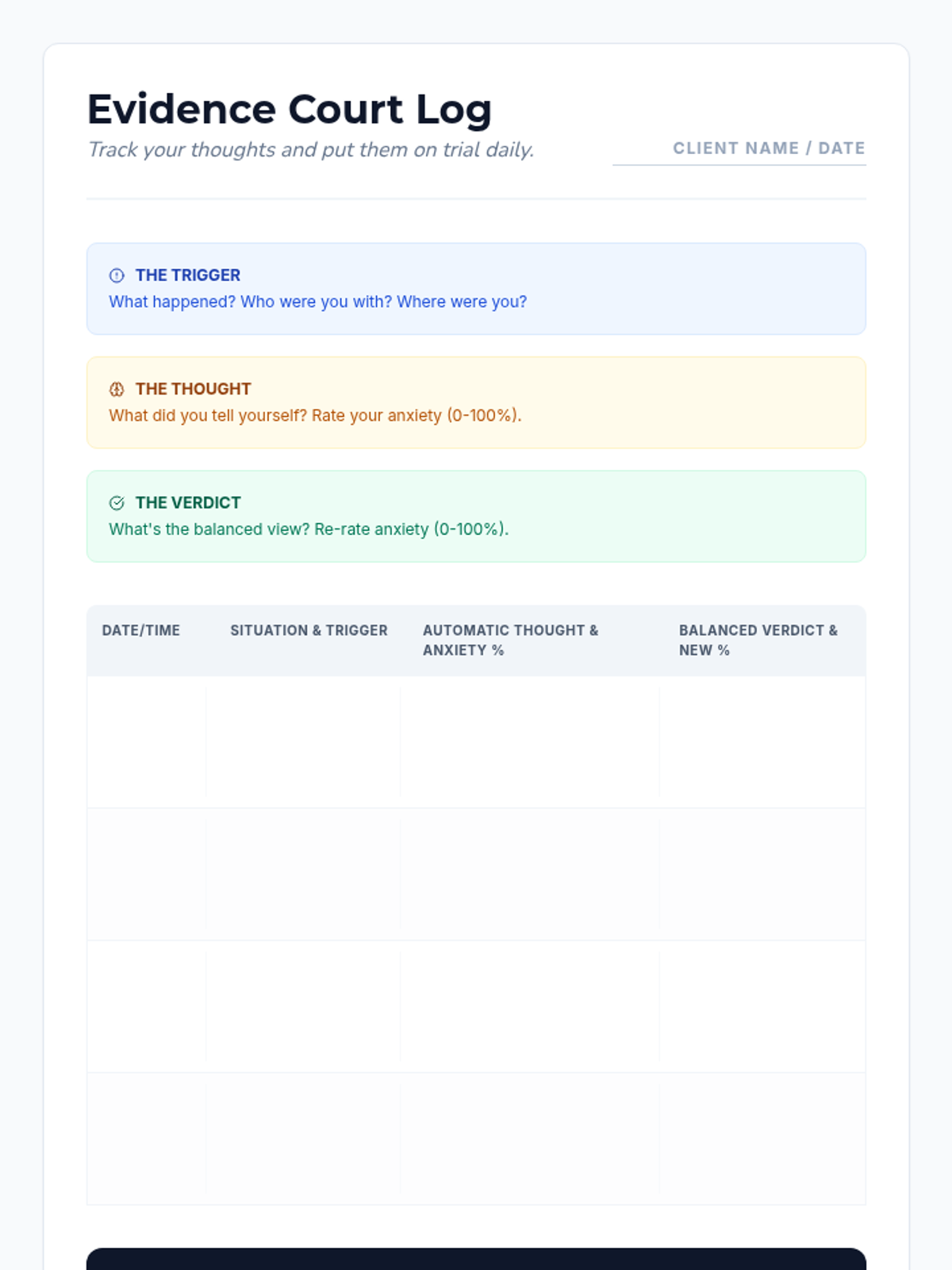
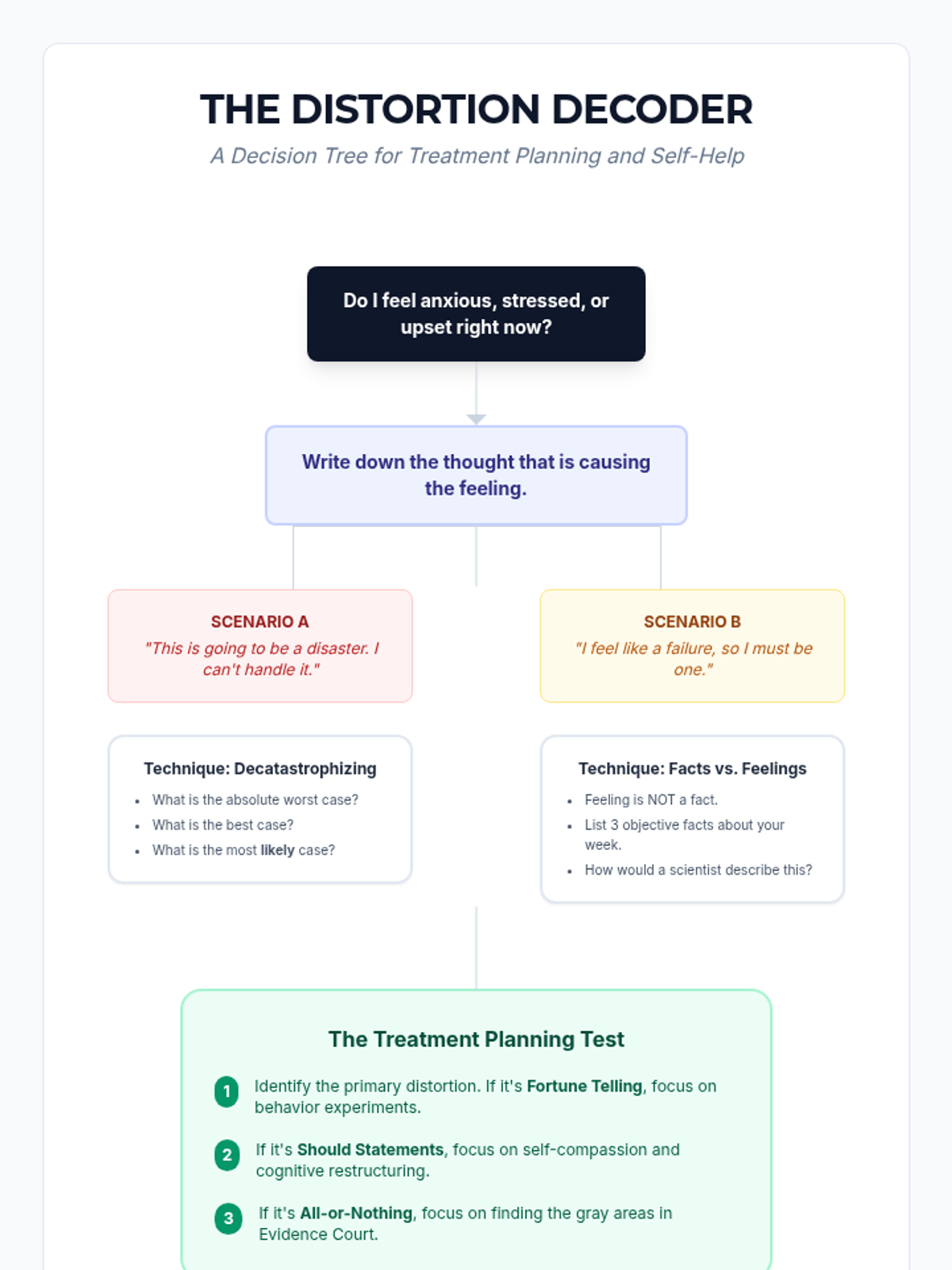
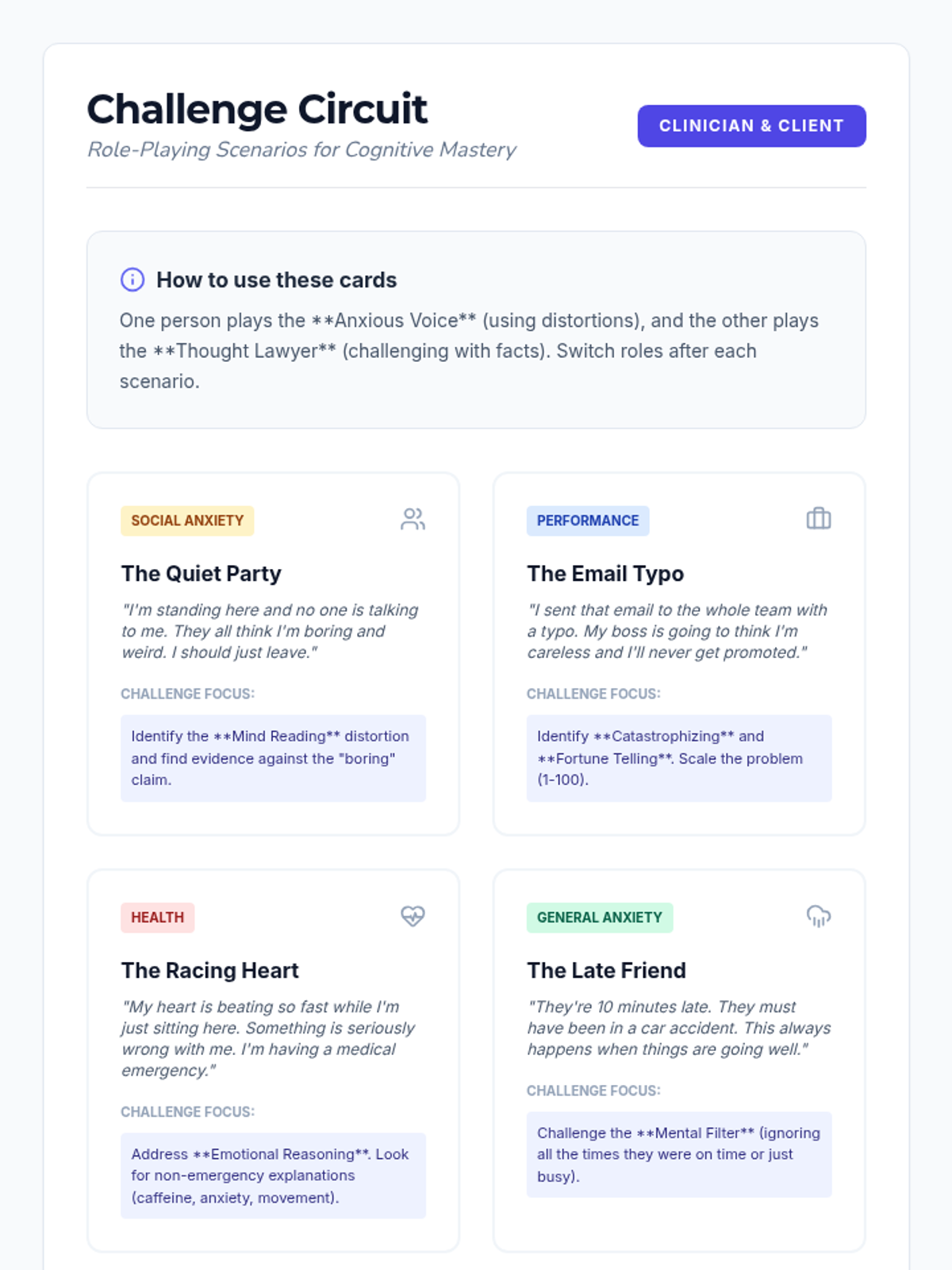
A comprehensive CBT toolkit for treating anxiety, covering cognitive restructuring, exposure therapy, behavioral experiments, and mindfulness. This sequence provides clinicians and clients with structured guides, tracking tools, and practical scenarios to build resilience and manage anxiety symptoms effectively.
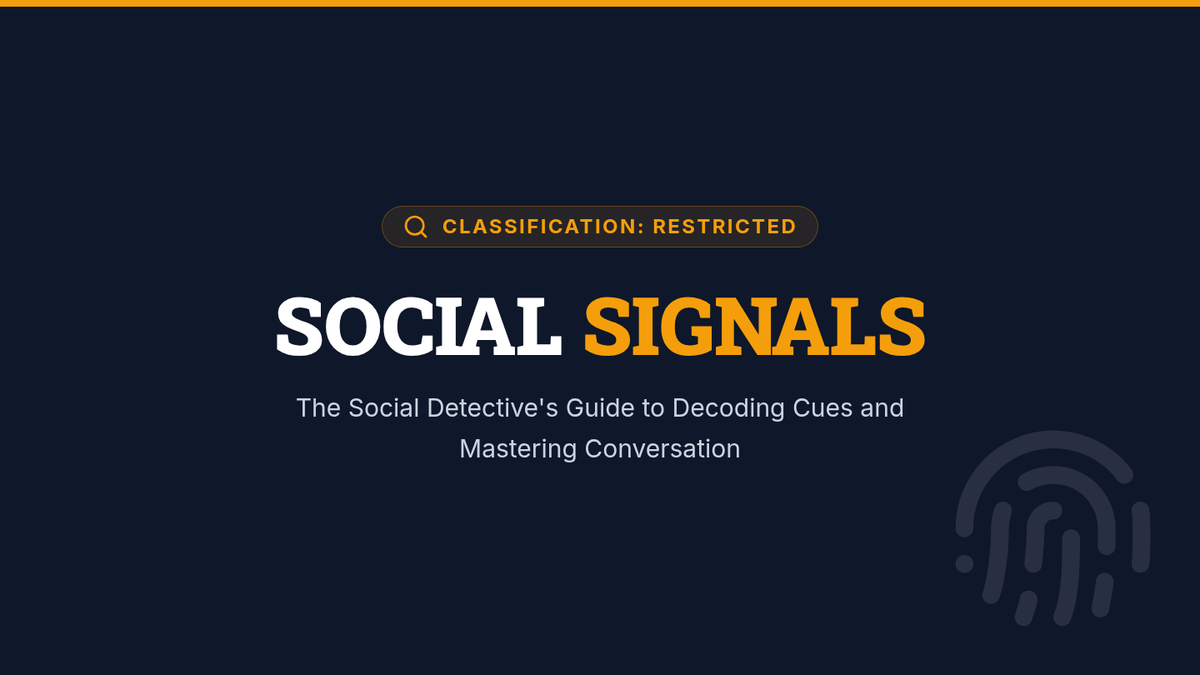
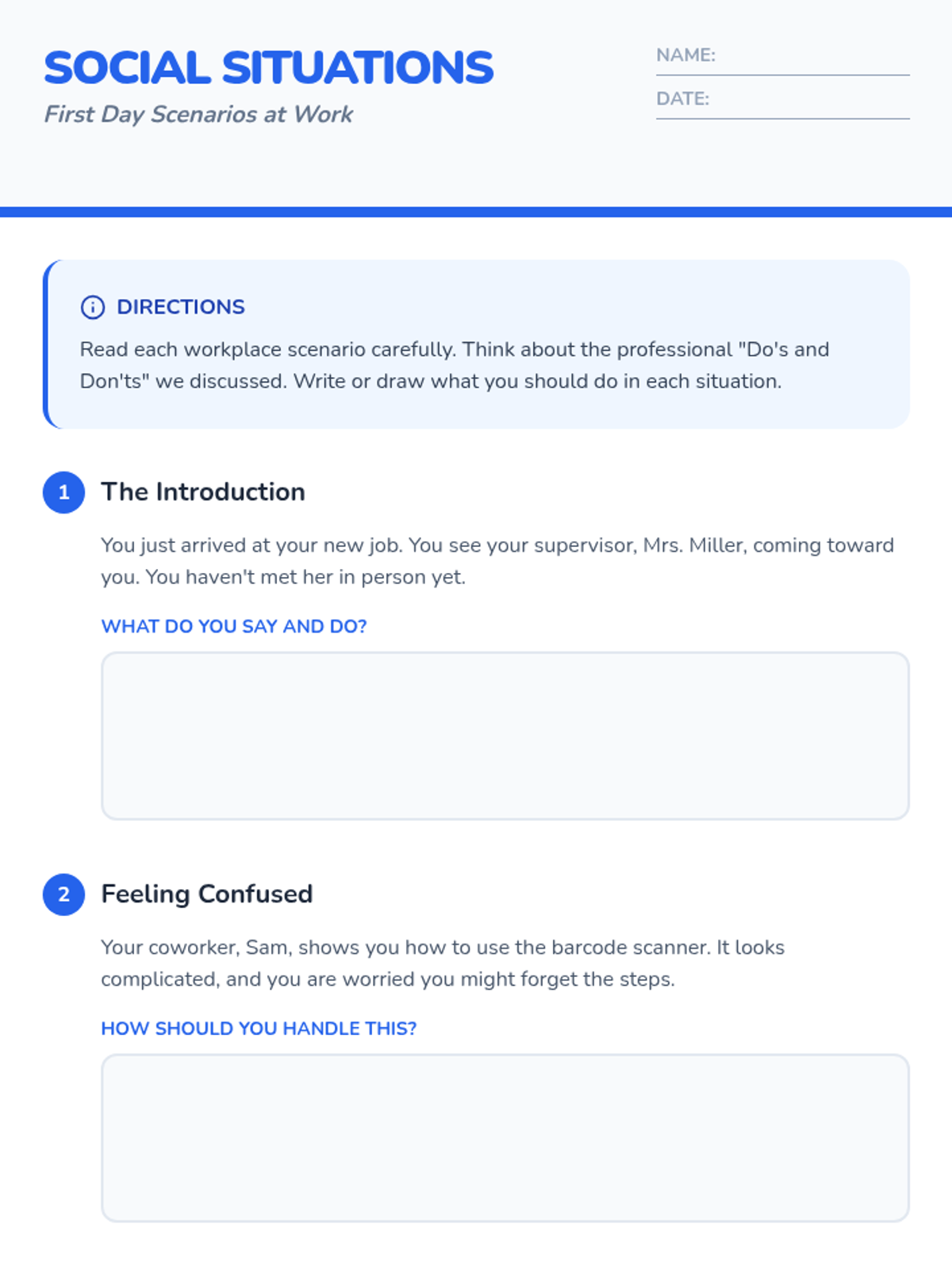
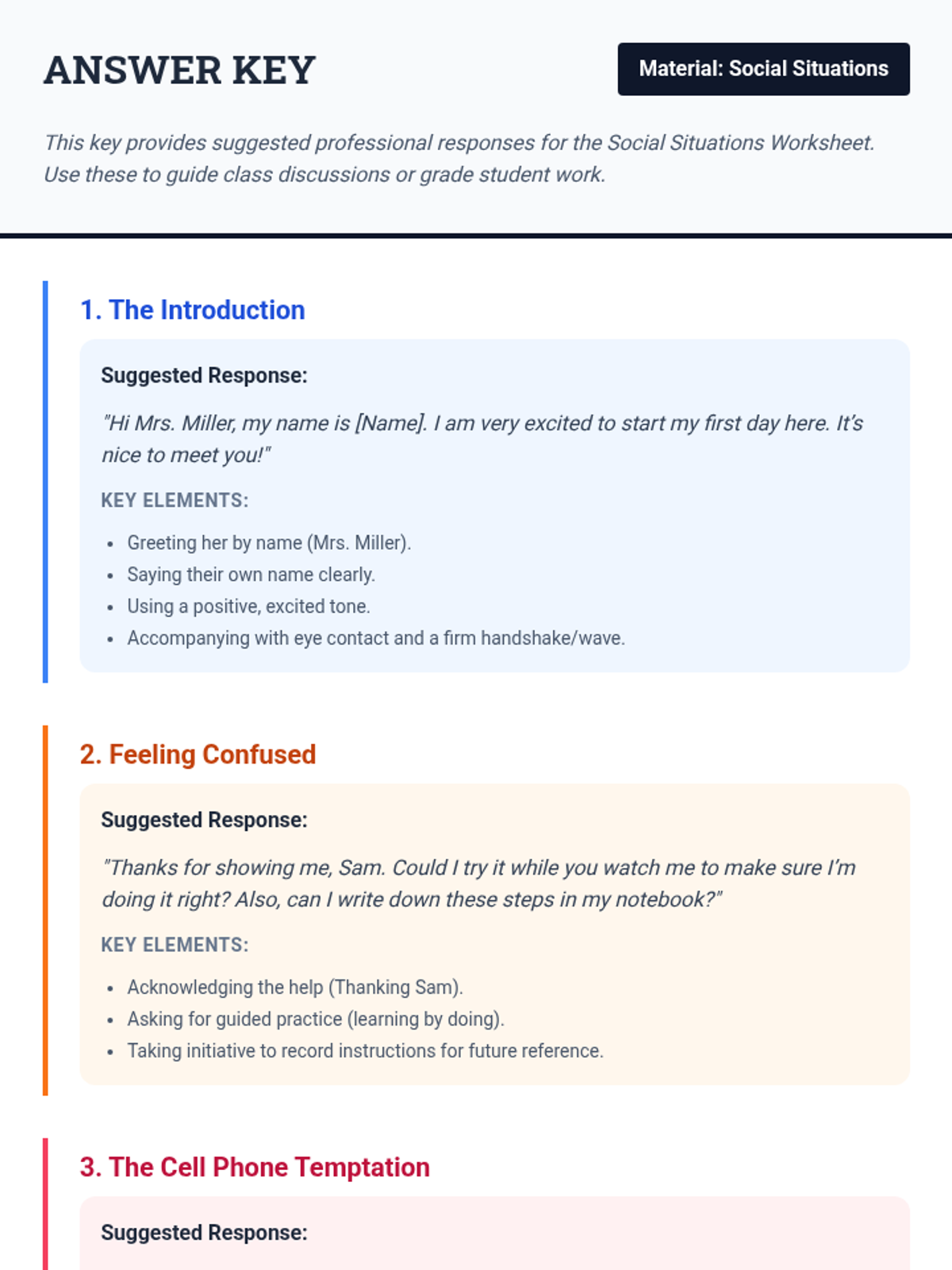
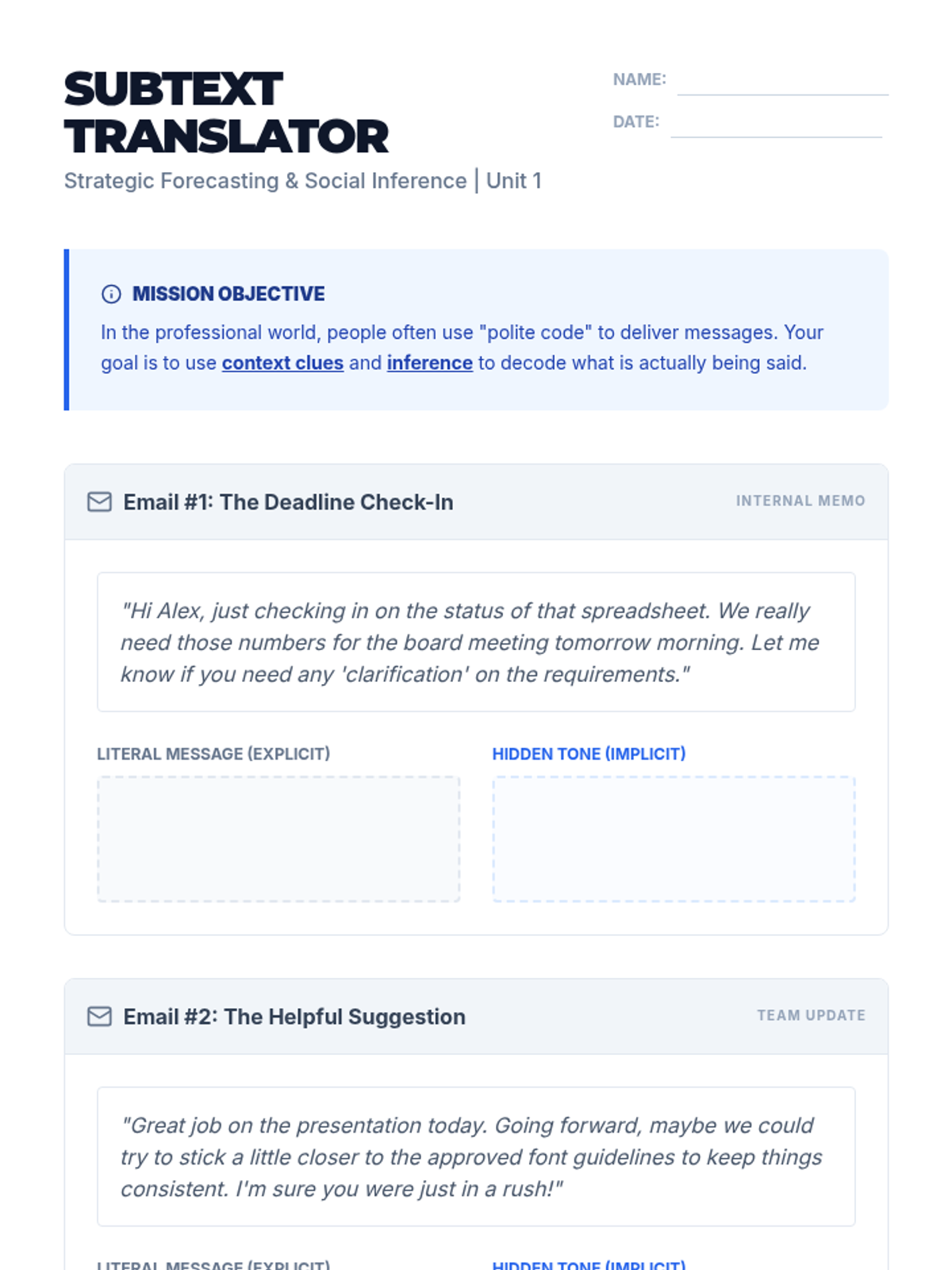
A sequence focused on developing social and professional communication skills, covering general social signals and their specific applications in the workplace.
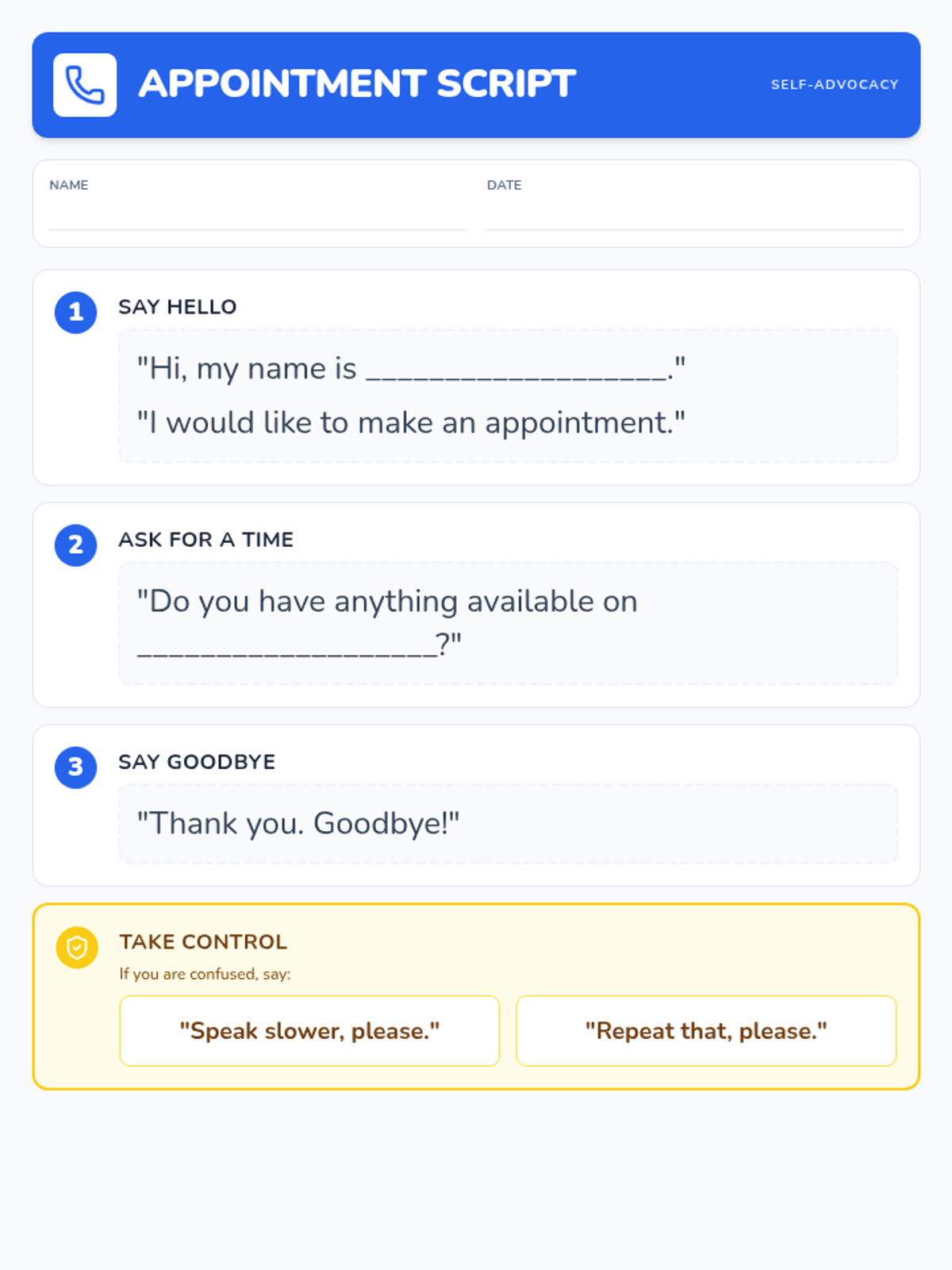
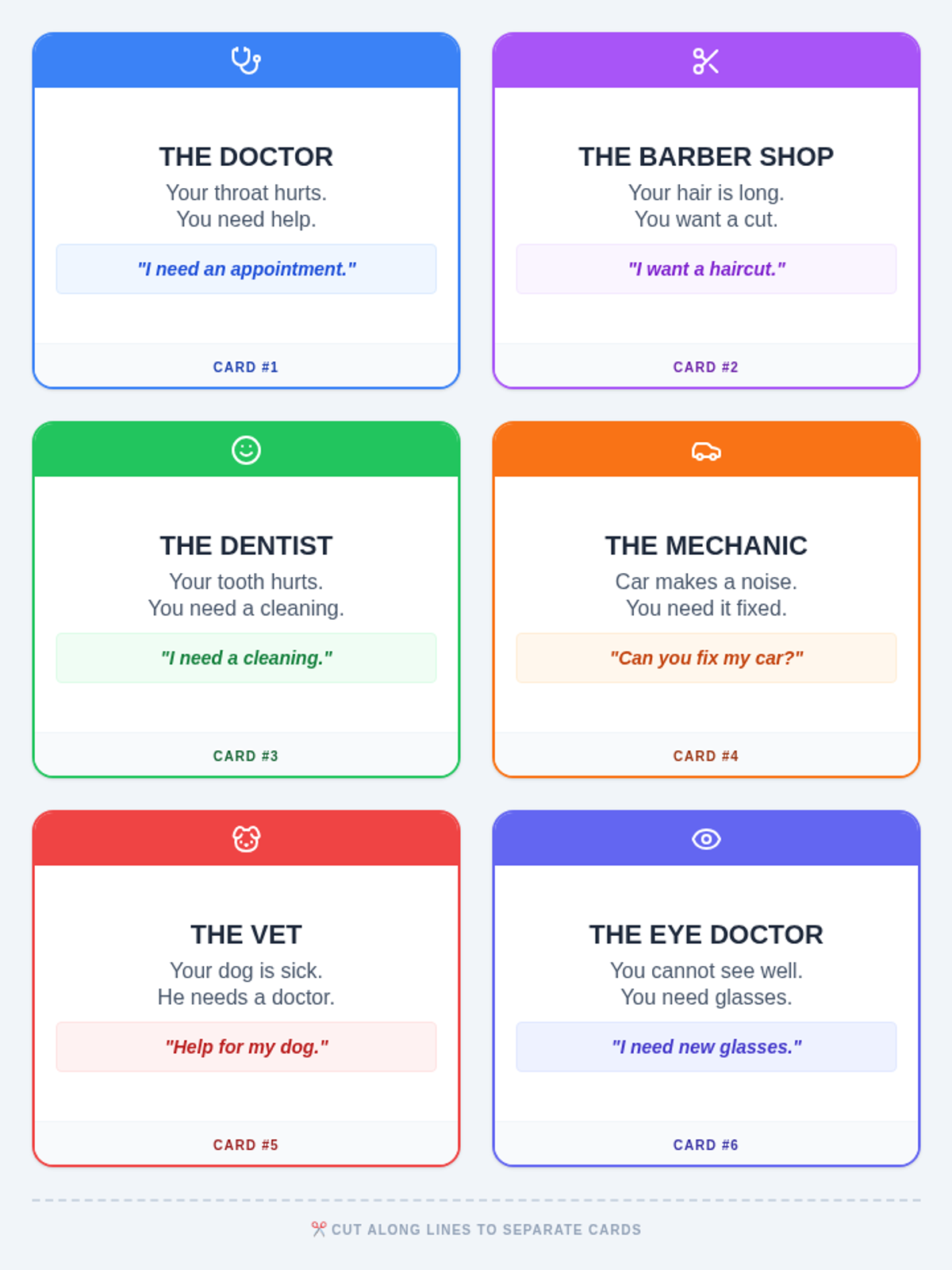
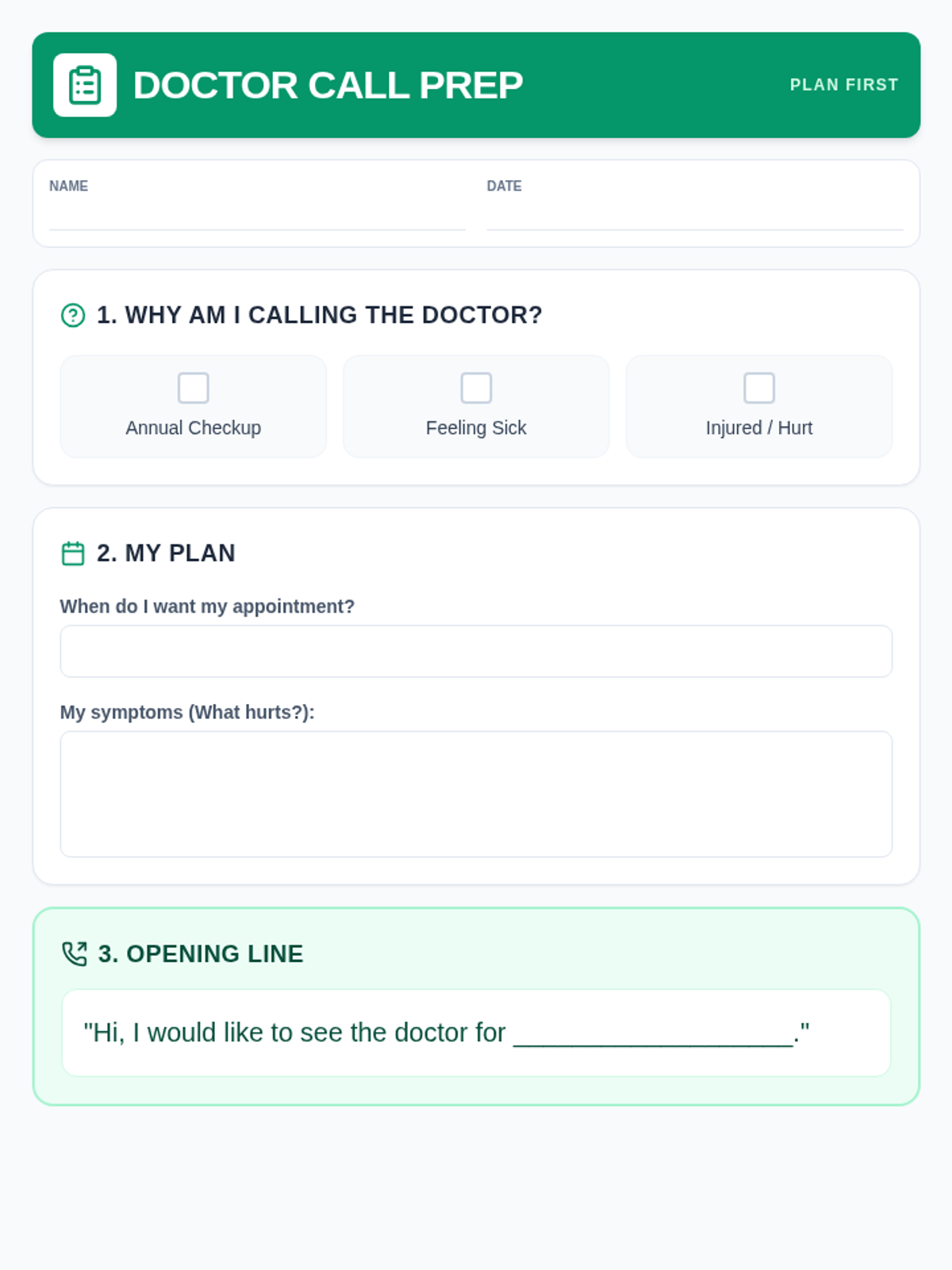
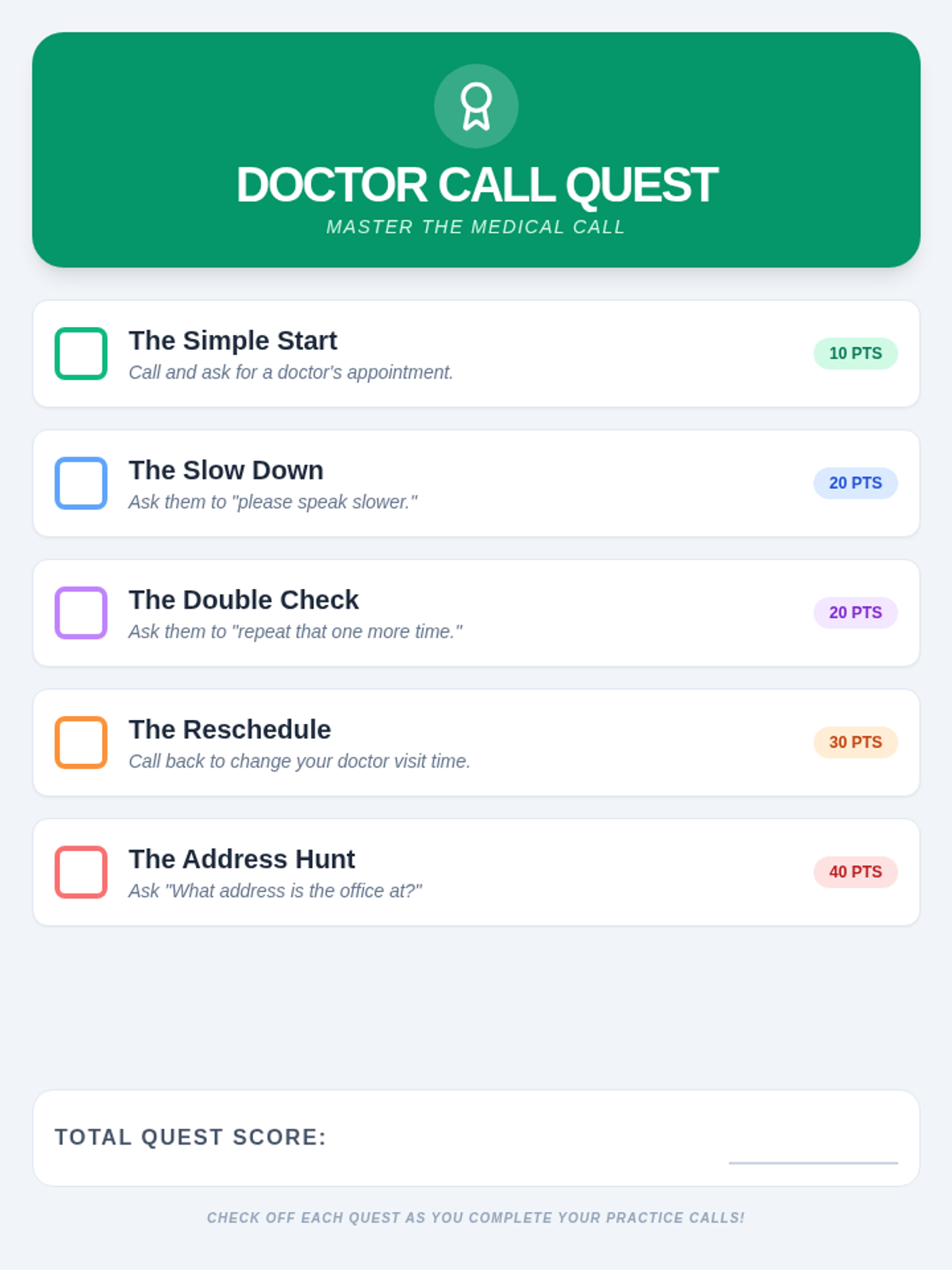
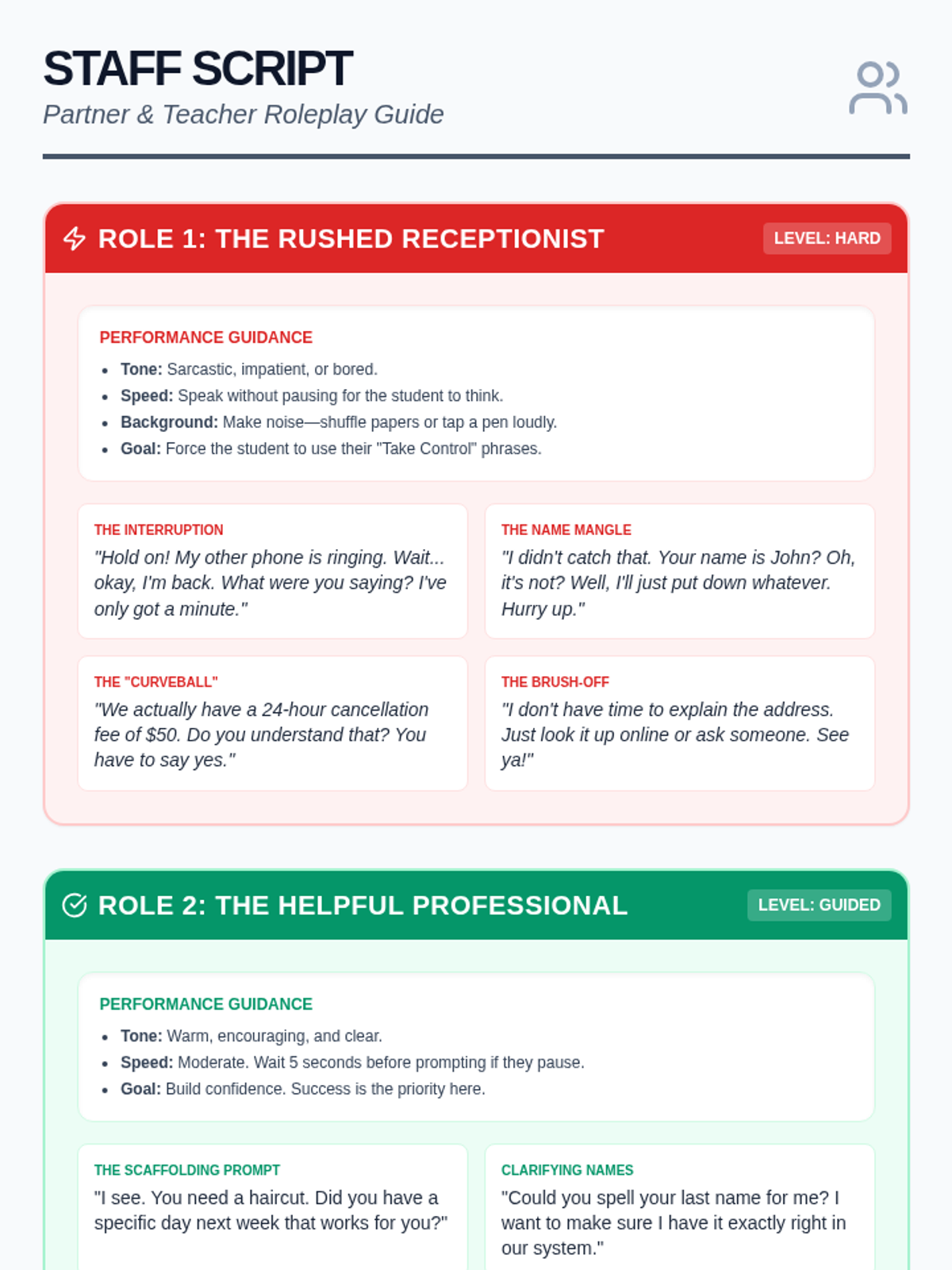
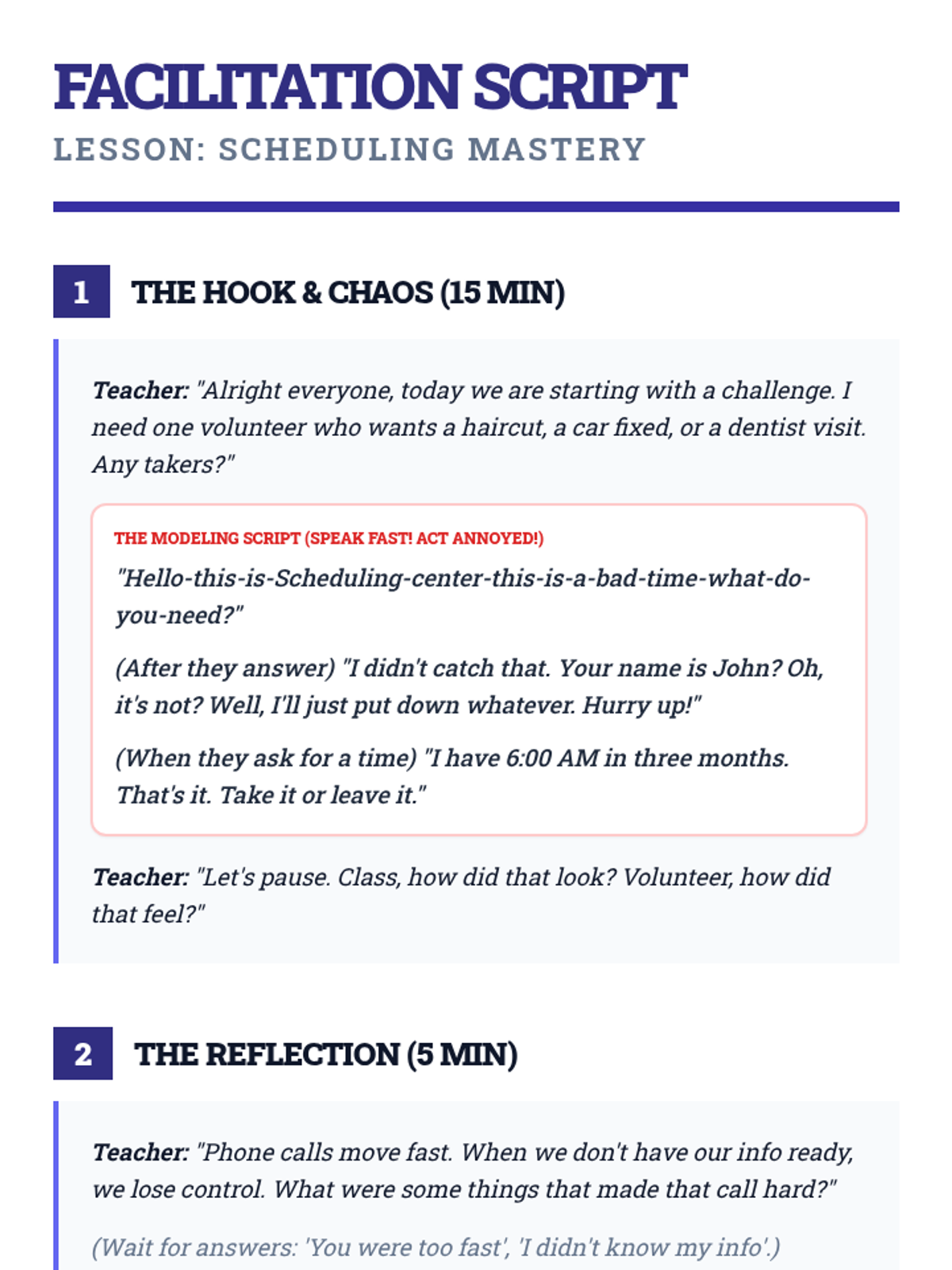
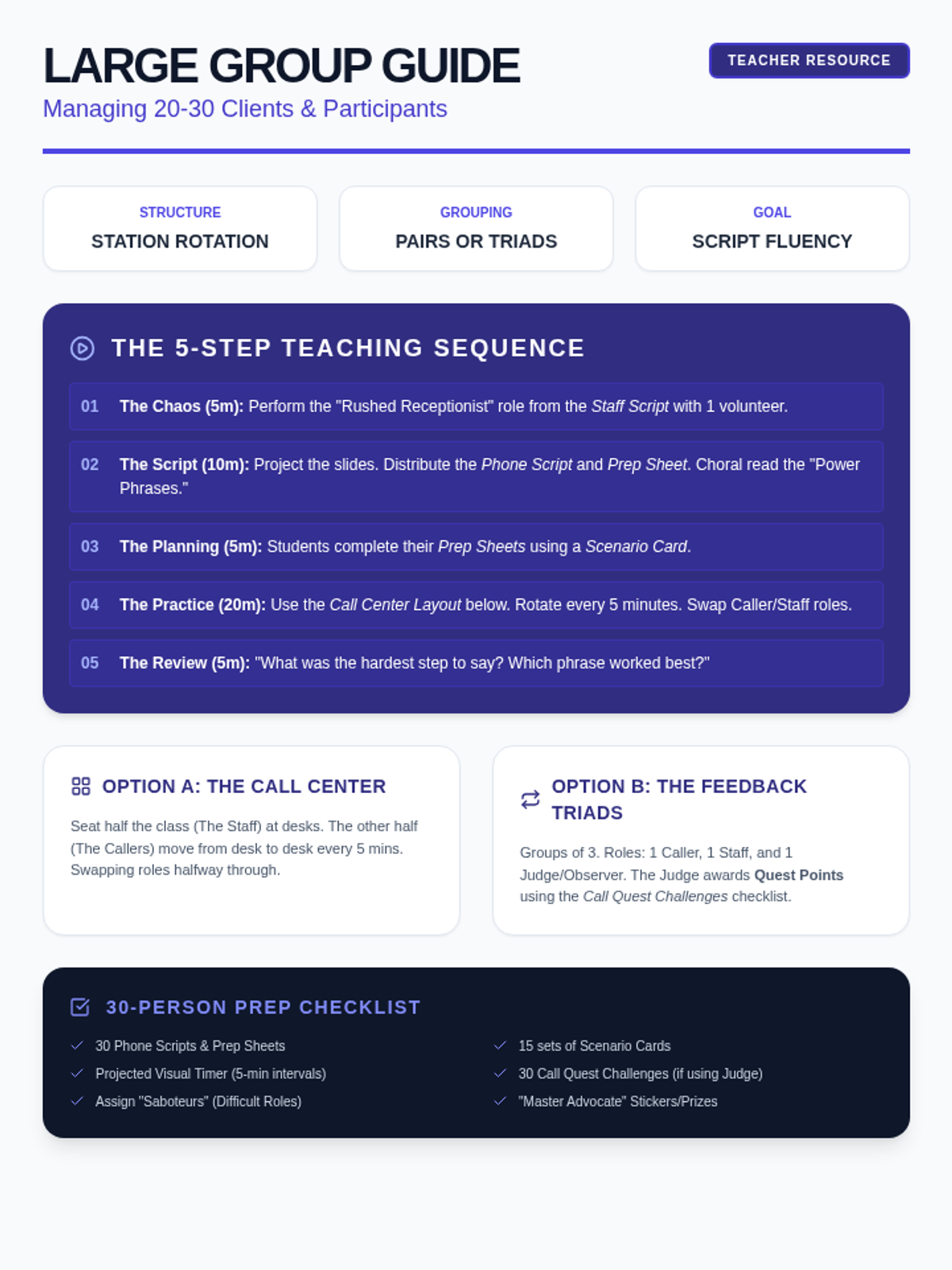
A sequence focused on building self-advocacy skills through experiential learning, specifically for scheduling and managing various types of professional and personal appointments.
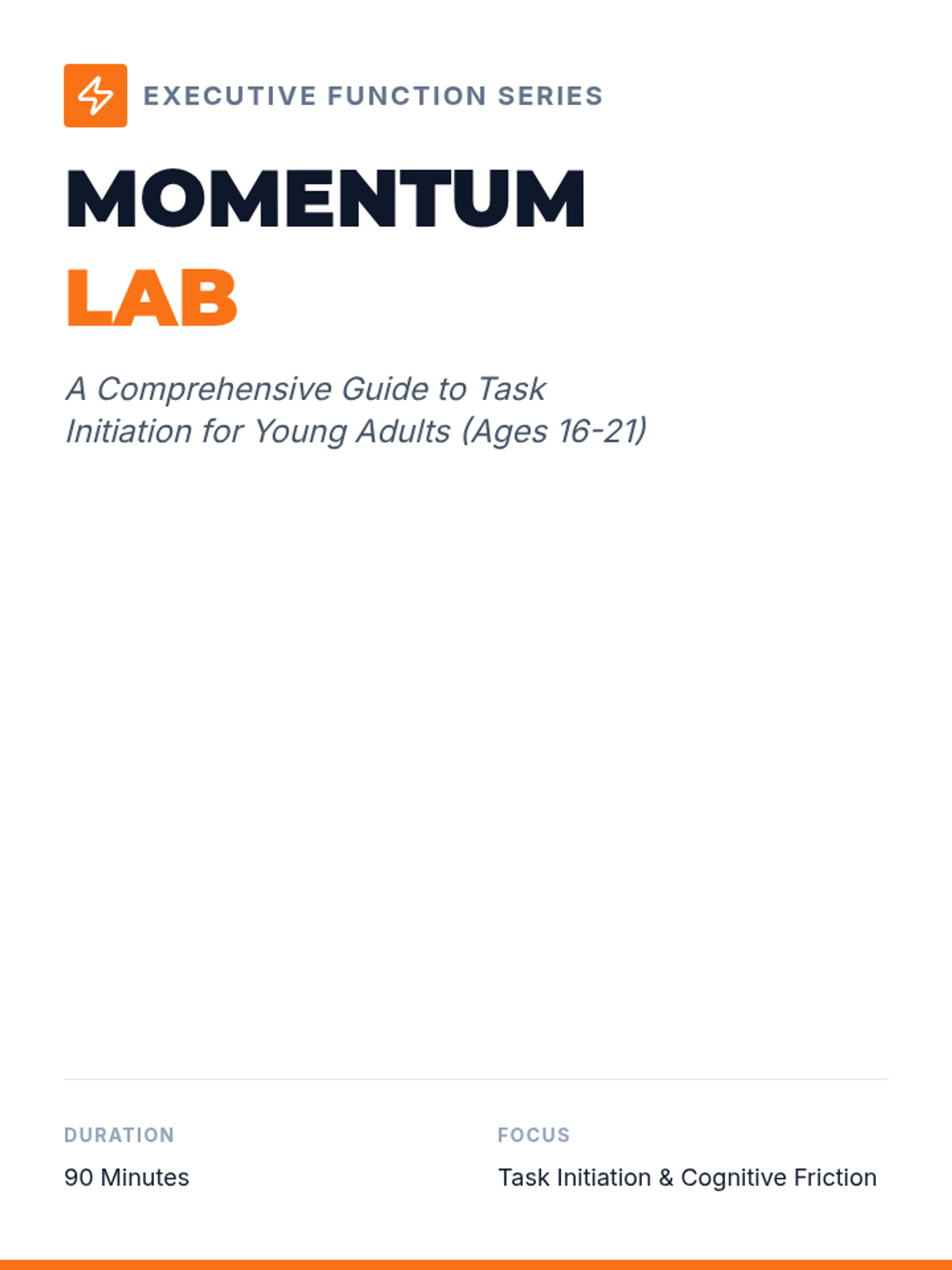
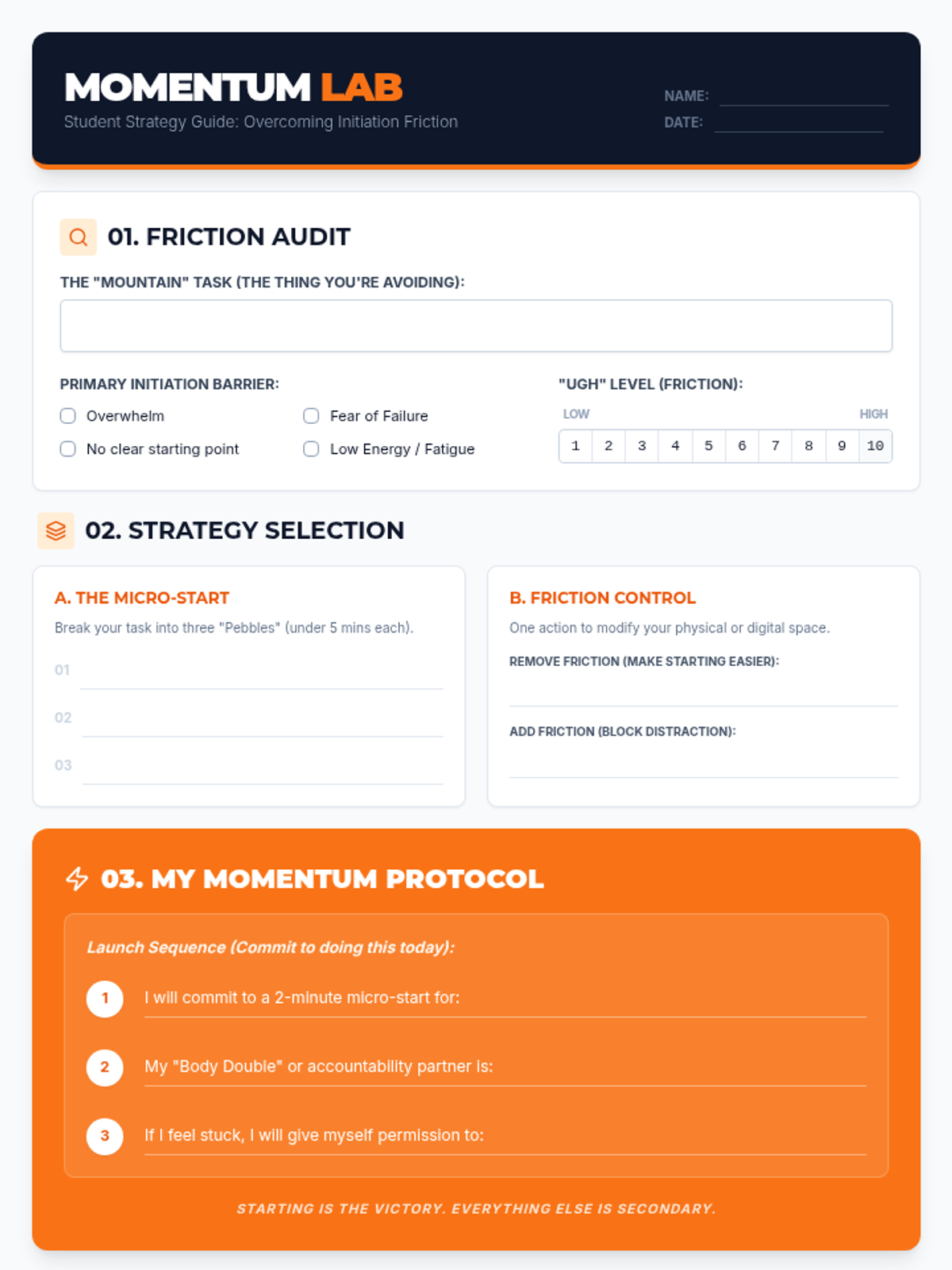
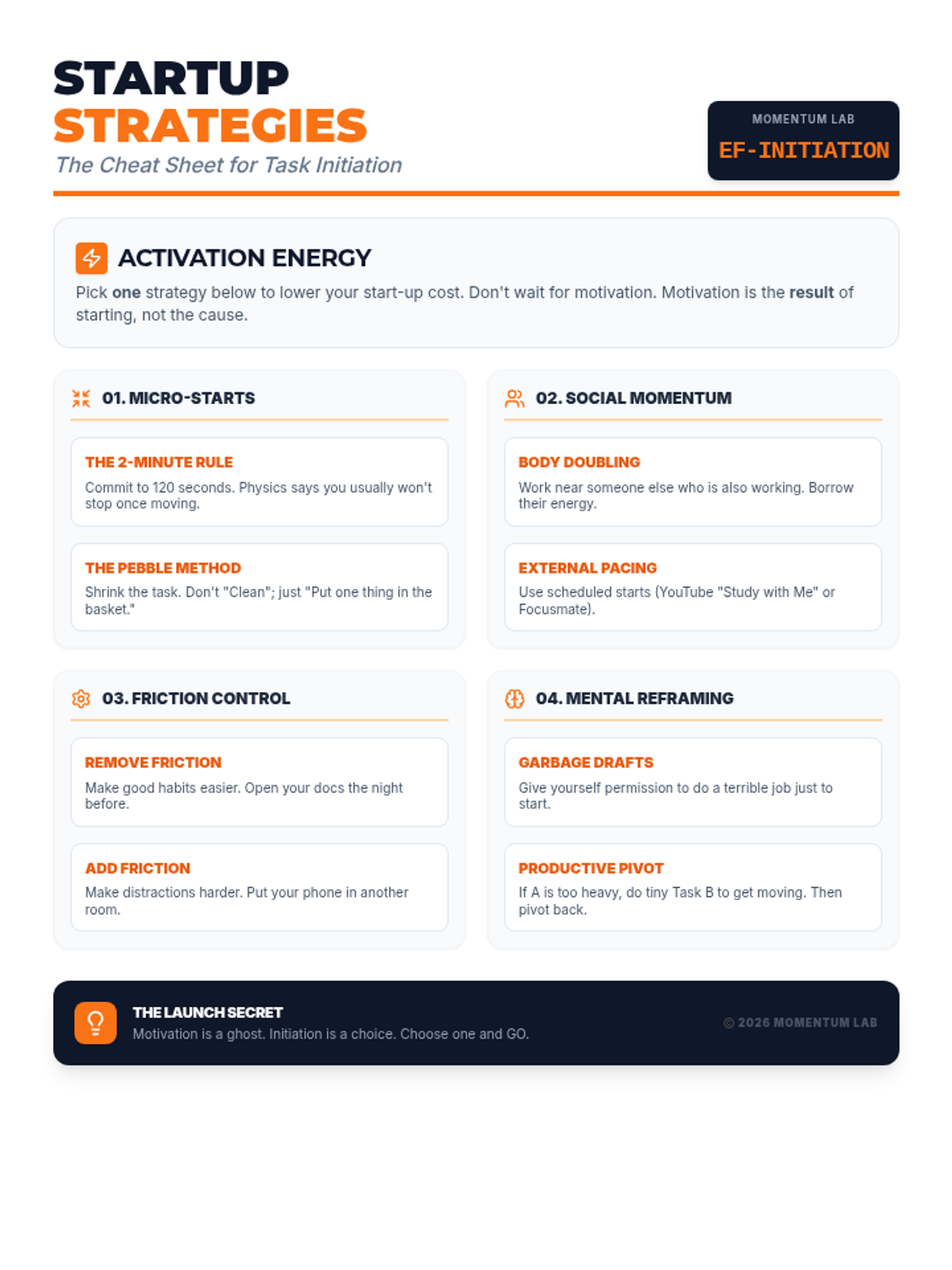
A session designed for 16-21 year olds to master executive function skills, specifically focusing on overcoming the 'start-up cost' of difficult tasks through science-backed initiation strategies.
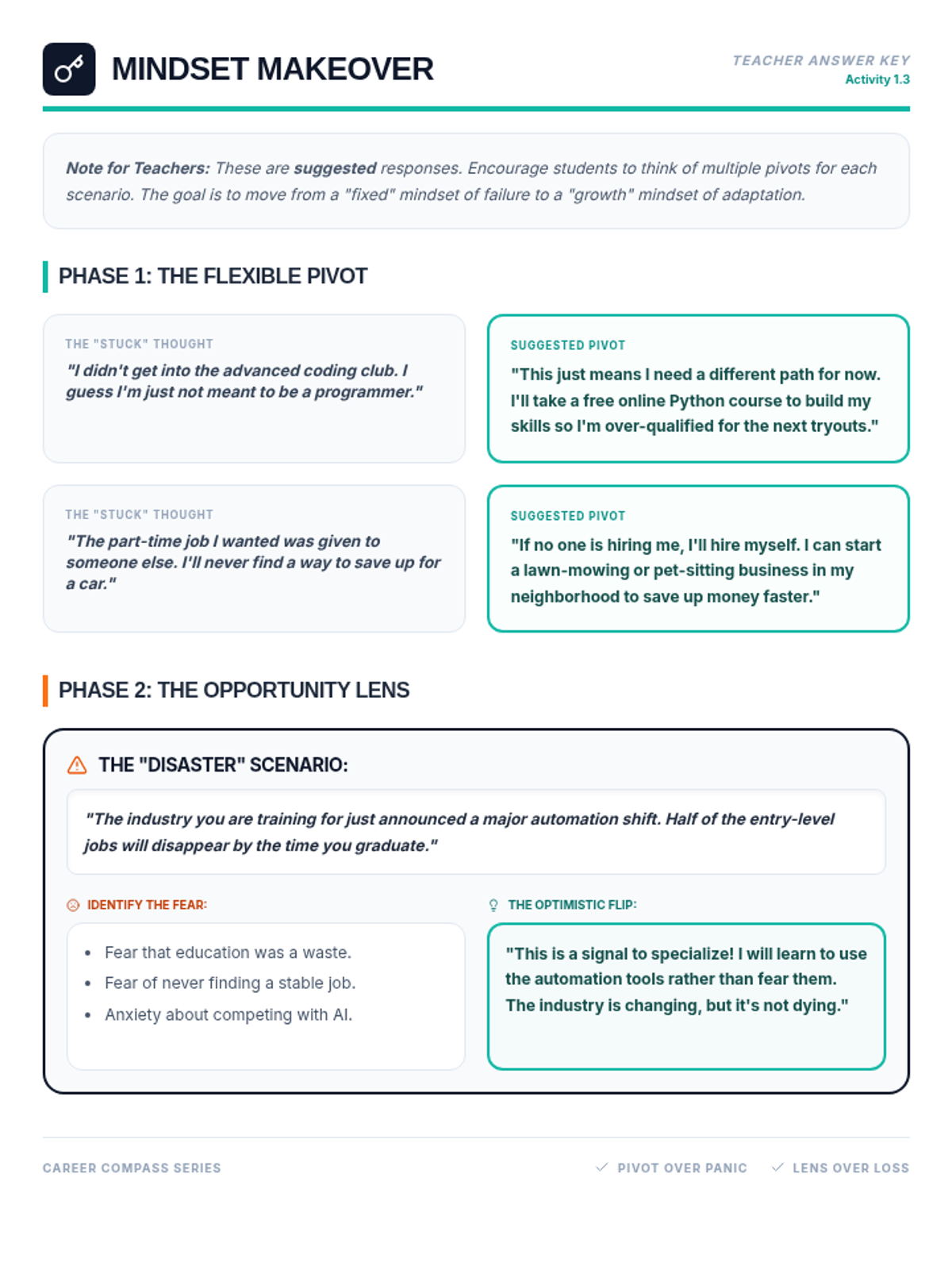
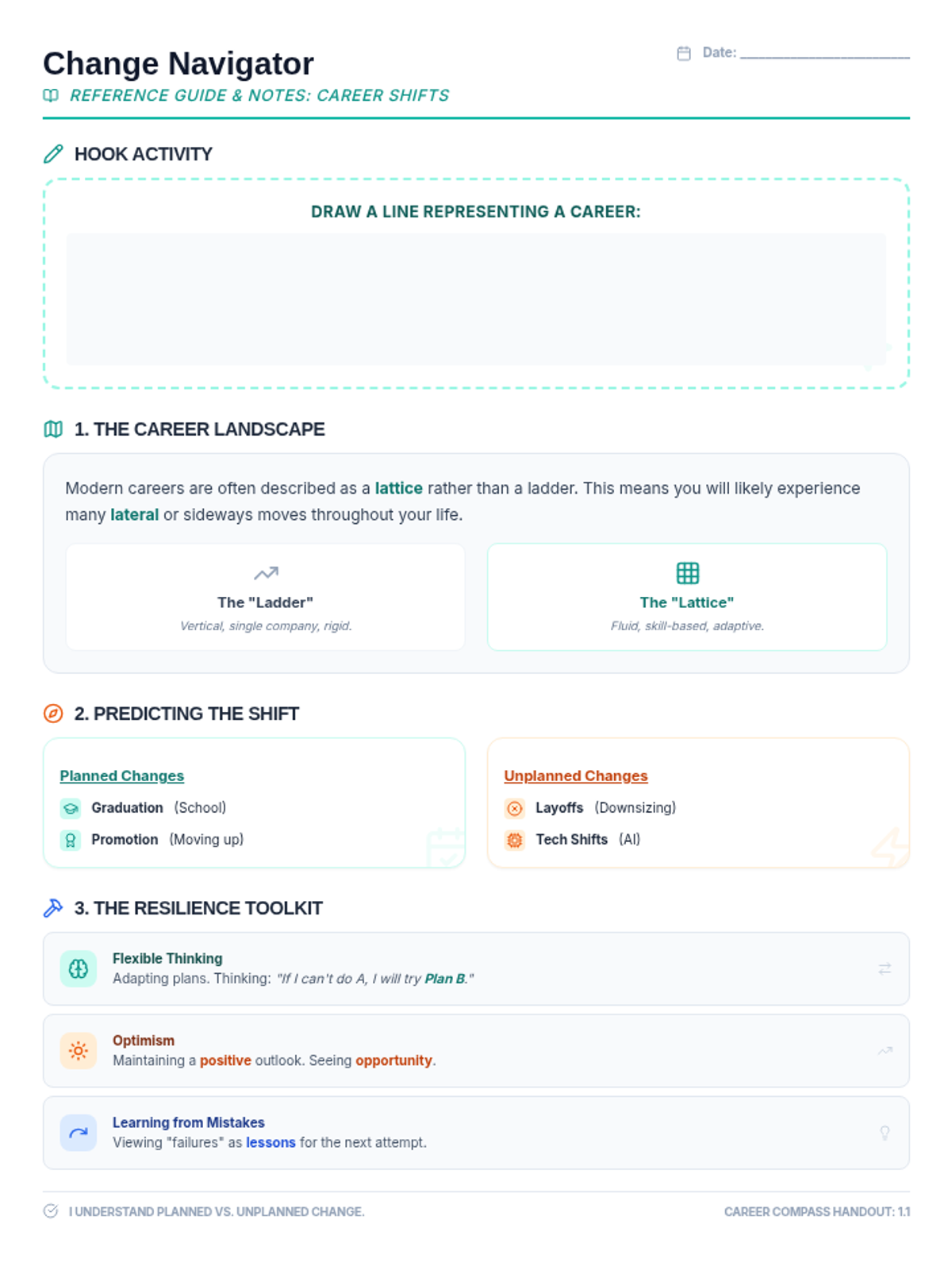
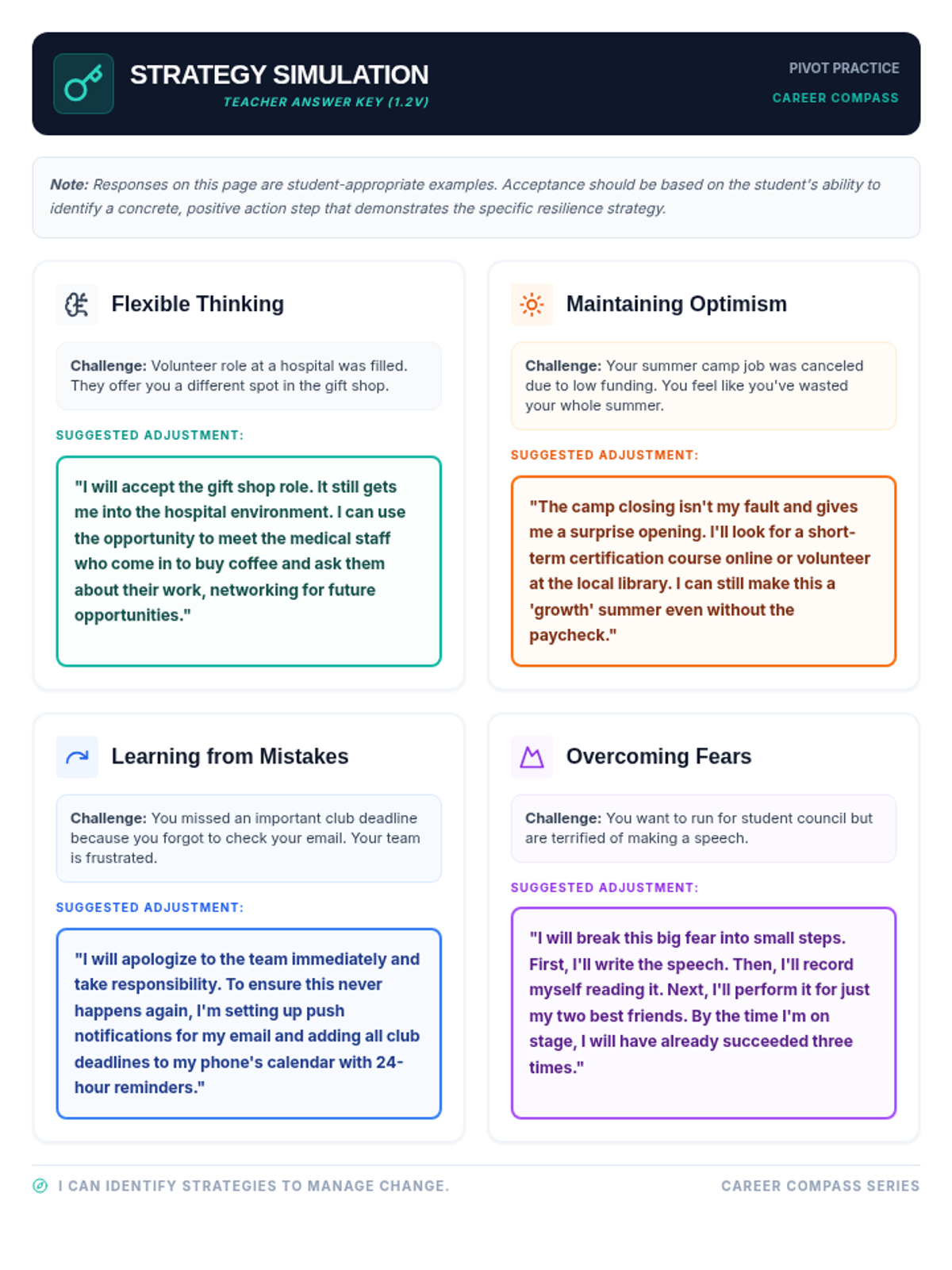
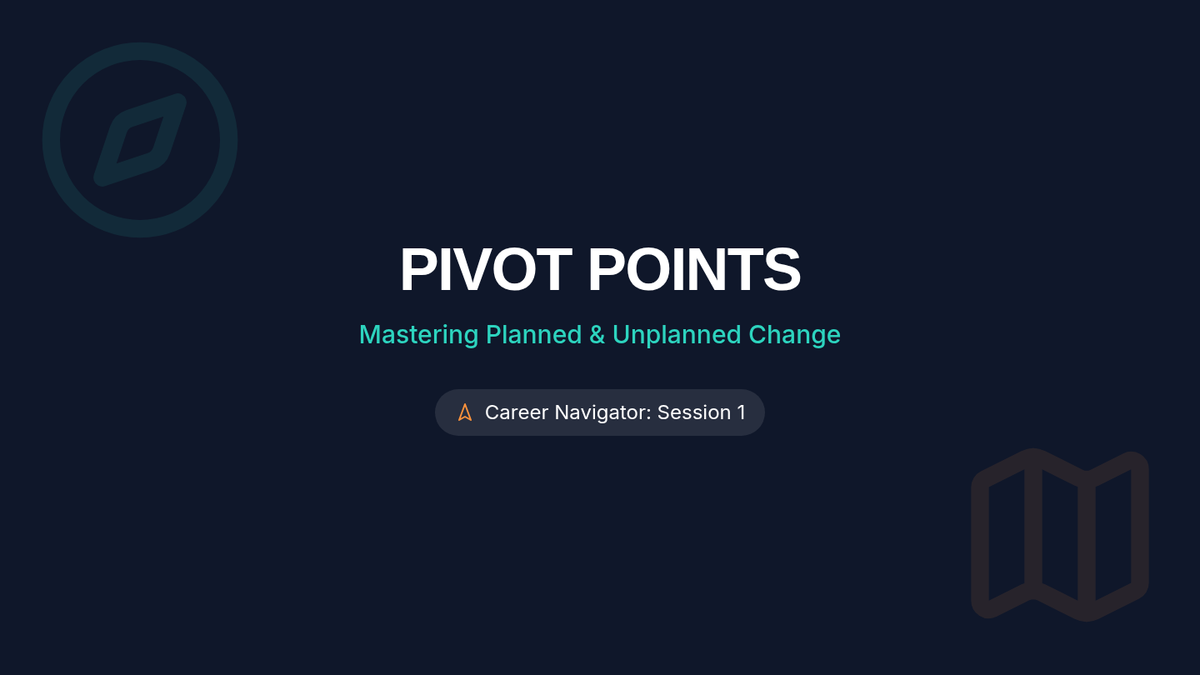
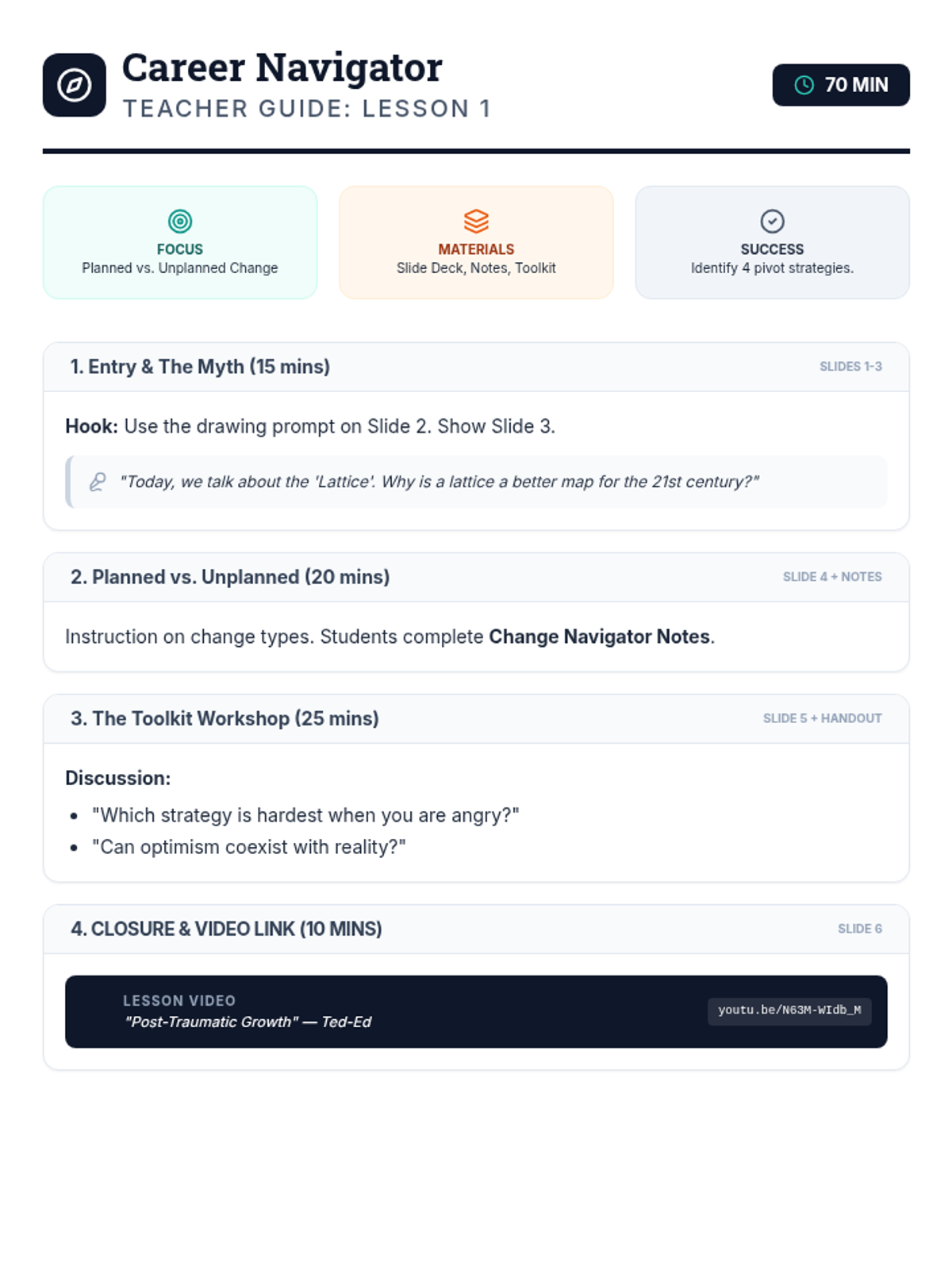
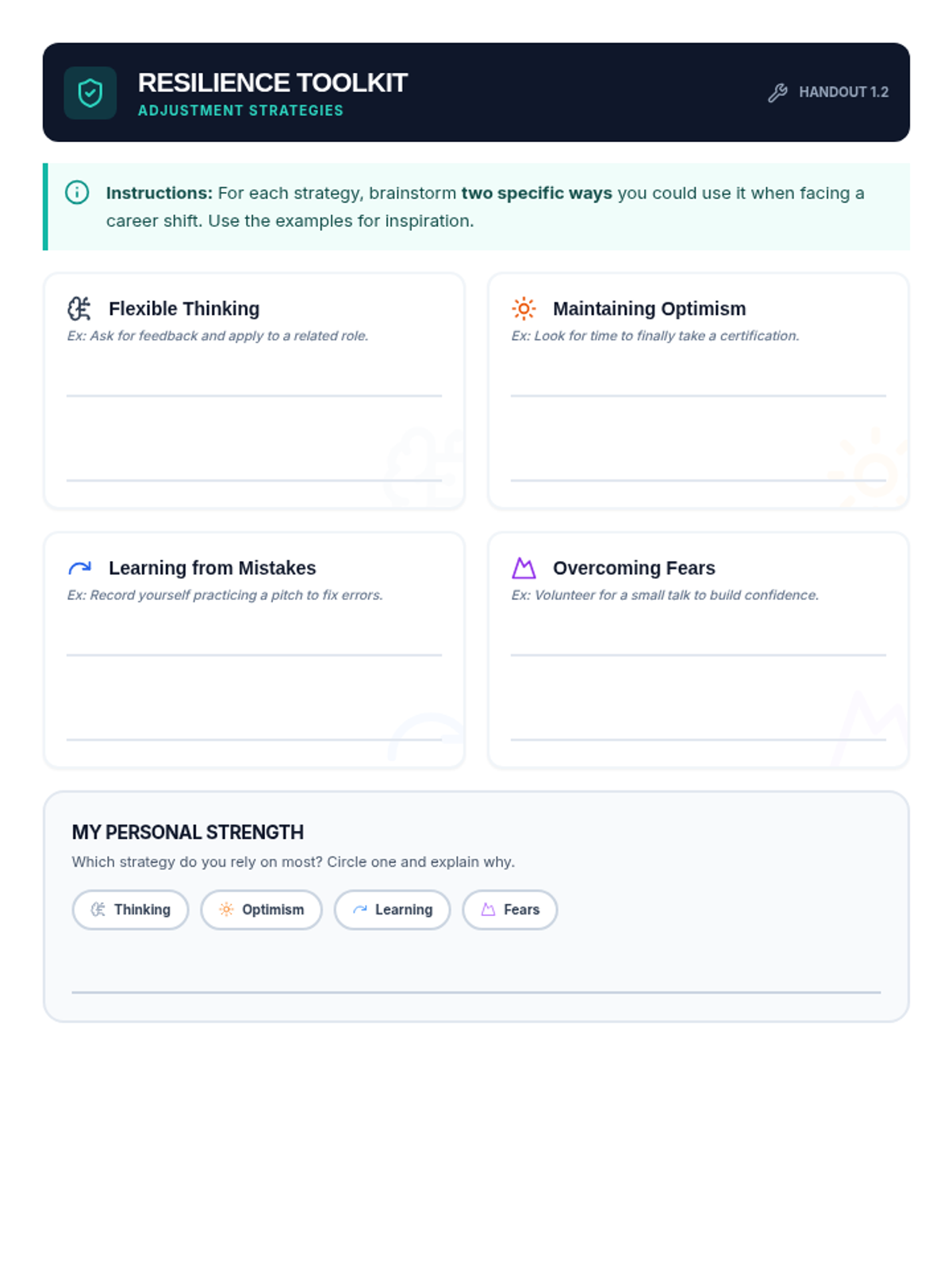
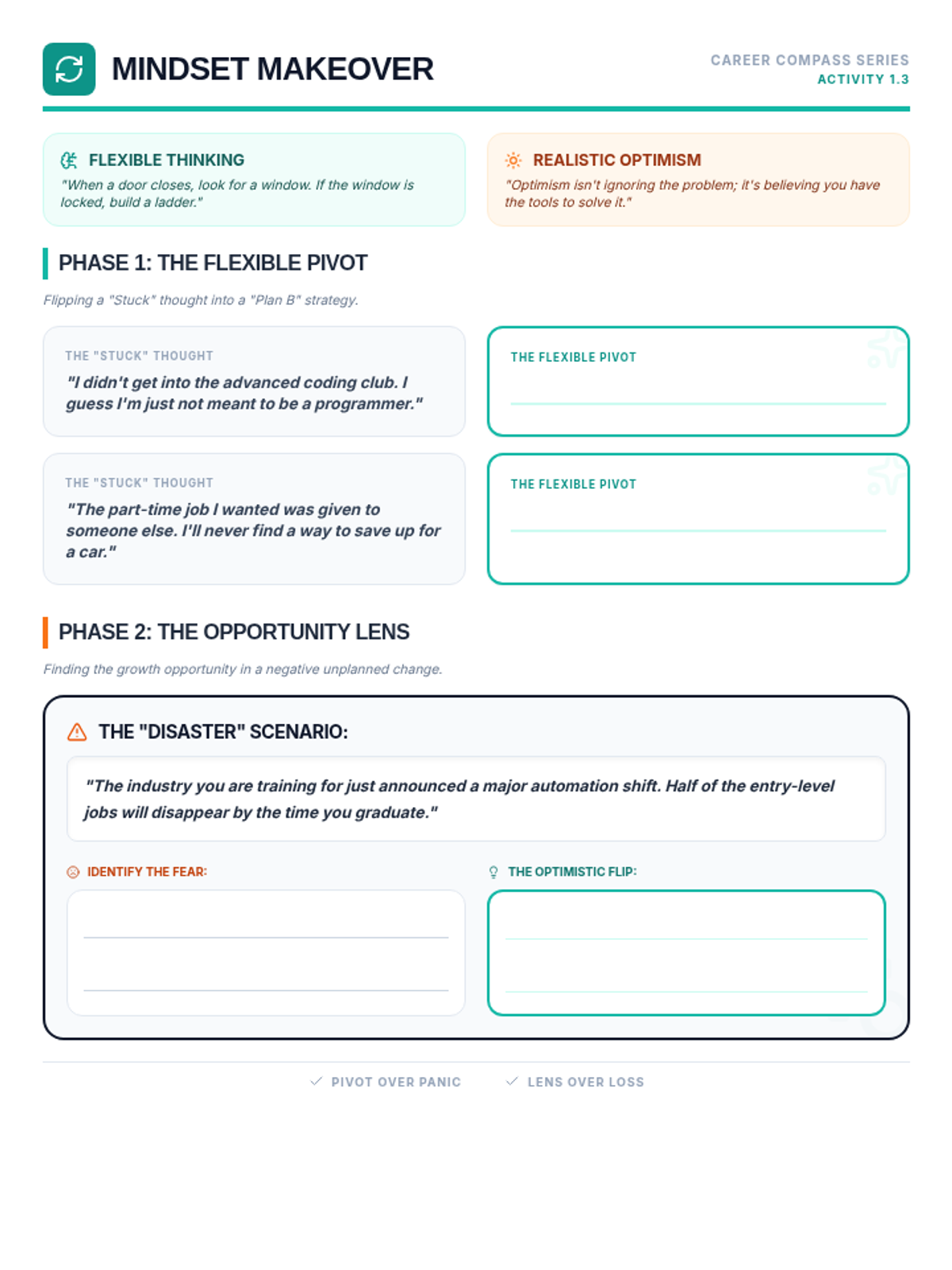
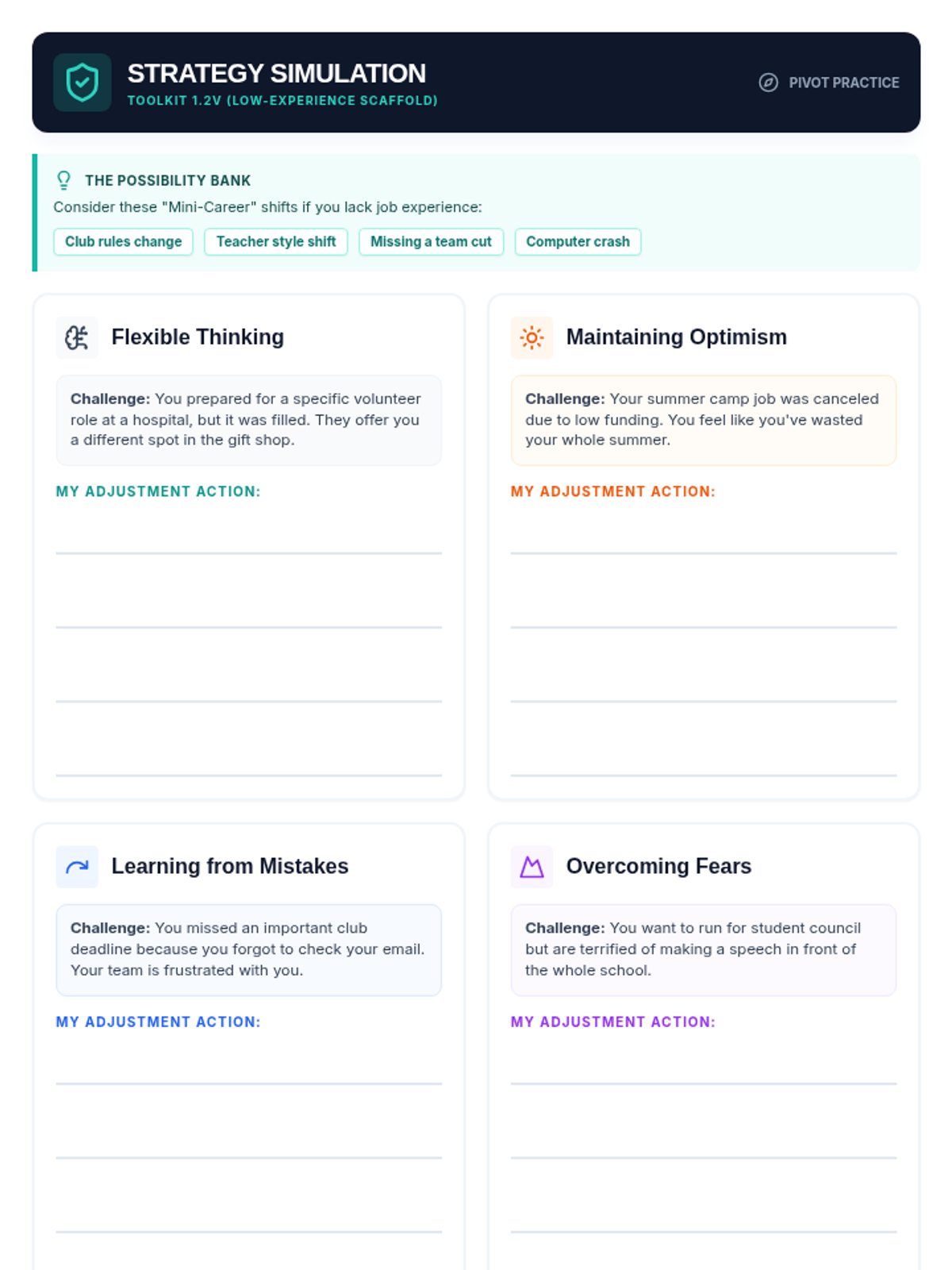
A 2-day unit focused on managing planned and unplanned career changes, featuring visual-heavy instruction, scaffolded reflections, and Universal Design for Learning (UDL) principles. Students will learn to identify strategies like flexible thinking and optimism to navigate their future professional paths.
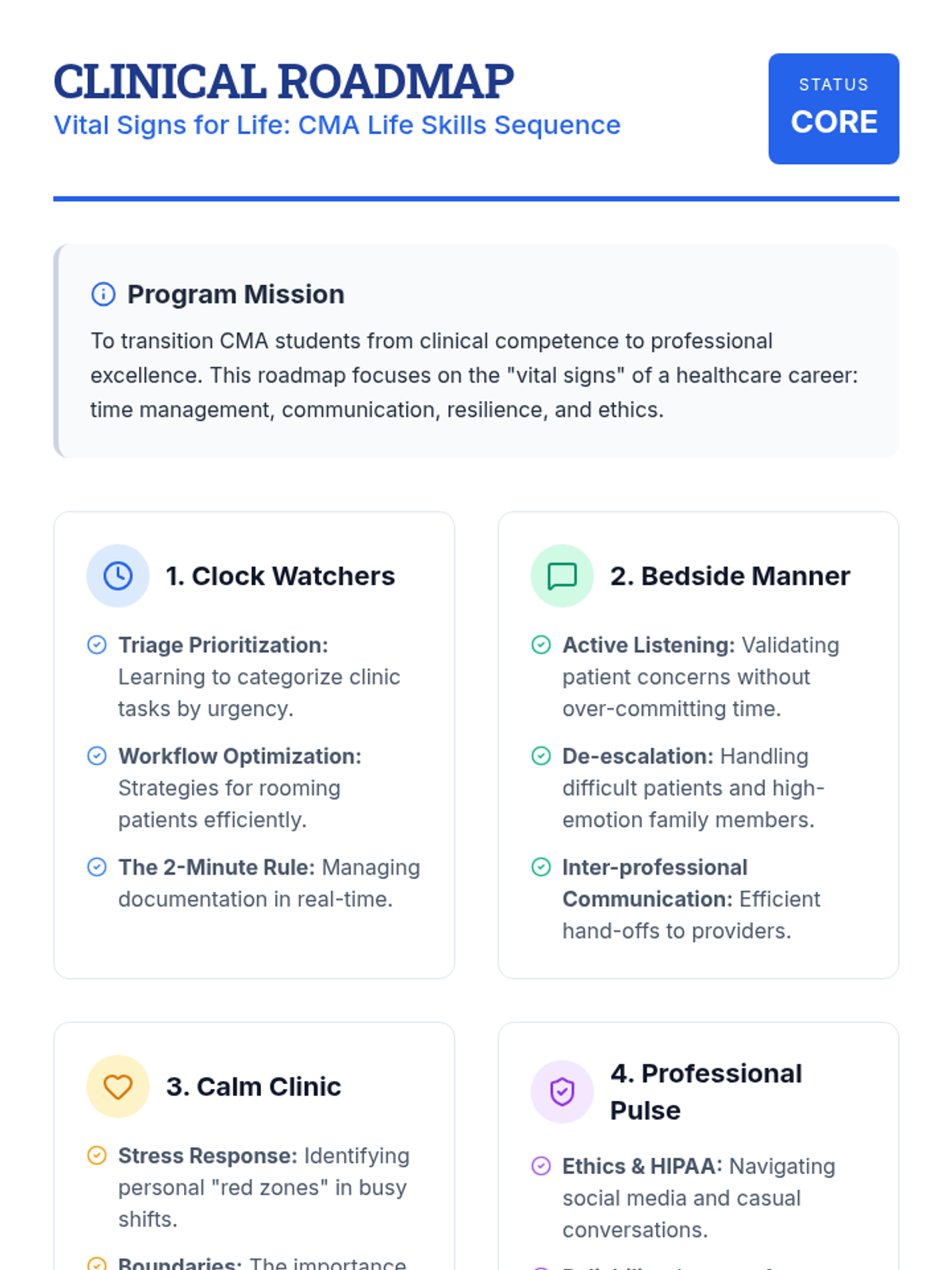
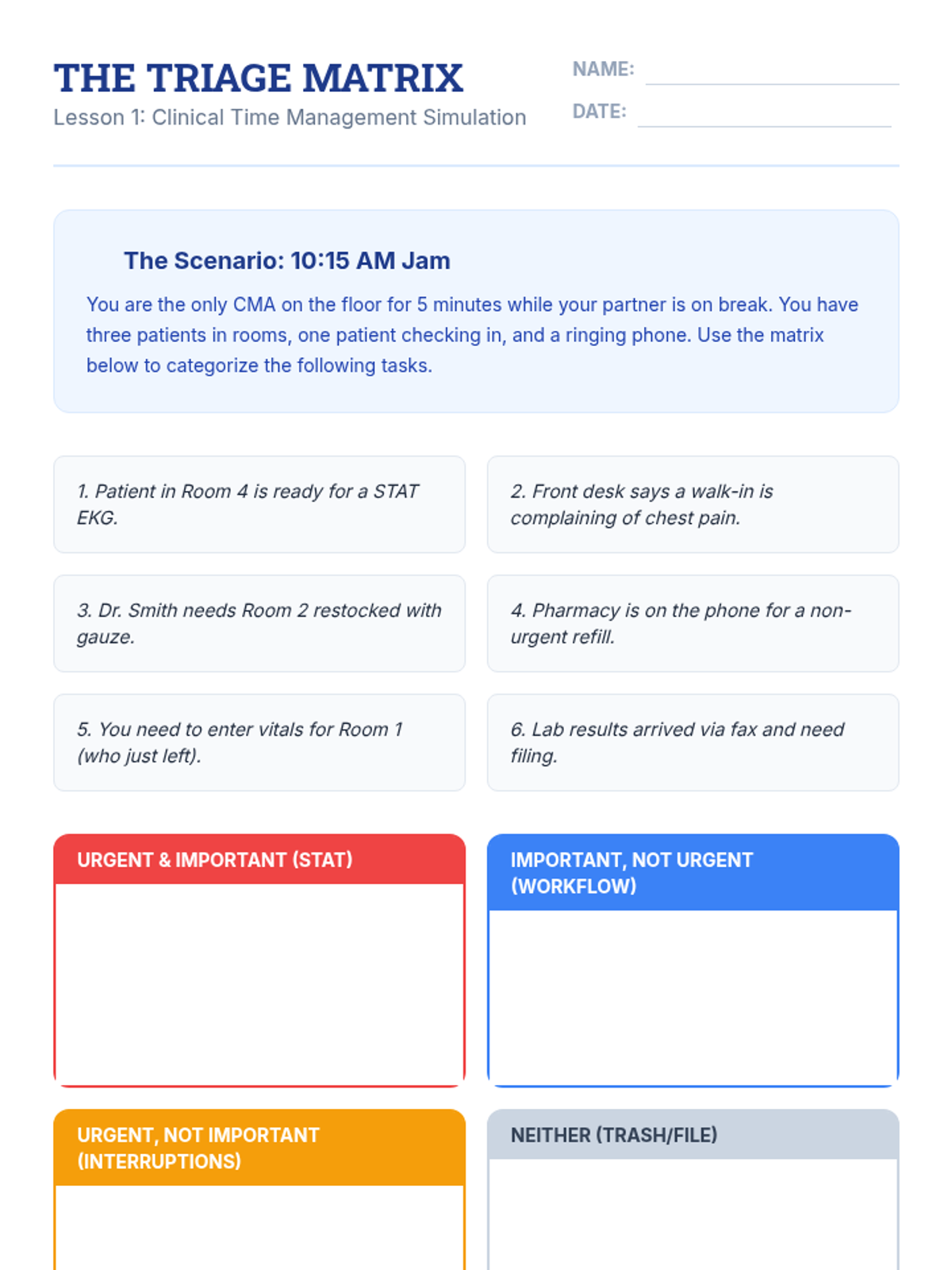
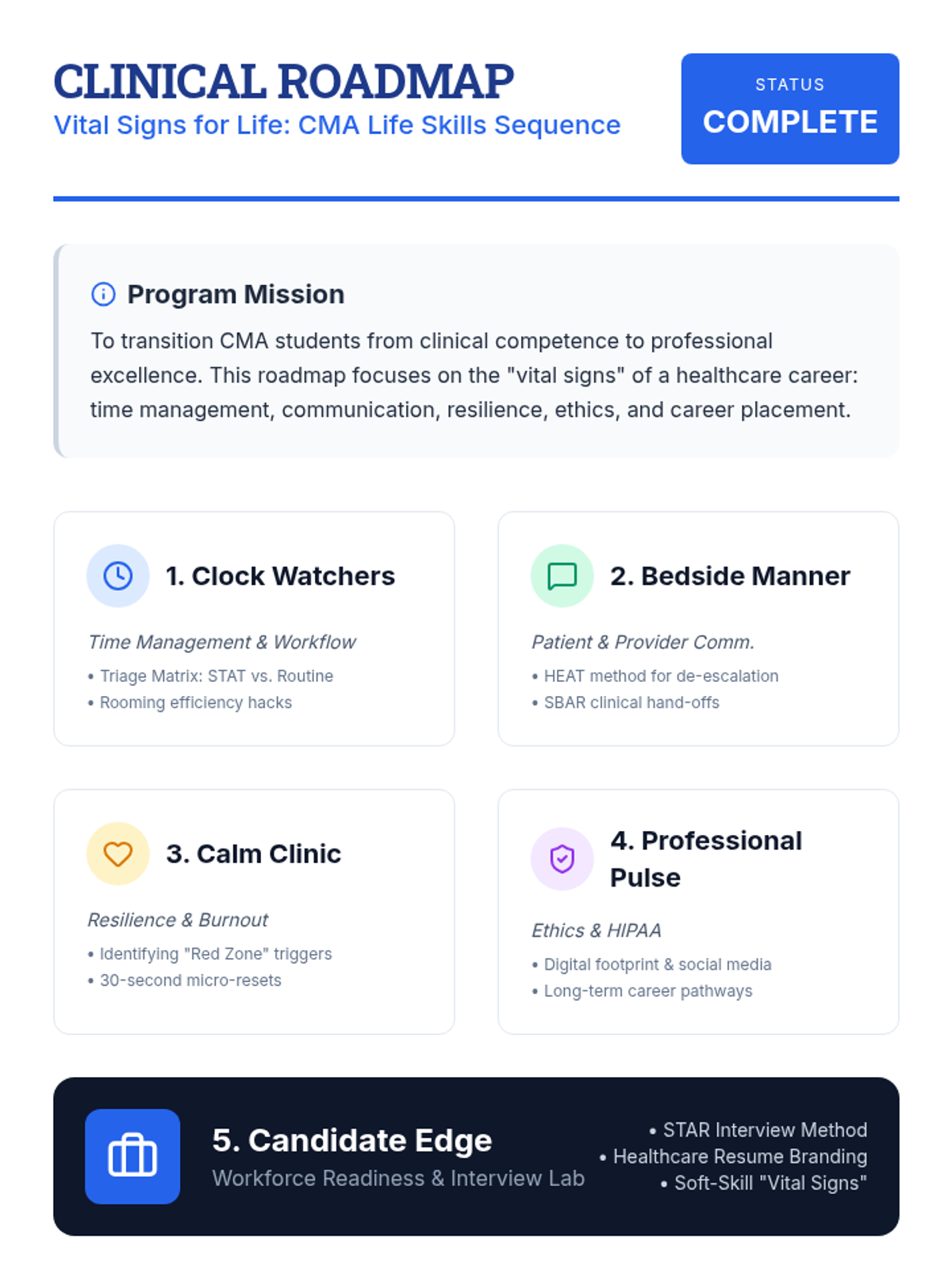
A comprehensive life skills training program designed specifically for Medical Assistant students, focusing on the essential soft skills needed to thrive in a high-pressure clinical environment.
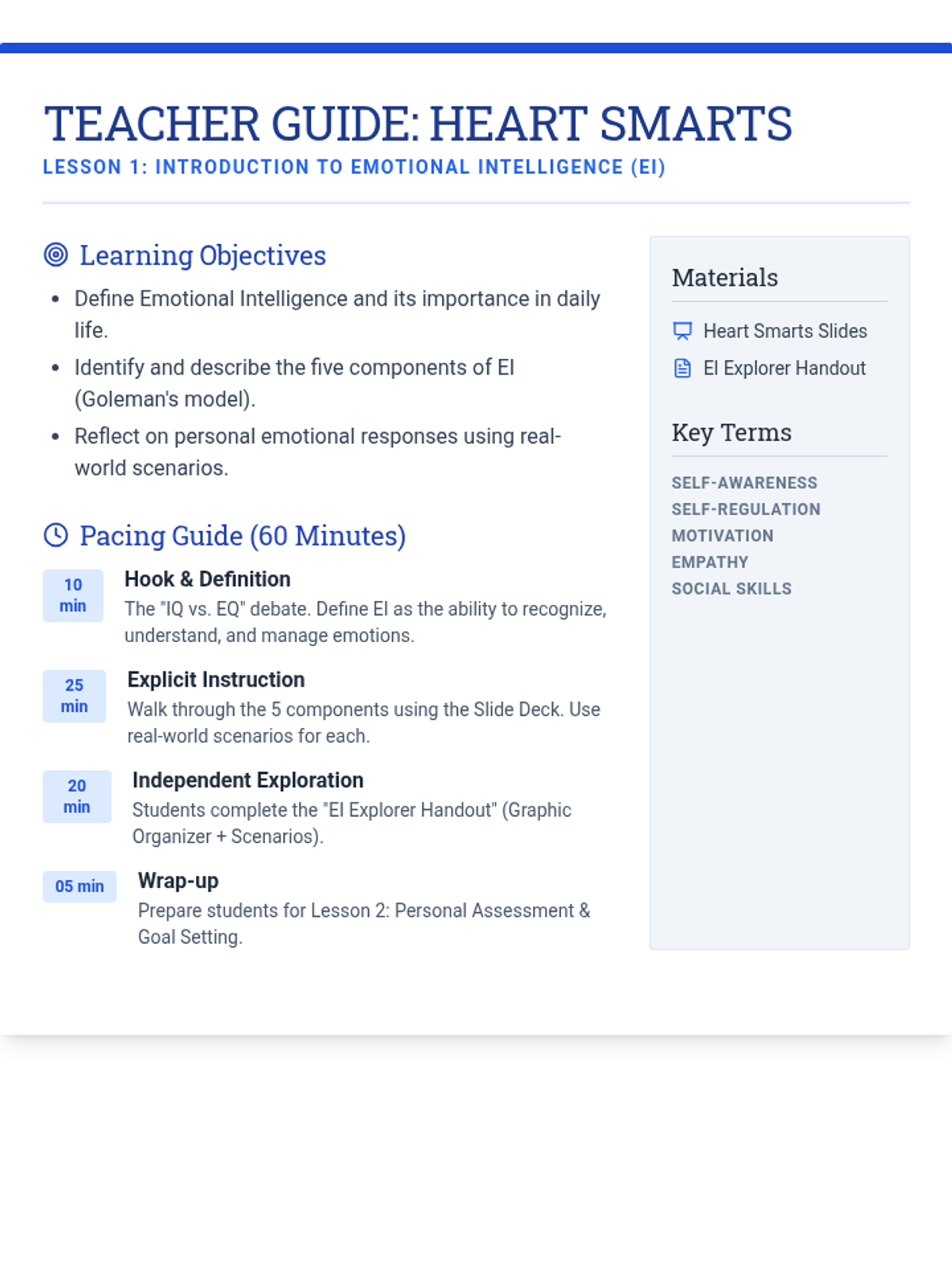
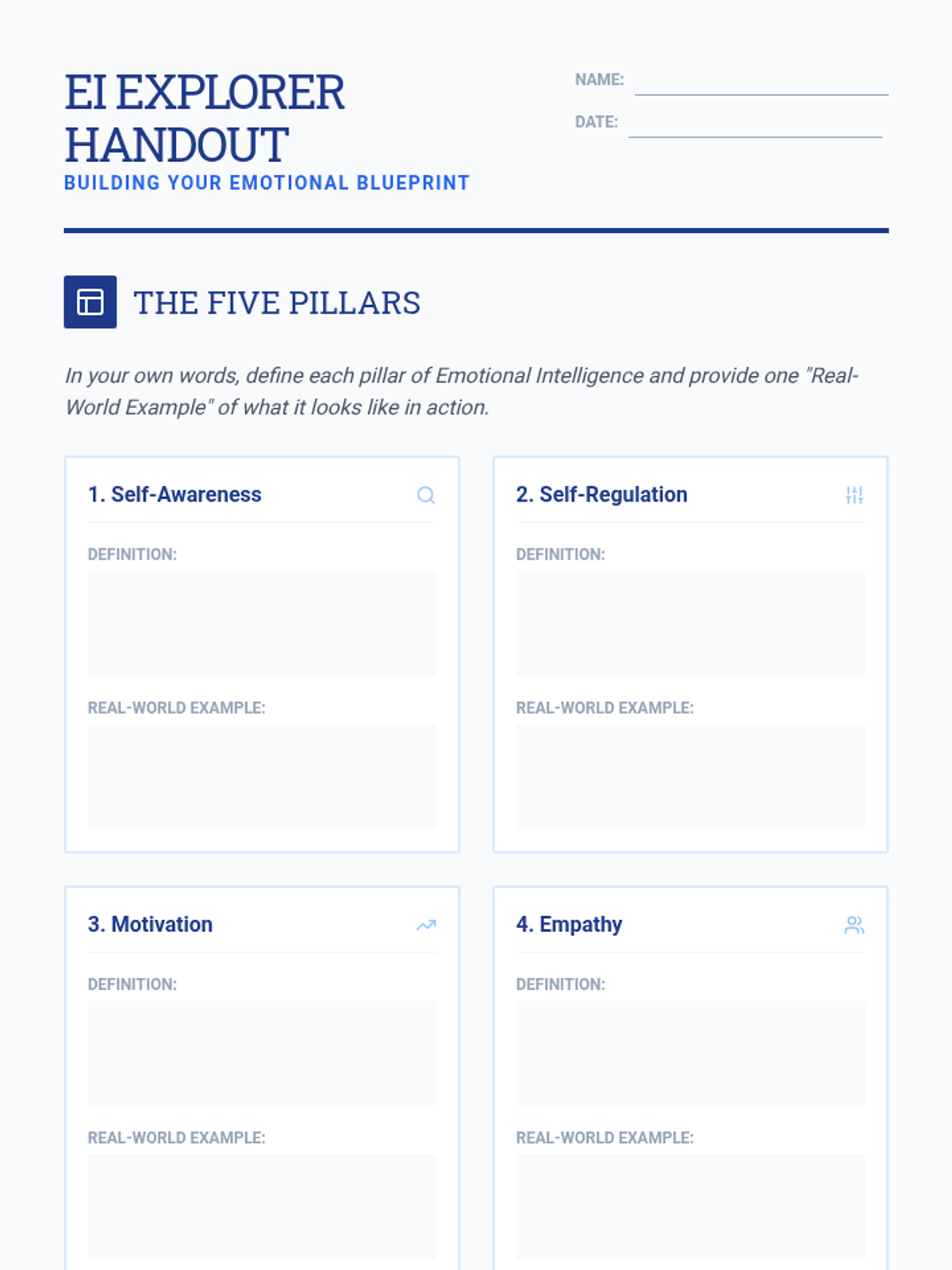
A three-part developmental series exploring Emotional Intelligence and its role within the four dimensions of holistic health: physical, emotional, social, and spiritual.
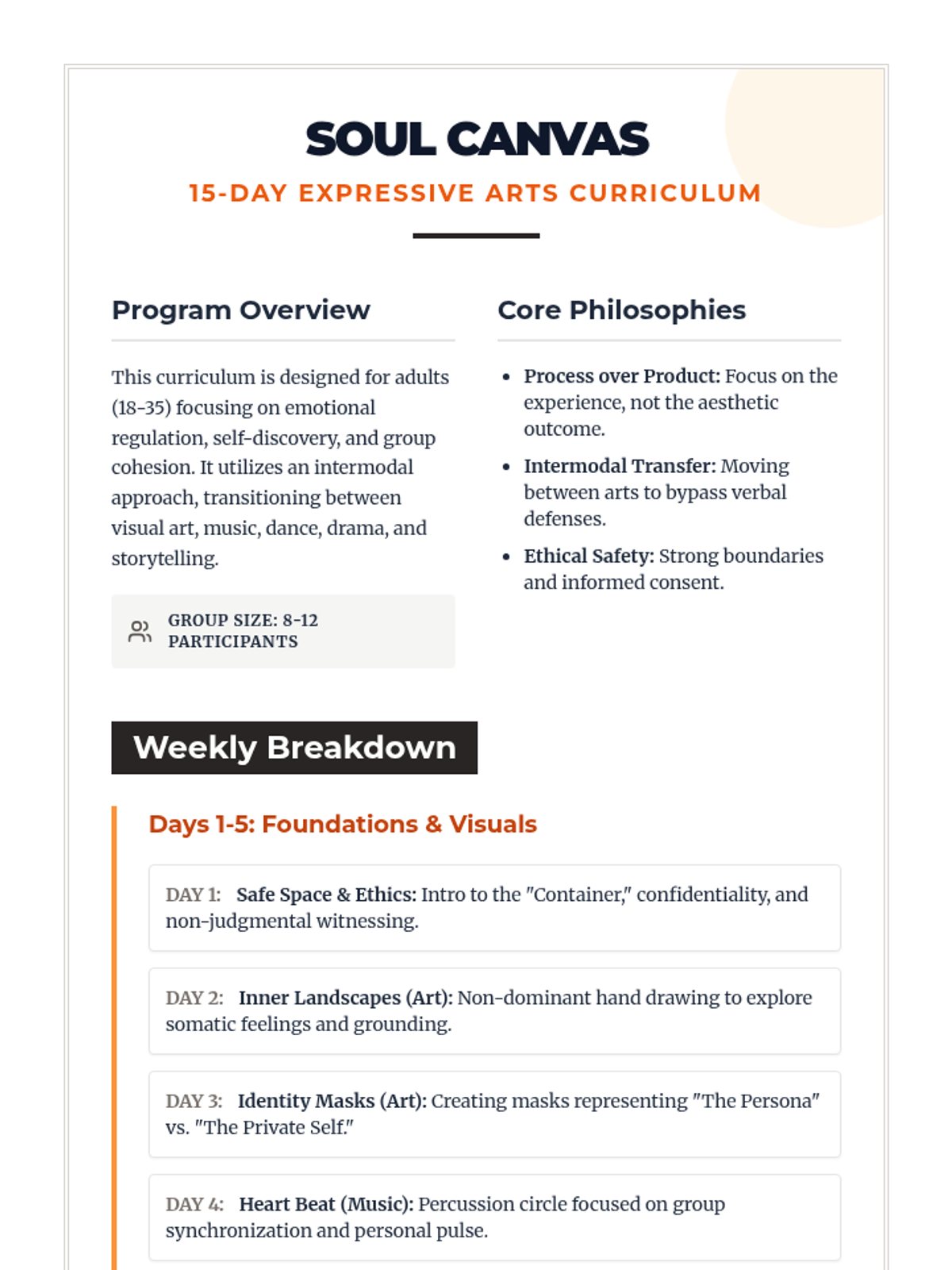
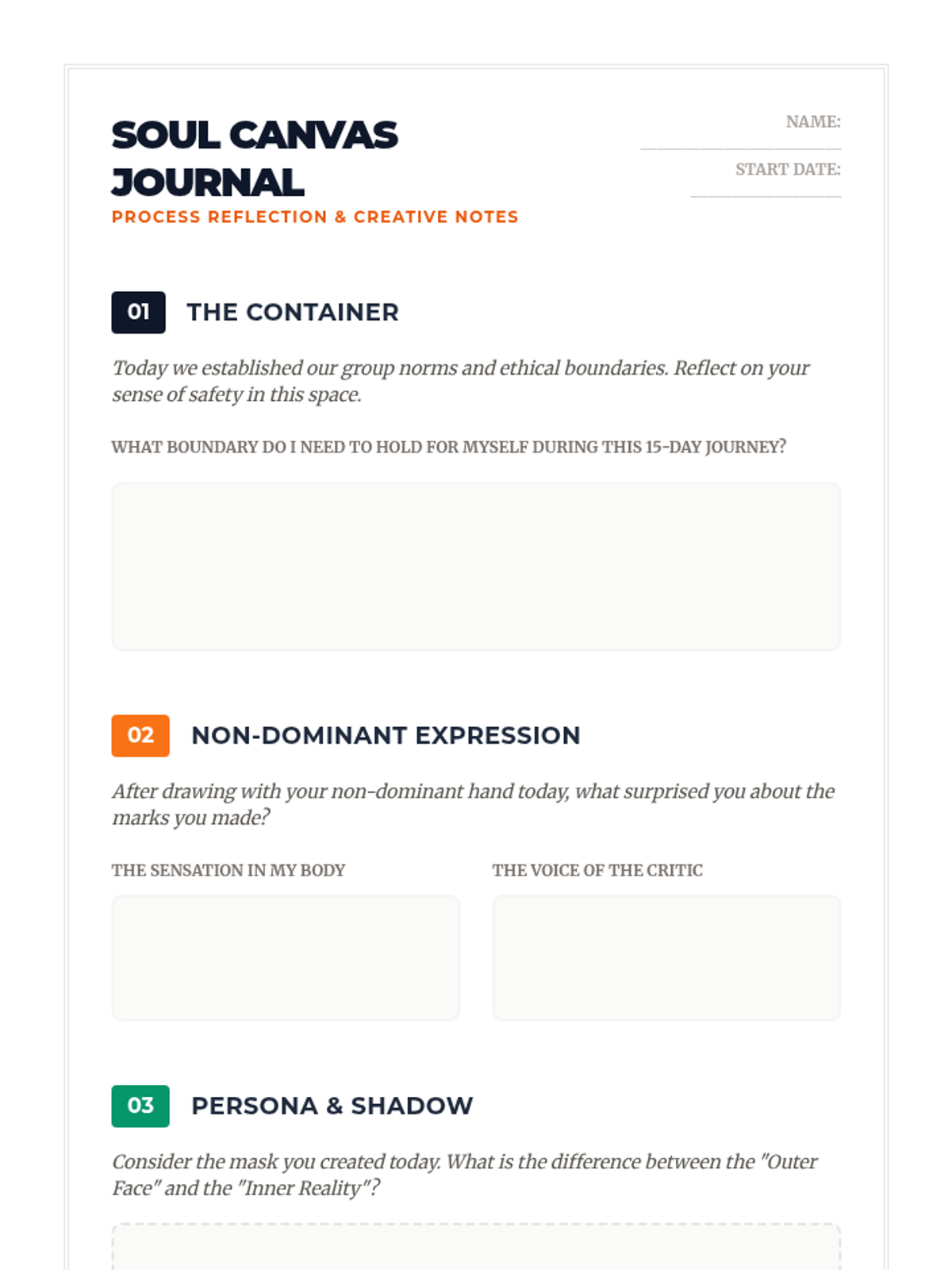
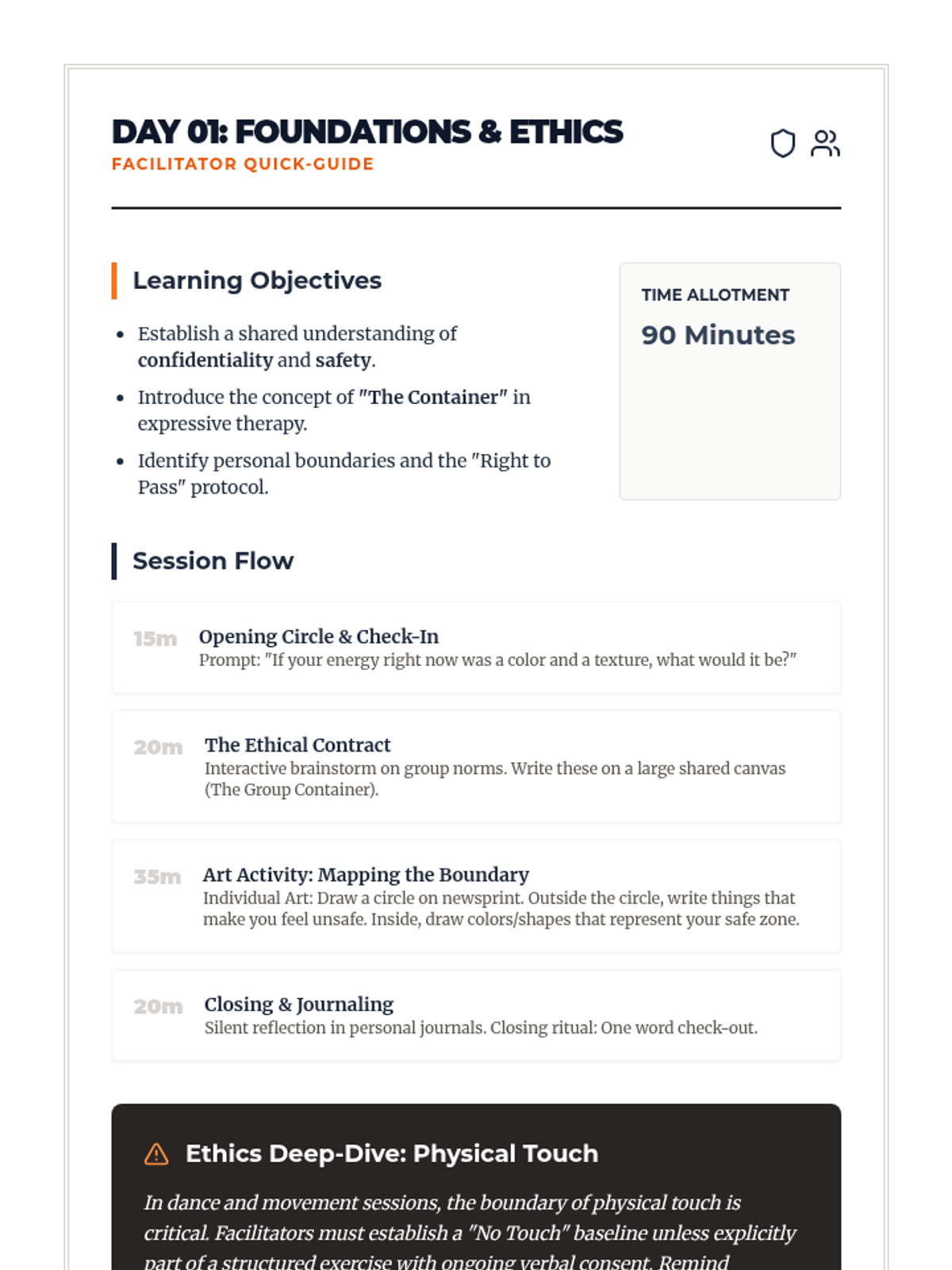
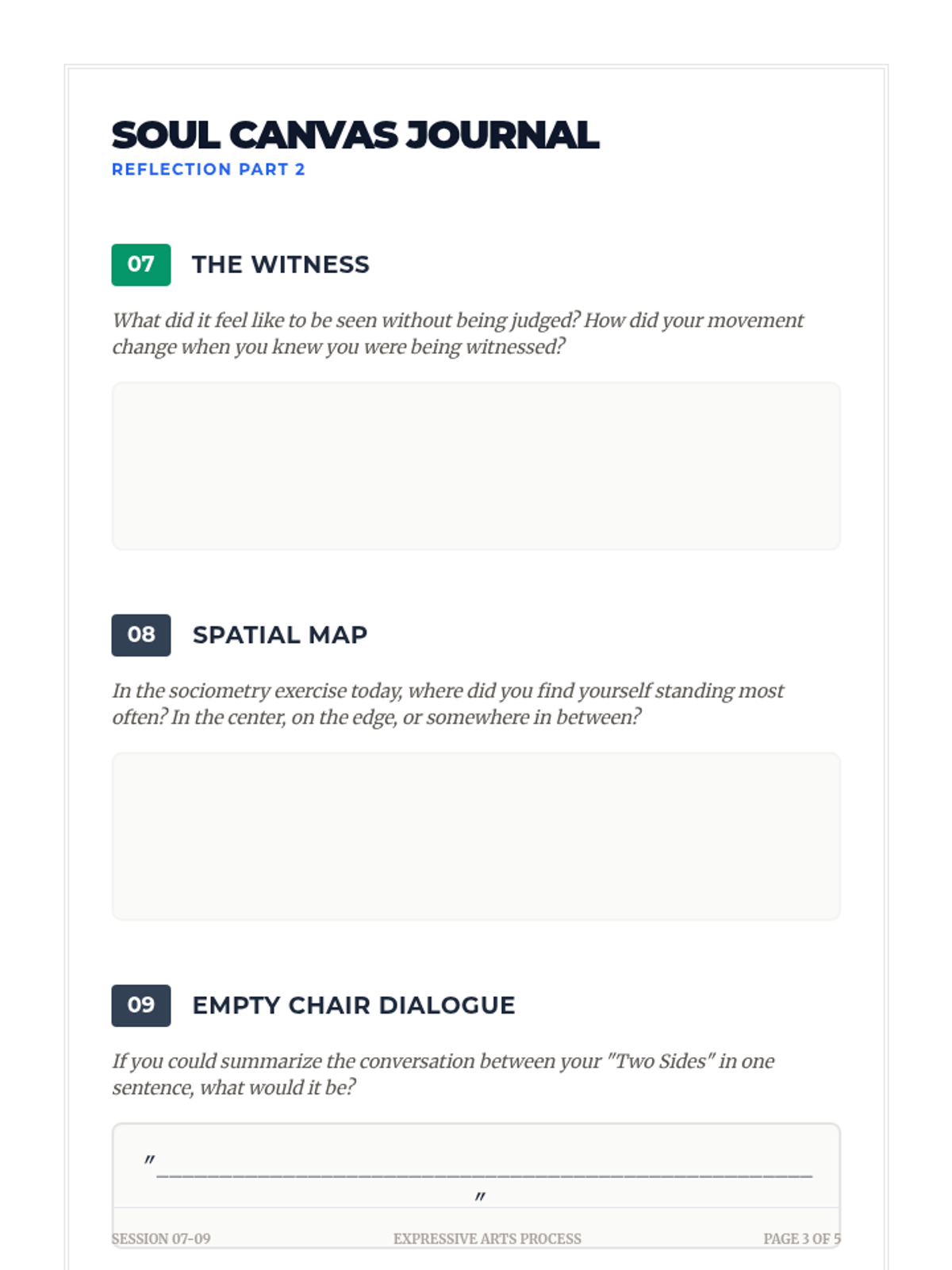
A comprehensive 15-day expressive arts therapy program for adults, integrating visual arts, music, dance, psychodrama, storytelling, and professional ethics.
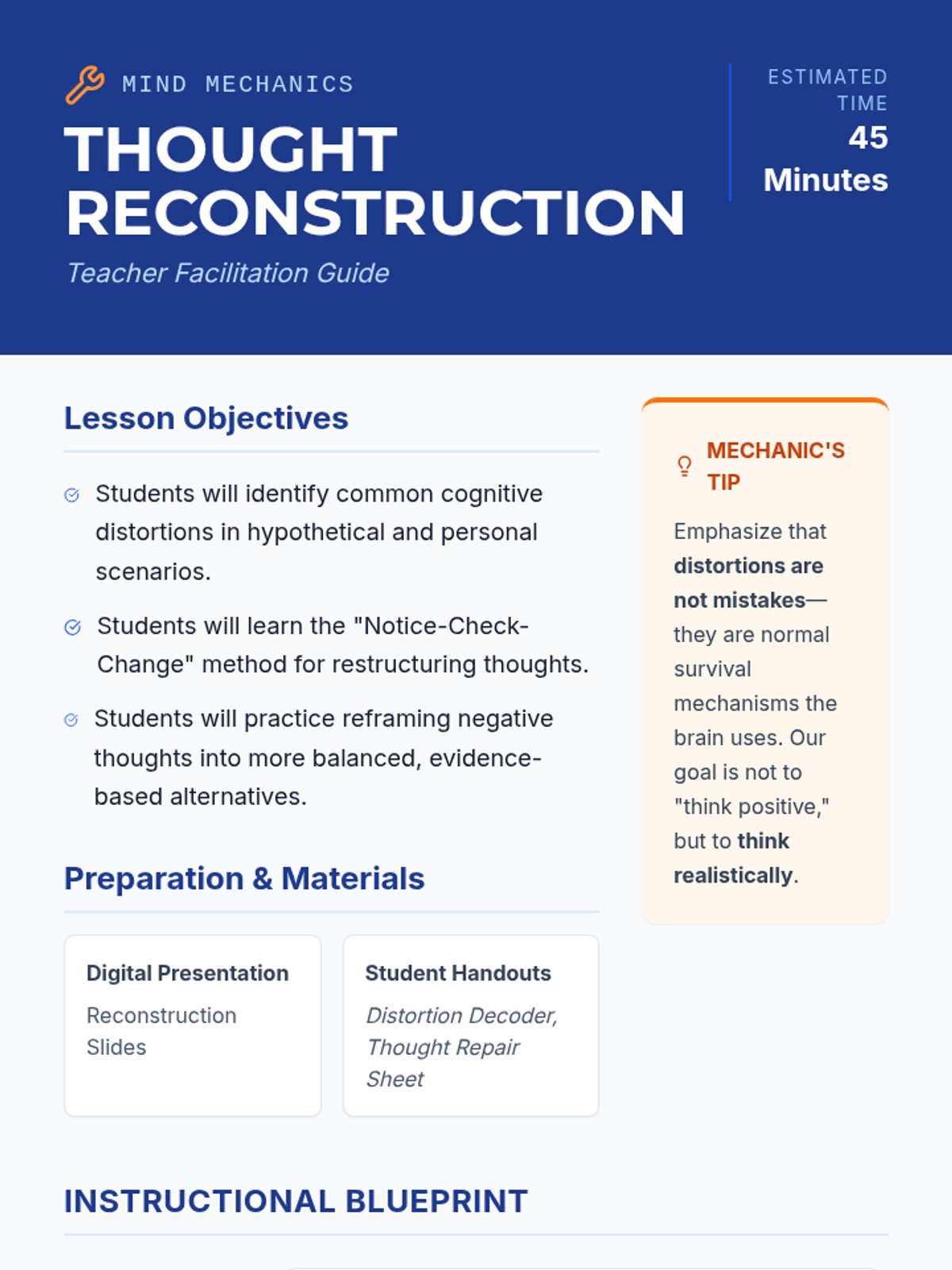
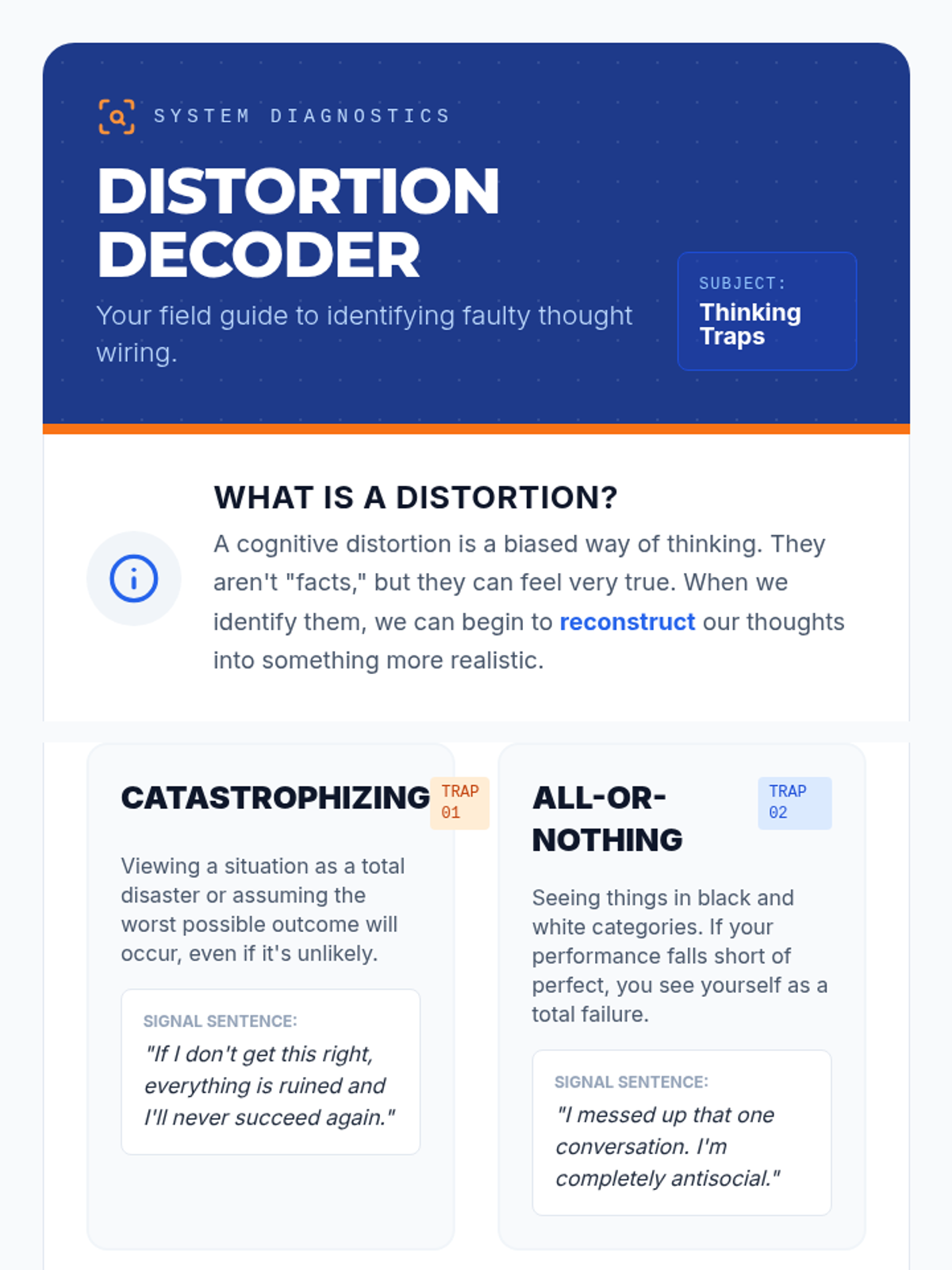
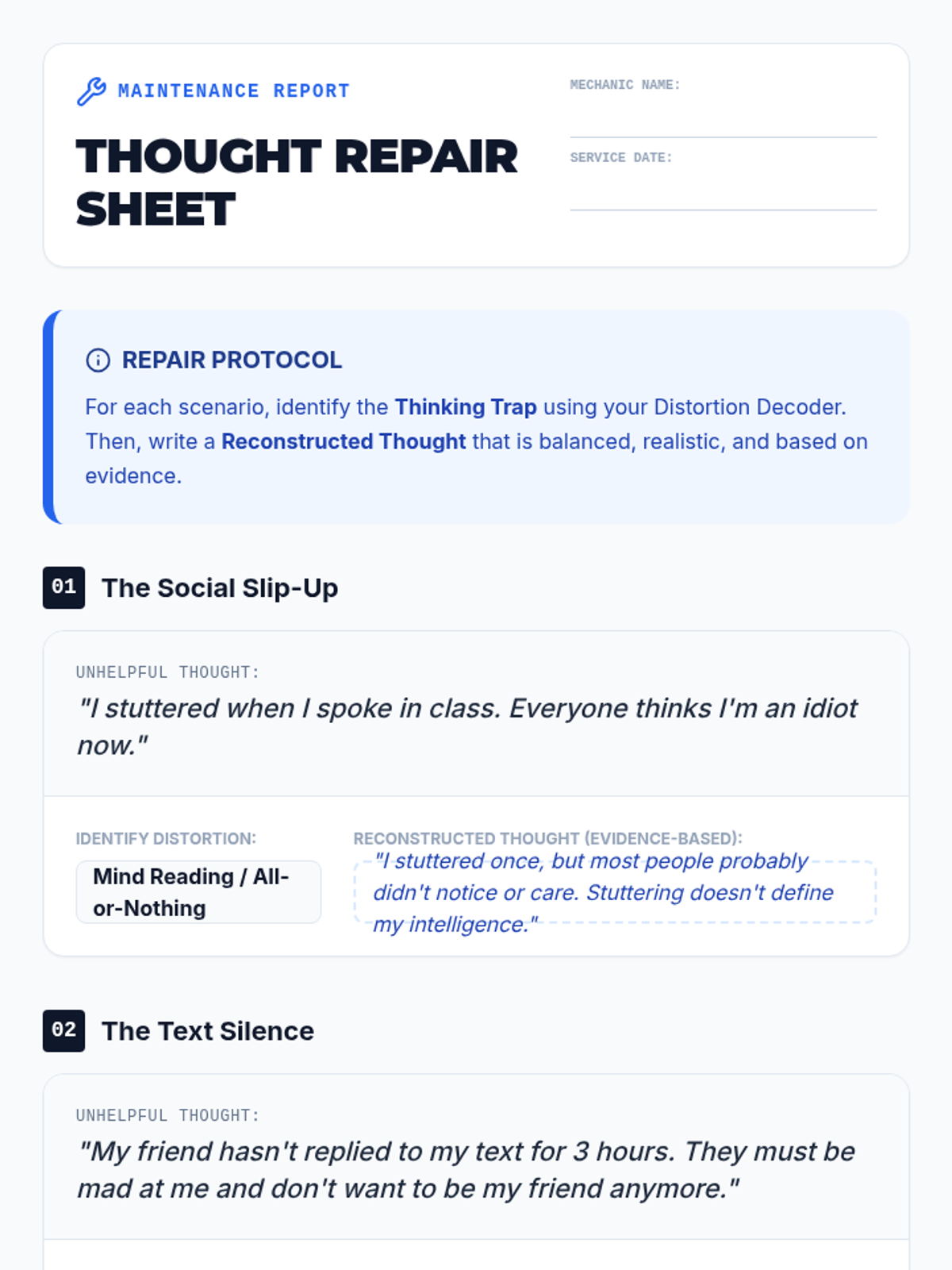
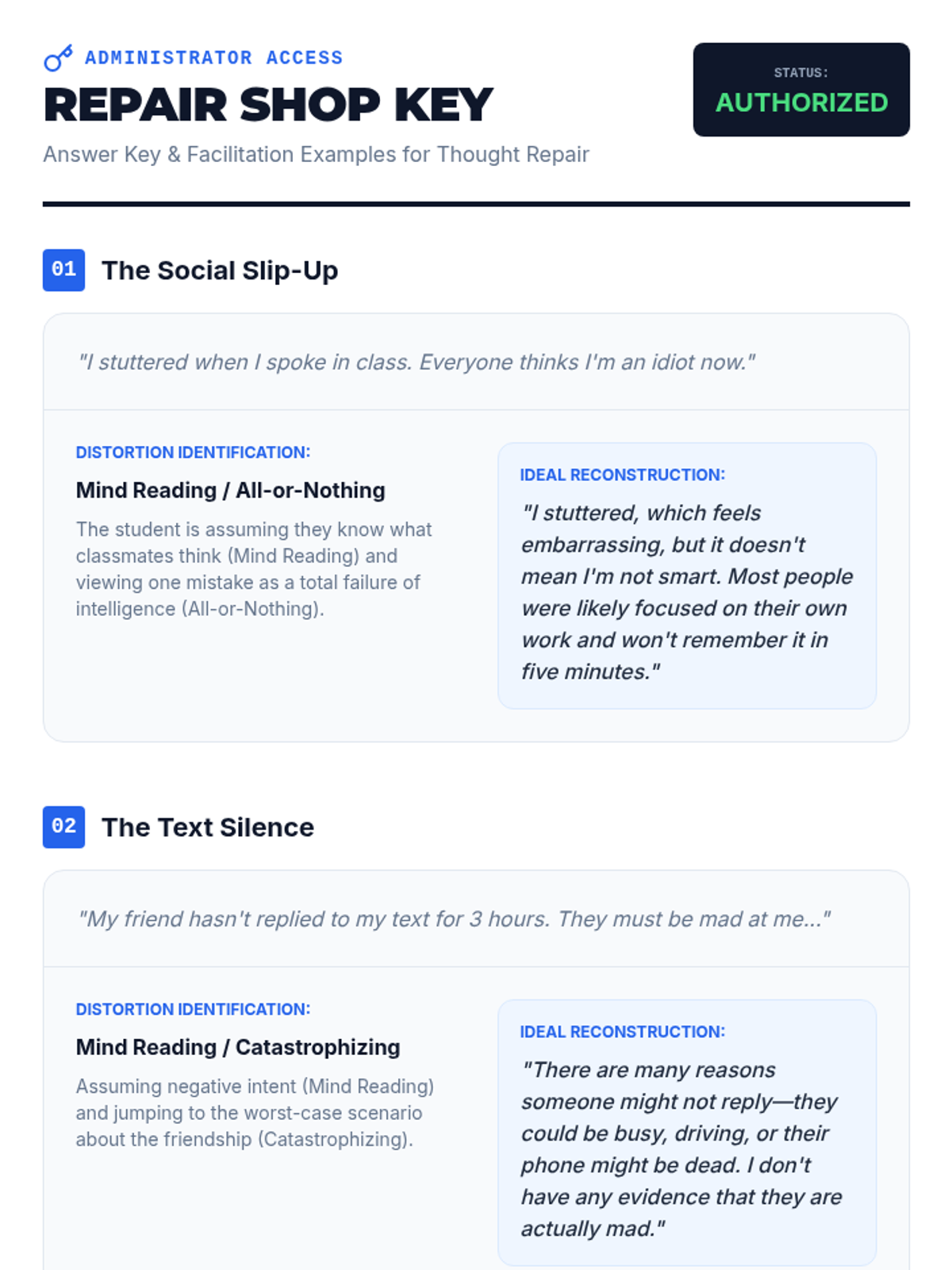
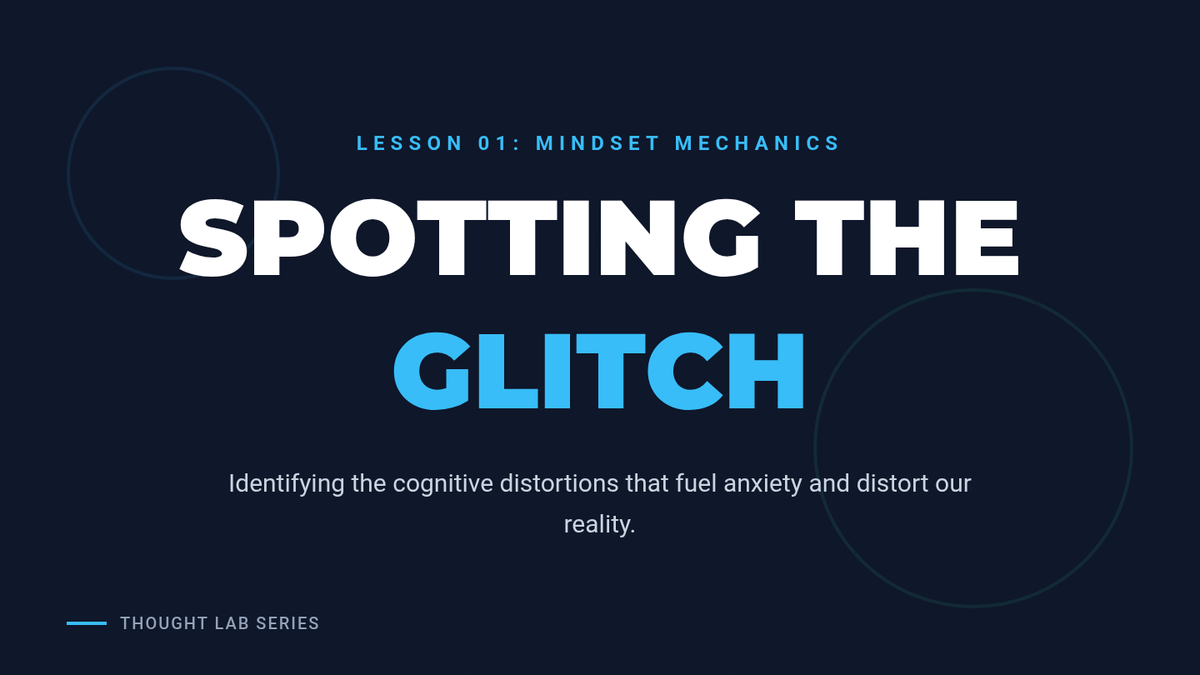
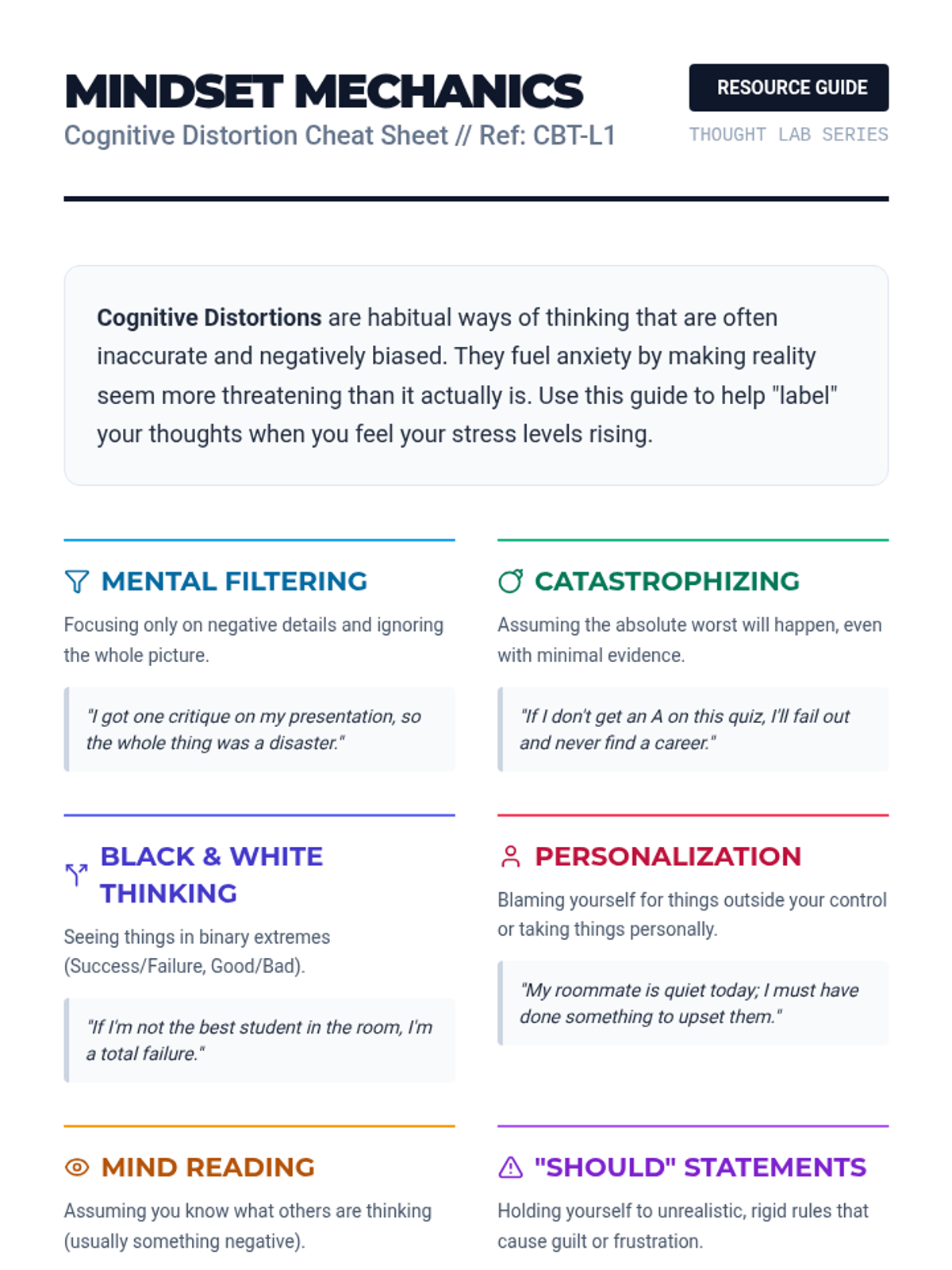
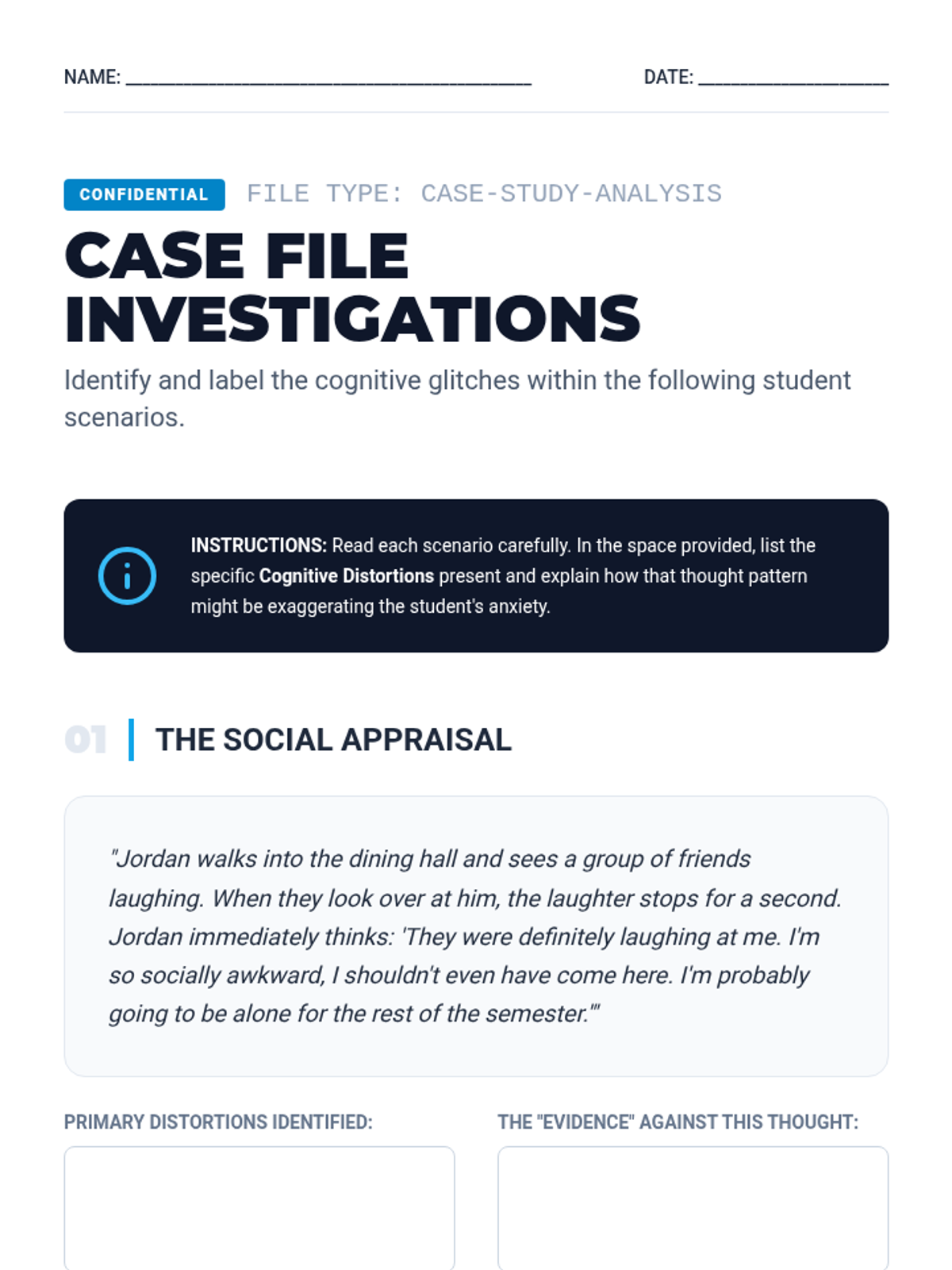
A 5-lesson series focused on cognitive behavioral techniques, helping students identify unhelpful thought patterns, regulate emotions, and build mental resilience through the 'Mind Mechanics' framework.
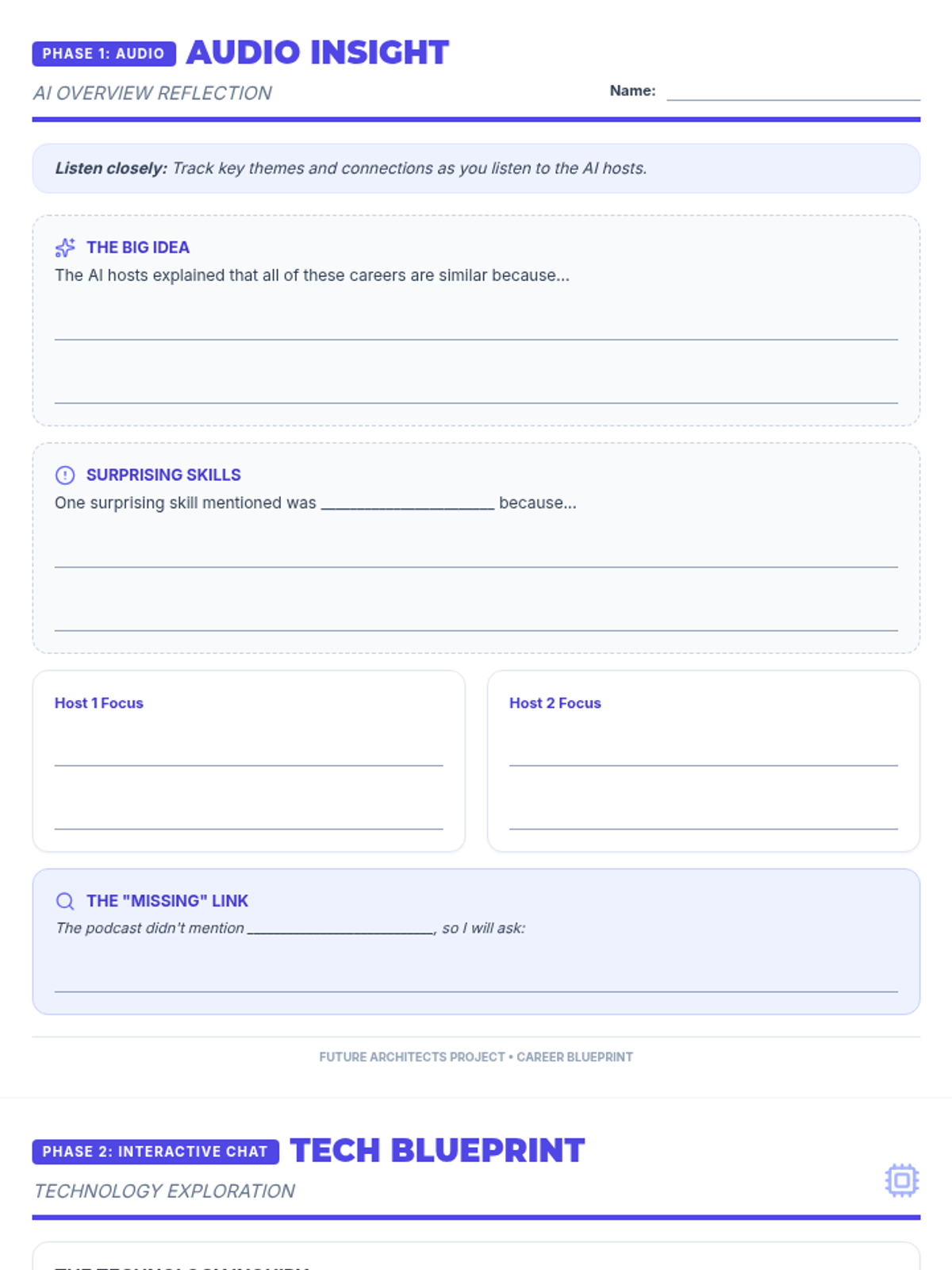
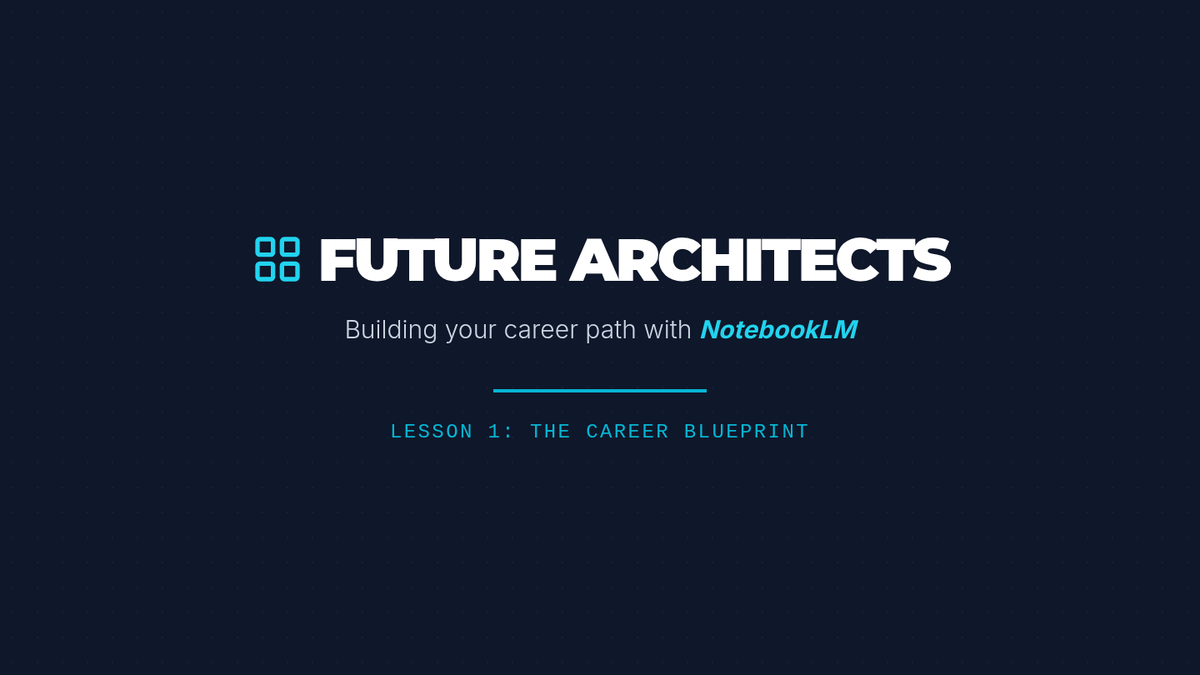
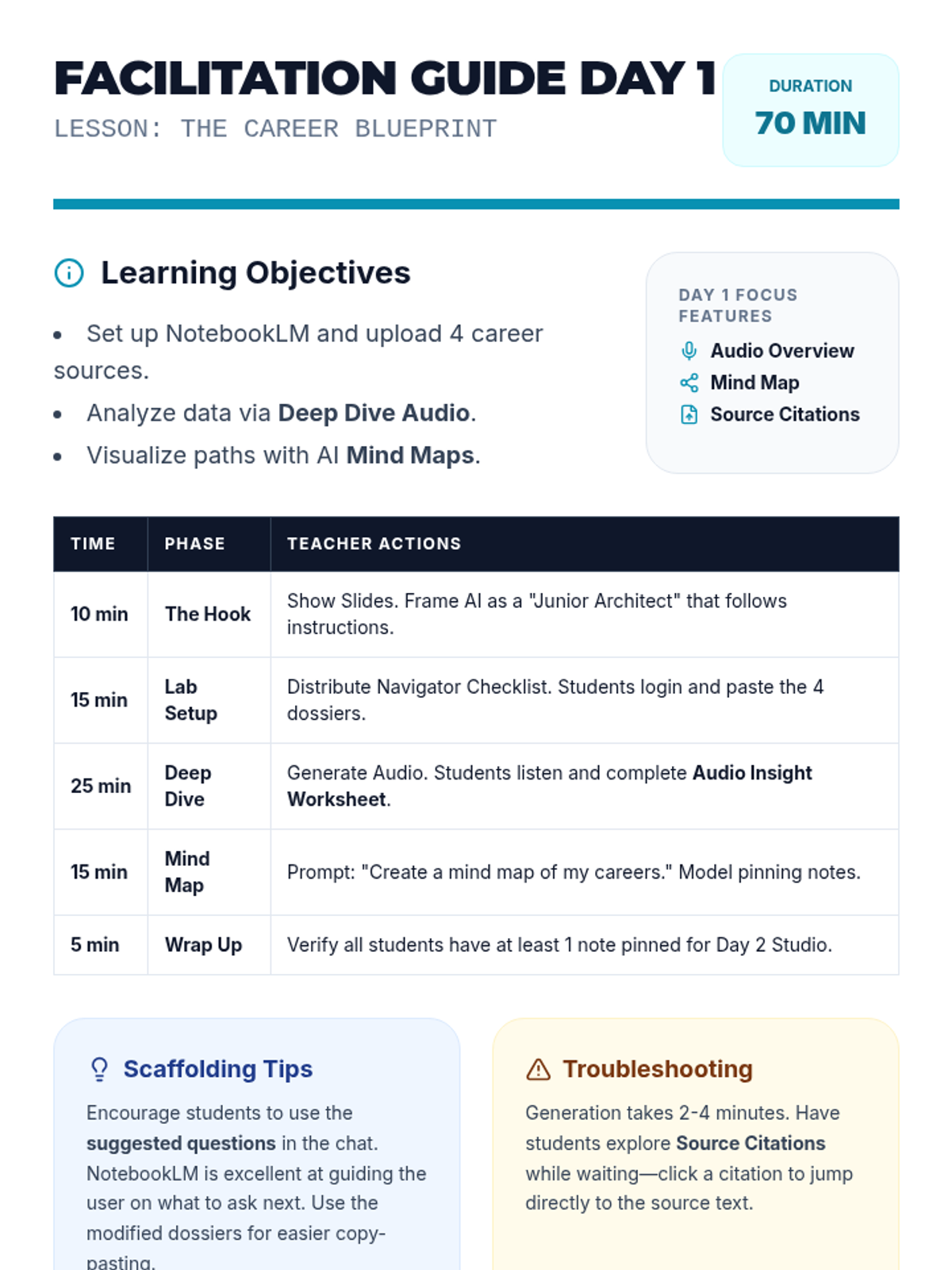
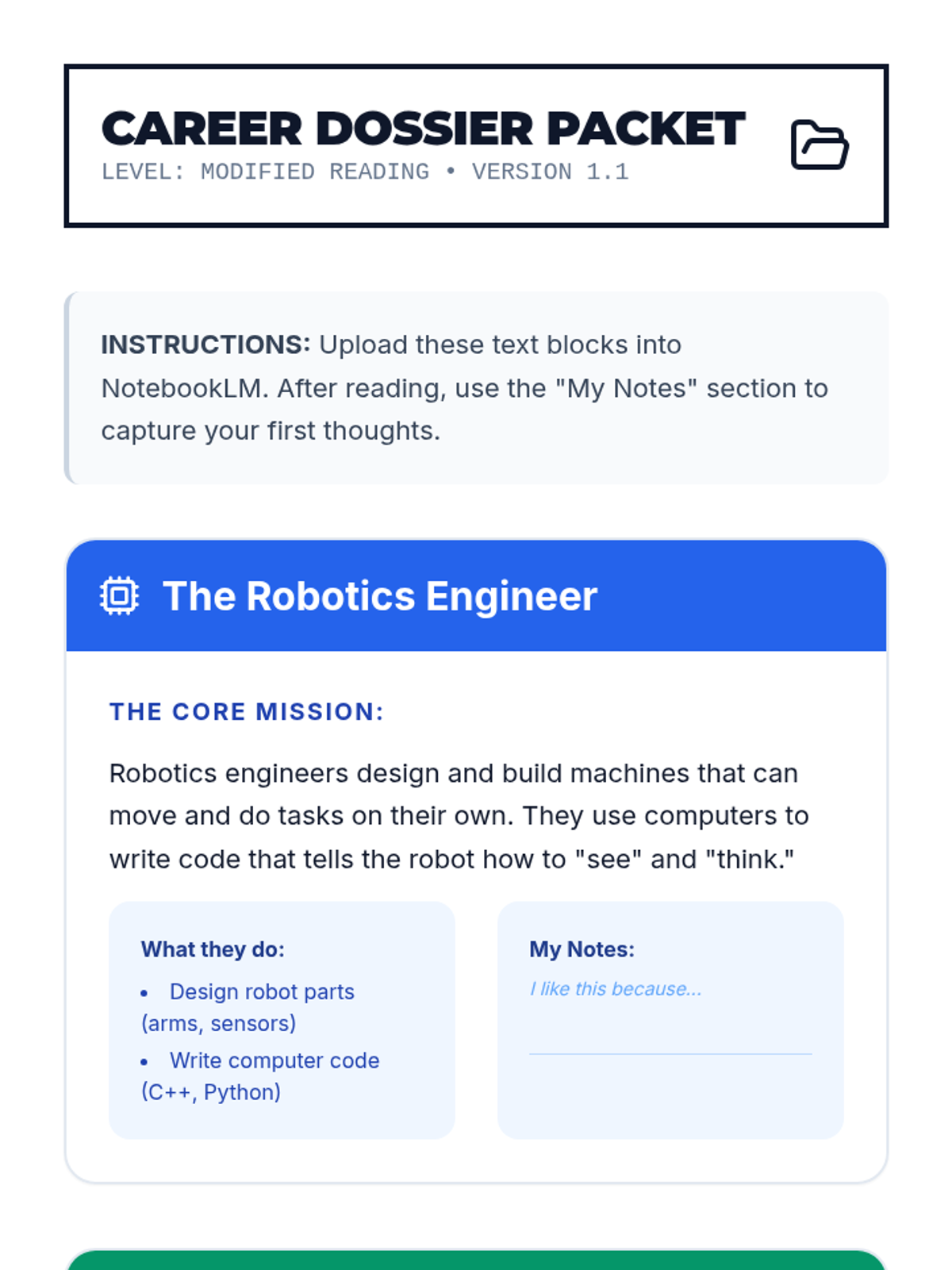
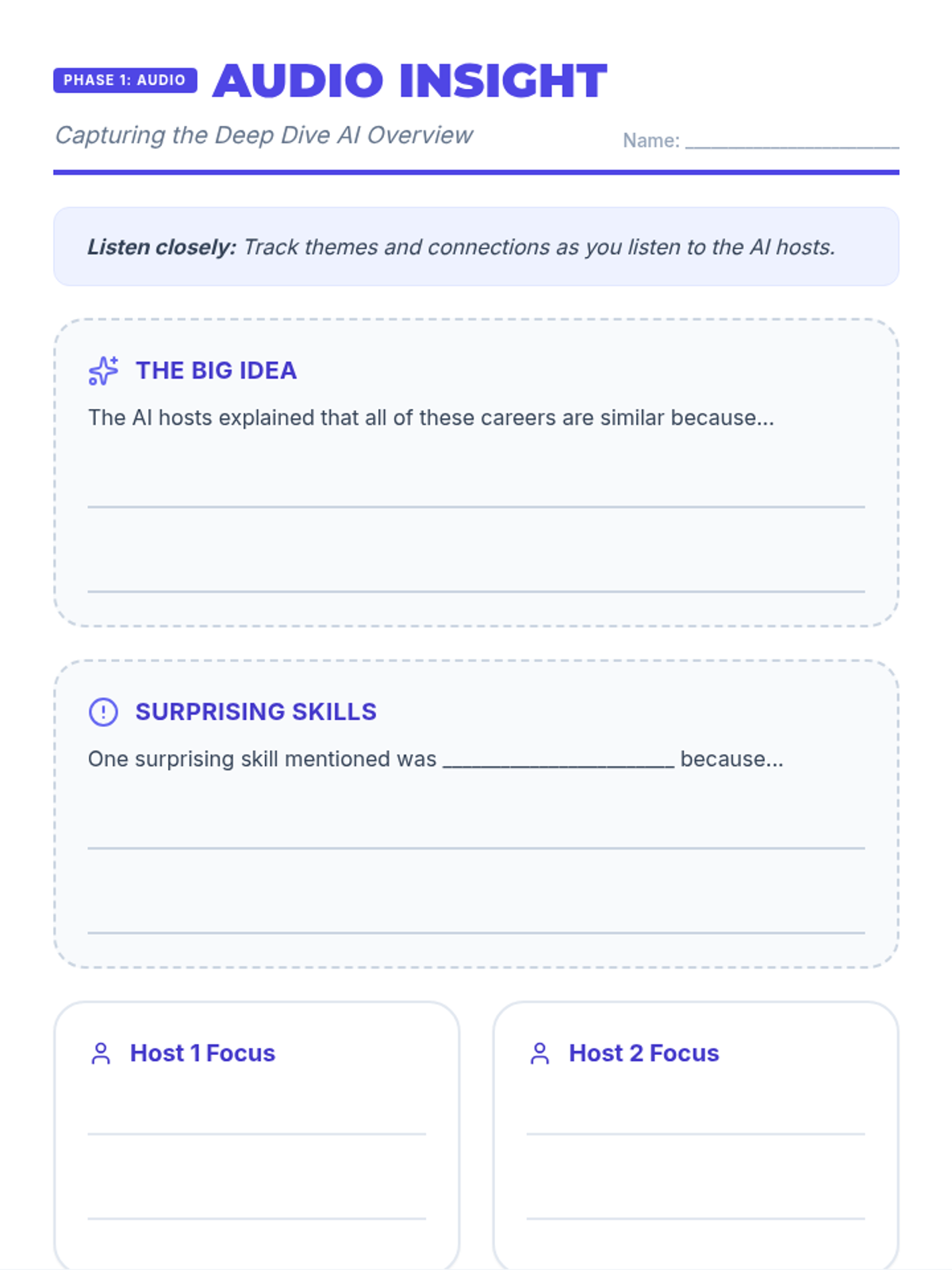
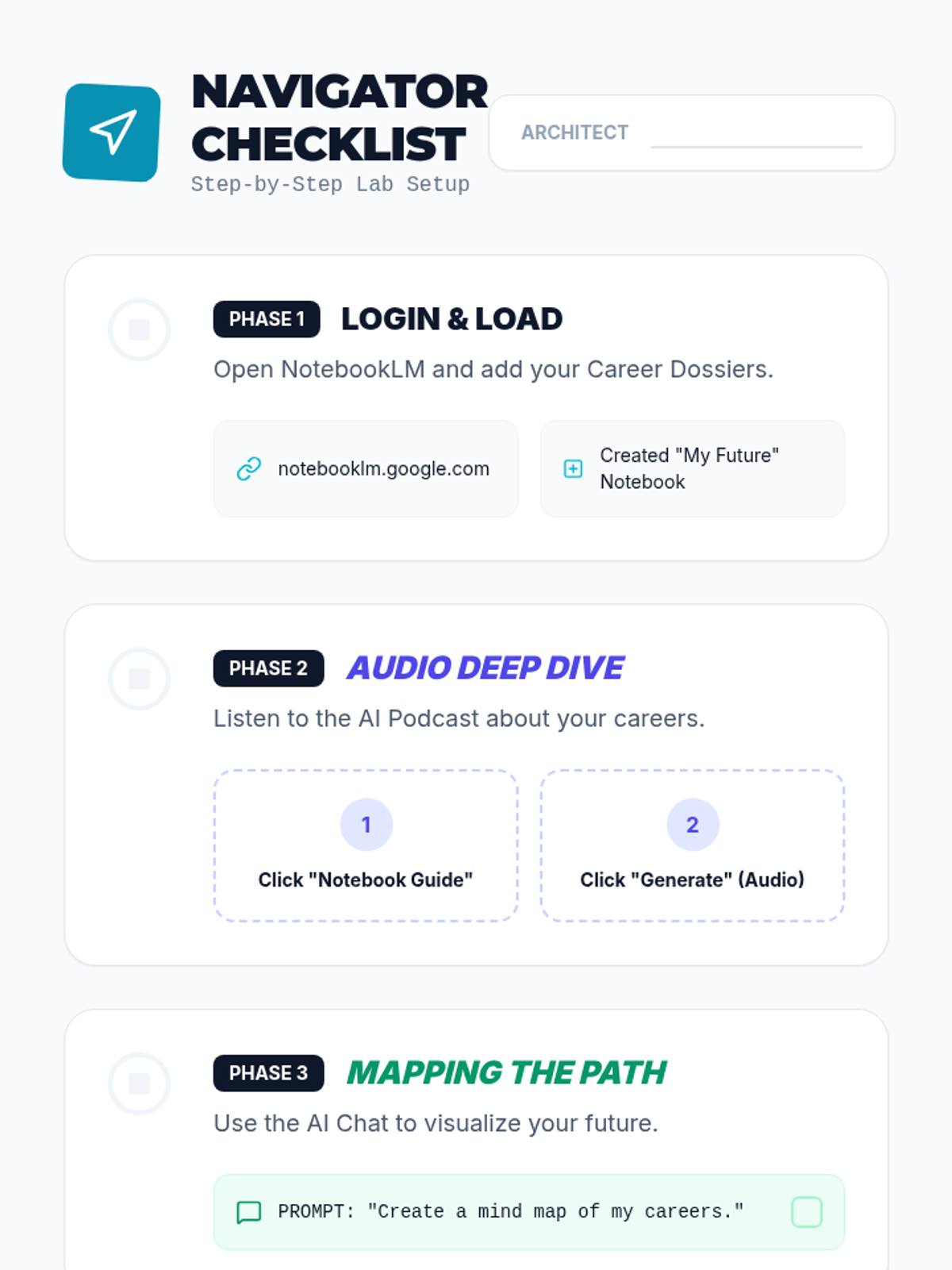
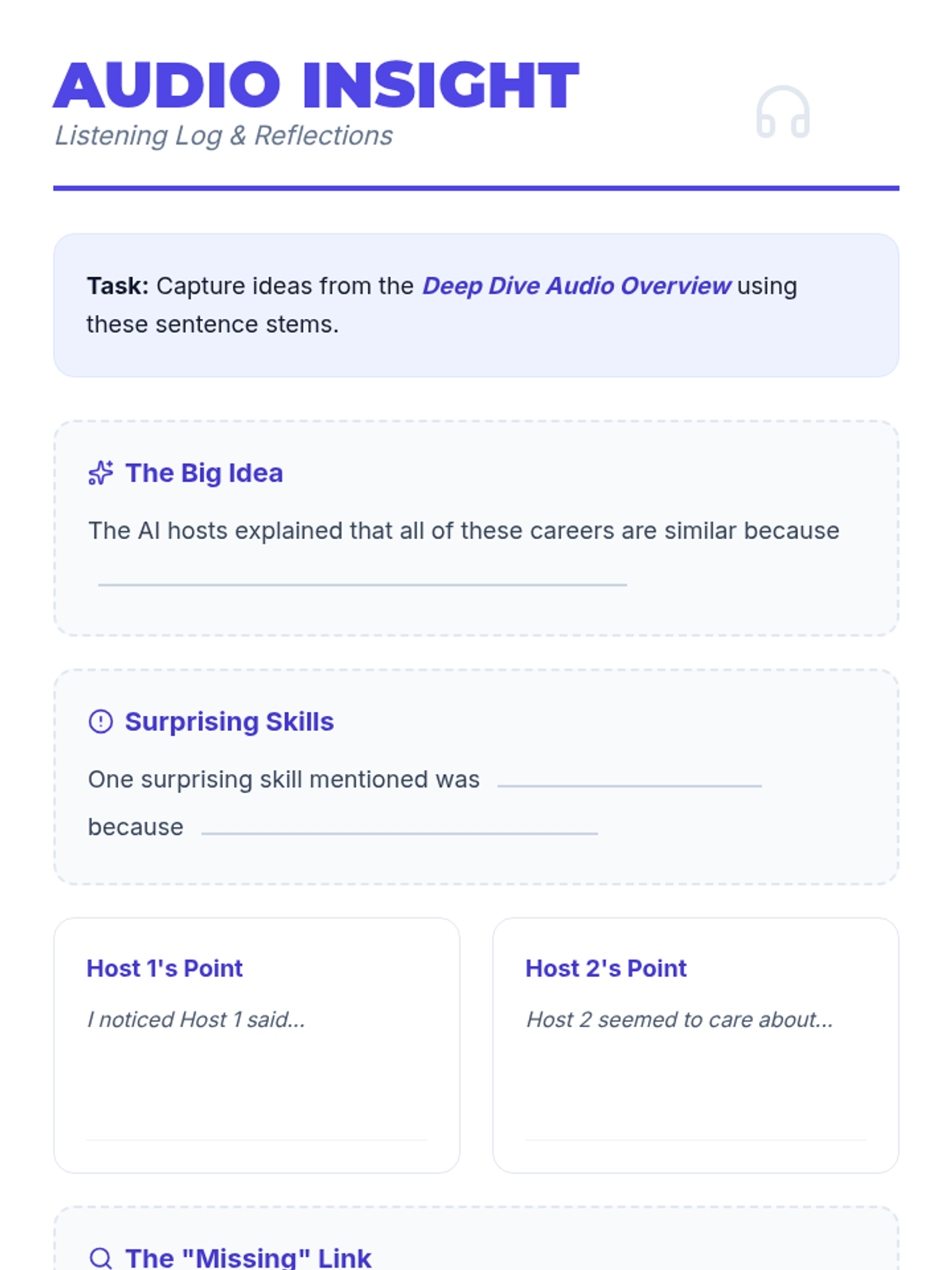
A 2-day intensive workshop where students use NotebookLM to research and design their future careers, exploring advanced features like Audio Overviews, Mind Maps, and Studio outputs with professional career dossiers and visual supports.
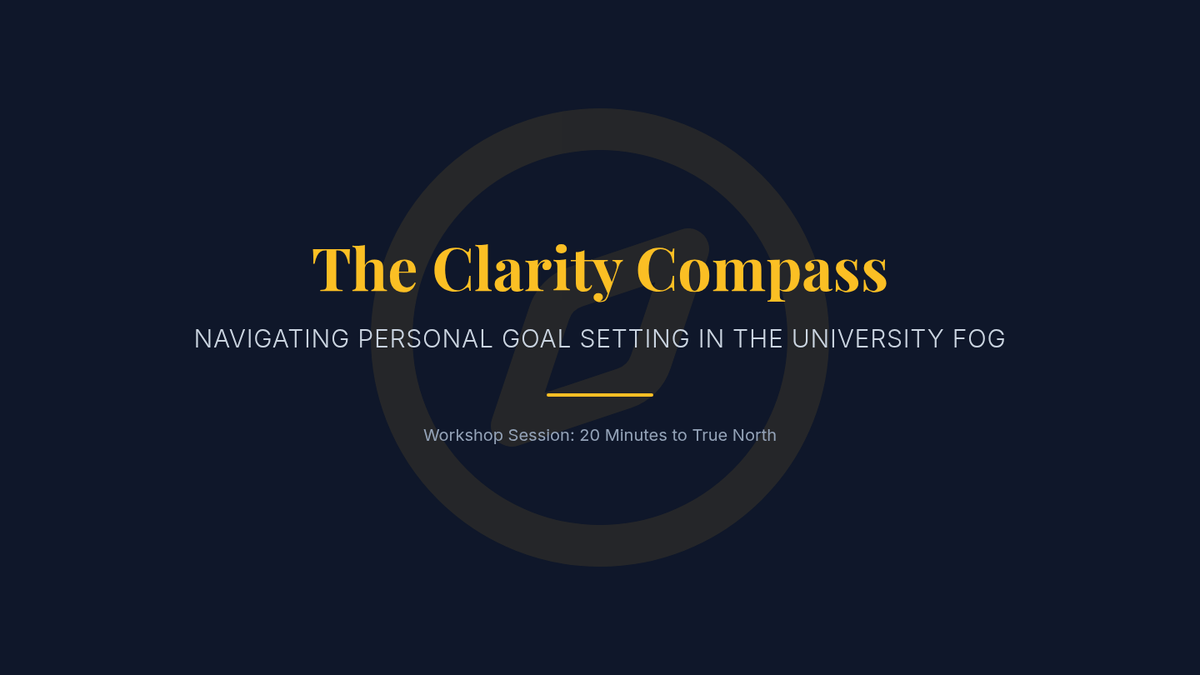
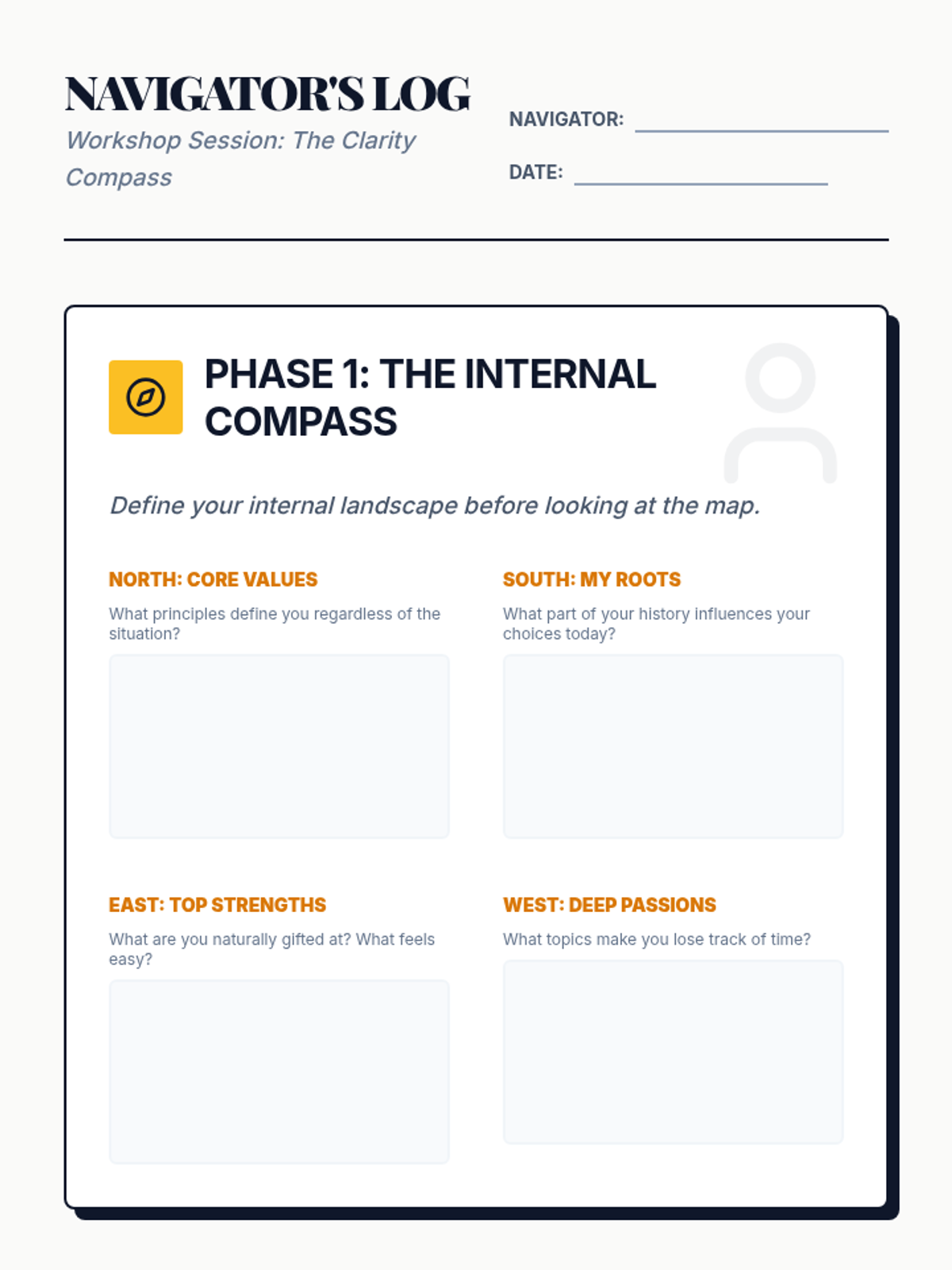
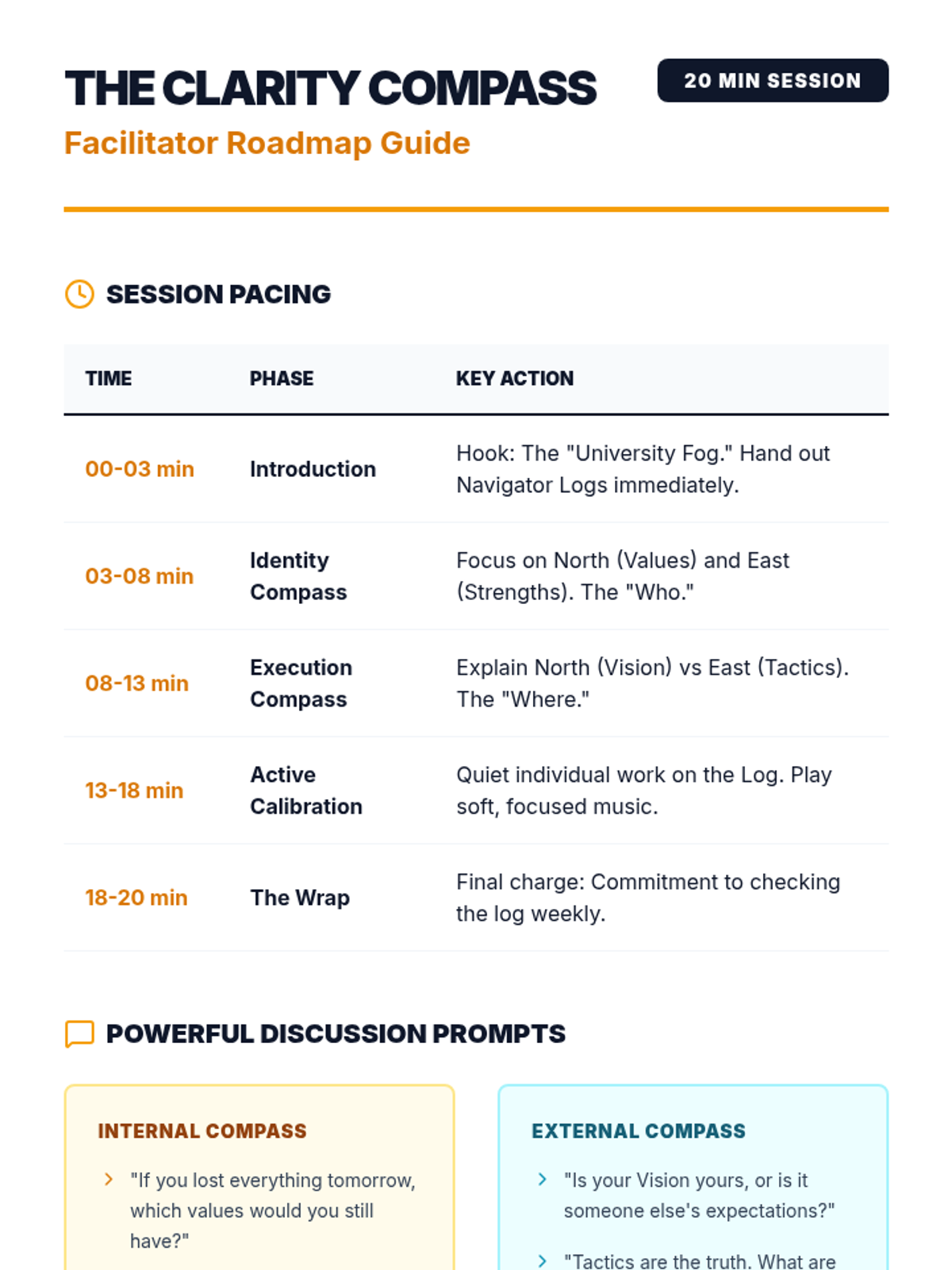
A high-impact workshop sequence designed to help university students navigate personal goal setting using two distinct Clarity Compass models focusing on internal identity and external action.
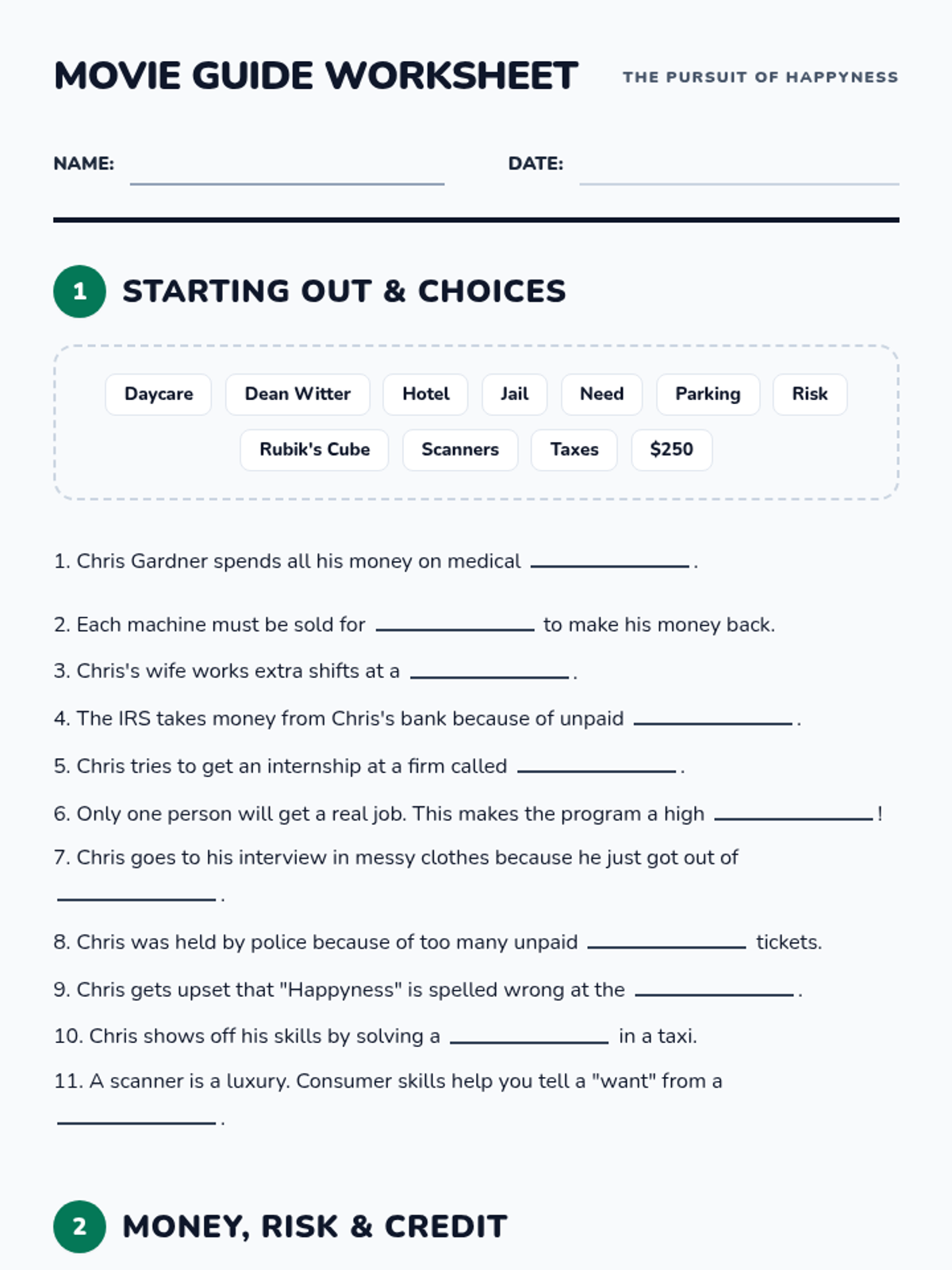
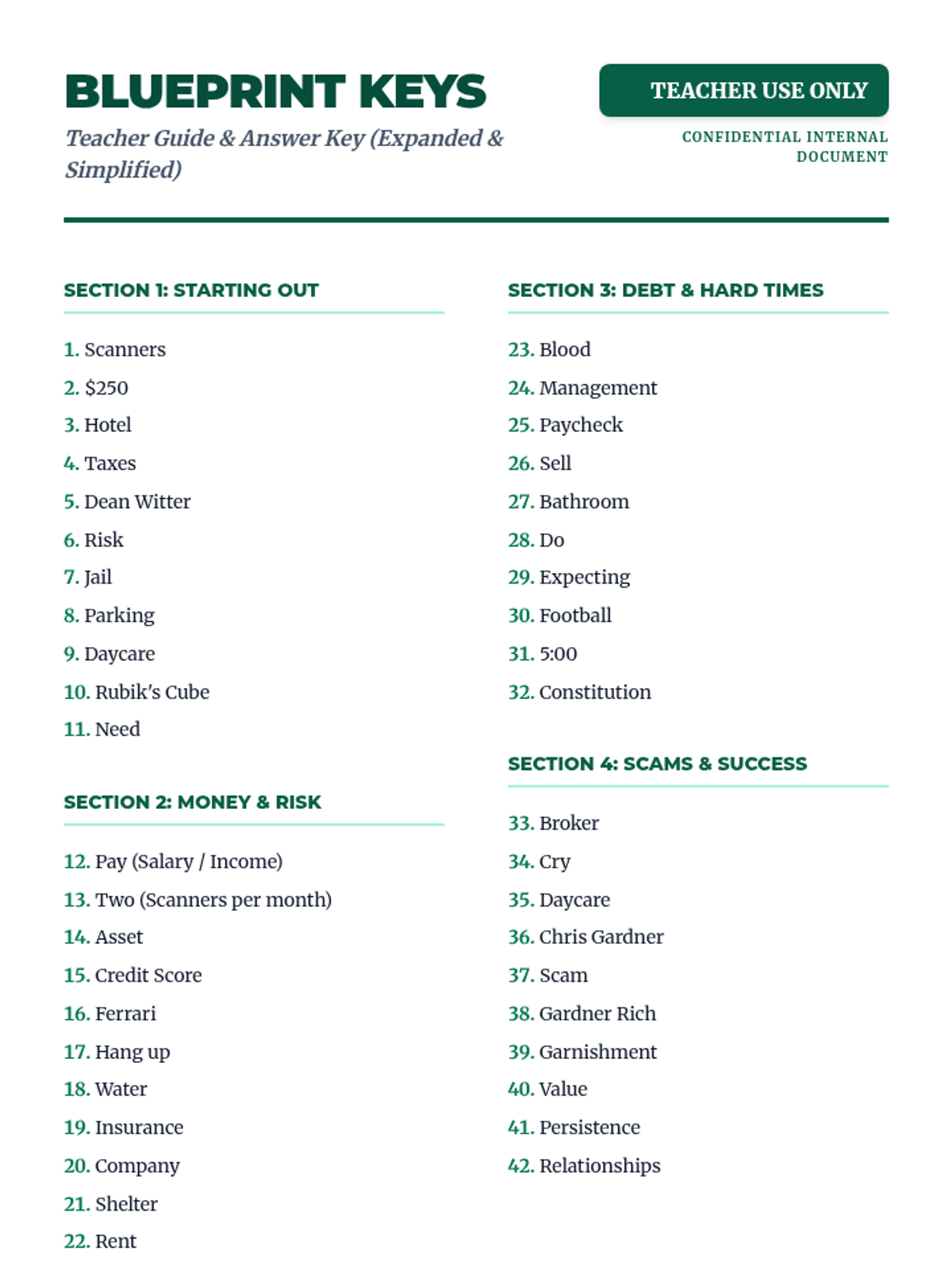
A series of lessons exploring real-world financial concepts through the lens of popular cinema, helping students connect abstract economic theories to relatable human stories.
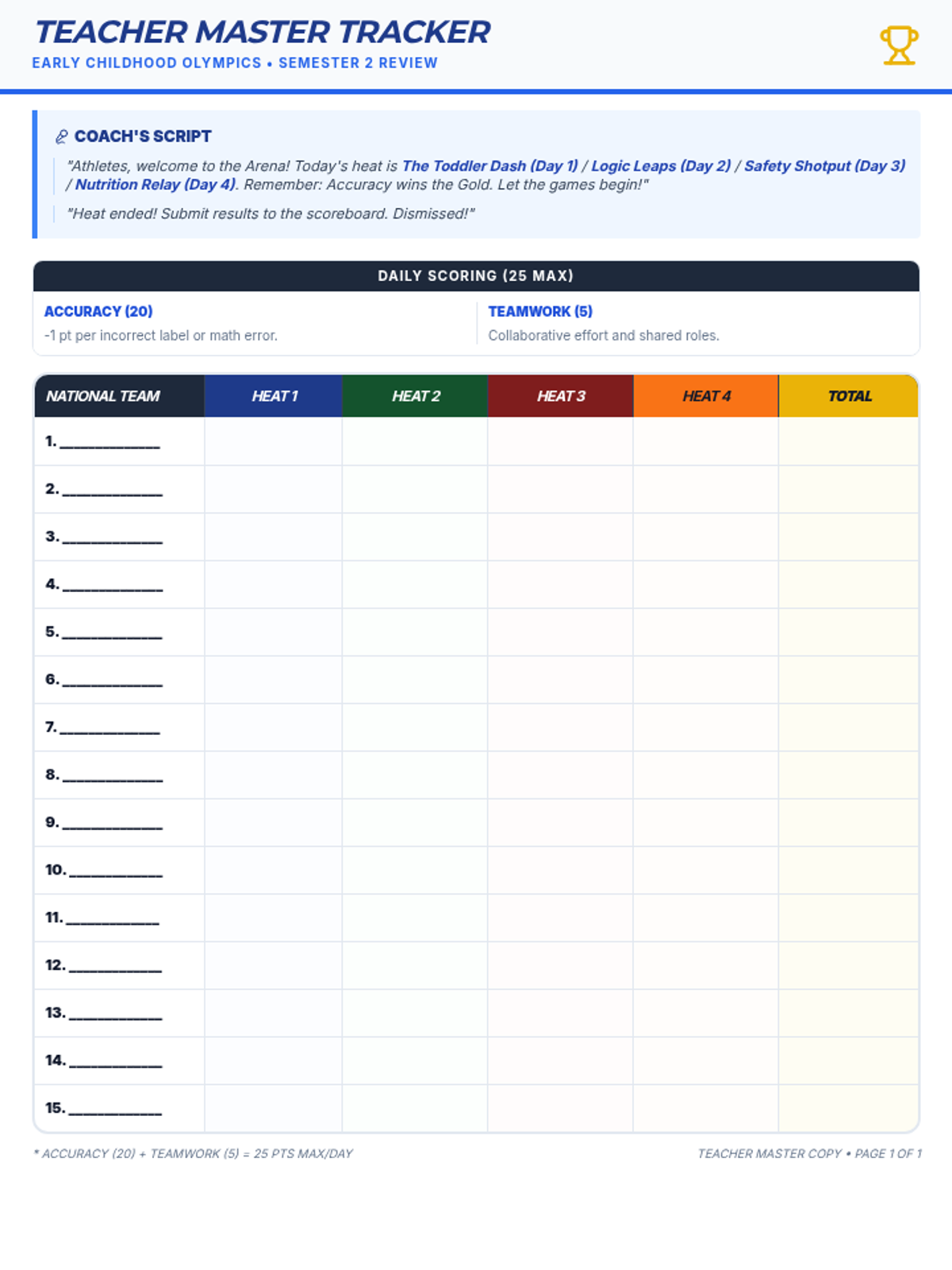
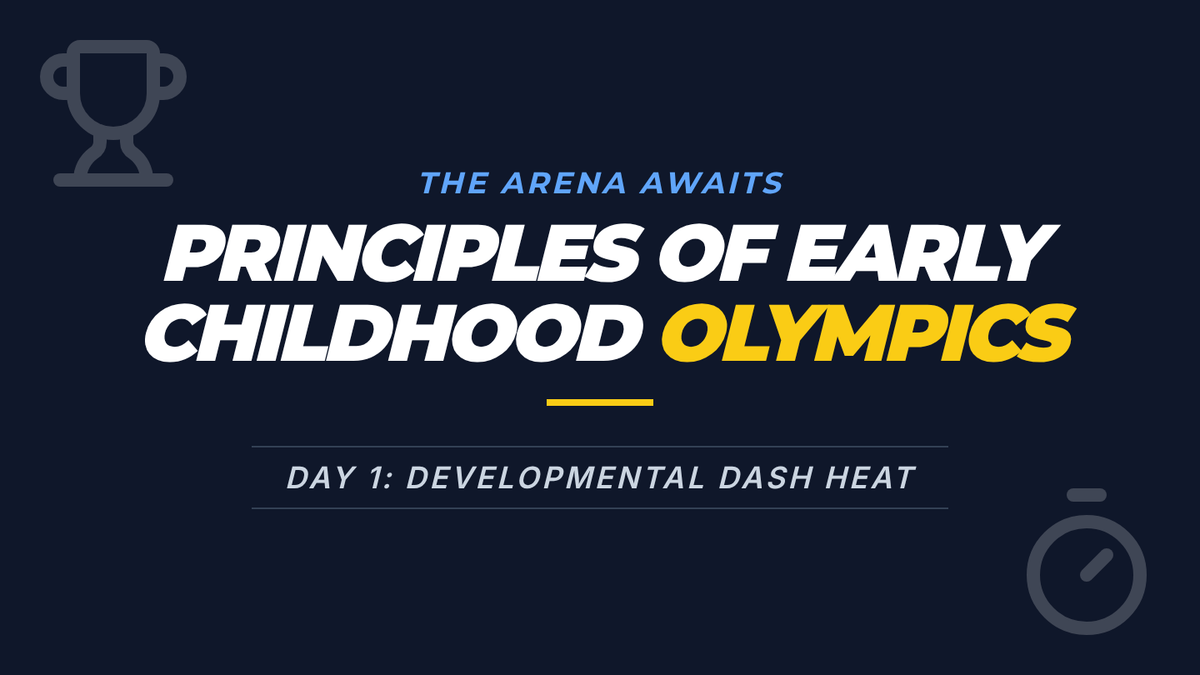
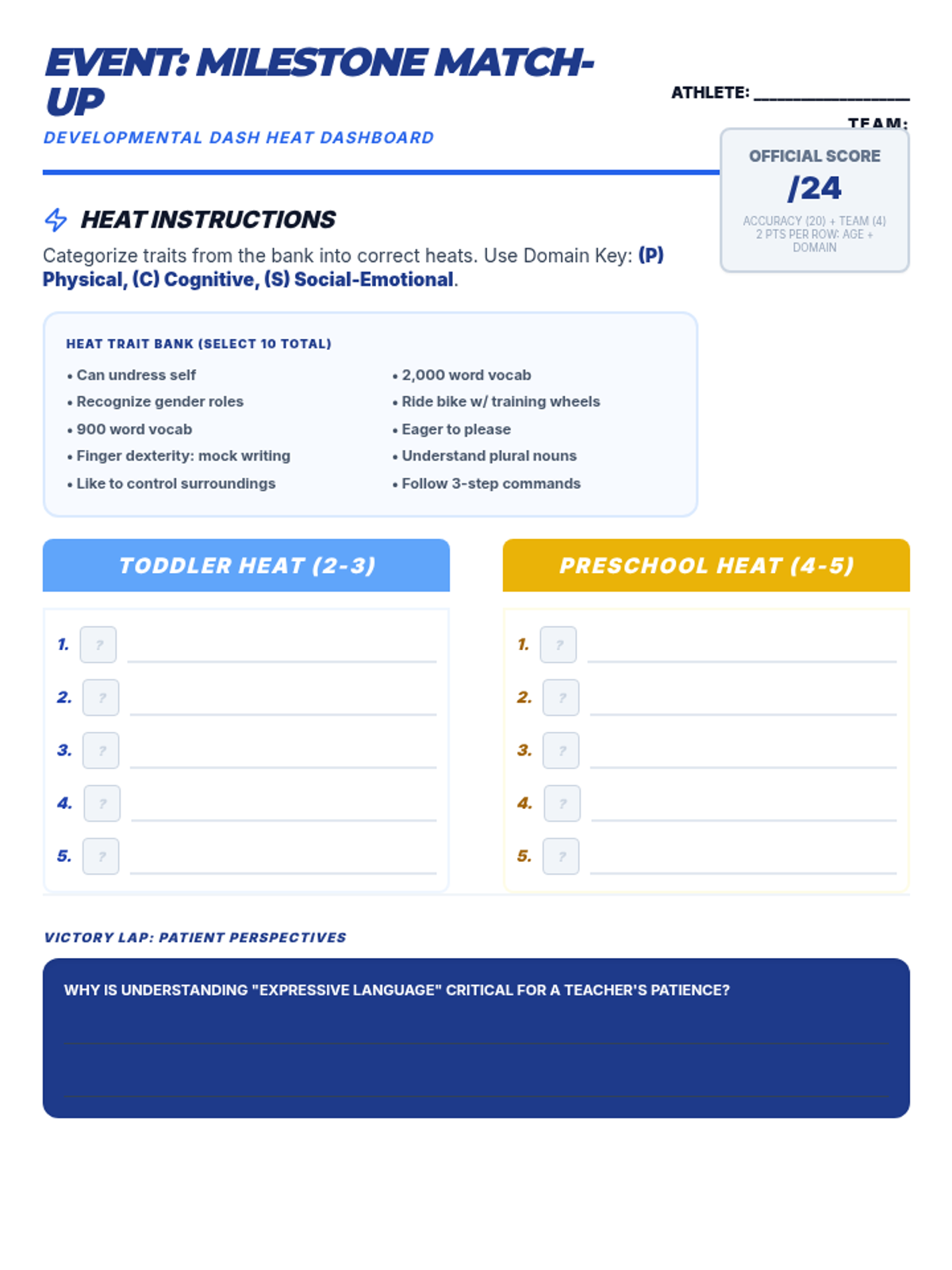
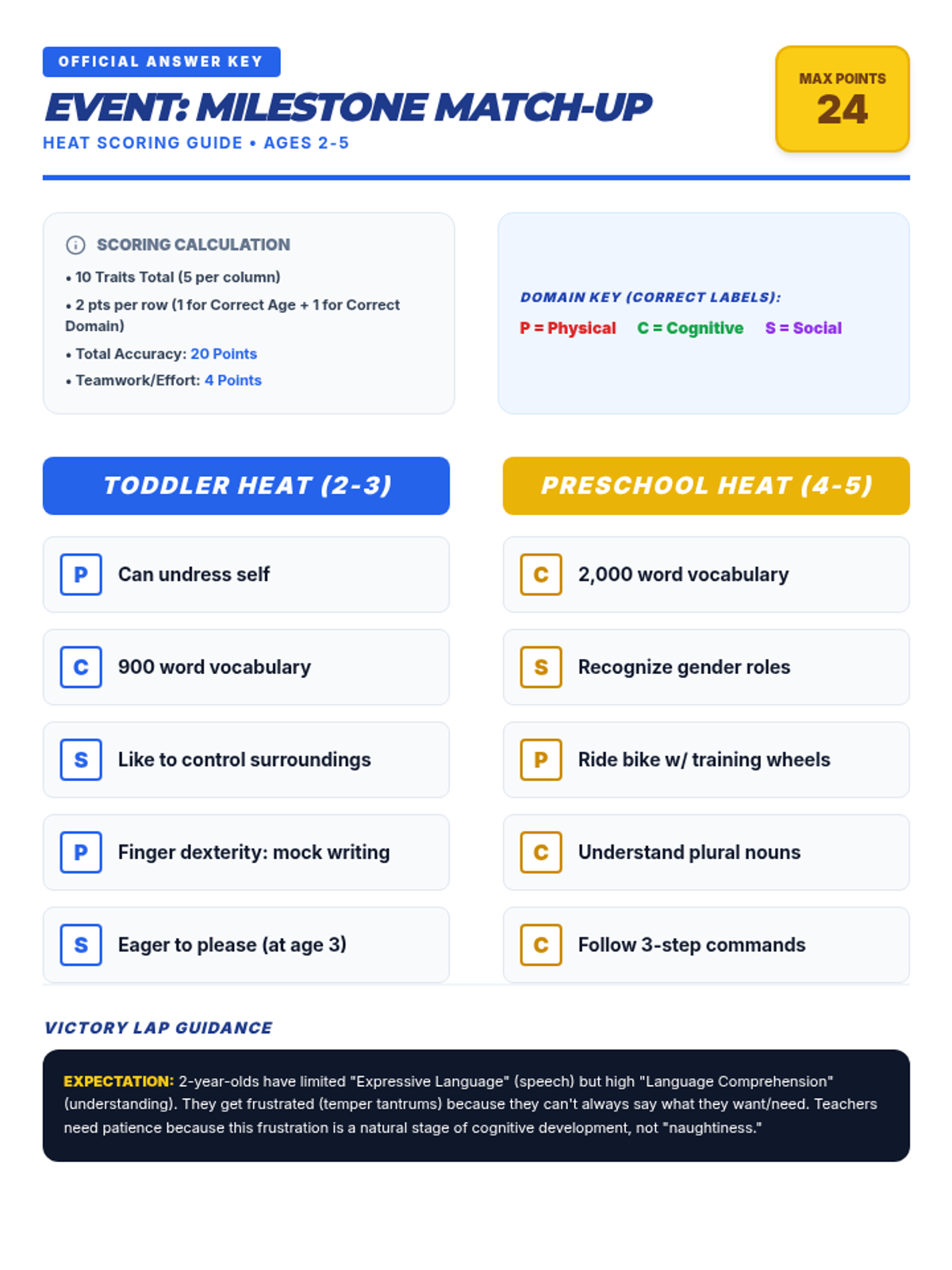
A 4-day end-of-semester review event where students compete in 'Olympic heats' covering child development from toddlers to middle childhood, safety protocols, and nutrition. Each day features competitive activities that reward accuracy and teamwork as teams aim for the gold medal.
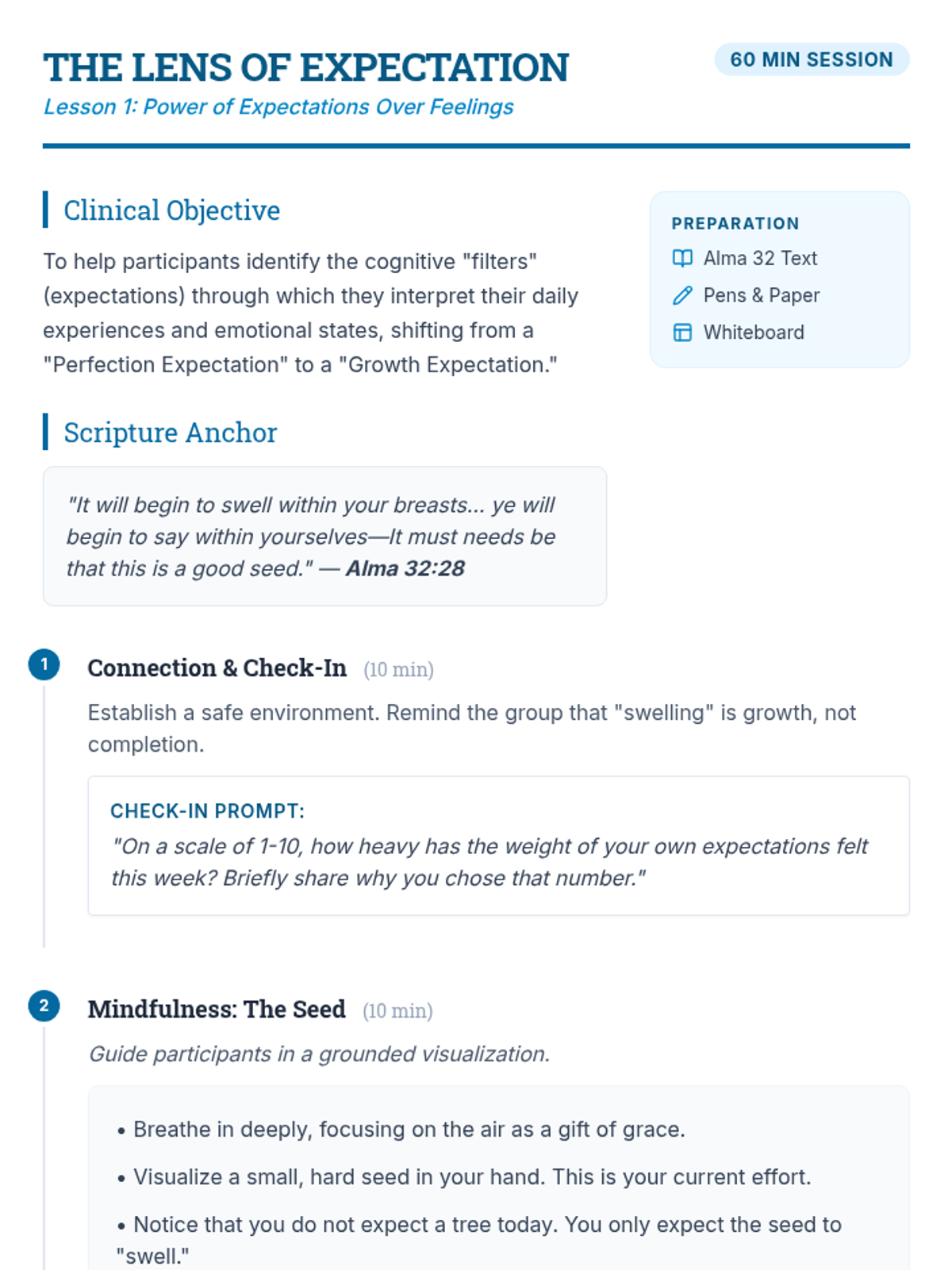
An 11-part group counseling sequence designed for LDS young adults and adults, focusing on reframing religious expectations through the lens of grace, clinical psychology, and restored doctrine to address scrupulosity and spiritual distress.
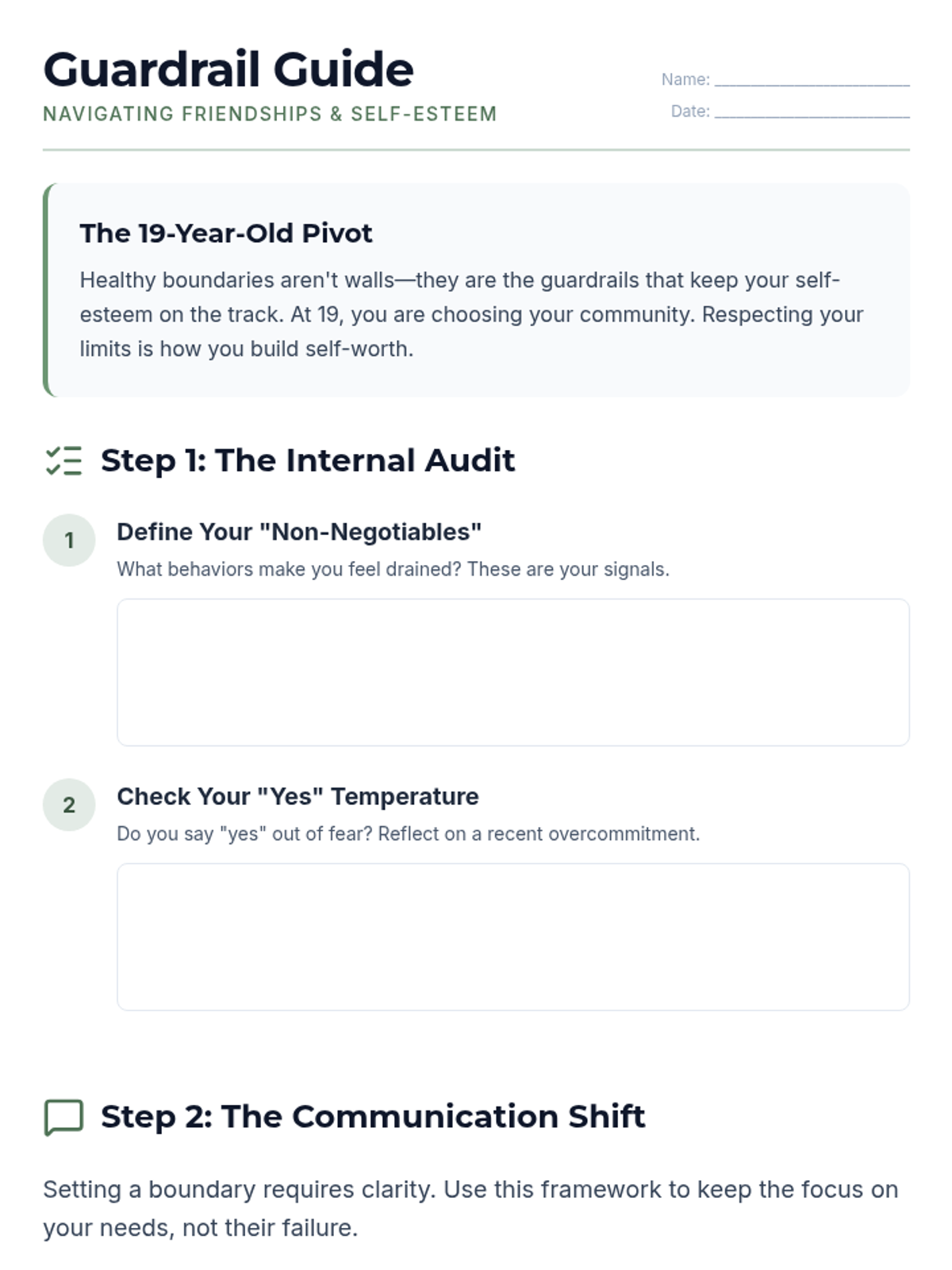
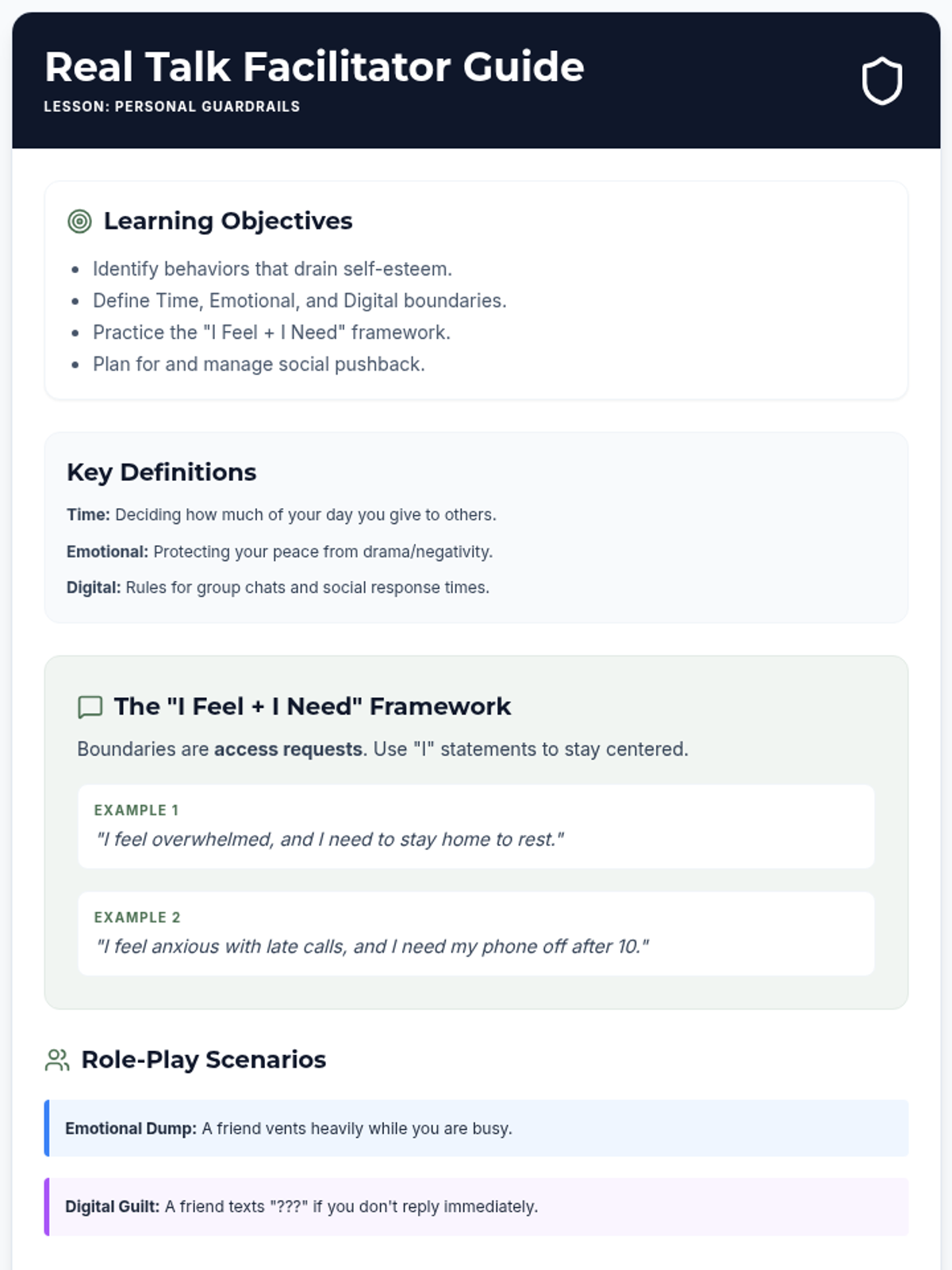
A series focused on social health and interpersonal skills for young adults, focusing on the intersection of self-worth and social dynamics.
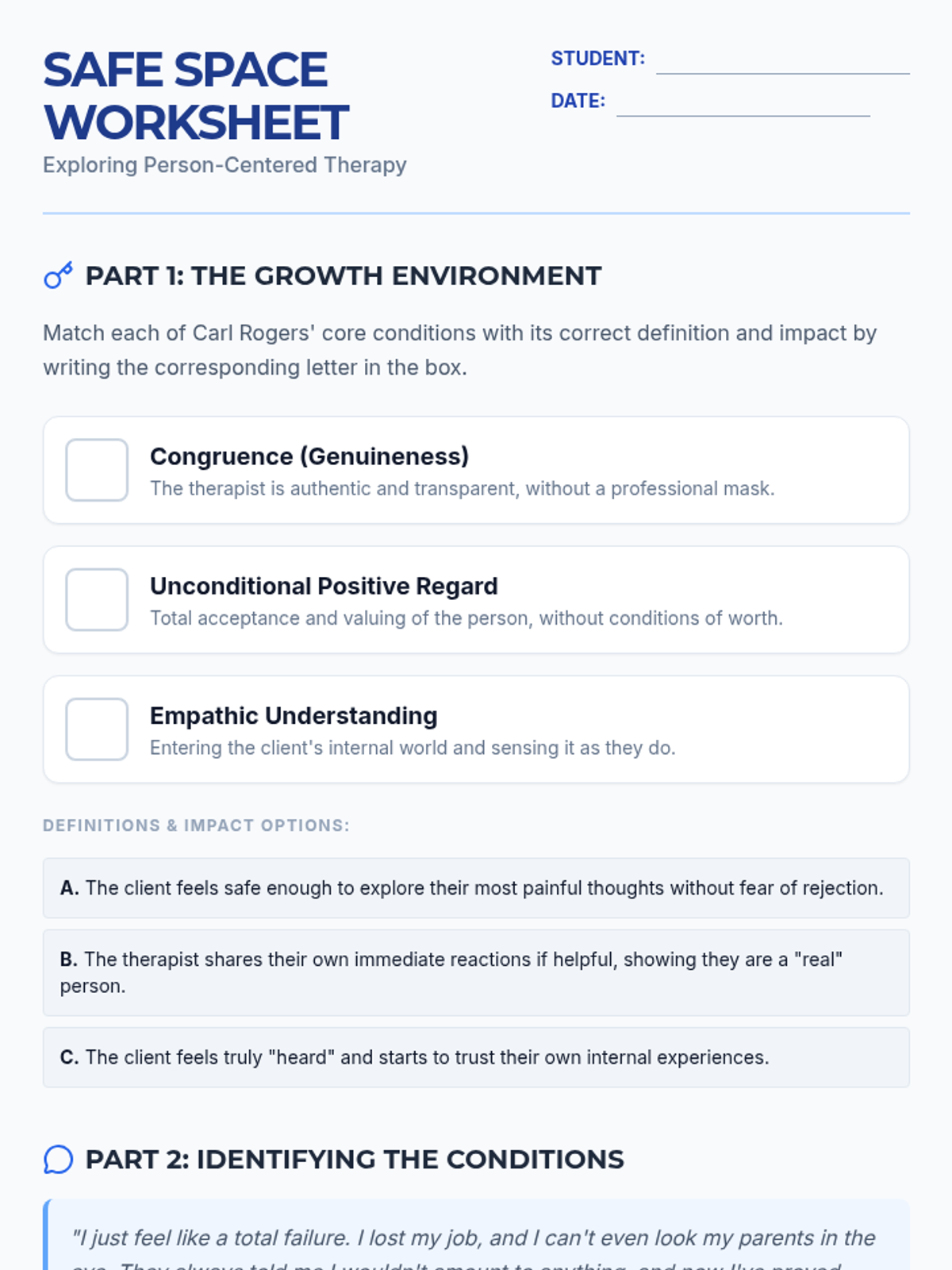
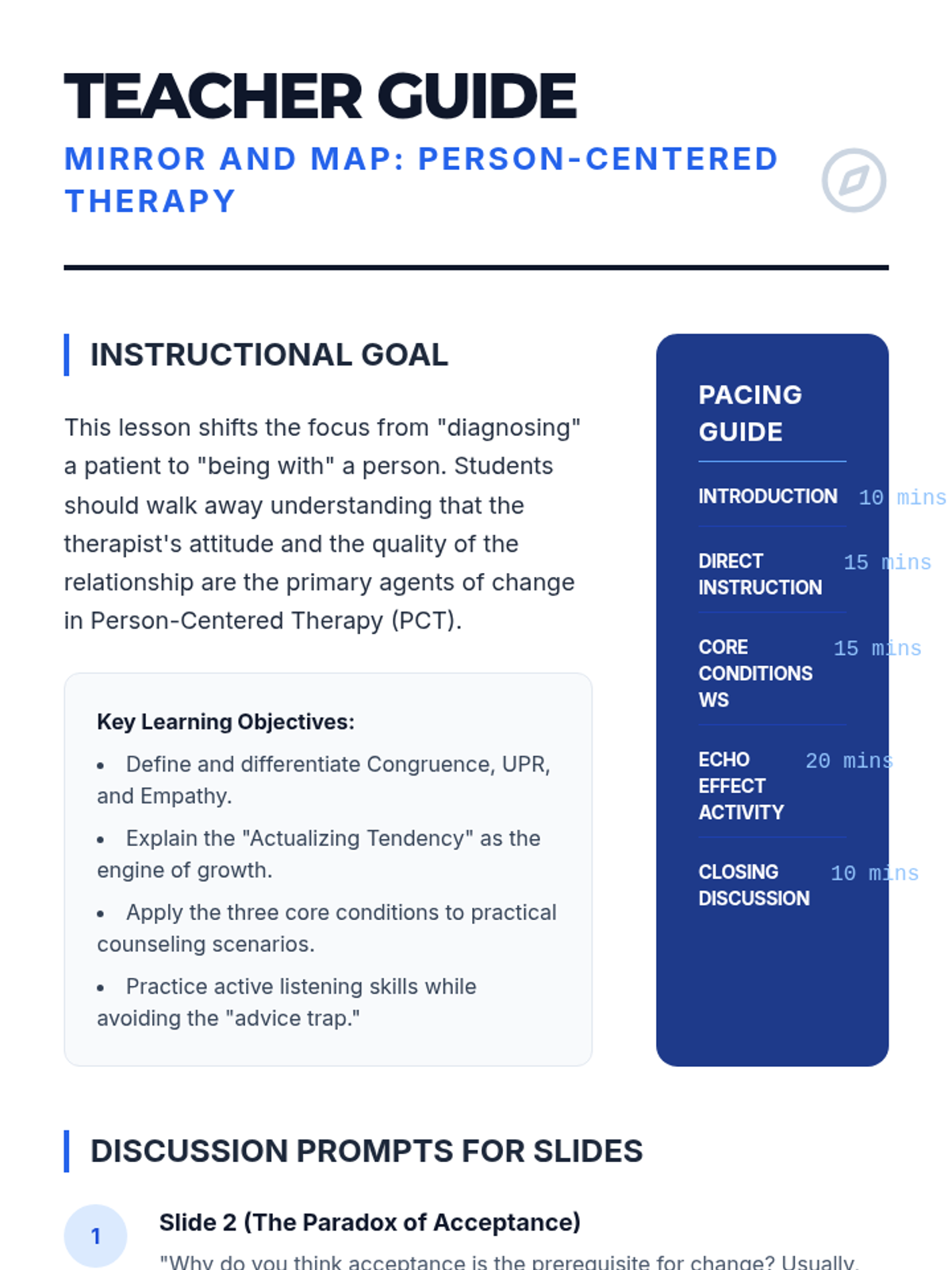
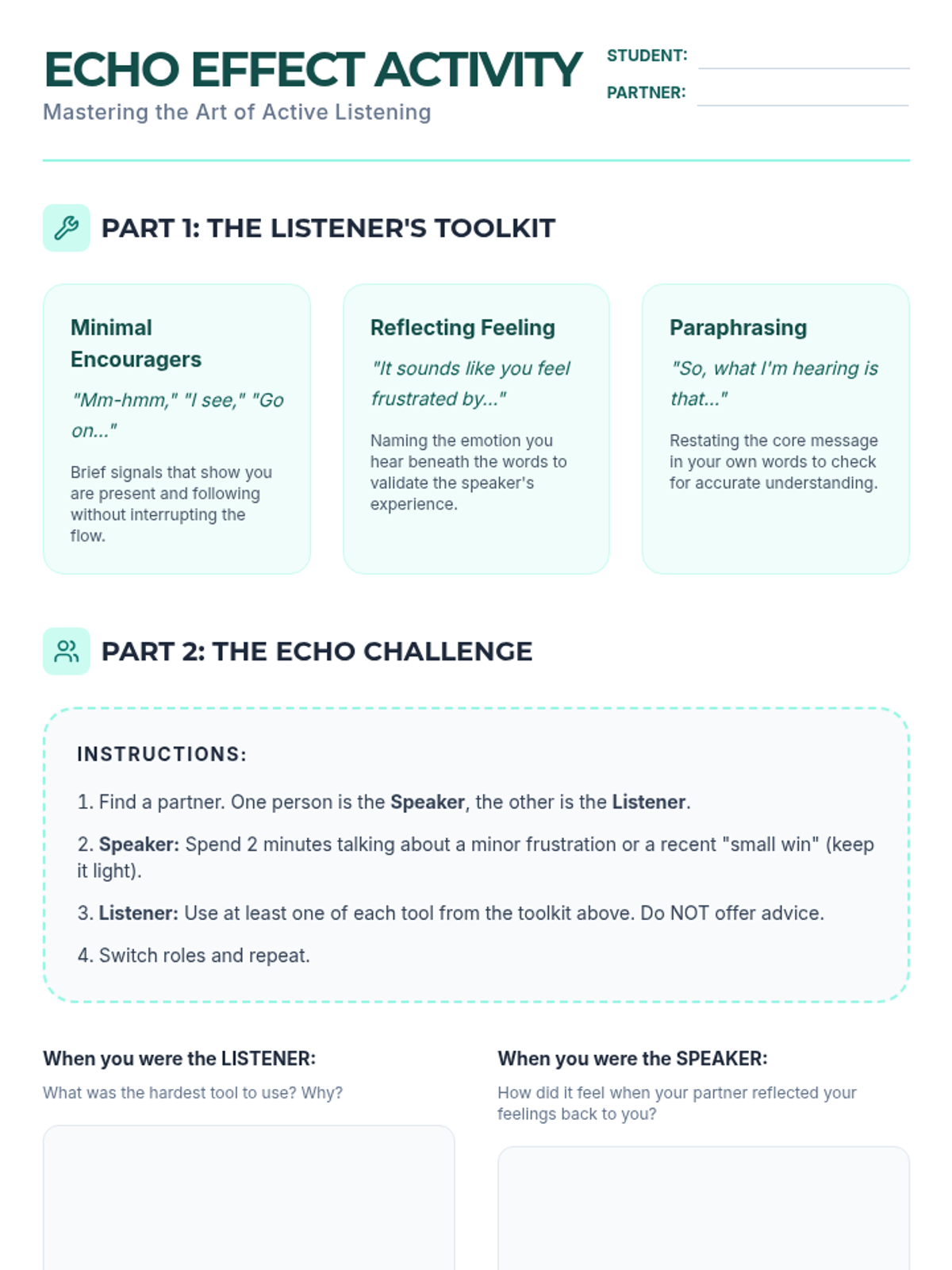
A unit exploring the foundations of humanistic psychology, focusing on person-centered approaches, therapeutic relationships, and the drive toward self-actualization.
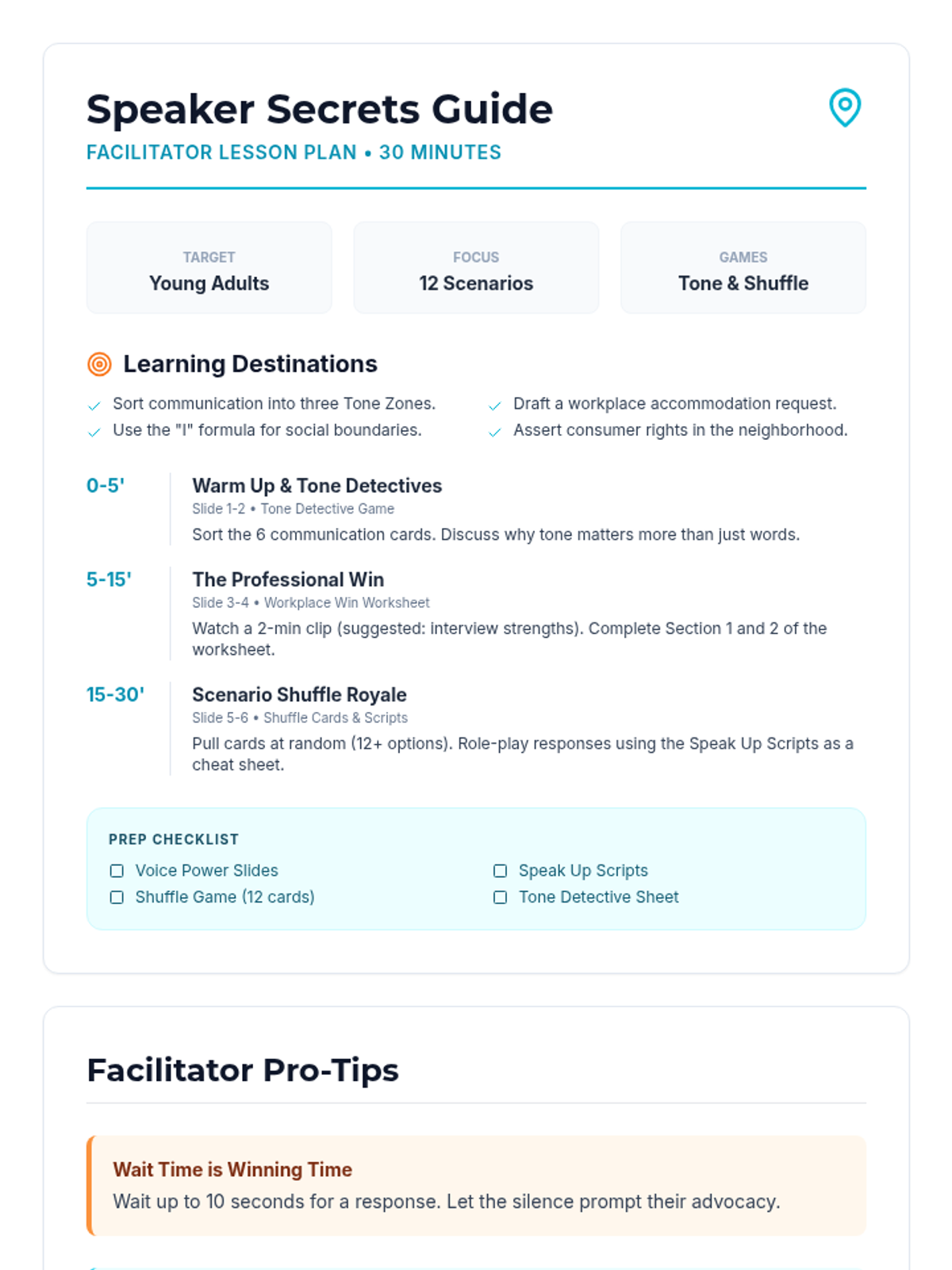
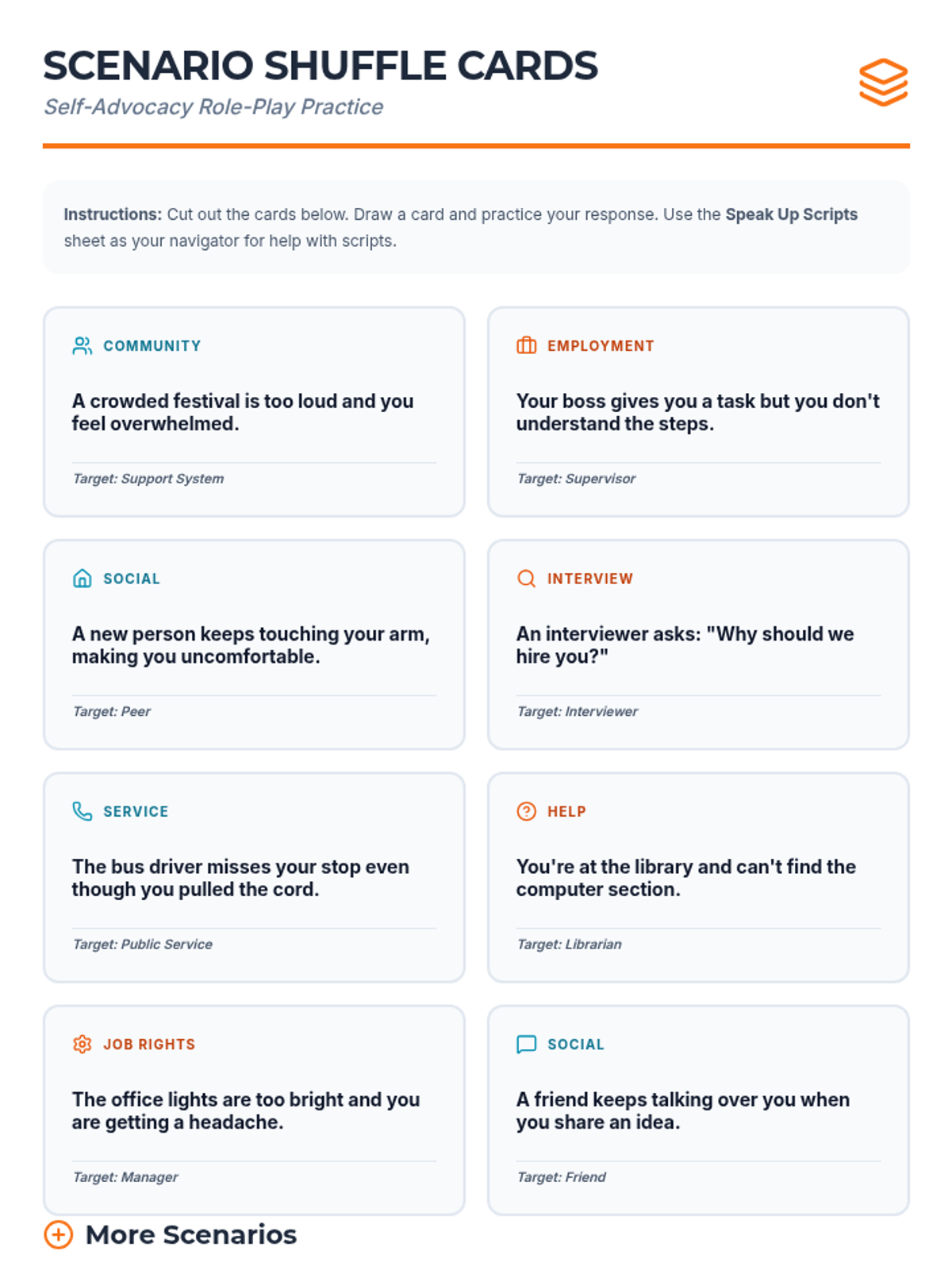
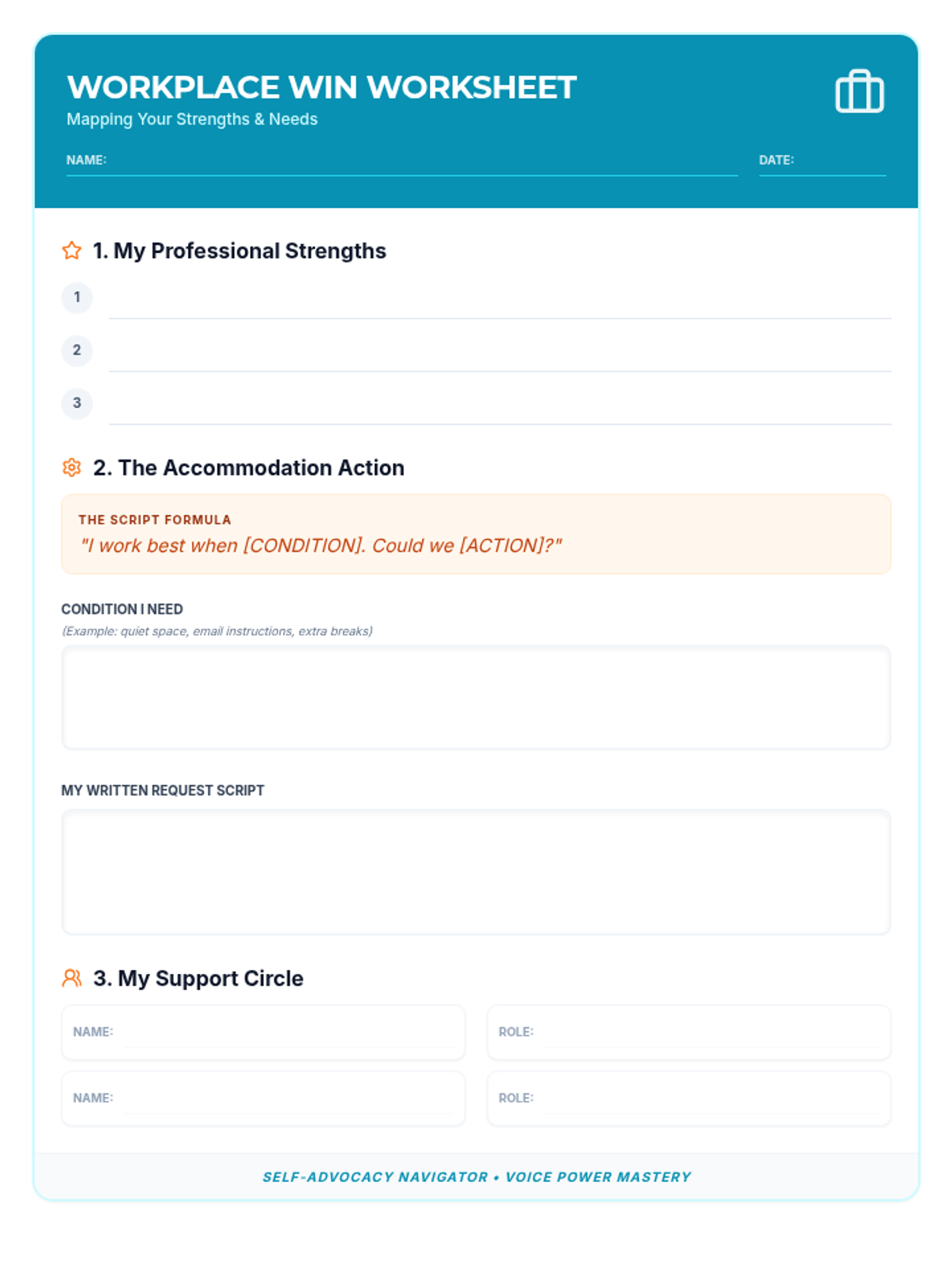
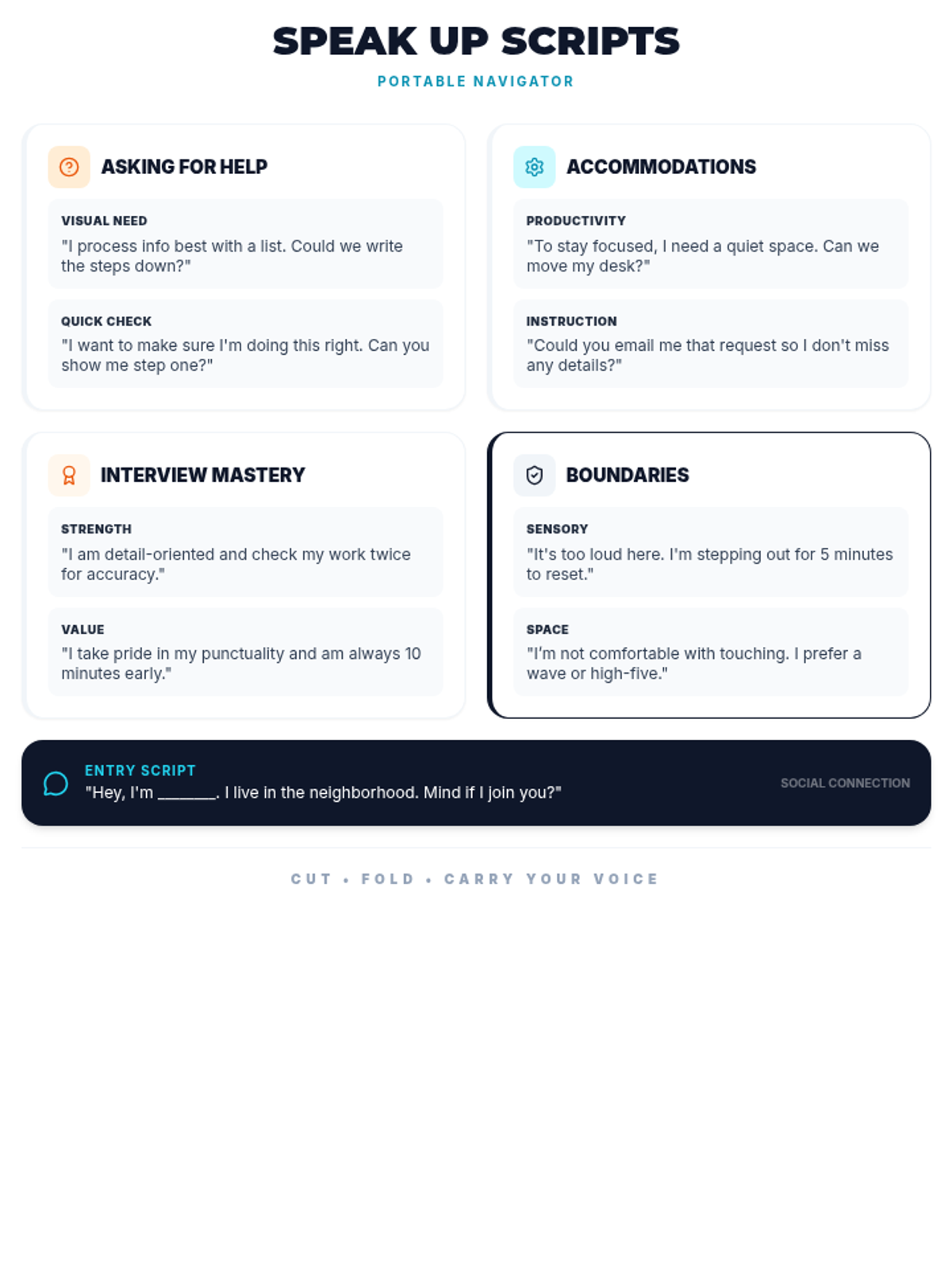
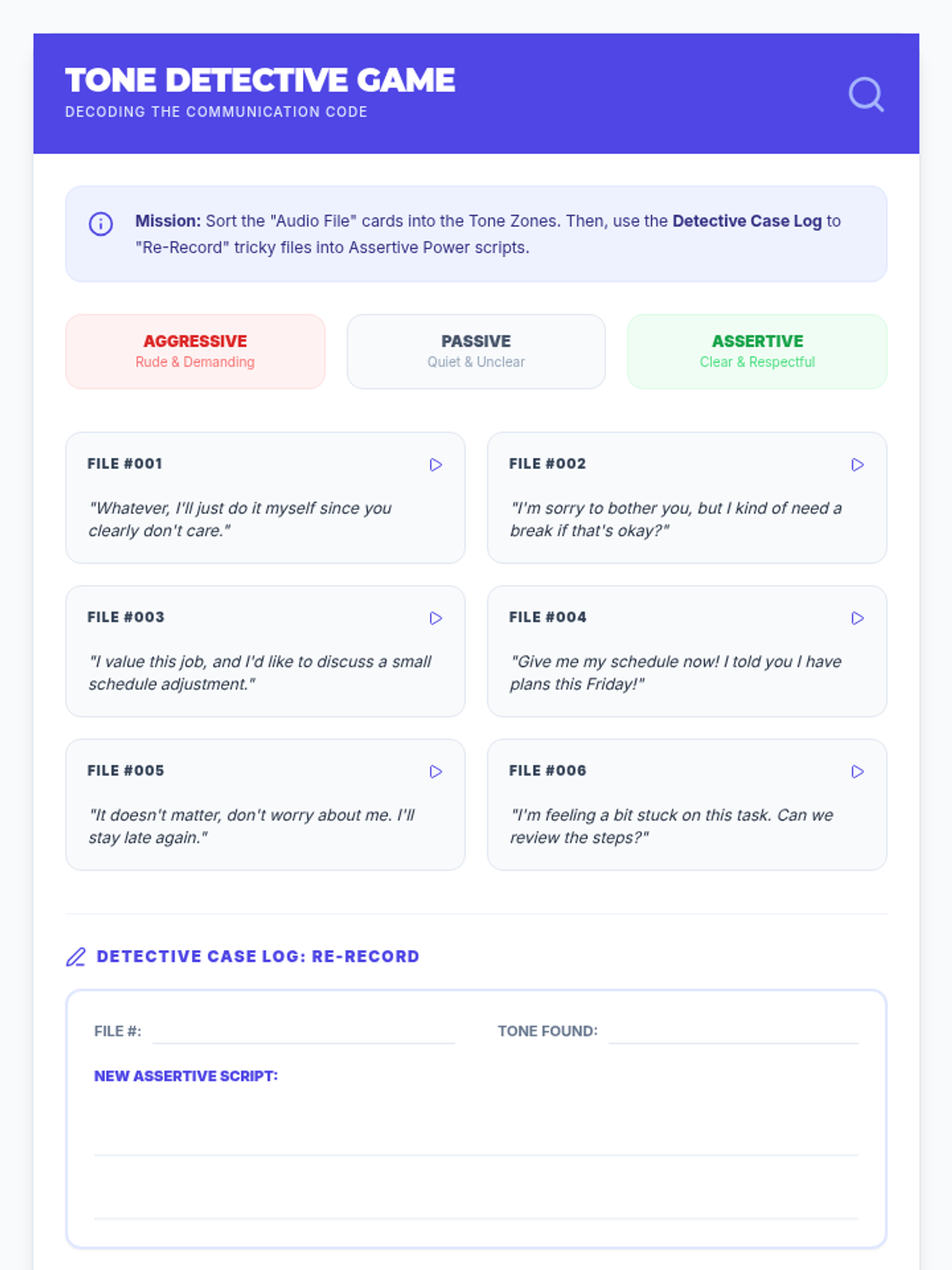
A comprehensive unit designed for young adults to master self-advocacy across workplace, community, and social environments. Through interactive scenarios and guided practice, learners build confidence in asserting their needs and showcasing their strengths.
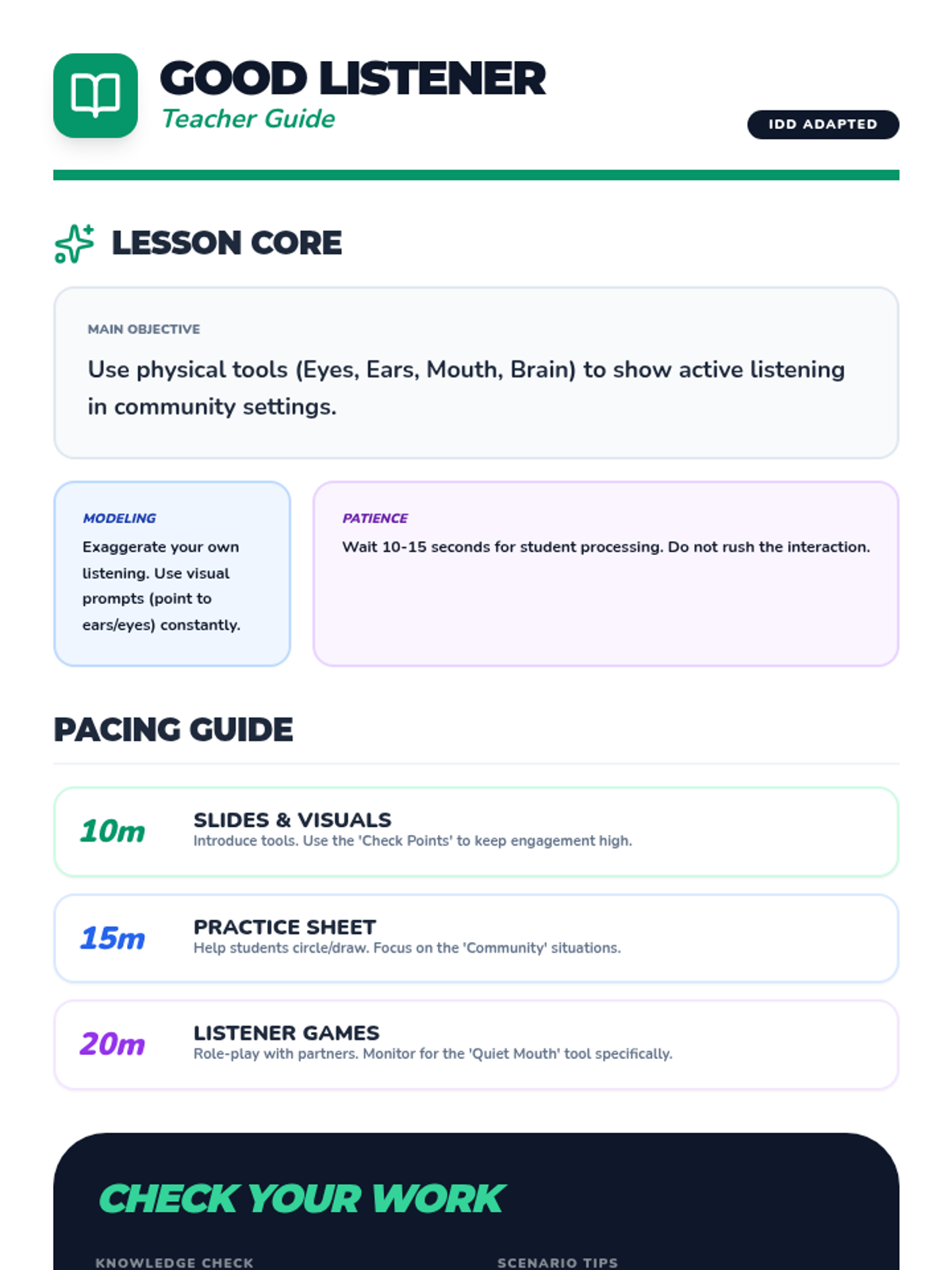
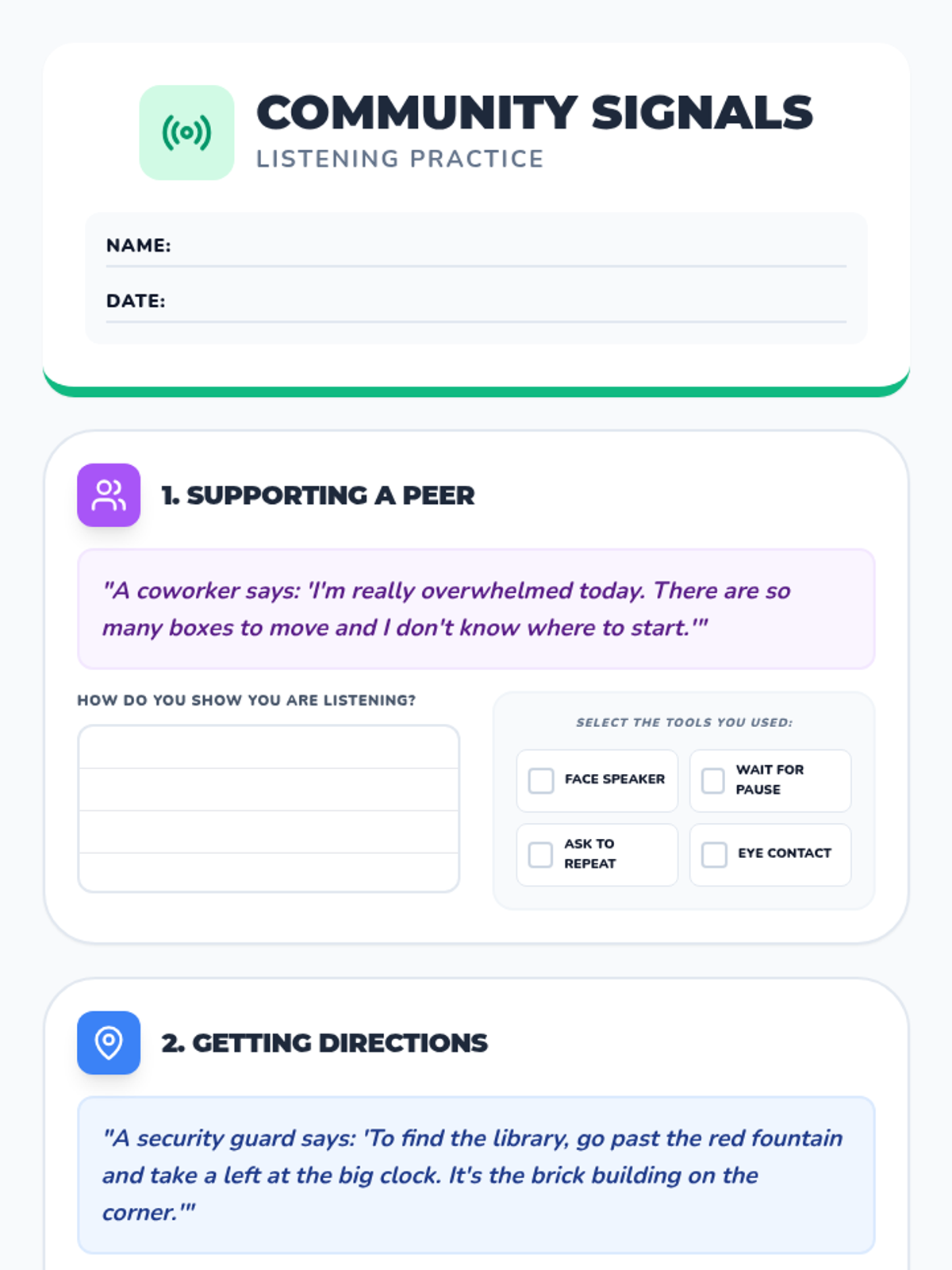
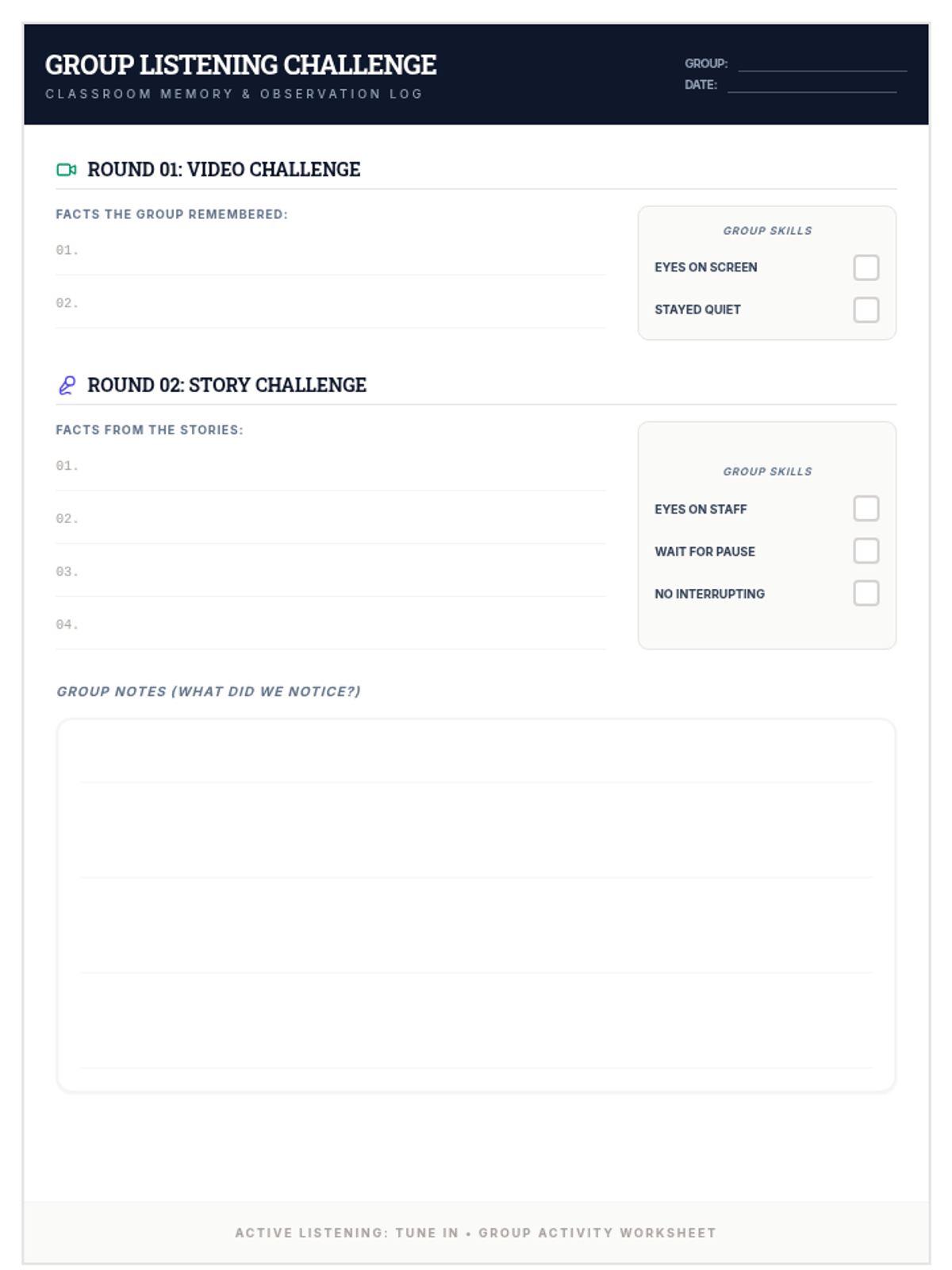
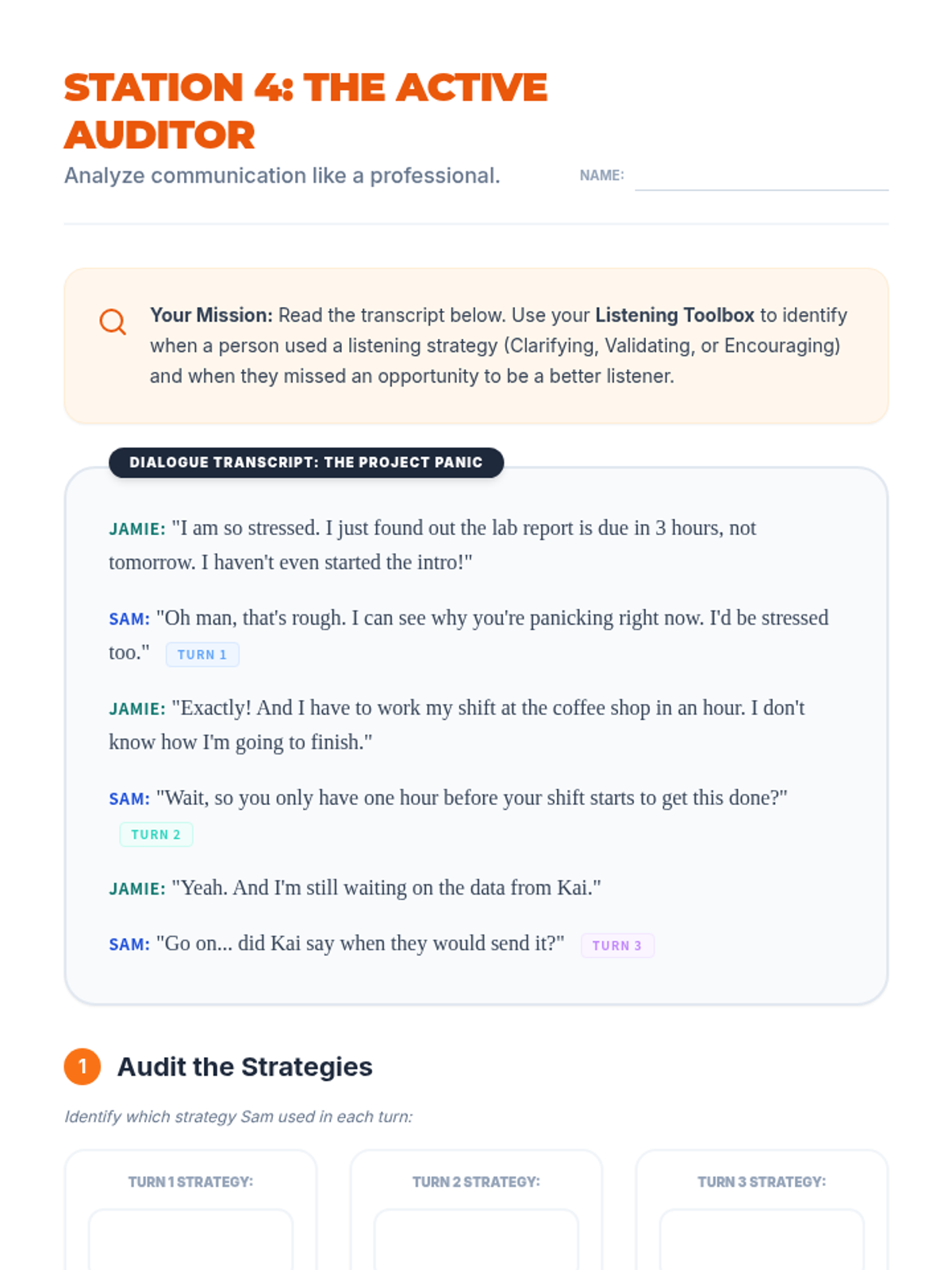
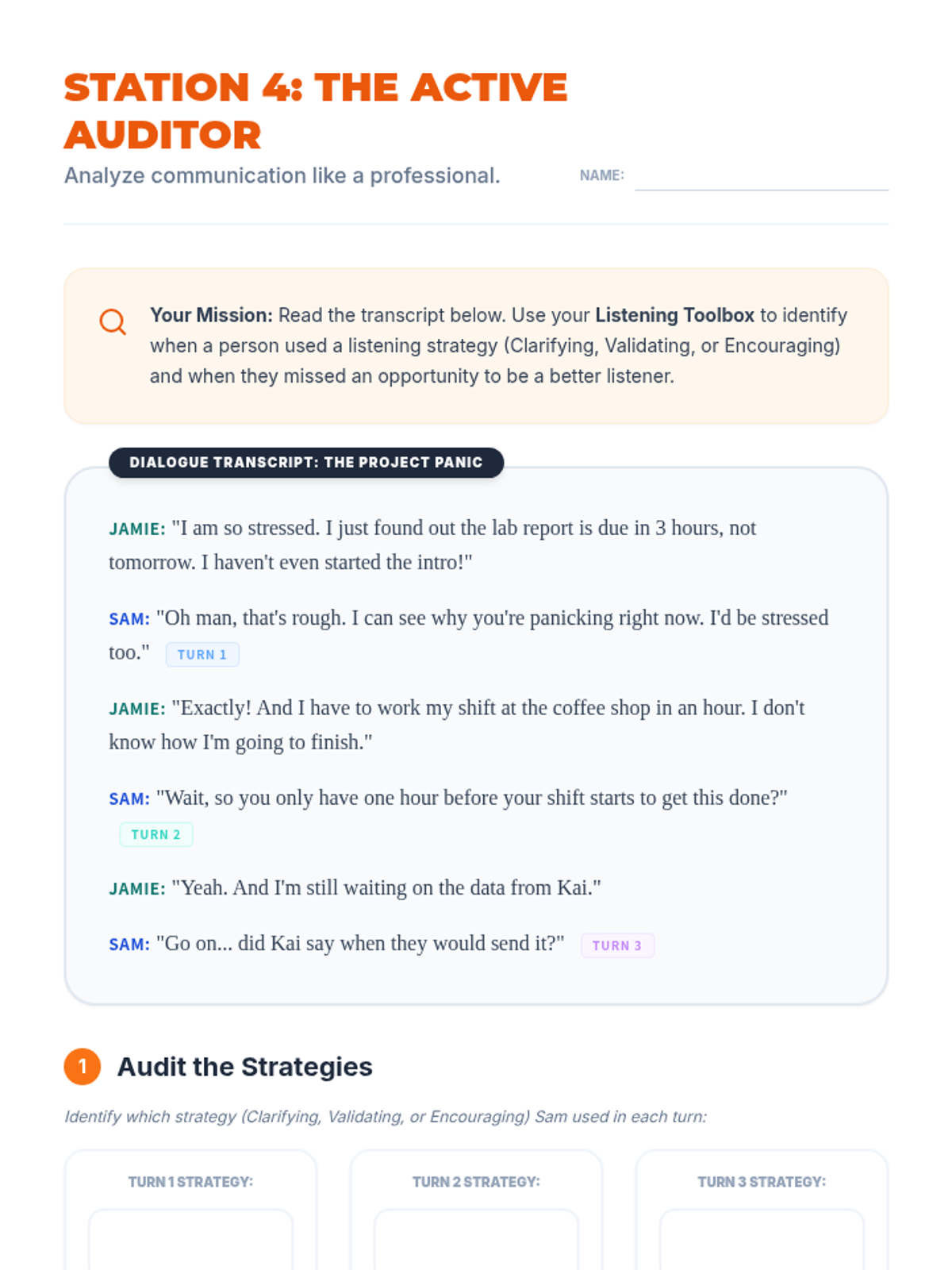
This sequence focuses on building fundamental active listening skills through relatable social scenarios and professional data-driven practice. Students learn to focus visually, manage verbal impulses, and retain key information in both casual and community-based environments.
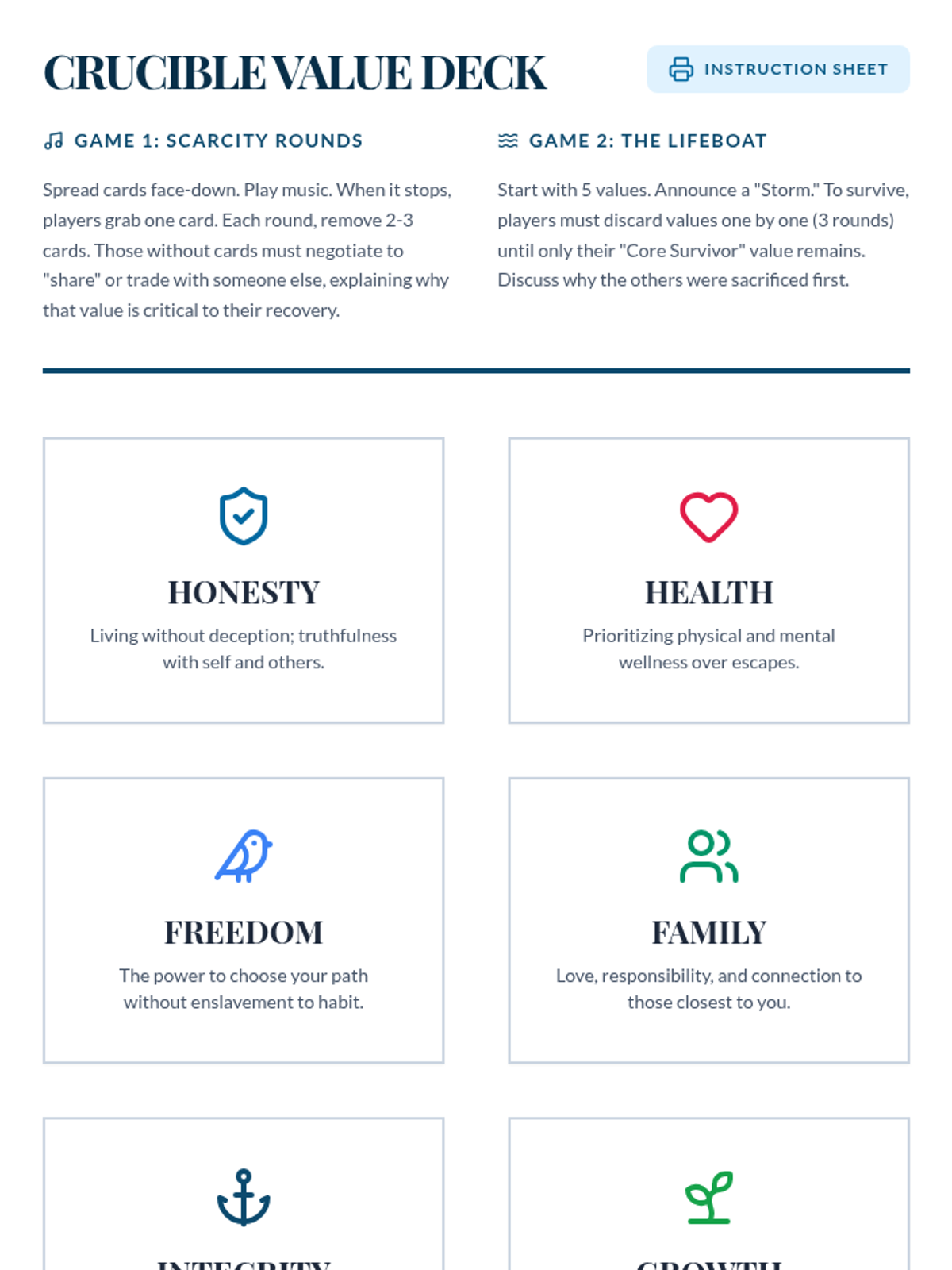
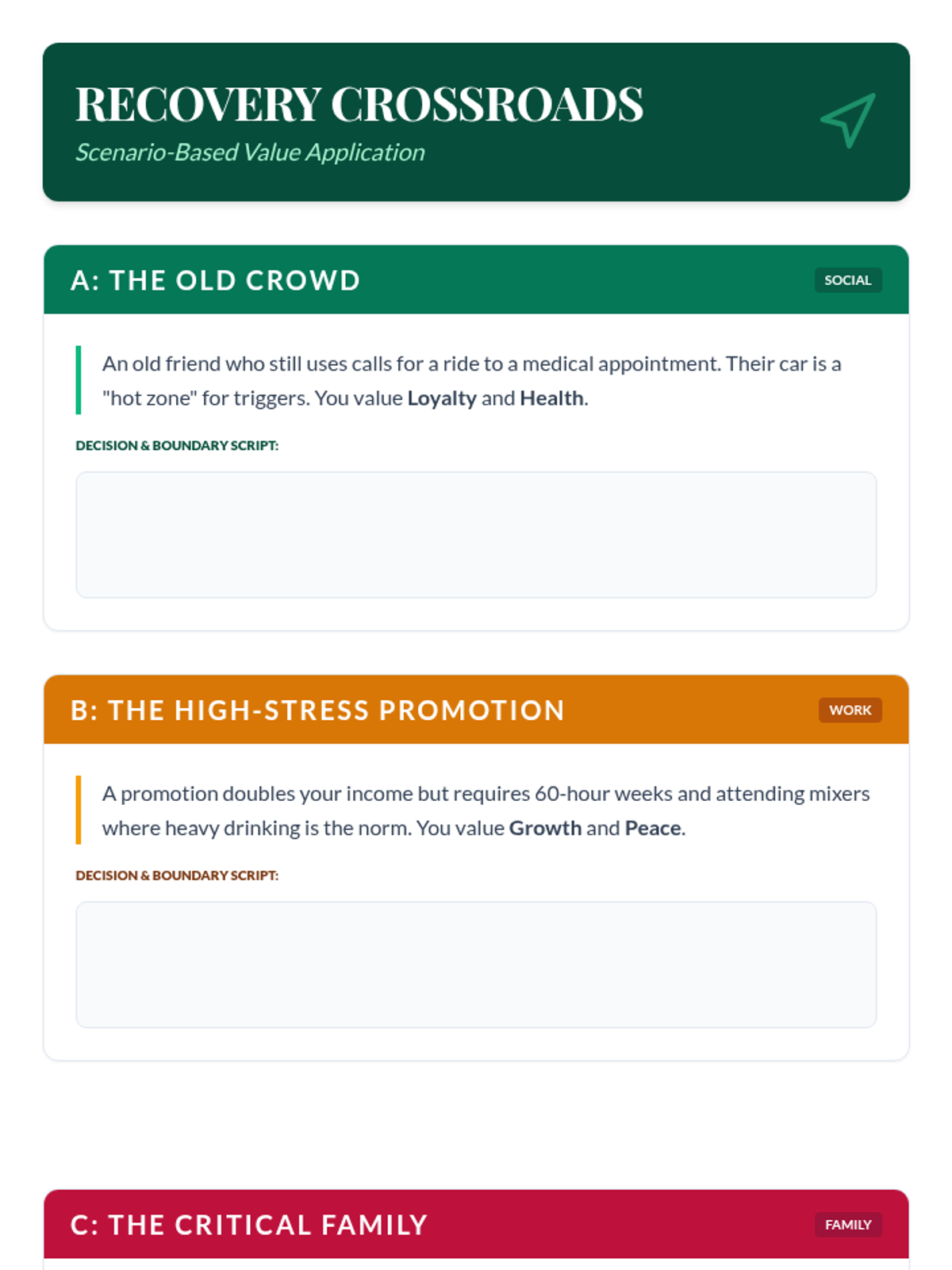
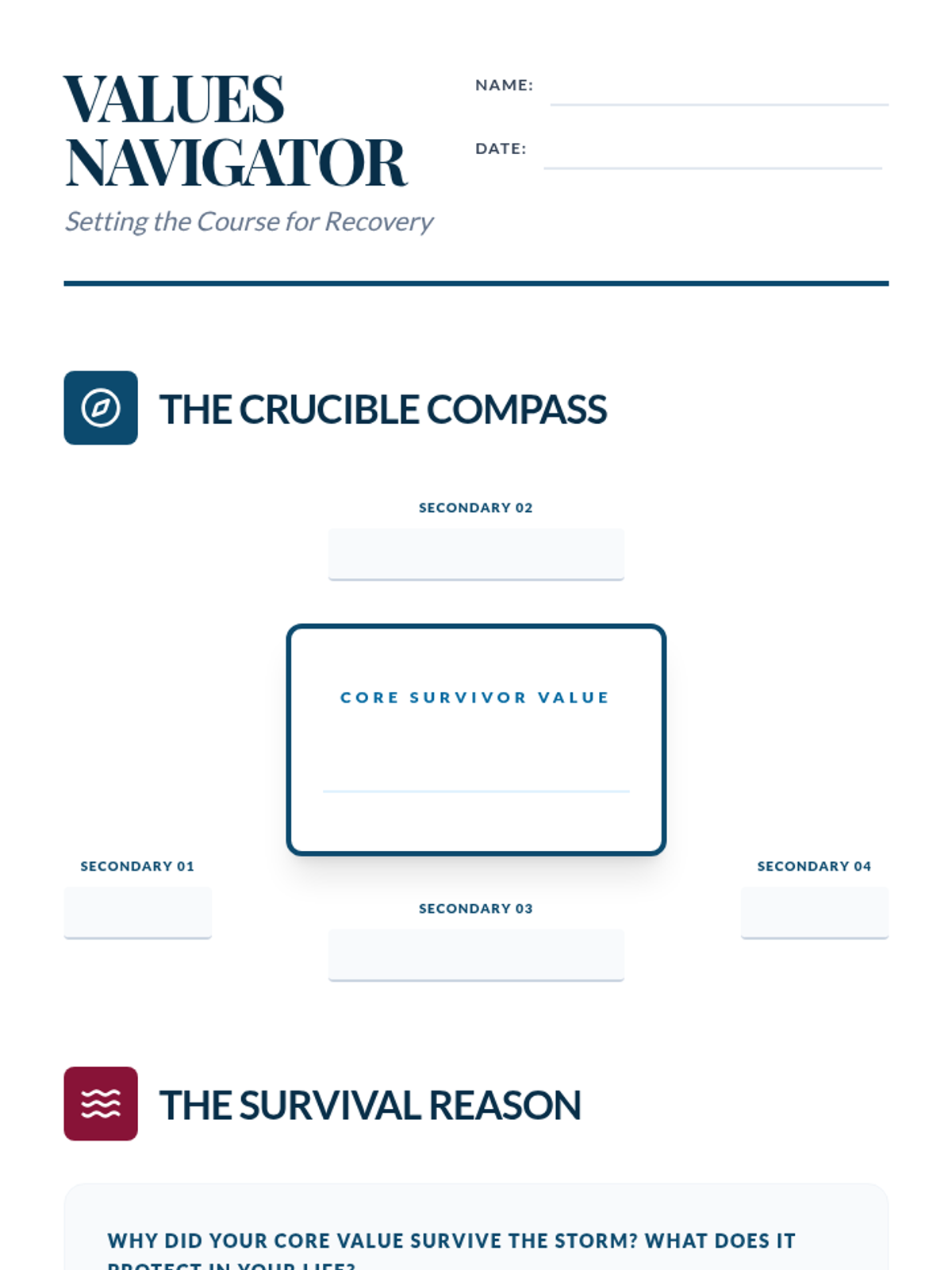
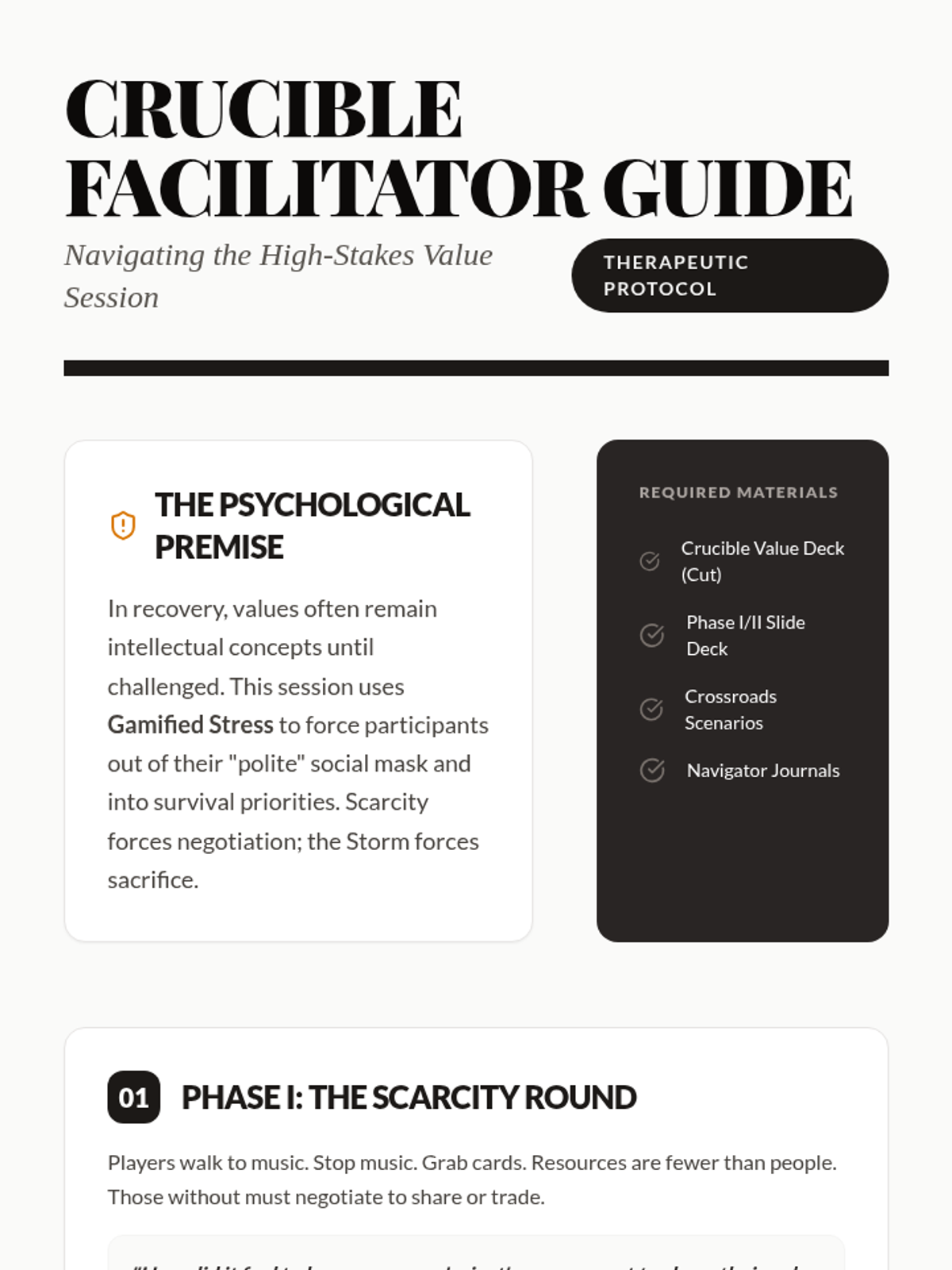
A therapeutic series designed to help individuals in recovery identify their non-negotiable core values through high-stakes decision-making and real-world application. Students move from broad concepts to a refined personal compass.
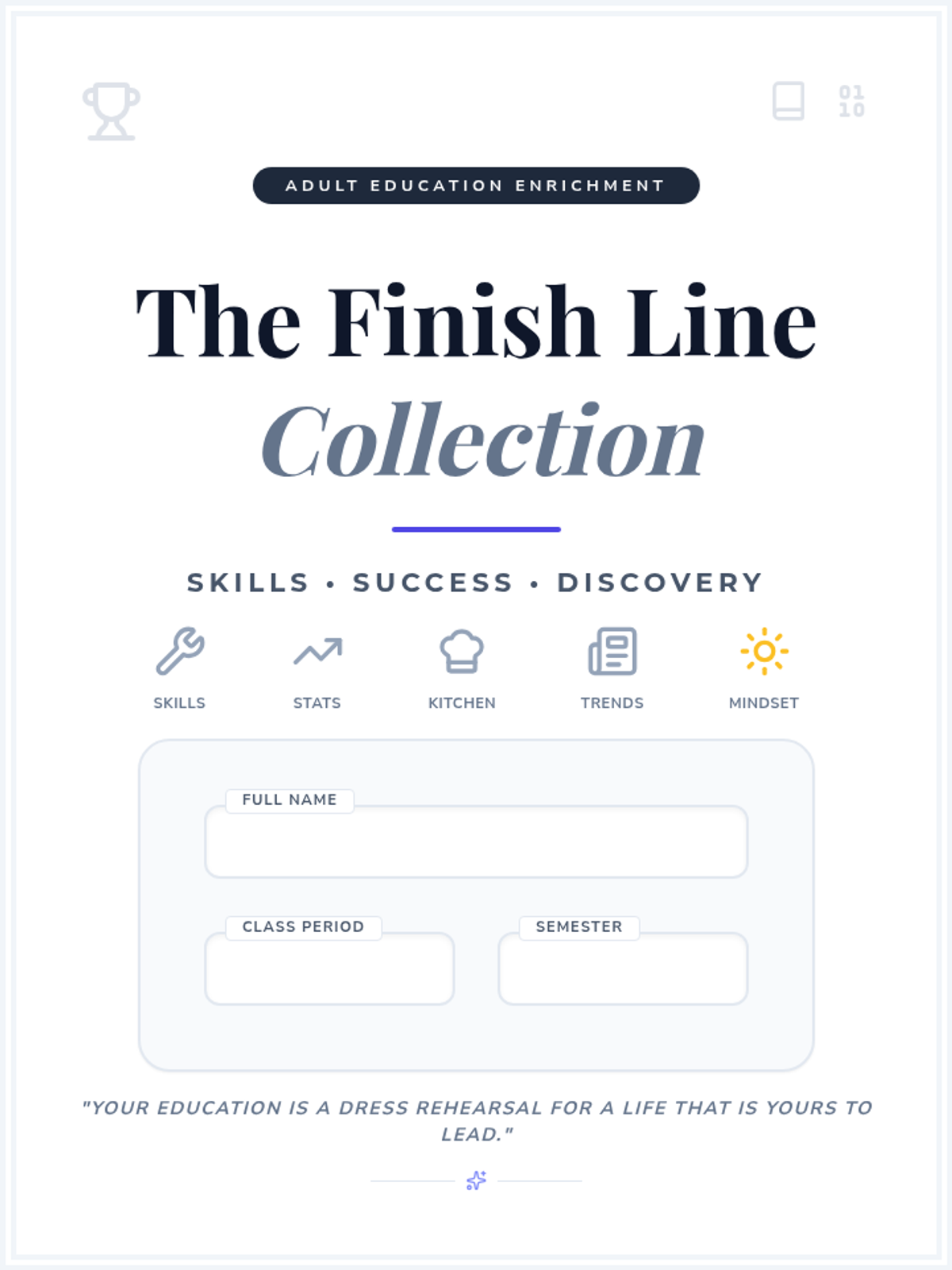
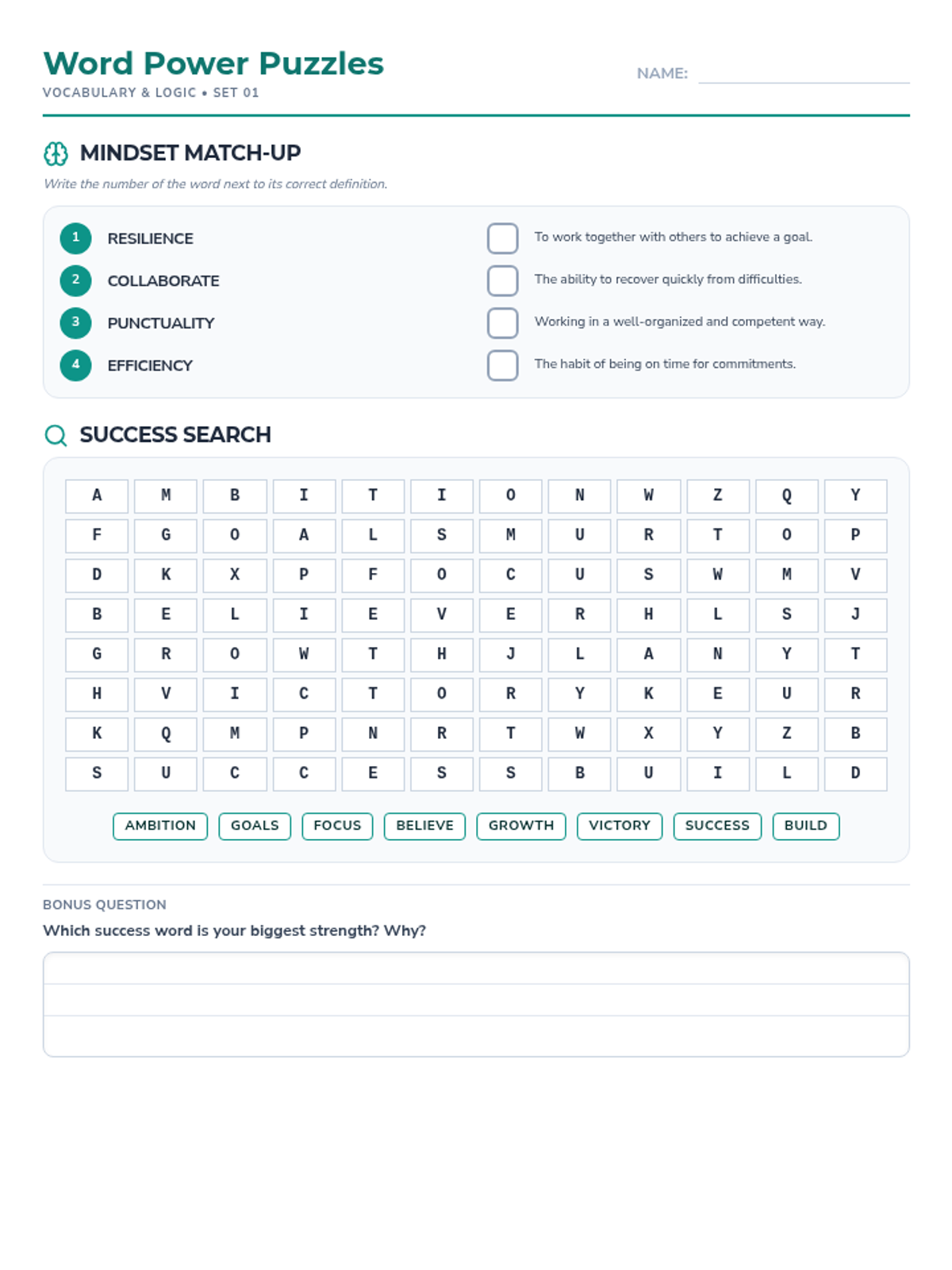
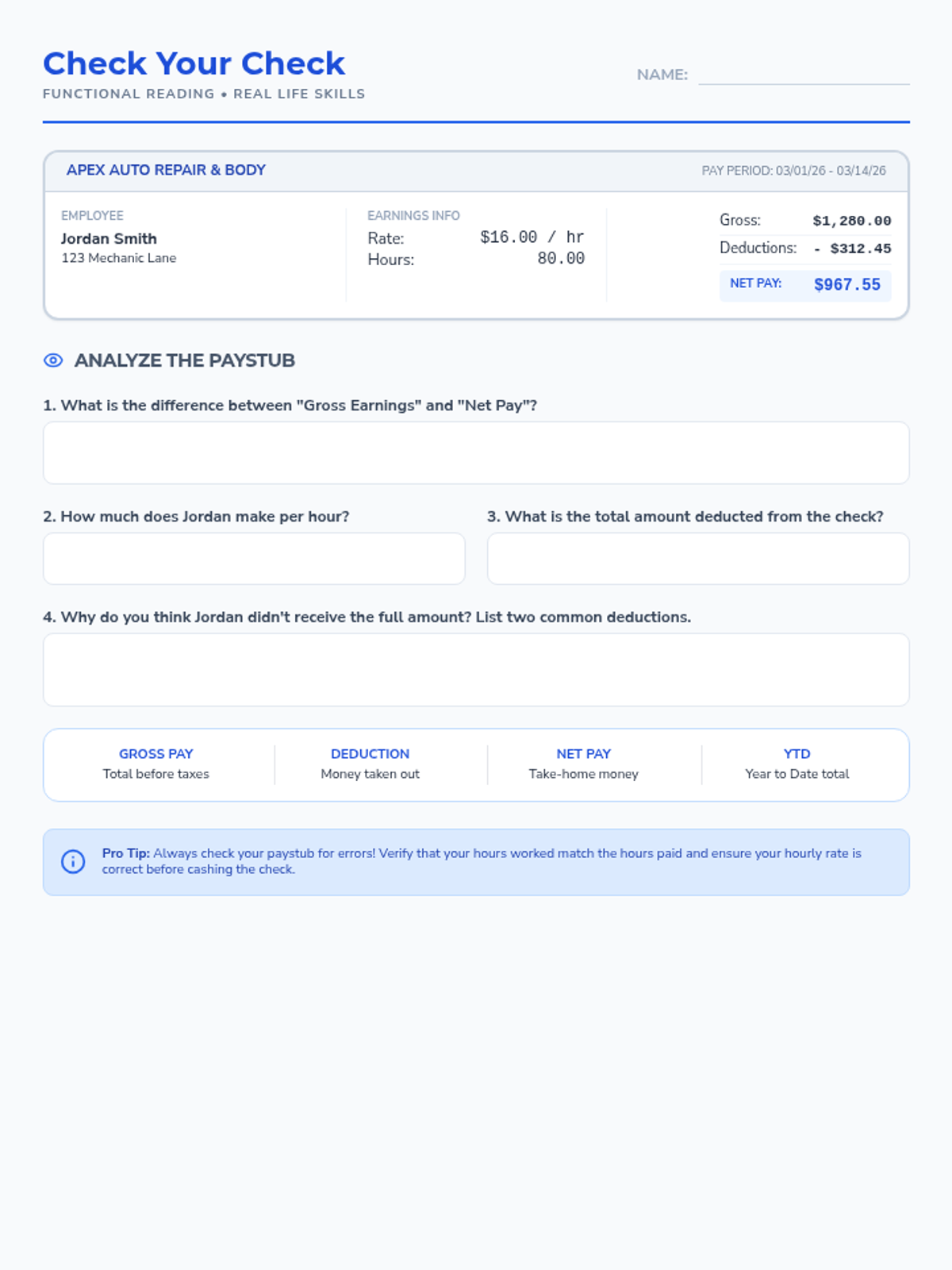
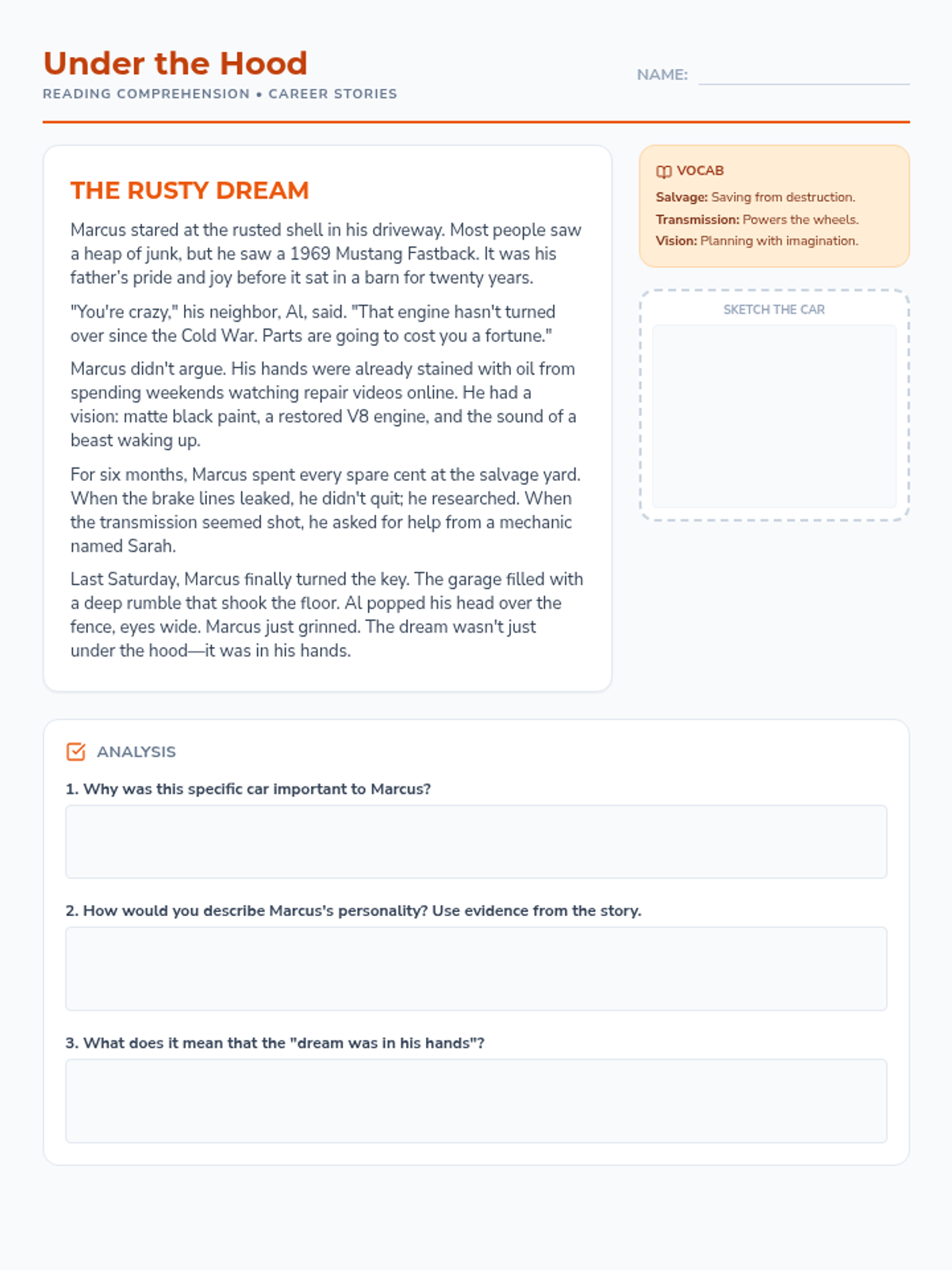
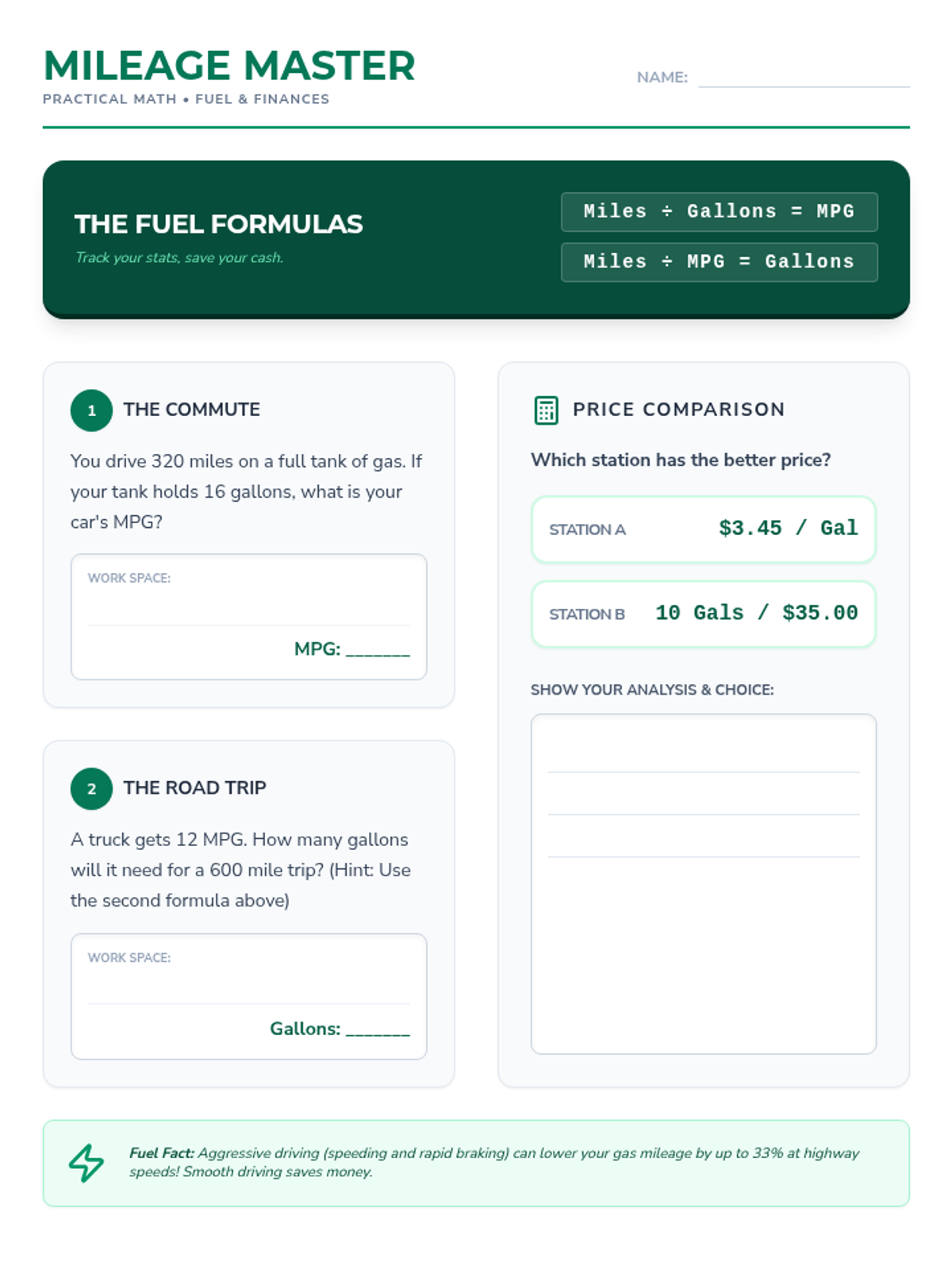
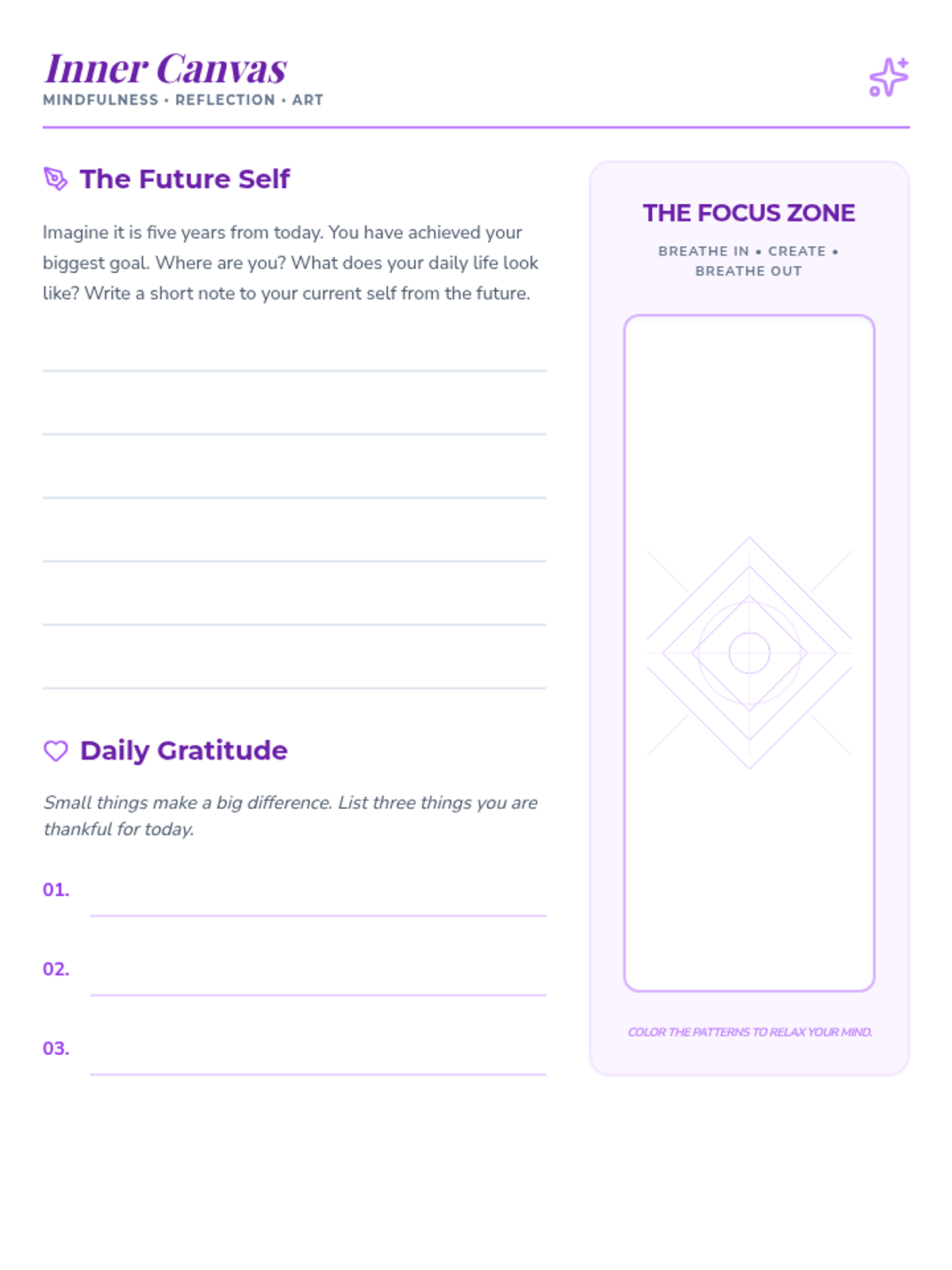
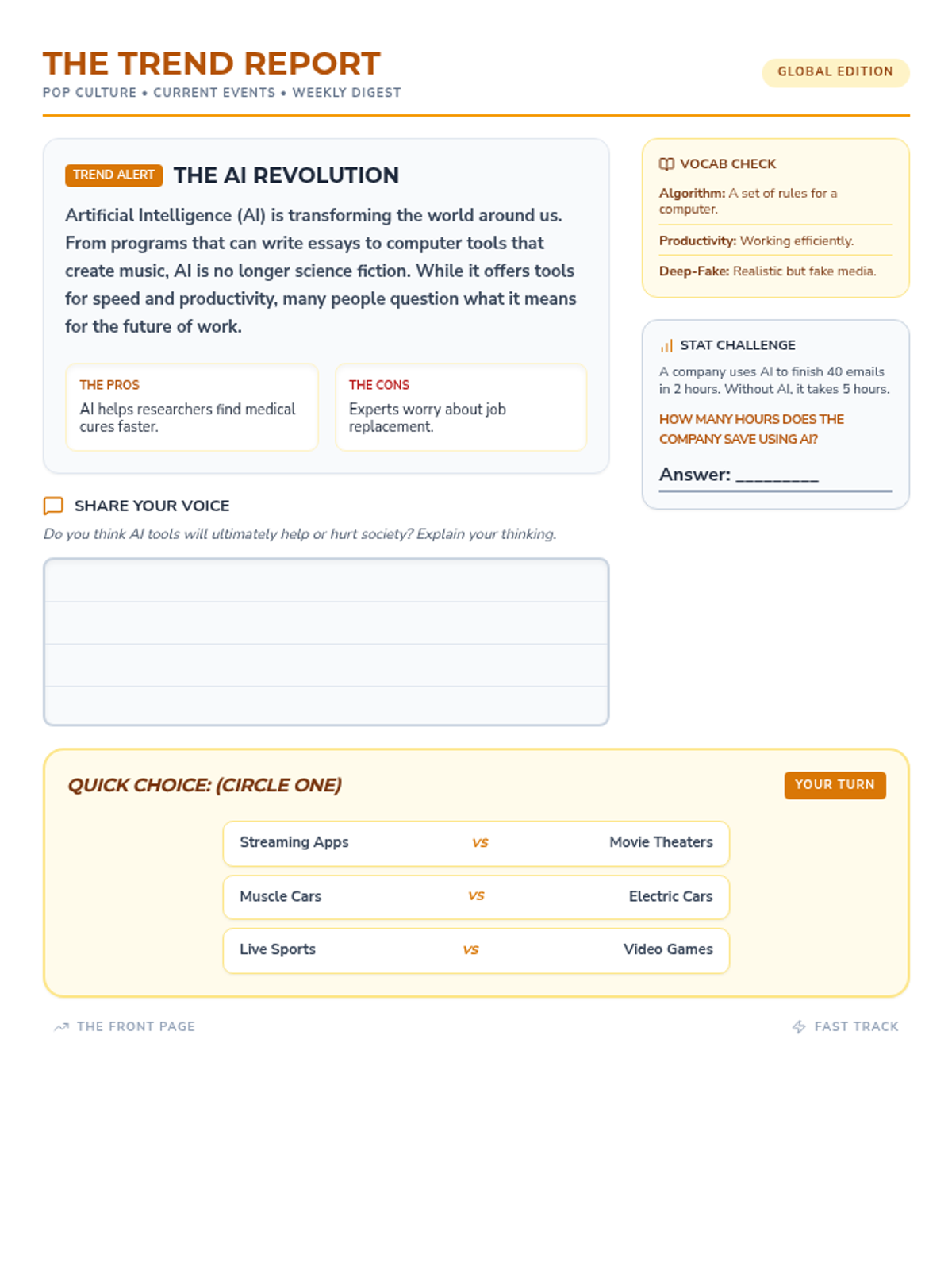
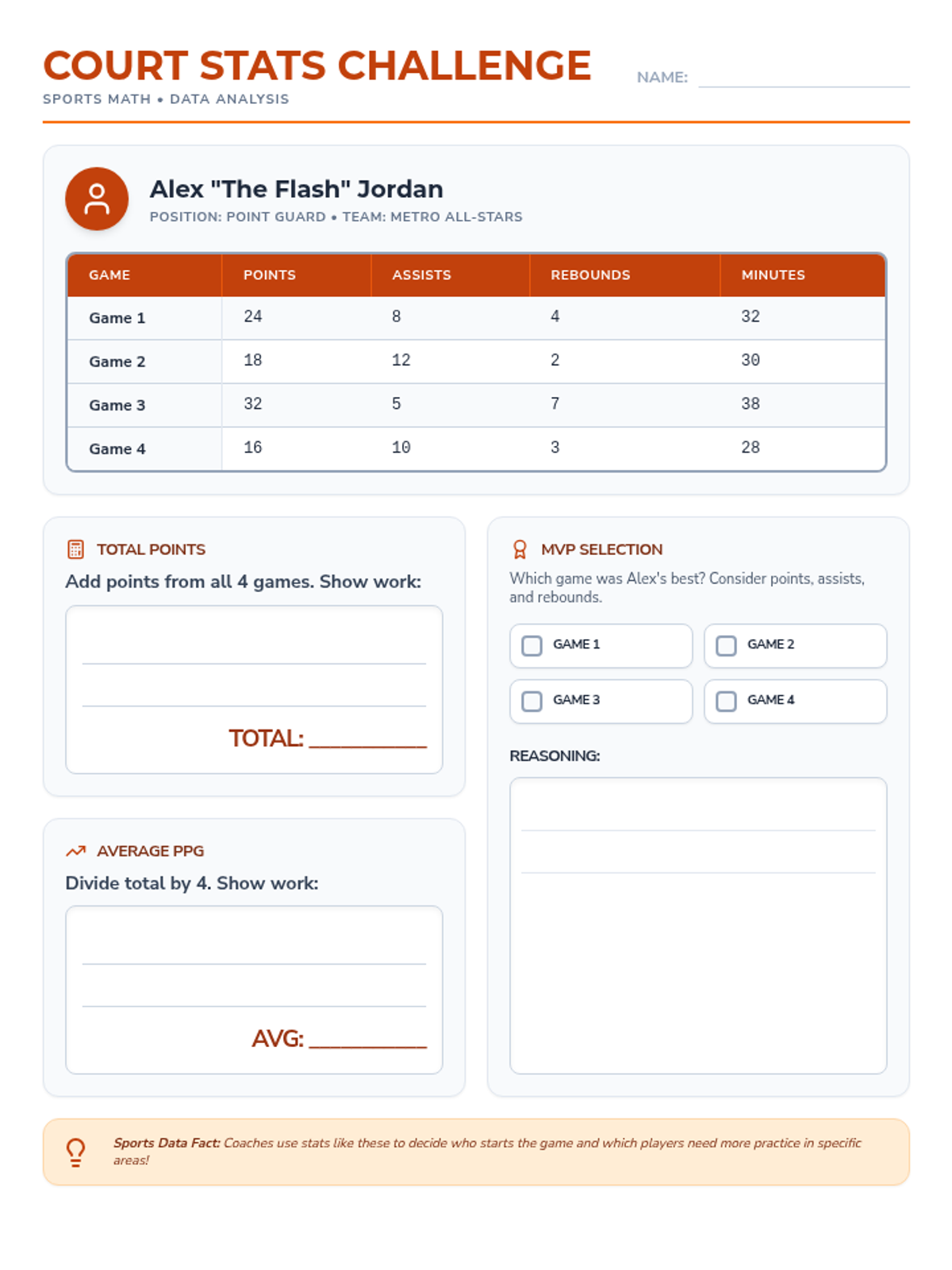
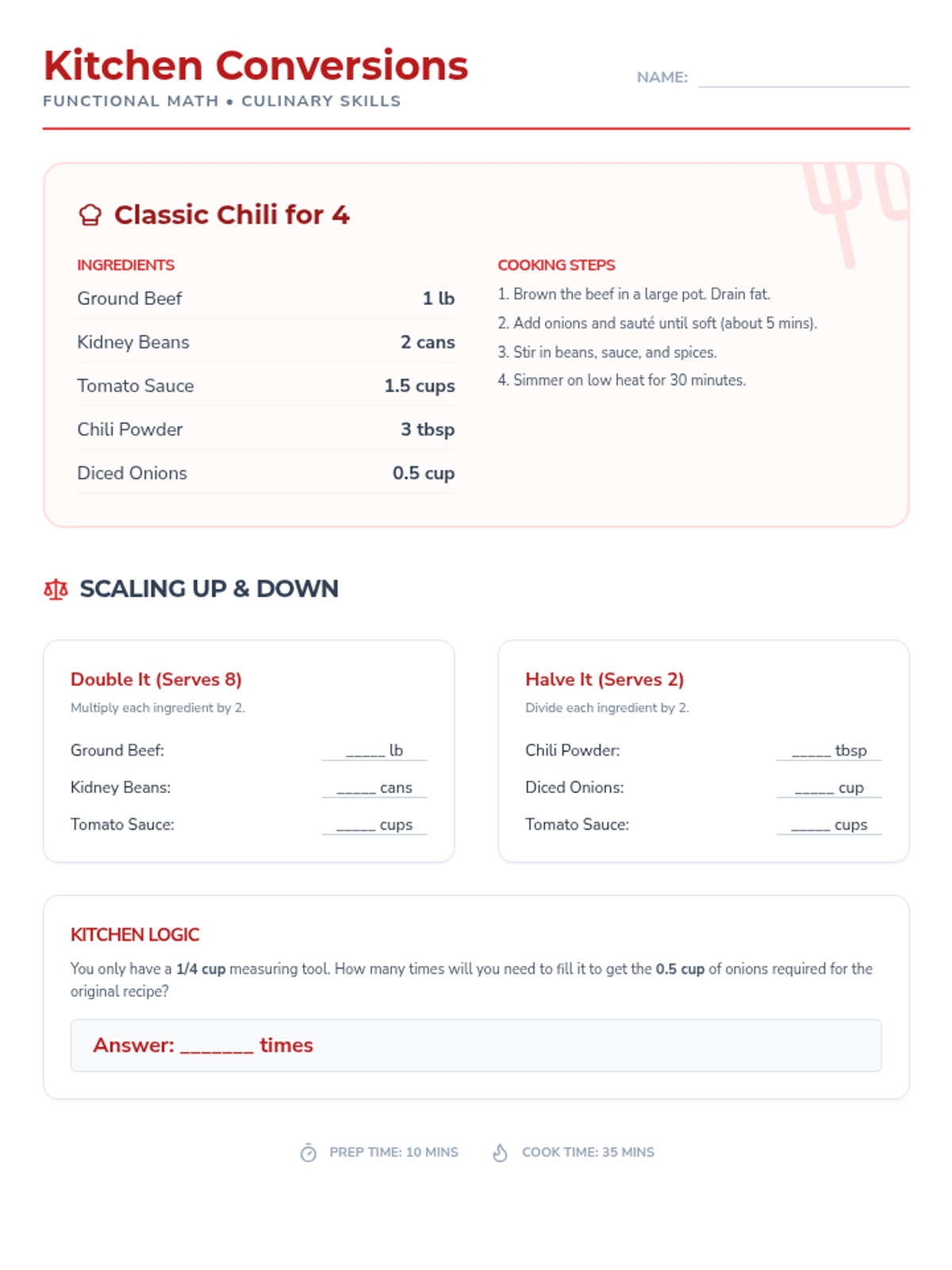
A collection of engaging, high-interest materials for HSED students to complete after finishing their primary coursework. The sequence blends functional literacy, practical math, and creative mindfulness with a modern, adult-appropriate aesthetic.
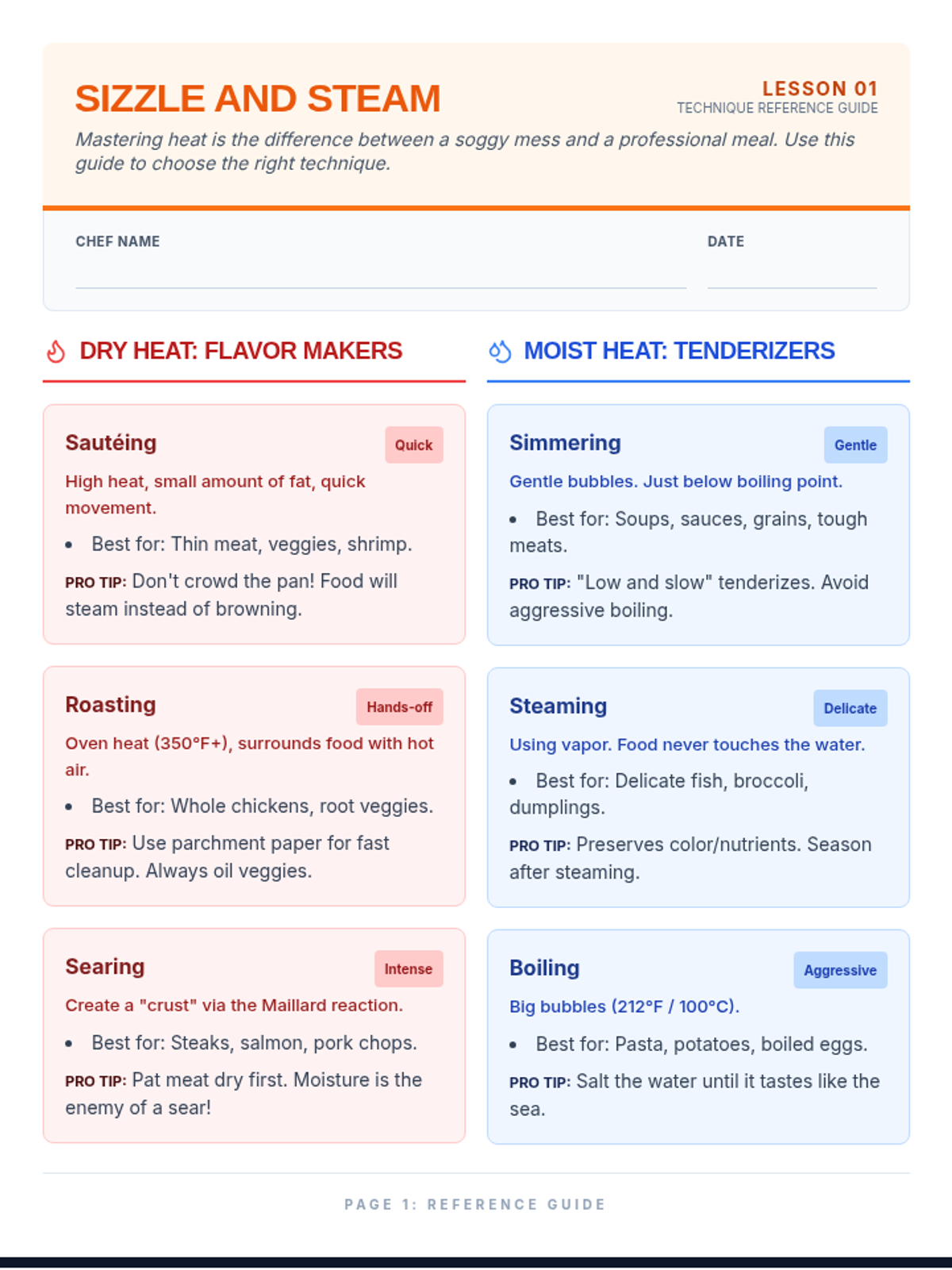
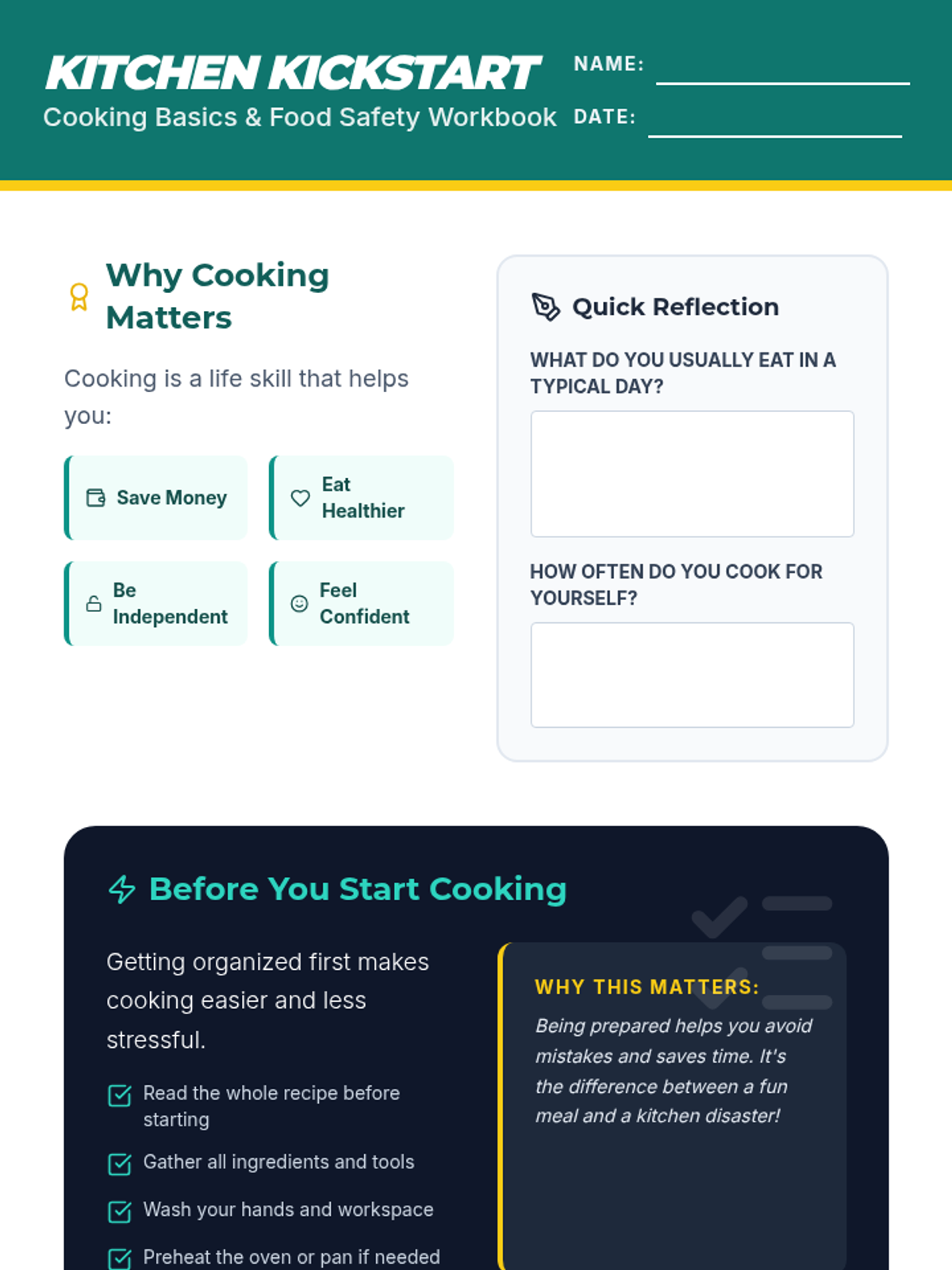
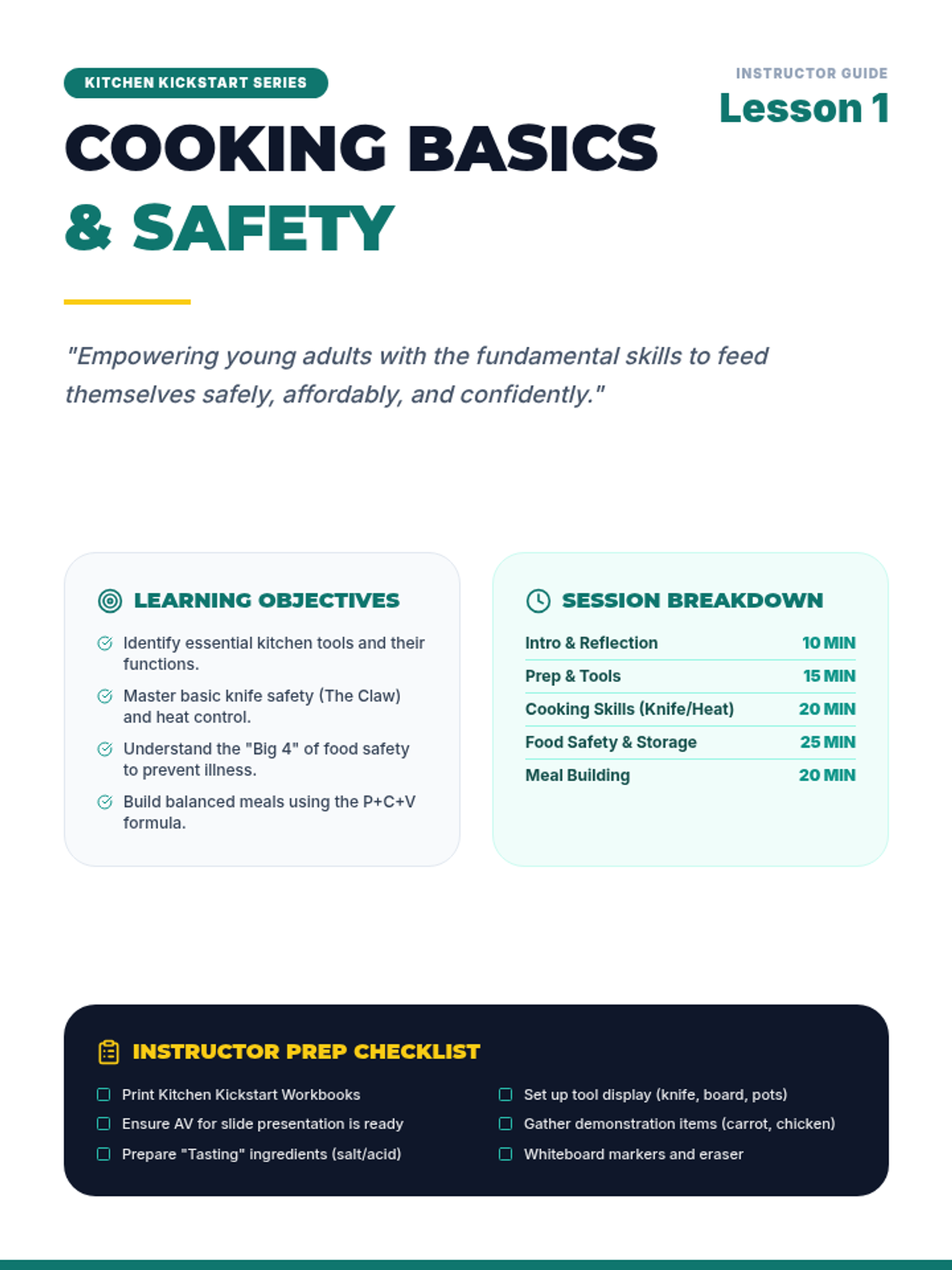
An introductory sequence for young adults transitioning to independence, covering the essentials of safe cooking, kitchen management, and basic meal planning. This program builds confidence in beginners by demystifying food preparation and safety protocols.
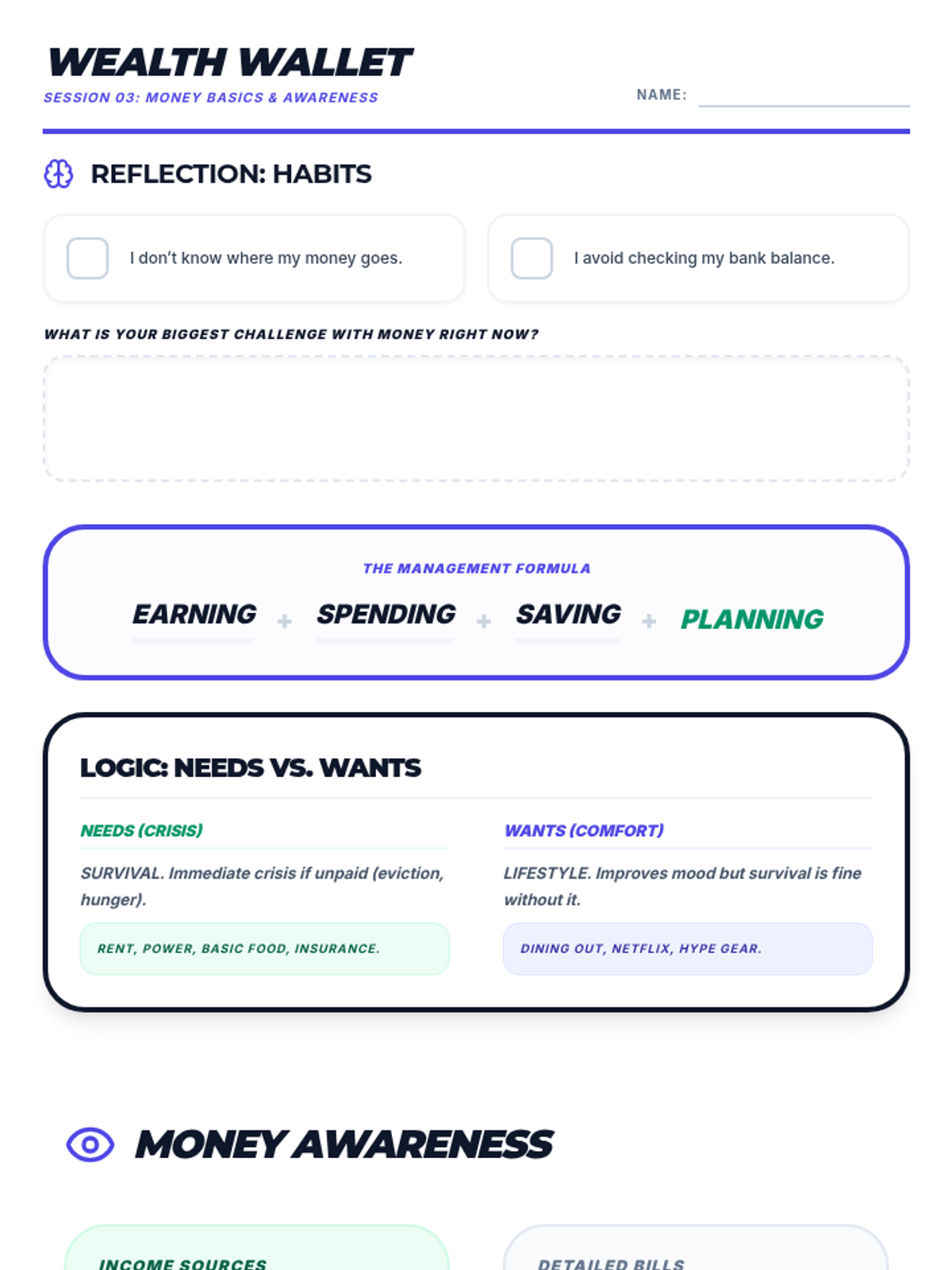
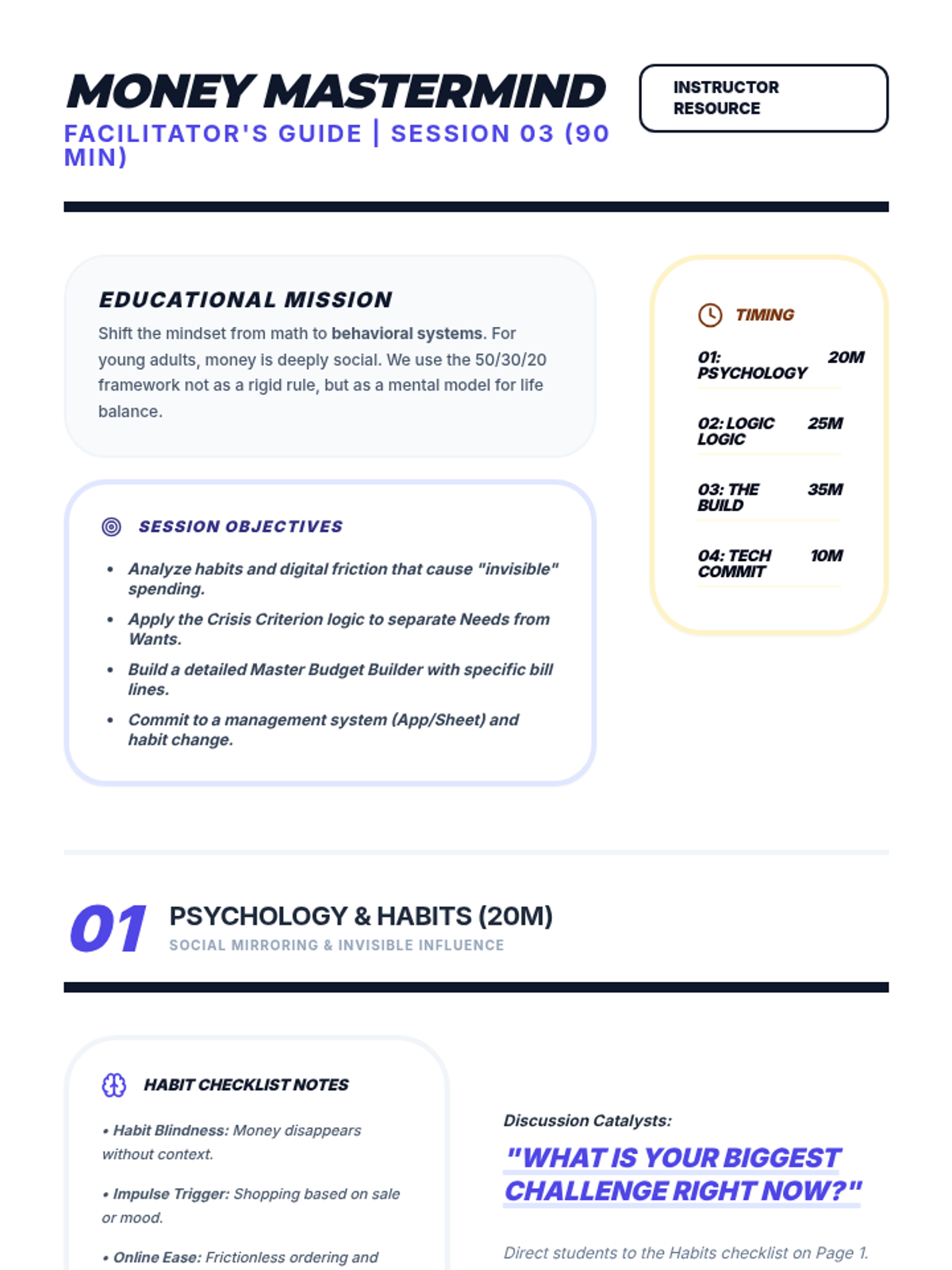
A comprehensive financial literacy series designed for young adults (16-21) to navigate the transition to financial independence with confidence and practical skills.
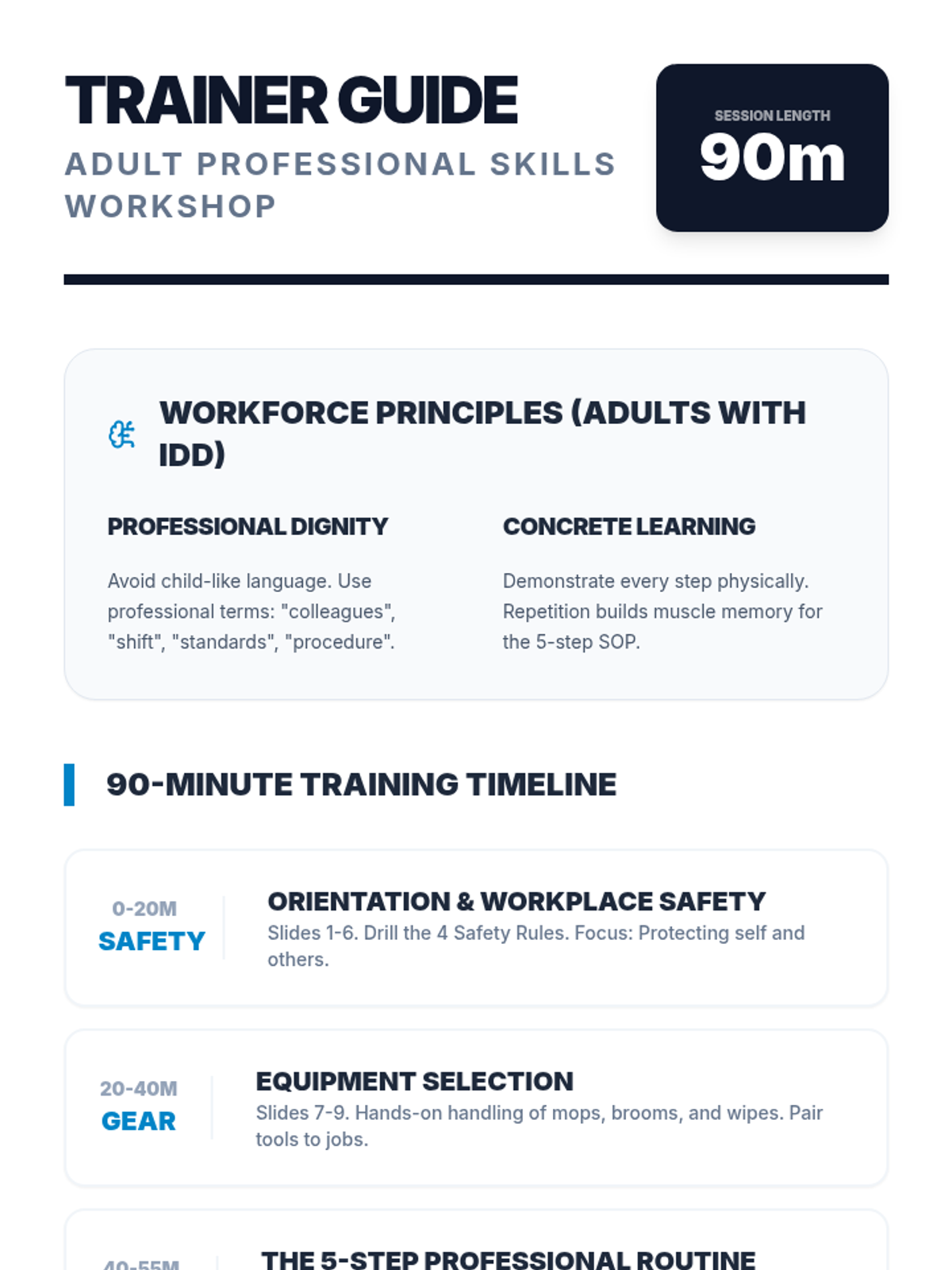
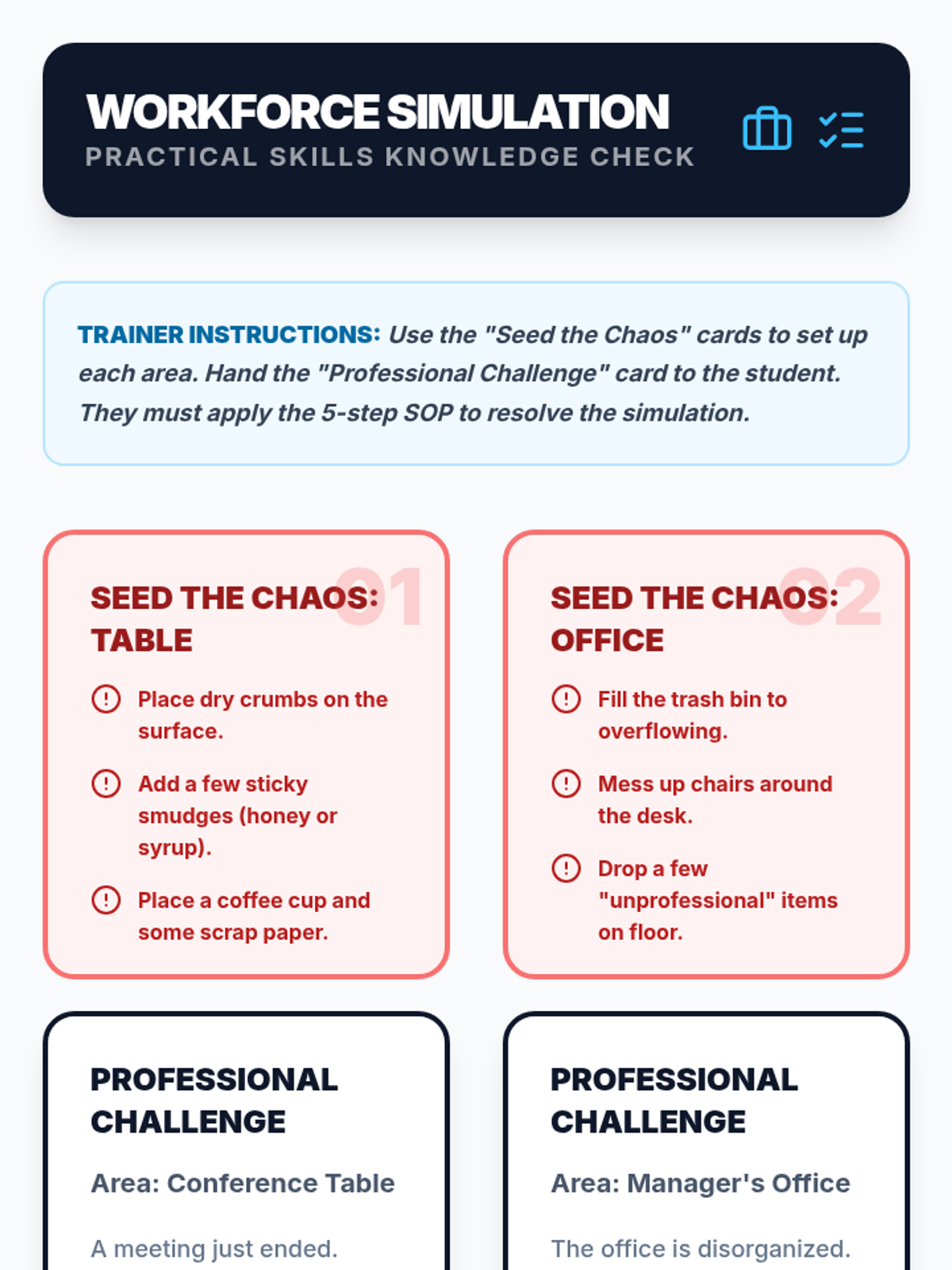
A comprehensive 5-lesson module designed to teach foundational housekeeping skills, focusing on safety, equipment identification, procedural cleaning, and professional work habits.
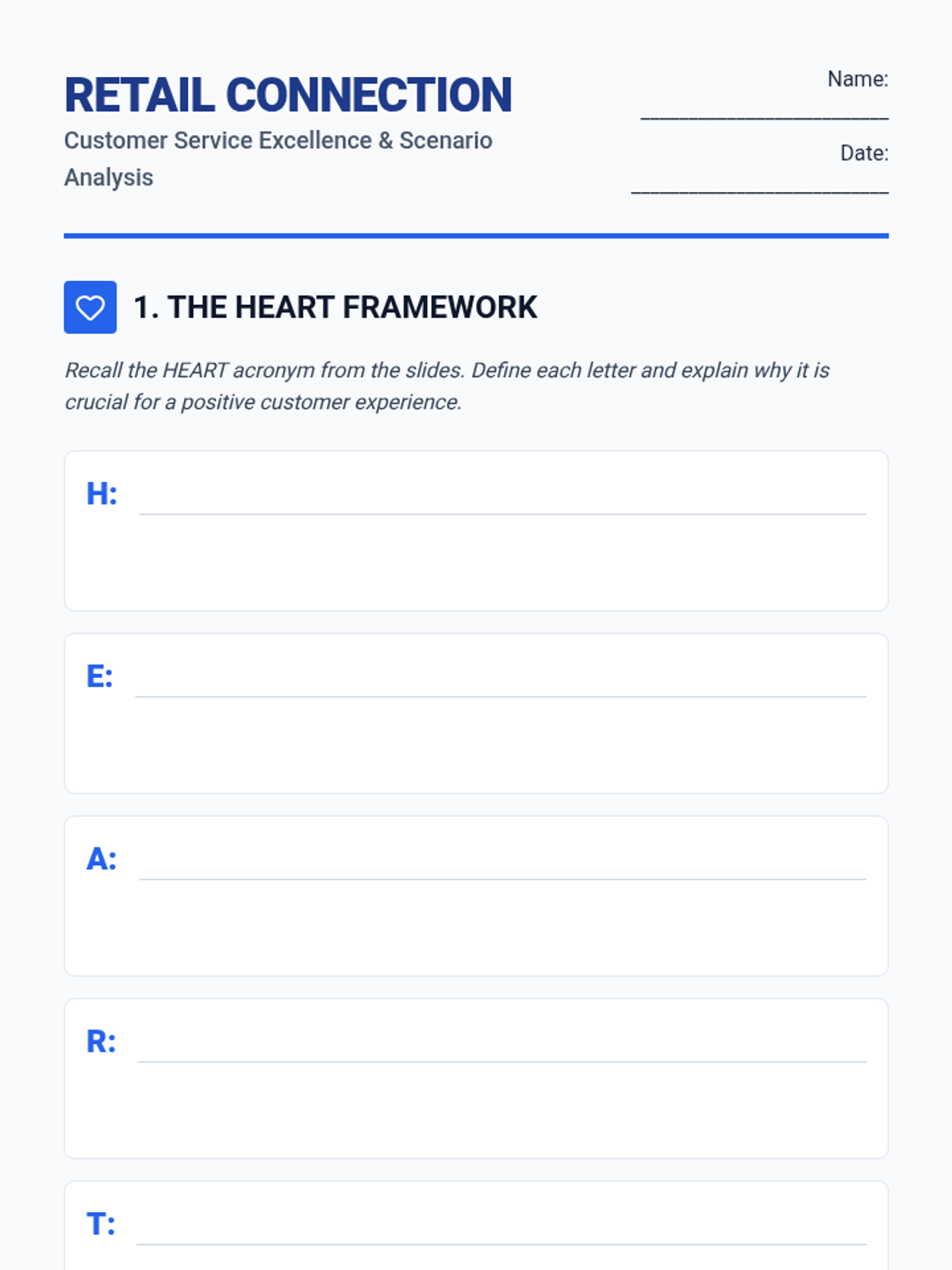
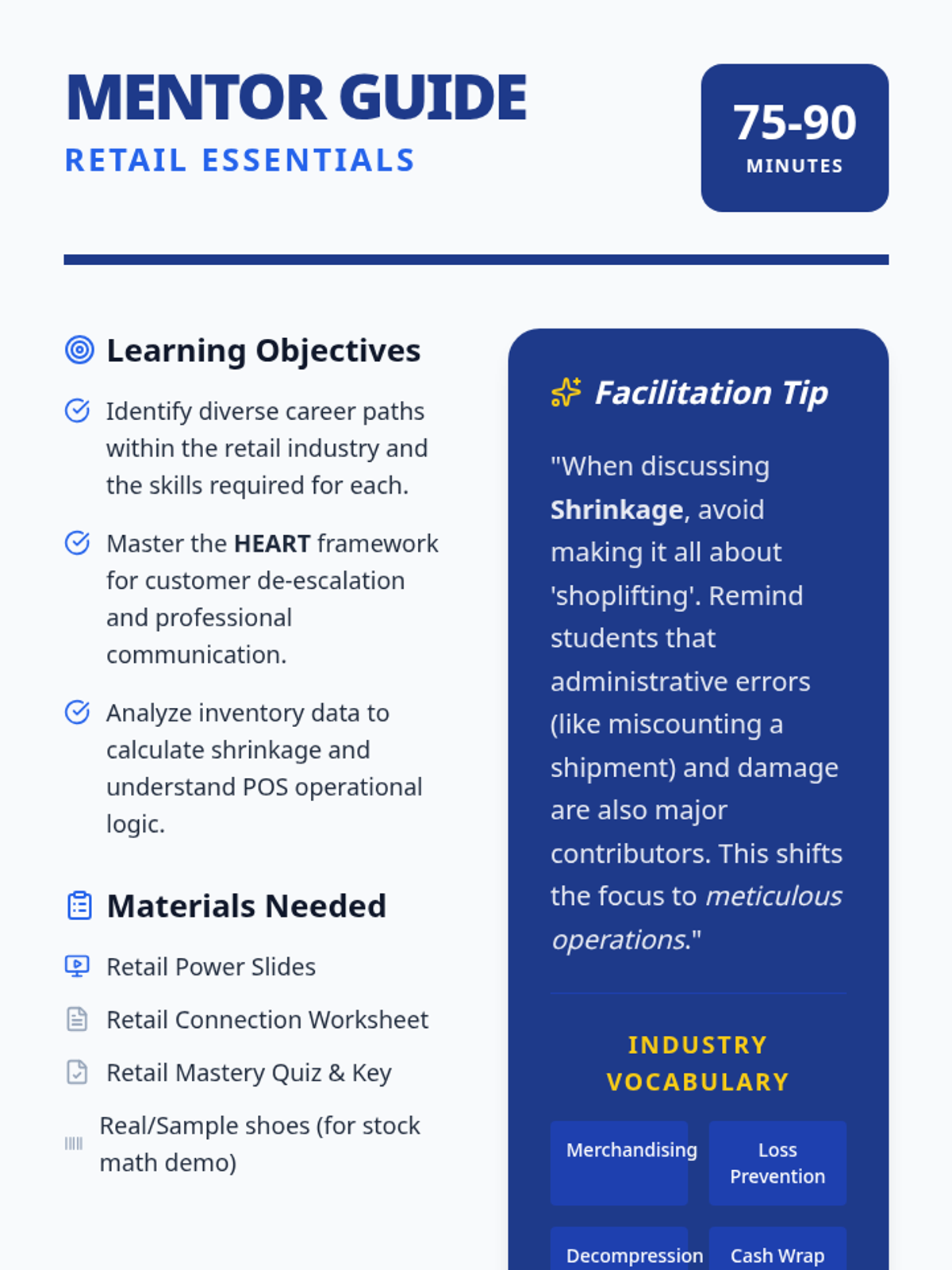
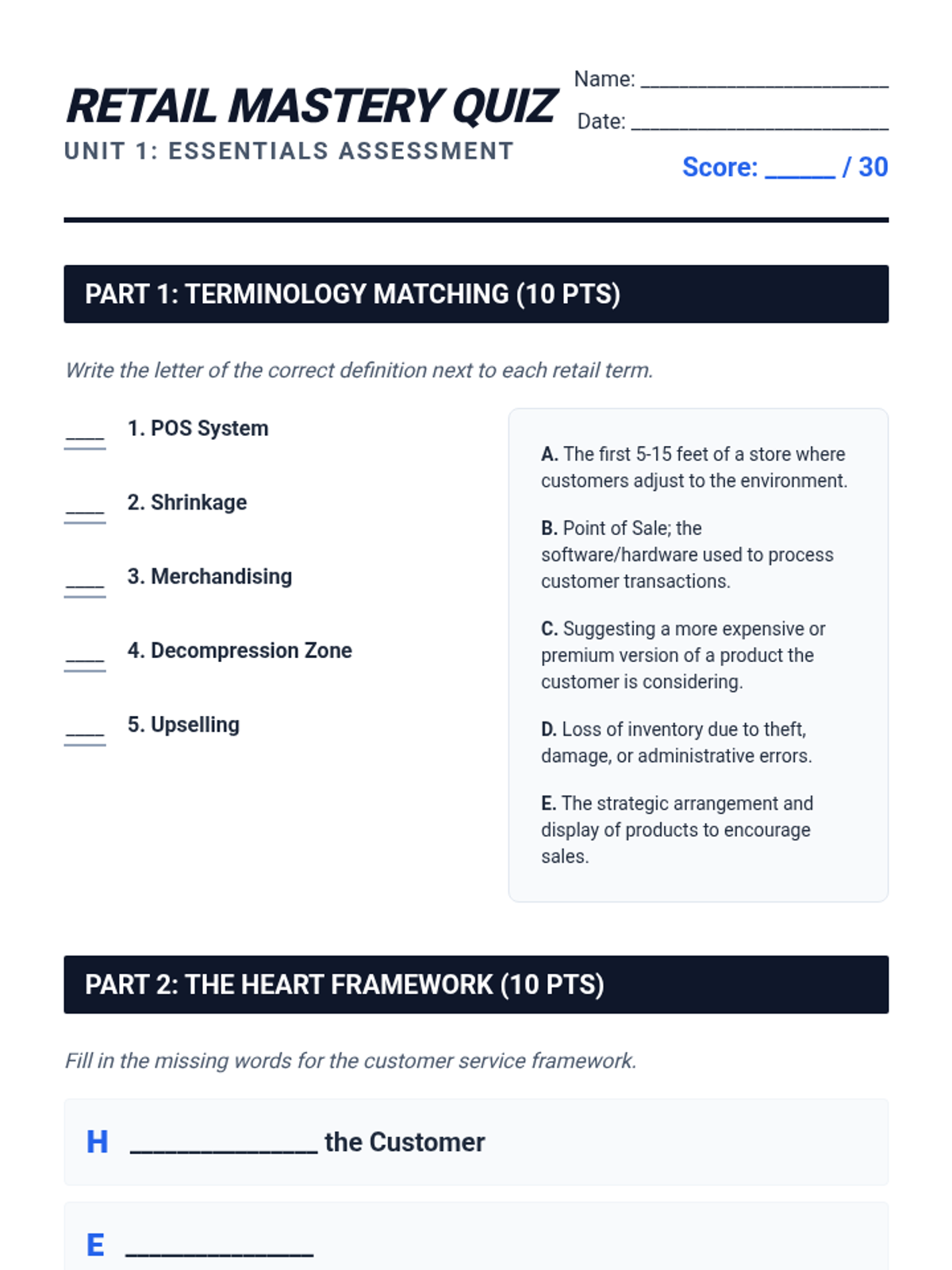
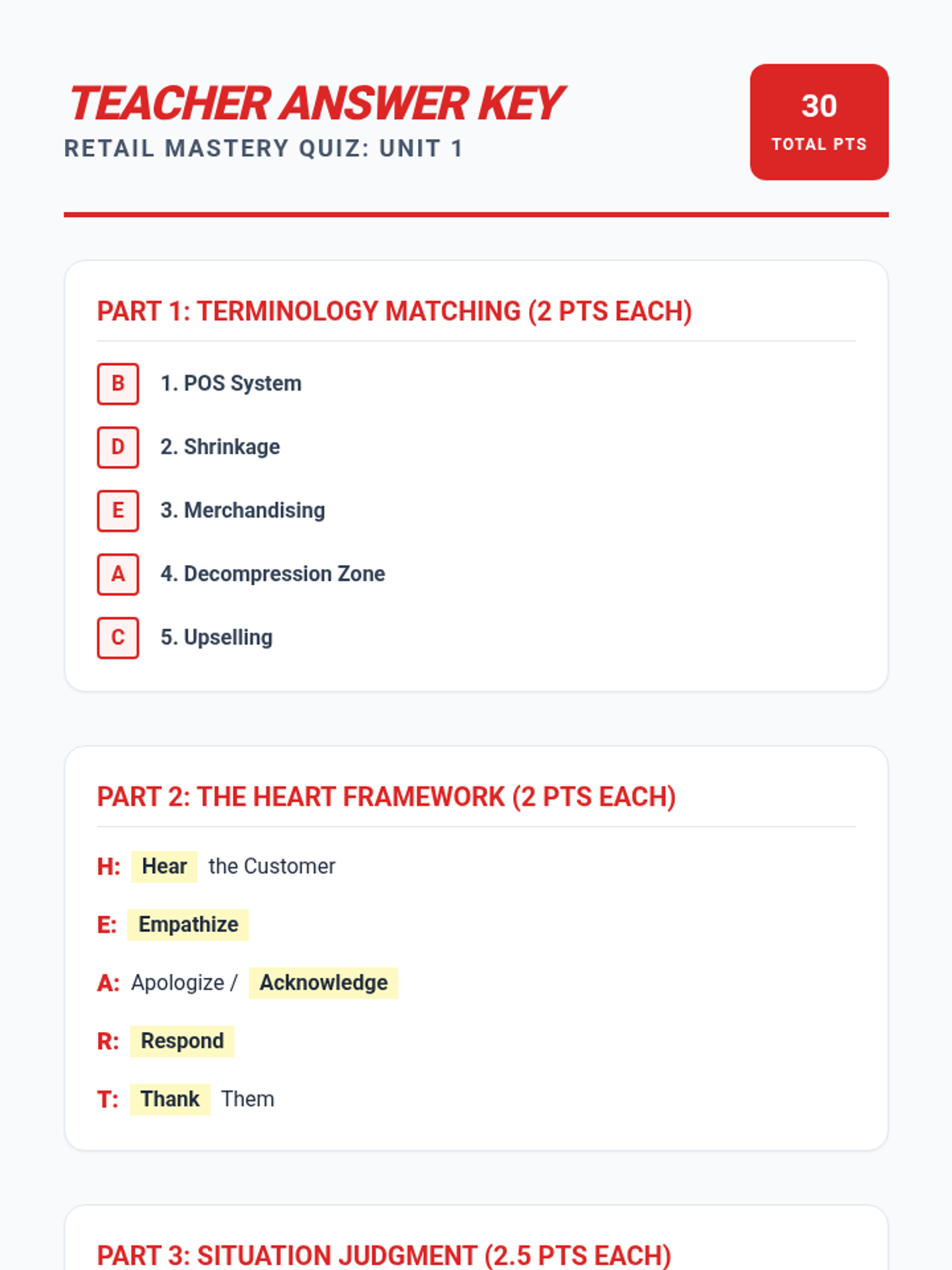
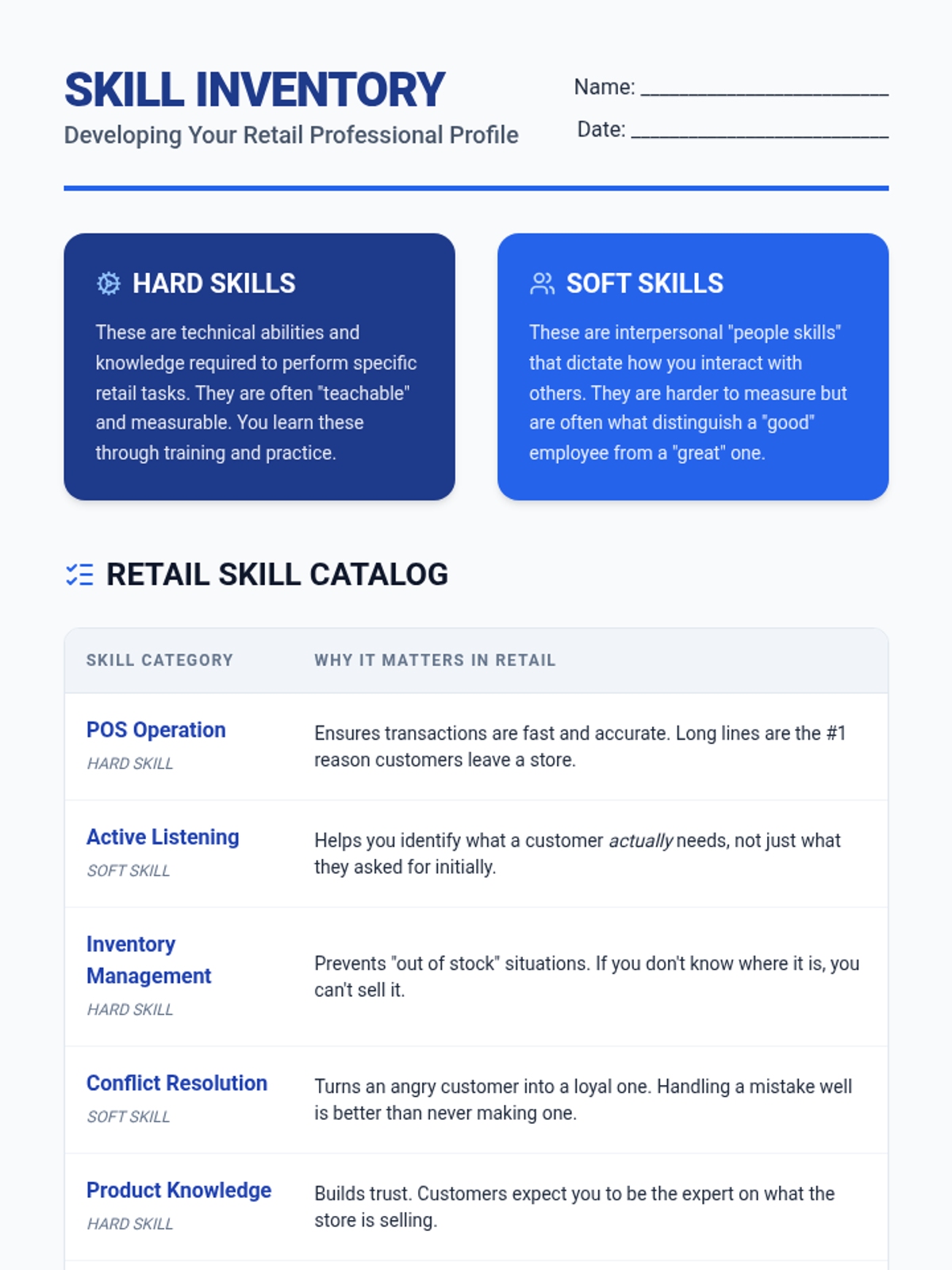
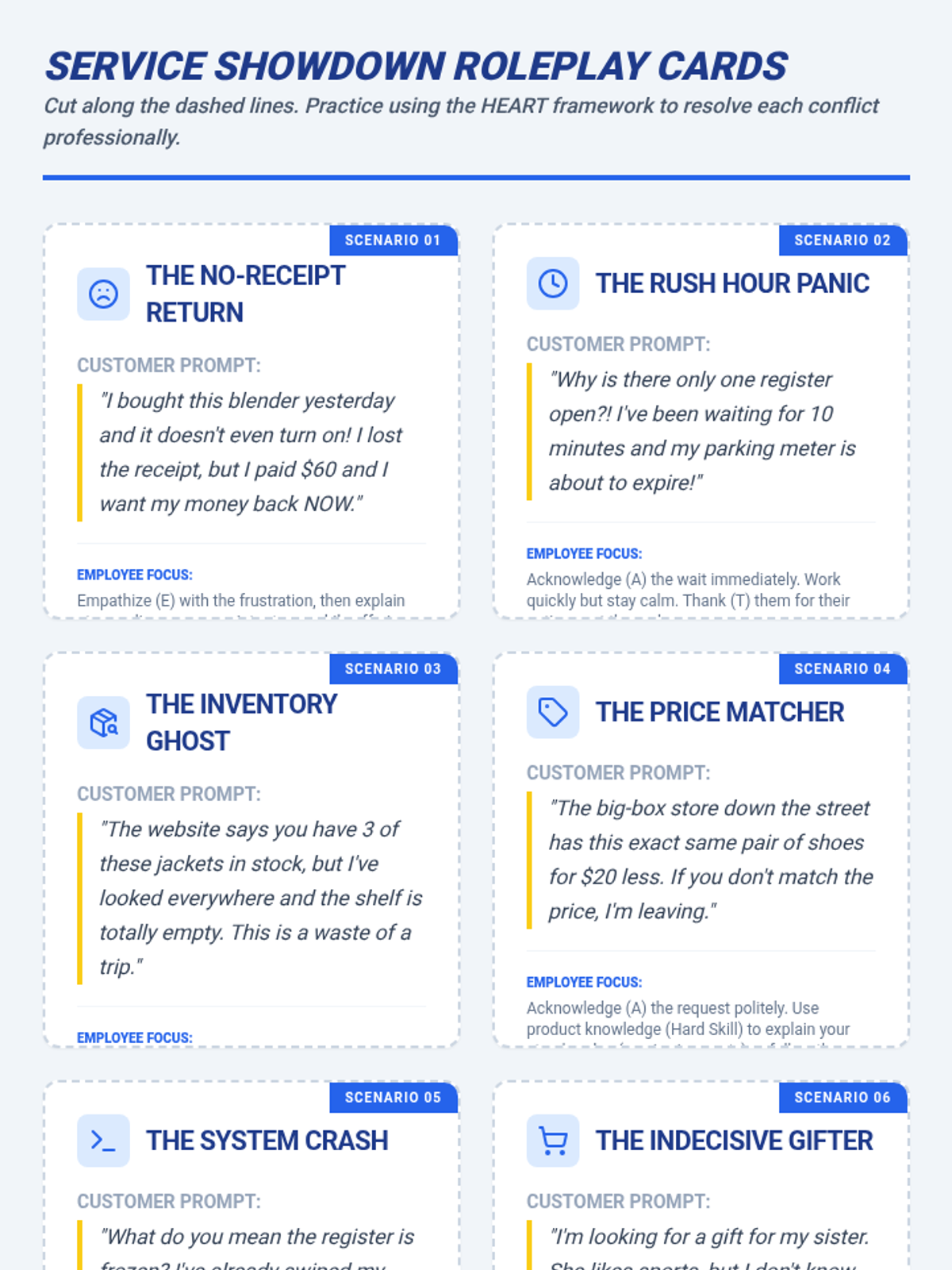
A hands-on career exploration unit focusing on the dynamic world of retail. Students will master customer service excellence, learn retail operations like inventory and POS systems, and design their own retail floor plan and brand strategy.
A four-part comprehensive self-love and positivity program designed for older teens and young adults to build self-compassion and identify 'bright spots' in their lives and surroundings.
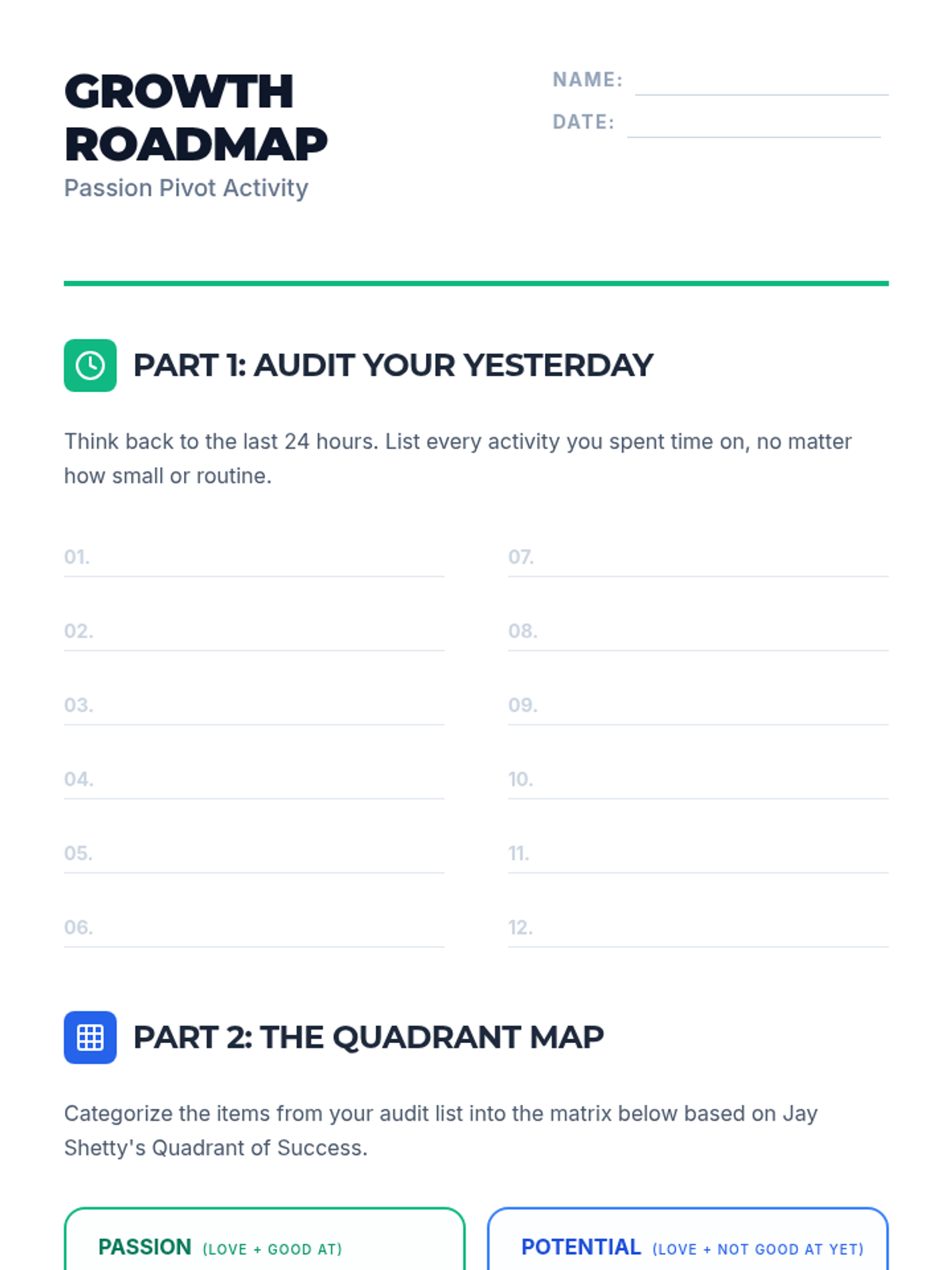
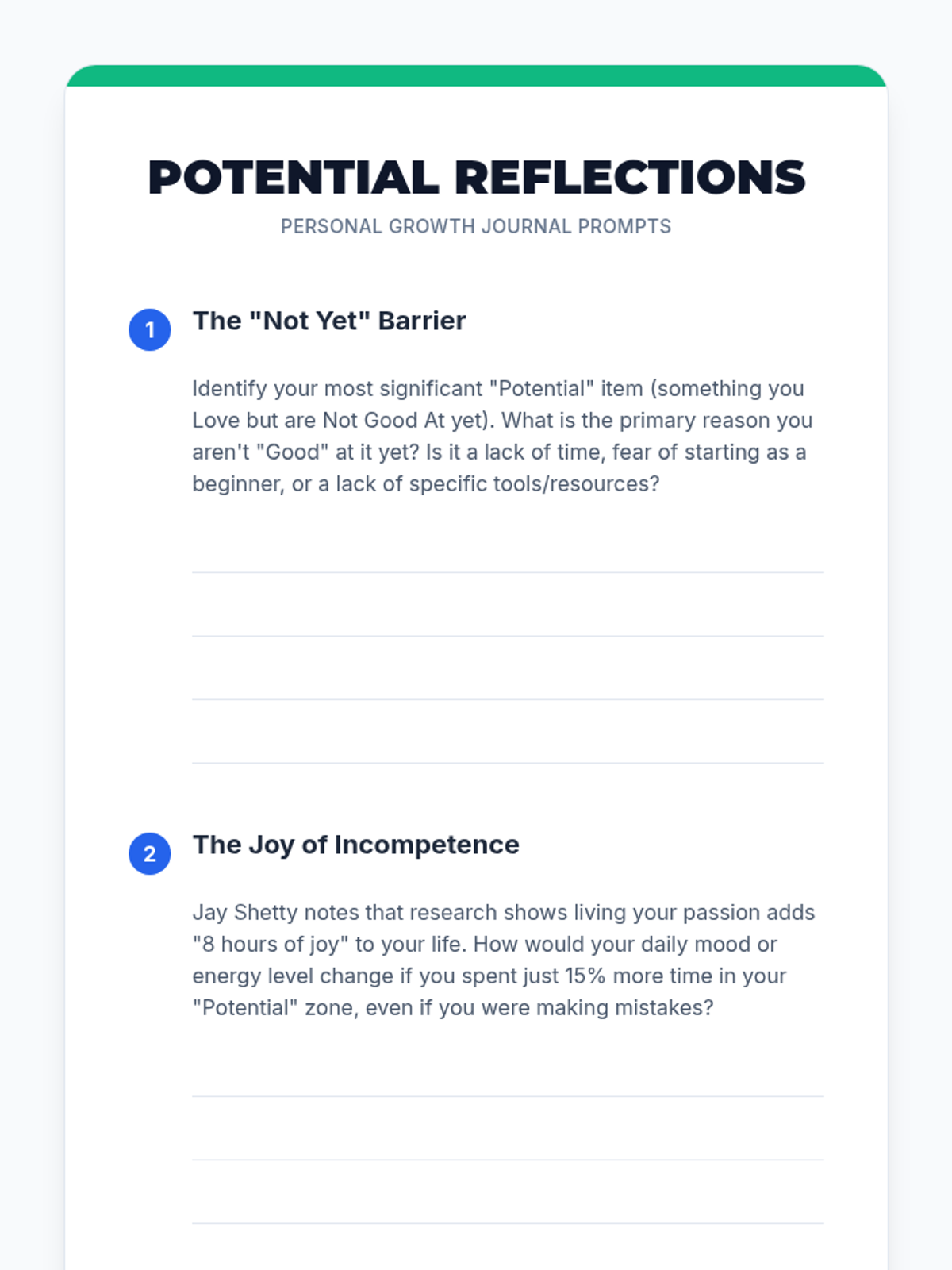
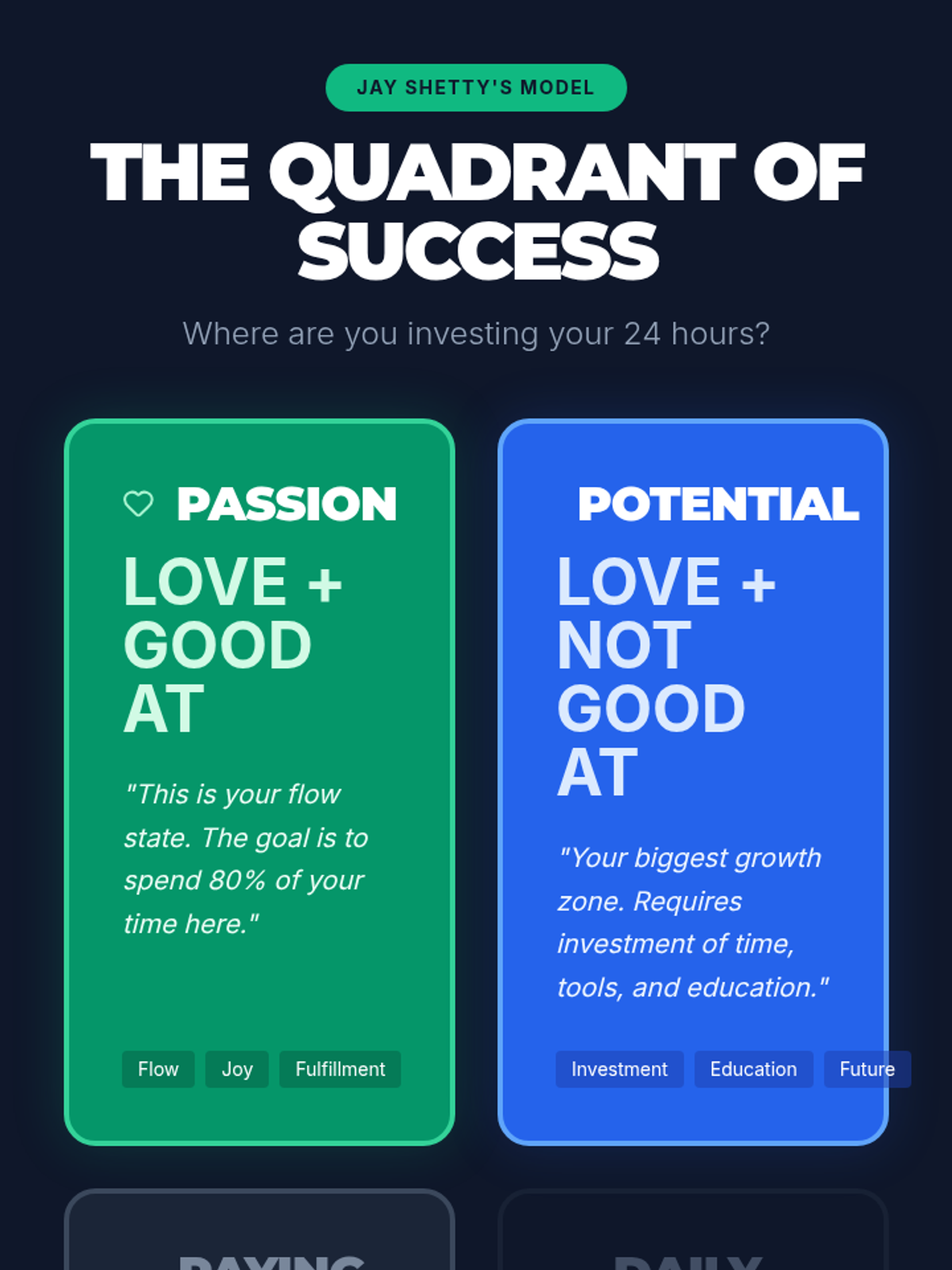
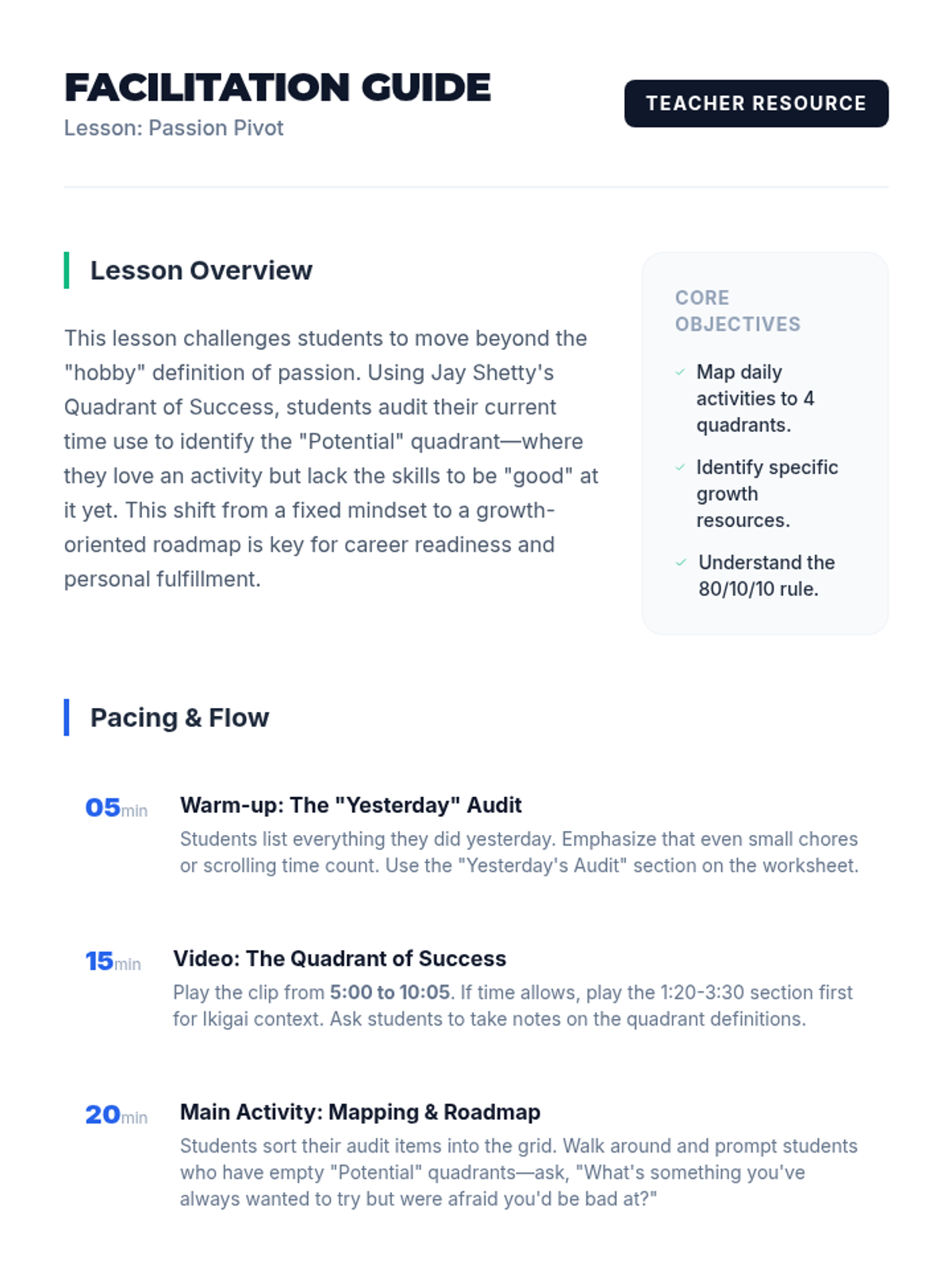
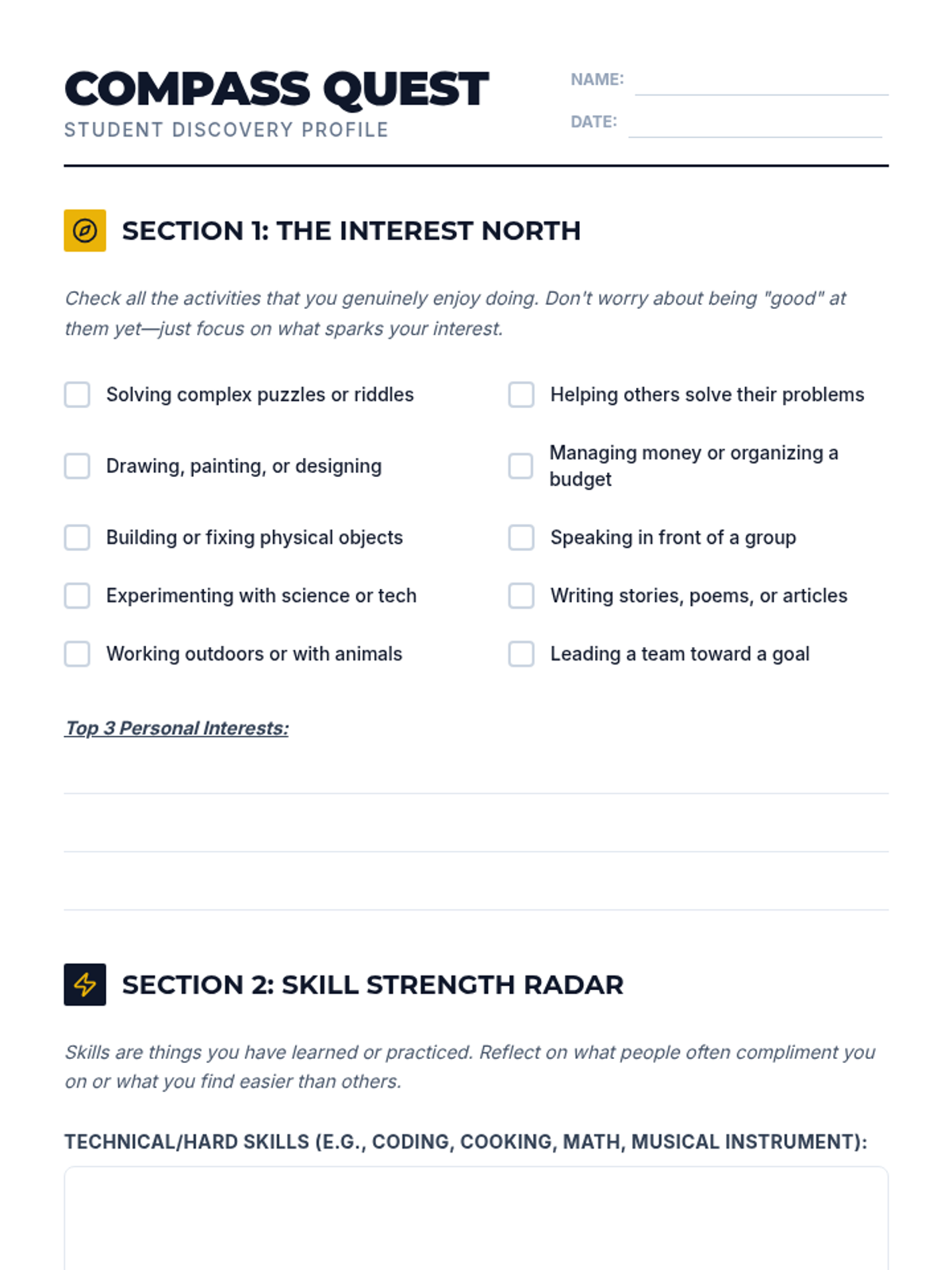
A career-readiness sequence designed for older students and undergraduates to identify their current skills, potential growth areas, and personality types using the Ikigai and Quadrant of Success models. Students move from auditing their time to creating a strategic roadmap for professional development.
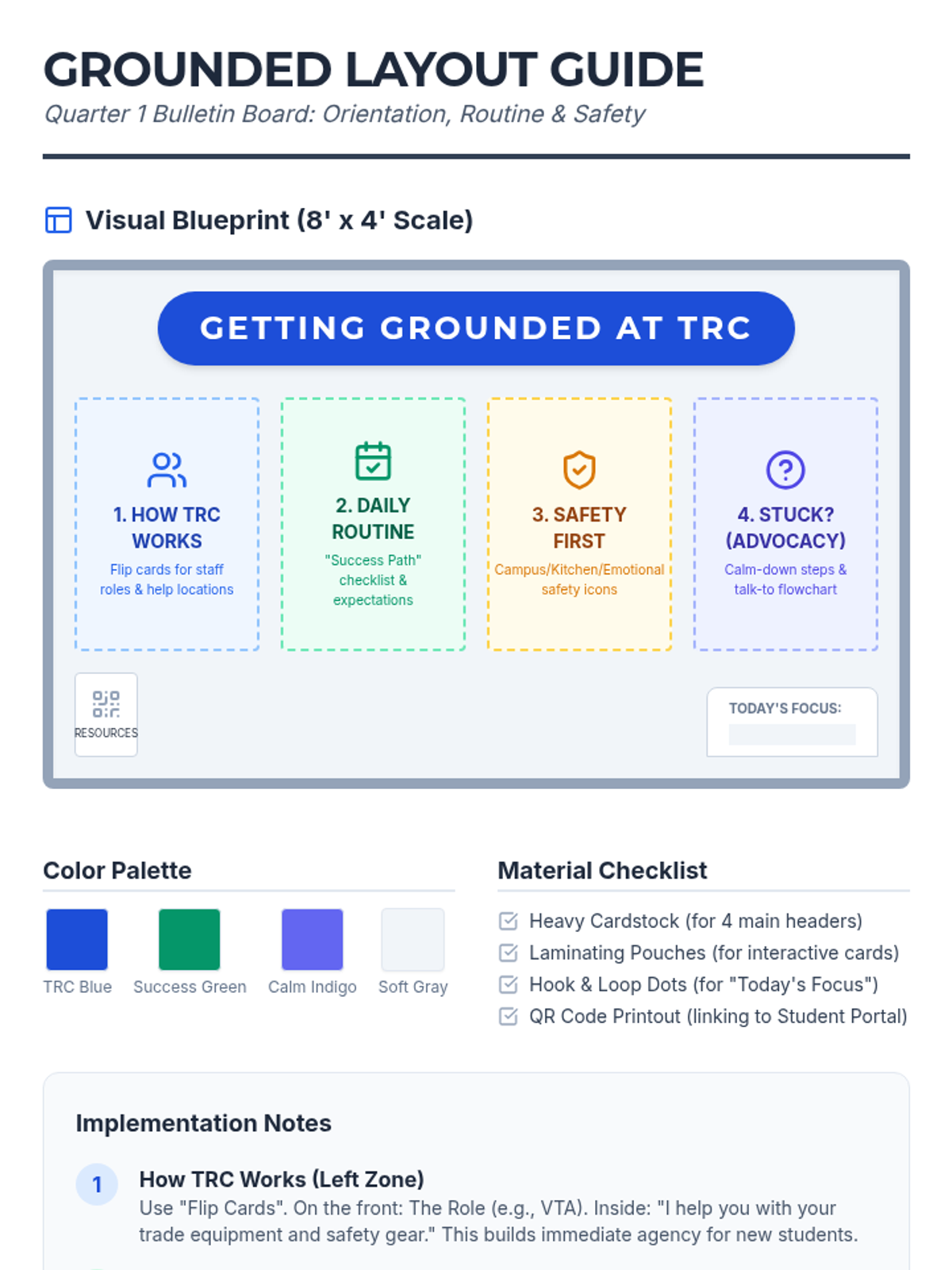
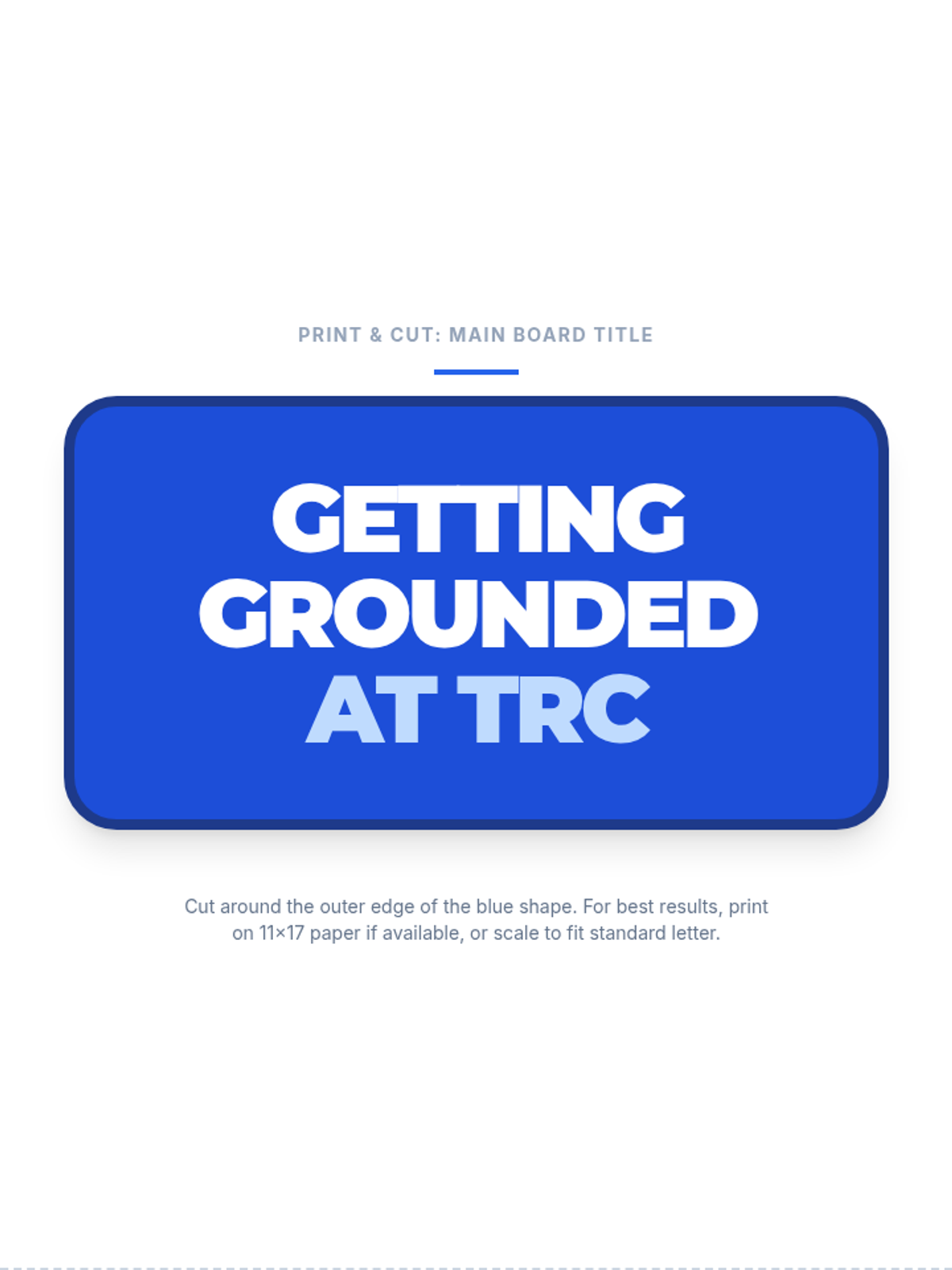
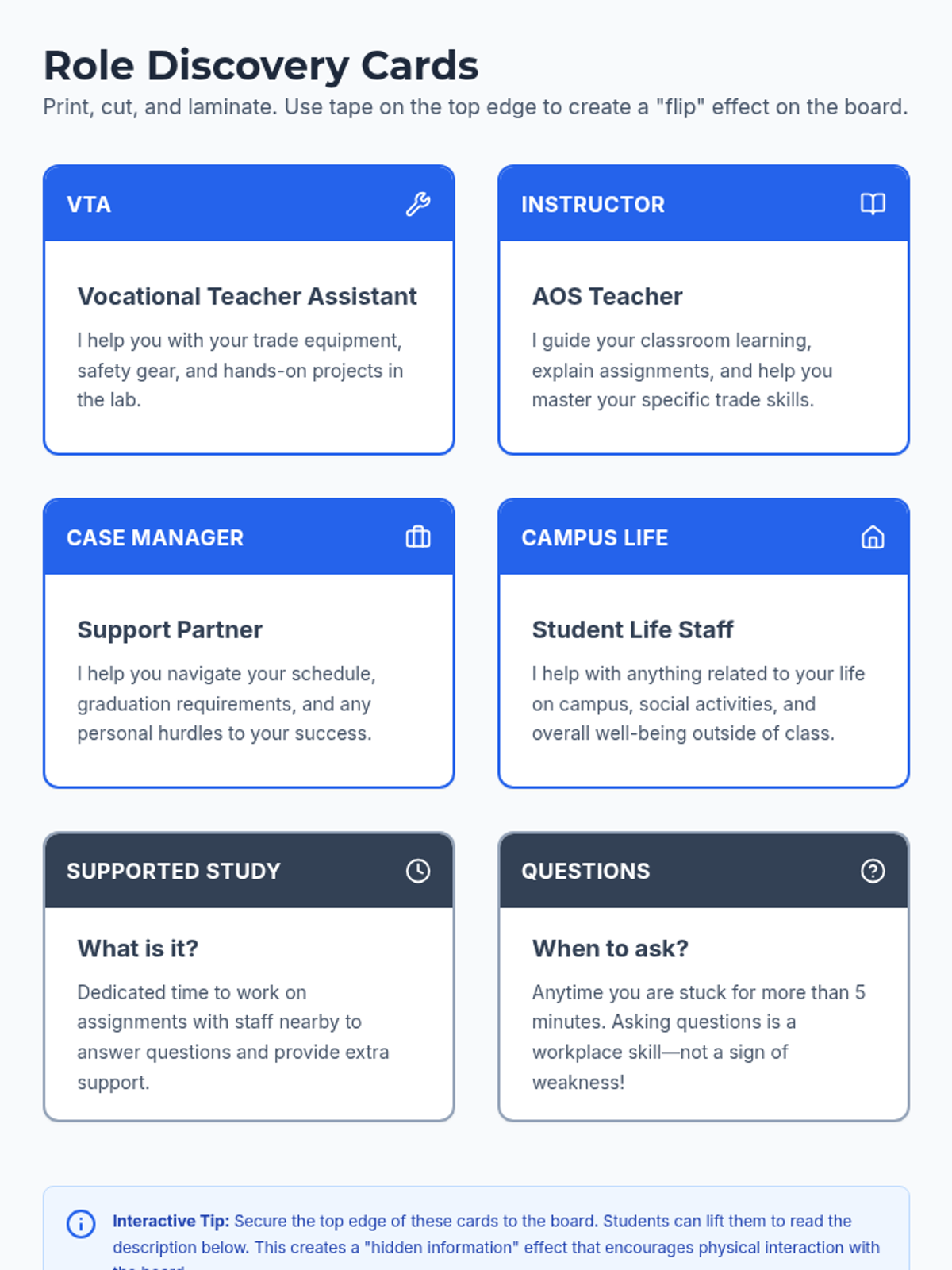
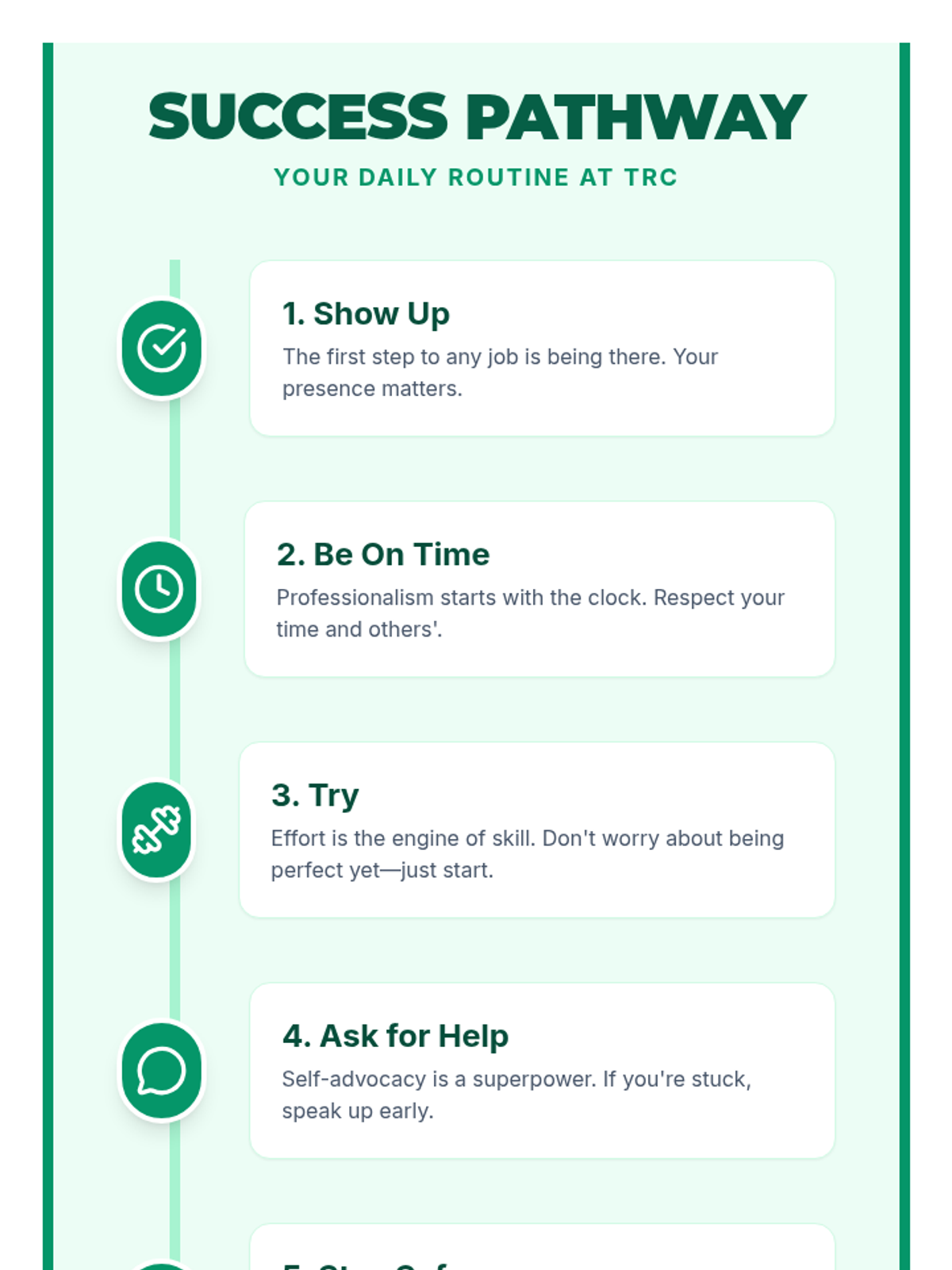
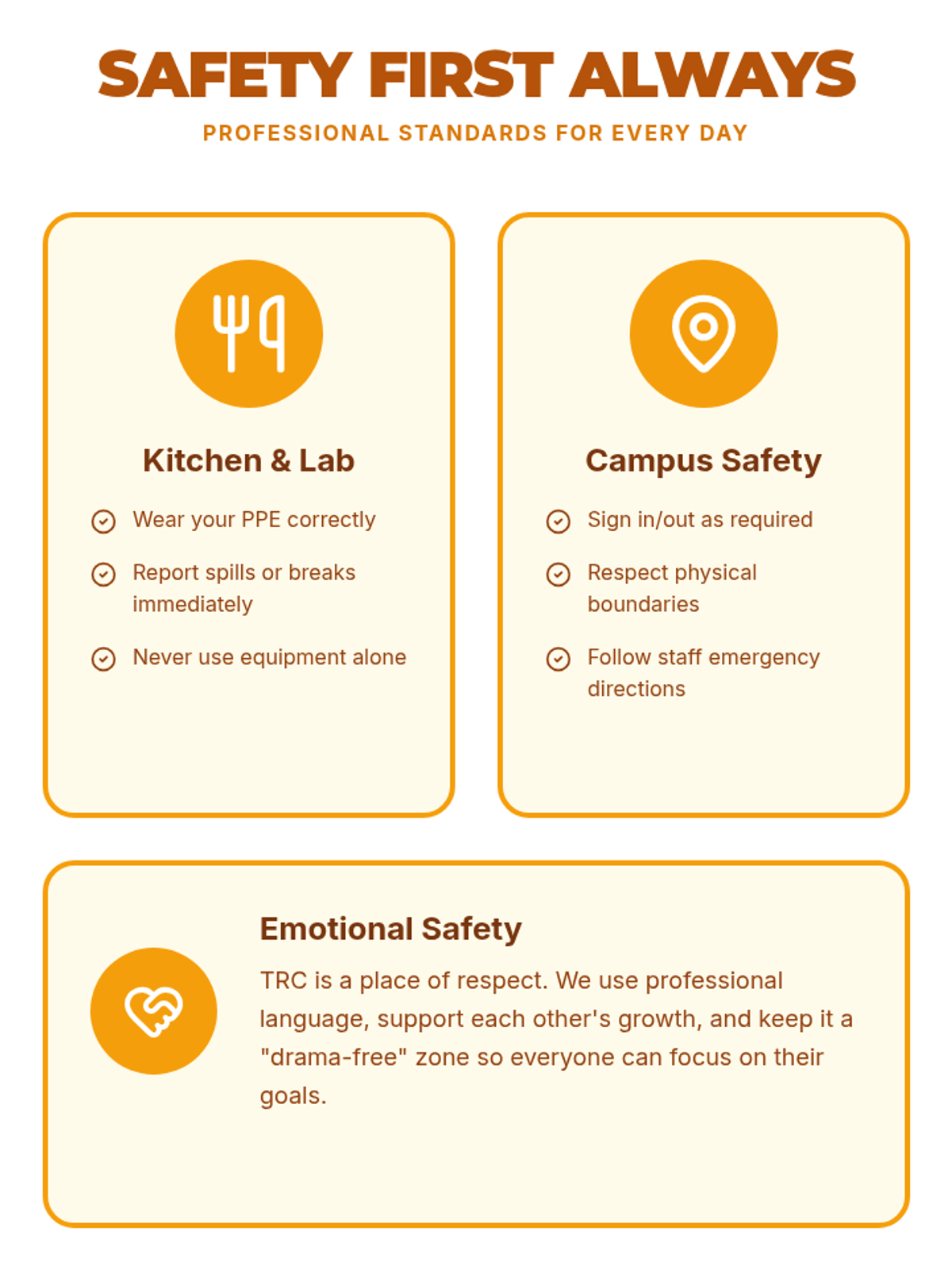
A collection of quarterly bulletin board designs for TRC, providing visual blueprints and printable components to help students navigate orientation, skill-building, and transition planning.
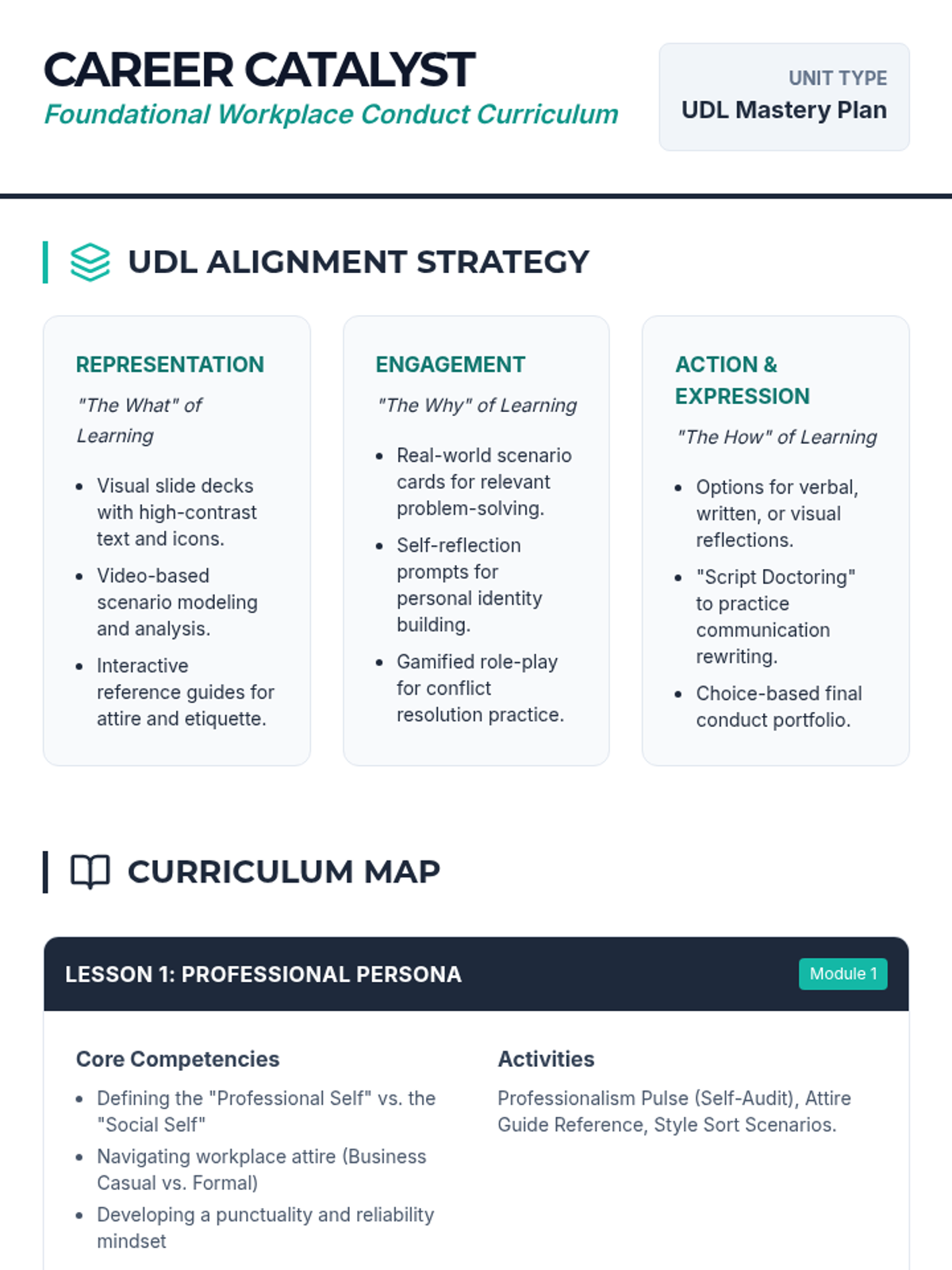
A comprehensive unit designed to equip students with foundational workplace behavior skills, focusing on self-awareness, self-advocacy, time management, and problem-solving through a UDL lens.
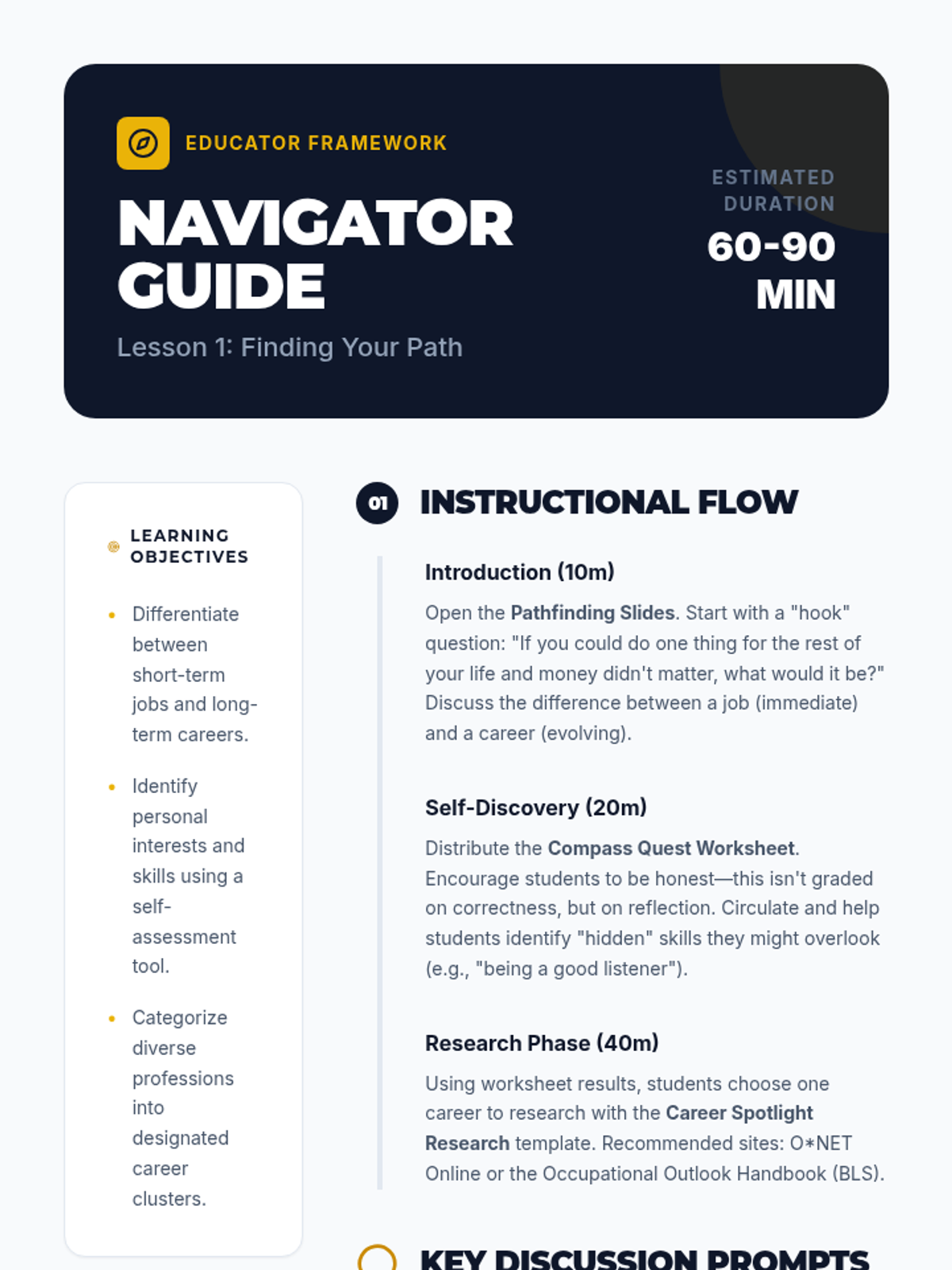
A comprehensive unit designed to guide students through the stages of career development, from initial exploration to professional communication and job readiness.
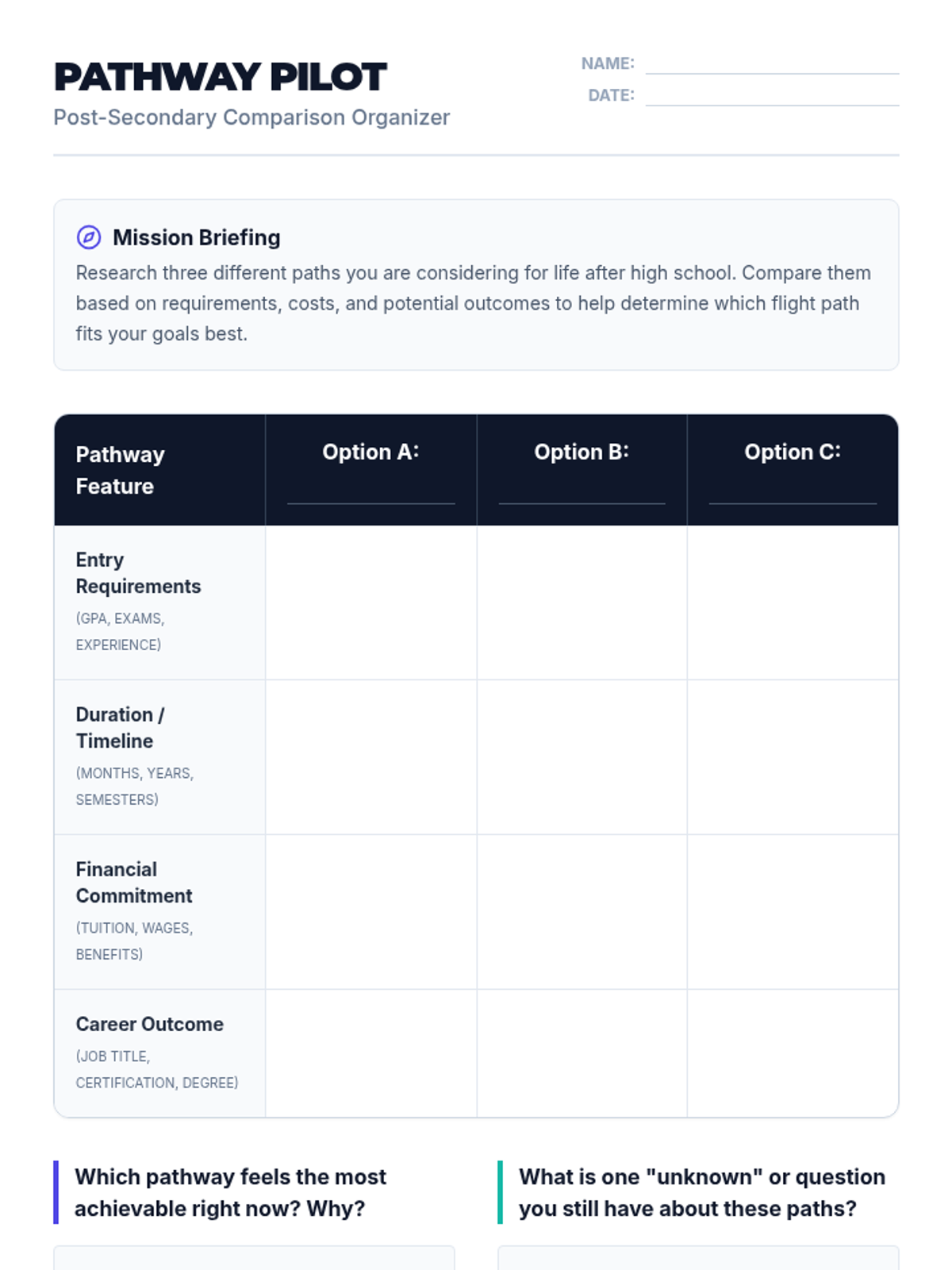
A comprehensive unit designed to prepare students for the transition from high school to adulthood, focusing on post-secondary pathways, resume building, and professional interview skills.
A comprehensive workshop-style sequence for undergraduate students to master cognitive reframing techniques. Students progress from identifying distortions to deconstructing beliefs and building resilient internal narratives.
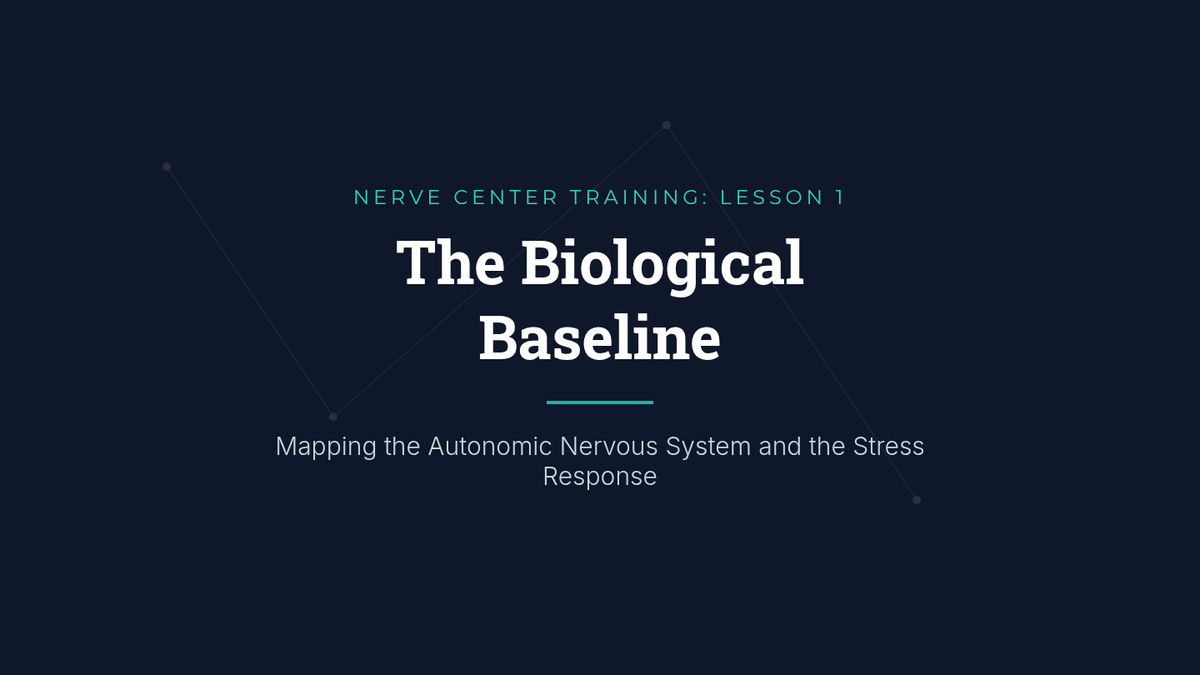
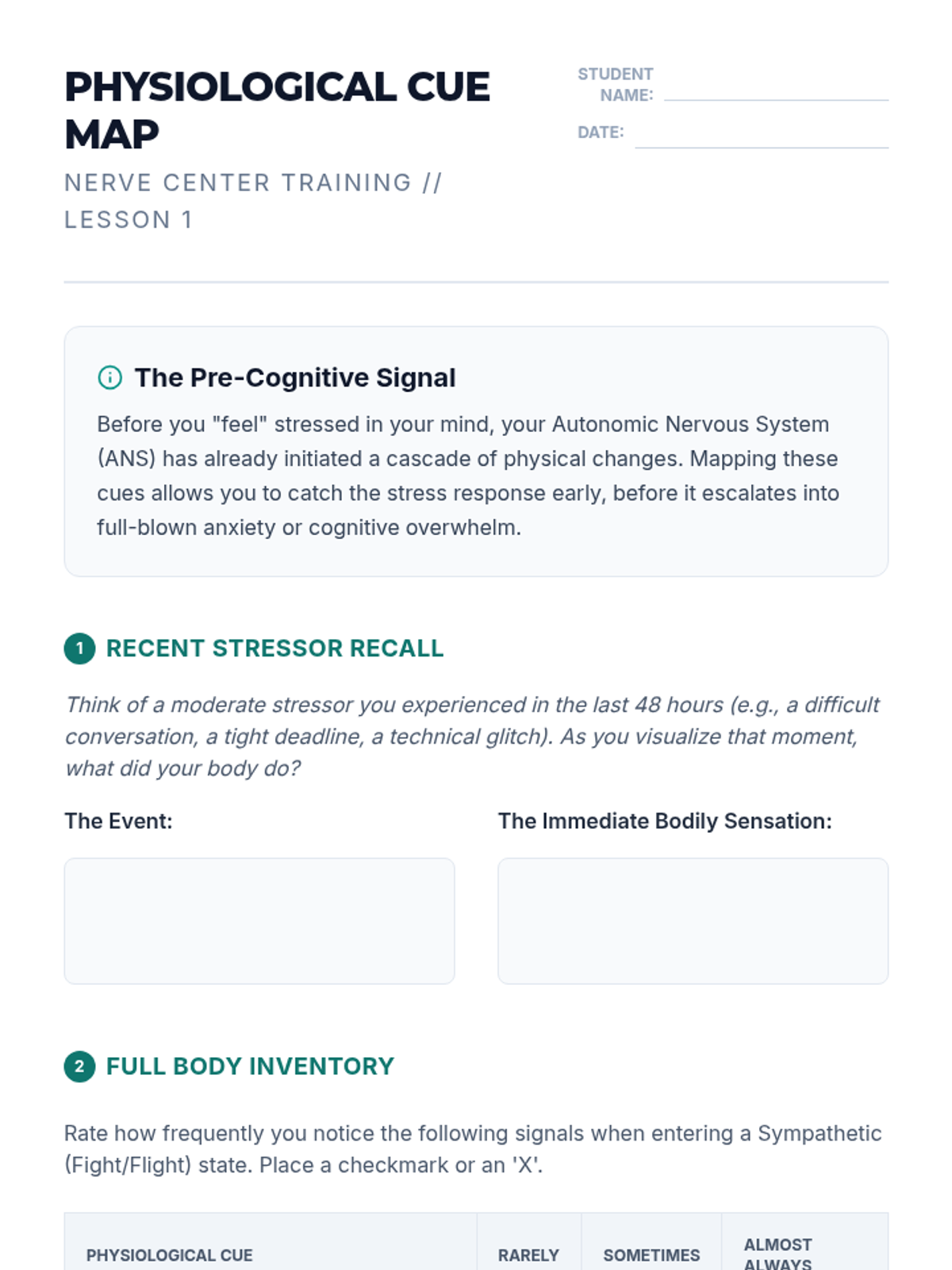
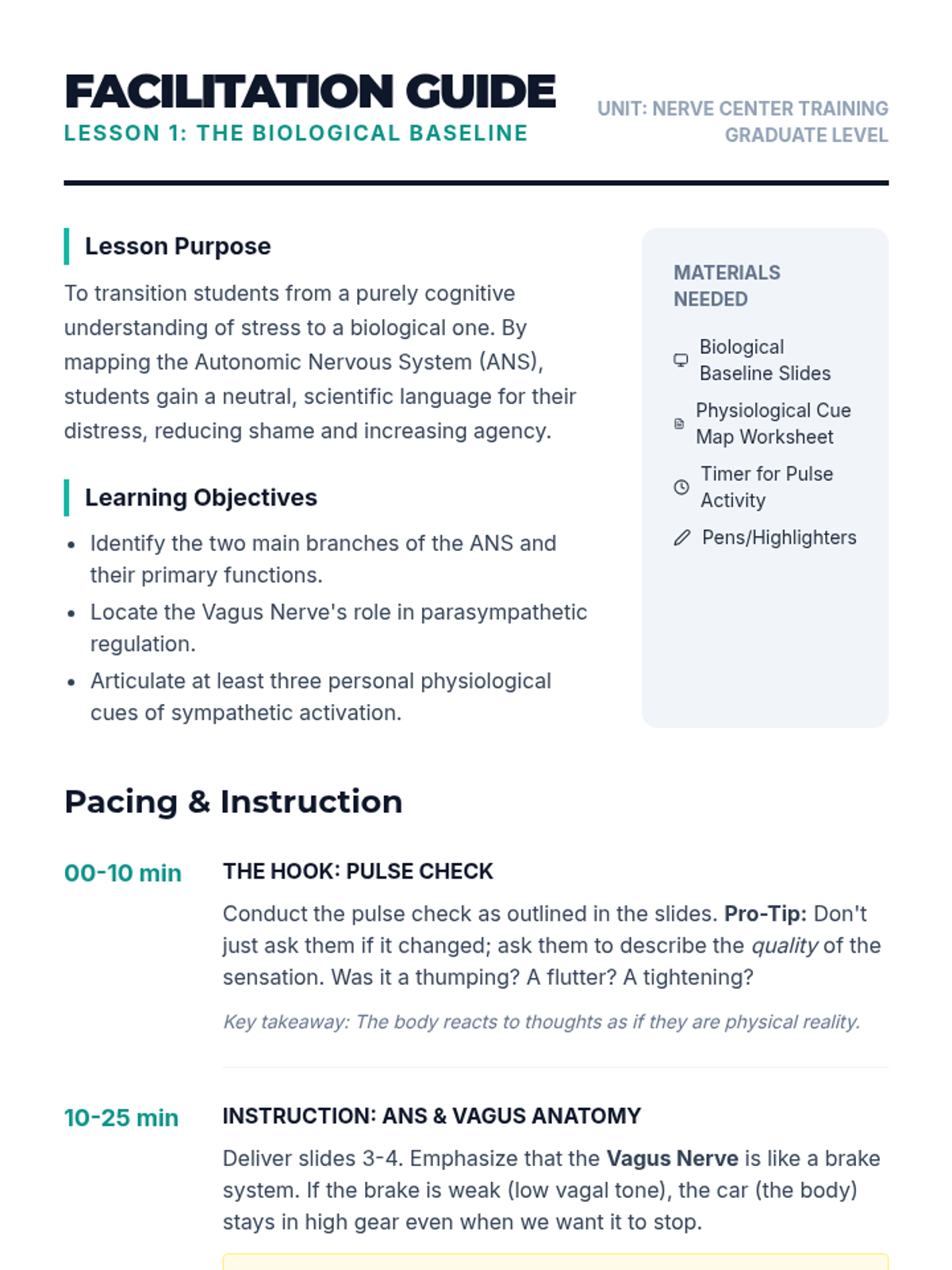
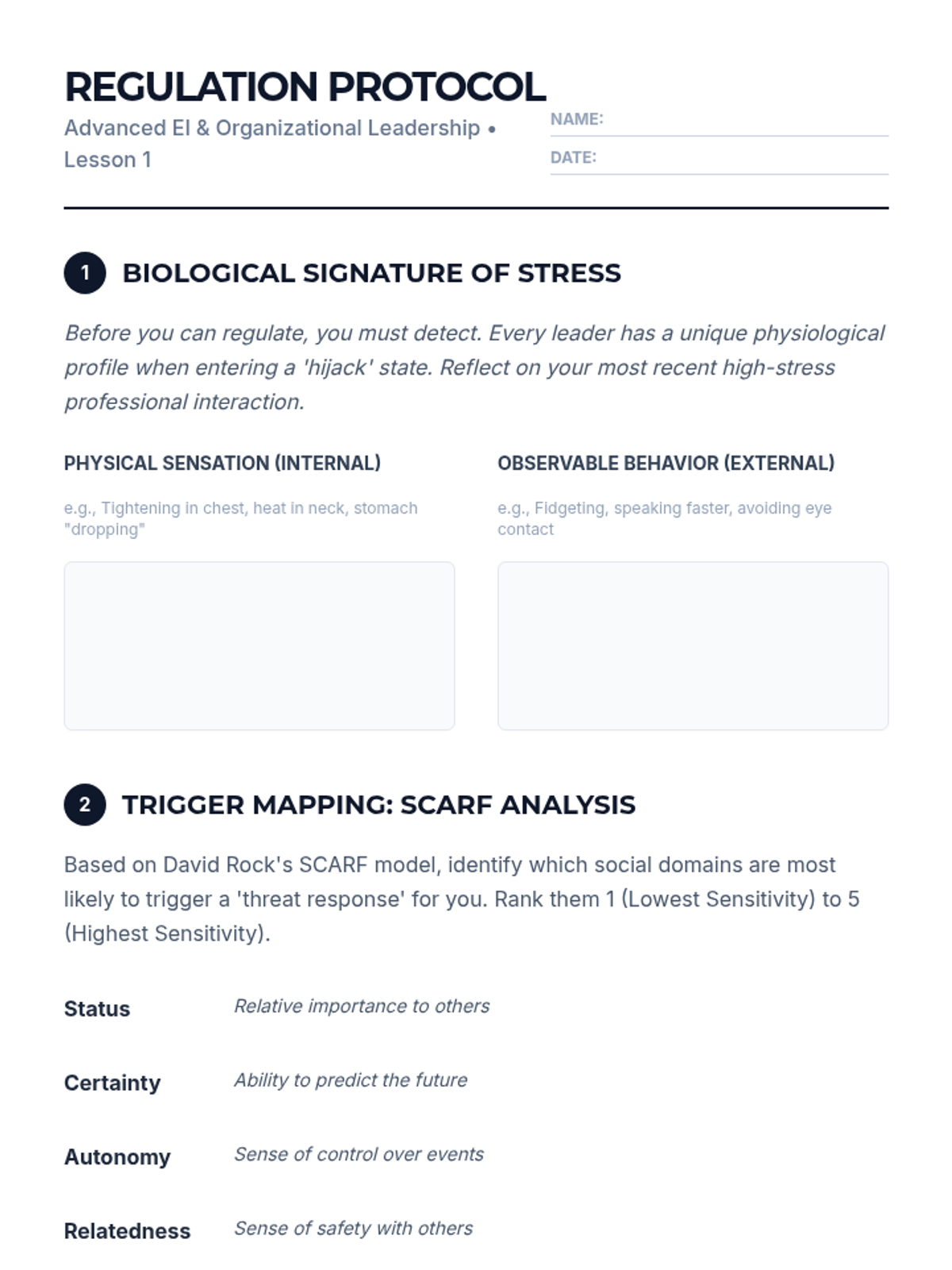
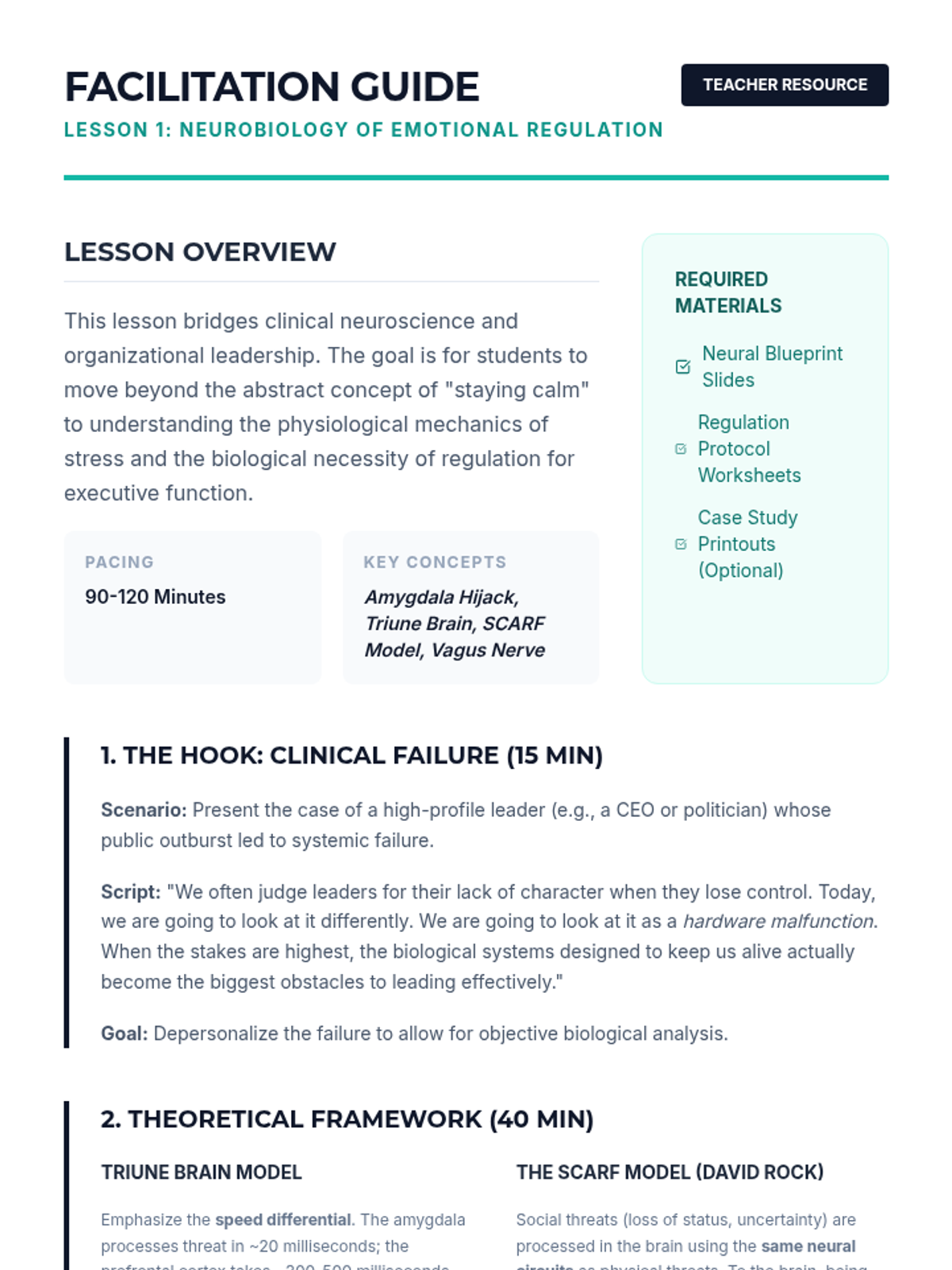
A graduate-level exploration of the biological underpinnings of stress. Students move from theoretical understanding of the autonomic nervous system and Polyvagal Theory to practical application of somatic regulation and interoceptive awareness, culminating in a personalized physiological safety plan.
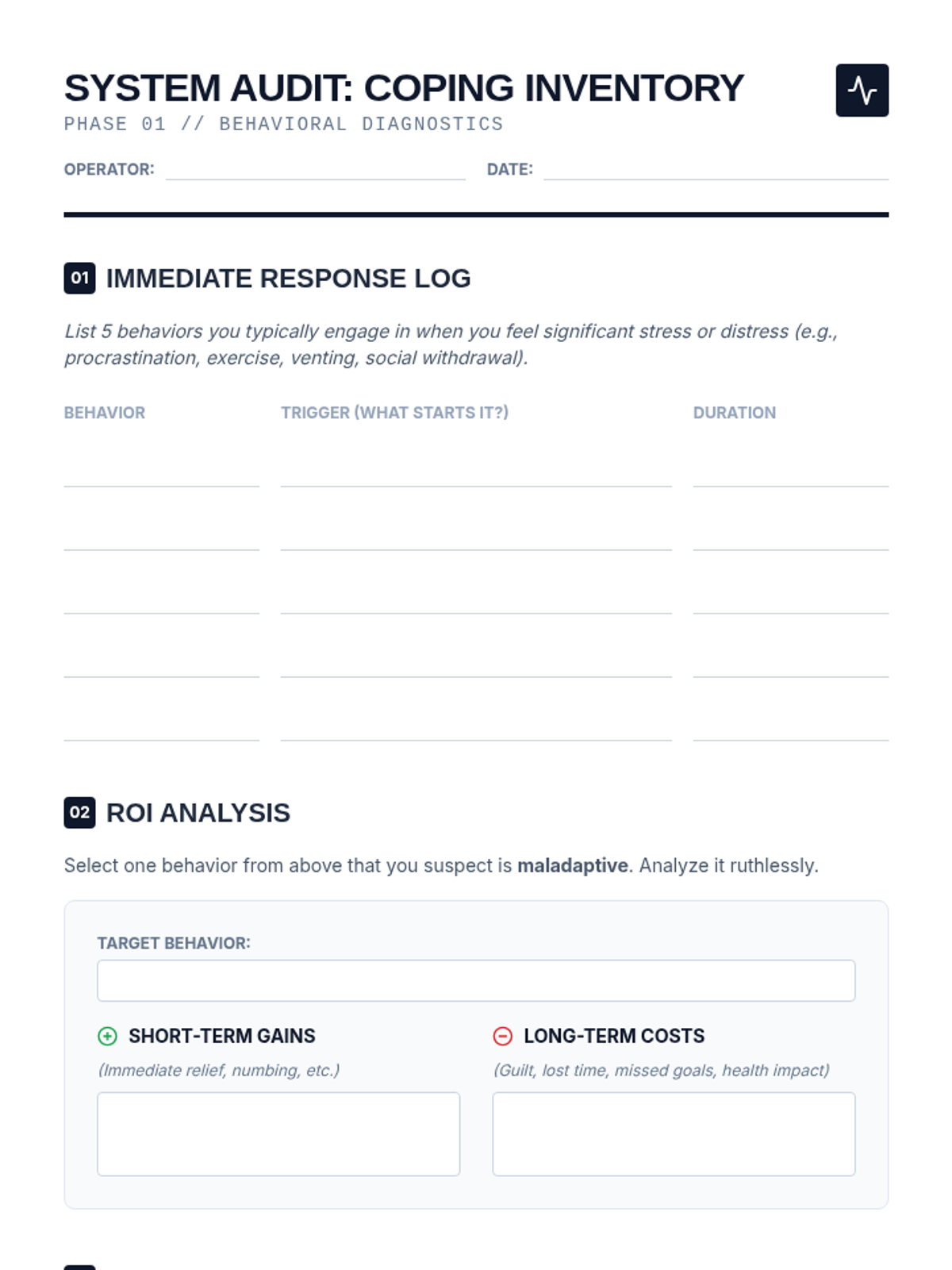
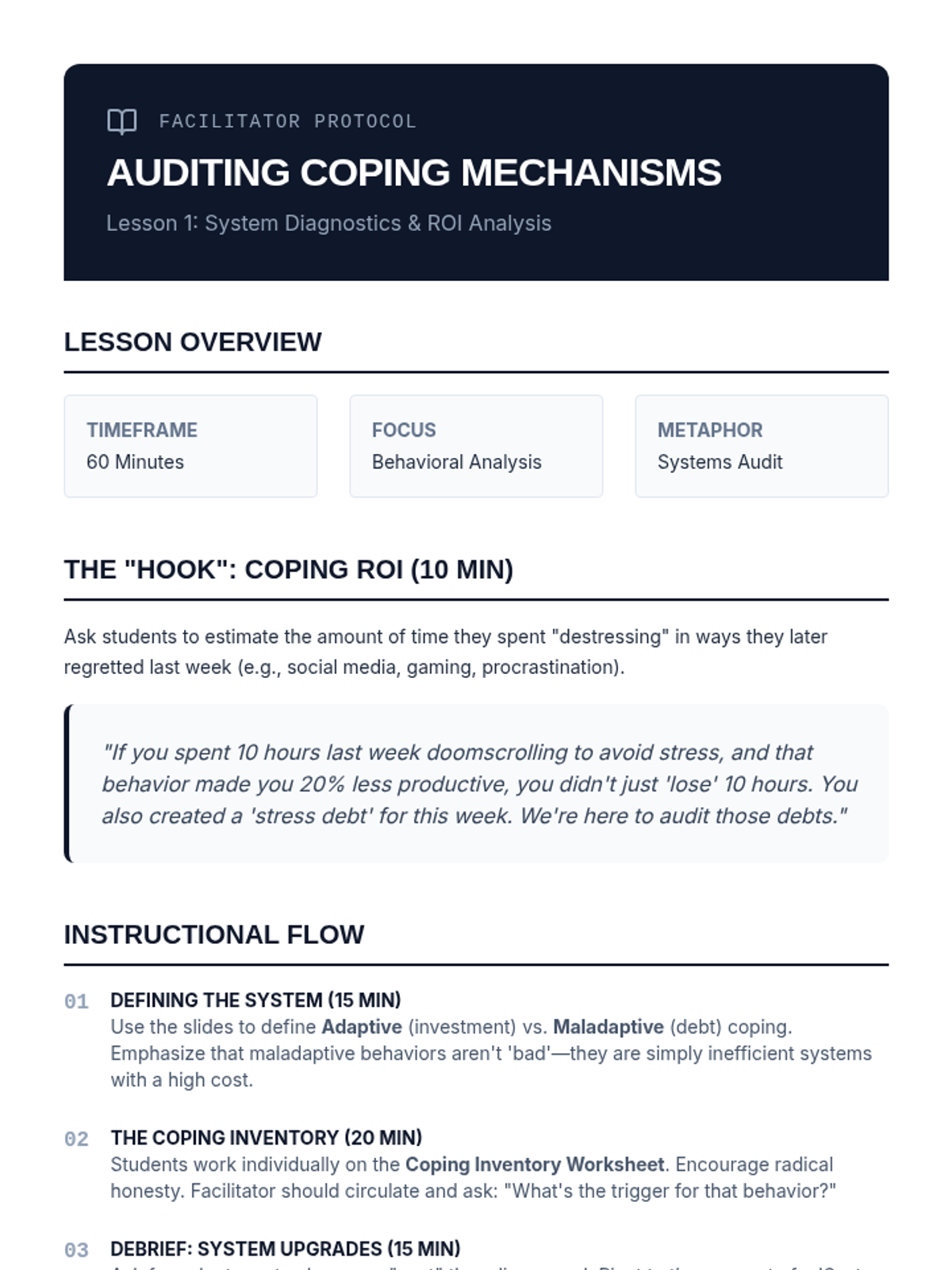
A mastery-focused sequence where undergraduate students audit their current stress responses and design a personalized, tiered emotional regulation protocol. Students use systems thinking to build resilient habits and prepare for future distress.
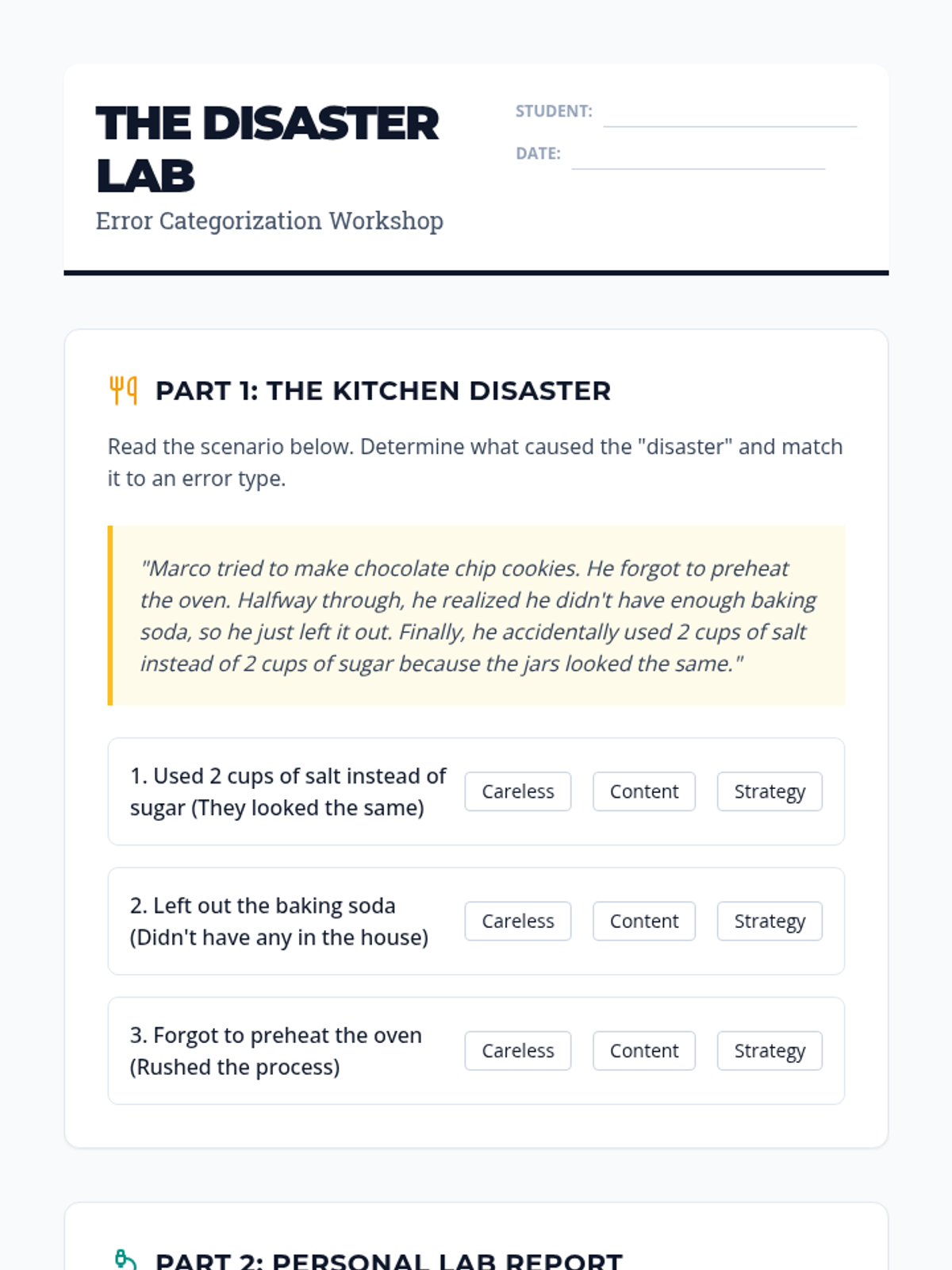
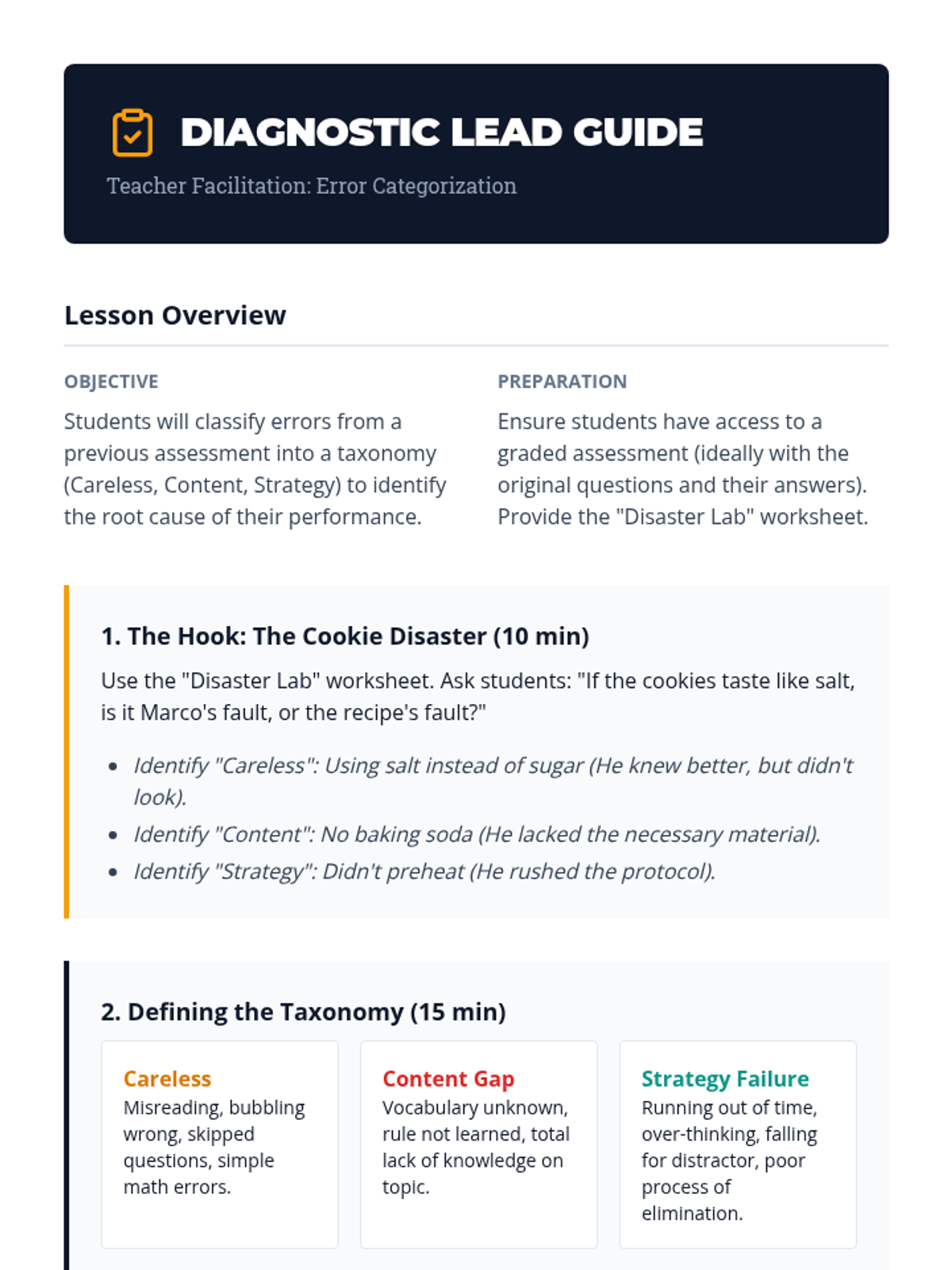
A comprehensive sequence on metacognitive error analysis, teaching students to categorize, analyze, and learn from their mistakes to improve test-taking performance. Students move from simple error classification to deep retrospective correction and personal strategy development.
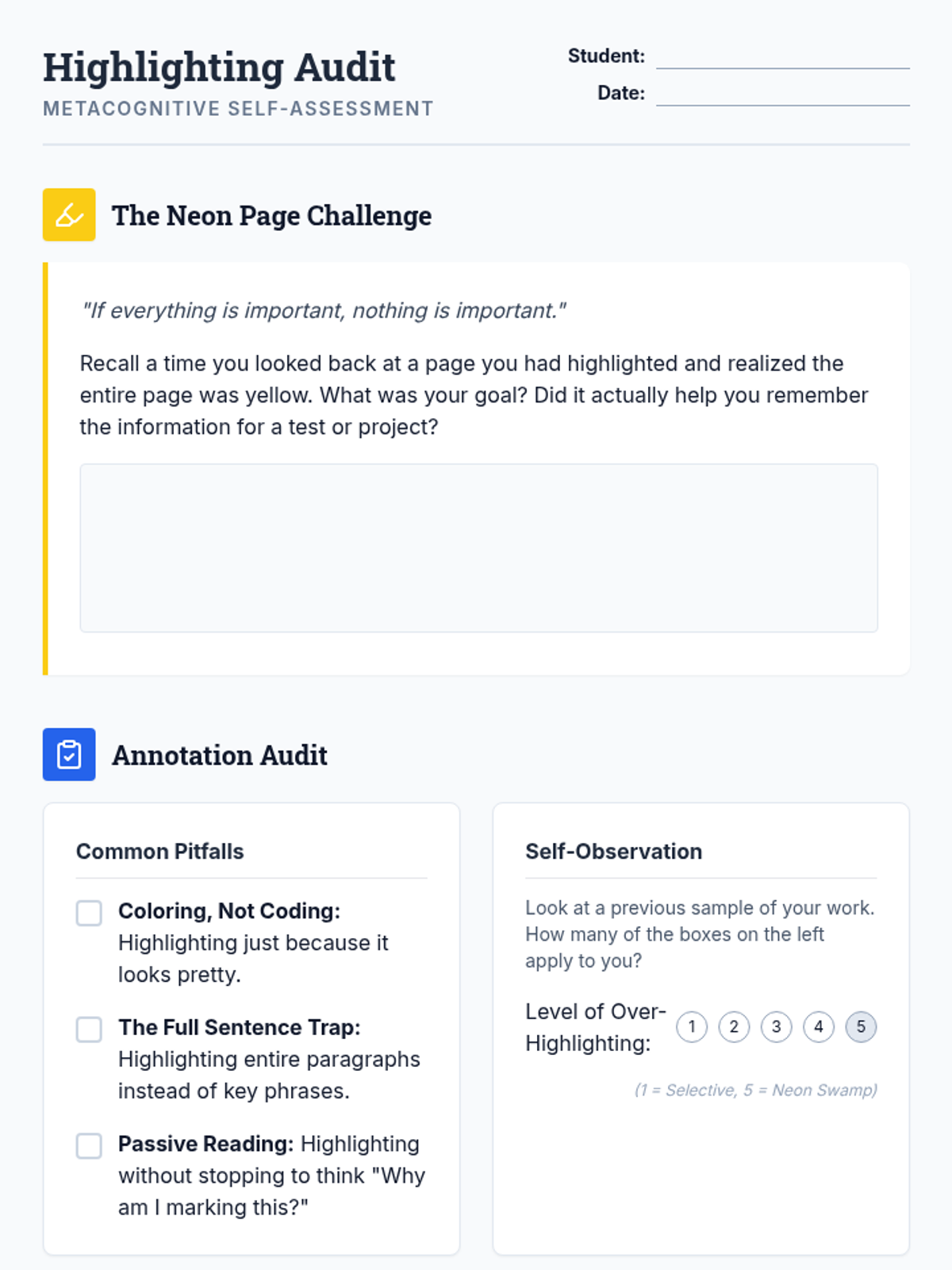
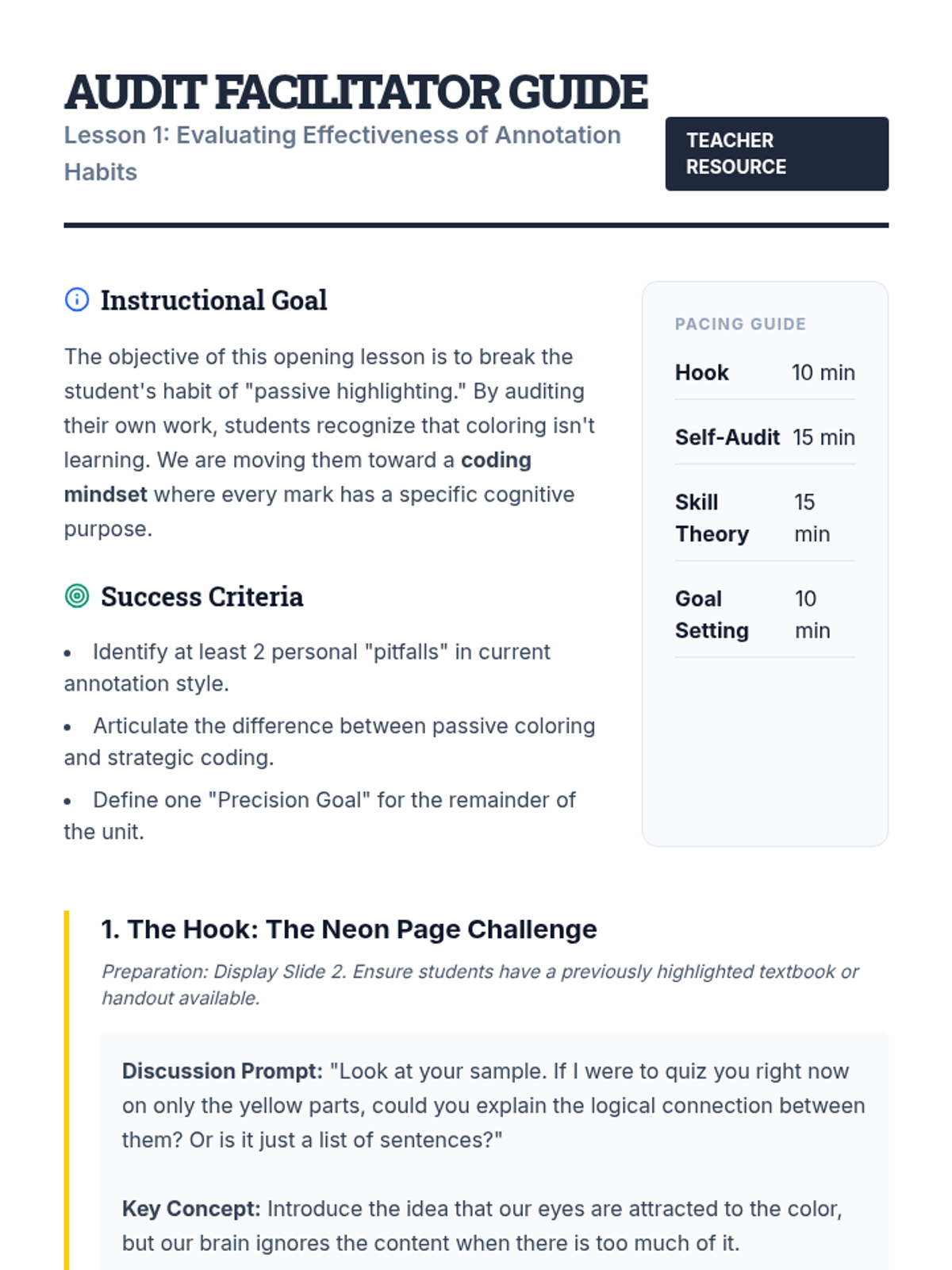
This sequence transforms highlighting from a passive activity into a rigorous, systematic method for information processing. Students evaluate current habits, establish hierarchical color systems, develop marginal shorthand, and apply these strategies to complex texts to create effective study tools.
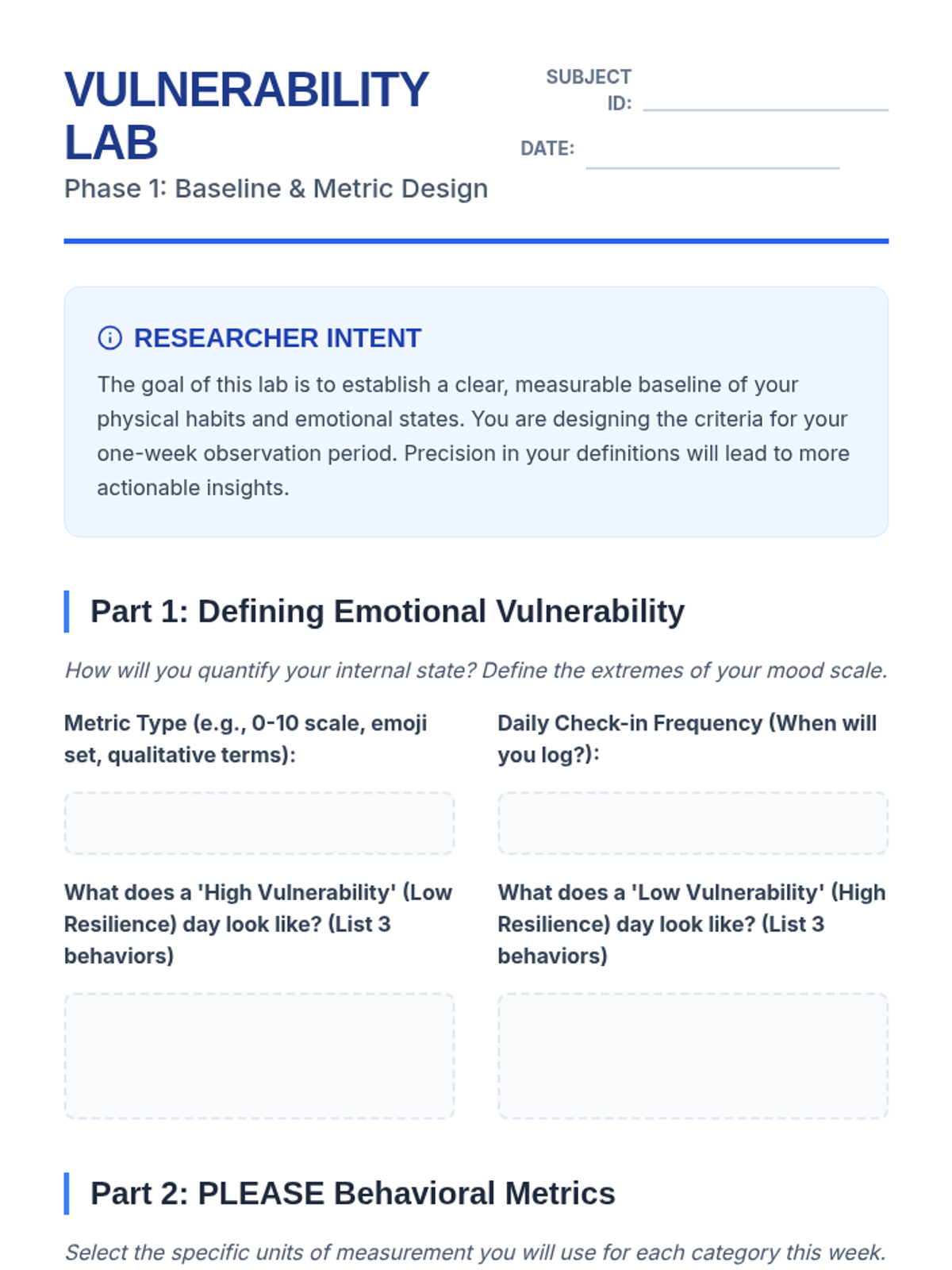
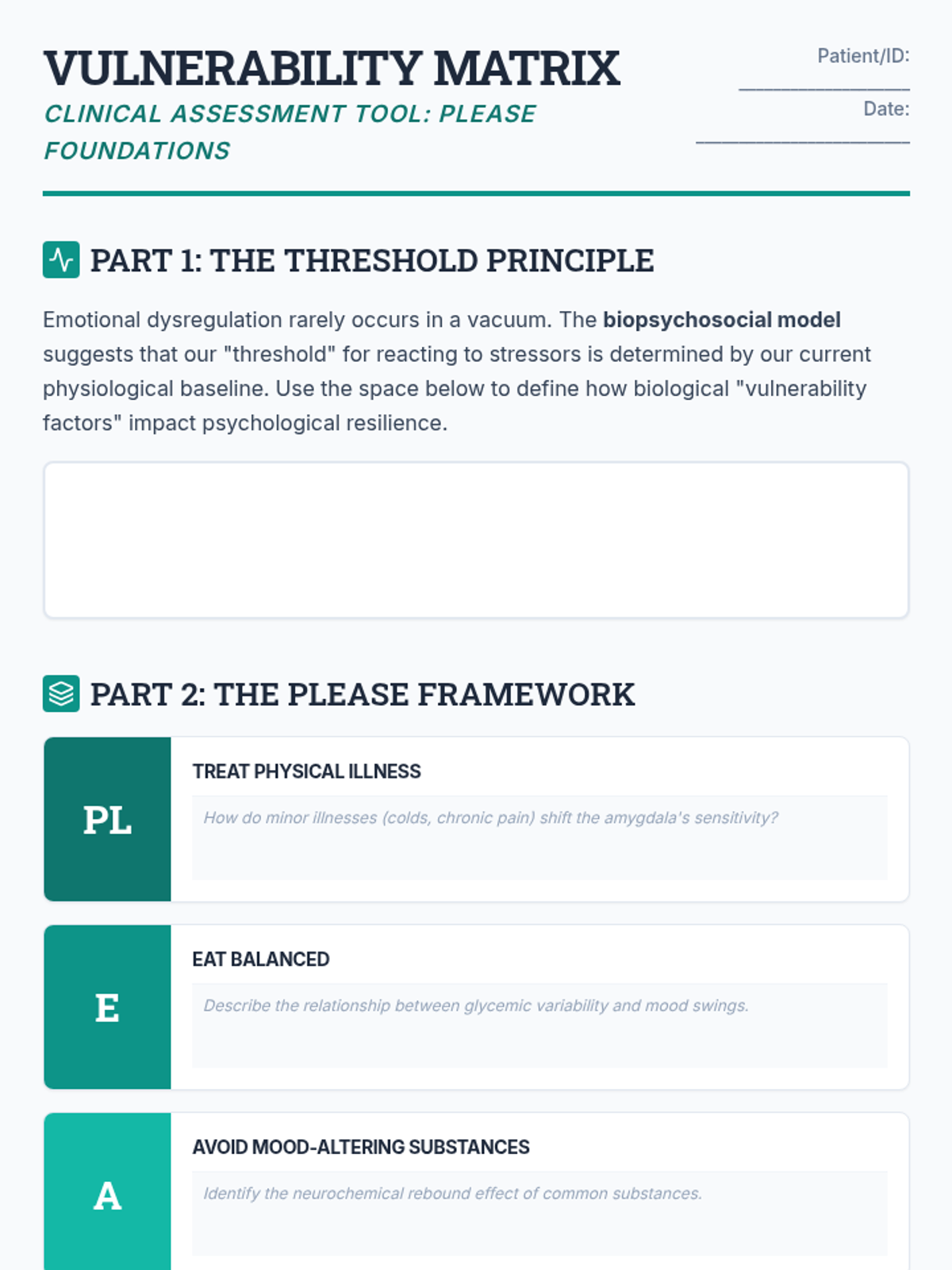
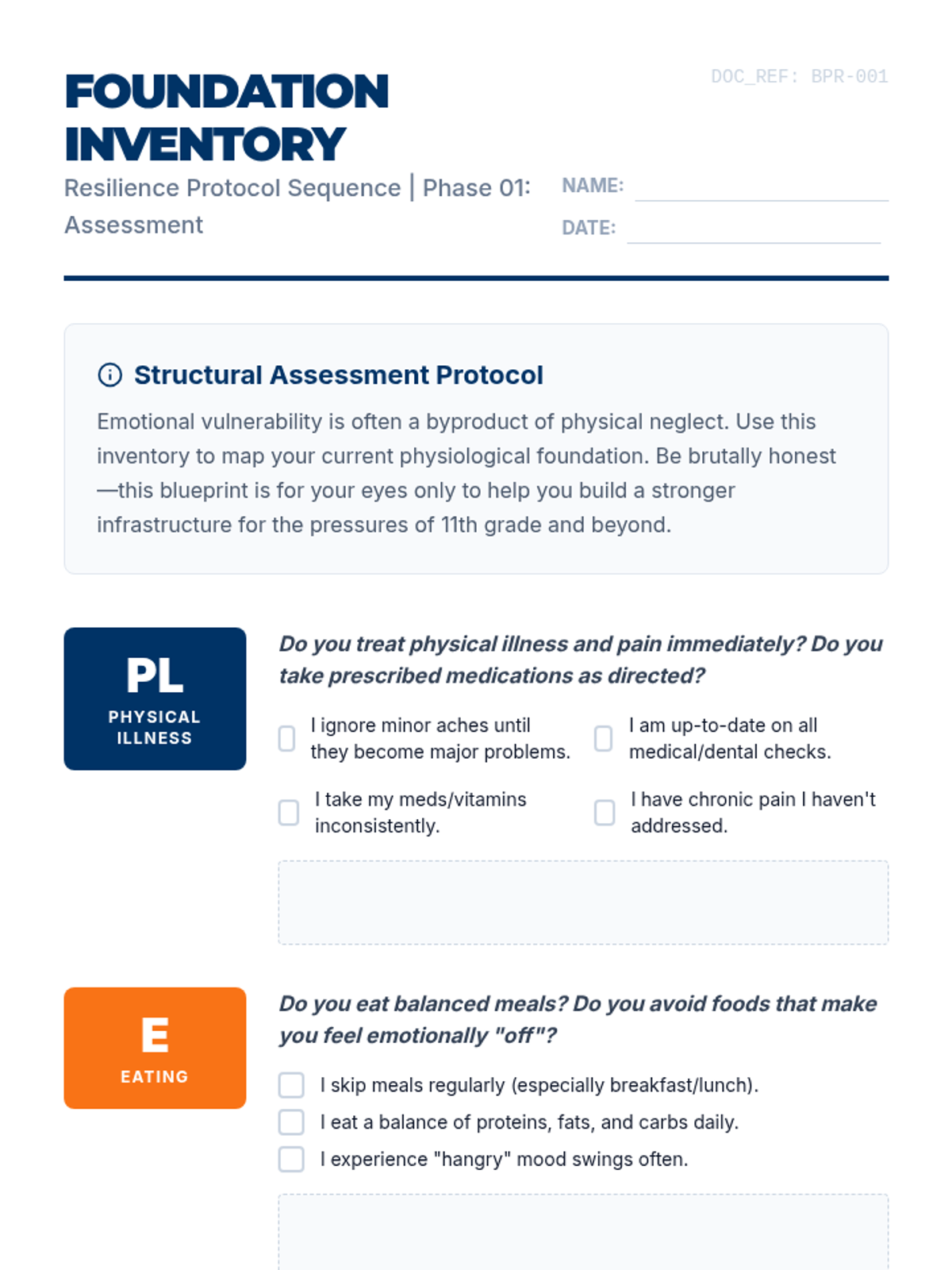
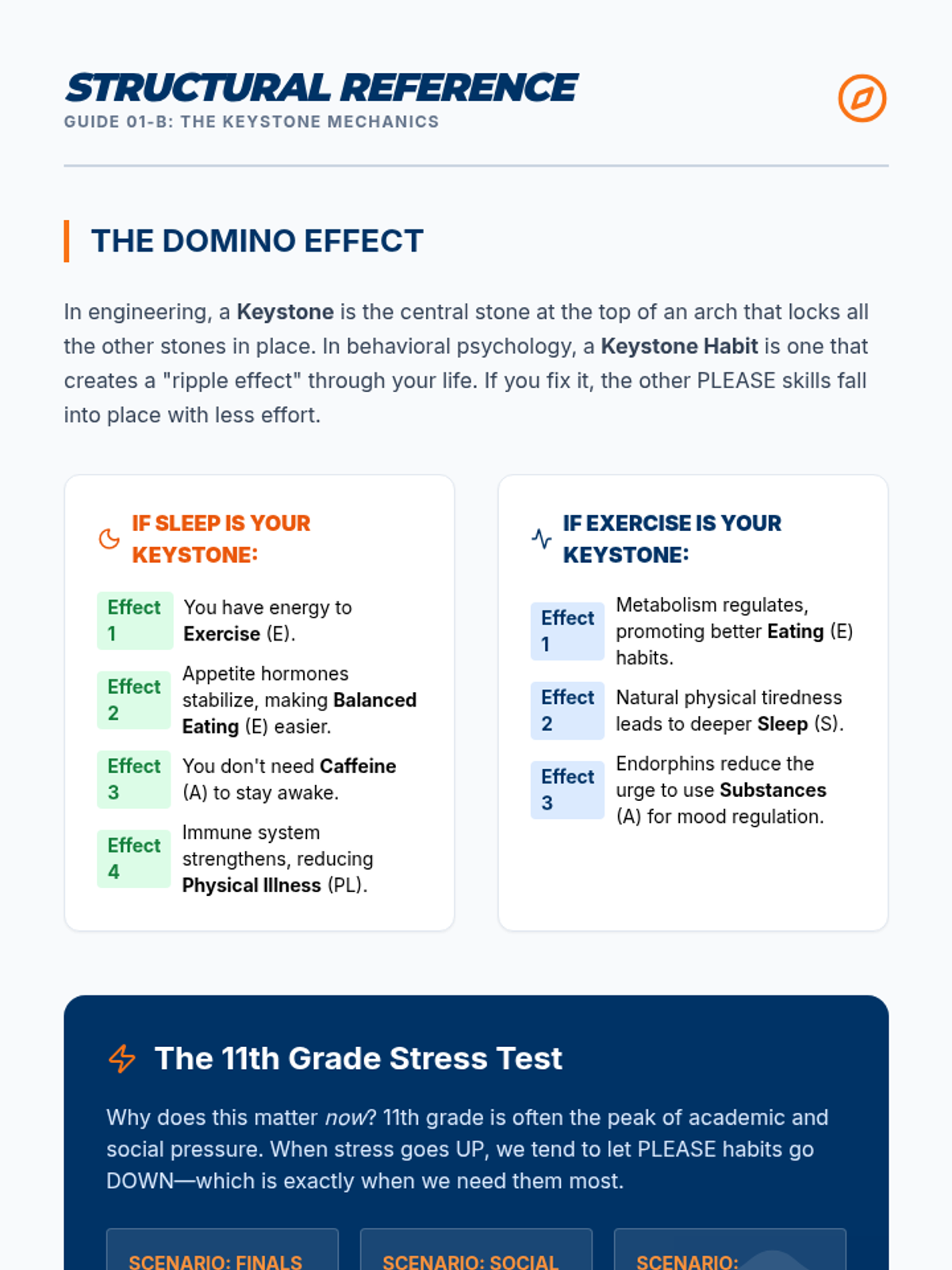
A workshop-based sequence where undergraduate students apply the PLEASE skills to their own lives. Students act as both client and clinician, tracking sleep, nutrition, and exercise to understand the causal link between physical maintenance and emotional vulnerability.
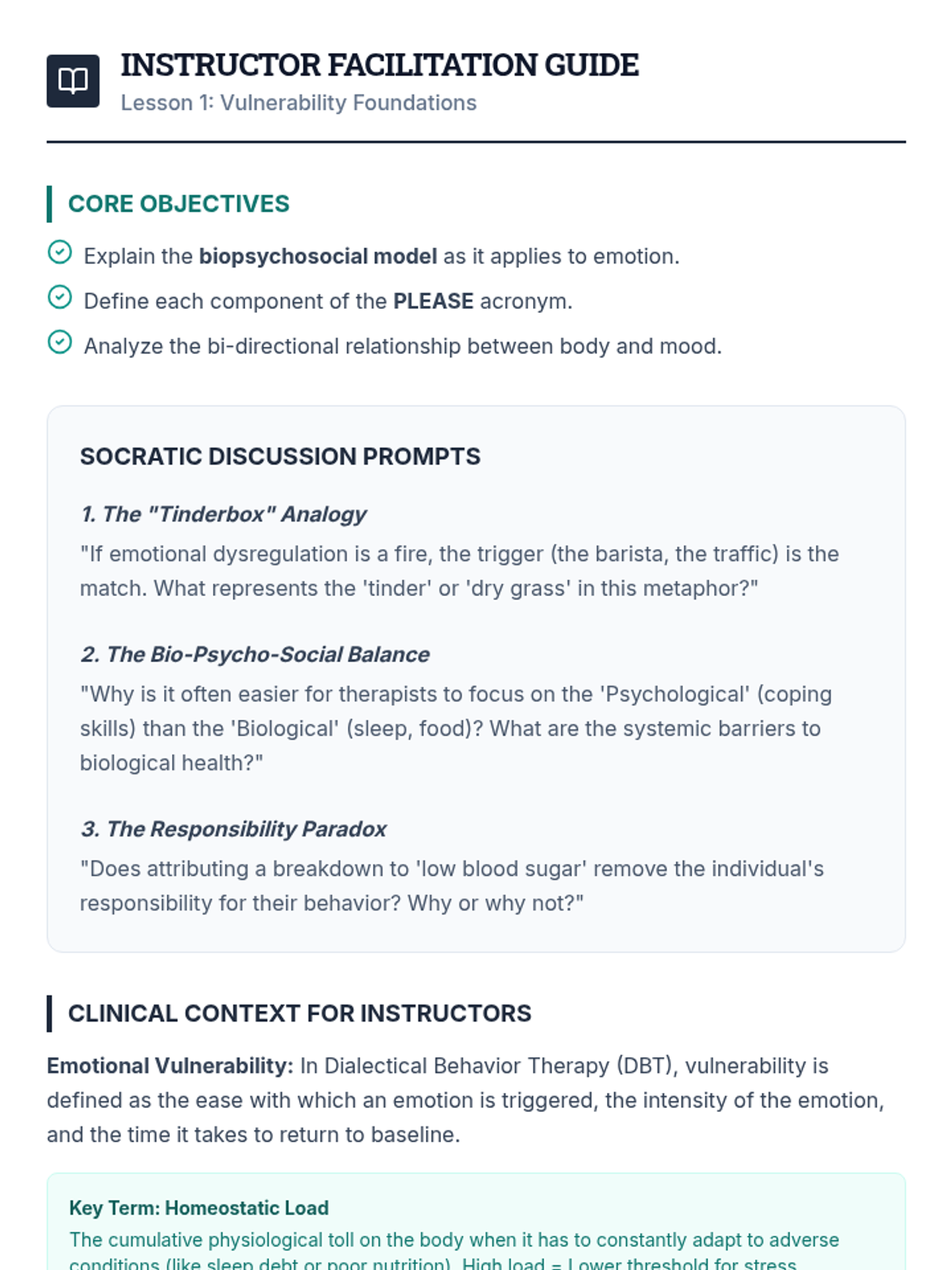
This sequence explores the physiological foundations of the DBT 'PLEASE' skills. Students investigate the neurobiological mechanisms through which physical health impacts emotional regulation, focusing on sleep, nutrition, and exercise.
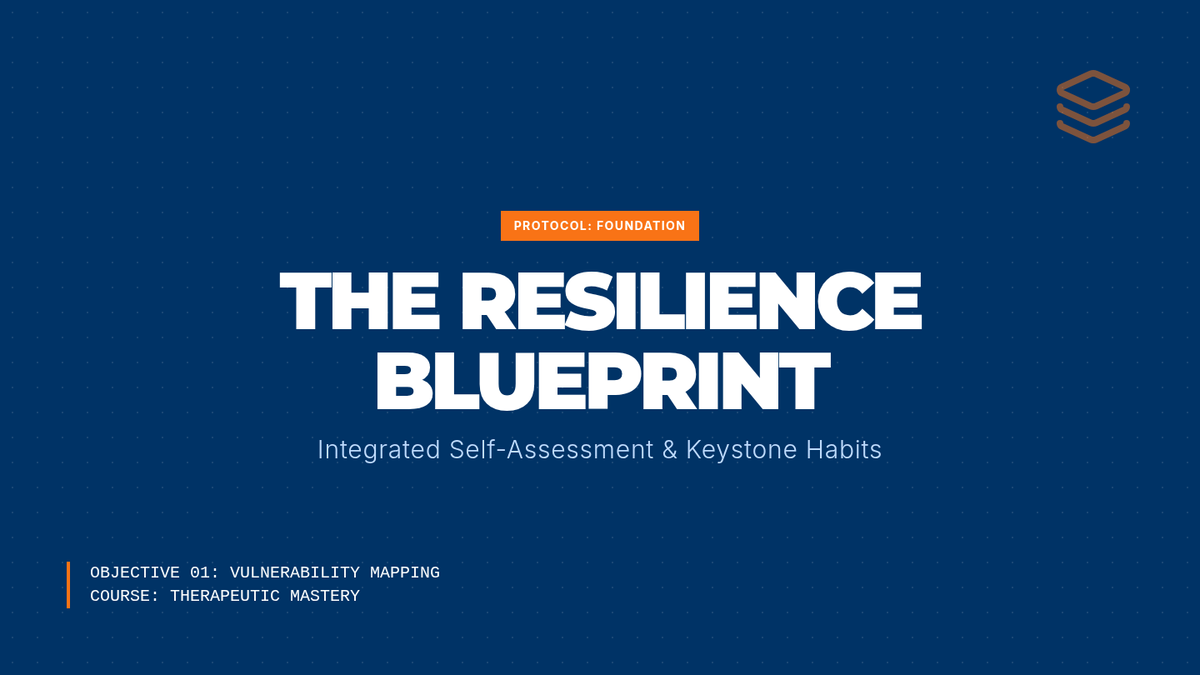
A comprehensive 5-lesson sequence for 11th-grade students focused on mastering the PLEASE skills (DBT therapeutic approach) to reduce emotional vulnerability. Students move from self-assessment to crisis planning, data analysis, and peer consultancy, culminating in a professional 'Resilience Portfolio' designed for their transition to young adulthood.
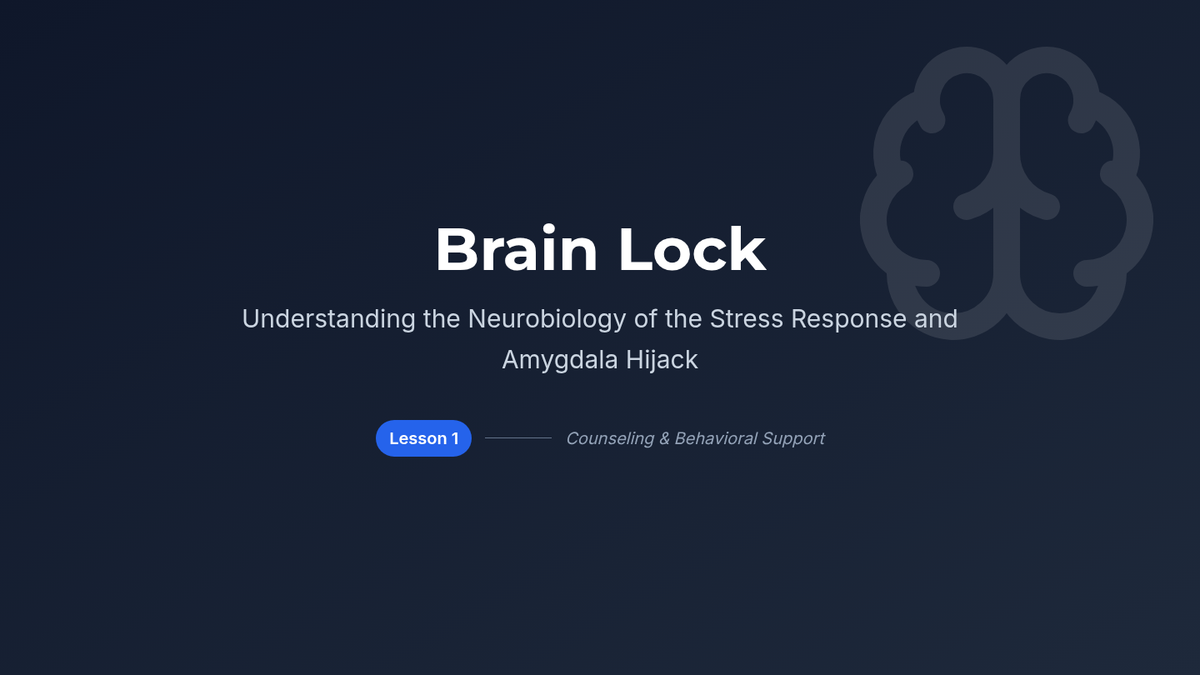
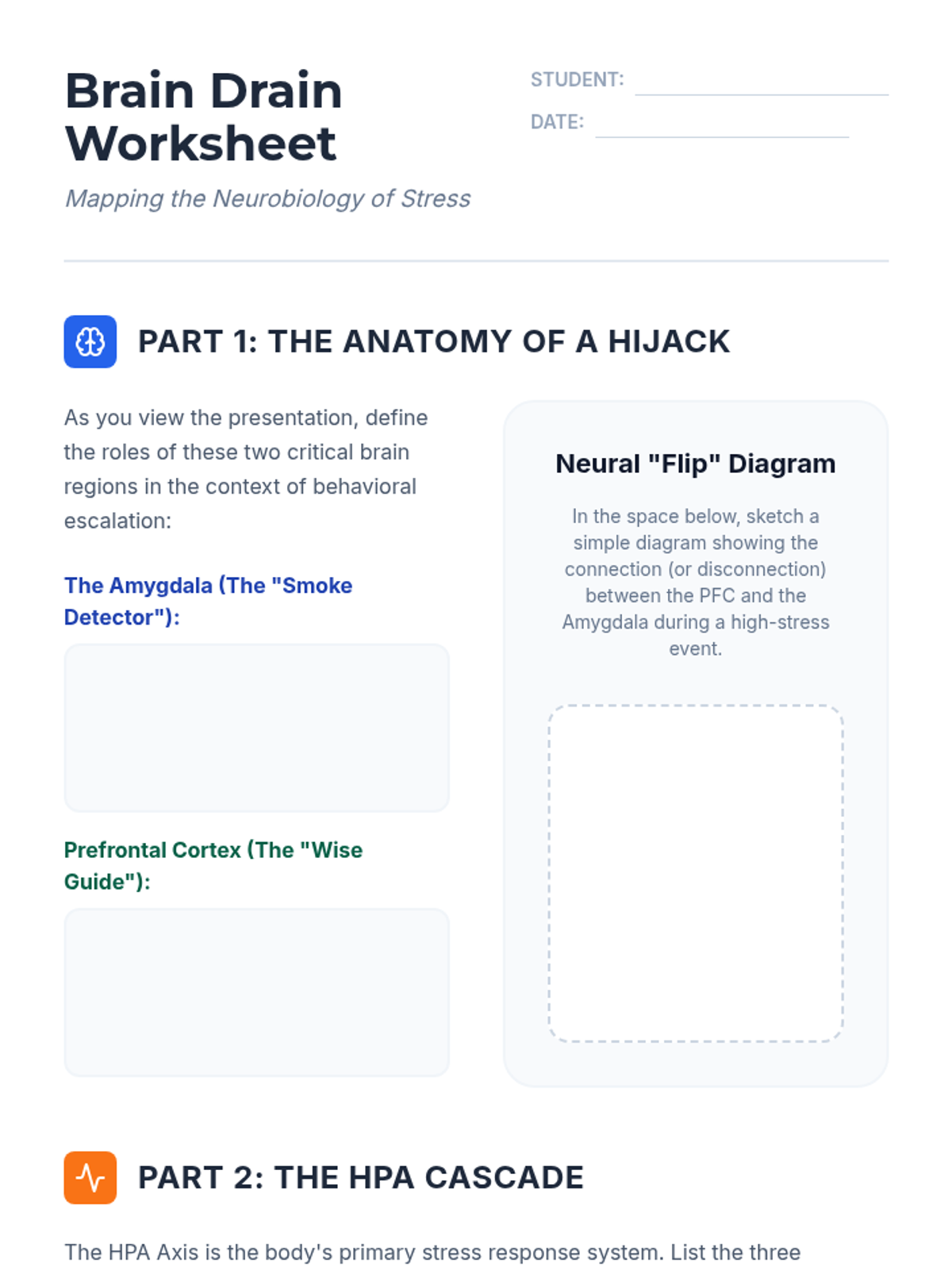
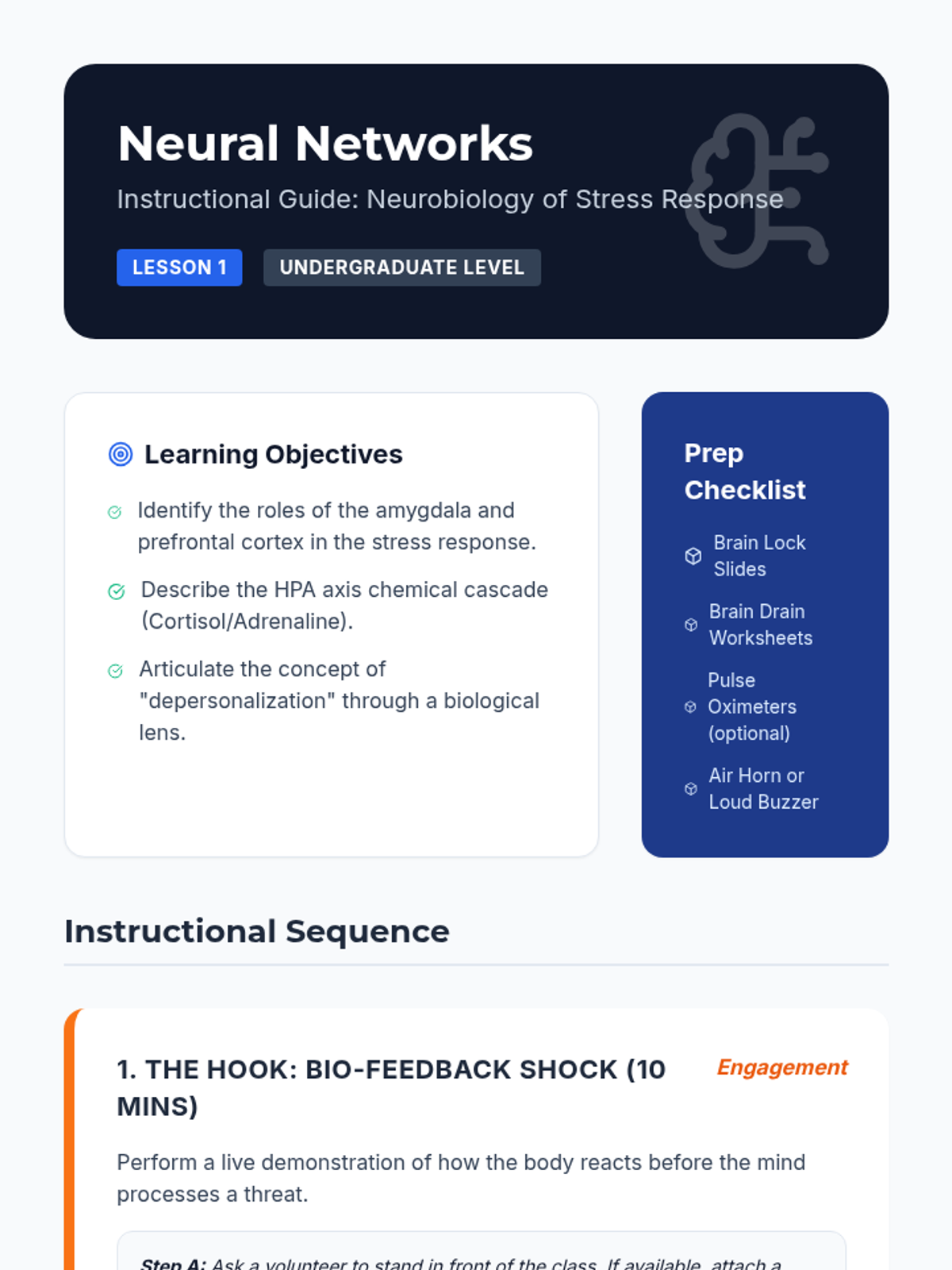
This sequence explores the neurobiological foundations of student escalation, connecting internal physiological stress responses (the 'amygdala hijack') to observable external warning signs. Students will learn to depersonalize behavior by understanding it as a biological survival mechanism, training them to recognize subtle somatic, respiratory, and muscular cues before a full behavioral outburst occurs.
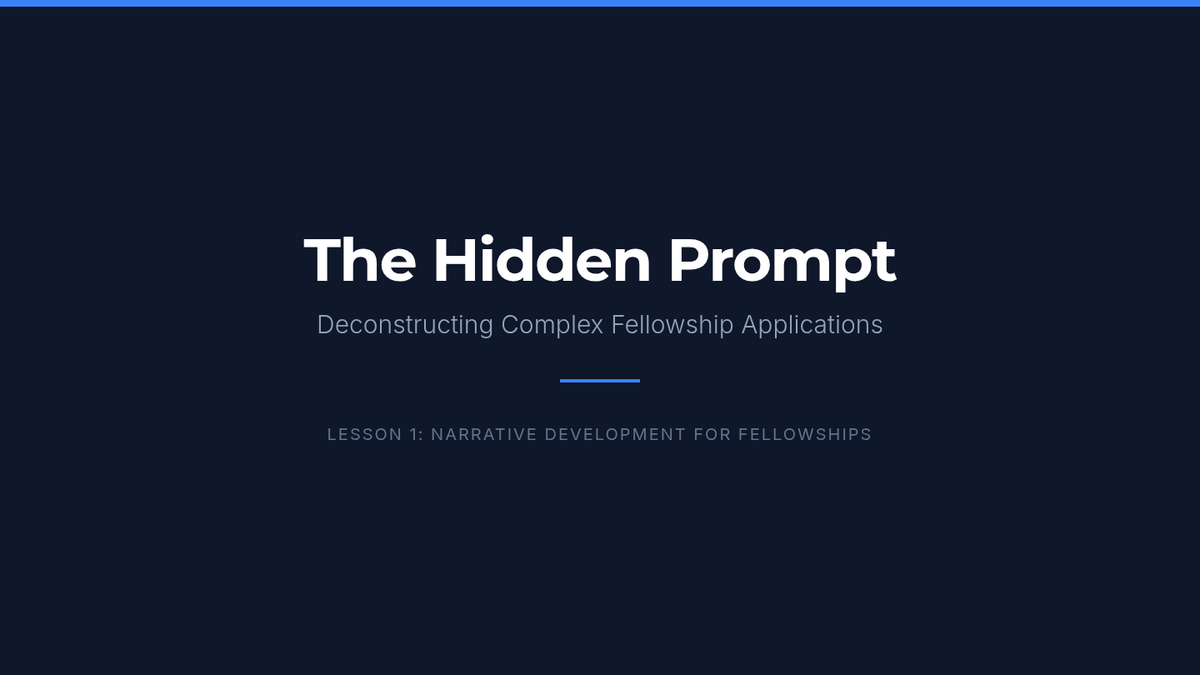
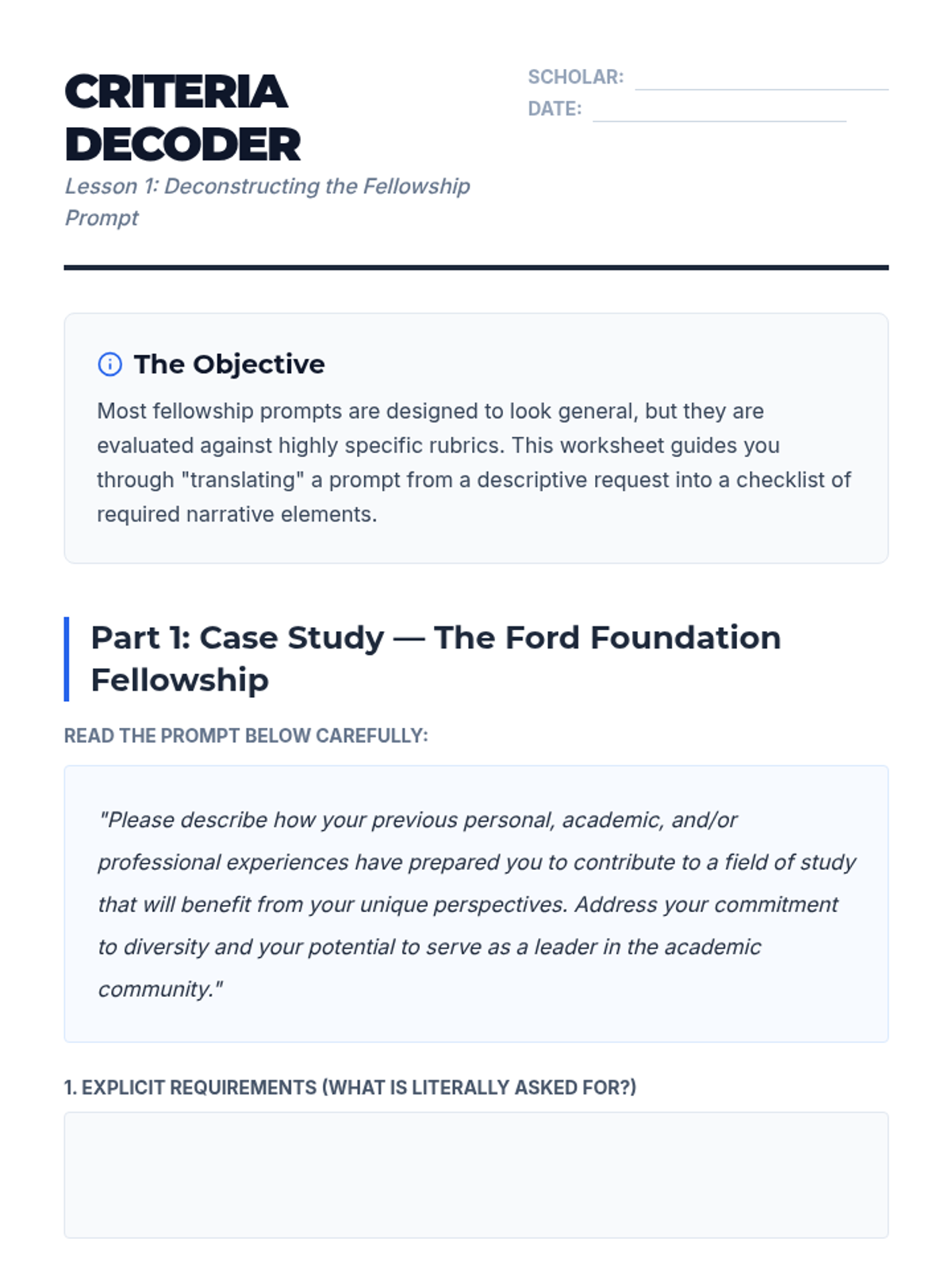
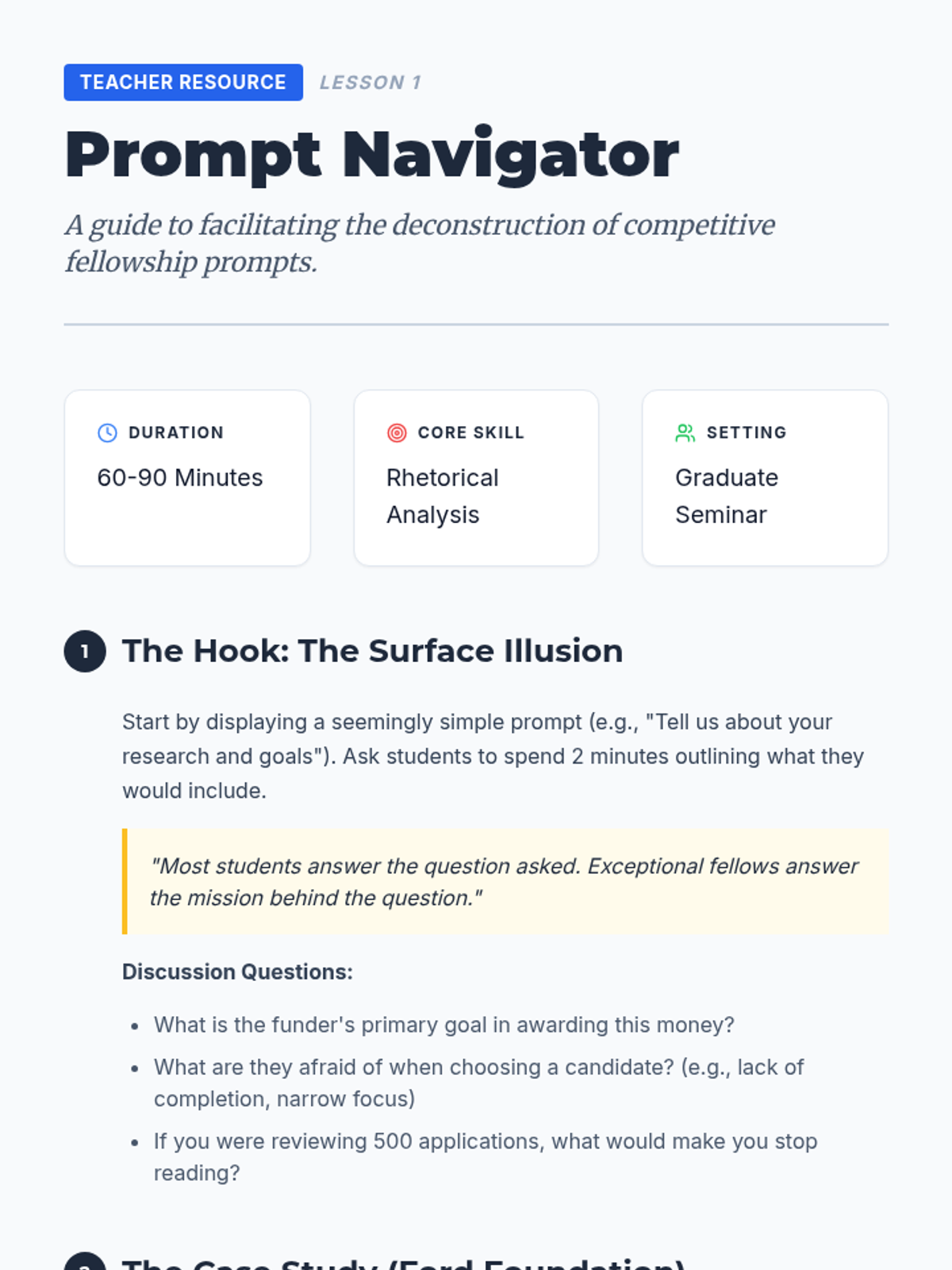
A comprehensive sequence for graduate students focusing on the craft of personal statements for competitive fellowships. Students will learn to deconstruct complex prompts, mine their life experiences for compelling hooks, bridge their past achievements with future goals, and tailor their narratives for diverse funding audiences through rigorous revision.
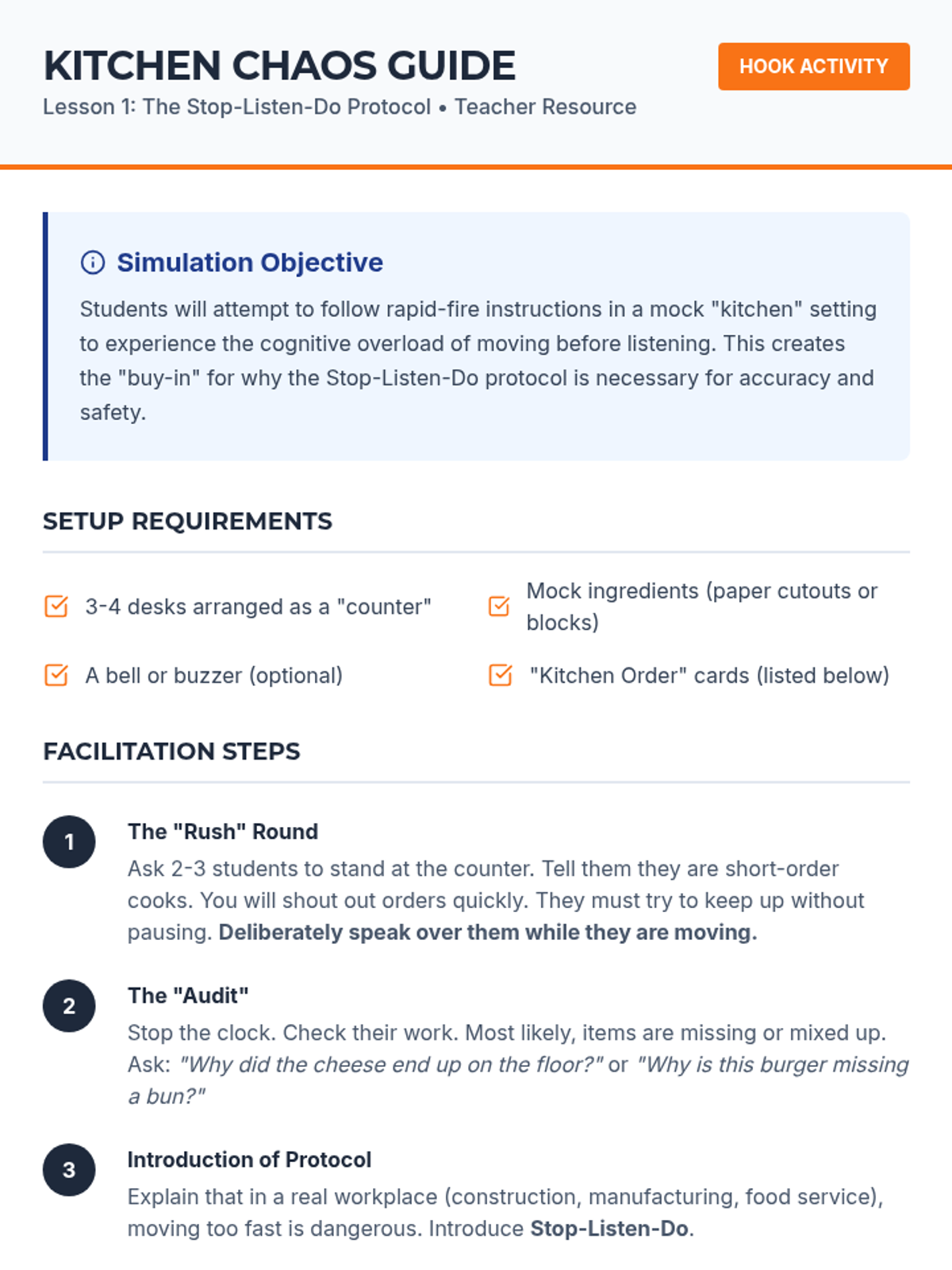
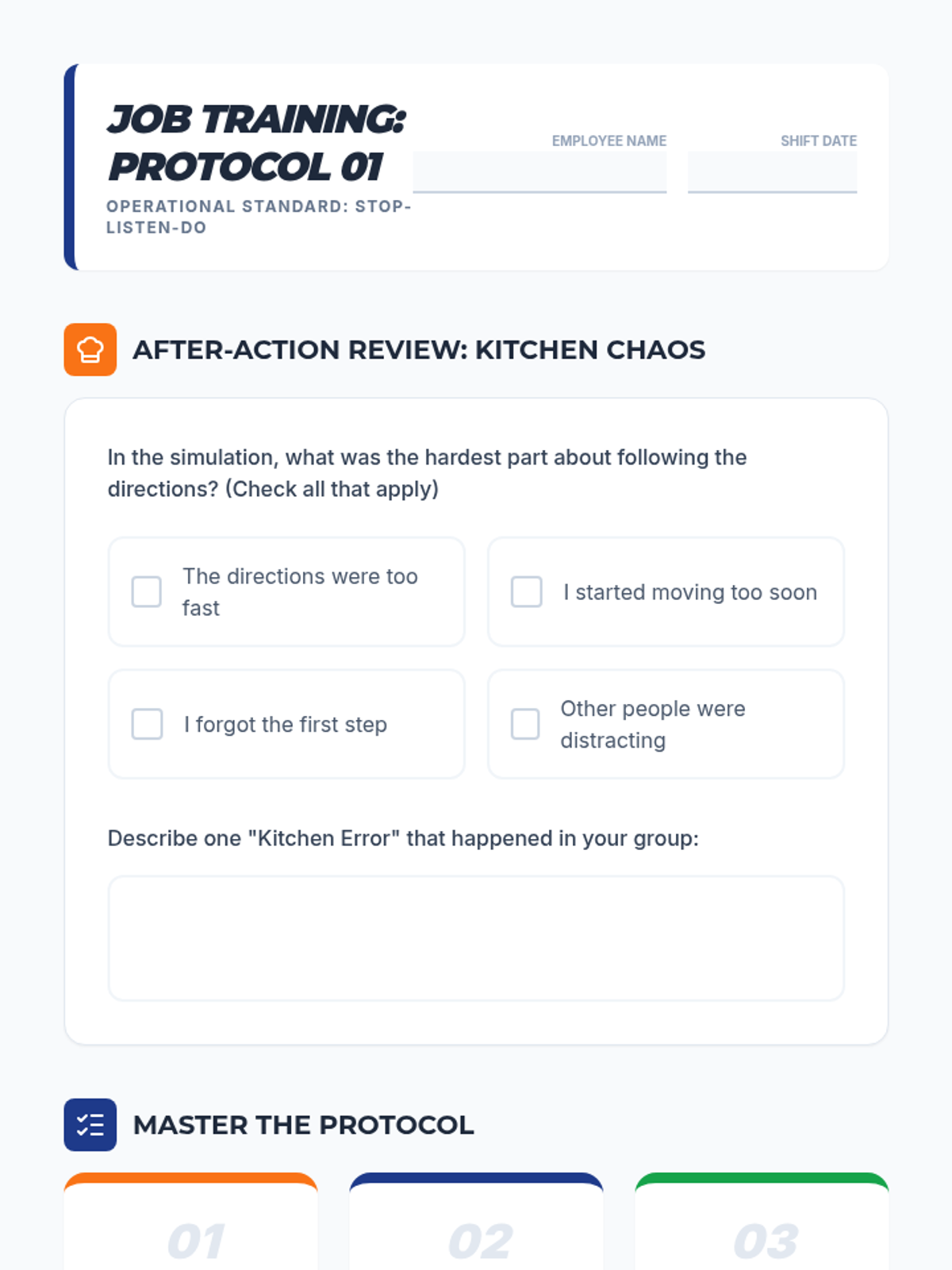
A vocational readiness sequence designed for 9th-grade students with working memory needs, focusing on the 'Stop-Listen-Do' protocol to master single-step directions in workplace environments. Students engage in simulations ranging from clerical work to assembly line tasks, emphasizing active listening and verification.
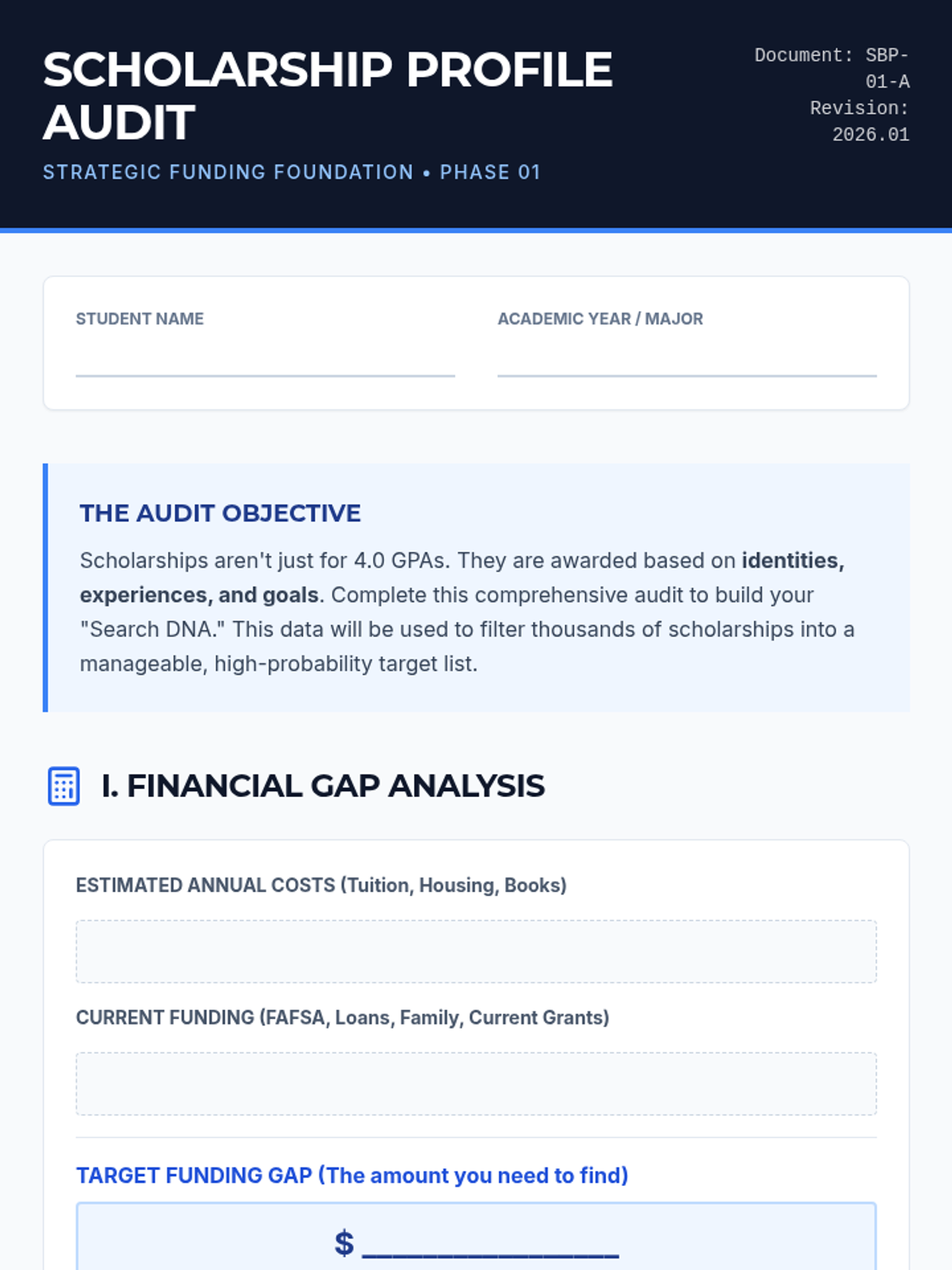
A comprehensive guide for undergraduate students to systematically search for, evaluate, and manage scholarship applications. The sequence covers self-auditing, database navigation, ROI analysis, project management, and donor mission alignment.
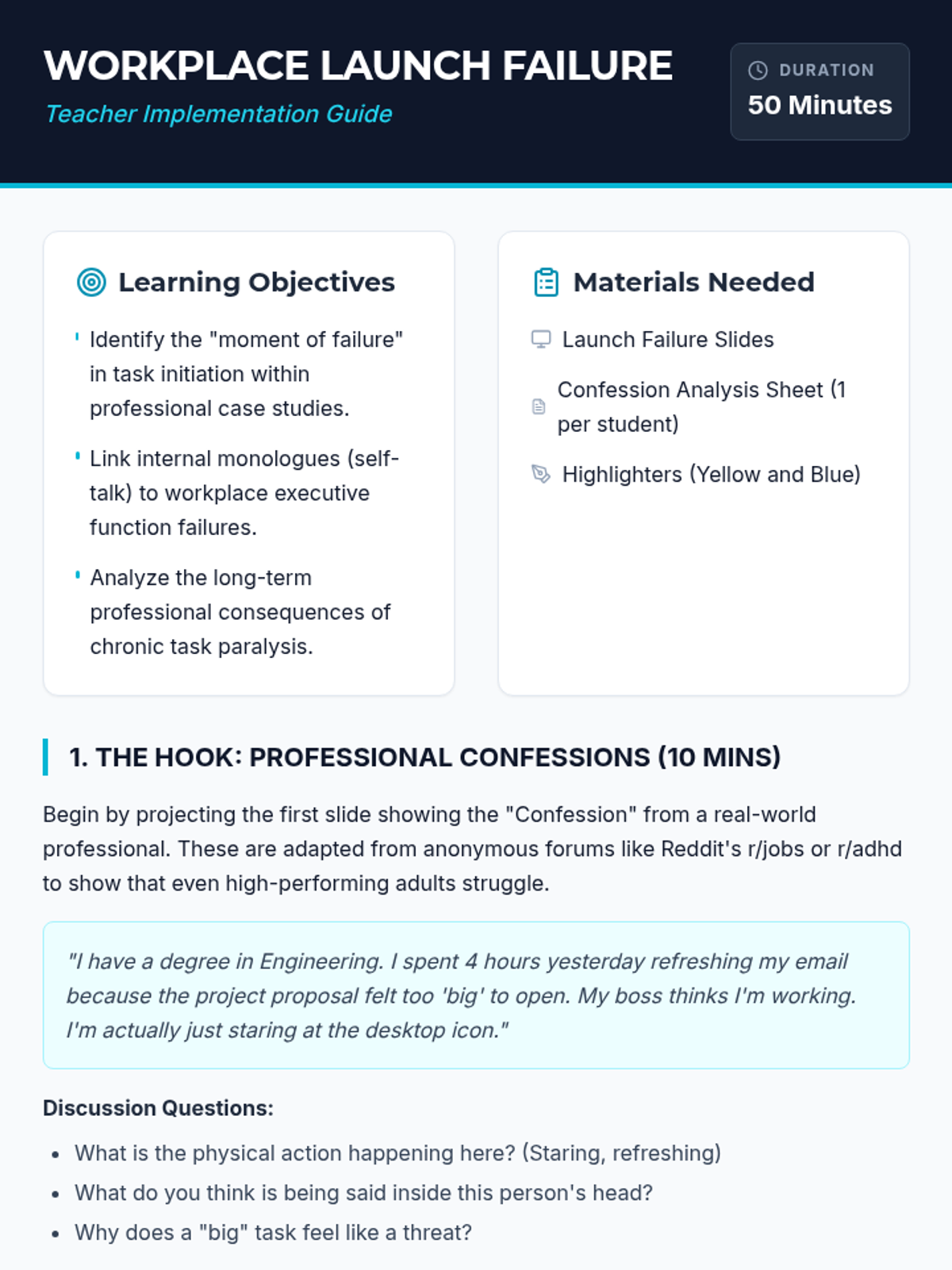
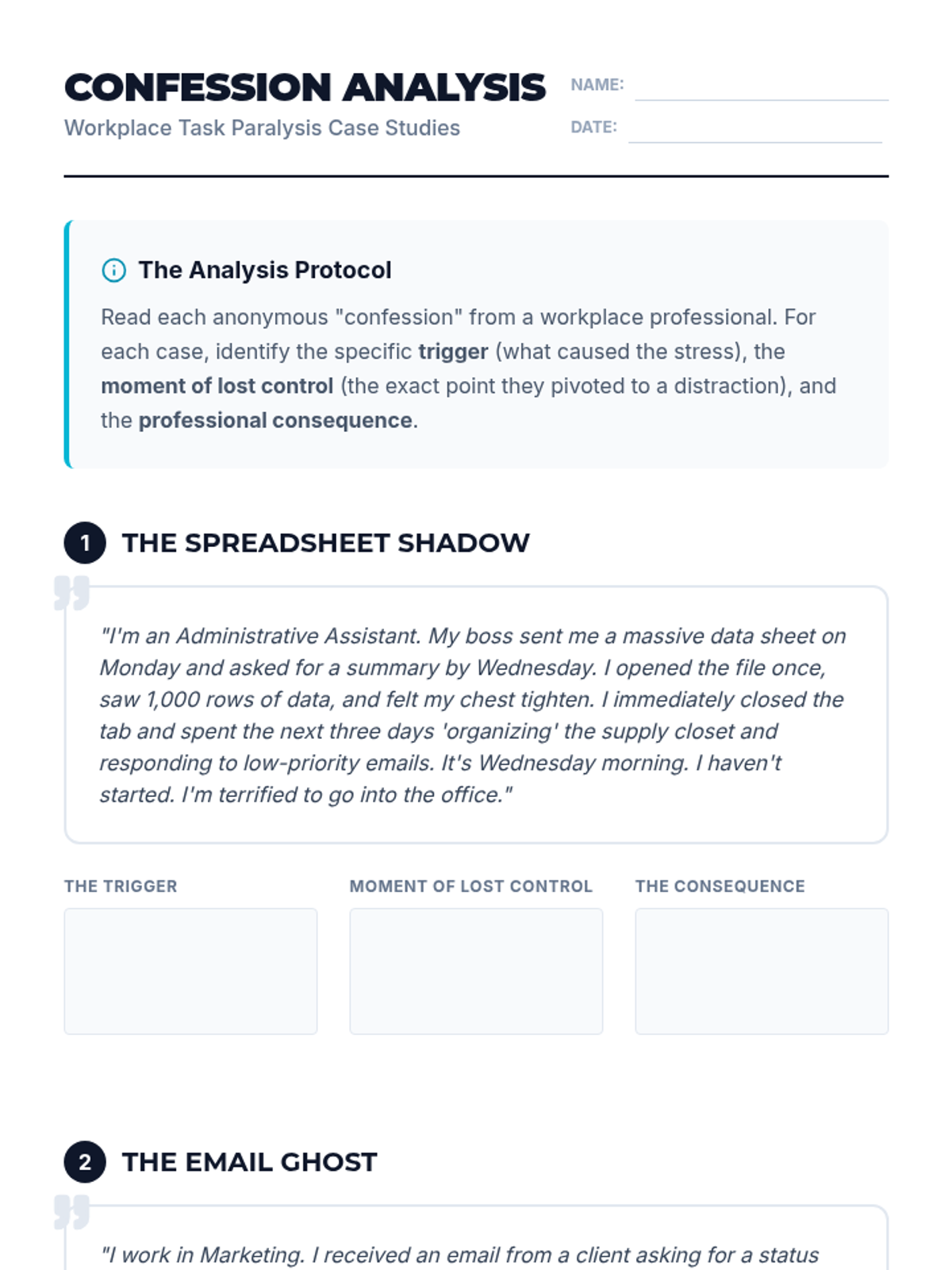
A comprehensive sequence for transition-age students to master self-talk strategies for task initiation in professional and independent living contexts. Students move from analyzing workplace failures to building a personalized 'Standard Operating Procedure' for overcoming task paralysis.
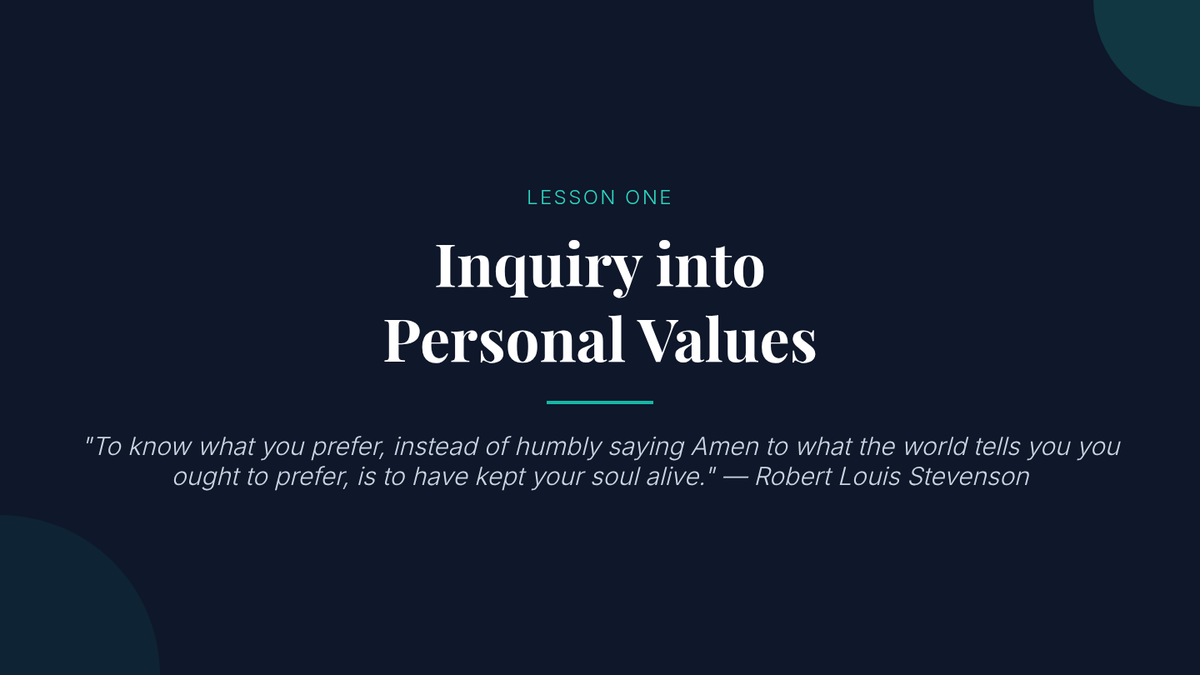
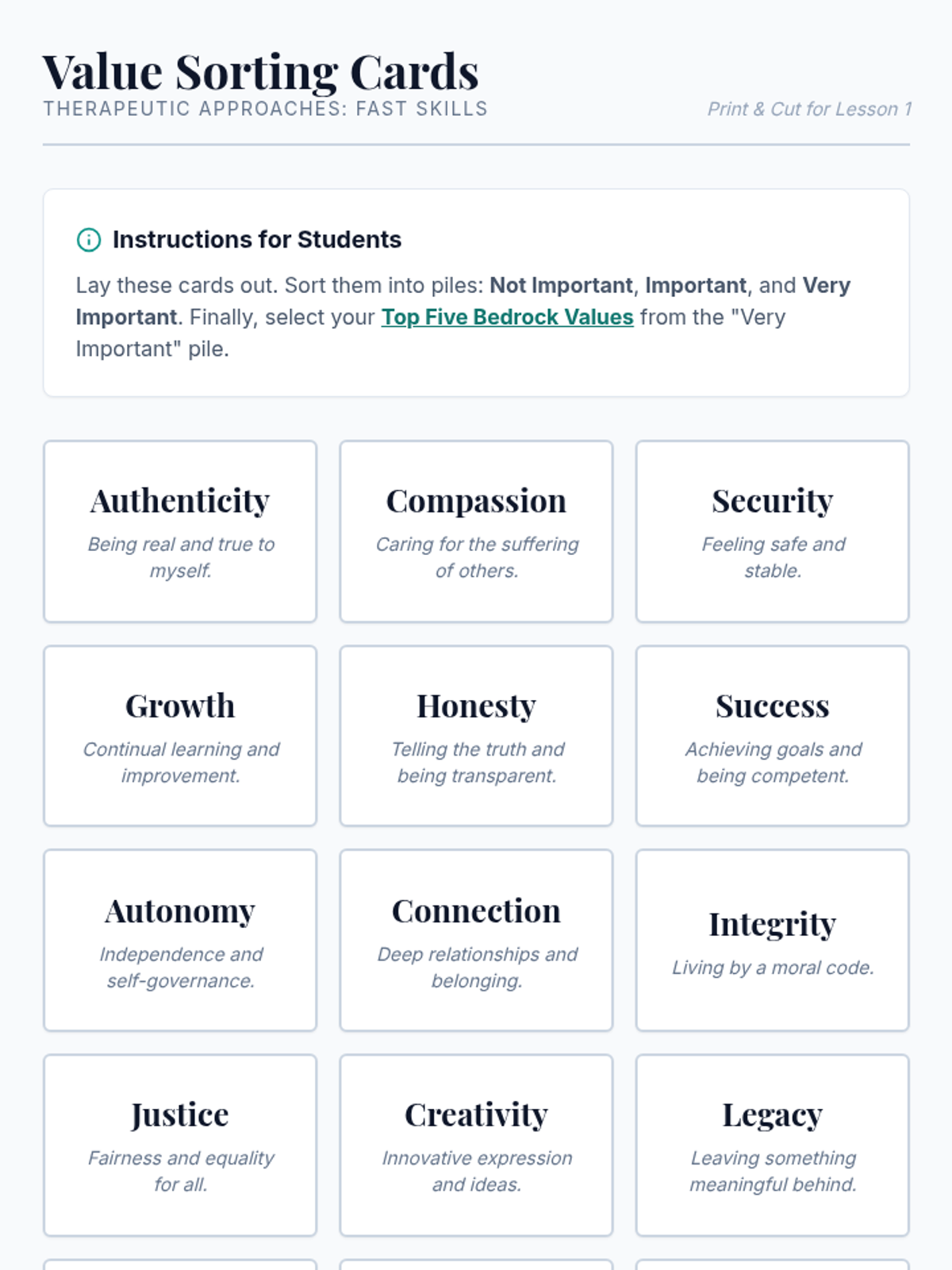
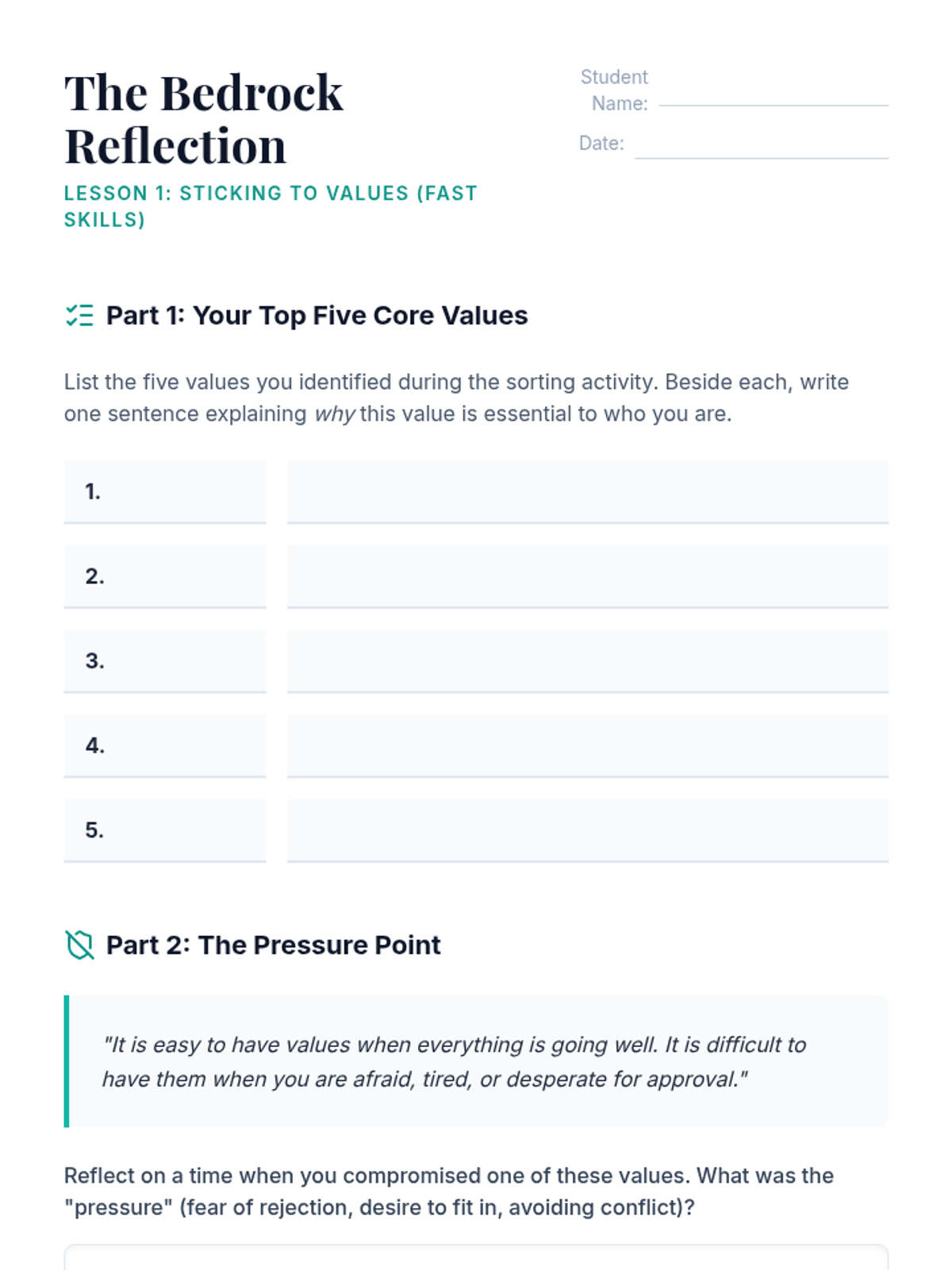
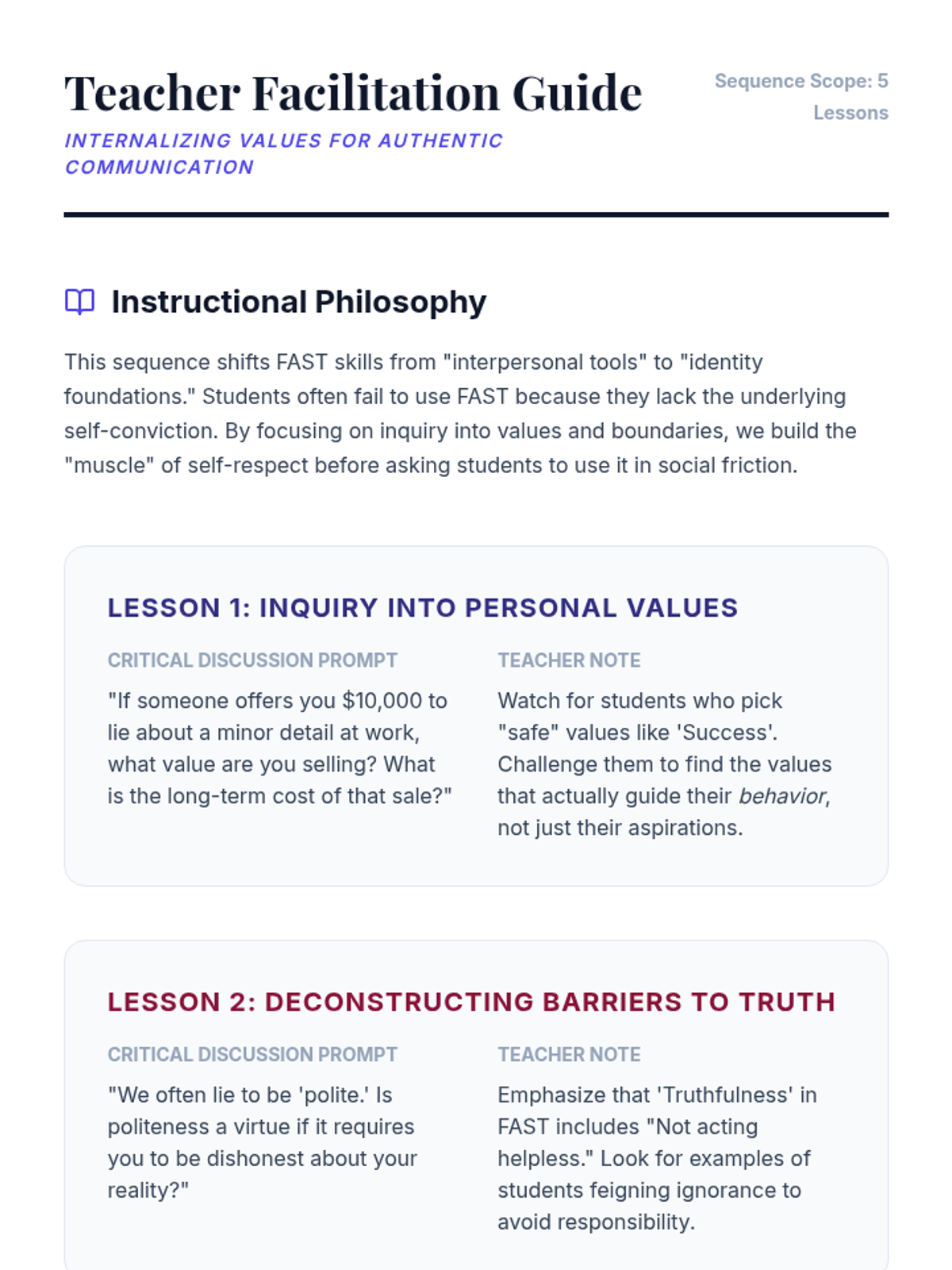
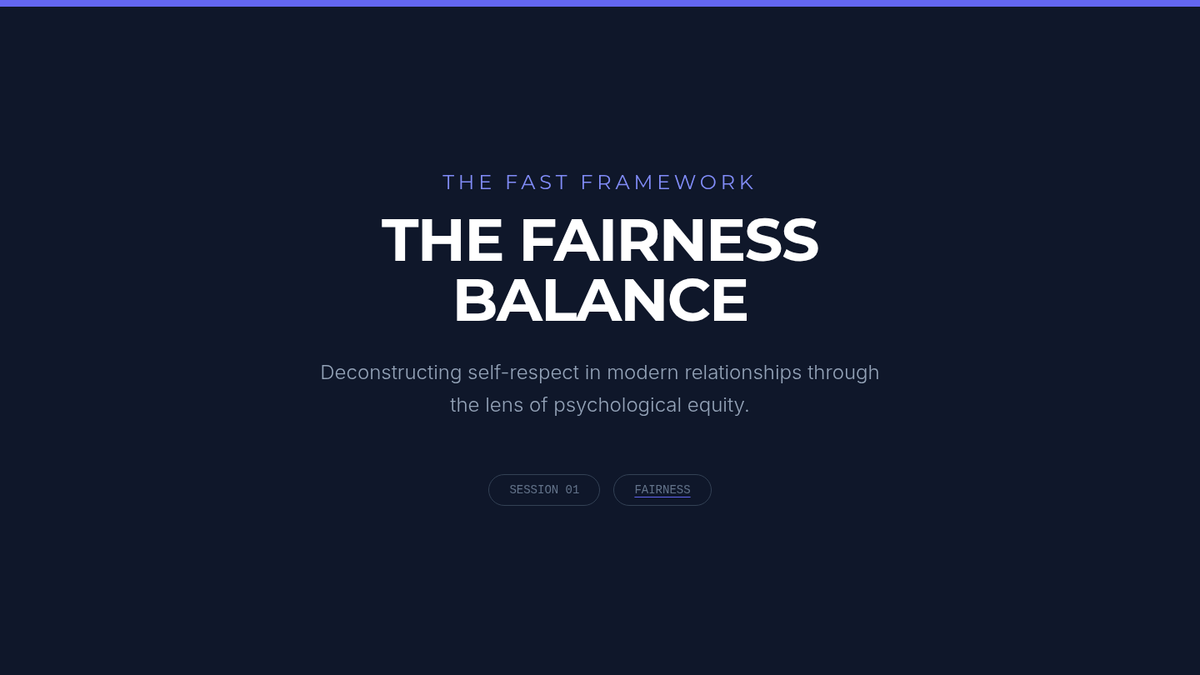
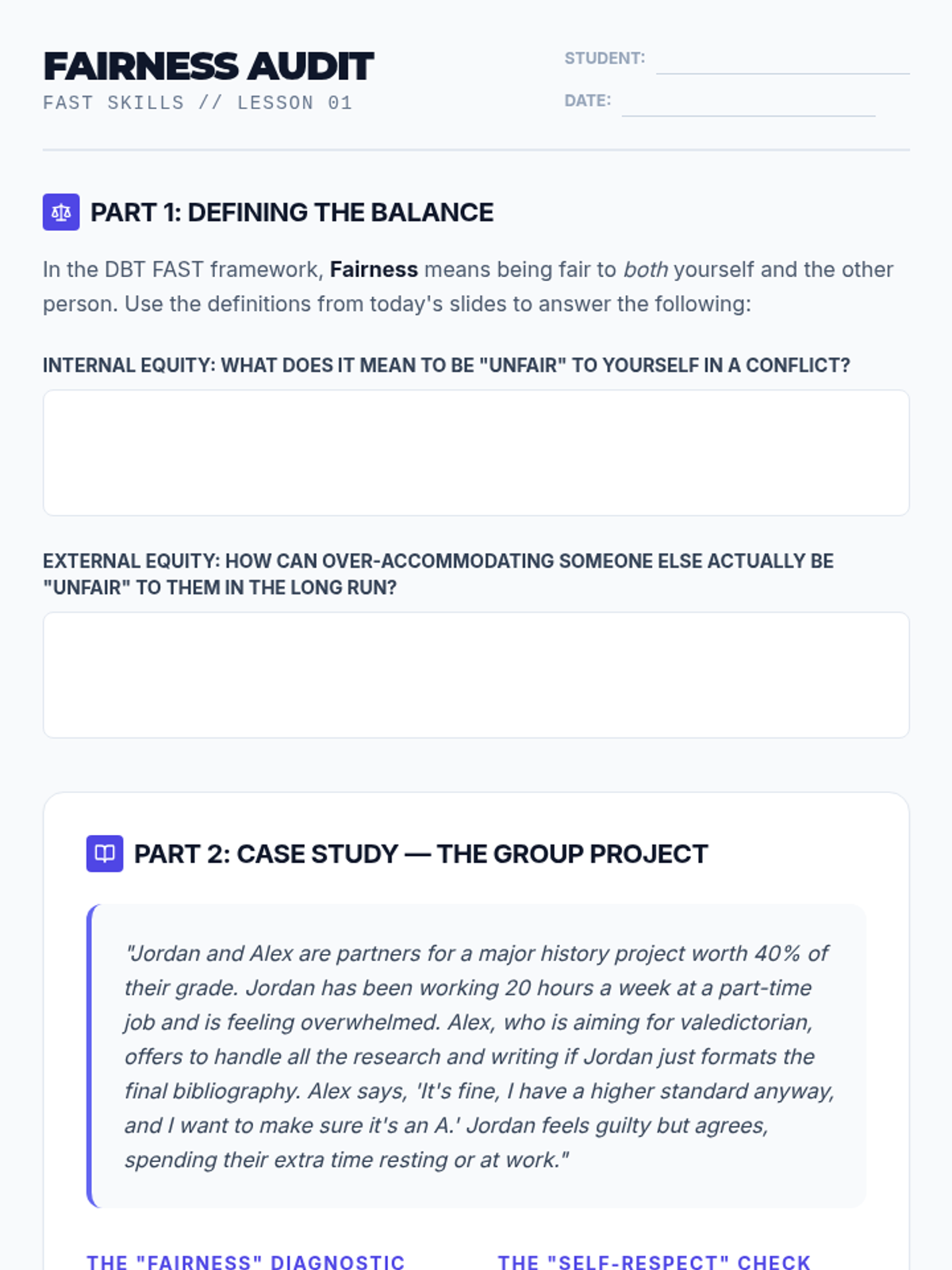
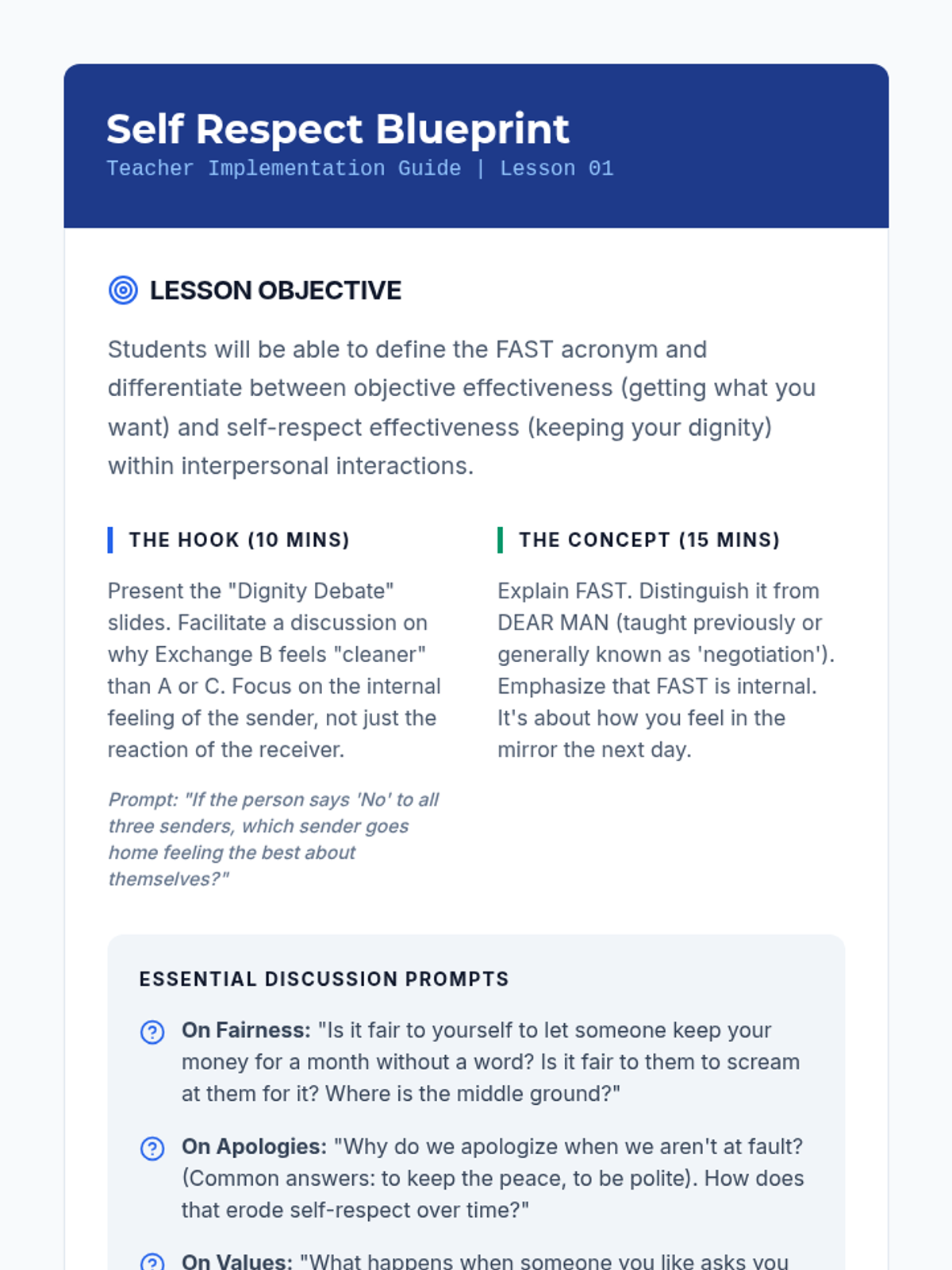
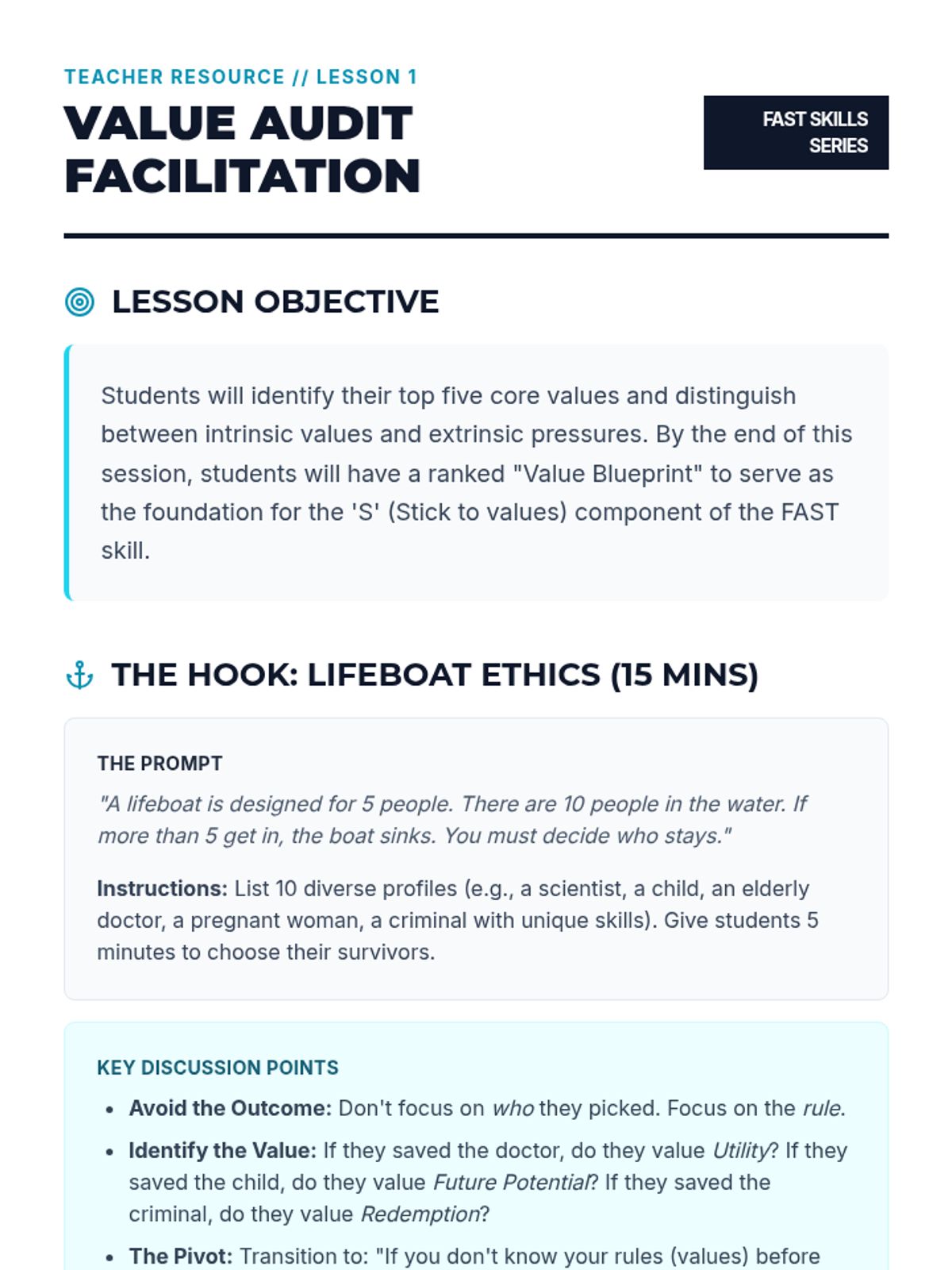
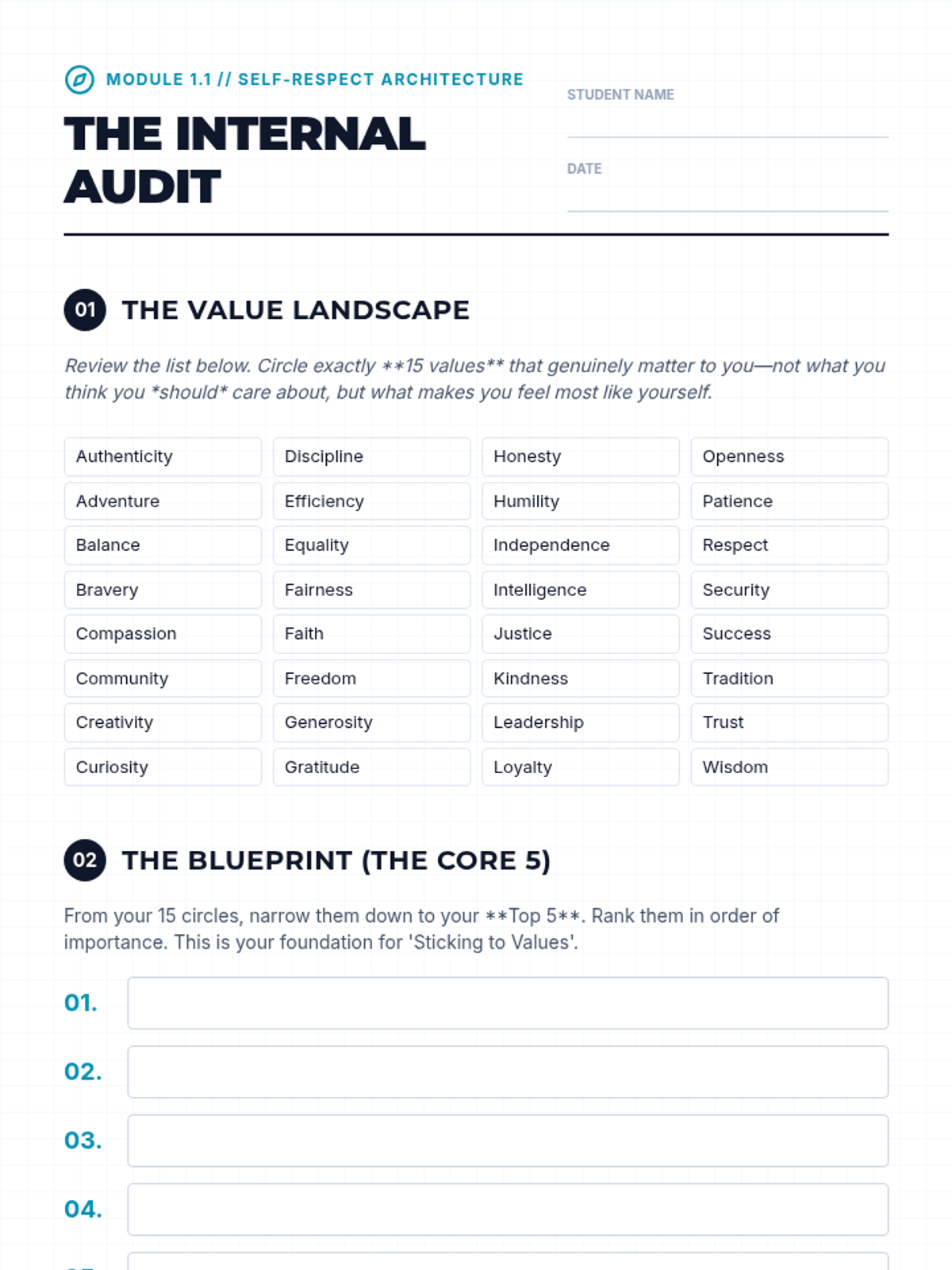
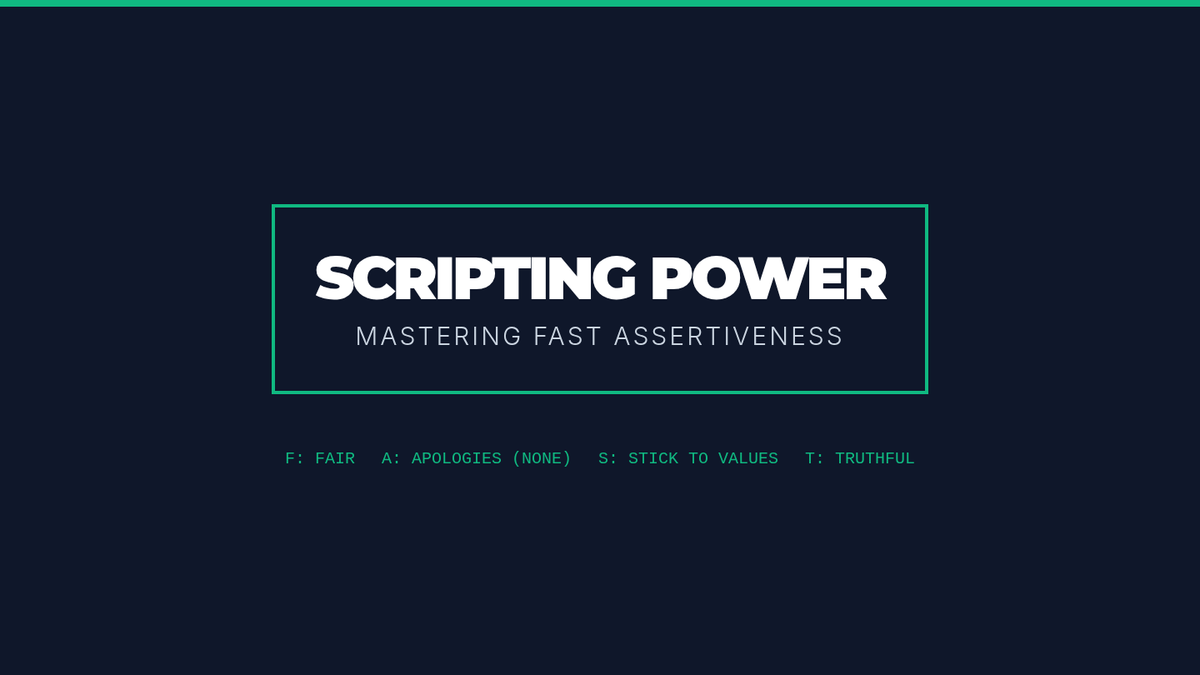
An inquiry-based exploration of the FAST skills (Fairness, Apologies, Stick to Values, Truthfulness) for undergraduate students. This sequence moves from internal value identification to external boundary setting and integrity planning.
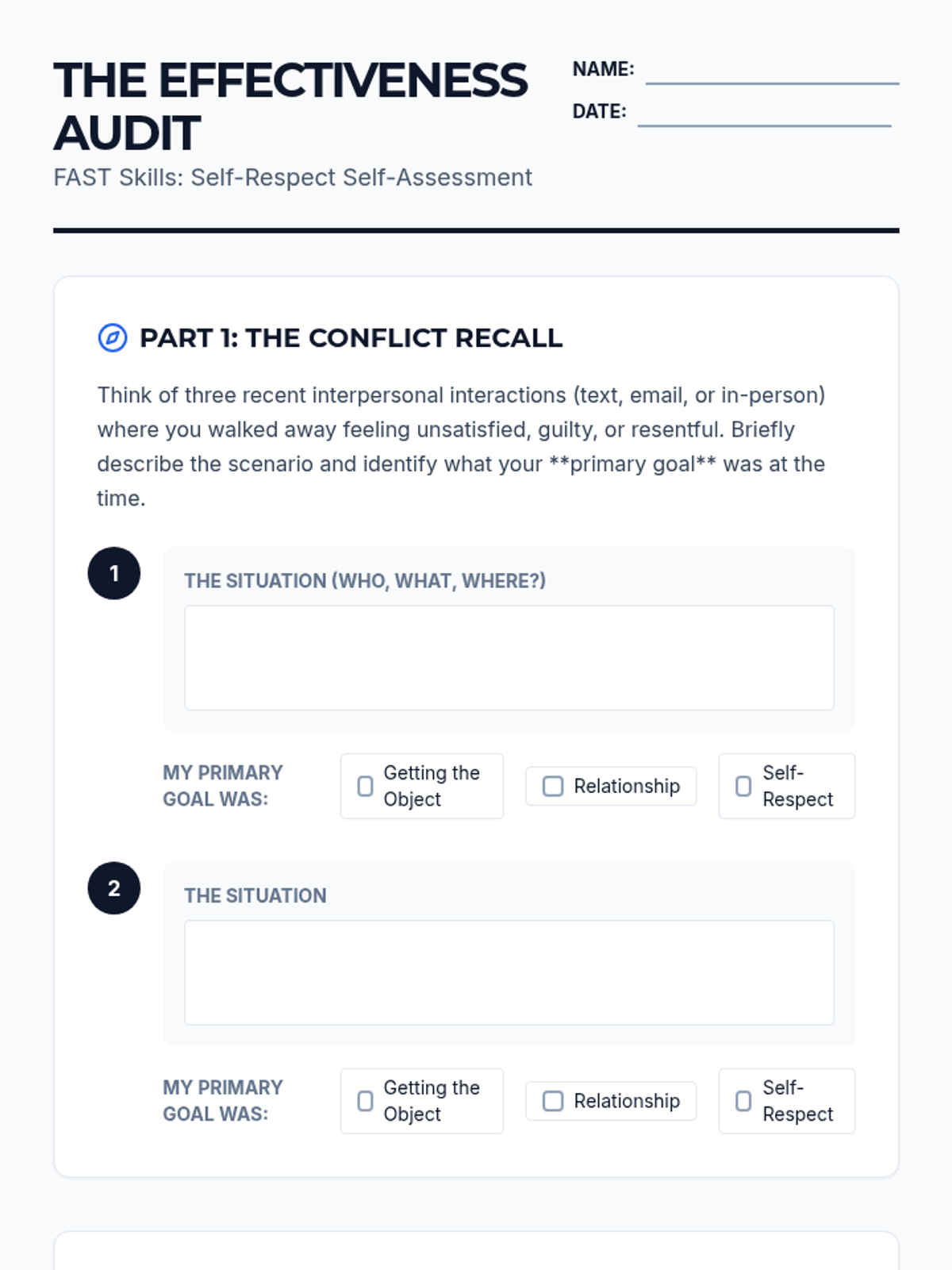
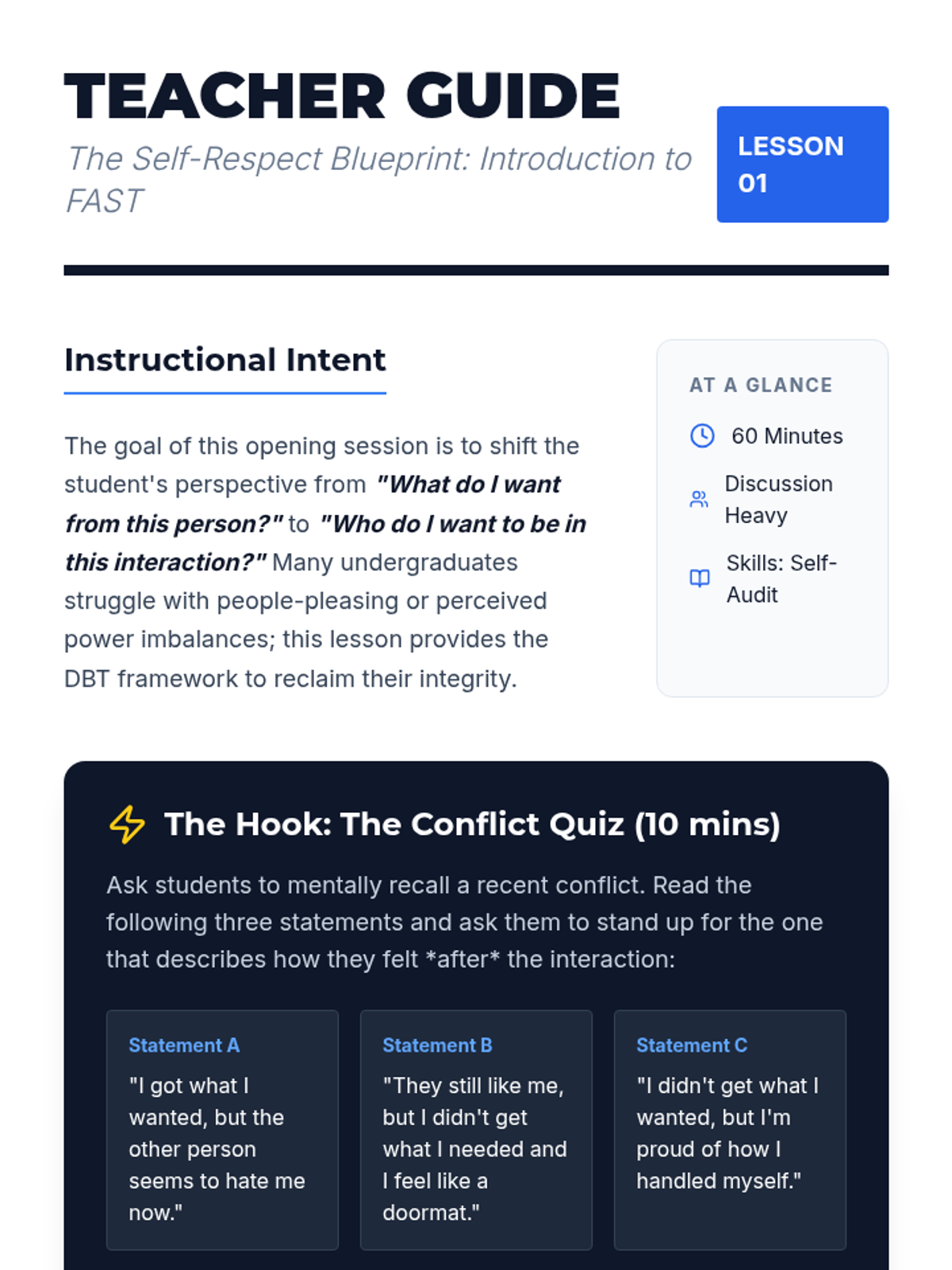
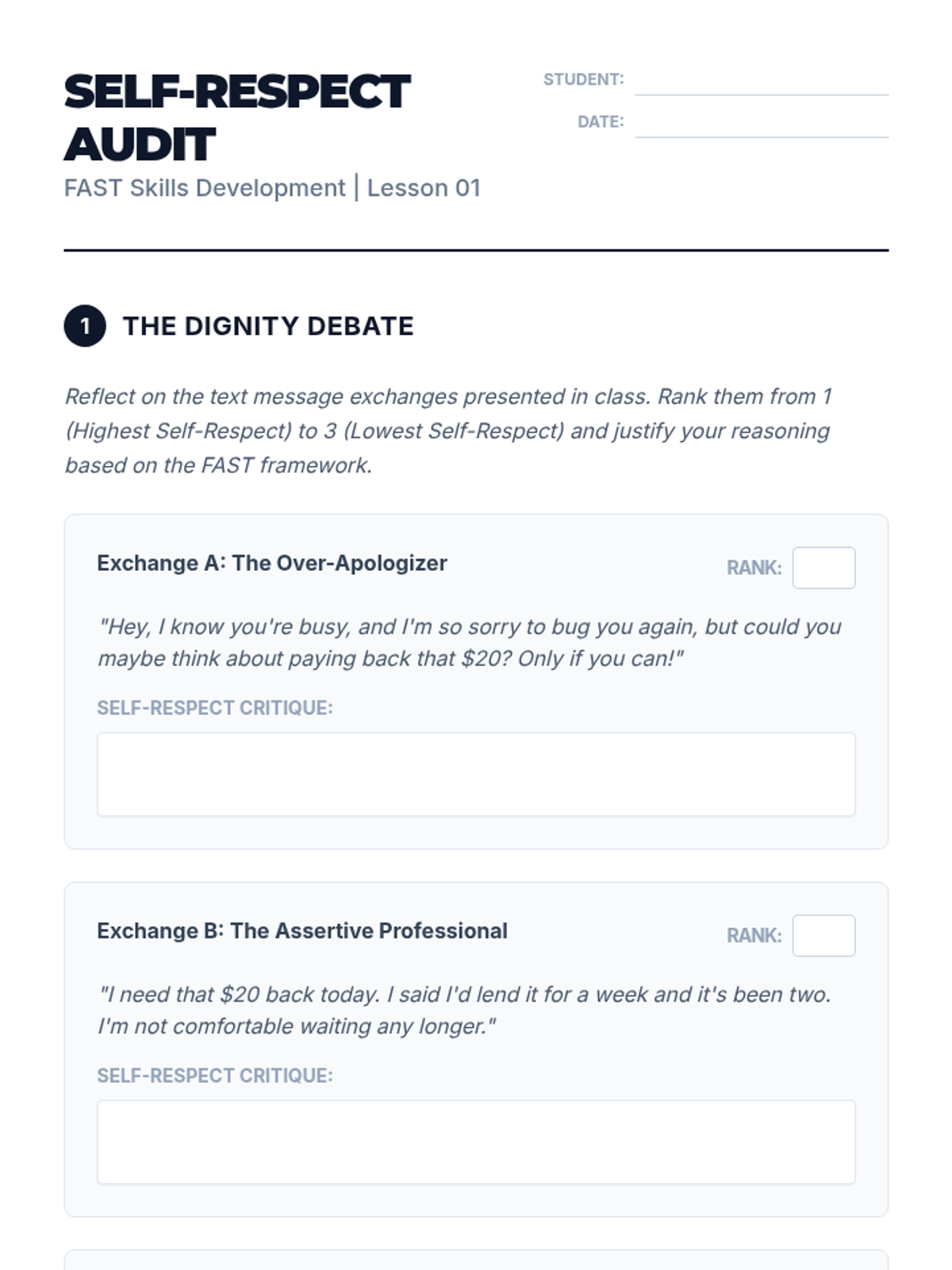
A comprehensive 5-lesson series for undergraduate students on the Dialectical Behavior Therapy (DBT) FAST skills. Students explore Fairness, Apologies, Sticking to Values, and Truthfulness to build a foundation for maintaining self-respect in social and professional contexts.
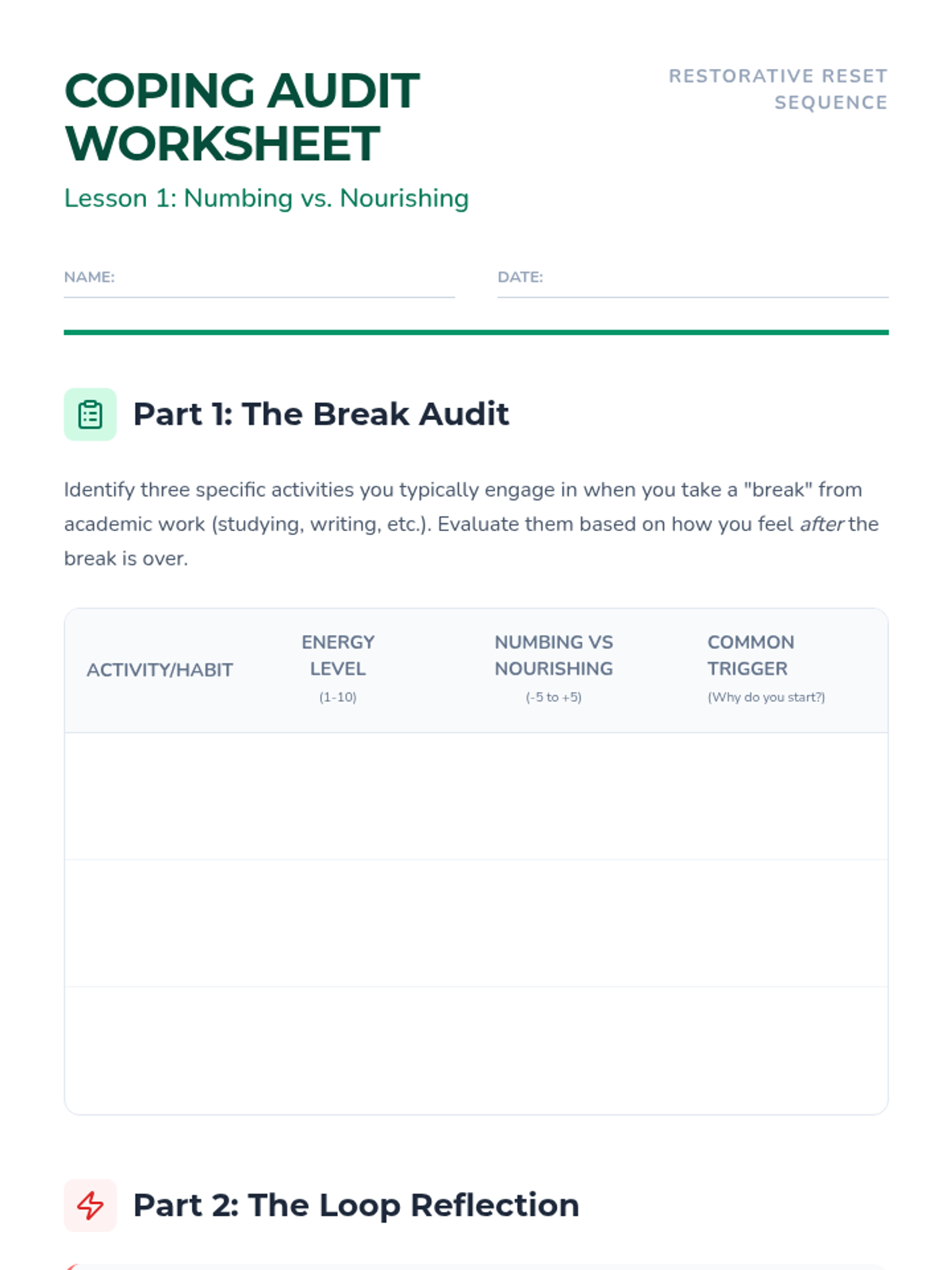
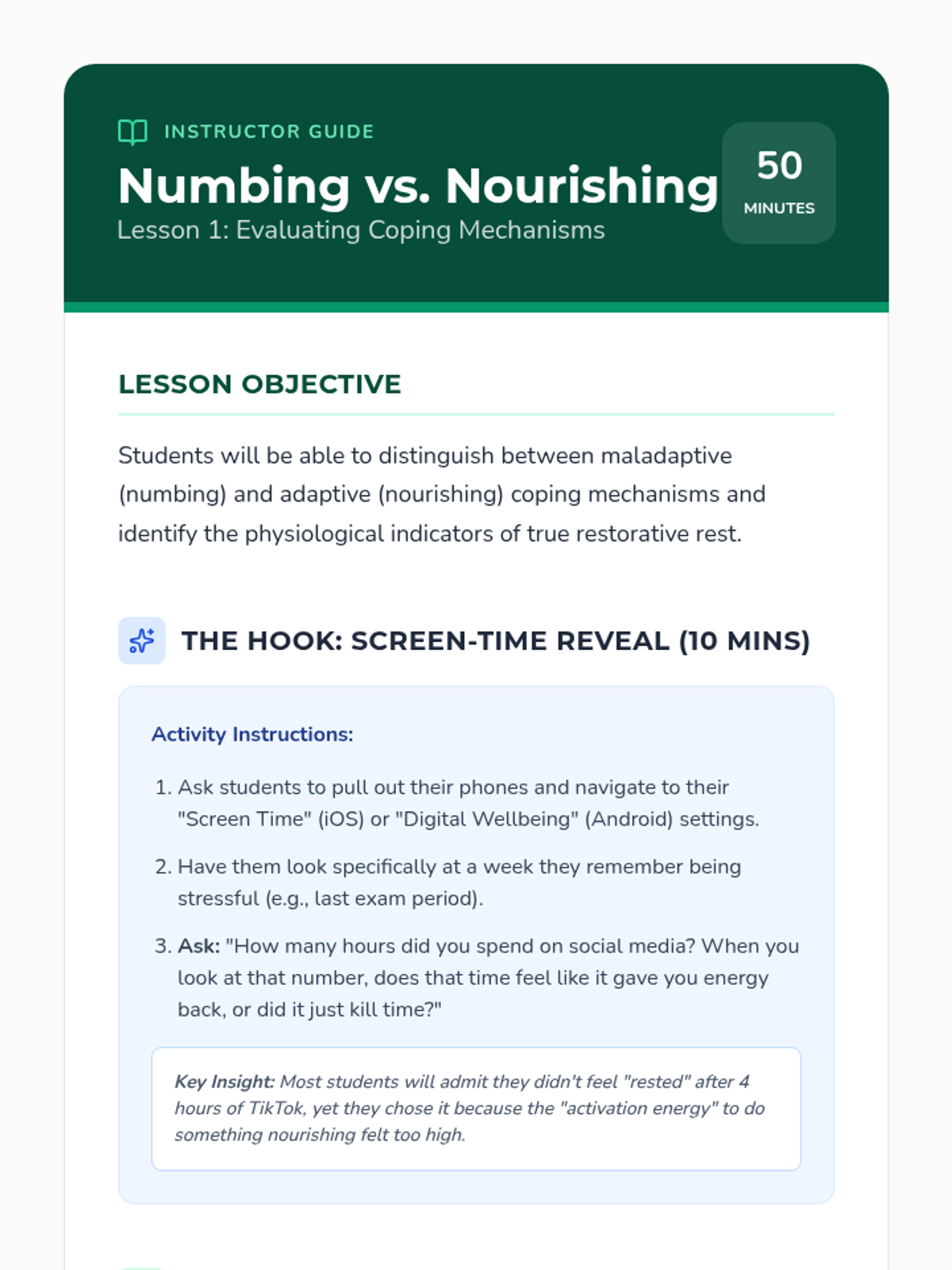
A 5-lesson sequence for undergraduate students focused on transforming requested breaks from avoidant behaviors into restorative regulation. Students explore somatic, cognitive, and environmental strategies to manage stress and transition back to academic work effectively.
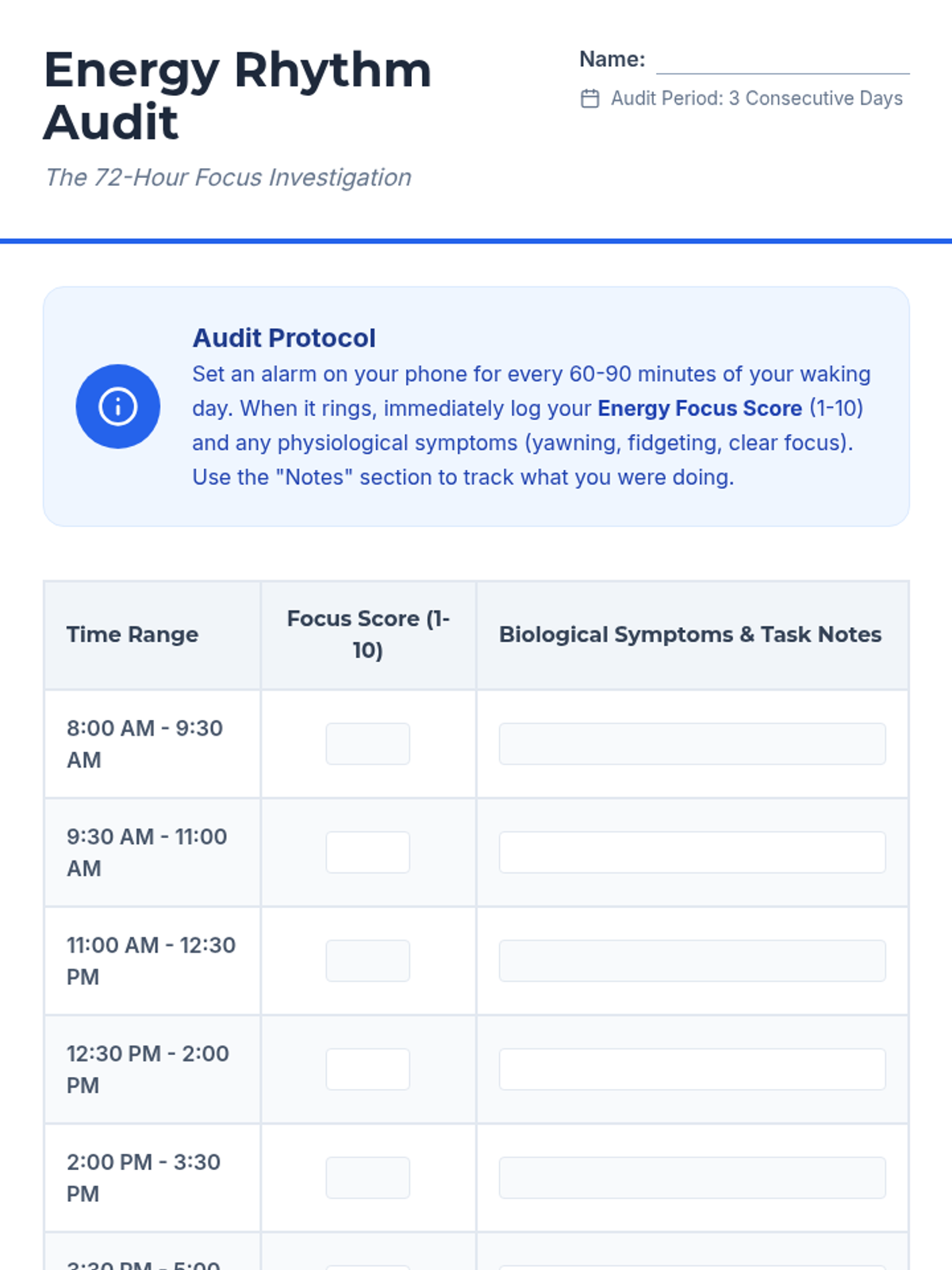
A comprehensive sequence for undergraduate students focusing on executive function and proactive support-seeking. Students move from data-driven self-analysis of energy rhythms to the creation of a long-term 'Semester Sustainability Plan' that treats mental health and support as logistical necessities.
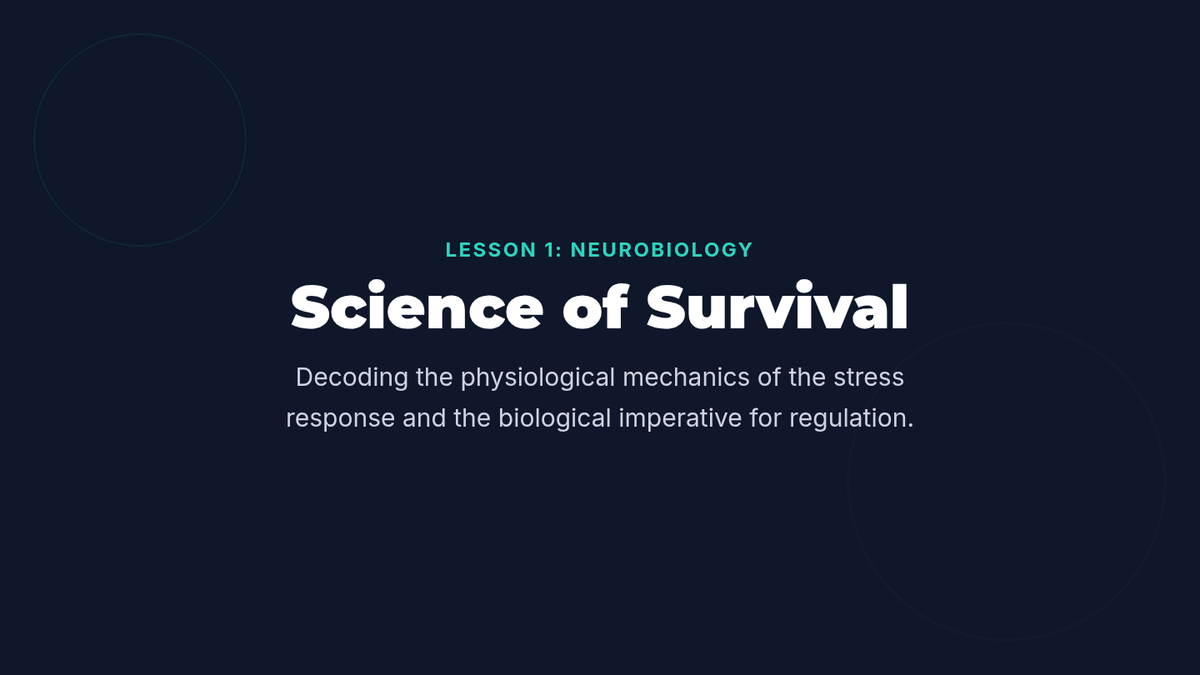
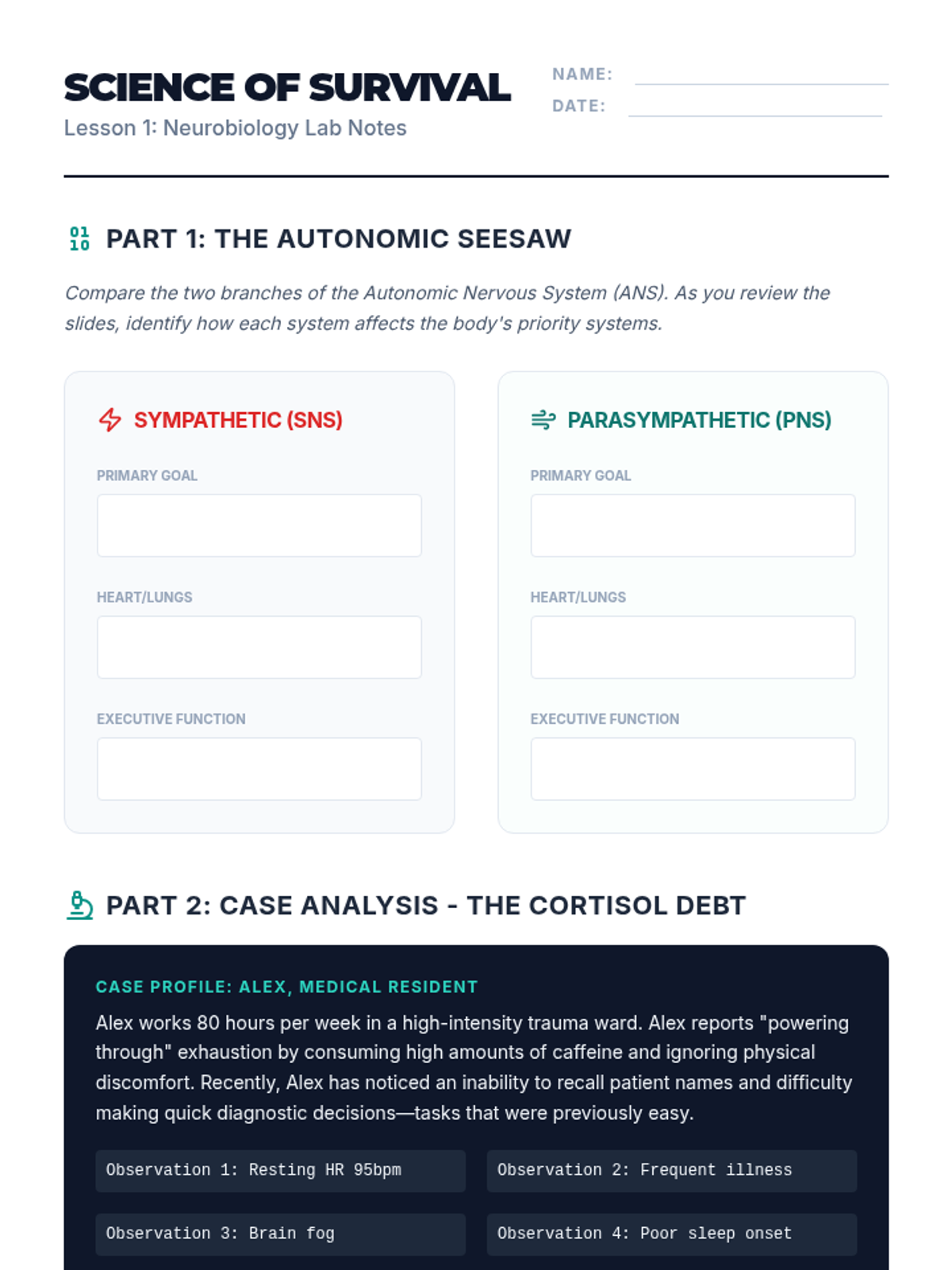
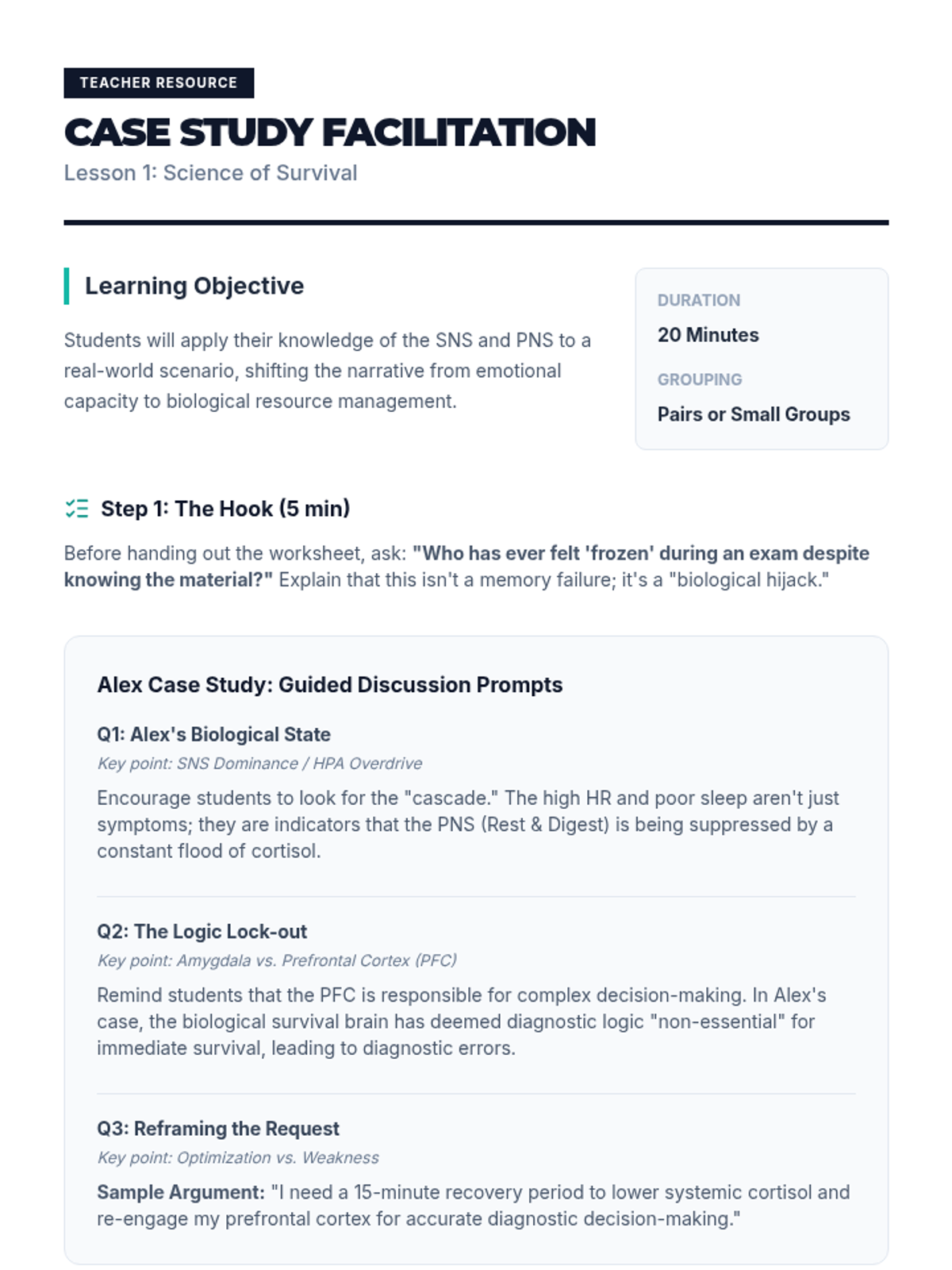
This undergraduate-level sequence explores the biological and psychological underpinnings of stress to legitimize the need for rest and support. Students bridge neuroscience with practical self-regulation, moving from understanding the HPA axis to creating personalized 'Standard Operating Procedures' for mental and physiological performance optimization.
A comprehensive 11th-grade sequence deconstructing the DBT FAST framework. Students analyze psychological principles of self-respect through case studies, sociolinguistic analysis, and values audits to master interpersonal integrity.
A comprehensive 5-lesson sequence for 12th graders to master DBT FAST skills (Fairness, No Apologies, Stick to Values, Truthfulness) through real-world adult simulations and deep self-reflection.
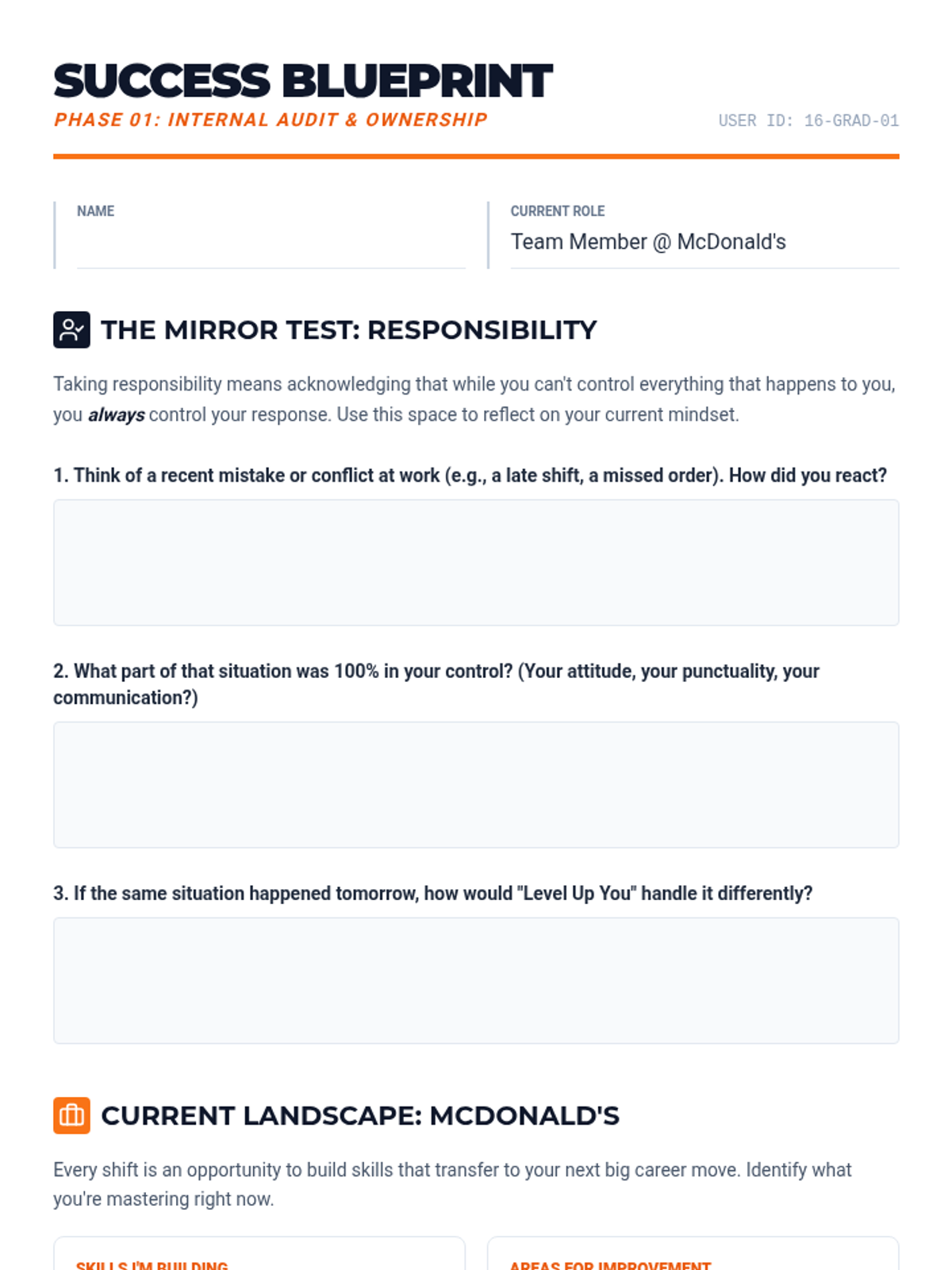
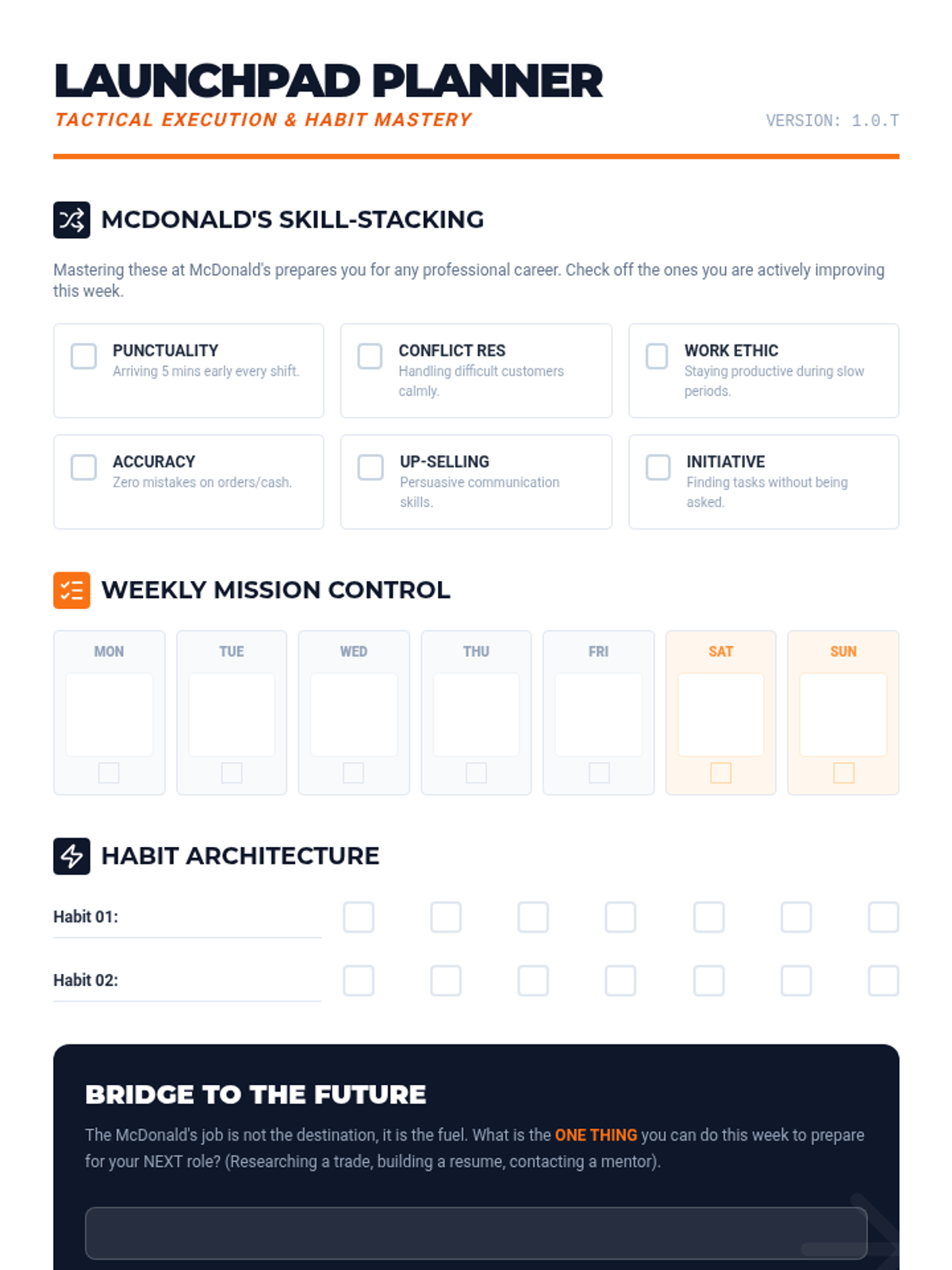
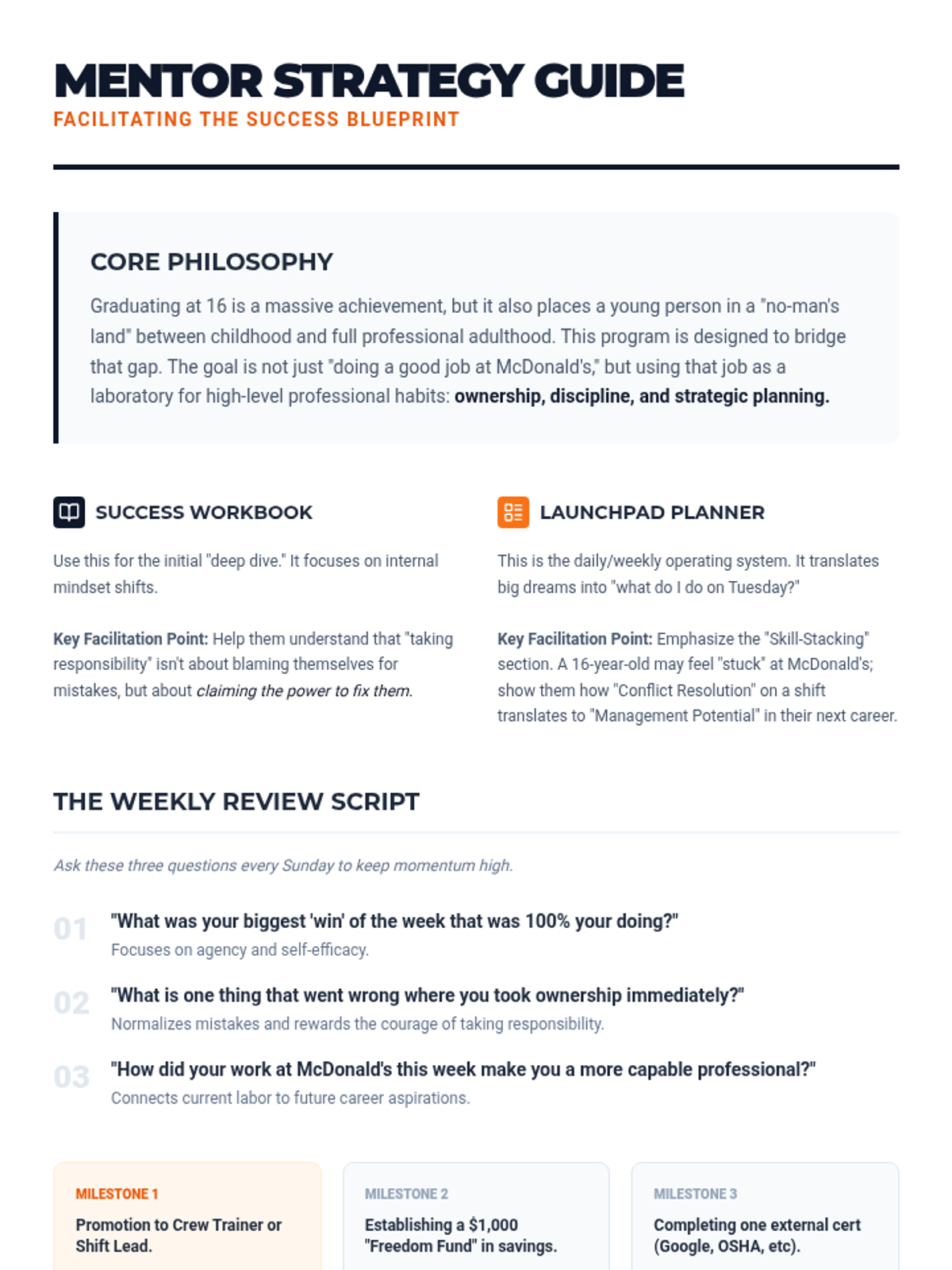
A comprehensive personal development guide for a young graduate to take ownership of their life, master their current role, and bridge the gap to their future career through structured goal-setting and reflection.
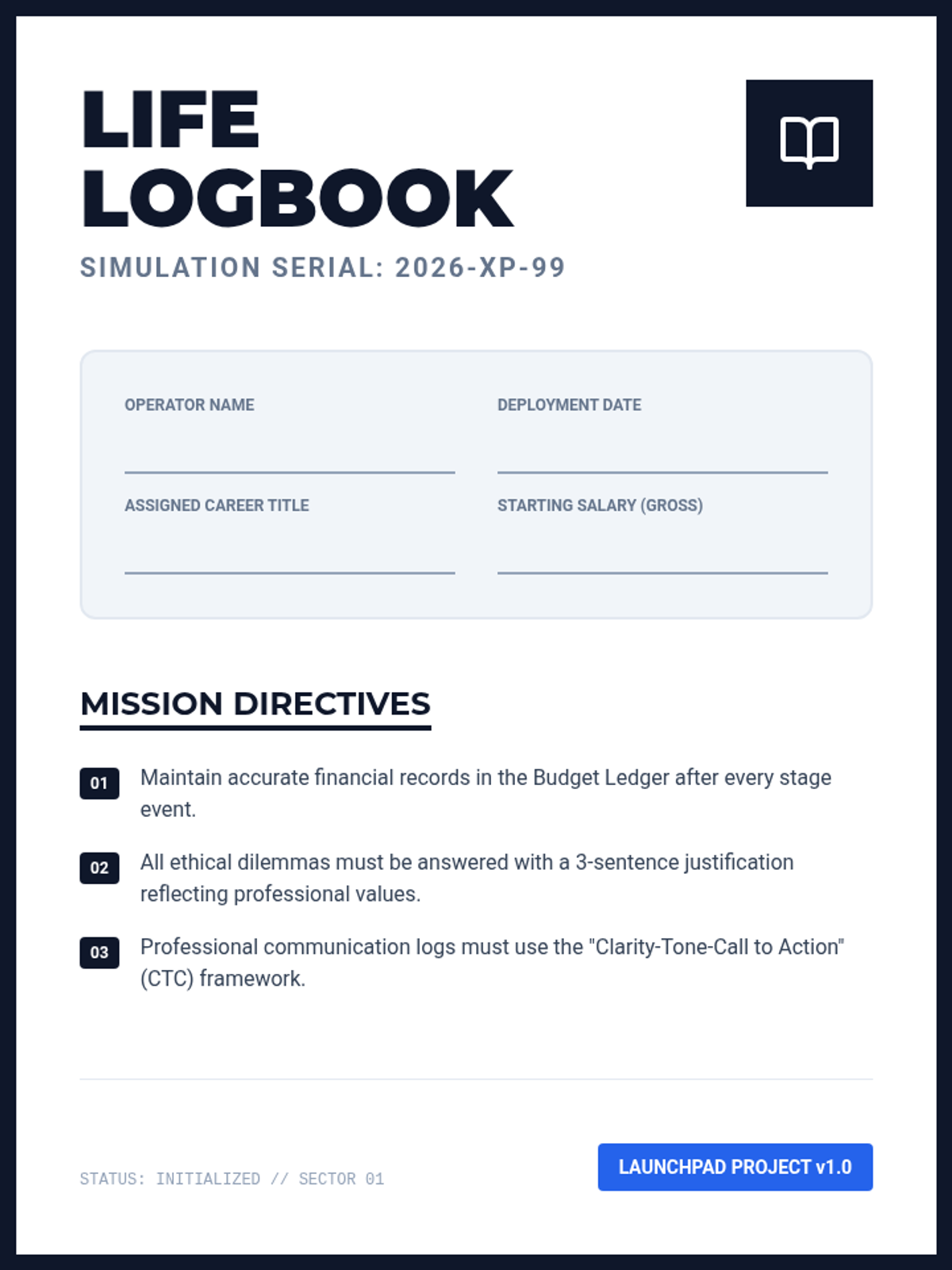
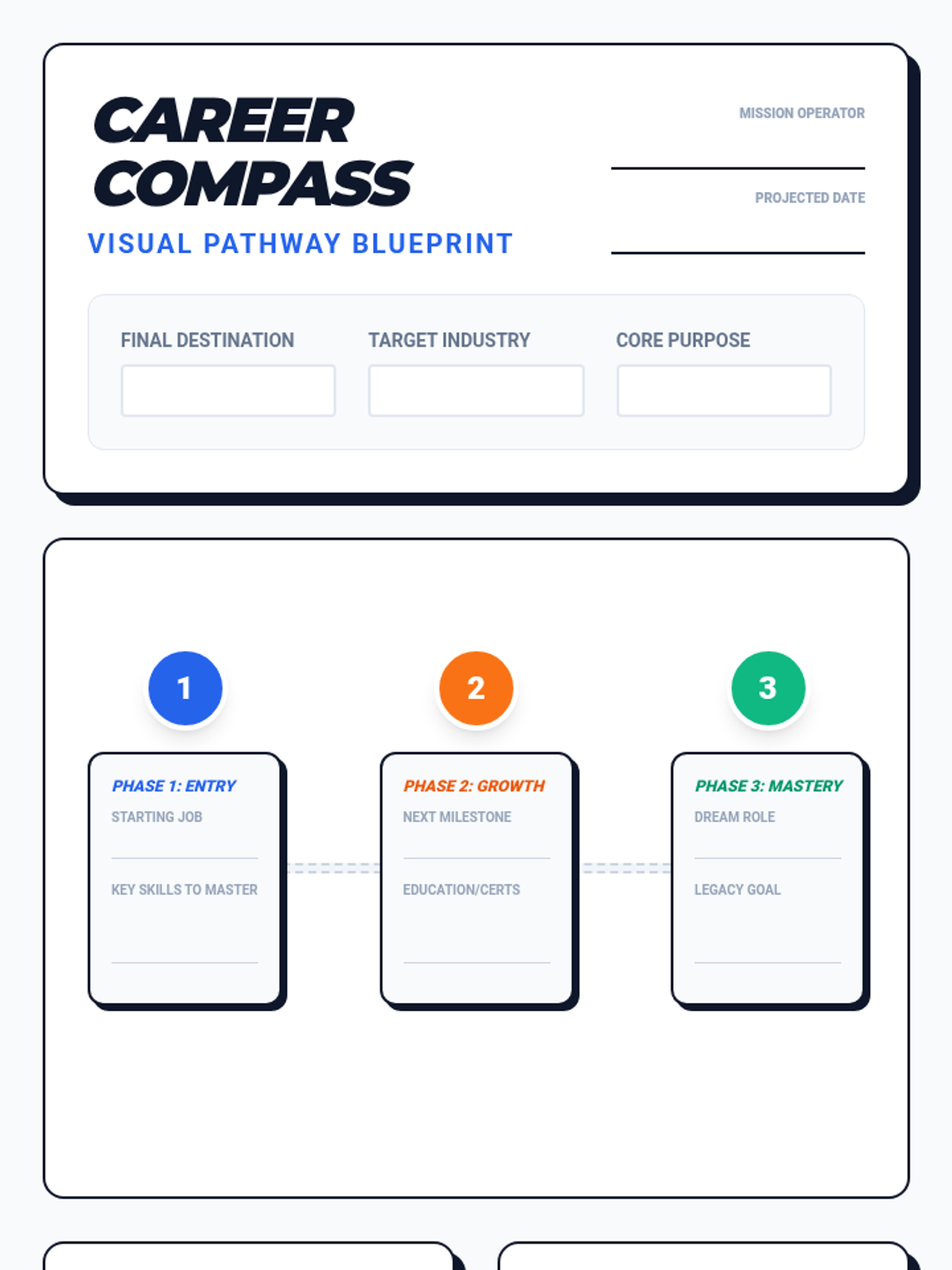
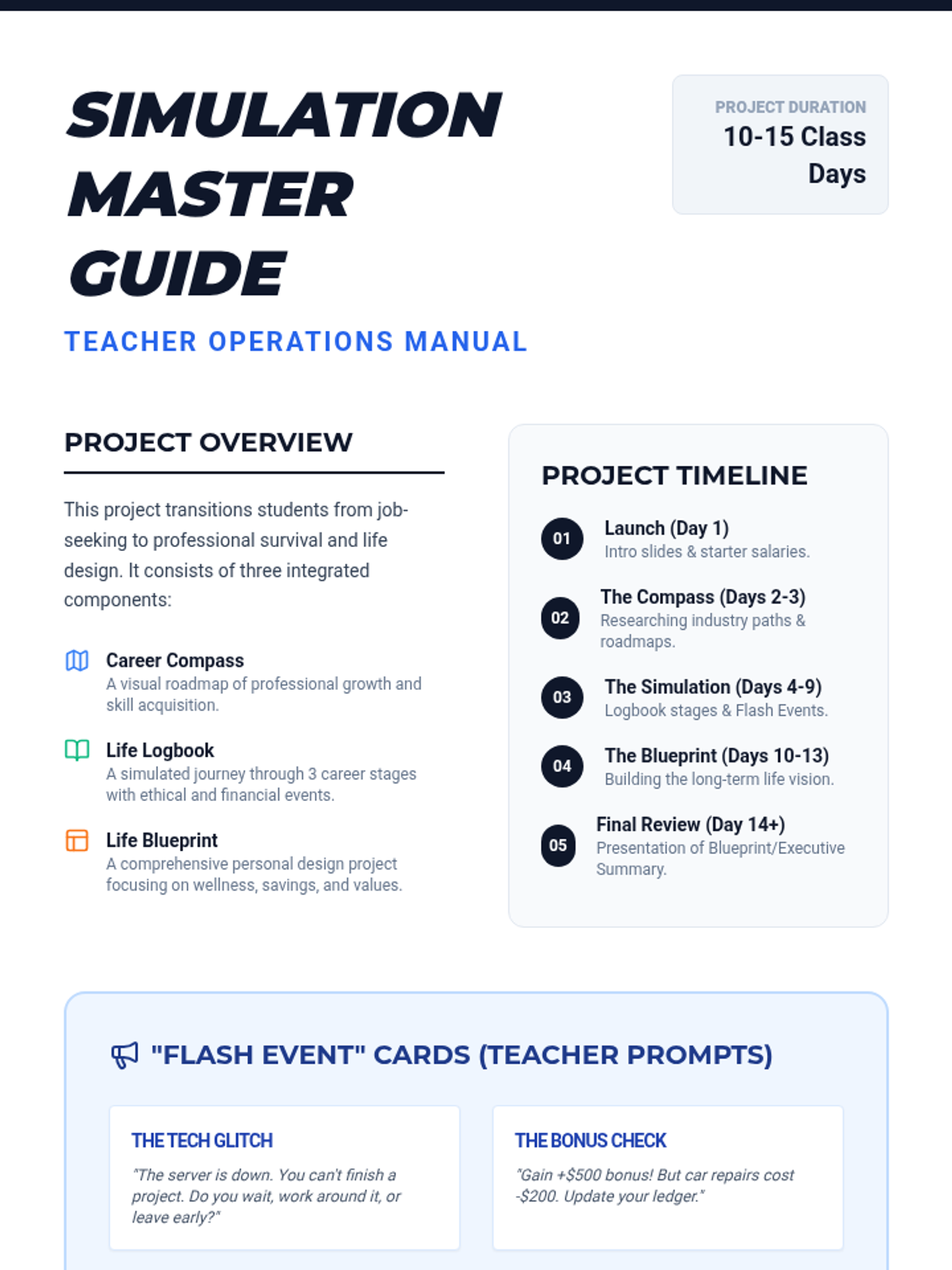
A series of lessons and projects designed to transition students from job-seeking skills to workplace success and independent living, focusing on professional ethics, communication, and long-term planning.
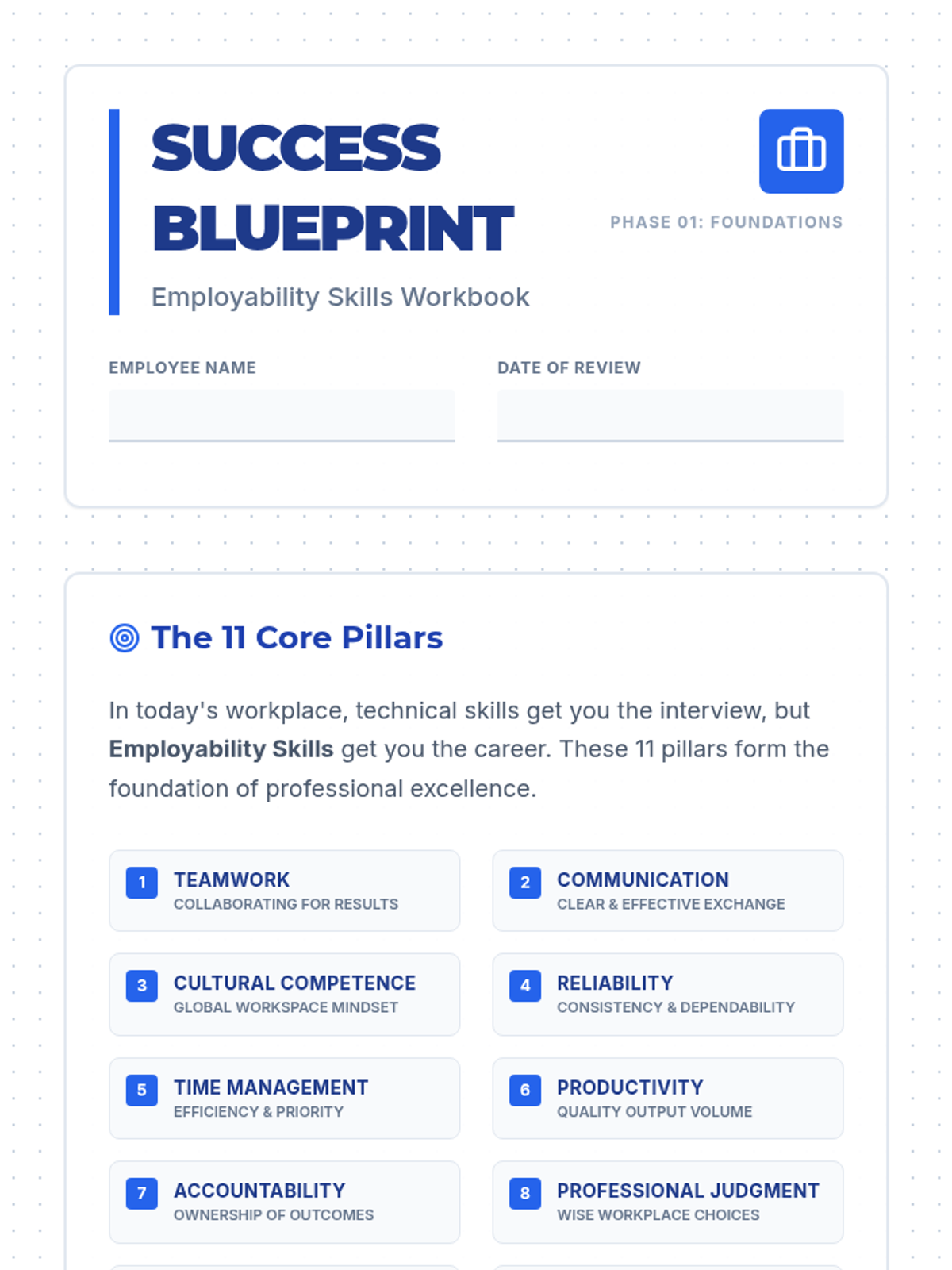
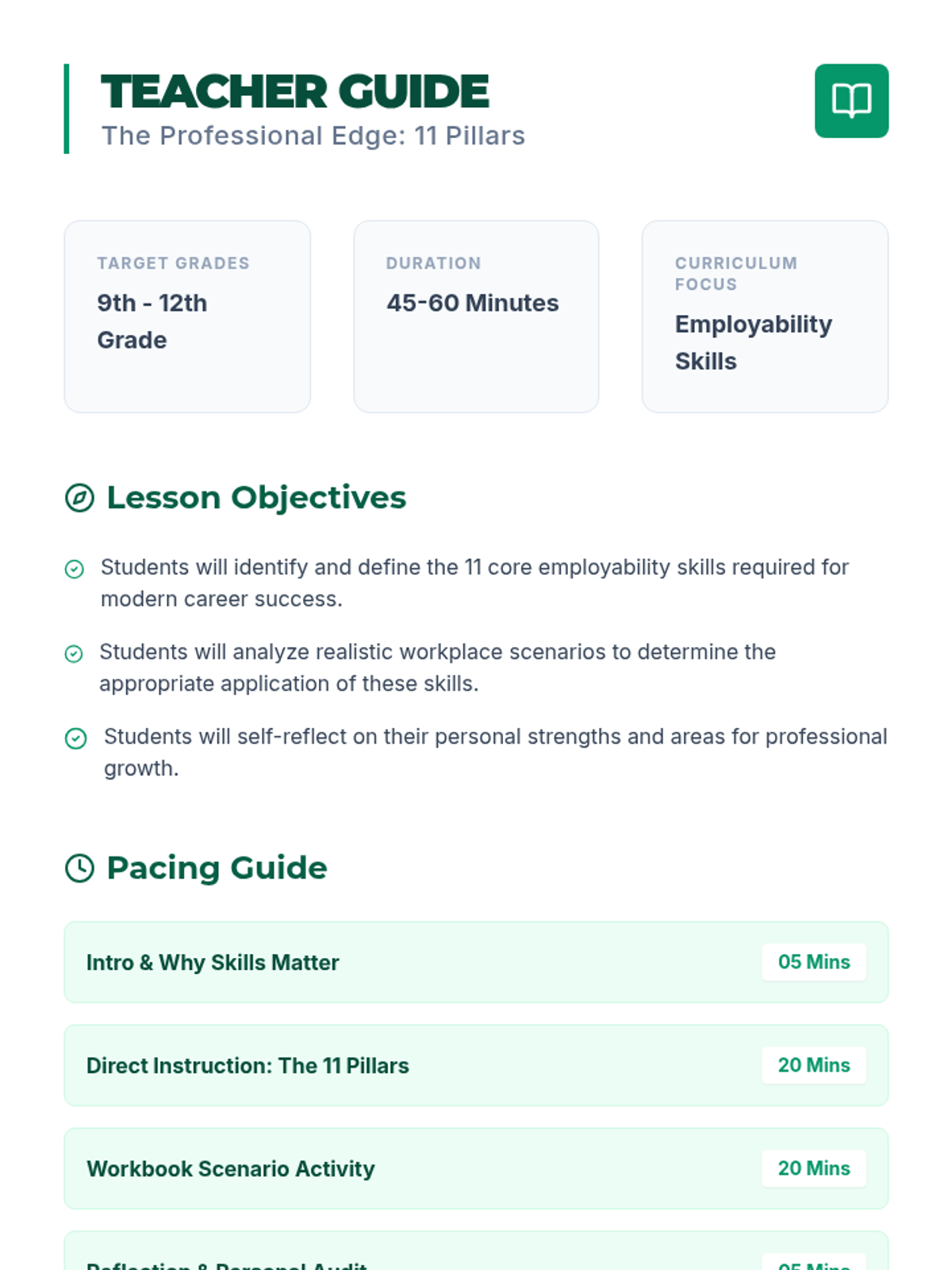
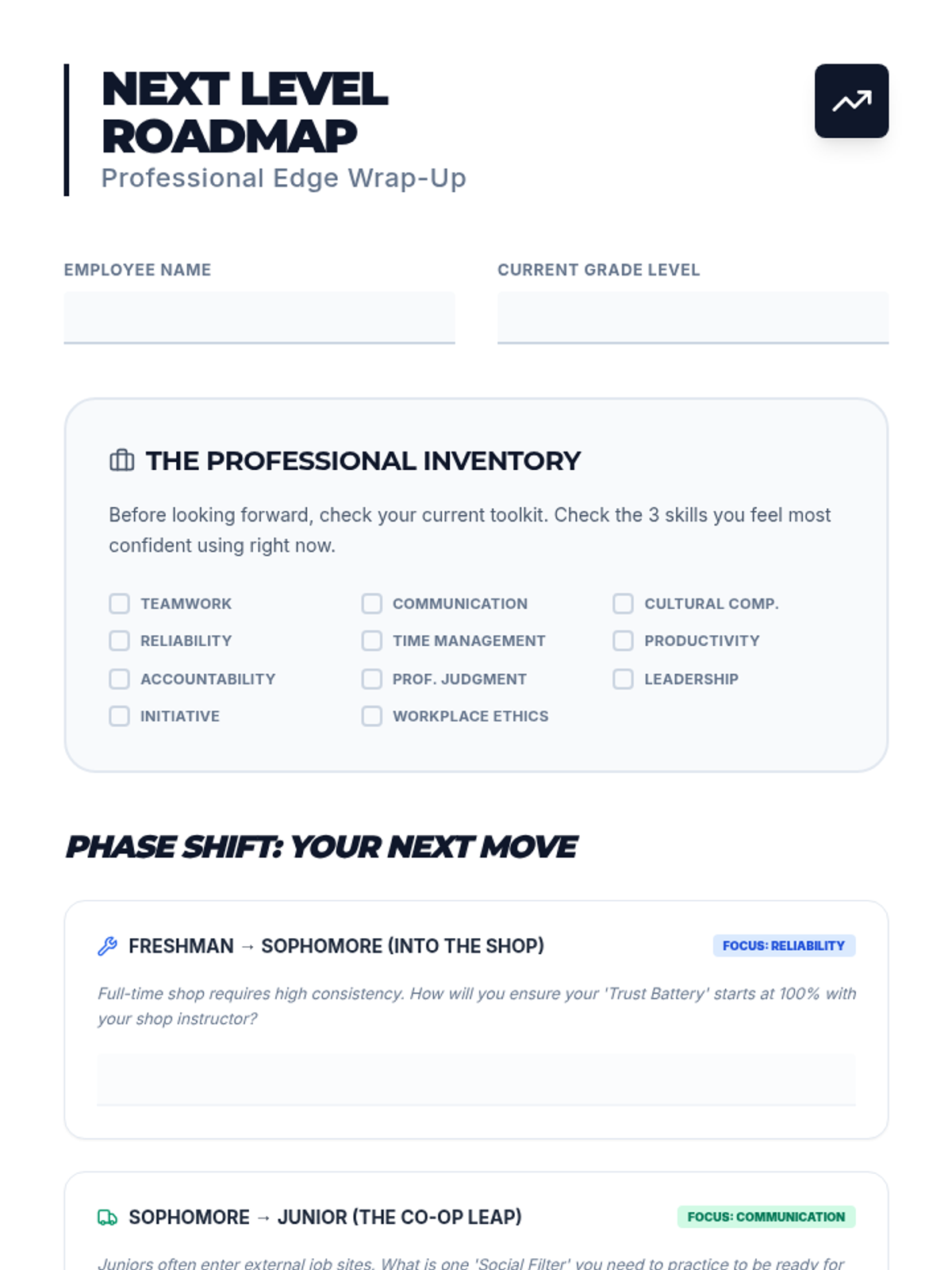
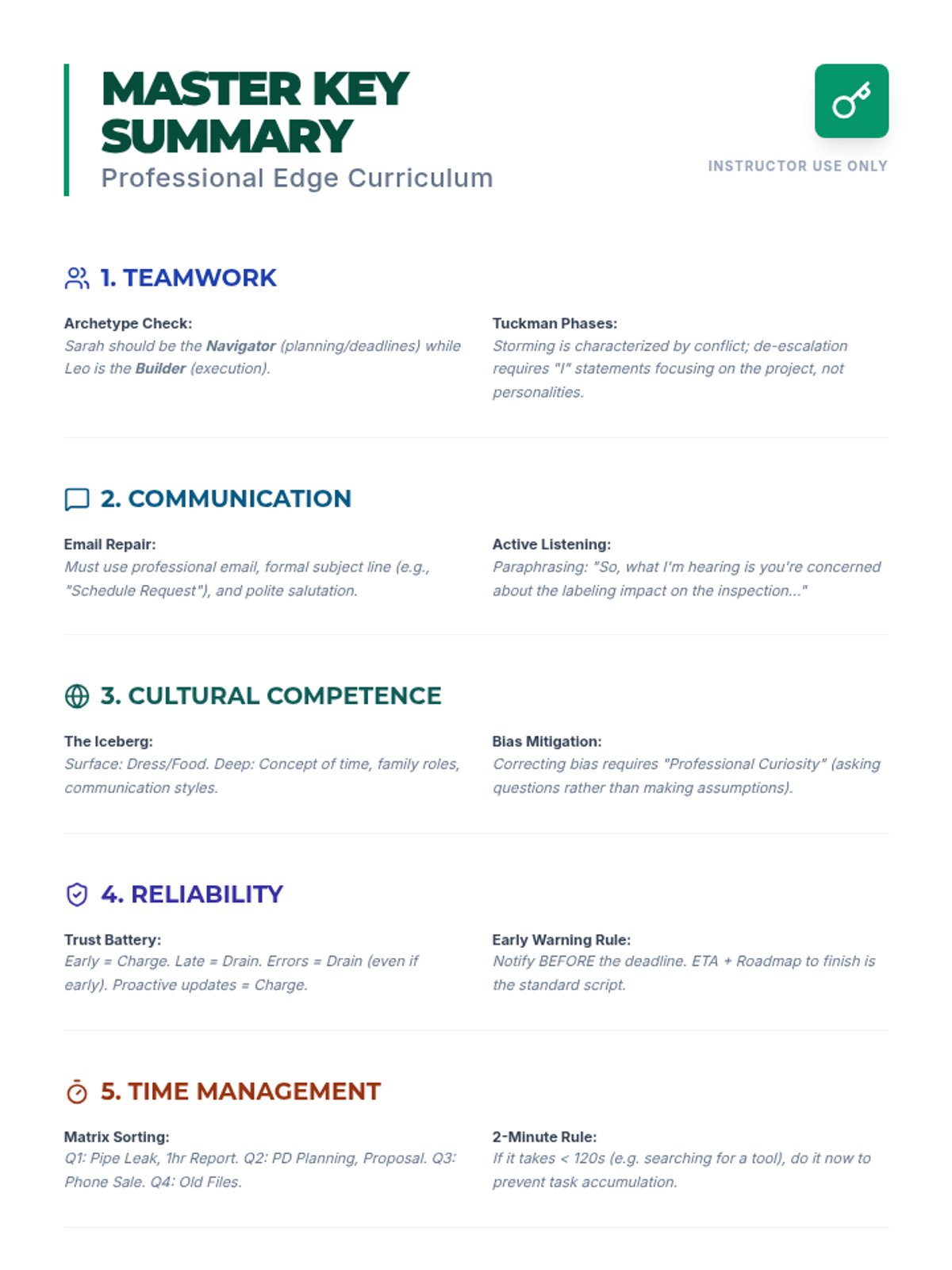
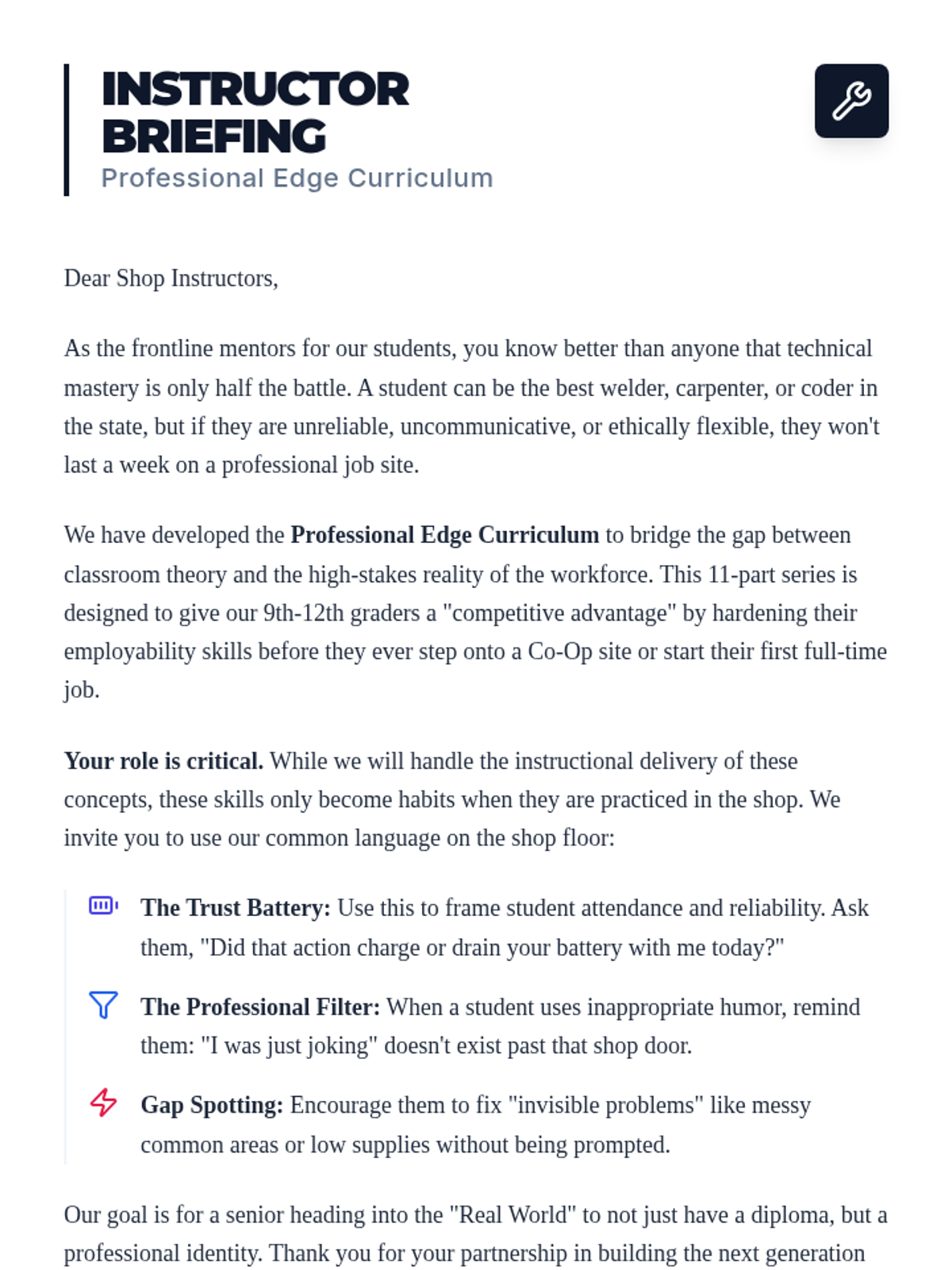
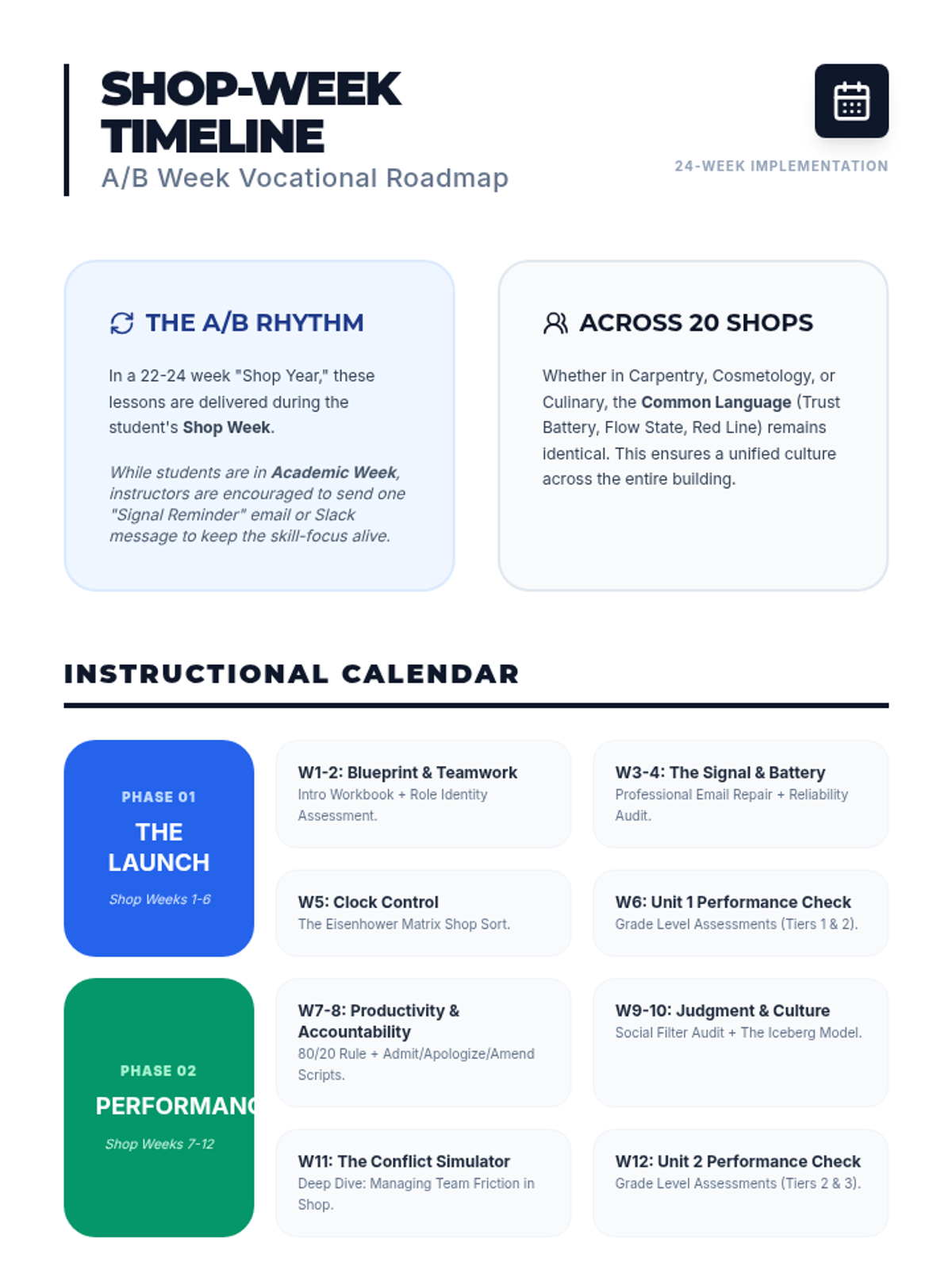
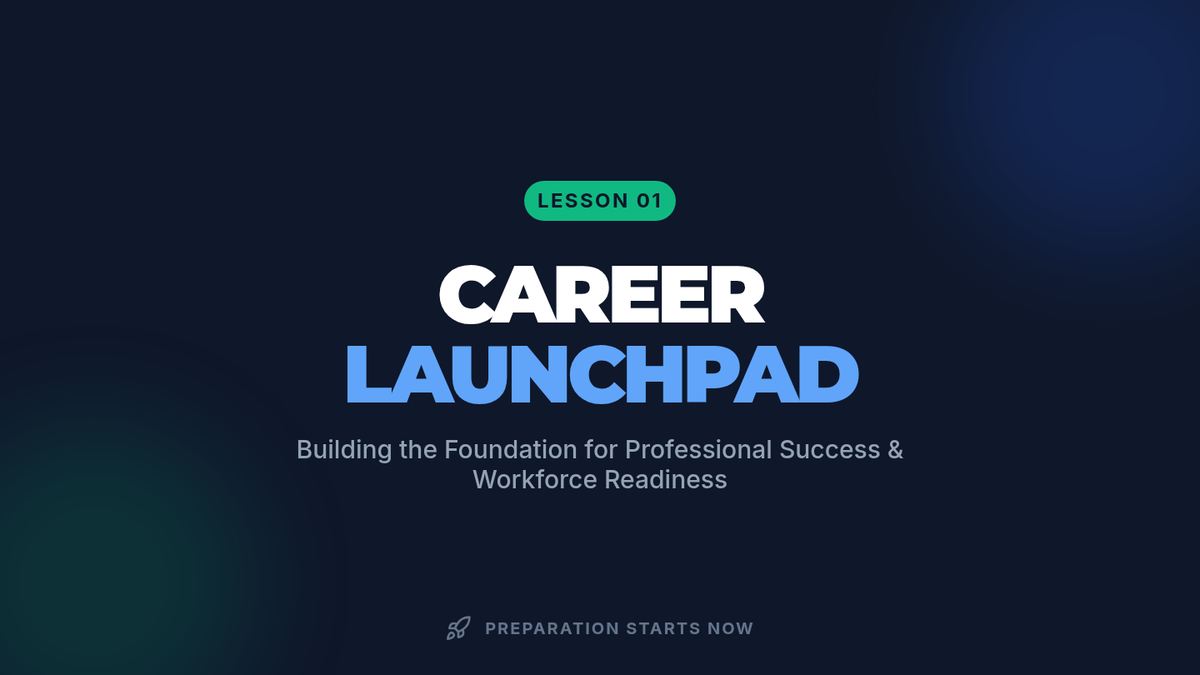
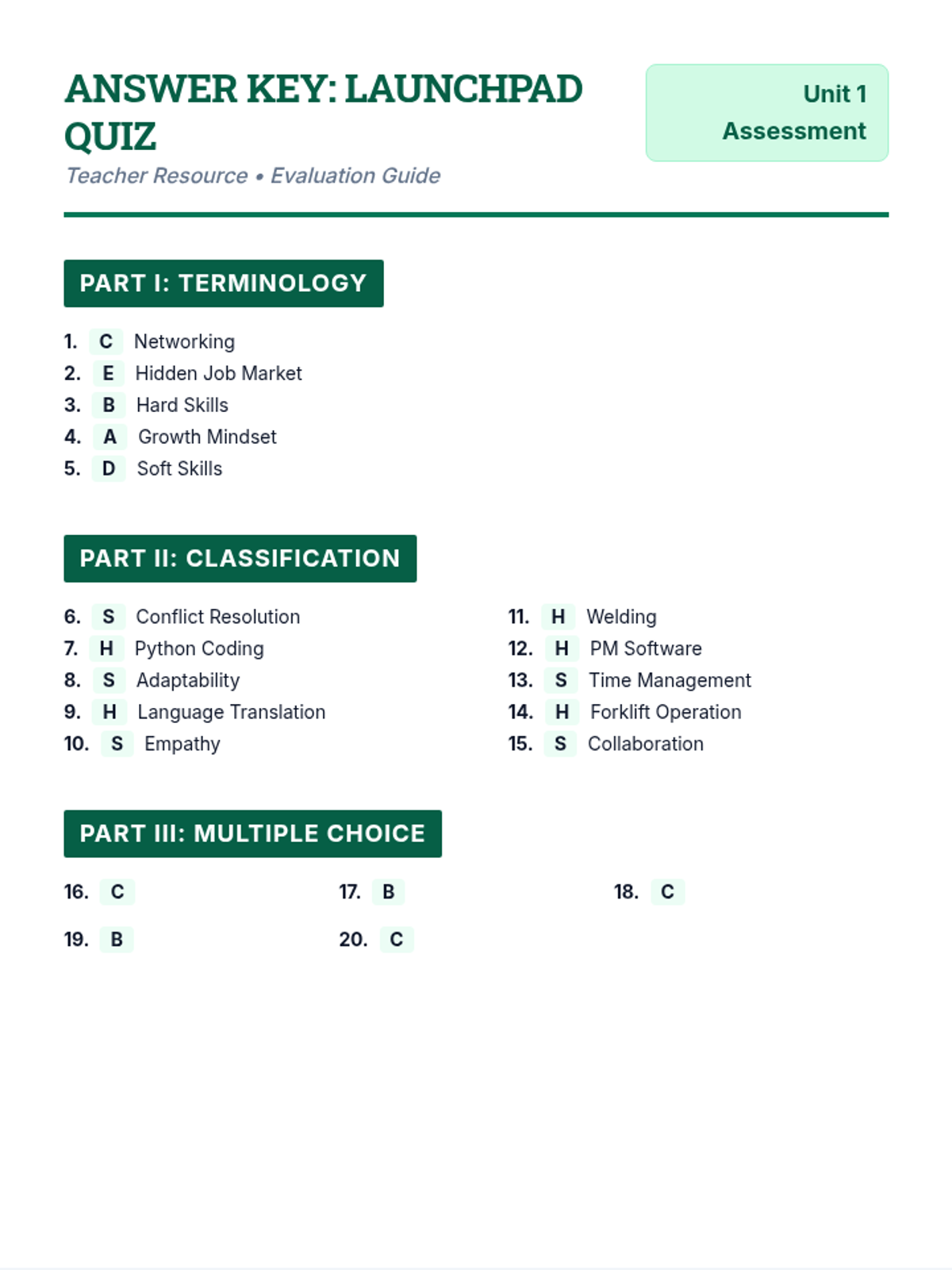
A comprehensive high school curriculum covering 11 essential employability skills, from foundational concepts to advanced application in professional settings. Includes instructional slides, student worksheets, and teacher guides for every skill.
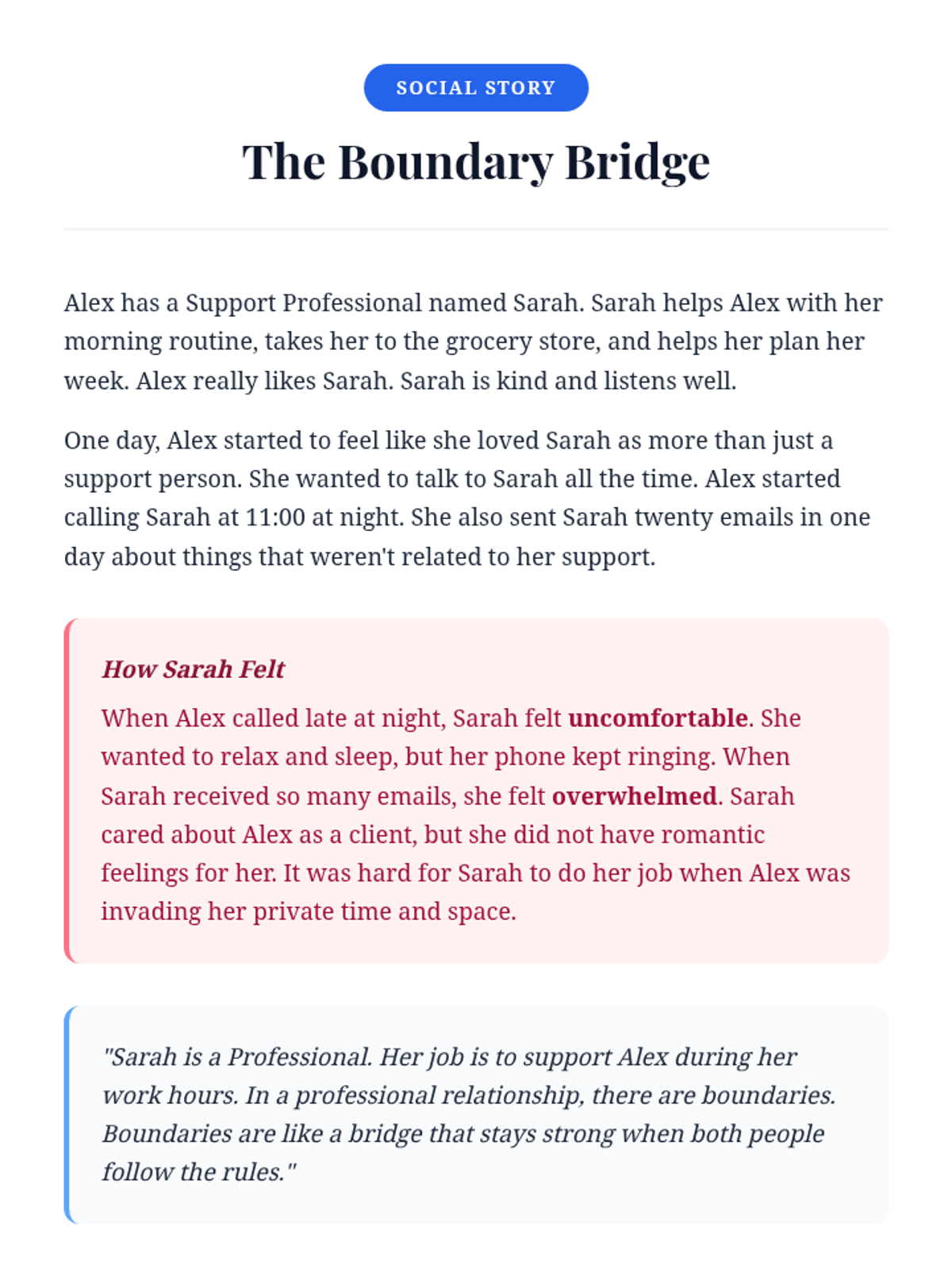
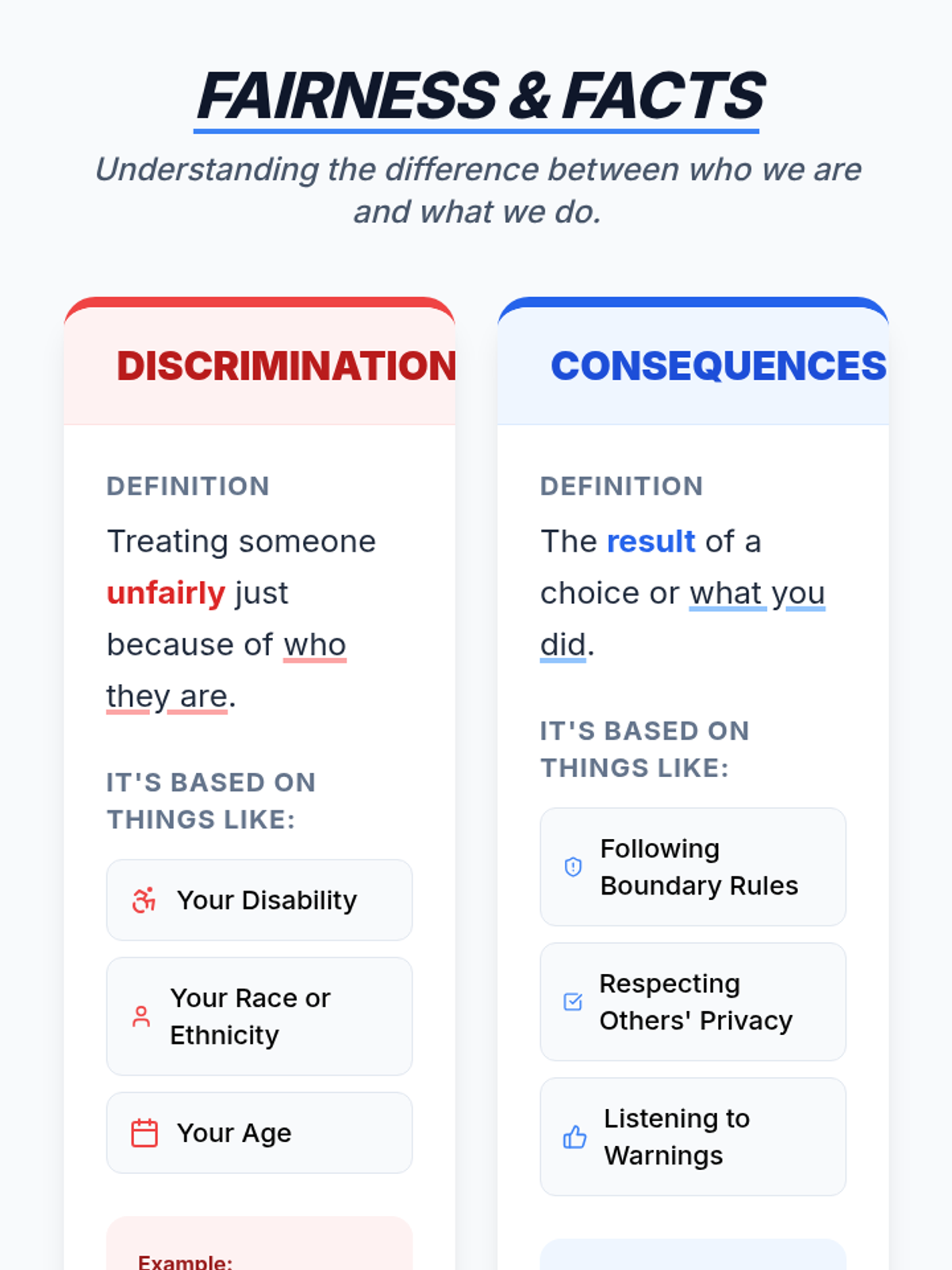
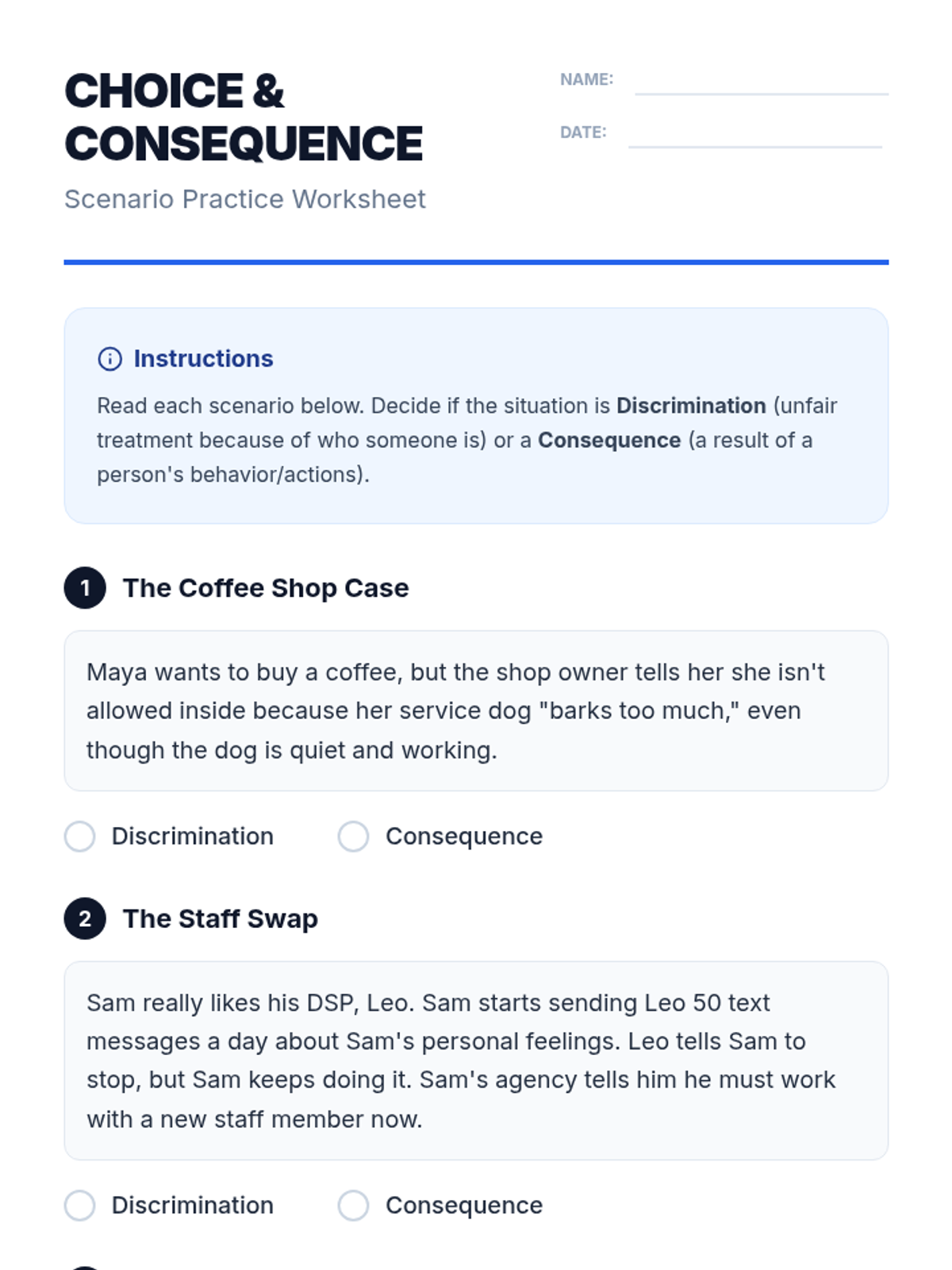
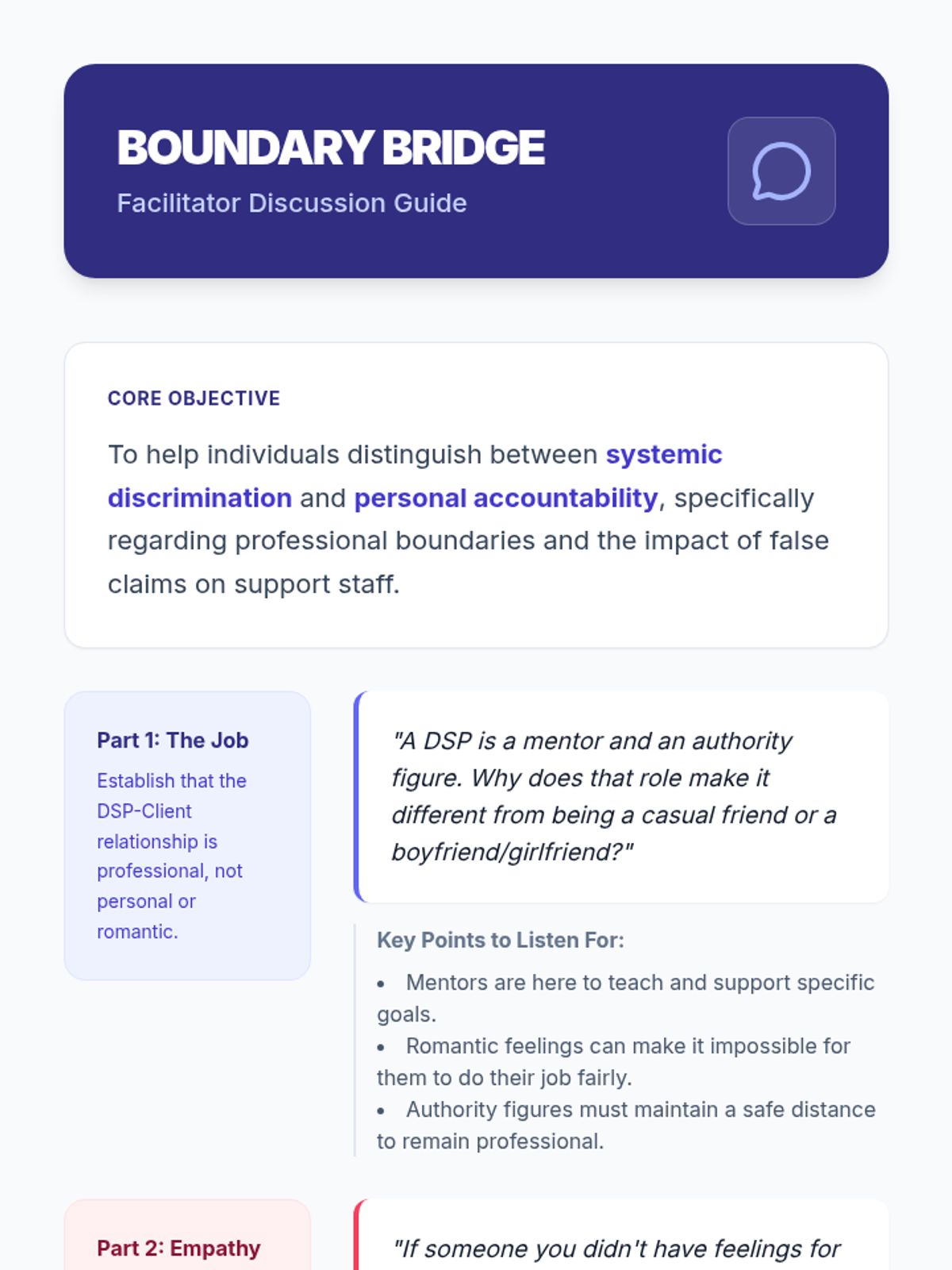
A series of lessons designed to help individuals understand the difference between discrimination and the consequences of personal behavior, focusing on professional boundaries and the impact of false claims.
A comprehensive program designed to guide students through the essentials of career exploration, professional document preparation, and the job application process.
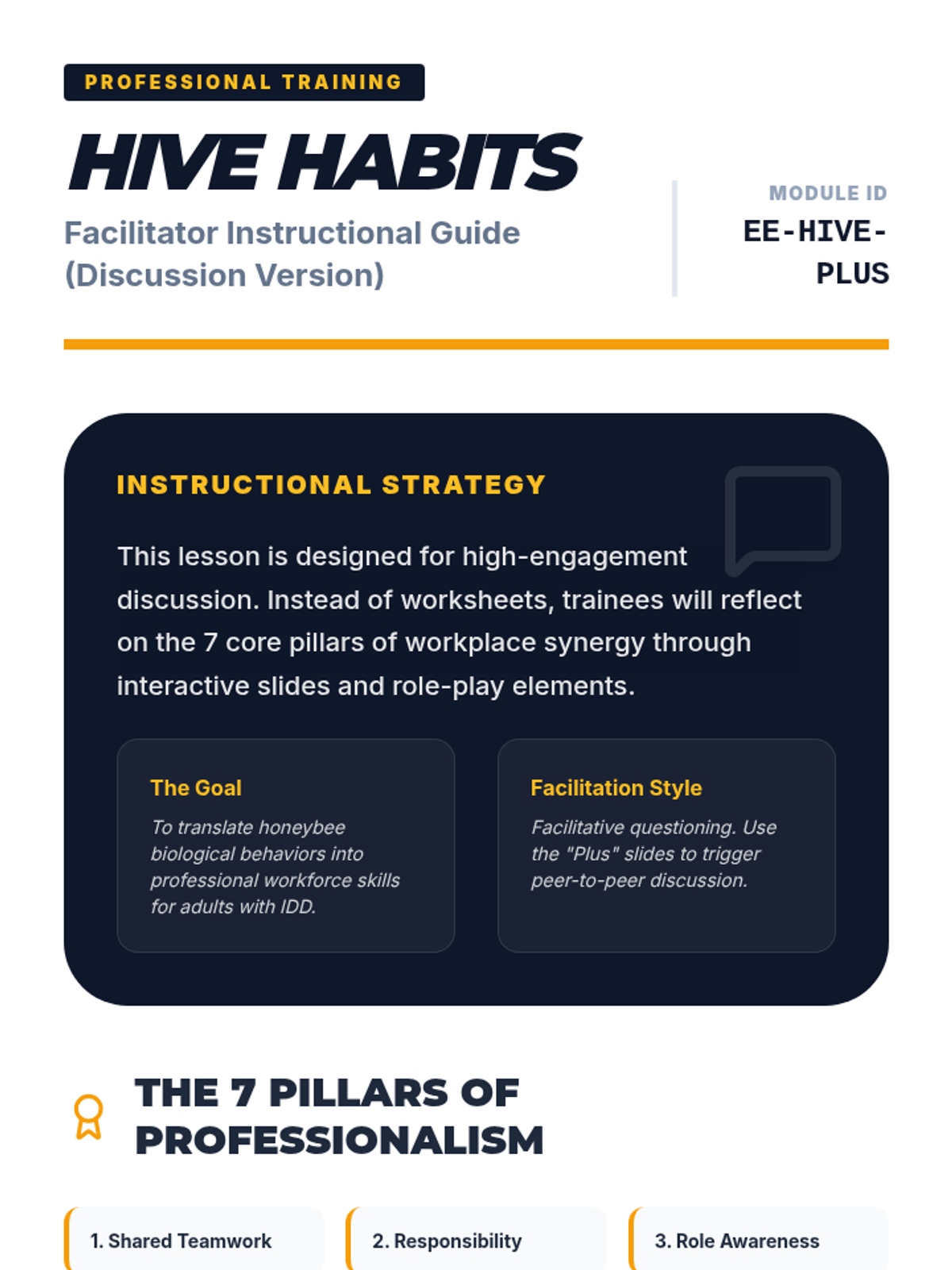
A series of lessons focused on developing essential employment skills for adults with IDD through engaging metaphors and hands-on activities.
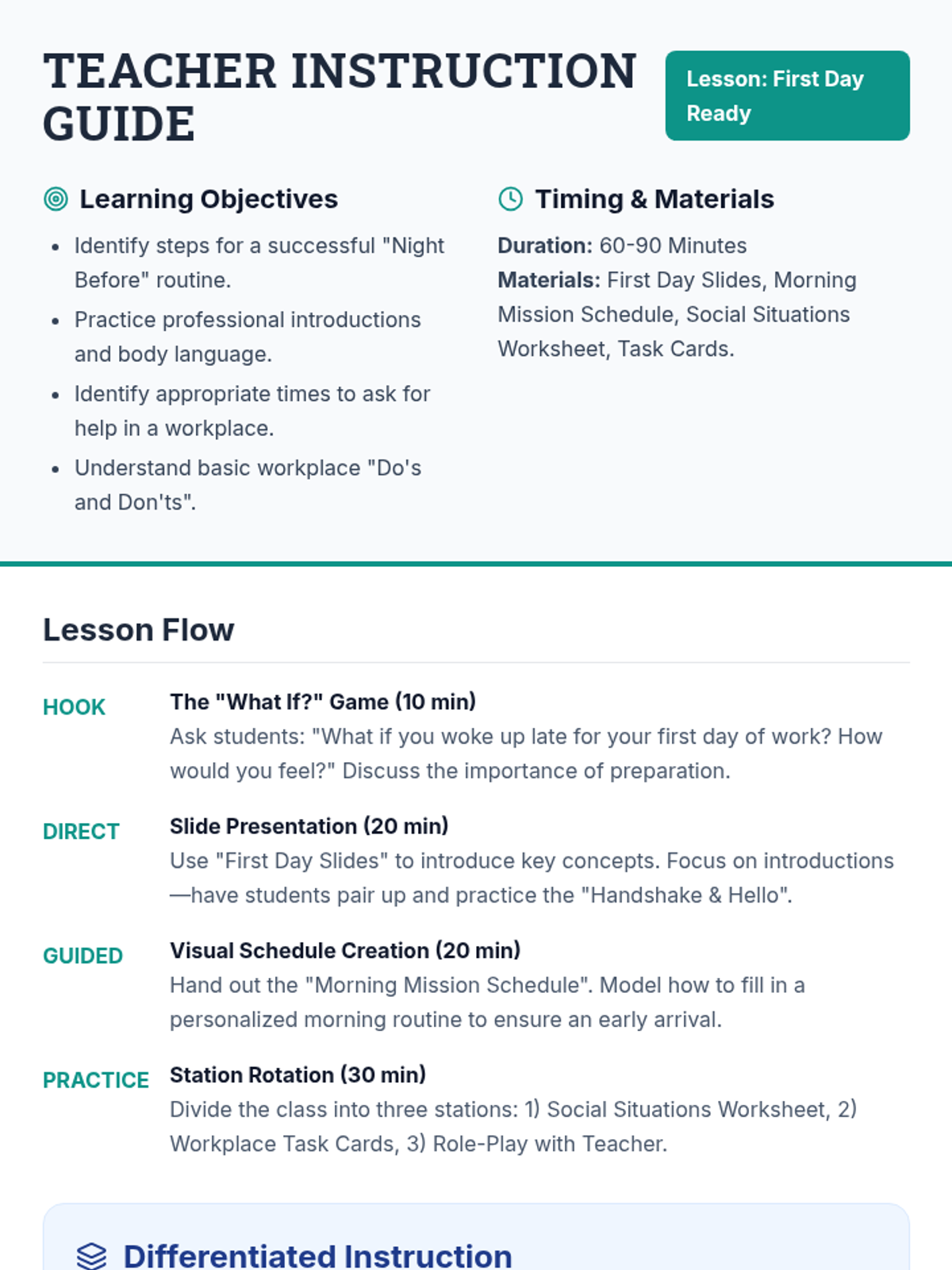
A comprehensive series of lessons designed to equip students with the essential life skills needed to transition into the workforce, focusing on preparation, professionalism, and daily routines.
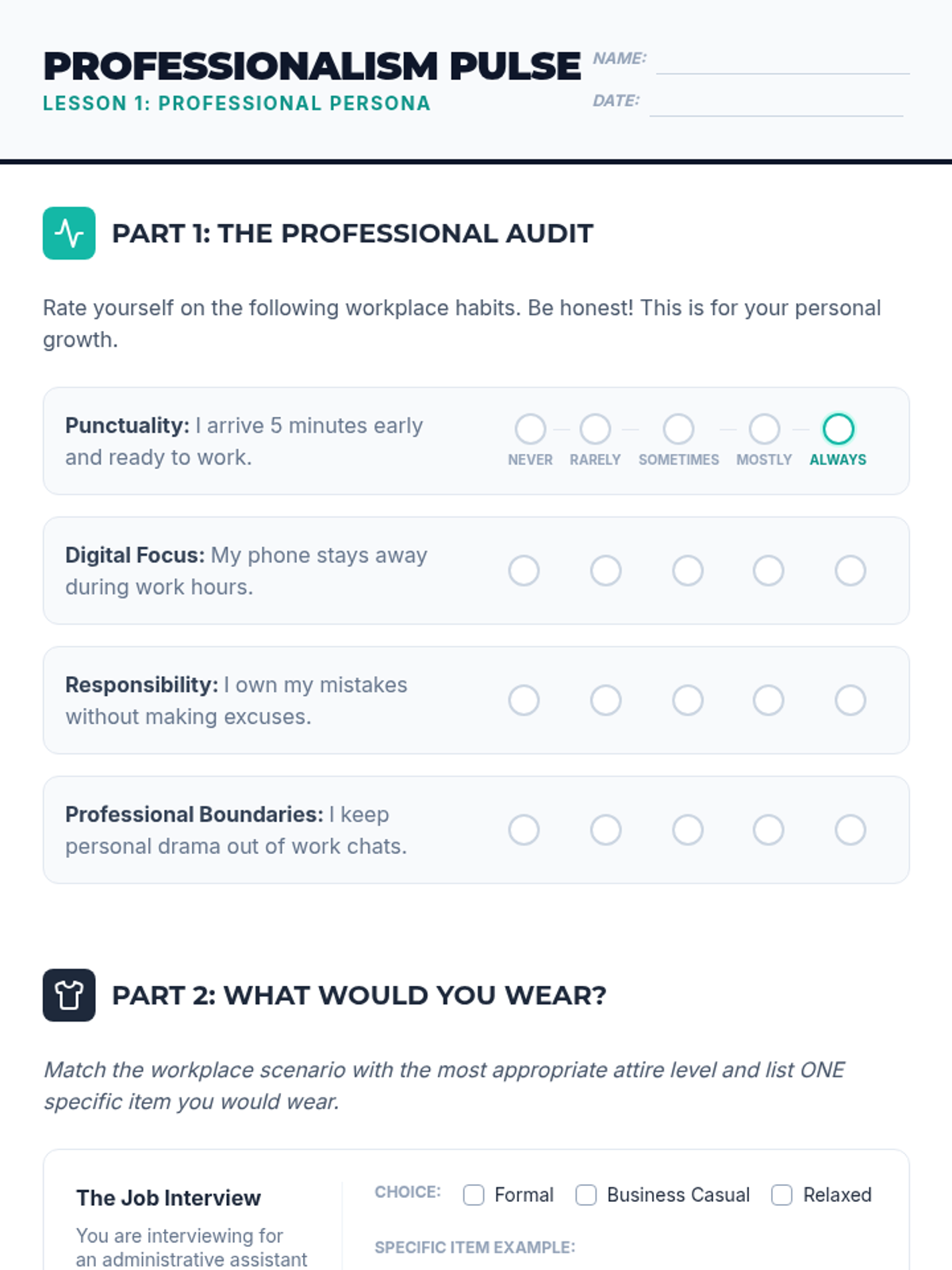
A comprehensive career readiness sequence for young adults focusing on professionalism, attire, teamwork, diversity, communication, and conflict resolution using UDL principles.
A 12th-grade sequence on FAST skills for self-respect, focusing on personal ethics, integrity in communication, and maintaining values in the face of external pressure and digital influence.
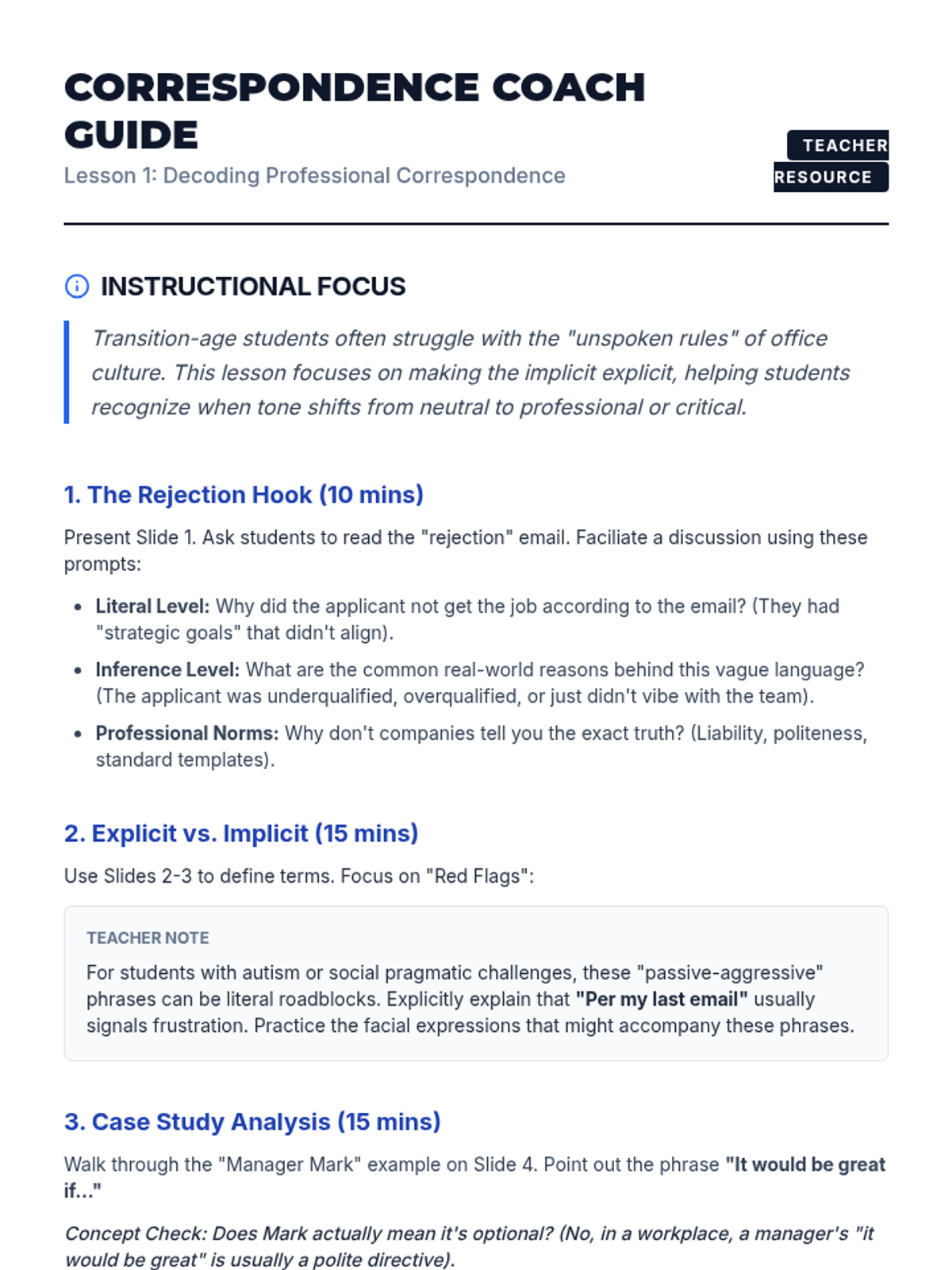
A 5-lesson sequence for 11th-grade students focusing on applying inference and prediction skills to real-world professional and social contexts, including workplace communication, media literacy, and career transitions.
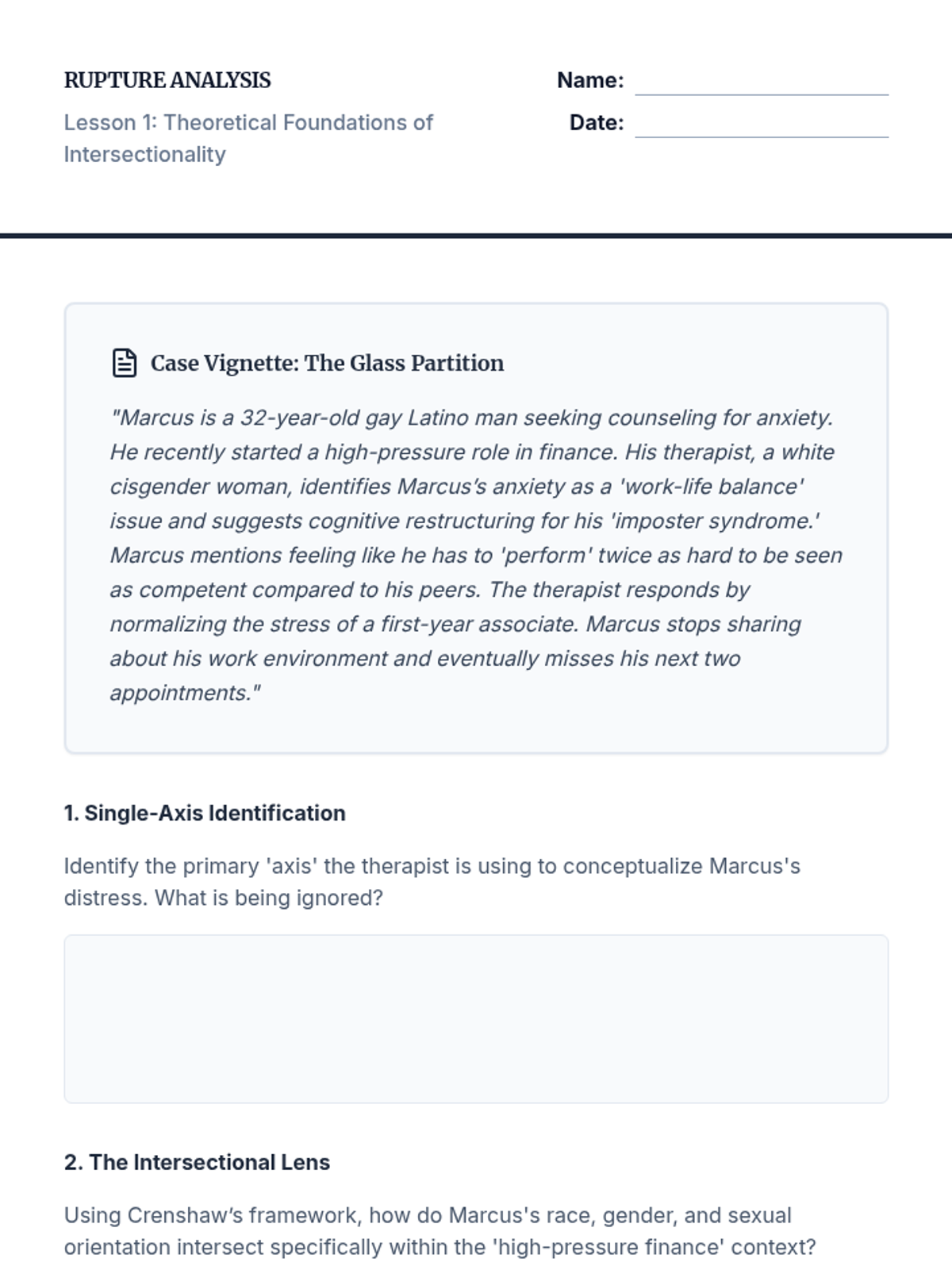
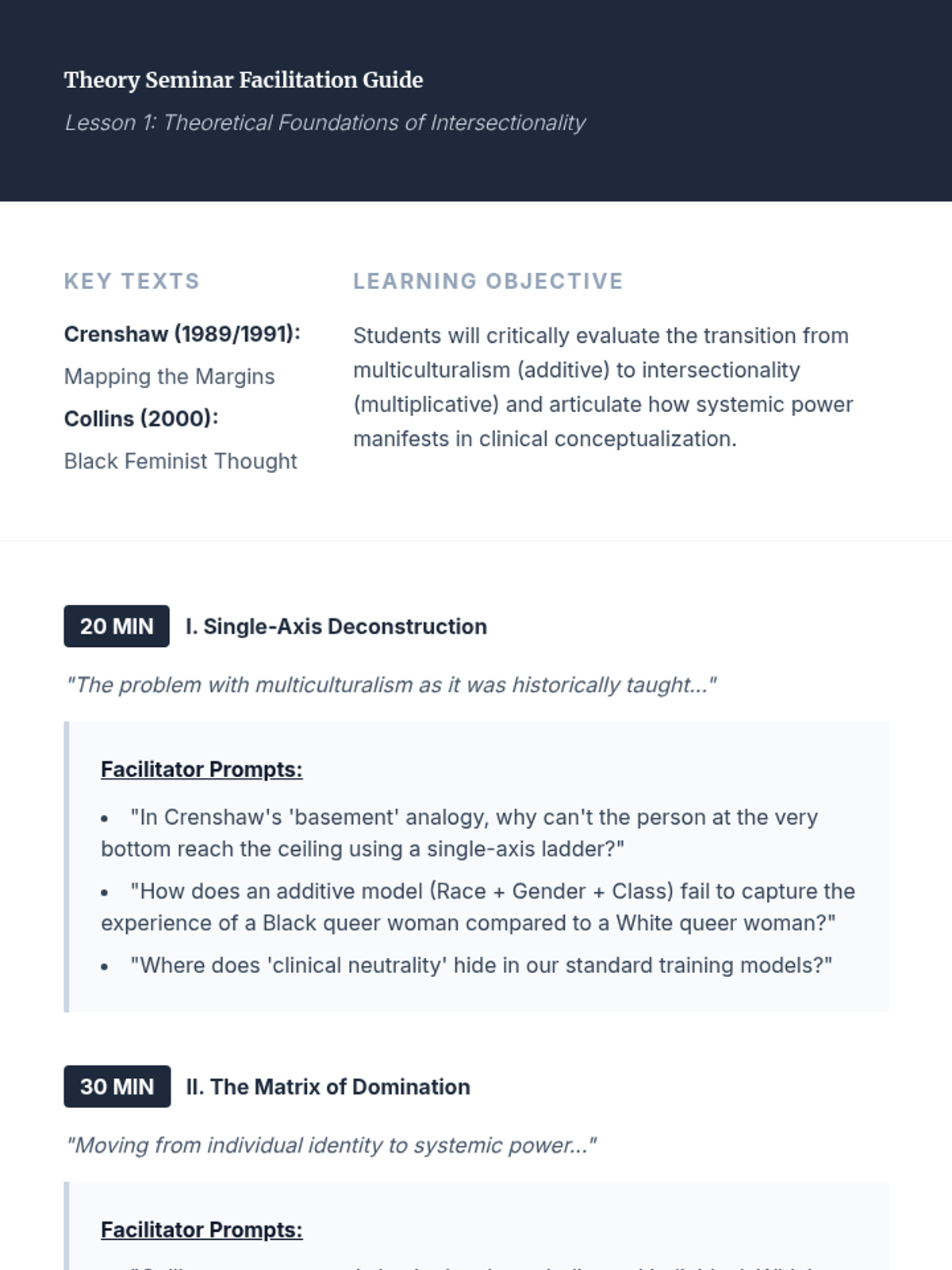
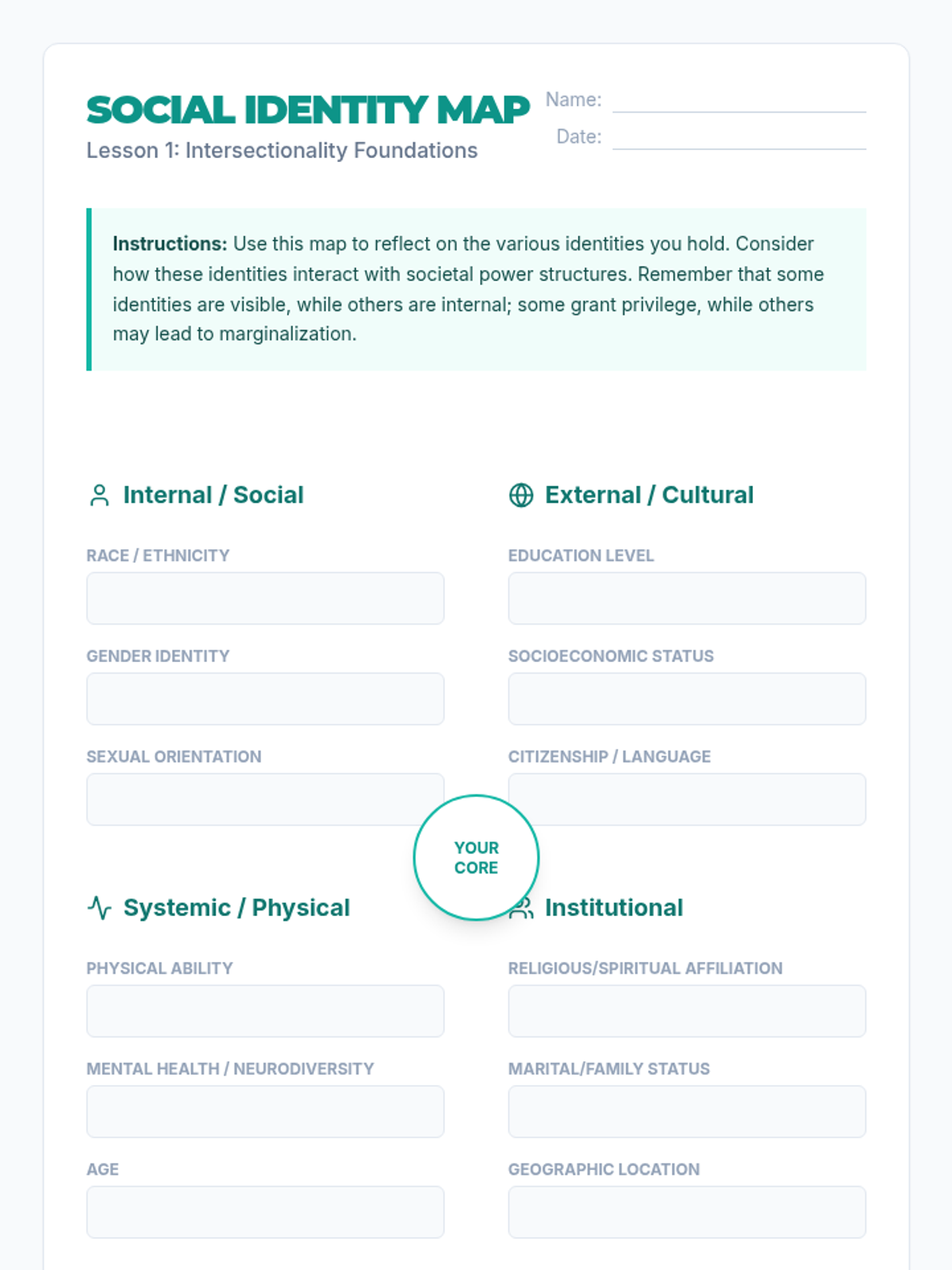
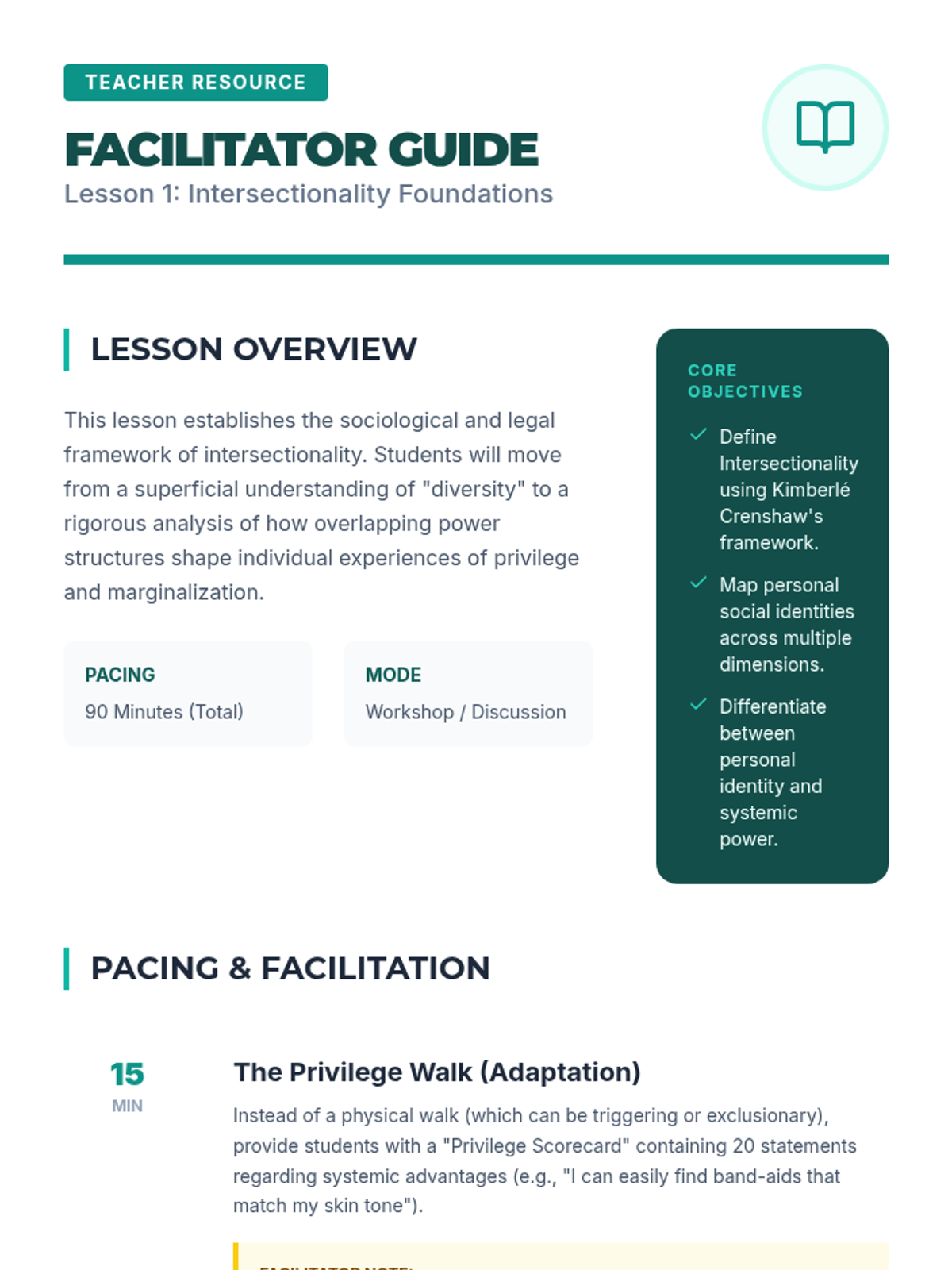
A 5-lesson sequence for graduate counseling students to explore intersectionality, social location, and family scripts to build cultural humility and professional identity. Students move from theoretical critique to personal excavation and clinical application.
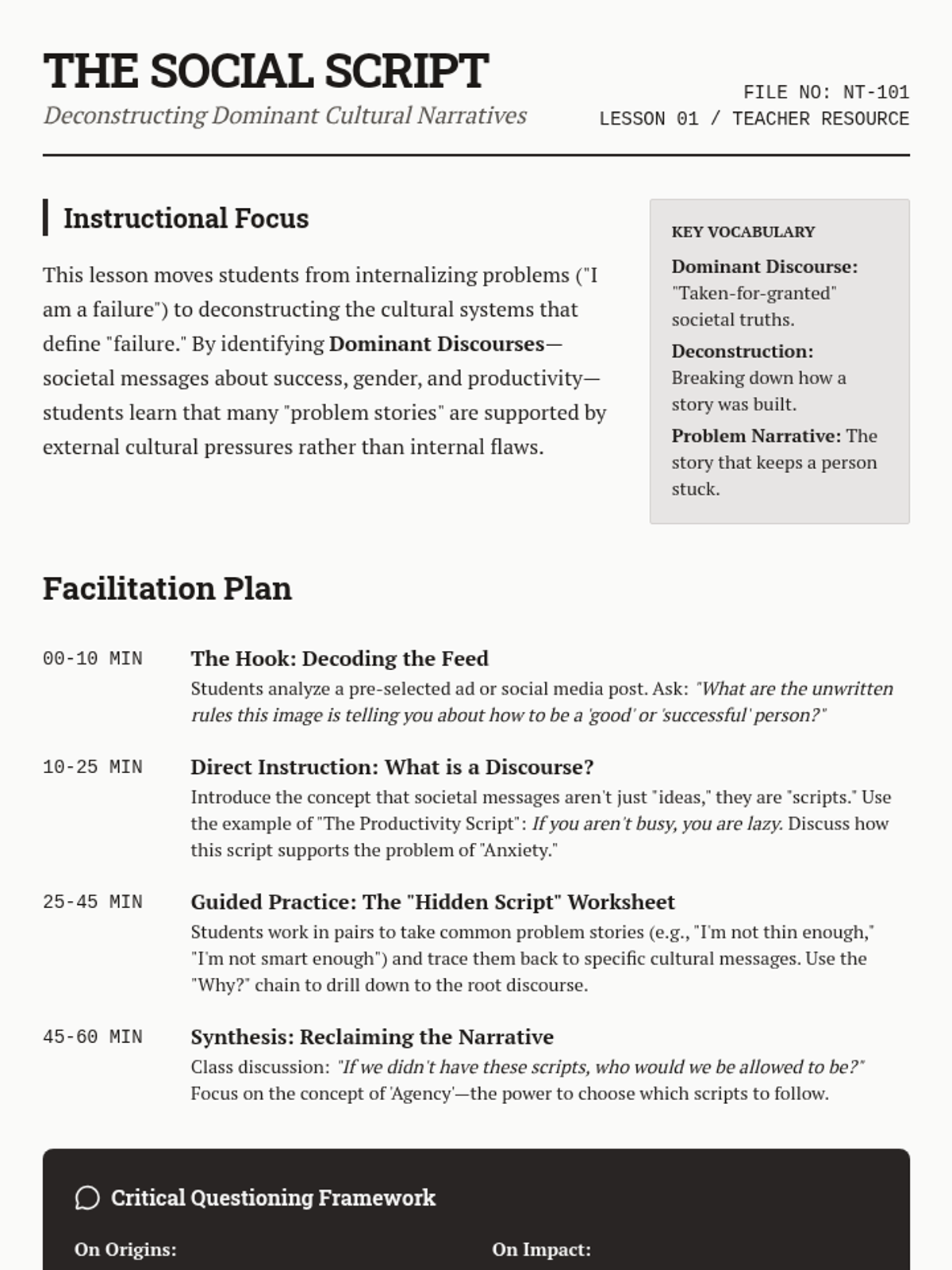
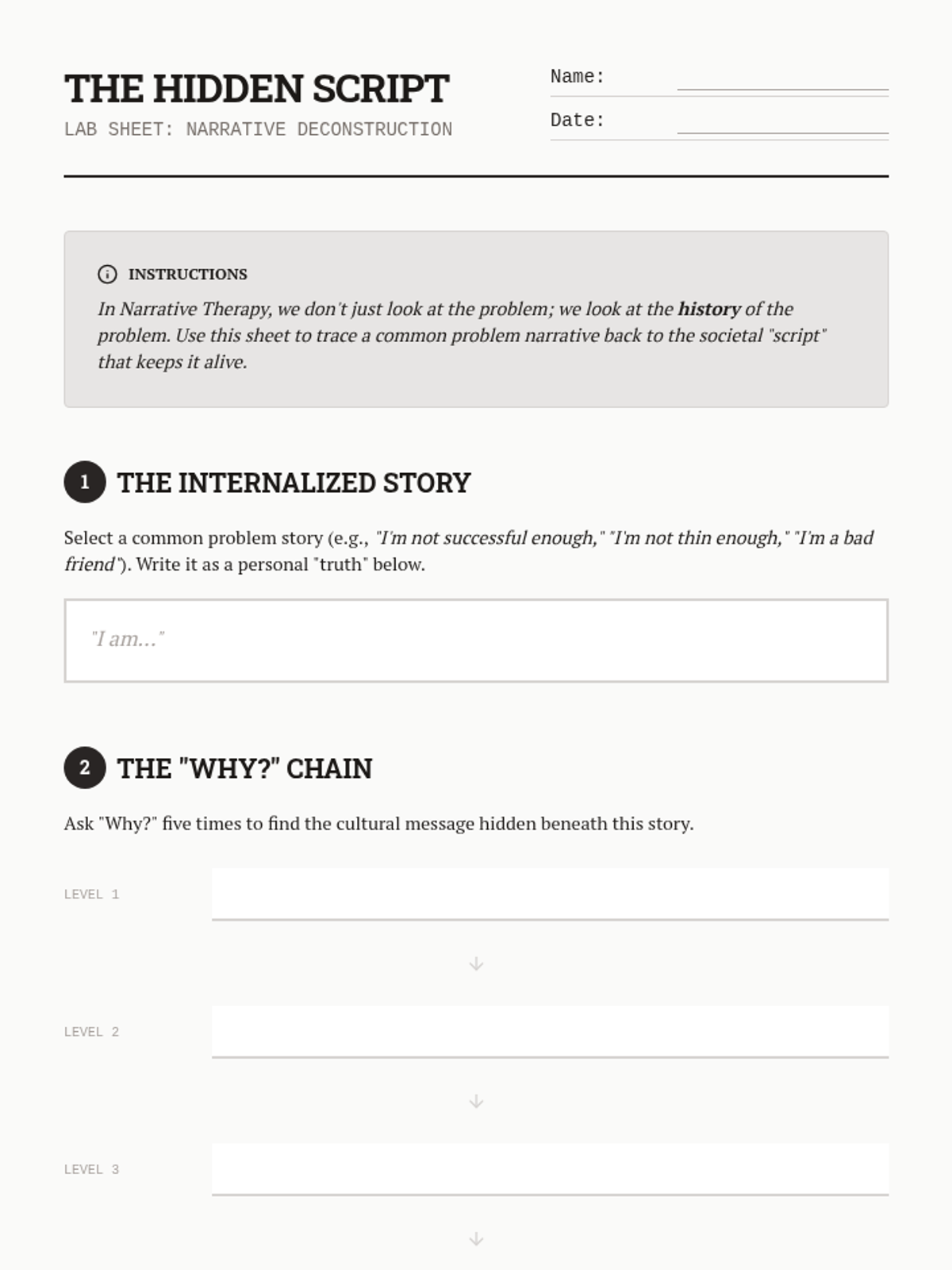
This sequence explores how societal narratives shape personal identity. Students learn to deconstruct dominant cultural 'scripts', utilize Narrative Therapy frameworks like the Landscape of Action/Identity, and practice Outsider Witnessing to formalize new, preferred stories of agency and resilience.
An advanced course for graduate students exploring the intersection of neurobiology, psychological theory, and organizational leadership. Students develop high-level social and emotional competencies to navigate complex professional environments and foster psychological safety.
A comprehensive exploration of intersectionality and cultural humility for undergraduate students. This sequence moves from personal identity mapping to institutional accountability, emphasizing lifelong self-reflection and the recognition of power dynamics in professional and community settings.
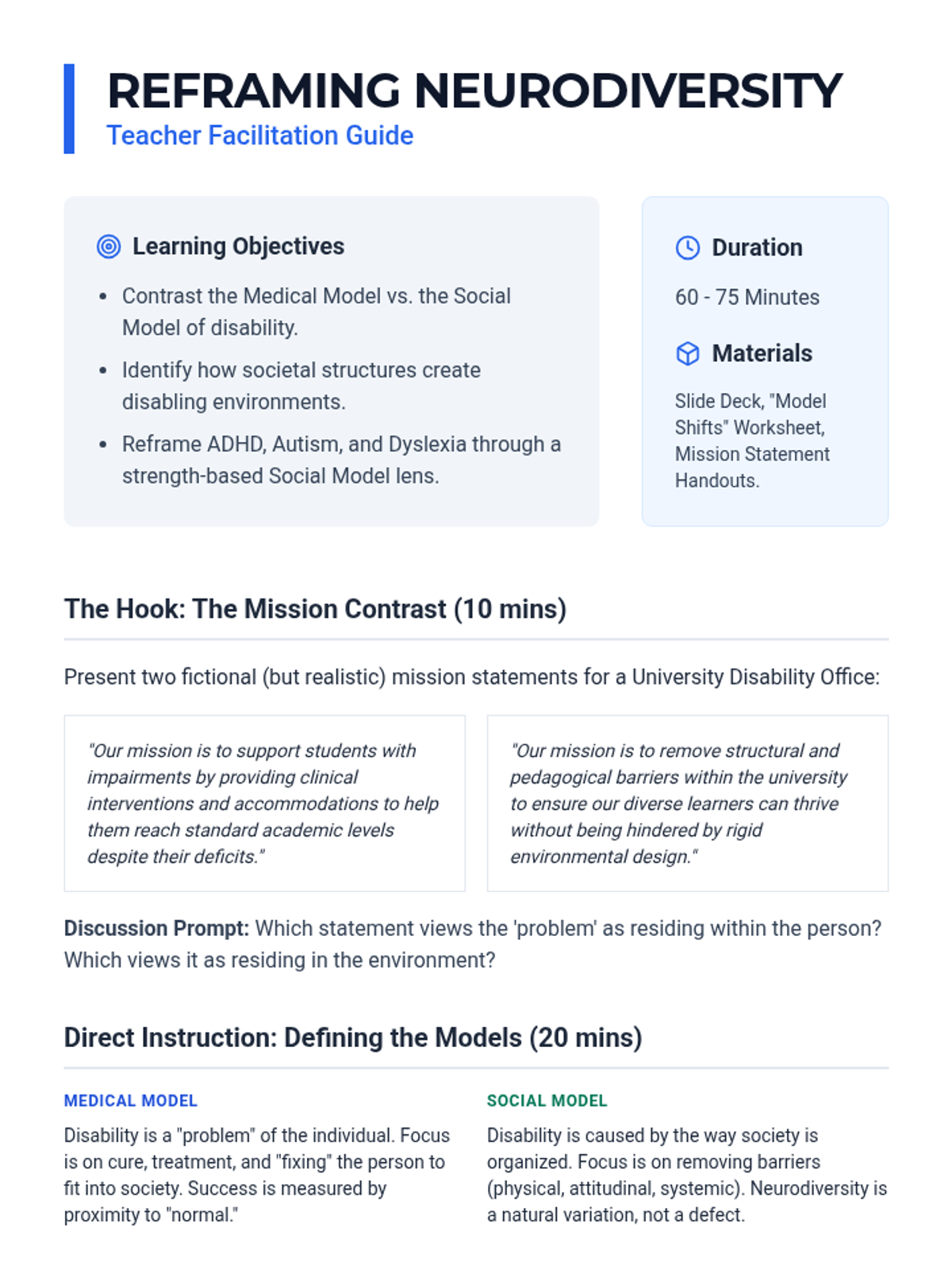
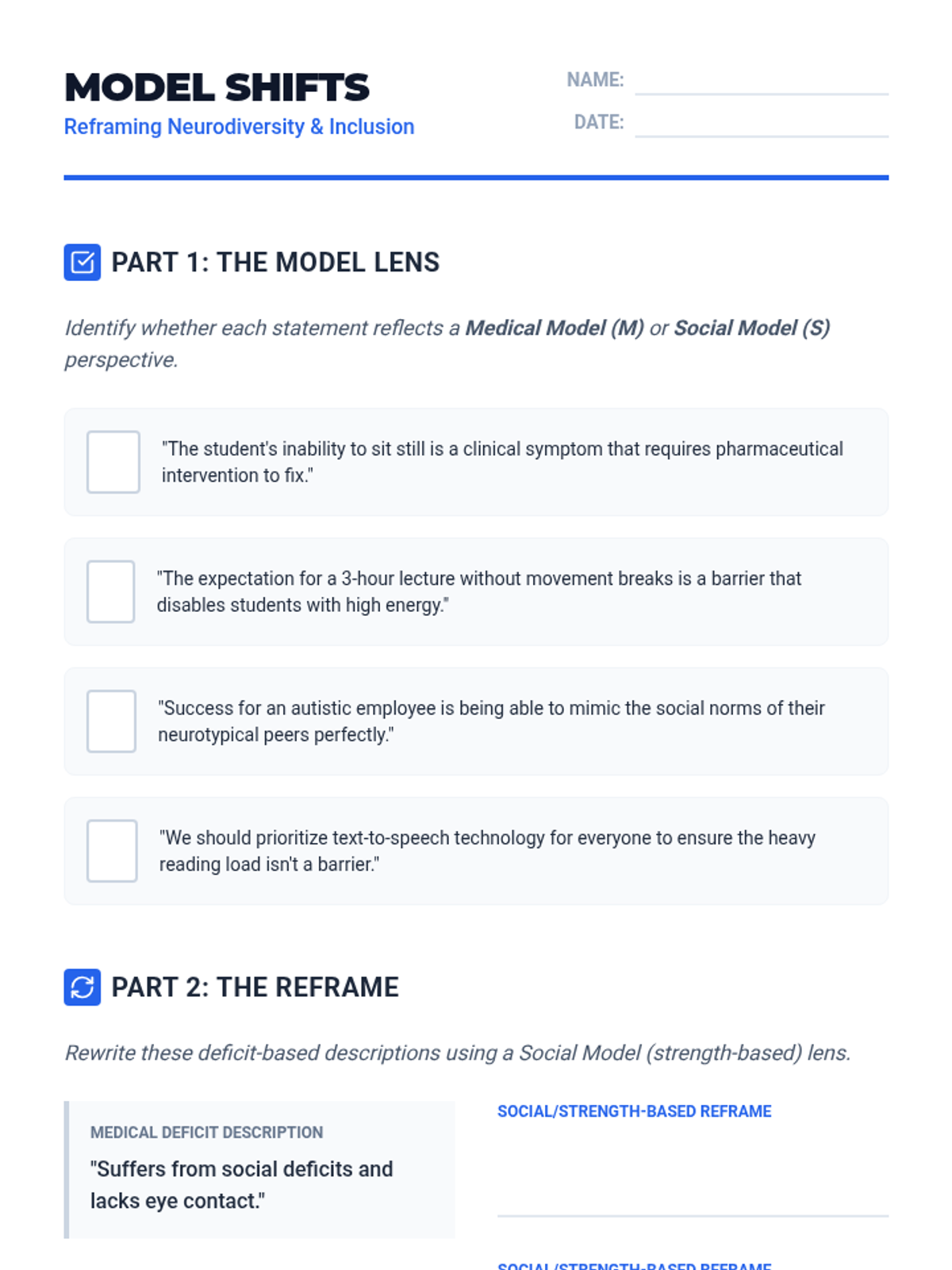
This sequence explores neurodiversity through the Social Model of disability, challenging traditional norms of professionalism and designing inclusive environments. Students will move from theoretical understanding to practical application in organizational policy and advocacy.
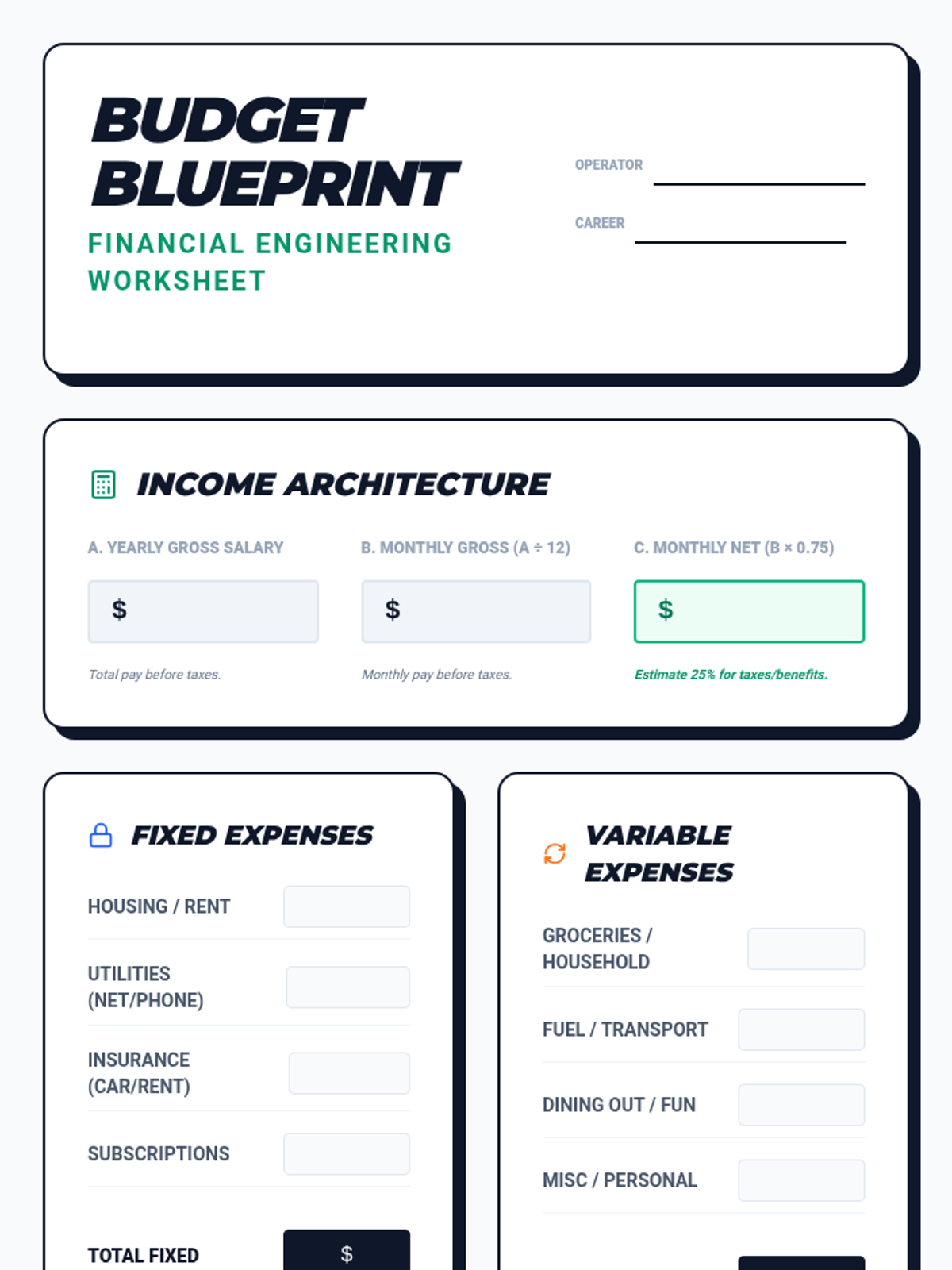
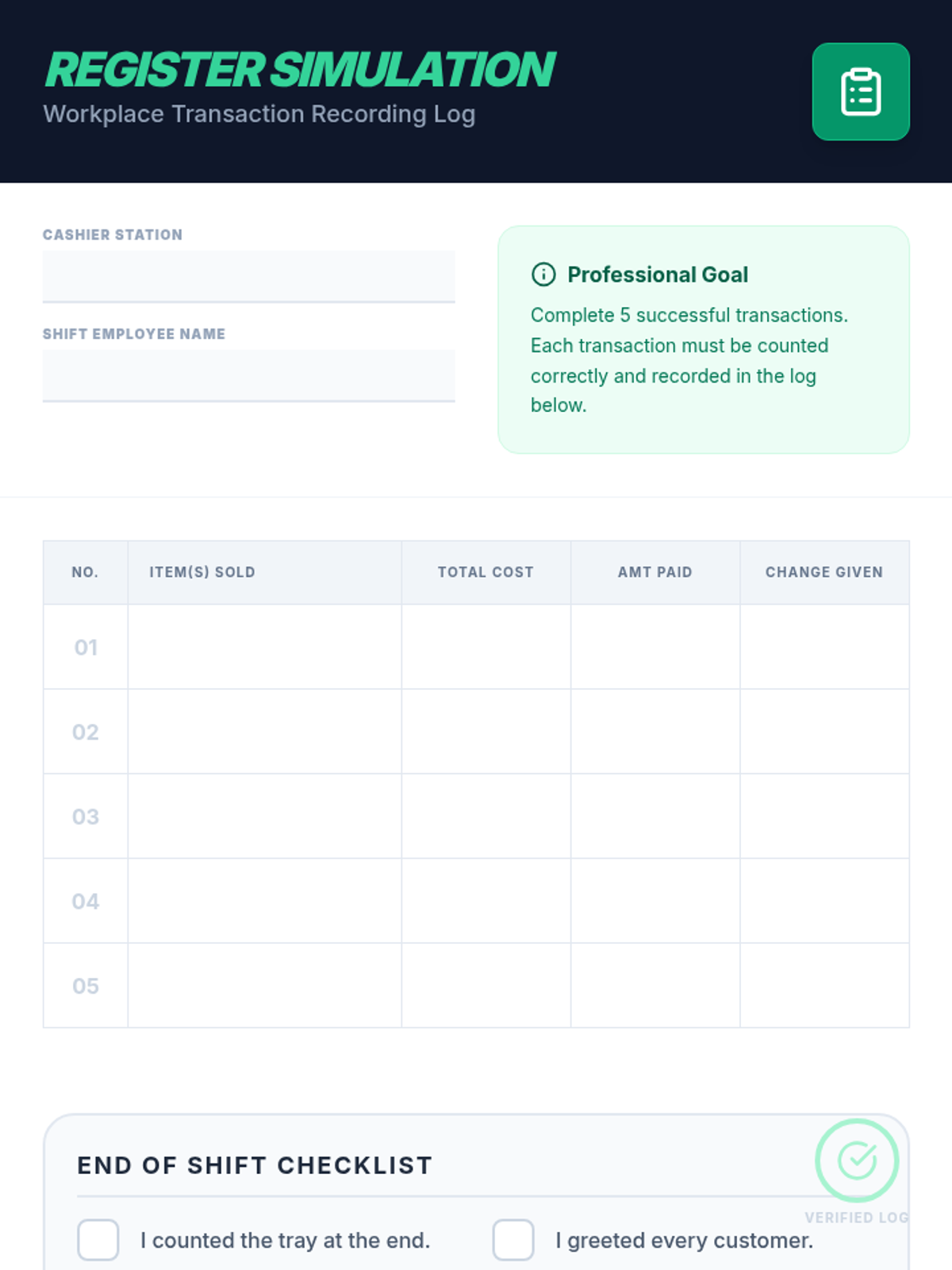
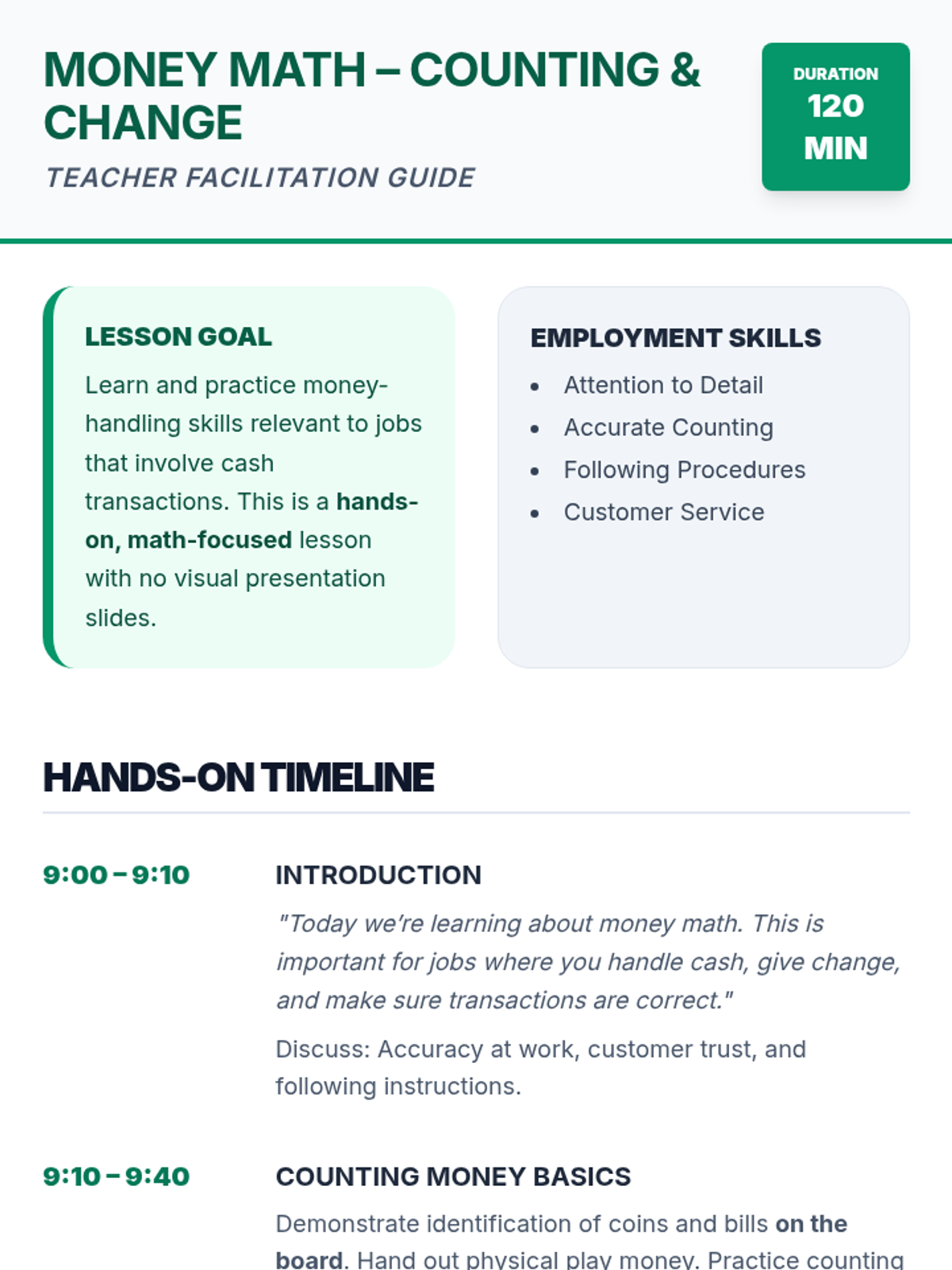
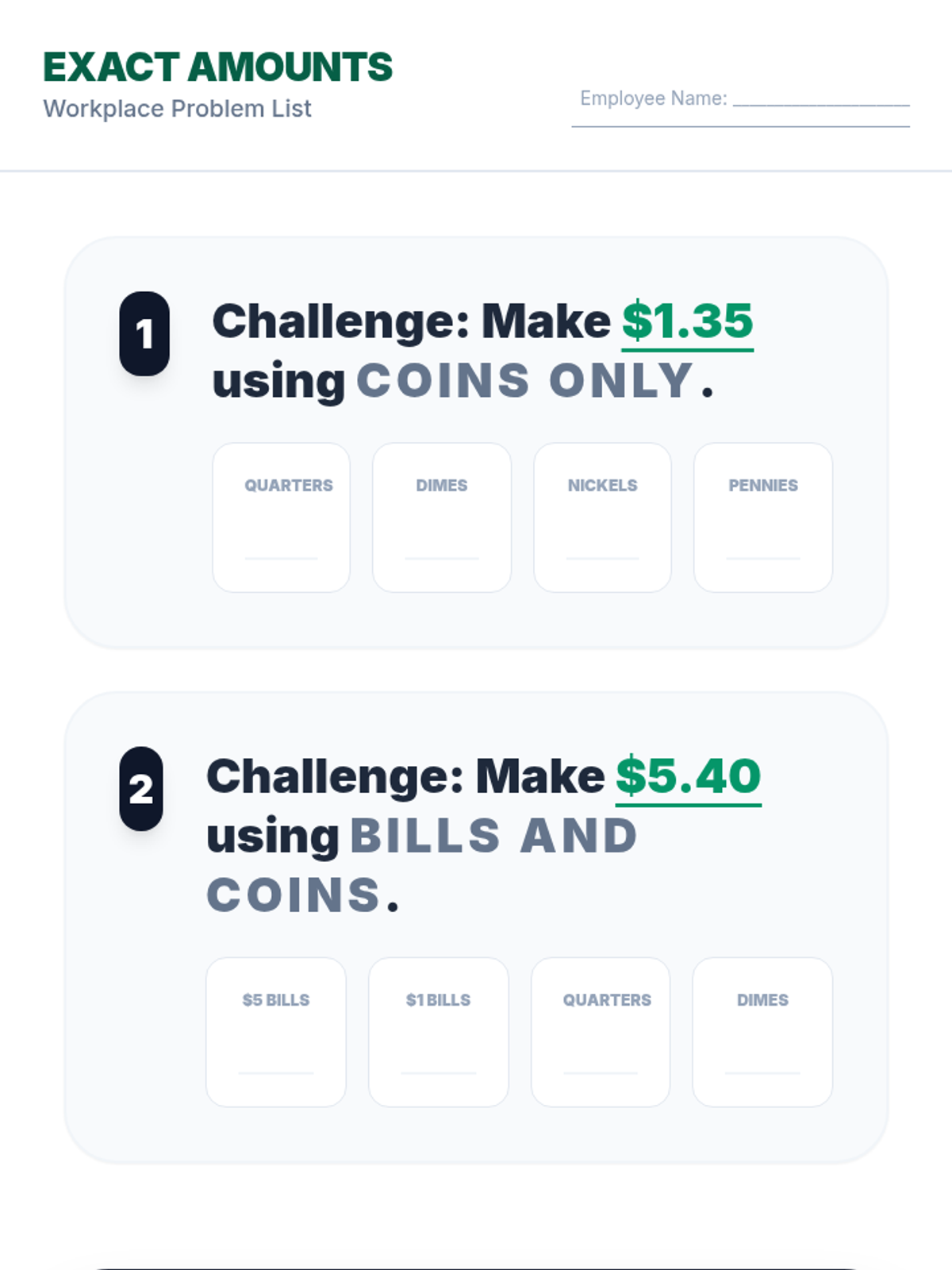
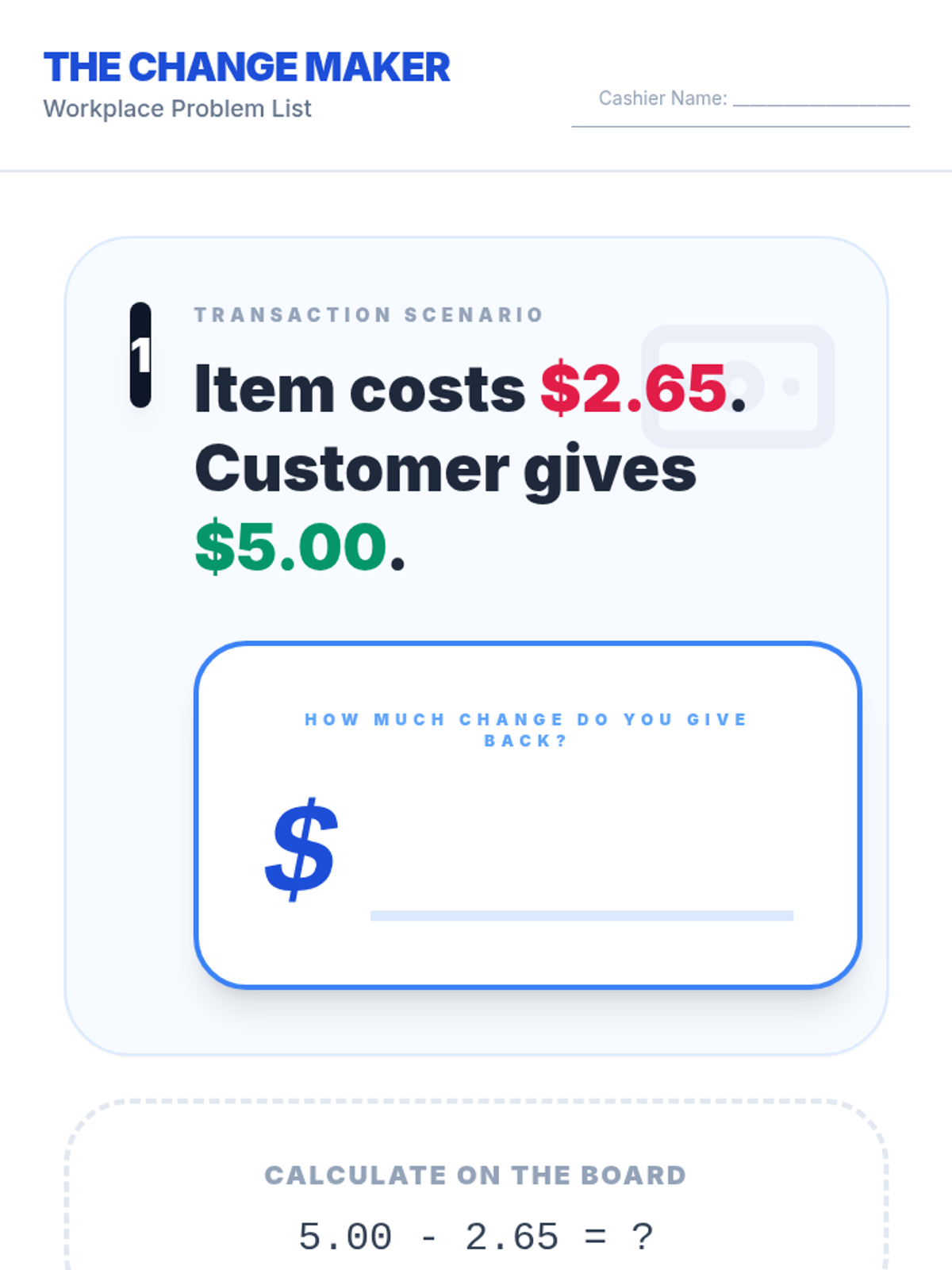
A comprehensive employment training sequence for adults with IDD, focusing on essential workplace financial skills including budgeting, income management, and accurate money handling.
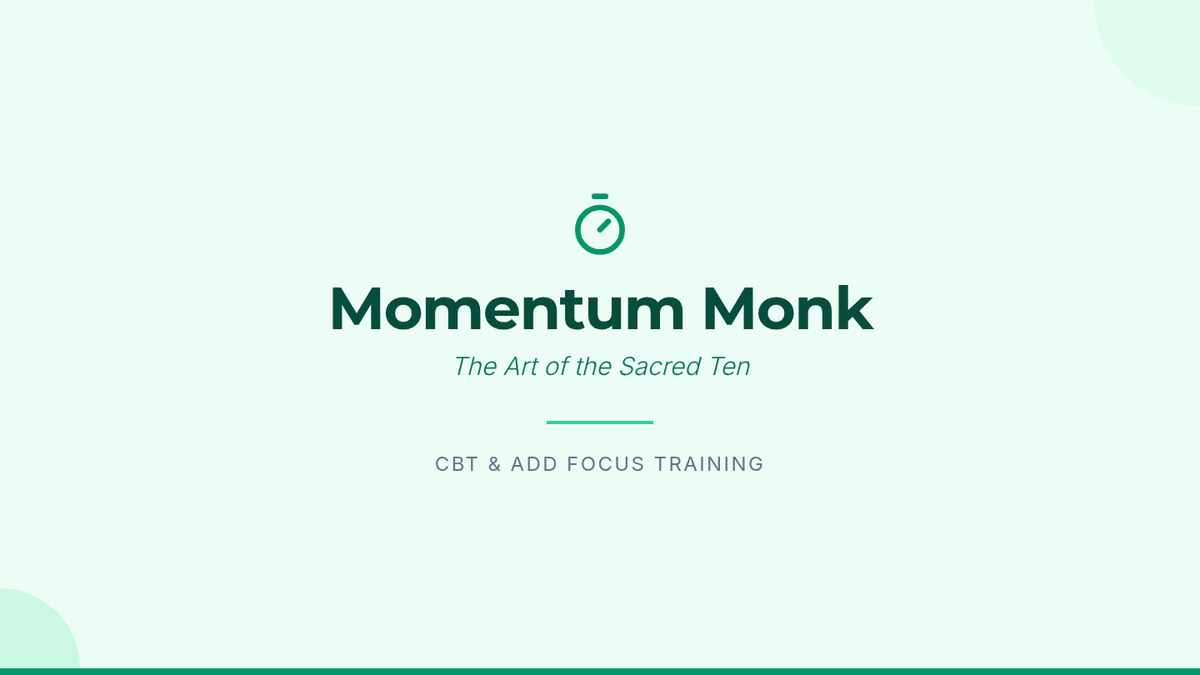
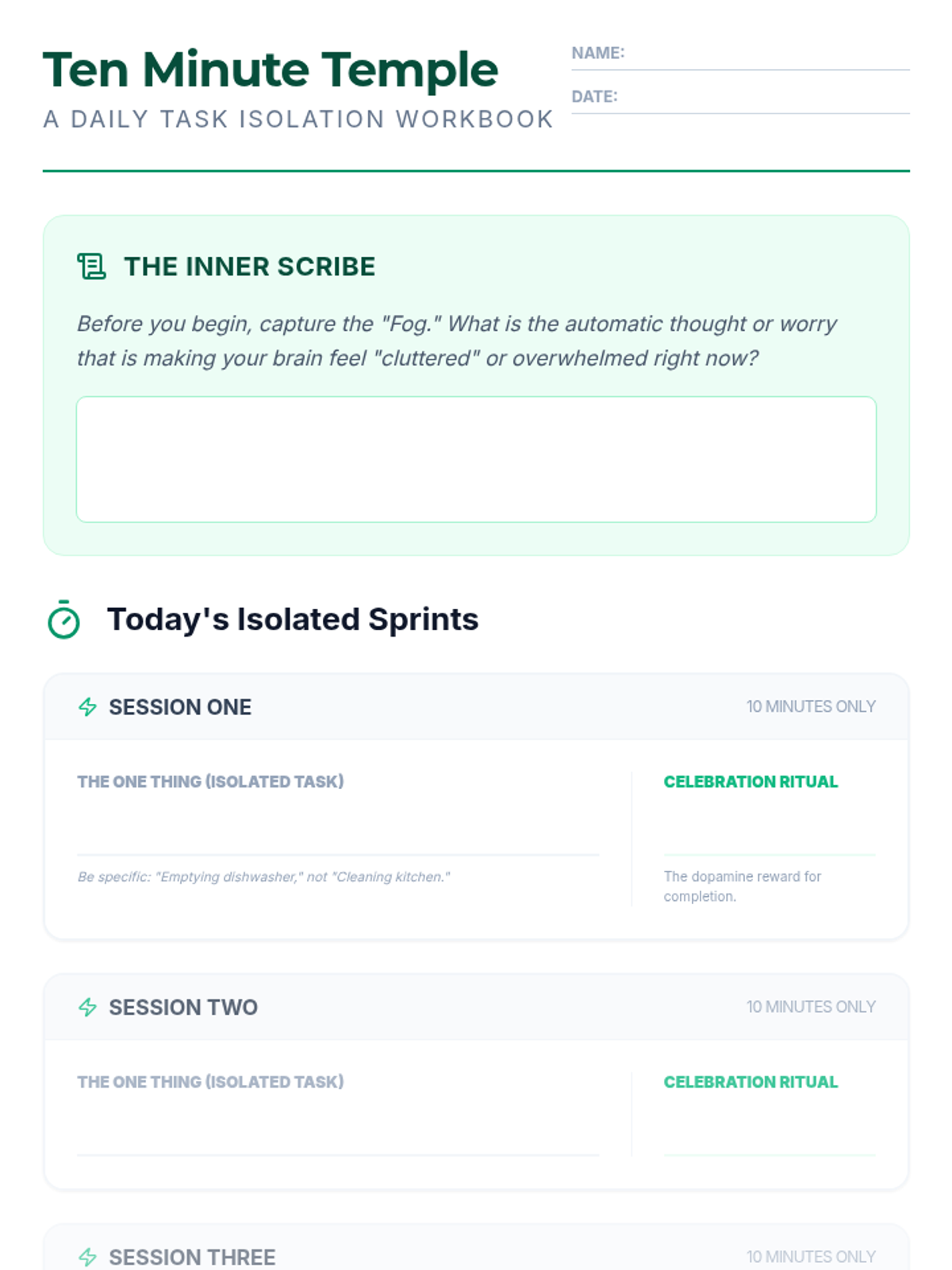
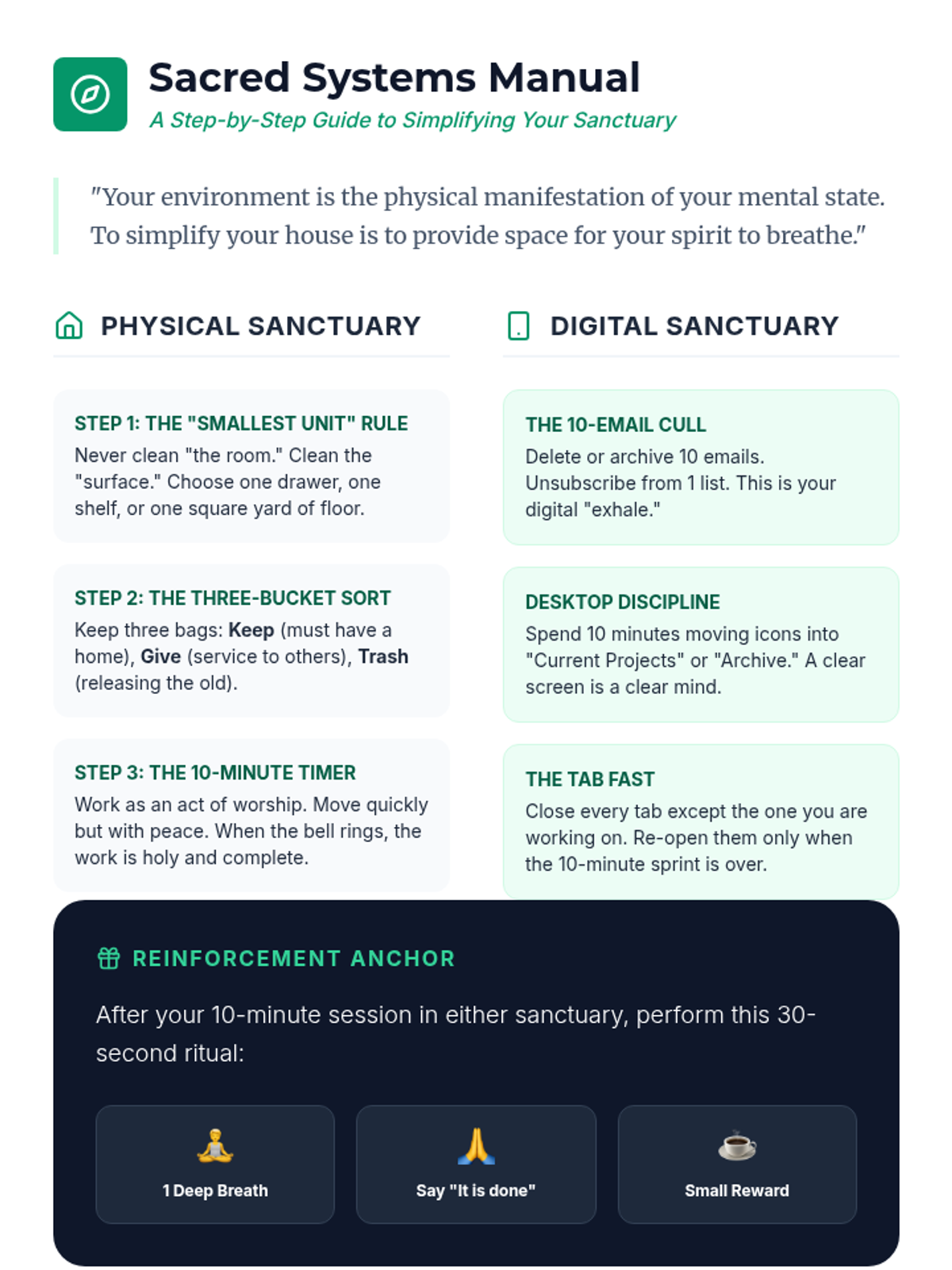
A CBT-based program for adults with inattentive ADD to master task isolation, short-burst productivity (10-minute sessions), and positive reinforcement through a spiritual lens. This sequence guides learners through physical, digital, and professional decluttering.
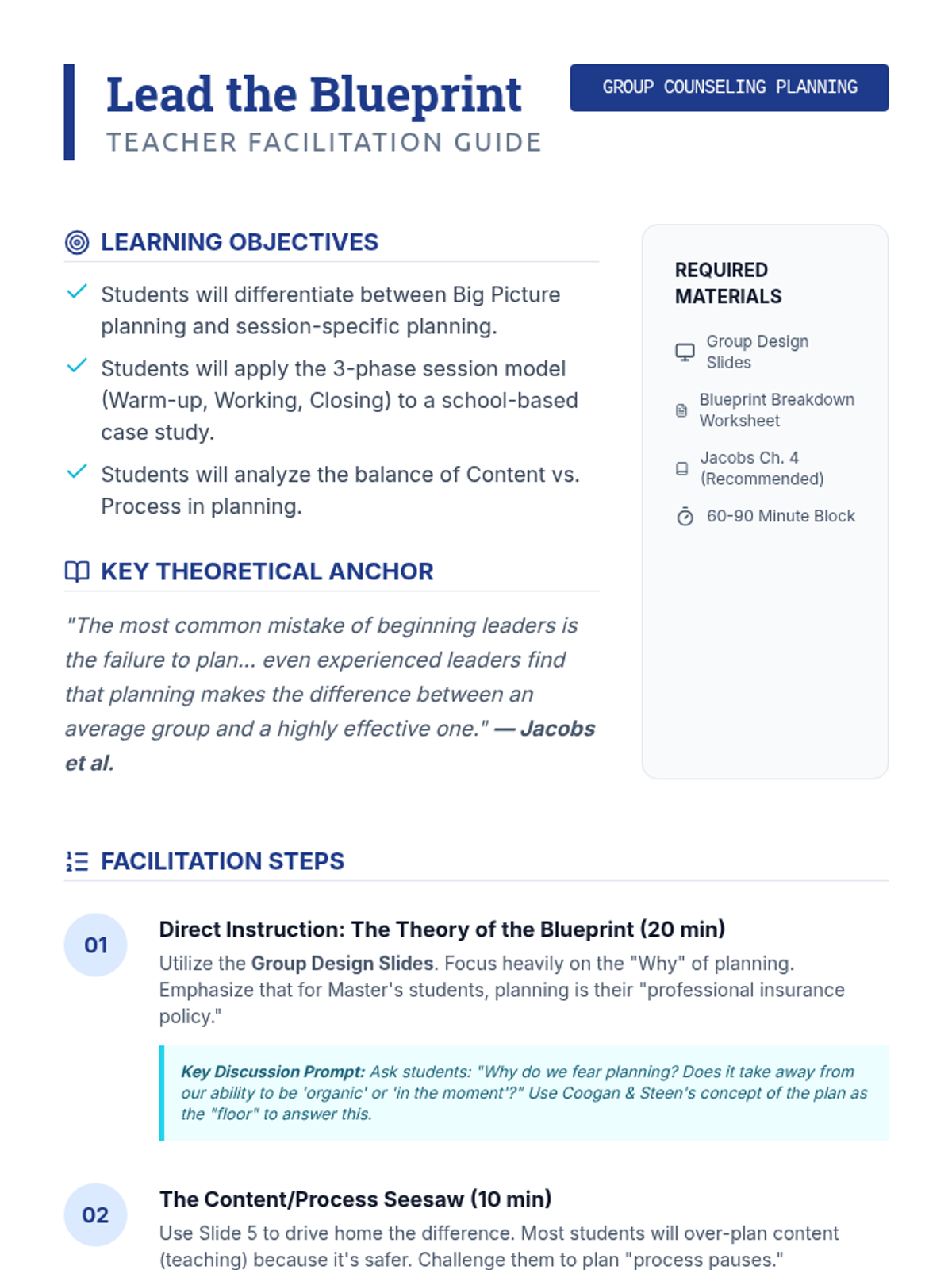
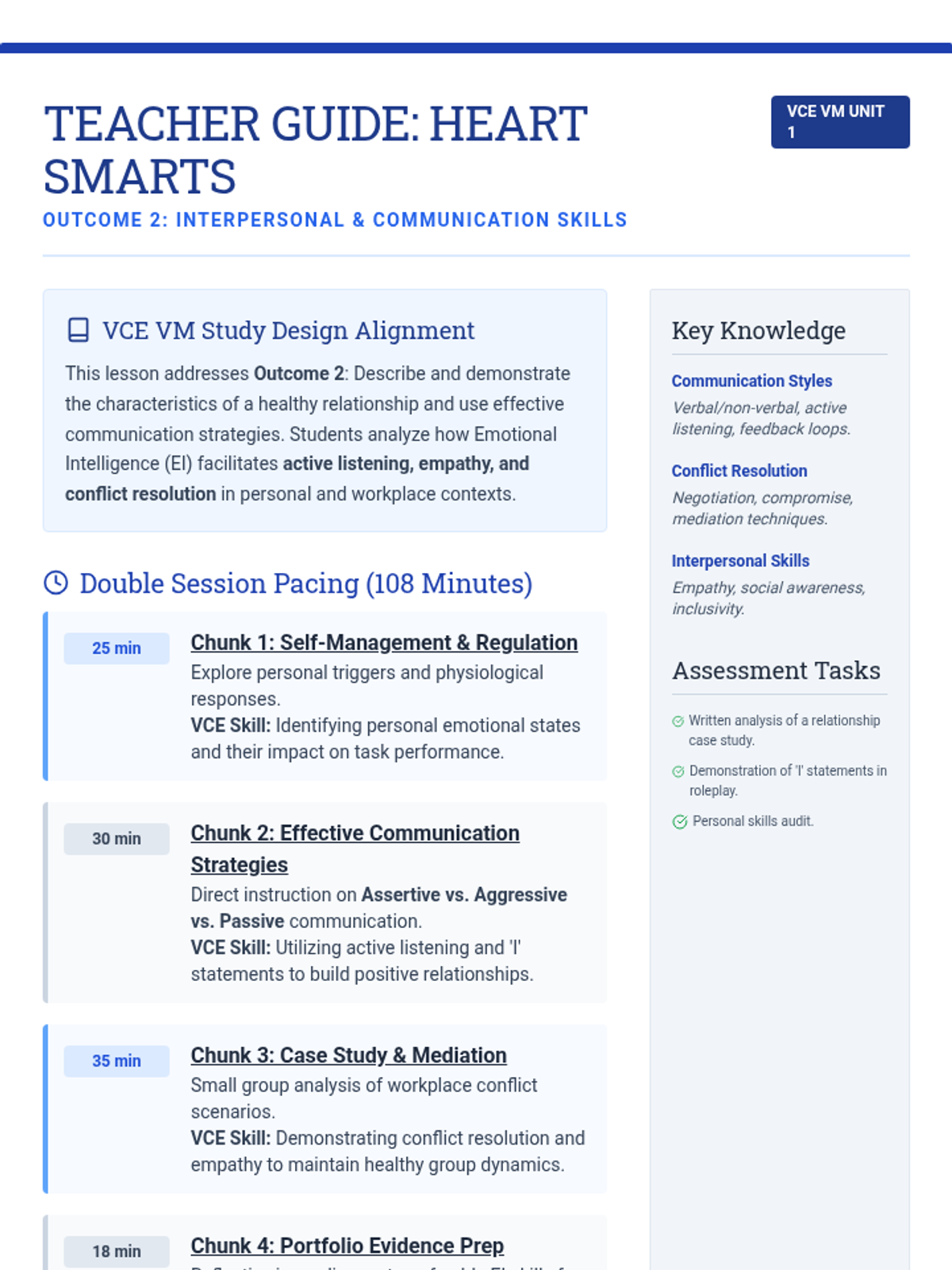
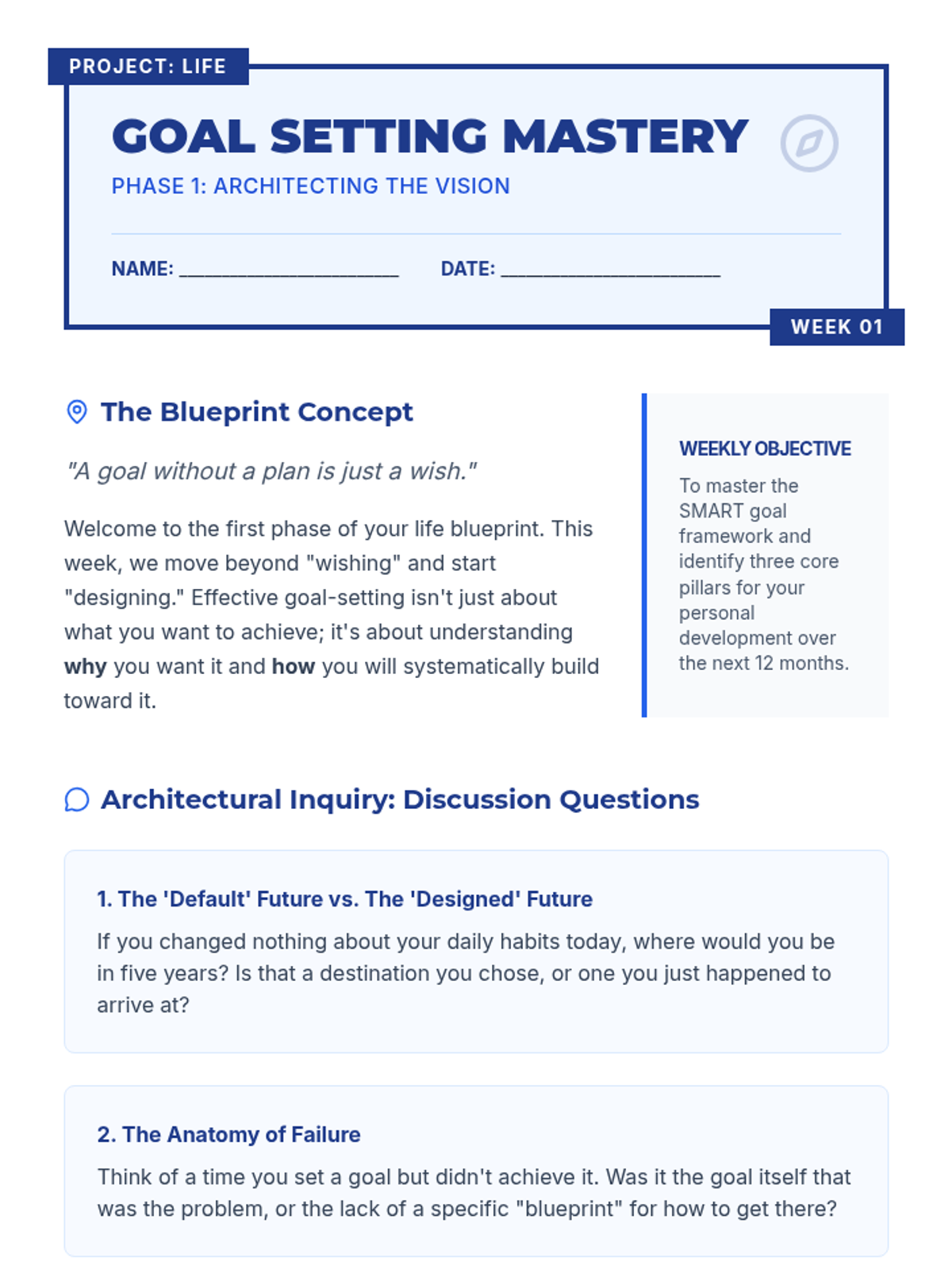
A comprehensive 9-week curriculum designed to equip young adults with essential skills for personal well-being, effective communication, and healthy relationships. This course uses a 'blueprint' theme to help students architect their own futures through goal-setting, stress management, and interpersonal growth.
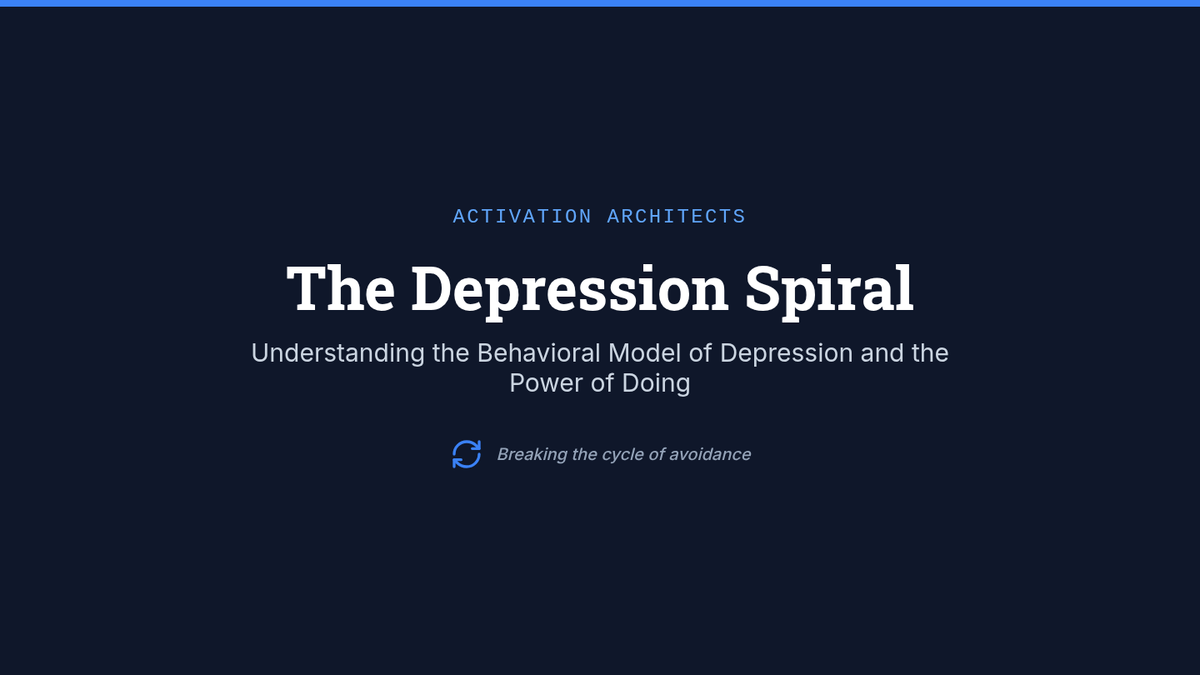
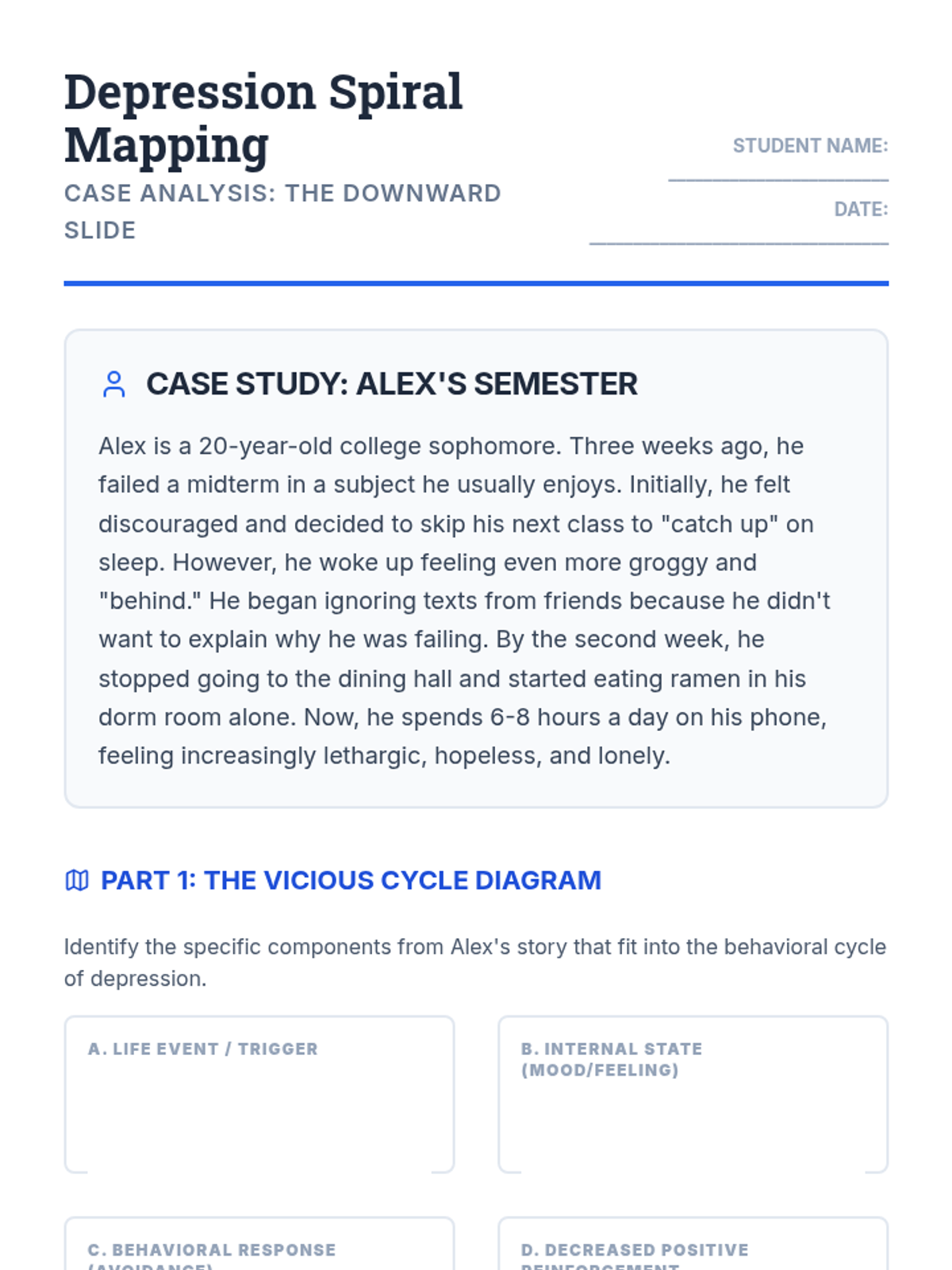
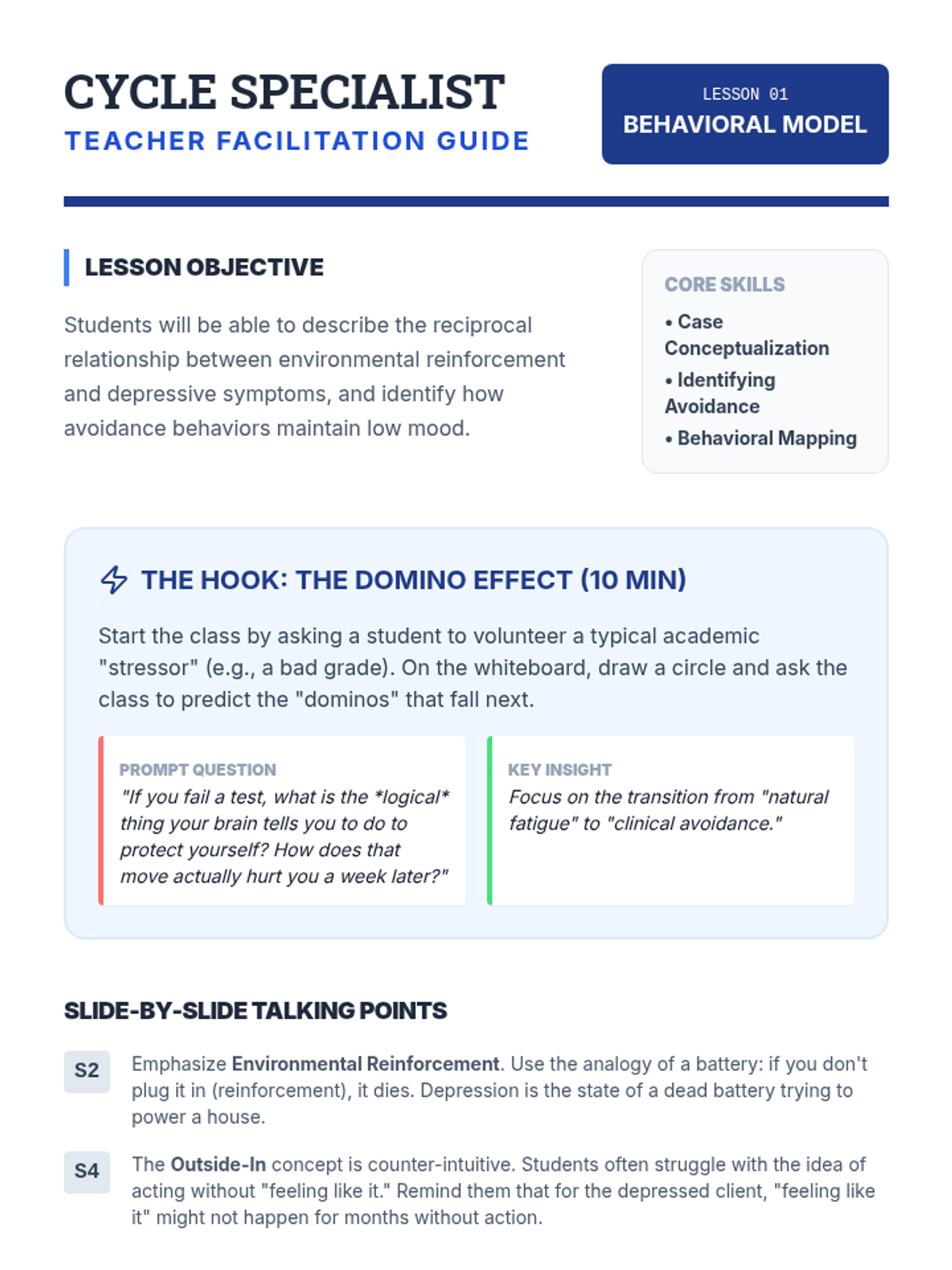
This sequence introduces undergraduate students to the theoretical underpinnings and practical assessment tools of Behavioral Activation (BA). Students will learn to conceptualize depression as a cycle of avoidance and reduced reinforcement, mastering techniques like activity monitoring, values clarification, and functional analysis.
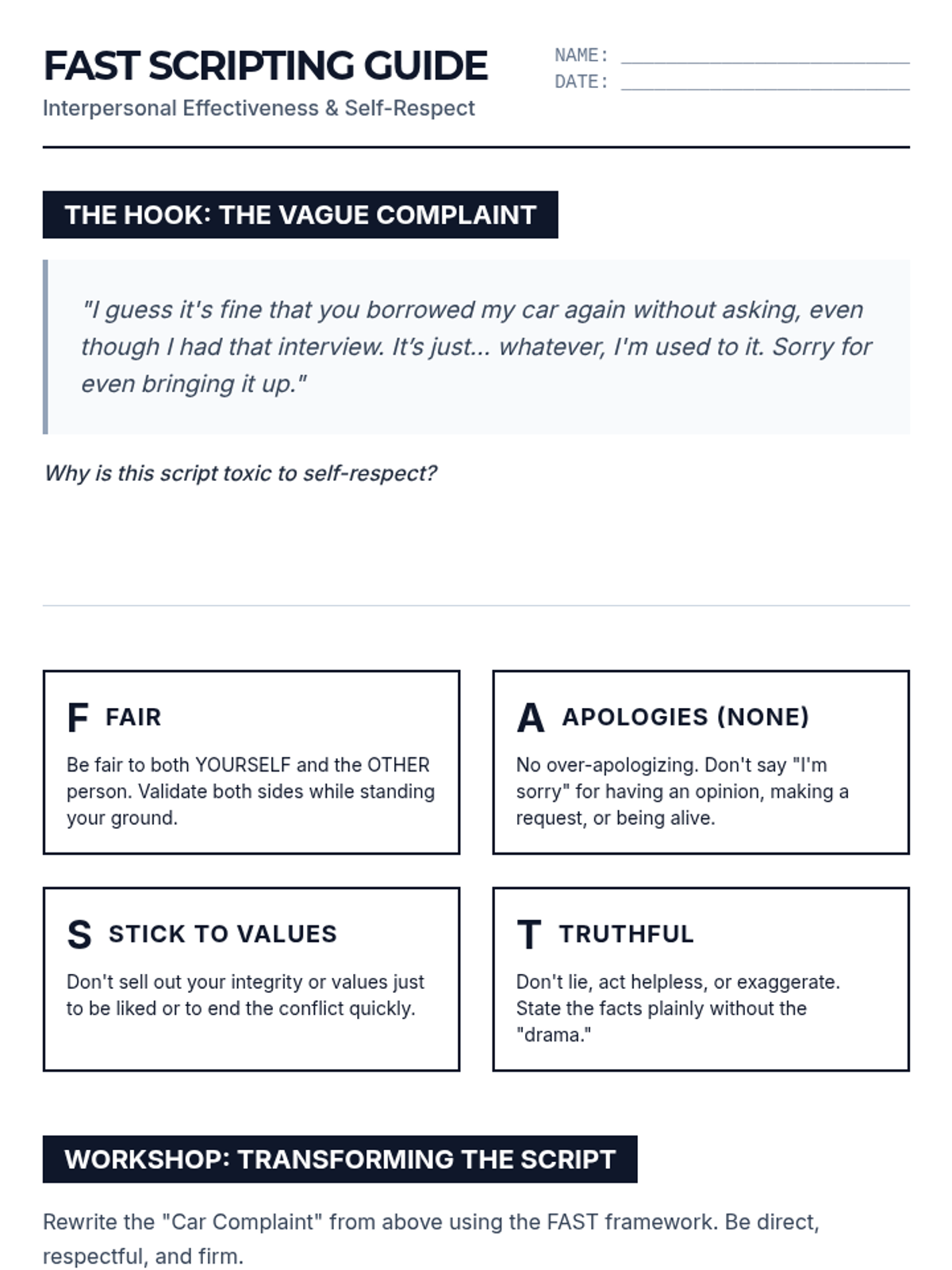
A high-intensity, simulation-based sequence for undergraduate students to master DBT's FAST skills (Fair, Apologies-free, Stick-to-values, Truthful) for interpersonal effectiveness and self-respect.
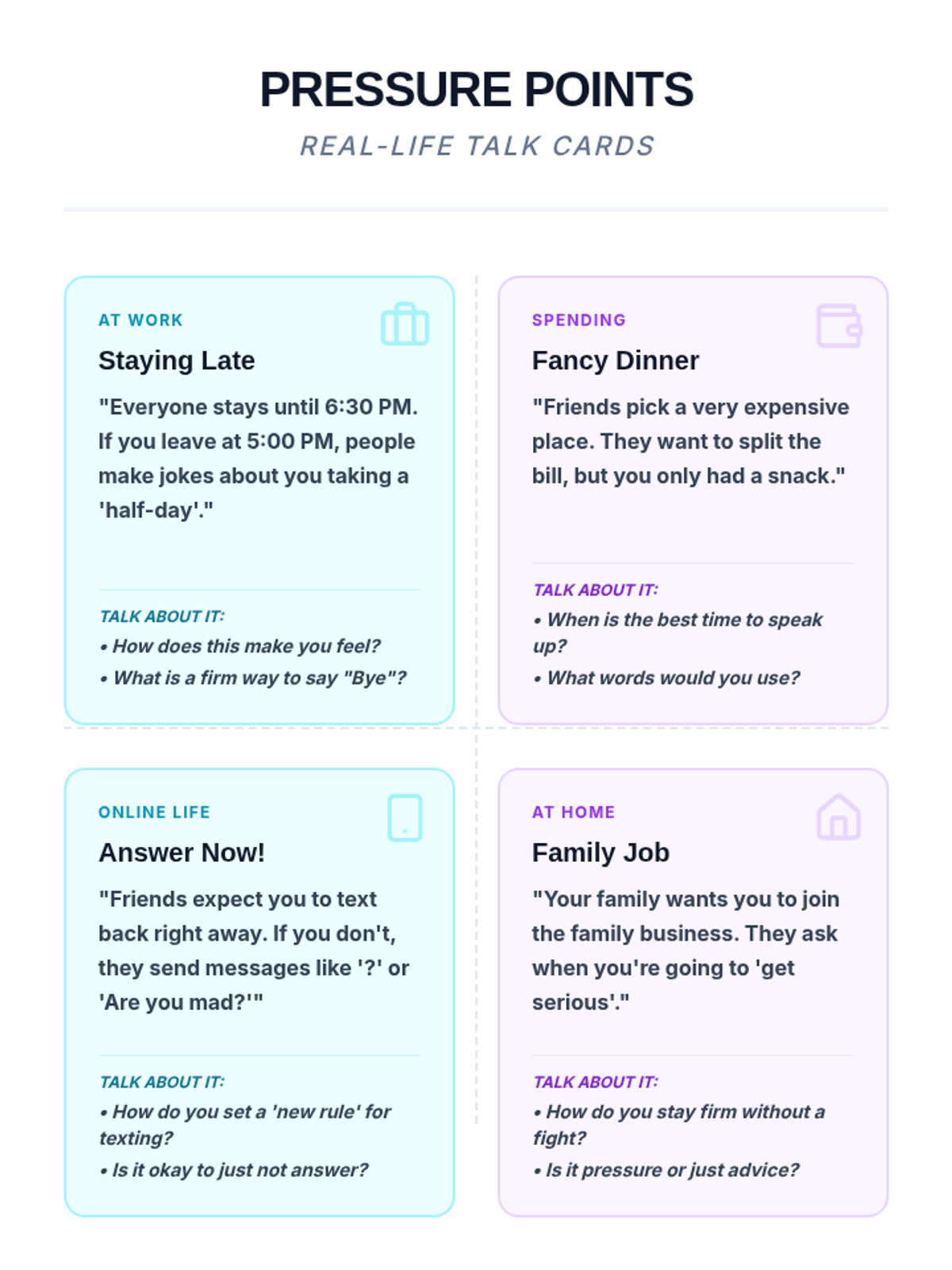
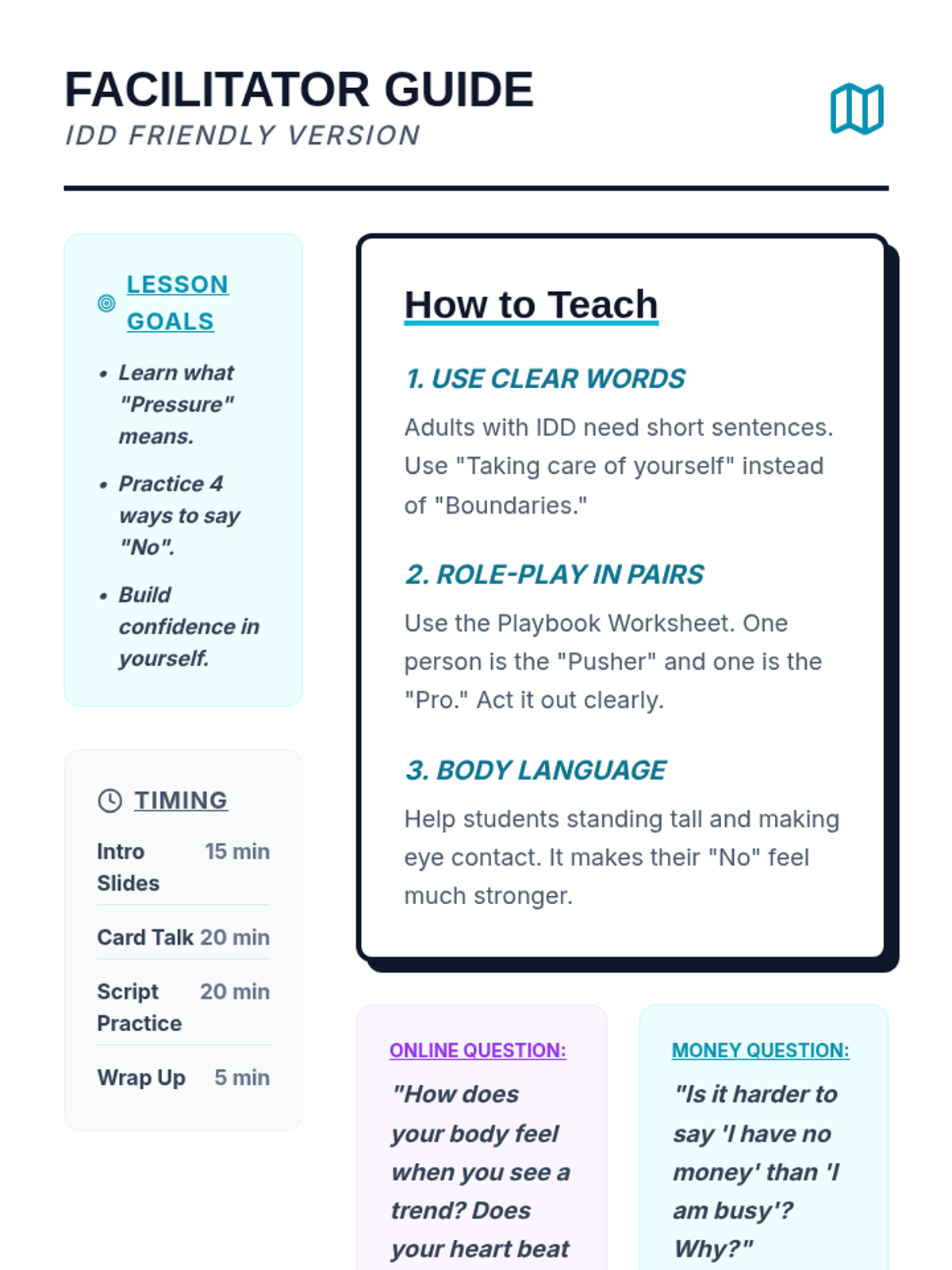
![[ARCHIVED] Pressure Points Cards 1](https://www.lenny.com/api/preview/217d4cb7-da06-4e17-9243-a20b84b13d40/1200.png?selected_locale_code=null)
![[ARCHIVED] Pressure Points Cards 3](https://www.lenny.com/api/preview/3e0574ca-7872-4985-bcb7-daa3968afdf0/1200.png?selected_locale_code=null)
![[ARCHIVED] Pressure Points Cards 2](https://www.lenny.com/api/preview/f849bf48-09f0-43ff-8b3e-27e1abc46cda/1200.png?selected_locale_code=null)
![[ARCHIVED] Pressure Proof Slides 2](https://www.lenny.com/api/preview/413c85b3-3eff-4bba-9ff0-156325a779b0/1200.png?selected_locale_code=null)
![[ARCHIVED] Pressure Proof Facilitator Guide 2](https://www.lenny.com/api/preview/f3956daf-6693-45cb-ba80-d369c35f5671/1200.png?selected_locale_code=null)
![[ARCHIVED] Refusal Playbook Worksheet 2](https://www.lenny.com/api/preview/9a4f233a-a54d-4a8a-b21b-932cc85e758c/1200.png?selected_locale_code=null)
![[ARCHIVED] Pressure Proof Facilitator Guide 3](https://www.lenny.com/api/preview/413b6171-7866-444b-9326-bbfb0f6e4a01/1200.png?selected_locale_code=null)
![[ARCHIVED] Pressure Proof Slides 3](https://www.lenny.com/api/preview/fa5bb225-106c-4b80-92b7-fc371f327dff/1200.png?selected_locale_code=null)
![[ARCHIVED] Refusal Playbook Worksheet 1](https://www.lenny.com/api/preview/ed0c10be-ad6c-4152-a521-bca8b2972b76/1200.png?selected_locale_code=null)
![[ARCHIVED] Pressure Proof Facilitator Guide 1](https://www.lenny.com/api/preview/01158e9b-231c-4cef-b6f2-667df499189f/1200.png?selected_locale_code=null)
![[ARCHIVED] Pressure Proof Slides 1](https://www.lenny.com/api/preview/783a2e0c-4303-4520-943a-28202dc7bd06/1200.png?selected_locale_code=null)
![[ARCHIVED] Pressure Proof Slides 4](https://www.lenny.com/api/preview/3085c551-44e8-4f65-8d54-656cfc0cf760/1200.png?selected_locale_code=null)
![[ARCHIVED] Pressure Points Cards 4](https://www.lenny.com/api/preview/66f628db-ebca-4e09-8c6d-4aacbcb8de9a/1200.png?selected_locale_code=null)
![[ARCHIVED] Pressure Proof Facilitator Guide 4](https://www.lenny.com/api/preview/5fb172af-3d25-4f85-8634-9f5df4bc5e03/1200.png?selected_locale_code=null)
![[ARCHIVED] Refusal Playbook Worksheet 3](https://www.lenny.com/api/preview/6c6f31d5-f95c-4468-950d-5ad427ac3843/1200.png?selected_locale_code=null)
![[ARCHIVED] Pressure Proof Slides 5](https://www.lenny.com/api/preview/541df7f1-5726-4a36-9d88-9b4fd381c139/1200.png?selected_locale_code=null)