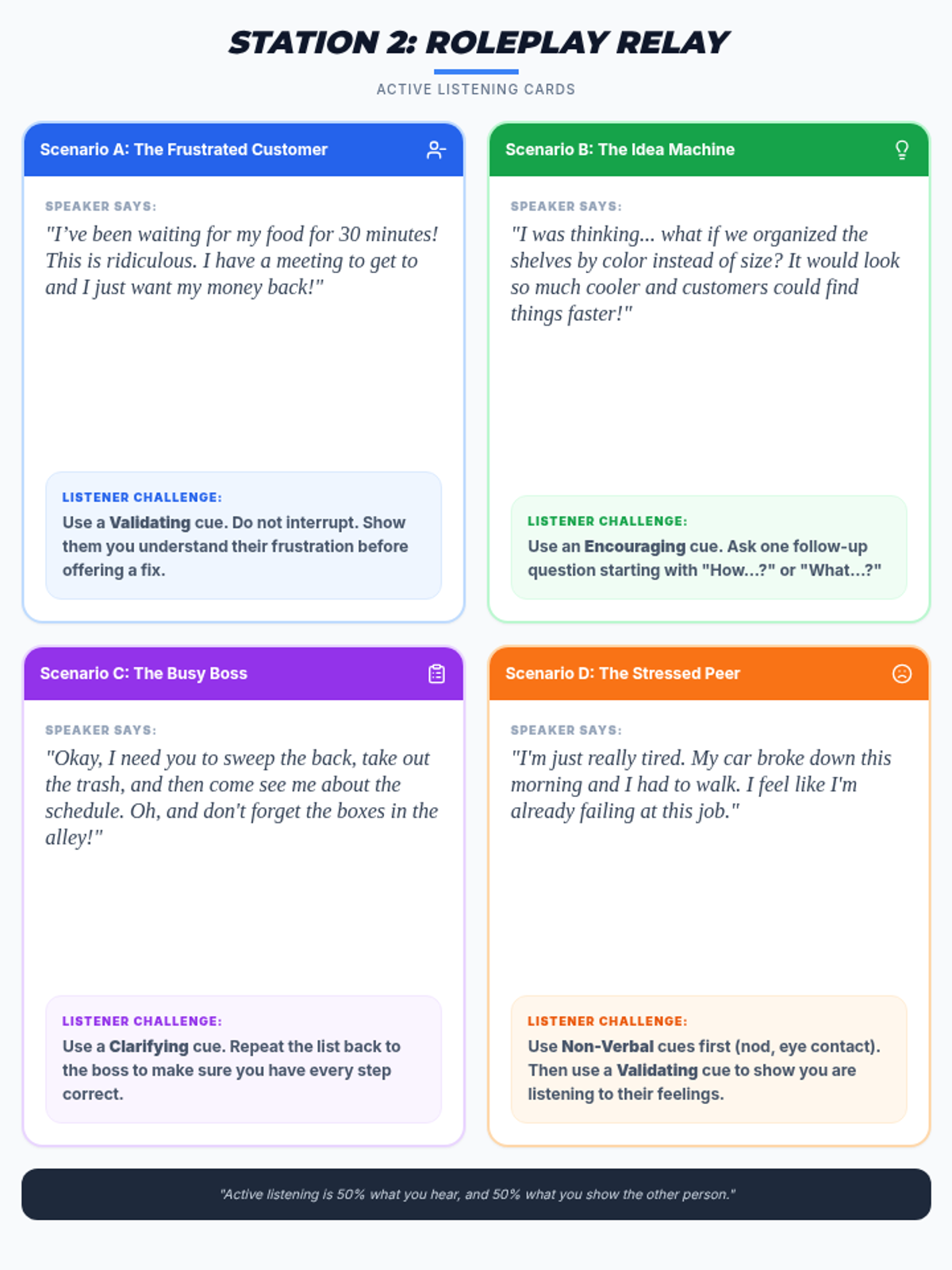
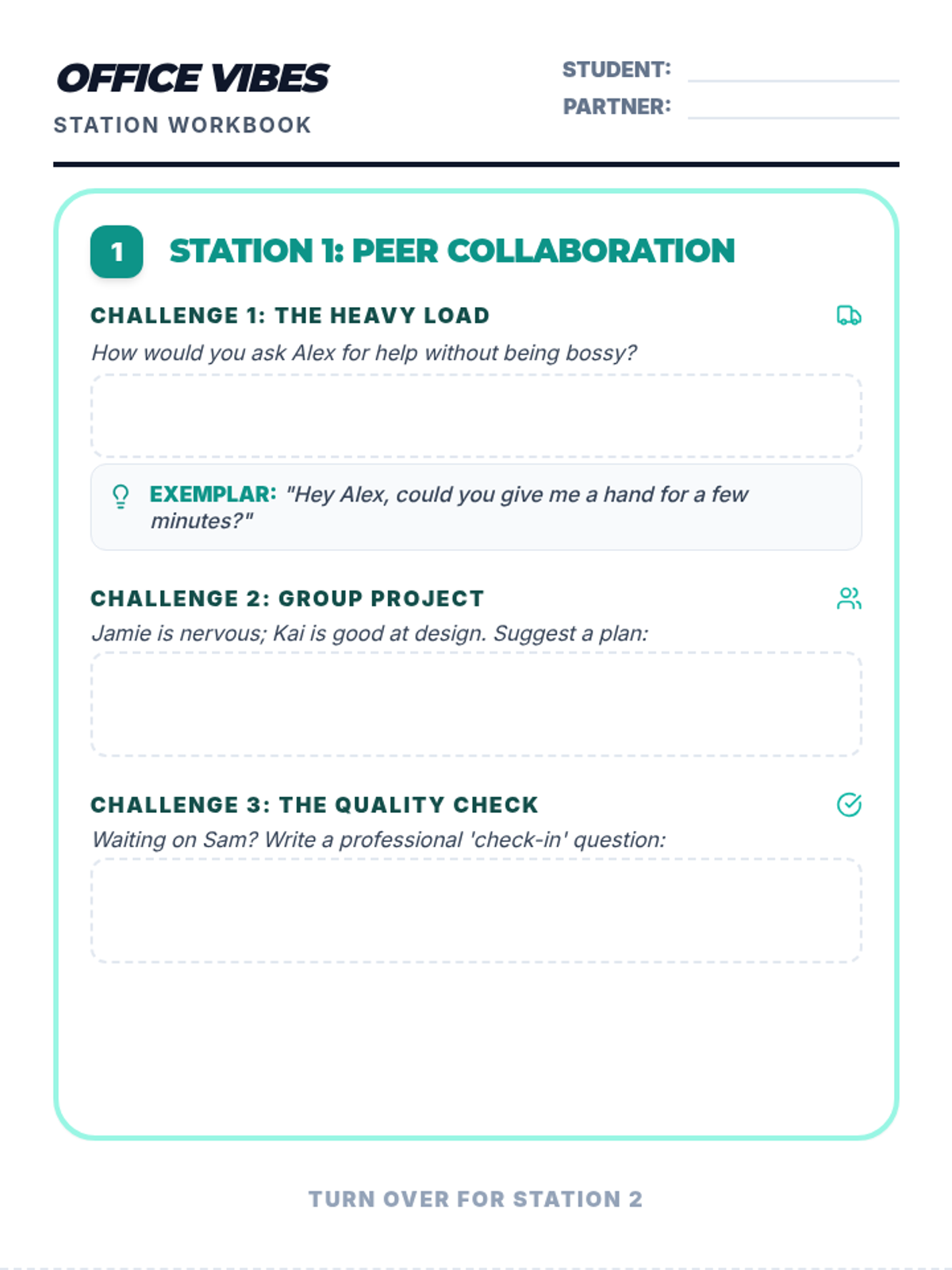
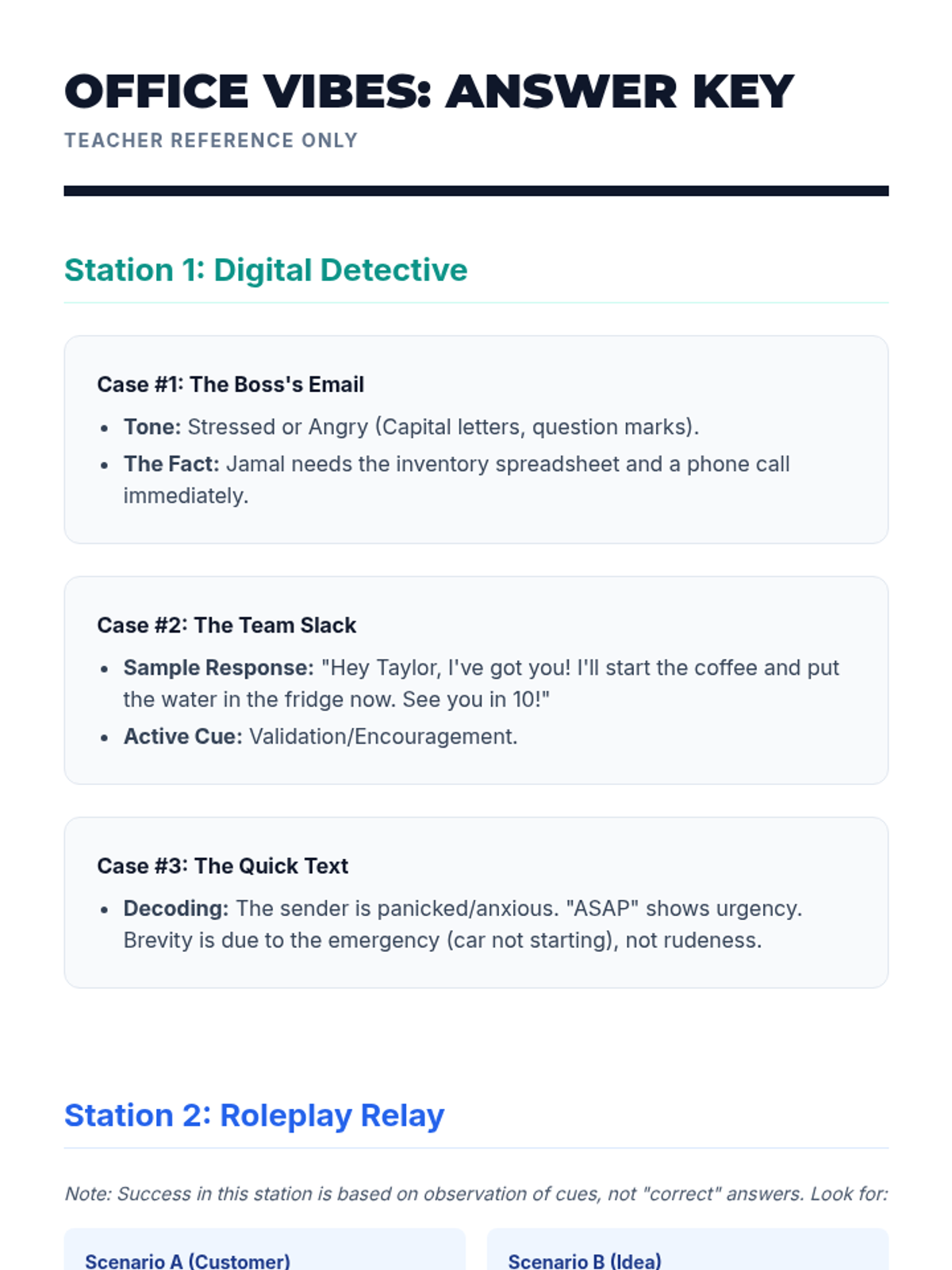
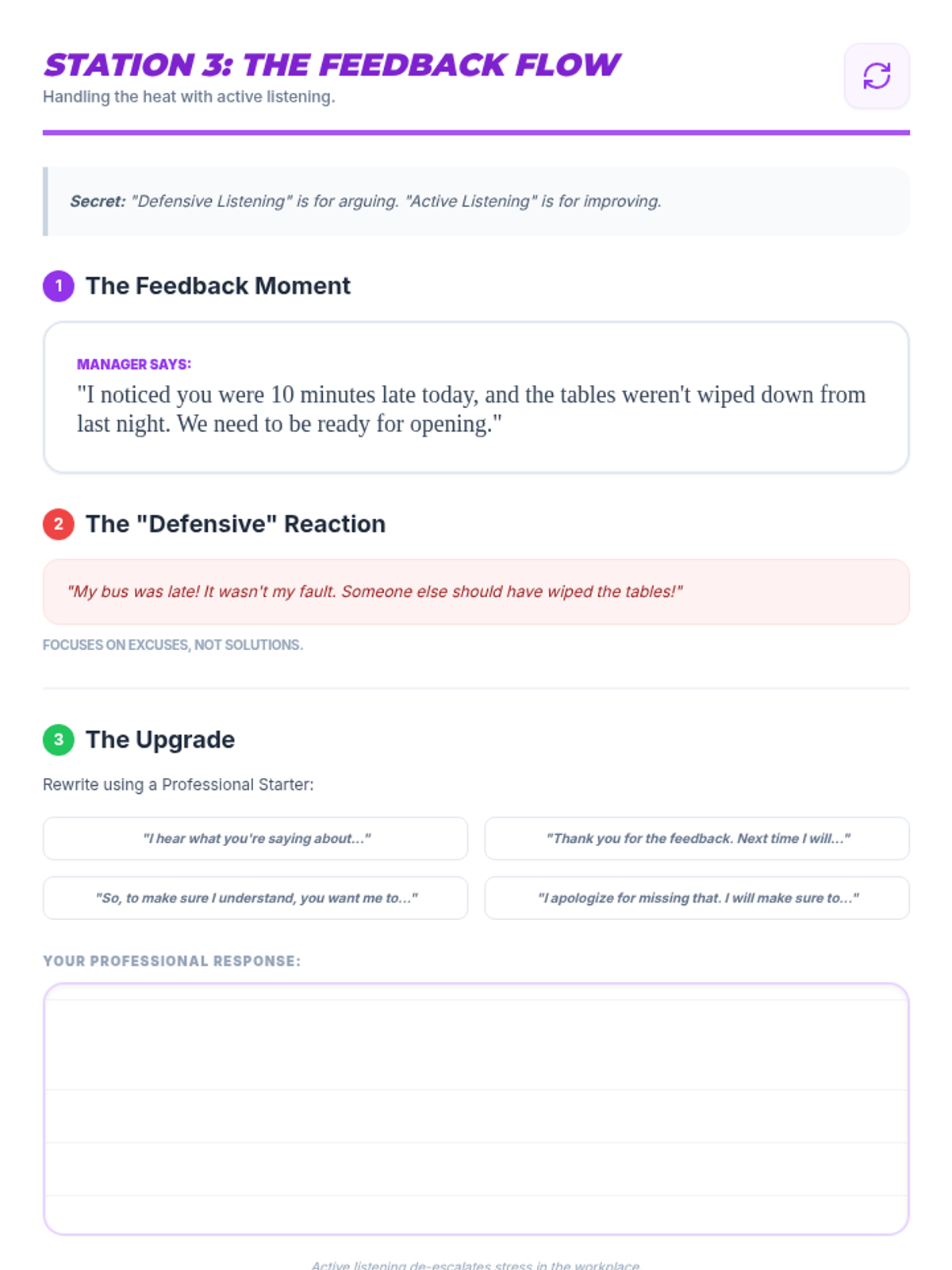
Fundamental hardware proficiency, secure online behavior, and ethical social media engagement. Equips learners with productivity tool mastery, web publishing skills, and critical evaluation of emerging technologies.
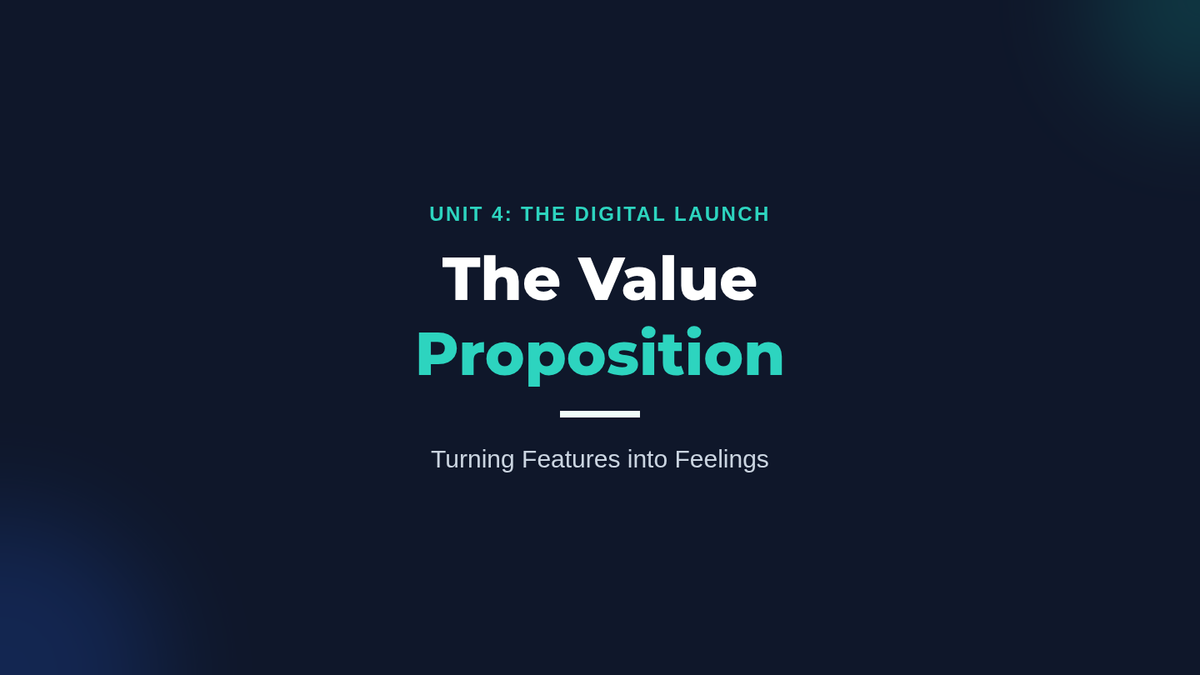
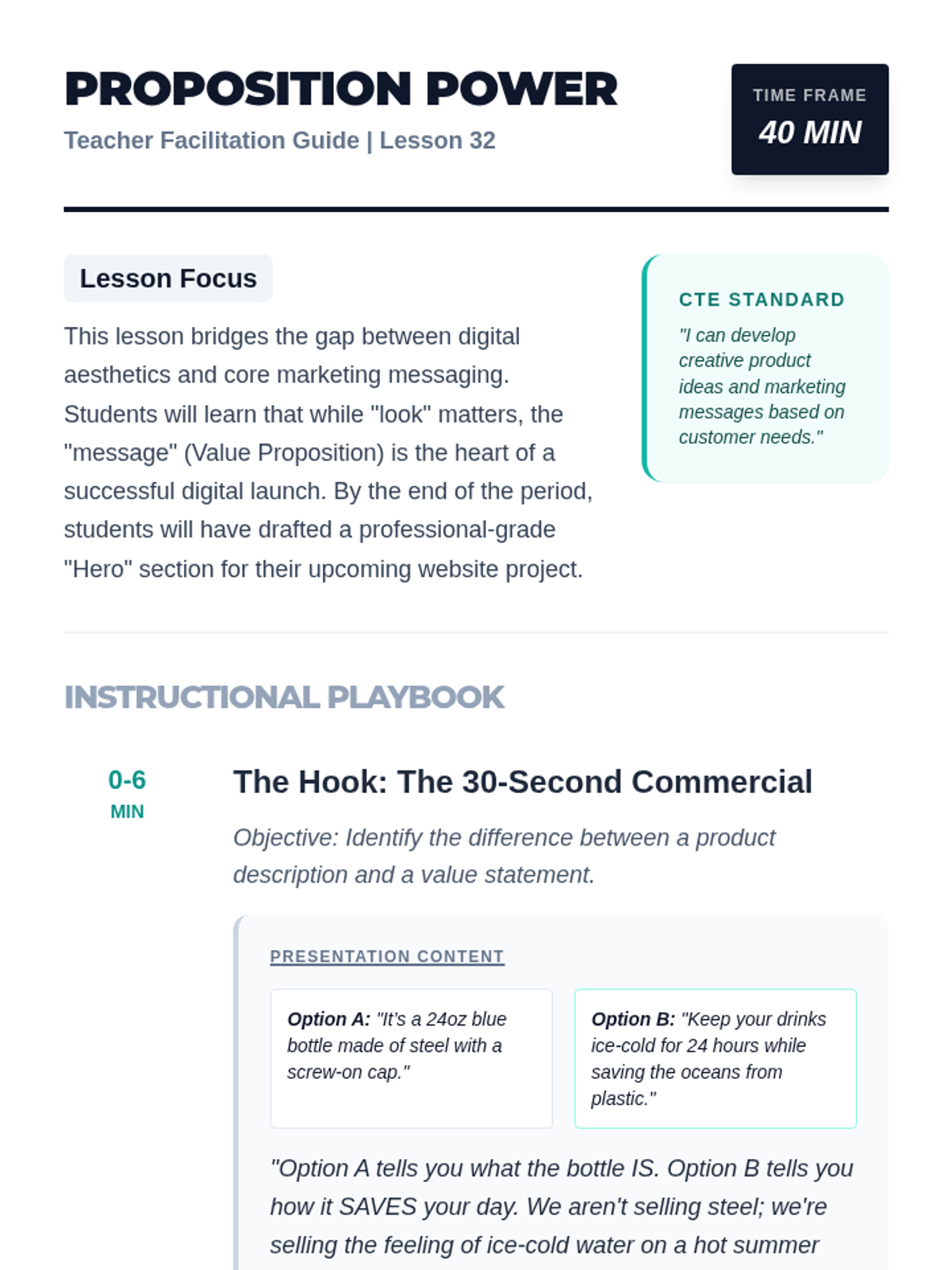
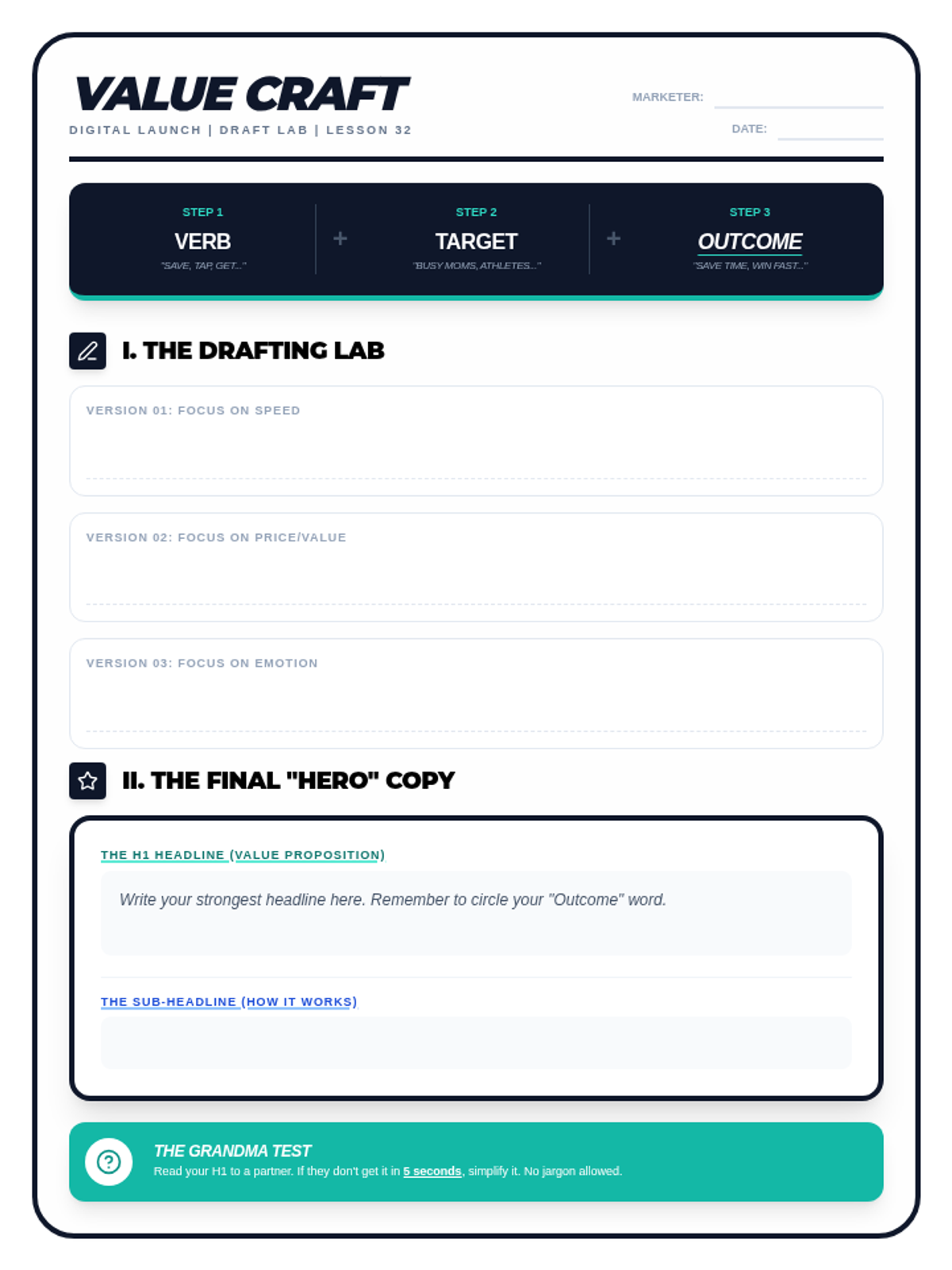
A comprehensive unit focused on the digital launch of marketing campaigns, bridging the gap between design and messaging to create persuasive online presences.
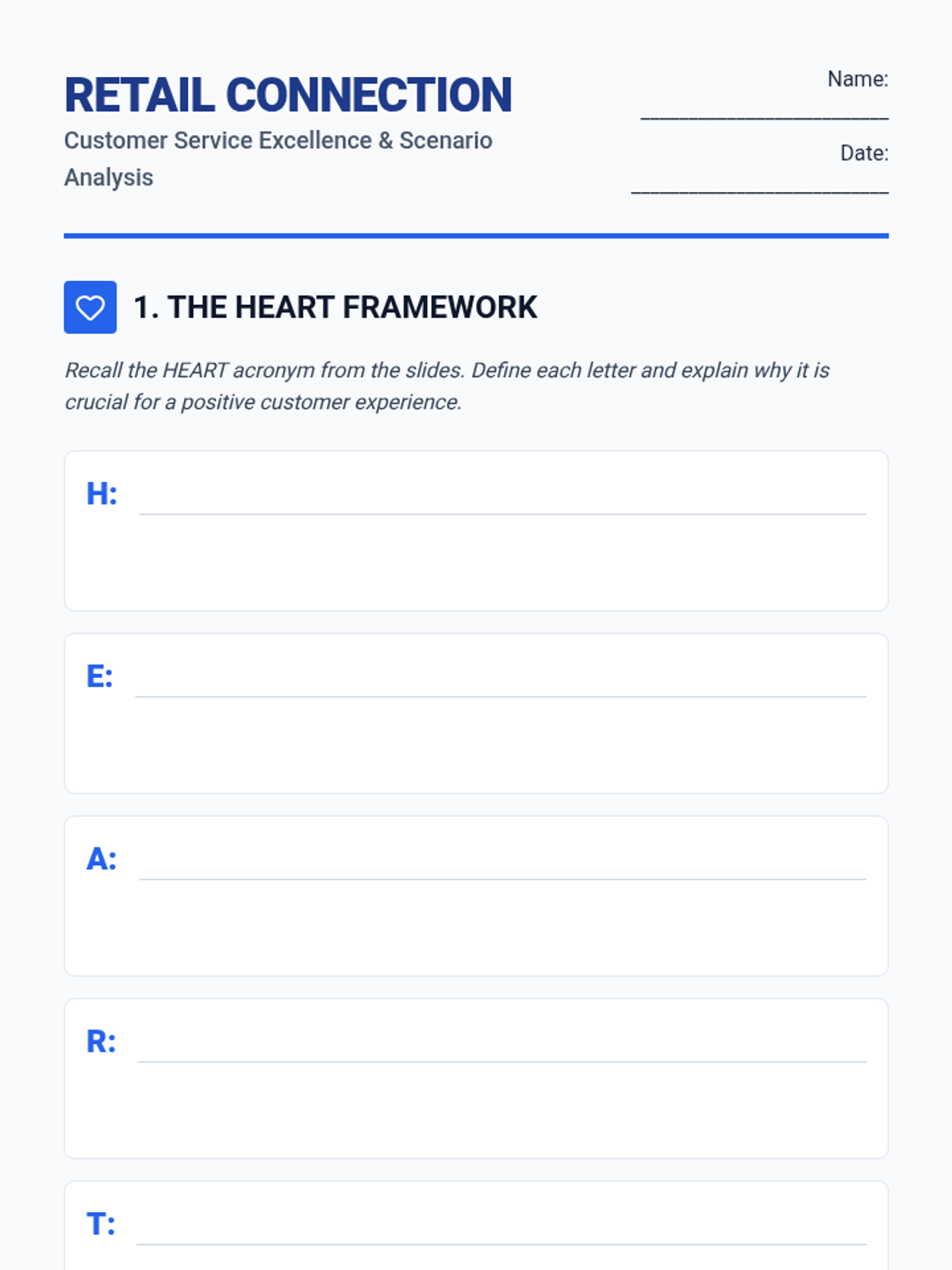
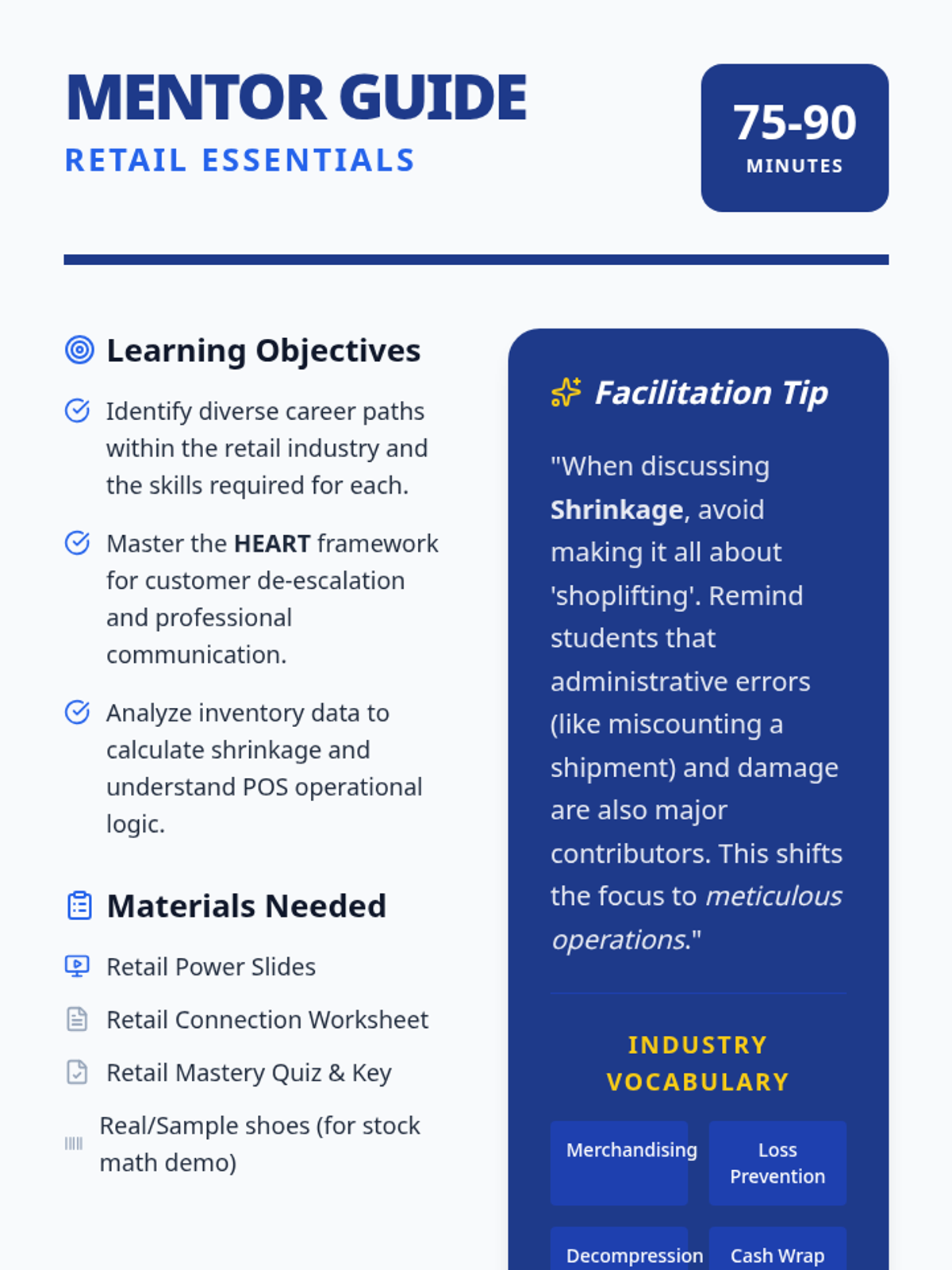
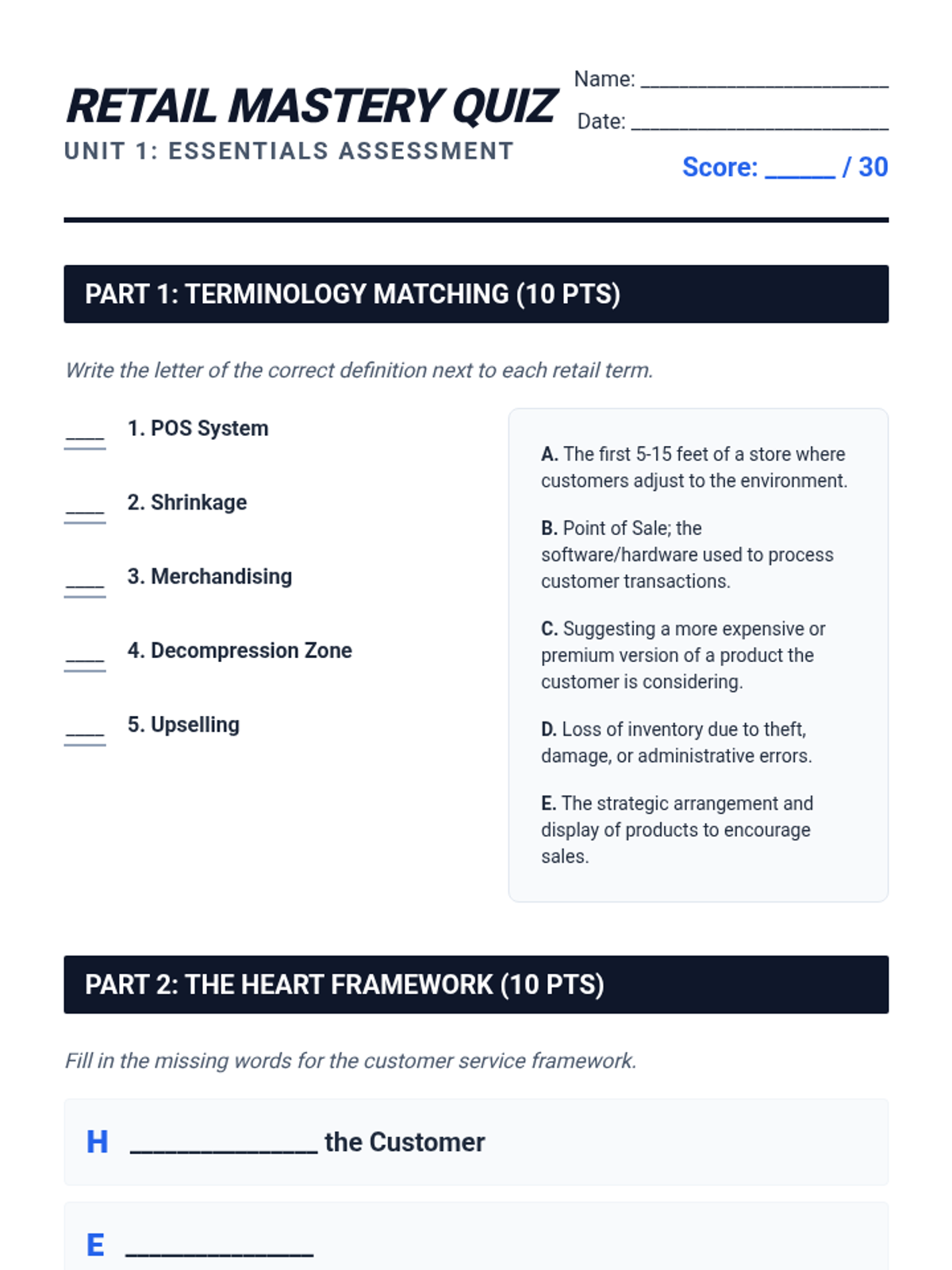
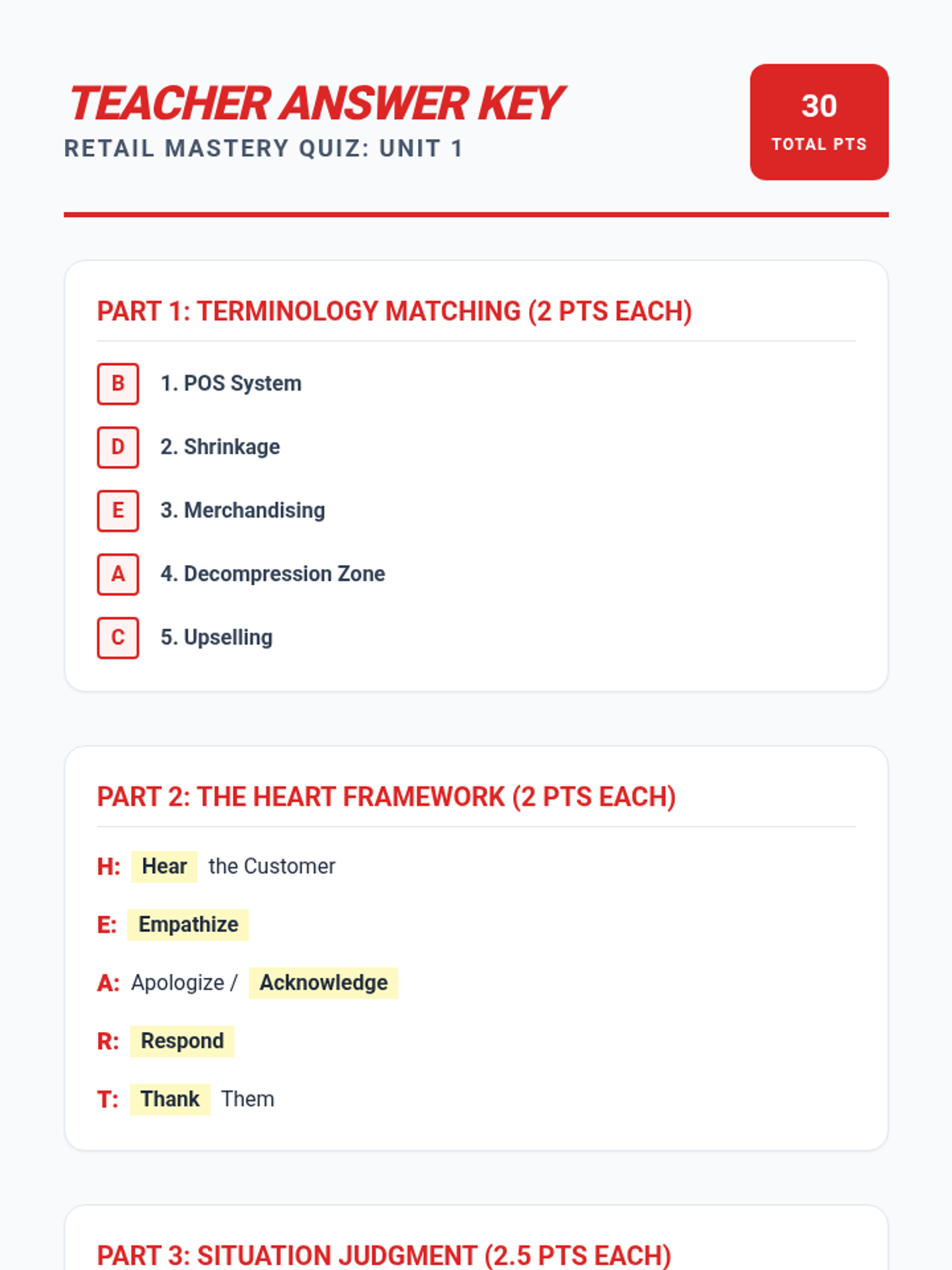
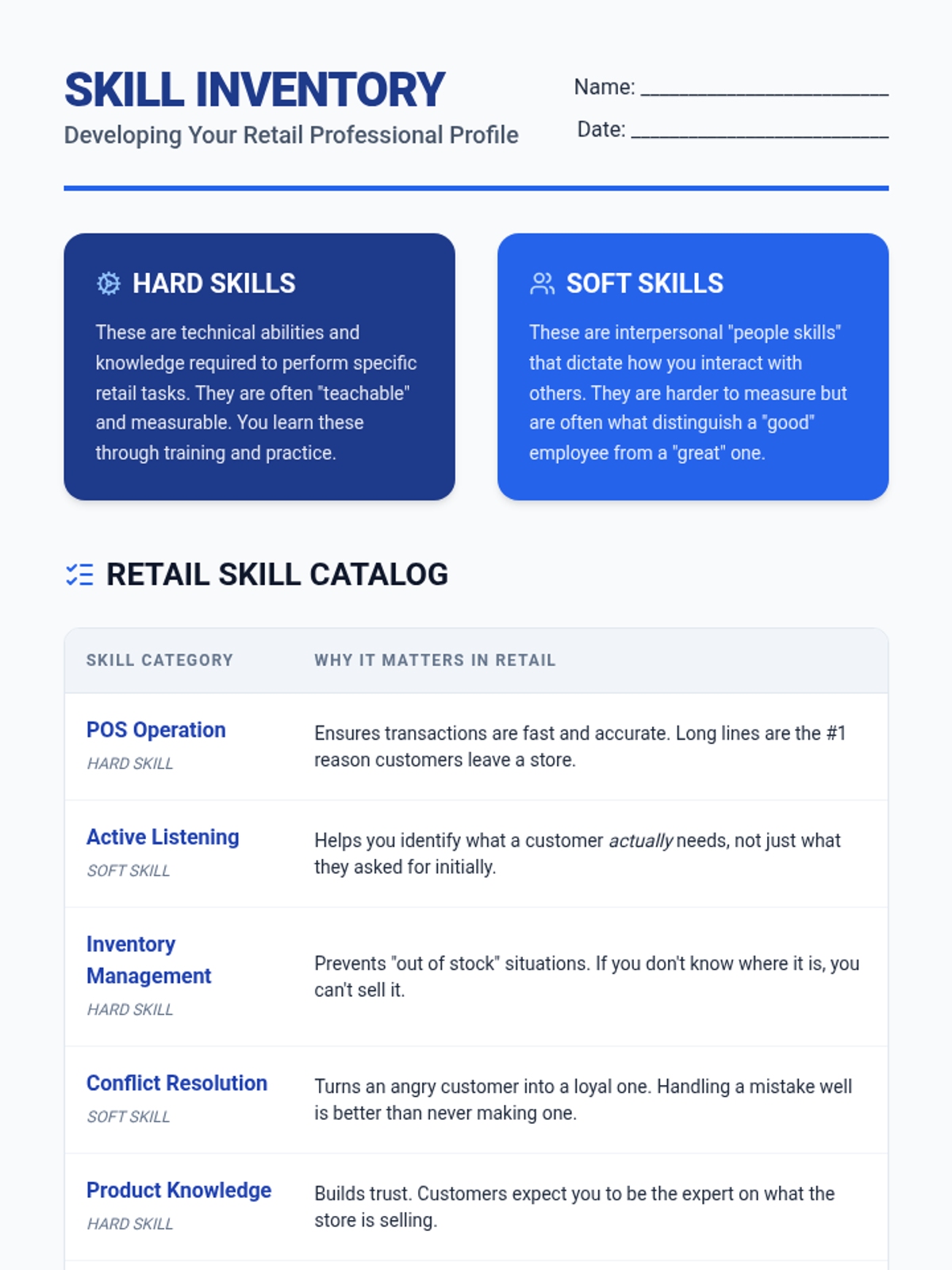
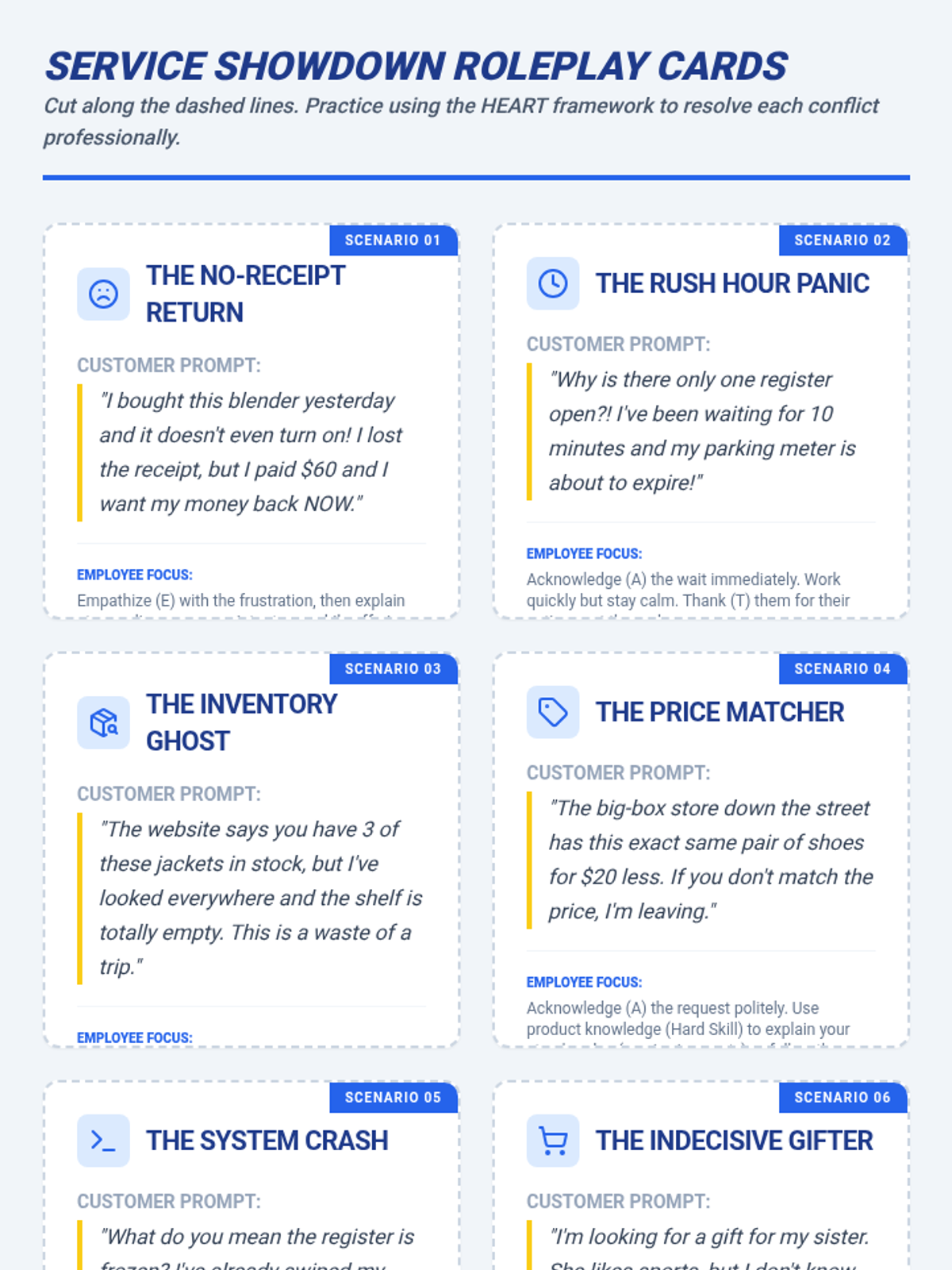
A hands-on career exploration unit focusing on the dynamic world of retail. Students will master customer service excellence, learn retail operations like inventory and POS systems, and design their own retail floor plan and brand strategy.
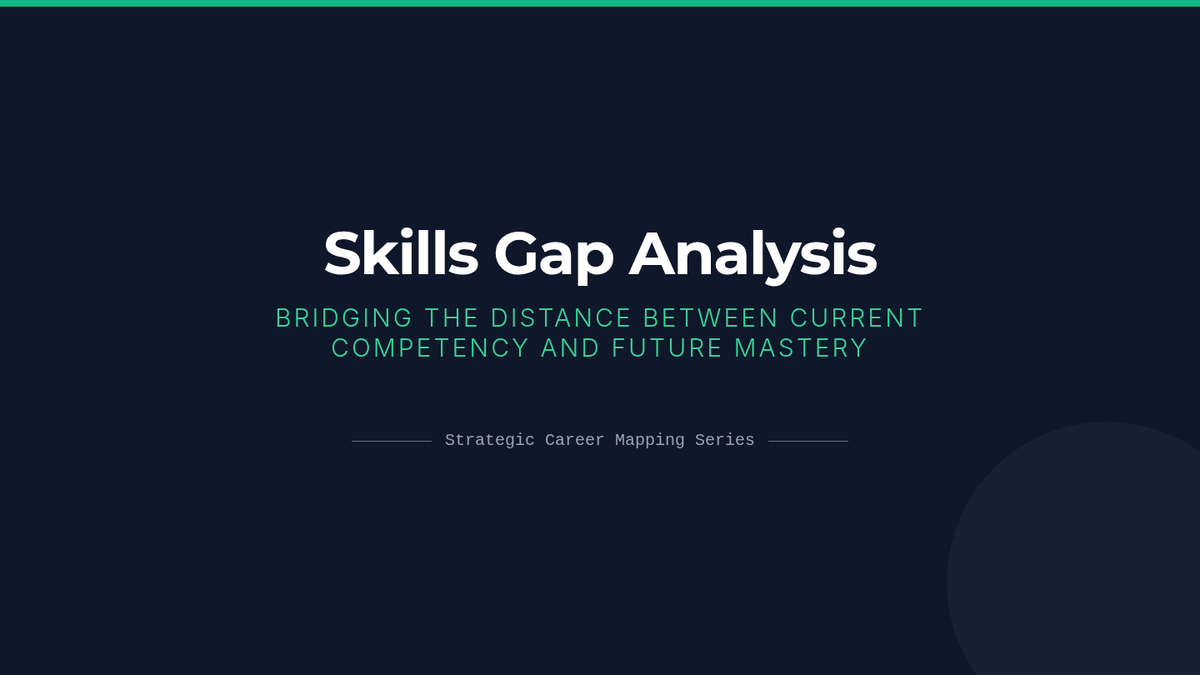
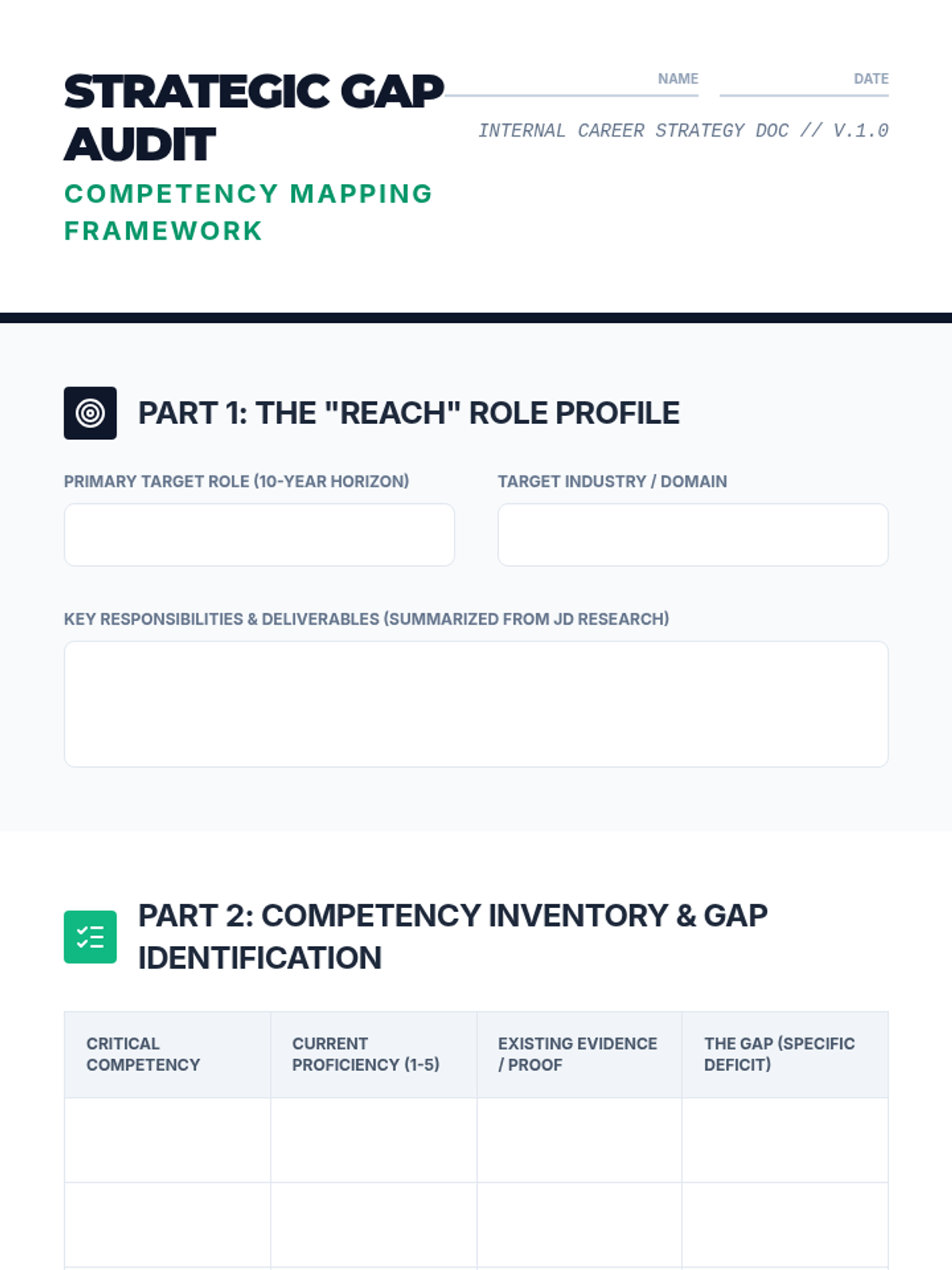
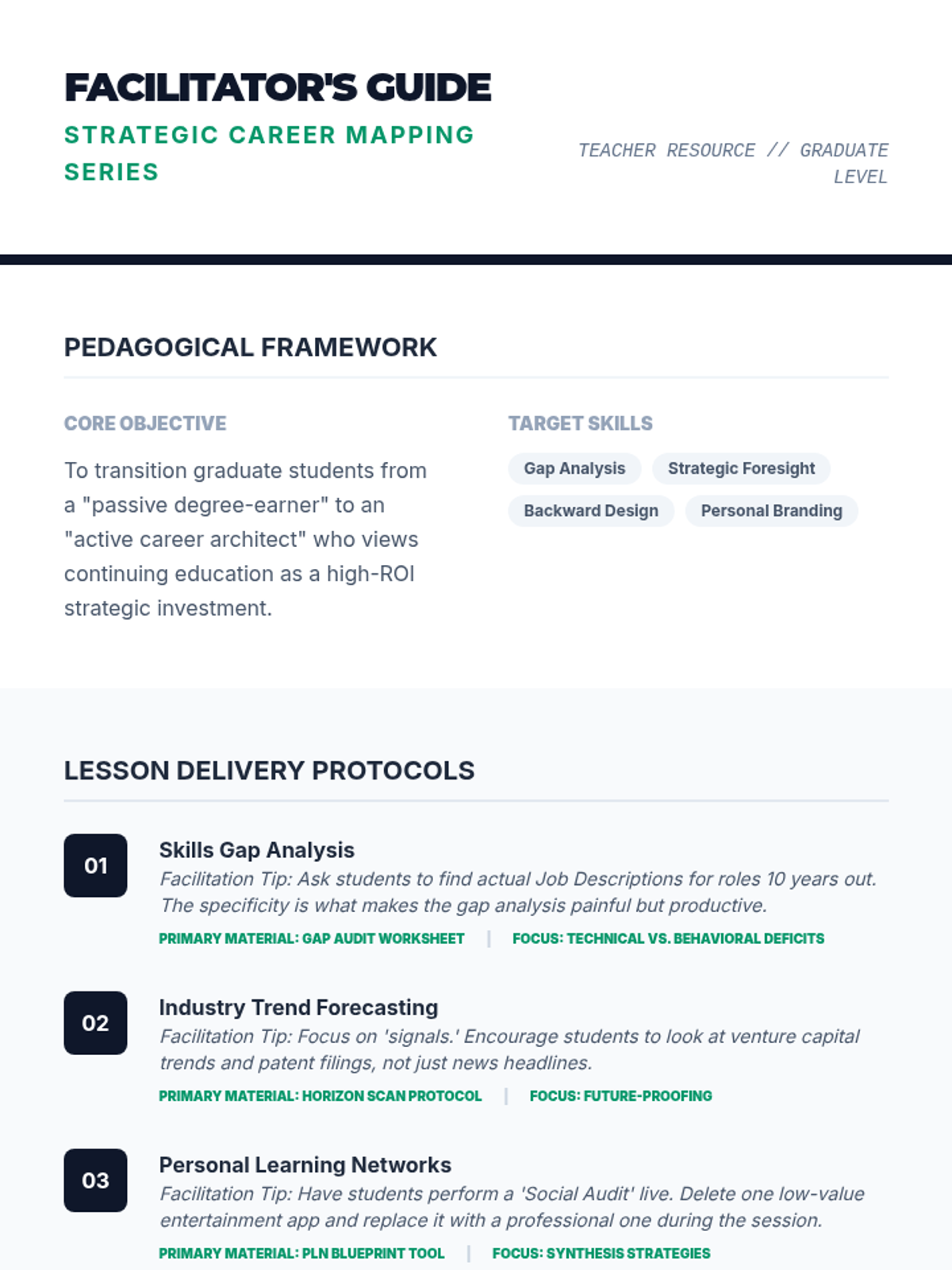
A graduate-level sequence focused on long-term career architecture through strategic continuing education. Students perform gap analyses, forecast industry trends, and use backward design to build a 'Living Syllabus' for their professional advancement.
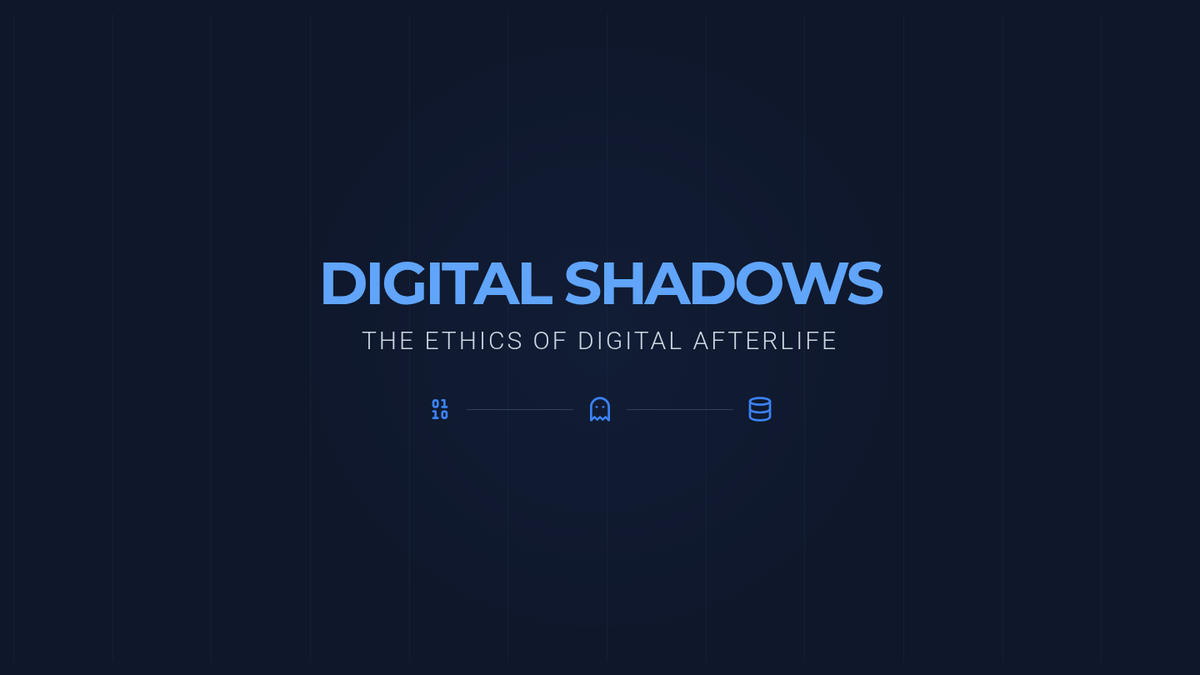
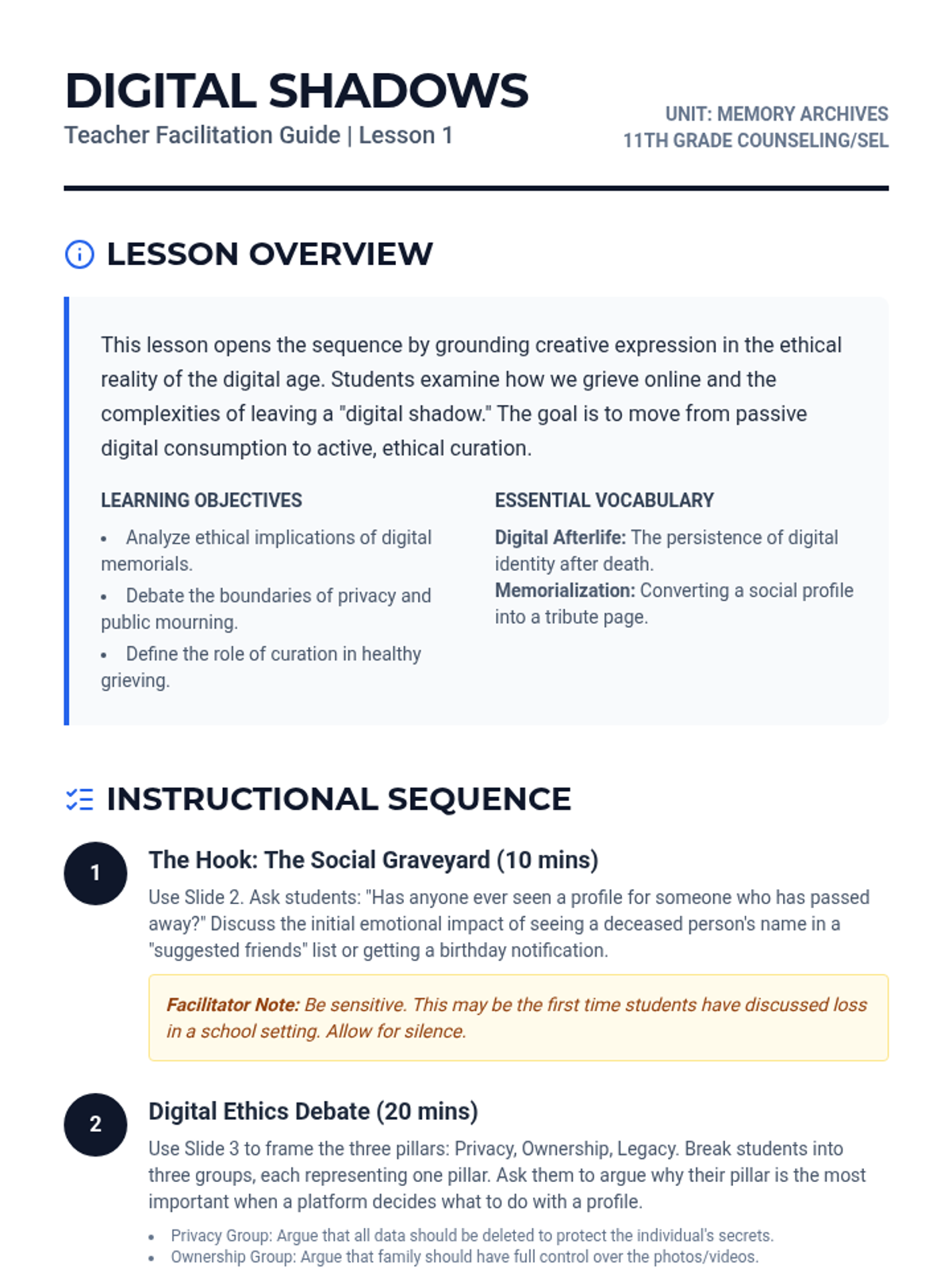
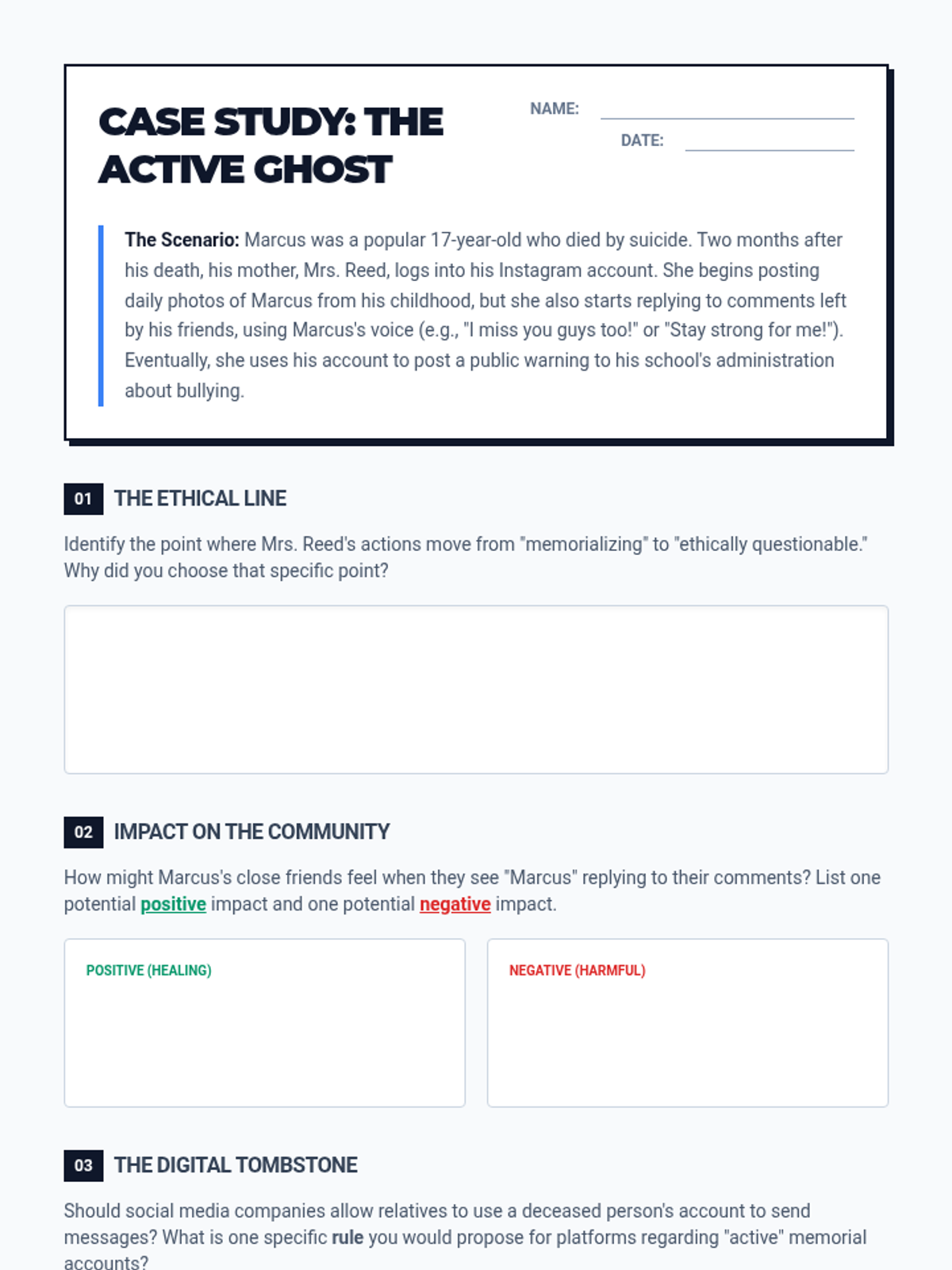
This sequence explores the therapeutic and ethical dimensions of digital memory. Students learn to curate digital artifacts, edit for emotional resonance, and create multimedia archives that honor loss and preserve personal legacies.
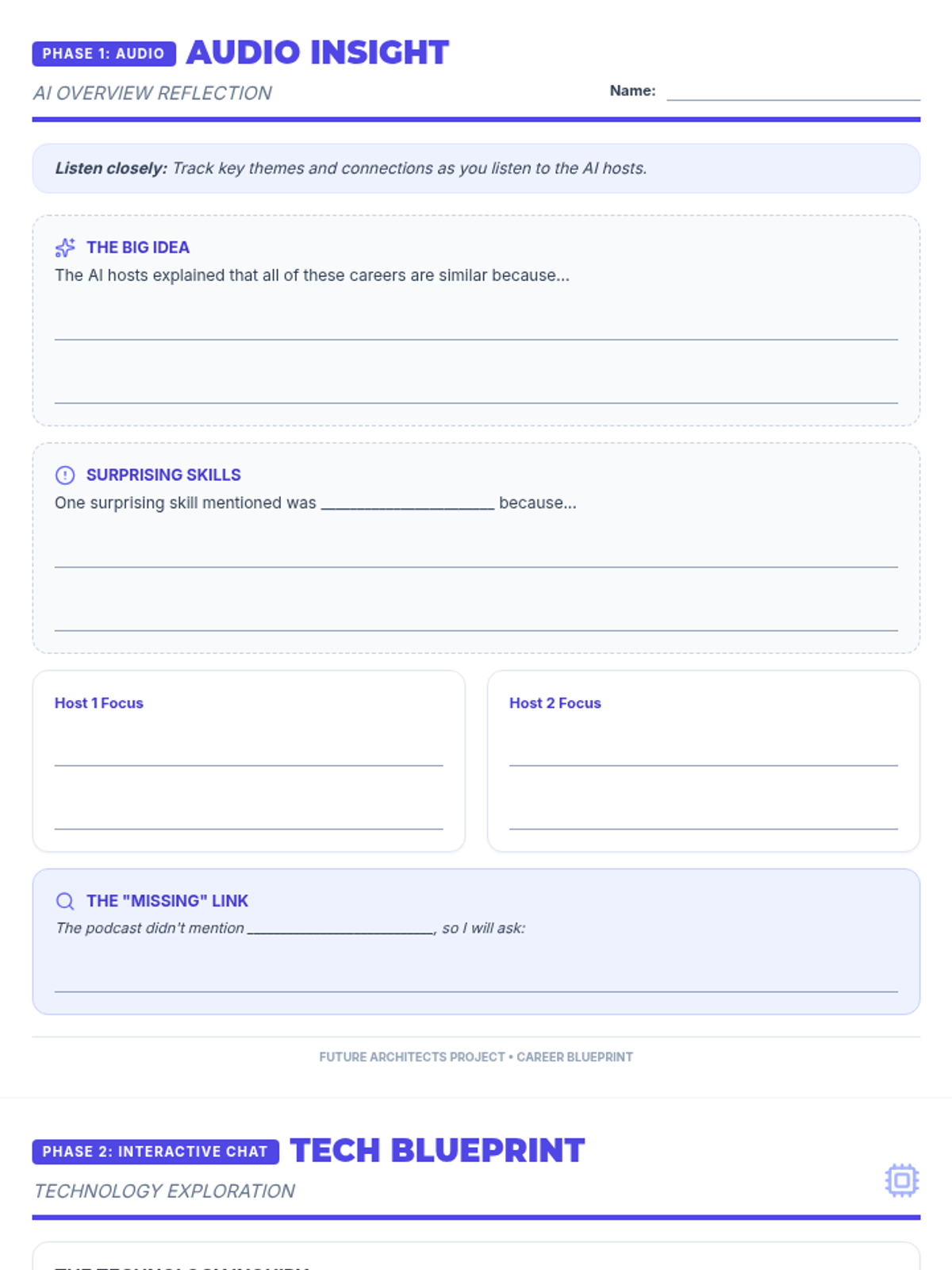
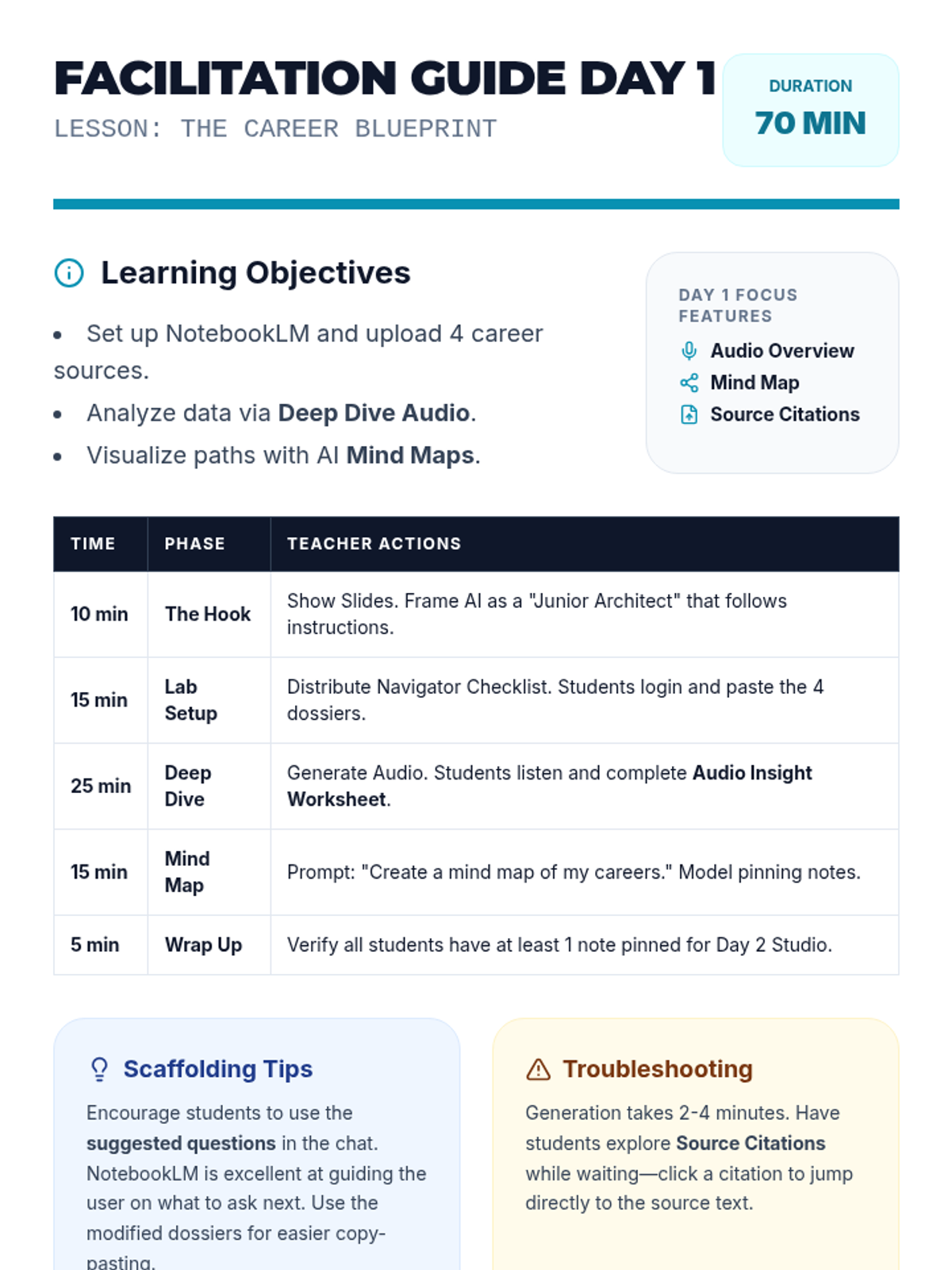
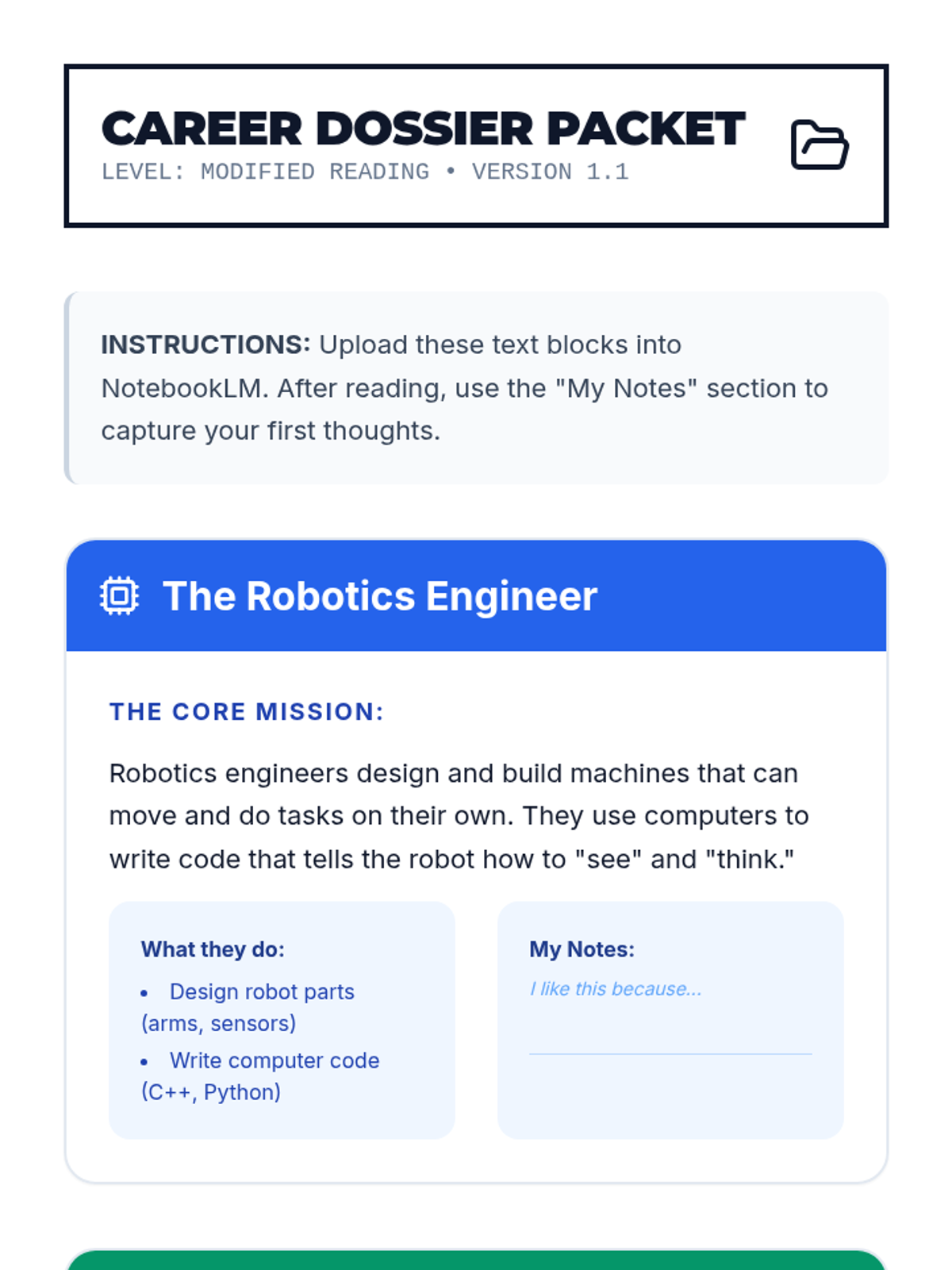
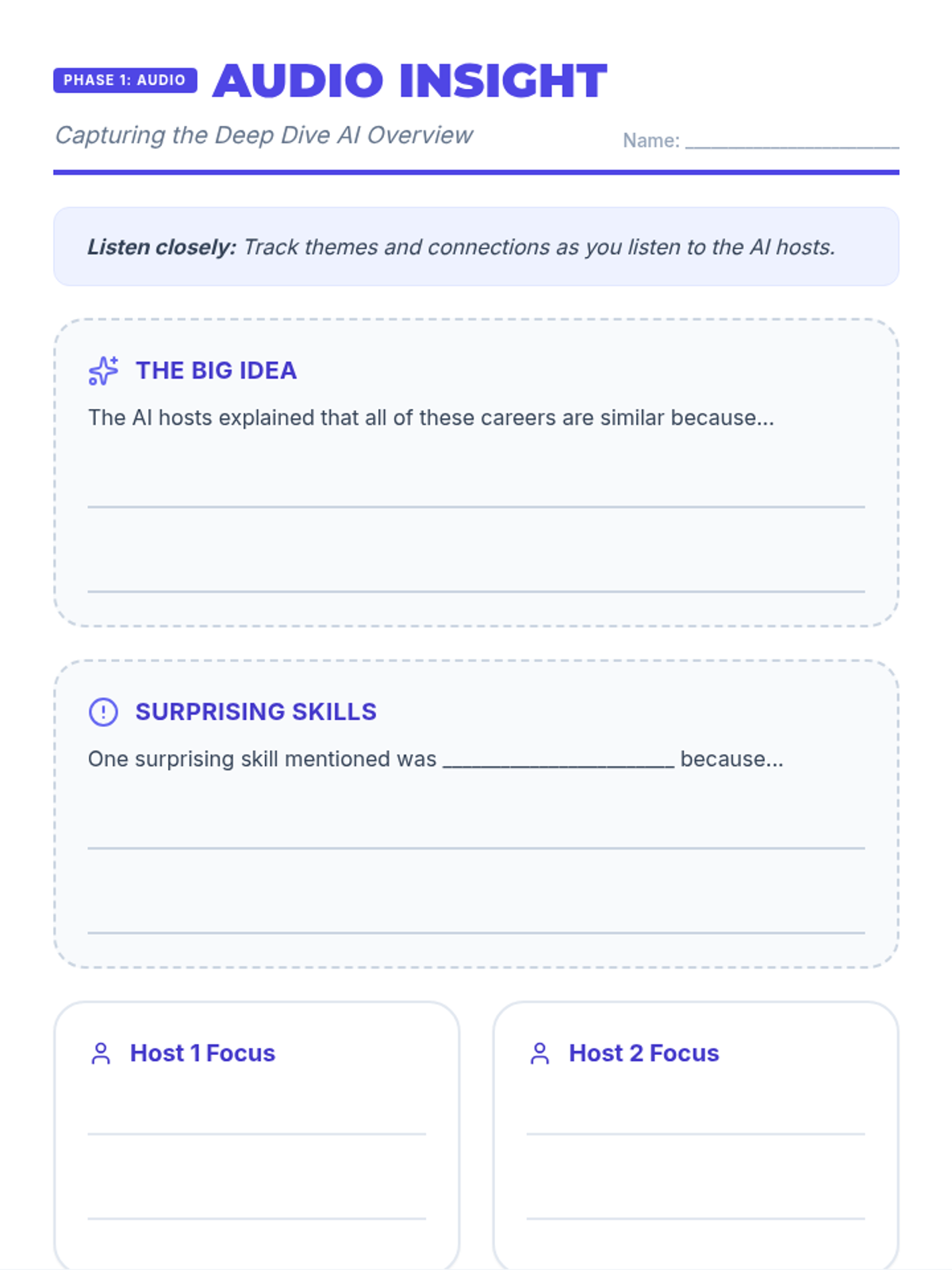
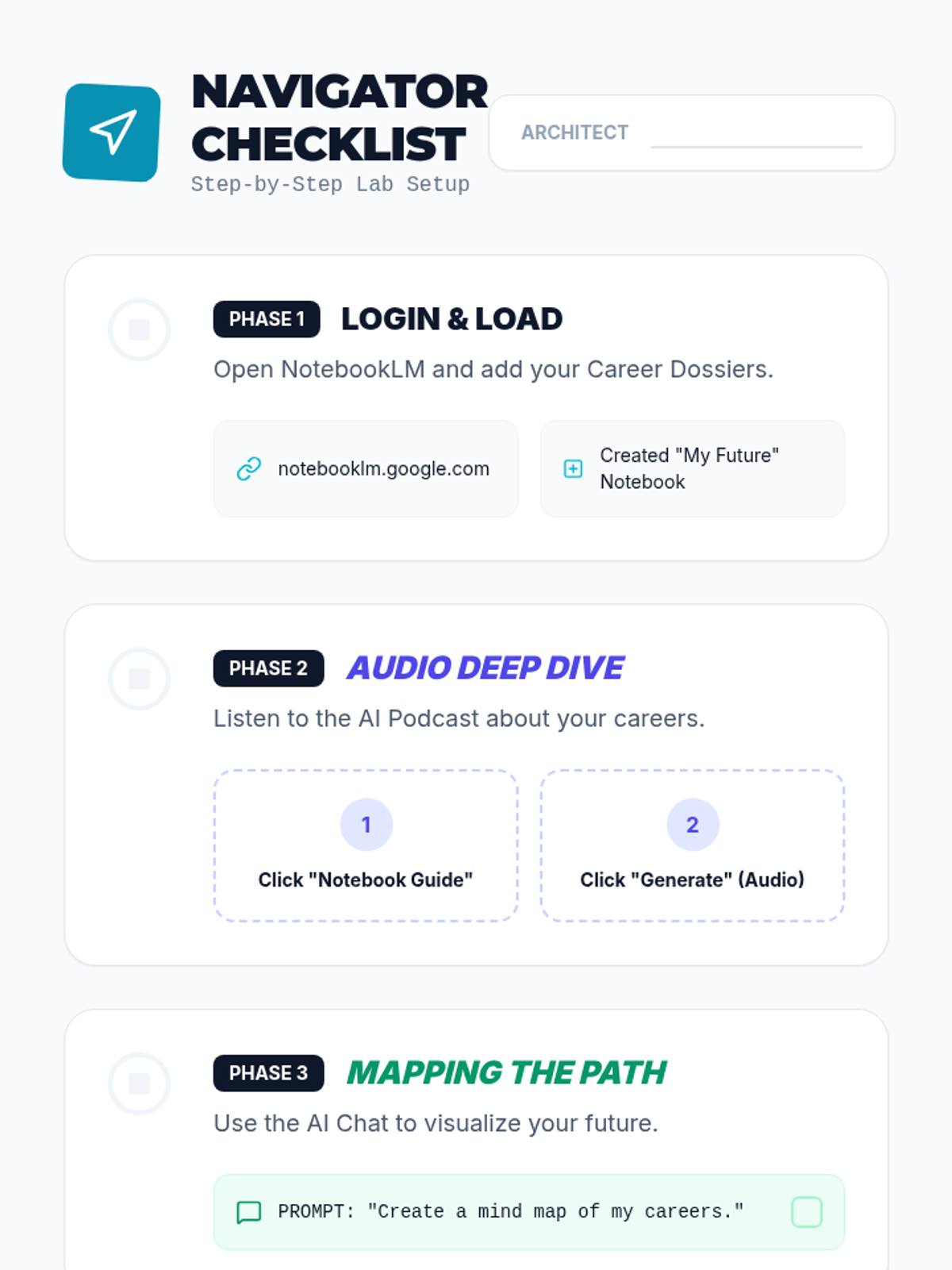
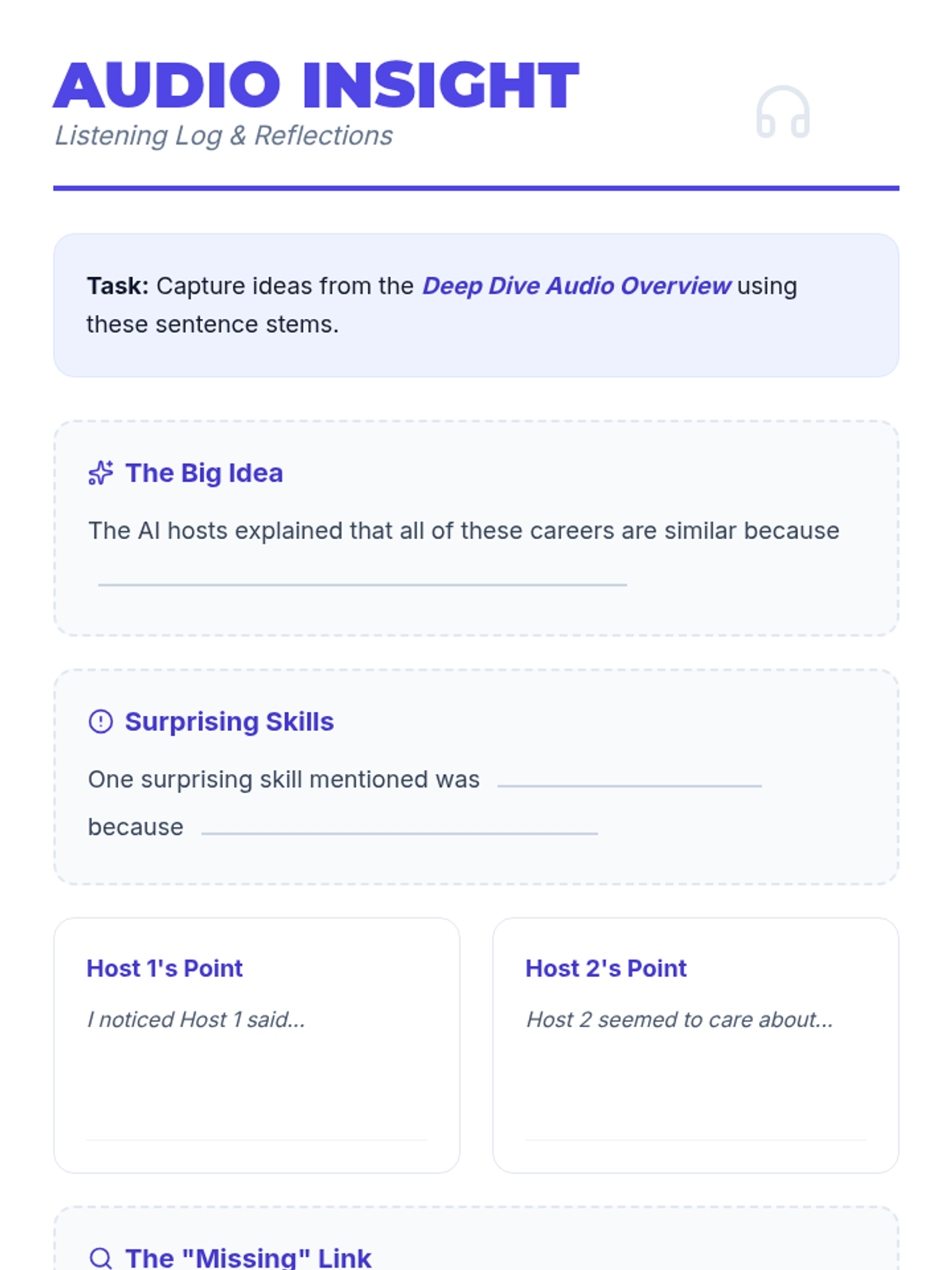
A 2-day intensive workshop where students use NotebookLM to research and design their future careers, exploring advanced features like Audio Overviews, Mind Maps, and Studio outputs with professional career dossiers and visual supports.
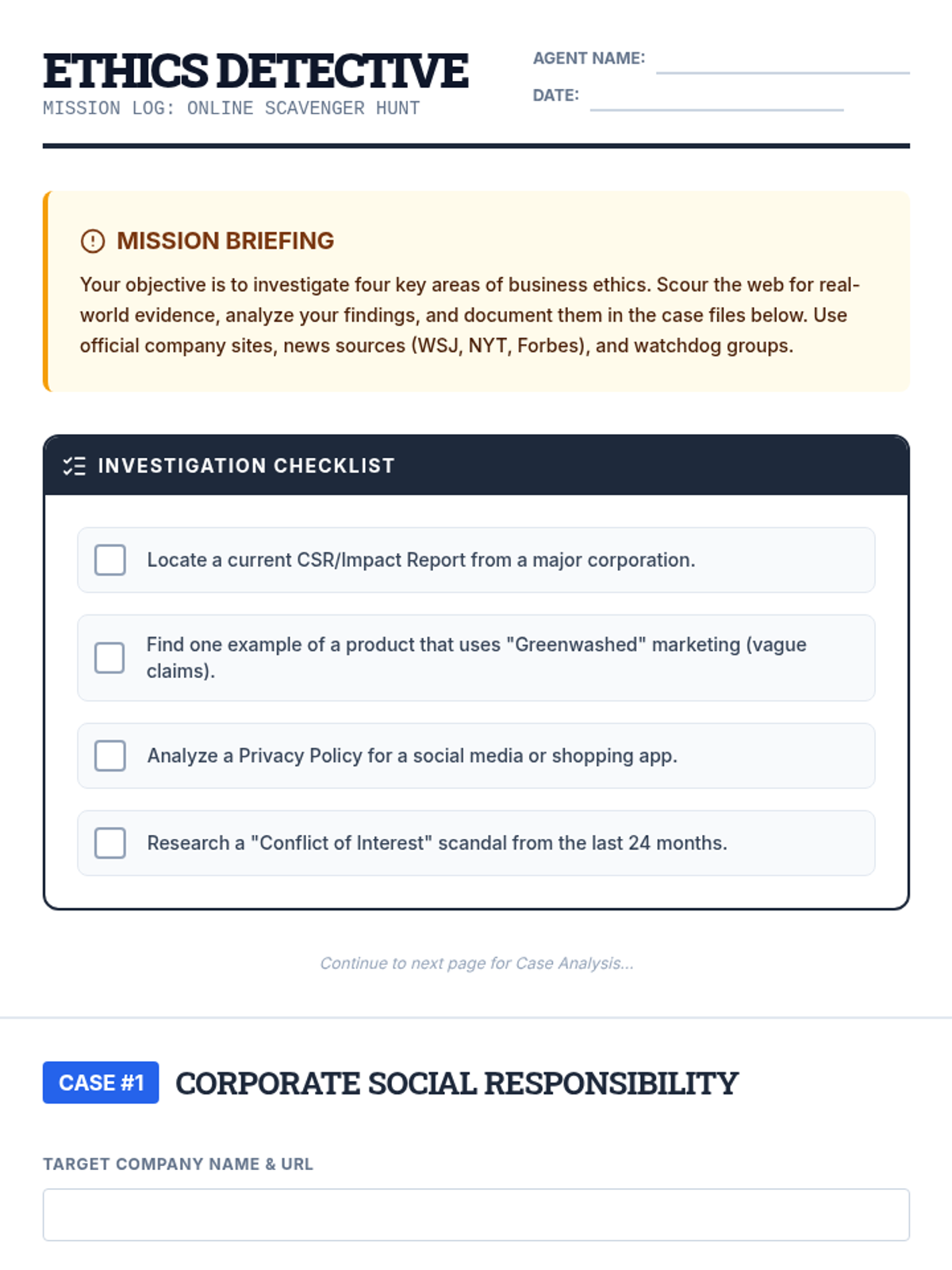
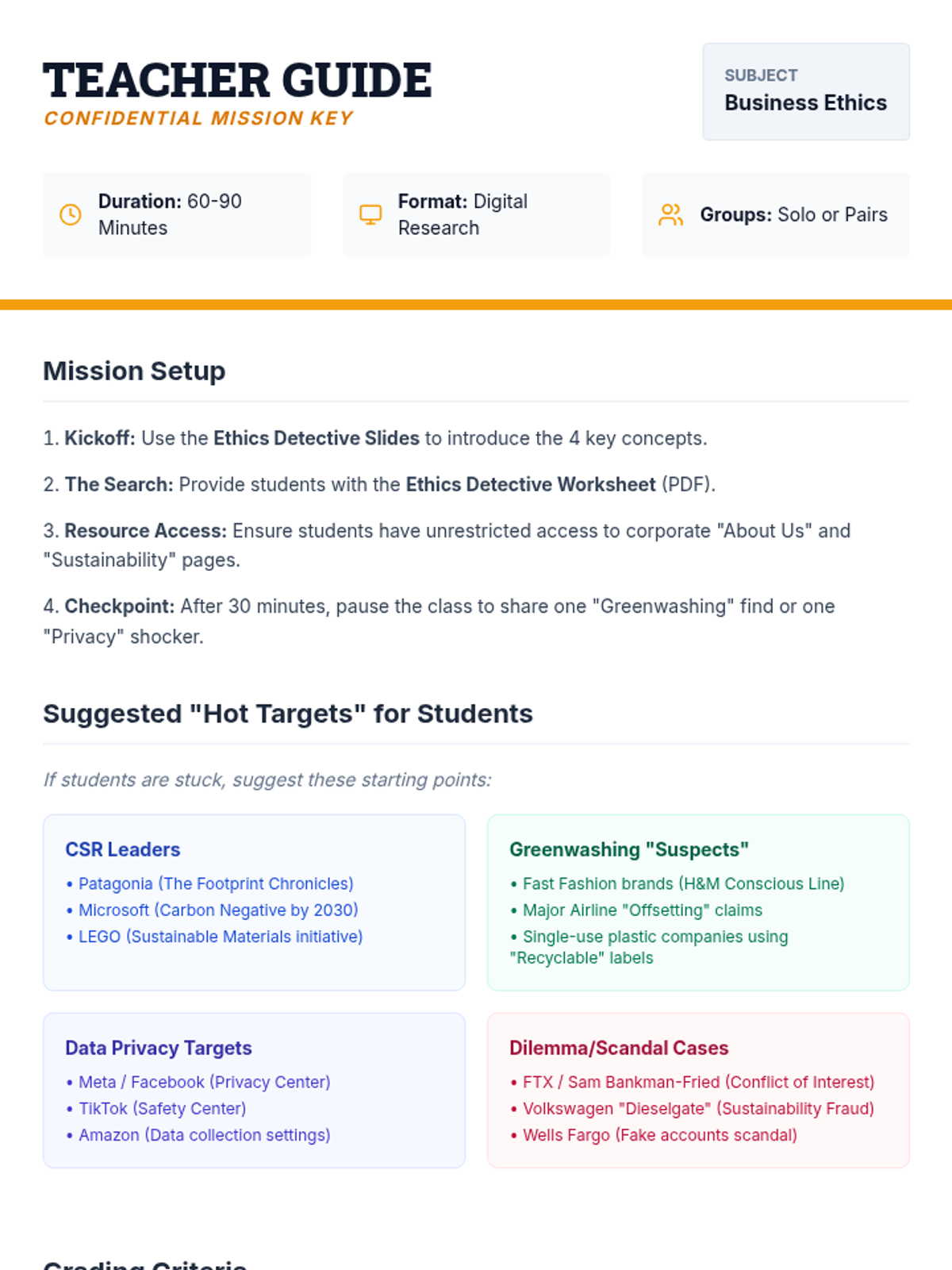
An immersive scavenger hunt where students act as corporate investigators to uncover real-world examples of business ethics, from CSR initiatives to greenwashing and data privacy.
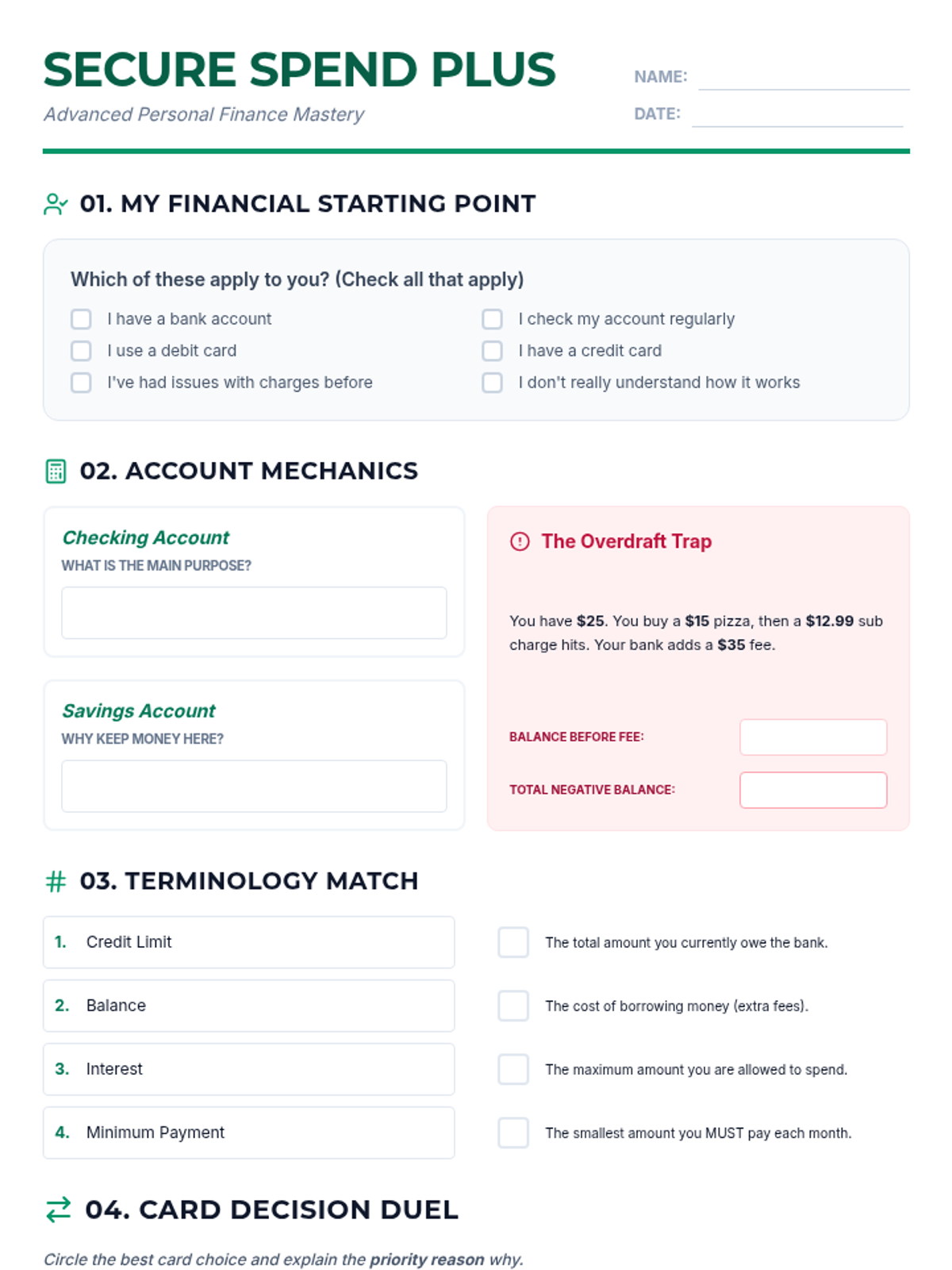
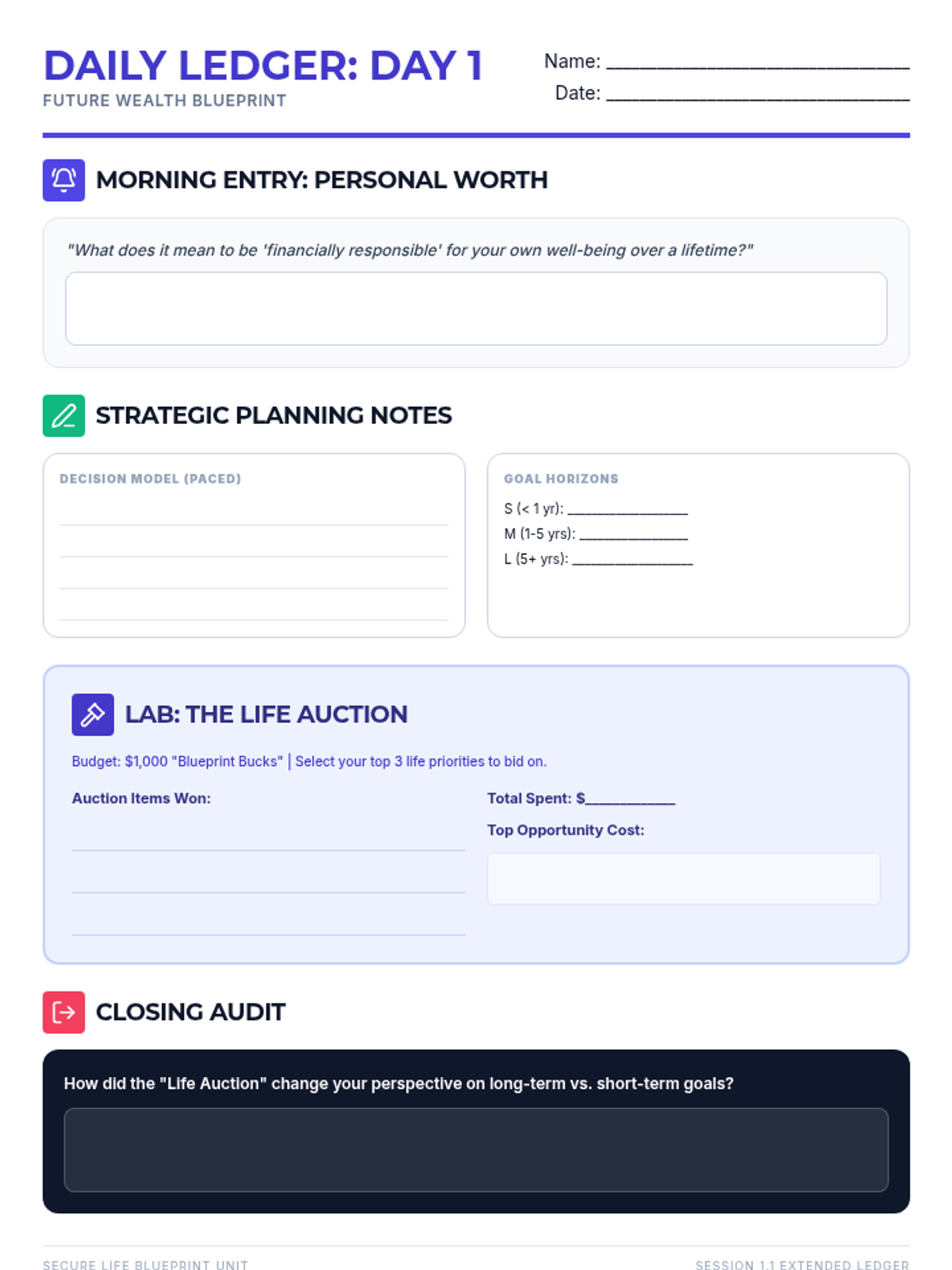
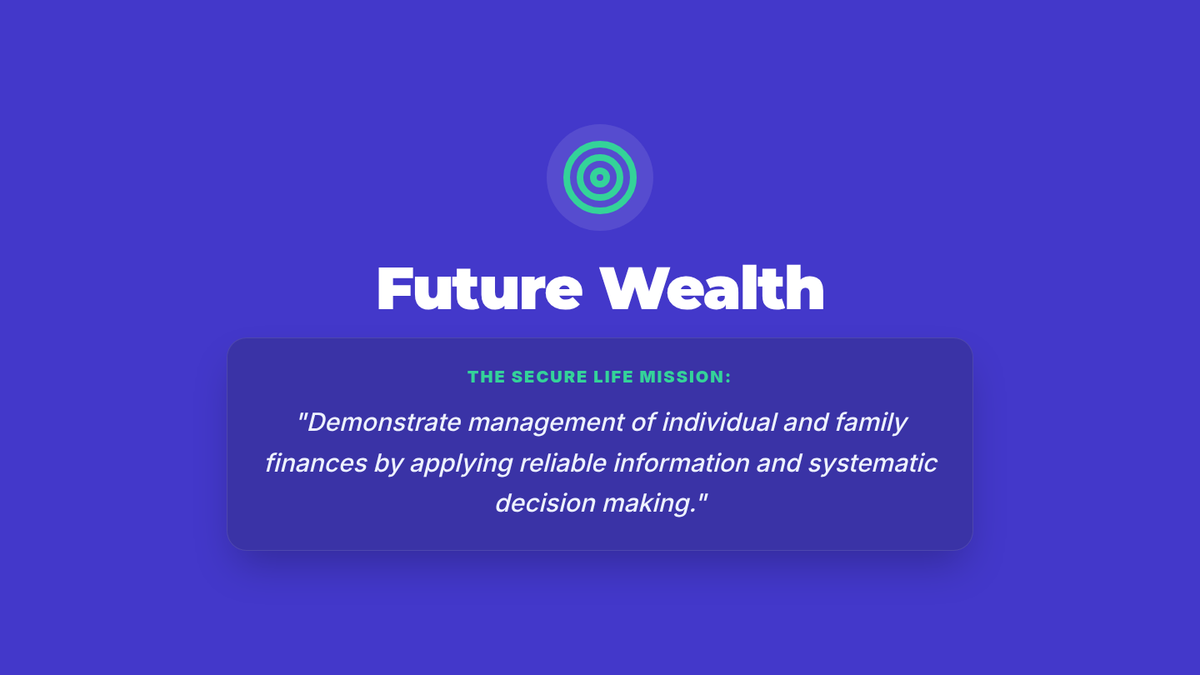
A comprehensive one-week unit on personal financial responsibility, goal setting, information literacy, fraud prevention, and consumer protection. Students learn to navigate the financial landscape safely and strategically.
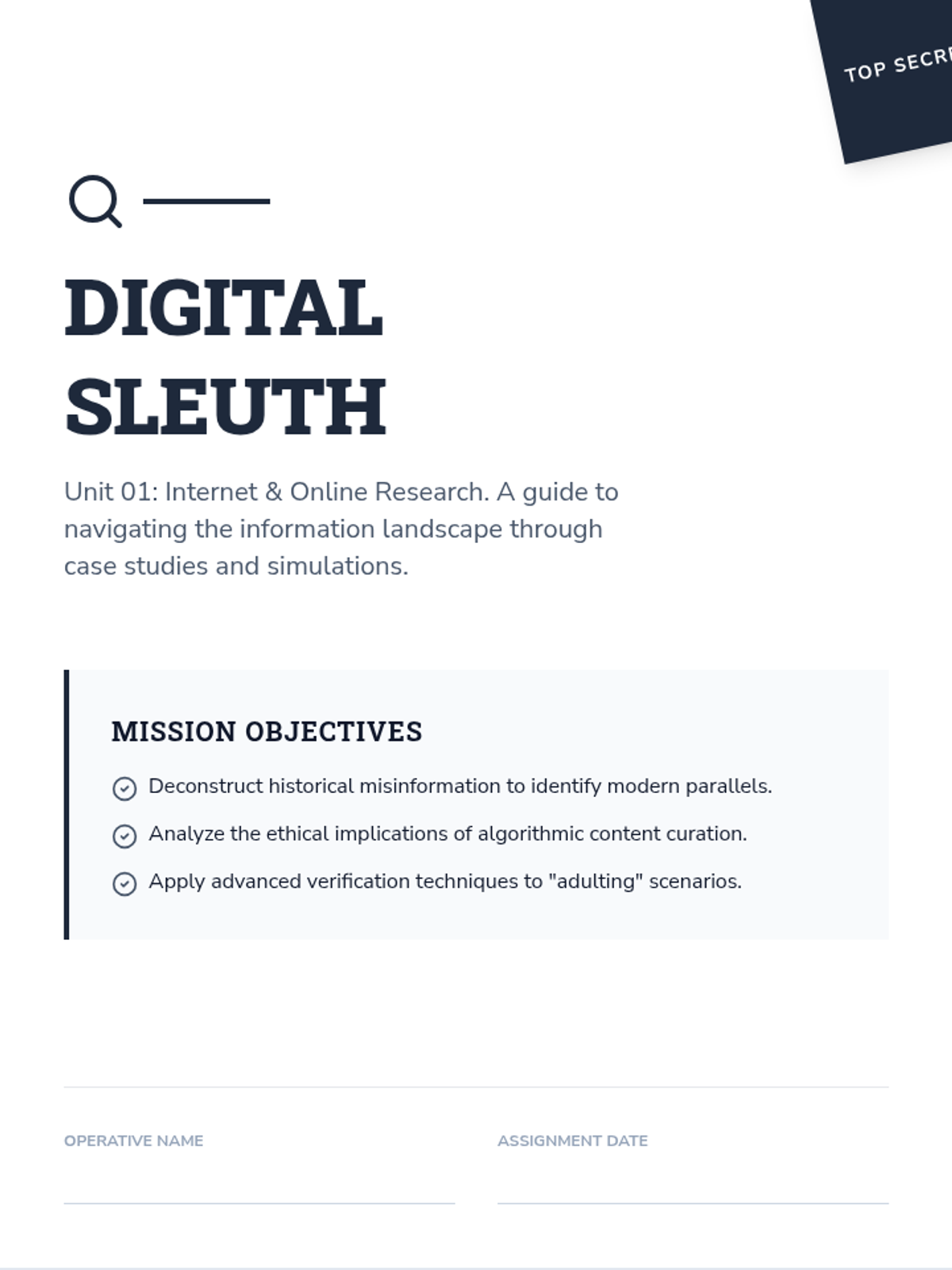
A comprehensive curriculum covering financial literacy, economic principles, and civic systems through historical case studies, ethical dilemmas, and real-world simulations.
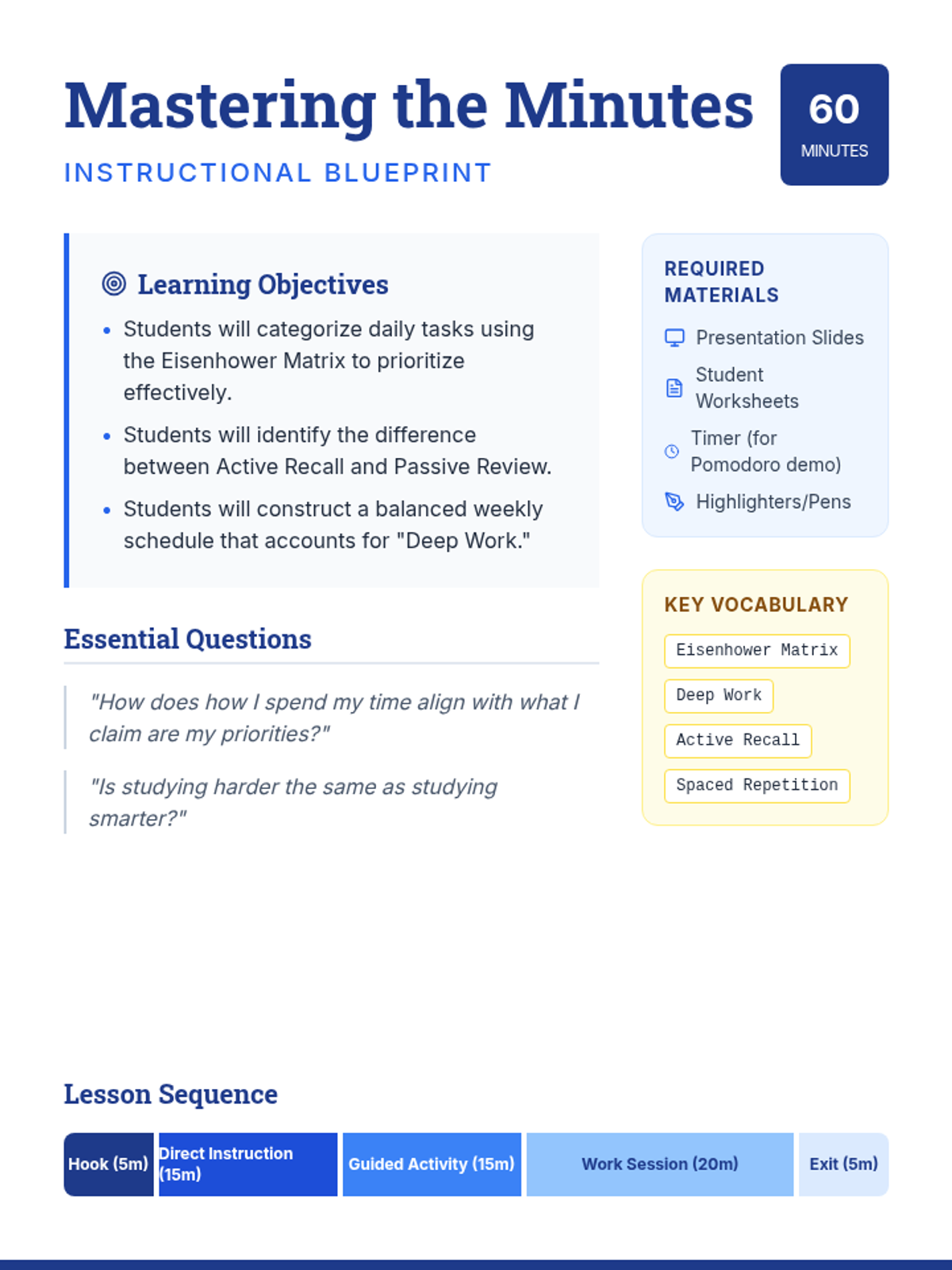
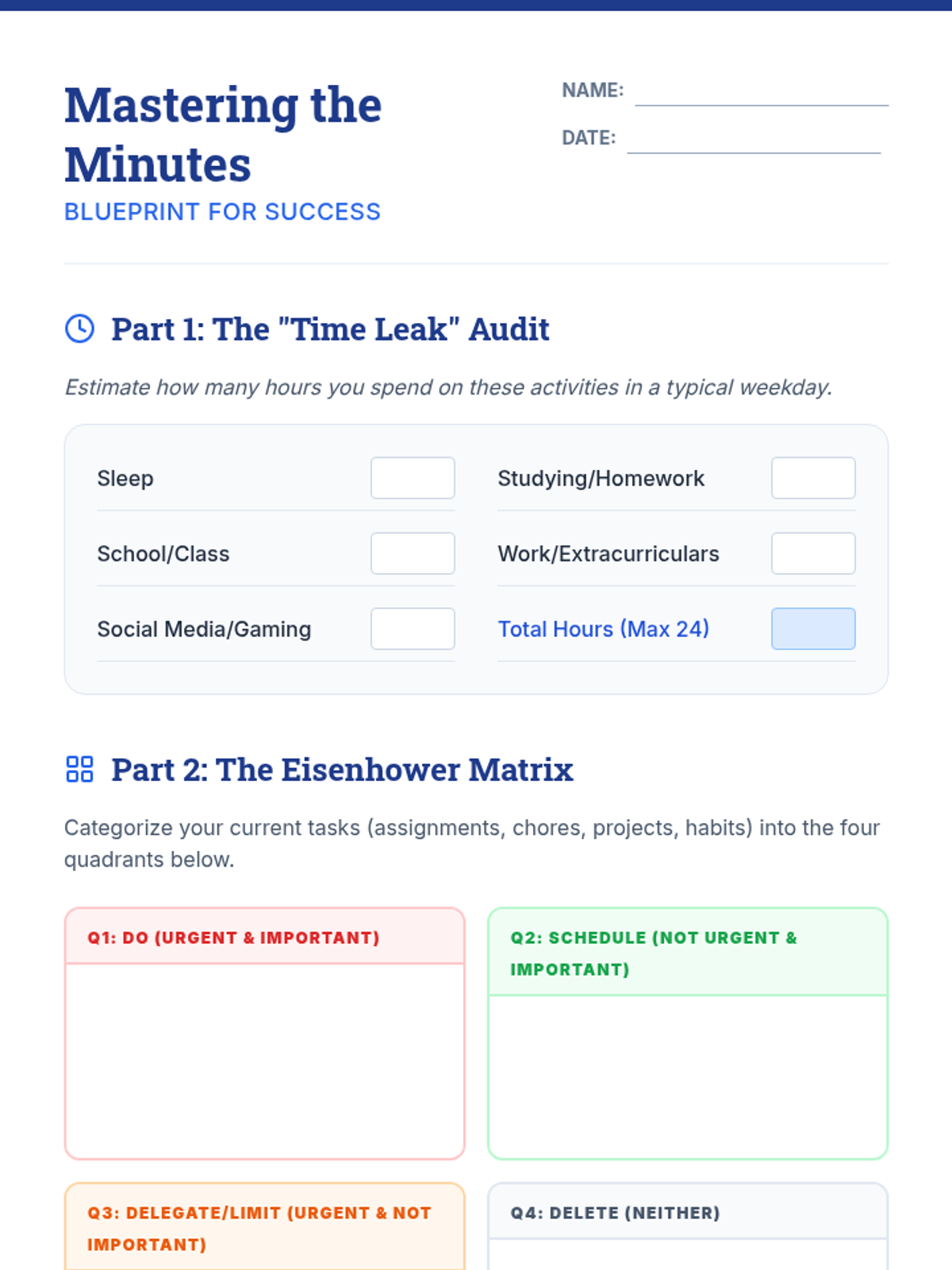
A comprehensive series designed to prepare students for post-secondary success through essential life skills, including time management, study habits, and digital literacy.
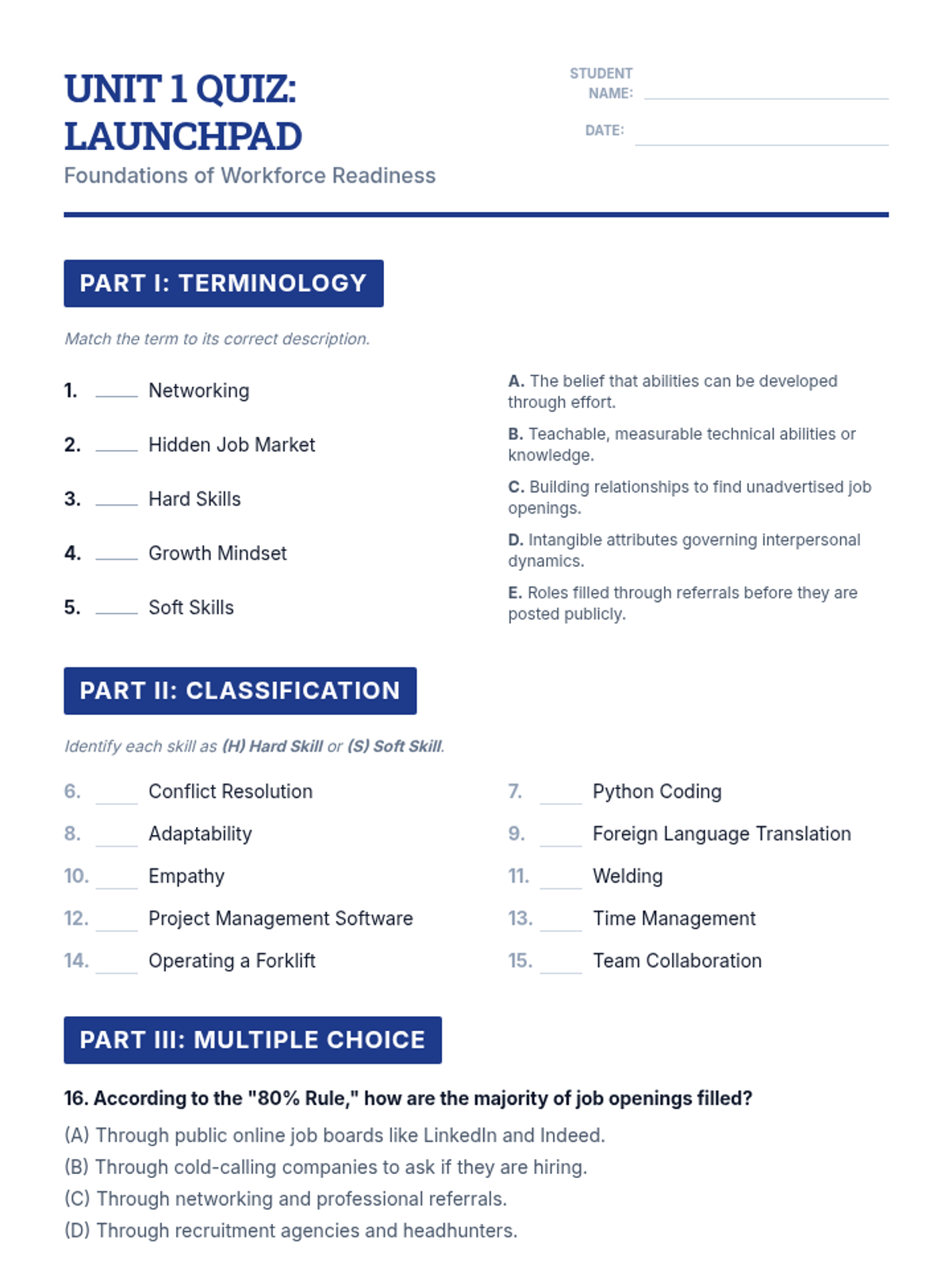
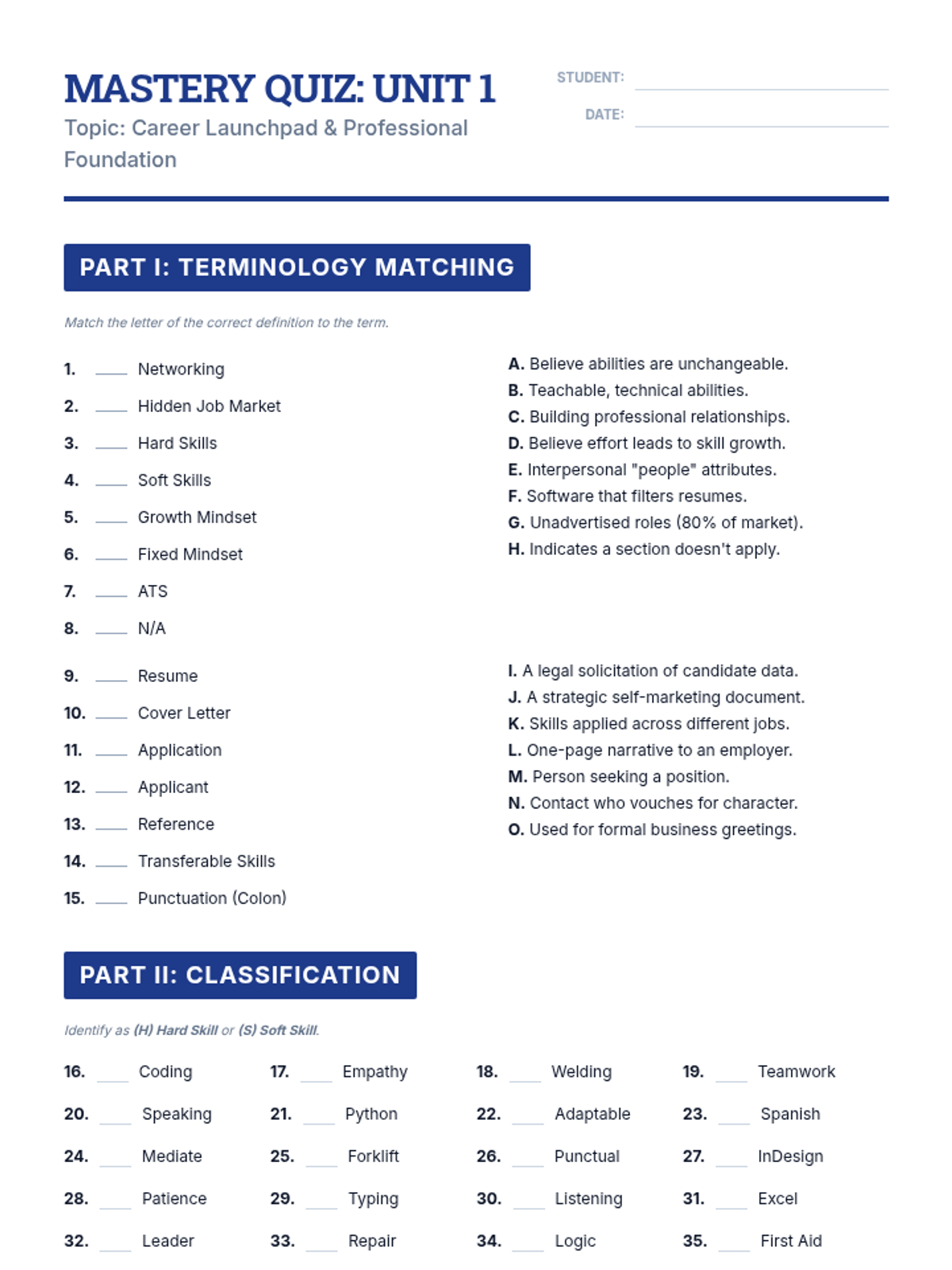
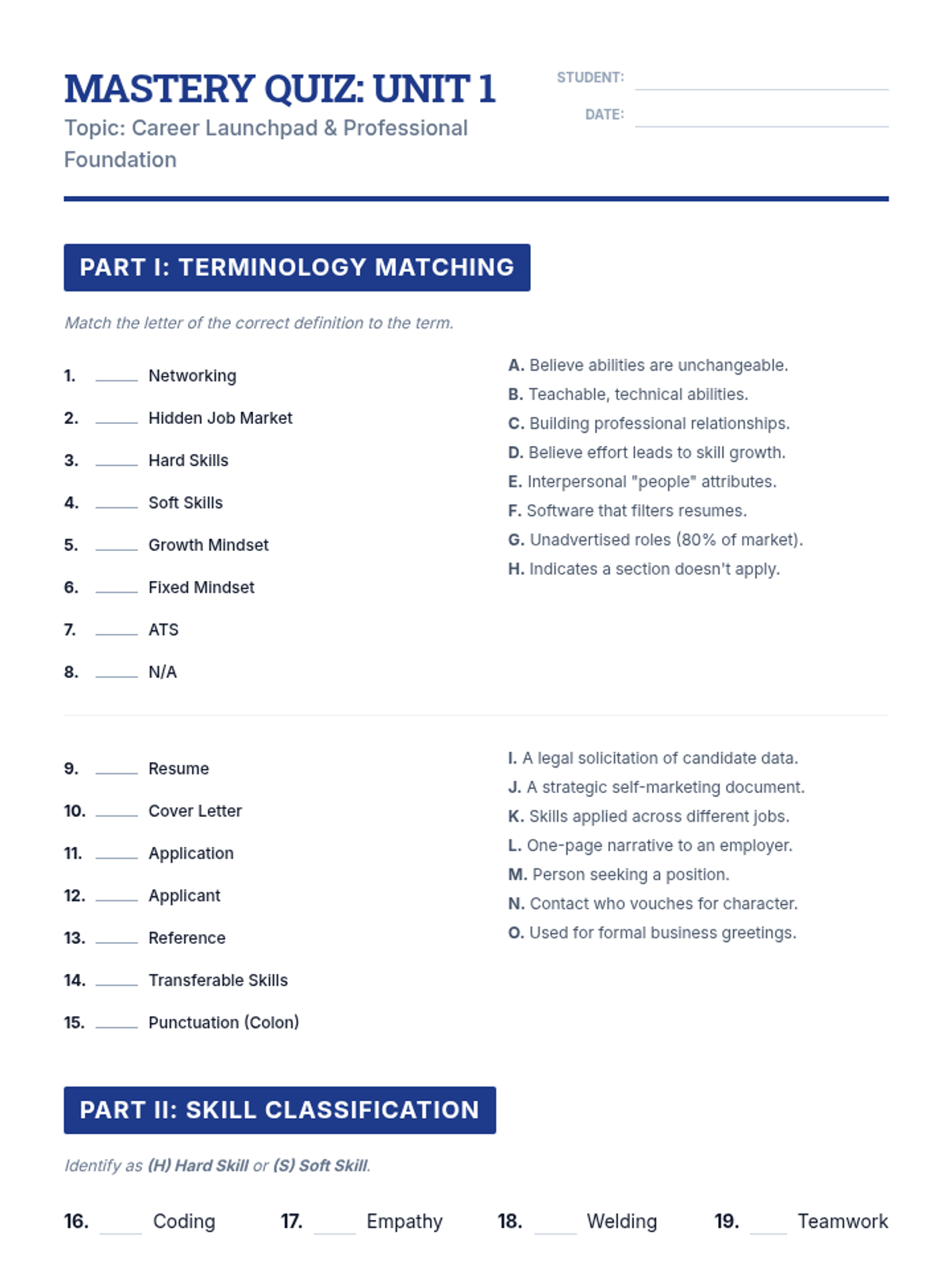
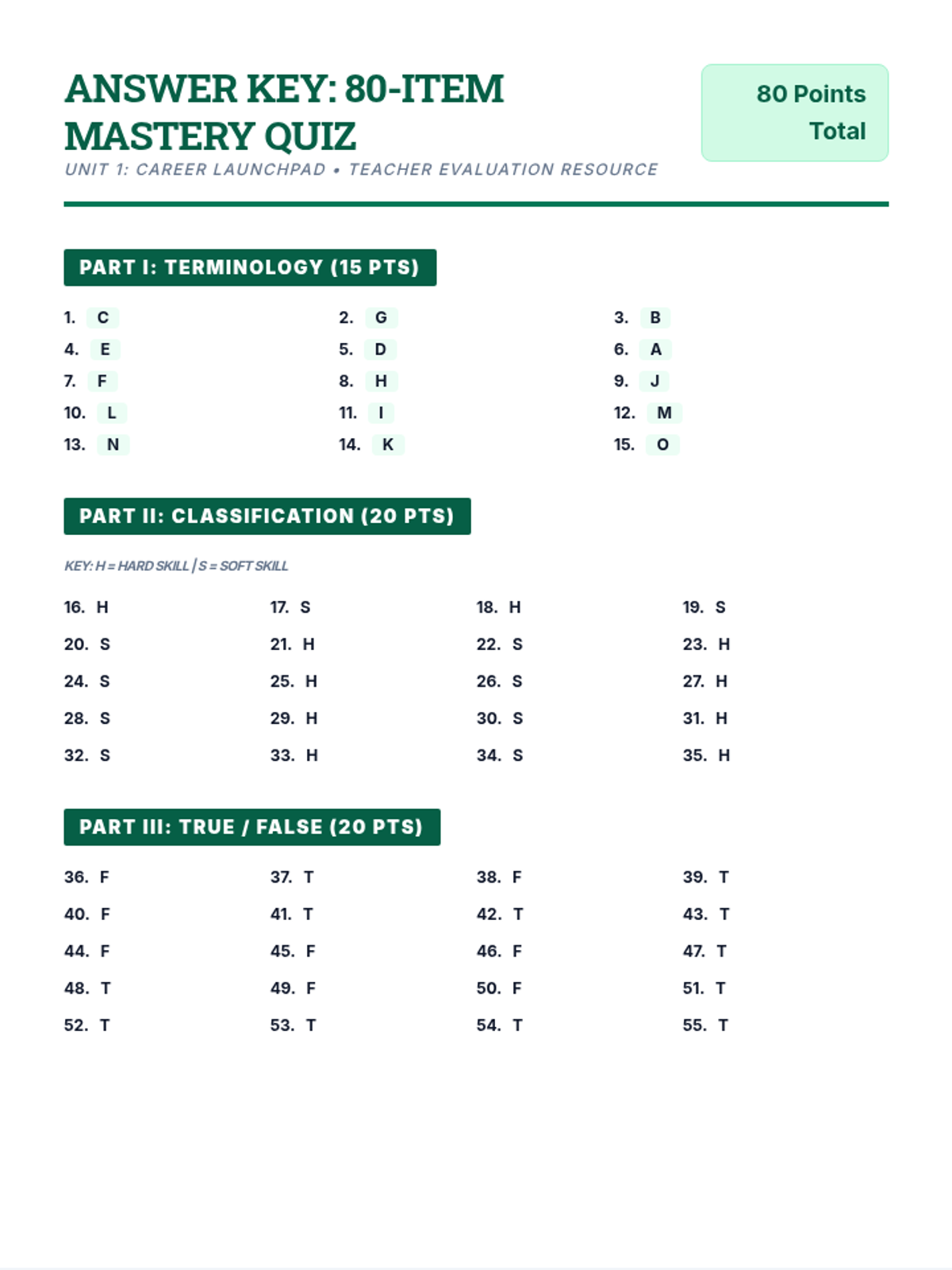
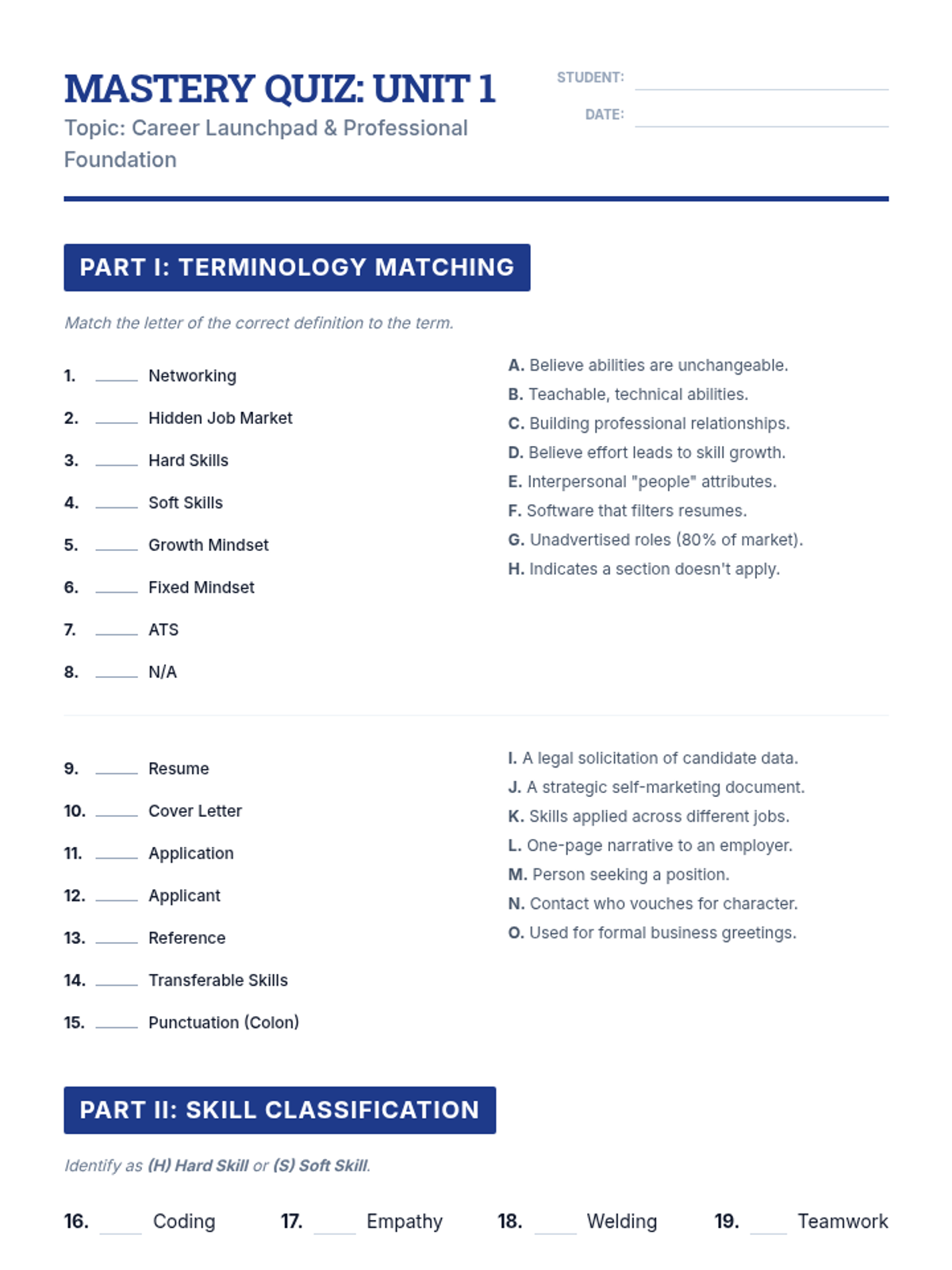
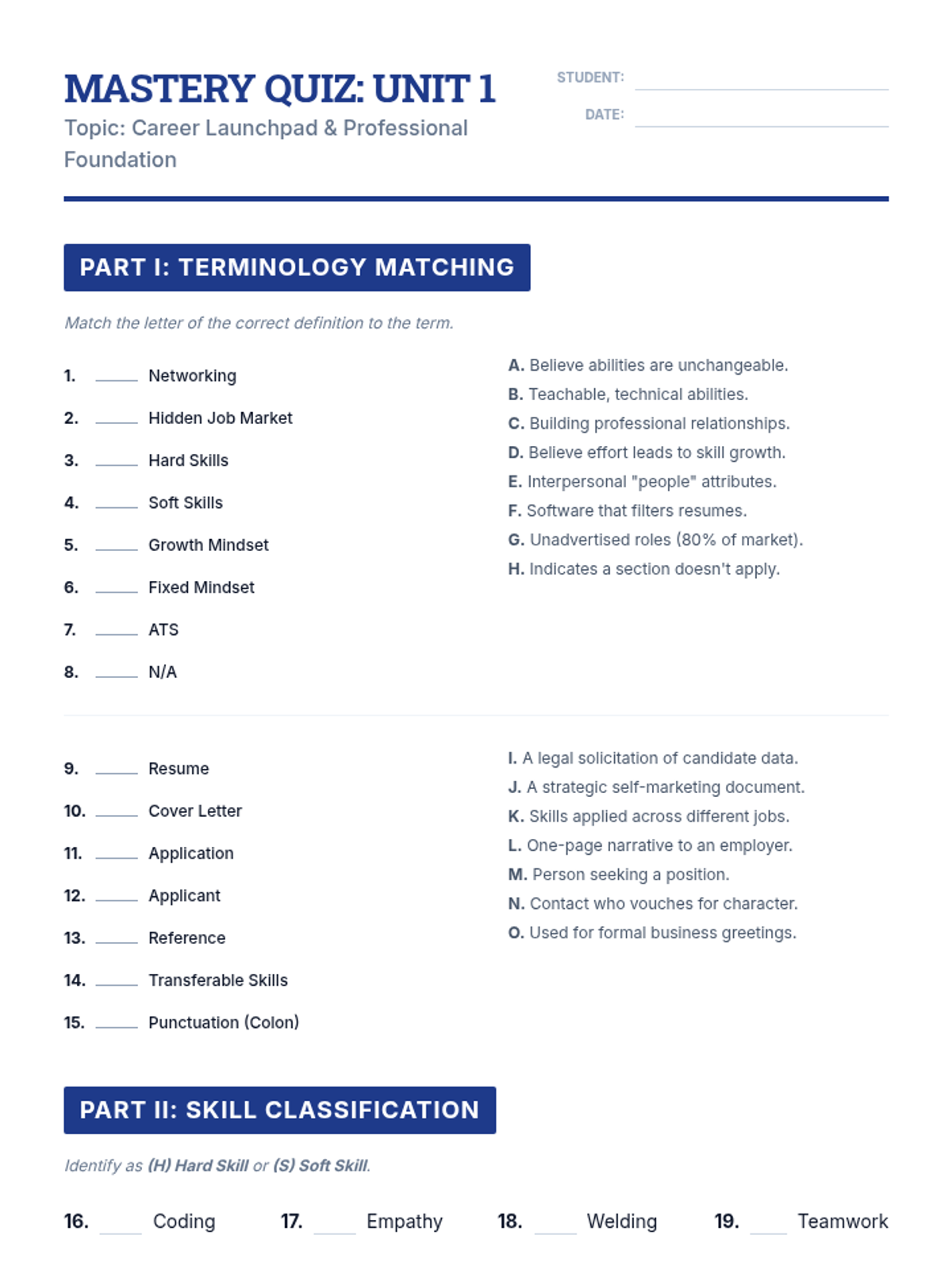
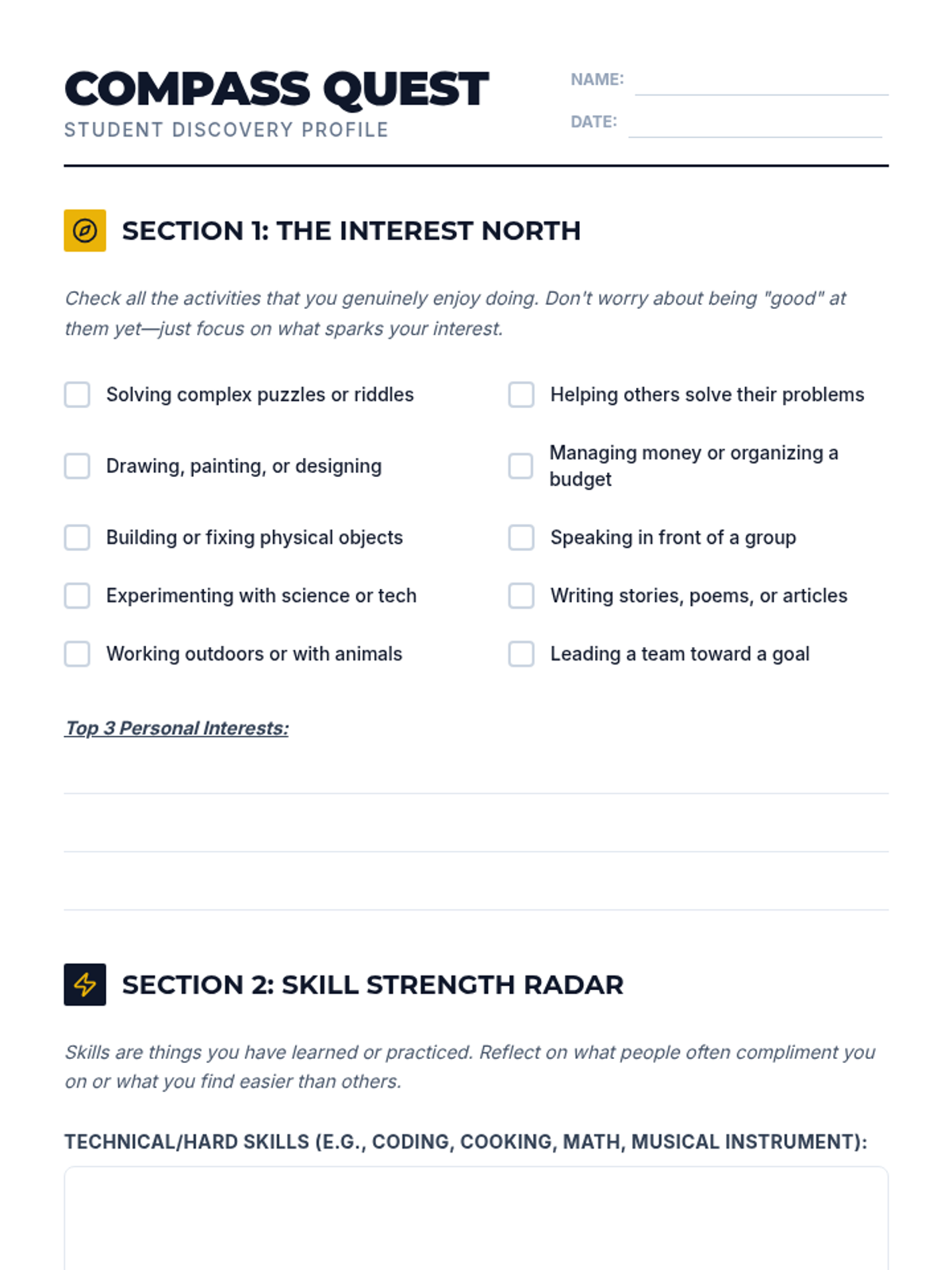
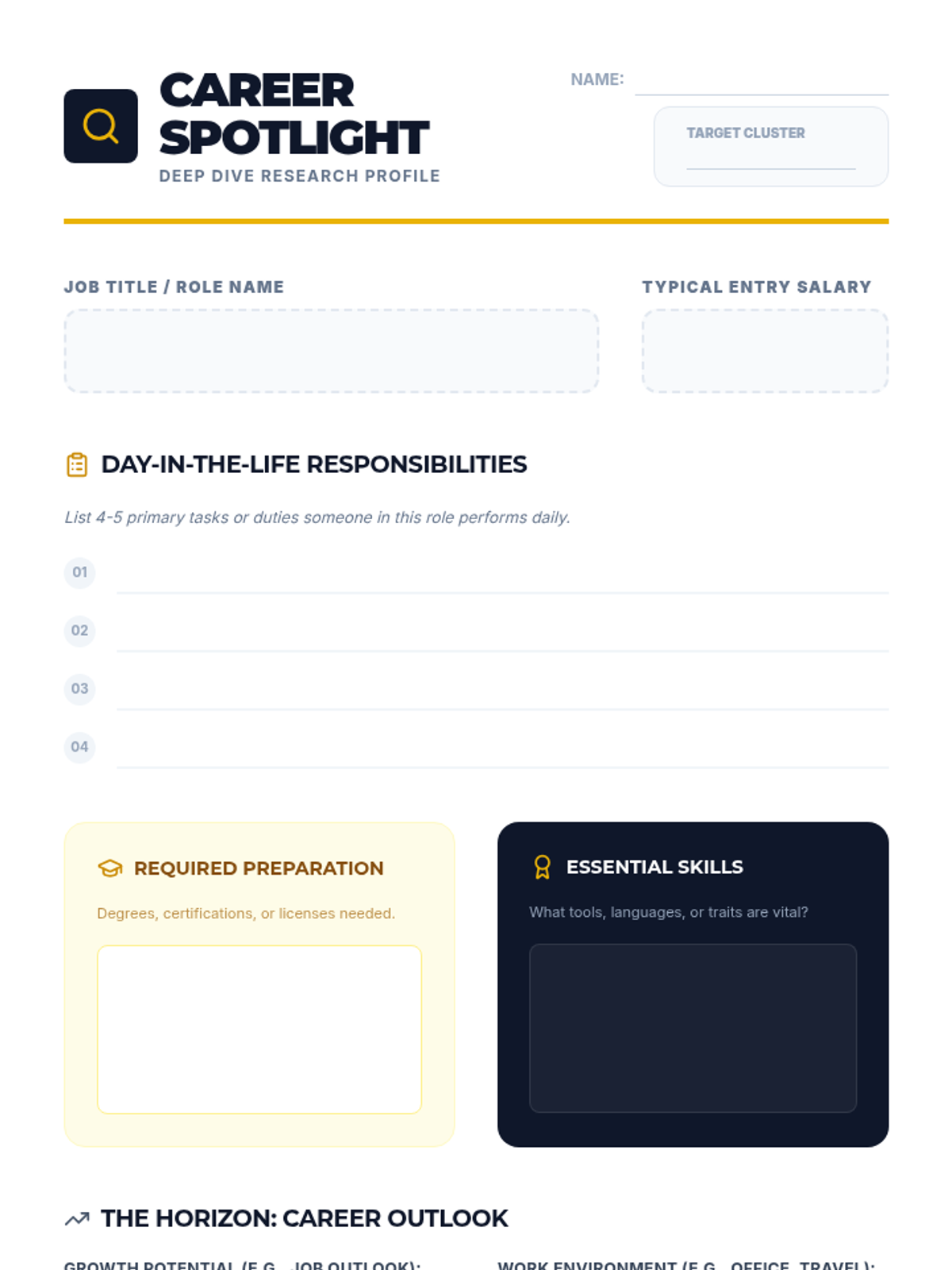
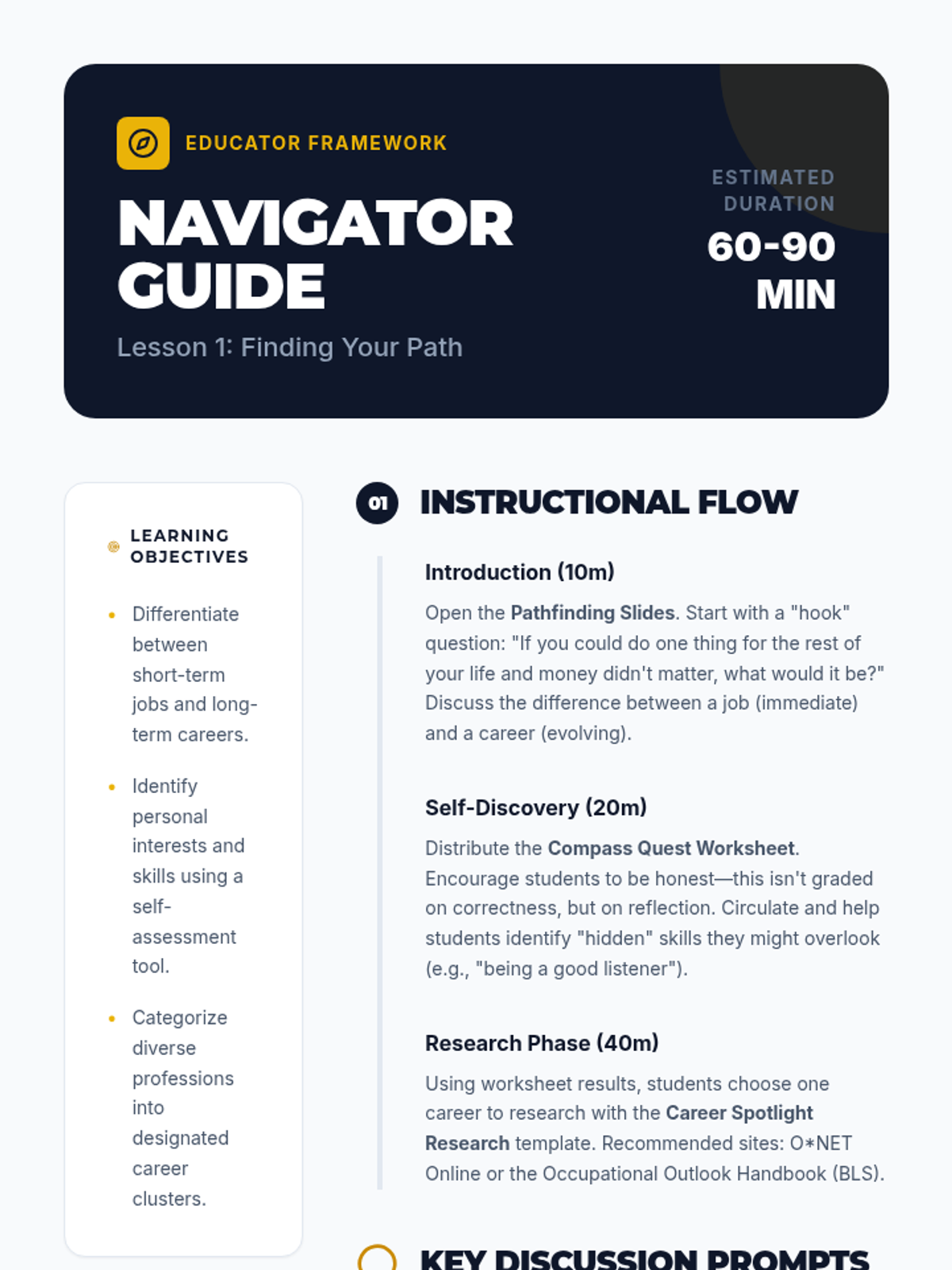
A comprehensive unit designed to guide students through the stages of career development, from initial exploration to professional communication and job readiness.
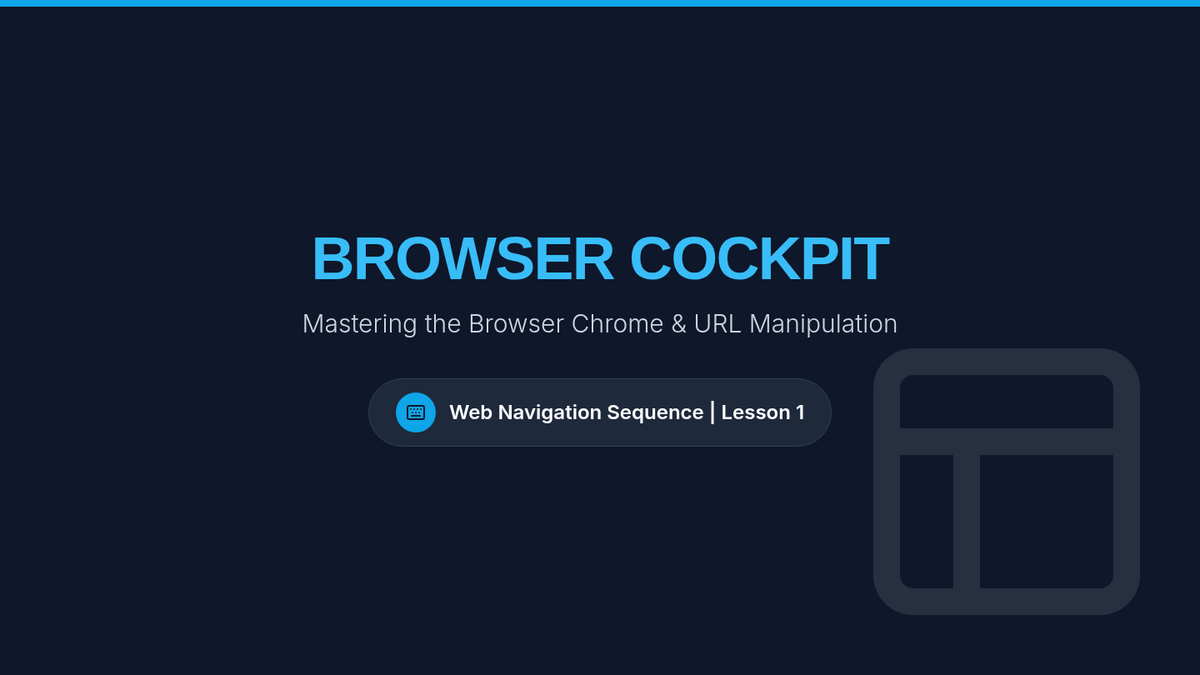
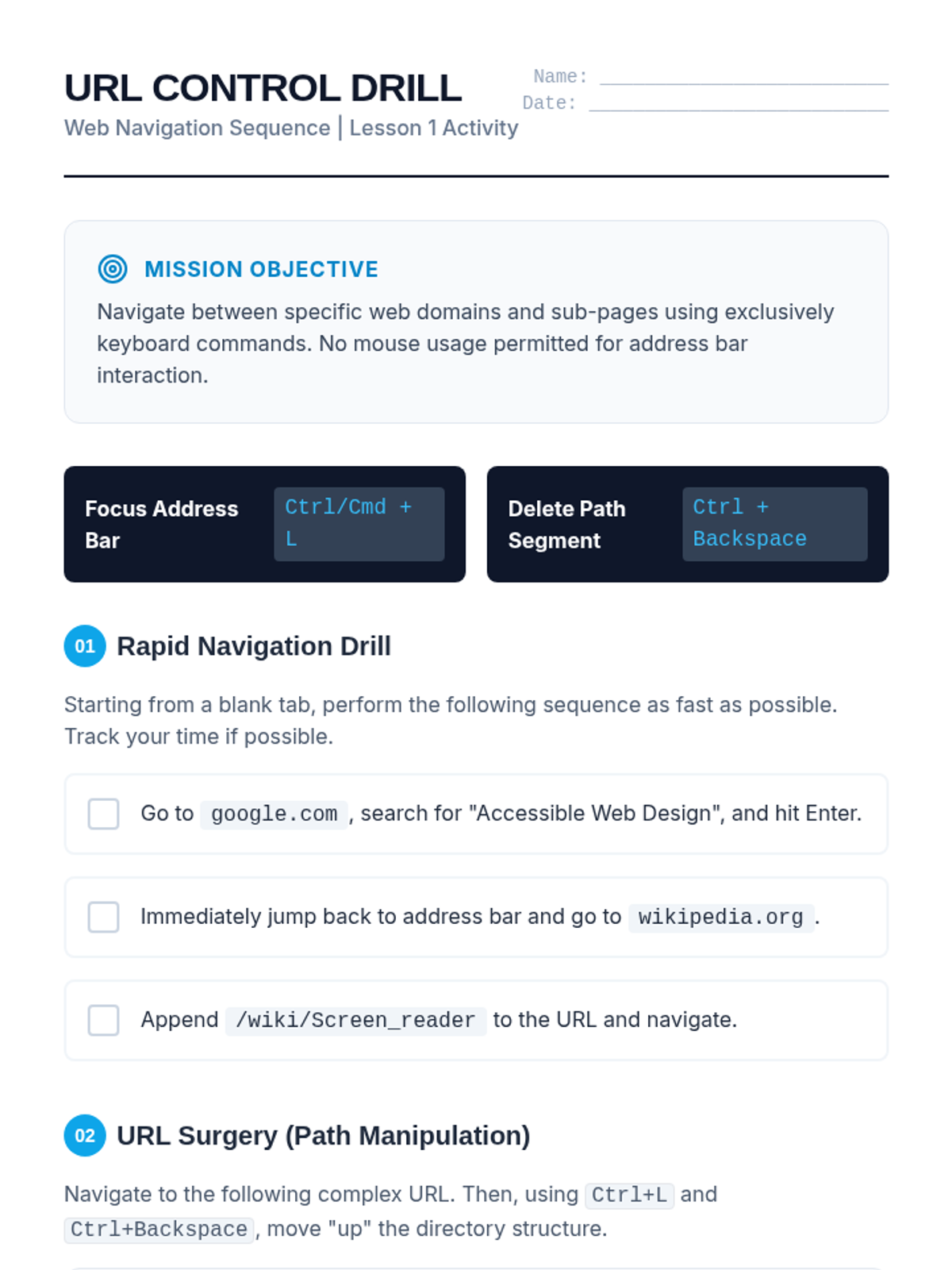
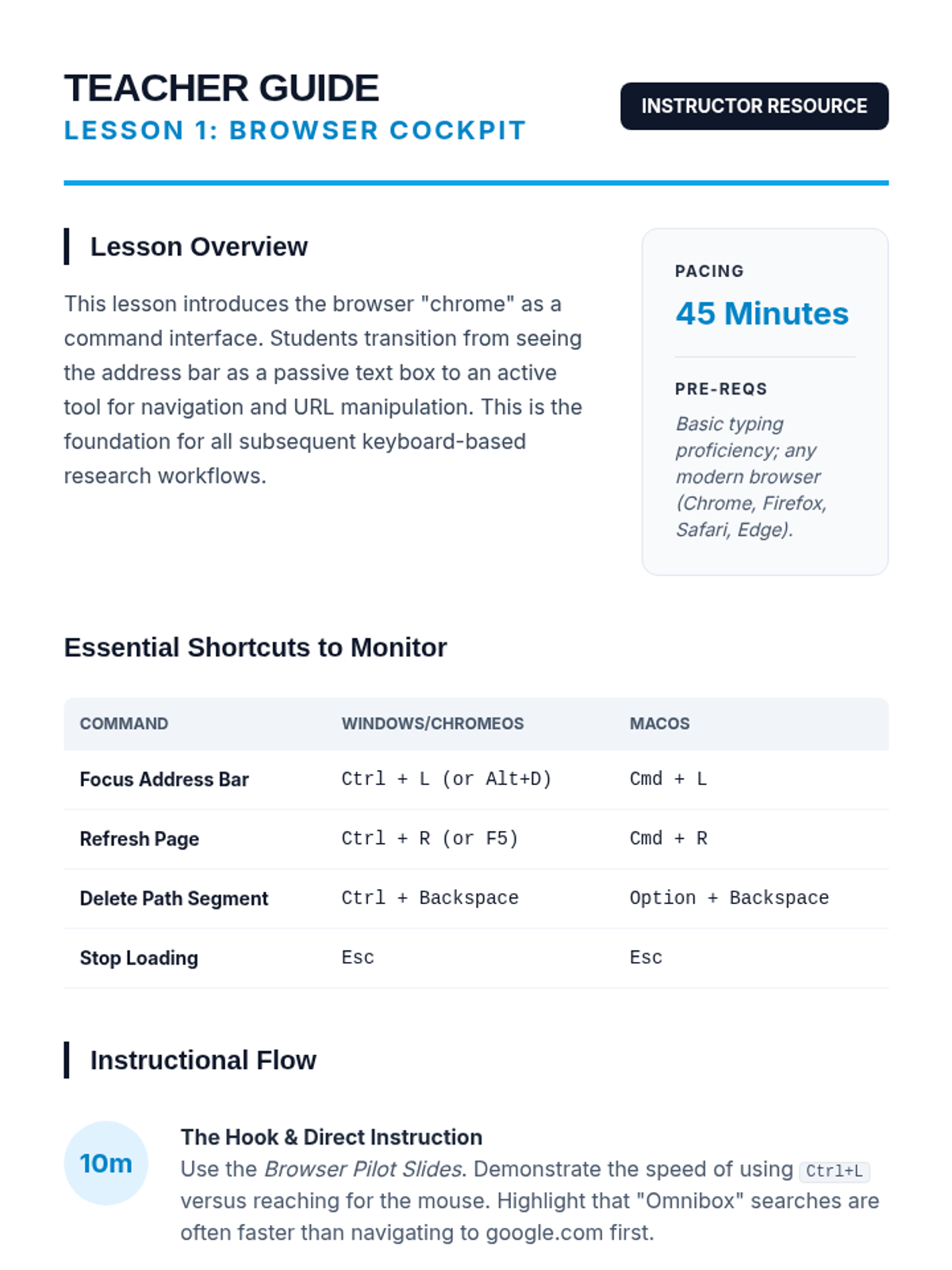
This simulation-focused sequence equips undergraduate students with advanced keyboard navigation skills for web browsers. Students explore browser interface manipulation, high-speed tab management, focus traversal, and complex form interaction to enhance digital accessibility and research efficiency.
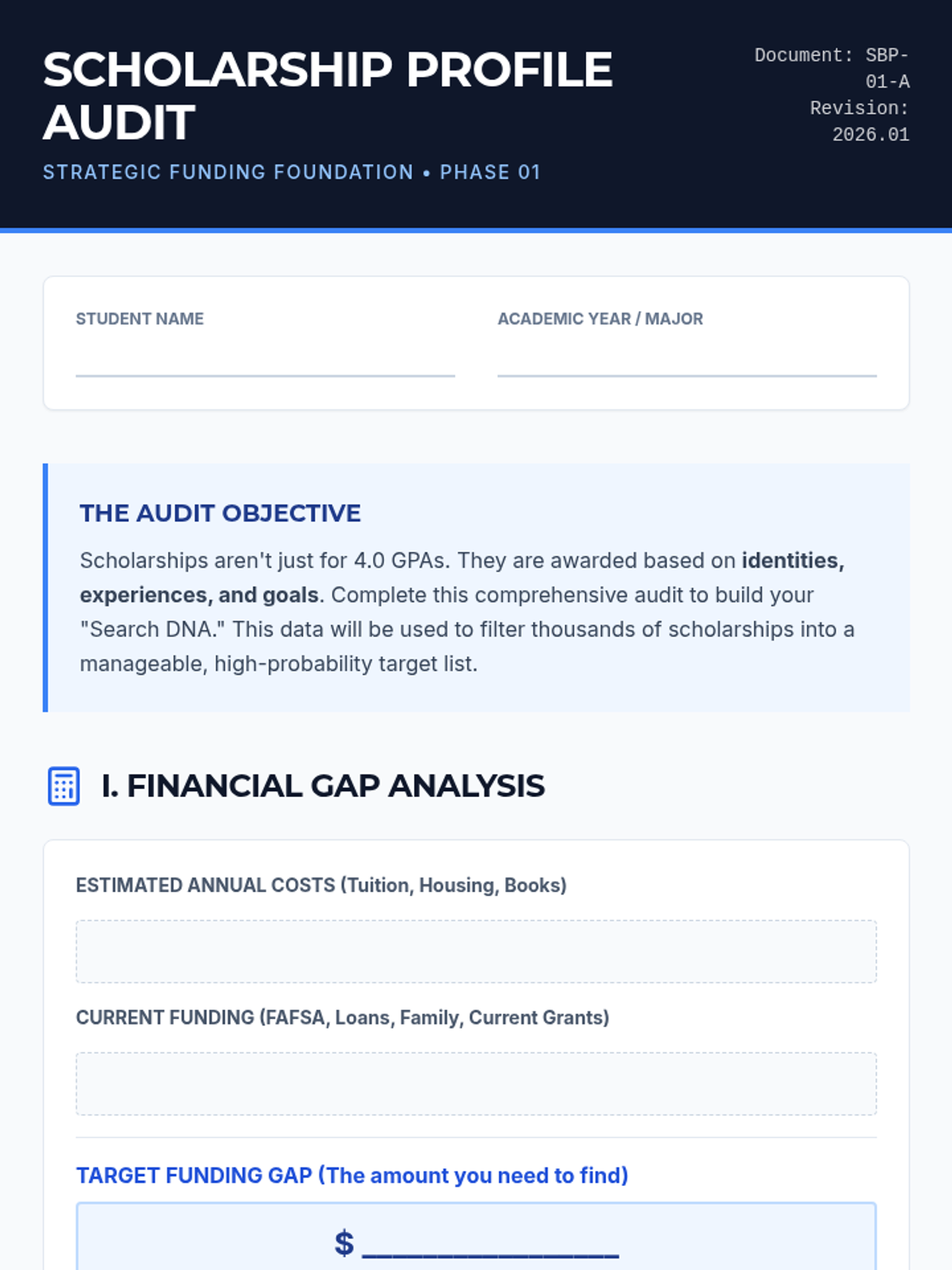
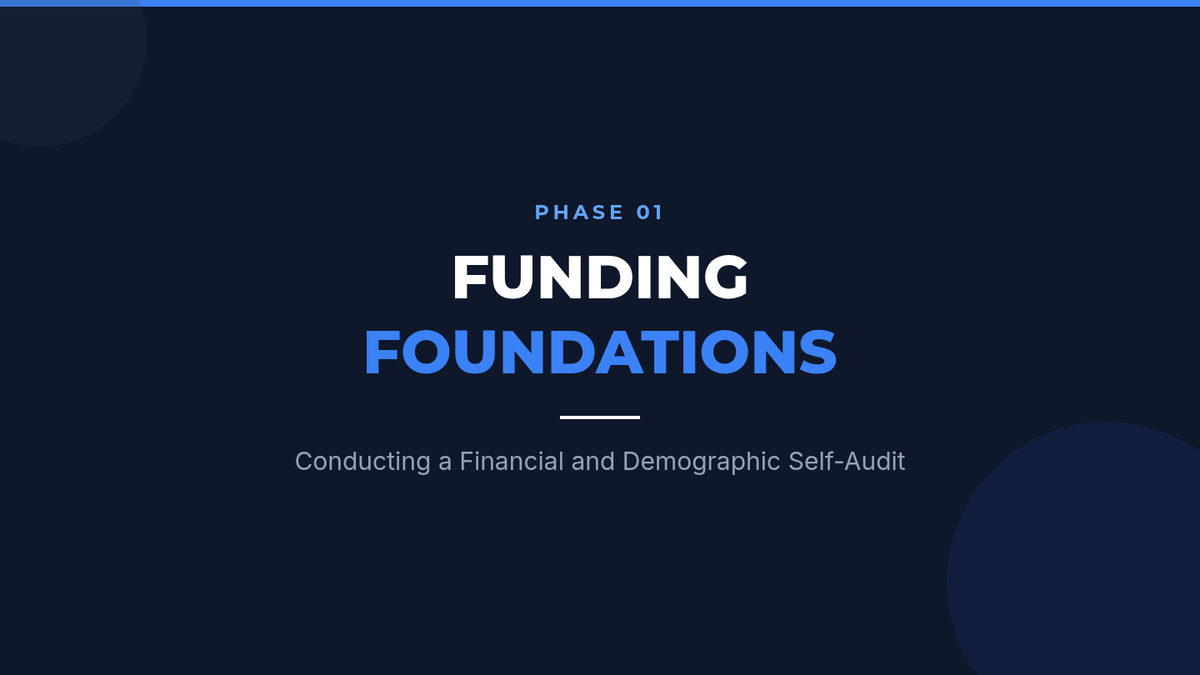
A comprehensive guide for undergraduate students to systematically search for, evaluate, and manage scholarship applications. The sequence covers self-auditing, database navigation, ROI analysis, project management, and donor mission alignment.
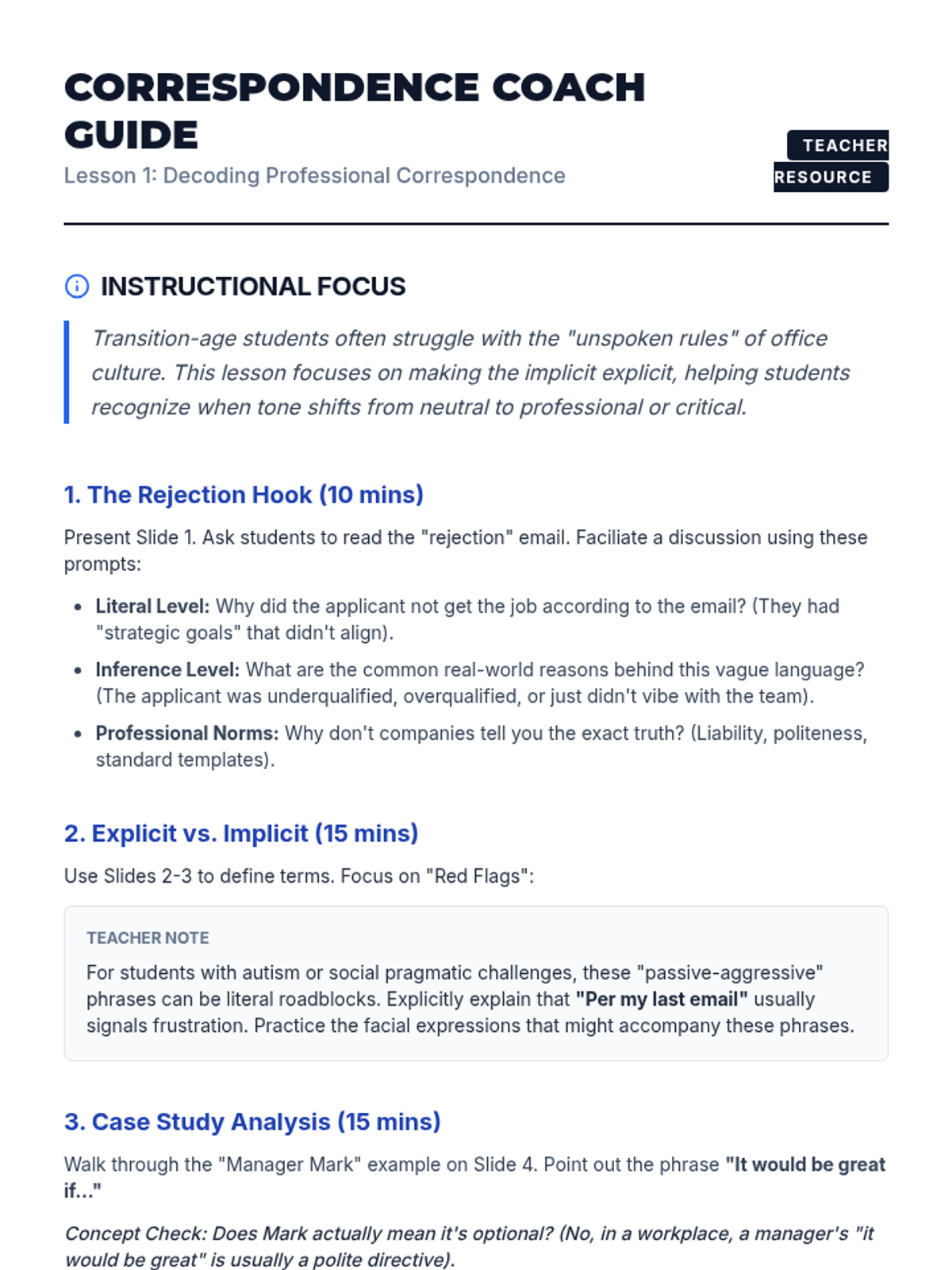
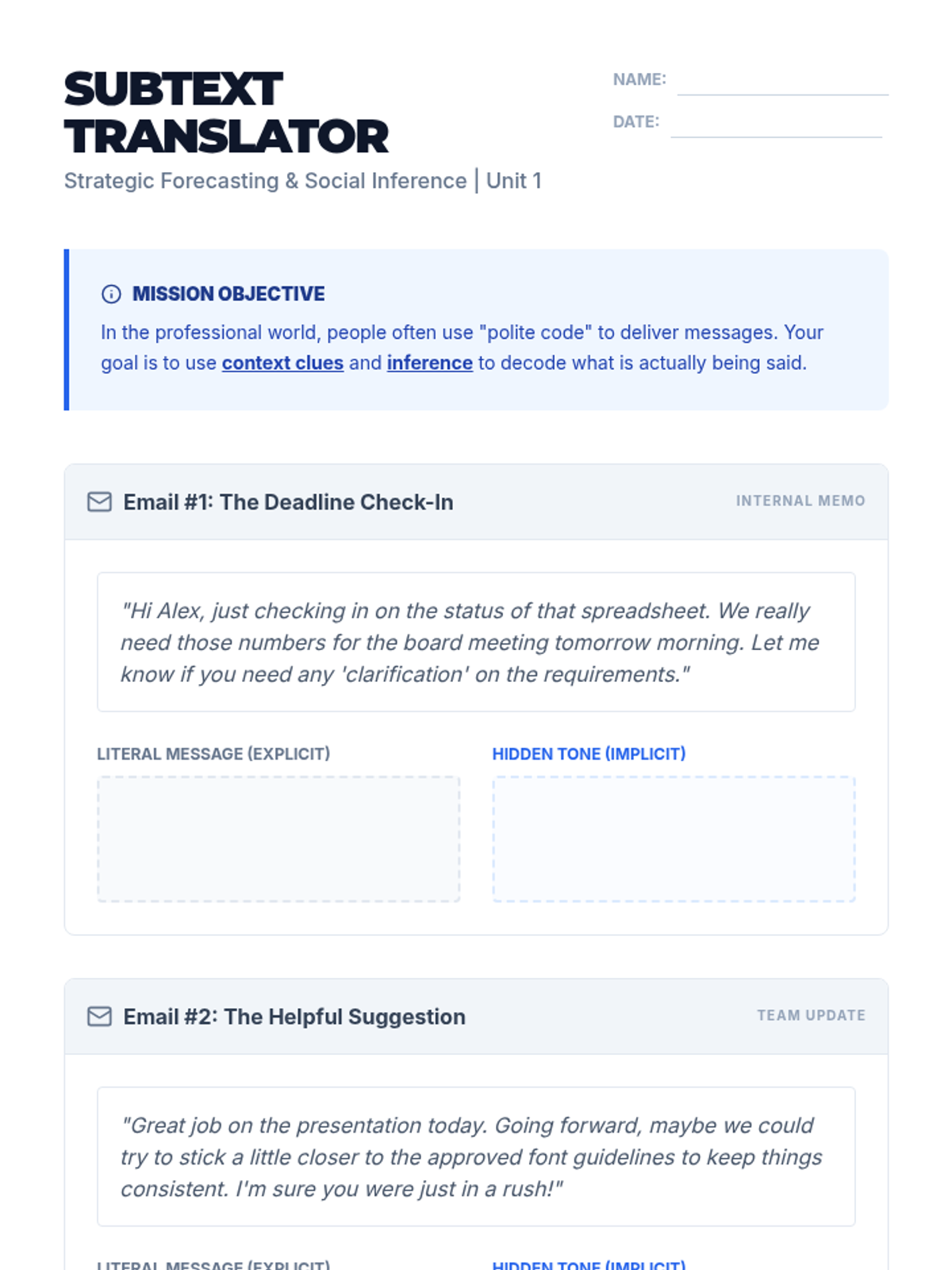
A 5-lesson sequence for 11th-grade students focusing on applying inference and prediction skills to real-world professional and social contexts, including workplace communication, media literacy, and career transitions.
This sequence equips students with the digital literacy skills necessary to navigate complex databases and online encyclopedias effectively. Students transition from general search engines to academic repositories, learning boolean logic and advanced filtering techniques. By the end, students will demonstrate the ability to locate and curate high-quality sources for a research topic.
This sequence moves students beyond basic search engines to master the complex landscape of academic research databases and digital archives. Students learn to manipulate search algorithms, evaluate the credibility of scholarly sources, and utilize reference management systems effectively. The learning arc builds from technical search skills to critical evaluation and culminates in the synthesis of sources for academic writing.
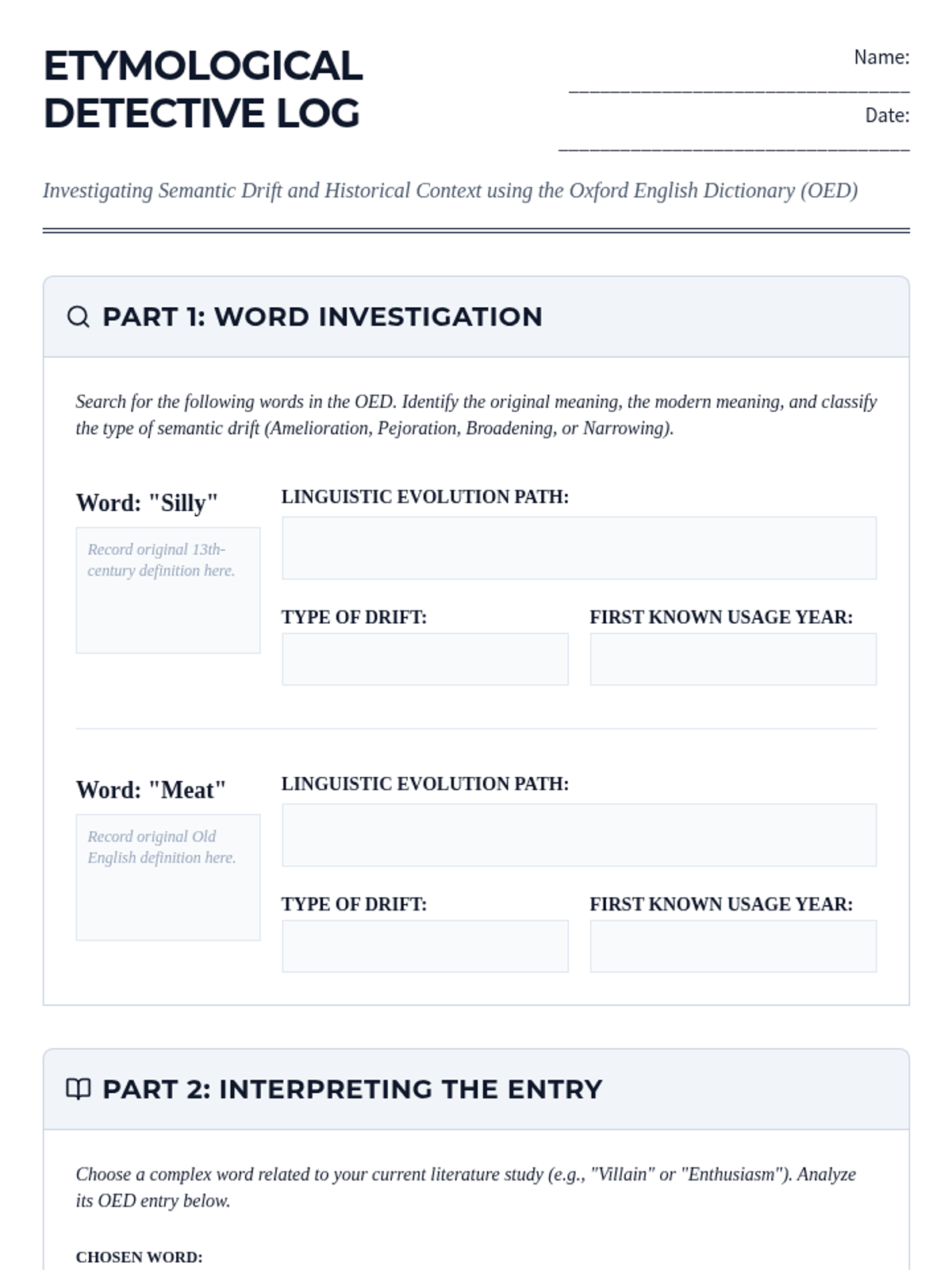
This advanced sequence transitions students from general information retrieval to the rigors of collegiate-level research and specialized reference usage. Students master boolean logic, historical linguistics, source evaluation, and citation management.
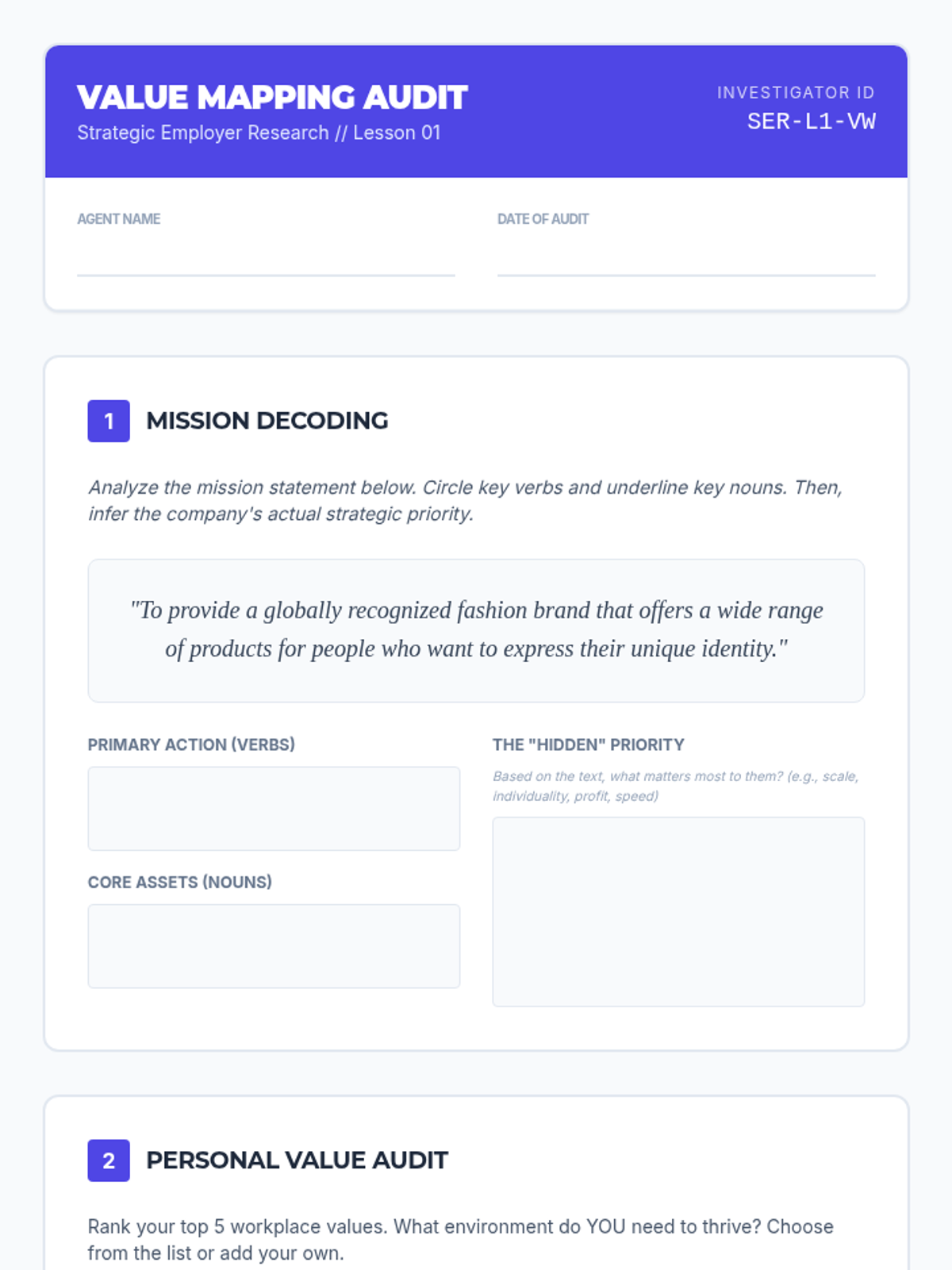
A comprehensive 5-lesson unit for high school seniors focused on advanced employer research techniques. Students learn to decode mission statements, analyze market trends, evaluate organizational culture, and synthesize their findings into strategic interview responses and inquiries.
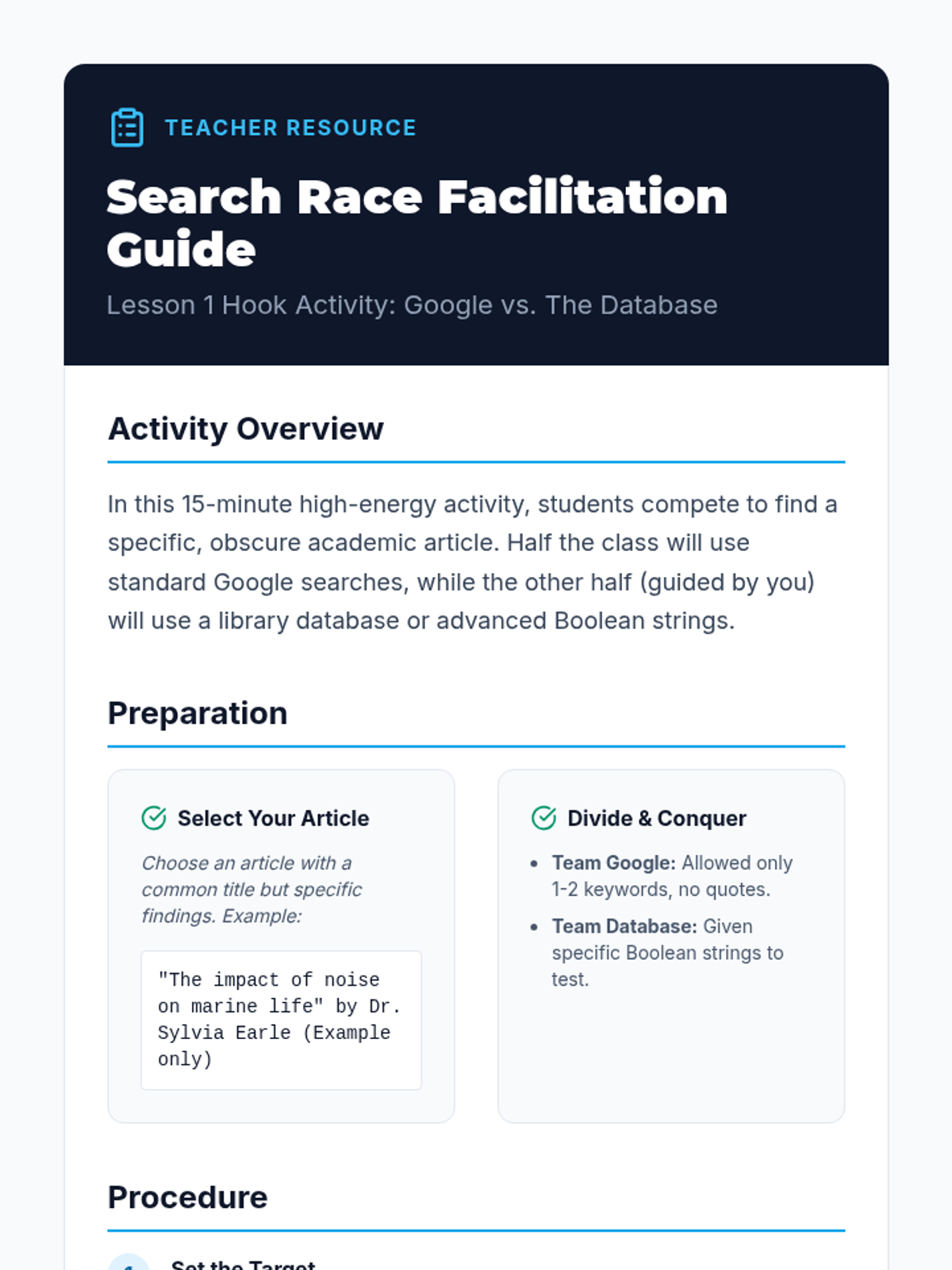
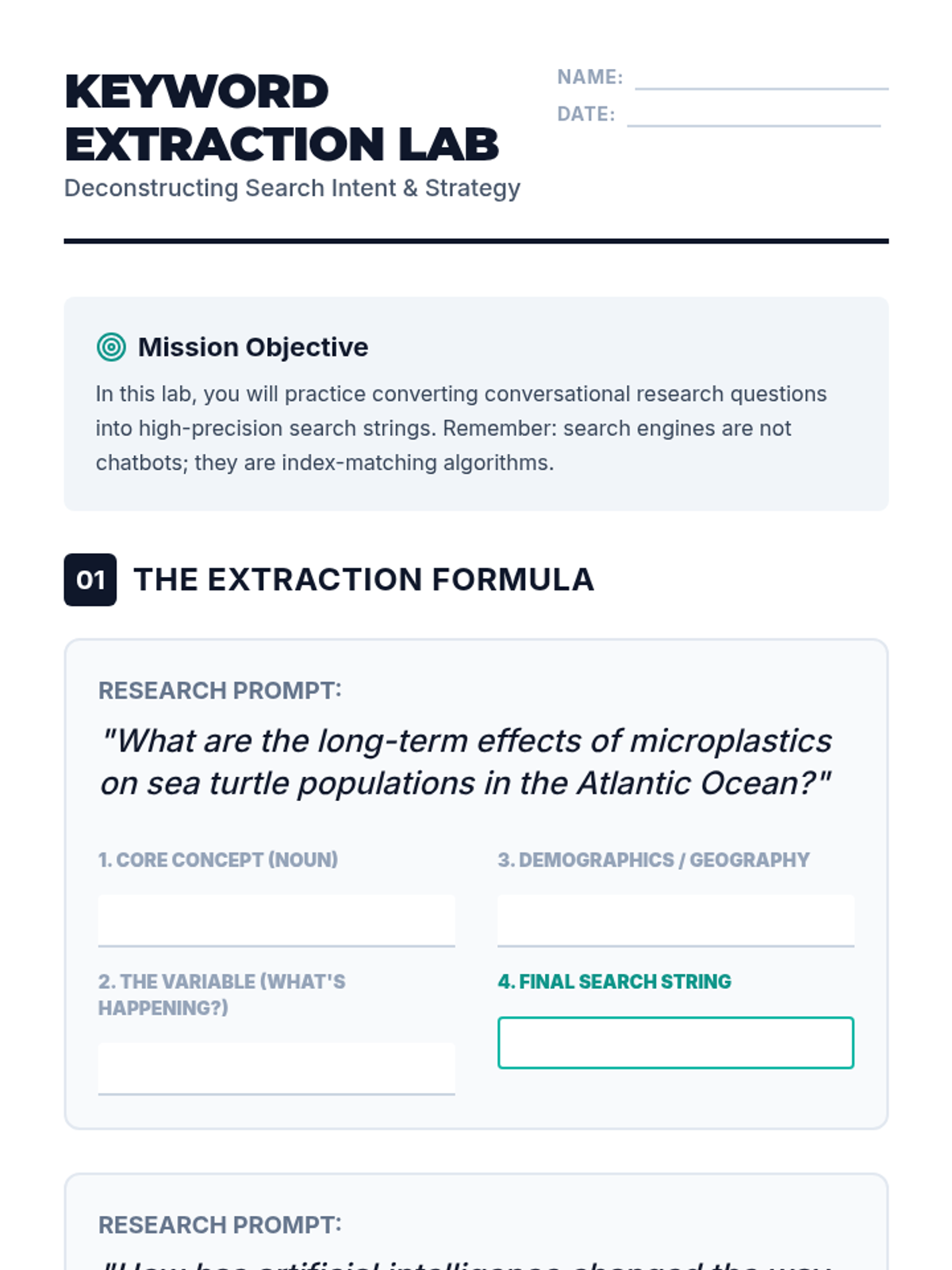
This sequence equips 9th-grade students with professional information retrieval skills, moving from basic keyword searches to complex Boolean logic, advanced search syntax, and academic database navigation. Students will learn to manipulate search algorithms and document their research process to locate high-quality, obscure information efficiently.
A comprehensive sequence for graduate students to master the Zettelkasten method, focusing on offloading working memory through atomic, interconnected notes to facilitate complex research and writing.
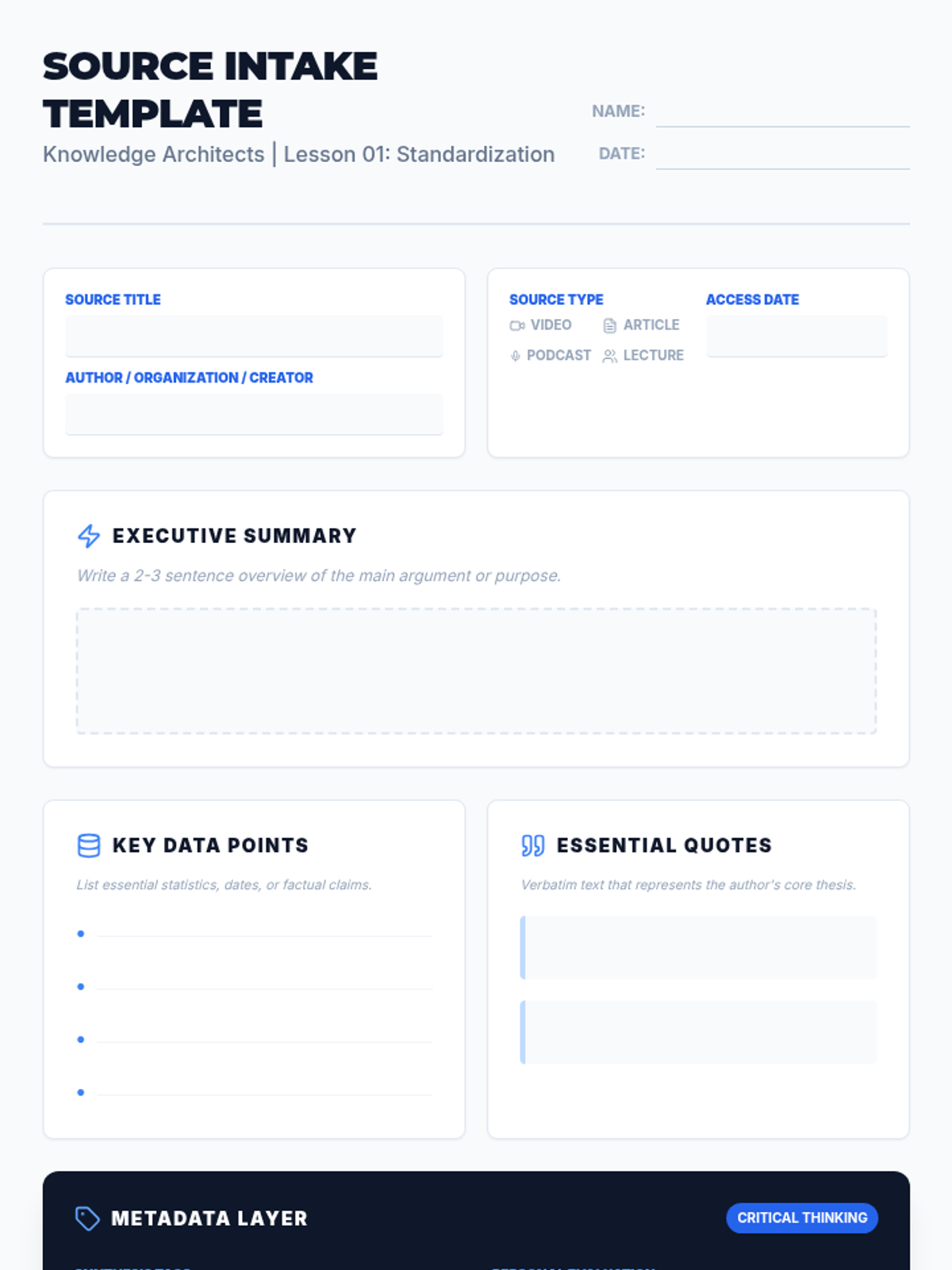
A specialized sequence for 12th-grade students to master the organizational and working memory skills required for complex research. It focuses on standardizing data intake, synthesizing disparate sources, tagging for retrieval, and structuring digital archives to prepare for college-level scholarship.
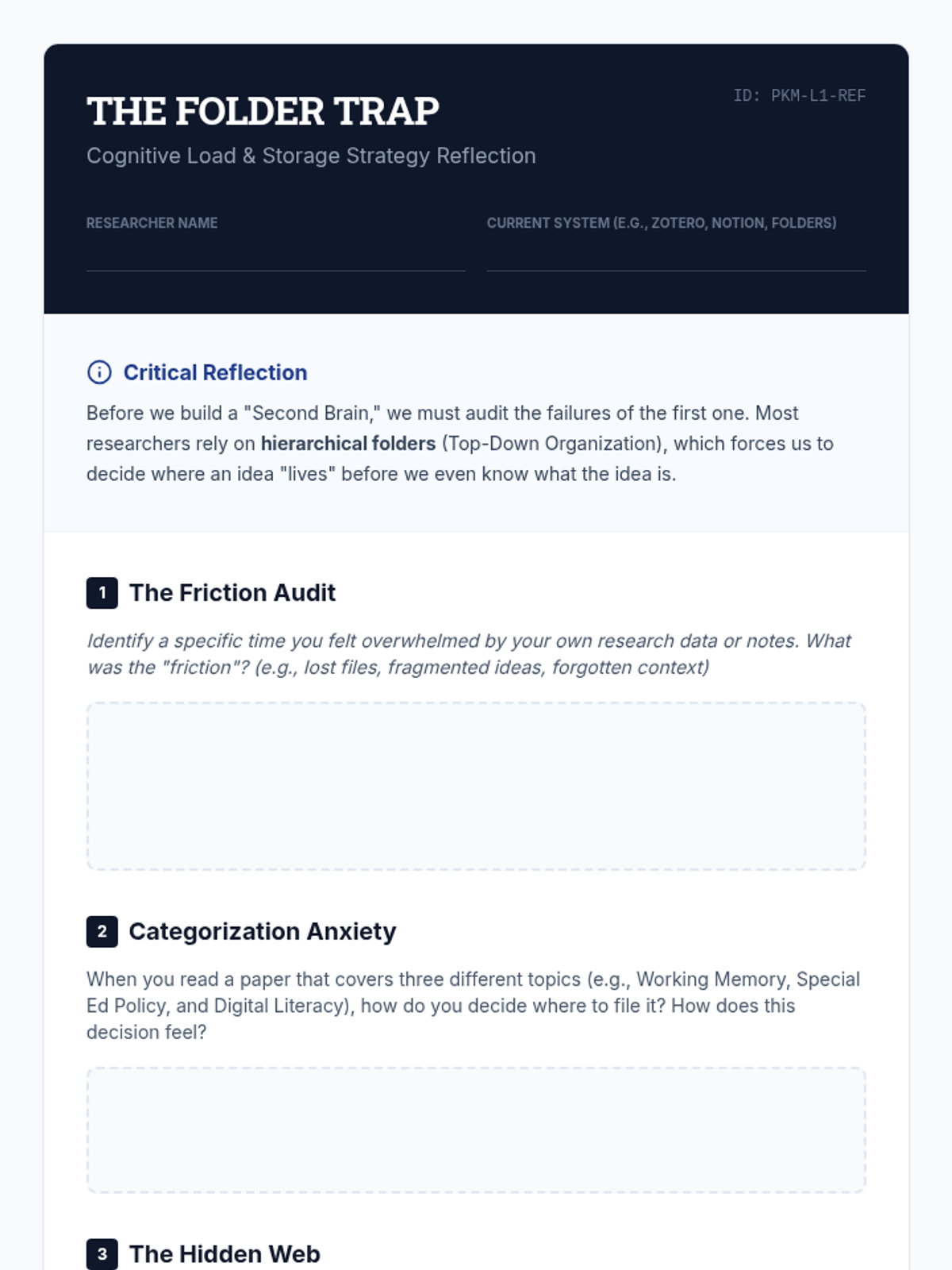
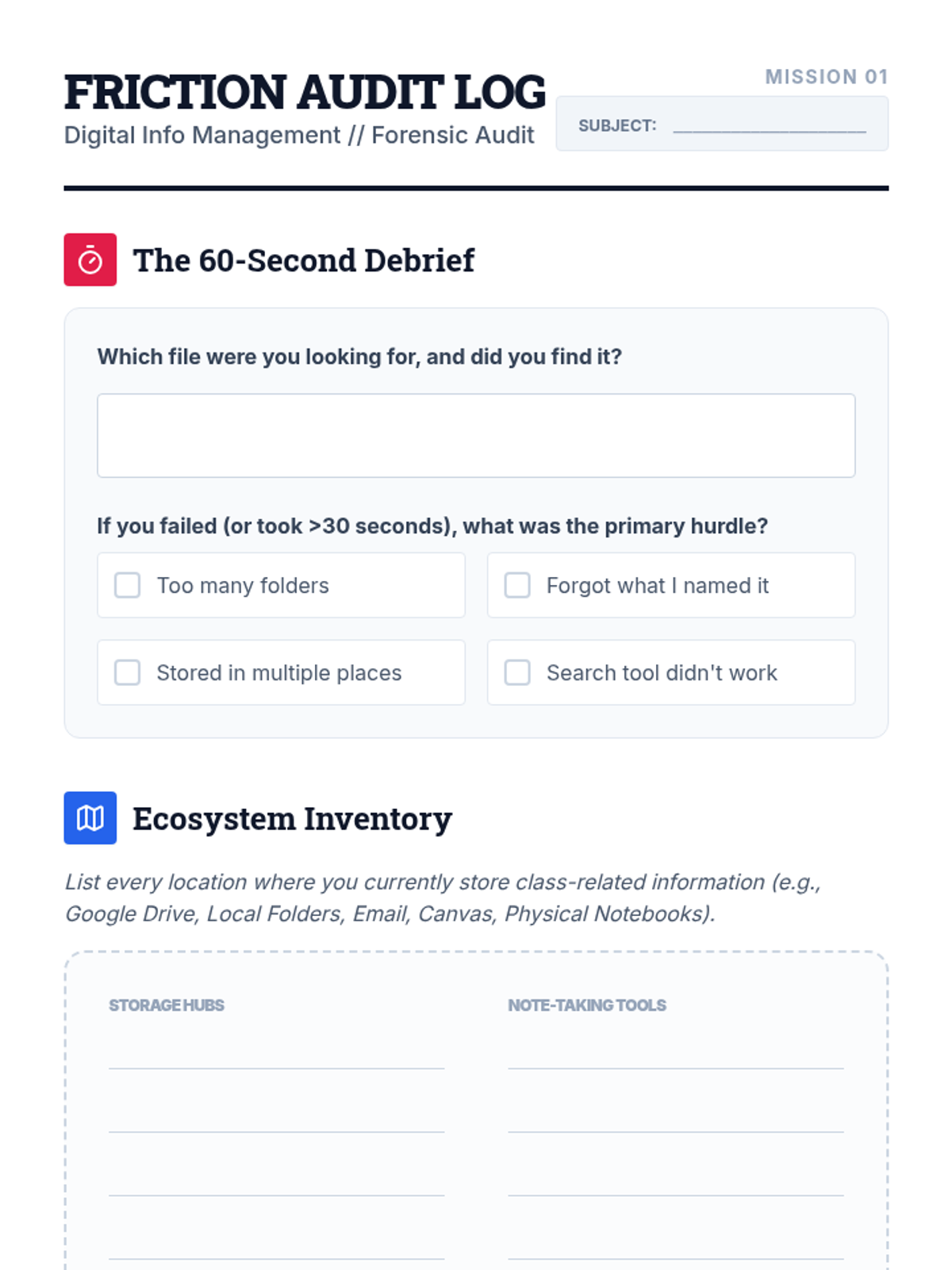
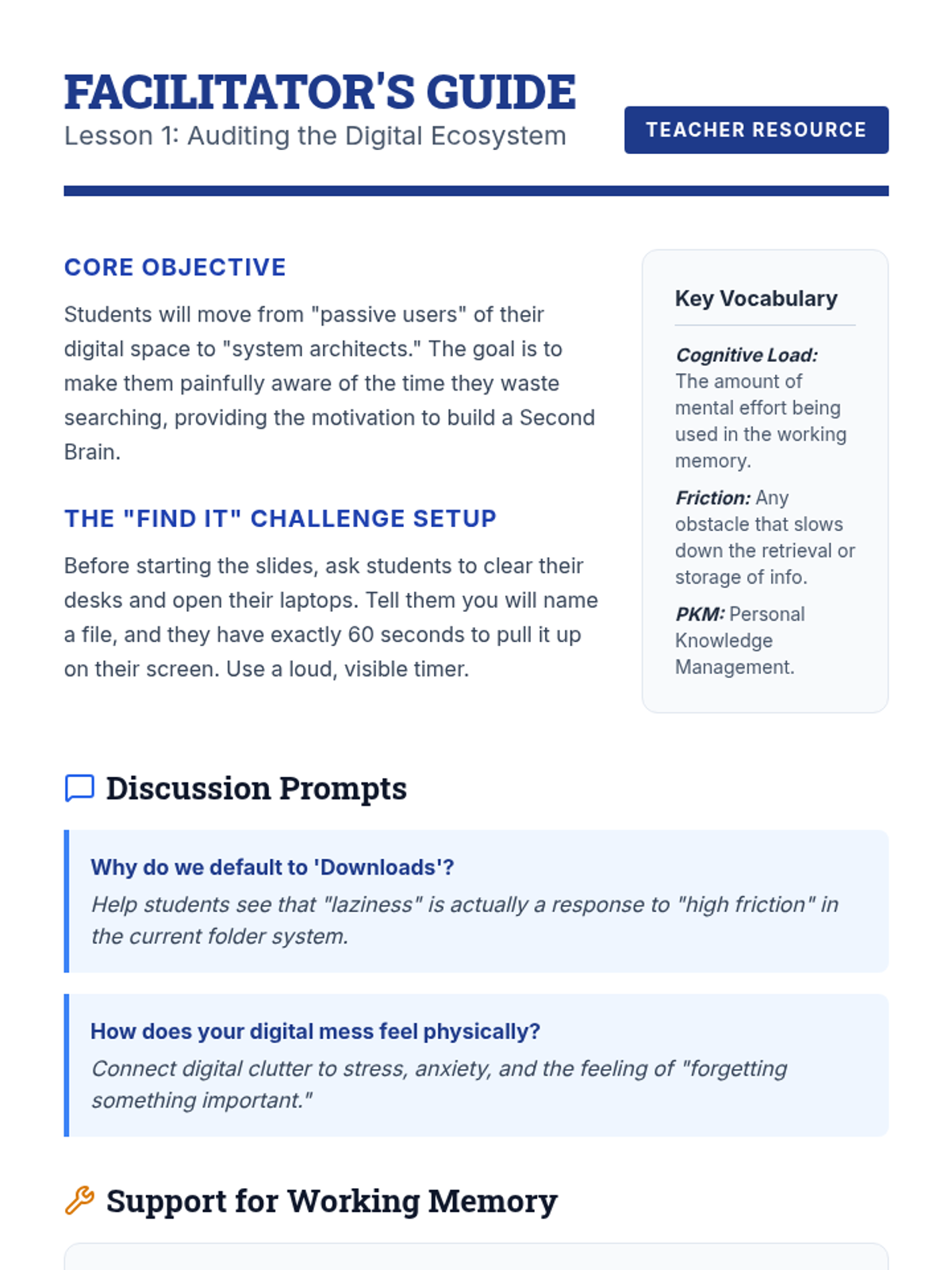
A comprehensive sequence designed for undergraduate students to build a Personal Knowledge Management (PKM) system. This series helps students move from digital chaos to a structured, searchable 'second brain' using tagging, linking, and routine maintenance to reduce working memory load.
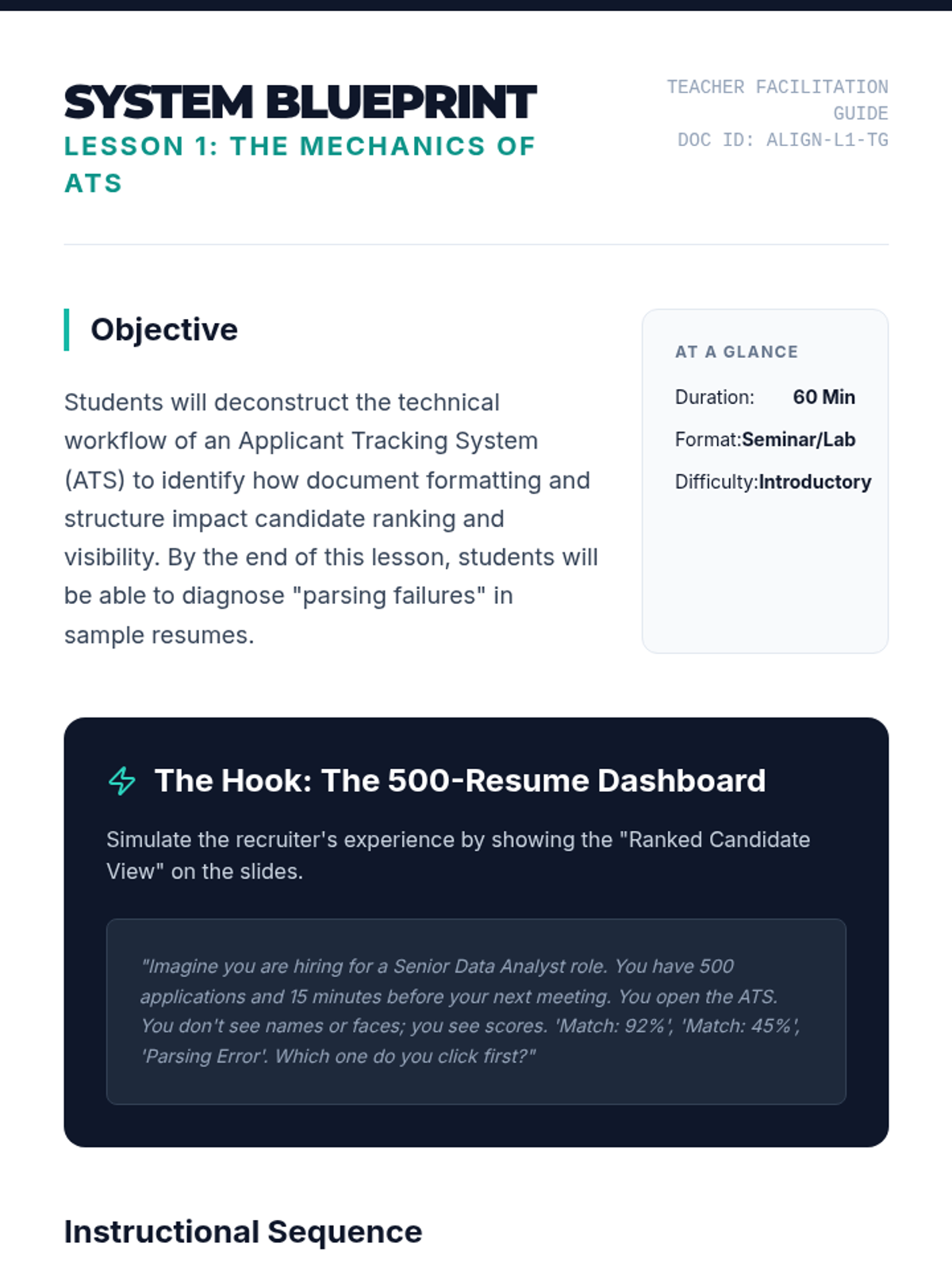
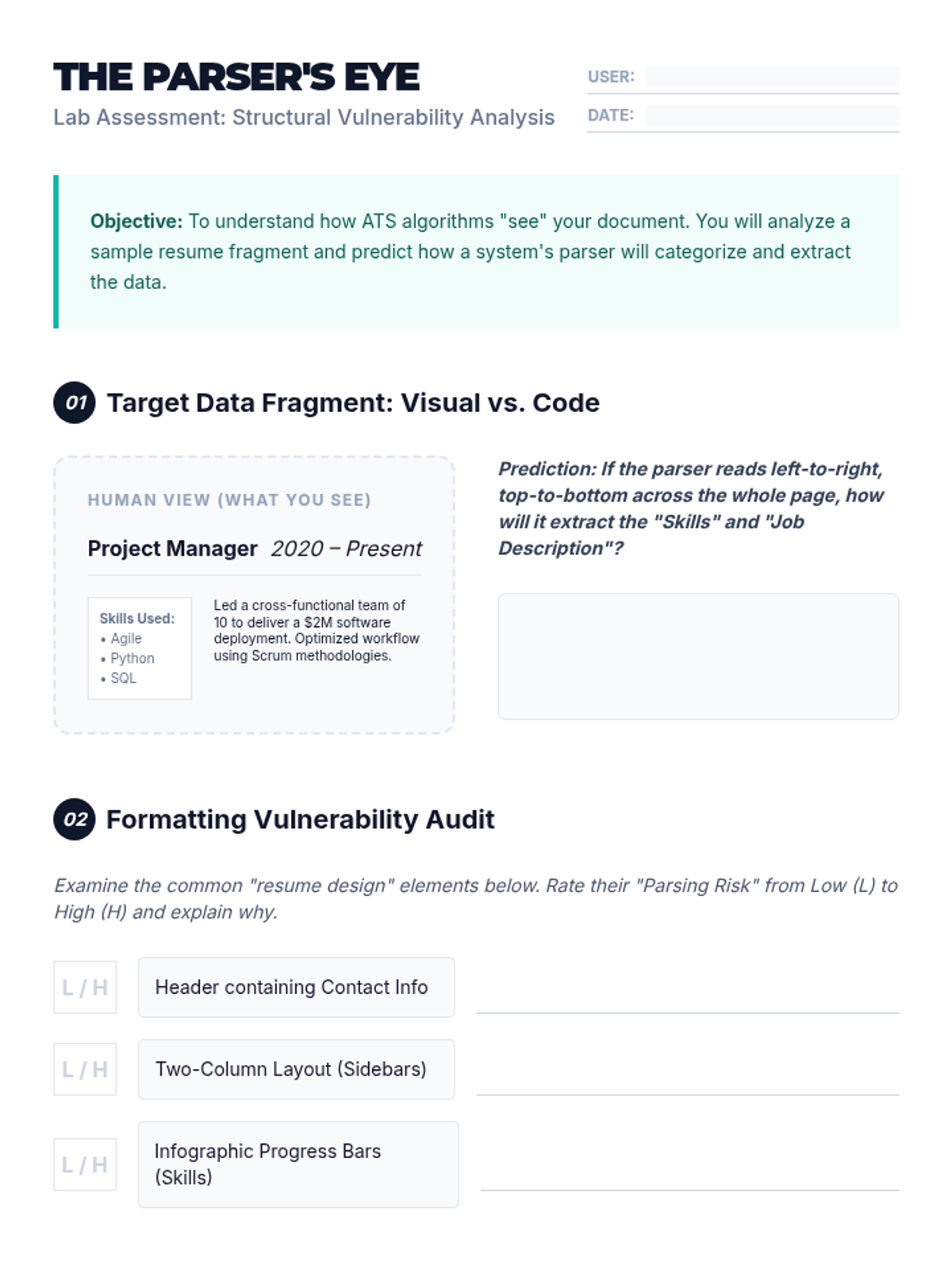
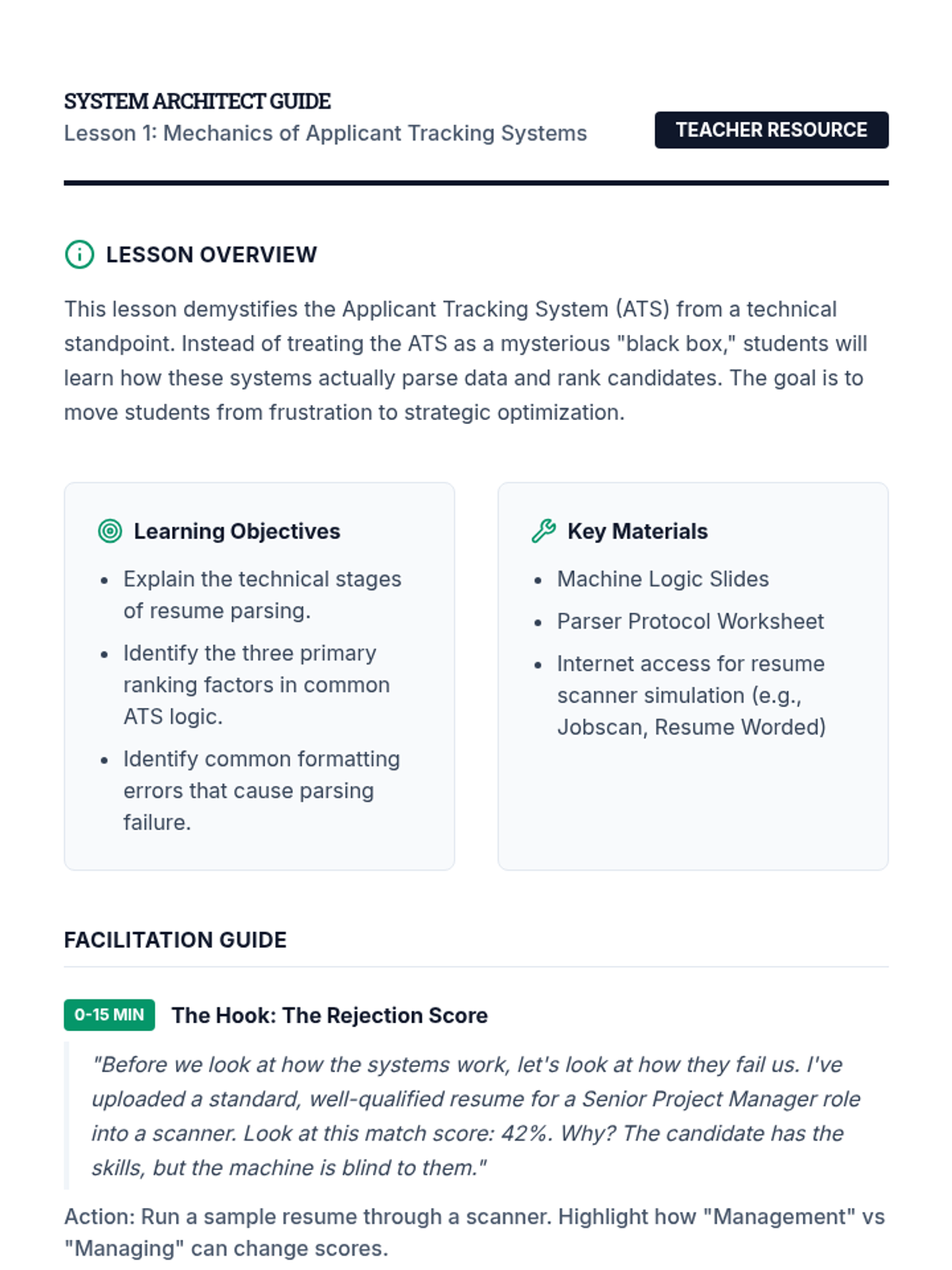
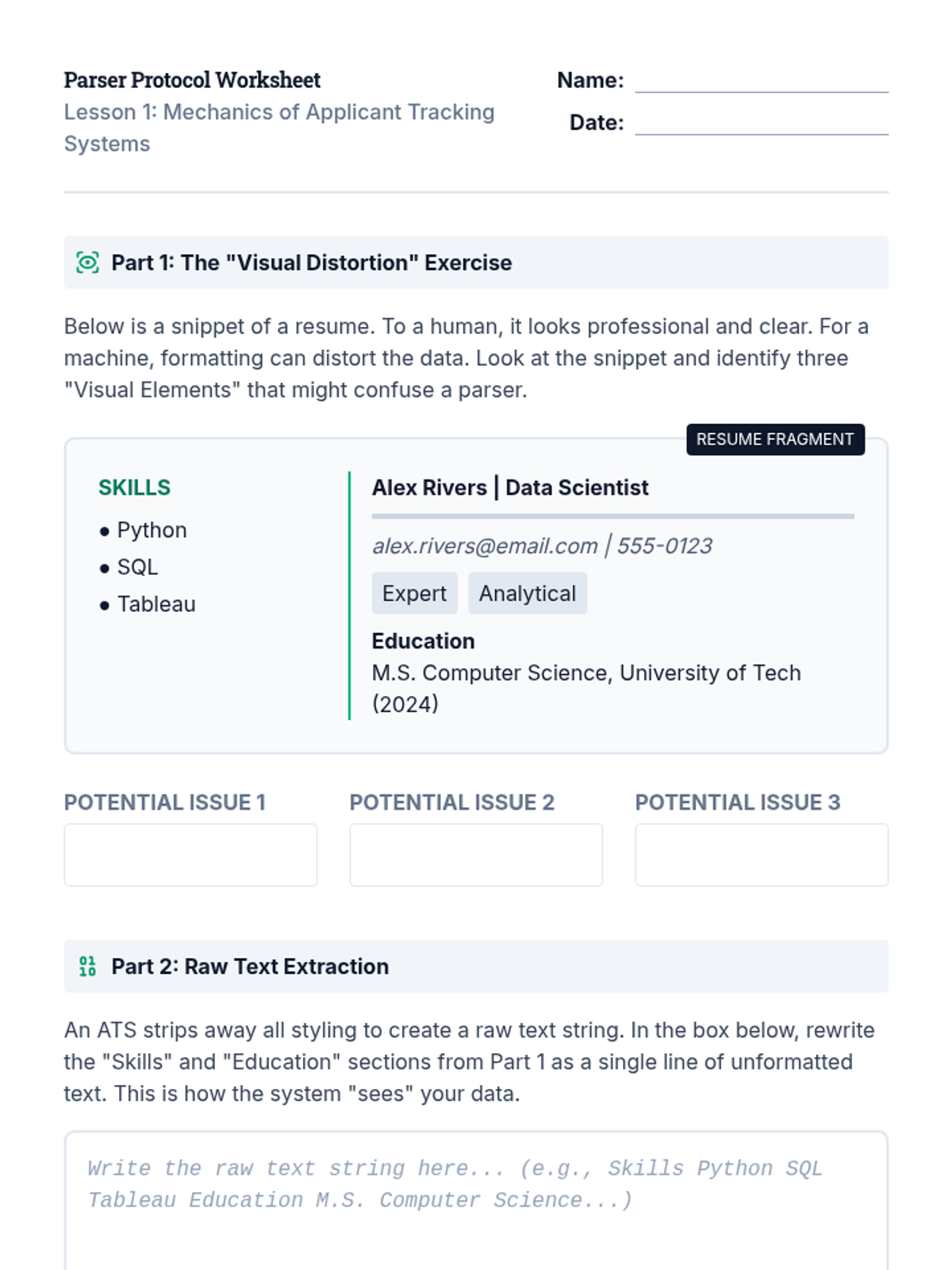
A comprehensive sequence for graduate students to master resume optimization for Applicant Tracking Systems (ATS). Students move from understanding the mechanics of parsing algorithms to identifying keywords, contextualizing skills, and formatting for maximum machine readability and human impact.
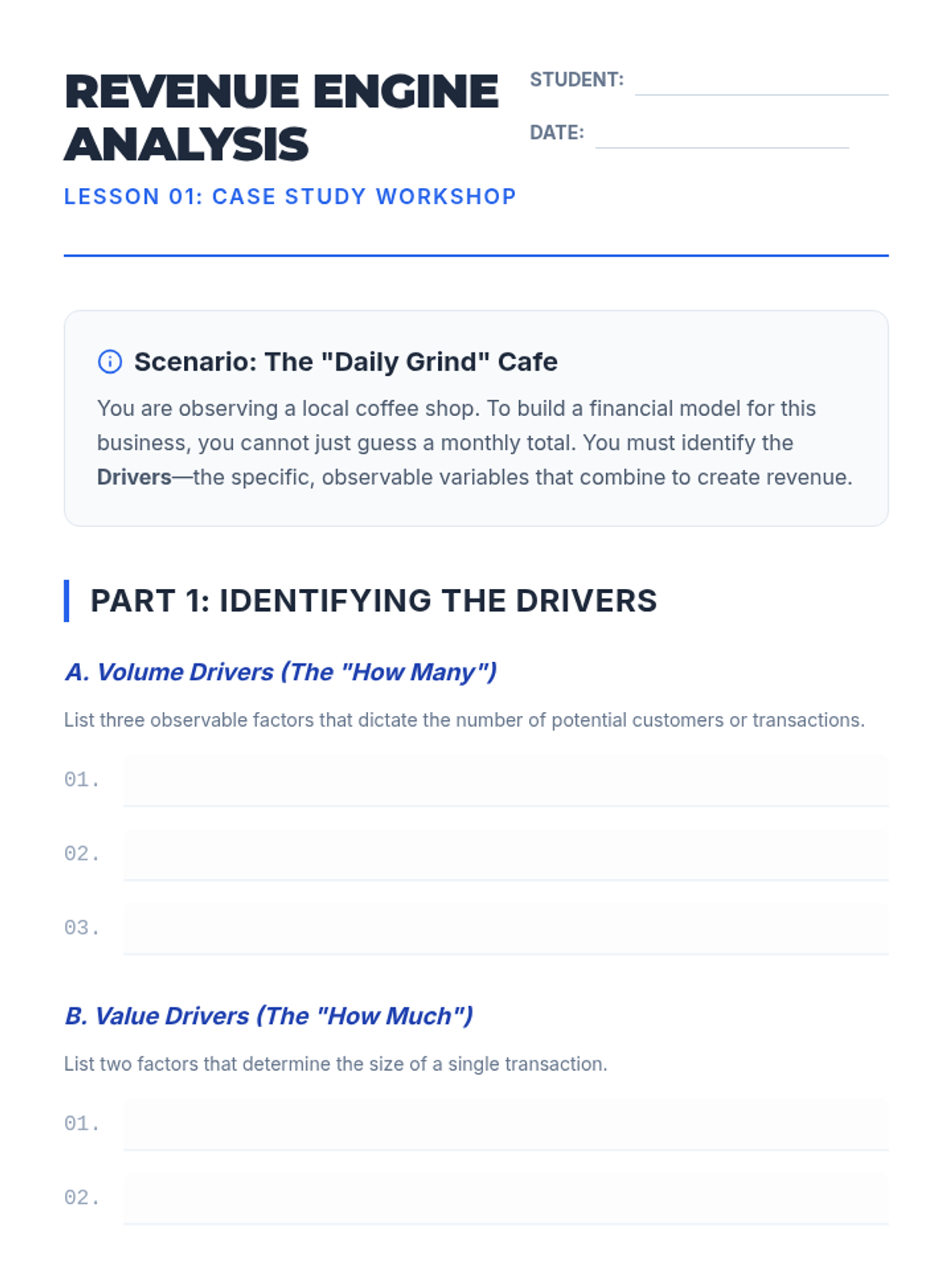
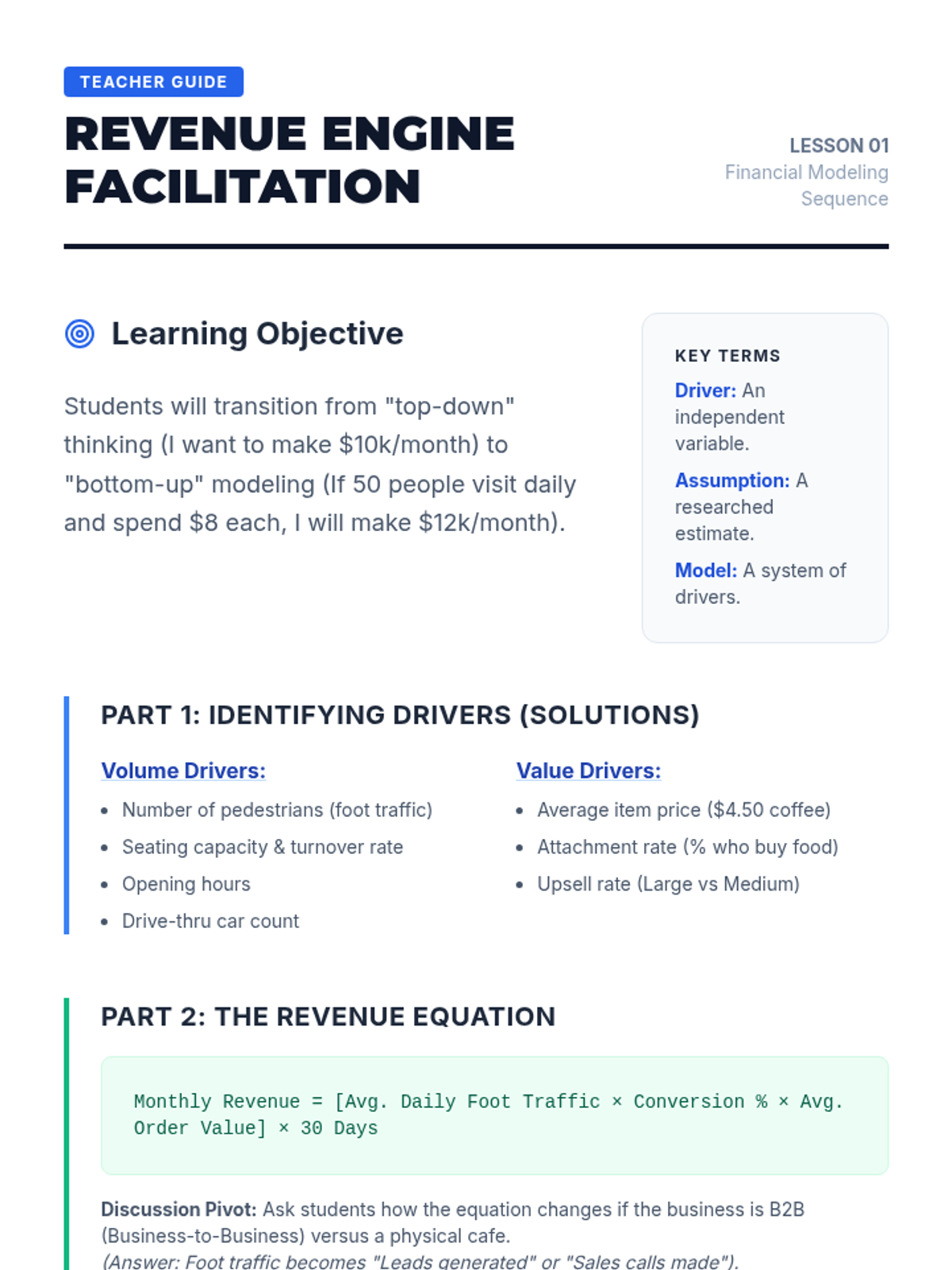
A comprehensive workshop-style sequence where students build dynamic financial models for startups. They progress from identifying core revenue drivers to building interconnected financial statements and conducting sensitivity analysis.
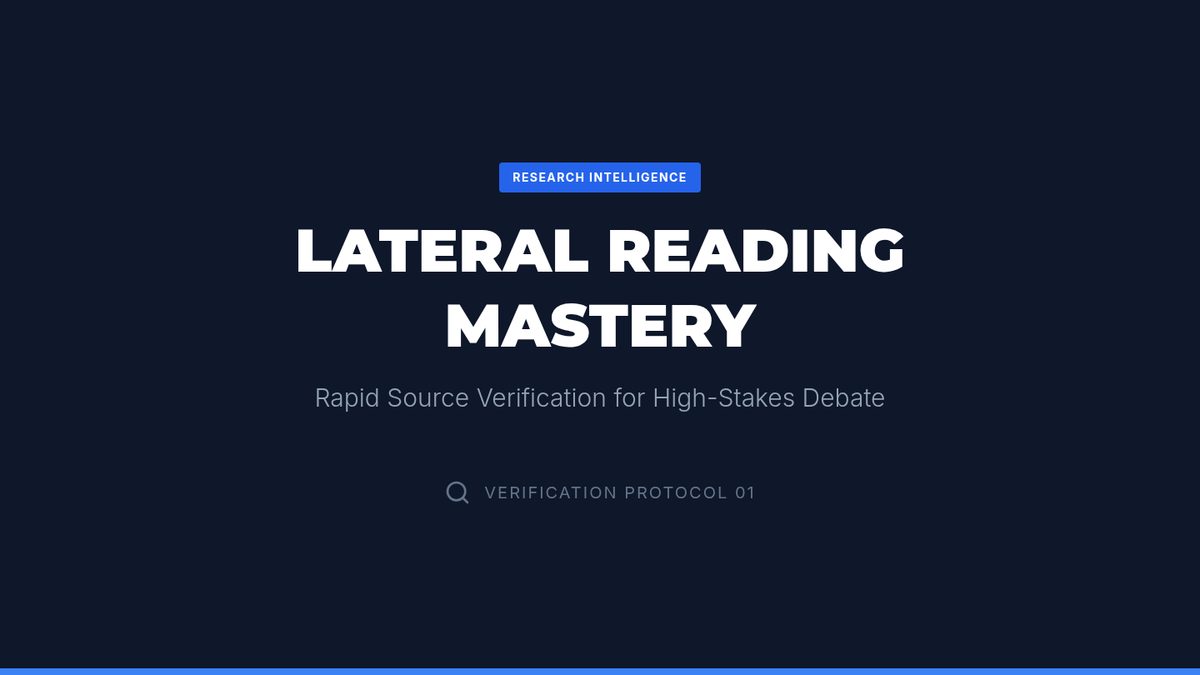
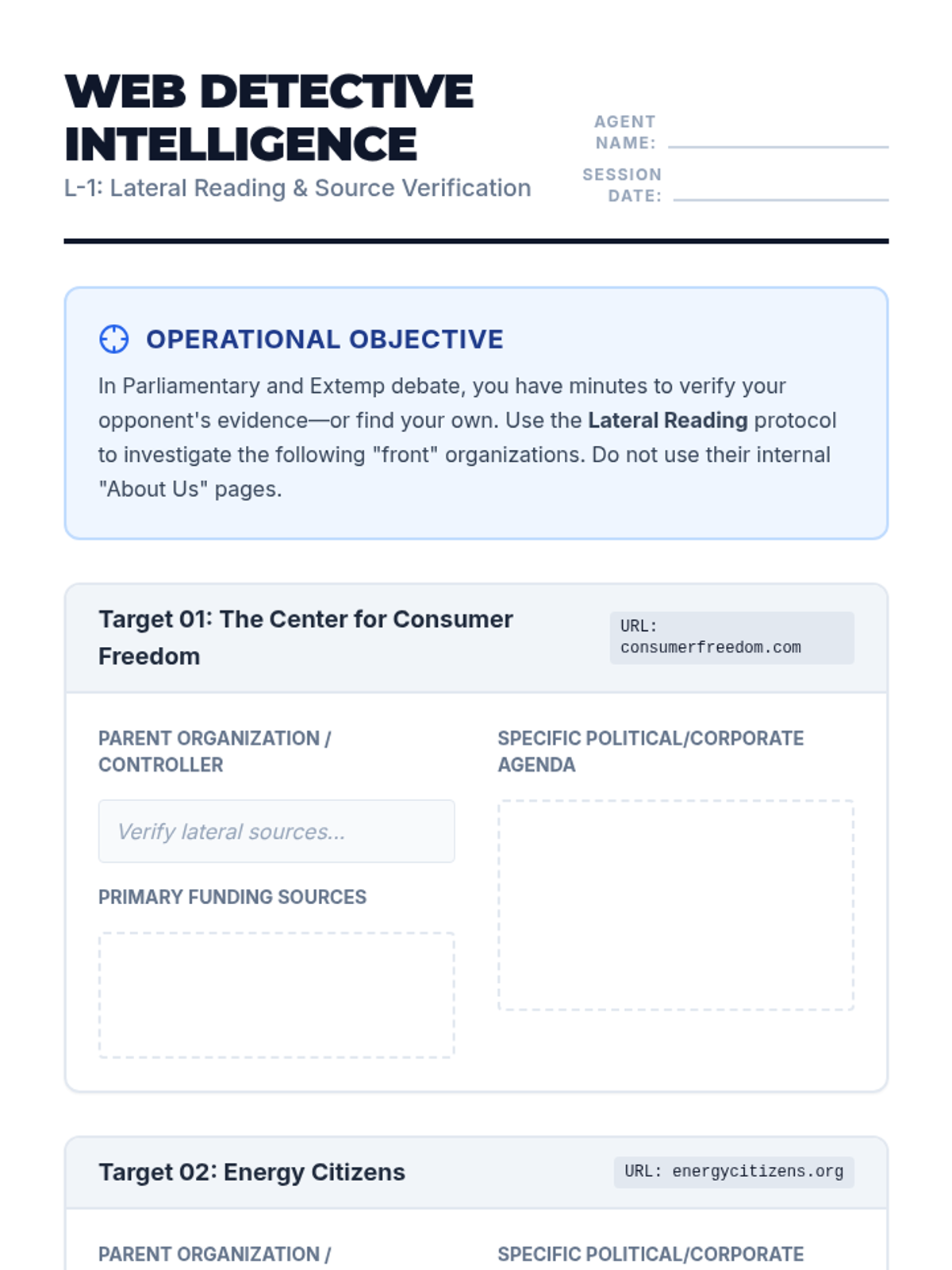
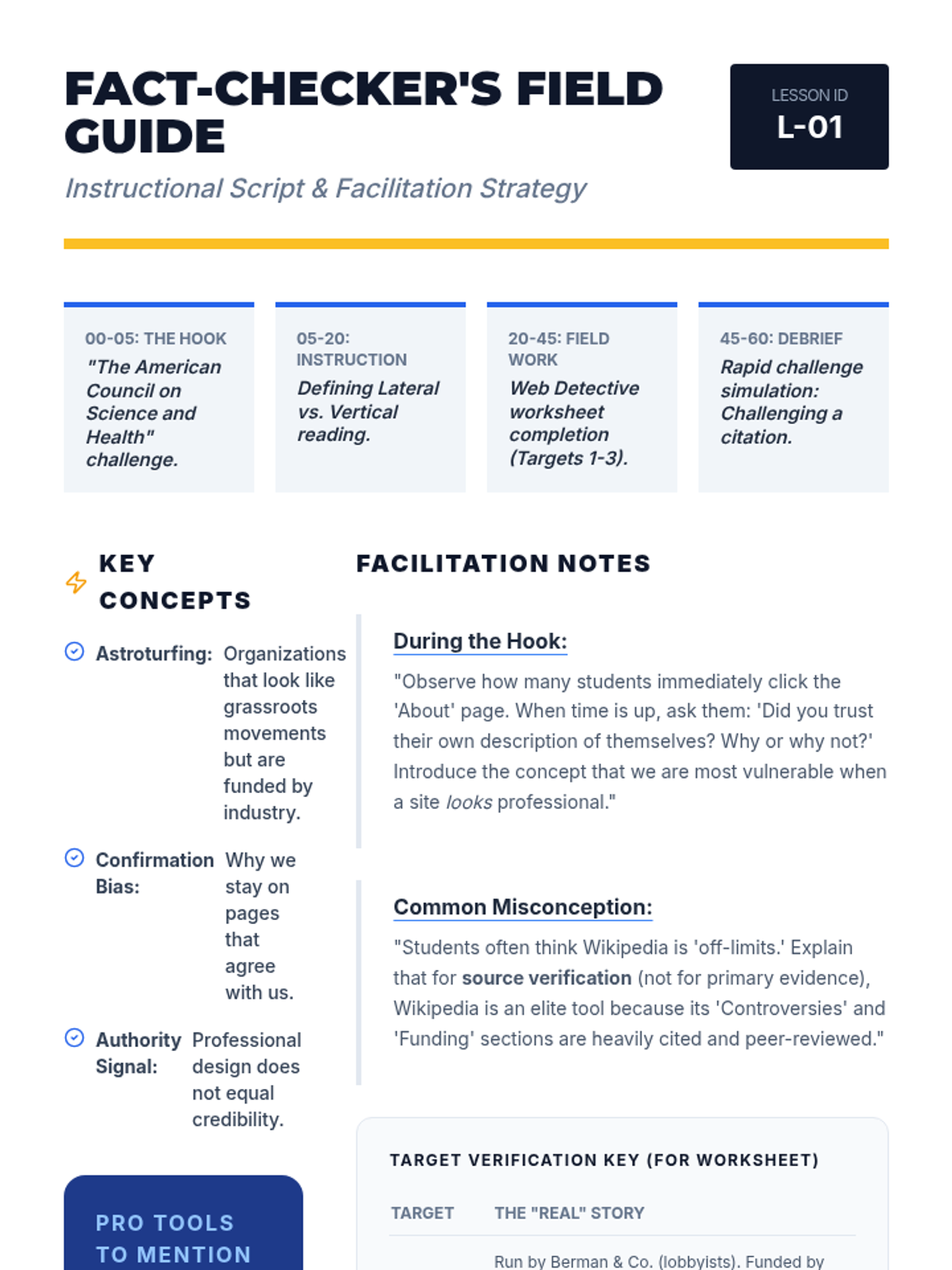
A high-intensity sequence designed for undergraduate debate and public speaking students, focusing on lateral reading, rapid skimming, synthesis, and real-time fact-checking under pressure.
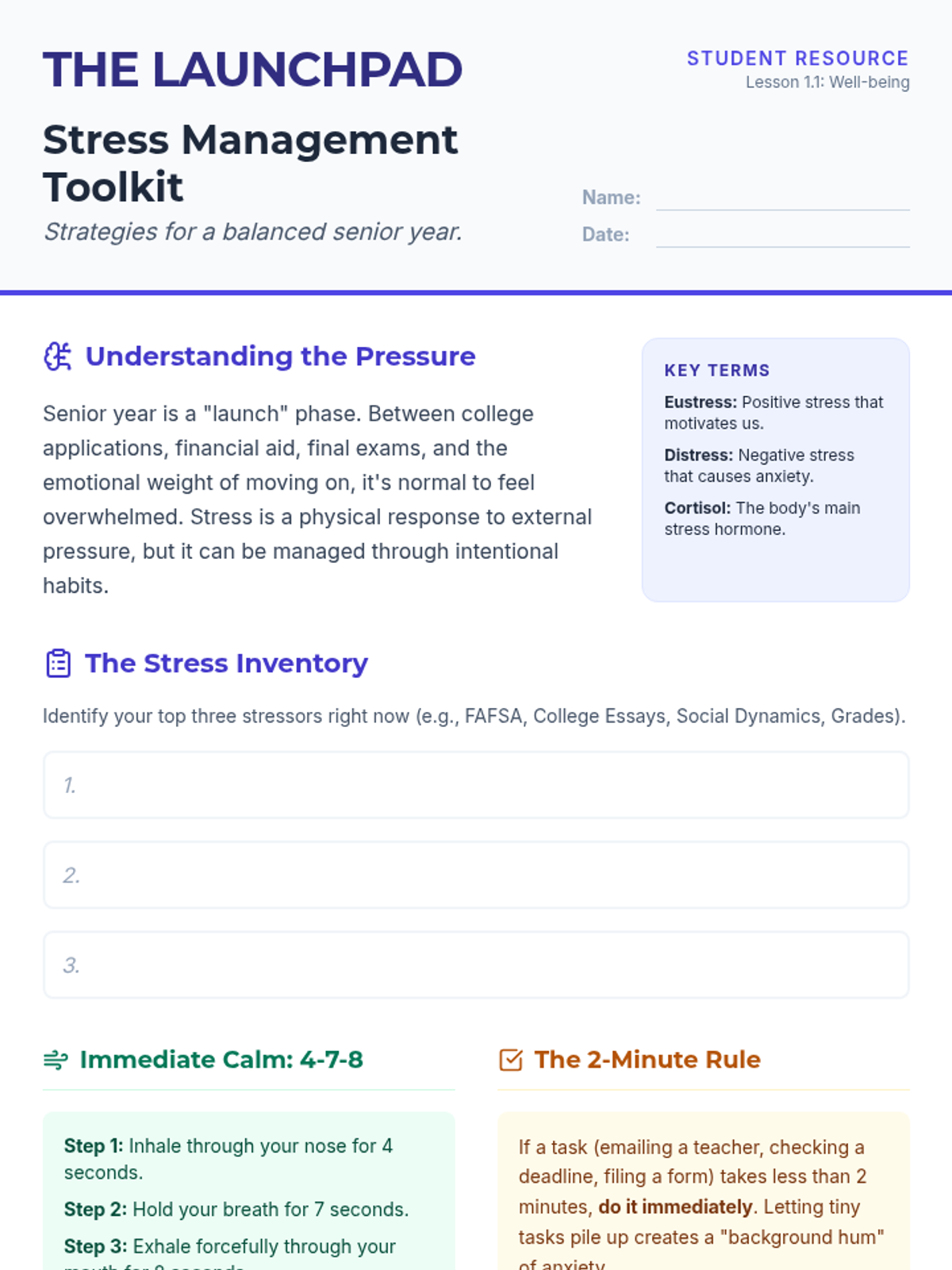
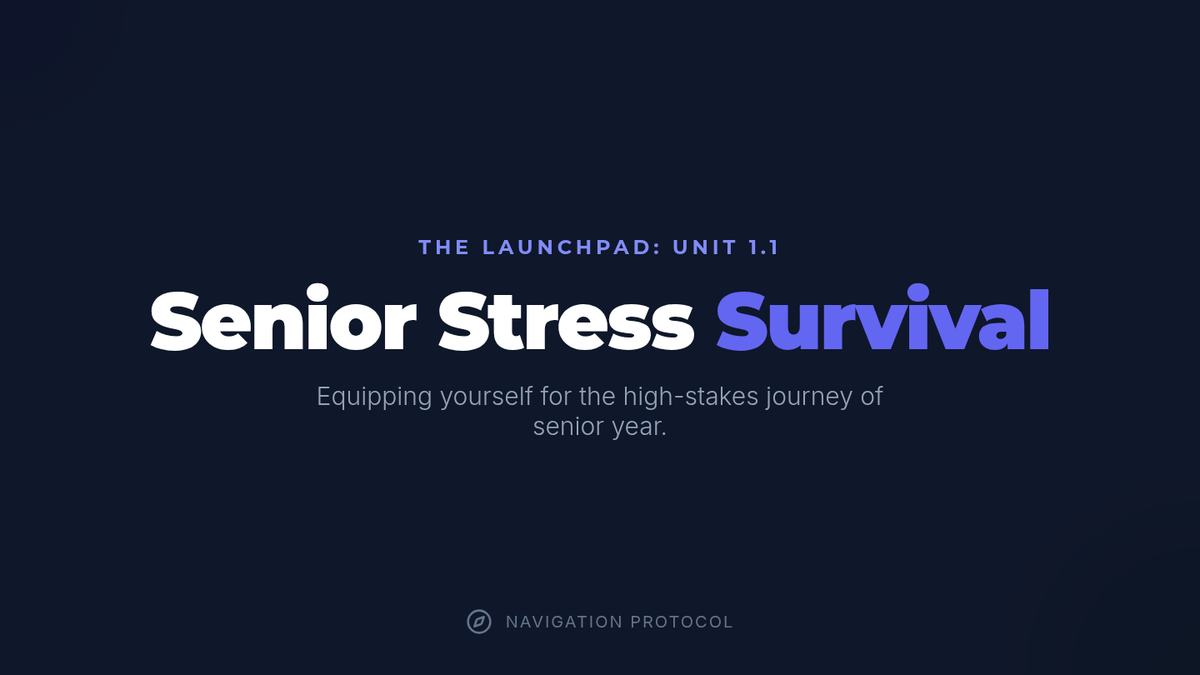
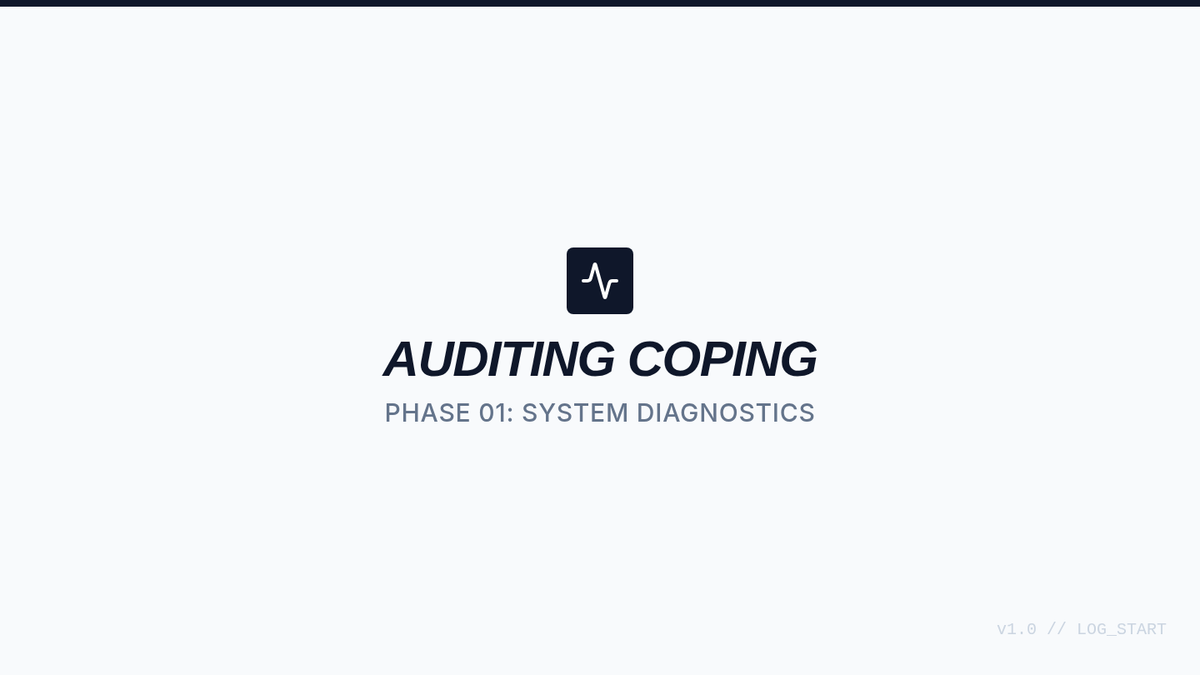
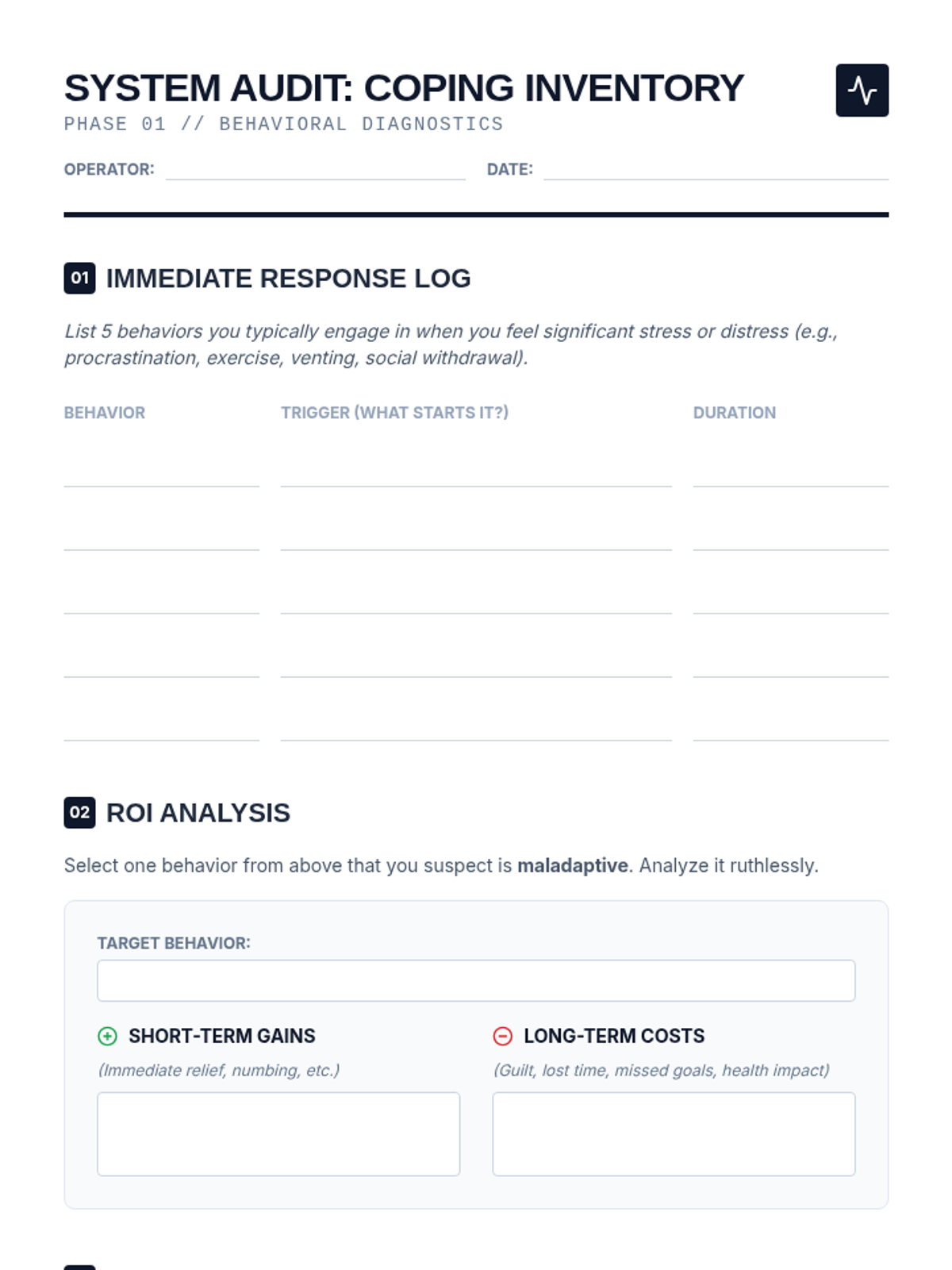
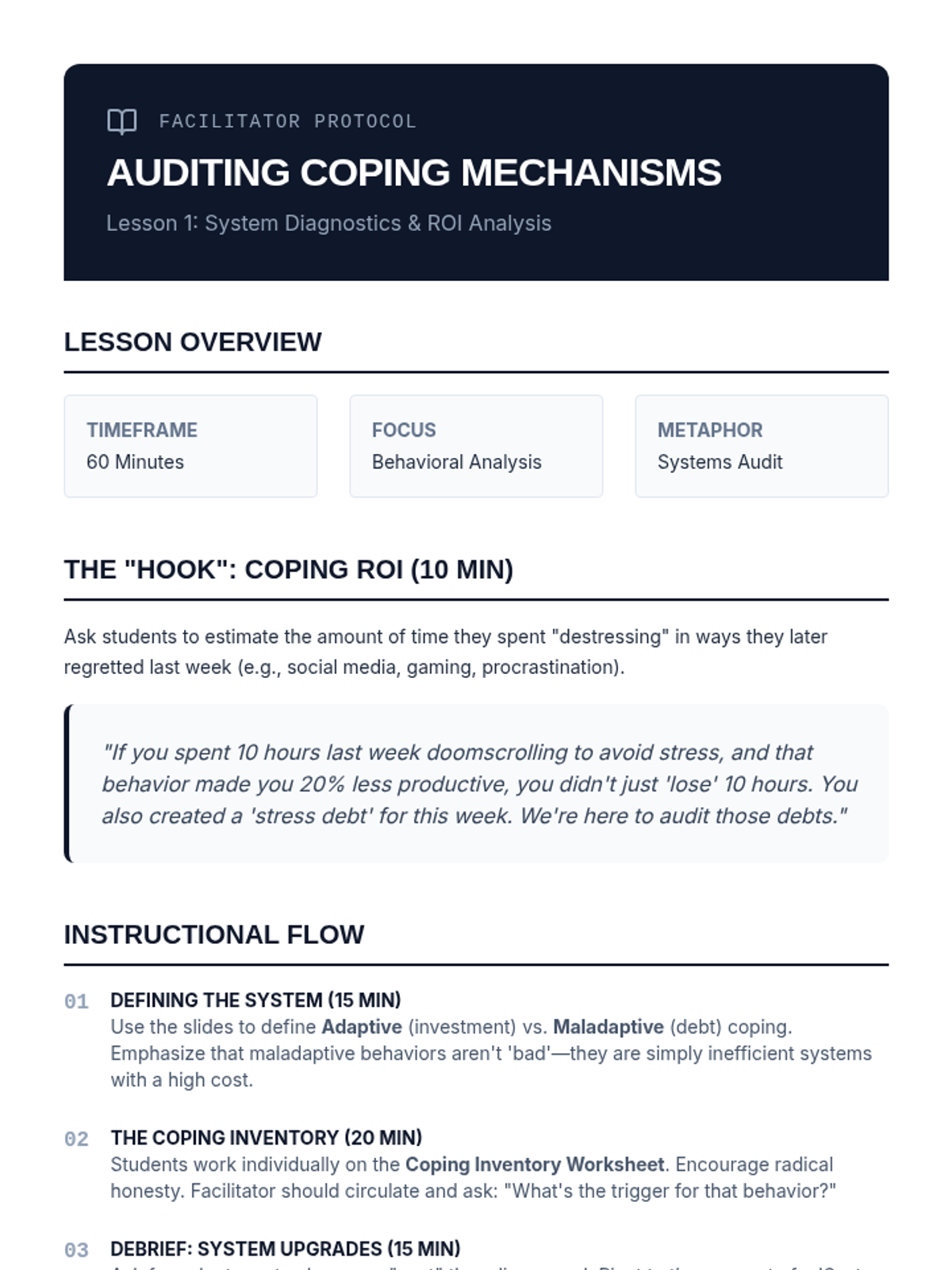
A mastery-focused sequence where undergraduate students audit their current stress responses and design a personalized, tiered emotional regulation protocol. Students use systems thinking to build resilient habits and prepare for future distress.
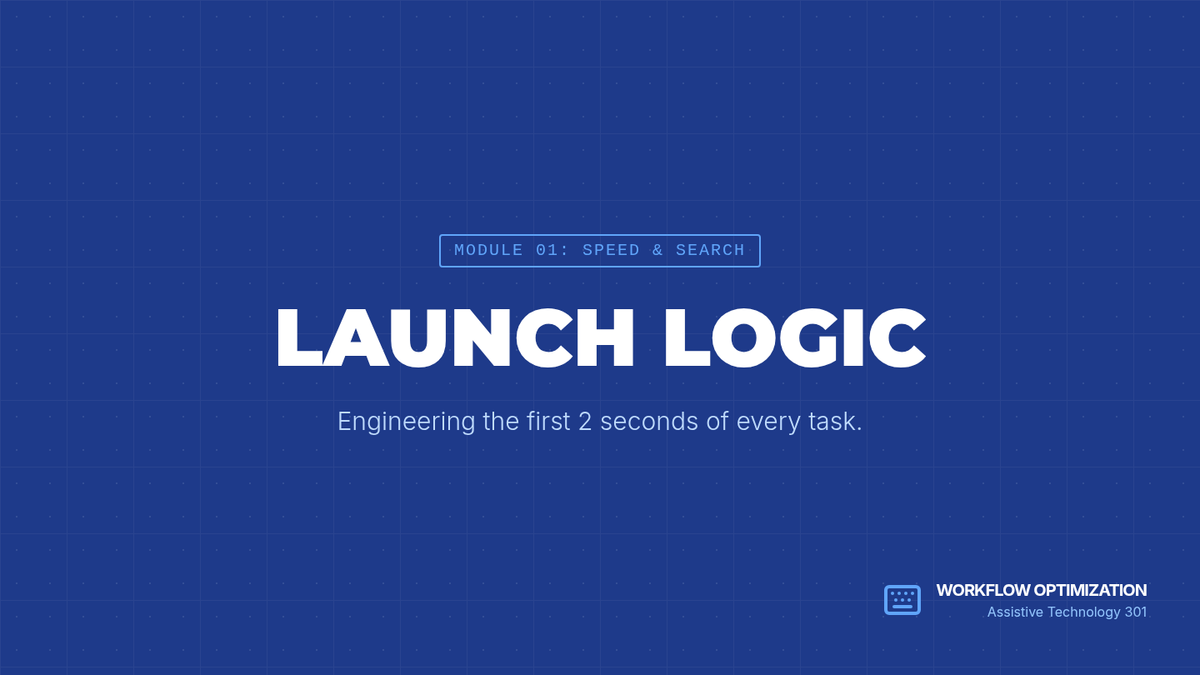
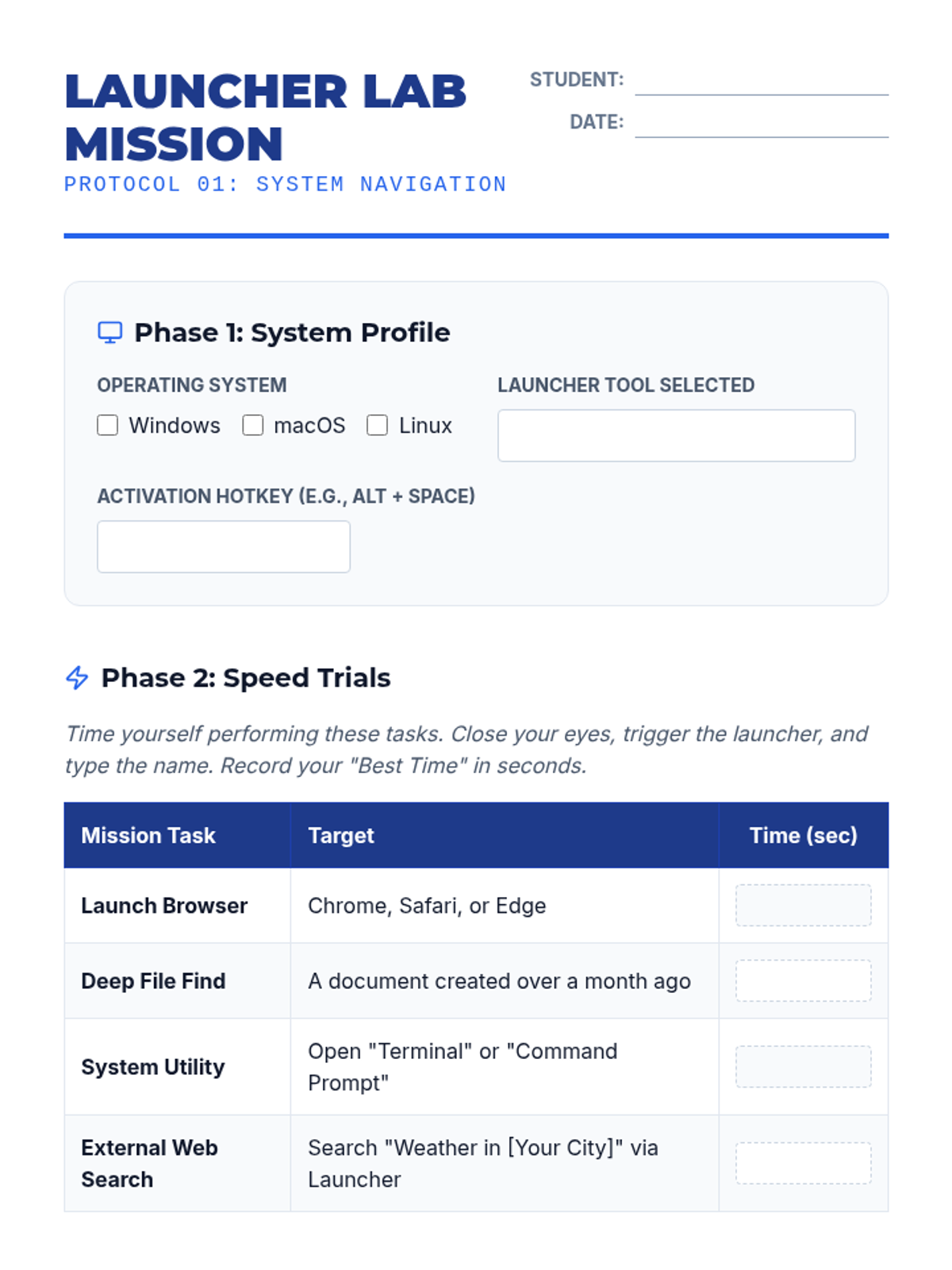
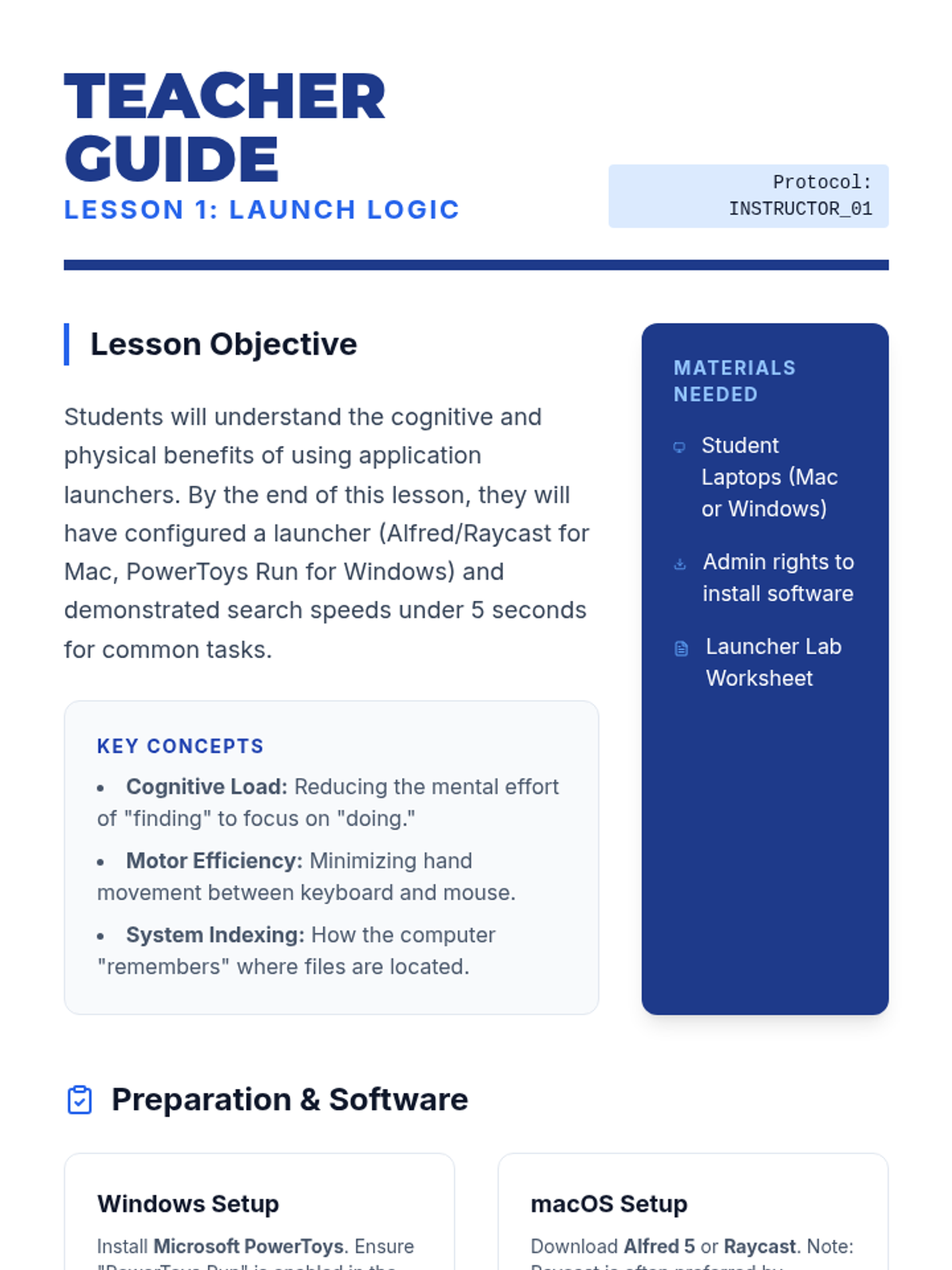
A 5-lesson project-based sequence for undergraduate students focused on assistive technology and workflow optimization. Students move from basic application launchers to creating custom macros and multi-app workflows, culminating in a personalized productivity setup project.
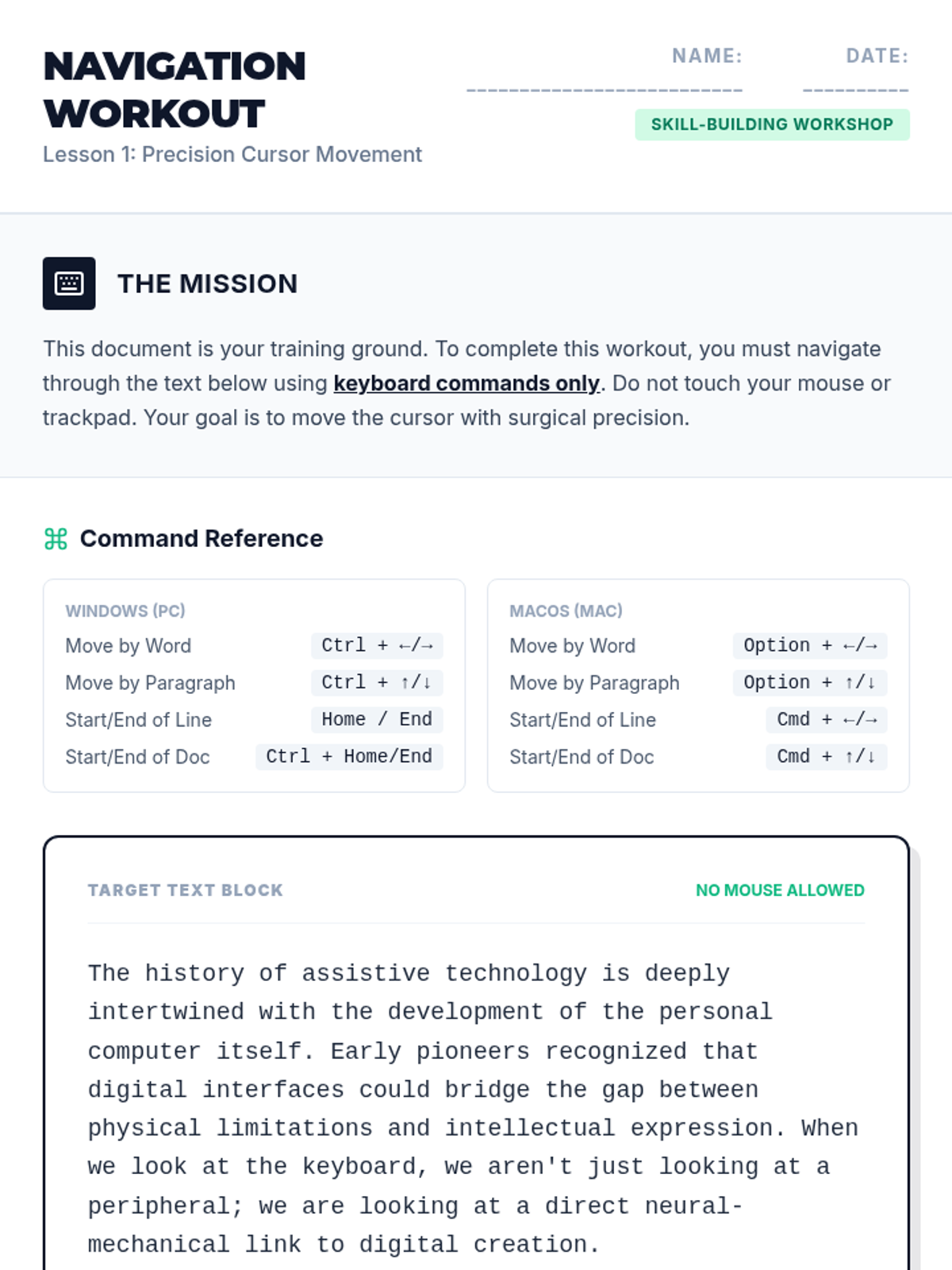
A workshop-style sequence designed to transform document creation and editing into a high-velocity, precision process for undergraduate students. It covers text selection, cursor manipulation, and formatting commands that are essential for academic writing and assistive technology efficiency.
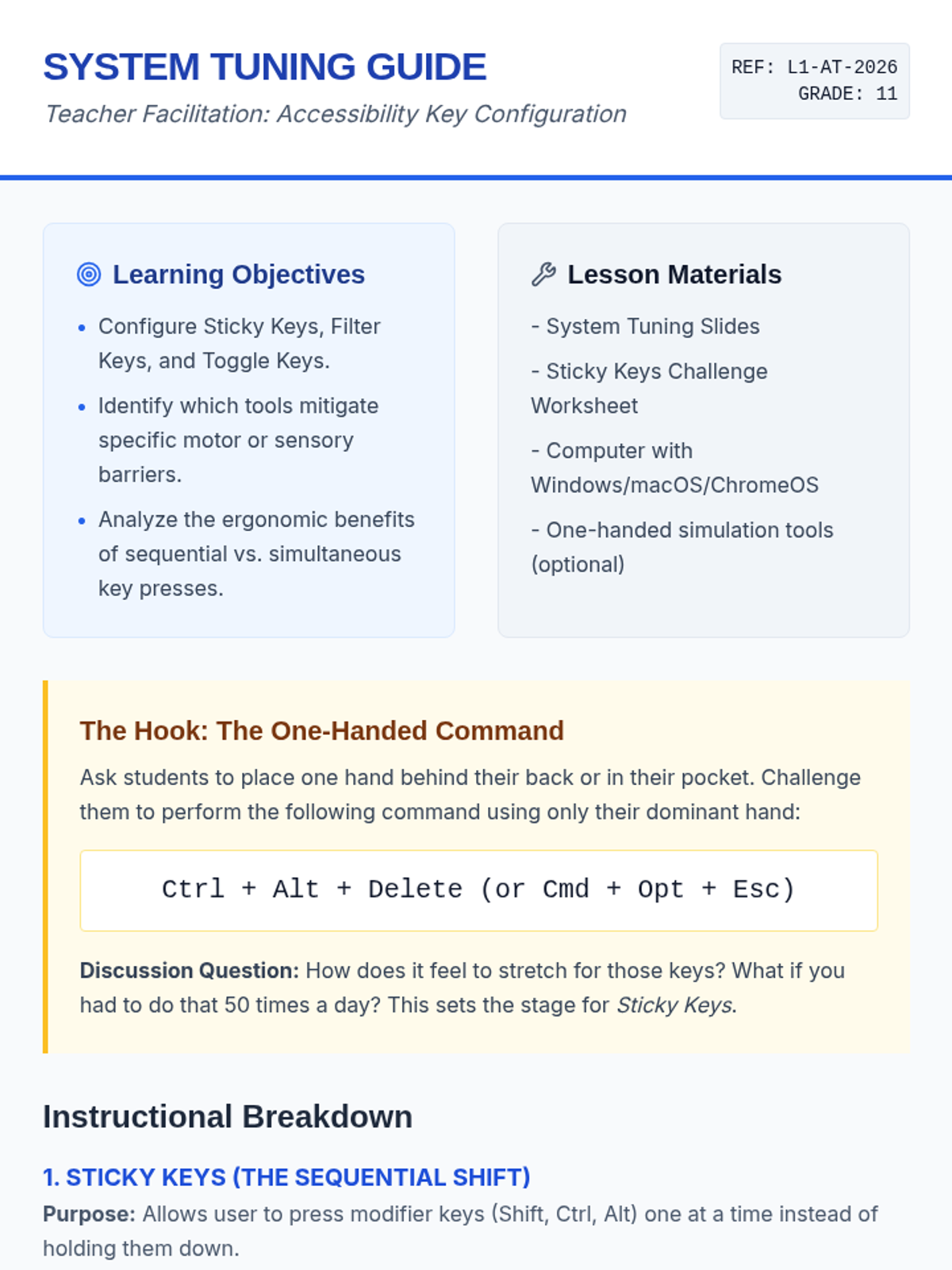
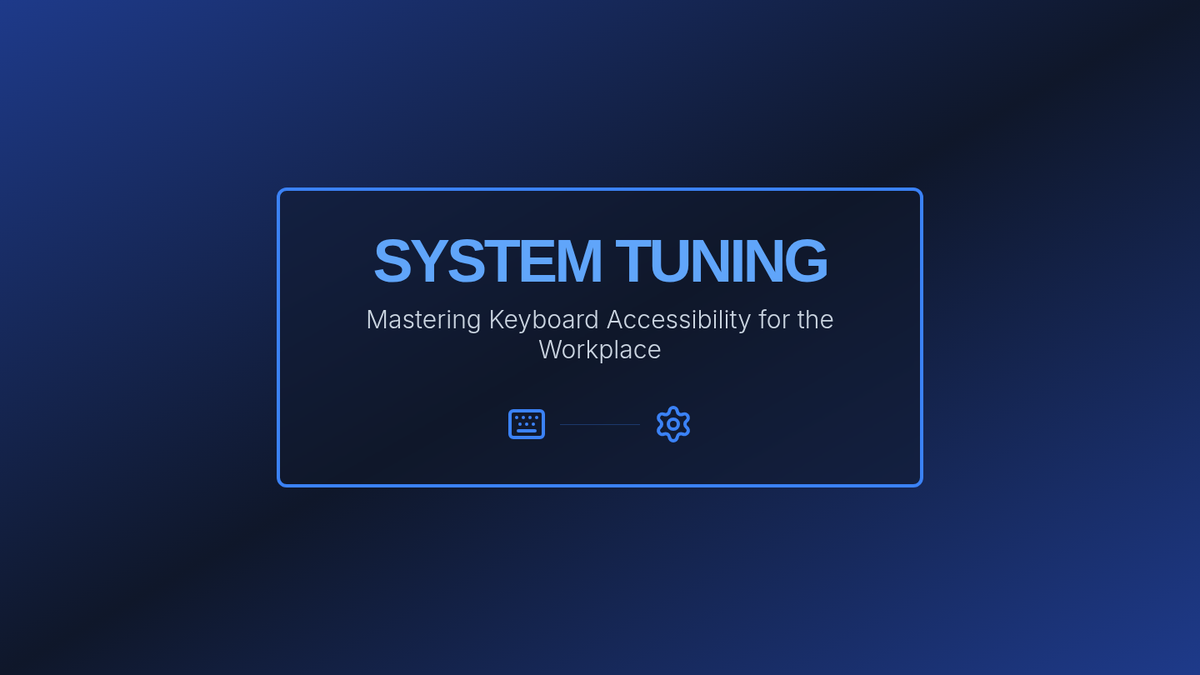
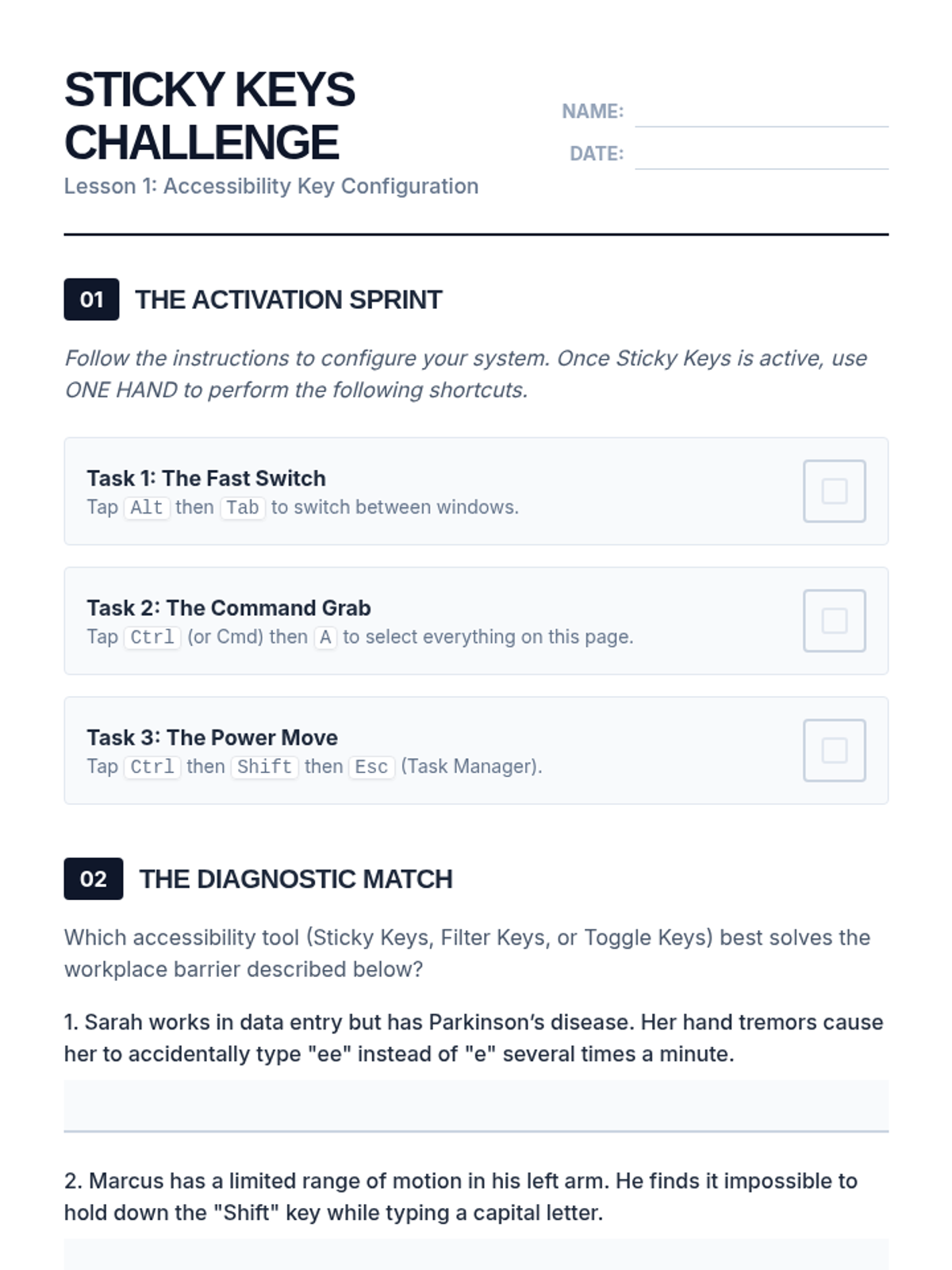
This sequence teaches 11th-grade students how to customize their computing environment using keyboard-based accessibility tools like Sticky Keys, screen reader commands, and custom macros. It focuses on workplace readiness, technical troubleshooting, and self-advocacy for digital accommodations.
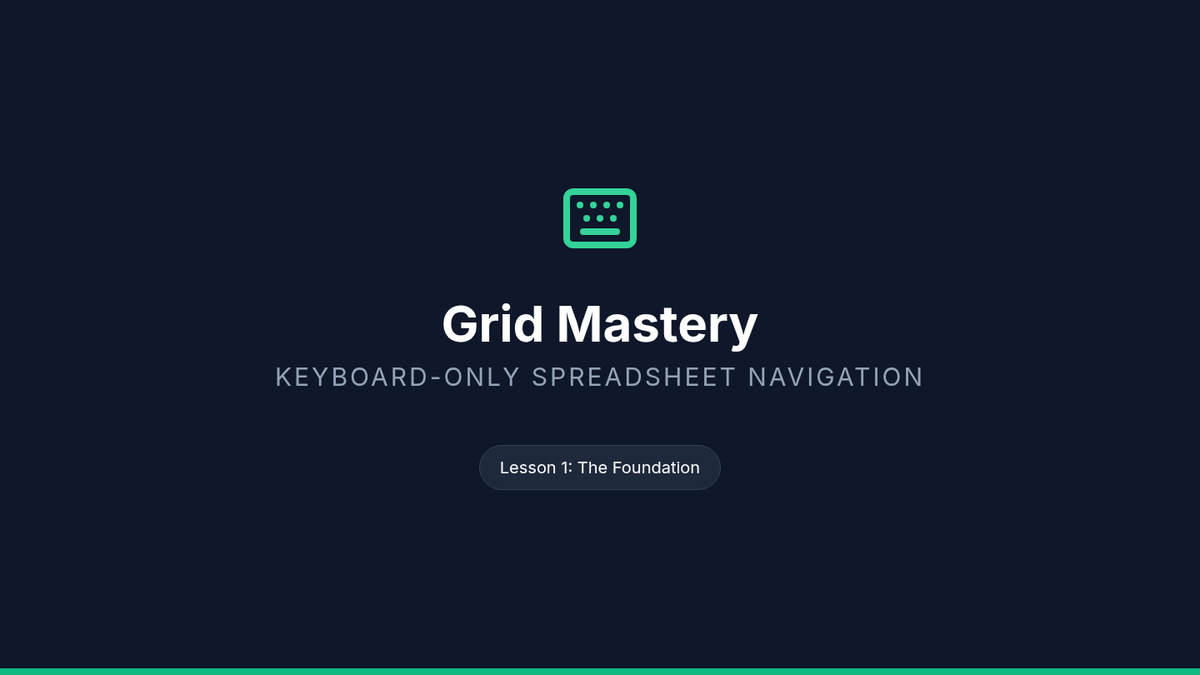
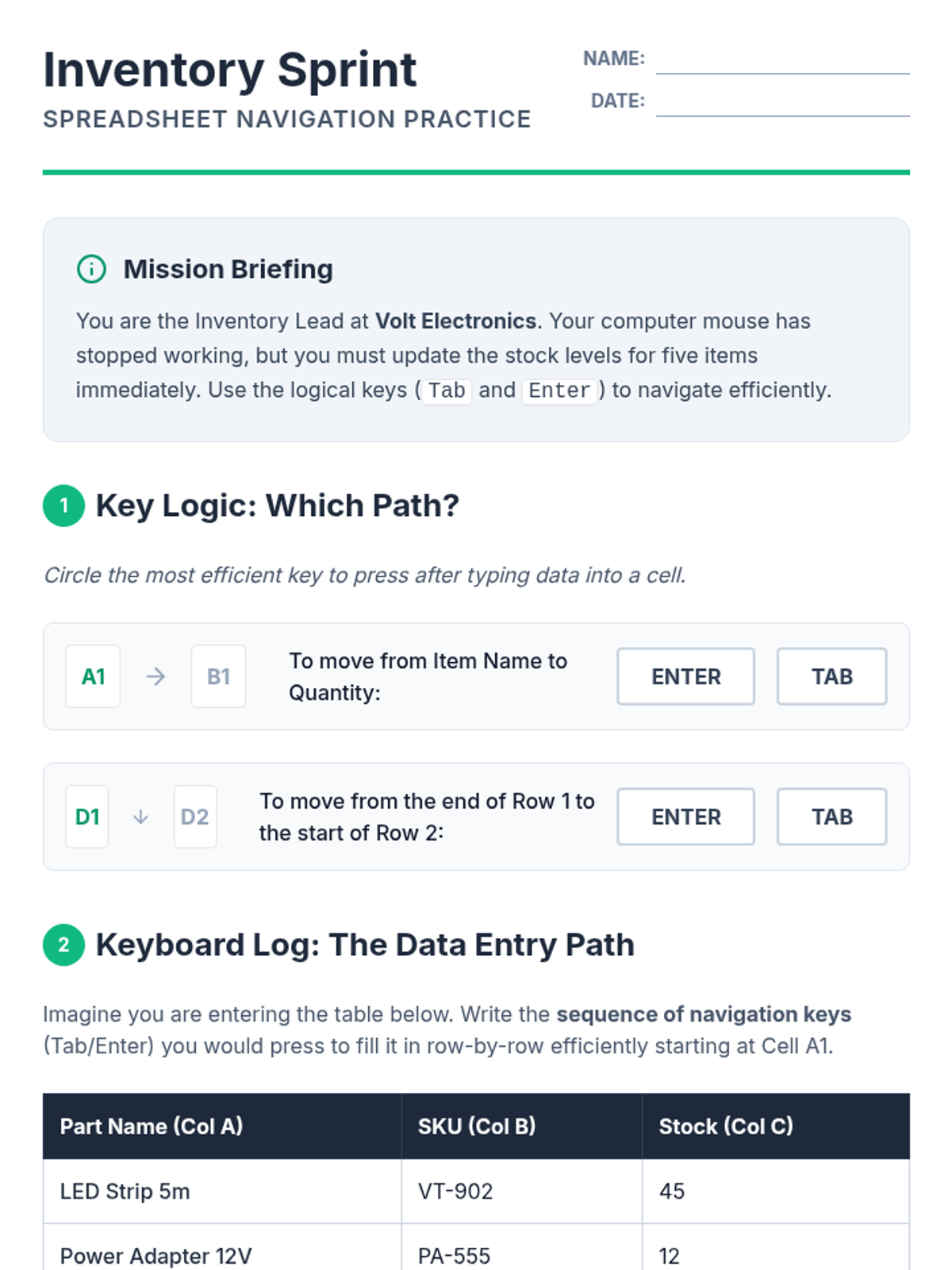
A specialized keyboard-only spreadsheet curriculum for 12th-grade students, focusing on assistive technology skills and workplace readiness. Students progress from basic grid navigation to complex budget management using only keyboard shortcuts.
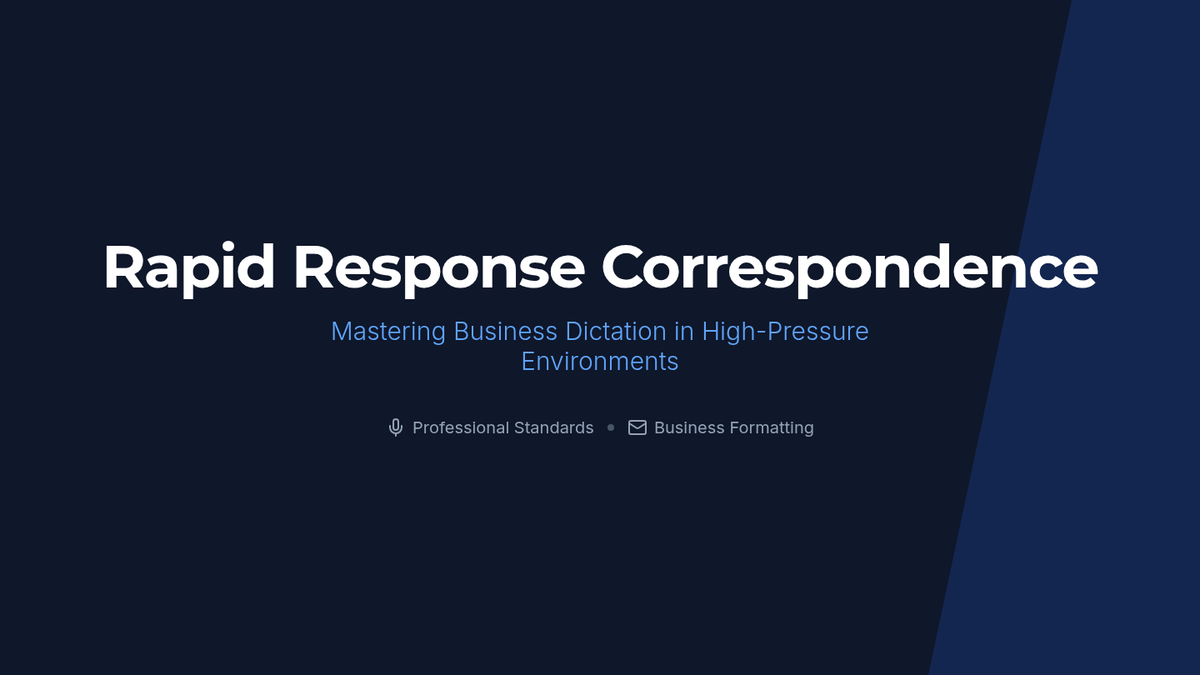
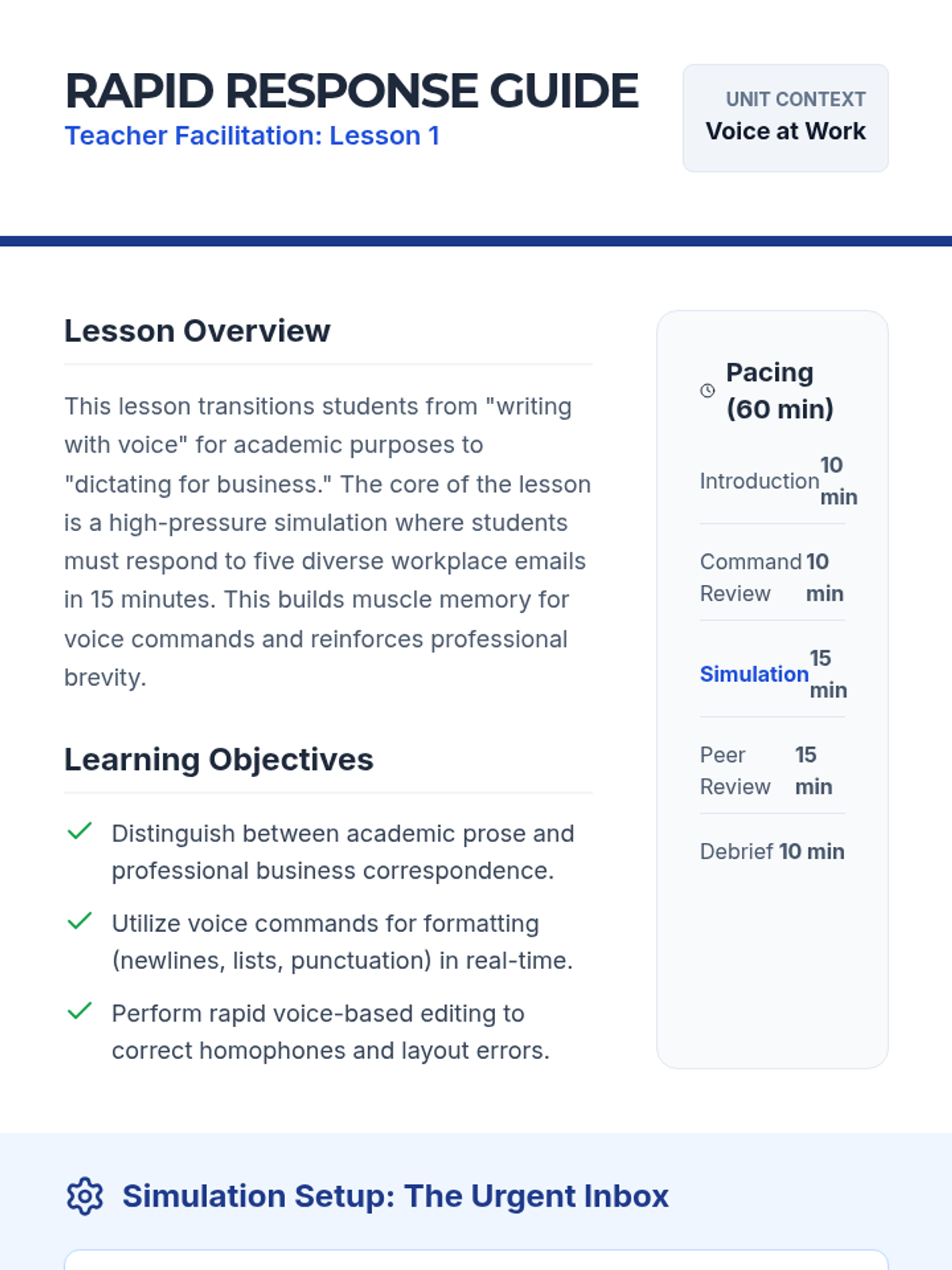
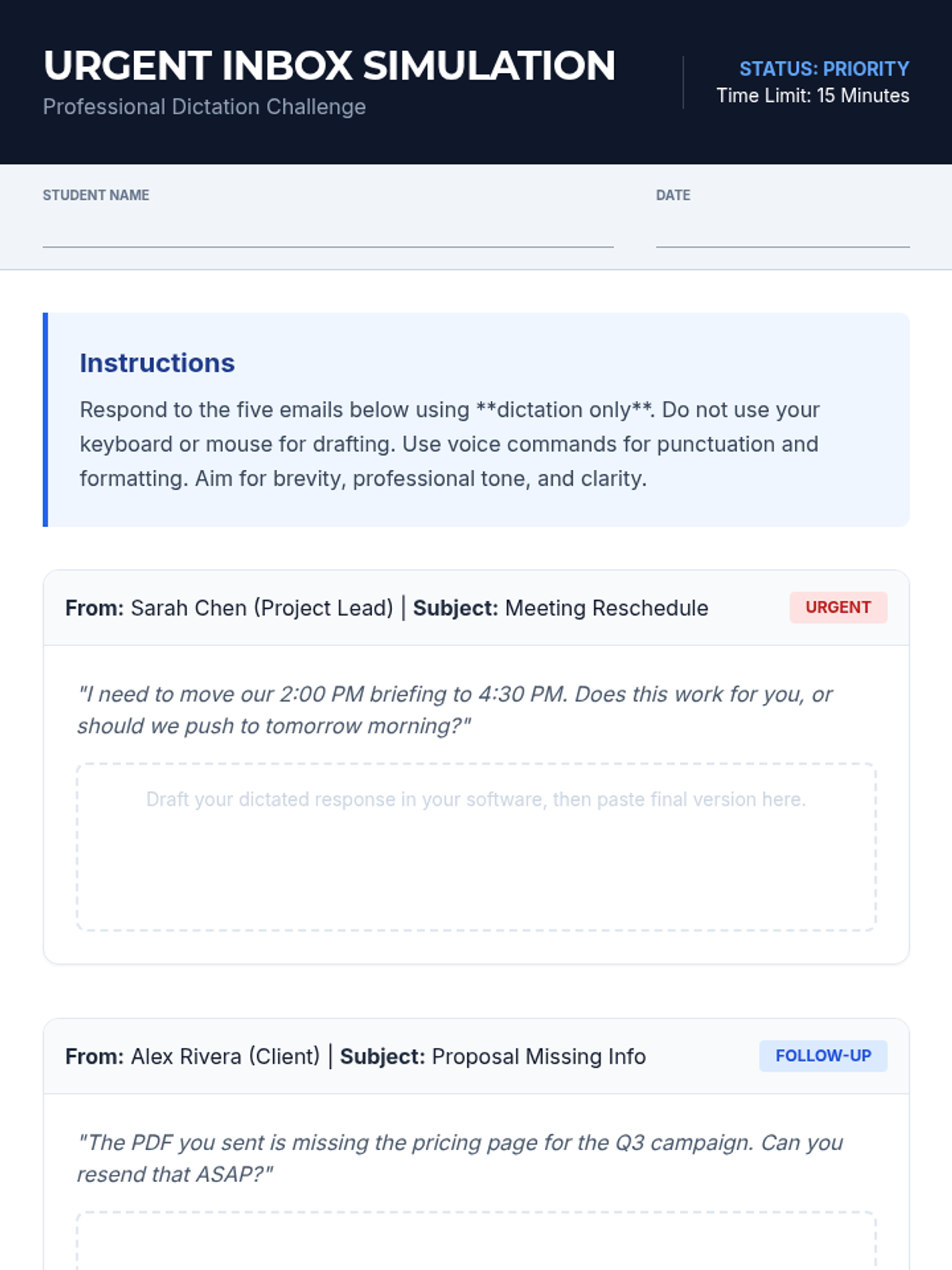
A comprehensive sequence for undergraduate students exploring the professional application of dictation technology. Students master business communication, mobile productivity, data privacy, workplace etiquette, and real-time transcription to prepare for assistive technology integration in the workforce.
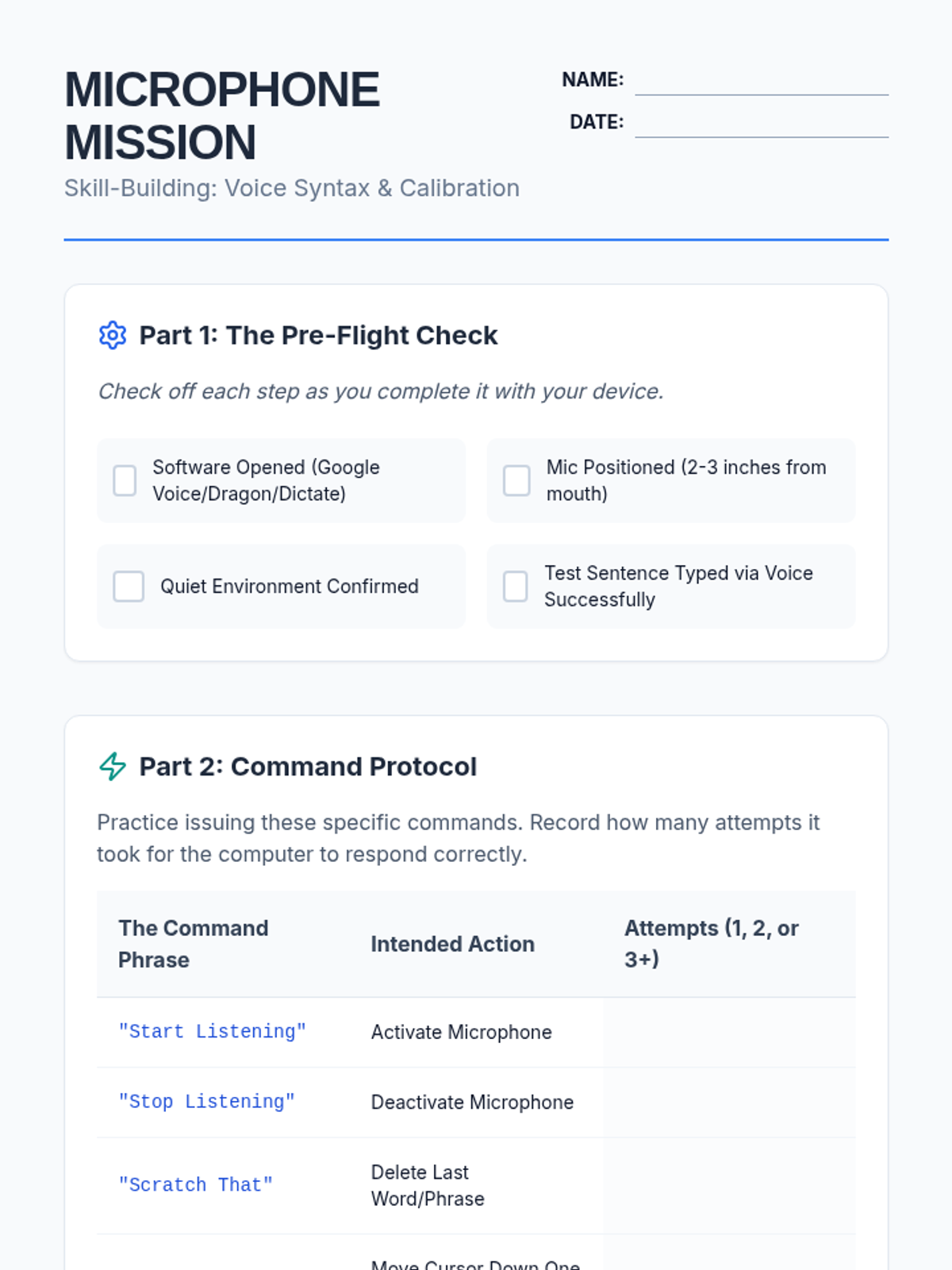
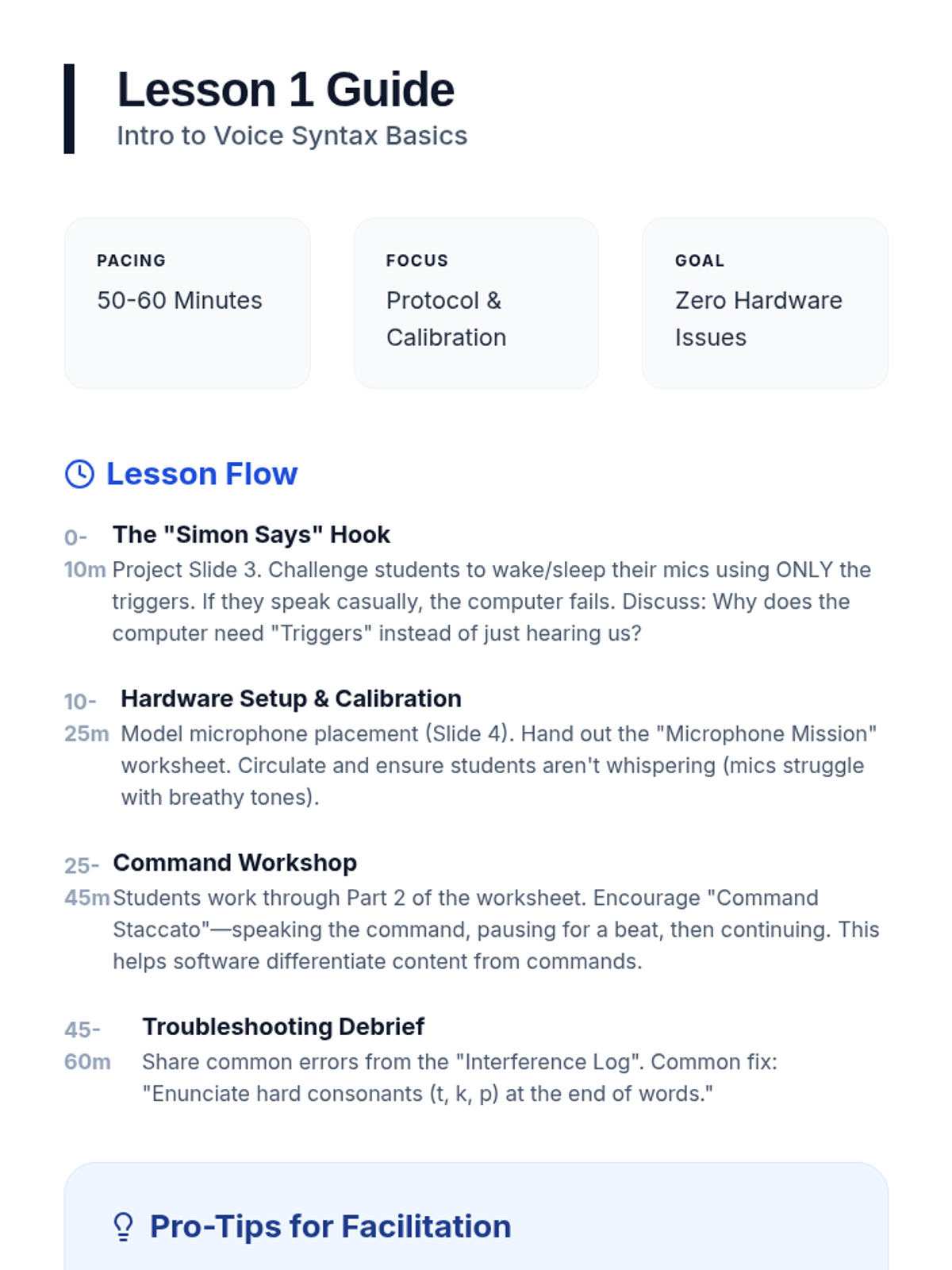
A comprehensive sequence for 11th-grade students to master speech-to-text technology, focusing on voice commands, punctuation syntax, and hands-free document formatting. Students transition from basic dictation to precise cursor control and layout management.
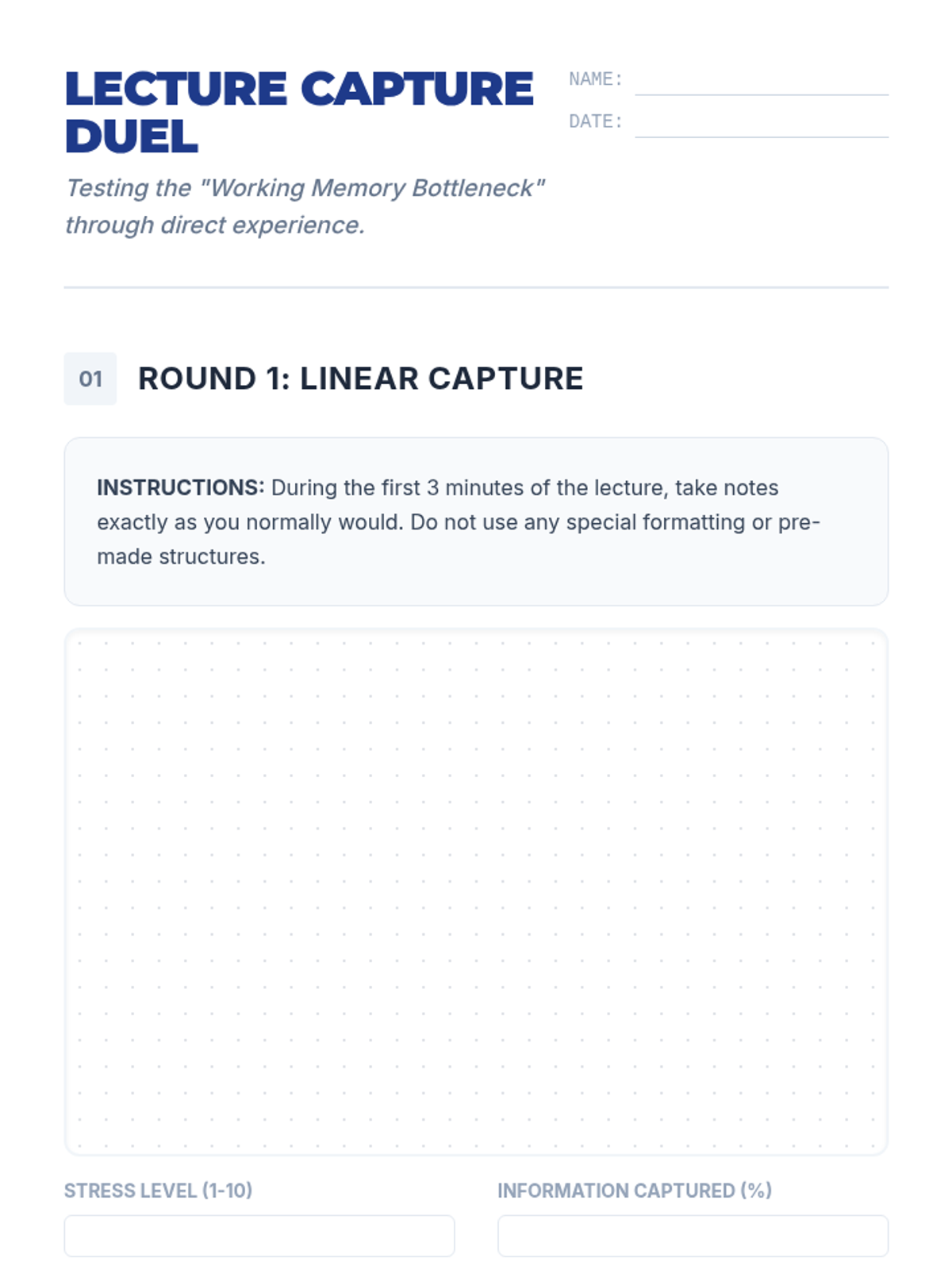
A comprehensive sequence for undergraduate students focusing on using graphic organizers to support working memory during fast-paced lectures. Students learn to prepare skeletal notes, map STEM logic, track humanities arguments, leverage digital tools, and synthesize notes for long-term retention.
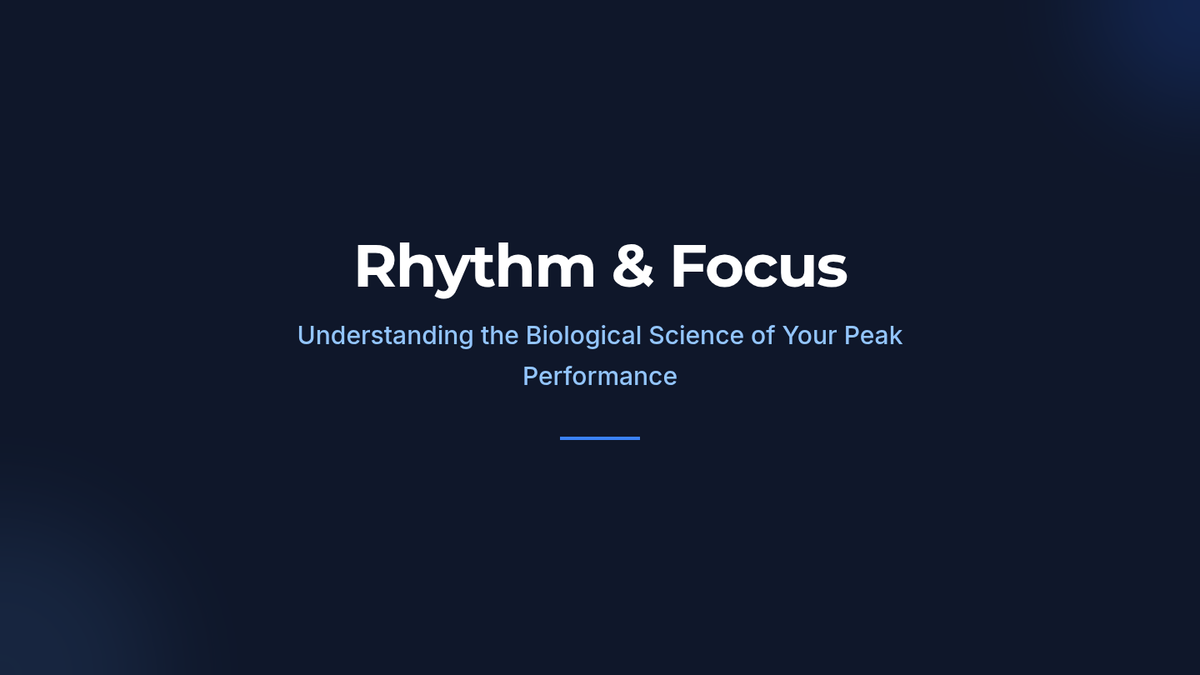
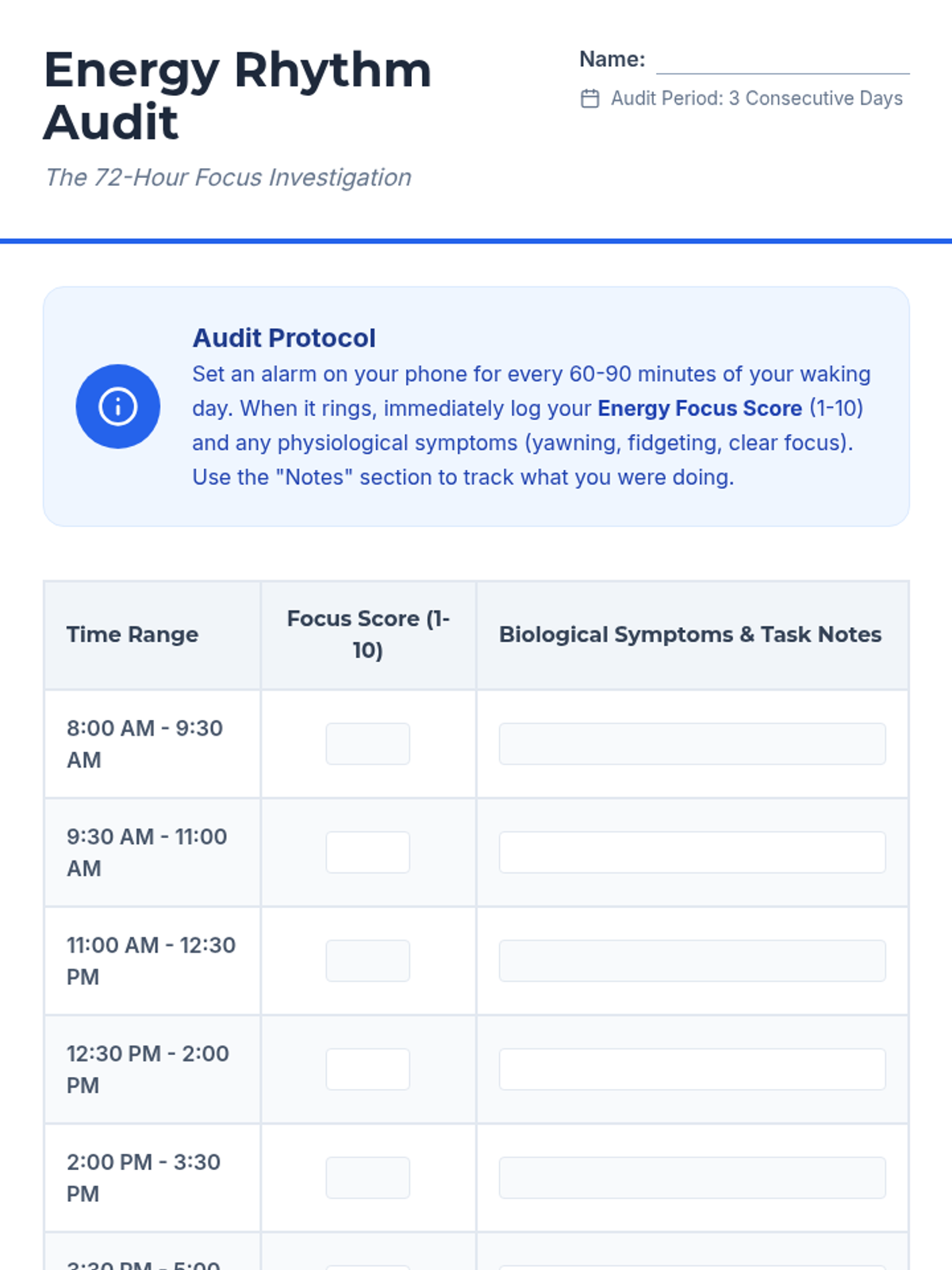
A comprehensive sequence for undergraduate students focusing on executive function and proactive support-seeking. Students move from data-driven self-analysis of energy rhythms to the creation of a long-term 'Semester Sustainability Plan' that treats mental health and support as logistical necessities.
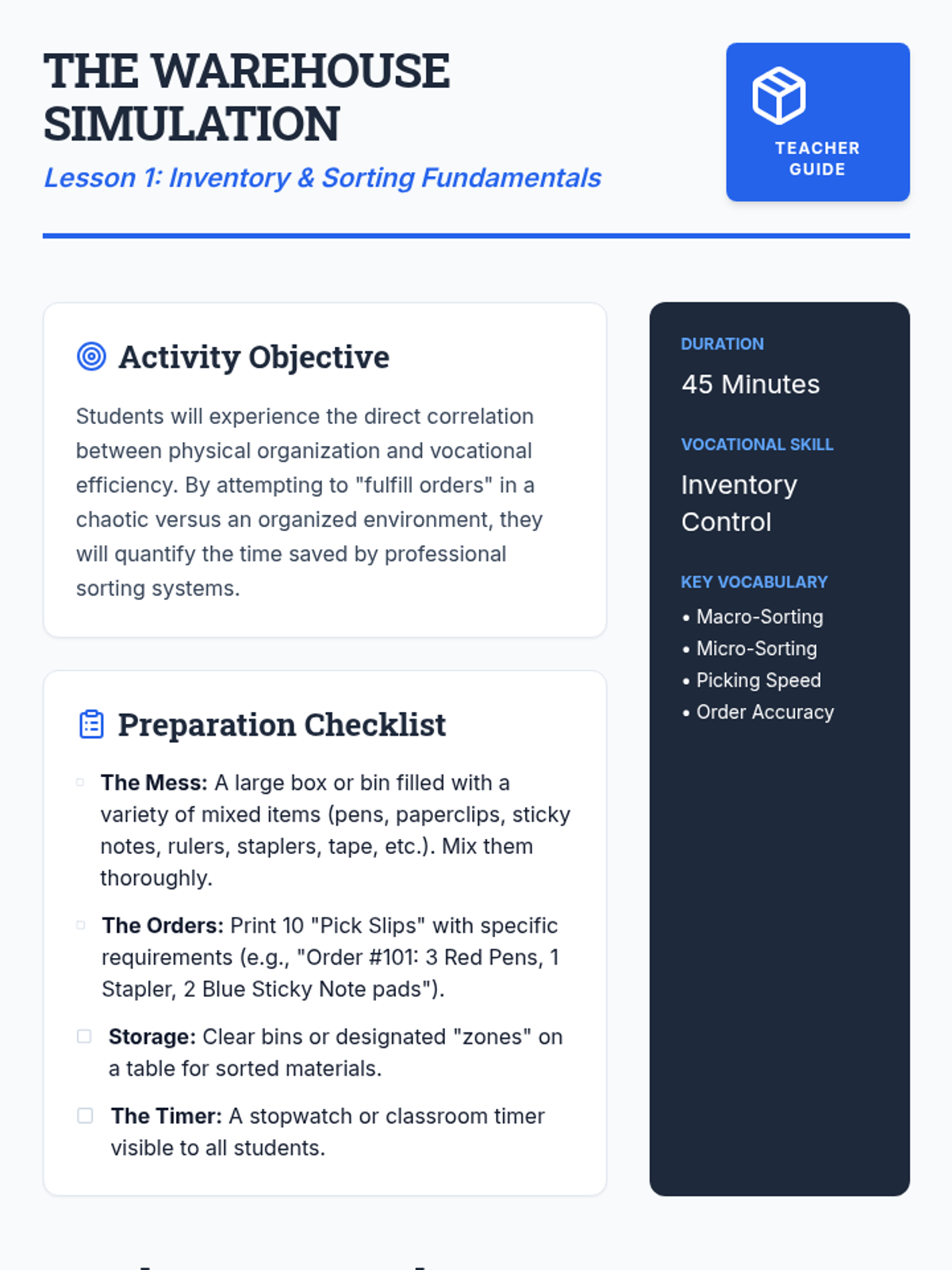
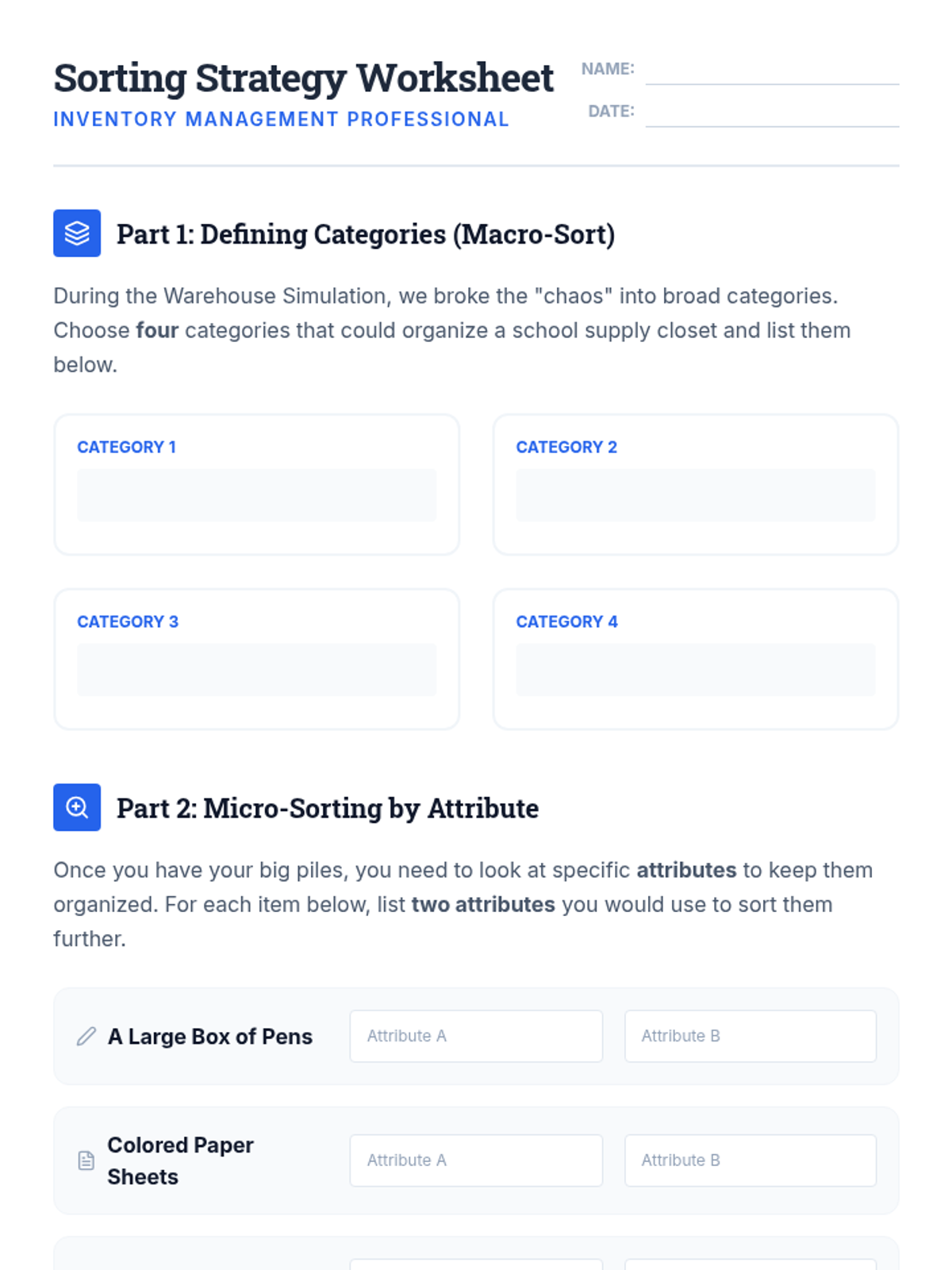
This sequence focuses on vocational and executive function skills, treating organization as a professional competency. Students simulate roles like office managers or resource coordinators to learn sorting, filing, ergonomics, and hybrid digital-physical tracking.
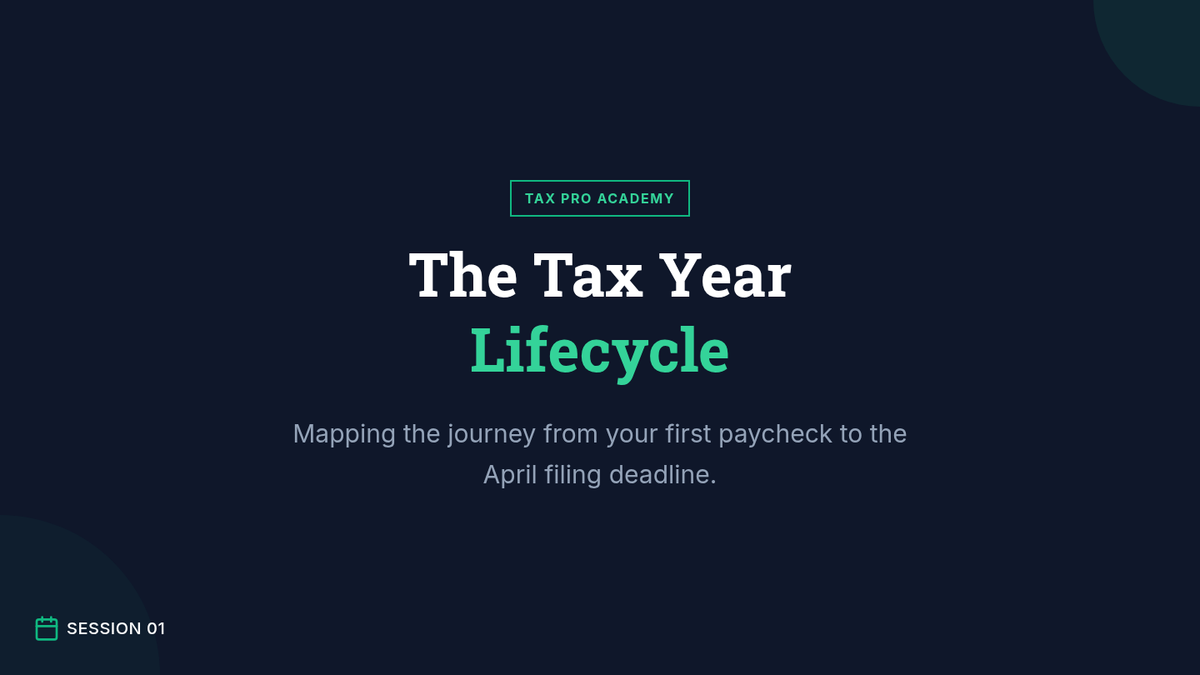
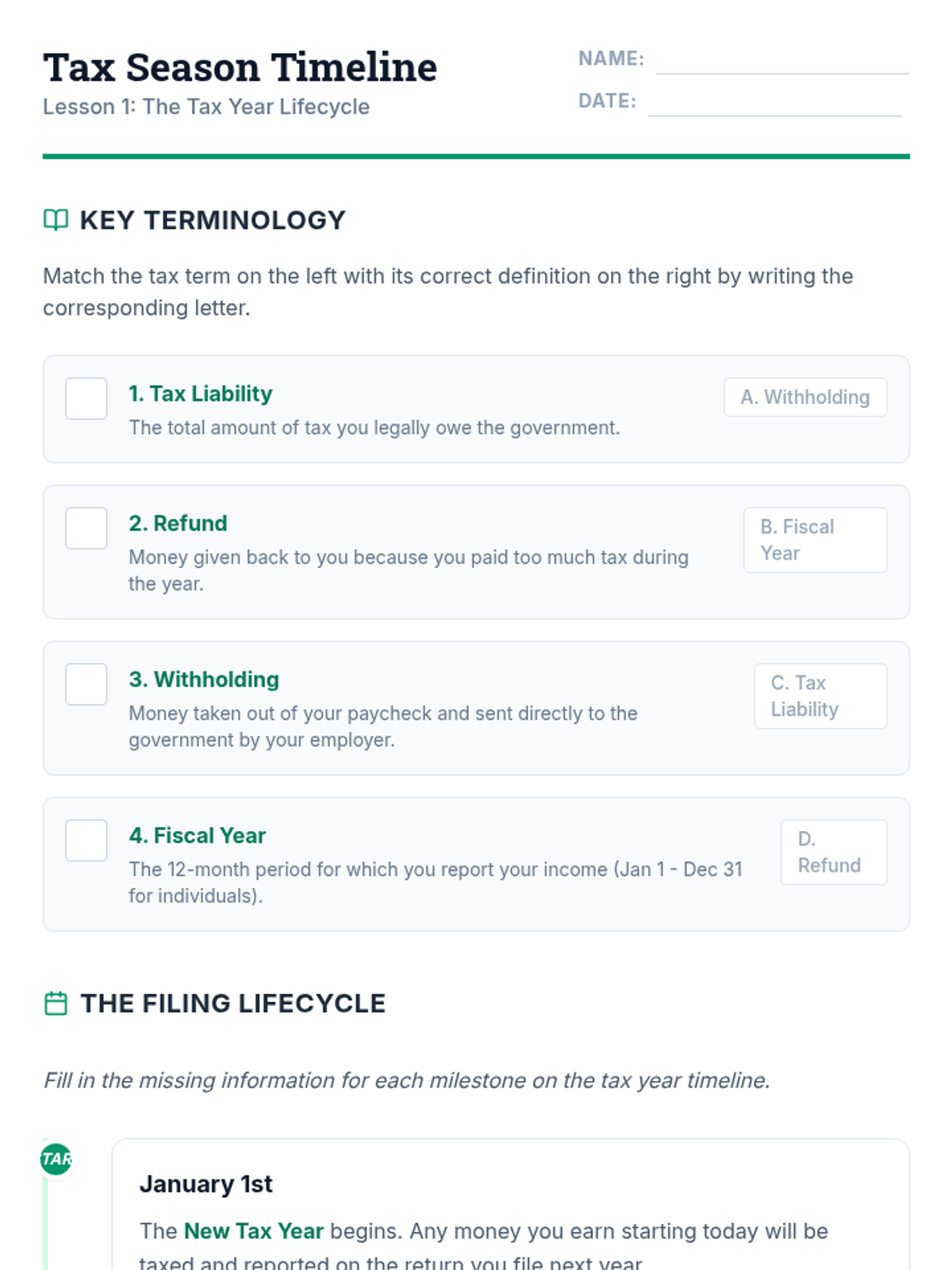
A simulation-based sequence where students learn the end-to-end process of filing federal income taxes. Students adopt personas, analyze wage documents, and complete a simplified Form 1040 to determine if they receive a refund or owe money.
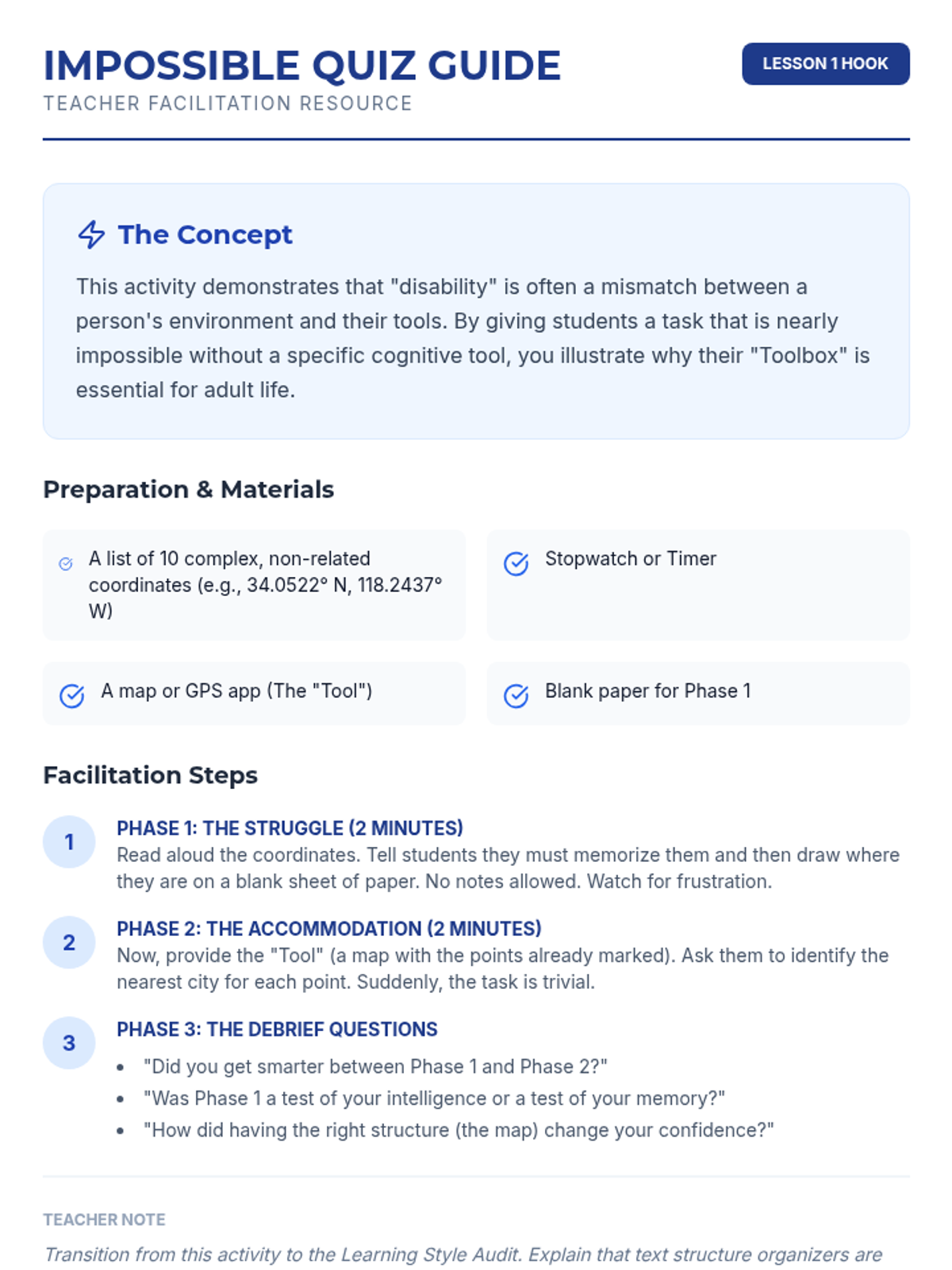
A 12th-grade sequence focused on metacognition and self-advocacy, empowering students to build a personalized 'digital toolbox' of text structure graphic organizers for college and career readiness.
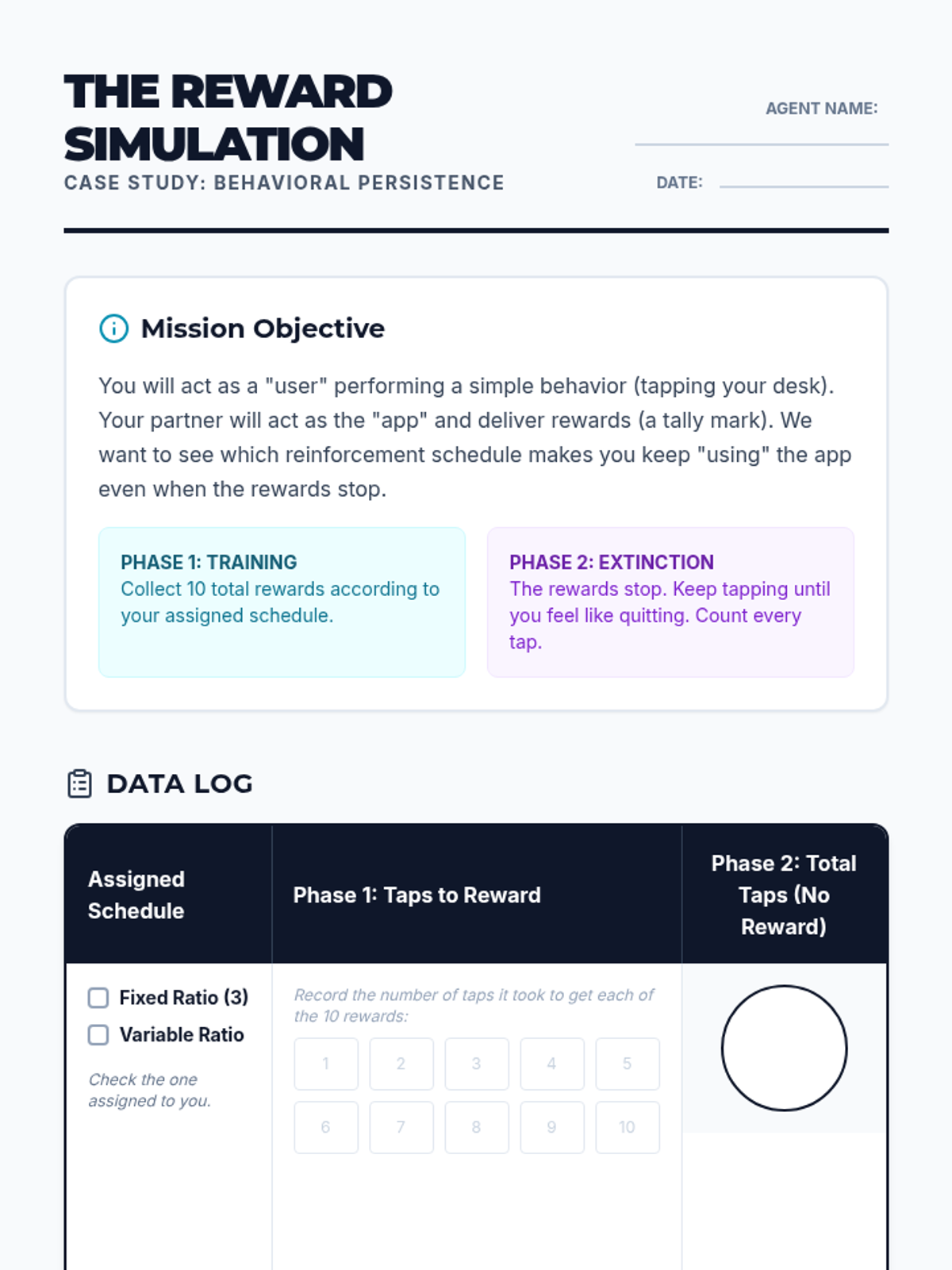
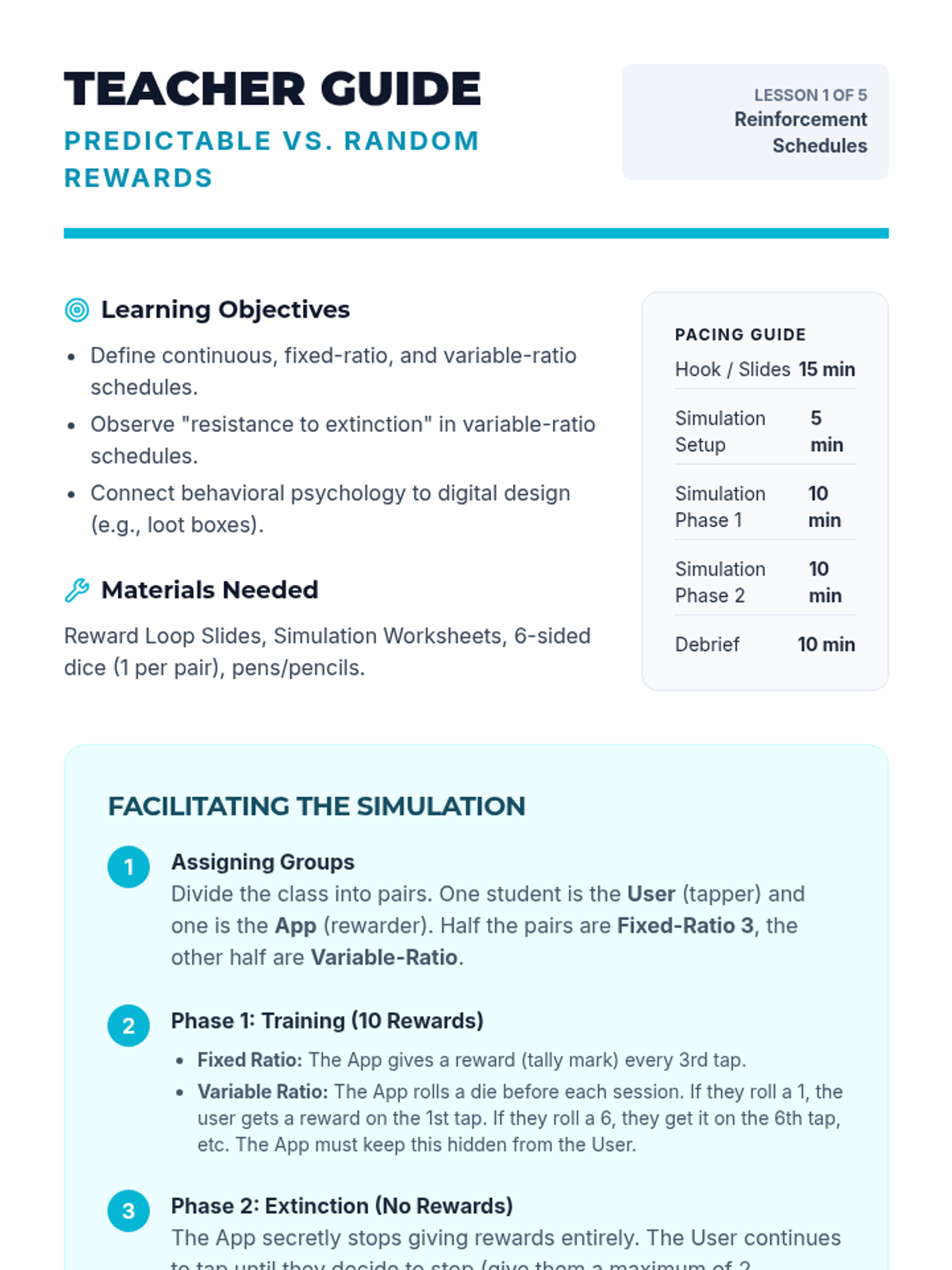
A 5-lesson sequence exploring how technology uses schedules of reinforcement (fixed and variable) to drive engagement. Students analyze gamification, social media mechanics, and ethical design to build digital literacy.
This sequence teaches students to deconstruct complex academic assignments by identifying hidden requirements, expanding tasks into manageable actions, and using backwards planning to create realistic timelines for completion.
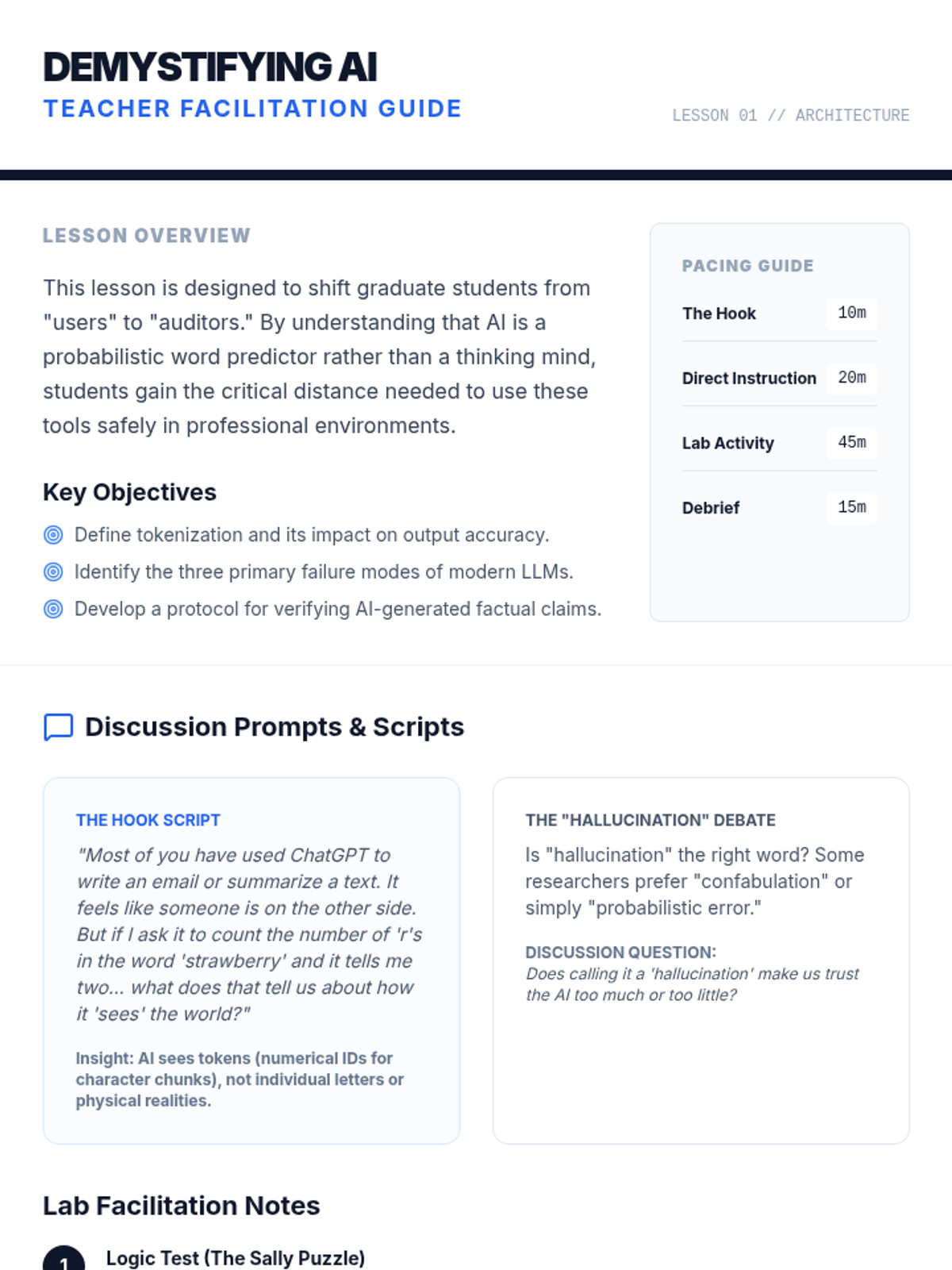
A graduate-level sequence focused on the practical integration of emerging technologies like LLMs and workflow automation into professional workflows, emphasizing technical literacy, prompt engineering, and career strategy.
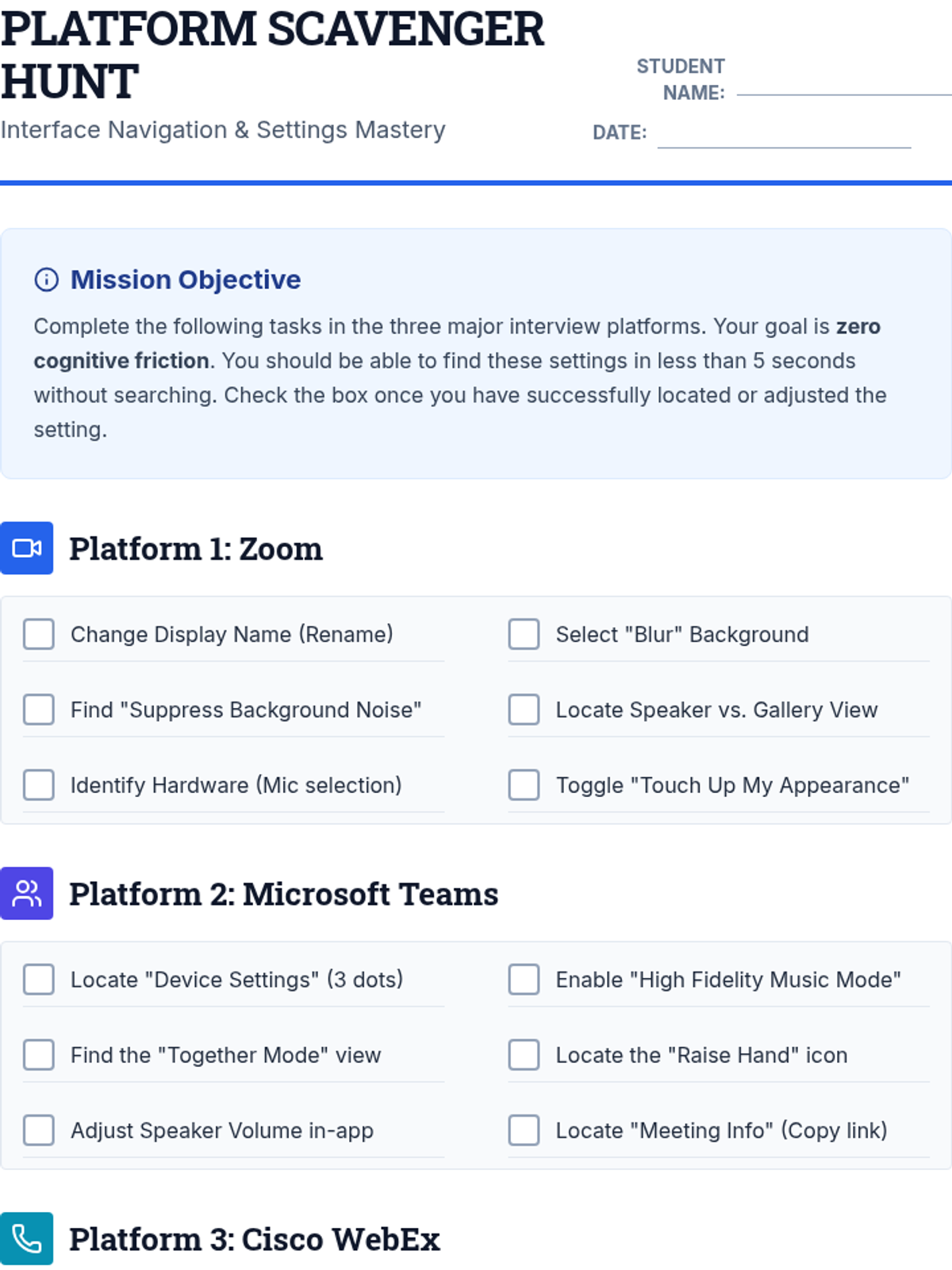
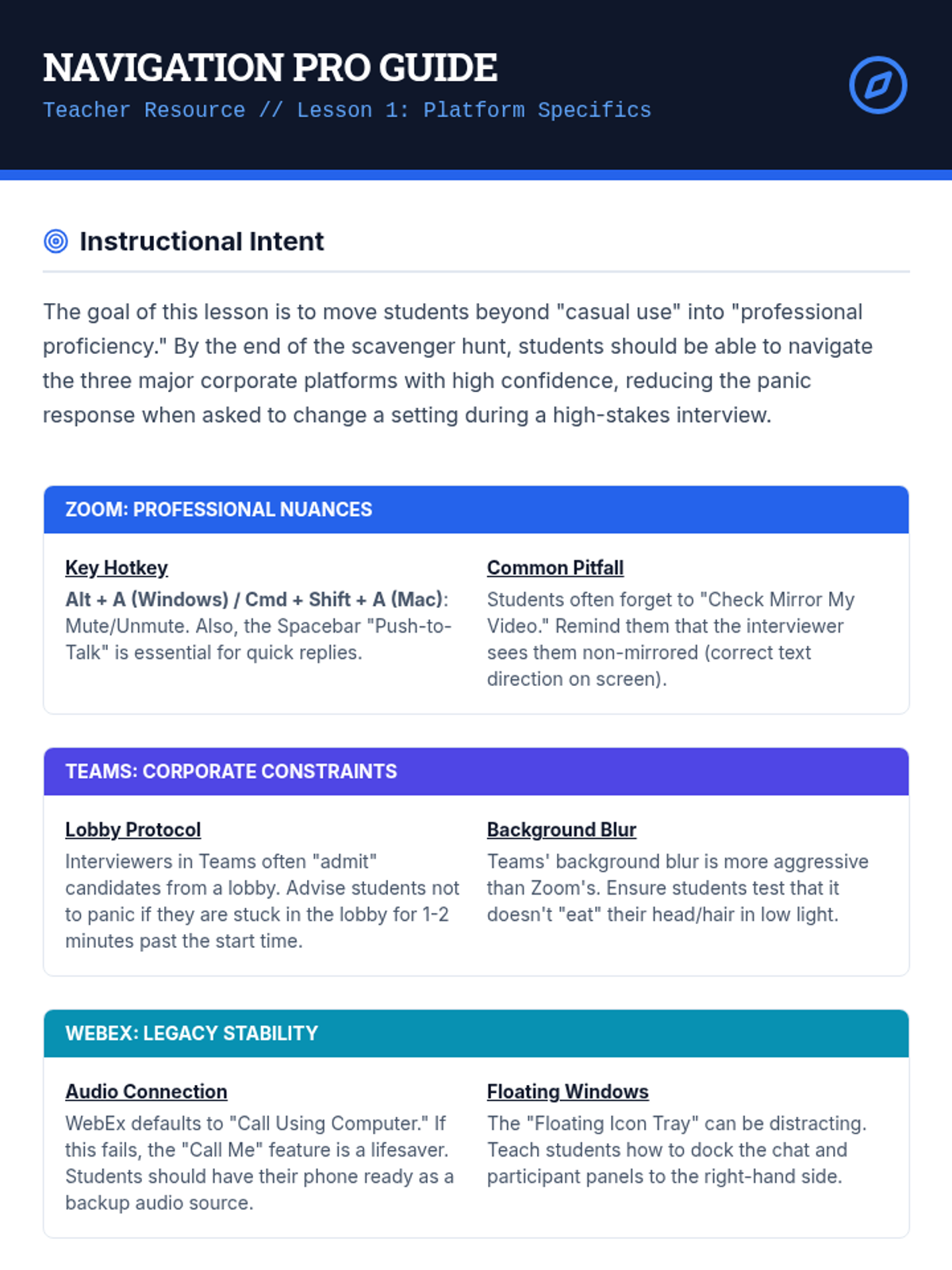
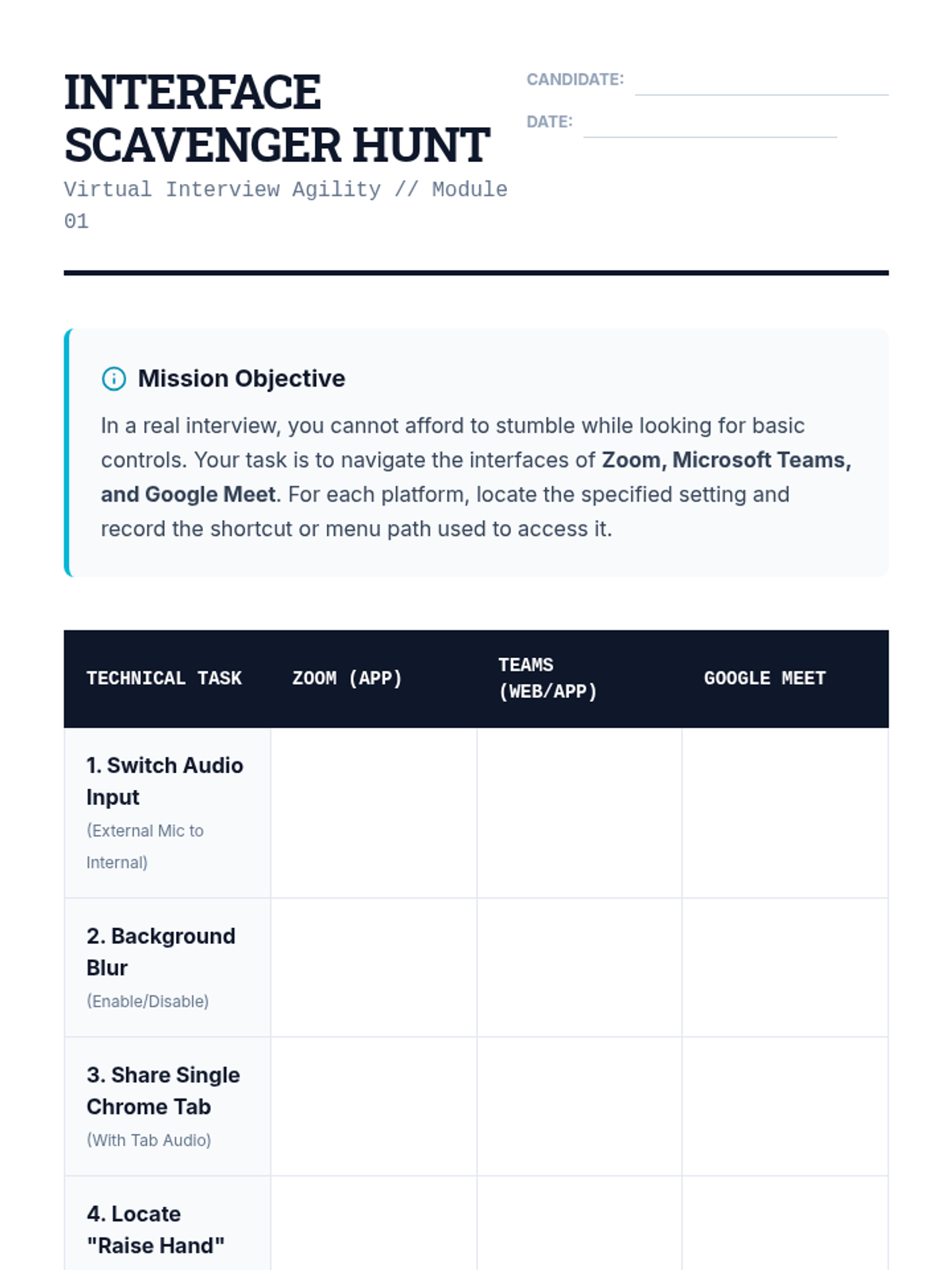
A specialized sequence for graduate students to master the technical nuances of virtual interview platforms, focusing on professional screen sharing, systematic troubleshooting, and contingency planning for high-stakes digital environments.
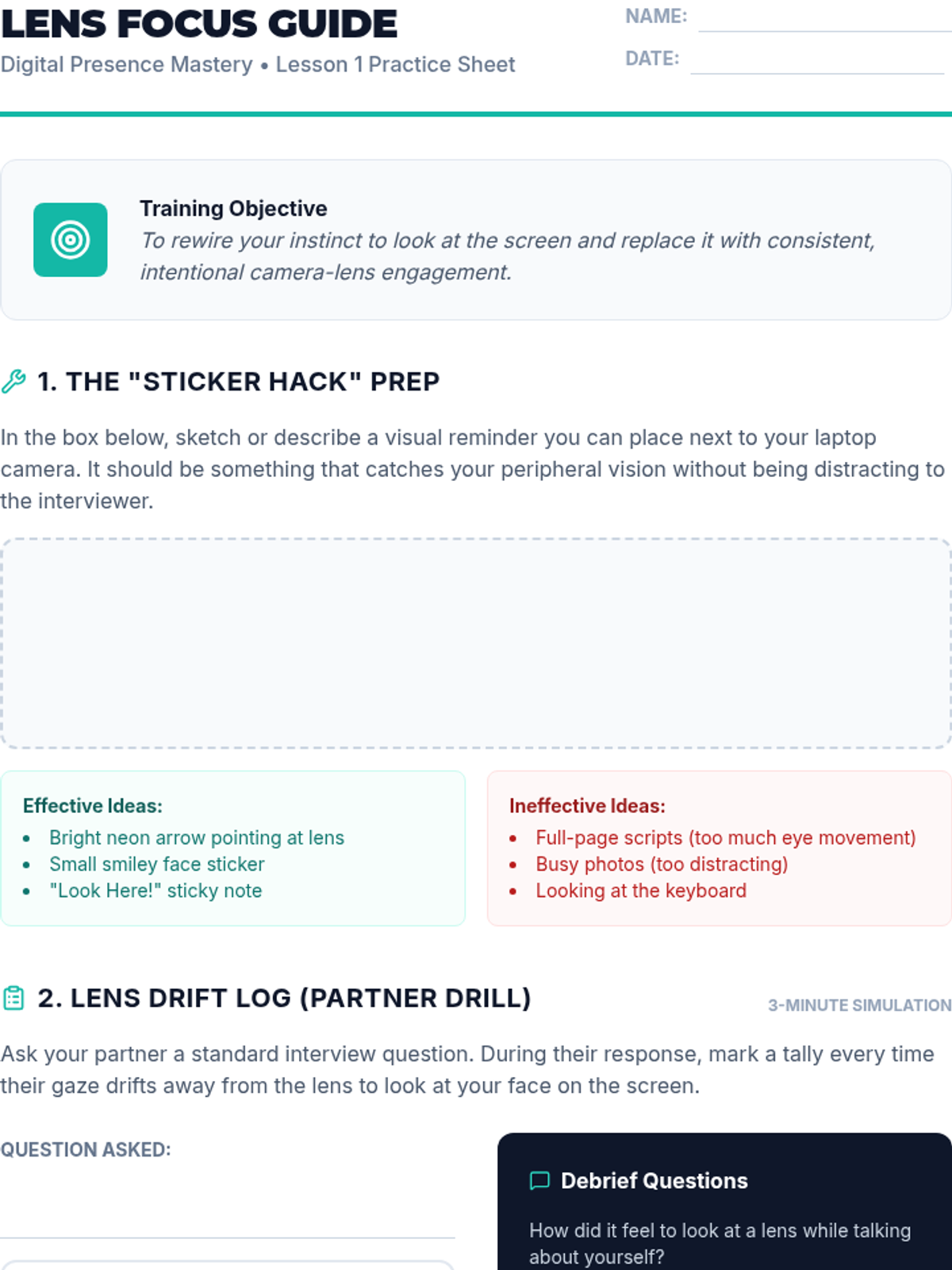
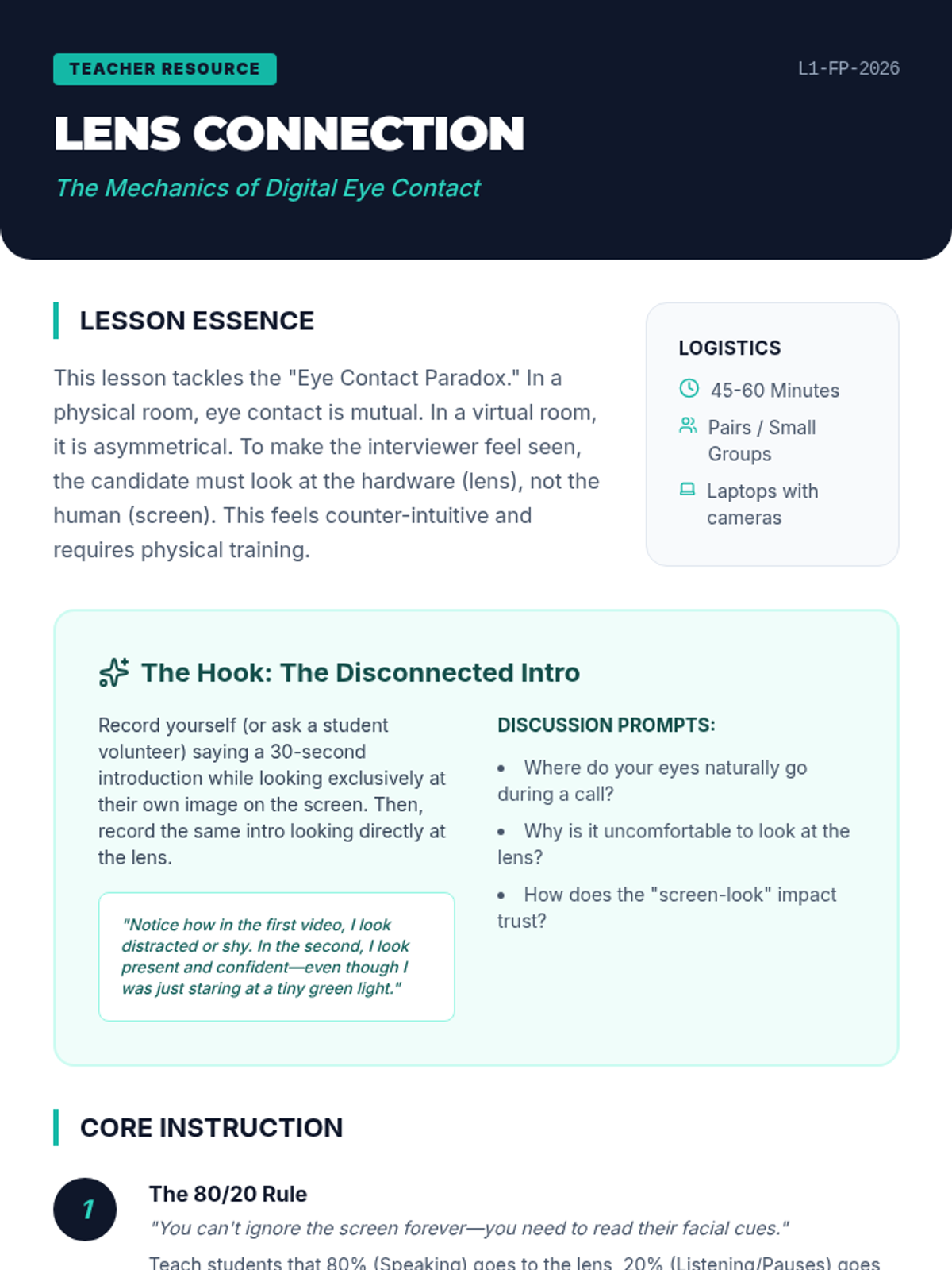
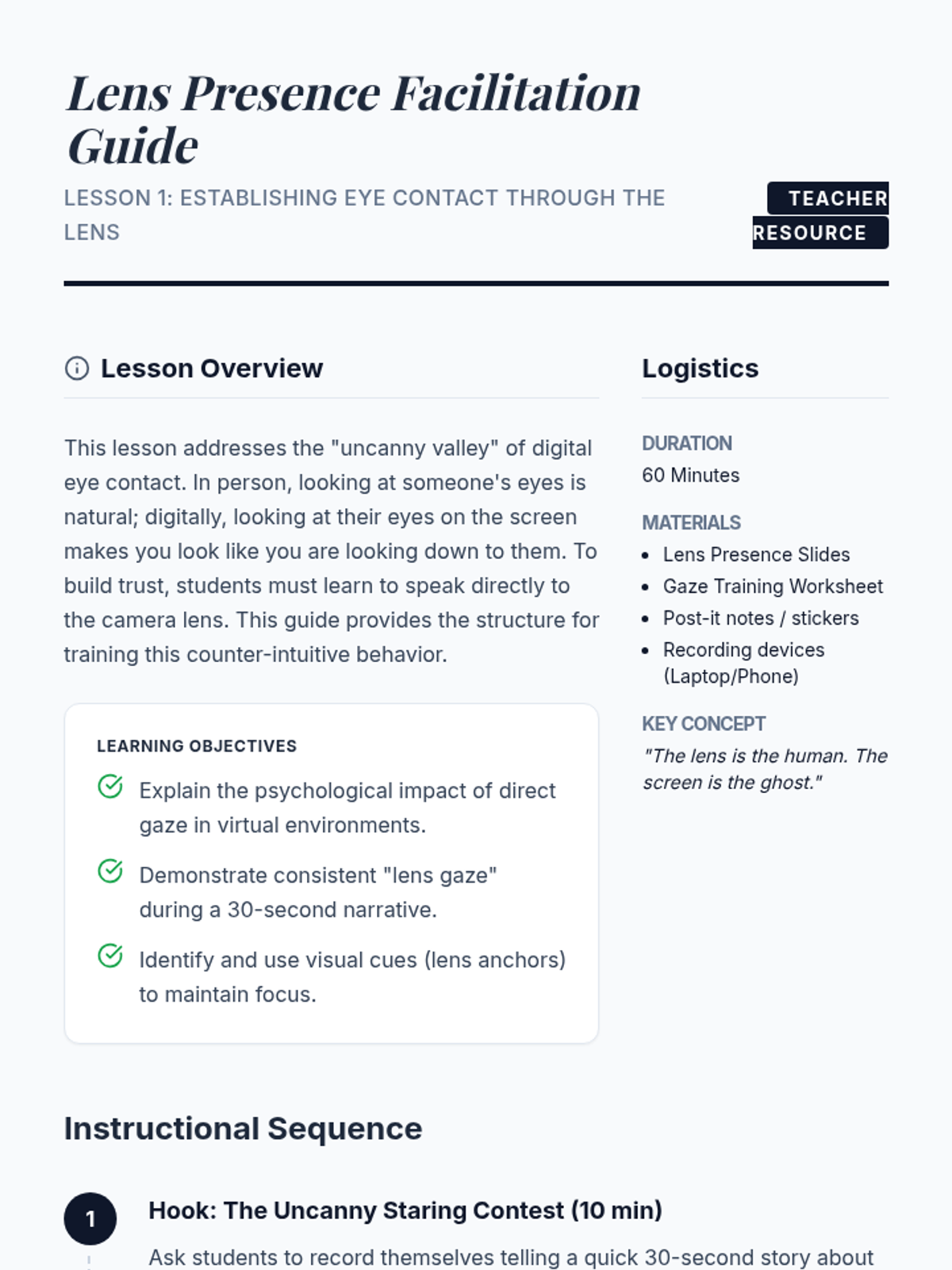
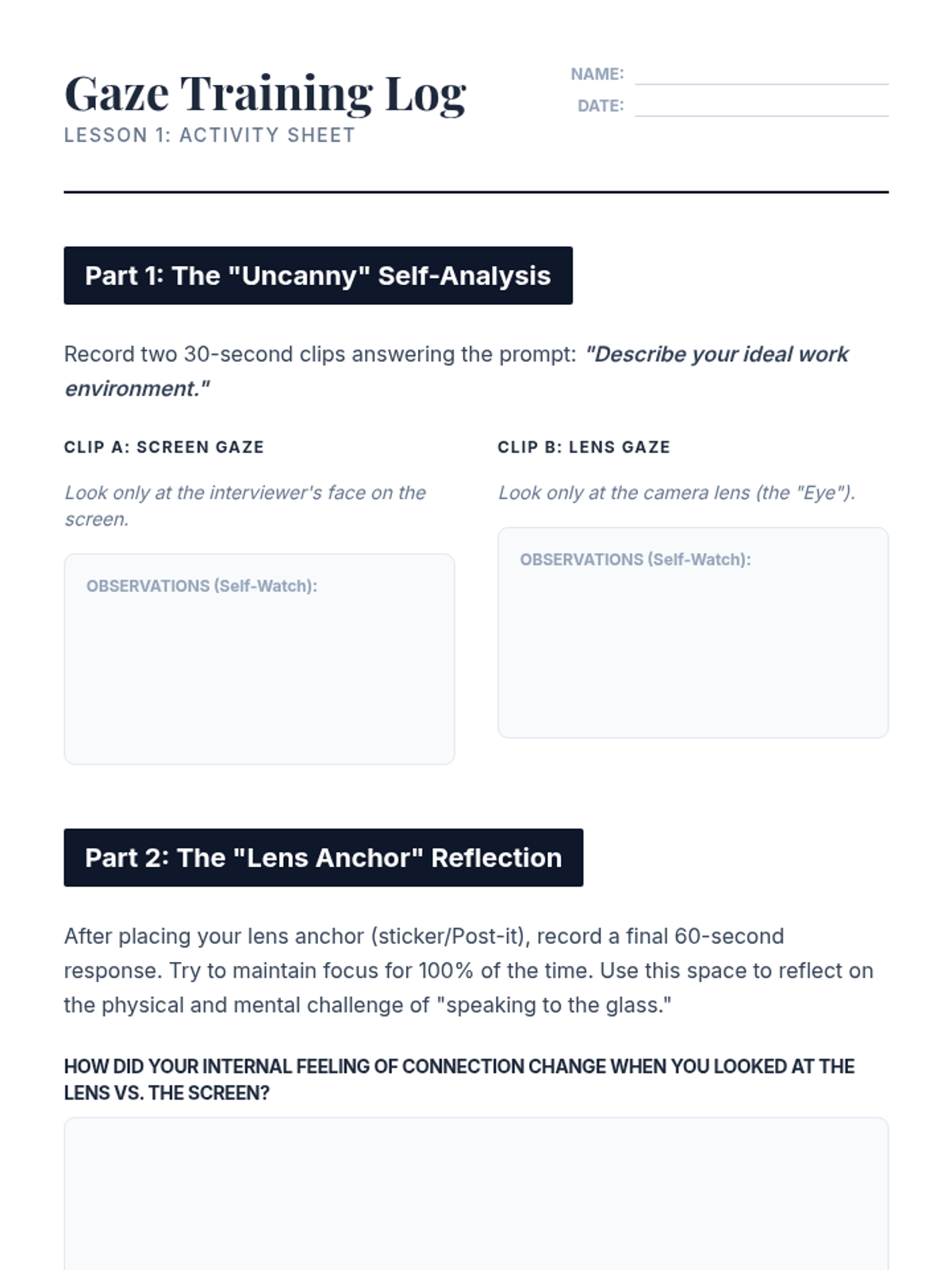
A comprehensive training program for graduate students to master non-verbal communication in virtual interviews. The sequence covers eye contact, framing, digital active listening, vocal modulation, and self-critique using video playback.
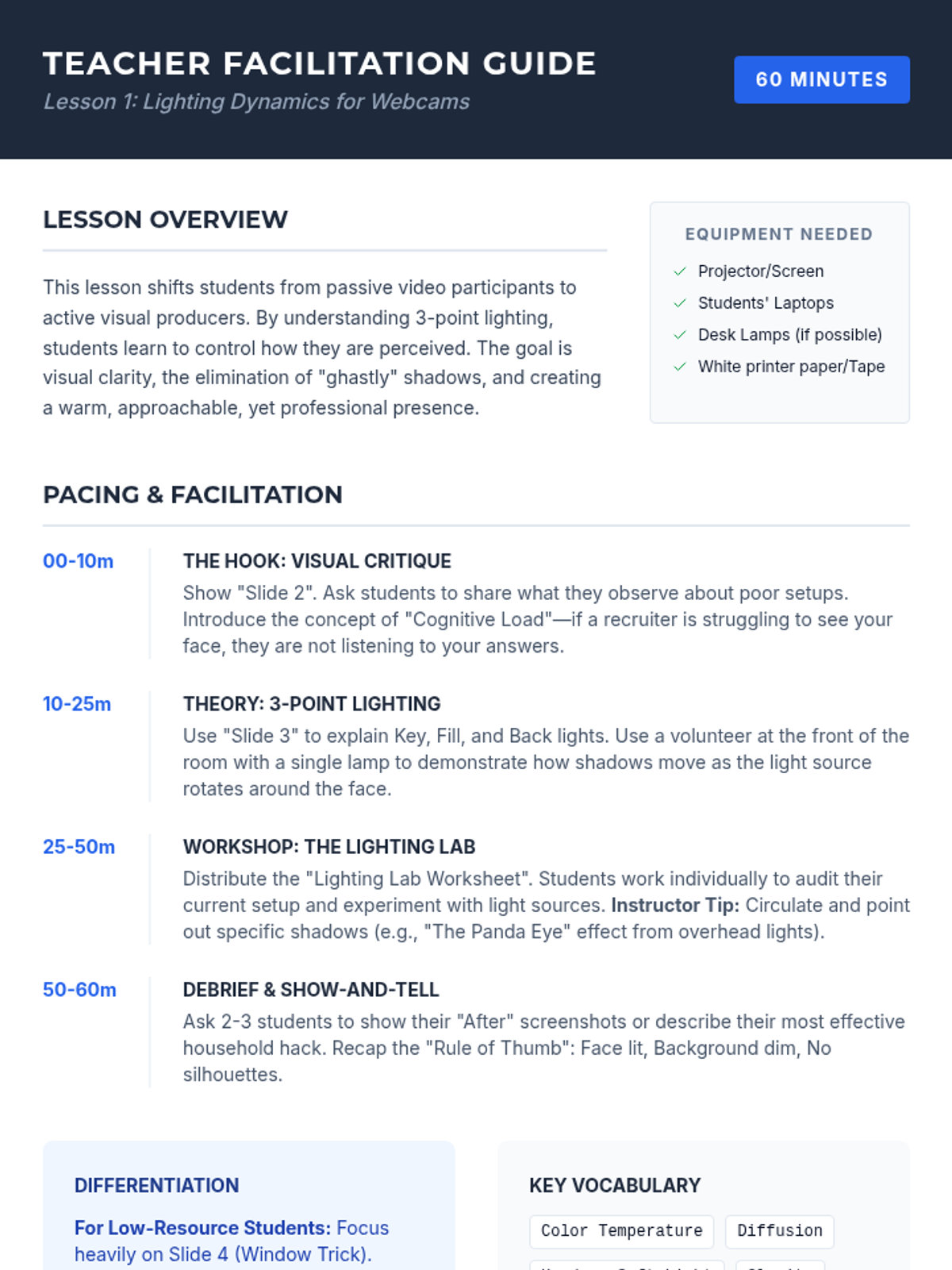
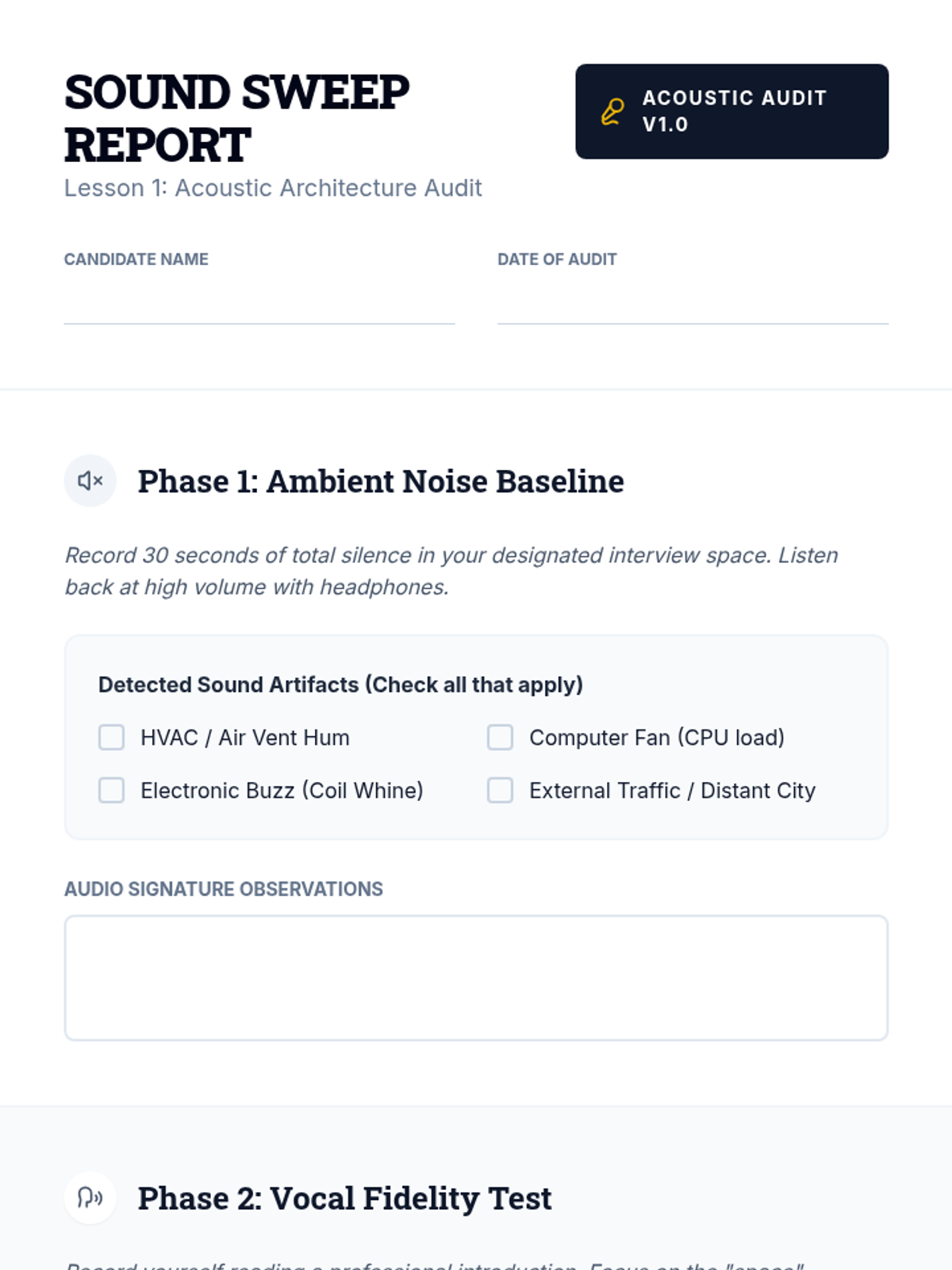
This graduate-level sequence treats the virtual interview space as a professional production set. Students will master acoustics, lighting physics, camera framing, and visual rhetoric to engineer a high-stakes professional presence.
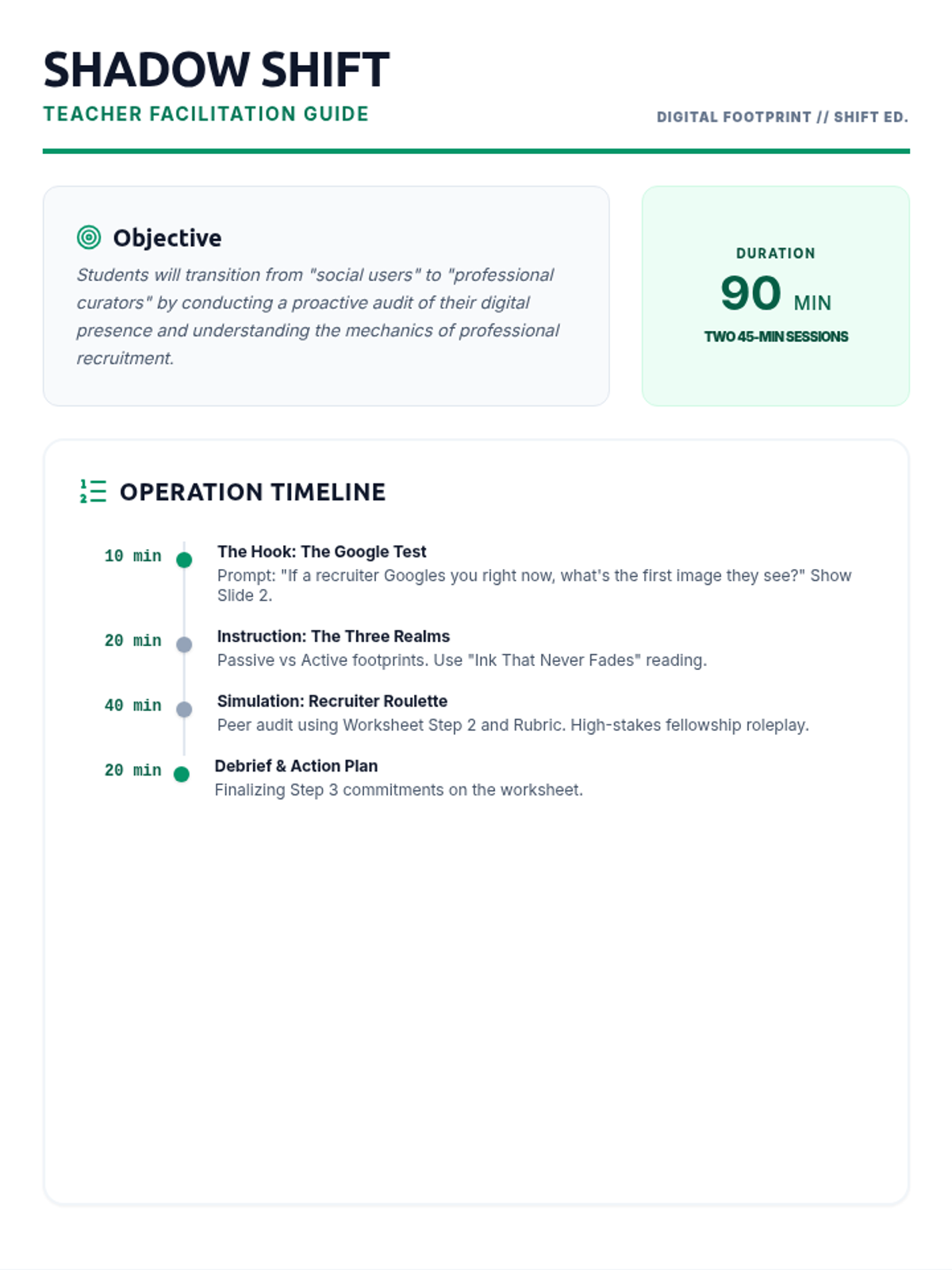
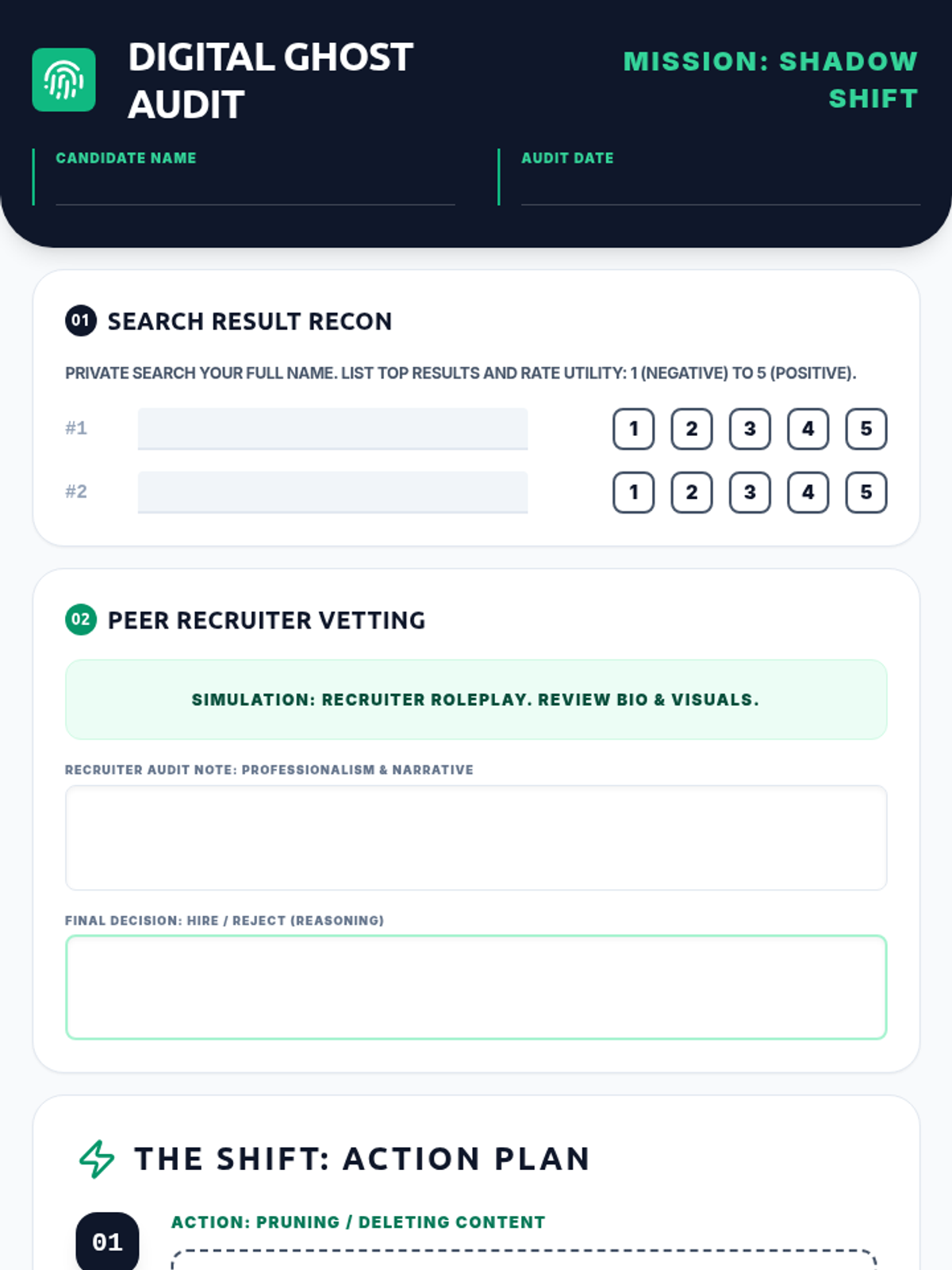
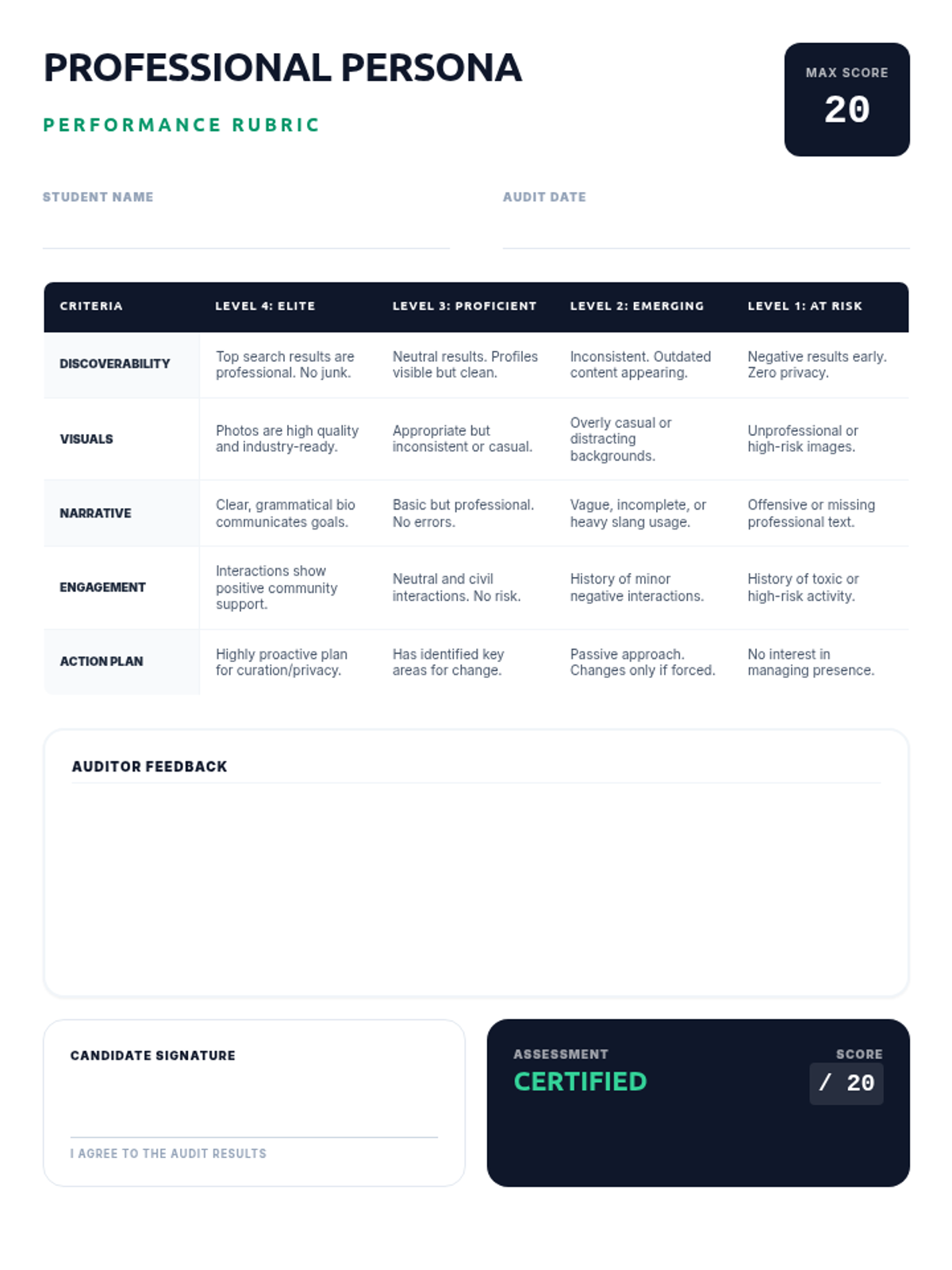
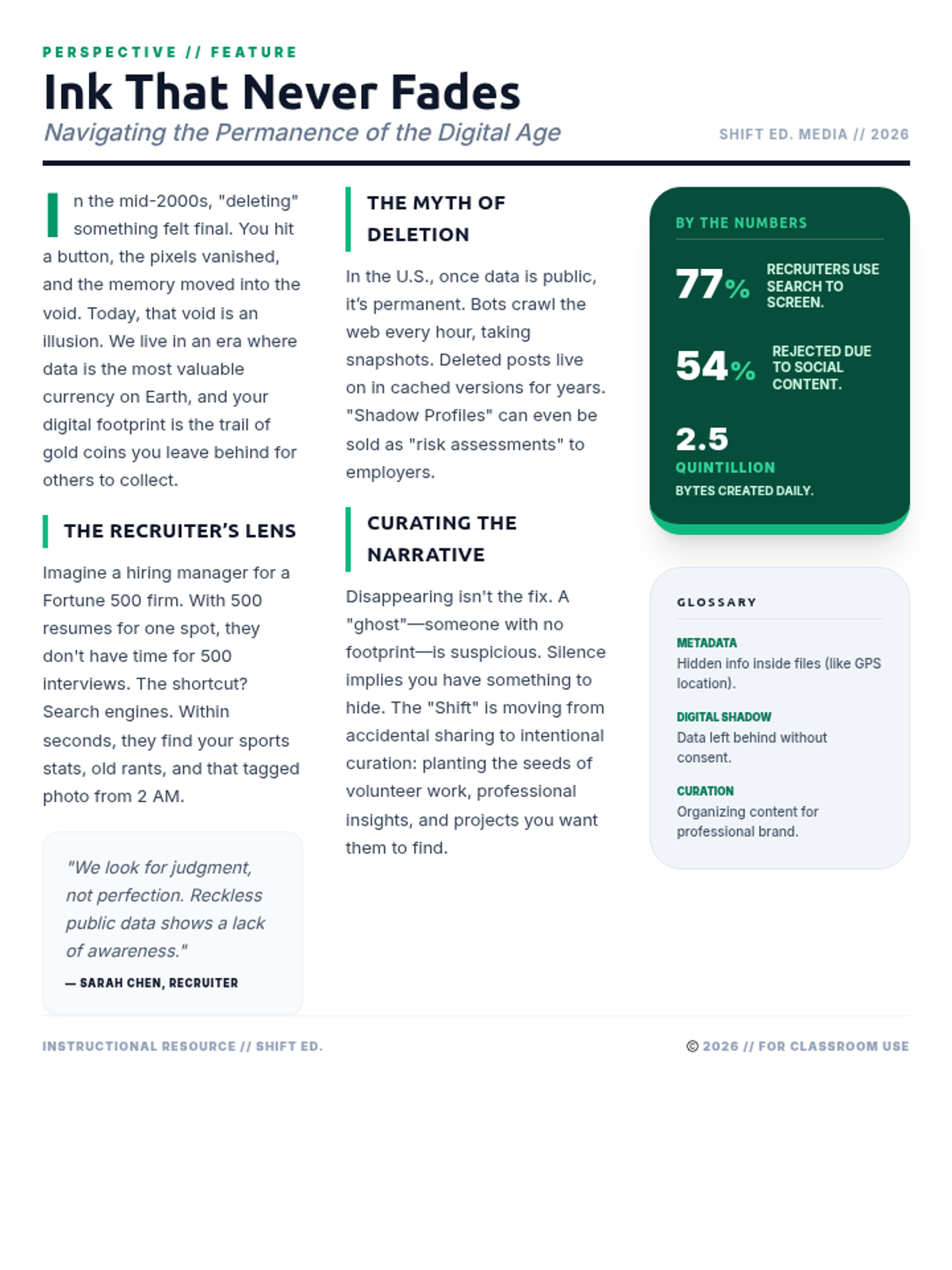
A comprehensive lesson on digital footprint management for students transitioning to professional or collegiate environments. Students engage in 'recruitment simulations' to understand how their online presence impacts future opportunities and learn to curate a professional digital persona.
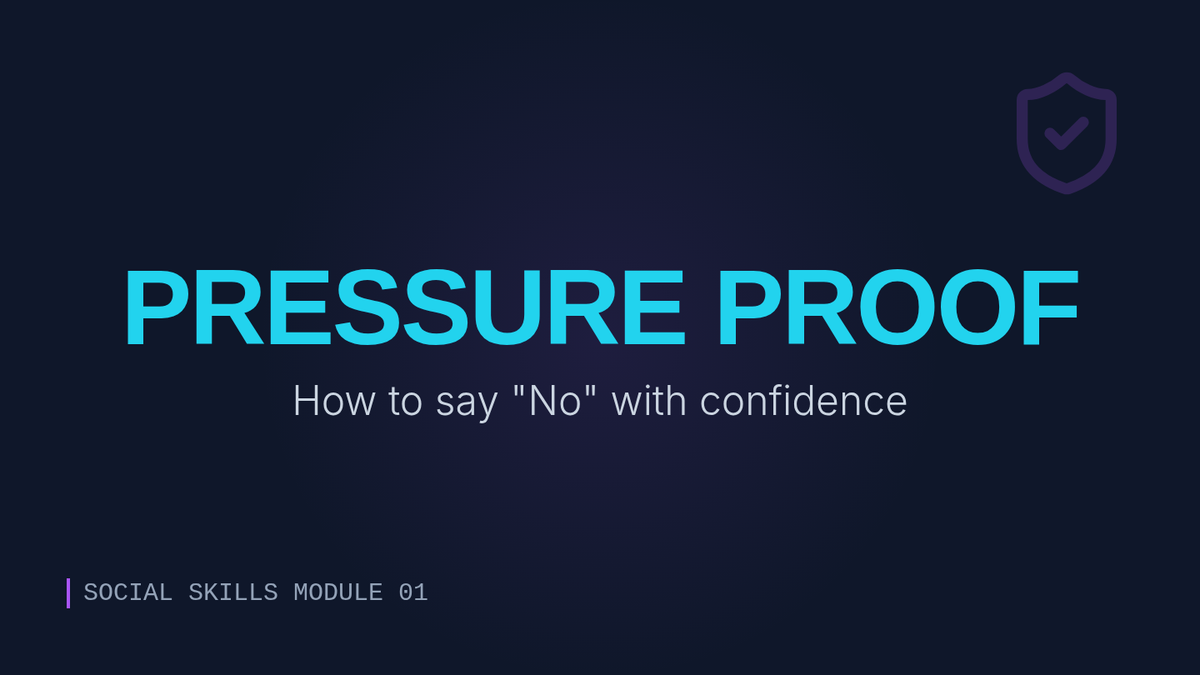
A comprehensive social skills unit designed for adults, focusing on building boundaries and mastering refusal strategies across workplace and social settings.
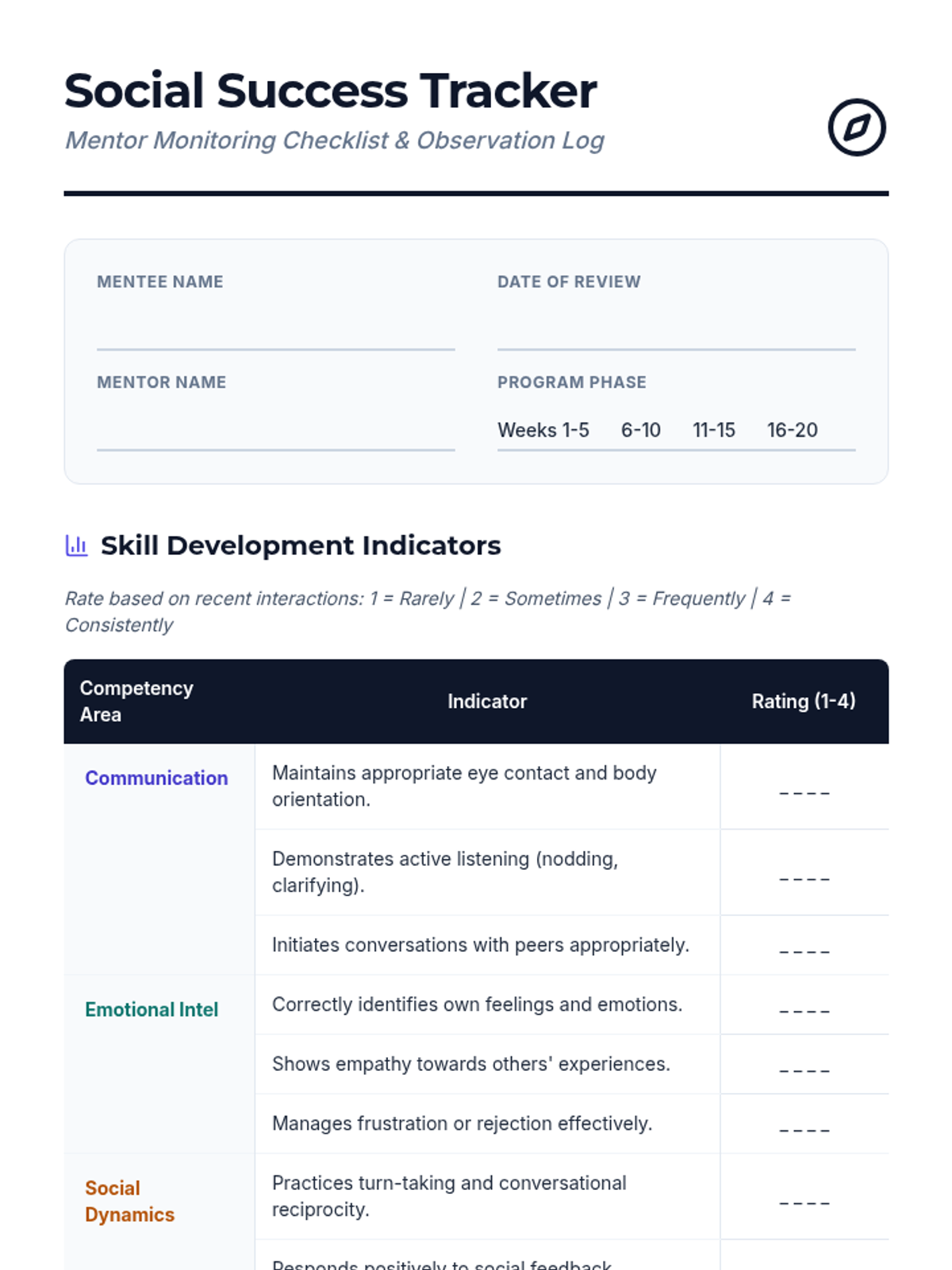
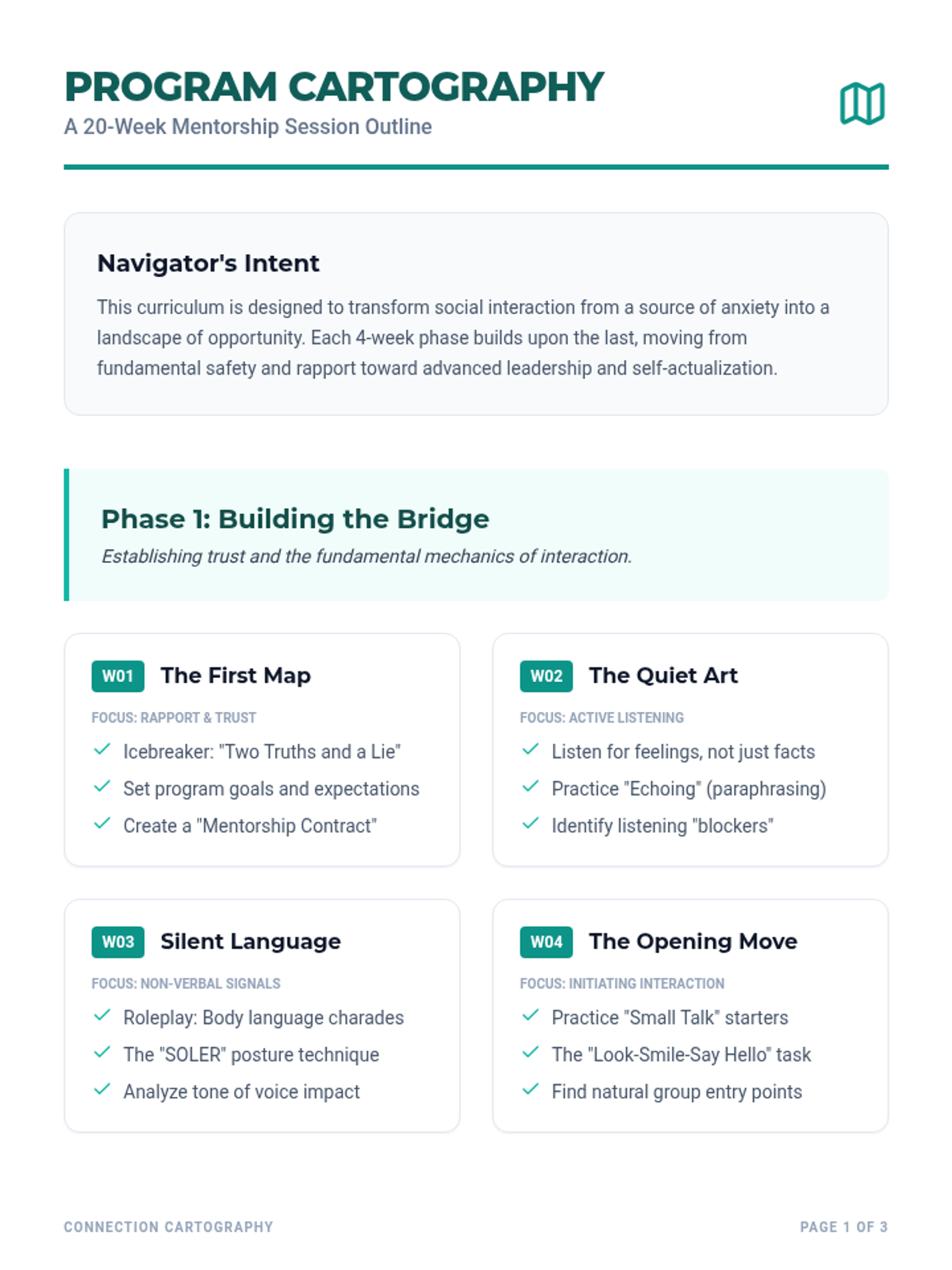
A comprehensive 20-week mentorship program designed to help students navigate social environments, build meaningful friendships, and master communication.
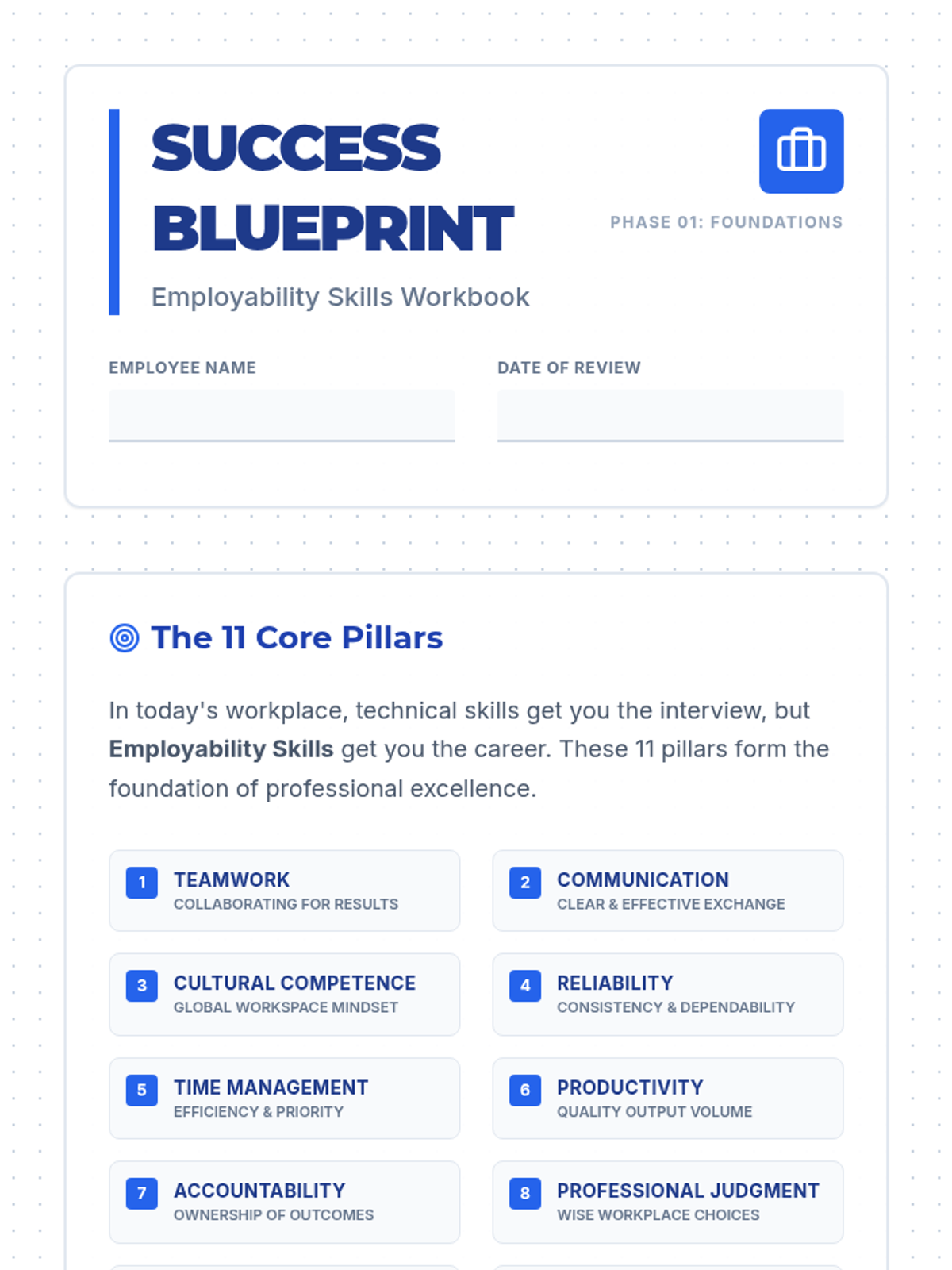
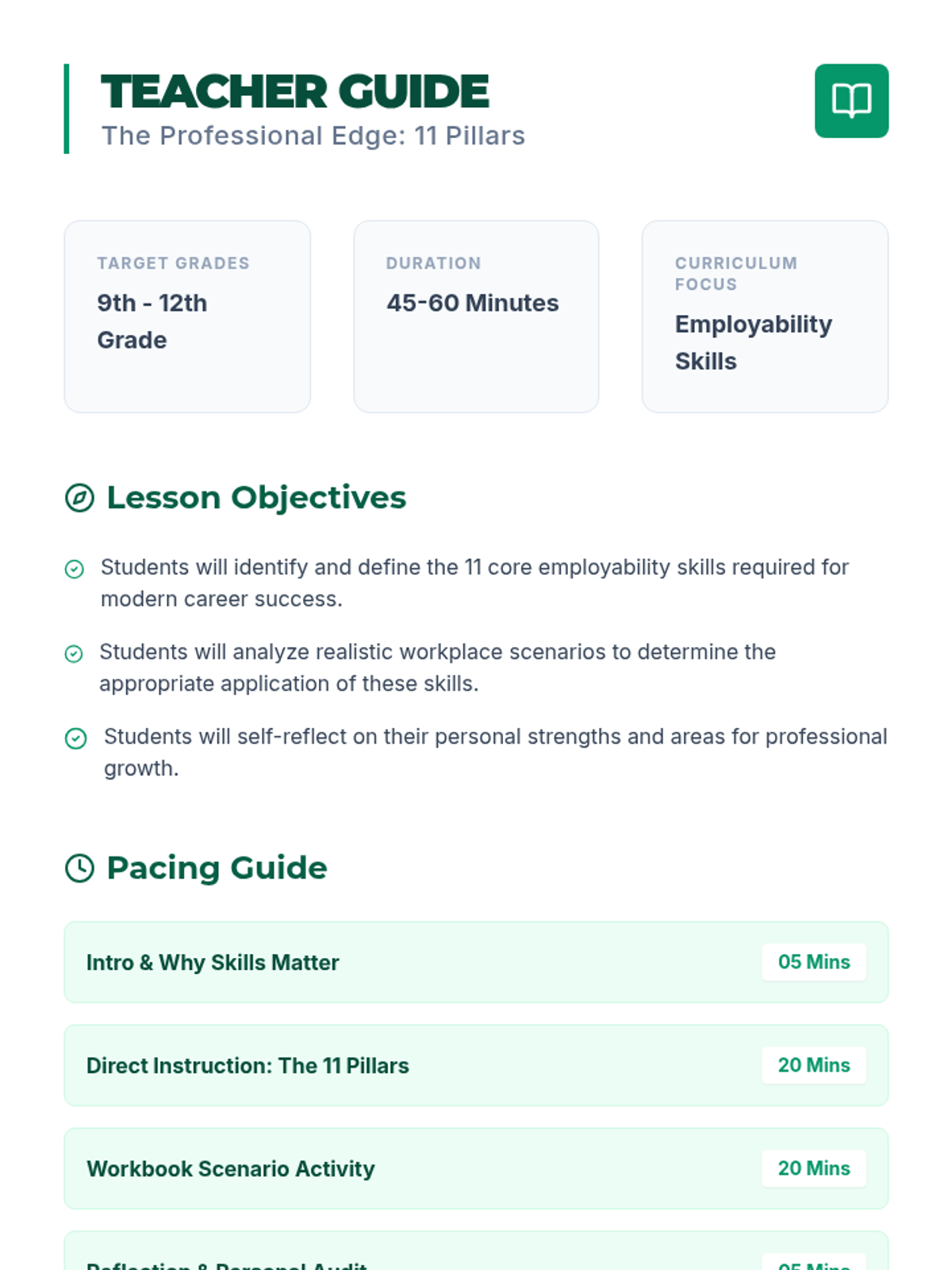
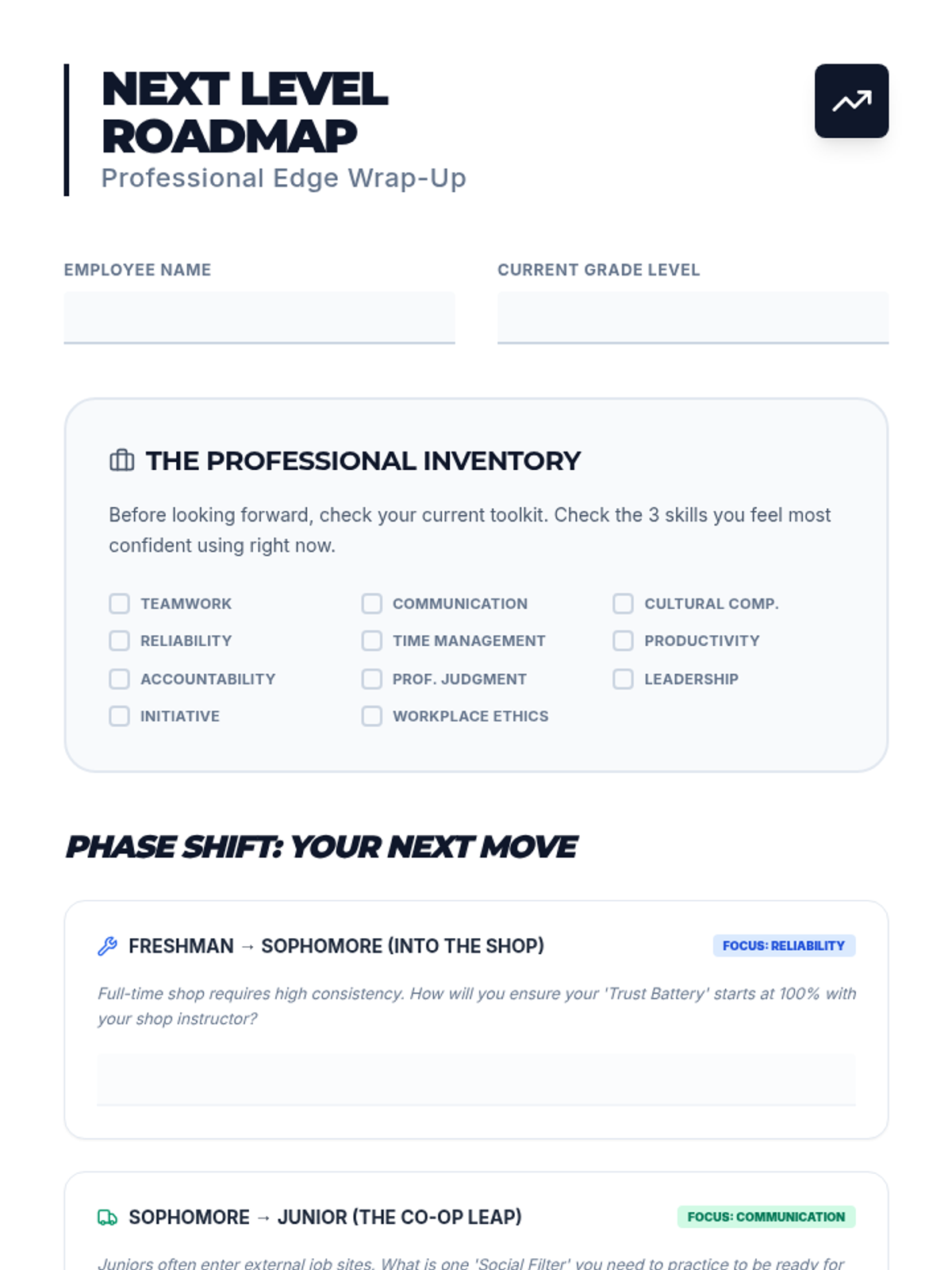
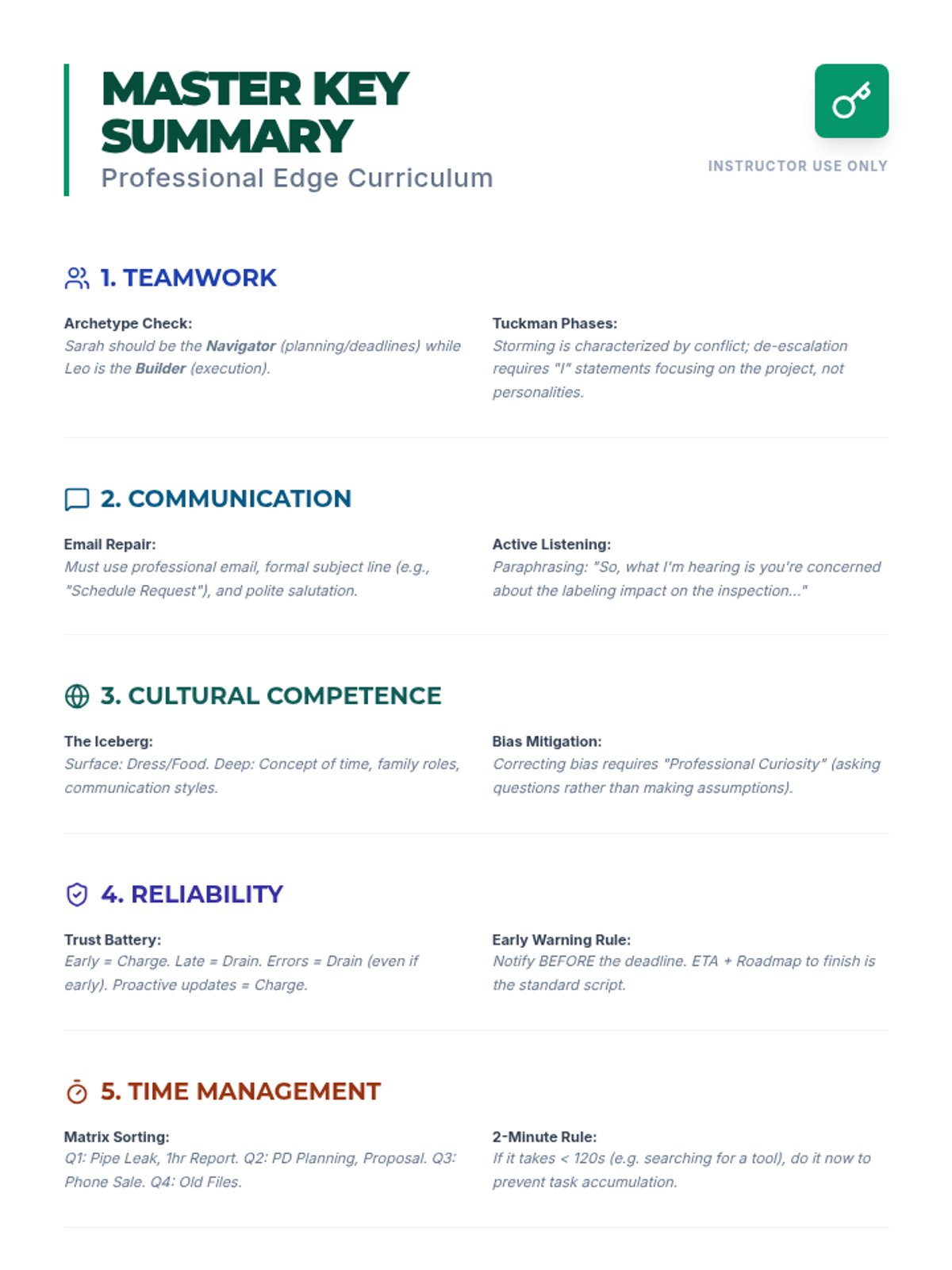
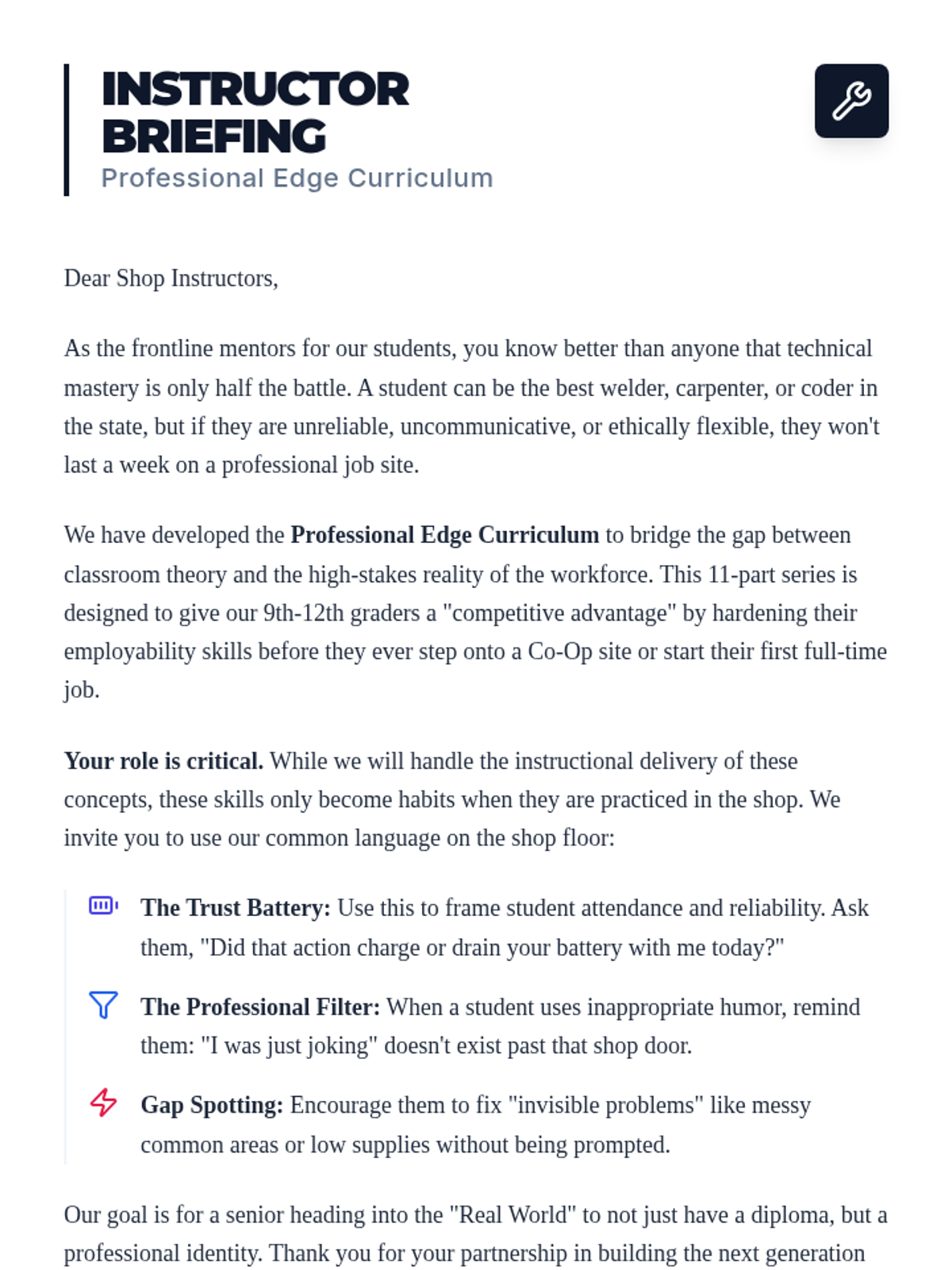
A comprehensive high school curriculum covering 11 essential employability skills, from foundational concepts to advanced application in professional settings. Includes instructional slides, student worksheets, and teacher guides for every skill.
A comprehensive program designed to guide students through the essentials of career exploration, professional document preparation, and the job application process.
A comprehensive year-long curriculum for high school seniors focusing on college readiness, career planning, financial literacy, and social-emotional well-being. This sequence guides students through the complexities of post-secondary transitions with a special focus on arts-based pathways.
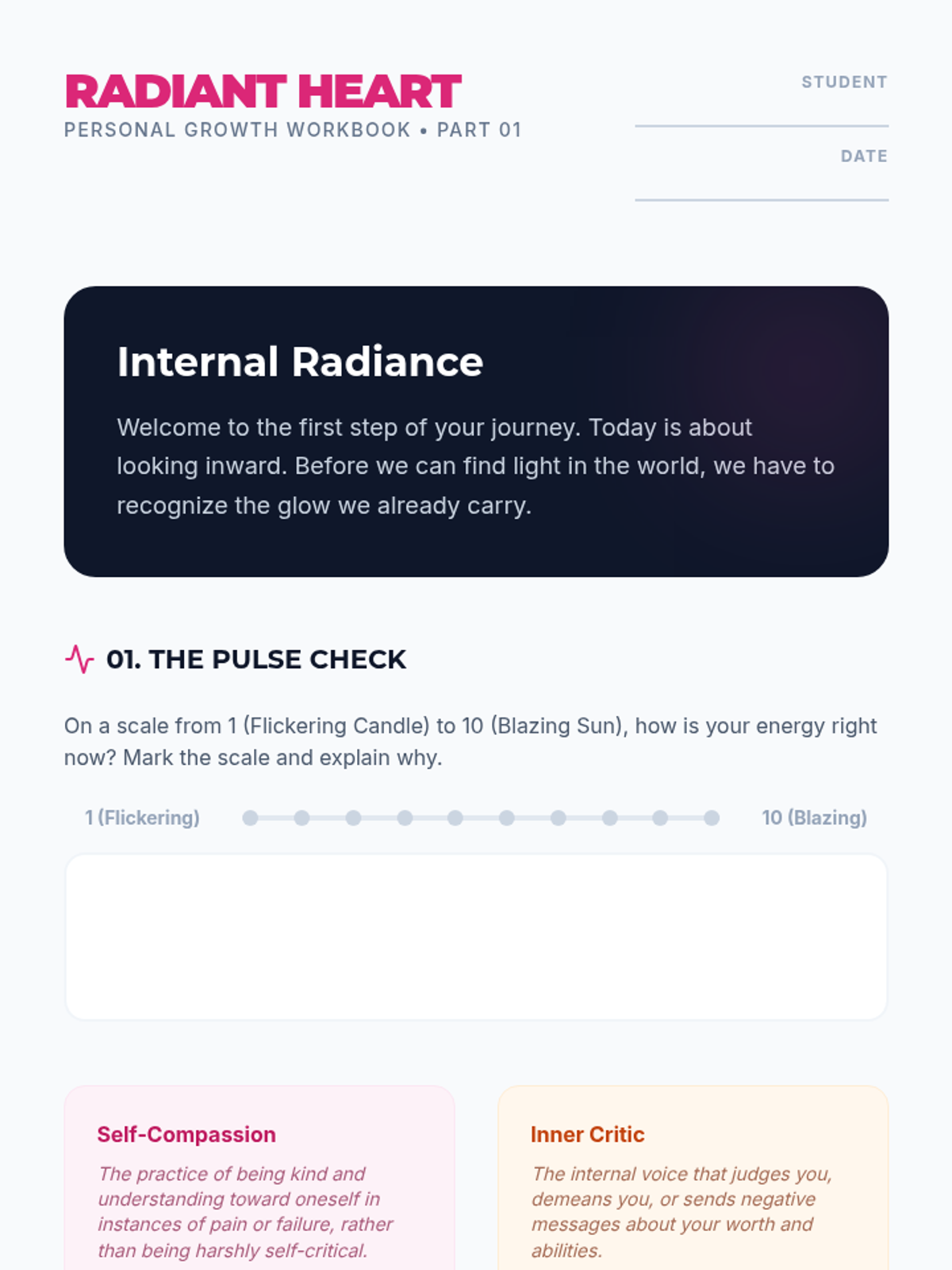
A four-part comprehensive self-love and positivity program designed for older teens and young adults to build self-compassion and identify 'bright spots' in their lives and surroundings.
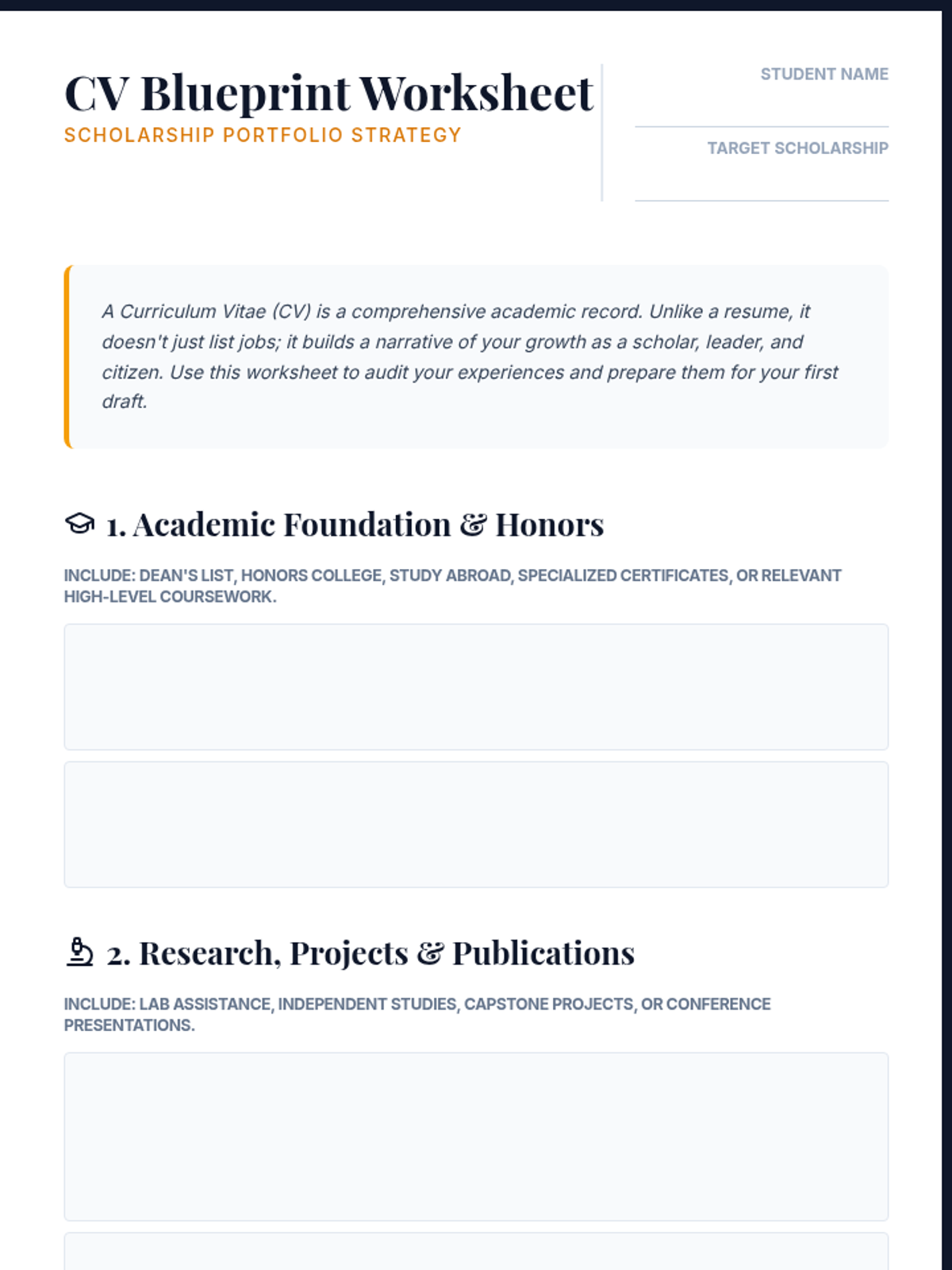
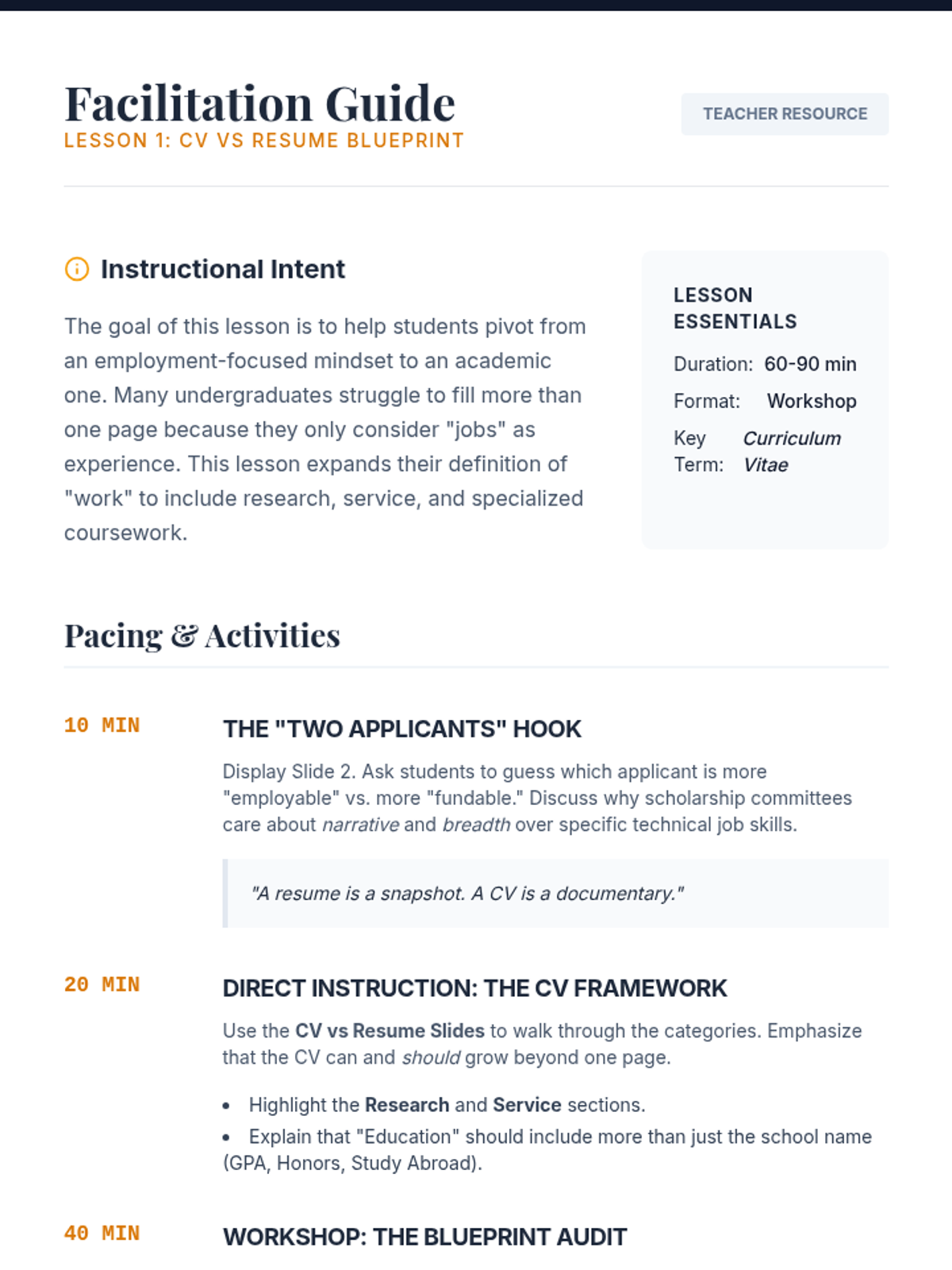
This sequence guides undergraduate students through building a professional scholarship portfolio and mastering the interview process. Students will transition from document creation (CVs, brag sheets) to interpersonal communication (STAR method, mock interviews), ensuring they present a cohesive and professional narrative to scholarship committees.
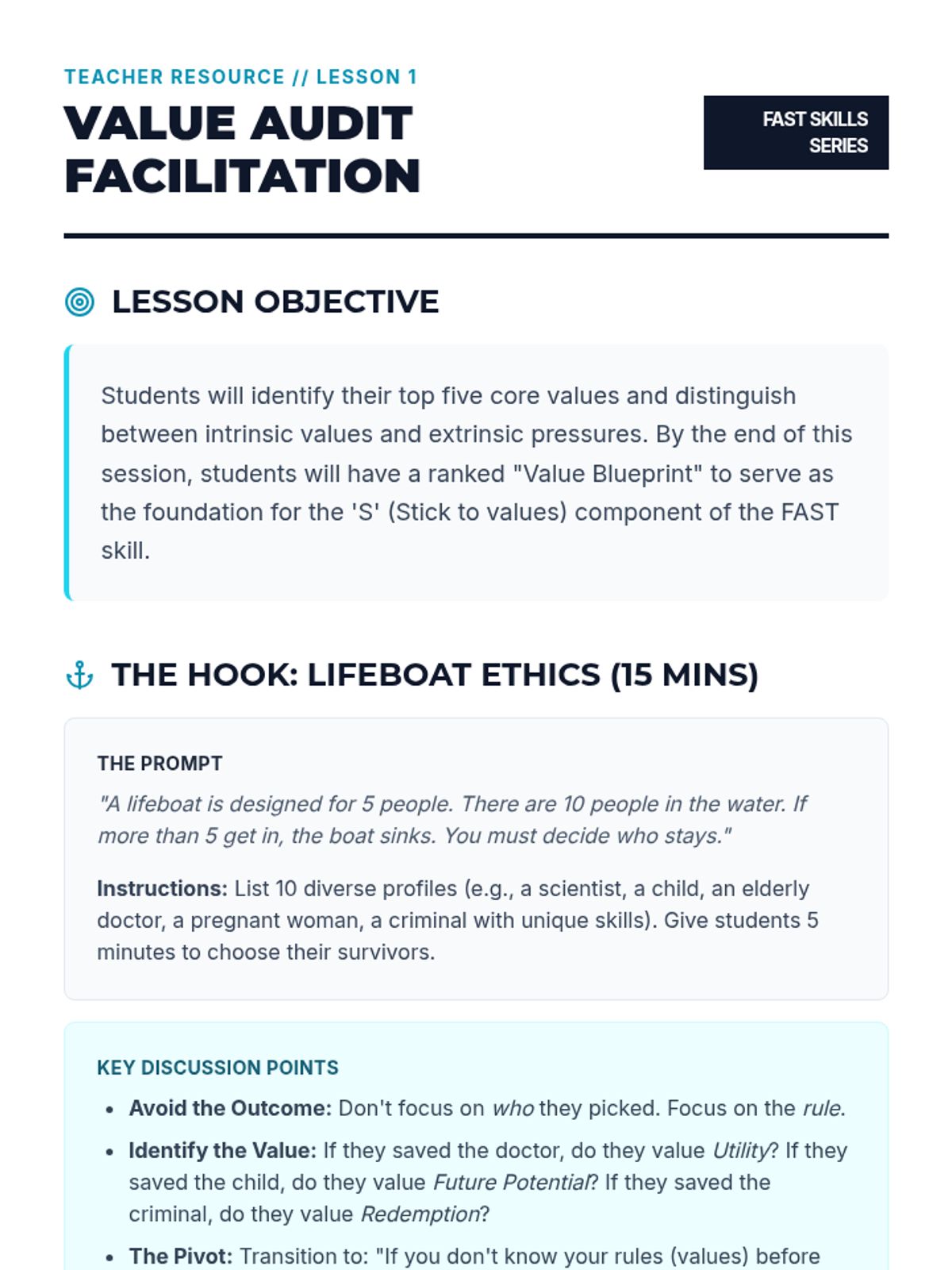
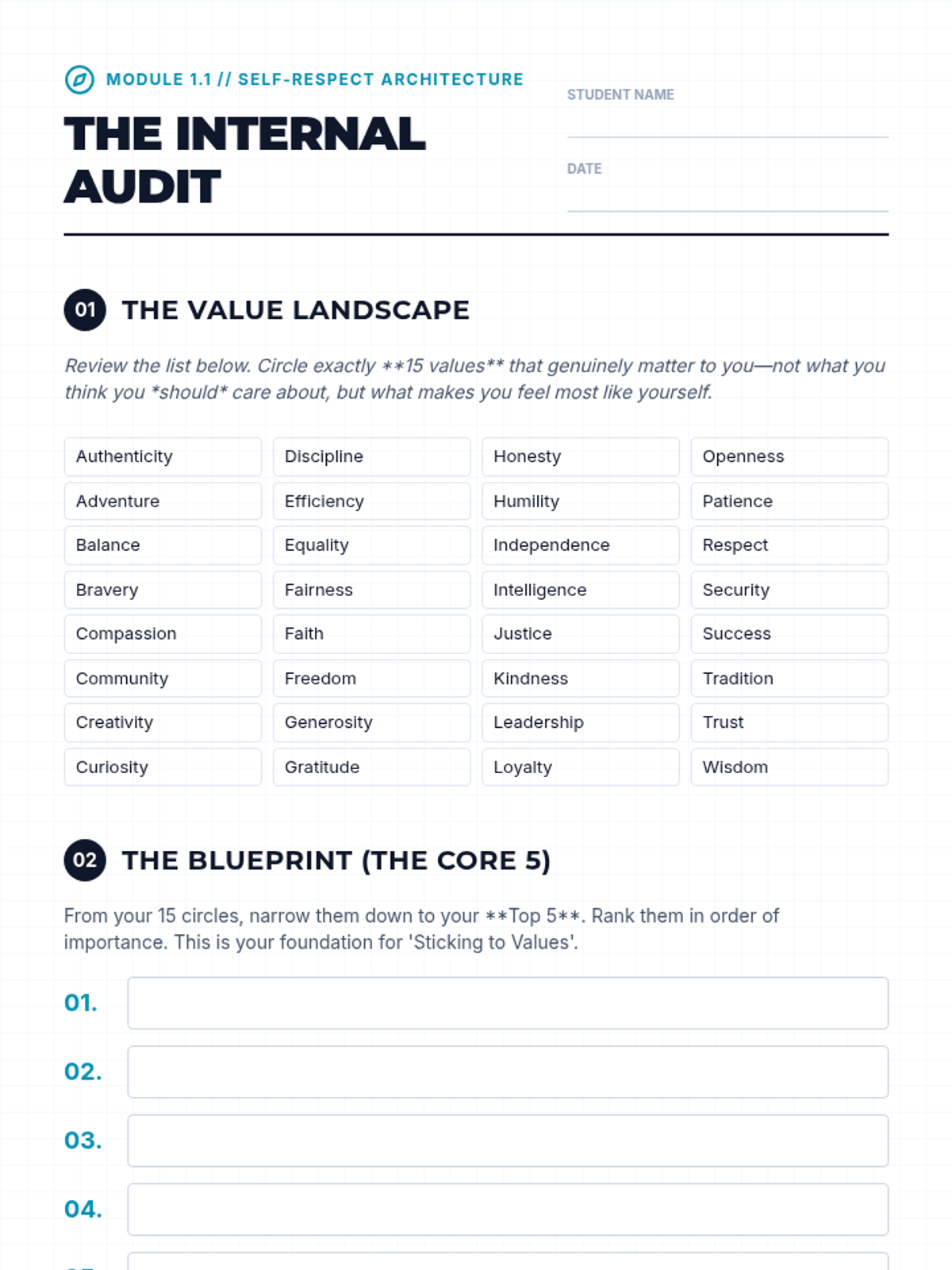
A 12th-grade sequence on FAST skills for self-respect, focusing on personal ethics, integrity in communication, and maintaining values in the face of external pressure and digital influence.
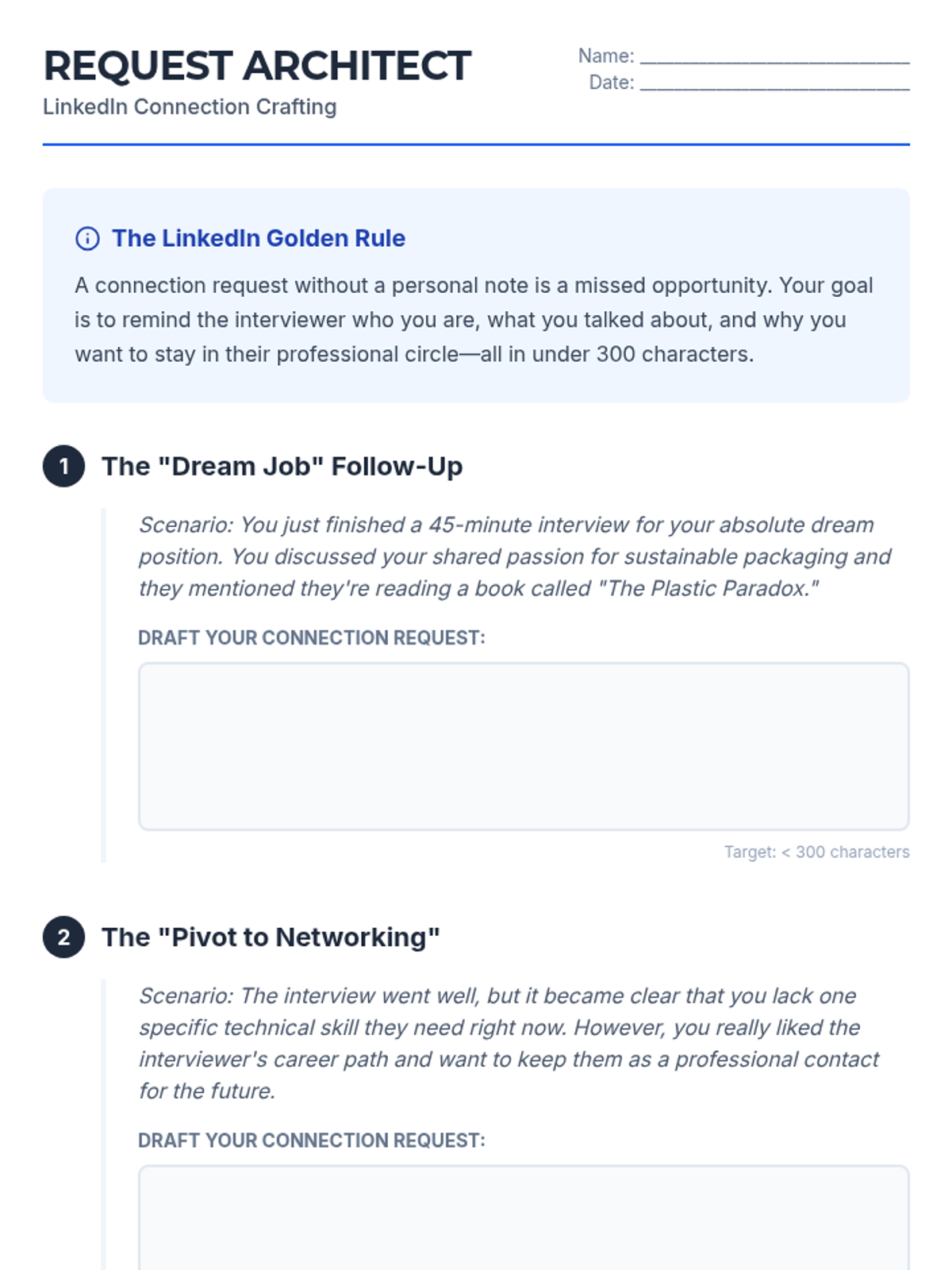
A comprehensive unit for 12th-grade students on leveraging digital tools like LinkedIn and CRM systems to maintain professional relationships and manage their digital footprint following interviews.
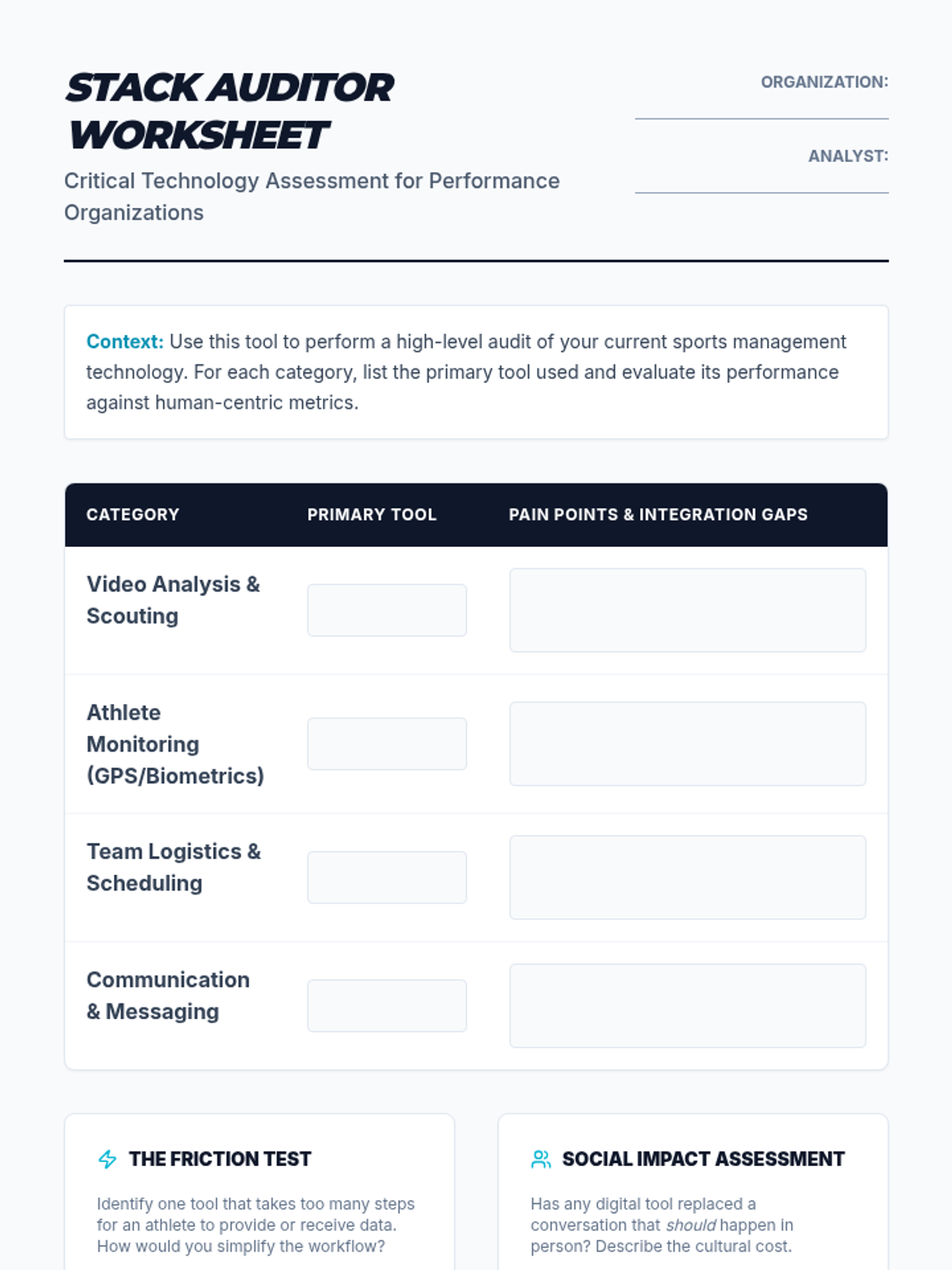
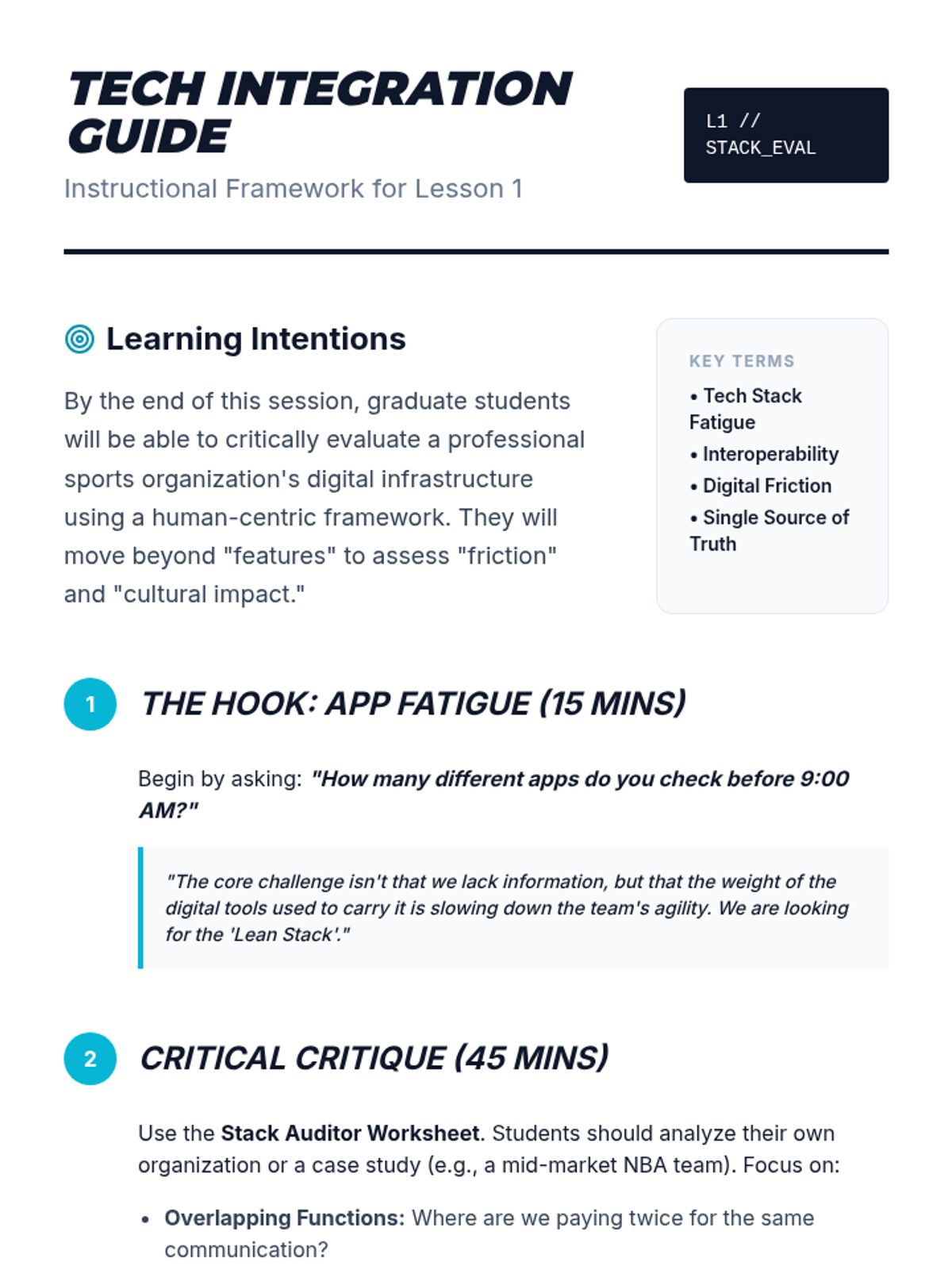
This graduate-level sequence explores the intersection of high-performance sports management and digital technology. Students will learn to evaluate tech stacks, manage remote scouting networks, visualize complex analytics, navigate biometric ethics, and coordinate digital crisis responses to maintain human connection in a data-driven industry.
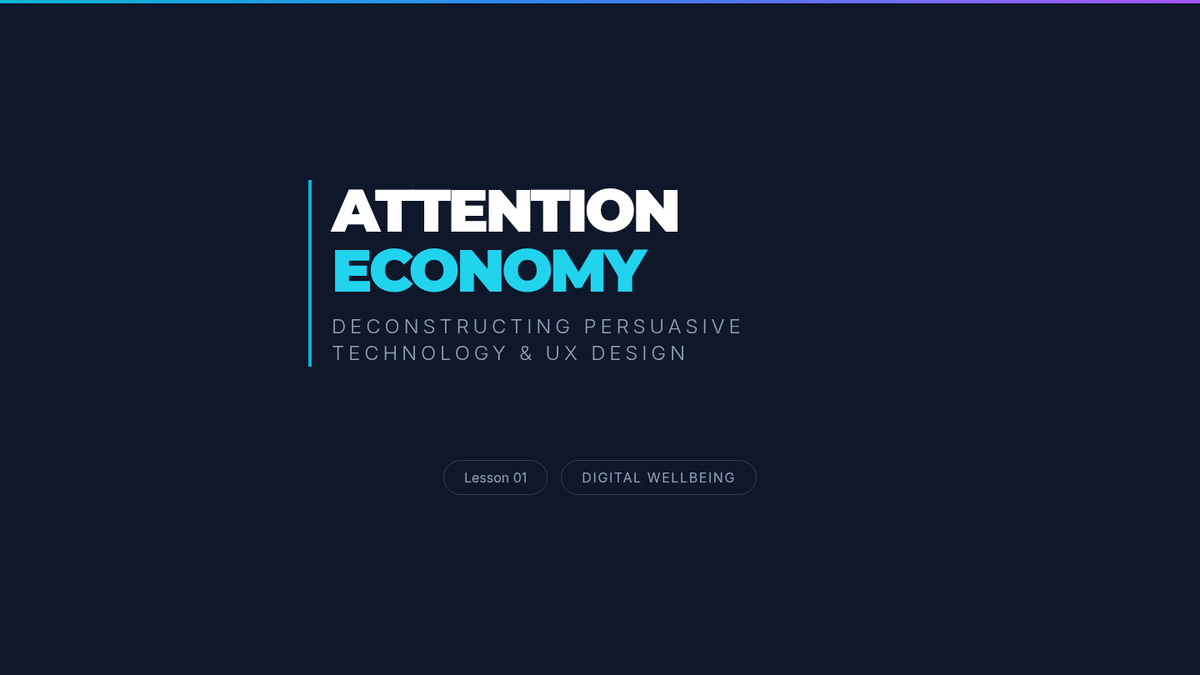
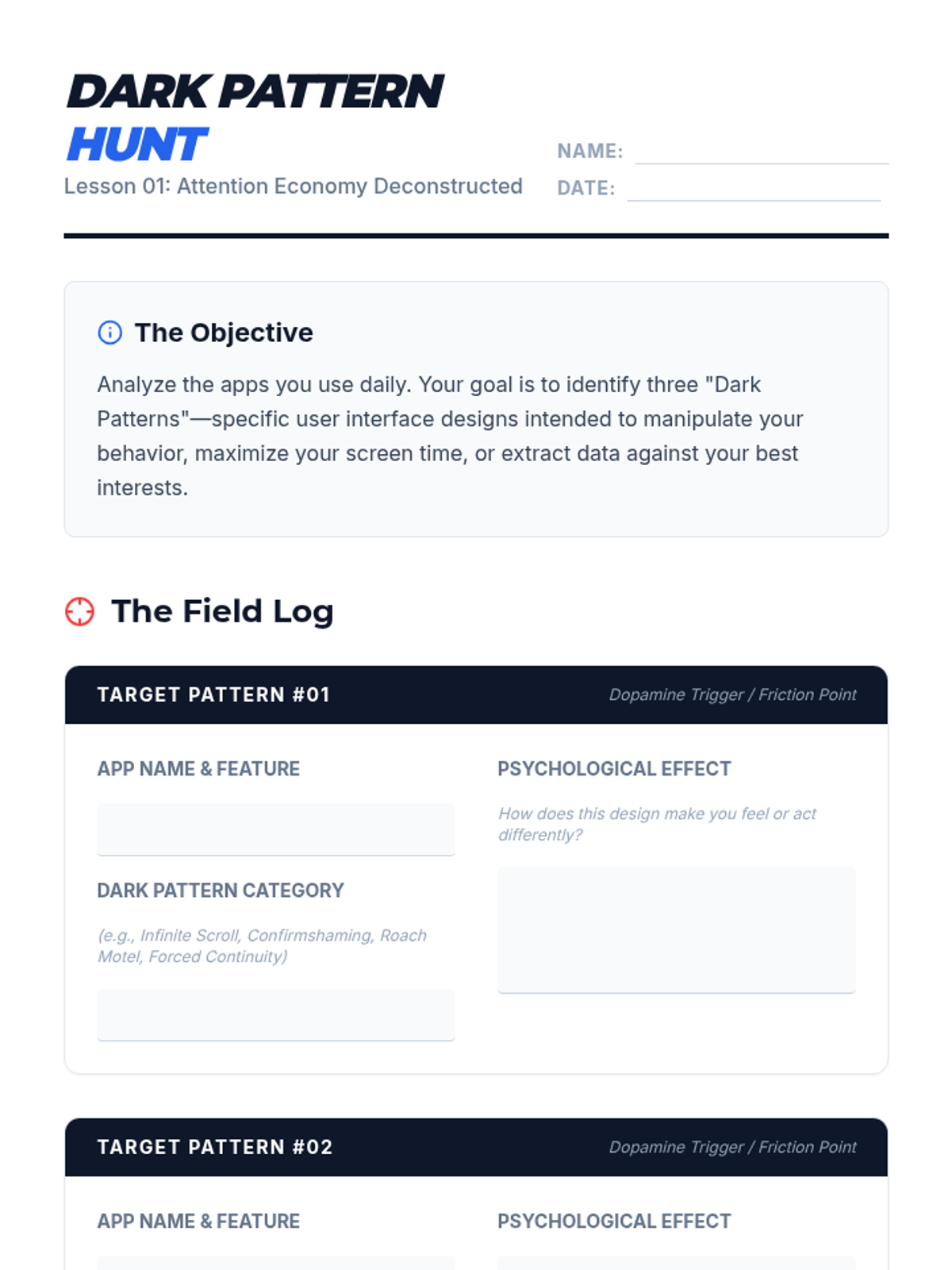
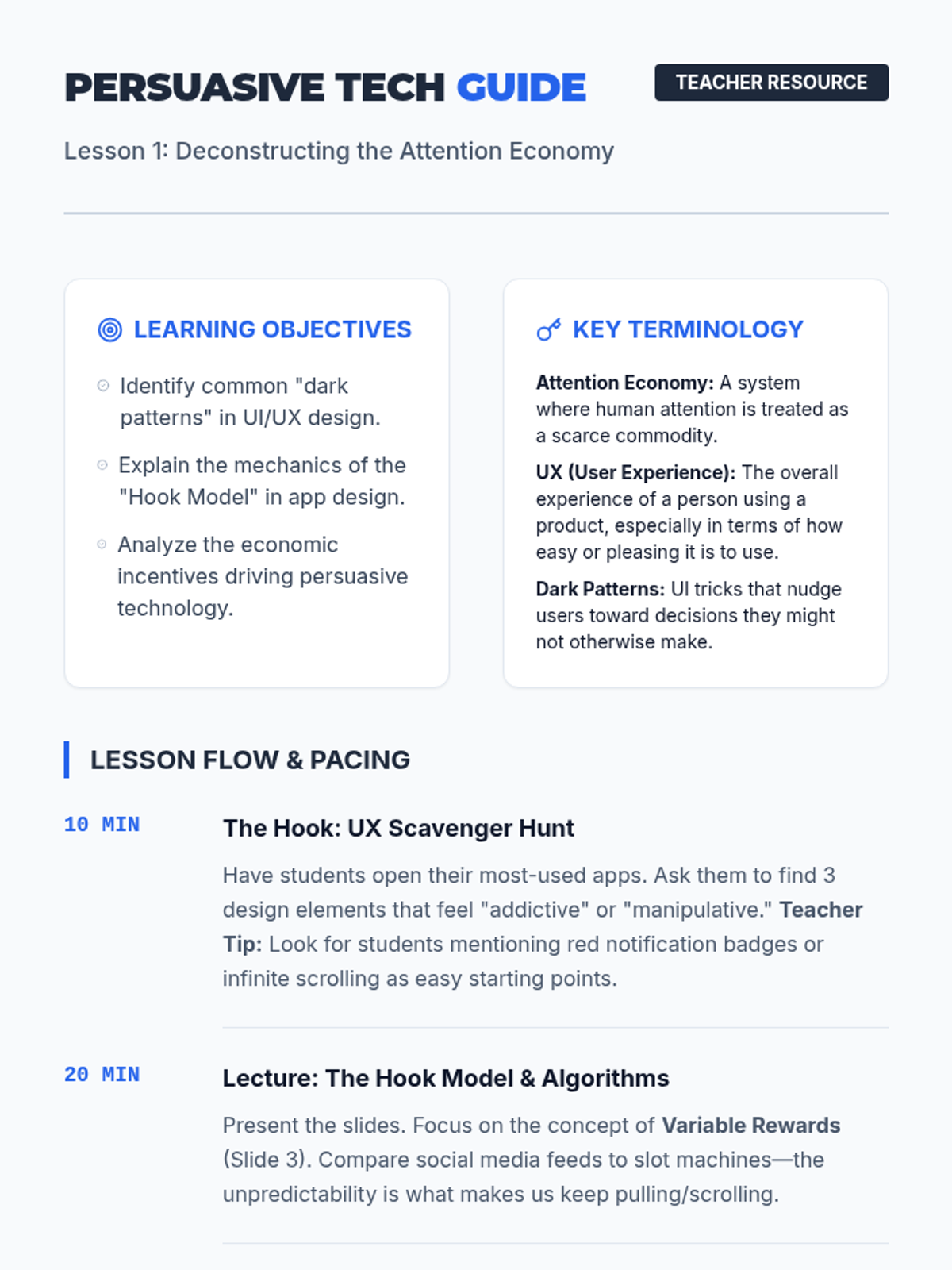
A comprehensive 5-lesson sequence for undergraduate students exploring the intersection of digital technology, psychological well-being, and cognitive autonomy. Students analyze the attention economy, social comparison, digital ethics, and productivity strategies to build a personalized framework for digital resilience.
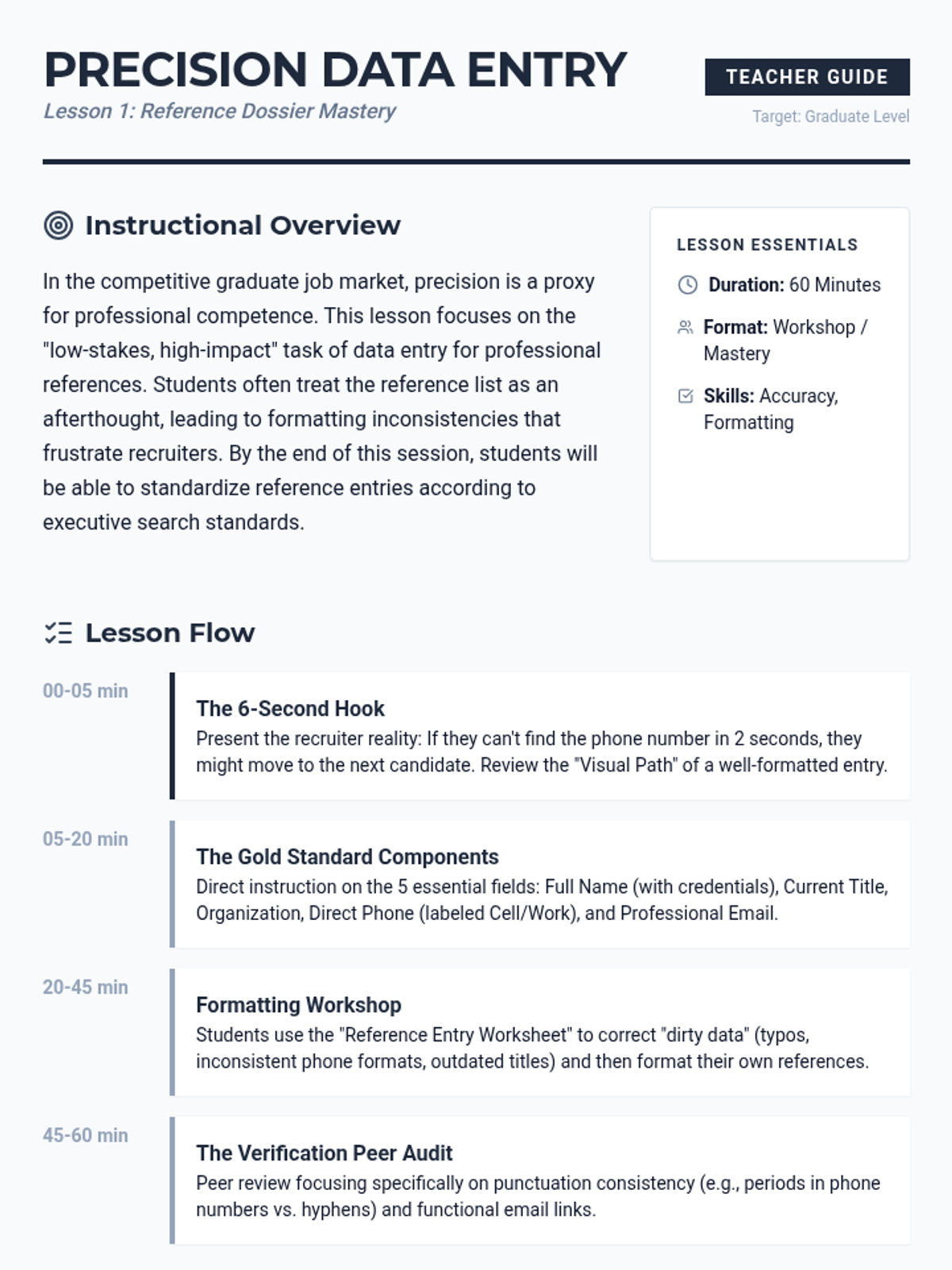
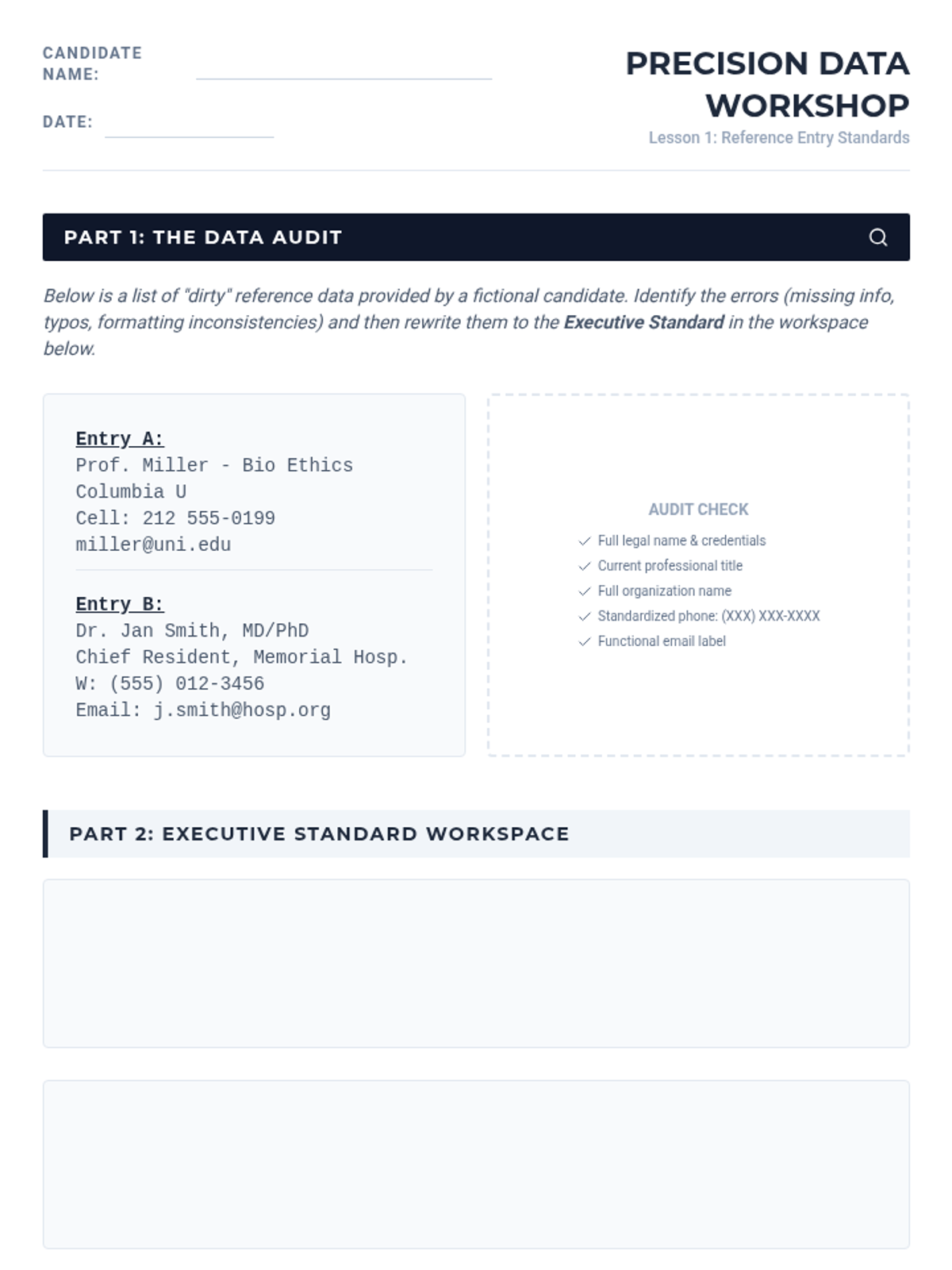
A comprehensive workshop series for graduate students on formatting, presenting, and securing professional reference dossiers. This sequence moves from basic data accuracy to advanced personal branding and digital reputation management.
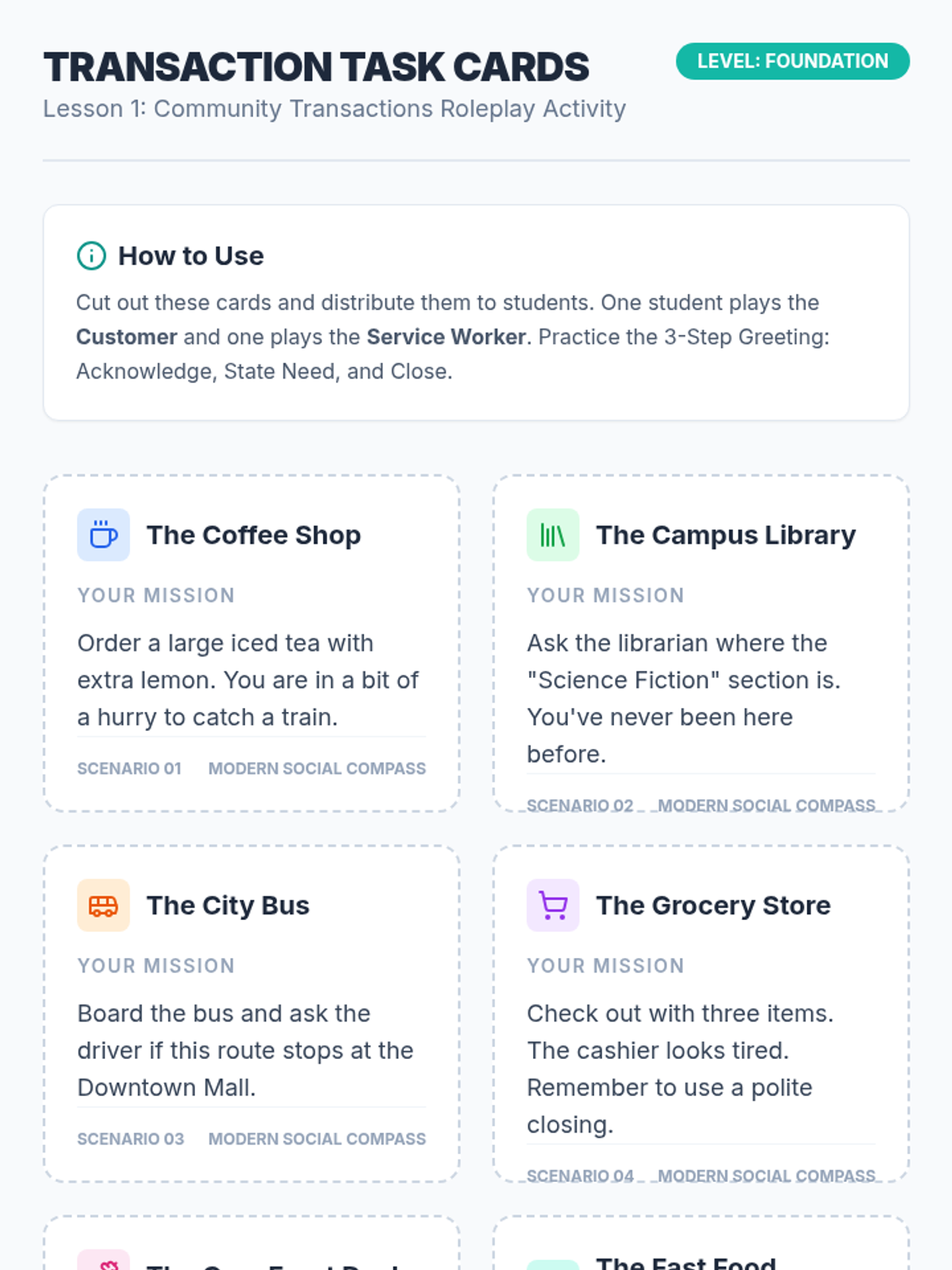
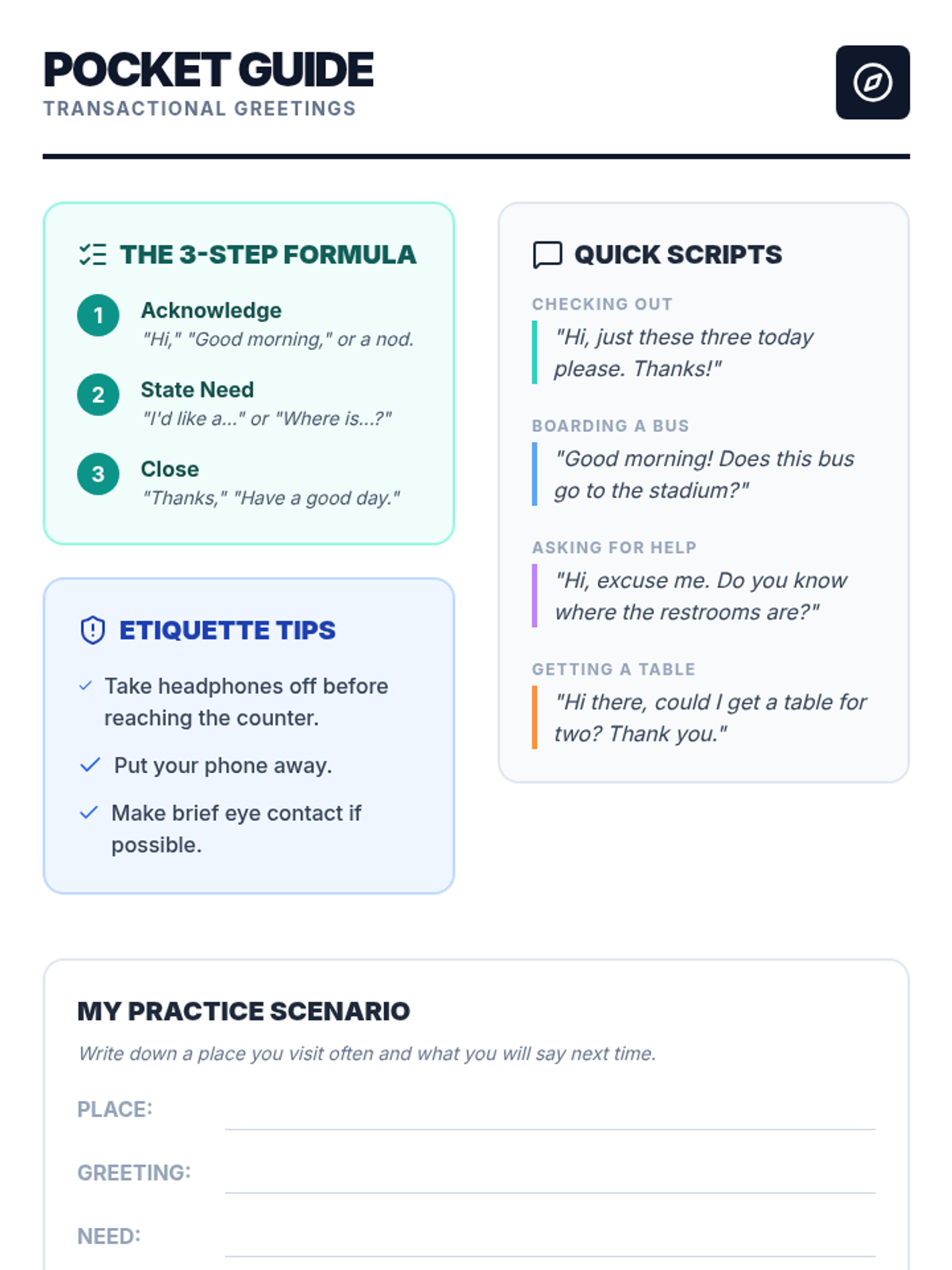
This sequence helps undergraduate students navigate the complexities of social communication in community and digital spaces, focusing on functional, spontaneous, and written greetings.
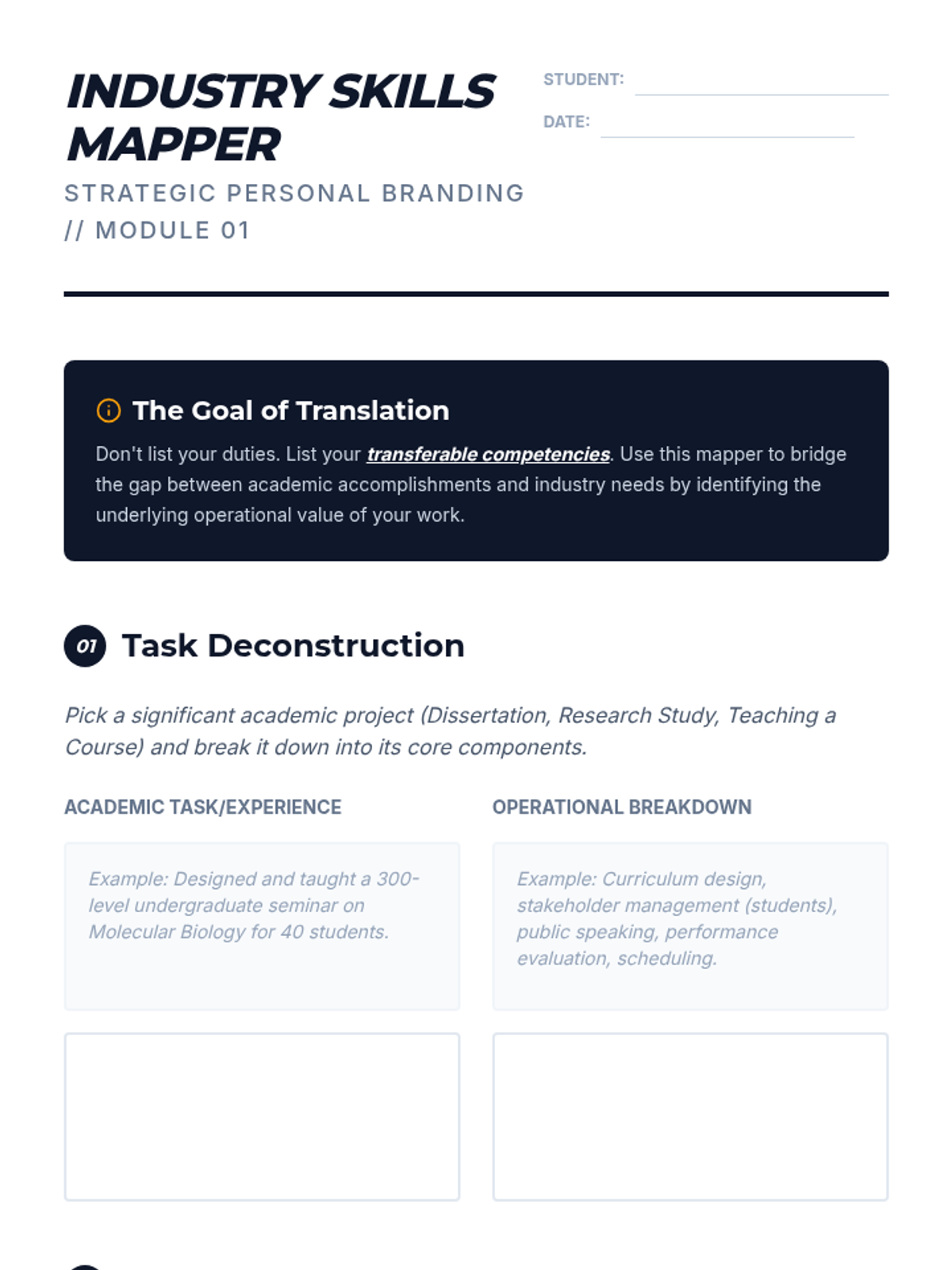
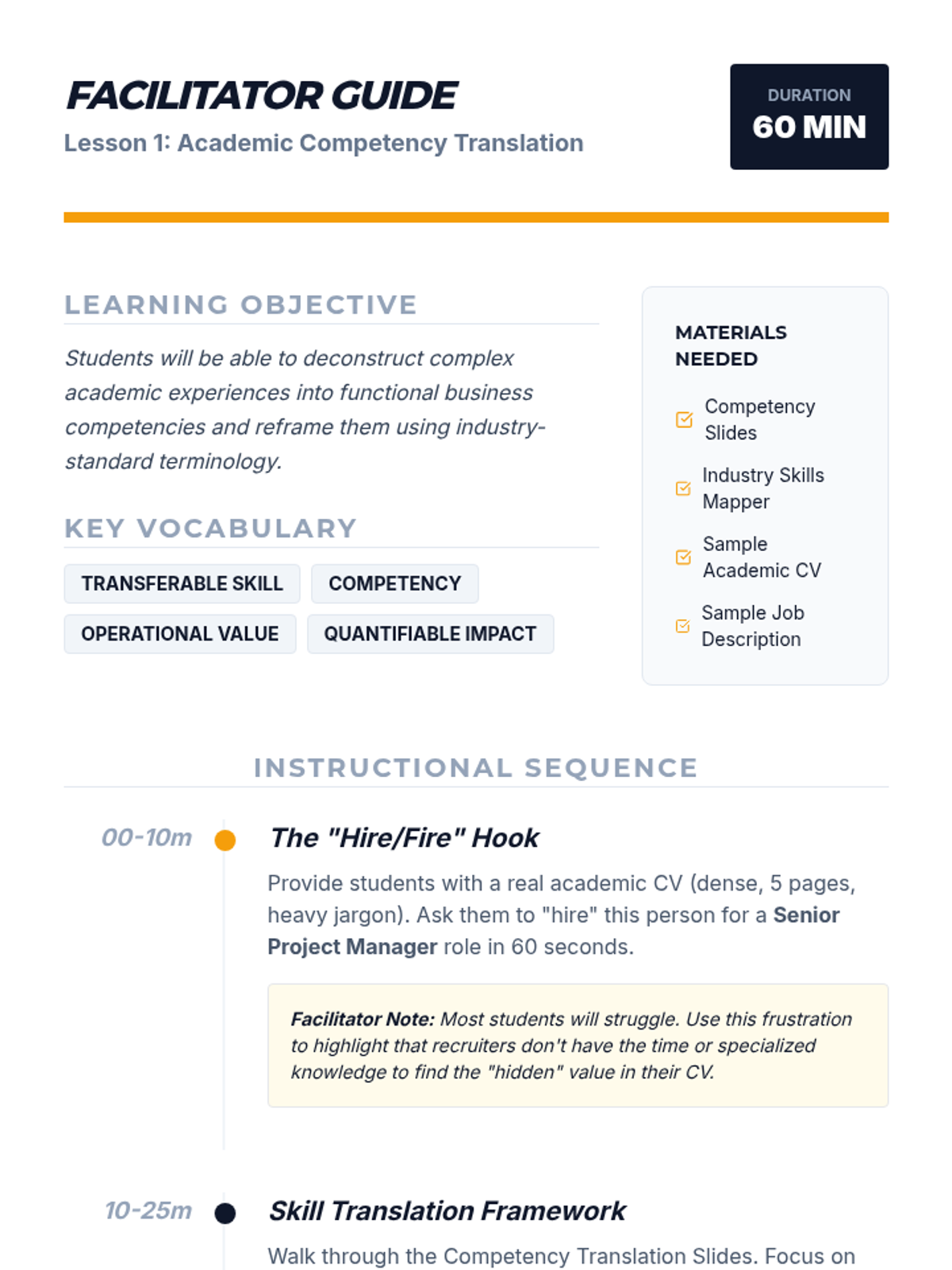
A comprehensive career development sequence for graduate students to translate academic expertise into industry-relevant value. Students master skill mapping, resume architecture, personal branding, and high-level interview strategies.
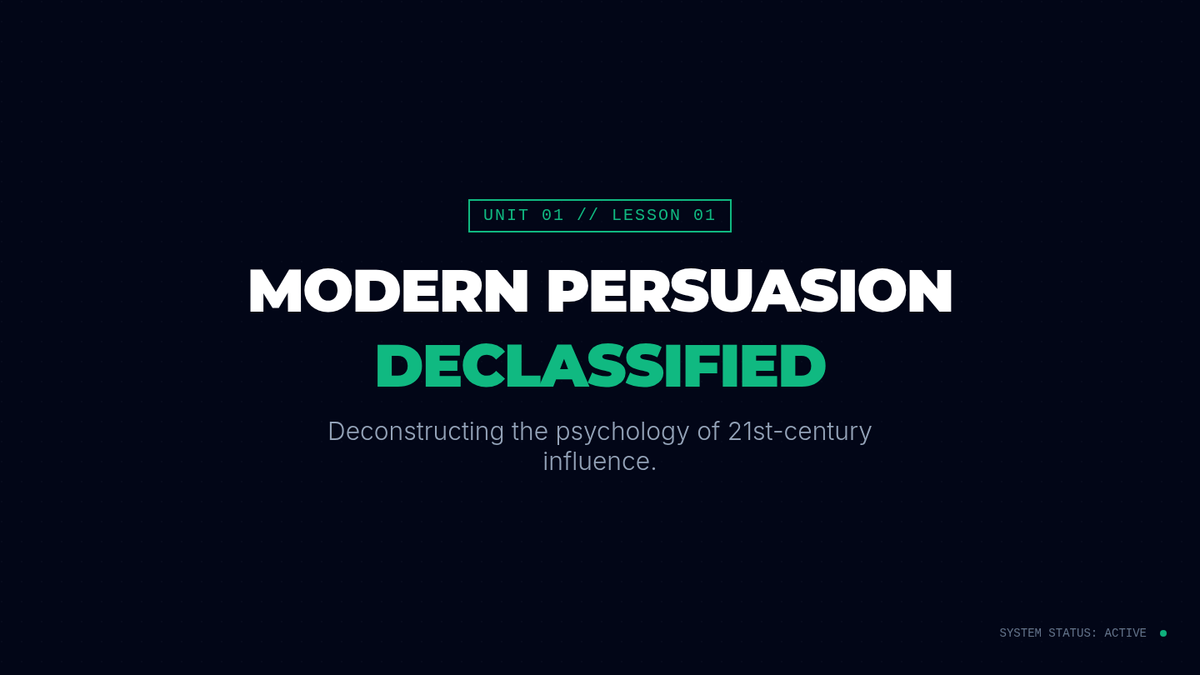
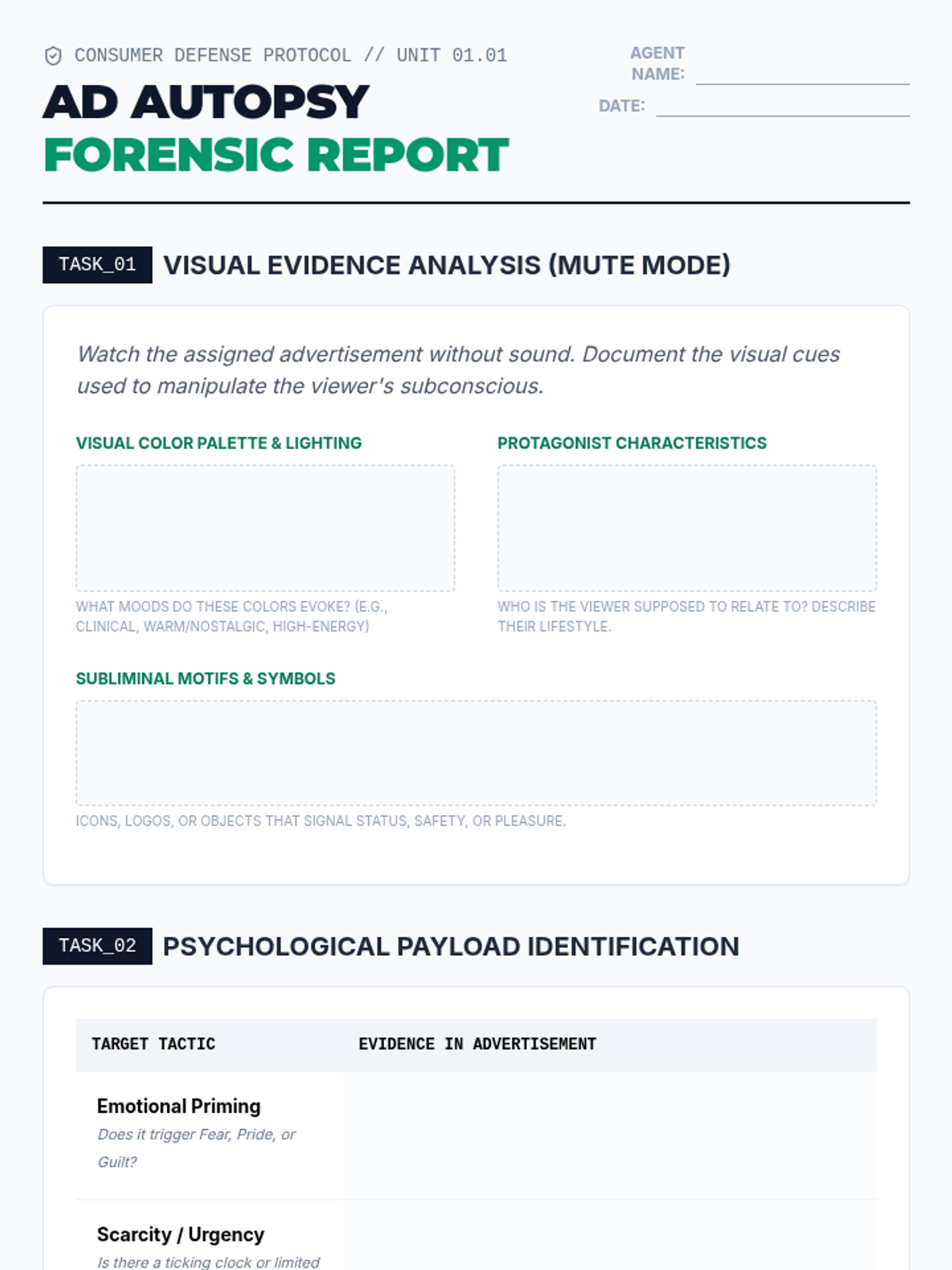
A high-school level sequence exploring the psychological and digital mechanisms of modern advertising. Students learn to identify neuromarketing, algorithmic targeting, influencer tactics, and dark patterns to develop critical consumer autonomy.
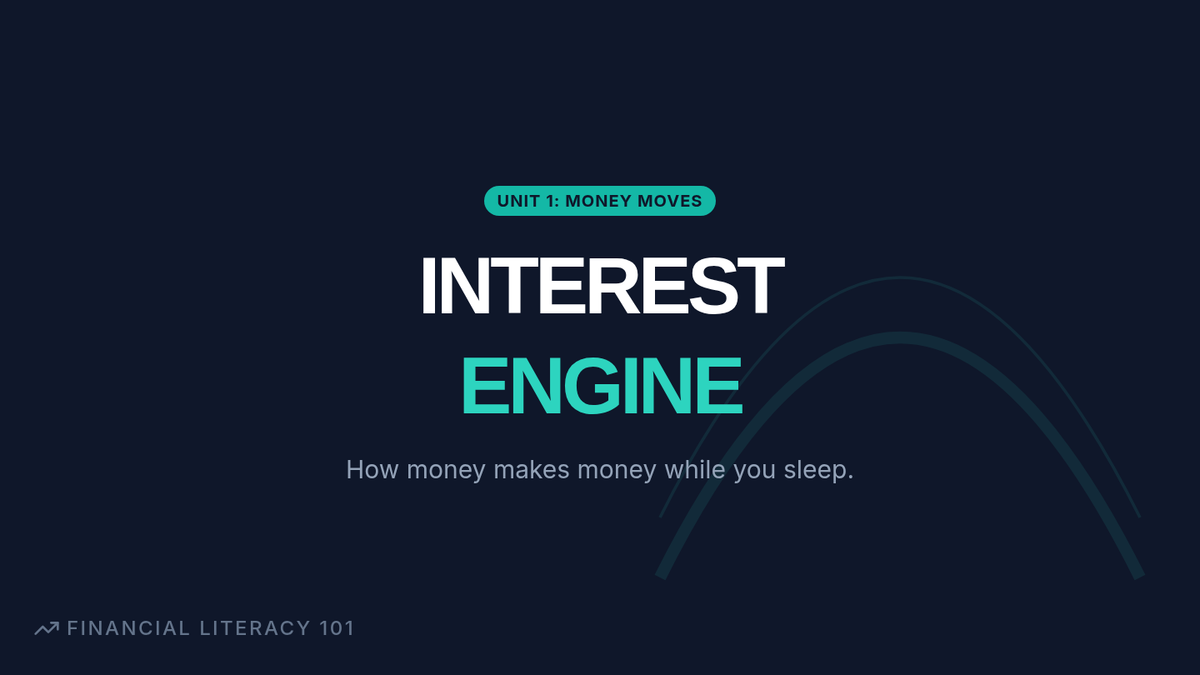
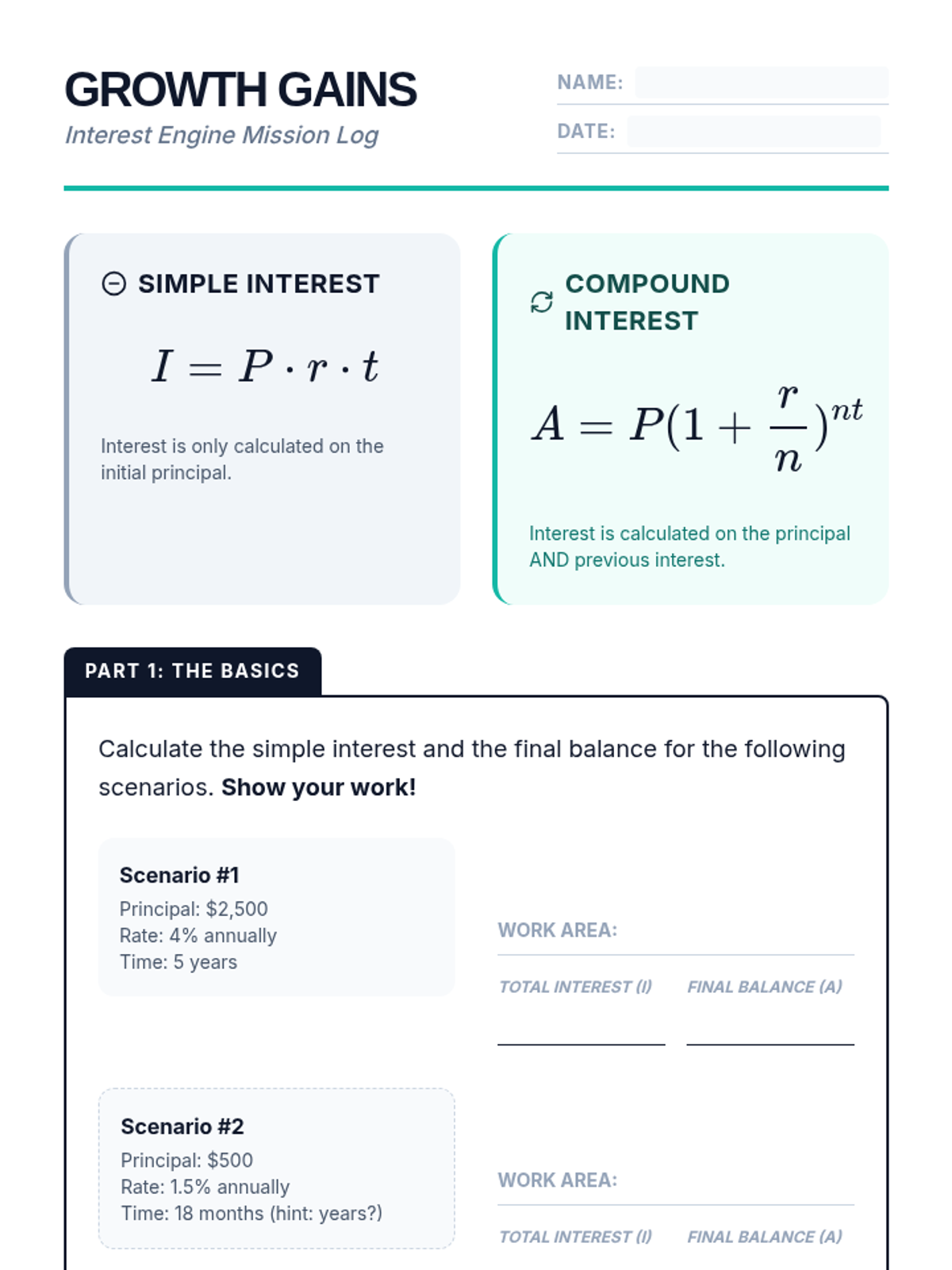
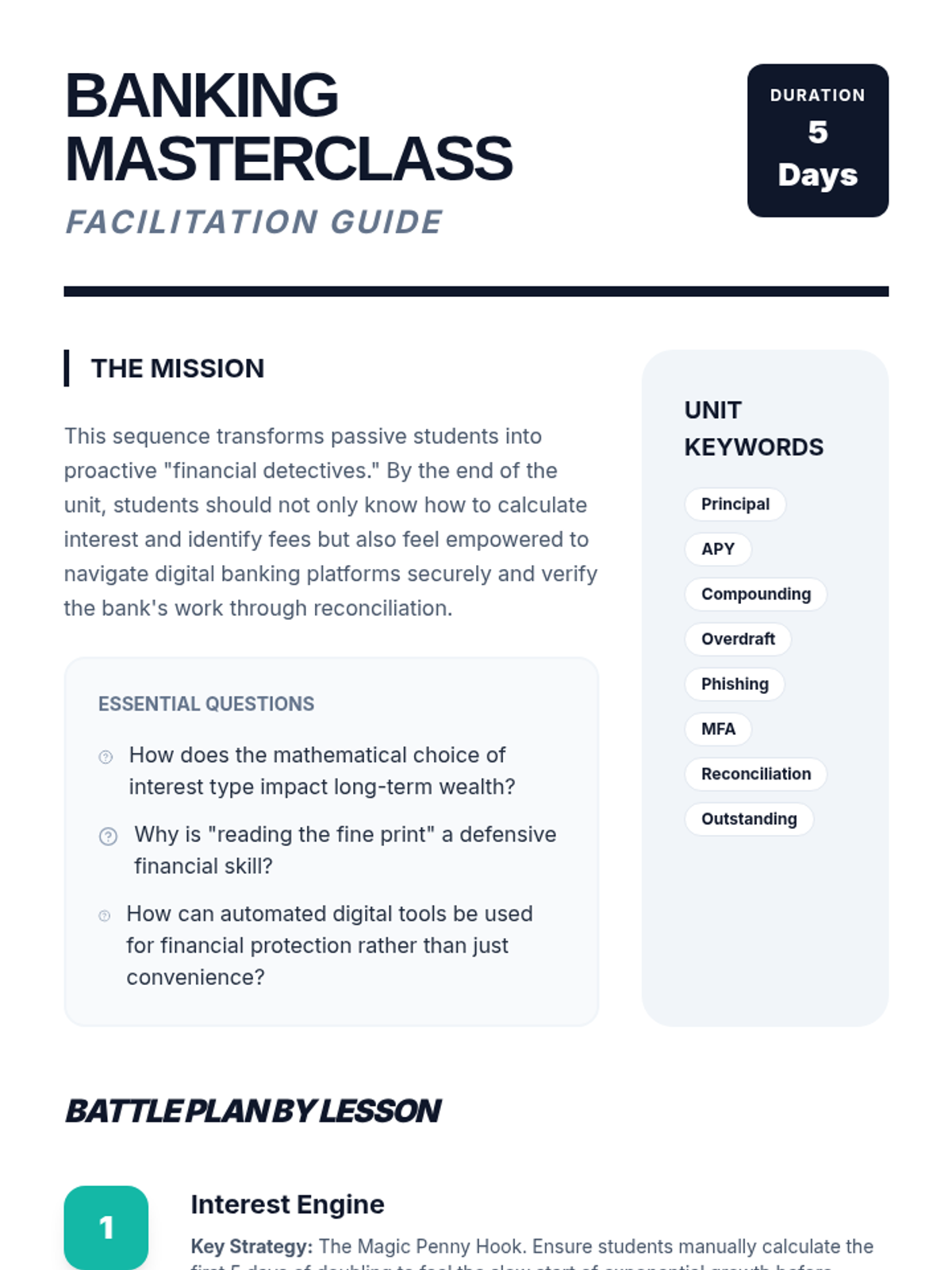
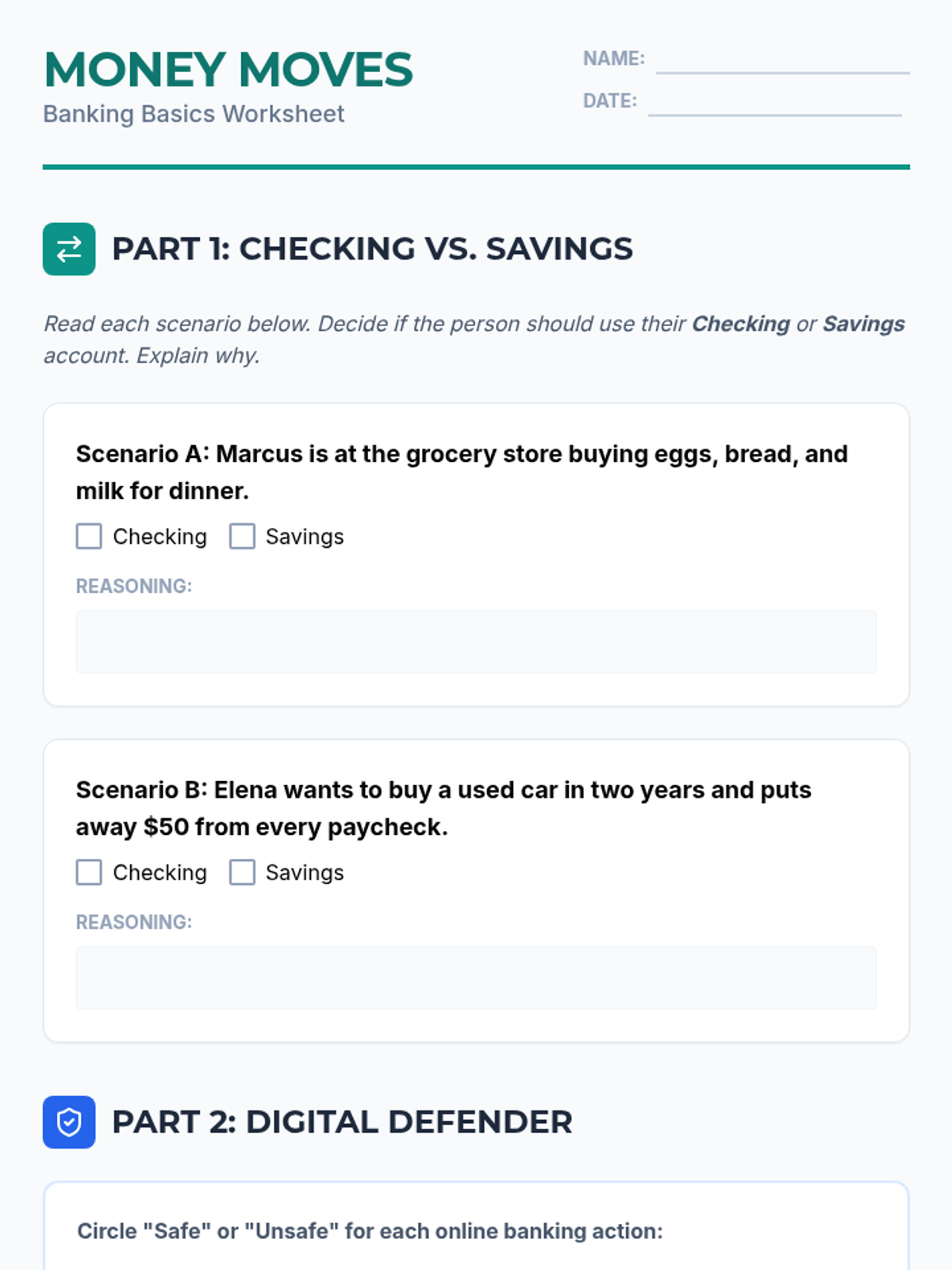
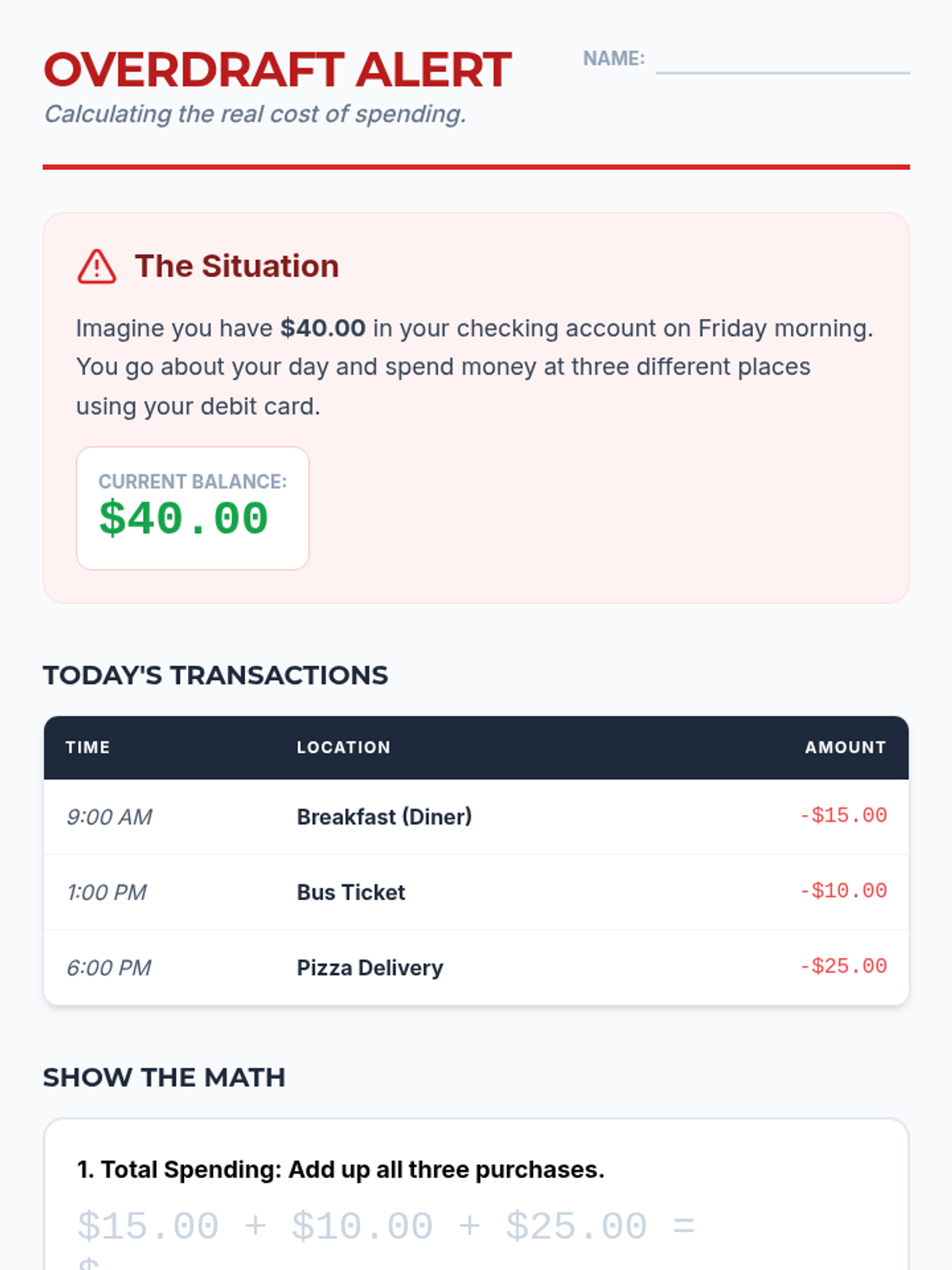
This sequence focuses on the financial implications of banking choices and the modern tools used to manage them. Students investigate the mathematics of interest, analyze fee structures, navigate digital banking platforms, and master the skill of account reconciliation.
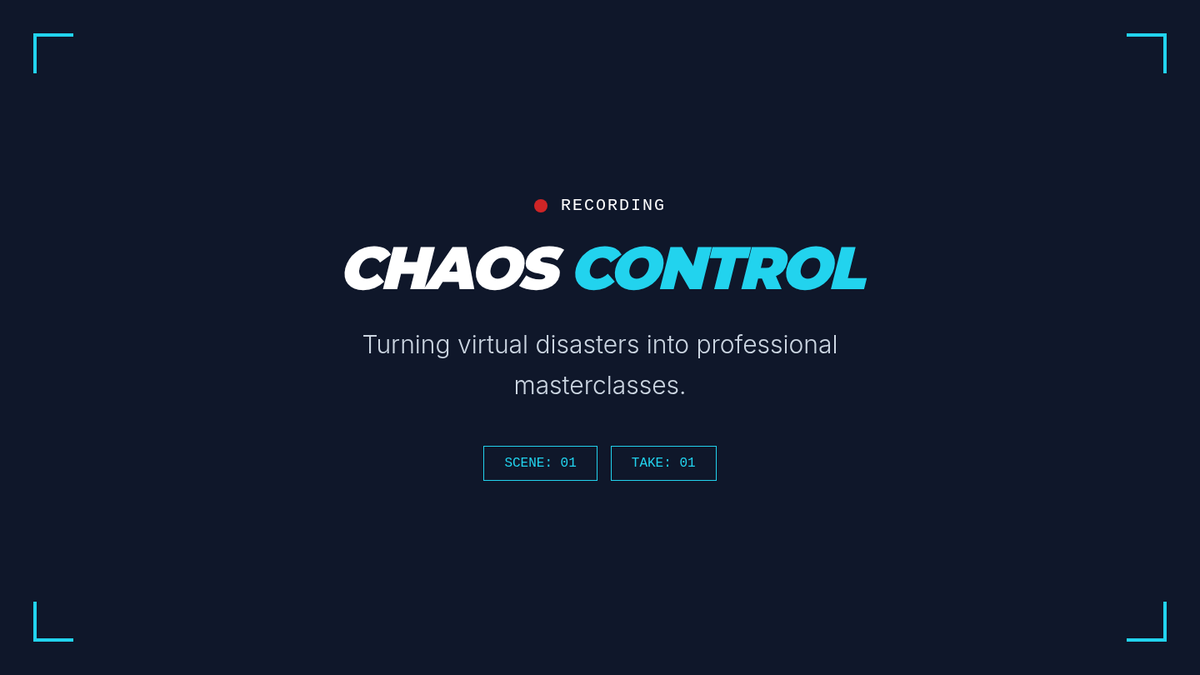
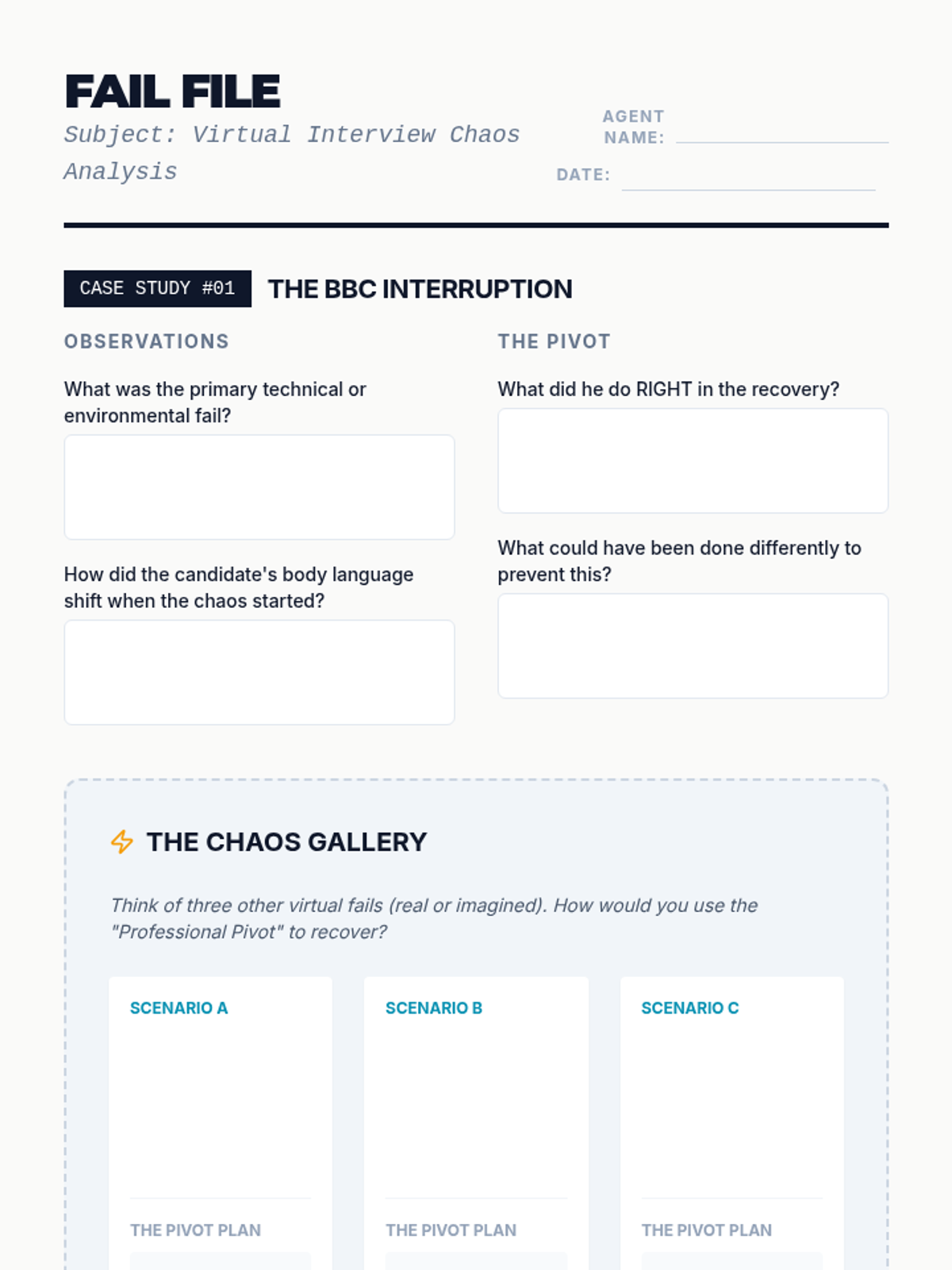
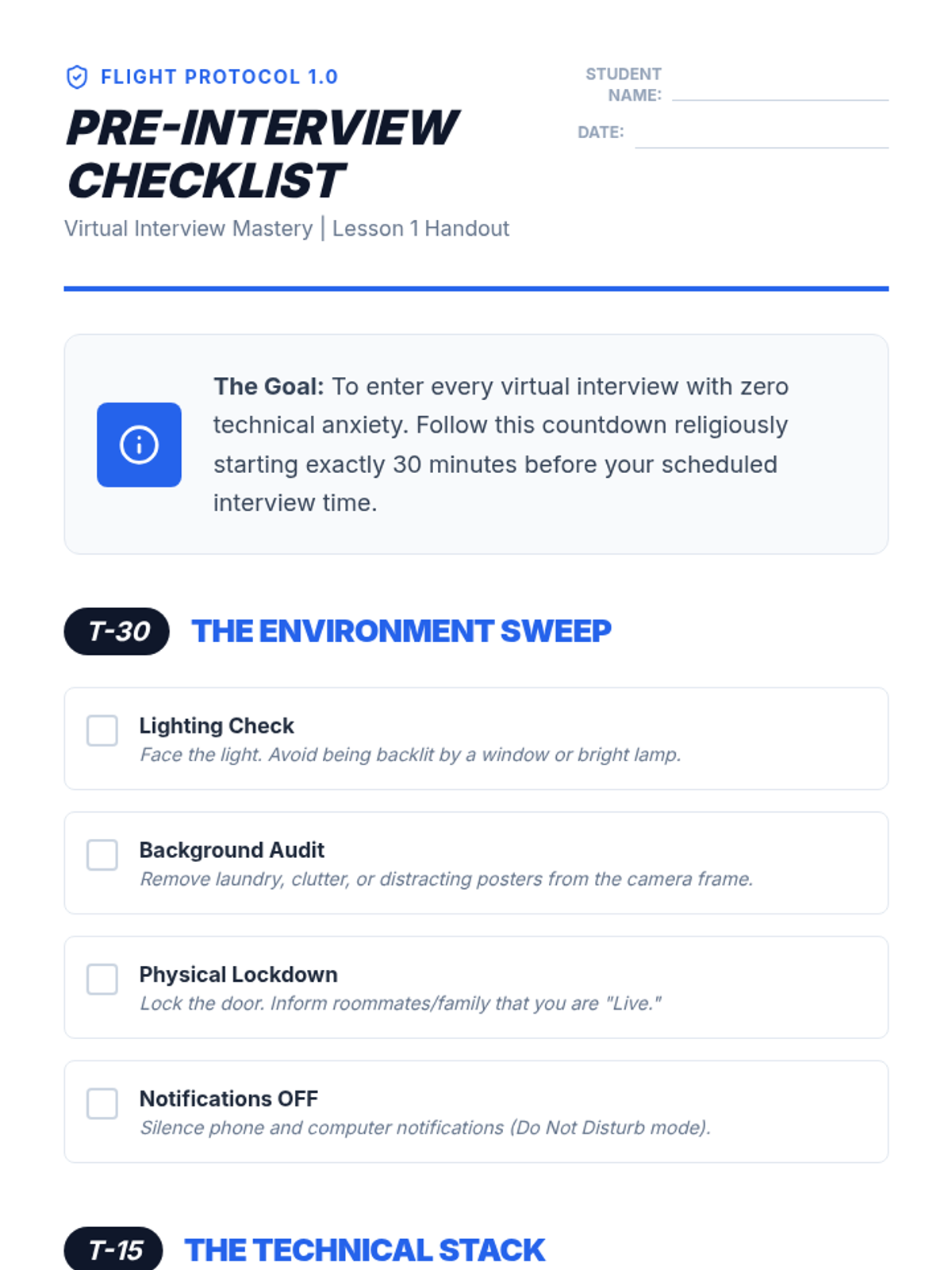
A comprehensive sequence focused on mastering virtual presence through analysis of failures, professional modeling, and rigorous self and peer reflection. Students develop a critical eye for digital communication and create a personal 'pre-flight' checklist for professional success.
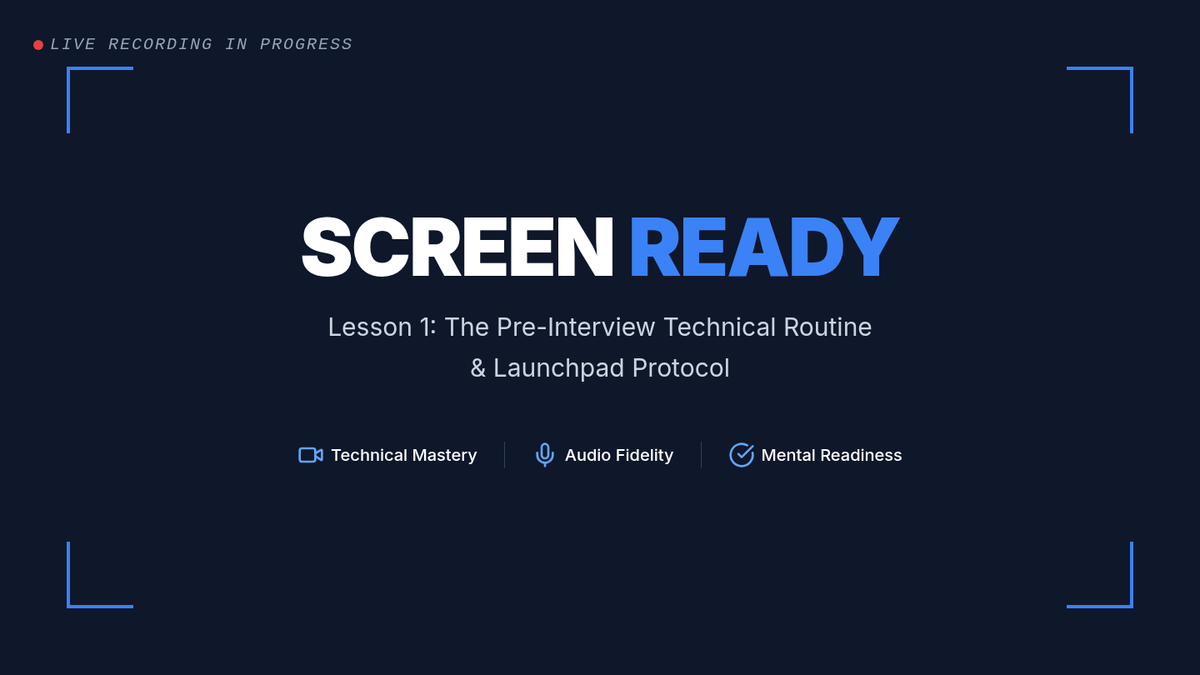
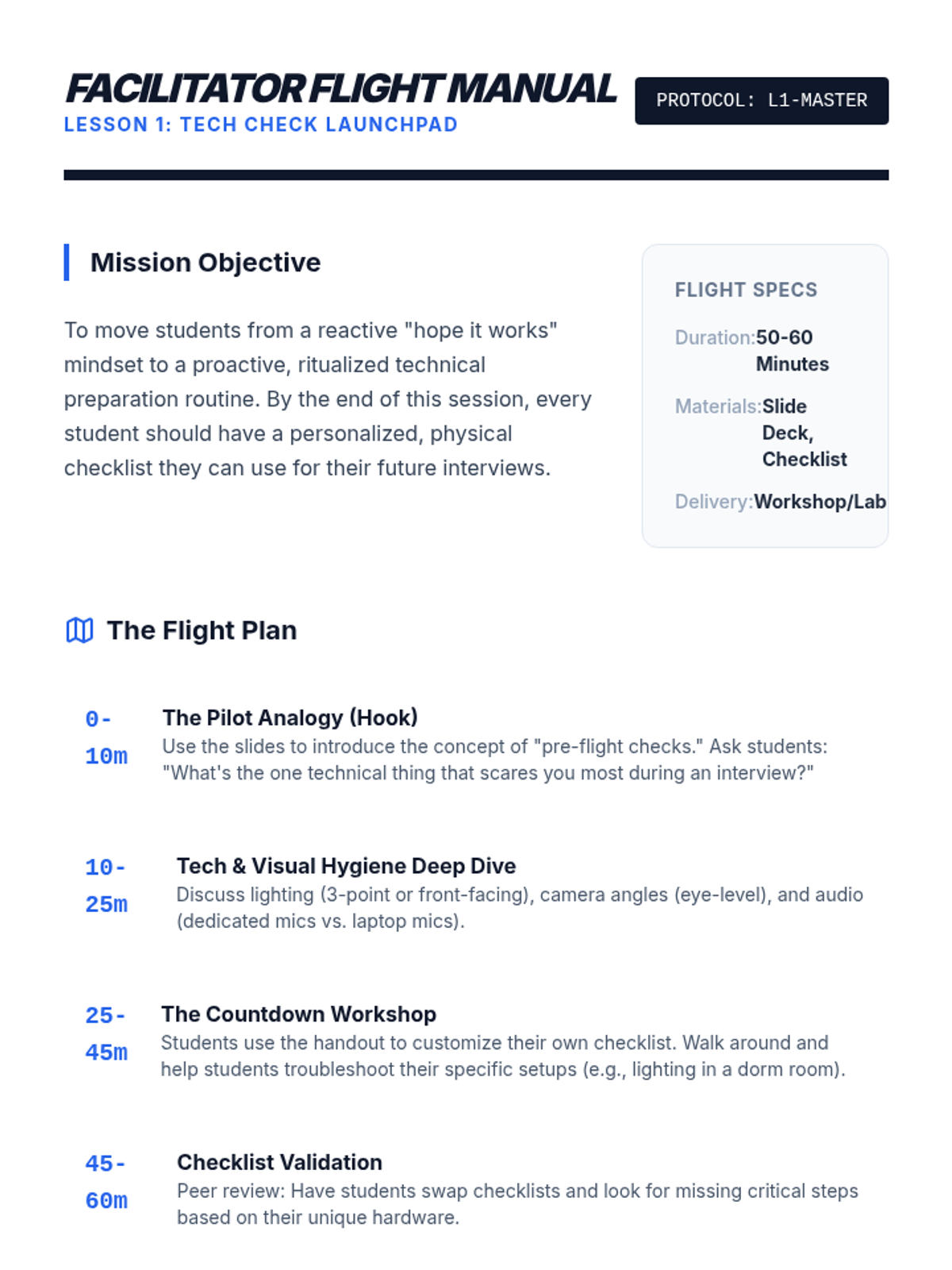
A comprehensive training sequence for undergraduate students to master virtual interview skills, moving from technical setup to high-stakes simulation and self-reflection. Students build a 'Screen Ready' mindset, ensuring they are technically flawless and behaviorally engaging in digital environments.
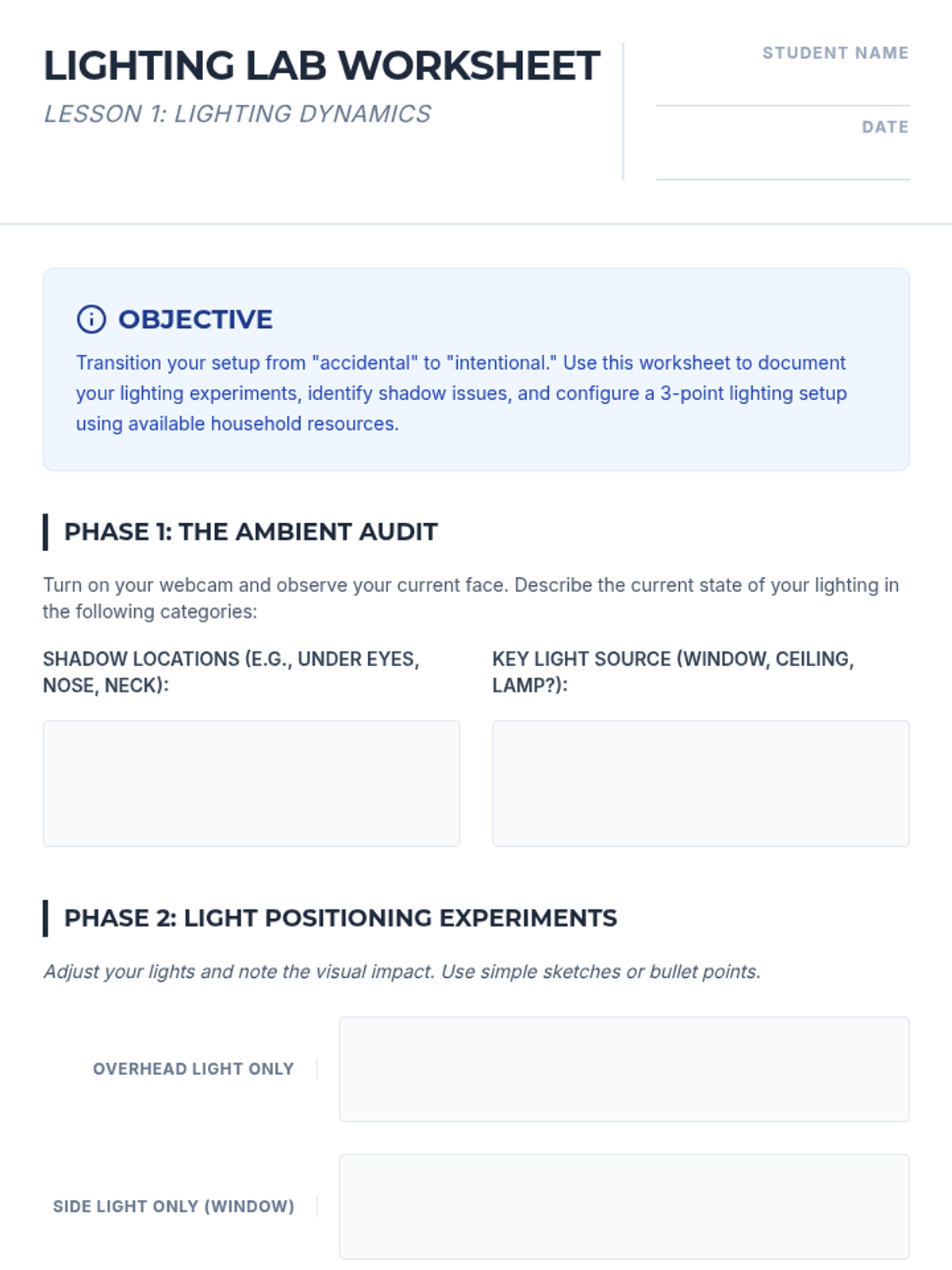
A comprehensive sequence designed to help undergraduate students master the technical aspects of virtual interviews. Students will learn to optimize lighting, audio, background composition, and camera positioning to project professional competence.
This sequence helps undergraduate students bridge the gap between in-person and digital communication. It focuses on adapting non-verbal cues—eye contact, active listening, posture, and gestures—specifically for the 2D constraints of a video call to build trust and professional warmth.
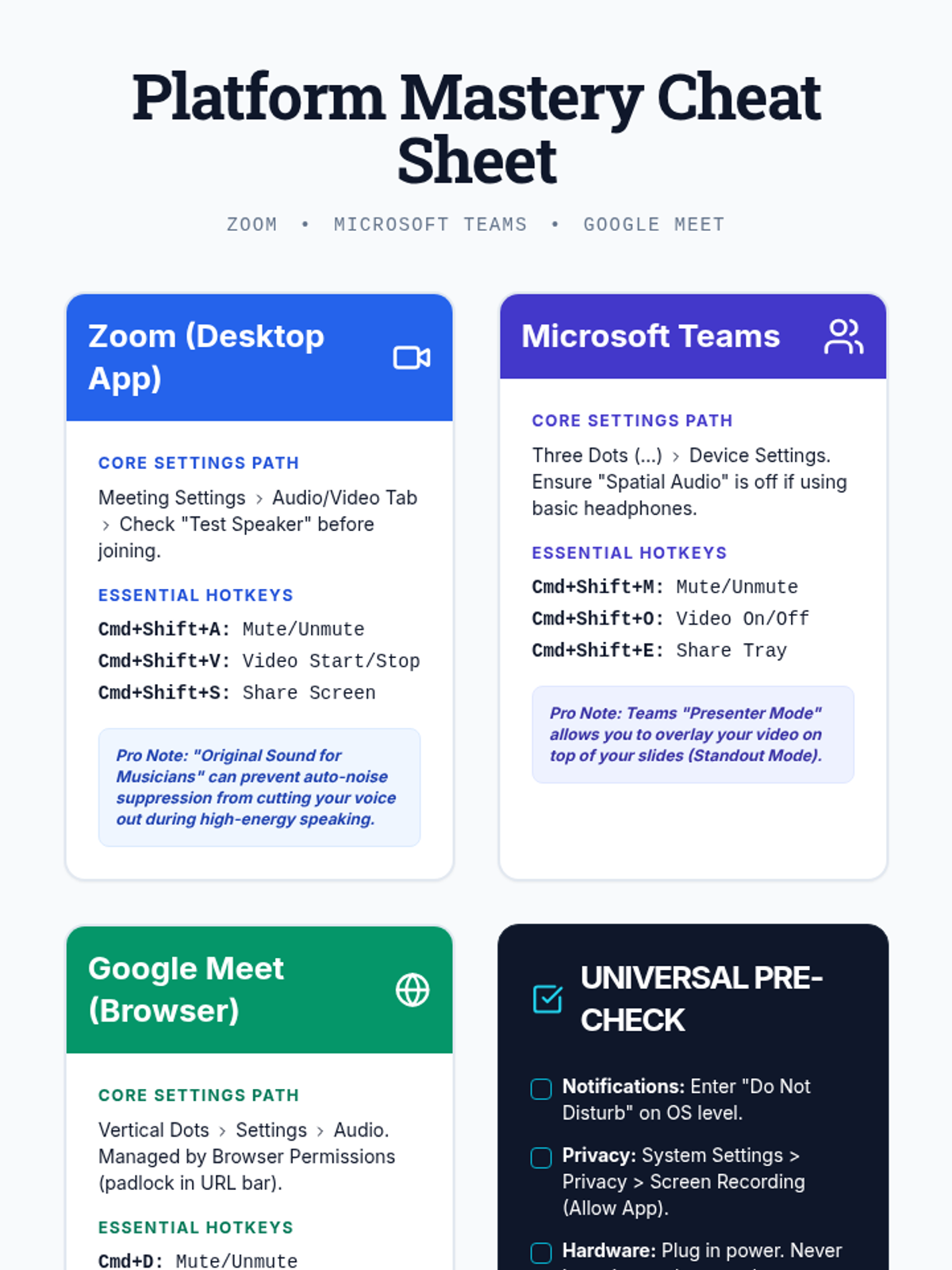
A comprehensive sequence for undergraduate students focused on mastering virtual interview platforms (Zoom, Teams, WebEx) and developing the resilience needed to handle technical failures with professional grace. Students move from platform fluency to real-time crisis management simulations.
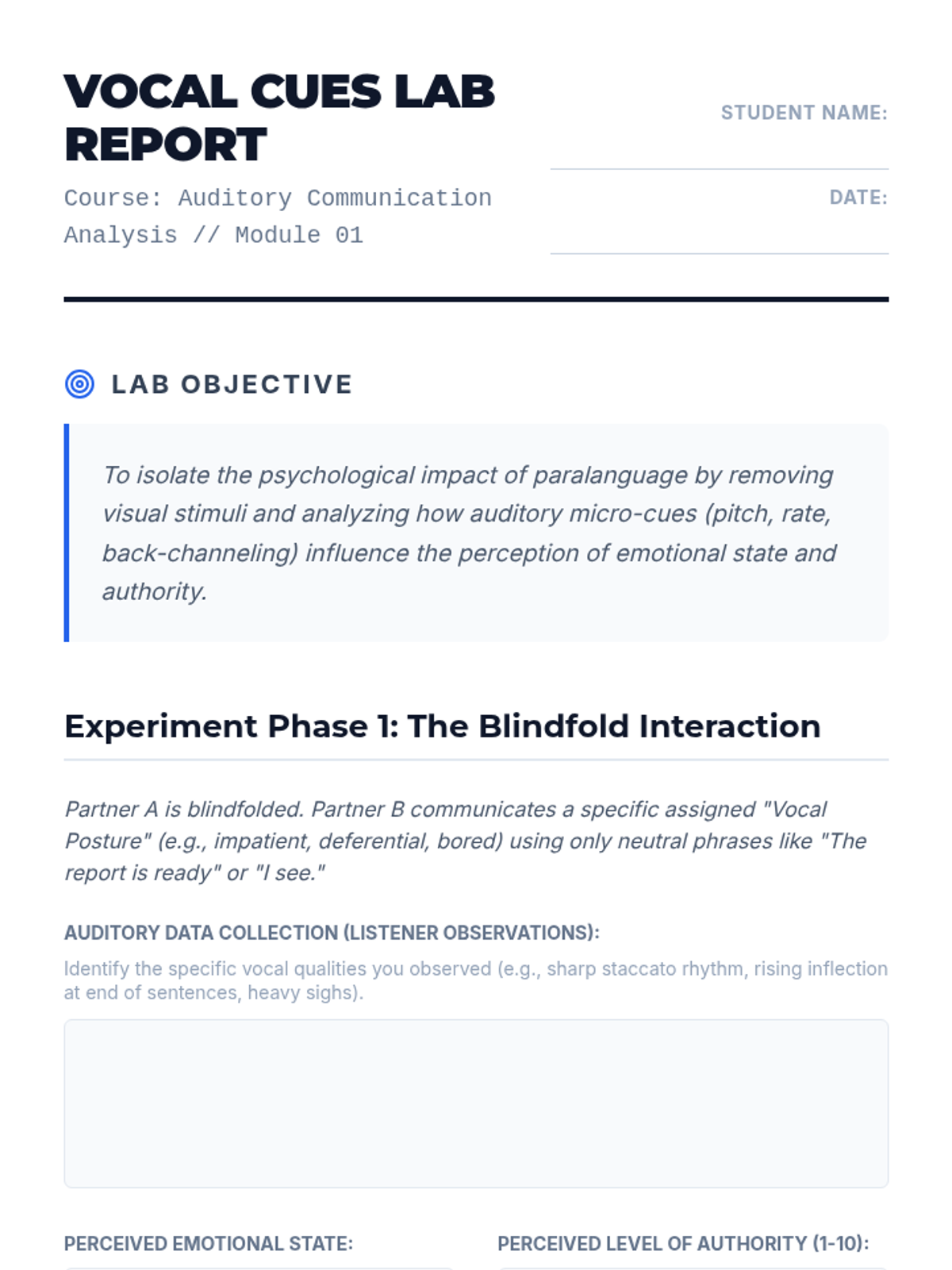
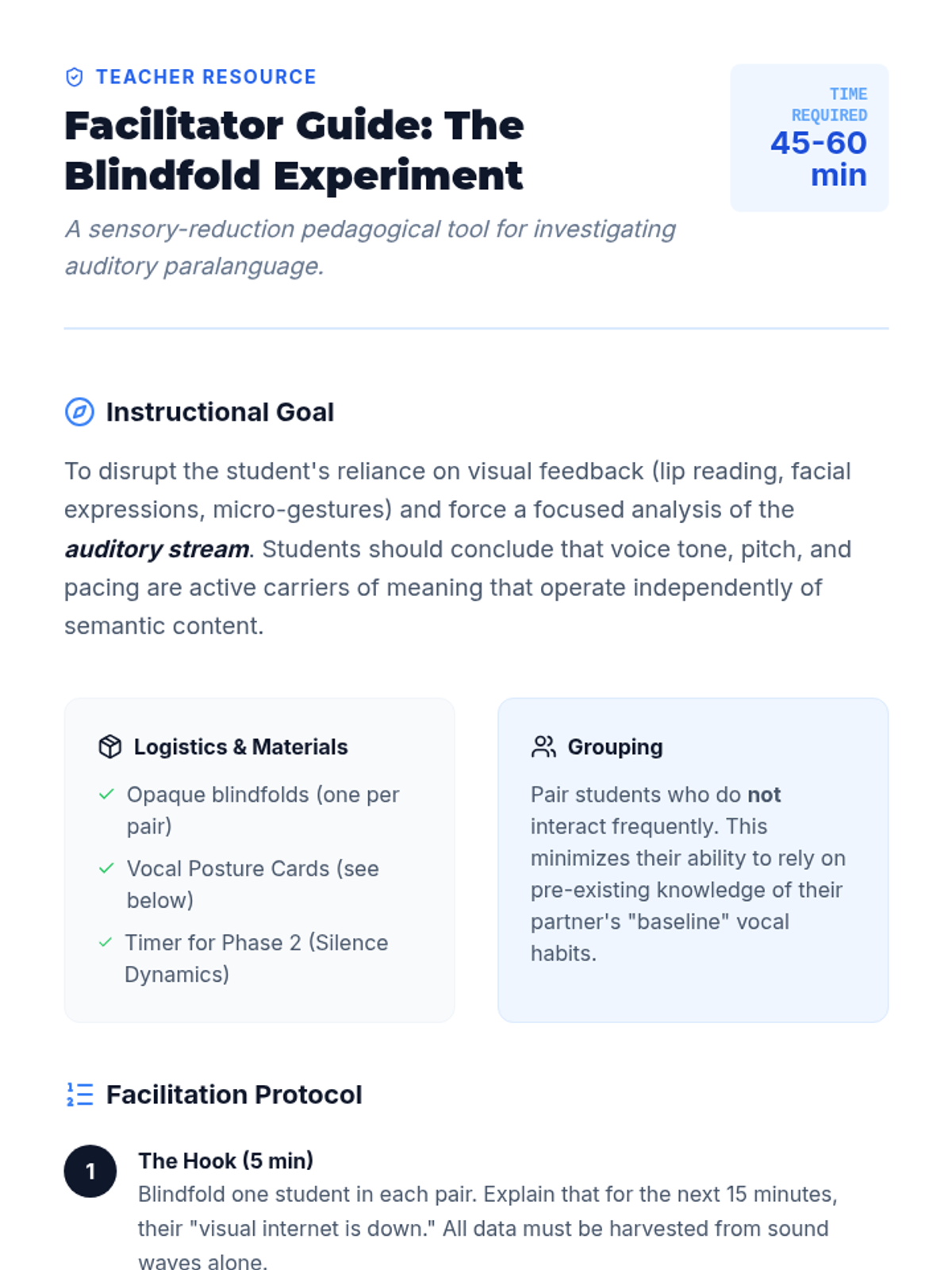
This sequence examines telephone communication as a complex system of cultural and organizational behavior, focusing on paralanguage, global etiquette, AI integration, and remote workplace presence for undergraduate students.
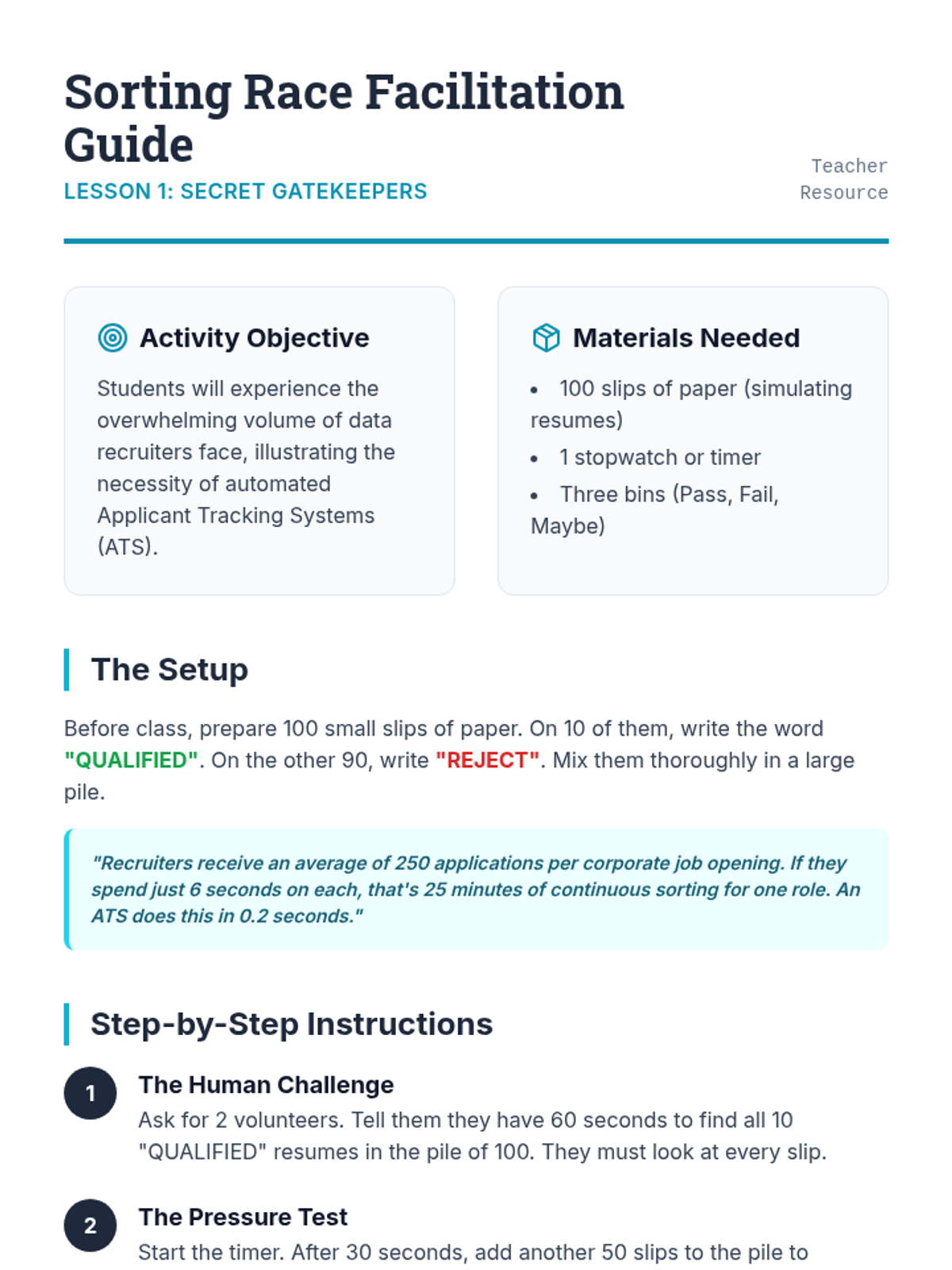
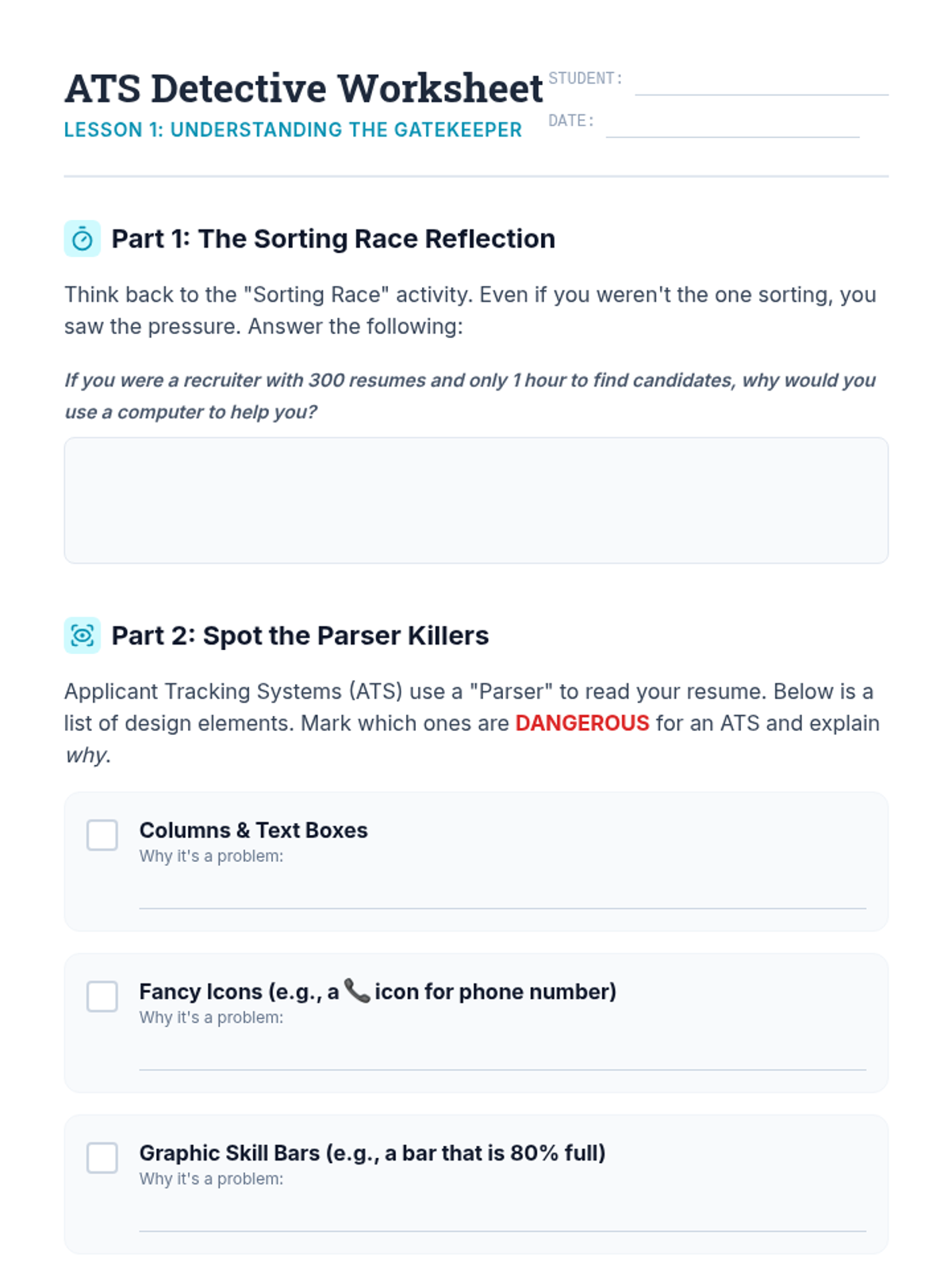
A comprehensive deep dive into the technical intersection of human resources and artificial intelligence, equipping graduate students to navigate and master Applicant Tracking Systems (ATS). Students learn to leverage semantic analysis and keyword optimization to ensure their qualifications are recognized by algorithmic gatekeepers while maintaining a compelling human narrative.
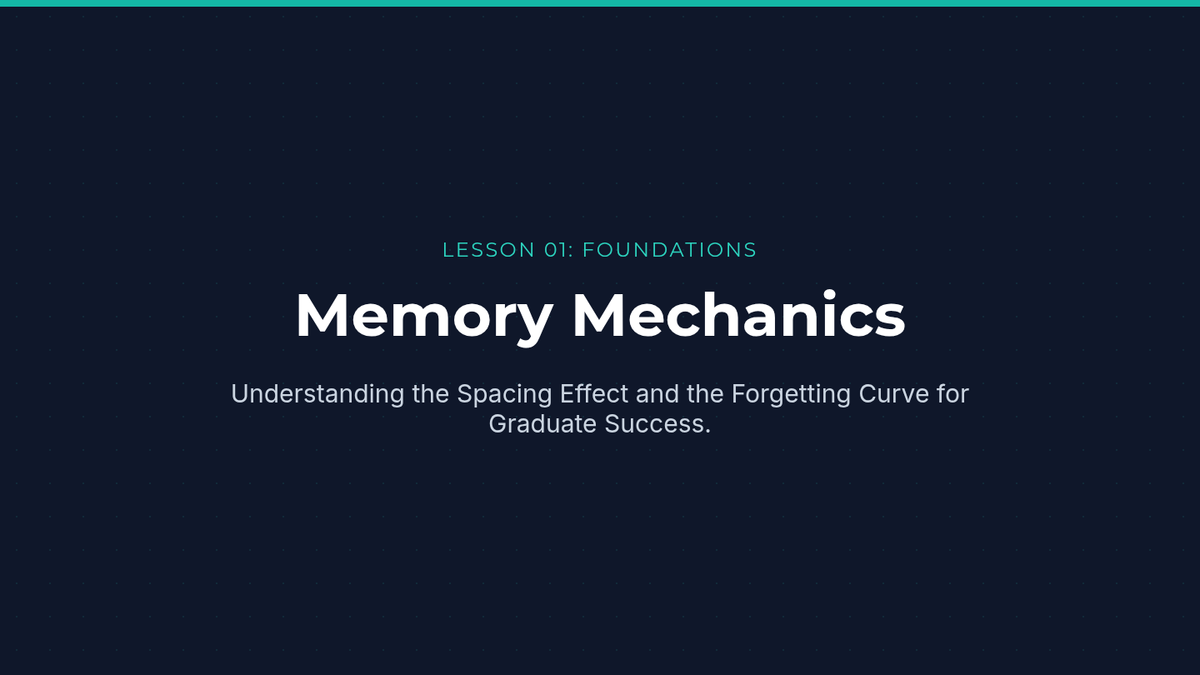
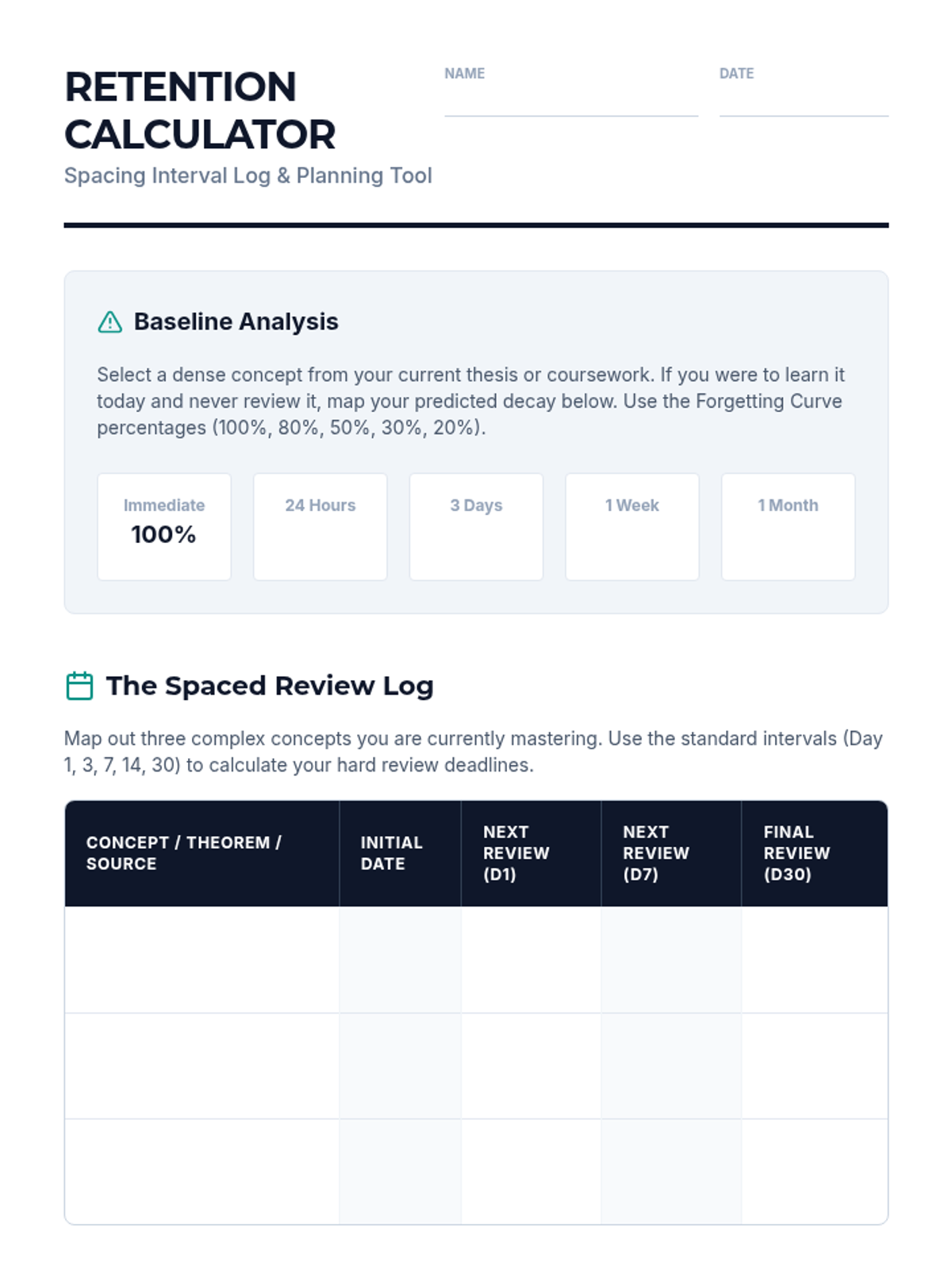
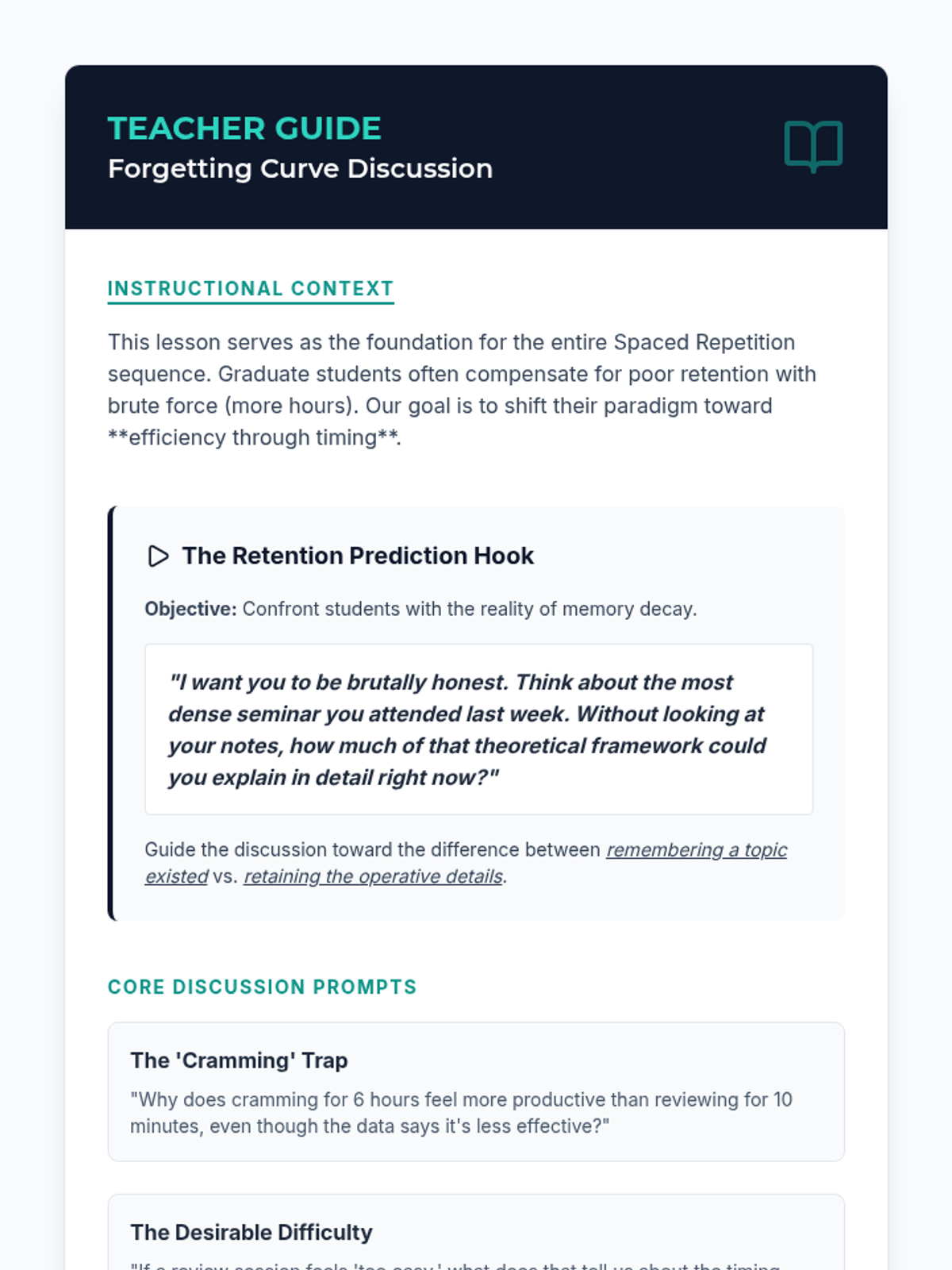
A comprehensive graduate-level sequence on optimizing memory retention through the Forgetting Curve and Spaced Repetition Systems (SRS). Students transition from theoretical neurological foundations to practical, automated workflows for long-term academic success.
This sequence focuses on the technical aspects of modern job searching, specifically optimizing resumes for Applicant Tracking Systems (ATS). Students explore how digital screening tools filter candidates and learn the specific formatting and keyword strategies required to pass these automated gates. through simulations and technical audits, learners develop a resume structure that is both machine-readable and human-compelling.
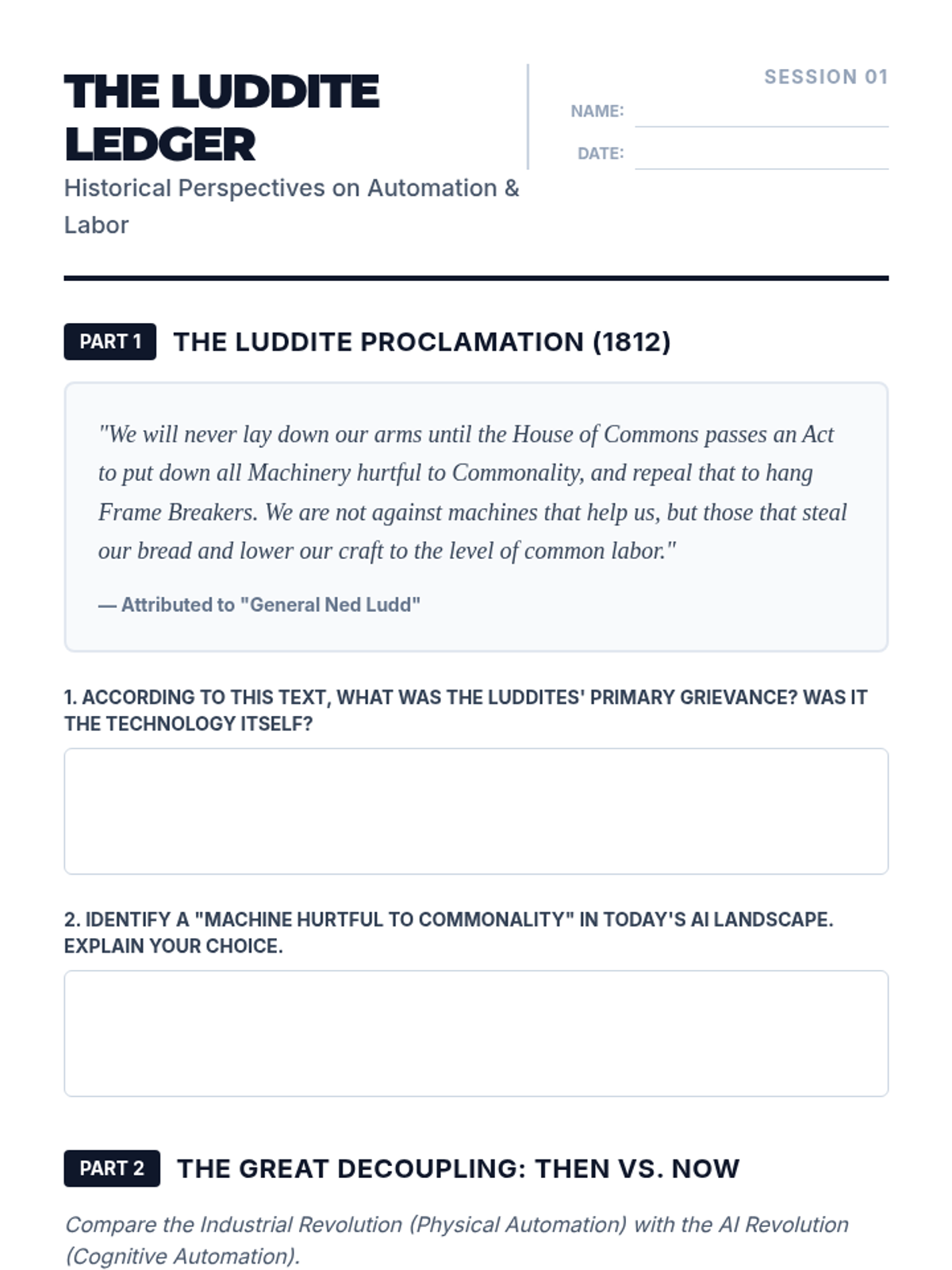
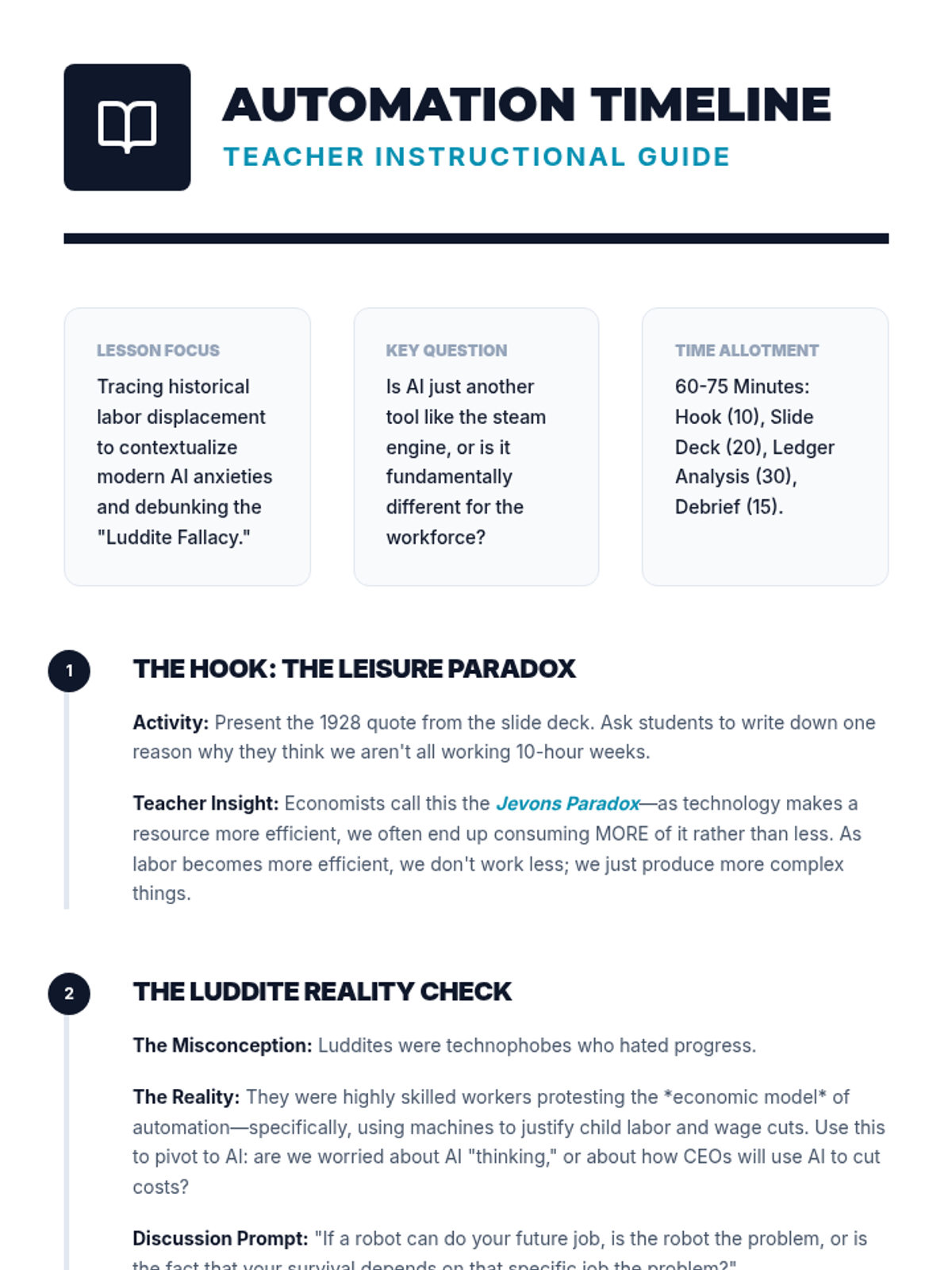
This sequence explores the economic and social disruptions caused by automation and AI. Students analyze historical patterns of labor displacement, participate in economic simulations, investigate the gig economy, debate policy solutions like UBI, and develop personalized career roadmaps focusing on uniquely human skills.
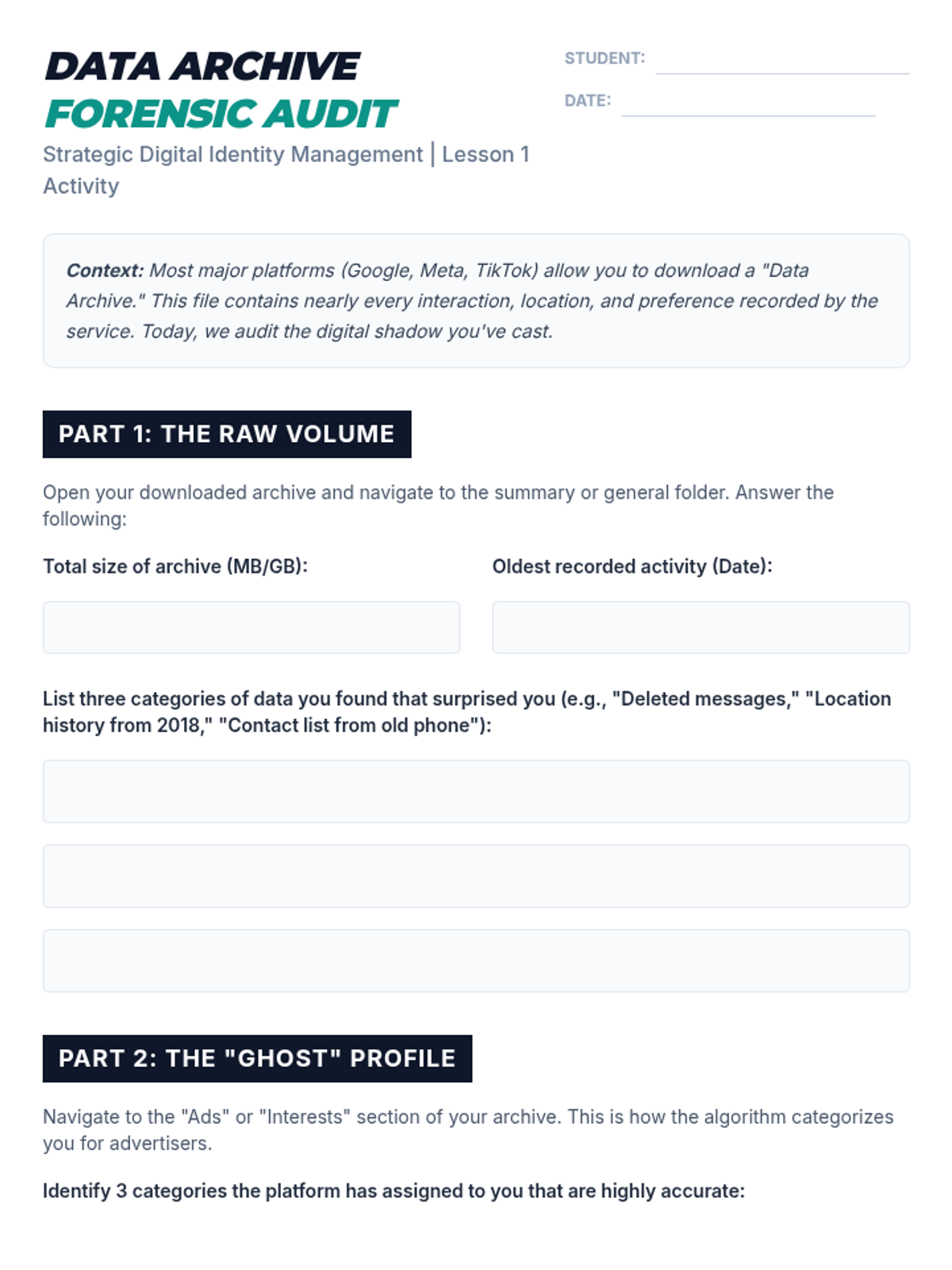
A comprehensive sequence for undergraduate students exploring data ethics, surveillance capitalism, professional branding, and emerging AI threats. Students will learn to navigate the digital economy with strategic intent and protect their personal and professional well-being.
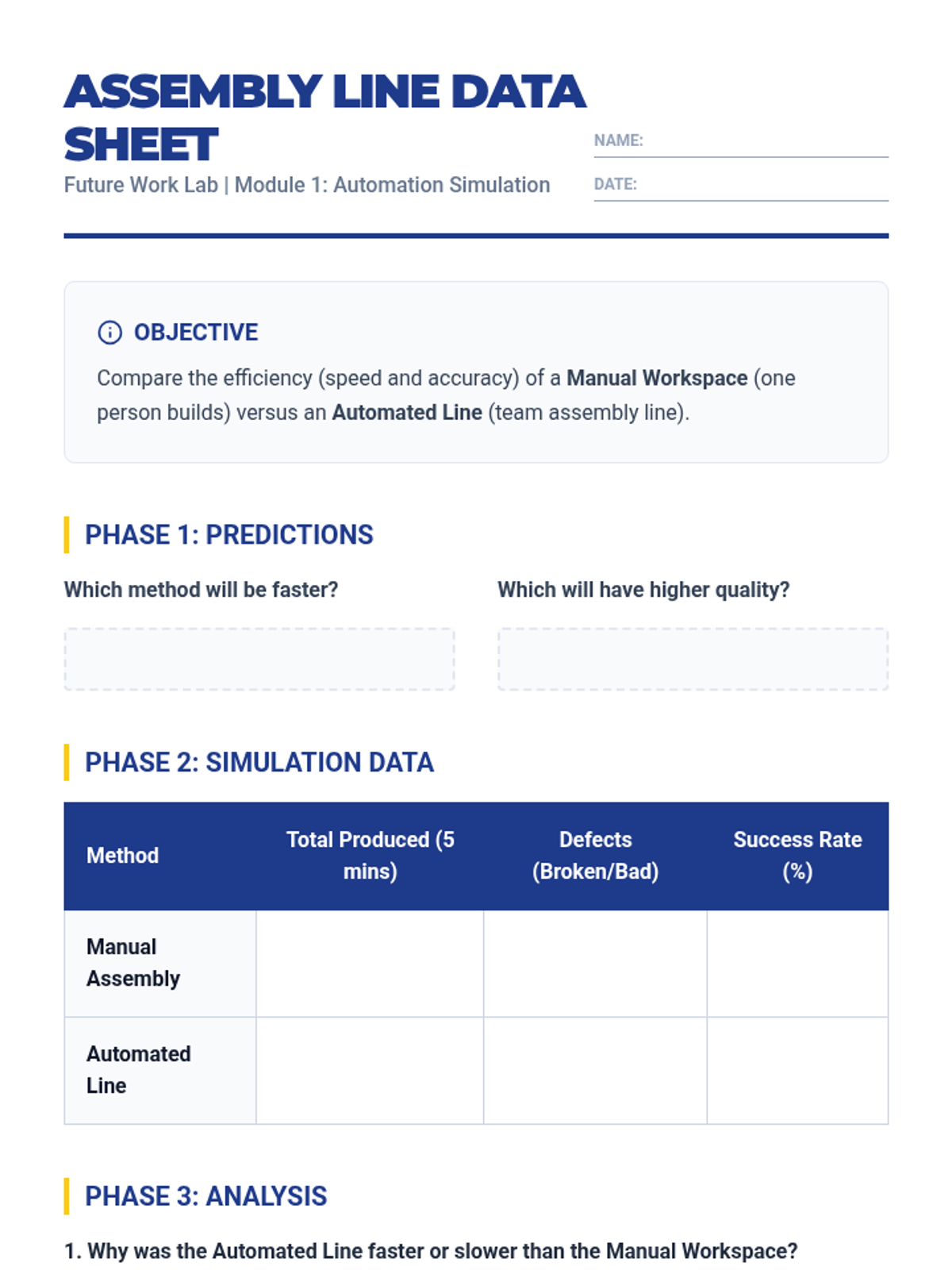
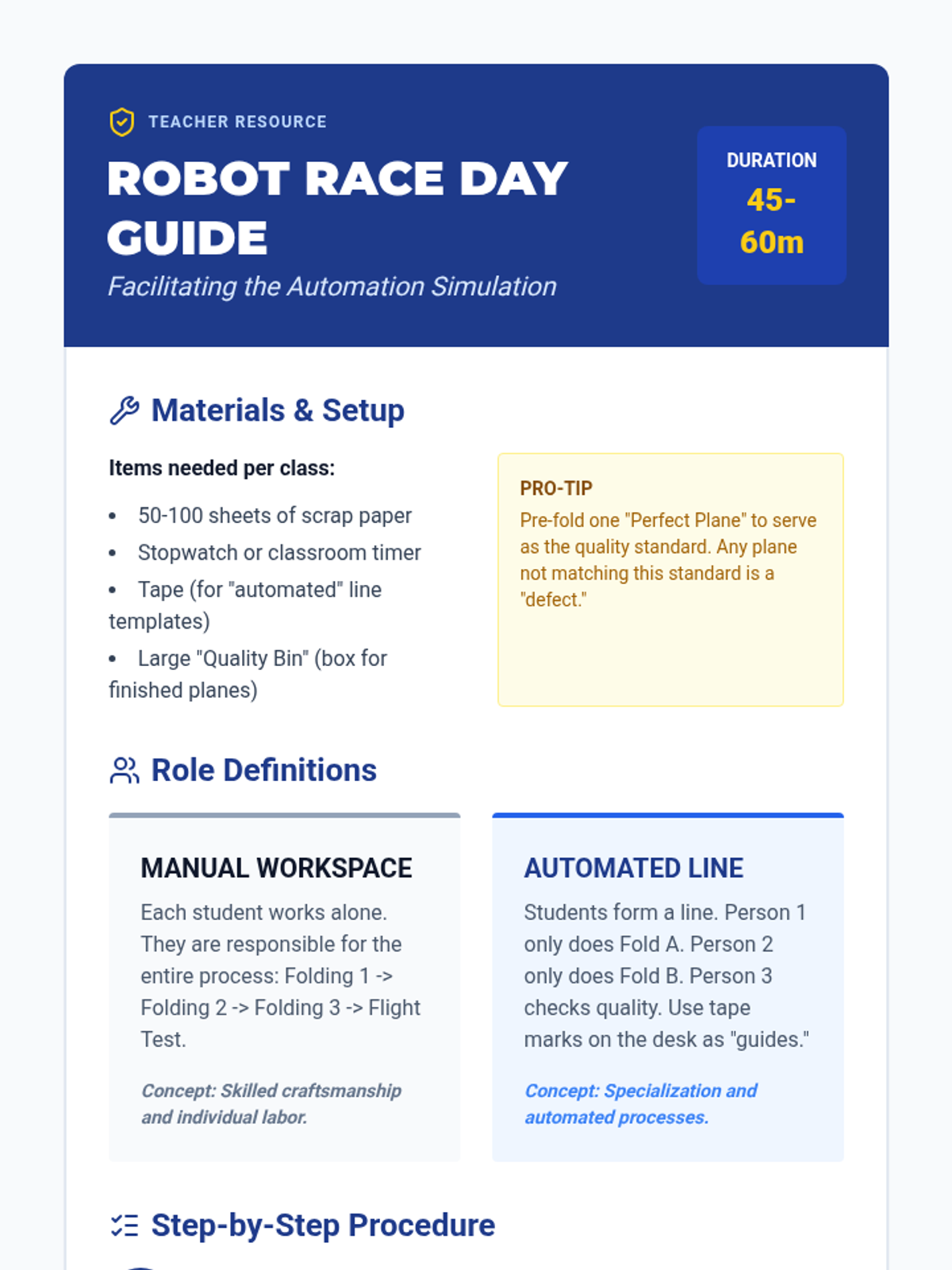
This sequence explores how technology transforms the workplace, from assembly line automation to the rise of remote work and the gig economy, concluding with identifying essential human skills for the future.
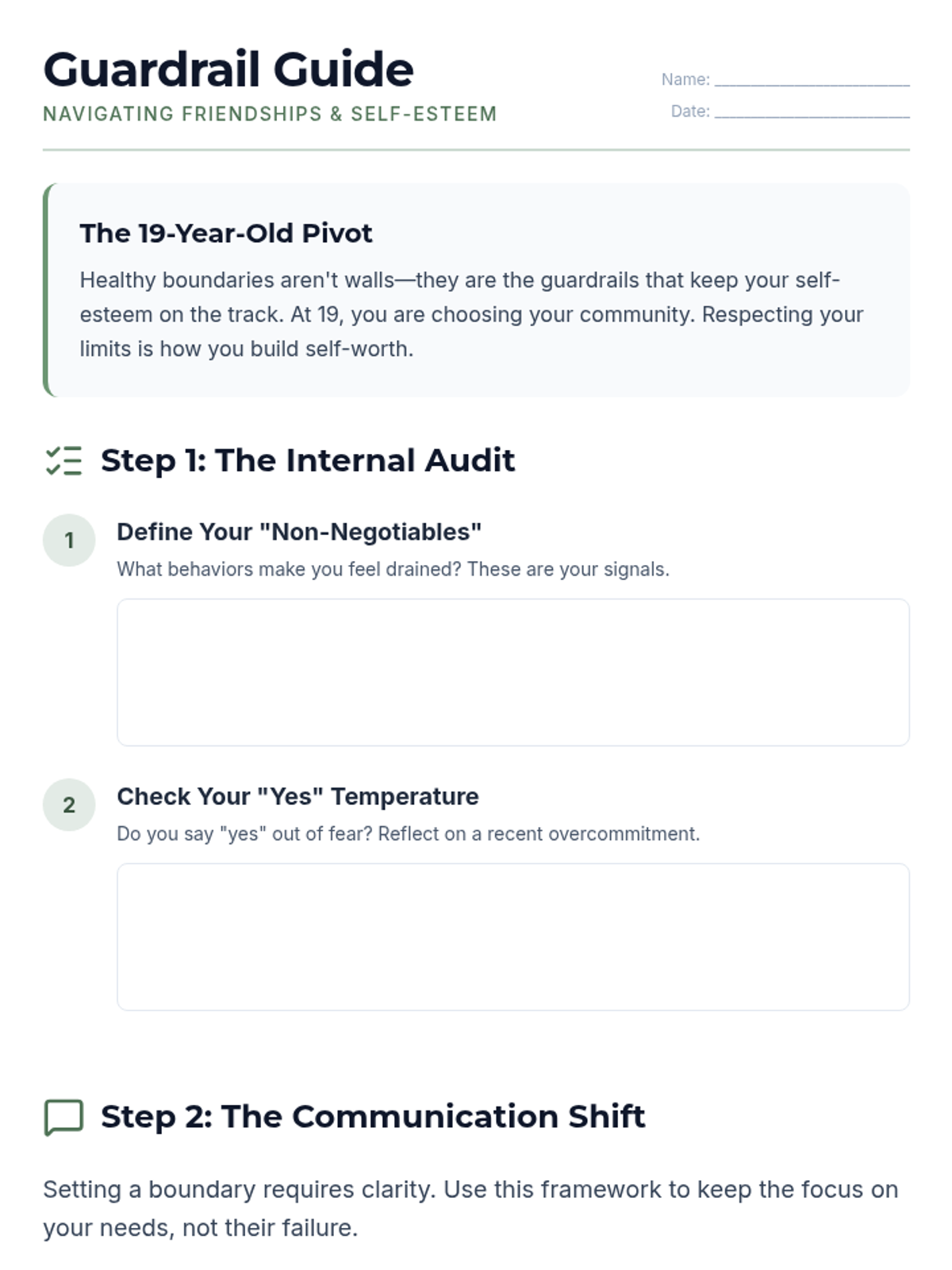
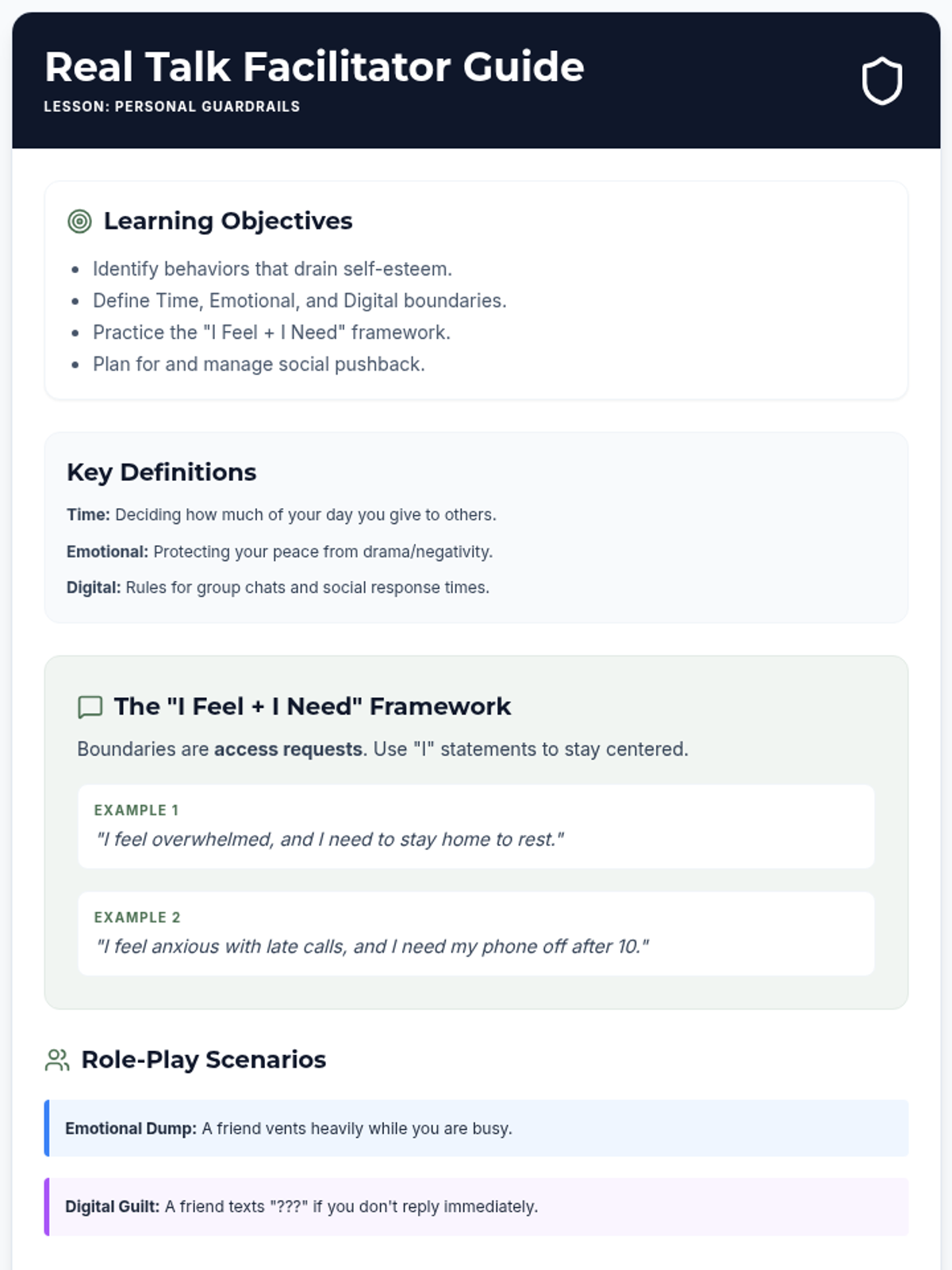
A series focused on social health and interpersonal skills for young adults, focusing on the intersection of self-worth and social dynamics.
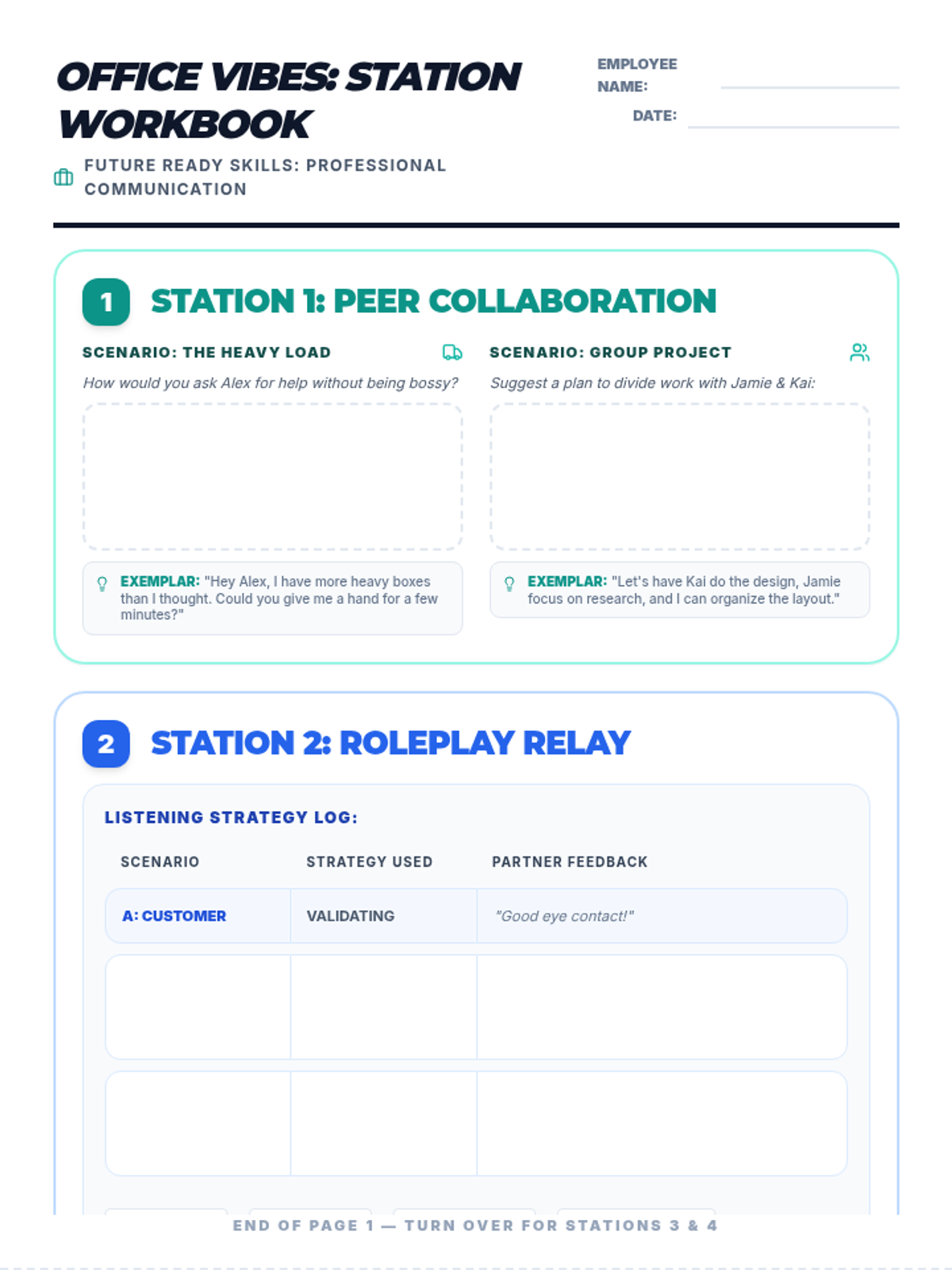
A series of lessons designed to prepare students for the transition to the workforce by developing critical soft skills, digital literacy, and professional communication strategies.
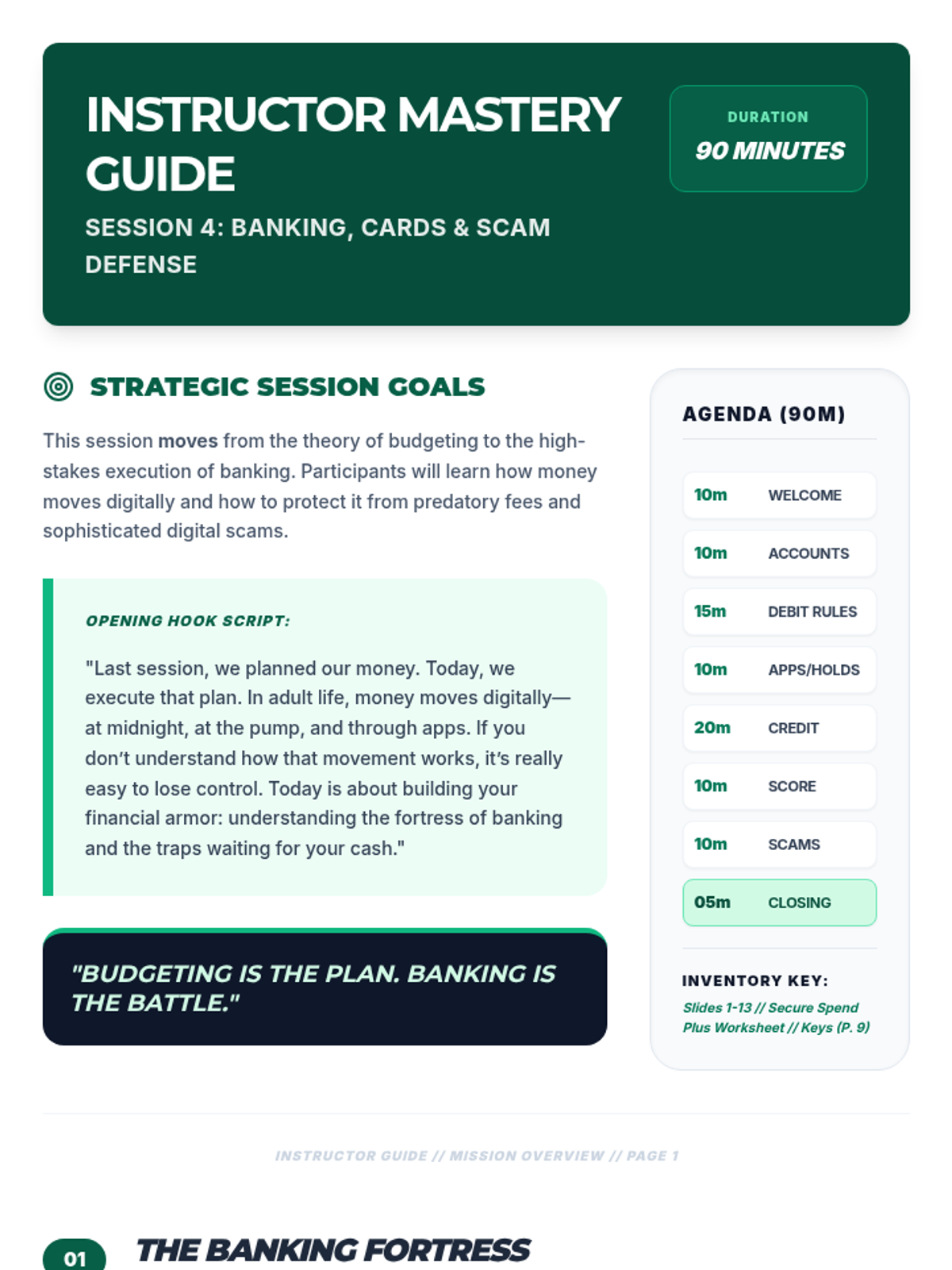
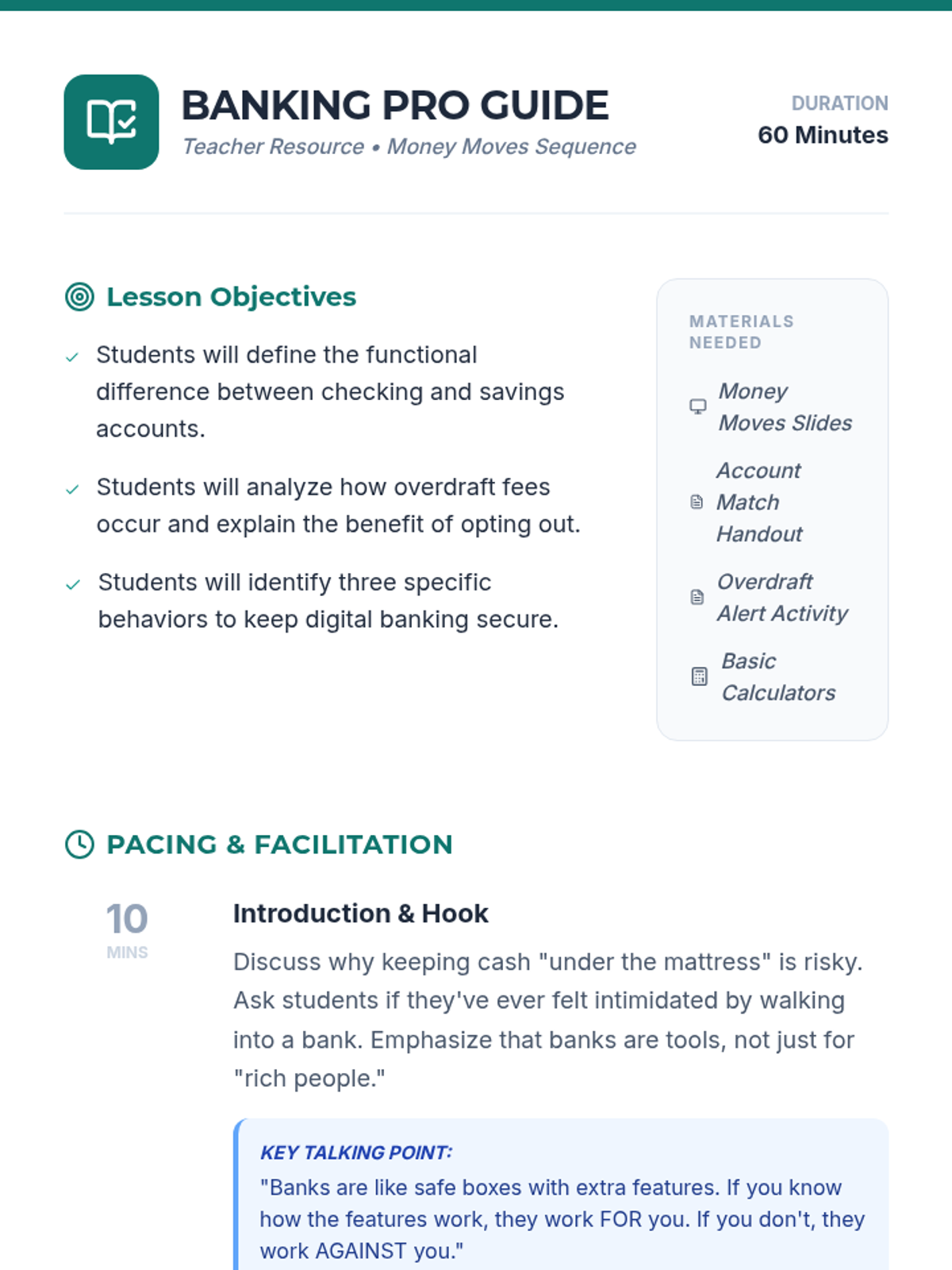
An in-depth personal finance unit for young adults (ages 16-21) covering the mechanics of bank accounts, the differences between debit and credit, the impact of interest and credit scores, and practical strategies for identifying and avoiding financial scams.
A financial literacy series focused on essential banking skills for low-income students, covering account types, avoiding fees, and digital security.
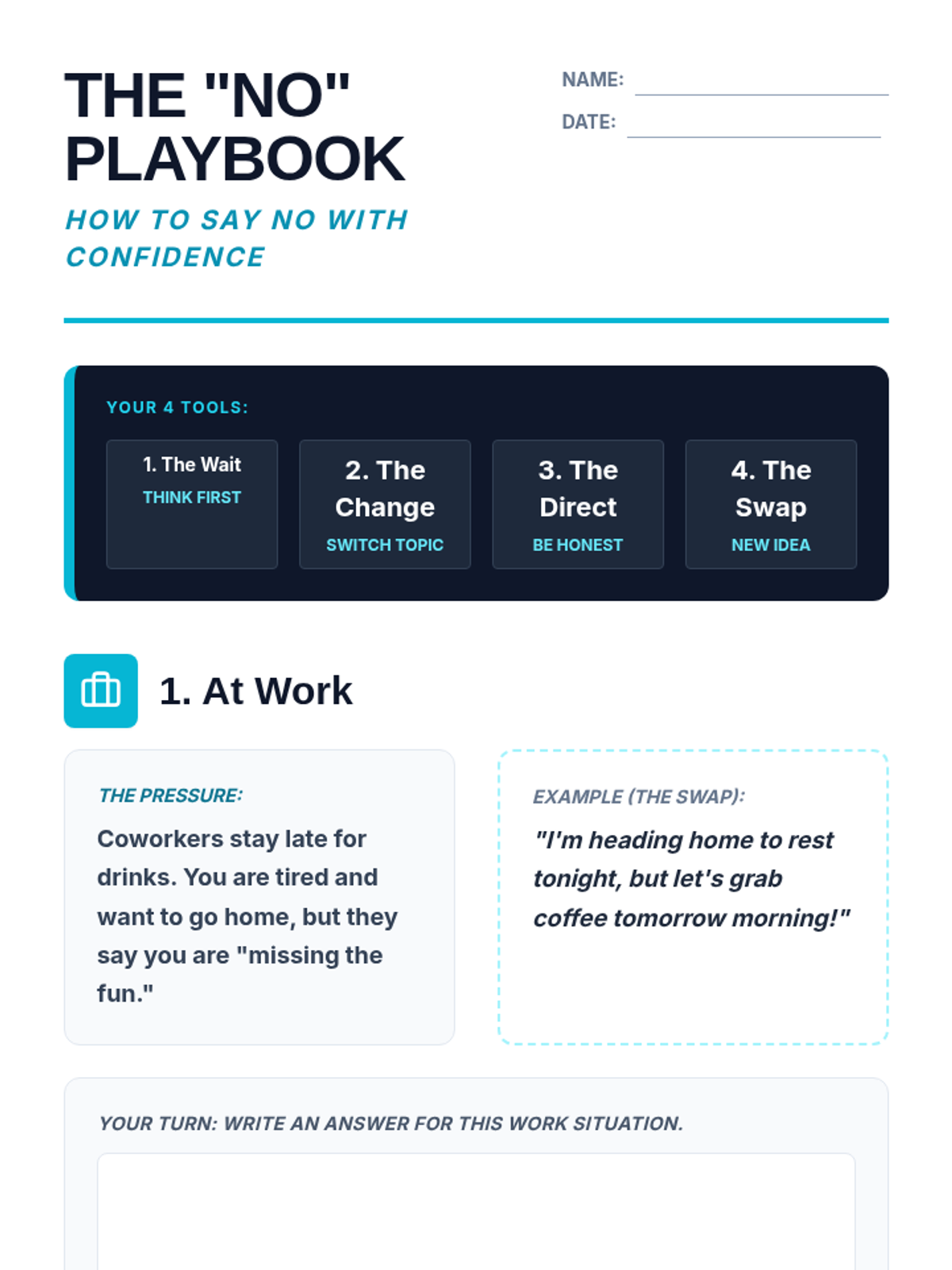
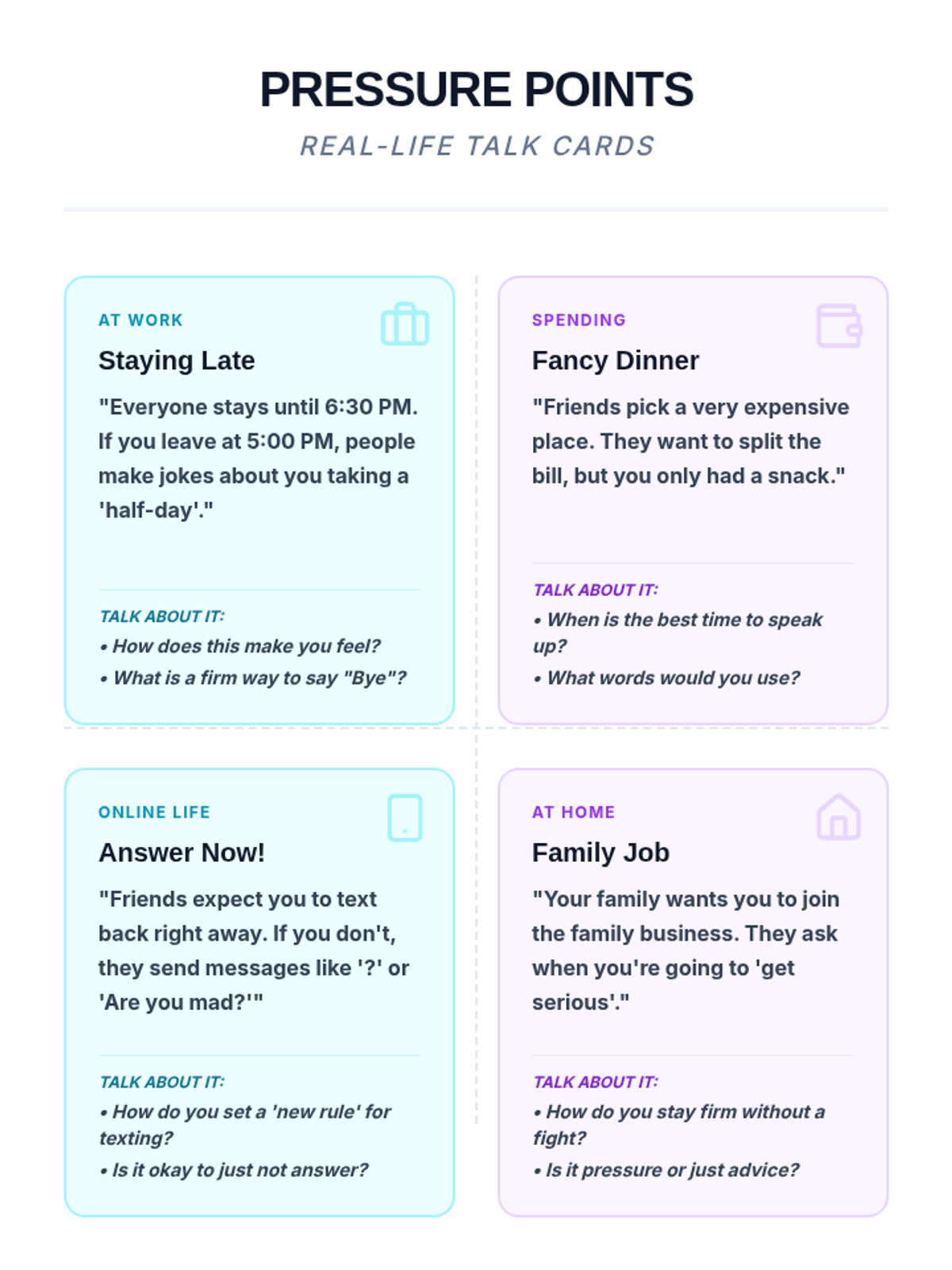
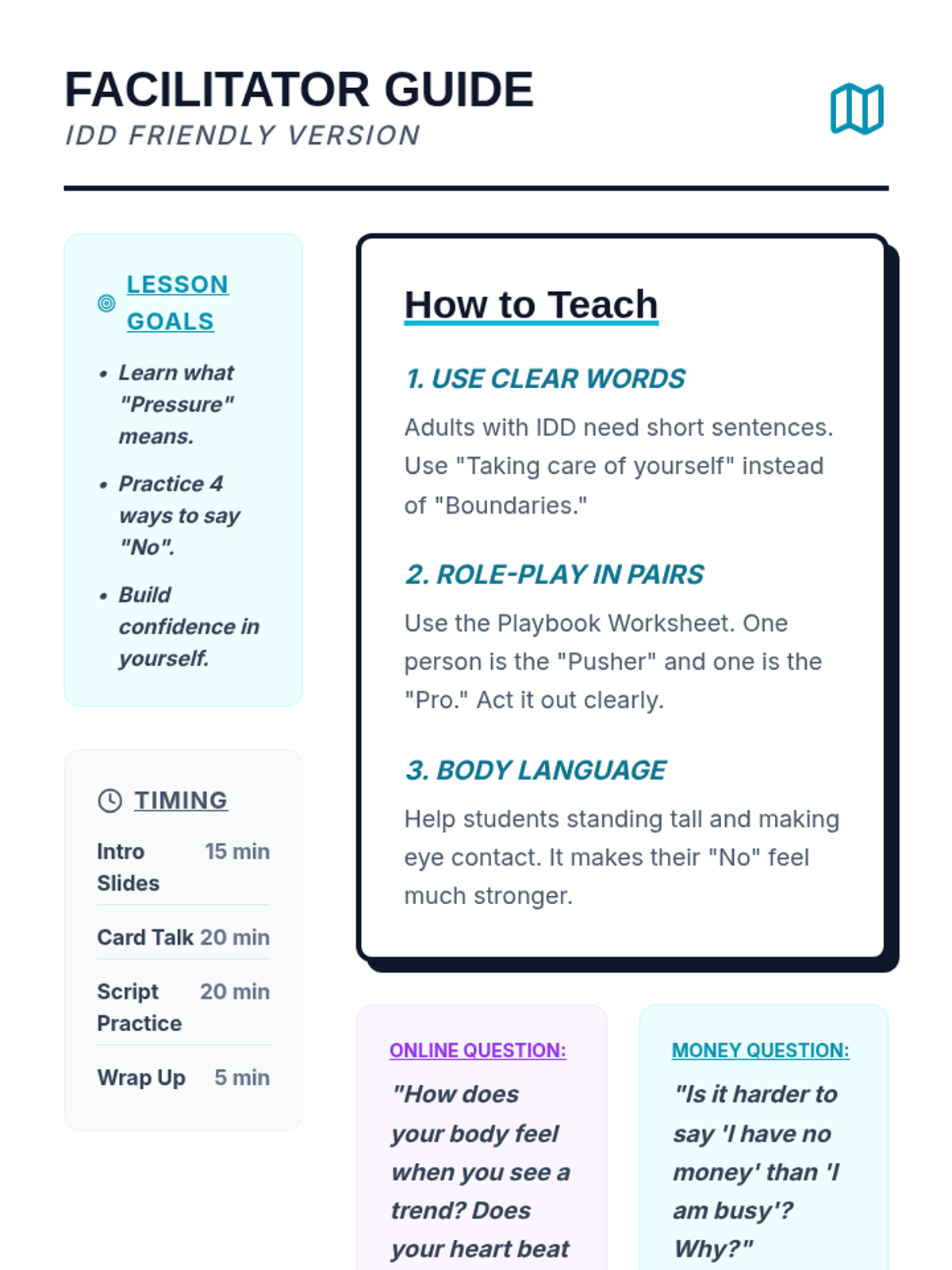
![[ARCHIVED] Pressure Points Cards 1](https://www.lenny.com/api/preview/217d4cb7-da06-4e17-9243-a20b84b13d40/1200.png?selected_locale_code=null)
![[ARCHIVED] Pressure Points Cards 3](https://www.lenny.com/api/preview/3e0574ca-7872-4985-bcb7-daa3968afdf0/1200.png?selected_locale_code=null)
![[ARCHIVED] Pressure Points Cards 2](https://www.lenny.com/api/preview/f849bf48-09f0-43ff-8b3e-27e1abc46cda/1200.png?selected_locale_code=null)
![[ARCHIVED] Pressure Proof Slides 2](https://www.lenny.com/api/preview/413c85b3-3eff-4bba-9ff0-156325a779b0/1200.png?selected_locale_code=null)
![[ARCHIVED] Pressure Proof Facilitator Guide 2](https://www.lenny.com/api/preview/f3956daf-6693-45cb-ba80-d369c35f5671/1200.png?selected_locale_code=null)
![[ARCHIVED] Refusal Playbook Worksheet 2](https://www.lenny.com/api/preview/9a4f233a-a54d-4a8a-b21b-932cc85e758c/1200.png?selected_locale_code=null)
![[ARCHIVED] Pressure Proof Facilitator Guide 3](https://www.lenny.com/api/preview/413b6171-7866-444b-9326-bbfb0f6e4a01/1200.png?selected_locale_code=null)
![[ARCHIVED] Pressure Proof Slides 3](https://www.lenny.com/api/preview/fa5bb225-106c-4b80-92b7-fc371f327dff/1200.png?selected_locale_code=null)
![[ARCHIVED] Refusal Playbook Worksheet 1](https://www.lenny.com/api/preview/ed0c10be-ad6c-4152-a521-bca8b2972b76/1200.png?selected_locale_code=null)
![[ARCHIVED] Pressure Proof Facilitator Guide 1](https://www.lenny.com/api/preview/01158e9b-231c-4cef-b6f2-667df499189f/1200.png?selected_locale_code=null)
![[ARCHIVED] Pressure Proof Slides 1](https://www.lenny.com/api/preview/783a2e0c-4303-4520-943a-28202dc7bd06/1200.png?selected_locale_code=null)
![[ARCHIVED] Pressure Proof Slides 4](https://www.lenny.com/api/preview/3085c551-44e8-4f65-8d54-656cfc0cf760/1200.png?selected_locale_code=null)
![[ARCHIVED] Pressure Points Cards 4](https://www.lenny.com/api/preview/66f628db-ebca-4e09-8c6d-4aacbcb8de9a/1200.png?selected_locale_code=null)
![[ARCHIVED] Pressure Proof Facilitator Guide 4](https://www.lenny.com/api/preview/5fb172af-3d25-4f85-8634-9f5df4bc5e03/1200.png?selected_locale_code=null)
![[ARCHIVED] Refusal Playbook Worksheet 3](https://www.lenny.com/api/preview/6c6f31d5-f95c-4468-950d-5ad427ac3843/1200.png?selected_locale_code=null)
![[ARCHIVED] Pressure Proof Slides 5](https://www.lenny.com/api/preview/541df7f1-5726-4a36-9d88-9b4fd381c139/1200.png?selected_locale_code=null)