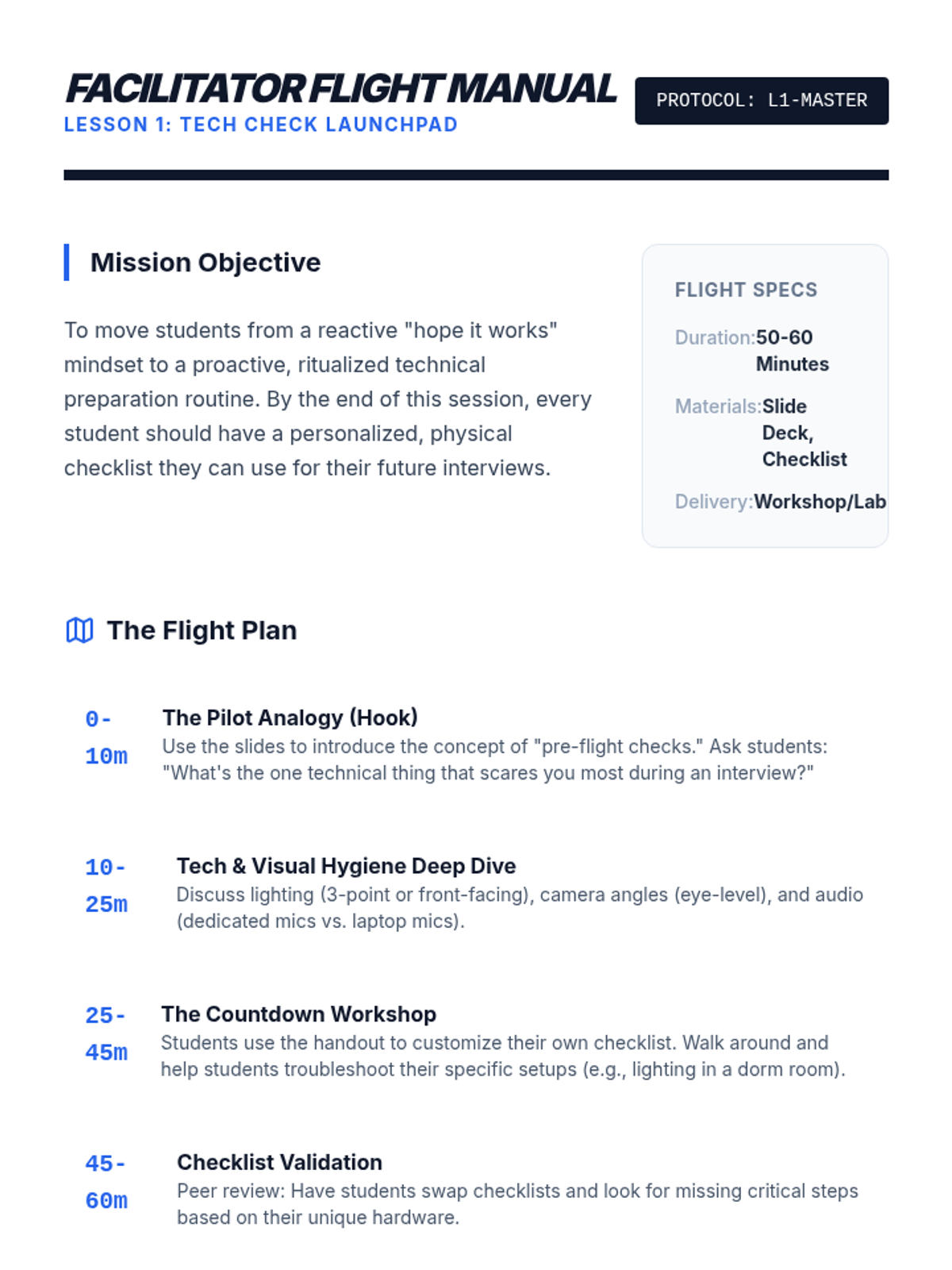
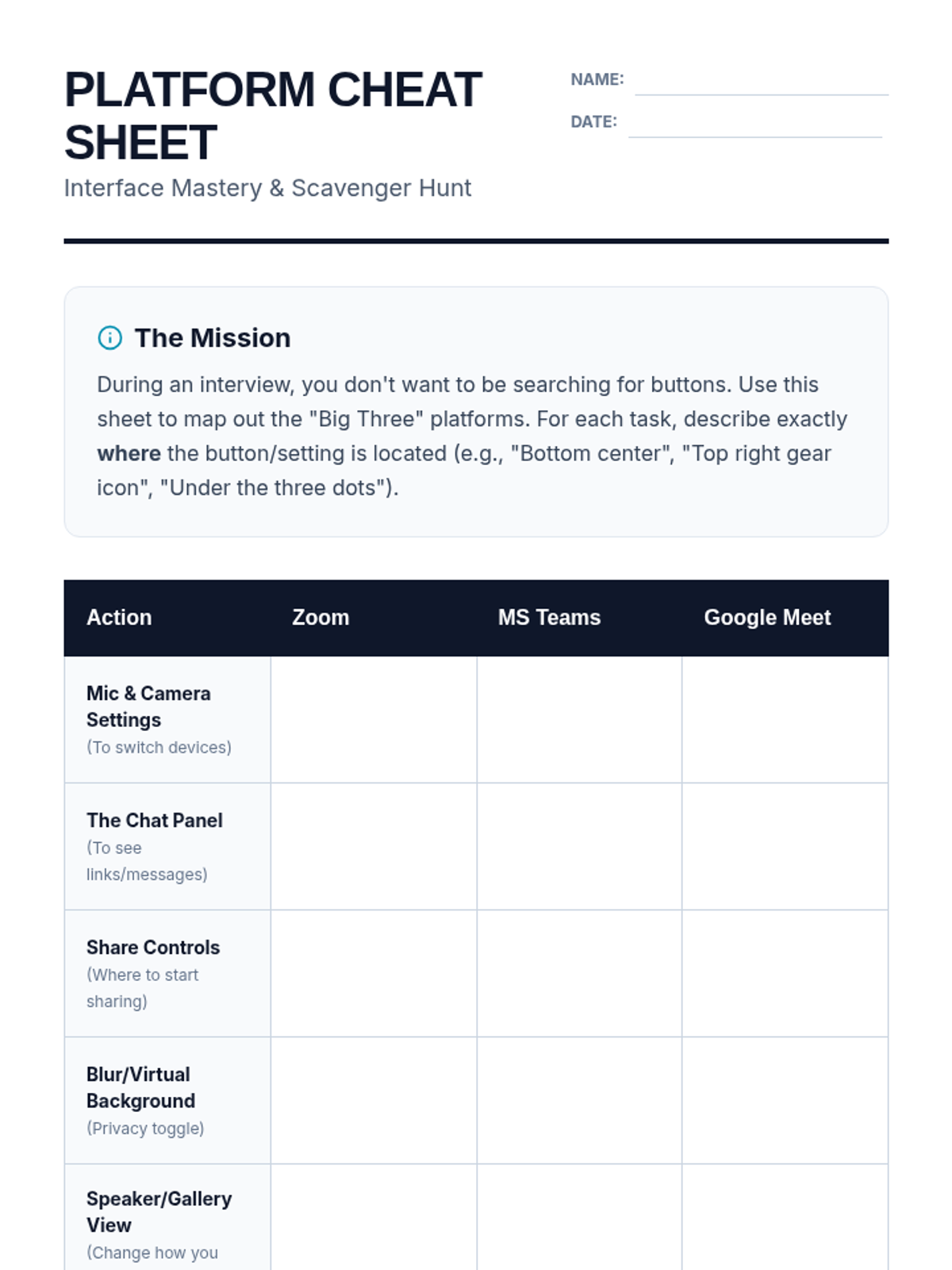
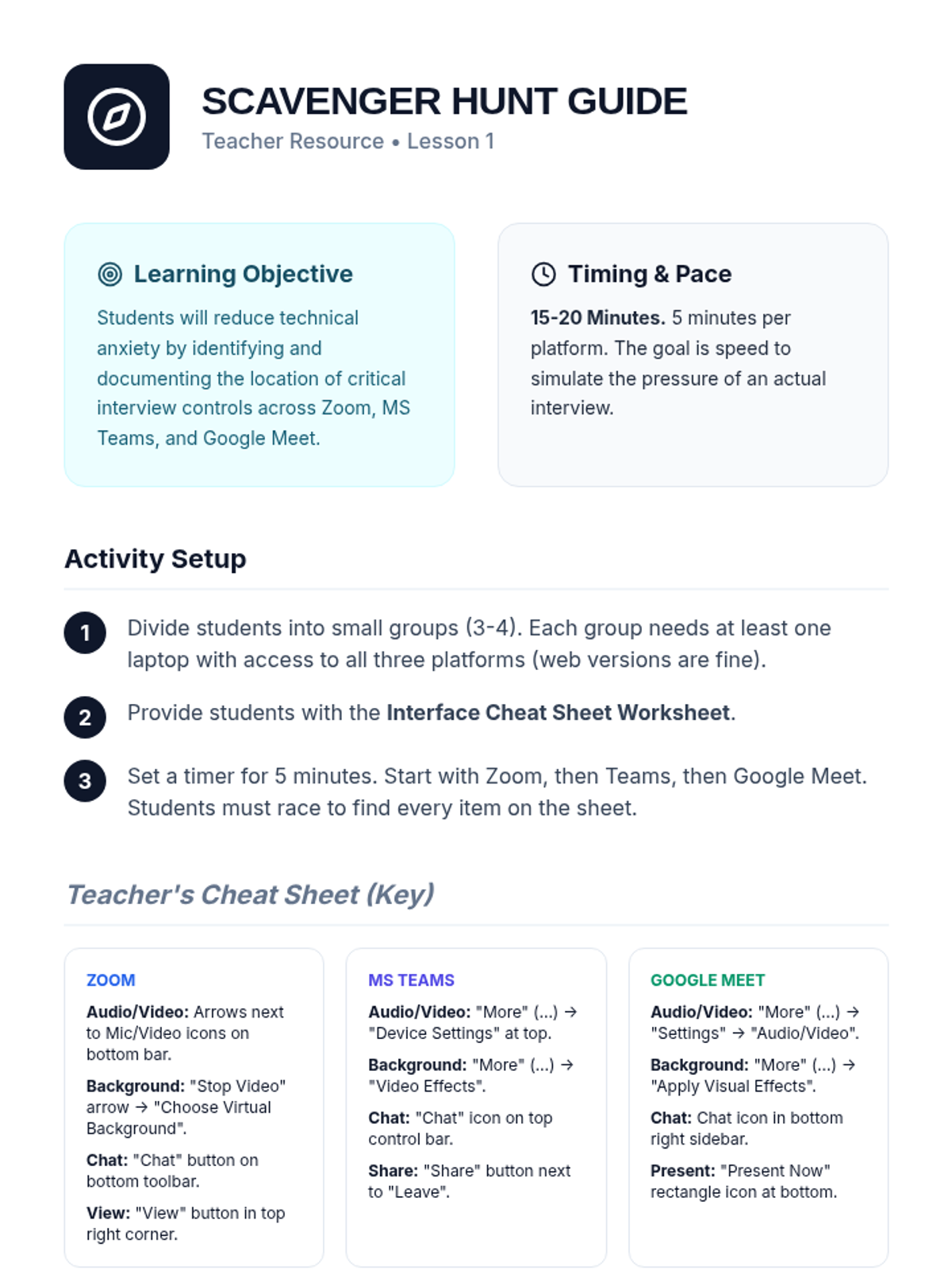
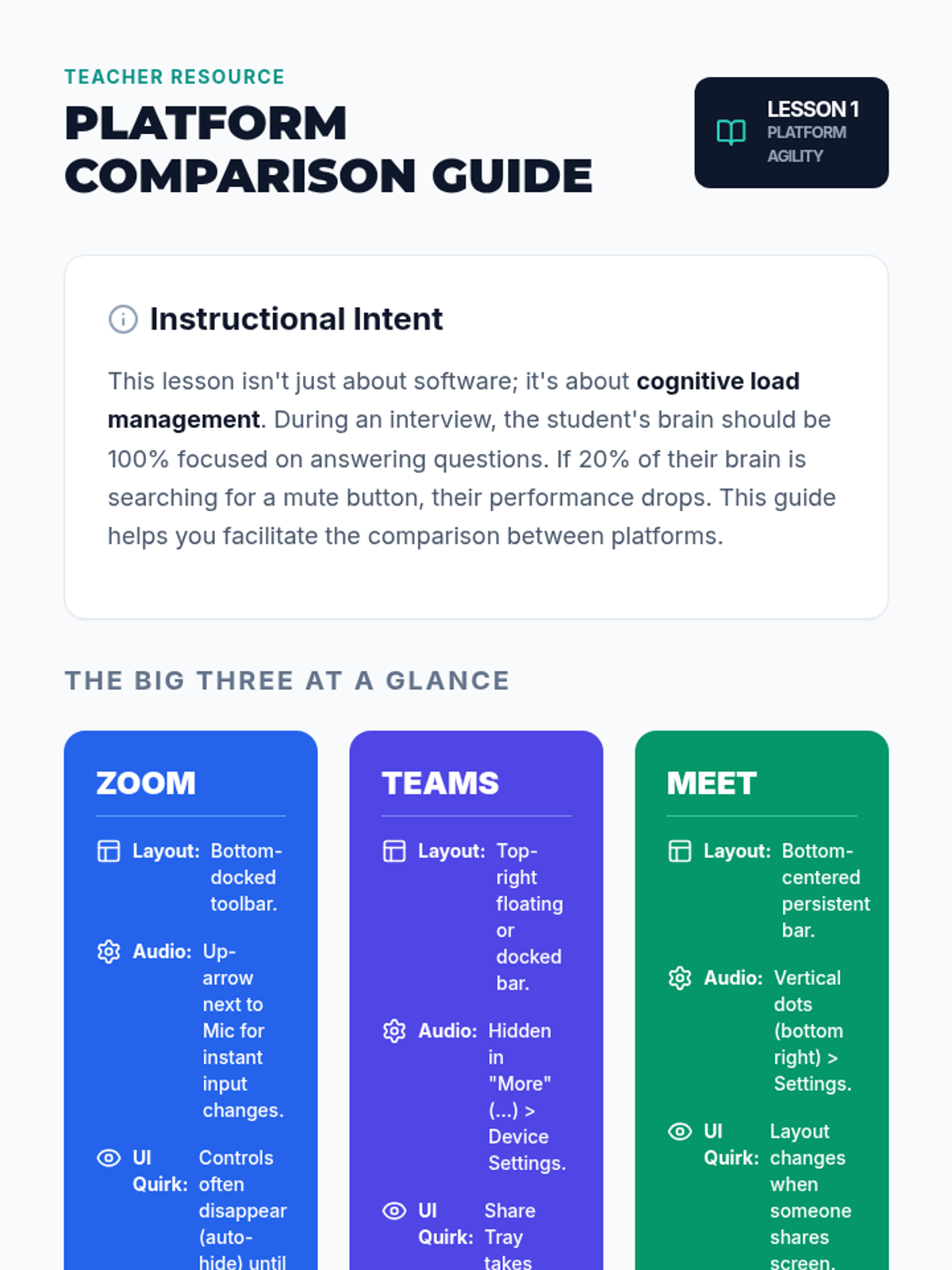
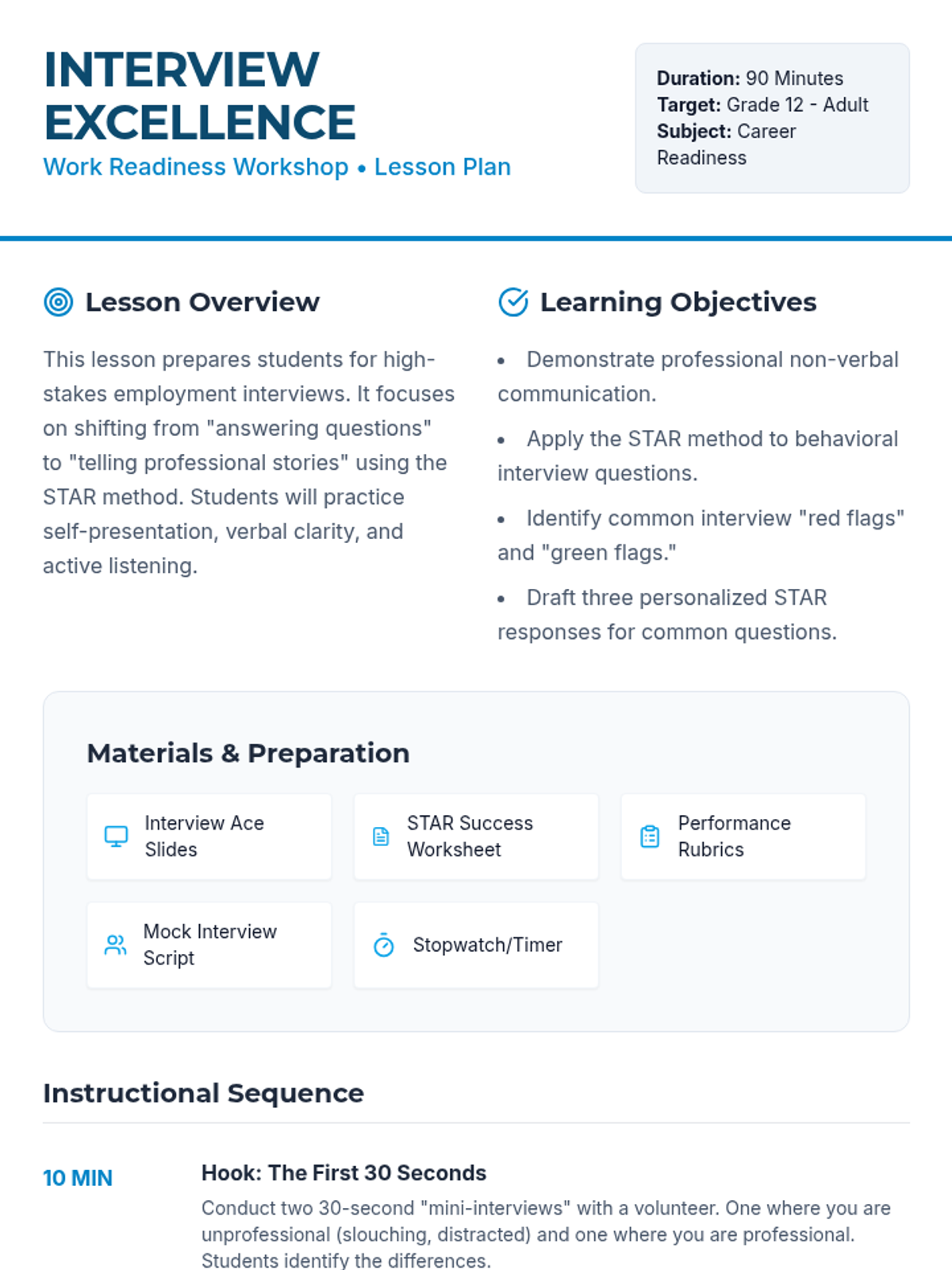
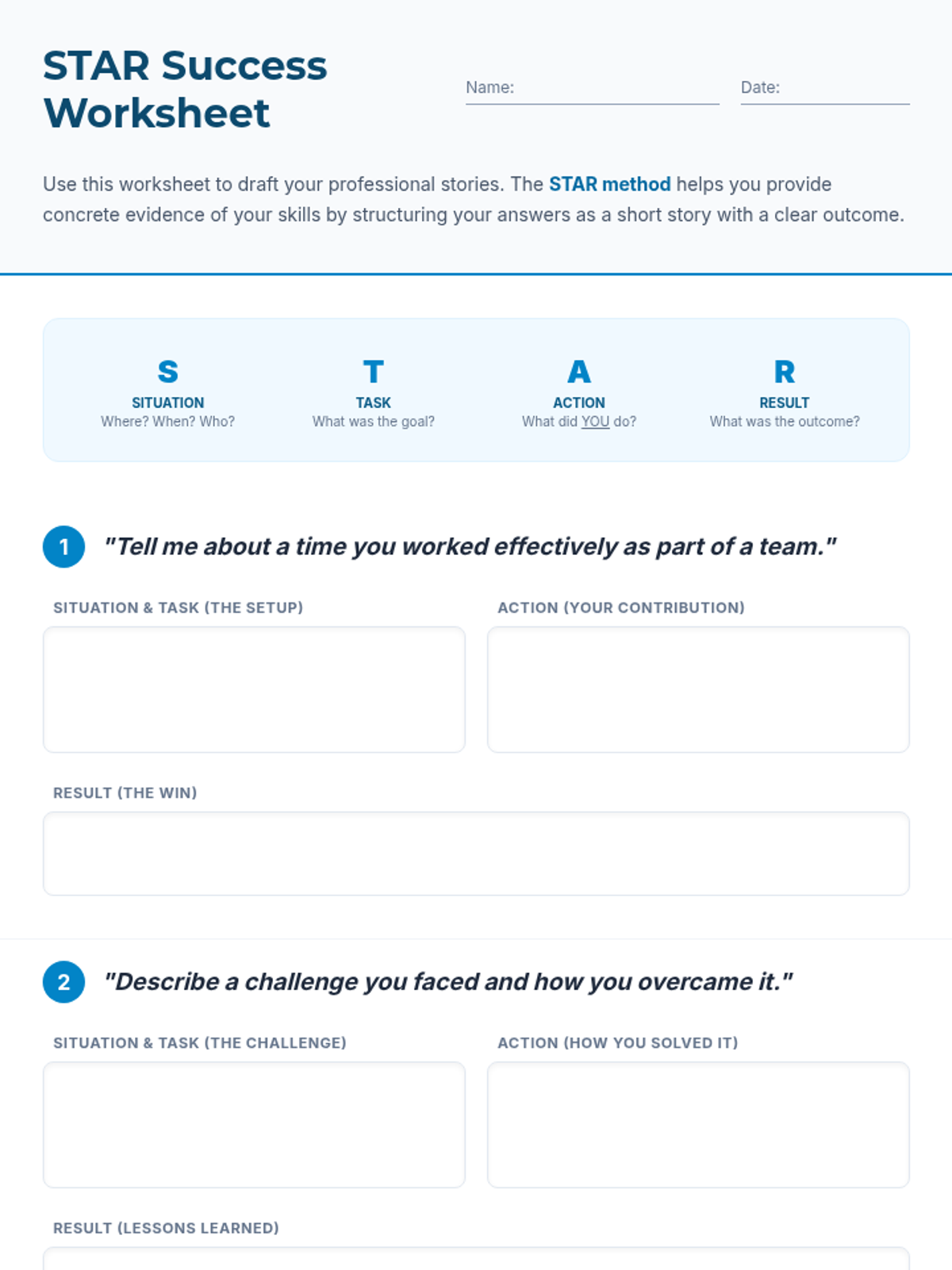
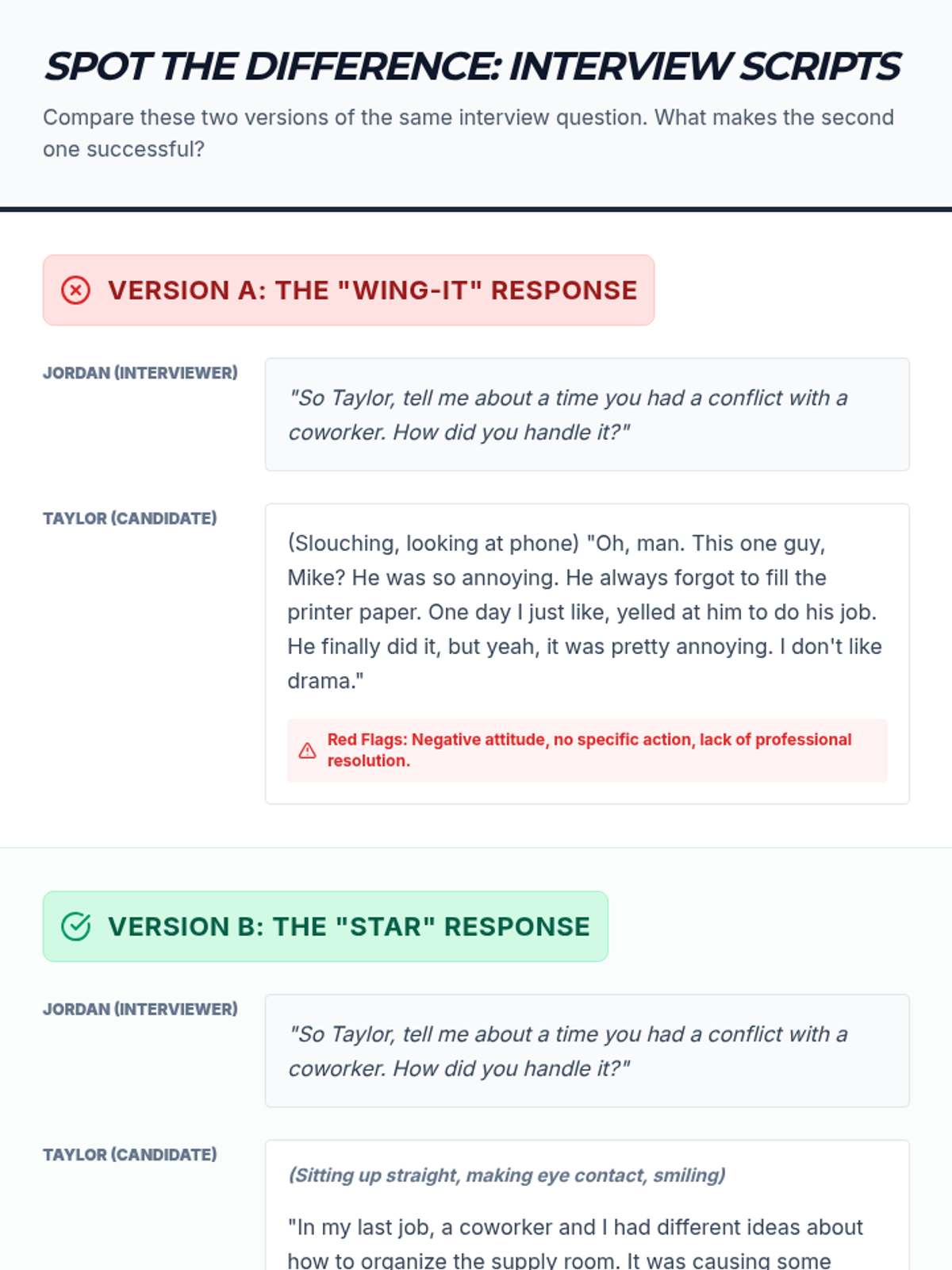
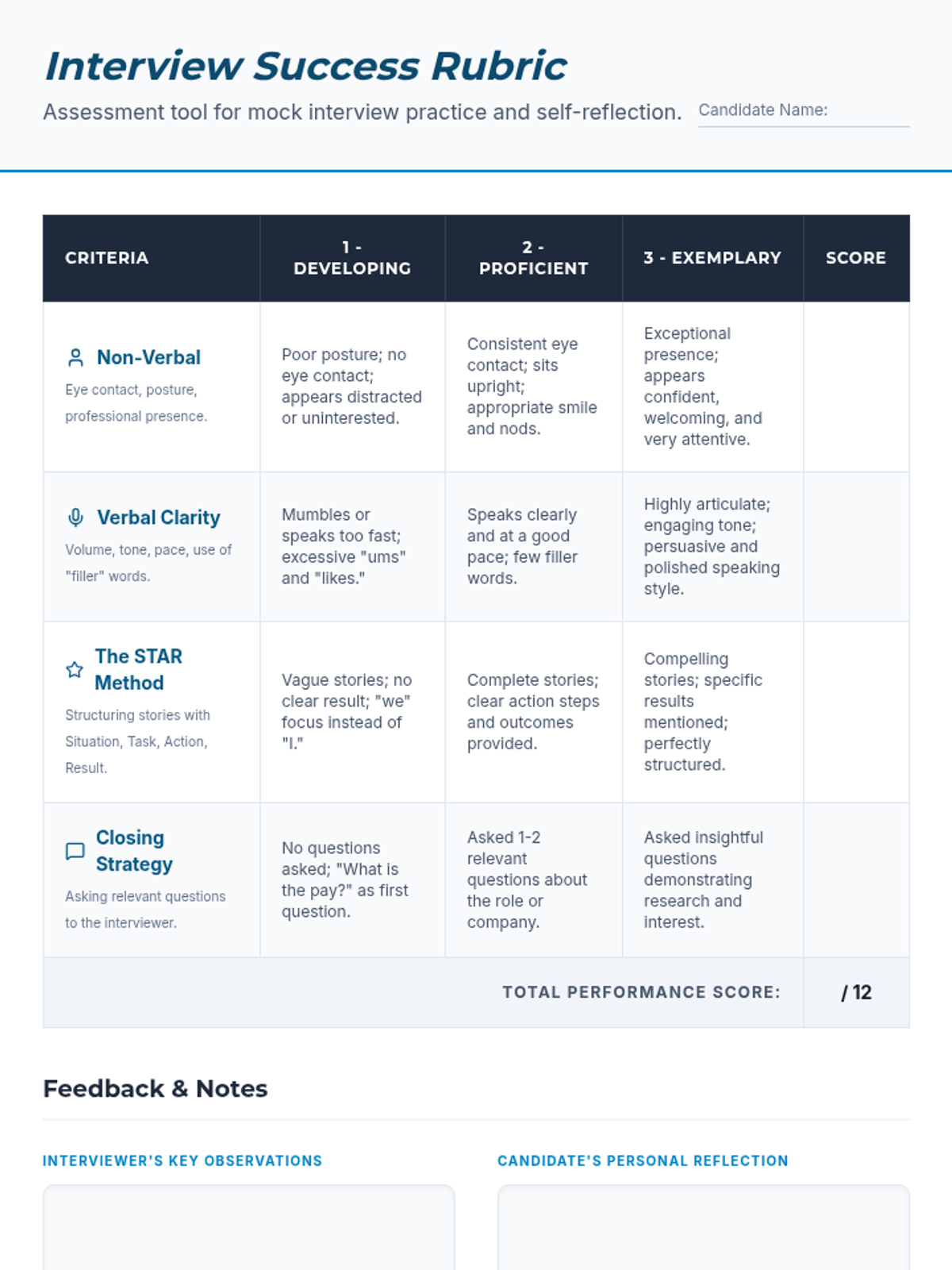
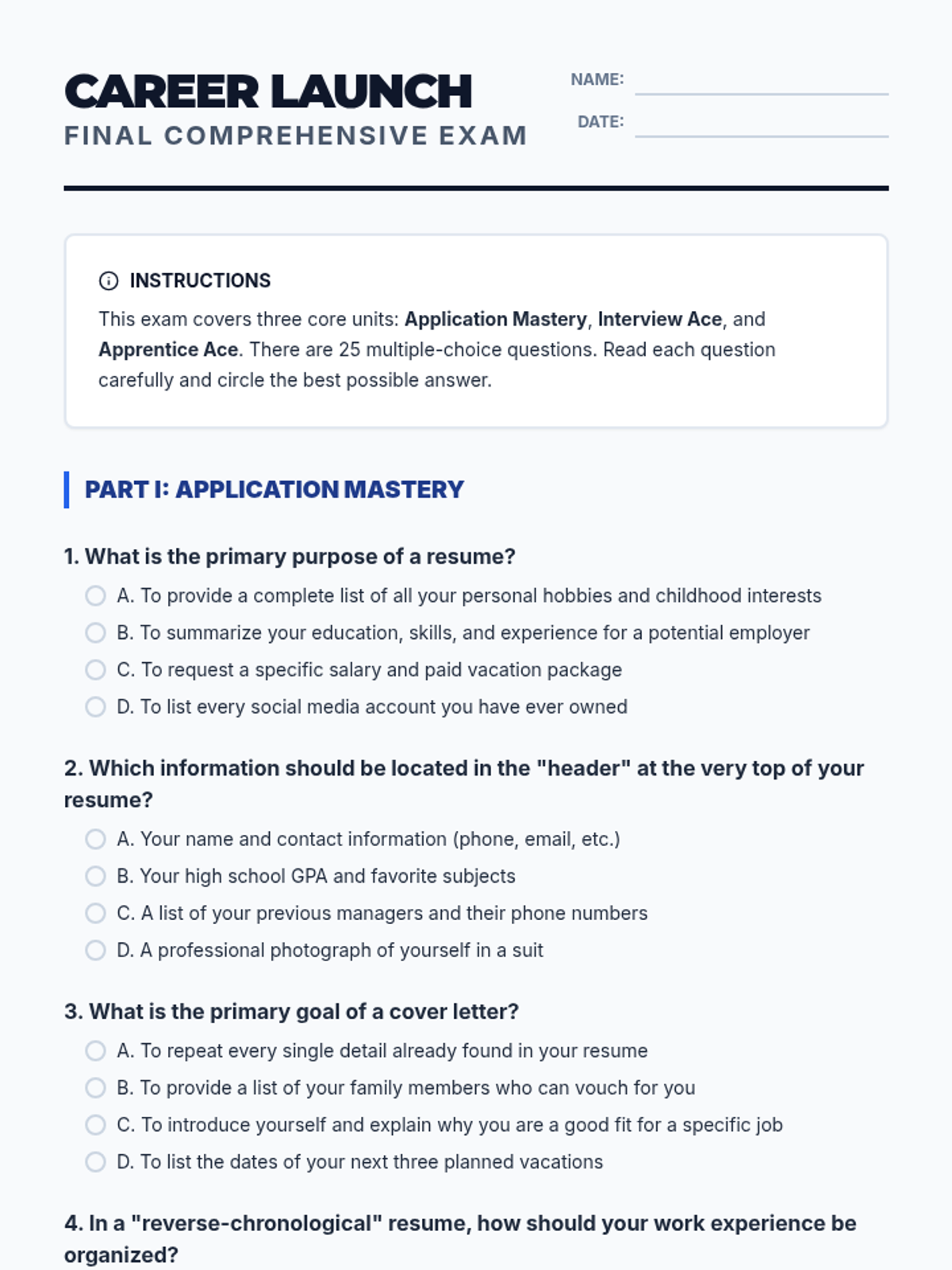
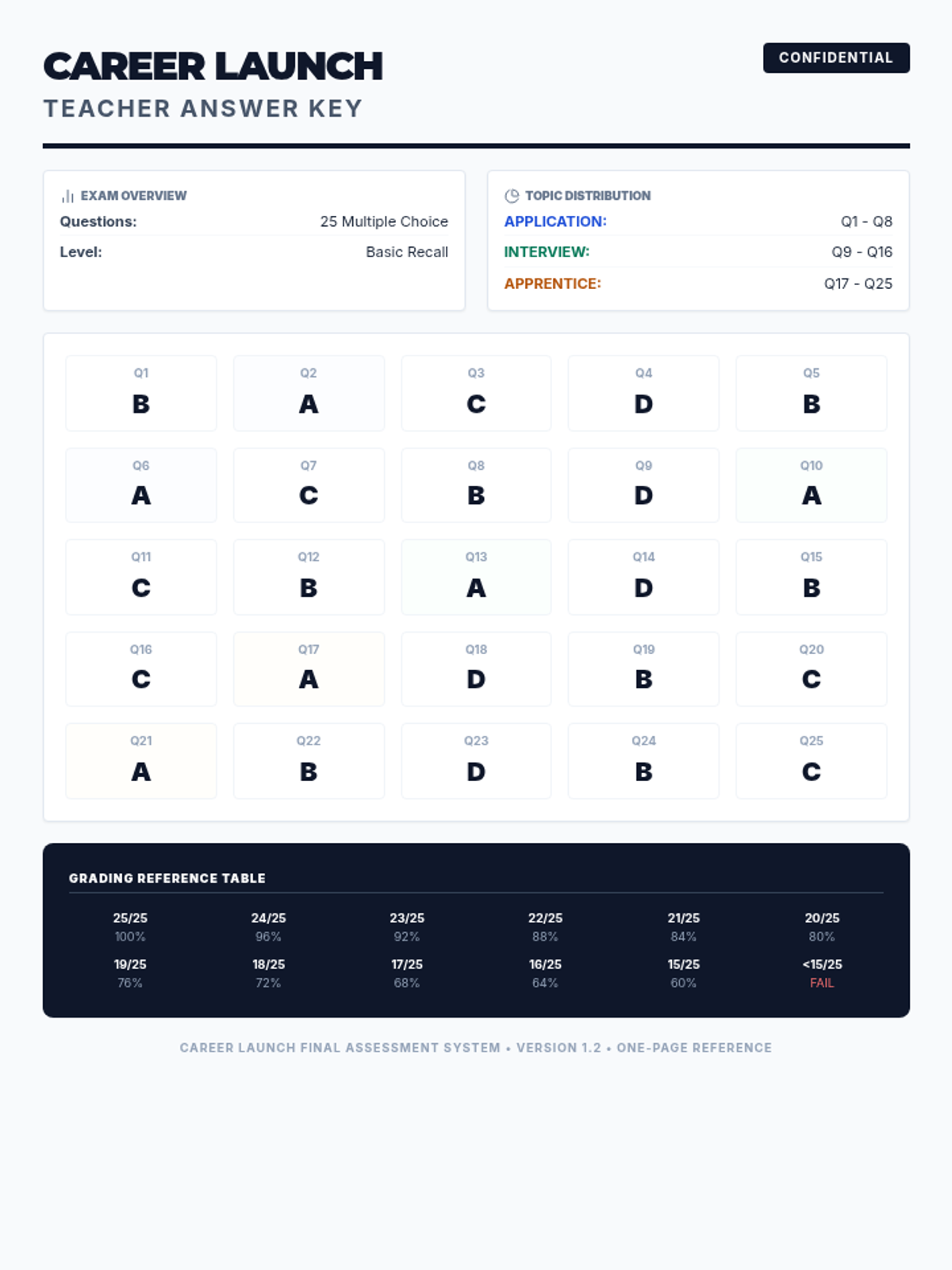
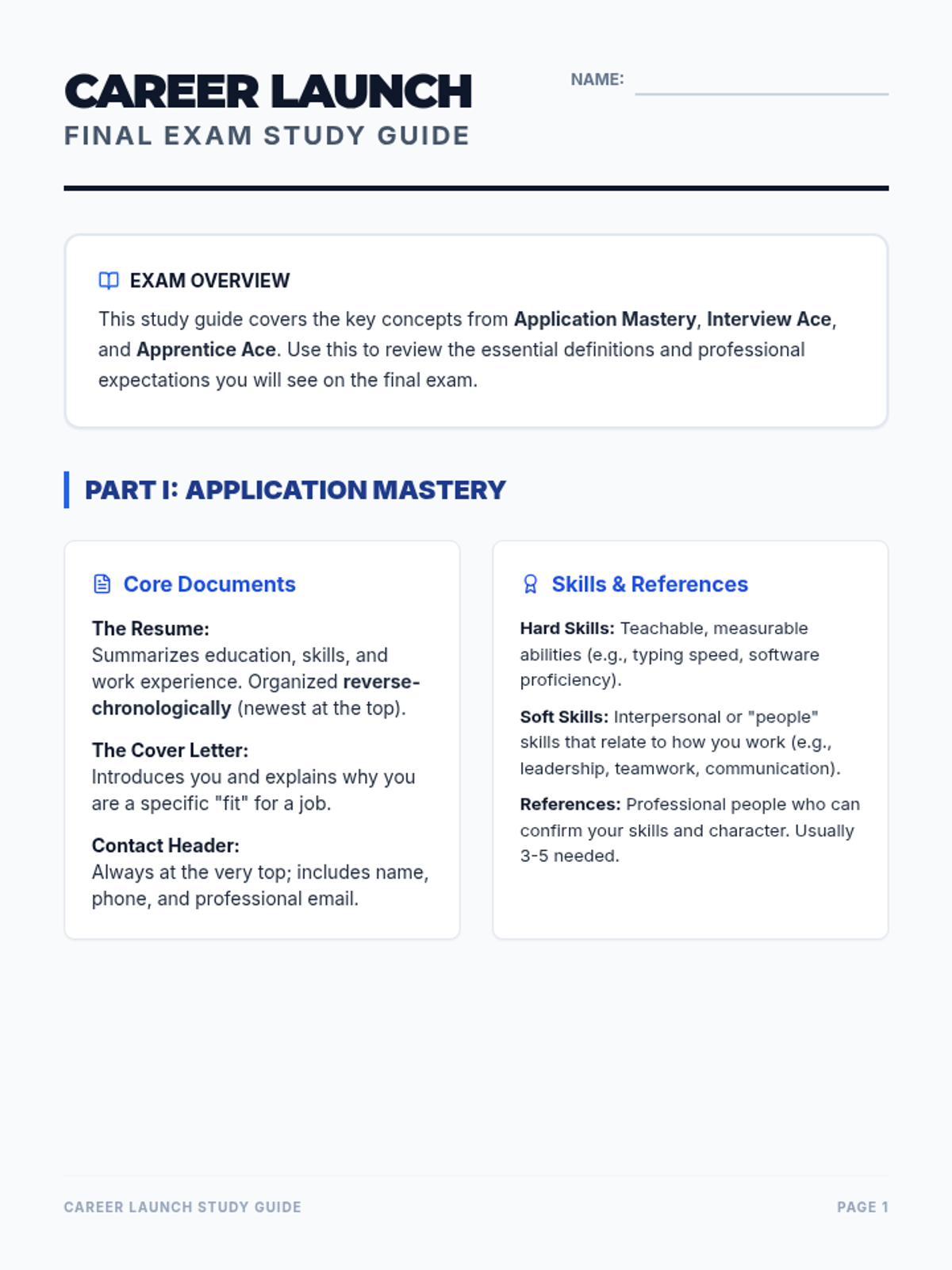
Employer research strategies and behavioral response techniques using the STAR method. Develops virtual interview etiquette, professional presence, and effective follow-up communication.
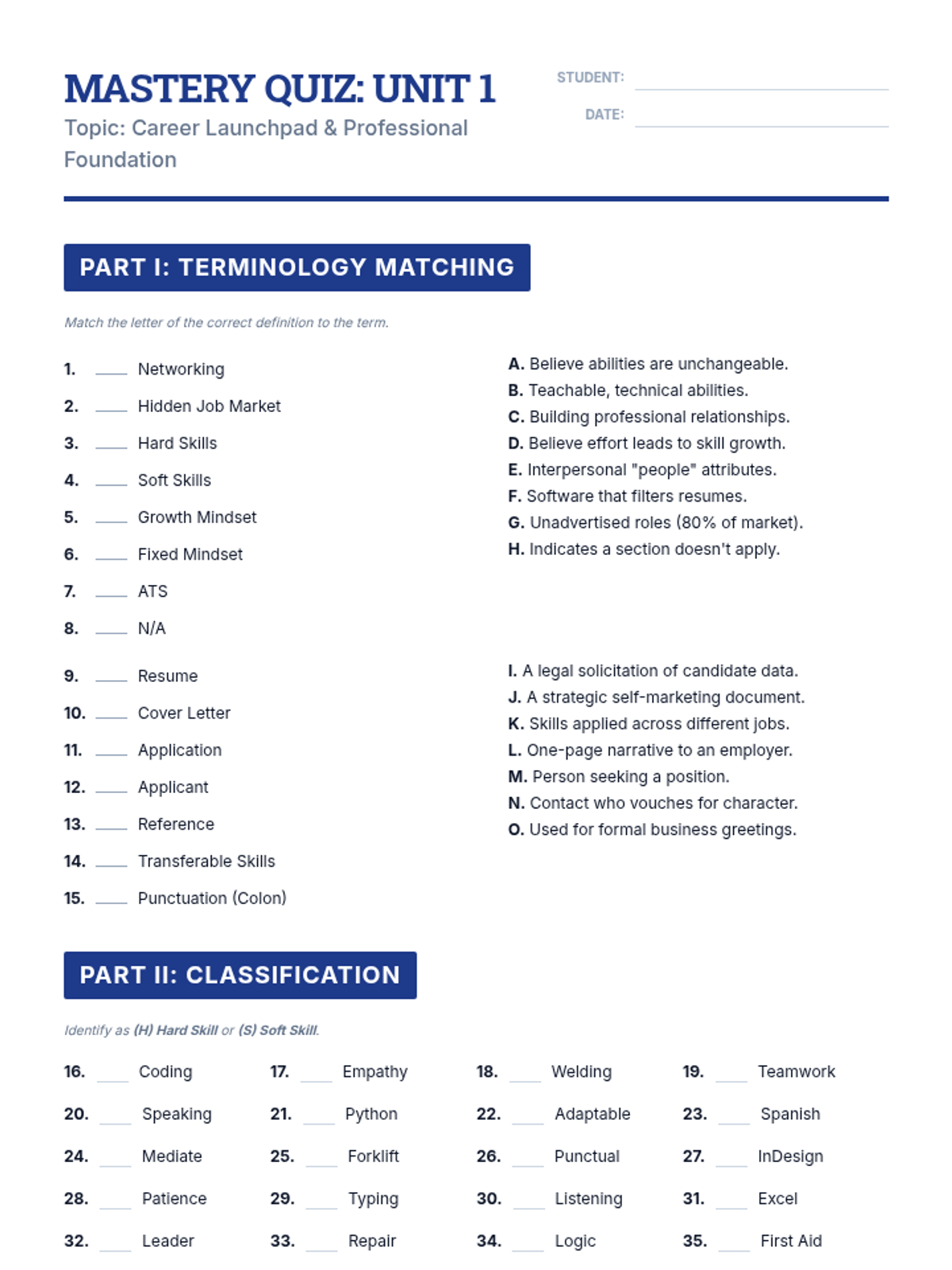
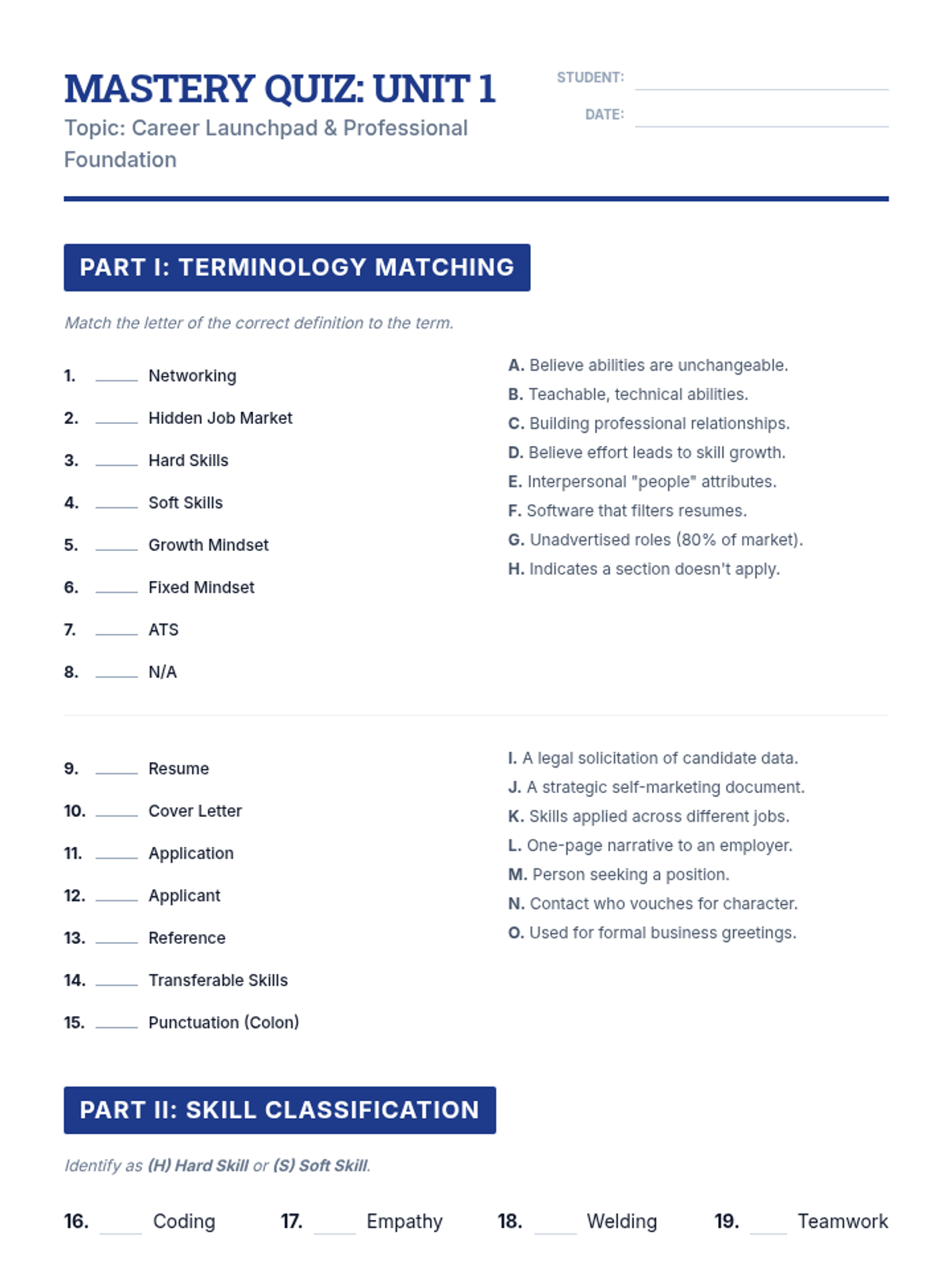
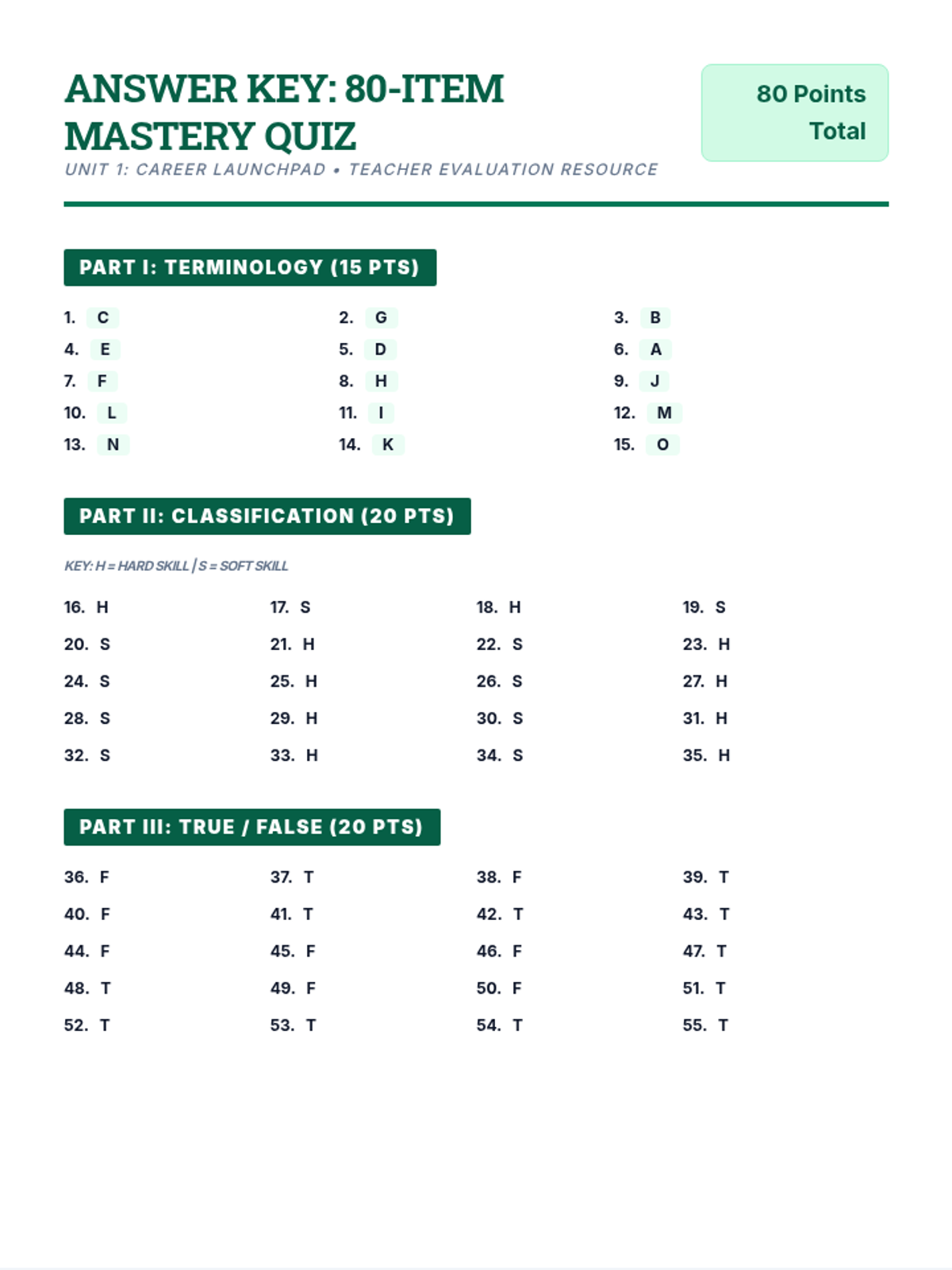
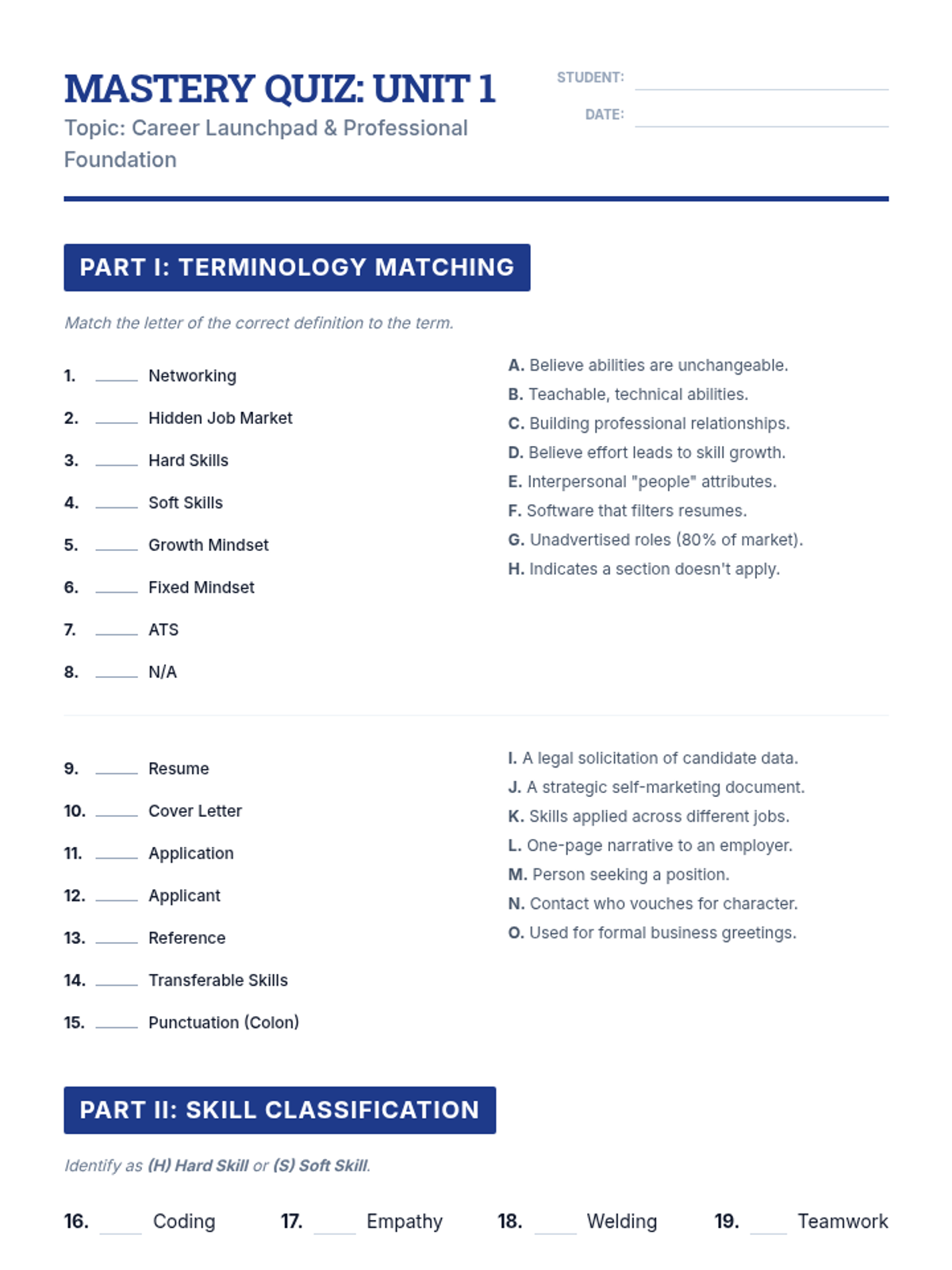
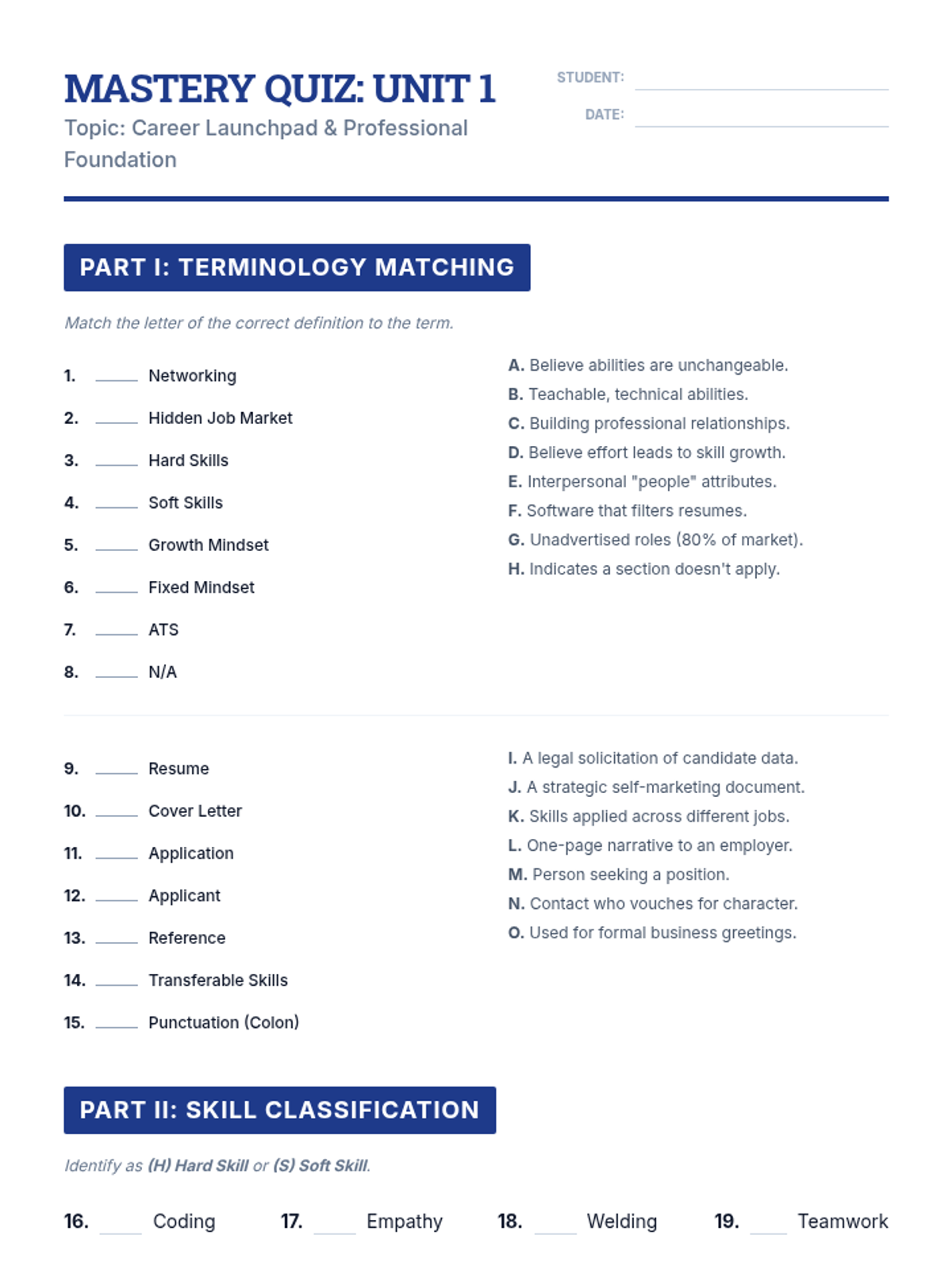
A comprehensive program designed to guide students through the essentials of career exploration, professional document preparation, and the job application process.
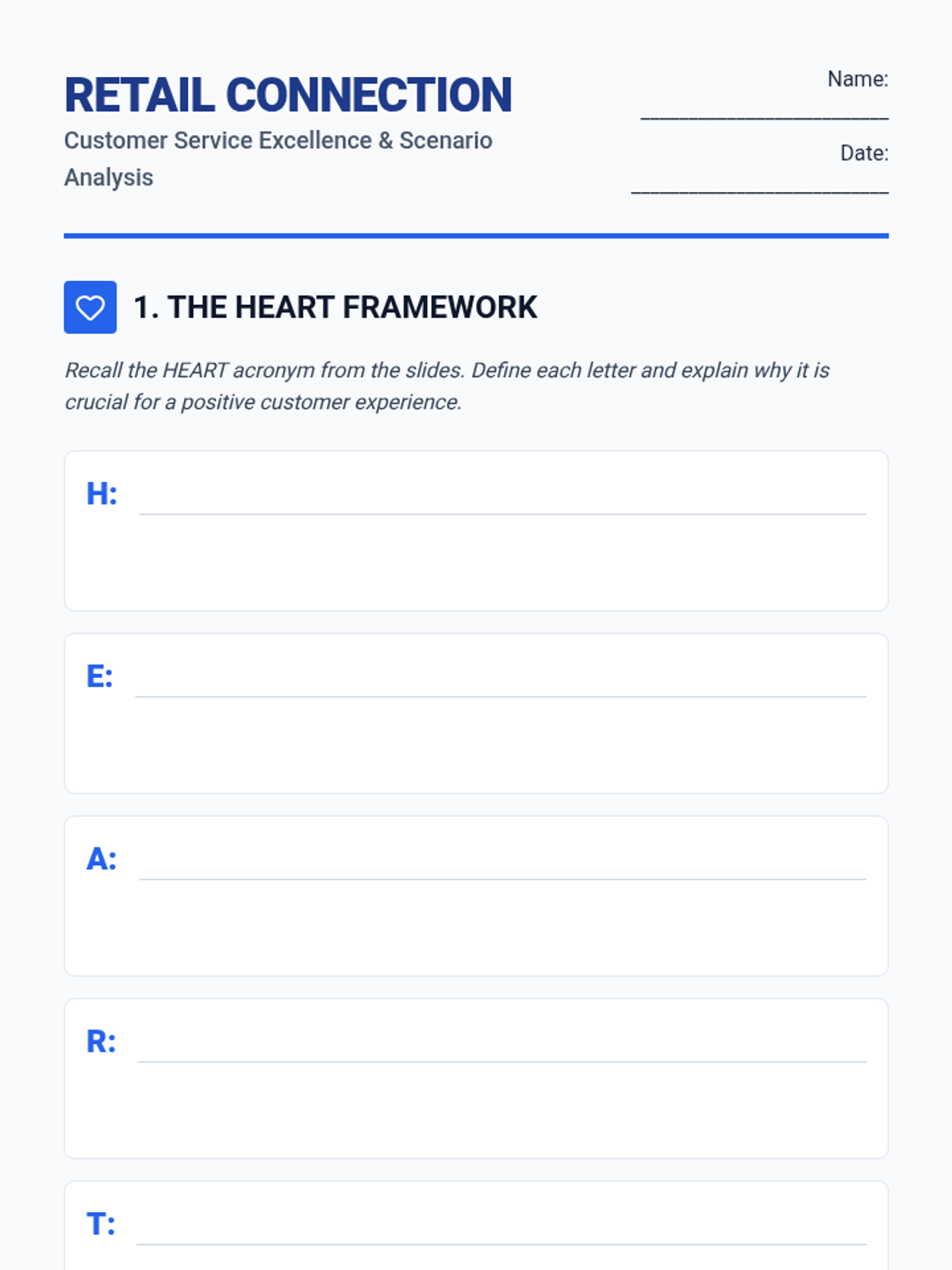
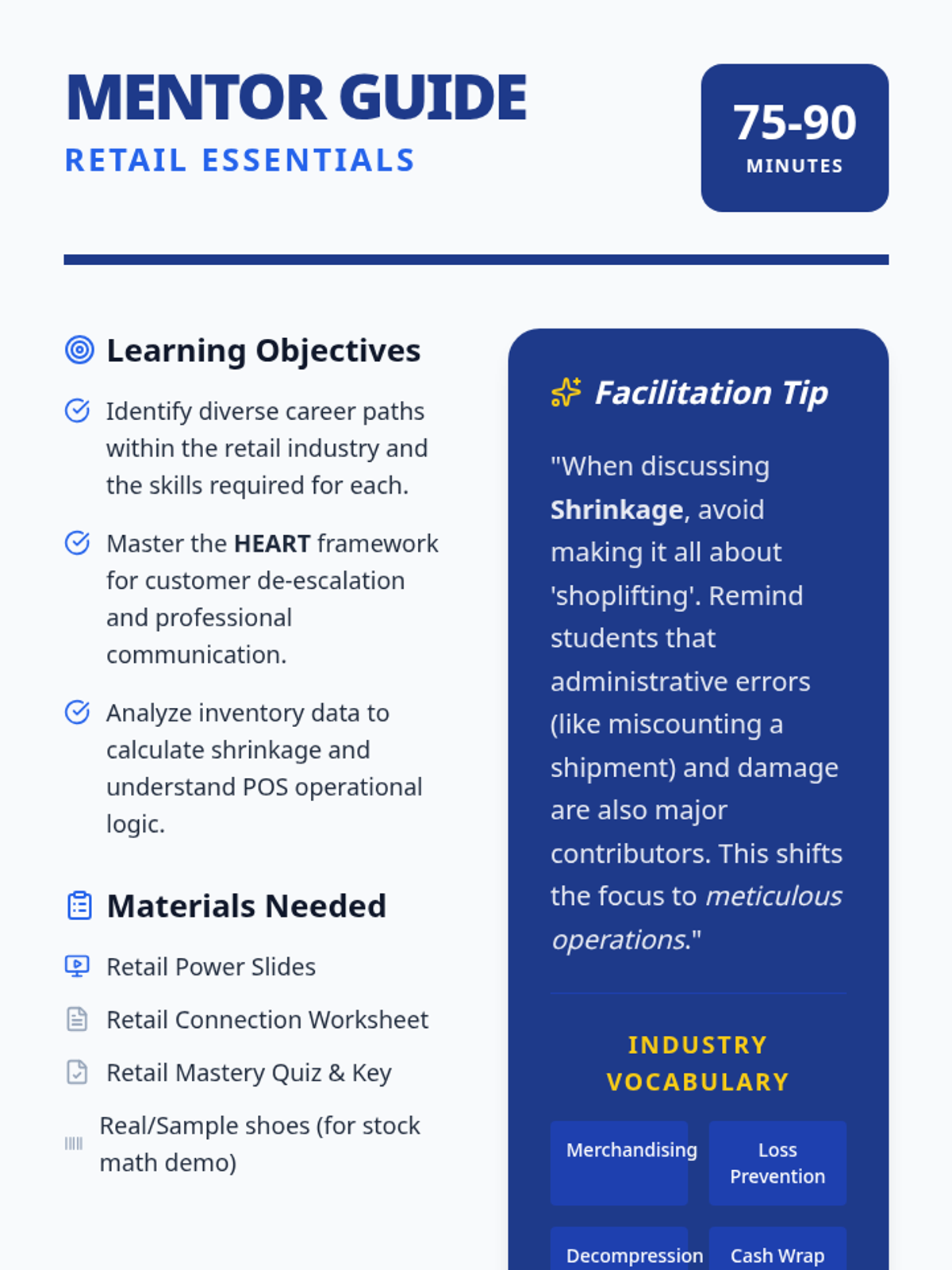
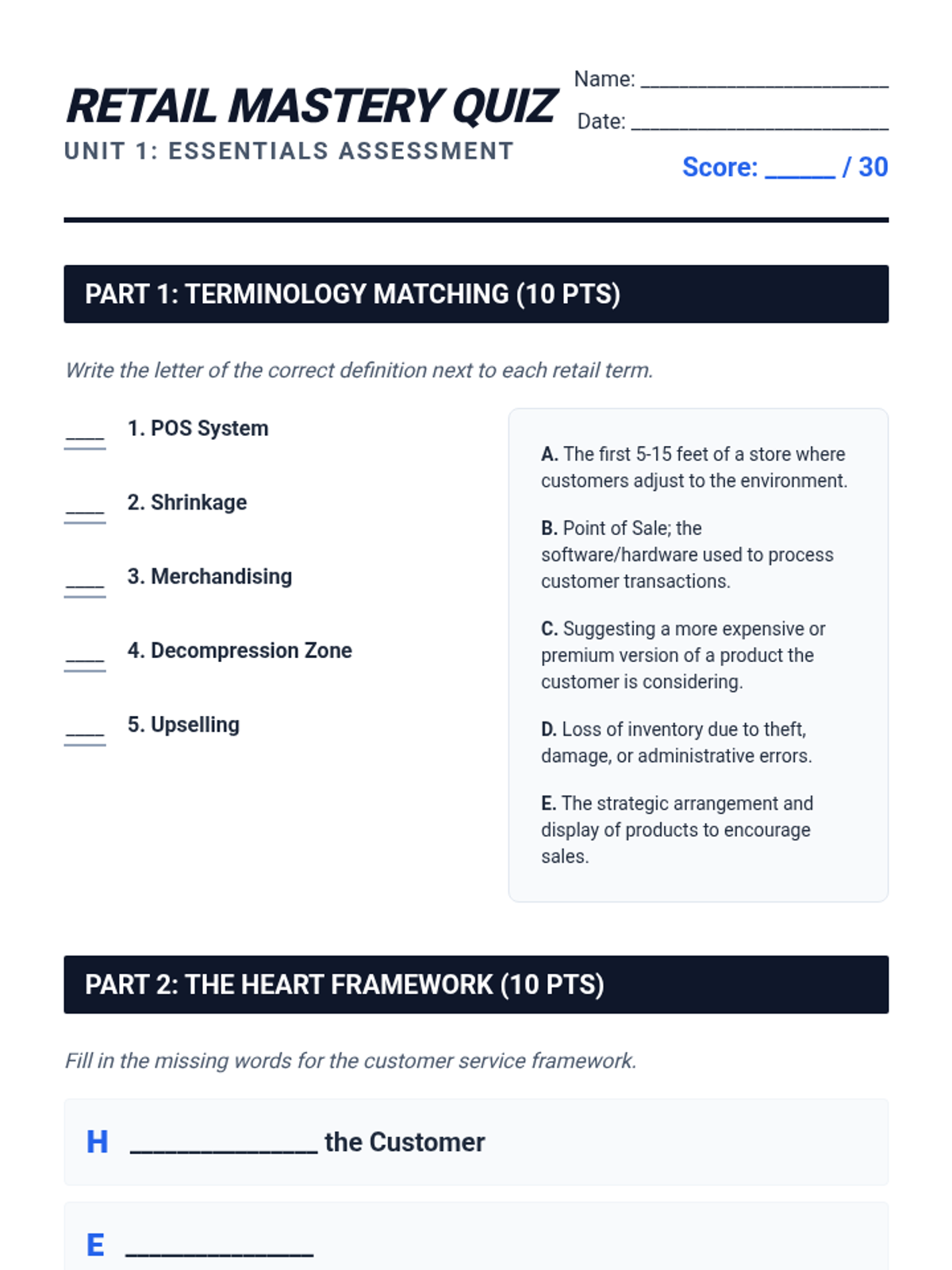
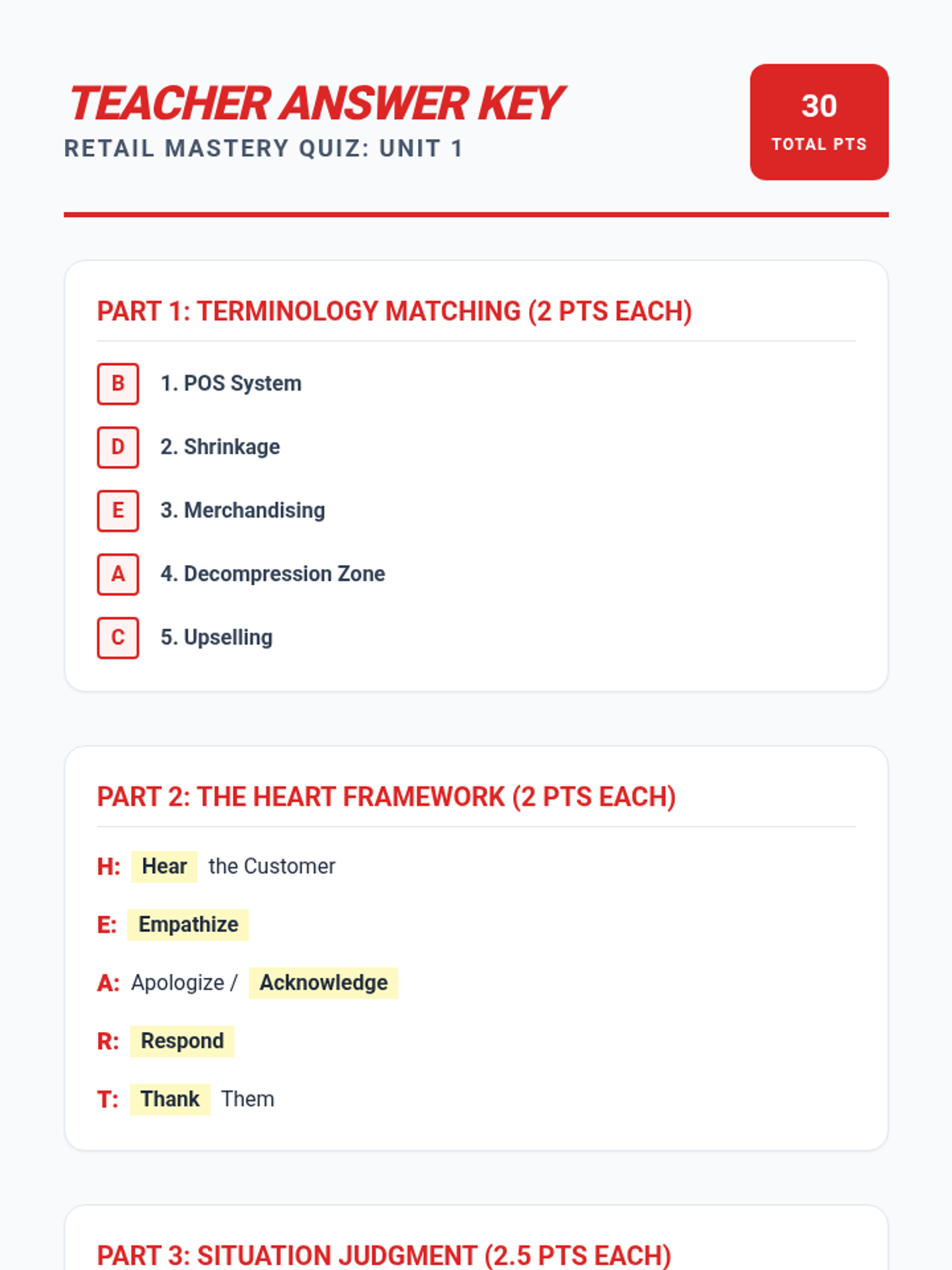
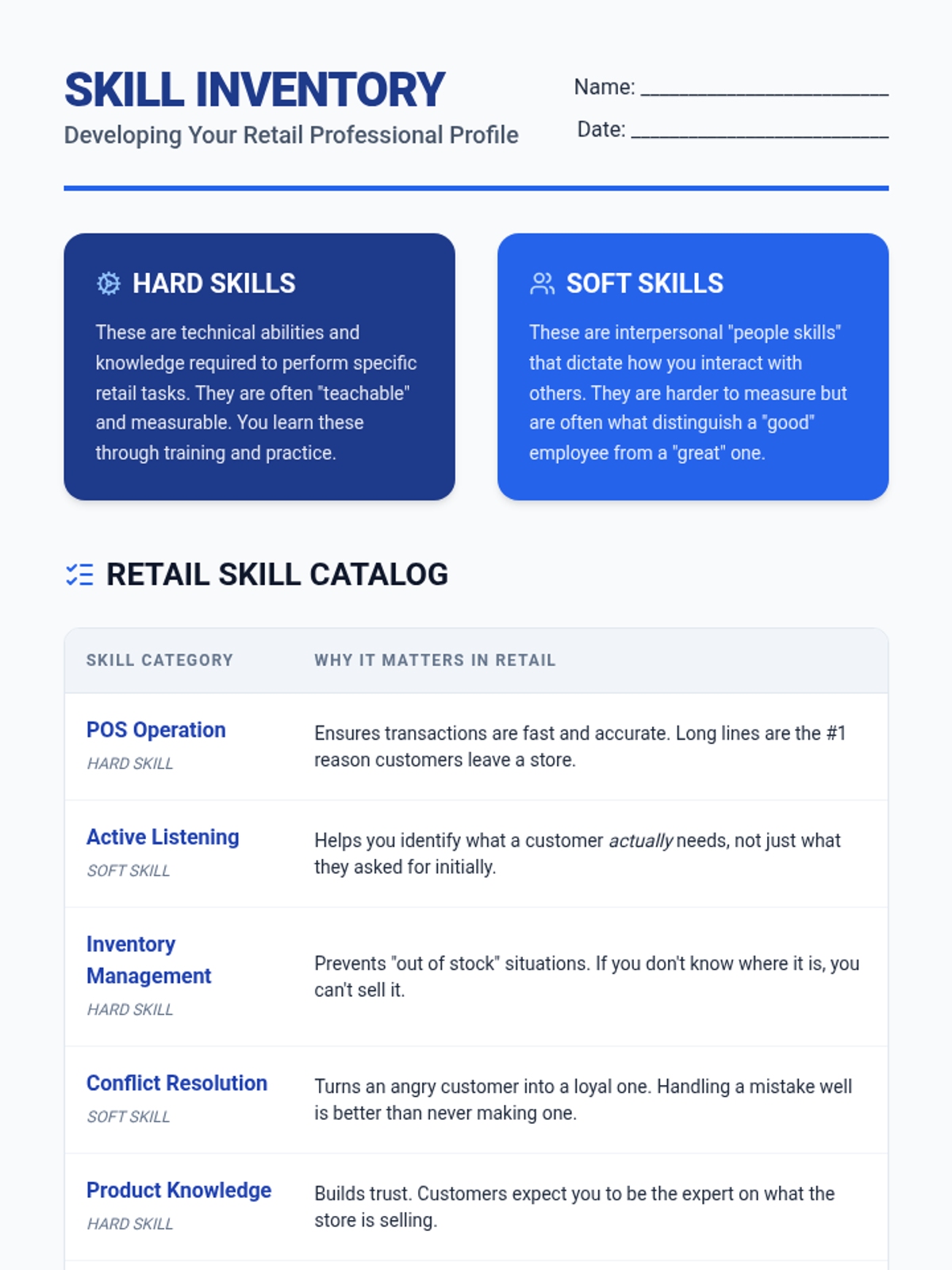
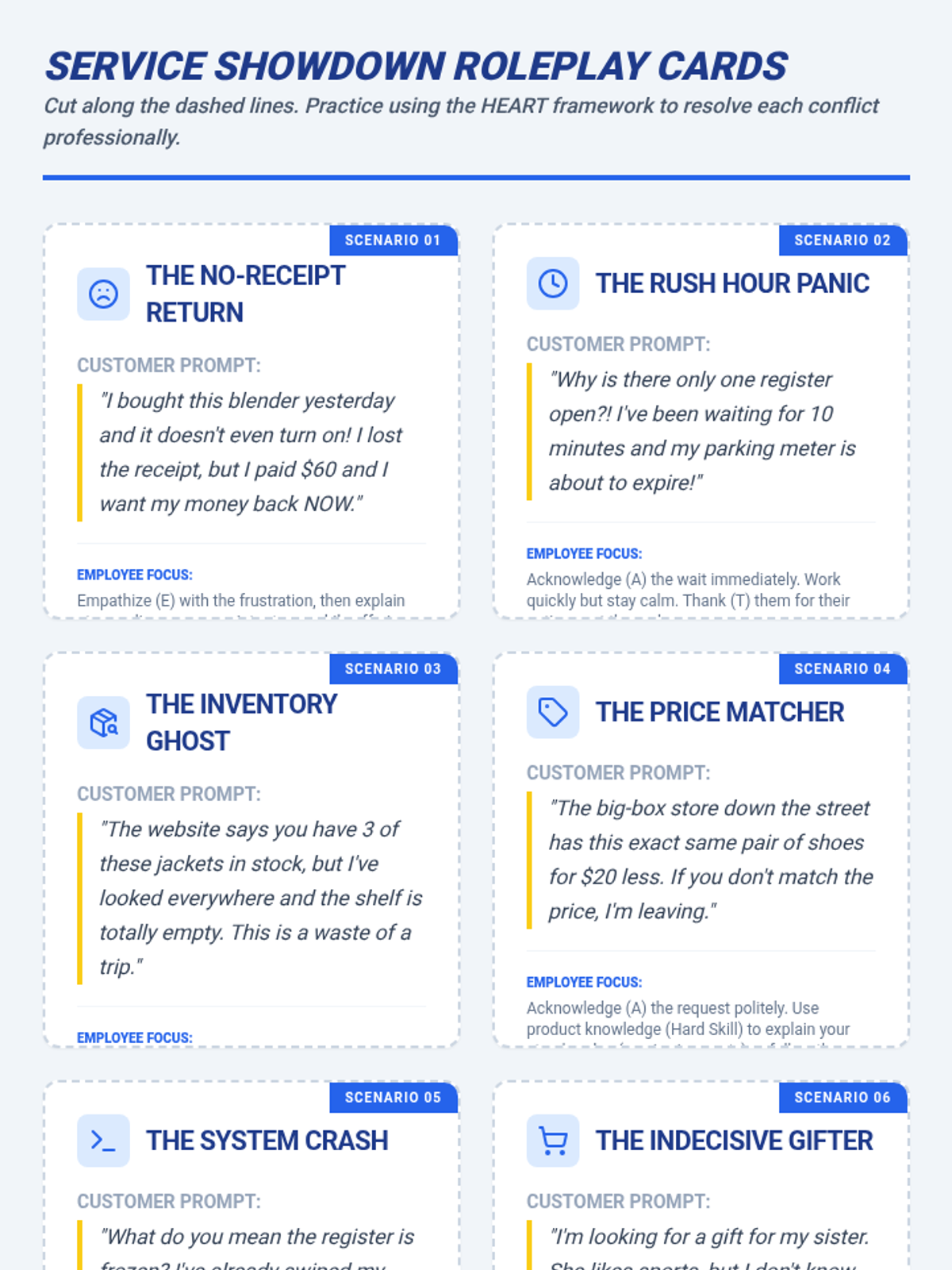
A hands-on career exploration unit focusing on the dynamic world of retail. Students will master customer service excellence, learn retail operations like inventory and POS systems, and design their own retail floor plan and brand strategy.
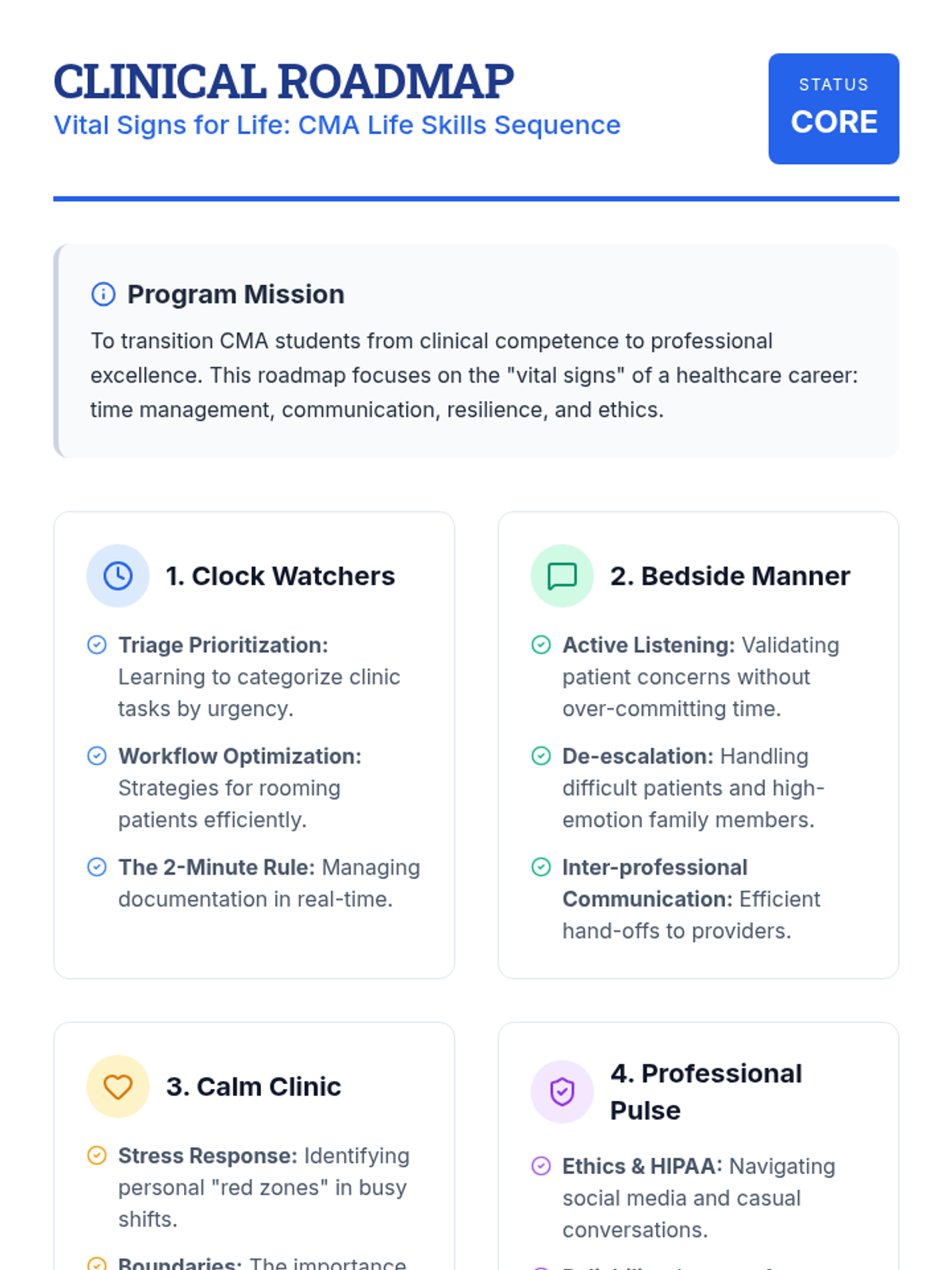
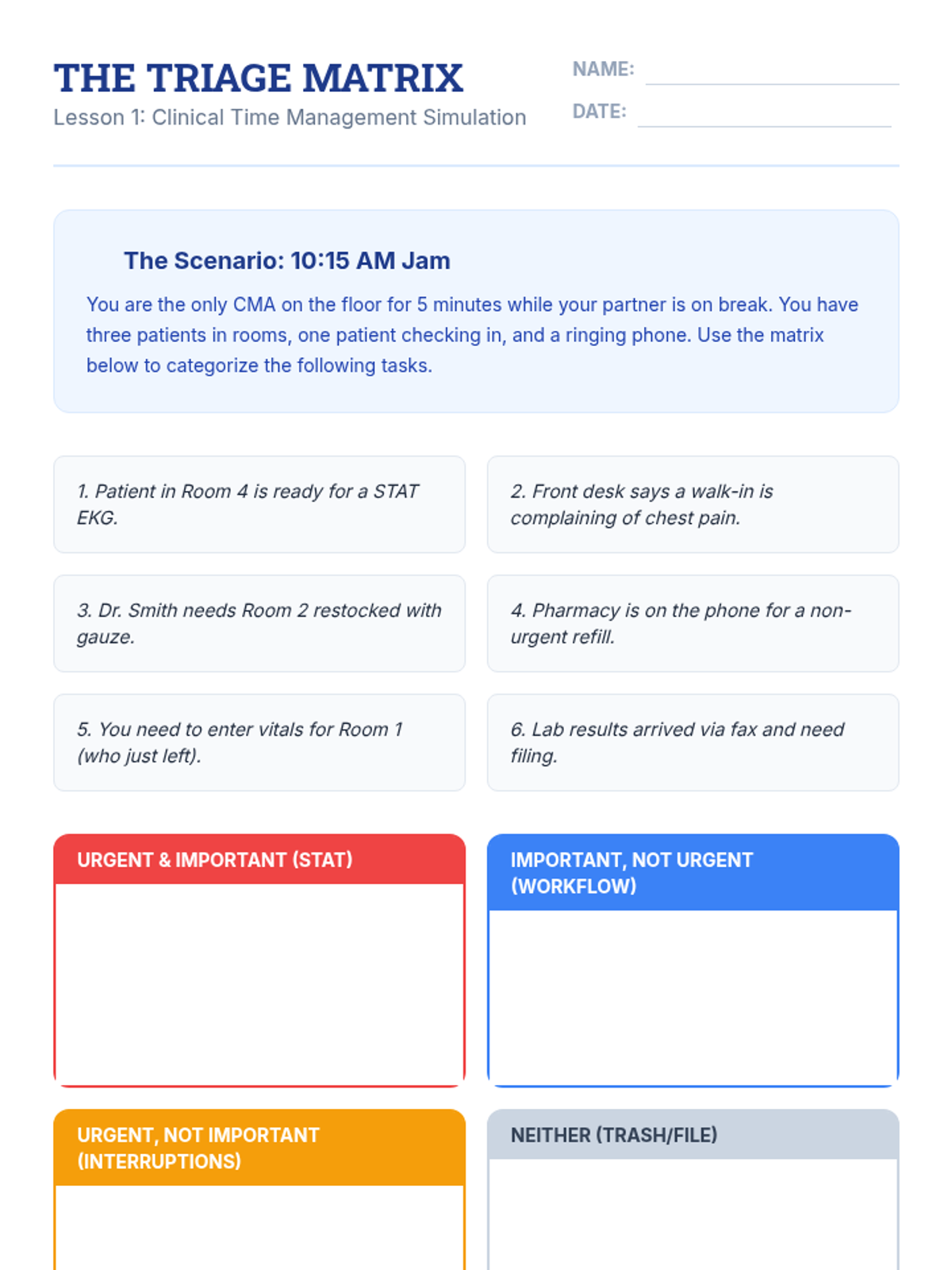
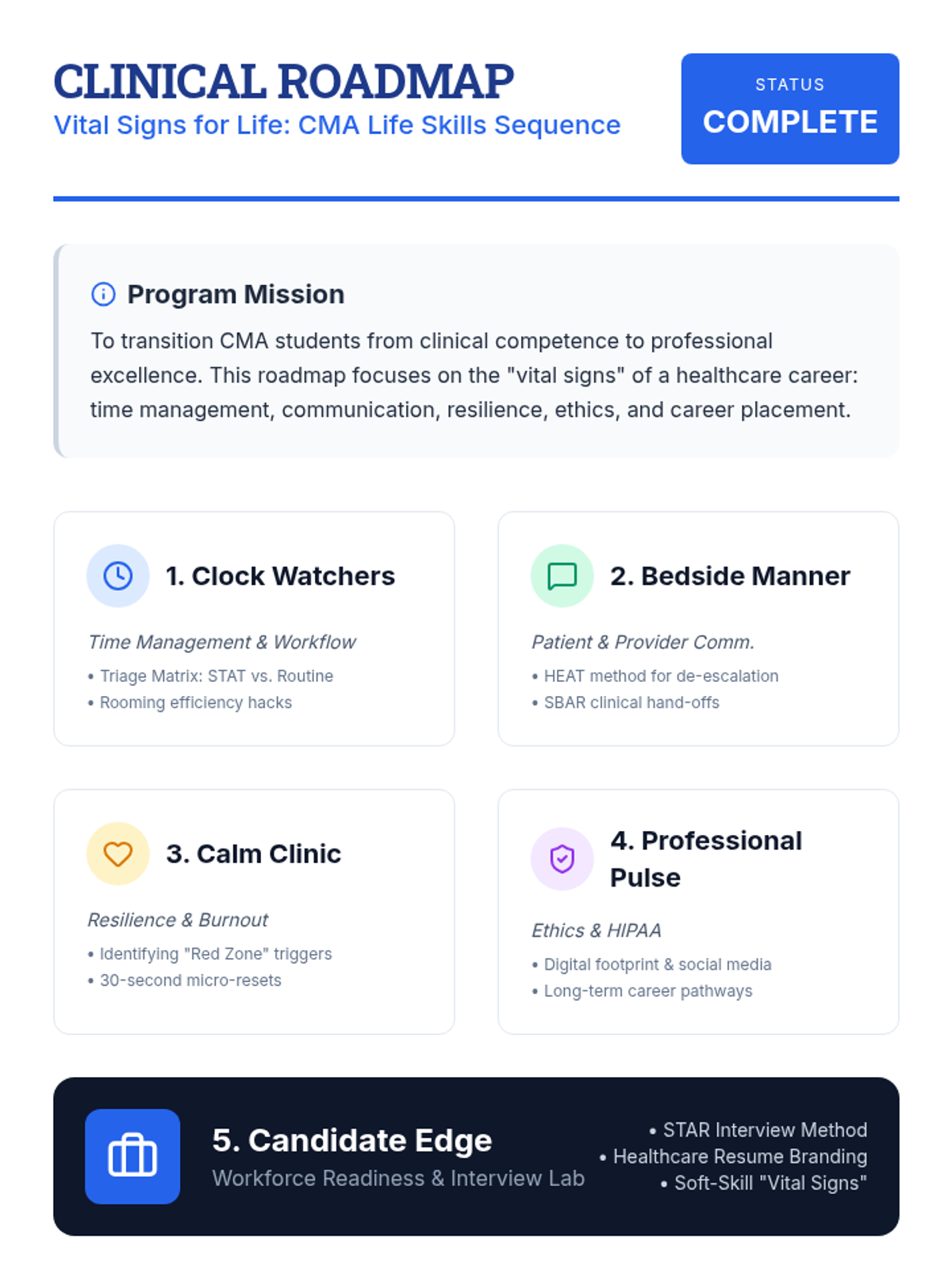
A comprehensive life skills training program designed specifically for Medical Assistant students, focusing on the essential soft skills needed to thrive in a high-pressure clinical environment.
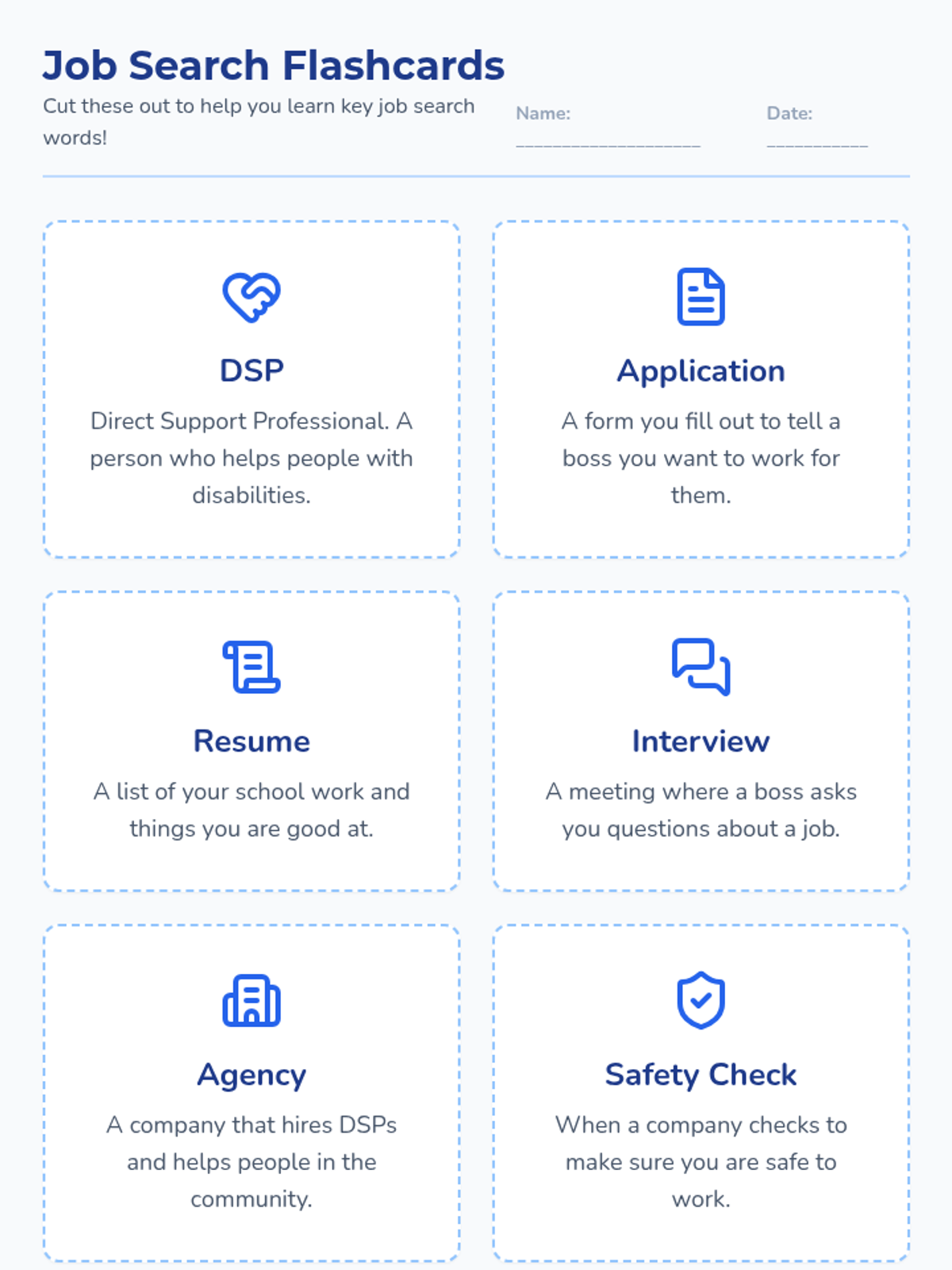
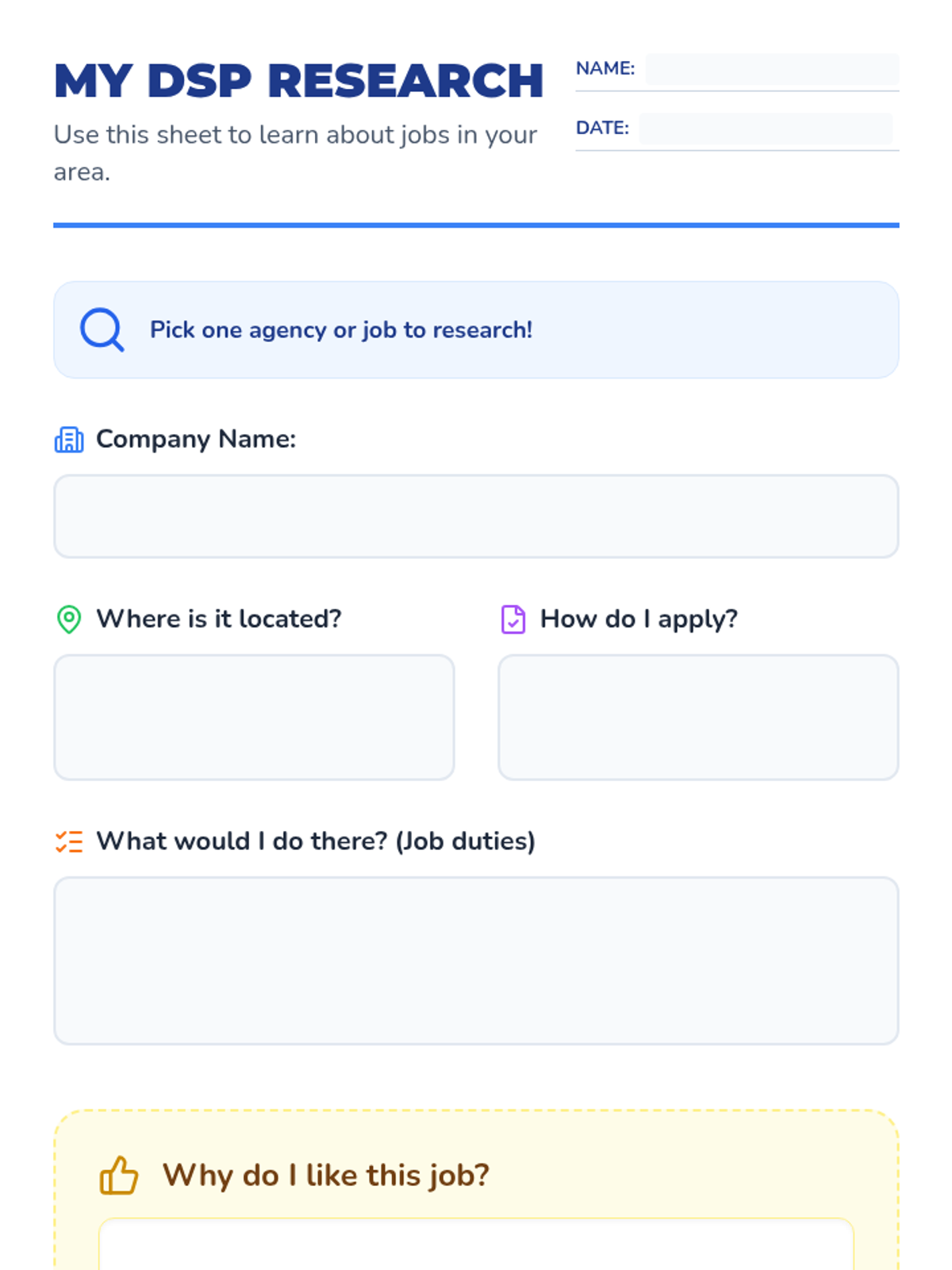
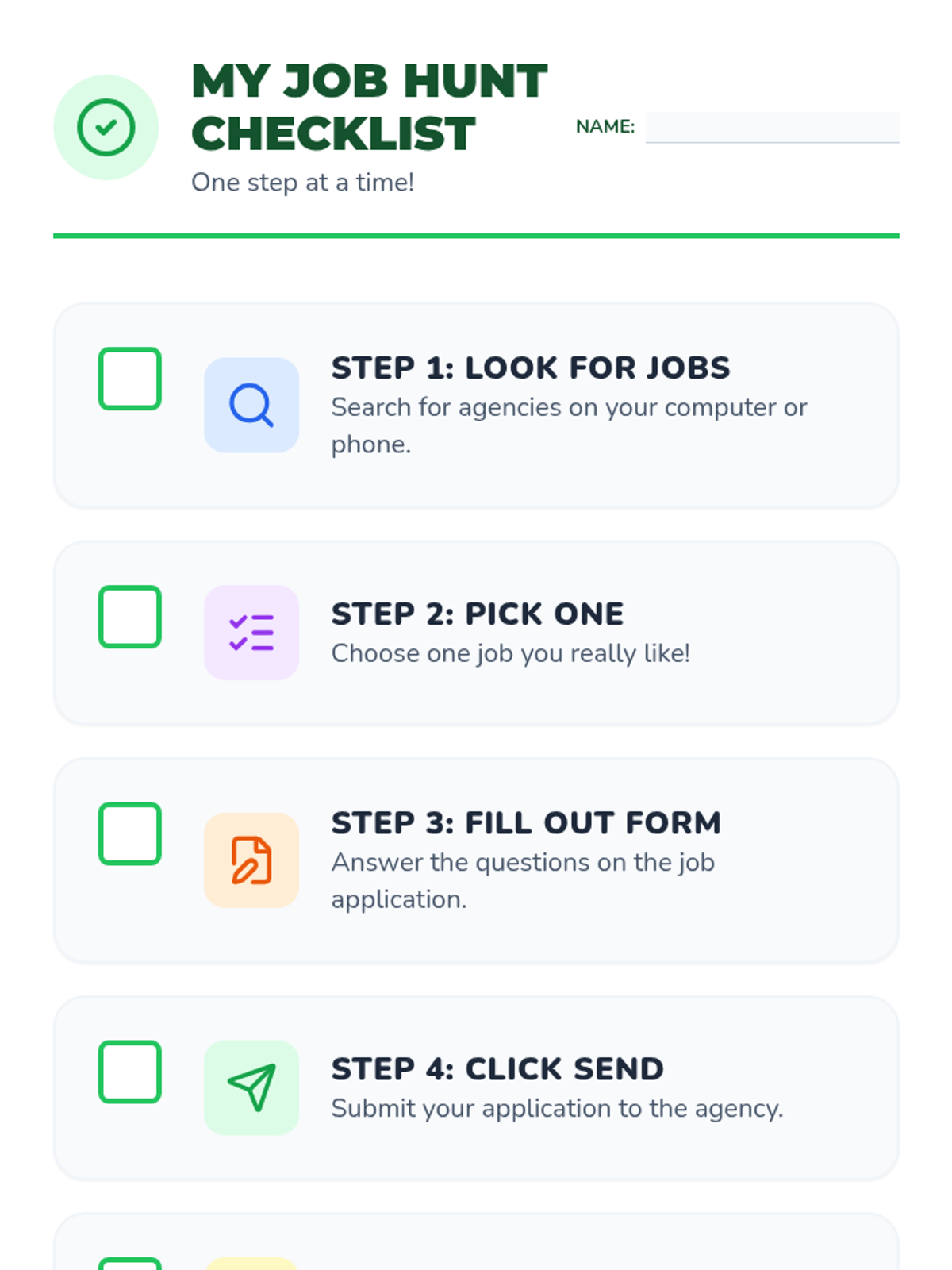
A series of resources designed to help individuals with diverse learning needs research and apply for Direct Support Professional (DSP) roles independently. The materials focus on visual clarity, simplified language, and step-by-step guidance.
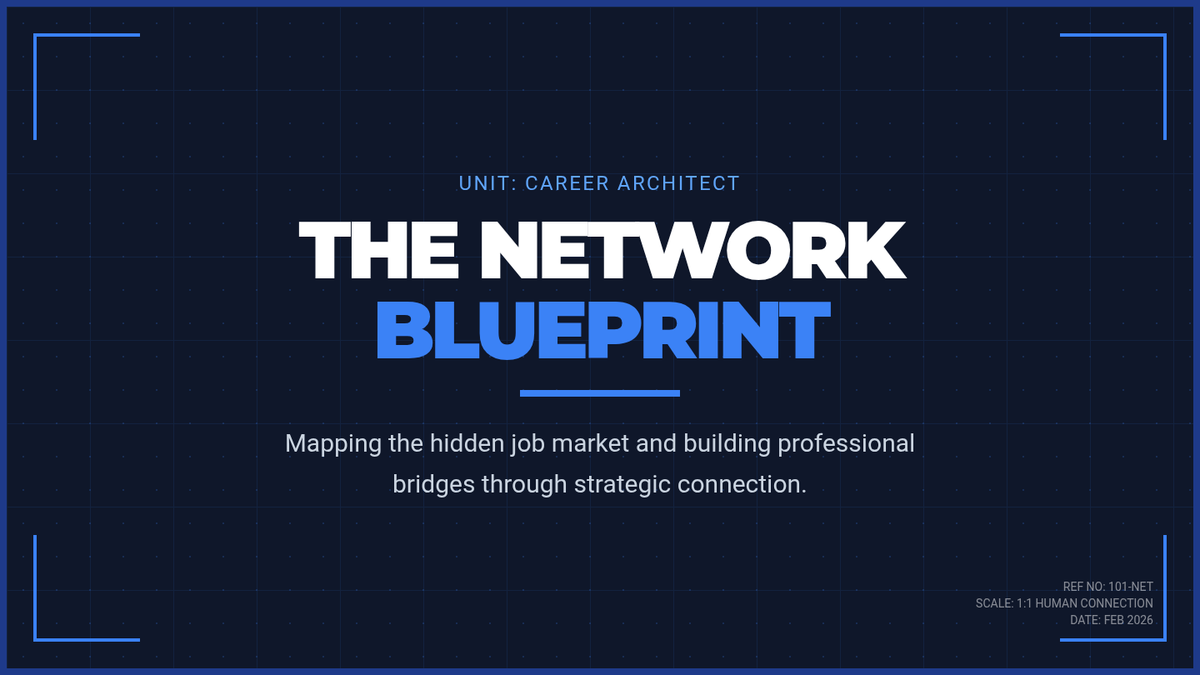
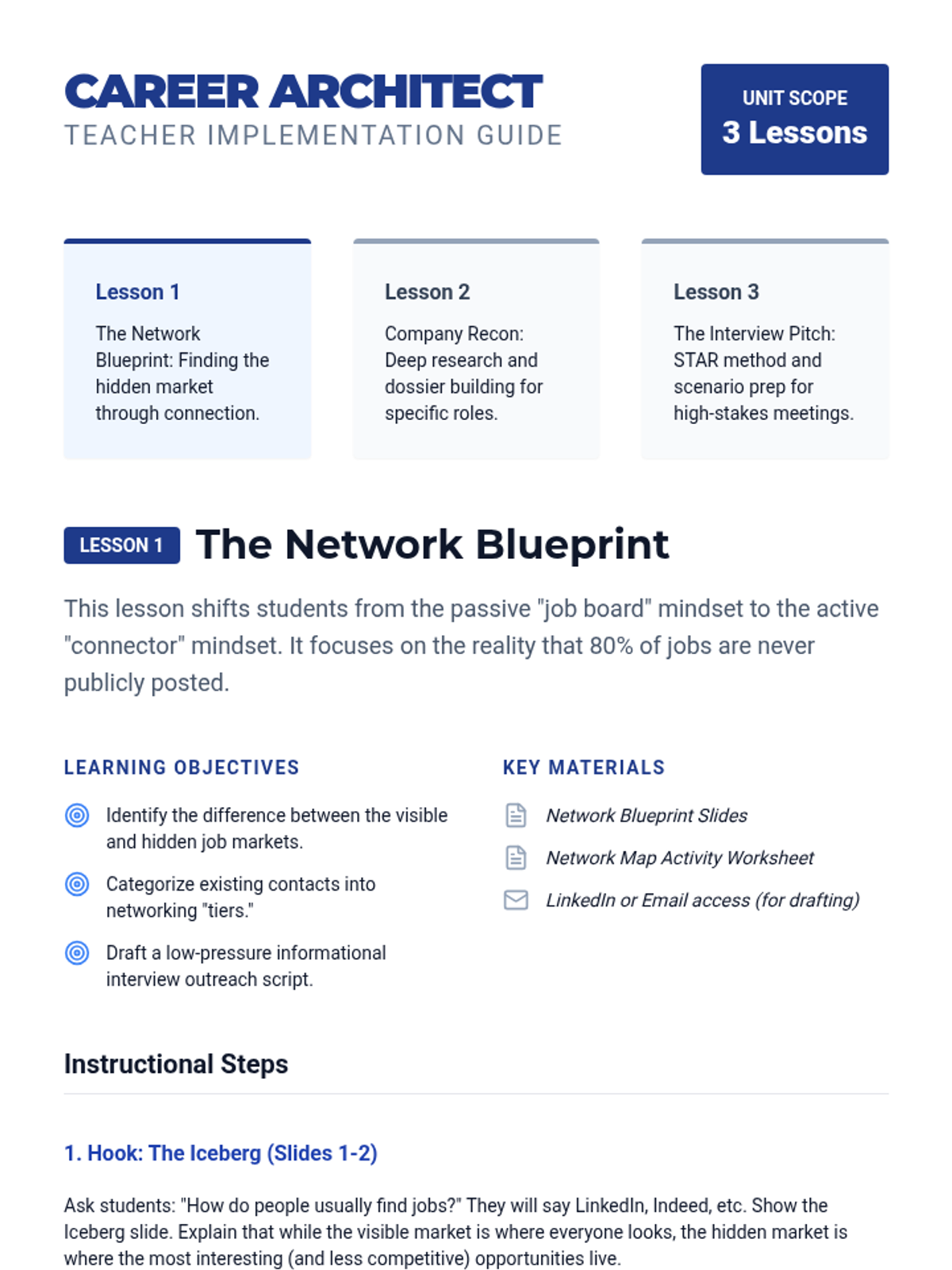
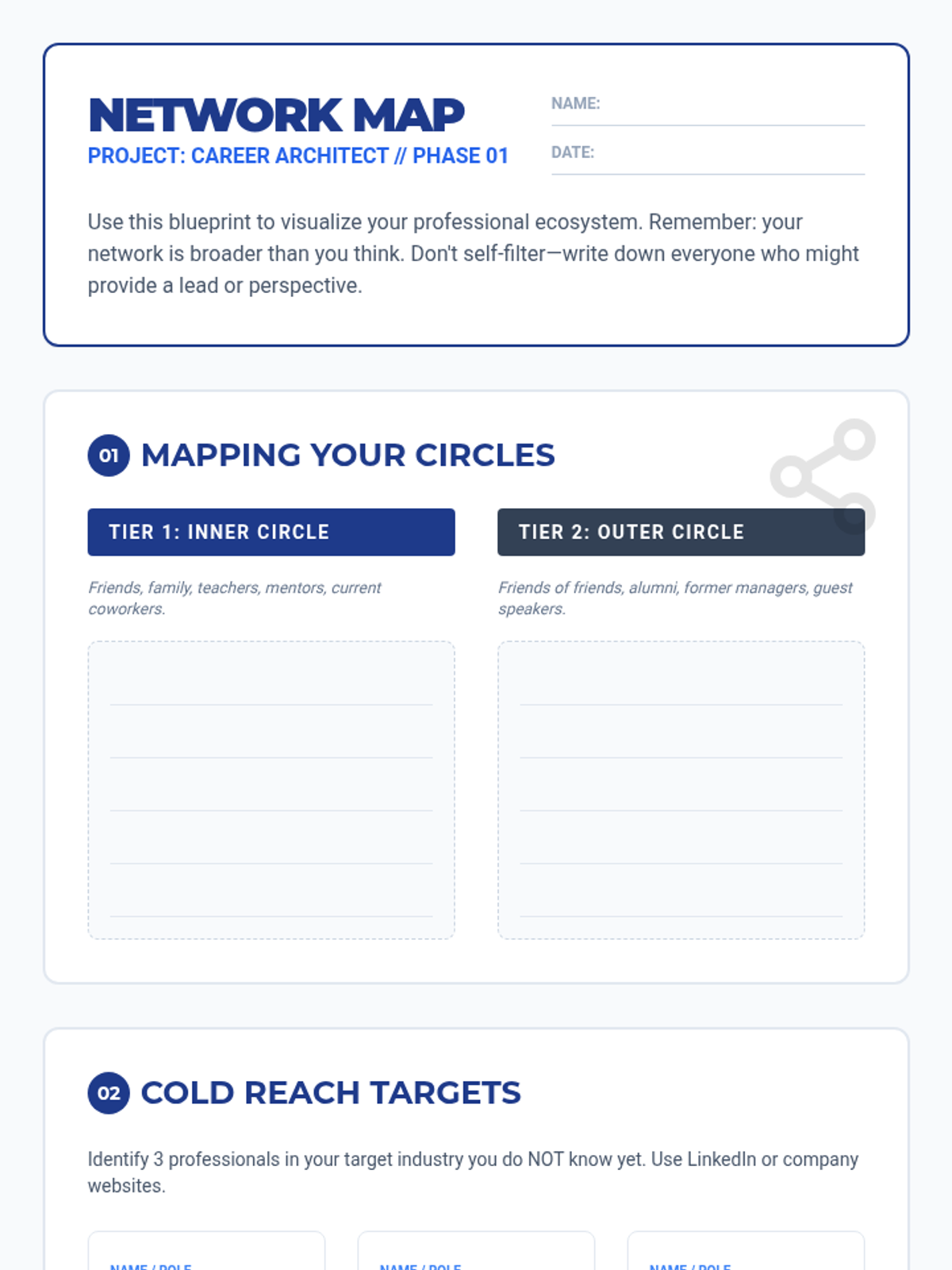
A comprehensive unit designed to guide students through the modern job application process, focusing on strategic networking, deep company research, and high-stakes interview preparation. Students will learn to build professional connections and tailor their approach to specific company cultures and scenarios.
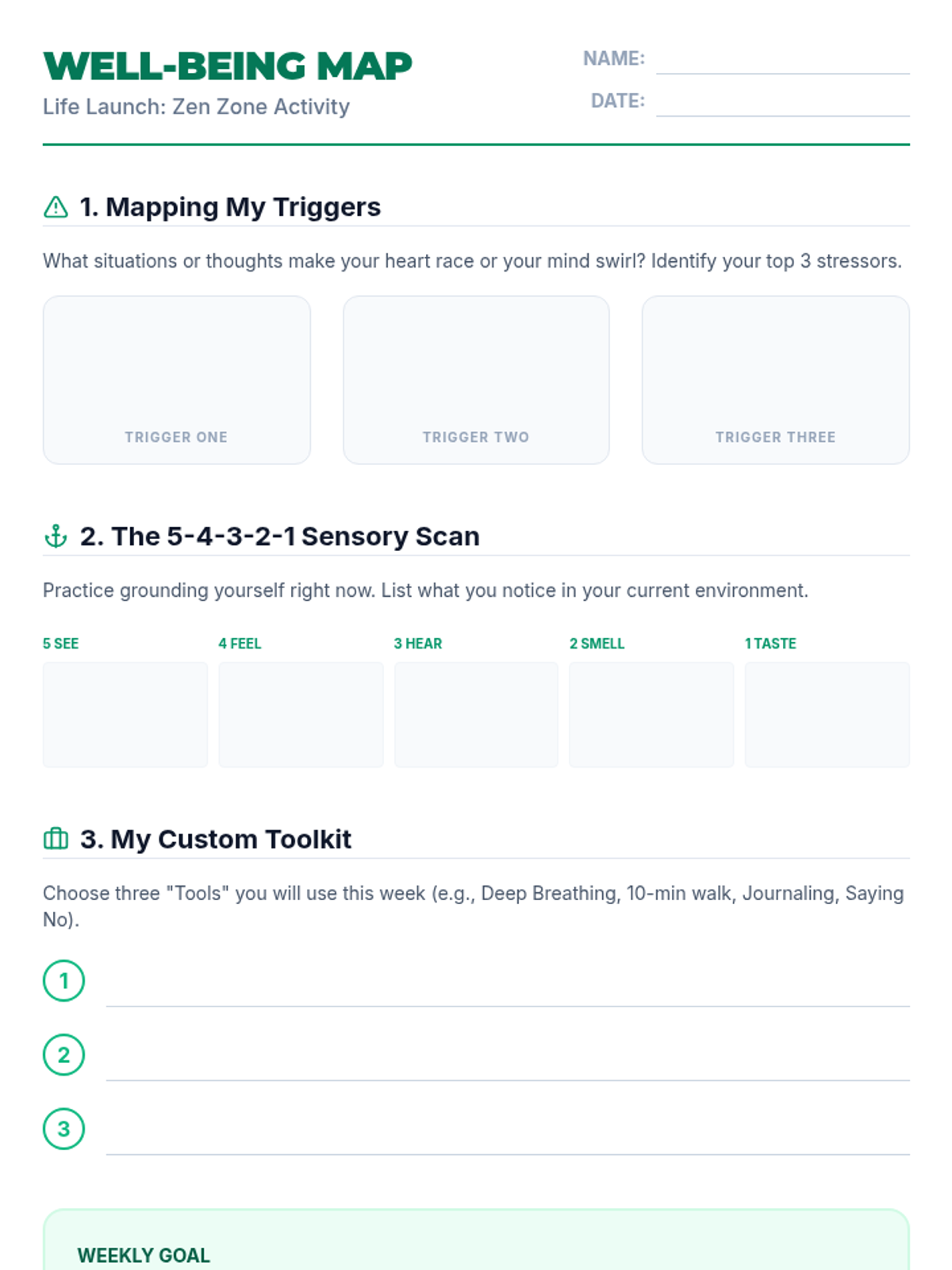
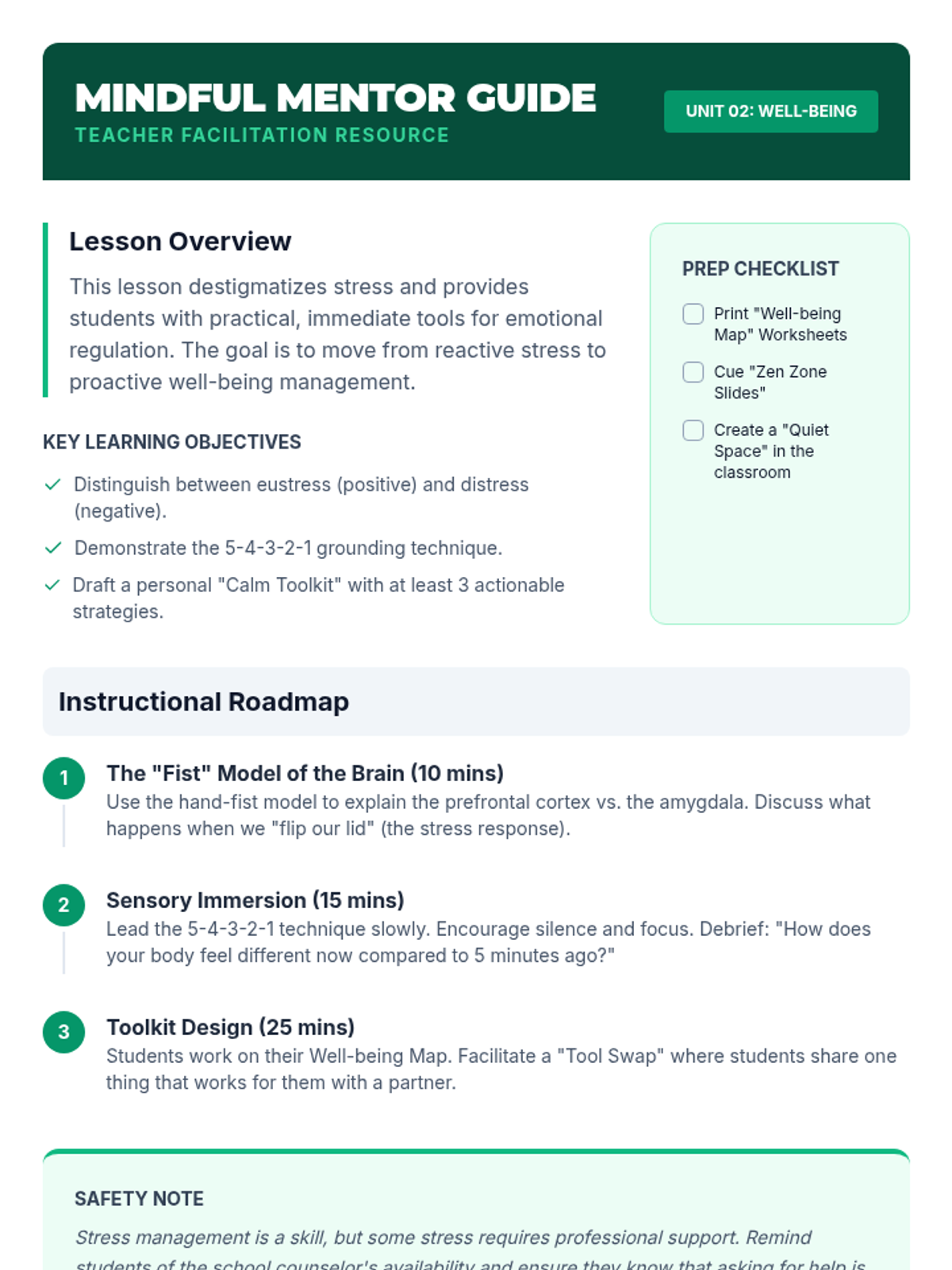
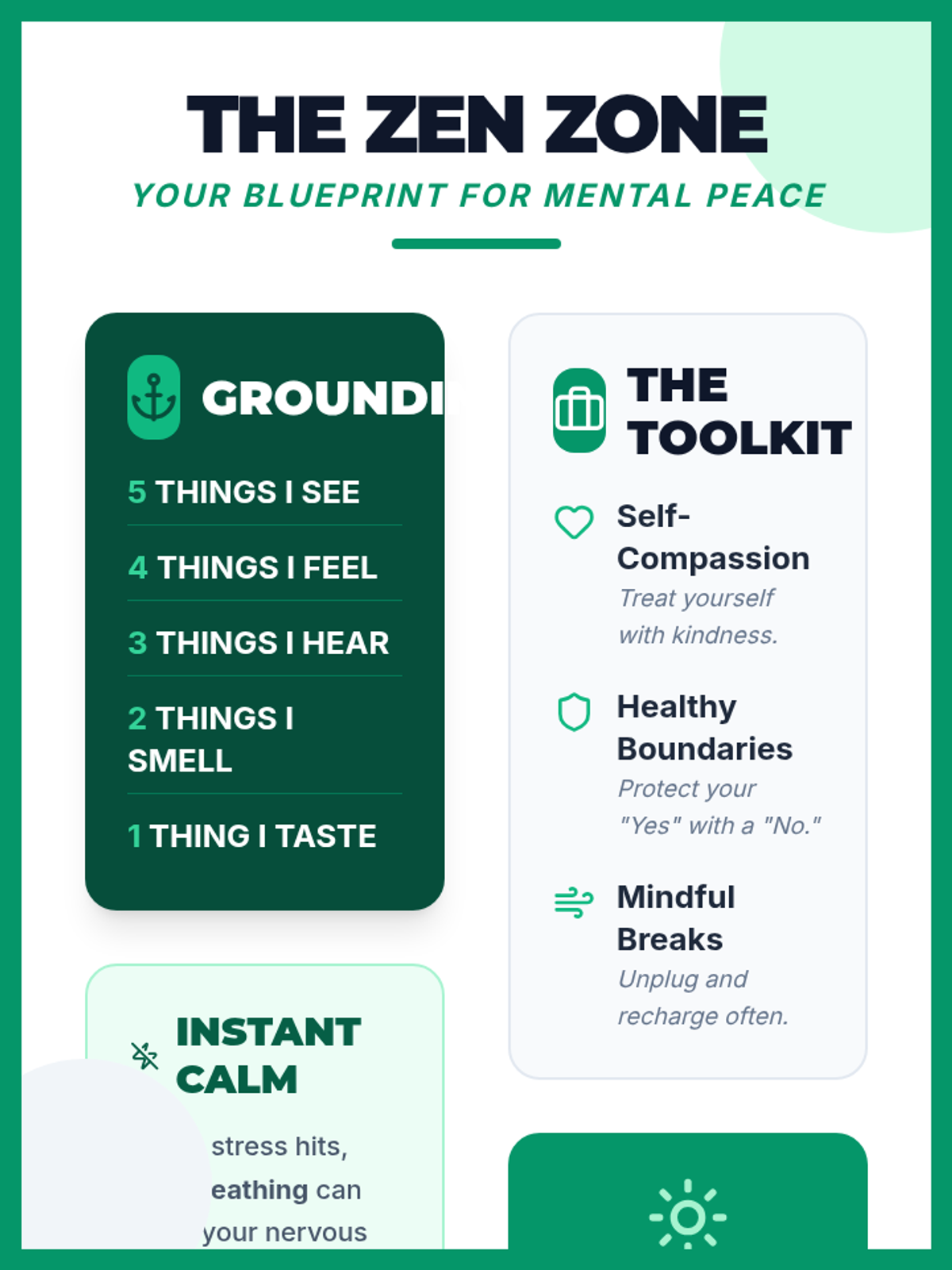
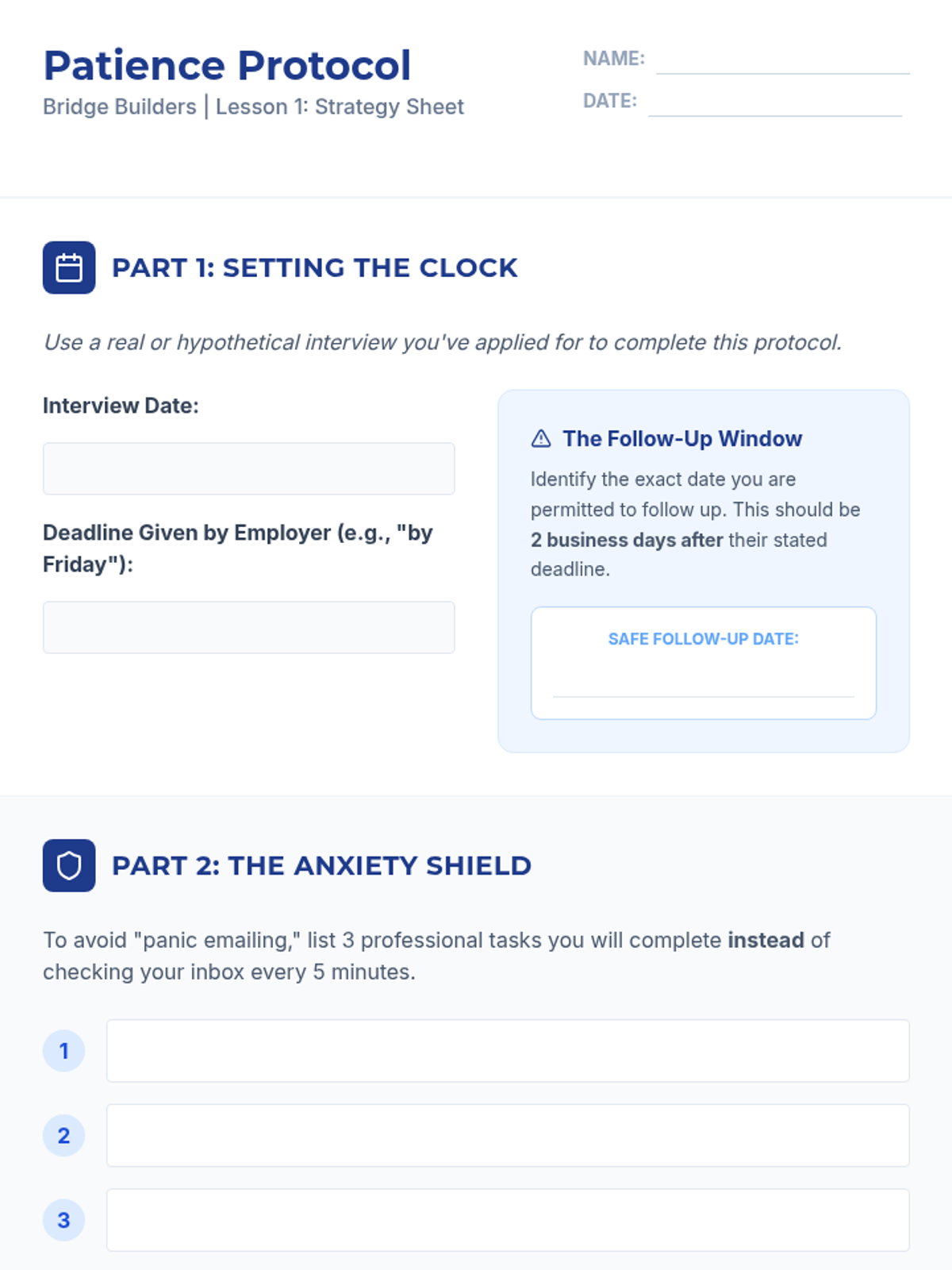
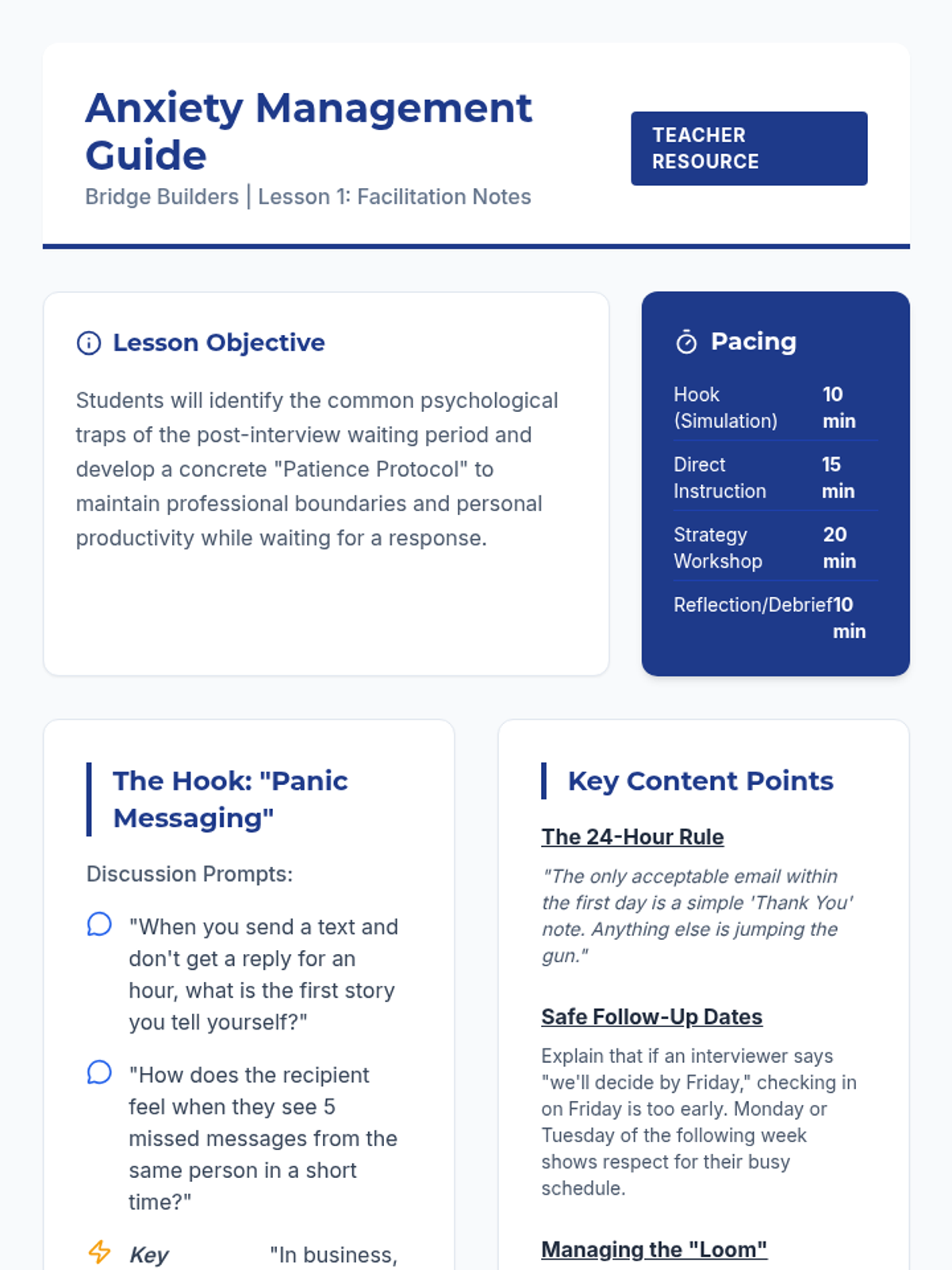
A dual-unit program designed to equip students with essential life skills for the post-application phase of job hunting and personal well-being. This sequence focuses on interpersonal communication, interview excellence, and mental health.
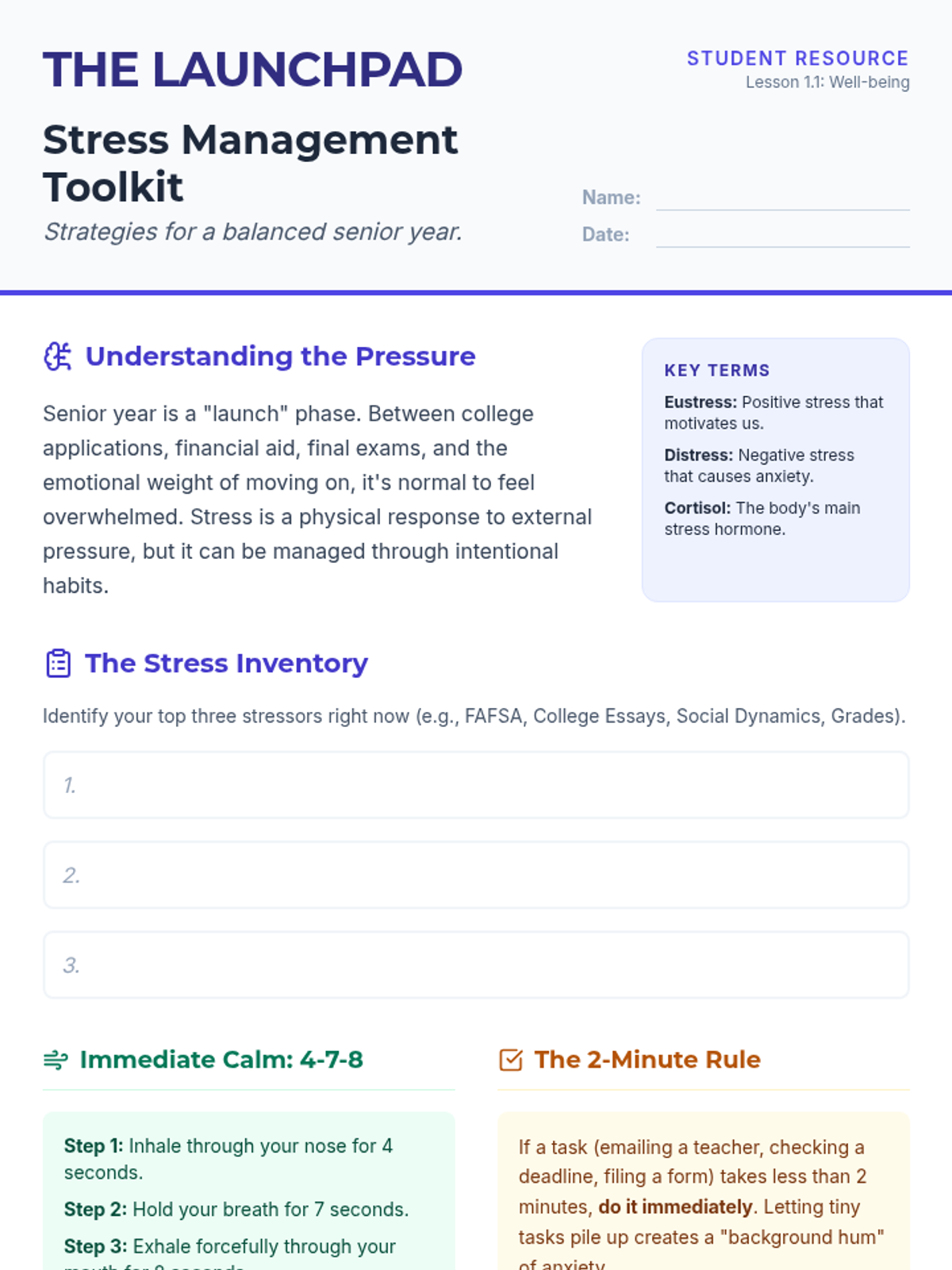
A comprehensive year-long curriculum for high school seniors focusing on college readiness, career planning, financial literacy, and social-emotional well-being. This sequence guides students through the complexities of post-secondary transitions with a special focus on arts-based pathways.
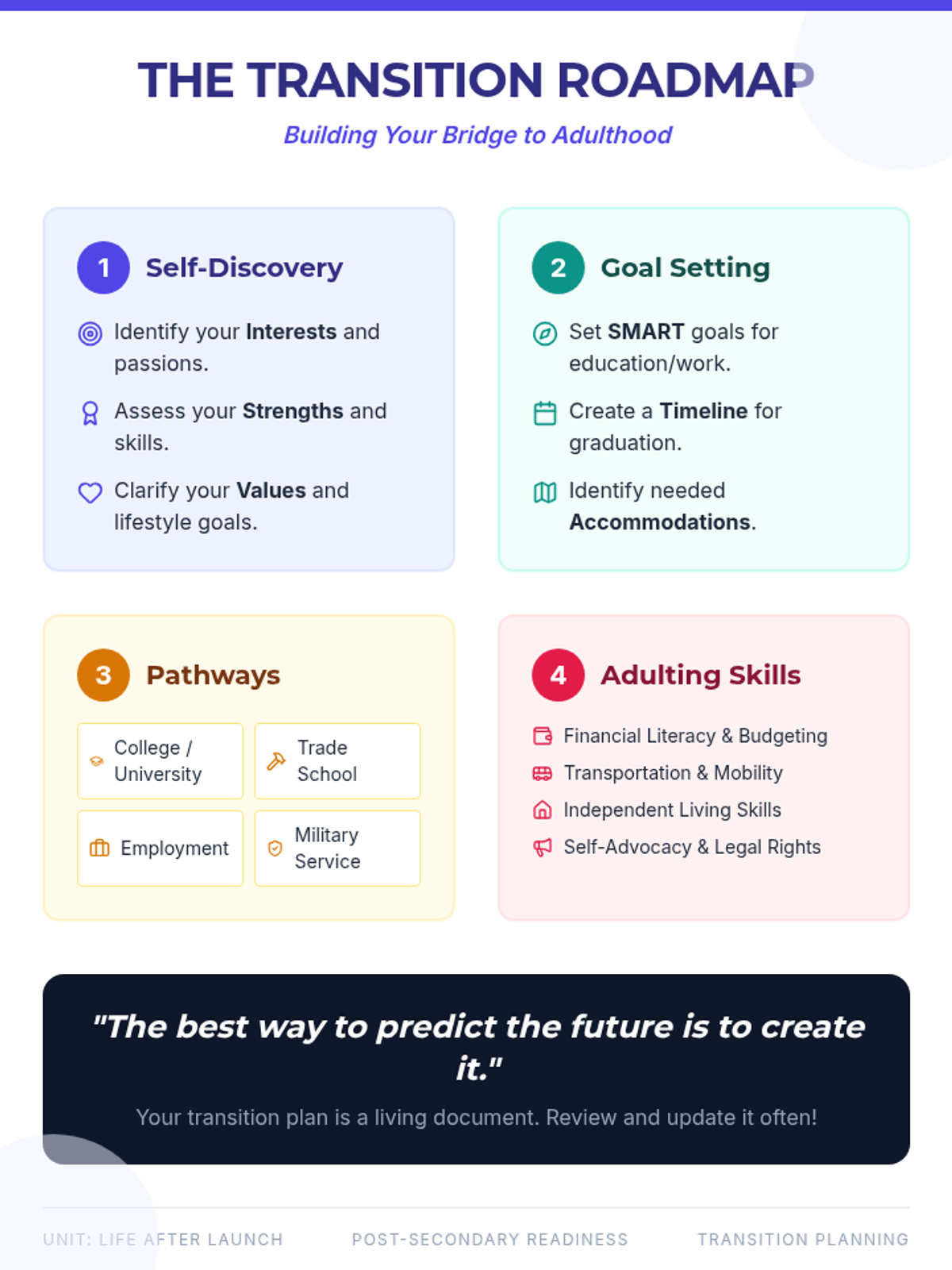
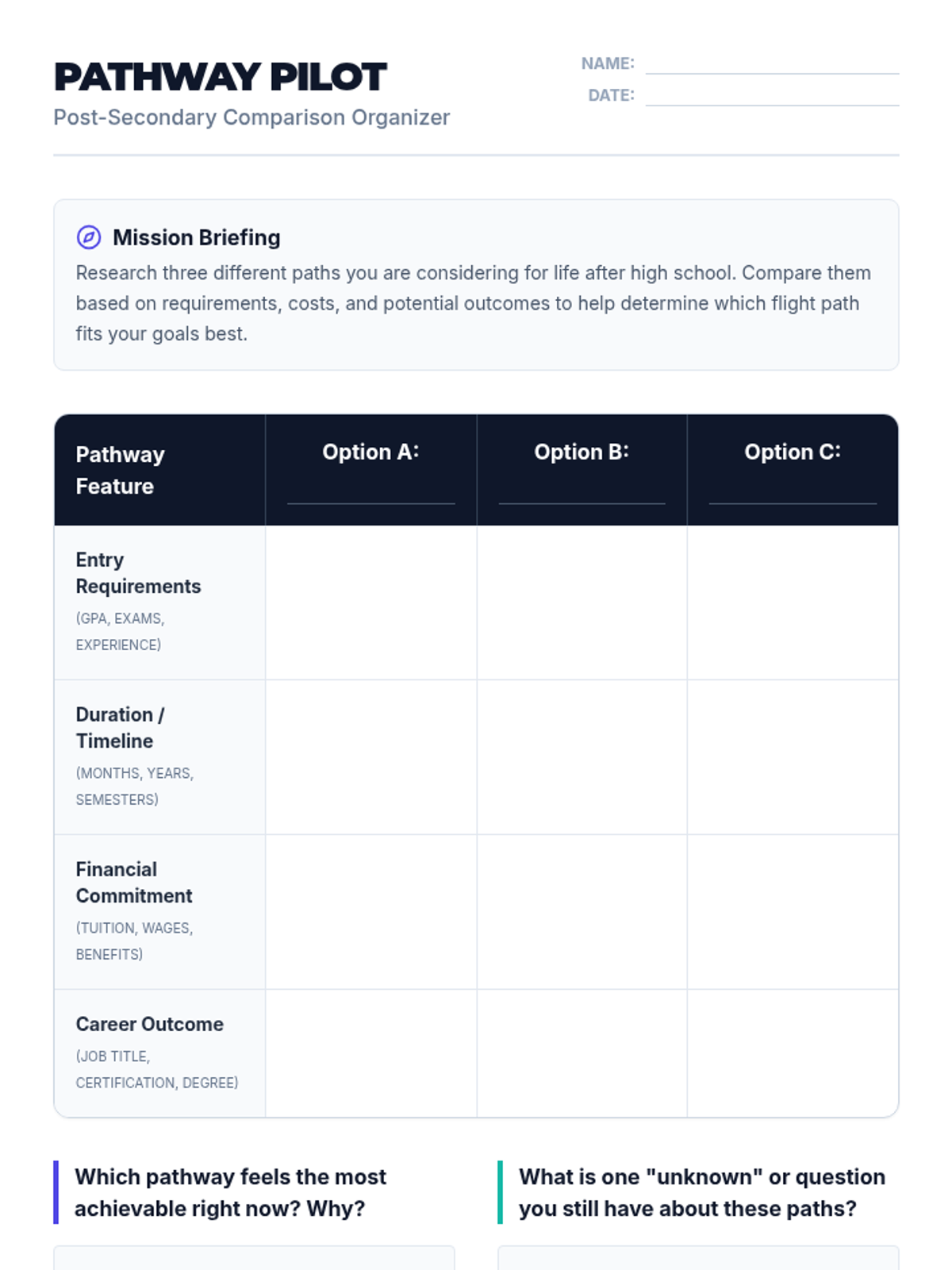
A comprehensive unit designed to prepare students for the transition from high school to adulthood, focusing on post-secondary pathways, resume building, and professional interview skills.
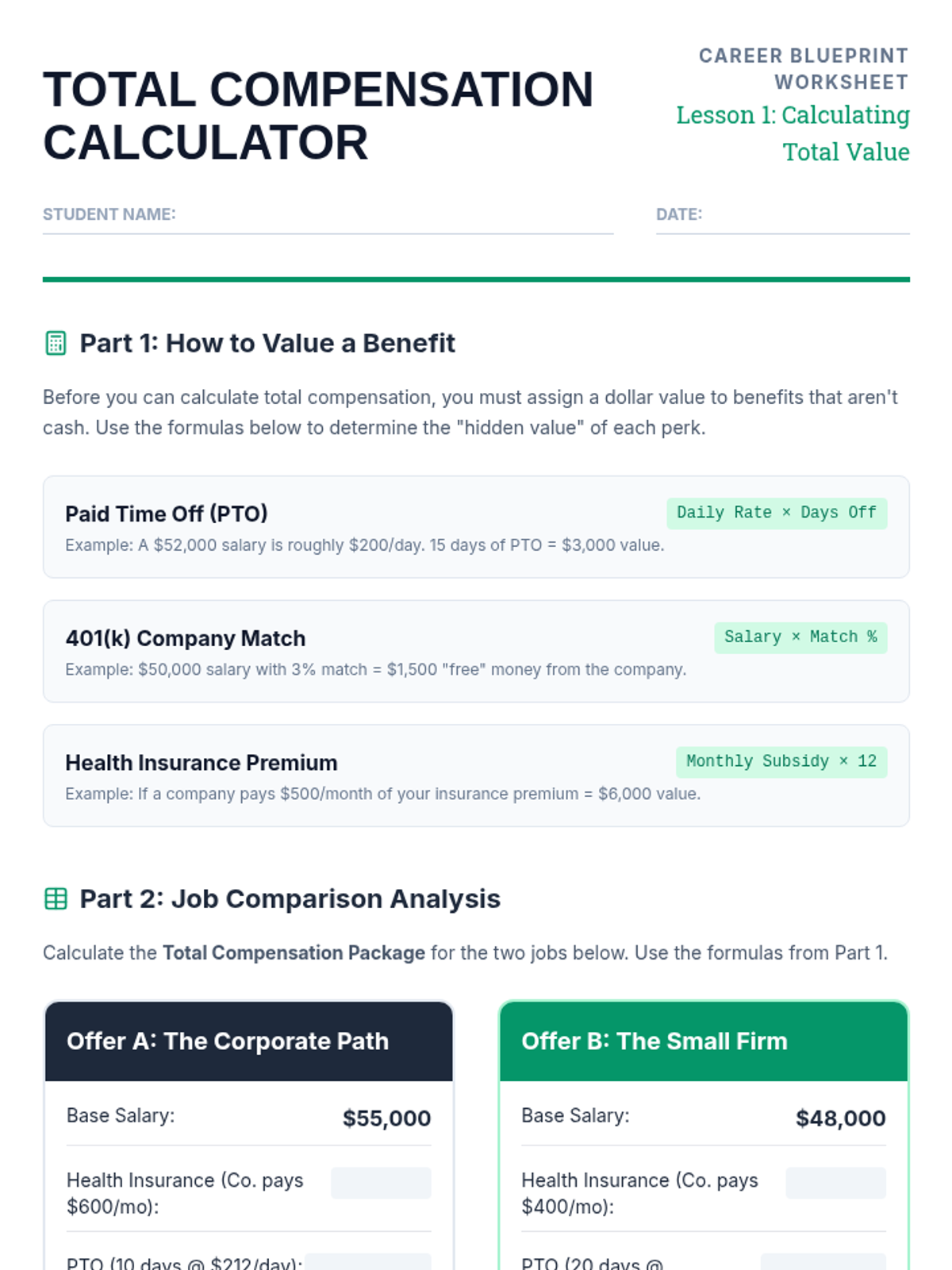
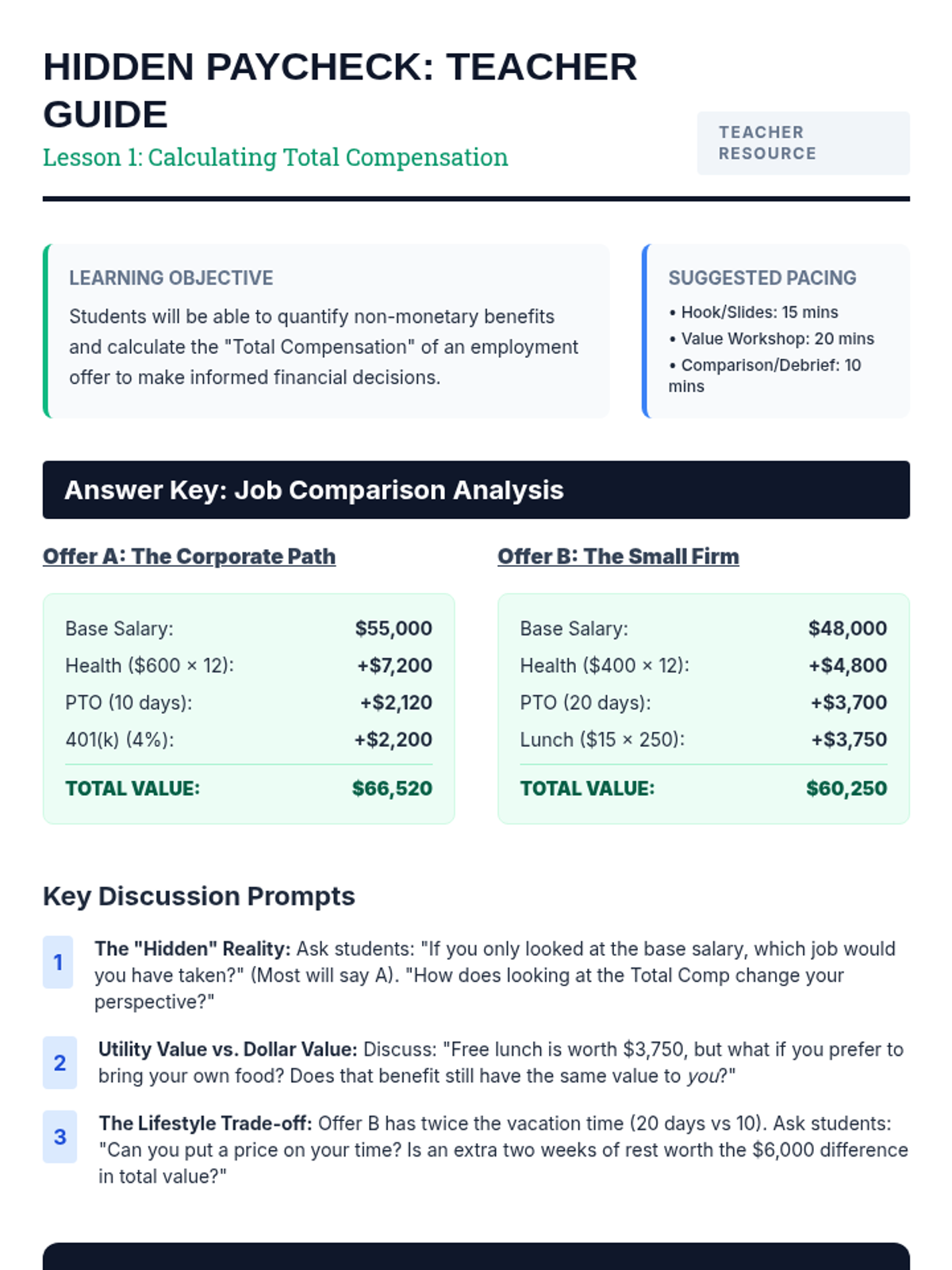
A comprehensive sequence for 12th-grade students on evaluating and negotiating employment offers. Students move from basic financial literacy (calculating total compensation) to critical analysis of benefits, culminating in a professional negotiation simulation.
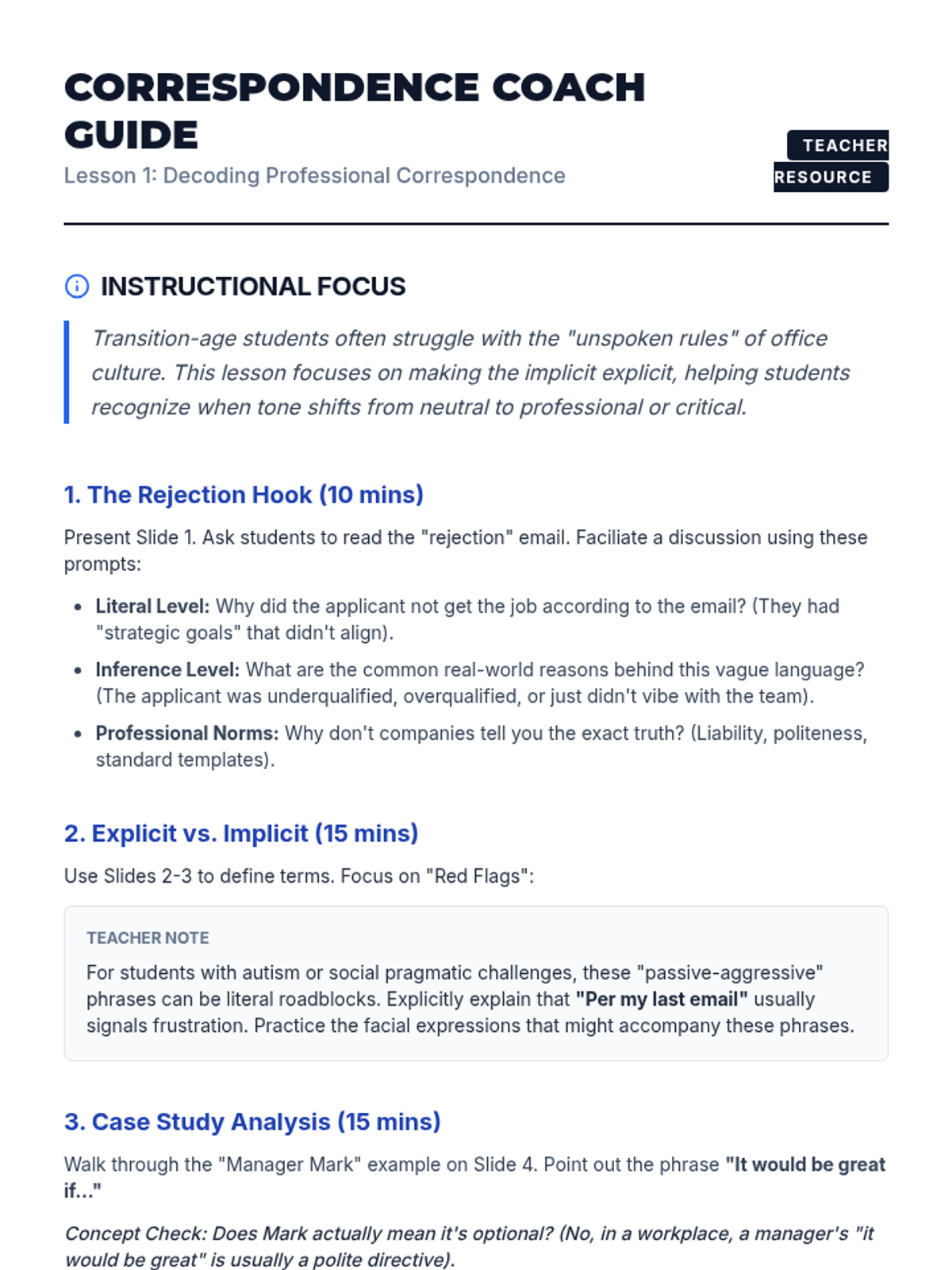
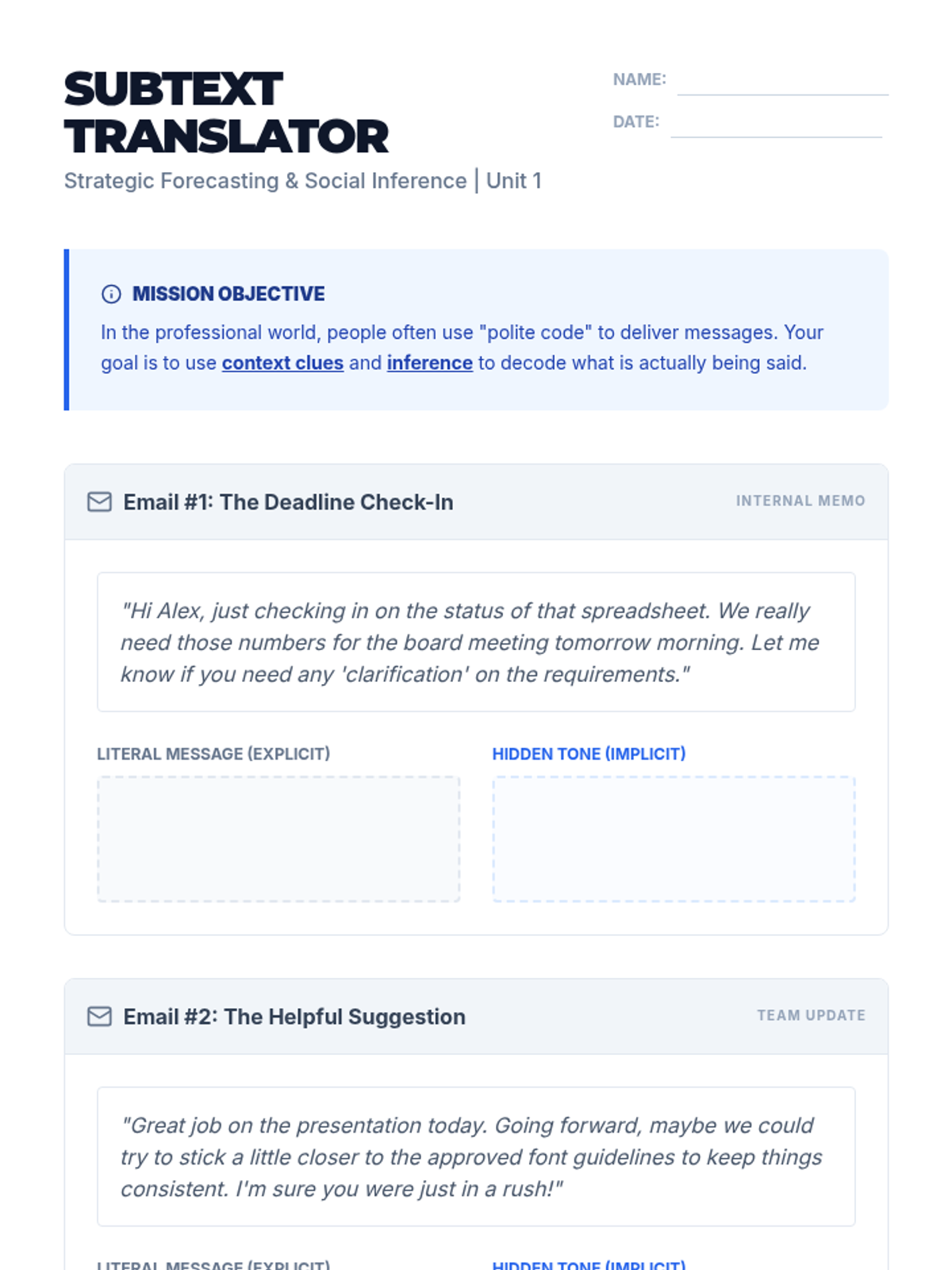
A 5-lesson sequence for 11th-grade students focusing on applying inference and prediction skills to real-world professional and social contexts, including workplace communication, media literacy, and career transitions.
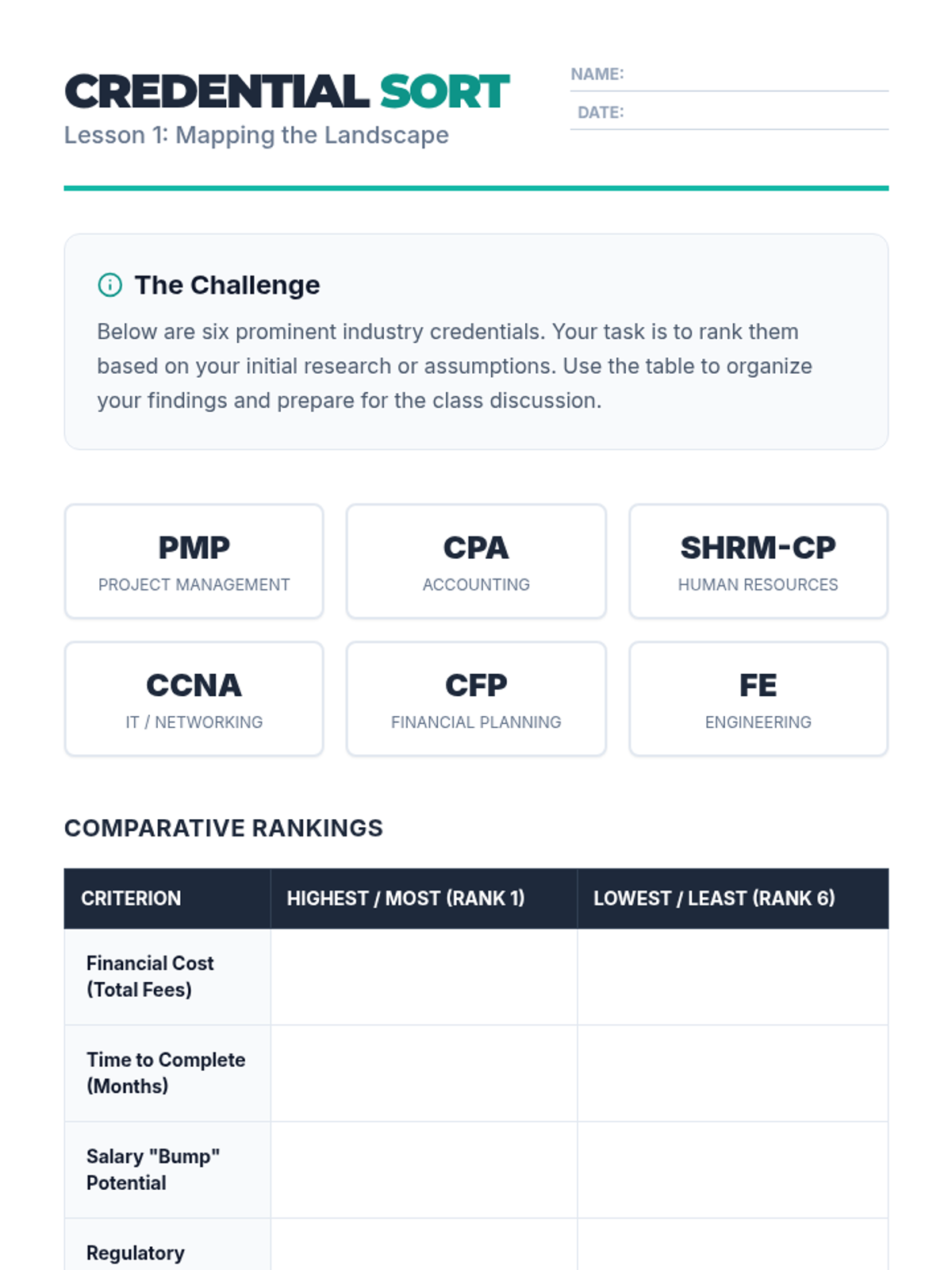
This sequence guides undergraduate students through the complex landscape of professional certifications, micro-credentials, and licensures. Students will learn to evaluate the market value, legitimacy, and strategic fit of various post-secondary credentials to enhance their early career trajectories.
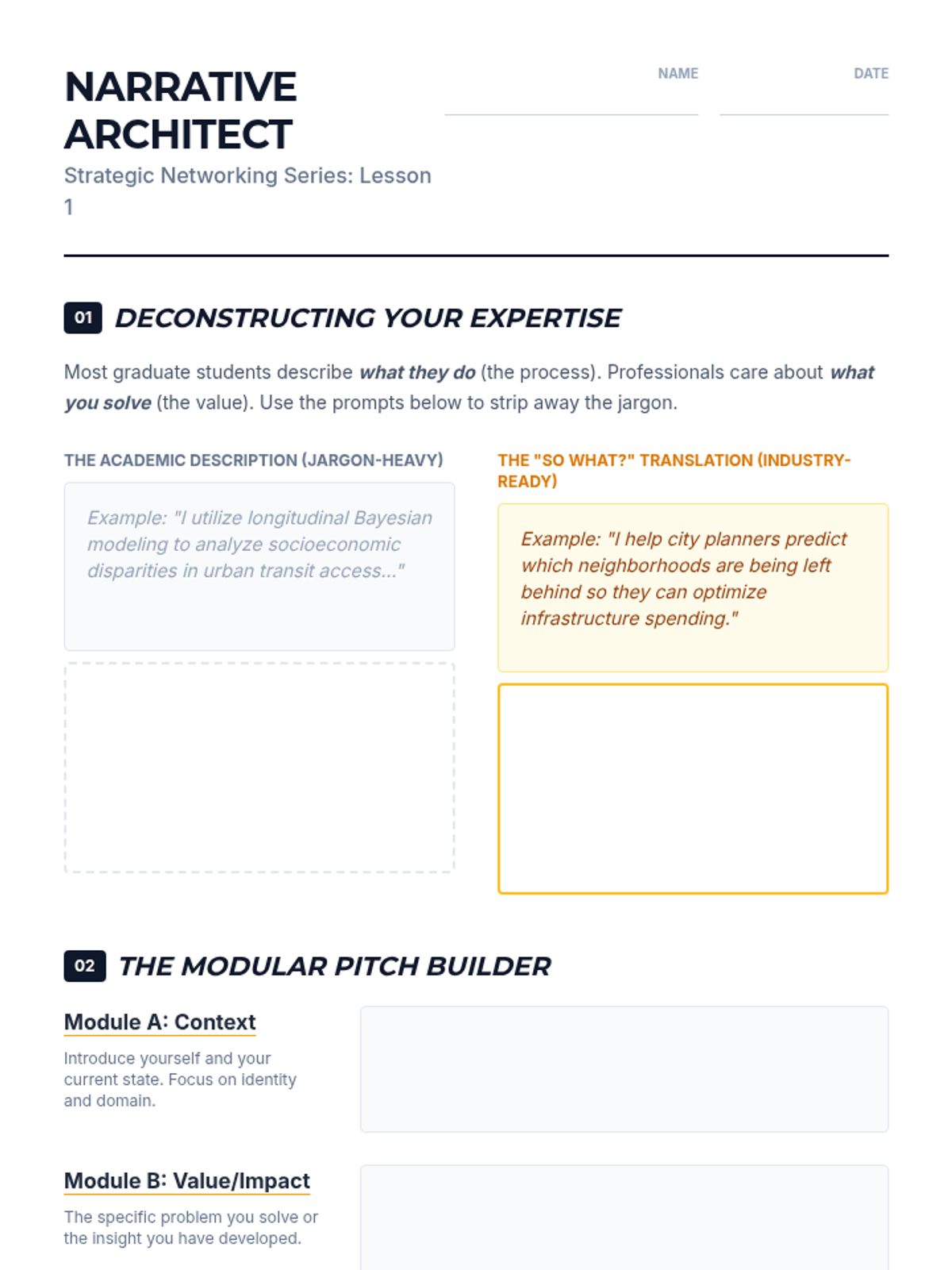
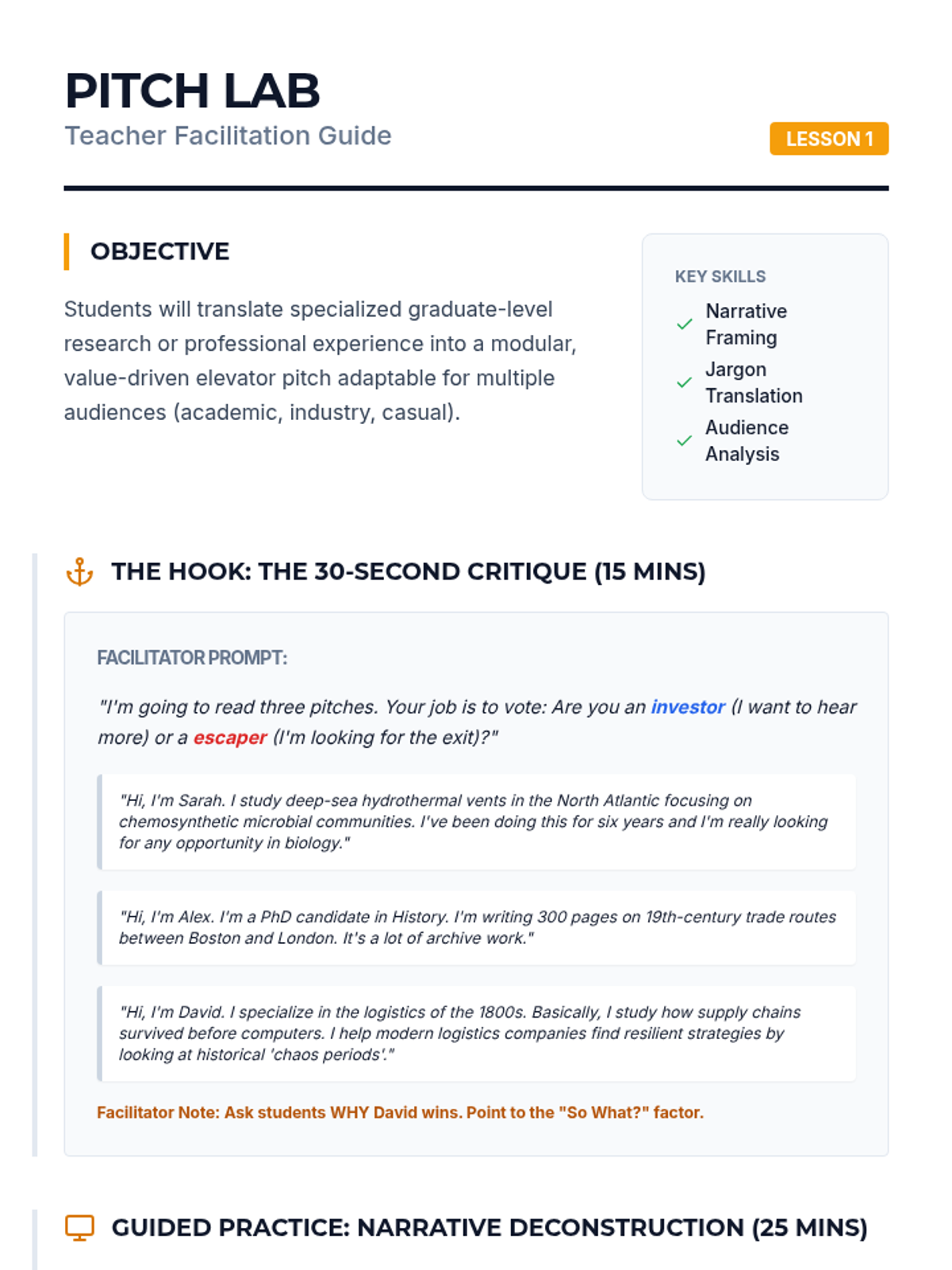
This advanced sequence guides graduate students through the strategic development of a professional network essential for accessing the hidden job market. Students move from refining their personal narrative and value proposition to tactical digital mapping, effective outreach, informational interviewing, and long-term relationship stewardship.
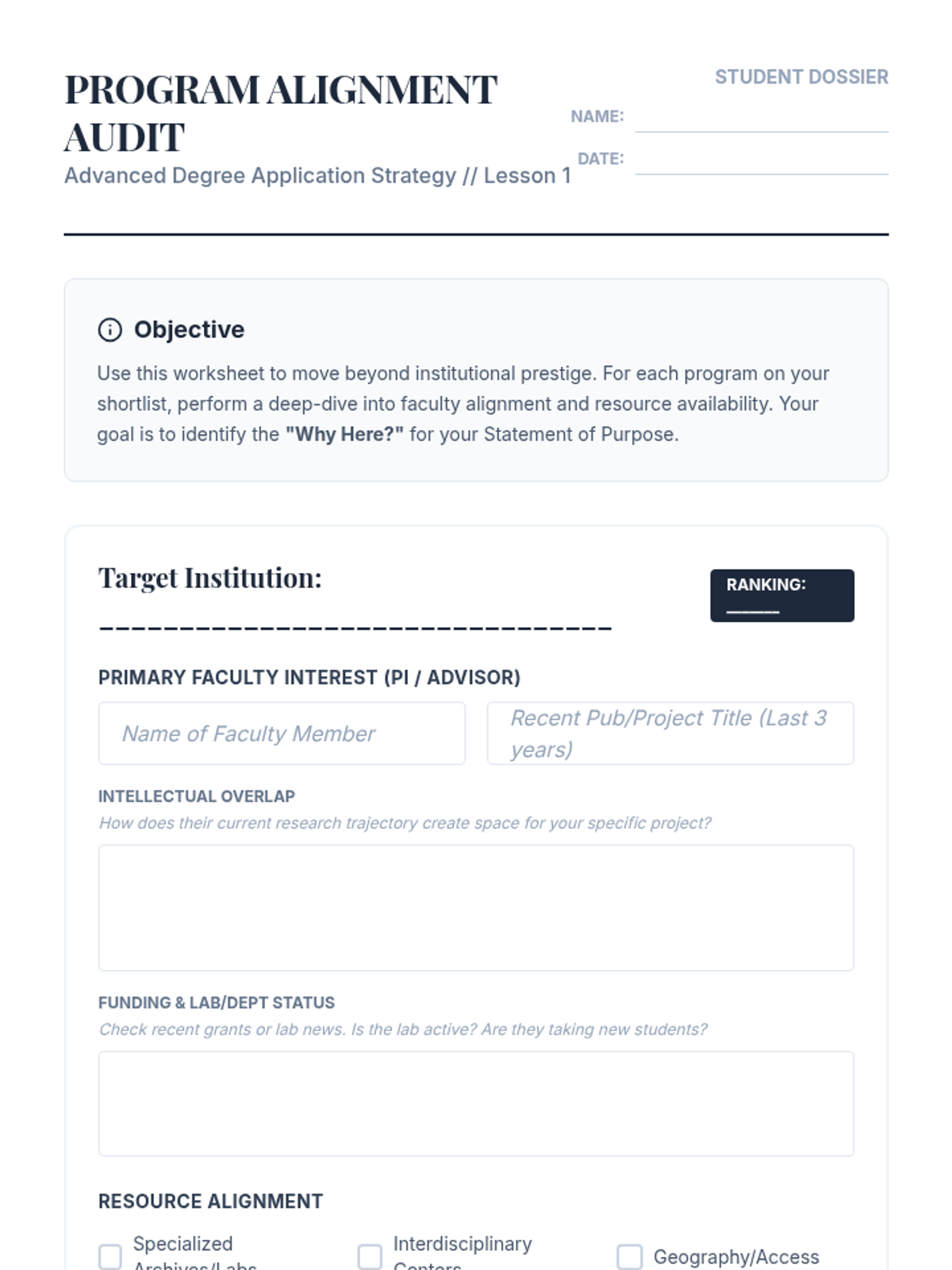
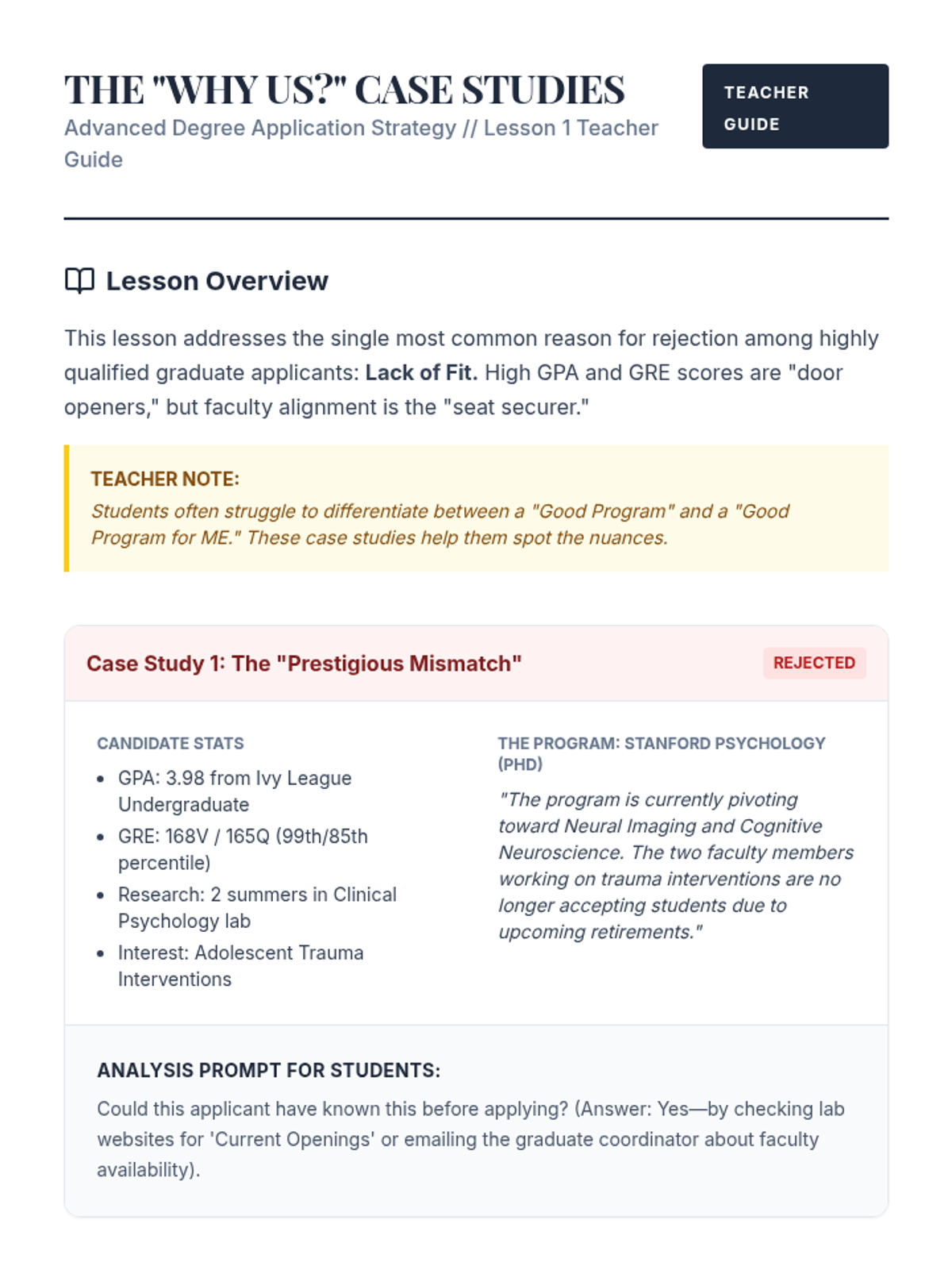
A comprehensive workshop sequence for graduate students applying to terminal degree programs (Ph.D., Ed.D., JD, MD) or competitive fellowships. This series shifts focus from basic qualifications to strategic narrative alignment and research fit.
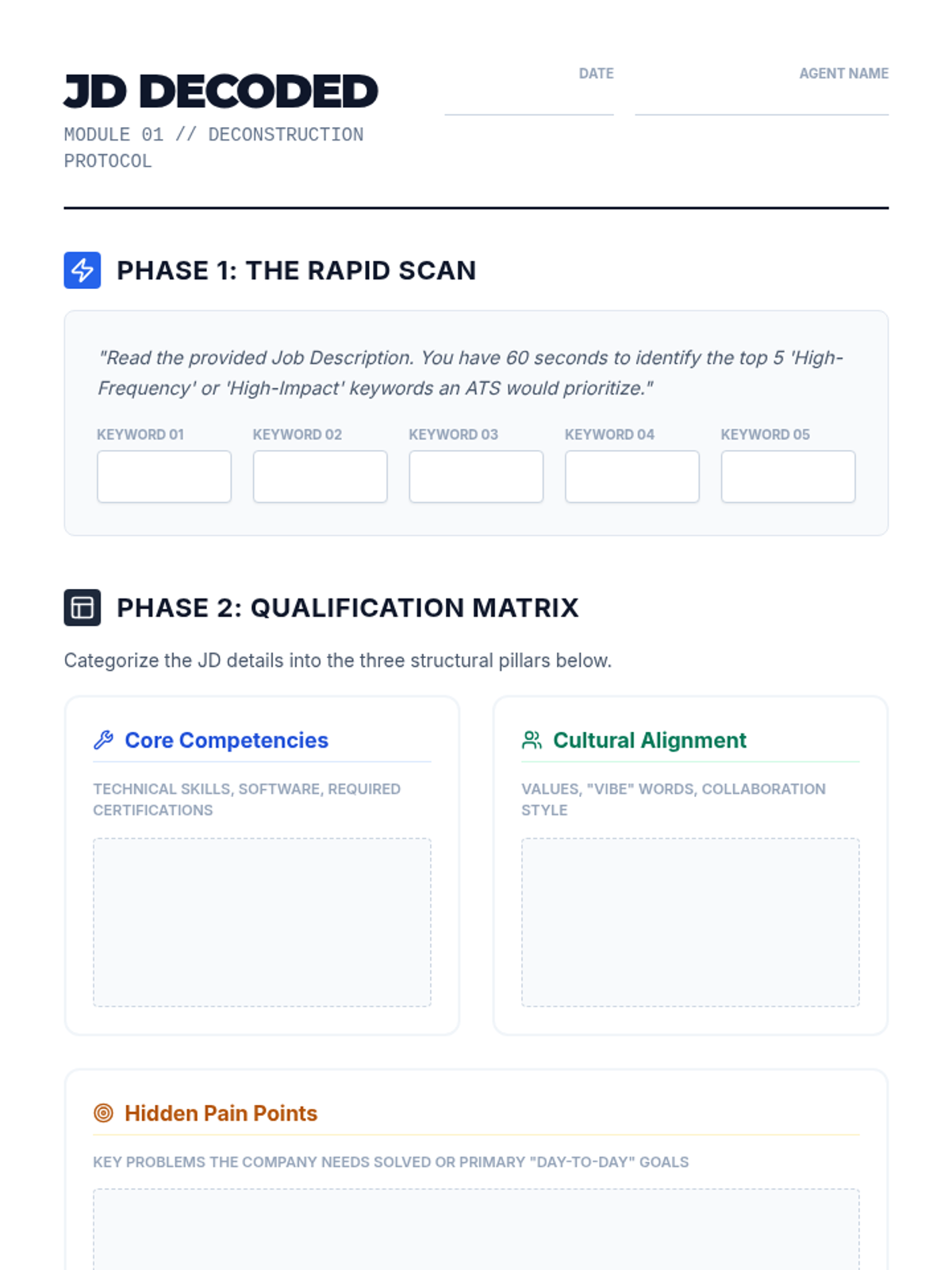
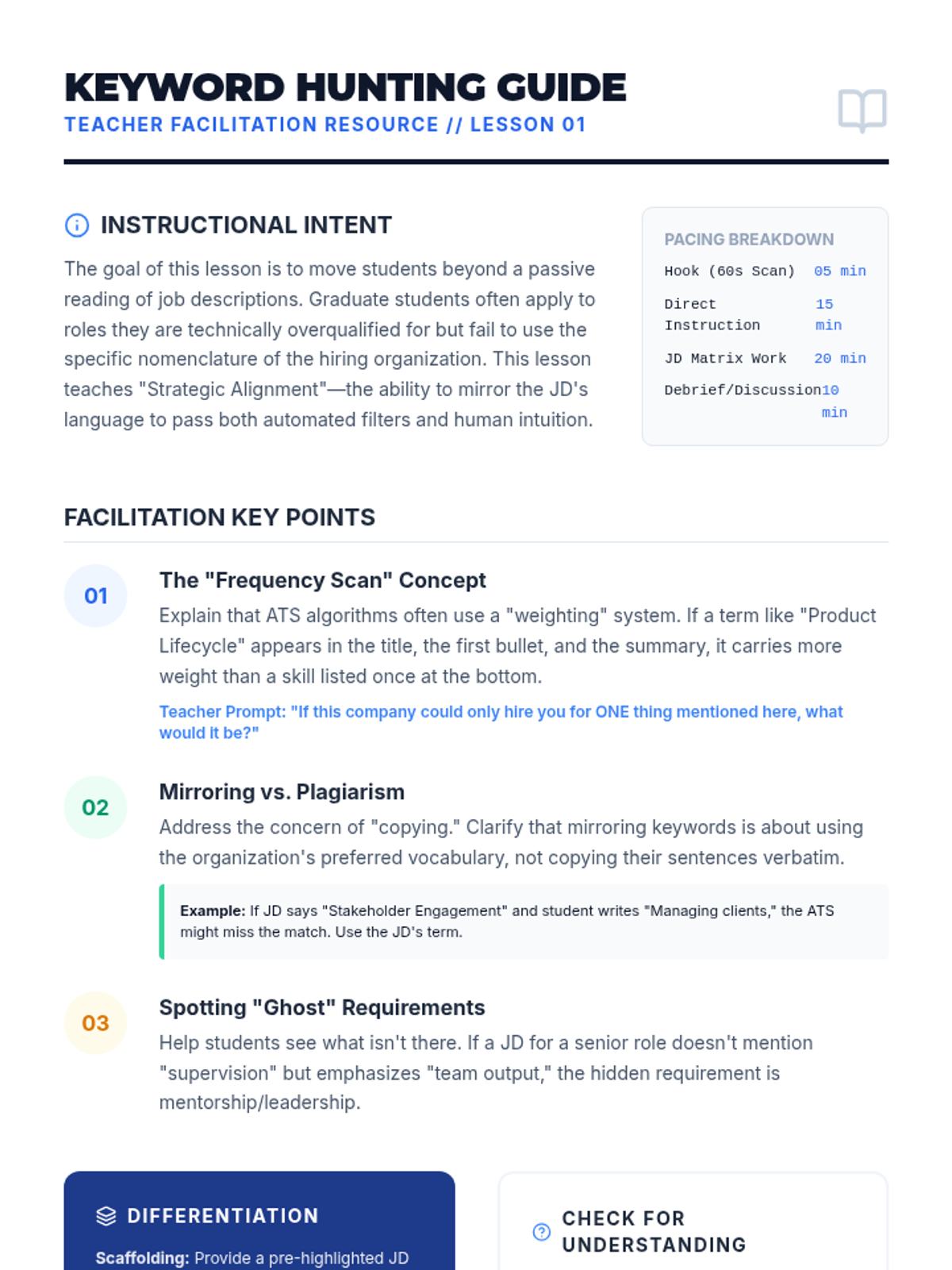
A comprehensive graduate-level series on tailoring cover letters for Applicant Tracking Systems (ATS) and human recruiters through strategic keyword analysis and value alignment.
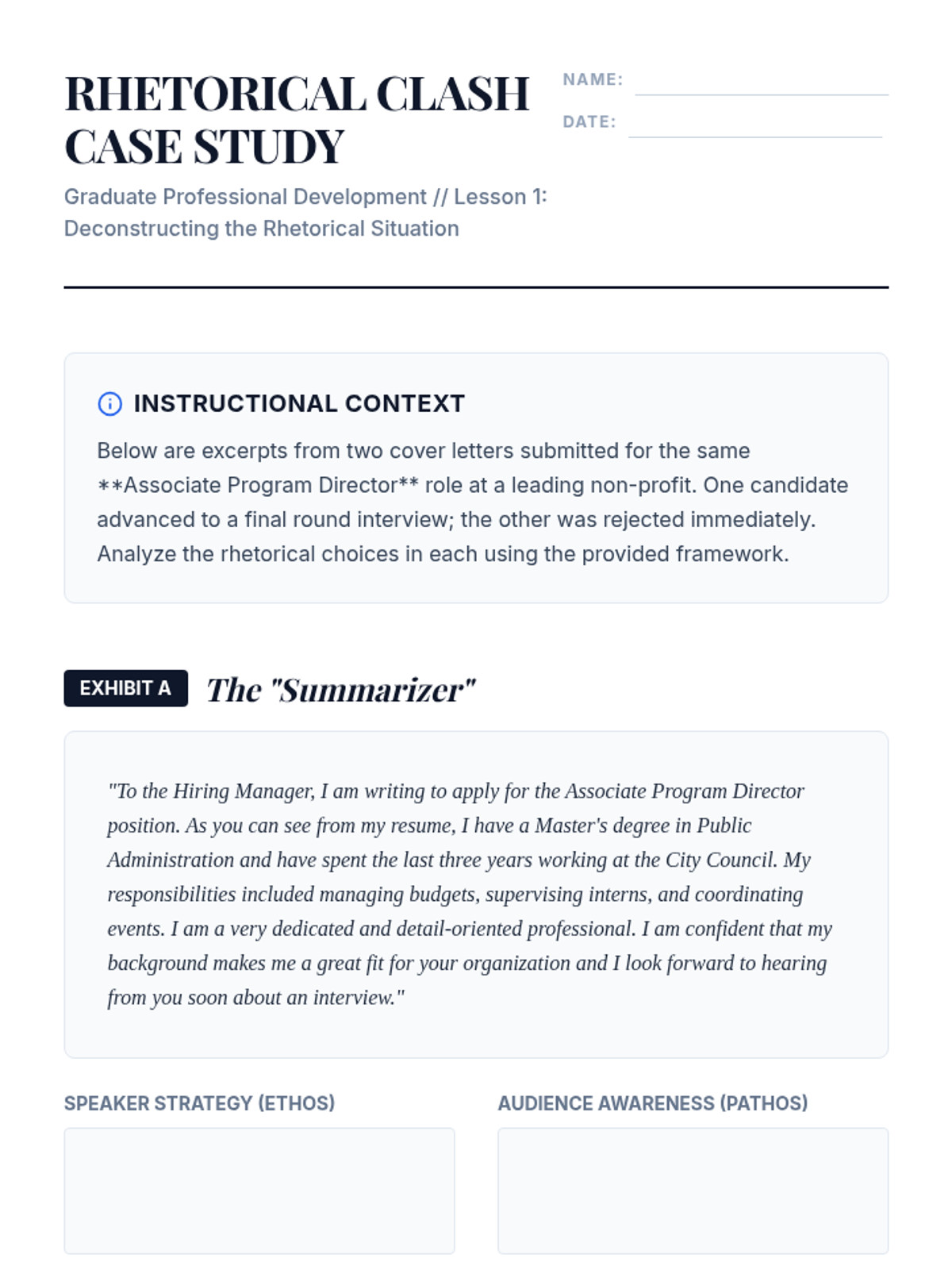
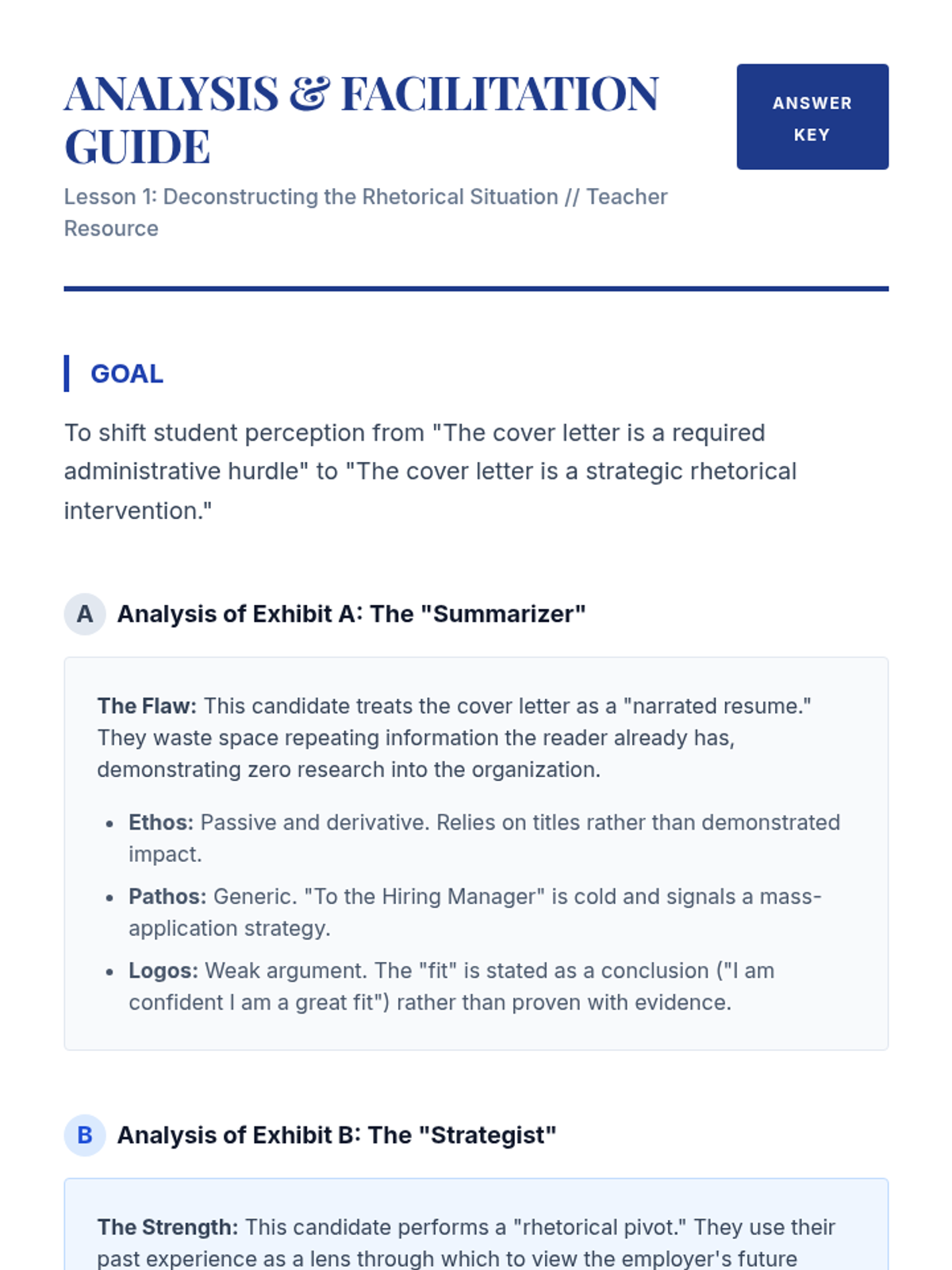
This graduate-level sequence focuses on the rhetorical architecture of professional cover letters. Students move beyond templates to master persuasive structure, visual hierarchy, and narrative argumentation, culminating in the ability to craft compelling, high-stakes professional correspondence.
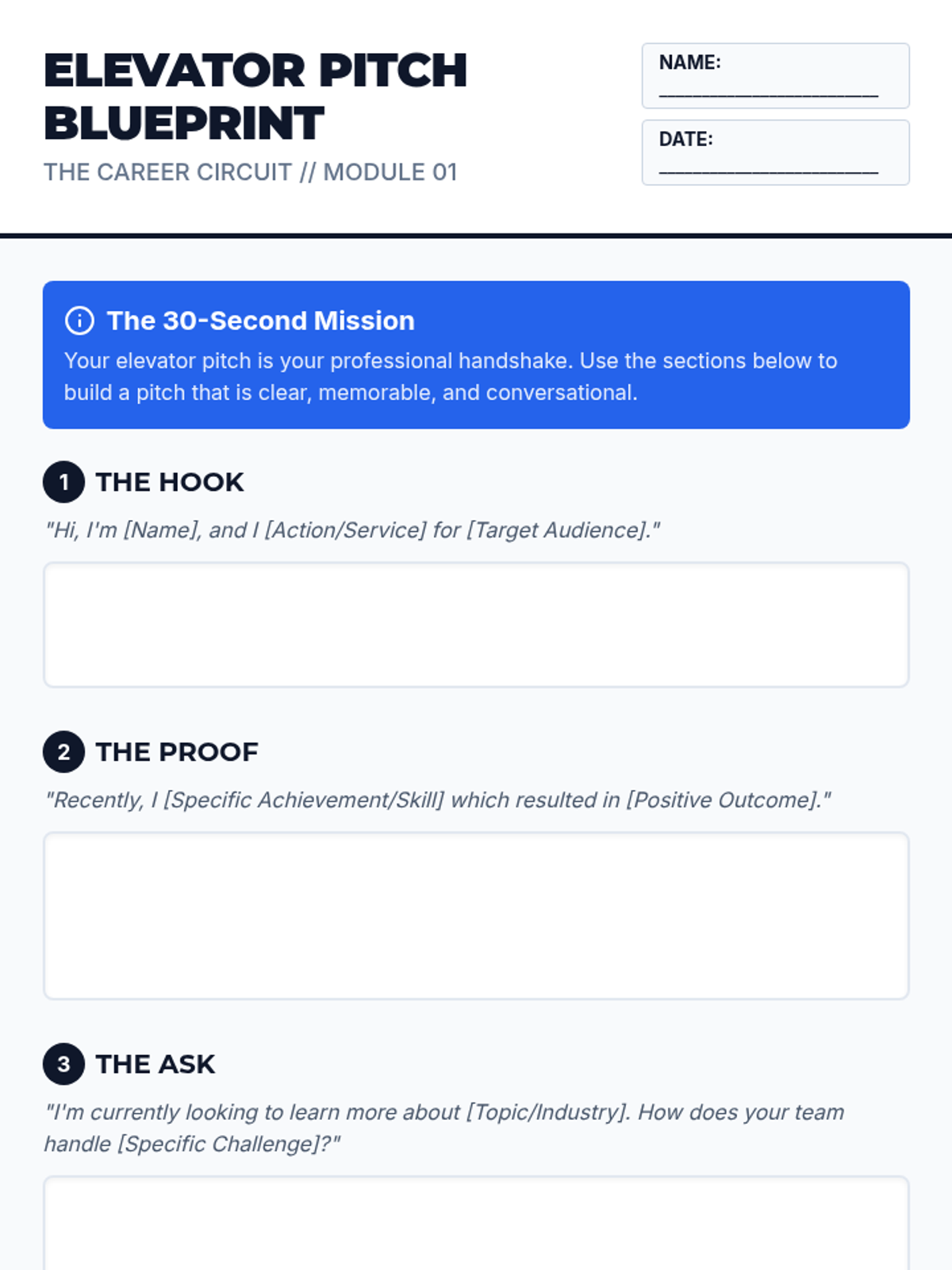
This sequence explores the 'hidden job market' where up to 80% of roles are filled through networking. Students will develop social capital, craft elevator pitches, map their personal connections, and learn the etiquette of informational interviews and professional follow-up.
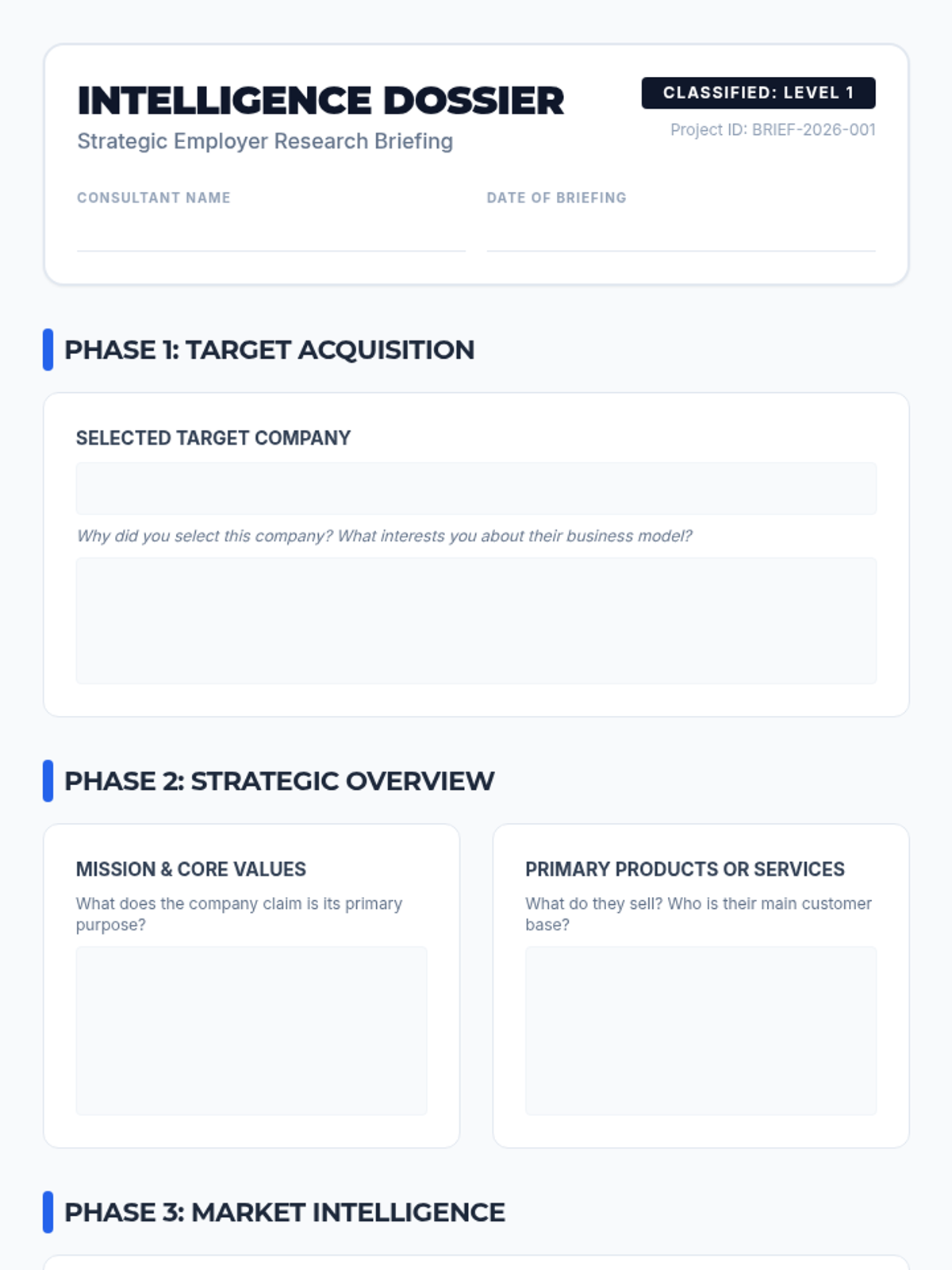
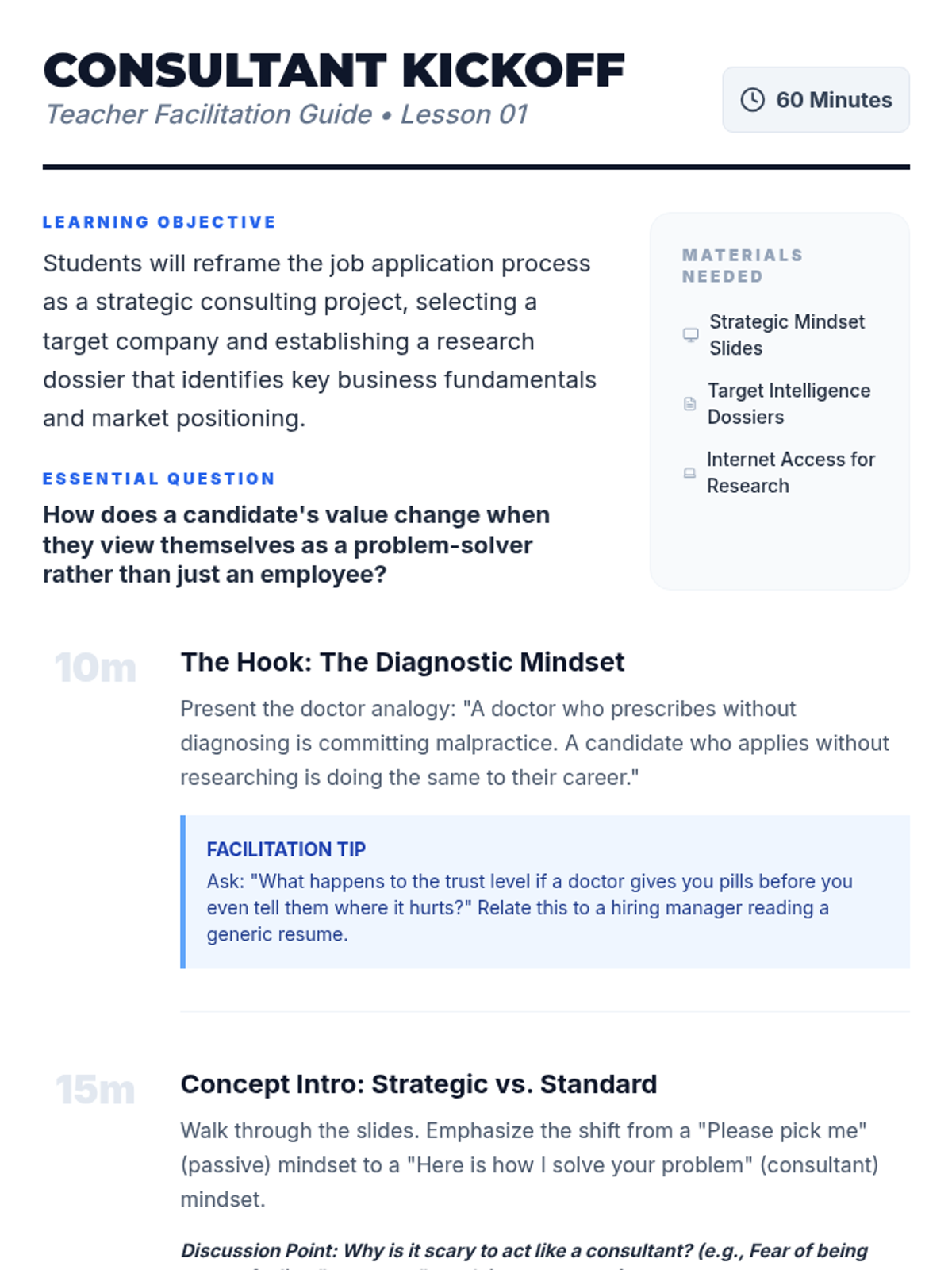
A project-based sequence where 10th-grade students act as business consultants to research target employers. Students conduct SWOT analyses, identify company pain points, and develop a 'Candidate Value Proposition' to position themselves as strategic solutions during the interview process.
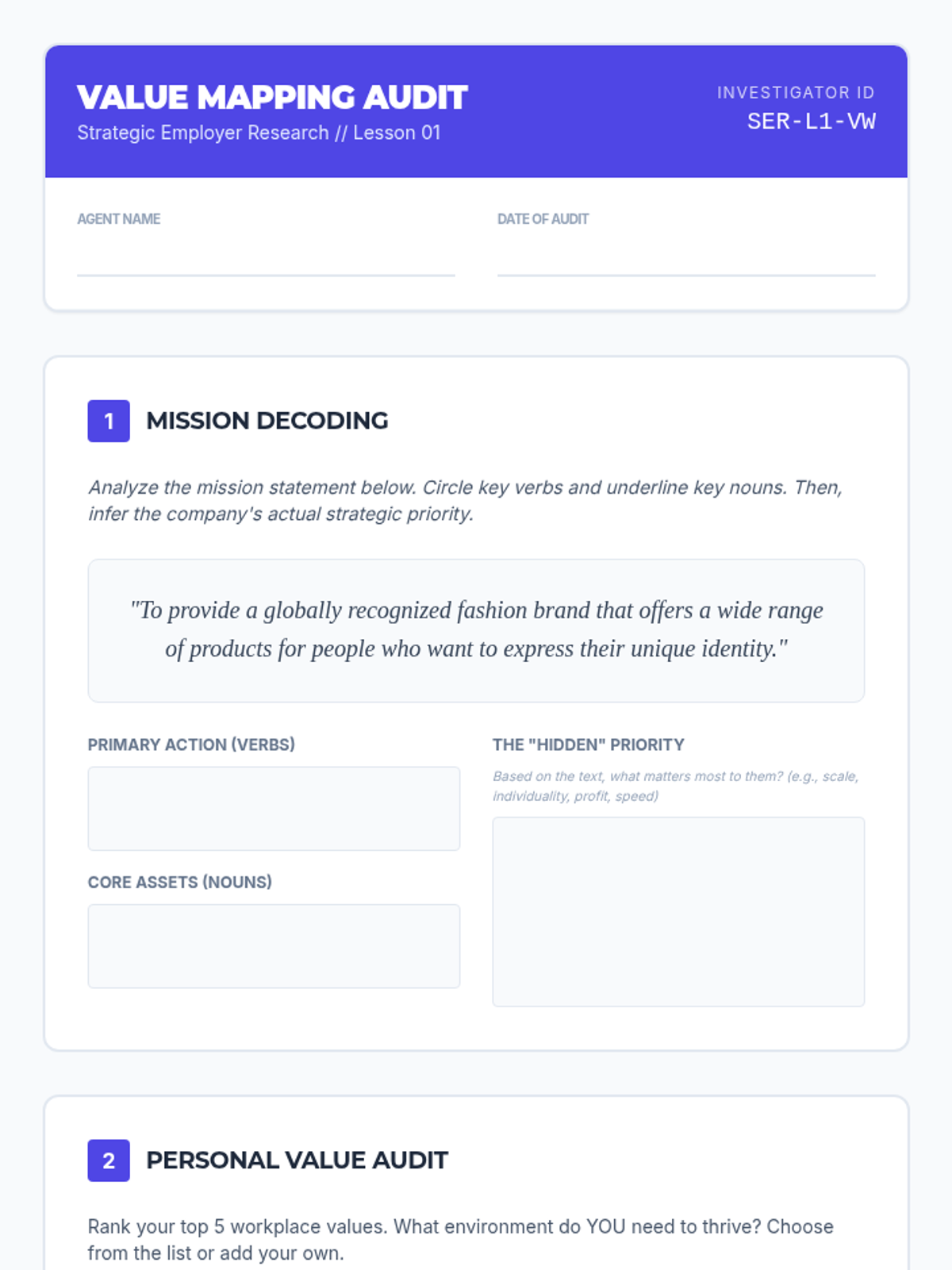
A comprehensive 5-lesson unit for high school seniors focused on advanced employer research techniques. Students learn to decode mission statements, analyze market trends, evaluate organizational culture, and synthesize their findings into strategic interview responses and inquiries.
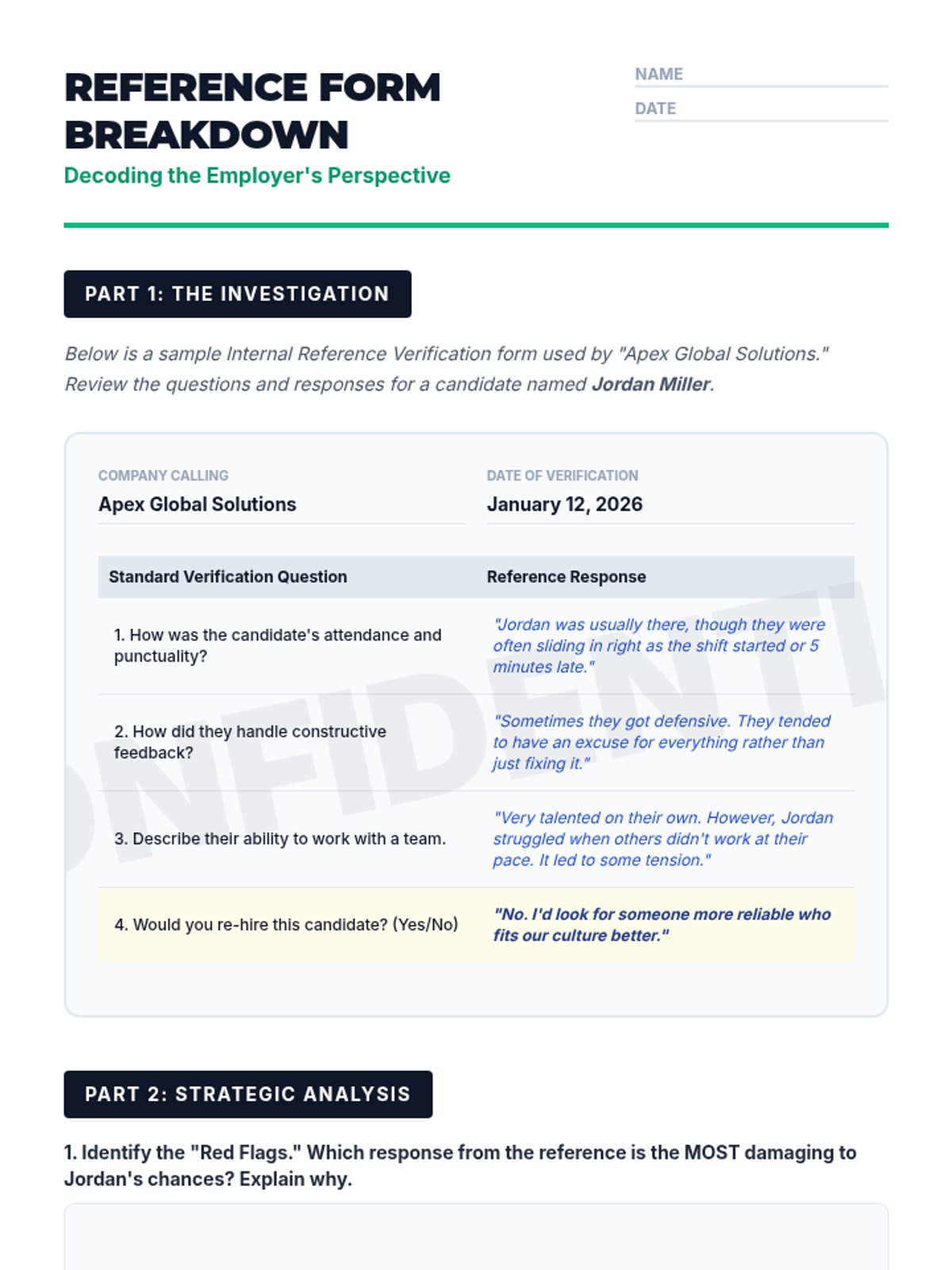
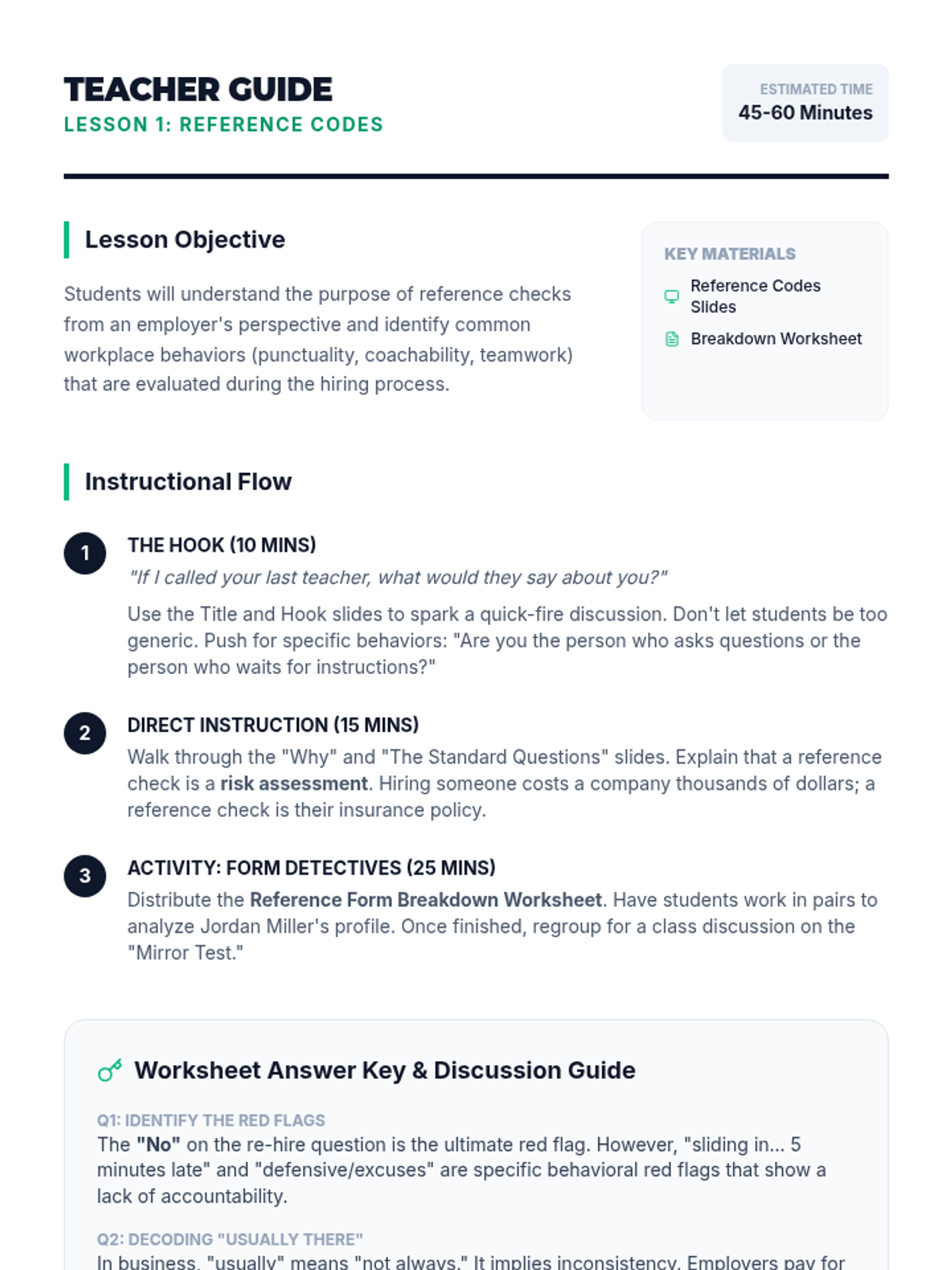
An inquiry-based unit where students act as hiring managers to understand the strategic power of professional references in the job market. Students move from decoding reference forms to strategically selecting references and managing professional reputations.
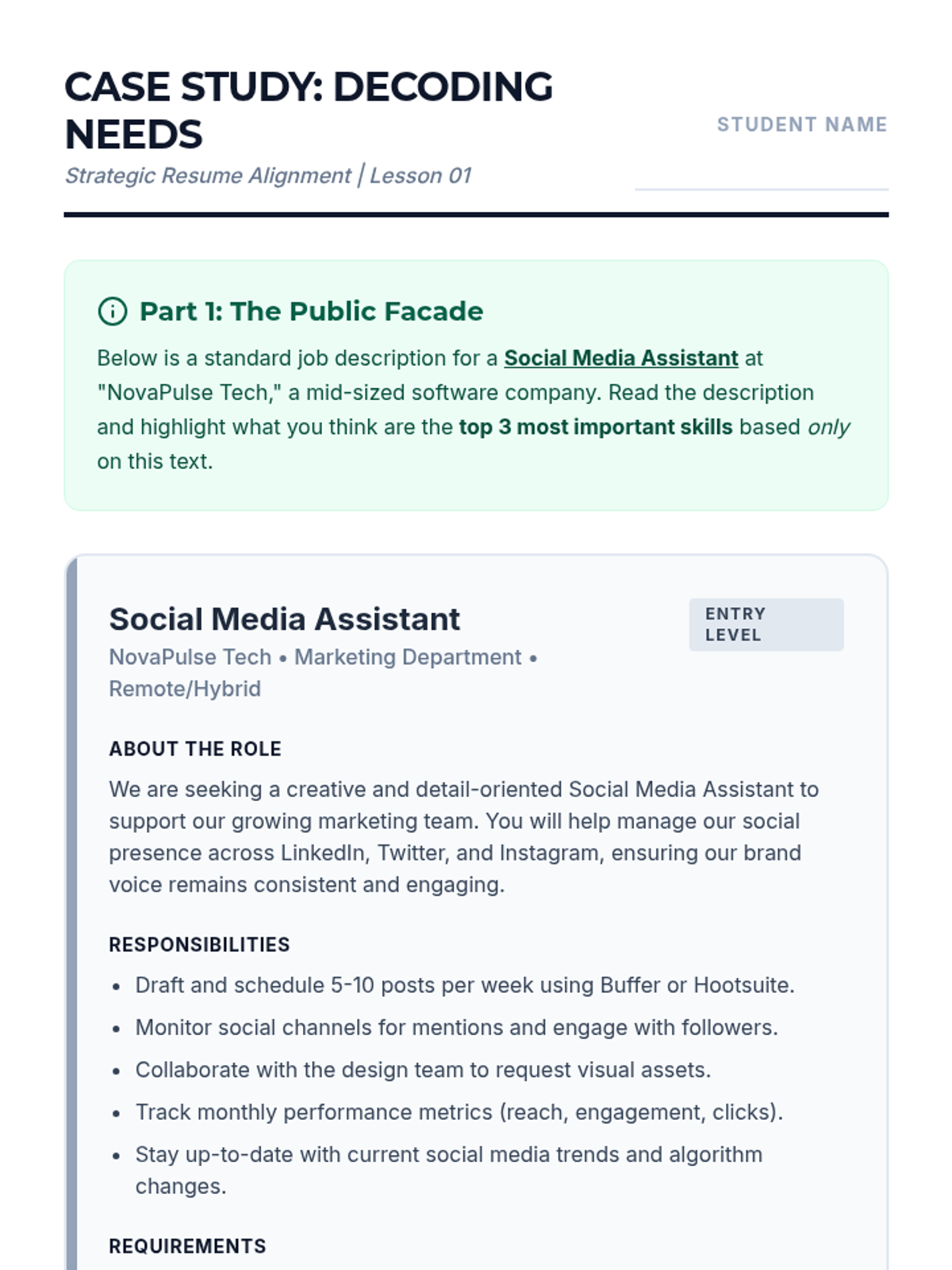
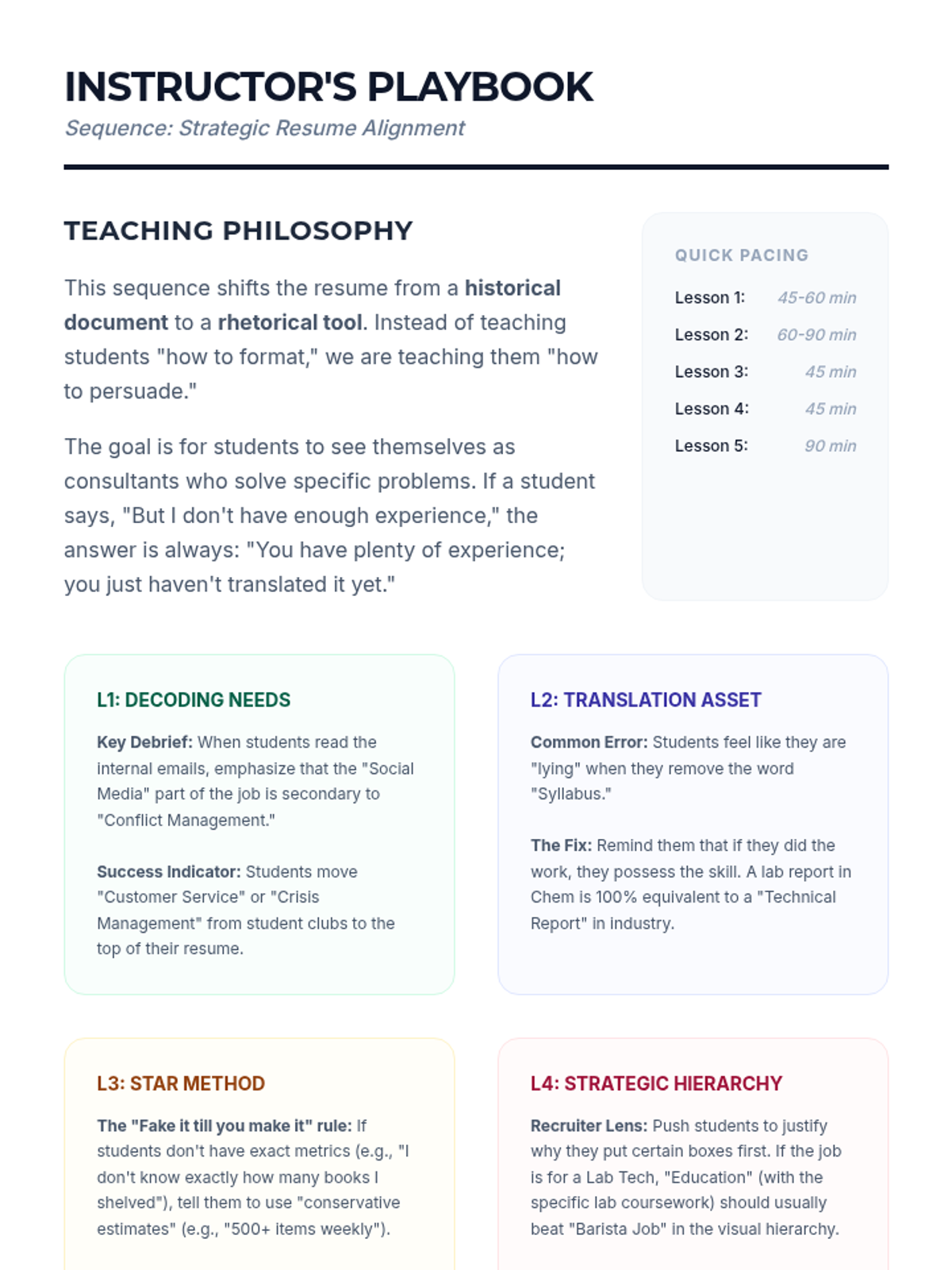
This sequence teaches undergraduate students how to strategically tailor their resumes to specific job descriptions by analyzing employer pain points, translating academic experiences into professional assets, and using the STAR method to quantify impact. Students will move beyond technical compliance to master the rhetorical art of presenting themselves as the ideal solution to an employer's unique problems.
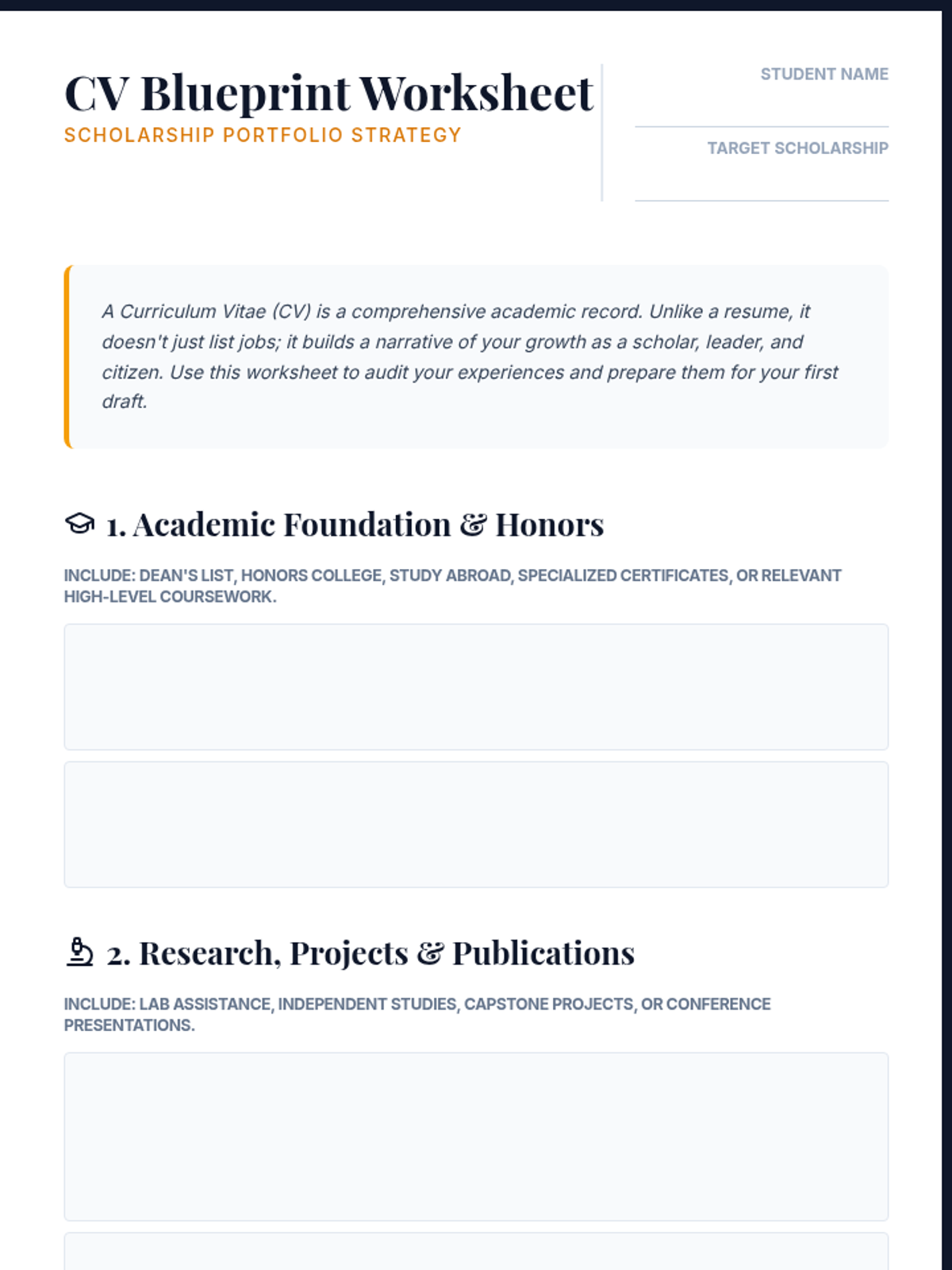
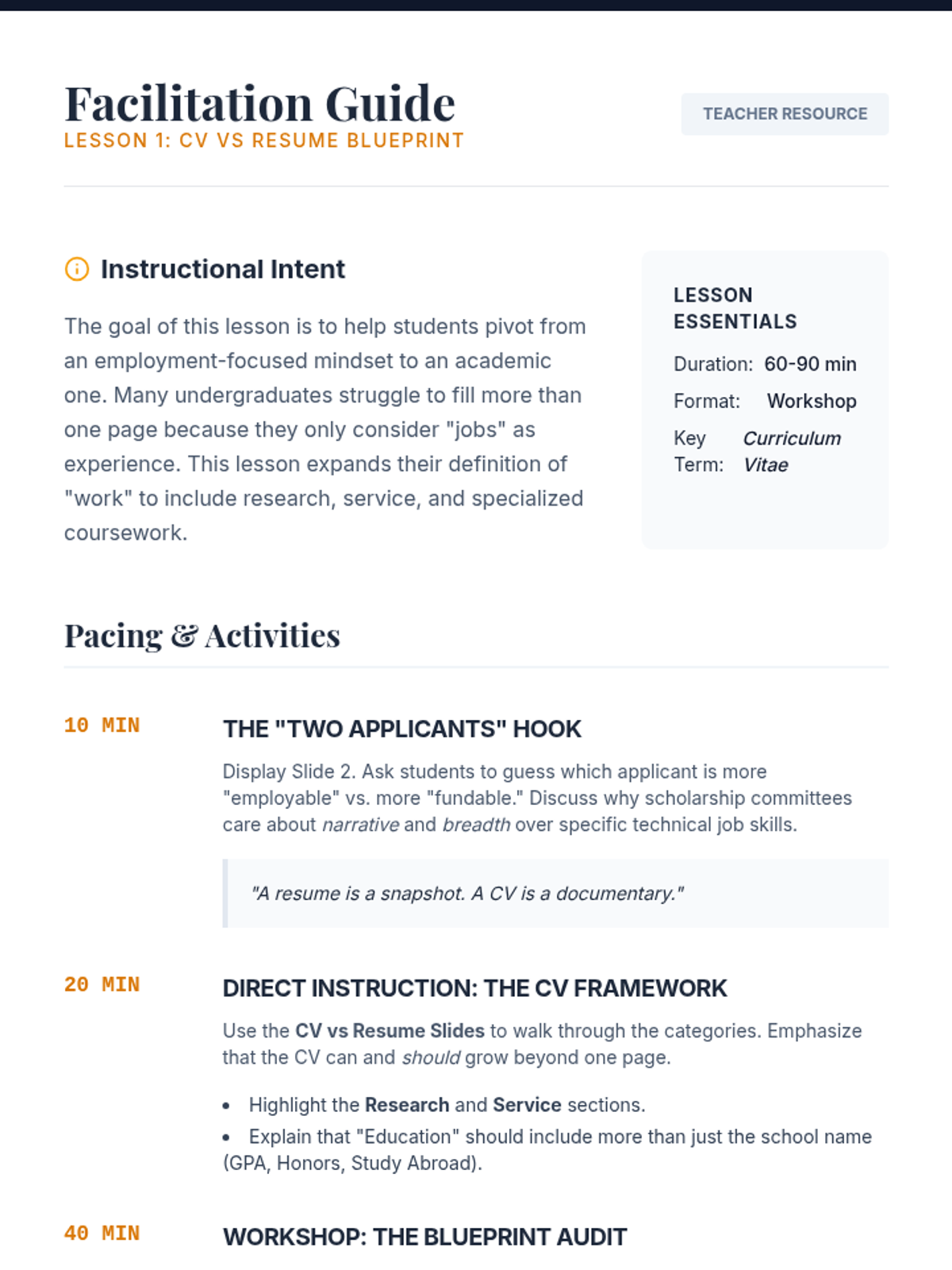
This sequence guides undergraduate students through building a professional scholarship portfolio and mastering the interview process. Students will transition from document creation (CVs, brag sheets) to interpersonal communication (STAR method, mock interviews), ensuring they present a cohesive and professional narrative to scholarship committees.
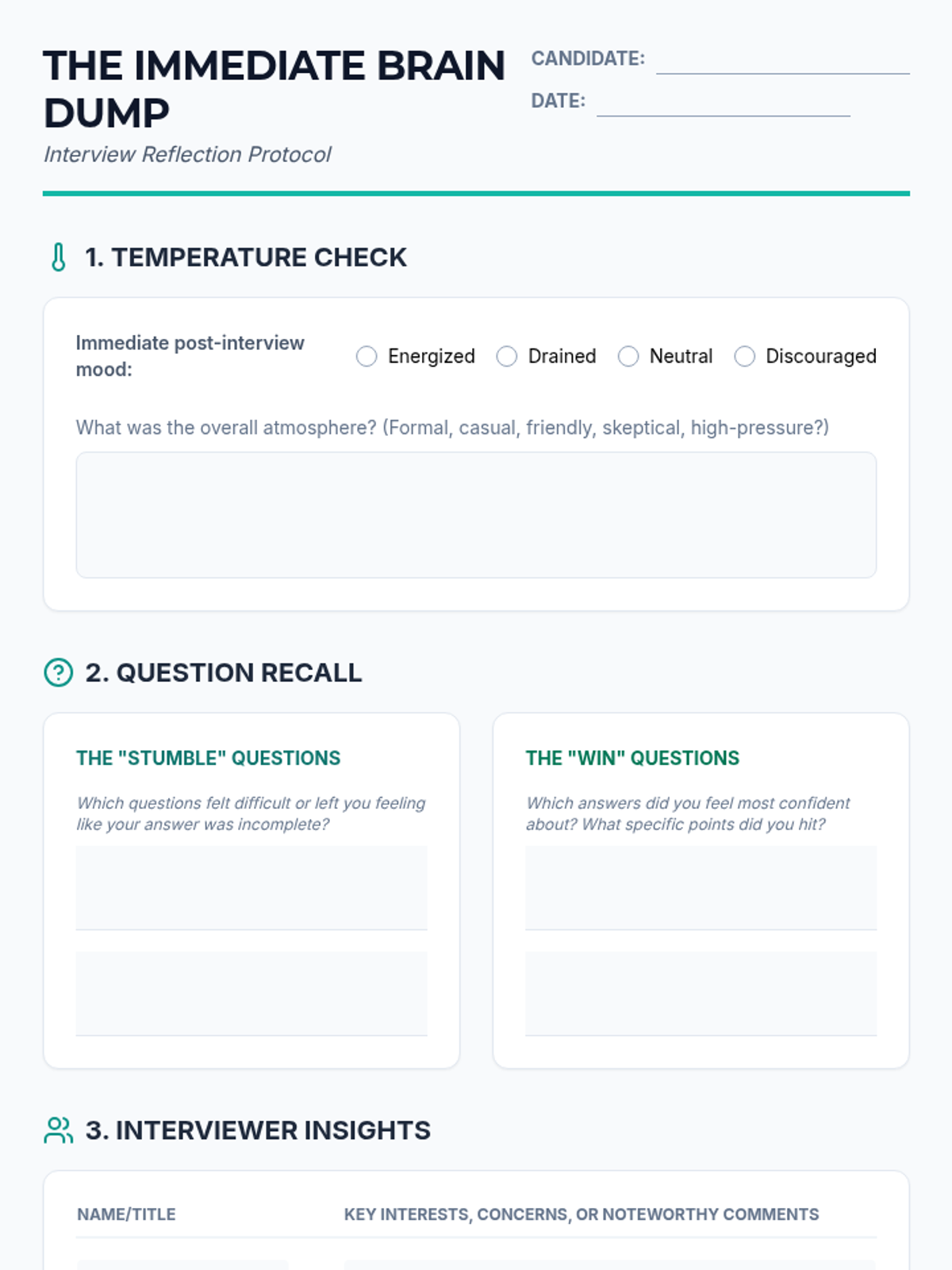
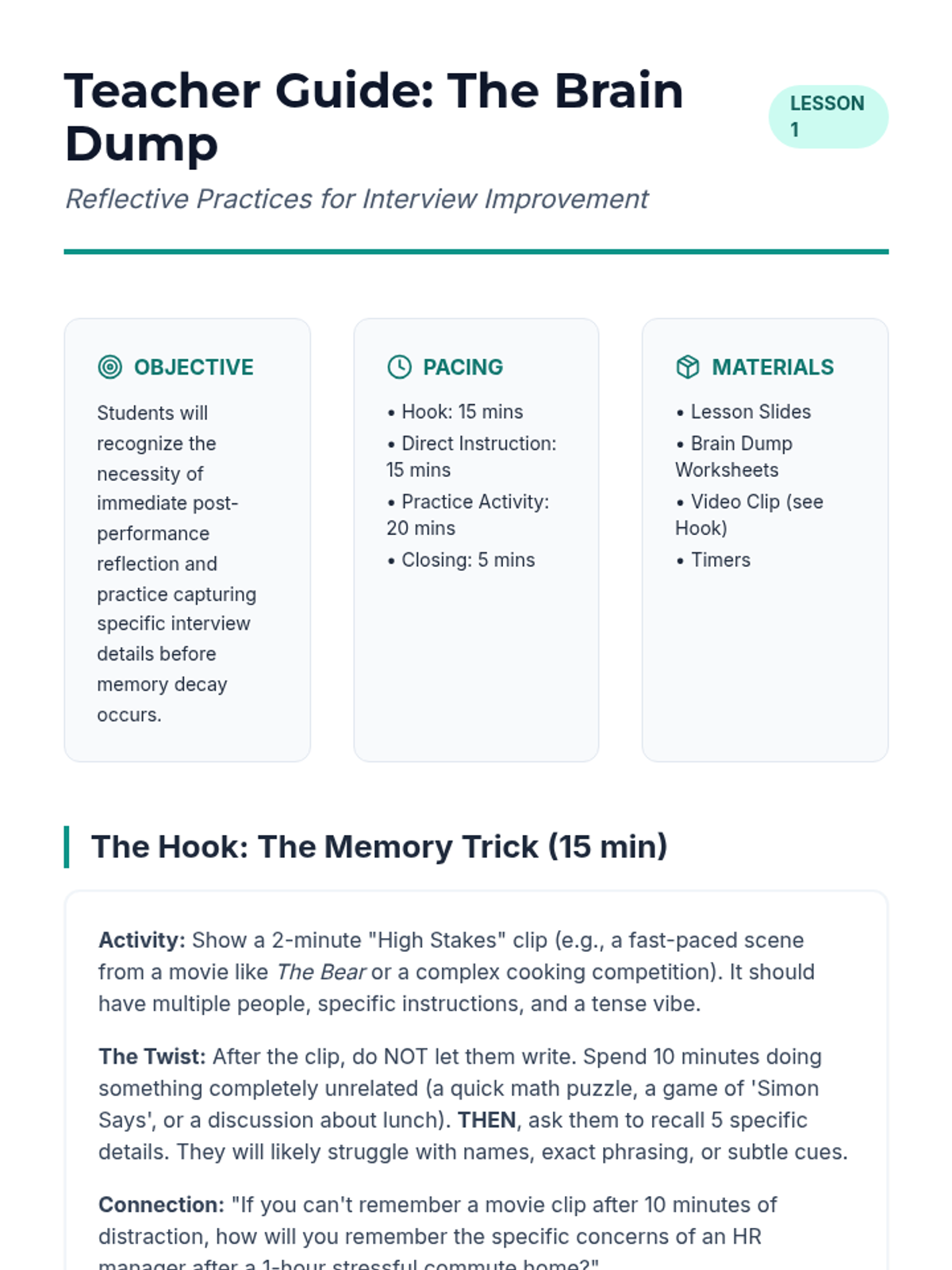
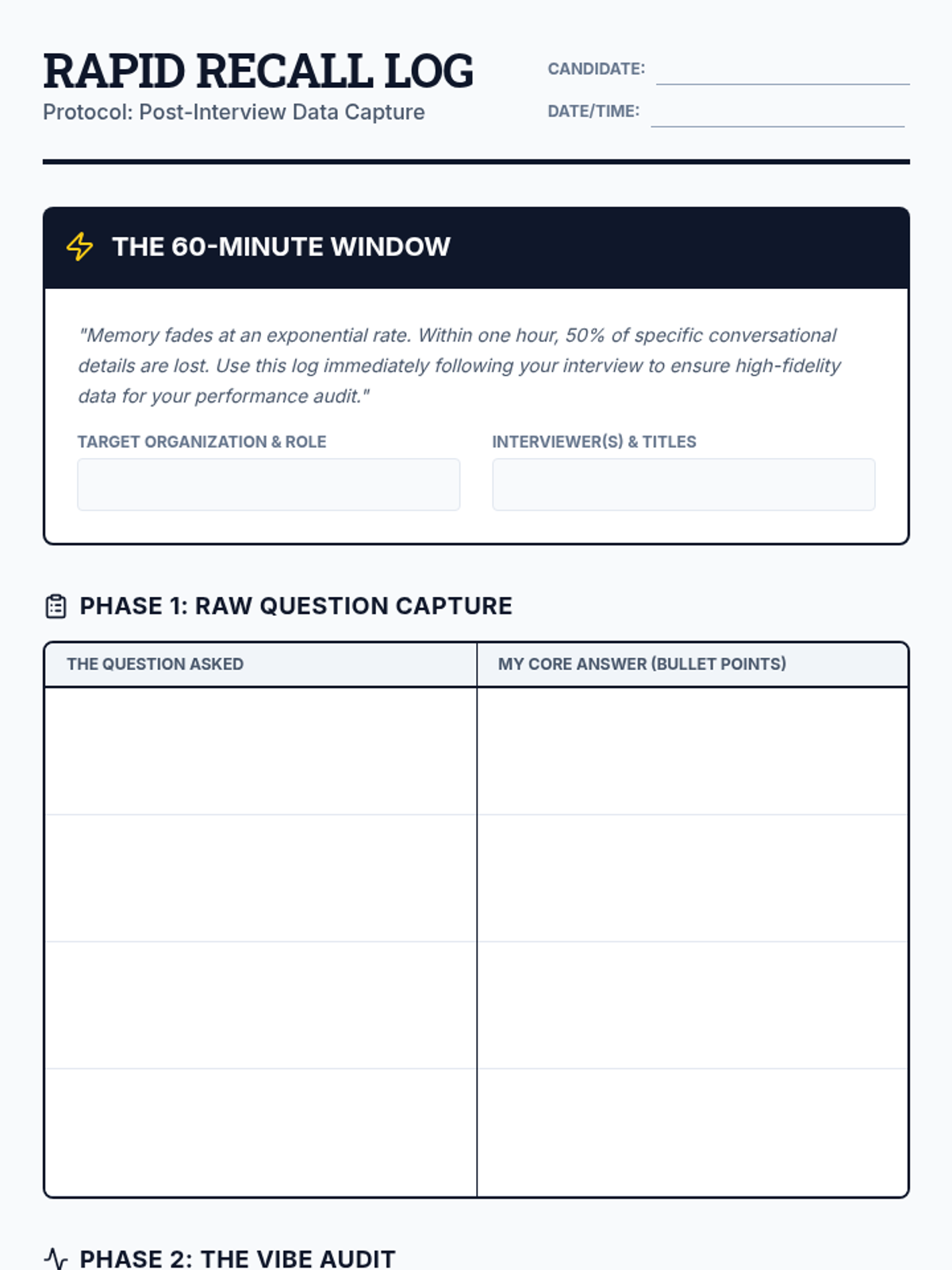
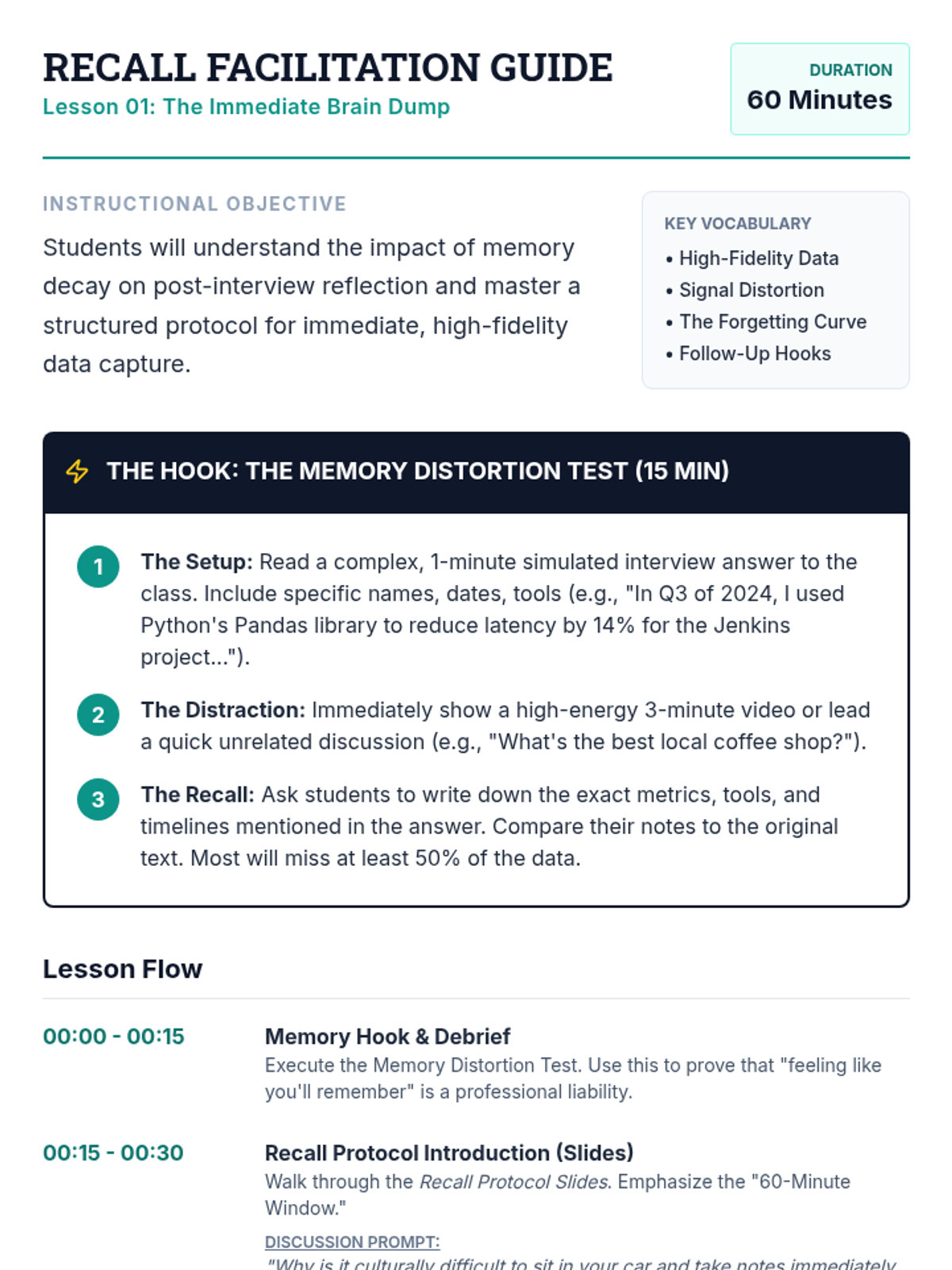
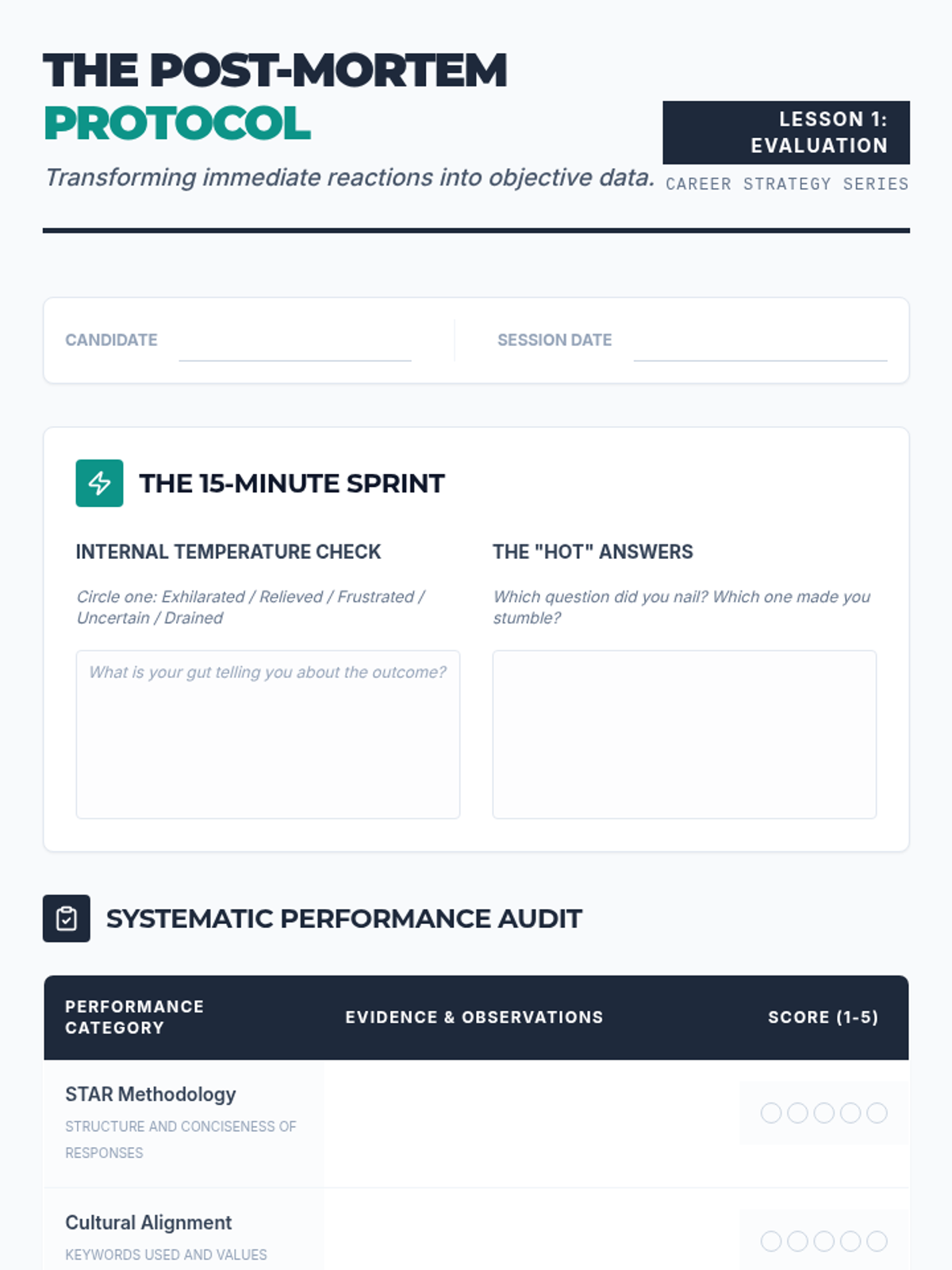
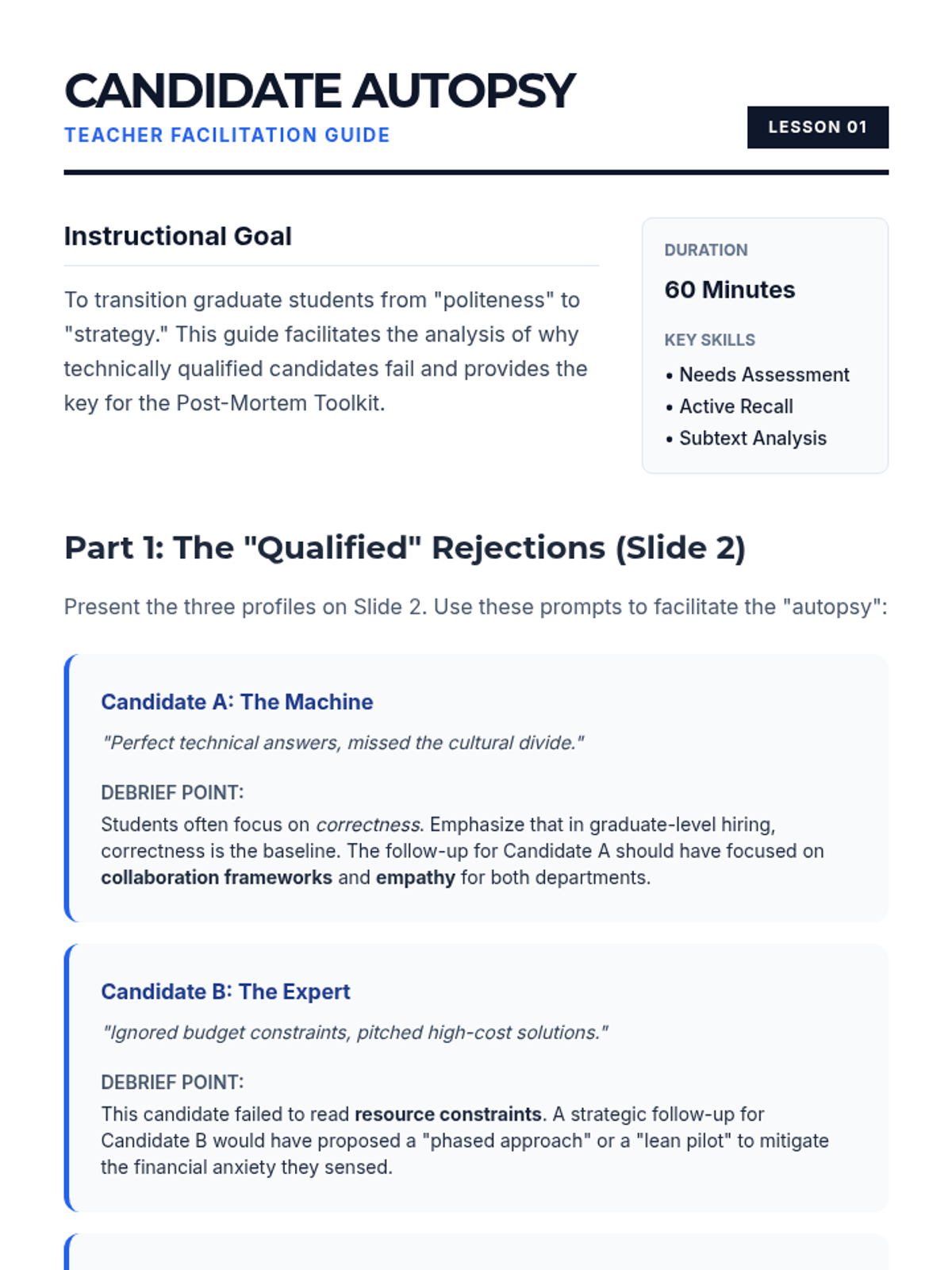
This inquiry-based sequence focuses on self-assessment and continuous improvement in the interview process. Students will develop habits for immediate post-interview reflection, analyze performance gaps, learn to process feedback with a growth mindset, and create actionable plans for professional growth.
A graduate-level sequence focused on interview follow-up through a data-driven self-audit lens. Students move from immediate memory capture to performance scoring, gap analysis, and long-term professional development planning.
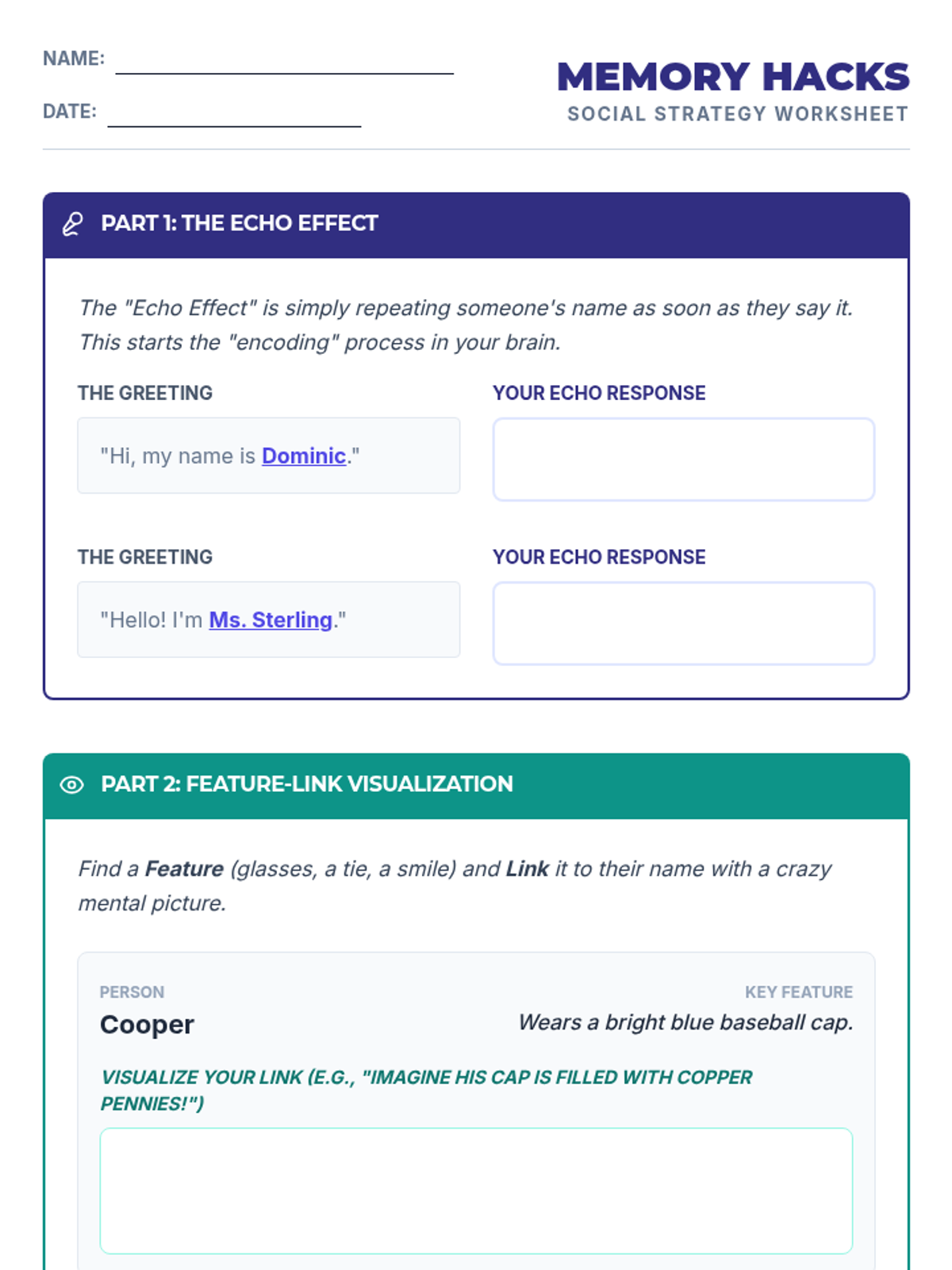
A career-focused memory strategy sequence for high school seniors, teaching mnemonic devices for social networking, workplace procedures, and numerical data to boost professional reliability.
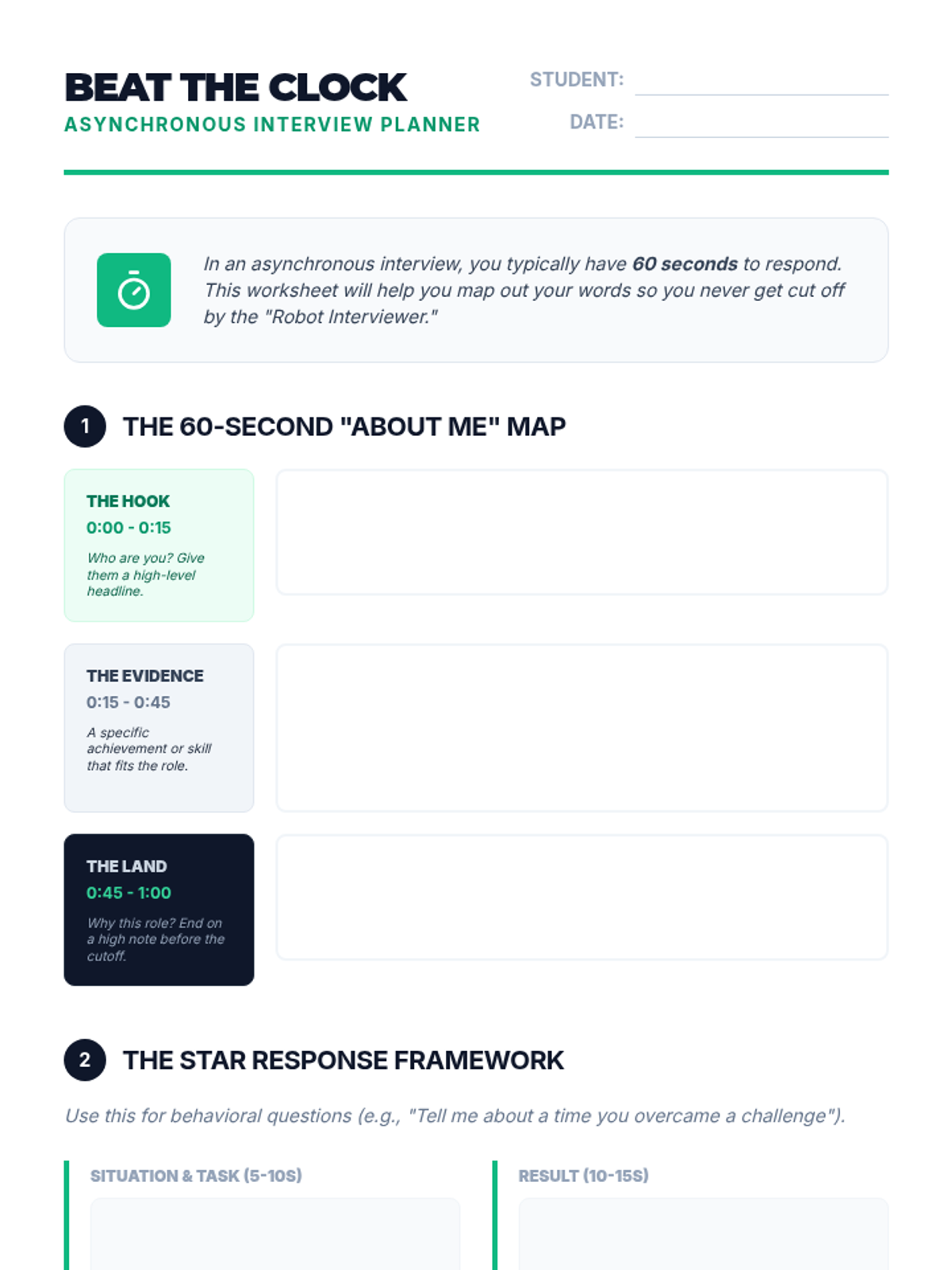
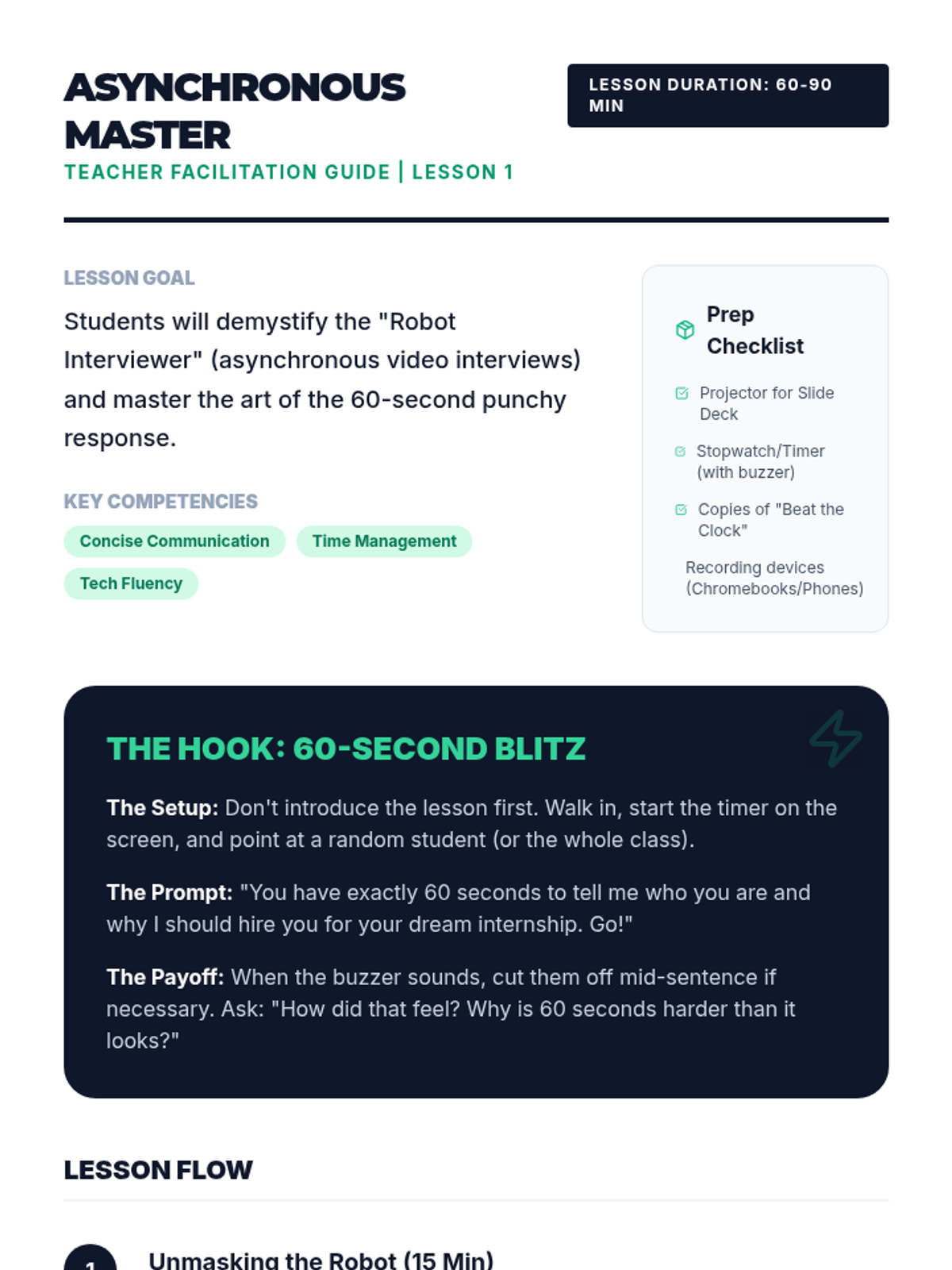
A comprehensive sequence for 10th graders to master virtual interviewing through asynchronous recordings, peer feedback loops, and a high-stakes capstone simulation. Students develop technical setup proficiency, non-verbal communication, and concise verbal pitching.
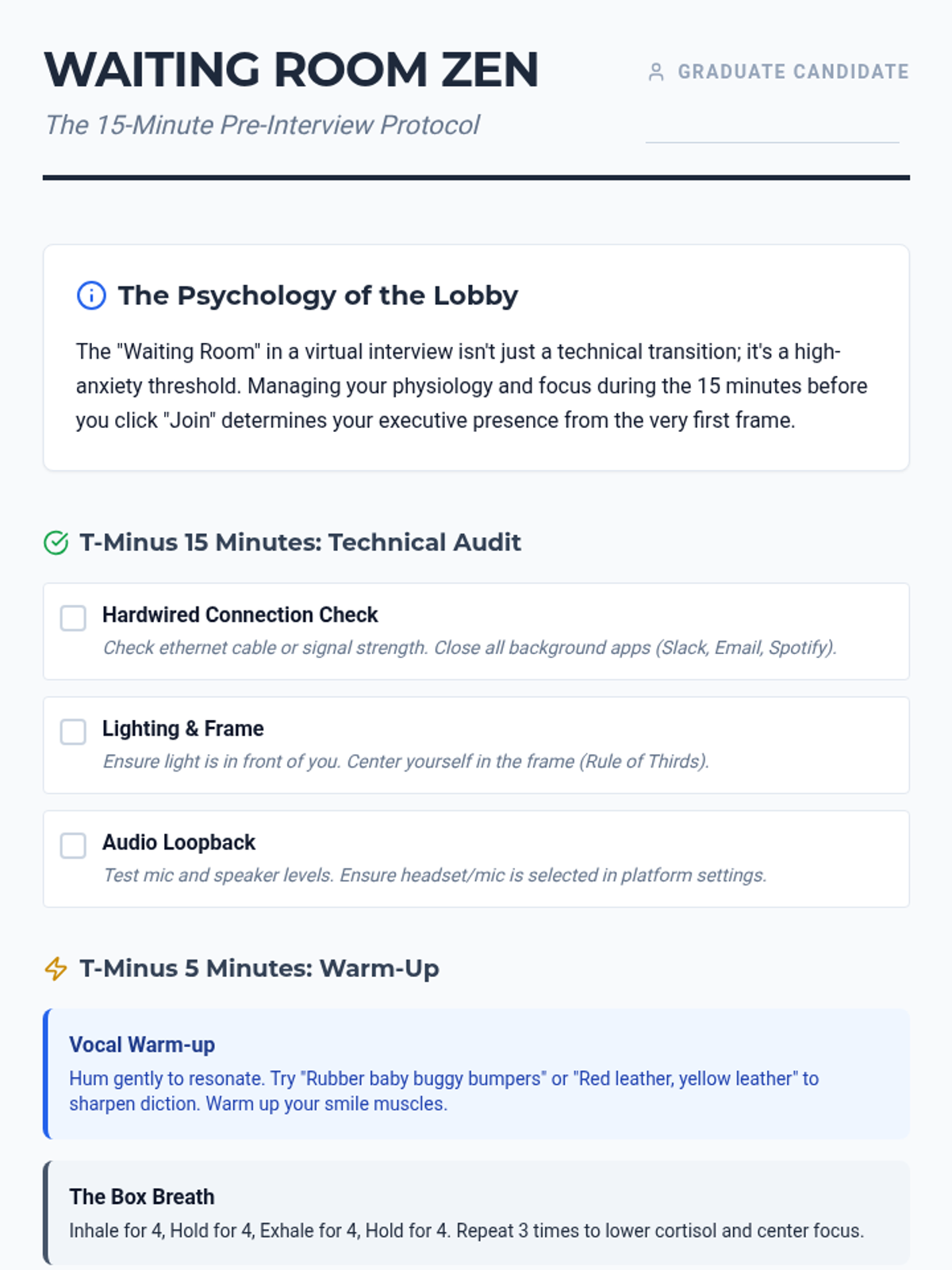
A comprehensive sequence for graduate students to synthesize technical setup, non-verbal communication, and behavioral performance into a professional virtual interview presence. Students move from pre-interview preparation to real-time delivery and post-interview follow-up.
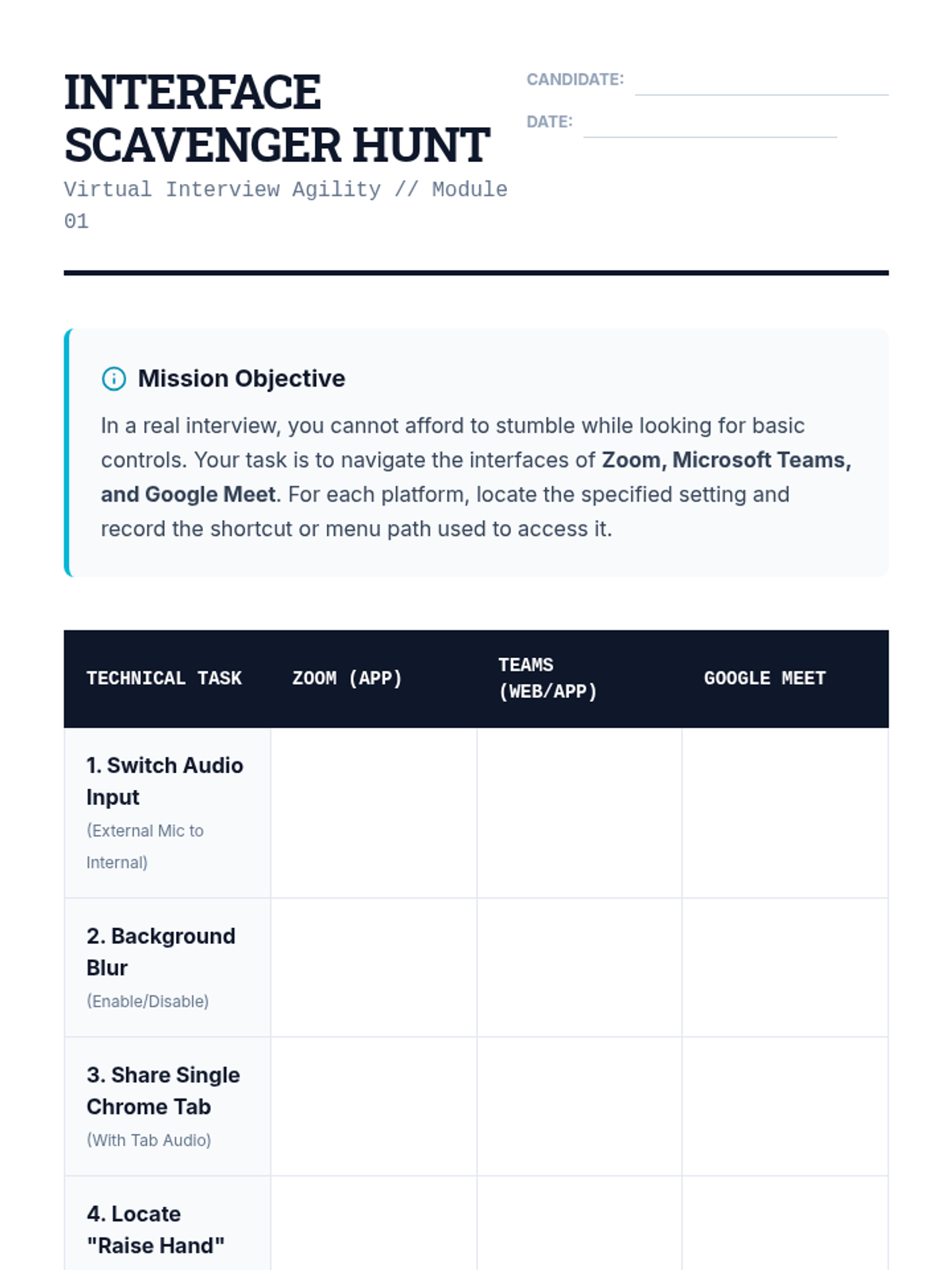
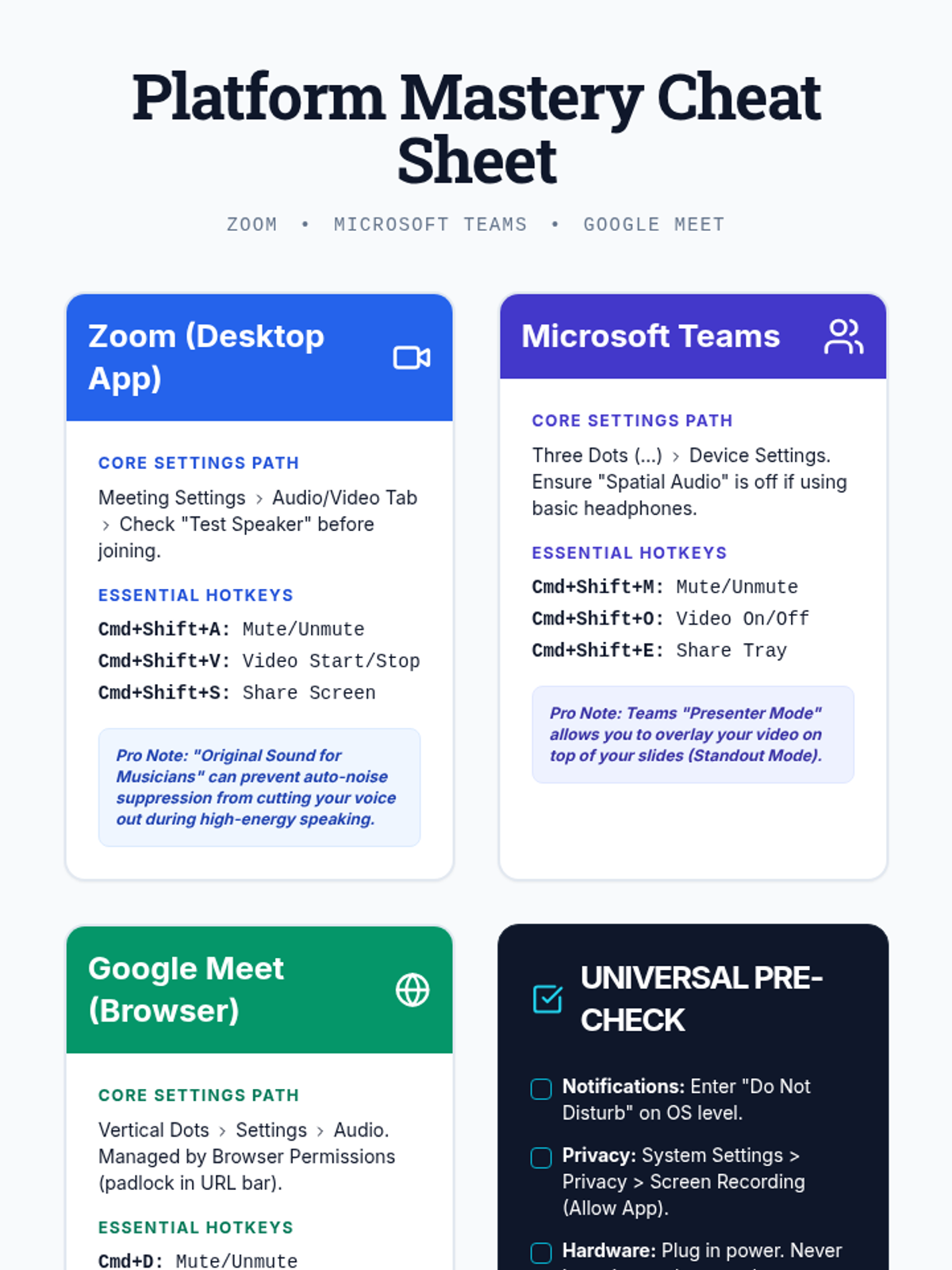
A specialized sequence for graduate students to master the technical nuances of virtual interview platforms, focusing on professional screen sharing, systematic troubleshooting, and contingency planning for high-stakes digital environments.
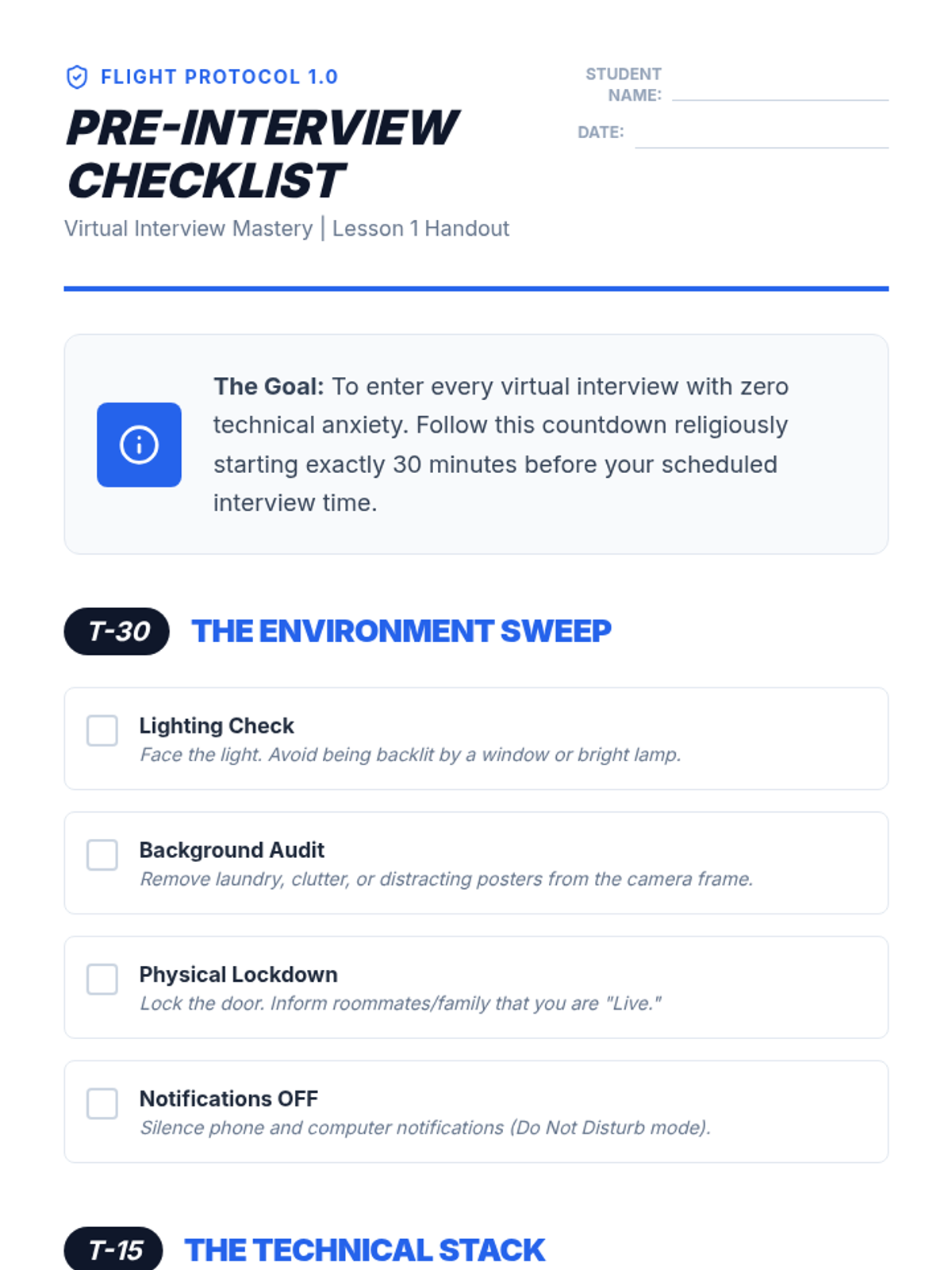
A comprehensive training sequence for undergraduate students to master virtual interview skills, moving from technical setup to high-stakes simulation and self-reflection. Students build a 'Screen Ready' mindset, ensuring they are technically flawless and behaviorally engaging in digital environments.
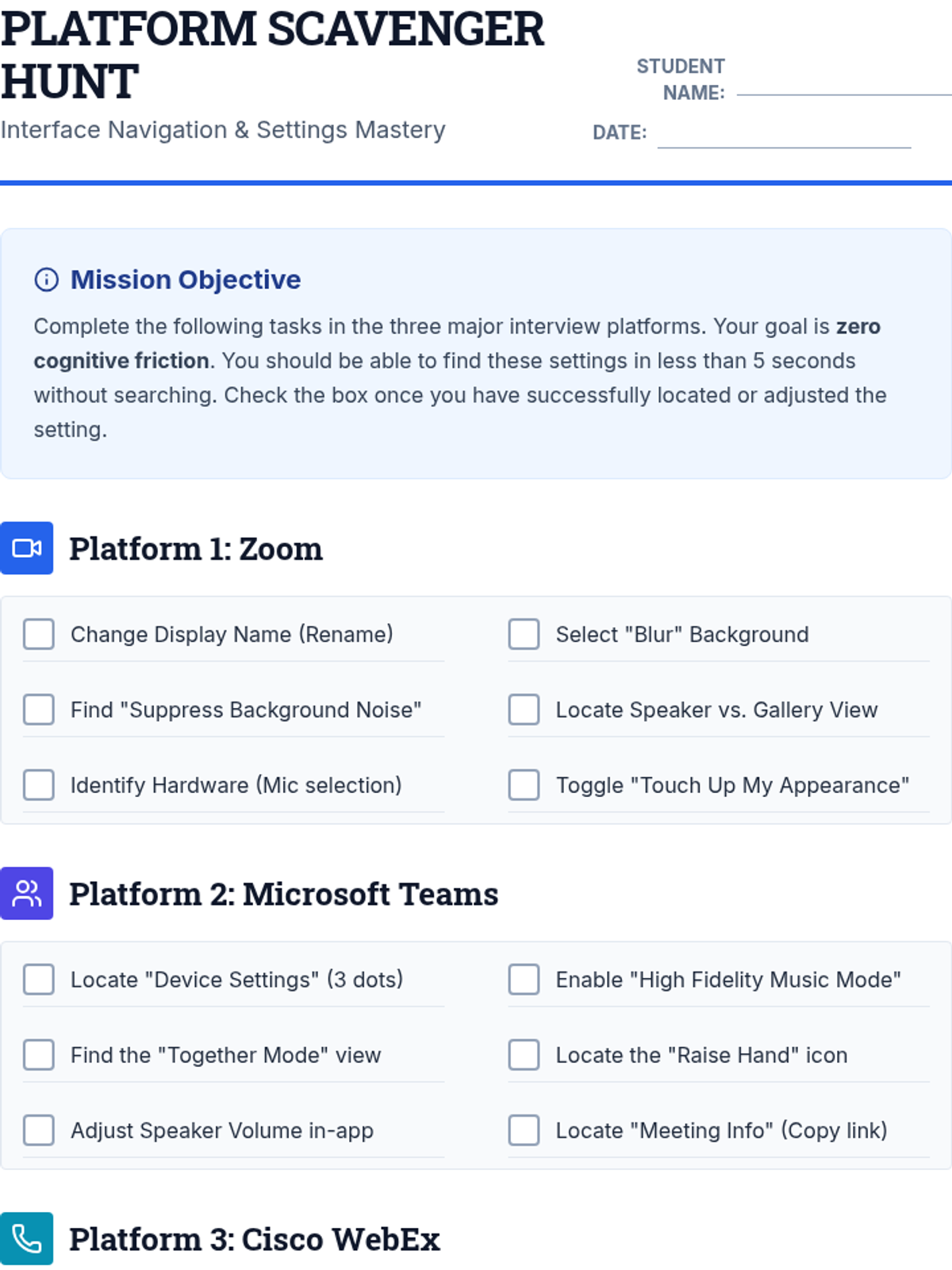
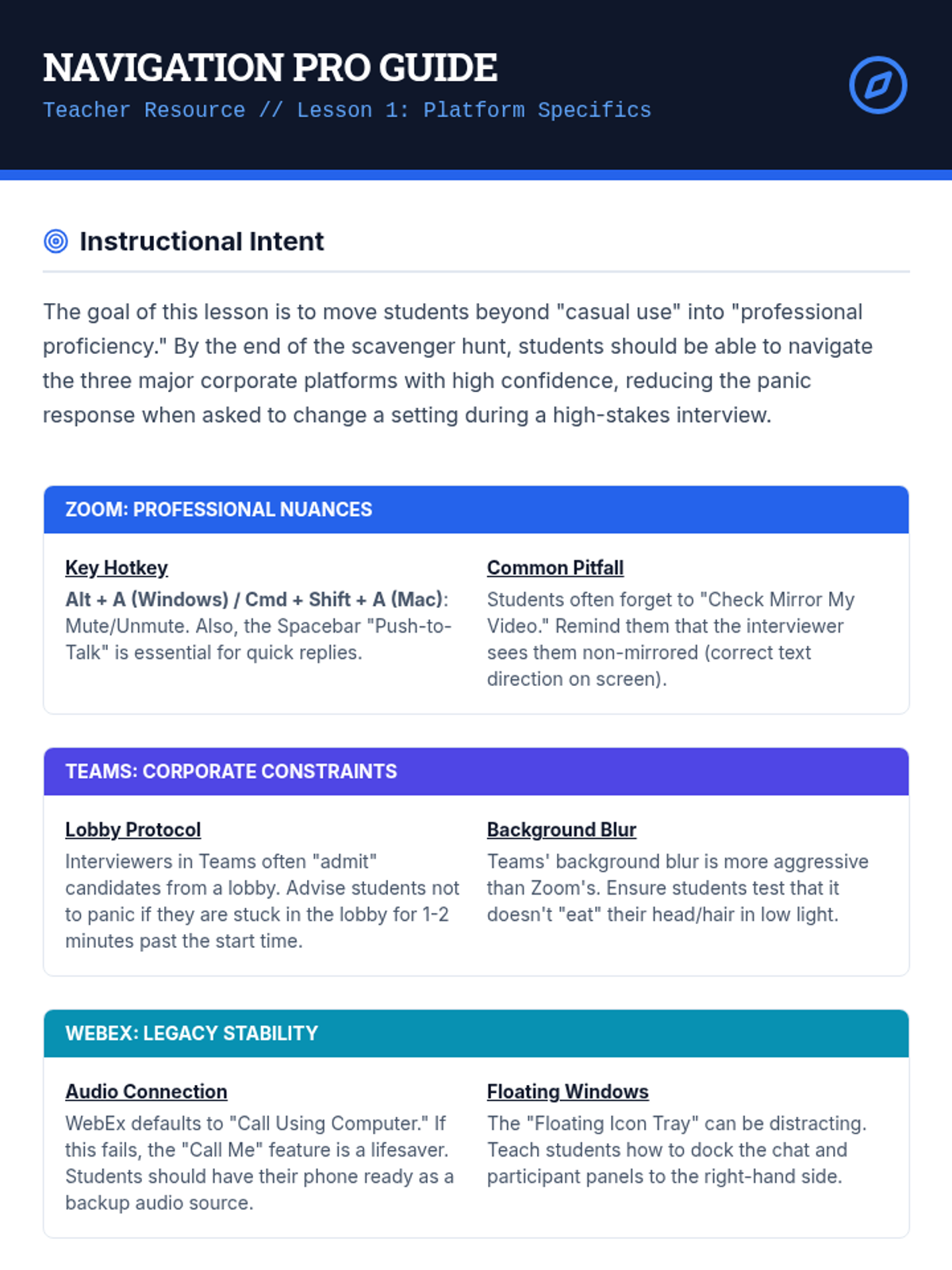
A comprehensive sequence for 12th-grade students to master the technical and professional aspects of virtual interviews. Students move from platform navigation and crisis management to live mock interviews, focusing on maintaining composure and professionalism through technical challenges.
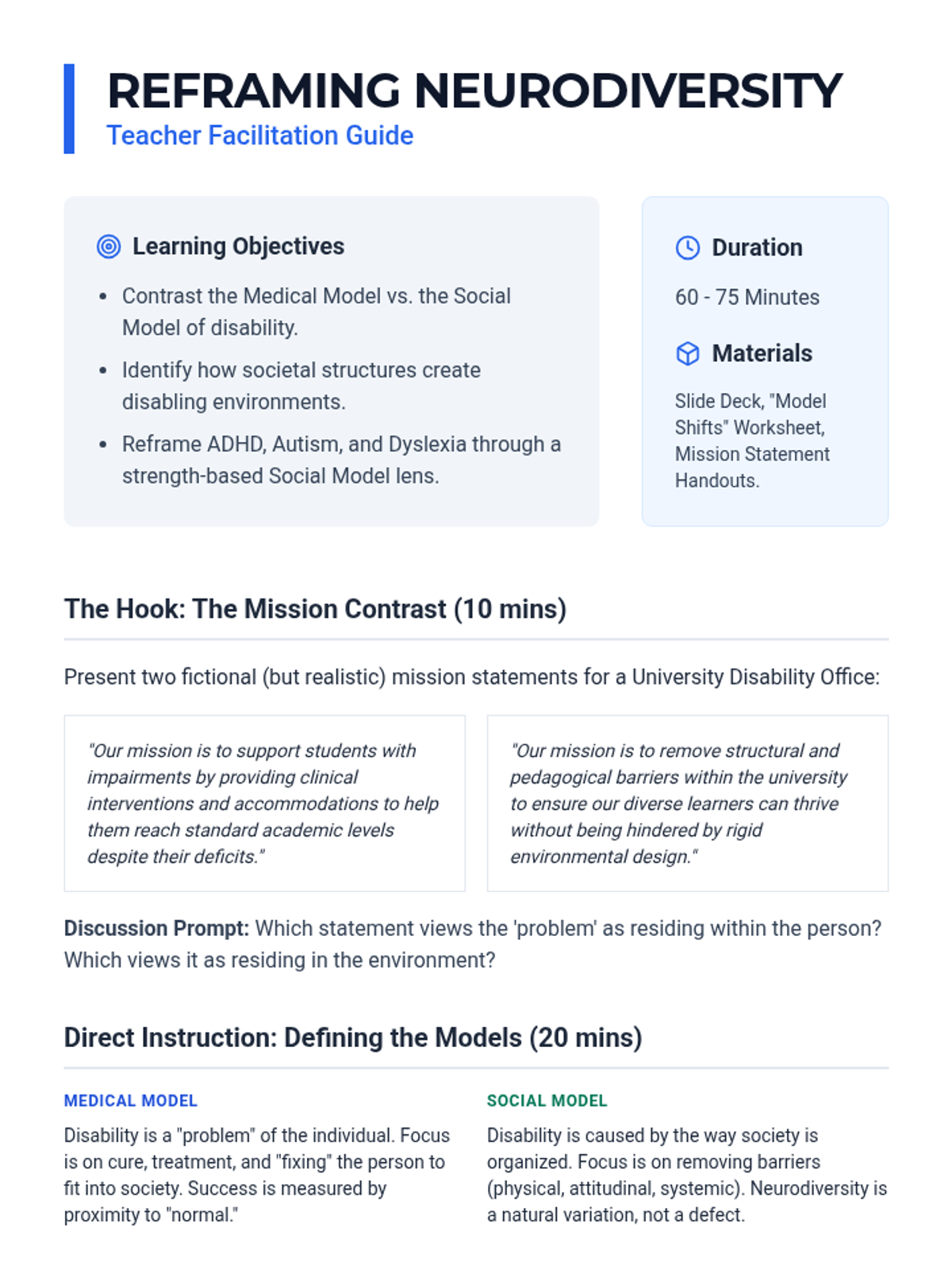
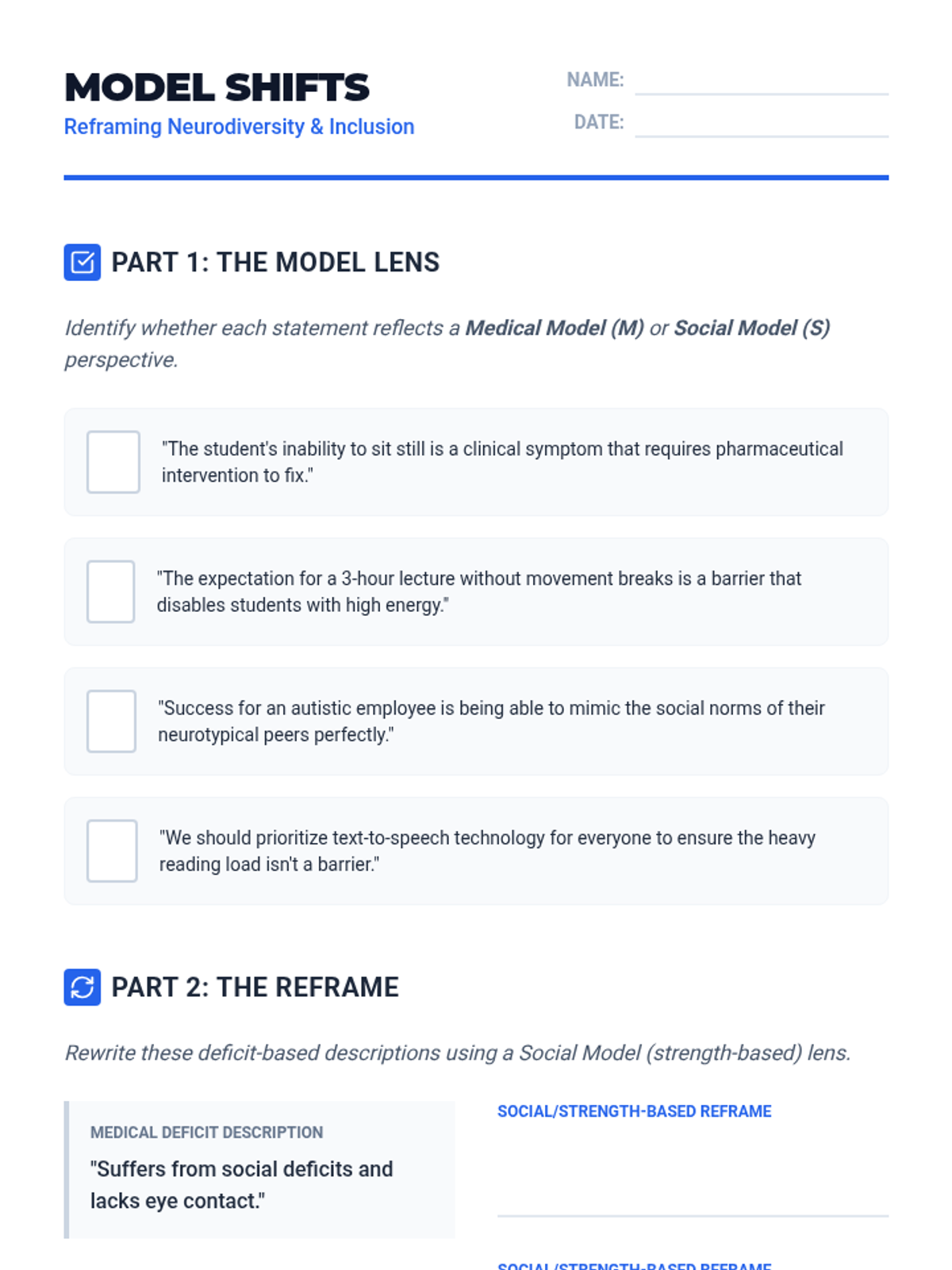
This sequence explores neurodiversity through the Social Model of disability, challenging traditional norms of professionalism and designing inclusive environments. Students will move from theoretical understanding to practical application in organizational policy and advocacy.
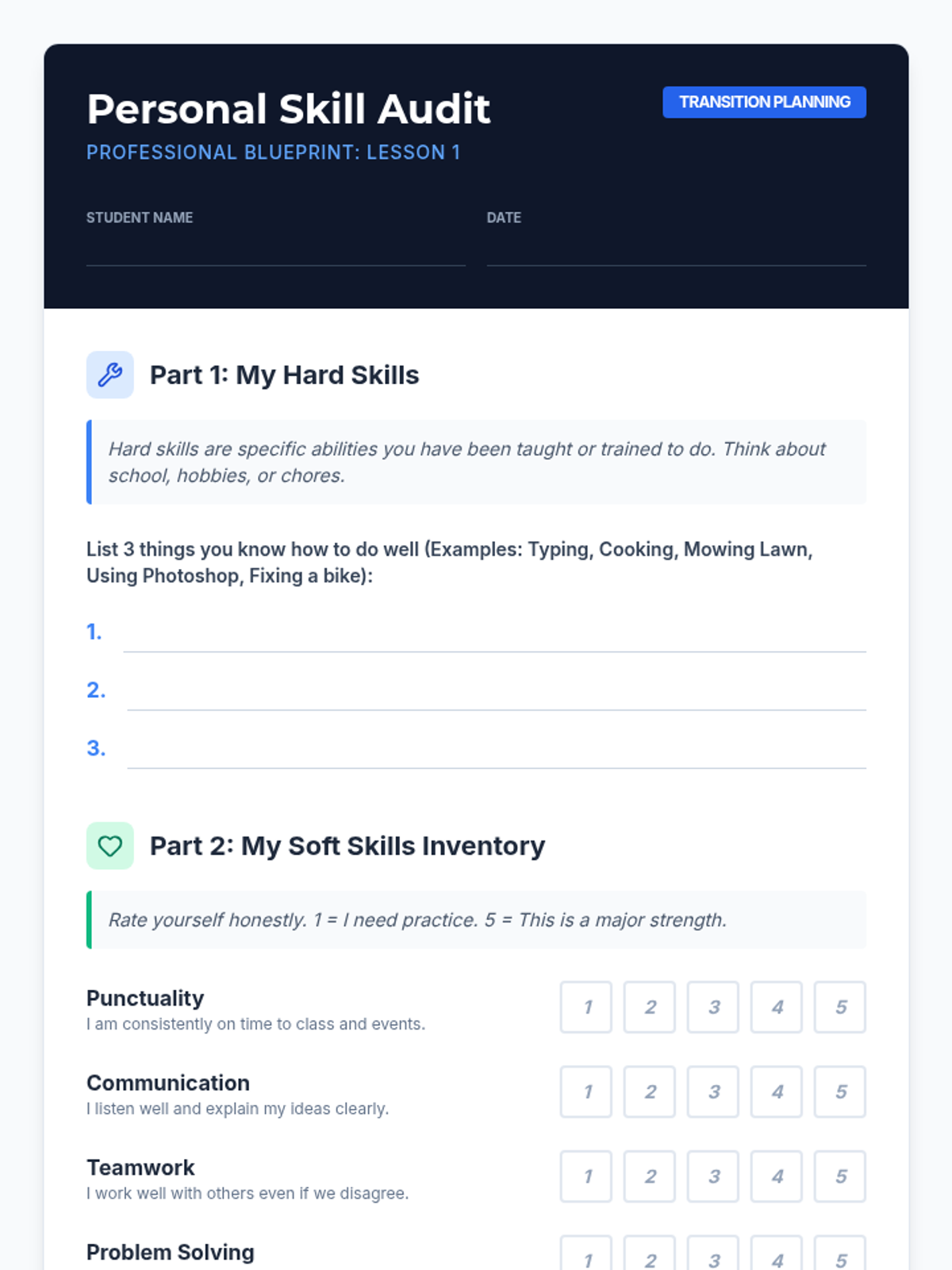
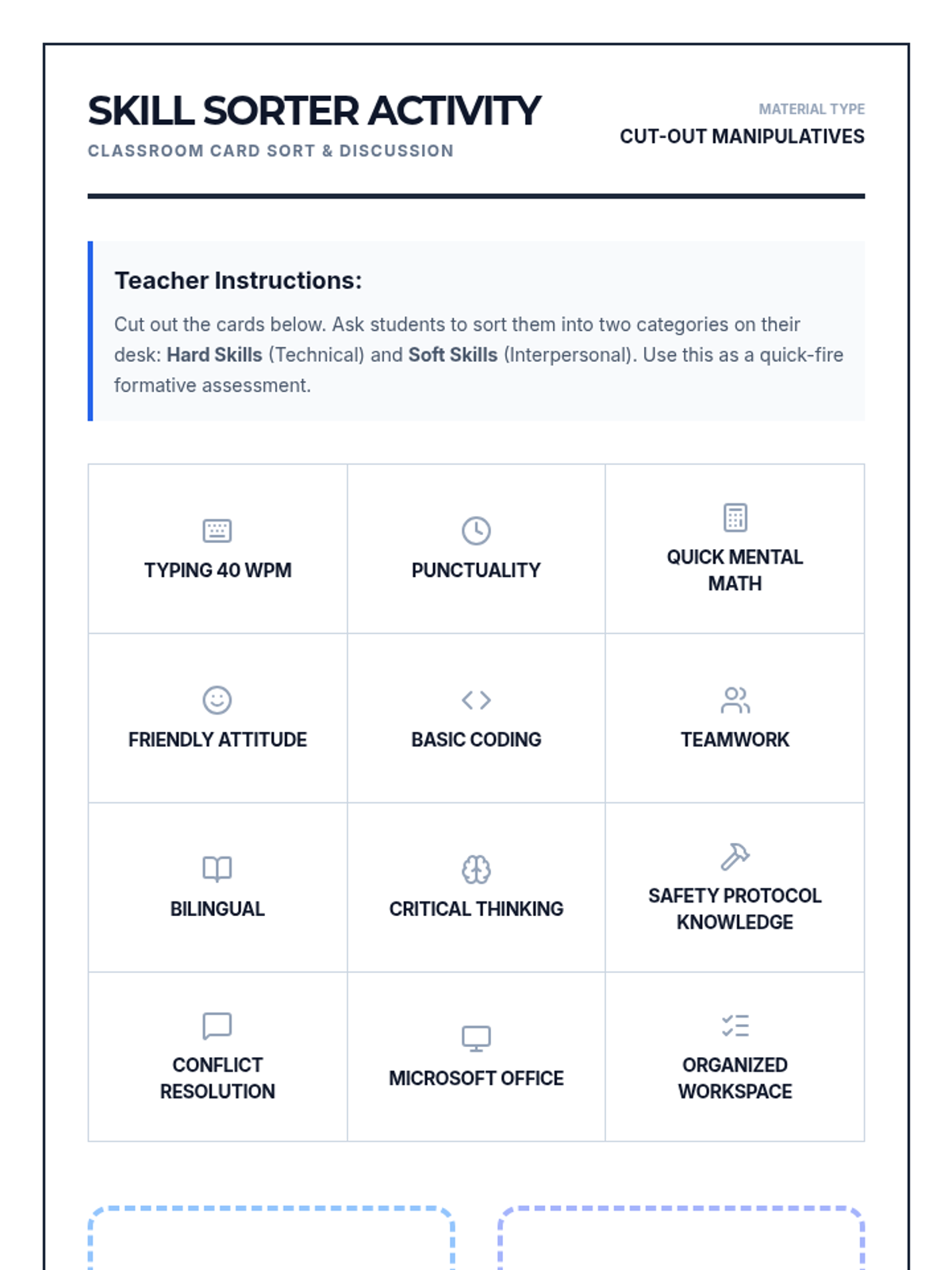
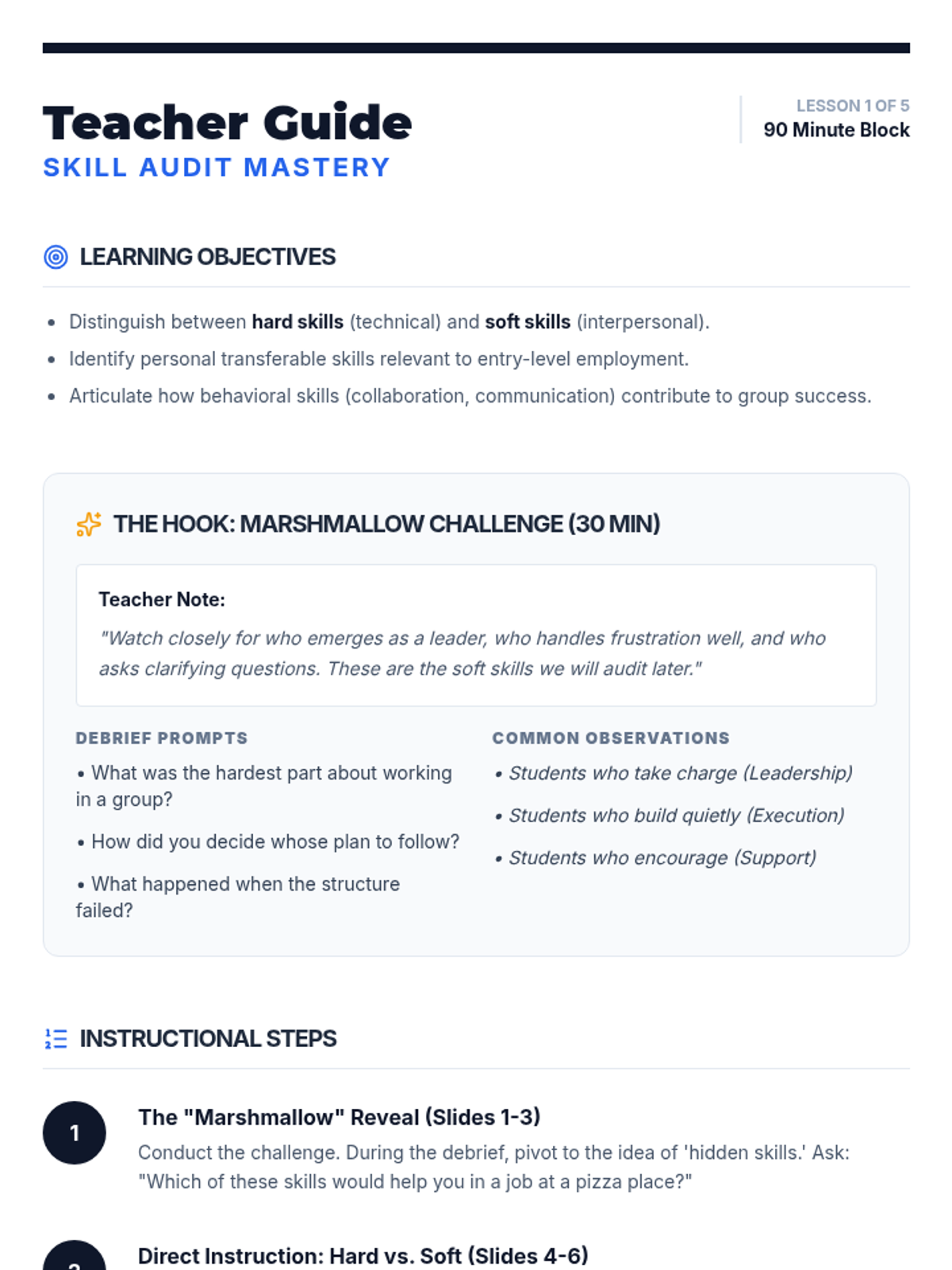
A comprehensive sequence designed for 9th-grade transition students to master the job acquisition cycle. Students progress from identifying soft skills to mastering resumes, applications, and interviews, with a heavy focus on the social 'hidden curriculum' of the workplace.
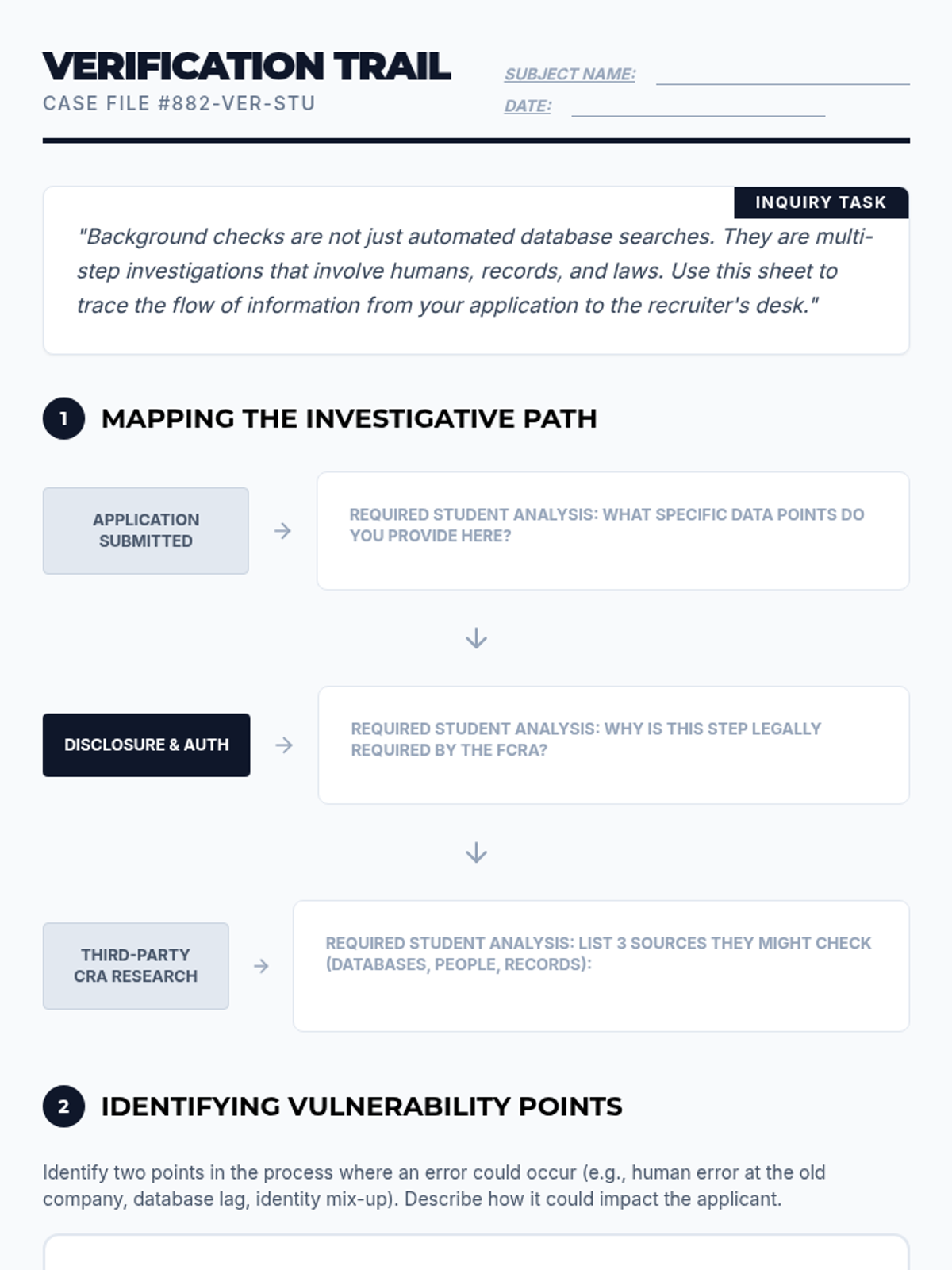
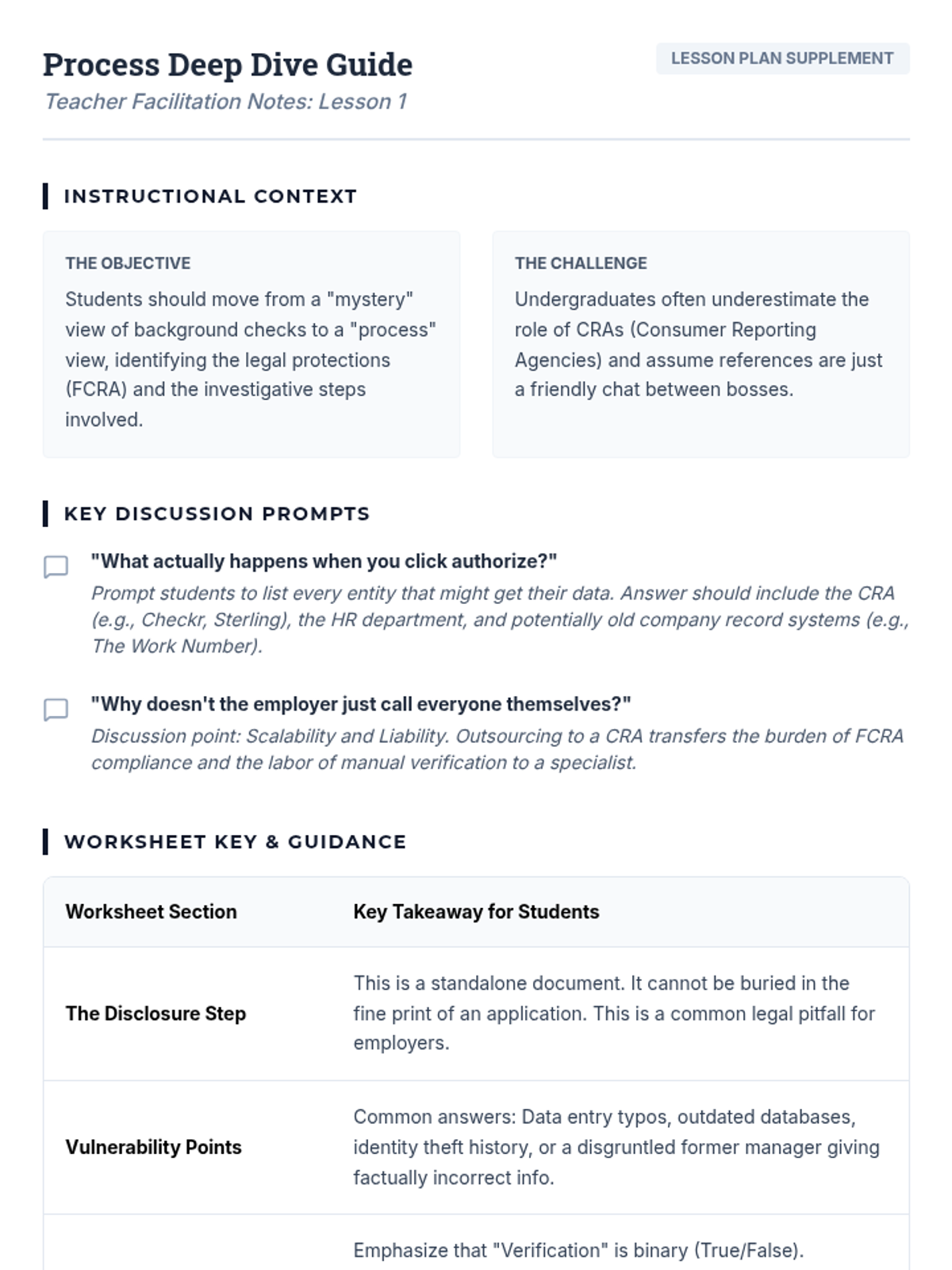
This sequence for undergraduate students explores the legal, ethical, and investigative aspects of professional references and background checks. It prepares students for corporate and government hiring through a flipped classroom model focused on rights, responsibilities, and professional integrity.
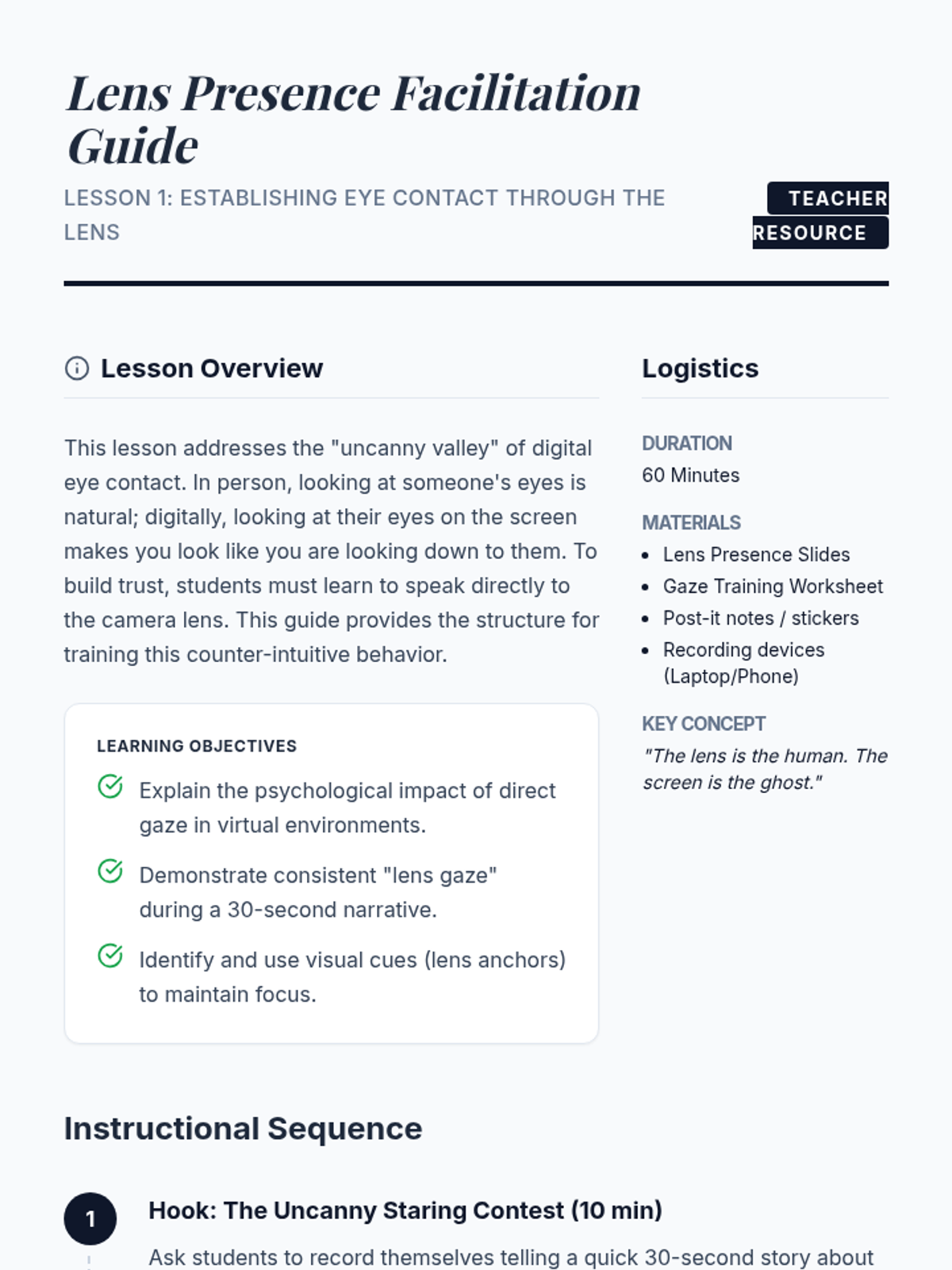
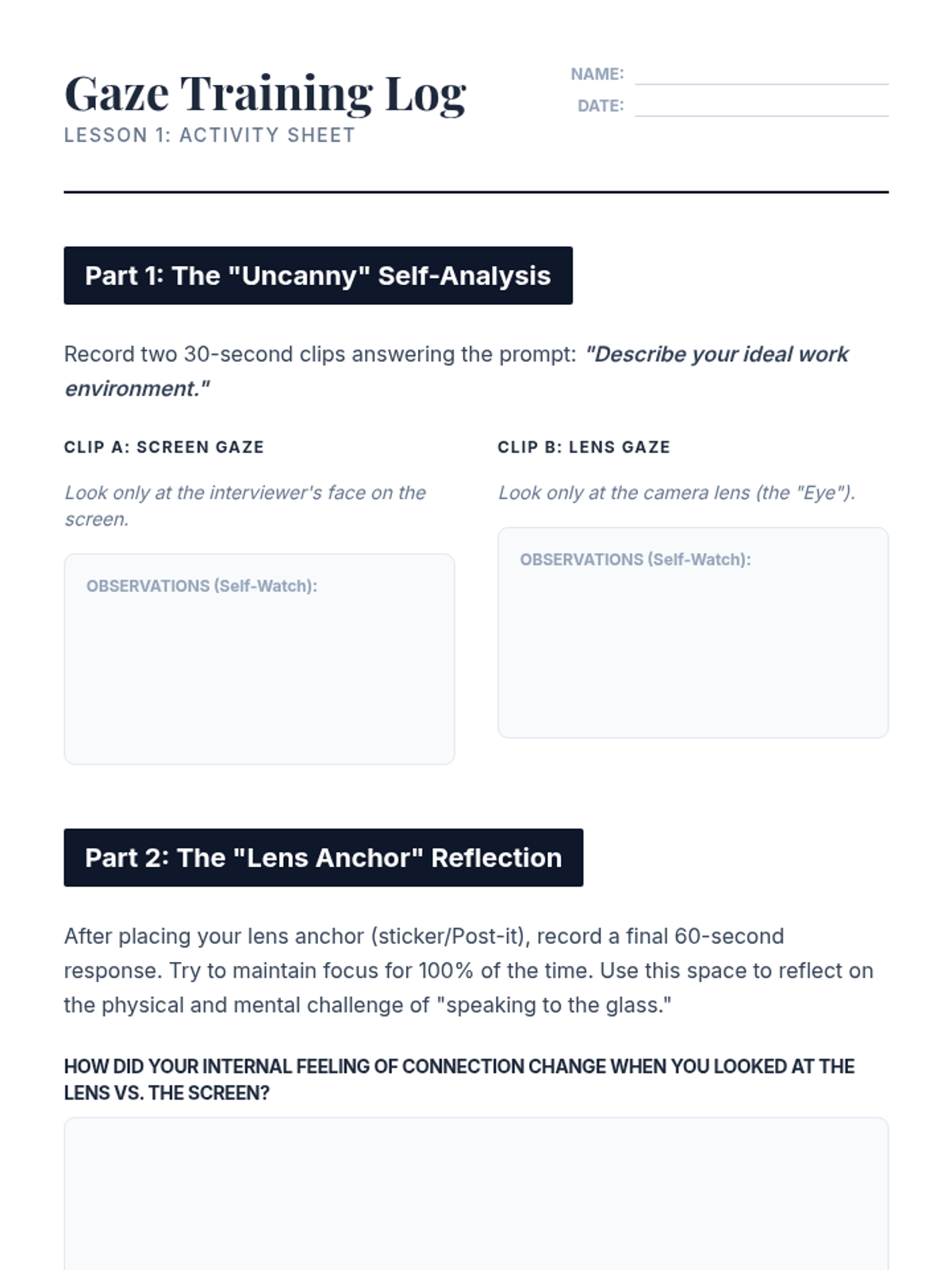
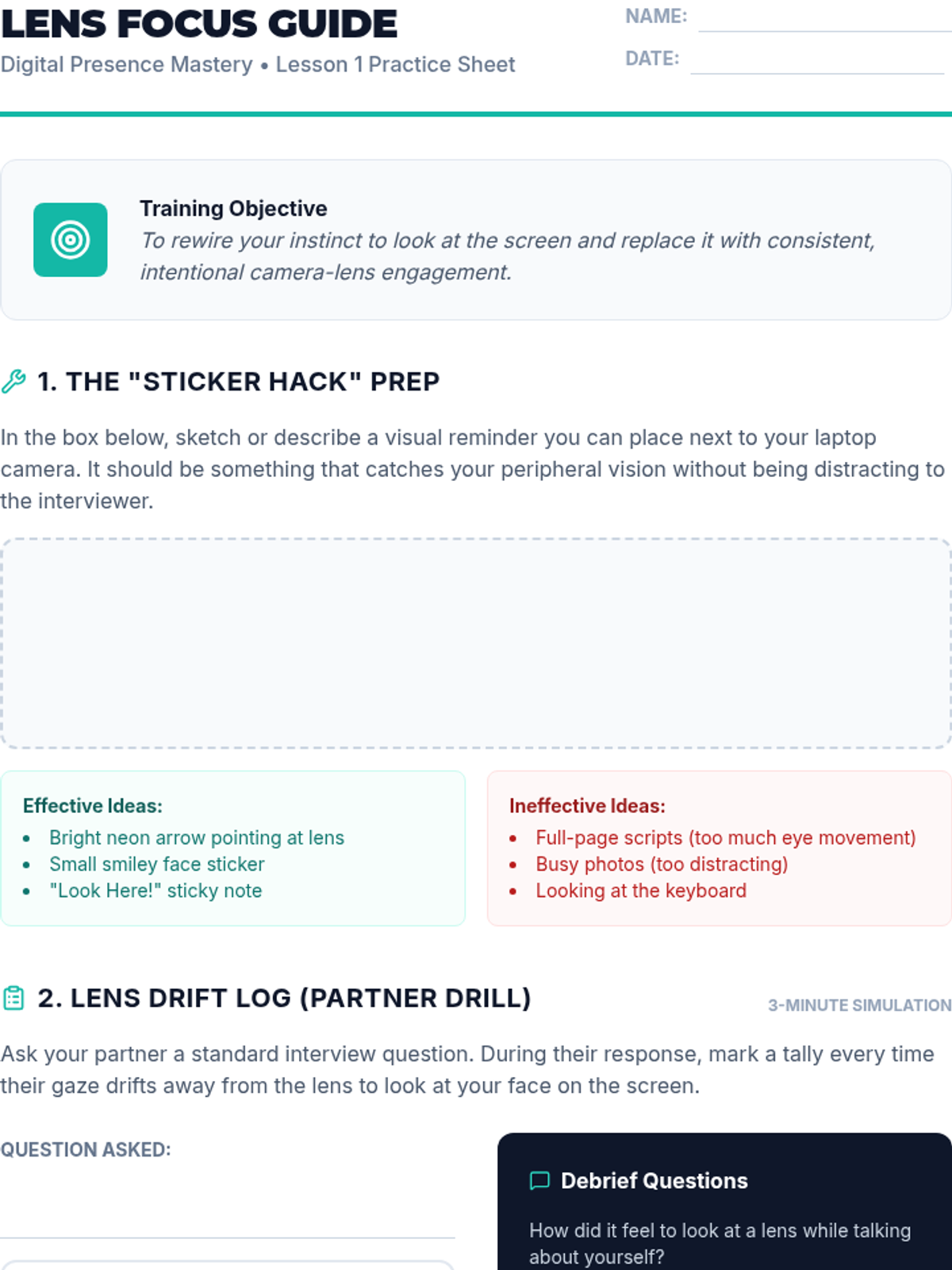
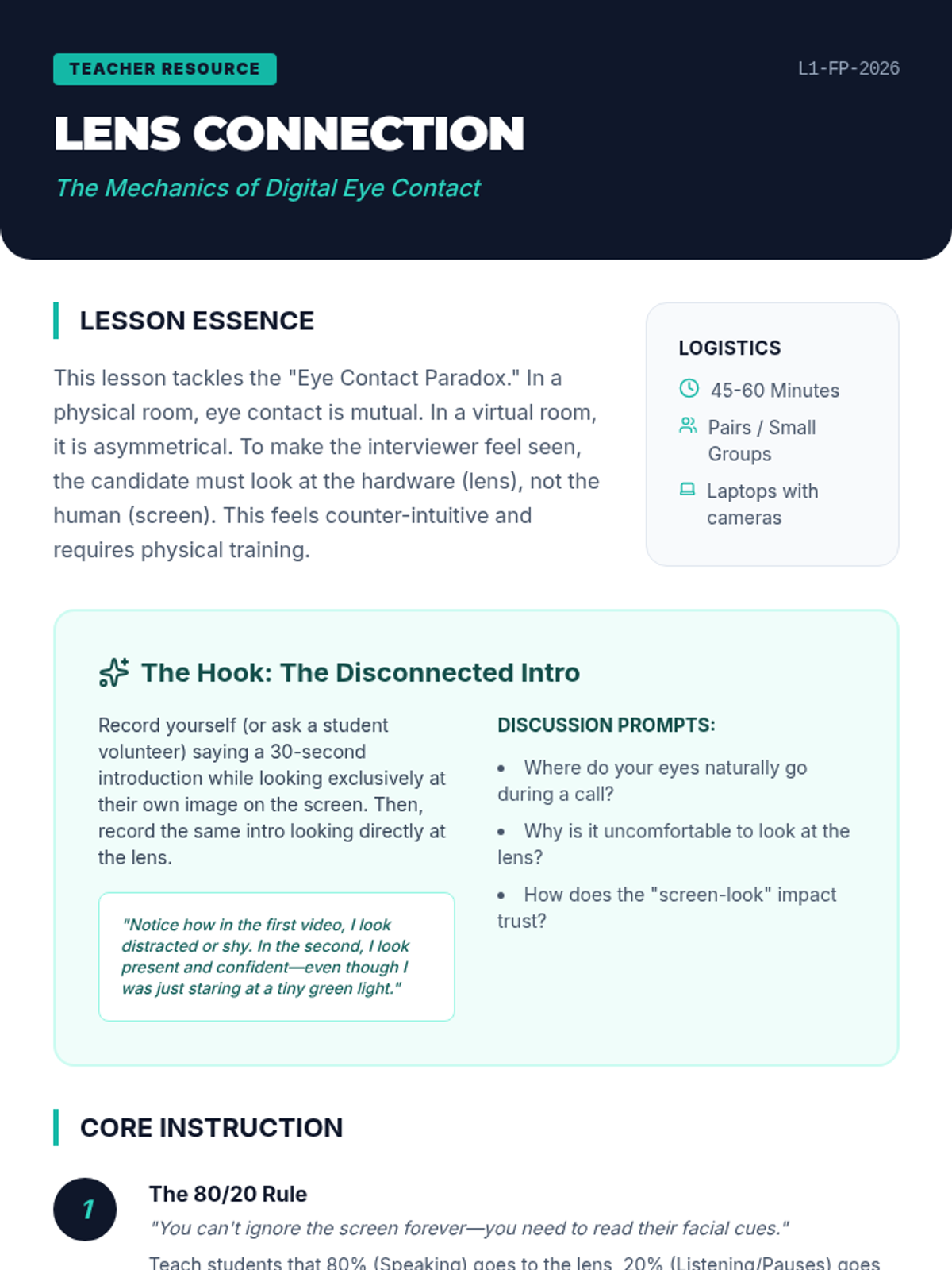
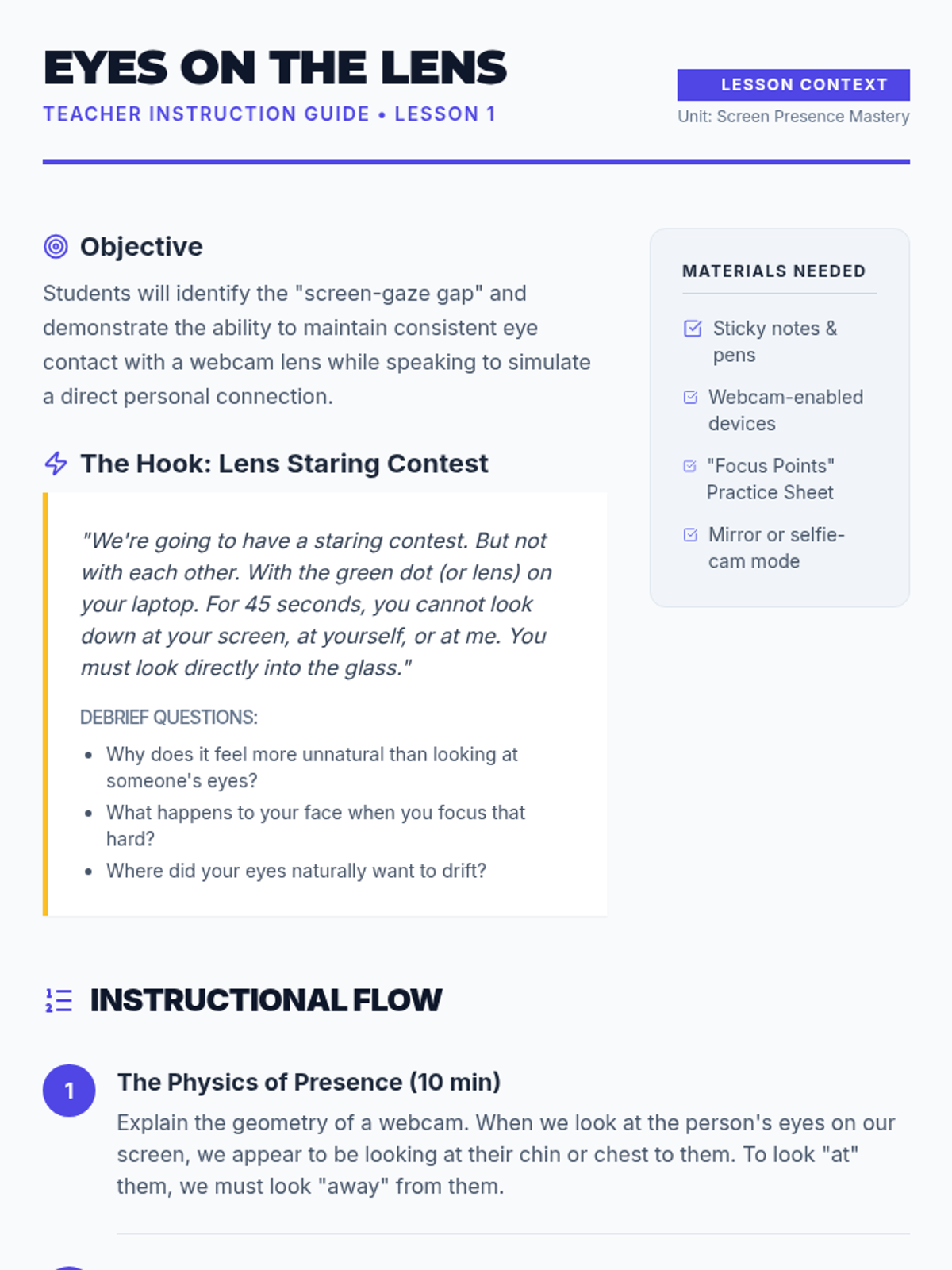
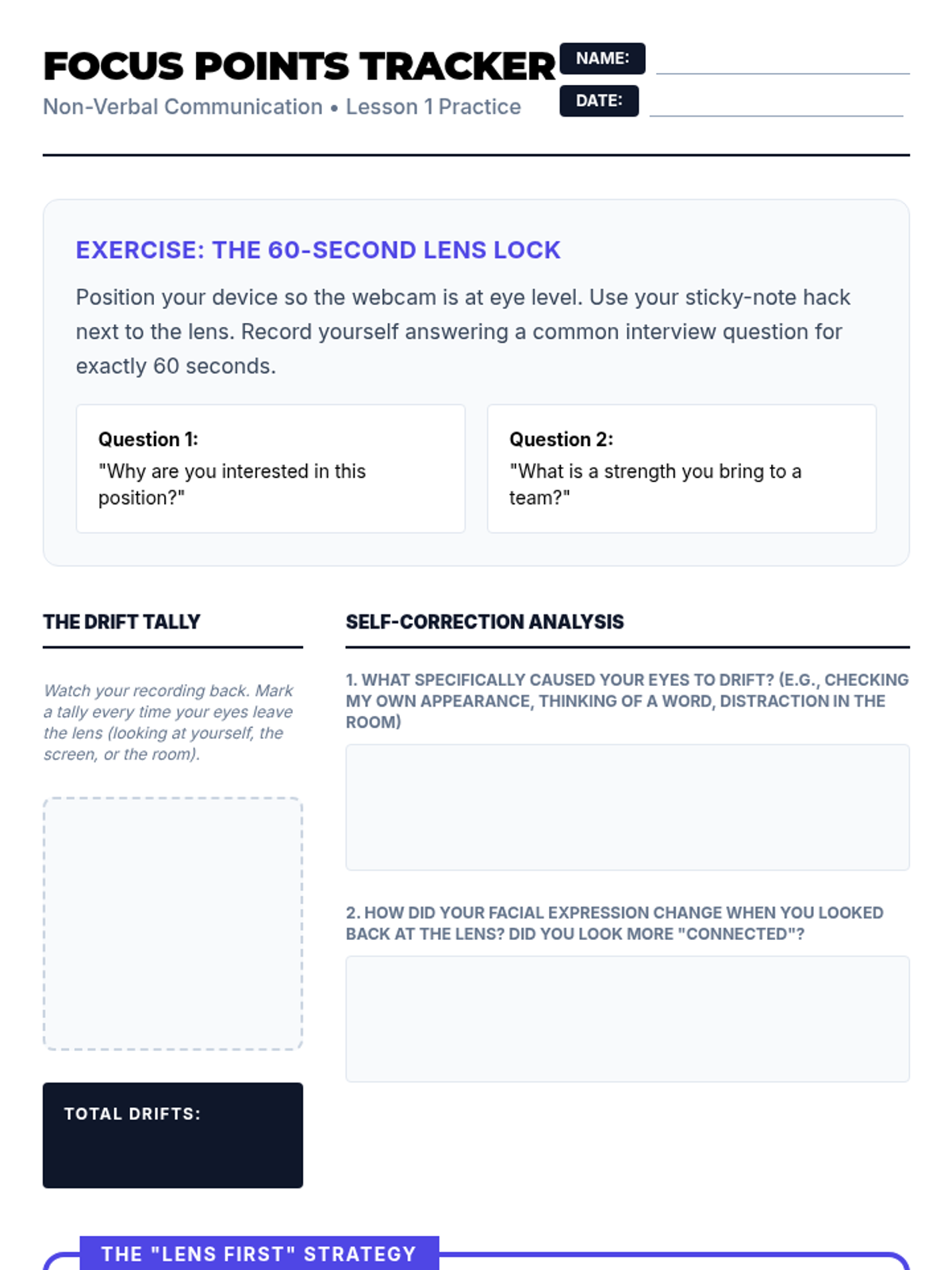
A comprehensive training program for graduate students to master non-verbal communication in virtual interviews. The sequence covers eye contact, framing, digital active listening, vocal modulation, and self-critique using video playback.
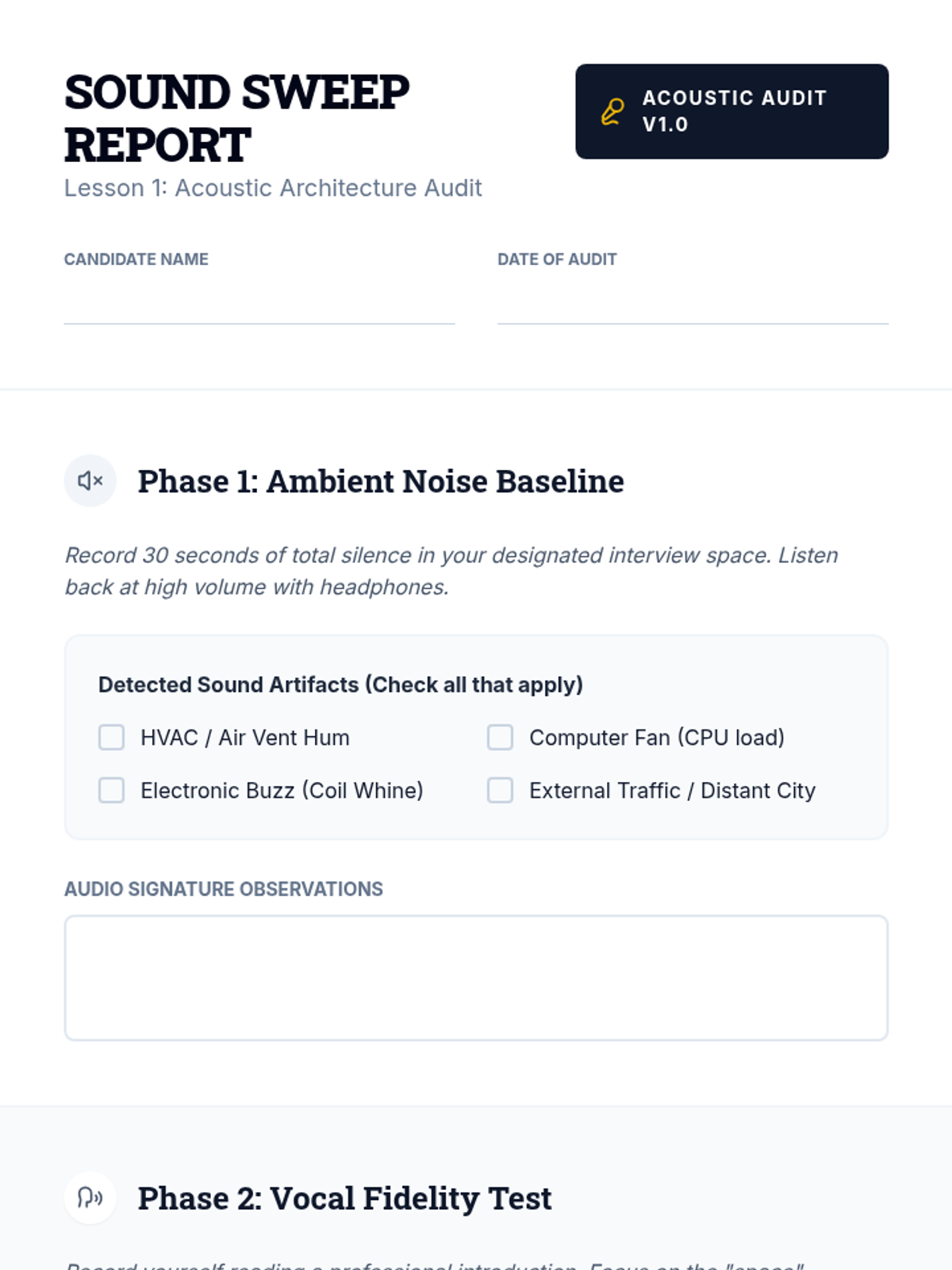
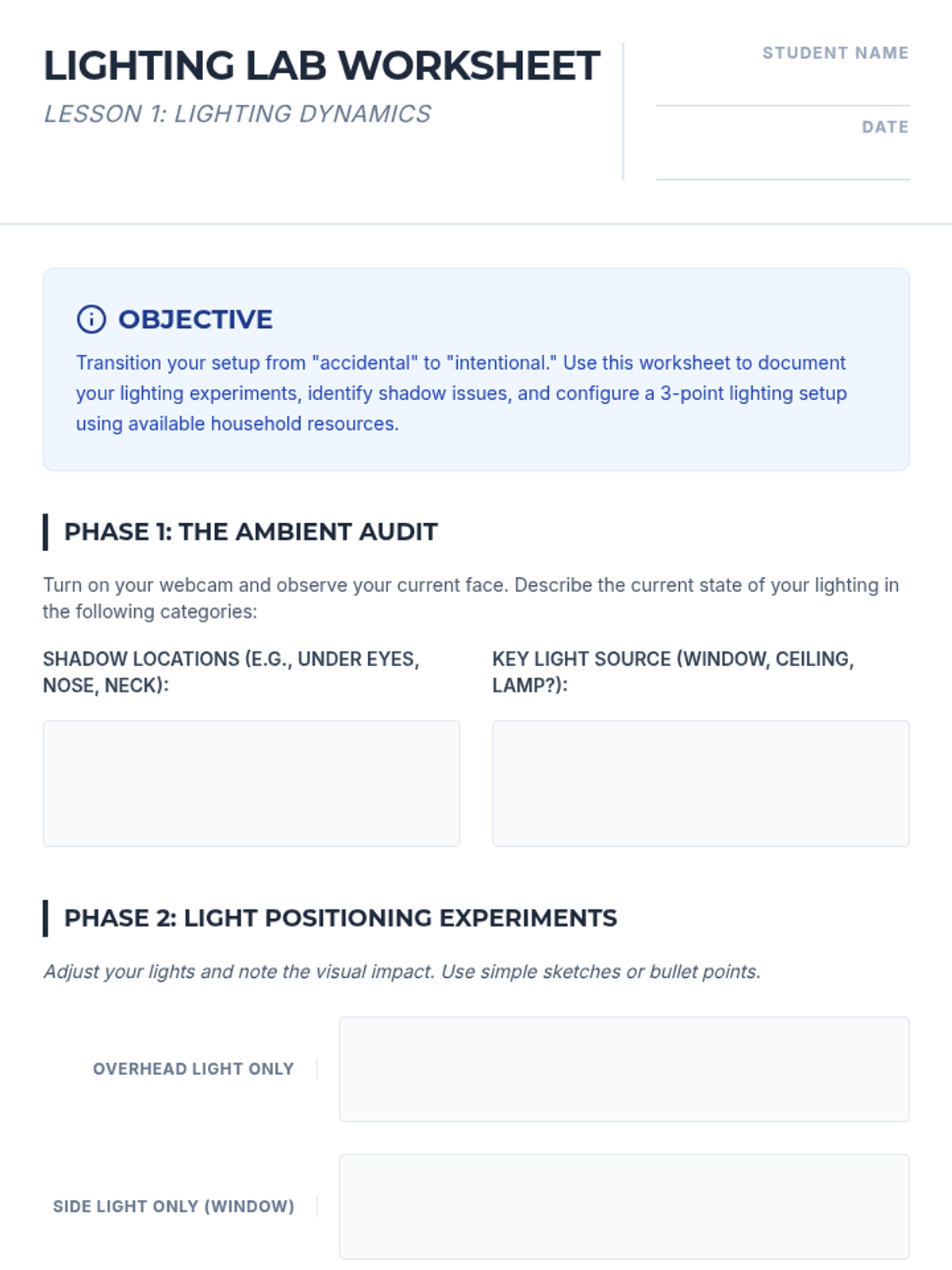
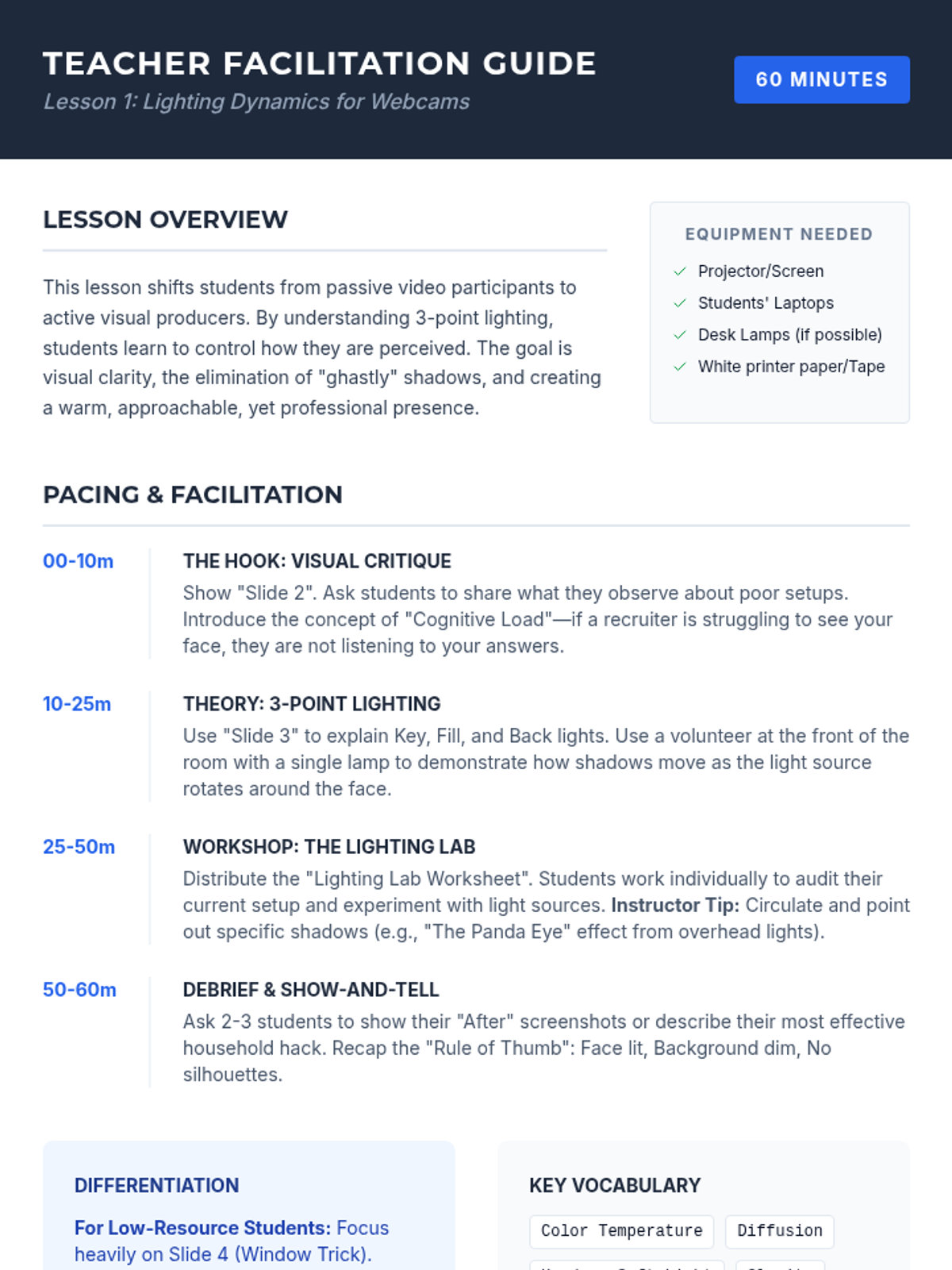
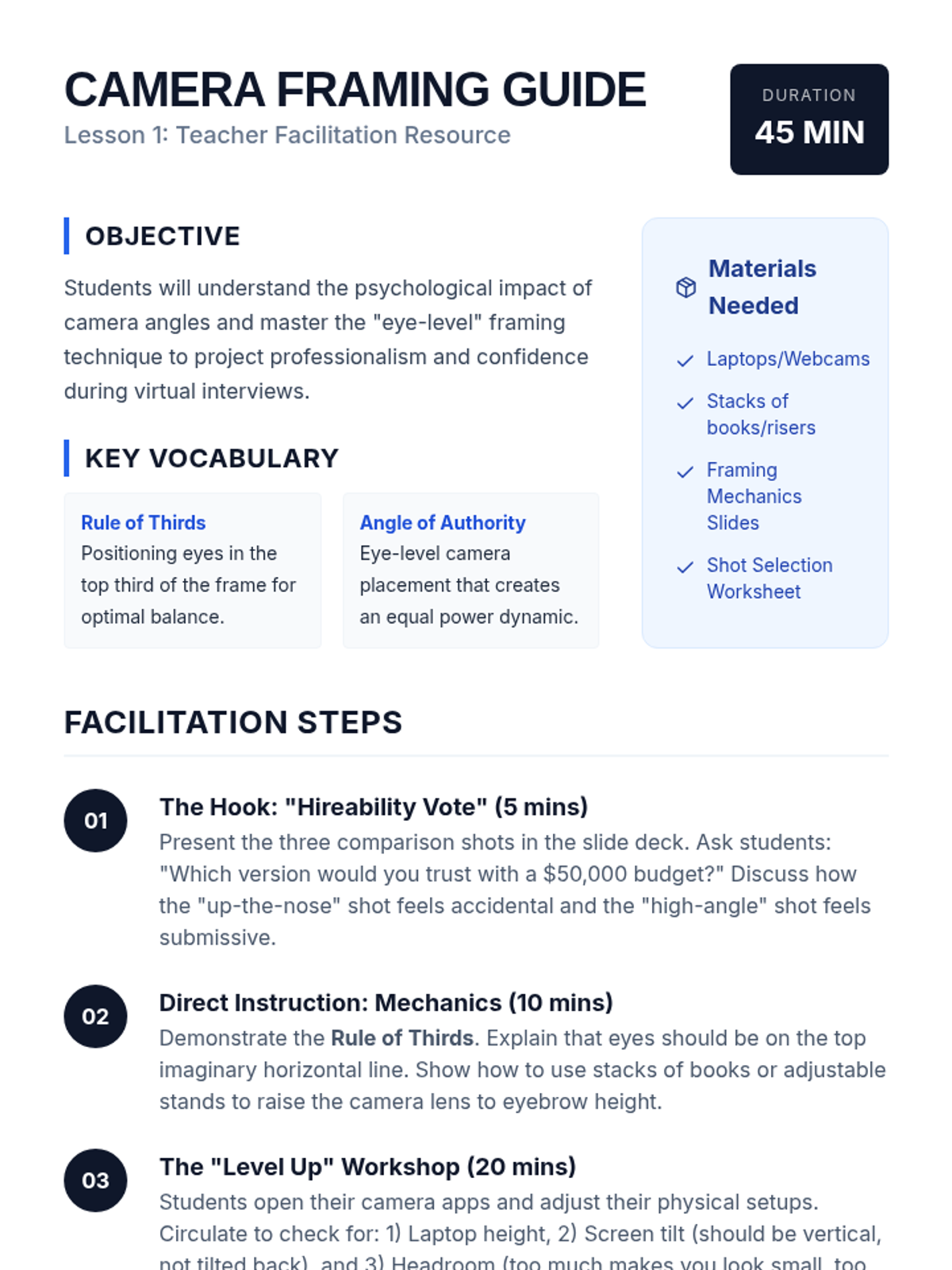
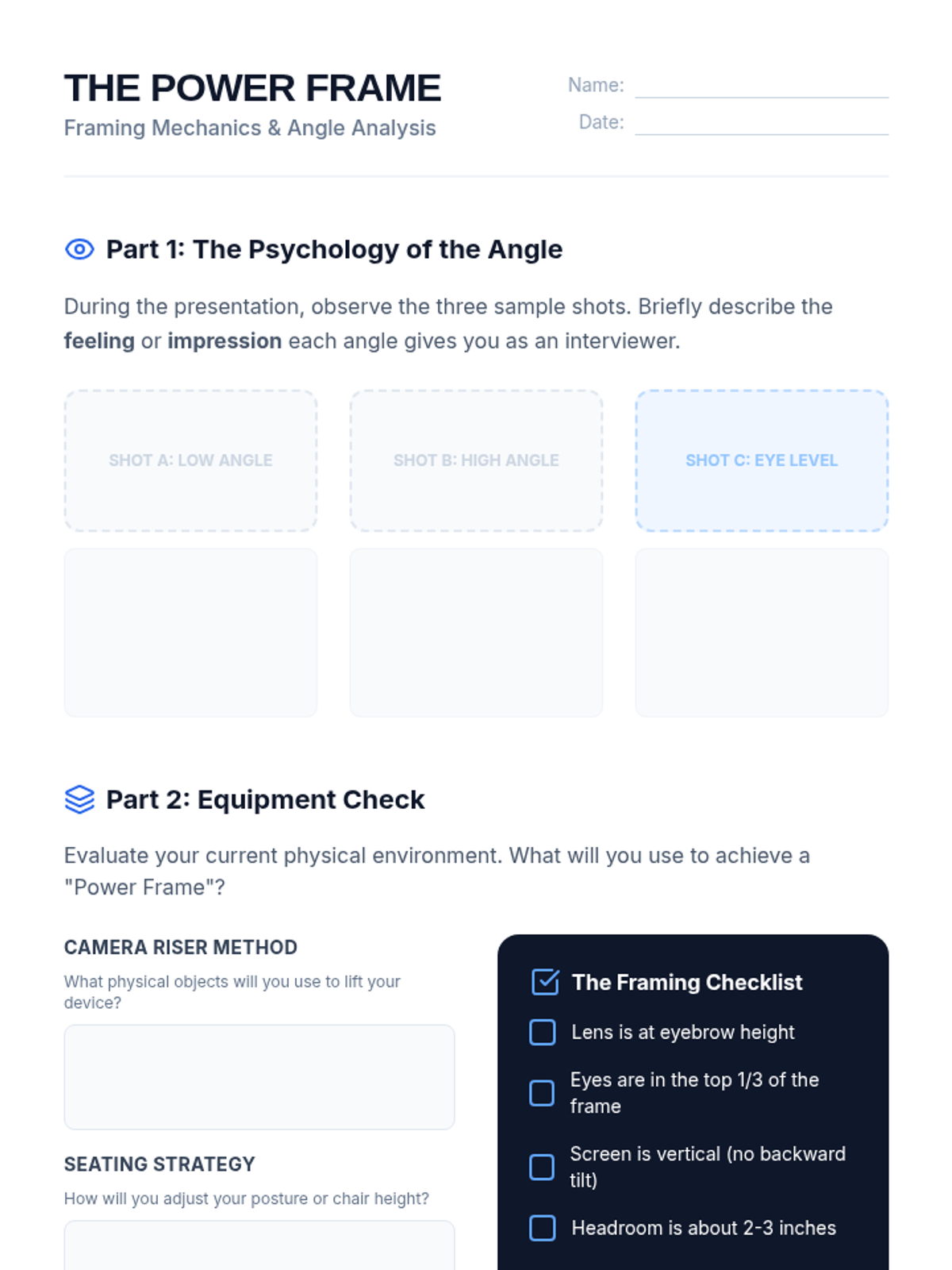
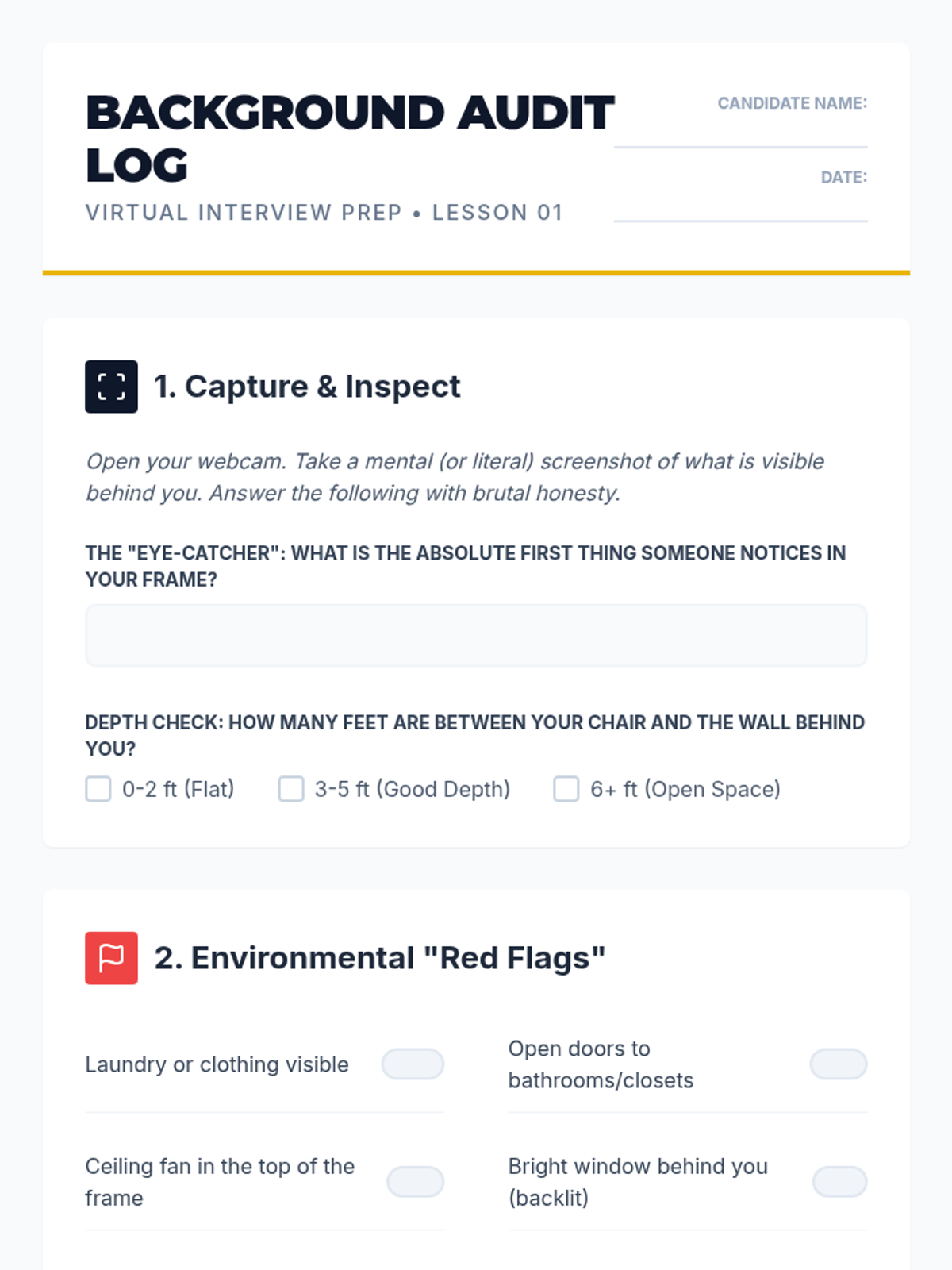
This graduate-level sequence treats the virtual interview space as a professional production set. Students will master acoustics, lighting physics, camera framing, and visual rhetoric to engineer a high-stakes professional presence.
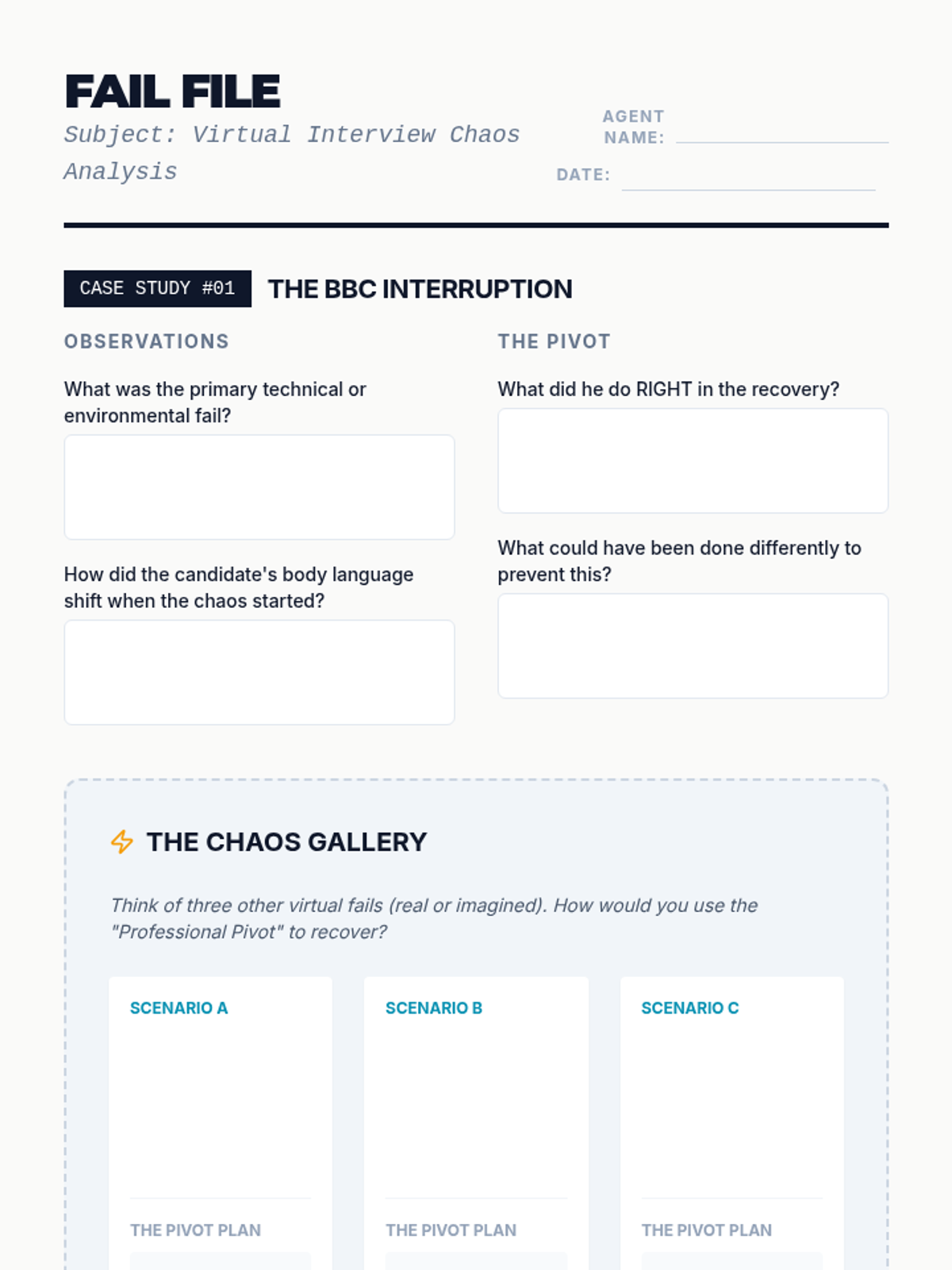
A comprehensive sequence focused on mastering virtual presence through analysis of failures, professional modeling, and rigorous self and peer reflection. Students develop a critical eye for digital communication and create a personal 'pre-flight' checklist for professional success.
A comprehensive sequence designed to help undergraduate students master the technical aspects of virtual interviews. Students will learn to optimize lighting, audio, background composition, and camera positioning to project professional competence.
This sequence helps undergraduate students bridge the gap between in-person and digital communication. It focuses on adapting non-verbal cues—eye contact, active listening, posture, and gestures—specifically for the 2D constraints of a video call to build trust and professional warmth.
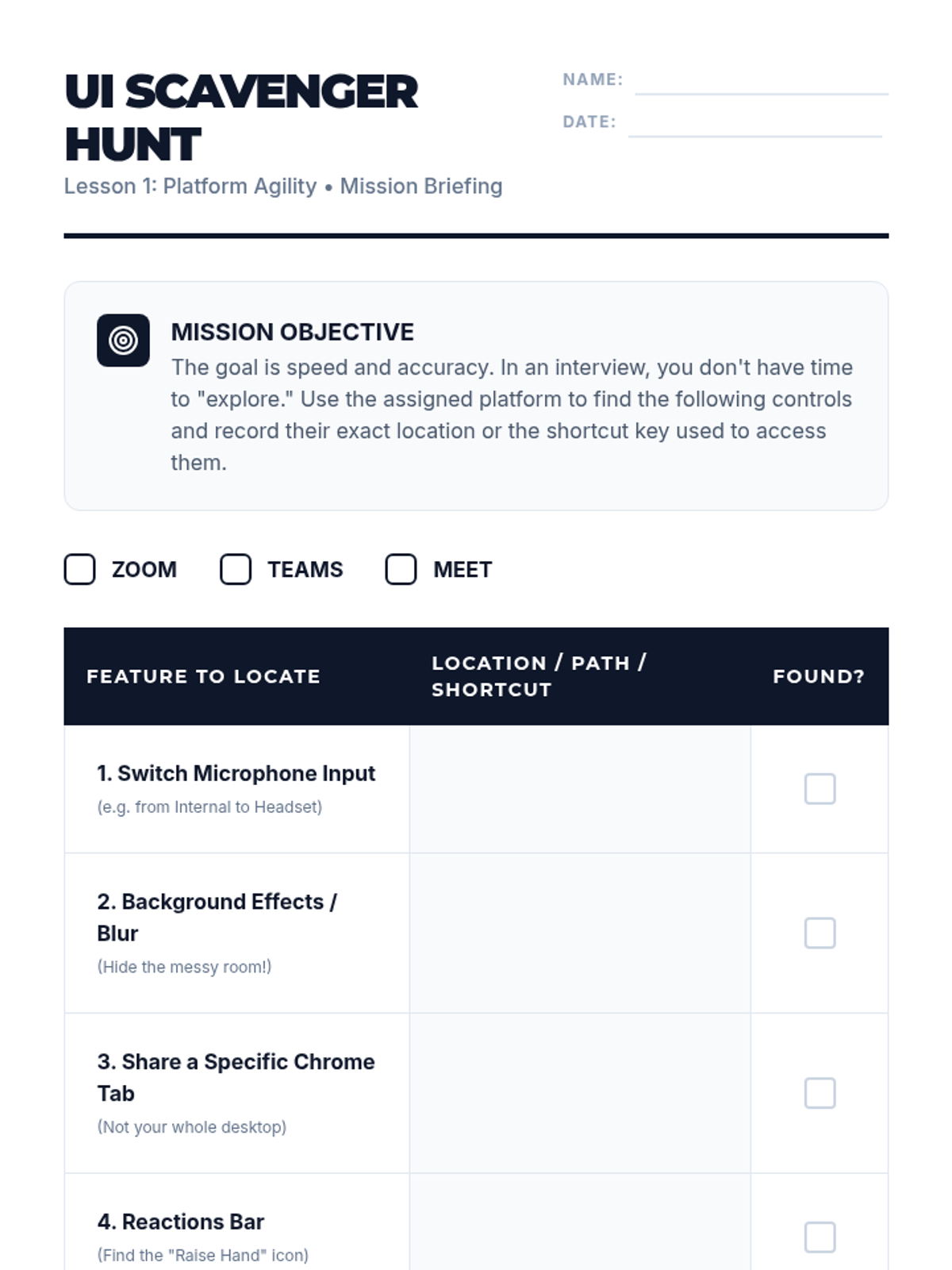
A comprehensive sequence for undergraduate students focused on mastering virtual interview platforms (Zoom, Teams, WebEx) and developing the resilience needed to handle technical failures with professional grace. Students move from platform fluency to real-time crisis management simulations.
A comprehensive 12th-grade sequence focusing on the non-verbal nuances of virtual interviews, from digital eye contact to frame-aware gesturing and silent active listening.
A comprehensive 5-lesson series designed to help 12th-grade students master the technical aspects of virtual interviews. Students will transform their personal spaces into professional digital studios by mastering camera framing, lighting, acoustics, and background curation, culminating in a high-stakes tech-check protocol.
A comprehensive workshop-style sequence for 11th-grade students to master the technical aspects of virtual interviews. Students transform their personal spaces into professional broadcast environments by focusing on background auditing, lighting physics, audio engineering, and camera framing.
This sequence prepares 11th-grade students for the technical challenges of virtual interviews. It covers platform navigation, hardware/software troubleshooting, contingency planning, and professional communication during tech failures, culminating in a high-stakes simulation.
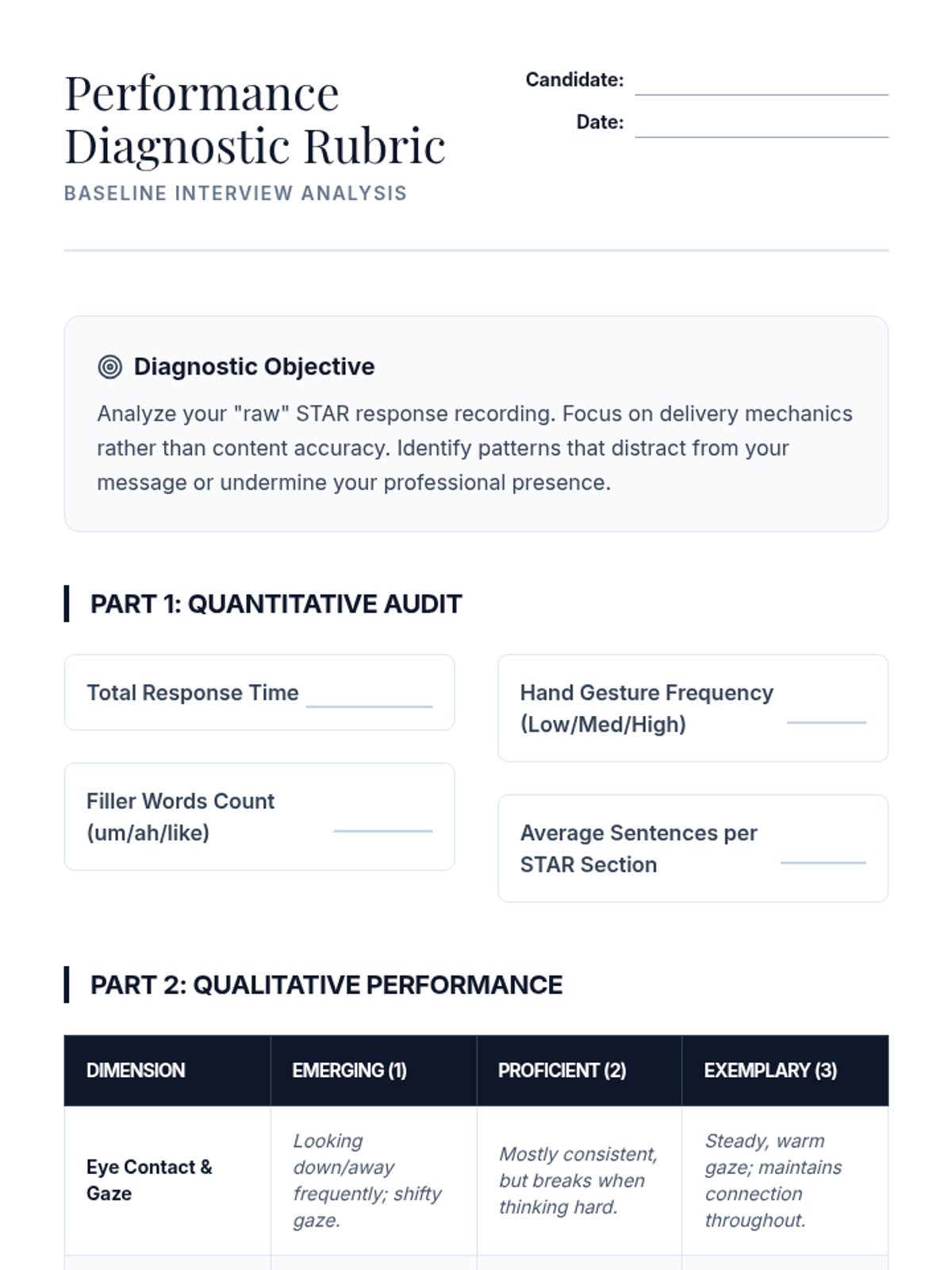
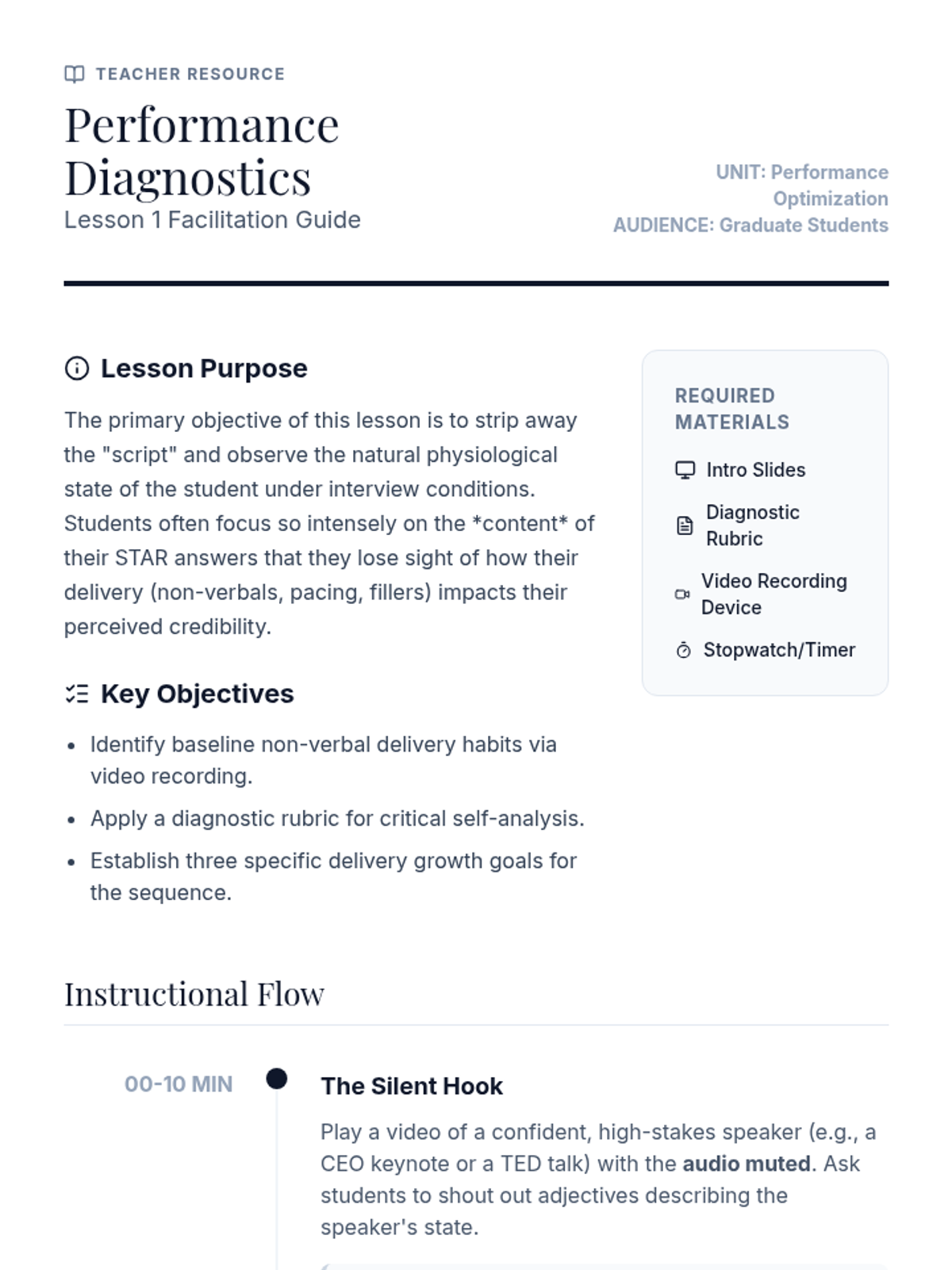
A graduate-level sequence focused on the delivery, pacing, and psychological performance aspects of the STAR method. This unit transitions from content mastery to high-stakes simulation, video analysis, and stress management.
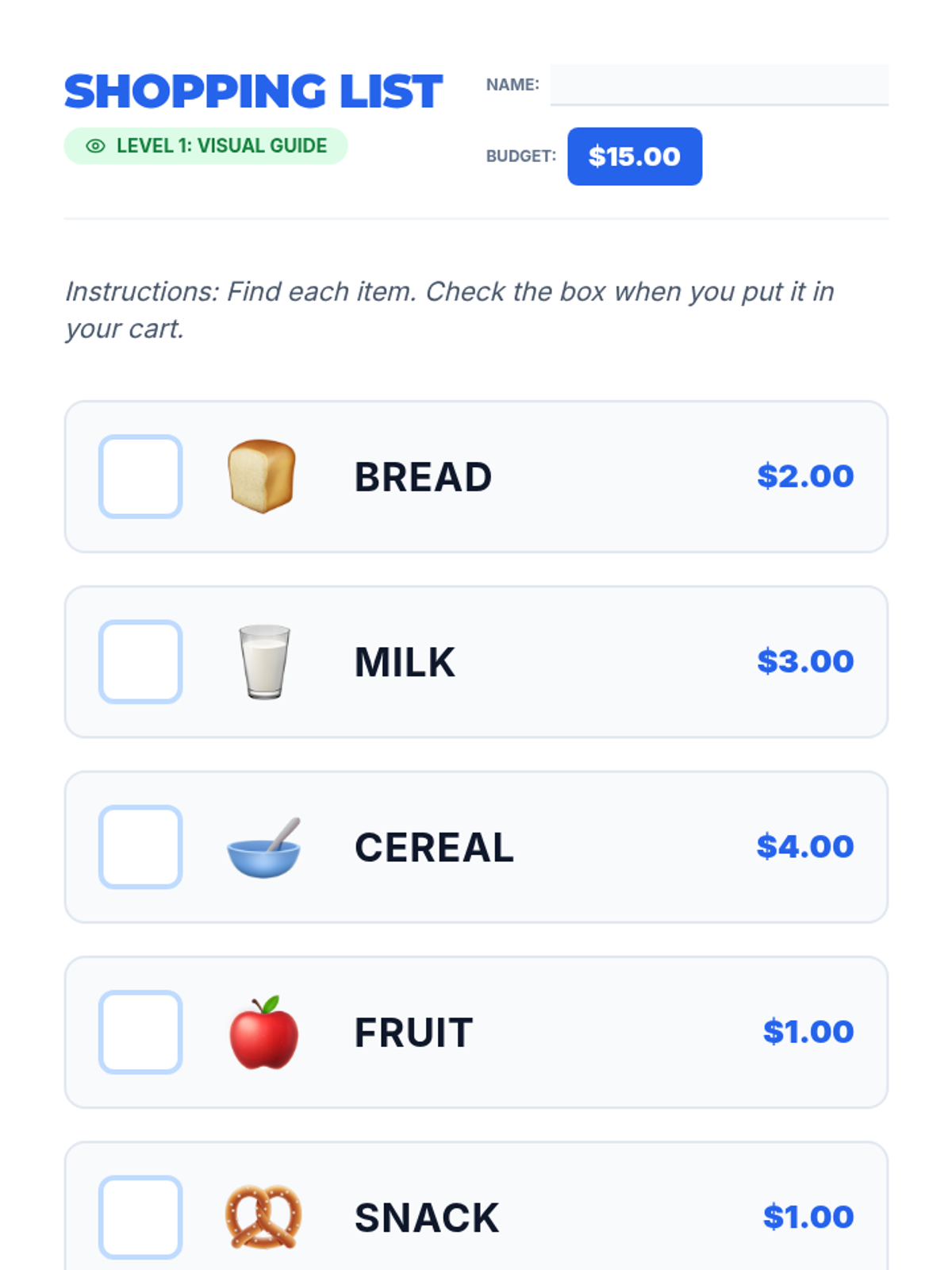
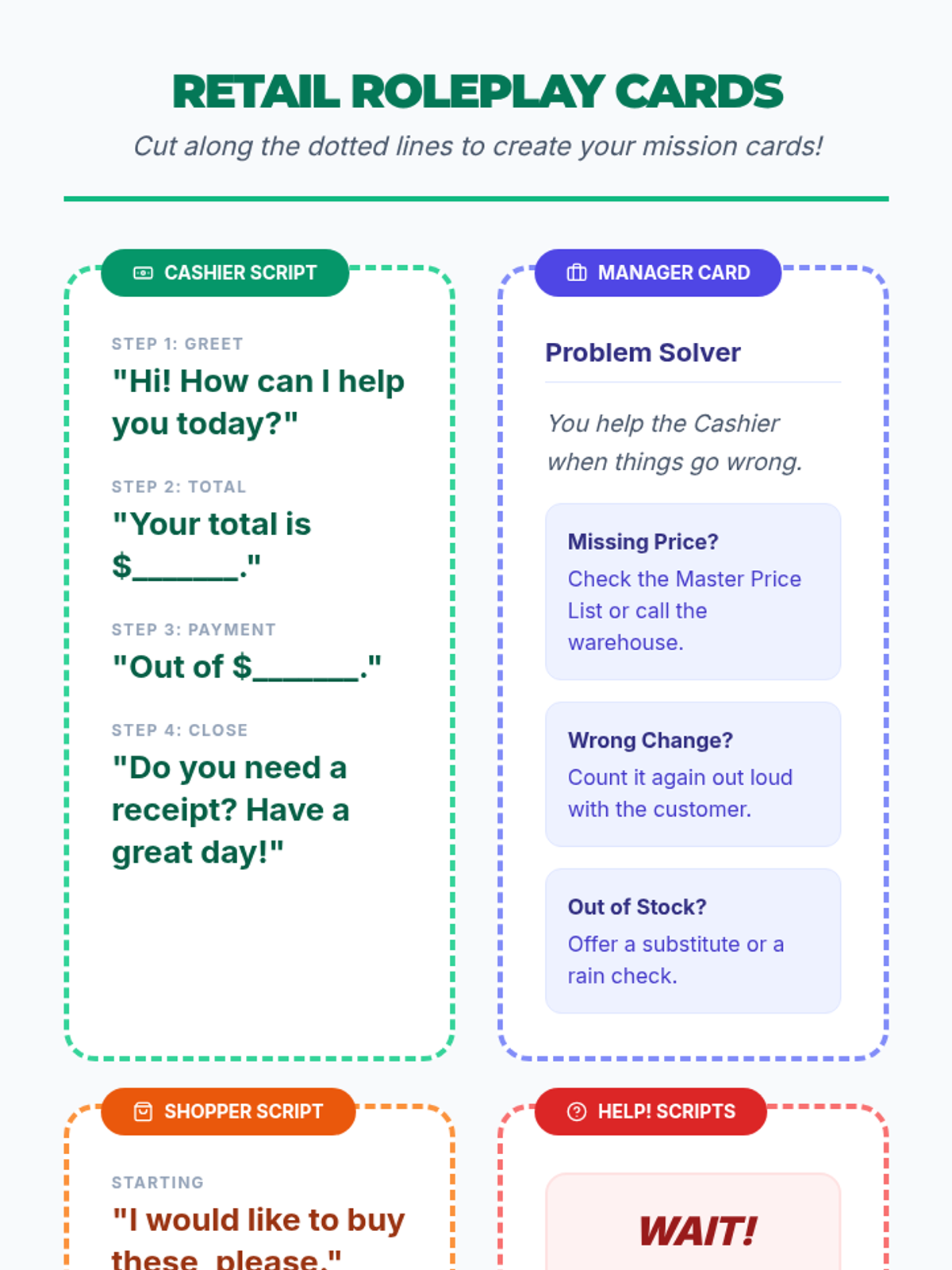
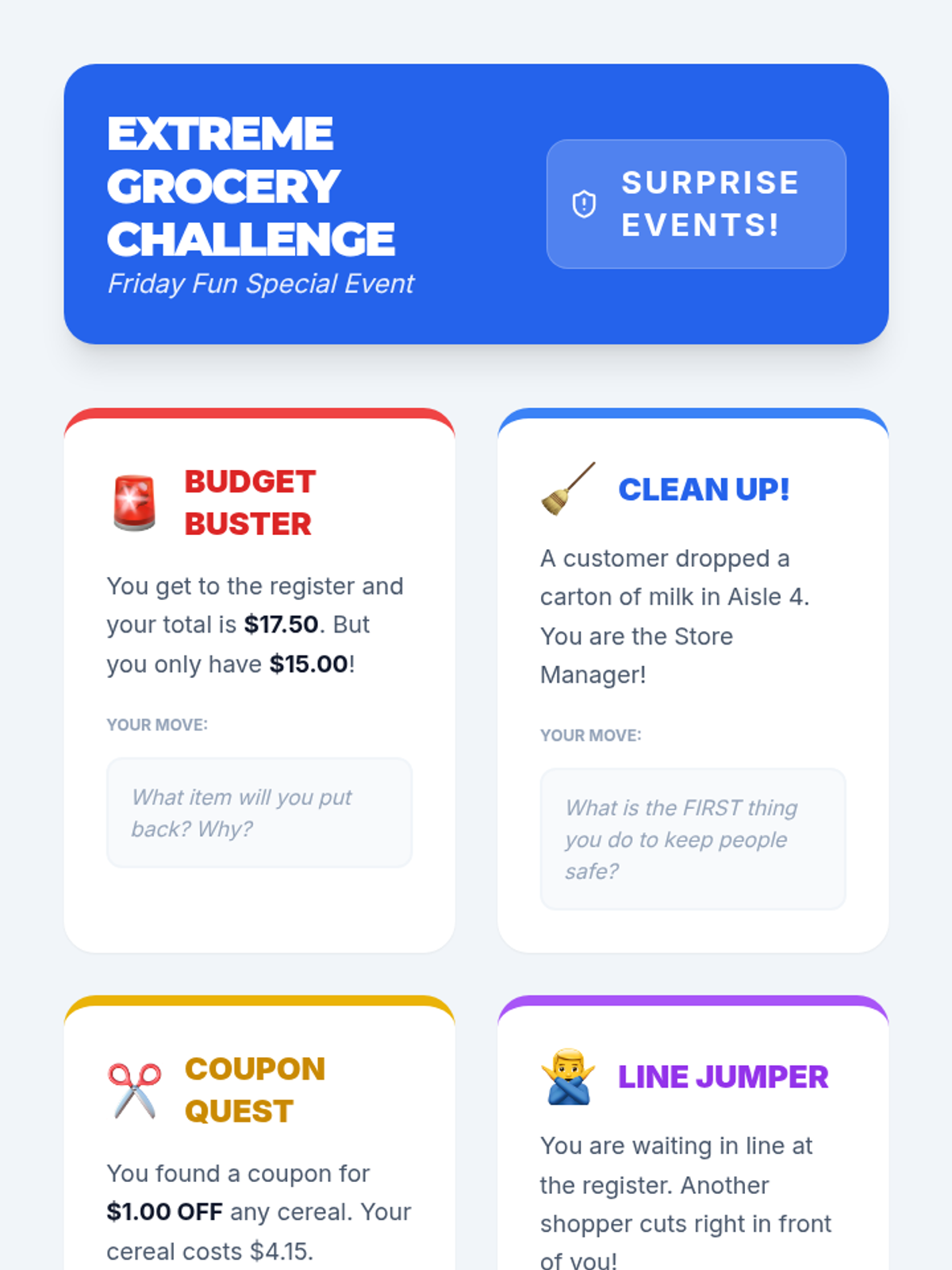
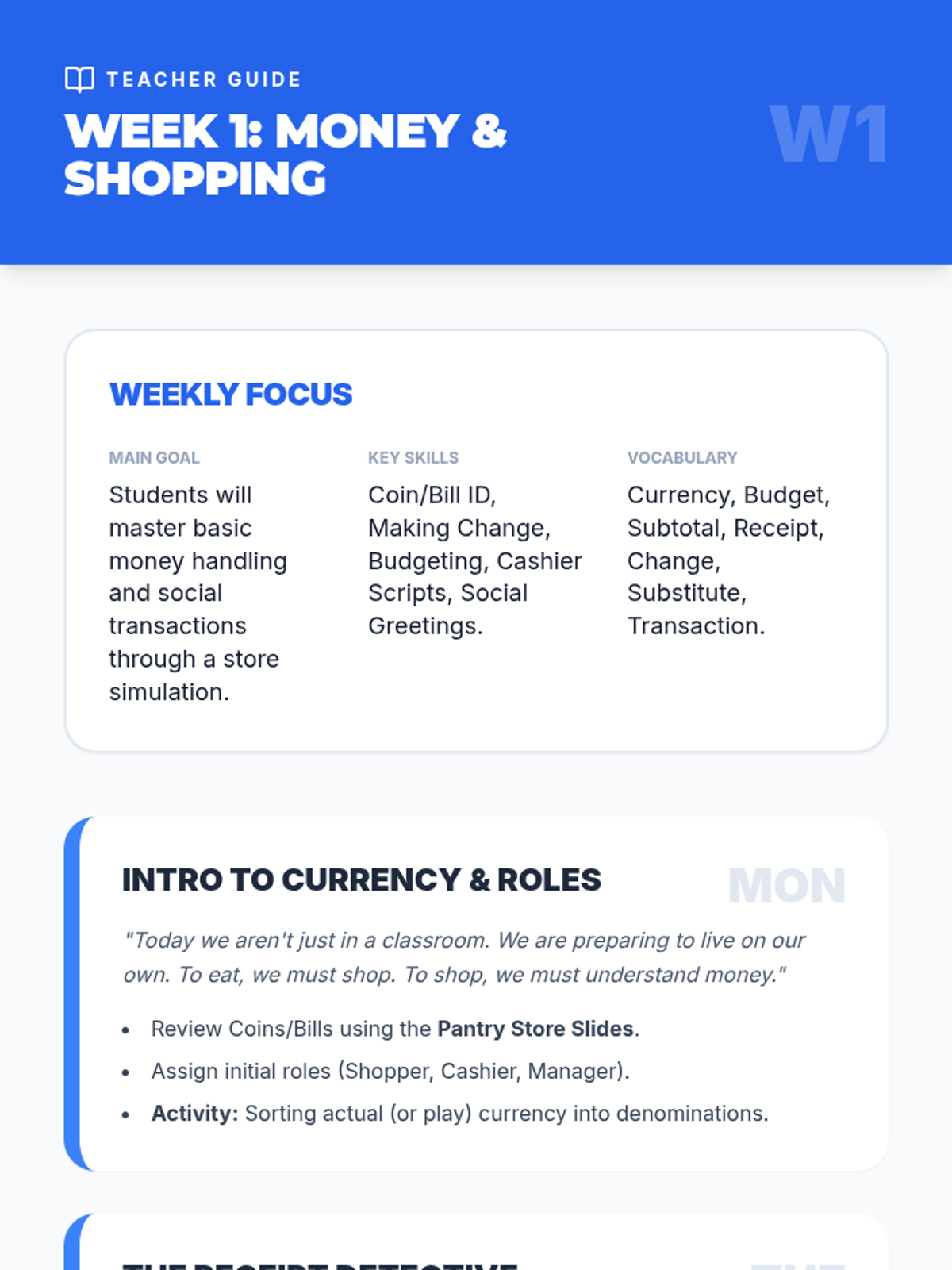
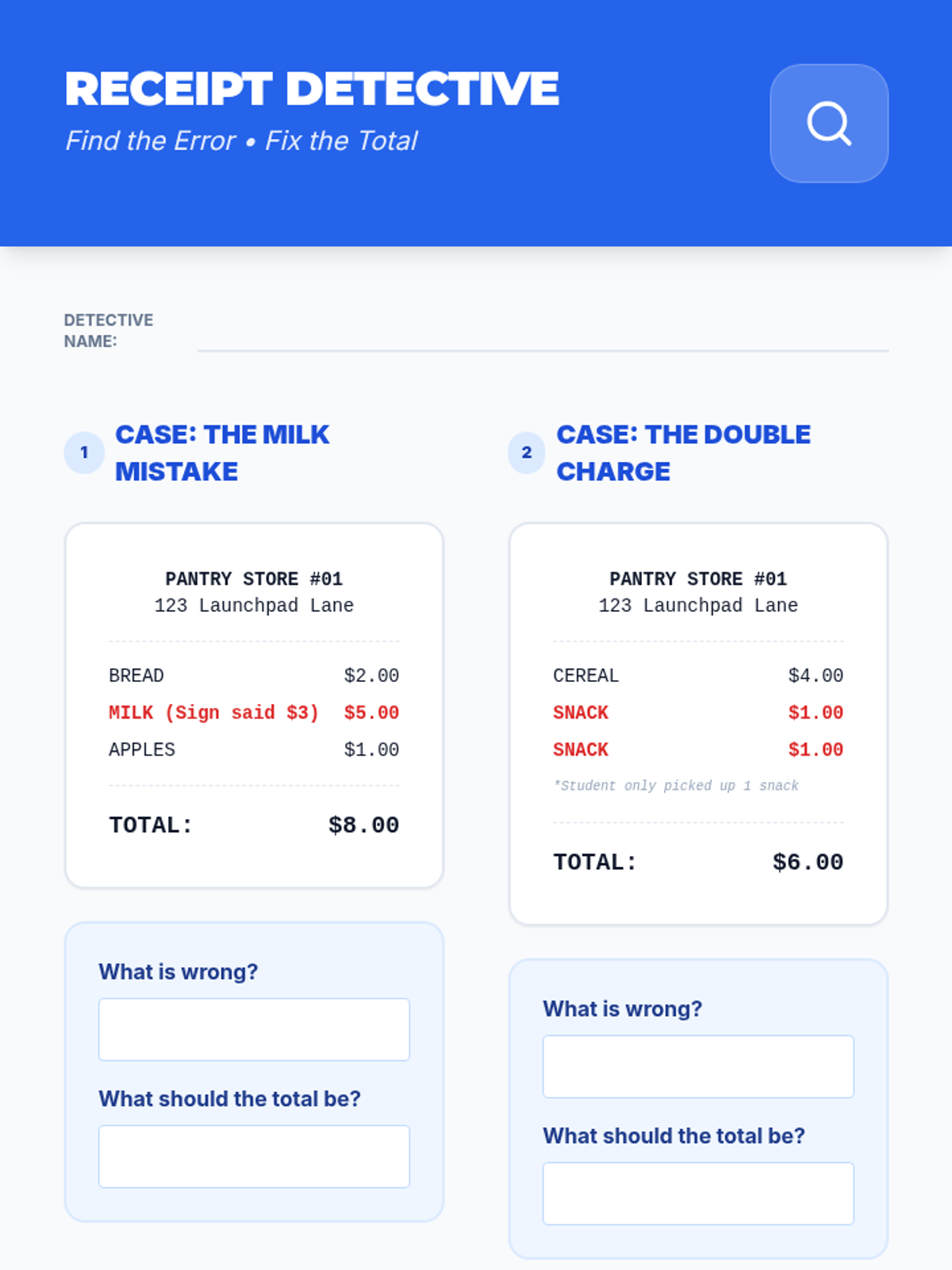
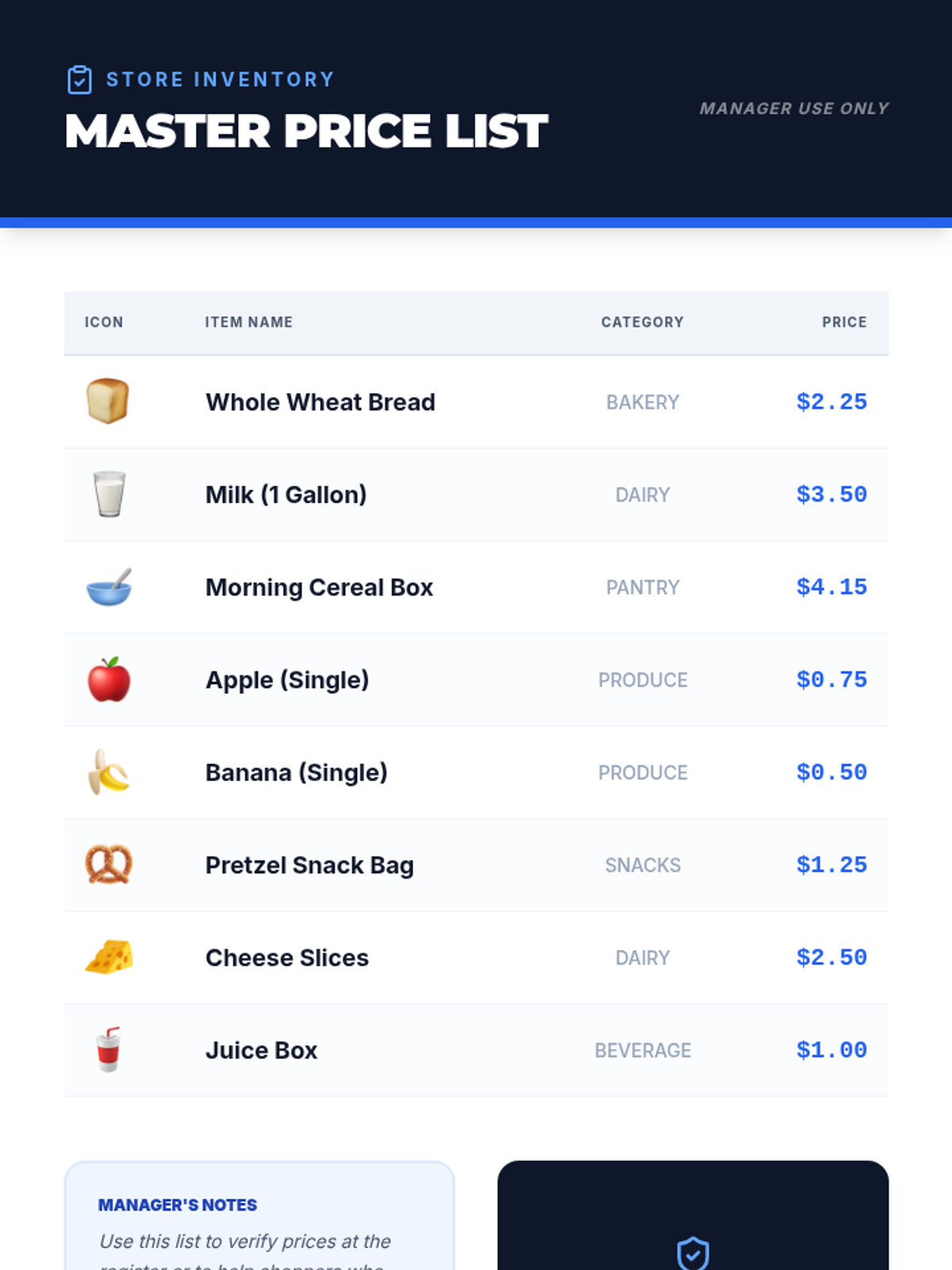
A full-month curriculum focused on developing independence through real-world simulations, role-playing, and practical application of functional life skills.
A comprehensive program designed to equip 12th graders, undergraduates, and adult special education students with the essential skills for job searching and professional success. This curriculum covers resume development, interview mastery, and workplace etiquette through interactive activities and practical application.
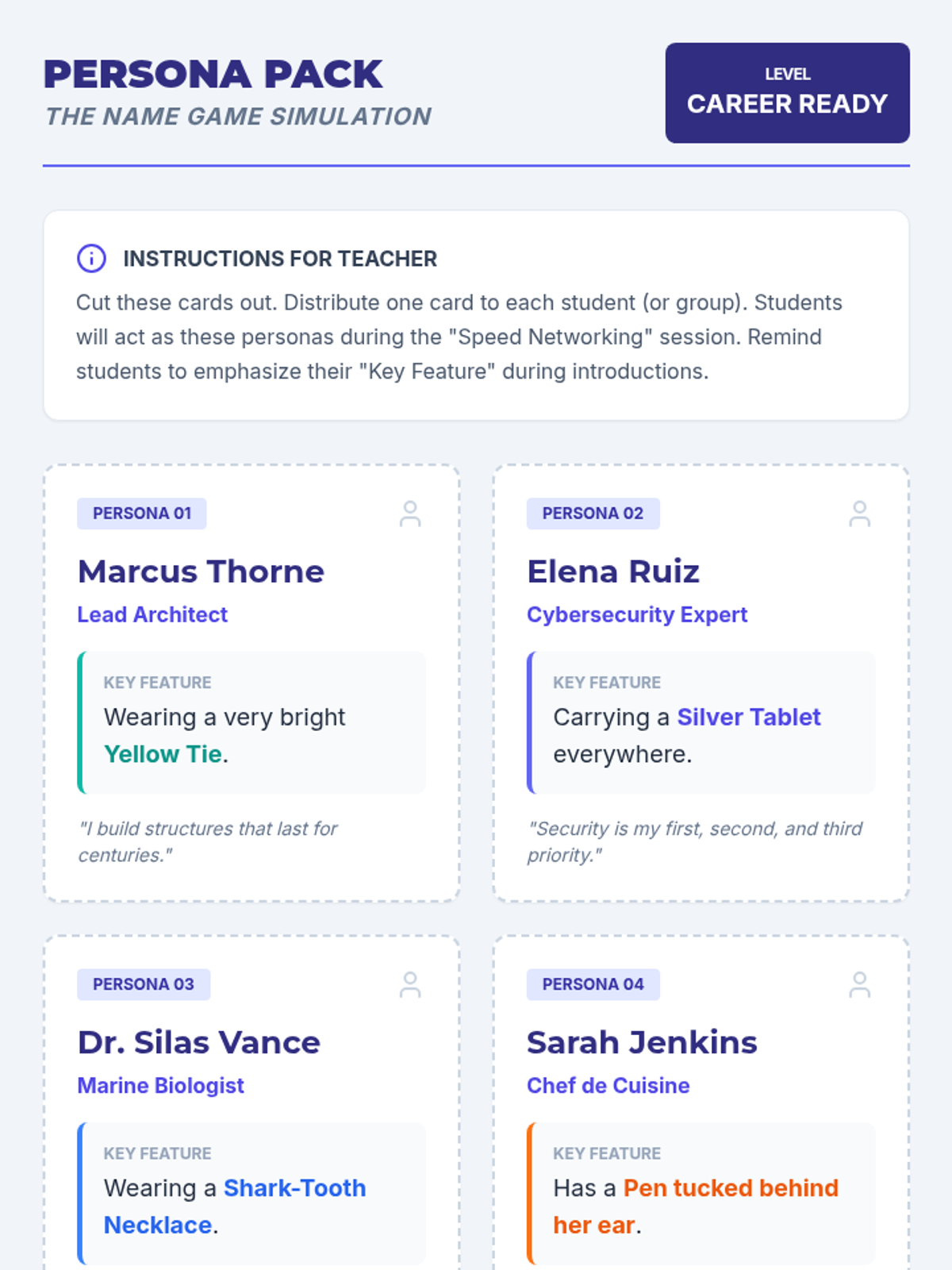
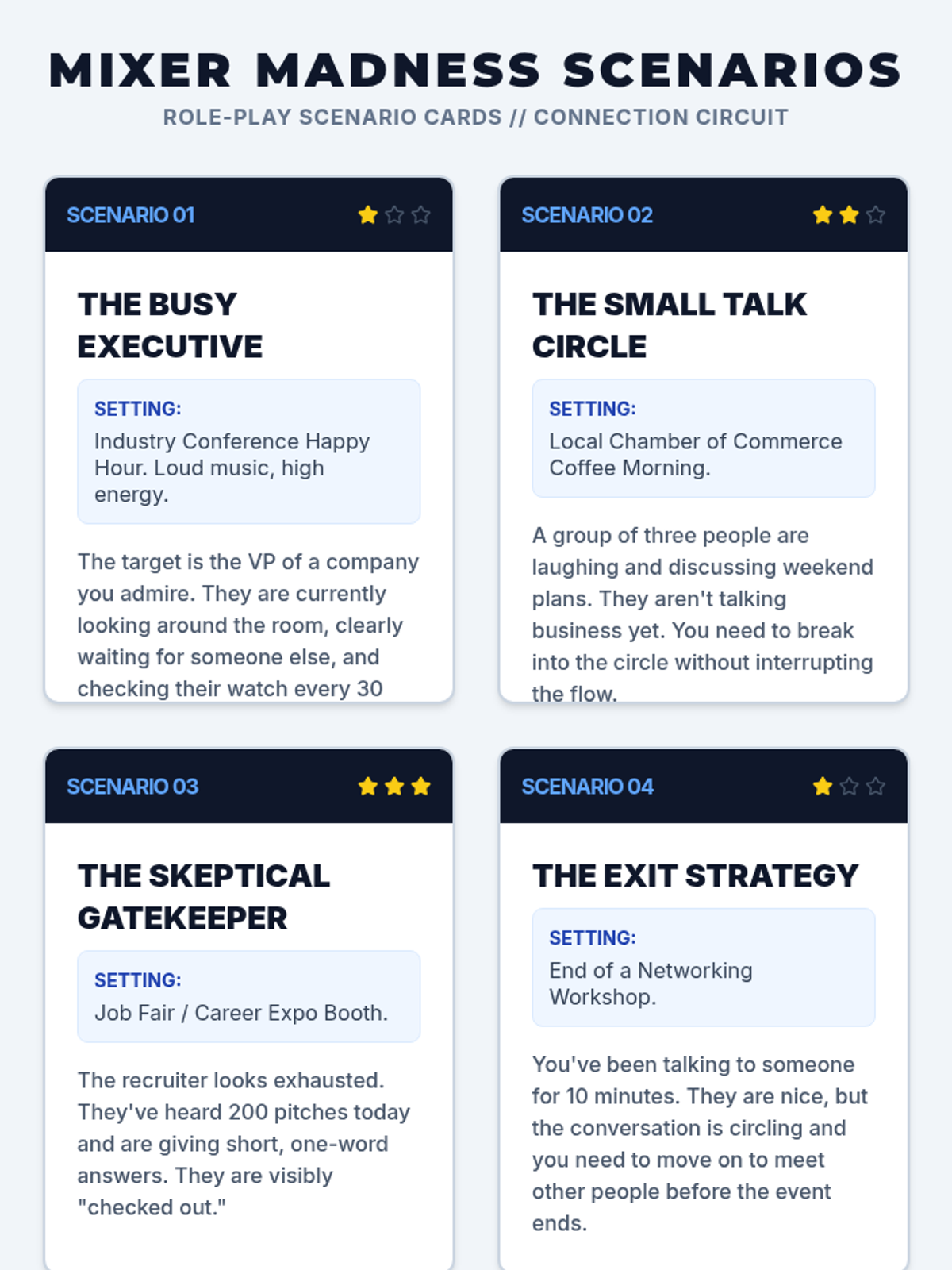
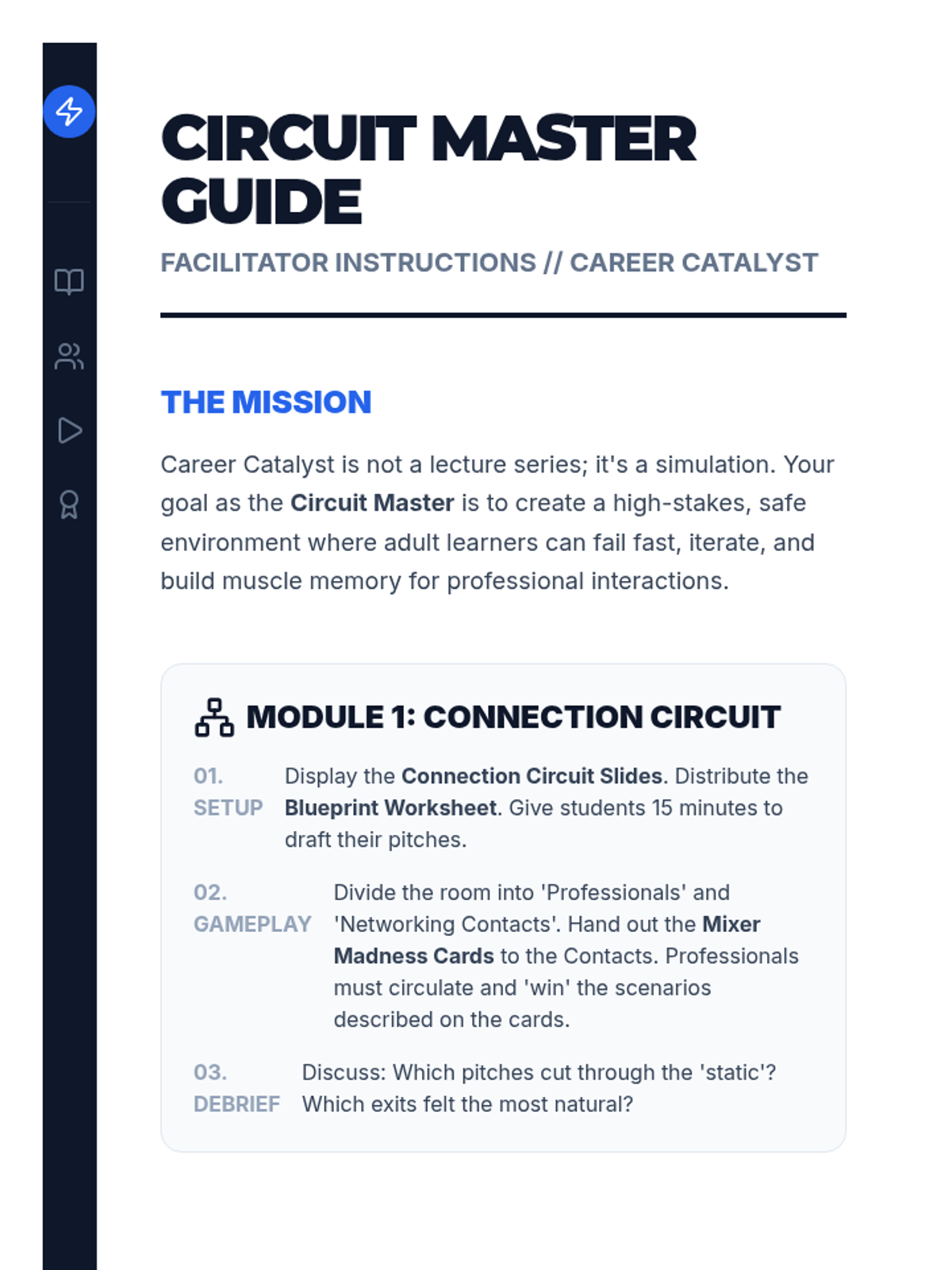
A comprehensive role-playing experience designed for adult learners and college students to master the art of networking and professional interviewing. The sequence uses a 'circuit' theme, guiding students through high-stakes scenarios and peer feedback loops.
This sequence focuses on the critical 'after' phase of the interview process, teaching undergraduate students how to analyze their performance, interpret outcomes, and manage professional relationships long-term. Students move from self-reflection and performance analysis to navigating offers and maintaining a strategic network, turning every interview into a growth opportunity.
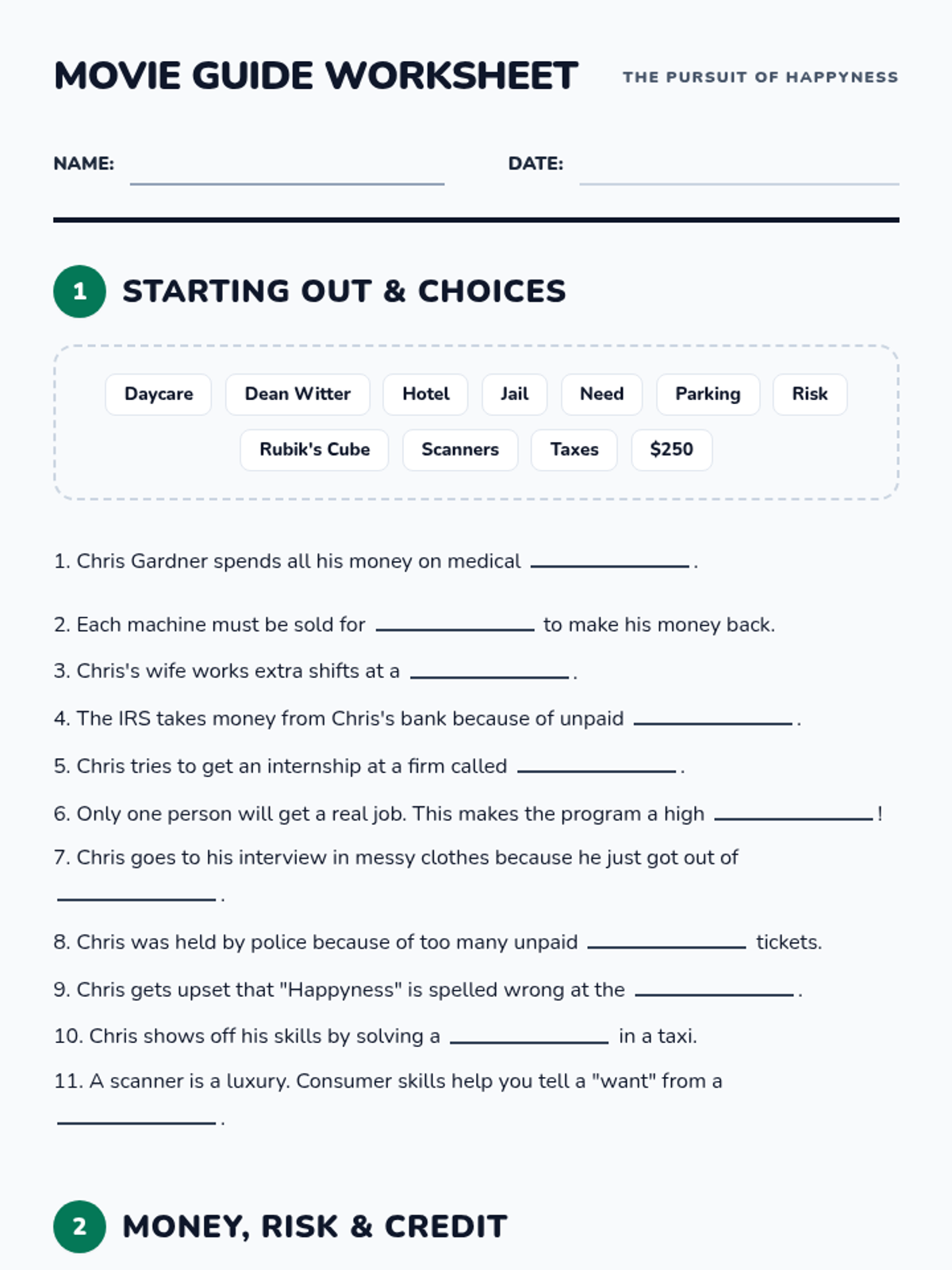
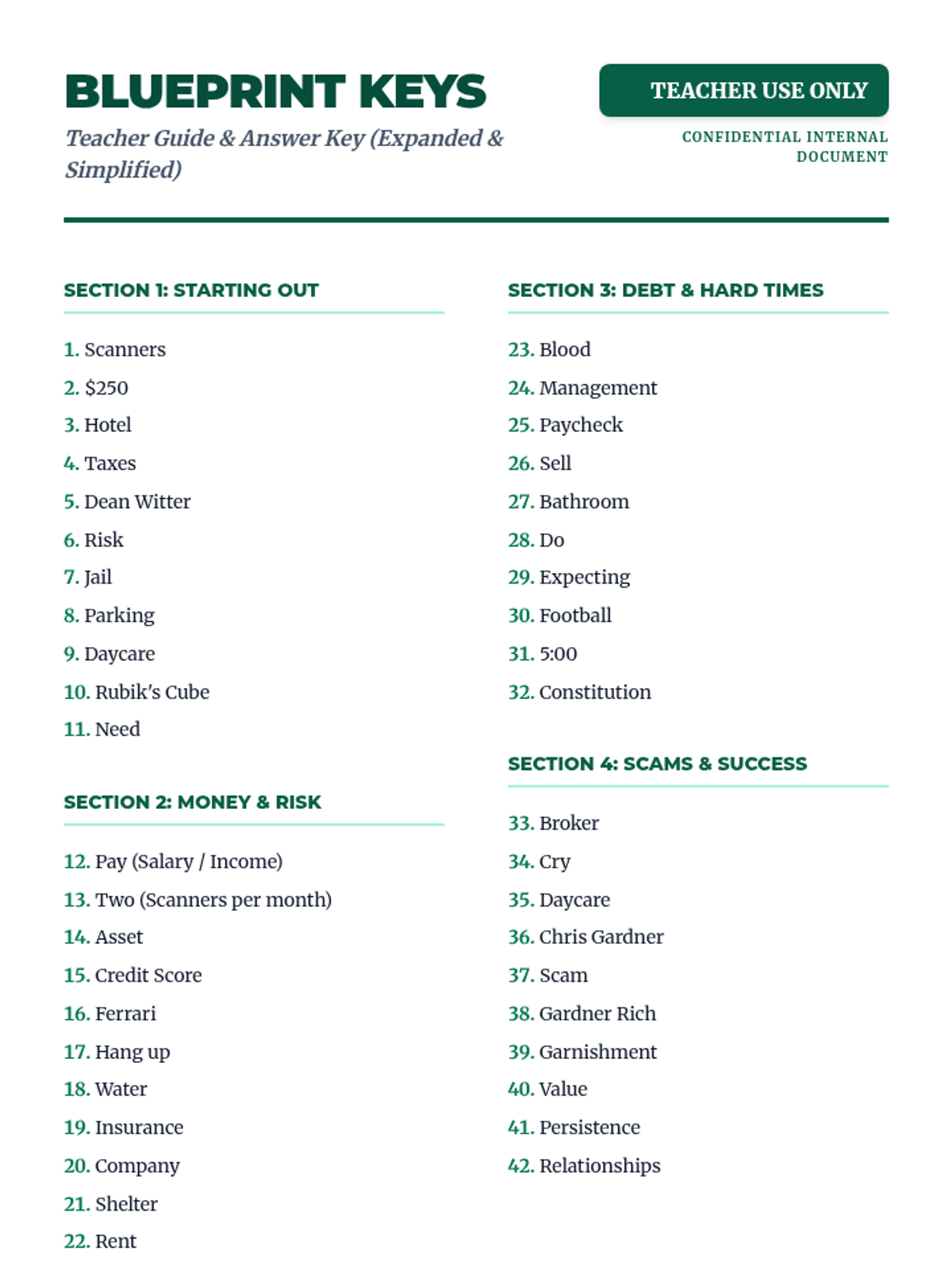
A series of lessons exploring real-world financial concepts through the lens of popular cinema, helping students connect abstract economic theories to relatable human stories.
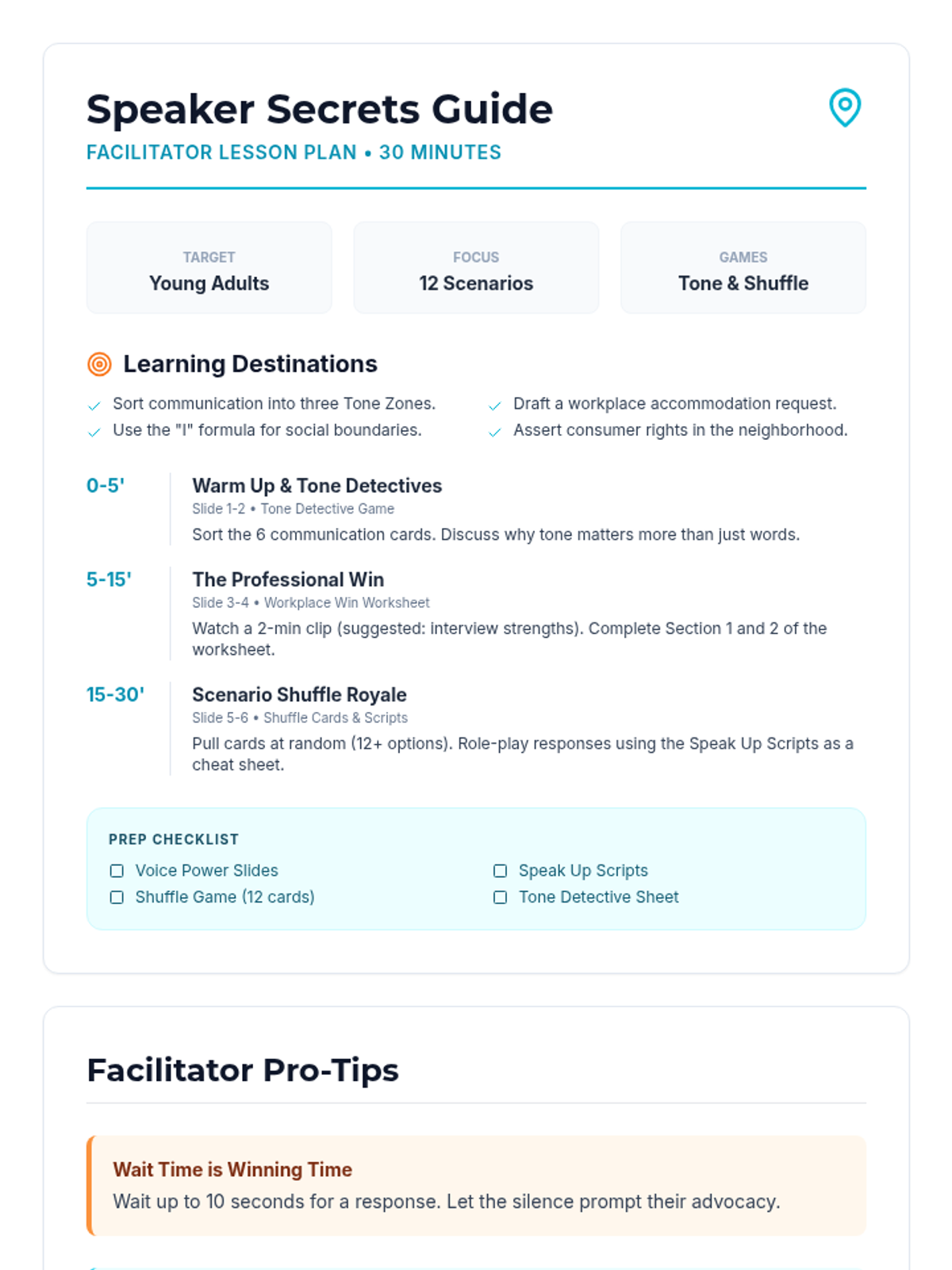
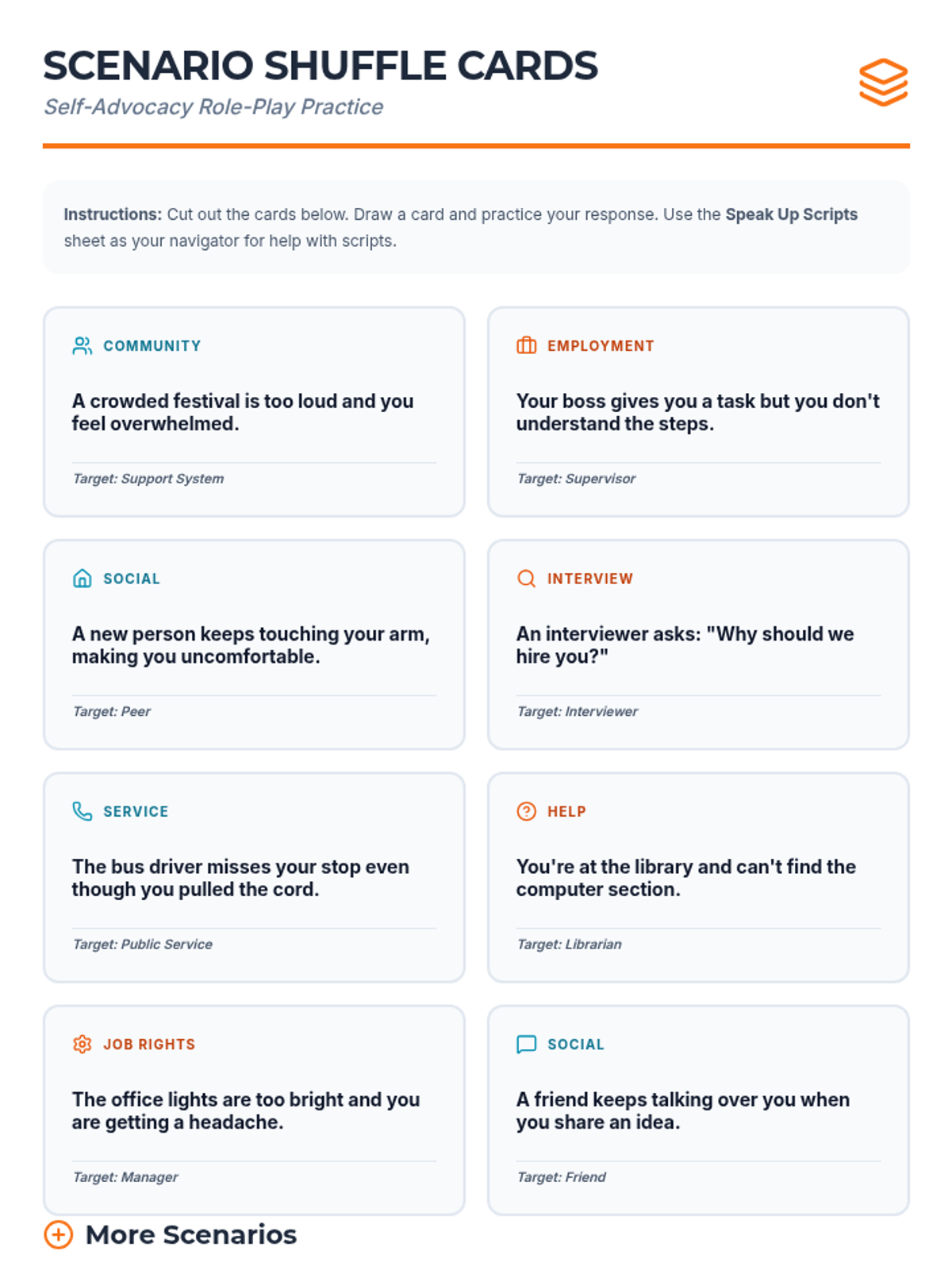
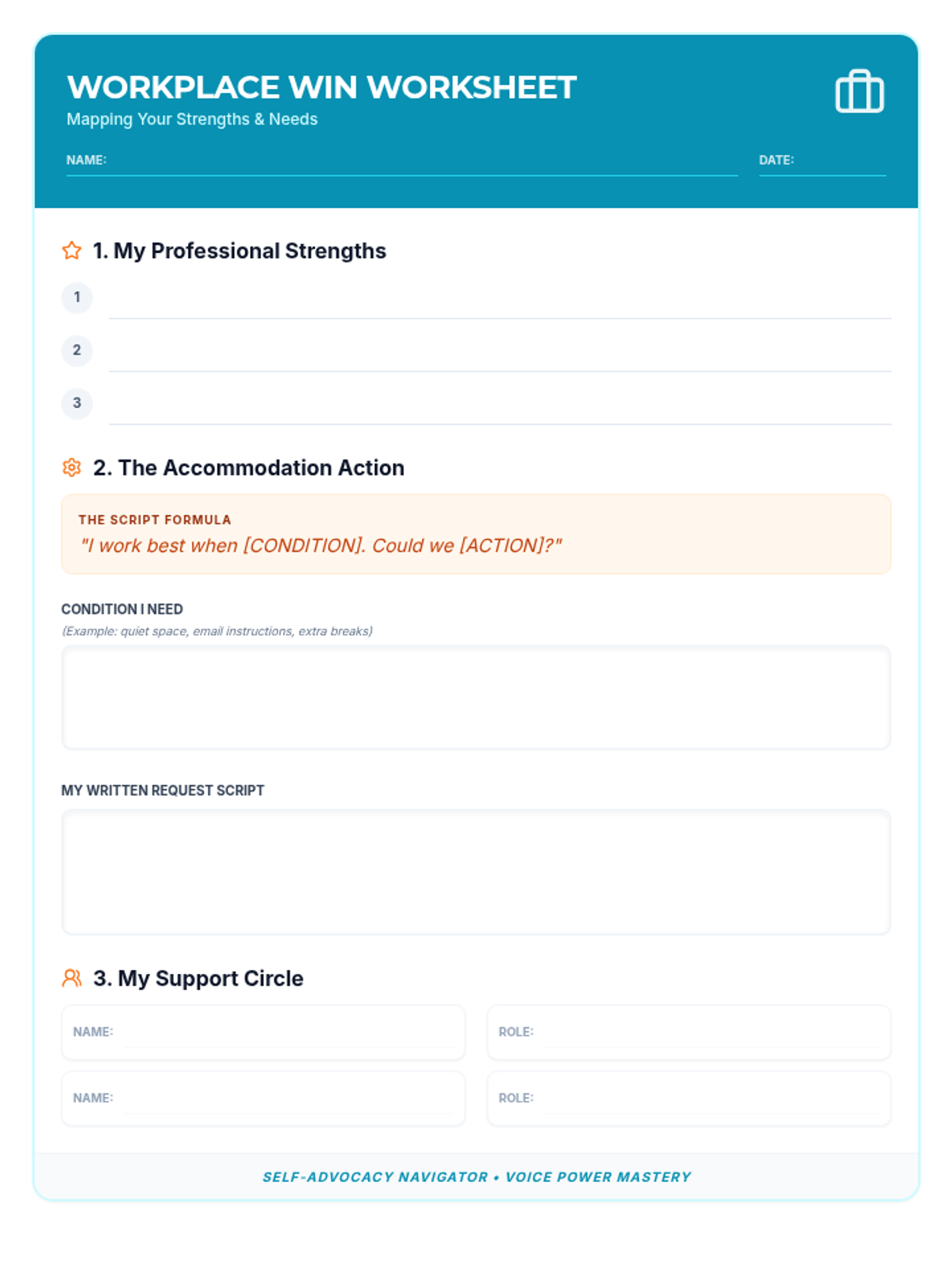
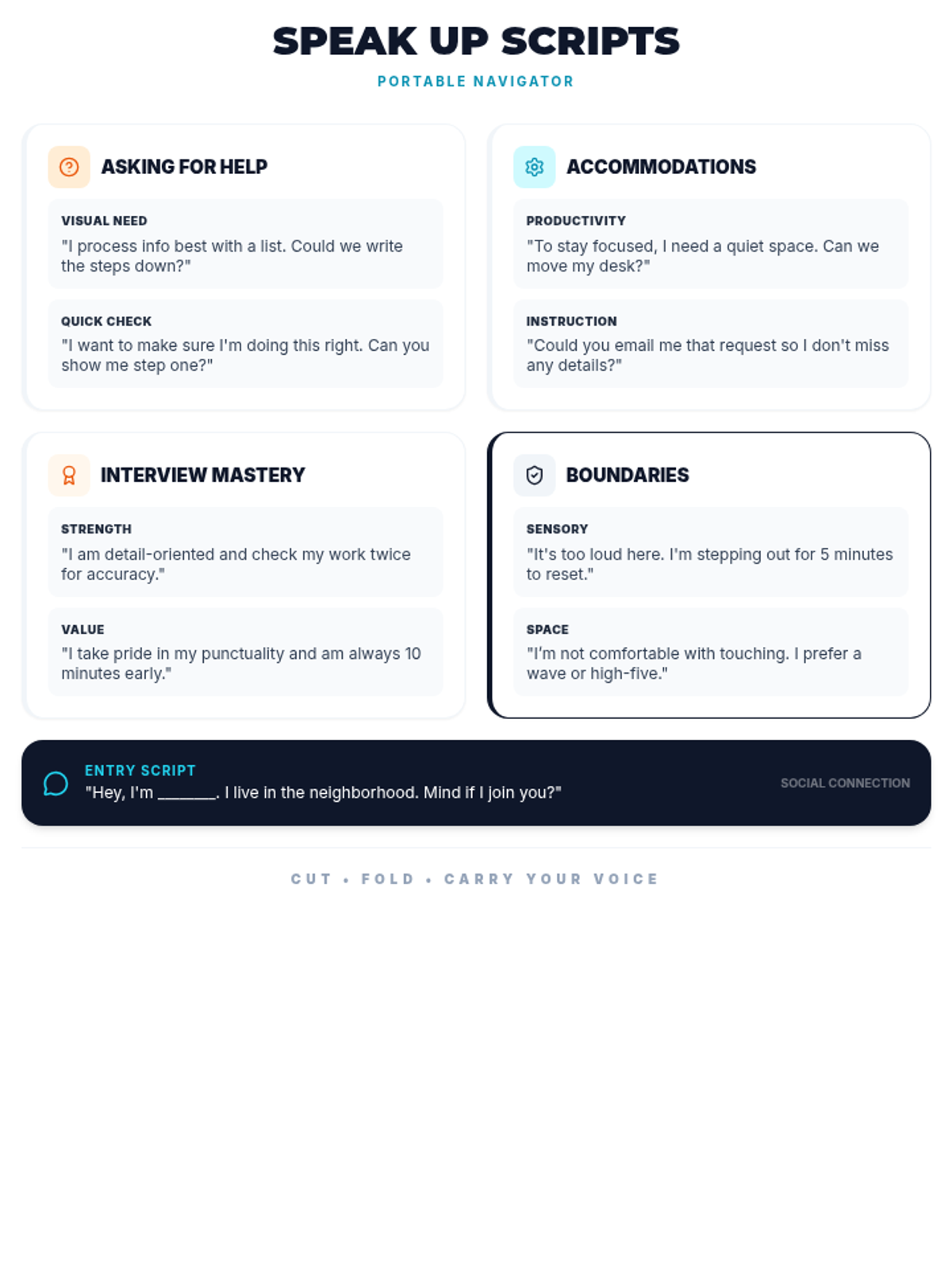
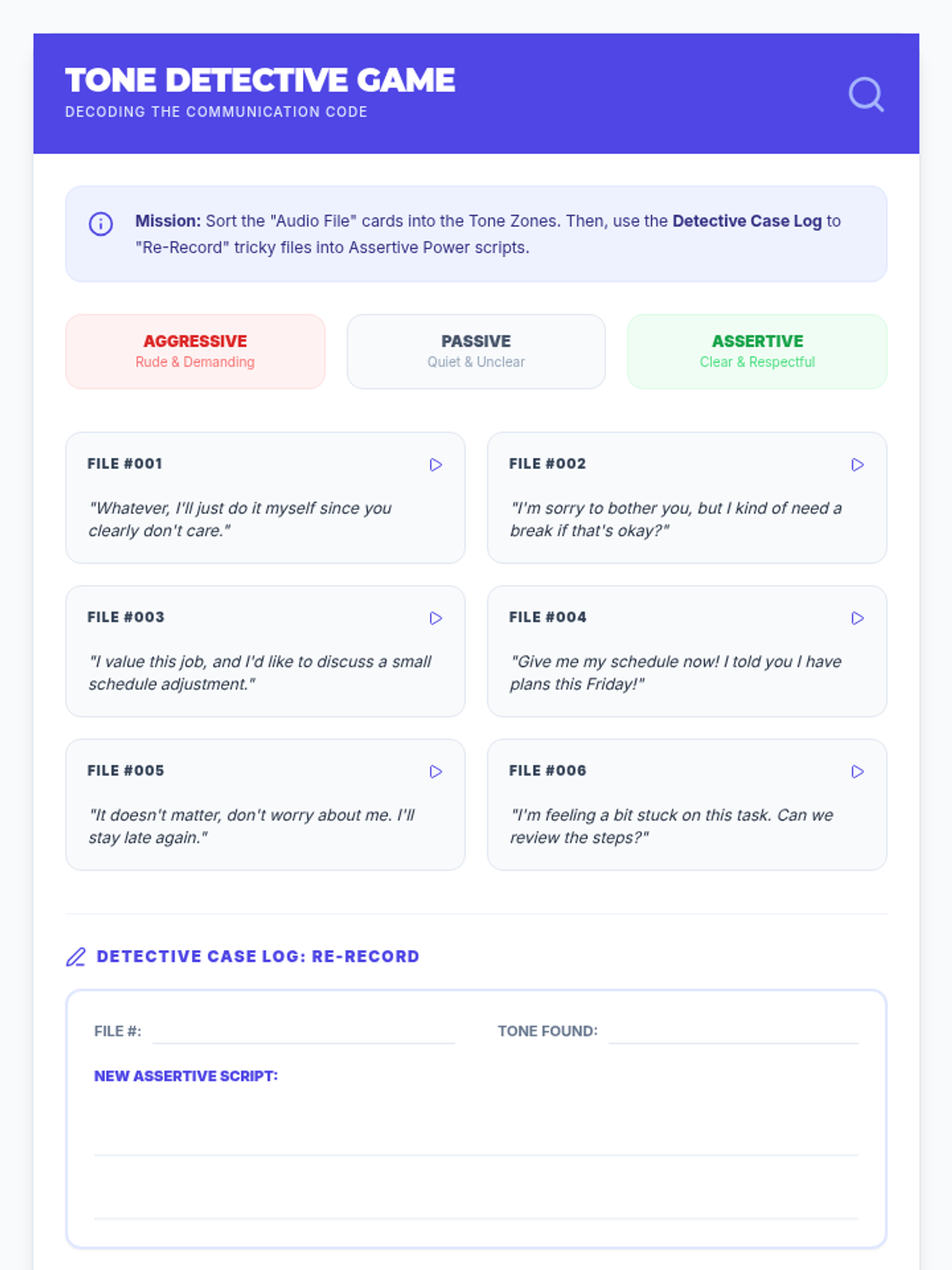
A comprehensive unit designed for young adults to master self-advocacy across workplace, community, and social environments. Through interactive scenarios and guided practice, learners build confidence in asserting their needs and showcasing their strengths.
A comprehensive career readiness sequence focusing on the transition from application to employment, covering resumes, interviewing, and workplace success.
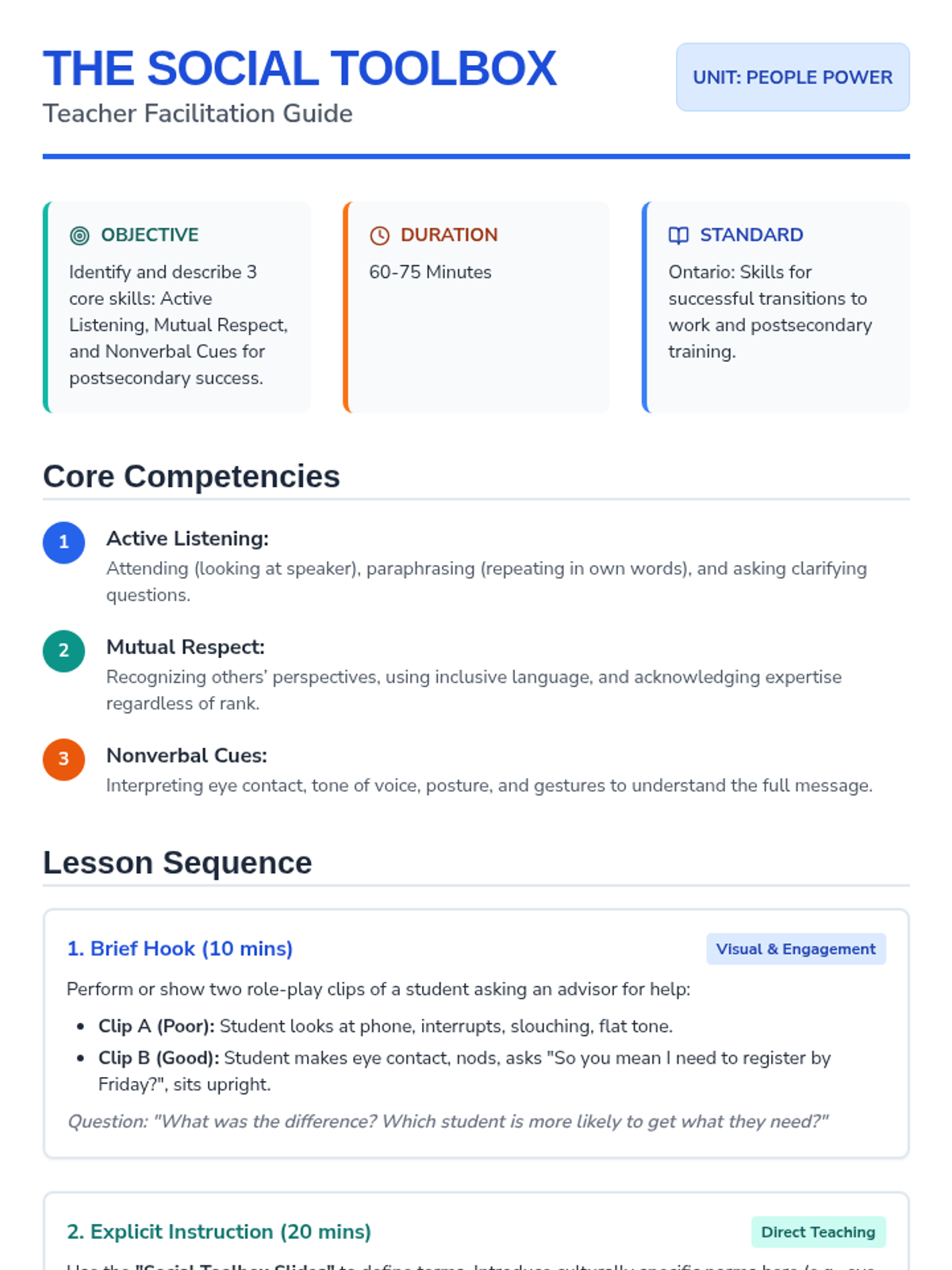
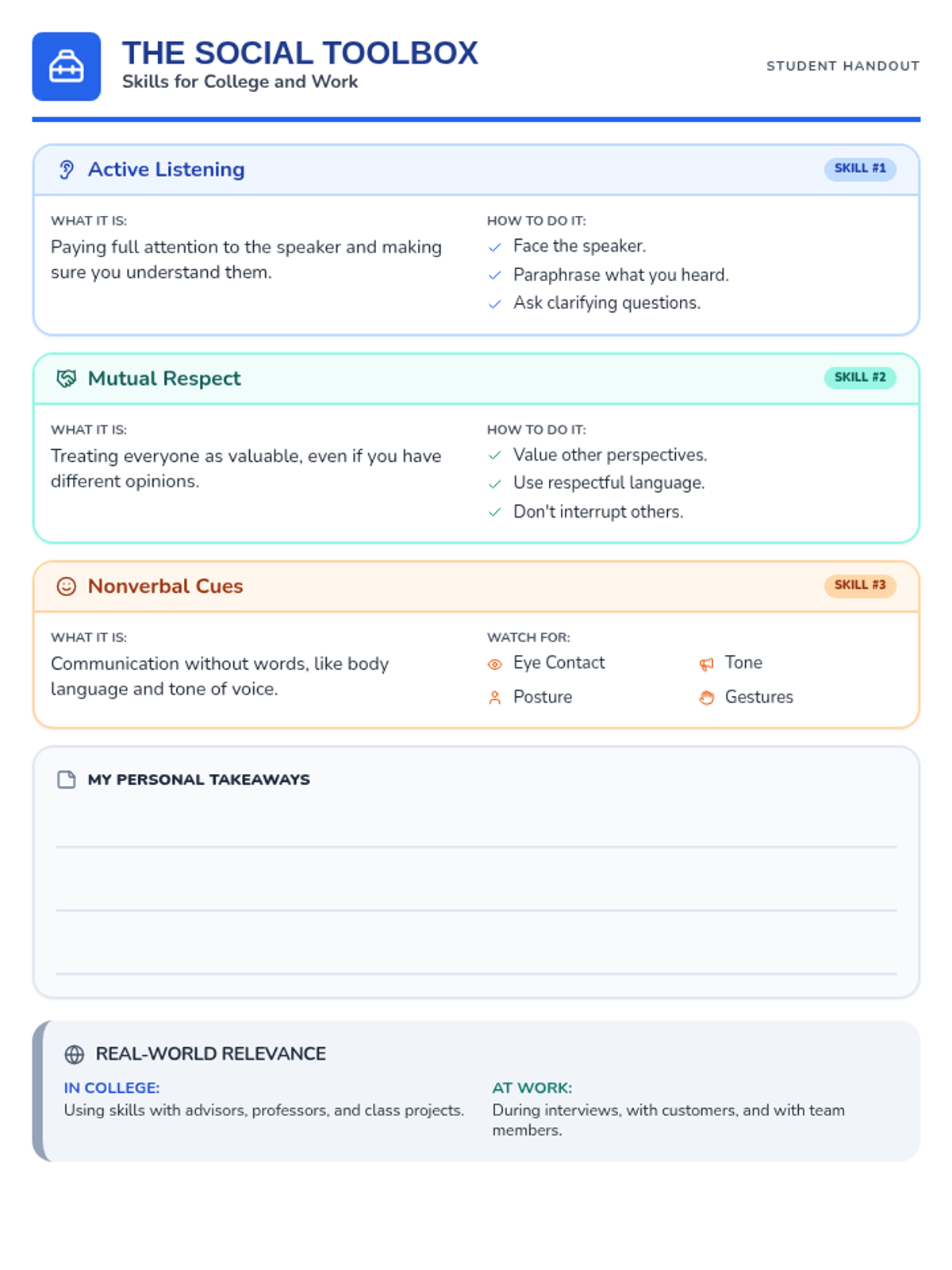
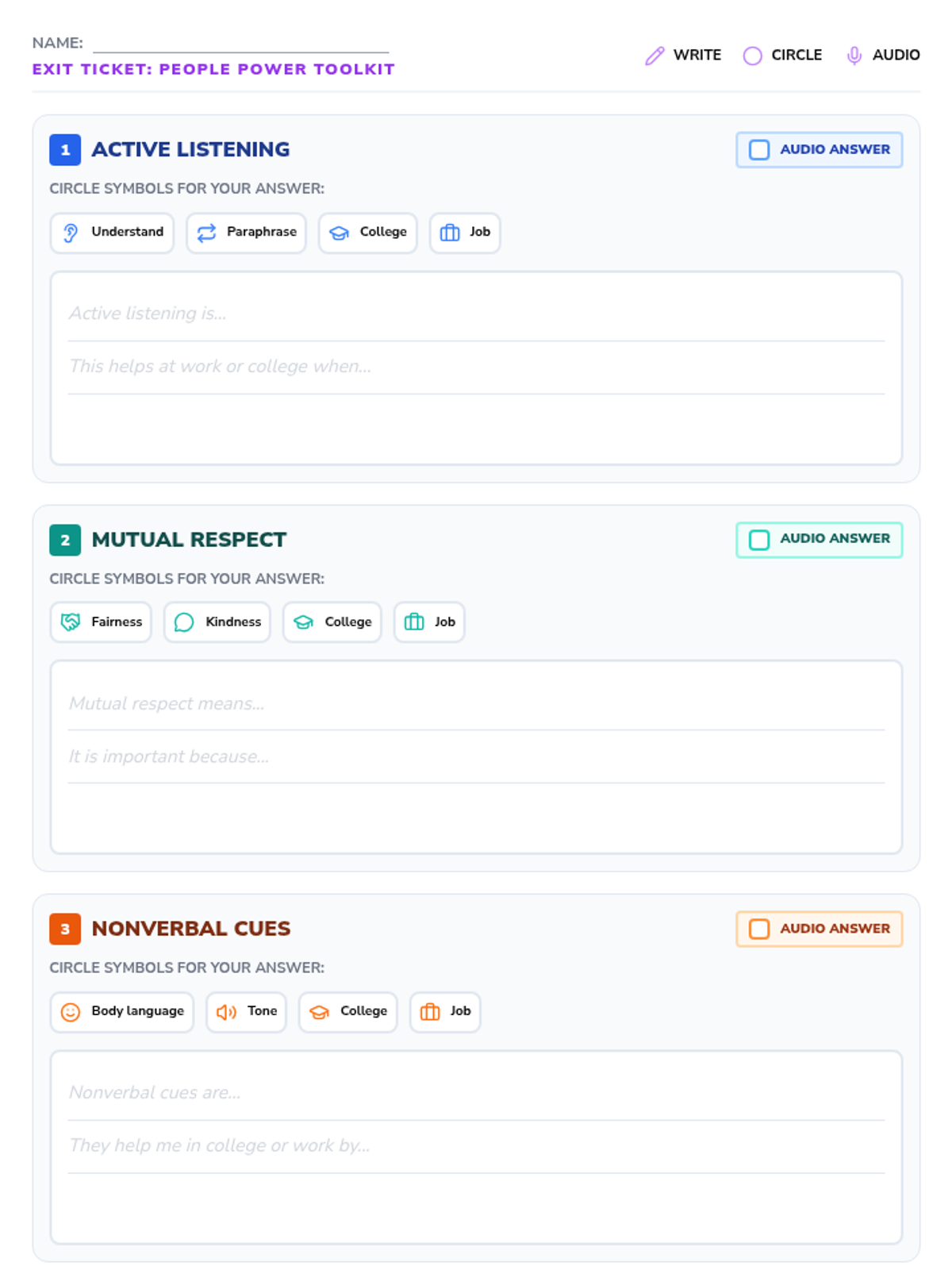
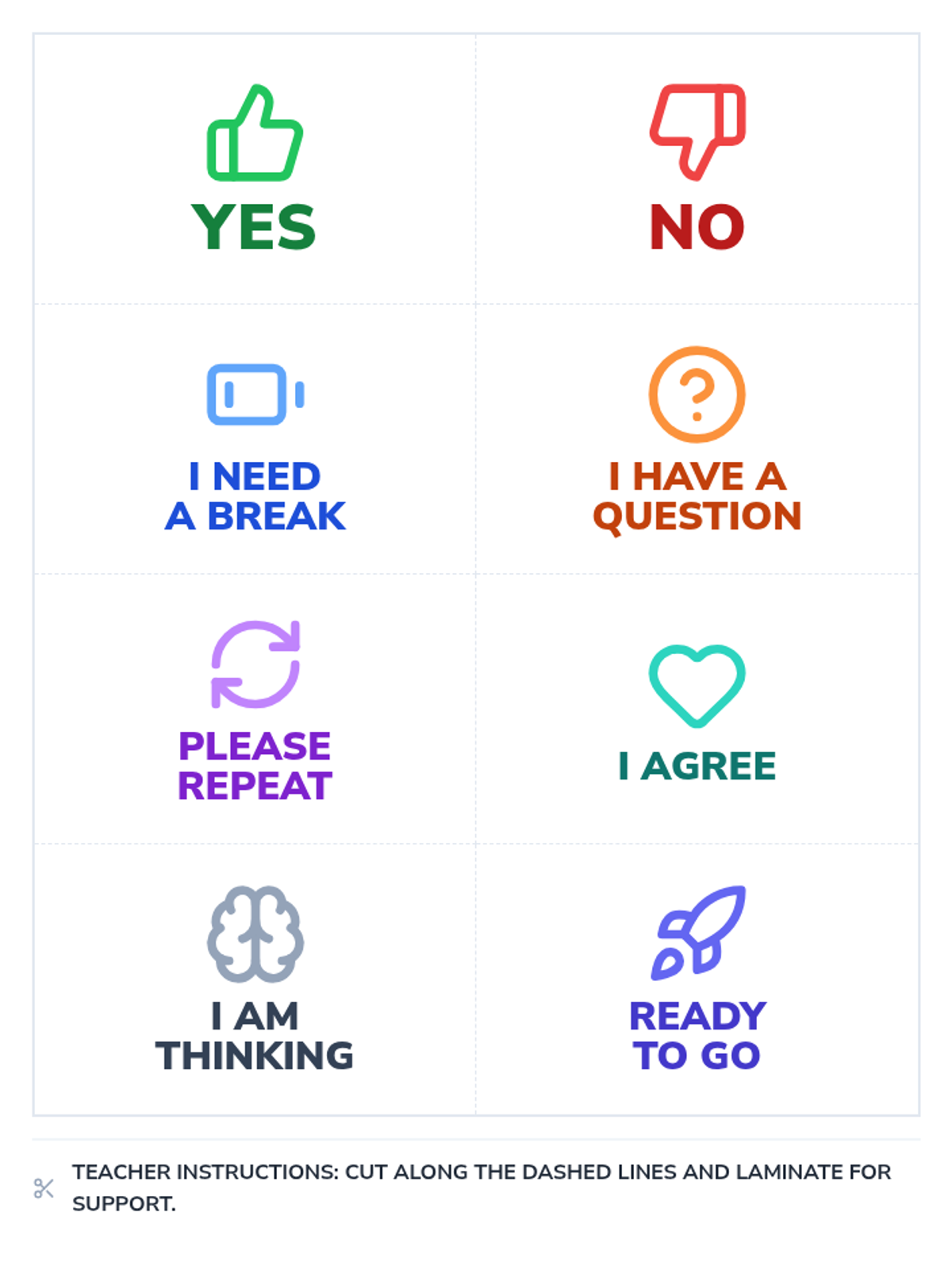
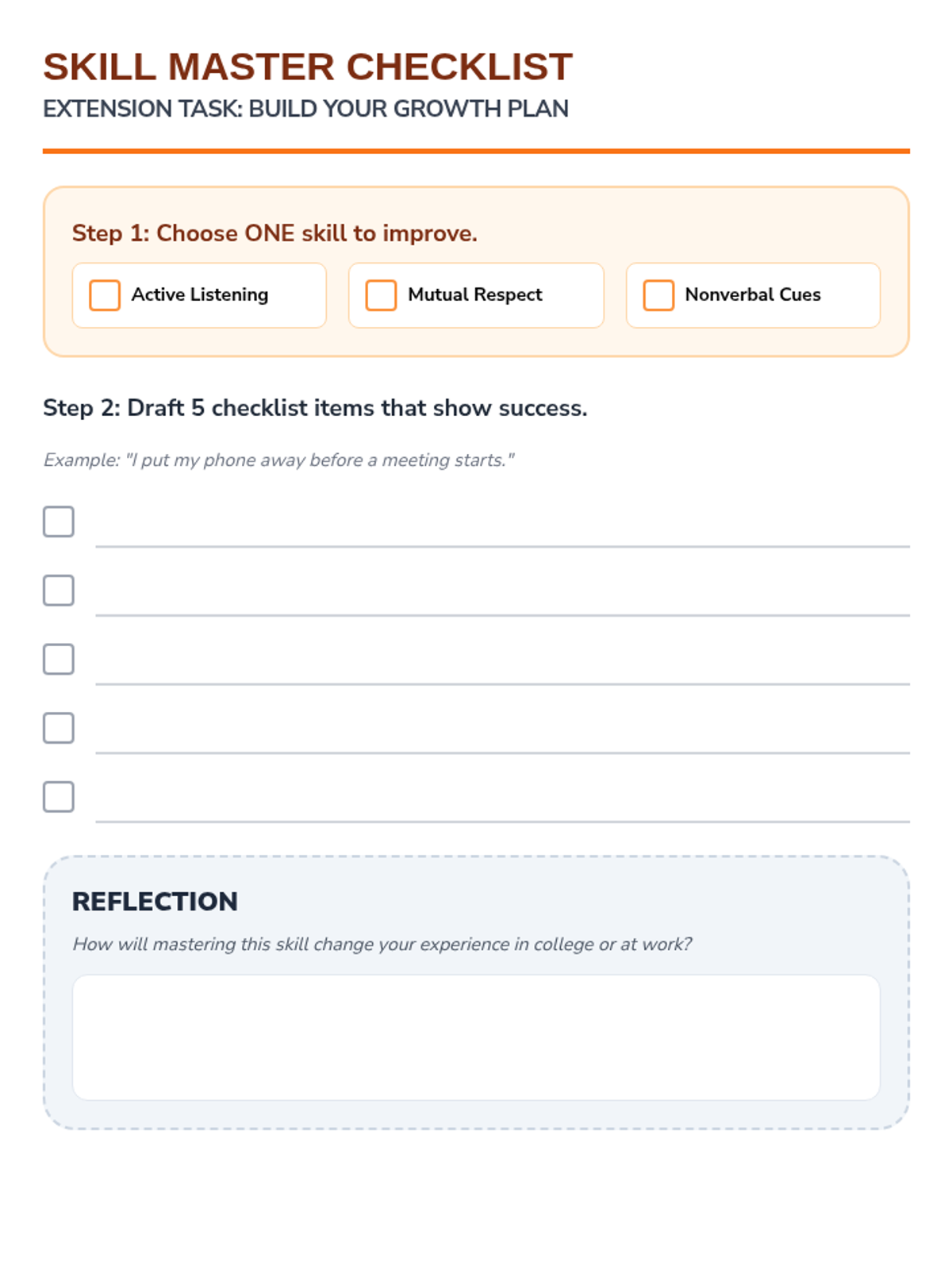
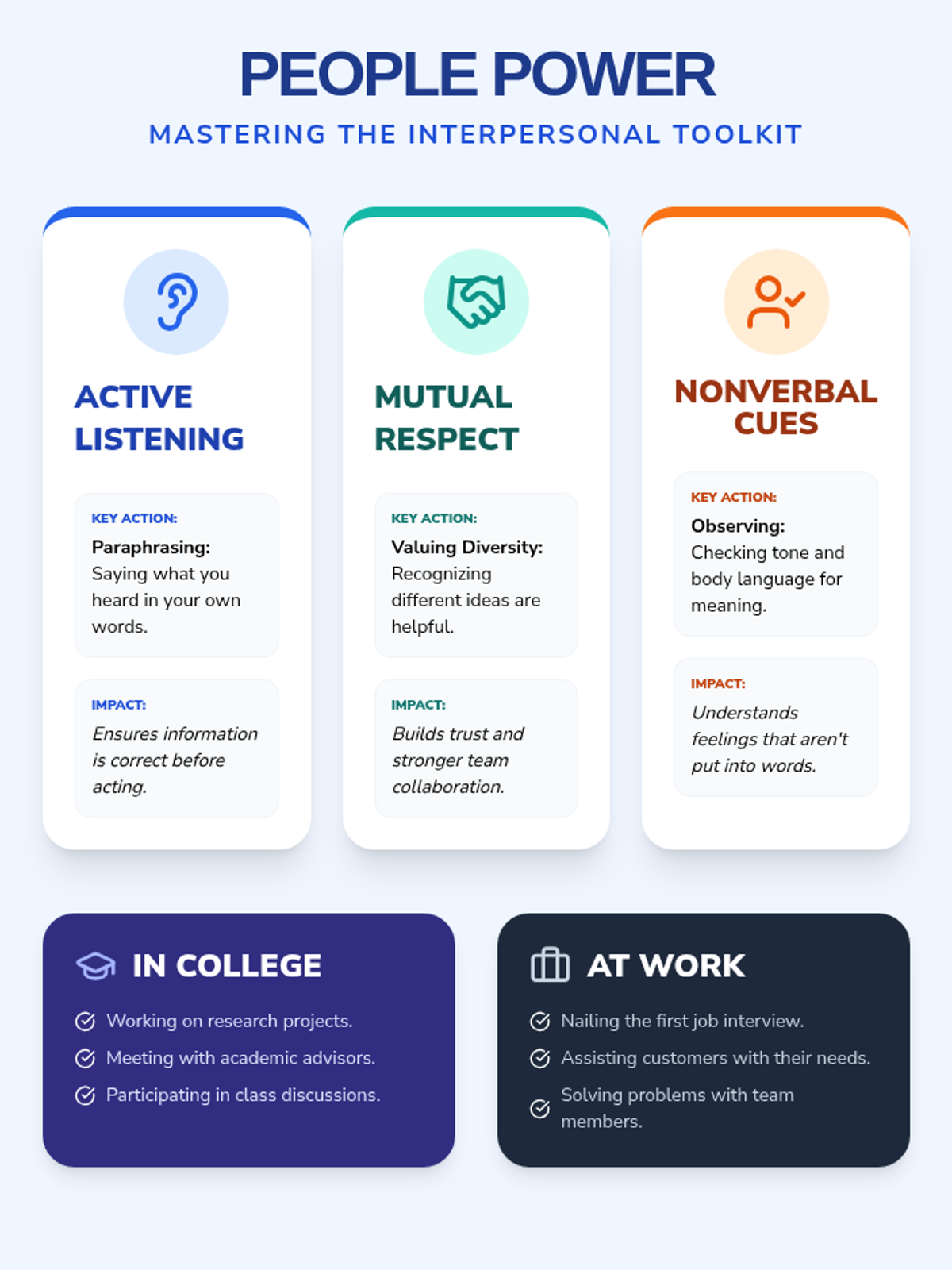
A comprehensive lesson sequence focused on developing core interpersonal skills (active listening, mutual respect, and nonverbal communication) to support student transitions to postsecondary education and the workplace. The materials incorporate Universal Design for Learning (UDL) and culturally responsive practices to ensure accessibility for all learners.
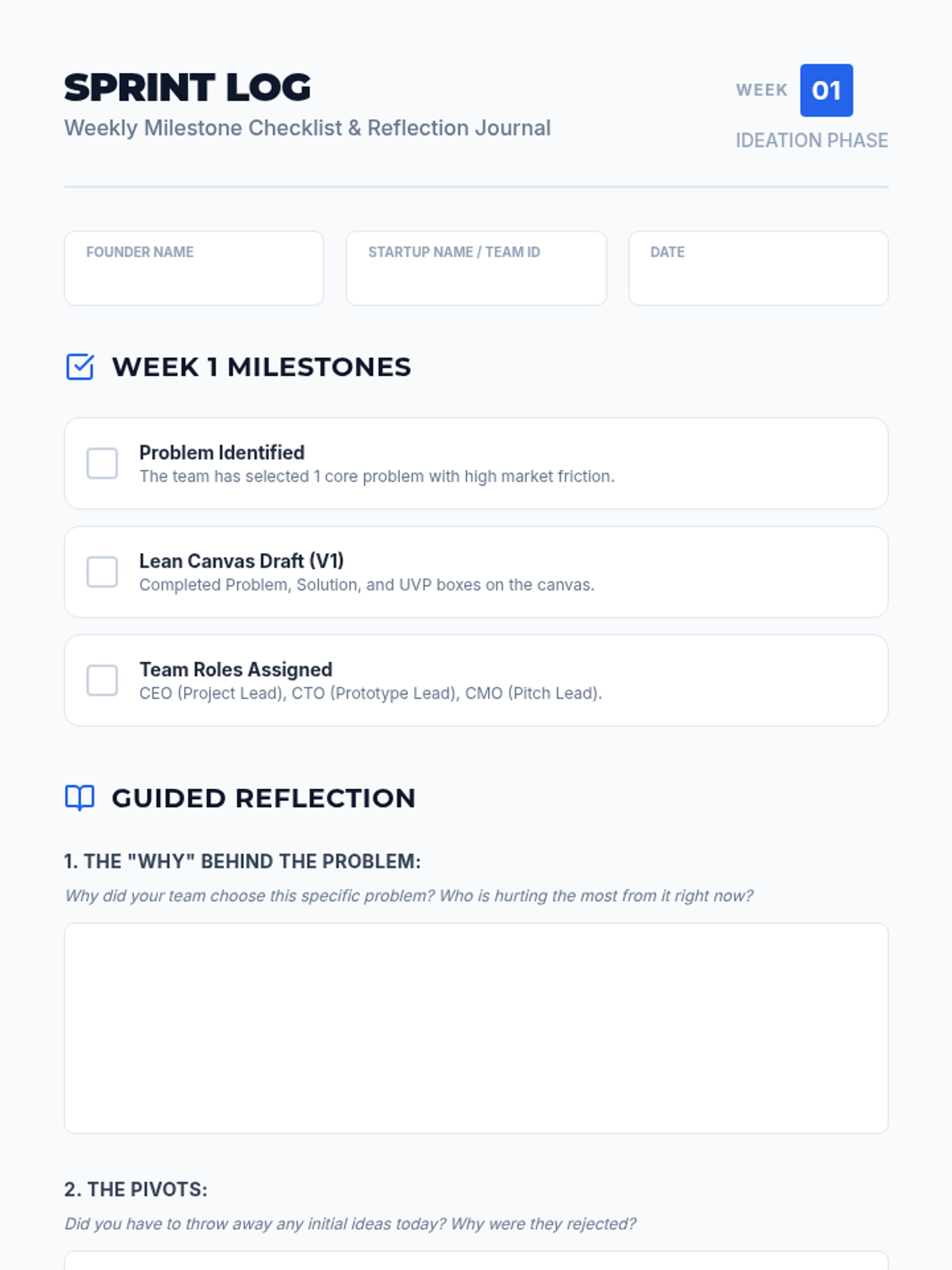
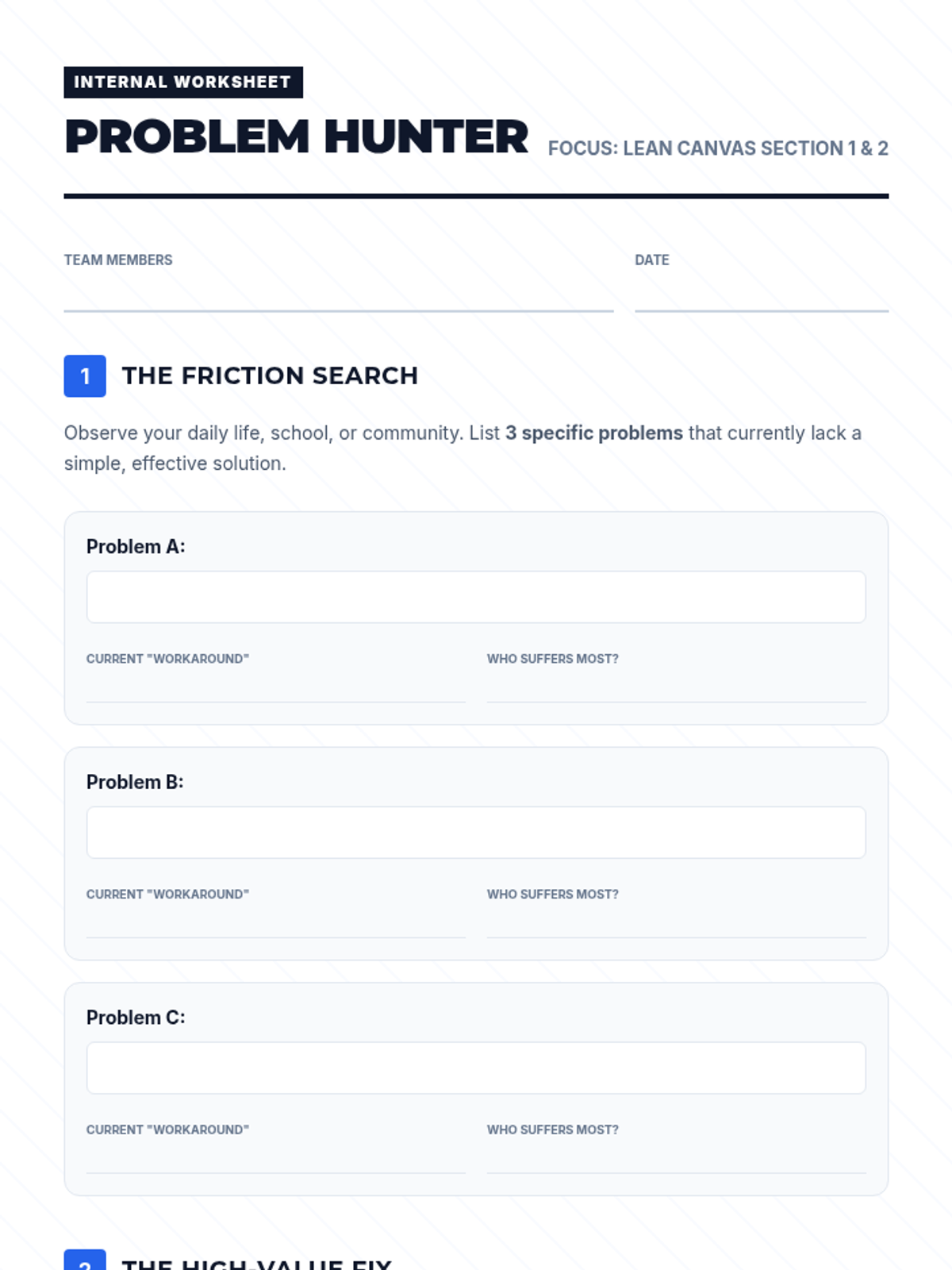
A comprehensive 4-week entrepreneurship project where high school CTE students use the Lean Business Canvas to develop a startup concept, build a tangible prototype, and deliver a professional pitch. Includes weekly reflection journals, milestone checklists, and peer feedback cycles.
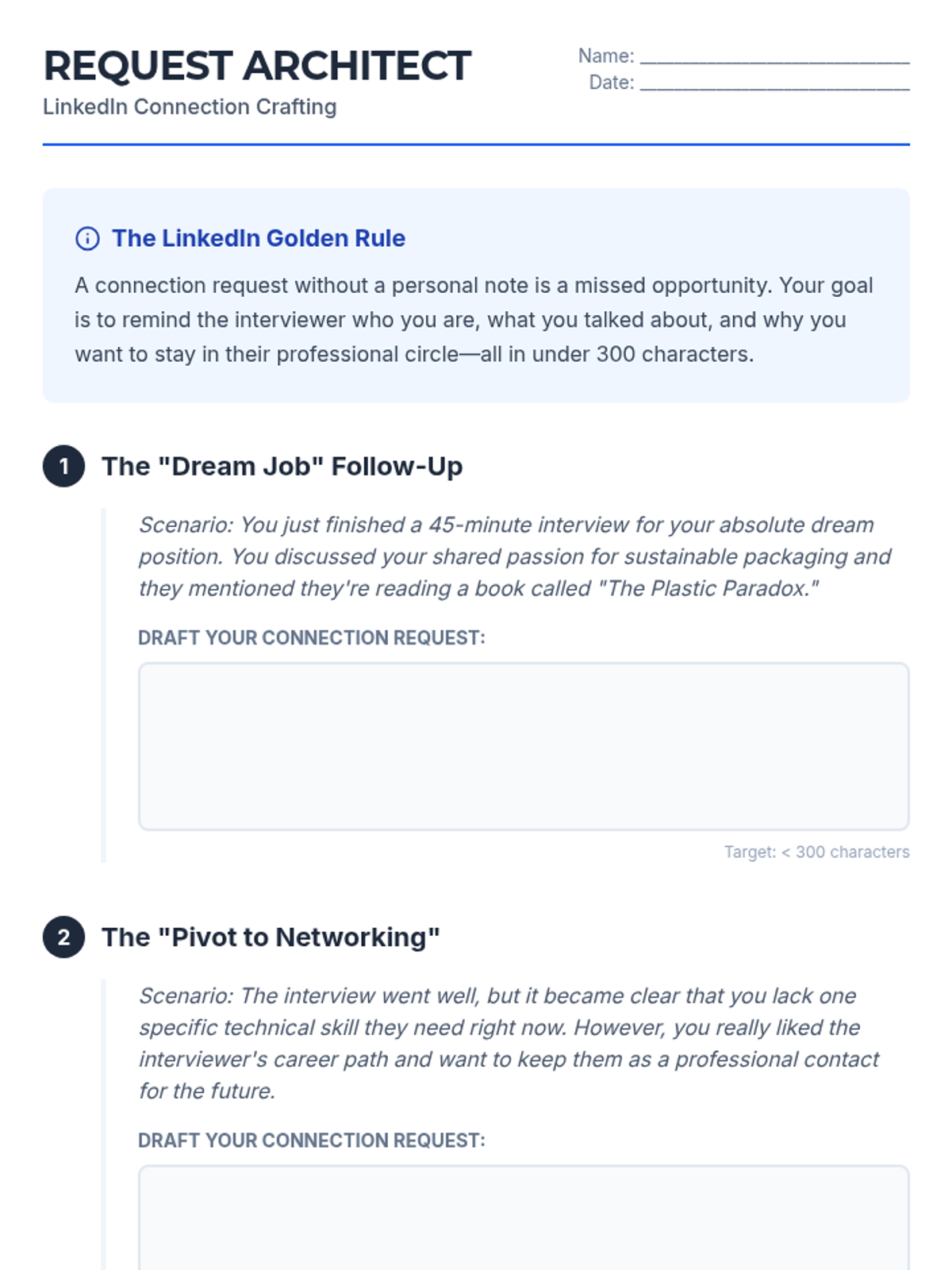
A comprehensive unit for 12th-grade students on leveraging digital tools like LinkedIn and CRM systems to maintain professional relationships and manage their digital footprint following interviews.
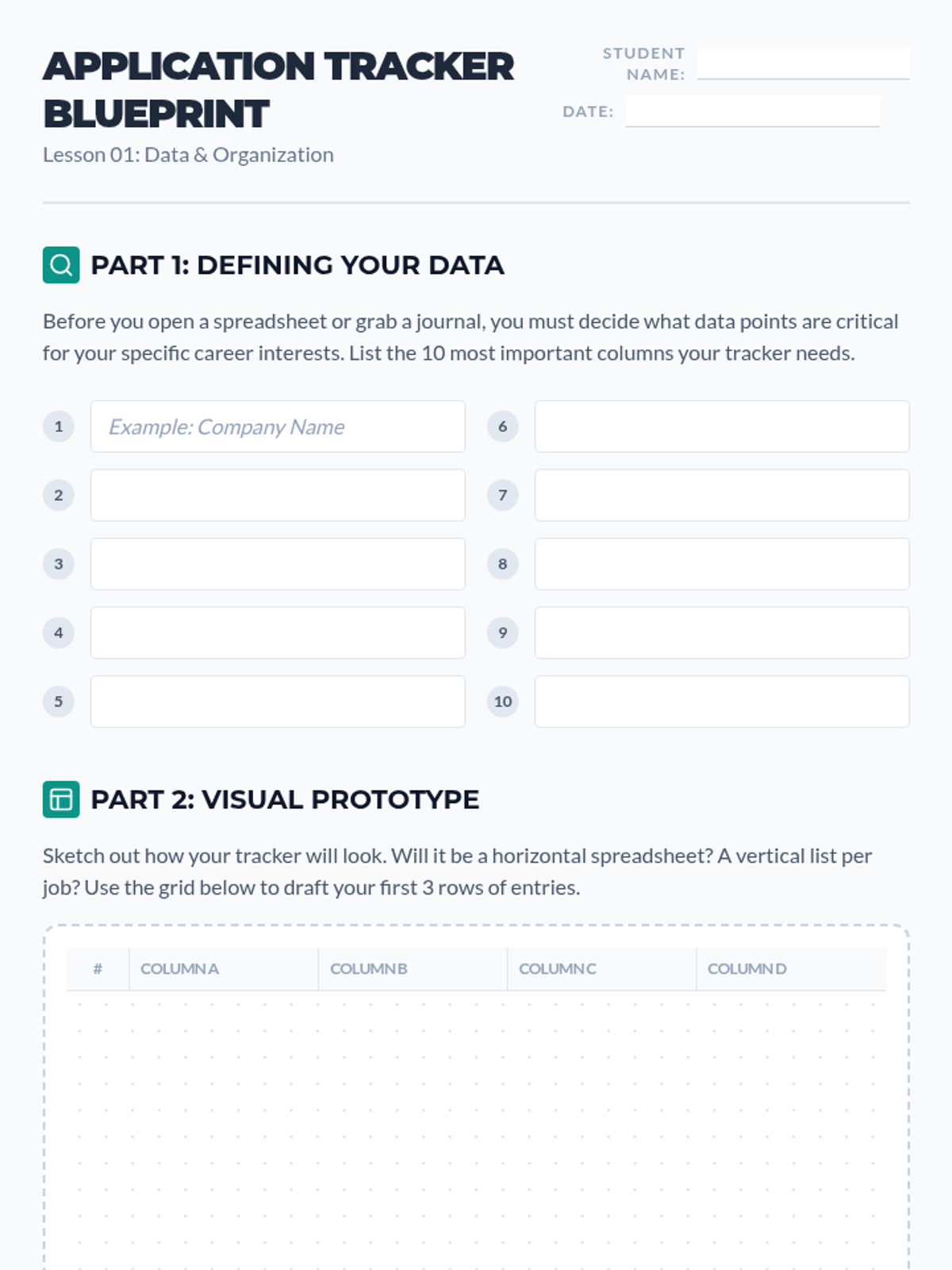
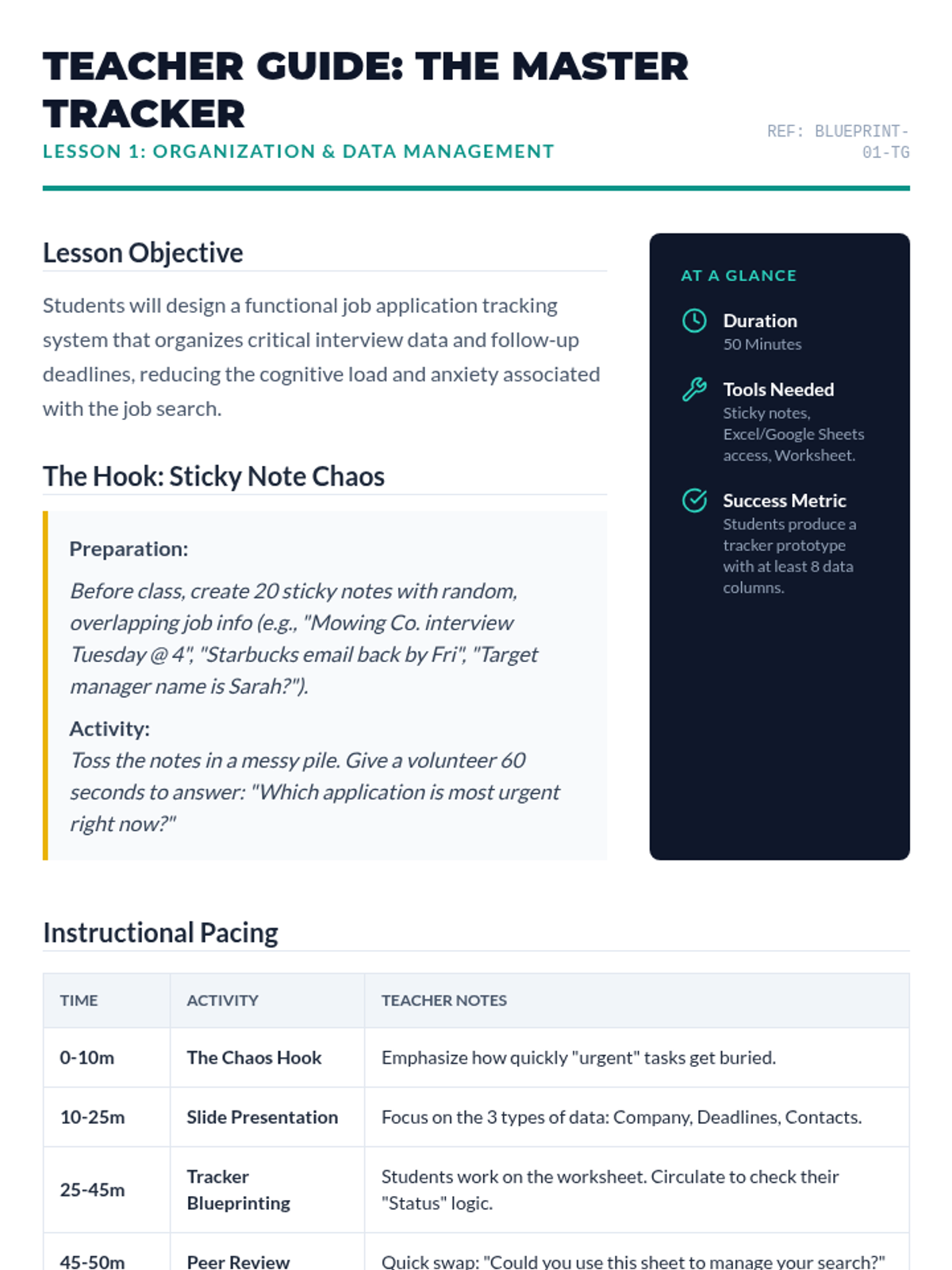
Students build a comprehensive Interview Follow-Up Toolkit, designing reusable systems like trackers, email templates, and reference sheets to manage the job search process with organization and confidence.
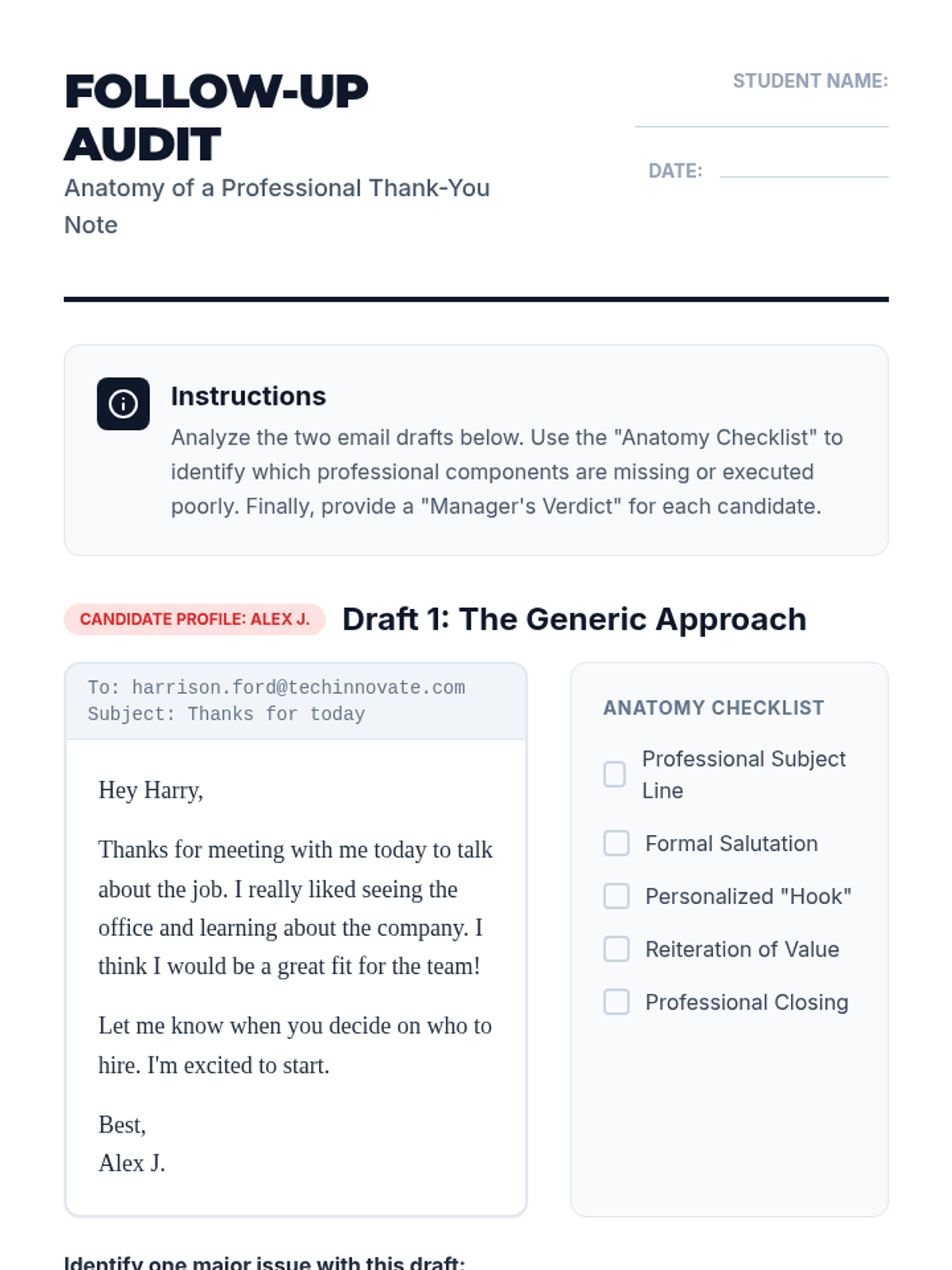
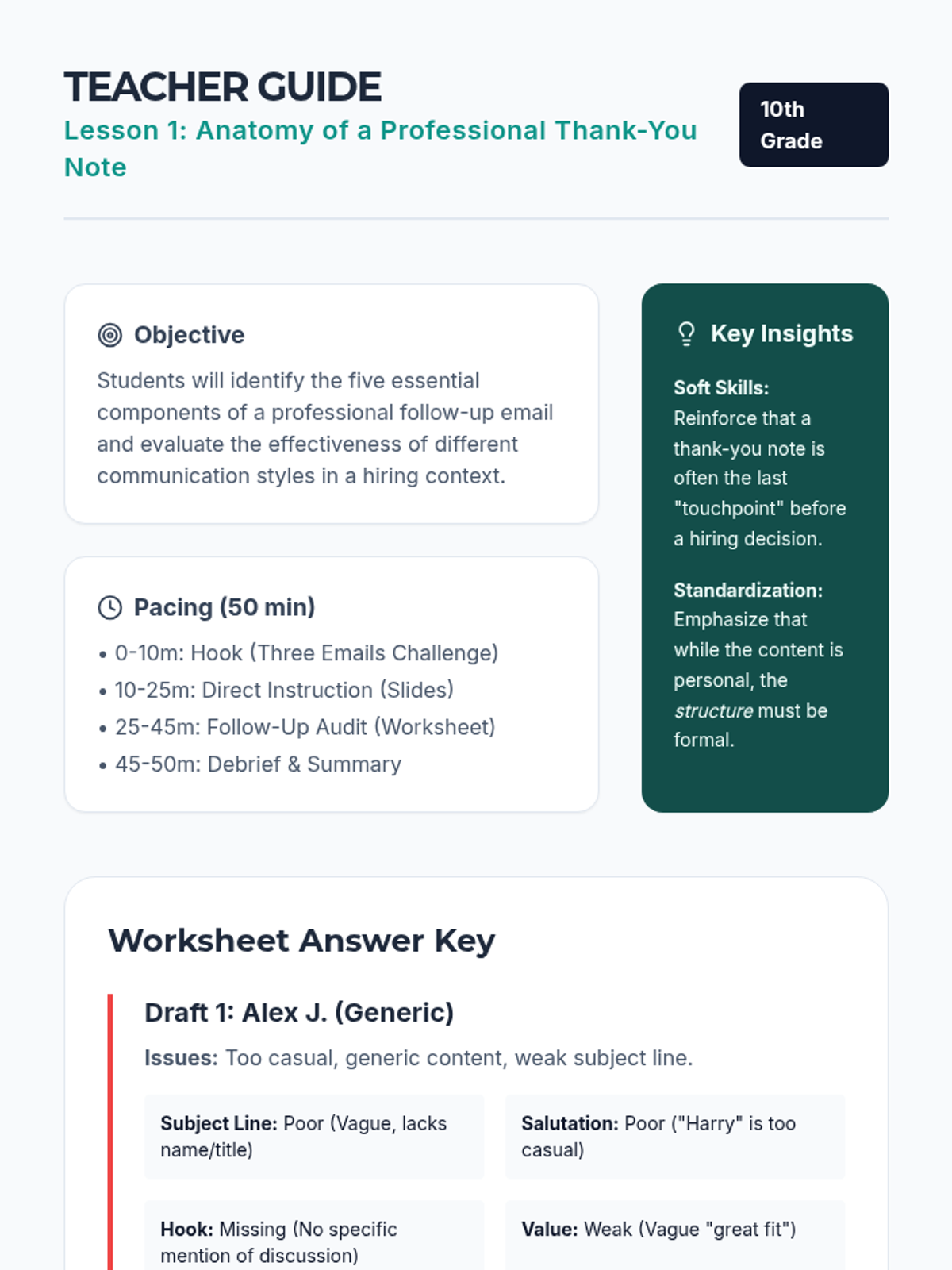
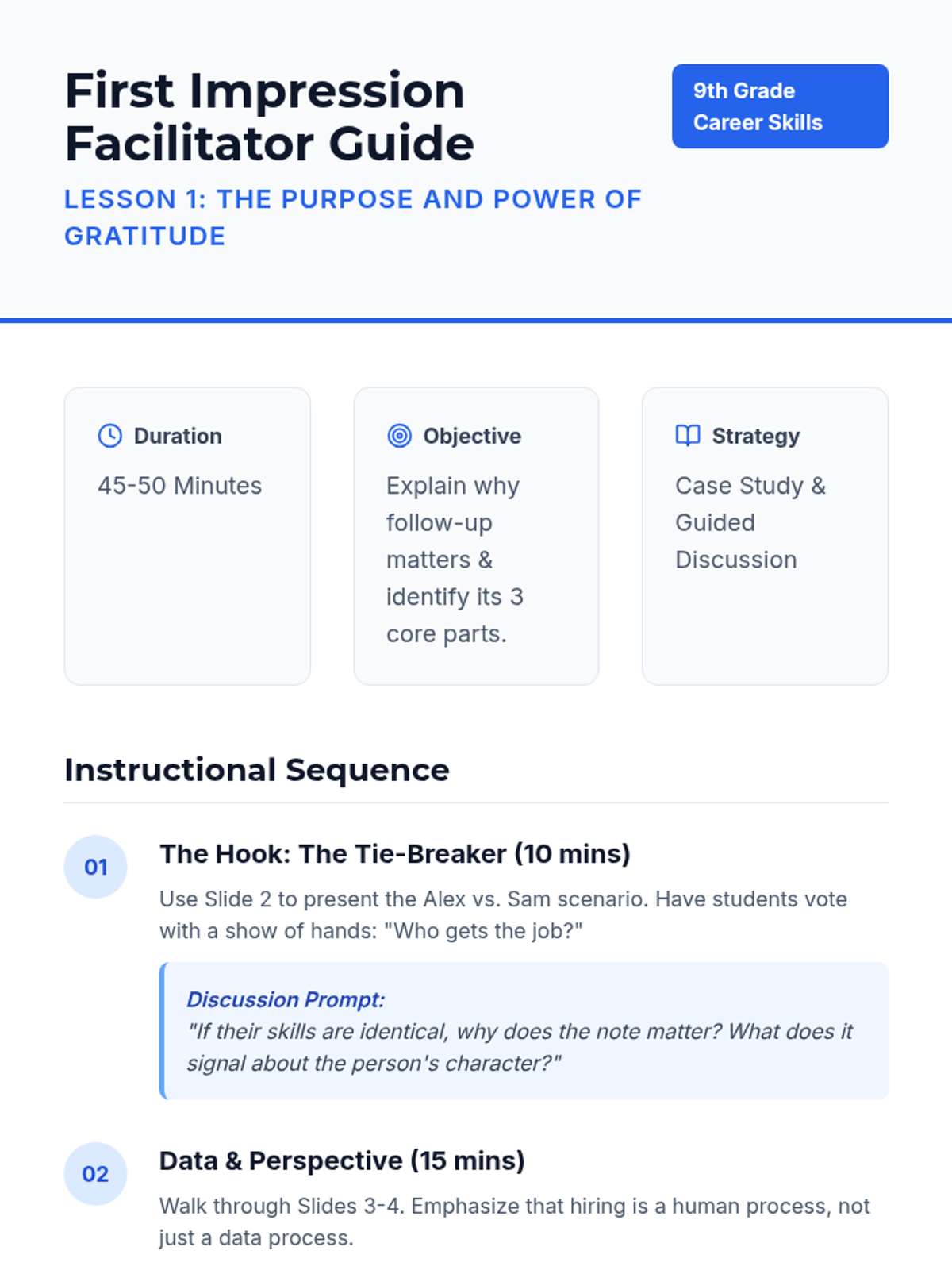
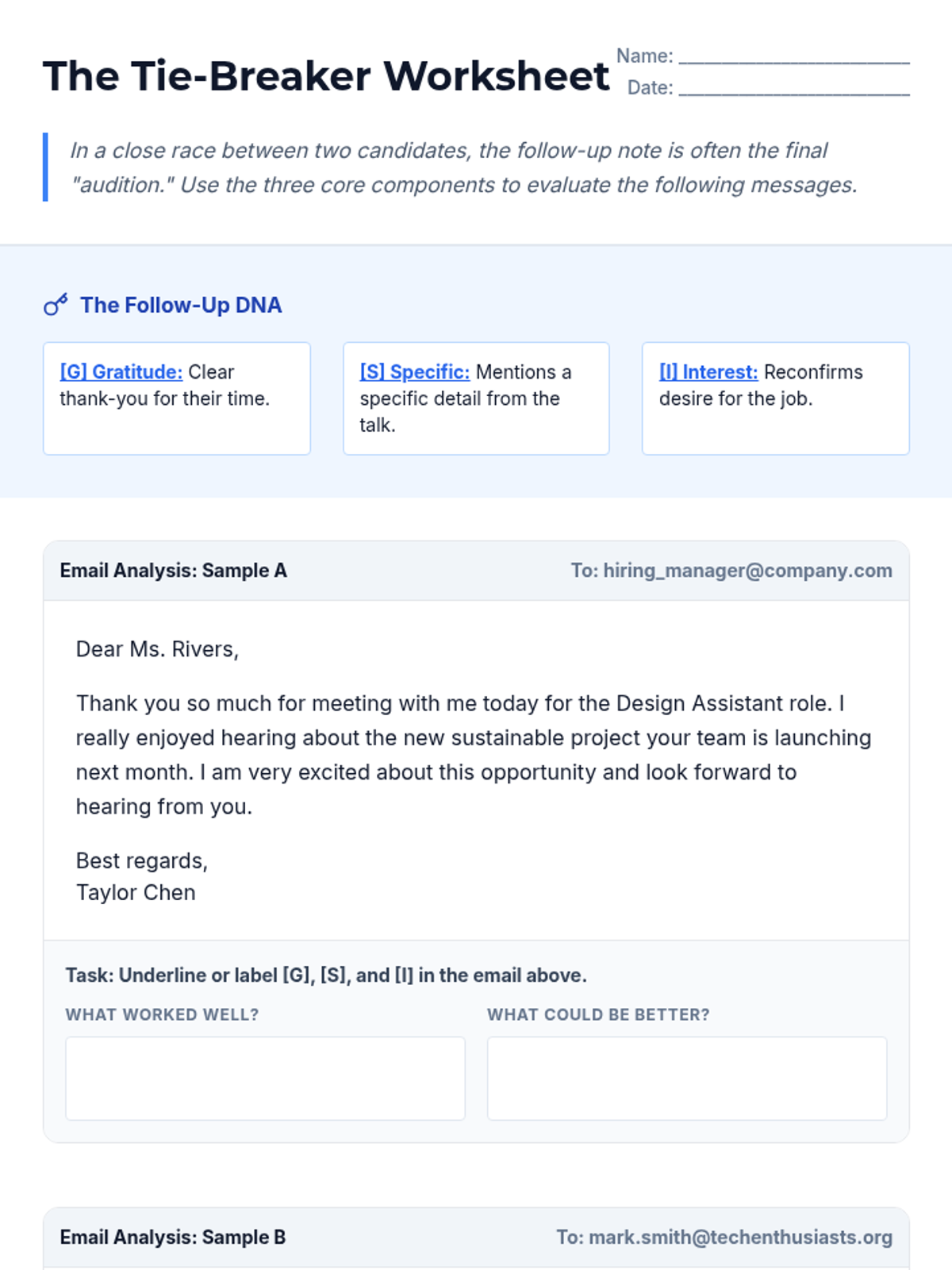
A comprehensive writing workshop for 10th-grade students focusing on the mechanics, tone, and strategic importance of post-interview follow-up communication. Students progress from analyzing standard structures to drafting personalized, professional emails for various interview scenarios.
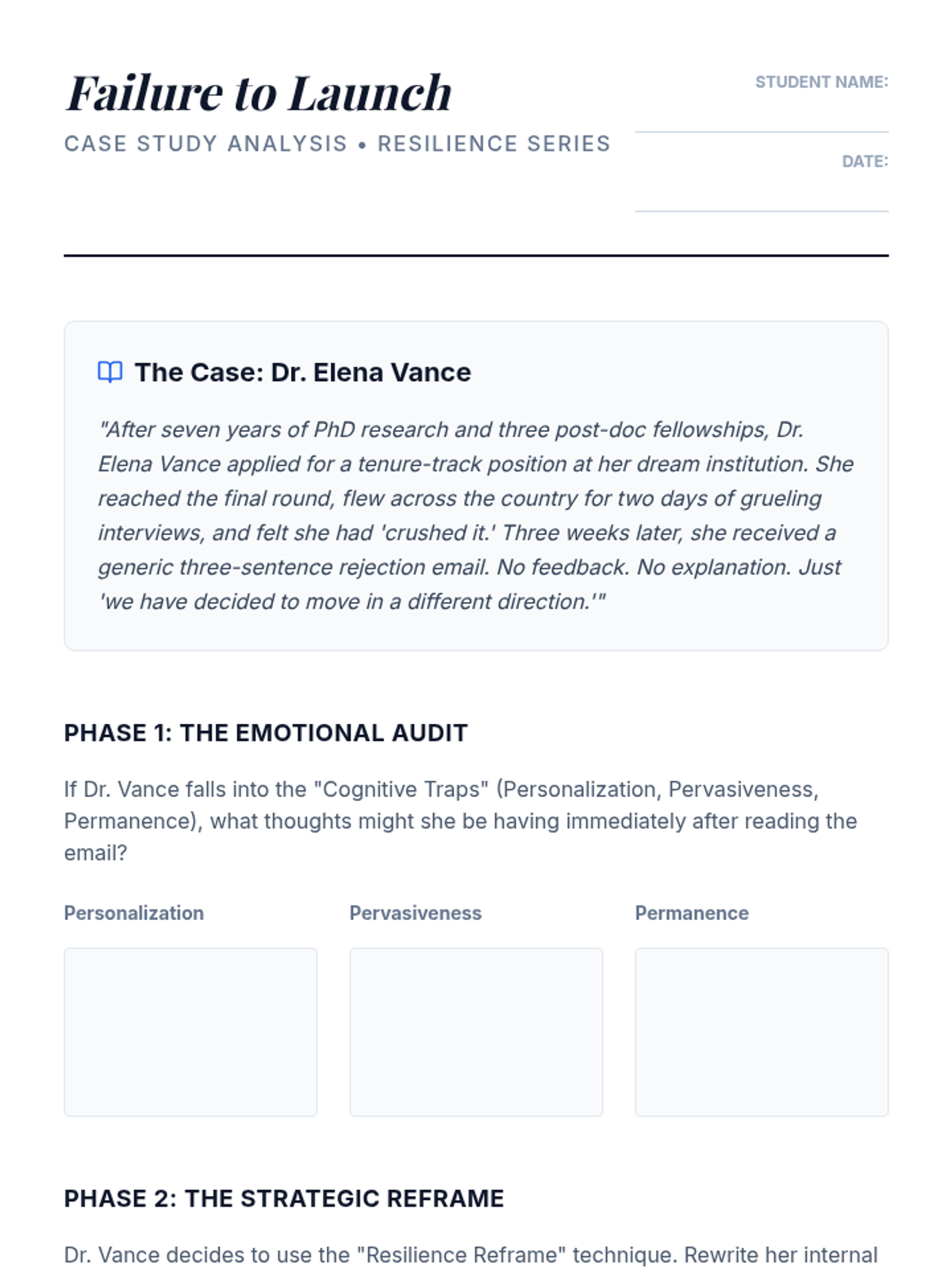
A comprehensive sequence for graduate students focused on converting interview setbacks into networking opportunities and long-term career growth through professional resilience, feedback solicitation, and relationship management.
A comprehensive guide for graduate students on navigating the complexities of post-interview logistics, recruitment cycles, and managing multiple job offers with professional etiquette.
This graduate-level sequence focuses on post-interview communication as a strategic tool. Students learn to analyze interview performance, draft value-driven correspondence, mitigate weaknesses, and navigate complex stakeholder dynamics to reinforce their professional brand.
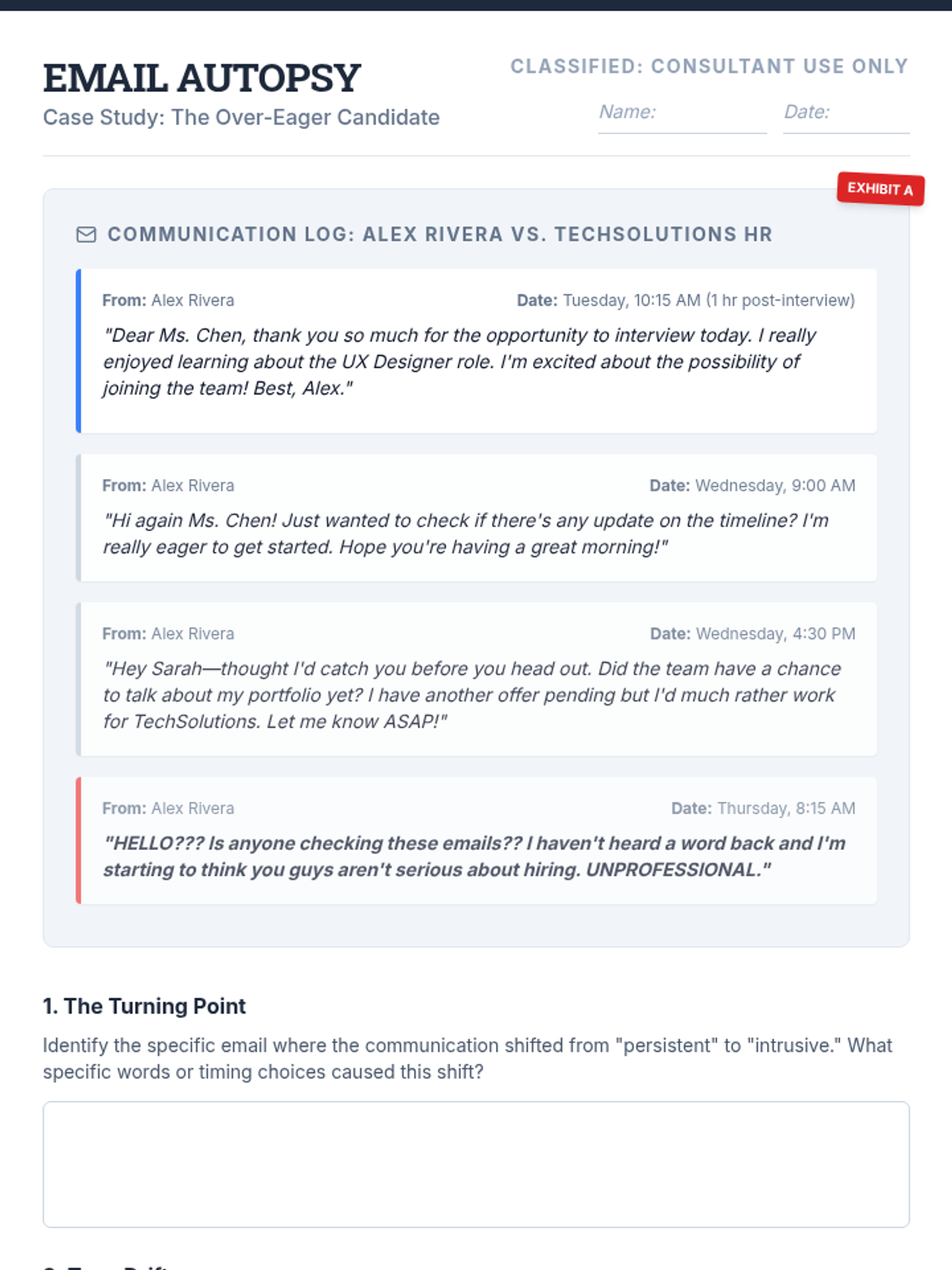
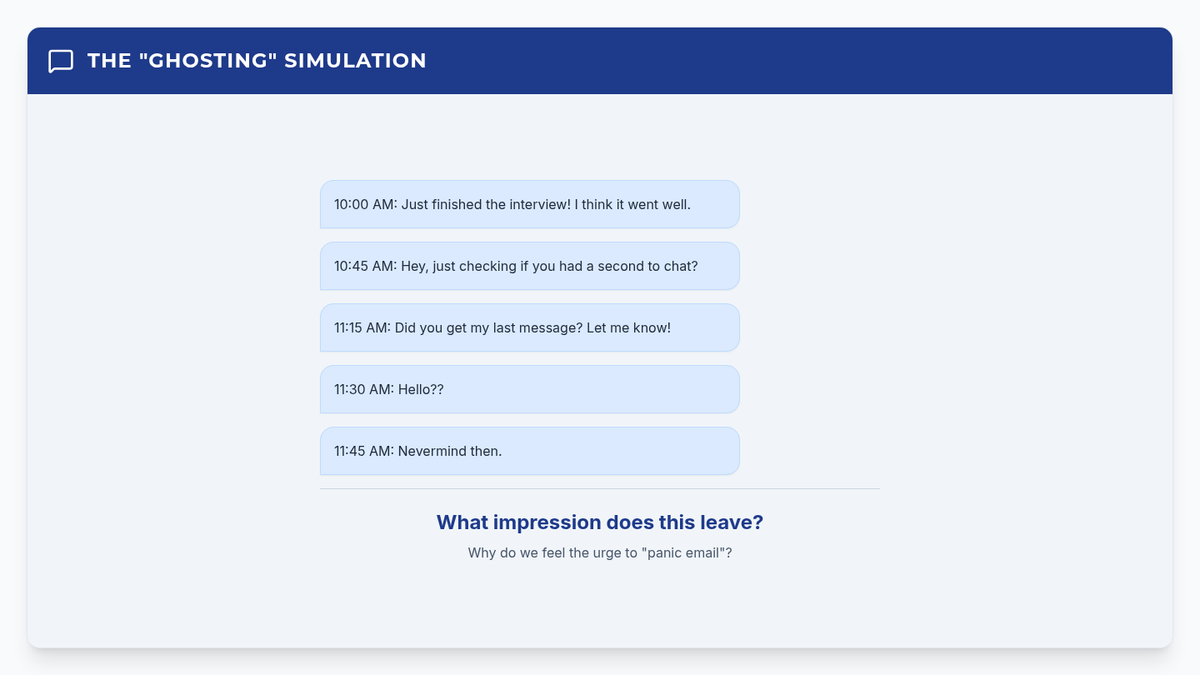
A case-study-driven unit where 12th-grade students act as communication consultants to analyze and refine professional interview follow-up strategies, focusing on tone, timing, and ethics.
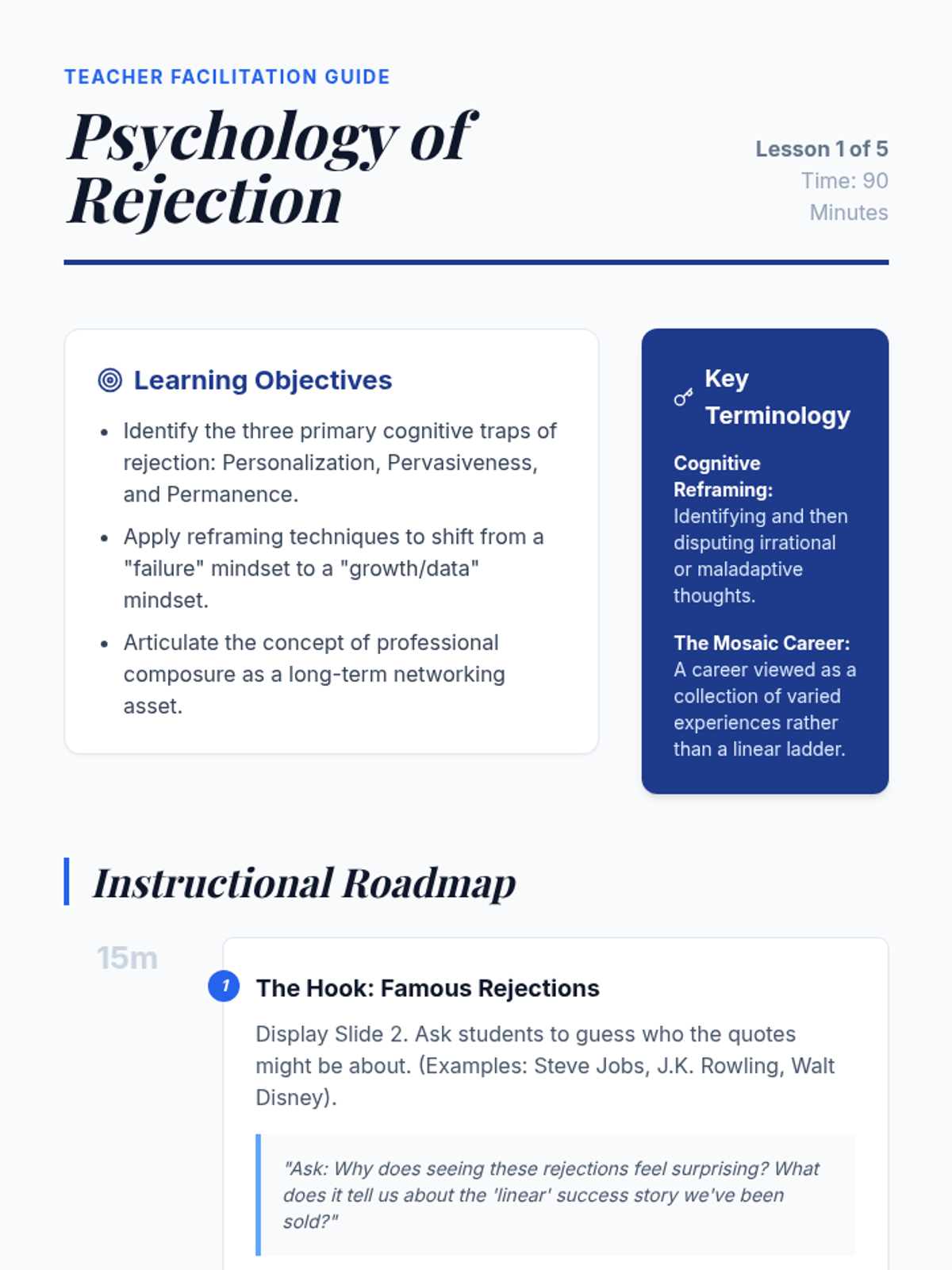
A 12th-grade sequence focused on the psychological and communicative aspects of interview outcomes. Students learn to navigate rejection, solicit feedback, analyze offers, and communicate professionally regardless of the result.
A comprehensive workshop-style sequence designed to teach 12th-grade students the technical and rhetorical skills needed for professional post-interview communication, from standard thank-yous to complex damage control.
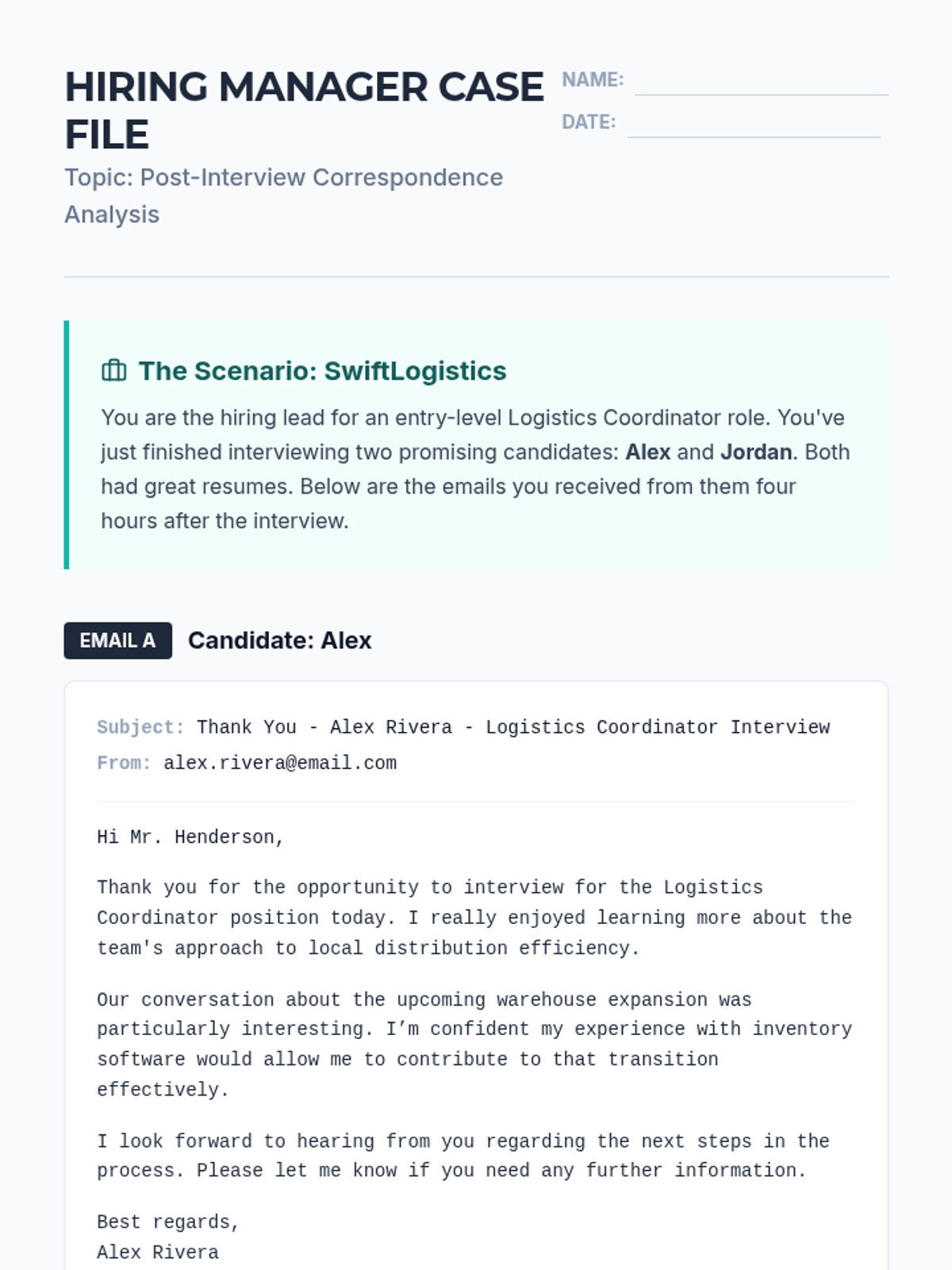
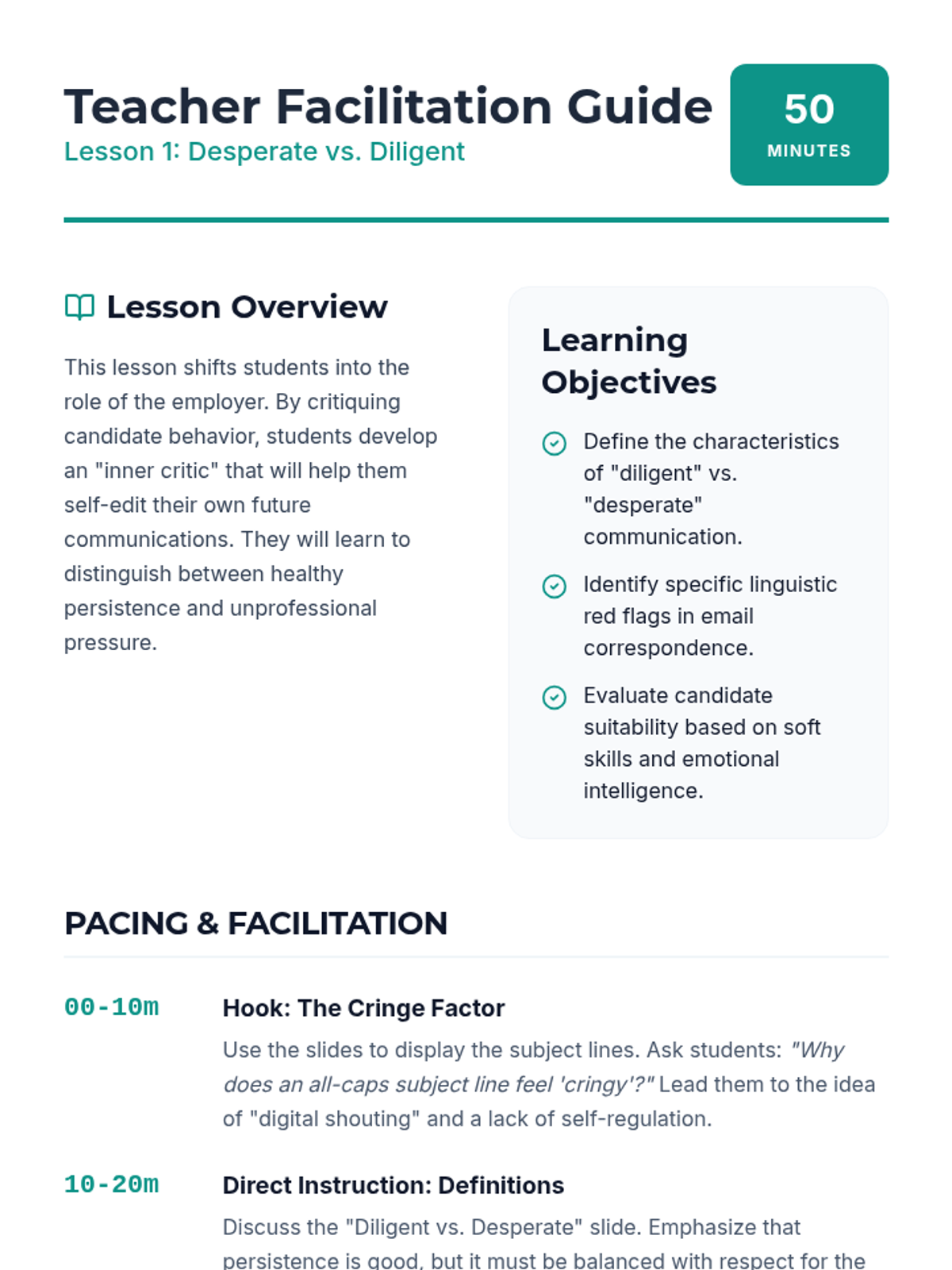
A case-study-driven unit where students act as hiring managers to analyze the nuances of post-interview follow-up communication, focusing on professional tone, attention to detail, and strategic value-adds.
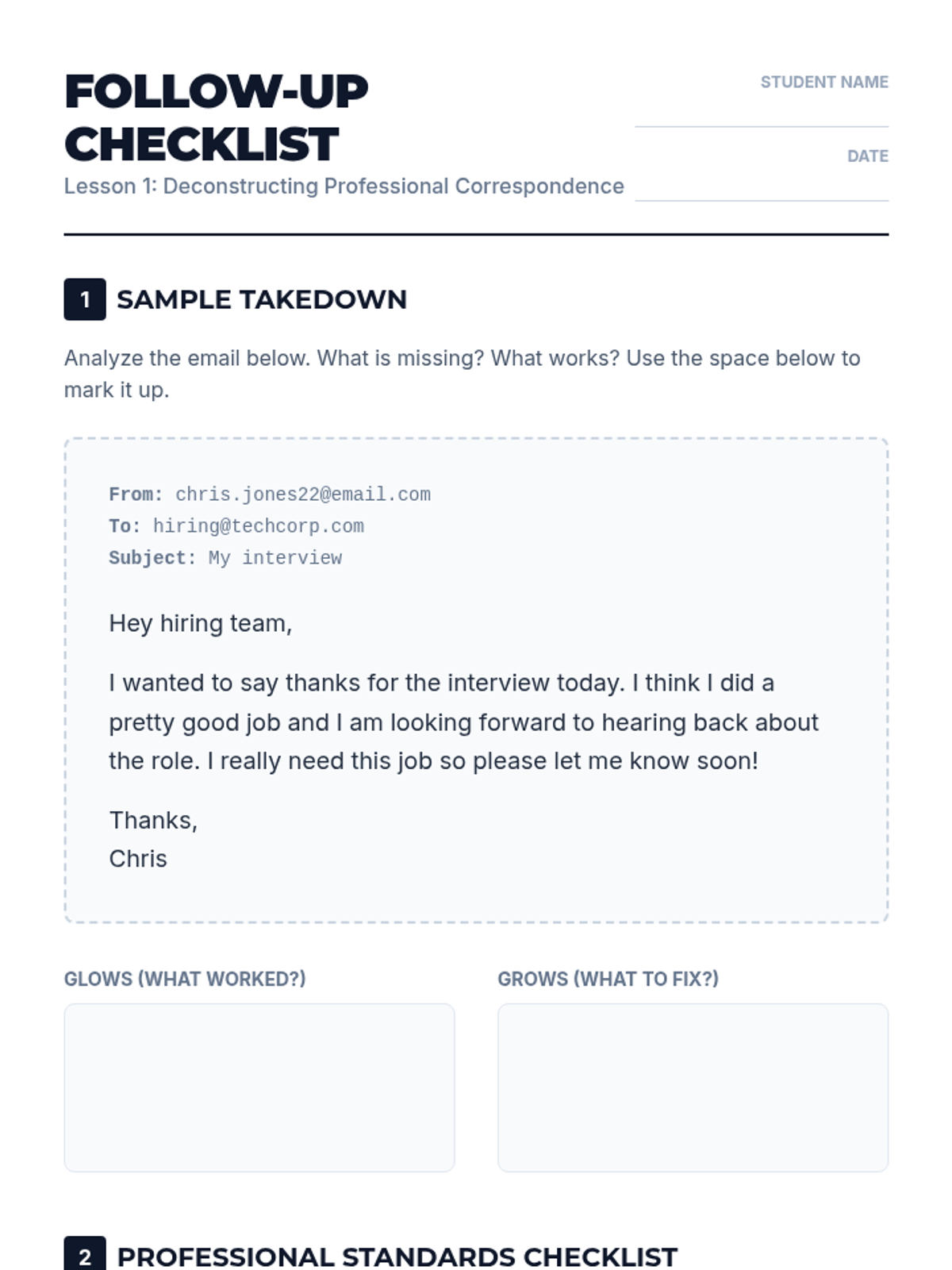
A practical writing workshop sequence where students master the mechanics of professional follow-up communication after interviews. Students will analyze the structure of formal emails, draft multiple versions of follow-up messages, and refine their professional tone and proofreading skills.