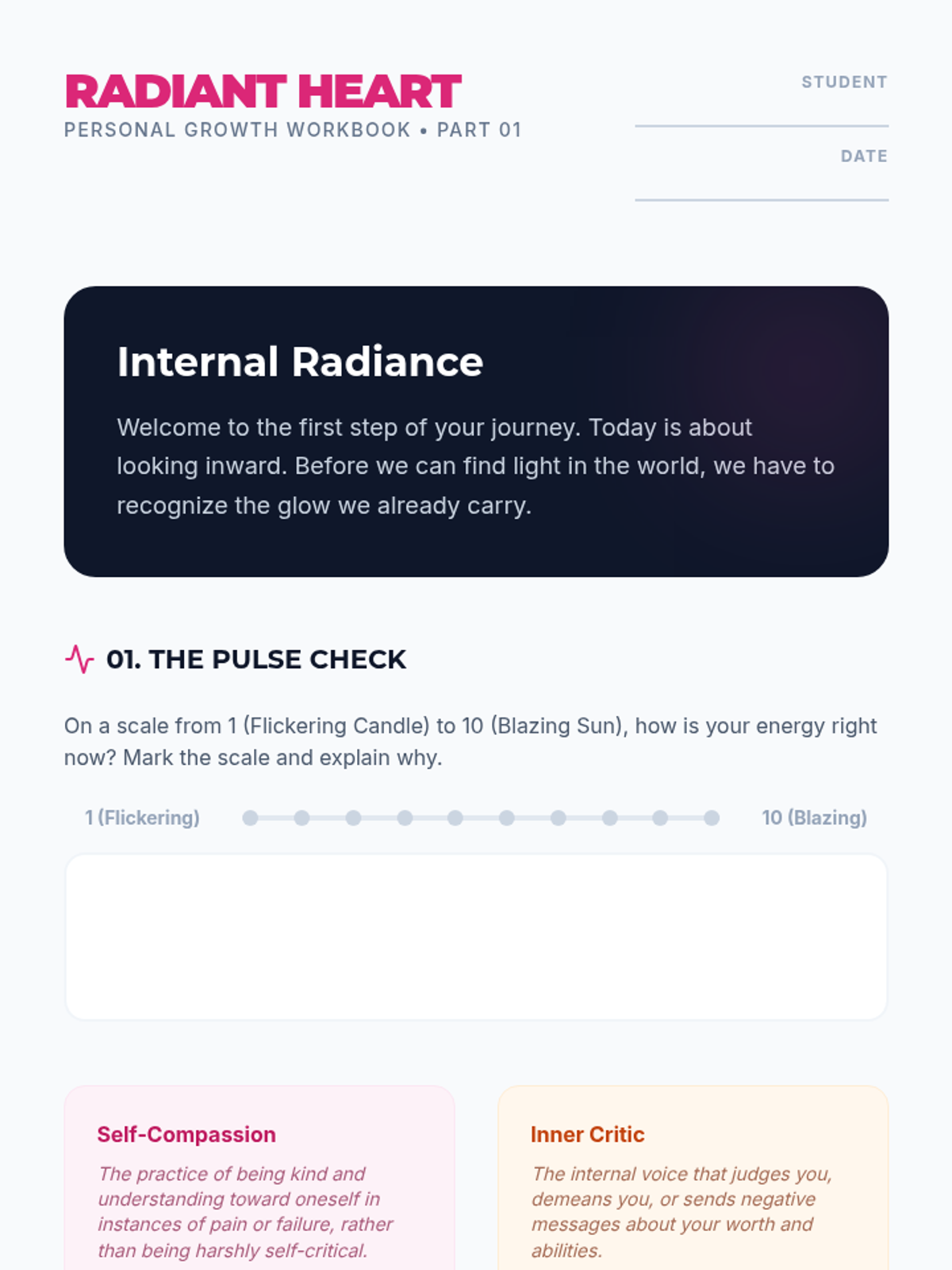
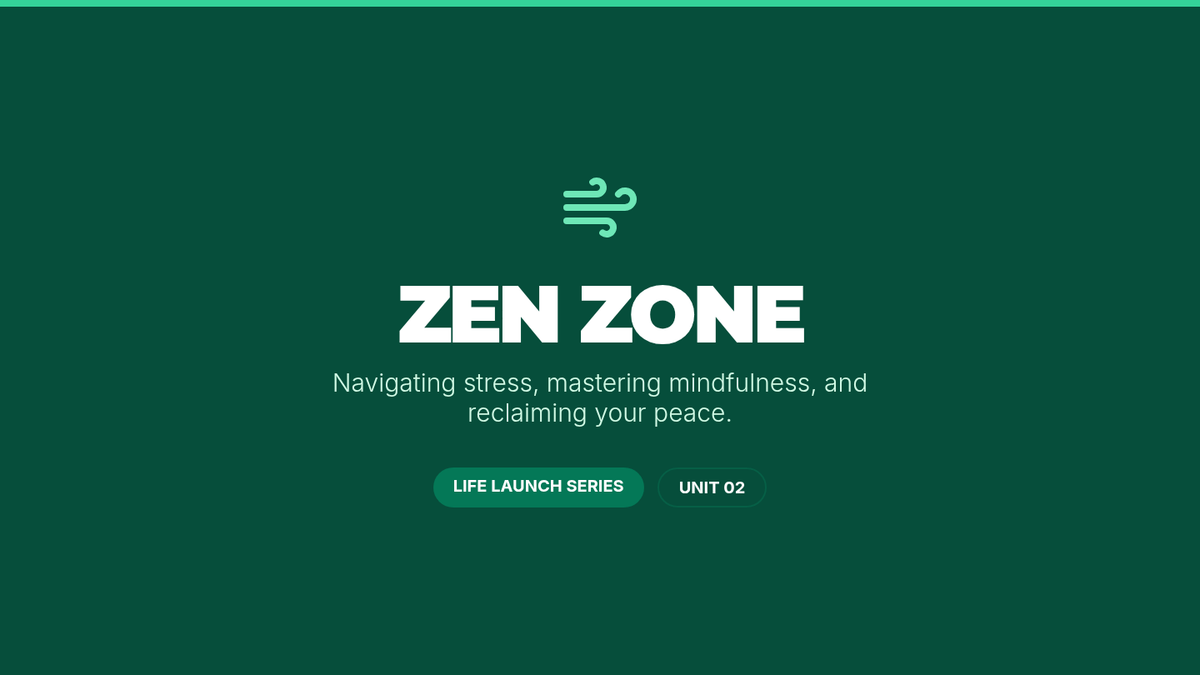
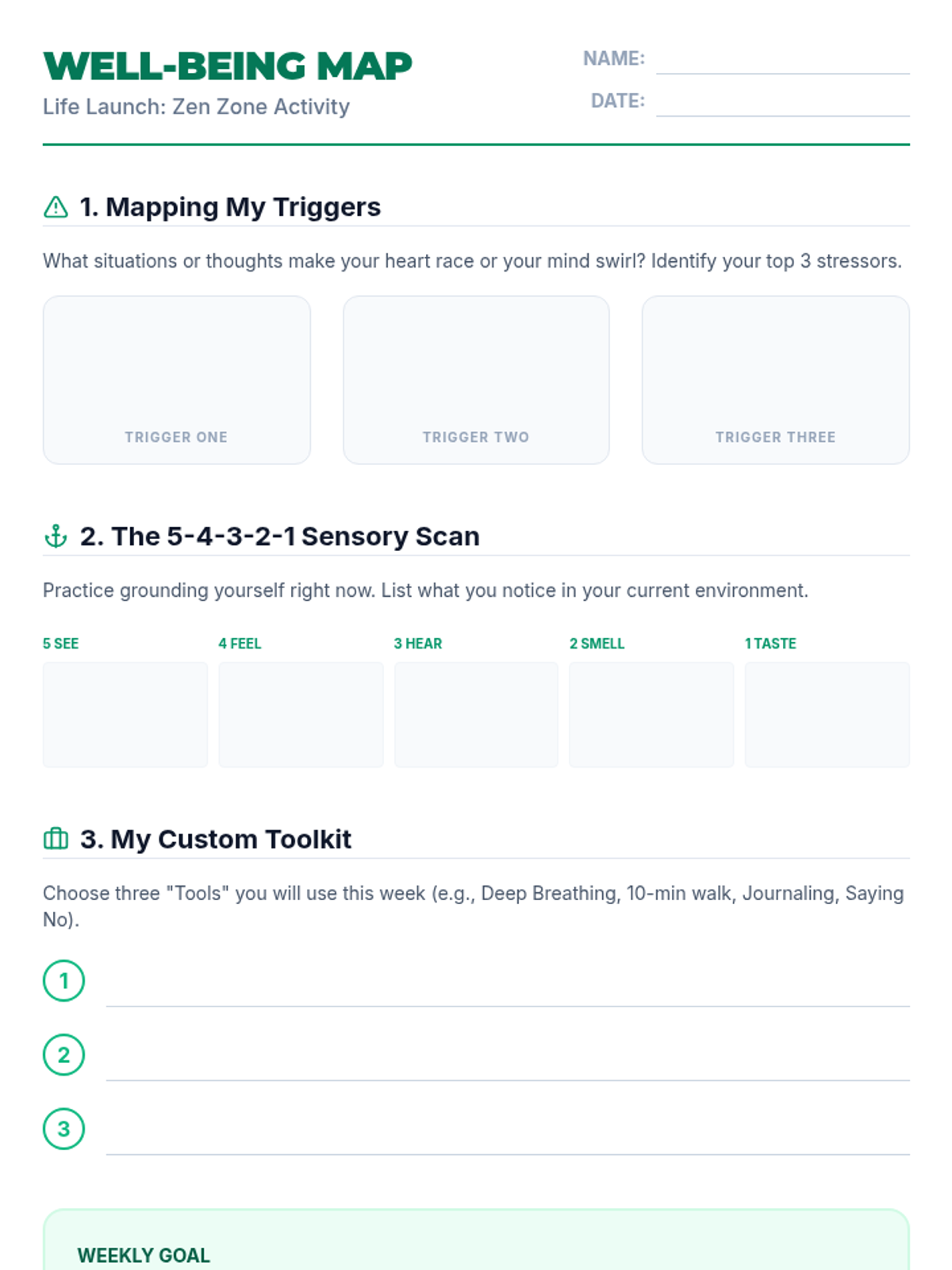
Mindful breathing and body scan meditation techniques integrated with daily self-care routines. Develops strategies for balancing life demands and advocating for personal wellness needs.
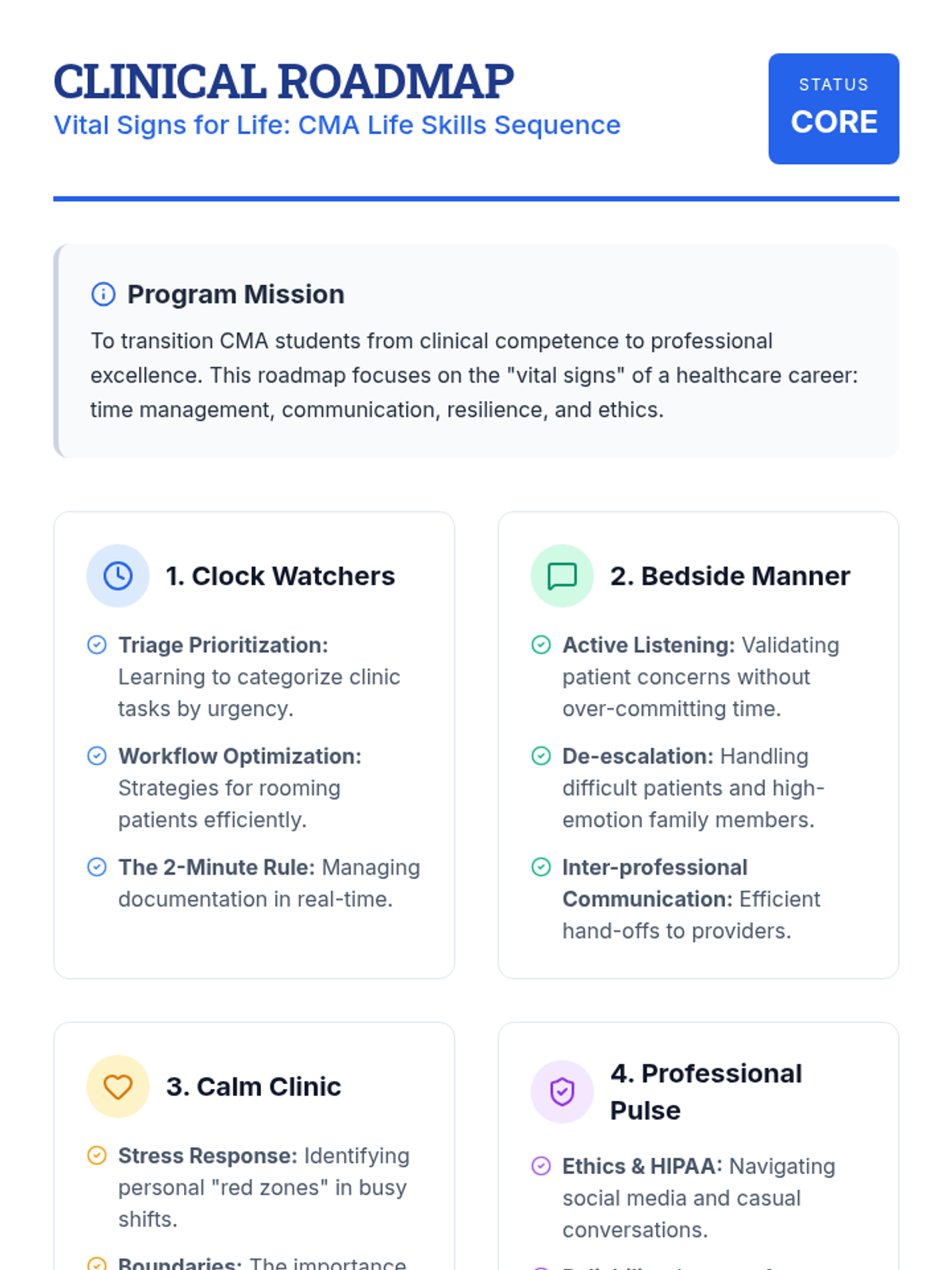
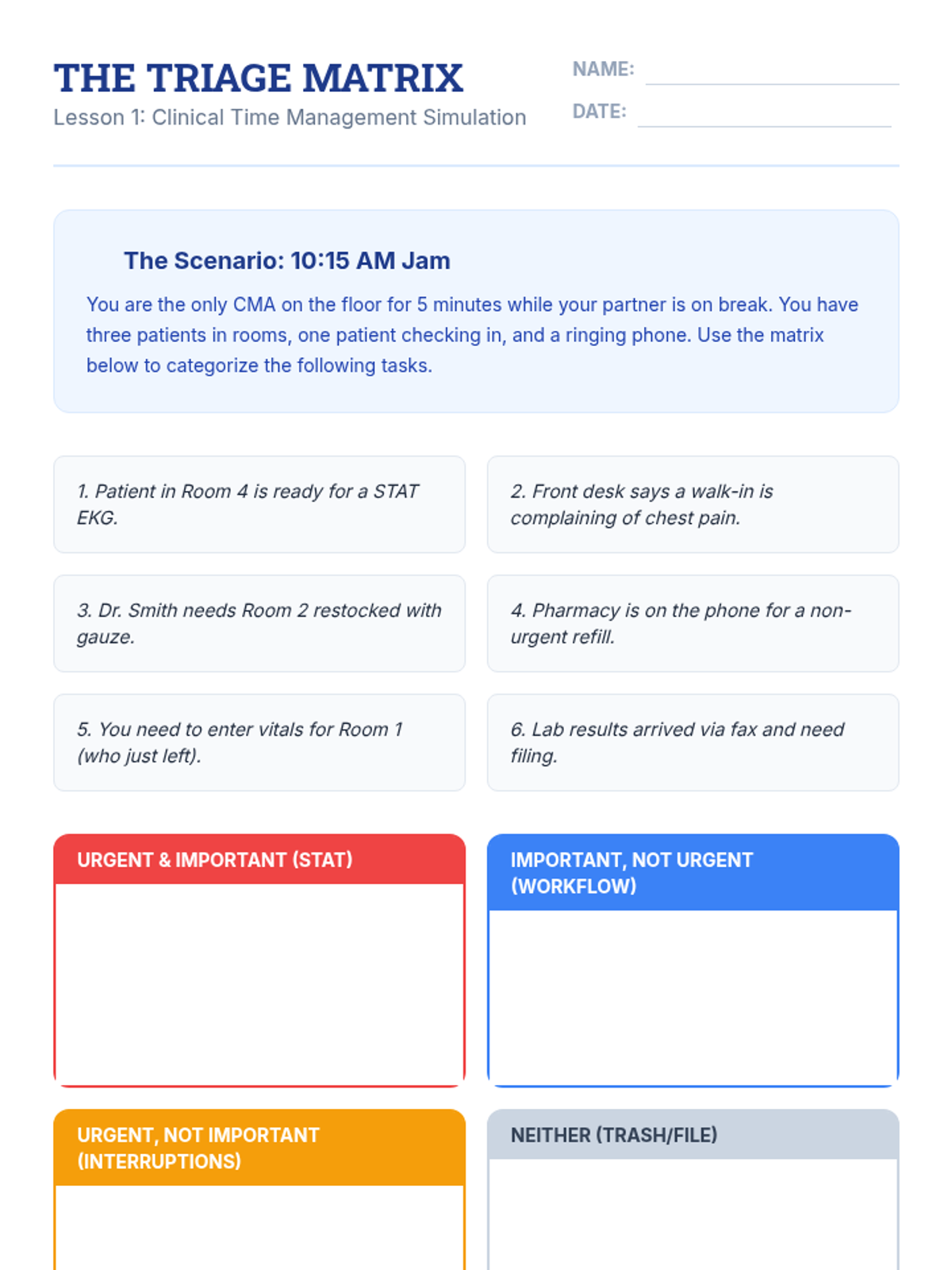
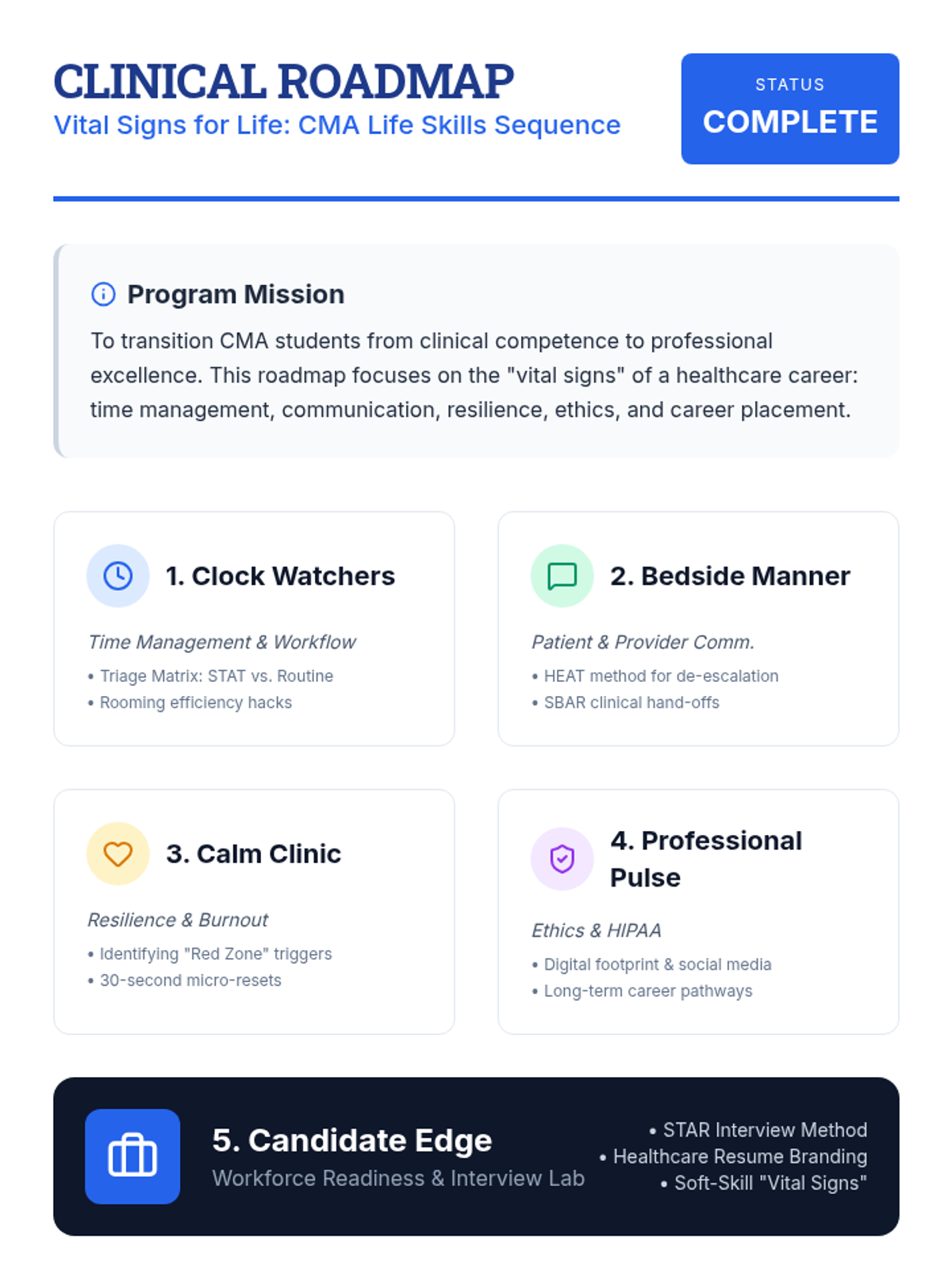
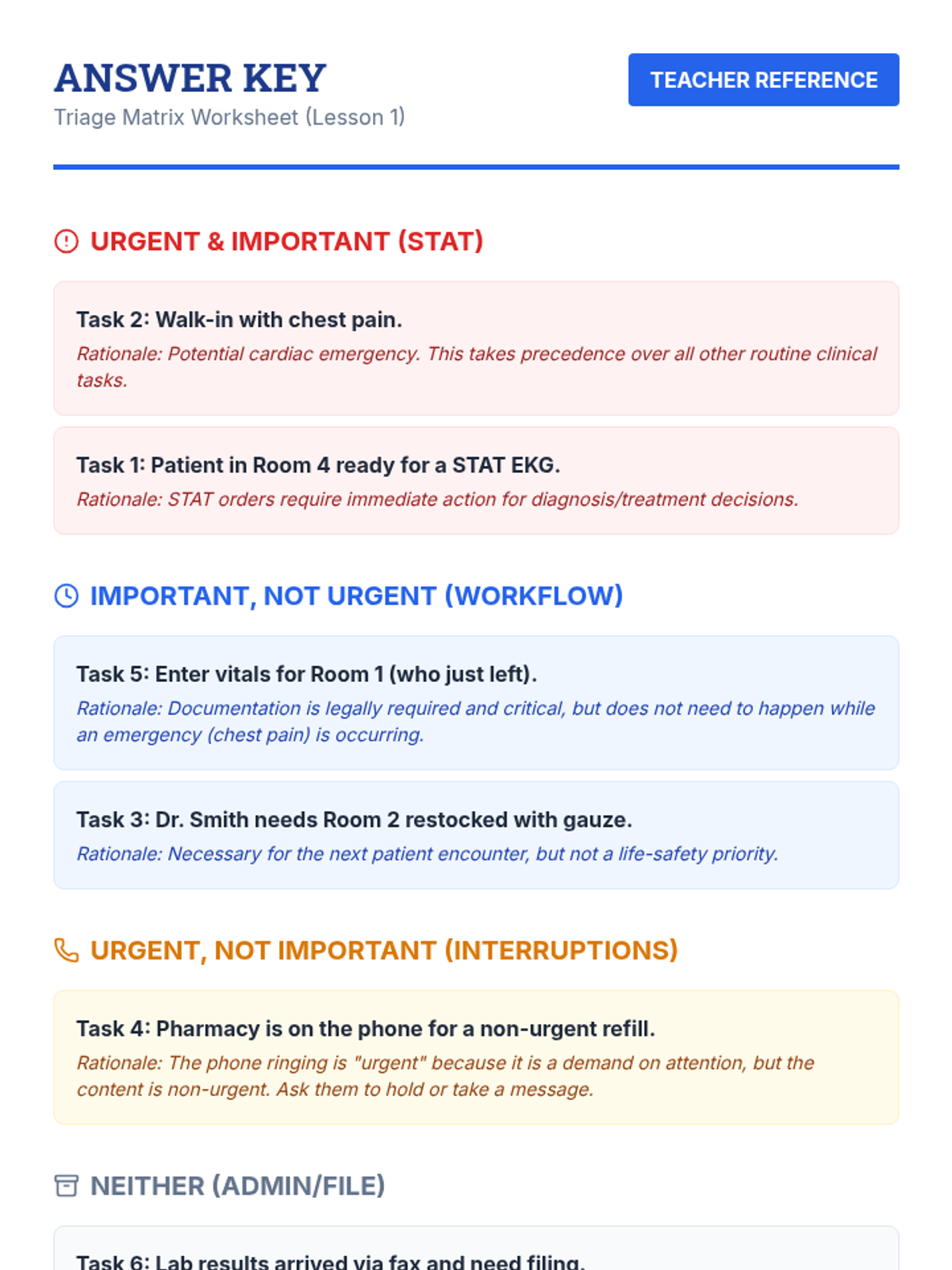
A comprehensive life skills training program designed specifically for Medical Assistant students, focusing on the essential soft skills needed to thrive in a high-pressure clinical environment.
A dual-unit program designed to equip students with essential life skills for the post-application phase of job hunting and personal well-being. This sequence focuses on interpersonal communication, interview excellence, and mental health.
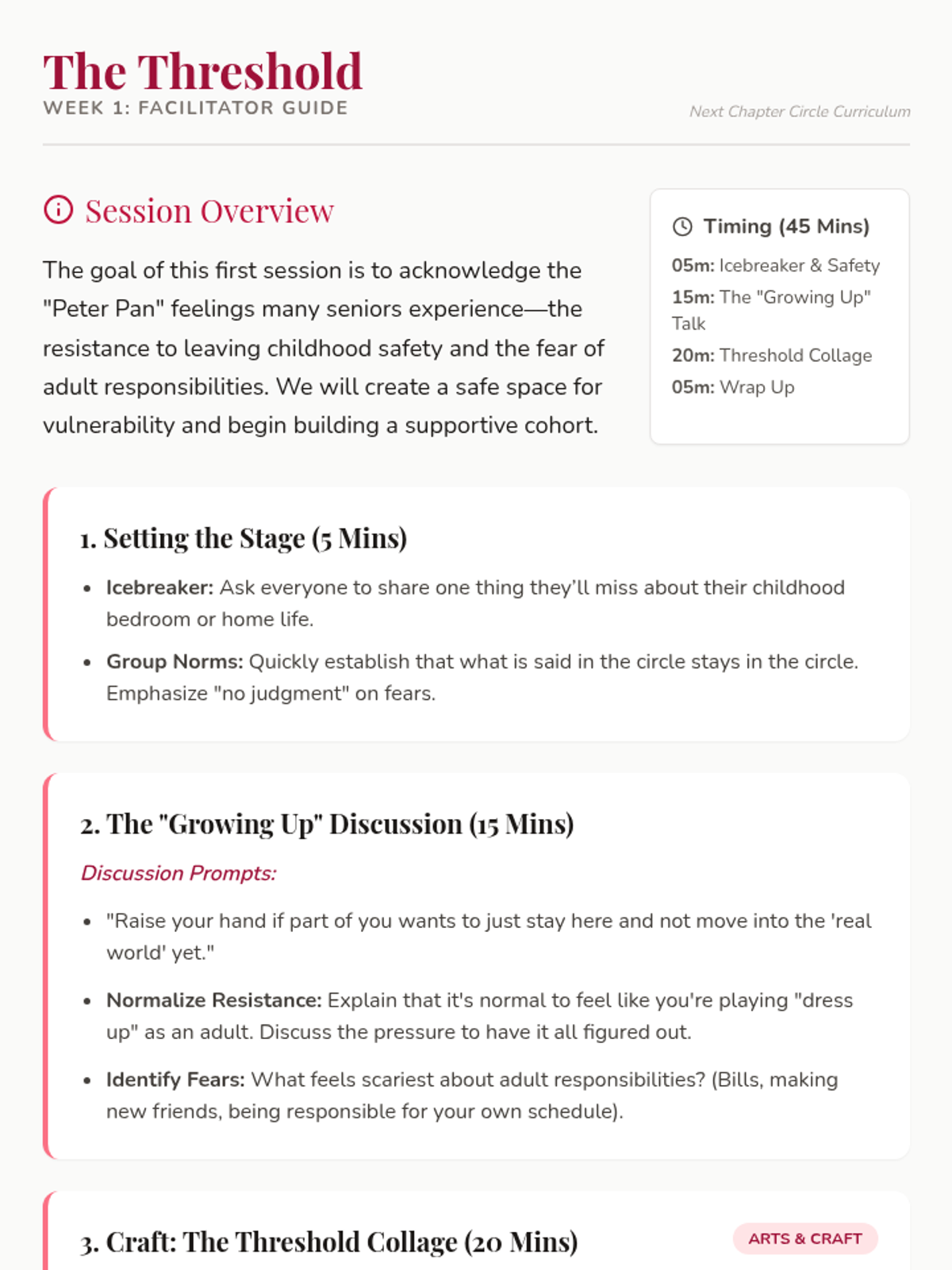
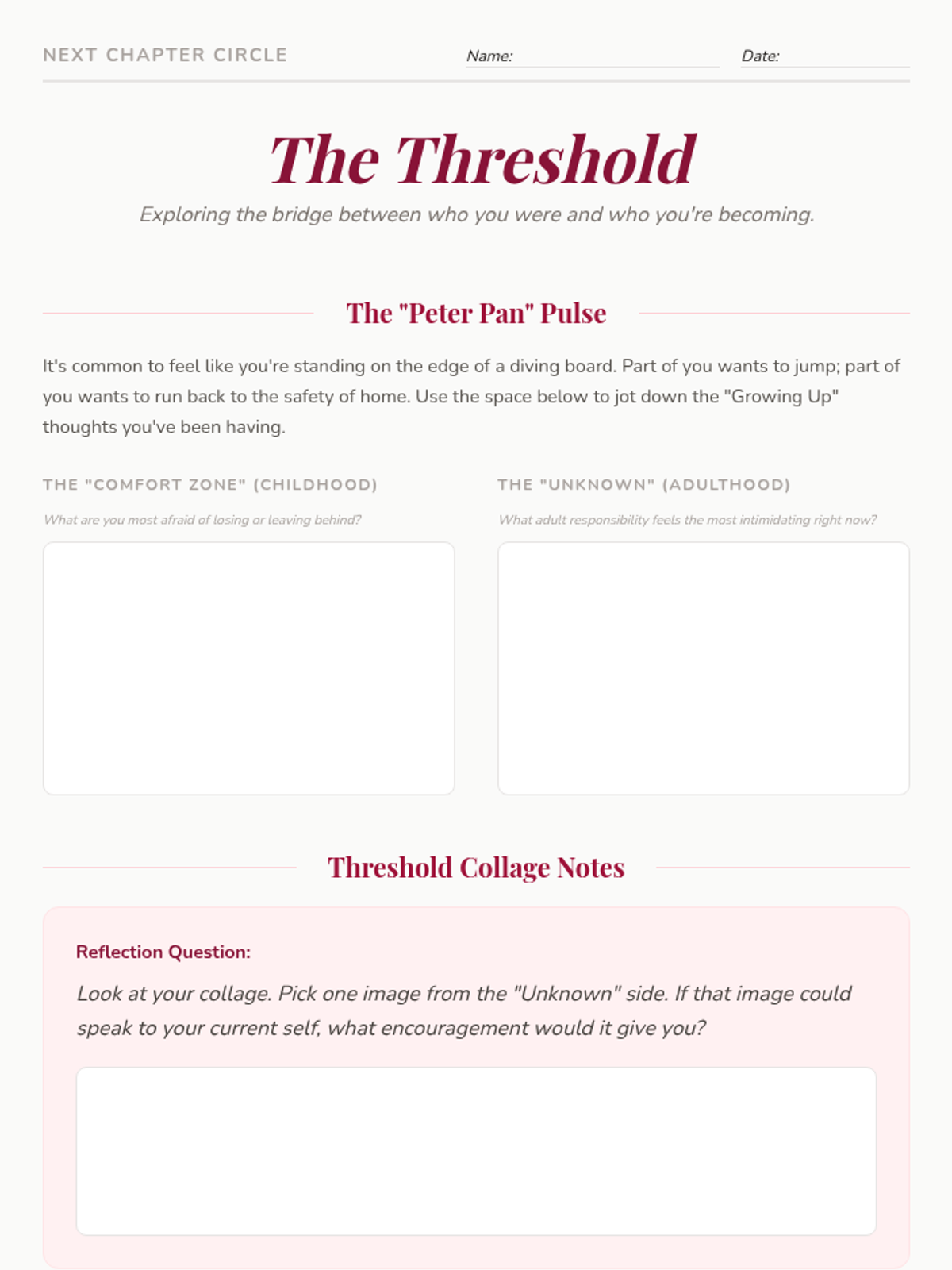
A comprehensive 8-week curriculum for high school senior girls transitioning to college. The program combines group counseling techniques with hands-on arts and crafts to address stress management, resource-seeking, and the emotional complexity of adulthood.
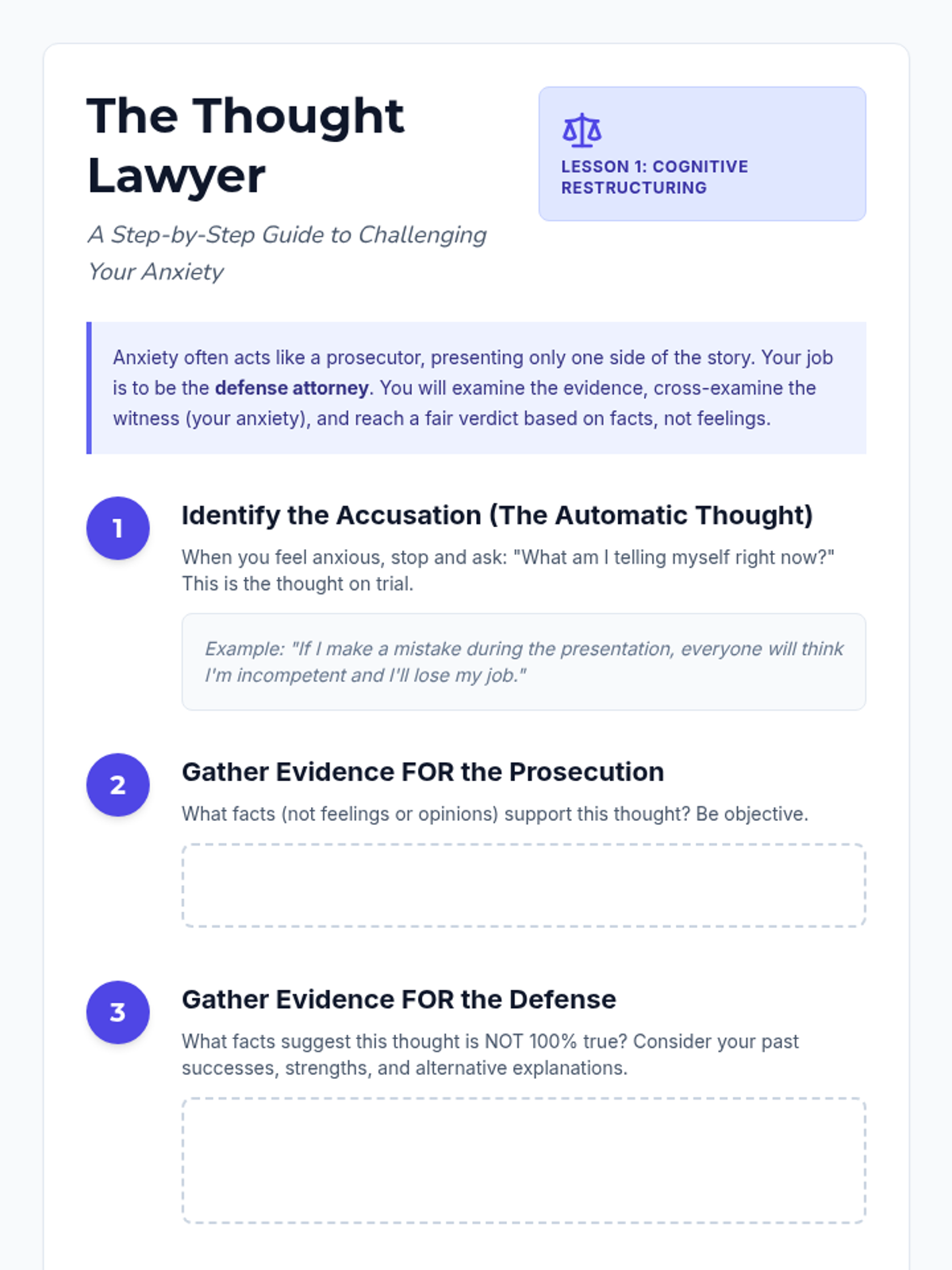
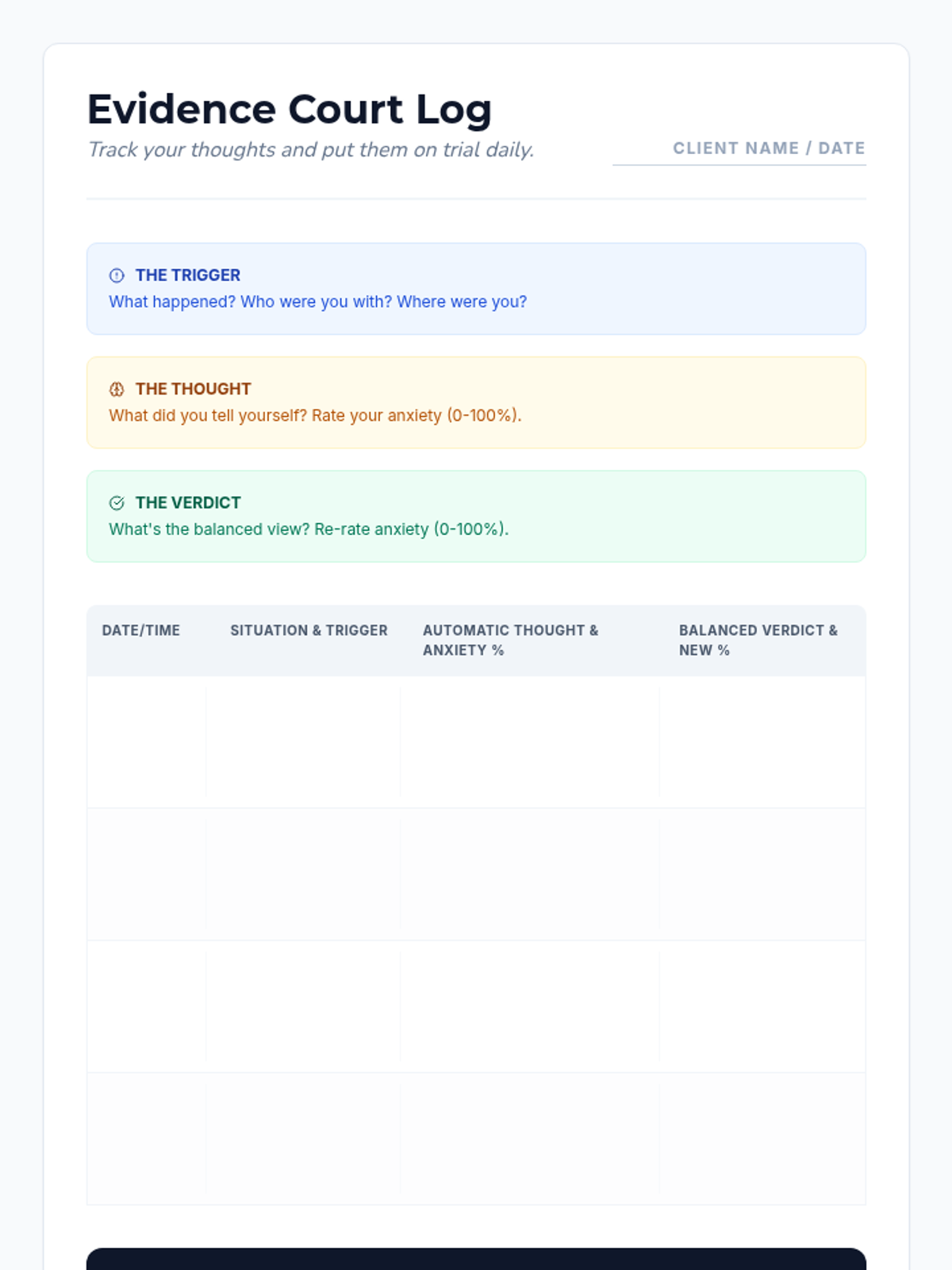
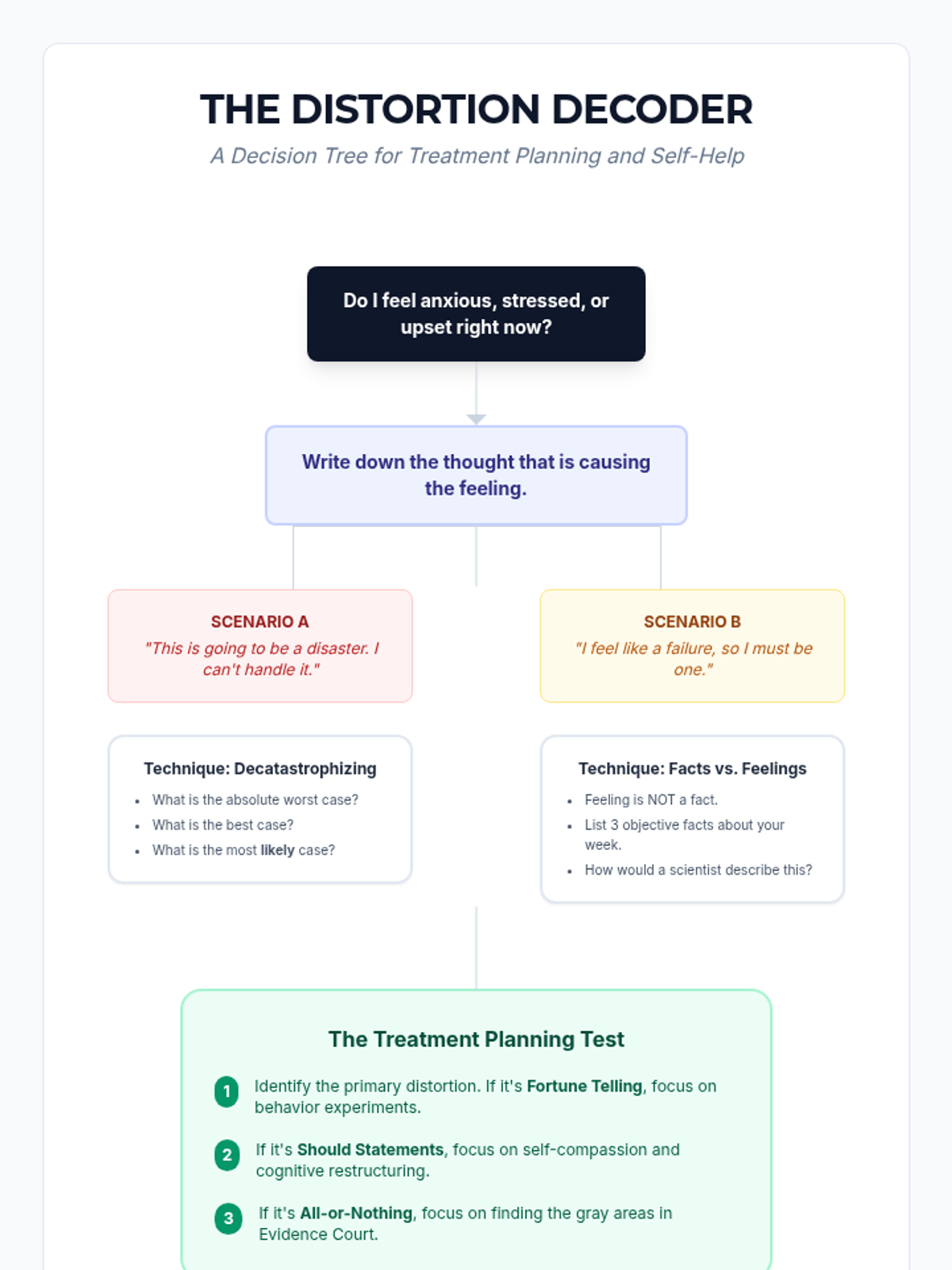
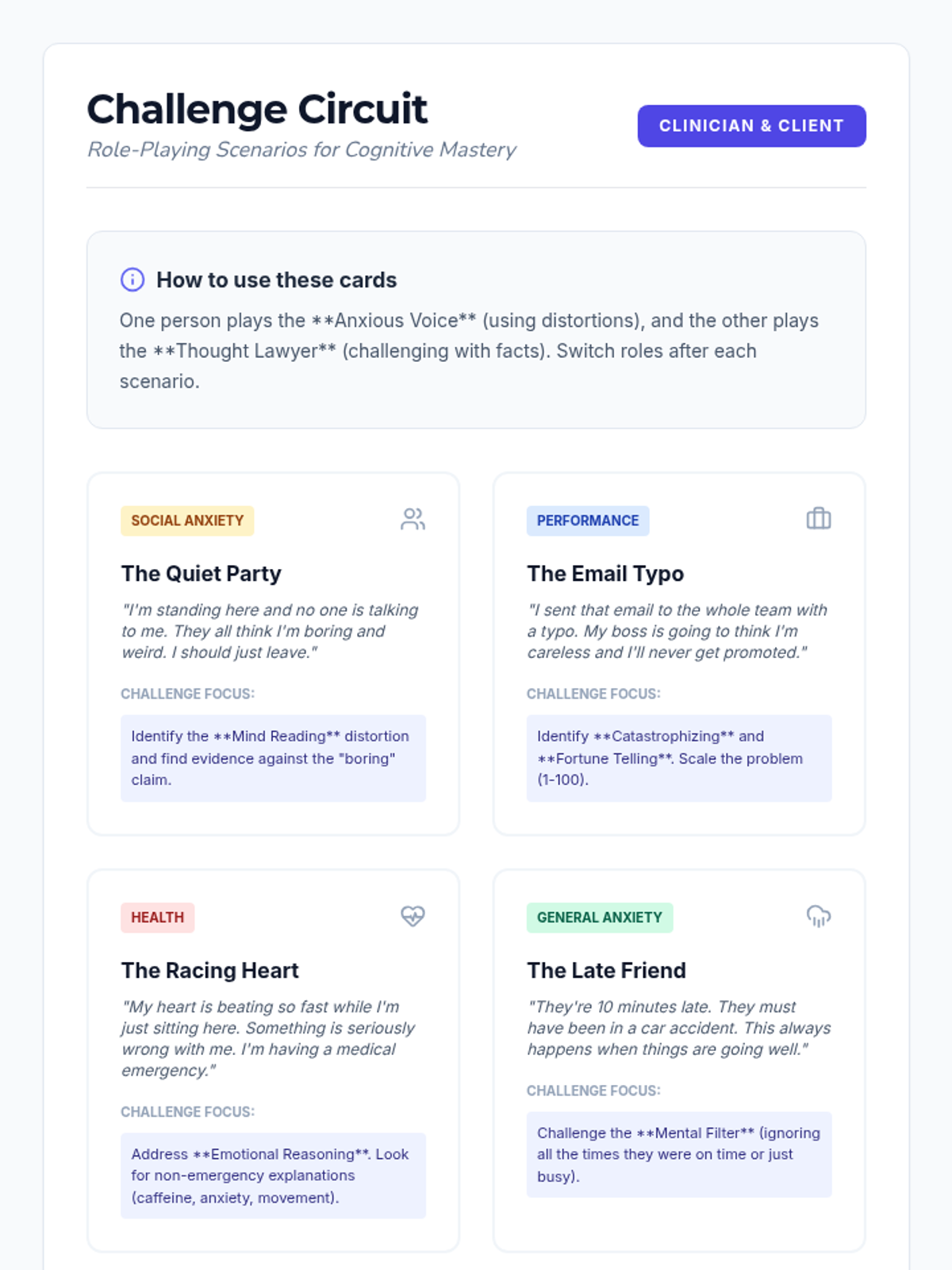
A comprehensive CBT toolkit for treating anxiety, covering cognitive restructuring, exposure therapy, behavioral experiments, and mindfulness. This sequence provides clinicians and clients with structured guides, tracking tools, and practical scenarios to build resilience and manage anxiety symptoms effectively.
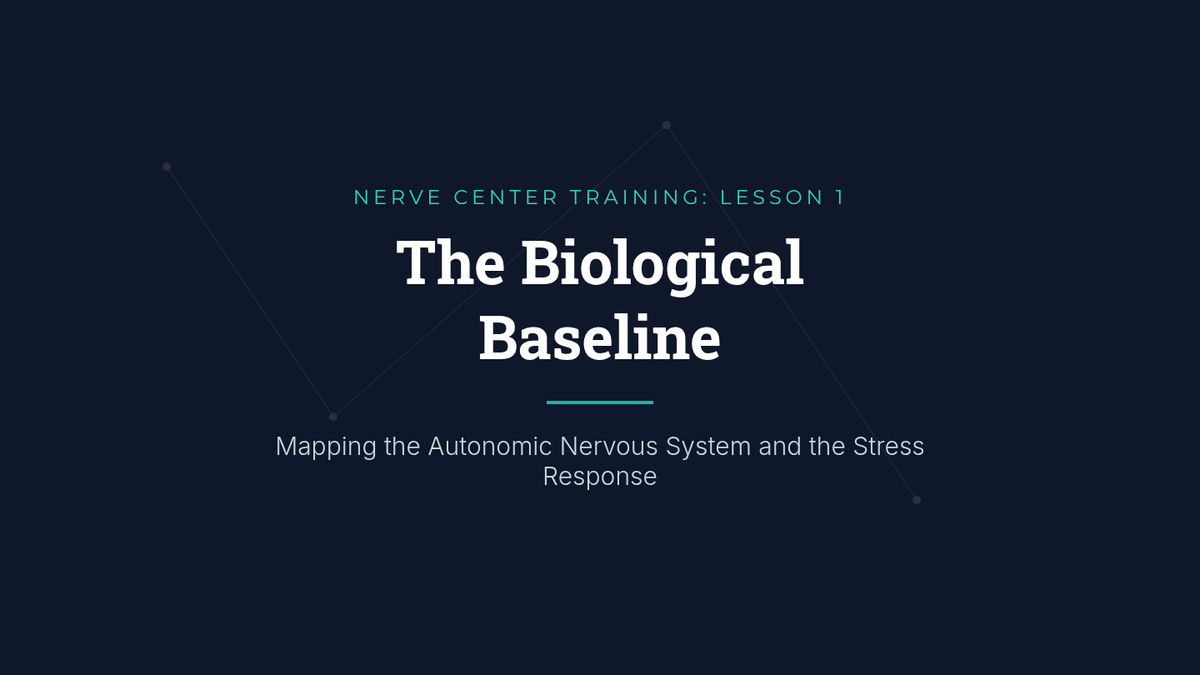
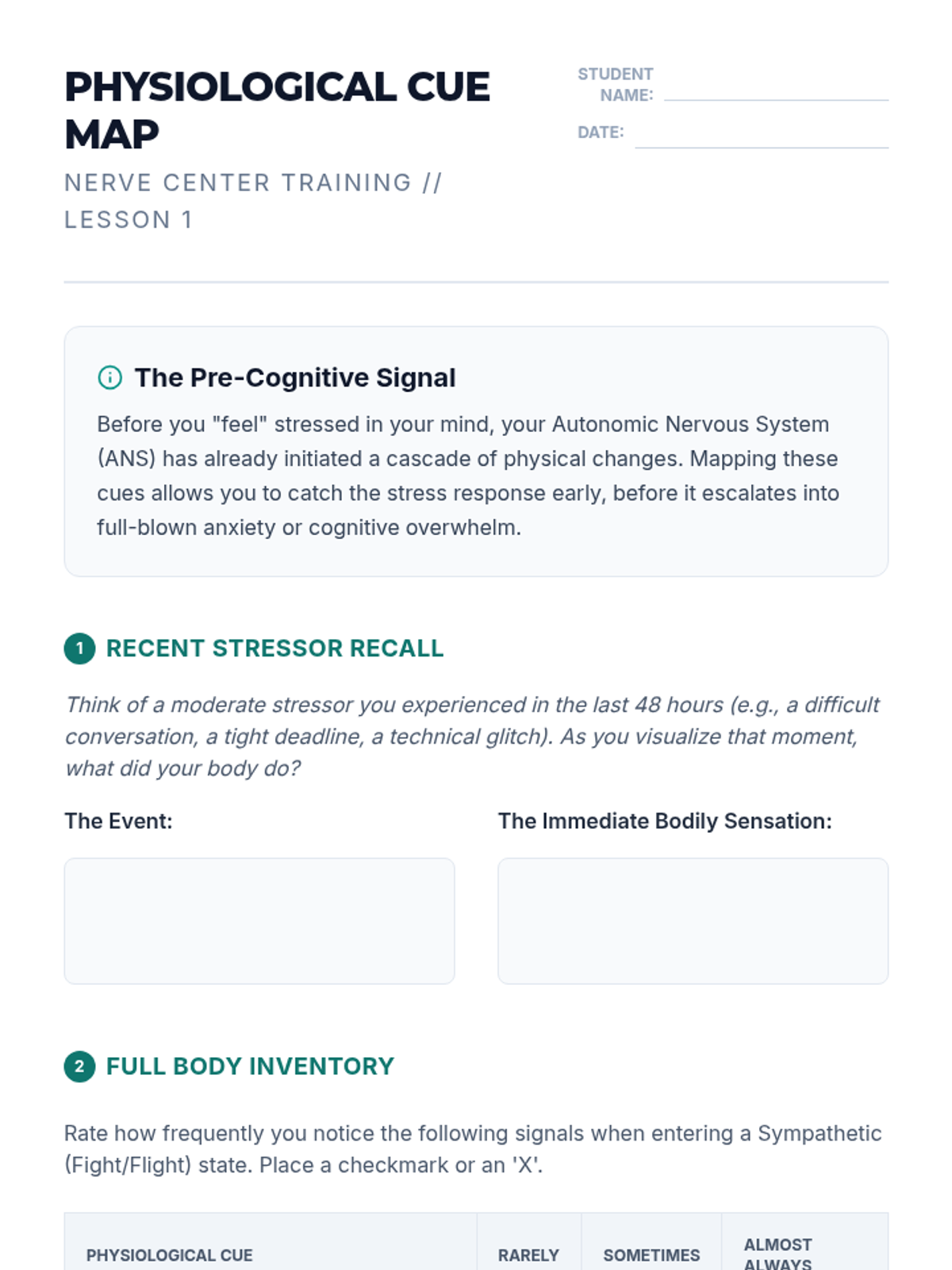
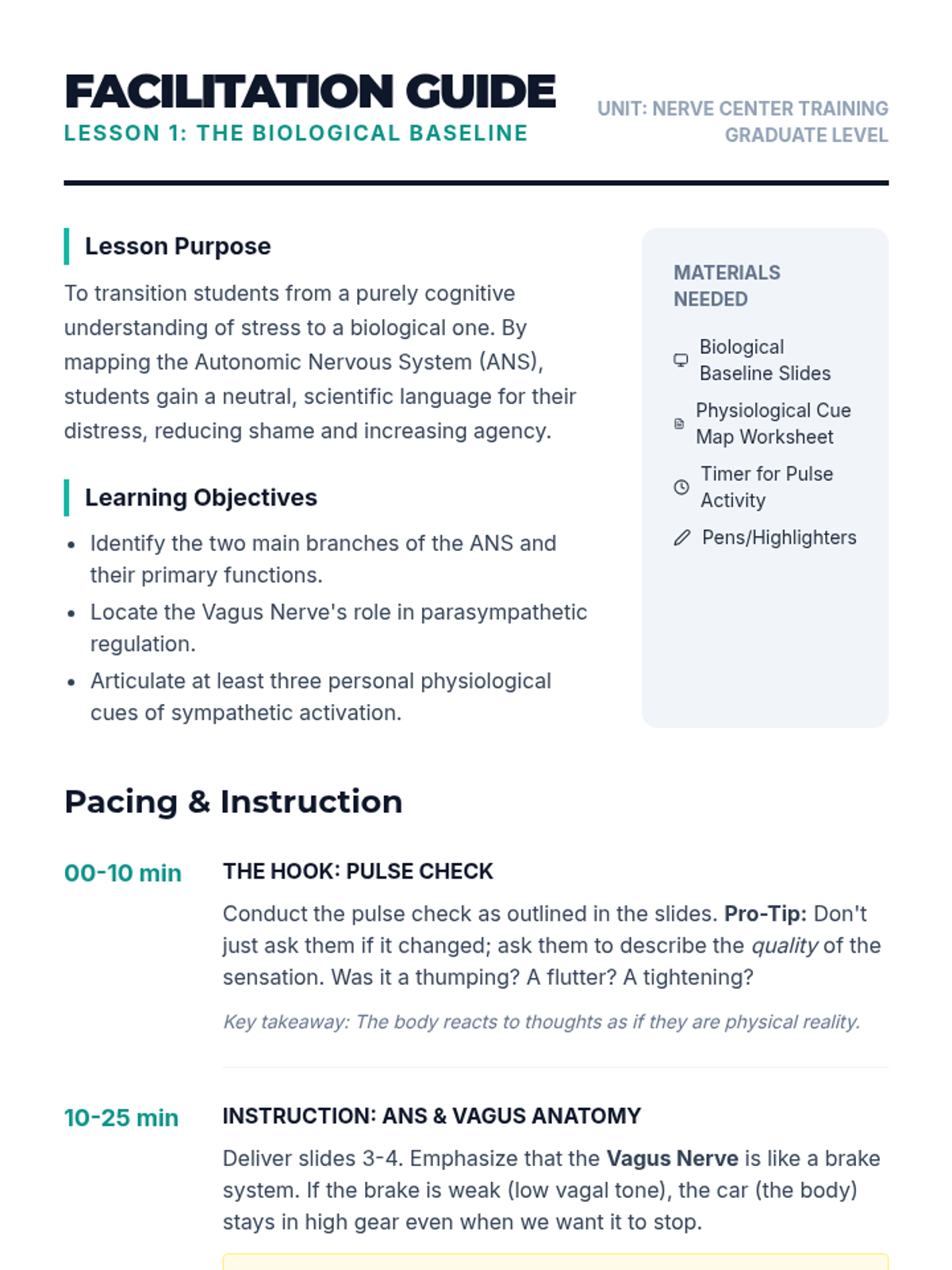
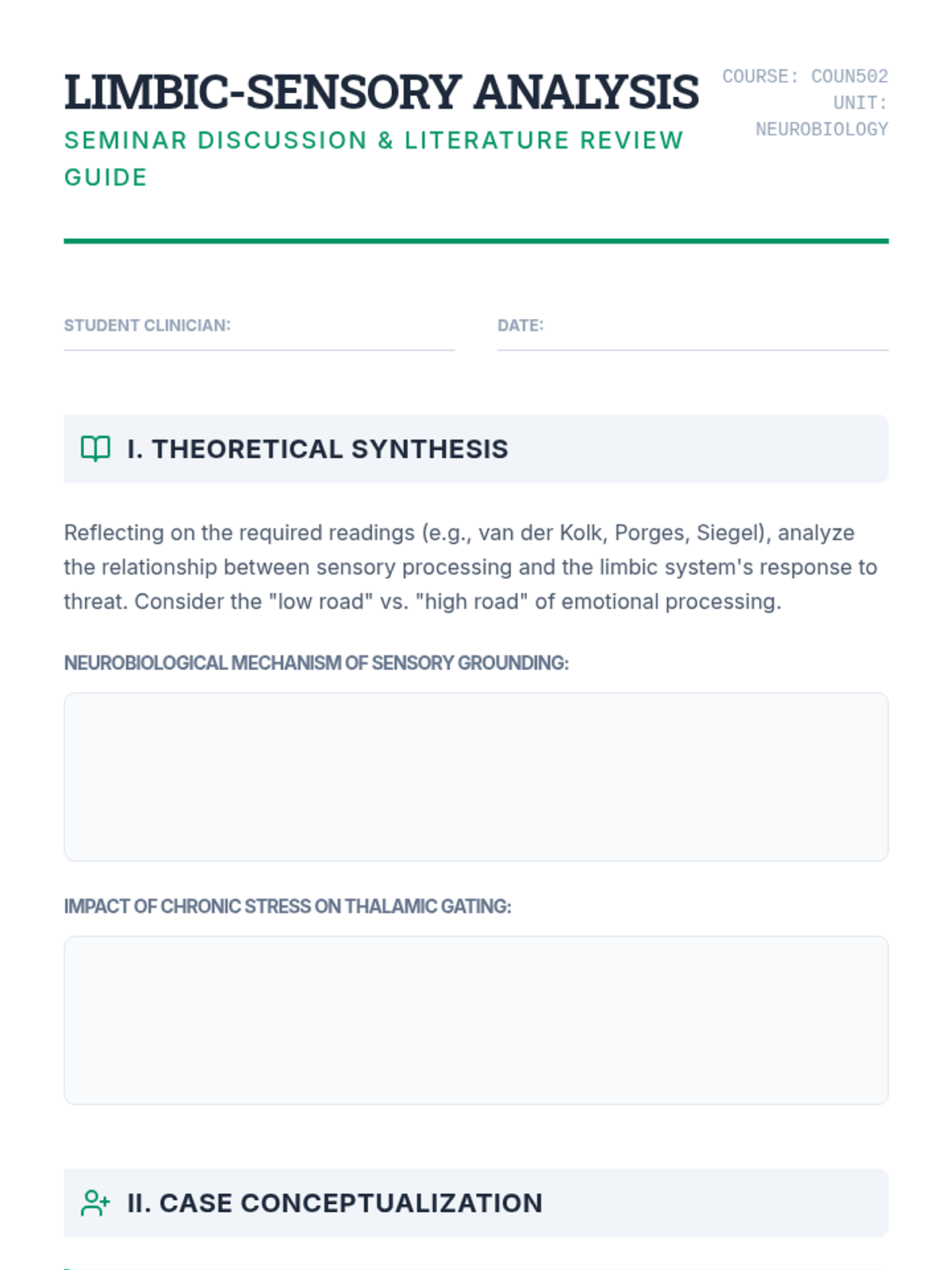
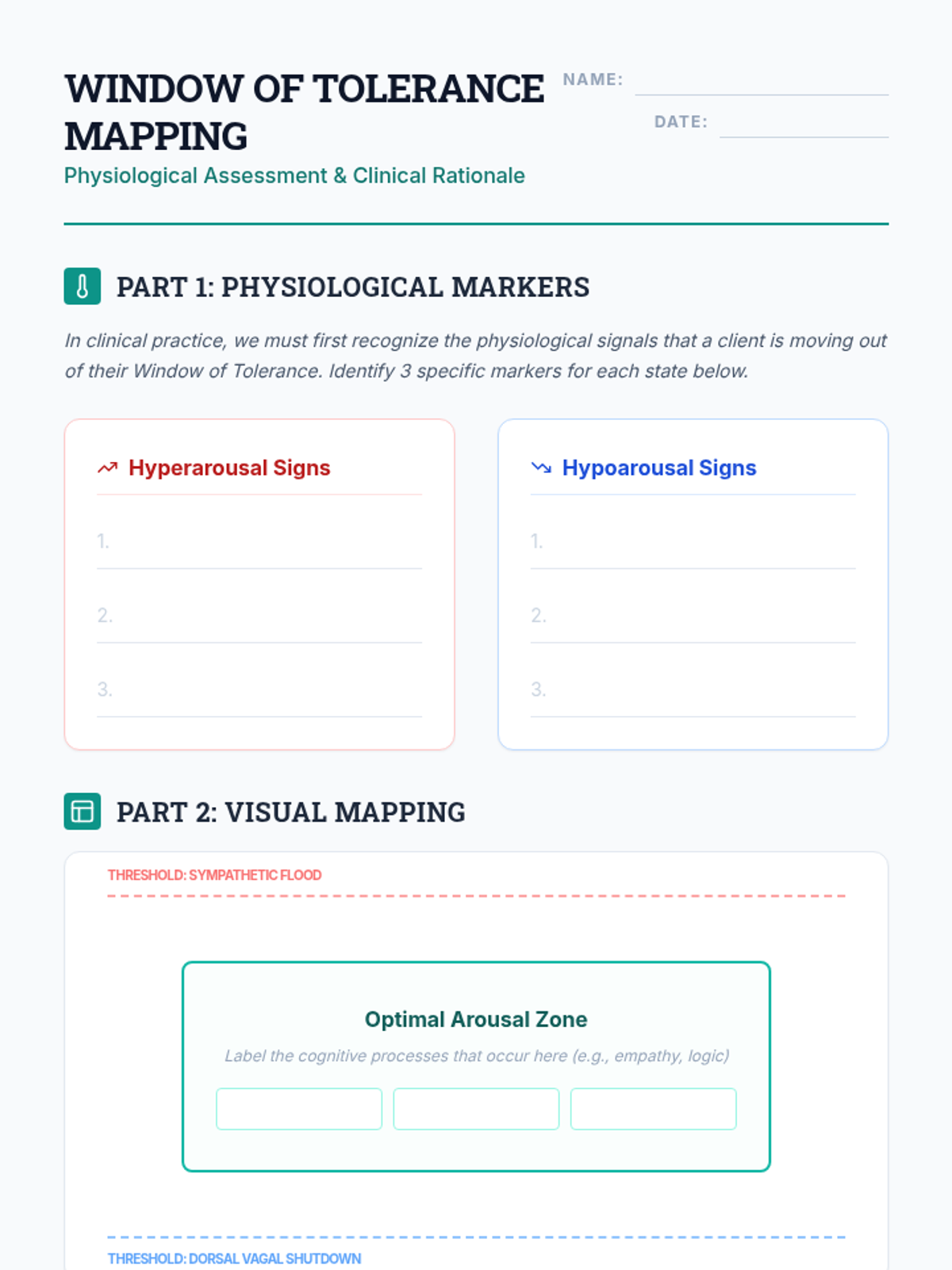
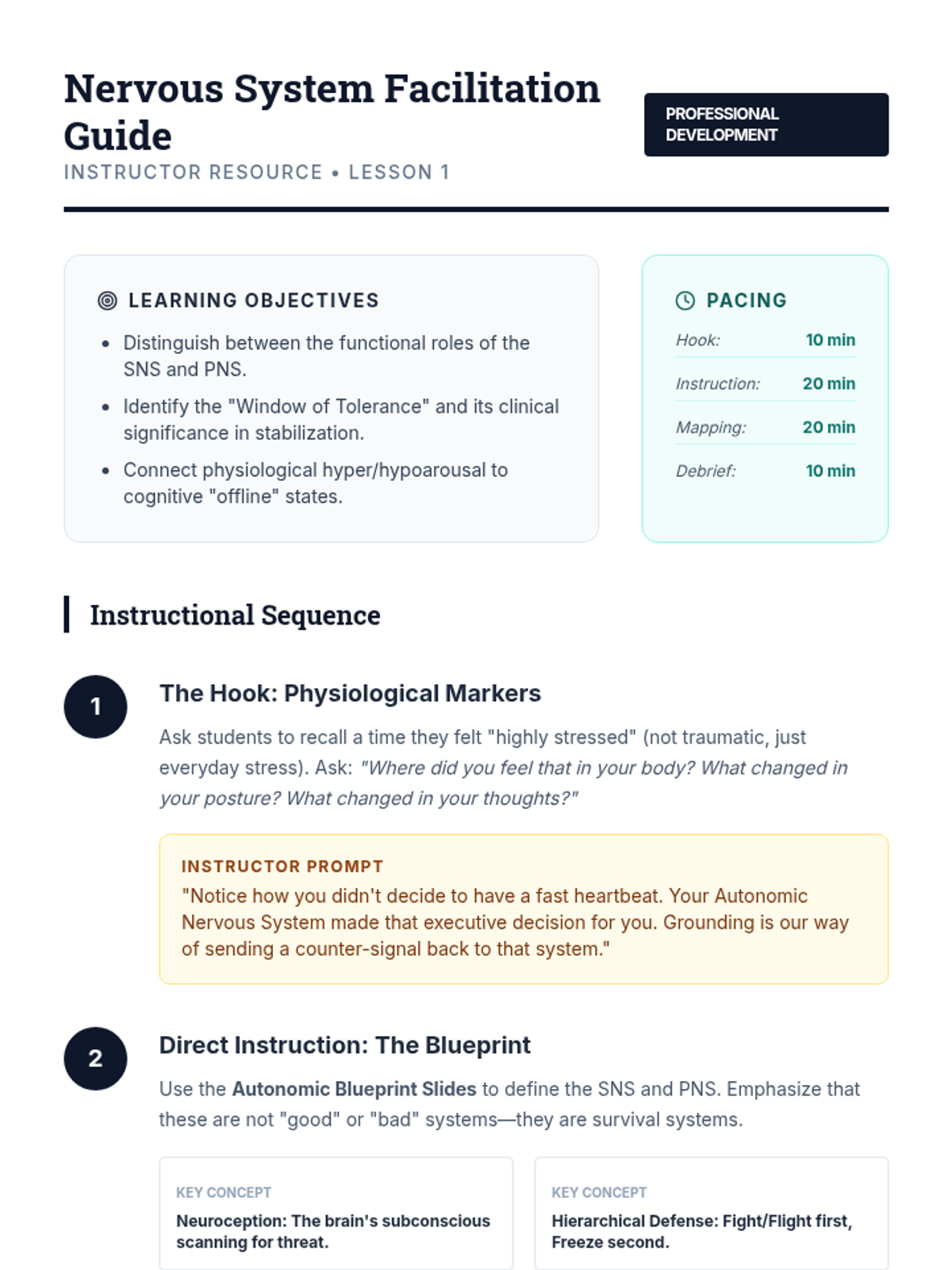
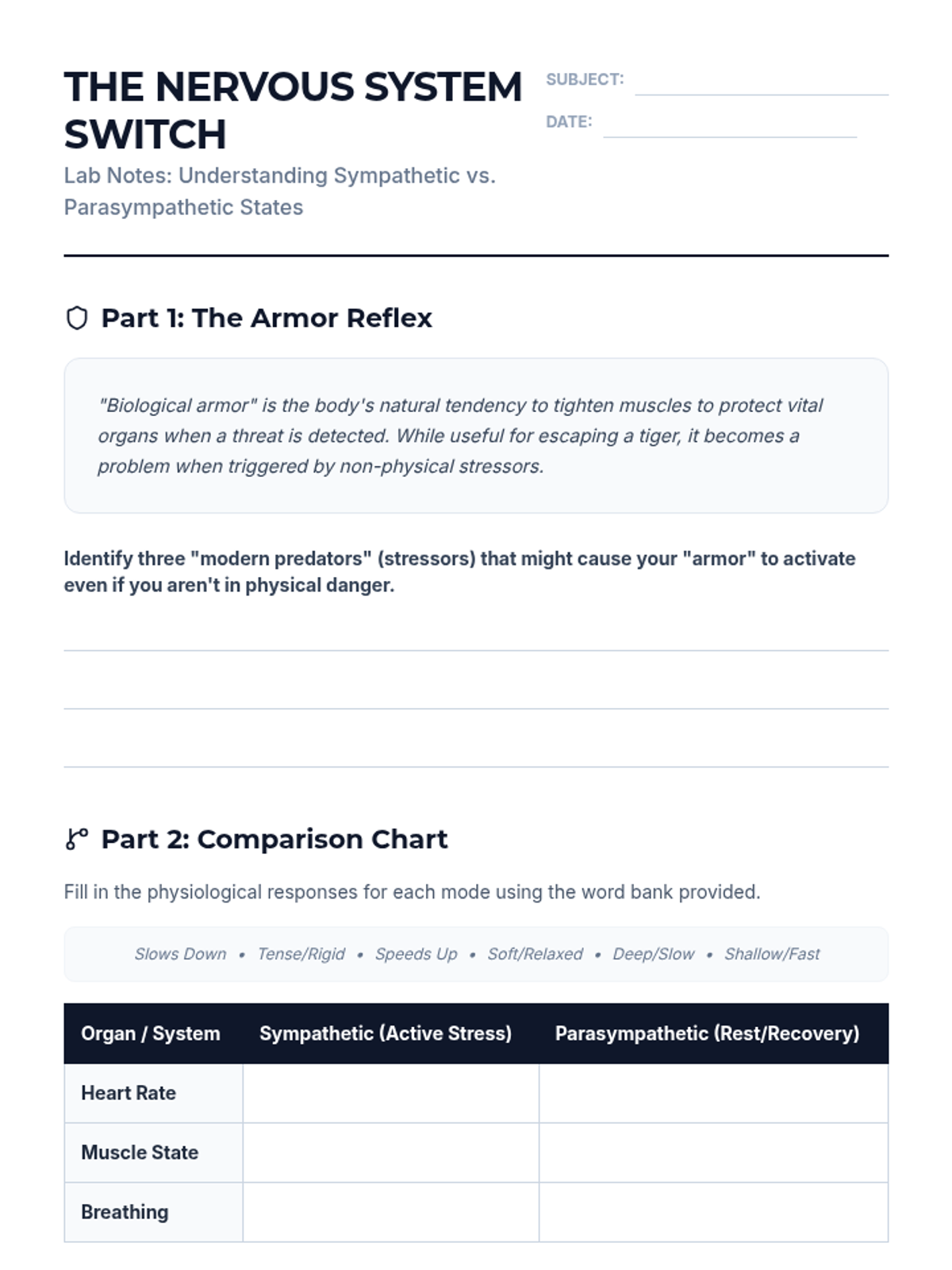
A graduate-level exploration of the biological underpinnings of stress. Students move from theoretical understanding of the autonomic nervous system and Polyvagal Theory to practical application of somatic regulation and interoceptive awareness, culminating in a personalized physiological safety plan.
A technical and mastery-based sequence for undergraduate students to develop actionable emotional regulation and grounding strategies. Students move from physiological understanding to real-time application in high-pressure simulations.
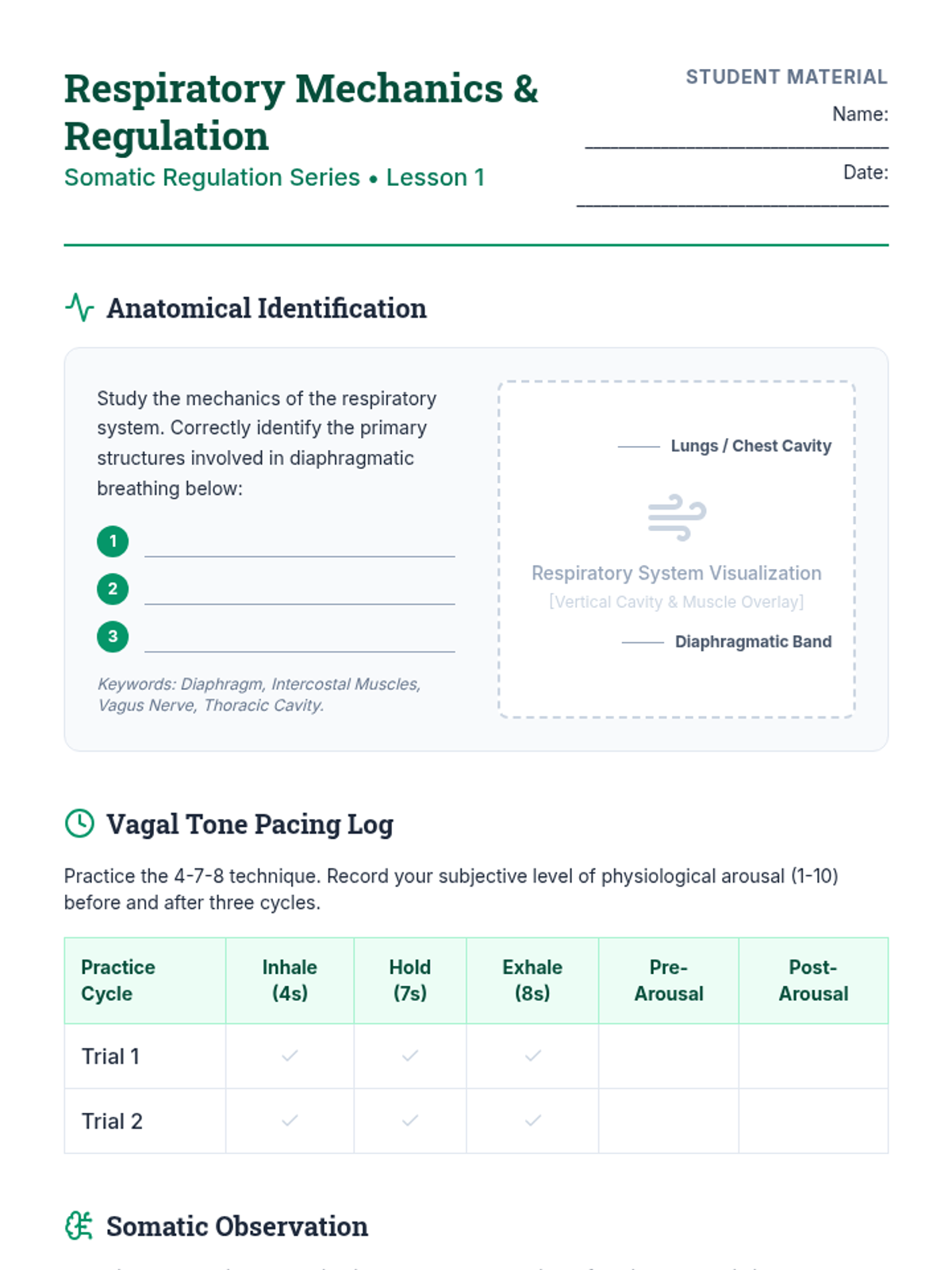
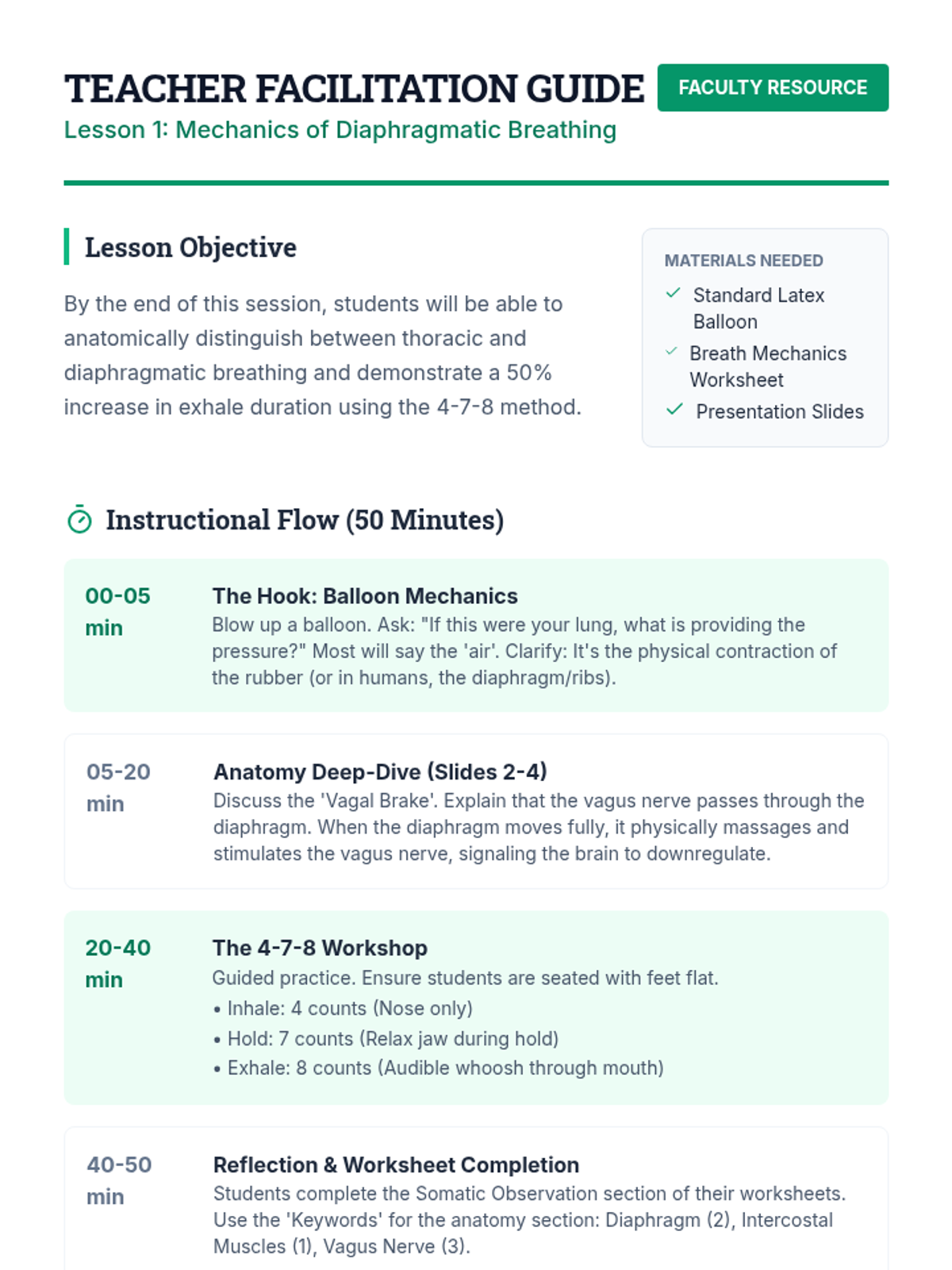
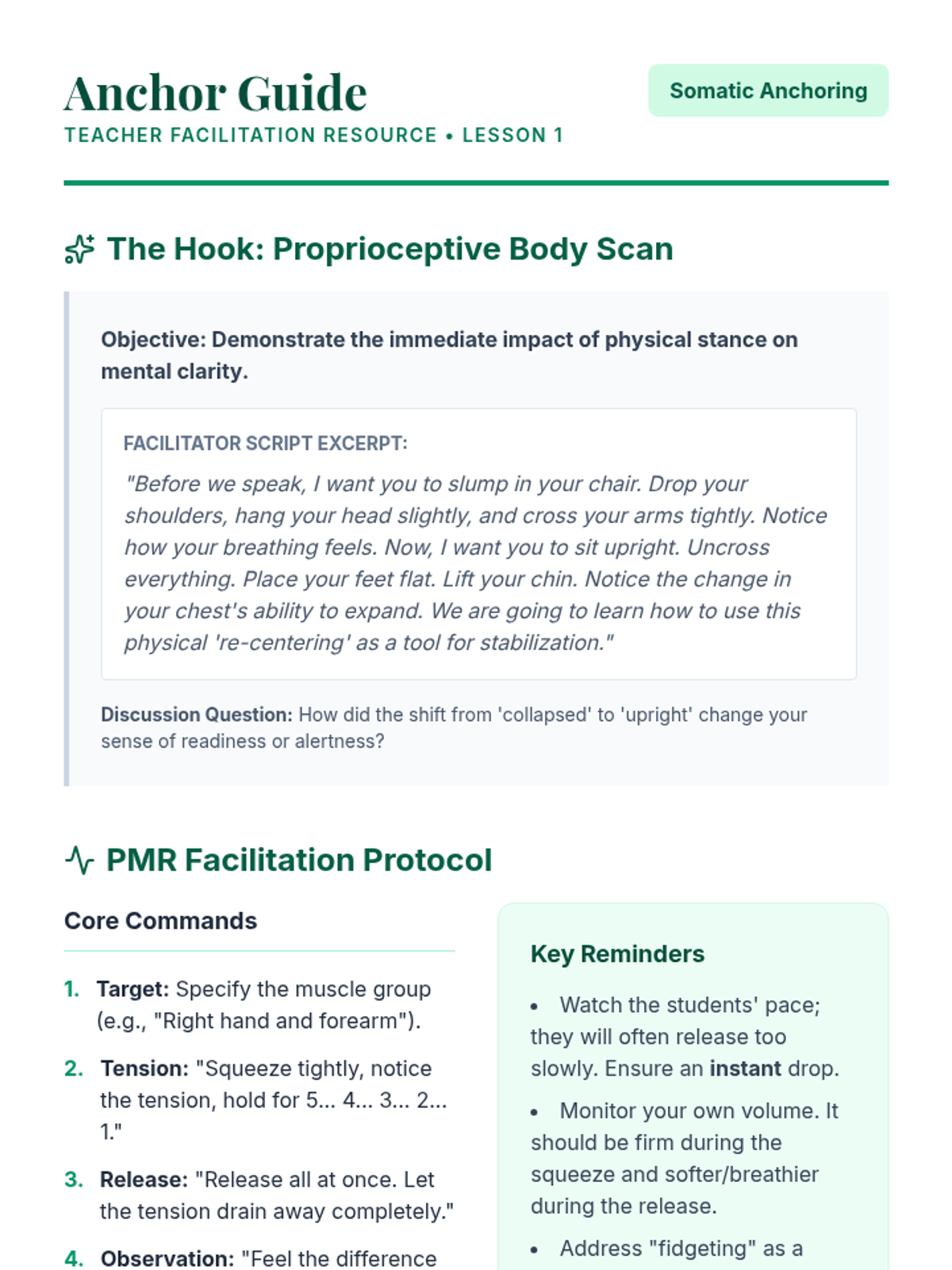
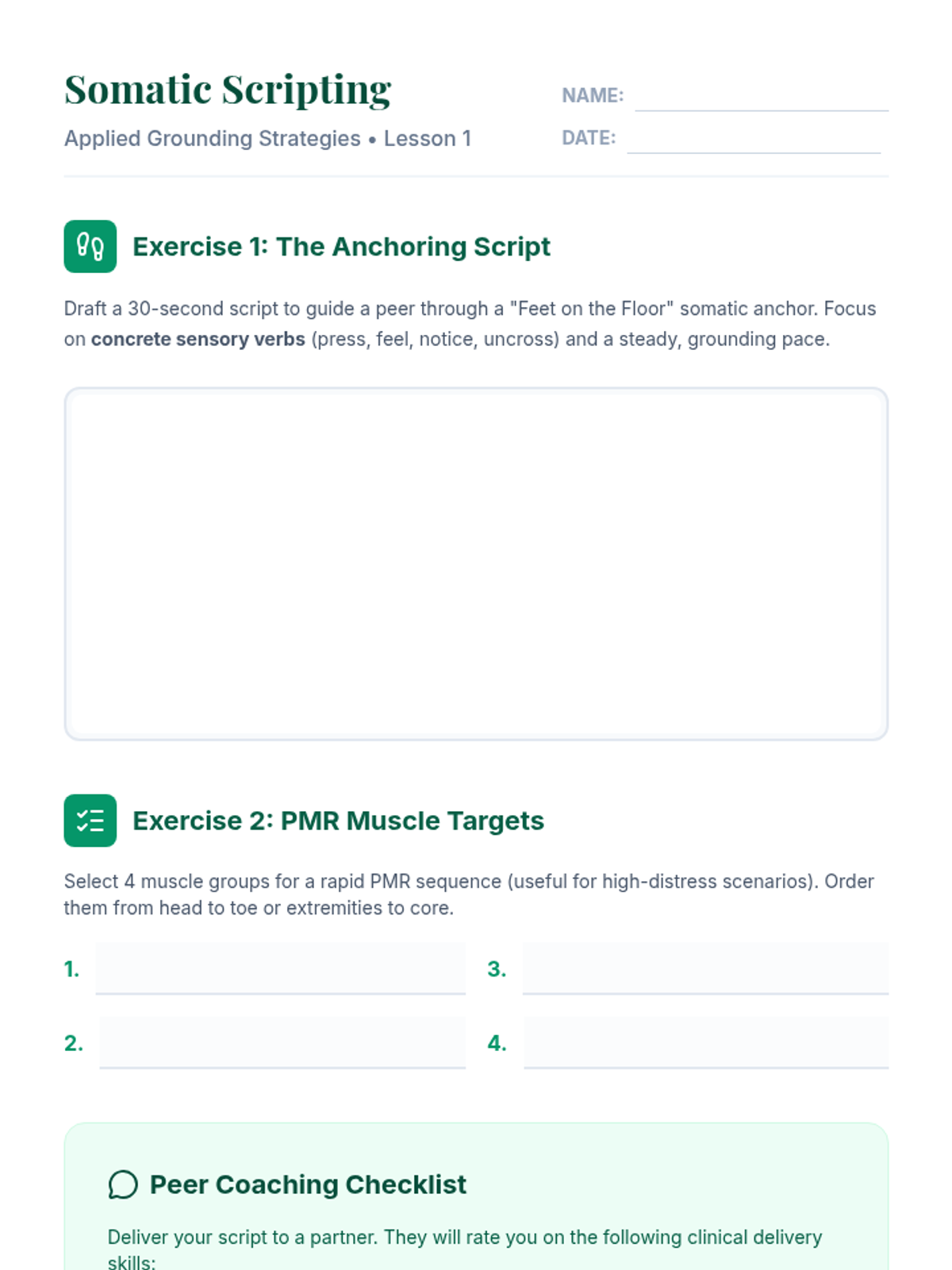
A comprehensive 5-lesson sequence on somatic regulation and Progressive Muscle Relaxation (PMR) for undergraduate students. It covers anatomical breath mechanics, systematic muscle group isolation, and rapid relaxation protocols for real-world stress management.
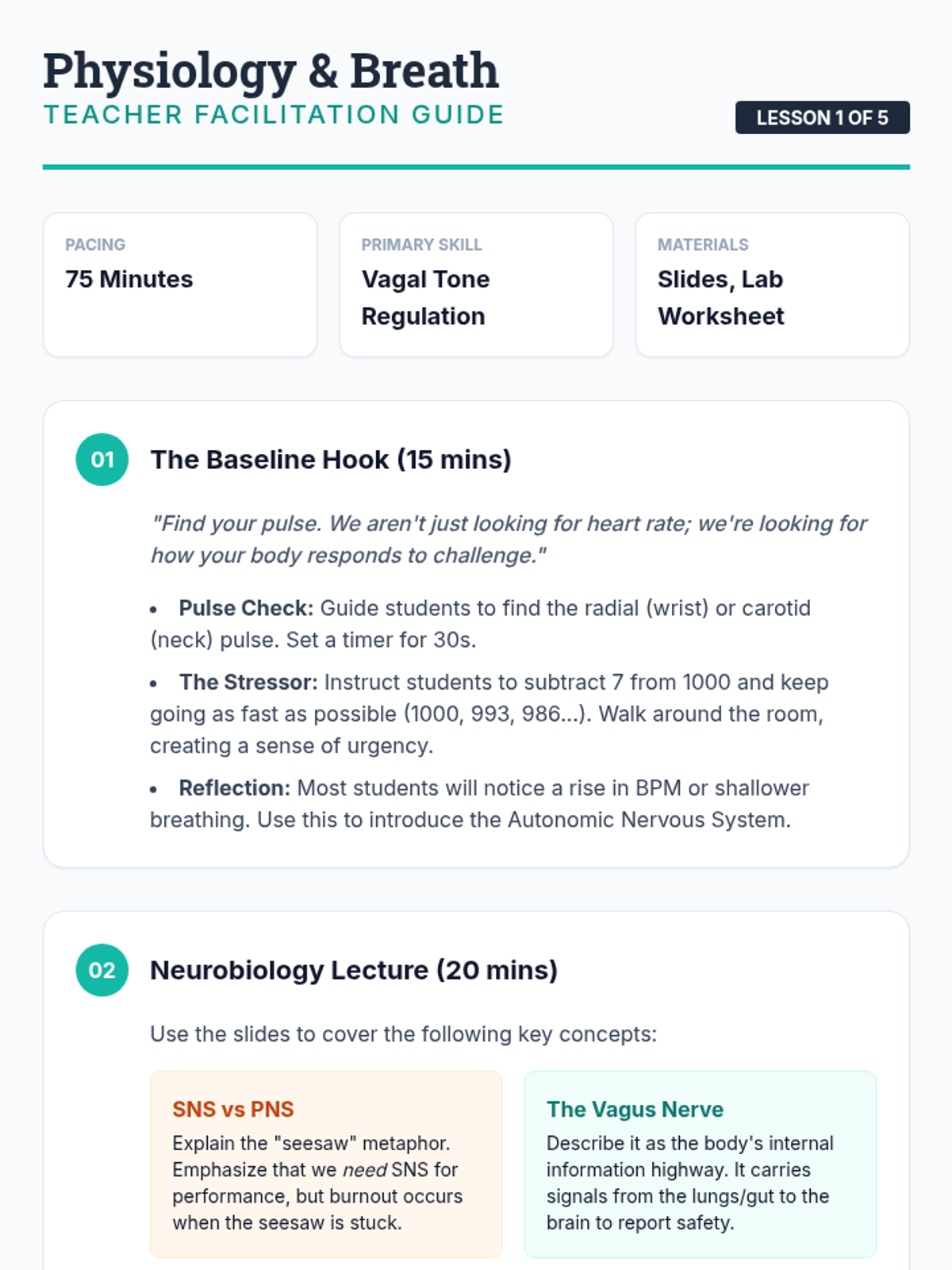
A comprehensive sequence for undergraduate students exploring the neurobiology of stress, the autonomic nervous system, and physiological self-regulation techniques. Students move from theoretical understanding of brain structures to practical mastery of interoception and vagal tone modulation.
This sequence immerses undergraduate students in the theoretical and practical application of advanced conflict resolution, moving beyond basic interpersonal skills to systemic mediation strategies. Students will master interest-based negotiation, emotional regulation, reframing, and power analysis through simulations and case studies.
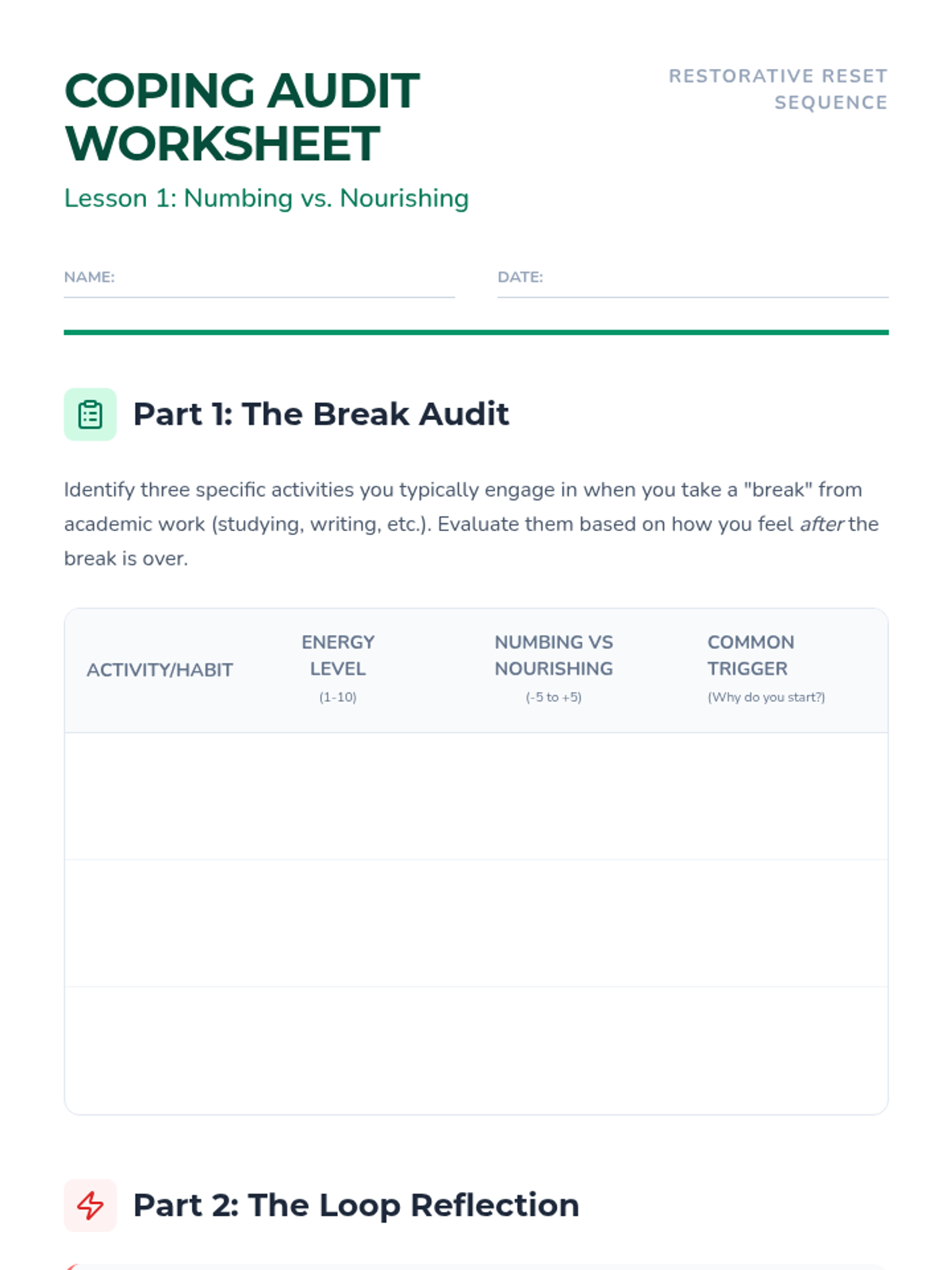
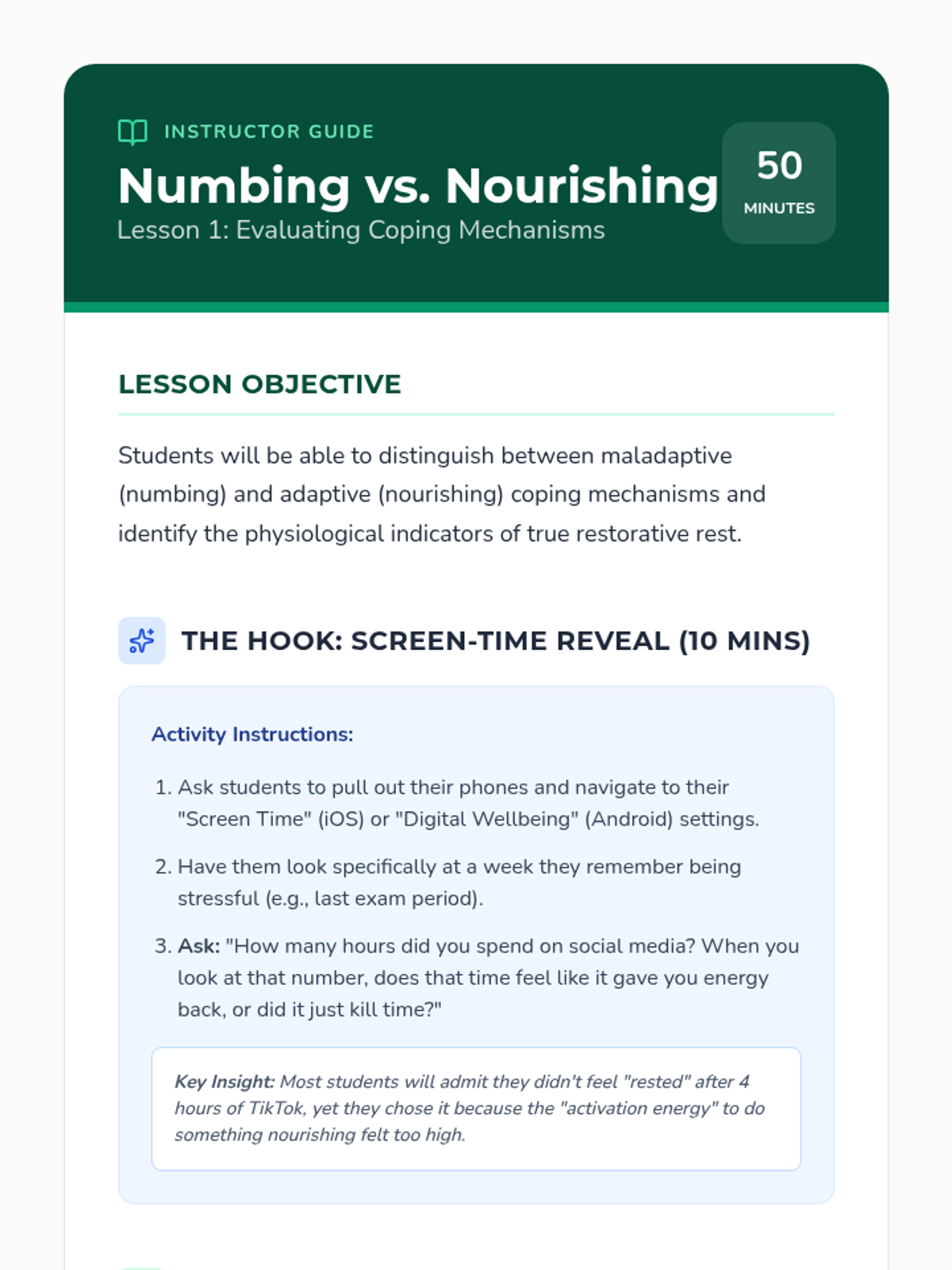
A 5-lesson sequence for undergraduate students focused on transforming requested breaks from avoidant behaviors into restorative regulation. Students explore somatic, cognitive, and environmental strategies to manage stress and transition back to academic work effectively.
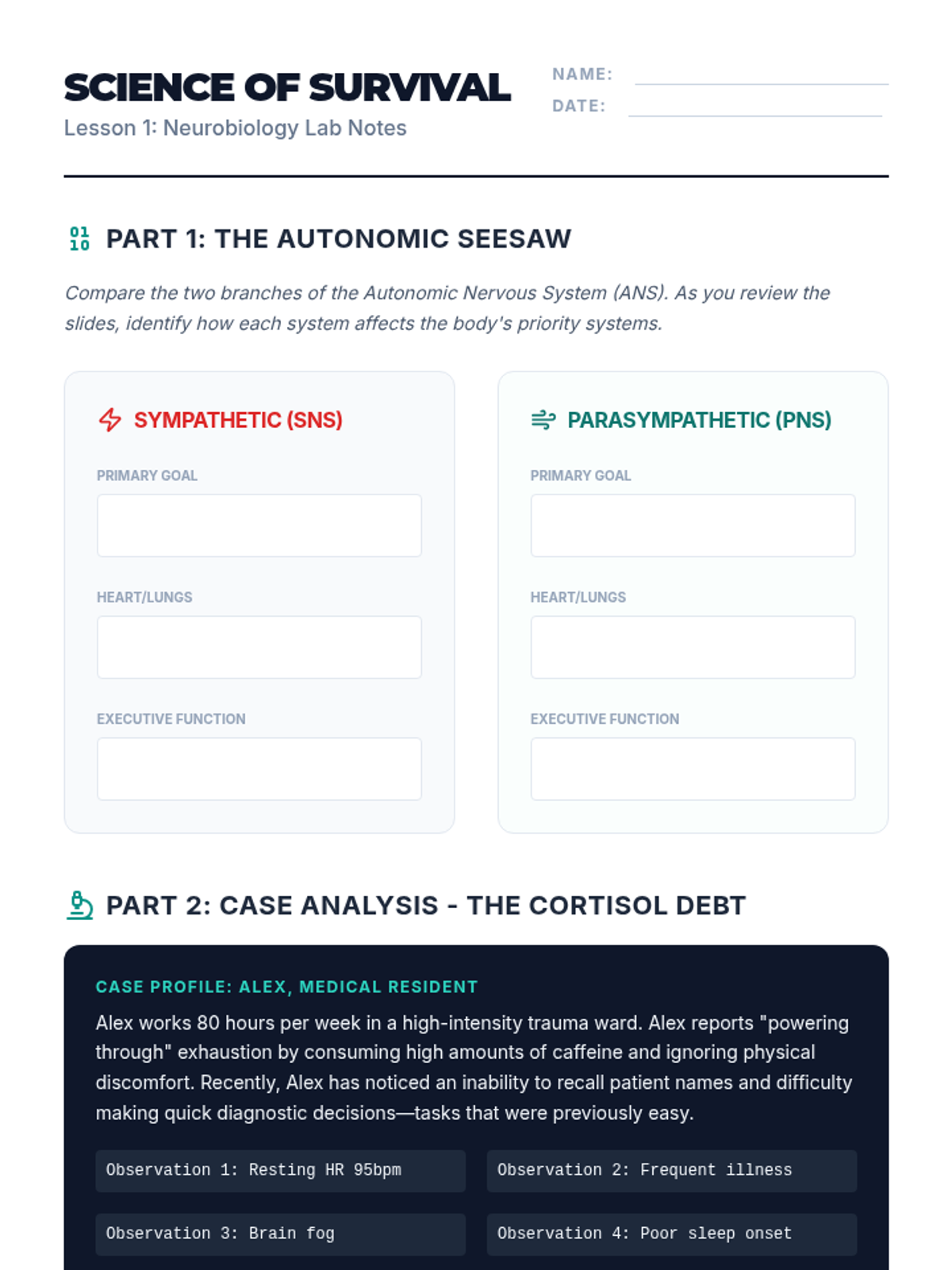
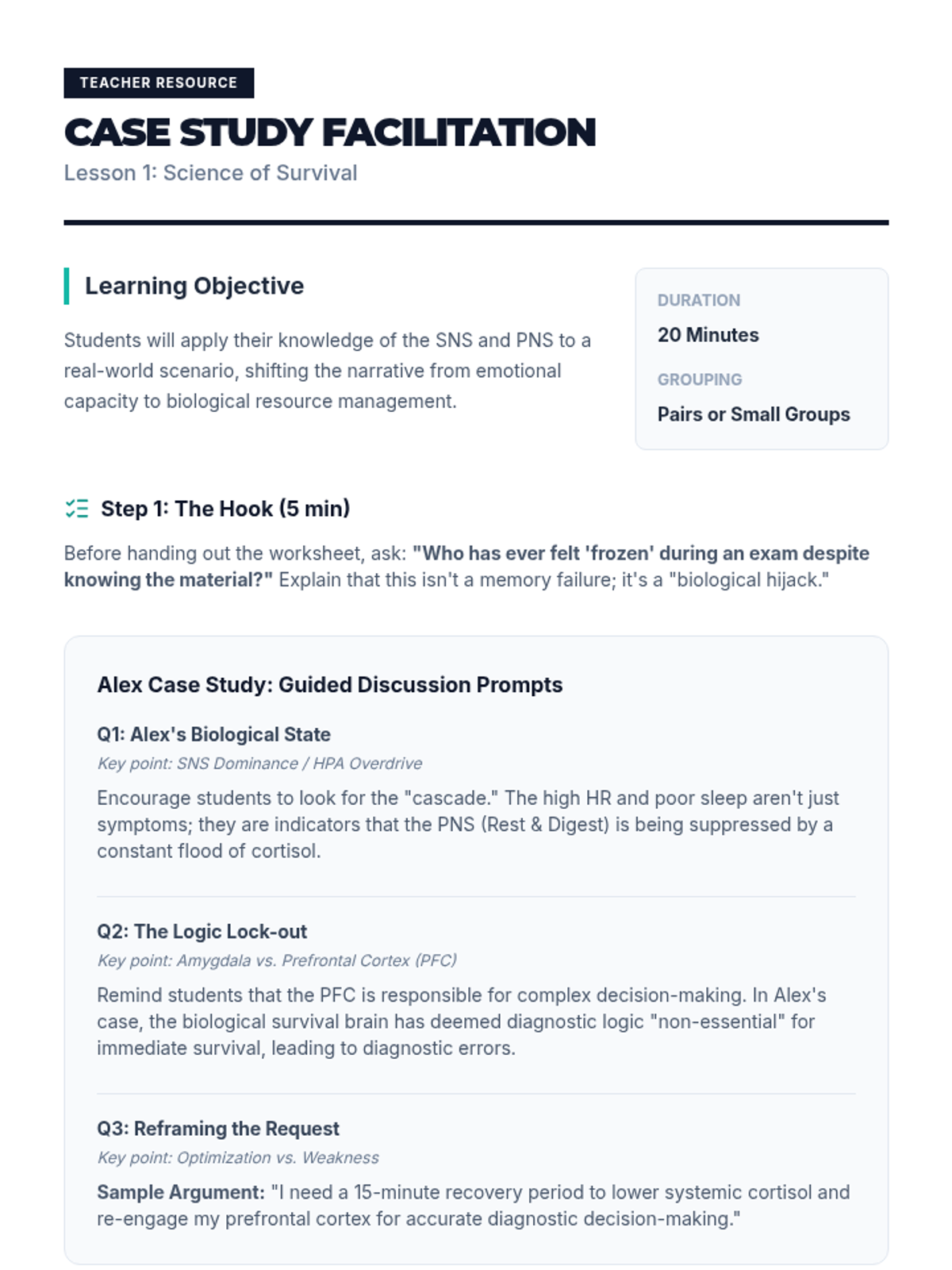
This undergraduate-level sequence explores the biological and psychological underpinnings of stress to legitimize the need for rest and support. Students bridge neuroscience with practical self-regulation, moving from understanding the HPA axis to creating personalized 'Standard Operating Procedures' for mental and physiological performance optimization.
This graduate-level sequence bridges the gap between neurobiological theory and clinical practice. Students will explore the physiological underpinnings of emotional dysregulation, analyze Polyvagal Theory, and develop the skills to implement and explain sensory-based grounding techniques through an evidence-based lens.
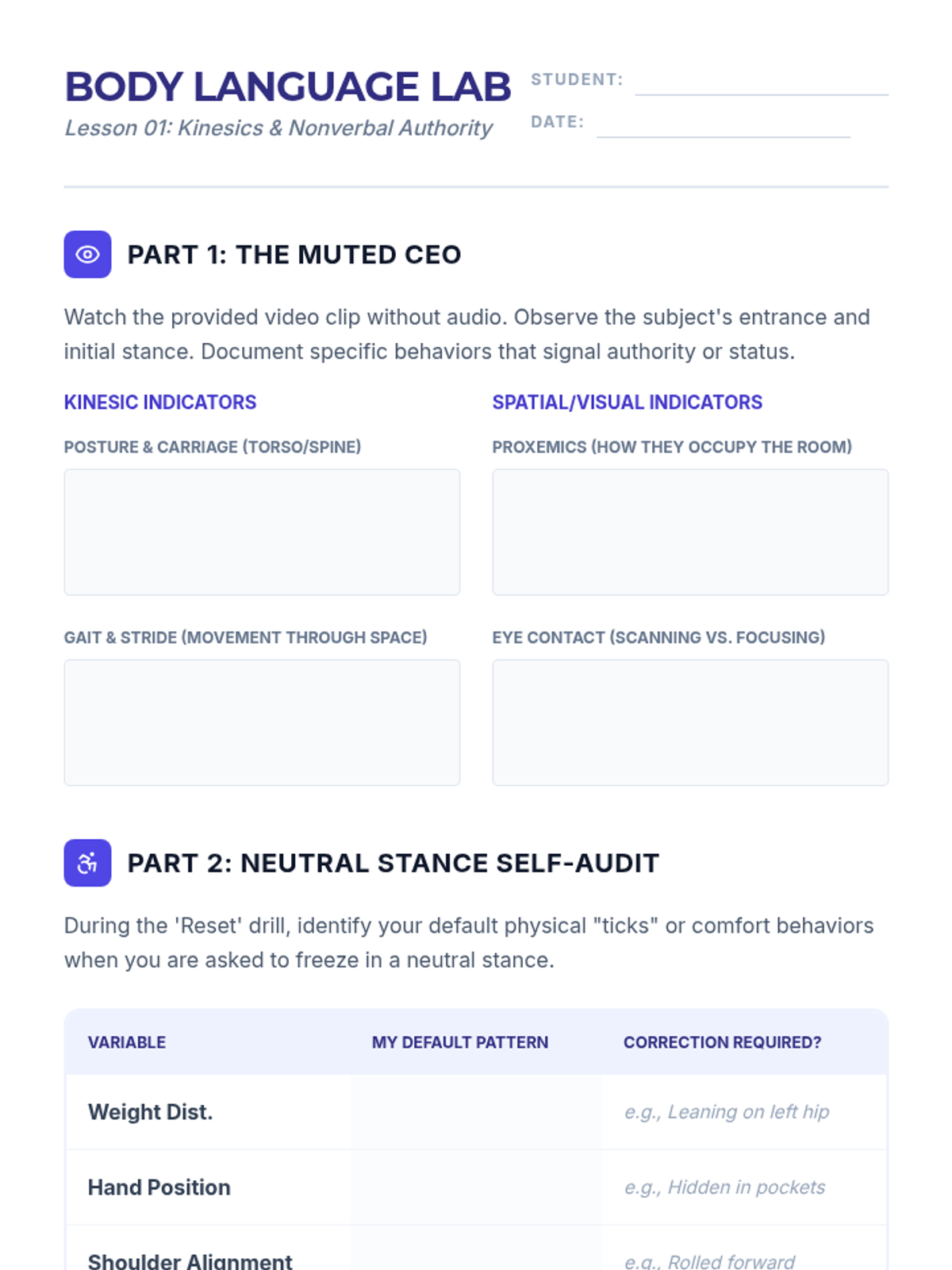
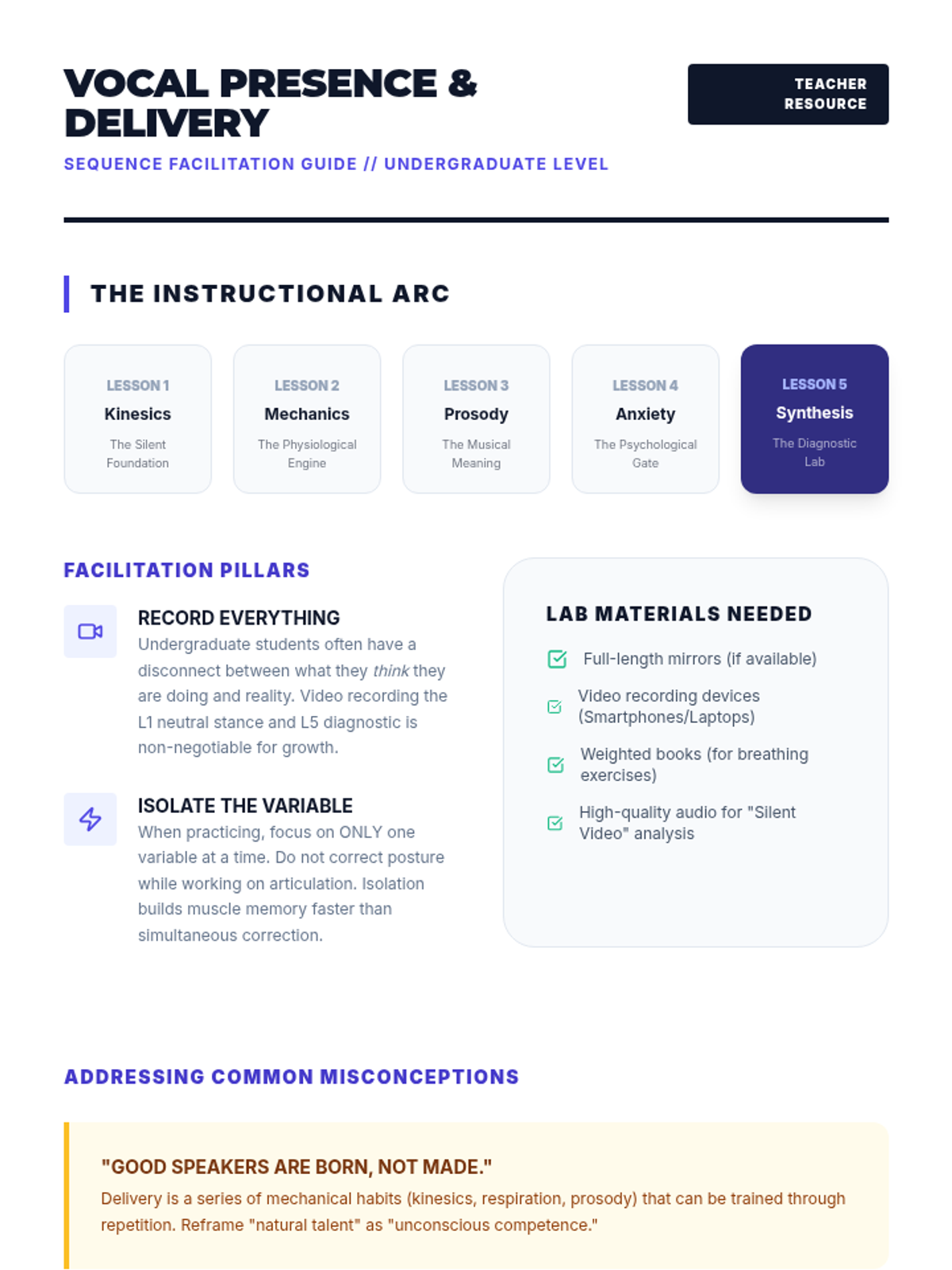
A comprehensive 5-lesson sequence for undergraduate students focused on the physical and psychological components of public speaking delivery. Students progress from nonverbal kinesics to vocal resonance, prosody, anxiety management, and a final diagnostic performance.
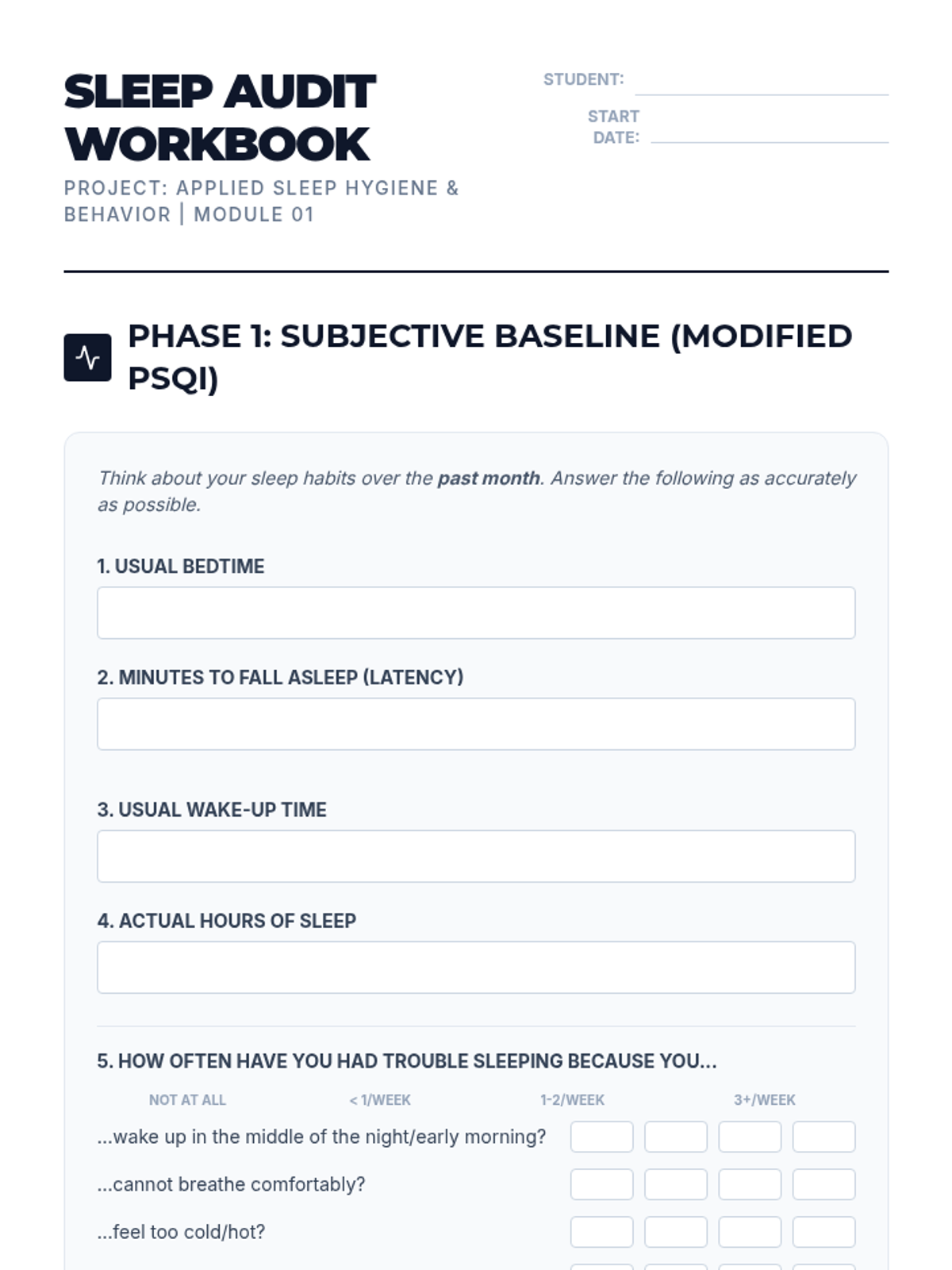
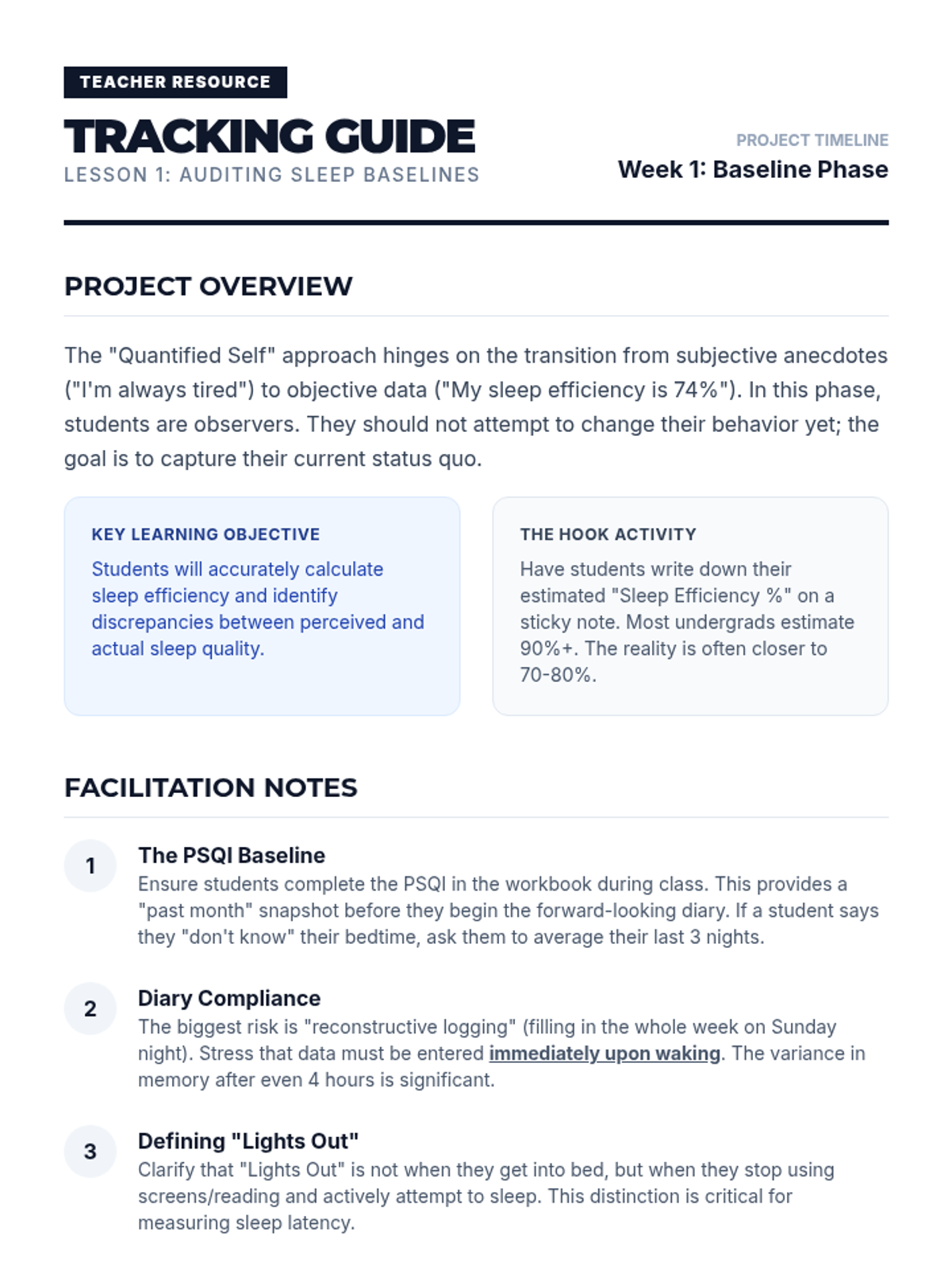
A data-driven workshop sequence guiding undergraduate students through the 'Quantified Self' approach to sleep hygiene. Students establish baselines, optimize their environments, master behavioral conditioning, and manage academic lifestyle factors to create a personalized, evidence-based sleep protocol.
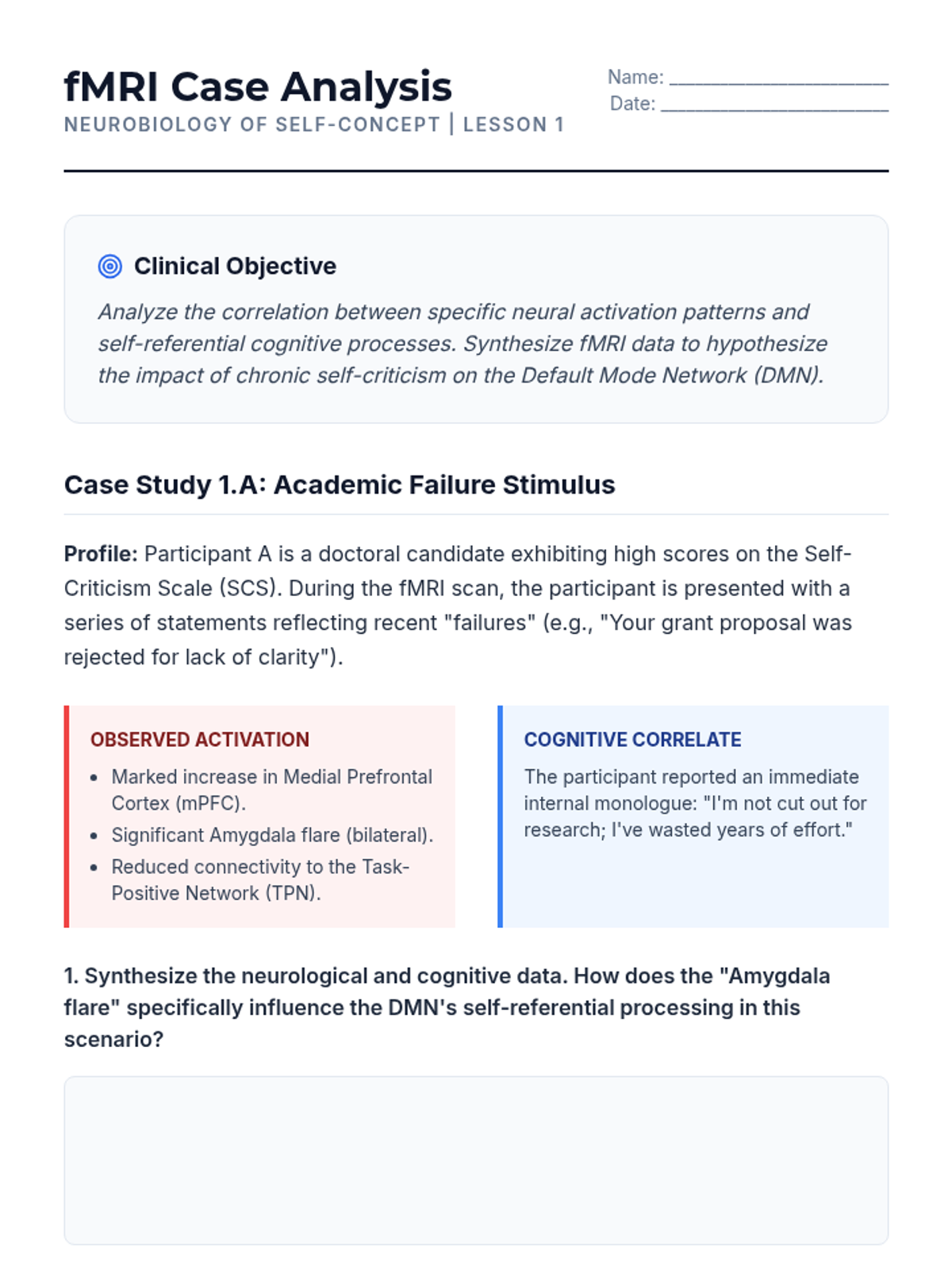
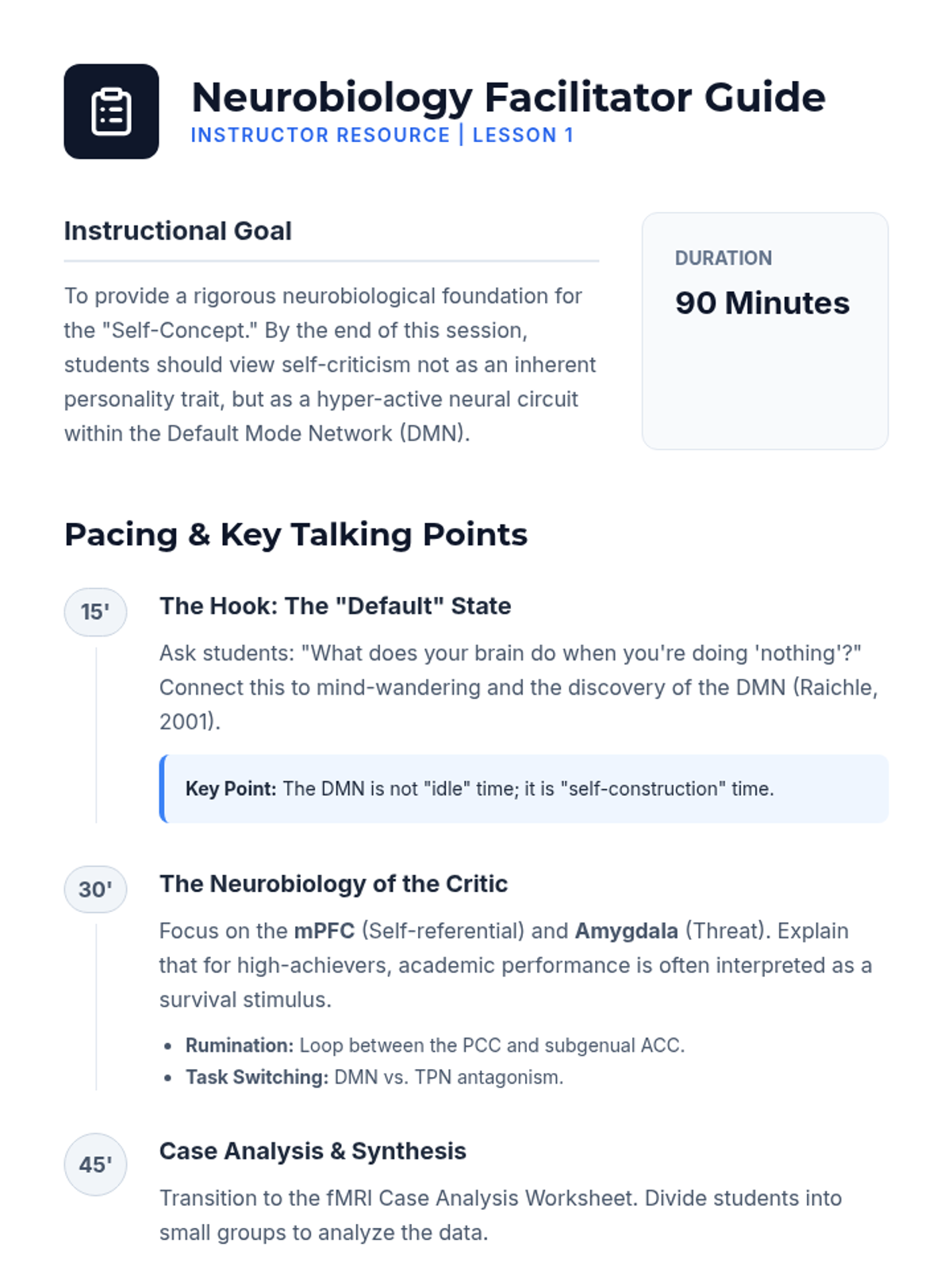
A comprehensive graduate-level sequence exploring the intersection of neurobiology and Cognitive Behavioral Therapy (CBT) to restructure self-concept. Students will analyze the Default Mode Network, identify high-achiever cognitive distortions, and develop evidence-based maintenance protocols for professional resilience.
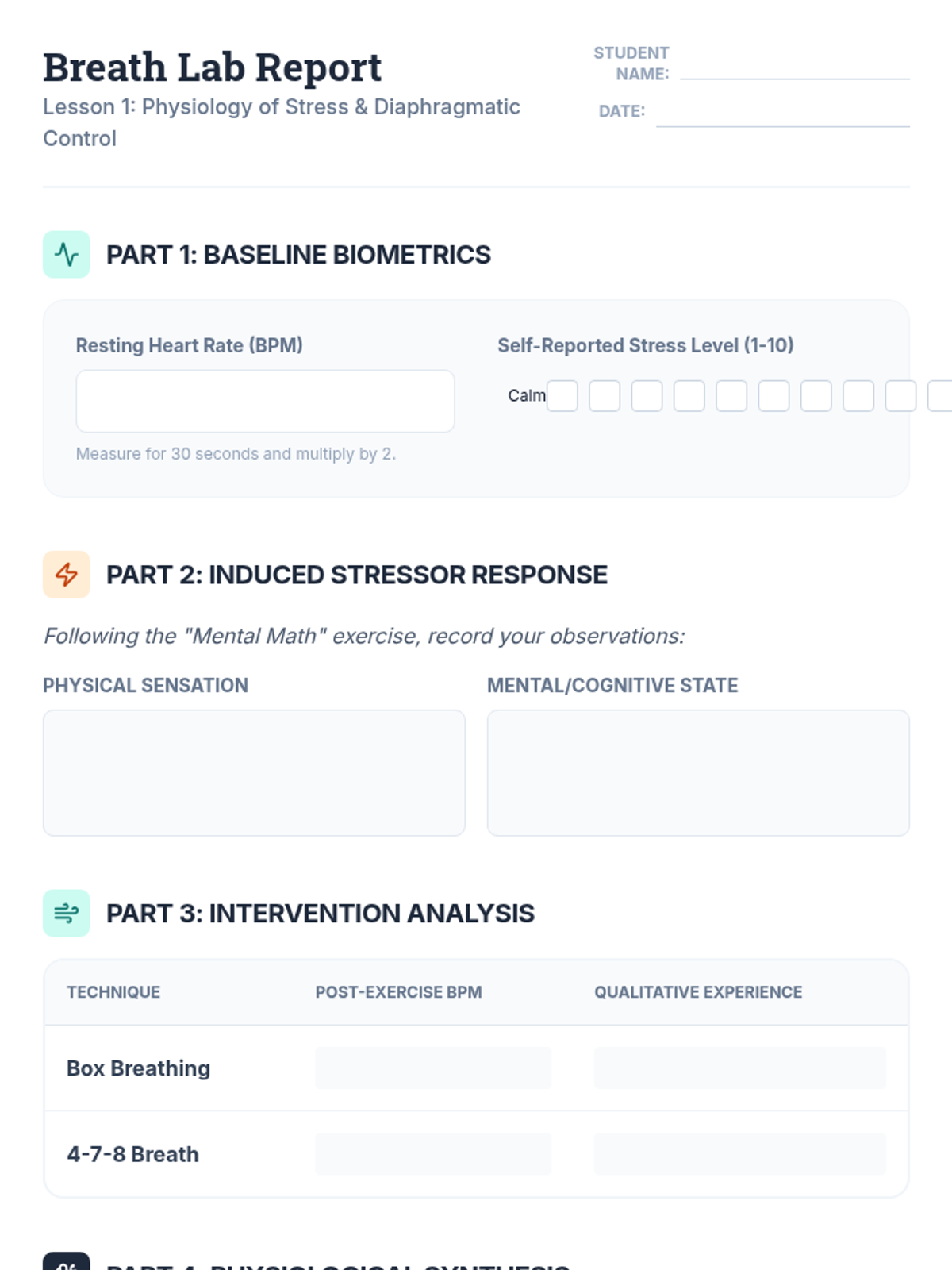
This sequence bridges the gap between neuroscience and mindfulness, teaching undergraduate students how to leverage their own physiology to manage stress and improve cognitive performance. Students learn the biological basis of the stress response and apply specific breathing, somatic, and sensory techniques to build a personalized mental health toolkit.
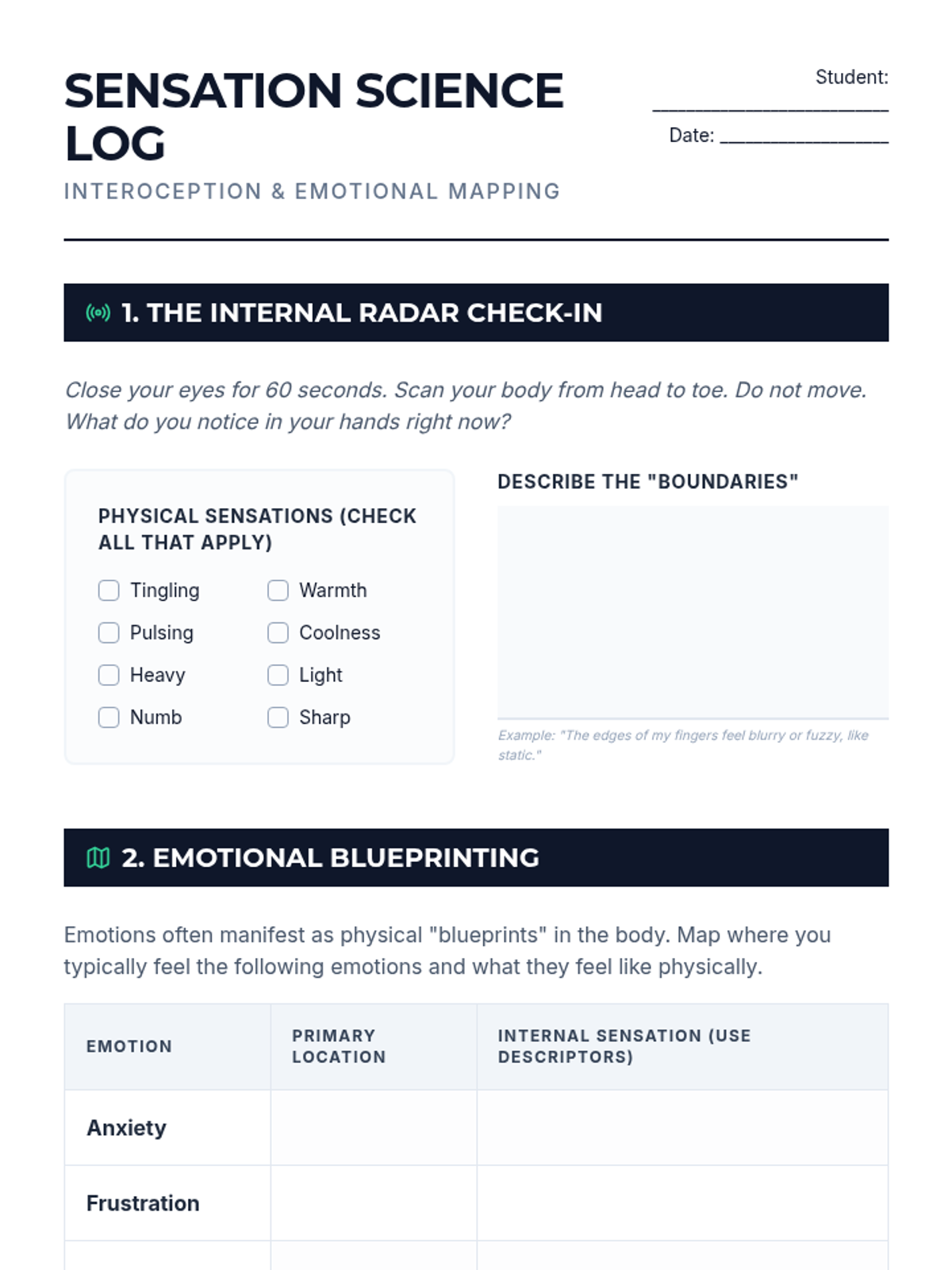
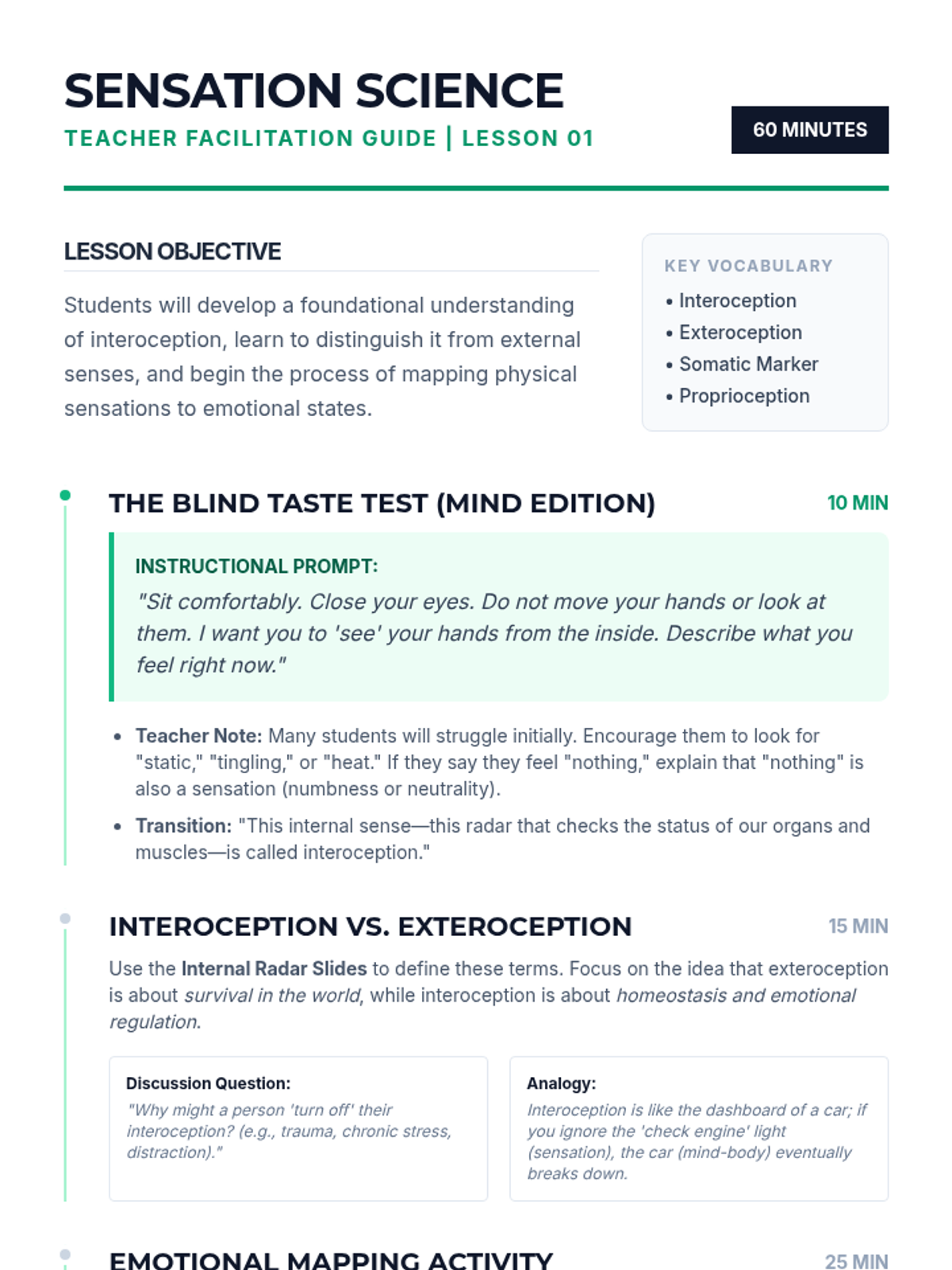
An immersive undergraduate sequence on somatic awareness and mindfulness, moving from basic interoception and muscle relaxation to advanced non-reactive observation and daily life integration. Students develop the cognitive skill of sensing internal states to manage stress and emotional reactivity.
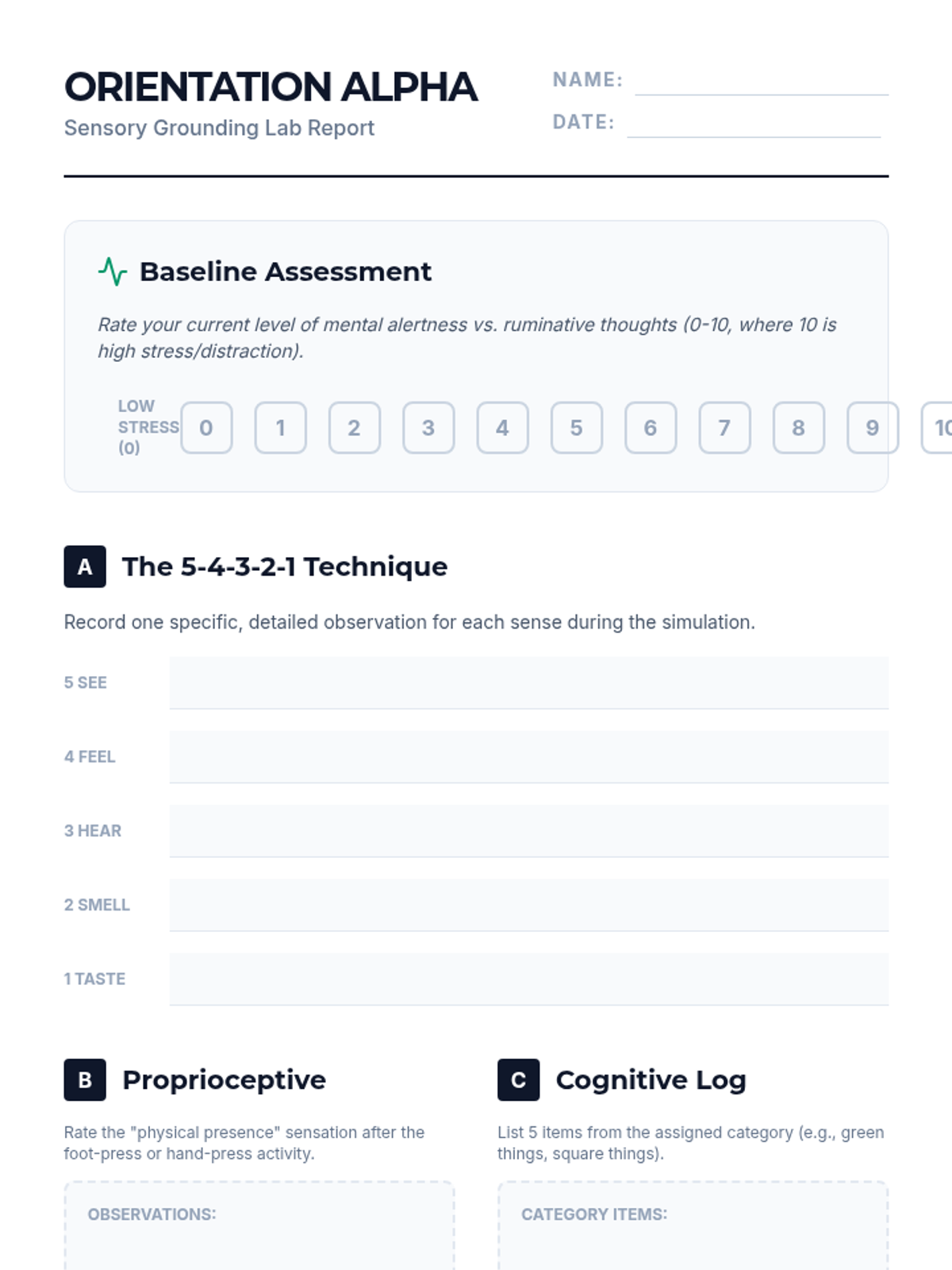
This sequence trains undergraduate students in the practical application of somatic and cognitive grounding techniques for crisis intervention and stabilization. Students progress from learning individual techniques like PMR and 5-4-3-2-1 to facilitating full crisis simulations.
This sequence explores the physiological and neurological underpinnings of grounding techniques within the context of trauma and anxiety regulation. Students will examine the Polyvagal Theory and the 'Window of Tolerance' to understand how sensory and cognitive interventions interact with the autonomic nervous system to reduce hyperarousal.
An inquiry-based exploration of the autonomic nervous system and progressive muscle relaxation (PMR). Students investigate the 'fight or flight' response, map their personal somatic stress patterns, and conduct bio-hack experiments to manually regulate their physiological state, culminating in a personalized somatic regulation plan.
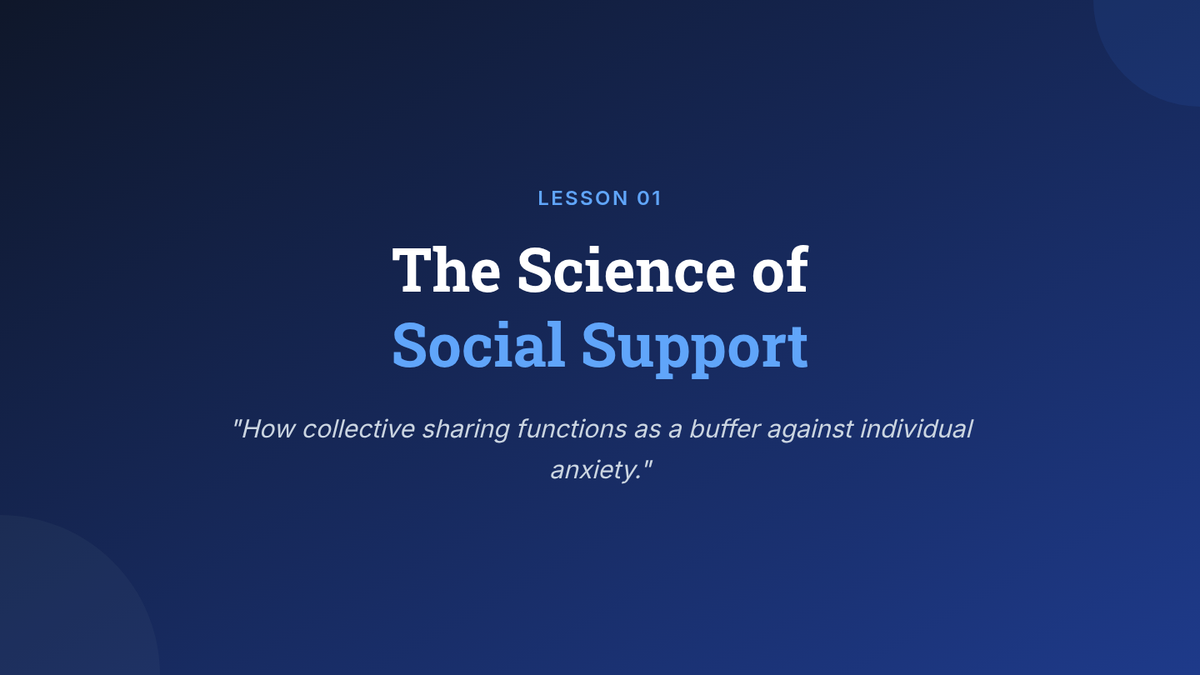
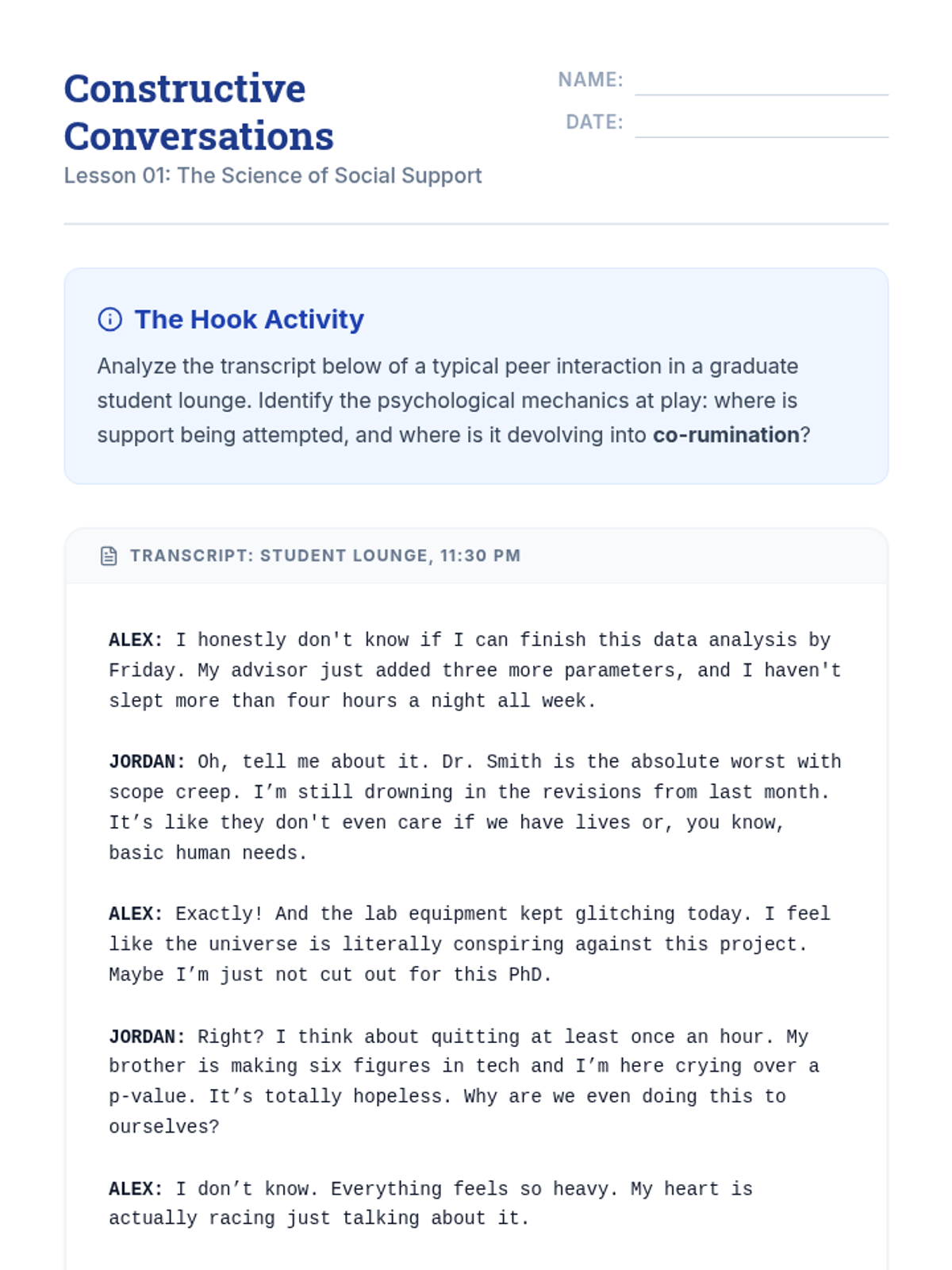
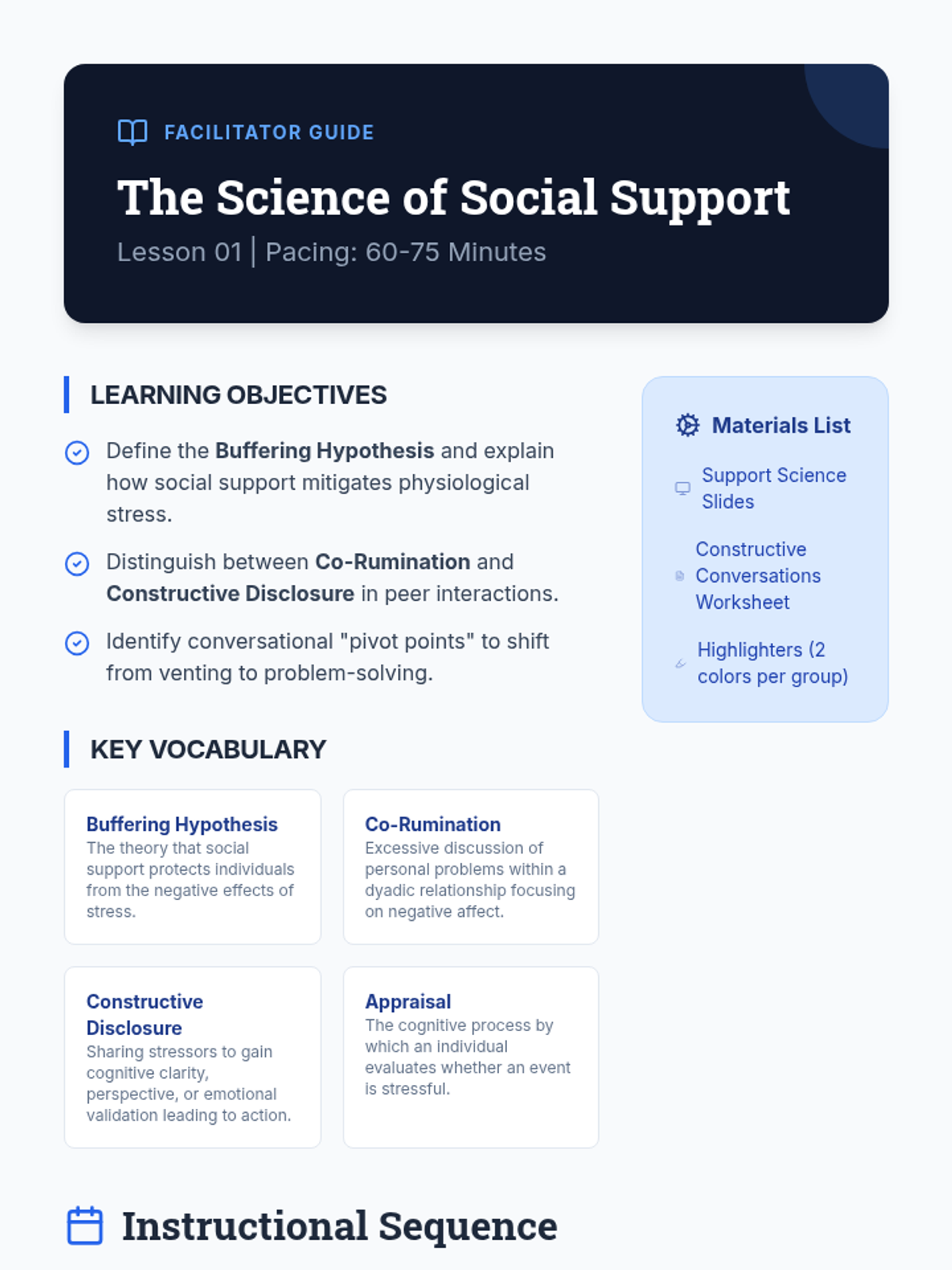
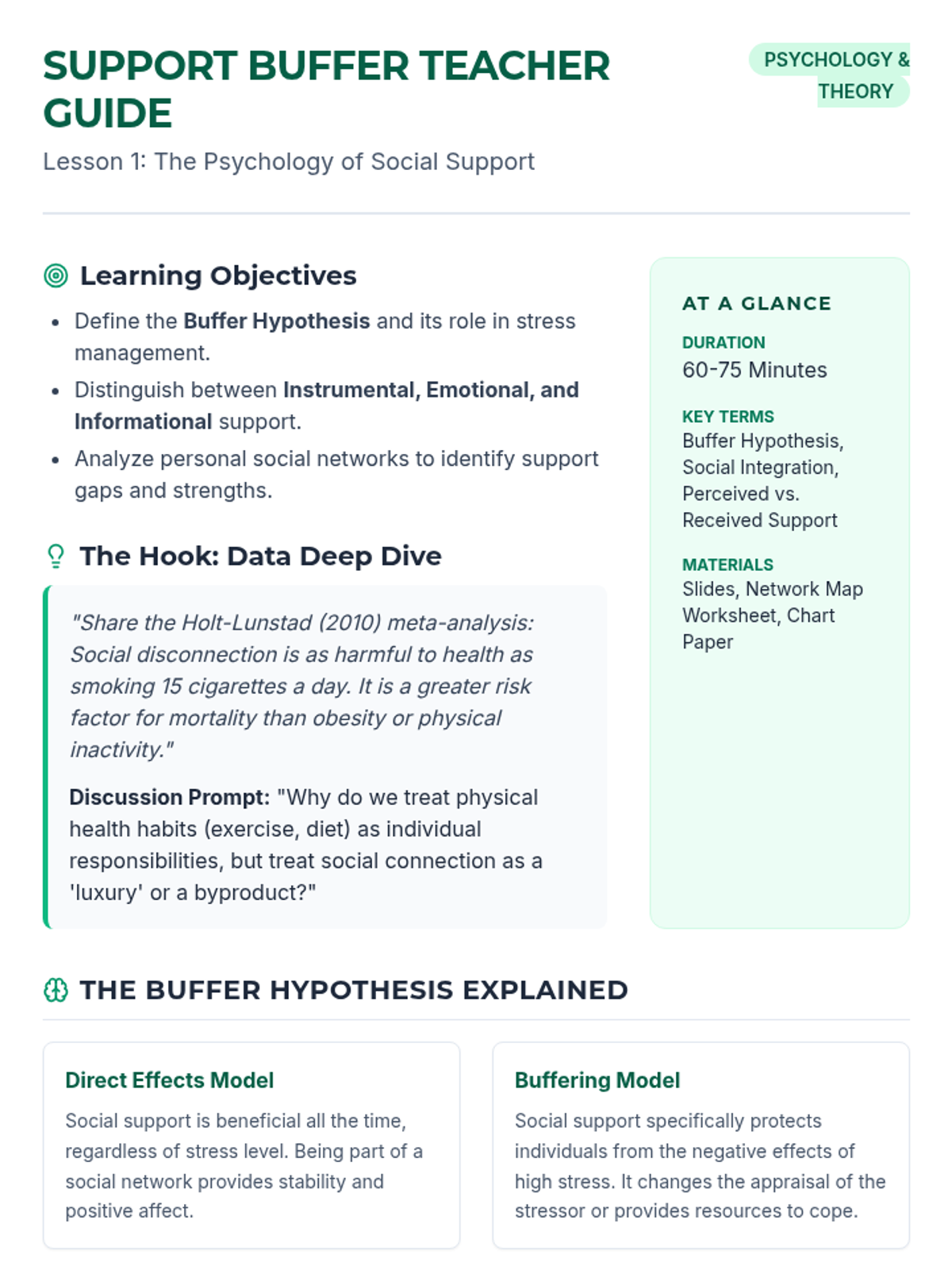
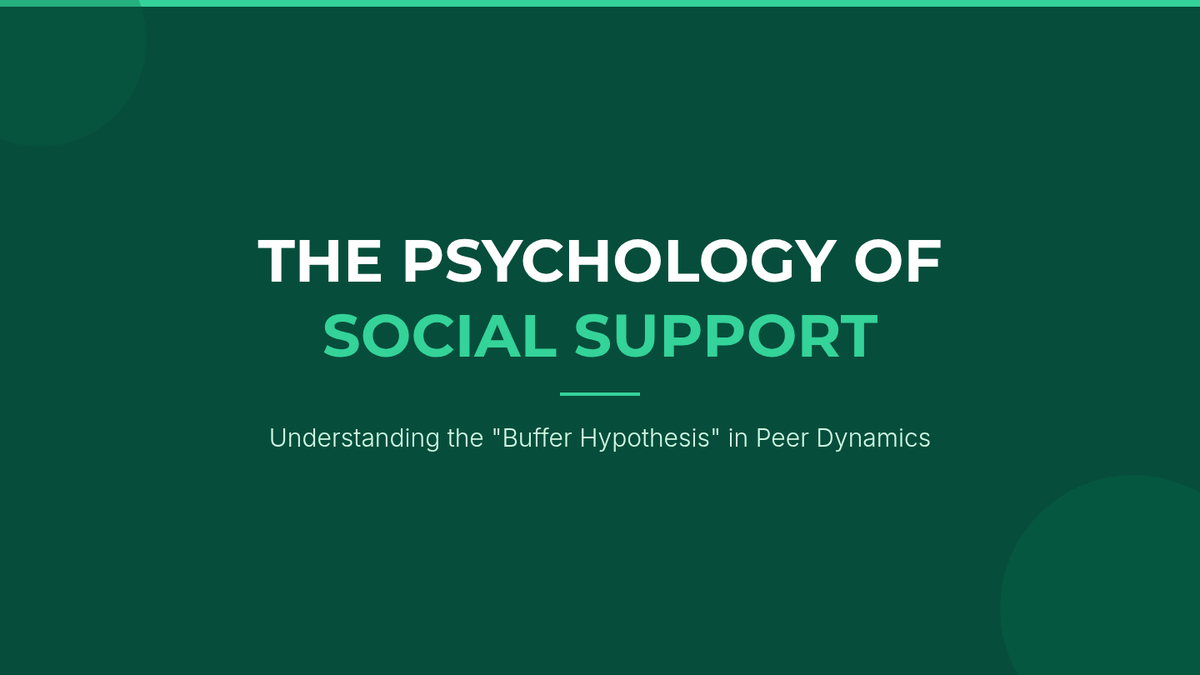
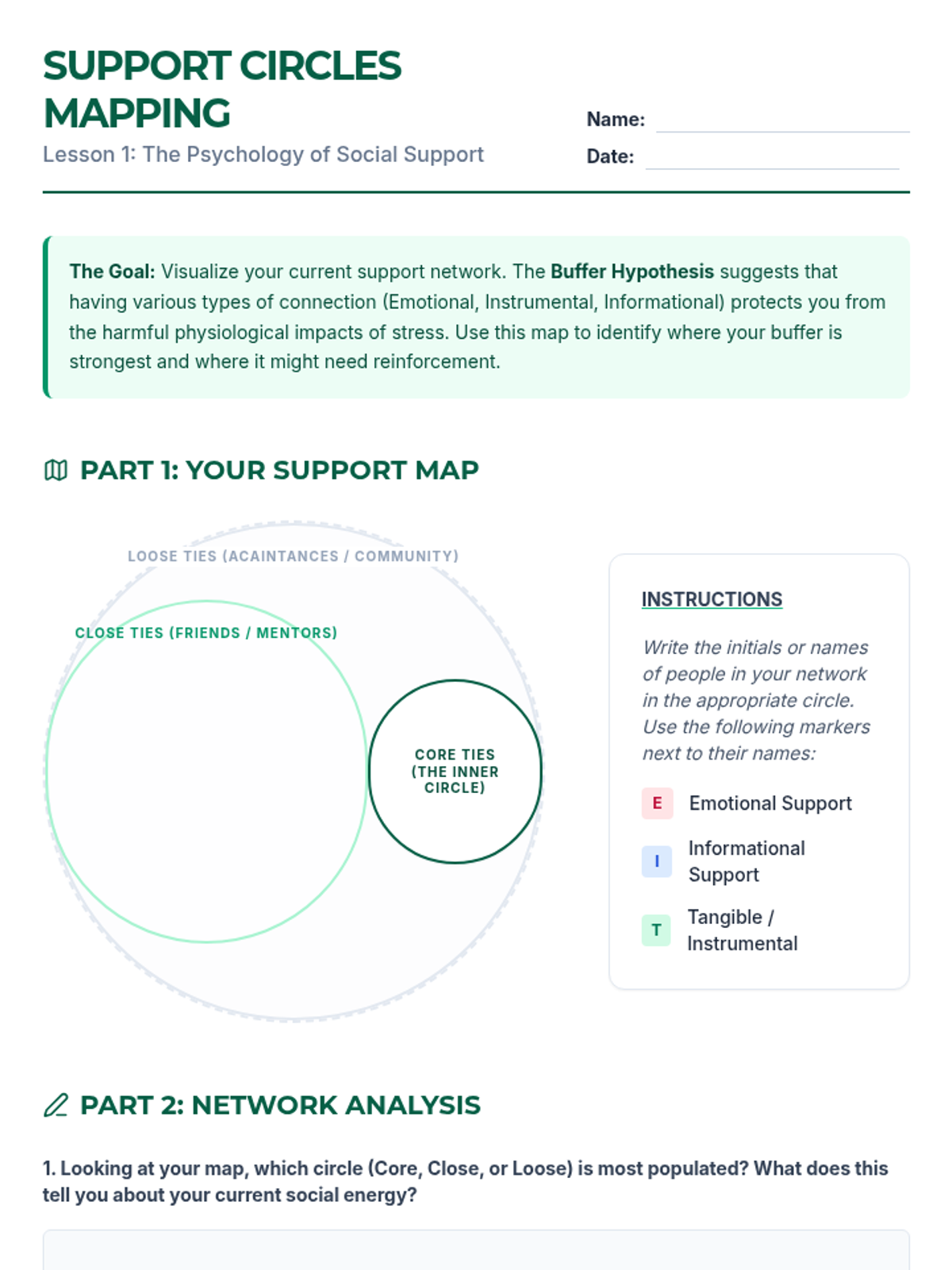
A graduate-level training sequence on facilitating peer support systems to mitigate stress and anxiety. Students learn the science of social support, micro-skills for active listening, boundary setting to prevent burnout, and group facilitation techniques to create sustainable communities of care.
A comprehensive sequence for undergraduate students exploring the social psychology of stress and the practical skills needed to build resilient peer support networks. Students move from theoretical understanding to practical facilitation and community planning.
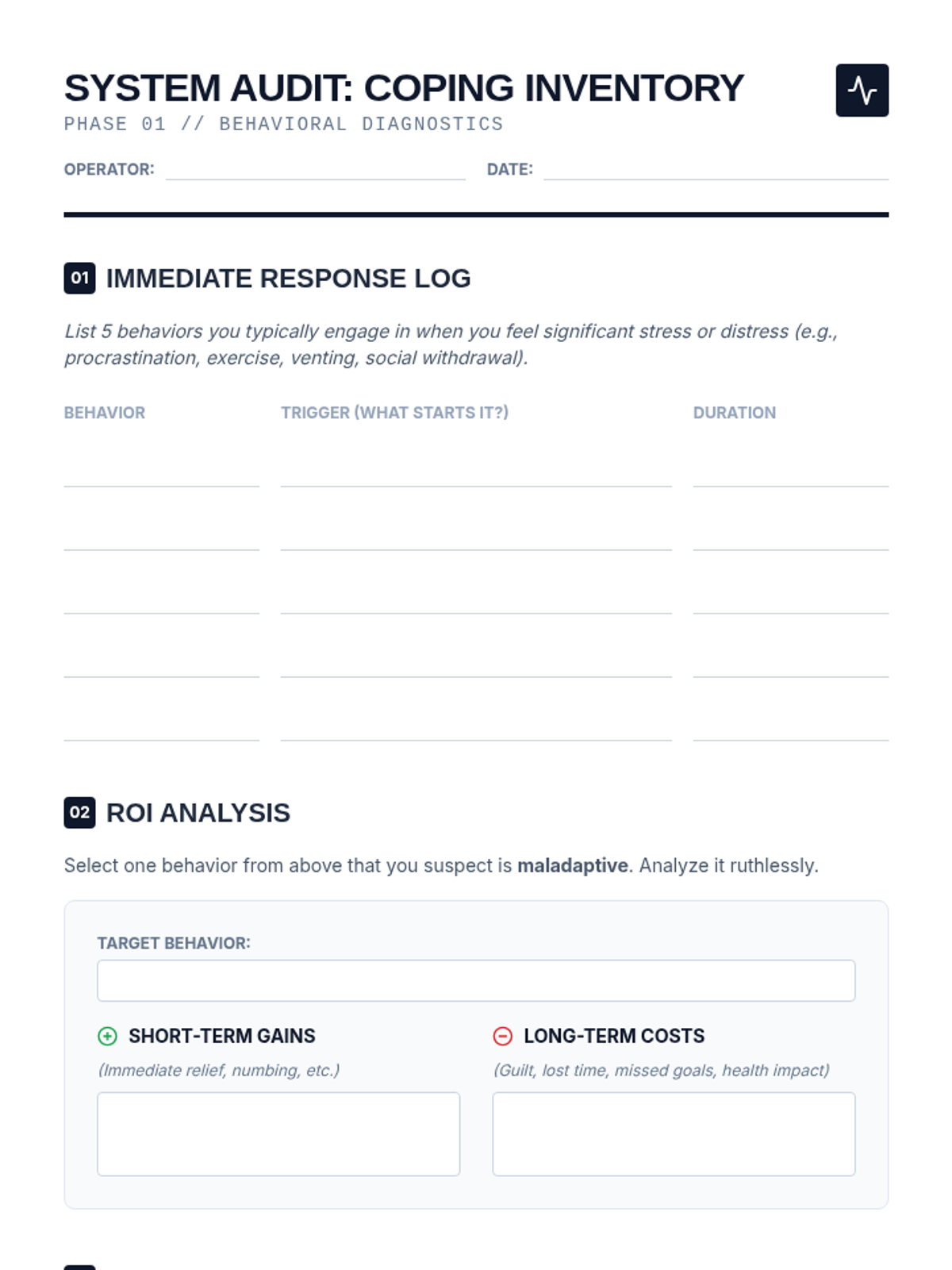
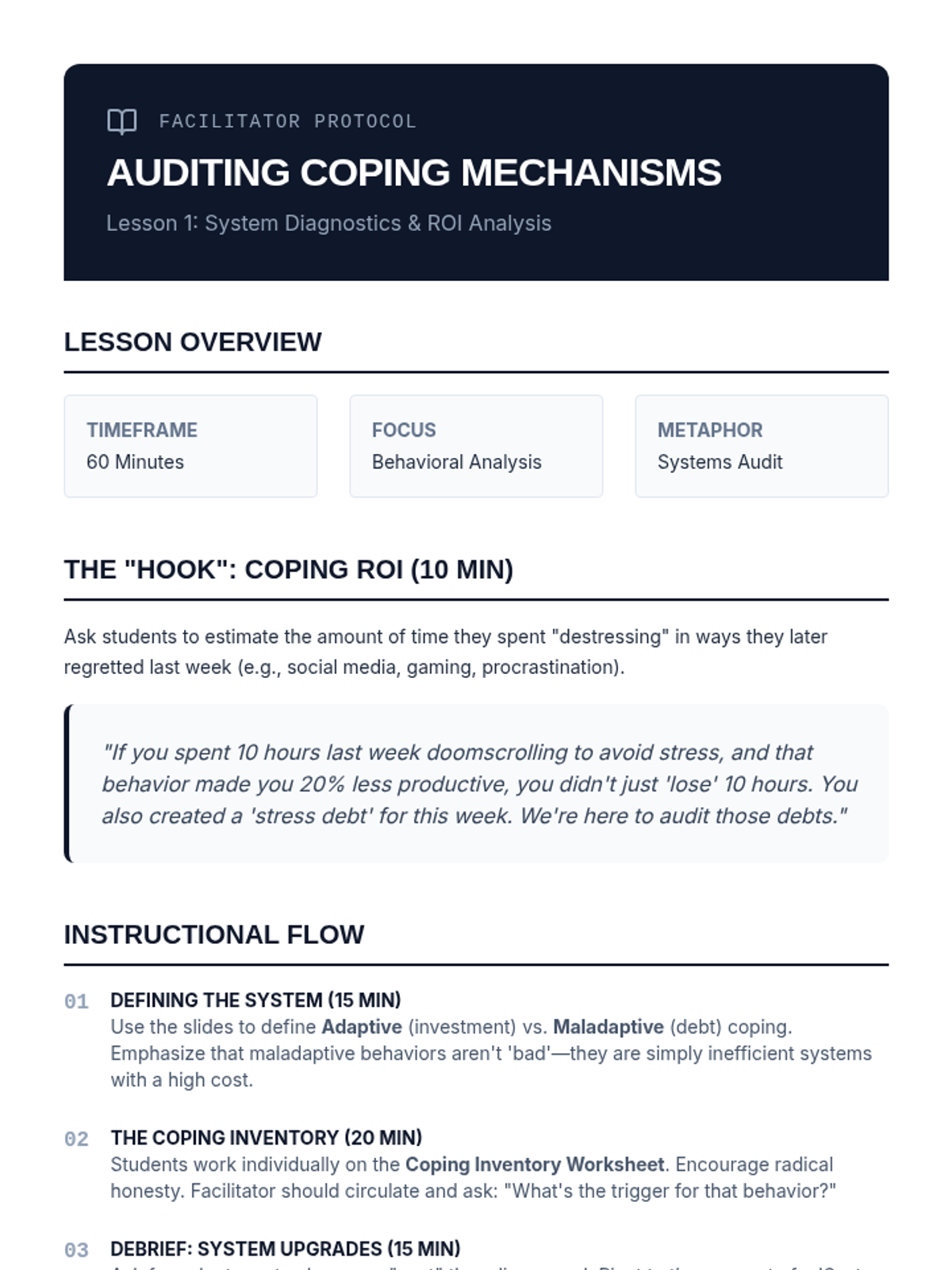
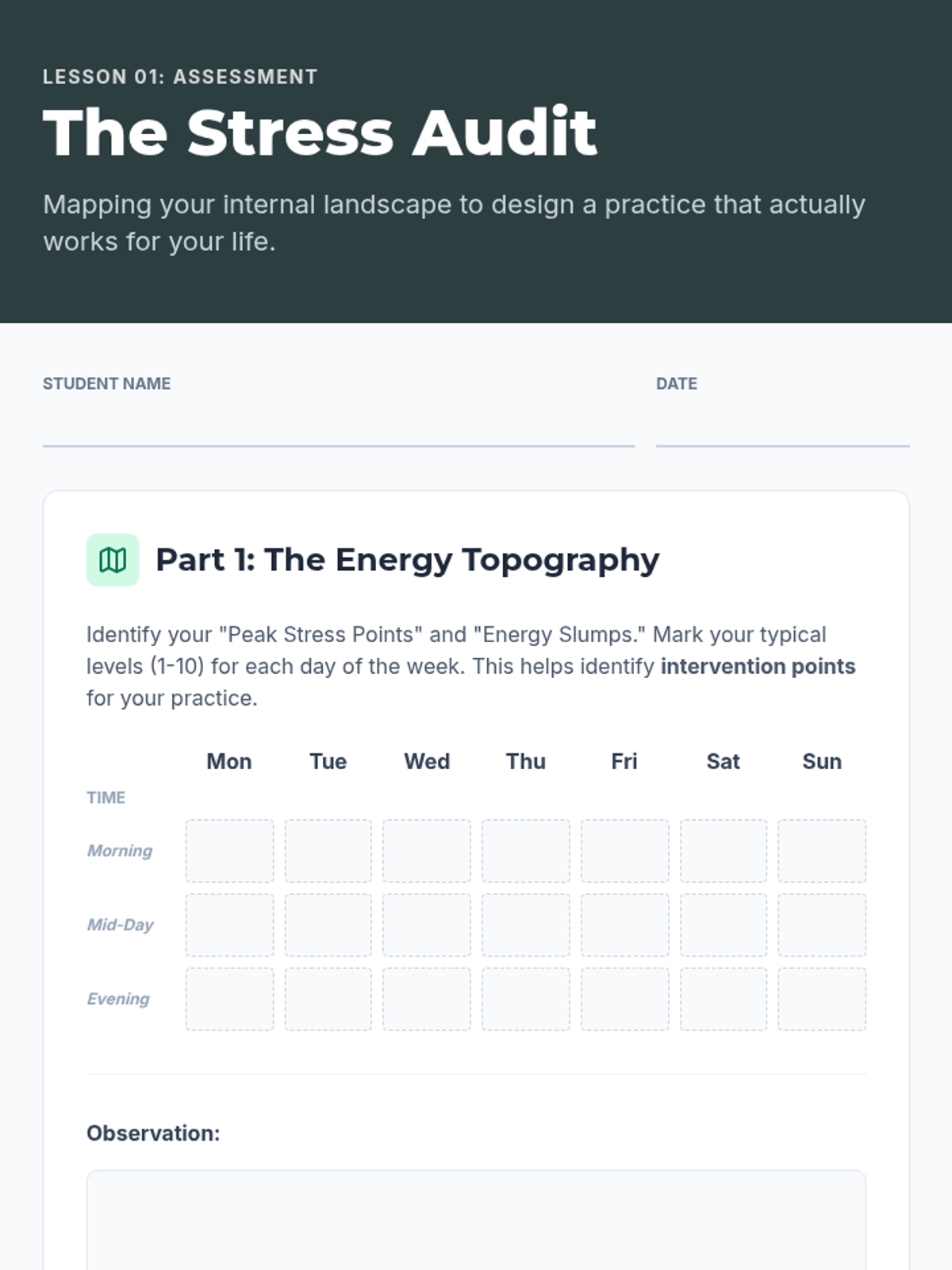
A mastery-focused sequence where undergraduate students audit their current stress responses and design a personalized, tiered emotional regulation protocol. Students use systems thinking to build resilient habits and prepare for future distress.
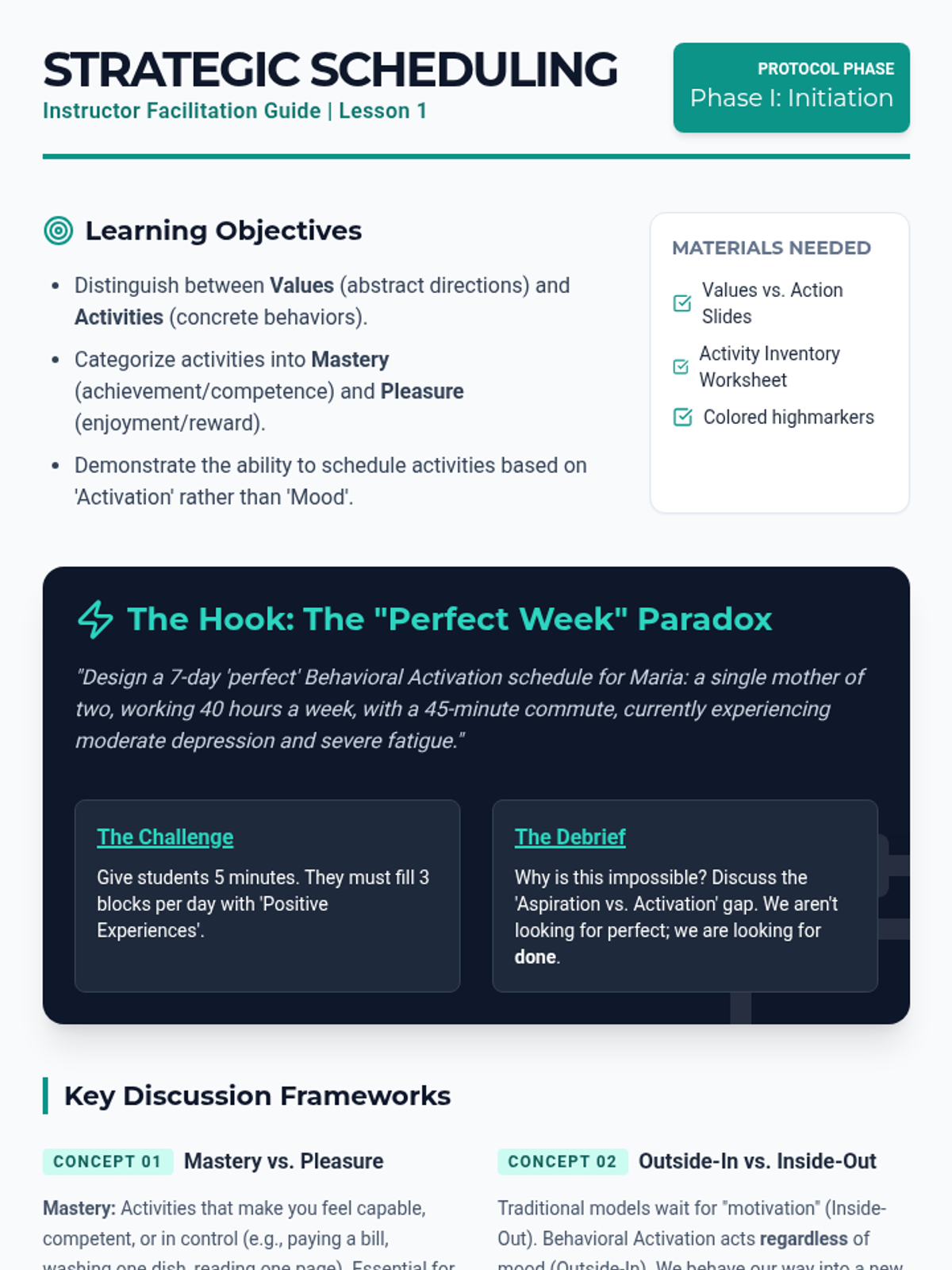
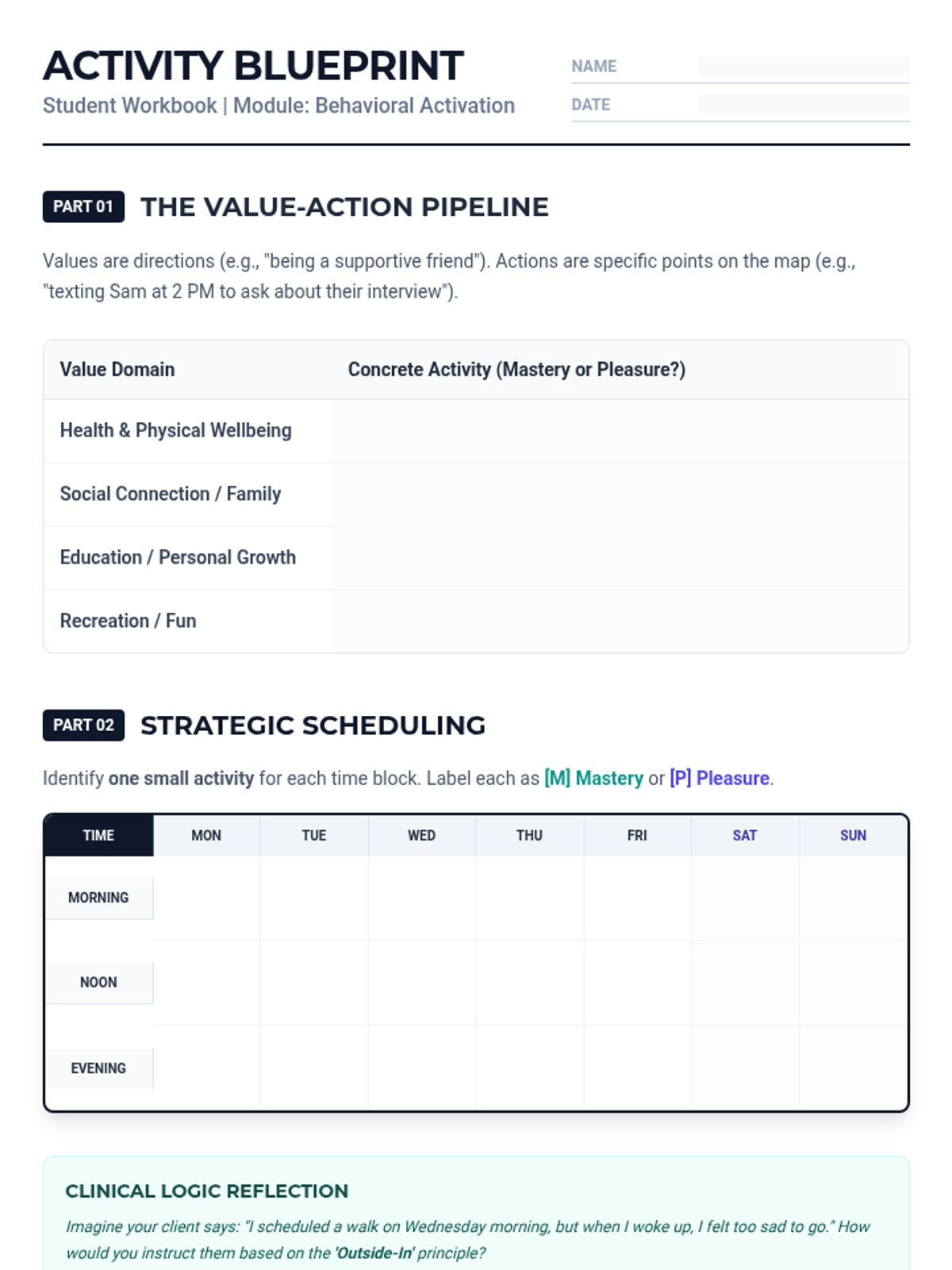
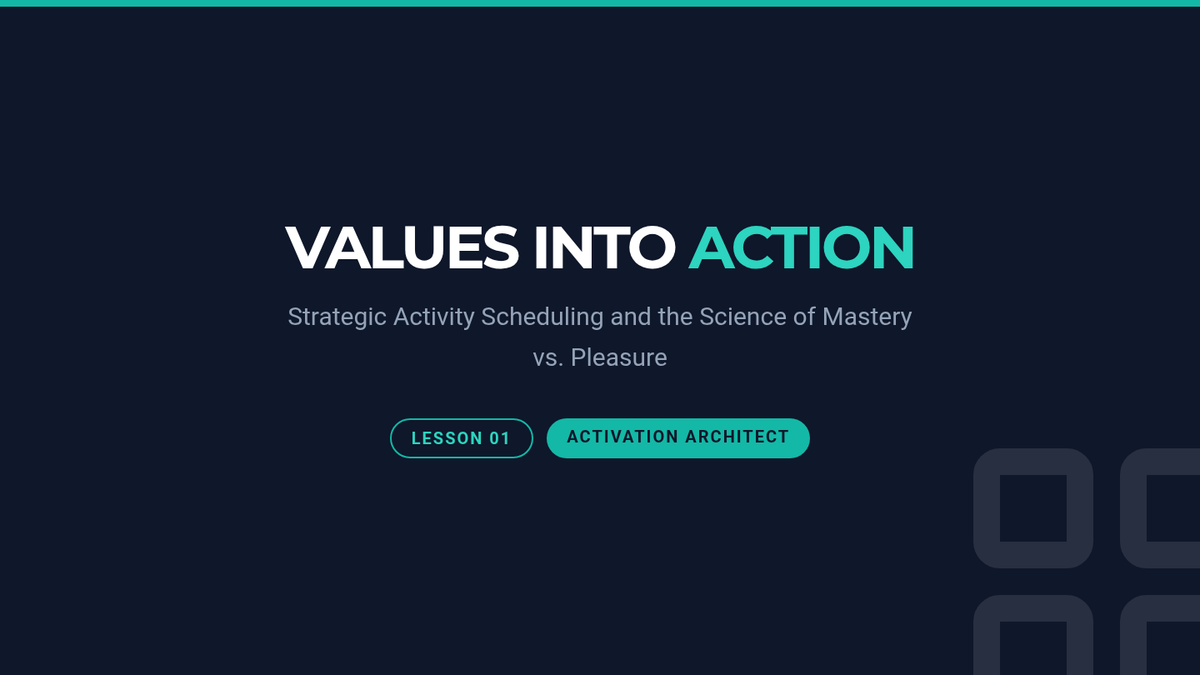
This sequence guides undergraduate students through the practical application of Behavioral Activation (BA) protocols. Moving from theoretical understanding to clinical implementation, students learn to design interventions, troubleshoot psychological barriers using the TRAP/TRAC model, and analyze data to refine therapeutic outcomes.
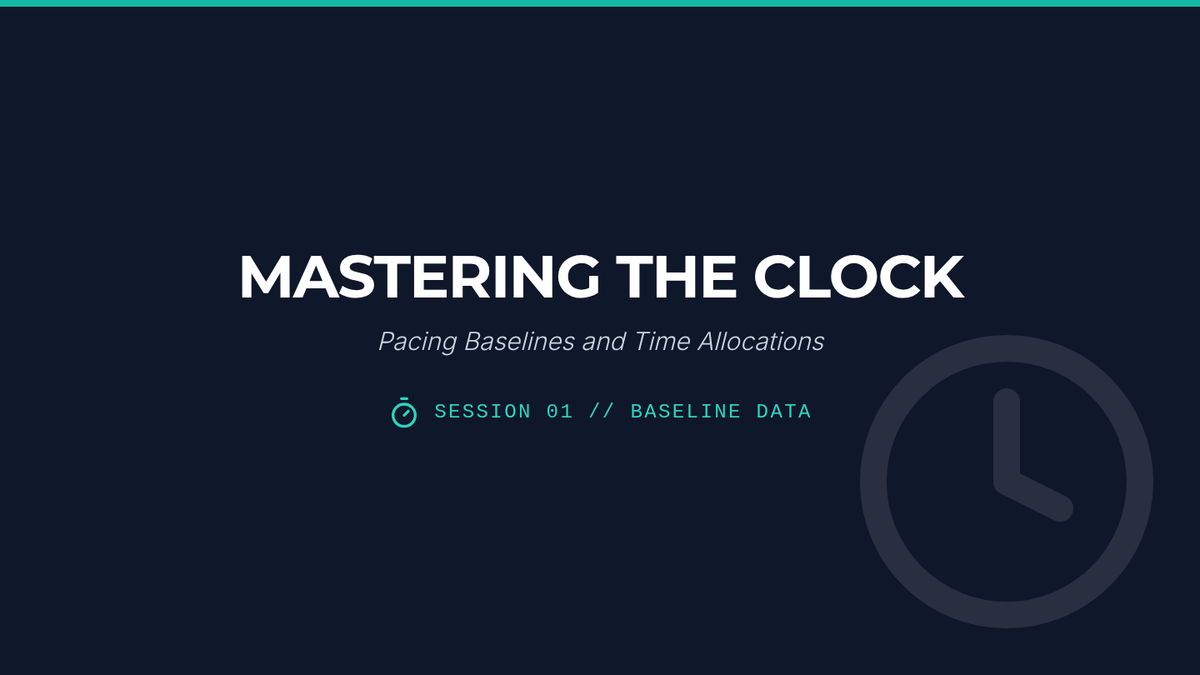
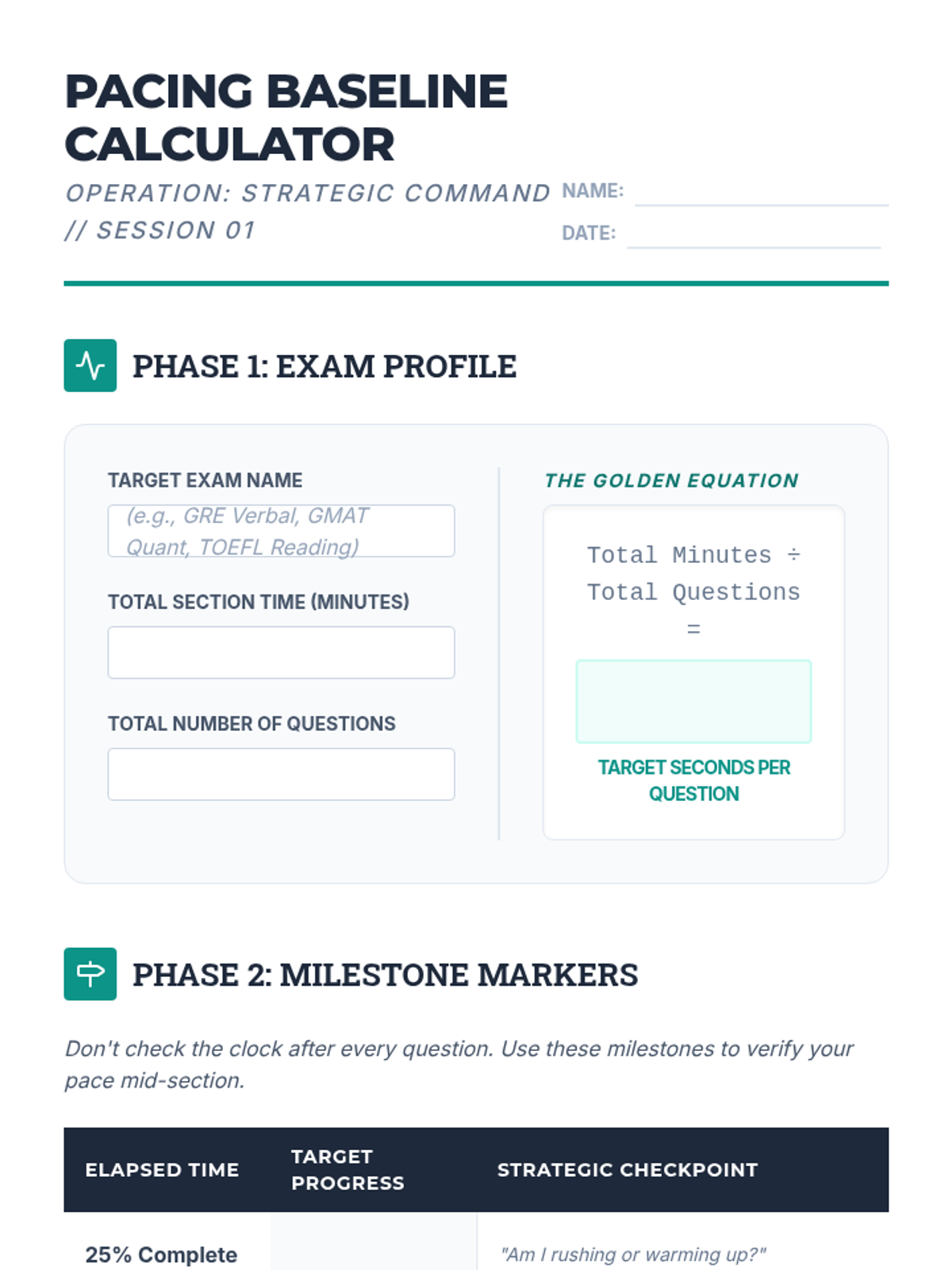
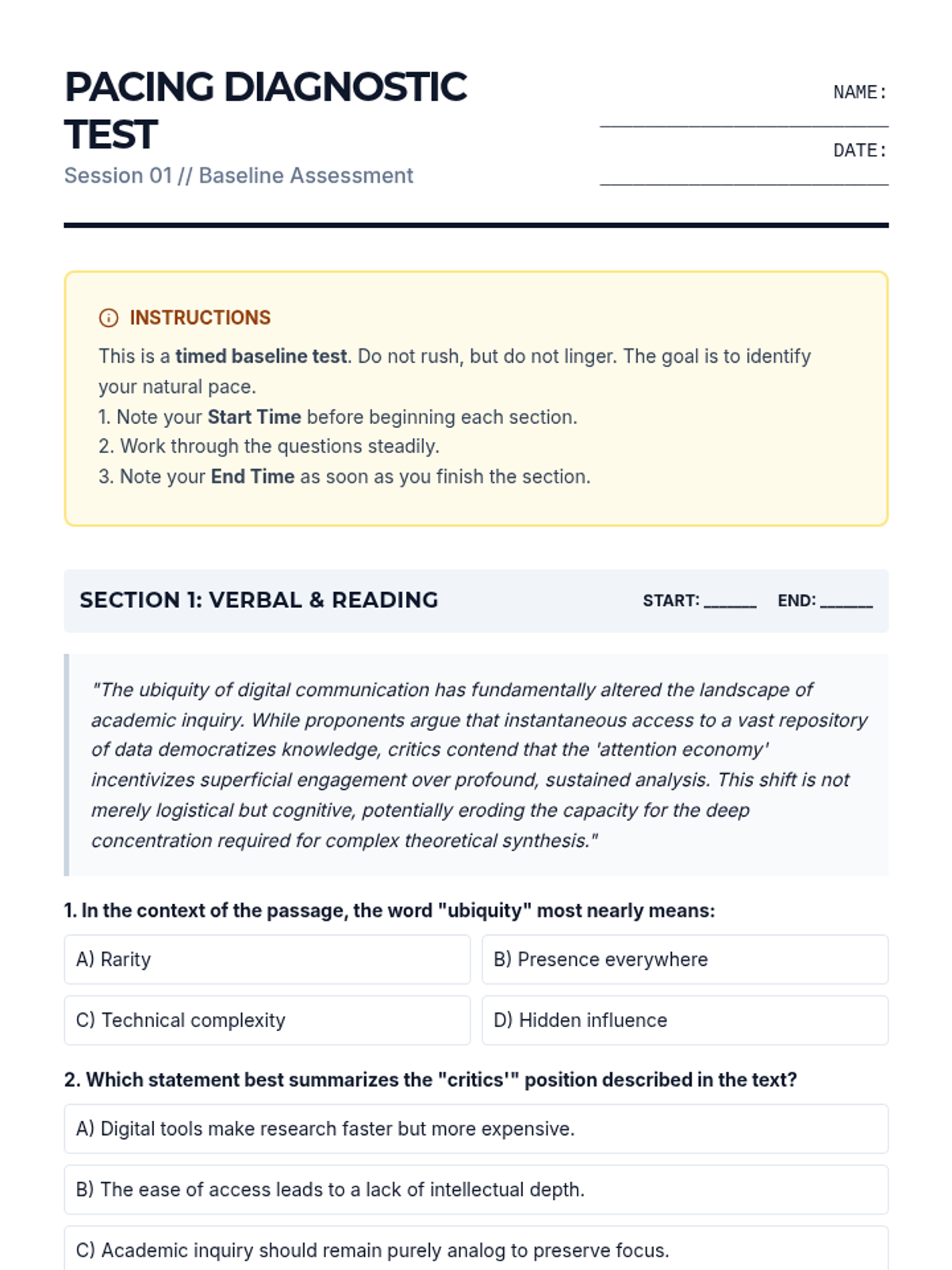
A comprehensive graduate-level sequence focused on the psychological and logistical aspects of high-stakes testing, including time management, anxiety reduction, and strategic decision-making.
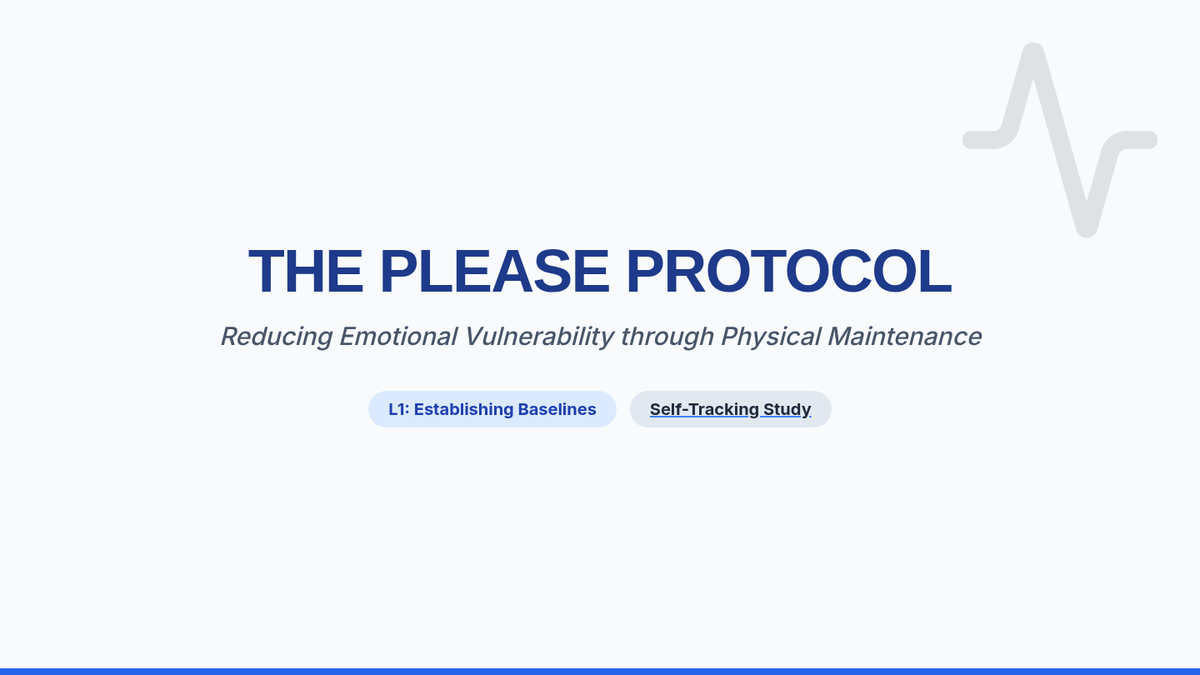
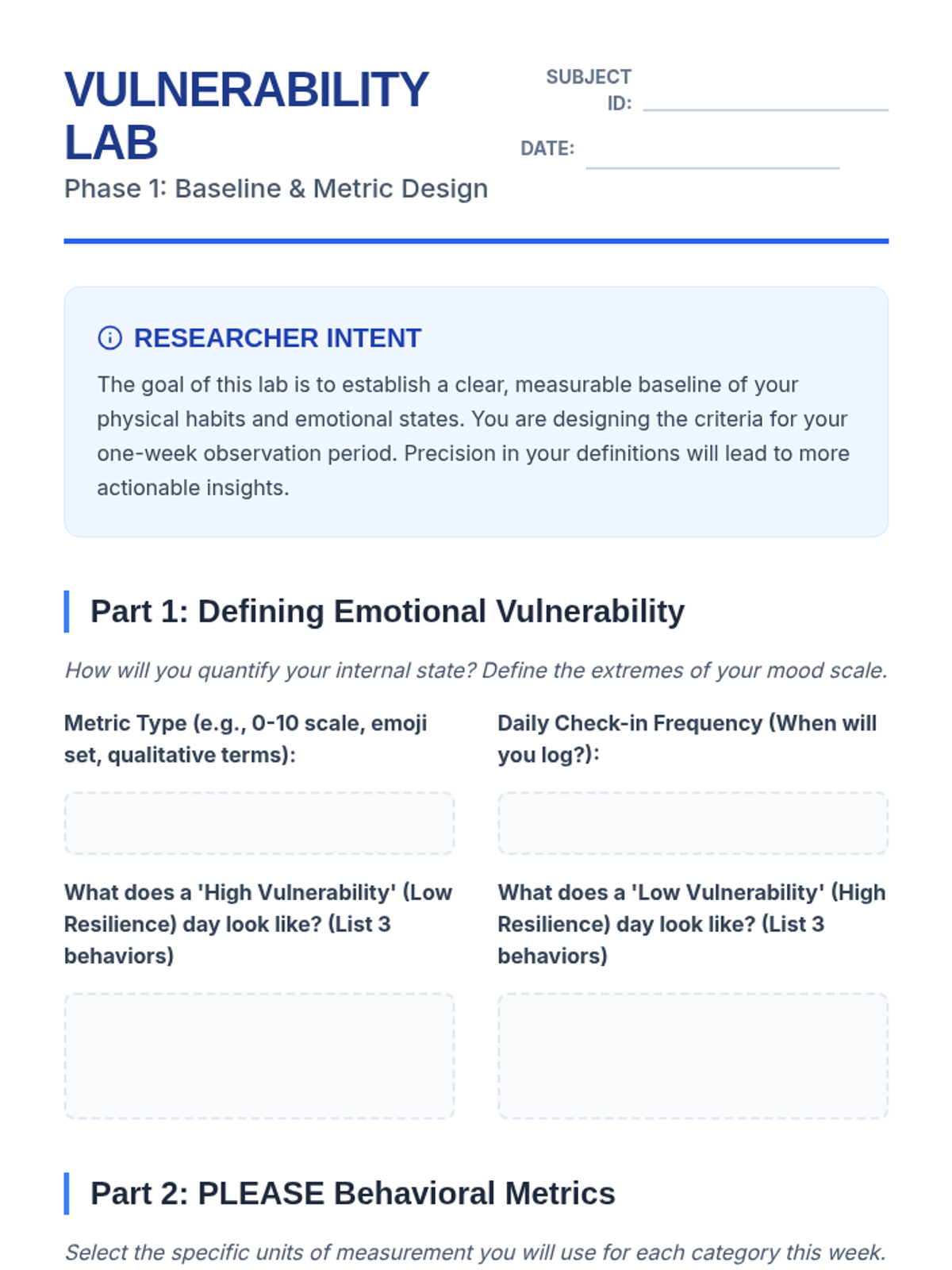
A workshop-based sequence where undergraduate students apply the PLEASE skills to their own lives. Students act as both client and clinician, tracking sleep, nutrition, and exercise to understand the causal link between physical maintenance and emotional vulnerability.
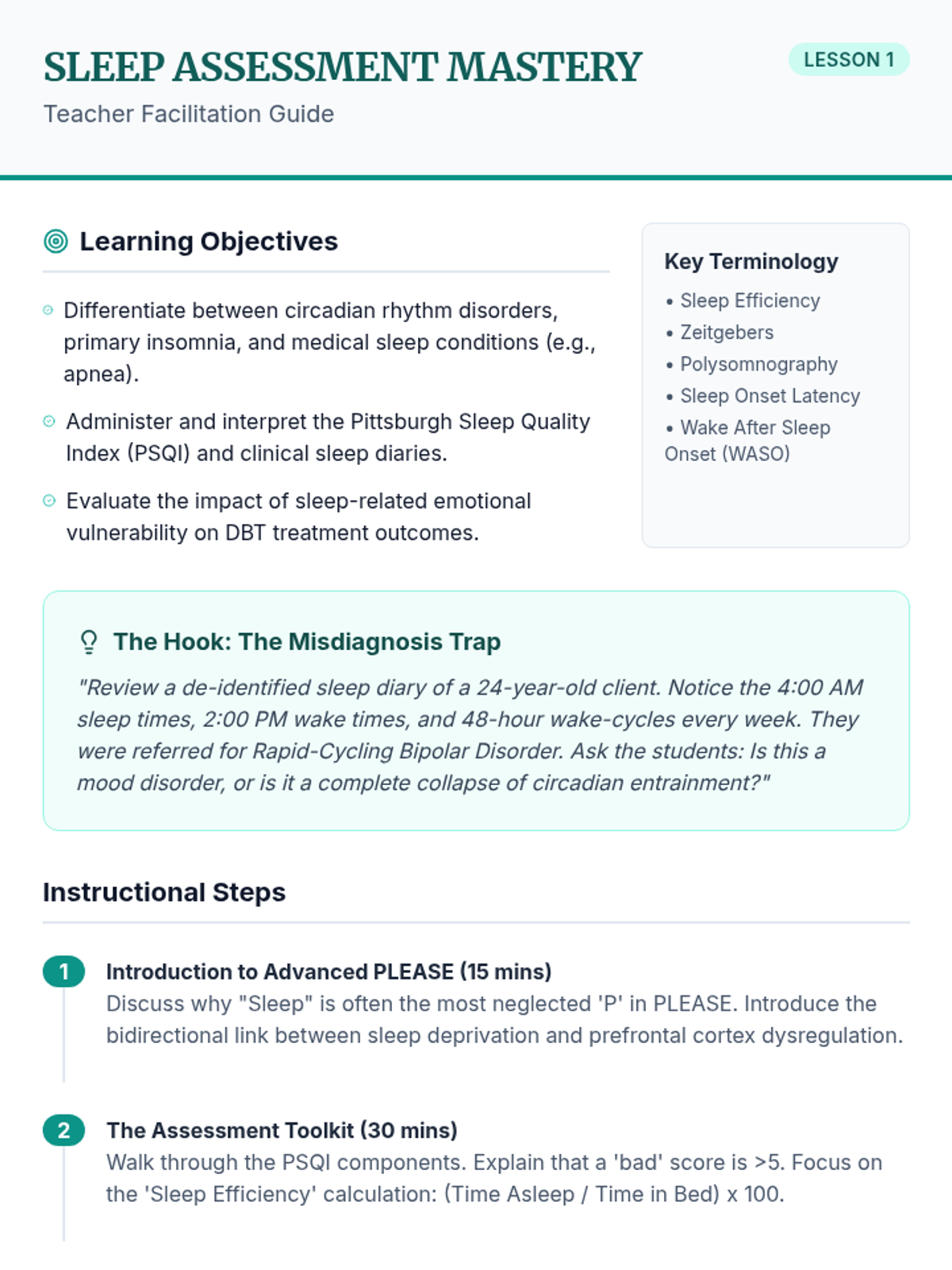
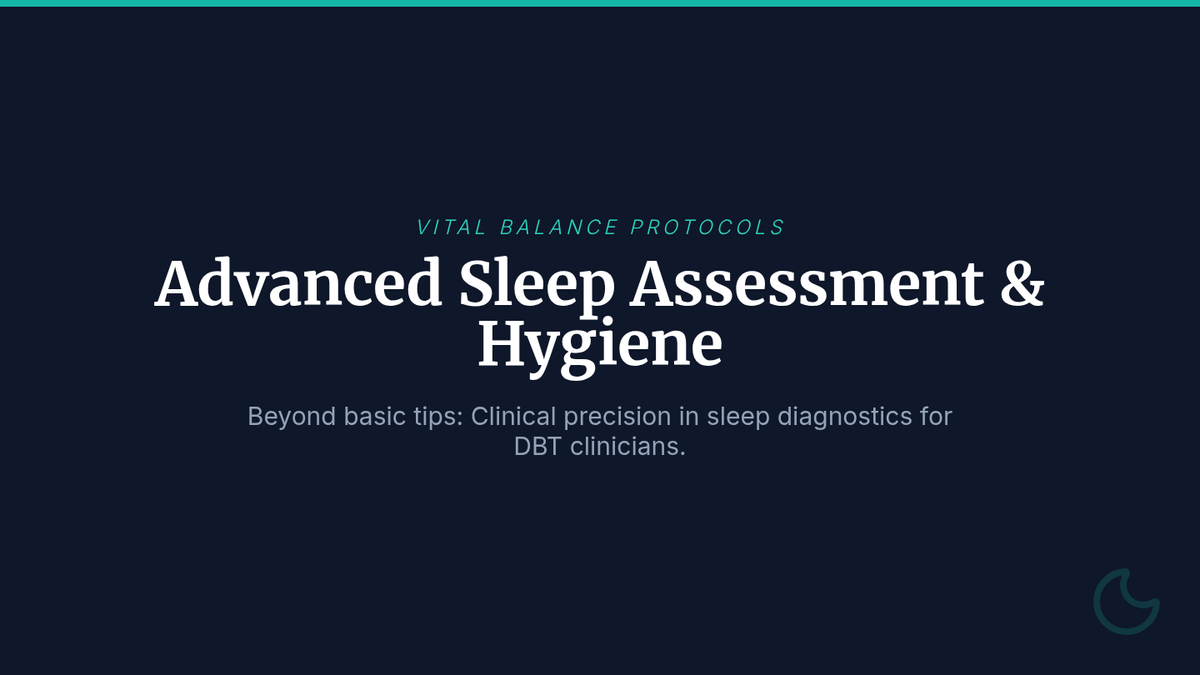
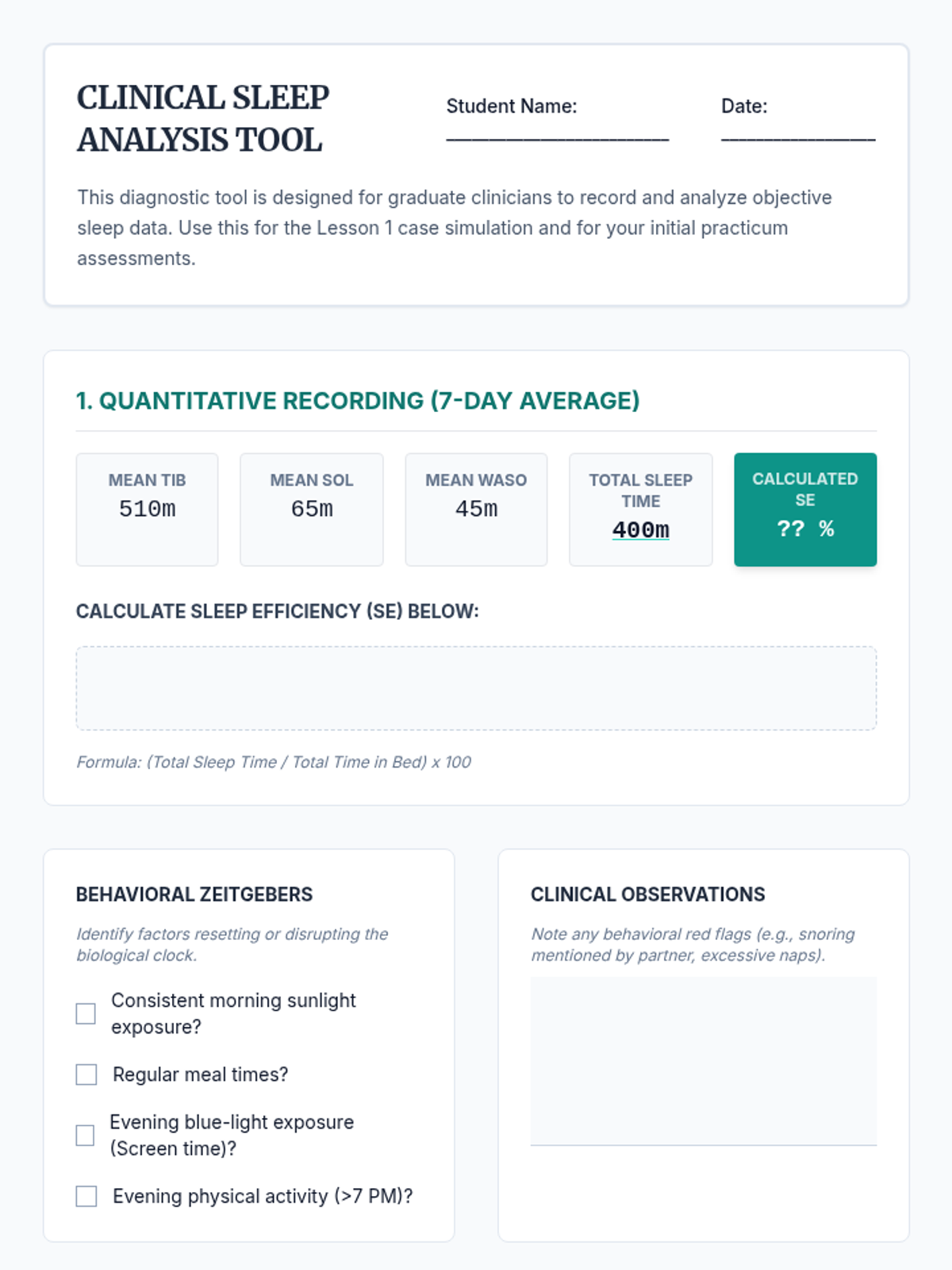
This sequence provides graduate-level training on integrating behavioral medicine and DBT to reduce emotional vulnerability. It covers advanced sleep assessment, CBT-I adaptation, nightmare protocols, chronic pain management, and medical adherence strategies.
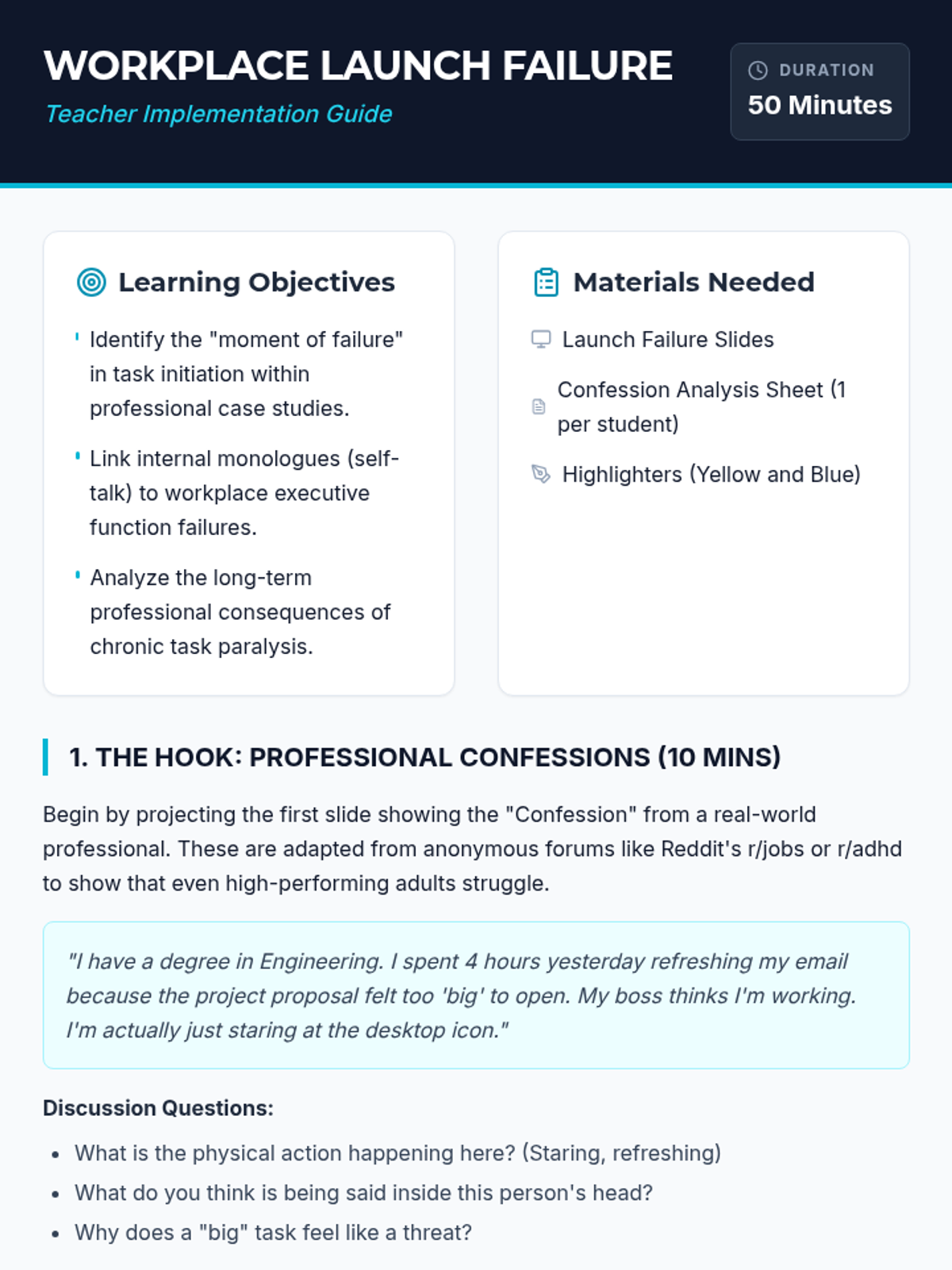
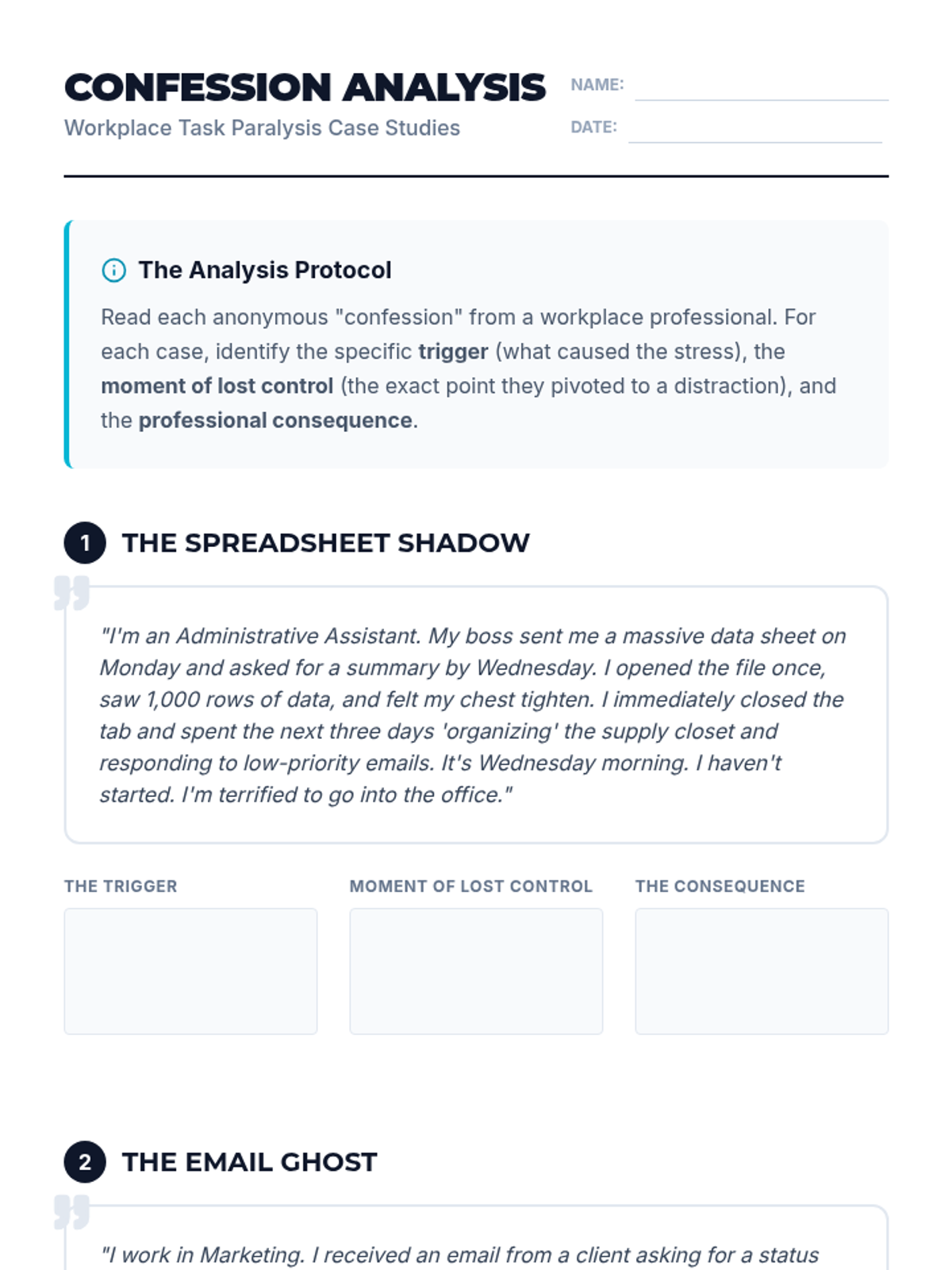
A comprehensive sequence for transition-age students to master self-talk strategies for task initiation in professional and independent living contexts. Students move from analyzing workplace failures to building a personalized 'Standard Operating Procedure' for overcoming task paralysis.
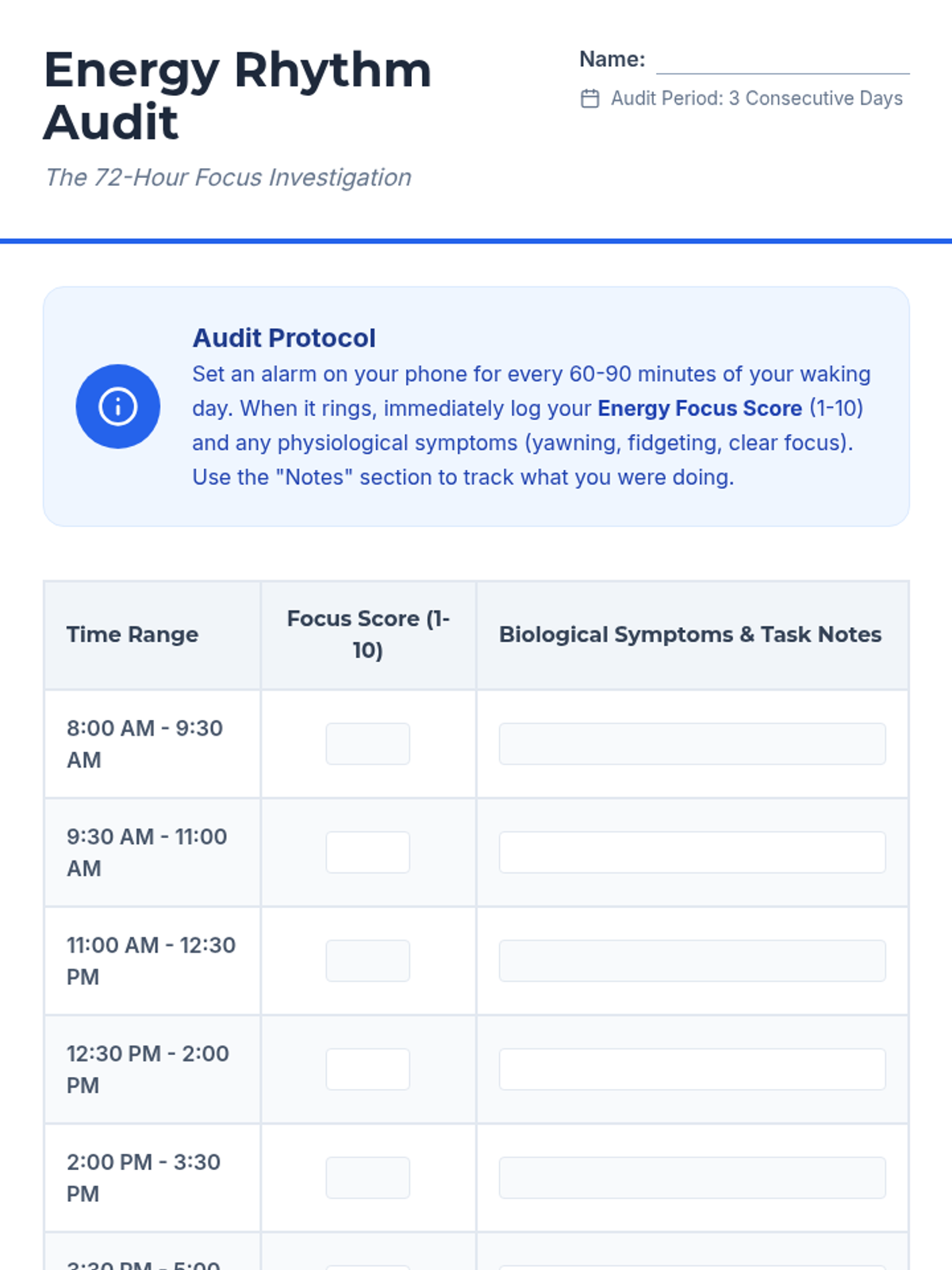
A comprehensive sequence for undergraduate students focusing on executive function and proactive support-seeking. Students move from data-driven self-analysis of energy rhythms to the creation of a long-term 'Semester Sustainability Plan' that treats mental health and support as logistical necessities.
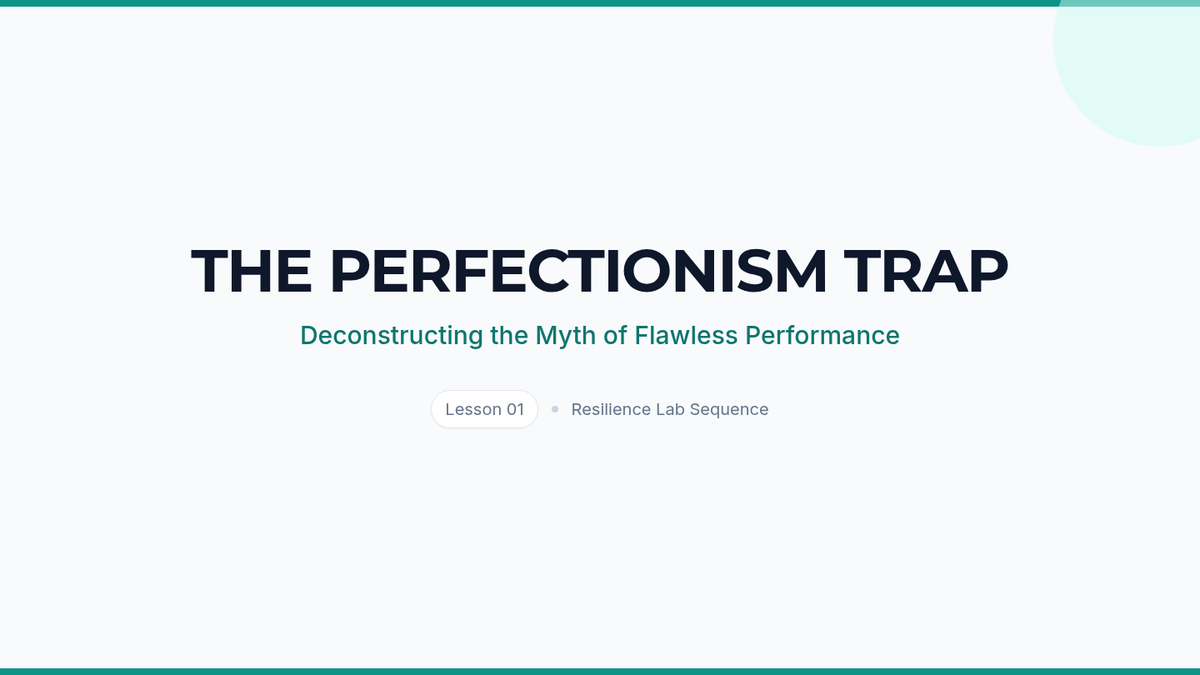
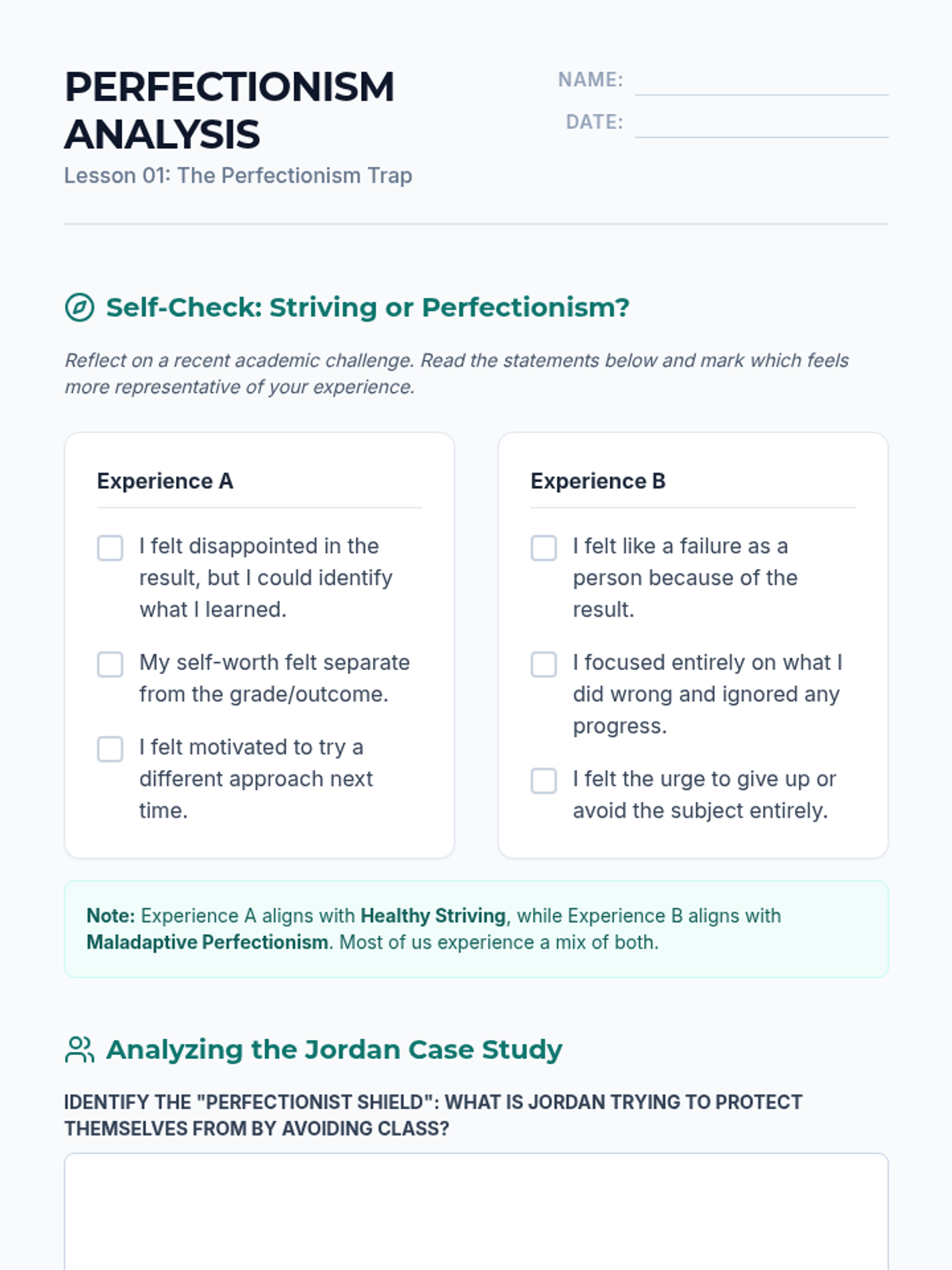
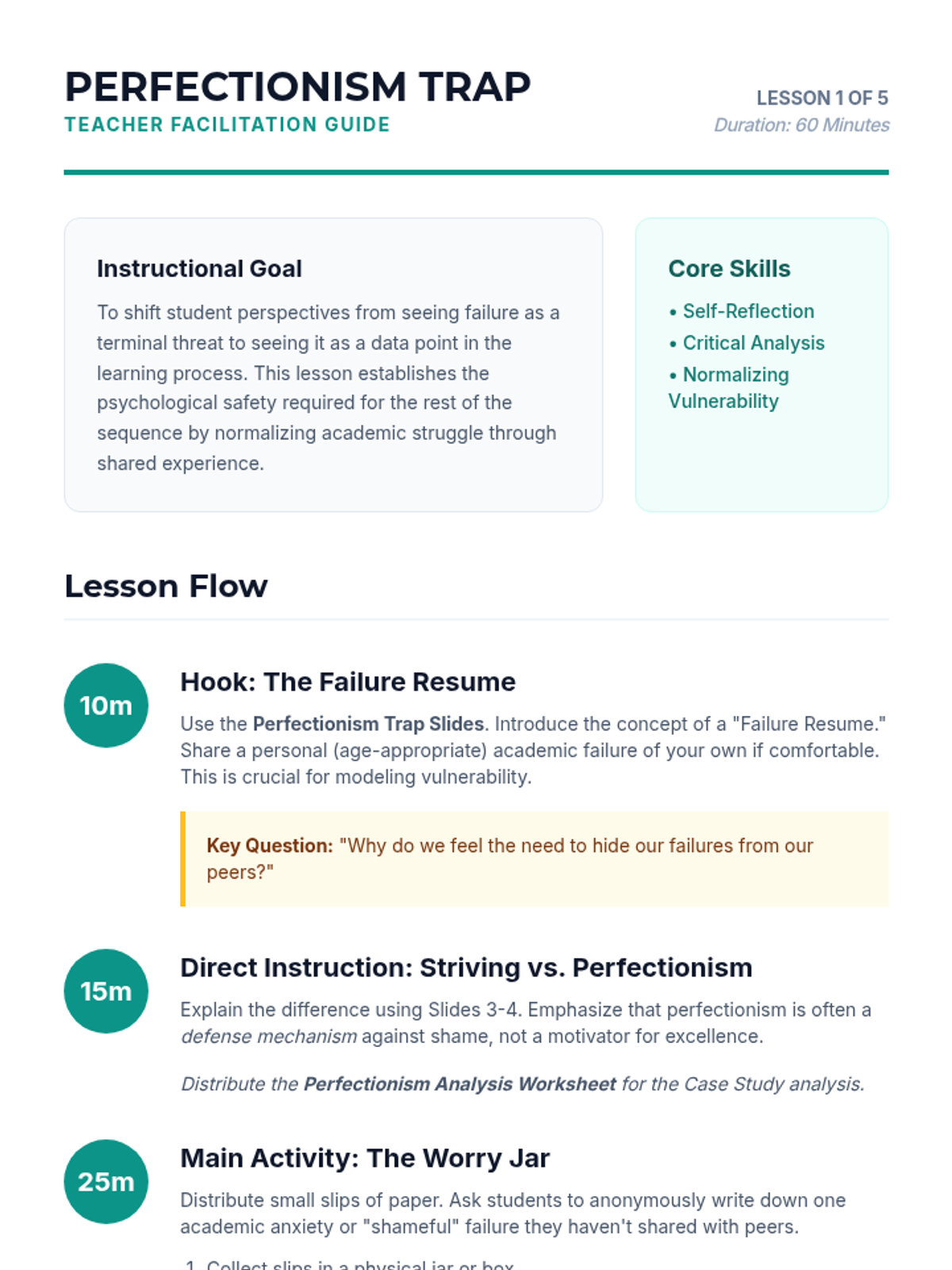
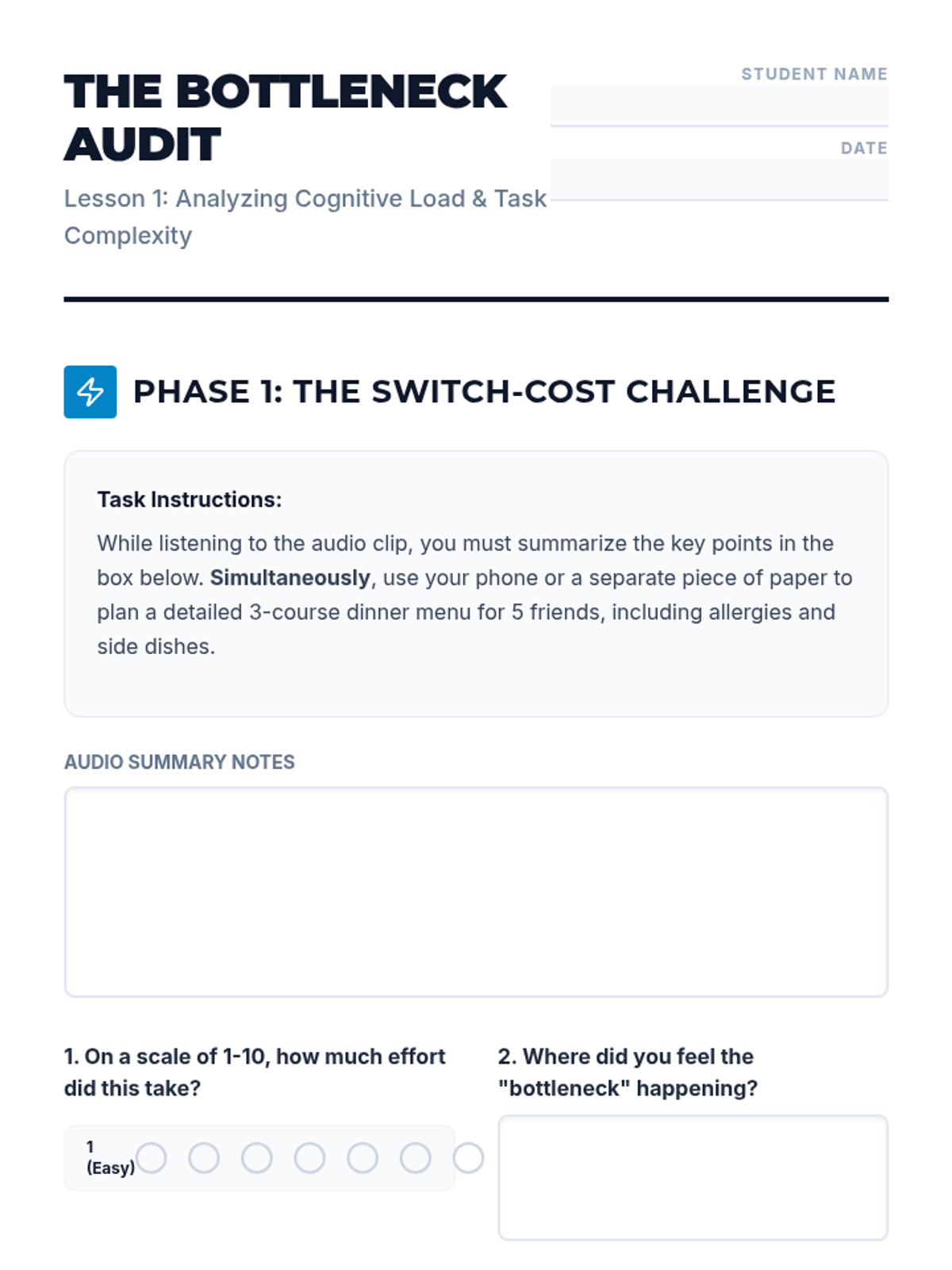
A 5-lesson sequence for undergraduate students focused on deconstructing academic failure, understanding stress physiology, practicing vulnerability through storytelling, and creating personalized resilience frameworks through peer support.
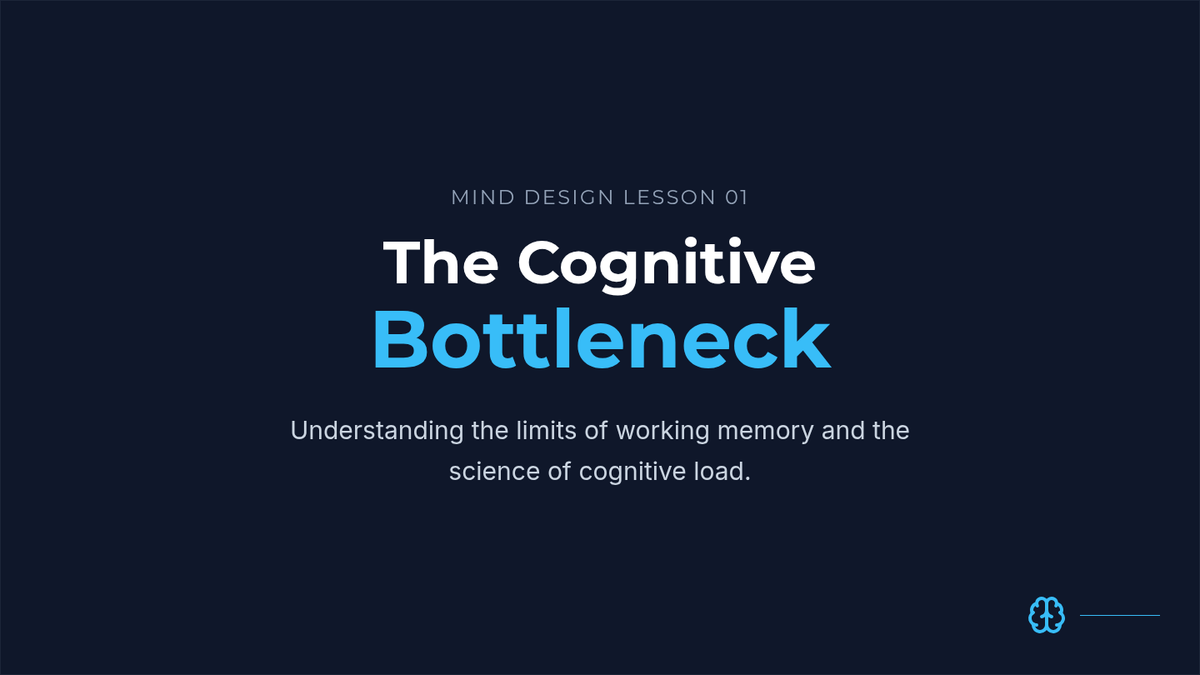
A metacognitive approach to memory support, teaching 12th-grade students to diagnose cognitive load and apply tailored mnemonic and retention strategies for college and career readiness.
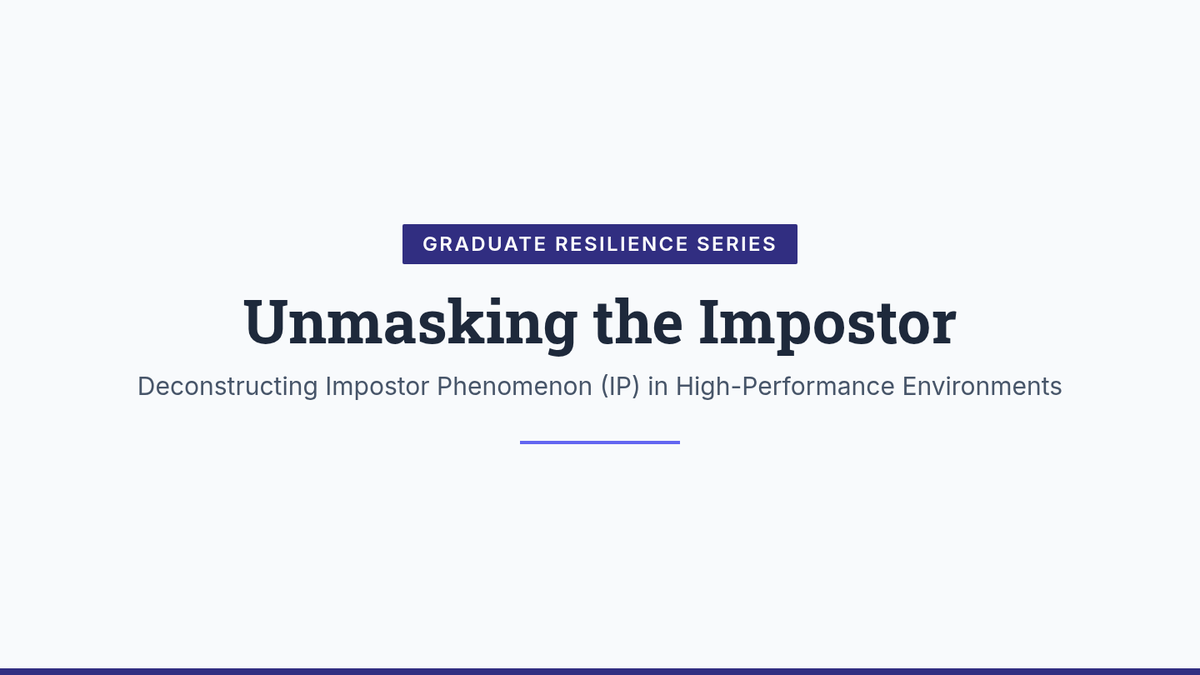
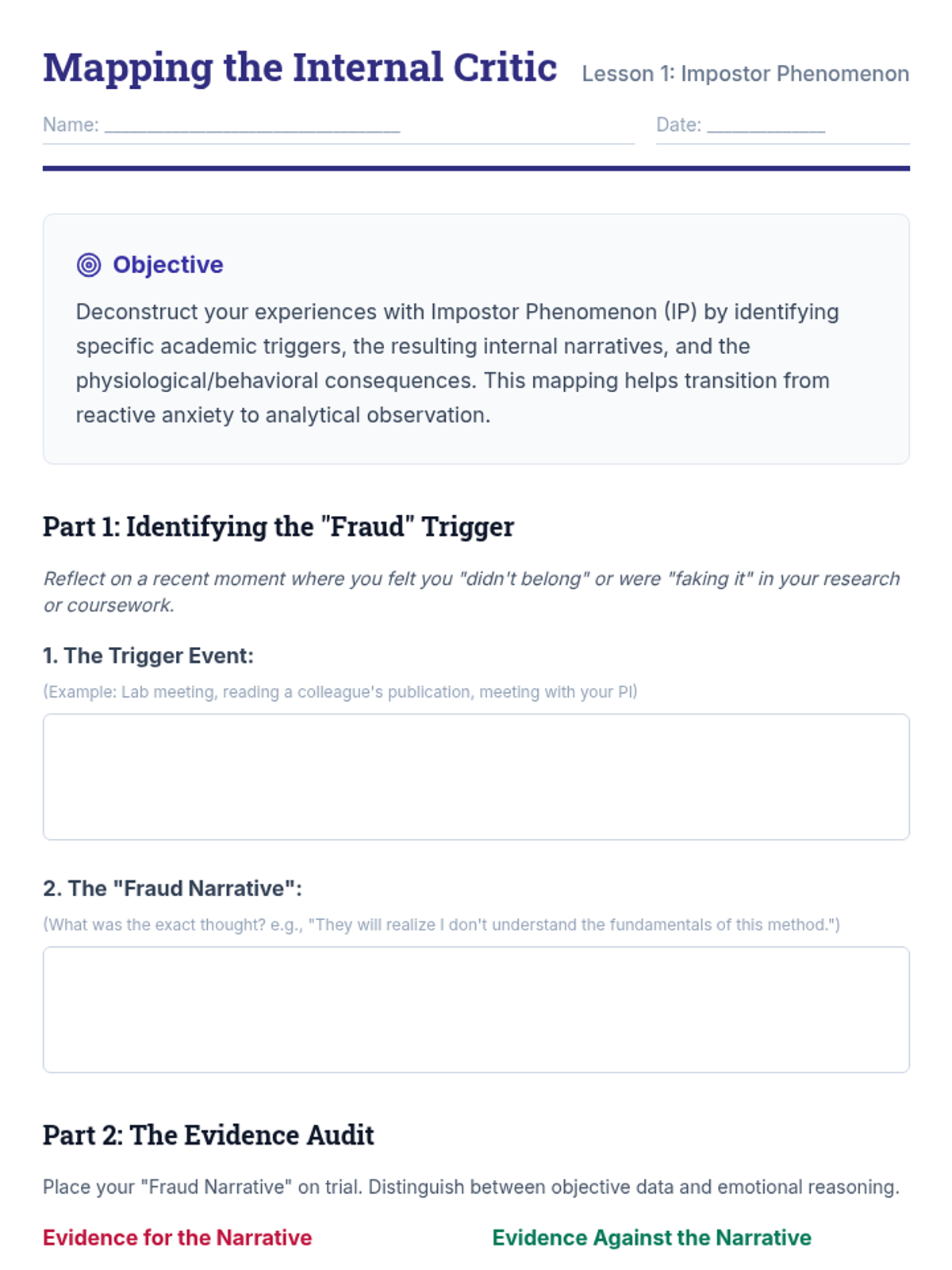
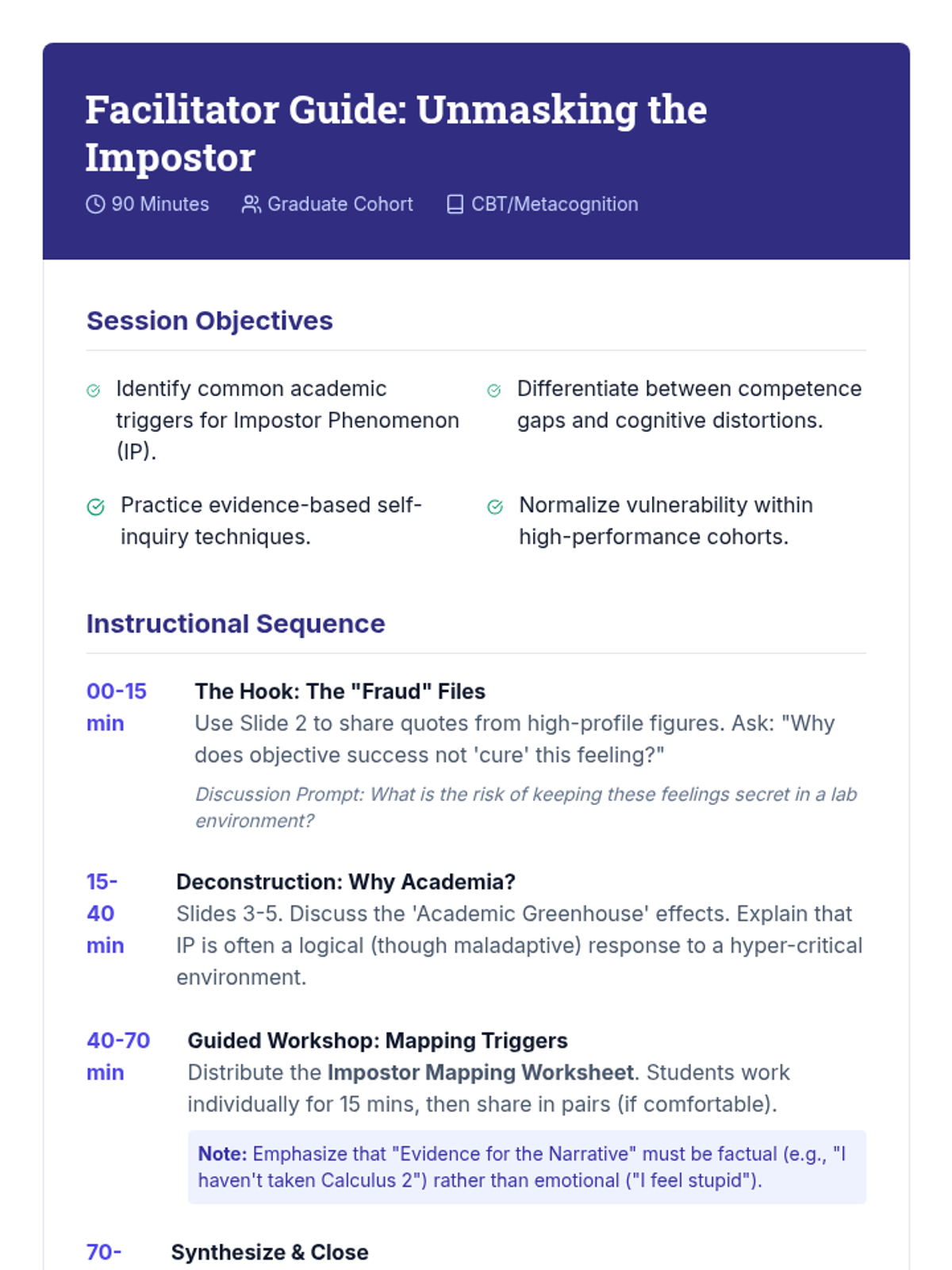
A comprehensive psychological resilience program for graduate students, focusing on CBT strategies to combat impostor syndrome, perfectionism, and academic rejection. This sequence builds practical metacognitive skills to help researchers maintain mental well-being throughout their academic careers.
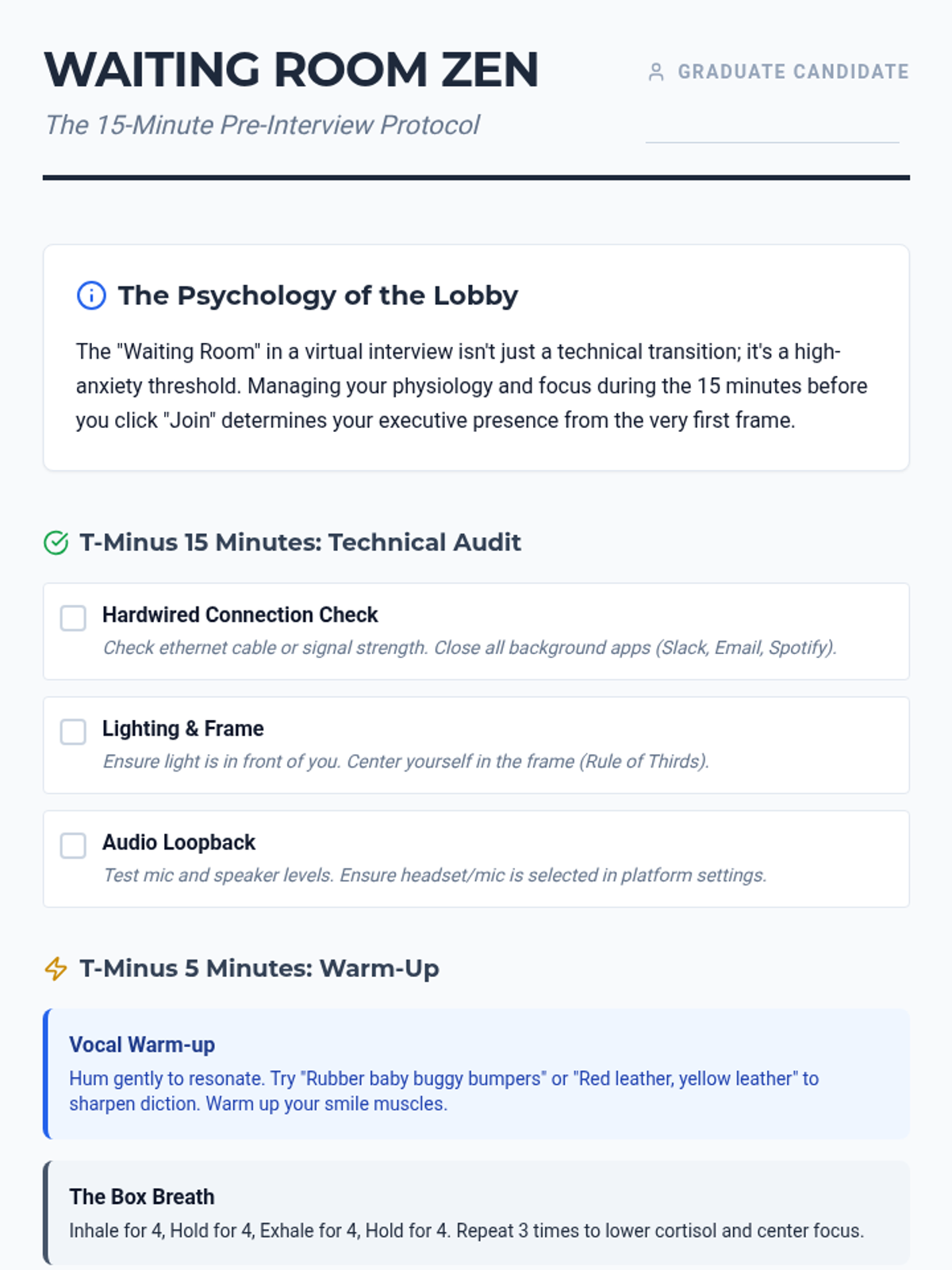
A comprehensive sequence for graduate students to synthesize technical setup, non-verbal communication, and behavioral performance into a professional virtual interview presence. Students move from pre-interview preparation to real-time delivery and post-interview follow-up.
A project-based sequence for undergraduate students focusing on the behavioral psychology of meditation. Students move from self-assessment and sampling techniques to designing a scientifically-grounded, sustainable personal practice.
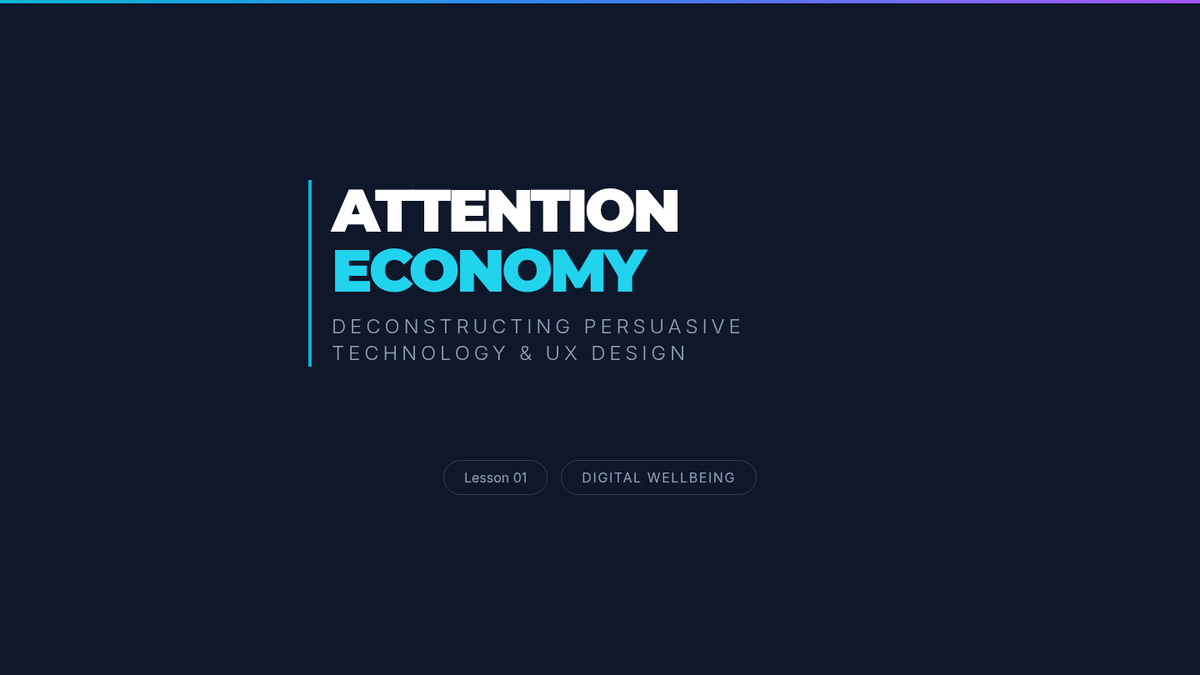
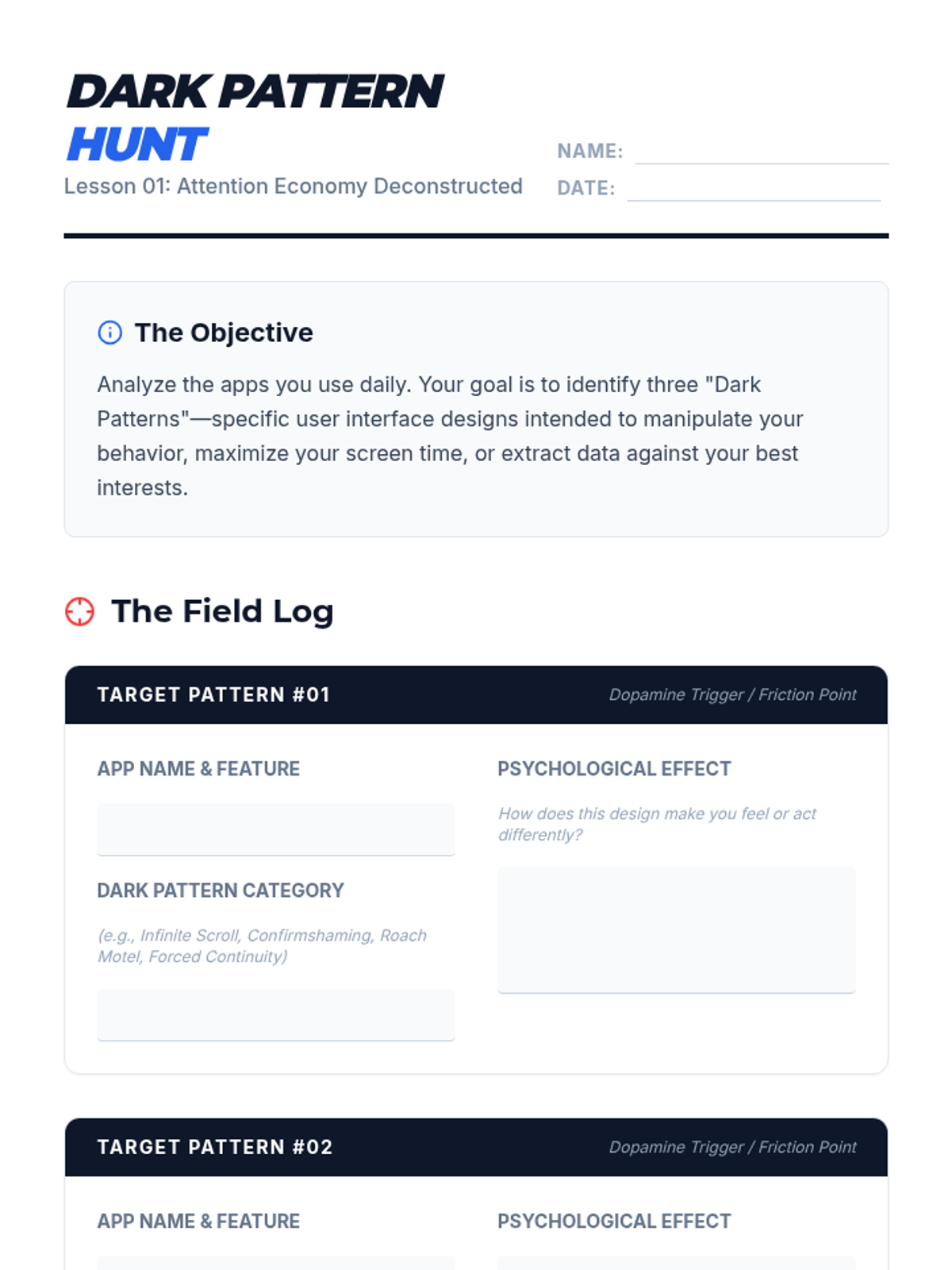
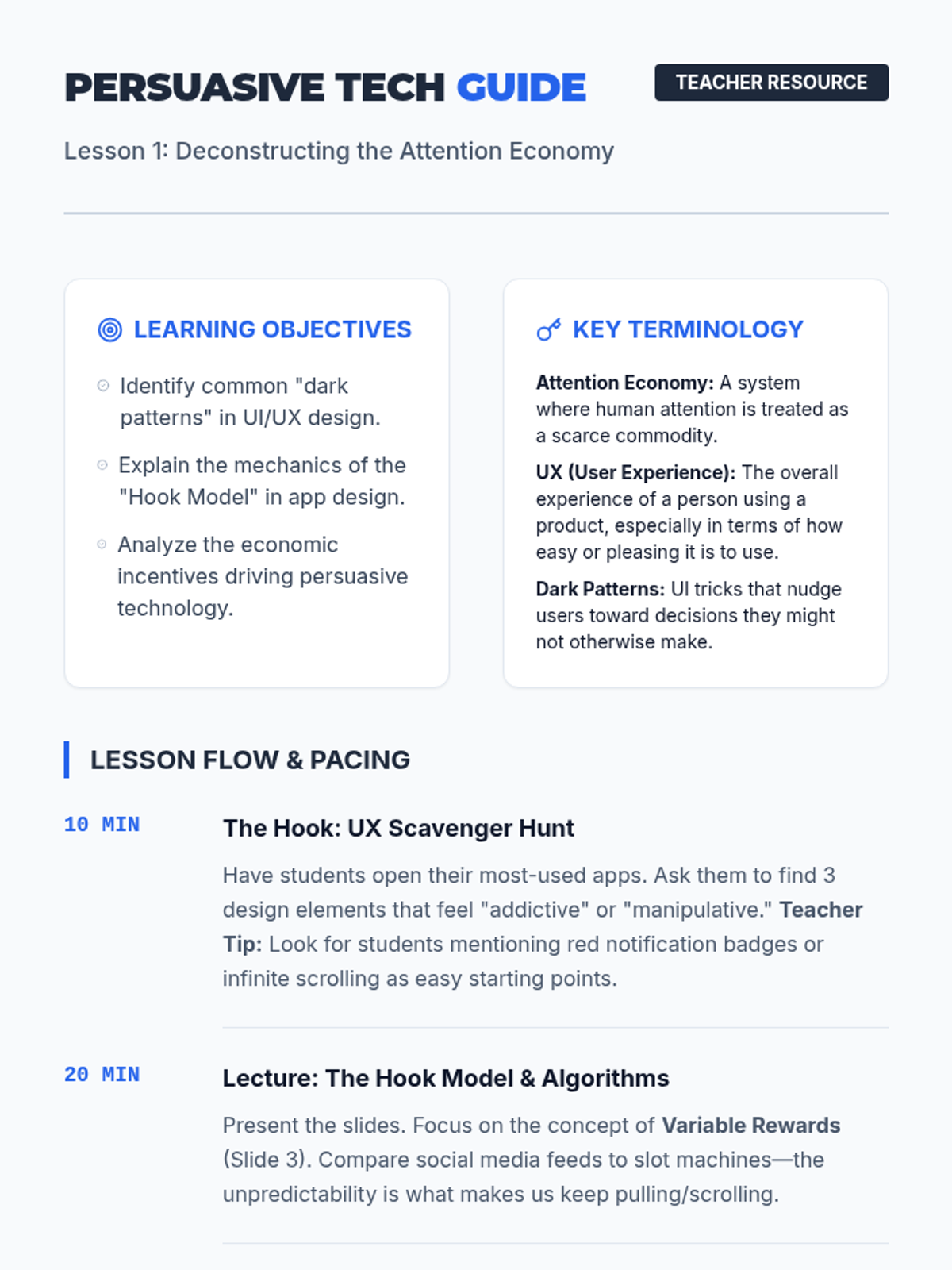
A comprehensive 5-lesson sequence for undergraduate students exploring the intersection of digital technology, psychological well-being, and cognitive autonomy. Students analyze the attention economy, social comparison, digital ethics, and productivity strategies to build a personalized framework for digital resilience.
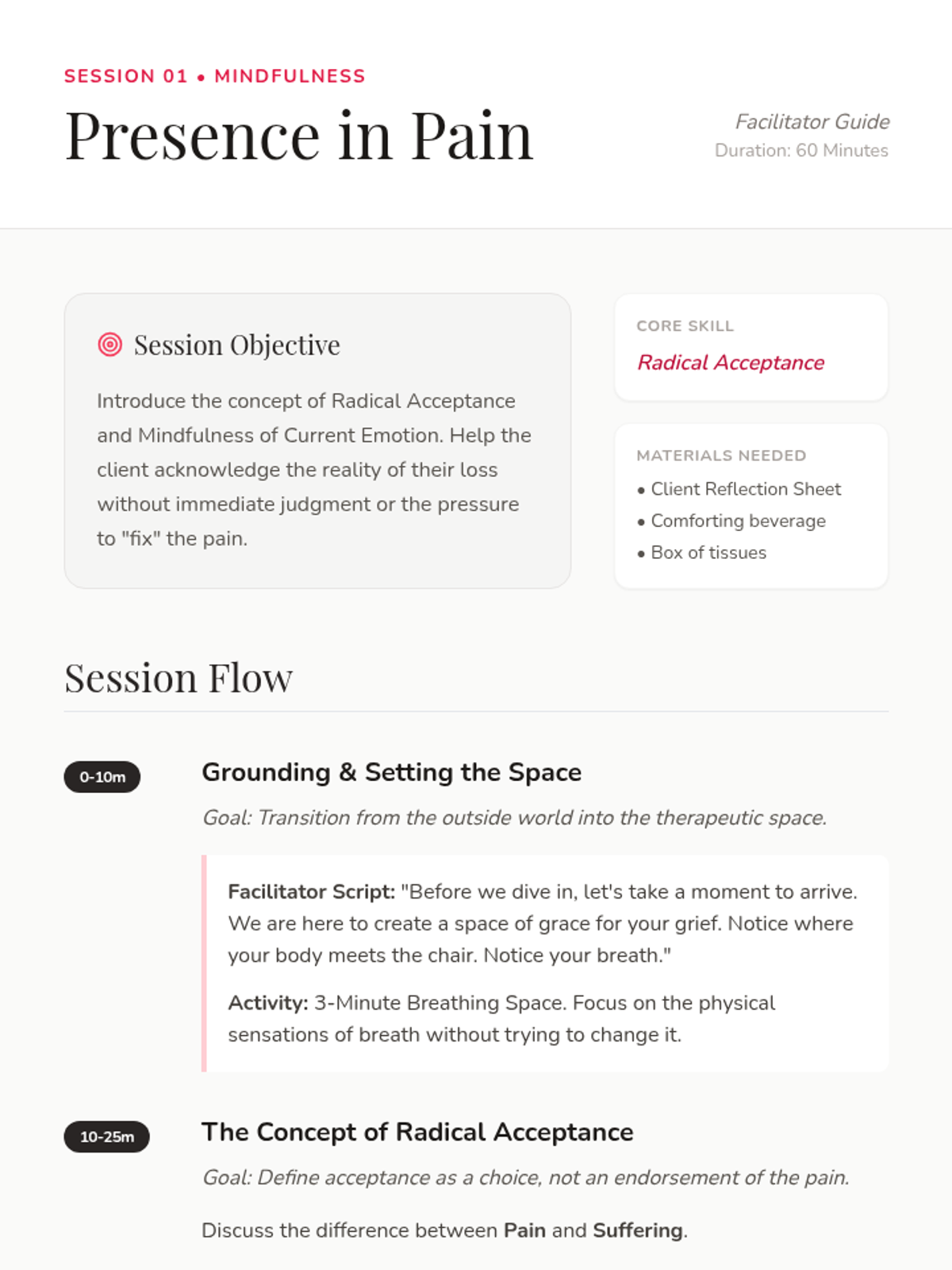
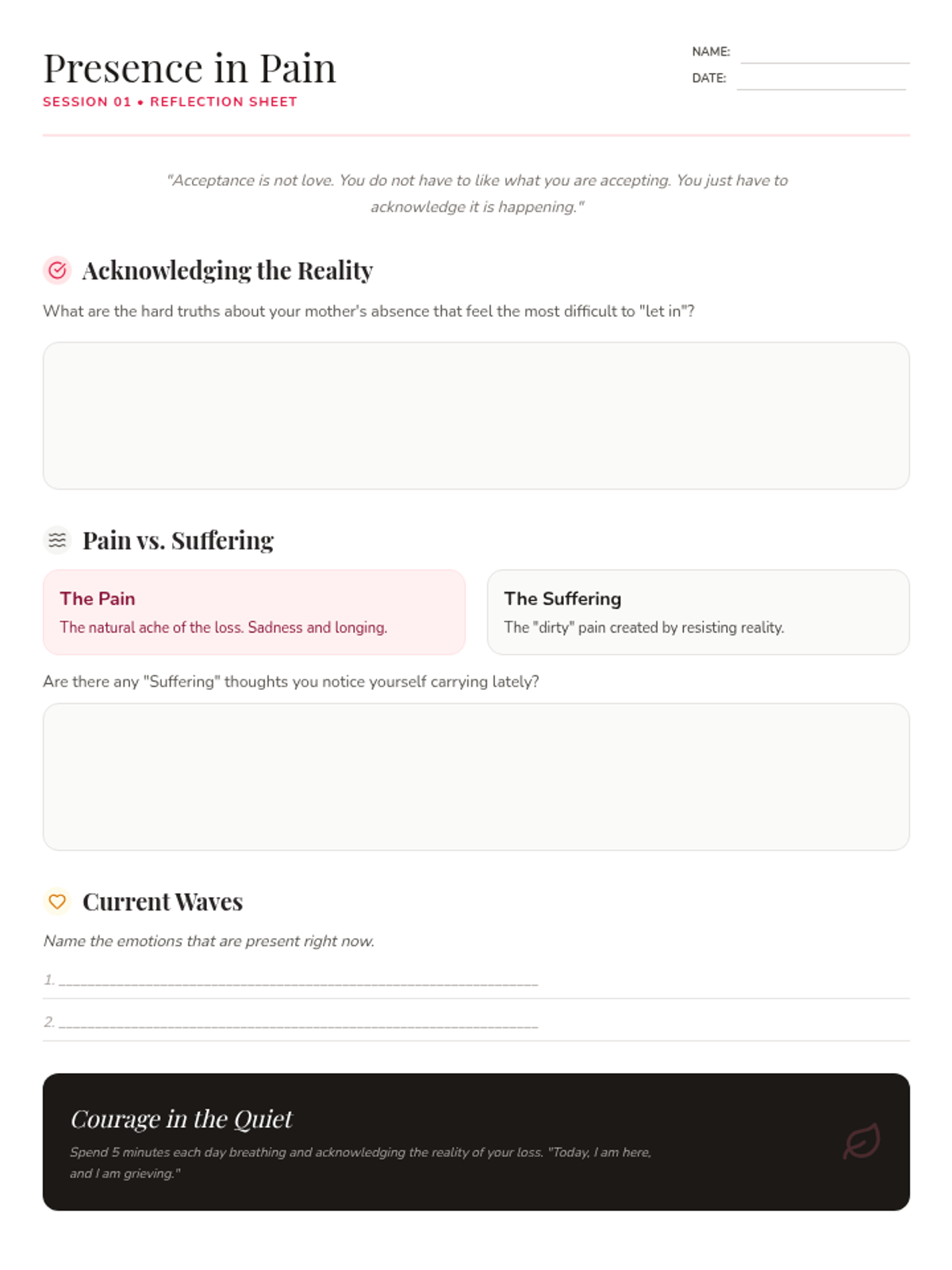
A 9-week therapeutic curriculum for adults processing maternal loss, integrating Dialectical Behavior Therapy (DBT) skills to foster acceptance, emotional regulation, and resilience.
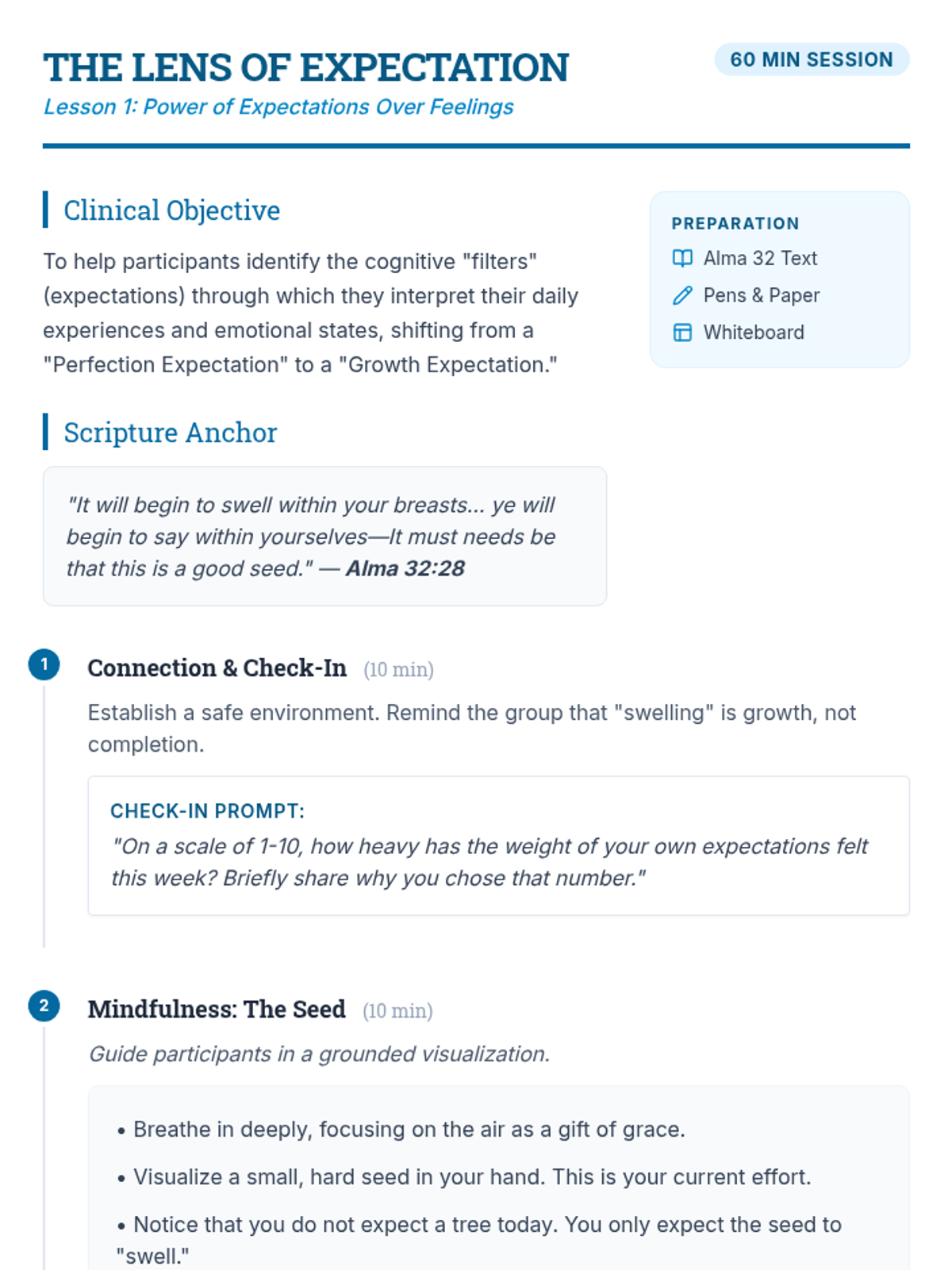
An 11-part group counseling sequence designed for LDS young adults and adults, focusing on reframing religious expectations through the lens of grace, clinical psychology, and restored doctrine to address scrupulosity and spiritual distress.
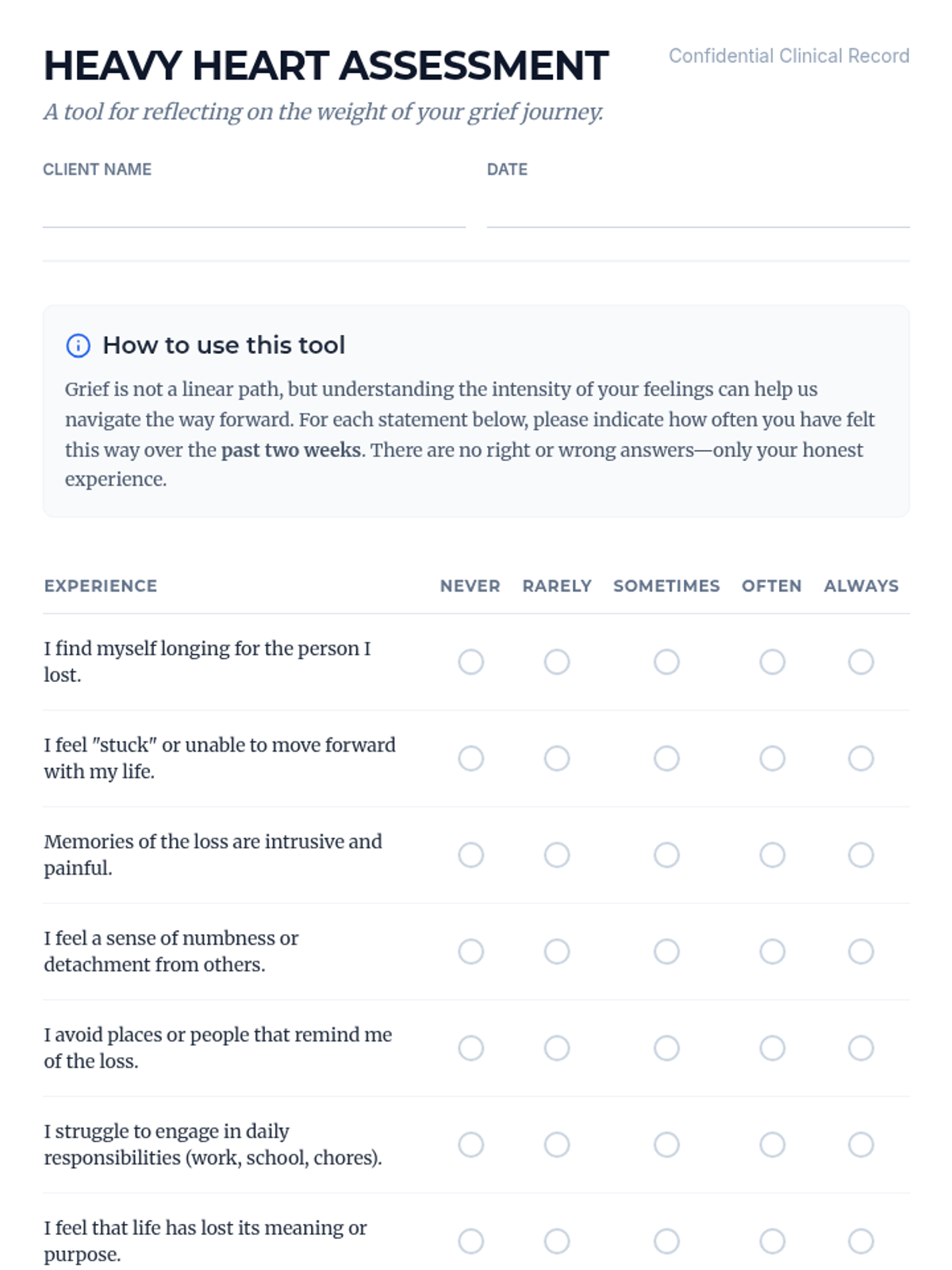
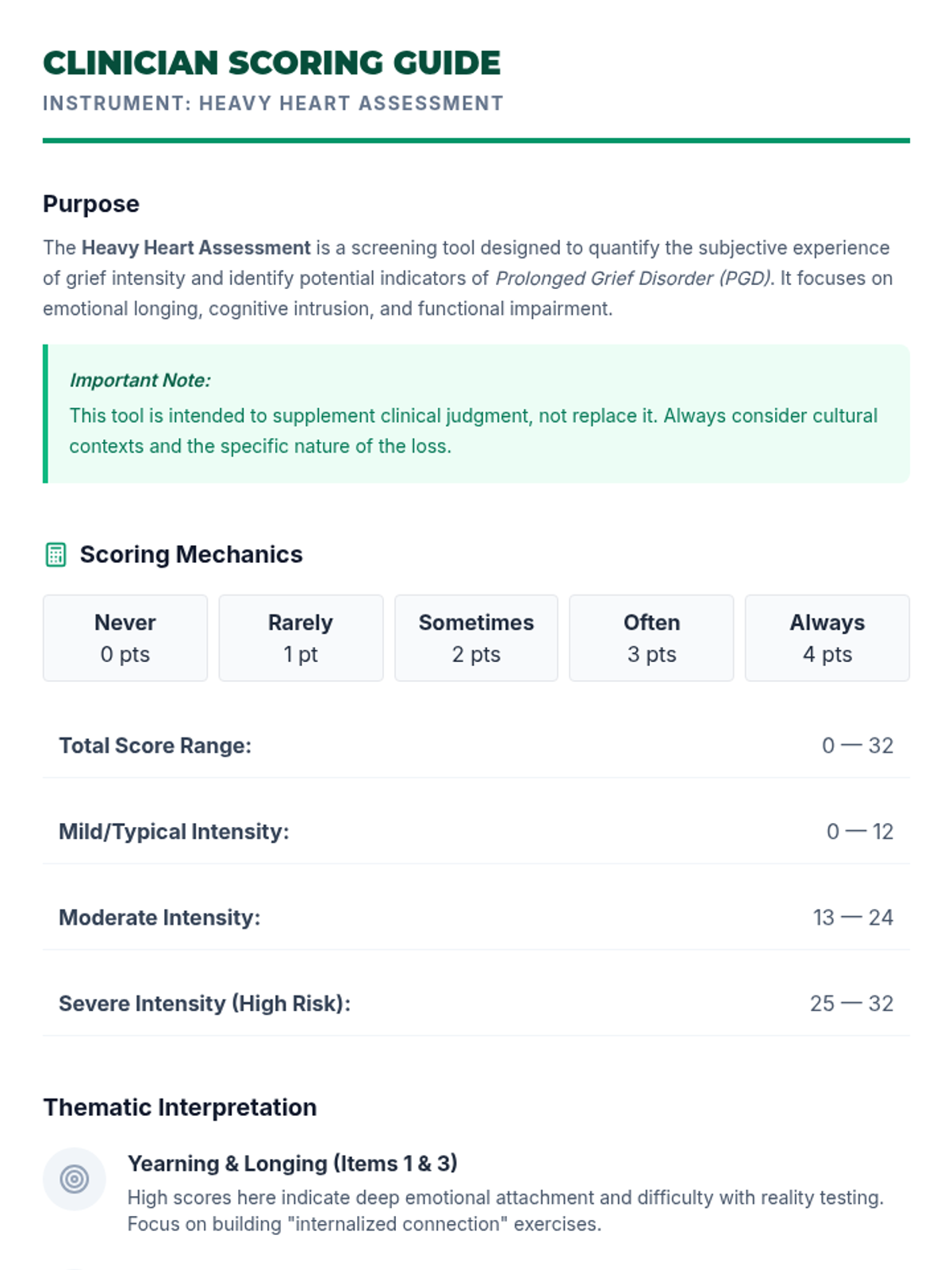
A comprehensive therapeutic sequence designed to guide clinicians and clients through the complexities of grief, focusing on assessment, psychoeducation, and age-appropriate coping strategies.
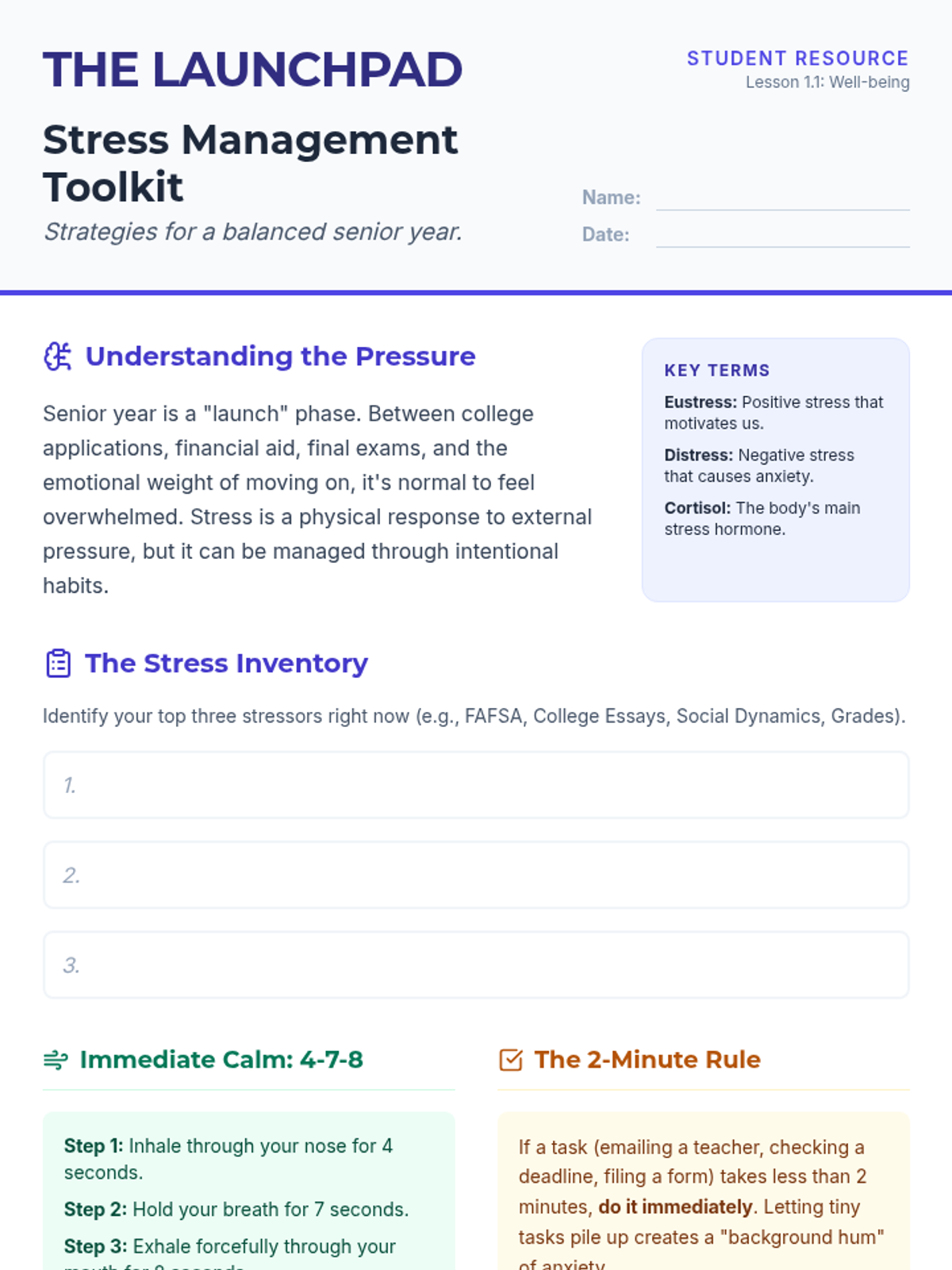
A comprehensive year-long curriculum for high school seniors focusing on college readiness, career planning, financial literacy, and social-emotional well-being. This sequence guides students through the complexities of post-secondary transitions with a special focus on arts-based pathways.
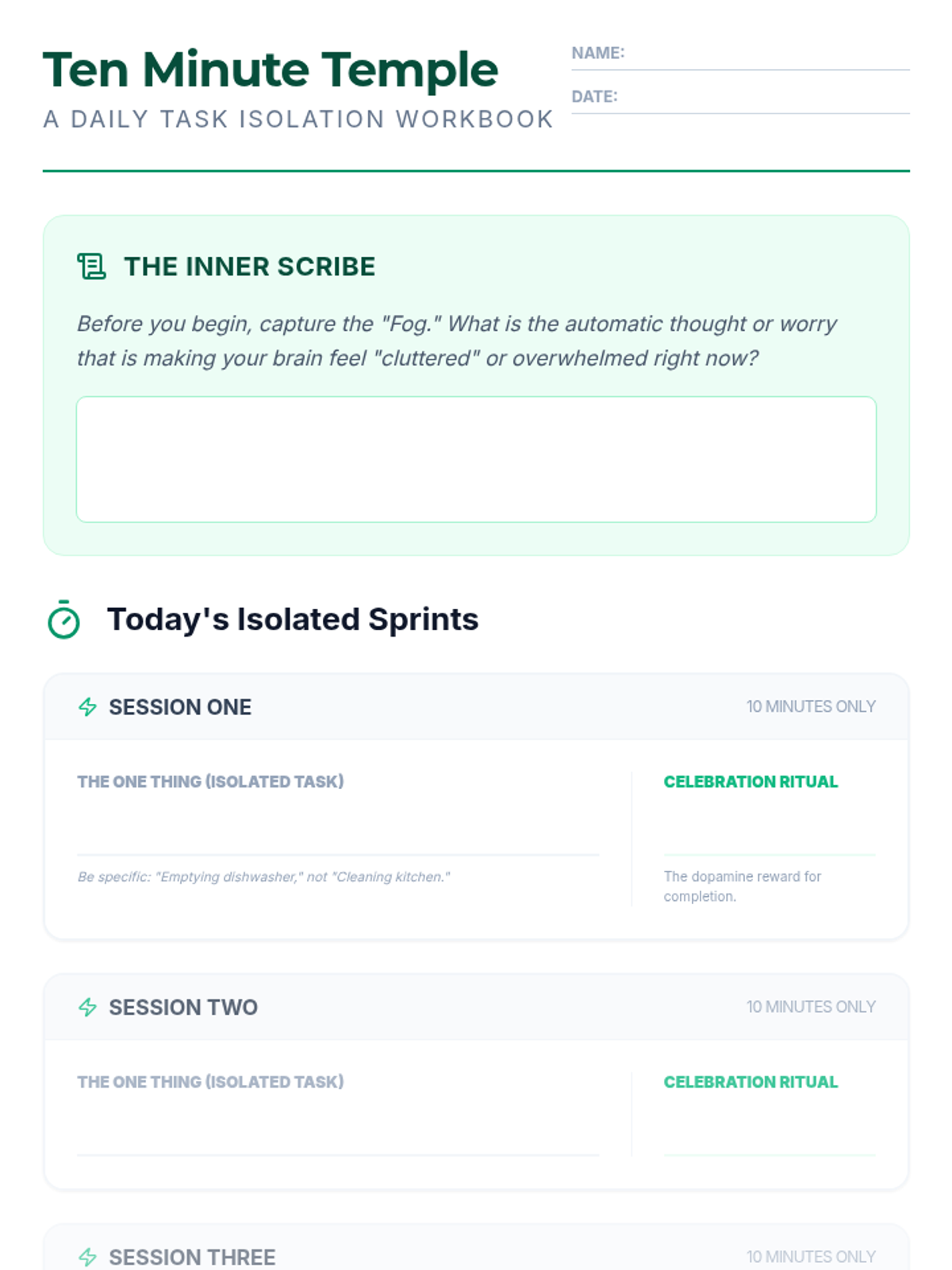
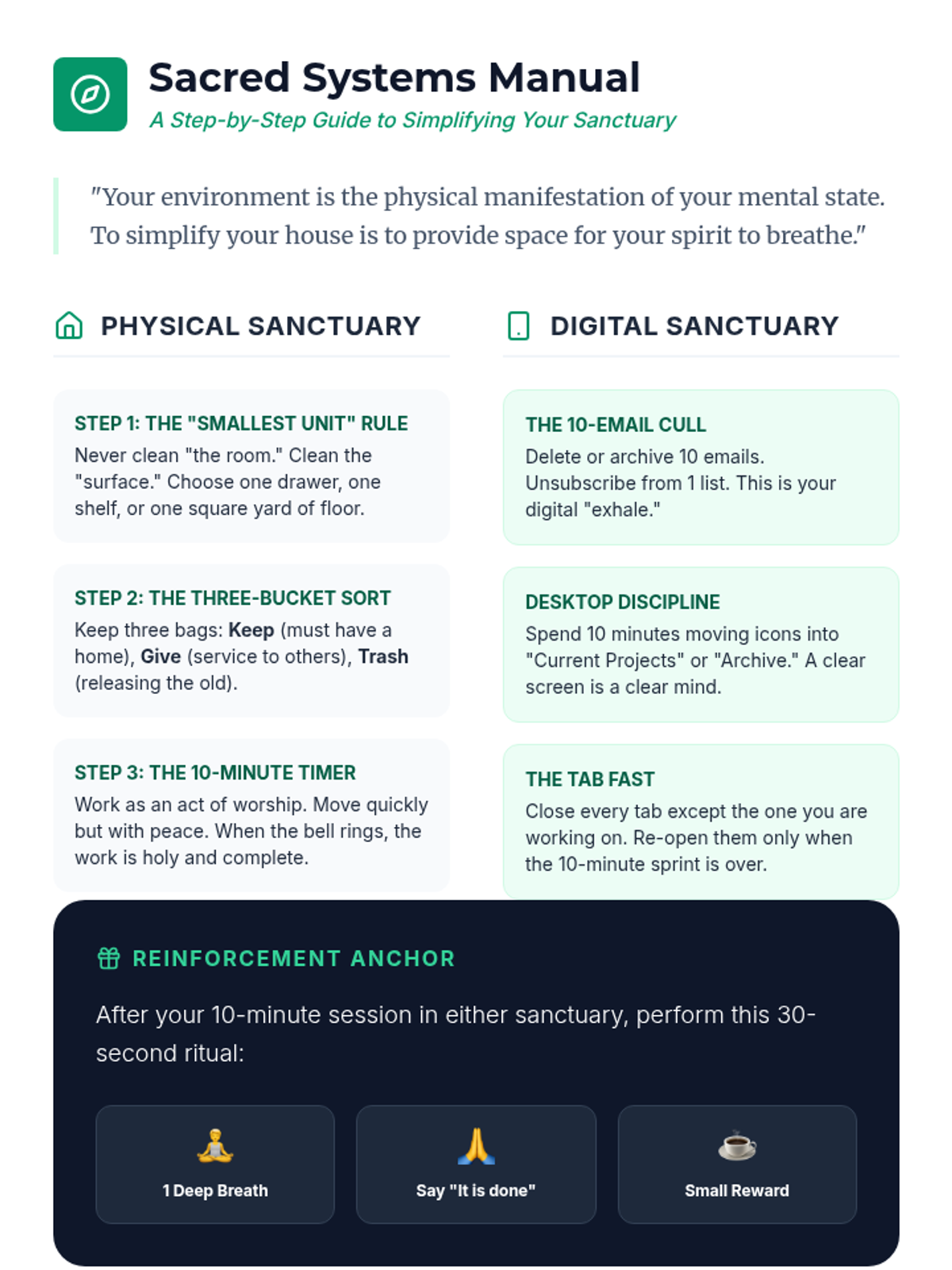
A CBT-based program for adults with inattentive ADD to master task isolation, short-burst productivity (10-minute sessions), and positive reinforcement through a spiritual lens. This sequence guides learners through physical, digital, and professional decluttering.
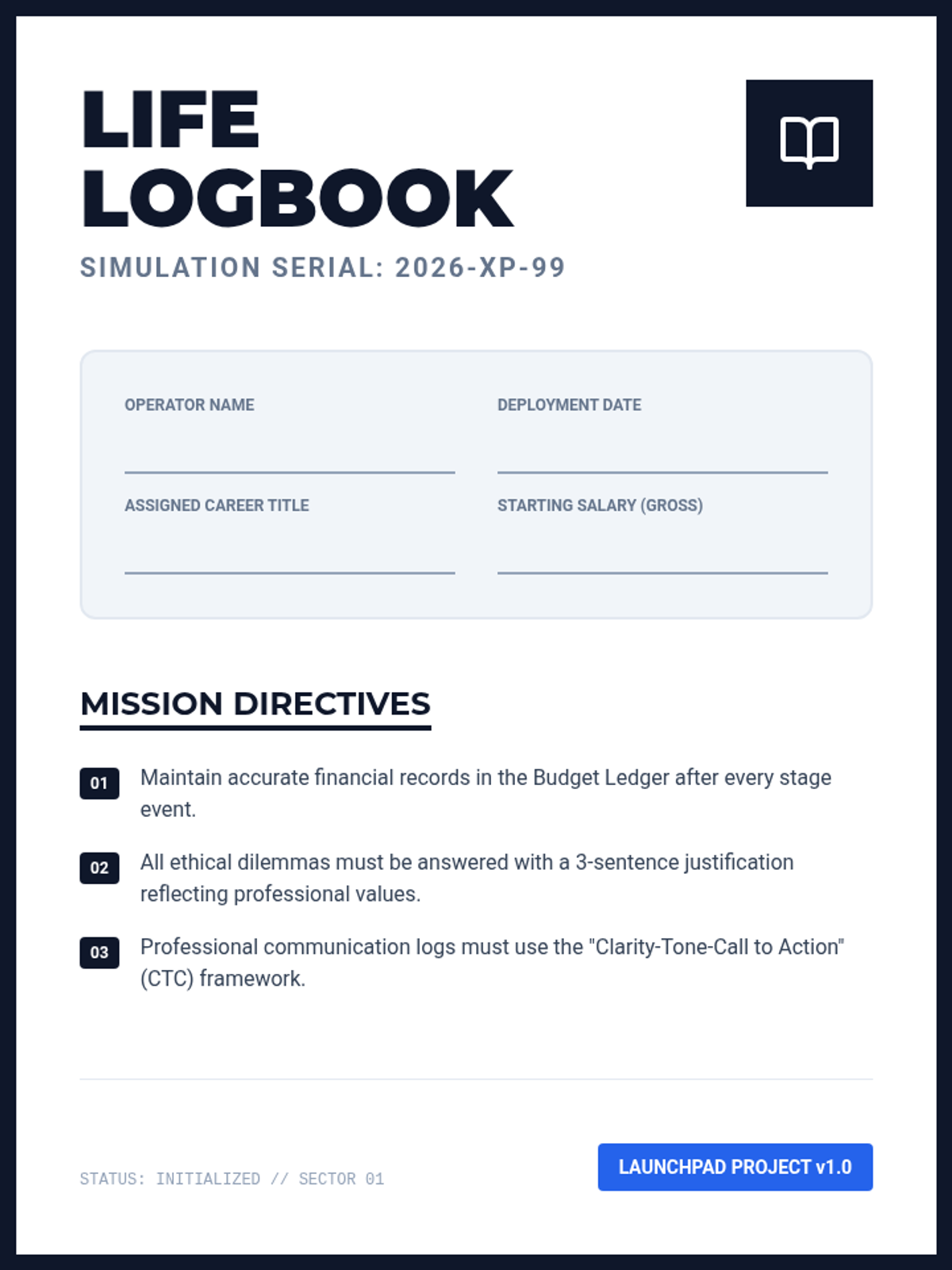
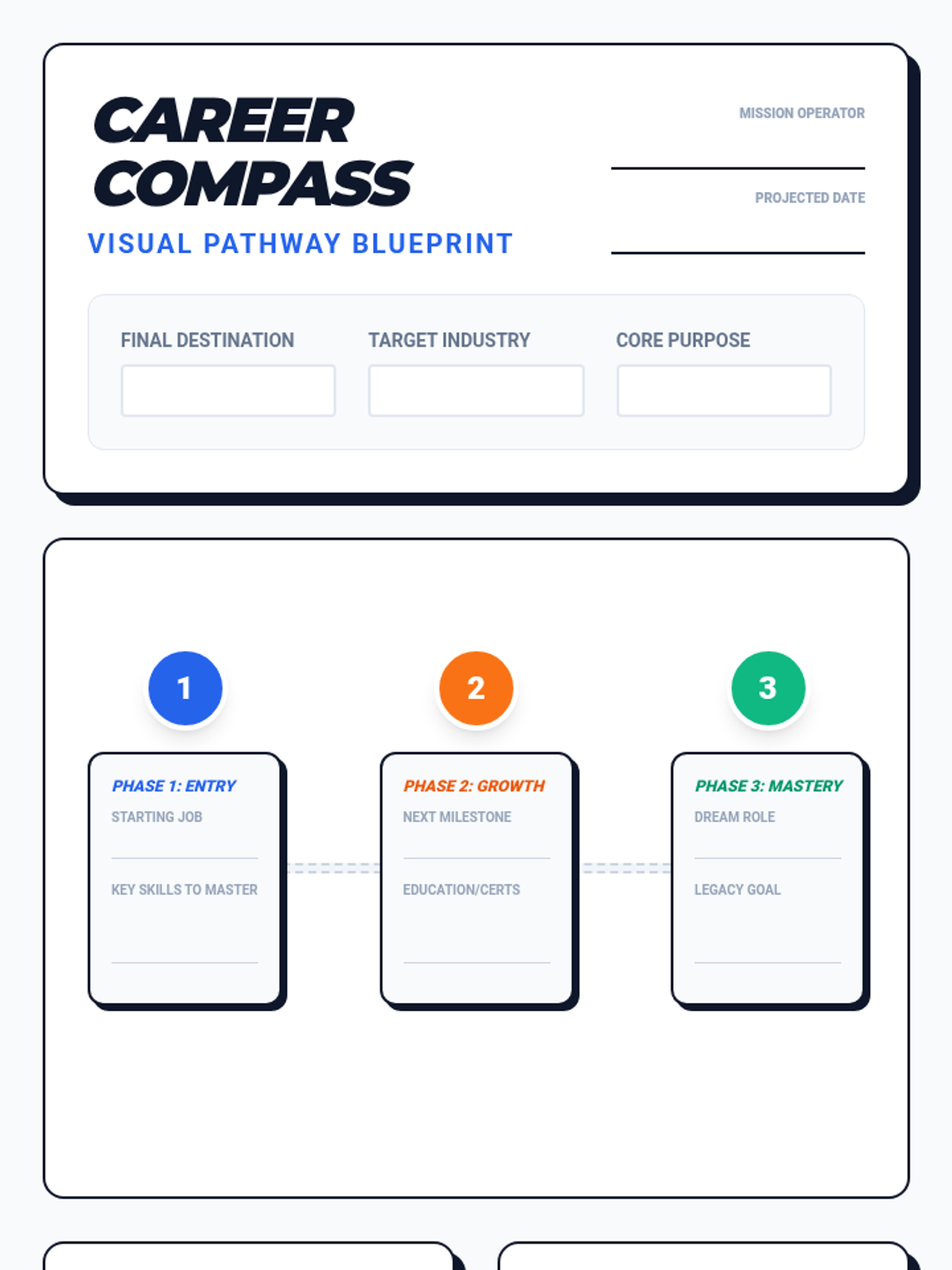
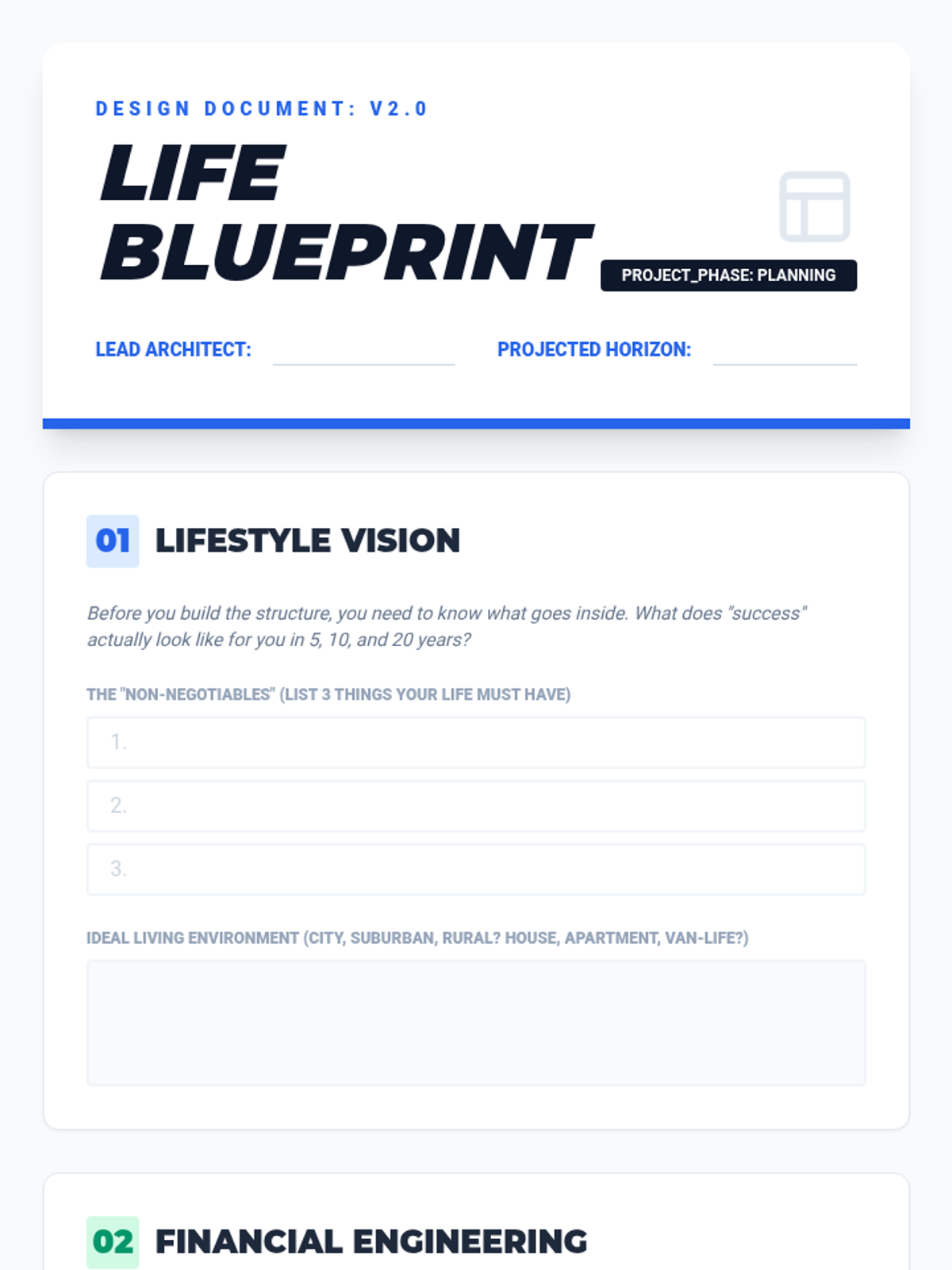
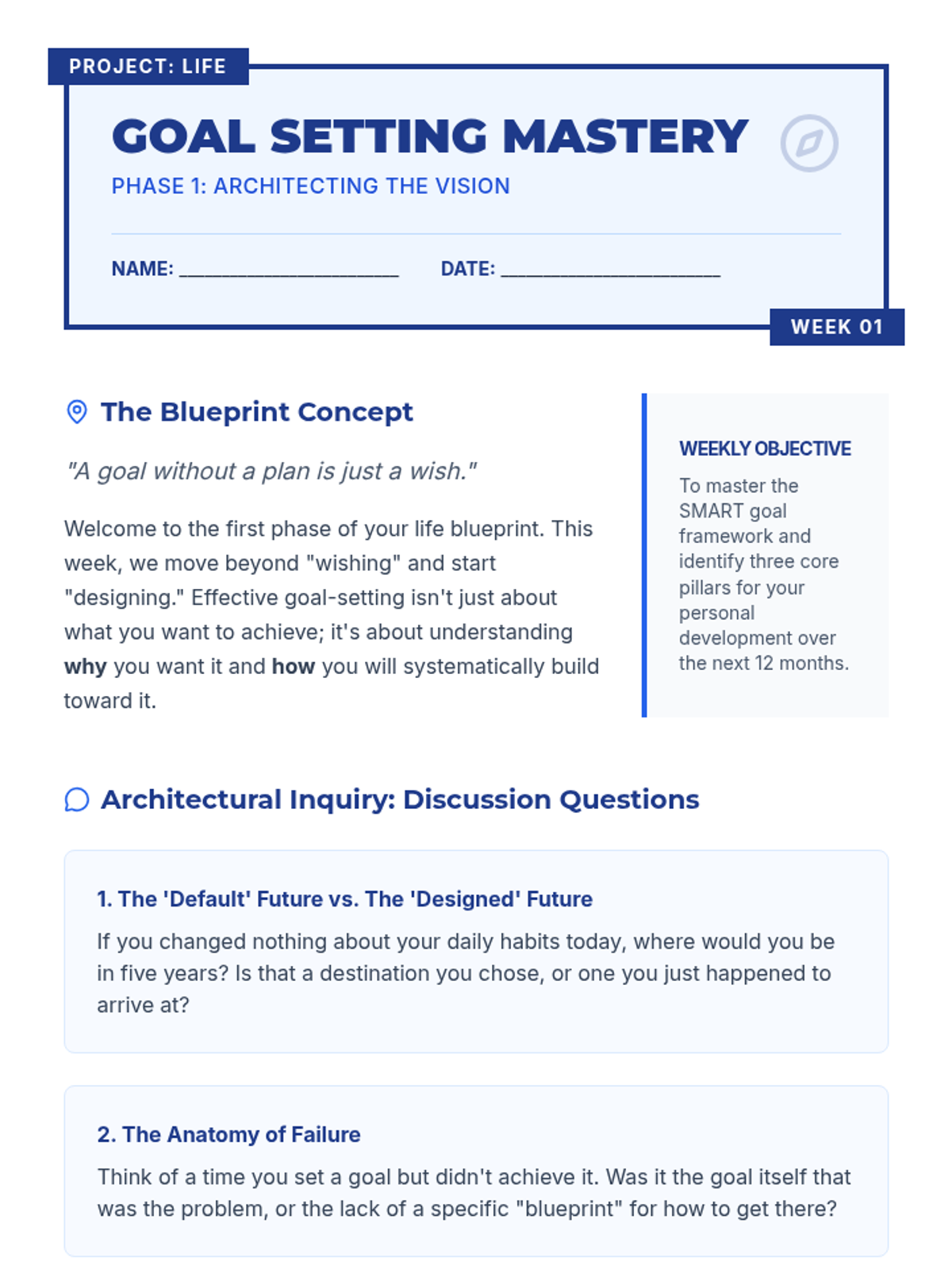
A comprehensive 9-week curriculum designed to equip young adults with essential skills for personal well-being, effective communication, and healthy relationships. This course uses a 'blueprint' theme to help students architect their own futures through goal-setting, stress management, and interpersonal growth.
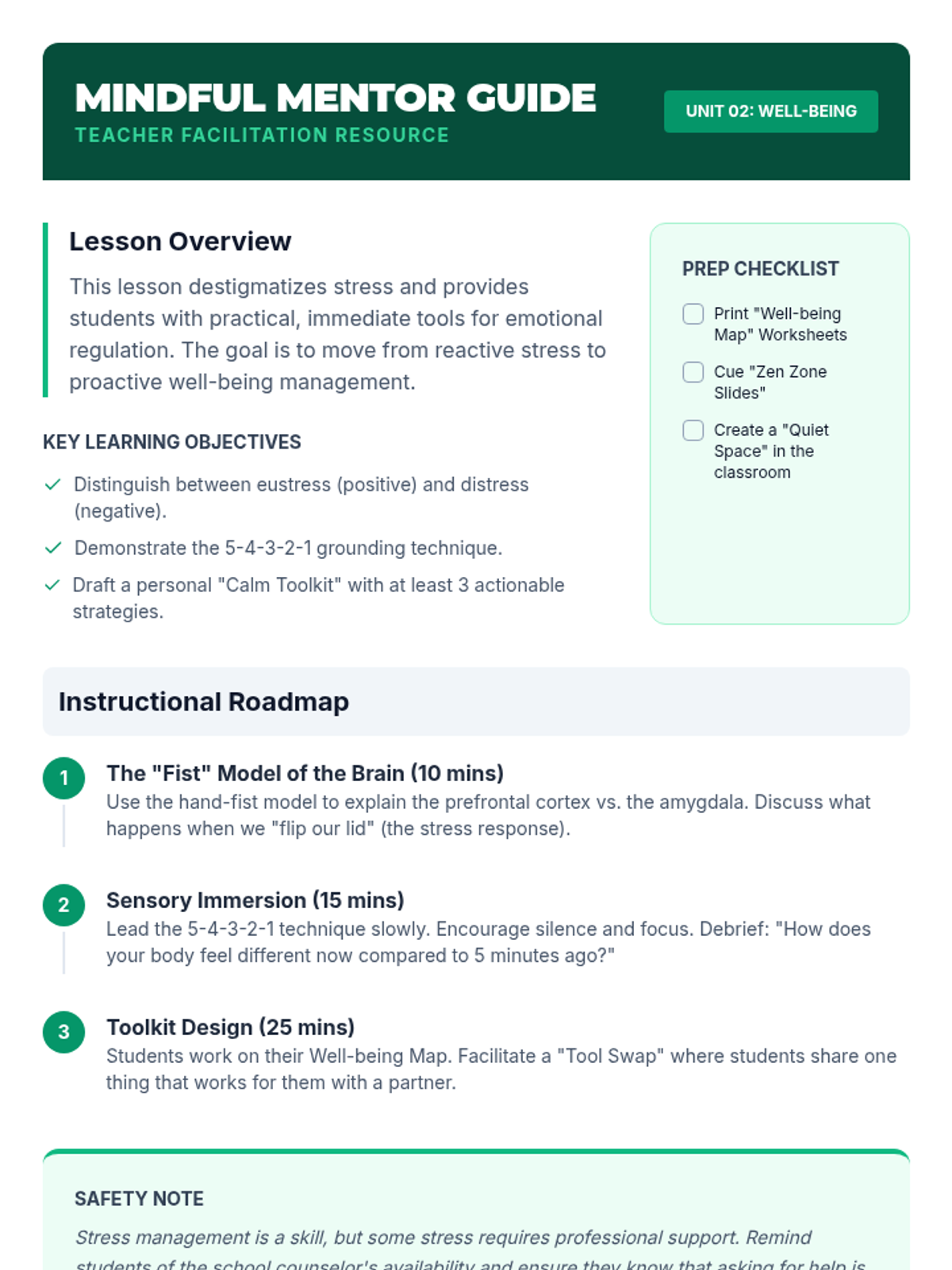
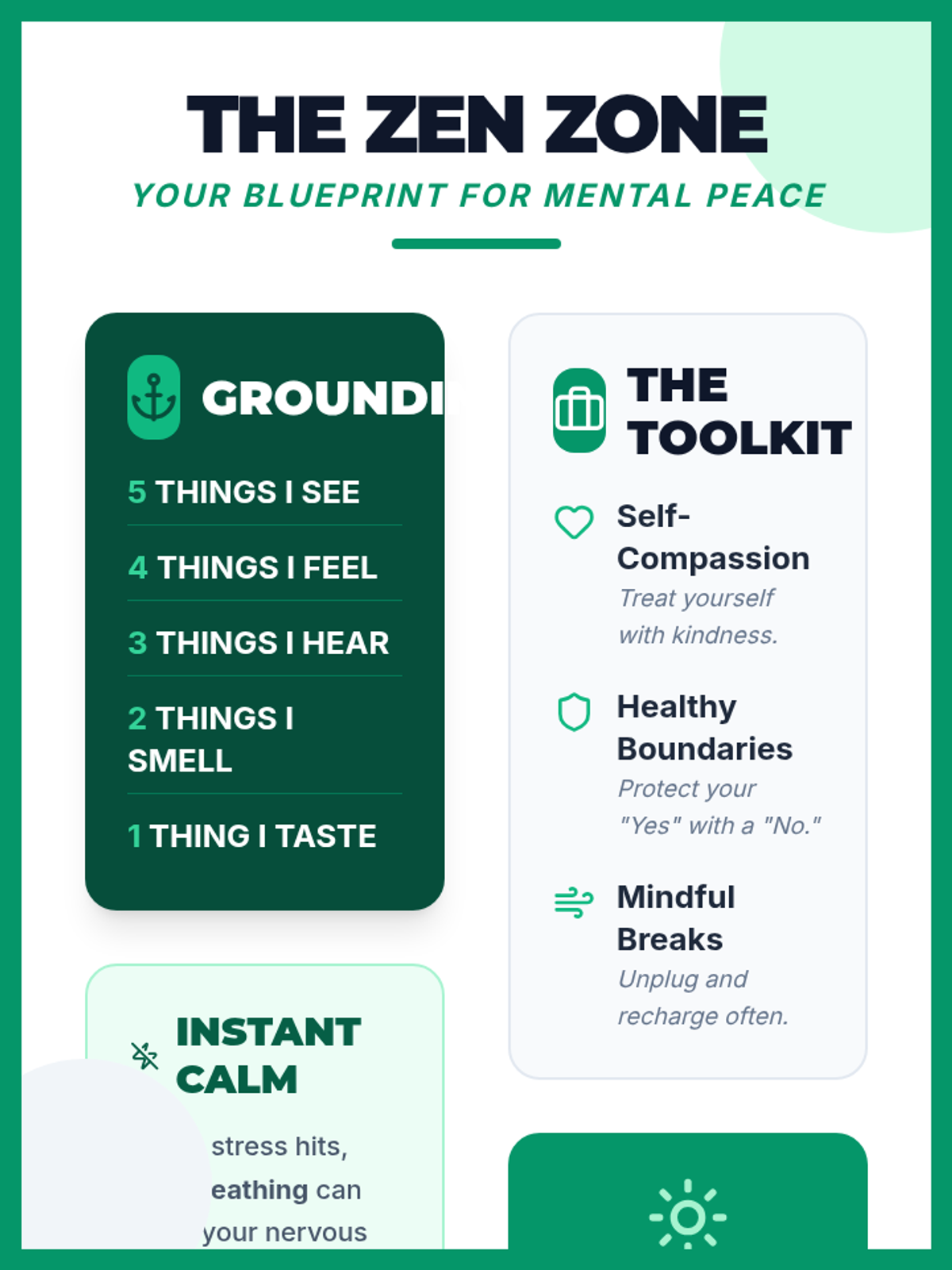
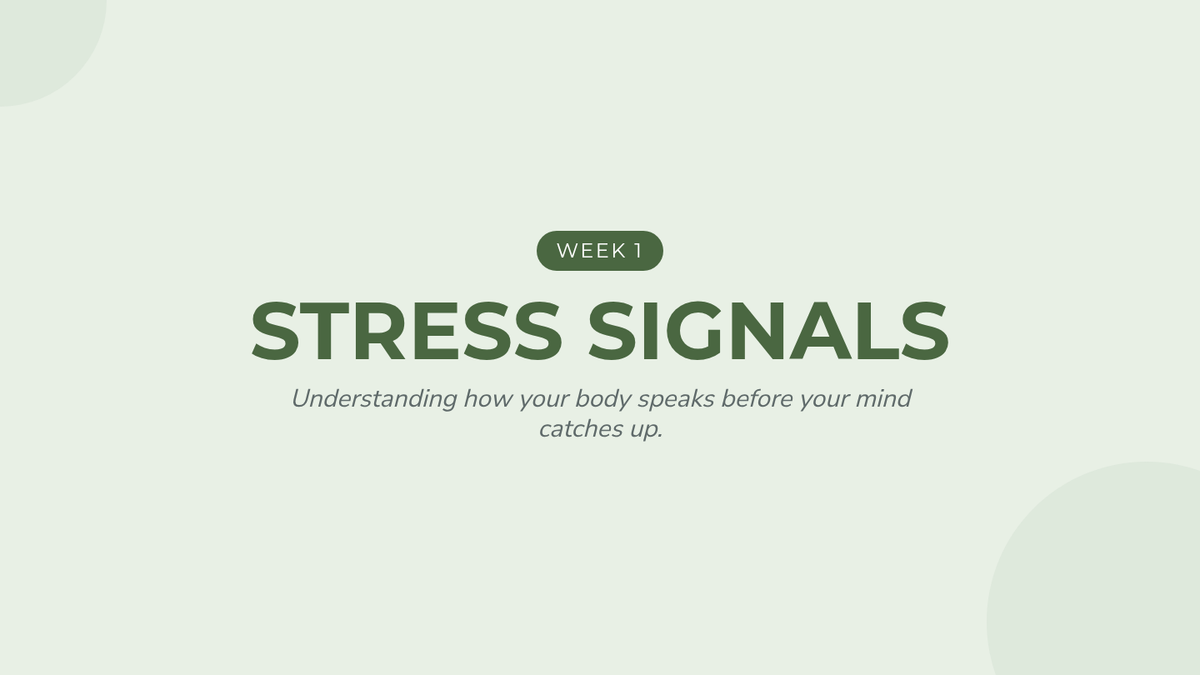
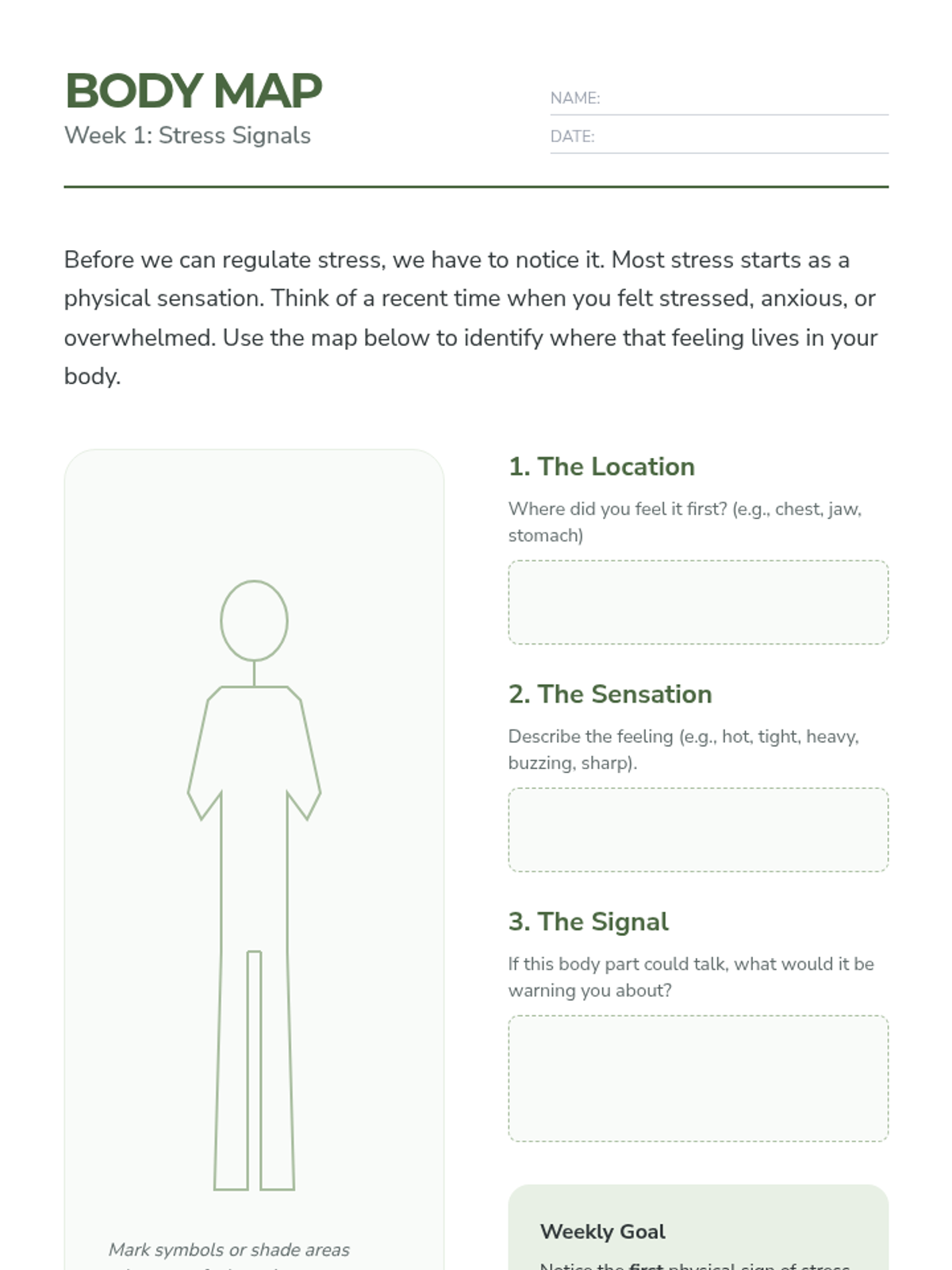
A 9-week social-emotional learning sequence designed for young adults, focusing on evidence-based coping mechanisms, mindfulness practices, and emotional resilience. This program guides participants from basic stress awareness to building a sustainable personal wellness plan.
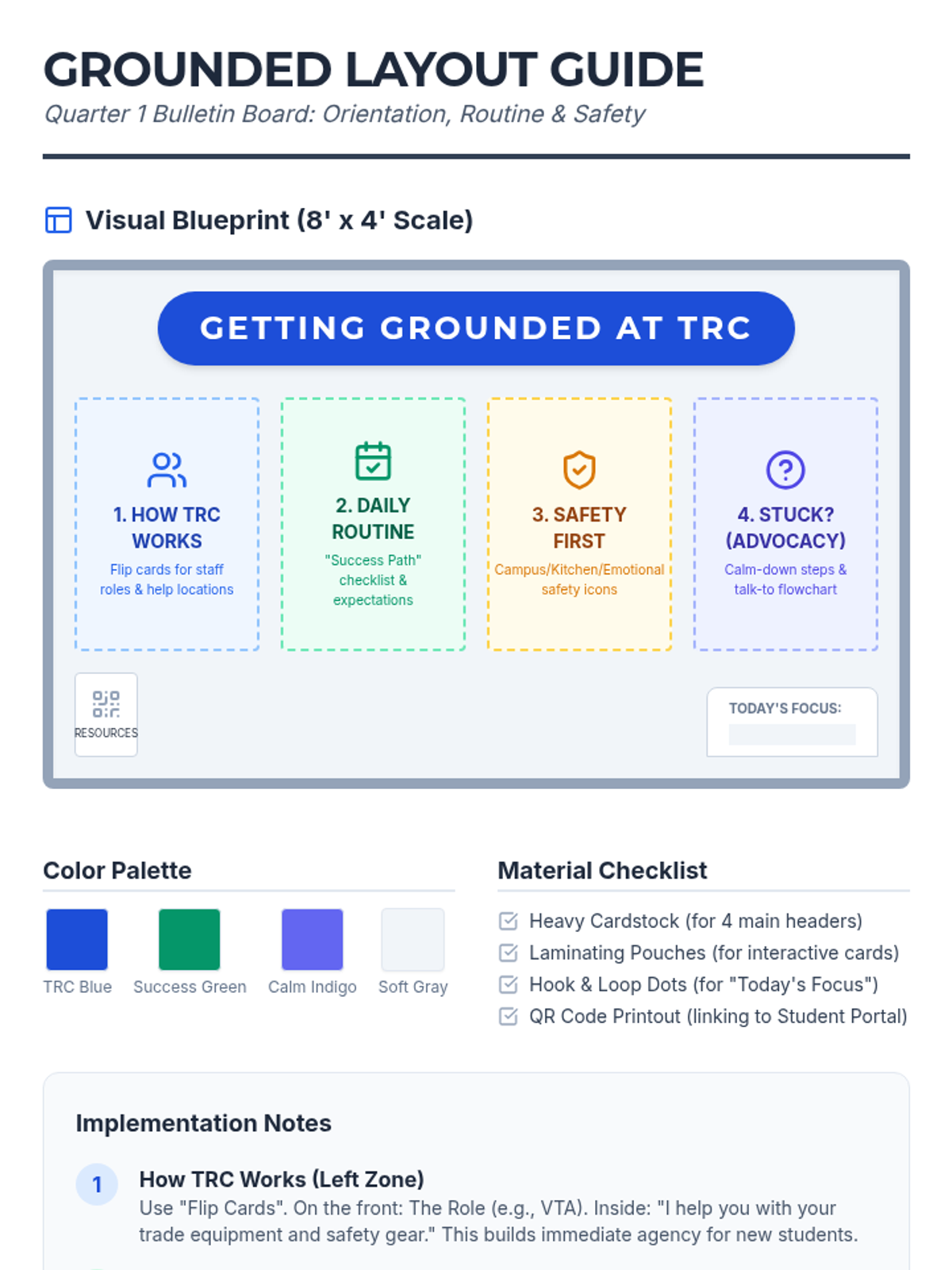
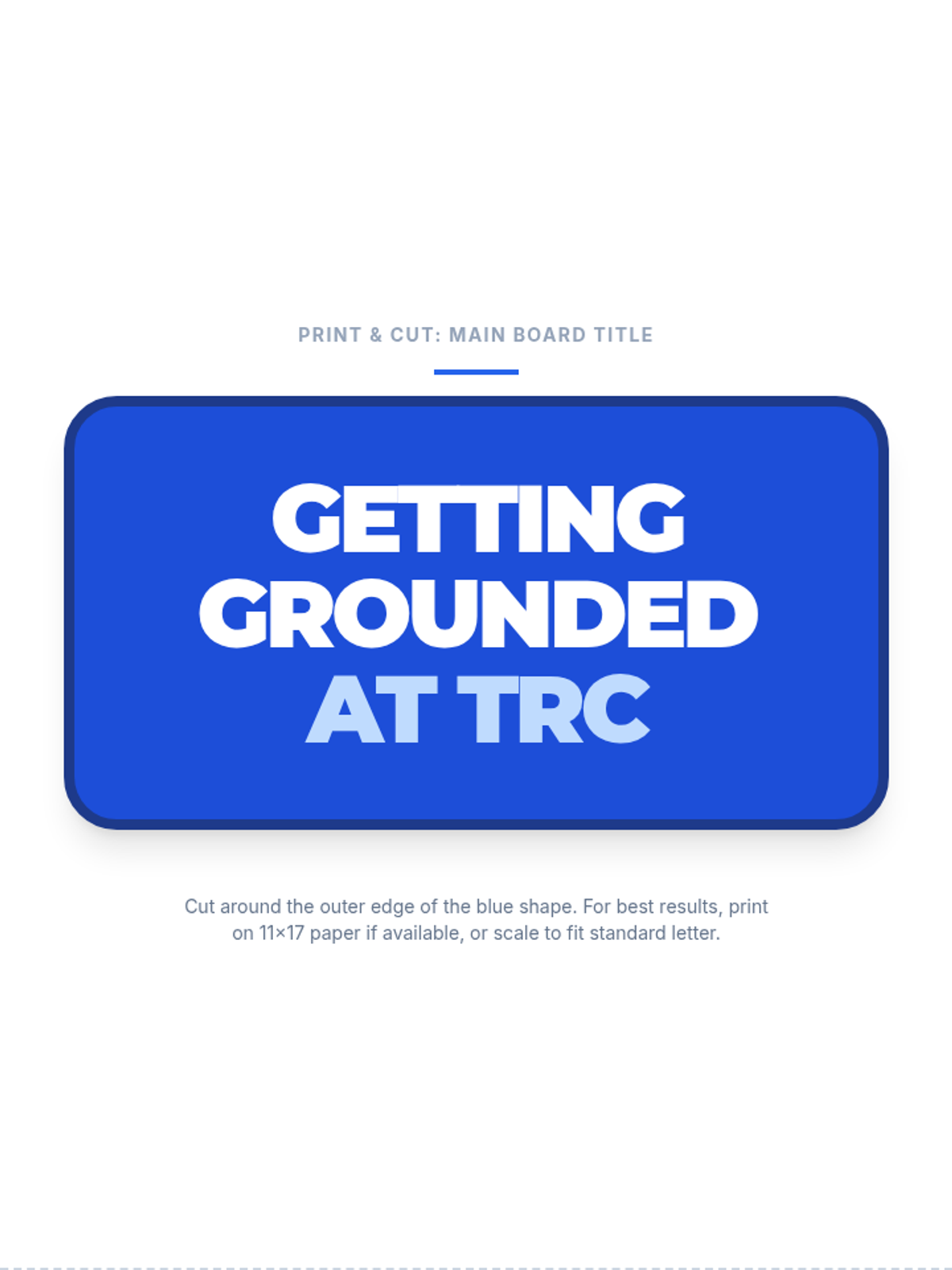
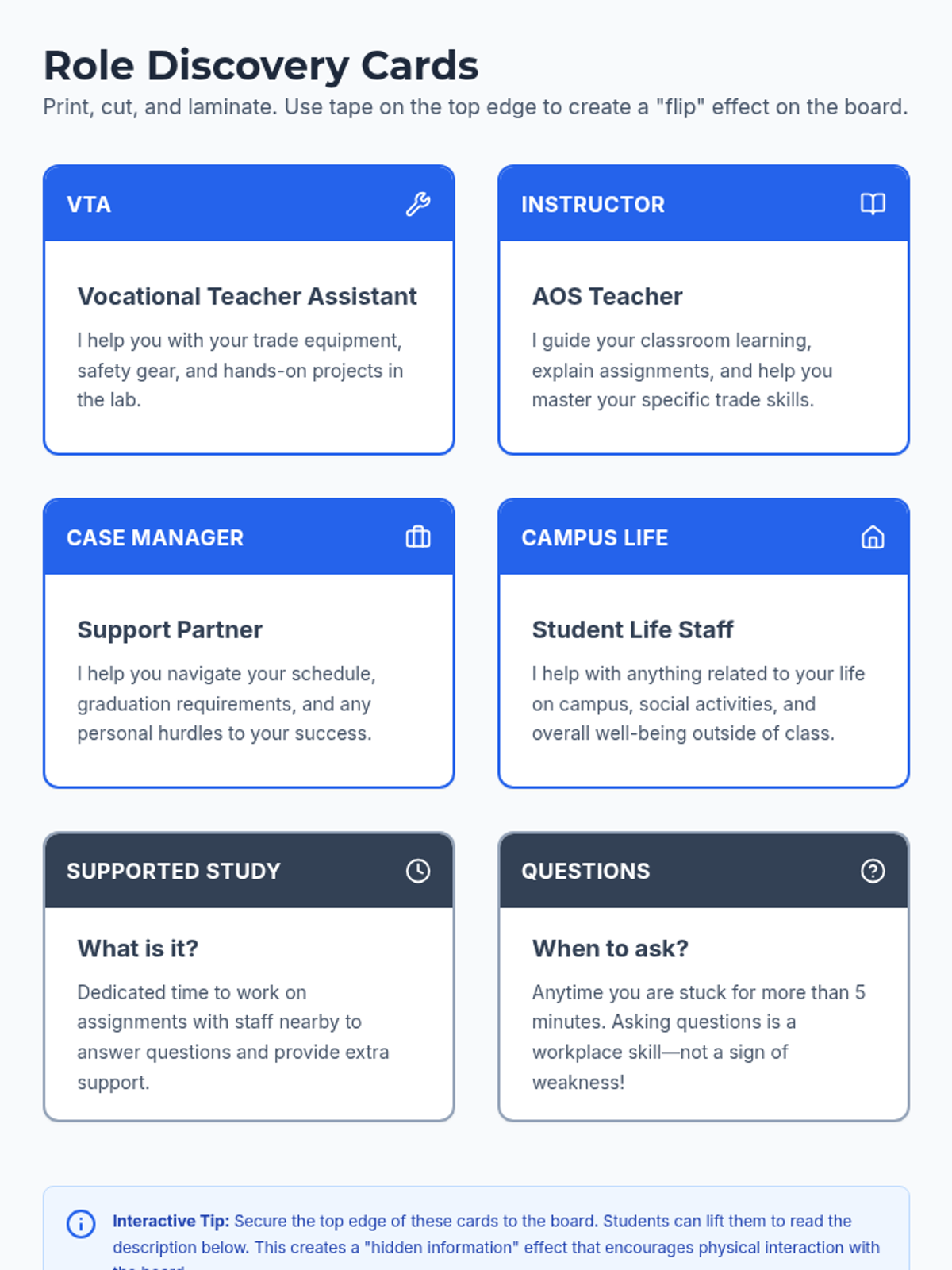
A collection of quarterly bulletin board designs for TRC, providing visual blueprints and printable components to help students navigate orientation, skill-building, and transition planning.
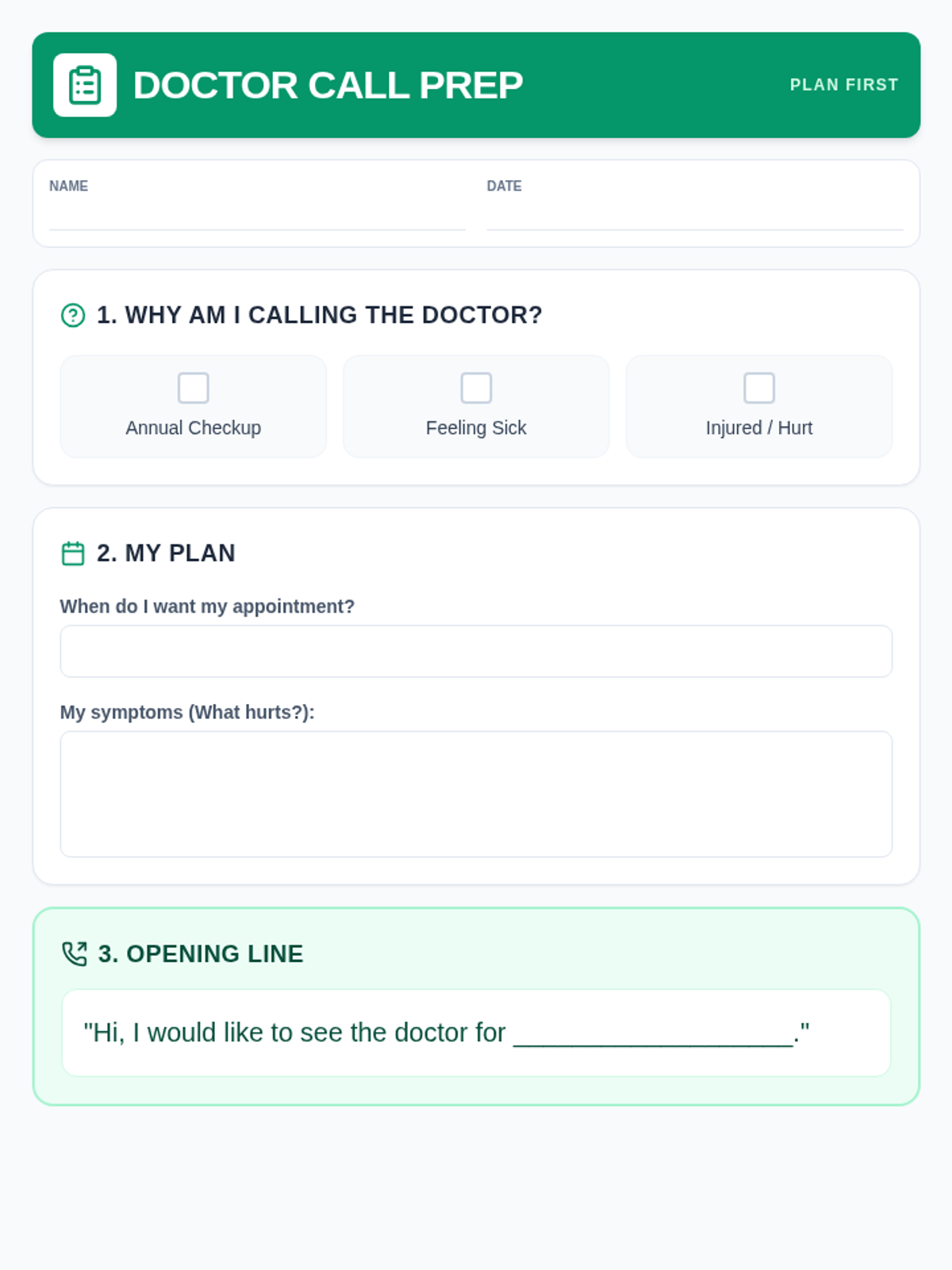
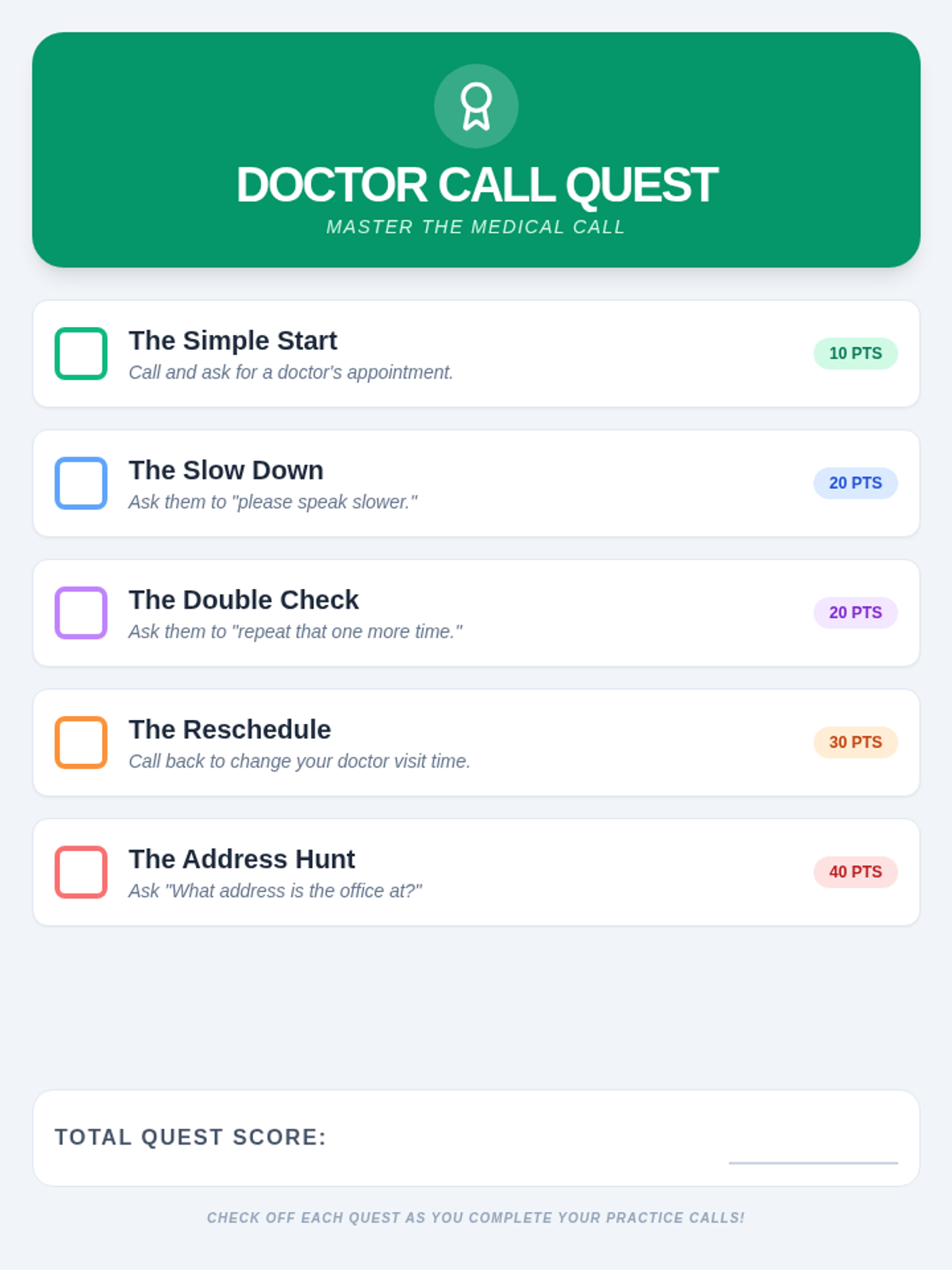
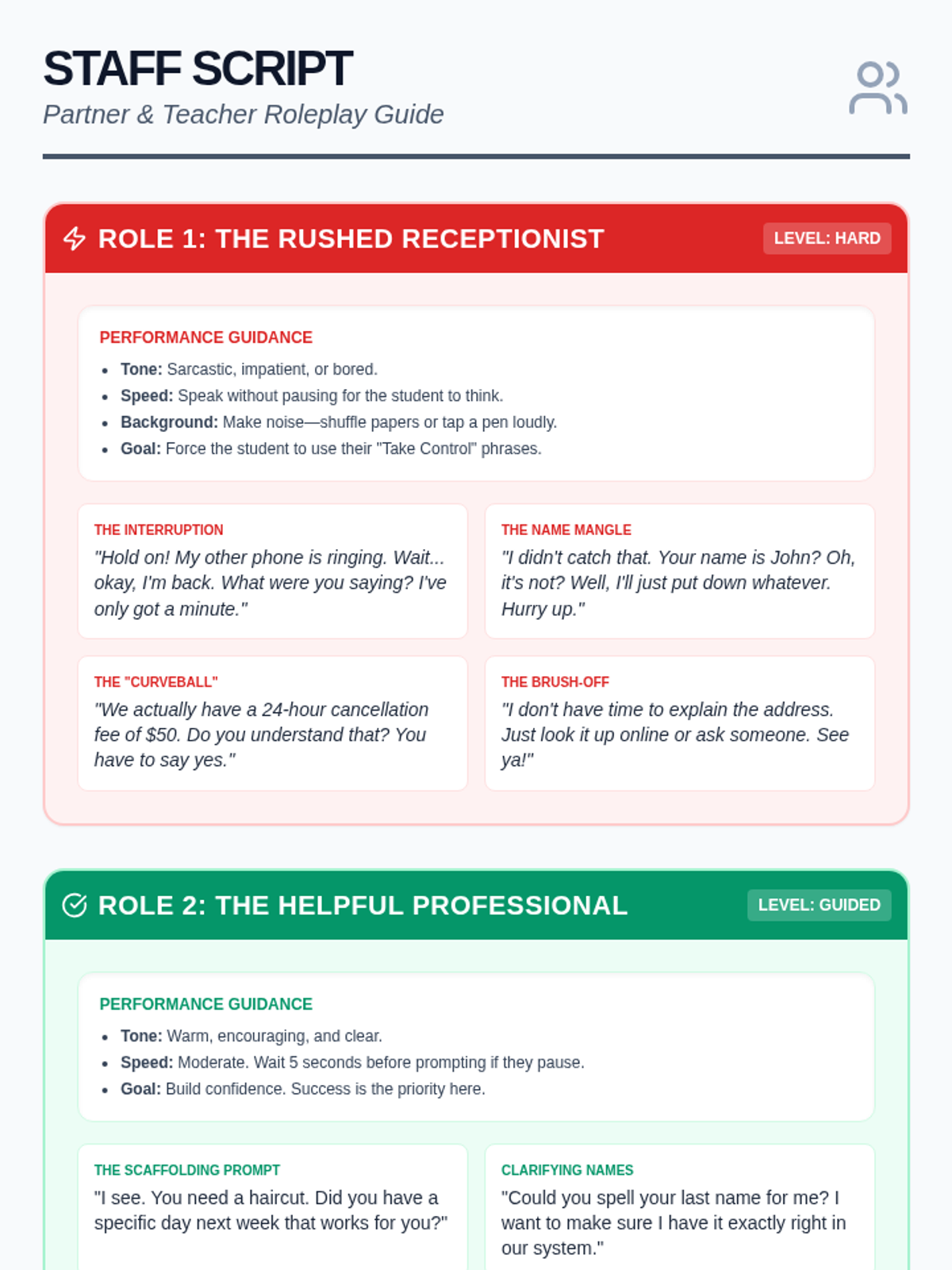
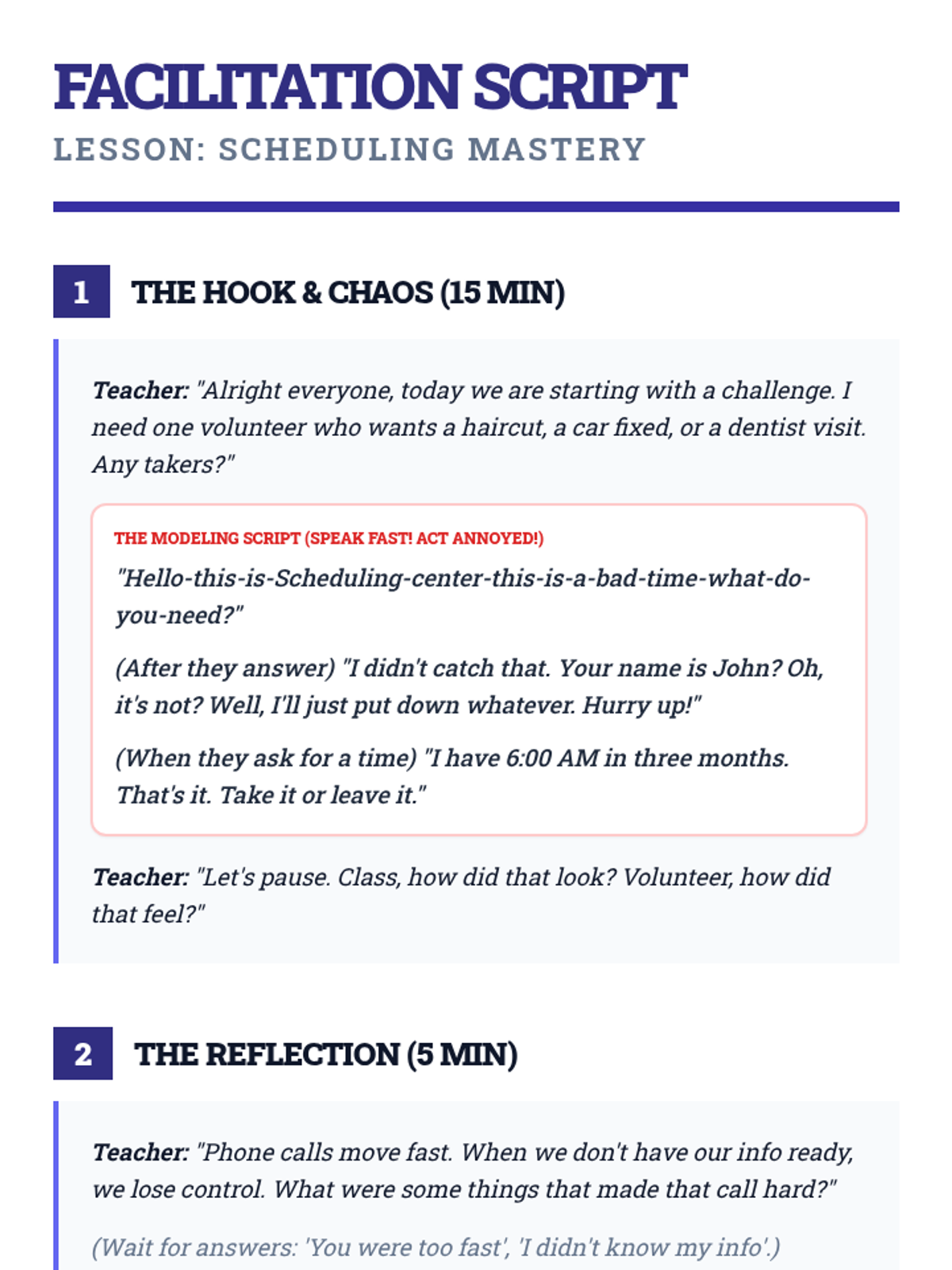
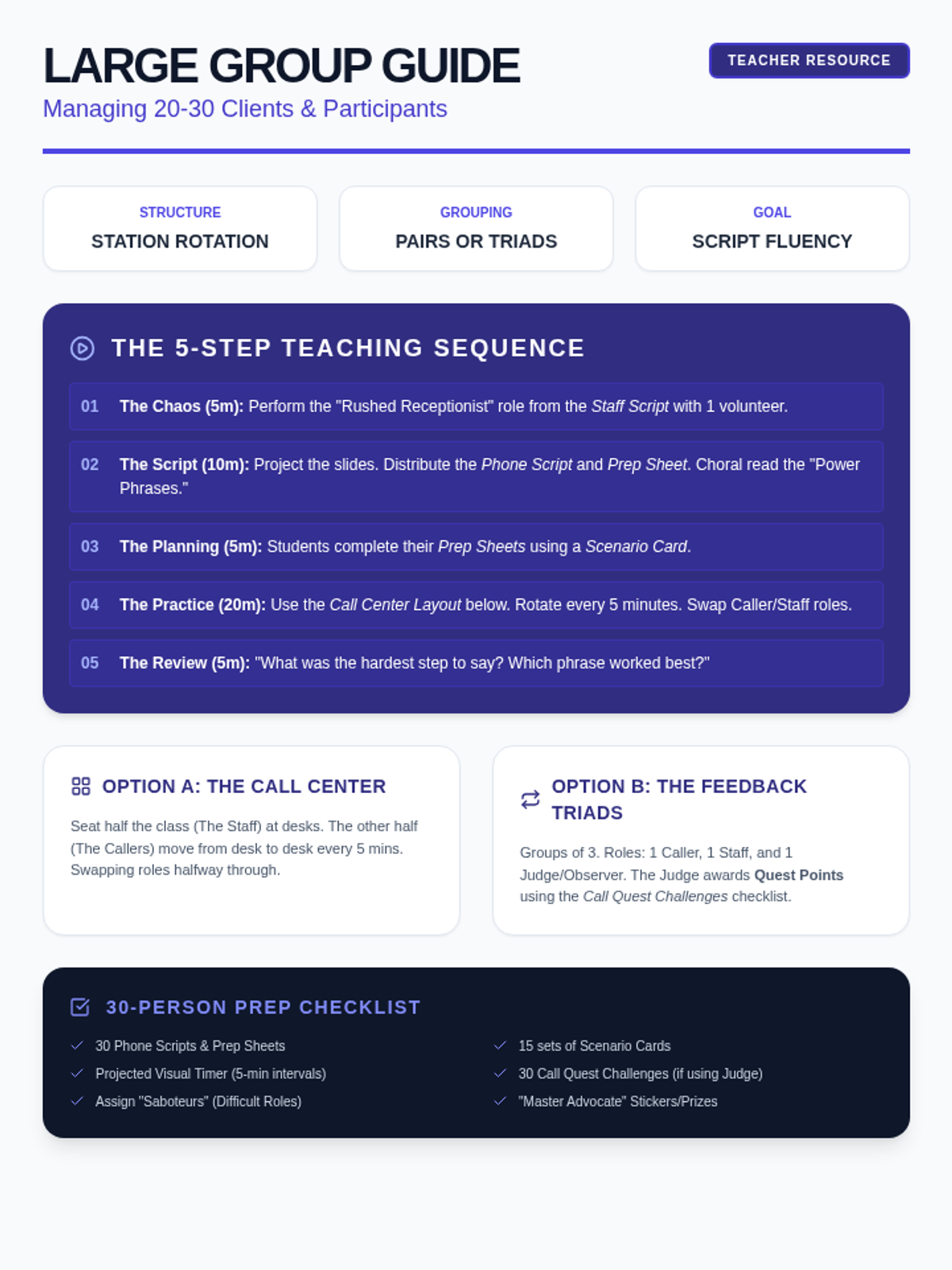
A sequence focused on building self-advocacy skills through experiential learning, specifically for scheduling and managing various types of professional and personal appointments.
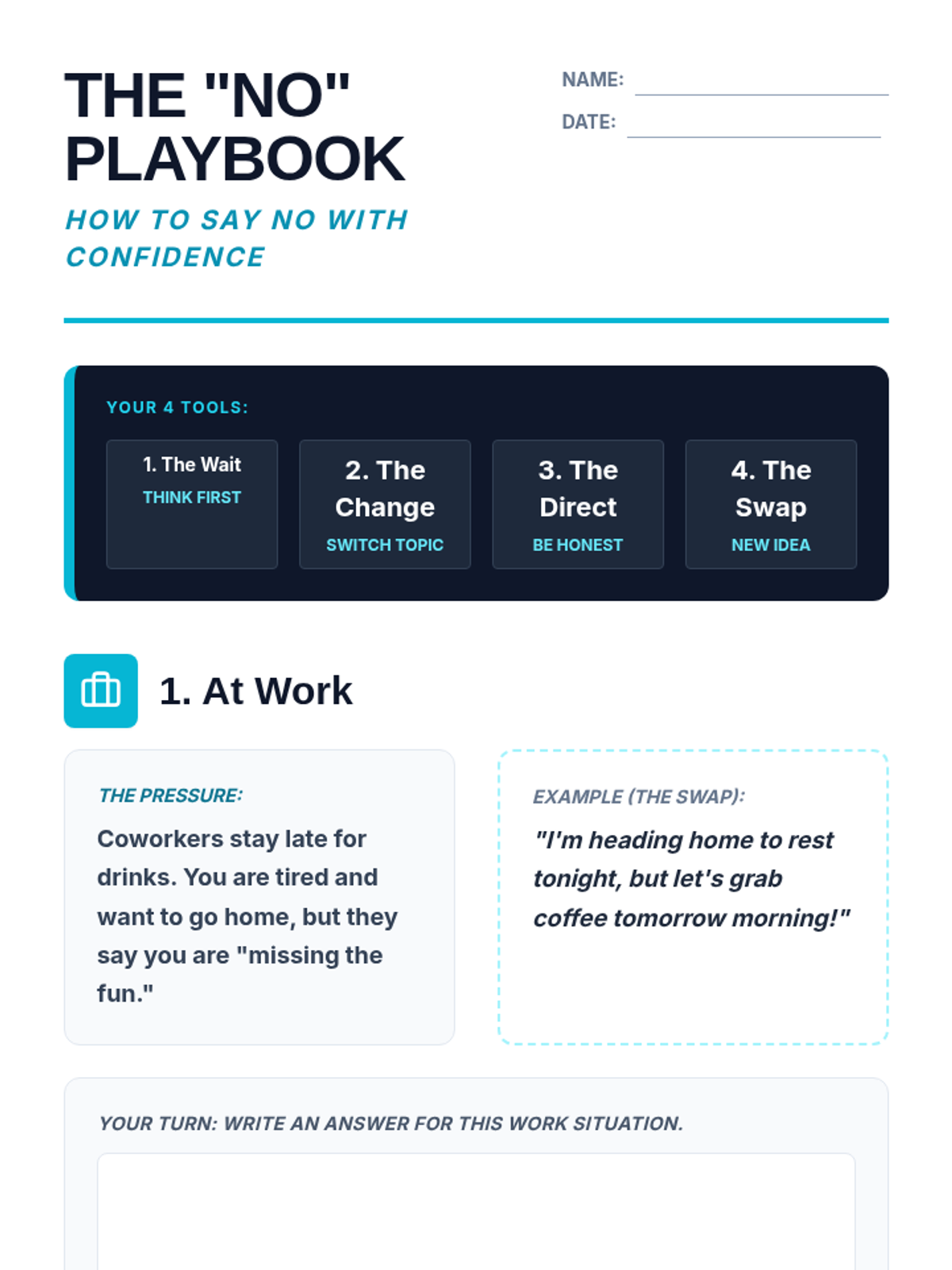
A comprehensive social skills unit designed for adults, focusing on building boundaries and mastering refusal strategies across workplace and social settings.
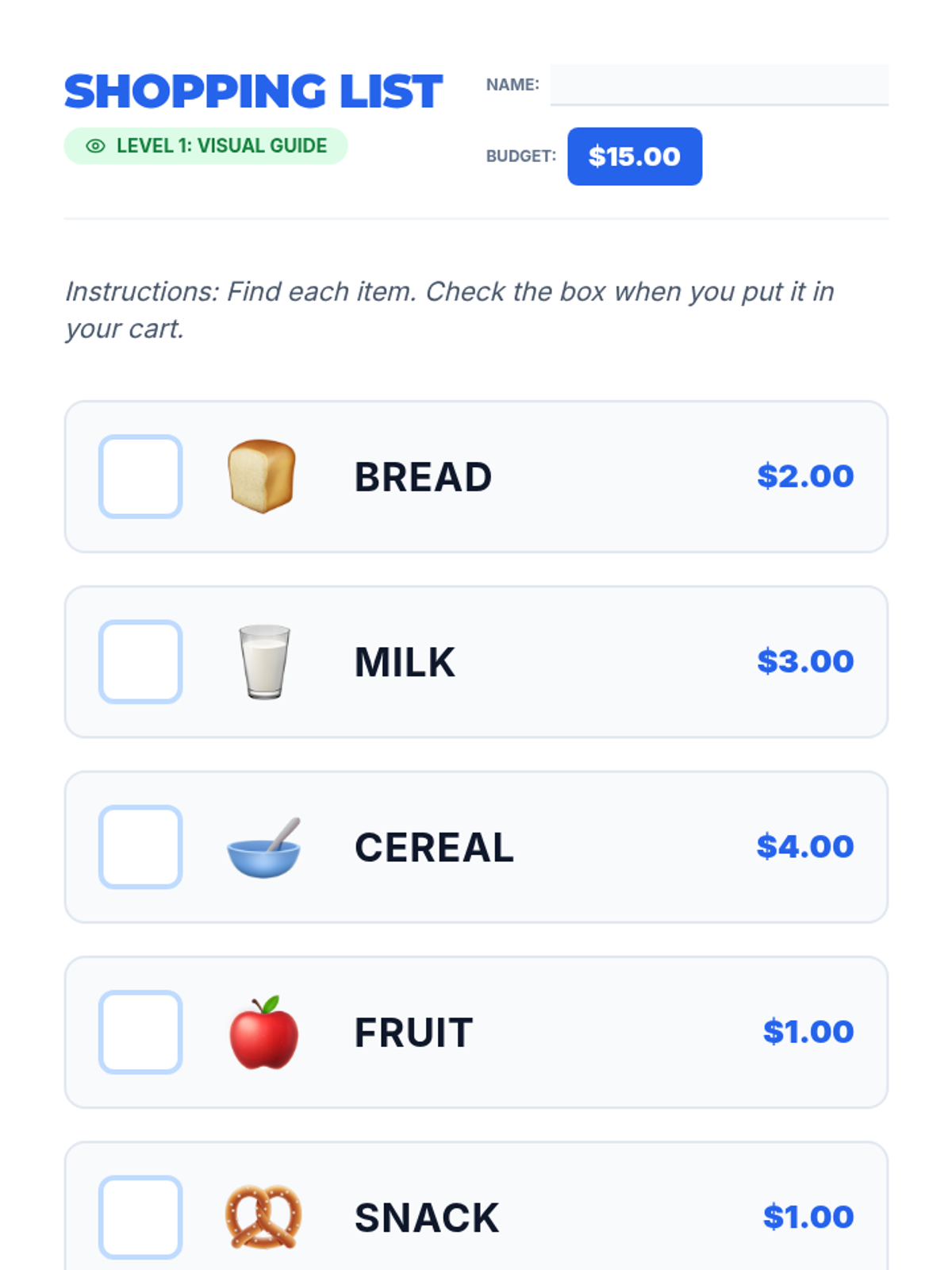
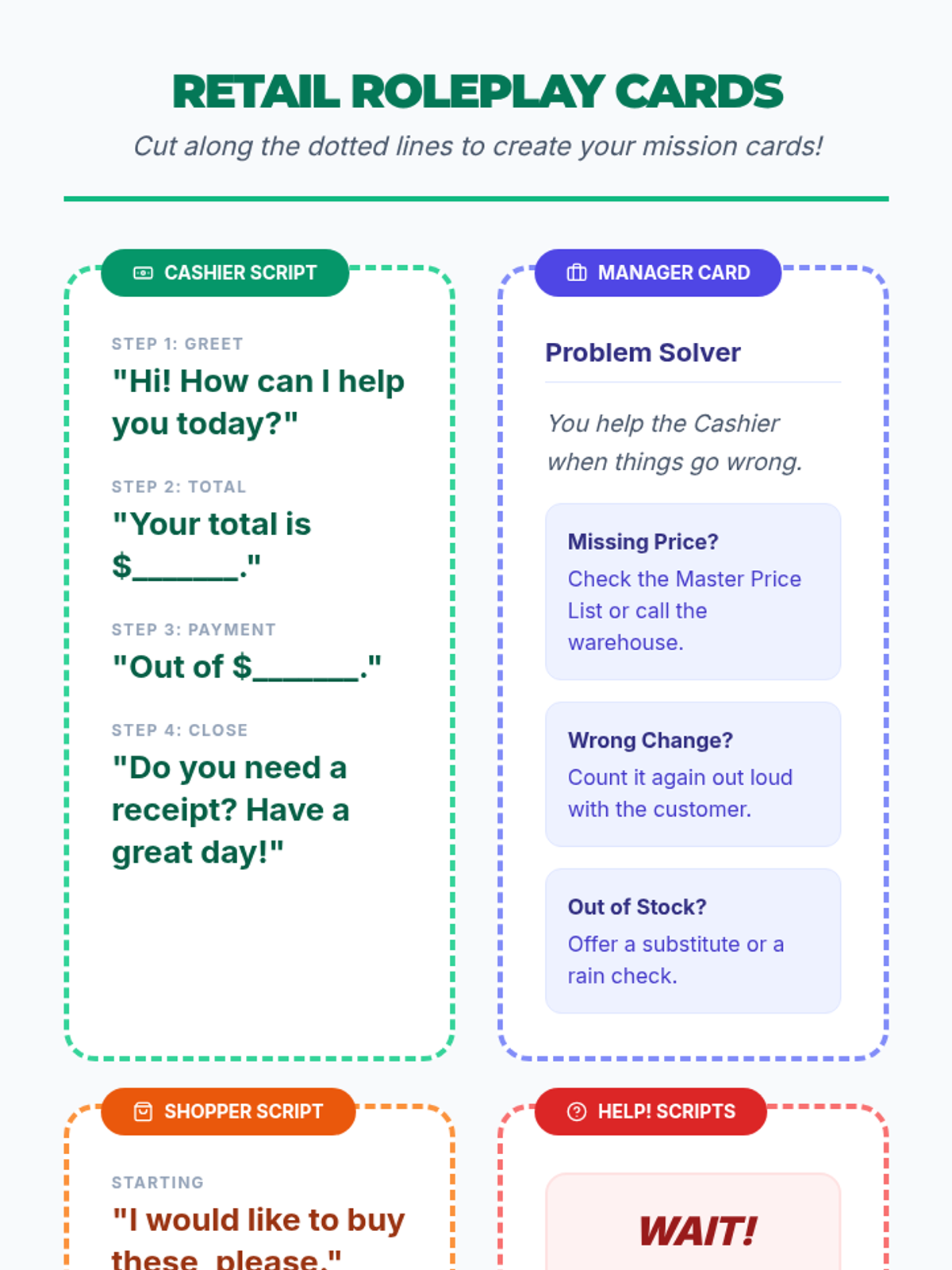
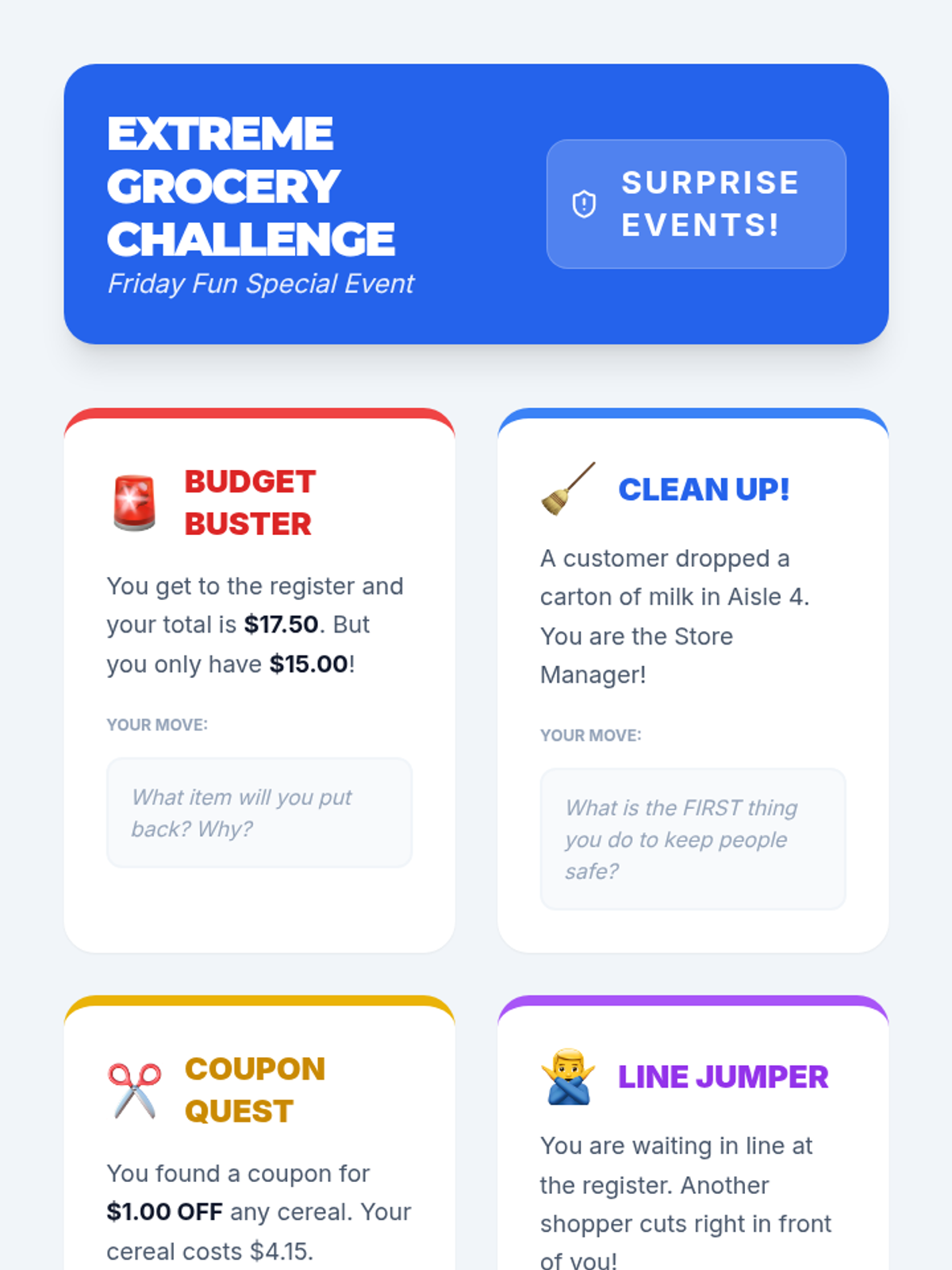
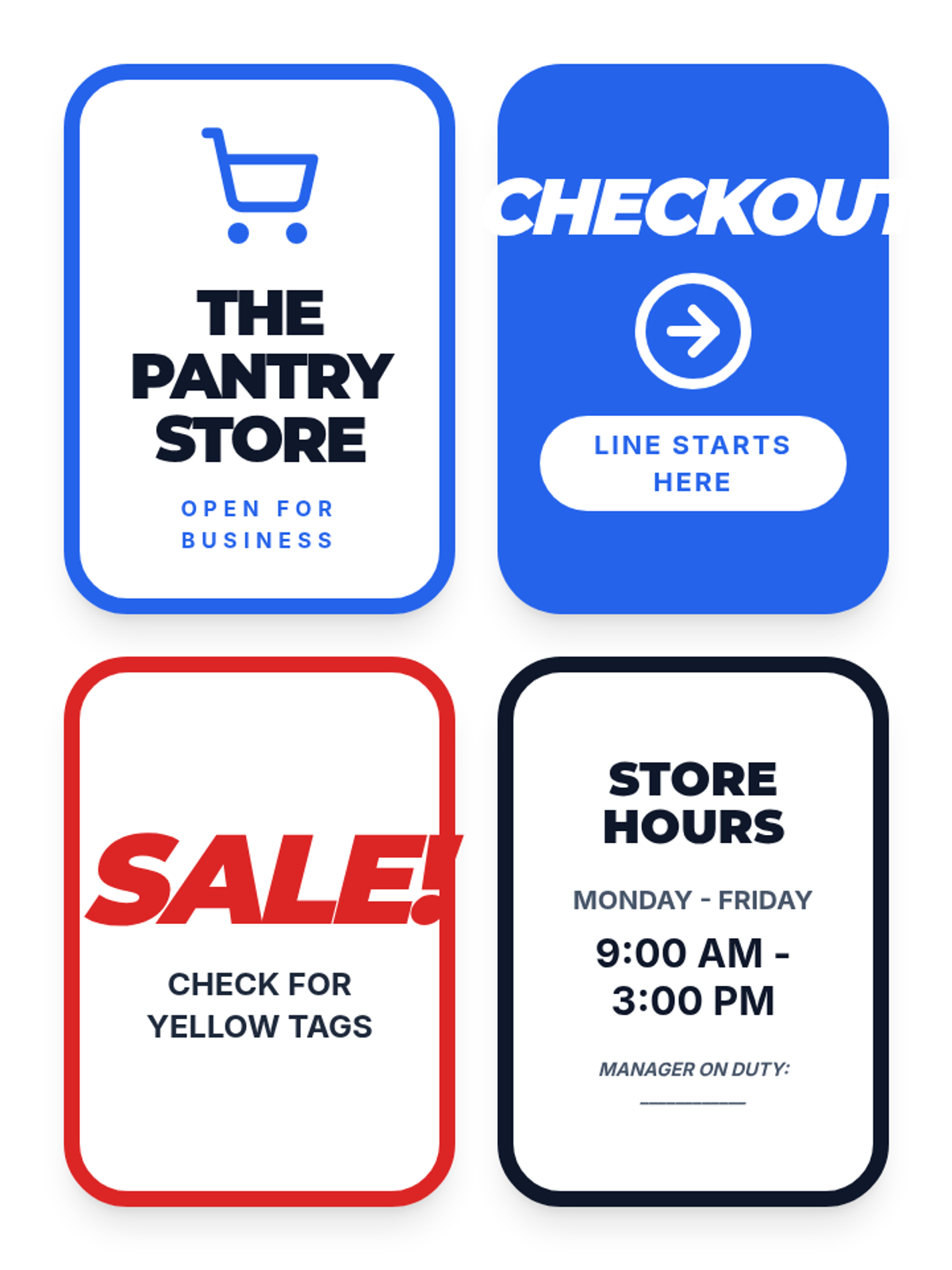
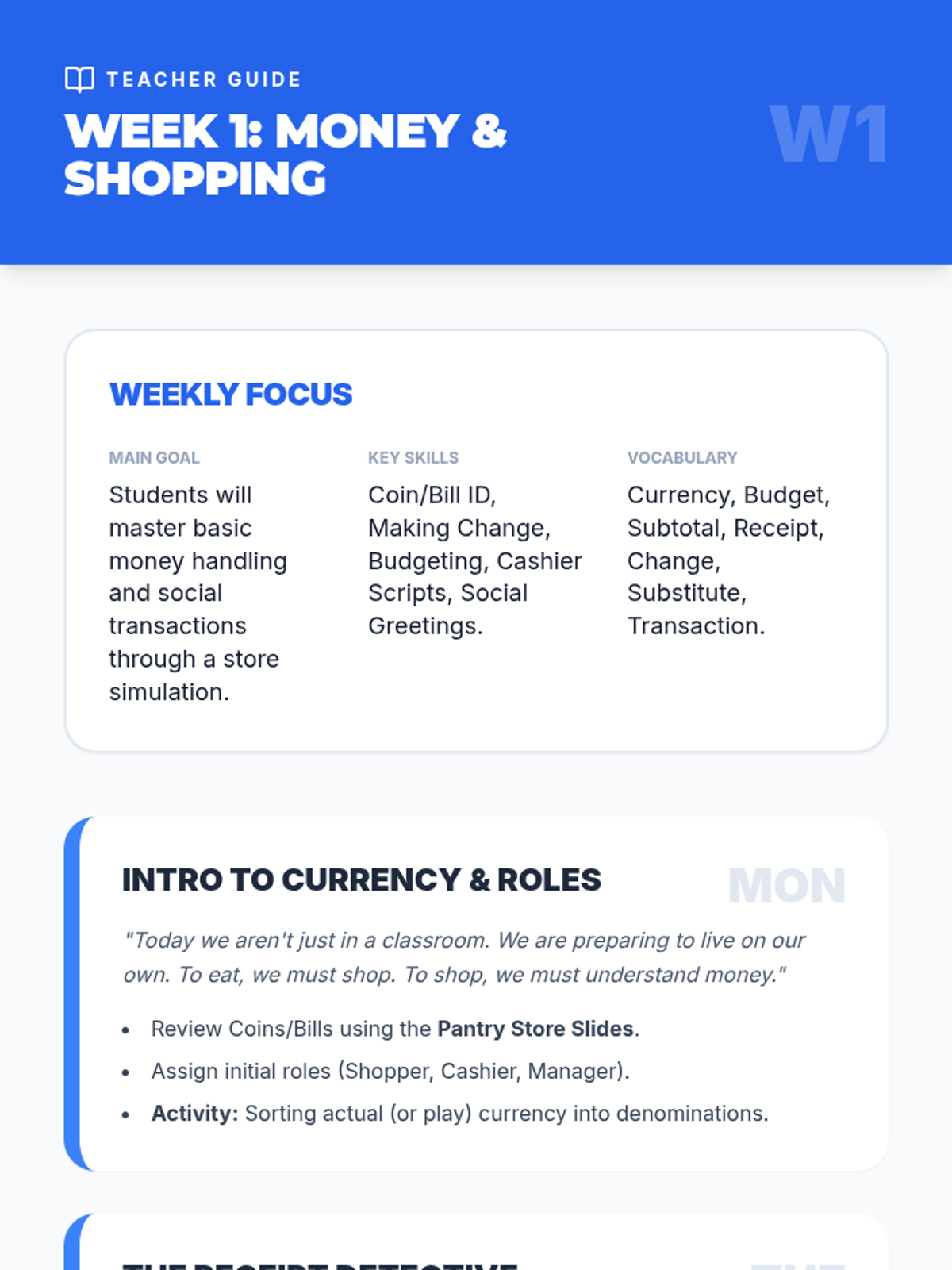
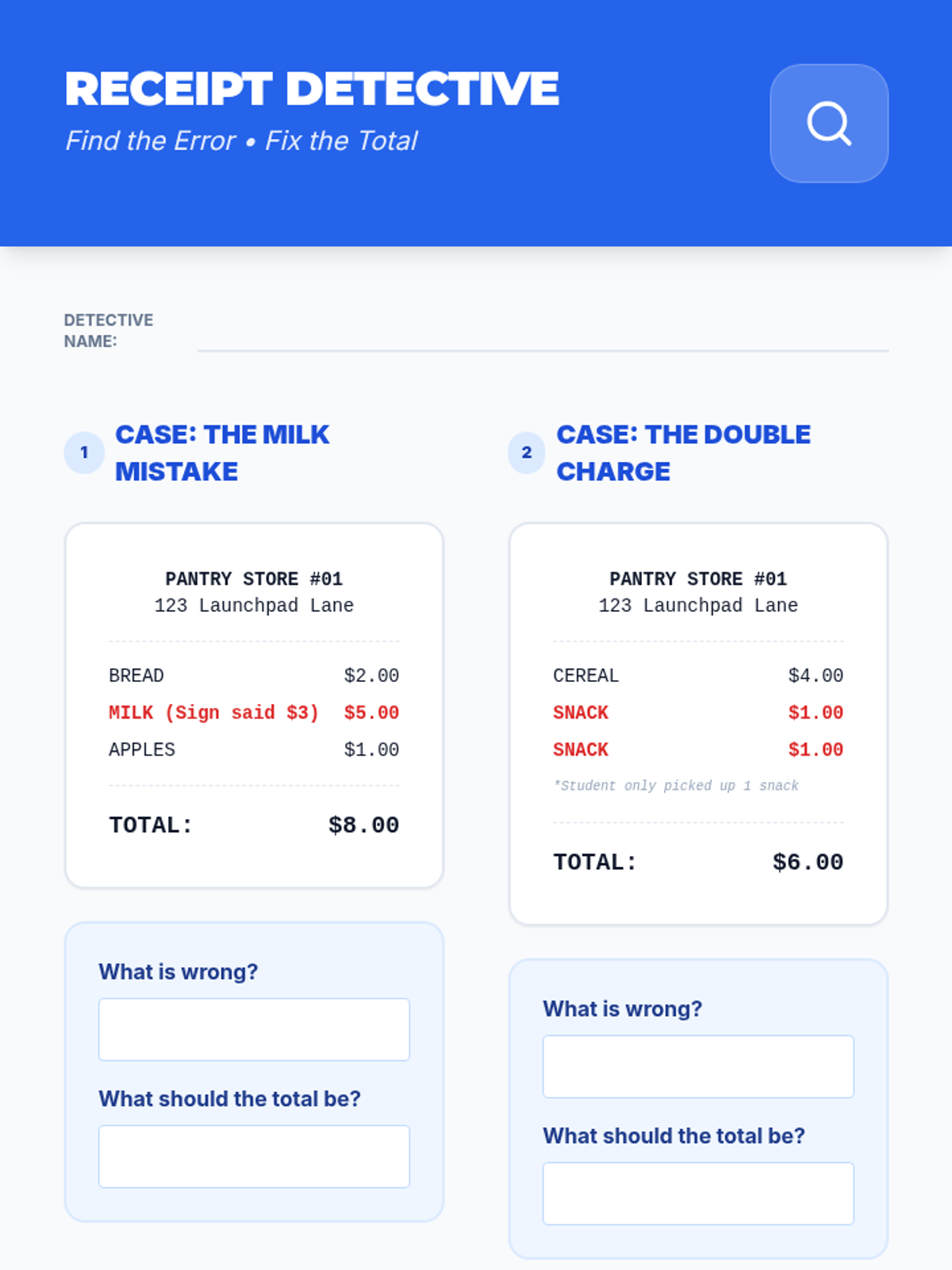
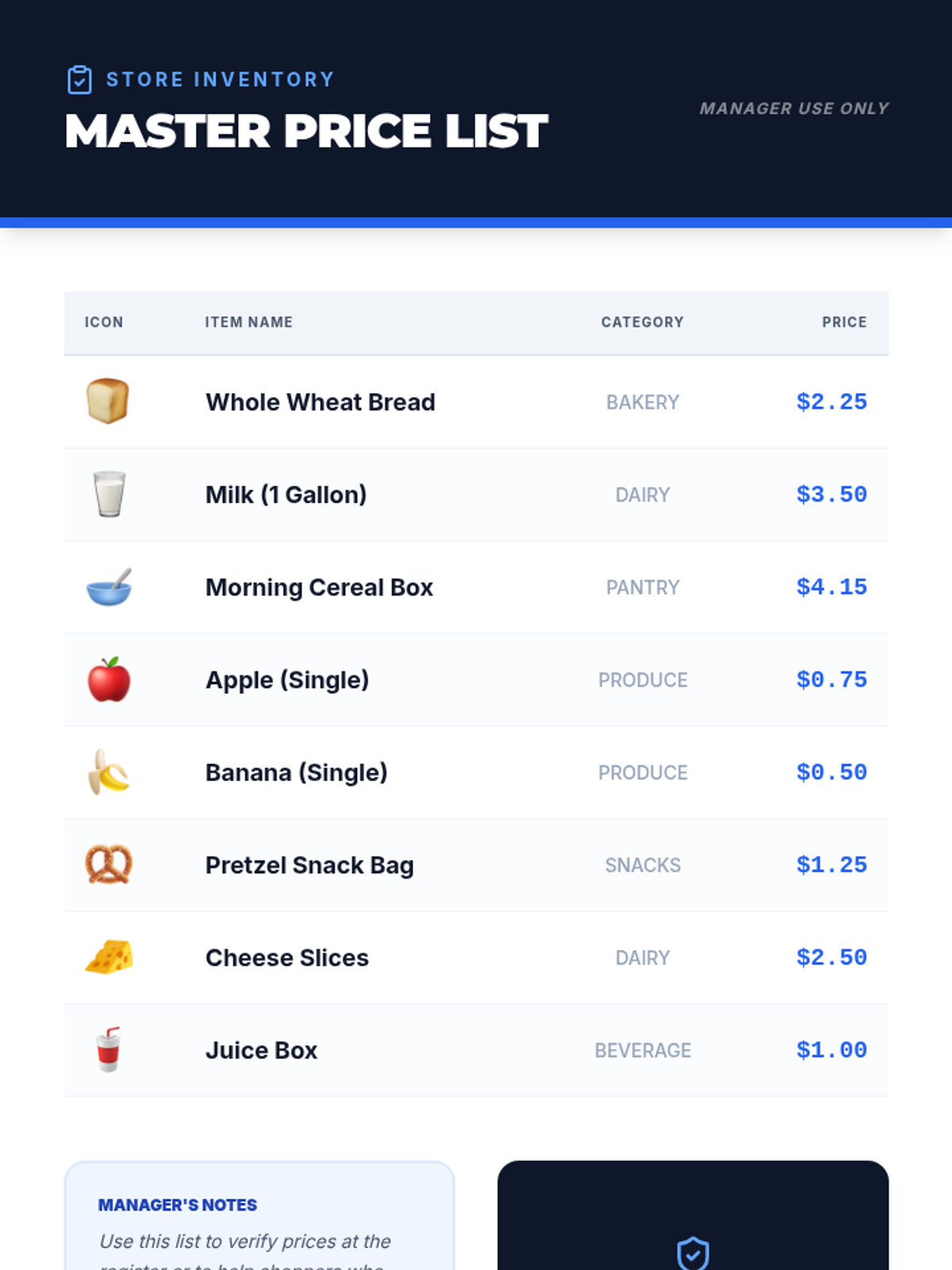
A full-month curriculum focused on developing independence through real-world simulations, role-playing, and practical application of functional life skills.
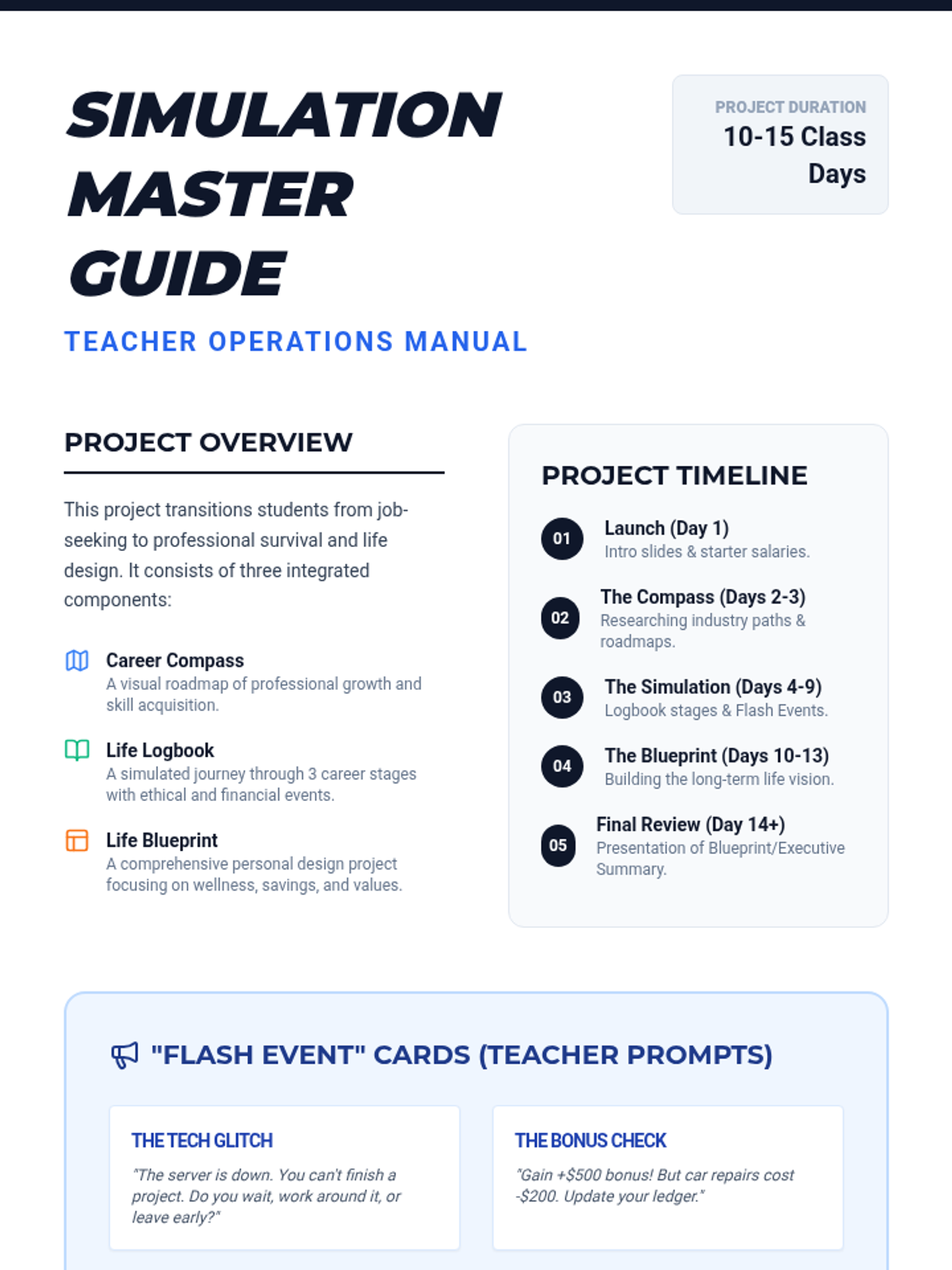
A series of lessons and projects designed to transition students from job-seeking skills to workplace success and independent living, focusing on professional ethics, communication, and long-term planning.
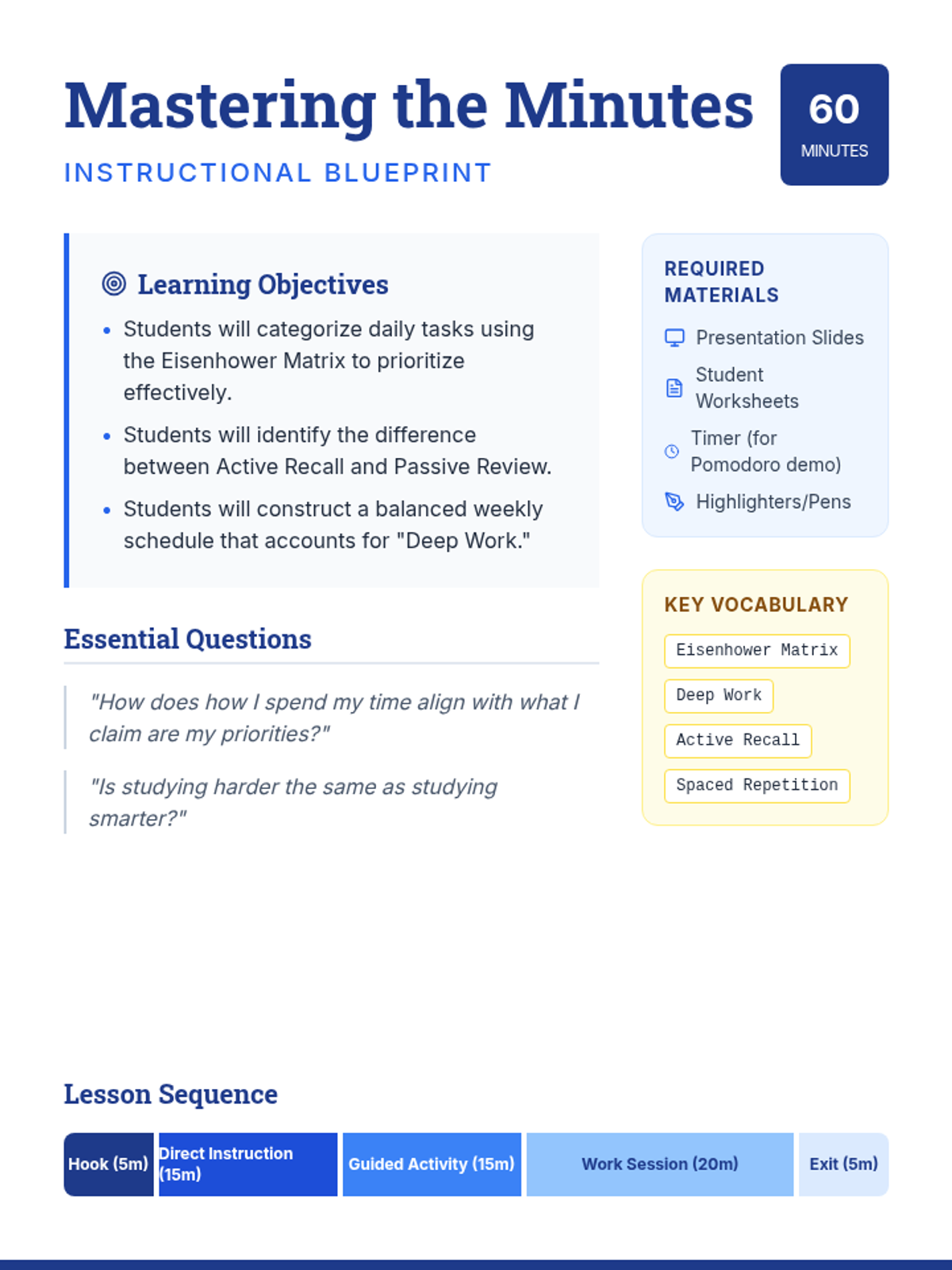
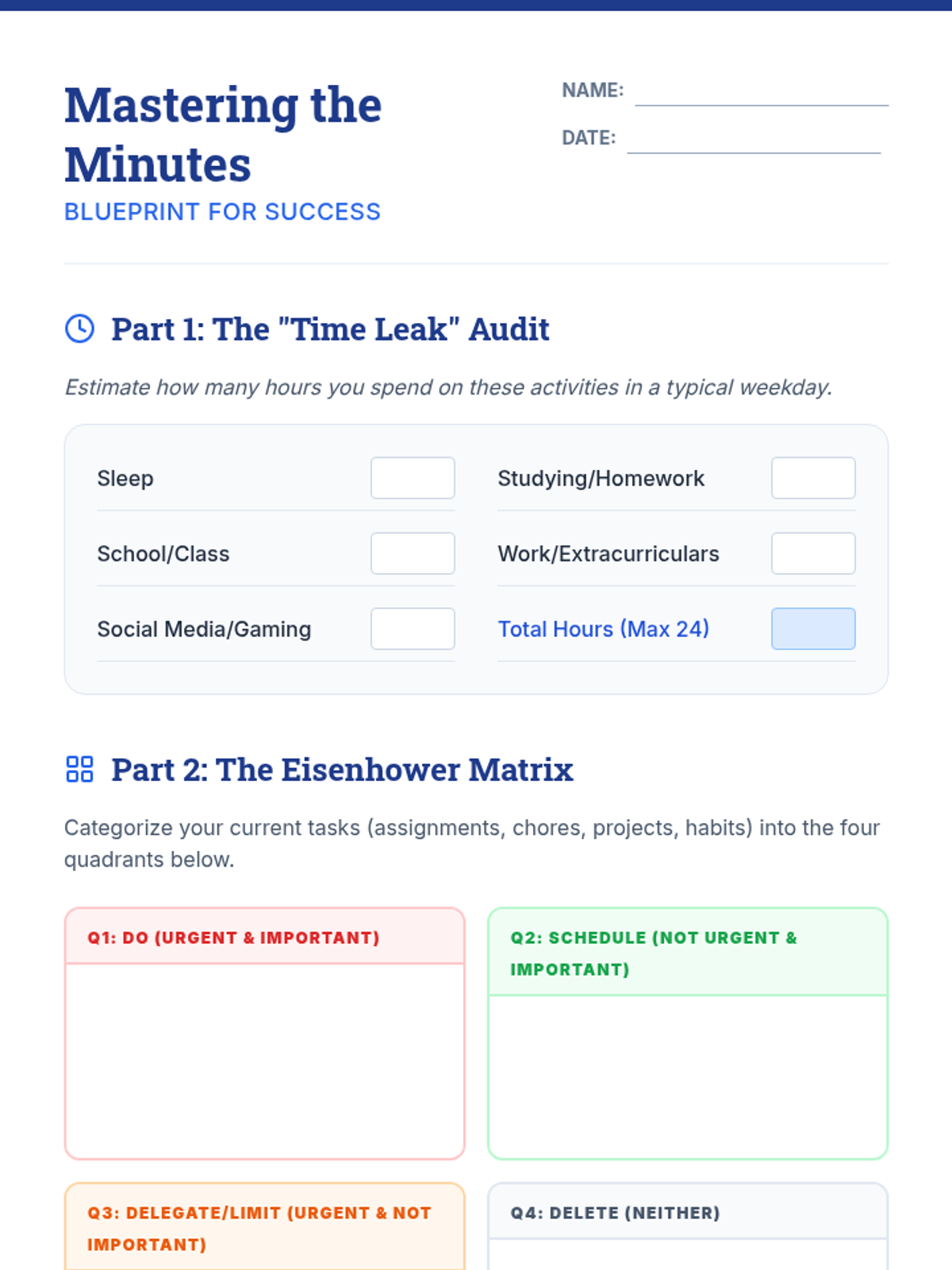
A comprehensive series designed to prepare students for post-secondary success through essential life skills, including time management, study habits, and digital literacy.
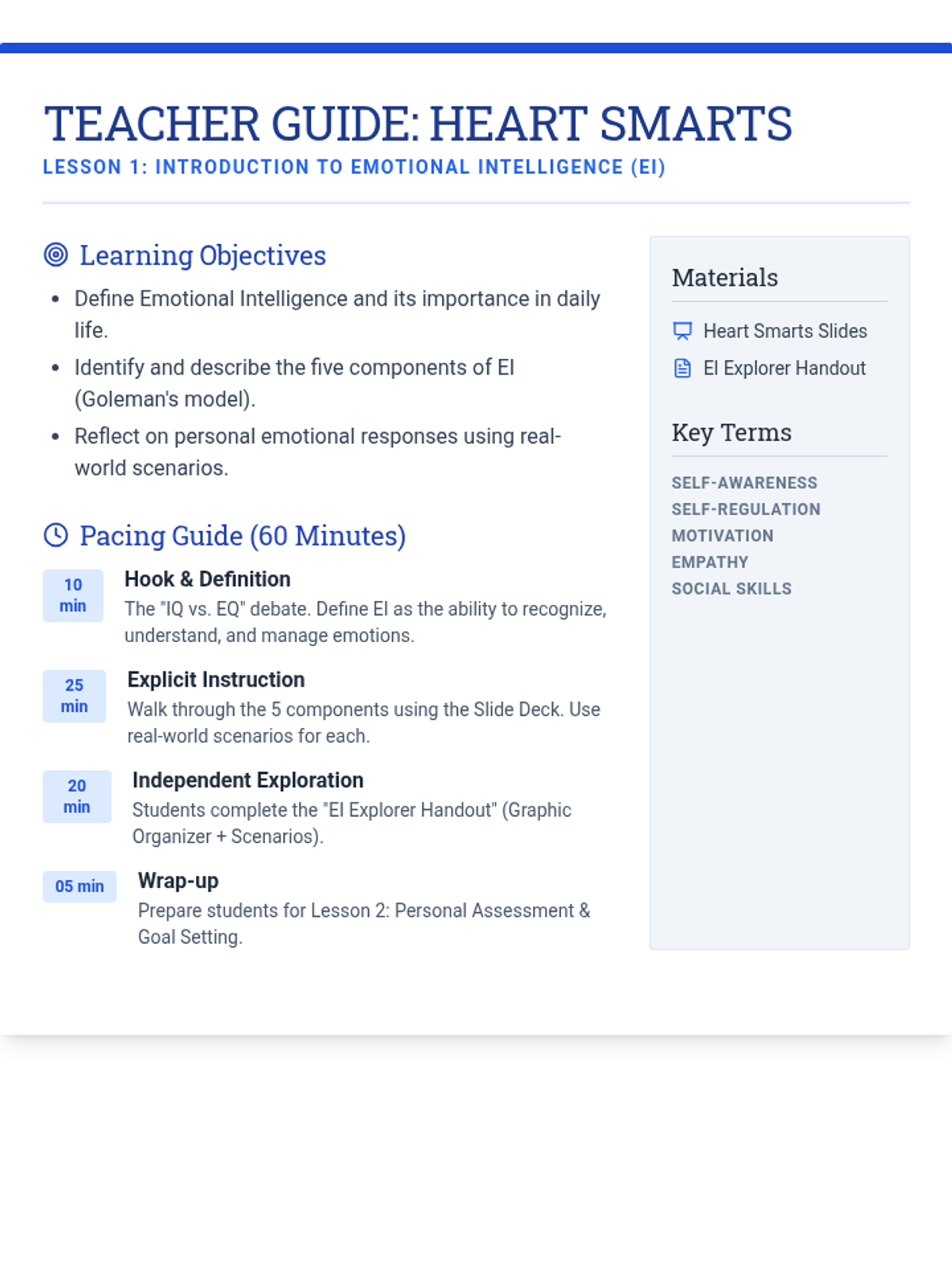
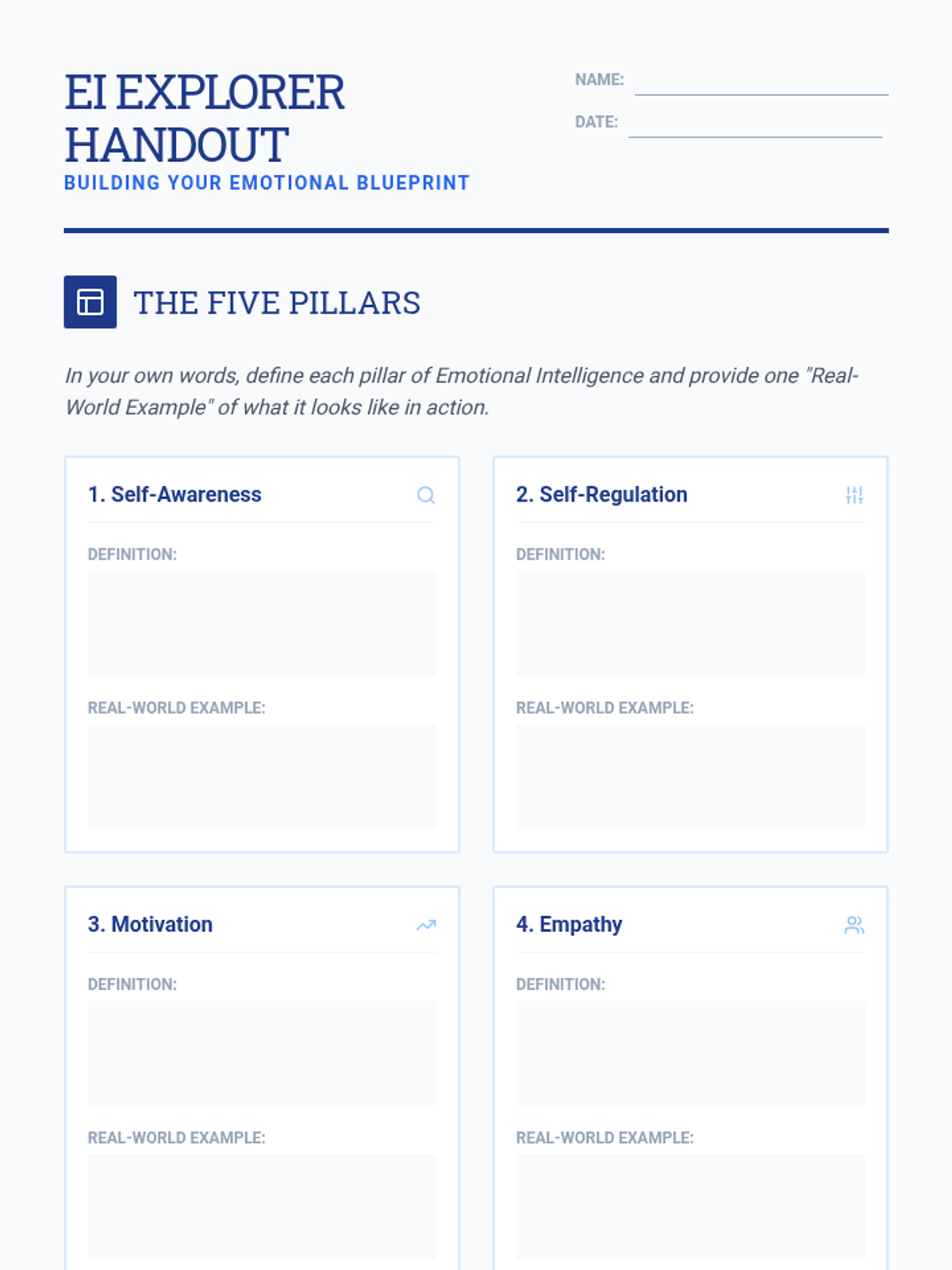
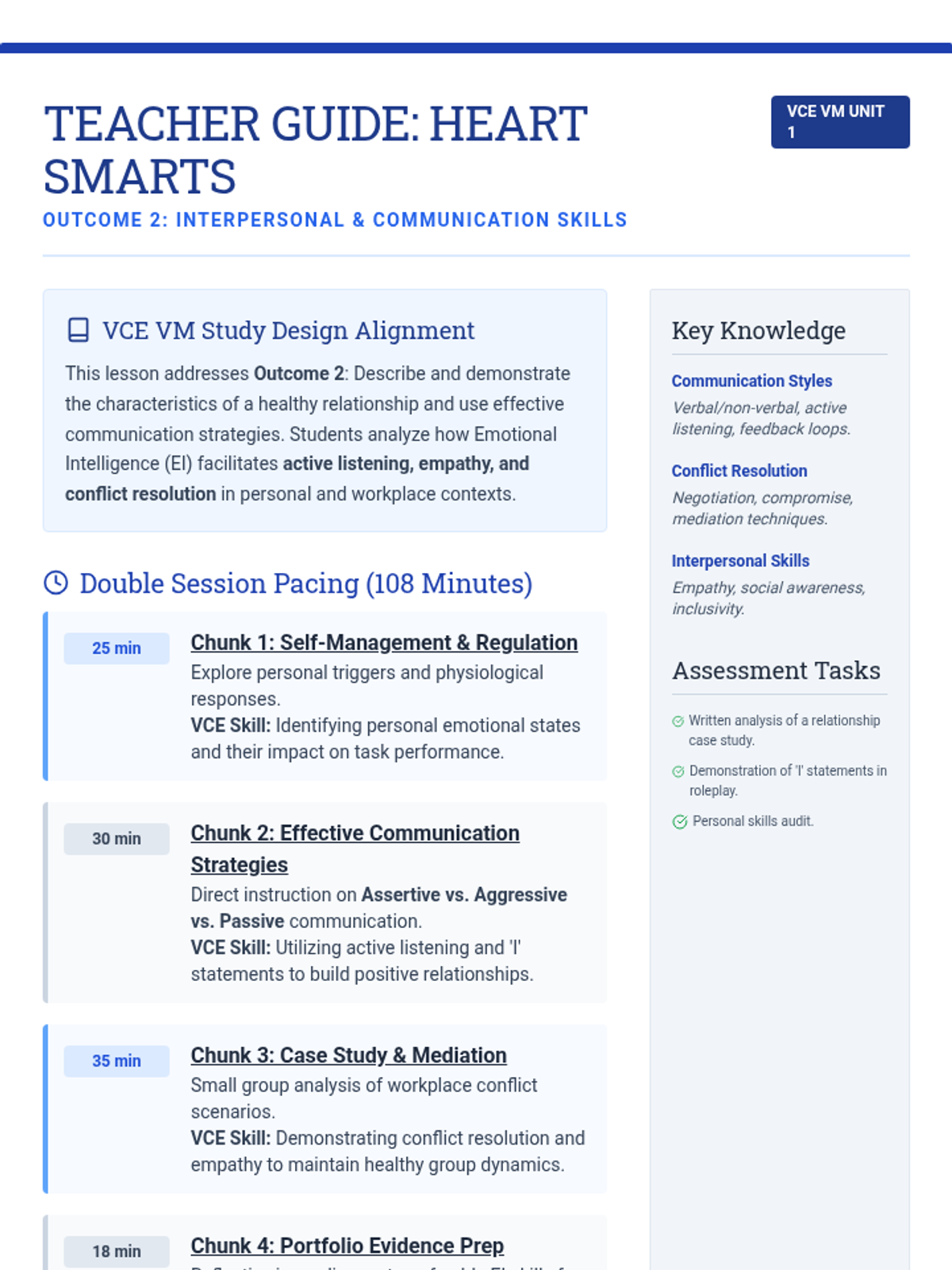
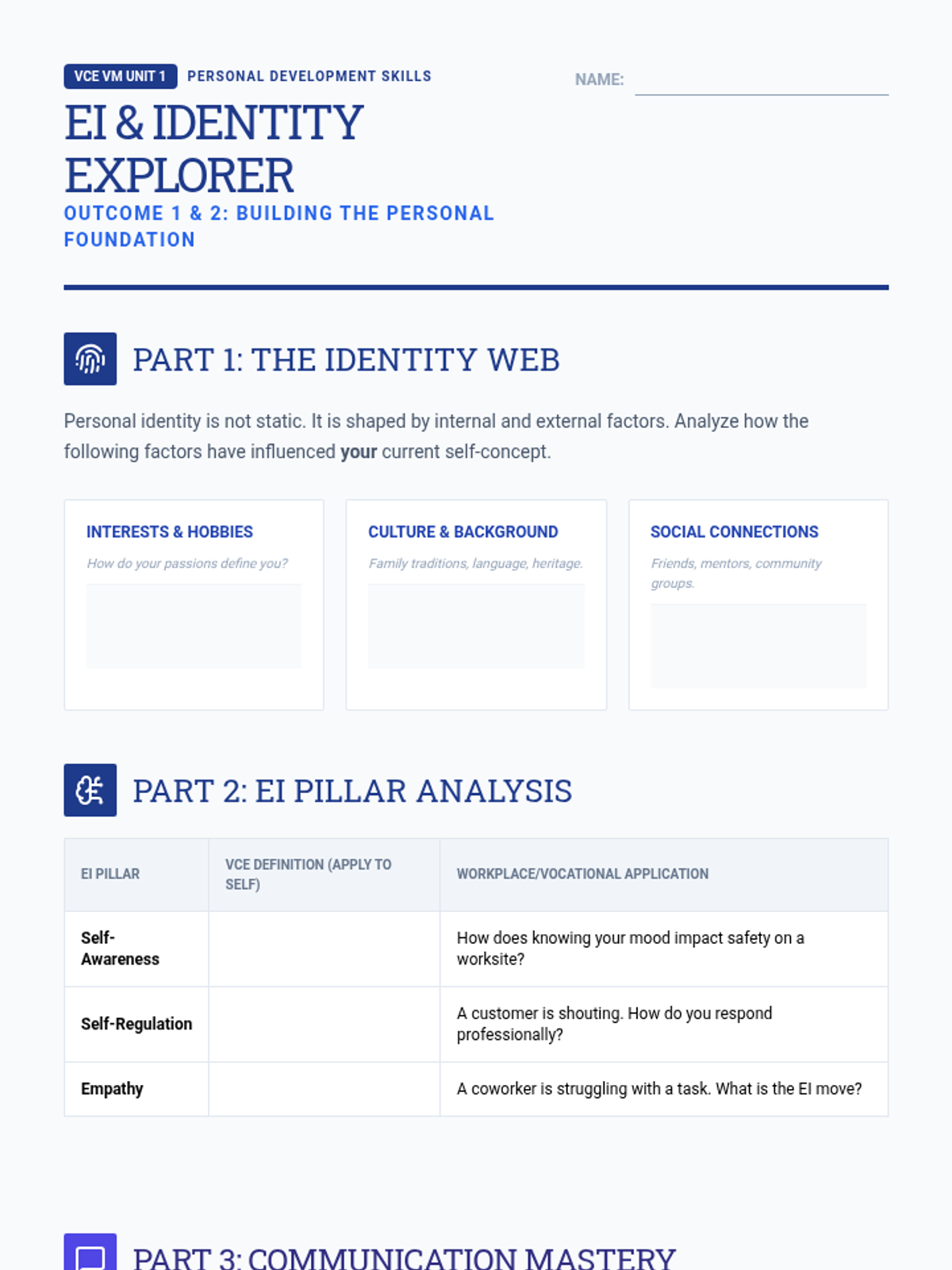
A three-part developmental series exploring Emotional Intelligence and its role within the four dimensions of holistic health: physical, emotional, social, and spiritual.
A four-part comprehensive self-love and positivity program designed for older teens and young adults to build self-compassion and identify 'bright spots' in their lives and surroundings.
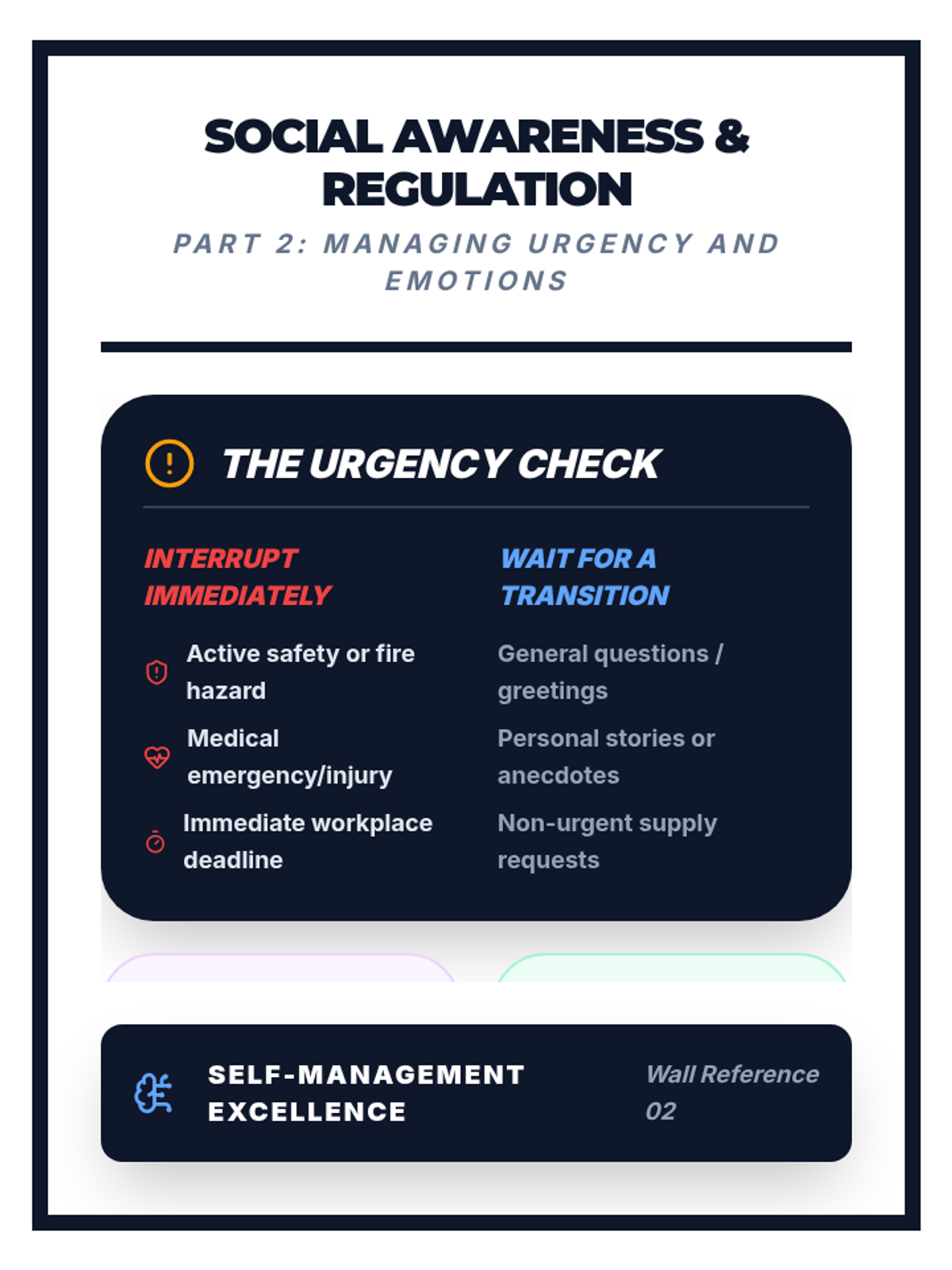
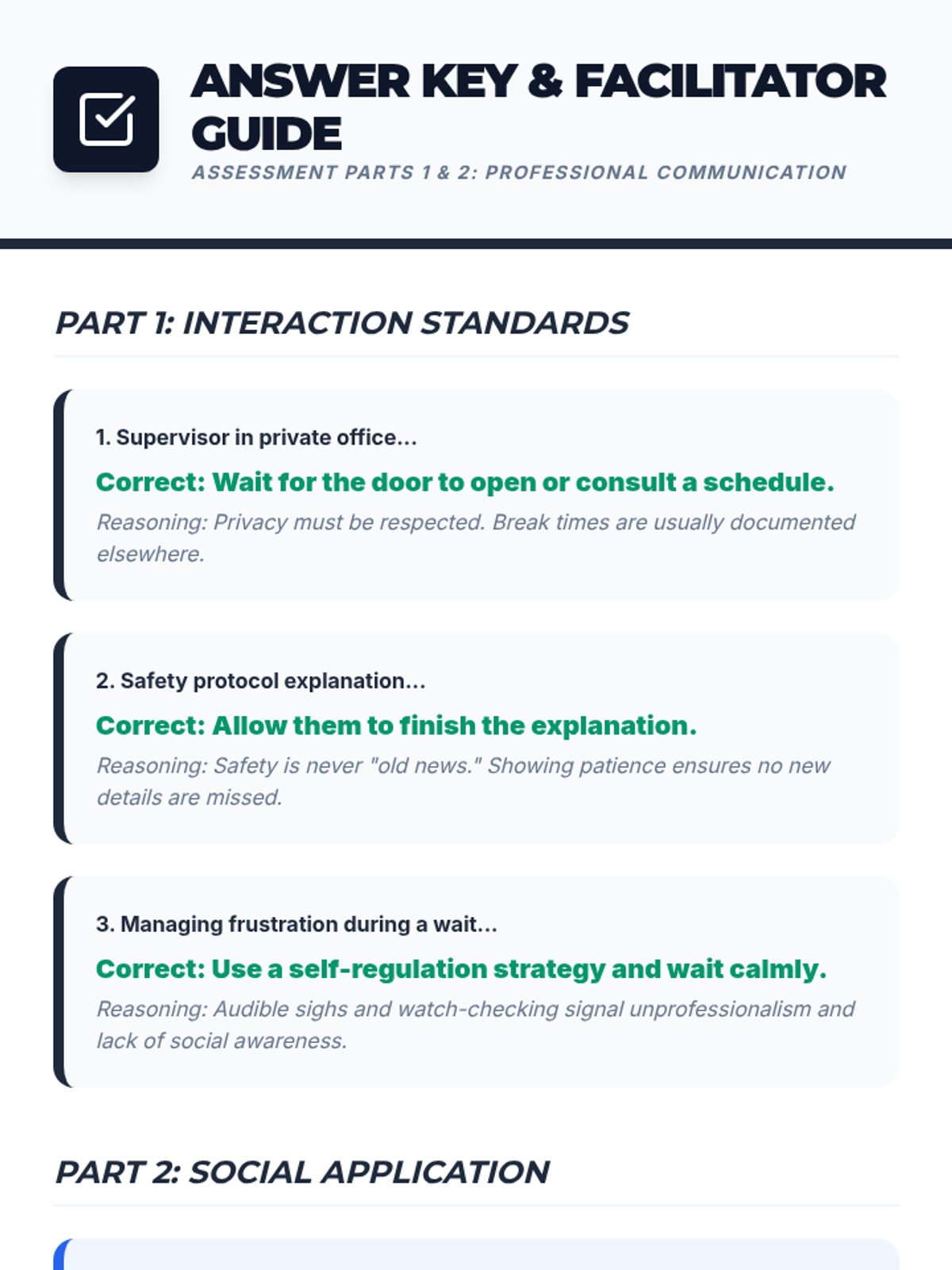
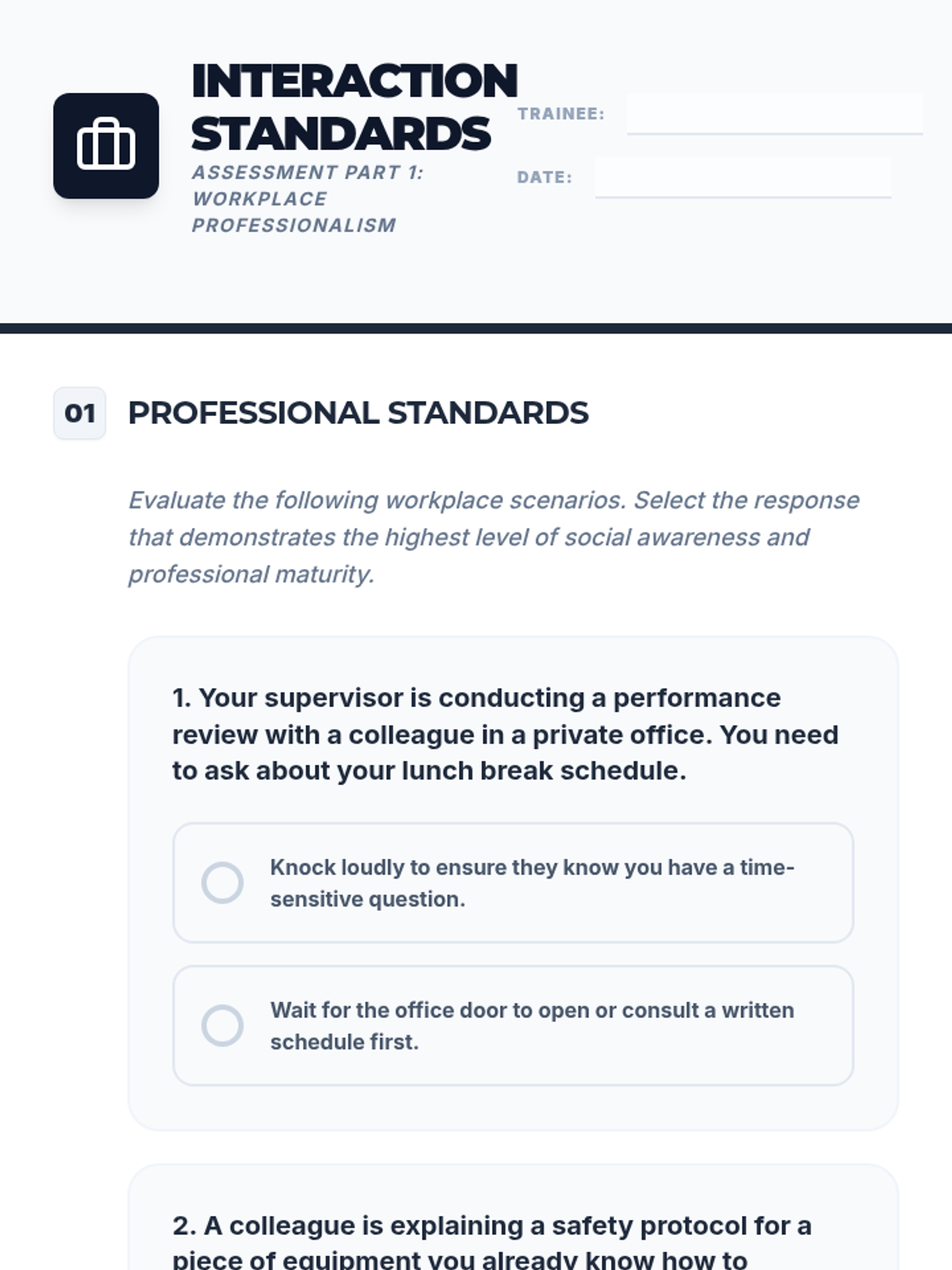
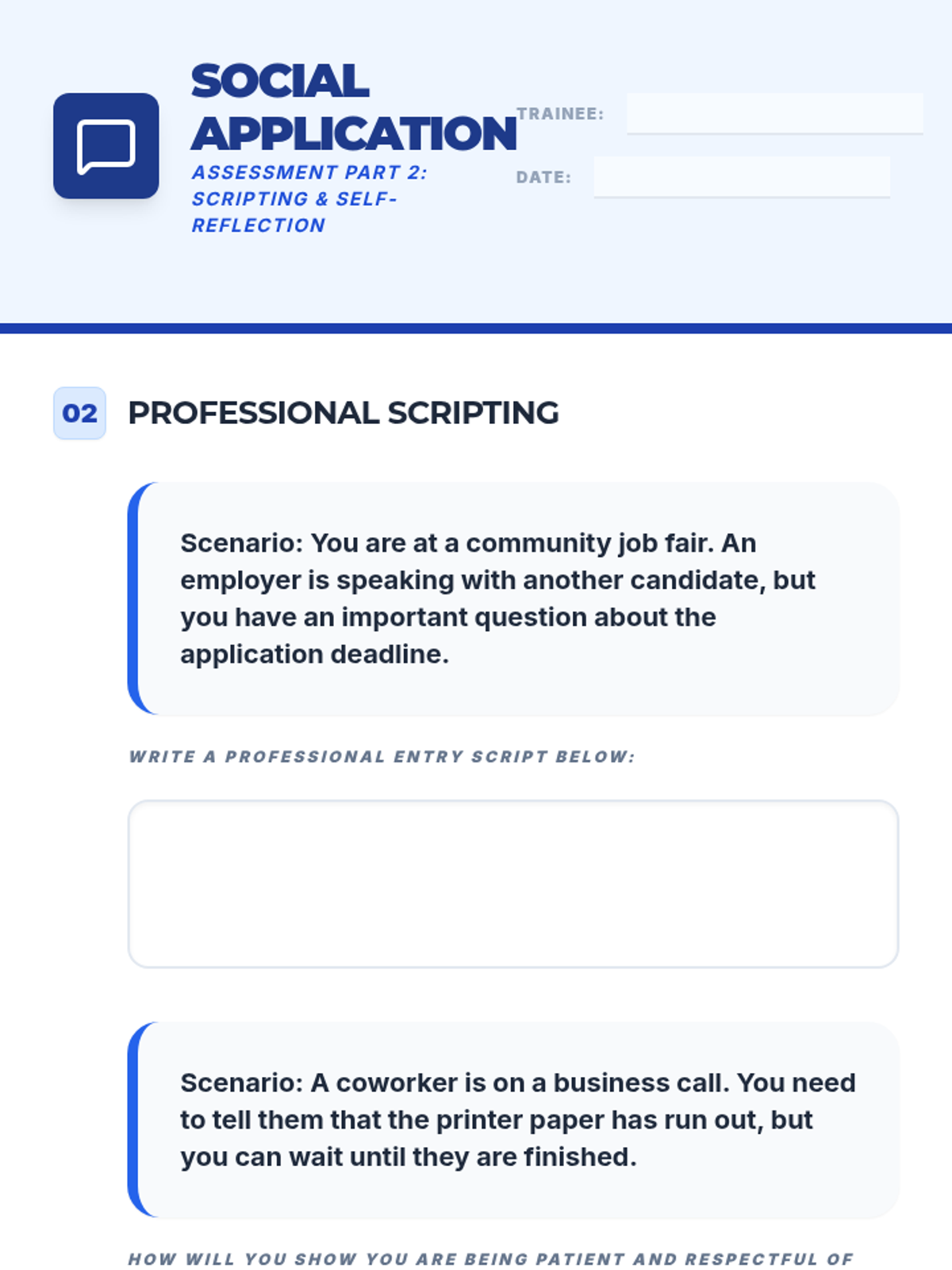
A comprehensive guide to navigating social interactions and professional boundaries in the workplace, specifically focusing on respectful interruption and emotional regulation.
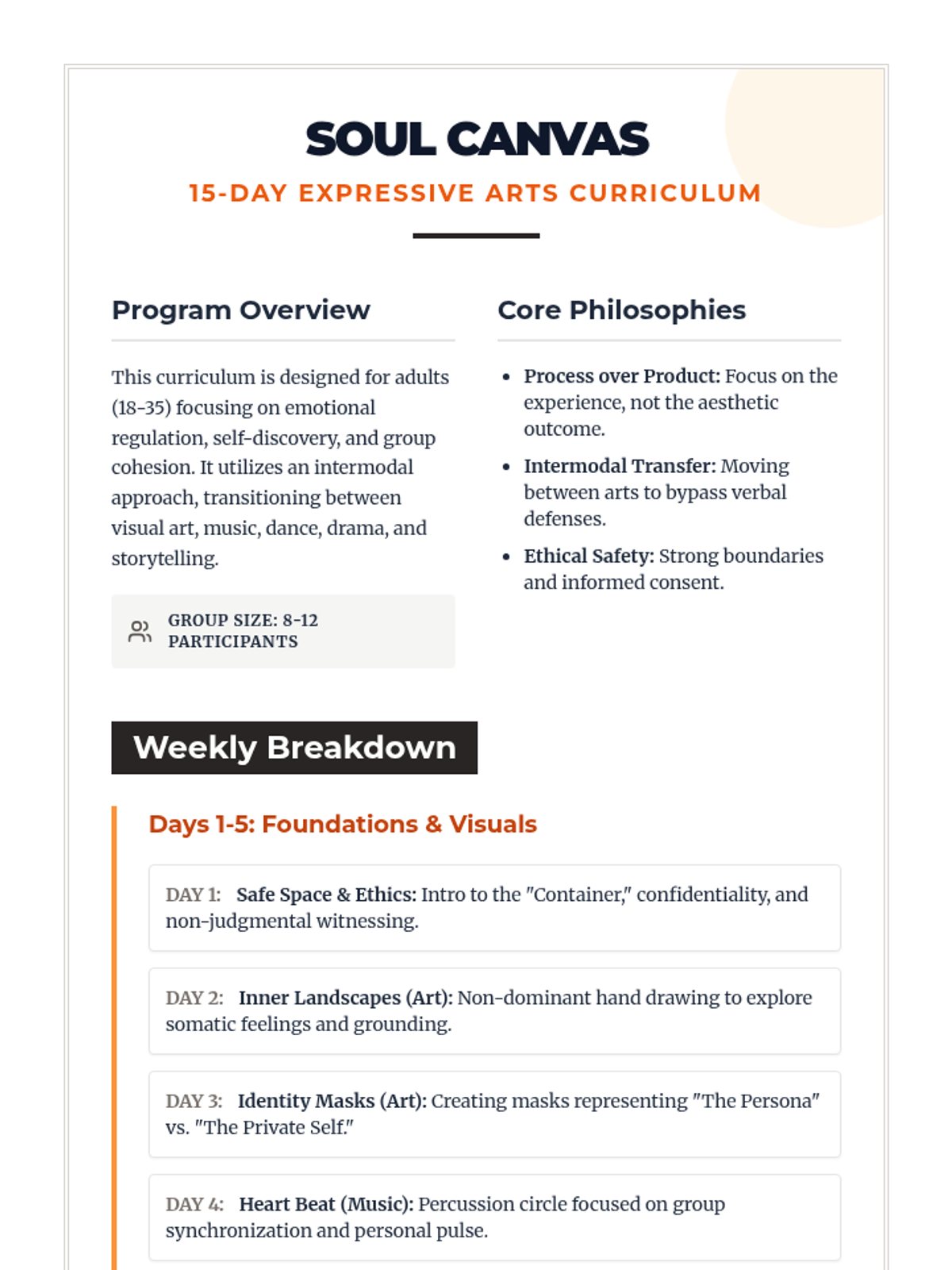
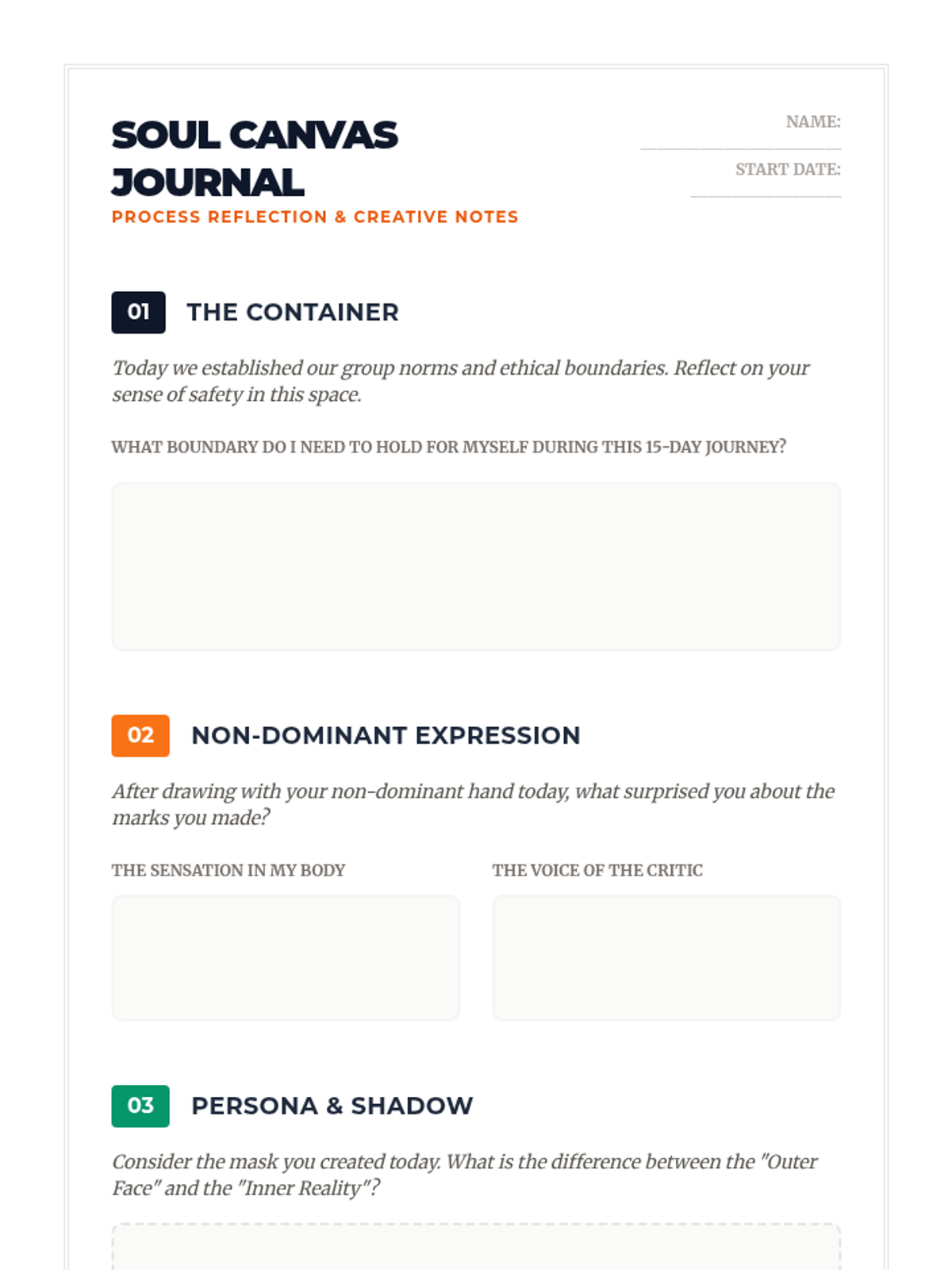
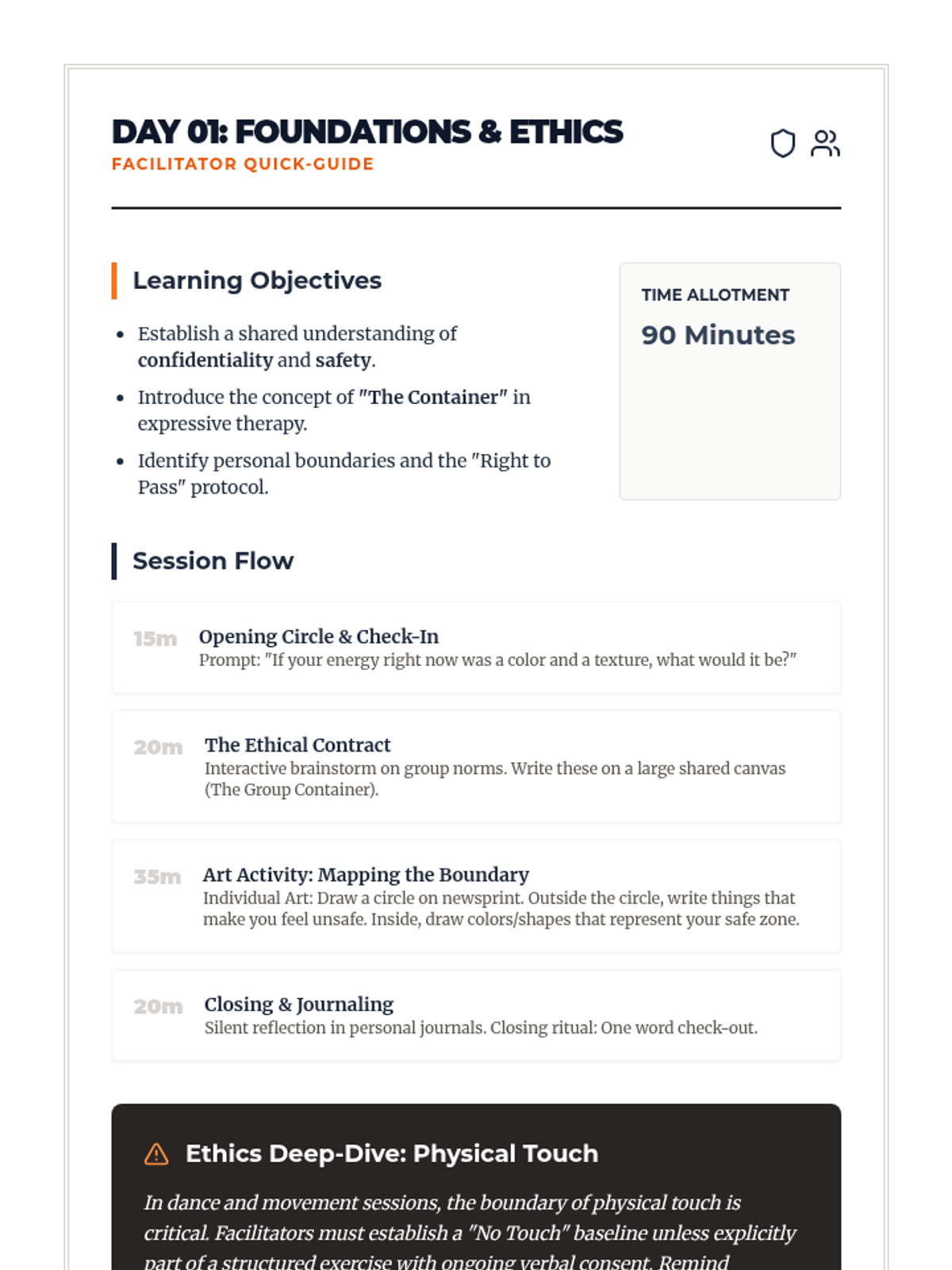
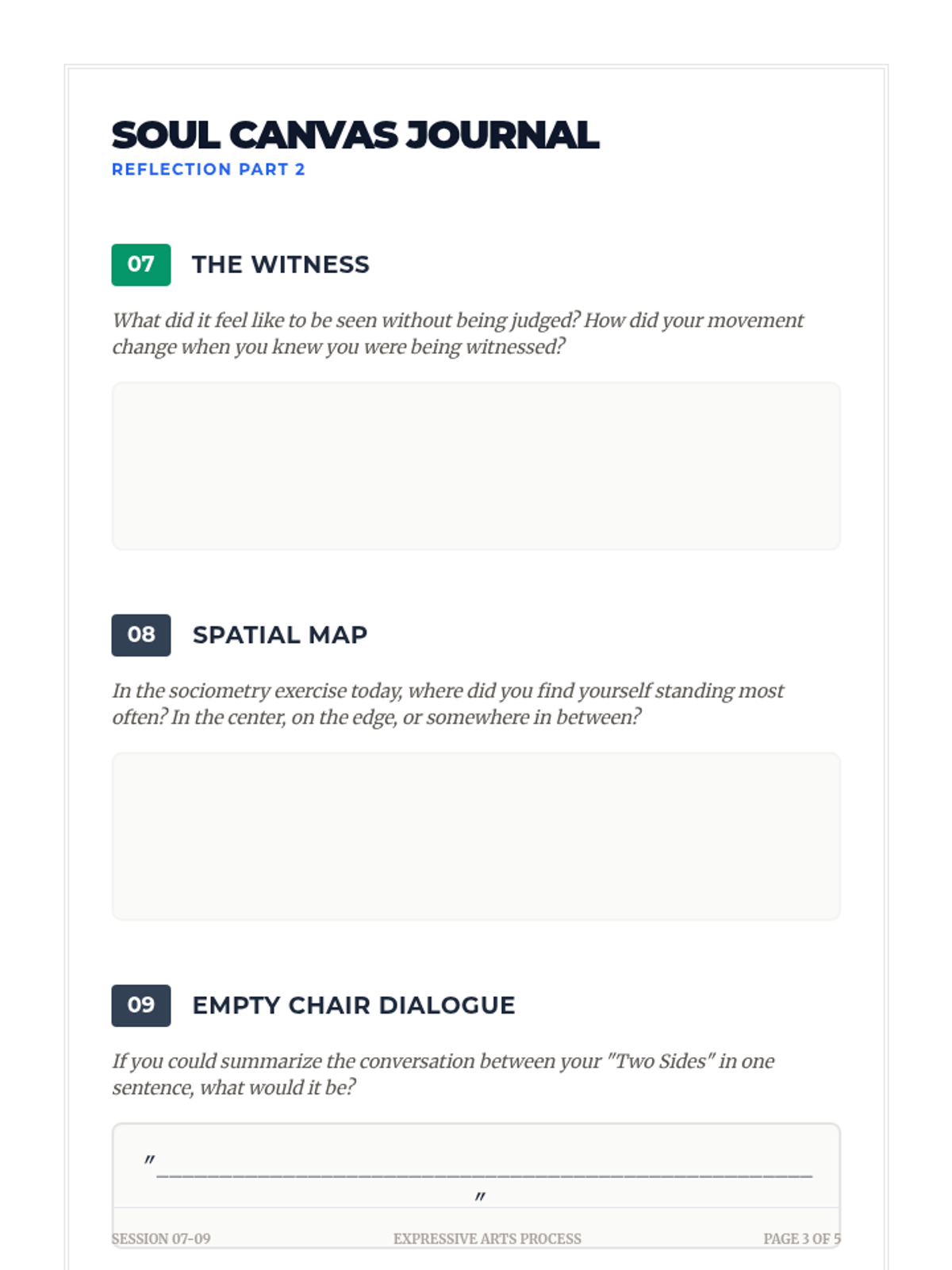
A comprehensive 15-day expressive arts therapy program for adults, integrating visual arts, music, dance, psychodrama, storytelling, and professional ethics.
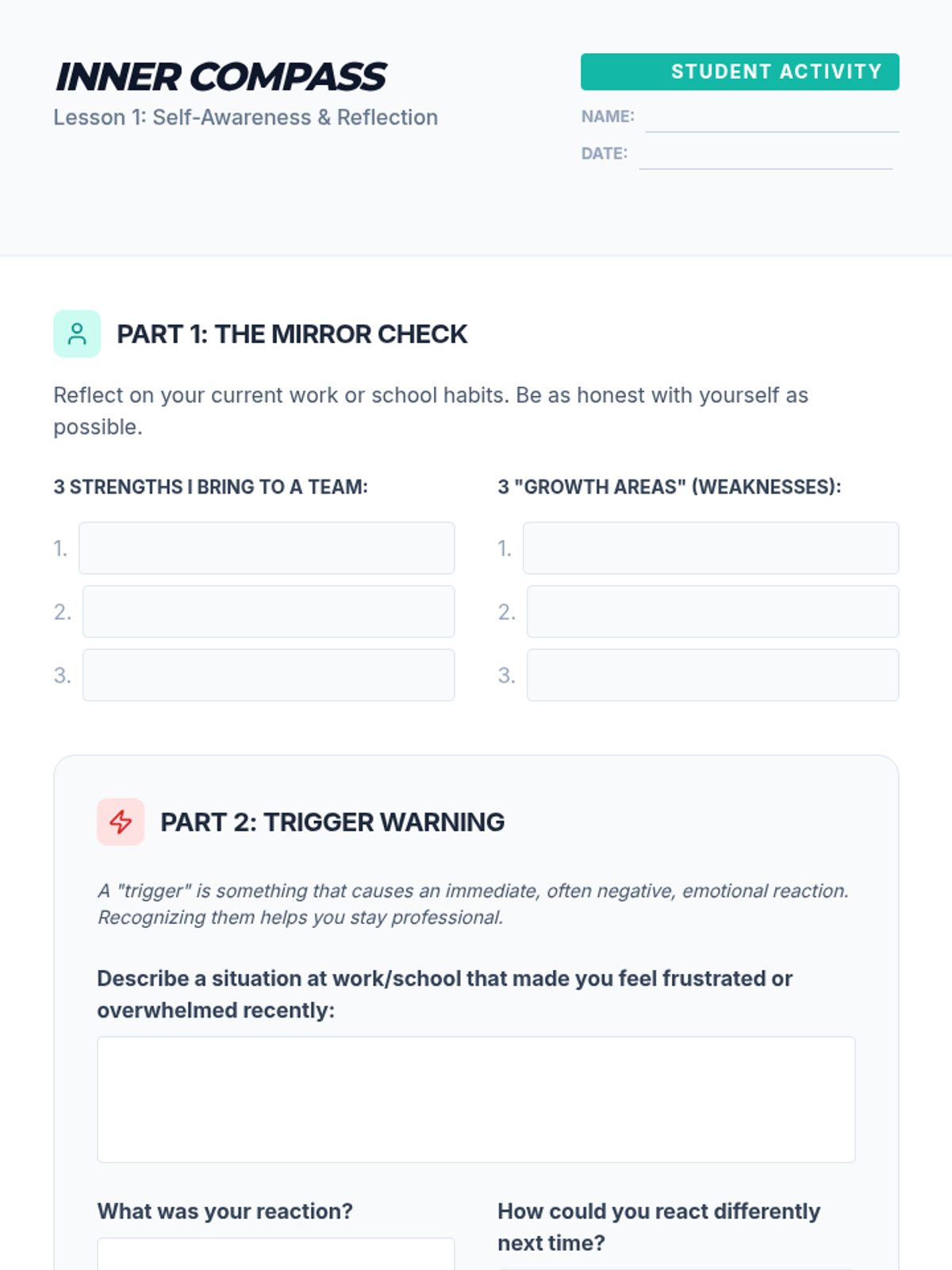
A comprehensive unit designed to equip students with foundational workplace behavior skills, focusing on self-awareness, self-advocacy, time management, and problem-solving through a UDL lens.
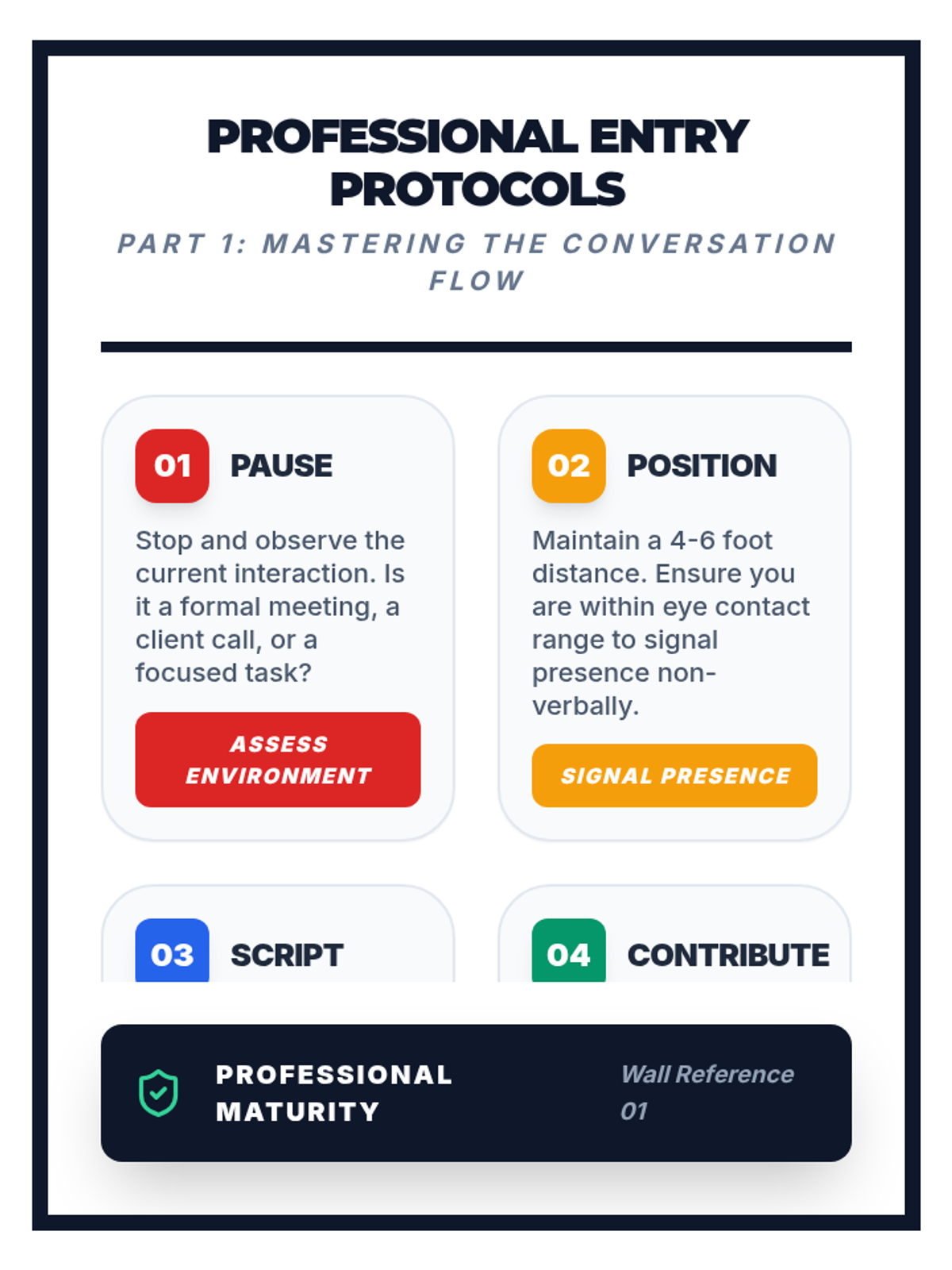
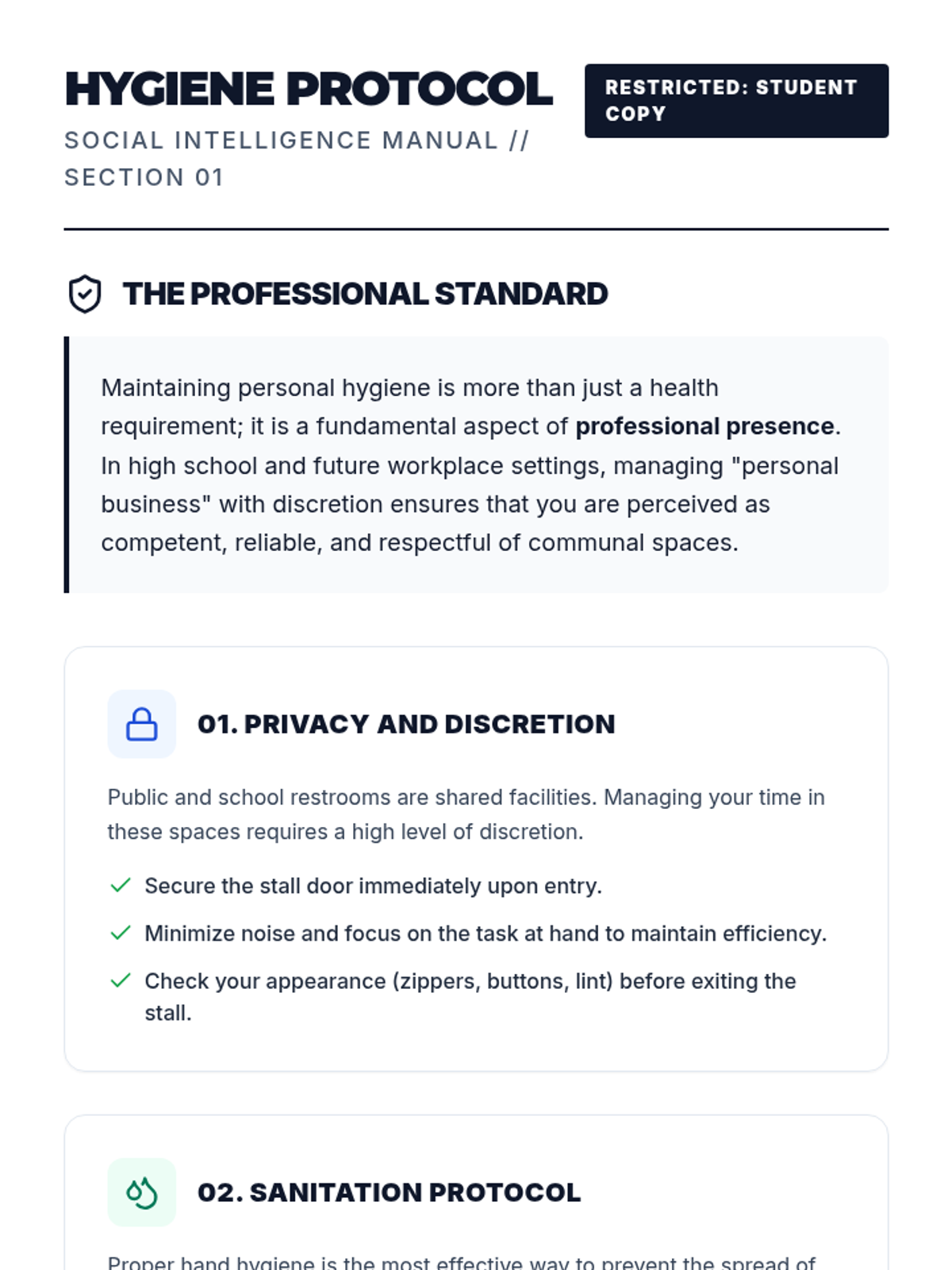
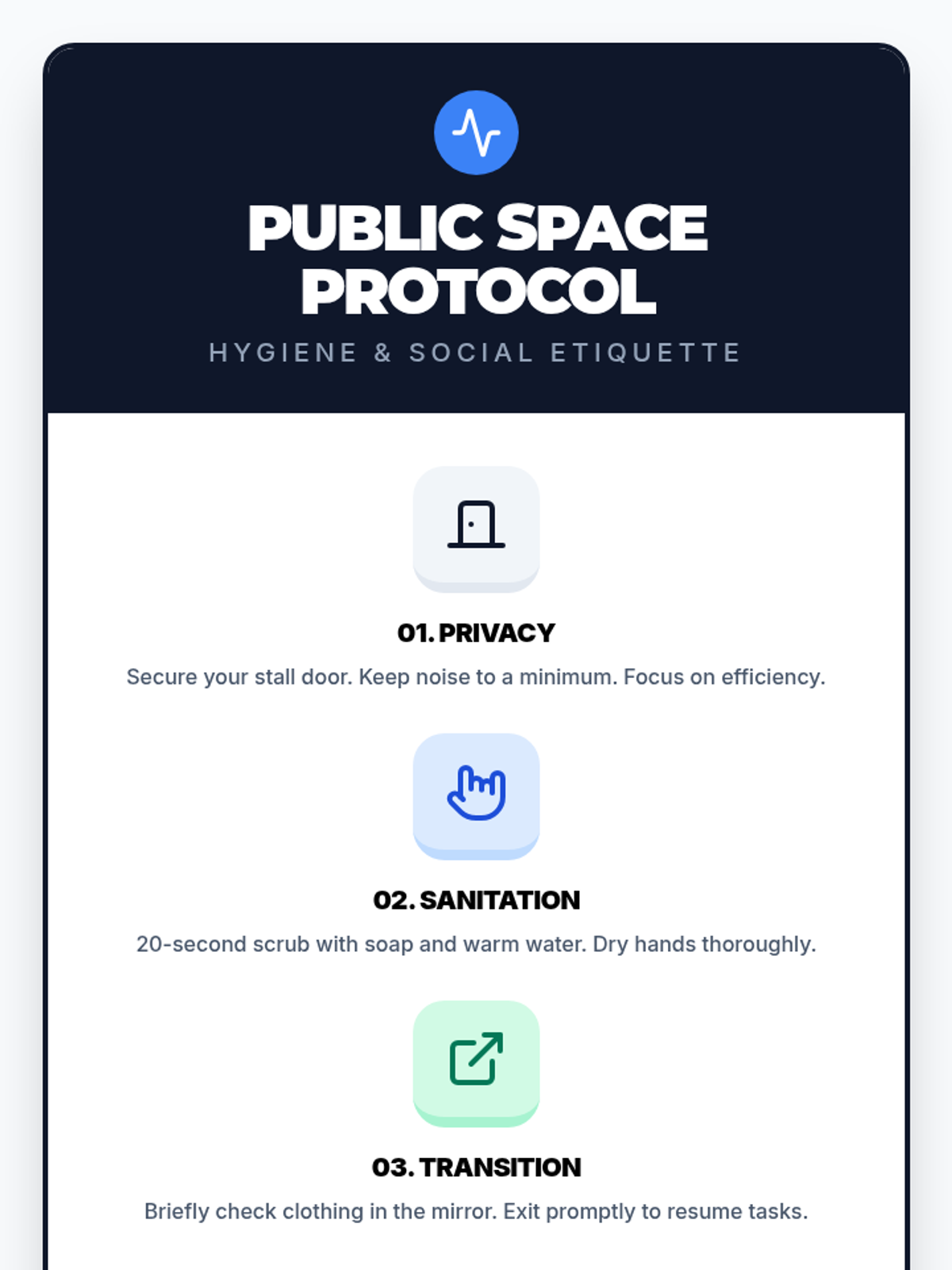
A specialized collection of social navigation guides and visual protocols designed for high school students to master professional routines, interpersonal boundaries, and active engagement in academic and vocational settings.


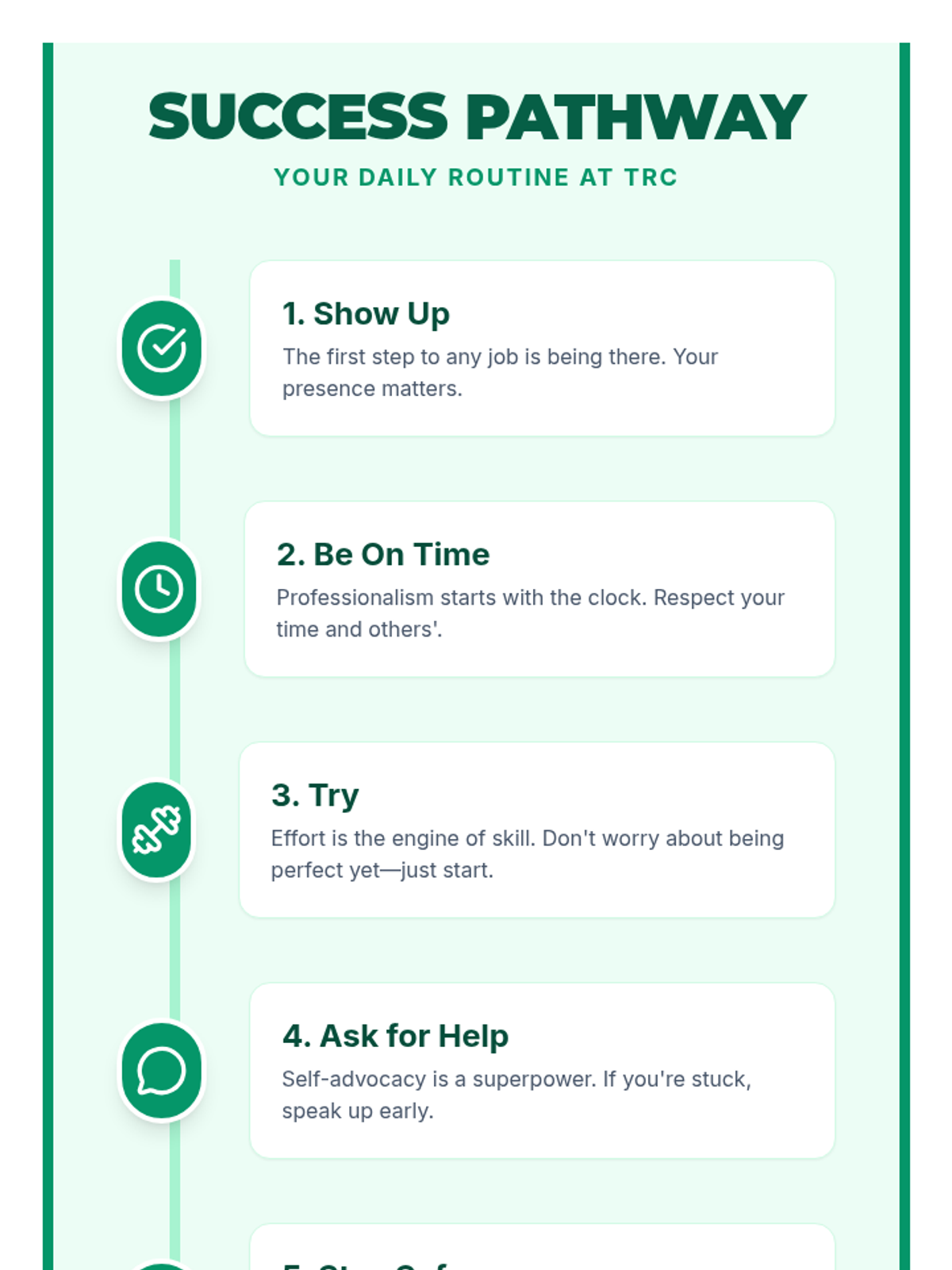
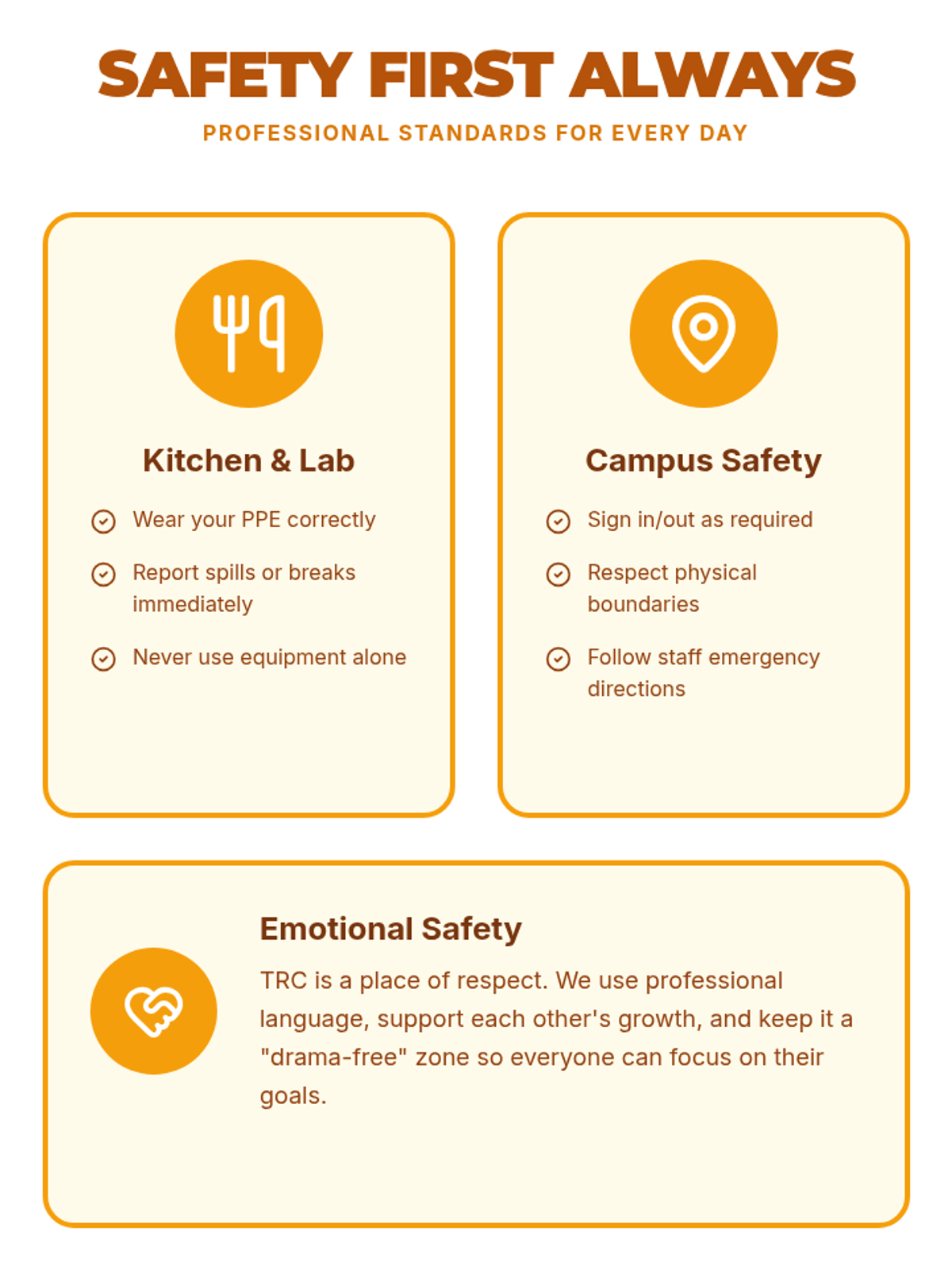
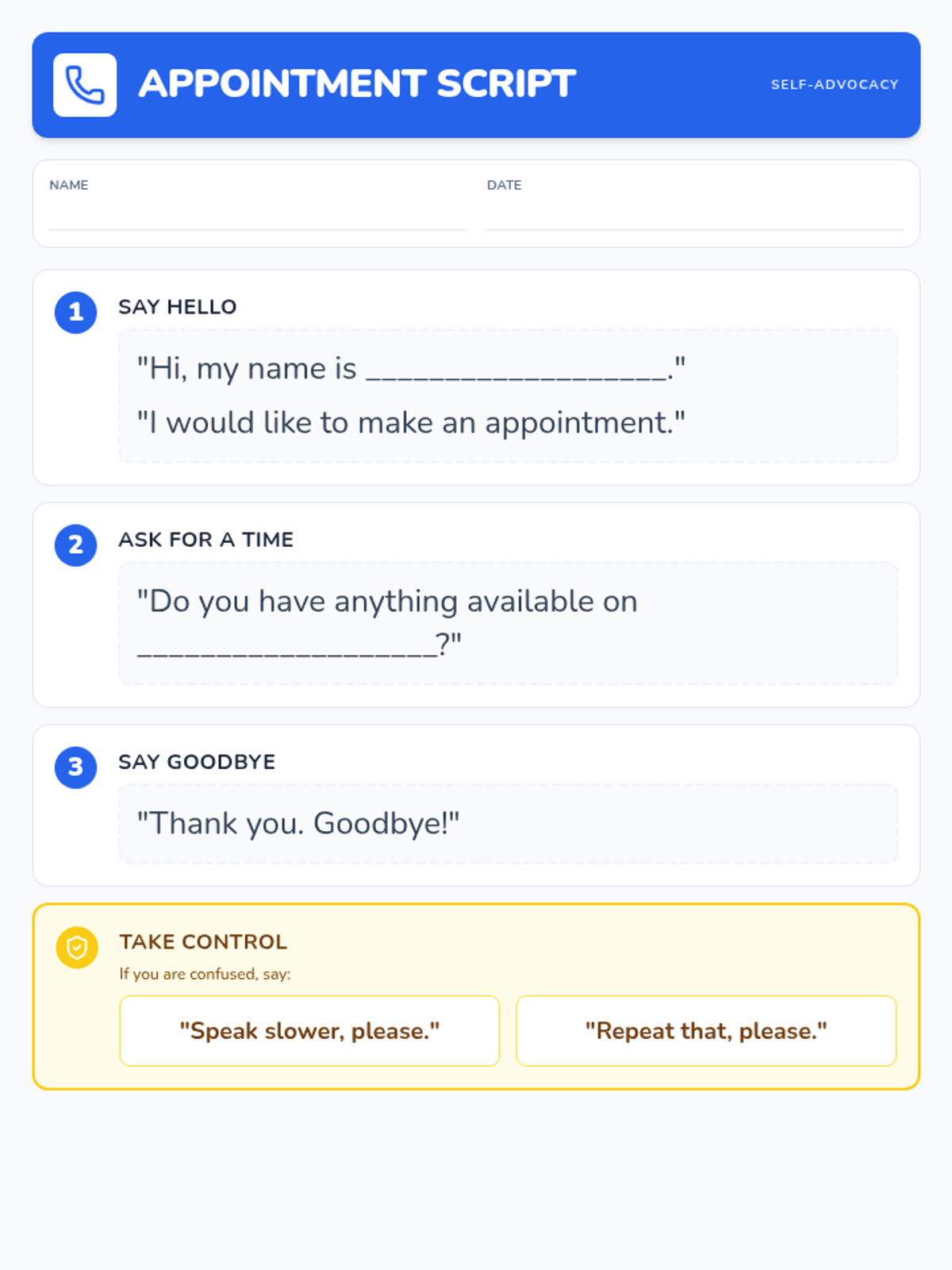
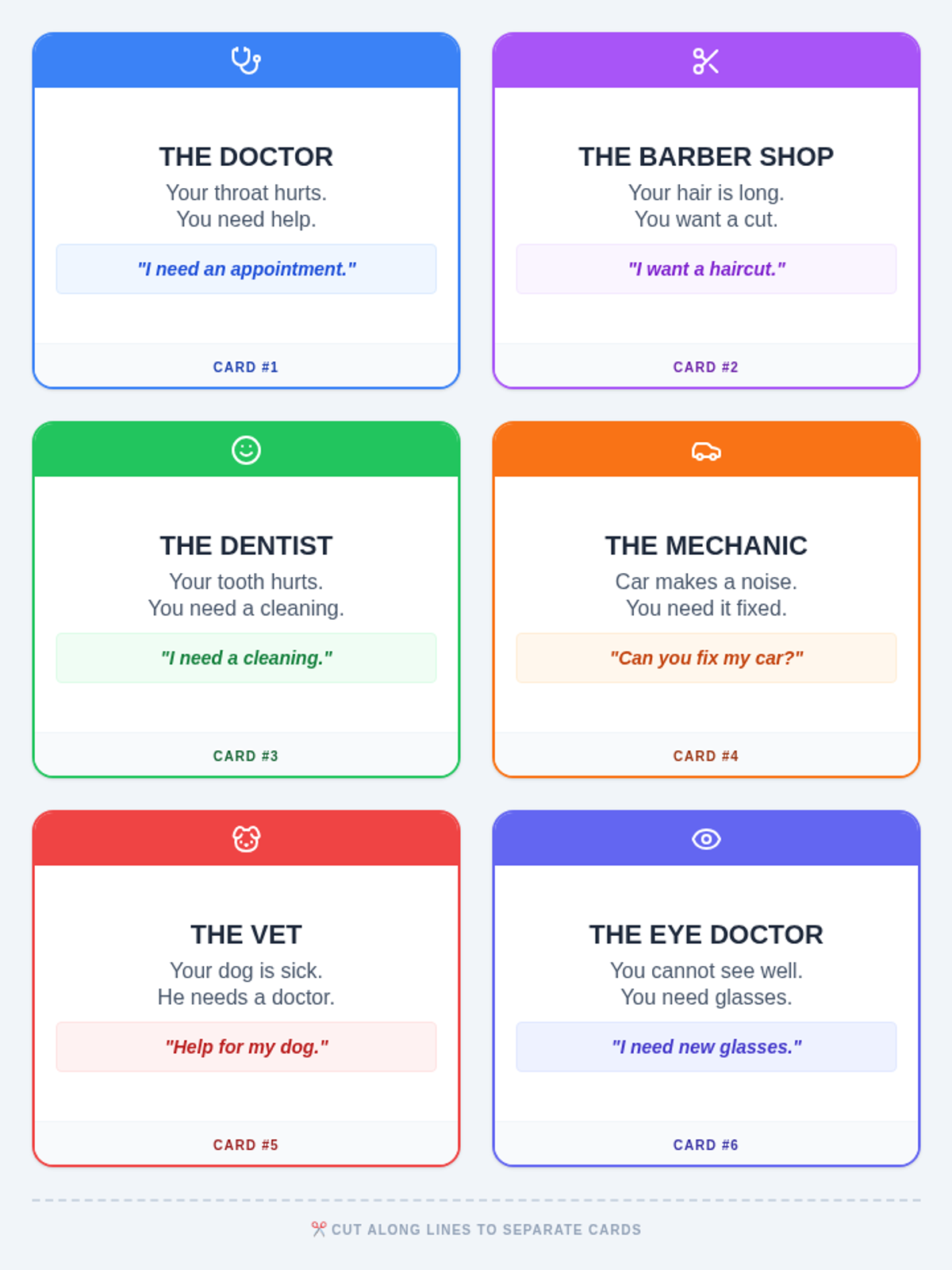
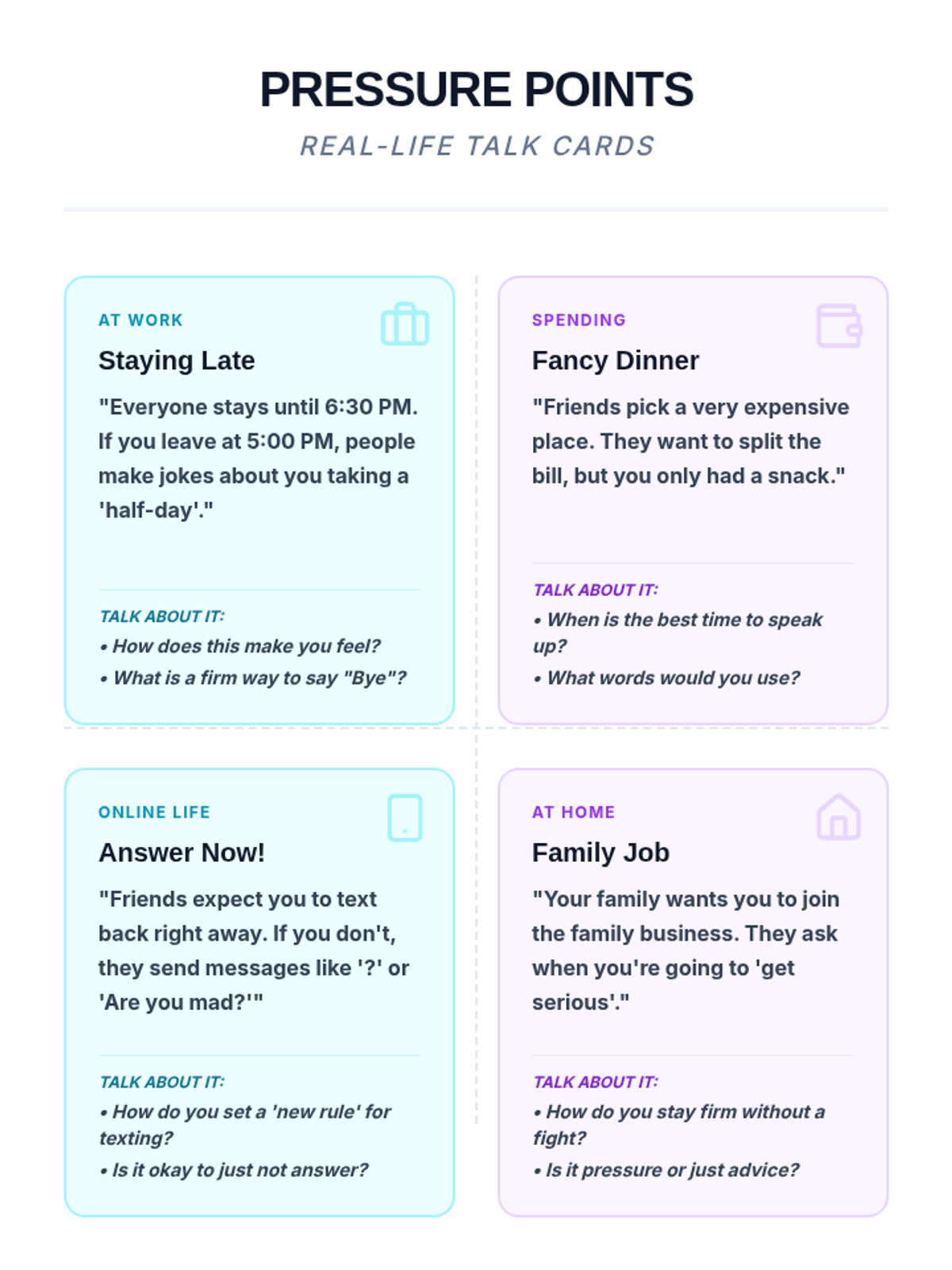
![[ARCHIVED] Pressure Points Cards 1](https://www.lenny.com/api/preview/217d4cb7-da06-4e17-9243-a20b84b13d40/1200.png?selected_locale_code=null)
![[ARCHIVED] Pressure Points Cards 3](https://www.lenny.com/api/preview/3e0574ca-7872-4985-bcb7-daa3968afdf0/1200.png?selected_locale_code=null)
![[ARCHIVED] Pressure Points Cards 2](https://www.lenny.com/api/preview/f849bf48-09f0-43ff-8b3e-27e1abc46cda/1200.png?selected_locale_code=null)
![[ARCHIVED] Pressure Proof Slides 2](https://www.lenny.com/api/preview/413c85b3-3eff-4bba-9ff0-156325a779b0/1200.png?selected_locale_code=null)
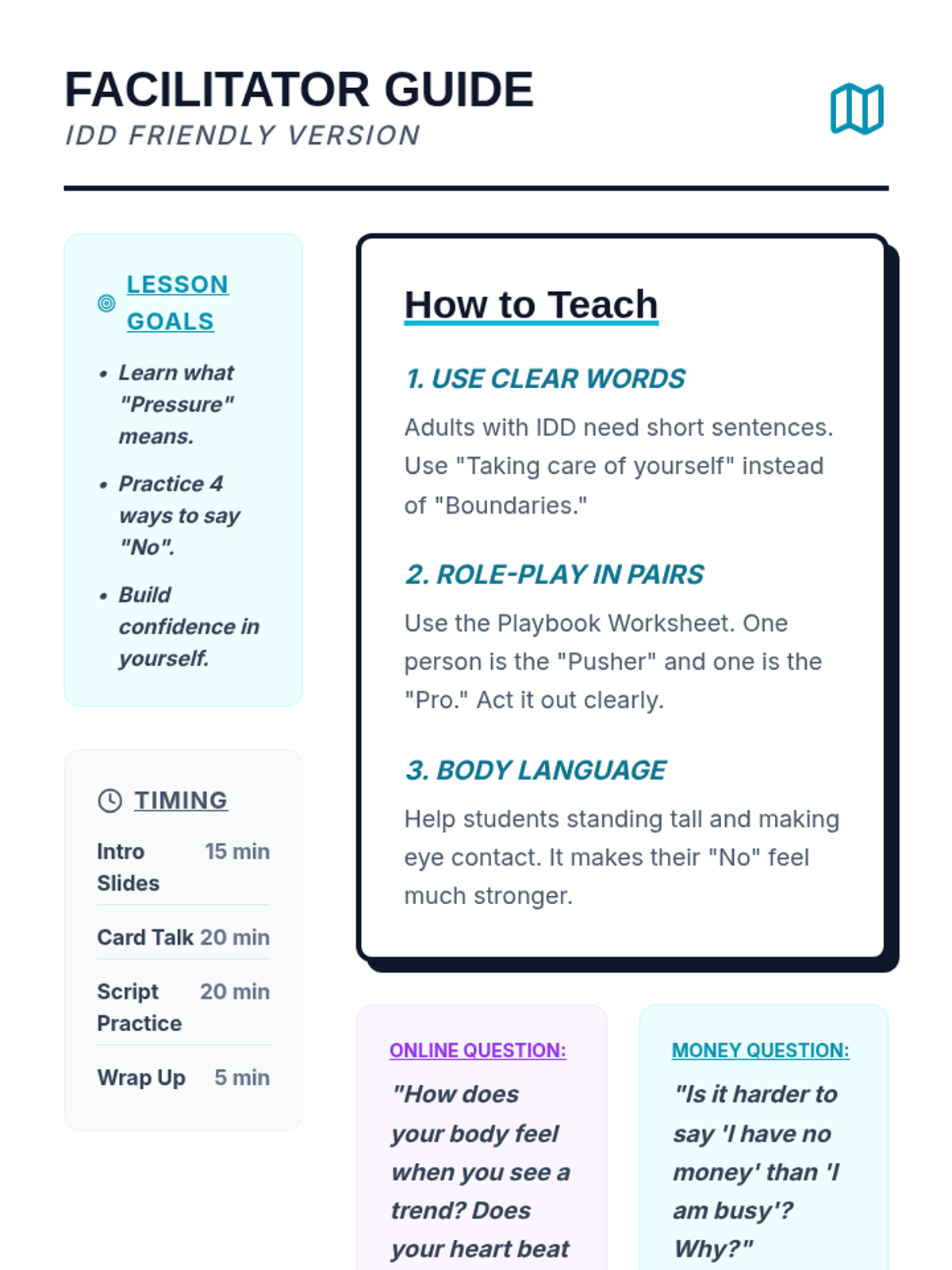
![[ARCHIVED] Pressure Proof Facilitator Guide 2](https://www.lenny.com/api/preview/f3956daf-6693-45cb-ba80-d369c35f5671/1200.png?selected_locale_code=null)
![[ARCHIVED] Refusal Playbook Worksheet 2](https://www.lenny.com/api/preview/9a4f233a-a54d-4a8a-b21b-932cc85e758c/1200.png?selected_locale_code=null)
![[ARCHIVED] Pressure Proof Facilitator Guide 3](https://www.lenny.com/api/preview/413b6171-7866-444b-9326-bbfb0f6e4a01/1200.png?selected_locale_code=null)
![[ARCHIVED] Pressure Proof Slides 3](https://www.lenny.com/api/preview/fa5bb225-106c-4b80-92b7-fc371f327dff/1200.png?selected_locale_code=null)
![[ARCHIVED] Refusal Playbook Worksheet 1](https://www.lenny.com/api/preview/ed0c10be-ad6c-4152-a521-bca8b2972b76/1200.png?selected_locale_code=null)
![[ARCHIVED] Pressure Proof Facilitator Guide 1](https://www.lenny.com/api/preview/01158e9b-231c-4cef-b6f2-667df499189f/1200.png?selected_locale_code=null)
![[ARCHIVED] Pressure Proof Slides 1](https://www.lenny.com/api/preview/783a2e0c-4303-4520-943a-28202dc7bd06/1200.png?selected_locale_code=null)
![[ARCHIVED] Pressure Proof Slides 4](https://www.lenny.com/api/preview/3085c551-44e8-4f65-8d54-656cfc0cf760/1200.png?selected_locale_code=null)
![[ARCHIVED] Pressure Points Cards 4](https://www.lenny.com/api/preview/66f628db-ebca-4e09-8c6d-4aacbcb8de9a/1200.png?selected_locale_code=null)
![[ARCHIVED] Pressure Proof Facilitator Guide 4](https://www.lenny.com/api/preview/5fb172af-3d25-4f85-8634-9f5df4bc5e03/1200.png?selected_locale_code=null)
![[ARCHIVED] Refusal Playbook Worksheet 3](https://www.lenny.com/api/preview/6c6f31d5-f95c-4468-950d-5ad427ac3843/1200.png?selected_locale_code=null)
![[ARCHIVED] Pressure Proof Slides 5](https://www.lenny.com/api/preview/541df7f1-5726-4a36-9d88-9b4fd381c139/1200.png?selected_locale_code=null)