A vibrant introductory lesson to Spanish vocabulary related to springtime and the months of March, April, and May. Students will learn key seasonal terms through visual aids and interactive activities.
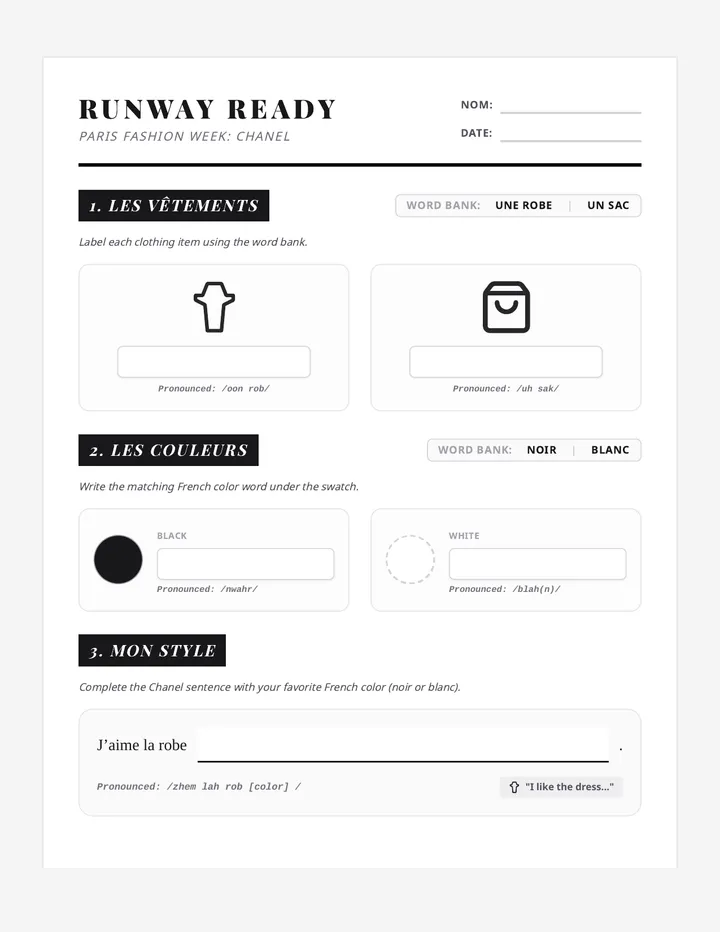
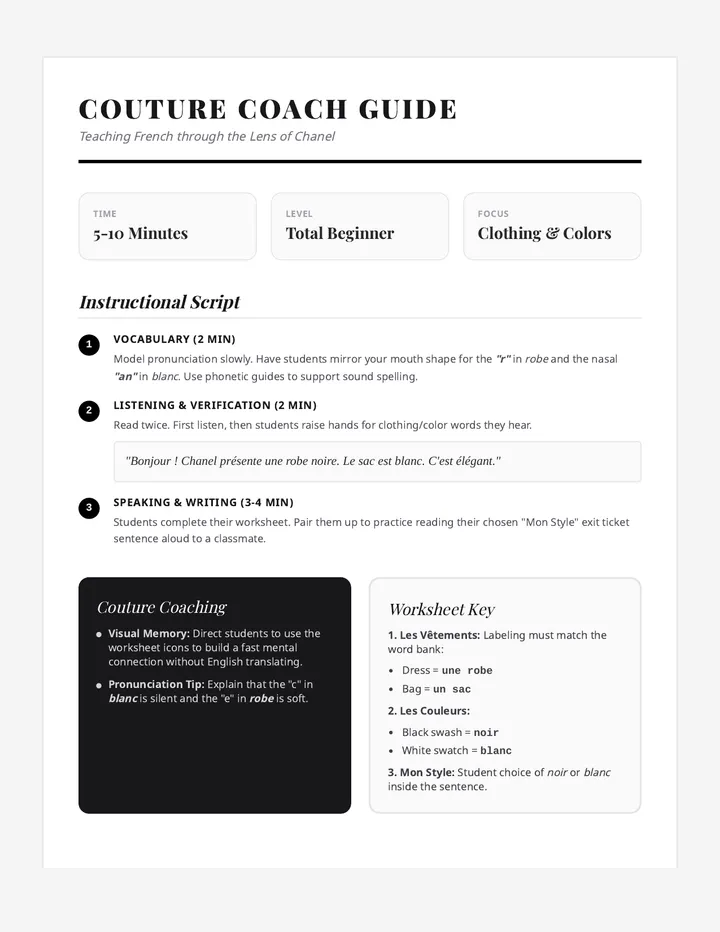
A beginner-level French sequence focusing on basic vocabulary related to fashion and colors through the lens of Paris Fashion Week and Chanel. Students learn to describe clothing and express preferences in a high-interest cultural context.
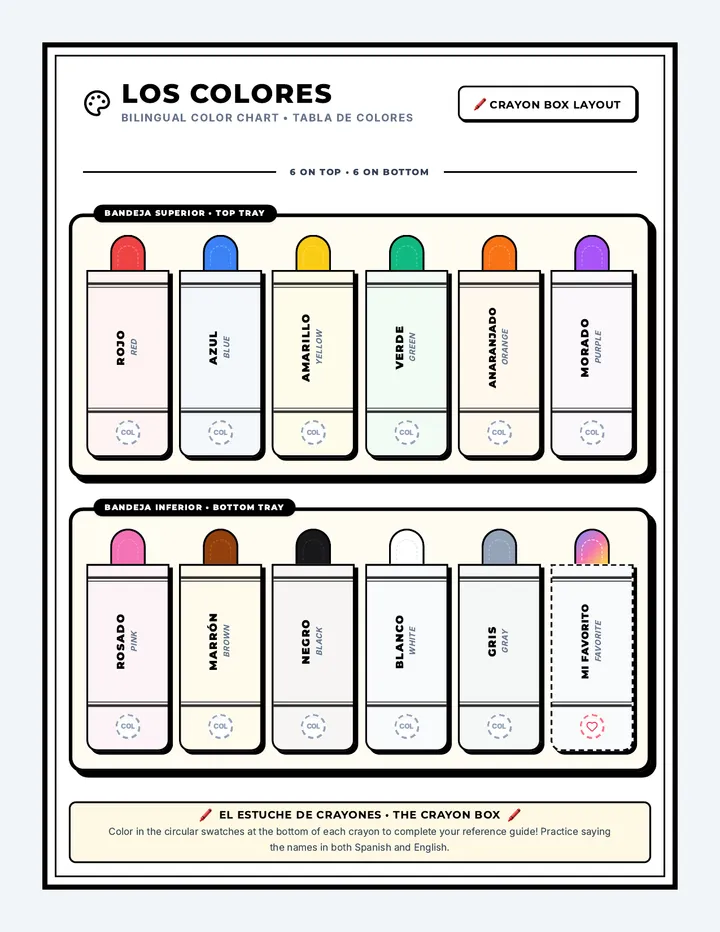
An introductory lesson on basic color vocabulary in Spanish and English, featuring high-contrast printables and hands-on coloring elements.
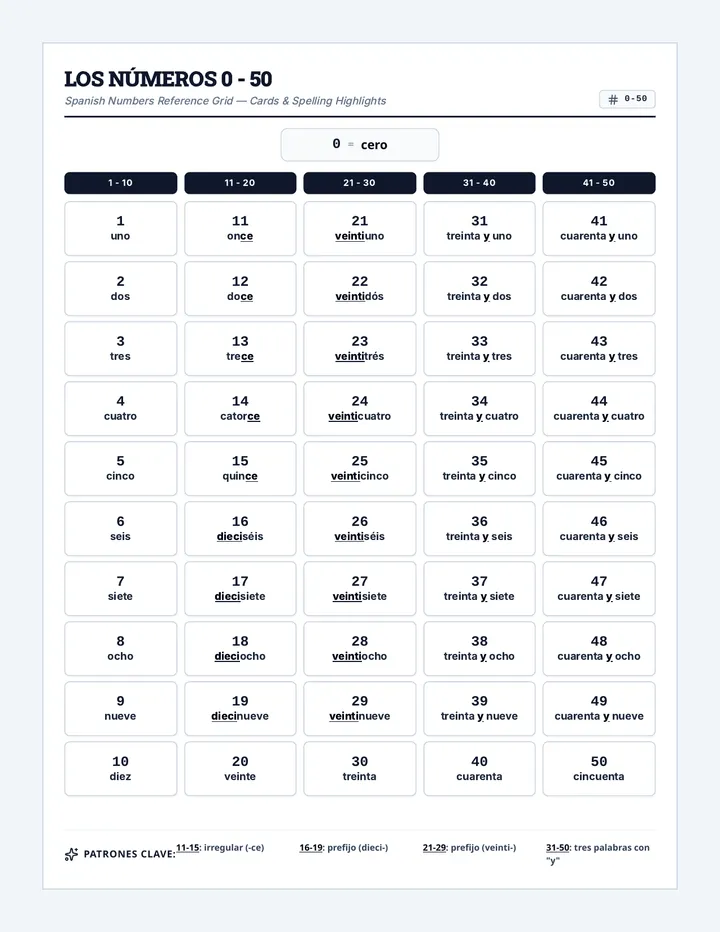
A high-contrast, black-and-white Spanish numbers 0-50 reference sheet. Optimized for sharp photocopying, it features extra-large numerals and underlined spelling rule highlights, with the header block simplified to remove student fields.
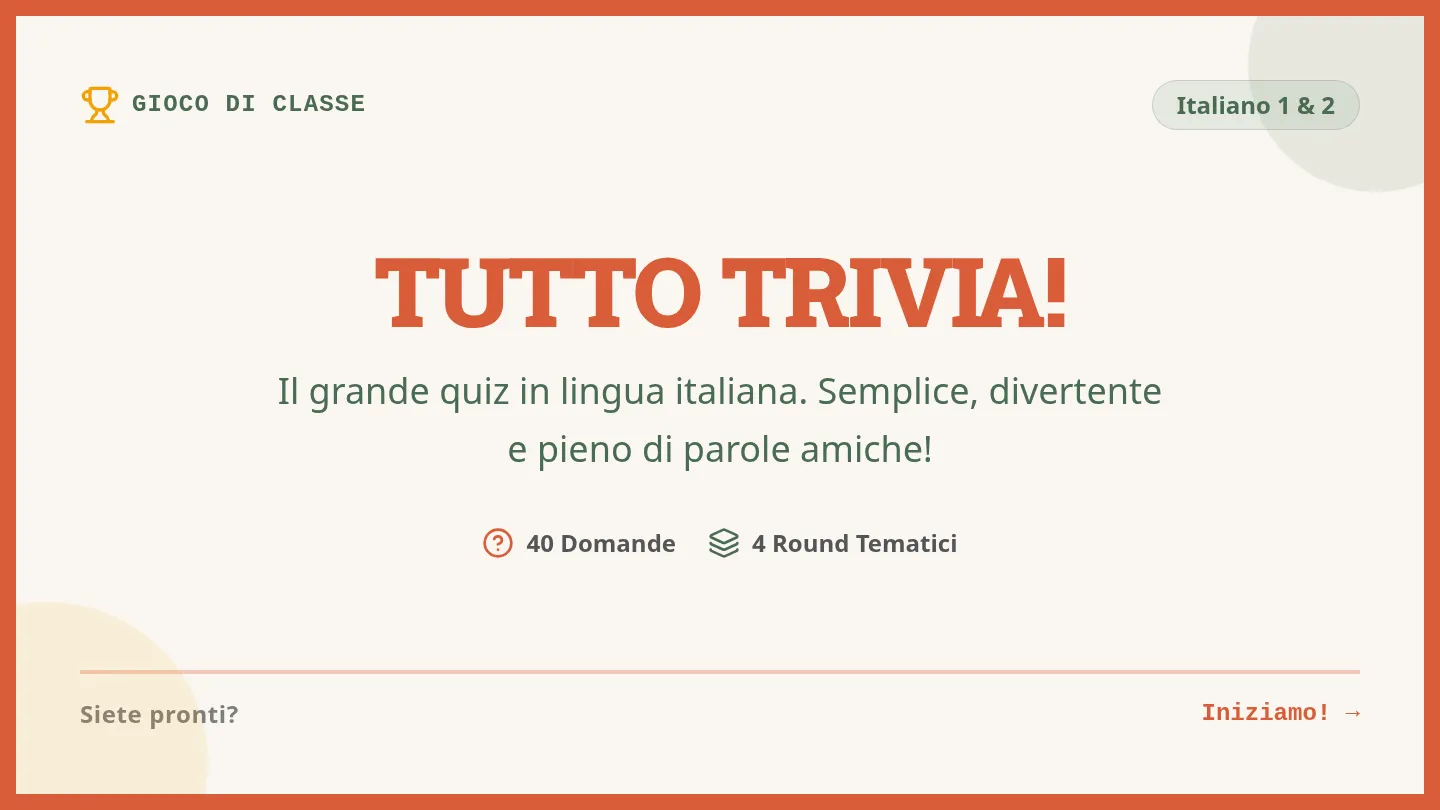
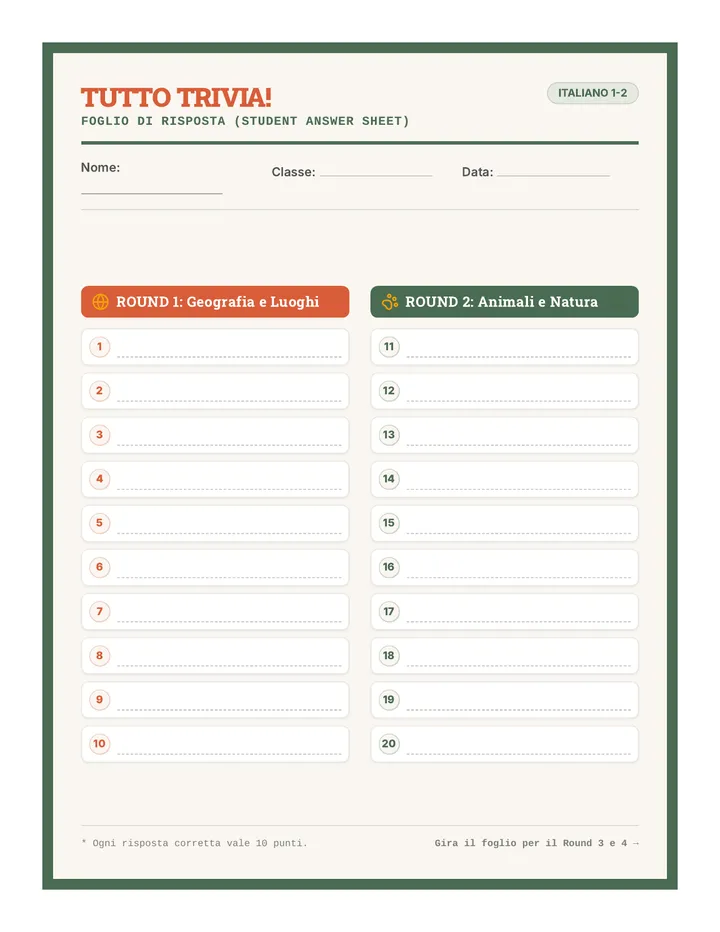
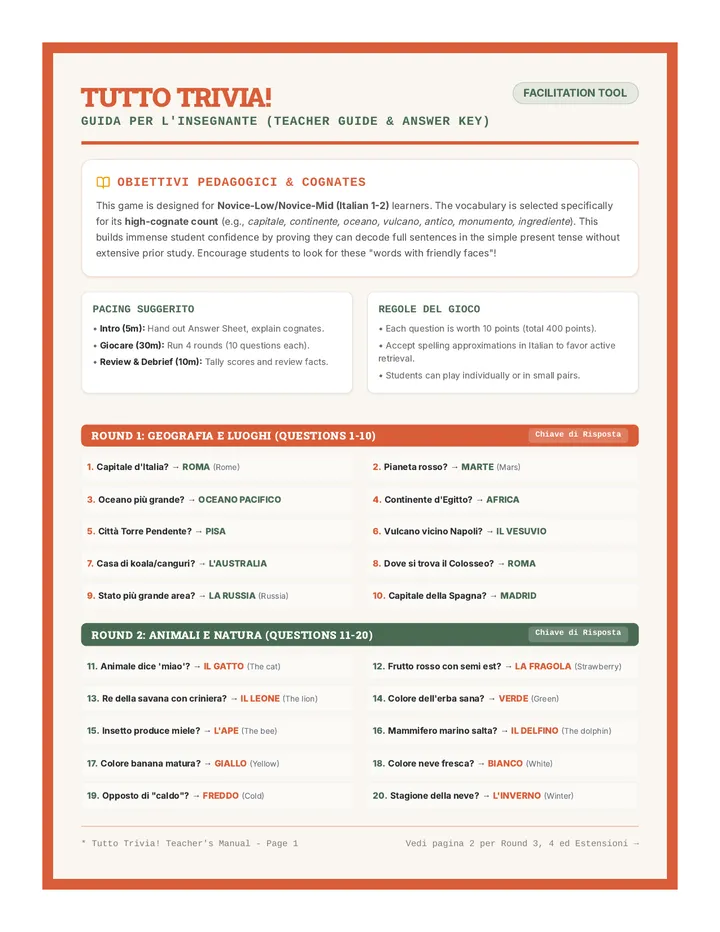
A high-engagement trivia module designed for novice Italian students (Italian 1-2) to practice vocabulary, comprehension, and general knowledge using highly cognate-rich questions and simple present tense. The unit features interactive slides, a student recording sheet, and a teacher facilitation guide.
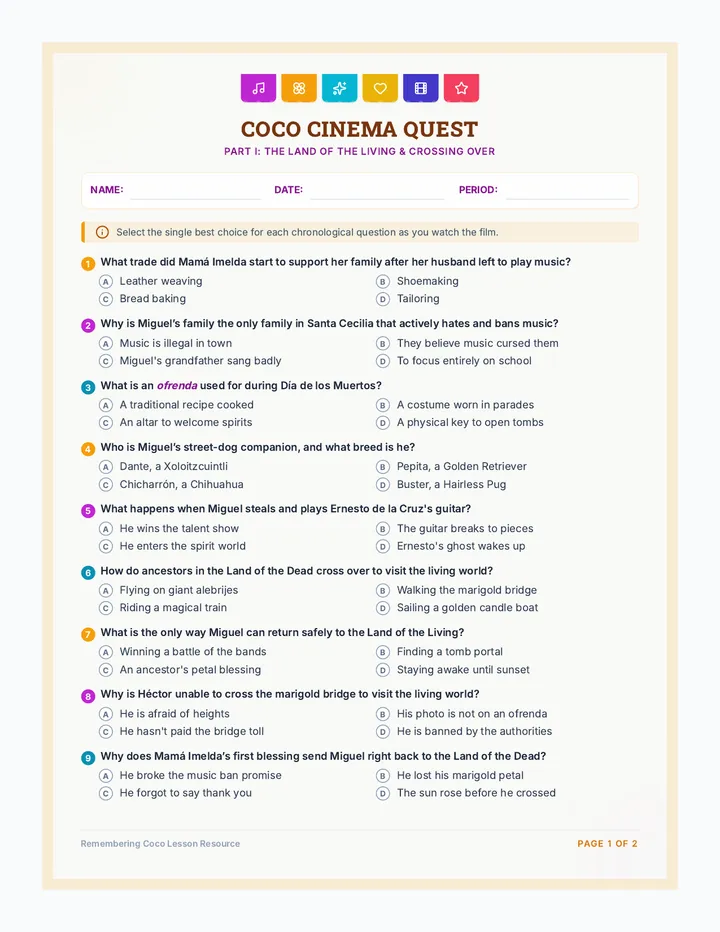
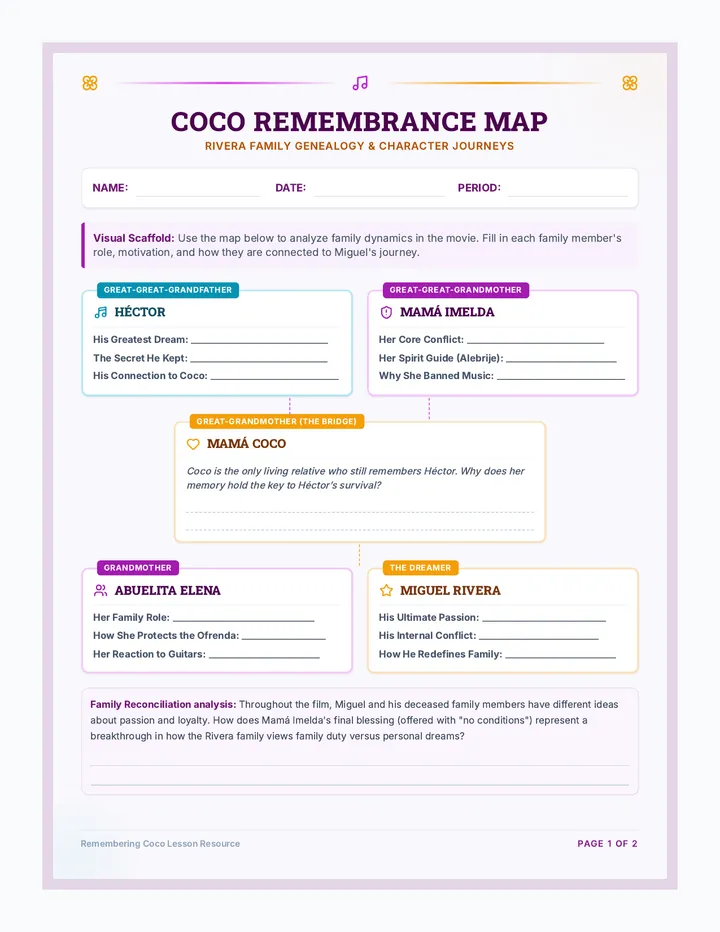
An exploration of the Pixar film Coco, focusing on Día de los Muertos cultural traditions, character choices, and key themes like family, memory, and forgiveness.
A portrait-oriented, high-contrast bilingual color reference chart featuring a highly thematic 'Crayon Box' design with two rows (six crayons on top, six on bottom). Each crayon card represents a color with a pre-colored tip, bilingual vocabulary in Spanish and English, and a white color-in swatch circle at the bottom for active learning.
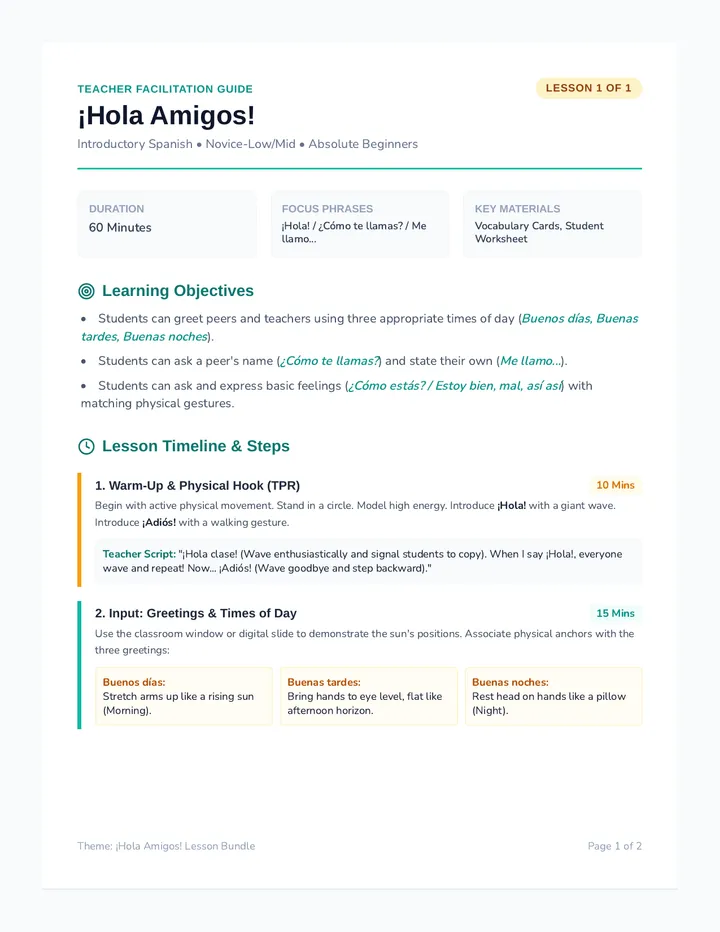
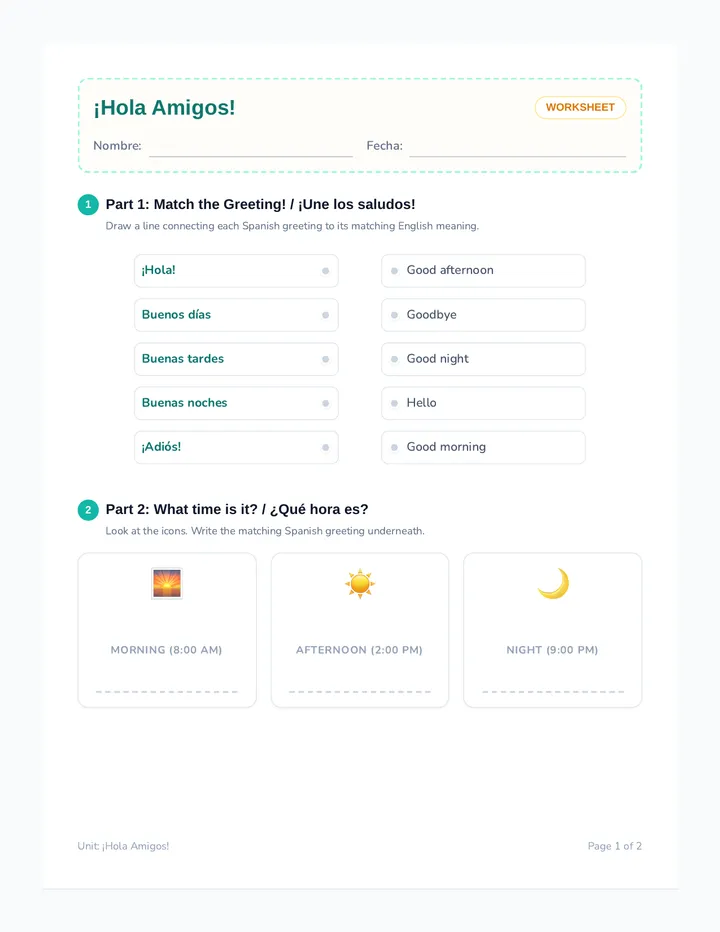
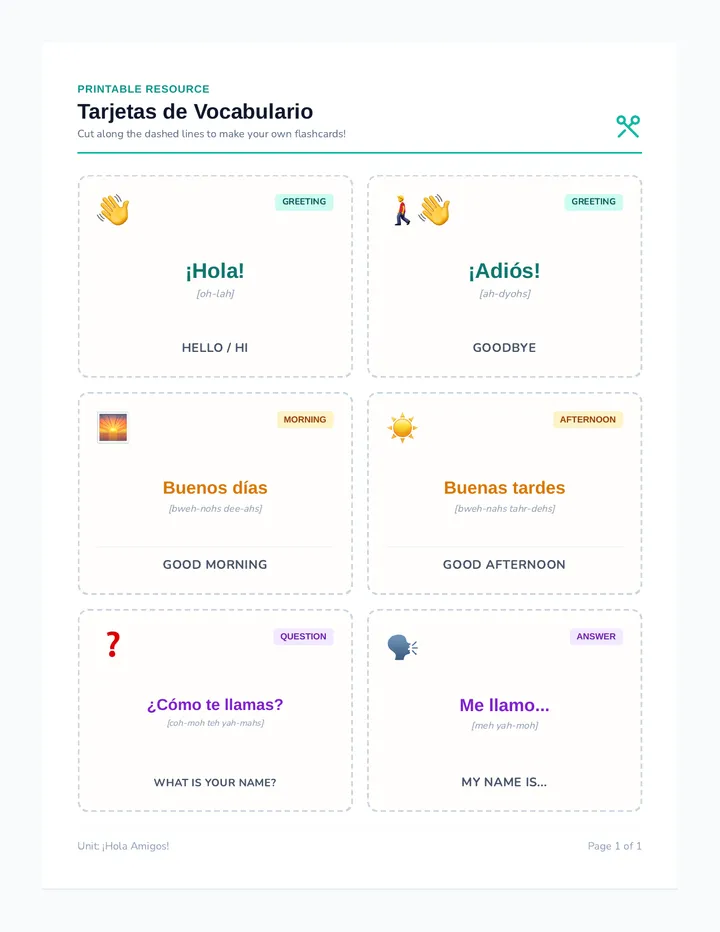
An introductory Spanish curriculum sequence for absolute novice-low beginners, teaching foundational communicative skills like greetings, introductions, numbers, and basic classroom requests.
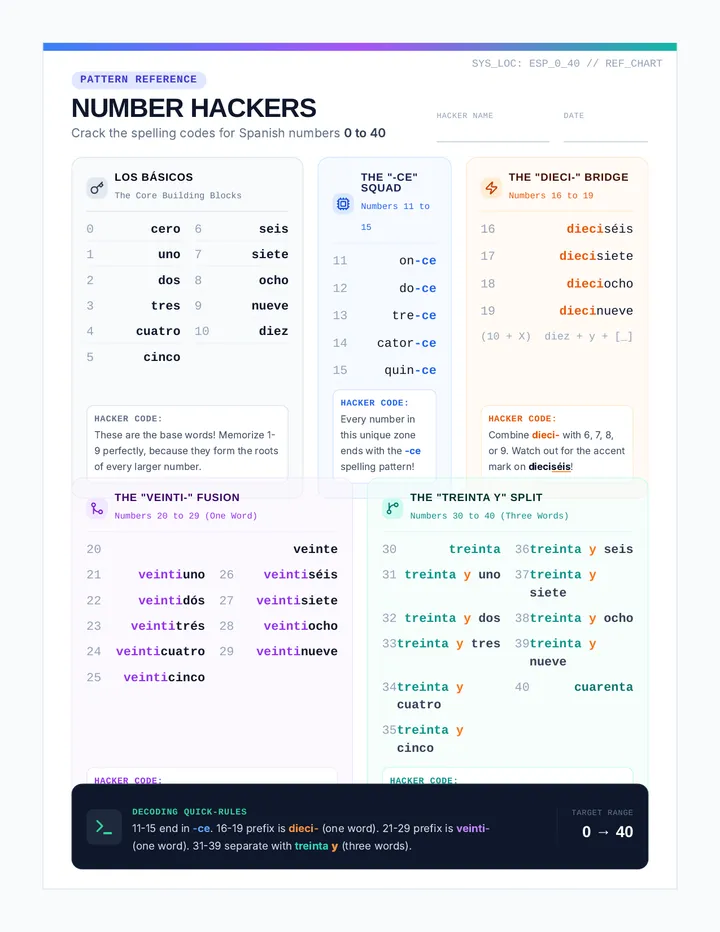
A lesson focused on mastering Spanish numbers 0-40 through pattern recognition, emphasizing key spelling transitions like -ce, dieci-, veinti-, and the conjunction 'treinta y'. Includes a highly visual pattern-coded anchor chart and a targeted spelling practice worksheet.
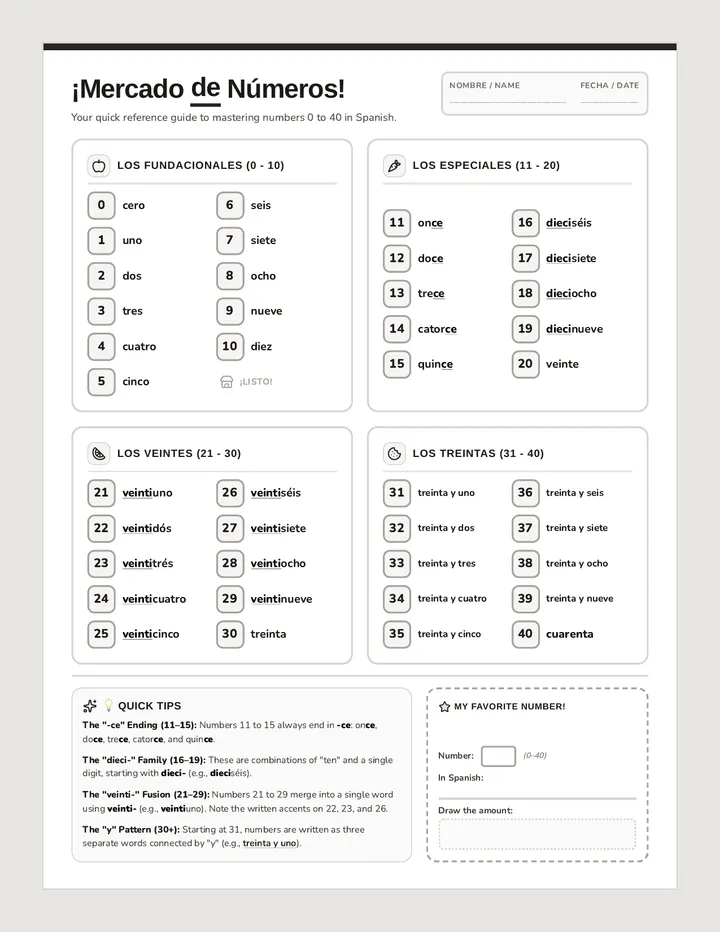
A beautifully designed, one-page Spanish numbers reference guide for numbers 0 to 40 in a high-contrast, black-and-white print layout. Features highlighted word stems (-ce, dieci-, veinti-) and English grammar/spelling notes at the bottom.
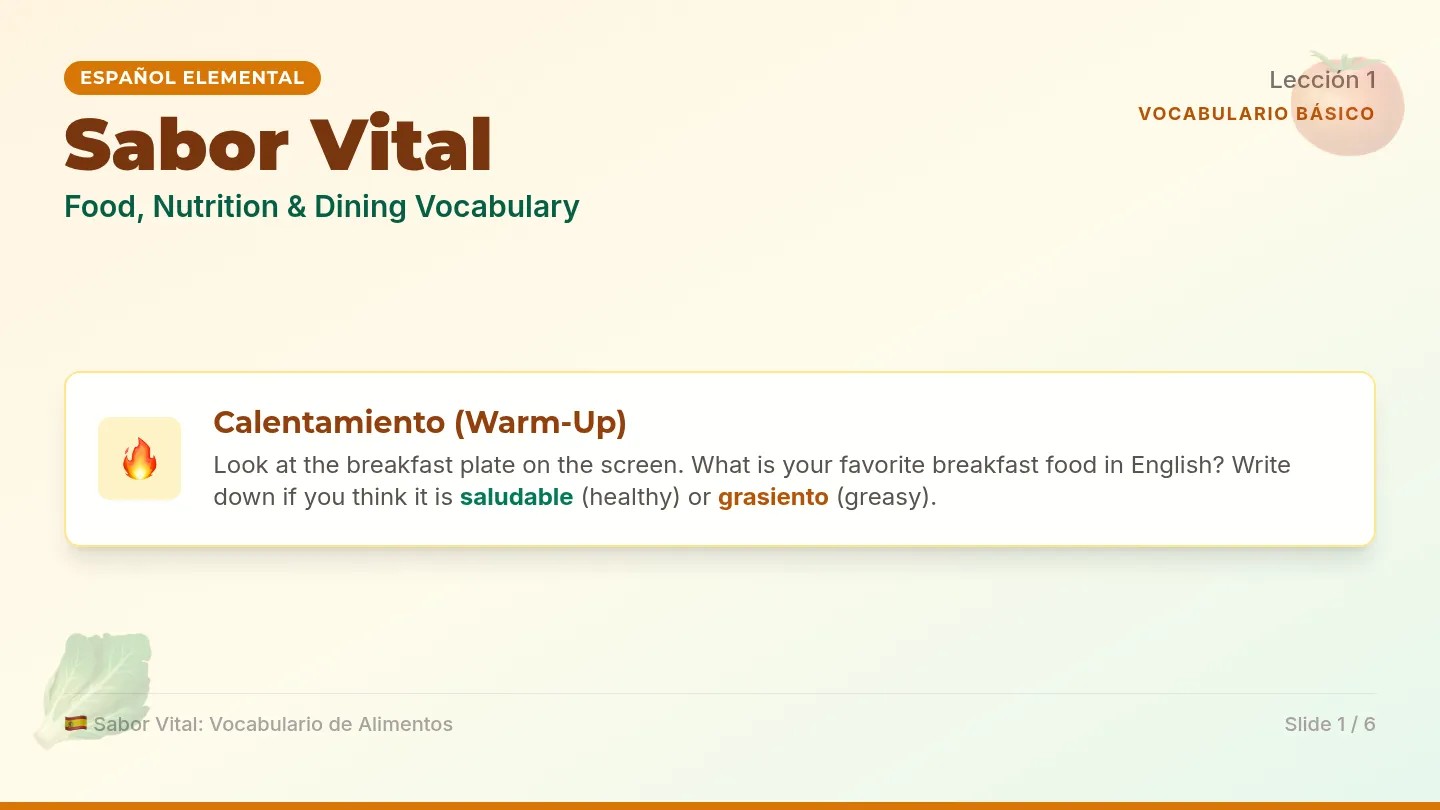
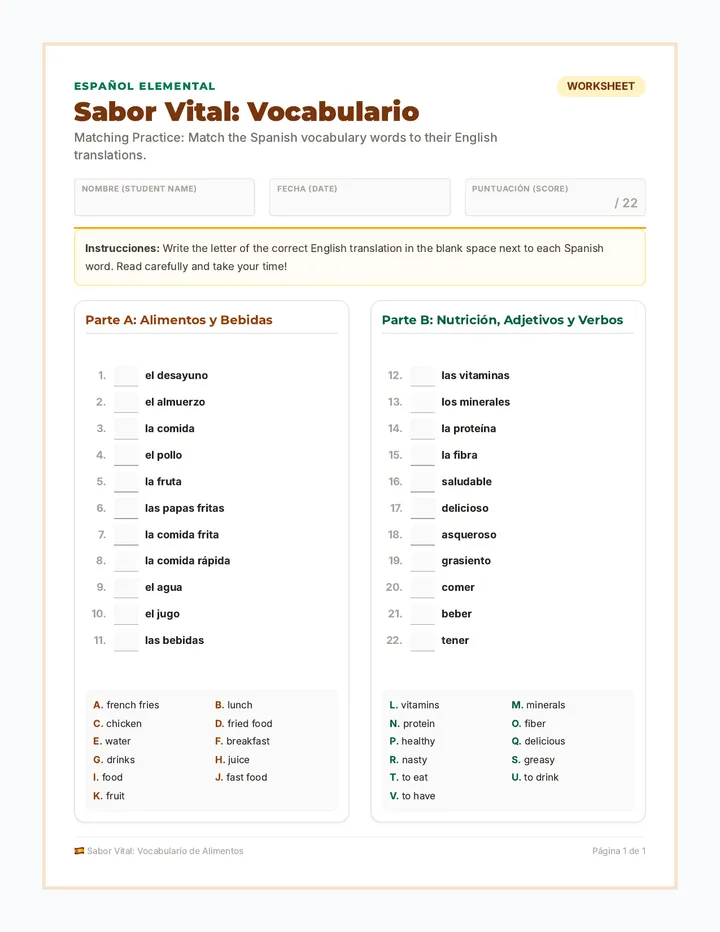
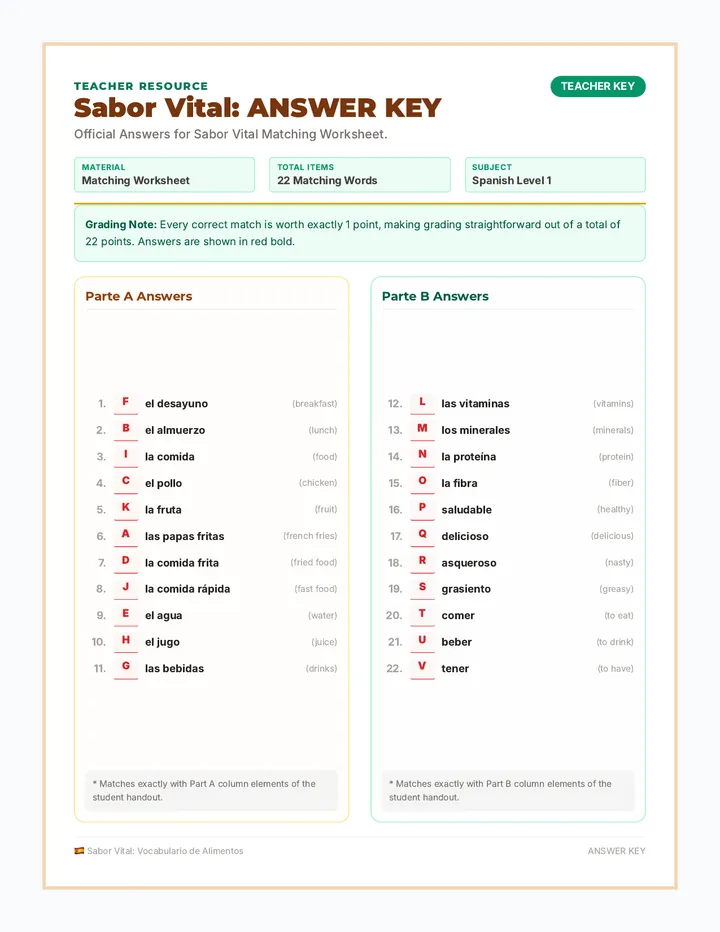
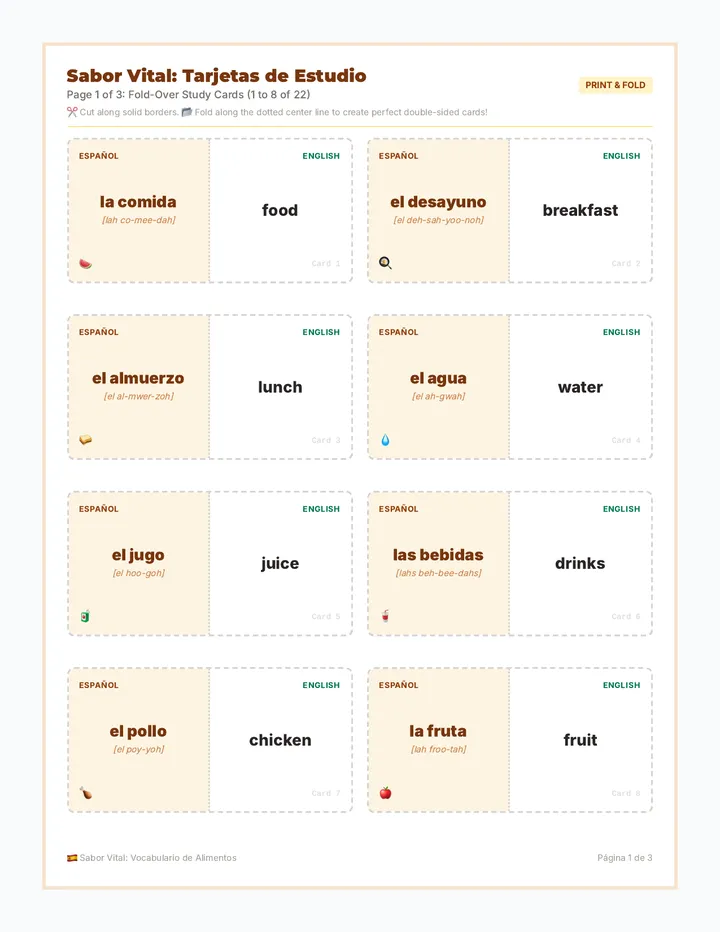
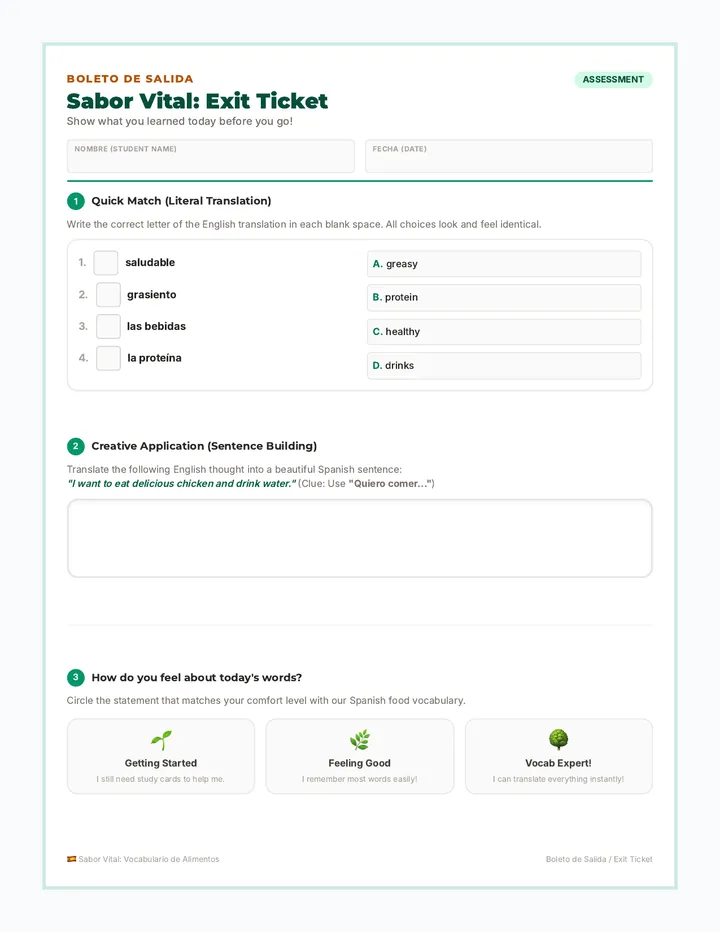
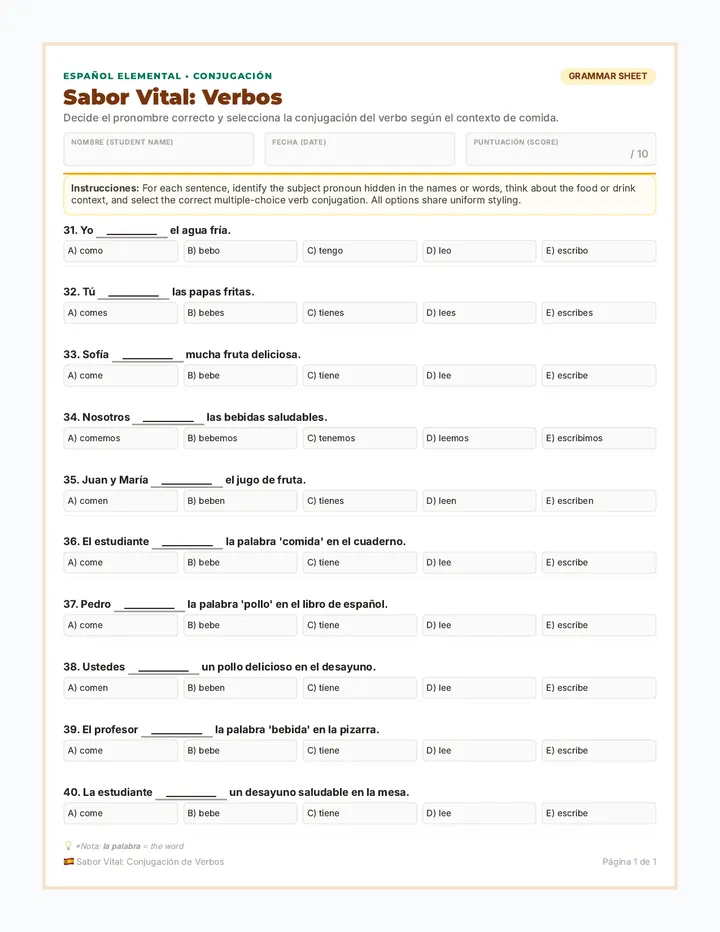
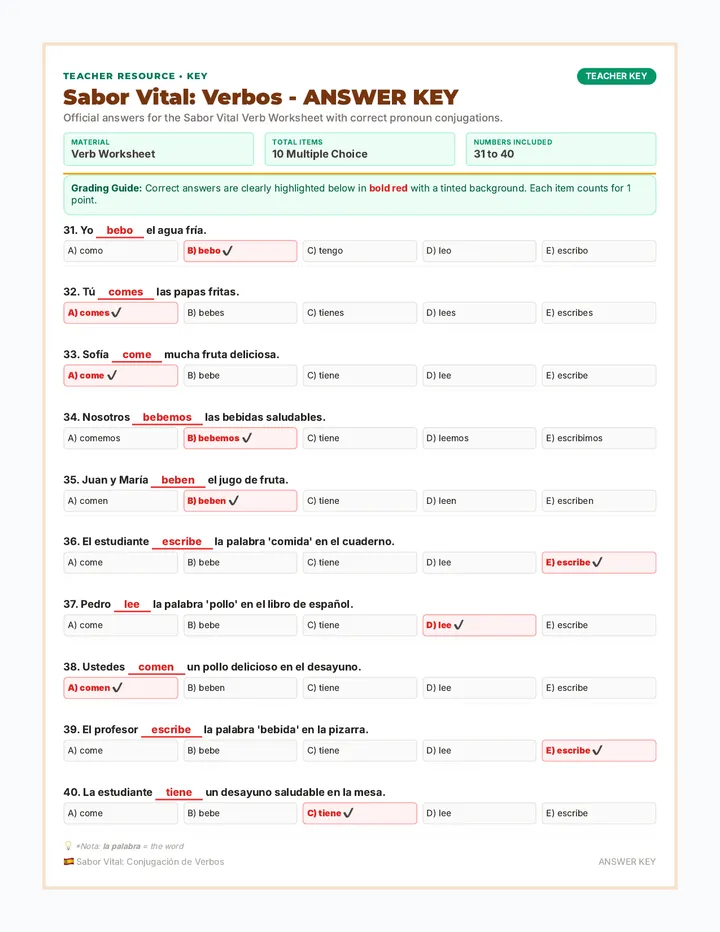
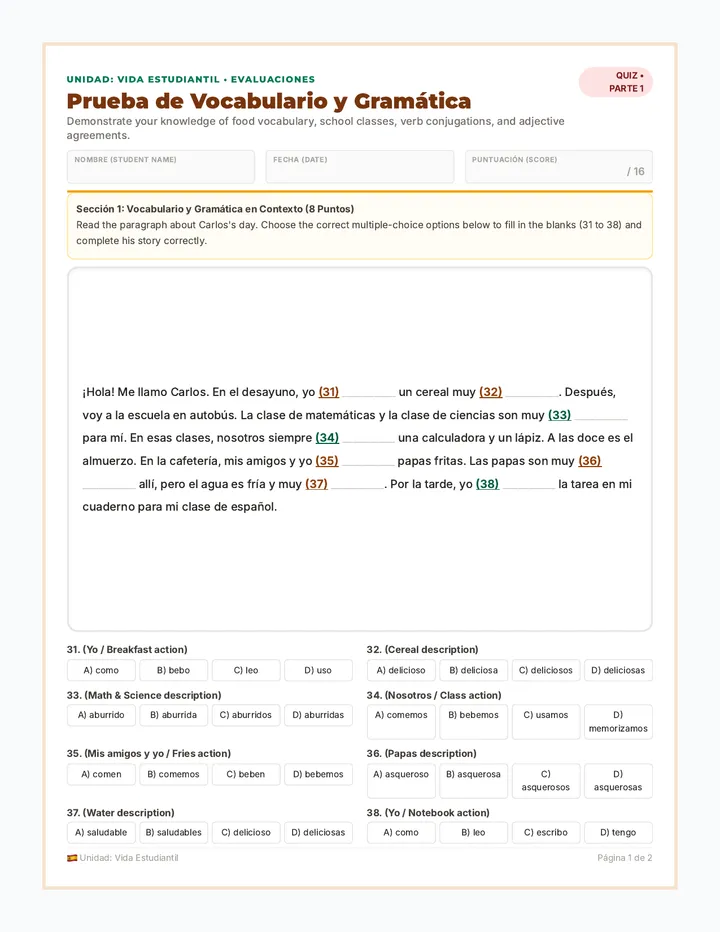
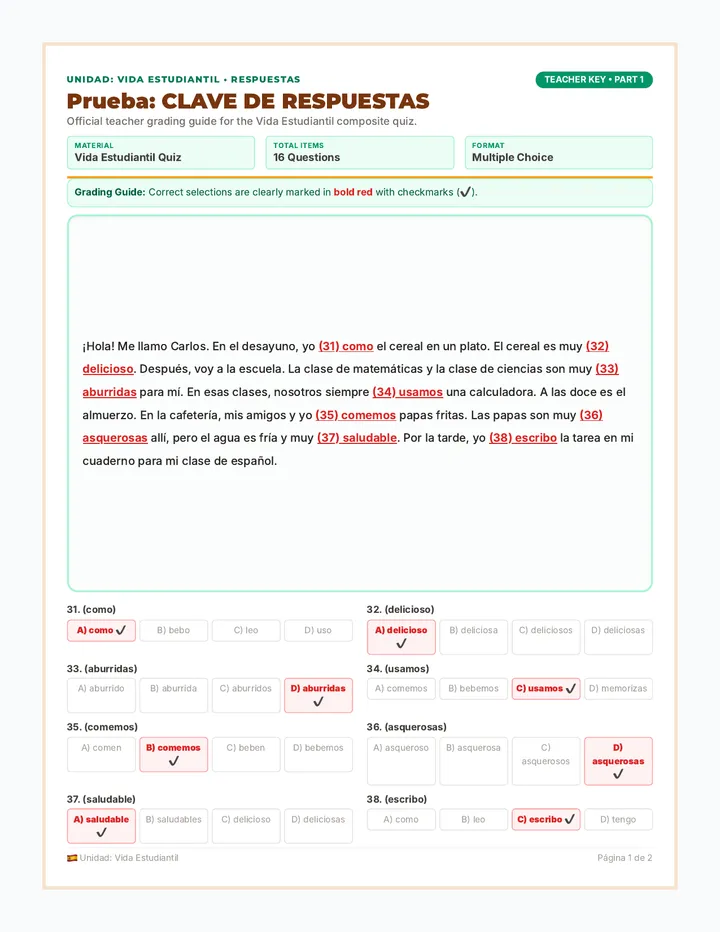
A beginner-level Spanish unit covering daily student life. It connects practical vocabulary for food and dining with descriptions of school schedules, classroom objects, and academic courses.
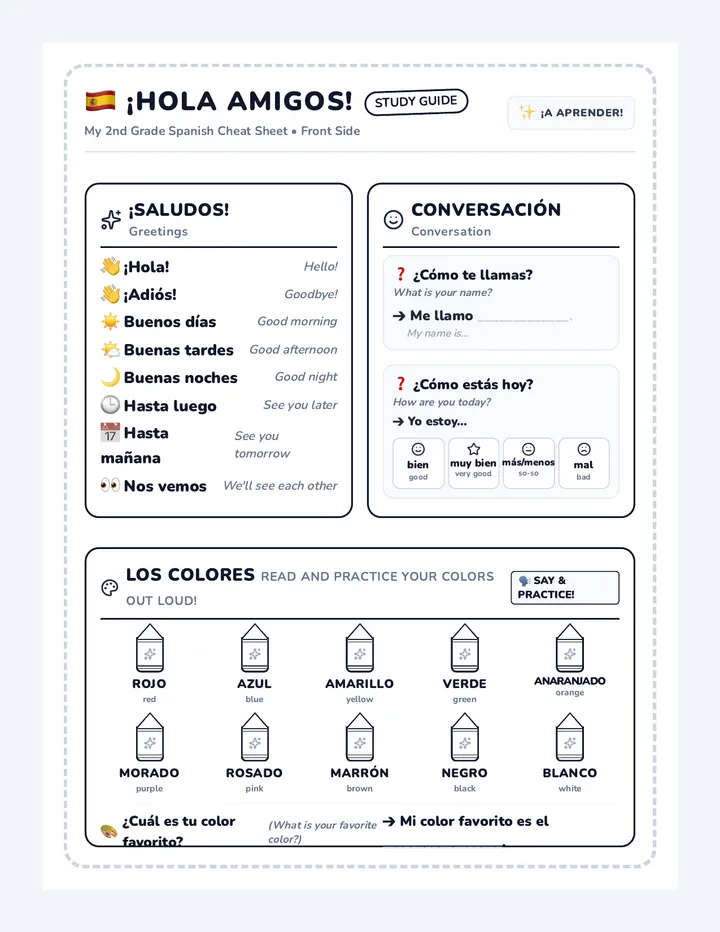
An introductory Spanish lesson for 2nd graders covering basic greetings, colors, numbers 0-30, and simple questions. Includes a beautiful, double-sided coloring study guide.
A 2-page graphic organizer with visual scaffolds for tracking Rivera family relationships, character analysis (Miguel, Héctor, Imelda, Coco), and the key themes of memory, music, alebrijes, and ofrendas. Includes clear guided boxes and student handwriting spaces.