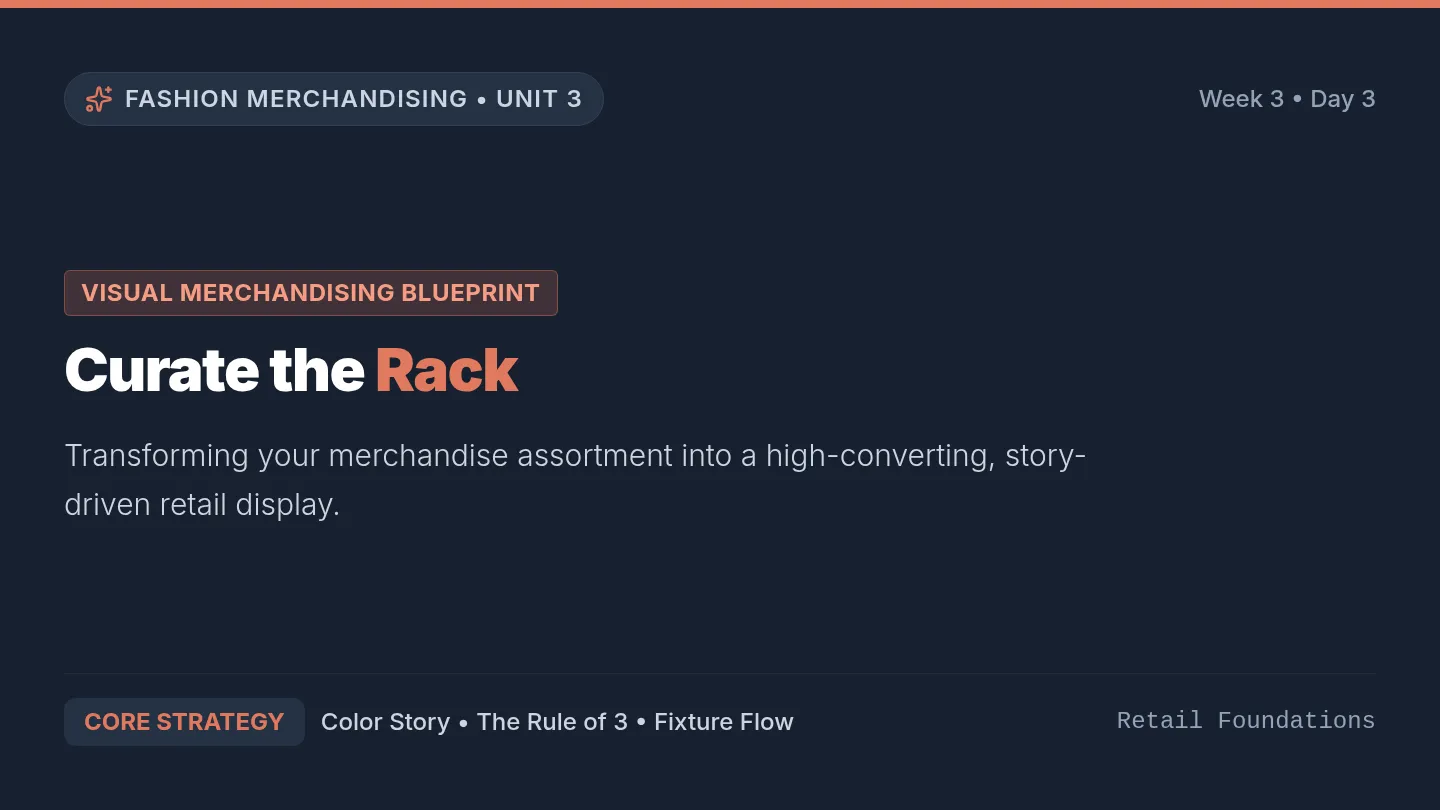
Soundtrack Sketchbook Slides Beginning Theory • Personal Project
Soundtrack Sketchbook
Capture a seasonal shift in sound. Zero new theory rules.
Compose—and perform—an original 8-measure piece inspired by the changing season.
3-Day Studio
The Mission
Use What You Already Know
Notes & Rhythm
Read, write, and organize pitches and rhythmic patterns in steady measures.
Scales & Keys
Pick a familiar major key signature and build your melody around it.
Perform It
You will play your piece! Choose notes and rhythms you can actually perform.
Step 1 • Seasonal Shift
Pick a Scene to Compose To
Falling Leaves & Crisp Wind
Swirling eighth notes, shifting dynamics (mp to f).
First Frost at Dawn
Quiet (p), slow tempo, clear high notes.
Cozy Rainy Afternoon
Steady walking tempo, smooth slurred steps.
First Snowfall
Gentle leaps, light staccato, peaceful ending.
Step 2 • Choose What You Can Play
Lock In Your Musical Toolkit
1. Clef
Pick the clef you play best:
• Treble Clef
• Bass Clef
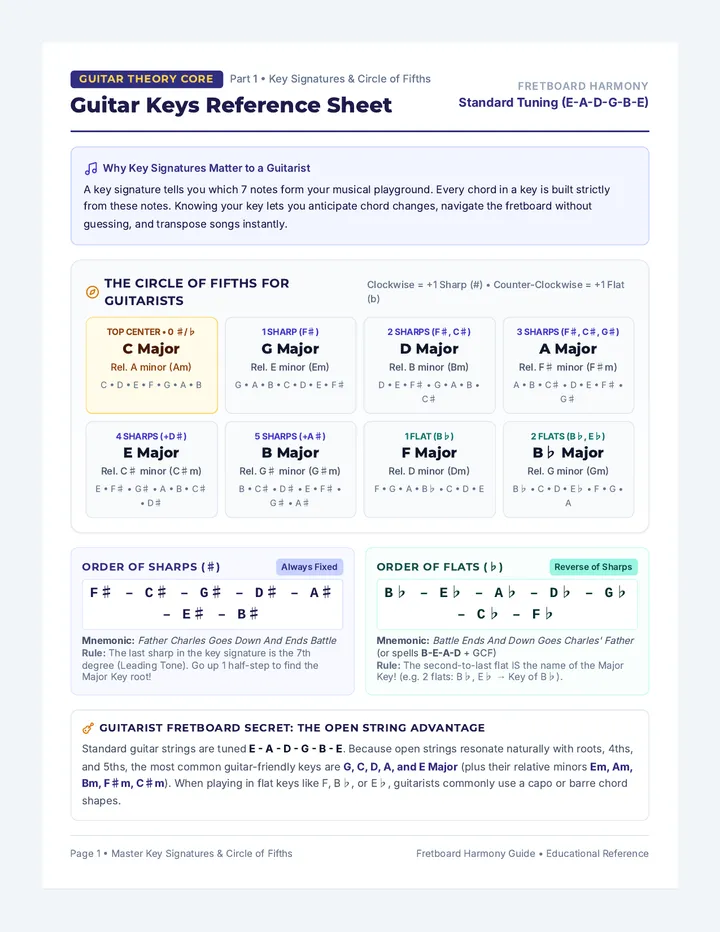
2. Key & Scale
Choose a familiar key:
• C Major (no sharps/flats)
• G Major (1 sharp: F#)
• F Major (1 flat: Bb)
3. Time Signature
Choose your steady pulse:
• 4/4 (4 quarter beats)
• 3/4 (3 quarter beats)
• 2/4 (2 quarter beats)
Step 3
Rhythm First, Then Pitches
Build a Rhythmic Hook
Create 2 favorite 1-measure rhythms using quarter, half, eighth, and whole notes (plus rests).
Repeating a rhythm makes your piece easier to play and catchier to hear!
Shape Your Melody
• Start near your home note (tonic) .
• Mix smooth steps with a few skips .
• End Measure 8 on your home note so it feels finished.
Step 4
Make It Expressive
Notes on a page are just the skeleton. Add at least two expressive markings to bring your seasonal scene to life:
Dynamics
p, mp, mf, f, crescendo, or decrescendo
Tempo
Andante (walking), Moderato, Allegro (fast), or Largo
Articulation
Slurs for smooth phrases, staccato dots, or accents
Ready to Perform
Before You Turn It In
Clef, key signature, and time signature are written clearly at the start.
Every measure has the exact number of beats and neat barlines.
Pitches match your chosen scale and end with a double barline.
You practiced playing it! Tear off Page 5 to perform from.
Composer Sketchbook Packet Name:
Date:
Beginning Theory • Summative Assessment
Composition 3: Seasonal Soundtrack
STEP 1 Decide Your Composition Details
Choose a scene to compose to:
Falling Leaves & Crisp Wind
First Frost at Dawn
Cozy Rainy Afternoon
First Snowfall
Title of My Piece:
Tempo (Andante, Allegro):
Instrument I'll Play:
STEP 2 Build your Musical Toolkit (Choose what you can play!)
Clef
Treble Clef
Bass Clef
Key & Scale
C Major
G Major (F#)
F Major (Bb)
Time Signature
4/4 Time
3/4 Time
2/4 Time
STEP 3 Scale & Rhythm Warm-Up
A. Write your clef, key signature, and the notes of your chosen scale below:
B. Sketch two 1-measure rhythm patterns that fit your time signature. These could serve as motives in your piece.
Rhythm Pattern 1
Rhythm Pattern 2
Reminder: You will perform this piece—write notes and rhythms you can play! Page 1 of 8
Step 4 • Review & Reflect
Composer's Self-Check
Check each item on your Final Score before performing:
I drew my clef, key signature, and time signature clearly at the start of Measure 1.
I counted the beats in all 8 measures—every measure matches my time signature.
My noteheads sit clearly on lines or spaces, and my stems point the right way.
My melody uses pitches from my chosen scale and ends on my home note (tonic).
I included a title, tempo marking, and at least two dynamic or articulation markings .
I practiced playing my piece and can perform all 8 measures at a steady beat.
1. Which seasonal shift did you choose, and how do your tempo, dynamics, and rhythm capture that scene?
2. Which musical idea are you proudest of, and why?
3. What was one theory rule you had to remember while composing?
Soundtrack Sketchbook • Beginning Theory Page 2 of 8
Idea Workshop • Rough Draft
Sketch & Test Your Ideas
Use this page to experiment! Try out different melodic shapes, rhythm hooks, or endings on your instrument before writing your final score on Pages 5 & 7. NOTE: This page is not graded.
Idea 1 (Opening / Motif)
Idea 2 (Middle / Contrast)
Idea 3 (Ending / Tonic Resolution)
Rhythm & Note Scratchpad (Jot down beat counts, scale letter names, or form plans)
Messy drafts make clean final scores! Page 3 of 8
Teacher Grading Rubric
Soundtrack Sketchbook Assessment
For teacher use when grading the completed composition, reflection, and live performance.
Criterion
Building (1–2 pts)
Proficient (3 pts)
Shining (4 pts)
Pitch & Scale Accuracy
Clef or key signature is missing, or many pitches fall outside the chosen scale.
Clef and key signature are clear; most pitches fit the chosen scale and end near tonic.
Clef and key signature are accurate; all pitches fit the scale and resolve clearly on tonic.
Rhythm & Meter
Several measures have too many or too few beats for the time signature.
Time signature is present; 6–7 measures have accurate beat counts.
Every measure has exact beat counts with intentional rhythmic patterns.
Notation & Neatness
Noteheads, stems, or barlines are hard to read or missing in spots.
Noteheads sit clearly on lines/spaces; barlines and double barline are present.
Clean, legible score with proper stem directions, spacing, and double barline.
Expression & Reflection
Missing title, expressive markings, or incomplete reflection.
Includes title, tempo/dynamic markings, and thoughtful reflection answers.
Musical choices clearly connect to the seasonal scene in score and reflection.
Performance
Stops frequently, loses steady beat, or plays many wrong notes/rhythms.
Plays through all 8 measures with a mostly steady beat and accurate notes/rhythms.
Performs smoothly with steady beat, accurate notes/rhythms, and clear expression.
Composer: Total Score: / 20
Teacher Feedback:
Keep Page 5 to perform from • Turn in Page 7 with your packet! Page 4 of 8
Student Copy • Keep to Perform From
Performance Score • 8 Measures
Title of Piece
Tempo:
Composed by:
M. 1 M. 2
M. 3 M. 4
M. 5 M. 6
M. 7 M. 8
Use the space below each staff for dynamics (p, mf, f) and phrasing marks. Page 5 of 8
This page intentionally left blank for double-sided printing.
Page 6 of 8
Teacher Copy • Turn In for Grading
Final Score • 8 Measures
Title of Piece
Tempo:
Composed by:
M. 1 M. 2
M. 3 M. 4
M. 5 M. 6
M. 7 M. 8
Use the space below each staff for dynamics (p, mf, f) and phrasing marks. Page 7 of 8
This page intentionally left blank for double-sided printing.
Page 8 of 8
Soundtrack Sketchbook Teacher Guide Beginning Theory • Teacher Resource
Soundtrack Sketchbook Teacher Guide
Project Goal: Give students a concrete creative anchor (Seasonal Shift ) to practice notes, rhythms, scales, key signatures, and performance—with zero new theory content . Print the packet double-sided (Pages 1–2, Pages 3–4, and Page 5 as a tear-away performance score).
3-Day Studio Pacing Plan
Day 1: Scene & Hook
Show Launch Slides (optional: project a seasonal photo during Slide 3). Students complete Page 1: pick a seasonal shift, instrument, key, and meter.
Day 2: Workshop & Draft
Students test playable ideas on Page 3, then write their 8-measure final score on Page 5 in pencil. Circulate to check beat counts.
Day 3: Polish & Perform
Students complete the Page 2 Self-Check & Reflection, tear off Page 5, and perform their 8-measure piece.
Differentiation & Scaffolding
For Students Feeling Overwhelmed
Use C Major in 4/4 time with only quarter and half notes.
Limit pitches to the first 5 notes of the scale (pentachord) that are easiest to play.
Reuse one 2-measure rhythm pattern four times (A-A-A-A) and only change pitches.
For Students Ready for More
Use G Major or F Major in 3/4 time for a distinct character.
Structure the 8 measures as A-B or A-A'-B-A' form.
Add articulation (slurs, staccato) and perform with clear dynamic contrast.
Quick Desk-Side Check-In Prompts
• Playability Check: "Try playing Measures 1–4 right now—is anything too fast or out of your range?"
• Meter Check: "Clap Measure 3 for me—do your beats add up to your top number?"
• Key Check: "Point to any F (or B) in your piece—does your key signature tell you to sharp/flat it?"
• Scene Check: "How does your tempo or dynamic choice sound like the seasonal shift you picked?"
Soundtrack Sketchbook • Teacher Guide Page 1 of 2
Assessment • Application & Performance
Soundtrack Sketchbook Rubric
Designed to reward accurate application of foundational theory skills, personal expression, and live playability.
Criterion
Building (1–2 pts)
Proficient (3 pts)
Shining (4 pts)
Pitch & Scale Accuracy
Clef or key signature is missing, or many pitches fall outside the chosen scale.
Clef and key signature are clear; most pitches fit the chosen scale and end near tonic.
Clef and key signature are accurate; all pitches fit the scale and resolve clearly on tonic.
Rhythm & Meter
Several measures have too many or too few beats for the time signature.
Time signature is present; 6–7 measures have accurate beat counts.
Every measure has exact beat counts with intentional rhythmic patterns.
Notation & Neatness
Noteheads, stems, or barlines are hard to read or missing in spots.
Noteheads sit clearly on lines/spaces; barlines and double barline are present.
Clean, legible score with proper stem directions, spacing, and double barline.
Expression & Reflection
Missing title, expressive markings, or incomplete reflection.
Includes title, tempo/dynamic markings, and thoughtful reflection answers.
Musical choices clearly connect to the seasonal scene in score and reflection.
Performance
Stops frequently, loses steady beat, or plays many wrong notes/rhythms.
Plays through all 8 measures with a mostly steady beat and accurate notes/rhythms.
Performs smoothly with steady beat, accurate notes/rhythms, and clear expression.
Student: Total Score: / 20
Teacher Notes:
Soundtrack Sketchbook • Teacher Guide Page 2 of 2