A lesson focused on animal characteristics and habitats, helping students build descriptive vocabulary.
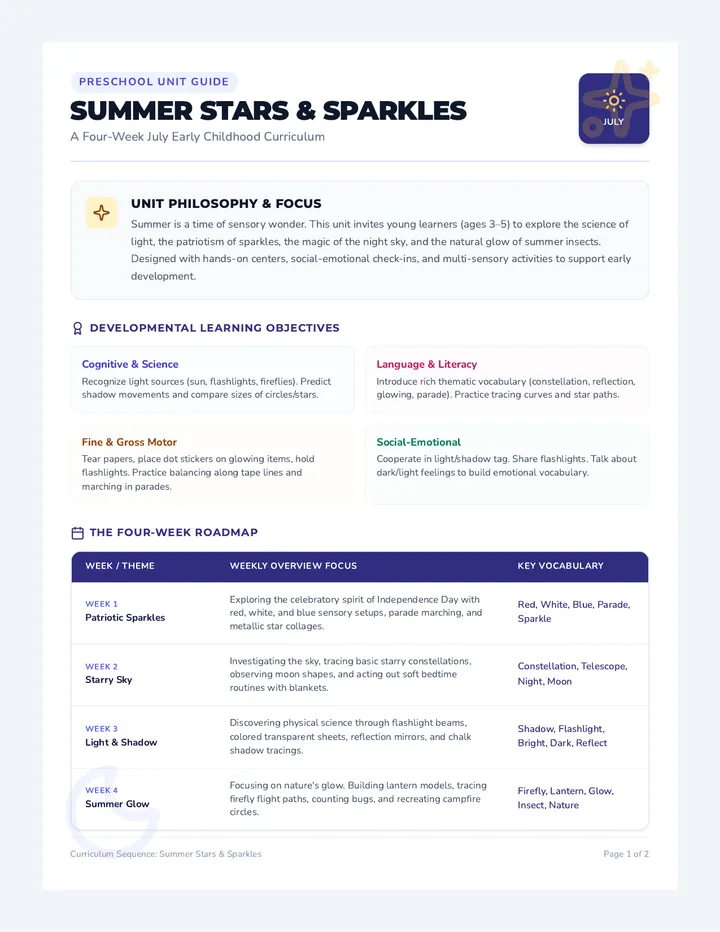
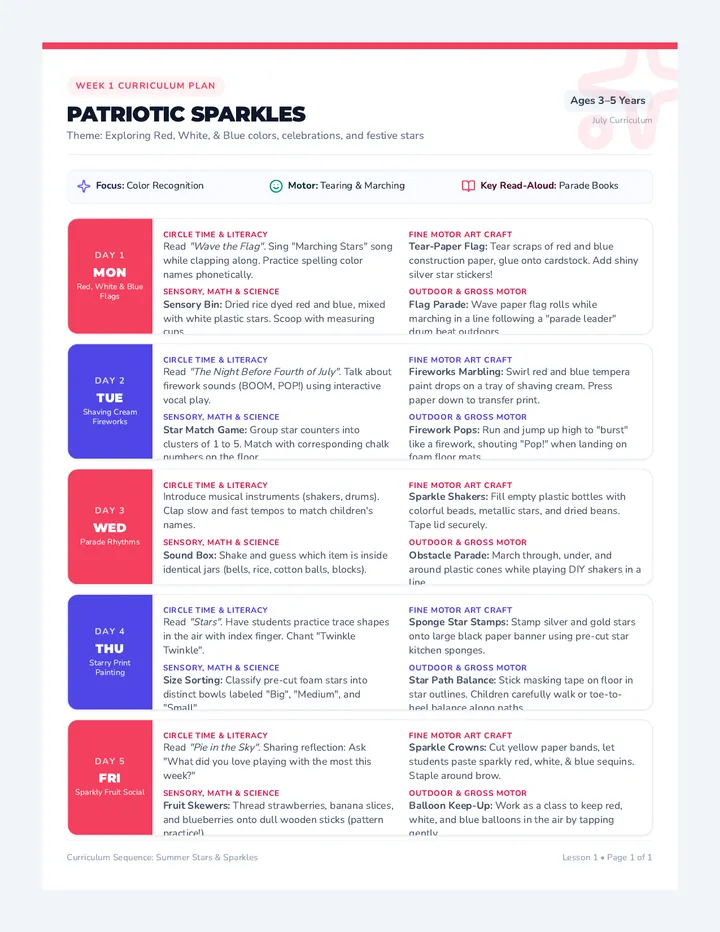
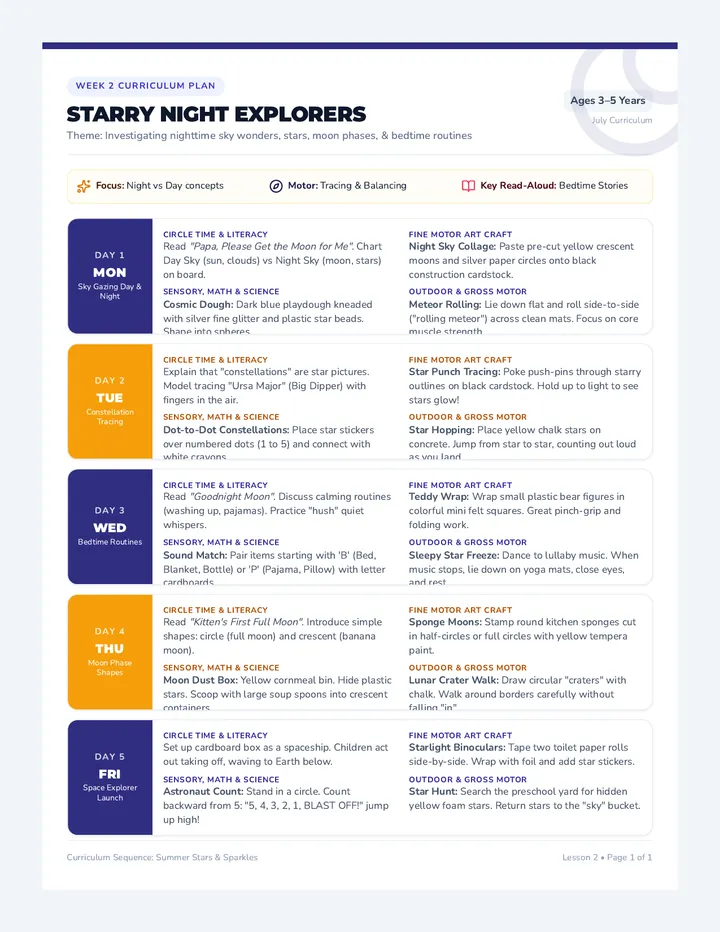
A comprehensive four-week July curriculum for preschool students, focusing on 'Summer Stars & Sparkles' through hands-on activities, sensory integration, and early math and literacy centers.
A teacher-focused lesson exploring how multicellular organisms organize cells, tissues, and organ systems into interacting networks to sustain life and maintain homeostasis.
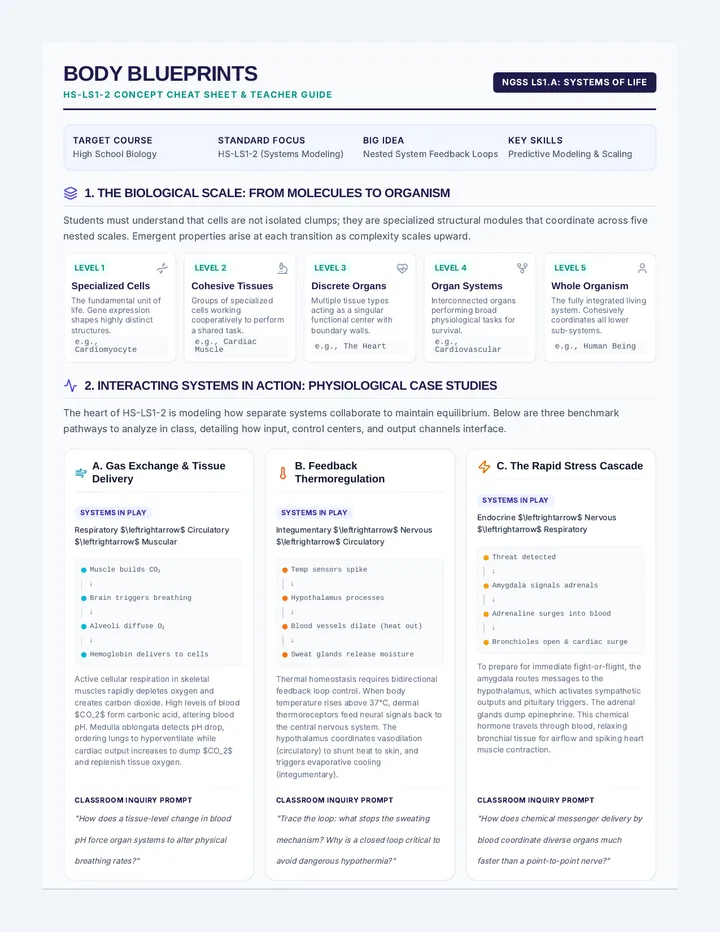
A highly structured, high-density 2-page Concept Cheat Sheet and Teacher Guide for NGSS HS-LS1-2. It outlines biological scales of life, three detailed system interaction case studies, anchoring phenomena, common misconceptions with reframe strategies, and a diagnostic model-building rubric.
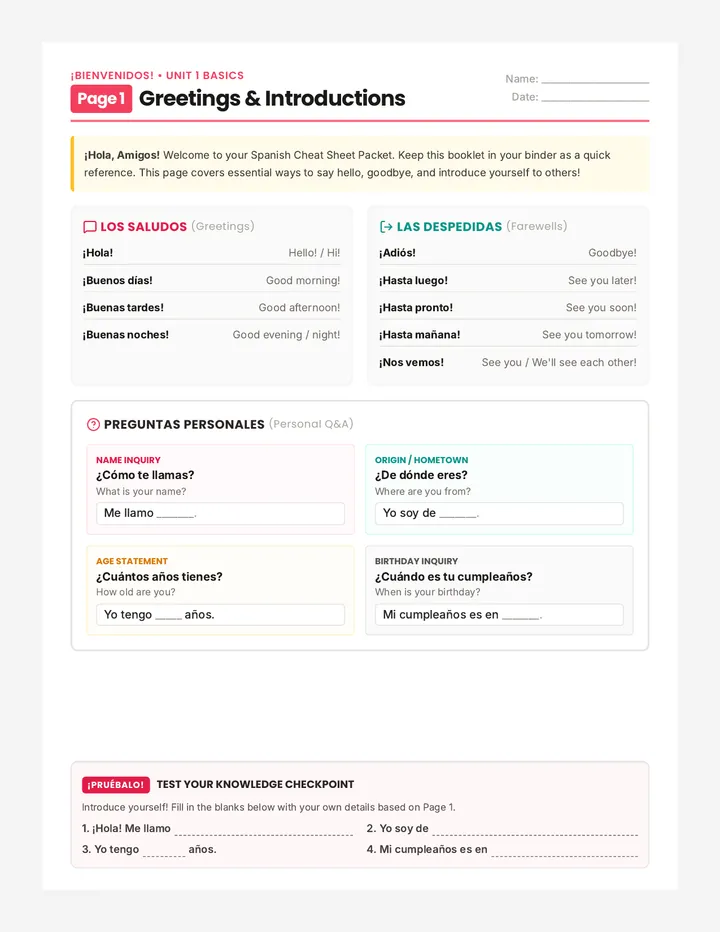
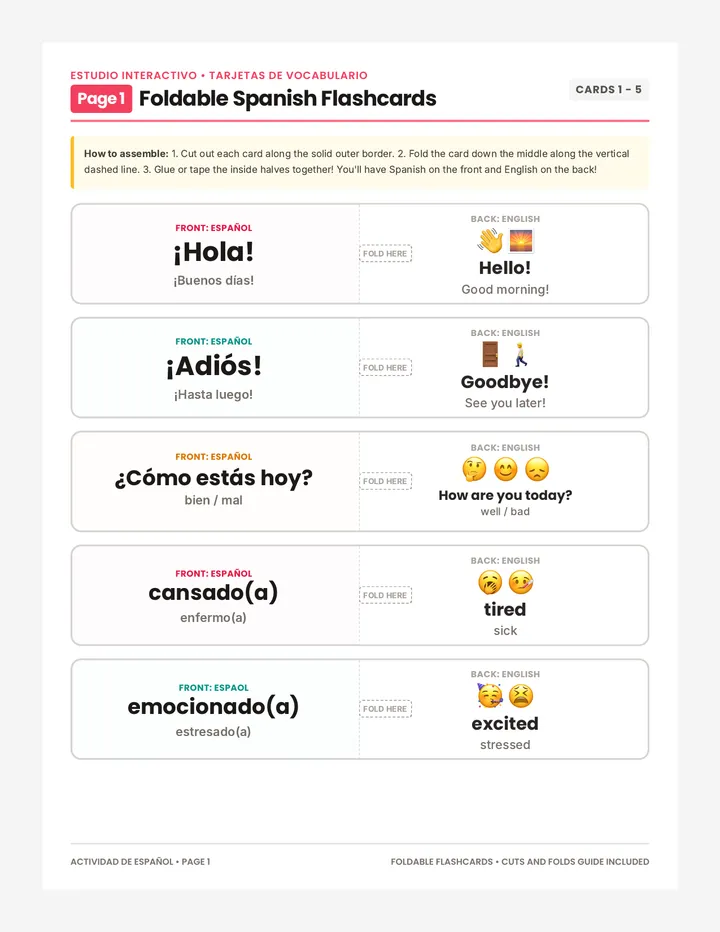
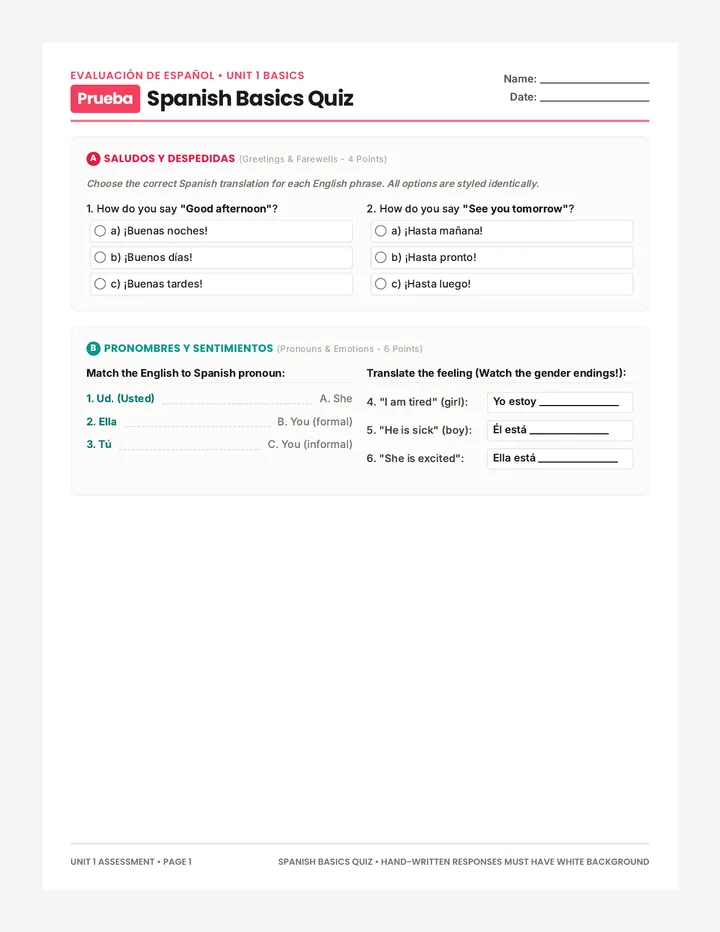
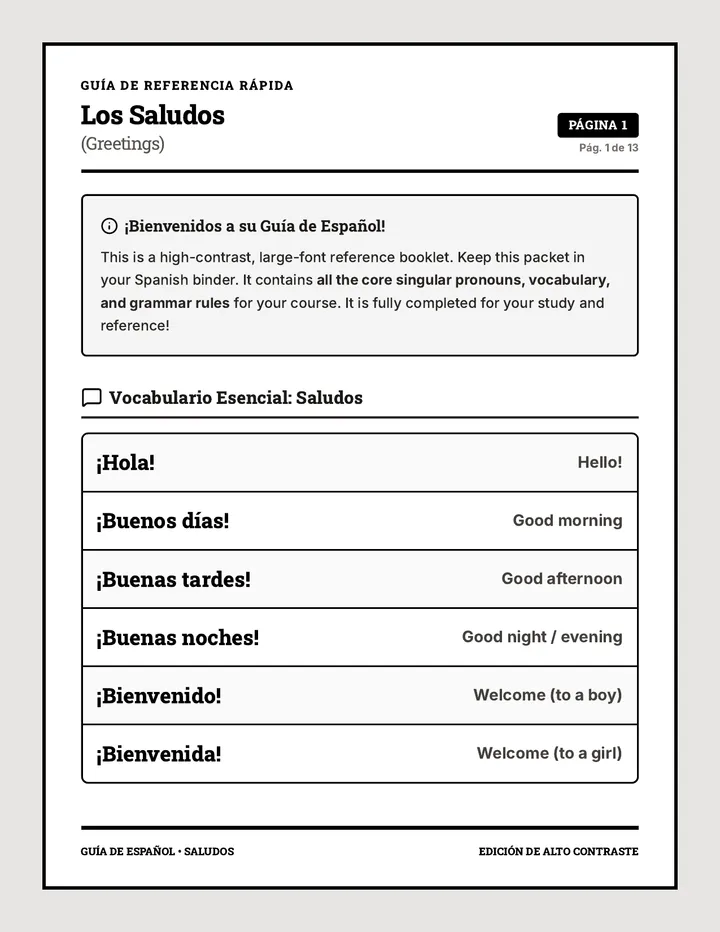
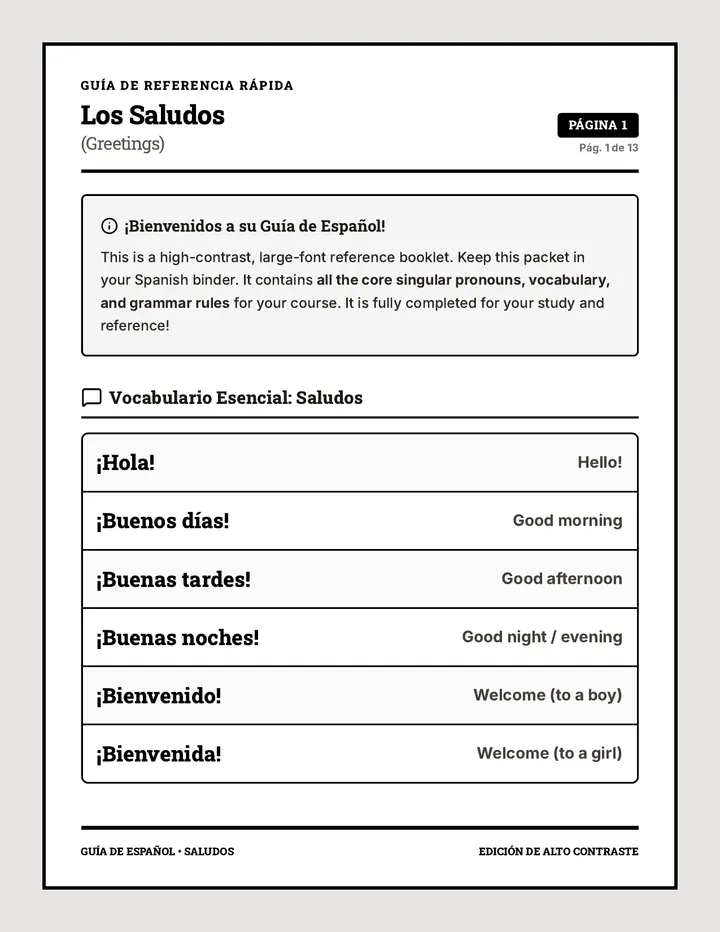
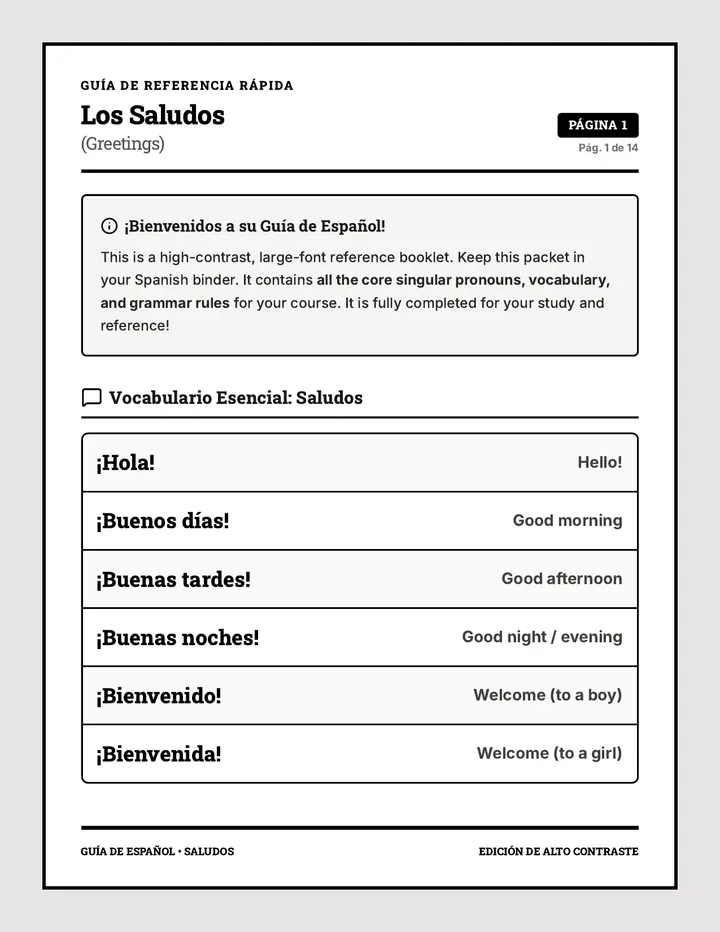
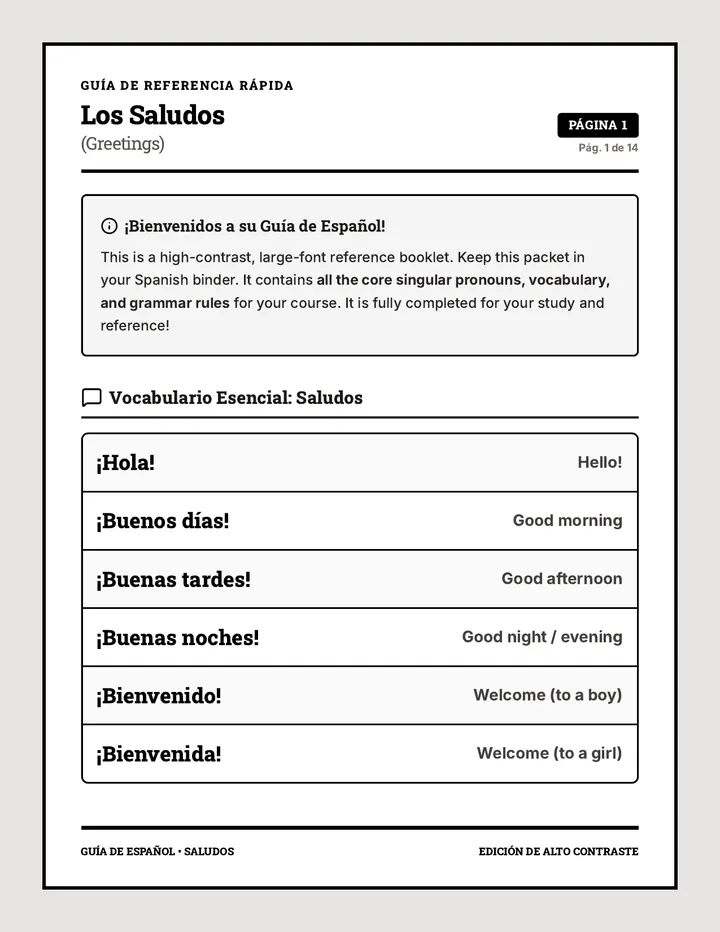
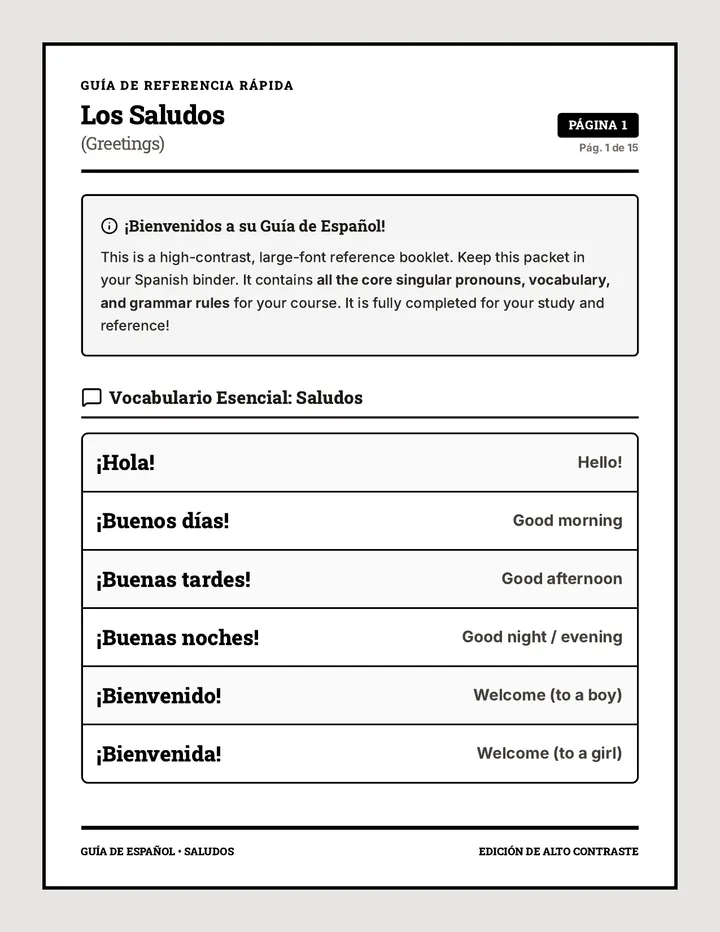
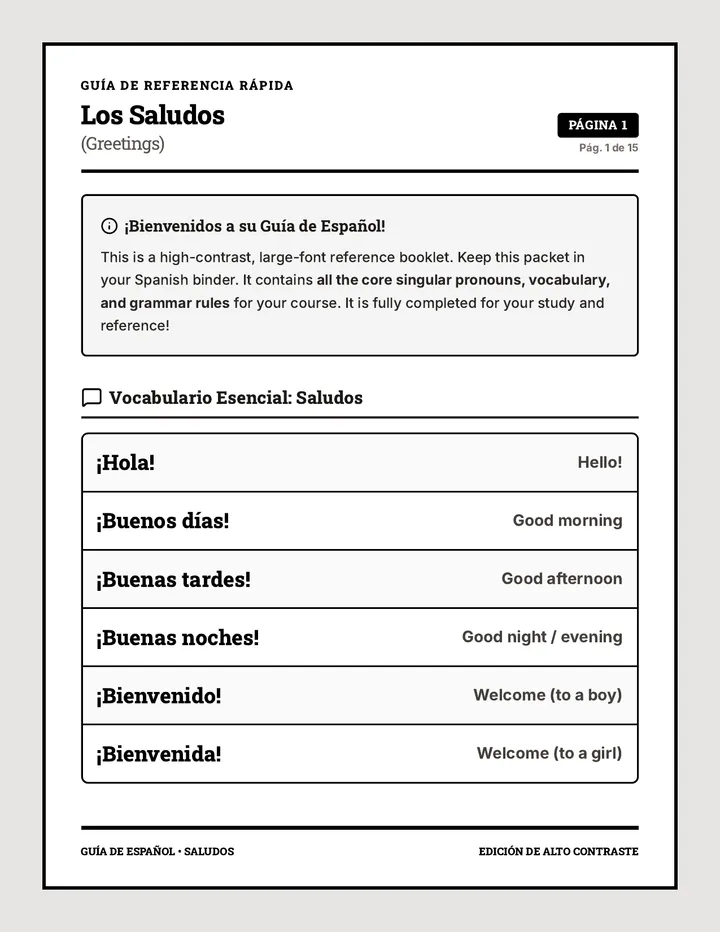
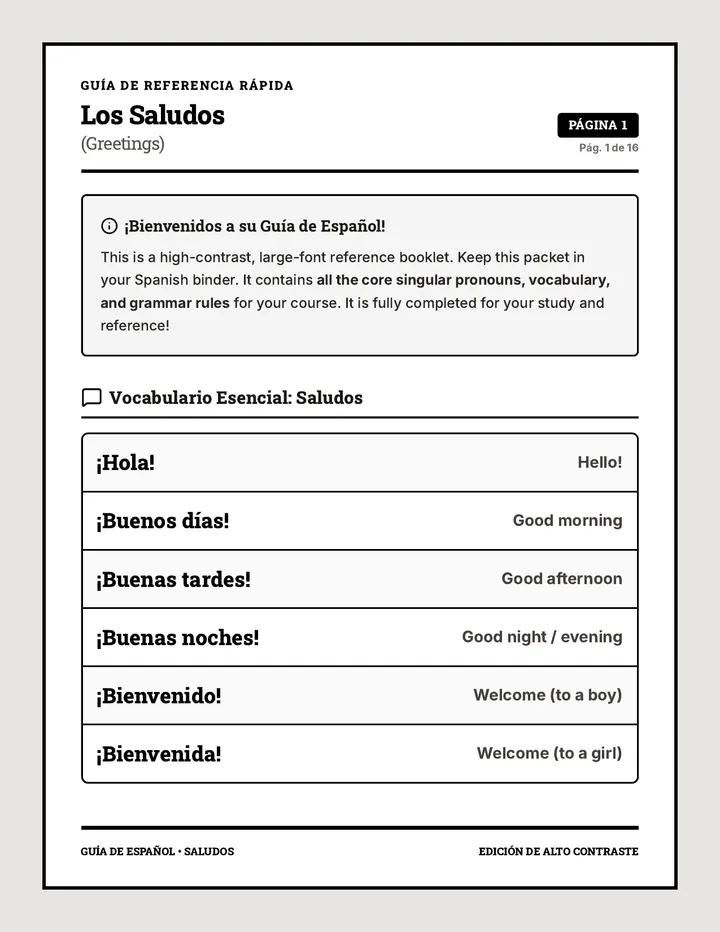
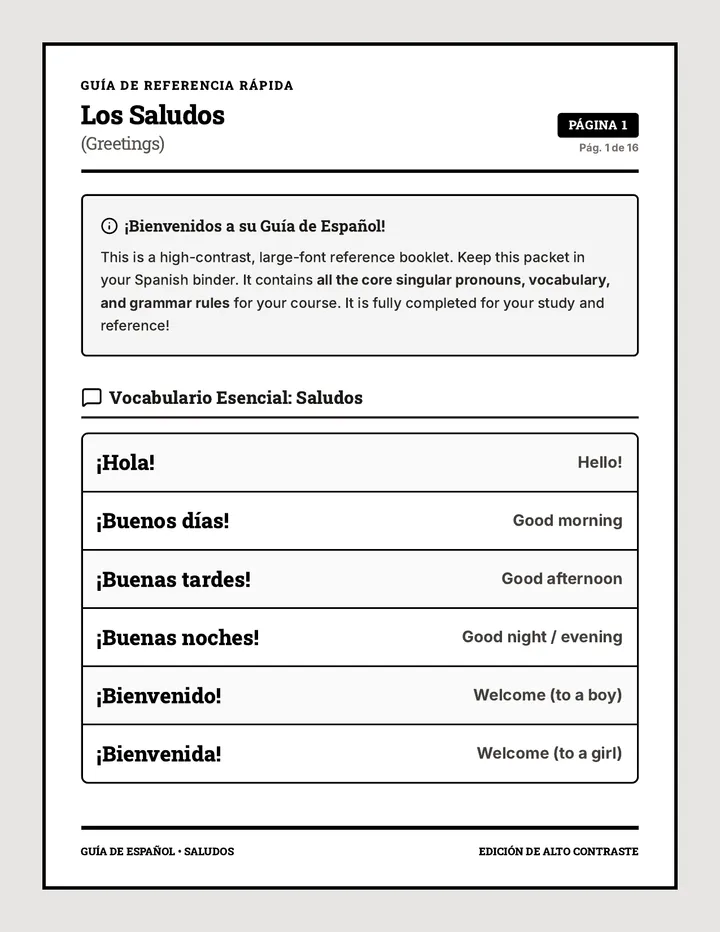
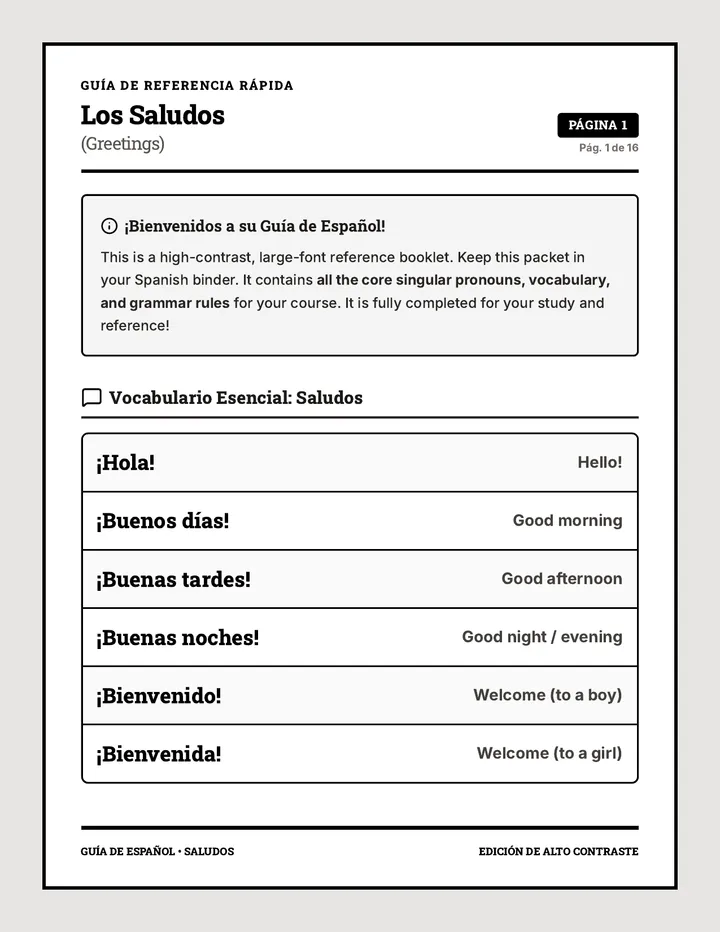
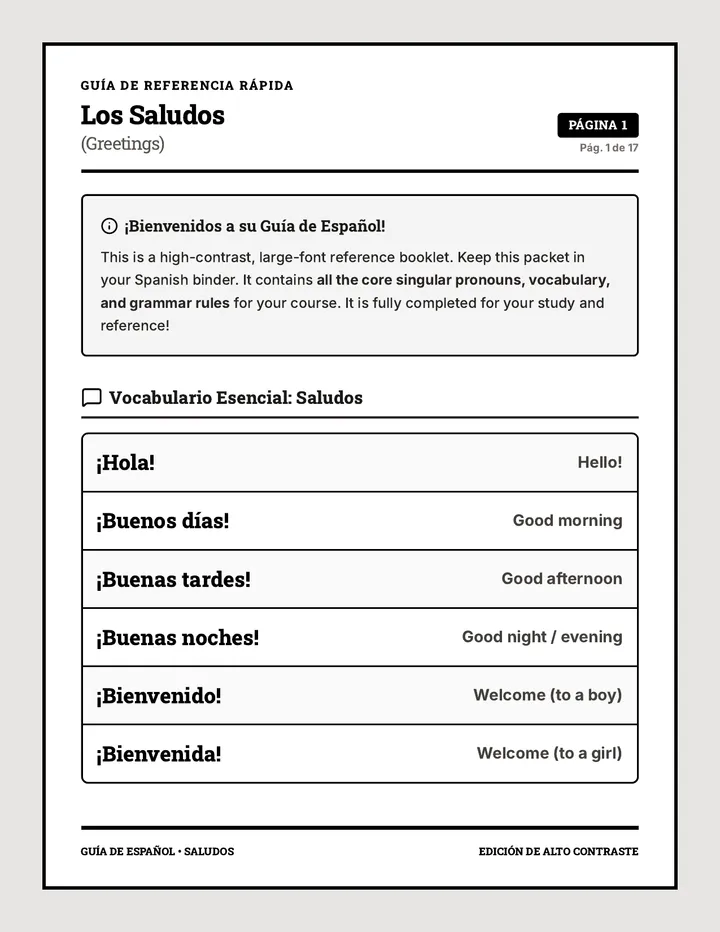
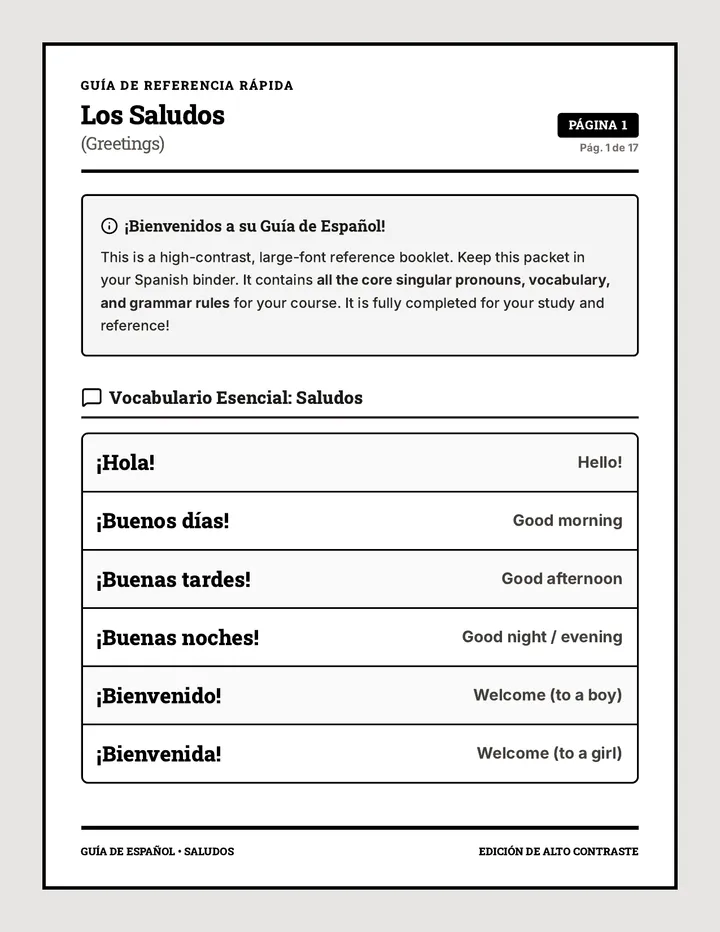
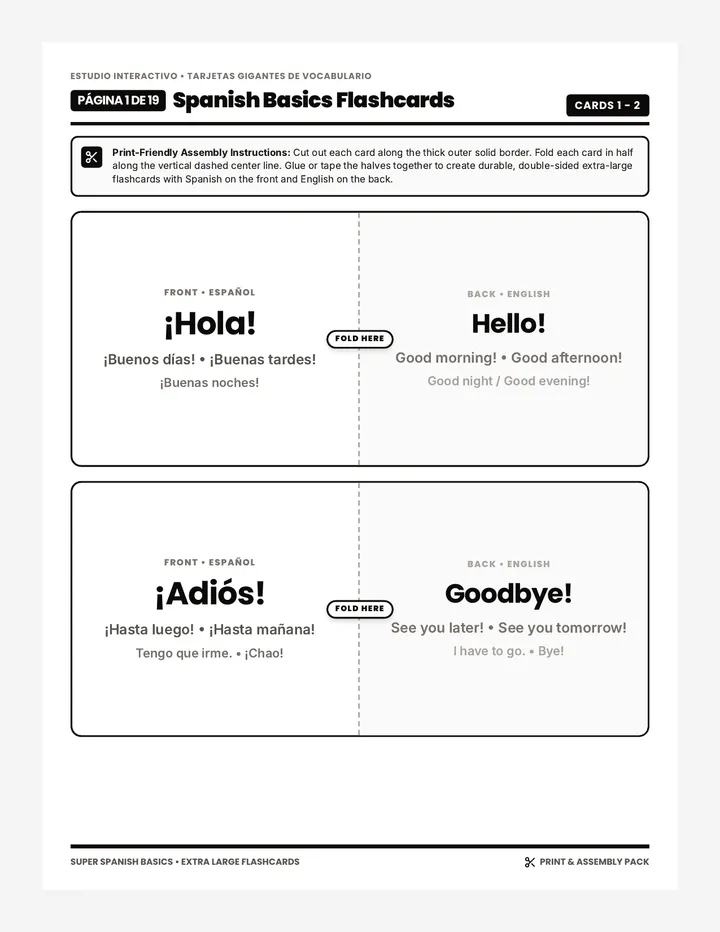
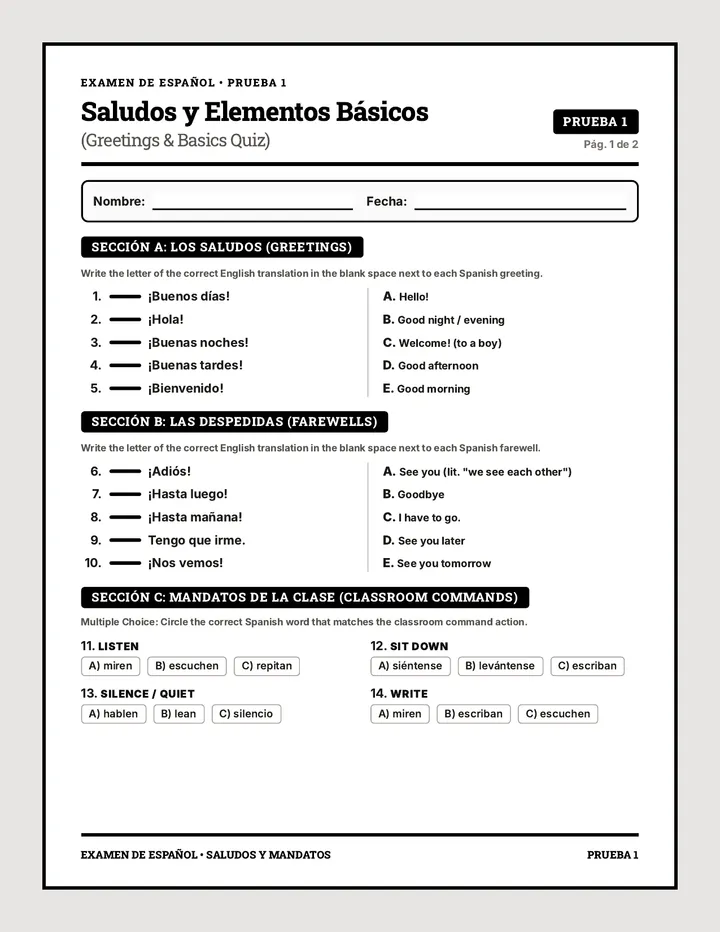
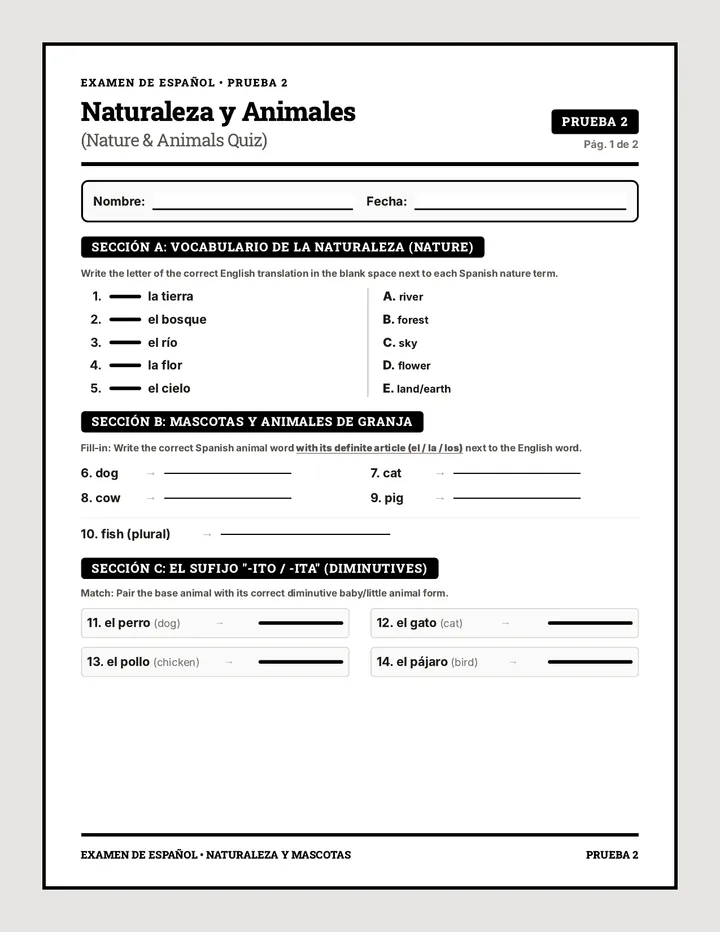
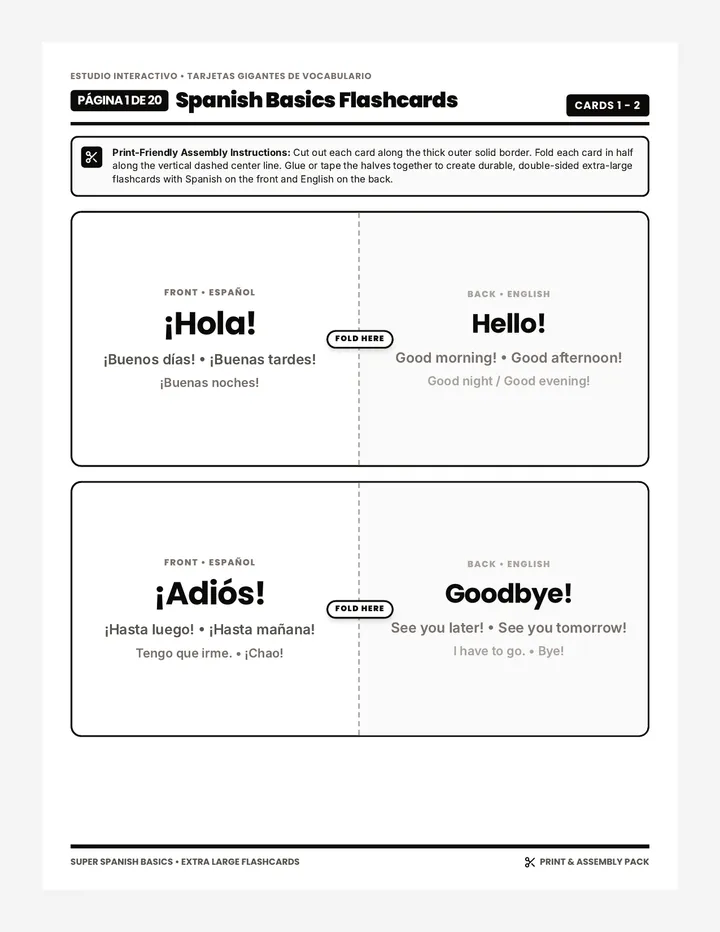
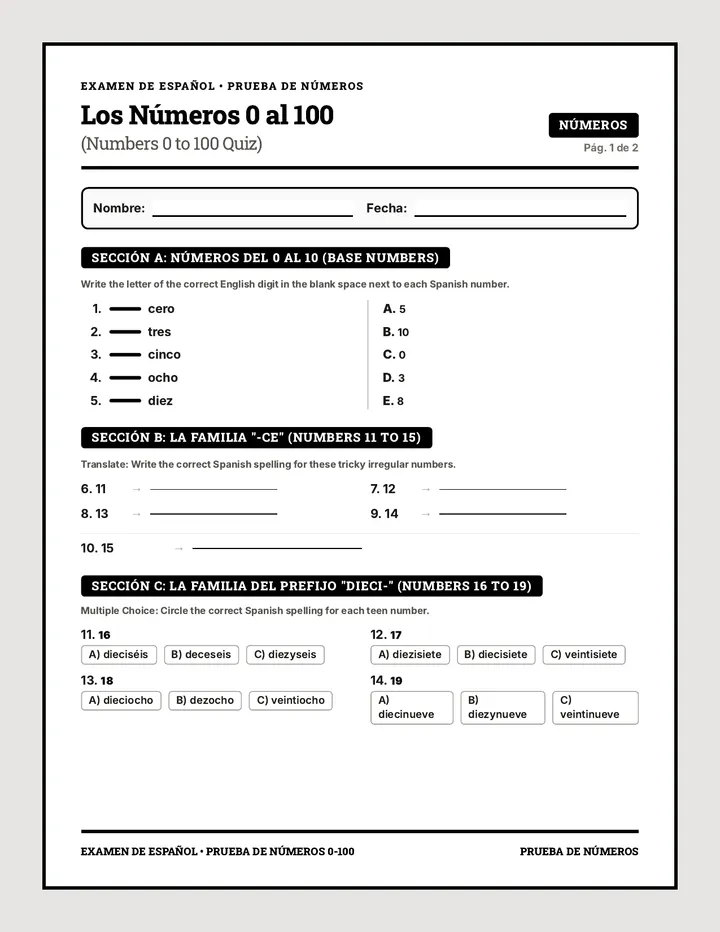
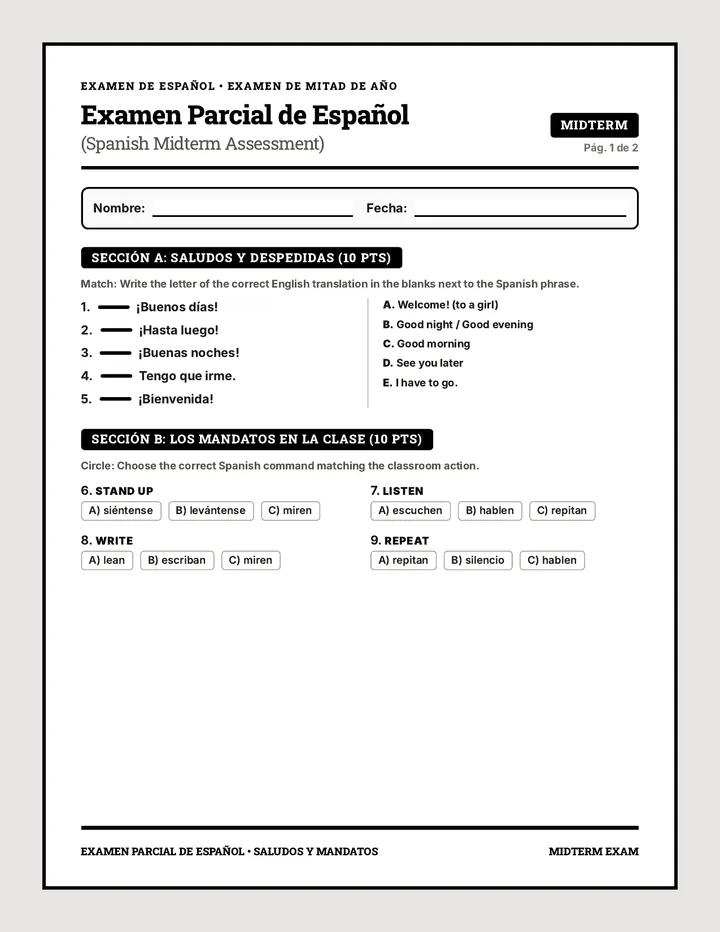
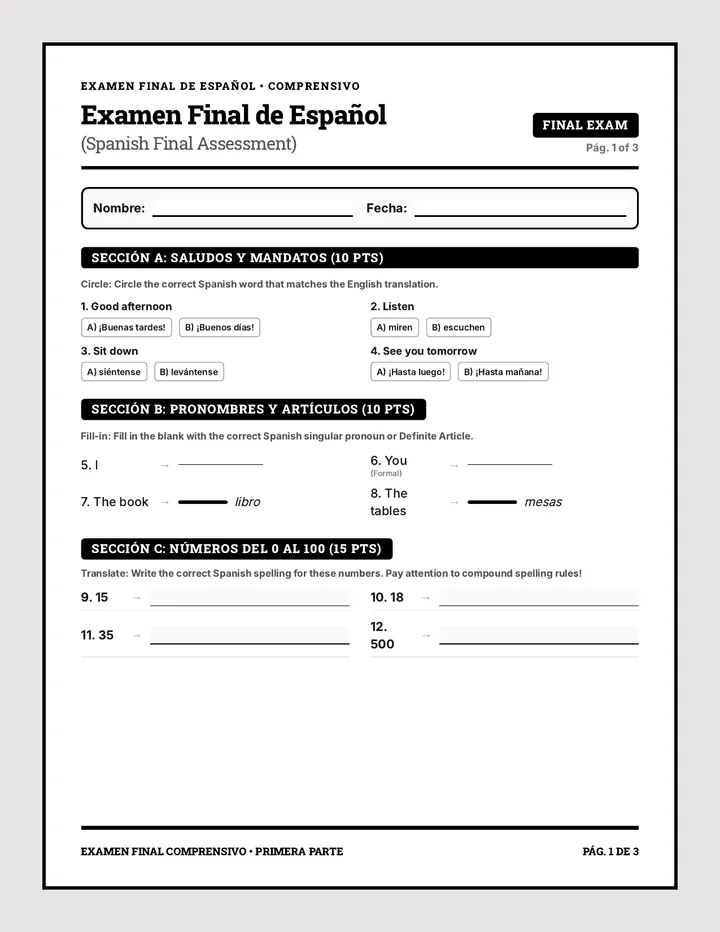
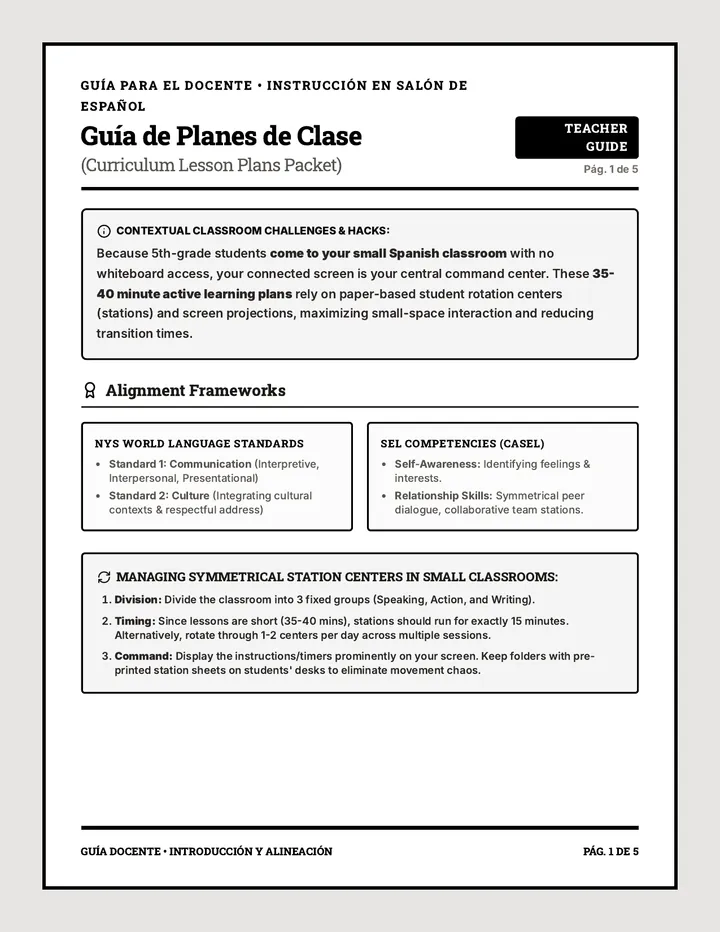
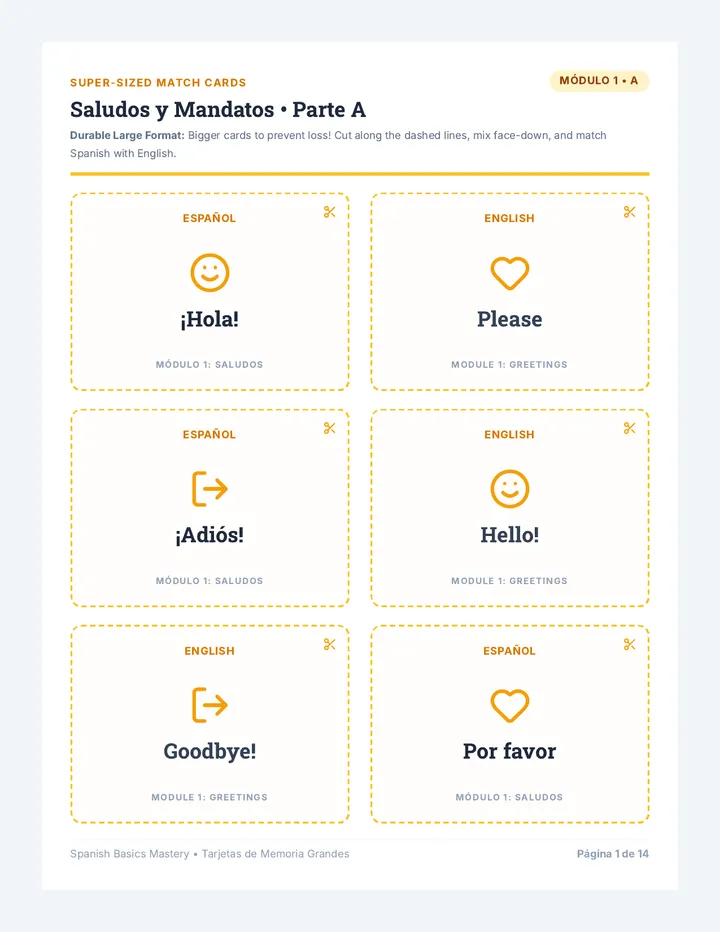
A comprehensive introductory Spanish curriculum designed for 5th-grade students. Features highly structured lessons with focused active-learning centers spanning greetings, grammar, numbers, calendar, weather, nature, animals, and adjectives.
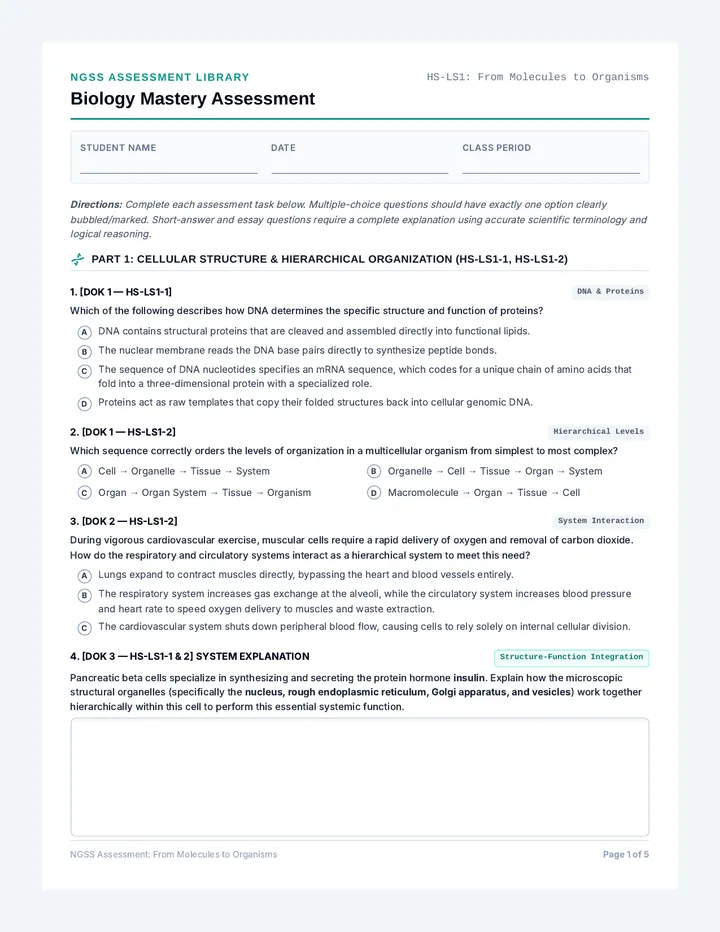
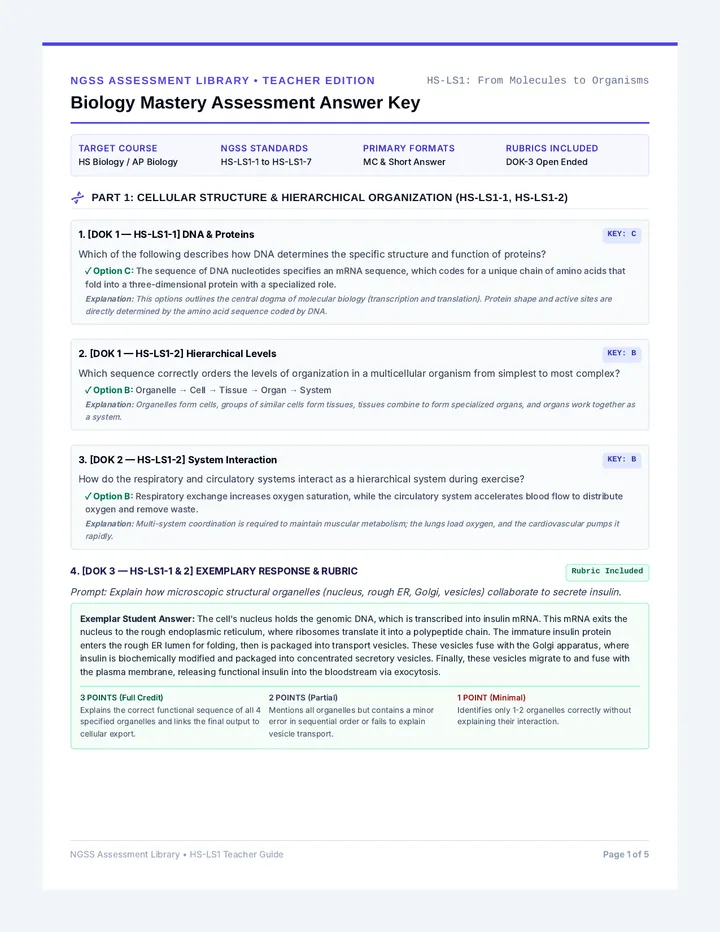
A comprehensive library of assessment questions for NGSS standard HS-LS1 (From Molecules to Organisms), categorized by DOK level (1, 2, and 3) and performance expectations. Includes both a printable student question bank and an in-depth teacher answer key with grading rubrics.
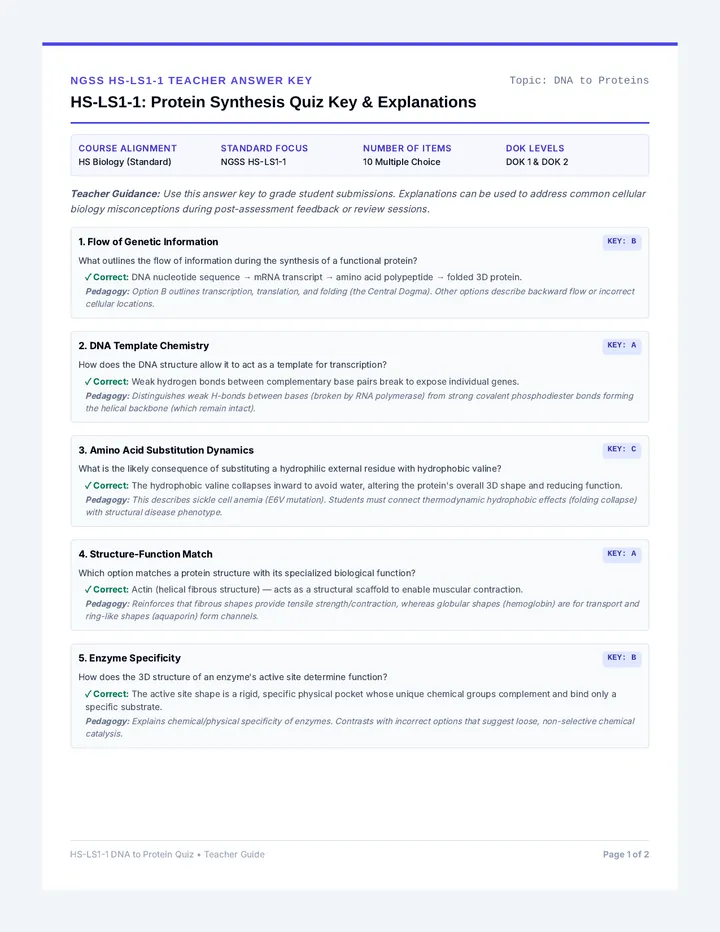
A matching 2-page Teacher Answer Key and pedagogical guide for the HS-LS1-1 multiple choice quiz. Highlights correct options and provides detailed biological explanations for each answer, highlighting common student misconceptions.
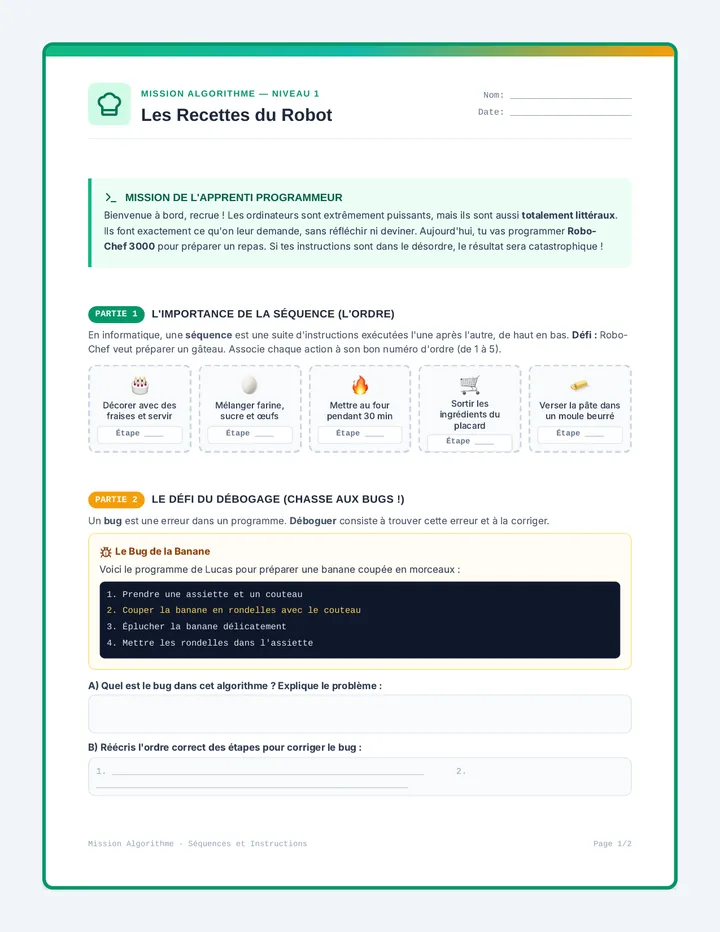
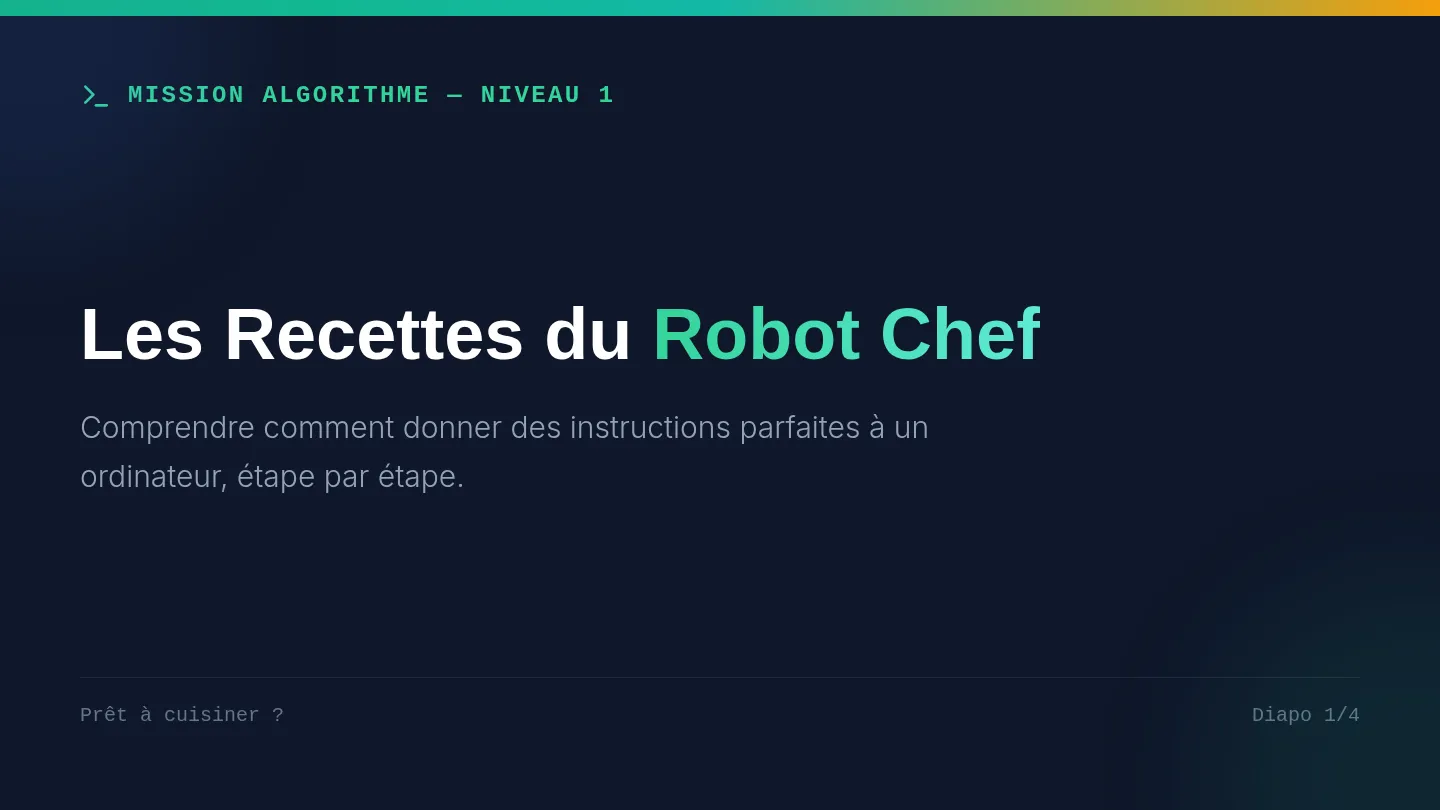
Une séquence d'initiation à l'algorithmique sans code pour débutants absolus. À travers des métaphores concrètes, les apprenants découvrent les trois piliers de la programmation : les séquences d'instructions, les conditions et les boucles.
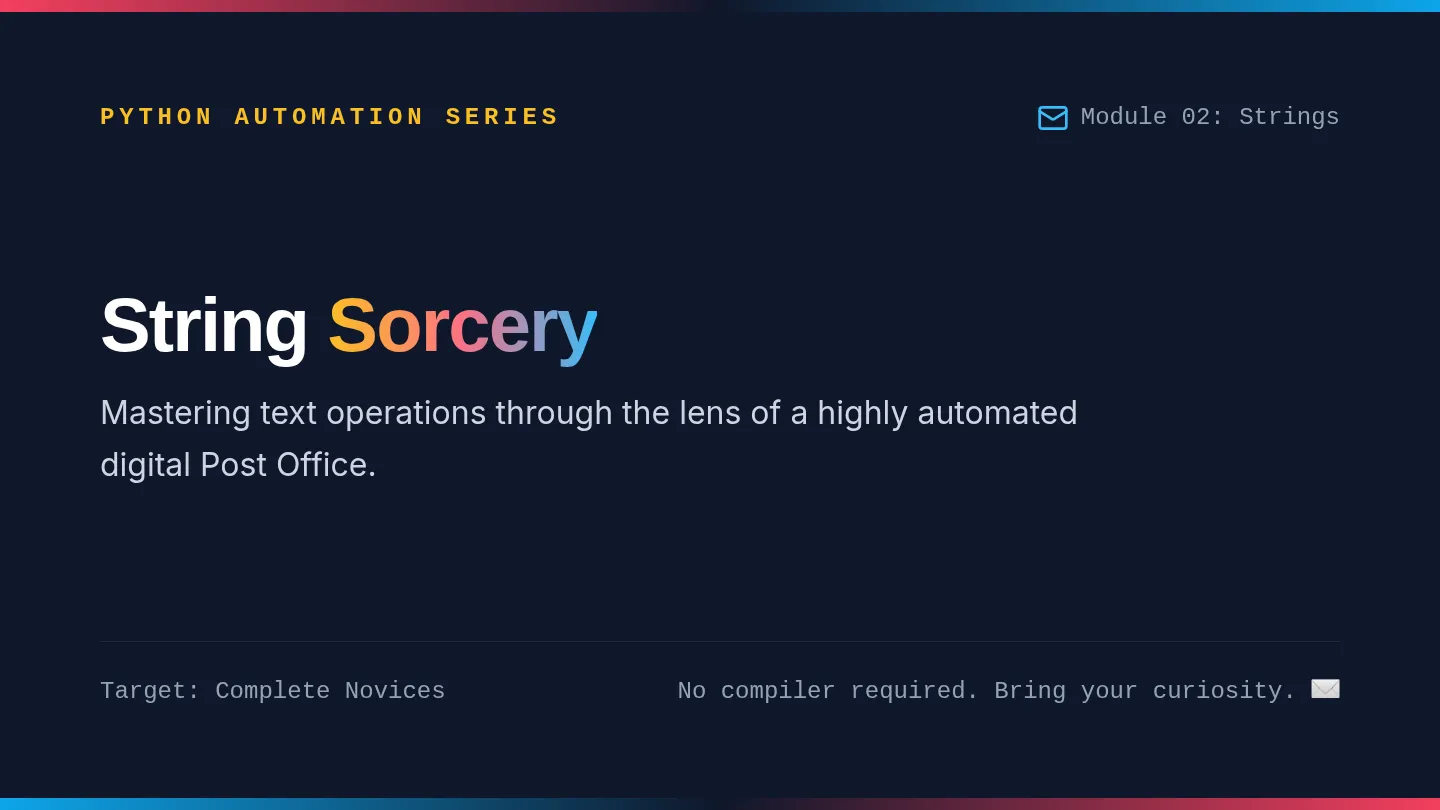
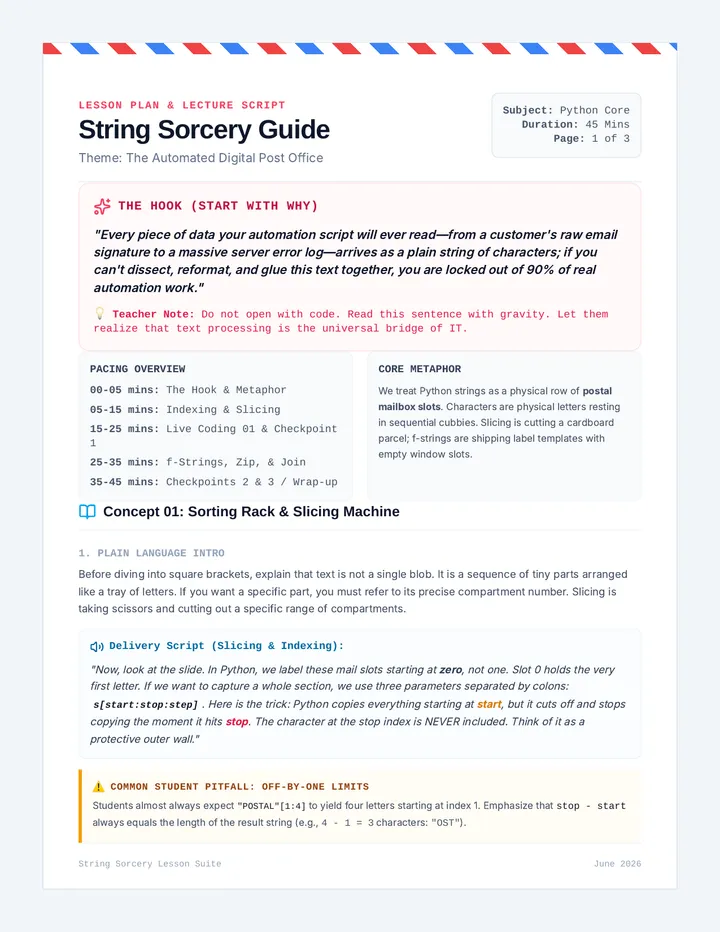
A beginner-friendly lesson introducing Python string operations like indexing, slicing, f-strings, zip(), and join() using real-world systems scripting and automation log scenarios.
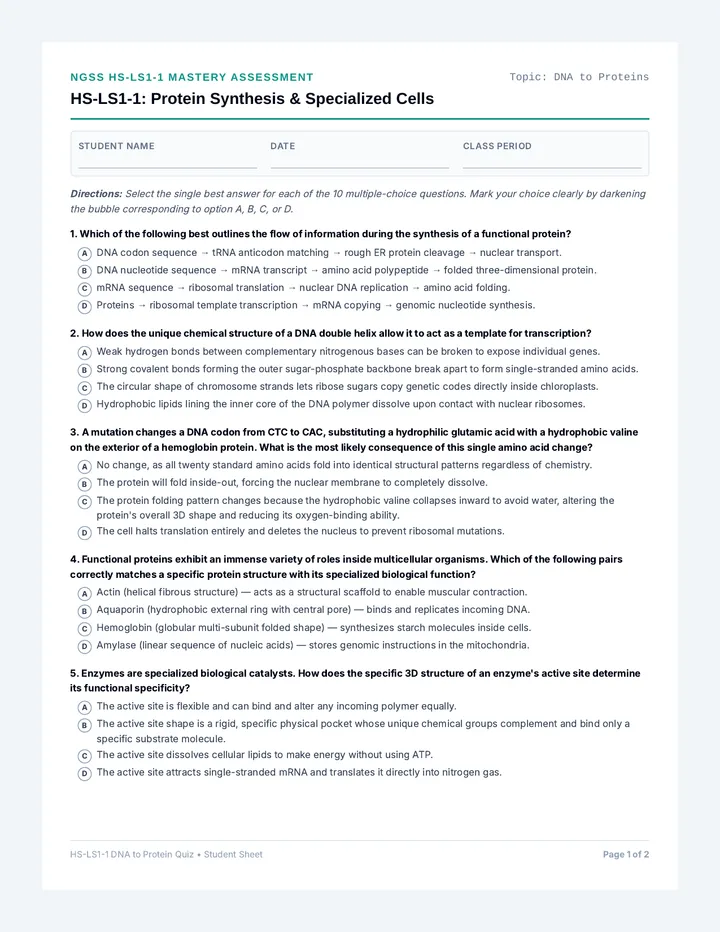
A highly rigorous, 2-page student assessment focused exclusively on NGSS standard HS-LS1-1. Contains 10 carefully scaffolded, high-quality multiple choice questions exploring the central dogma, transcription, translation, mutation effects, protein folding chemistry, and structure-function relationships in specialized cells.
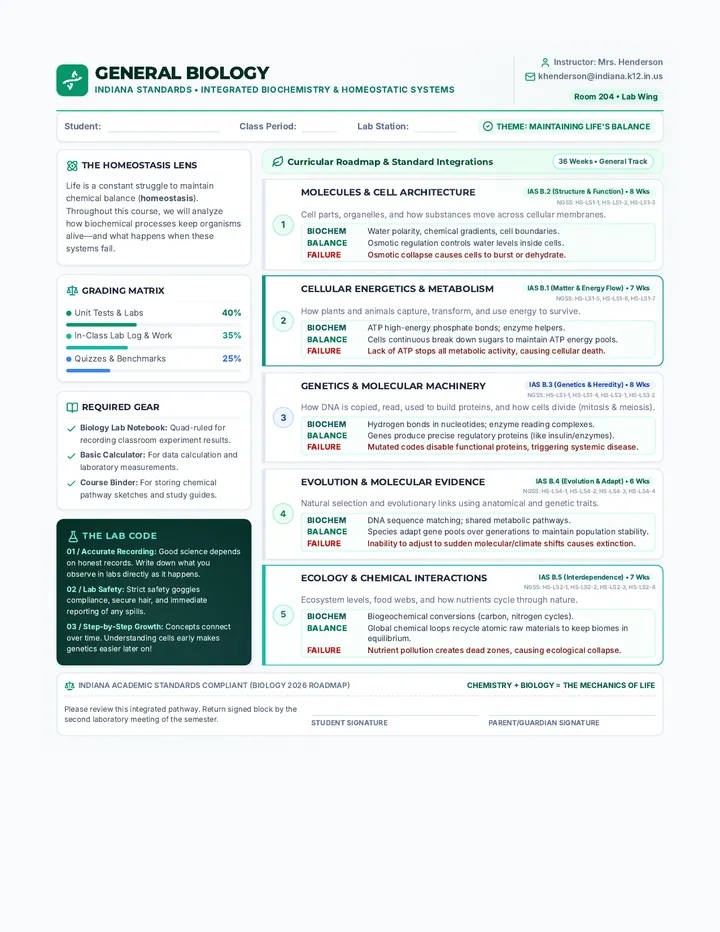
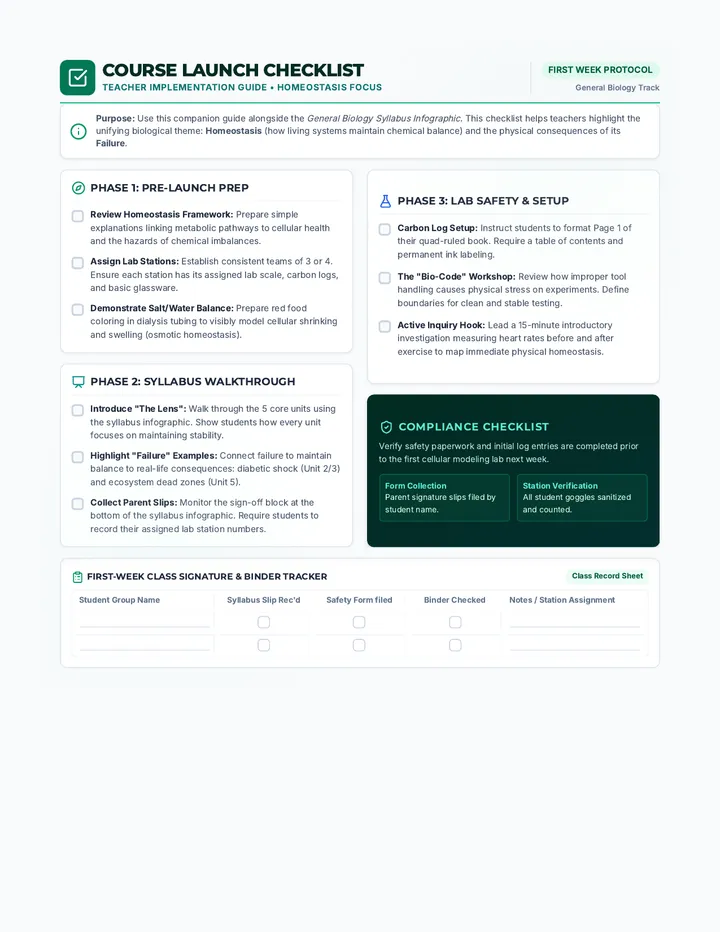
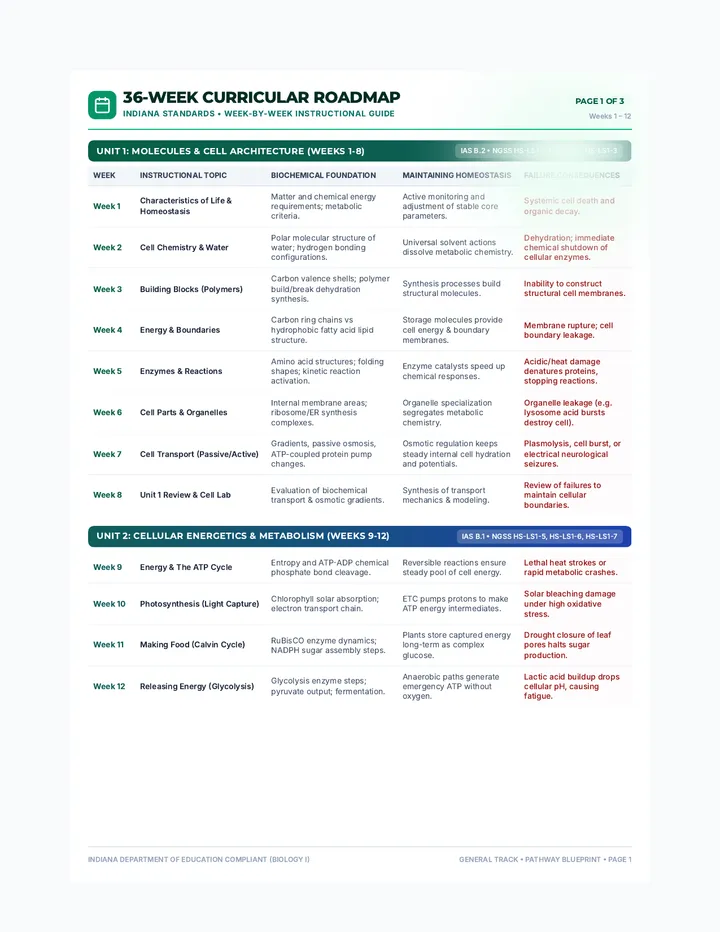
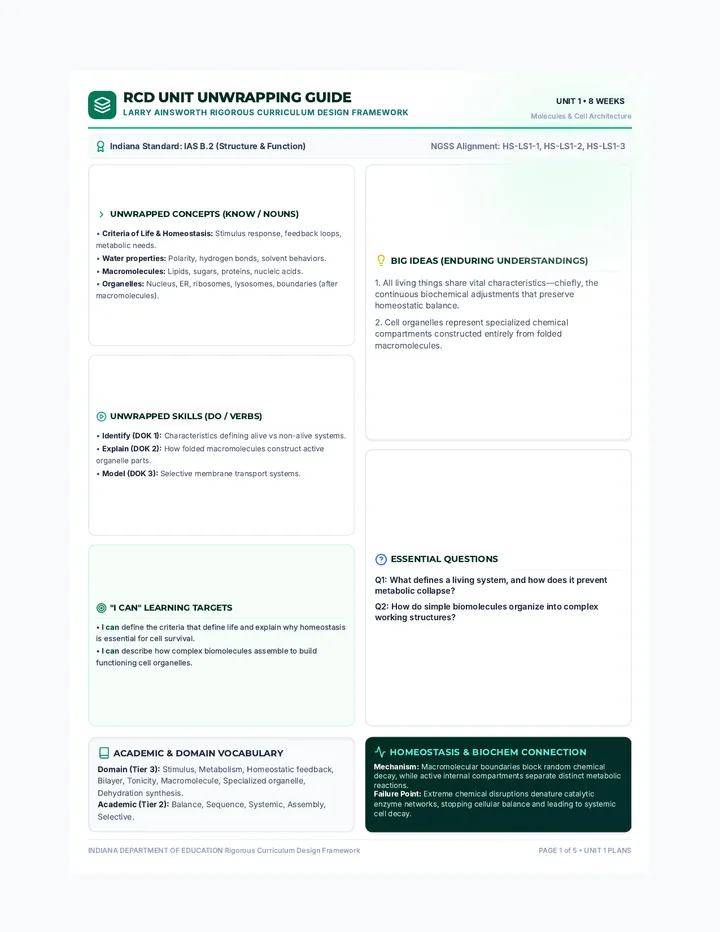
A comprehensive, 36-week General Biology curriculum aligned with Indiana Academic Standards, emphasizing the integration of biochemical foundations and metabolic homeostasis across all units.
Week 2 explores the wonder of the nighttime sky, constellation tracing, moon phases, and gentle bedtime routines designed for early childhood learners.
A comprehensive, print-ready 5-page Teacher Answer Key and Grading Guide matching the student sheets page-for-page. Features highlighted correct answers, in-depth exemplary responses, multi-point grading rubrics, and direct NGSS standard alignments.