Lenny.com
Explore
Create
ActivitiesNewMathEnglish Language ArtsScience & EngineeringSocial StudiesGlobal LanguagesHealth & Physical EducationSpecial EducationCounseling & Life SkillsArts & CreativityESL
Lenny.com
Lenny.com
Explore
Create
ActivitiesNewMathEnglish Language ArtsScience & EngineeringSocial StudiesGlobal LanguagesHealth & Physical EducationSpecial EducationCounseling & Life SkillsArts & CreativityESL
Lenny.com
Health & Physical EducationMovement Skills and ConceptsBody ControlLocomotor SkillsNon-Locomotor SkillsFine Motor SkillsManipulative SkillsBalance and CoordinationSpatial AwarenessMovement PatternsRhythmic Activities and DanceRhythm and TimingDance BasicsIndividual and Dual SportsGymnastics and TumblingTrack and FieldRacket SportsSelf-Defense and Martial ArtsTeam SportsCooperative GamesSportsmanshipTeam CommunicationBasketball SkillsSoccer SkillsVolleyball SkillsFootball SkillsGame StrategiesFitness and Physical ActivityCardio FitnessFlexibility and StretchingMuscular Strength and EnduranceSetting Fitness GoalsHealthy HabitsHygiene PracticesSleep and RestPhysical Activity HabitsHydrationInjury PreventionBody Awareness and Self-CareDisease PreventionHealth Decision-MakingHelp-Seeking and Self-AdvocacyMental HealthMental Health BasicsEmotional AwarenessStress ManagementCoping StrategiesMindfulness PracticesBreathing and Relaxation TechniquesMeditation BasicsResilience and PerseveranceHealthy RelationshipsSocial and Emotional SkillsHelp-Seeking and Support SystemsDigital WellbeingNutritionNutrition BasicsFood GroupsBalanced MealsHealthy Eating HabitsReading Food LabelsPersonal SafetyRecognizing Unsafe SituationsHuman and Child TraffickingStranger DangerPersonal BoundariesFire and Water SafetyEmergency ResponseConflict Resolution BasicsInternet and Social Media SafetySafe Personal RelationshipsSubstance AwarenessTobacco AwarenessAlcohol AwarenessCannabis AwarenessOpioid AwarenessStimulant AwarenessPrescription Drug AwarenessRefusing Peer PressureOutdoor and Adventure ActivitiesOutdoor Recreation SafetyHiking and OrienteeringTeam Building Activities
Lenny.com

Solutions

Lenny for EducatorsLenny for SchoolsLenny for Districts

Product

ExploreSign inCreateSupportAbout

Resources

Getting startedMTSS Acceleration Program

© 2026 Lenny Learning Inc.

TermsPrivacyAccessibility
LinkedInInstagramX
Lenny

Health Decision-Making

Analytical skills for evaluating health information and assessing personal risks. Develops strategies for peer pressure management and goal-setting to support informed wellness choices.

Videos

Why Eating a Healthy Breakfast Matters

Why Eating a Healthy Breakfast Matters

This concise educational video explains the physiological and behavioral importance of eating a nutritious breakfast. It breaks down how the first meal of the day provides essential fuel for the body and brain, highlighting specific benefits such as improved concentration in school, a boosted metabolism, and better appetite control throughout the rest of the day. The narration is clear and accessible, making complex concepts like metabolism easy for younger students to understand. The video visually demonstrates a variety of healthy breakfast options, moving beyond sugary cereals to showcase balanced meals like oatmeal with fruit, whole grain avocado toast with eggs, and greek yogurt parfaits. It introduces the nutritional triad of carbohydrates, proteins, and healthy fats, explaining why this combination is crucial for sustained energy and satiety. Visuals alternate between students engaging in academic and physical activities and high-quality close-ups of appetizing, healthy food preparations. For educators, this resource serves as an excellent hook for units on nutrition, health, and human biology. It connects biological needs (nutrients) with practical daily choices, empowering students to take ownership of their morning routine. The video is particularly useful for initiating discussions about healthy habits, analyzing food groups, and planning balanced menus in Health or Science classes.

Next Generation ScienceNext Generation Science

1min 19s

Why We Need Sleep and How to Rest Better

Why We Need Sleep and How to Rest Better

This educational video explains the vital role sleep plays in maintaining physical and mental health. It begins by establishing why sleep is necessary, describing it as a recharge period for the body and mind, and contrasts this with the negative effects of sleep deprivation, such as irritability and difficulty concentrating. The gentle narration is supported by clear visuals of people sleeping, waking up, and going about their daily lives. The video outlines practical, actionable strategies for improving sleep hygiene known as "tips." Key themes include the importance of maintaining a consistent sleep schedule, optimizing the bedroom environment (lighting and temperature), limiting daytime naps, engaging in regular physical activity, and making dietary choices that support rest. It specifically advises against consuming sugar or caffeine close to bedtime and encourages relaxing pre-sleep rituals like reading. For educators, this resource is an excellent tool for Health, PE, and Wellness curriculums. It provides a straightforward framework for discussing self-care and biological needs with younger students. Teachers can use the specific tips provided in the video to help students evaluate their own routines and create personal goals for better health, fostering early awareness of how lifestyle choices impact daily performance and mood.

Next Generation ScienceNext Generation Science

1min 38s

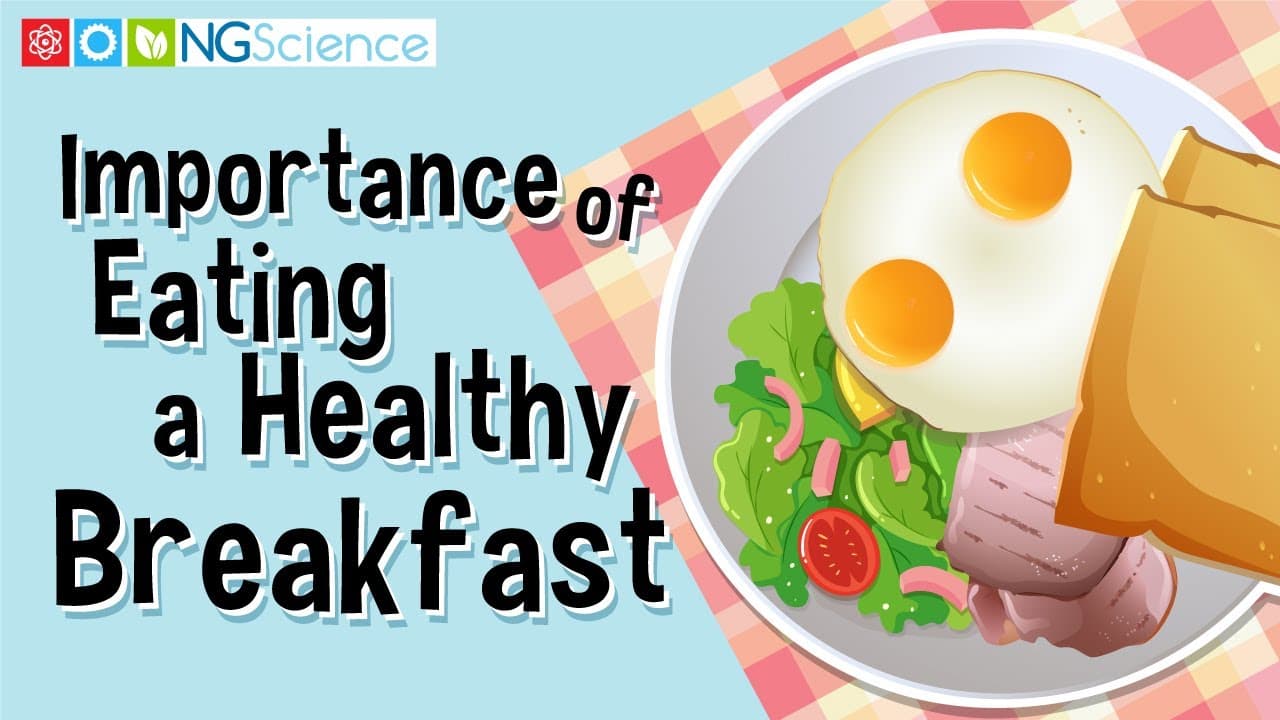
Exploring the Five Food Groups and Healthy Eating

Exploring the Five Food Groups and Healthy Eating

This educational video from the Lighthouse Lab introduces young students to the five major food groups and the basics of nutrition. Through clear narration and vibrant visuals, the host explains how different foods provide specific benefits to the human body, such as energy from grains, vitamins from fruits and vegetables, muscle-building power from proteins, and bone-strengthening calcium from dairy. The video explores key themes of healthy eating, biological functions of nutrients, and food categorization. It breaks down complex nutritional concepts into digestible segments, explicitly categorizing common foods like apples, carrots, bread, chicken, and milk. It also addresses "sometimes foods" like candy and ice cream, explaining why they don't fit into the main nutritional groups due to high sugar, fat, or salt content. For educators, this video serves as an excellent foundational tool for health and science curriculums. It provides a structured framework for discussing diet and biology, offering clear visual examples that help students recognize and classify the foods they eat every day. The content naturally leads into activities about meal planning, identifying plant parts, and making healthy lifestyle choices.
Next Generation ScienceNext Generation Science

4mins 28s

How to Take Care of Your Amazing Body

How to Take Care of Your Amazing Body

This engaging educational video introduces young learners to the fundamental habits required to maintain a healthy body. Through vibrant footage of diverse children in action, the narrator explains that our bodies are amazing machines capable of incredible feats, but they require regular maintenance to function optimally. The video breaks down health into four accessible categories: personal hygiene, physical activity, nutrition, and rest, providing concrete examples for each that children can easily relate to their daily lives. Key themes explored include the importance of cleanliness (washing hands, brushing teeth), the joy of movement (dancing, sports, outdoor play), and the balance of nutrition (prioritizing fruits and vegetables while treating sweets as occasional snacks). It specifically addresses the concept of "sometimes foods" versus "always foods," helping children navigate dietary choices without shame. The video concludes by adding a critical fourth pillar often overlooked in children's health discussions: the necessity of a good night's sleep. For educators, this resource serves as an excellent anchor for a "Healthy Living" unit in early elementary classrooms. Its clear structure allows teachers to pause and focus on one specific health aspect at a time. The relatable visuals of children engaging in everyday activities help students see themselves in the content, fostering a personal connection to healthy habits. It is particularly useful for sparking discussions about daily routines, categorizing foods, and understanding the 'why' behind rules like bedtime and handwashing.

Next Generation ScienceNext Generation Science

1min 56s

What to Expect at a Doctor's Checkup

What to Expect at a Doctor's Checkup

This reassuring and informative video from SciShow Kids tackles the common childhood anxiety surrounding doctor visits. Host Jessi and her robot rat friend Squeaks—who is nervous about his upcoming appointment—are joined by pediatrician Dr. Aaron Carroll. Together, they walk viewers through a step-by-step simulation of a typical checkup, demystifying the tools and procedures involved to help children feel more comfortable and prepared. The video covers the entire process of a medical appointment, starting from the waiting room and moving through the collection of vital signs like blood pressure, temperature, and oxygen levels. Dr. Carroll demonstrates real medical equipment, including a blood pressure cuff and stethoscope, on Squeaks, explaining how each tool works and what sensations a child might feel (like a "tight hug" on the arm). The segment details the physical exam from head to toe, explaining why doctors check eyes, ears, throats, hearts, lungs, and bellies. Ideally suited for early elementary students, this resource serves as an excellent tool for Health and Science curriculums or for social-emotional learning regarding anxiety. It provides clear, age-appropriate explanations for why medical procedures—including the dreaded shots—are necessary for staying healthy. Teachers can use this video to introduce units on the human body, community helpers, or healthy habits, fostering a positive attitude toward healthcare professionals.

SciShow KidsSciShow Kids

9mins 24s

How Food Fuels Your Body and Why Nutrition Matters

How Food Fuels Your Body and Why Nutrition Matters

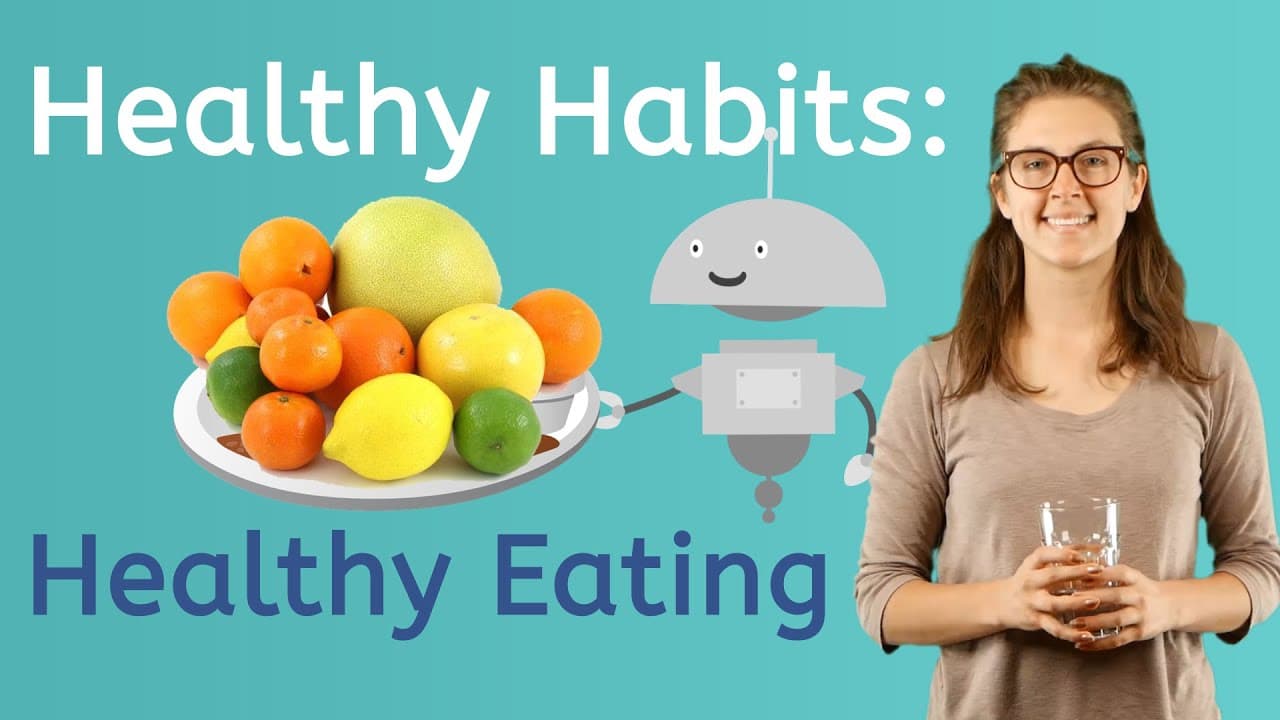
This comprehensive educational video guides students through the fundamentals of healthy eating, using relatable analogies to explain why nutrition is essential for the body. The host, Kylie, breaks down the complex topic of diet into manageable concepts, starting with the idea that food is fuel for the body just like gas is for a car. She emphasizes the importance of eating regular meals to maintain energy levels and introduces the concept of balanced nutrition through the five main food groups.

Miacademy & MiaPrep Learning ChannelMiacademy & MiaPrep Learning Channel

6mins 23s

Materials

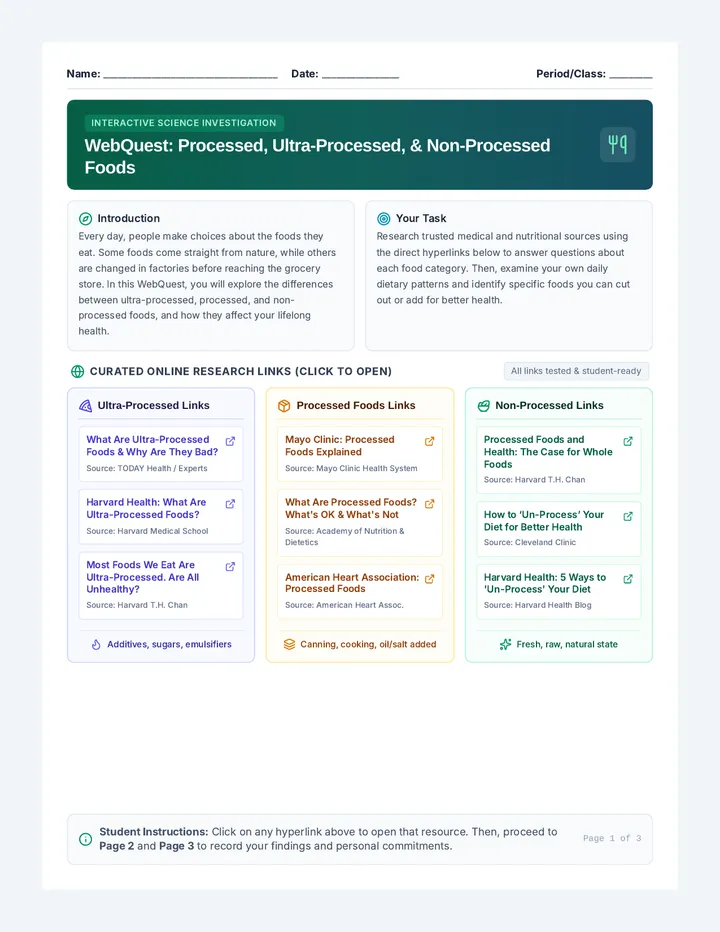
Food WebQuest Worksheet

Food WebQuest Worksheet

An updated, print-ready, 3-page student WebQuest worksheet exploring ultra-processed, processed, and non-processed foods, featuring live, student-ready direct hyperlinks to reputable health authorities like Harvard Health, Mayo Clinic, and Cleveland Clinic, structured handwriting spaces, and a reflective dietary commitment section.

J

Jennifer.Leber

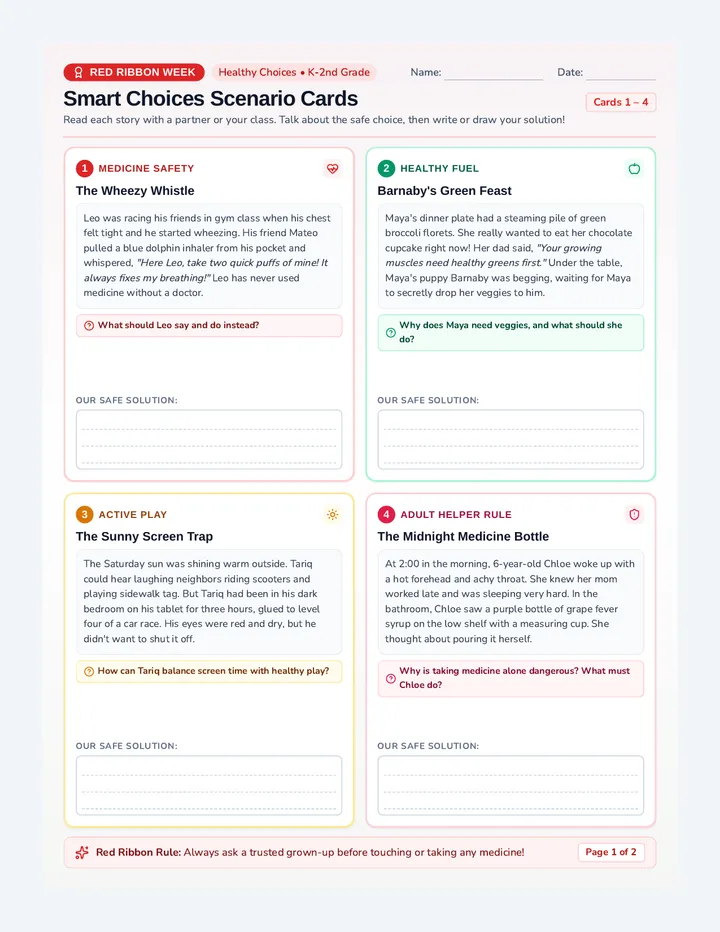
Healthy Choices Scenario Cards

Healthy Choices Scenario Cards

Eight engaging, realistic Red Ribbon Week scenarios for K-2 students focused on healthy decision-making, medicine safety, nutrition, active play, household safety, and emotional self-regulation. Each card features an illustrated dilemma paragraph and dedicated response lines for student problem-solving.

KT

Kristin Tines

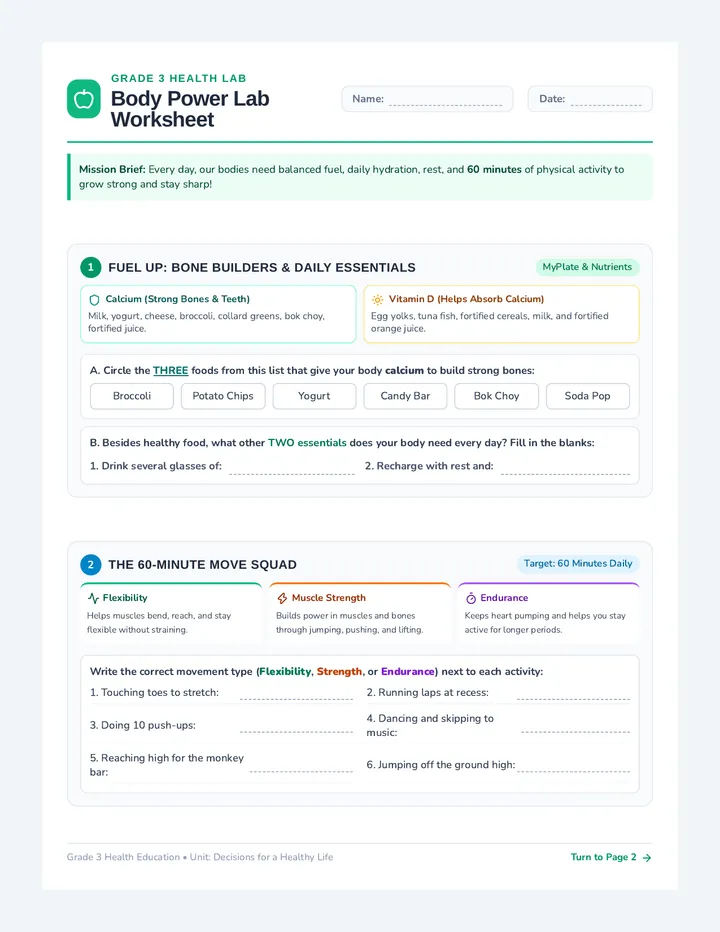
Body Power Lab Worksheet

Body Power Lab Worksheet

A two-page printable 3rd-grade health worksheet covering decision-making steps, trusted adult helpers, MyPlate food groups, calcium and vitamin D bone-builders, 60 minutes of physical activity types, media advertising literacy, and a healthy snack design challenge.

S

SD

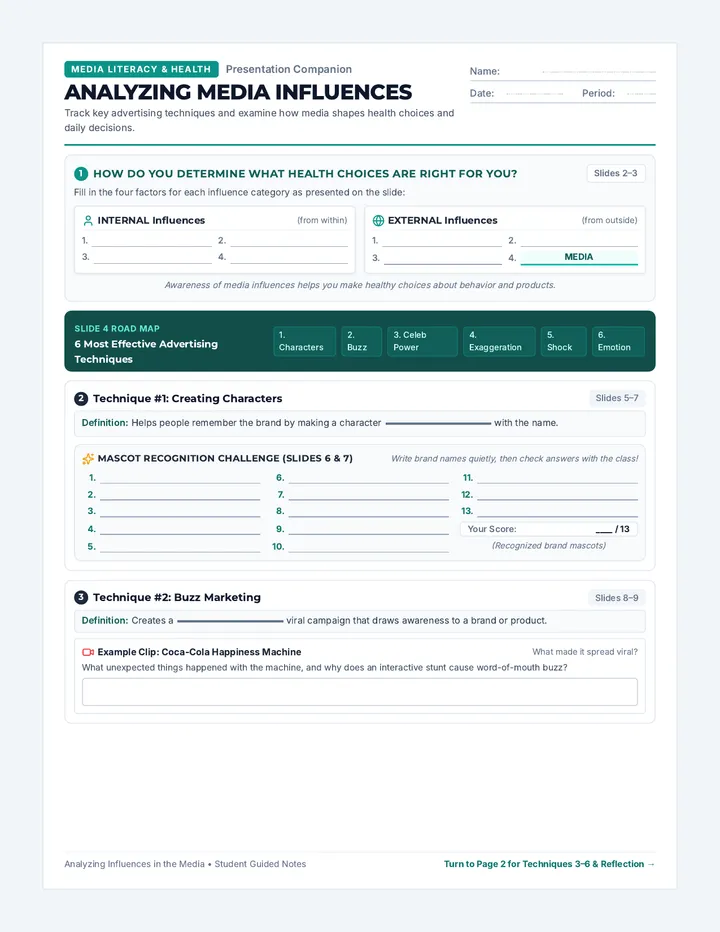
Media Decoder Worksheet

Media Decoder Worksheet

A two-page interactive guided worksheet designed for students to complete alongside the 'Analyzing Influences in the Media' slide presentation. Includes sections for classifying internal vs. external influences, tracking the six advertising techniques, an interactive 13-item brand mascot challenge, video analysis prompts, and a final personal reflection on media literacy and health choices.

BP

Brianna Popp

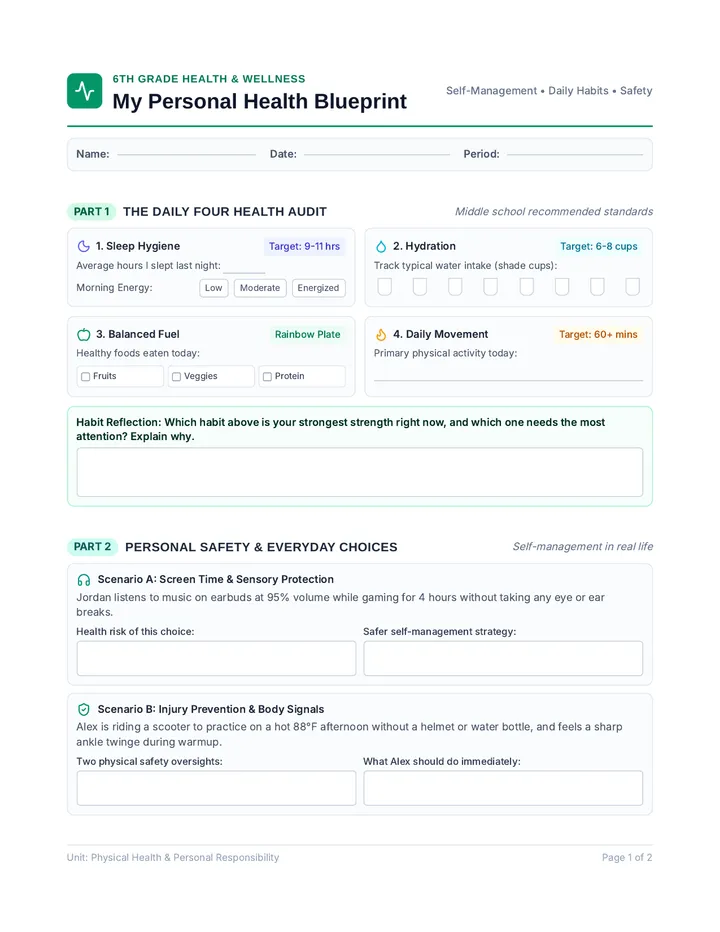
Health Blueprint Worksheet

Health Blueprint Worksheet

A comprehensive 6th-grade health and self-management worksheet featuring a daily health audit across sleep, nutrition, hydration, and movement, scenario-based personal safety checks, and a structured SMART goal action planner.

BP

Brianna Popp

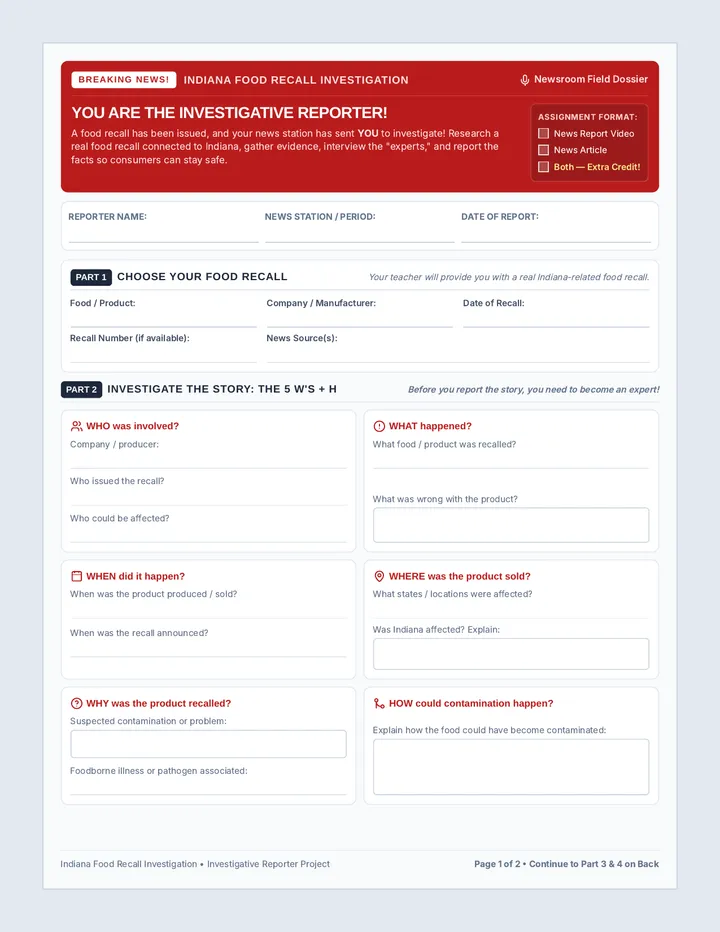
Recall Reporter Project Worksheet

Recall Reporter Project Worksheet

An authentic two-page investigative reporter worksheet for the Indiana Food Recall Investigation project. Features Part 1: Choose Your Food Recall, Part 2: Investigate the Story (The 5 W's + H including Indiana impact), Part 3: Know the Pathogen, and Part 4: The Recall Alert consumer action guide.

BF

Brandi Flanigan

Sequences

Freshness Slides (3) v2

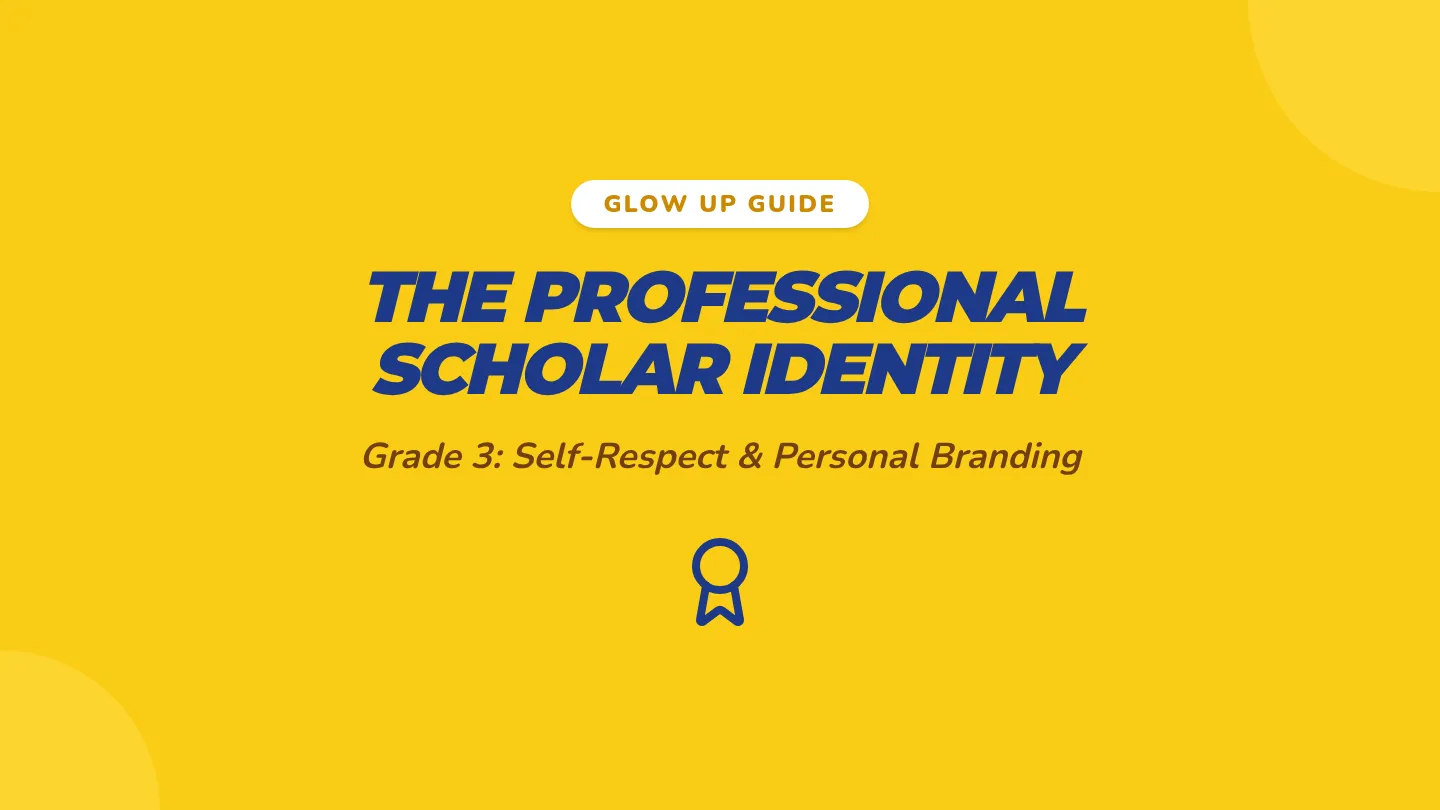
Glow Up Guide (K-4)

A comprehensive SEL-integrated hygiene curriculum for elementary scholars (K-4), focusing on self-awareness, social impact, and personal responsibility through the lens of a 'Glow Up'.

T

tkeya.void

86
Safe Circles Slides

Mindful Choices

A two-week wellness unit for middle schoolers focused on analyzing influences (media, tech, values) and mastering health-enhancing decision-making models. Students culminate their learning by creating a collaborative research poster on a chosen wellness topic.

CH

Collin Harney

39
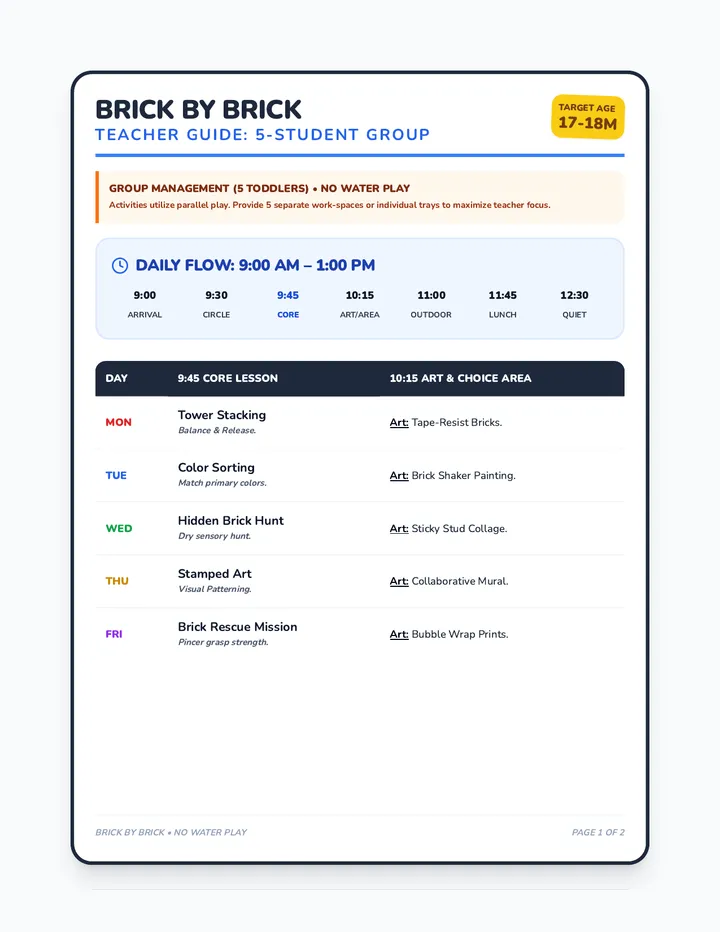
Weekly Curriculum Overview Teacher Guide

Toddler Theme Weeks

A collection of comprehensive week-long curricula for toddlers aged 17-18 months. Each themed week focuses on developmental play, sensory exploration, and fine motor skills for a group of 5 students with zero water play.

SN

Susan Nowlin

69
Summer Safety Hero Slides

Summer Safety Academy

A multi-grade social-emotional learning unit focused on 'Summer Safety Heroes'. Lessons are tailored for different developmental levels, from 1st-grade foundations to 3rd-grade scientific mastery and risk management.

HM

Heidi Moore

26
Peacekeeper Slides Presentation

Social Harmony Sequence

A comprehensive sequence of lessons for secondary students (Yr 7-8) focused on conflict resolution, social media responsibility, and assertive communication in both physical and digital spaces.

KH

Kellee Hodge

29
Brain Hack Slides

The Vape Void

A comprehensive tobacco and vaping cessation program focused on the science of addiction, long-term health impacts, and practical refusal and quitting strategies for students.

GG

Gina Guerrero

8