Fundamental hardware proficiency, secure online behavior, and ethical social media engagement. Equips learners with productivity tool mastery, web publishing skills, and critical evaluation of emerging technologies.
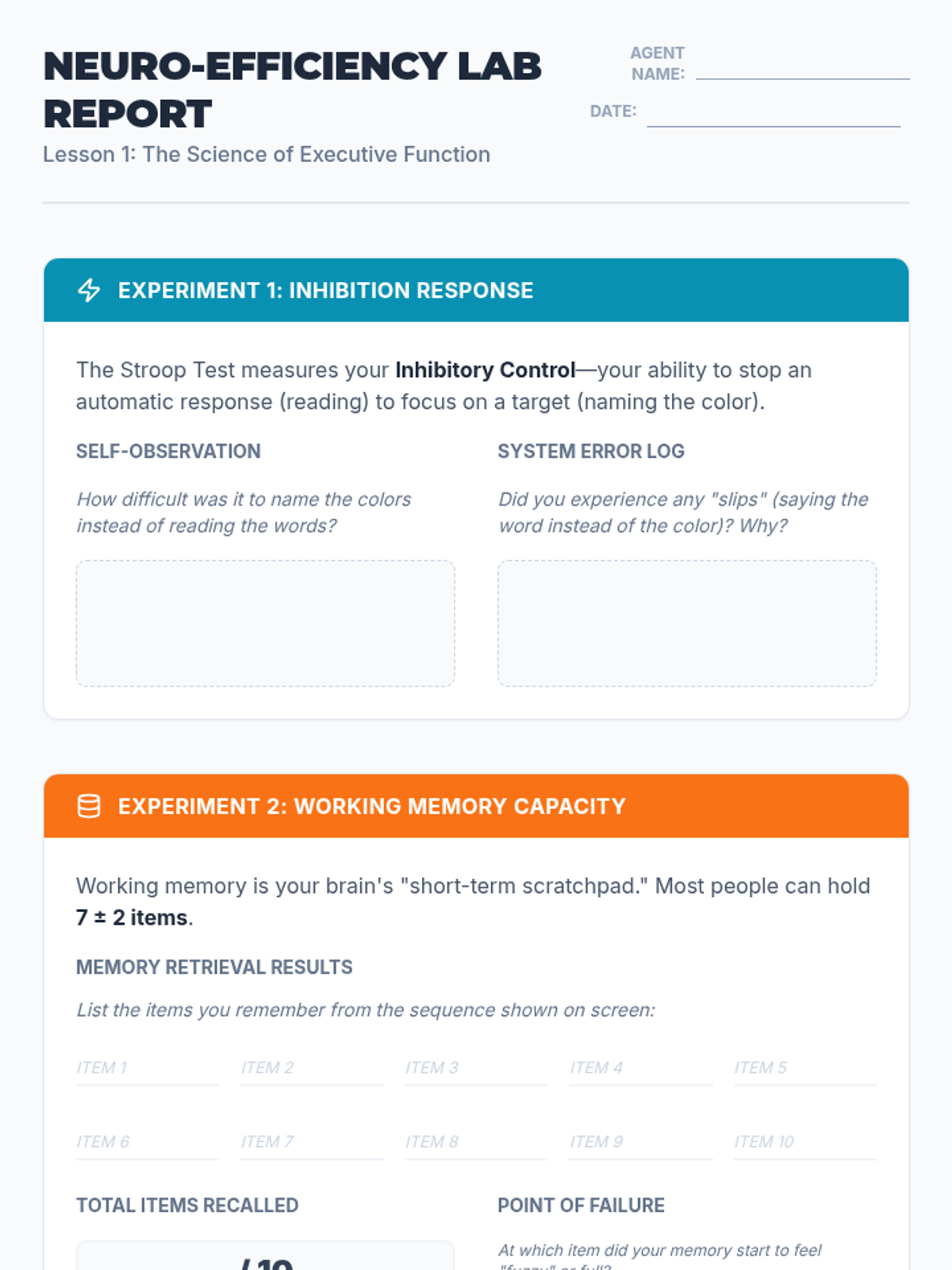
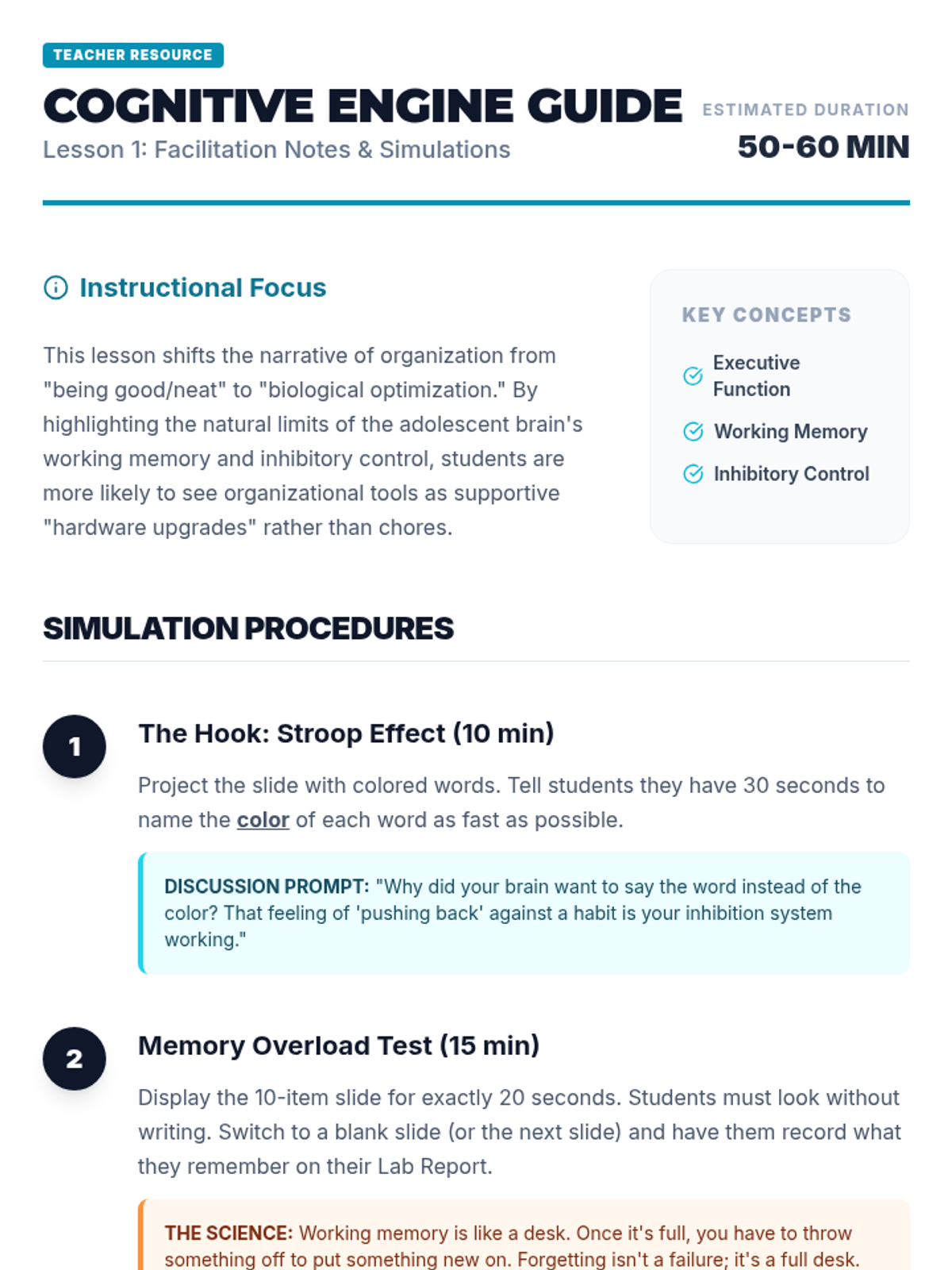
This sequence guides 8th-grade students through the engineering of their physical and digital environments to support executive function. Students move from understanding the neurological 'why' of organization to building a personalized operating manual for their own workflow optimization.
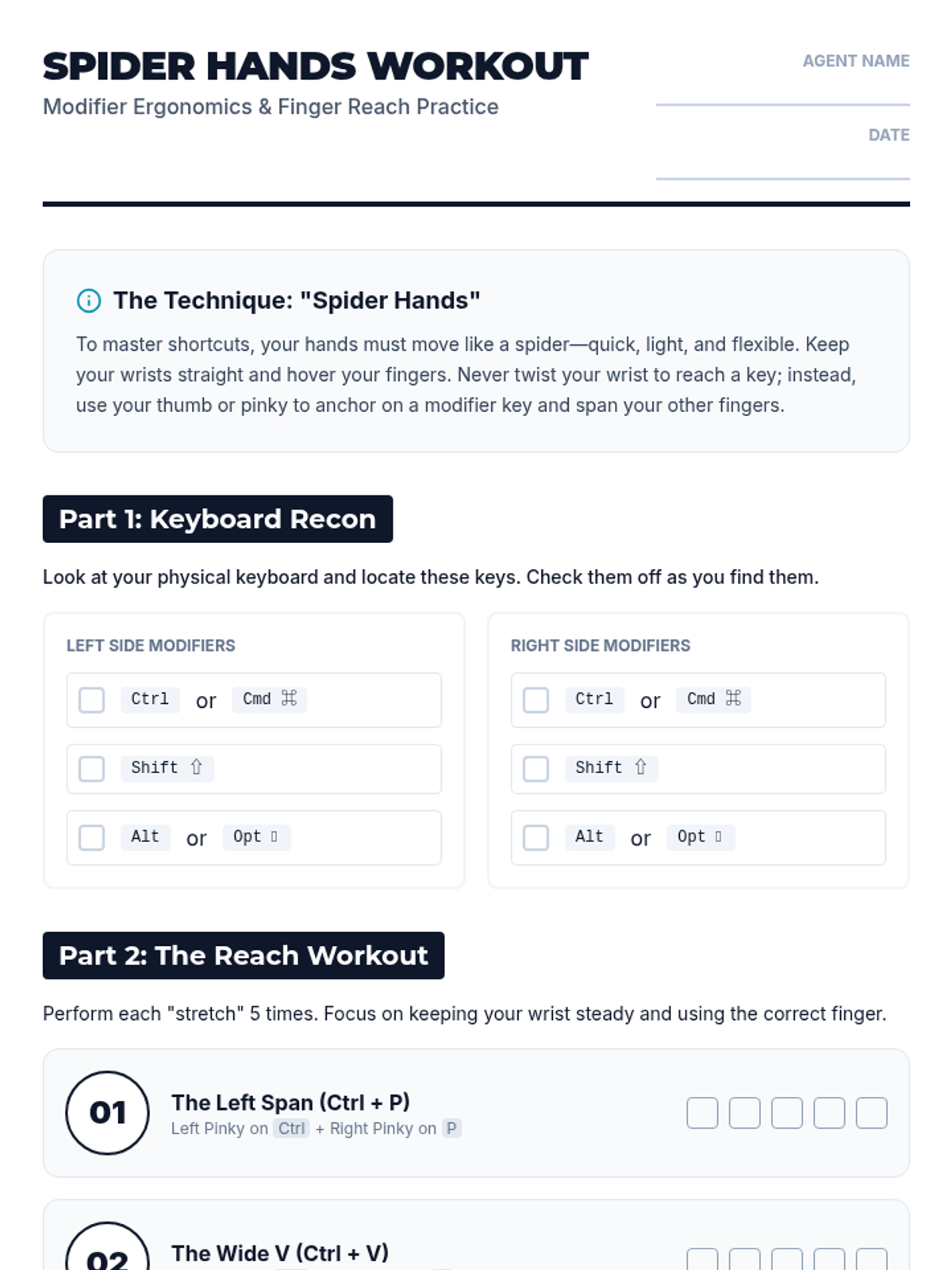
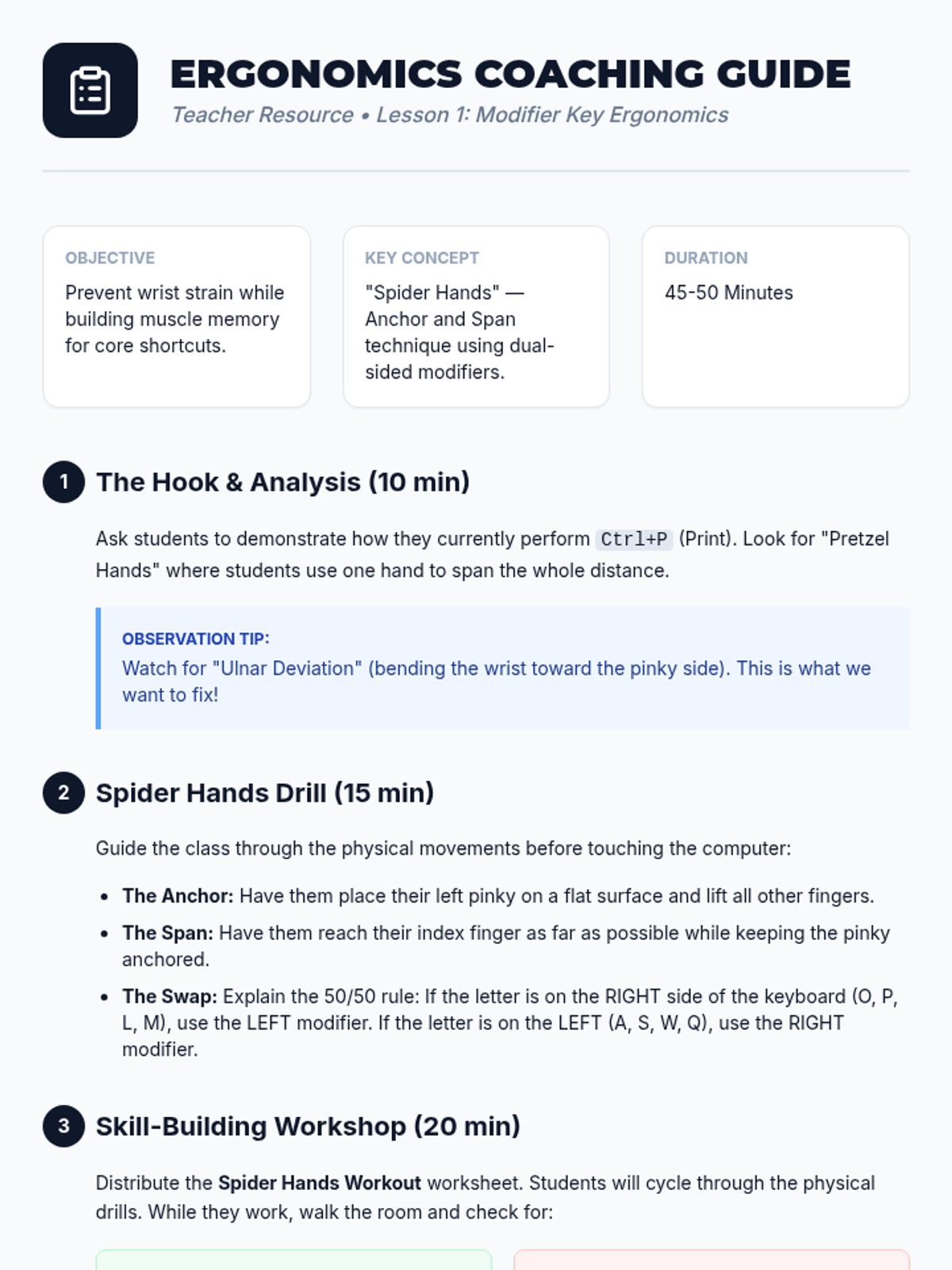
A comprehensive 6th-grade sequence focused on developing muscle memory, ergonomics, and accessibility awareness for keyboard shortcut navigation. Students progress from physical hand placement to cross-platform fluency and custom accessibility configurations.
A 5-lesson series teaching 6th-grade students essential keyboard shortcuts for efficient document editing and formatting, specifically designed to support students with motor impairments and improve academic production speed.
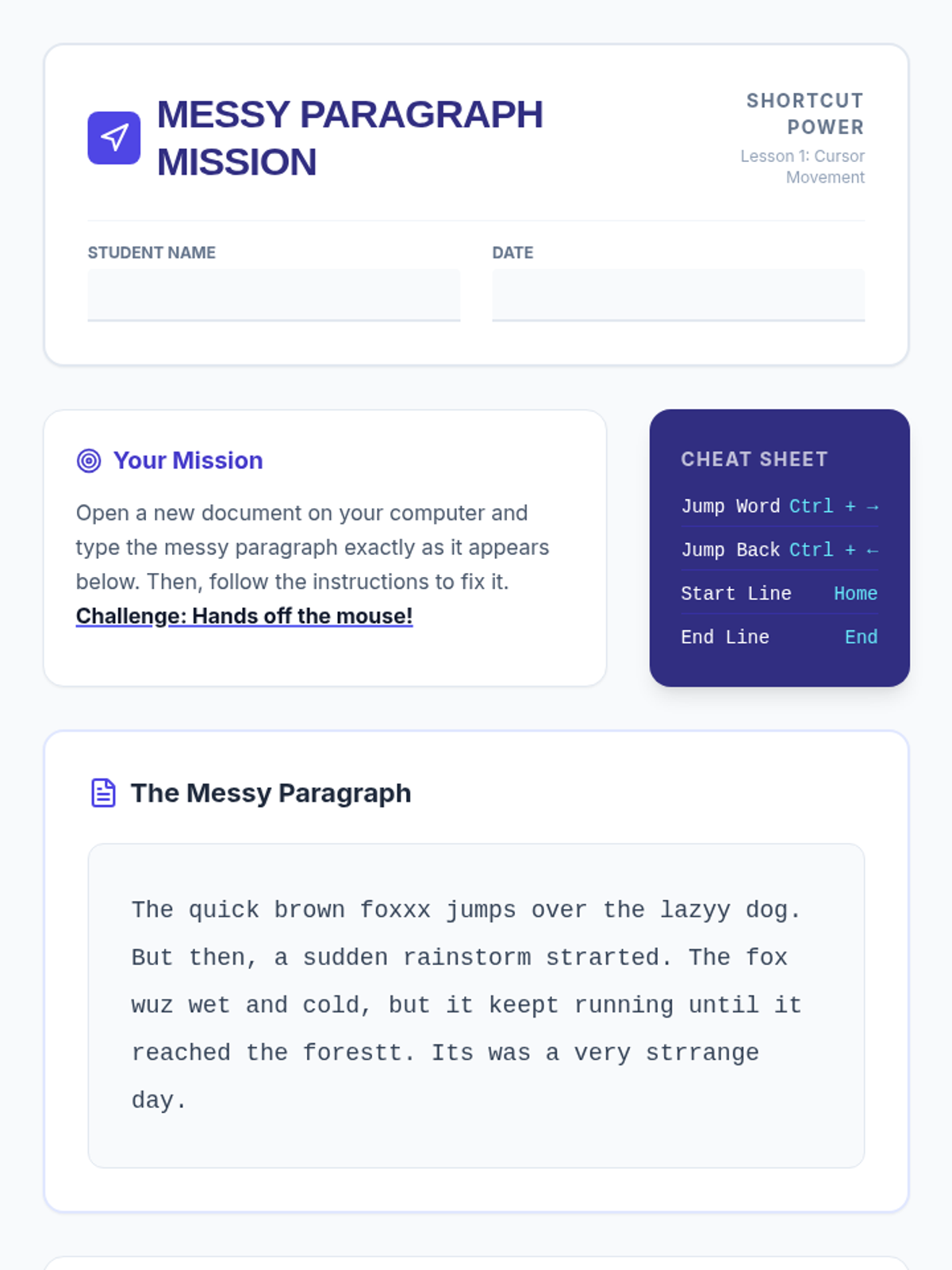
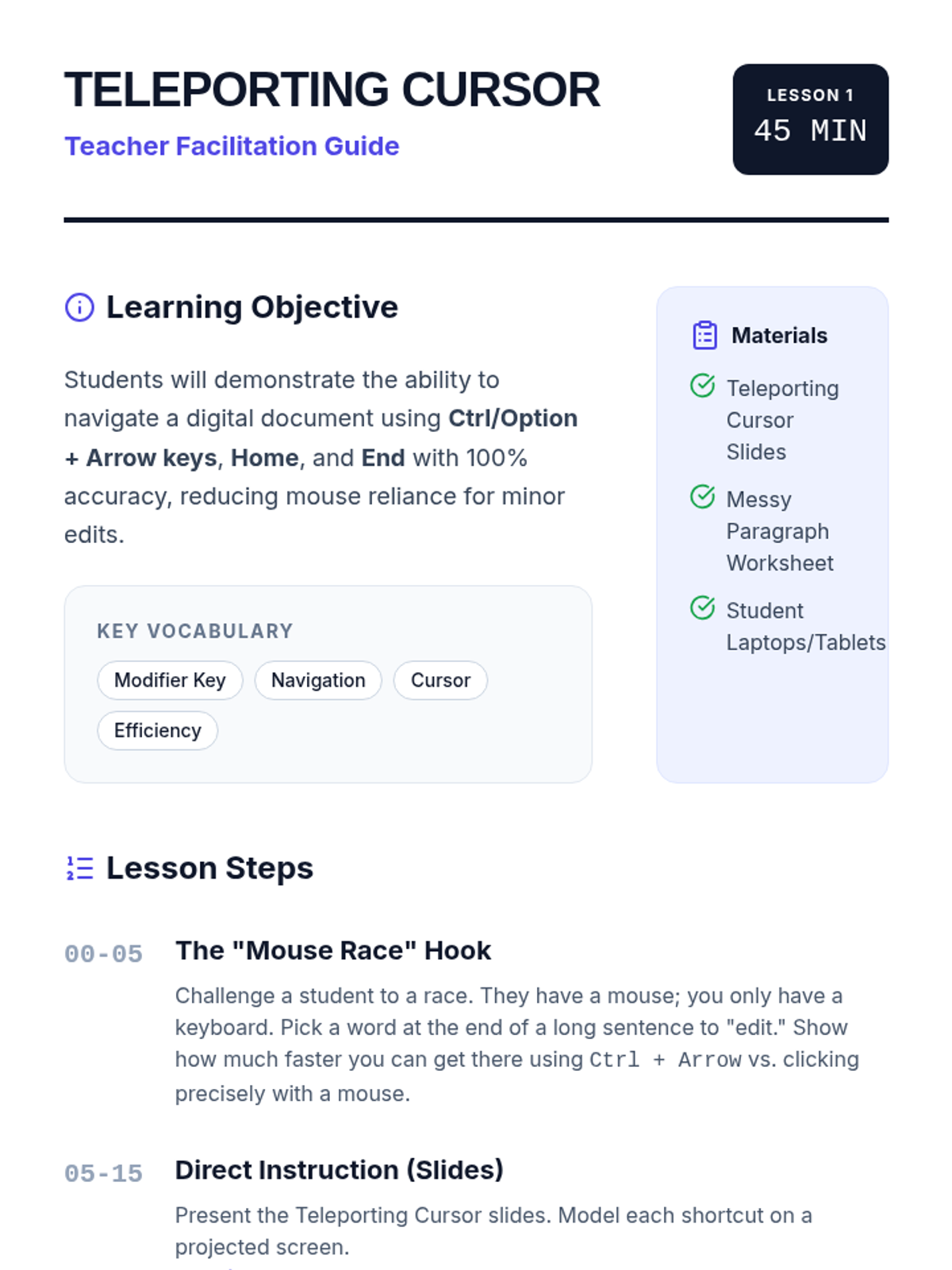
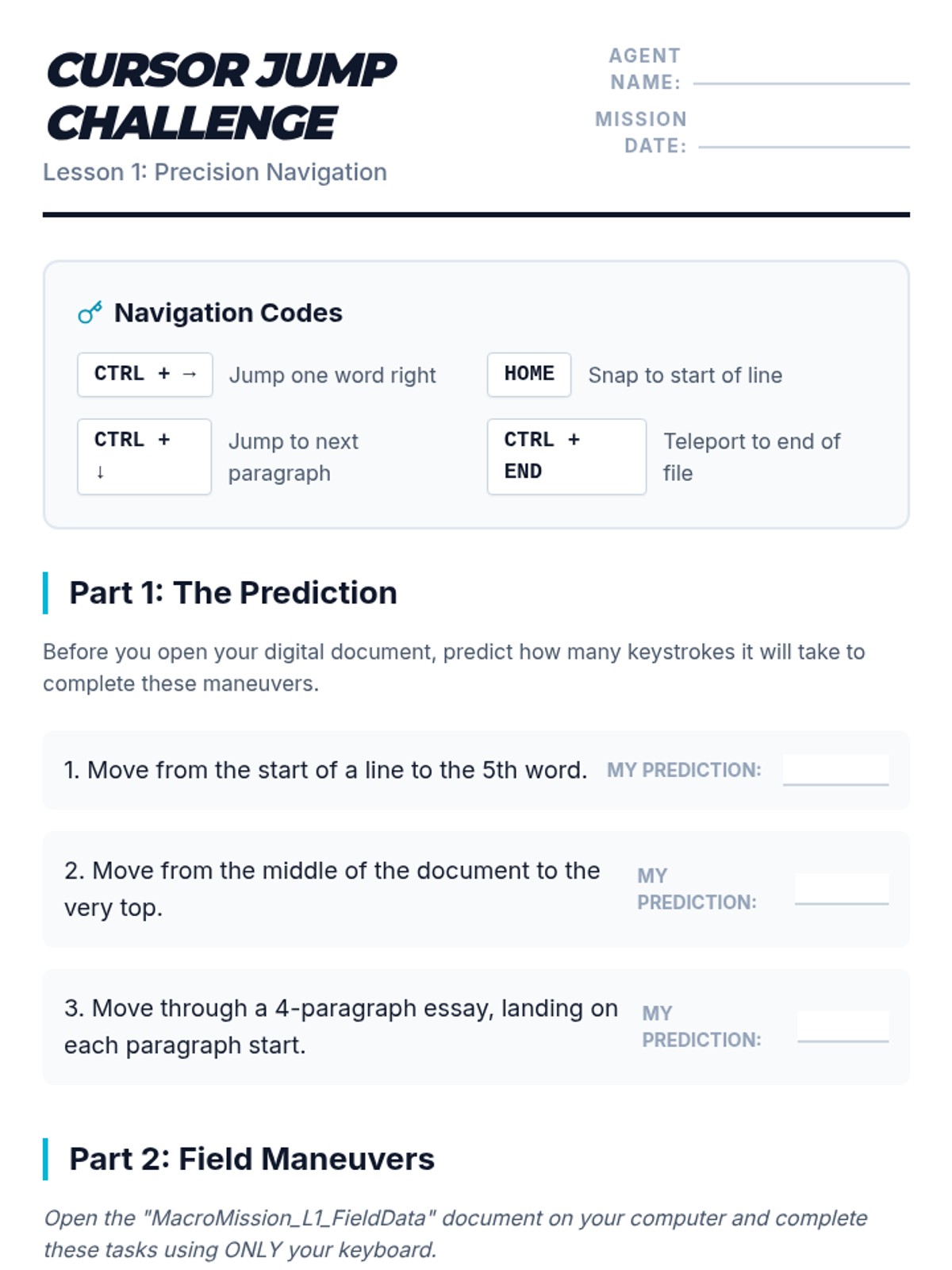
A comprehensive sequence for 8th-grade students focusing on keyboard navigation and text editing shortcuts. Students progress from basic cursor movement to advanced document formatting, fostering independence and efficiency in digital writing tasks.
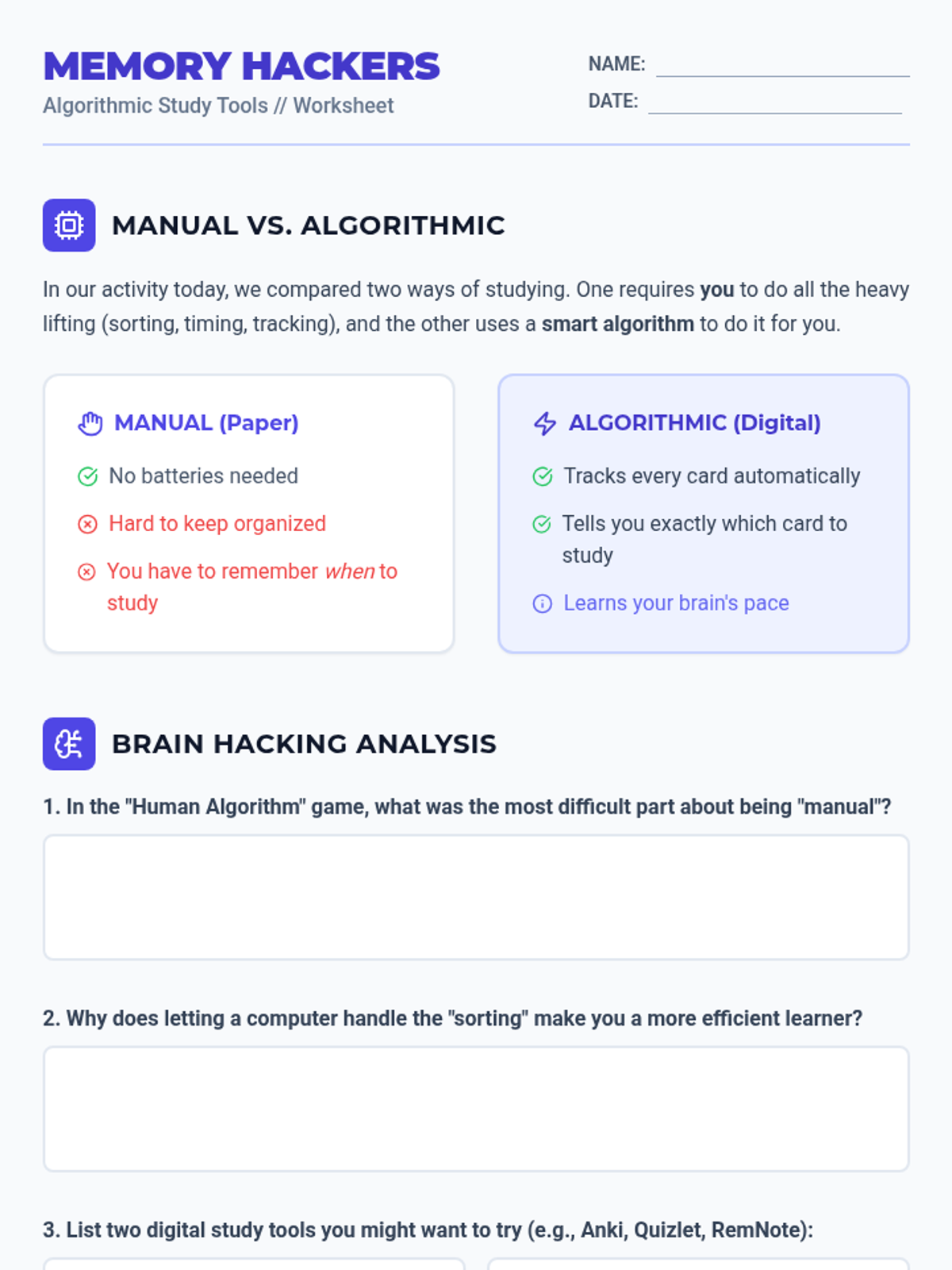
A sequence for 8th-grade students on leveraging digital tools to automate spaced repetition. Students explore algorithmic study platforms, create multimedia decks using dual-coding, interpret mastery data, and build sustainable study routines.
A comprehensive sequence designed to teach 7th-grade students the science and practice of spaced repetition. Students learn to design effective flashcards, build a physical Leitner Box system, and master the sorting algorithms required for long-term memory retention.
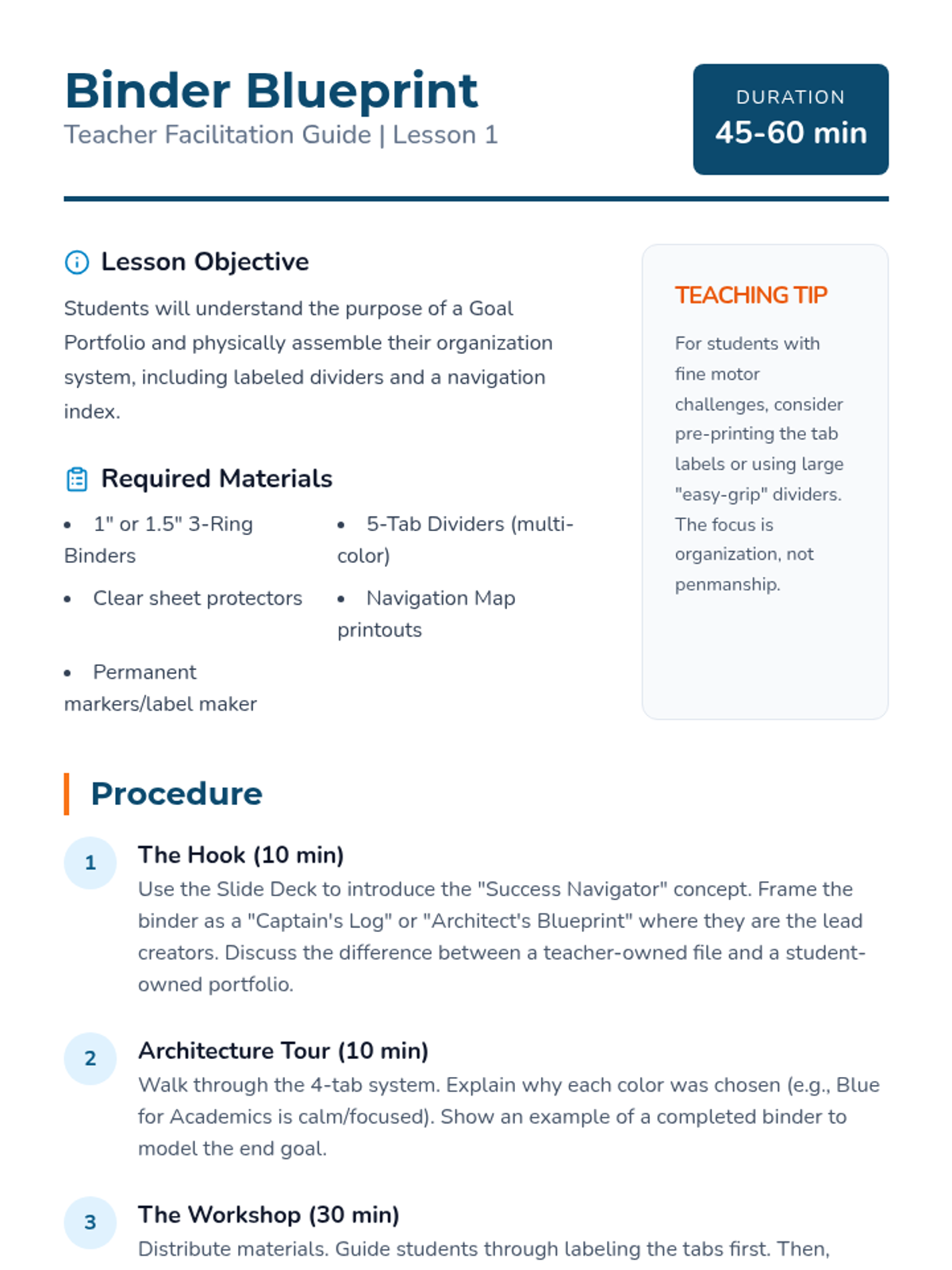
A sequence designed to empower 6th-grade students to take ownership of their progress through the creation and maintenance of a Goal Portfolio. Students learn physical and digital organization, data tracking, and how to present their growth to others.
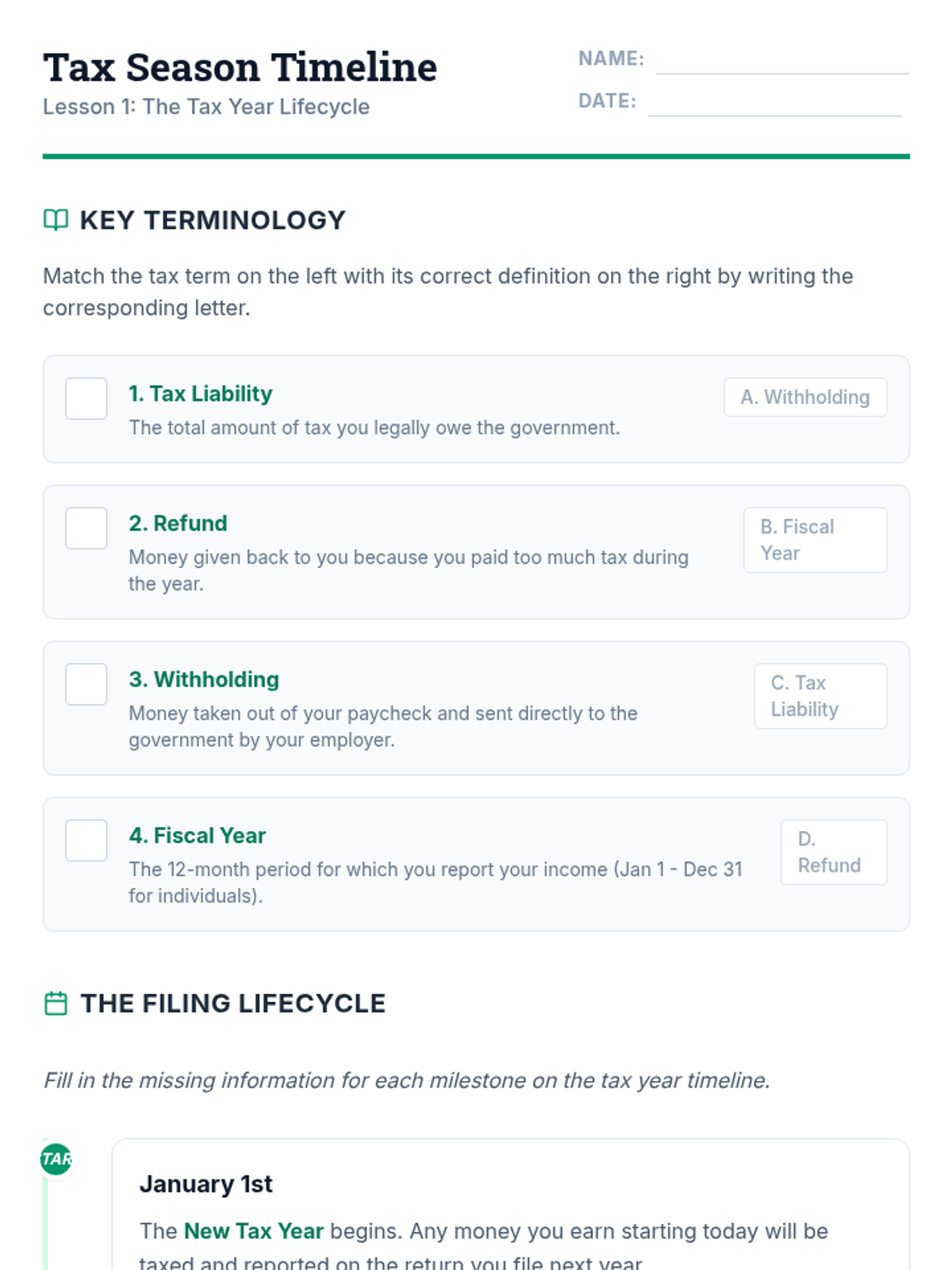
A simulation-based sequence where students learn the end-to-end process of filing federal income taxes. Students adopt personas, analyze wage documents, and complete a simplified Form 1040 to determine if they receive a refund or owe money.
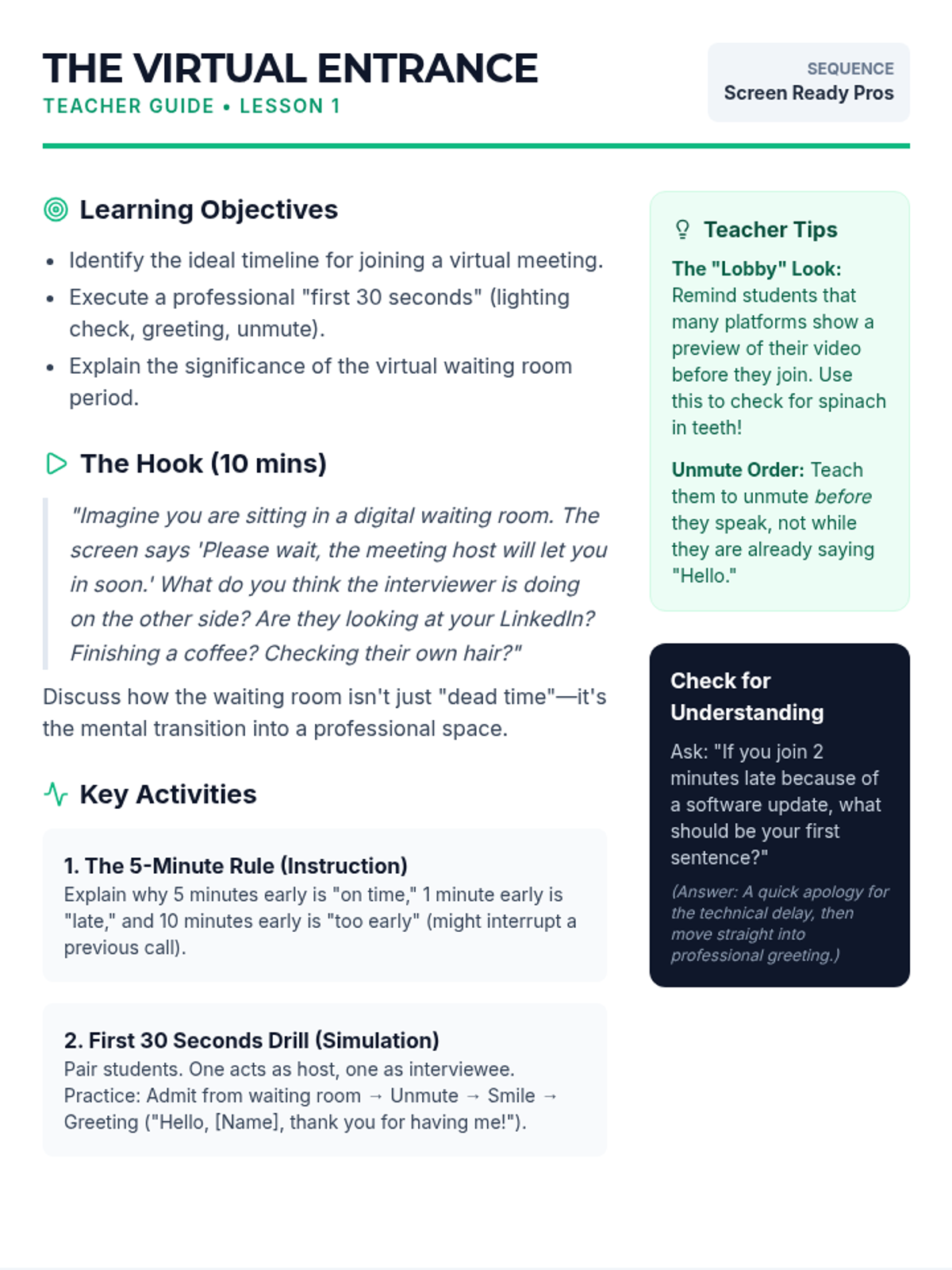
A comprehensive 5-lesson sequence for 8th graders focused on mastering the technical and interpersonal nuances of virtual interviews, from joining the waiting room to the final exit.
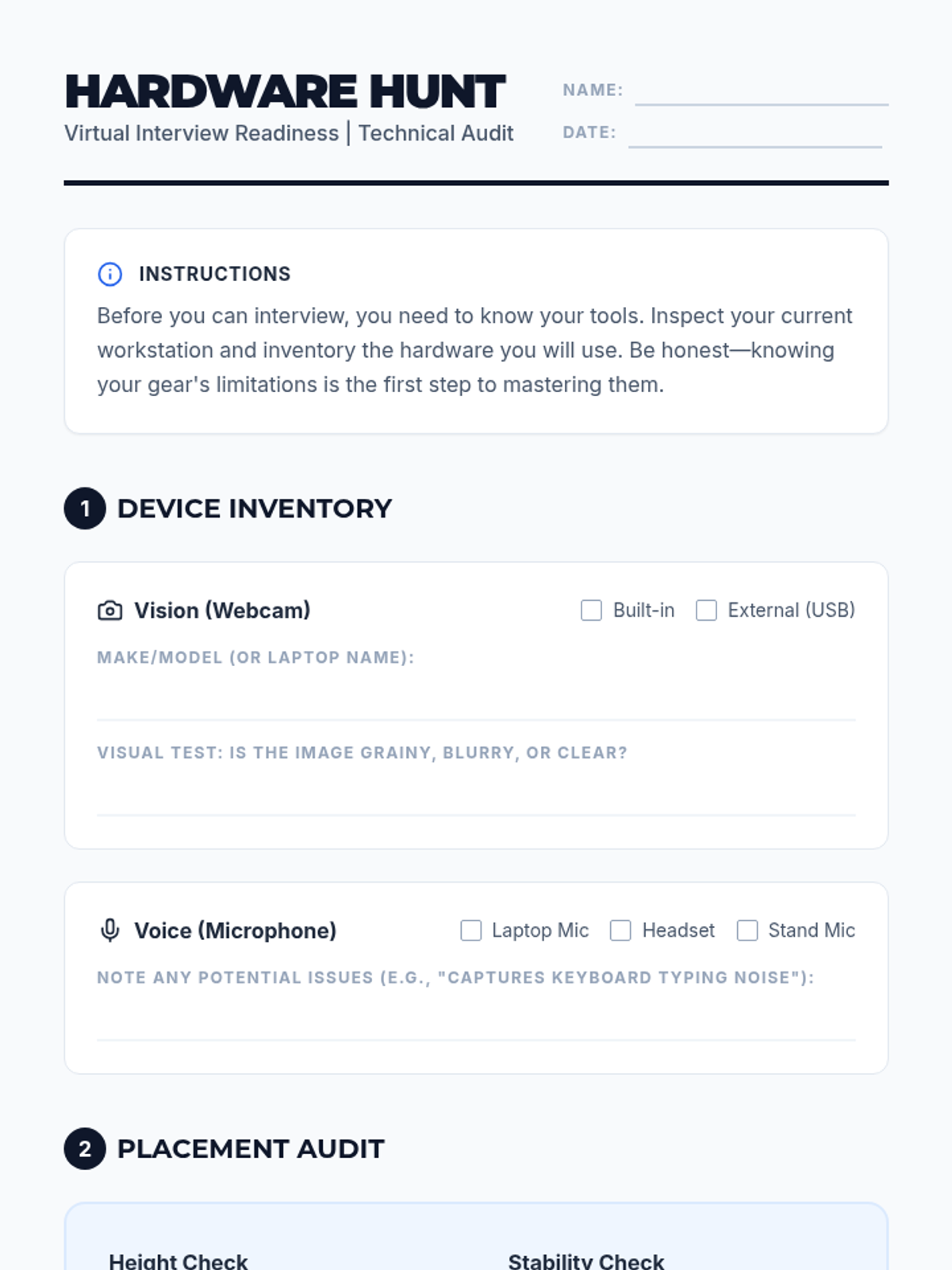
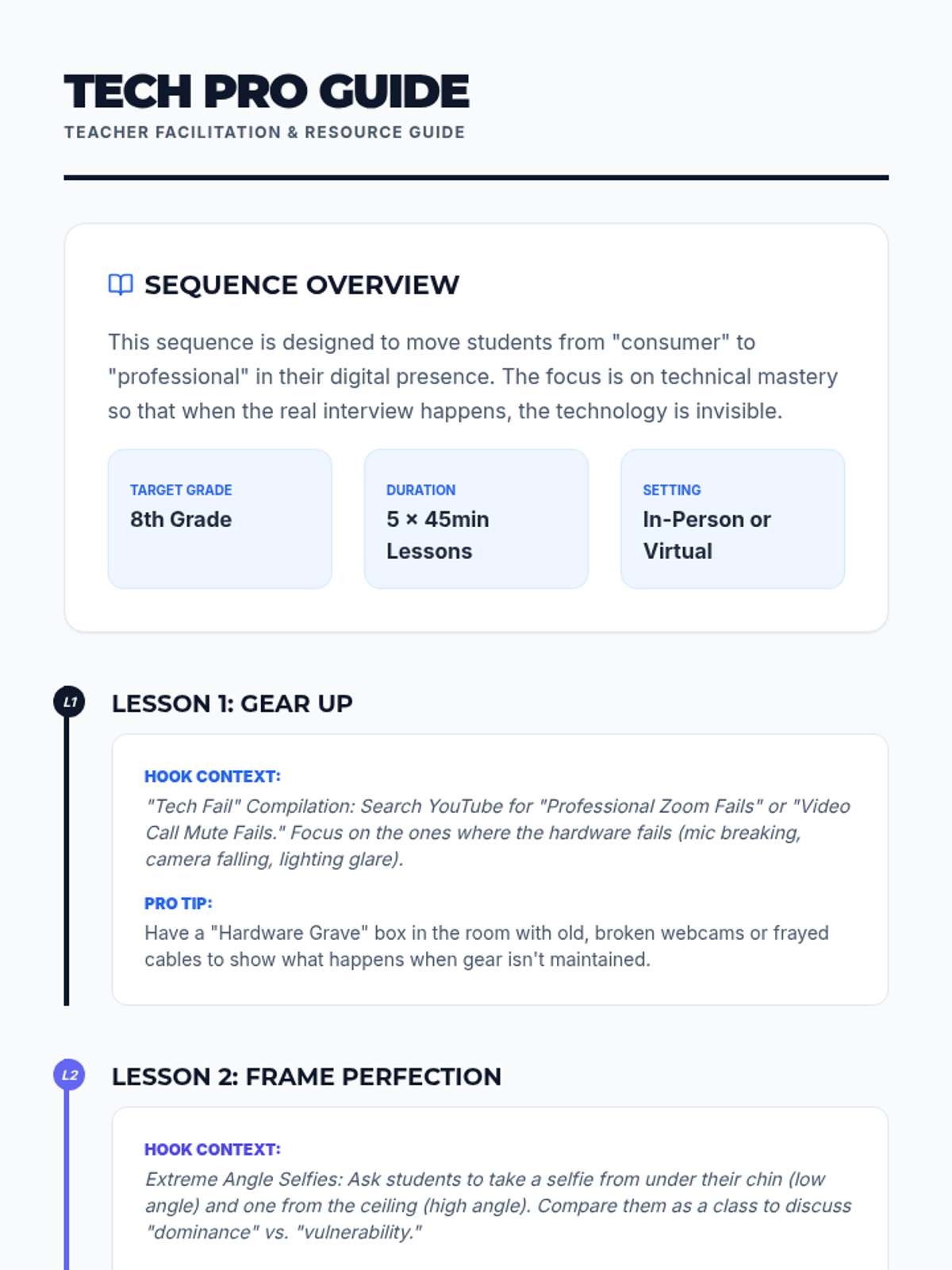
This sequence prepares 8th-grade students for professional virtual interactions by focusing on hardware, software, and environmental setup. Students will learn to configure cameras, microphones, and platforms to present a polished, professional image.
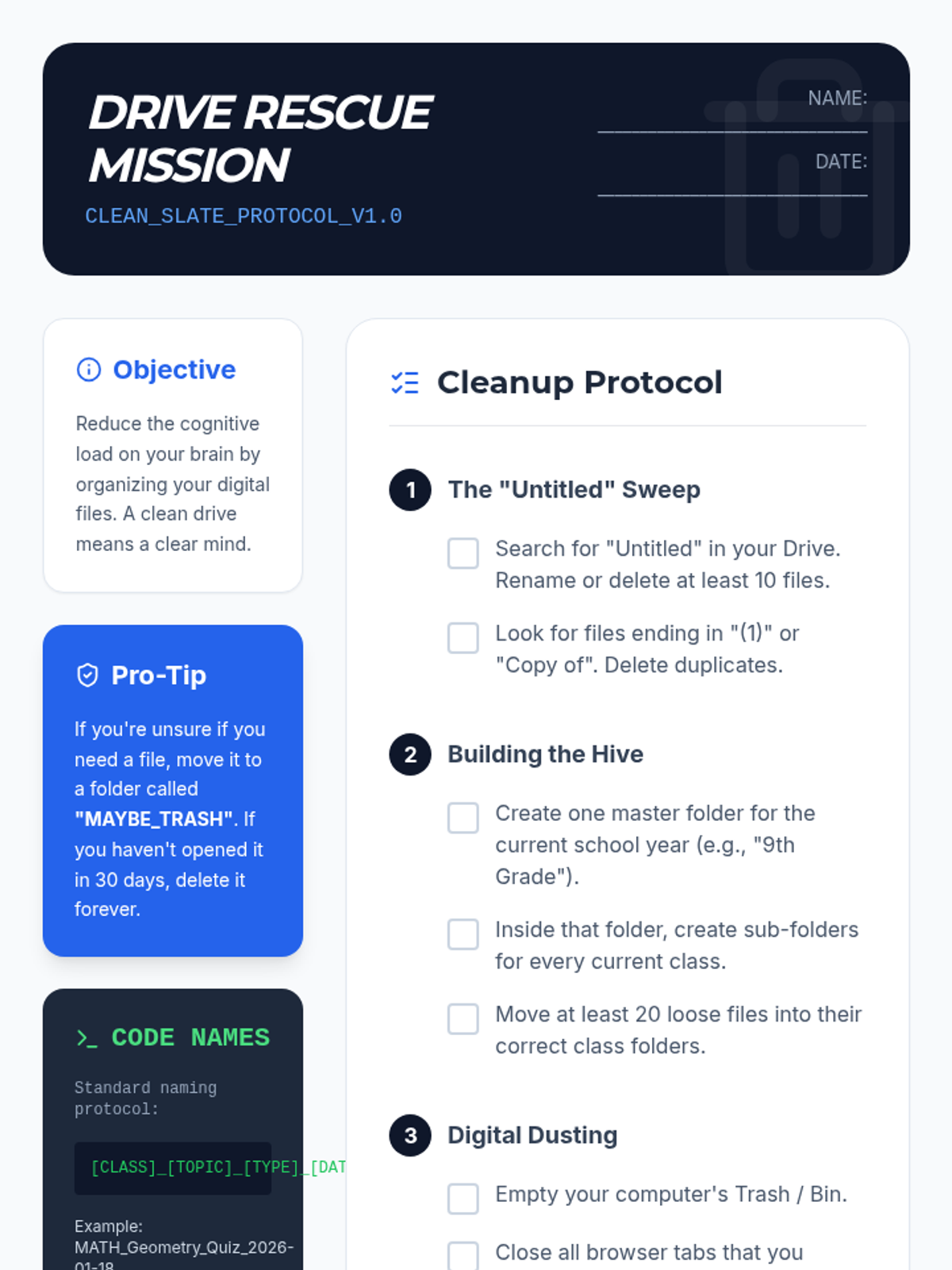
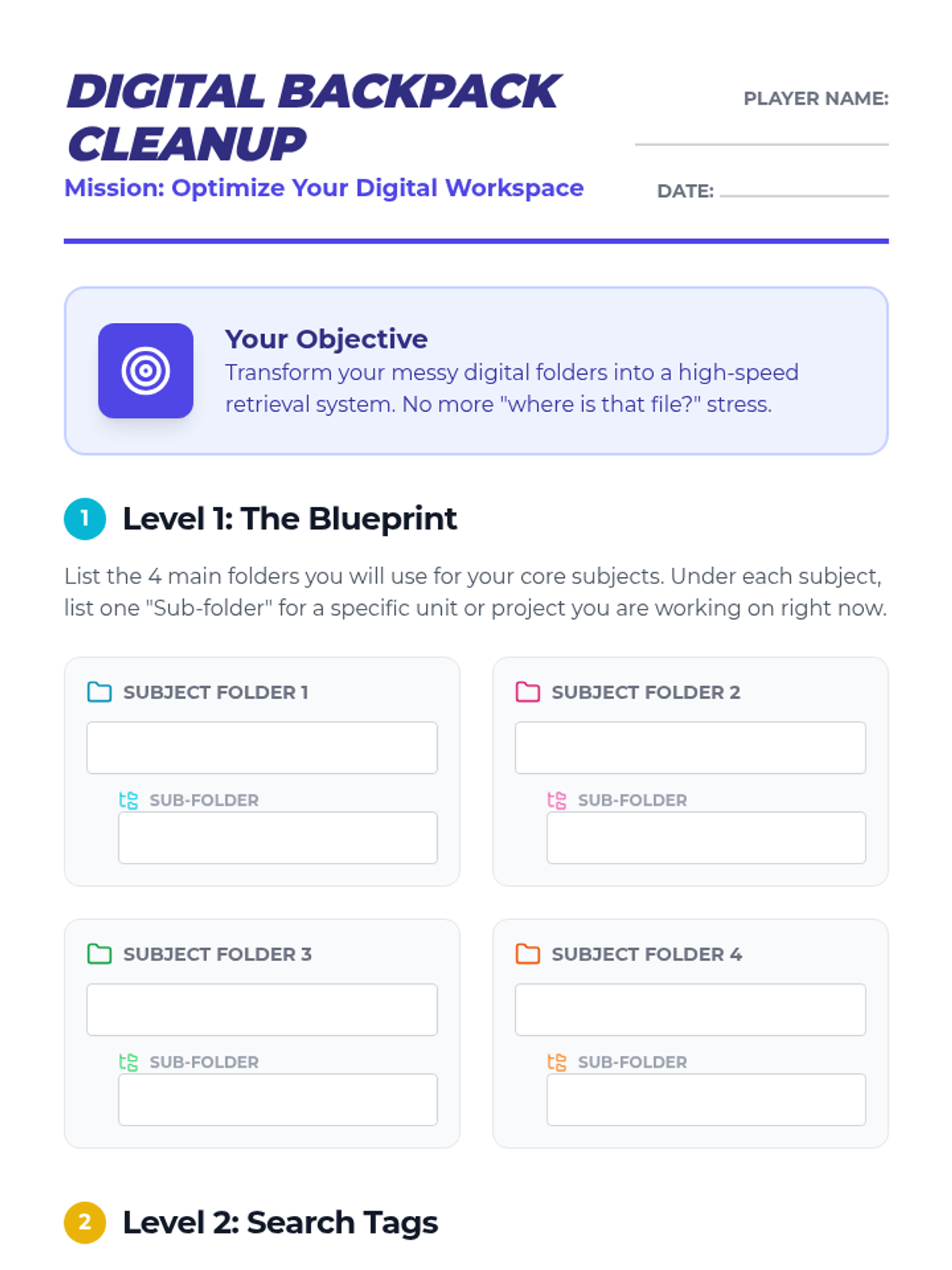
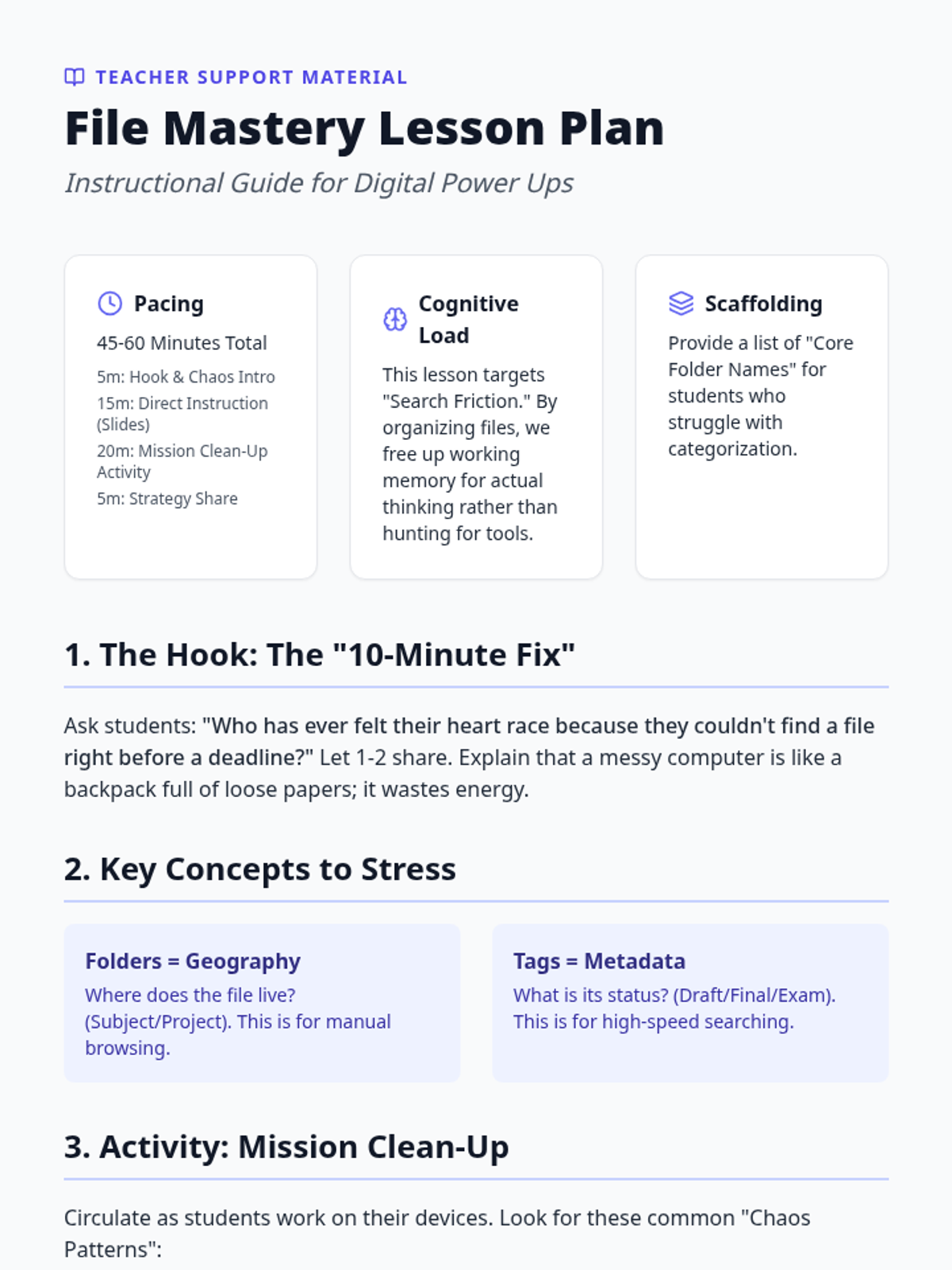
A sequence focused on using digital tools to support working memory through effective file organization, tagging, multimodal note-taking, and accessibility features. Students build a personal 'digital brain' to manage schoolwork efficiently.
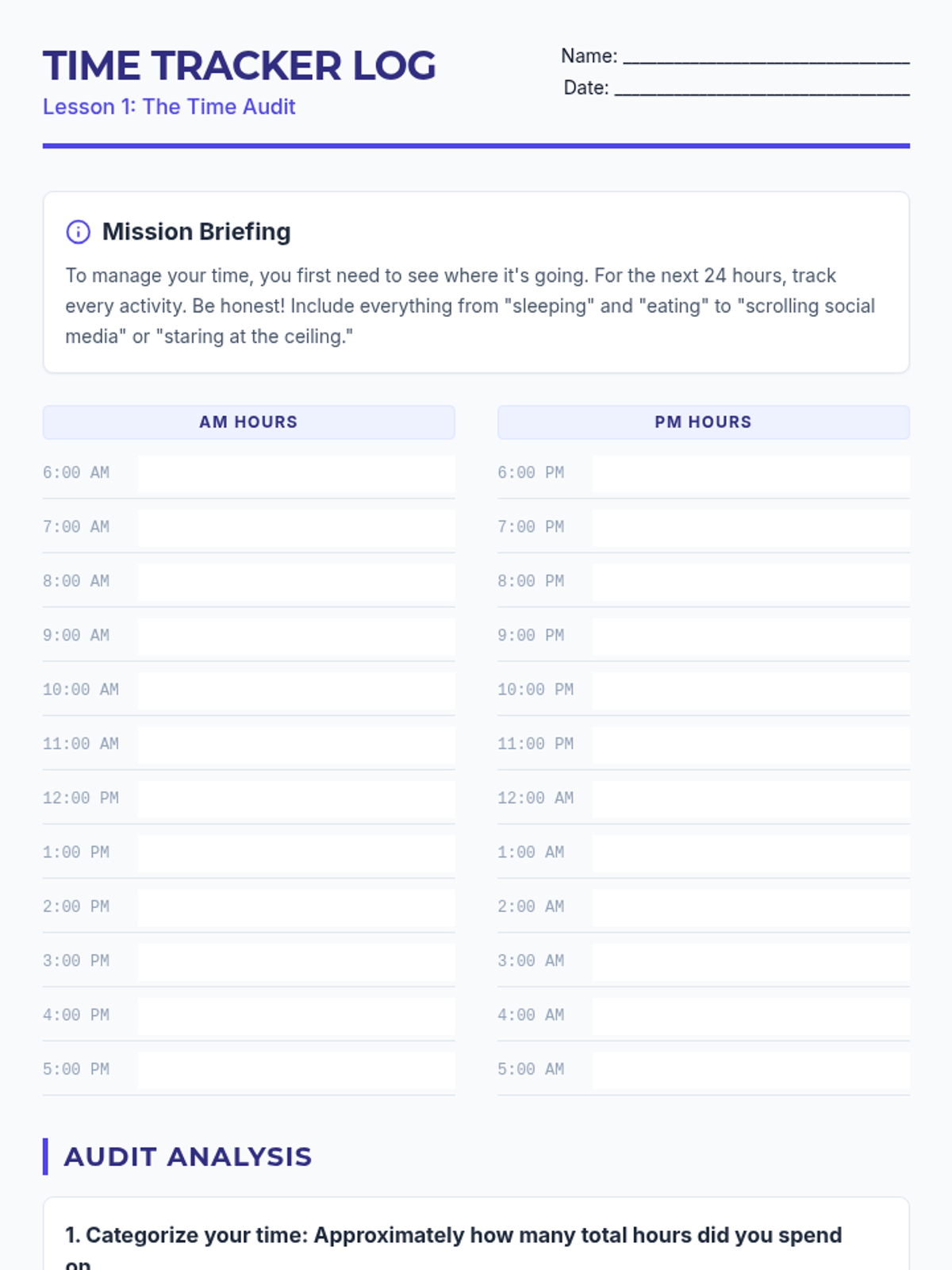
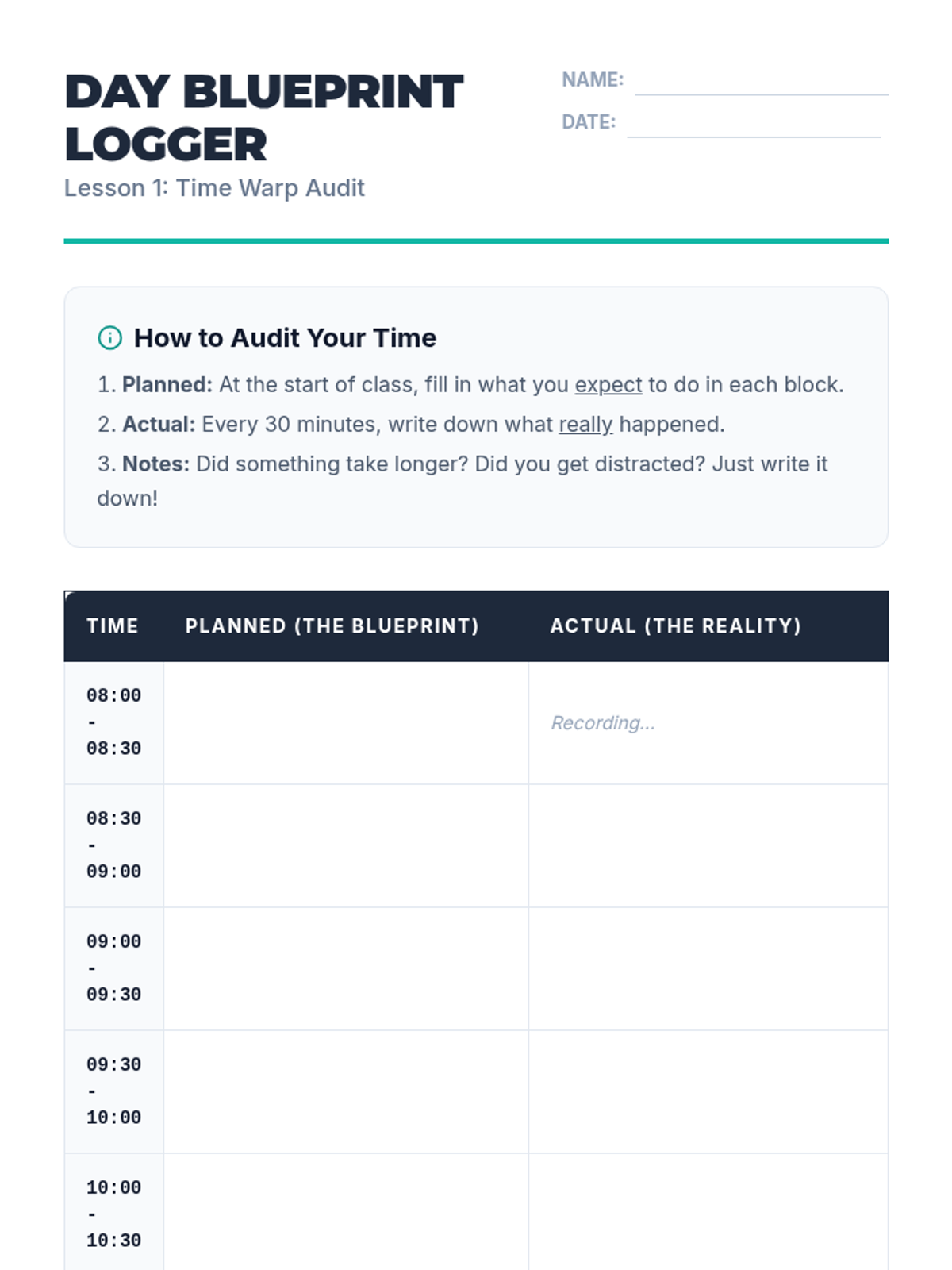
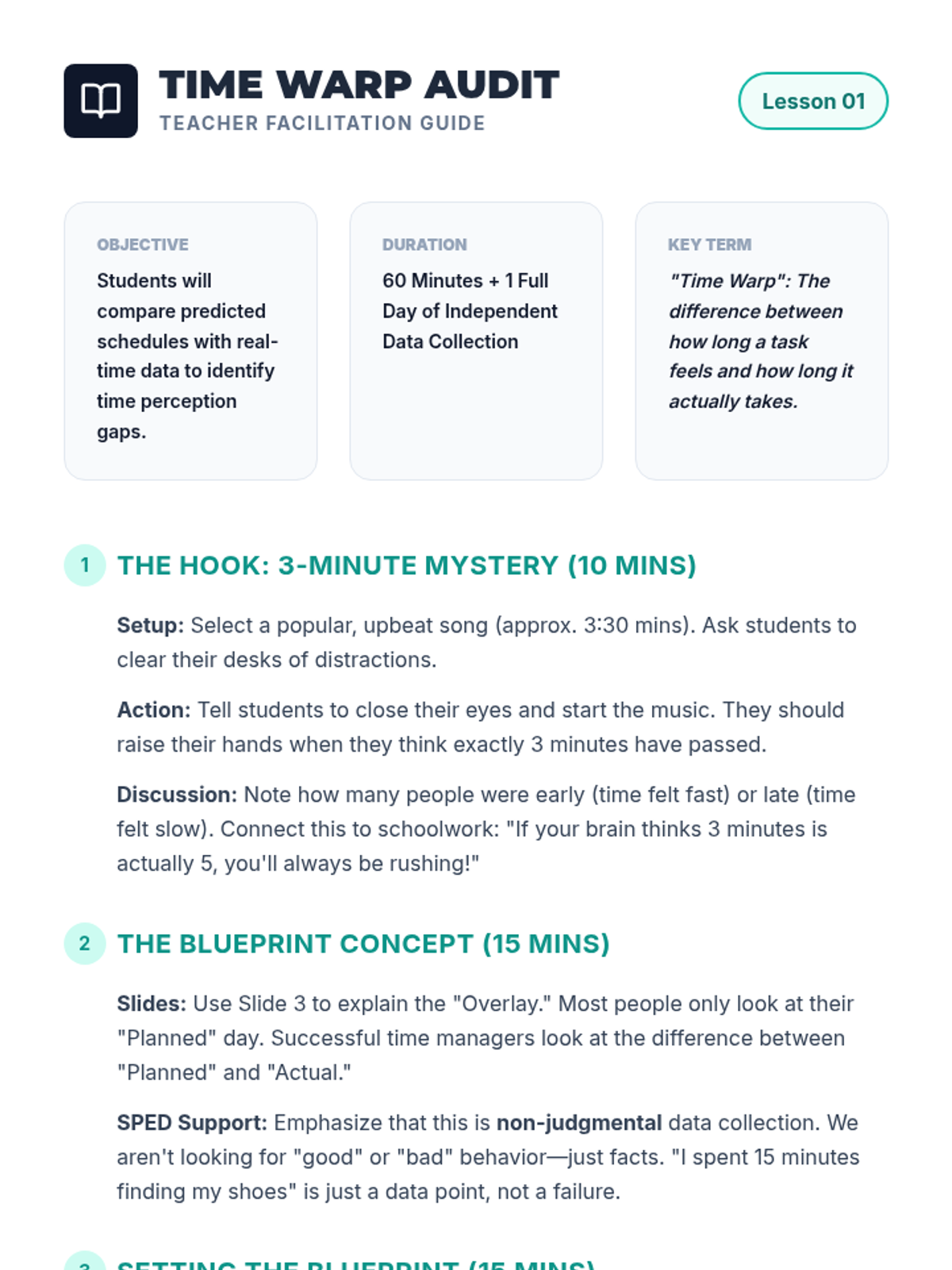
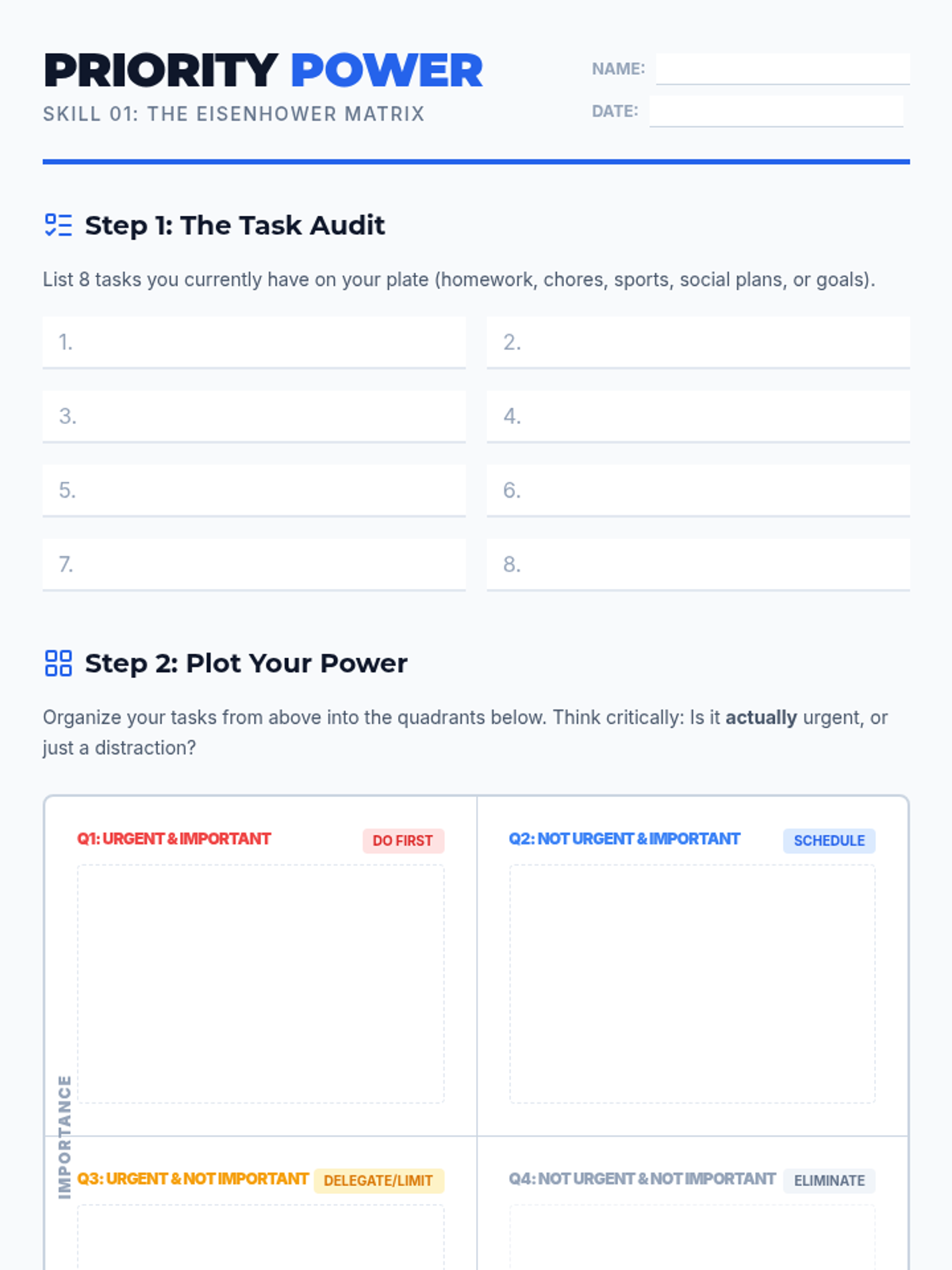
A comprehensive 5-lesson unit designed to equip 8th-grade students with essential executive function skills. Students transition from passive observers of their time to active managers of their academic and personal lives through data analysis, strategic prioritization, and environmental design.
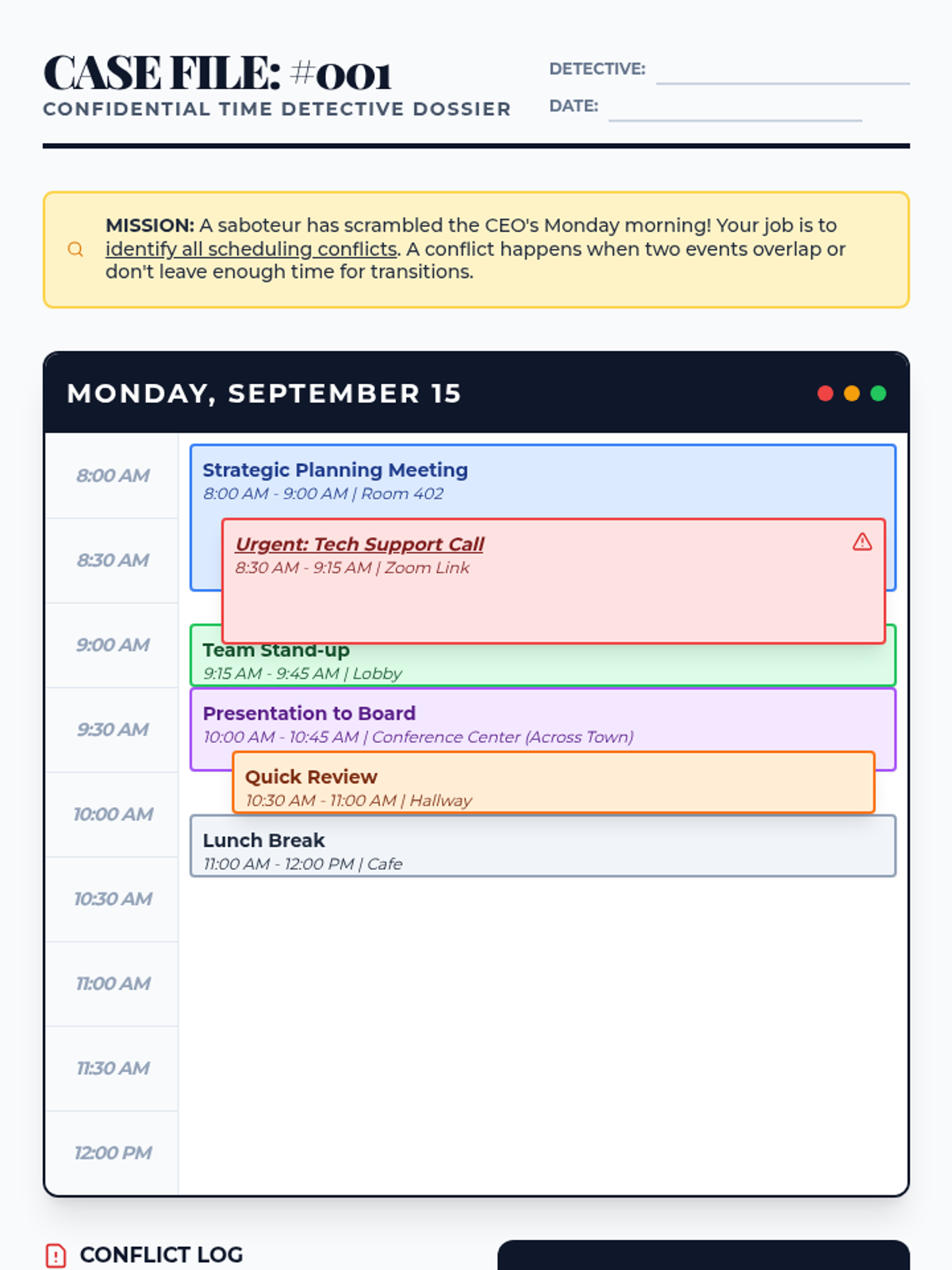
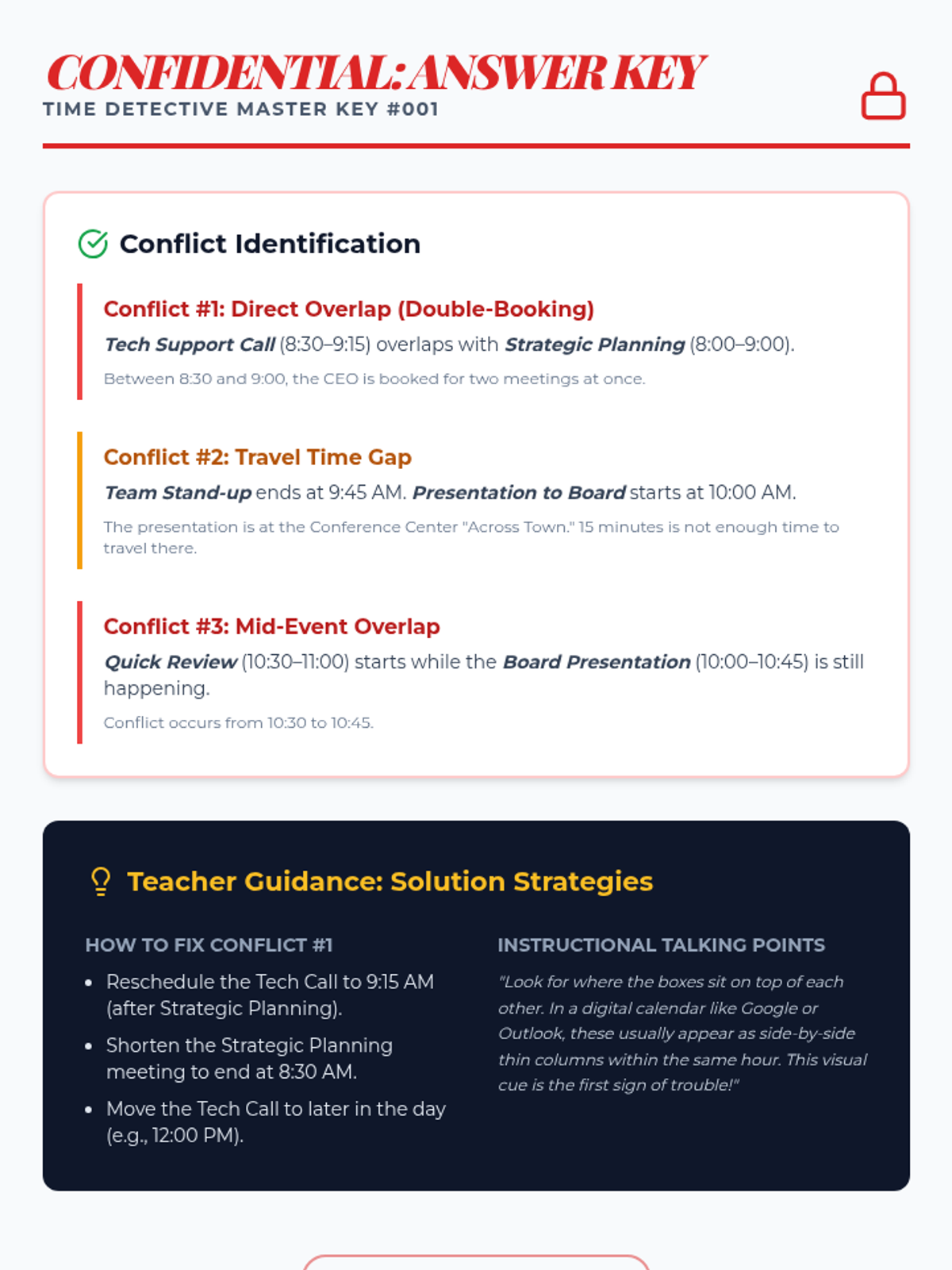
A game-based sequence where students act as 'Time Detectives' to master digital calendar skills. Through five interactive challenges, students learn to identify conflicts, adjust durations, manage locations, fix recurring patterns, and synthesize their skills into a master schedule.
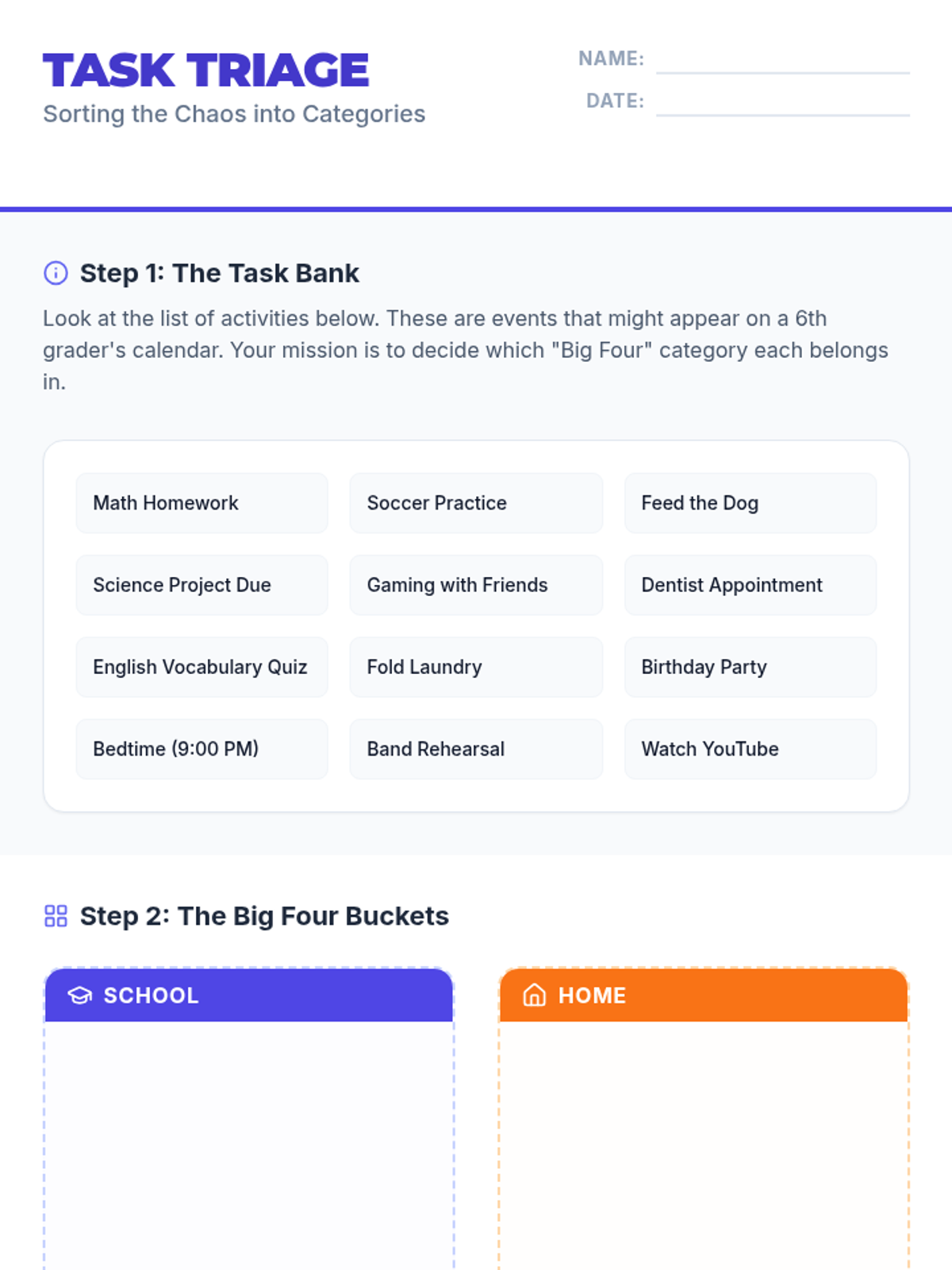
Students learn to use color-coding to visually organize their digital lives, moving from basic task categorization to advanced time-balance analysis. The sequence focuses on reducing cognitive load and improving executive function through visual data.
A 5-lesson sequence for 8th-grade SPED students focusing on using digital calendars for time auditing, identifying time management gaps, and customizing alert sensory profiles to match cognitive styles. Students move from data collection to designing a personalized productivity system.
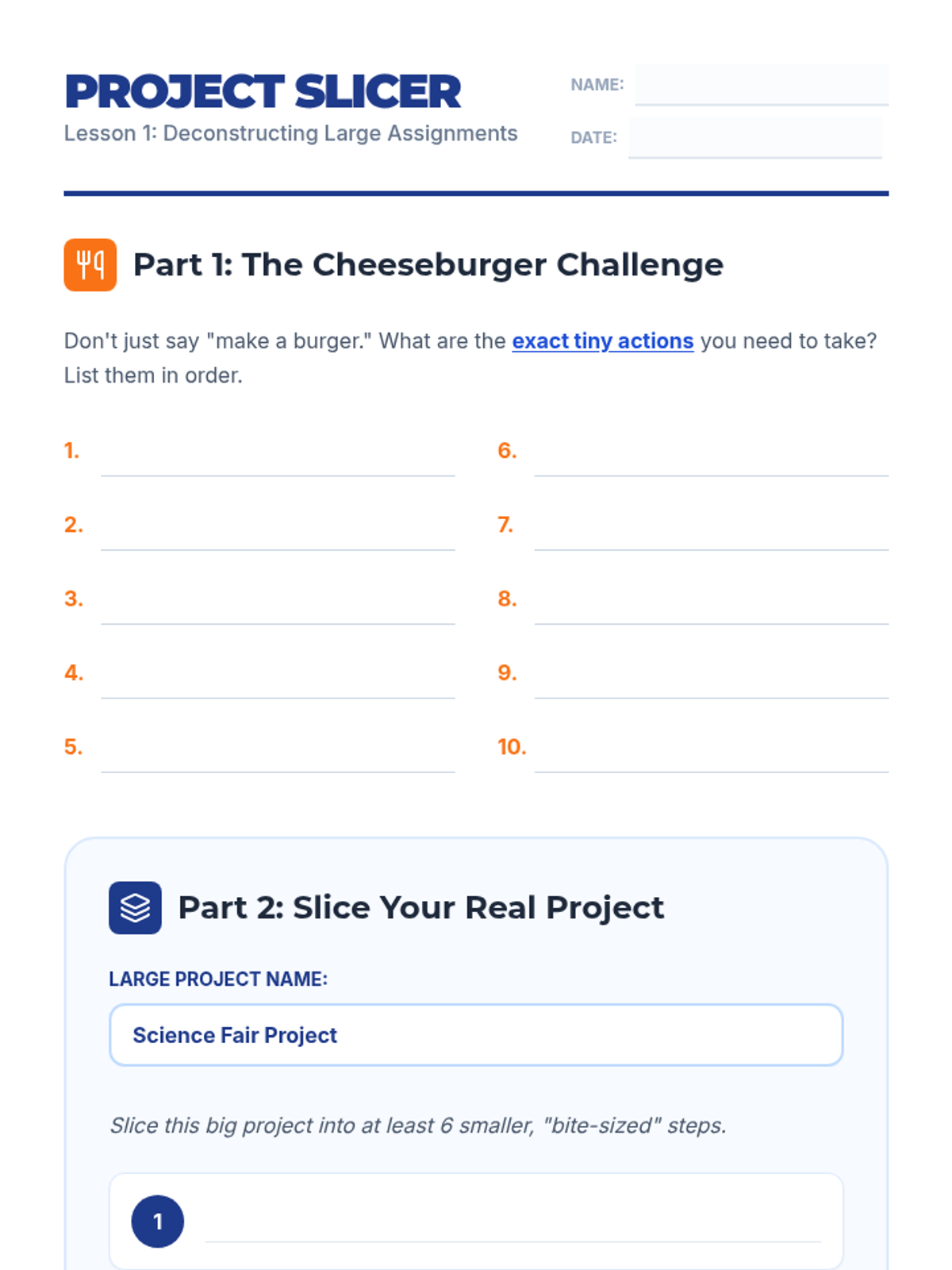
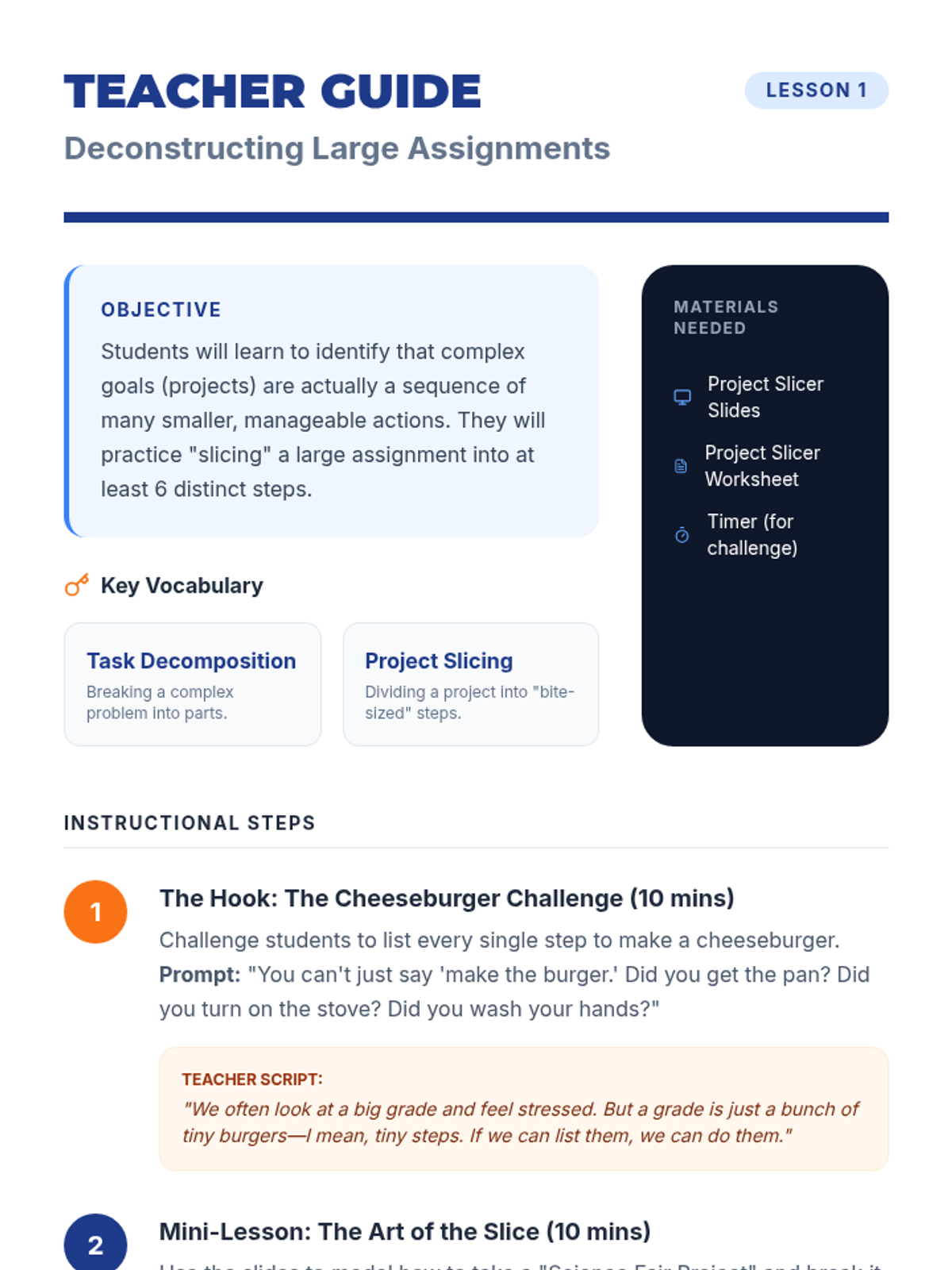
A sequence focused on executive functioning and backward design, teaching 6th-grade students how to use digital calendars to break down large projects into manageable steps, estimate time, and adapt to changes.
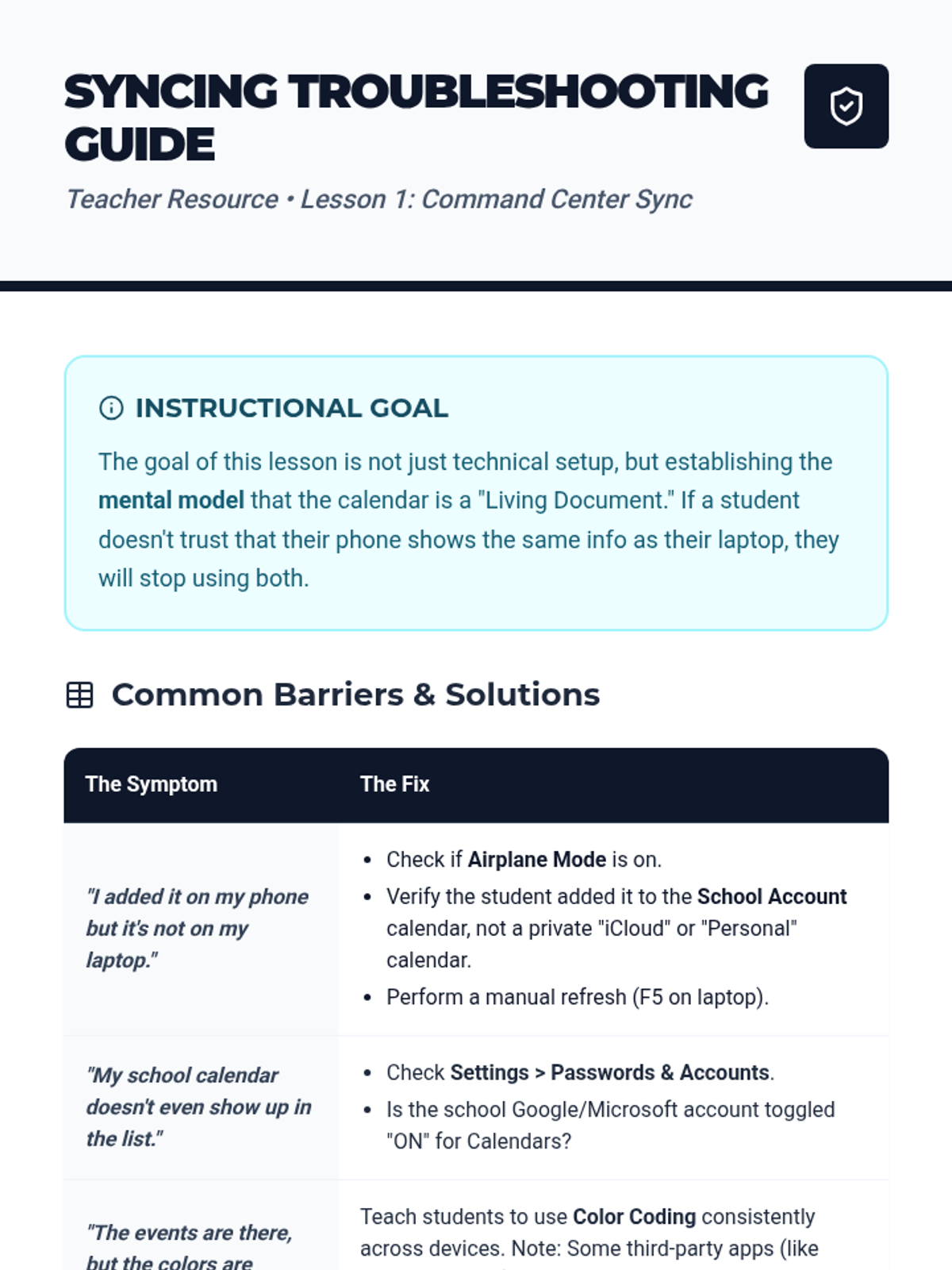
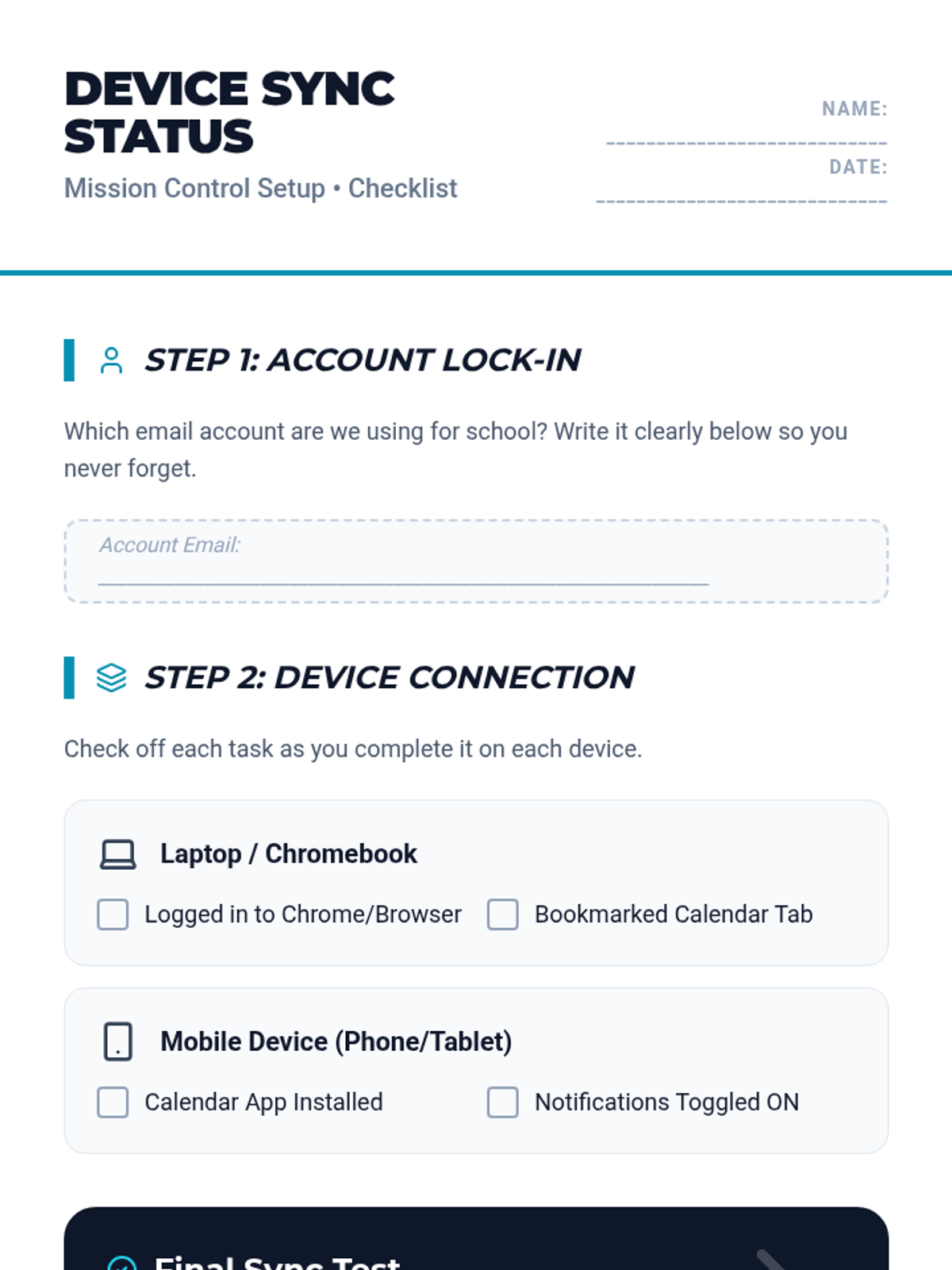
This sequence focuses on the maintenance habits required to keep a digital calendar functional. It addresses the 'set it and forget it' pitfall by establishing daily check-in routines and cross-device syncing, moving from device setup to daily preview/review habits.
A comprehensive sequence for 8th-grade students focusing on assistive technology and executive functioning skills. Students learn to use digital calendars not just for due dates, but as project management tools through backward design, time estimation, and actionable scheduling.
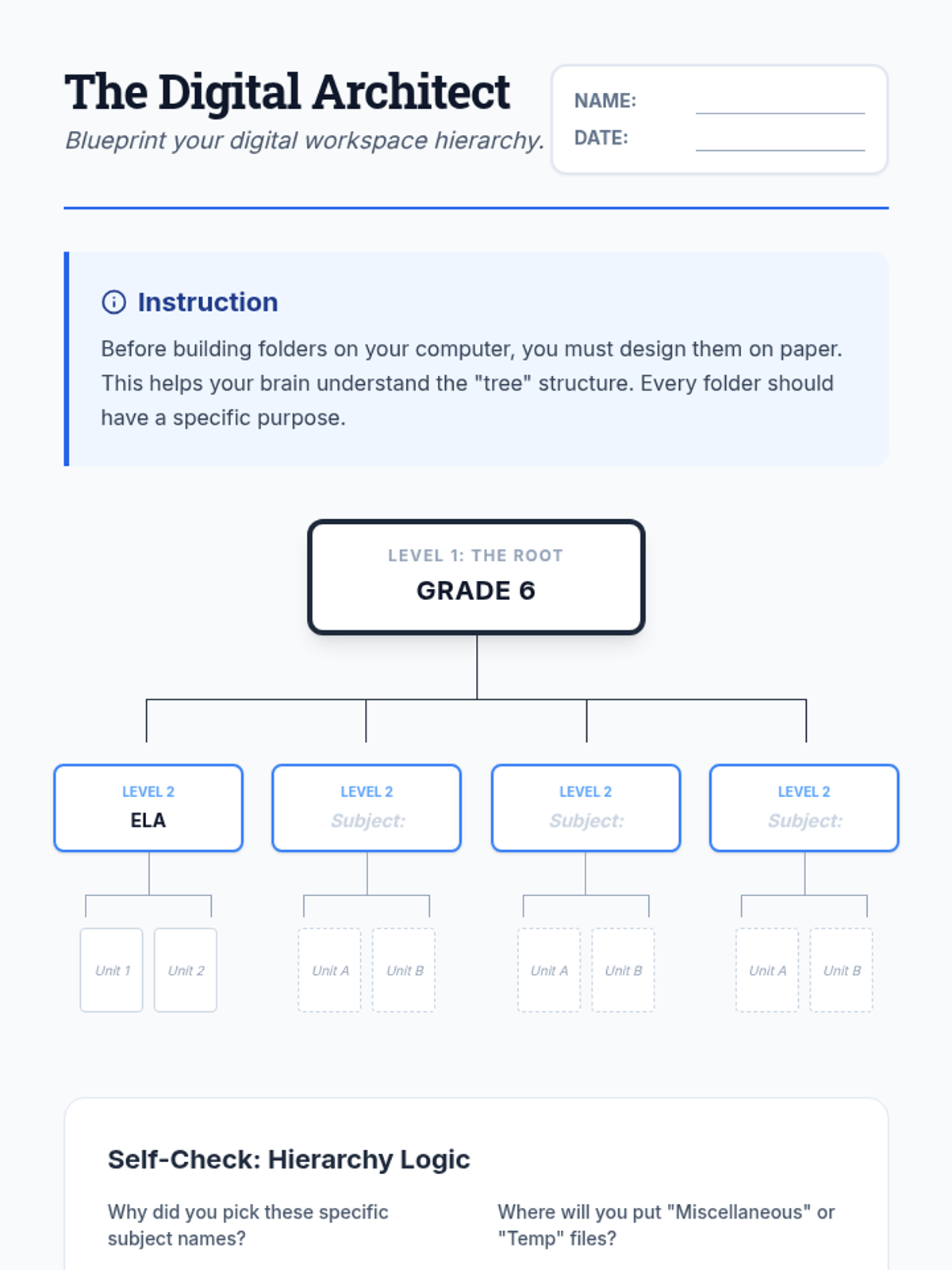
A 5-lesson unit for 6th-grade students focusing on digital organization and file management to reduce working memory load and improve academic efficiency. Students move from mapping folder hierarchies to establishing long-term digital hygiene routines.
A 5-lesson sequence designed for 8th-grade students to master note review and organization through gamified strategies and digital tools. Students learn to optimize their working memory by transforming study tasks into engaging challenges.
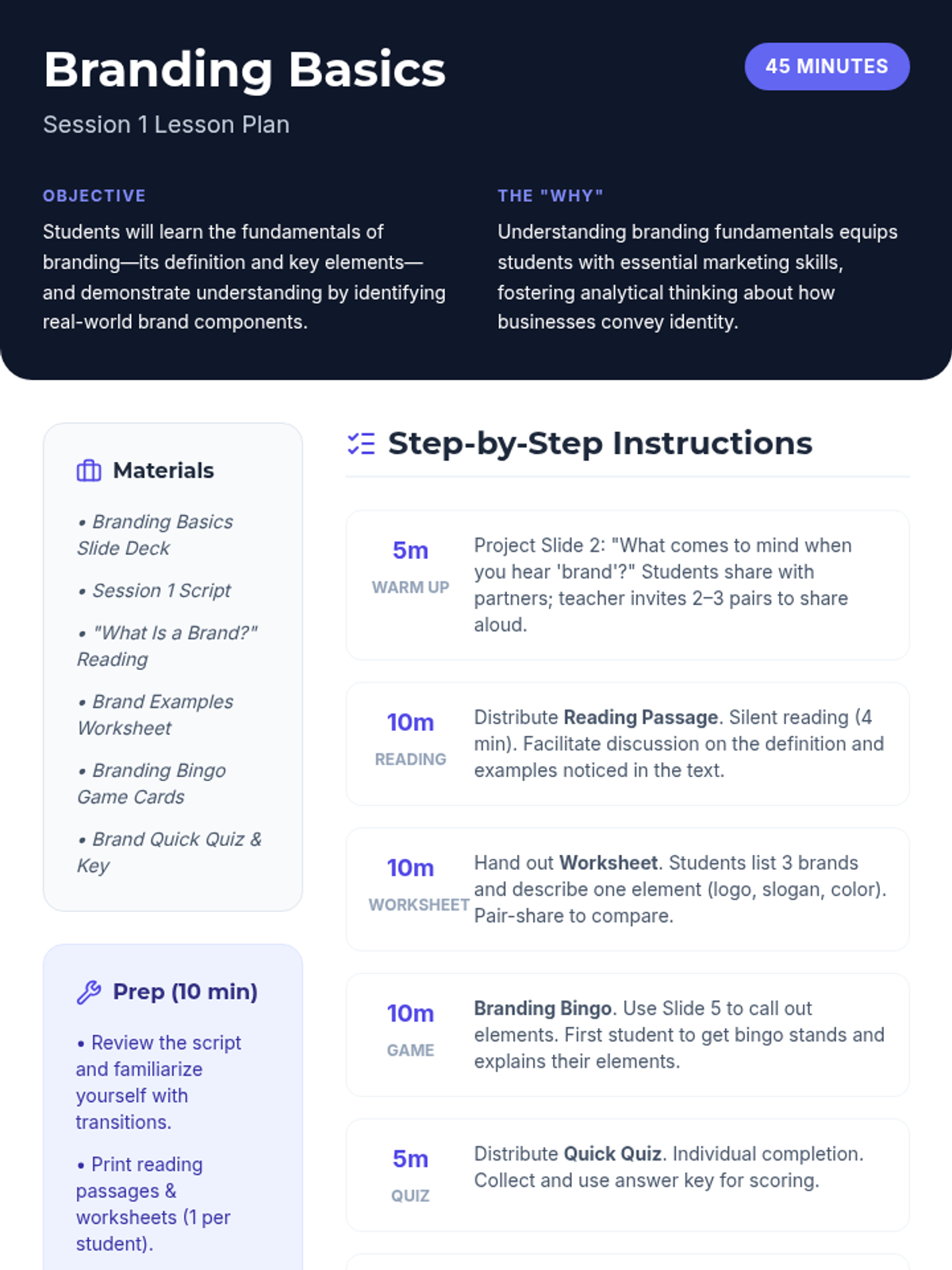
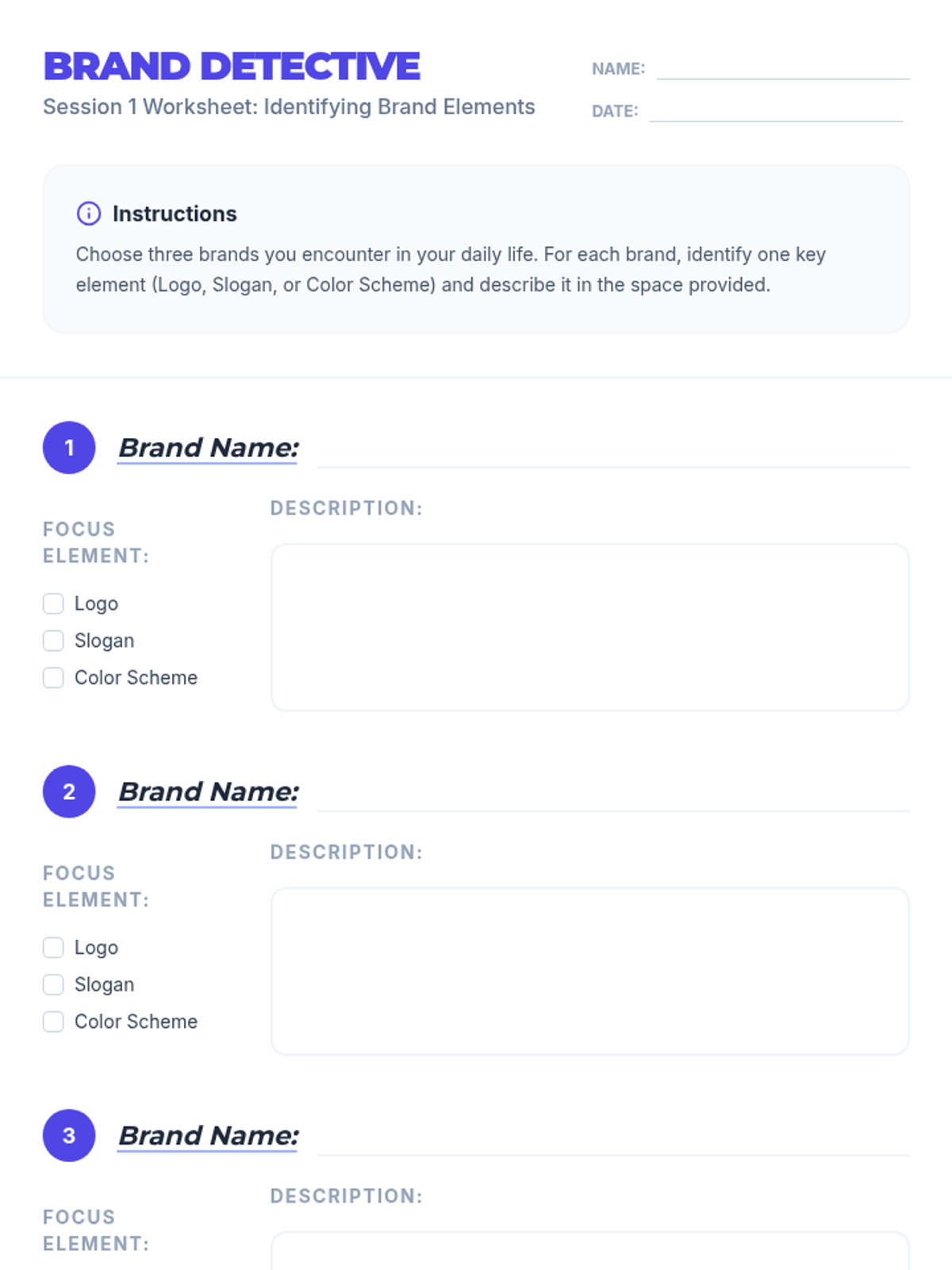
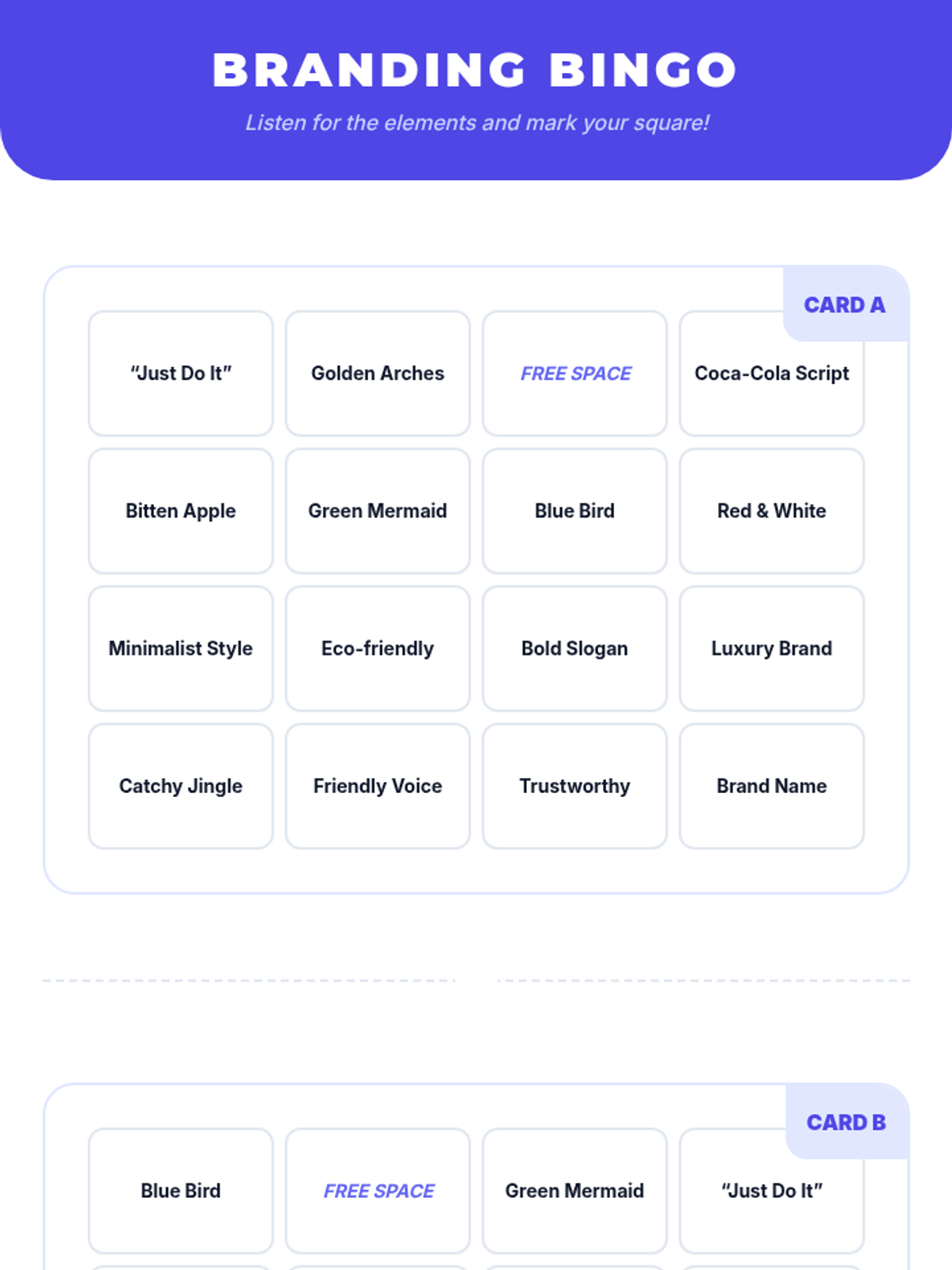
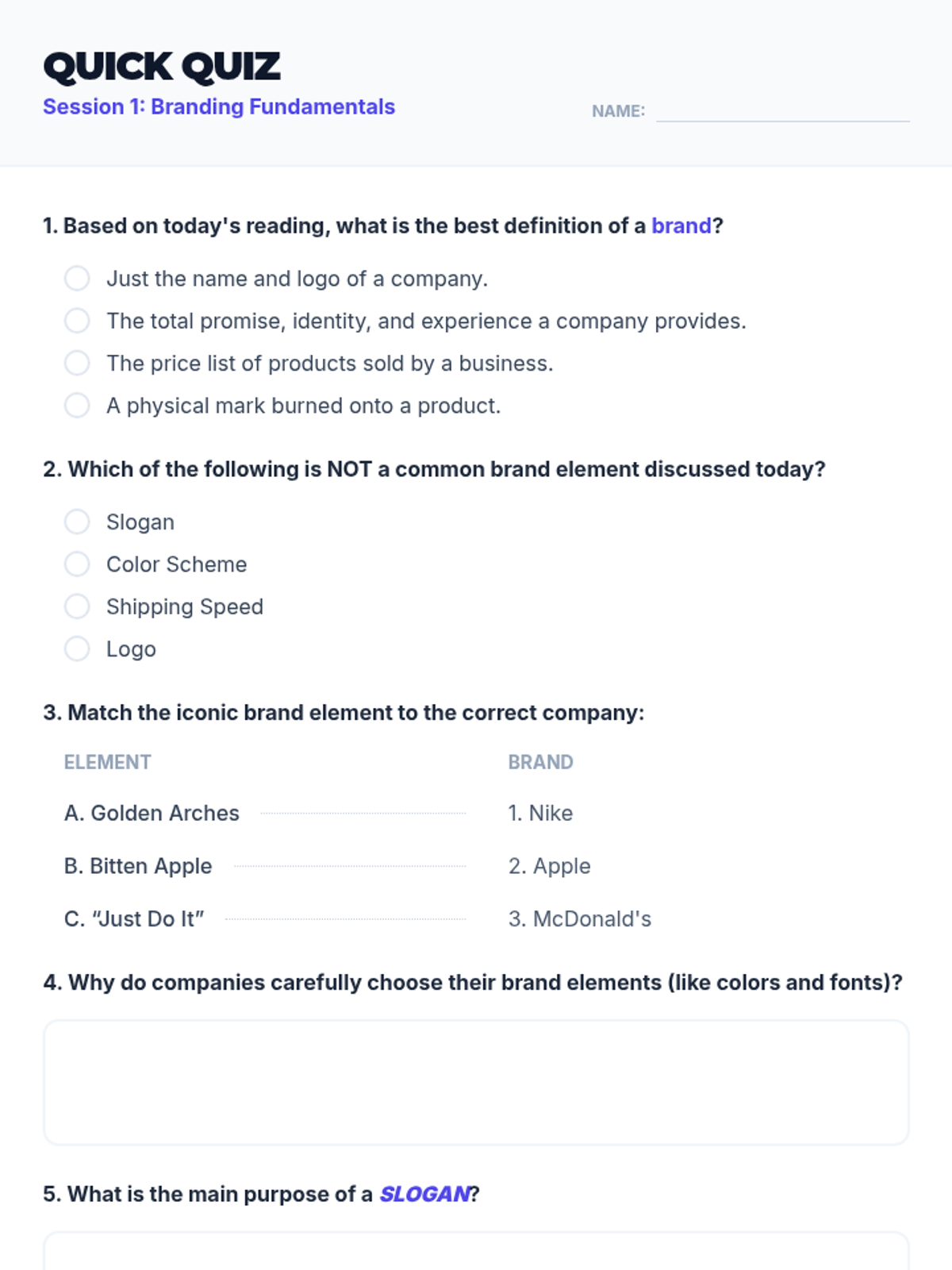
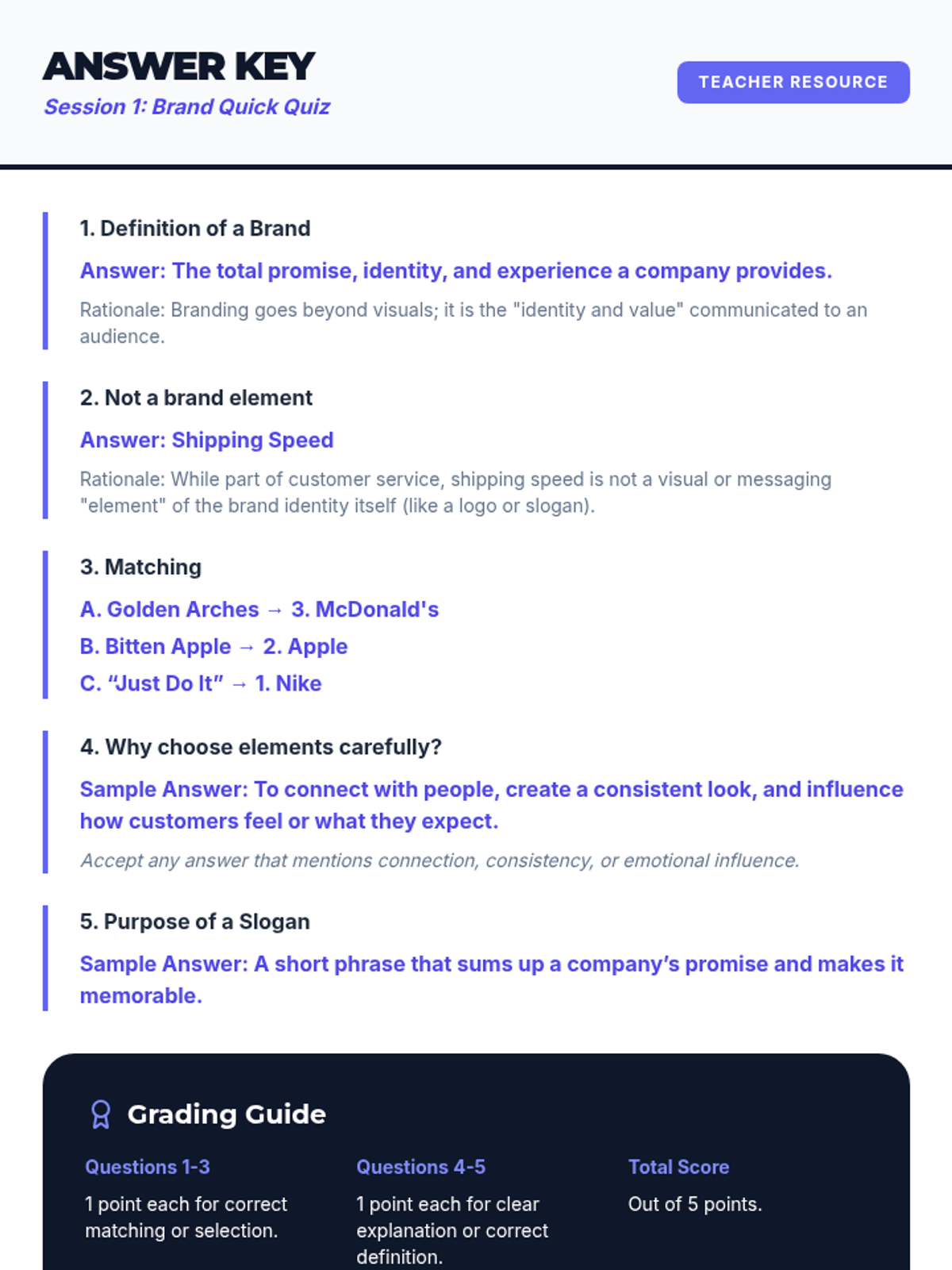
A 10-session unit for middle schoolers to master the art of business branding, covering everything from logos and voice to audience personas and marketing assets.
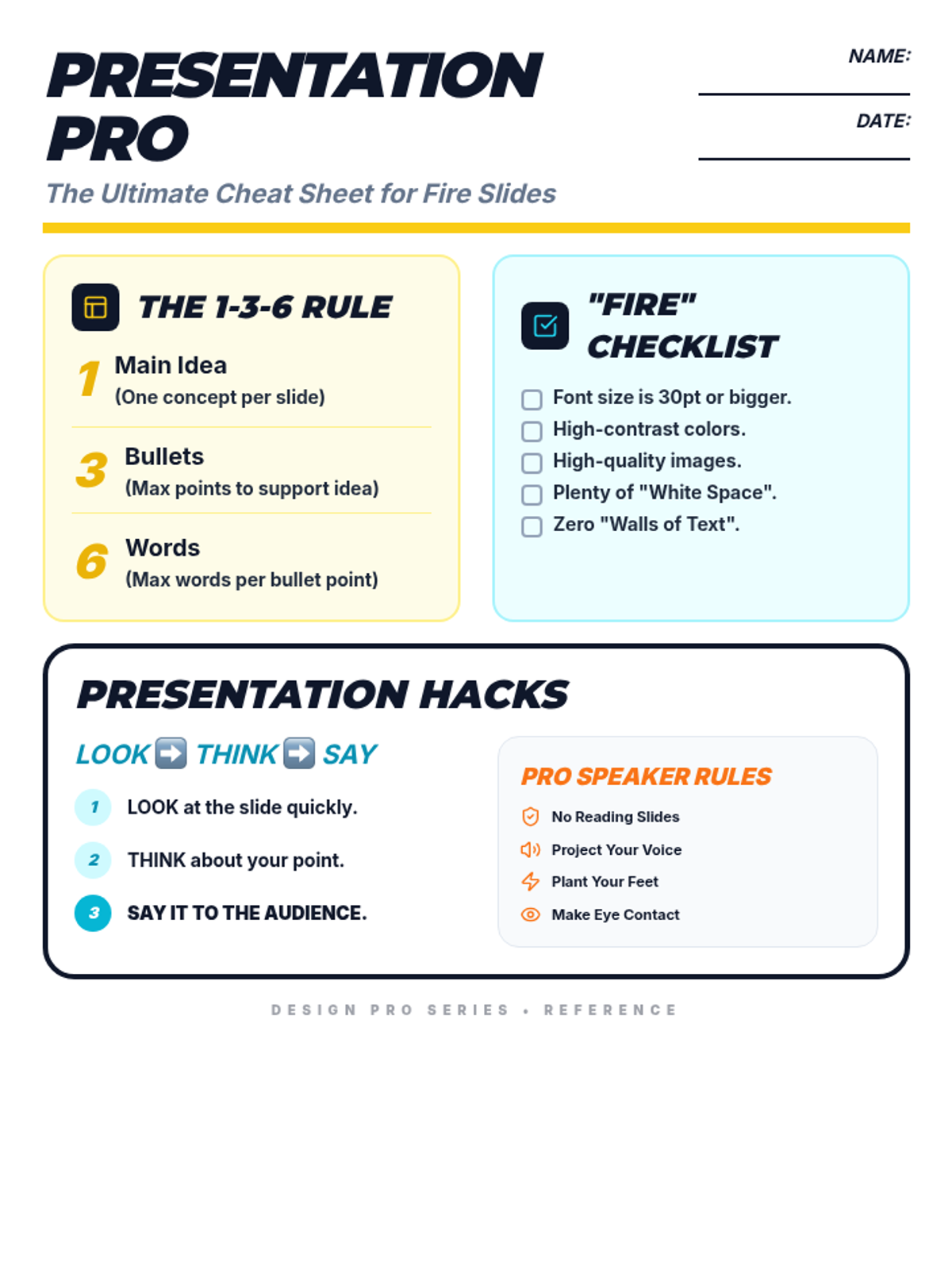
A mini-lesson series for middle schoolers on creating and delivering high-quality presentations, featuring the 1-3-6 rule and Look-Think-Say technique.
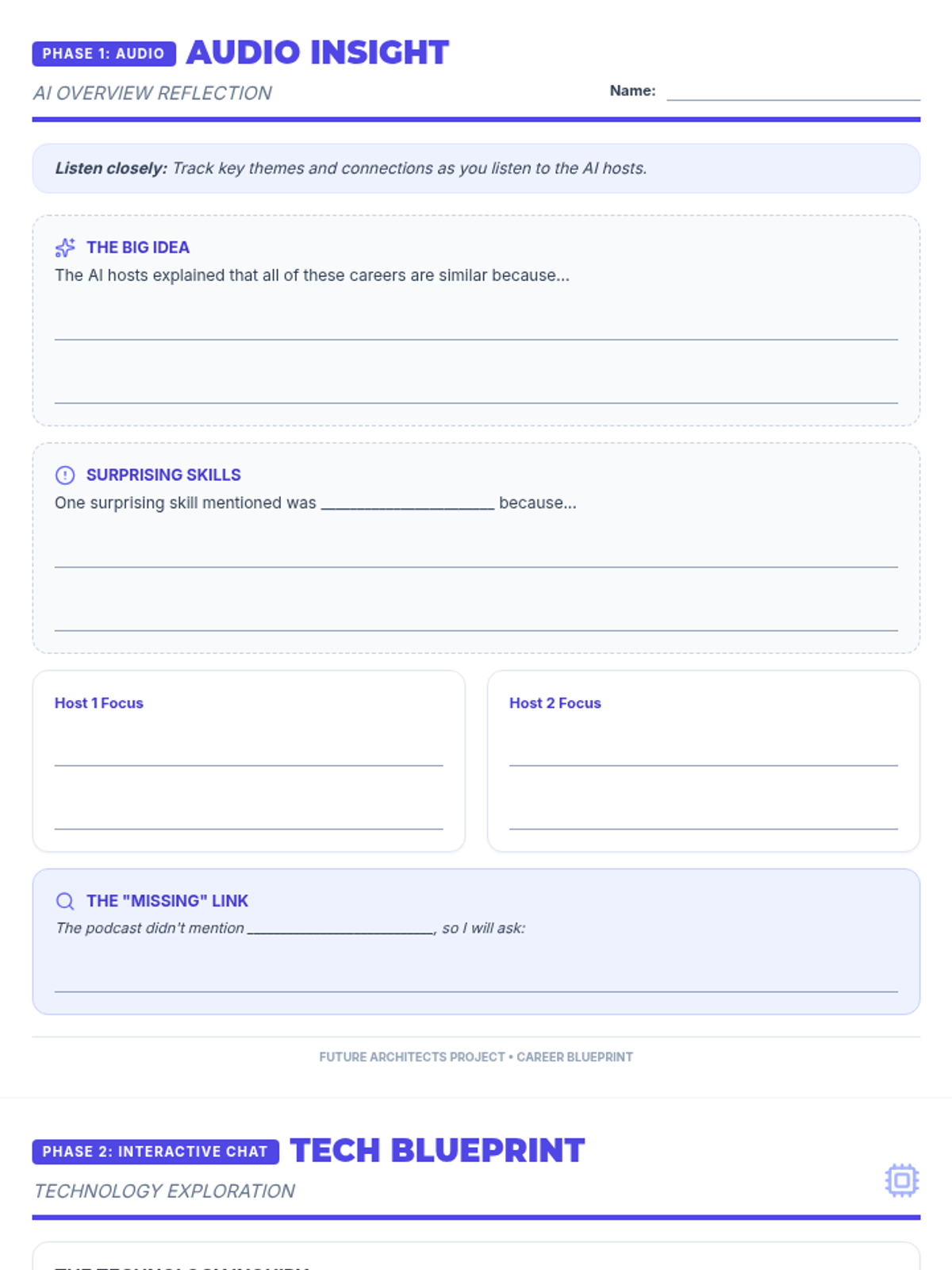
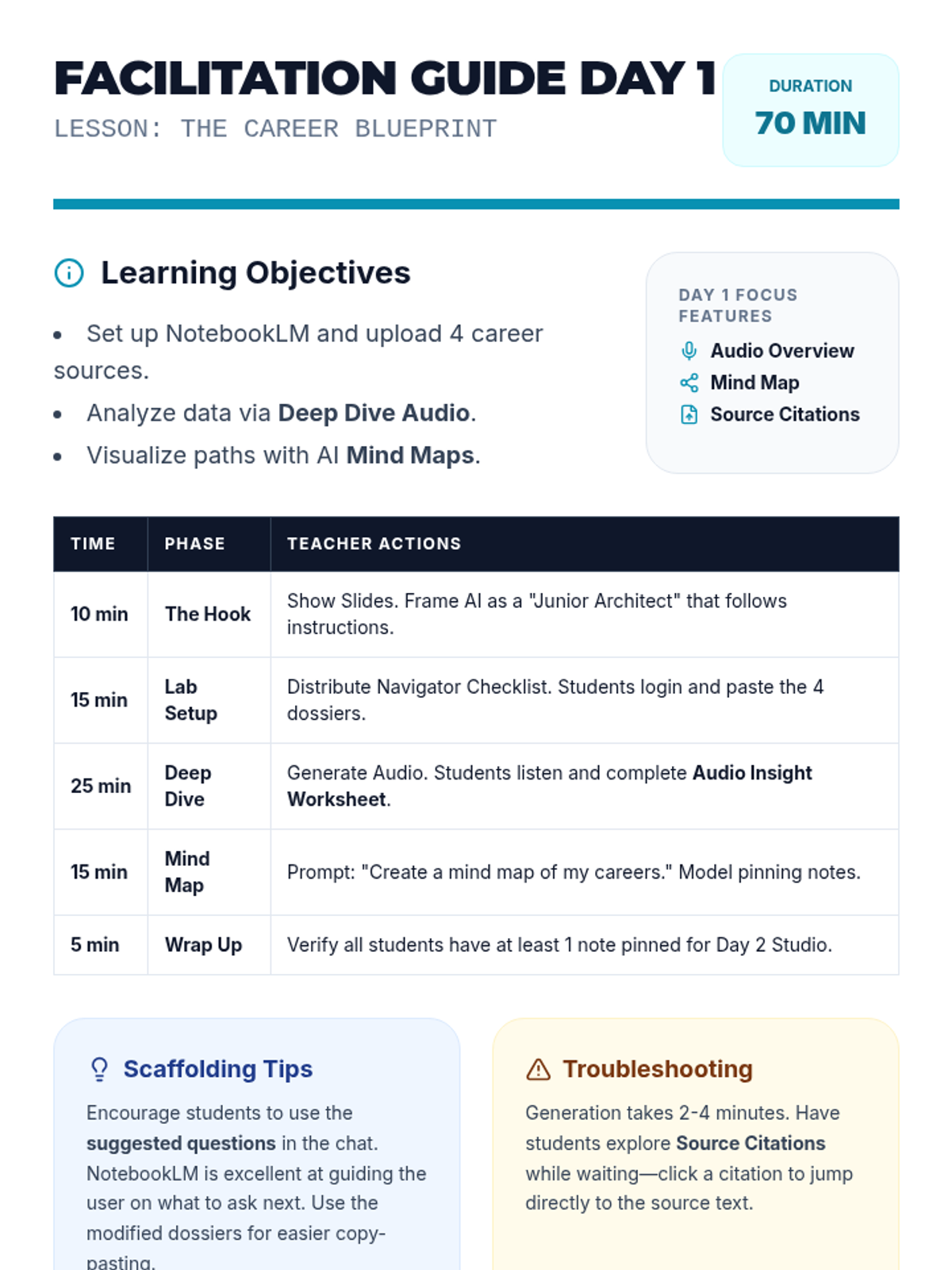
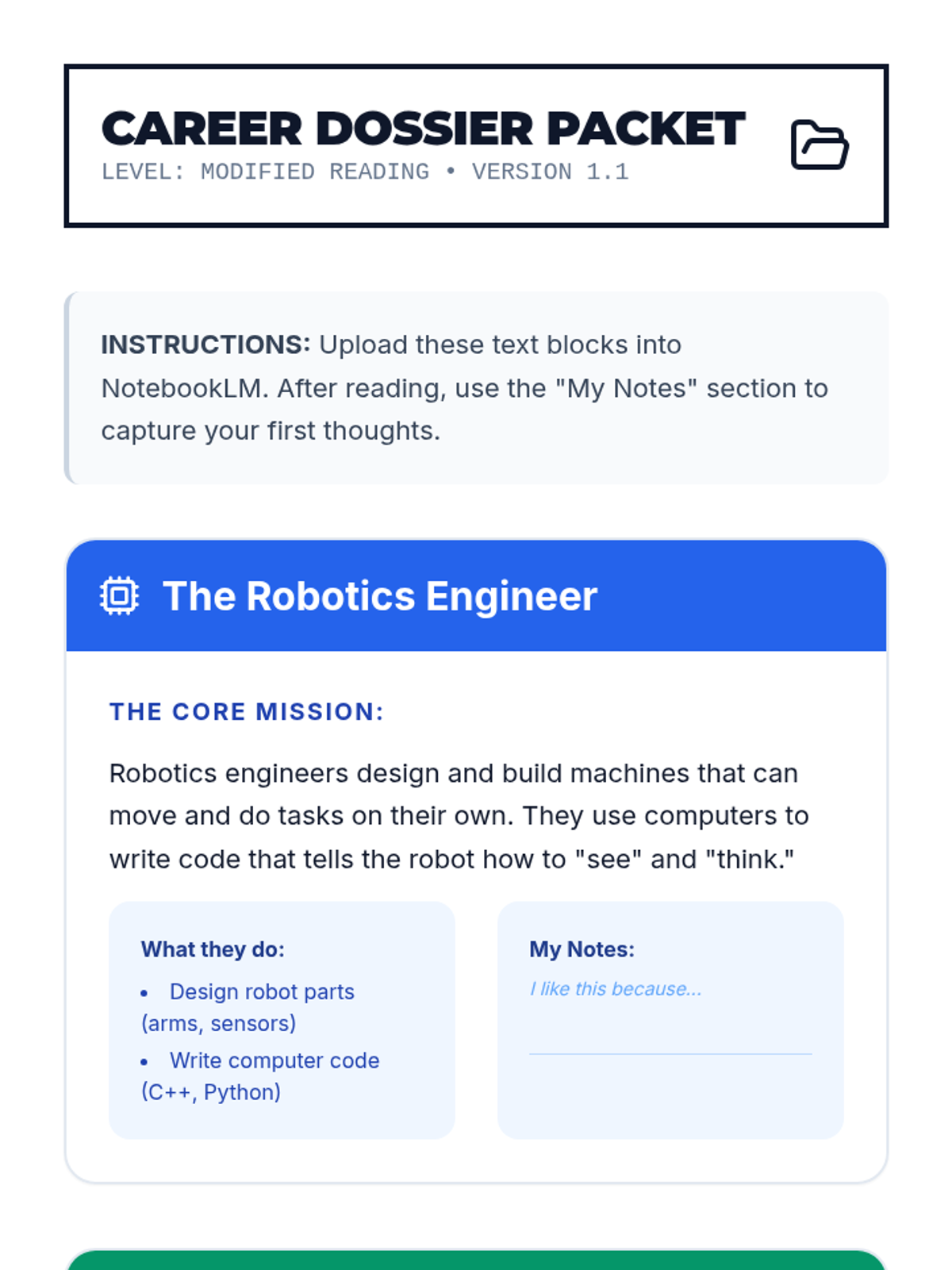
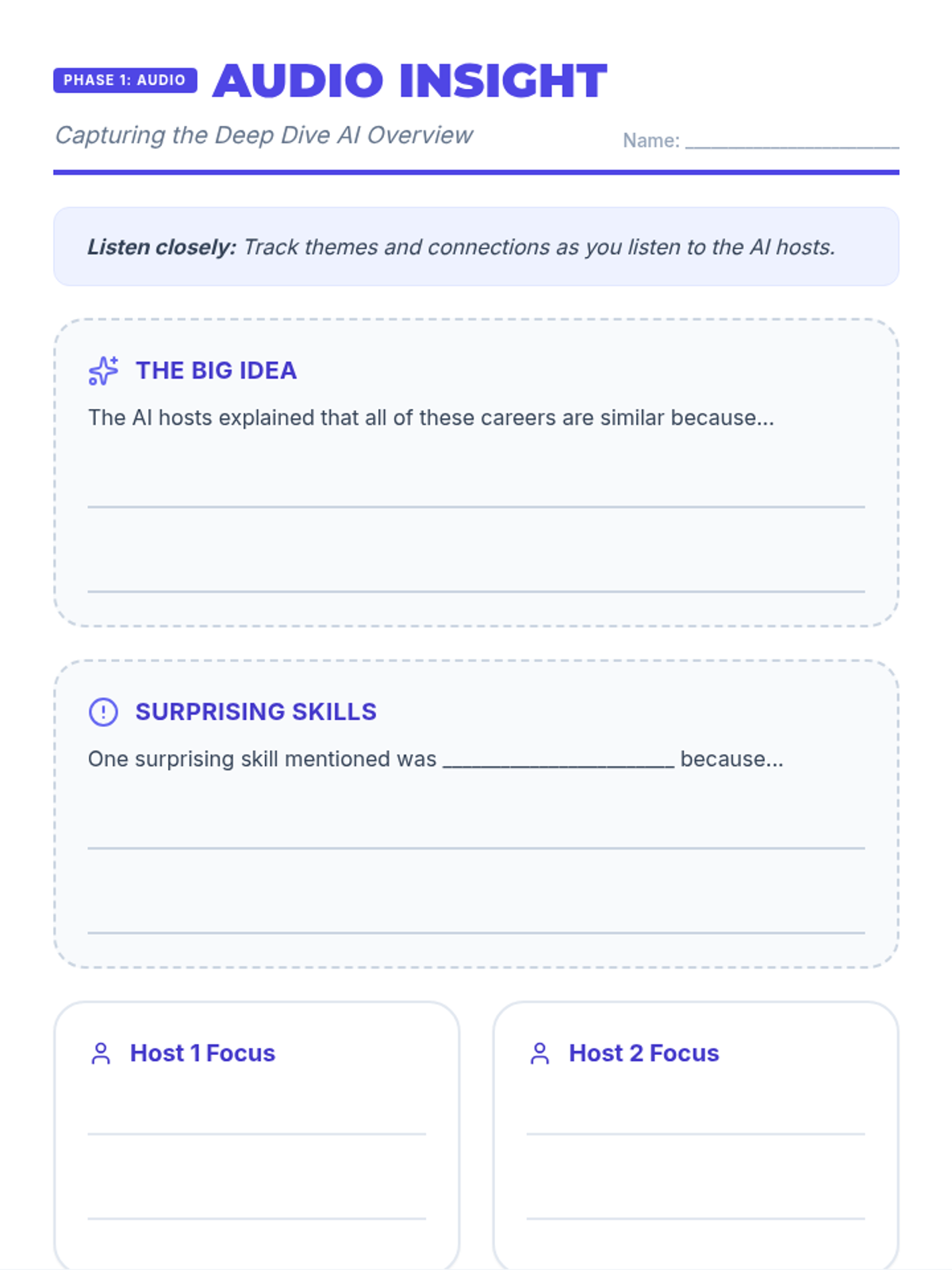
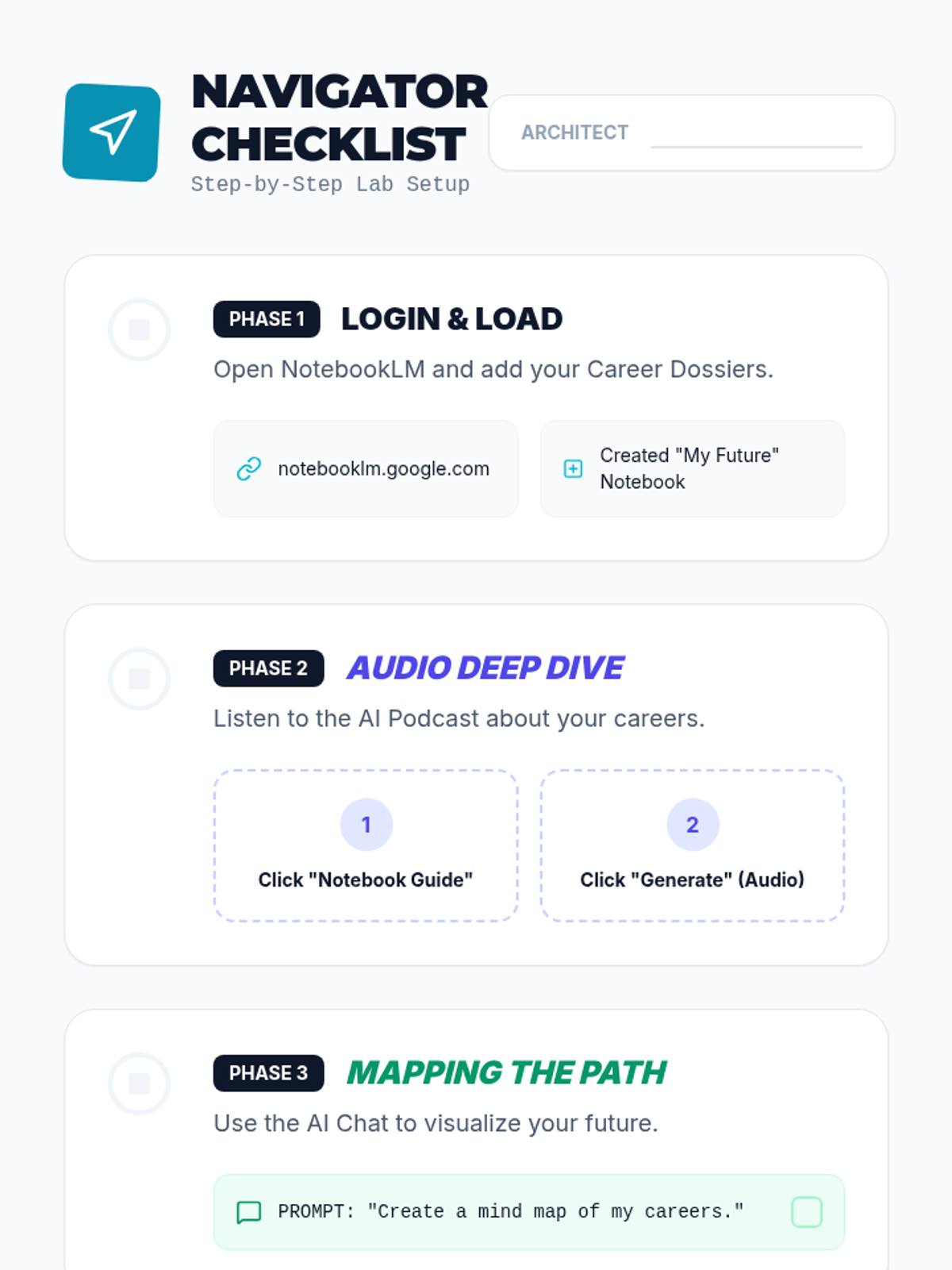
A 2-day intensive workshop where students use NotebookLM to research and design their future careers, exploring advanced features like Audio Overviews, Mind Maps, and Studio outputs with professional career dossiers and visual supports.
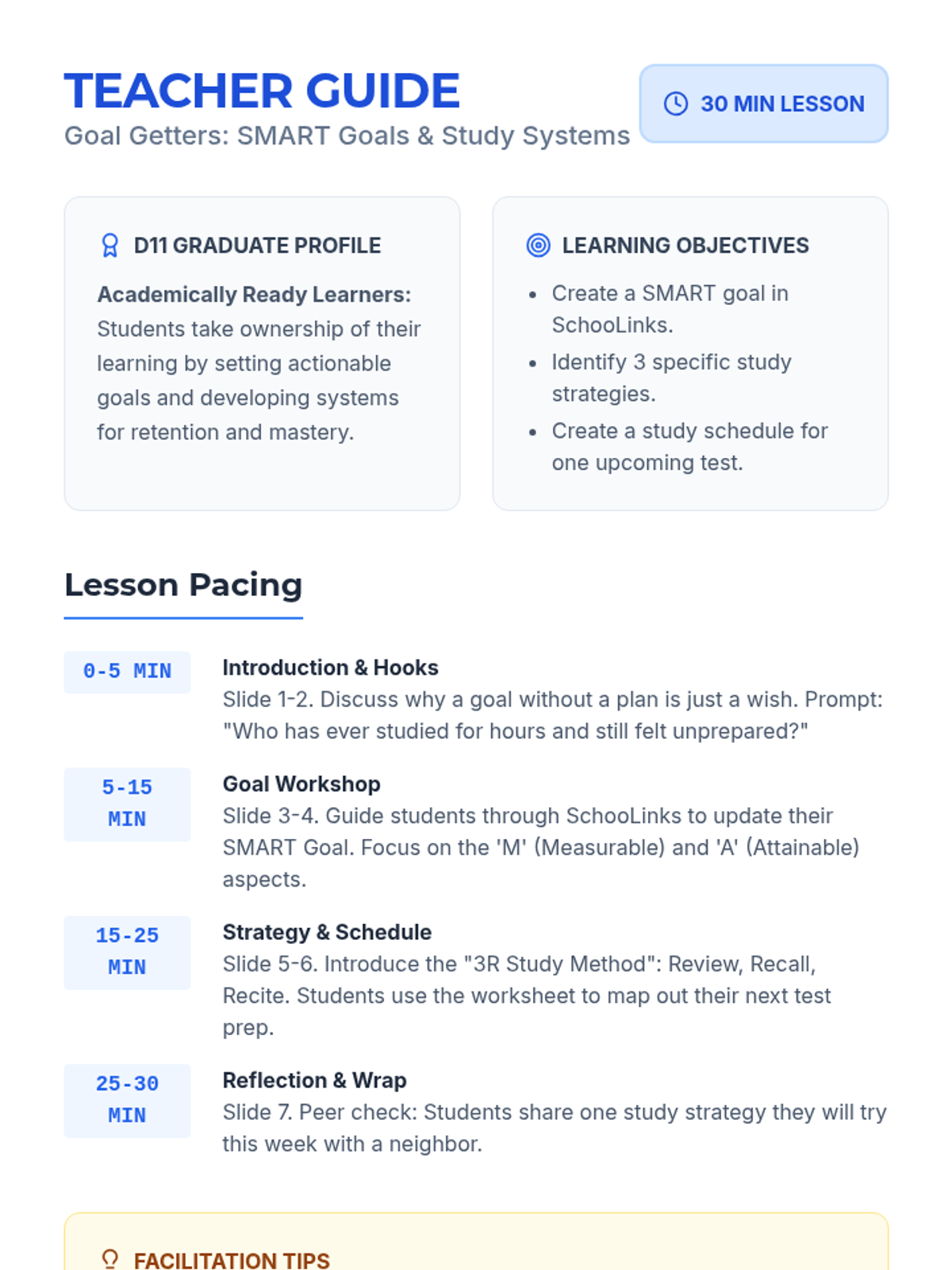
A 9-week curriculum designed for middle and high school students focused on academic readiness, healthy habits, and professional communication based on the D11 Graduate Profile. Each 30-minute lesson provides students with practical skills like SMART goal setting, email etiquette, self-advocacy, and emotional regulation.
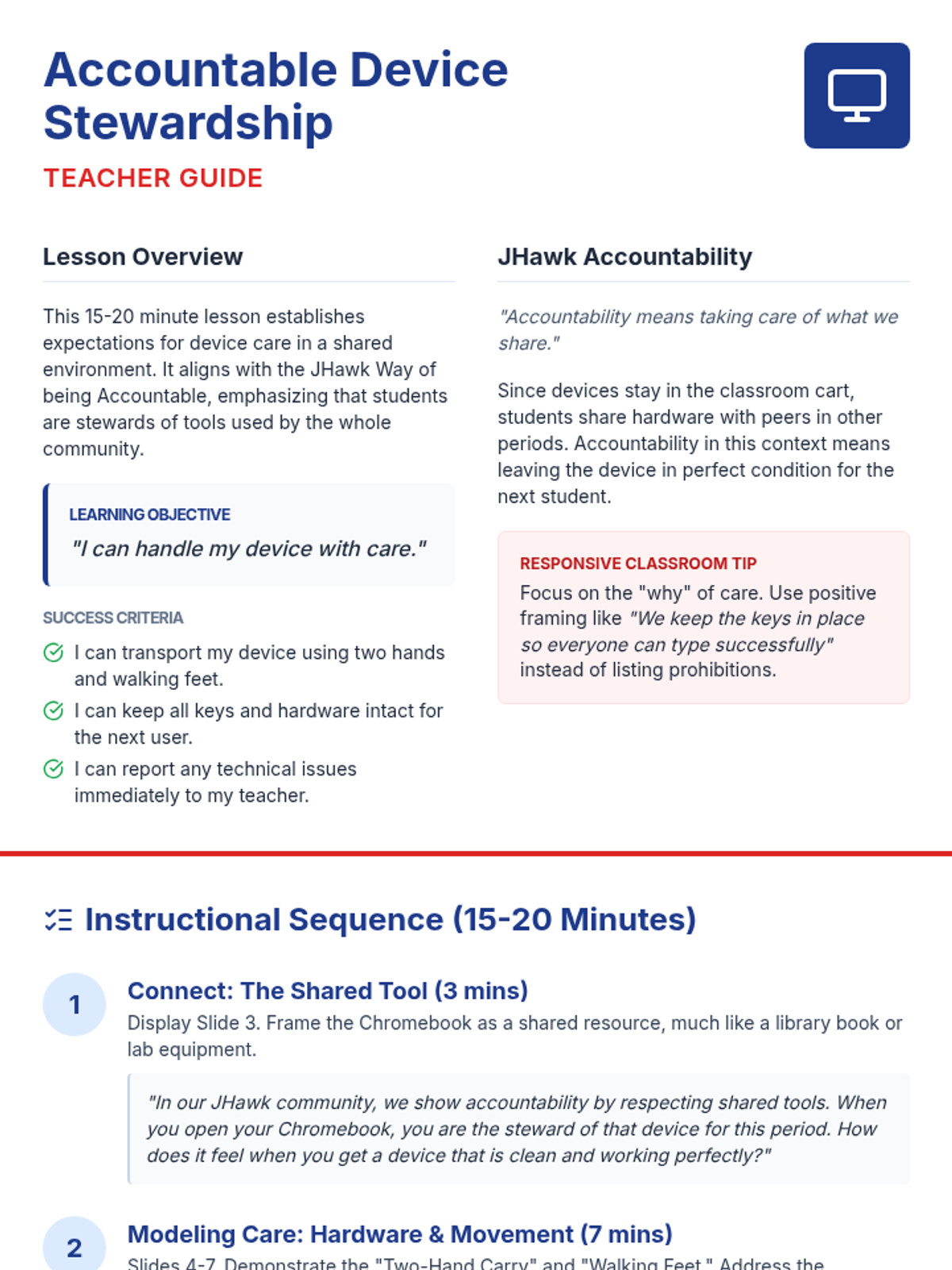
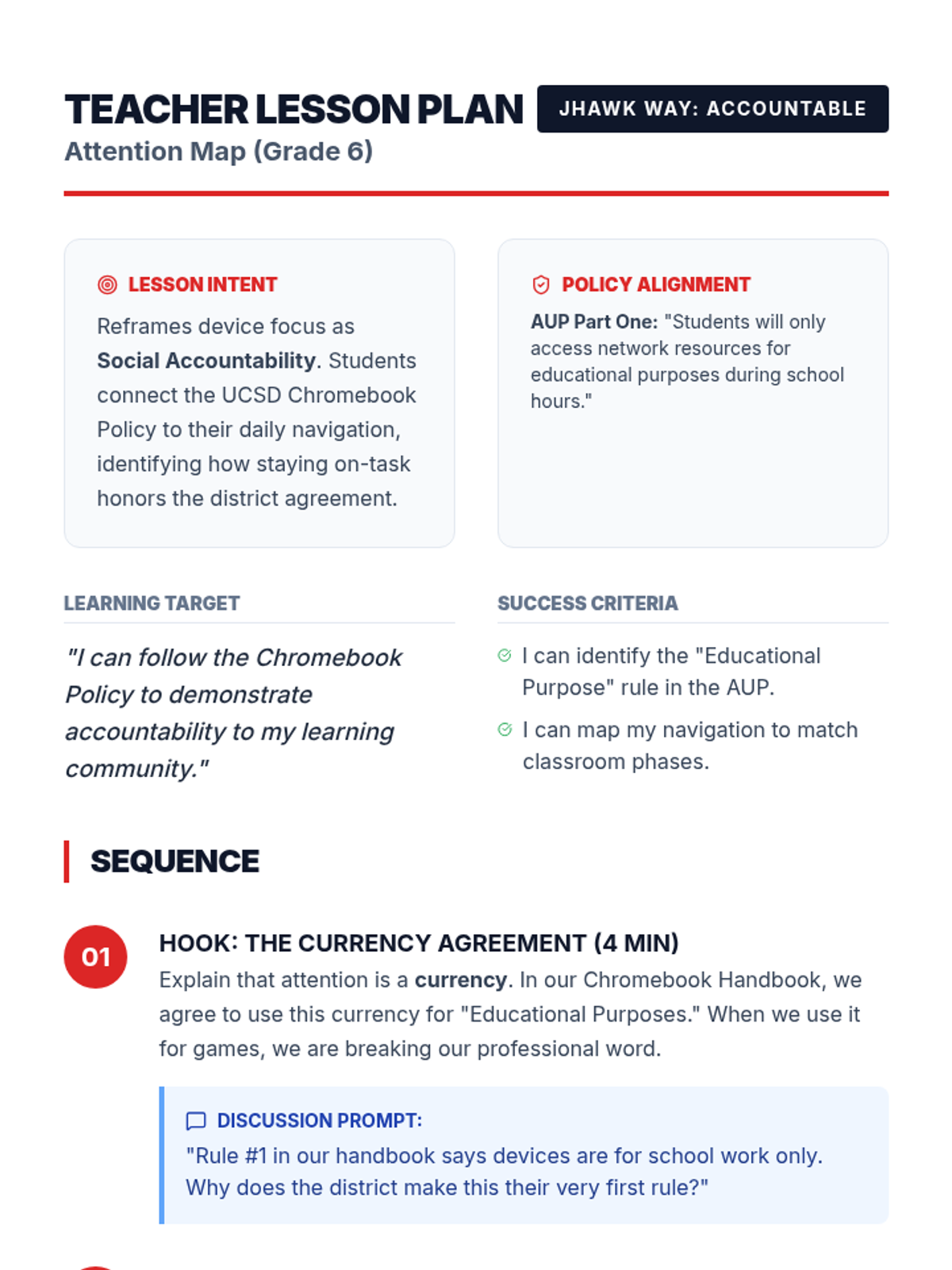
A K-12 vertical alignment for device stewardship within the Urbandale Community School District, focusing on the JHawk Way of being Accountable.
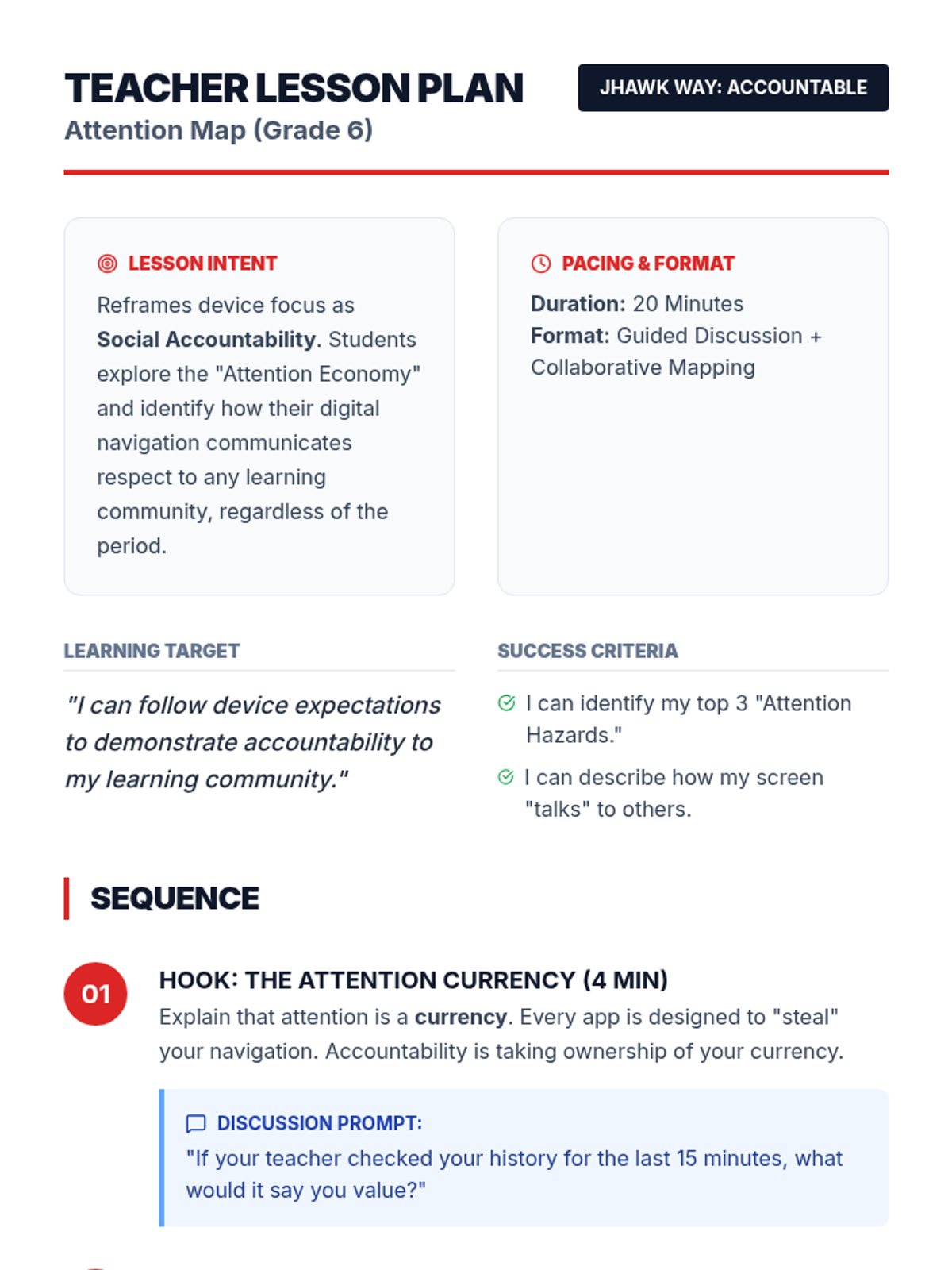
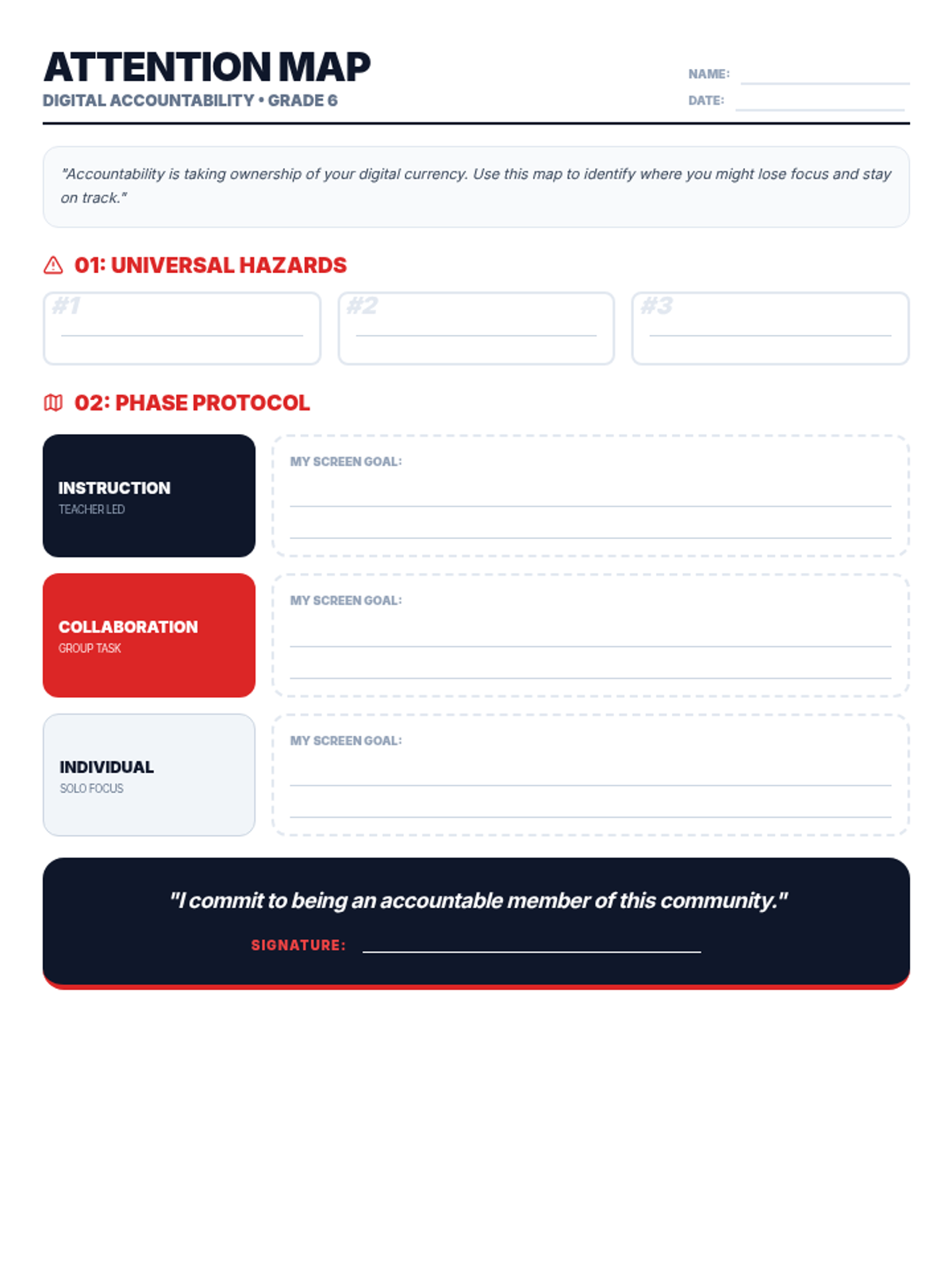
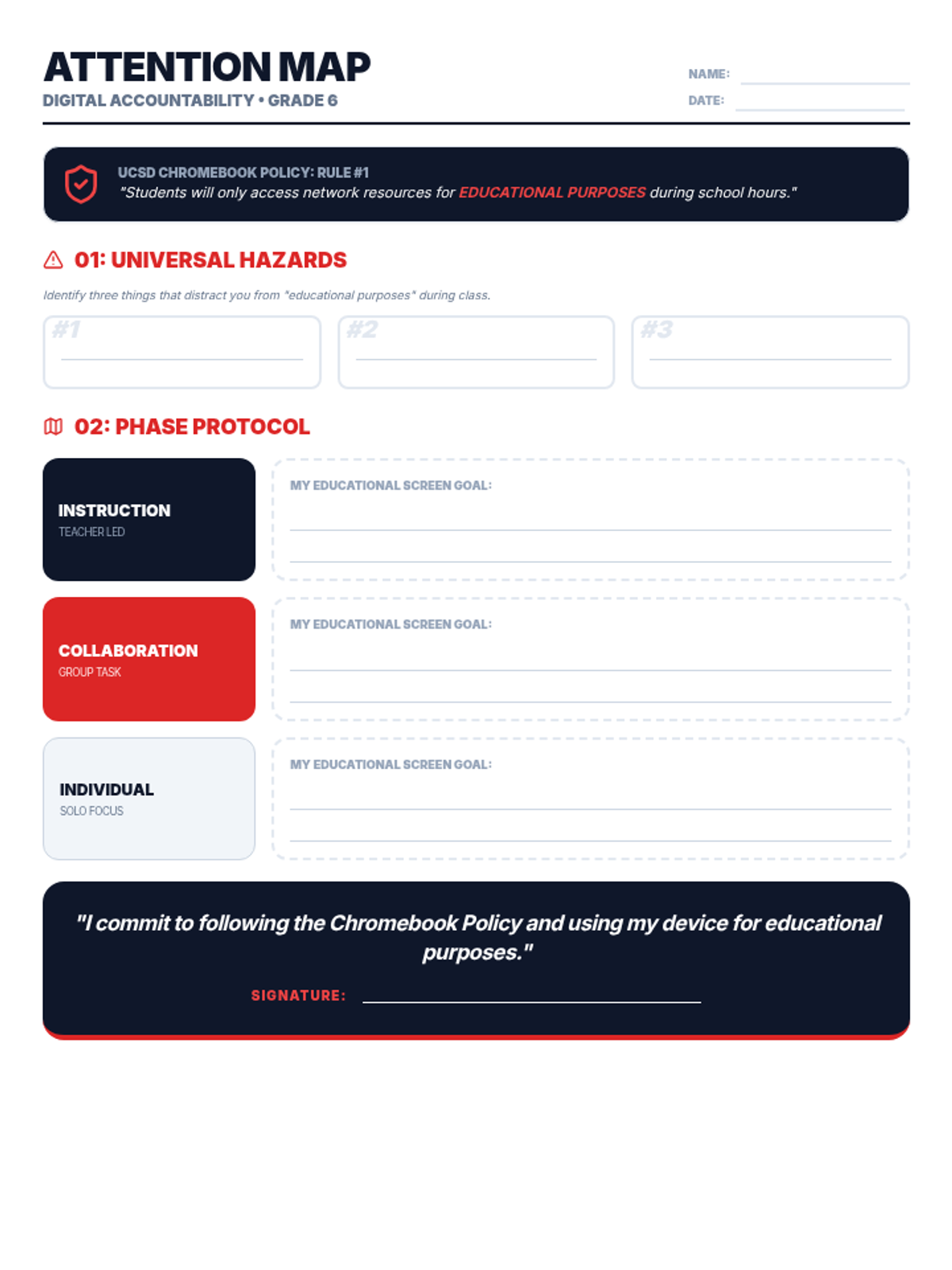
A comprehensive 3-part sequence for middle school students to develop digital accountability and agency, transitioning from external rules to internal standards of professionalism.
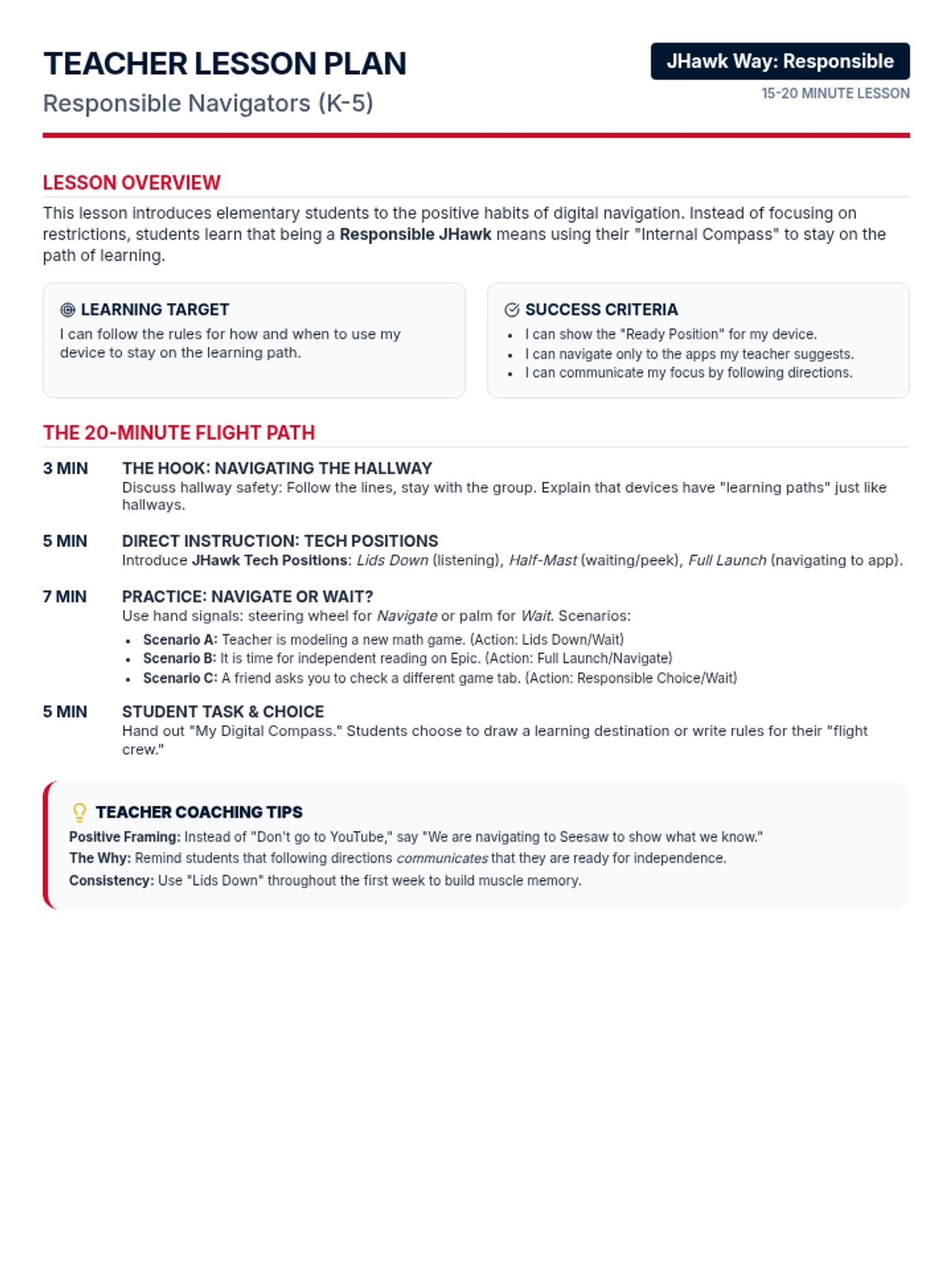
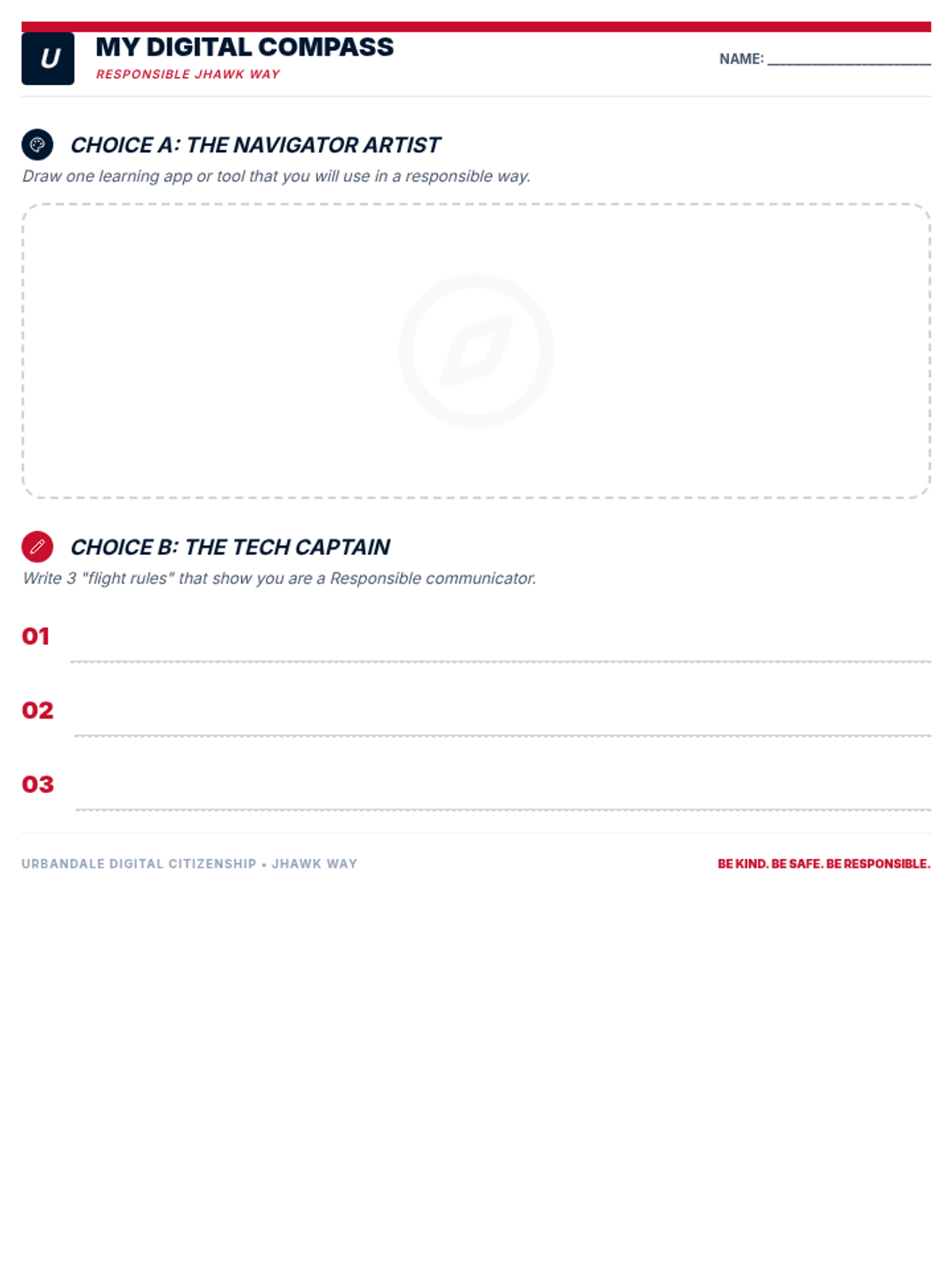
A series of Digital Citizenship lessons for Urbandale Community School District, focusing on the responsible and accountable use of school-issued devices through the lens of the JHawk Way. Students learn to navigate and communicate effectively by following screentime and teacher guidance.
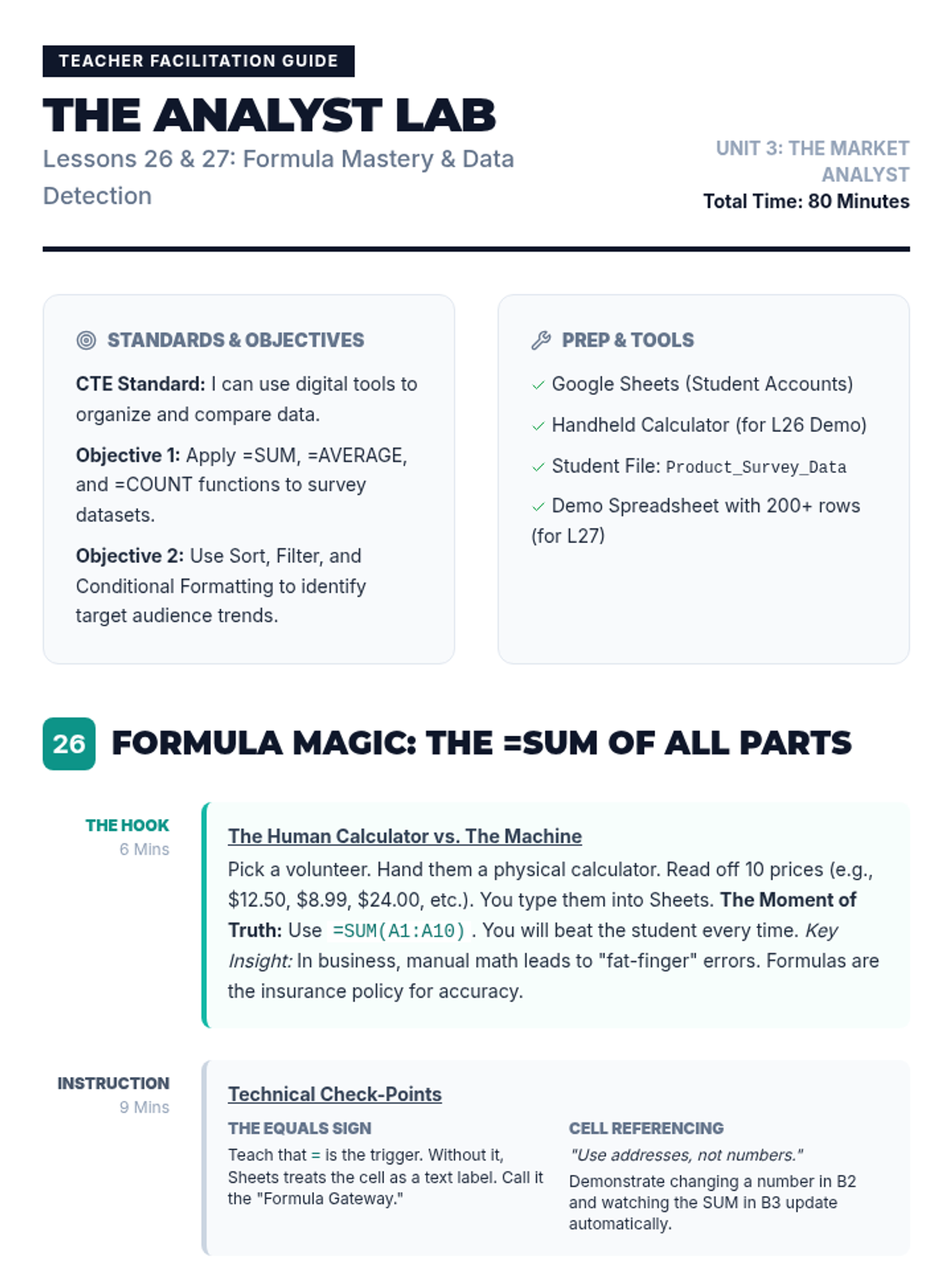
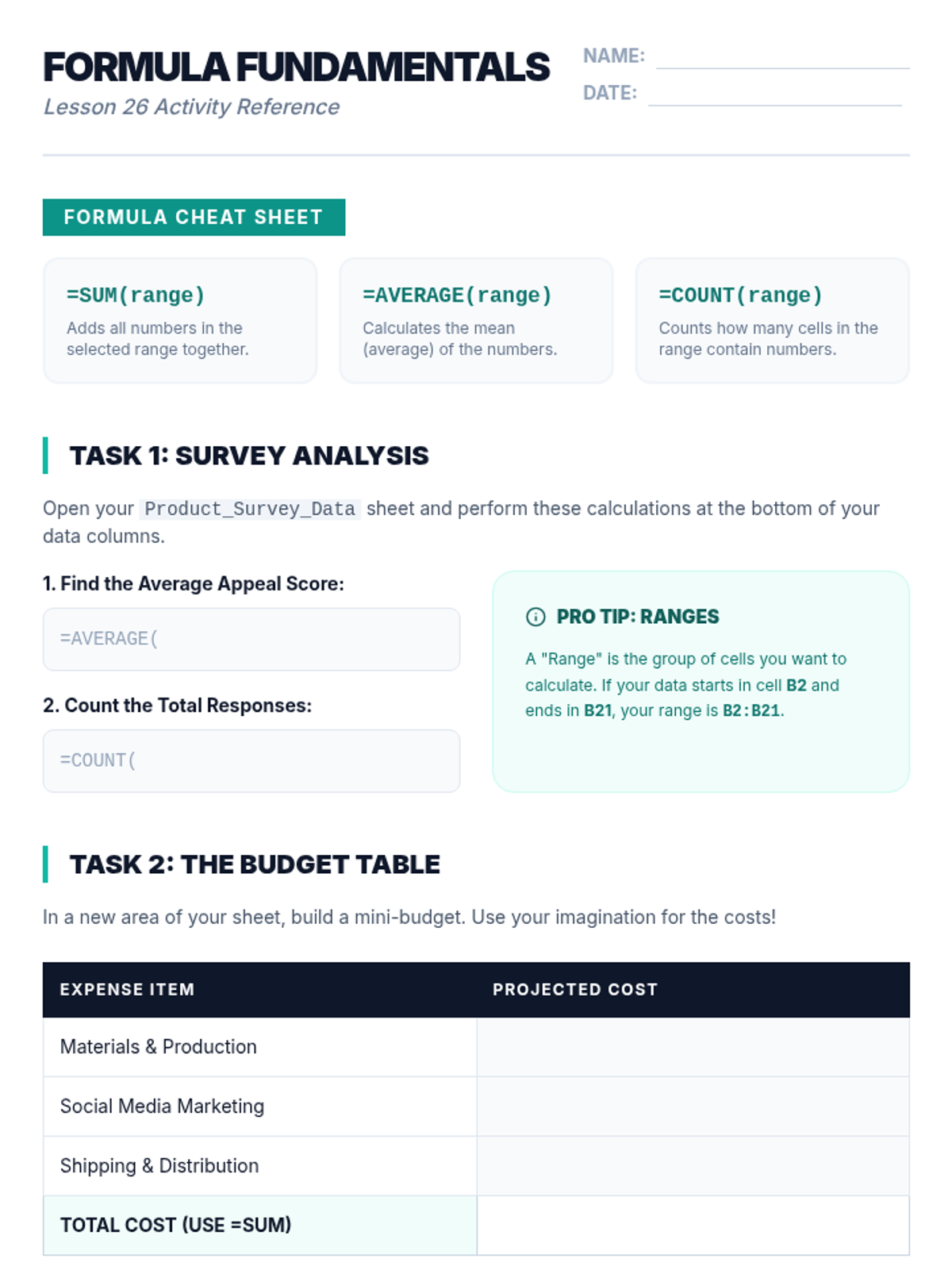
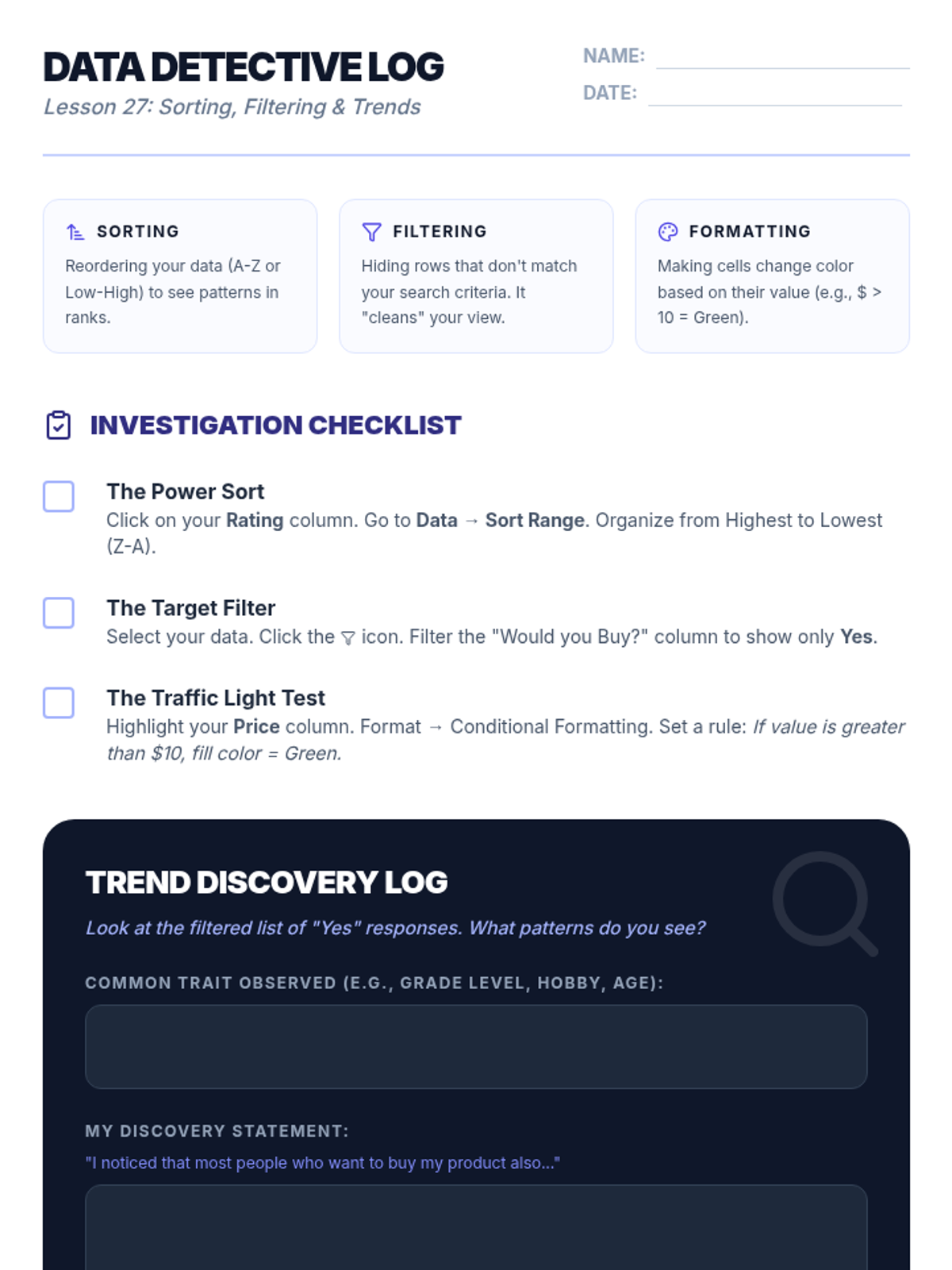
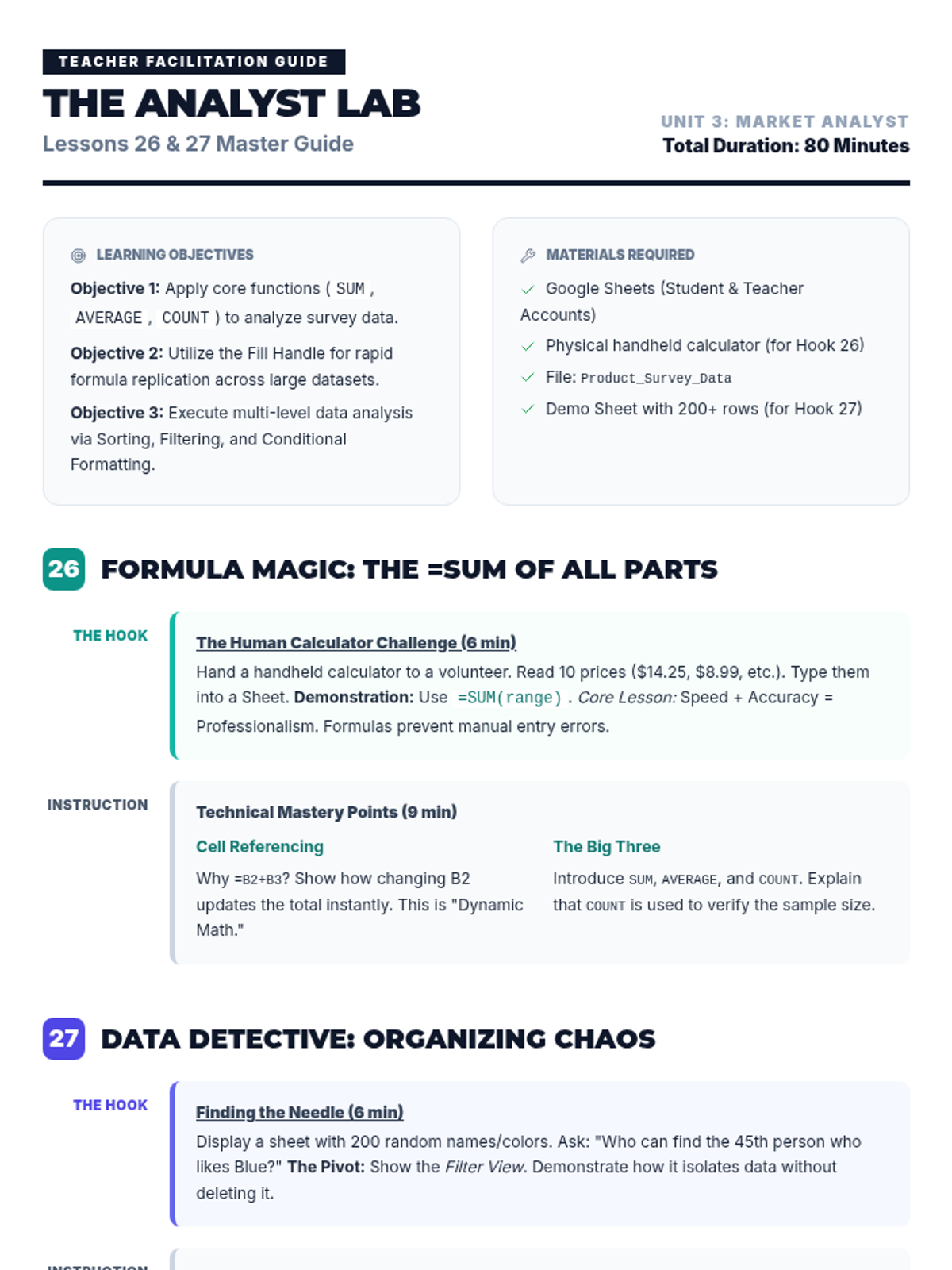
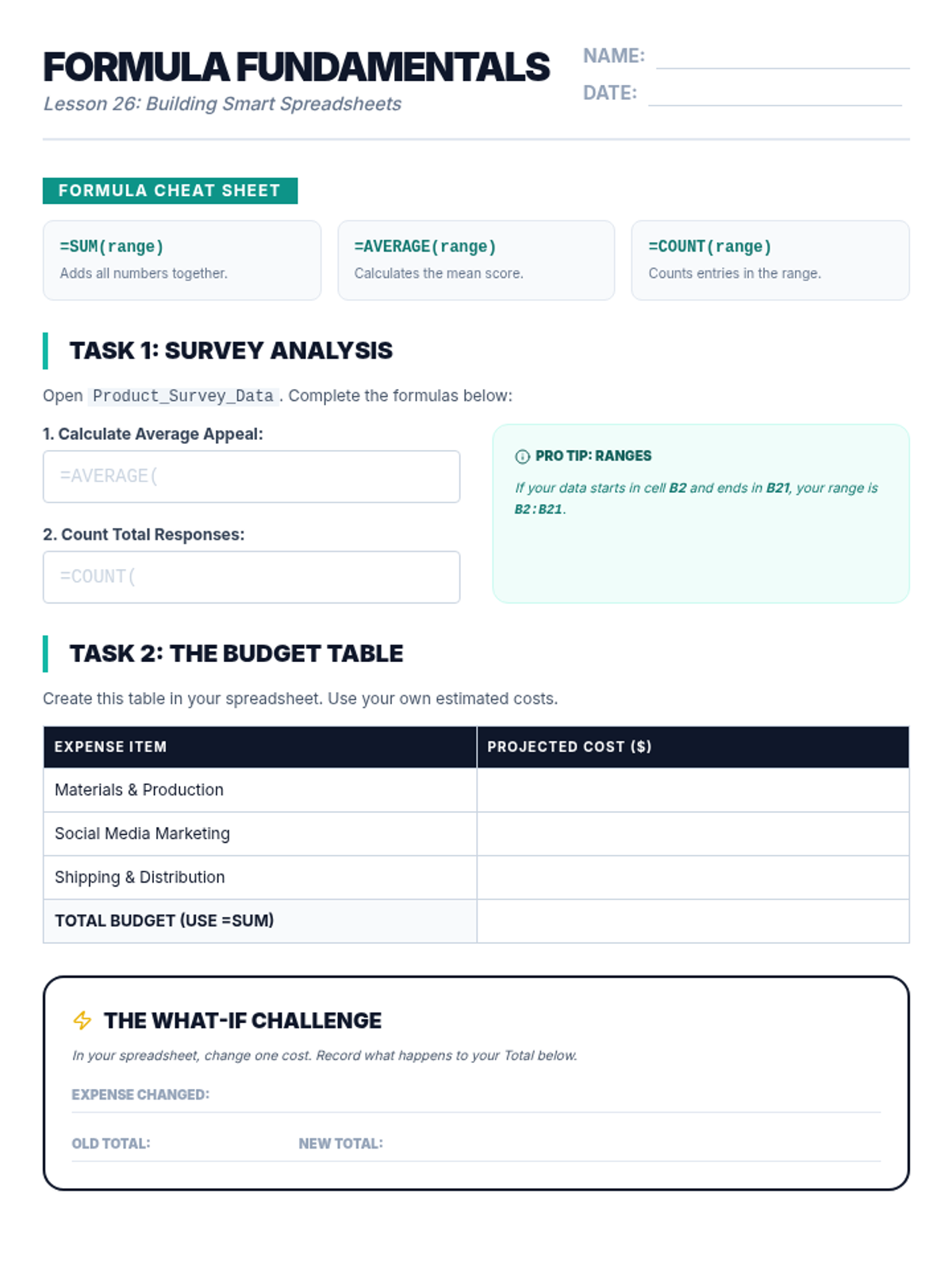
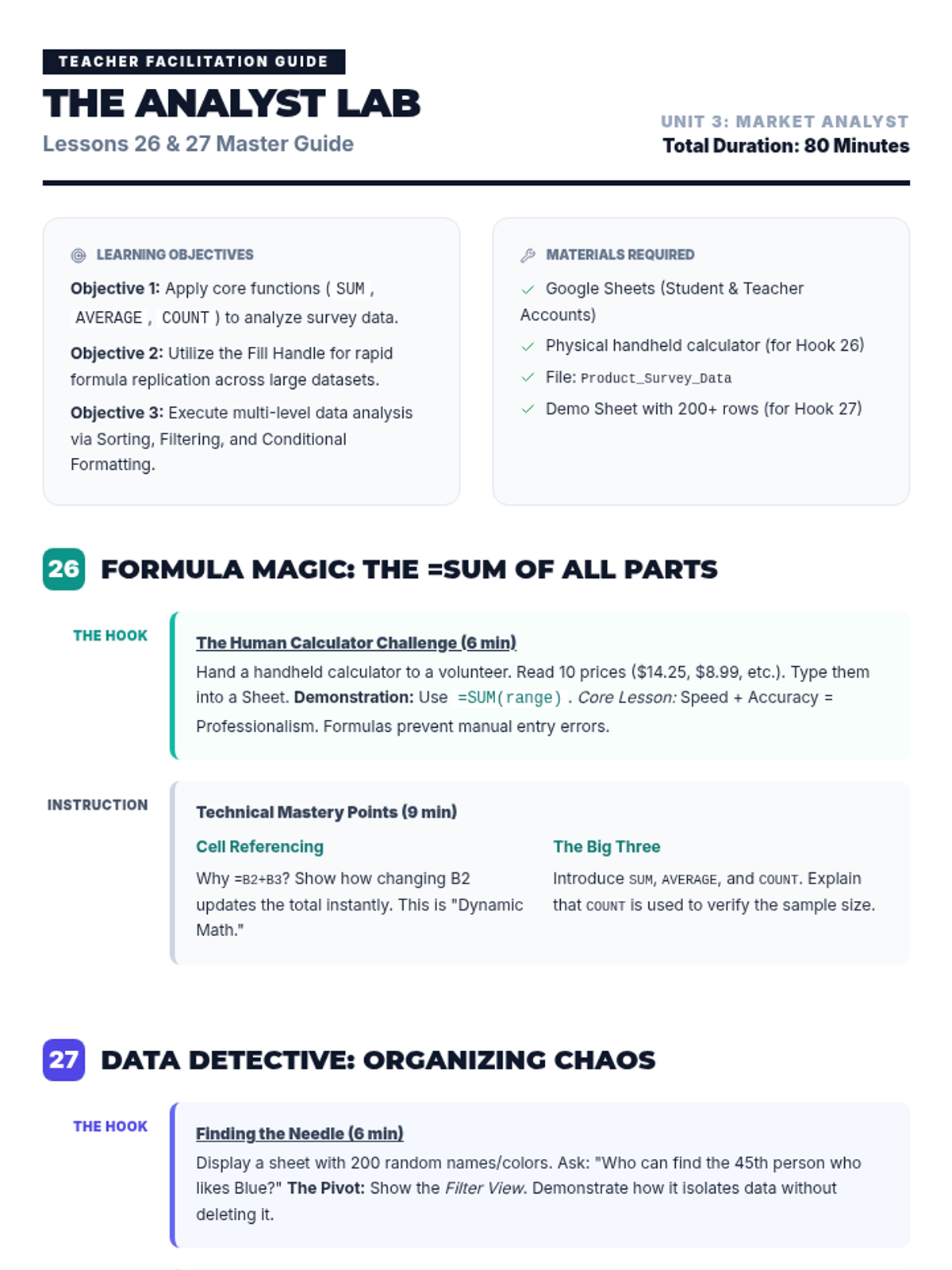
Students learn to use digital tools to organize, compare, and analyze market data using advanced spreadsheet techniques like formulas, sorting, and filtering.
A comprehensive identity design unit where students explore the psychological and visual elements of branding, including color theory, typography, and logo composition.
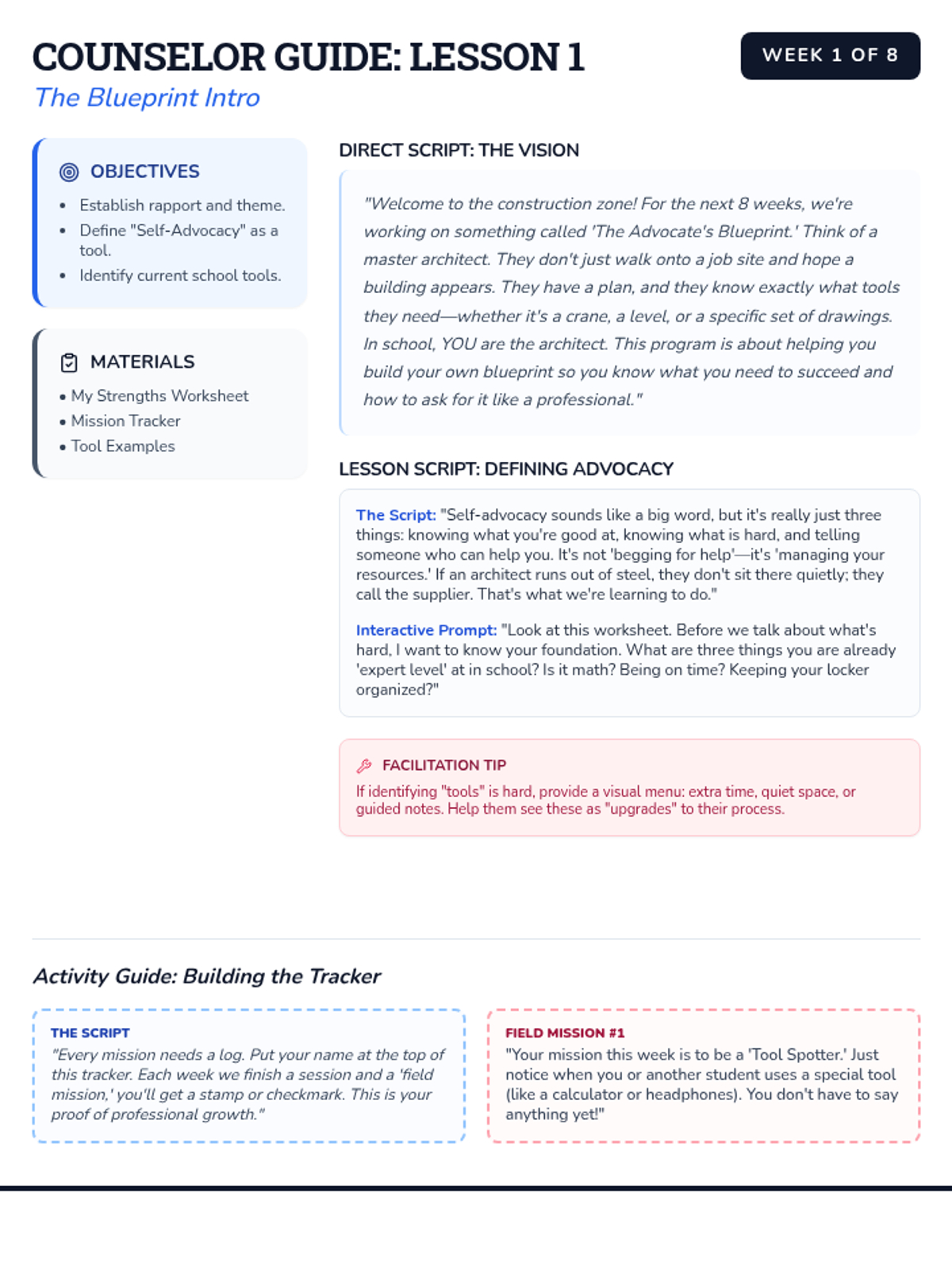
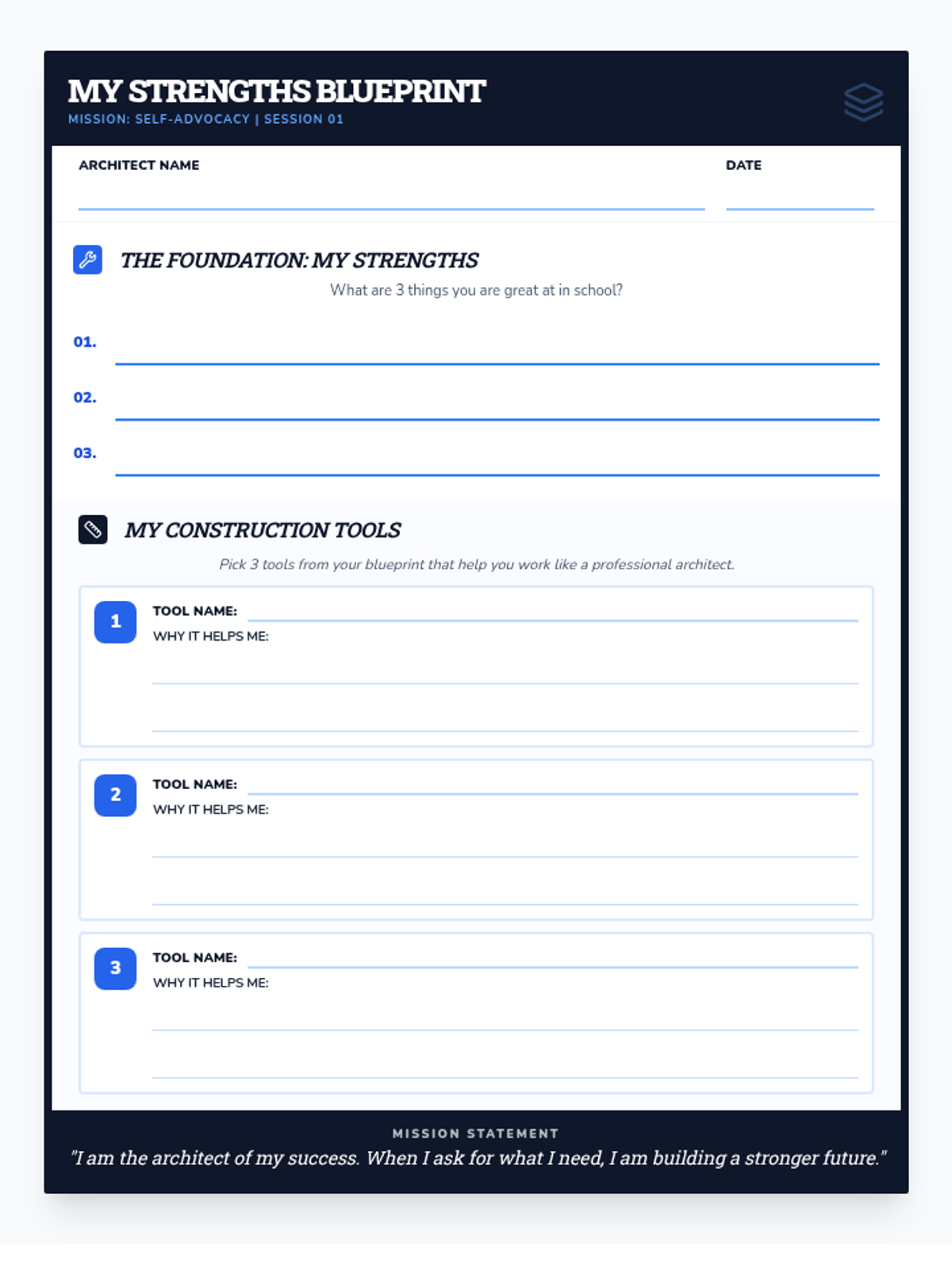
An 8-week individual counseling sequence designed for 8th-grade students with autism to develop self-advocacy skills, focusing on requesting learning tools and clarification. Content uses direct, literal language.
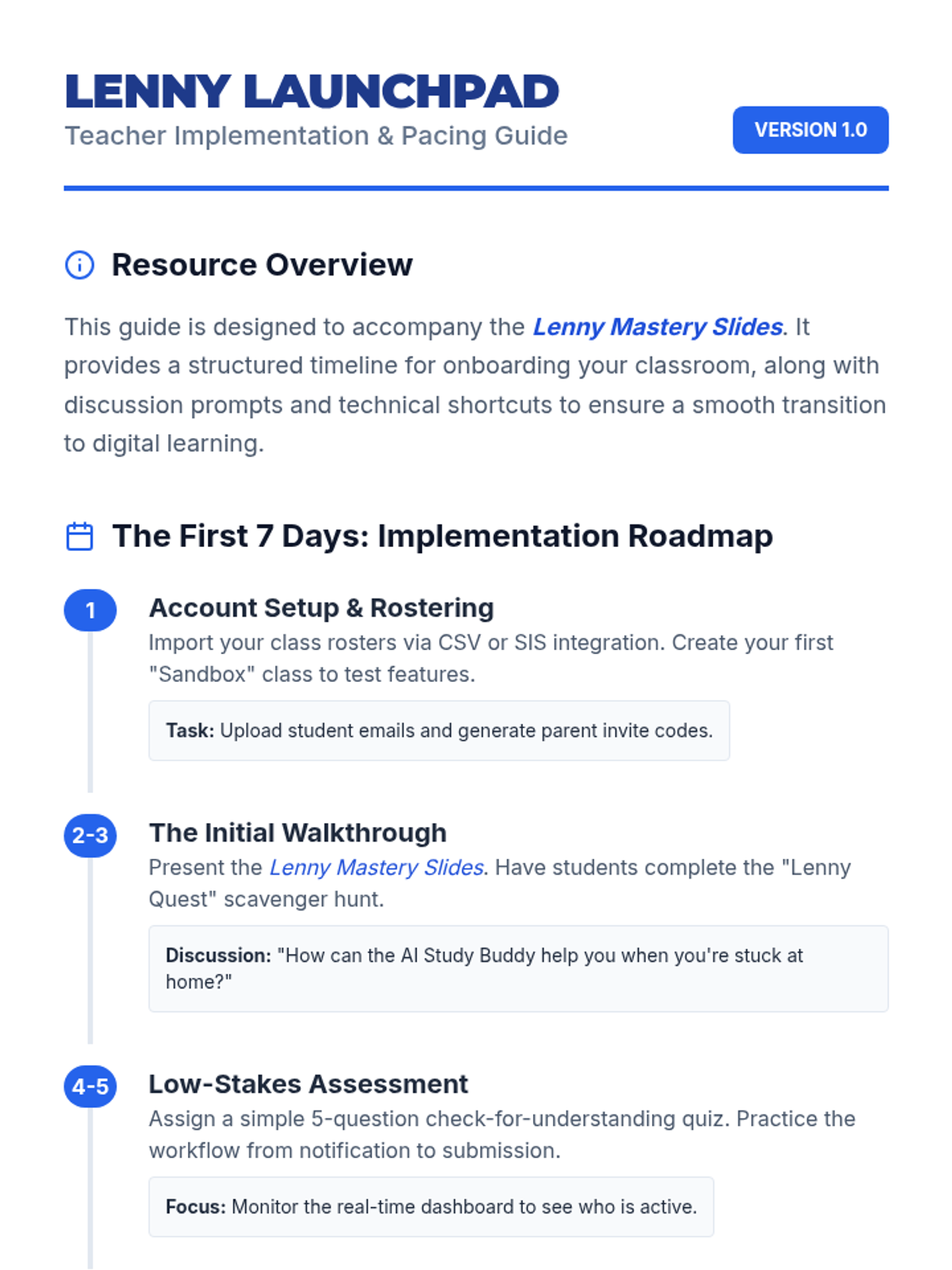
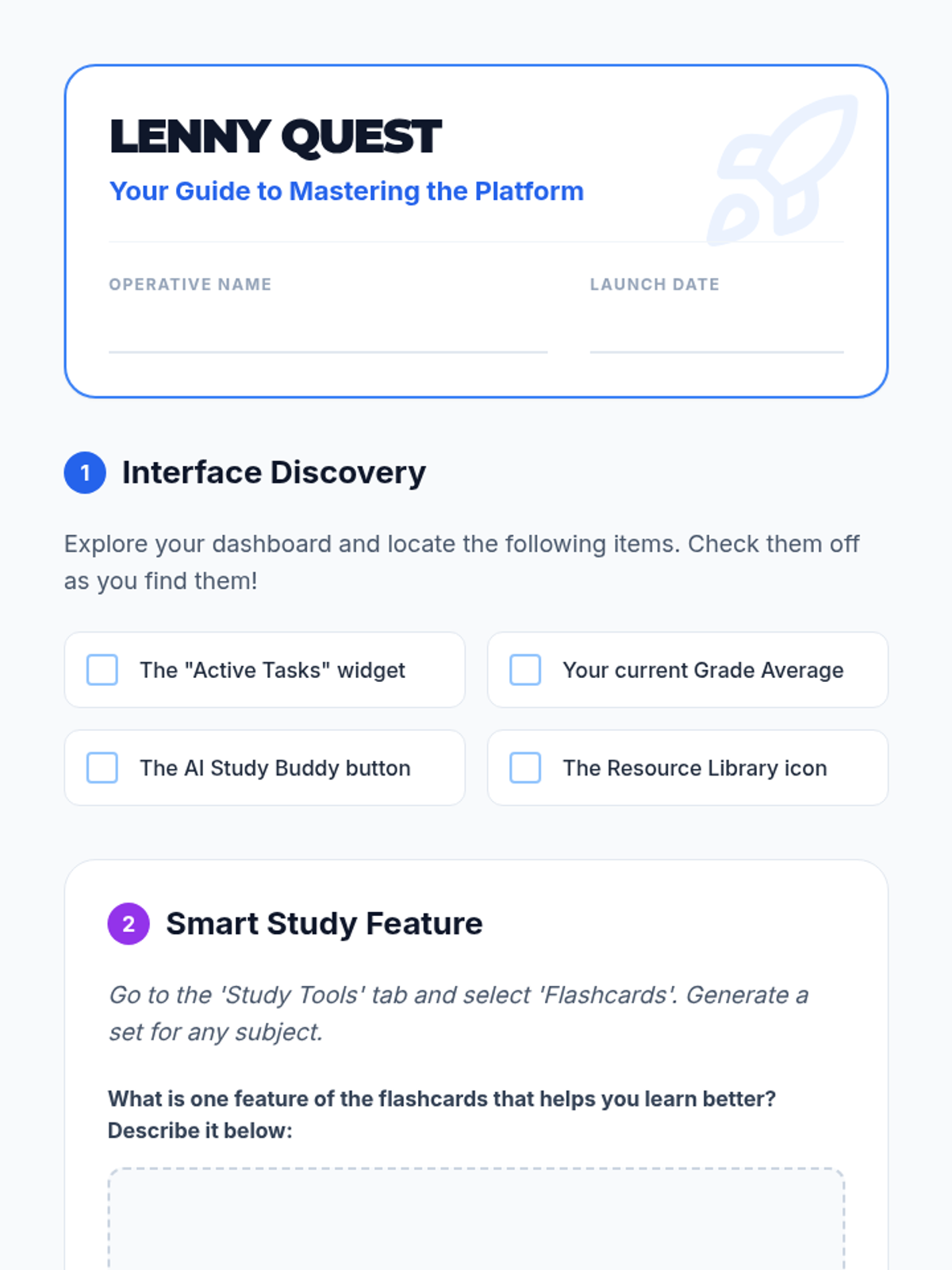
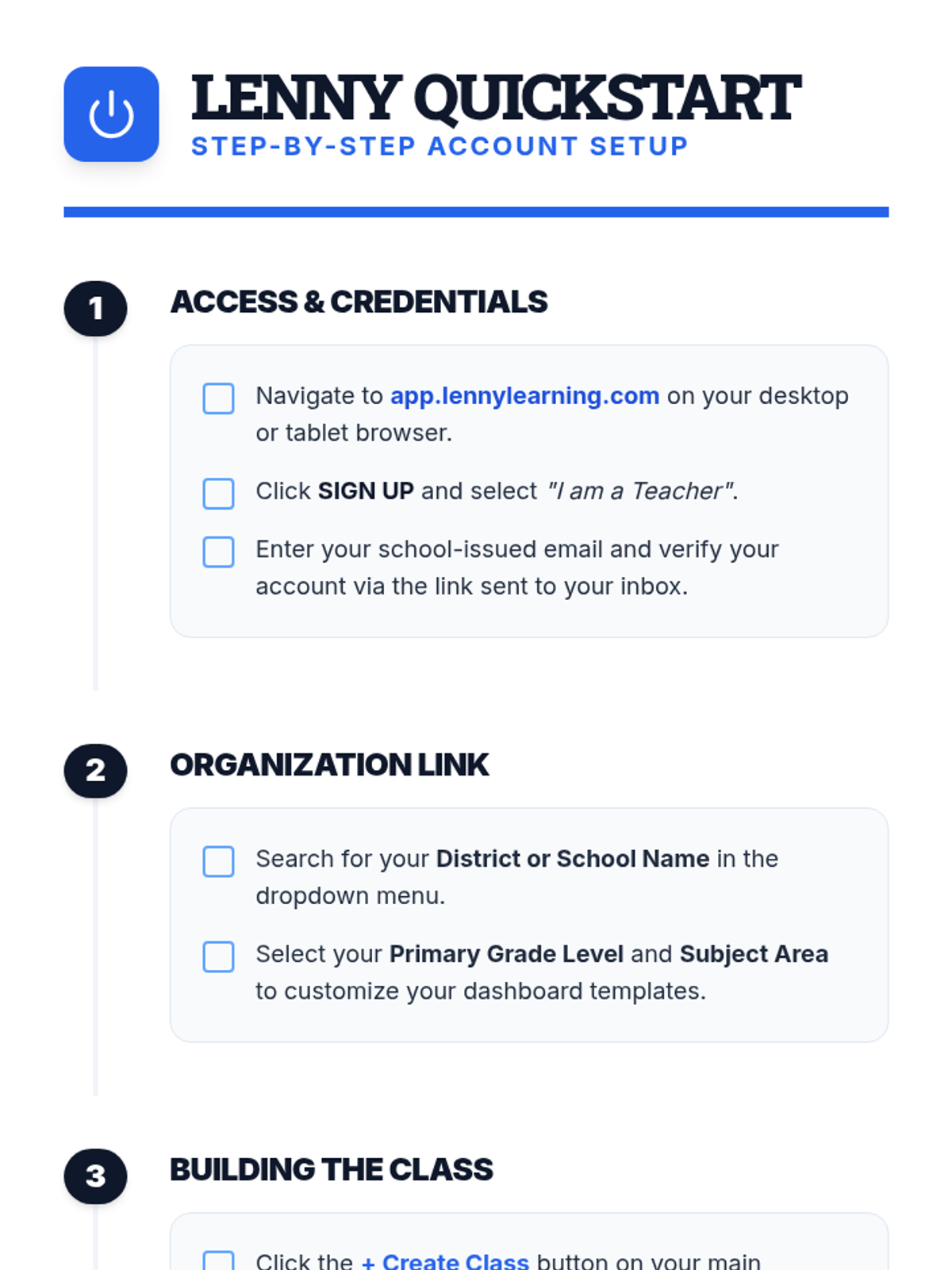
A series of lessons designed to turn educators into Lenny Learning power users, moving from basic platform navigation to advanced engaging lesson design.
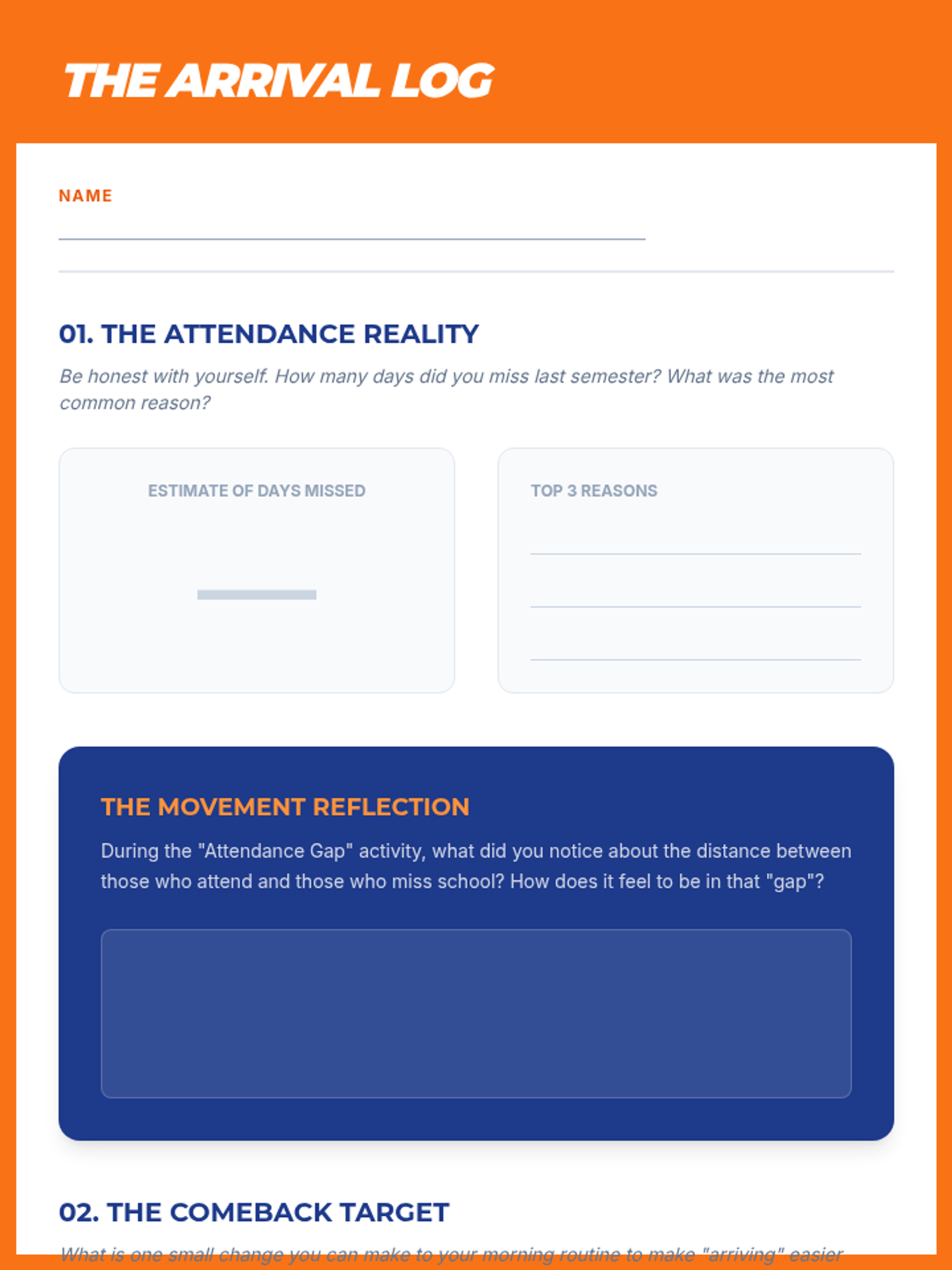
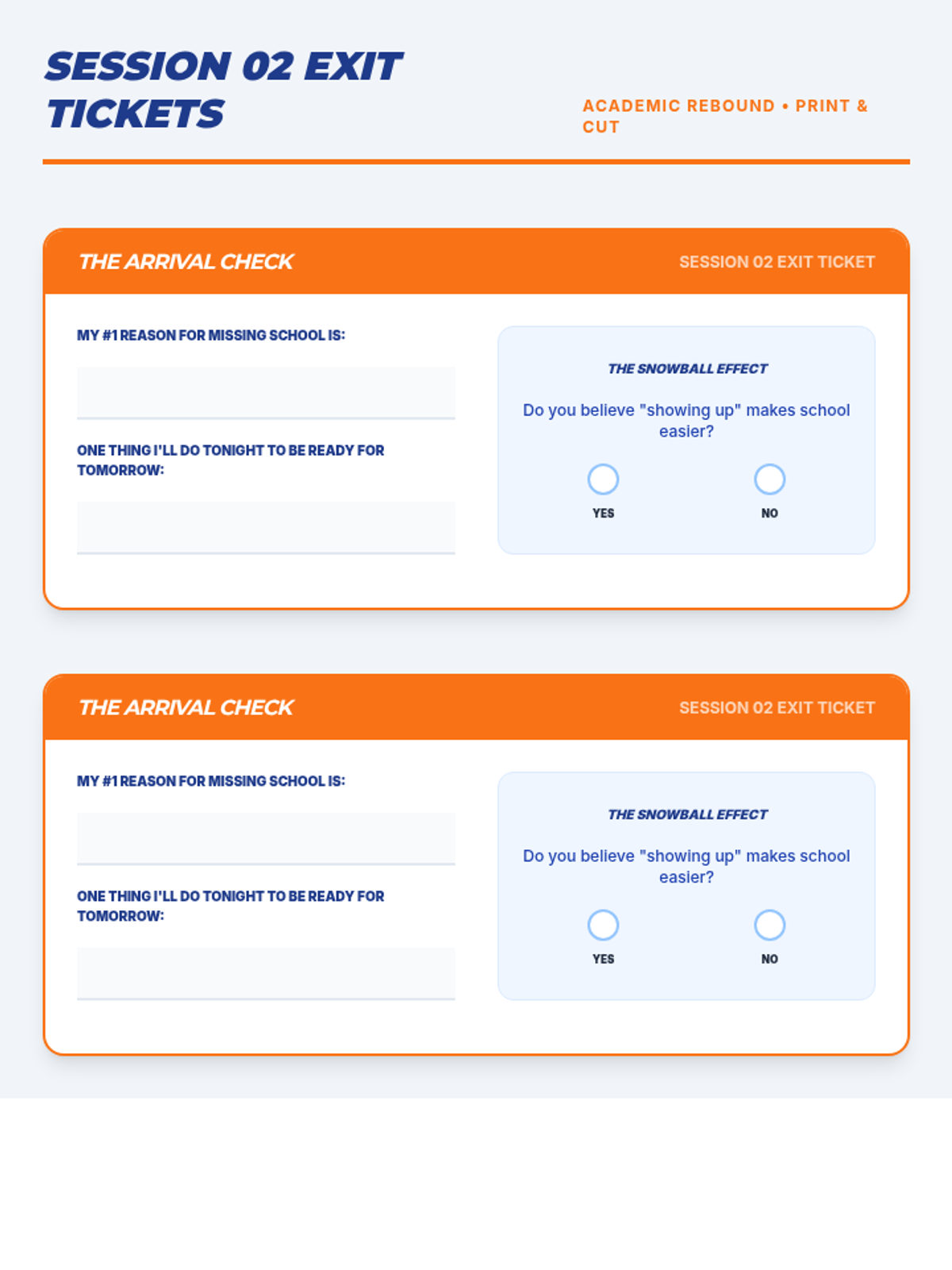
A 6-week academic intervention program for middle schoolers, focusing on attendance, organization, study skills, and self-advocacy through movement-based learning and reflective practice.
A 6-lesson sequence for middle schoolers to master executive functioning skills, focusing on task management, physical and digital organization, and building sustainable routines.
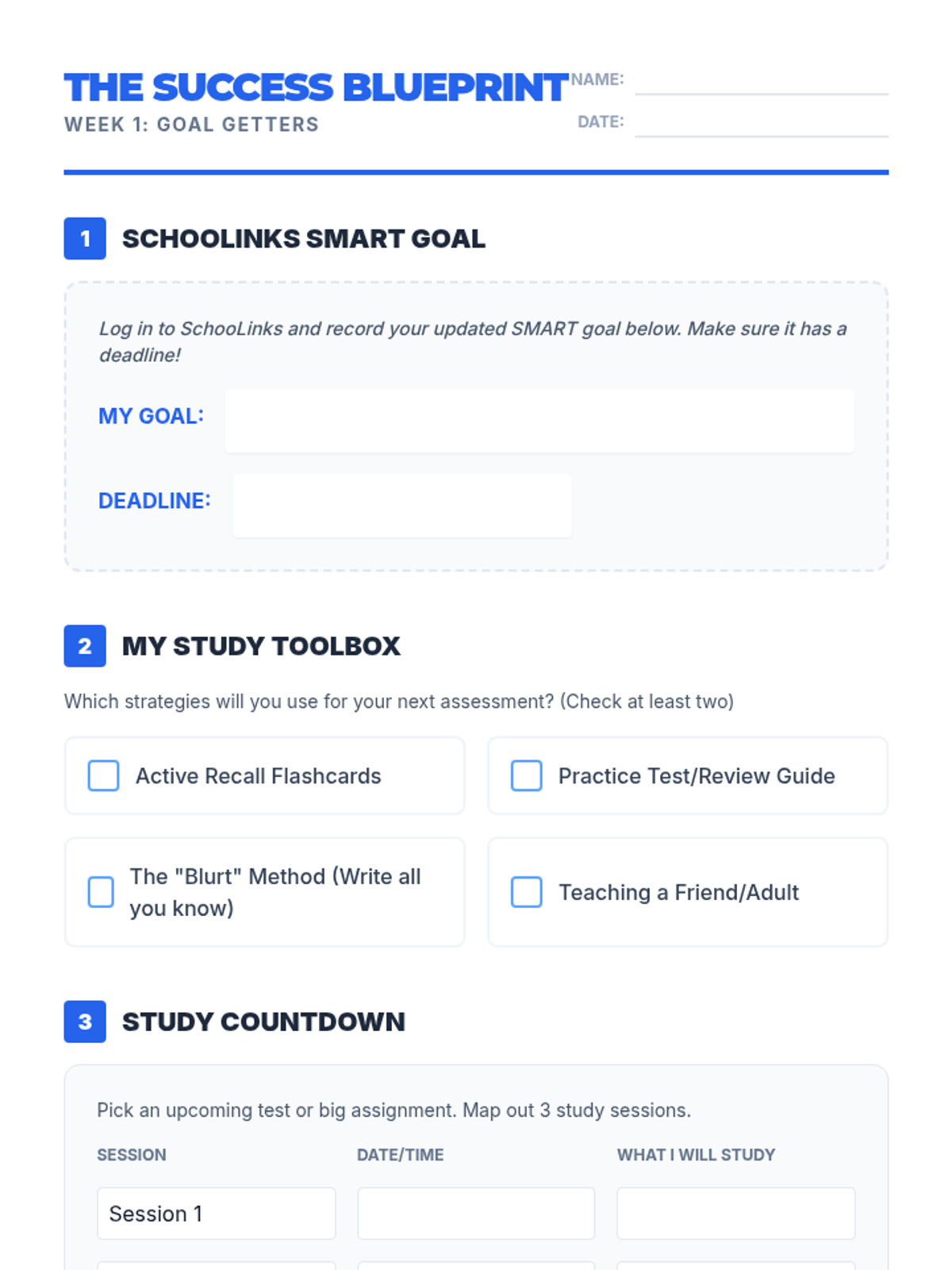
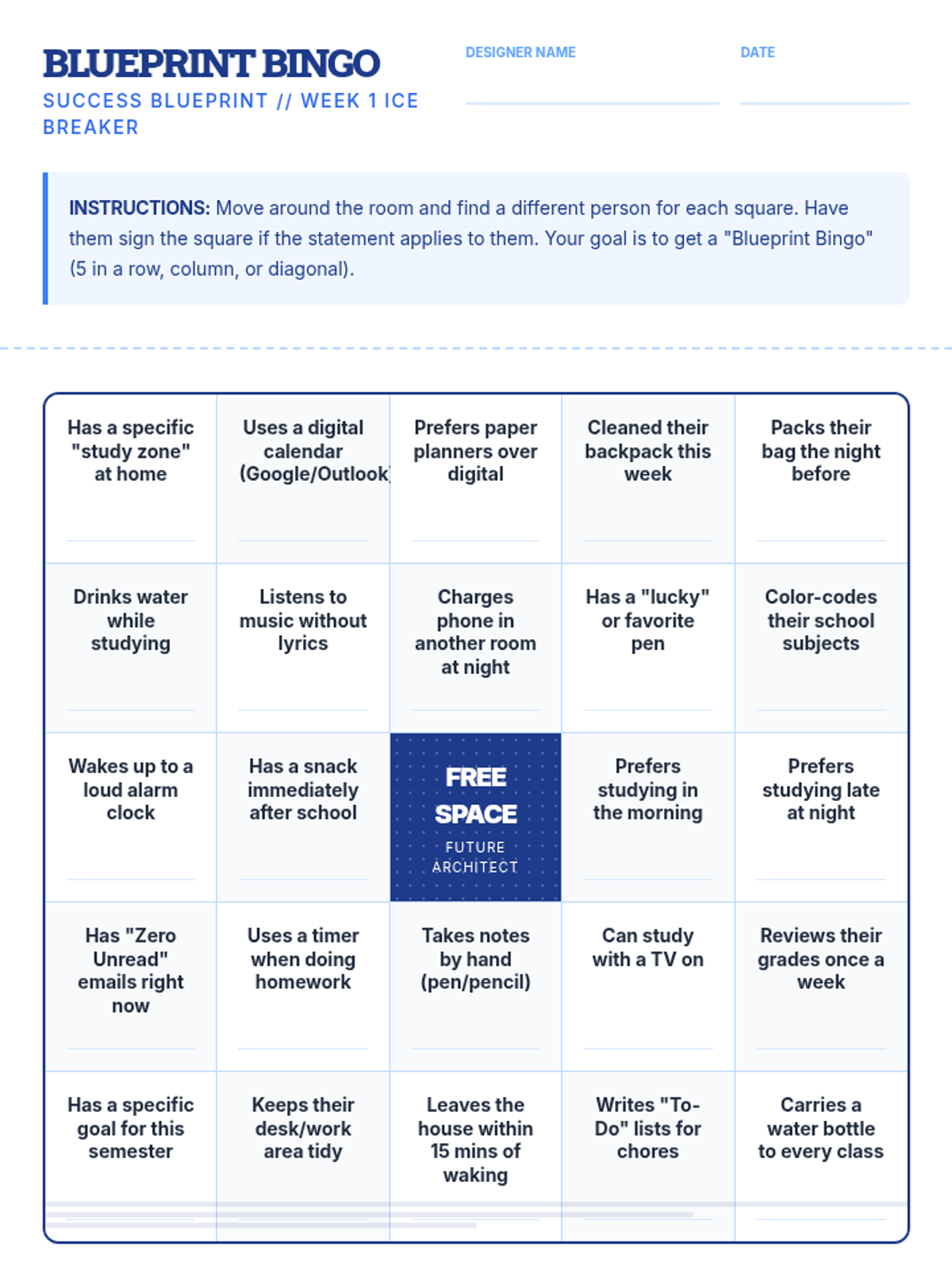
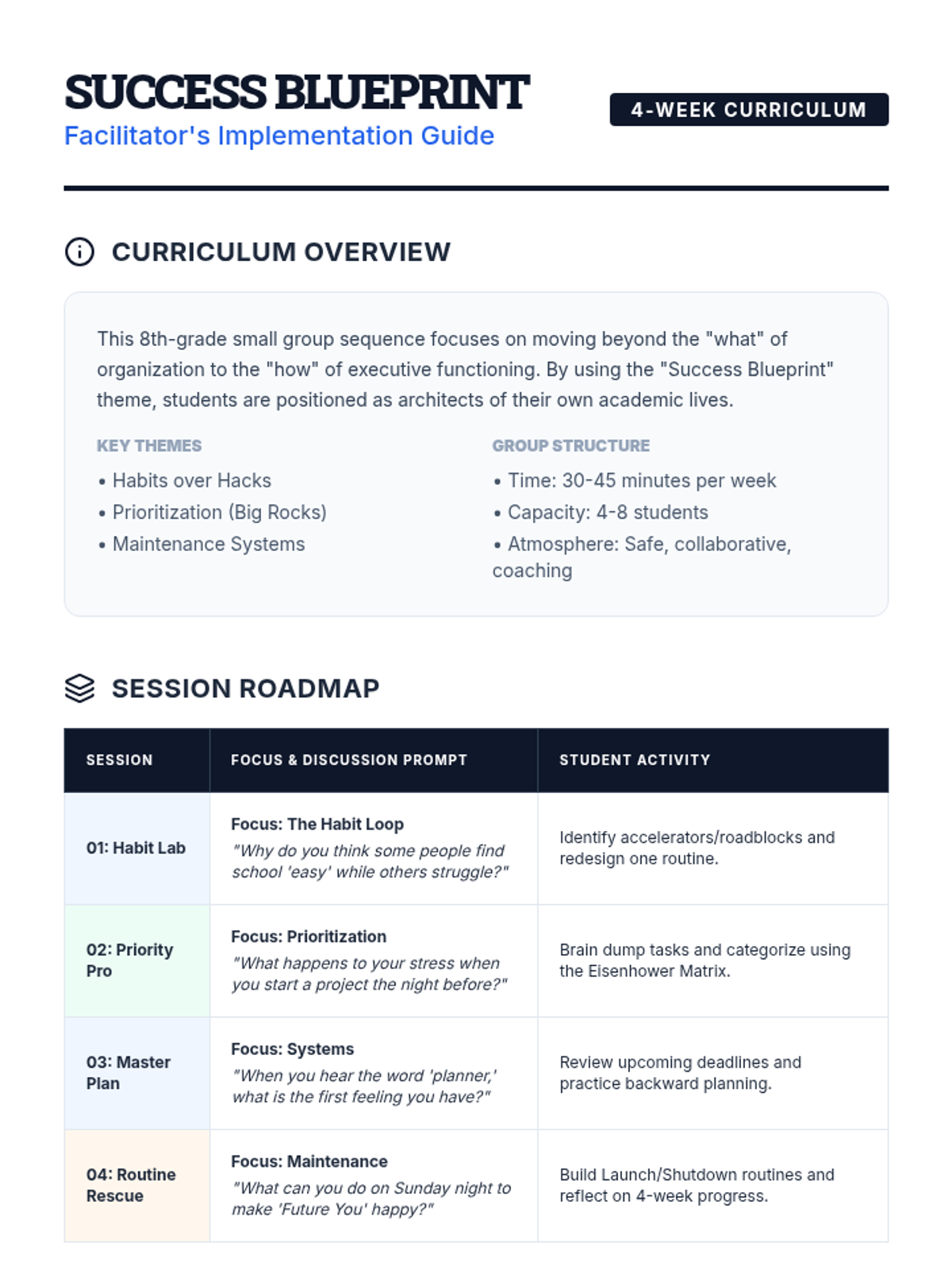
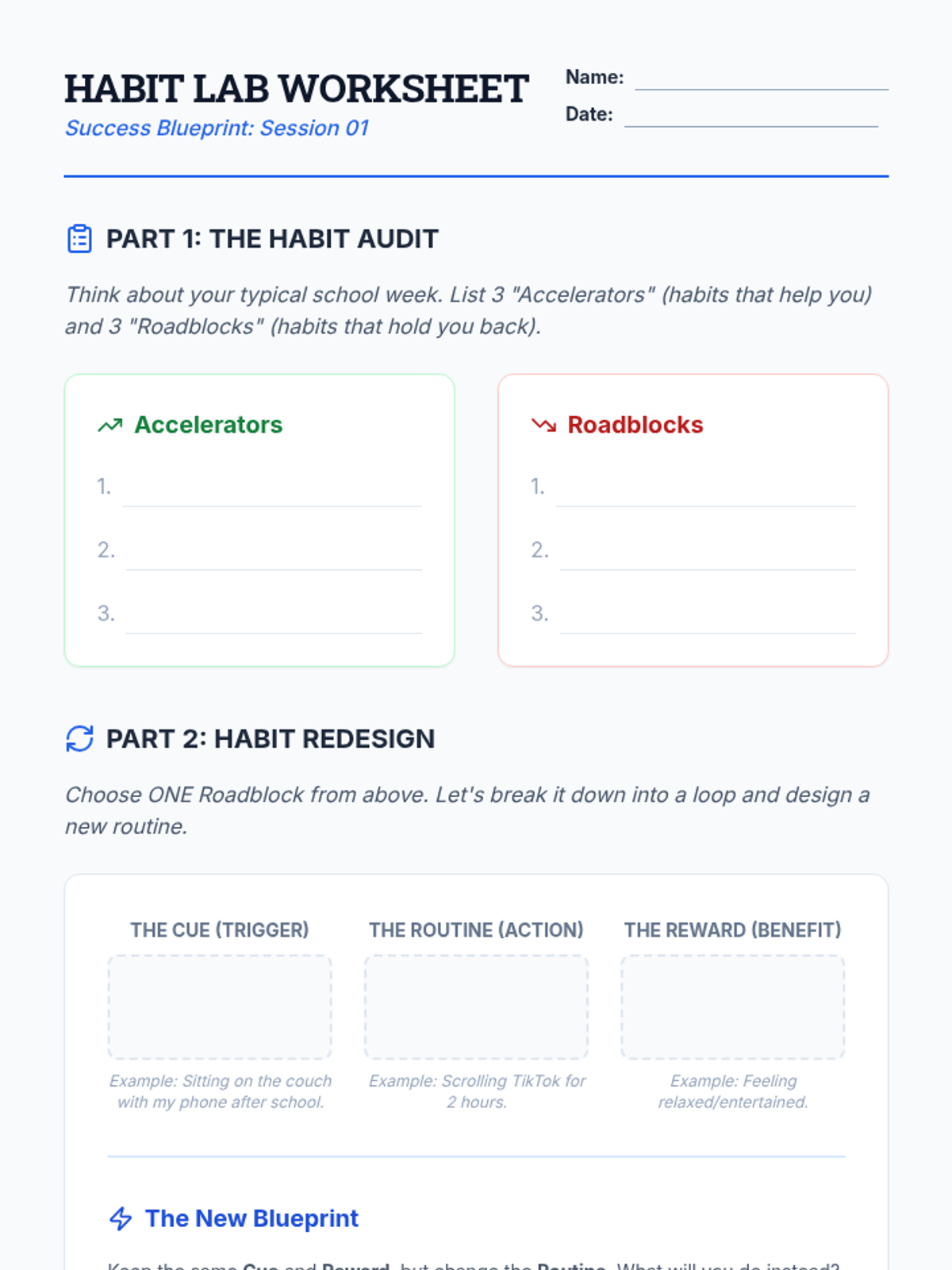
A 4-week small group curriculum for 8th graders focused on identifying study habits, prioritizing schoolwork, and implementing effective organizational systems. The sequence uses a 'Success Blueprint' theme to engage students in 'designing' their academic life.
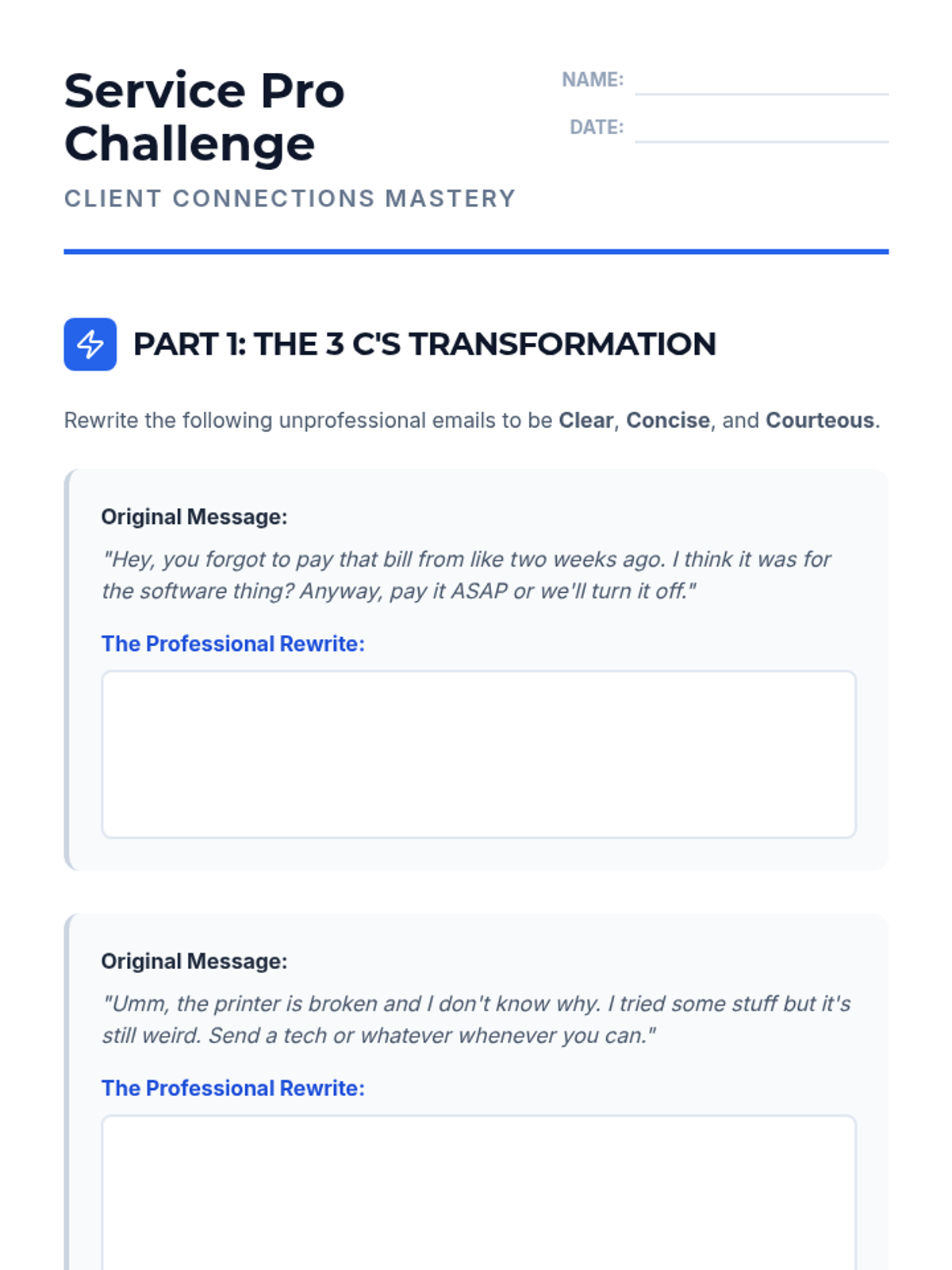
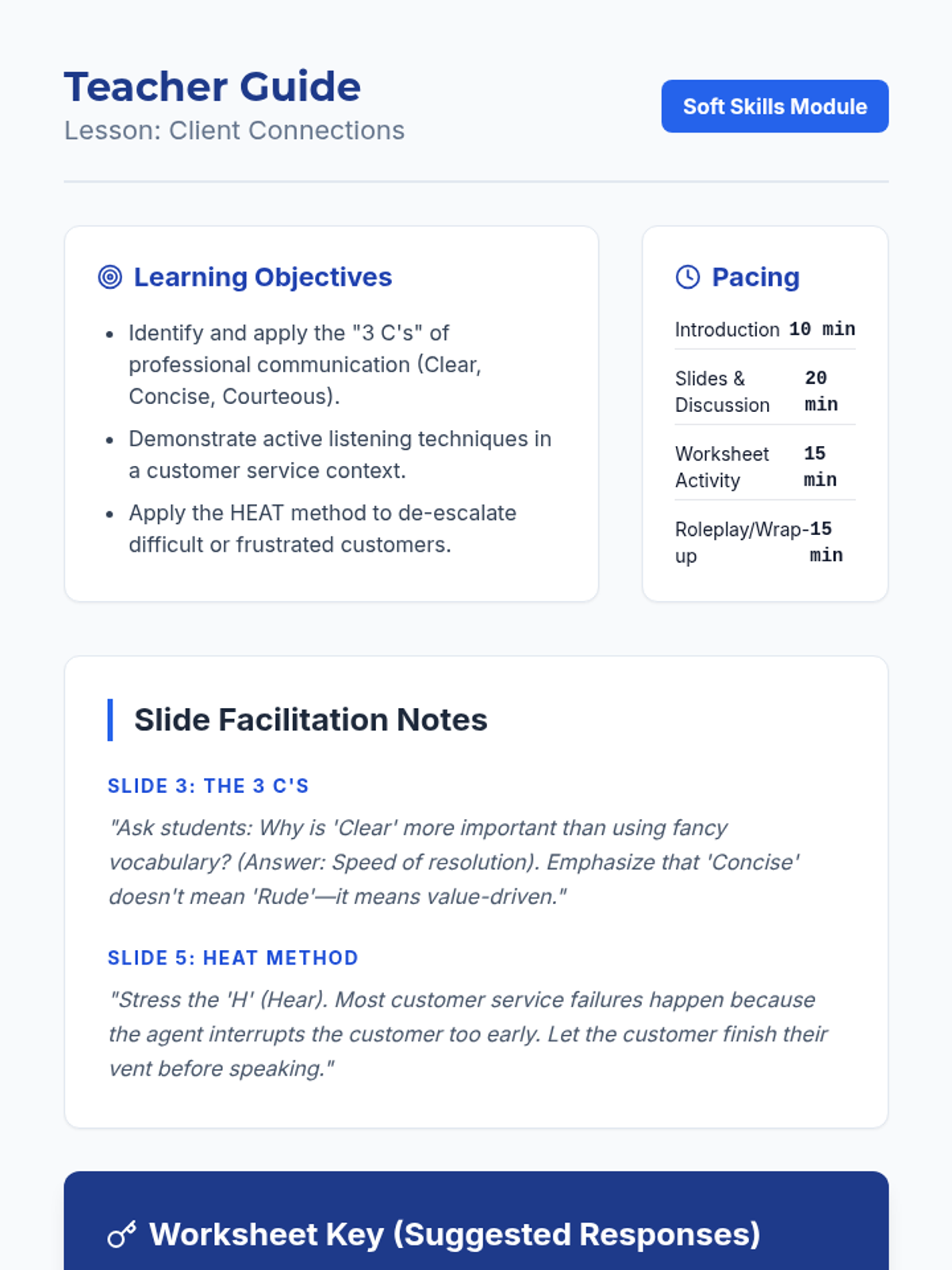
A comprehensive unit covering essential soft skills for customer service and introductory Microsoft Word skills for business computer applications.
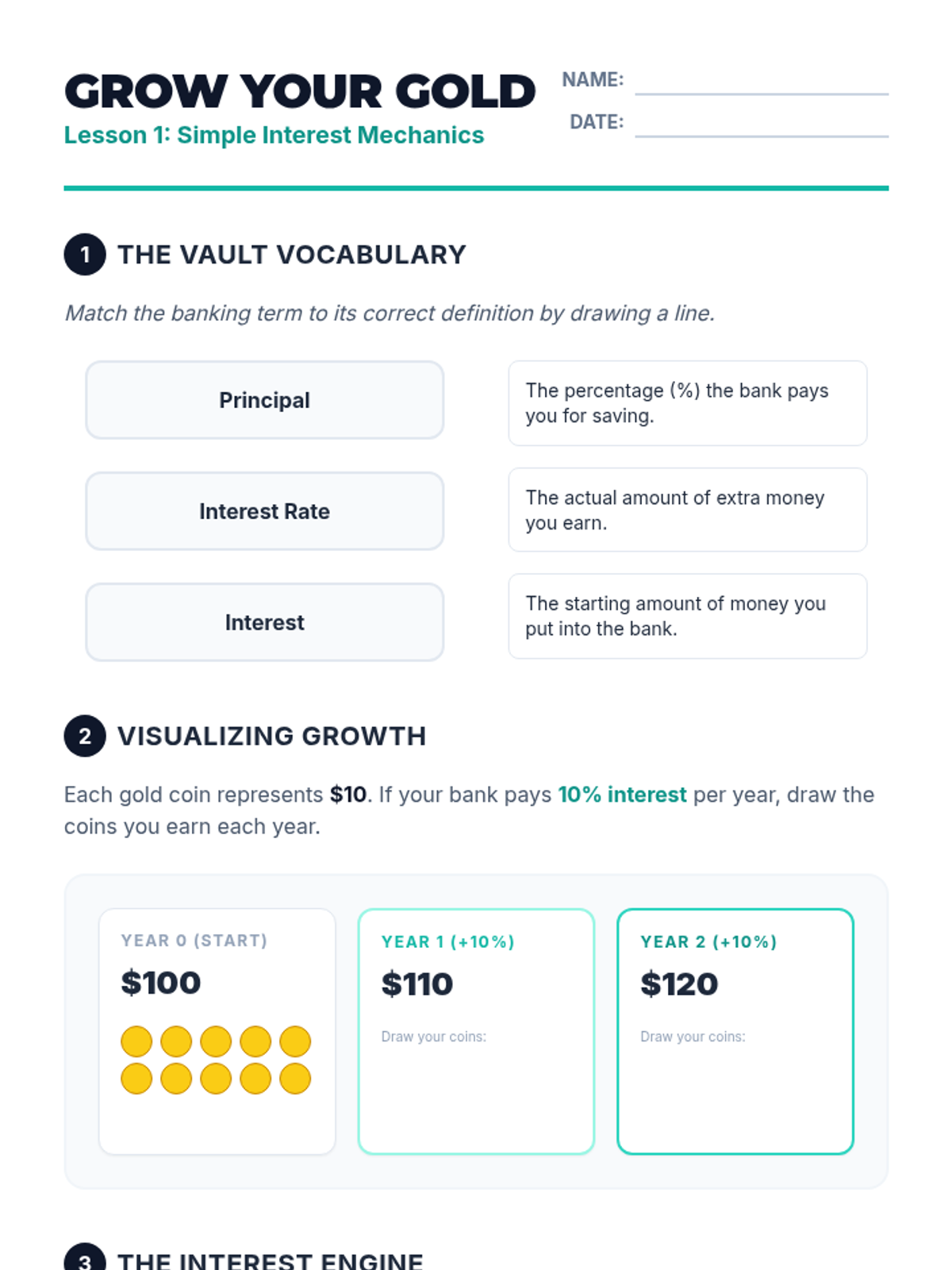
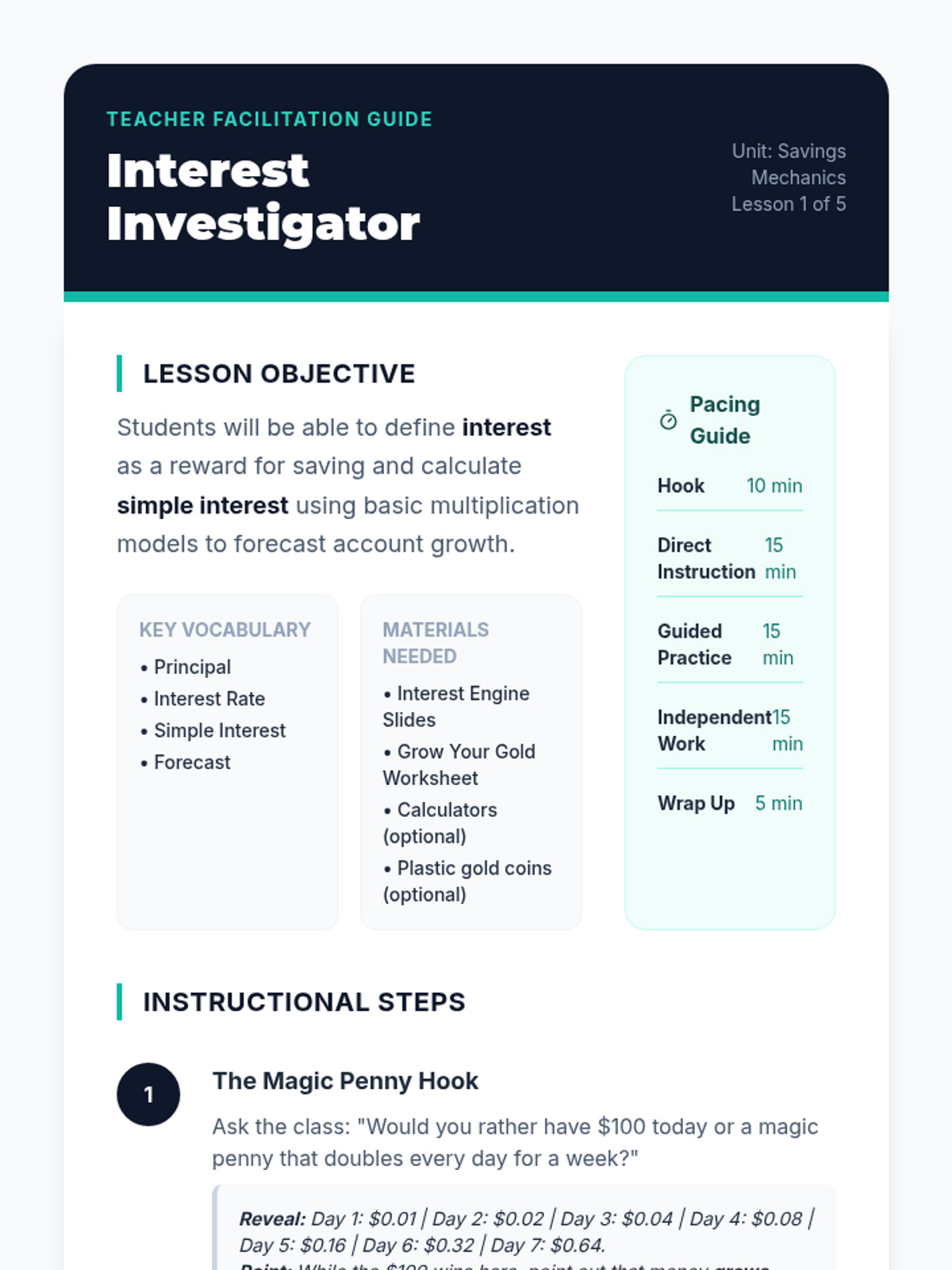
This project-based sequence shifts focus to the growth potential of money through savings accounts and the modern interface of online banking. Students investigate the concept of simple interest, visualizing how money can 'work' for them over time. The learning arc moves from understanding interest rates to navigating digital banking interfaces securely.
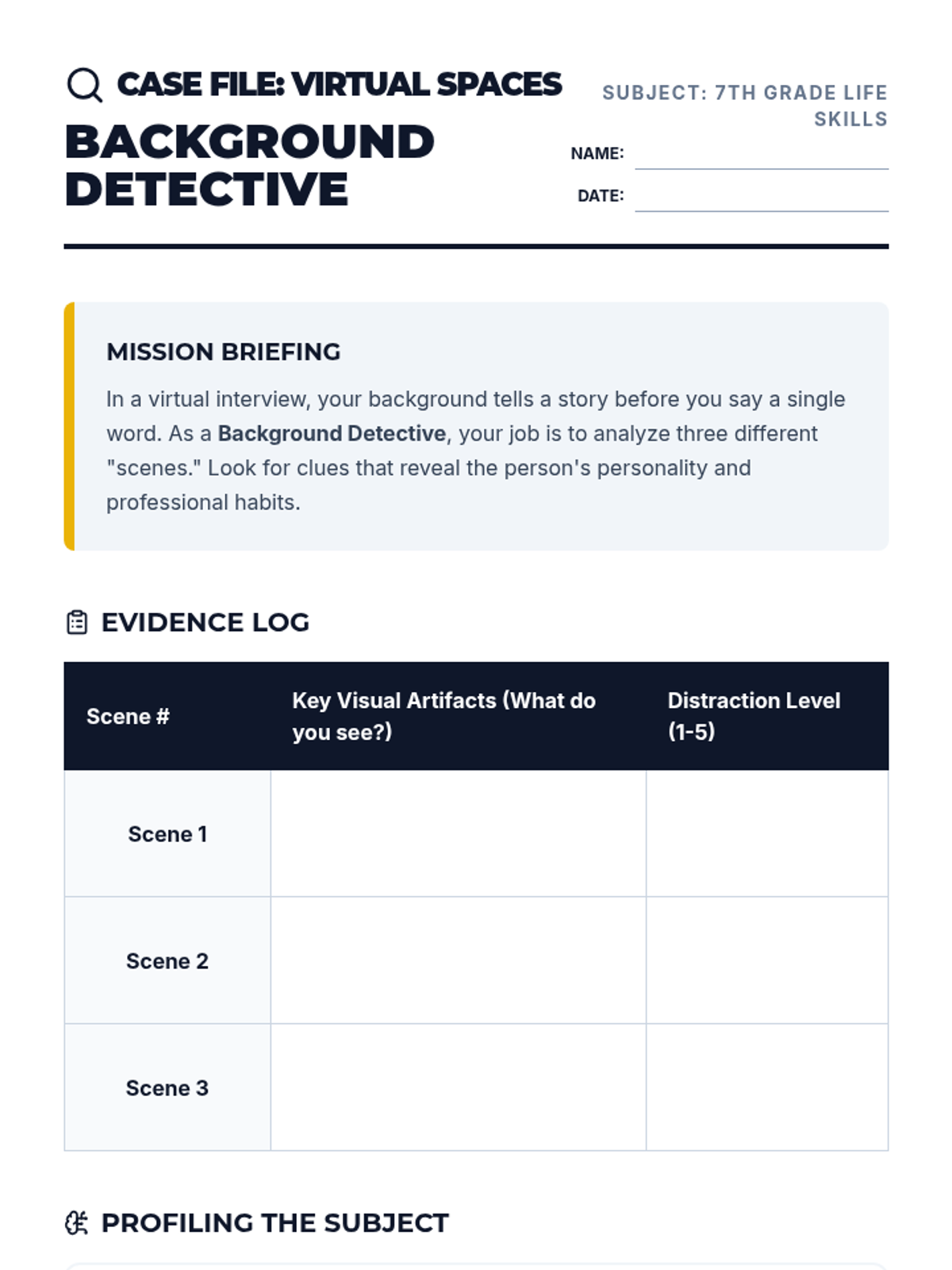
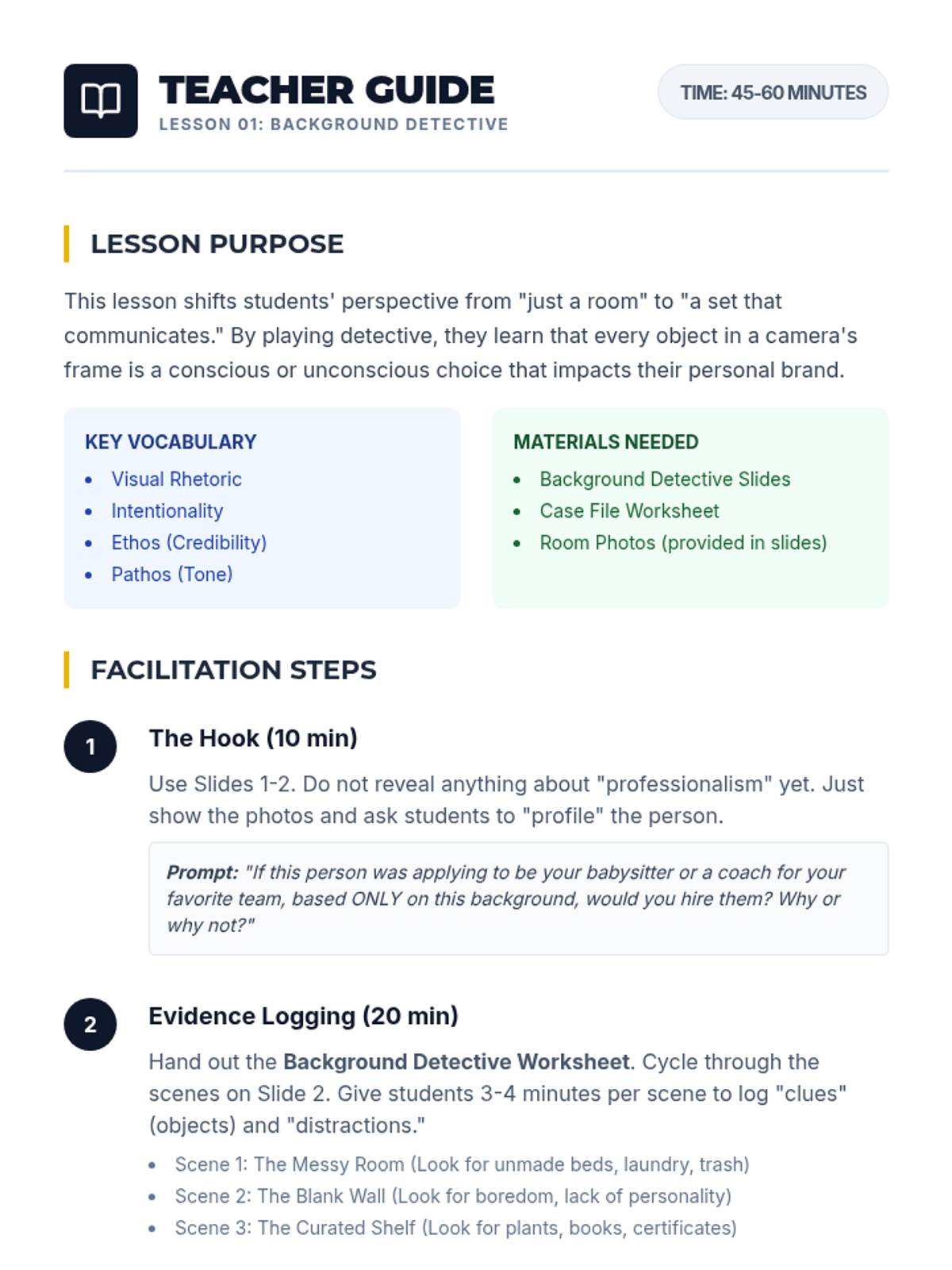
A project-based sequence for 7th graders to master the art of virtual interview backgrounds. Students explore visual rhetoric, set design, lighting, and digital tools to curate professional spaces that communicate their personal brand effectively.
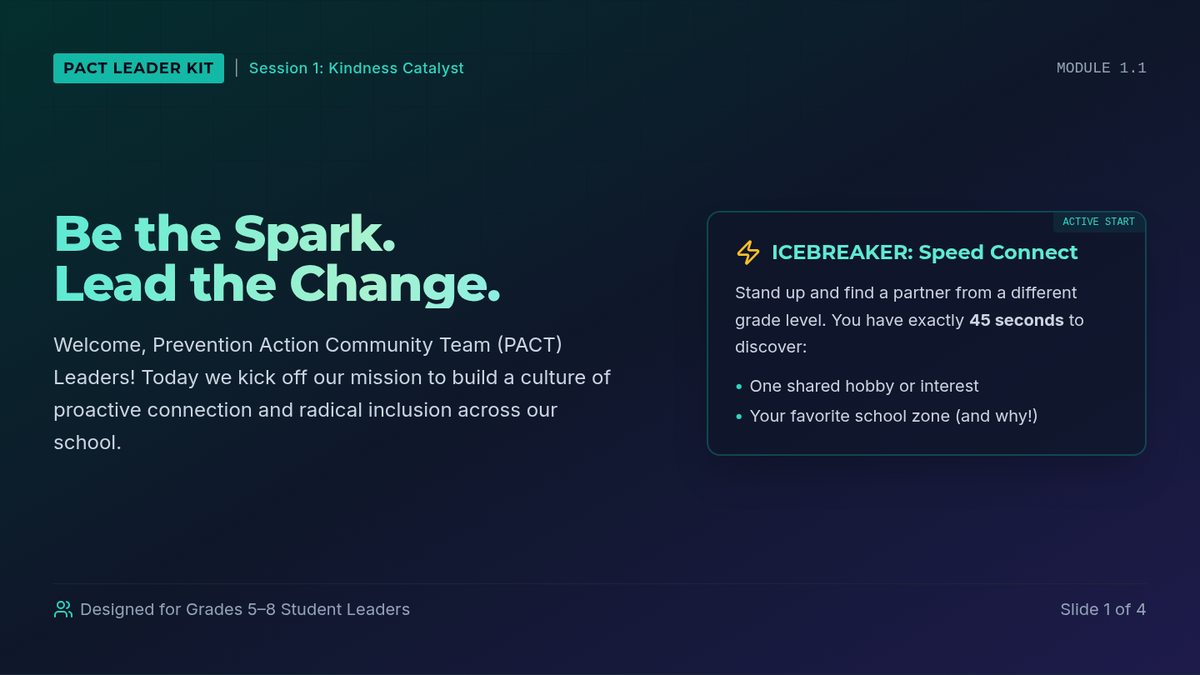
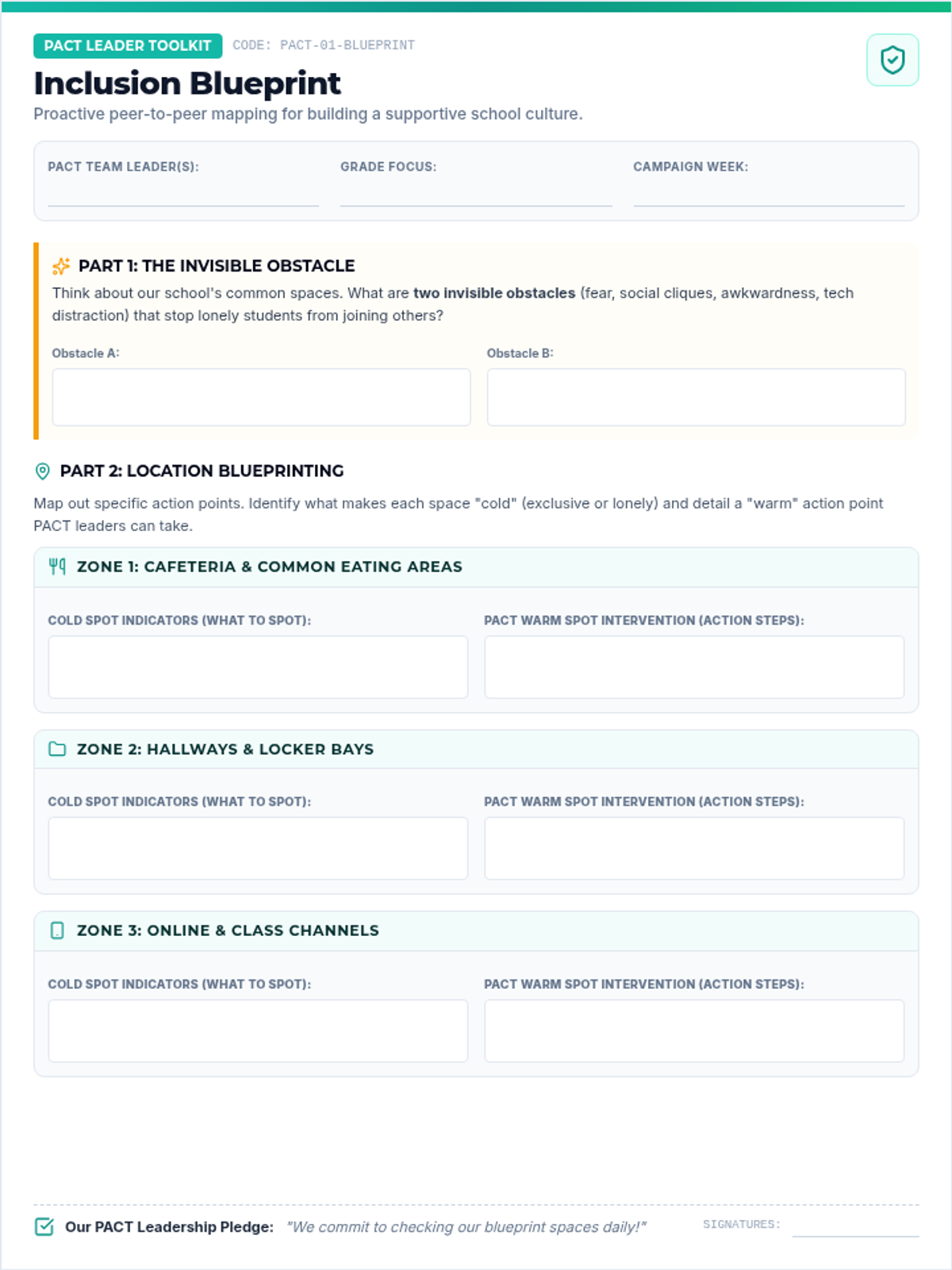
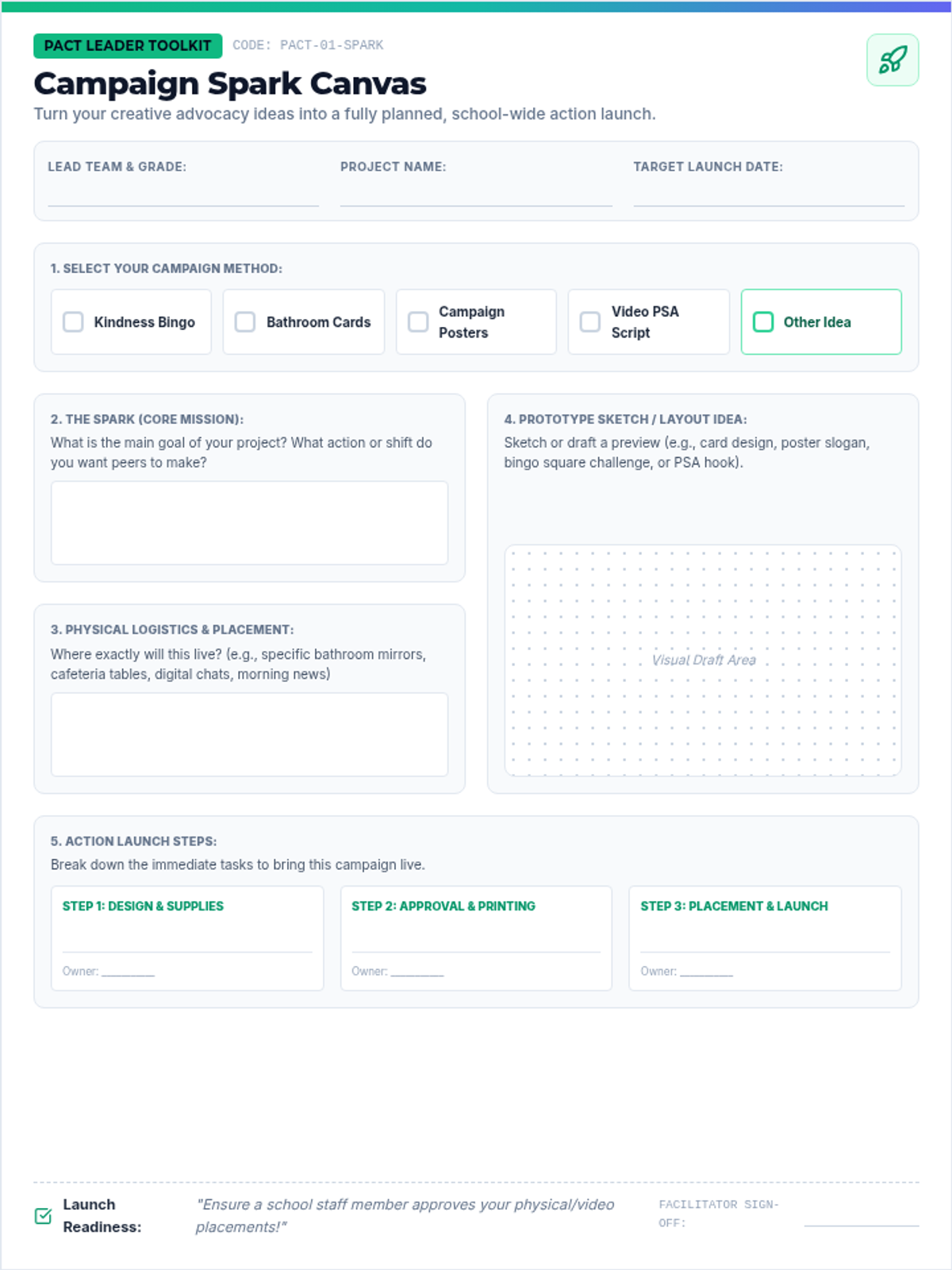
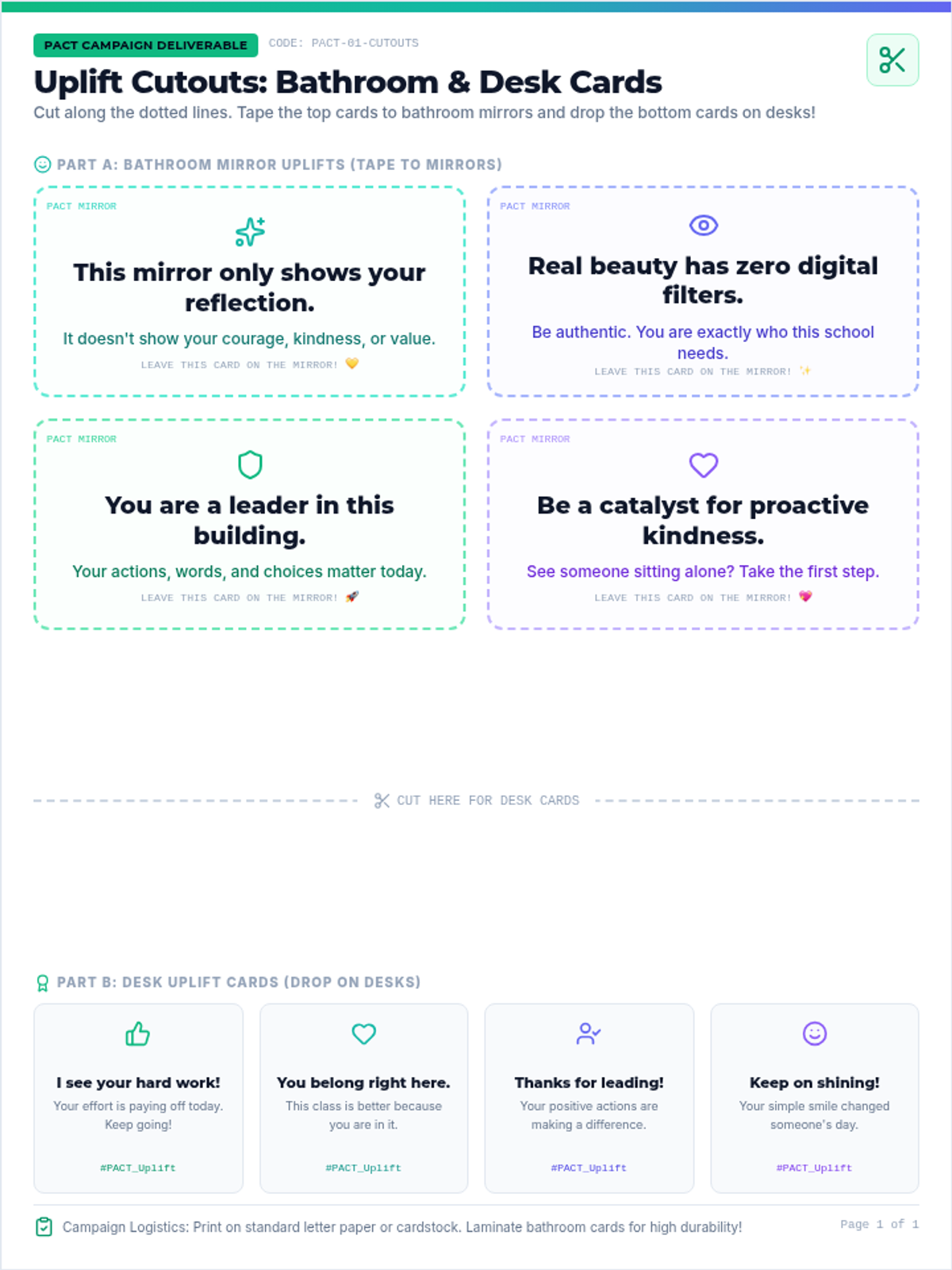
A comprehensive campaign kit and activity-based curriculum for Prevention Action Community Team (PACT) student leaders in grades 5-8. The program trains and equips leaders to facilitate conversations on bullying prevention, healthy self-image, and proactive kindness.
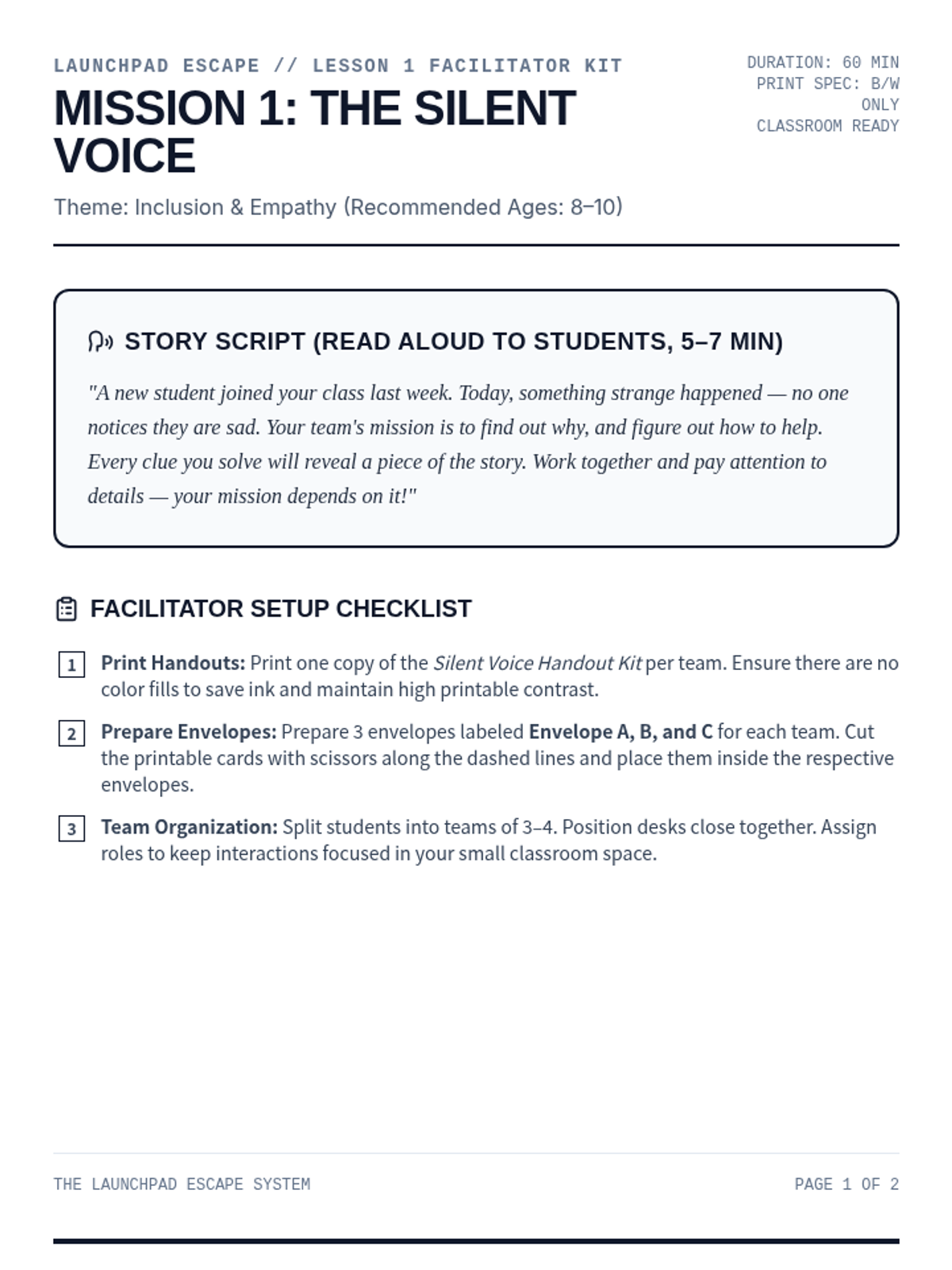
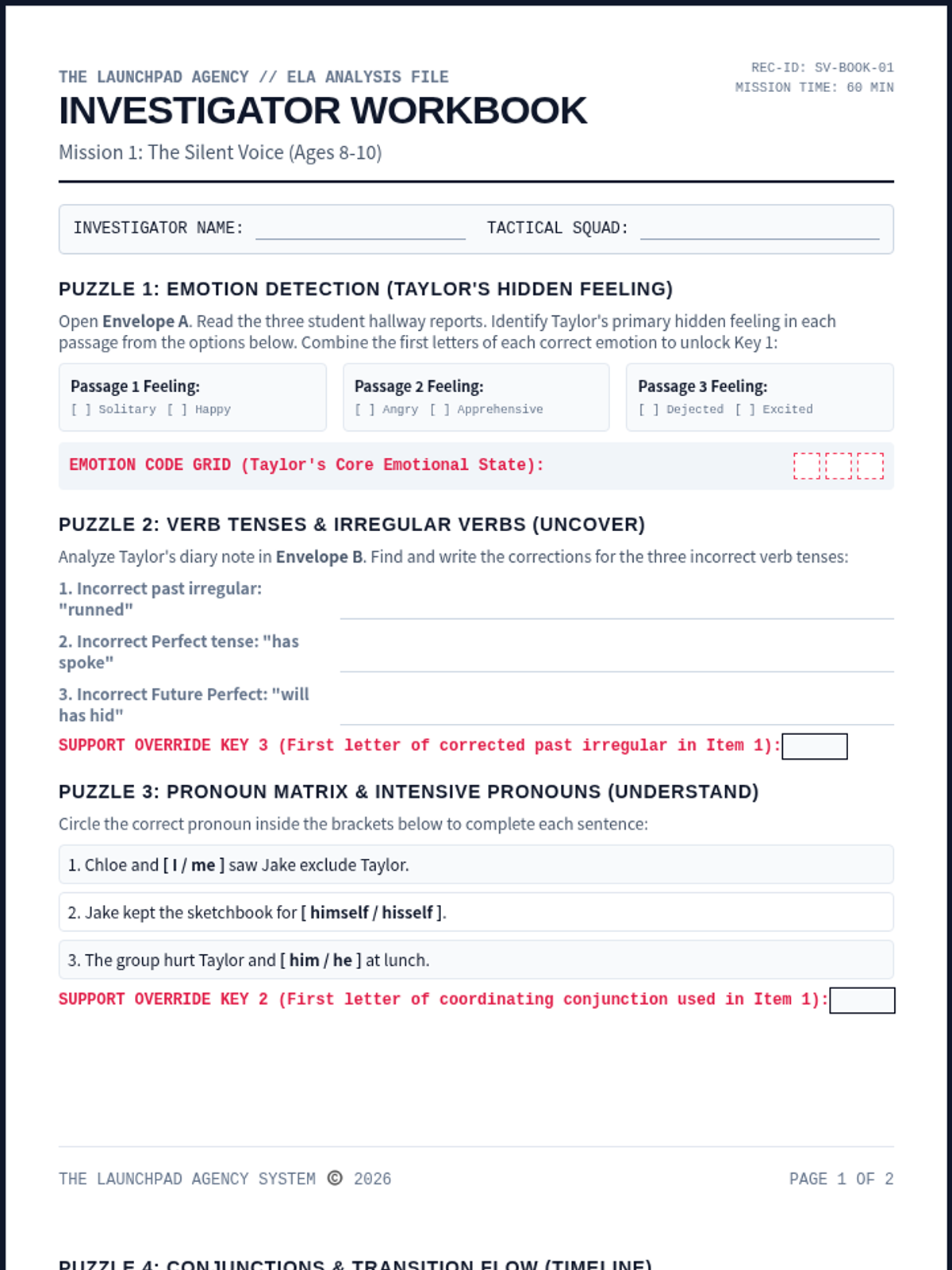
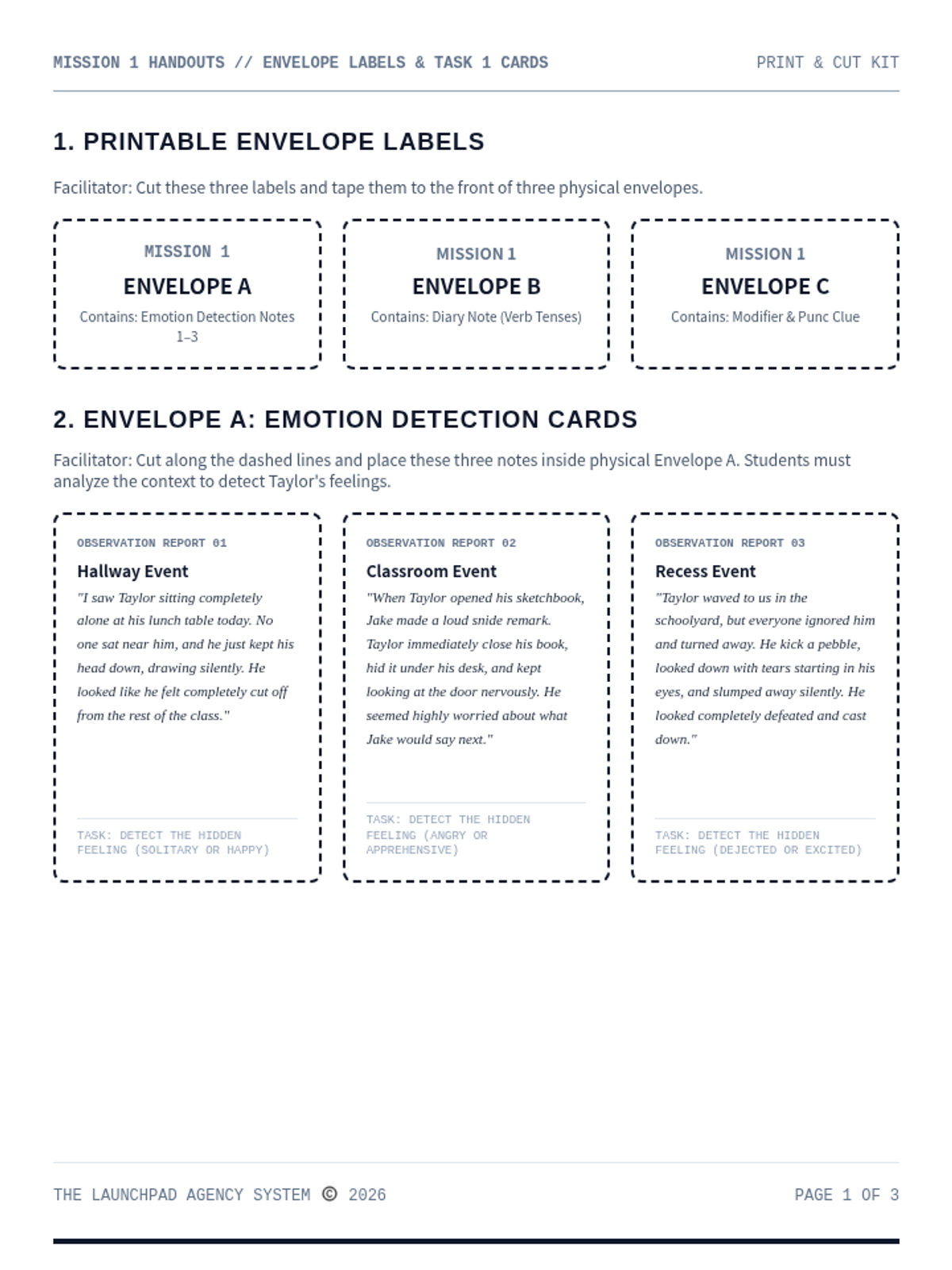
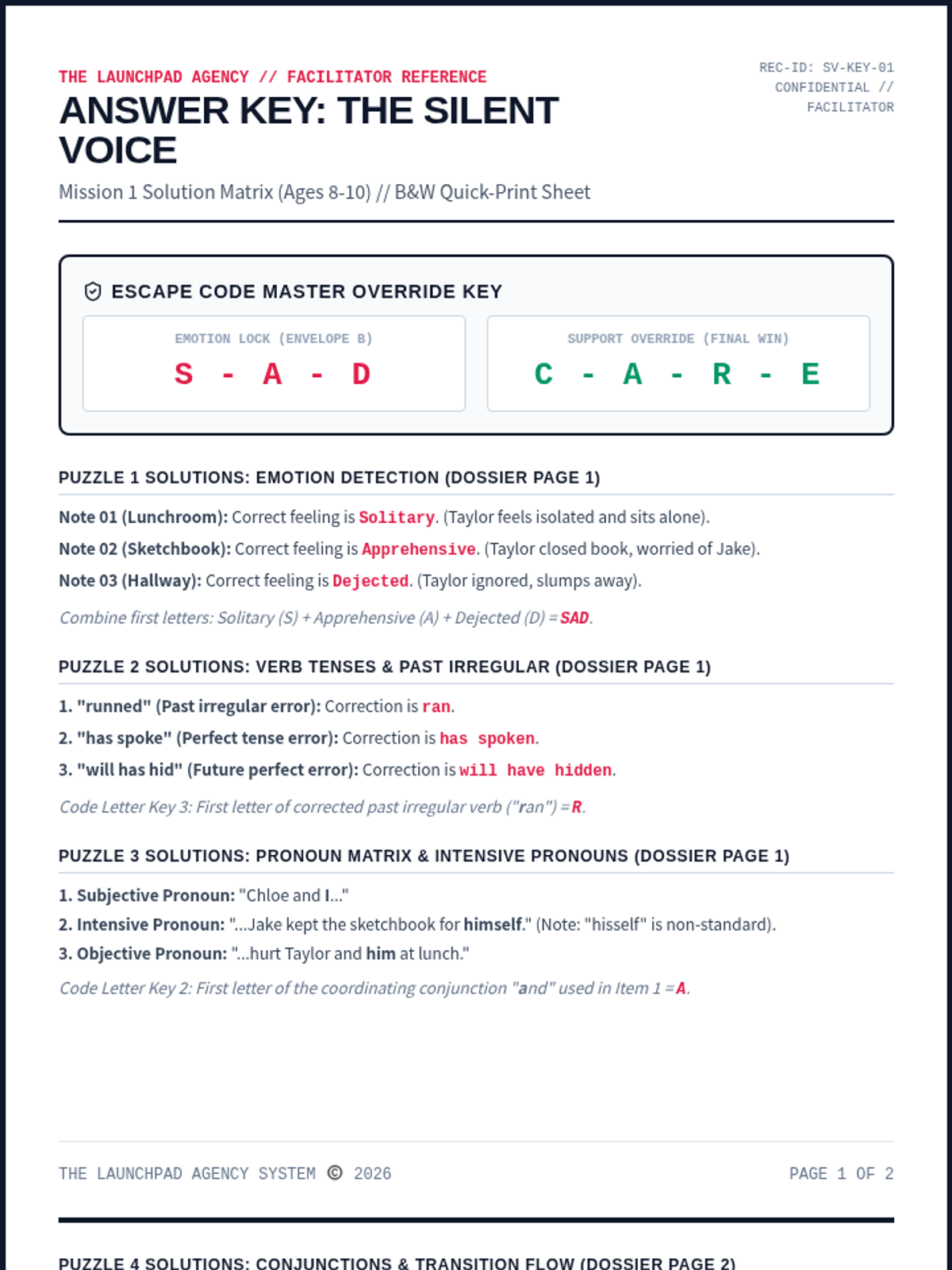
A high-stakes, collaborative tabletop escape curriculum. Missions are self-contained and fun, targeting academic anxiety, family duty, digital literacy, and friendship & peer pressure (e.g. someone left out, group conflict escalating, friend pressured to do wrong). Recruits build decision-making, social intelligence, and value systems.
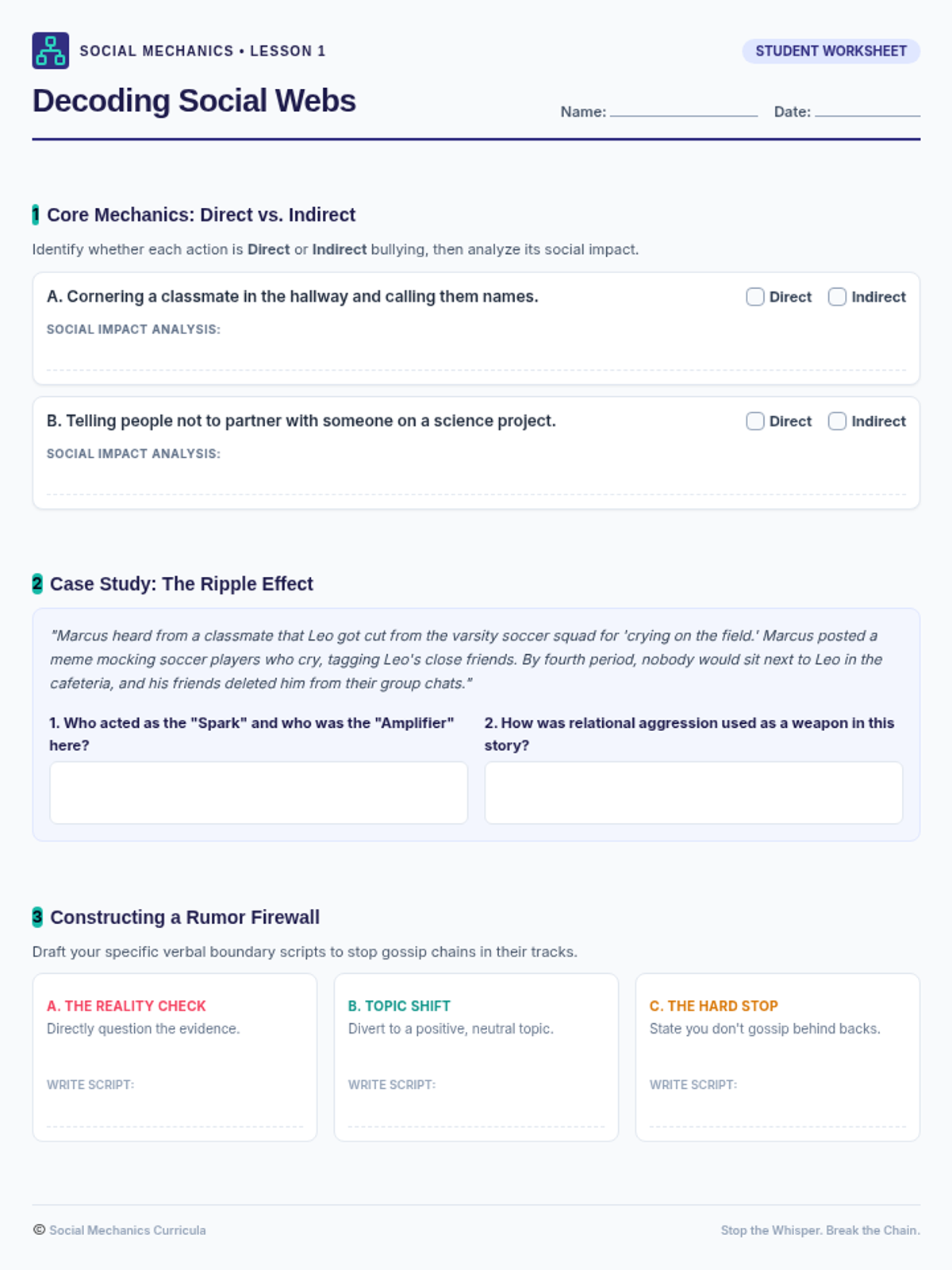
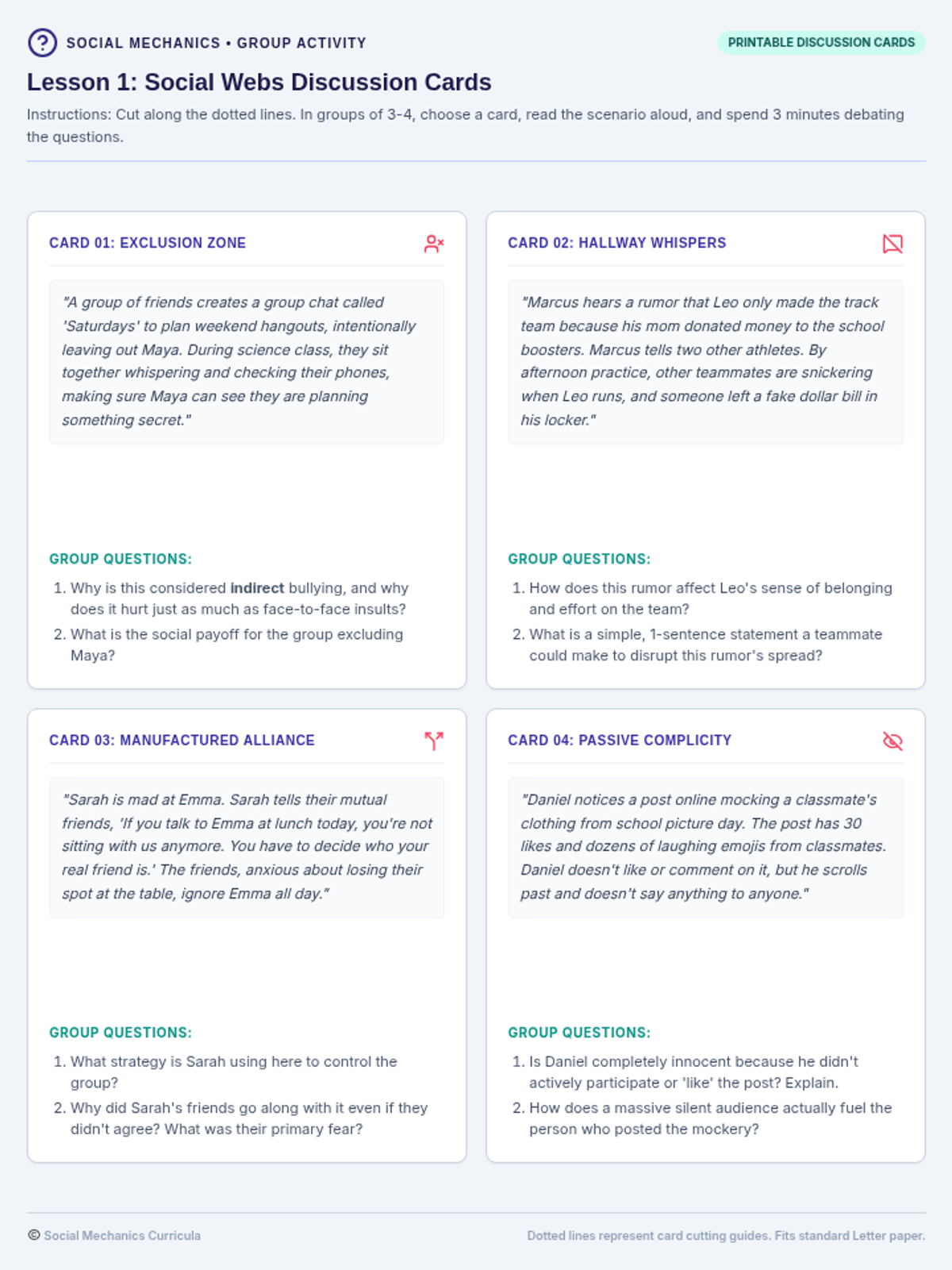
A 2-part, high-impact learning sequence for 7th and 8th graders focusing on decoding social dynamics, understanding direct vs. indirect bullying, relational aggression, cyberbullying, and transforming bystanders into proactive upstanders.
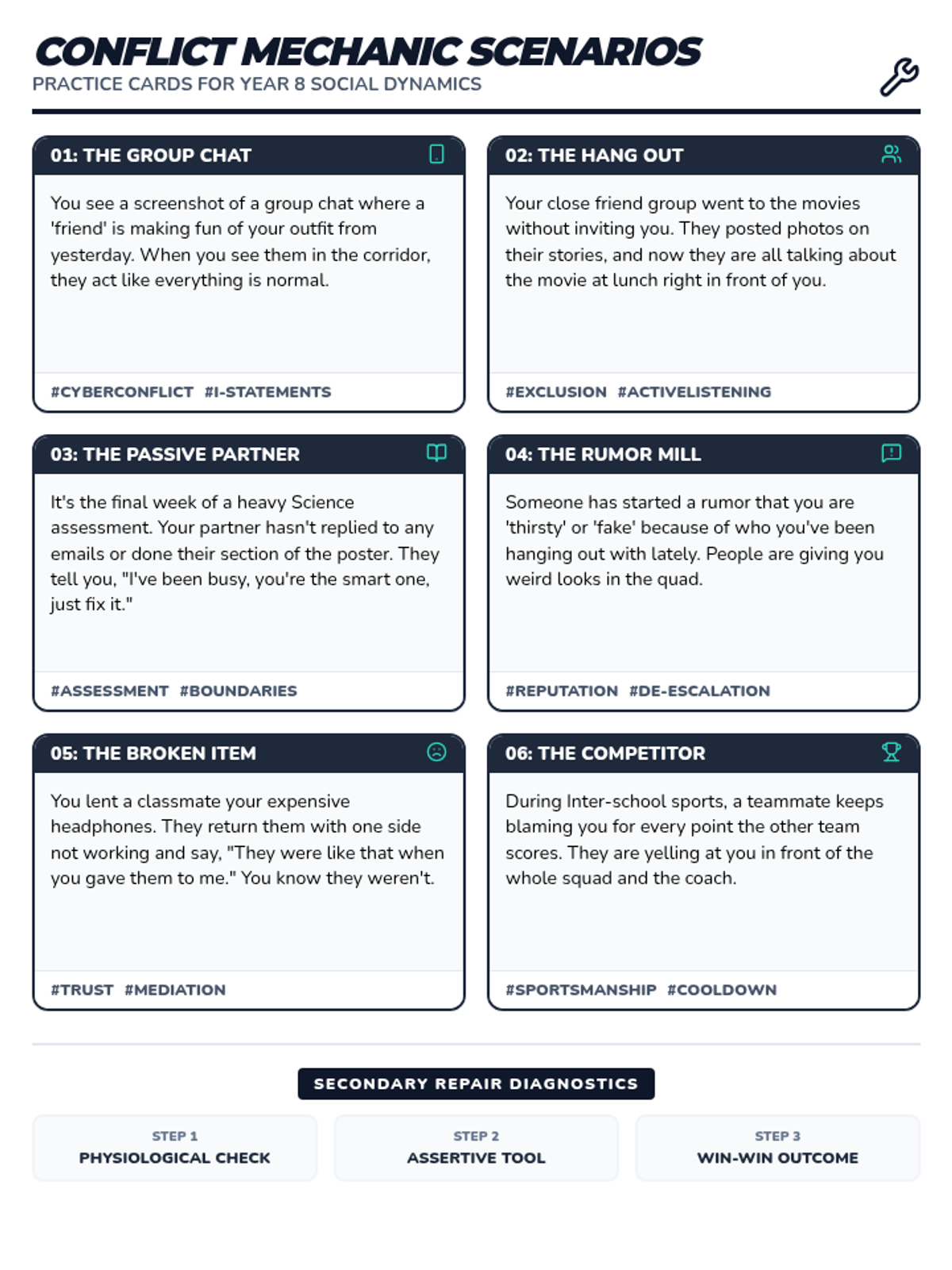
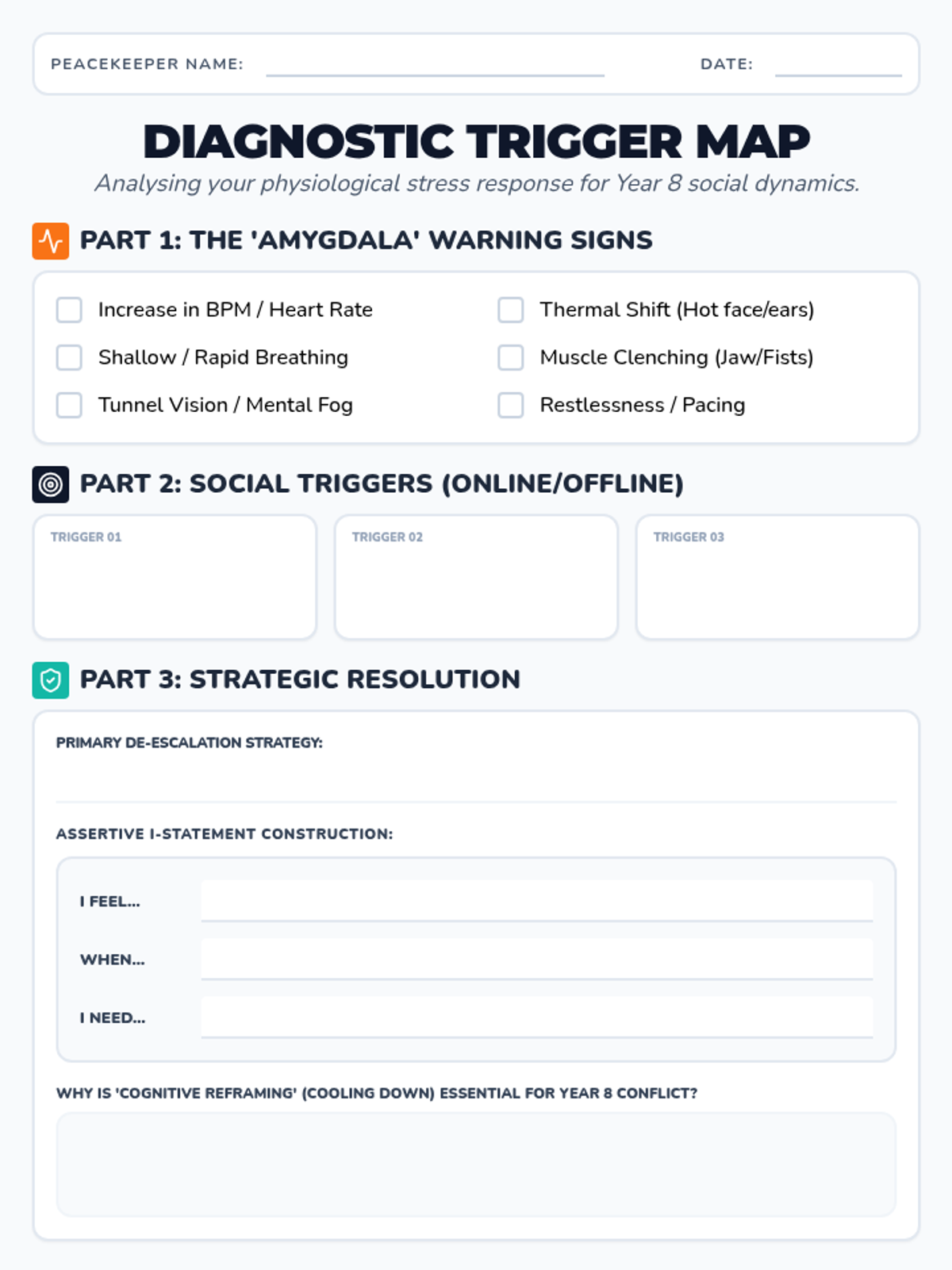
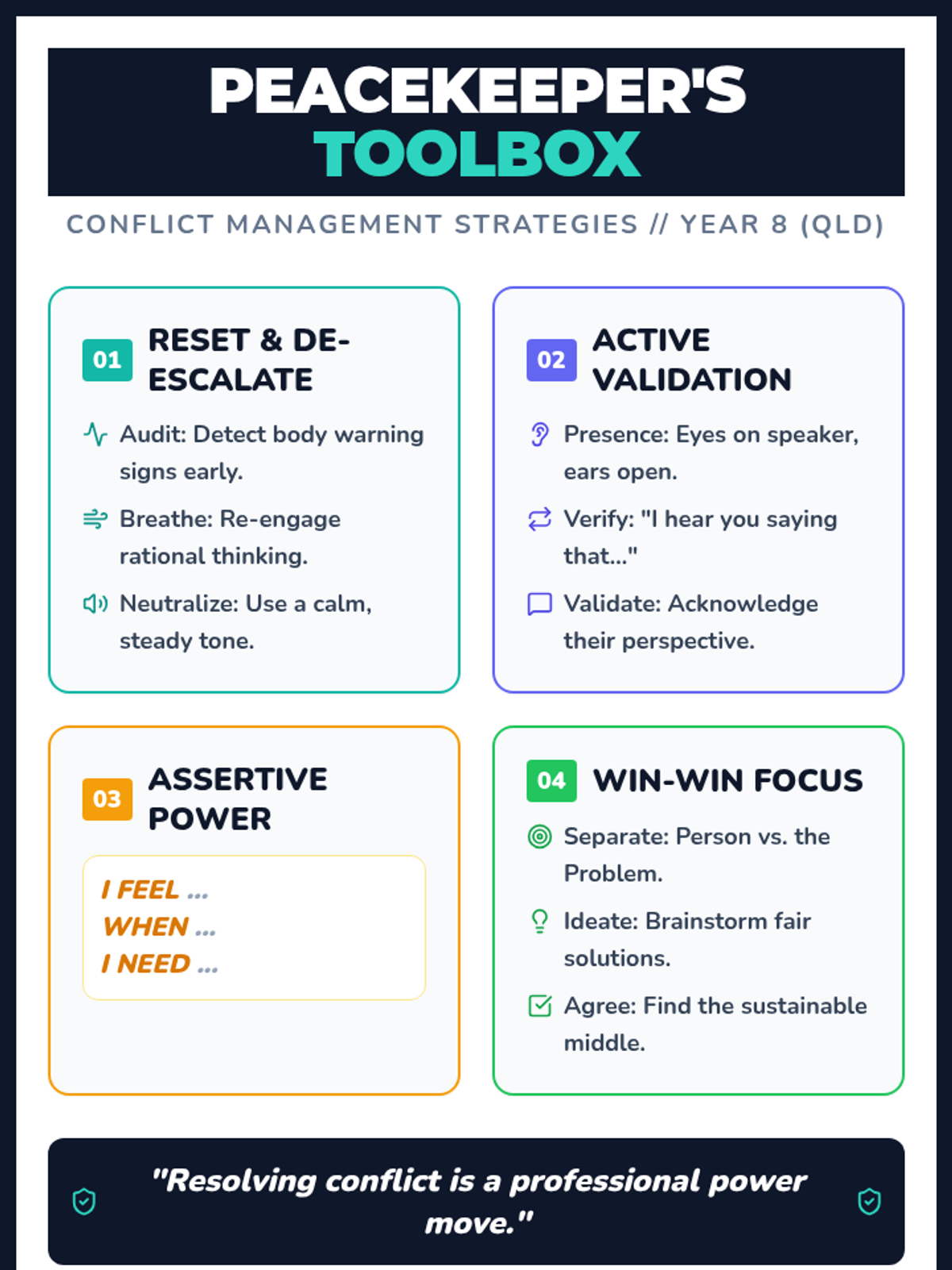
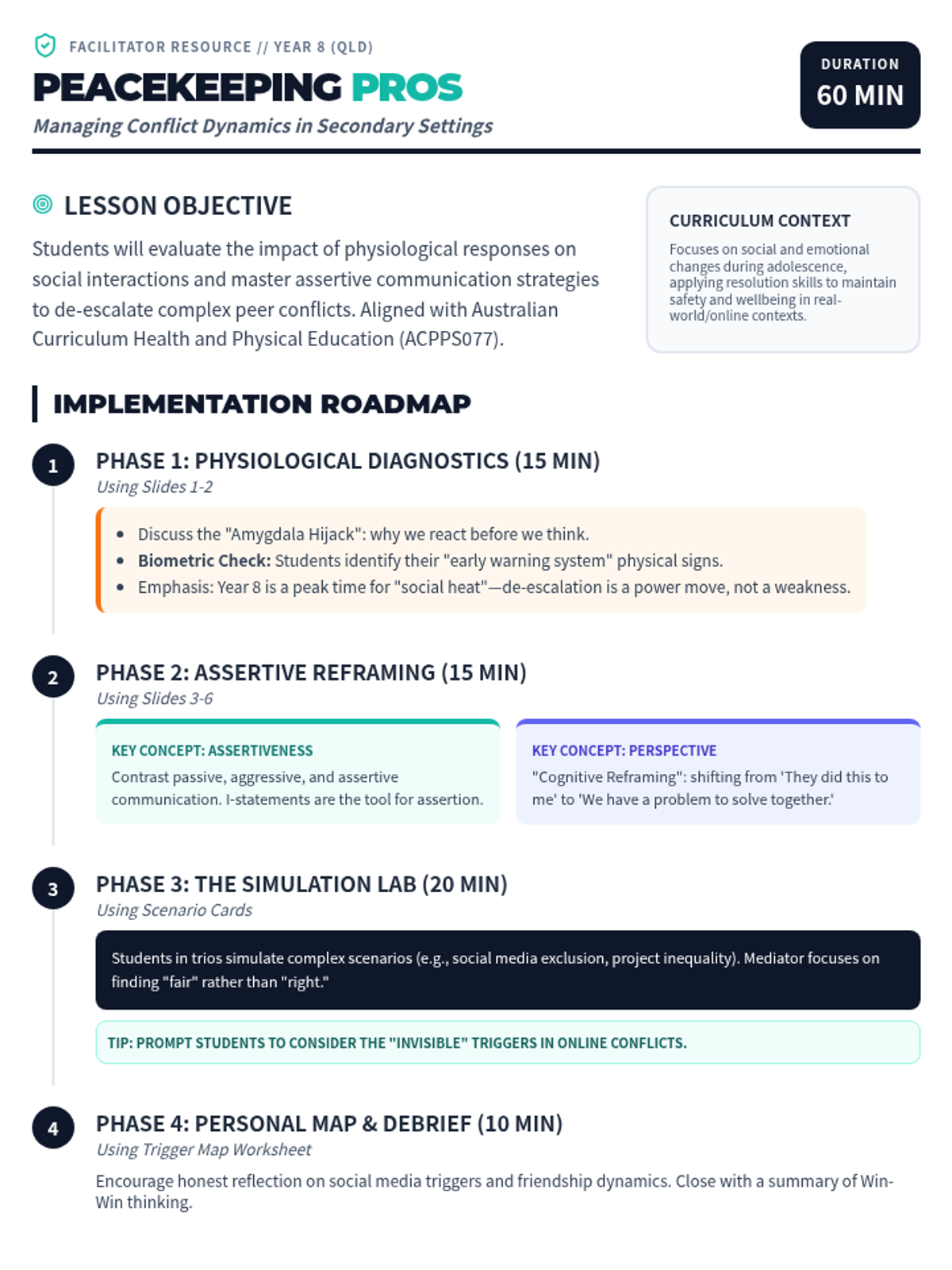
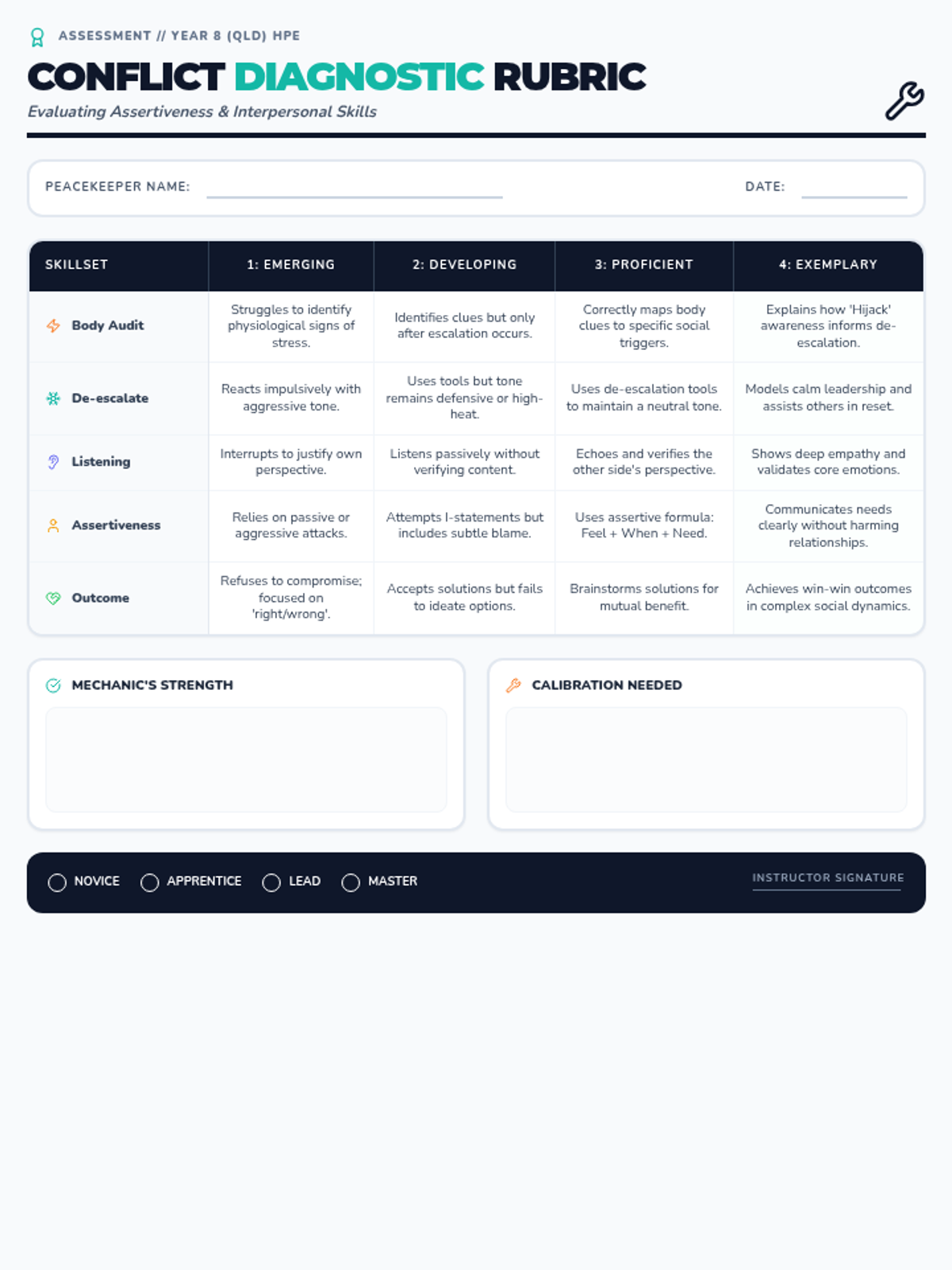
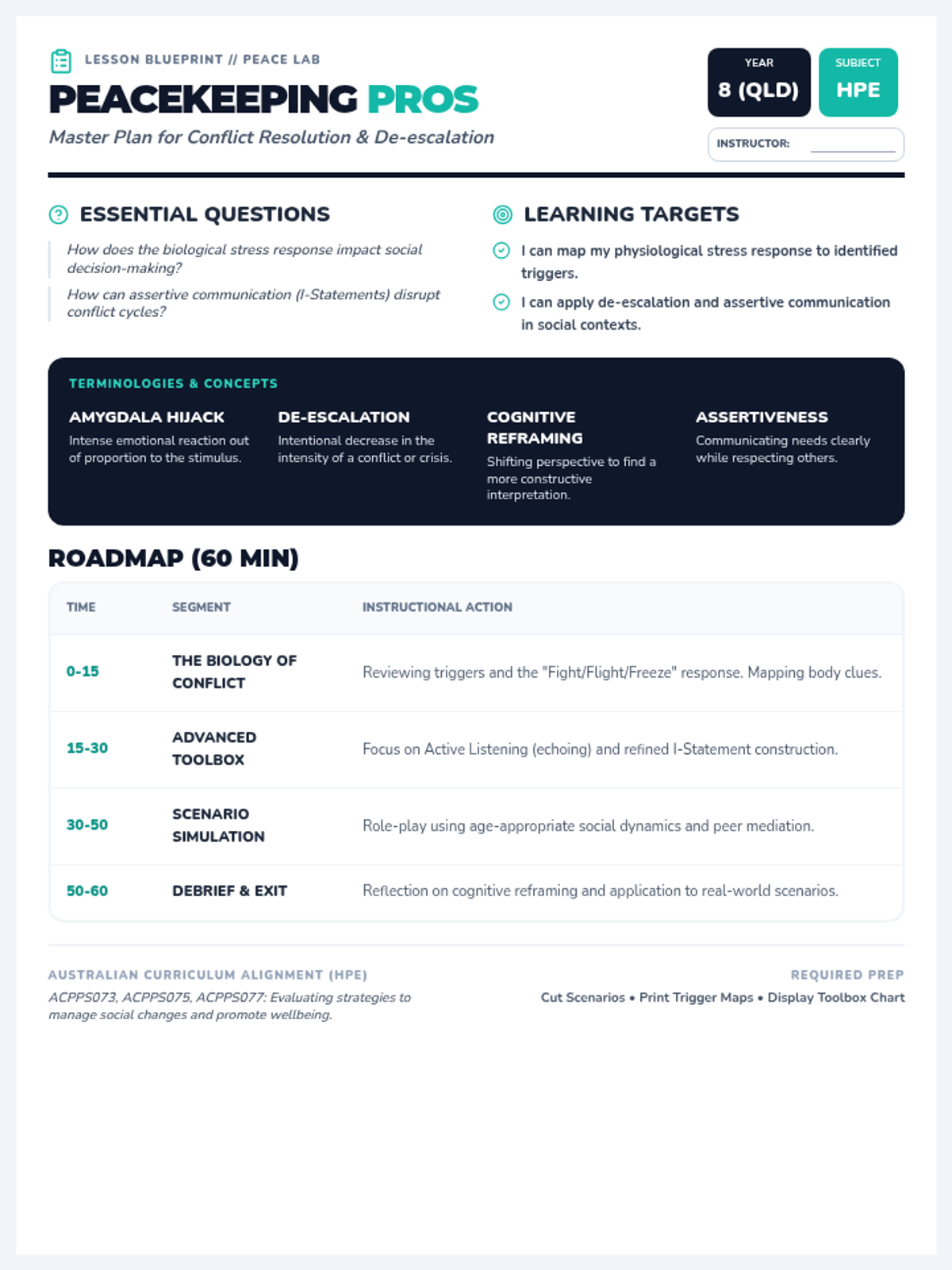
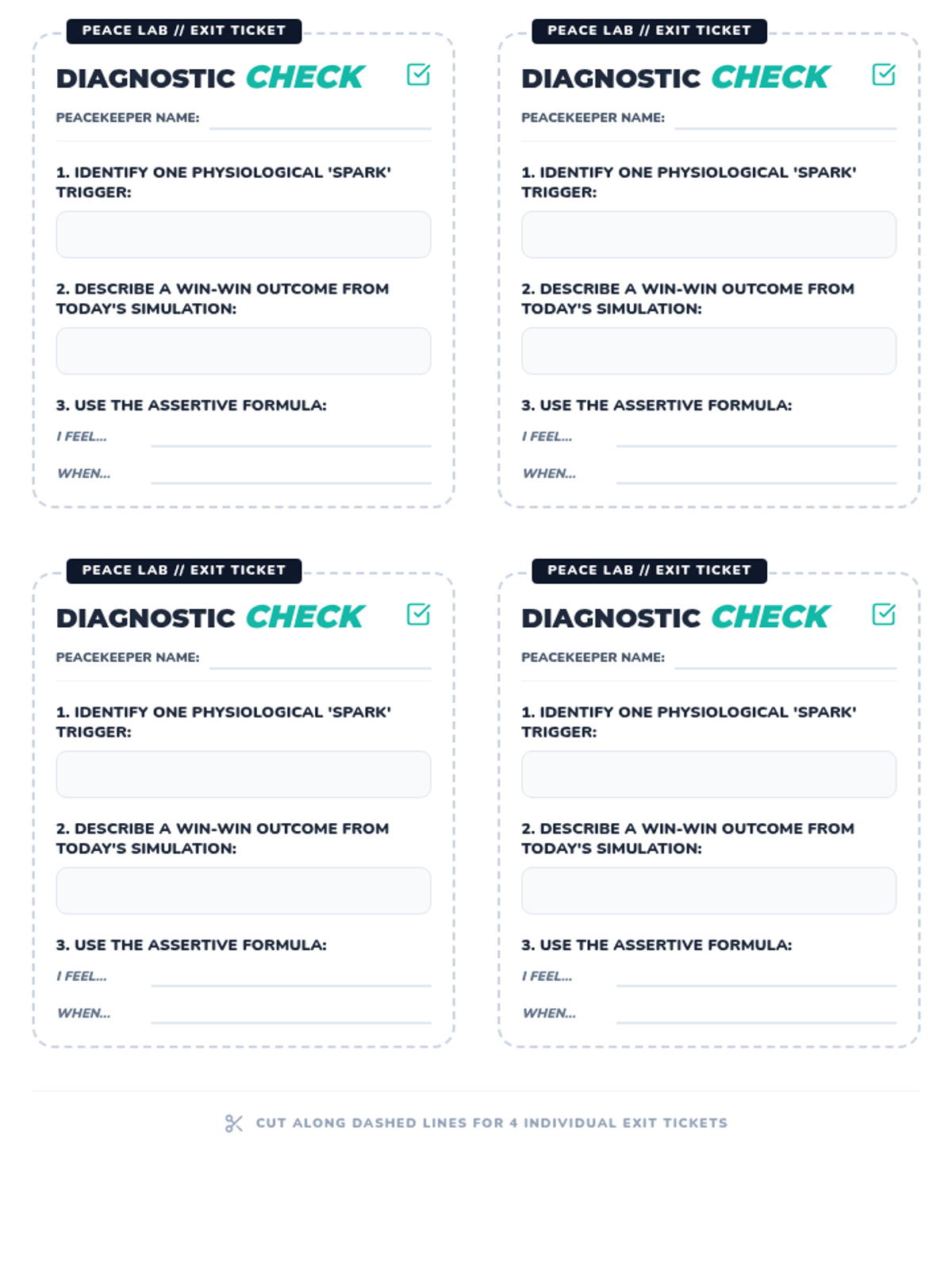
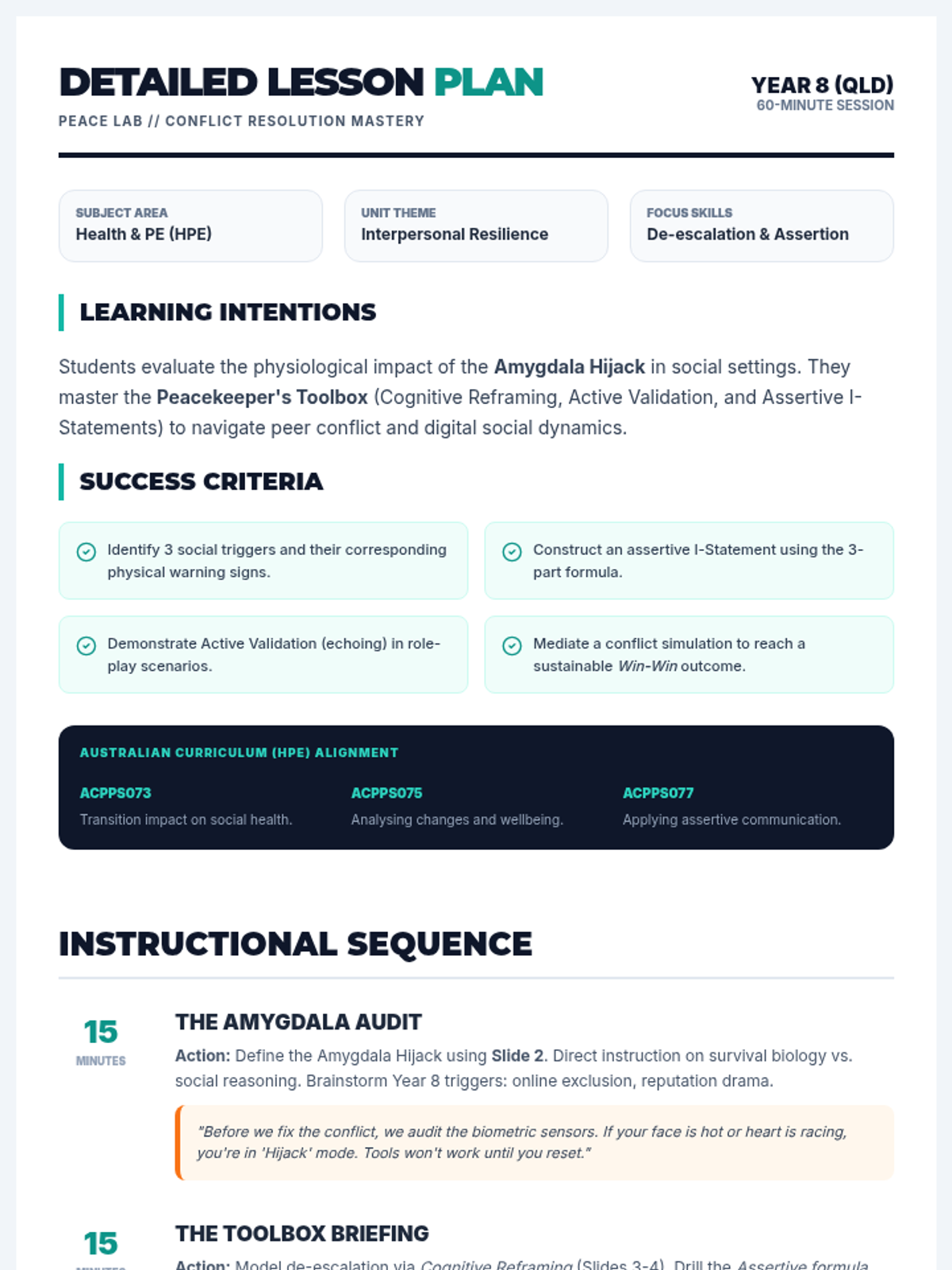
A comprehensive sequence of lessons for secondary students (Yr 7-8) focused on conflict resolution, social media responsibility, and assertive communication in both physical and digital spaces.
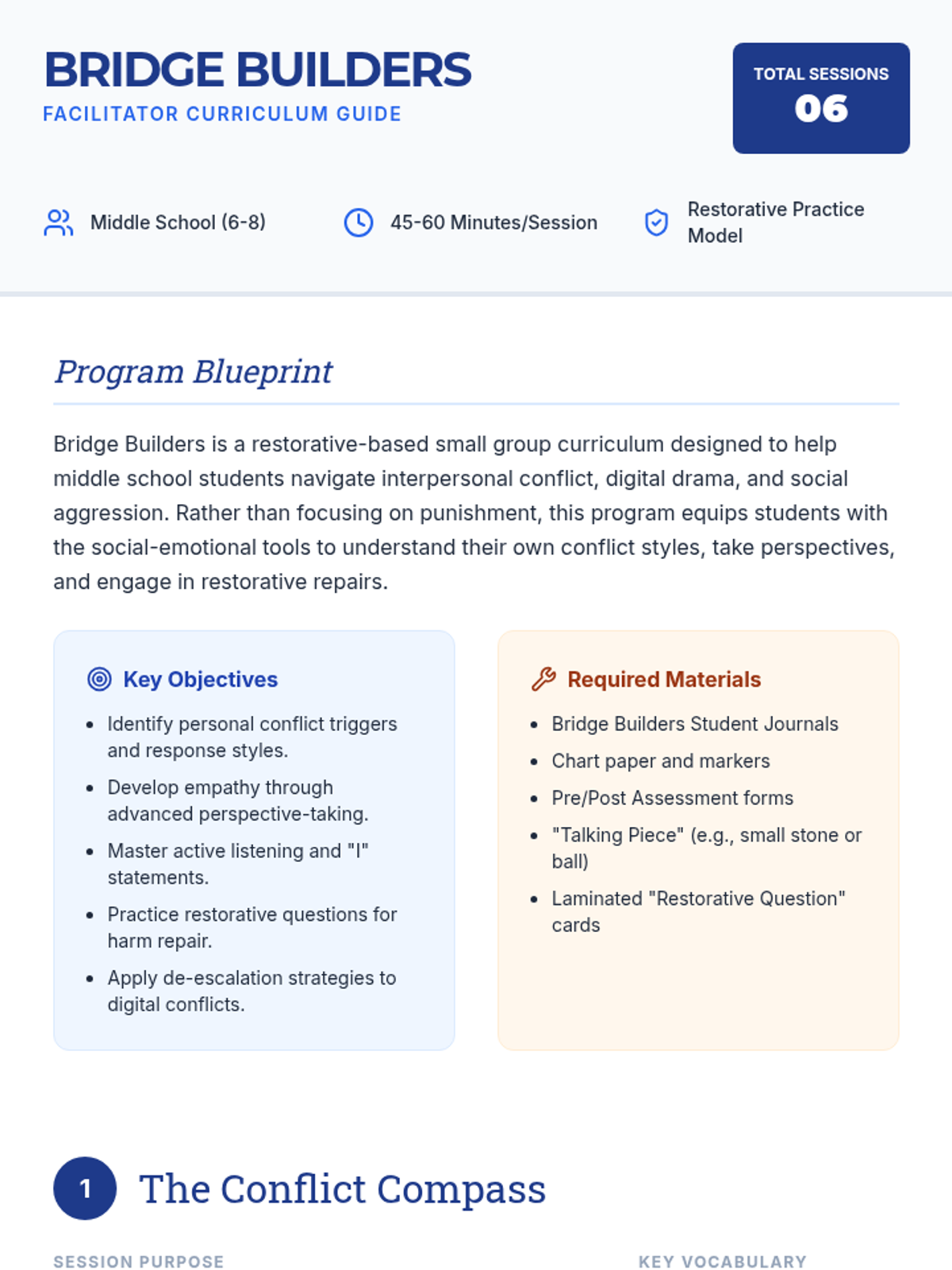
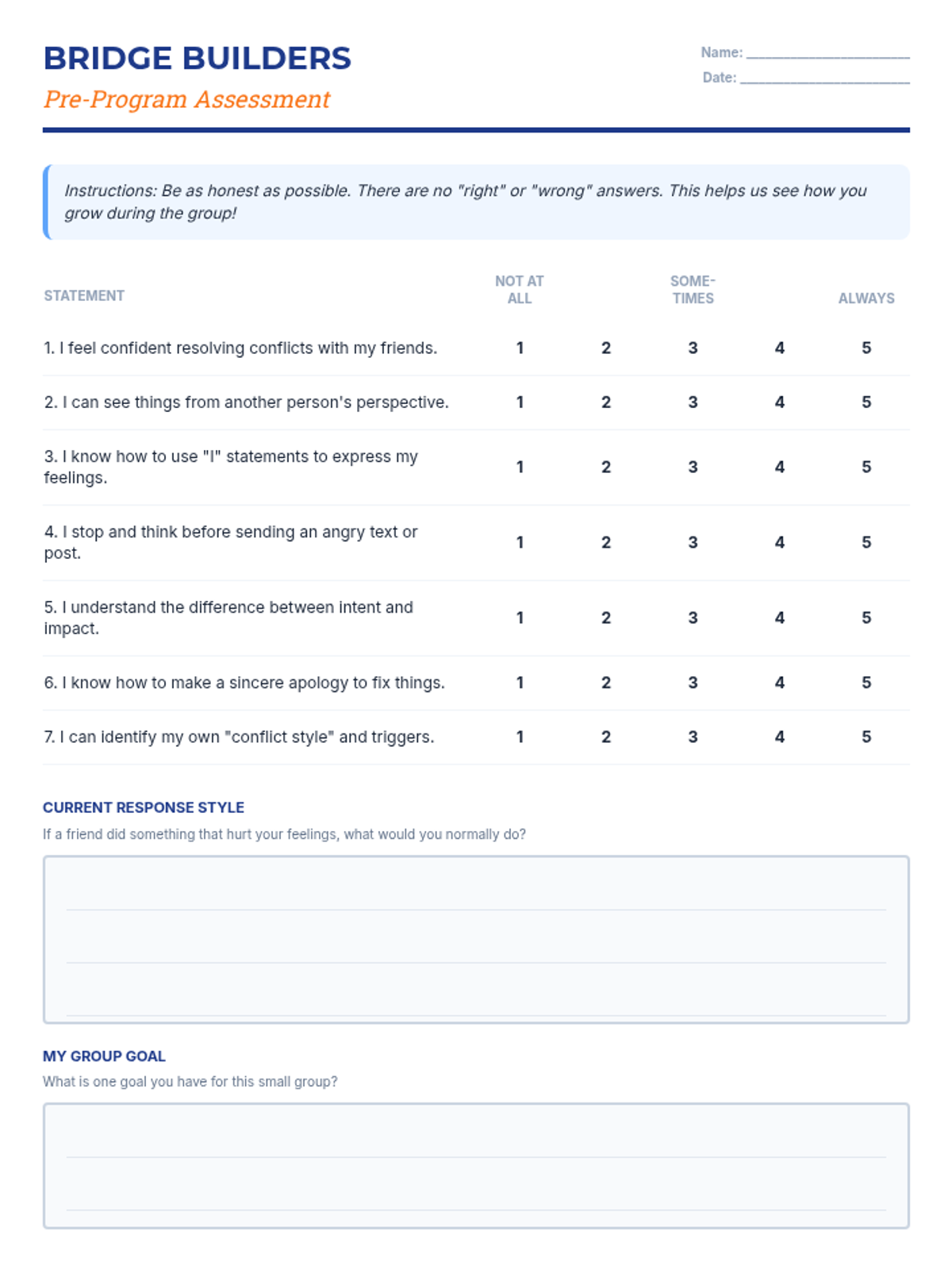
A 6-session restorative-based small group program for middle school students to resolve peer conflict, develop perspective-taking, and master digital communication. The program focuses on building 'bridges' rather than 'walls' through practical skills and restorative conversations.
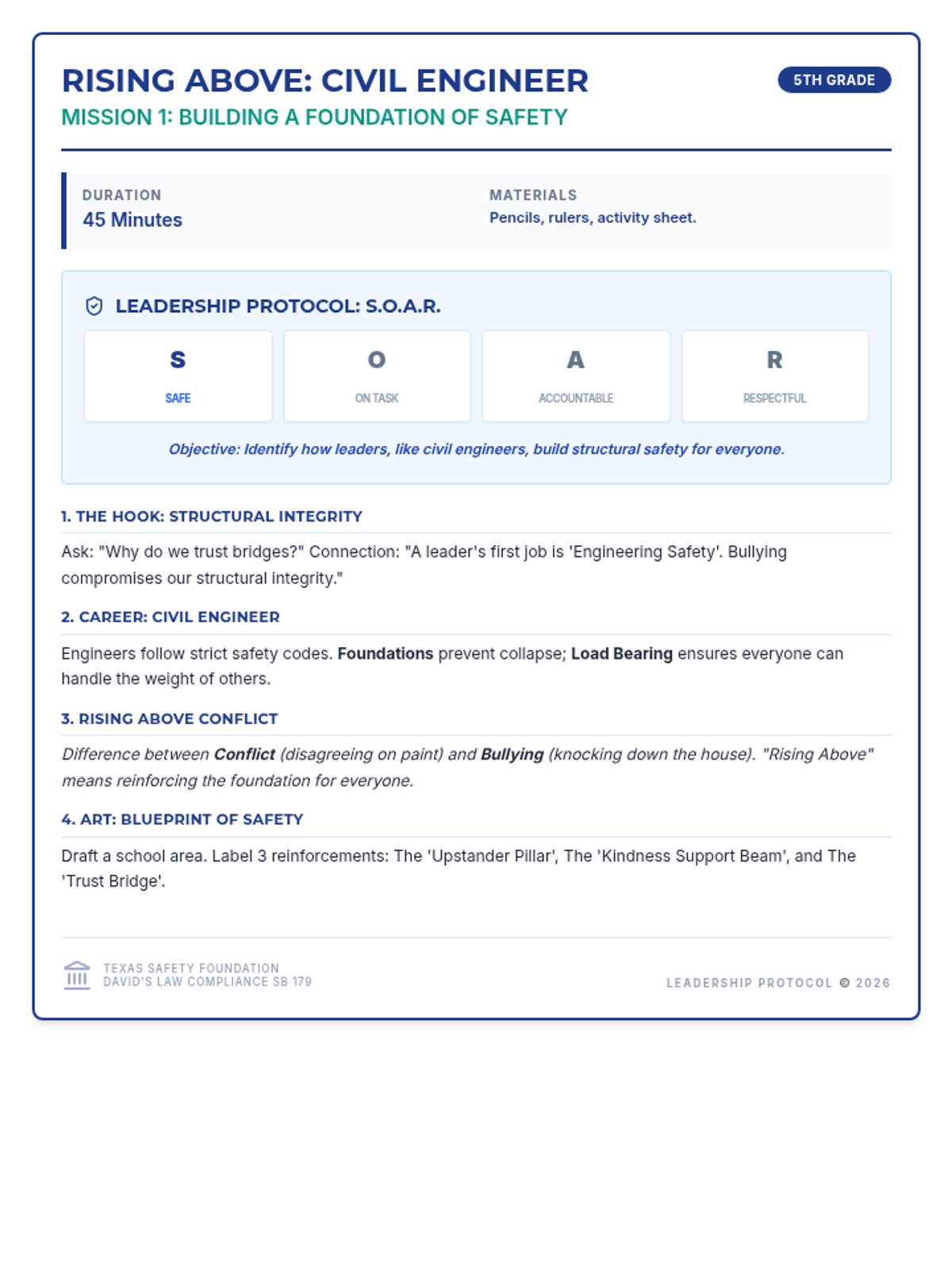
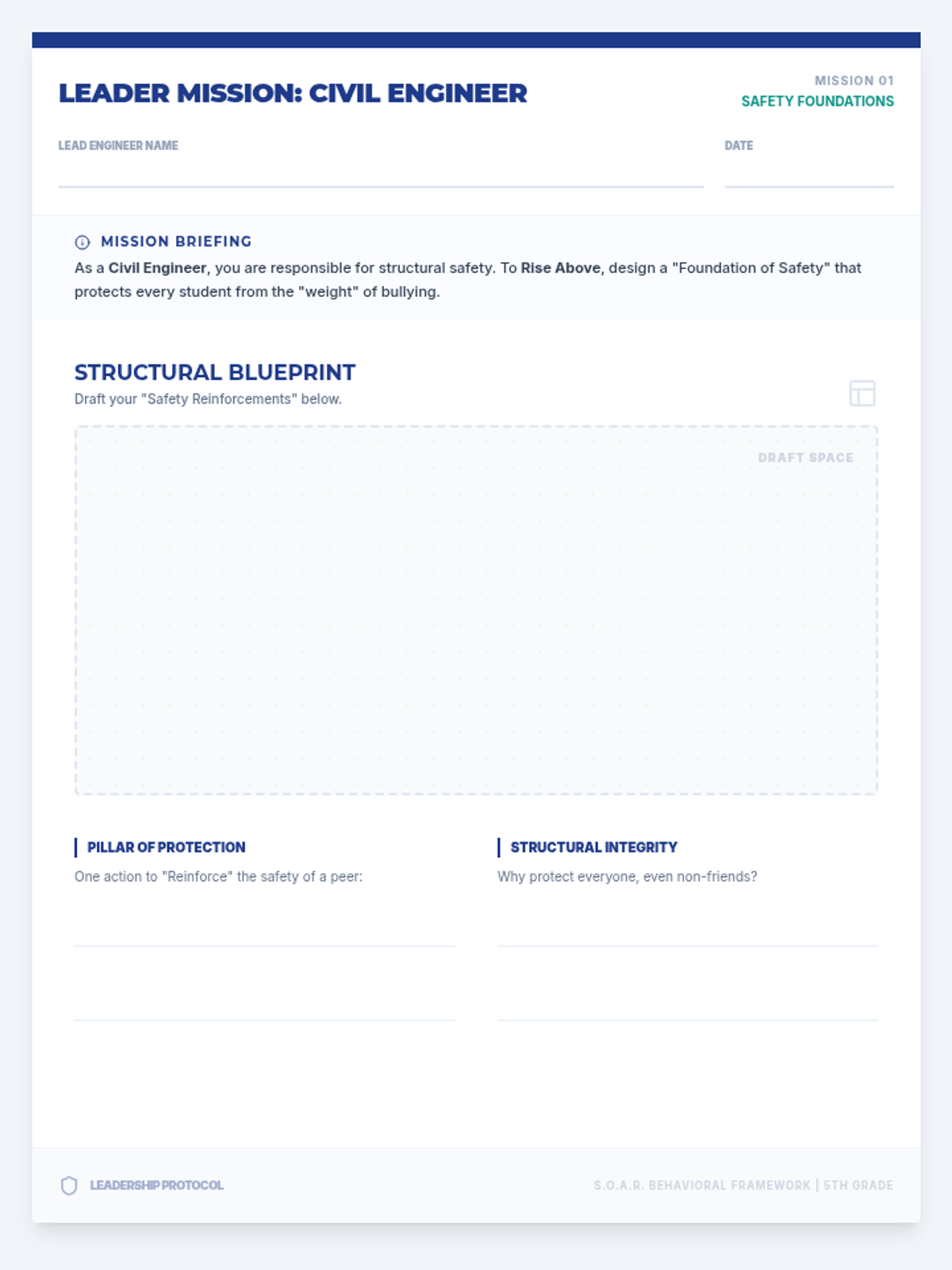
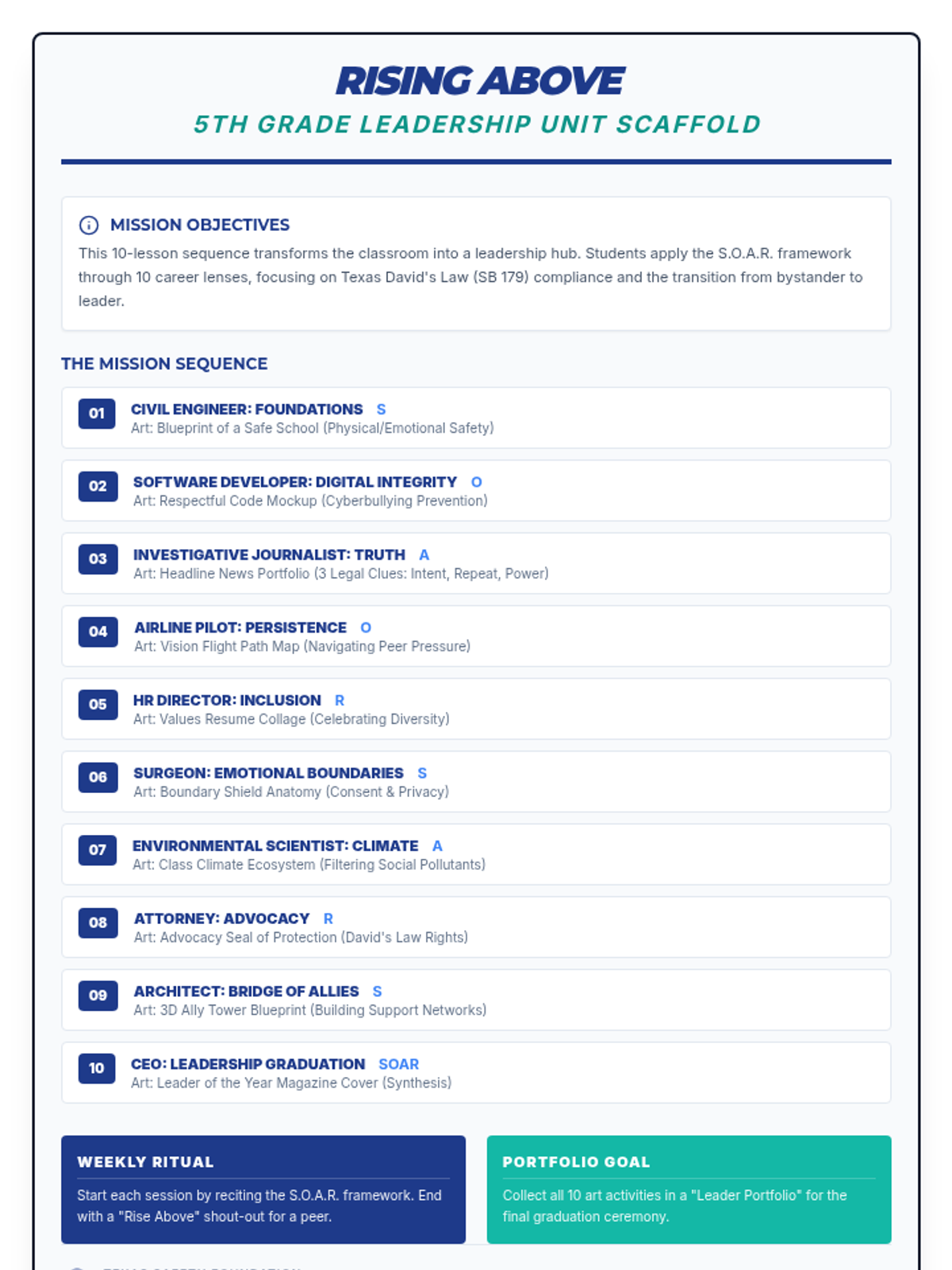
A comprehensive K-12 bullying prevention curriculum strictly aligned with Texas David's Law and TEC Chapter 37, focusing on the distinction between conflict and bullying, cyberbullying, and school safety. Now renamed to the Leadership Protocol.
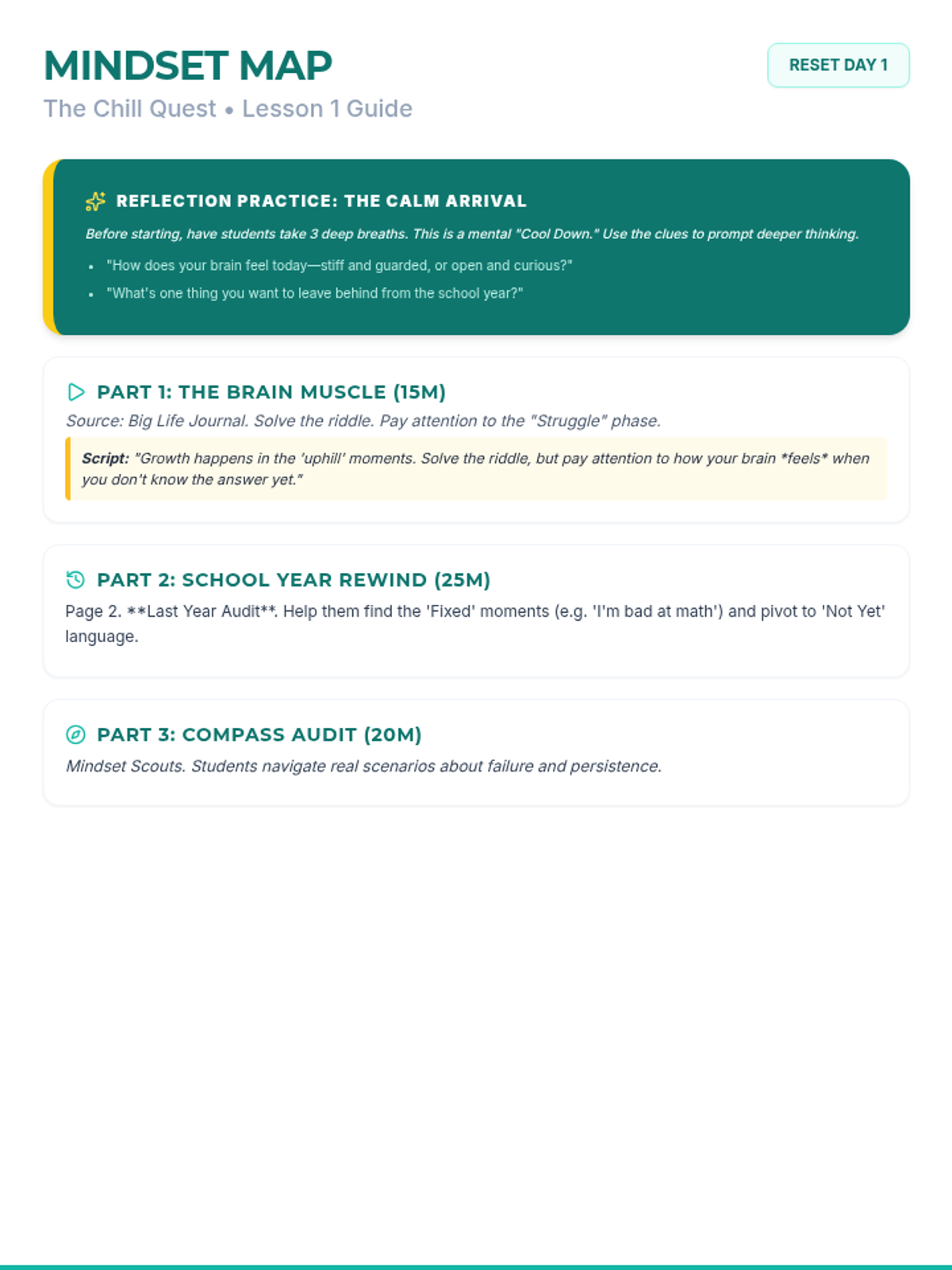
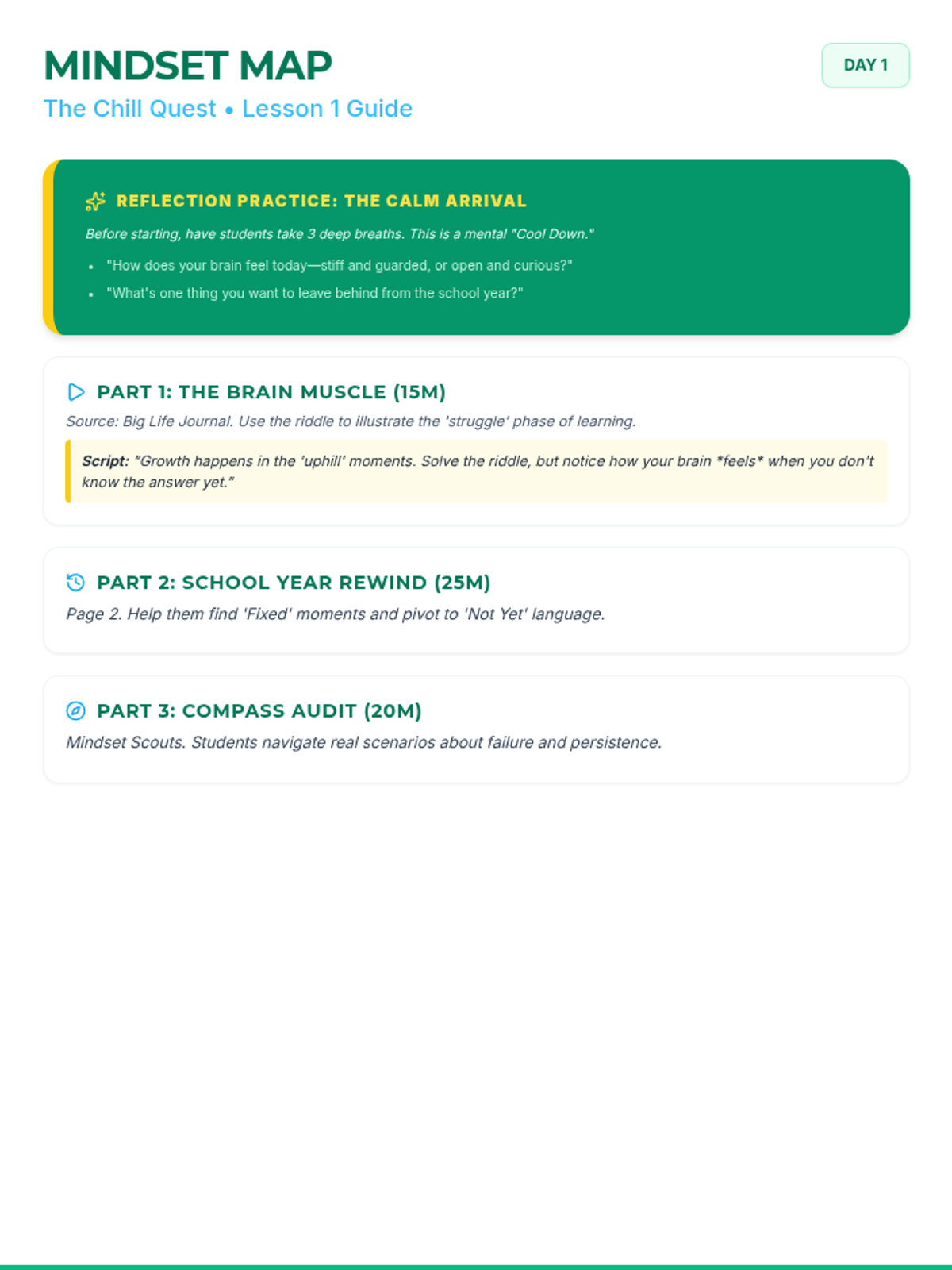
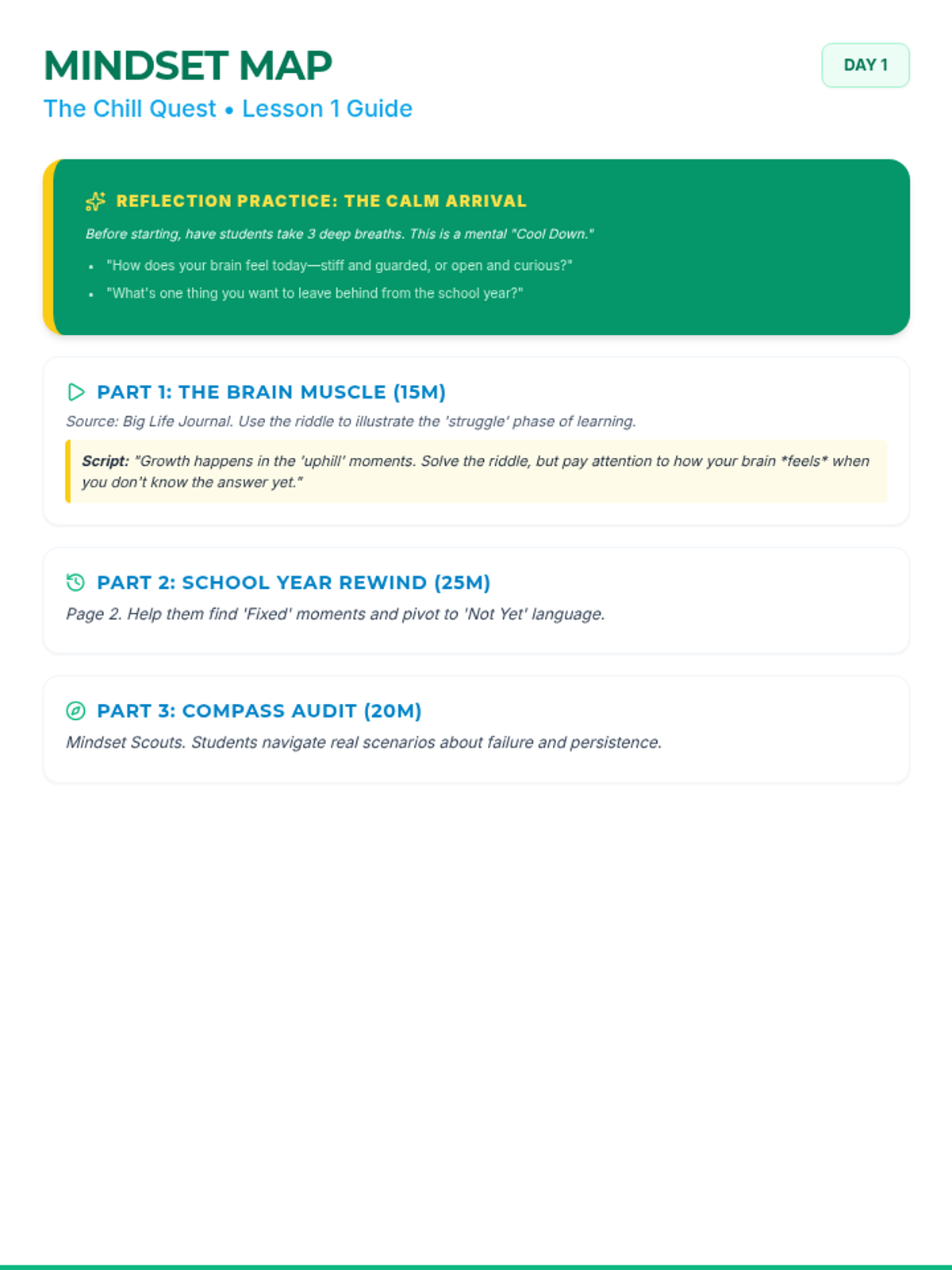
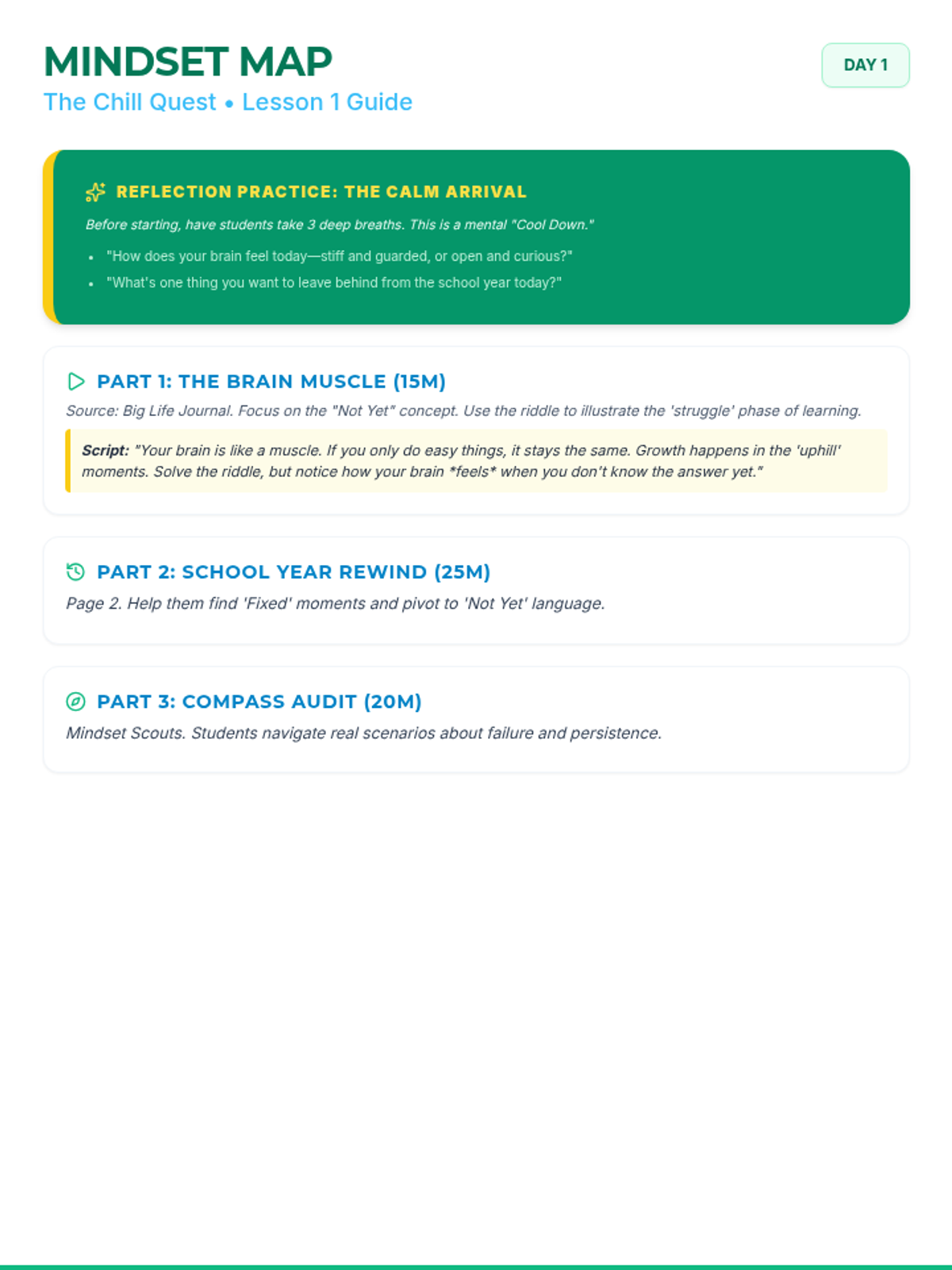
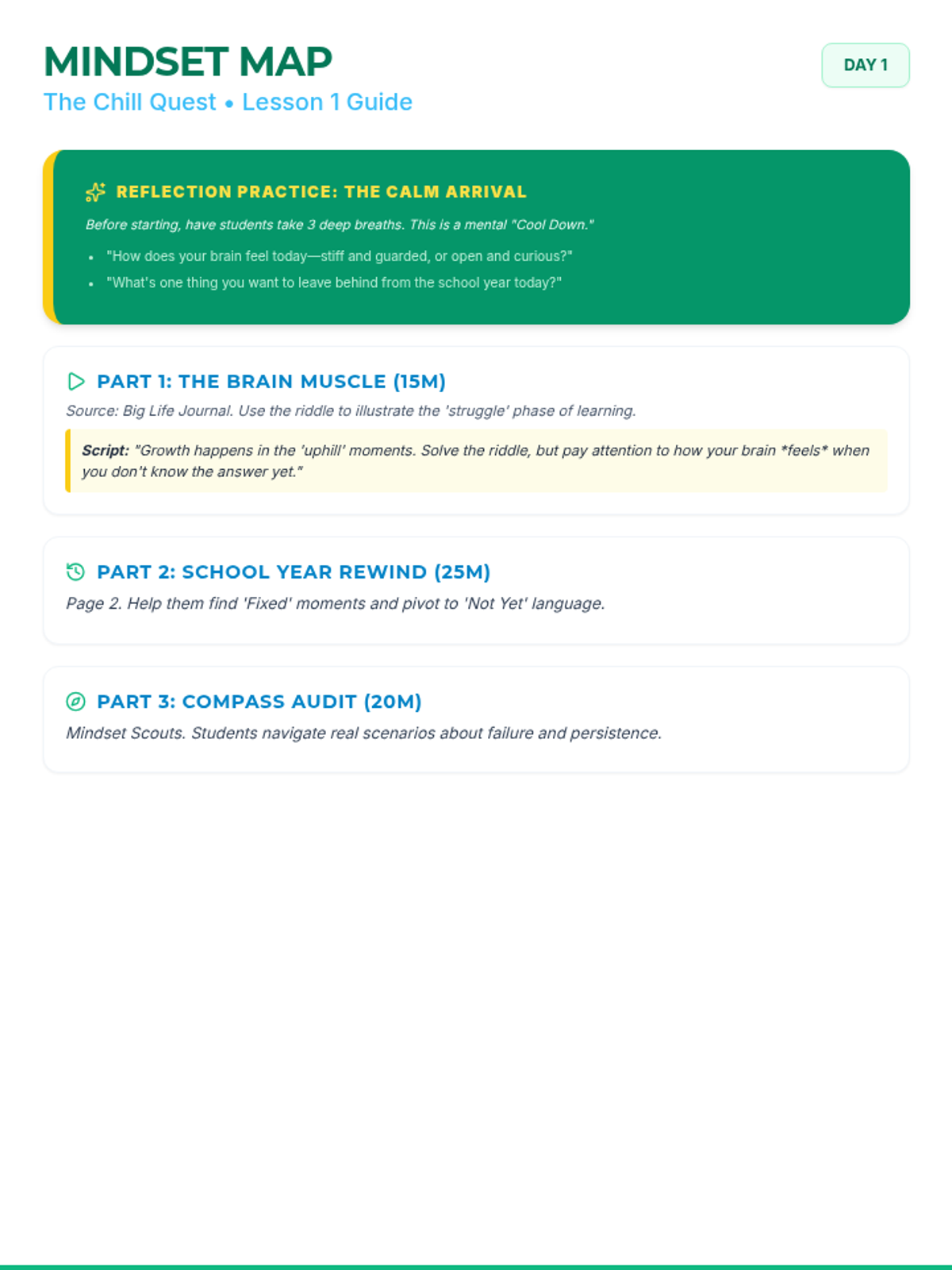
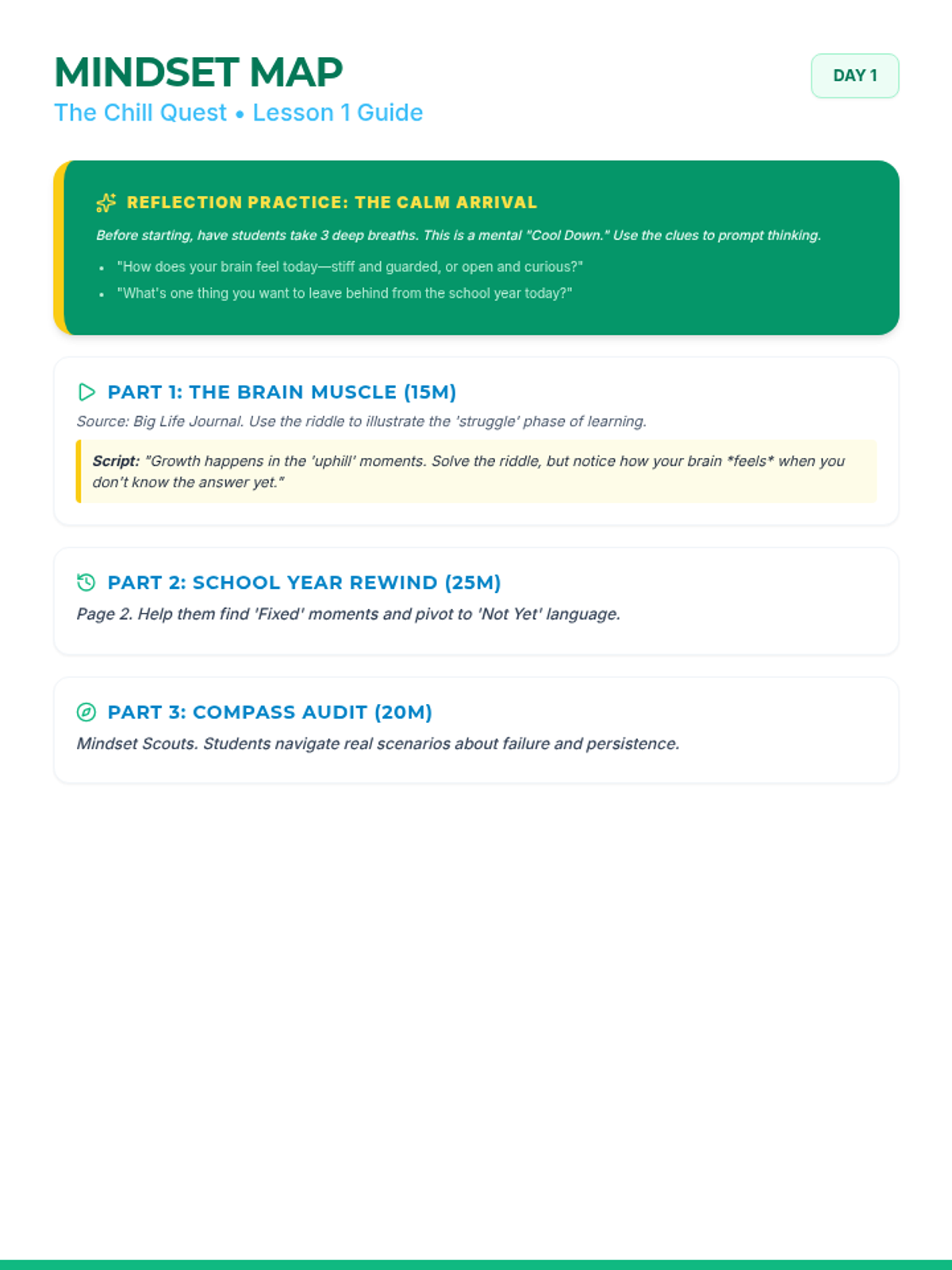
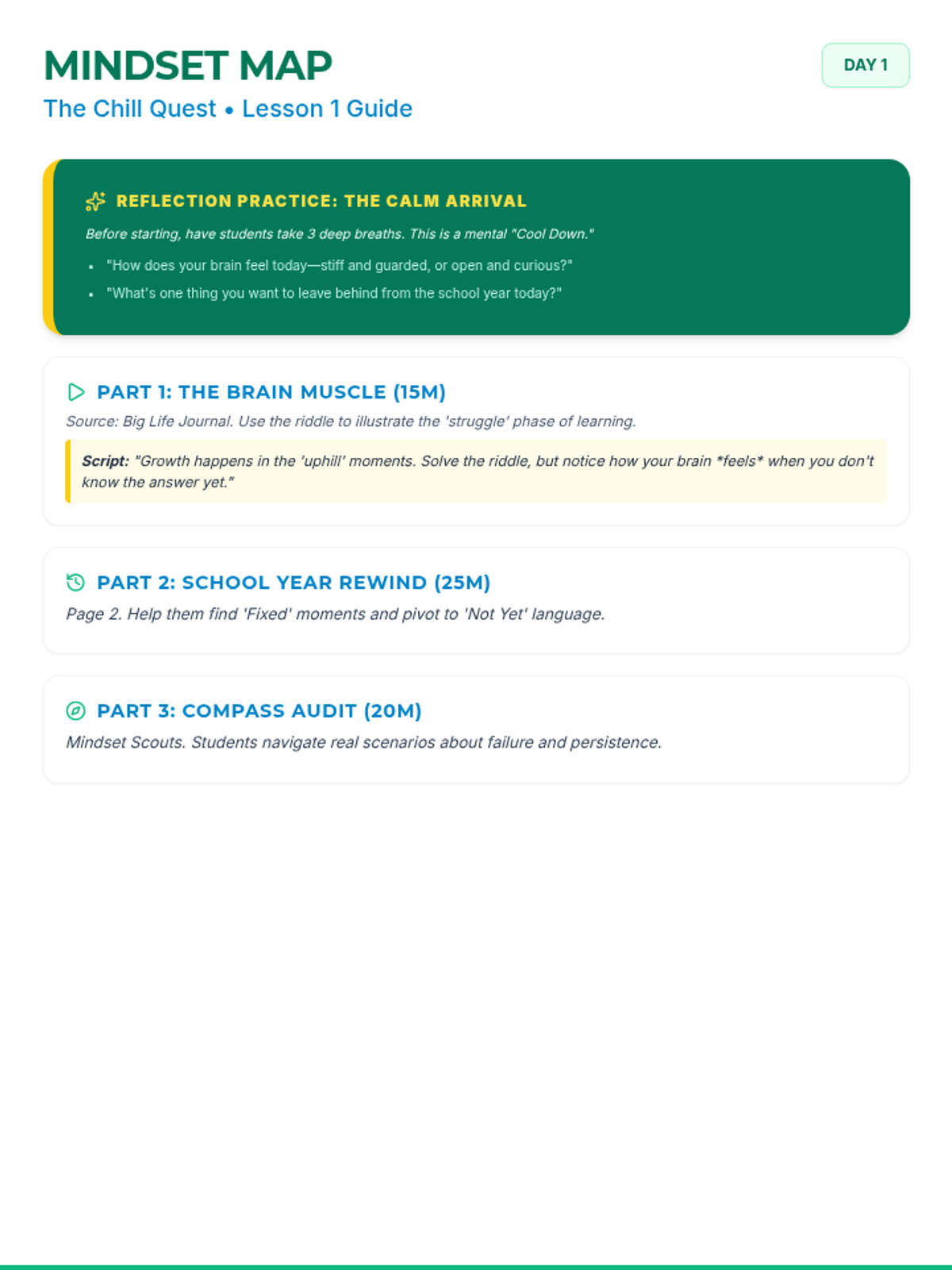
A summer-themed sequence for teens focused on growth mindset, the 7 Habits of Highly Effective Teens, and logic games. Designed for a stress-free, reflective environment. Styled in light green, blue, and yellow.
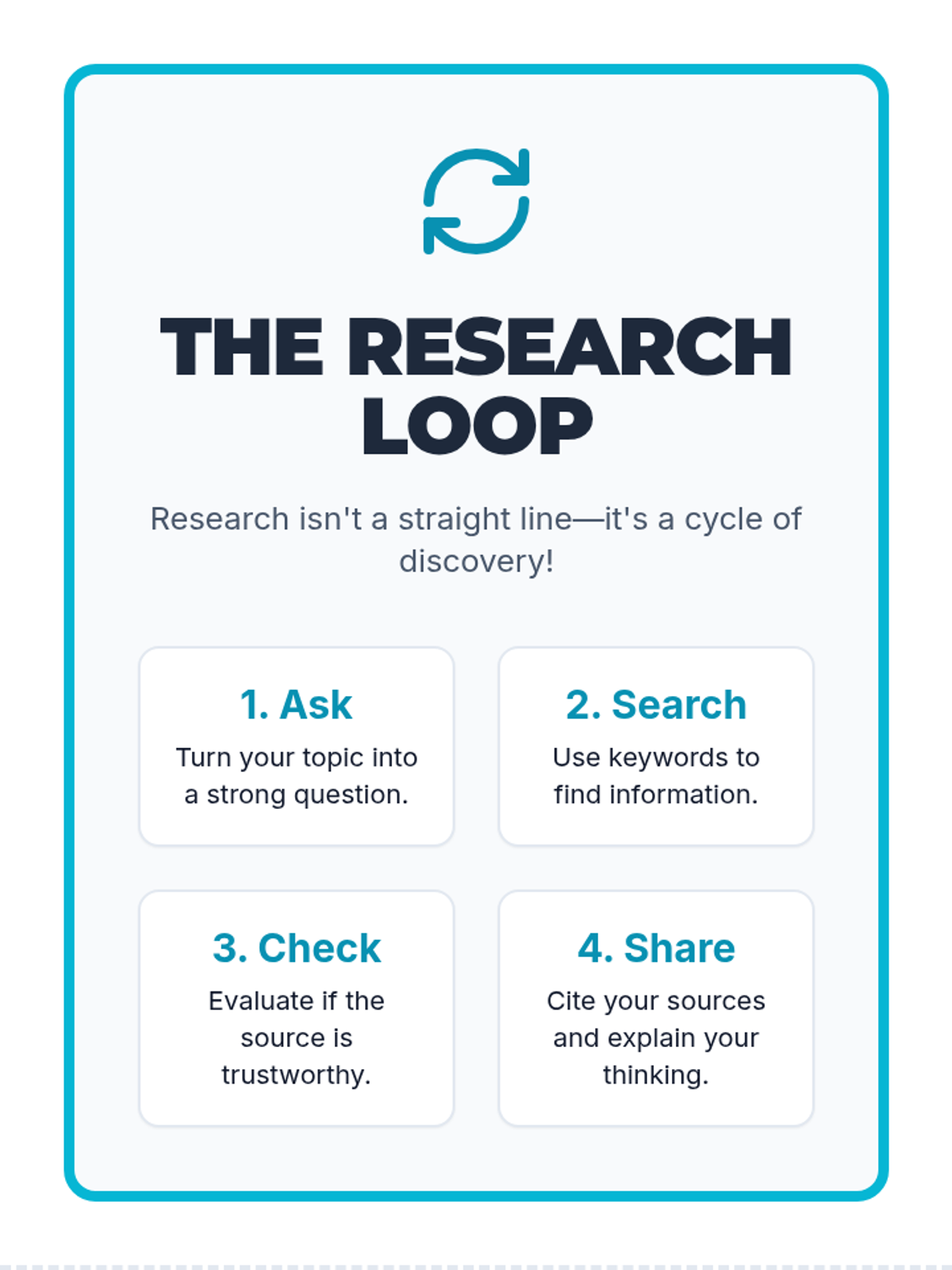
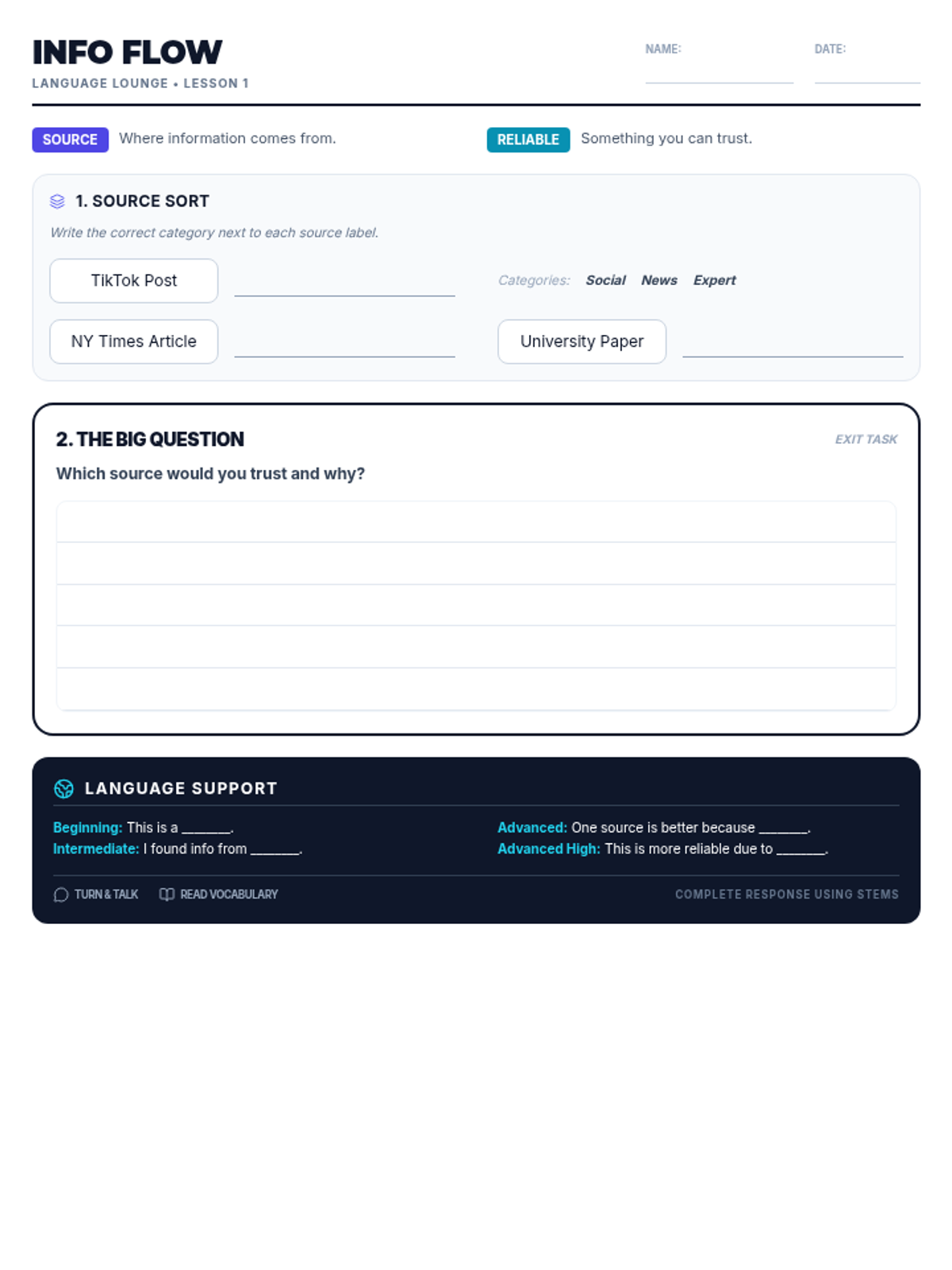
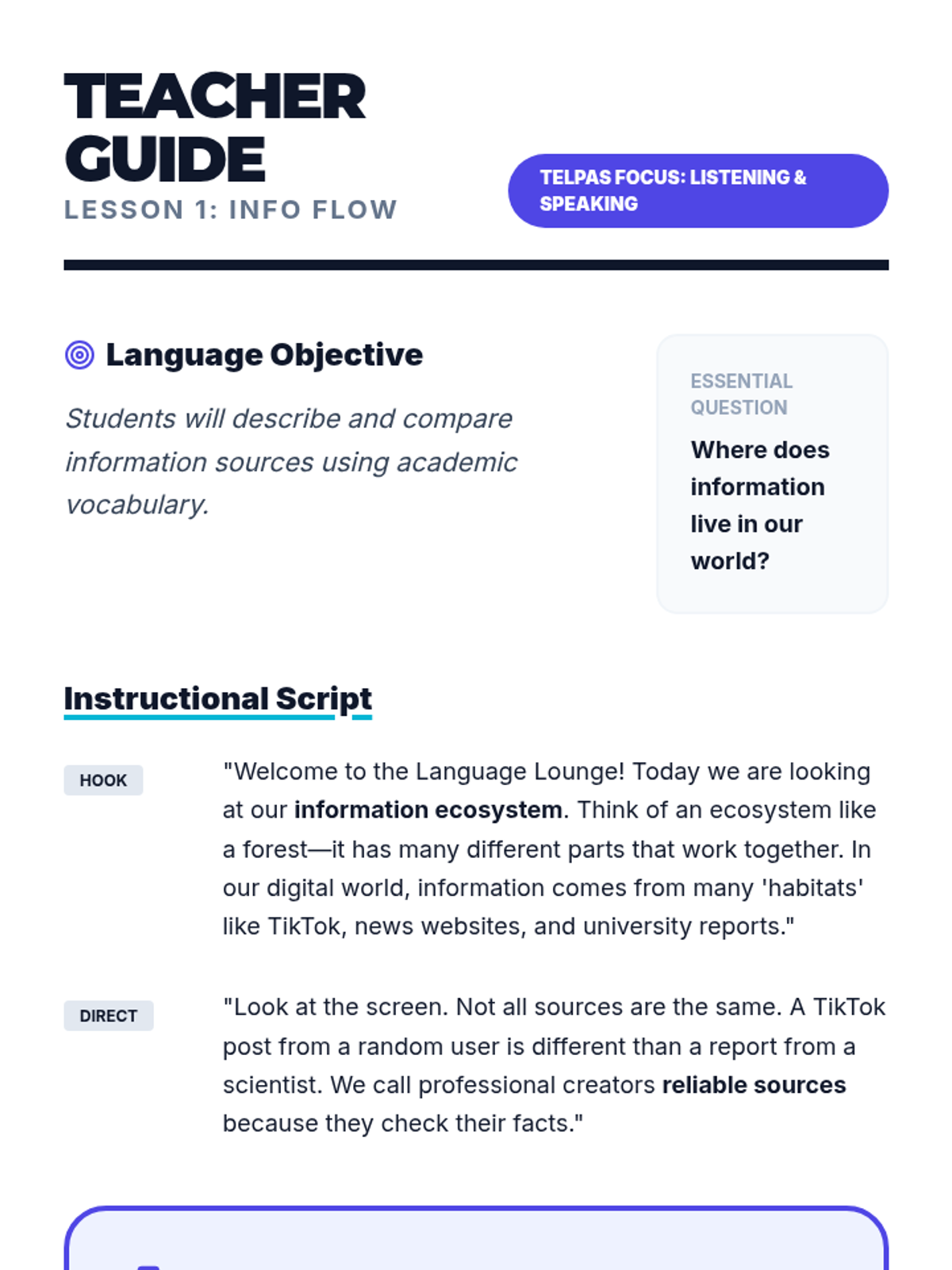
A 9-lesson TELPAS-aligned research and information literacy unit designed for English Language Learners, covering everything from information ecosystems to real-world application through the lens of social media, careers, and current events.
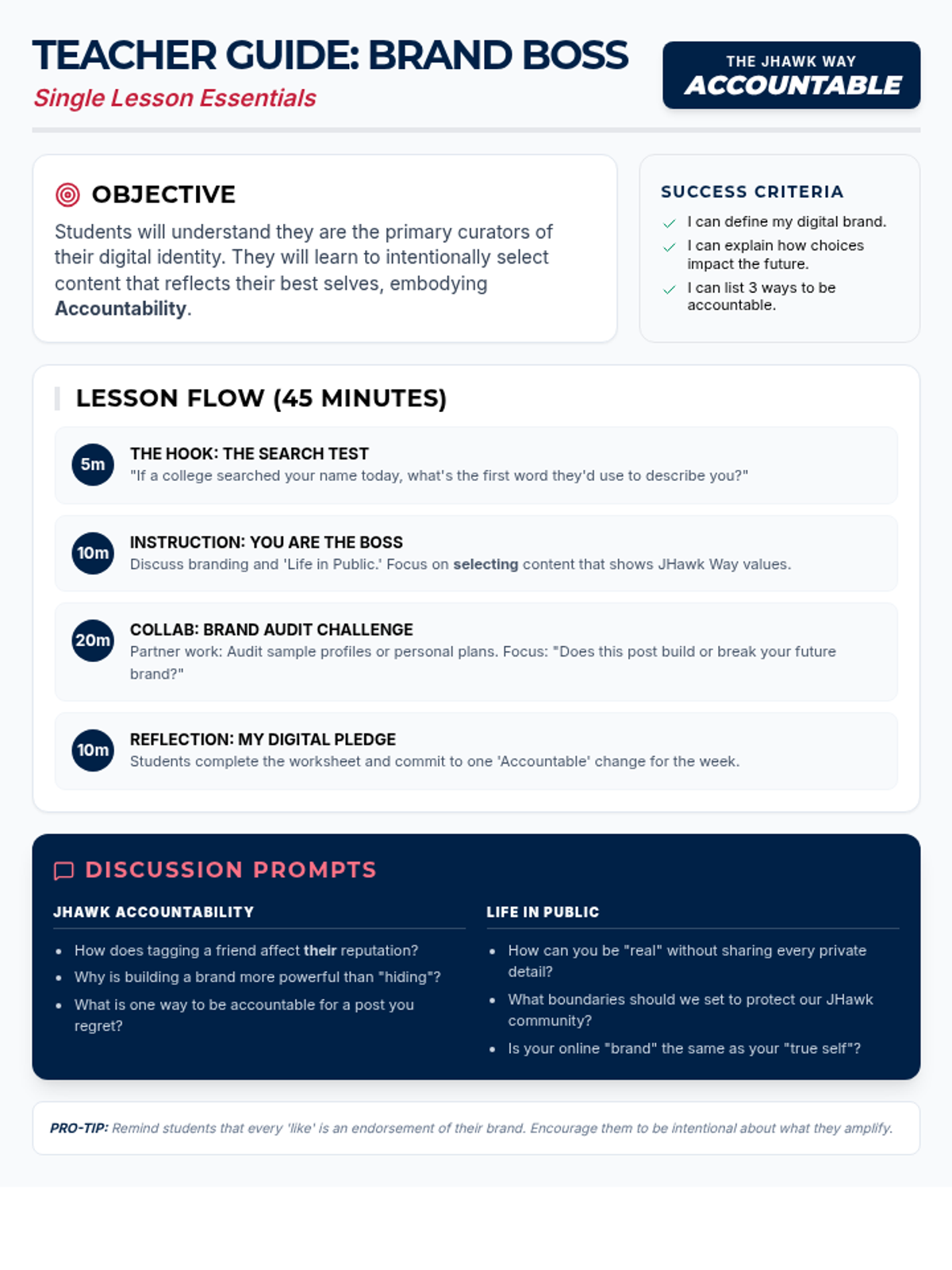
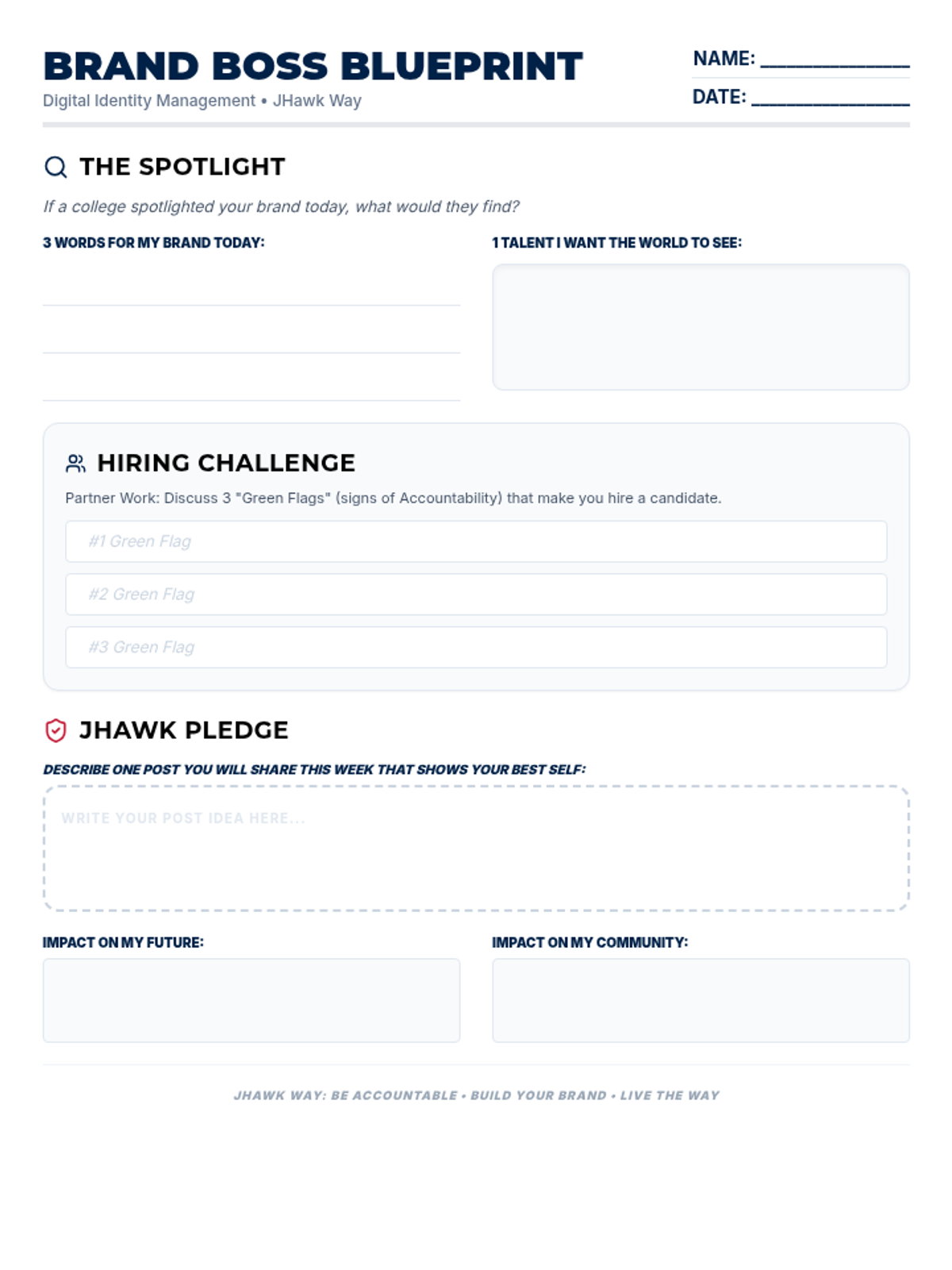
A comprehensive set of lessons for 8th-grade students to master their digital identity, focusing on branding, accountability, and the impact of online actions. This includes both a standalone 45-minute lesson and a more in-depth 2-day lesson sequence.
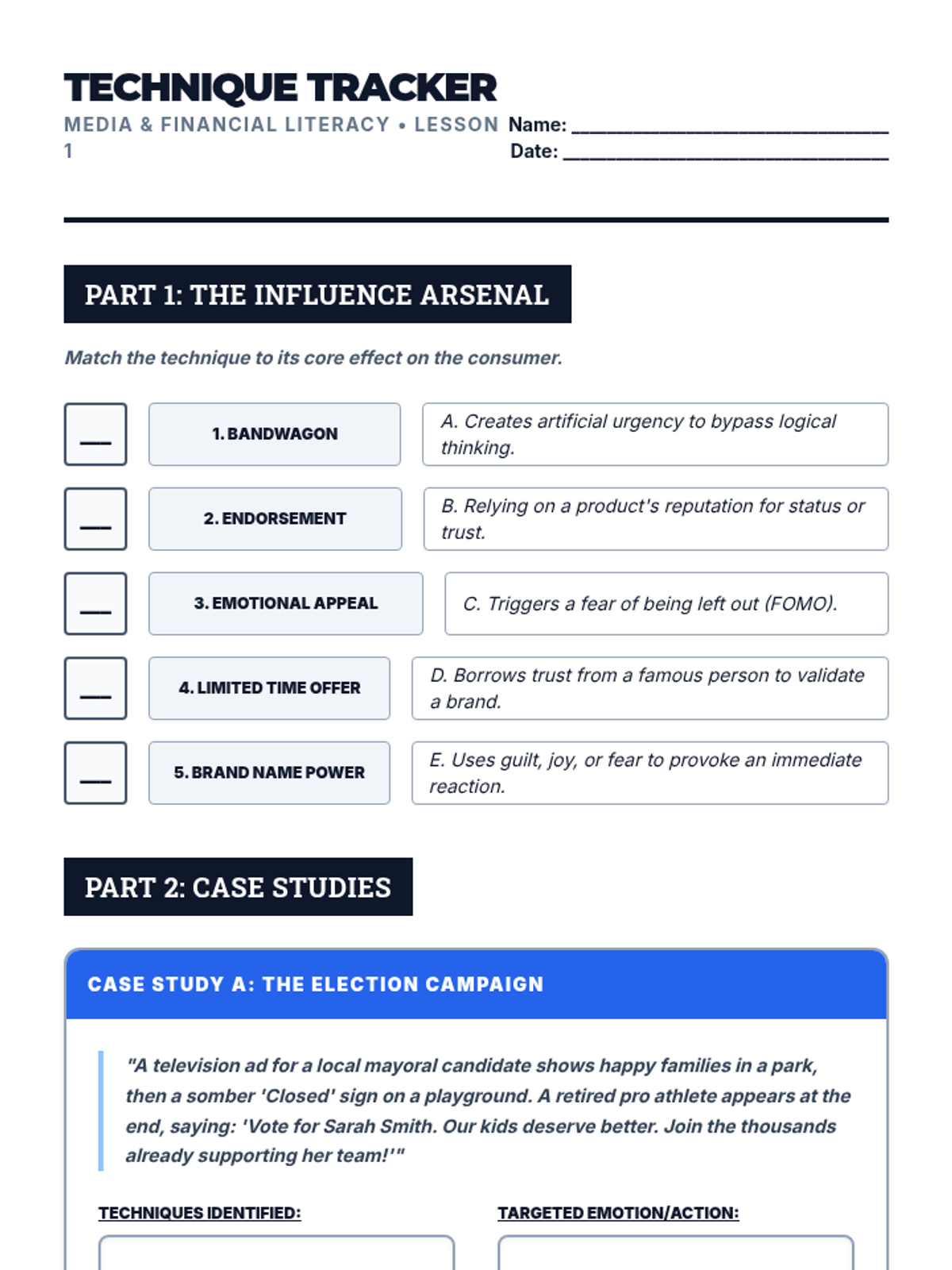
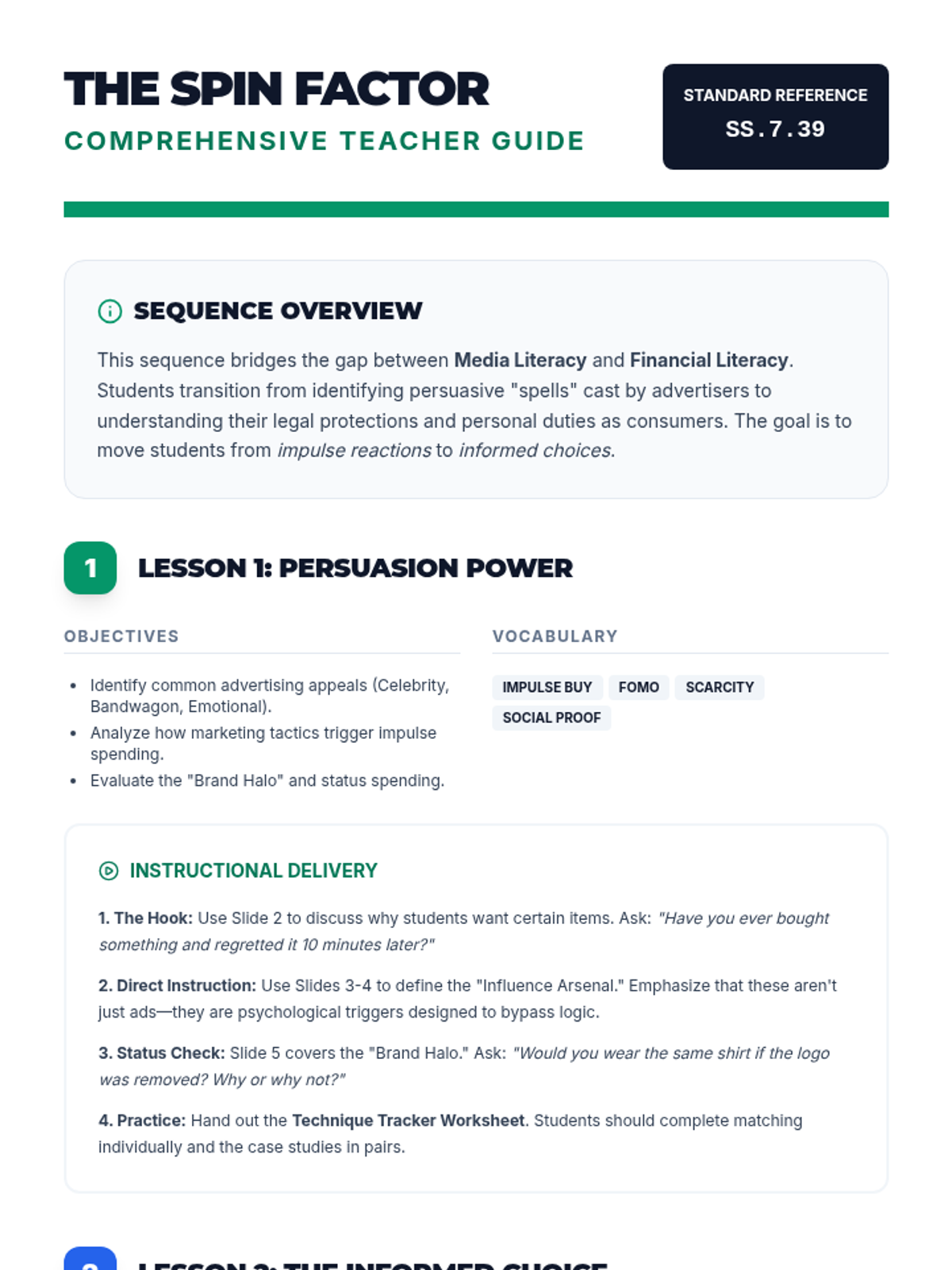
A two-lesson sequence exploring the intersection of media literacy and financial literacy, teaching students to identify persuasive techniques and uphold consumer rights and responsibilities.
A project exploring mental health awareness through creative marketing, focusing on neurodiversity and celebrating the 'spark' of fast-paced minds.
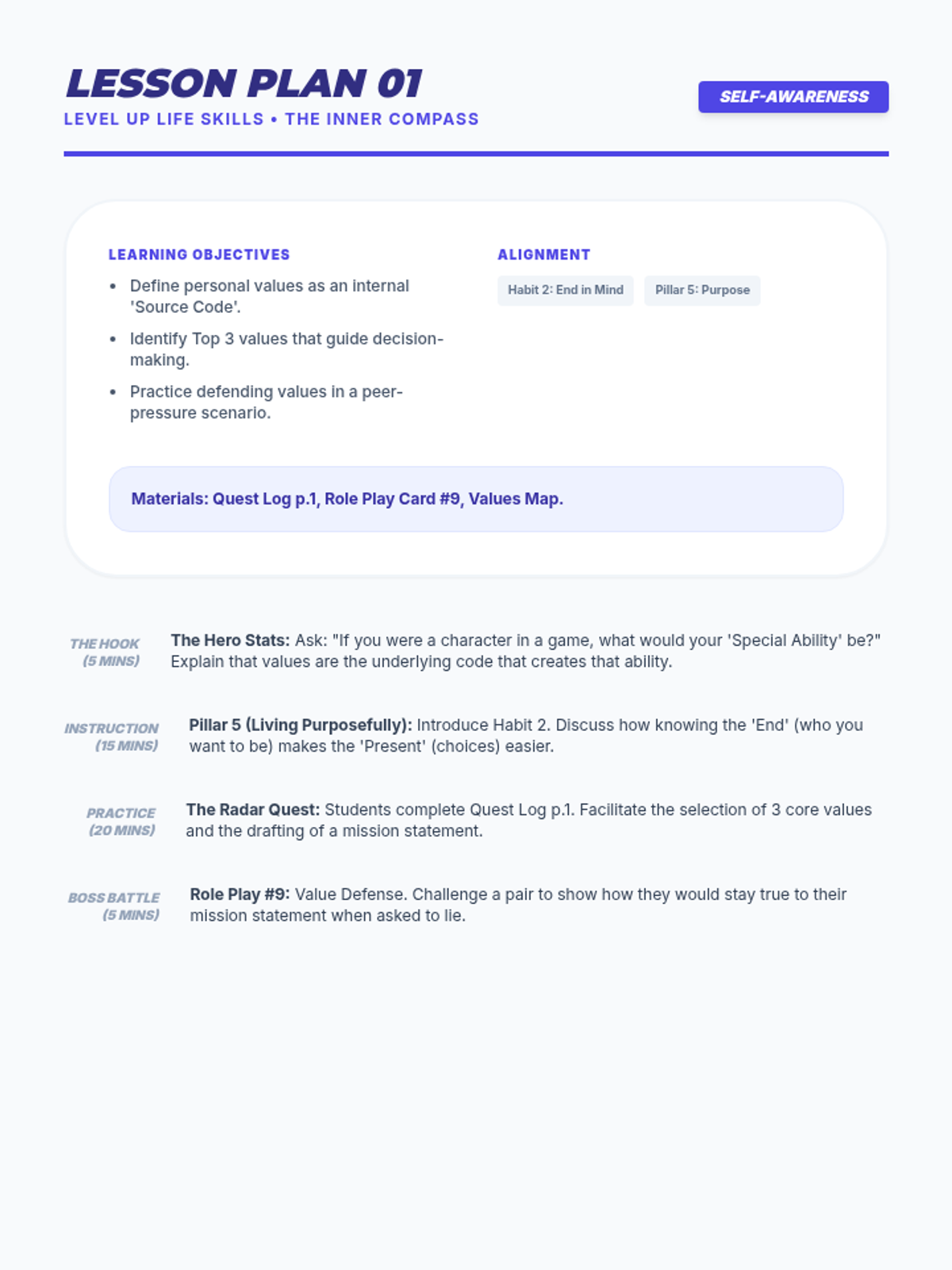
A comprehensive 12-session program designed for youth ages 9-18, focusing on essential life skills including self-esteem, resilience, time management, and conflict resolution, integrated with Sean Covey's 7 Habits and Nathaniel Branden's Six Pillars.
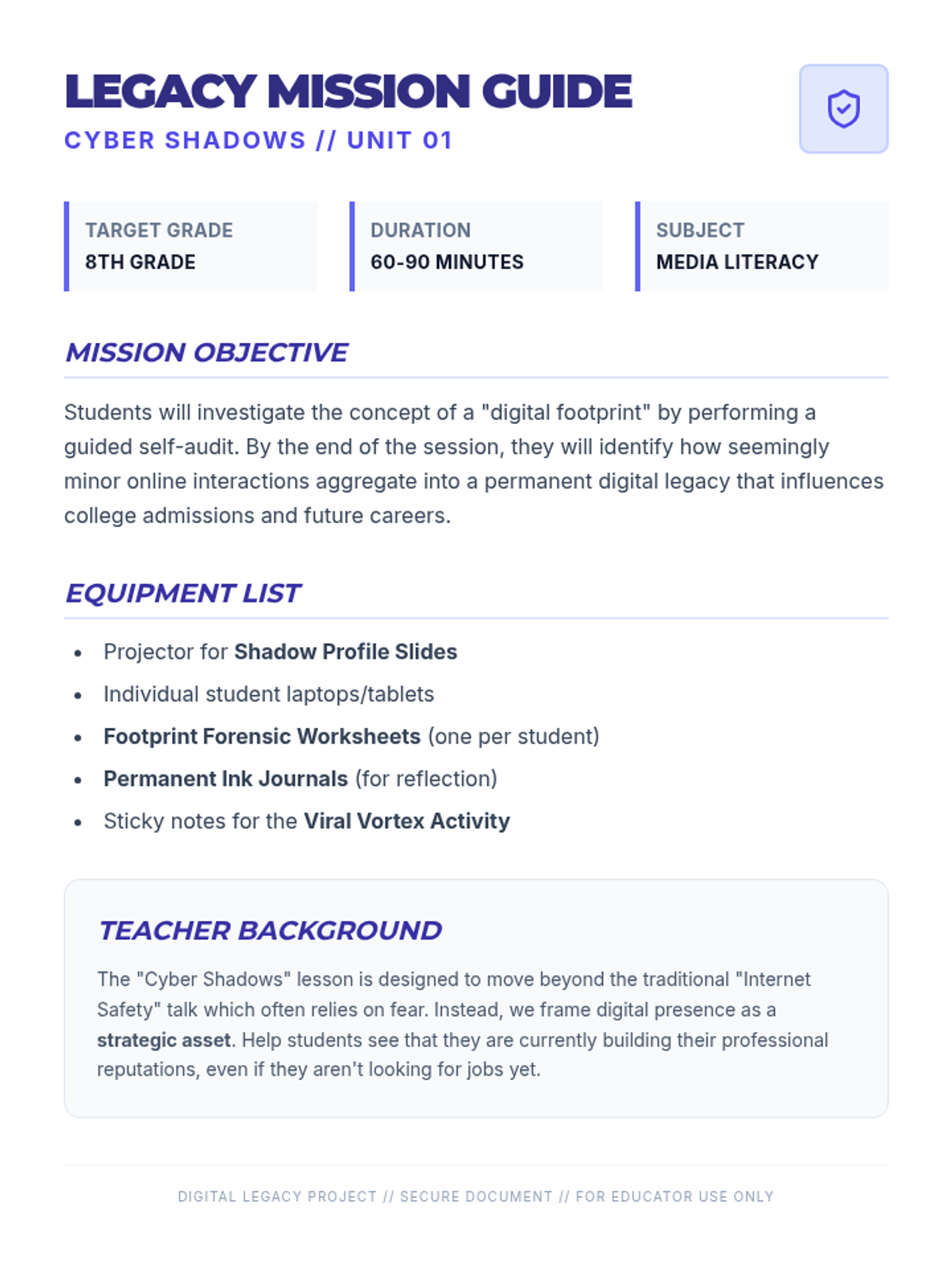
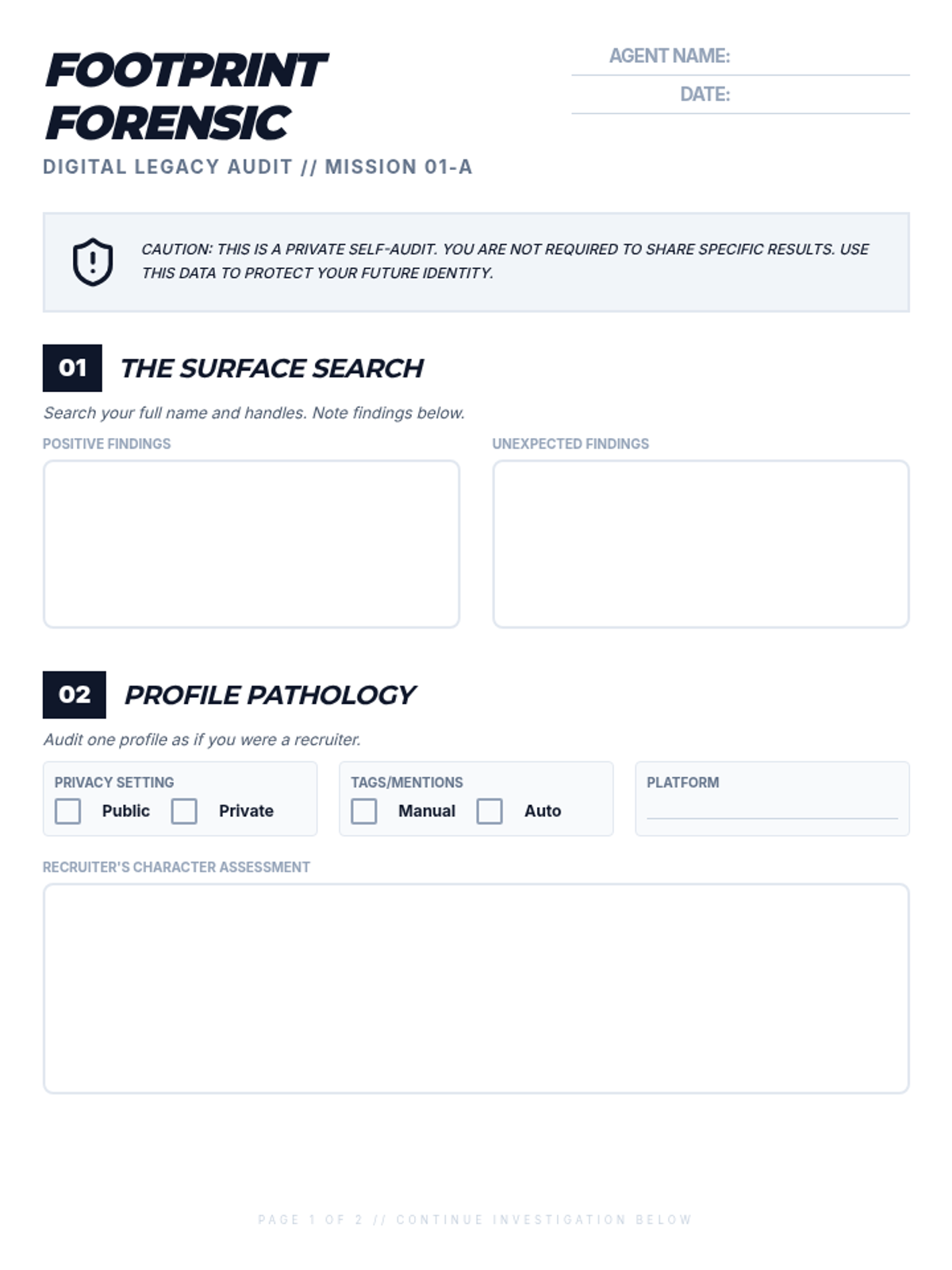
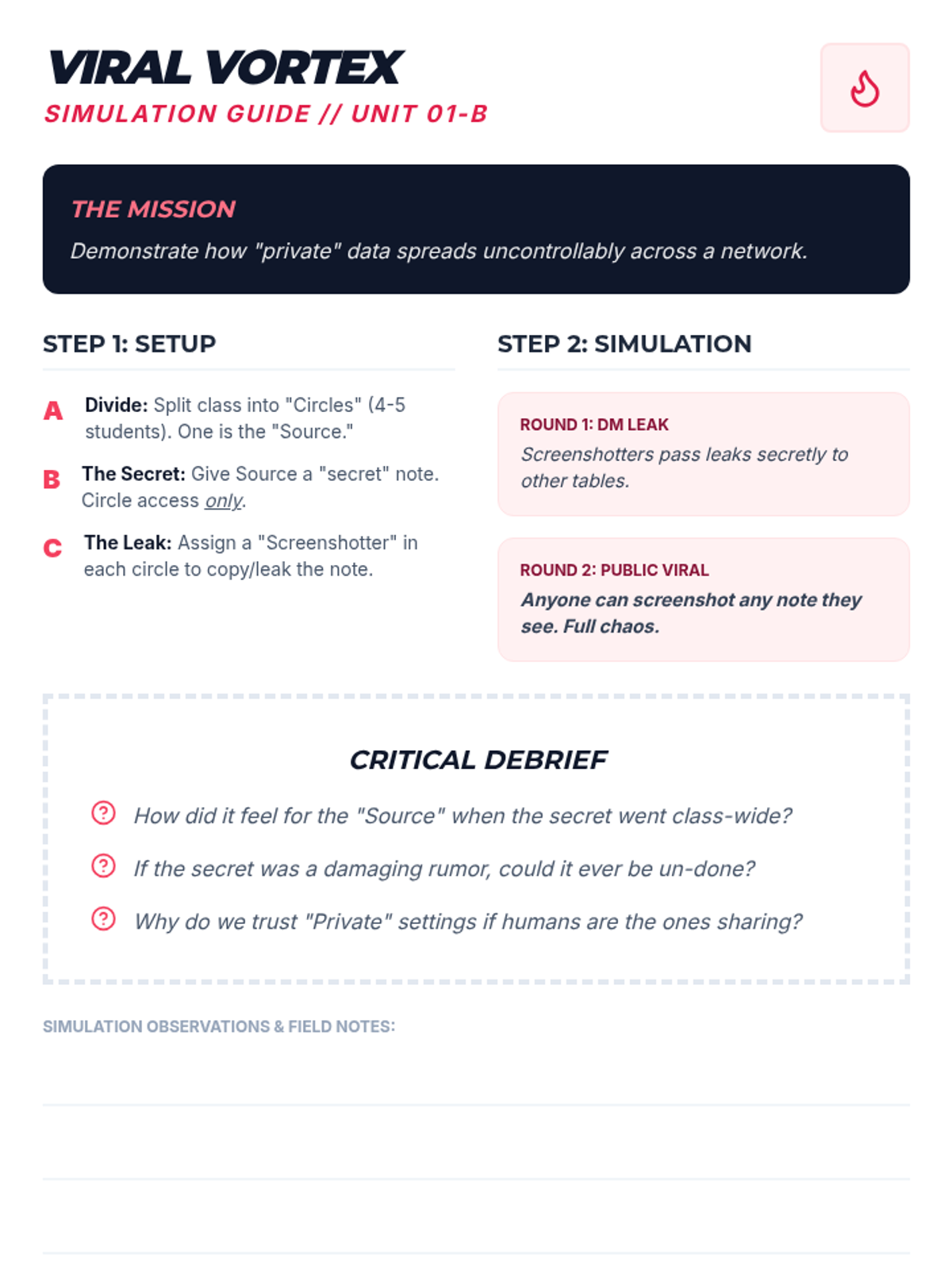
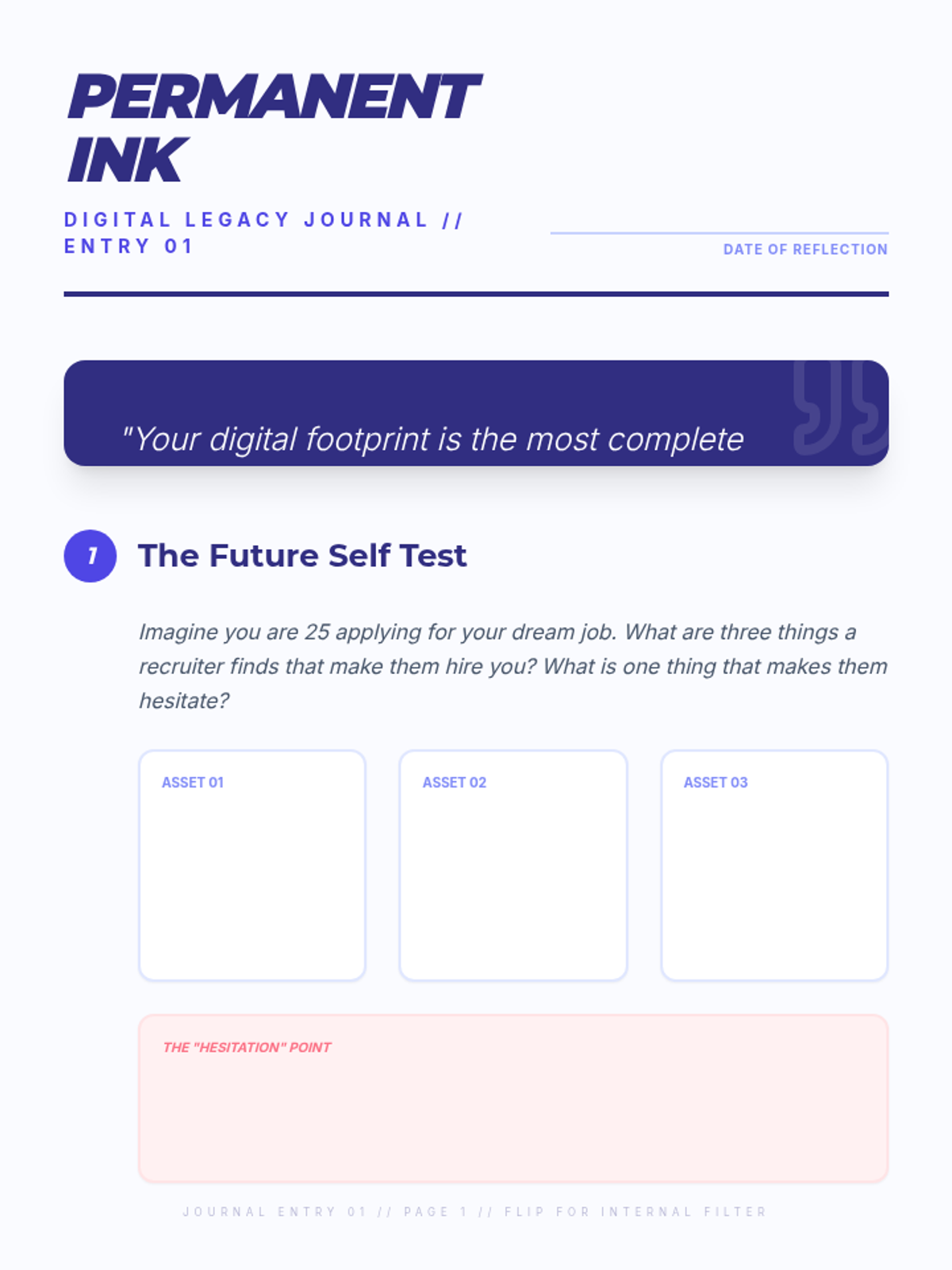
A media literacy unit for eighth graders exploring the long-term impact of digital footprints, online ethics, and the creation of a positive digital legacy. Students conduct self-audits and analyze how their virtual choices shape future opportunities.
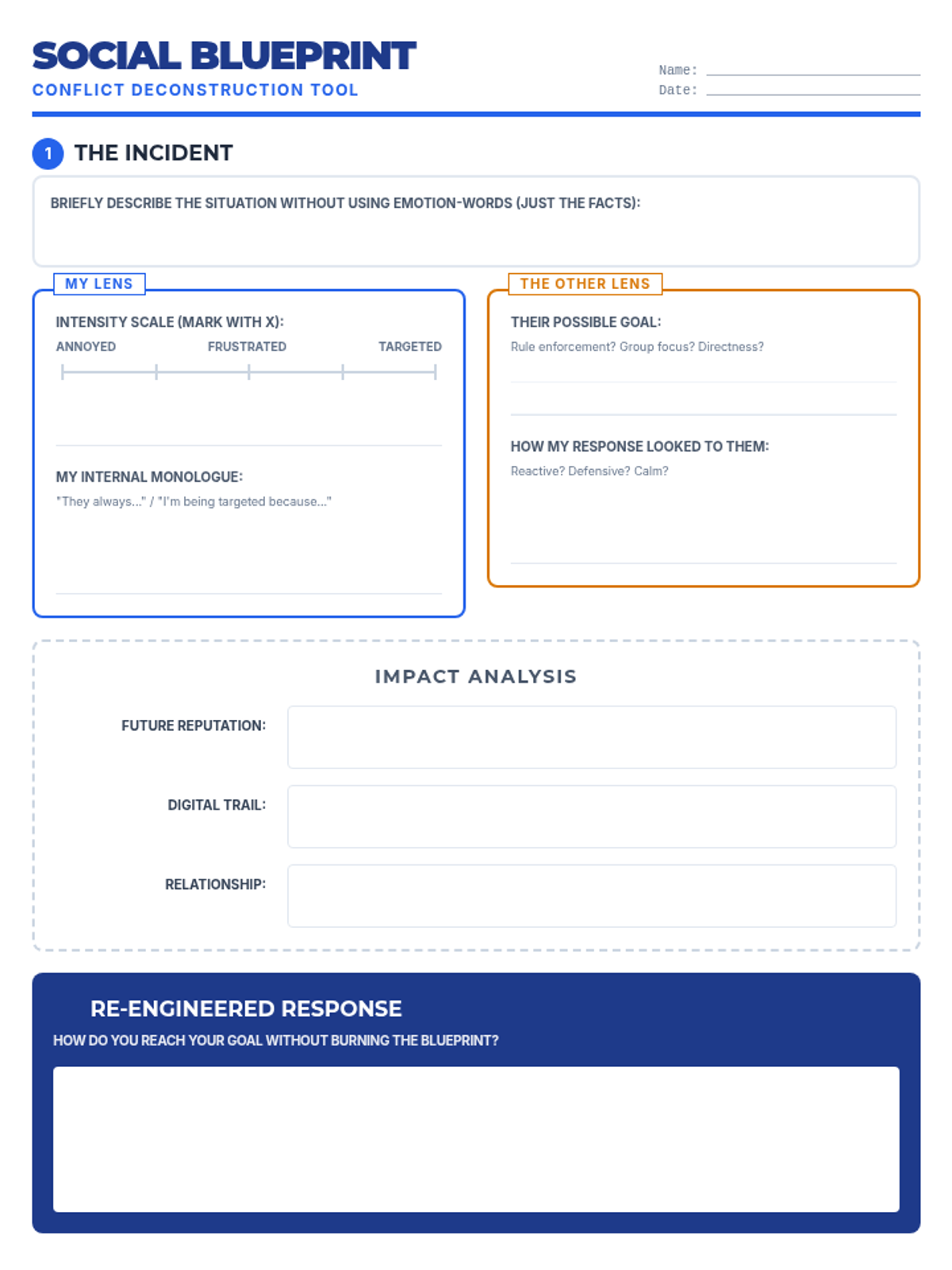
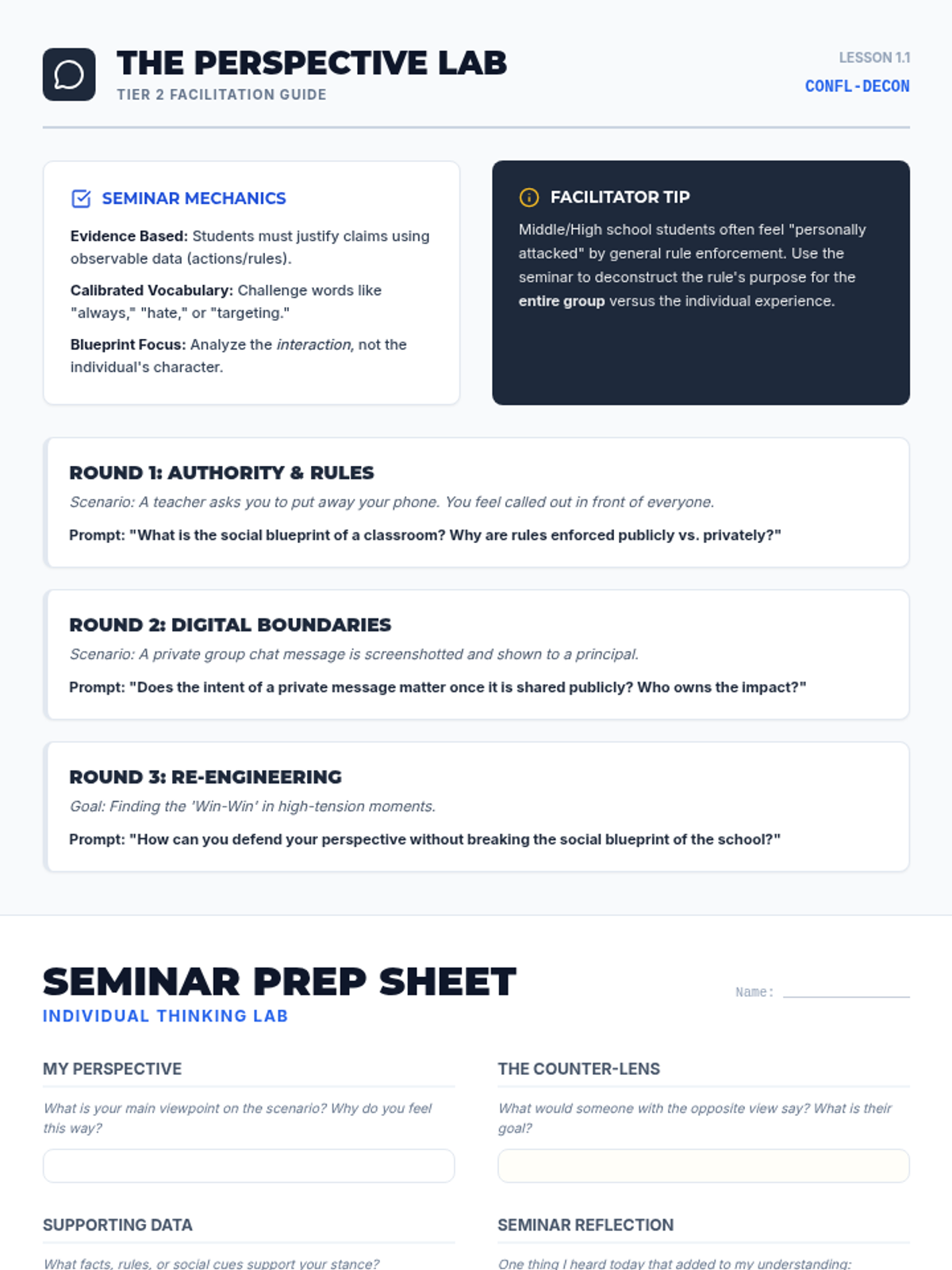
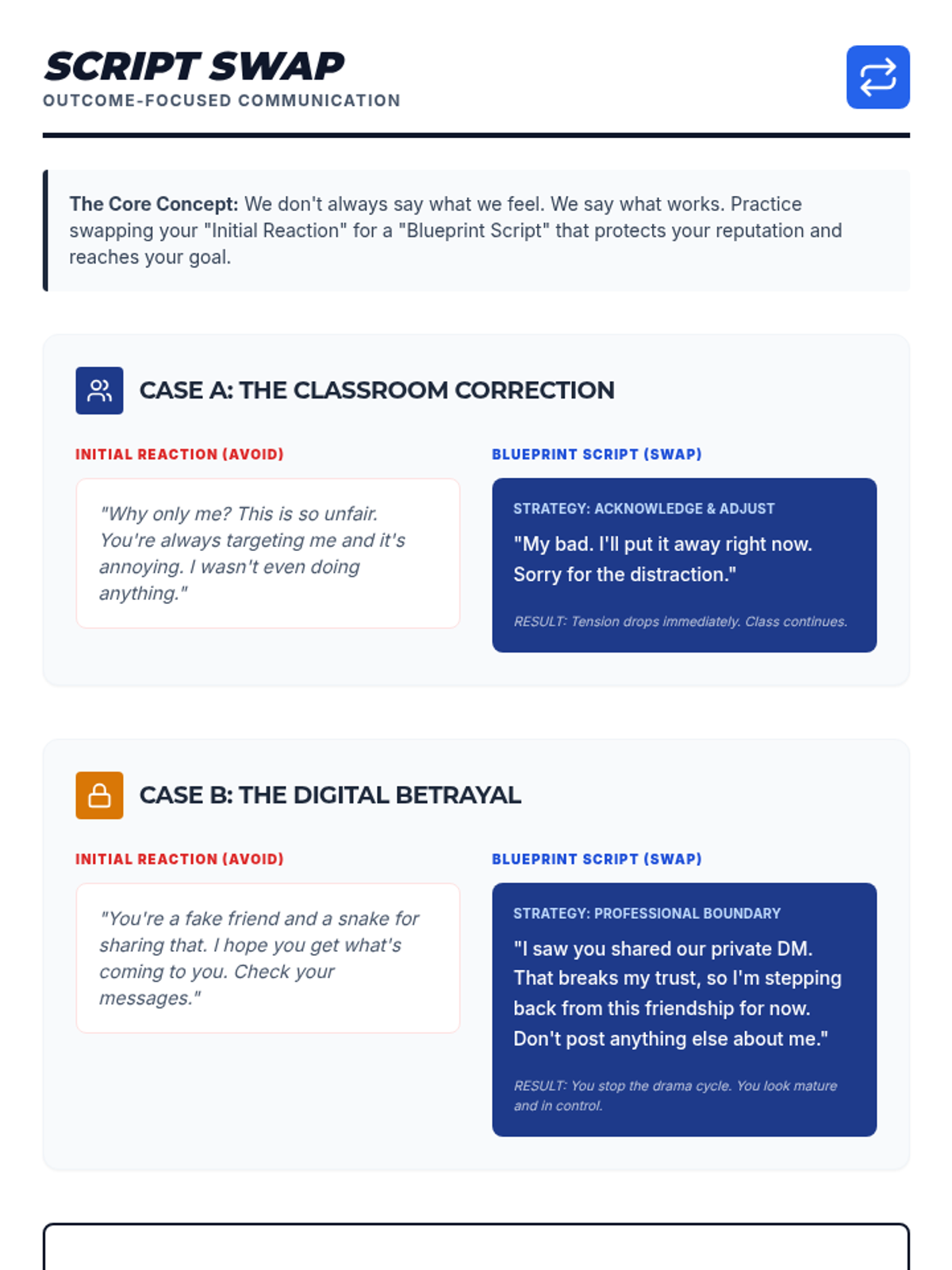
A tier 2 social skills curriculum for middle and high school students focusing on perspective taking, conflict resolution, and the intersection of digital and physical social interactions. It utilizes a 'Social Blueprint' theme to help students deconstruct and rebuild their social responses.
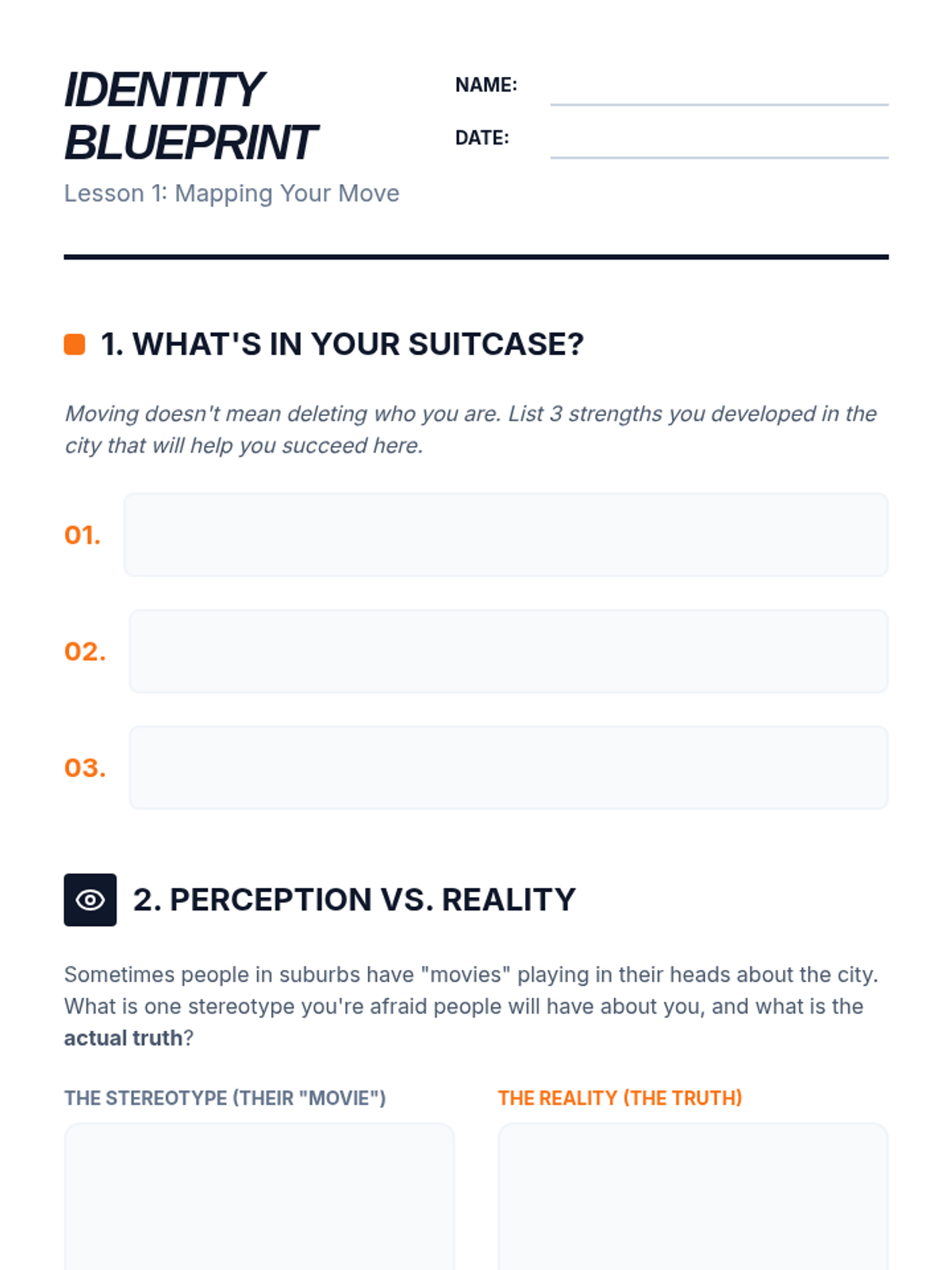
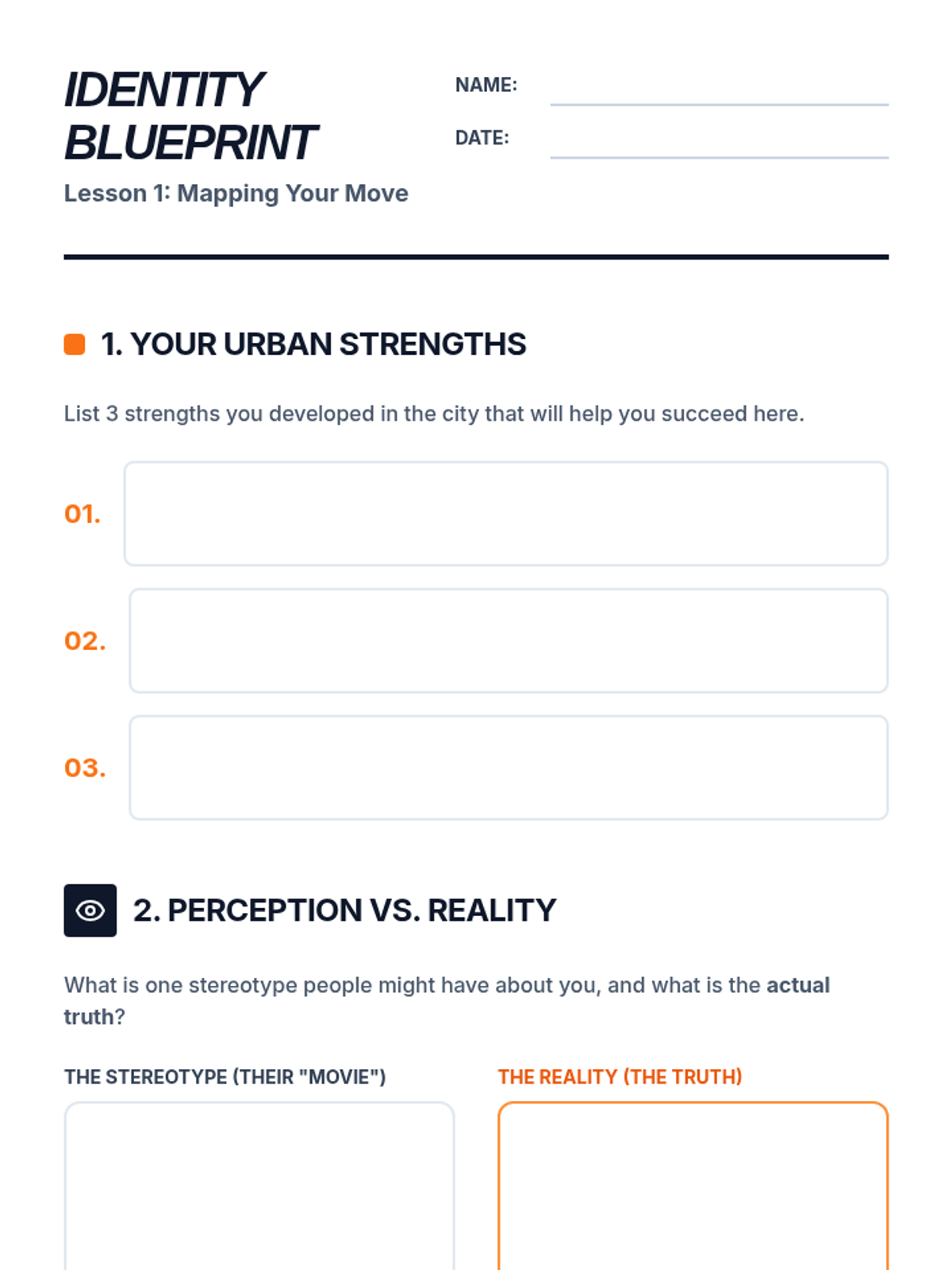
A 10-lesson independent study curriculum designed as an alternative to suspension. The program supports 13-year-old students transitioning from urban to suburban environments, focusing on self-identity, self-regulation, strategic communication, and the serious consequences of drugs, gangs, and weapons.
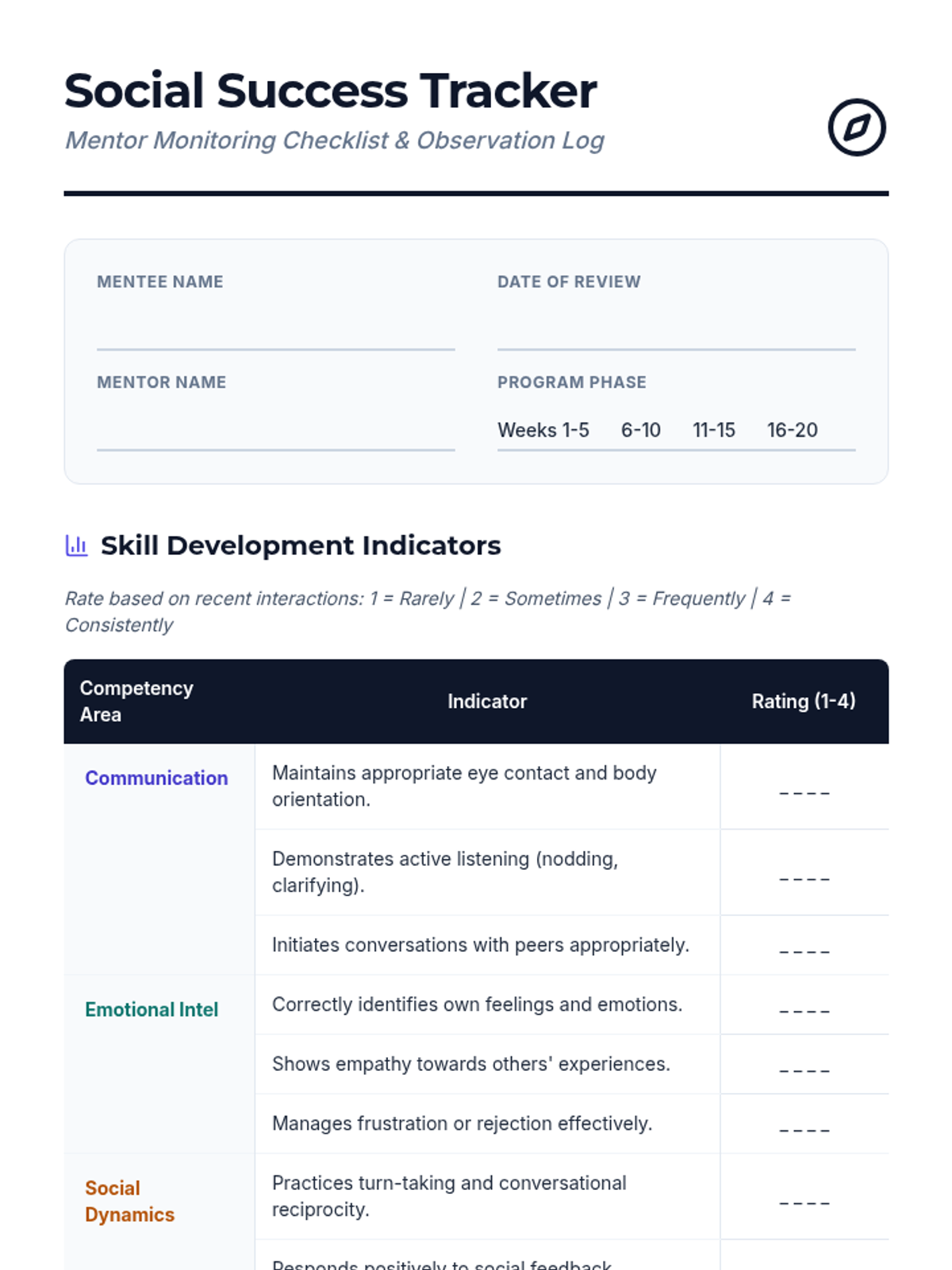
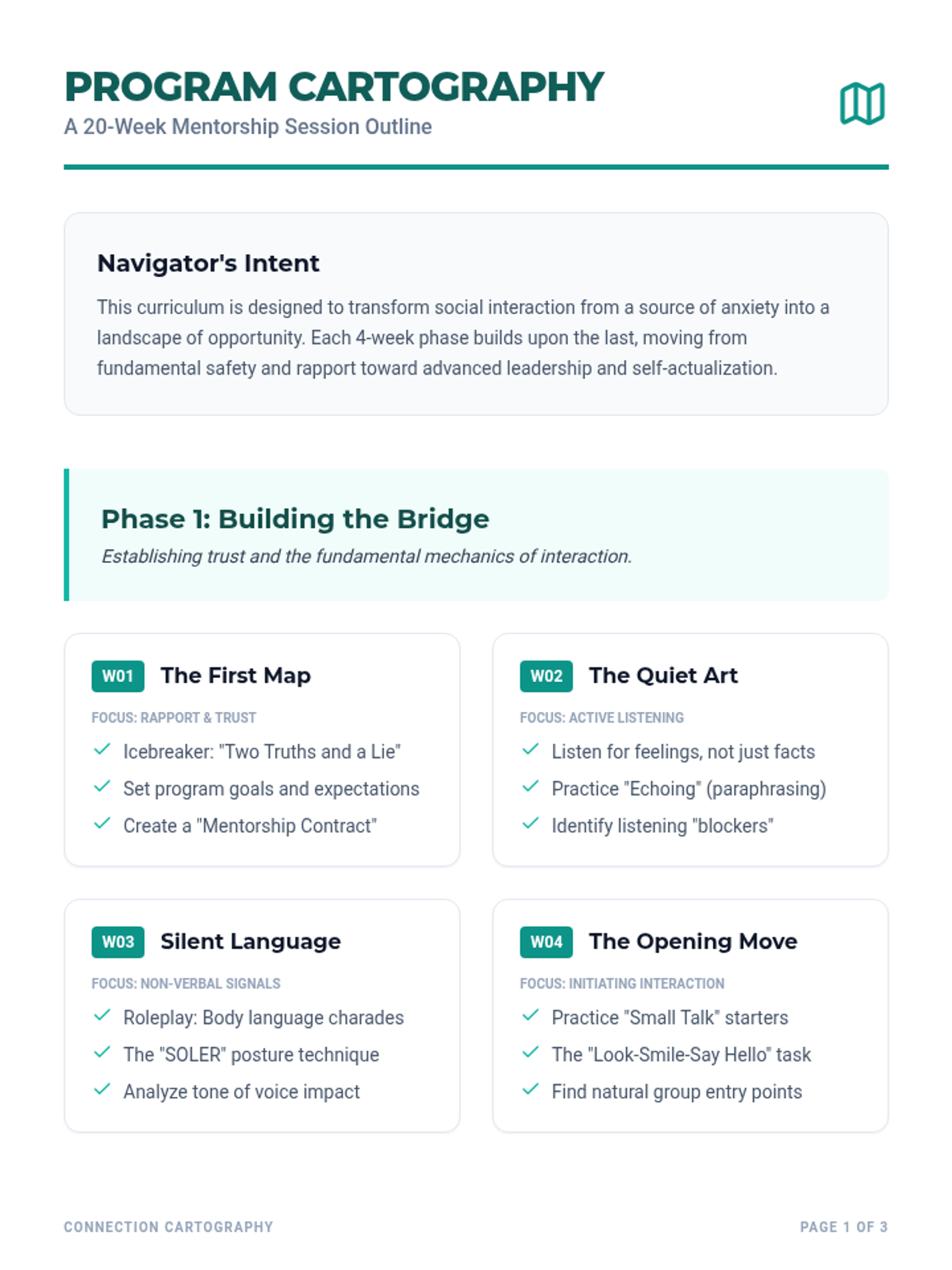
A comprehensive 20-week mentorship program designed to help students navigate social environments, build meaningful friendships, and master communication.
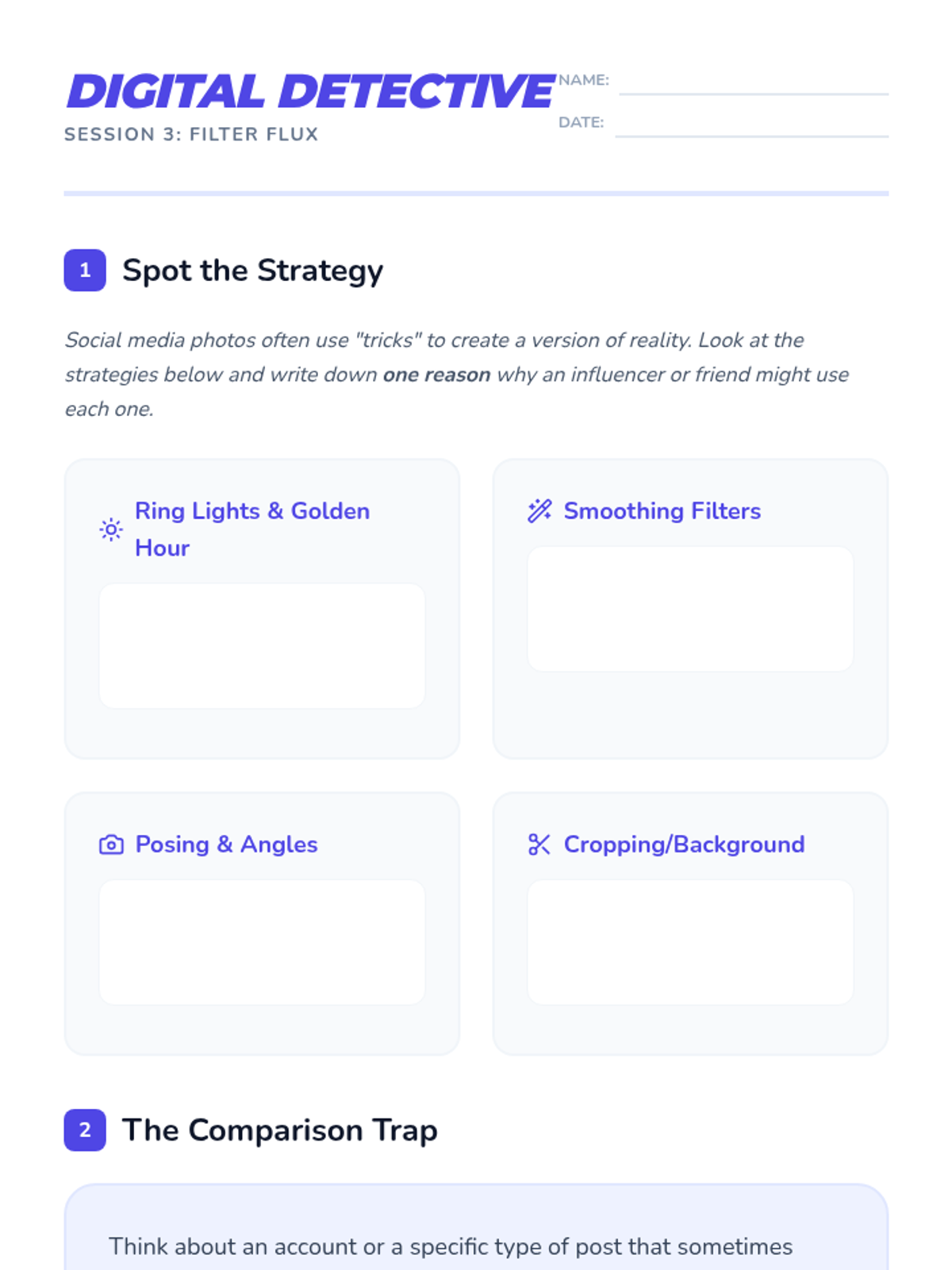
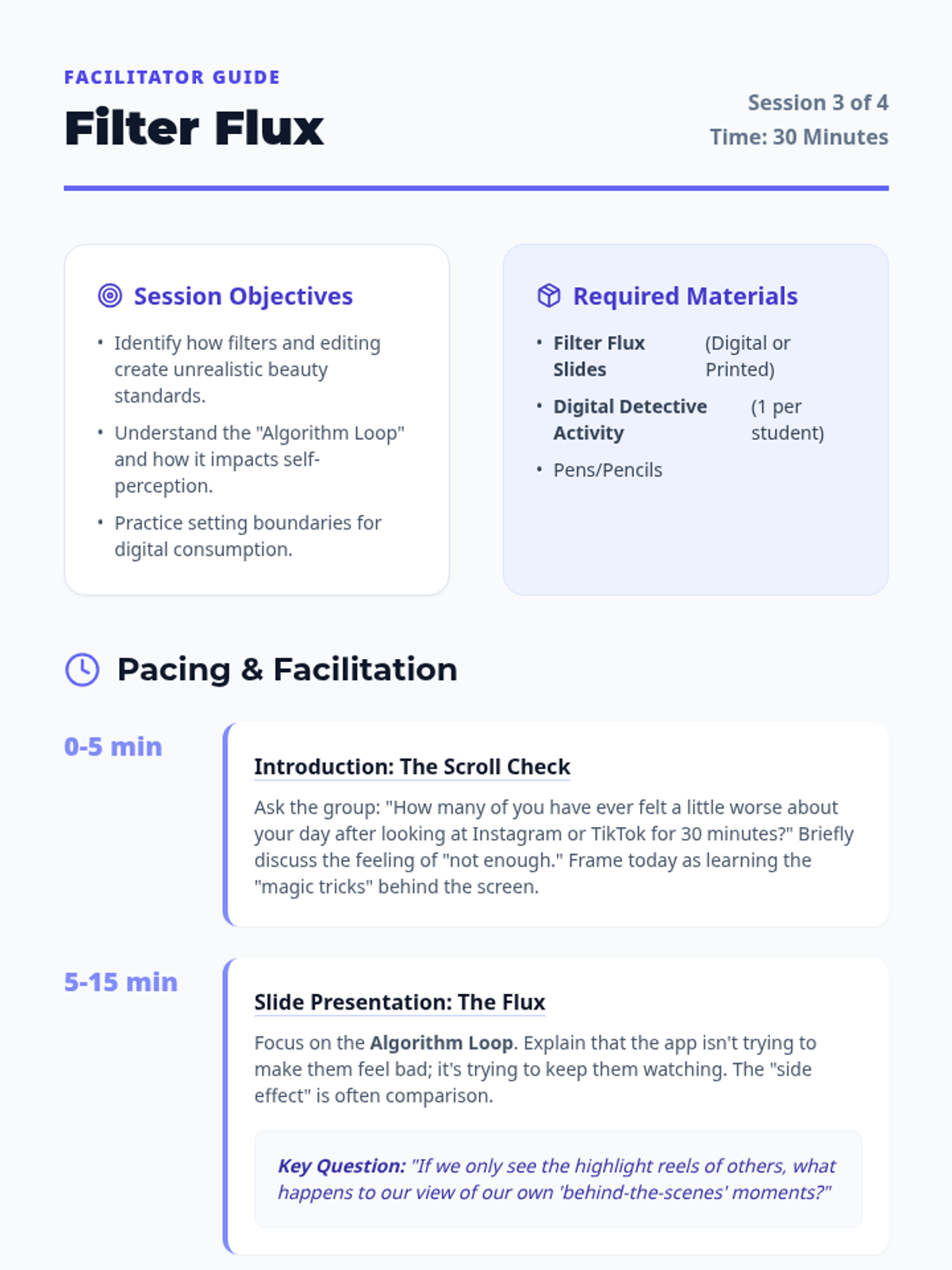
A 4-session social skills group for 6th-grade girls focused on body neutrality, media literacy, digital authenticity, and internal self-compassion. This sequence helps students transition from seeing themselves as "objects to be viewed" to "subjects who experience the world."
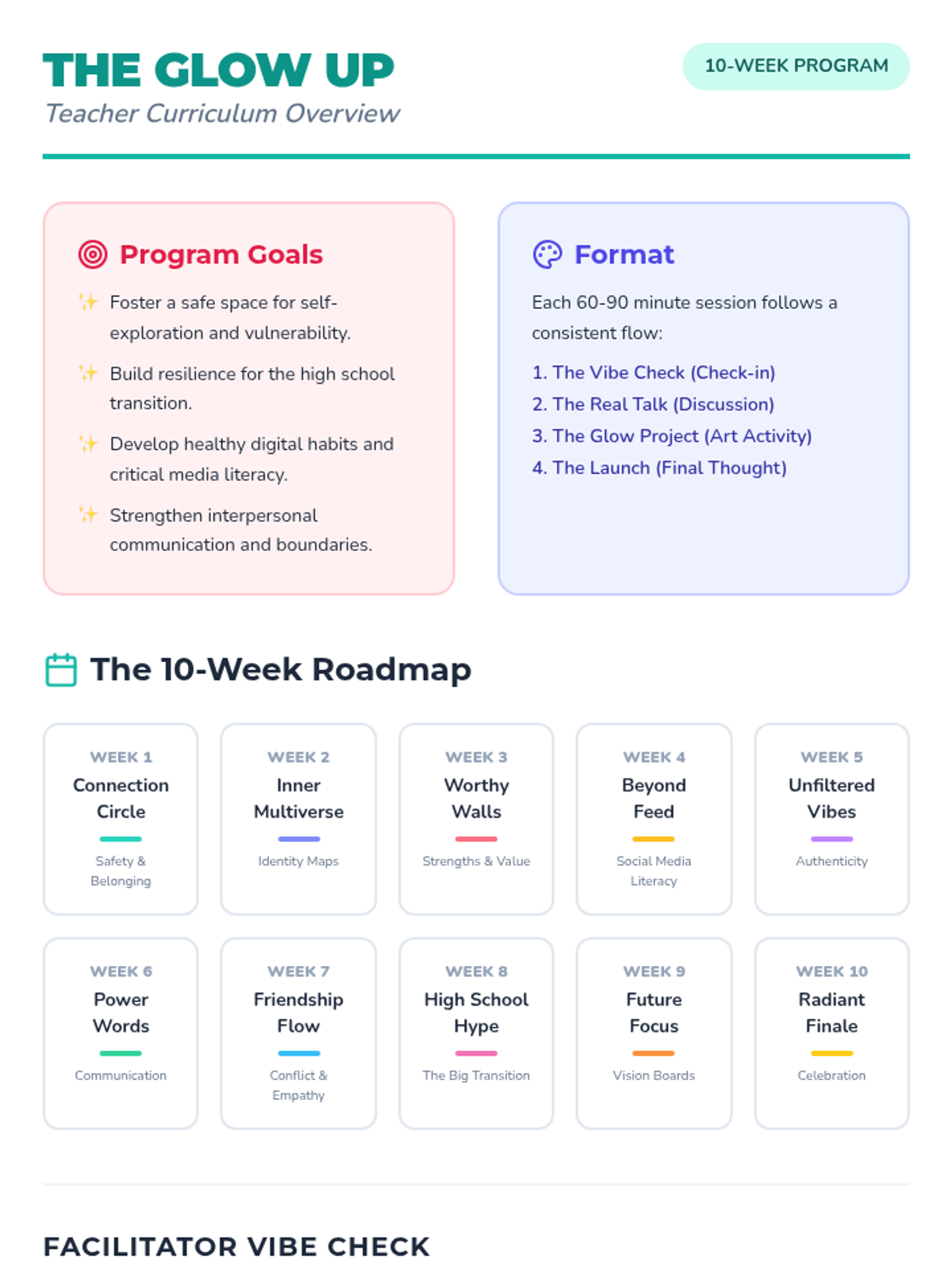
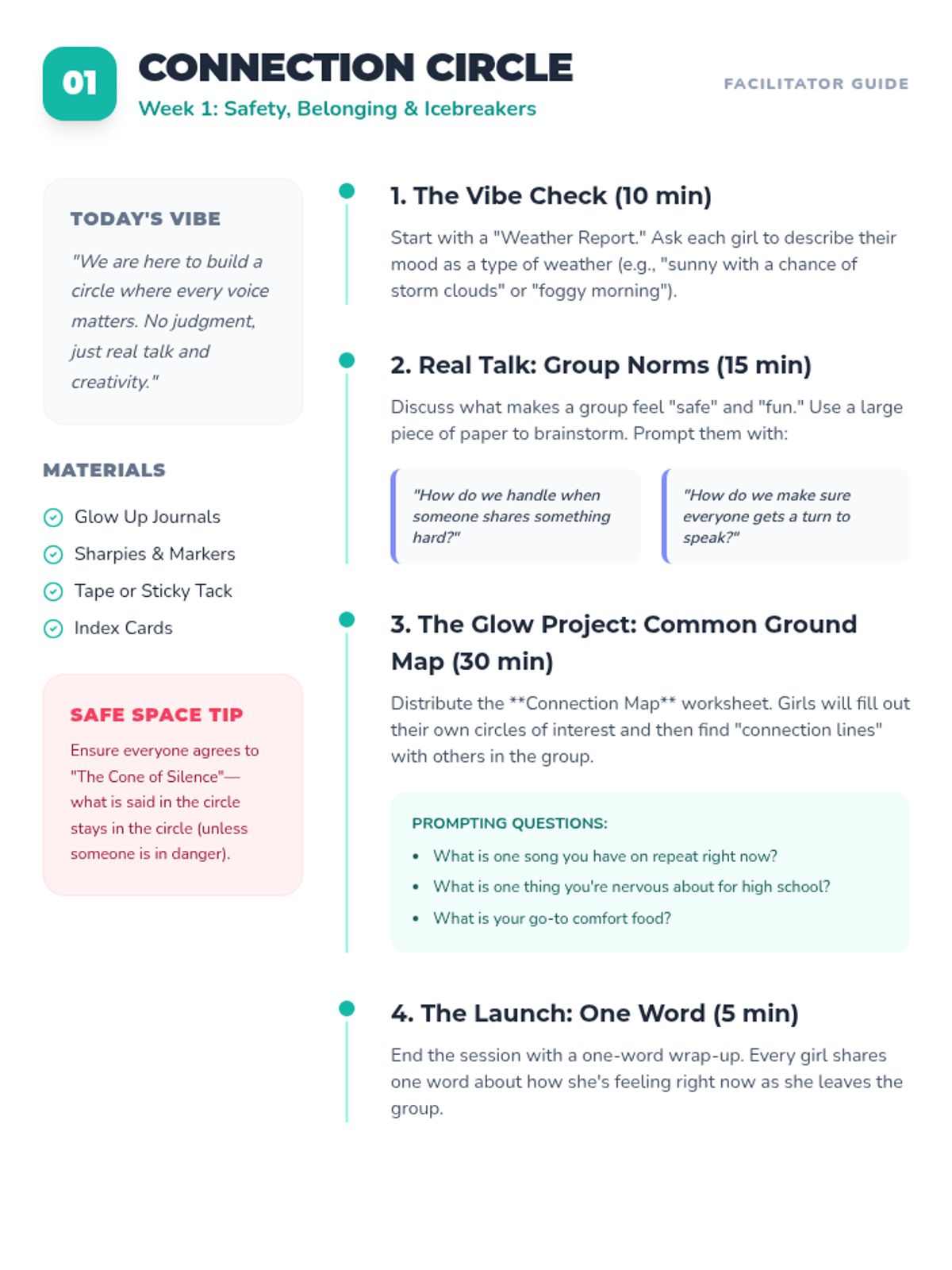
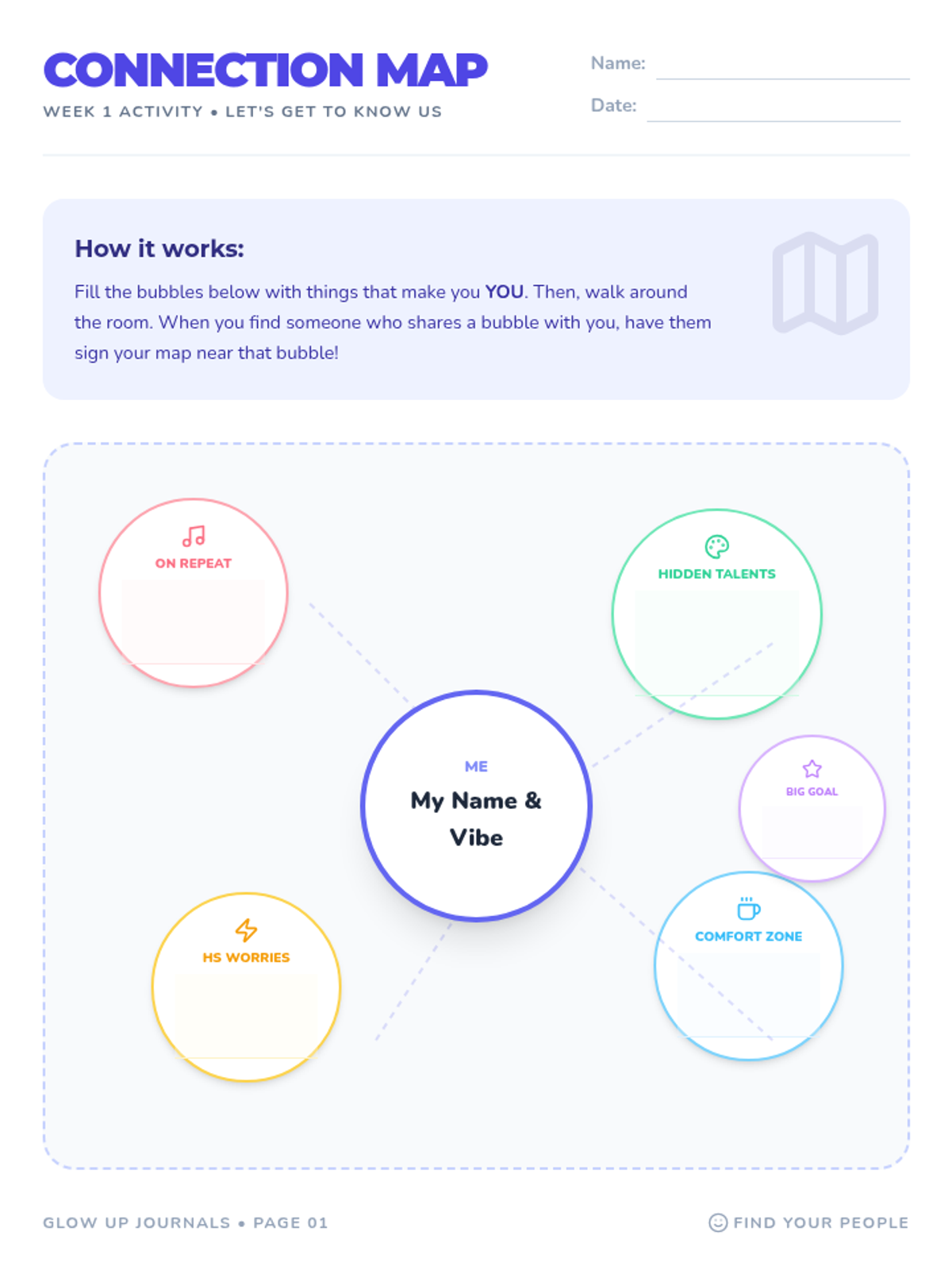
A 10-week empowerment and transition program for 8th-grade girls, focusing on self-esteem, identity, social media, and communication through art and discussion.
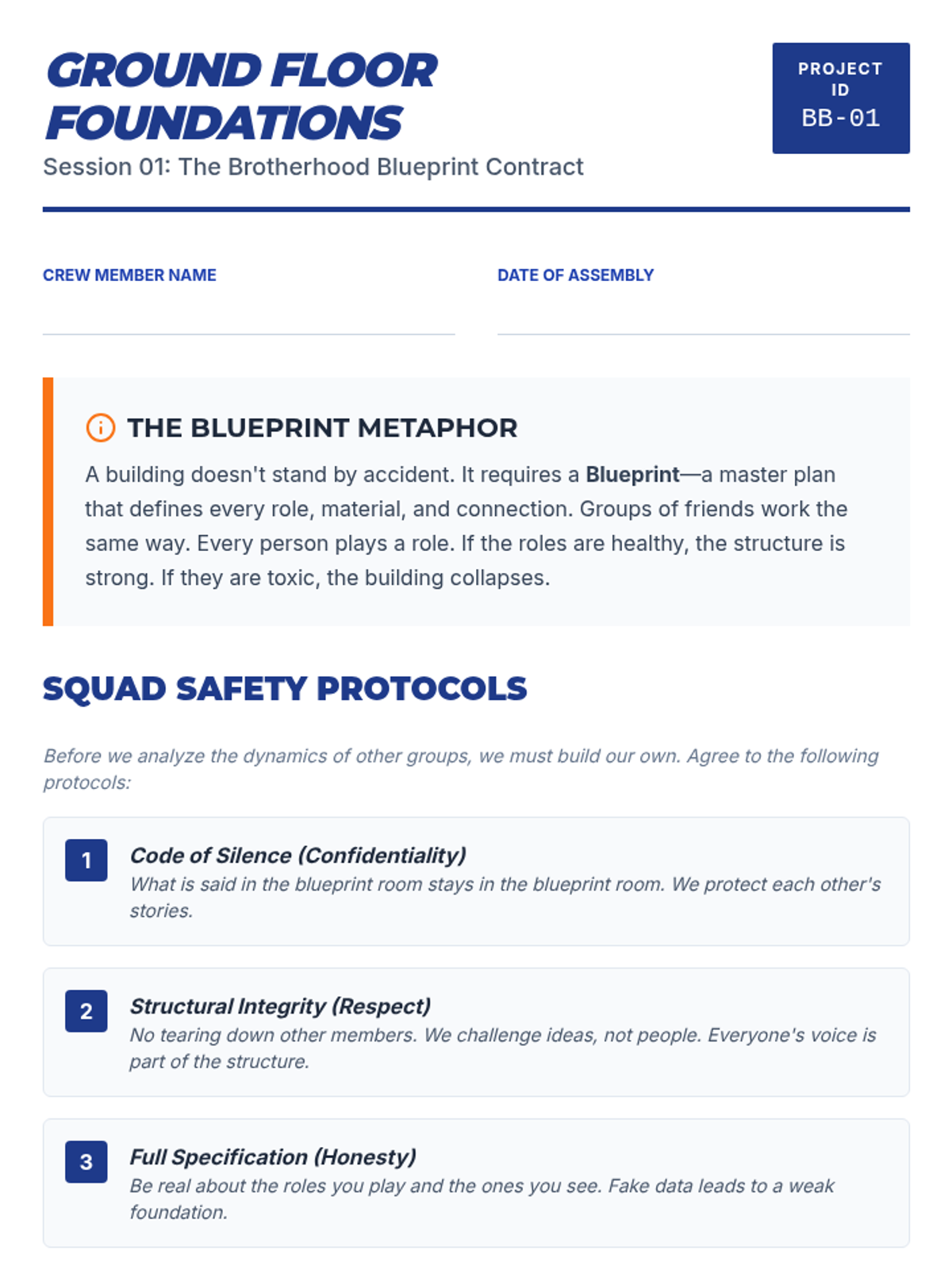
A 30-session group counseling curriculum for adolescent males focusing on social roles, group dynamics, and developing healthy friendship patterns. Through the metaphor of an architectural blueprint, students analyze leadership, support roles, and the difference between positive and negative group influences.
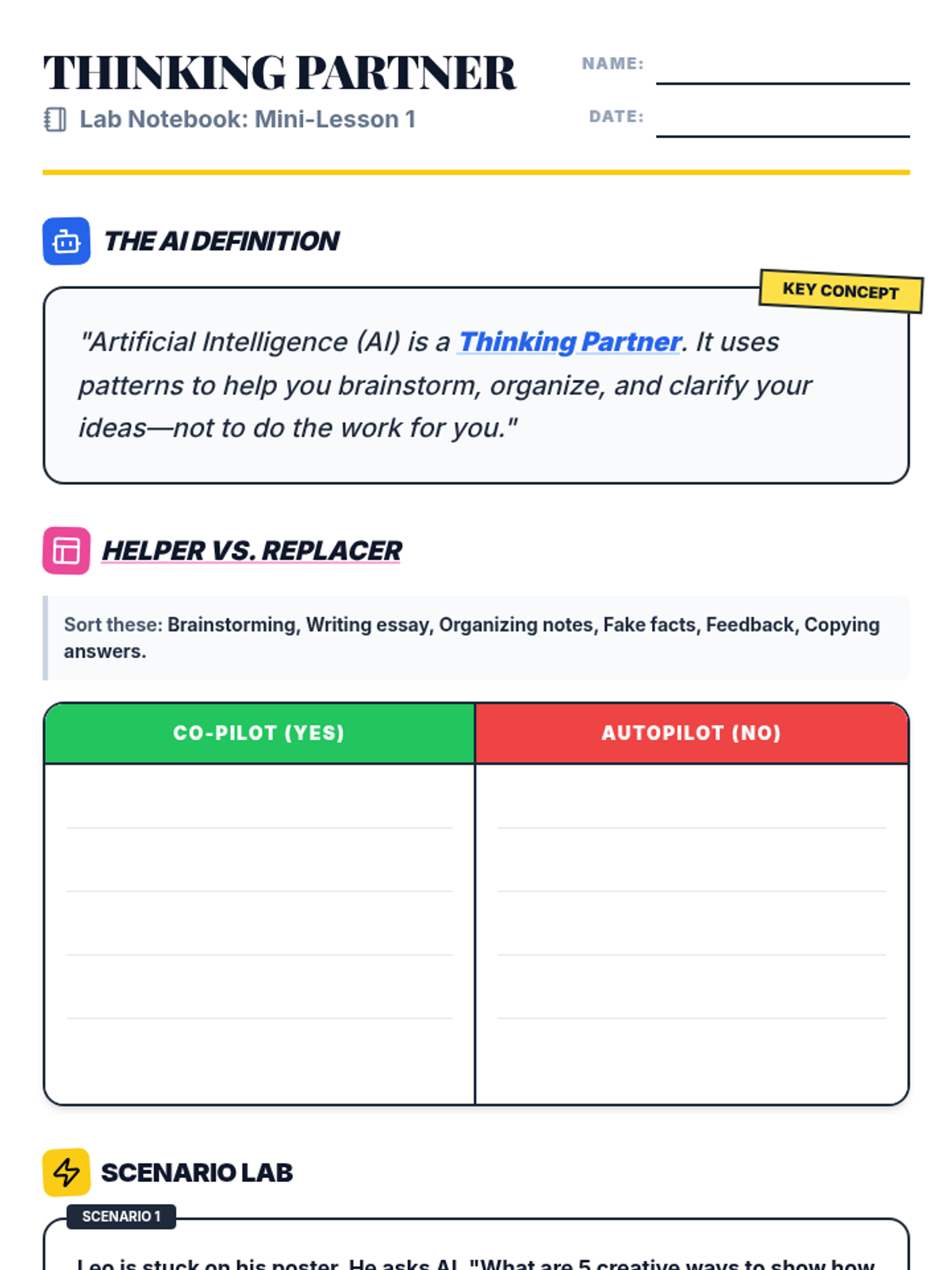
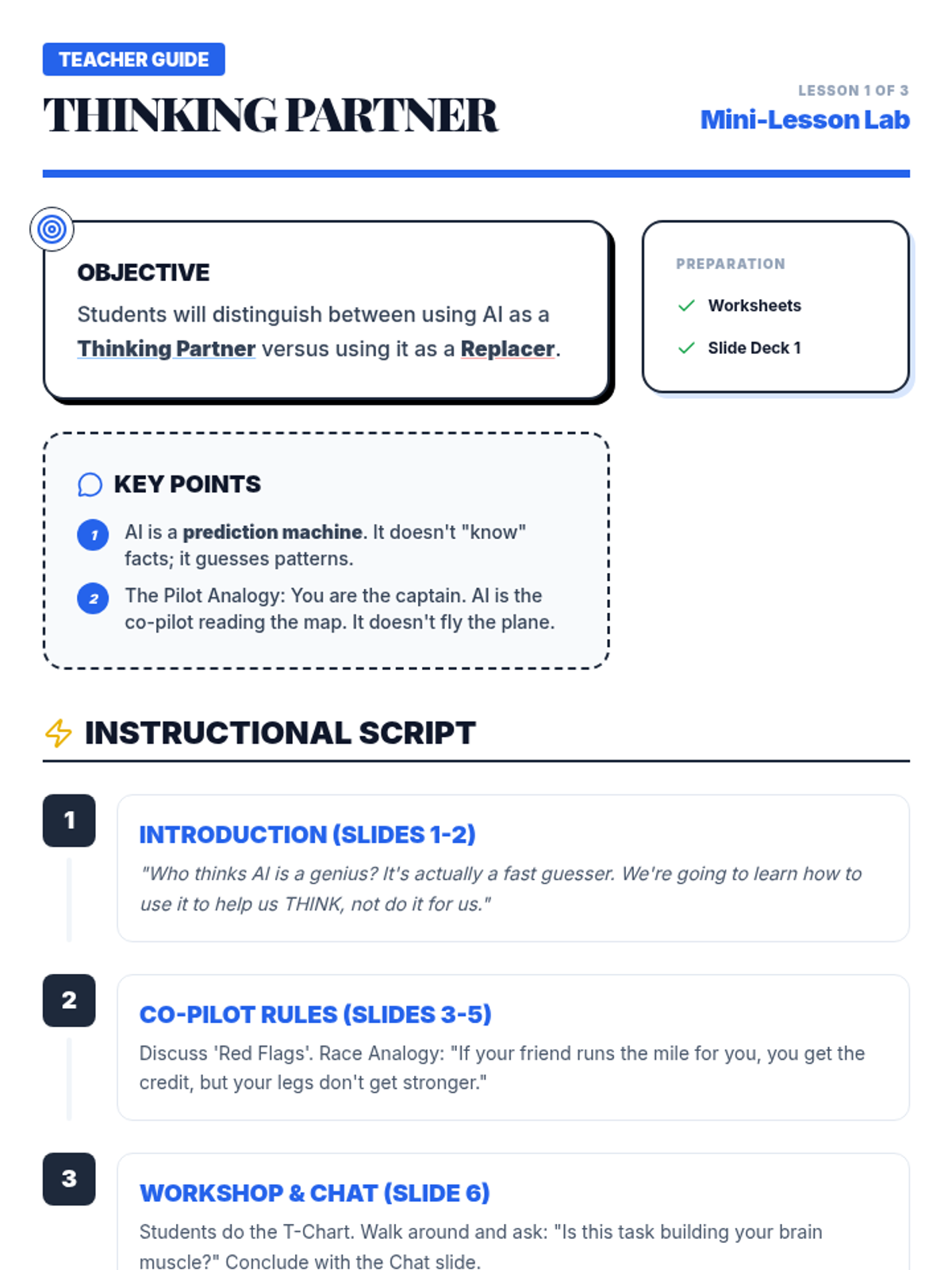
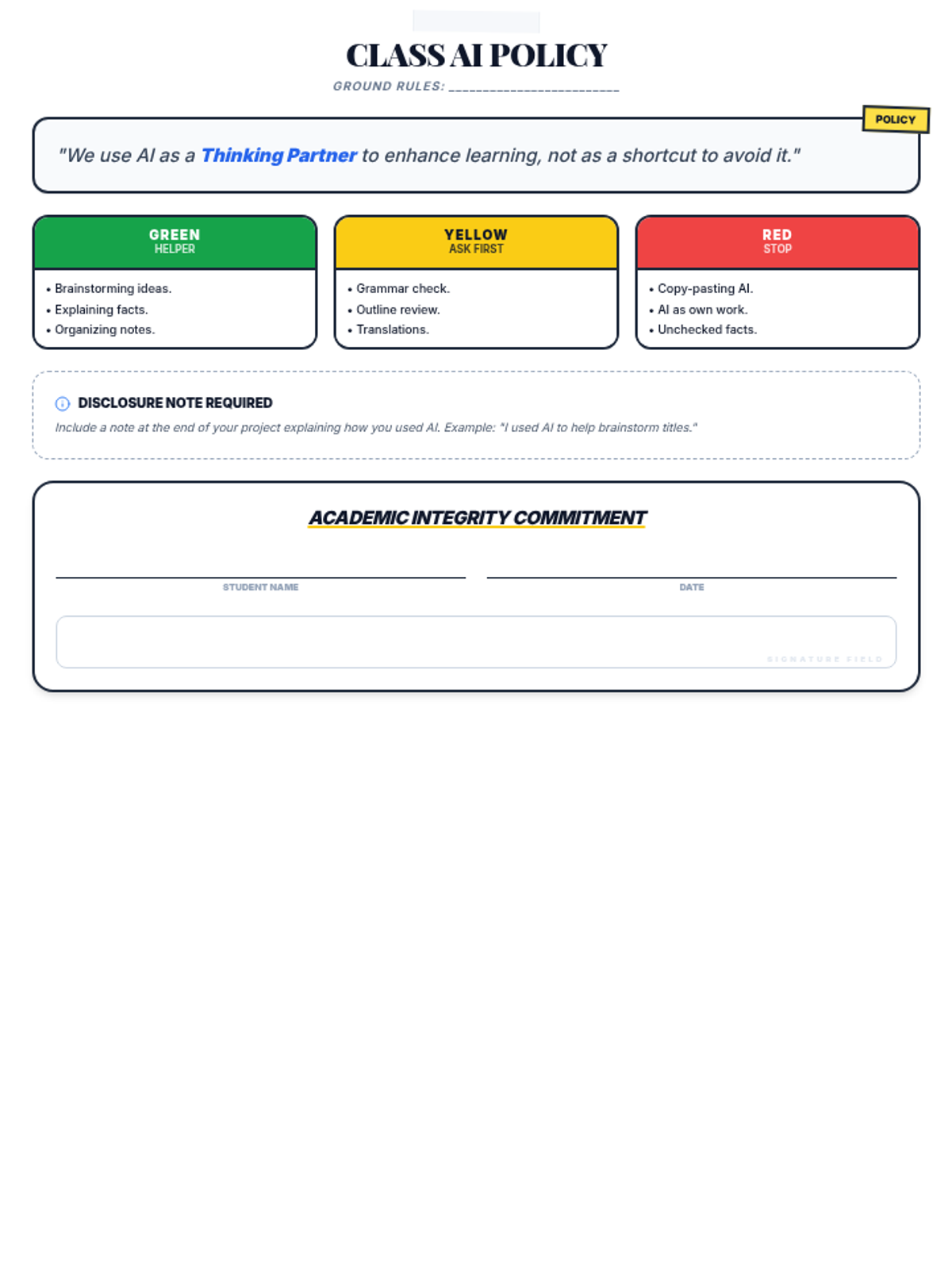
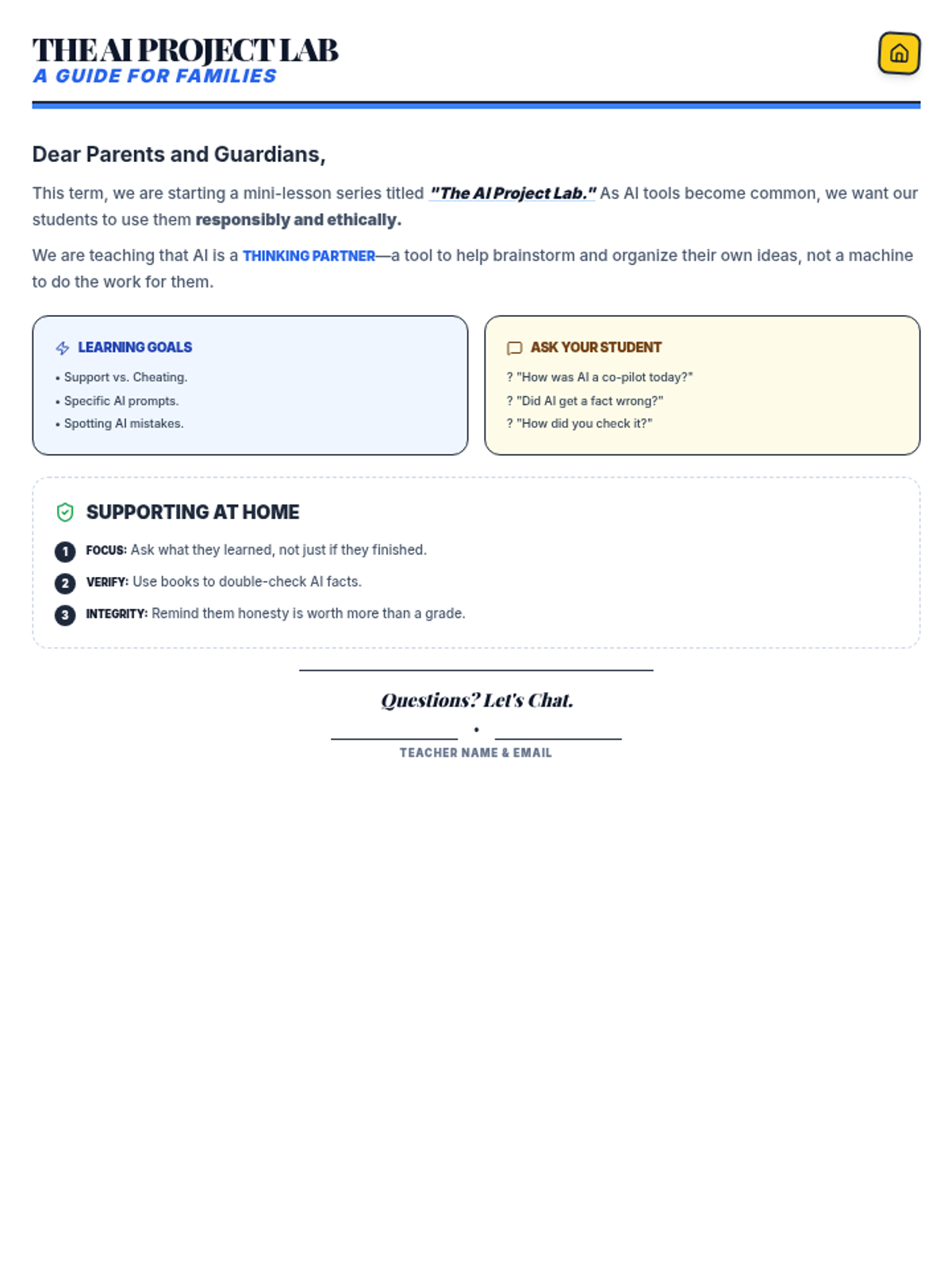
A 3-part mini-lesson series designed to teach middle schoolers how to use AI tools responsibly for final projects. The series focuses on AI as a thinking partner, prompt engineering, and critical fact-checking through a modern 'Notebook/Sketch' aesthetic.
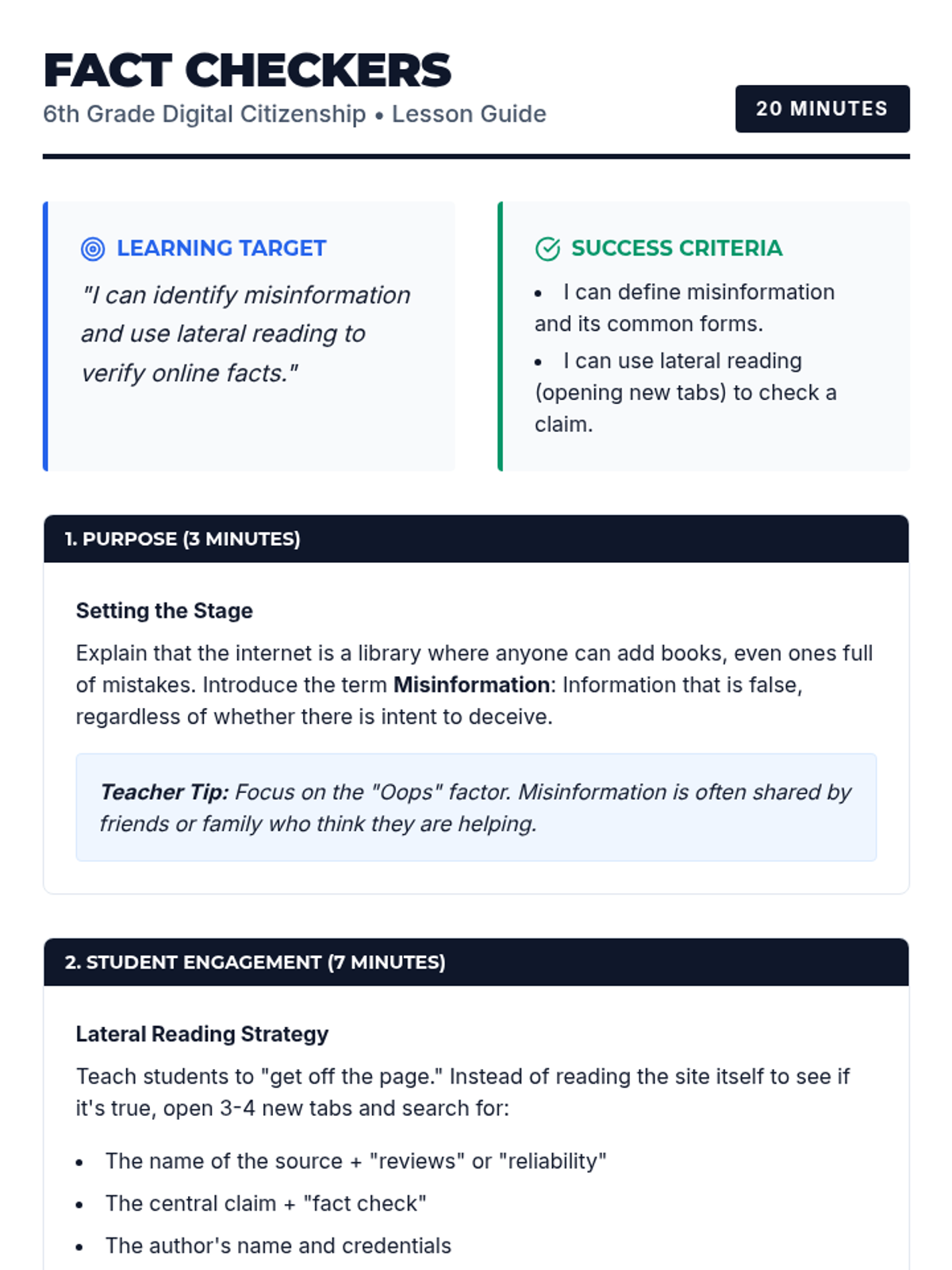
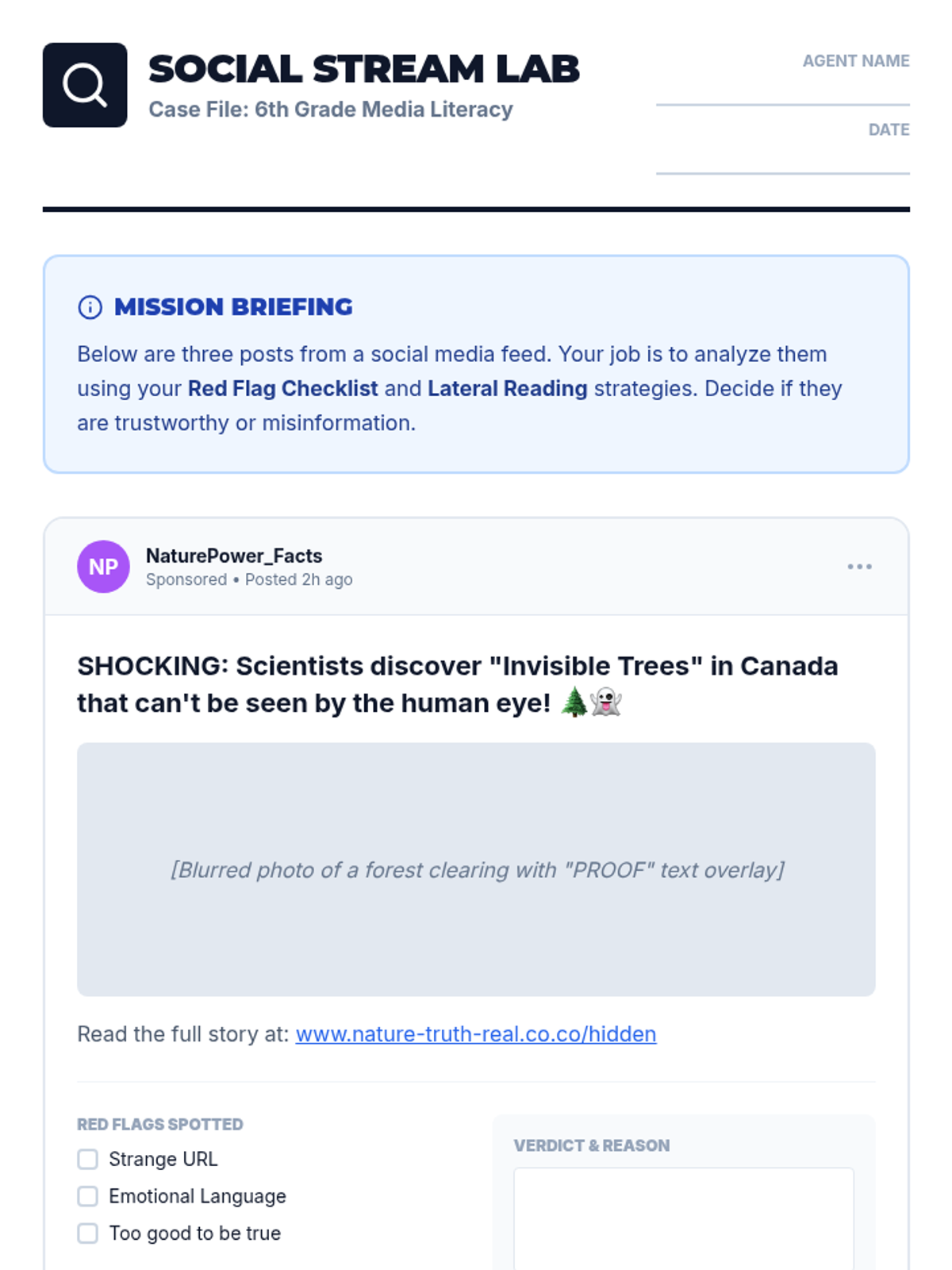
A three-part progression for middle schoolers to master identifying misinformation, bias, and sophisticated digital deception like AI-generated content. Students advance from basic fact-checking to analyzing media bias and defending against deepfakes.
A comprehensive unit for 6th-grade students exploring the ethical, privacy, and career implications of emerging technologies like AI, deepfakes, and automation. Students move from understanding personal data footprints to creating a personal 'Future Readiness Charter' for safe and productive digital living.
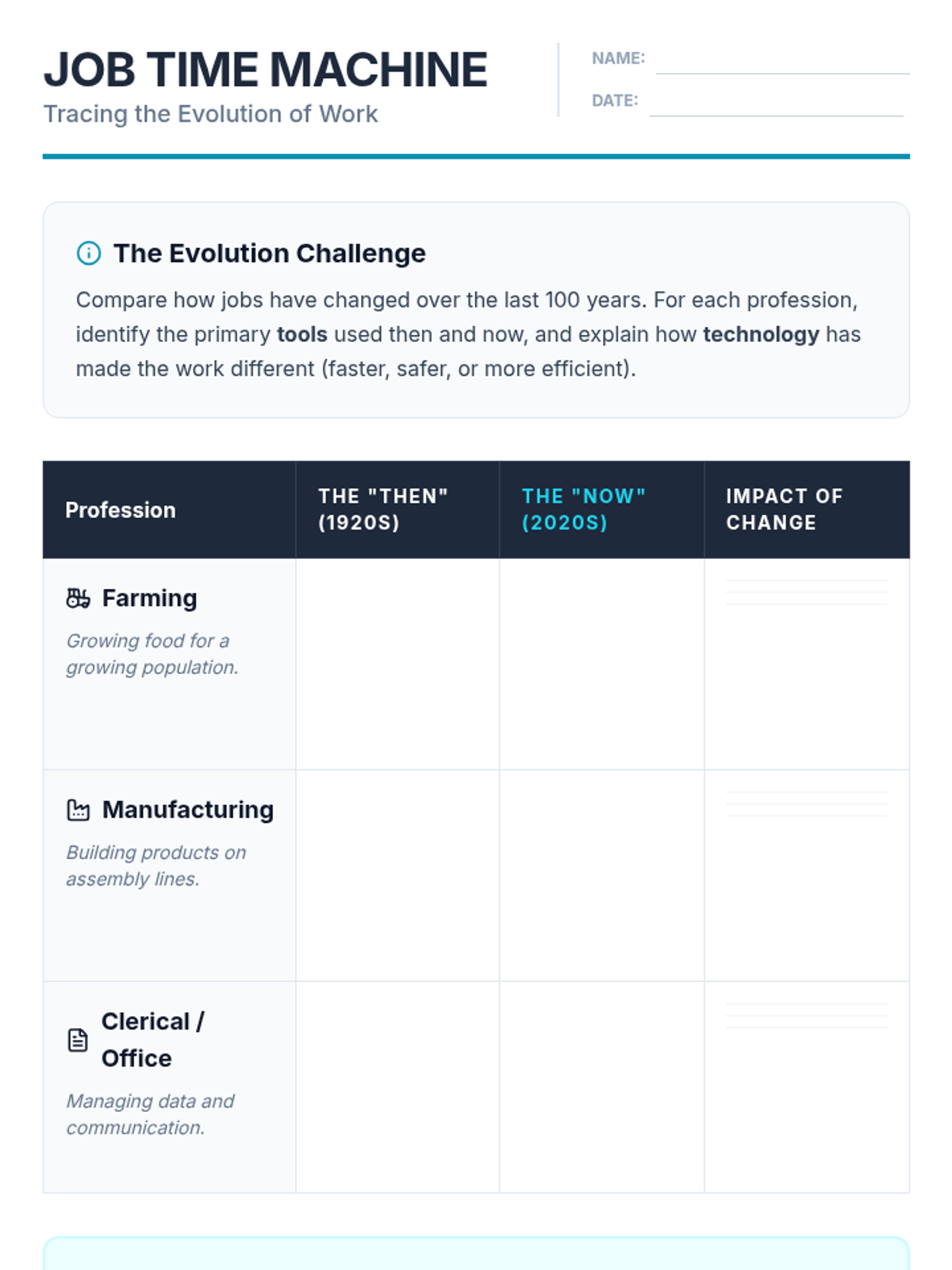
This sequence explores the evolution of work from the Industrial Age to the digital future, focusing on technology's impact on job roles, the rise of the gig economy, and the essential human skills needed in an automated world.
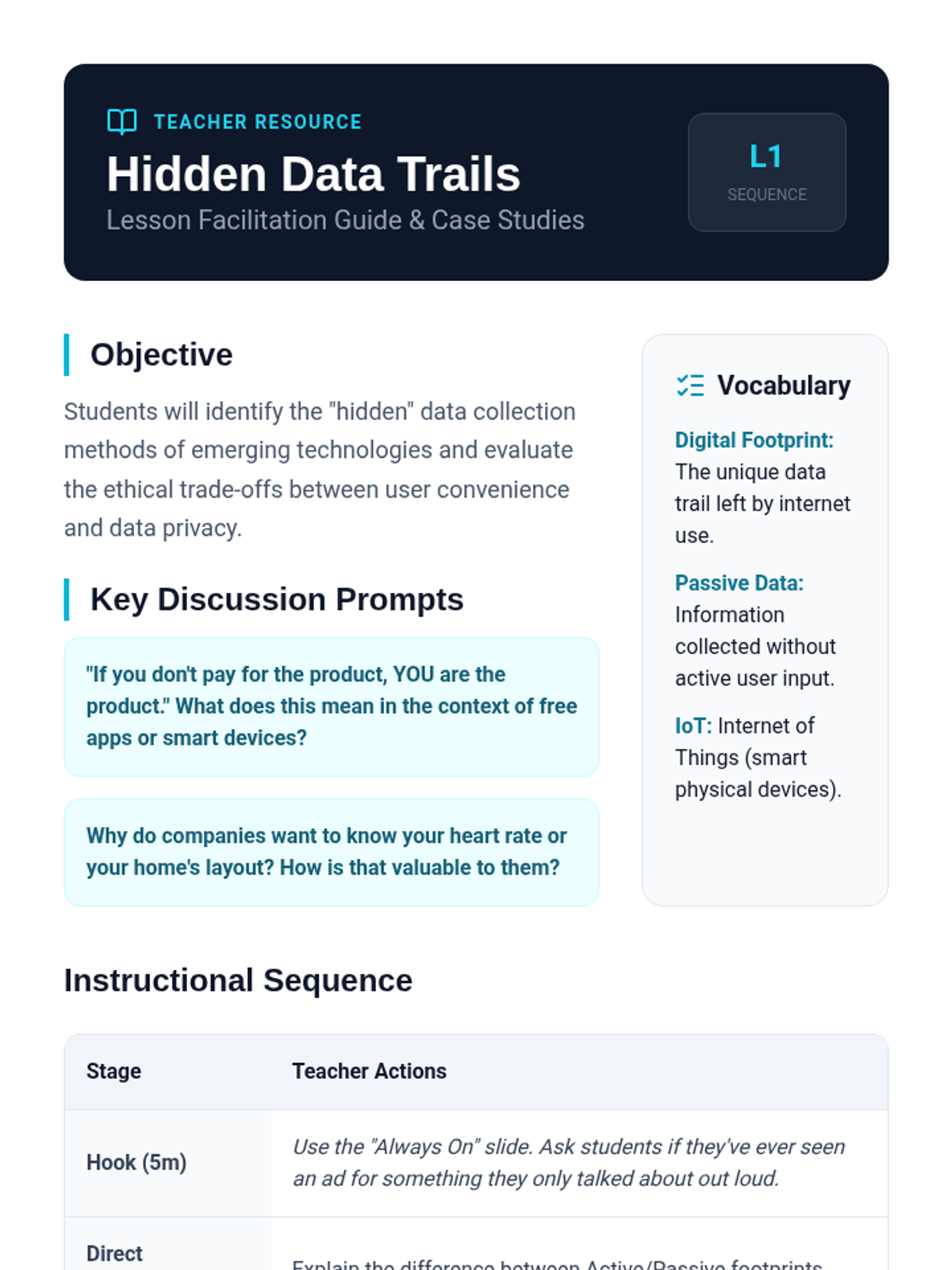
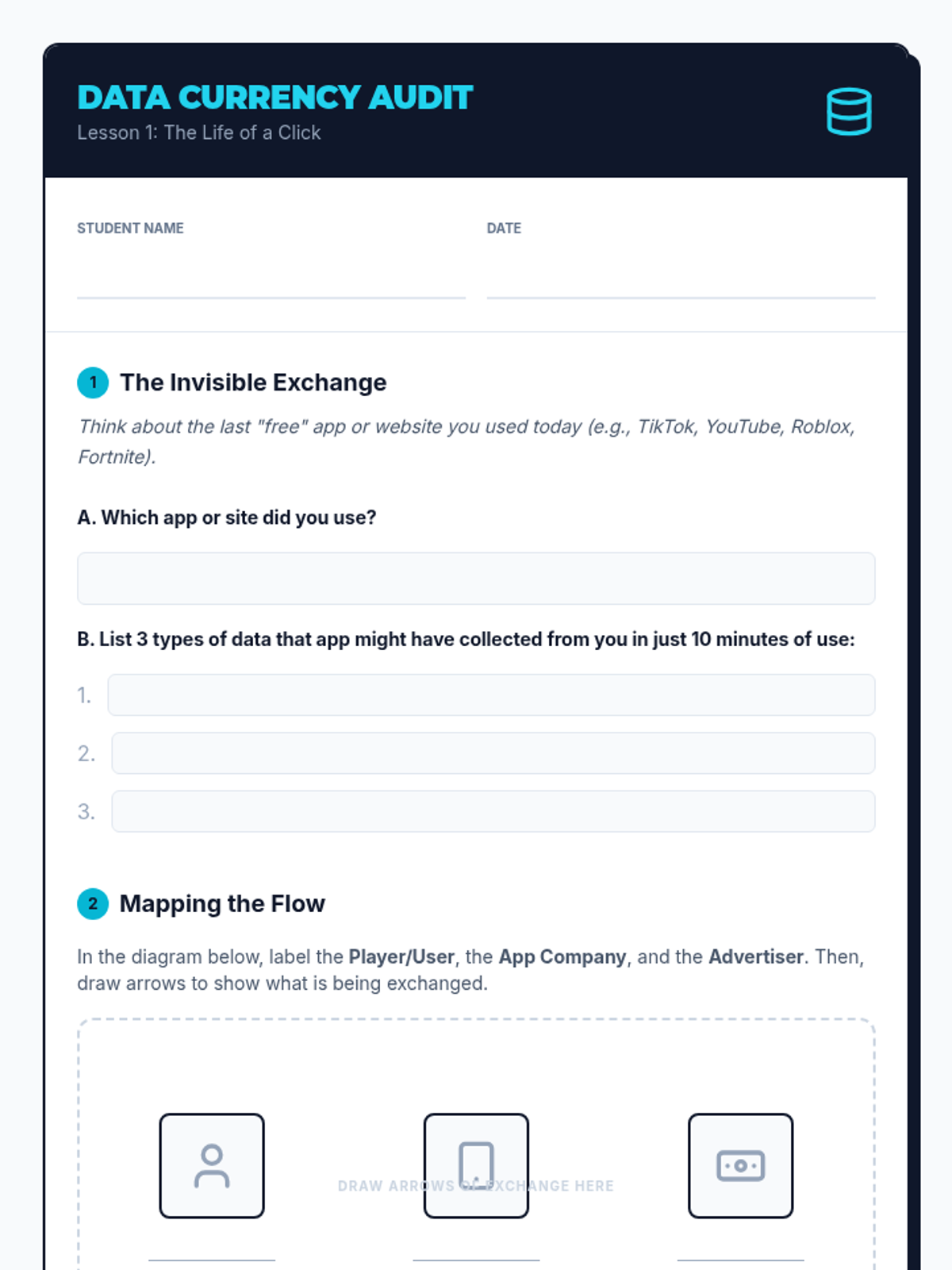
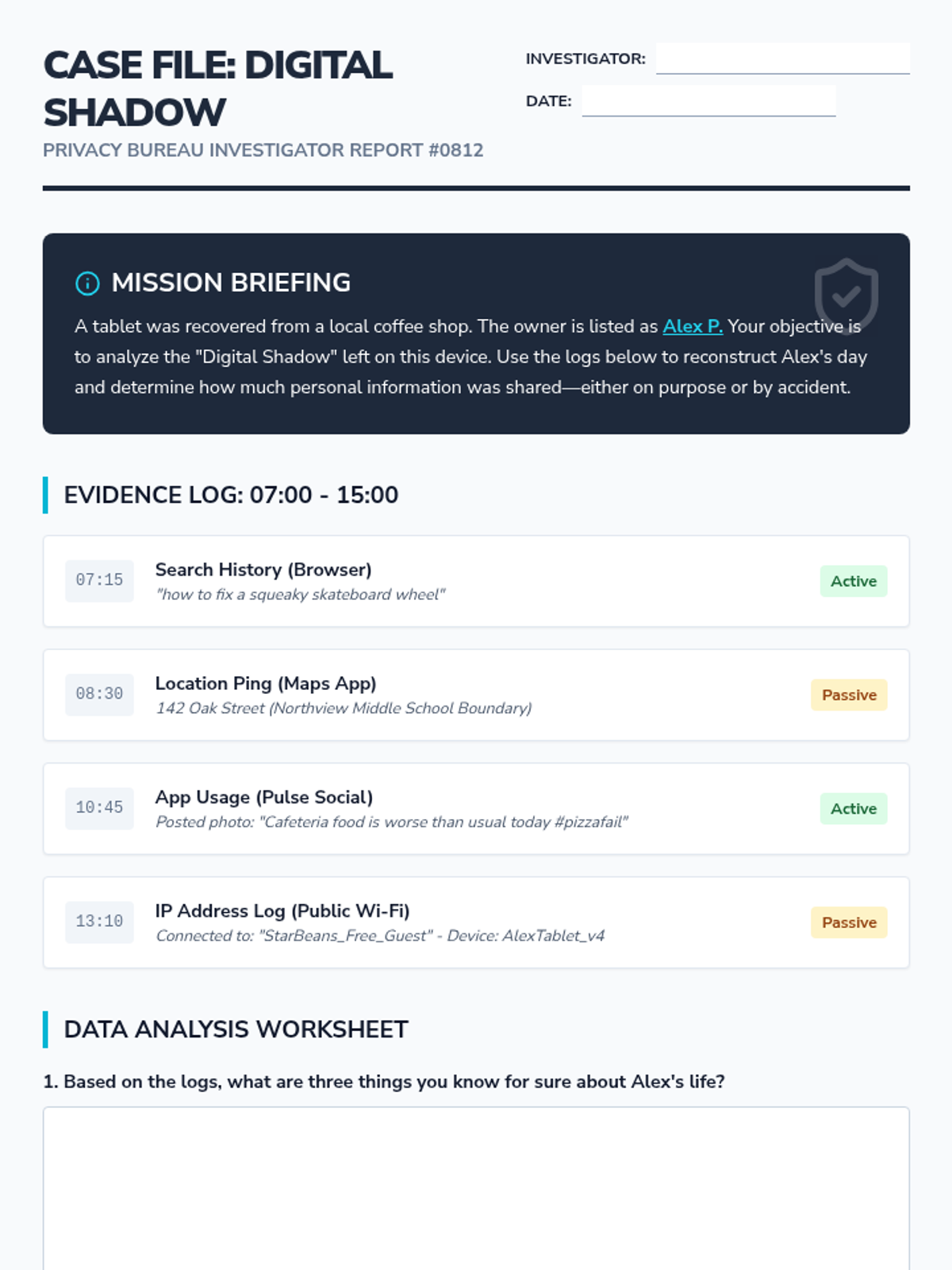
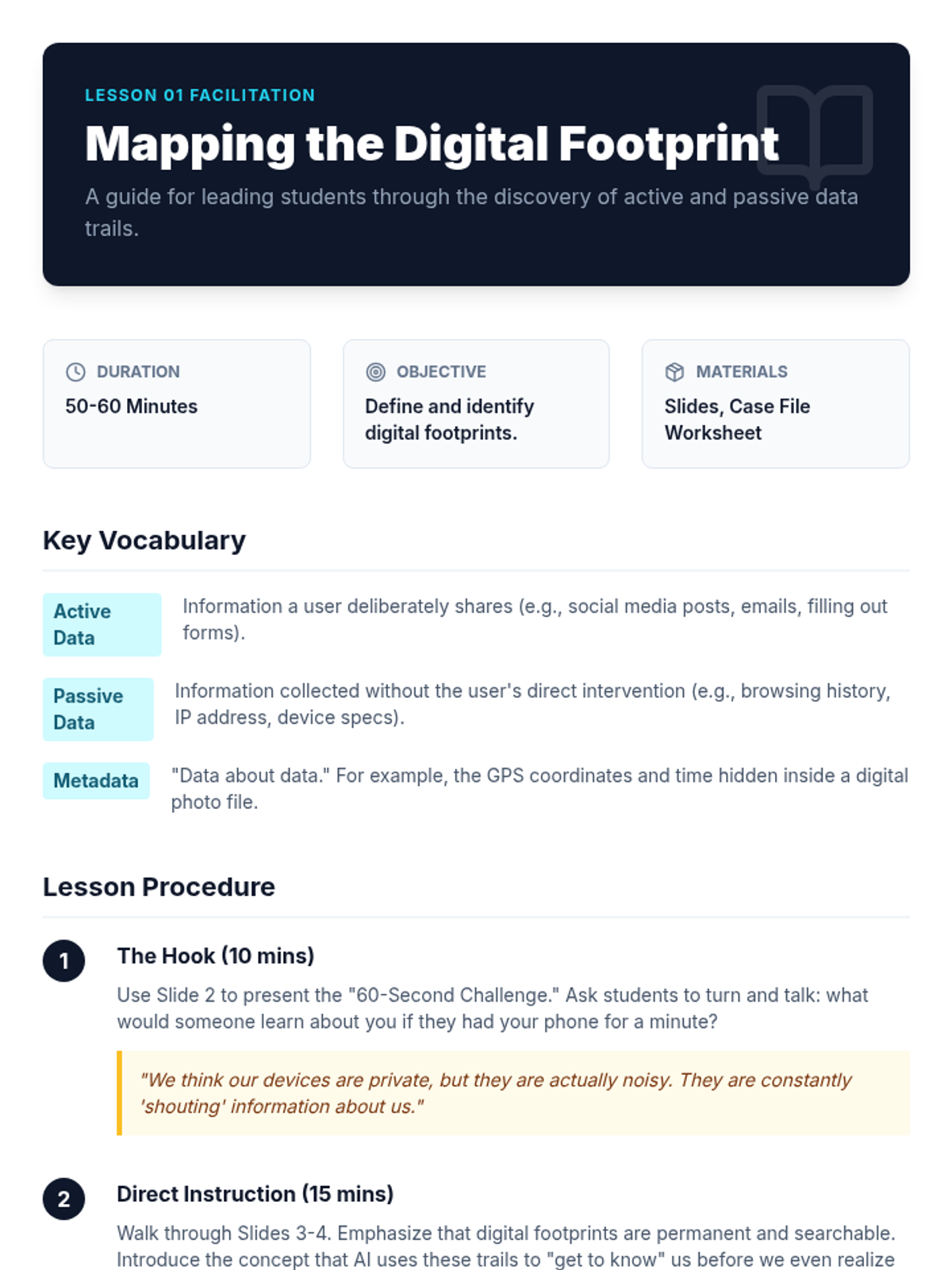
An inquiry-driven exploration of data privacy, surveillance, and the hidden economy of AI. Students investigate how their personal information is collected, used as currency, and the ethical trade-offs between digital convenience and personal privacy.
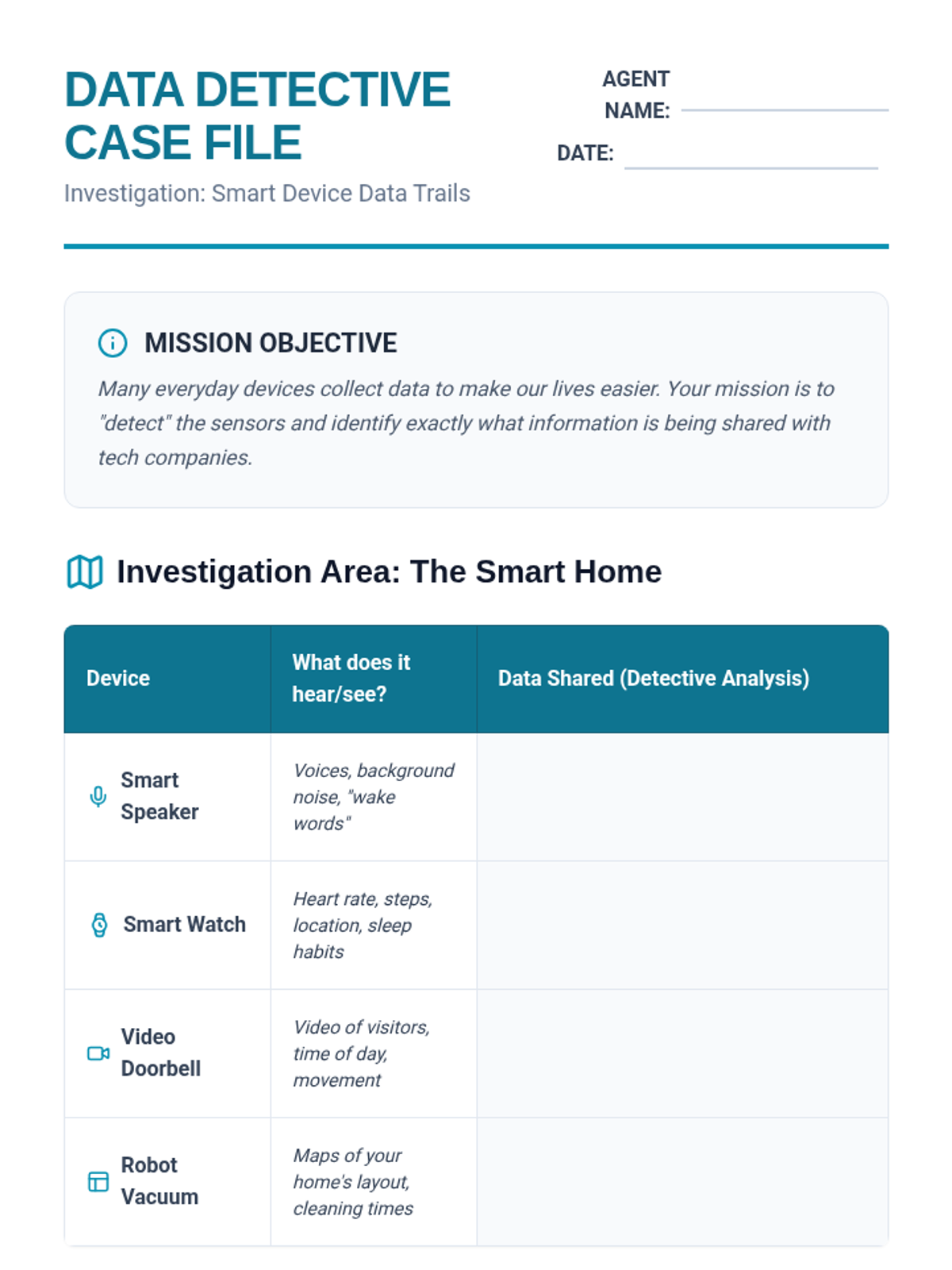
Students explore the intersection of personal data, privacy, and AI-driven tracking. They analyze digital footprints, decode terms of service, debate the ethics of smart devices, and create their own data protection standards.
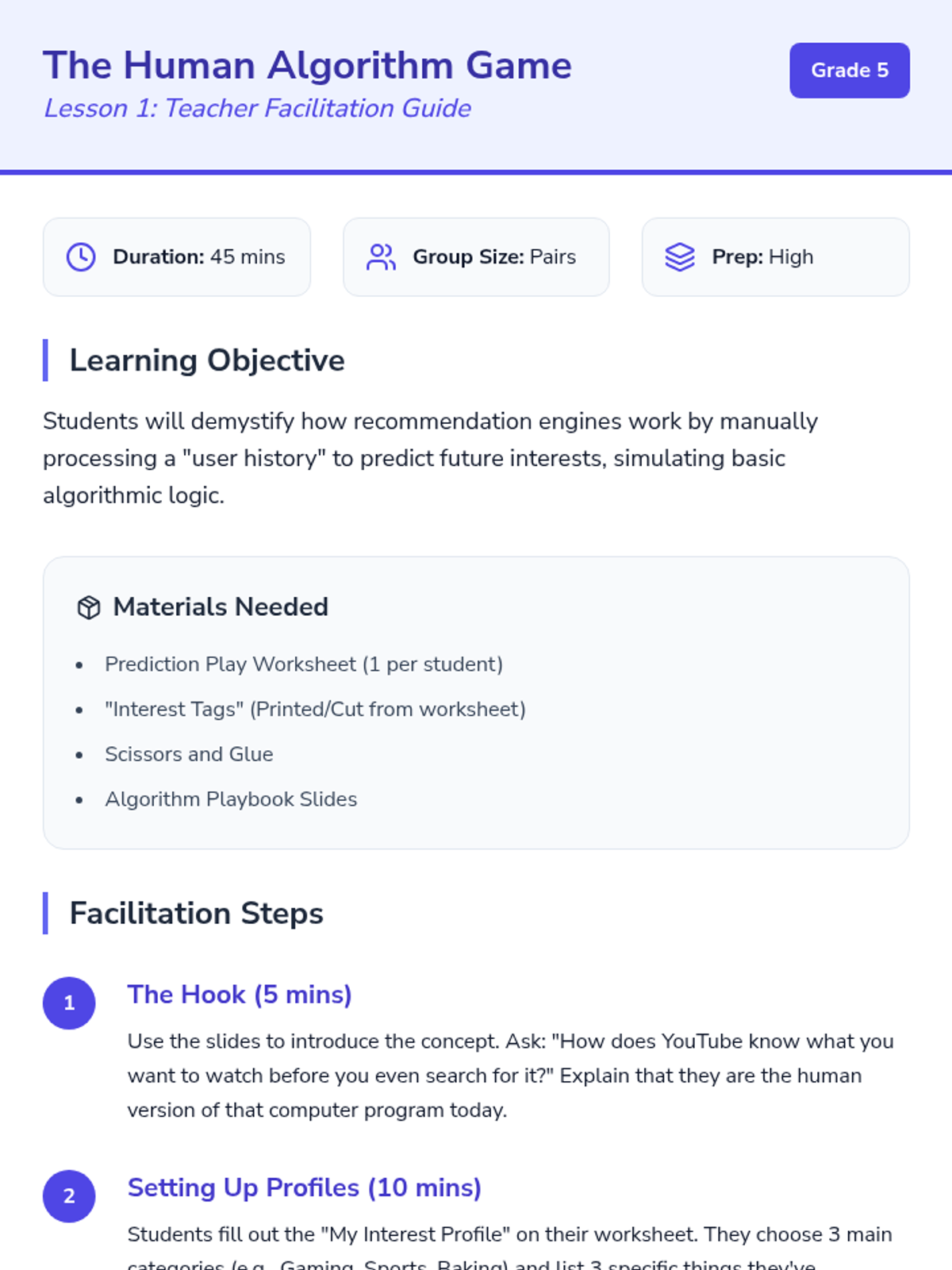
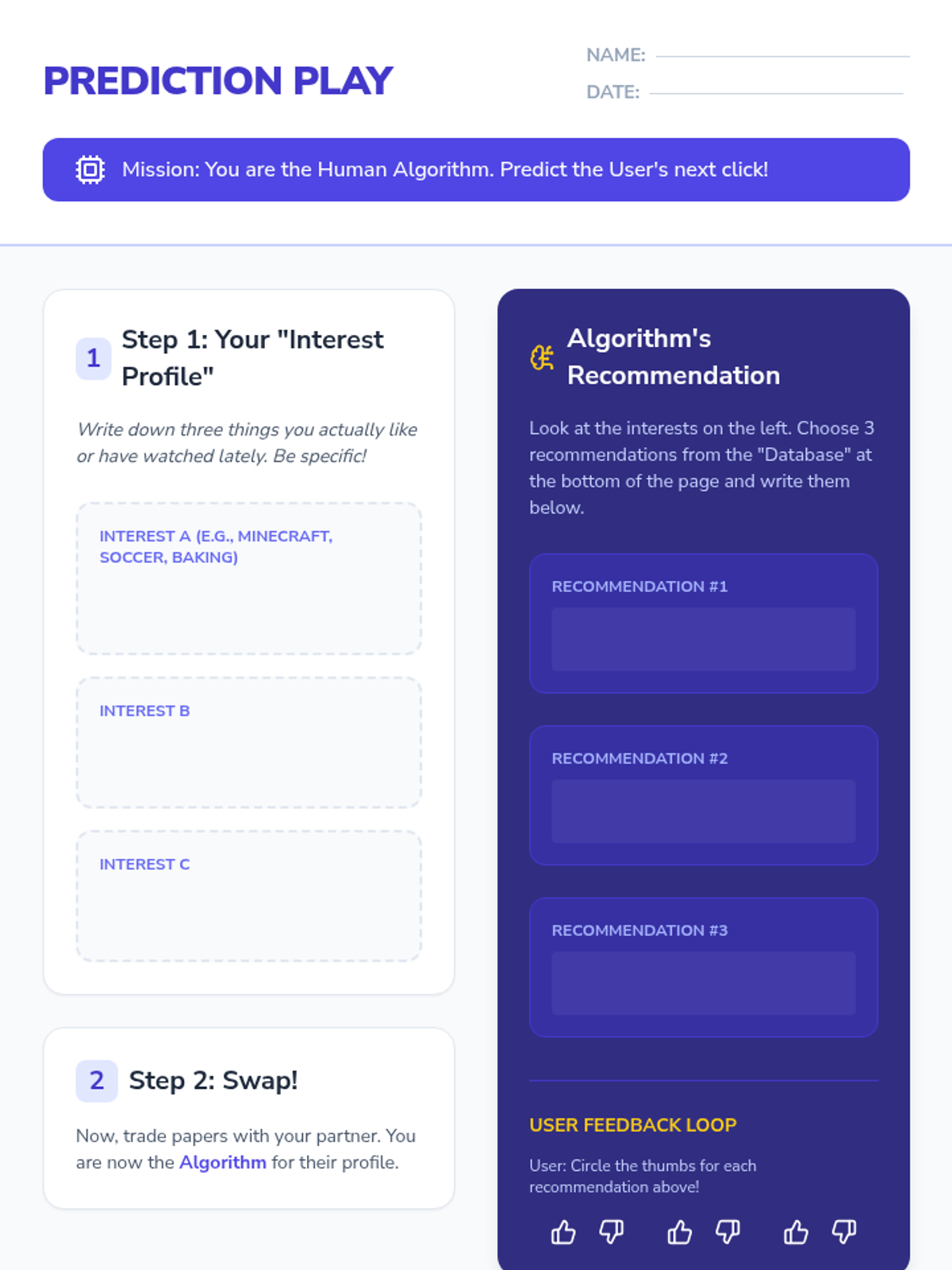
This sequence examines the invisible algorithms that curate content on video platforms and social media. Students investigate the 'attention economy' and how algorithms predict user preferences to keep them engaged. By analyzing their own experiences and simulated feeds, they identify how recommendation engines can create 'filter bubbles.' The learning arc moves from understanding the mechanism of recommendation to evaluating its impact on critical thinking and exposure to new ideas.
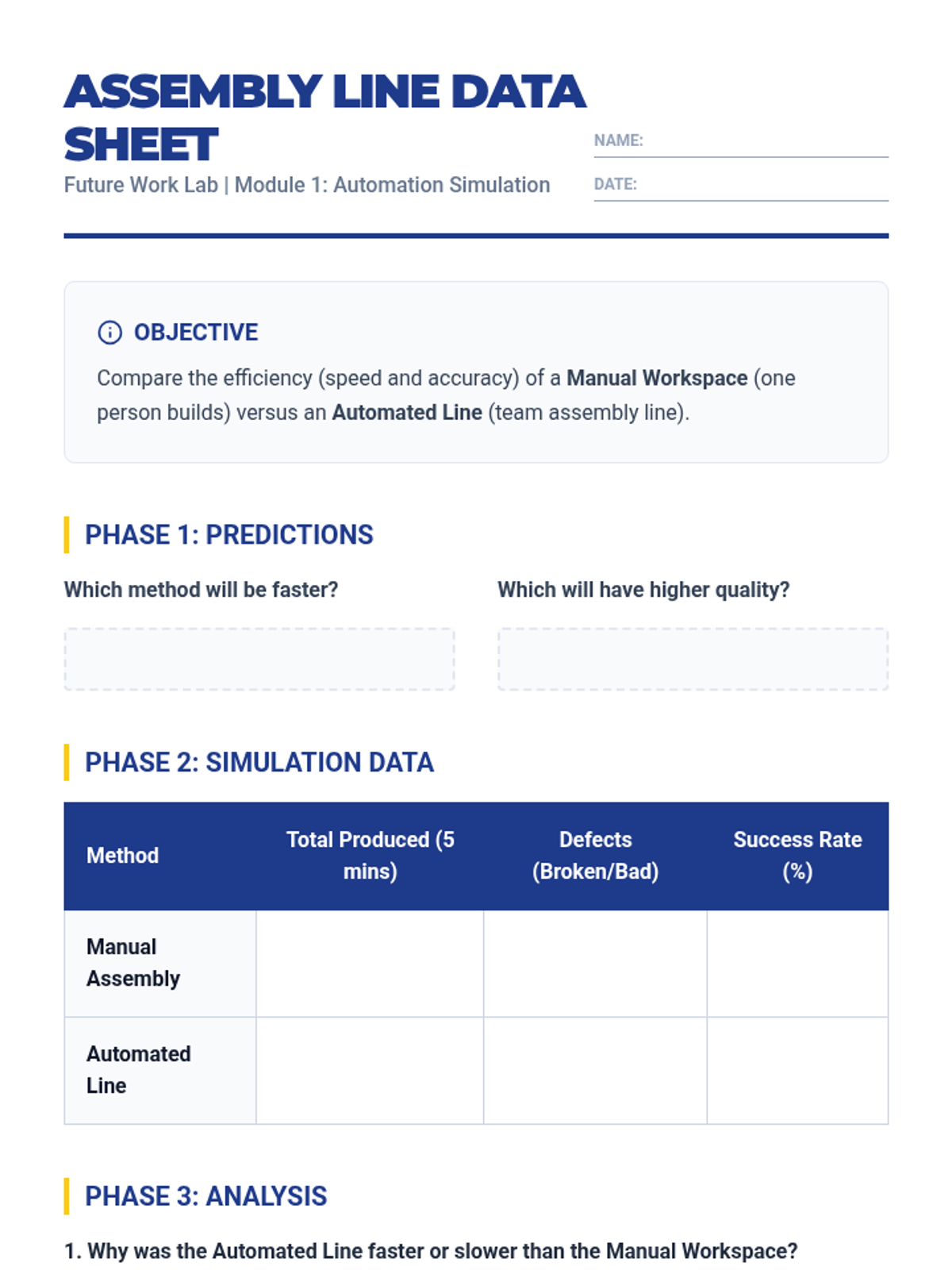
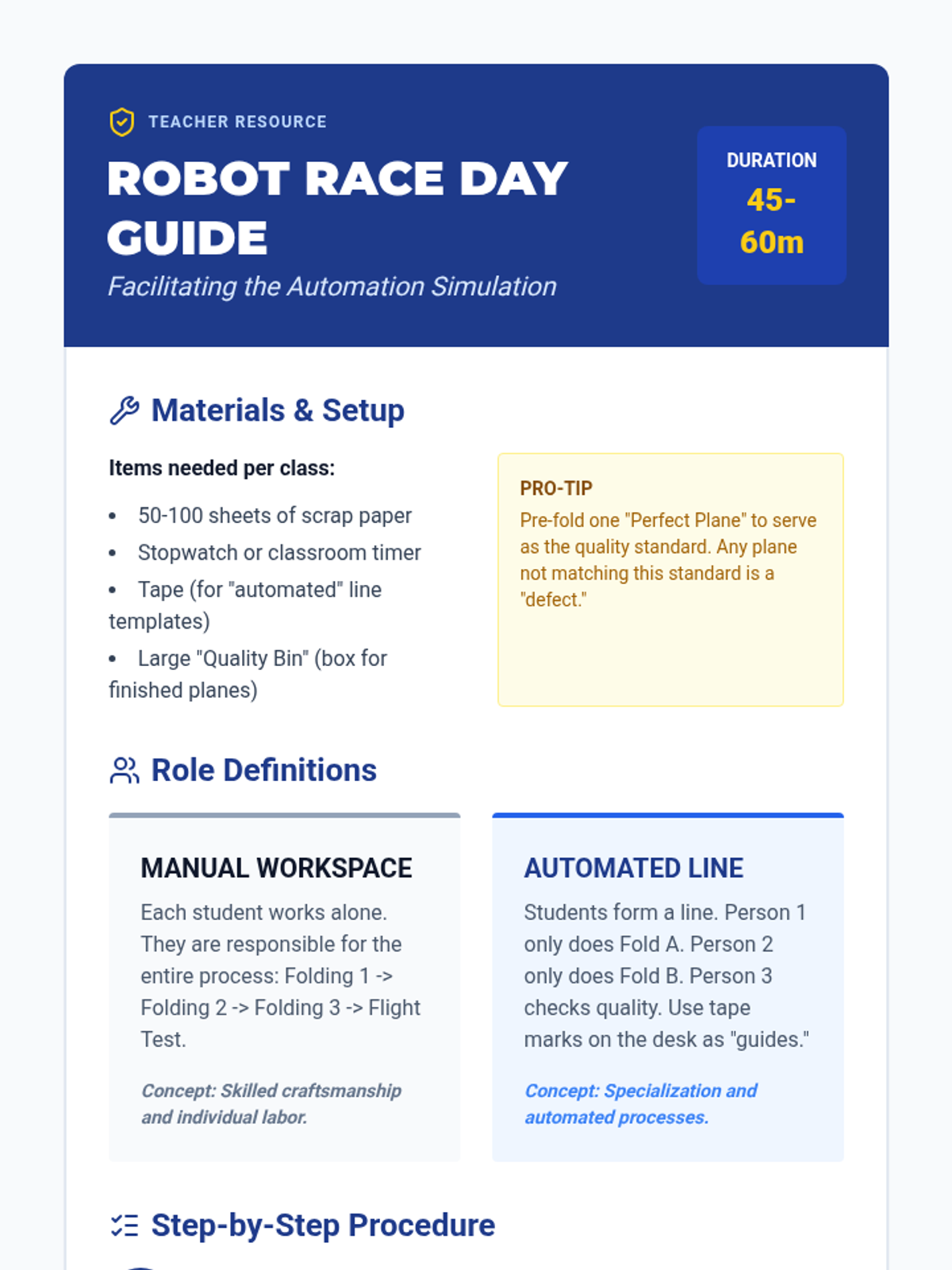
This sequence explores how technology transforms the workplace, from assembly line automation to the rise of remote work and the gig economy, concluding with identifying essential human skills for the future.
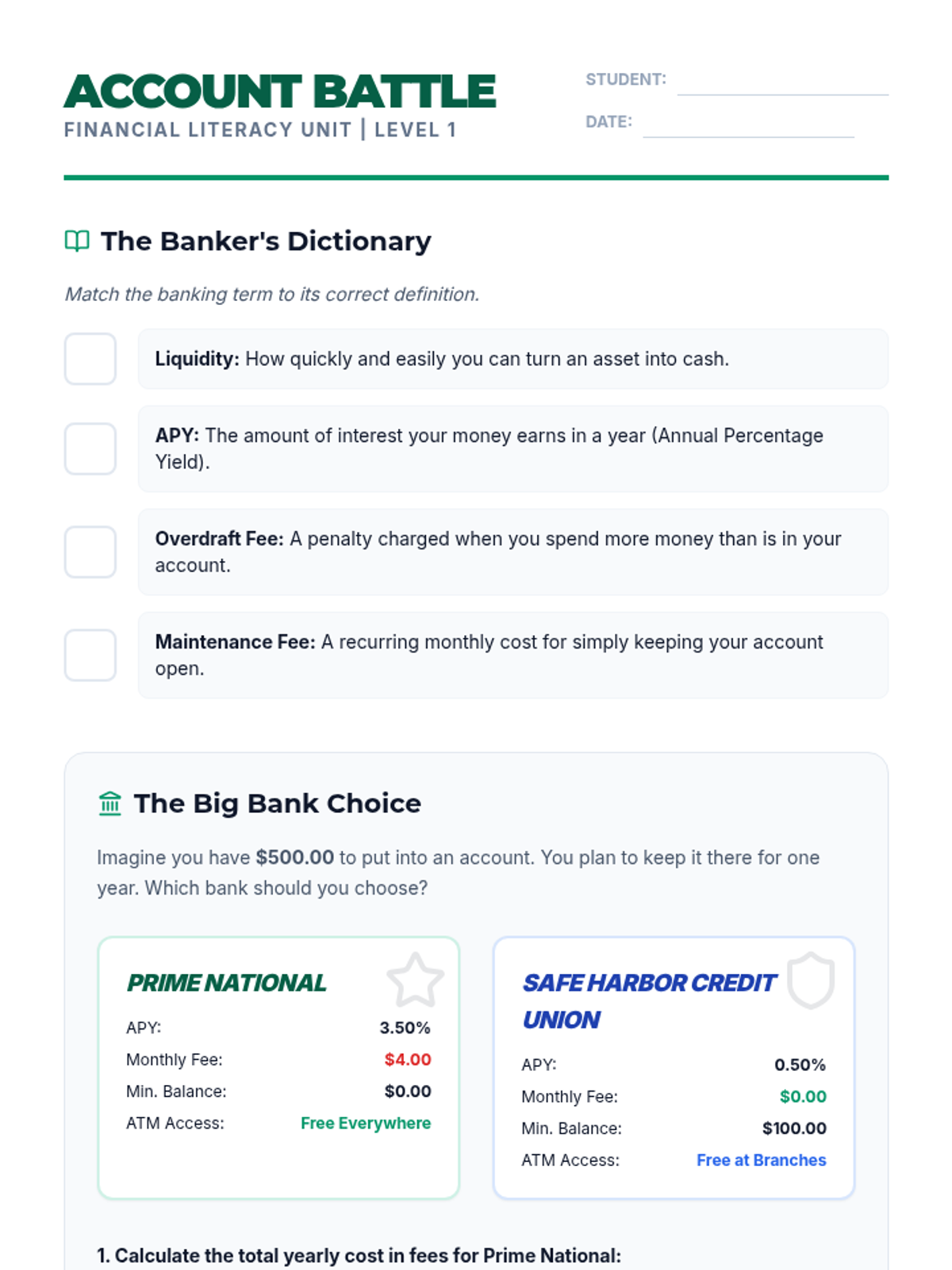
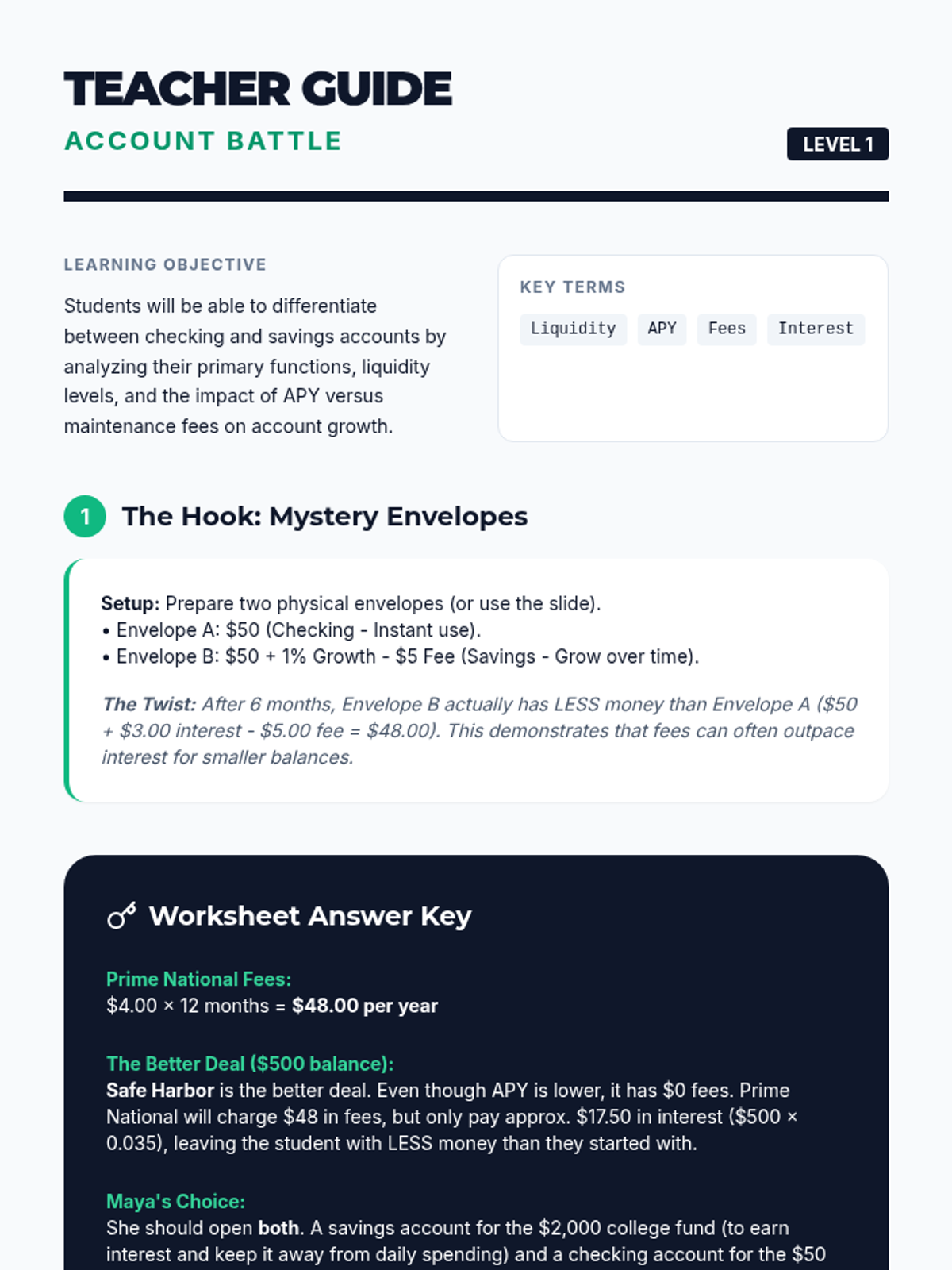
A comprehensive 5-lesson sequence where 7th-grade students master the fundamentals of banking, from account selection and manual transaction tracking to reconciling bank statements and navigating digital security.
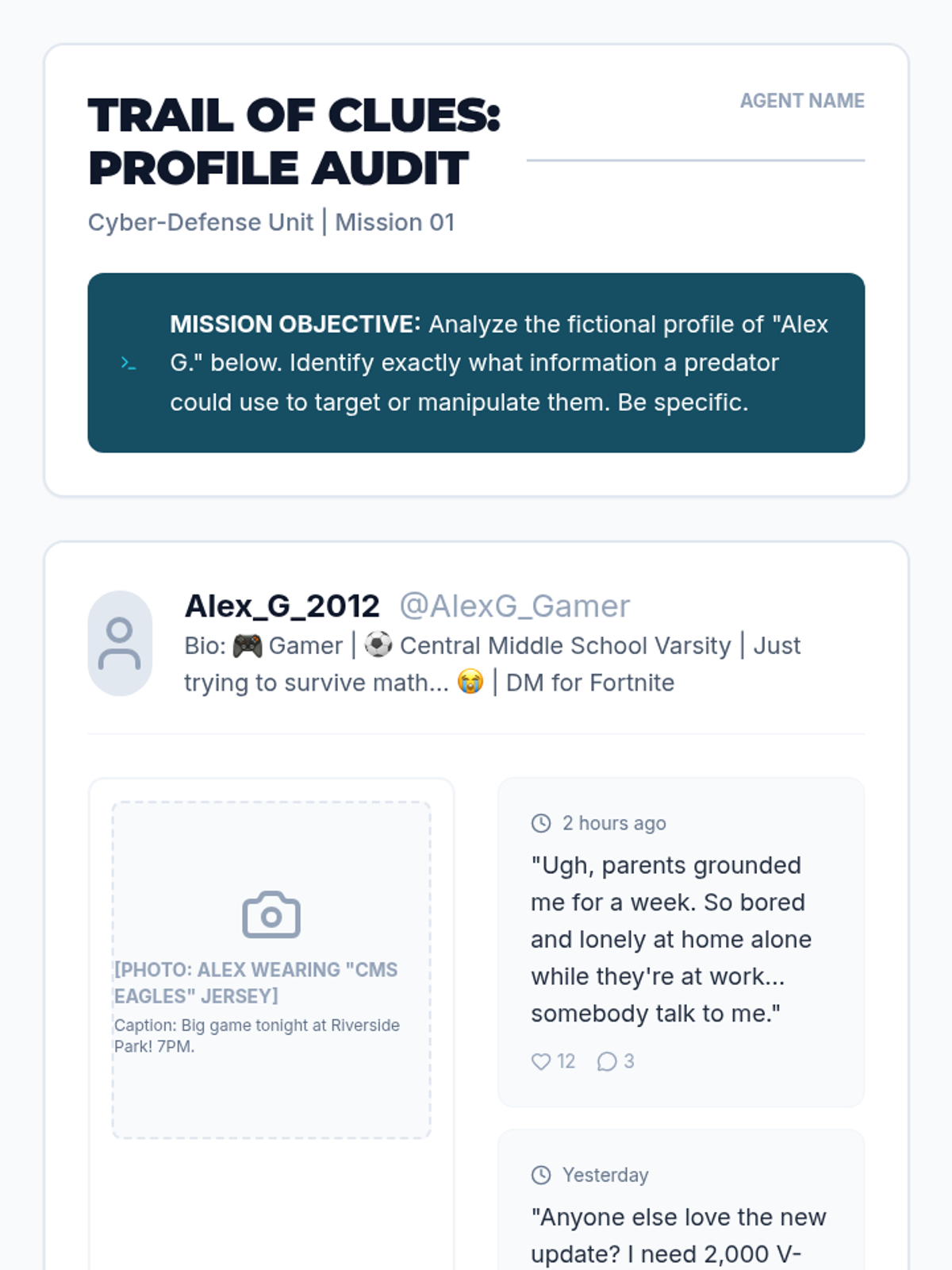
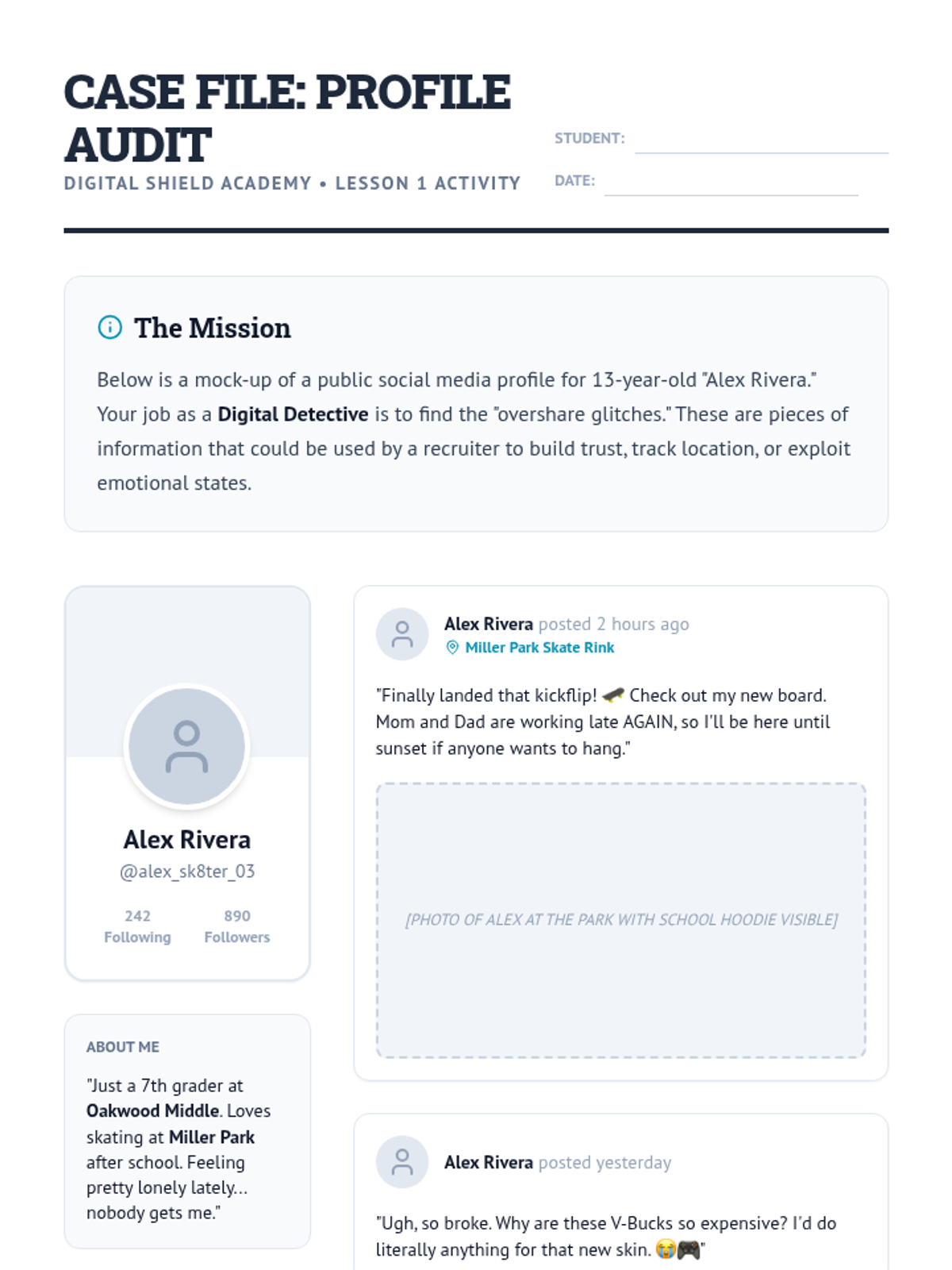
A comprehensive sequence for 7th-grade students focused on identifying and resisting online grooming and recruitment tactics used by traffickers. Students develop digital literacy skills to recognize fake profiles, manipulative lures, and unsafe gaming interactions while creating a personal digital defense protocol.
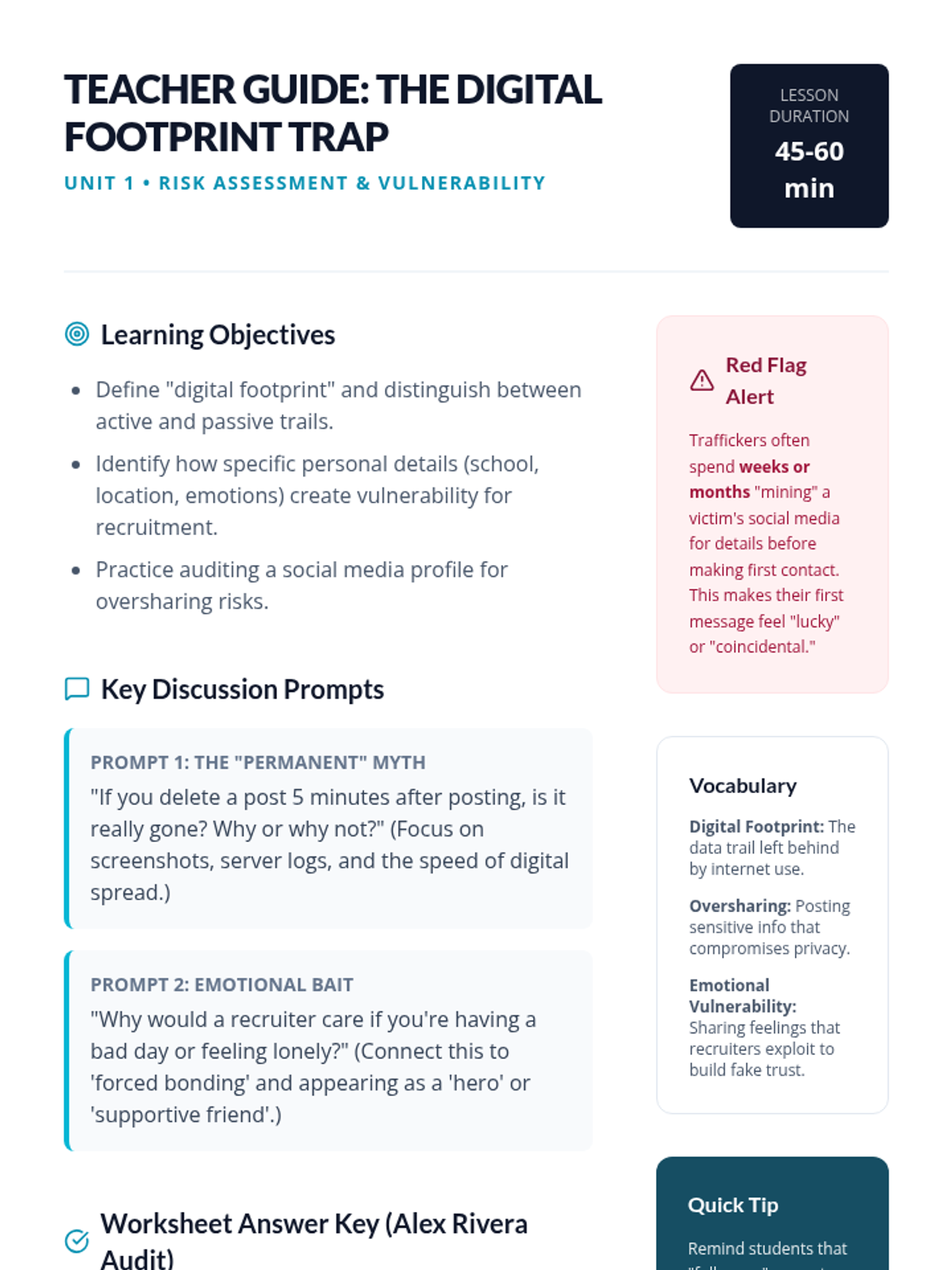
A 5-lesson sequence for 6th graders focusing on identifying online recruitment tactics, understanding digital footprints, and implementing privacy shields to prevent exploitation and trafficking.
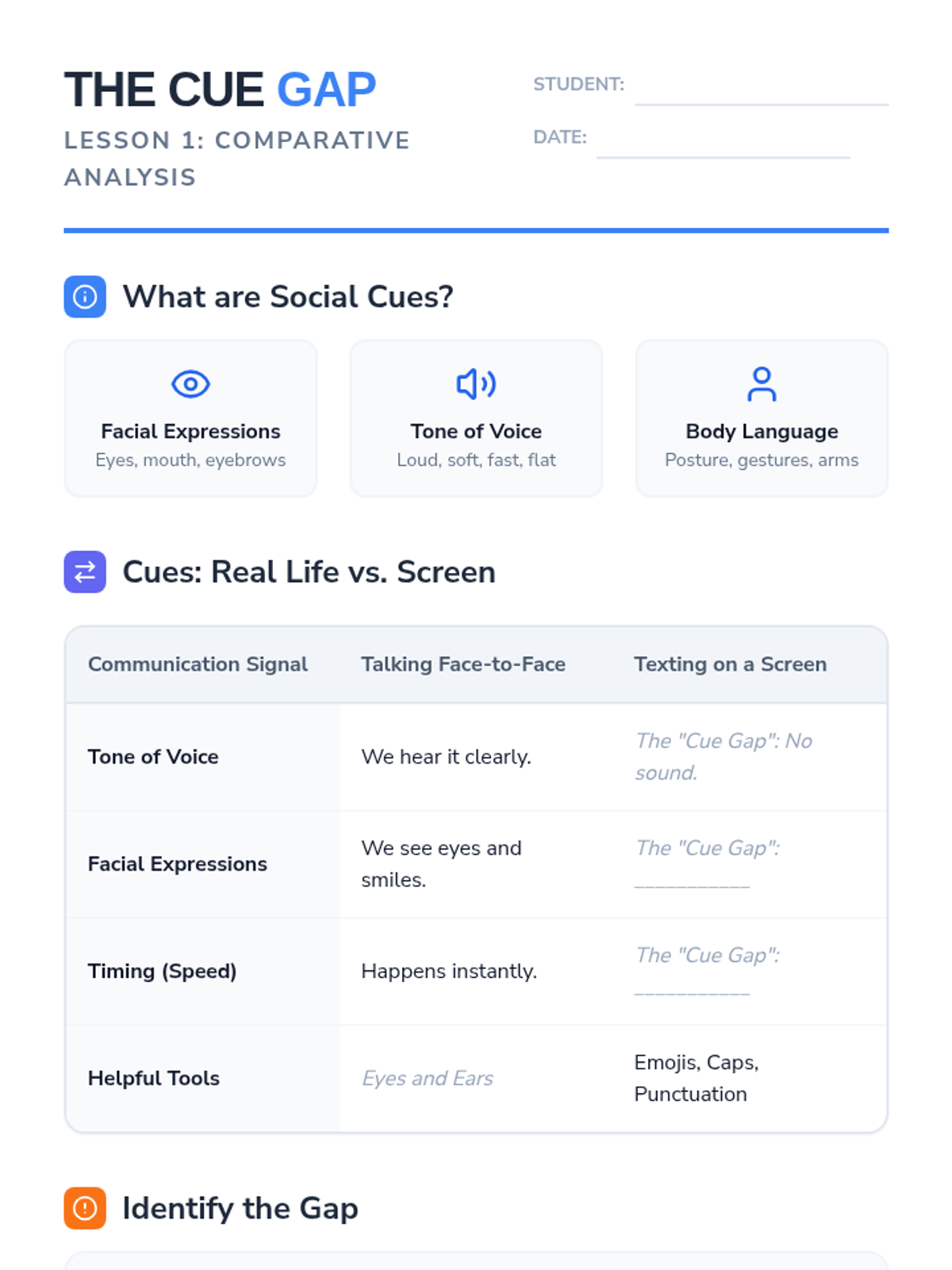
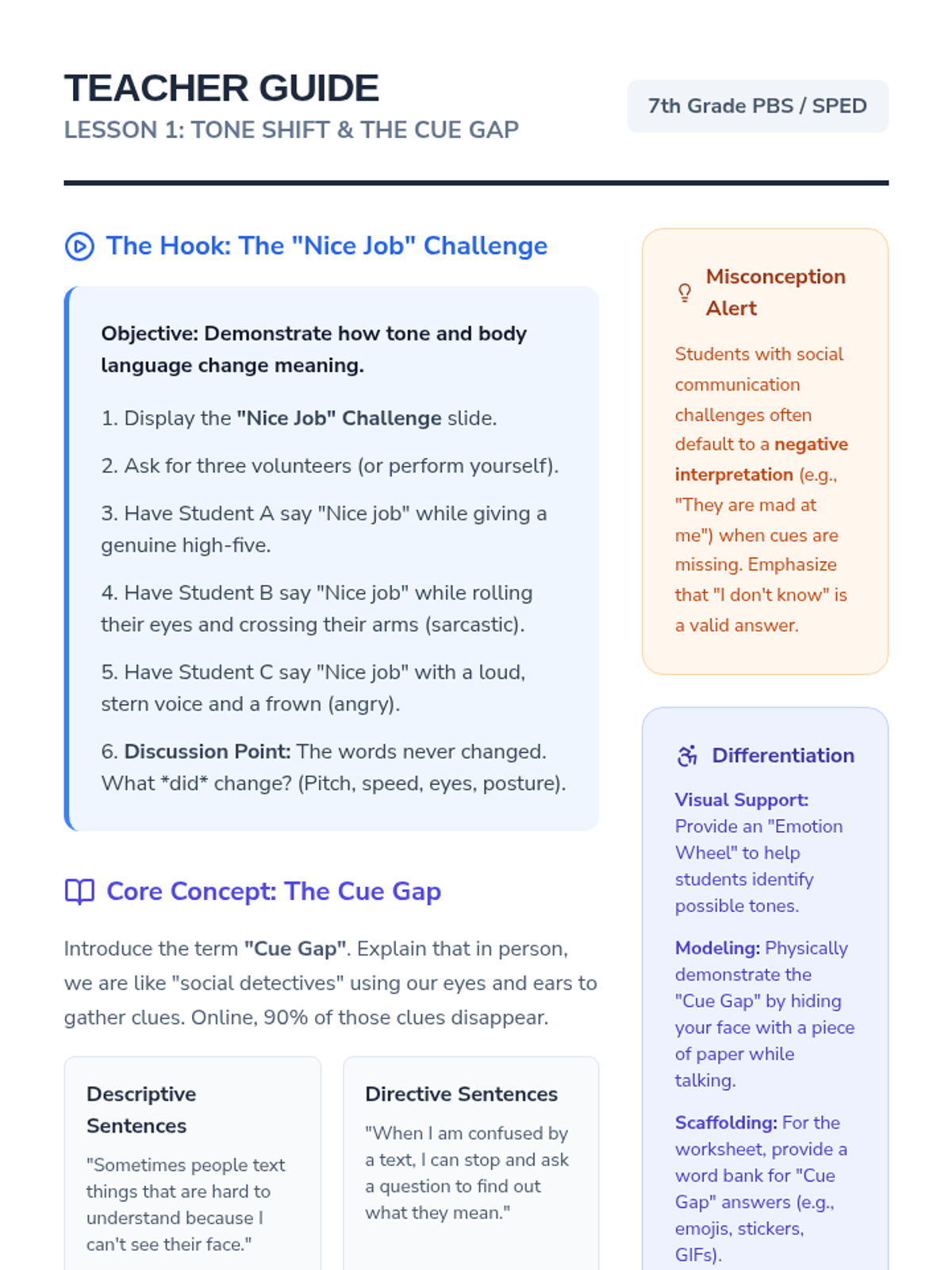
A 5-lesson sequence designed for 7th-grade students to translate social narrative techniques to digital communication. Students explore non-verbal cues, texting etiquette, impulse control, and gaming sportsmanship to build a personalized 'Digital Etiquette Guide'.
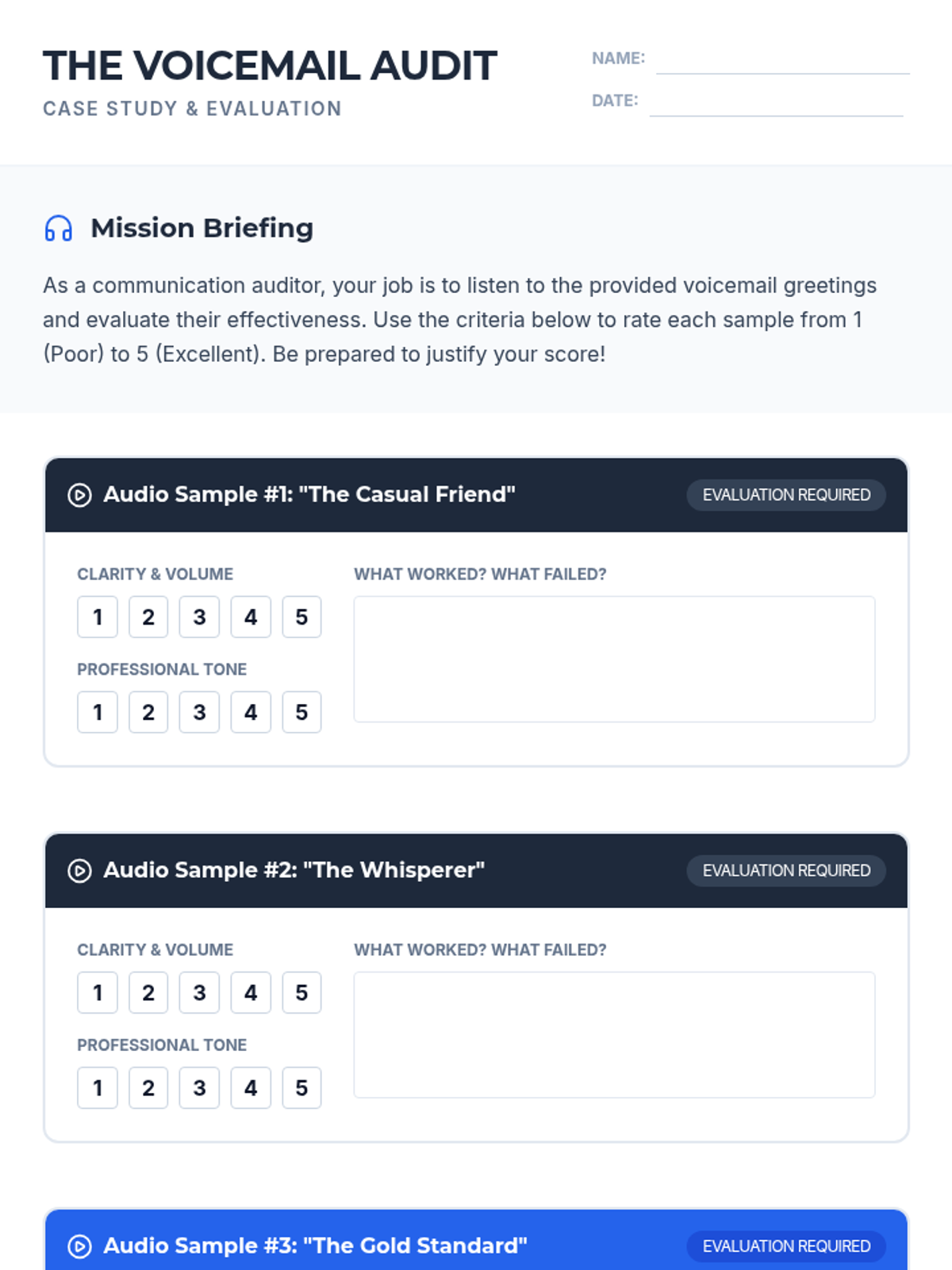
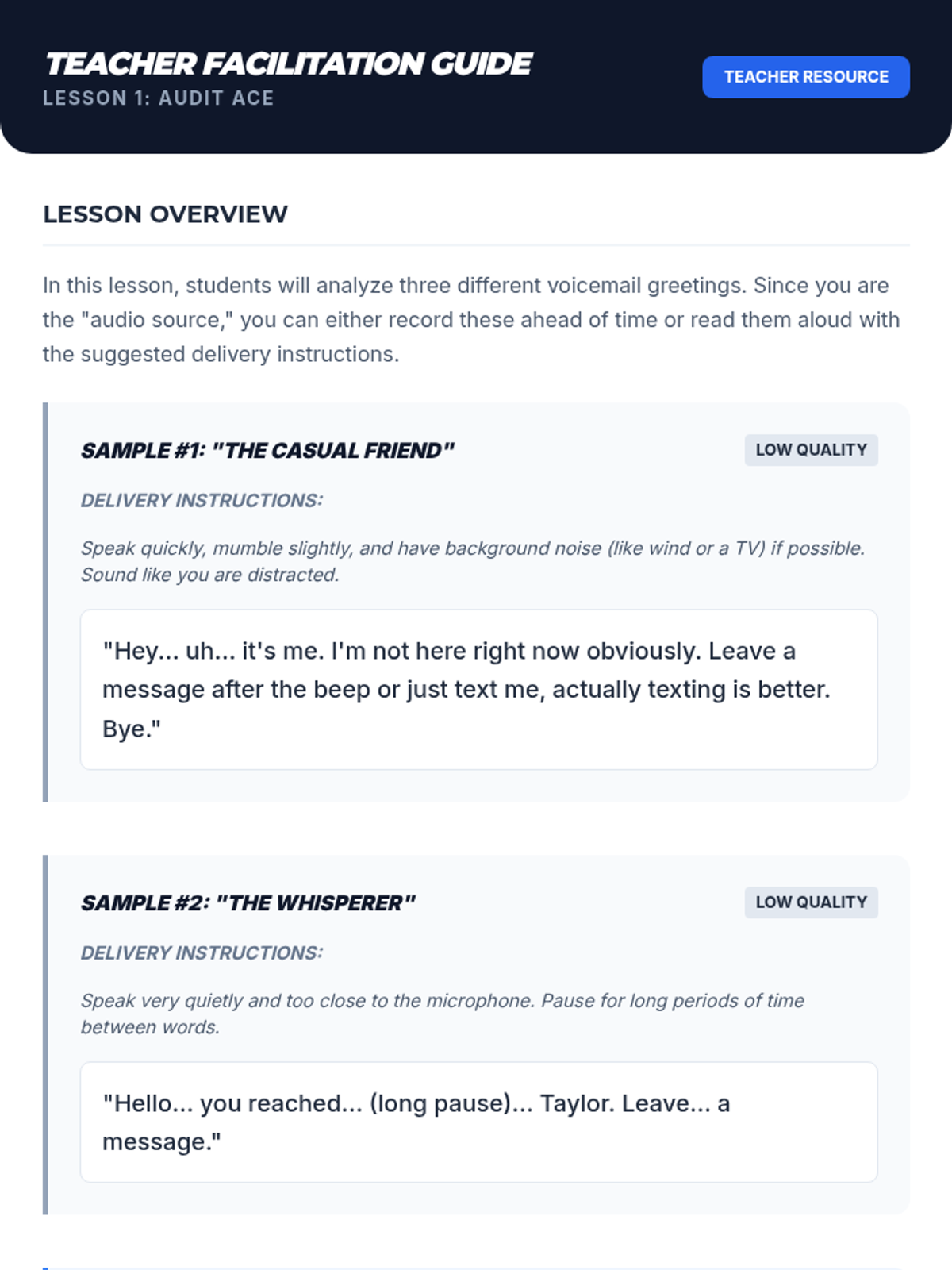
This project-based sequence explores the world of asynchronous audio communication, specifically voicemail systems. Students investigate professional standards, script their own greetings, and practice leaving clear, actionable messages, culminating in a digital audio portfolio.
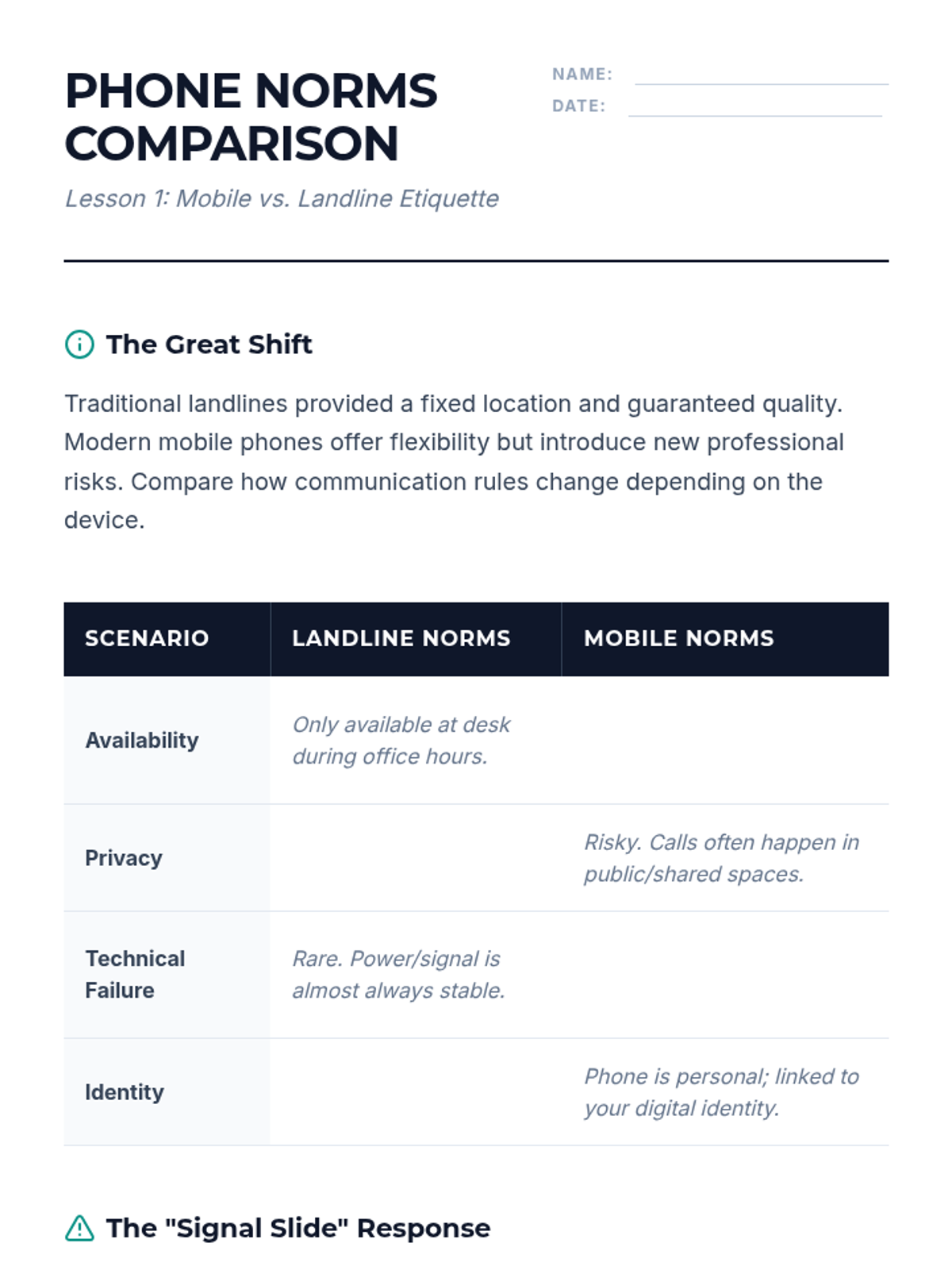
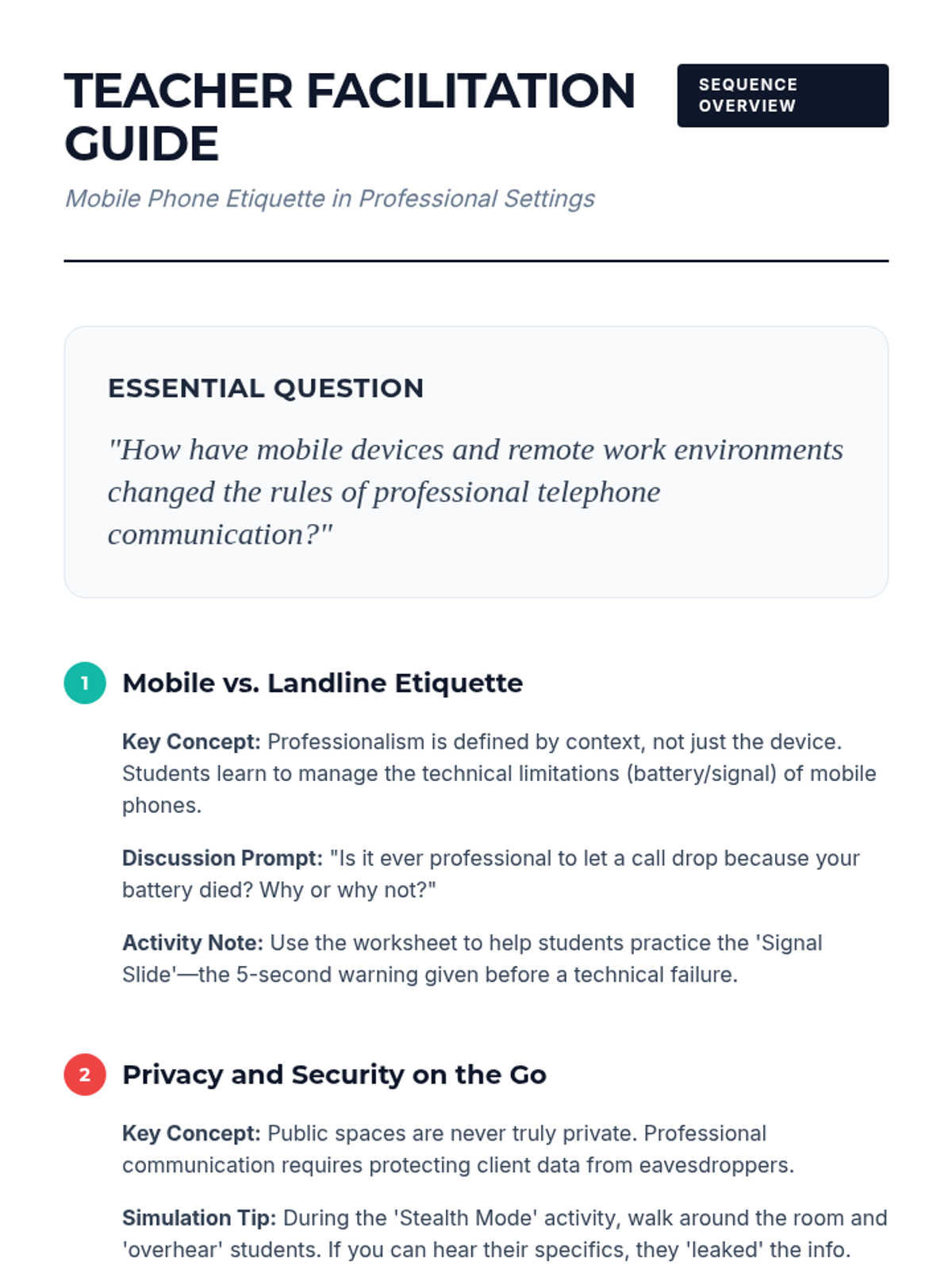
This inquiry-based sequence explores how mobile technology changes professional communication rules for 8th-grade students. They investigate etiquette for personal devices, privacy, speakerphone usage, and the decision between texting and calling, culminating in the creation of a workplace mobile usage policy.
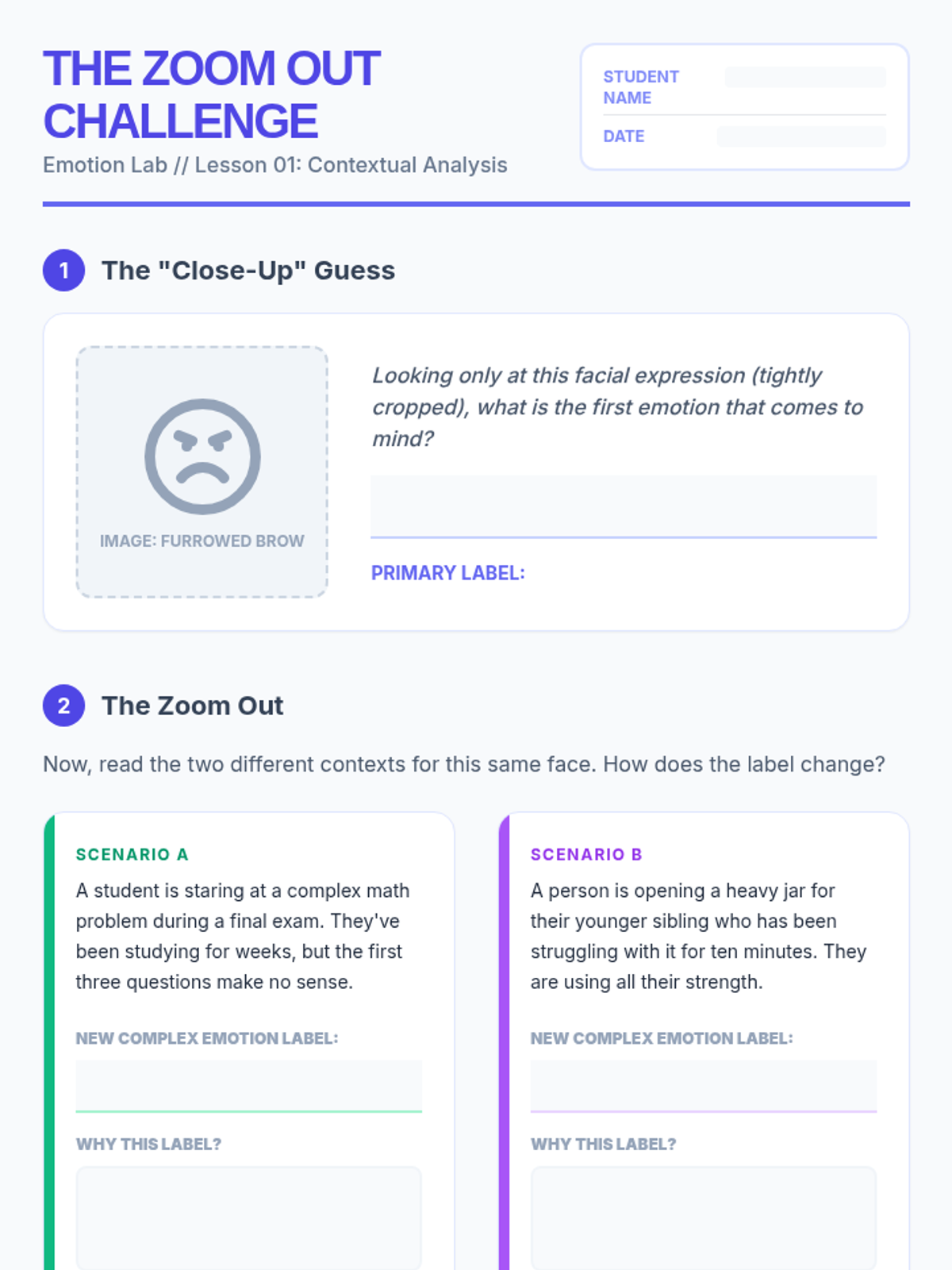
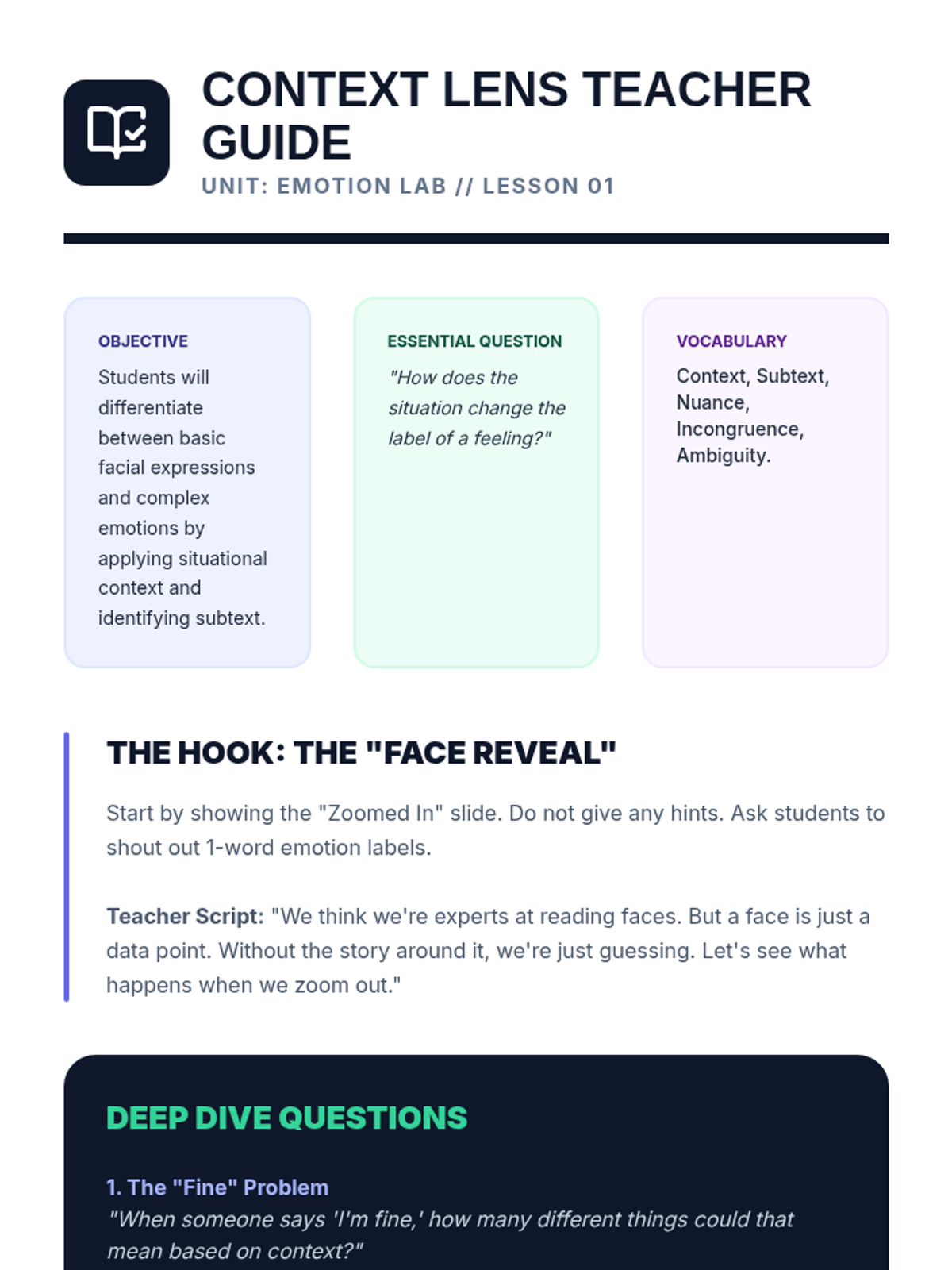
A project-based unit exploring how context and digital platforms influence emotional expression and interpretation. Students learn to label complex emotions in media and online interactions, culminating in a peer-to-peer digital empathy guide.
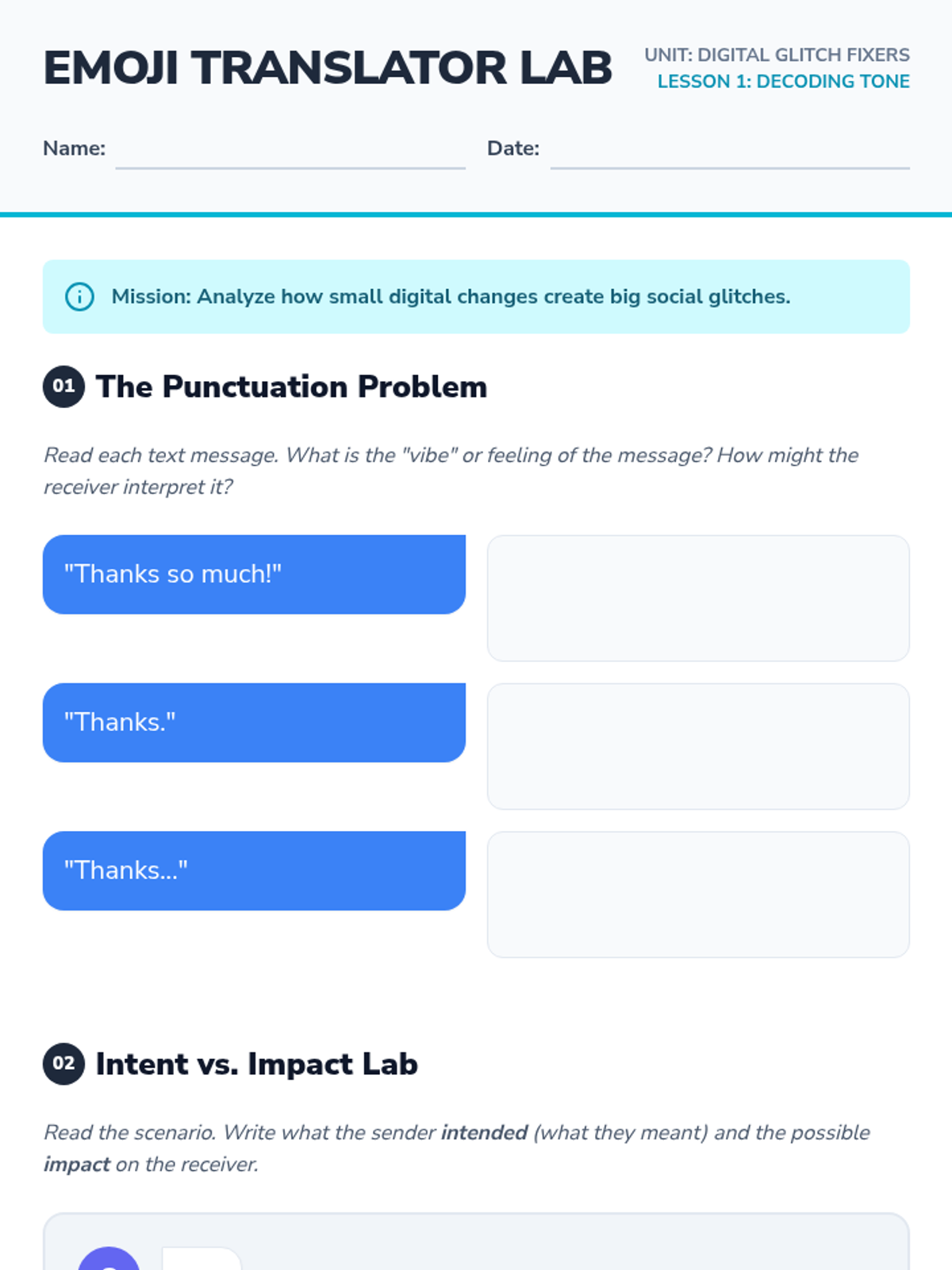
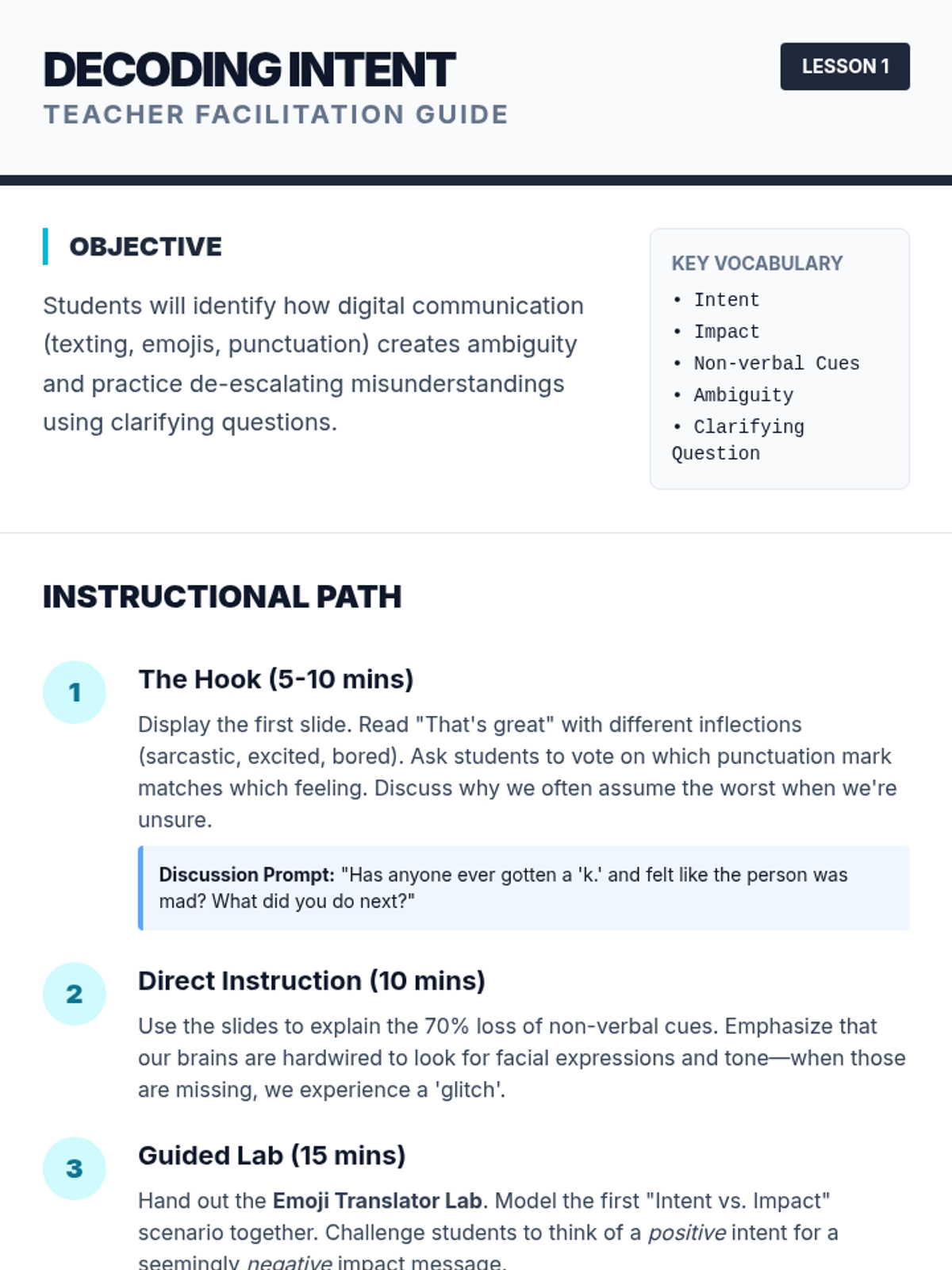
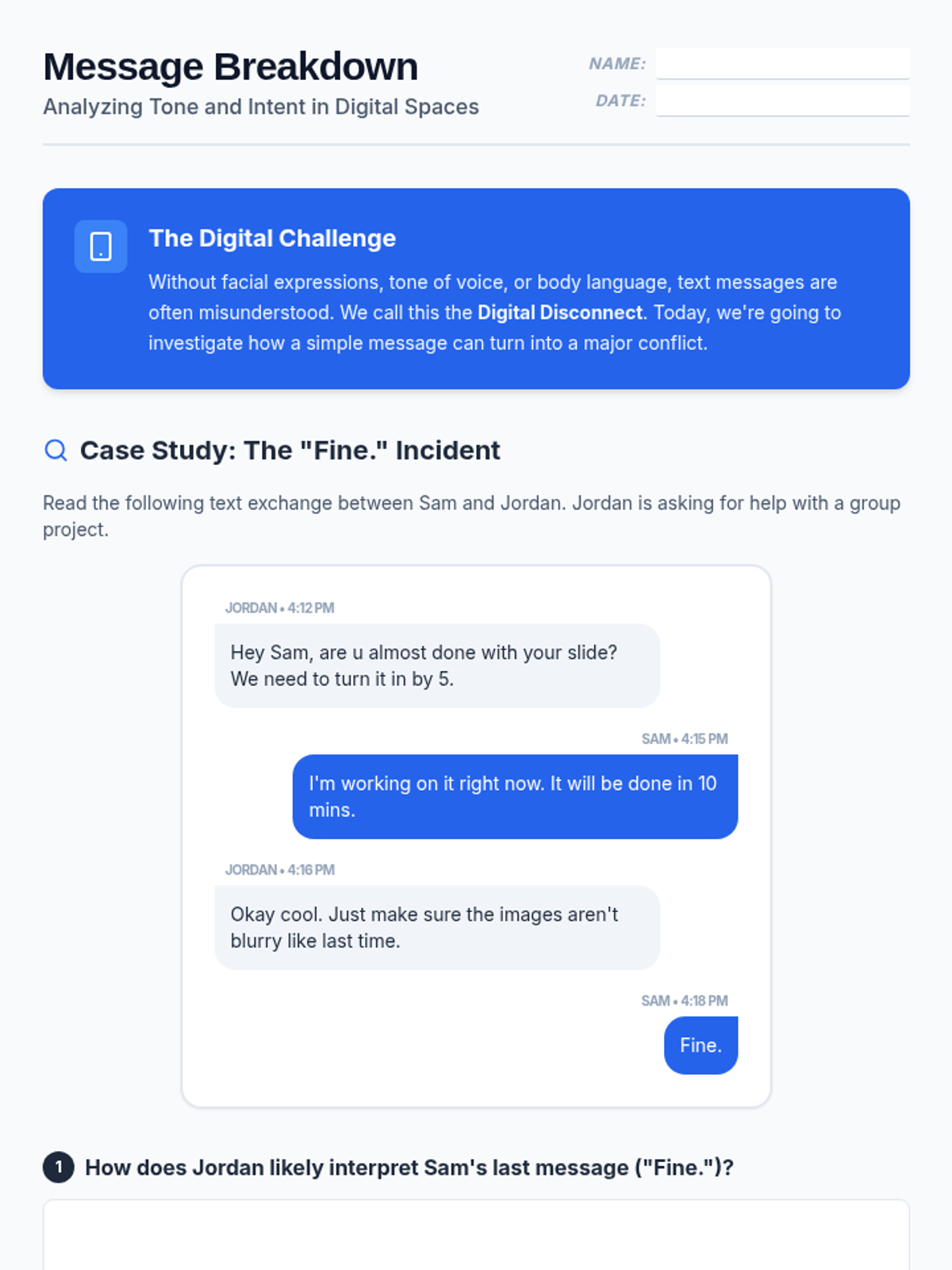
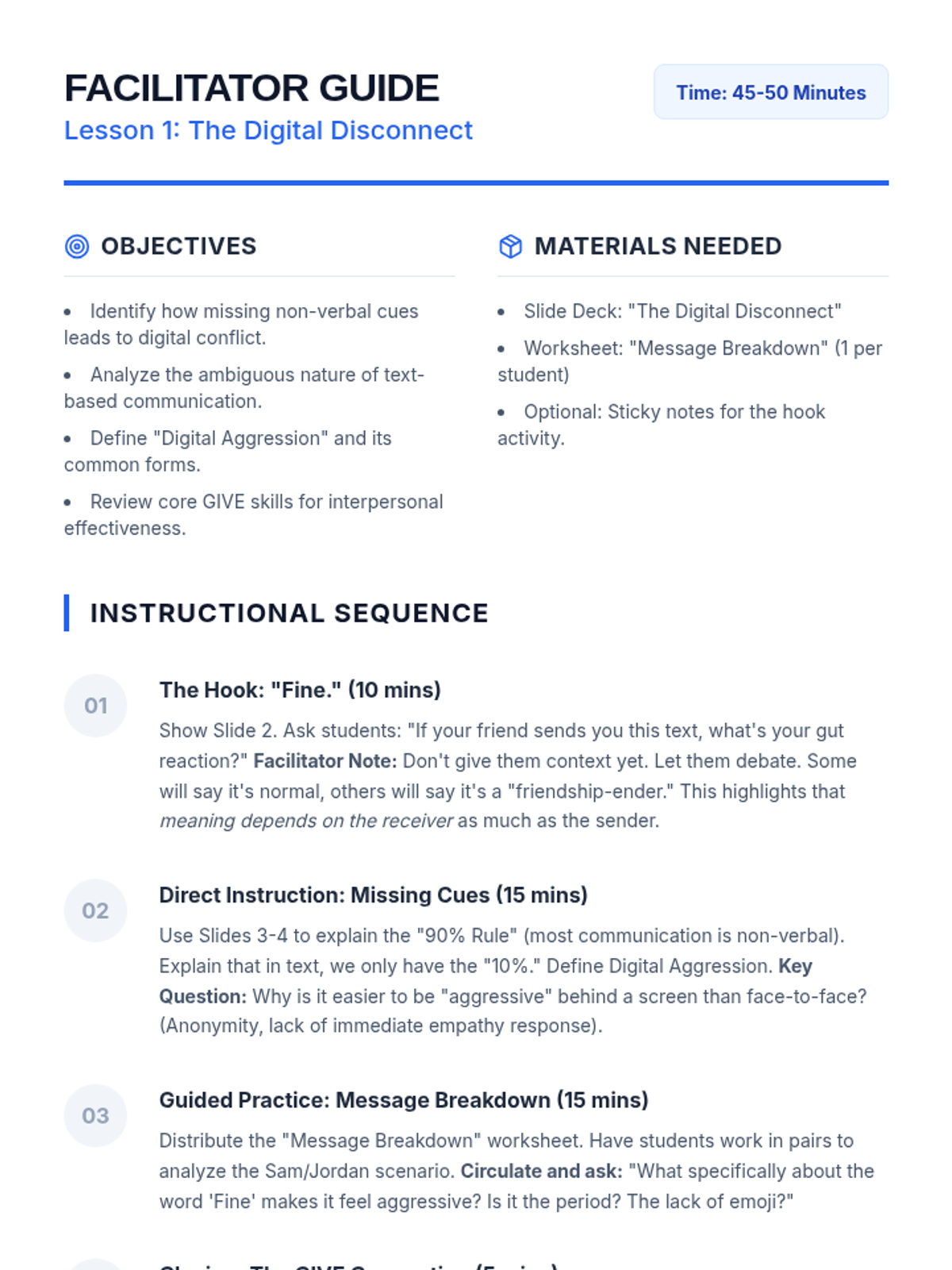
A 5-lesson unit for 8th-grade social communication students focused on navigating digital conflicts, decoding tone in text, and moving from online friction to offline resolution. Students learn to bridge the 'intent vs. impact' gap and develop personal digital boundaries.
A project-based sequence for 8th graders on applying DBT GIVE skills to digital communication, focusing on empathy, tone, and conflict resolution in text-based environments.
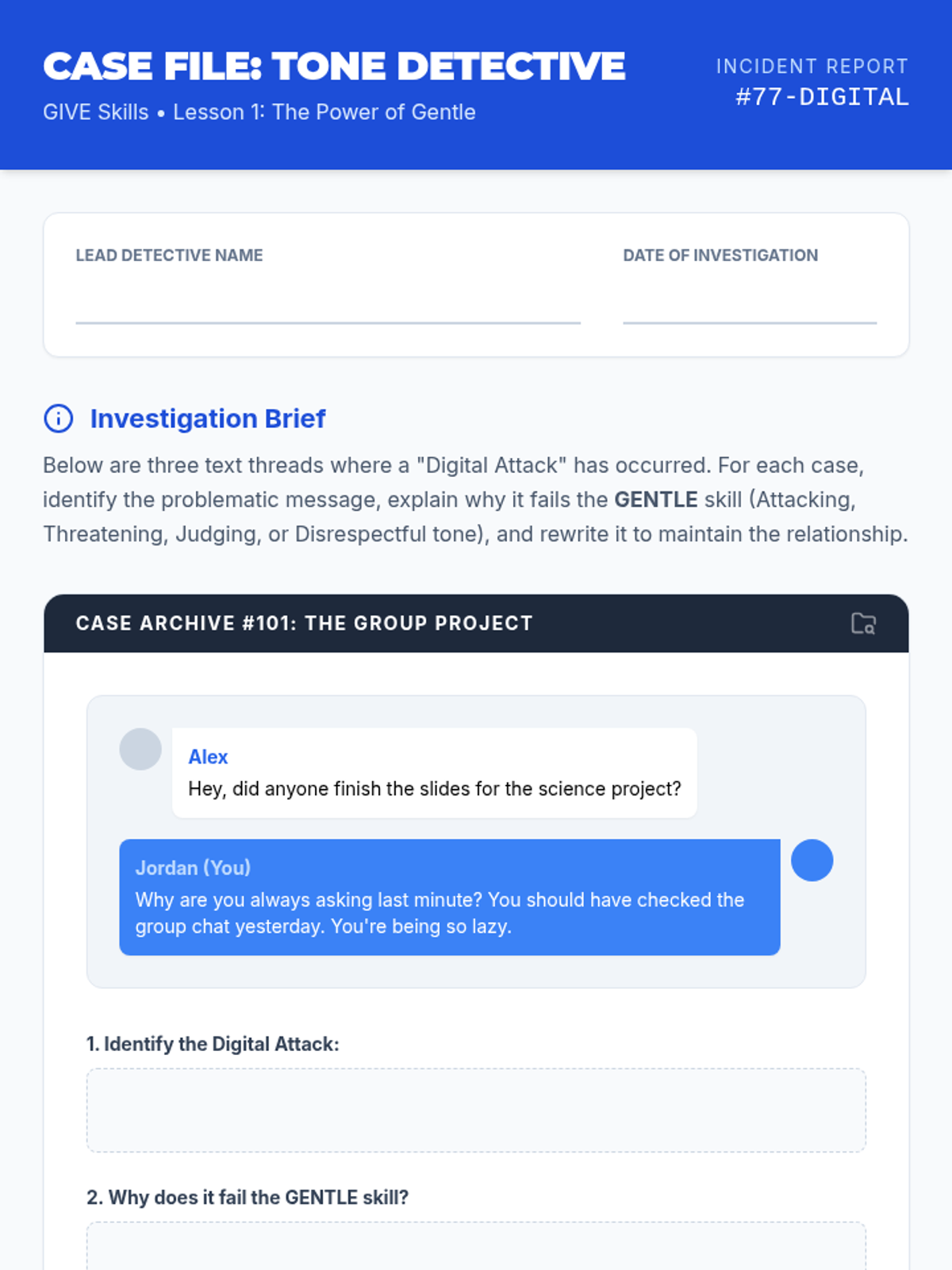
A 5-lesson unit for 7th graders on applying the DBT GIVE framework (Gentle, Interested, Validate, Easy manner) to digital communications like texting and social media. Students learn to navigate the lack of nonverbal cues to maintain healthy relationships online.
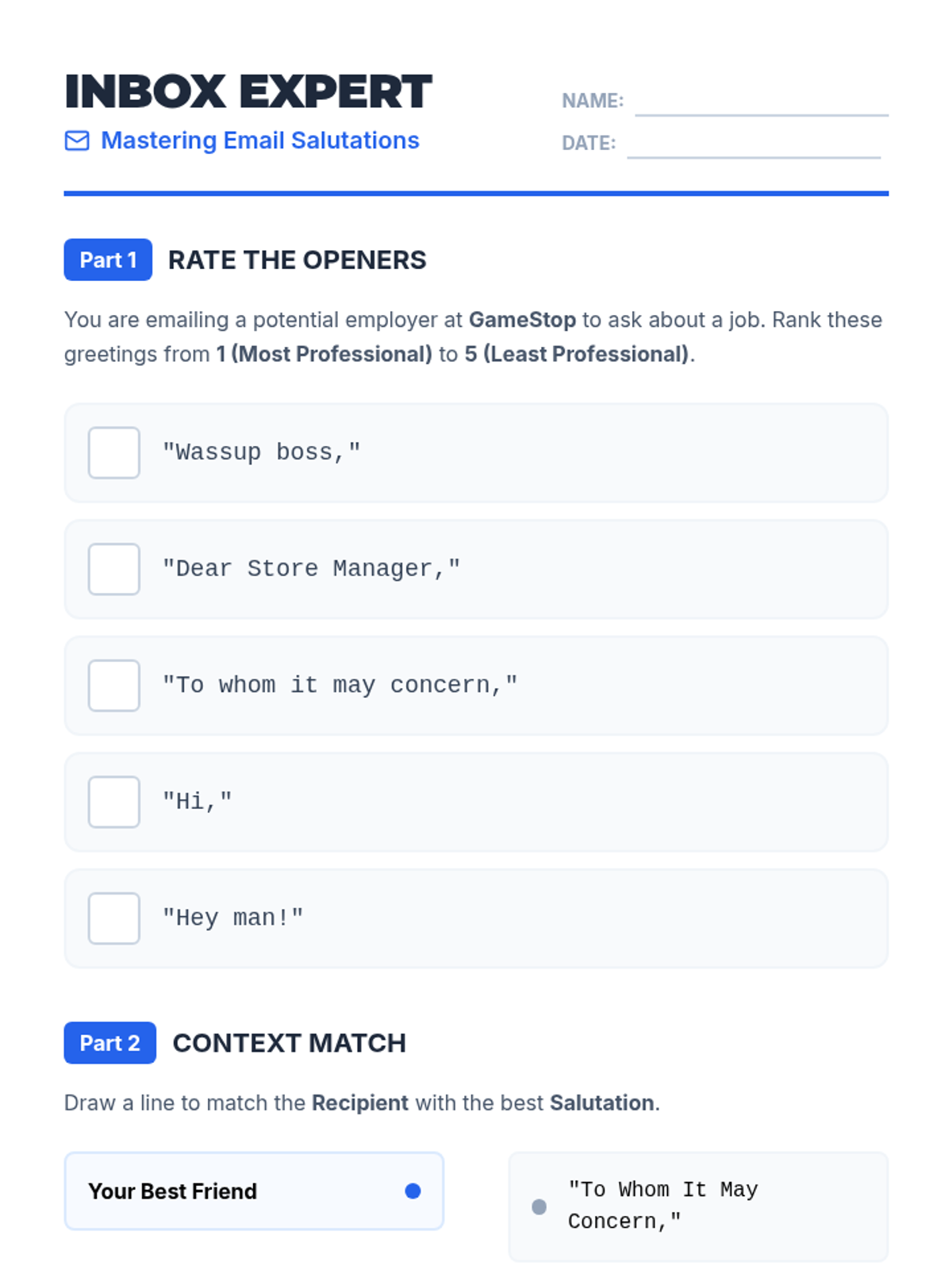
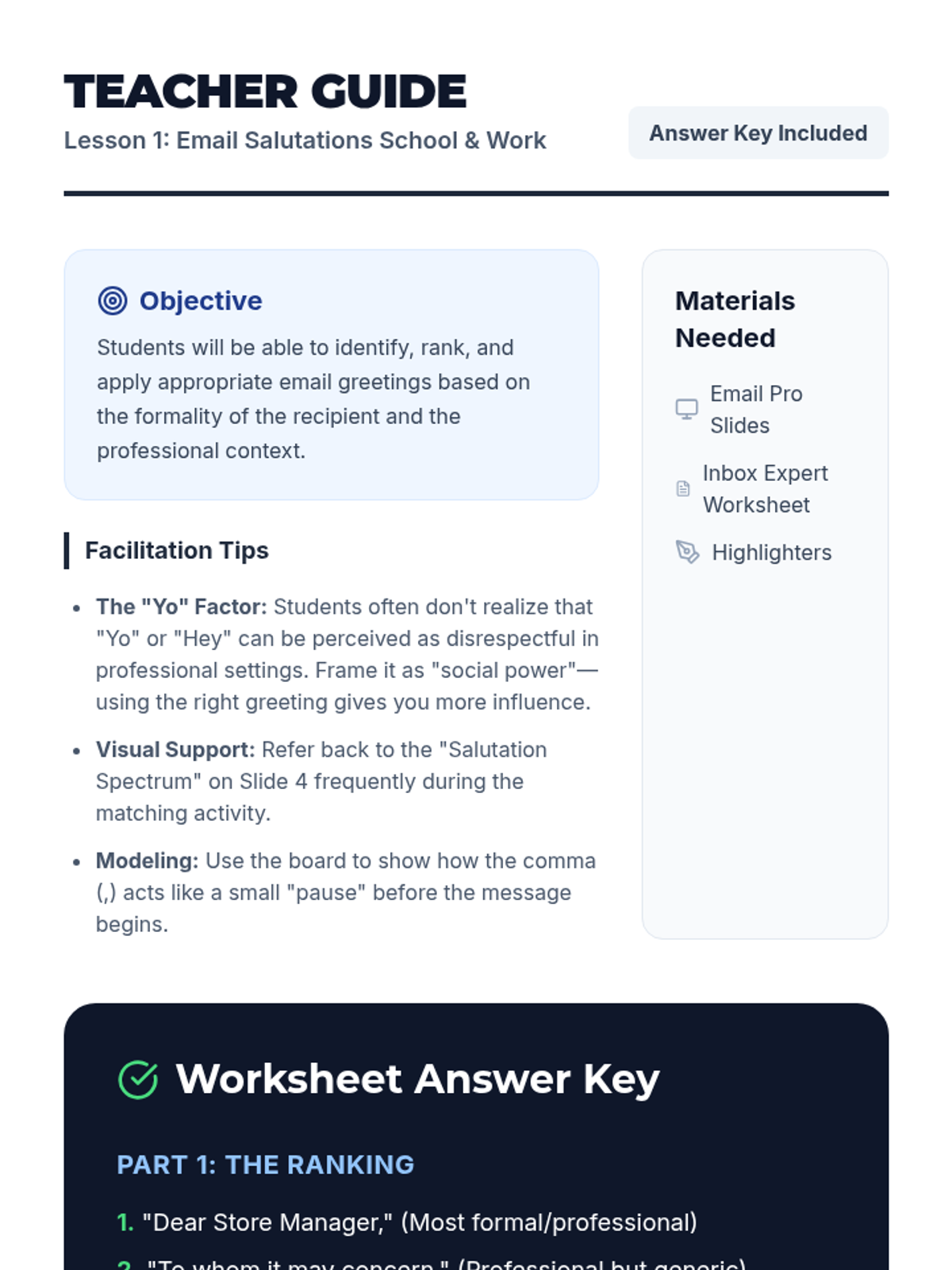
This 8th-grade sequence focuses on digital communication etiquette, teaching students how to navigate greetings and social norms in emails, texts, video calls, and voicemails. Students learn to differentiate between formal and informal contexts to build positive digital footprints and professional identities.
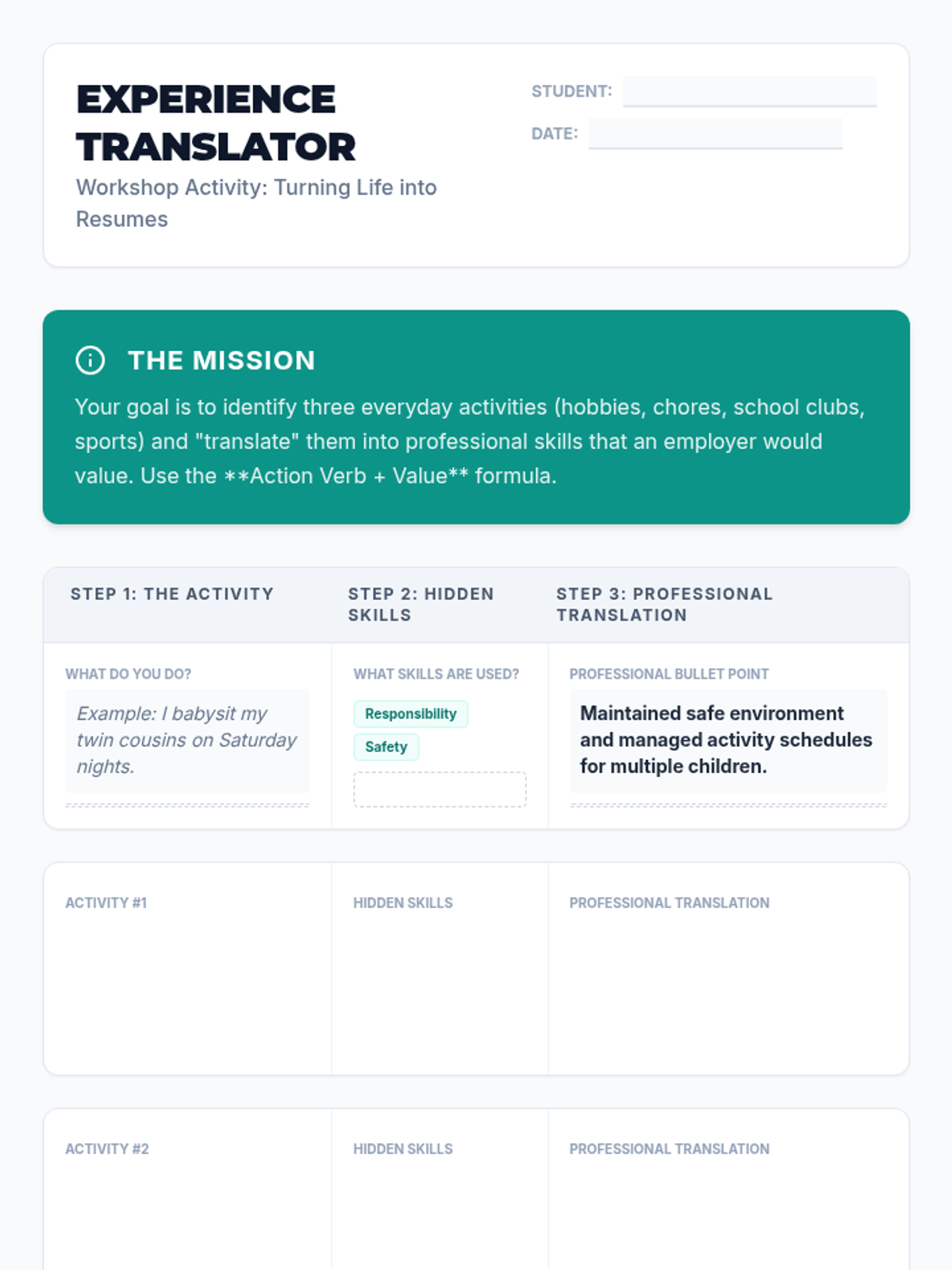
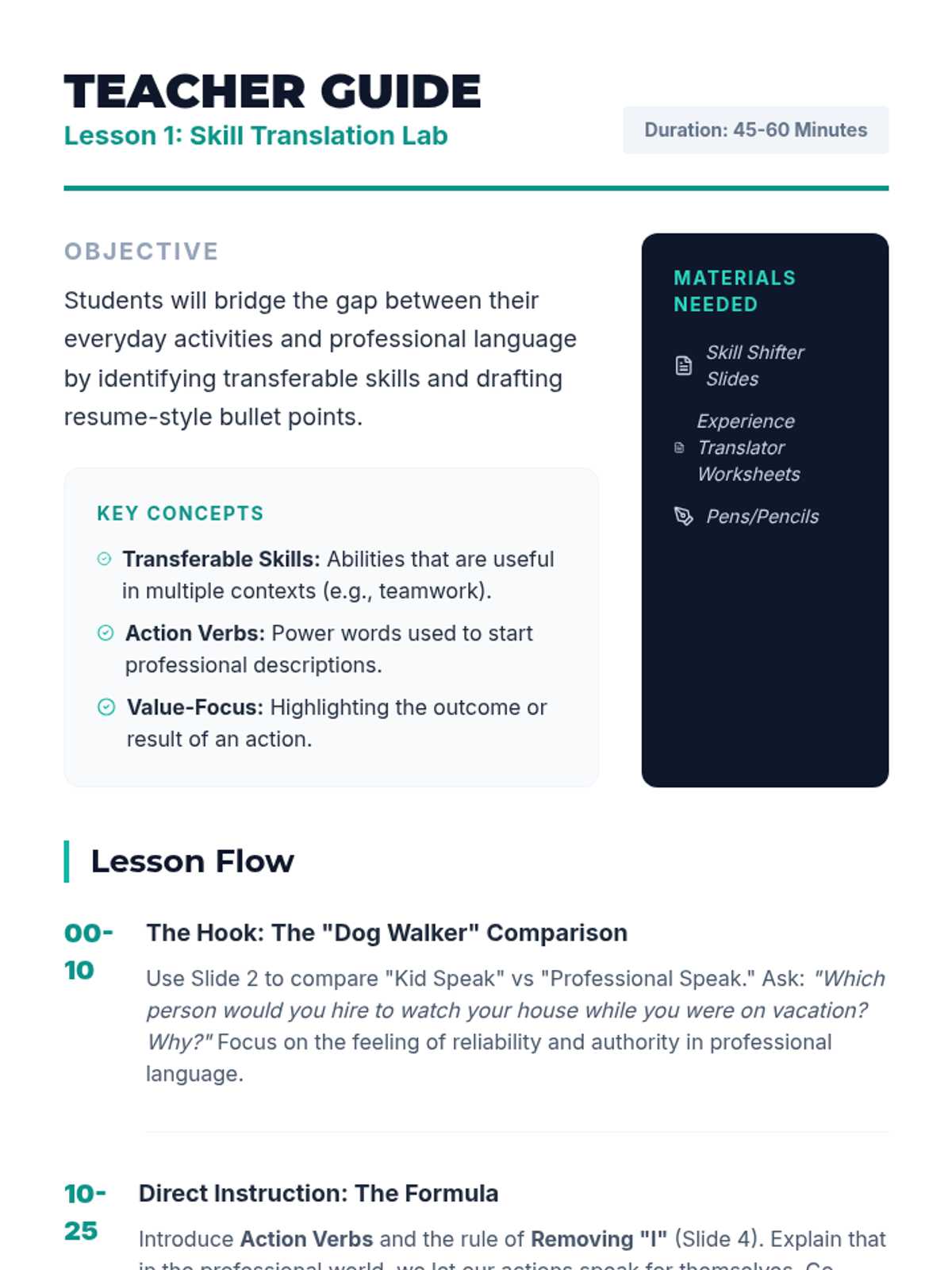
A comprehensive 5-lesson sequence for 8th-grade students to master professional communication, resume writing, and interview skills, bridging the gap between student life and the professional world.
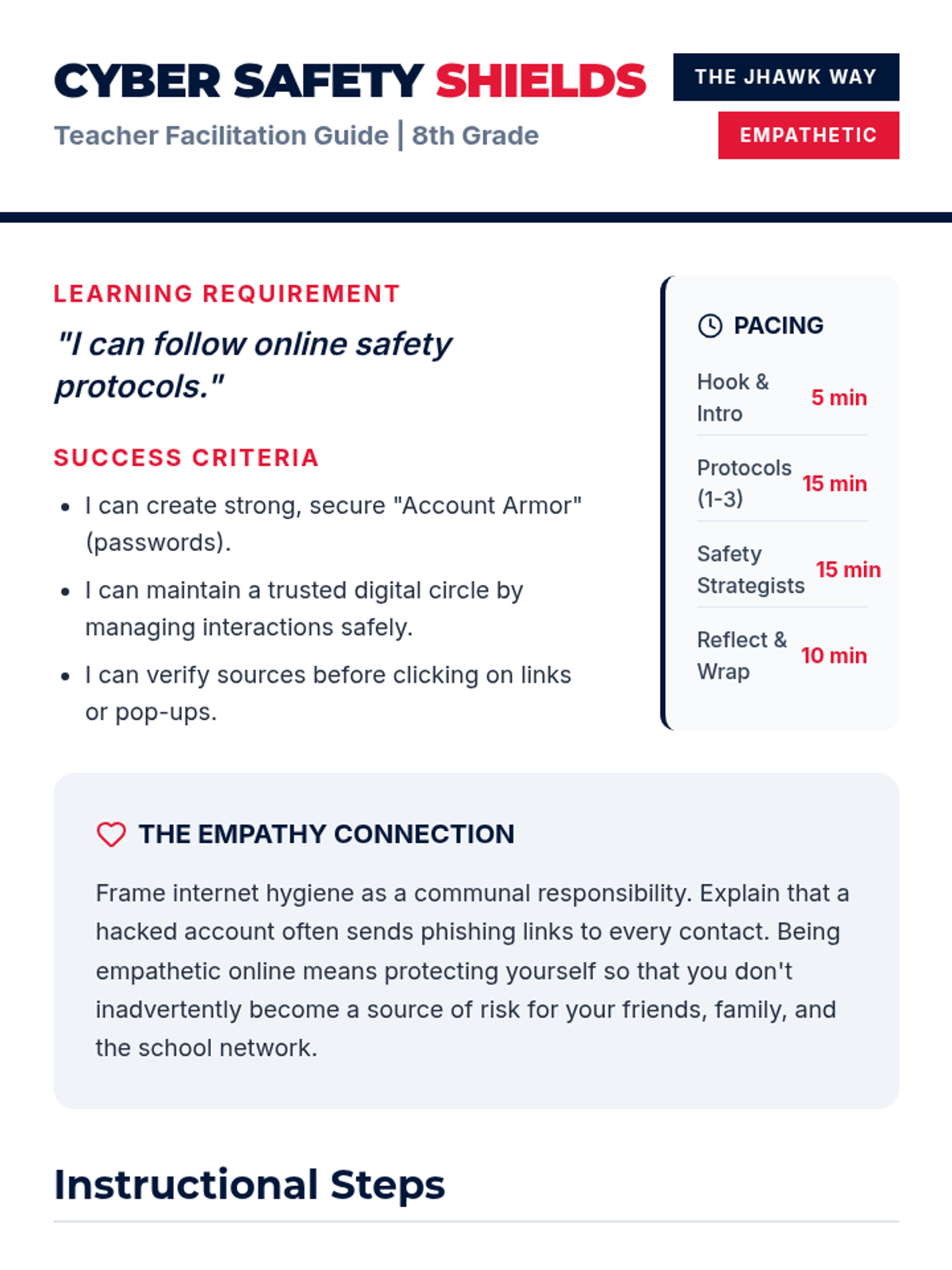
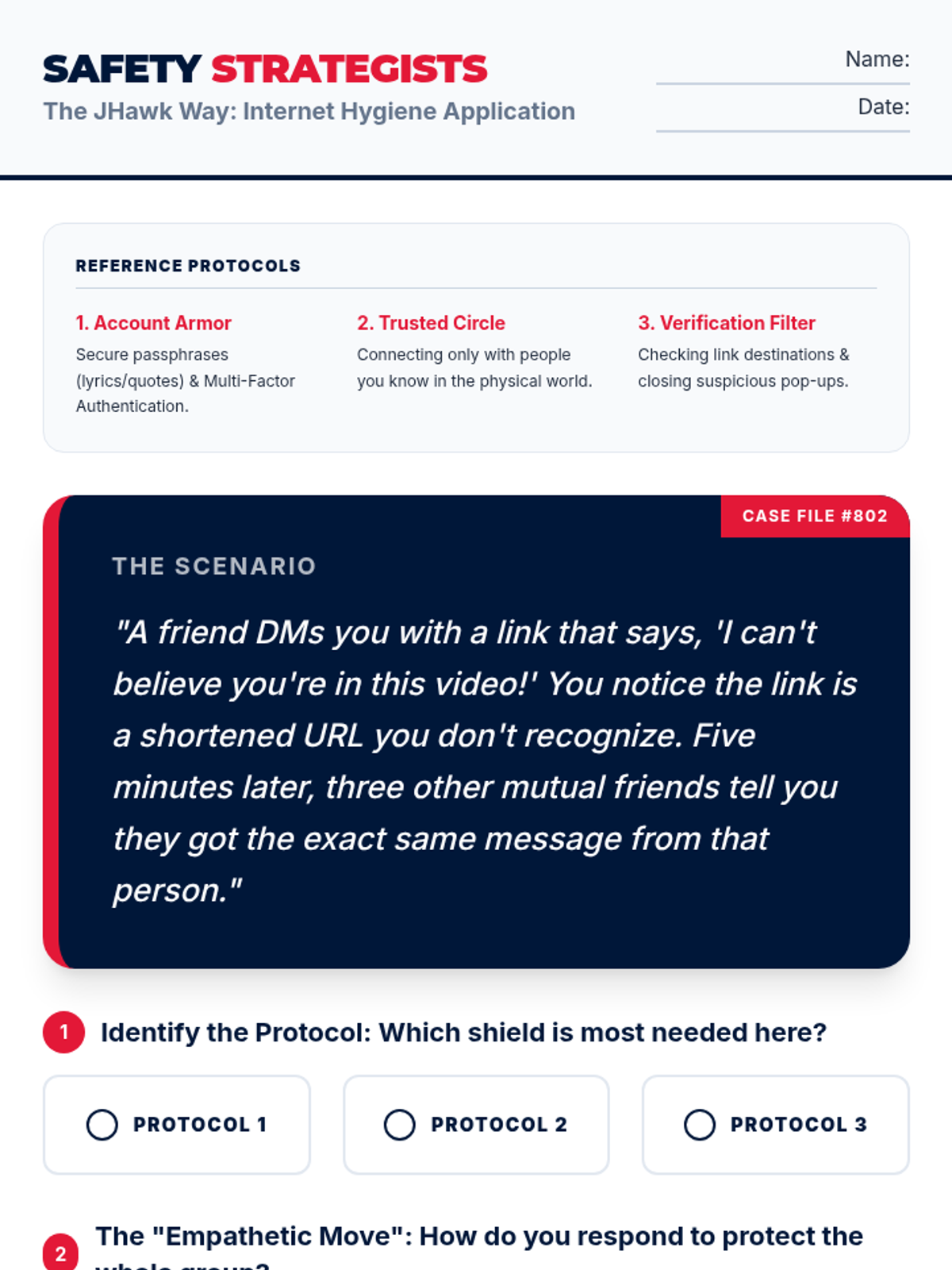
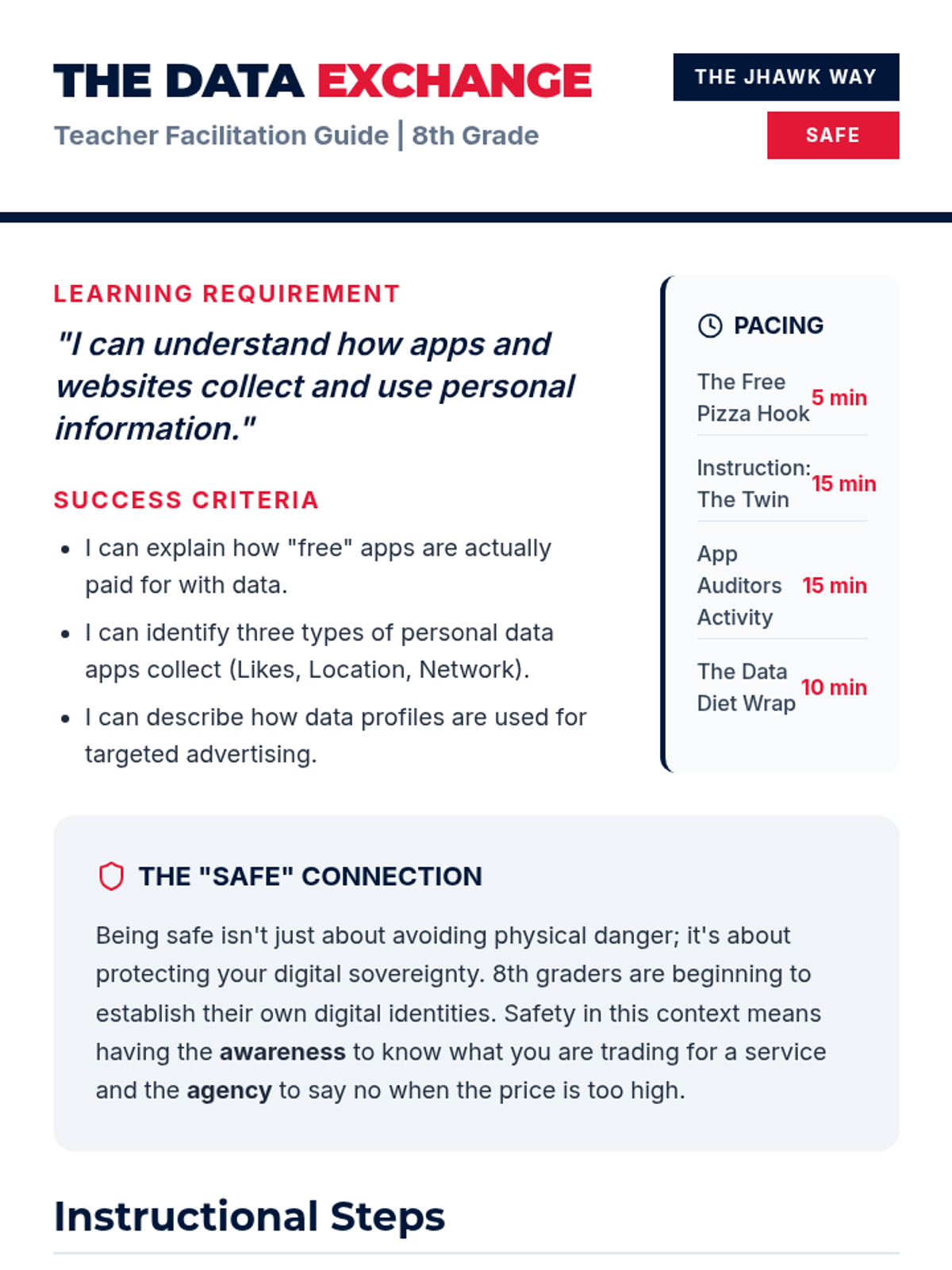
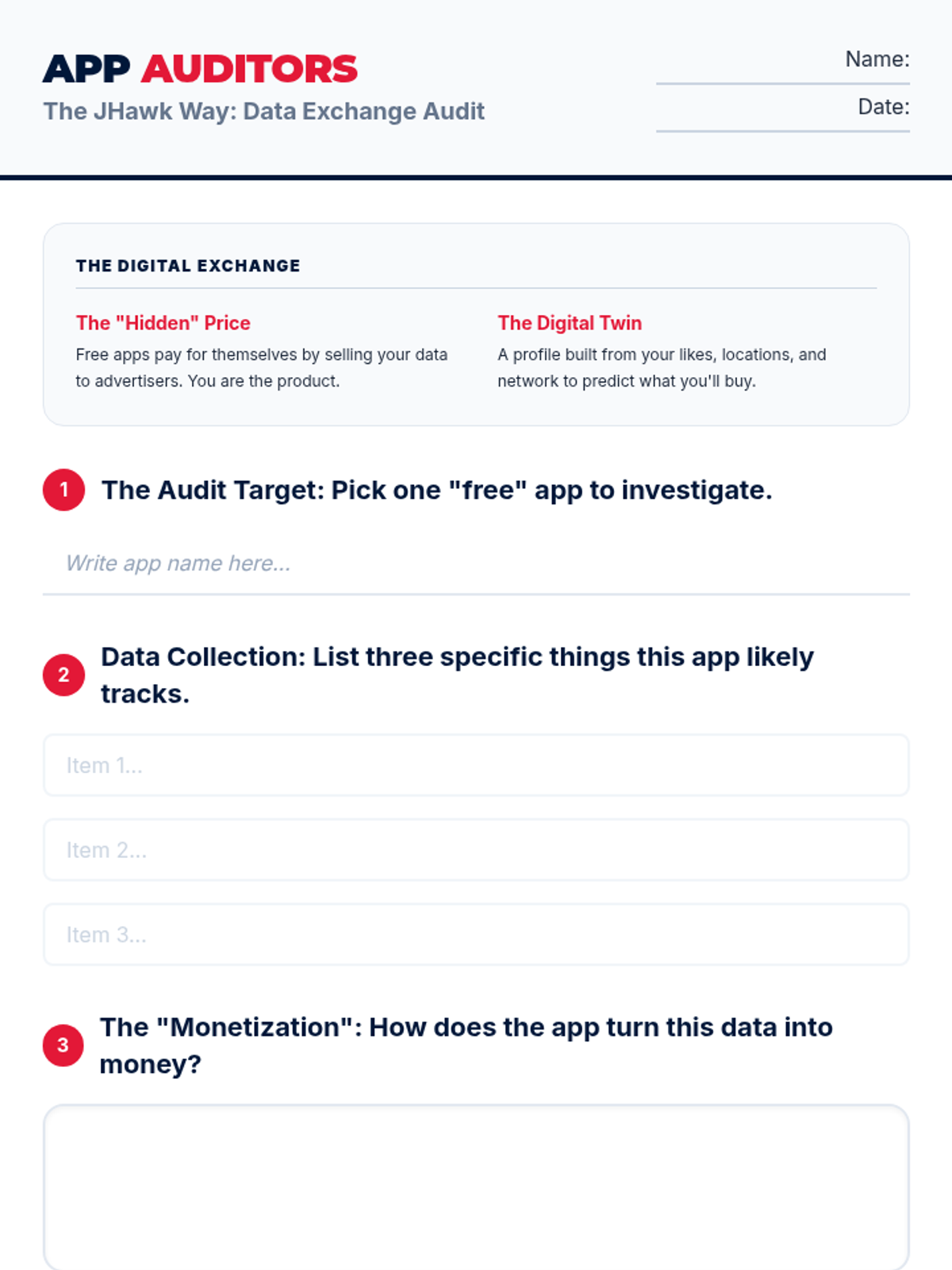
A series of 8th-grade digital literacy lessons focused on internet hygiene and data privacy through the JHawk Way values of being Safe and Empathetic.
A 12-week comprehensive program designed to prepare 8th-grade students for the rigors of high school by mastering essential academic success skills. Each week focuses on a specific, actionable skill through bite-sized instruction and practical application.
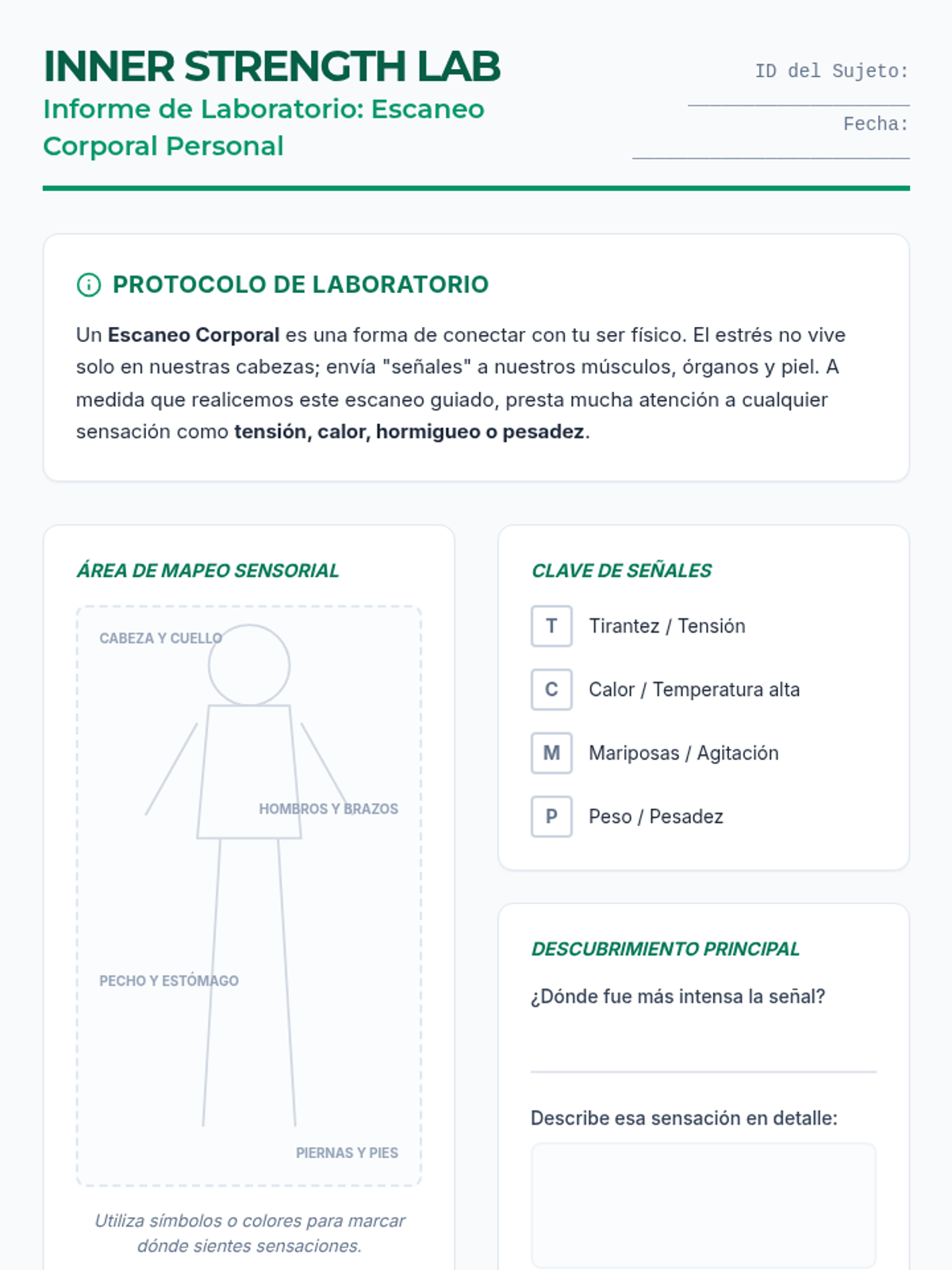
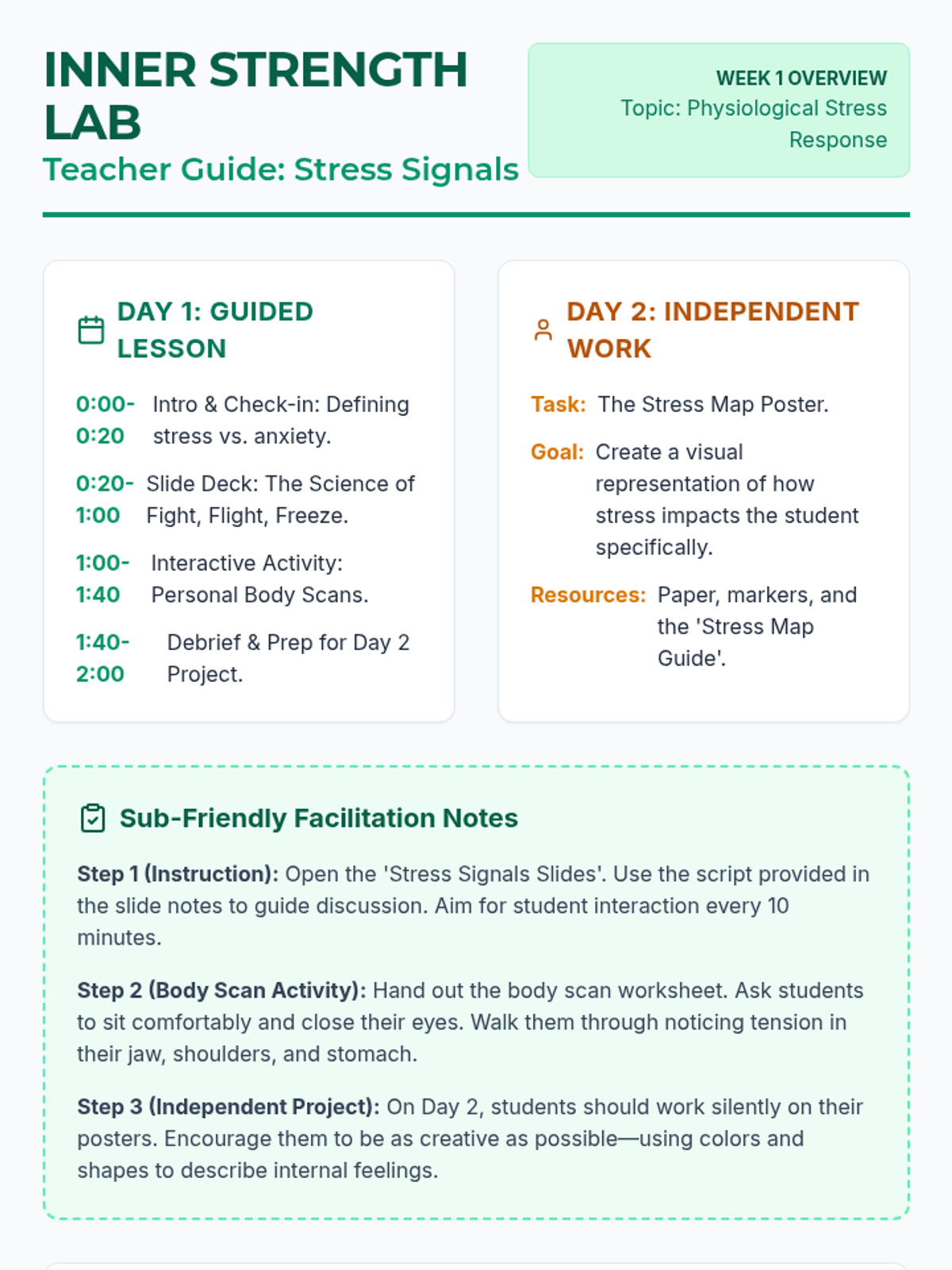
A comprehensive 9-week social-emotional learning curriculum for 8th graders focusing on anxiety, self-esteem, and healthy relationships. Designed for two 2-hour sessions per week, with structured instruction on Day 1 and independent creative or research projects on Day 2.
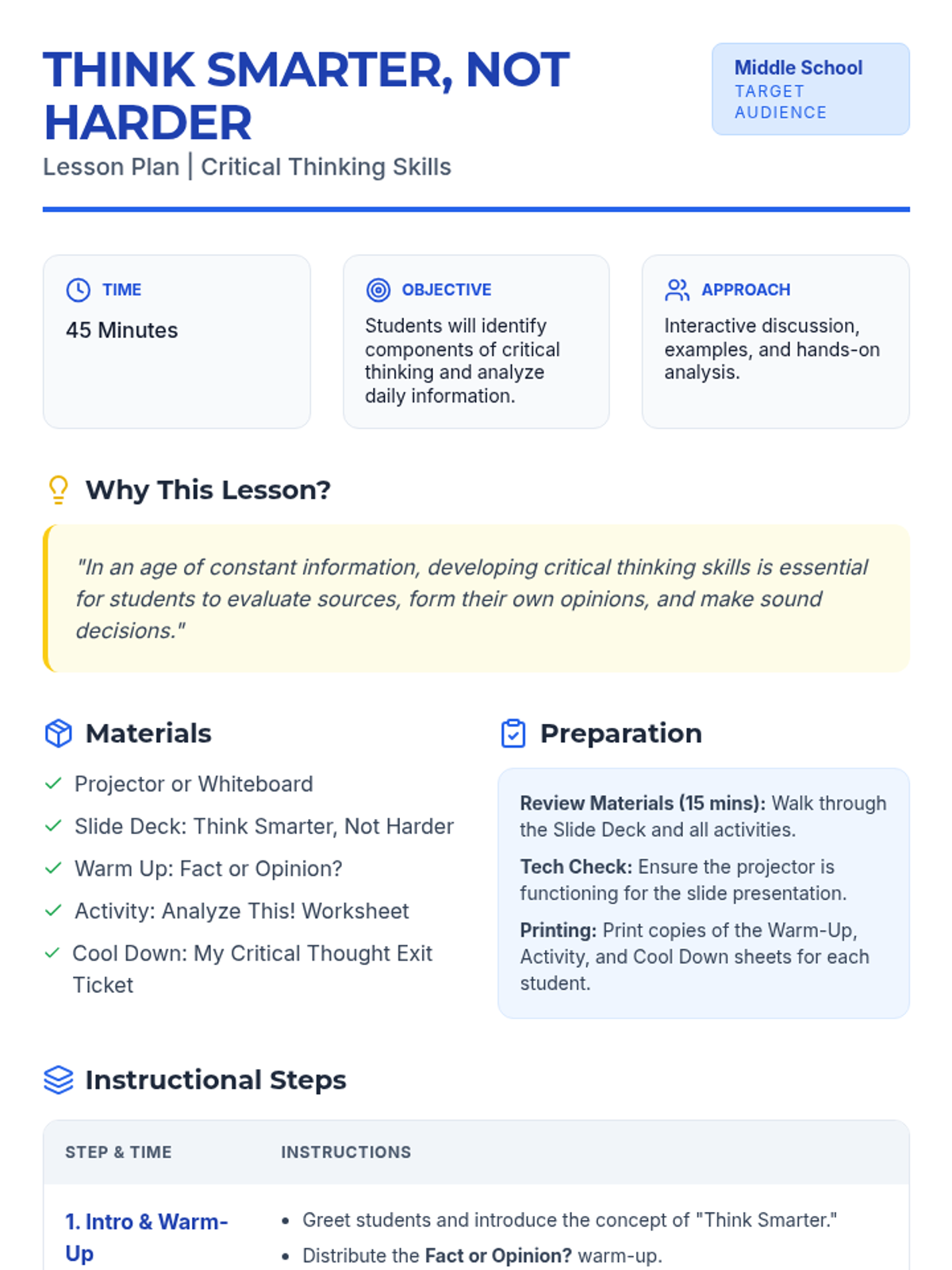
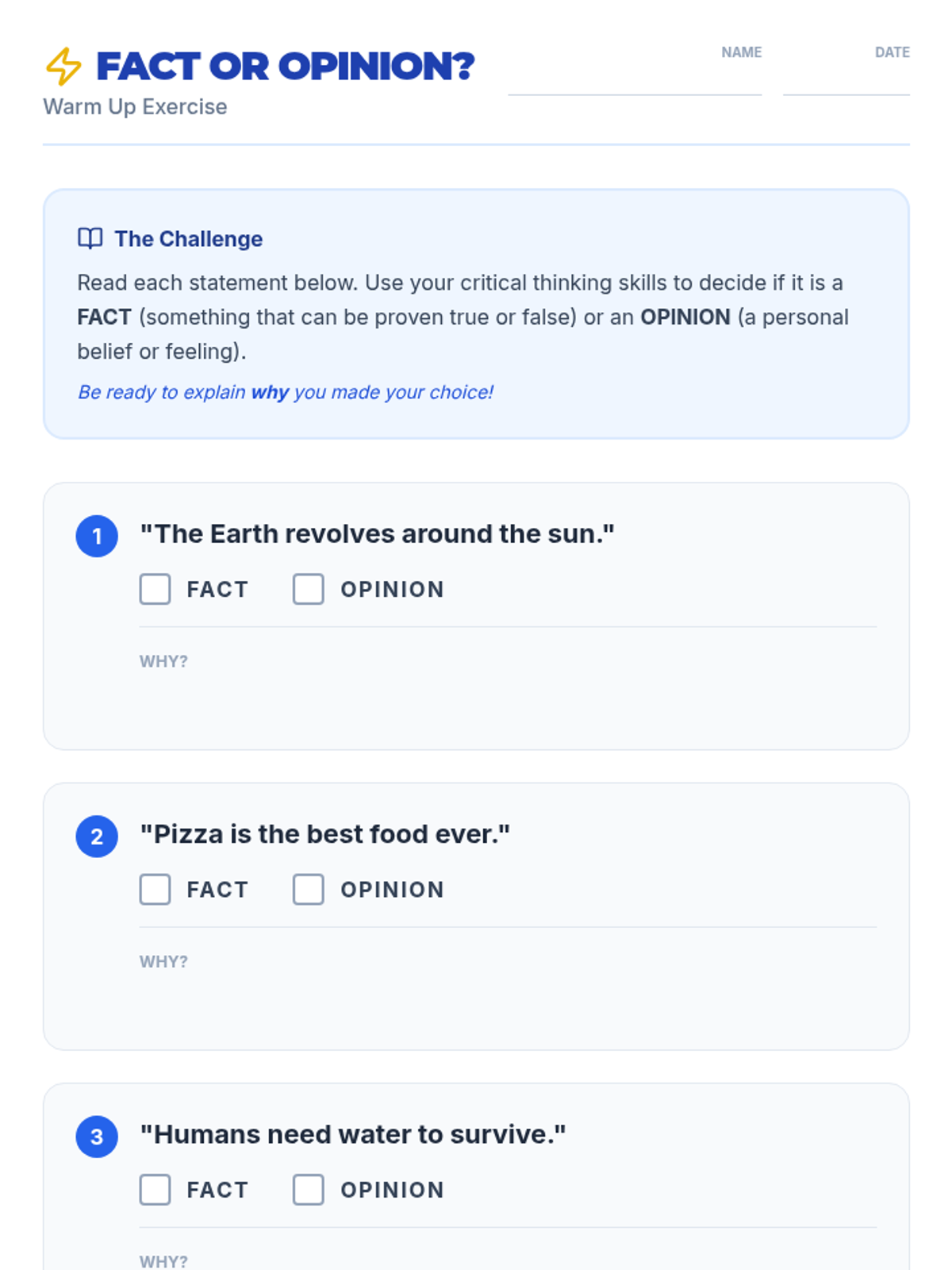
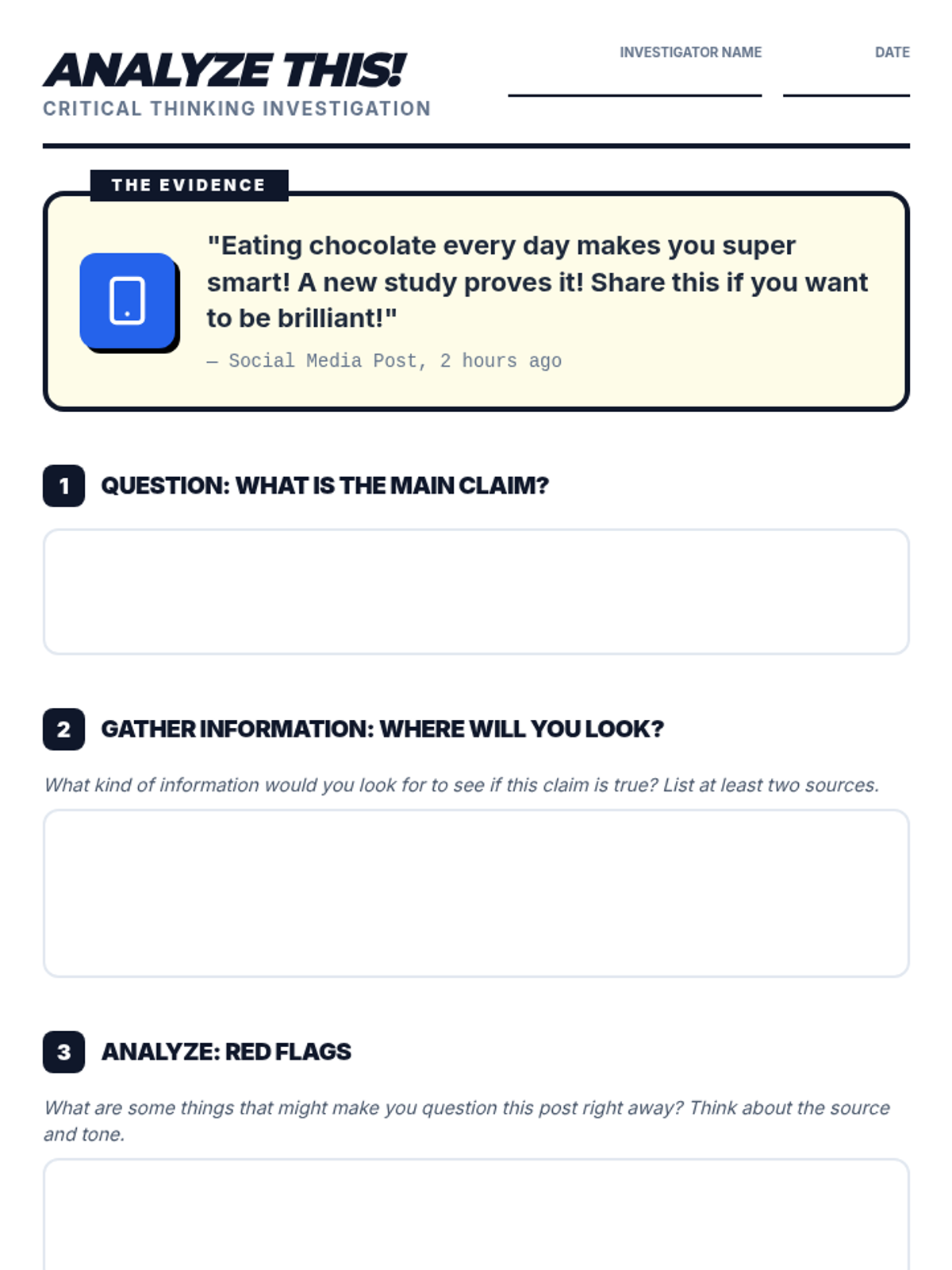
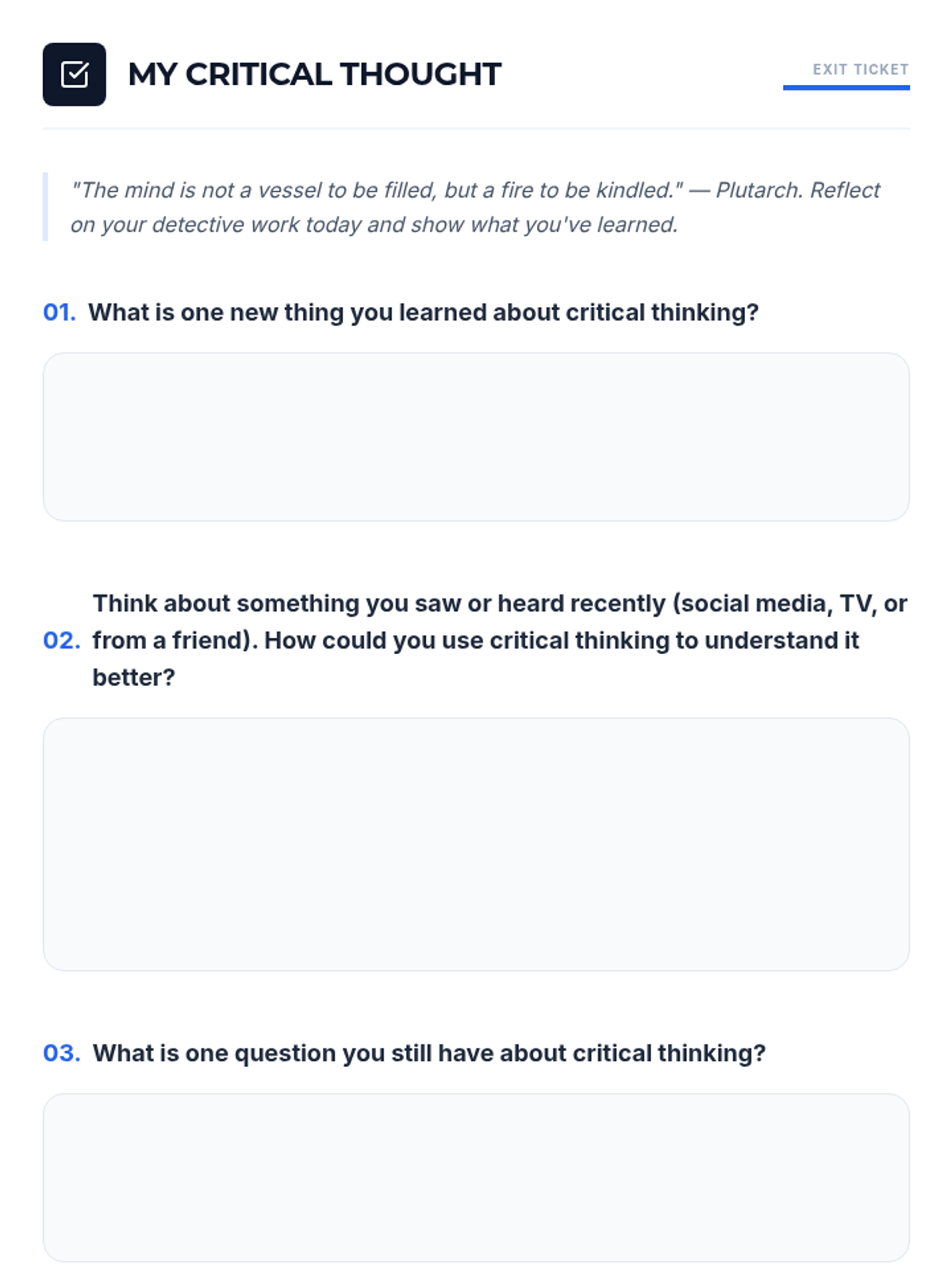
A middle school curriculum unit focused on critical thinking, information literacy, and strategic task management across digital and physical media.
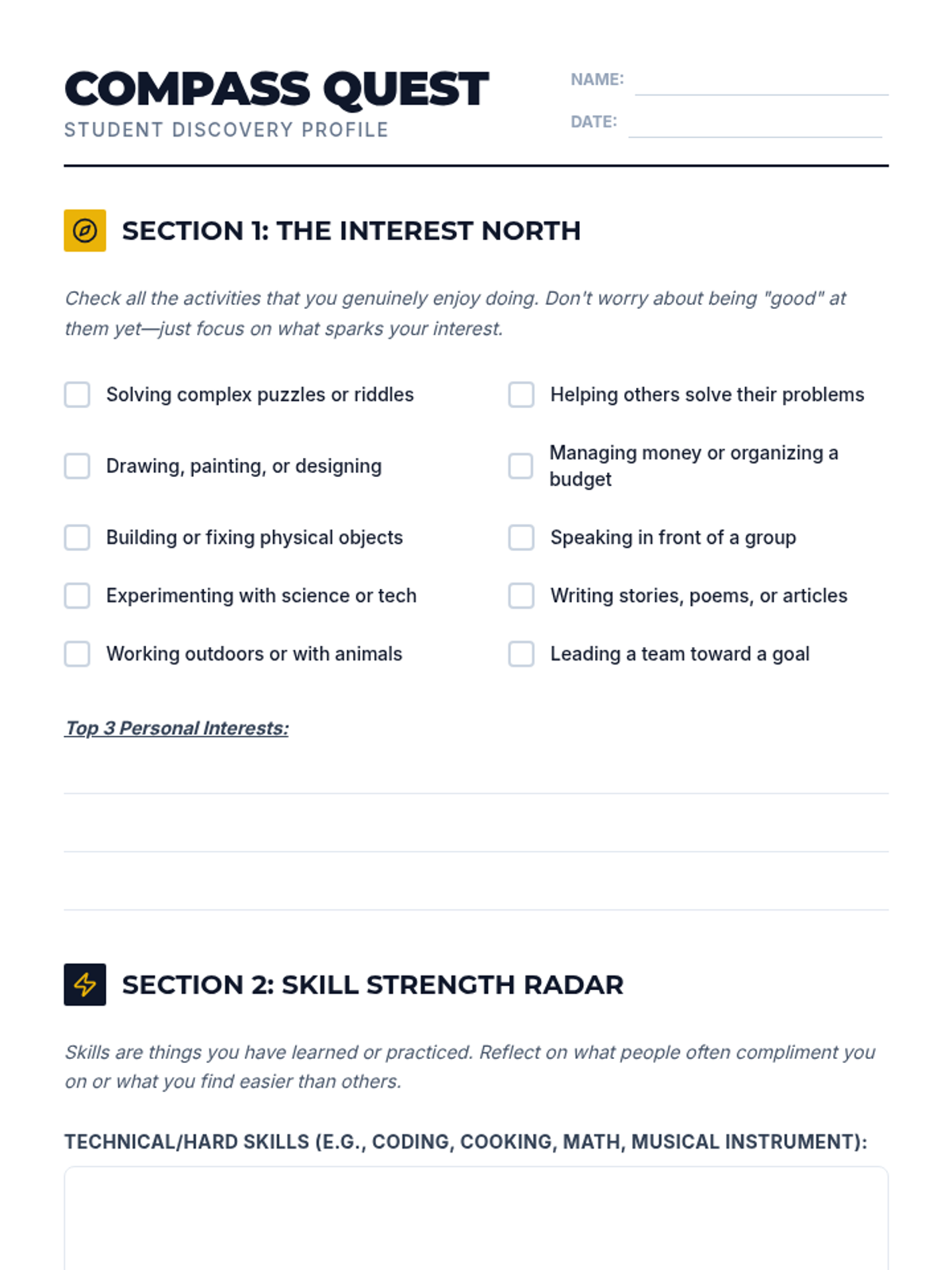
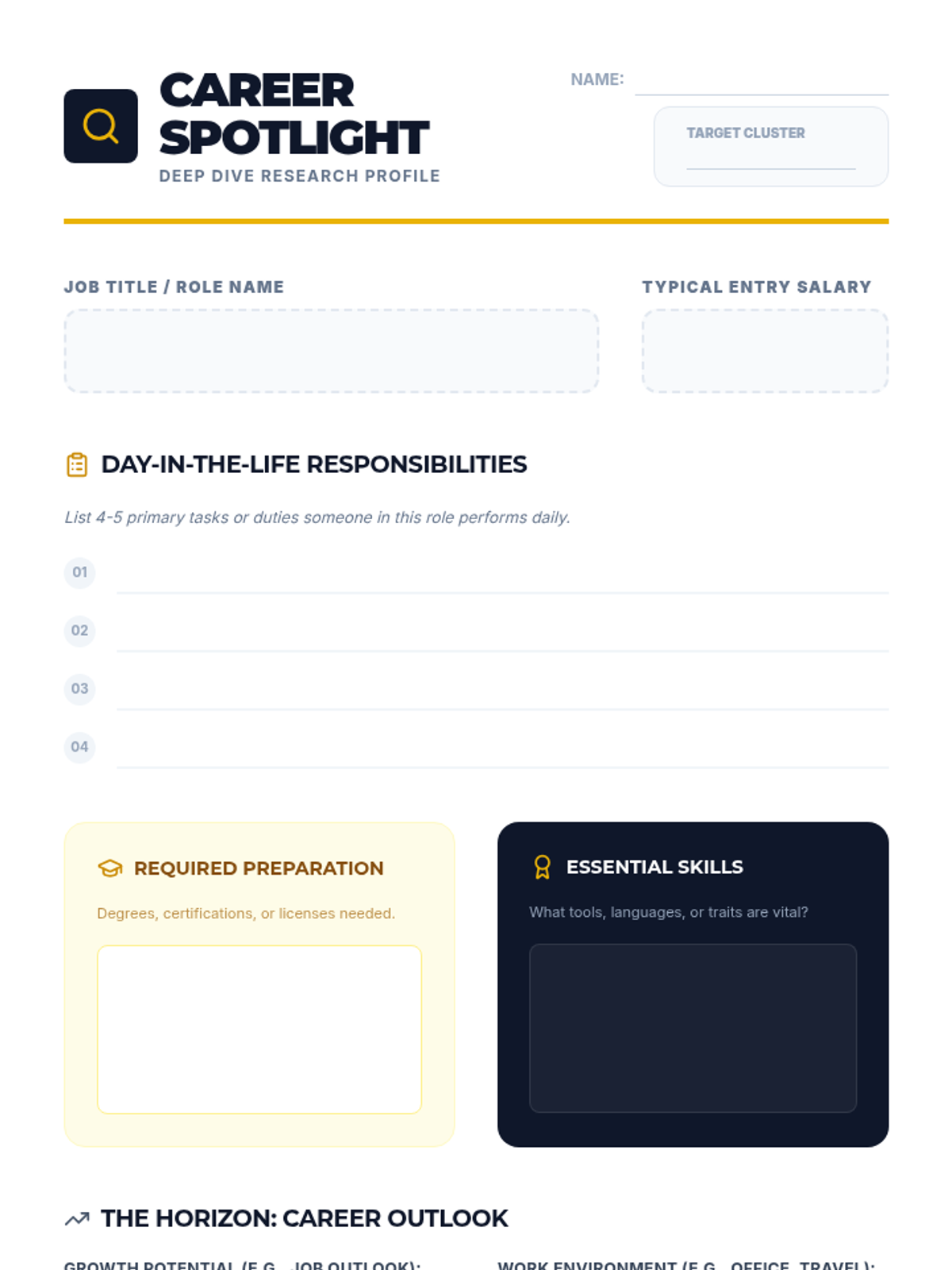
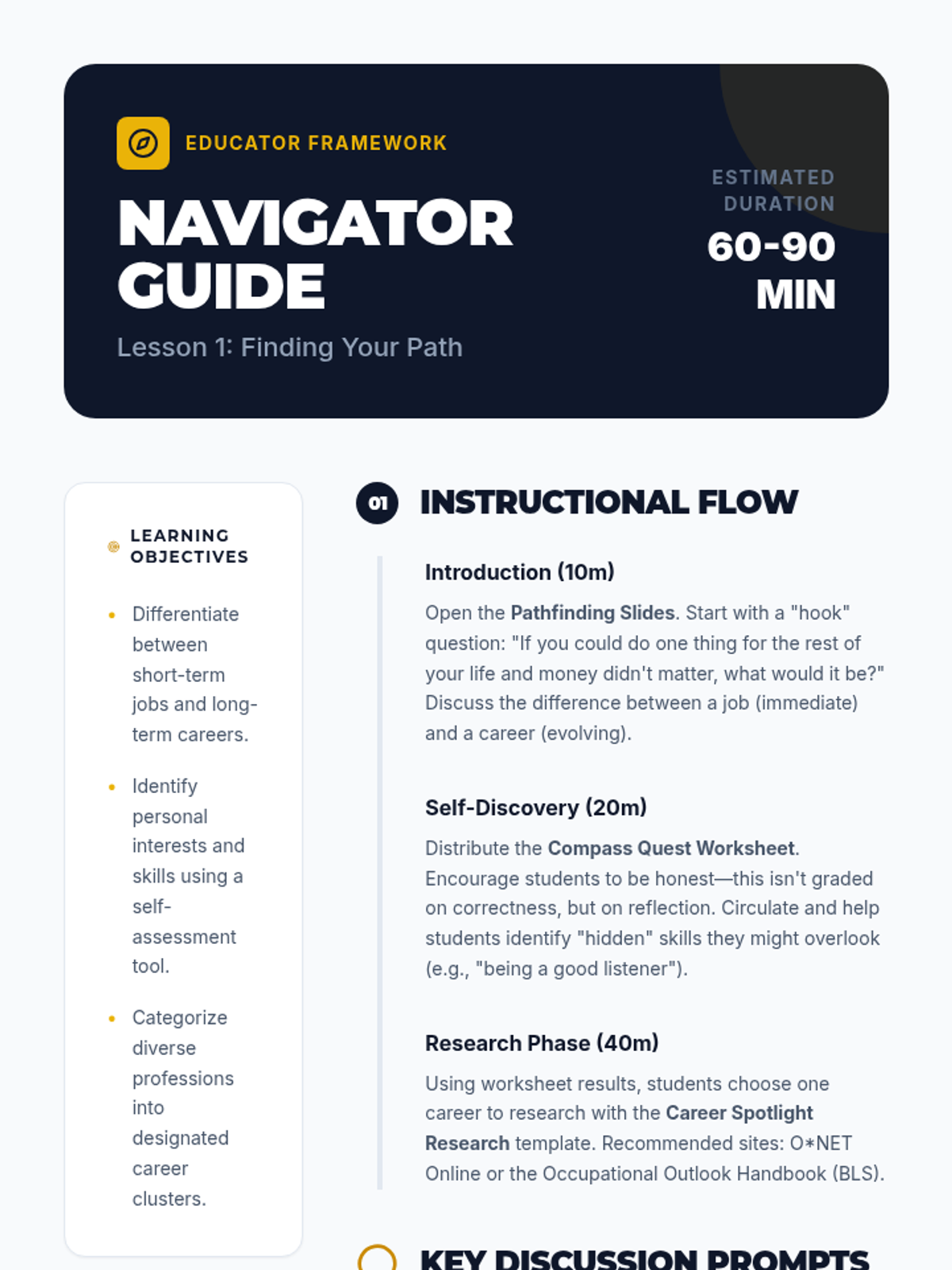
A comprehensive unit designed to guide students through the stages of career development, from initial exploration to professional communication and job readiness.
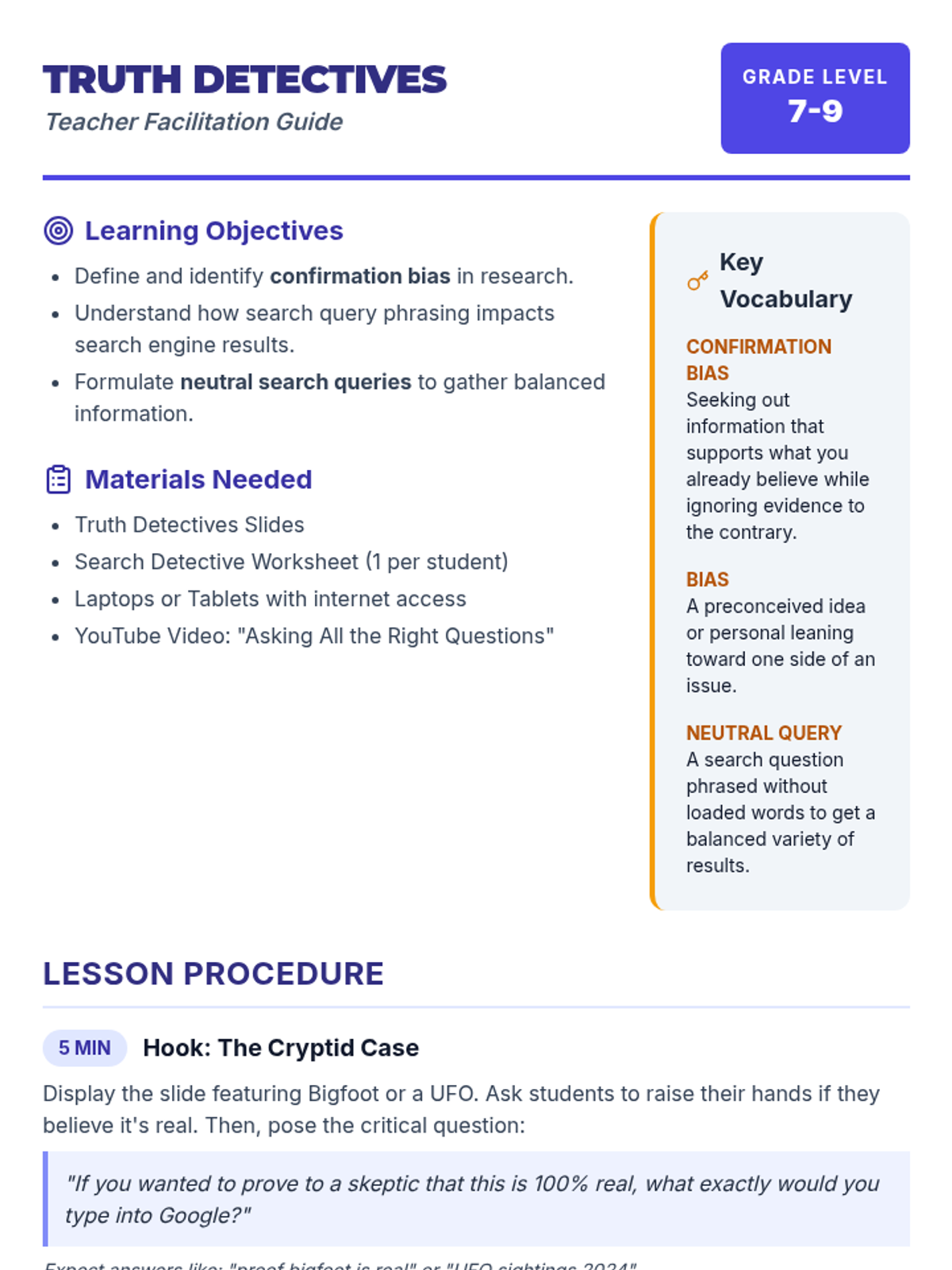
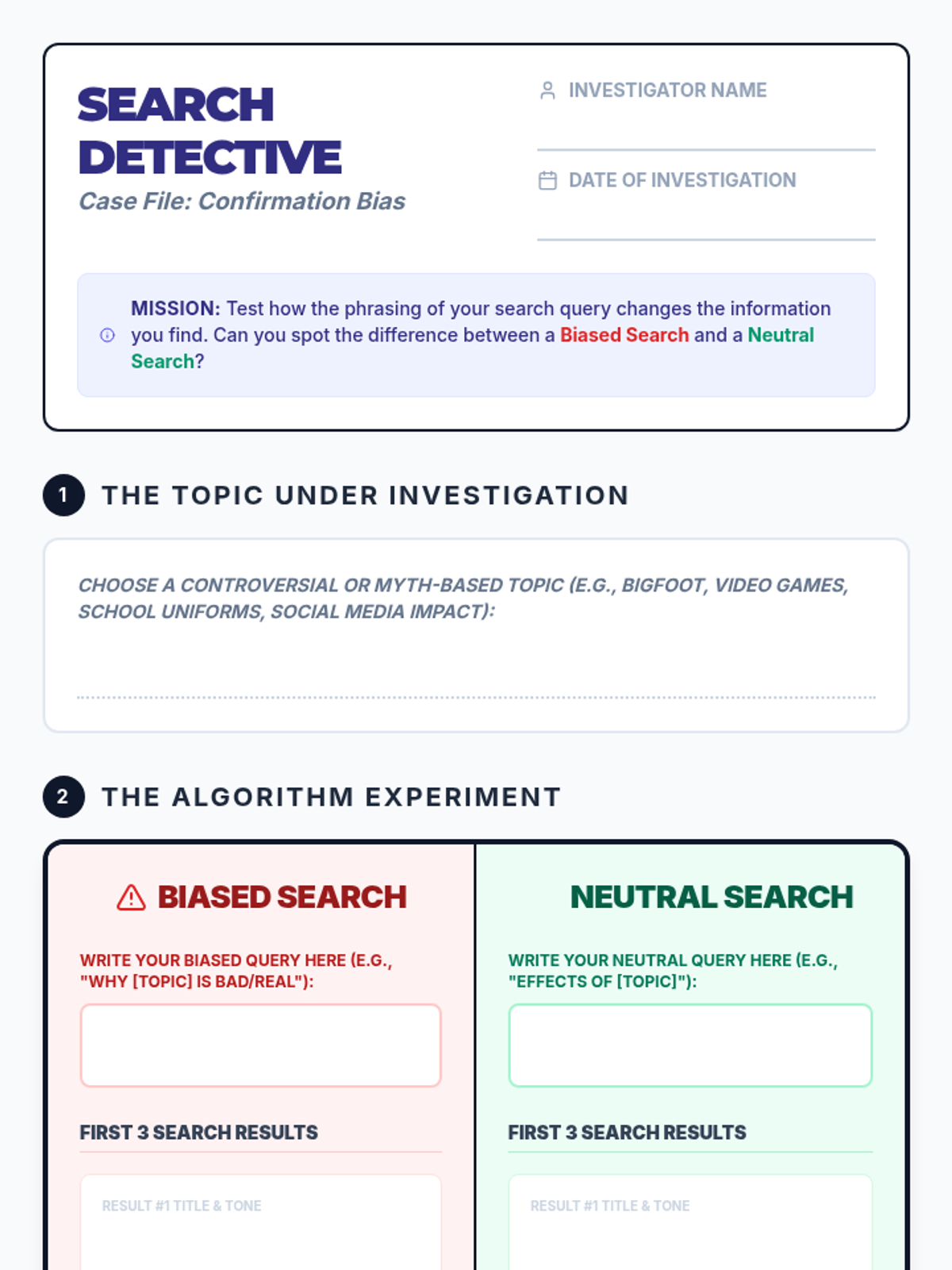
A sequence focused on digital literacy and research skills, helping students navigate information, identify bias, and conduct effective online searches.
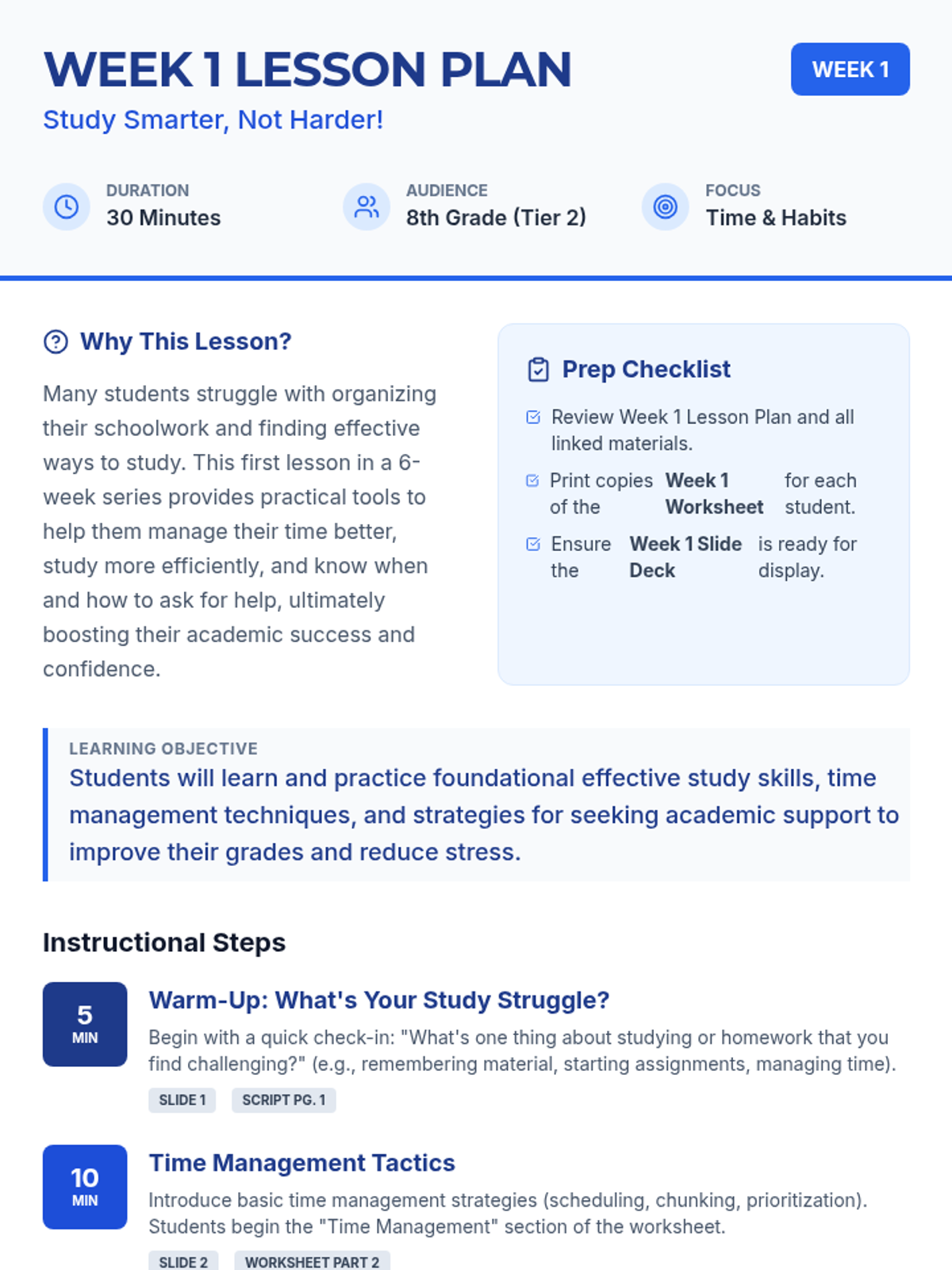
A comprehensive 6-week Tier 2 intervention program designed to equip 8th-grade students with essential study skills, time management strategies, and psychological resilience to thrive academically.
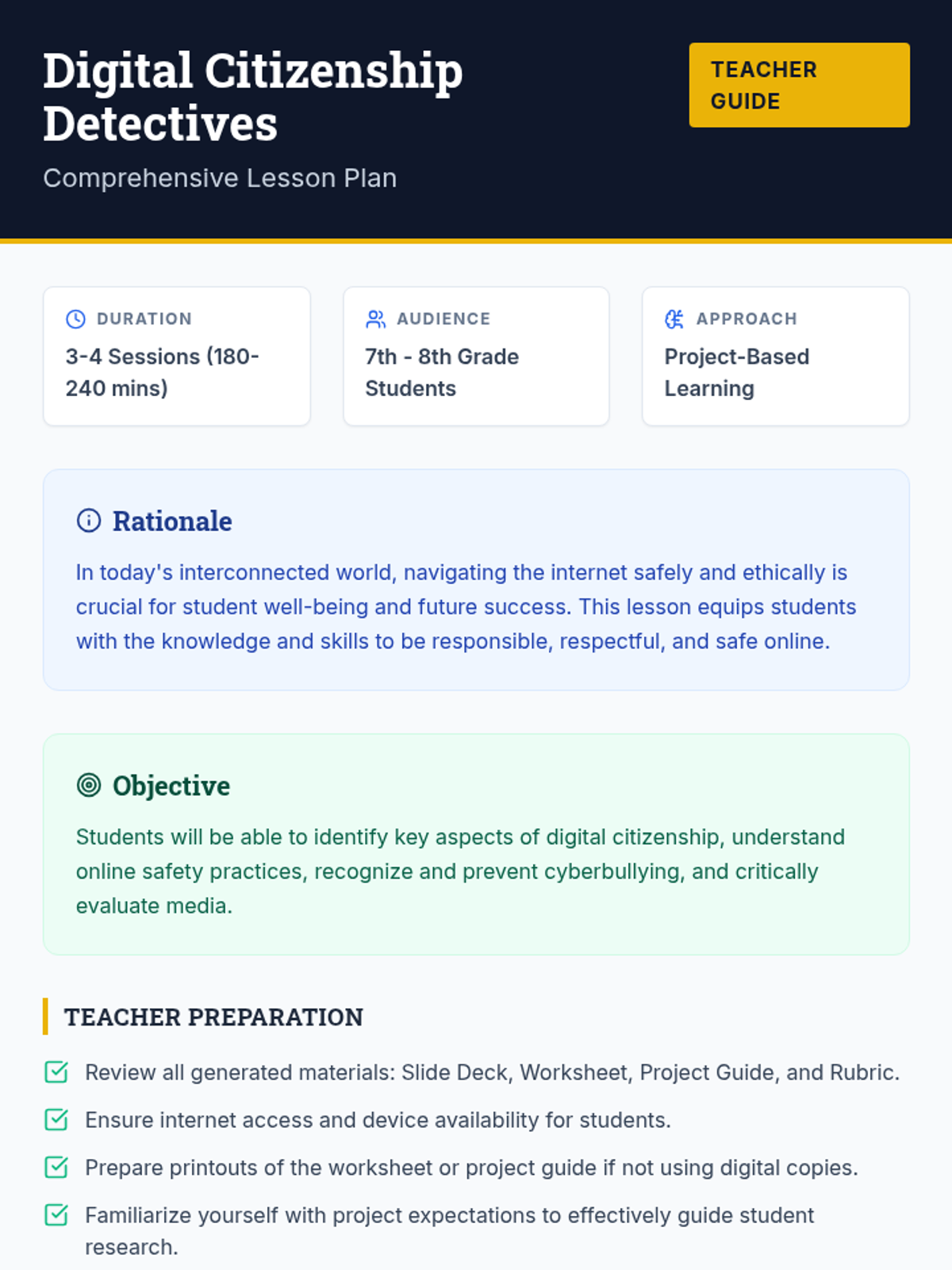
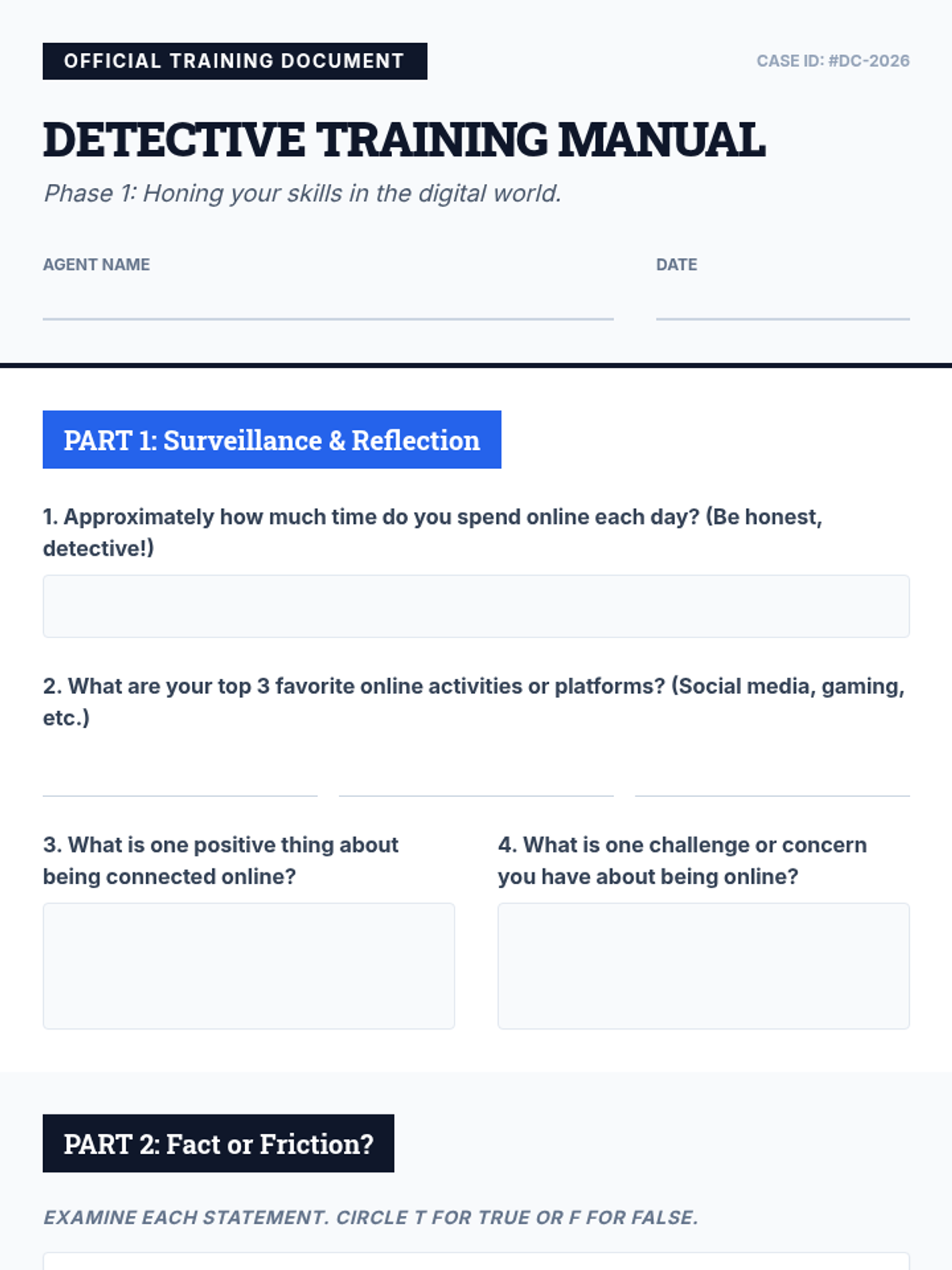
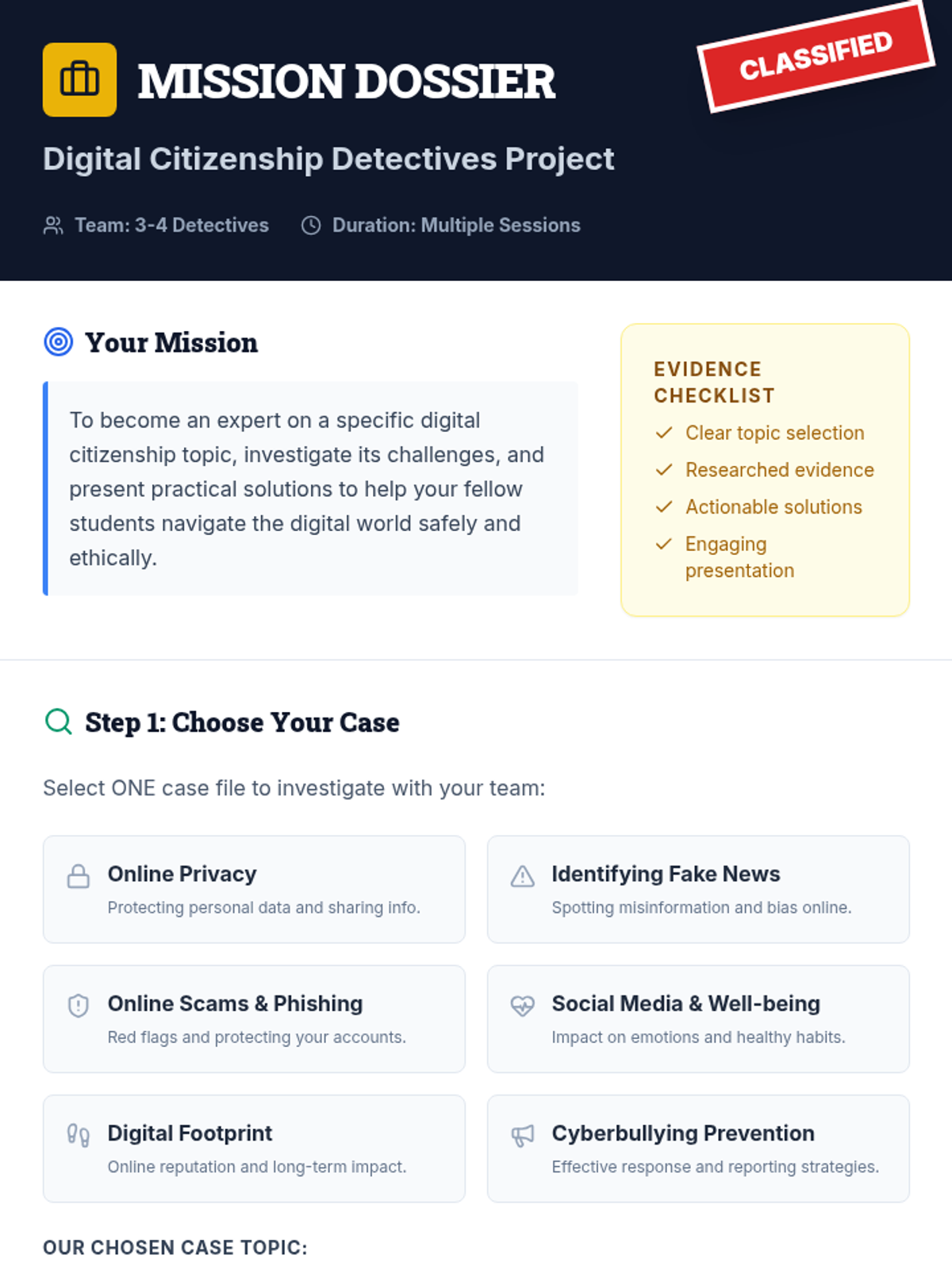
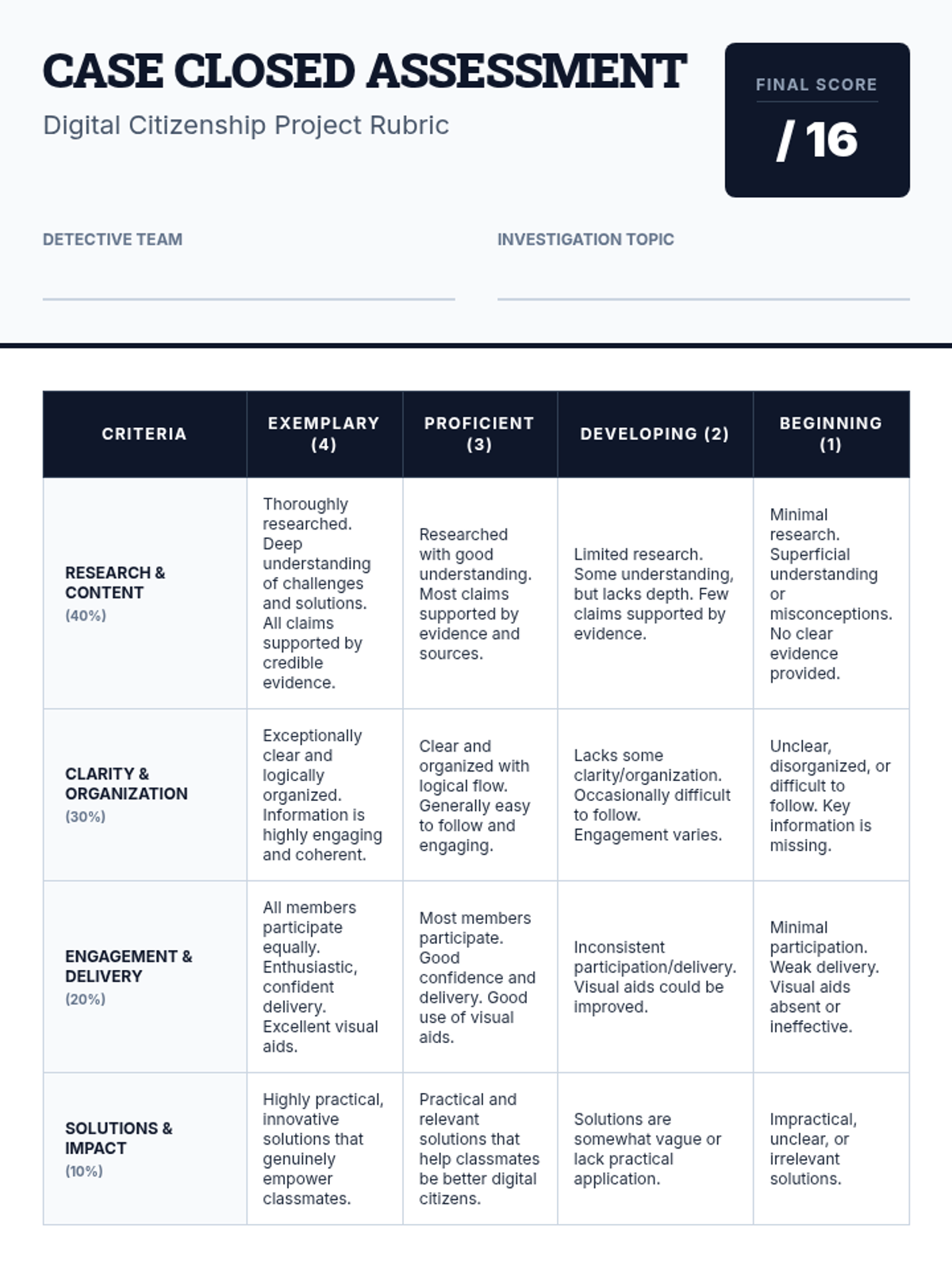
A comprehensive project-based unit that empowers students to navigate the digital world safely and ethically through collaborative research and investigation.
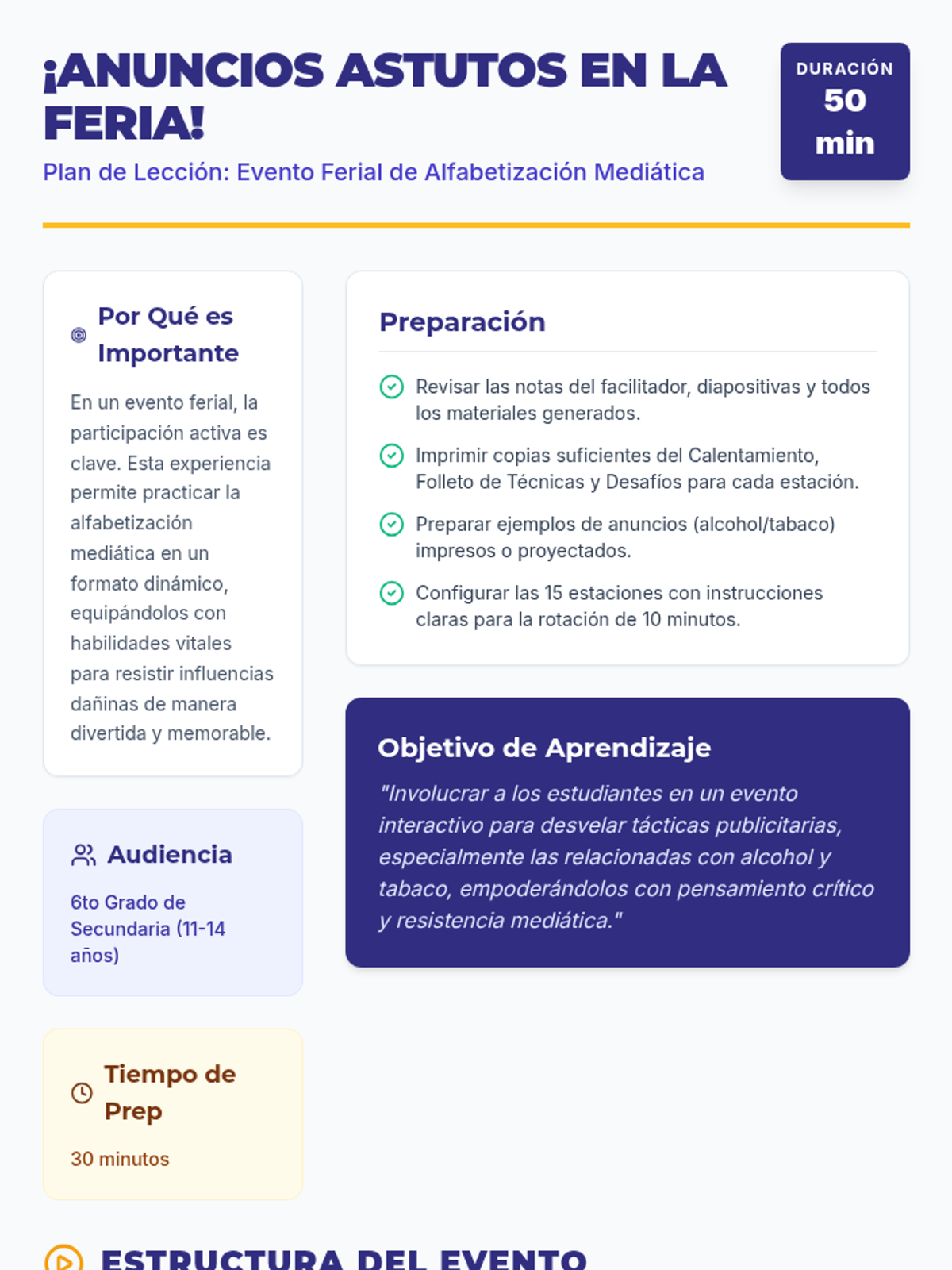
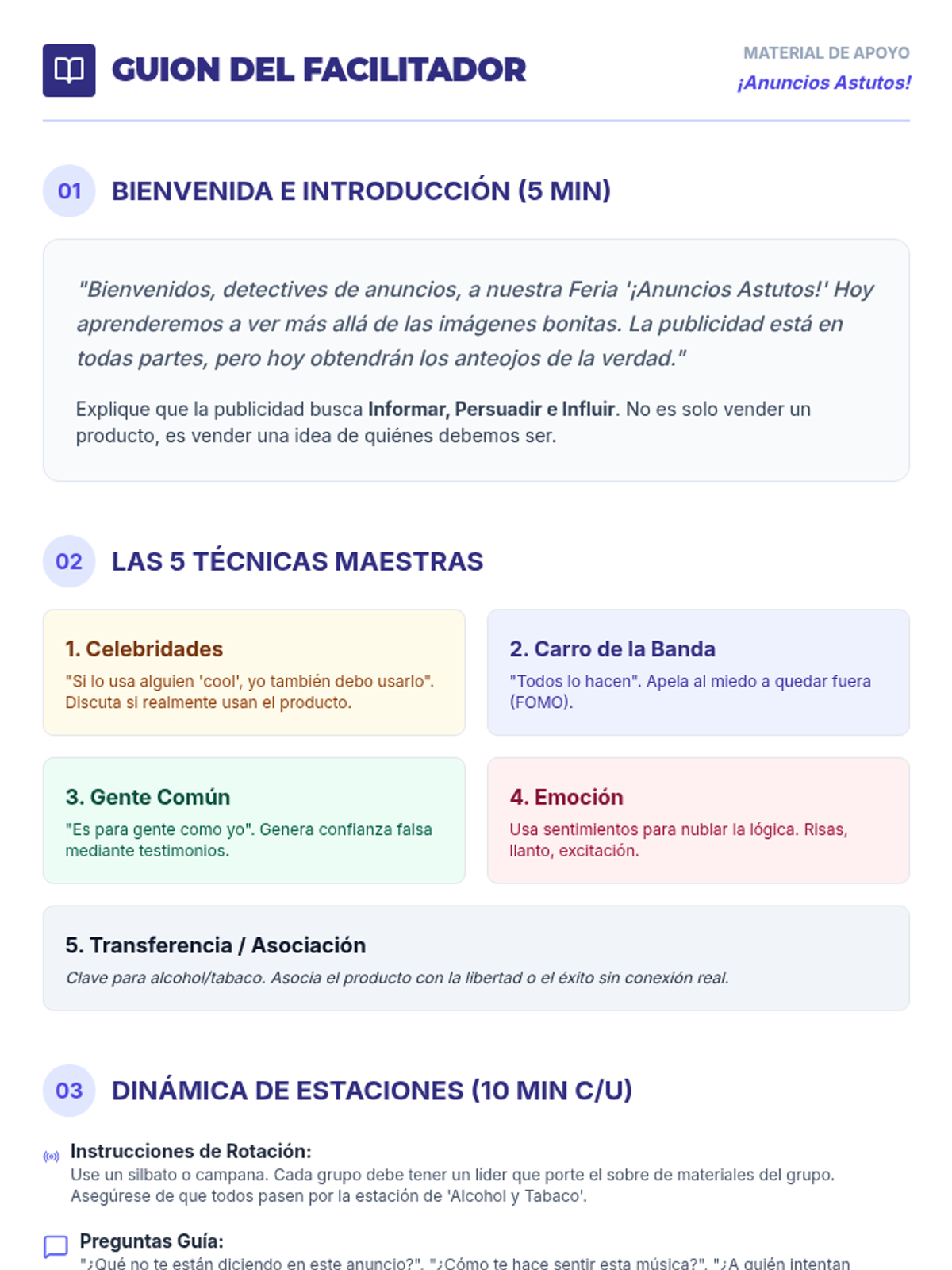
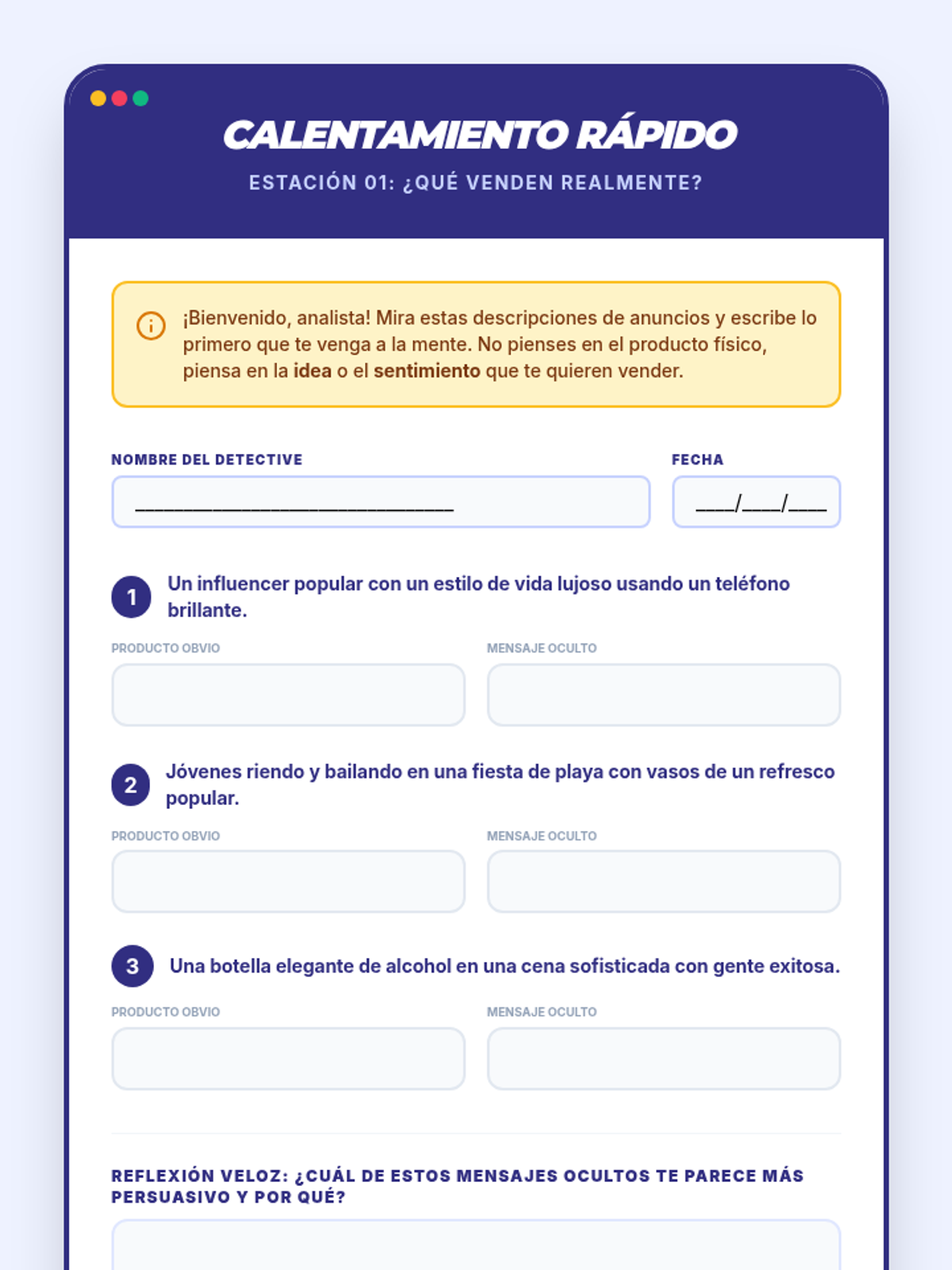
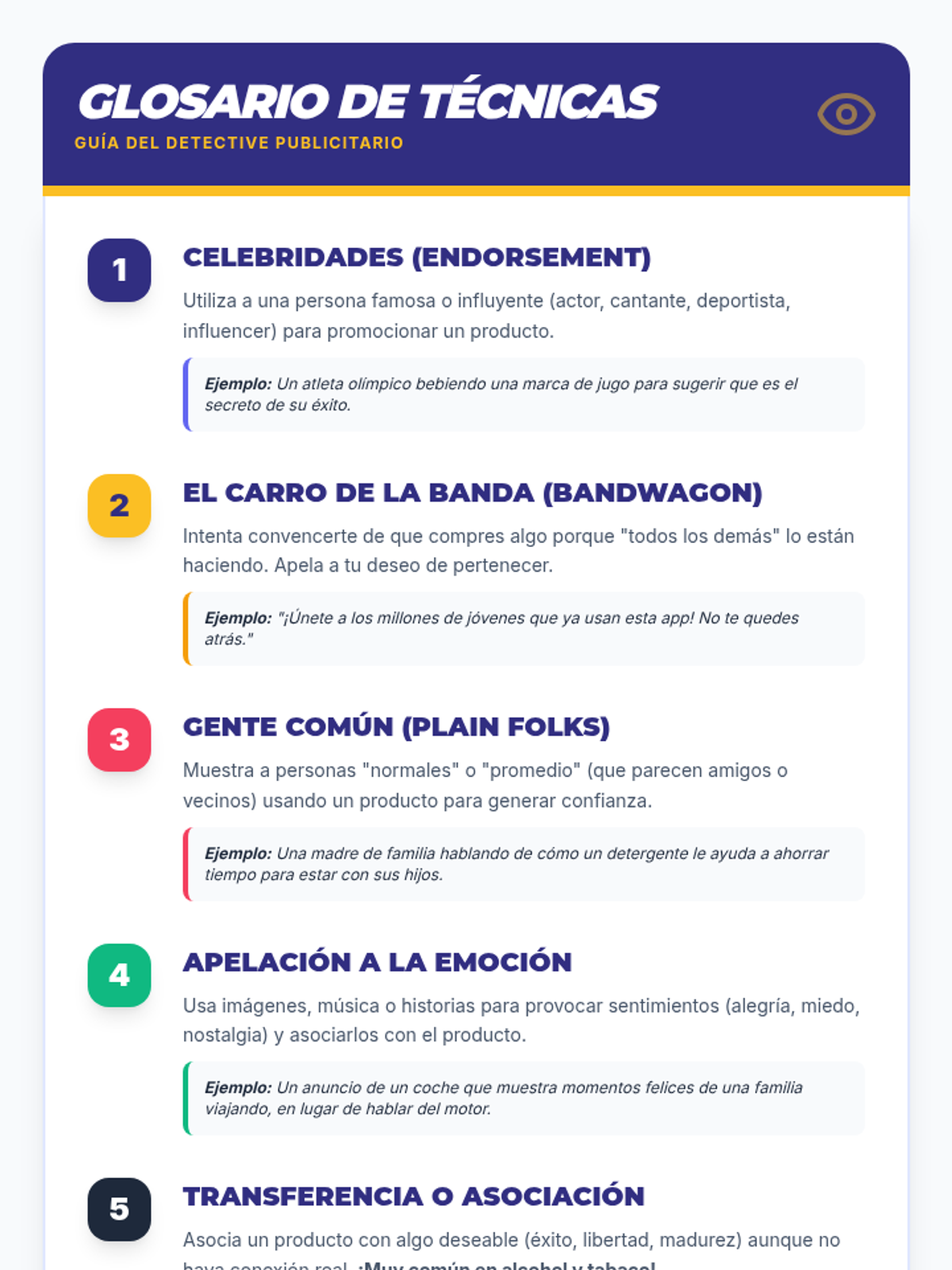
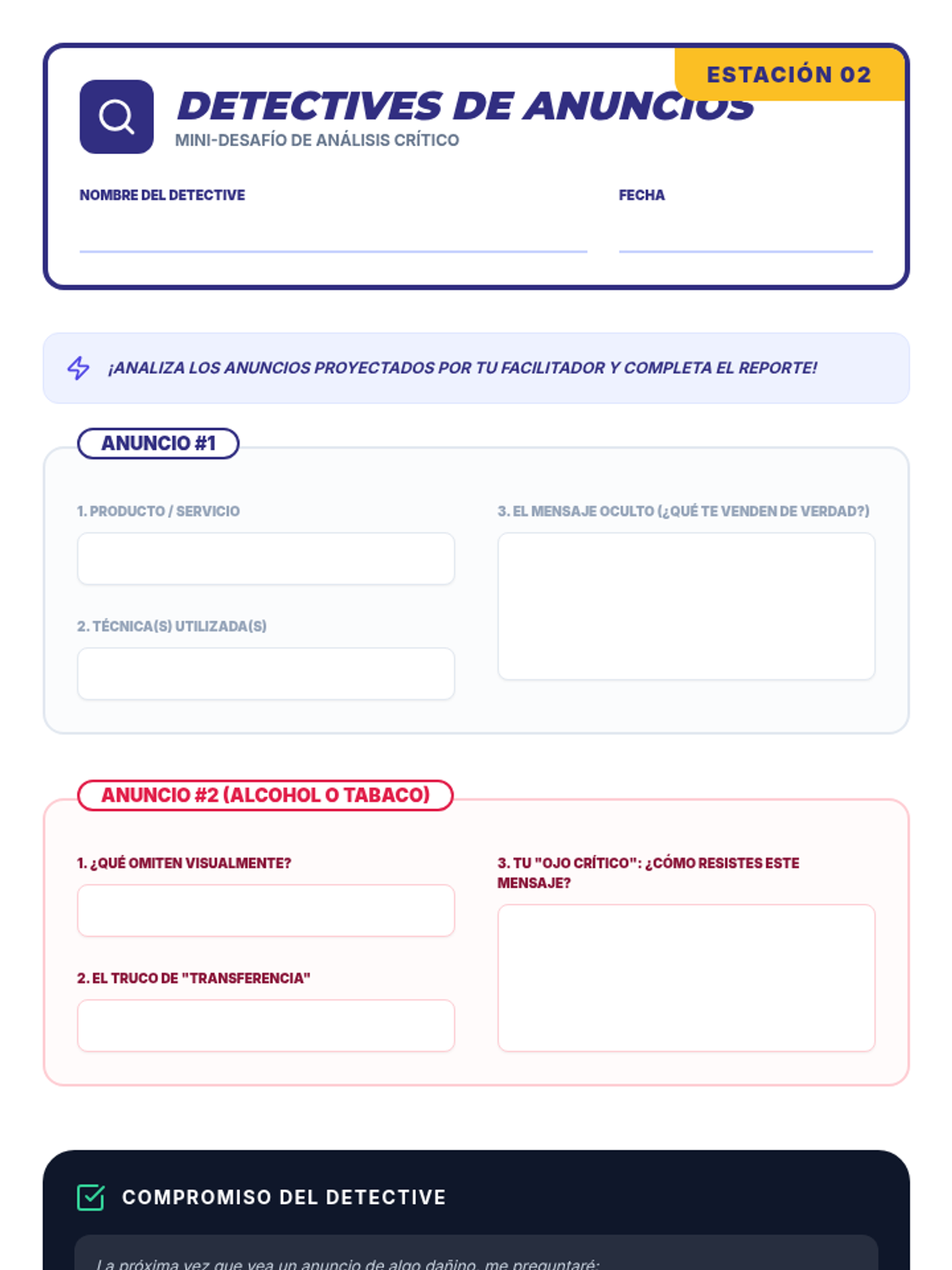
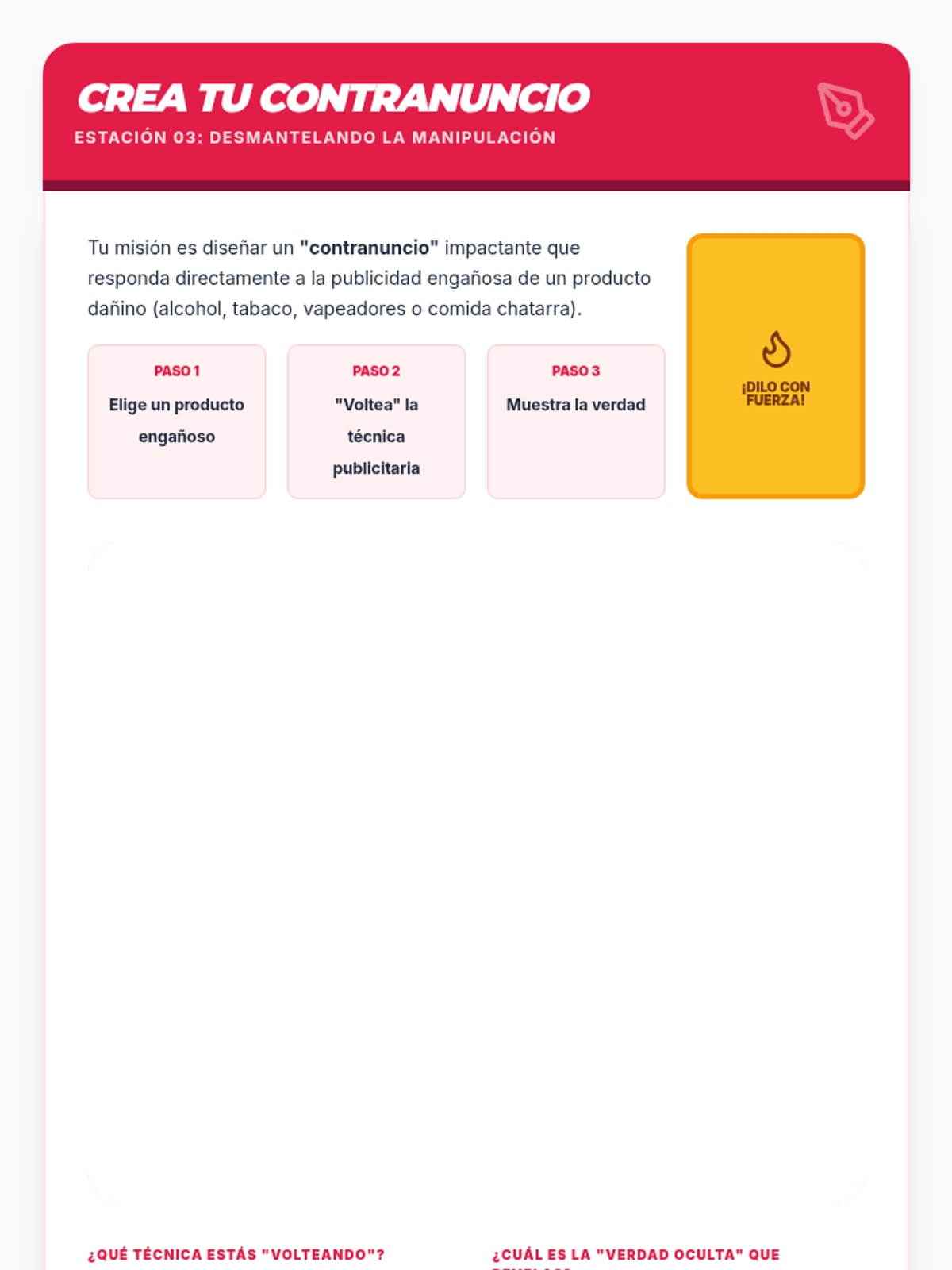
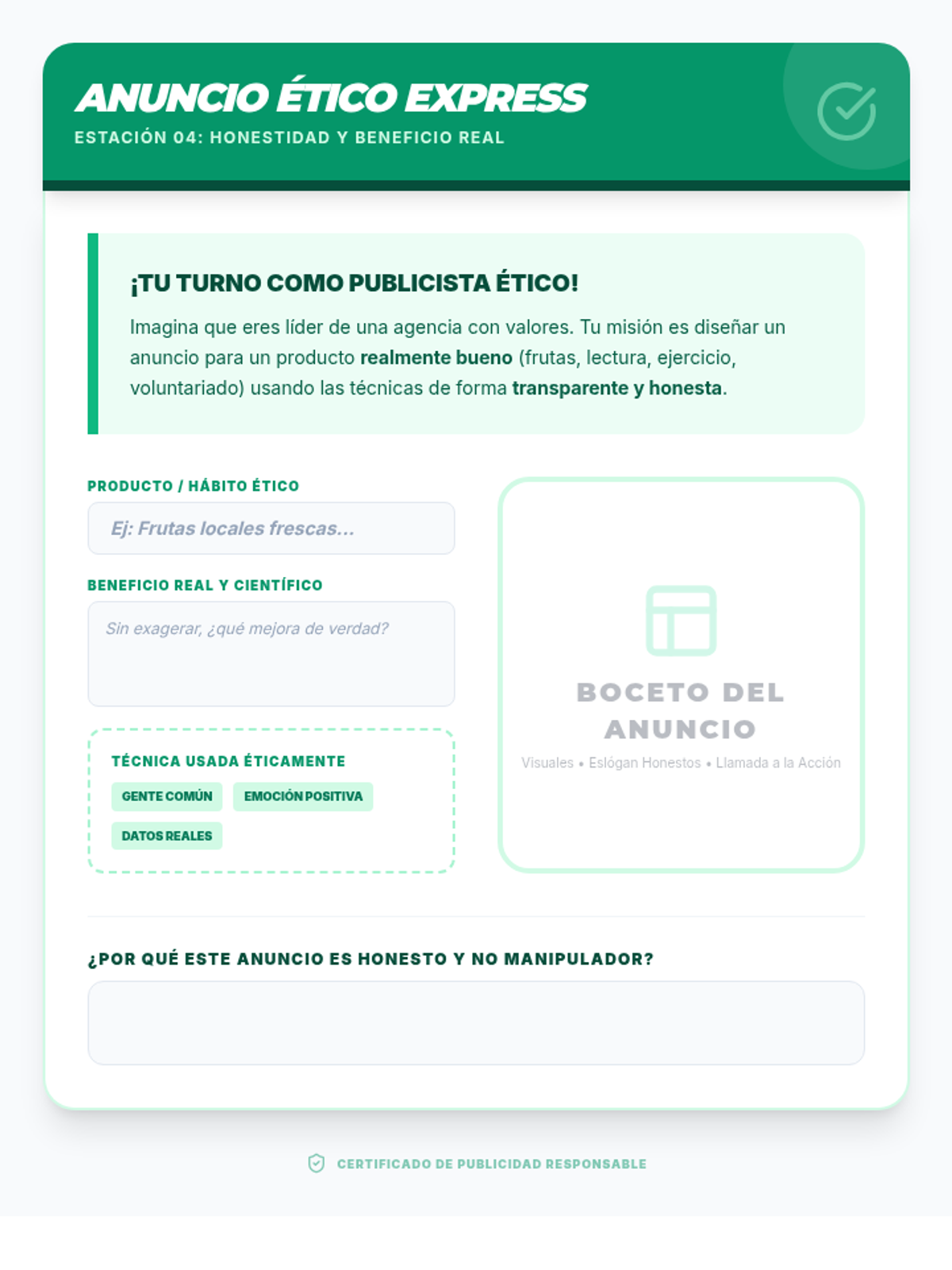
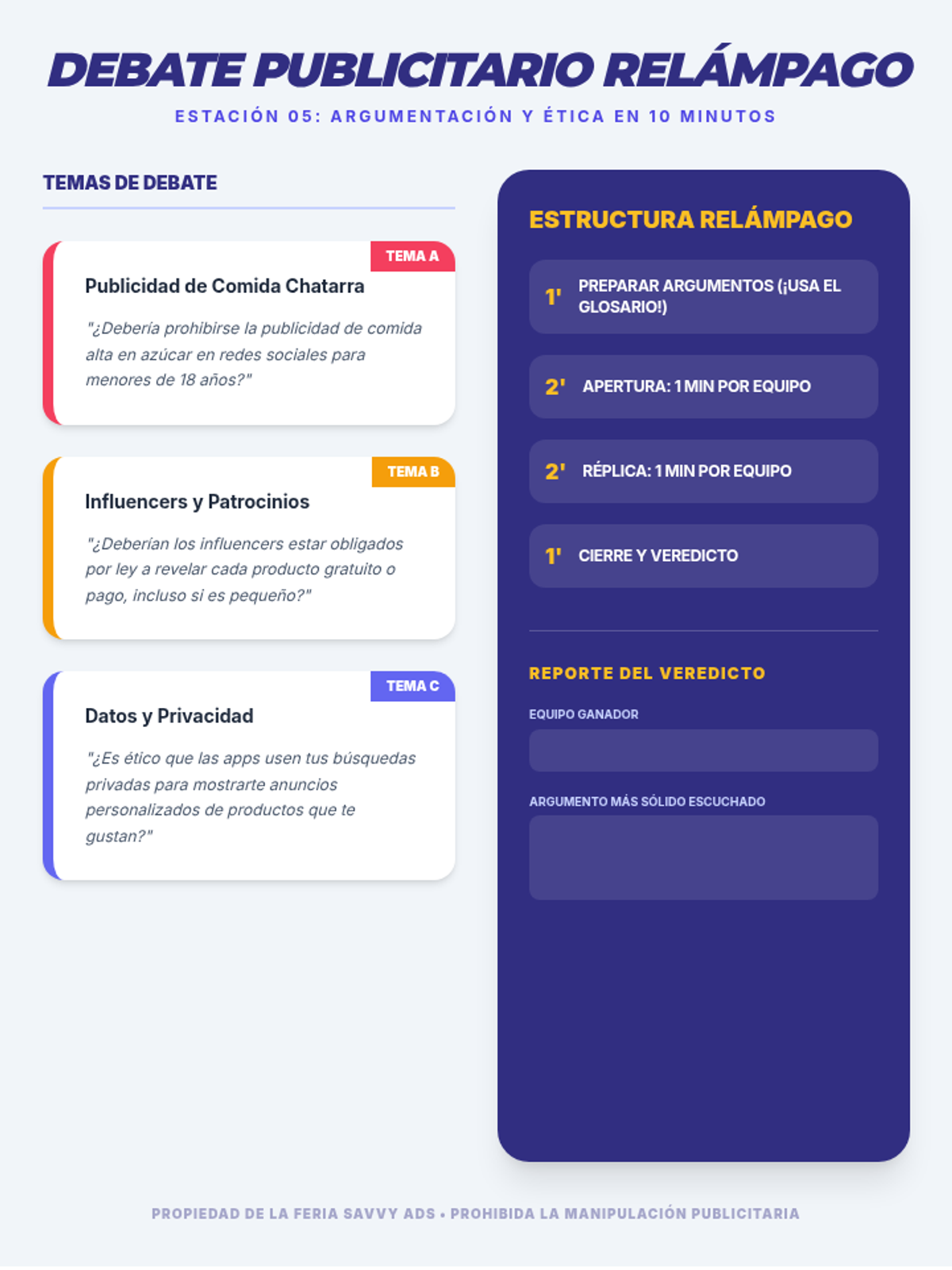
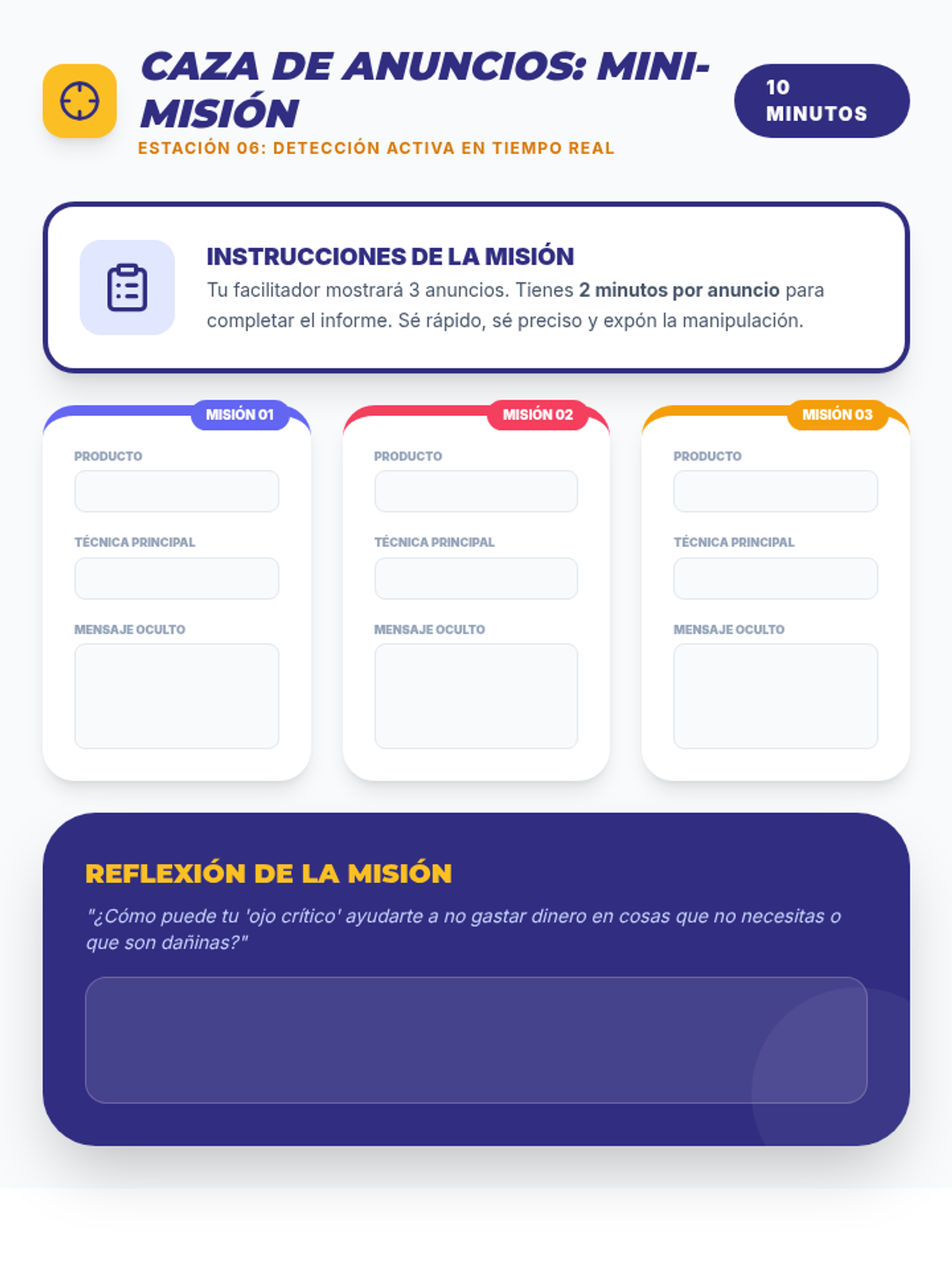
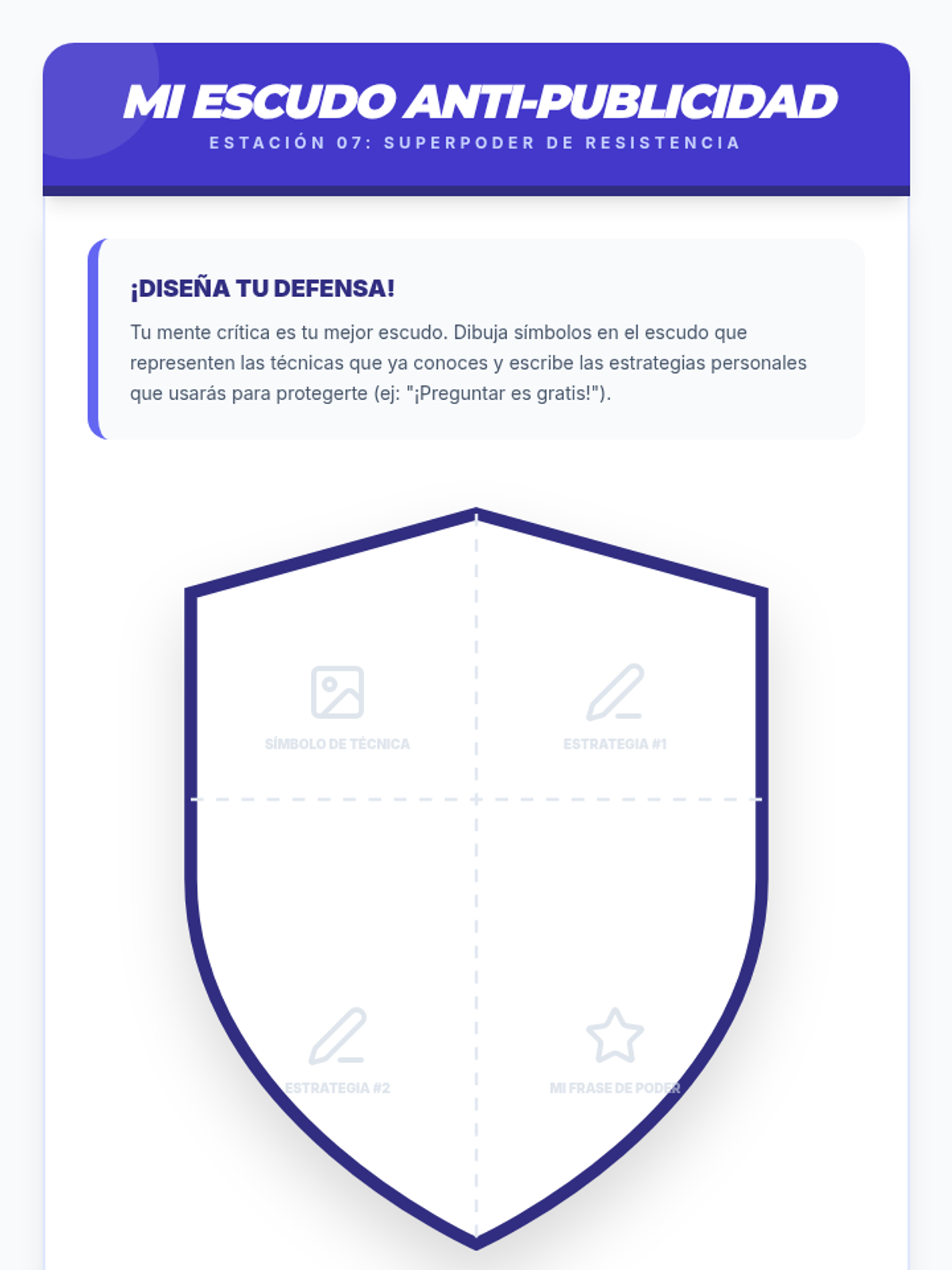
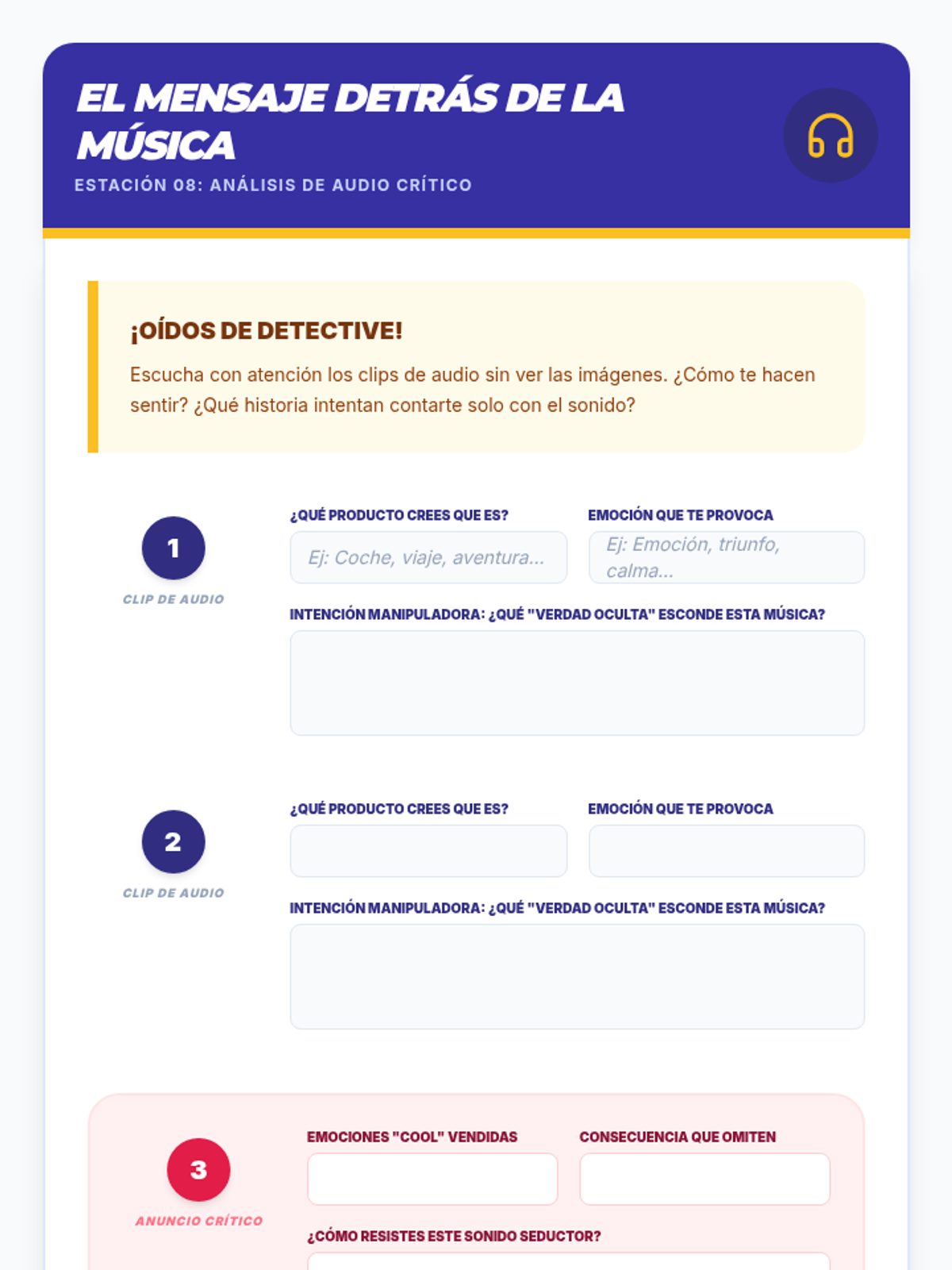
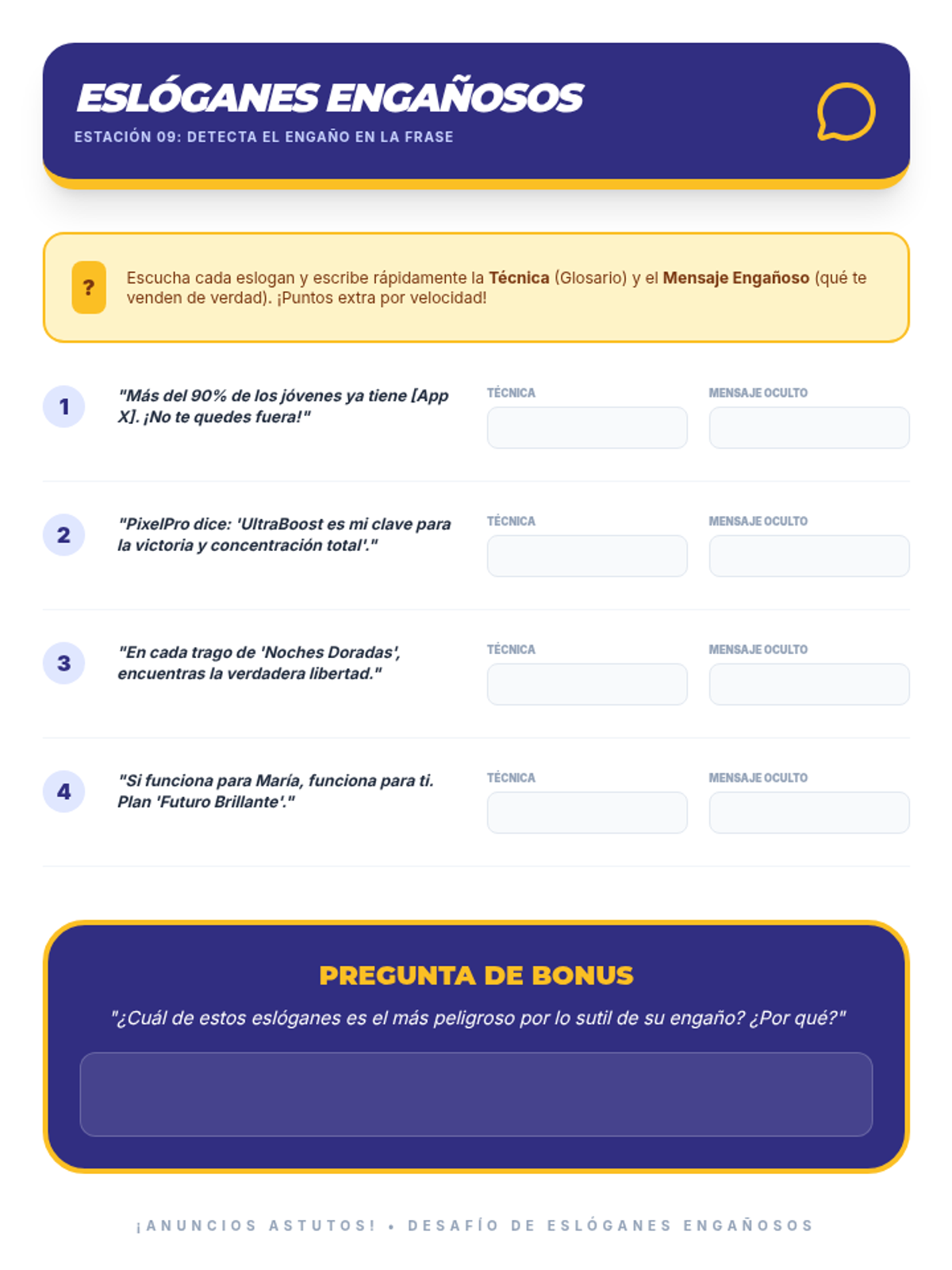
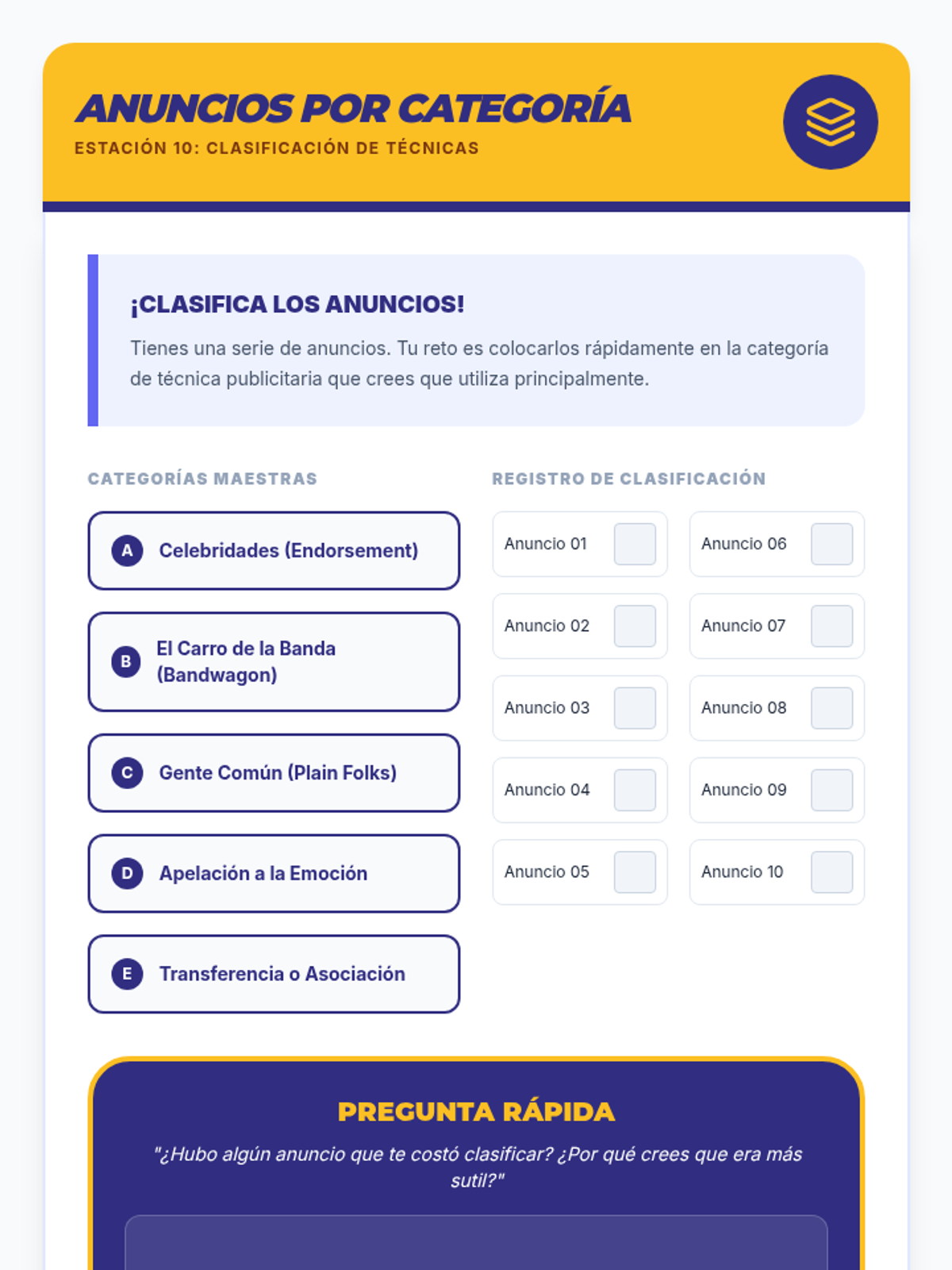
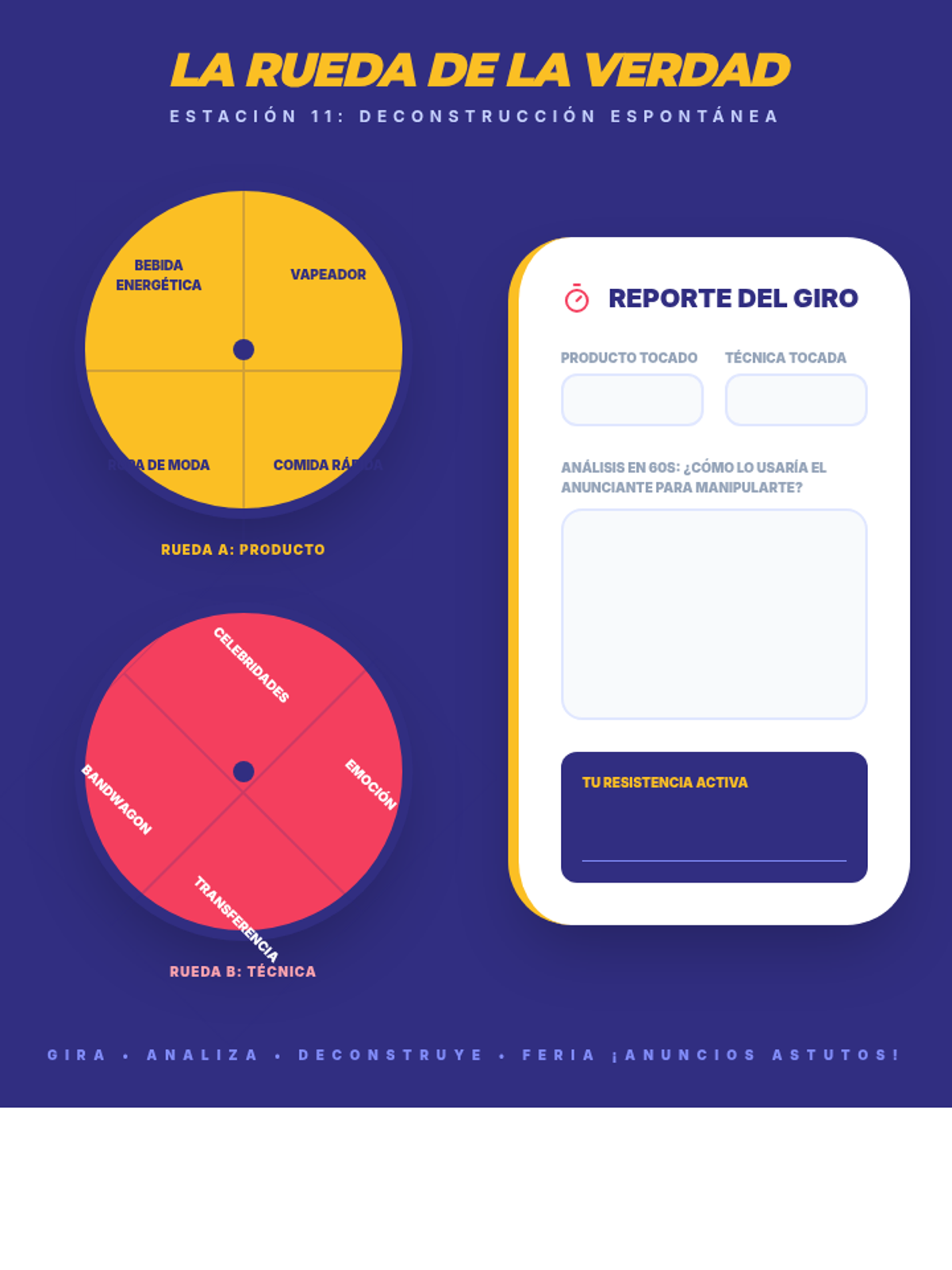
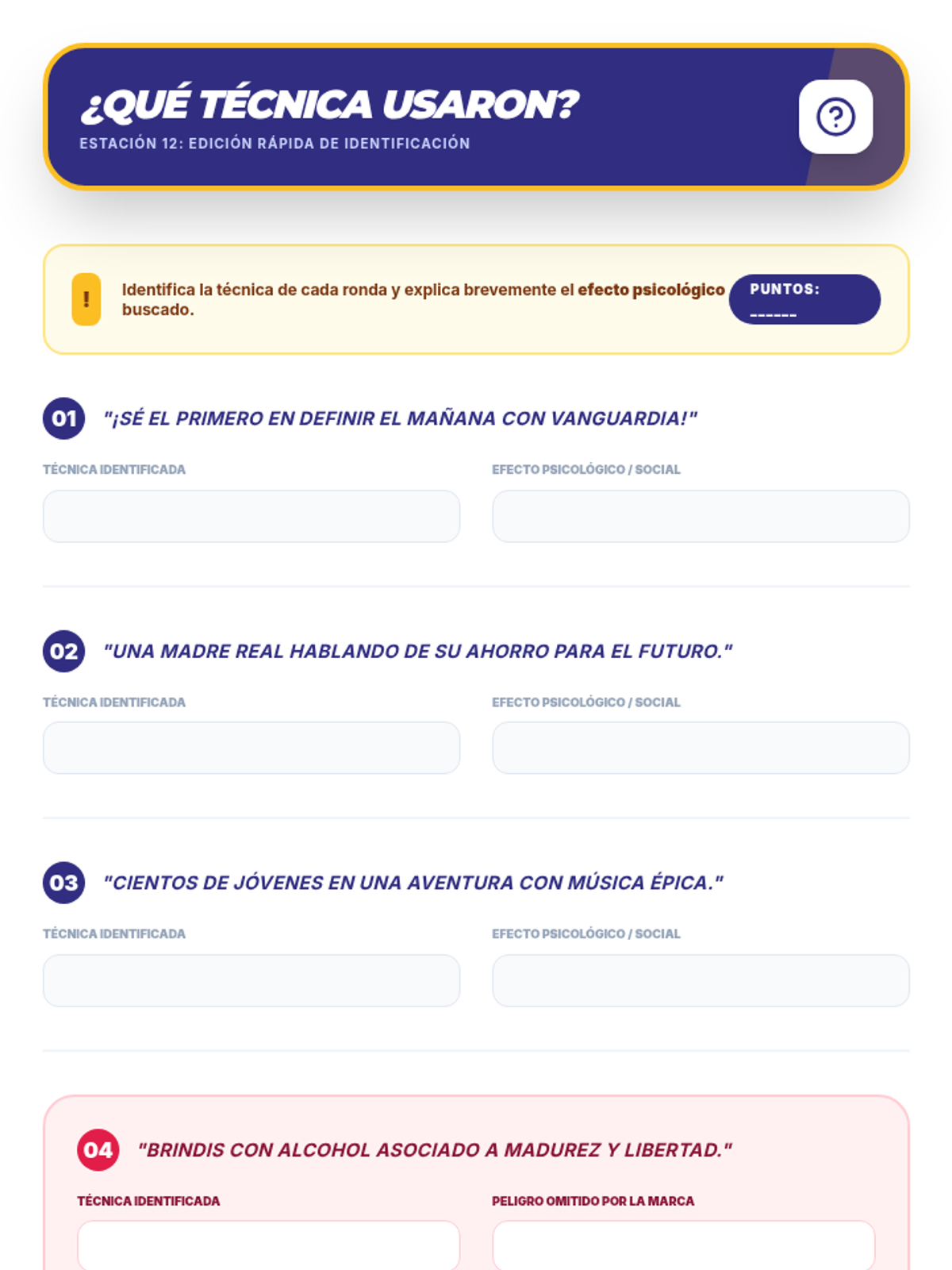
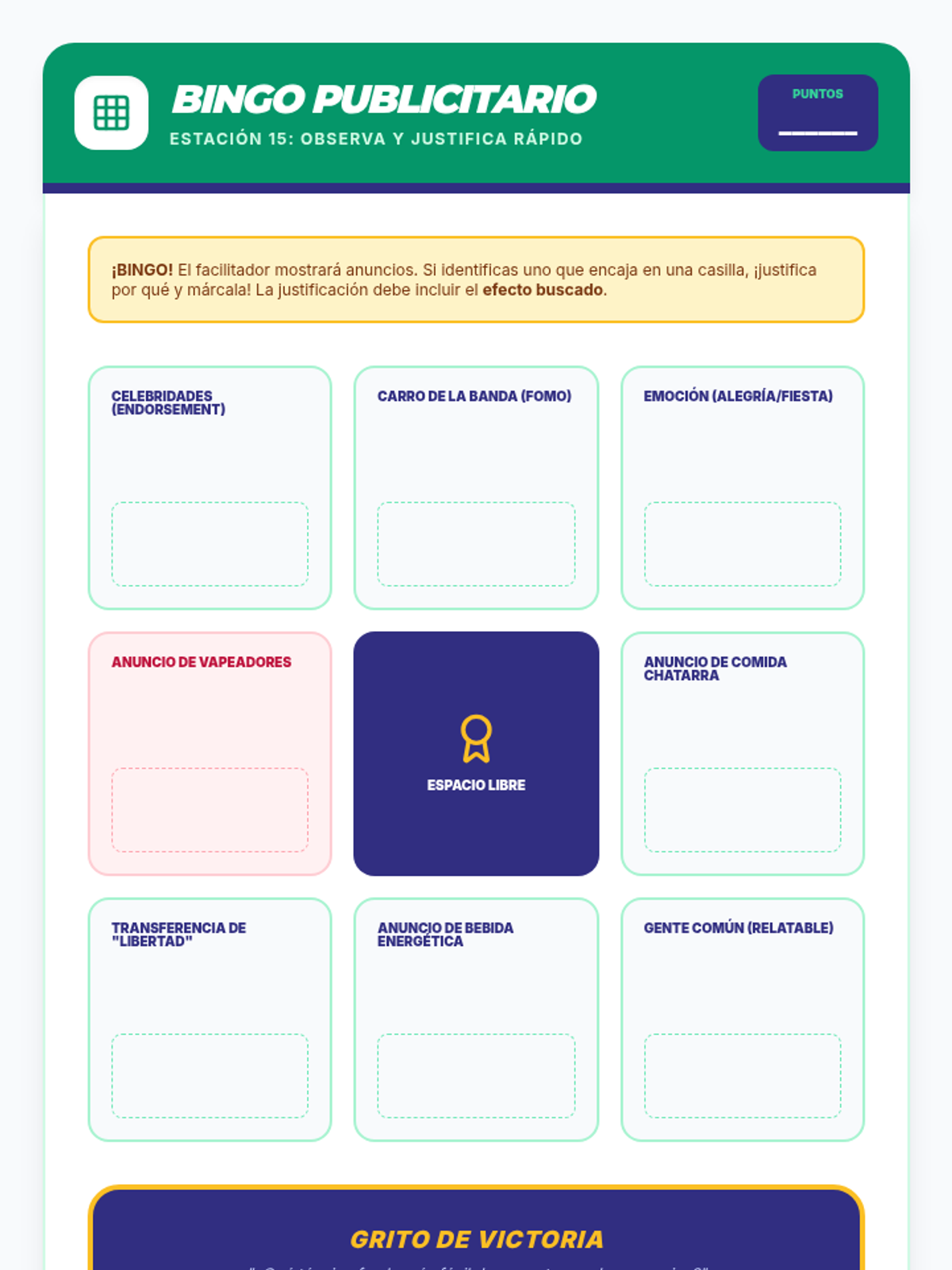
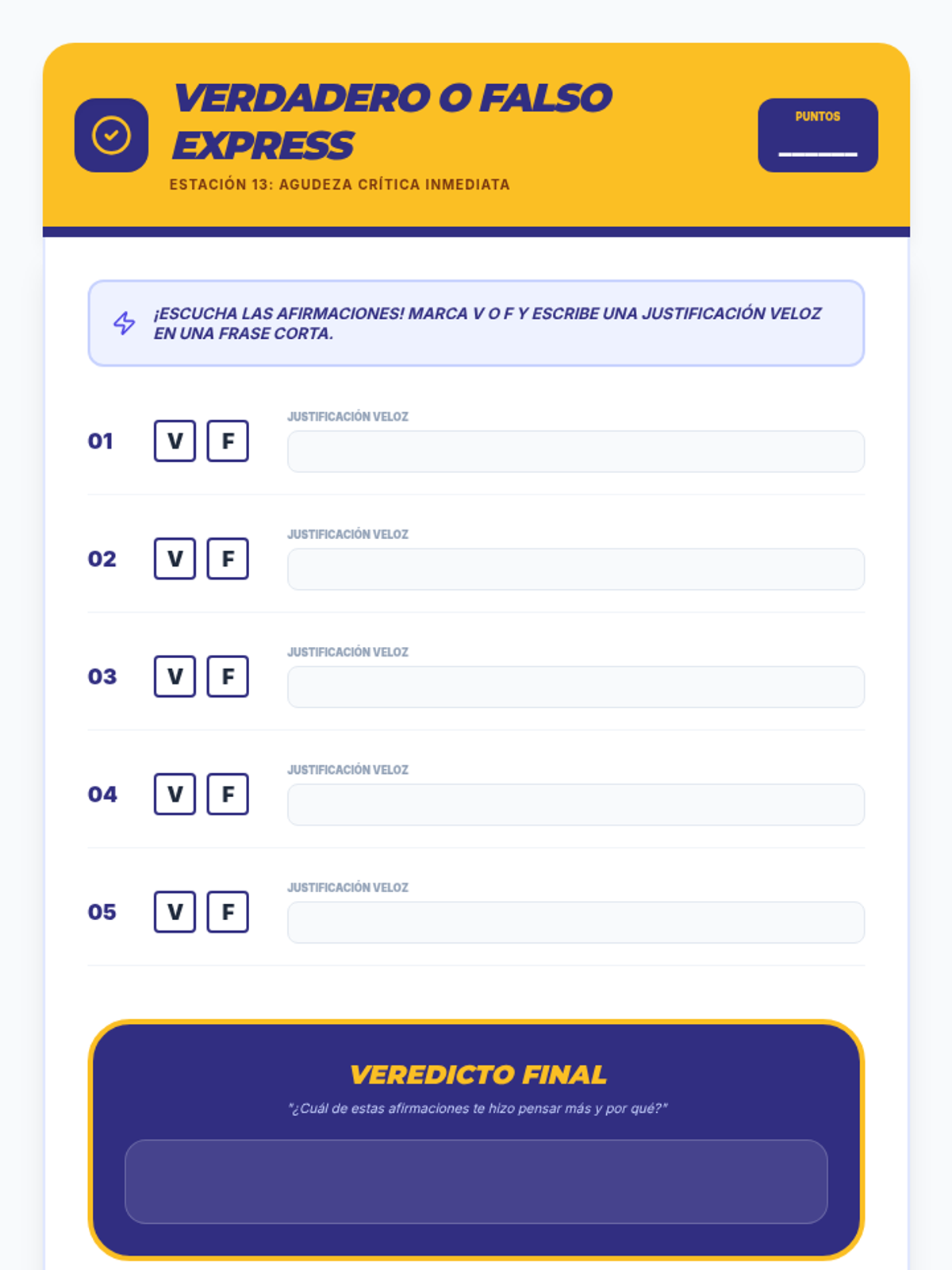
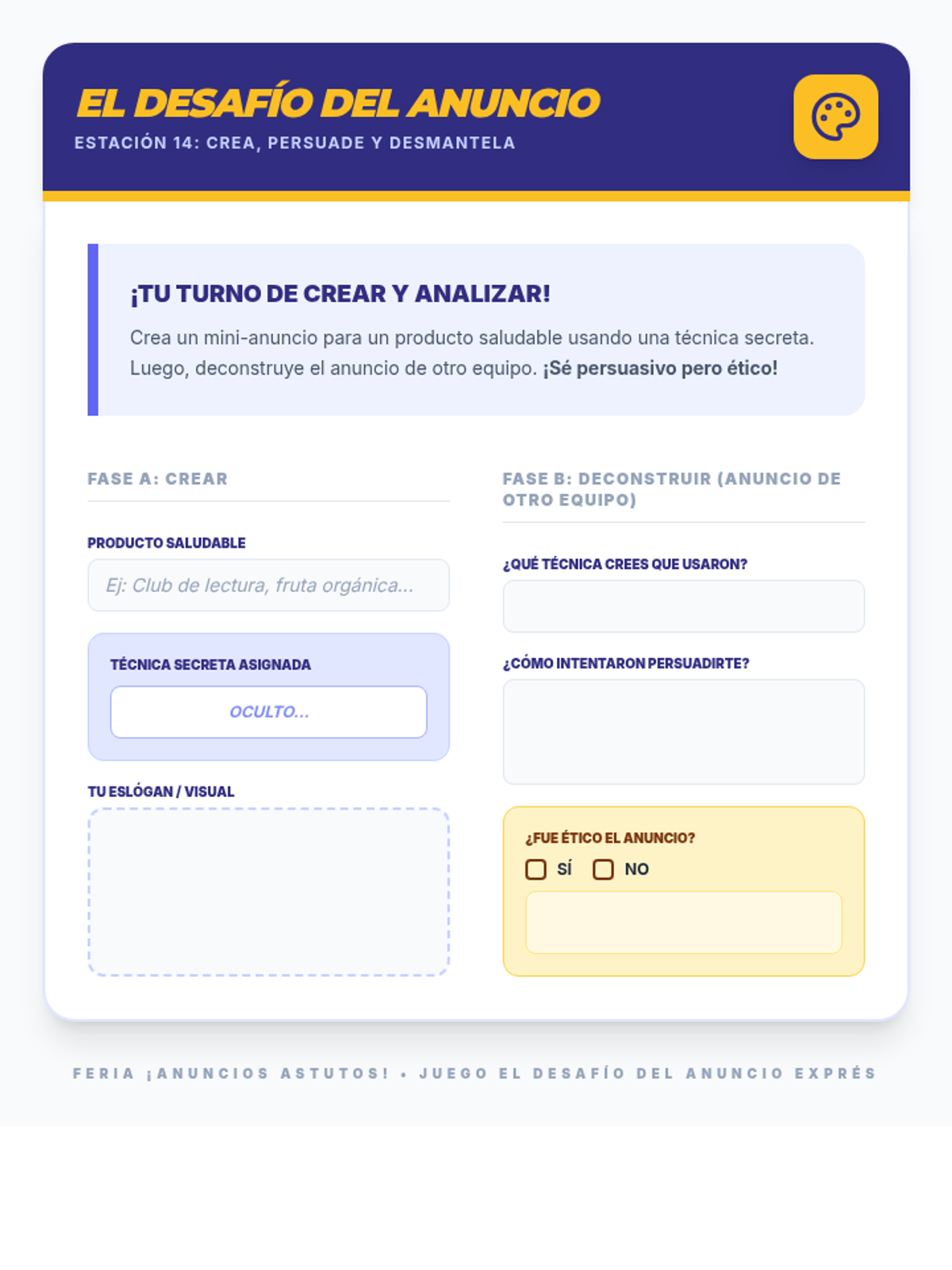
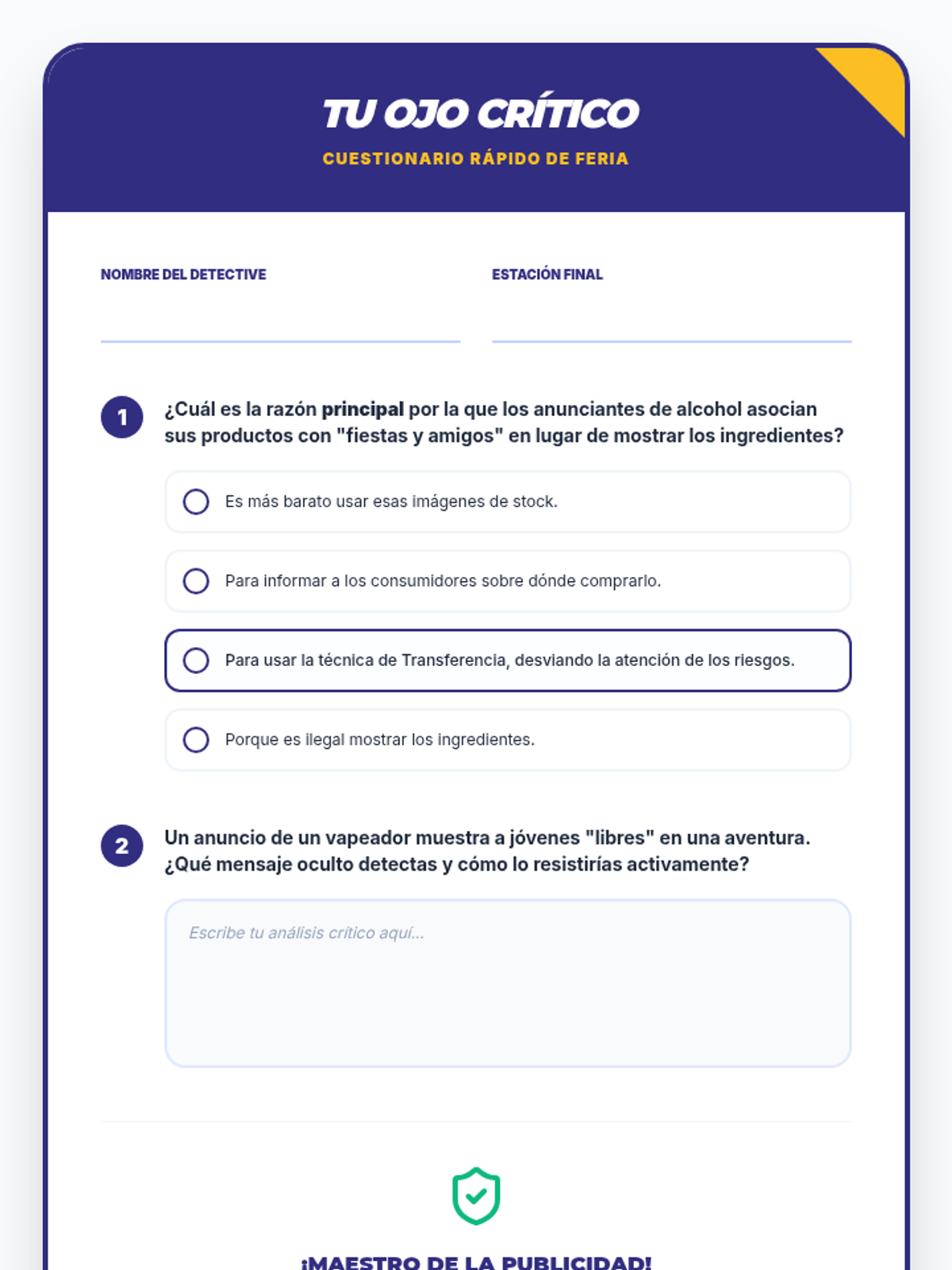
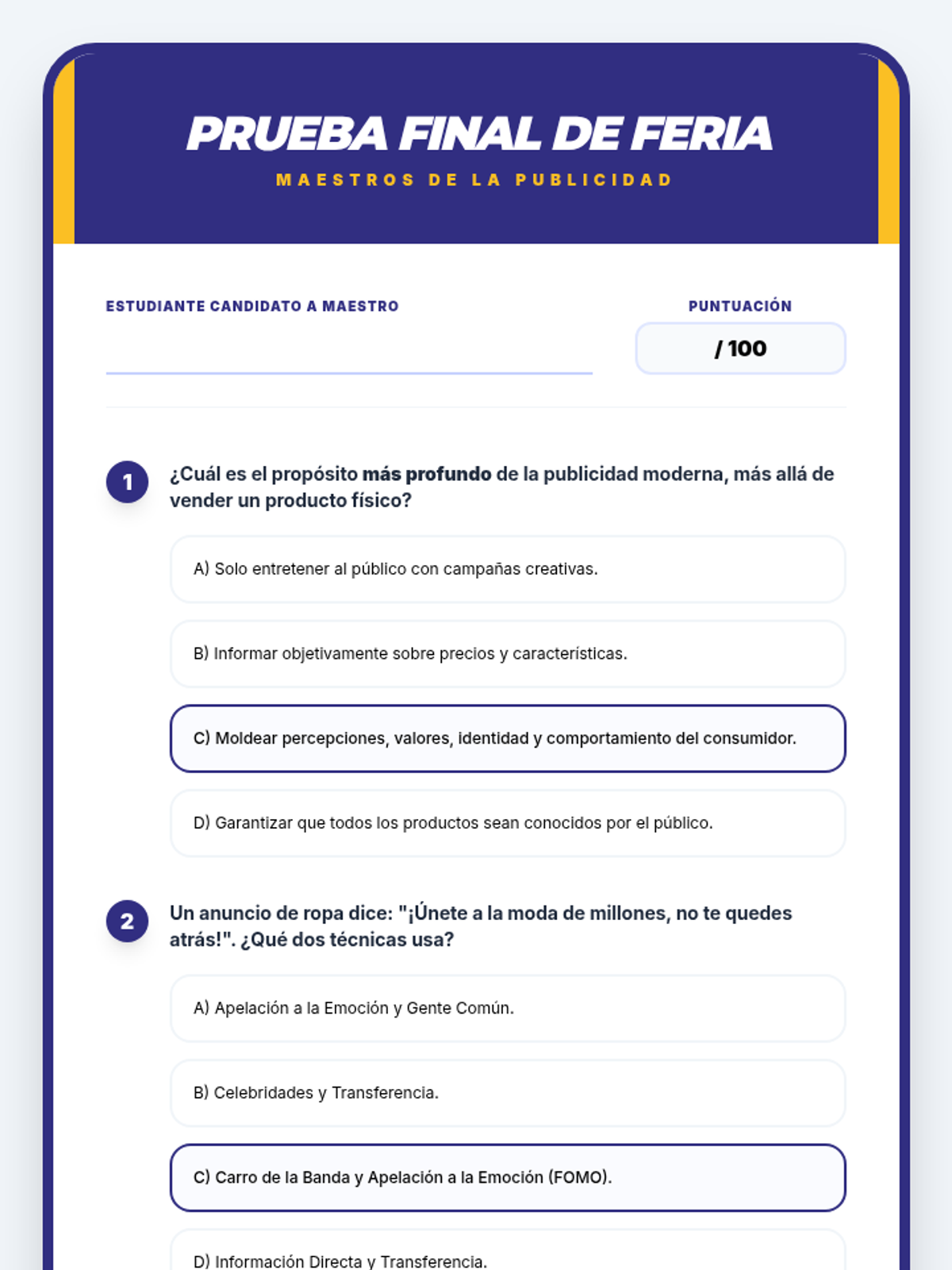
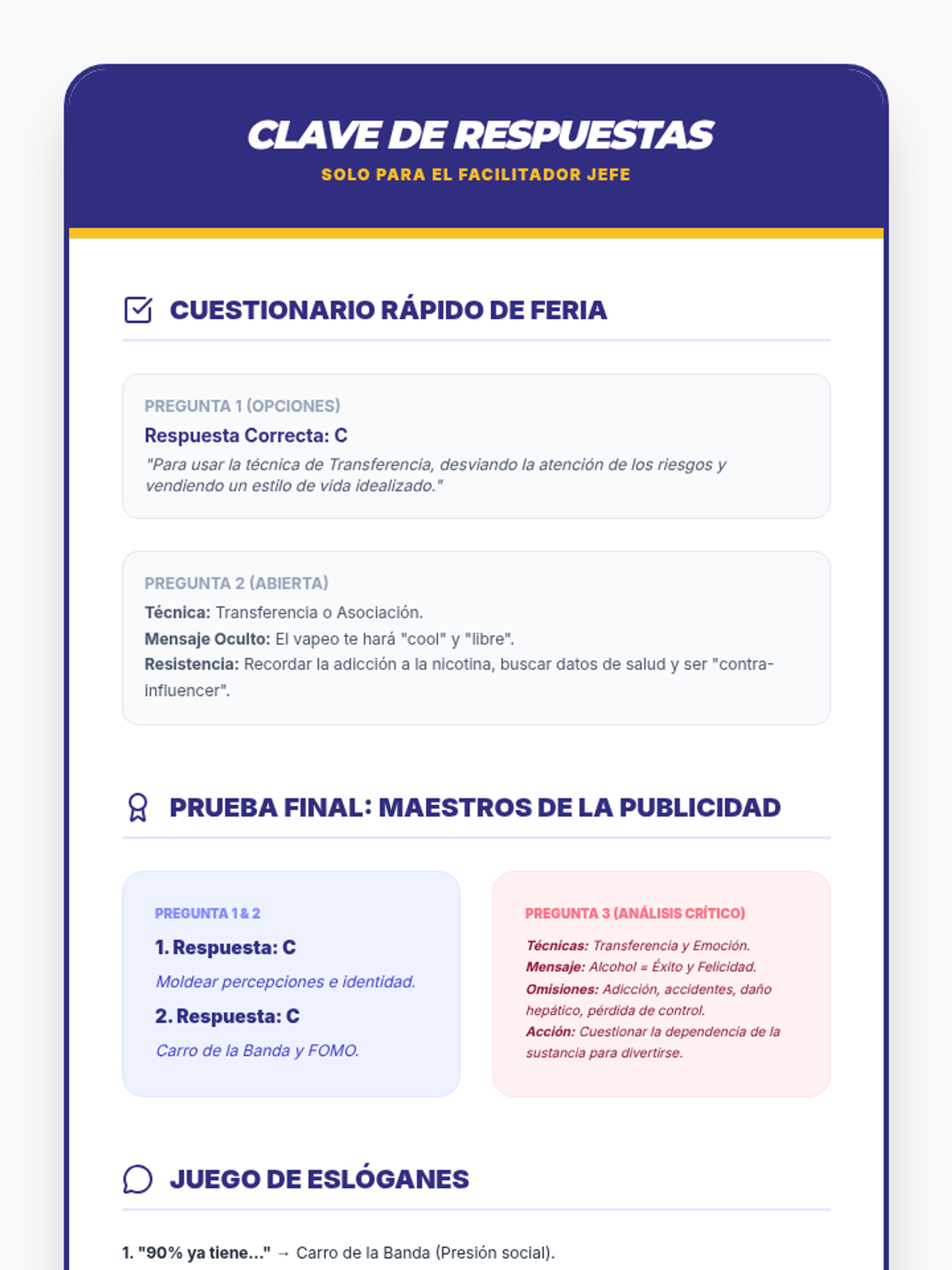
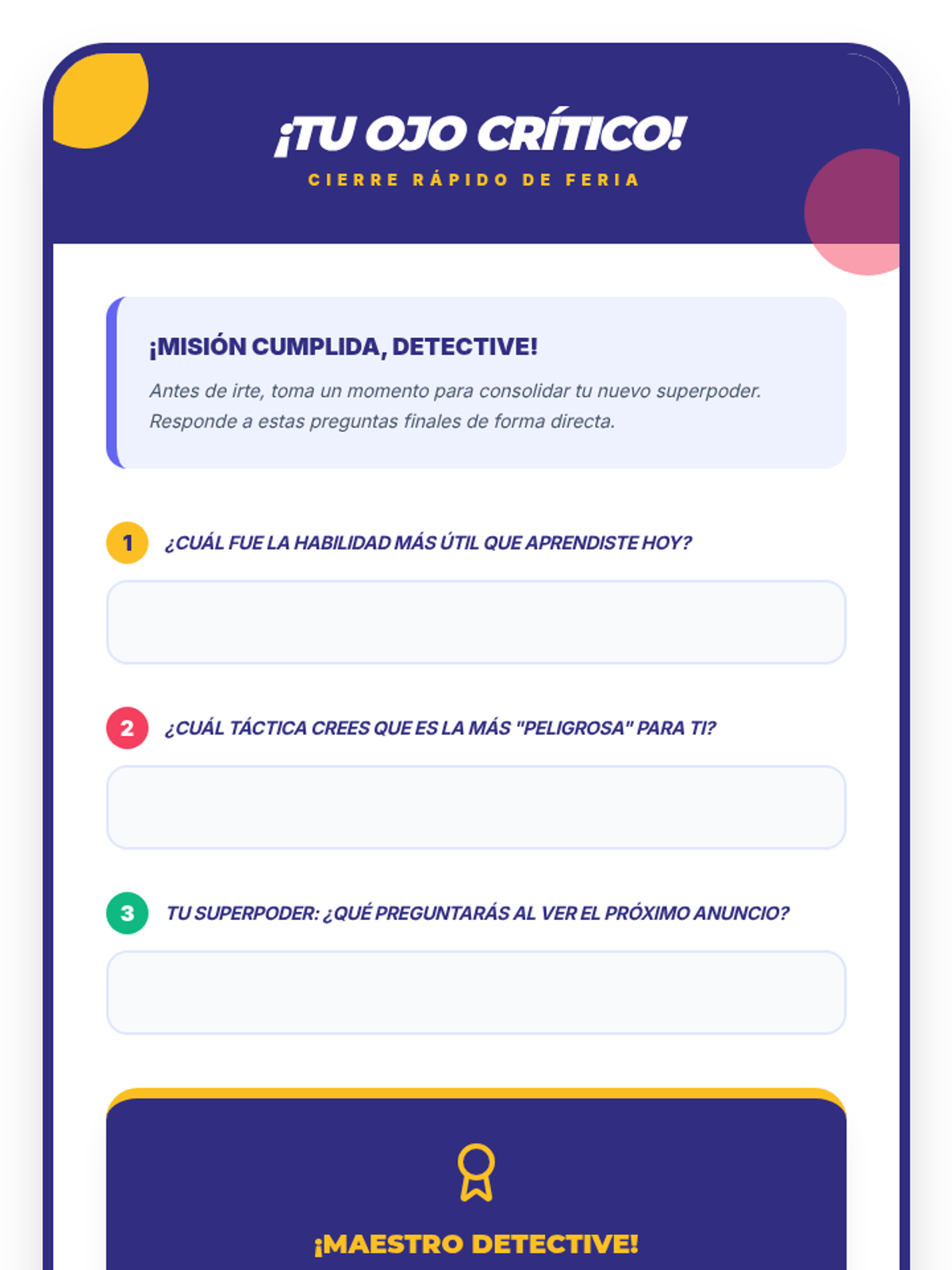
Una secuencia educativa diseñada para empoderar a estudiantes de secundaria en la alfabetización mediática, enfocándose en desmantelar las tácticas de persuasión de la publicidad, especialmente en productos de alcohol y tabaco.
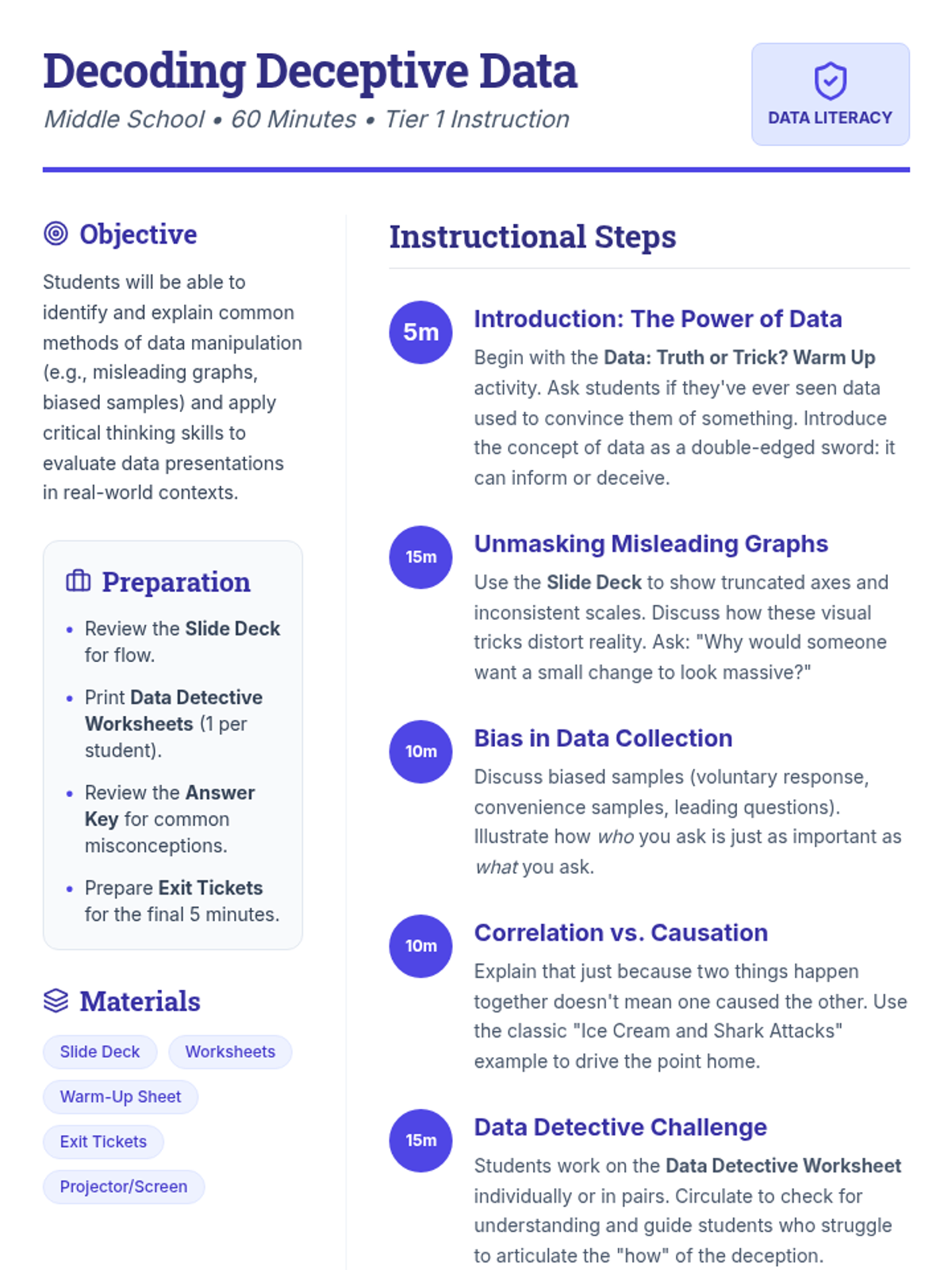
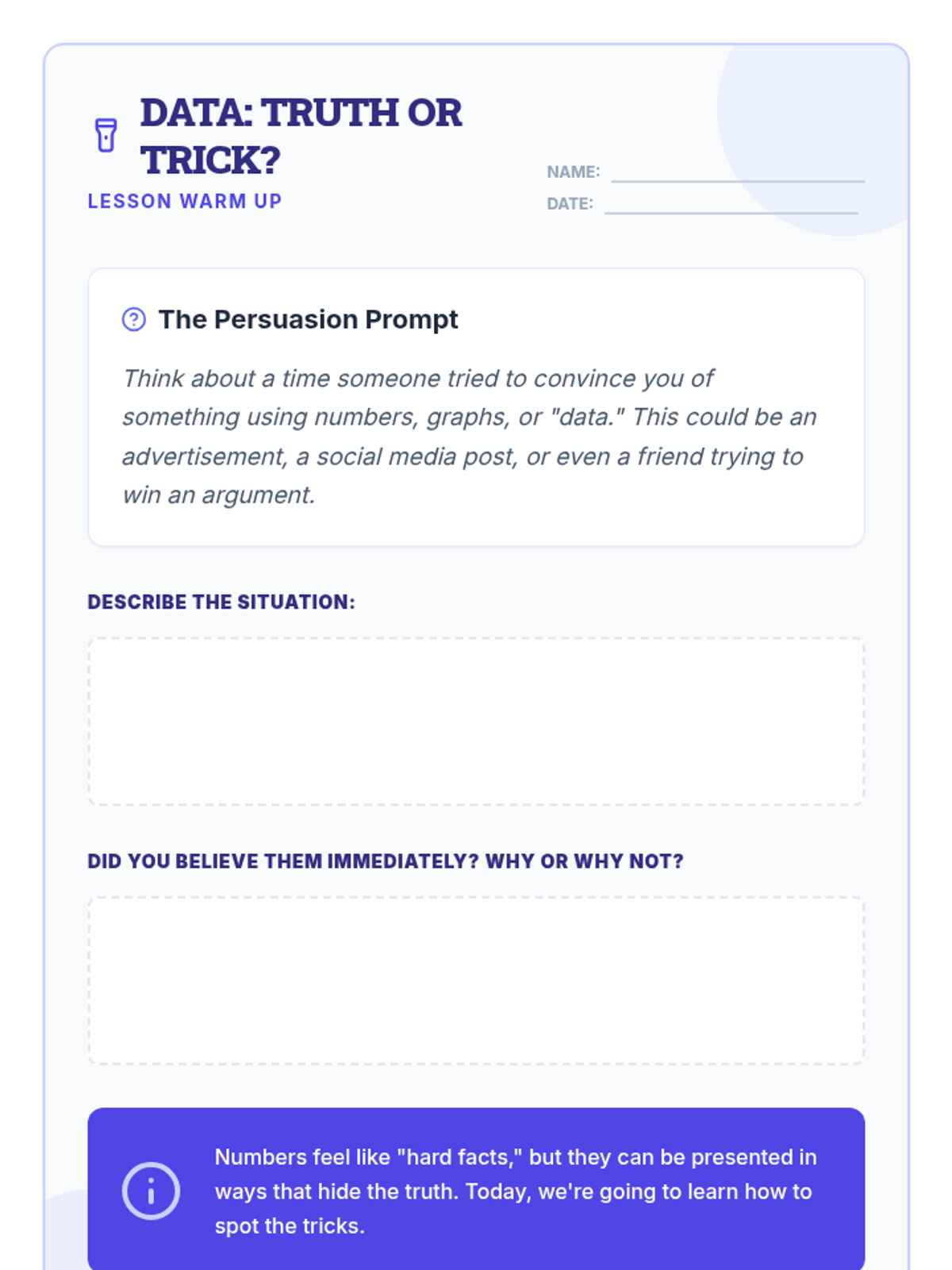
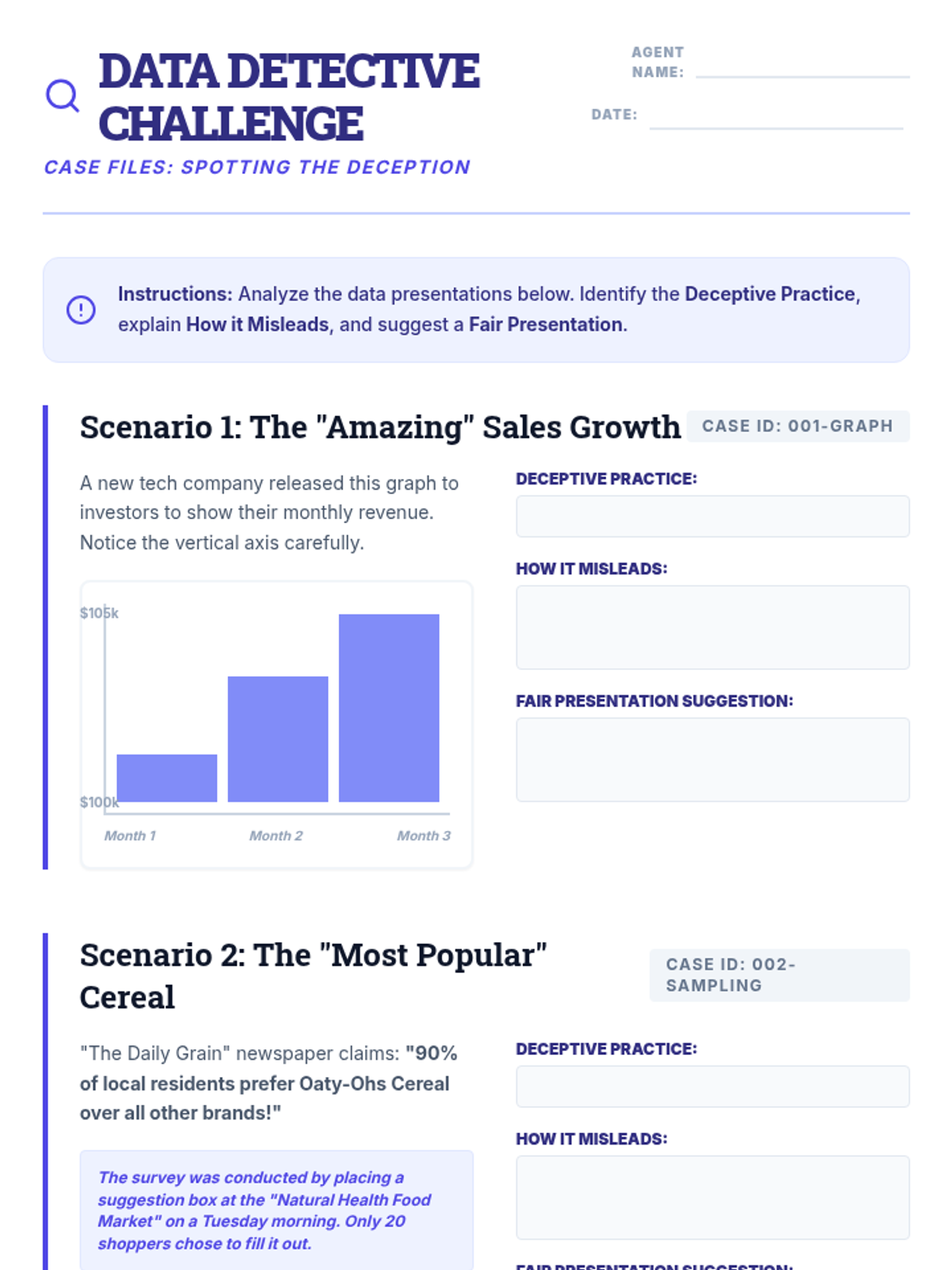
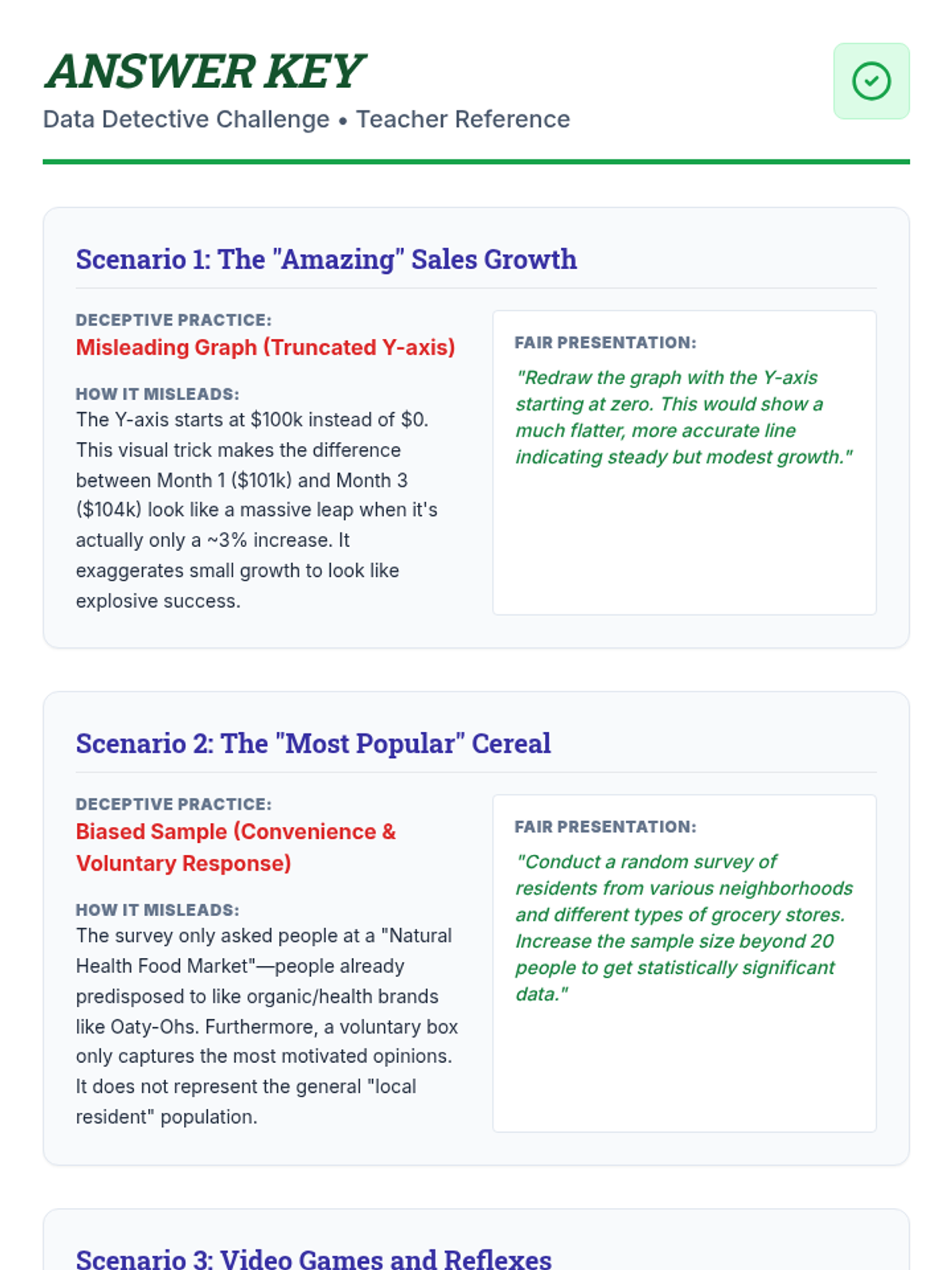
A collection of lessons focused on developing critical thinking and self-regulation skills, covering data literacy and emotional intelligence.
A sequence focused on developing critical thinking and digital citizenship skills across different age groups, from evaluating information to navigating online social interactions safely.