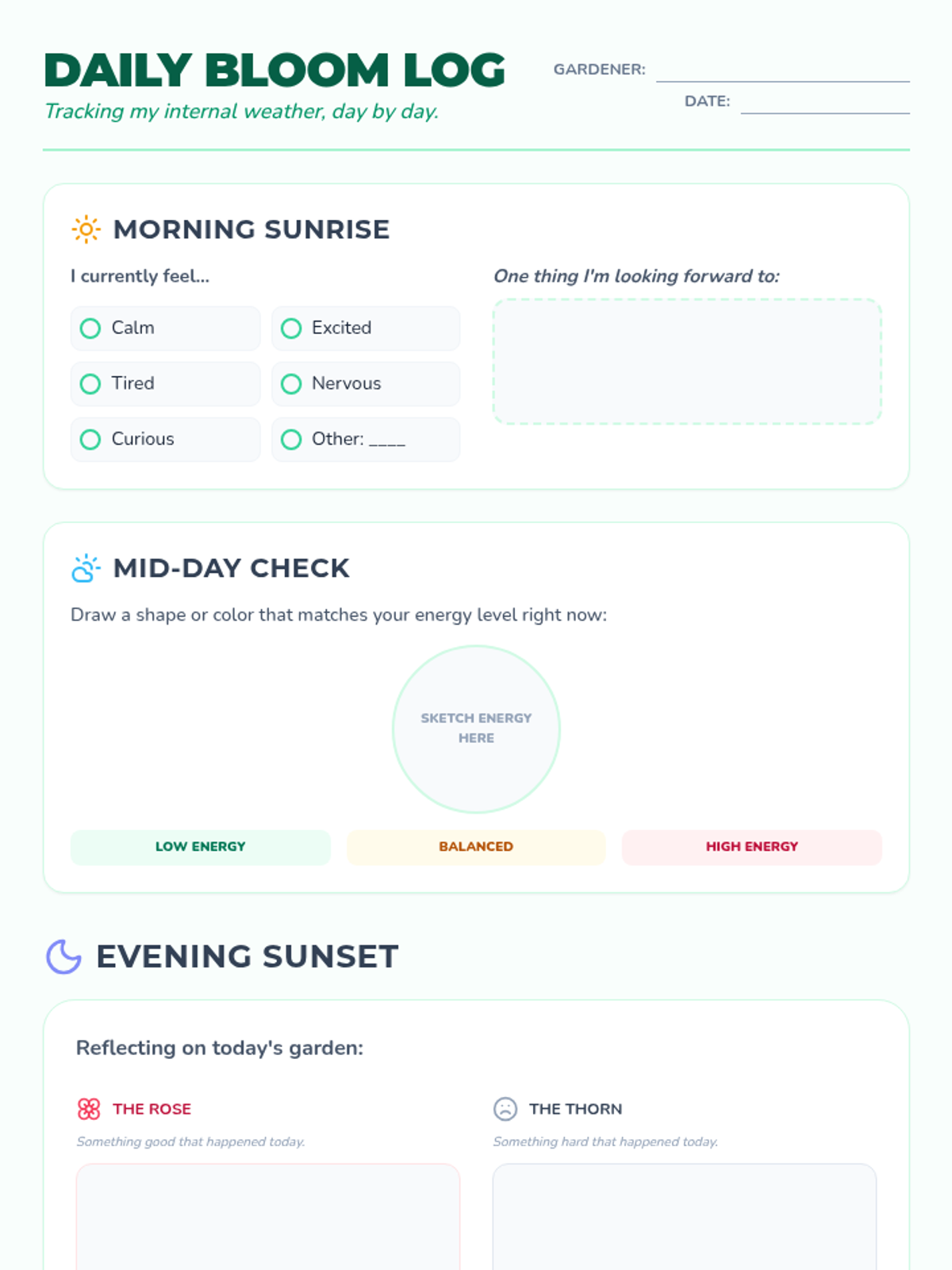
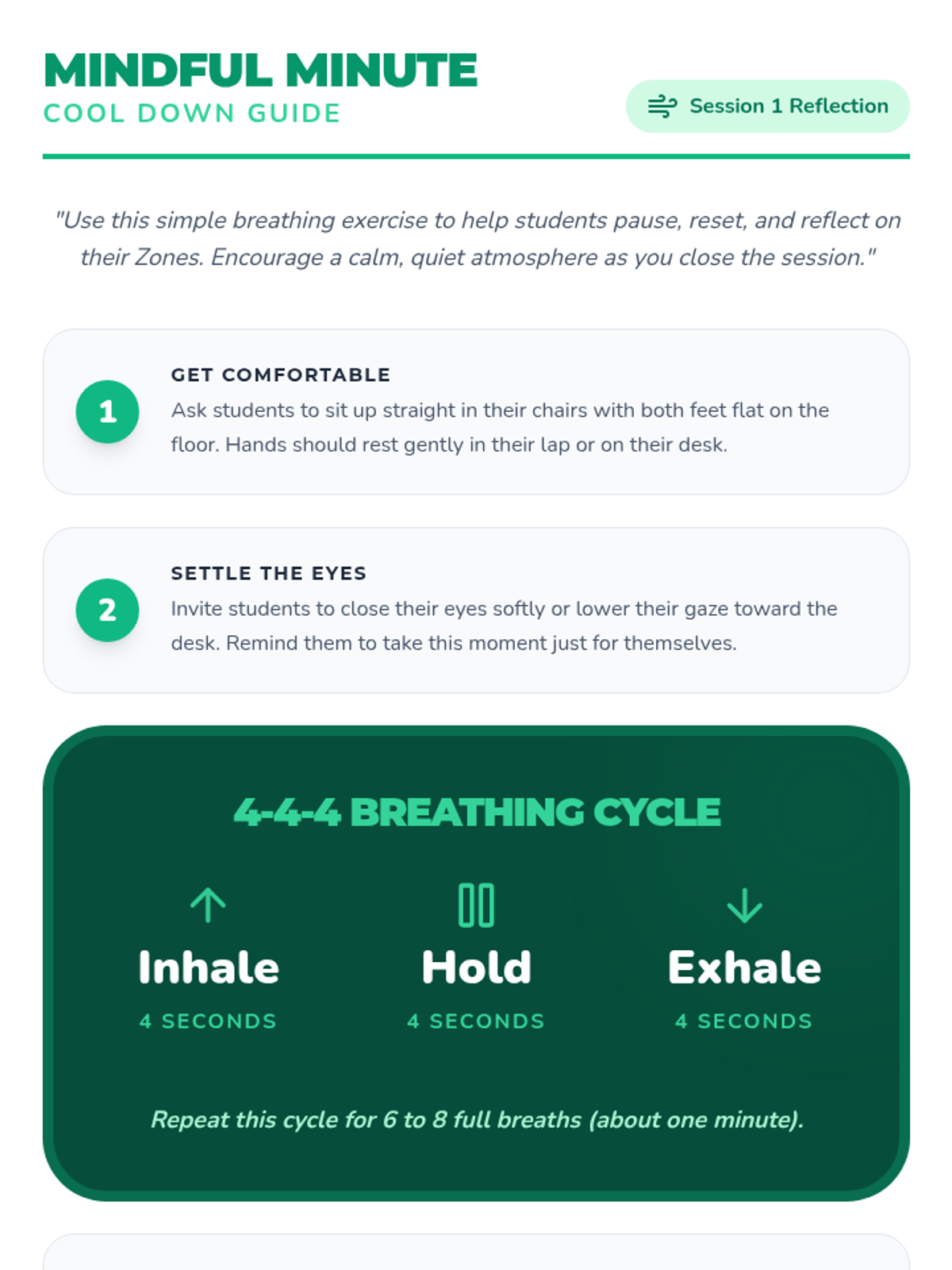
Mindful breathing and body scan meditation techniques integrated with daily self-care routines. Develops strategies for balancing life demands and advocating for personal wellness needs.
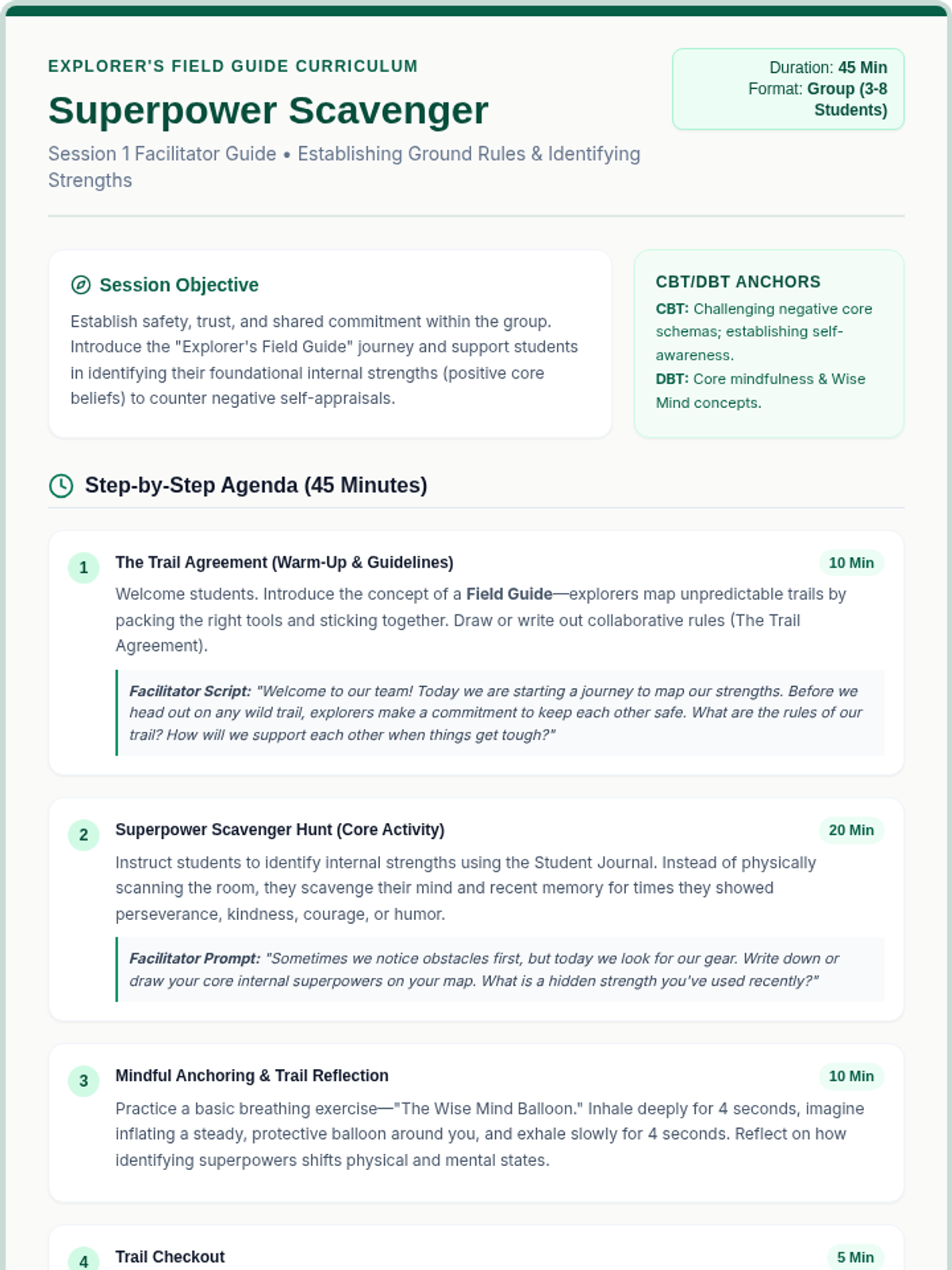
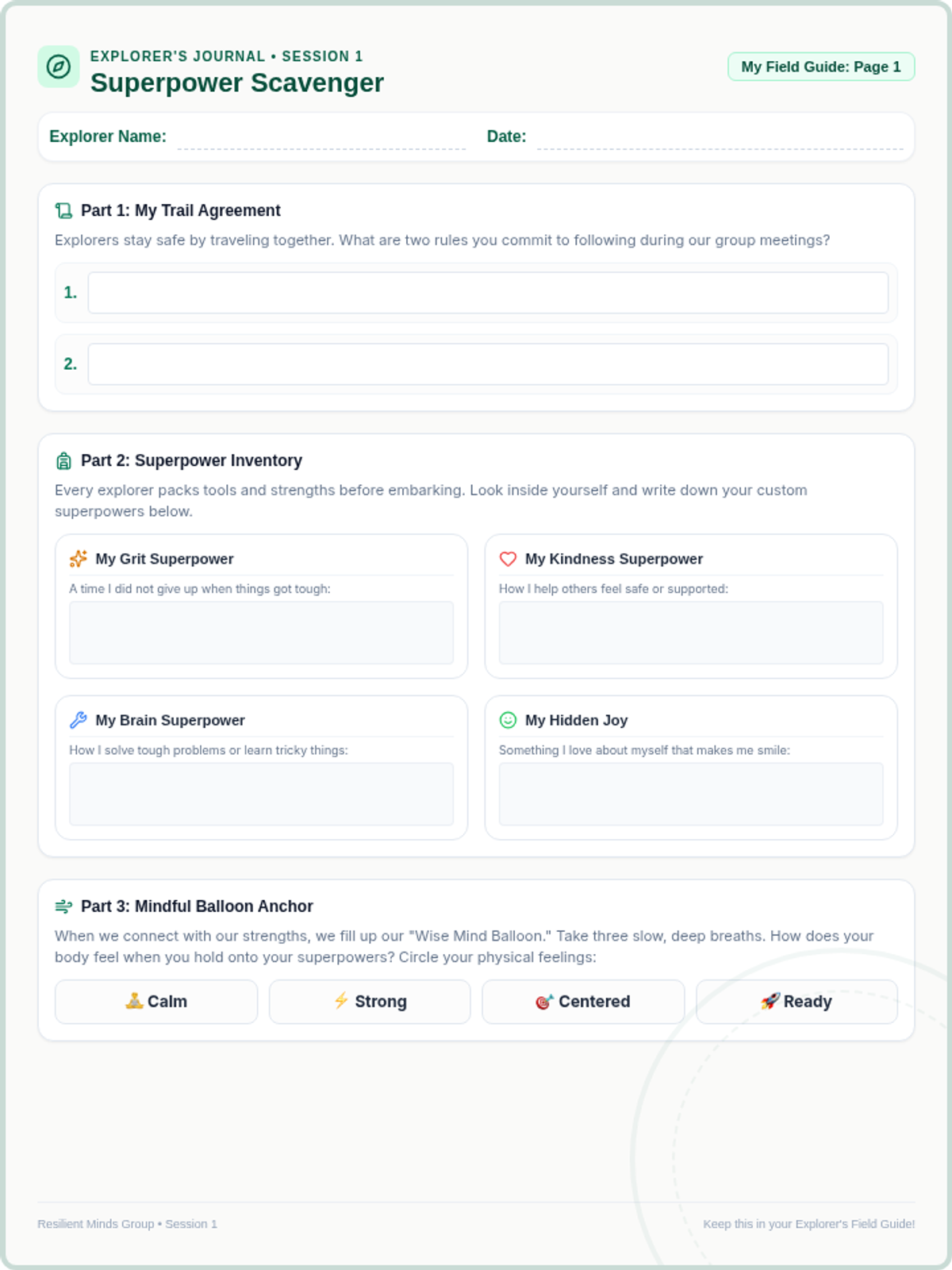
An 8-session strength-based group counseling curriculum focusing on building resilience and self-esteem. Integrates key Cognitive Behavioral Therapy (CBT) and Dialectical Behavior Therapy (DBT) skills through a collaborative 'Explorer's Field Guide' theme.
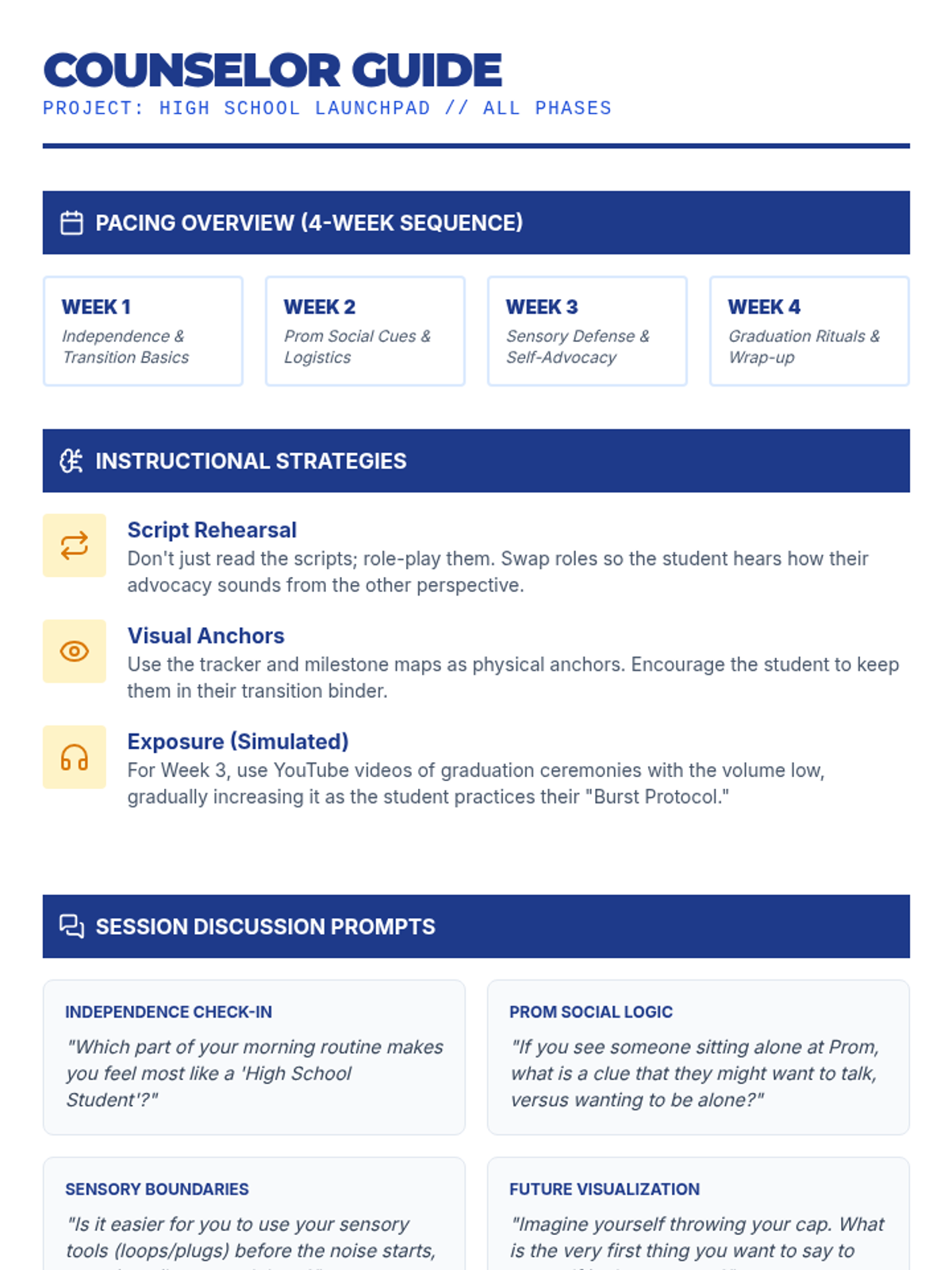
A 4-week counseling sequence designed for students with autism to navigate the transition to high school, manage sensory challenges (like balloons and loud noises), and master social cues for major milestones like Prom and Graduation.
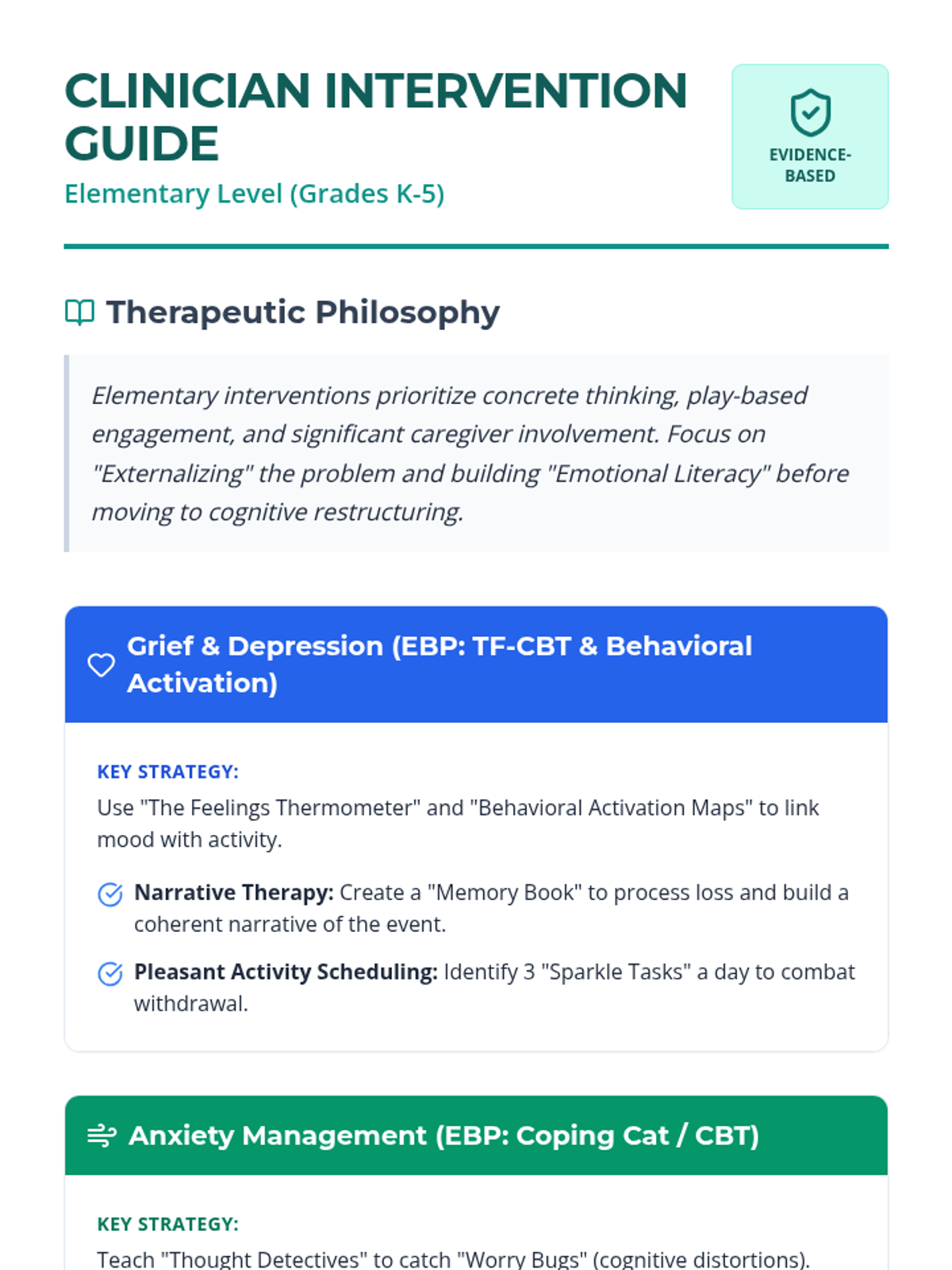
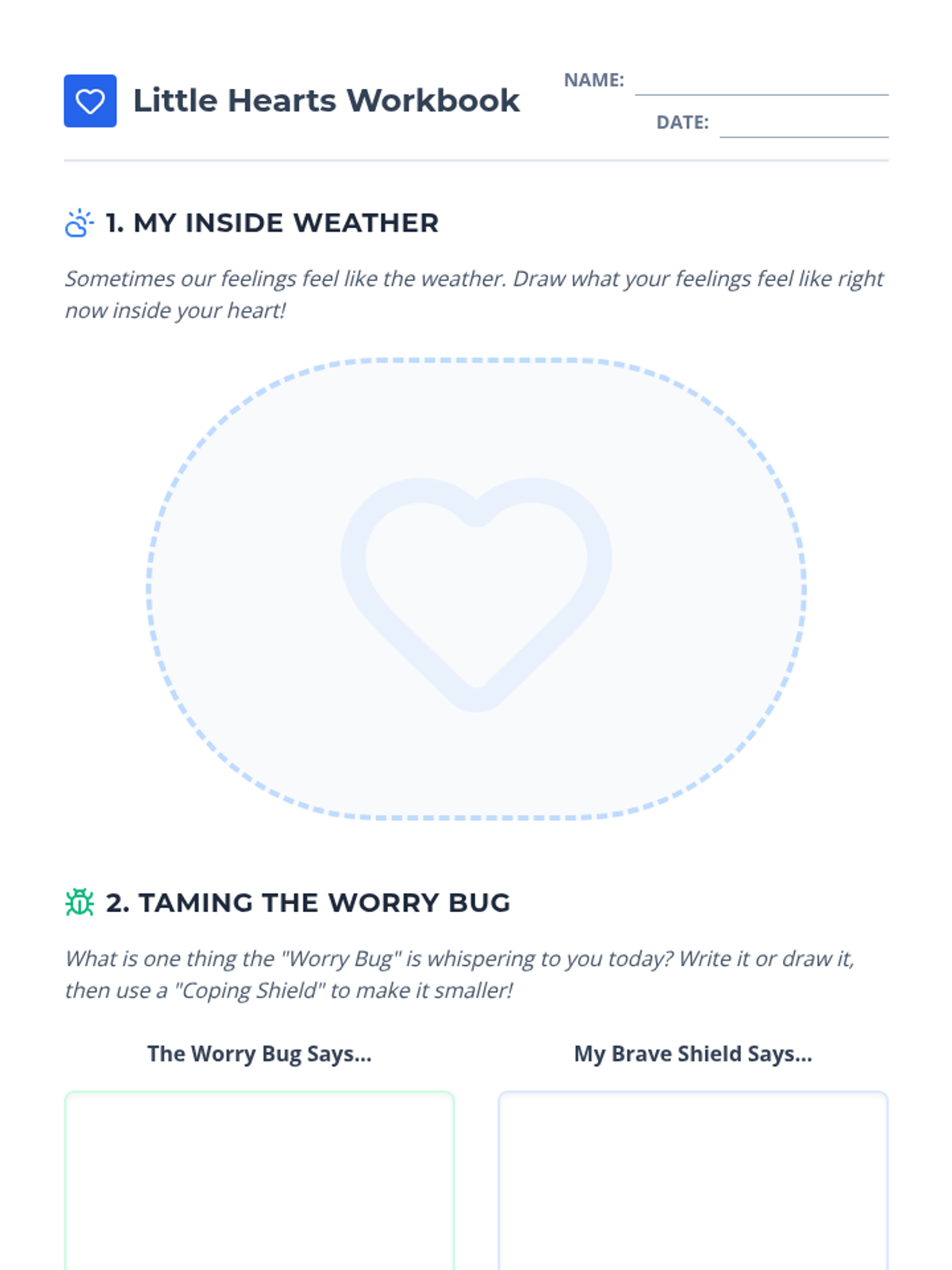
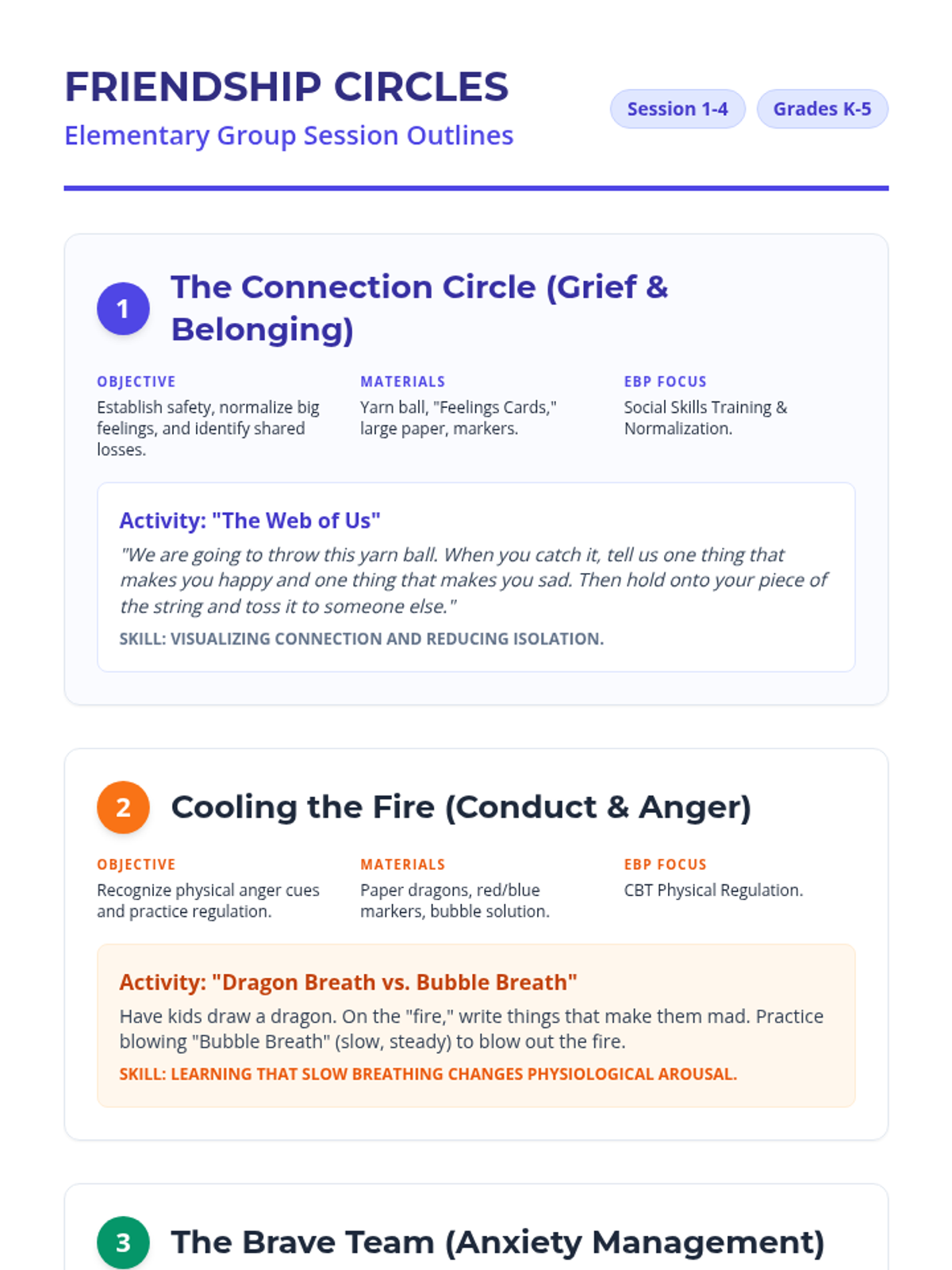
A comprehensive suite of evidence-based mental health interventions and resources for school clinicians, covering grief, depression, anxiety, conduct disorders, and crisis prevention for K-12 students.
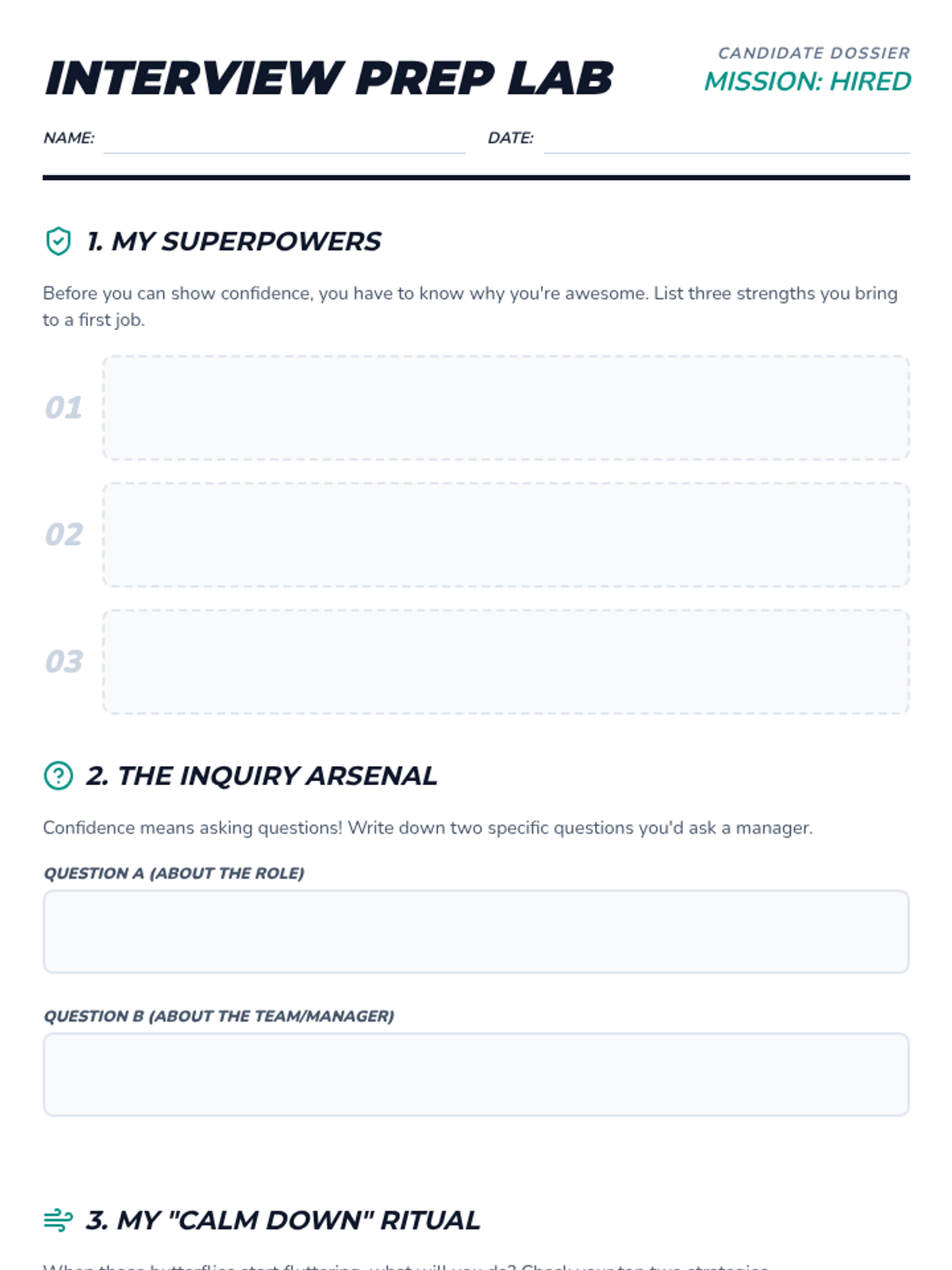
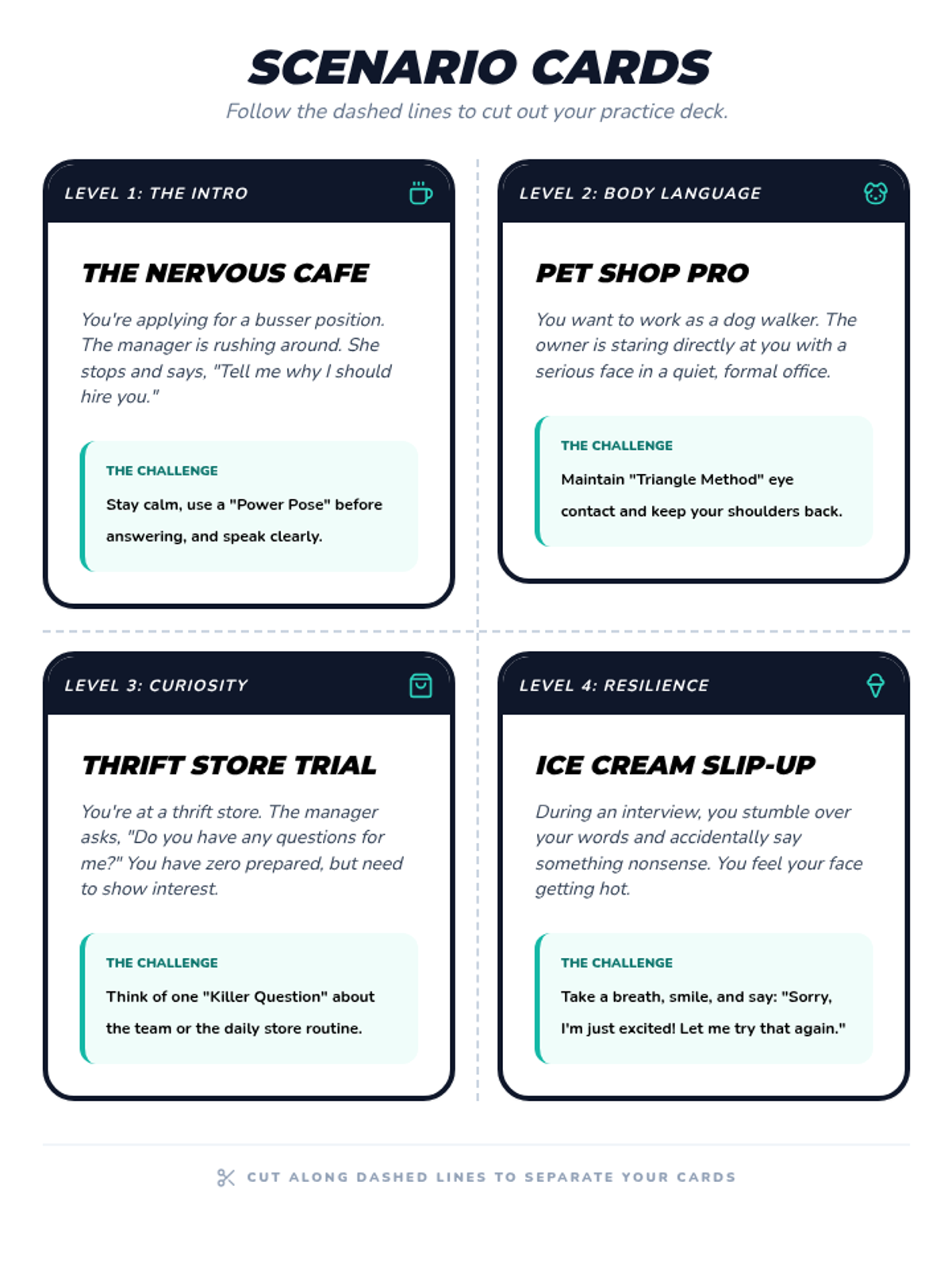
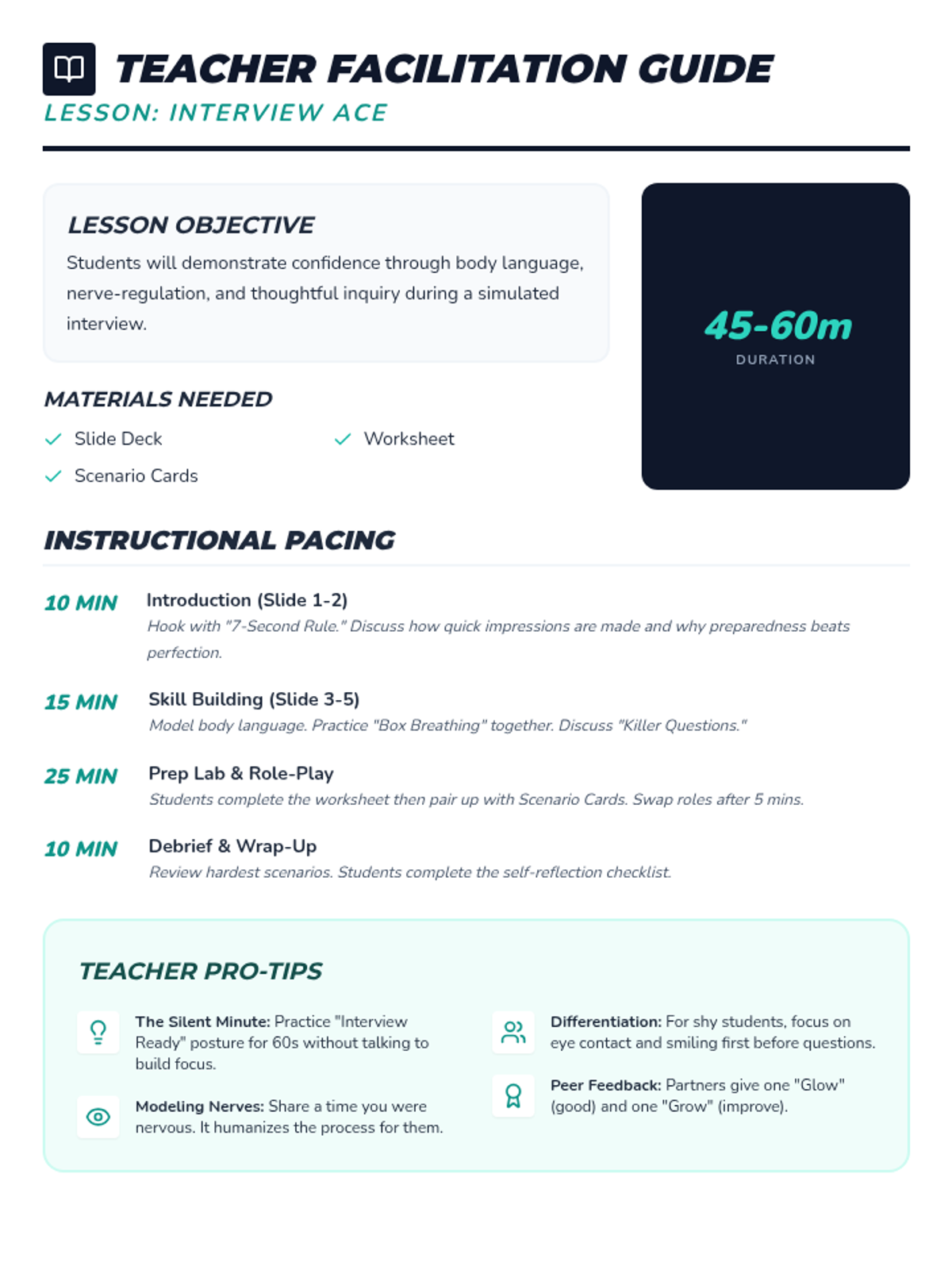
A comprehensive guide for 8th graders to master their first job interview, focusing on confidence, body language, and effective communication.
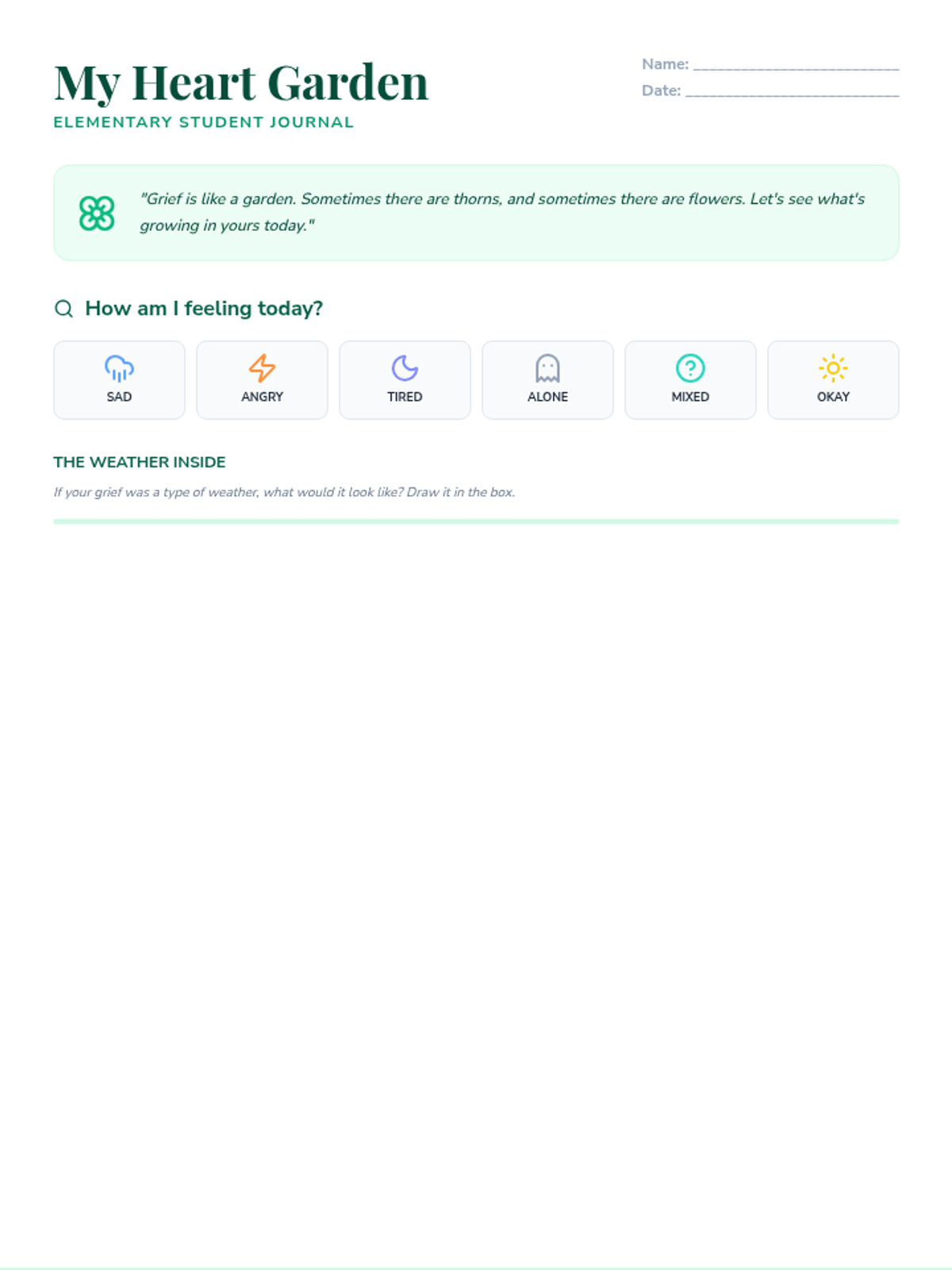
A comprehensive toolkit for school counselors and staff to support students experiencing prolonged grief. This sequence provides age-appropriate emotional regulation tools, communication strategies, and professional development for staff to create a trauma-informed environment.
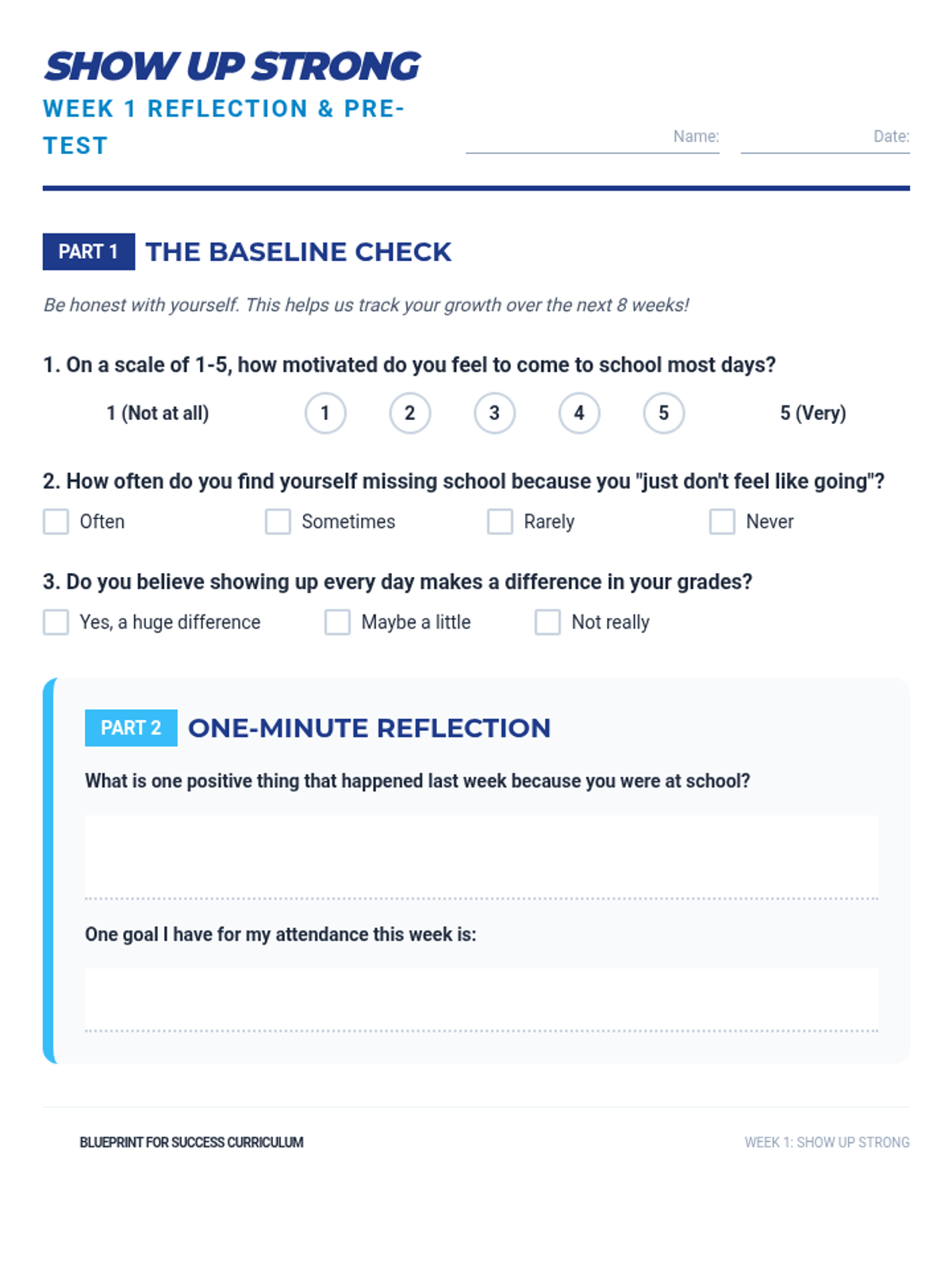
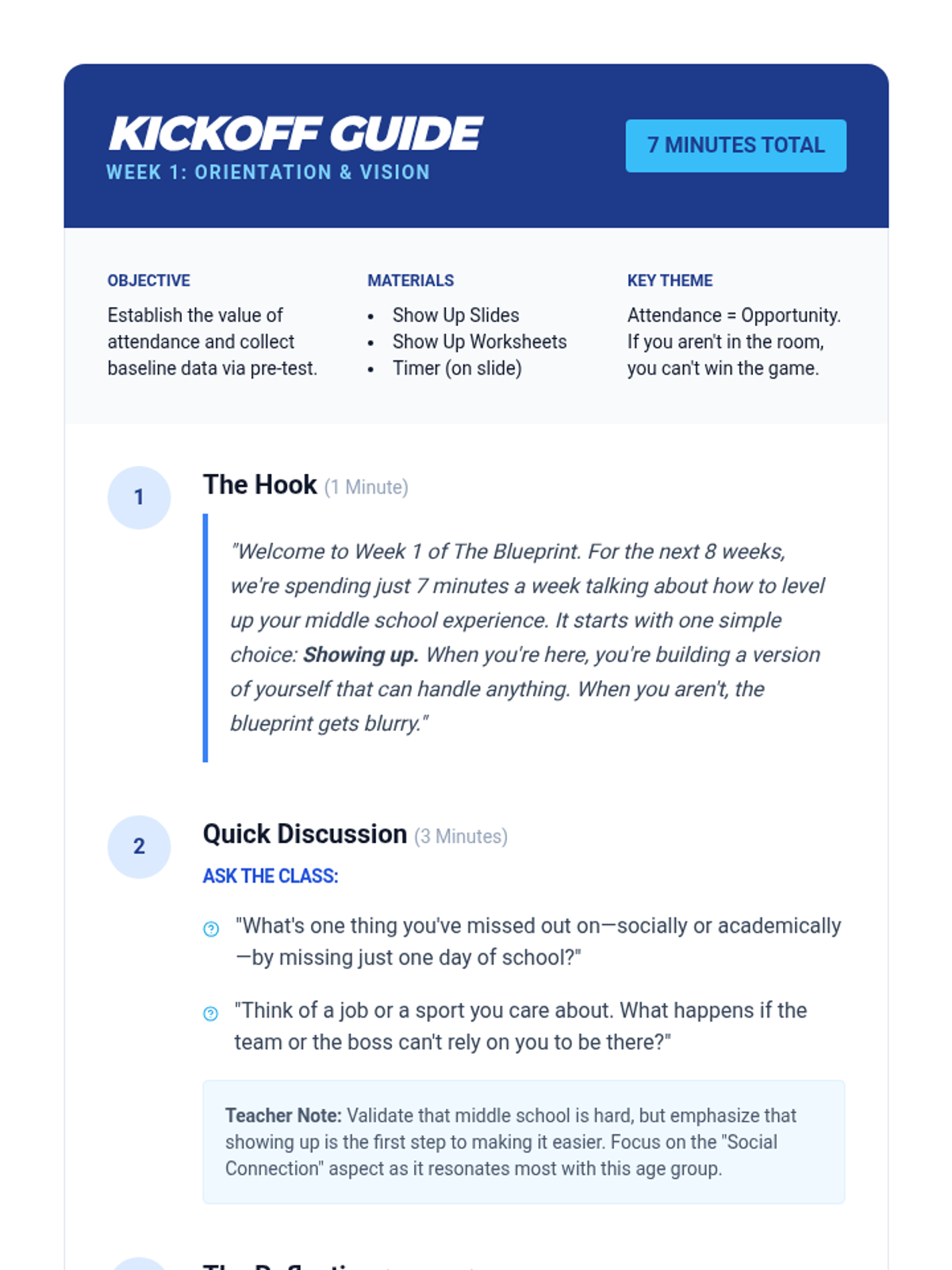
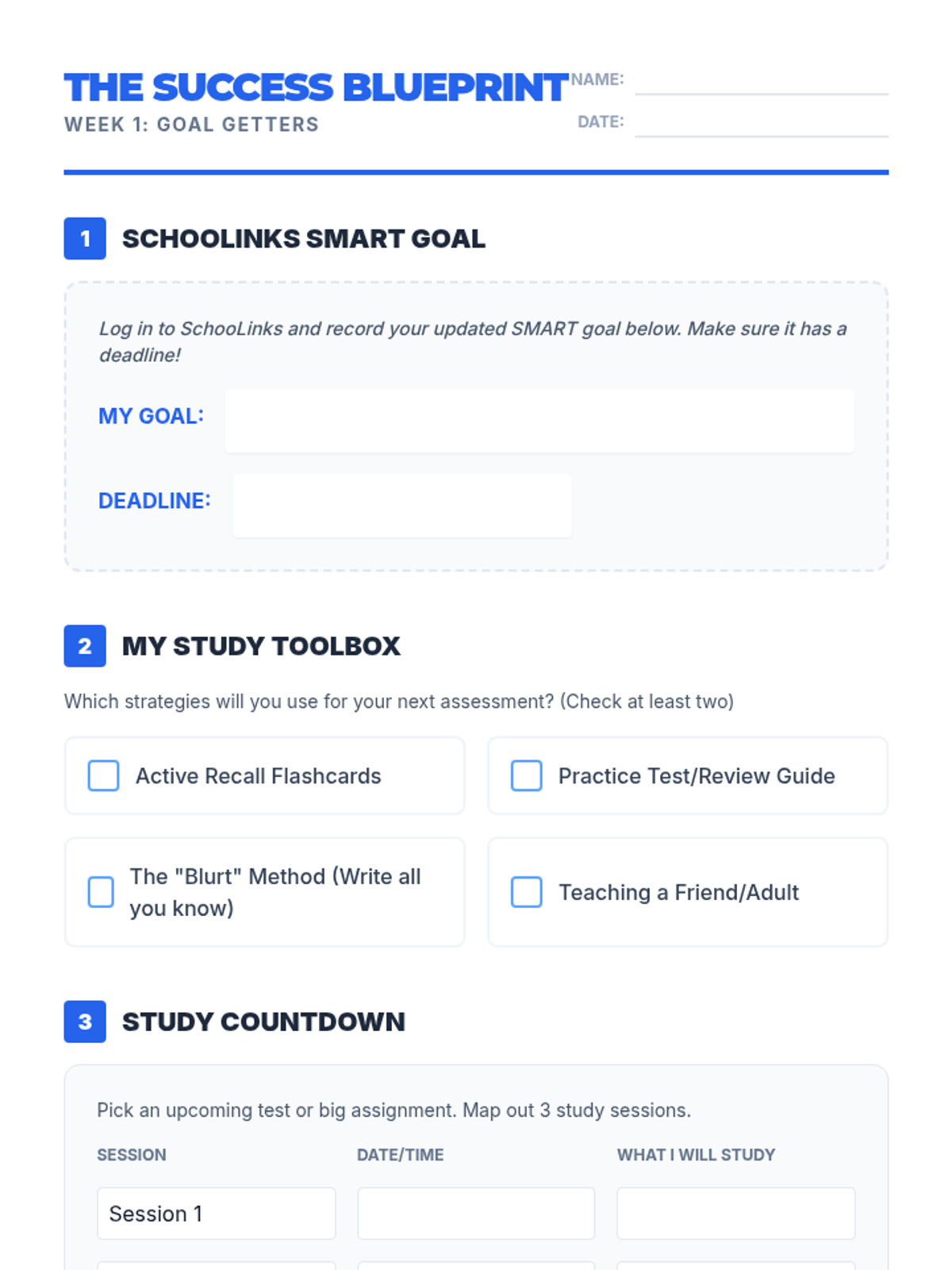
An 8-week curriculum for middle schoolers focusing on attendance, academic habits, behavioral choices, and mental wellness using a 'Blueprint' theme. Each lesson is designed to be delivered in 7 minutes, including a brief presentation and a 1-minute reflection.
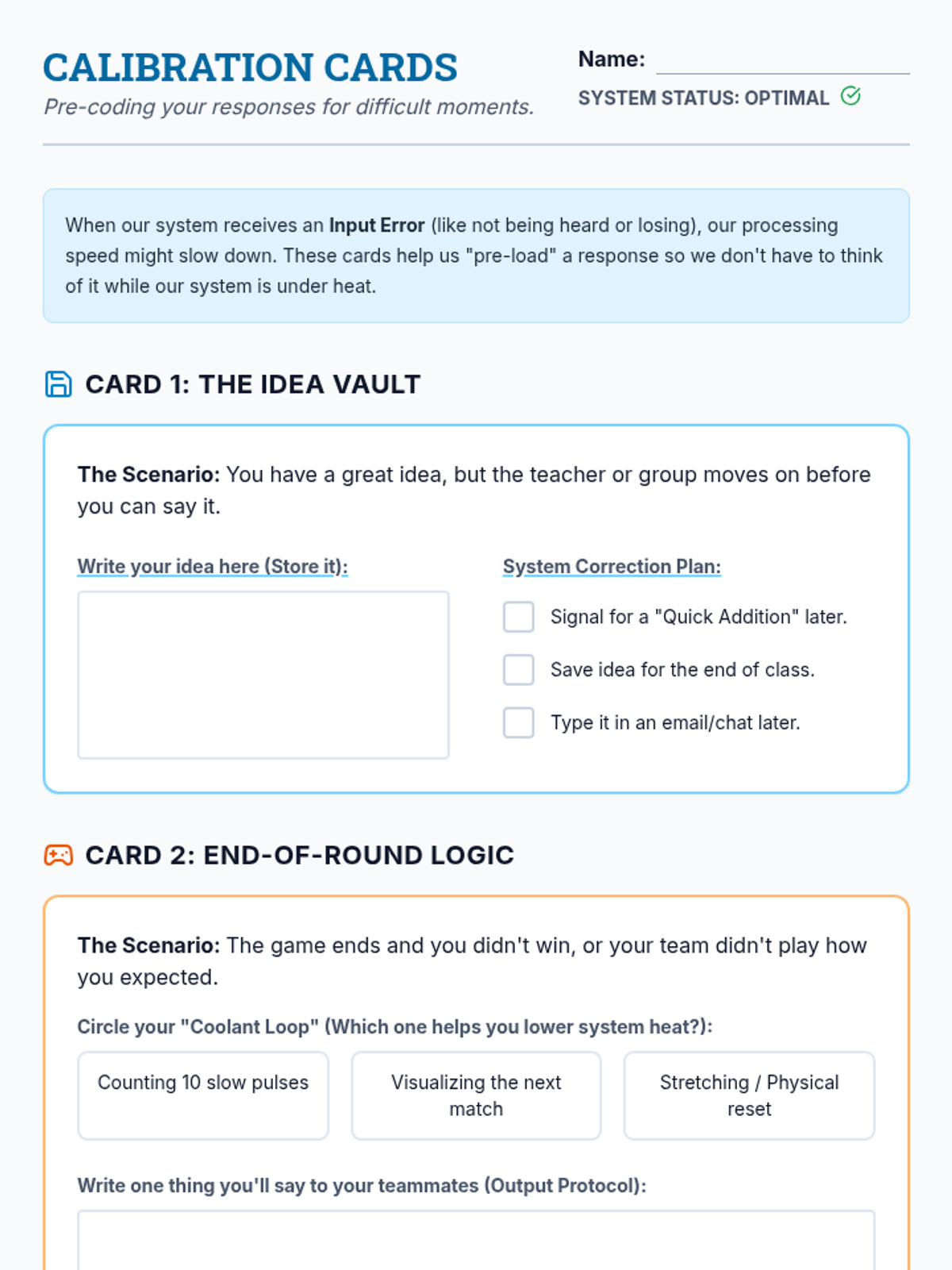
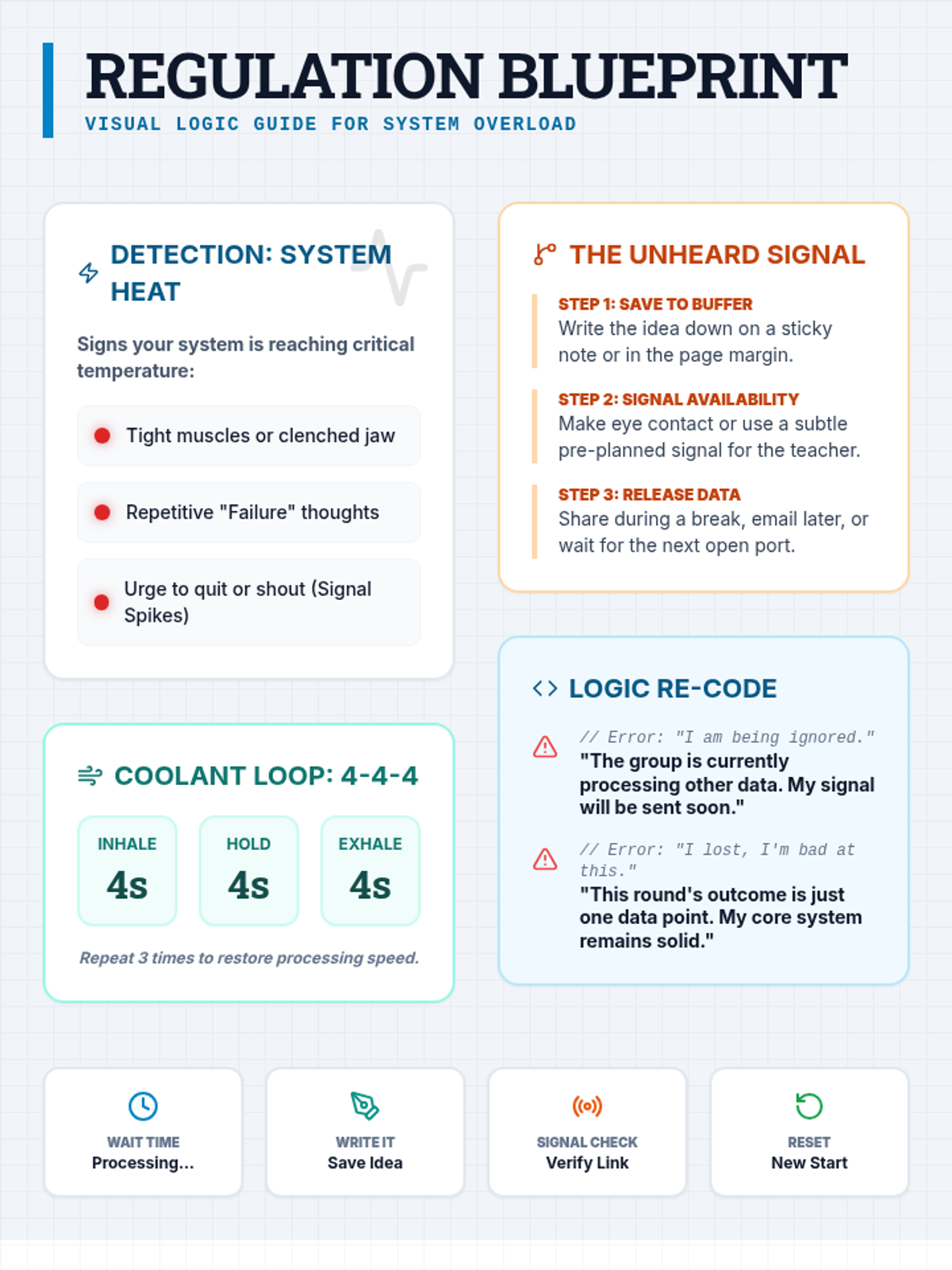
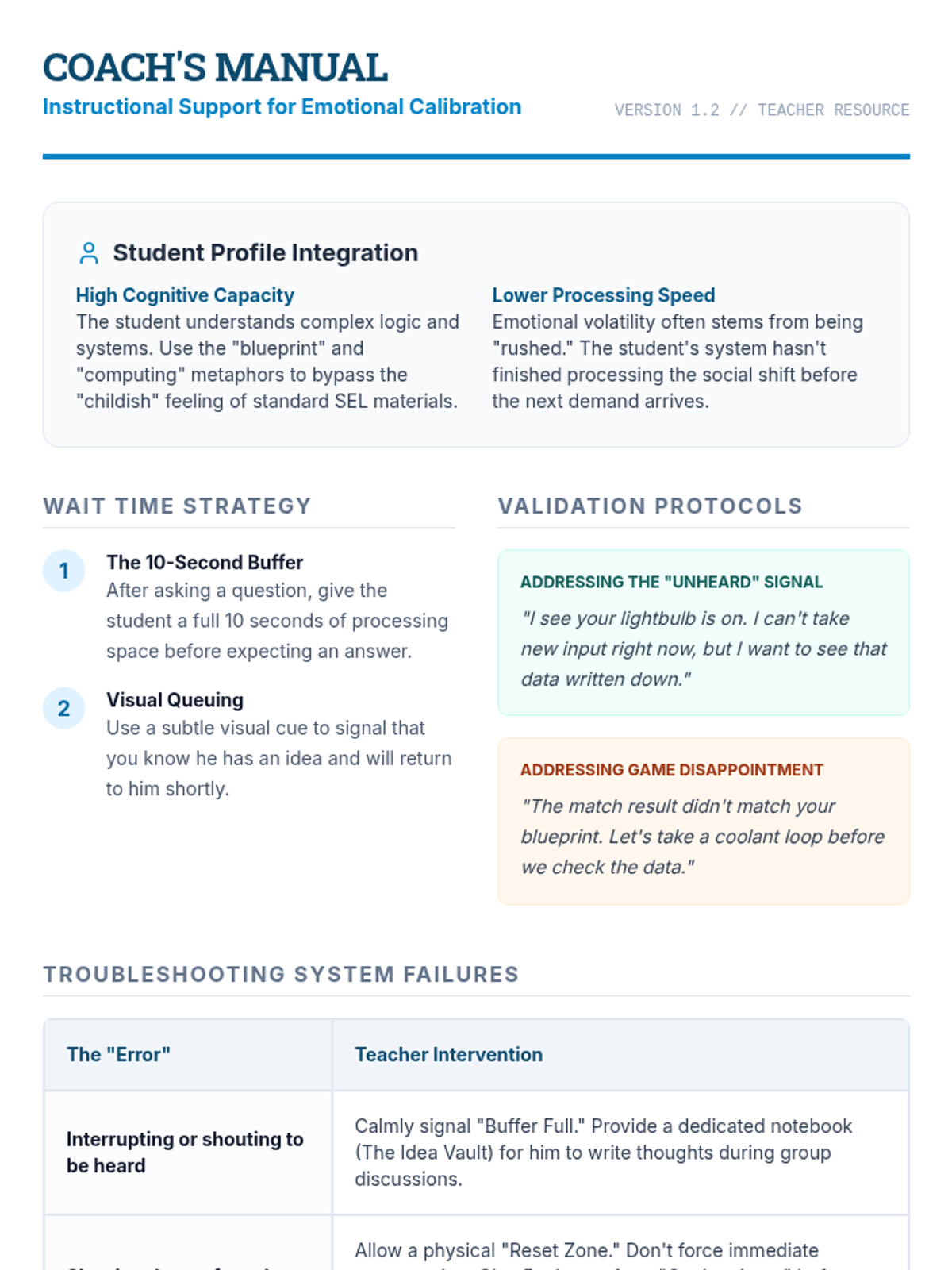
A comprehensive set of emotional regulation resources for middle school students, using a 'systems' and 'blueprints' theme to help them navigate disappointment, feeling unheard, and losing games.
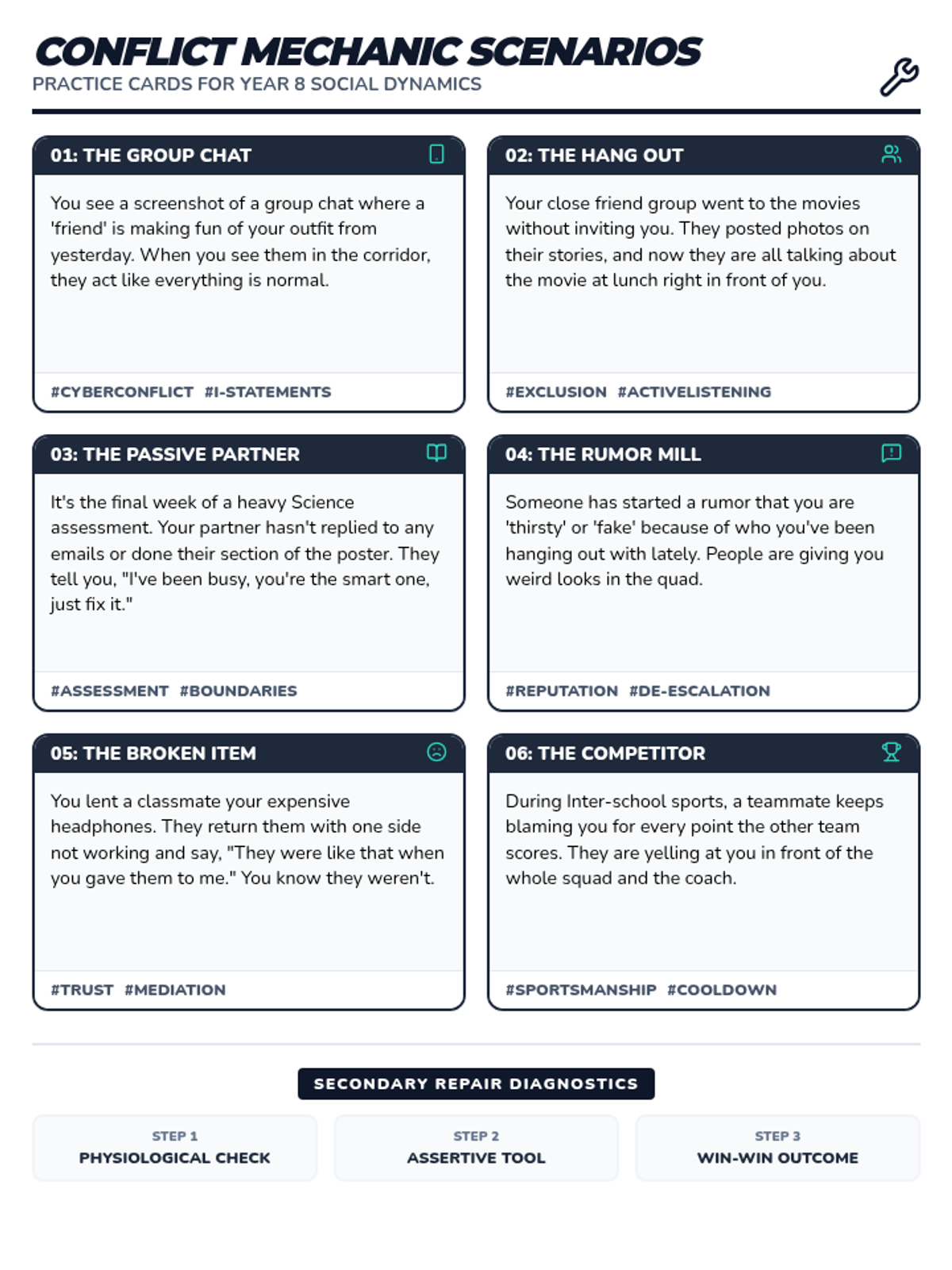
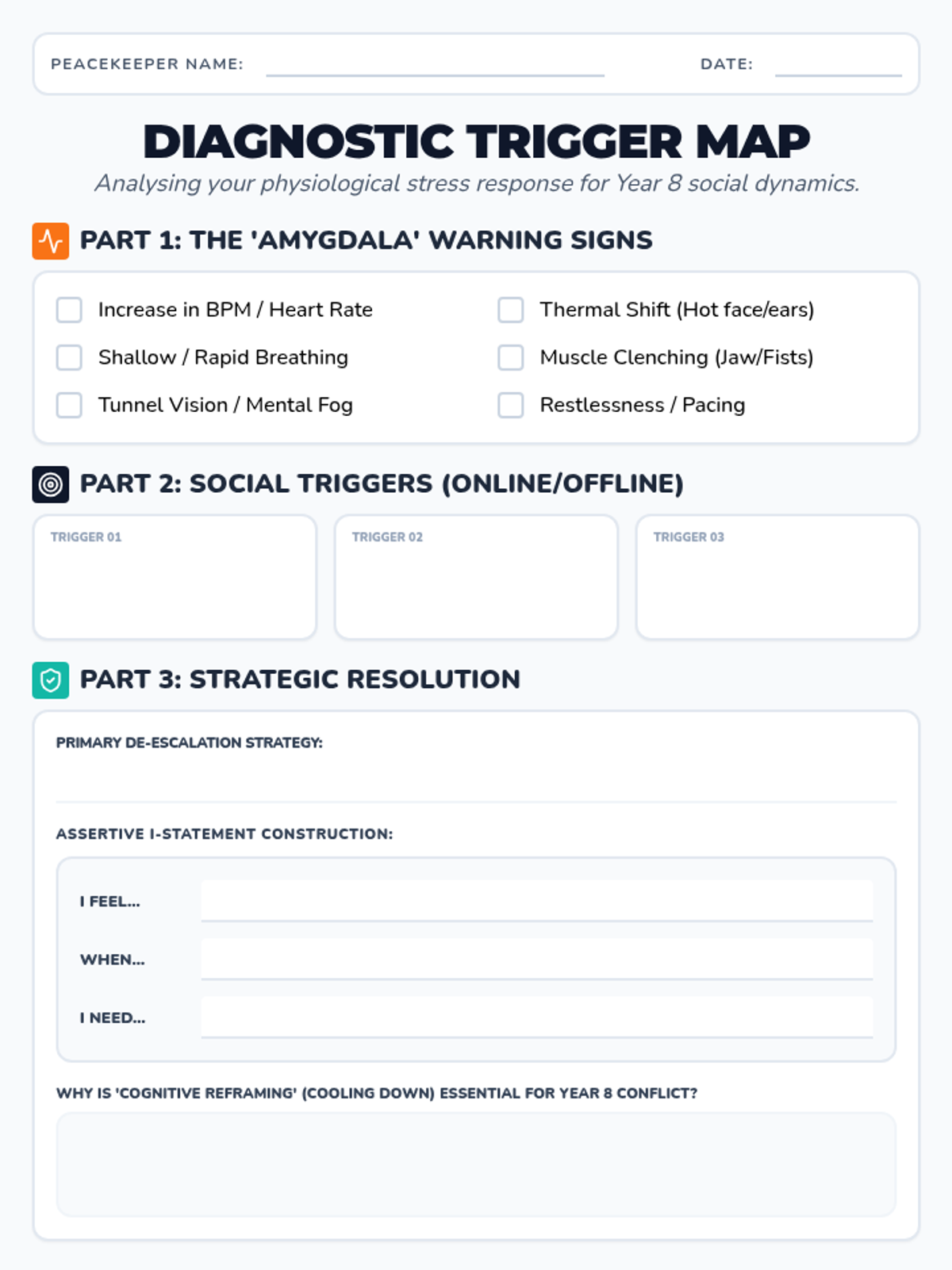
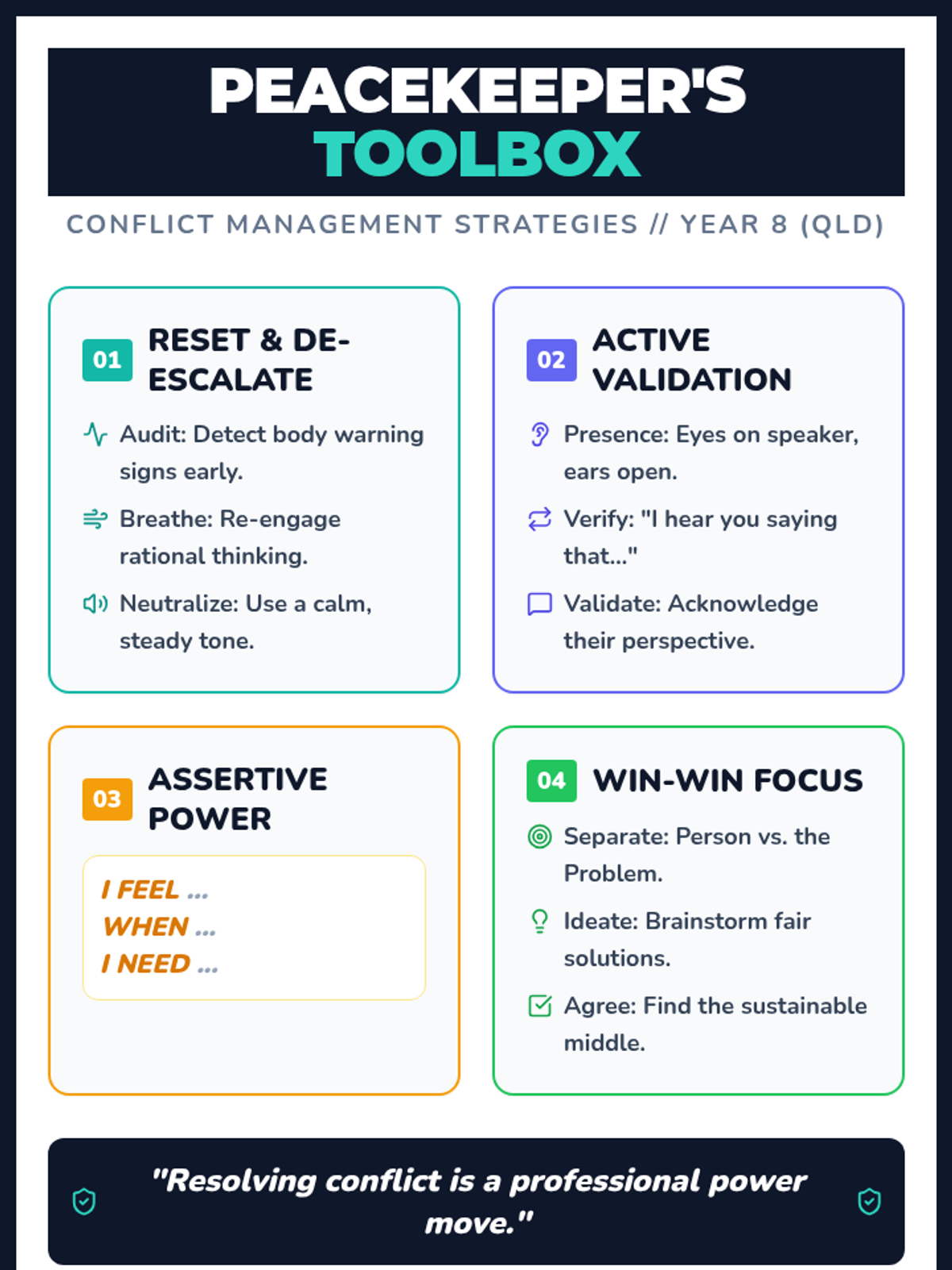
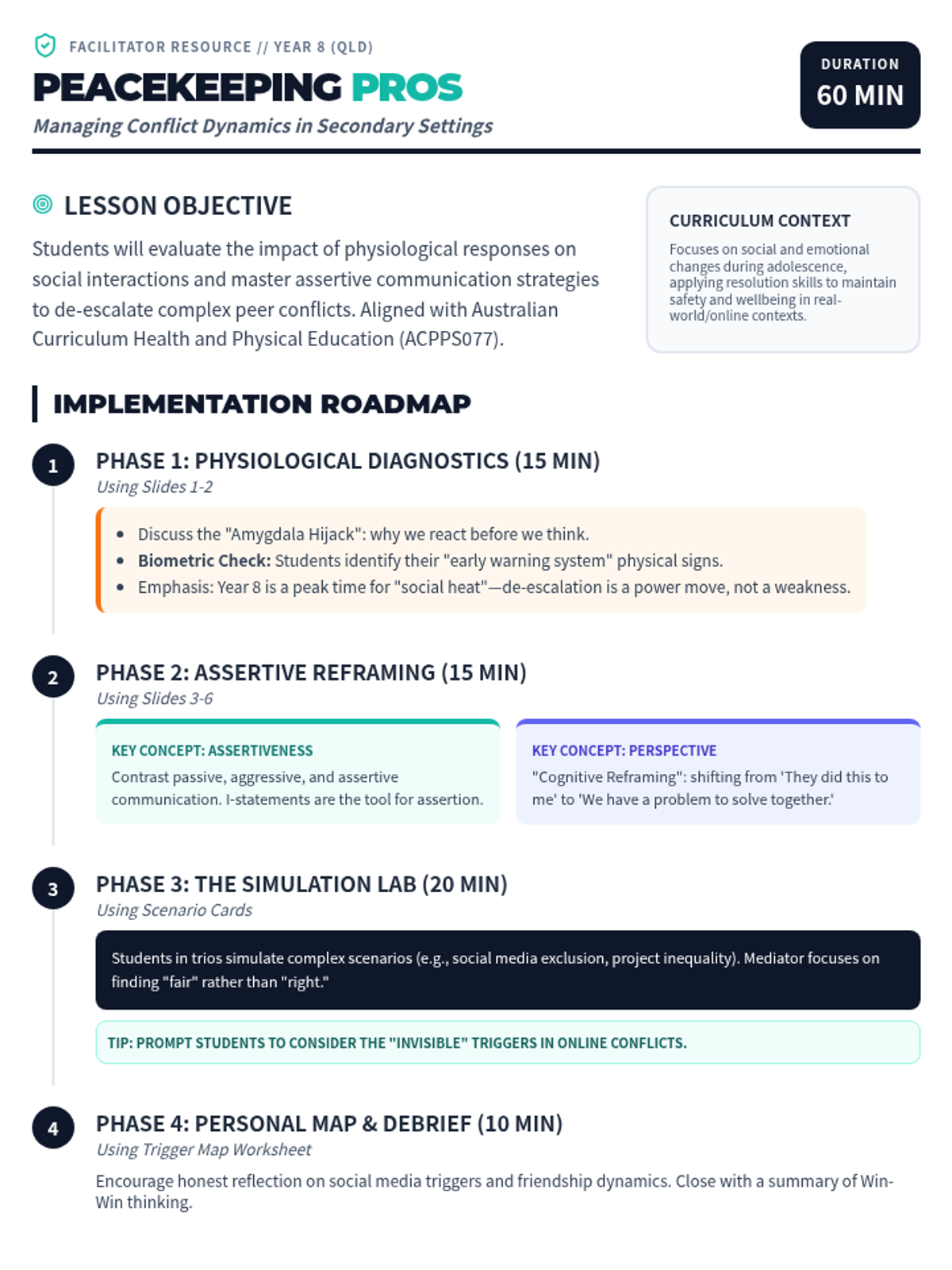
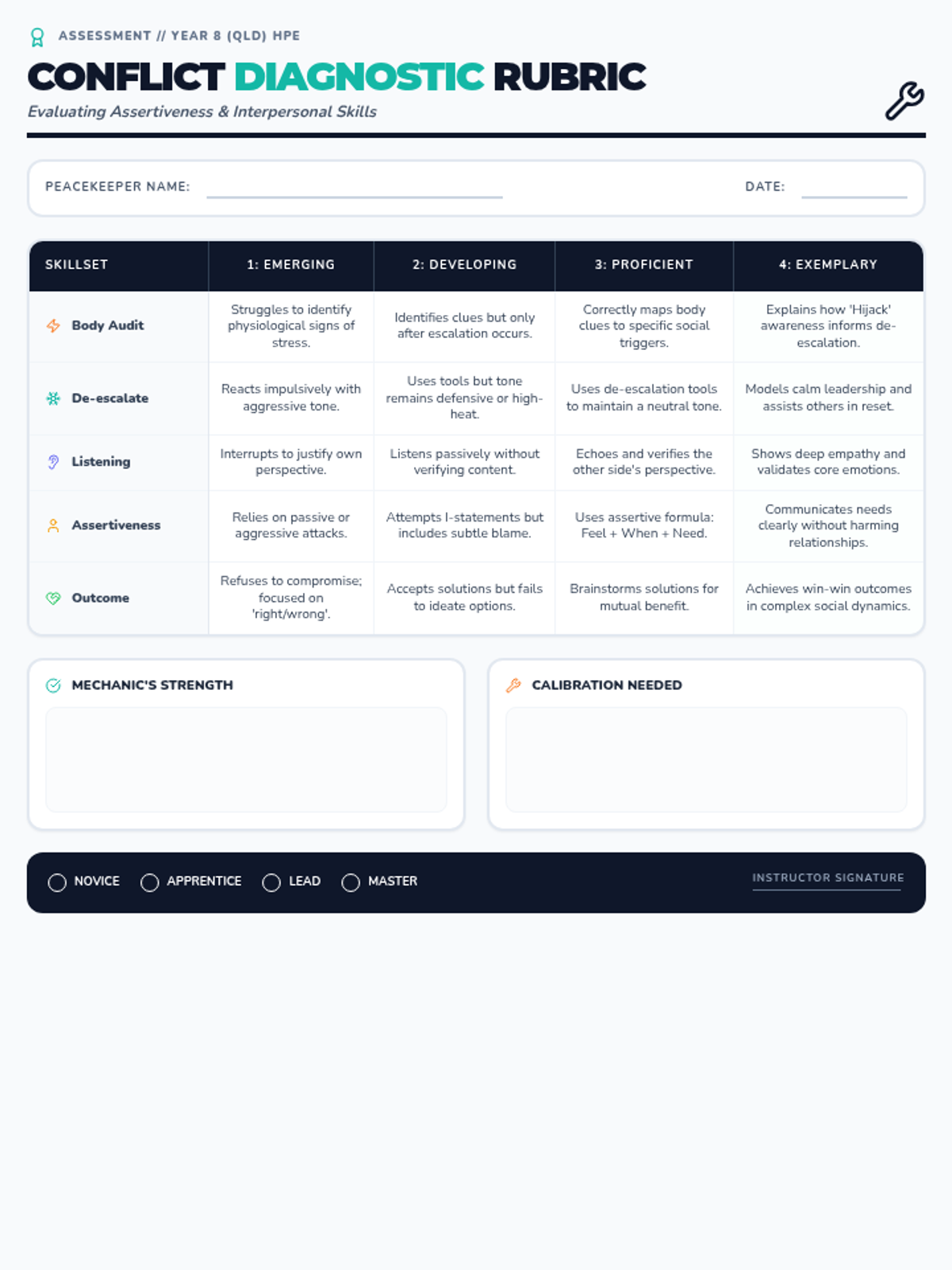
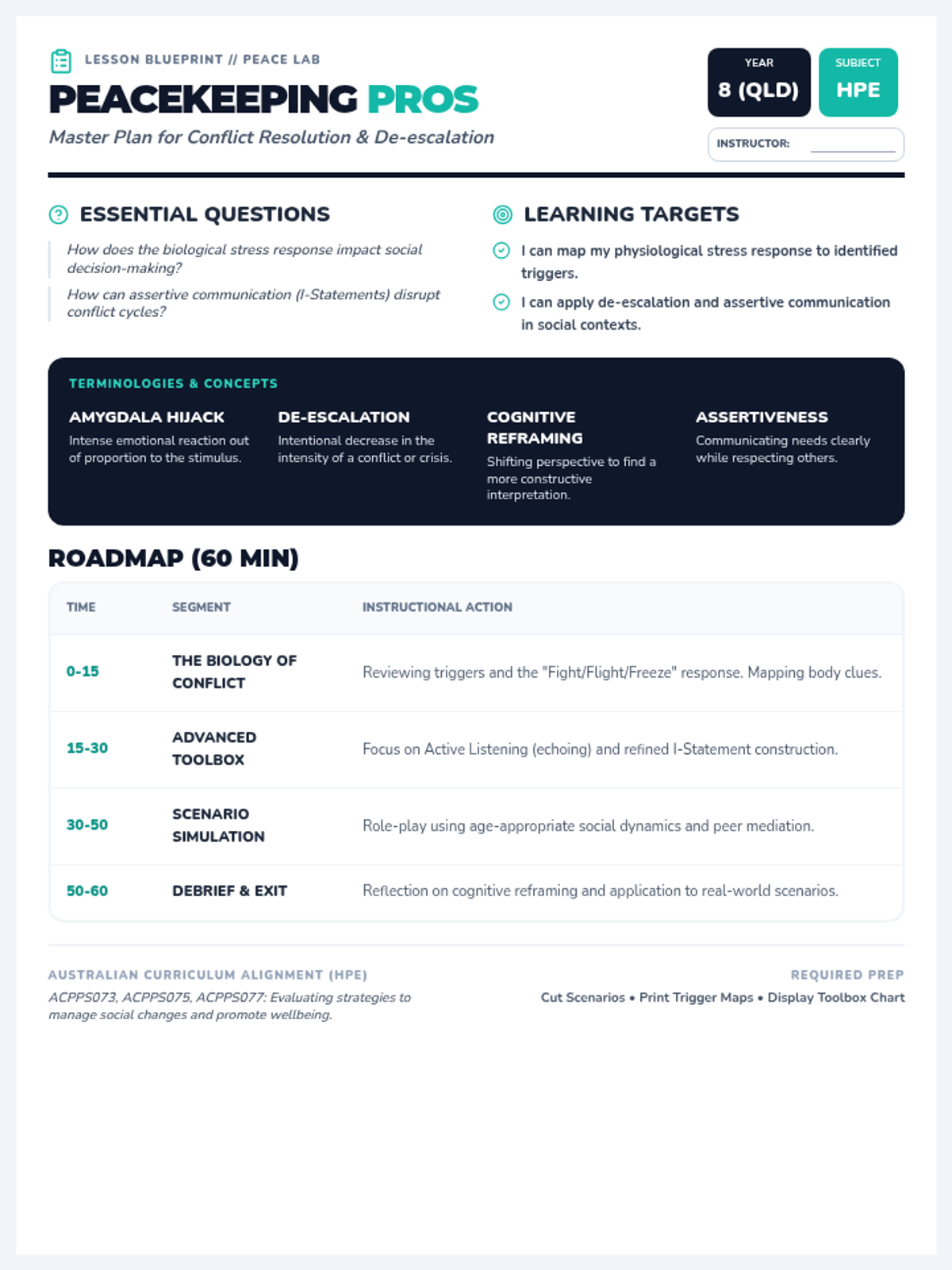
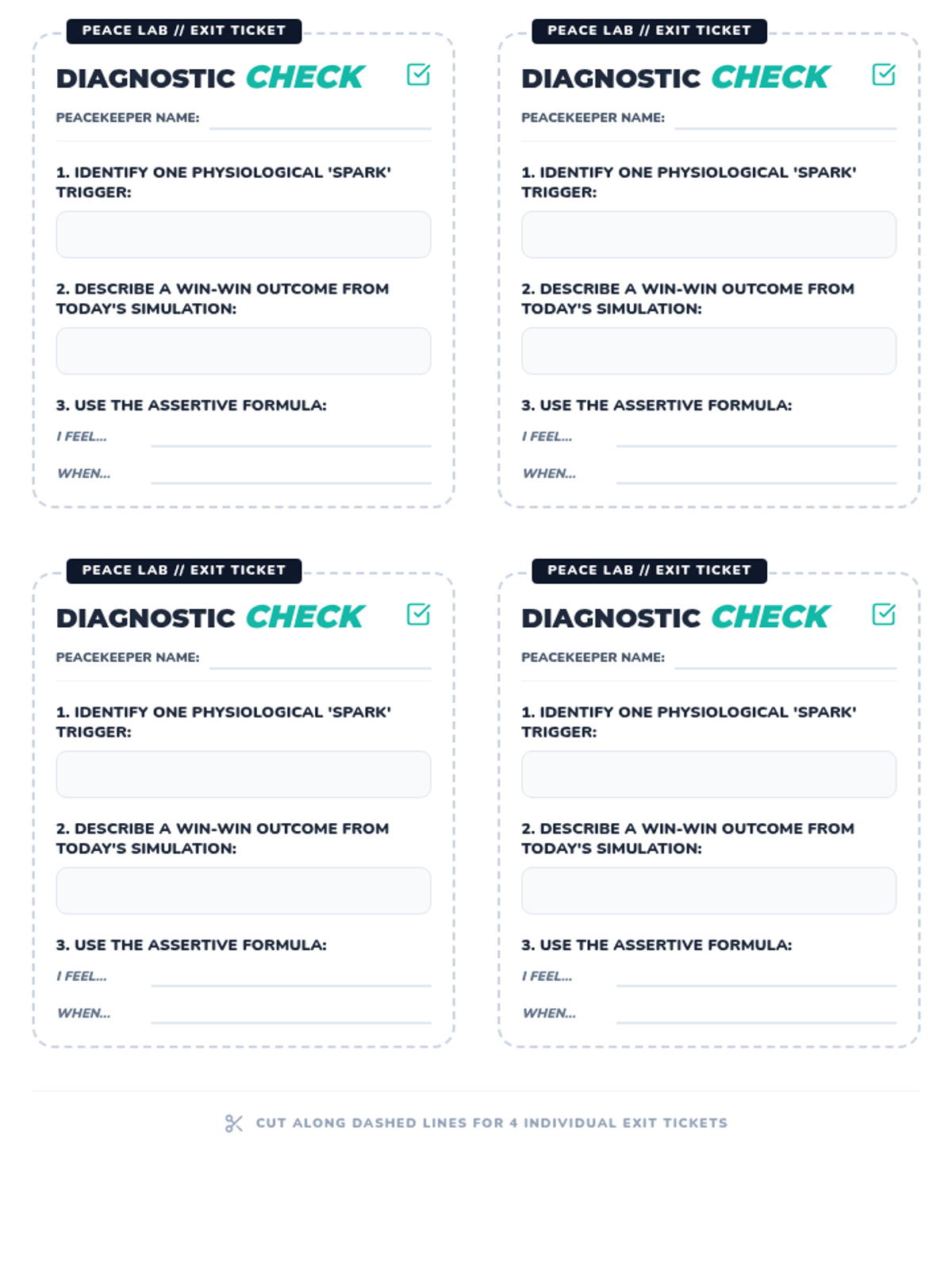
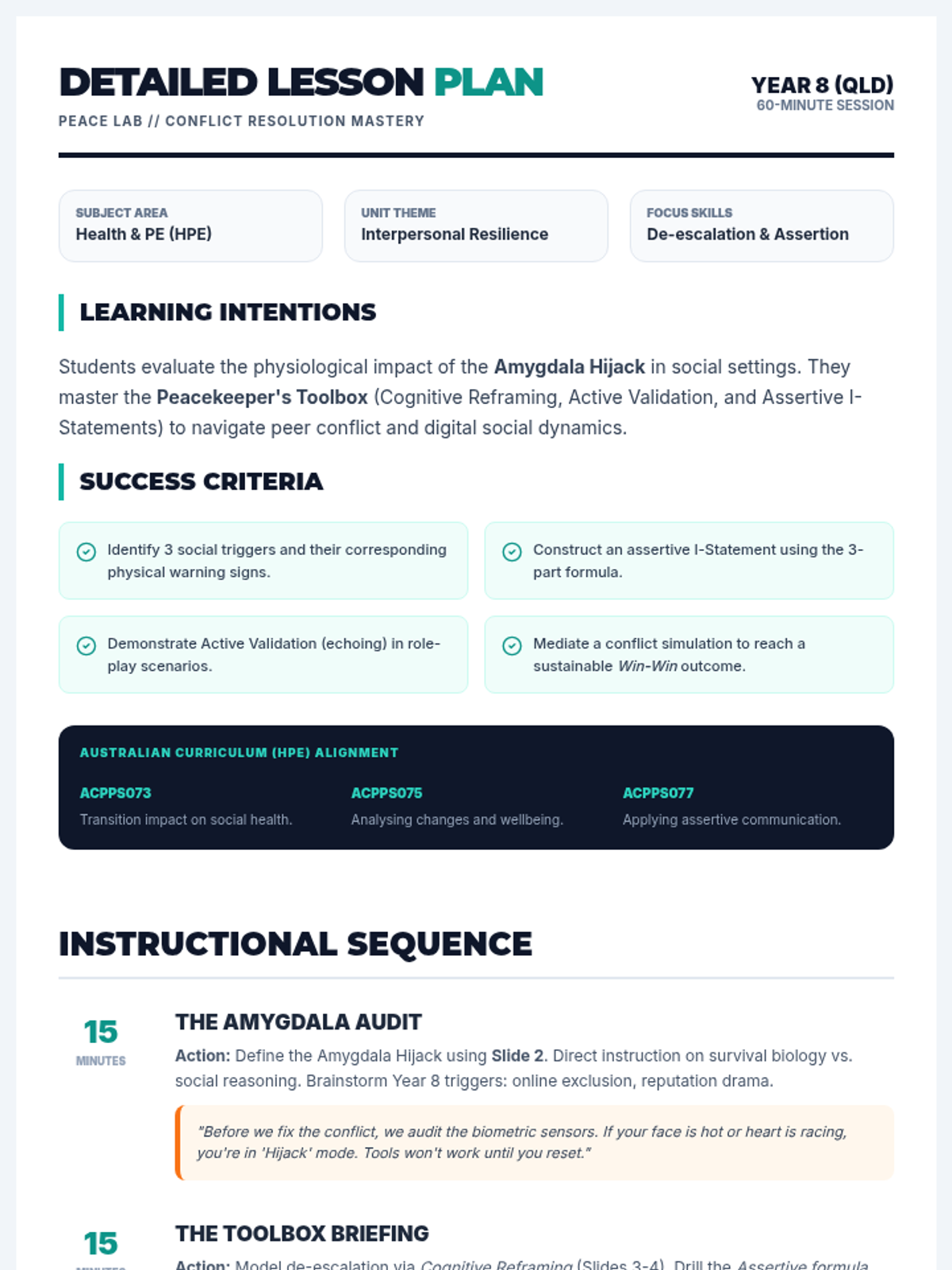
A comprehensive sequence of lessons for secondary students (Yr 7-8) focused on conflict resolution, social media responsibility, and assertive communication in both physical and digital spaces.
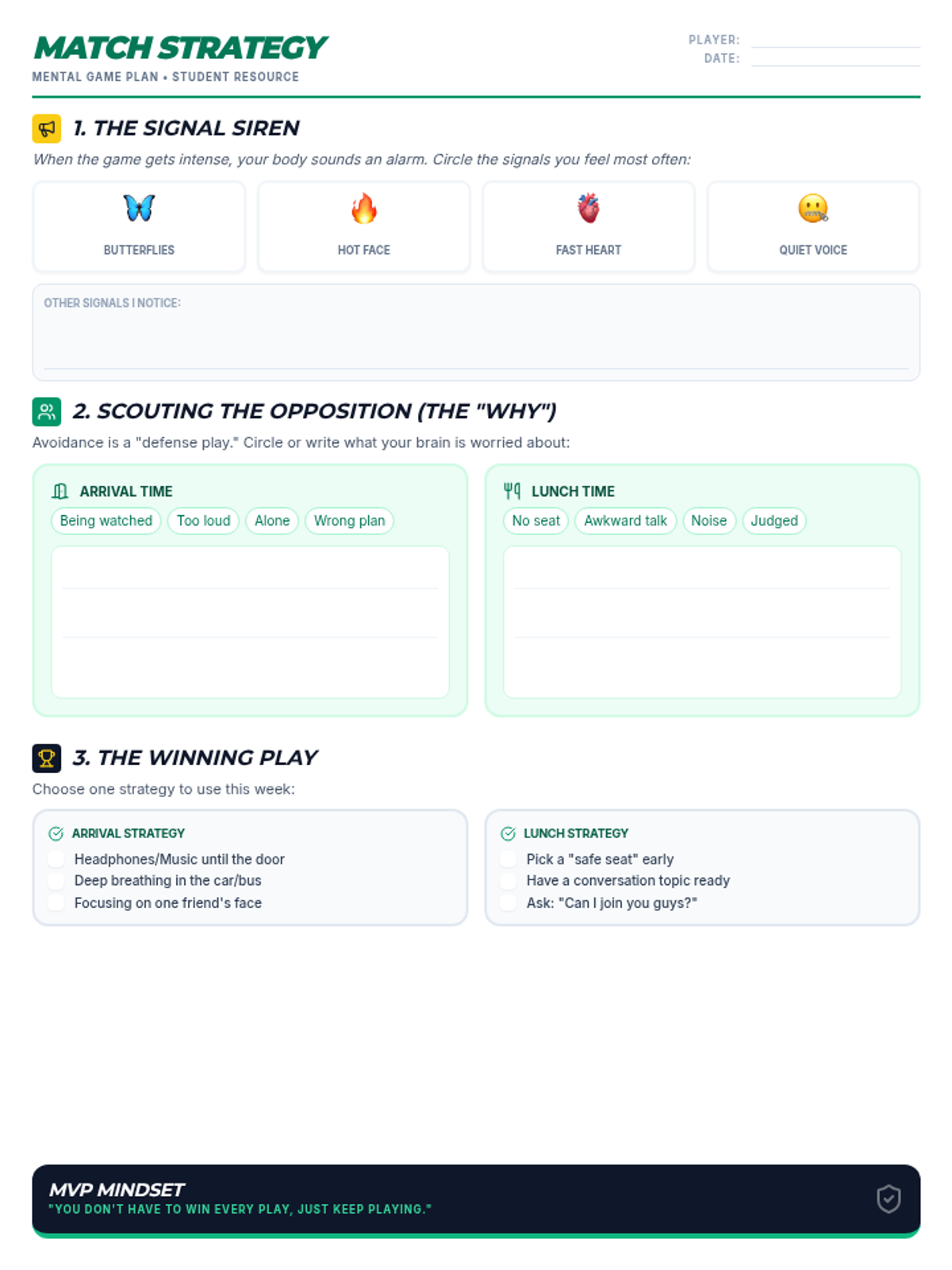
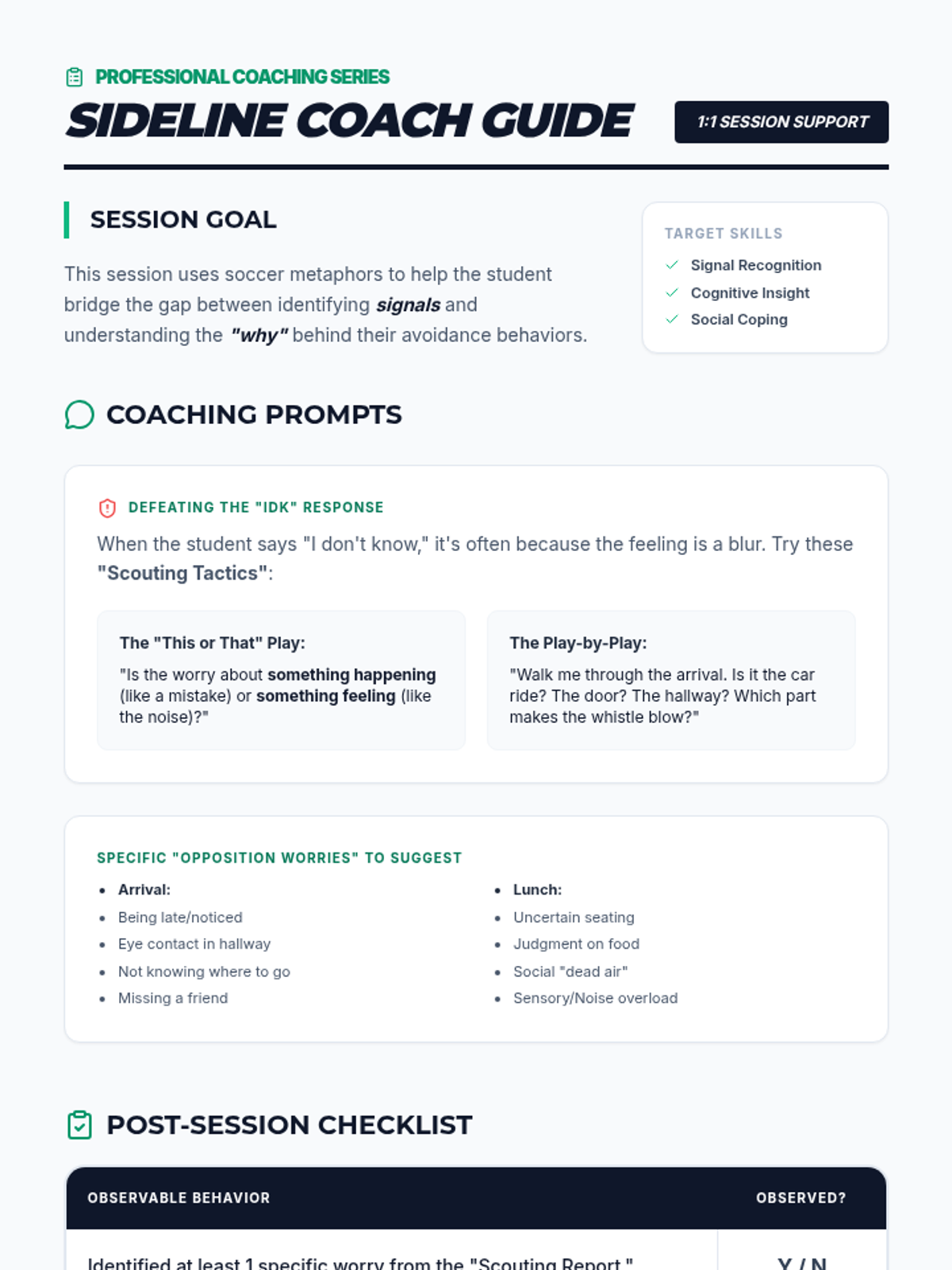
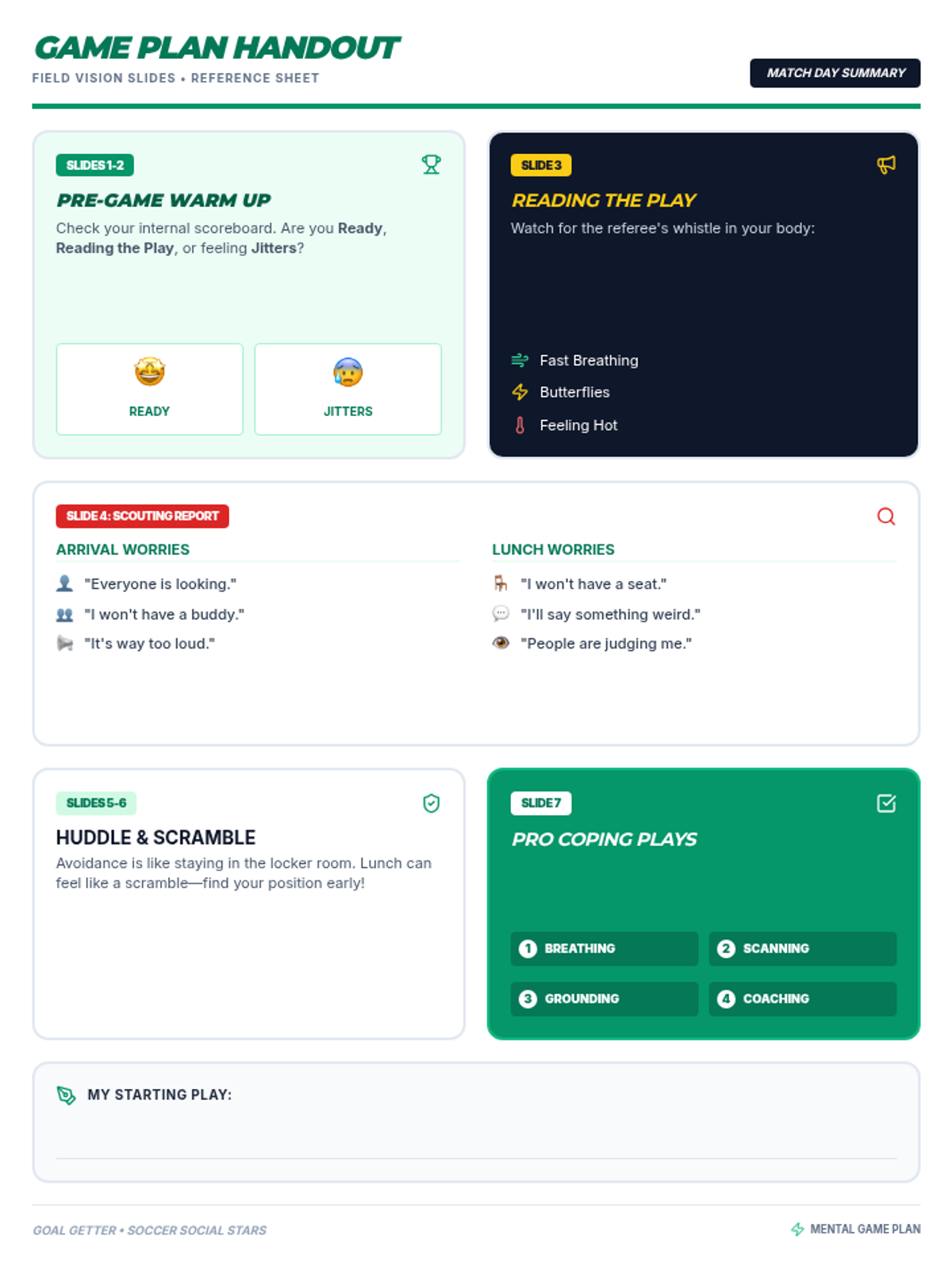
A soccer-themed social-emotional learning series focused on identifying social anxiety signals and developing coping strategies for school-based avoidance.
Um currículo abrangente de 13 semanas para alunos do ensino fundamental focado nos quatro módulos principais da Terapia Comportamental Dialética: Atenção Plena (Mindfulness), Eficácia Interpessoal, Regulação Emocional e Tolerância ao Mal-estar. Os alunos dominam habilidades de vida em um ambiente de grupo colaborativo.
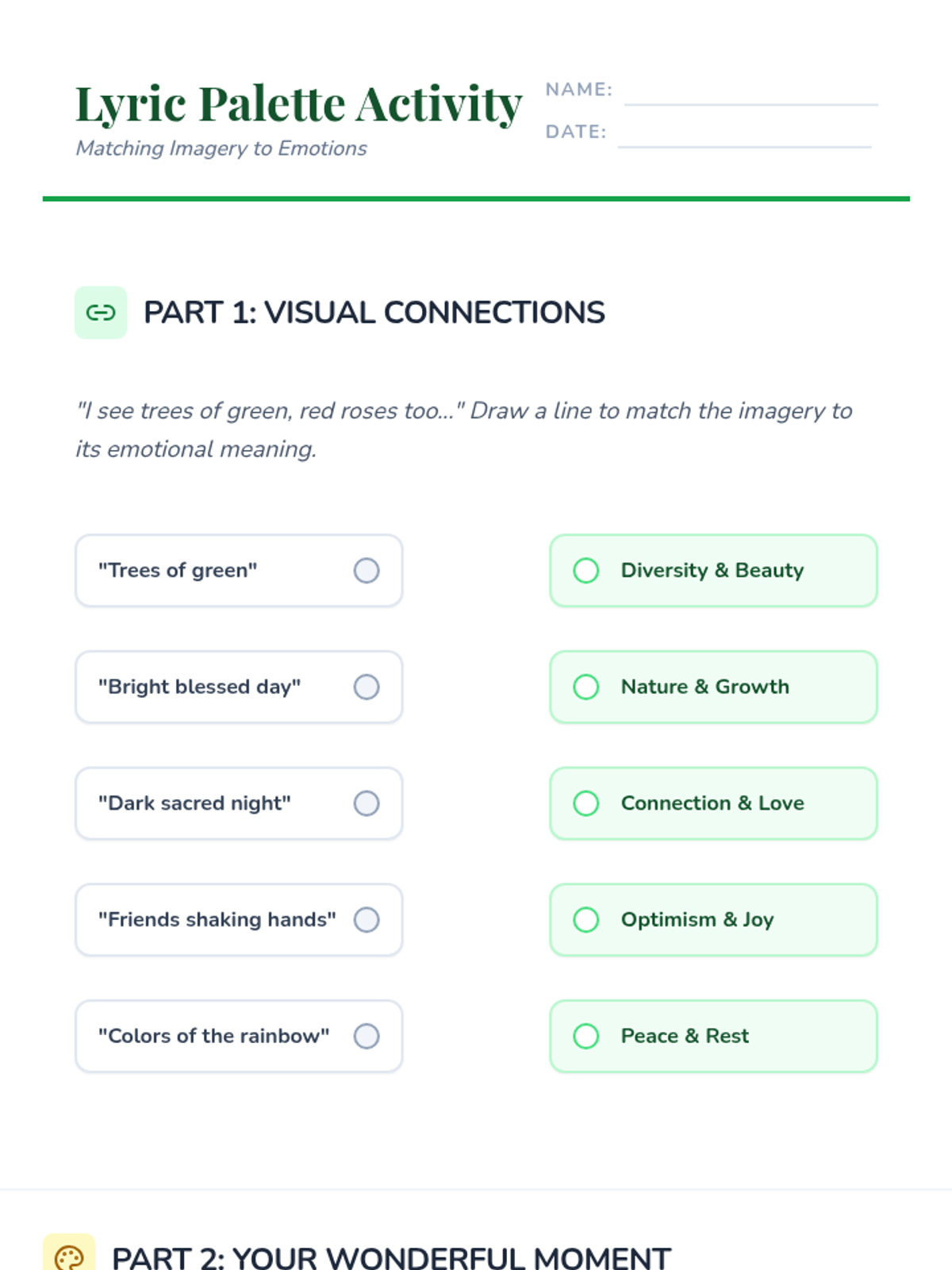
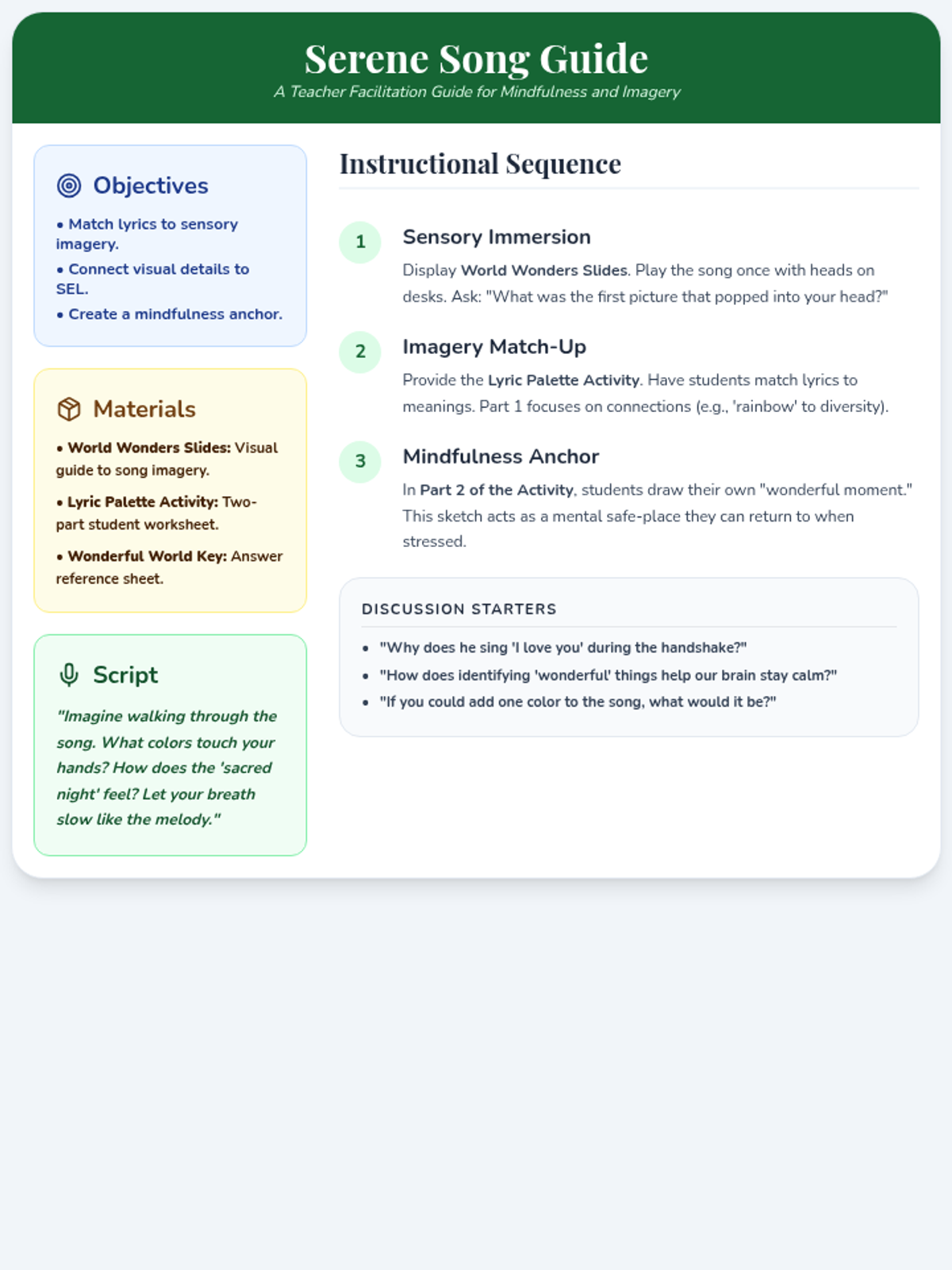
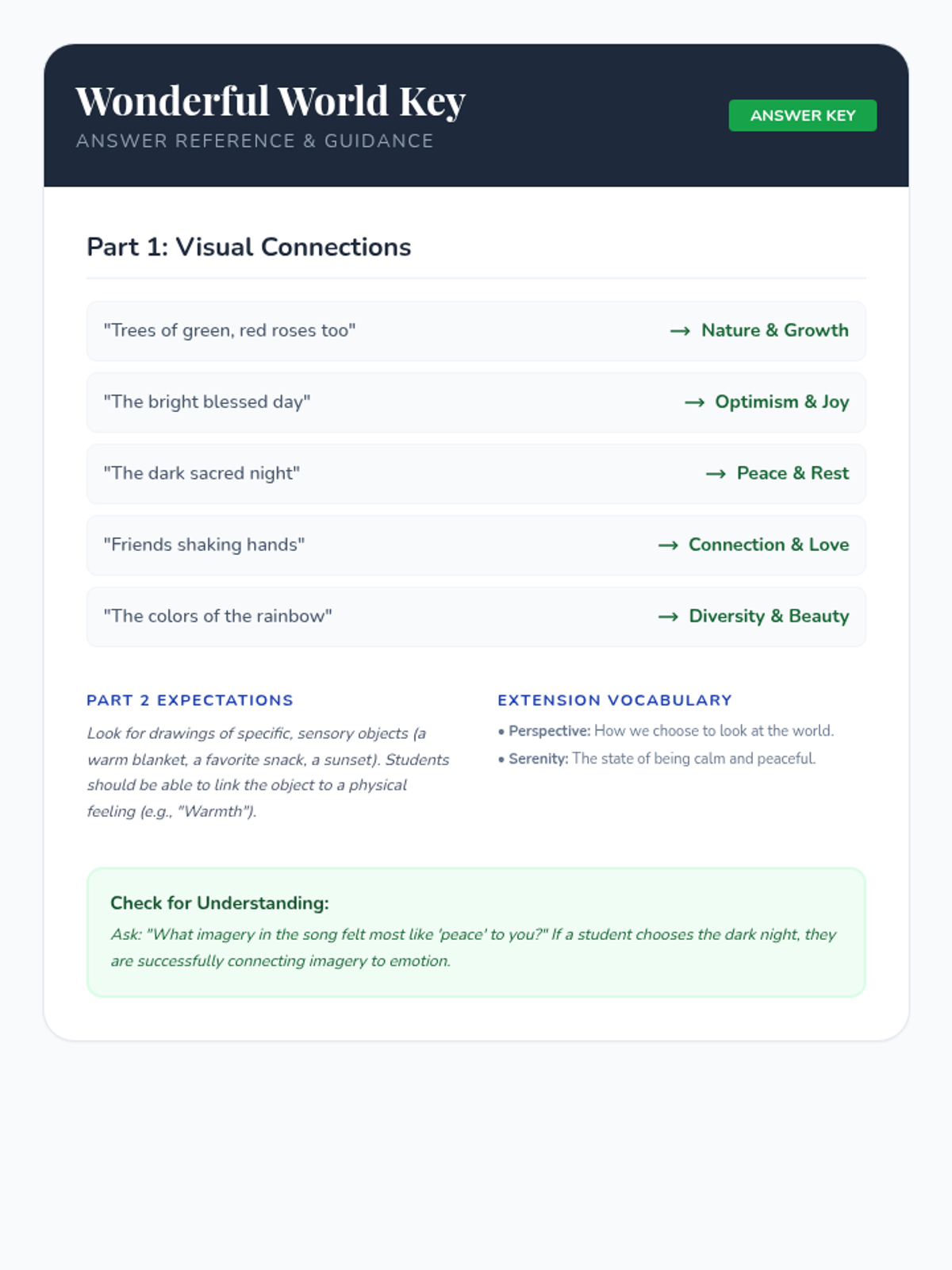
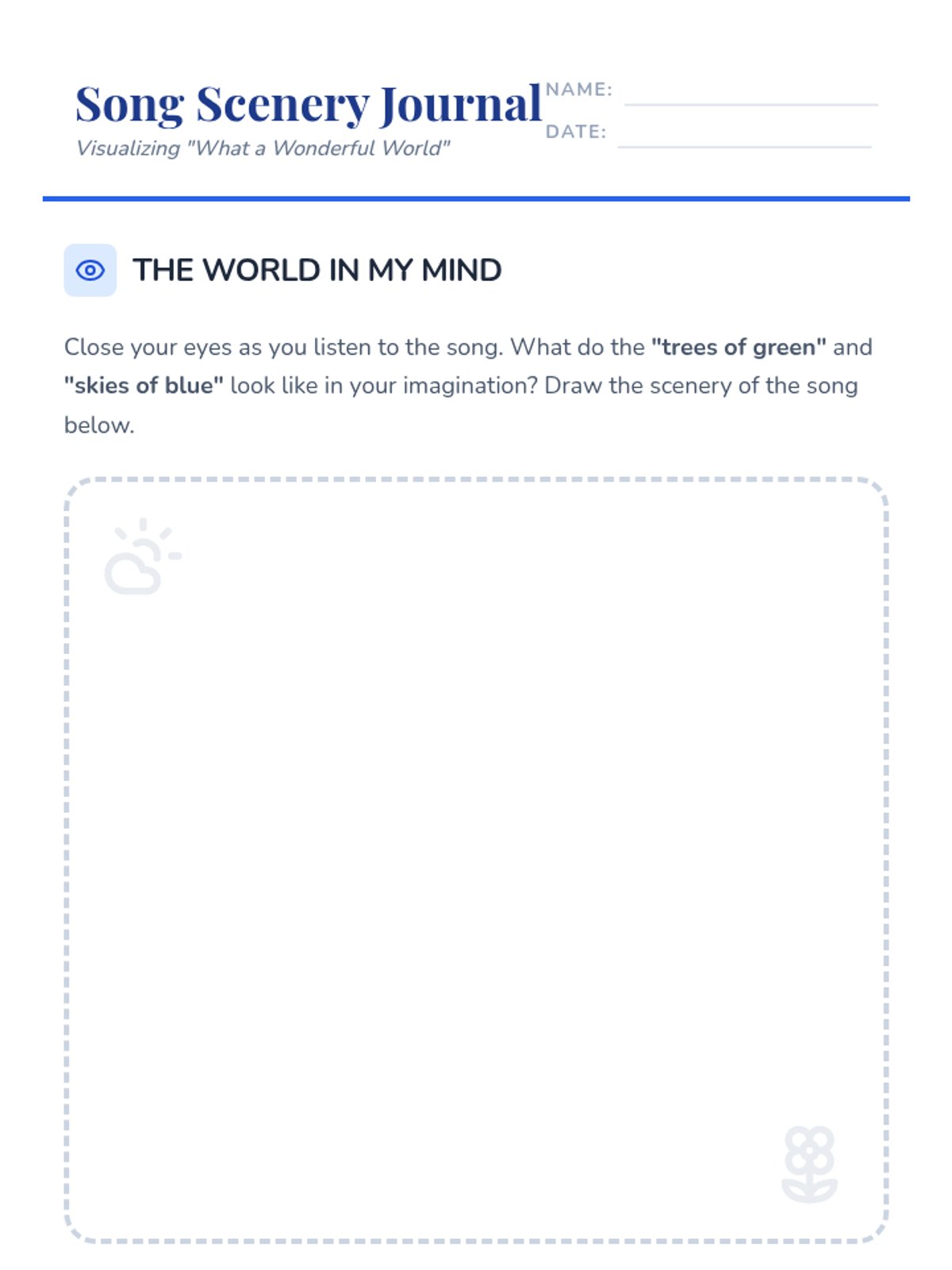
A collection of resources focused on using the song 'What a Wonderful World' to explore imagery, vocabulary, and social-emotional mindfulness. Students will connect sensory details to emotions and practice emotional regulation through music and art.
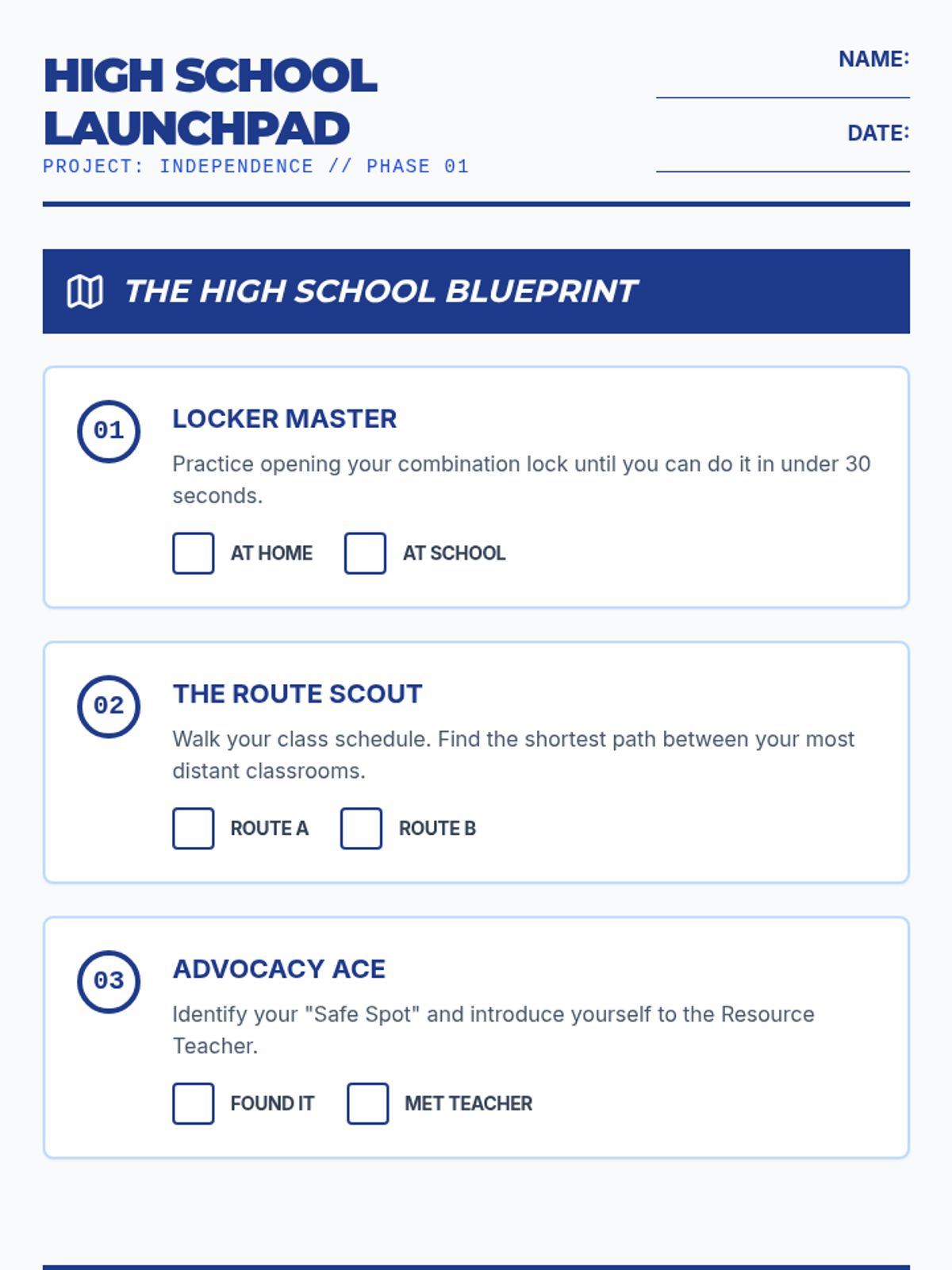
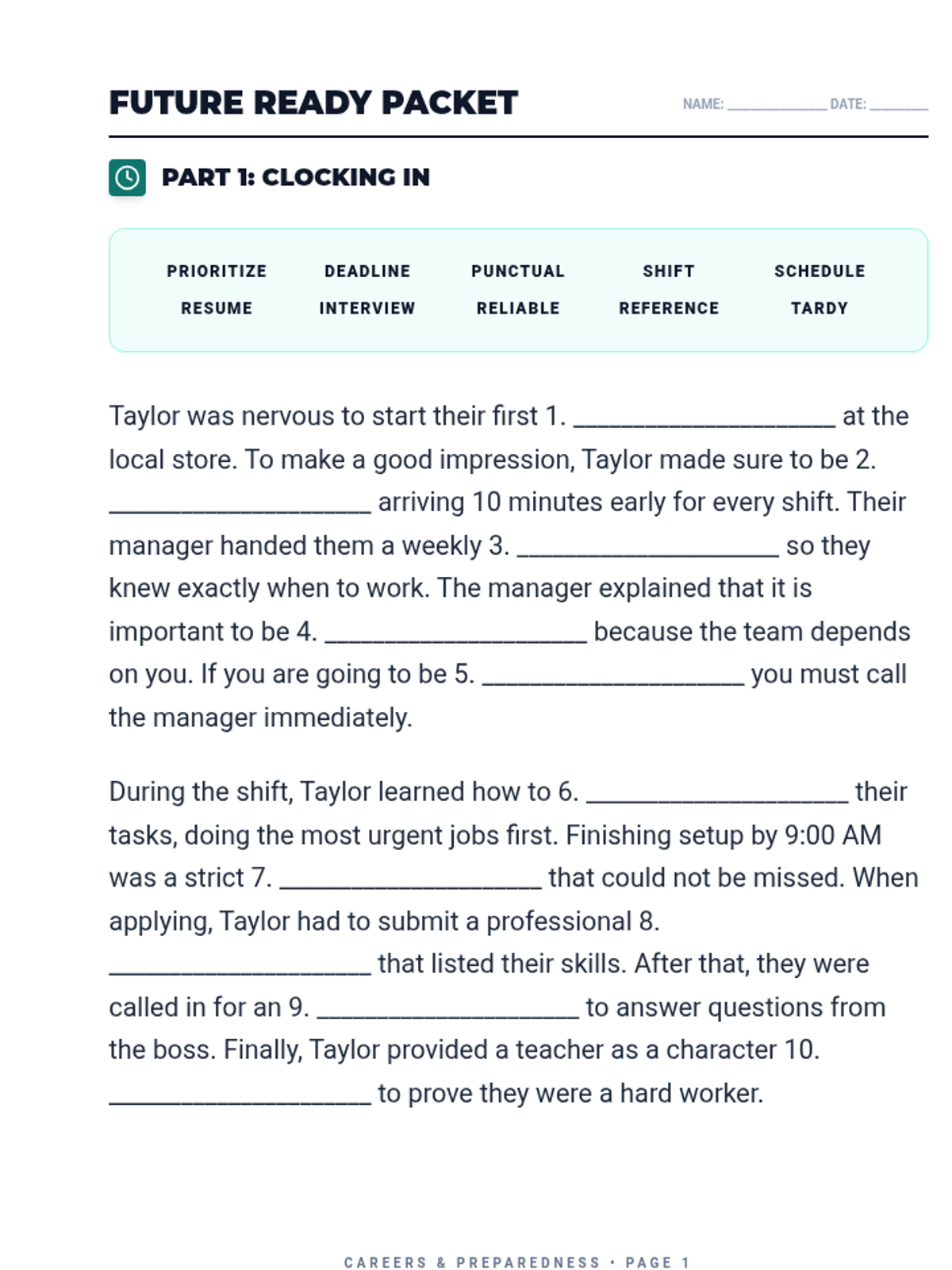
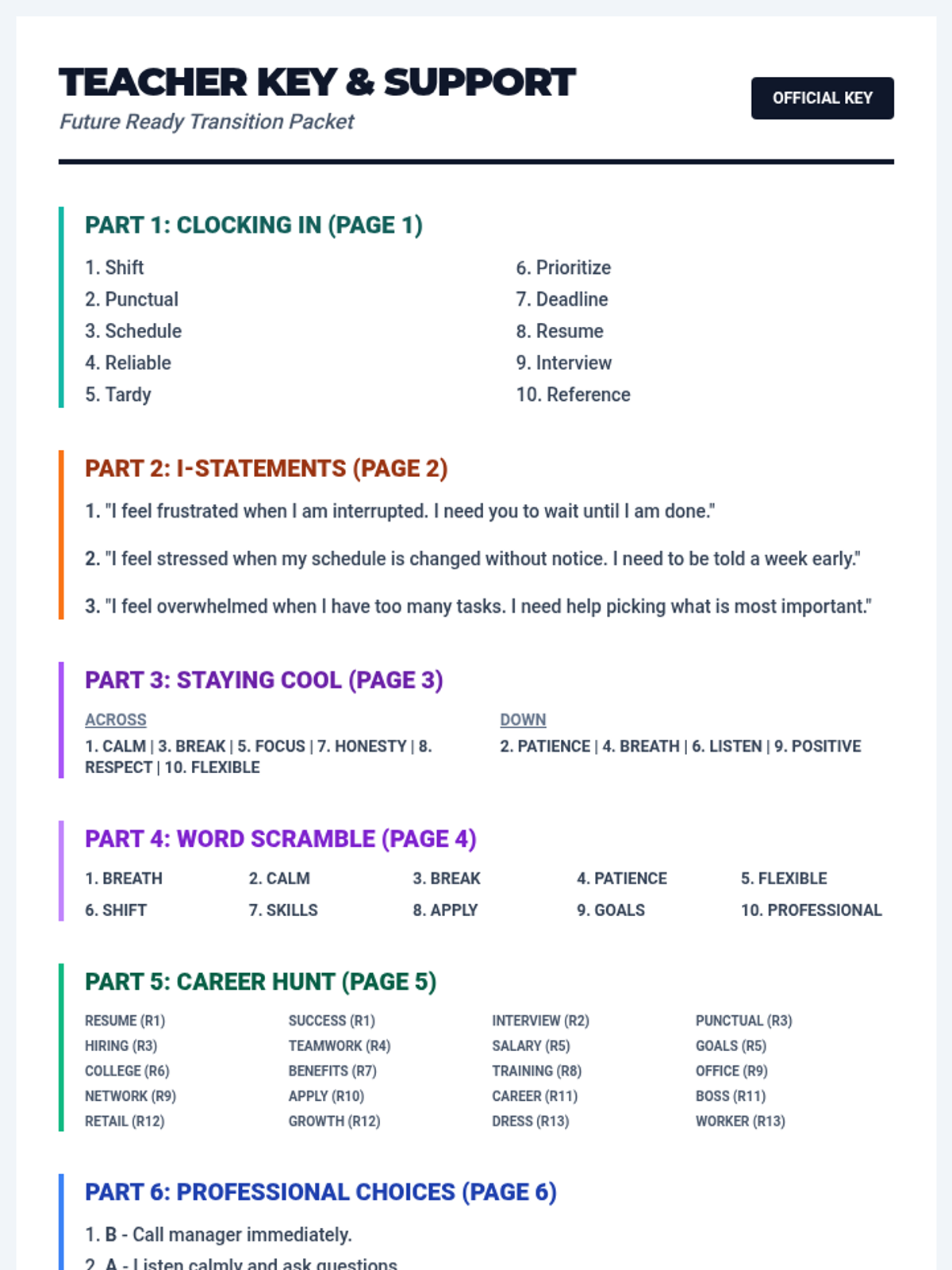
A comprehensive transition program designed for 8th graders to prepare for the academic and social-emotional demands of high school and entry-level employment. The sequence focuses on practical executive functioning, professional communication, and workplace conflict resolution.
A comprehensive mental health curriculum focusing on emotional literacy, stress management, coping strategies, and social support. Students cultivate self-awareness and resilience through interactive activities and reflection.
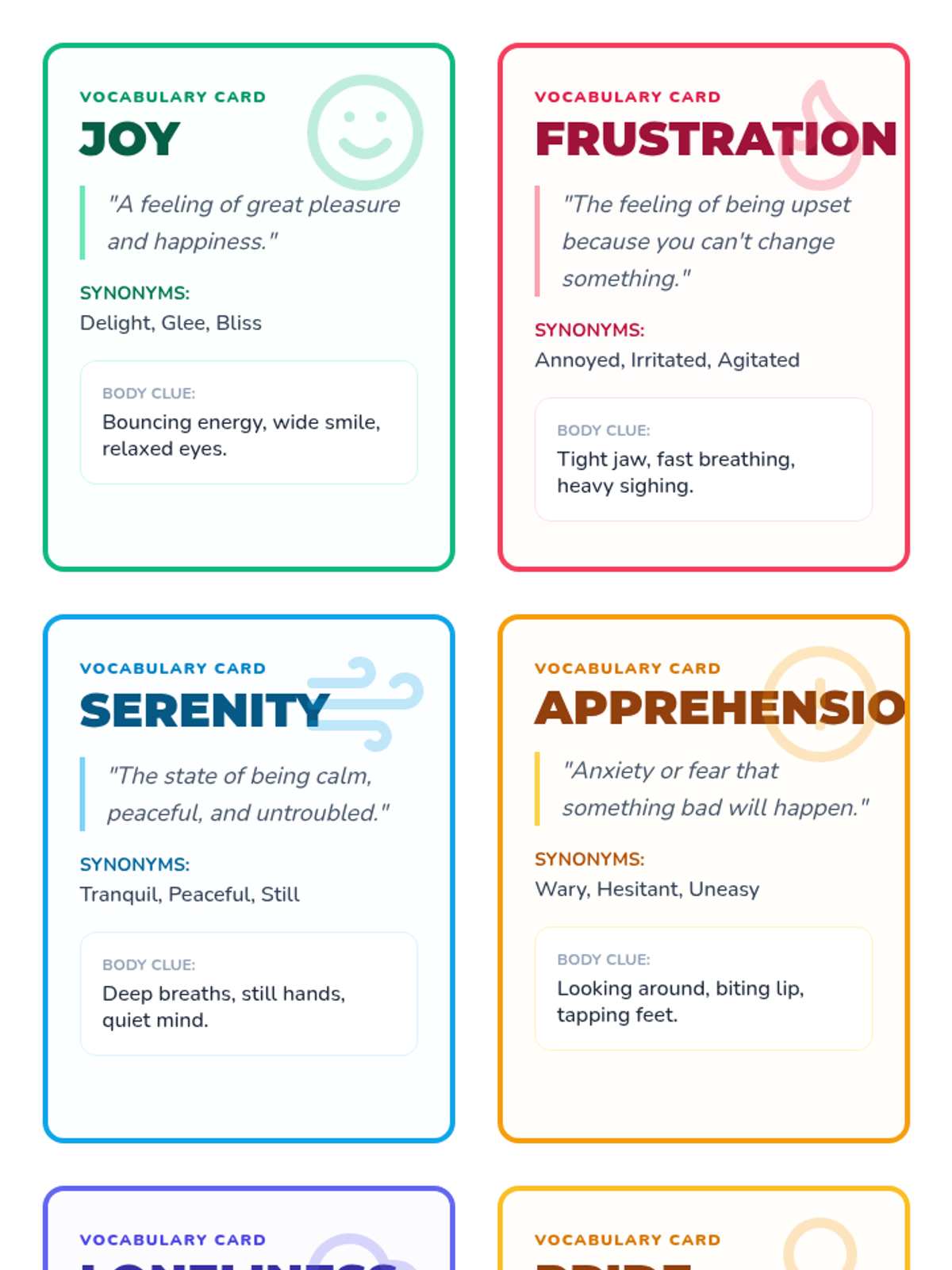
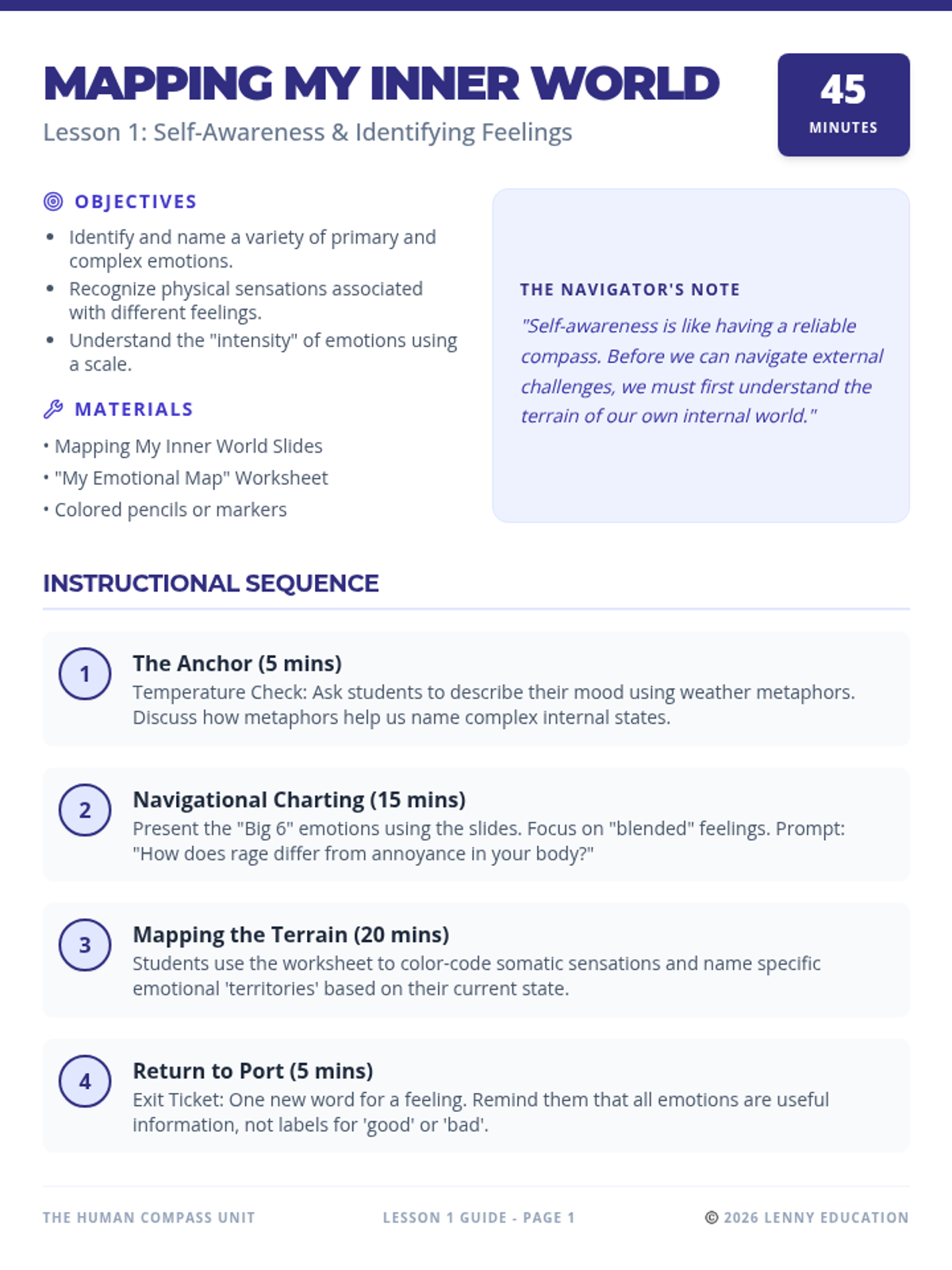
A comprehensive SEL unit designed to help students navigate their internal emotions, understand others, and resolve conflicts using a navigational theme. This unit covers Self-Awareness, Social Awareness, and Relationship Skills for middle-grade students.
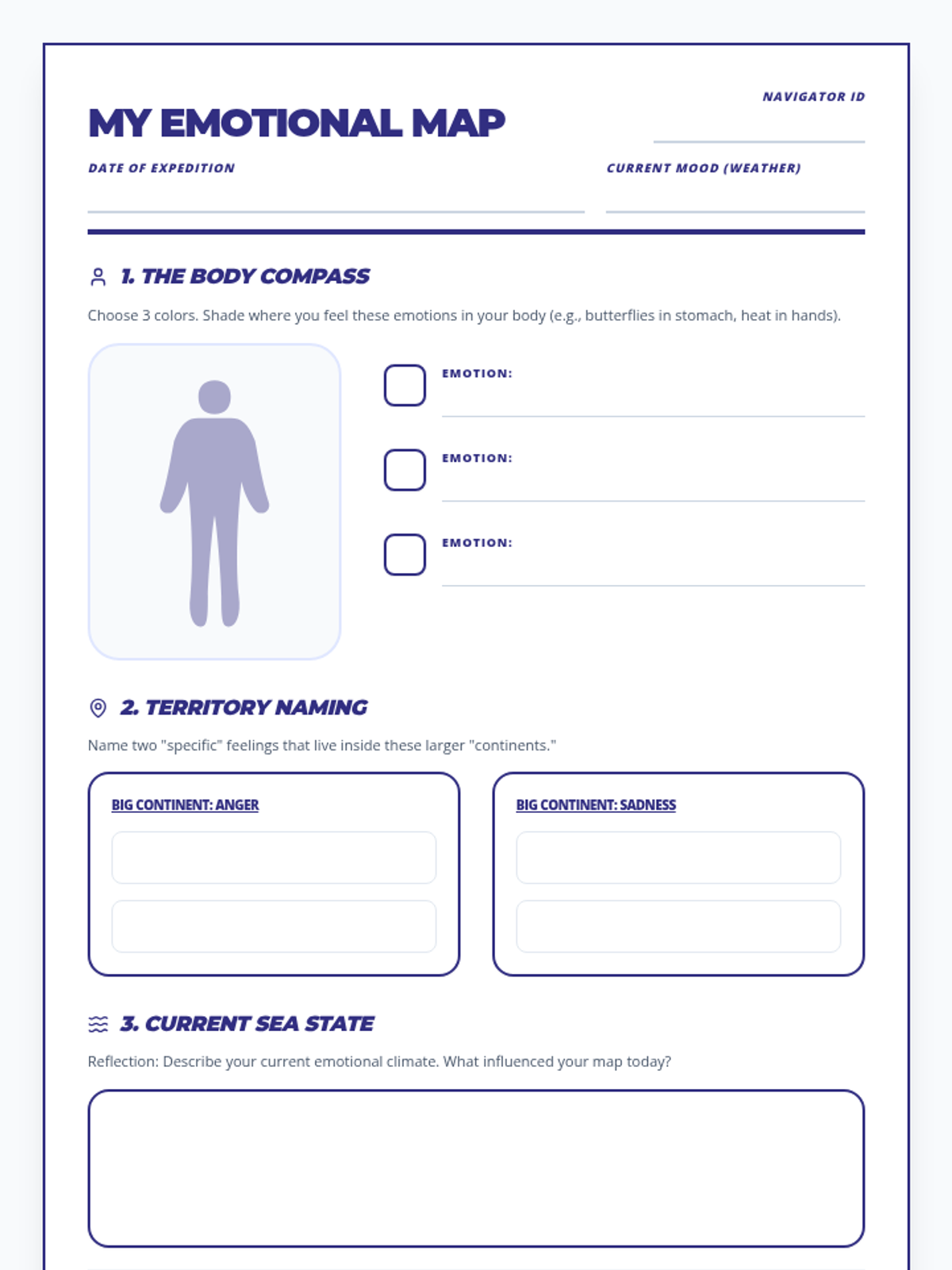
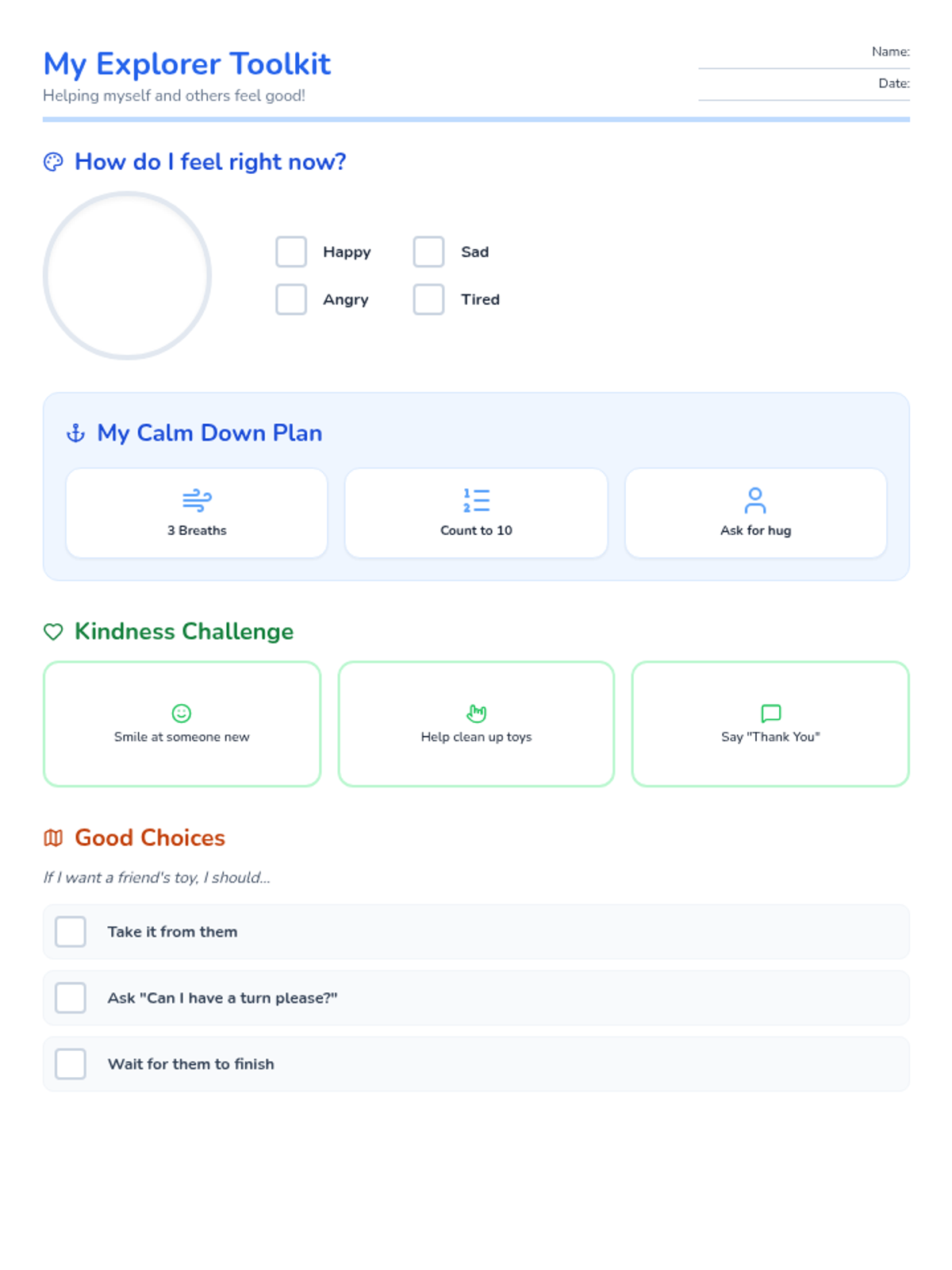
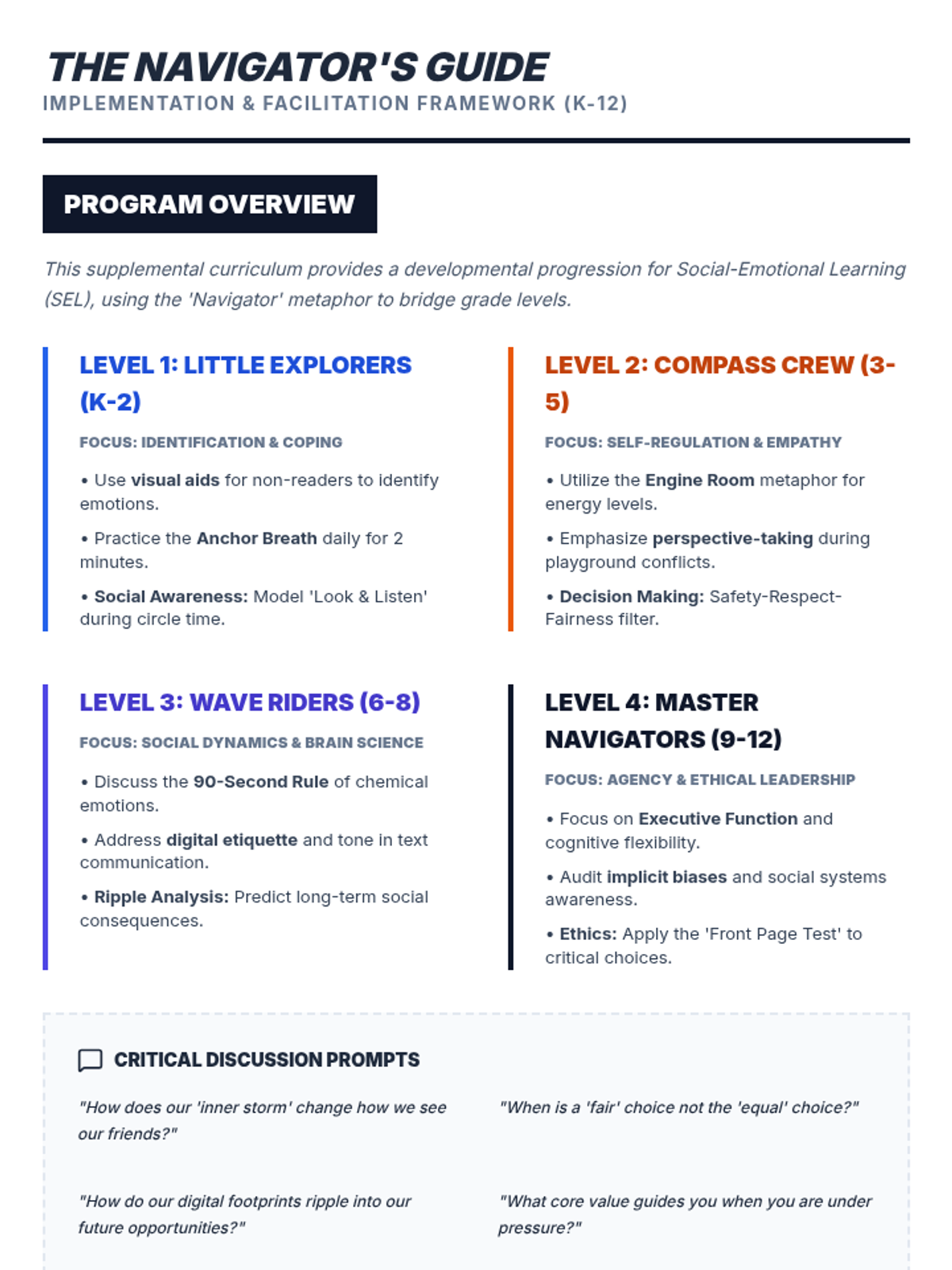
A comprehensive SEL curriculum designed for K-12 students, focusing on self-management, coping skills, social awareness, and responsible decision-making using a nautical 'Navigator' theme.
A comprehensive K-12 Social-Emotional Learning curriculum focusing on behavior regulation, social skills, and mental health resilience. This sequence provides a developmental pathway from emotional foundations in elementary school to complex coping strategies and social navigation in high school.
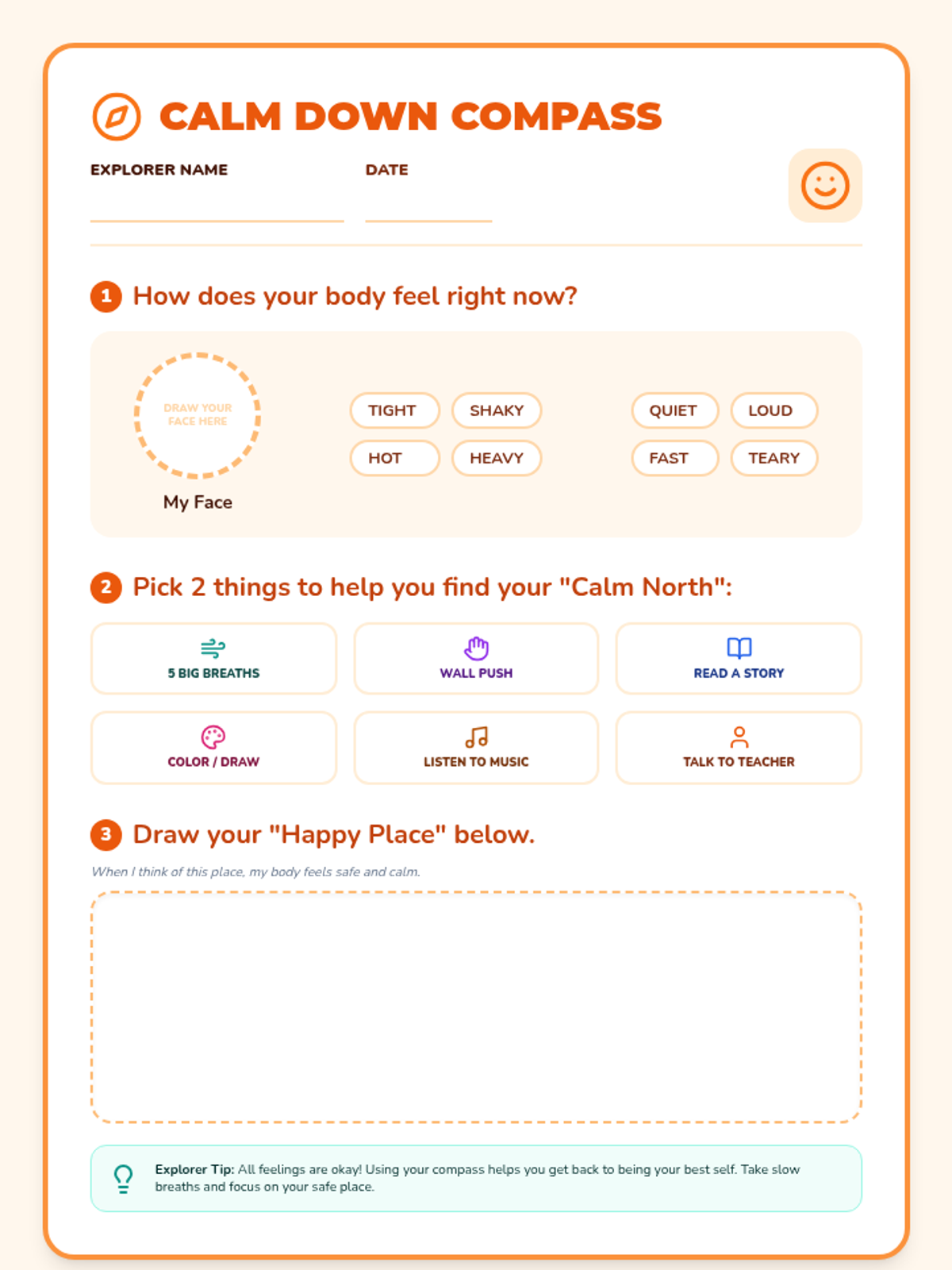
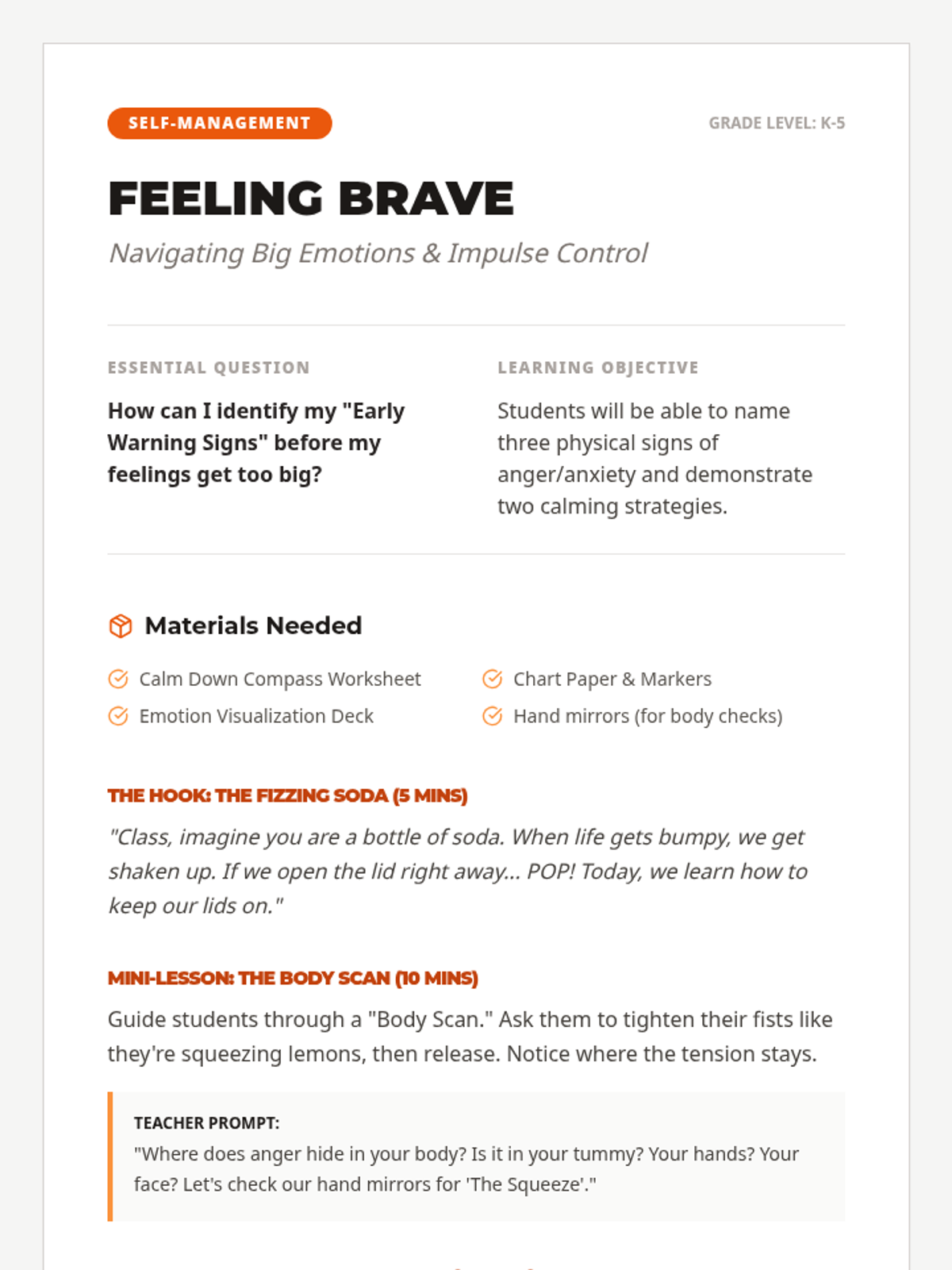
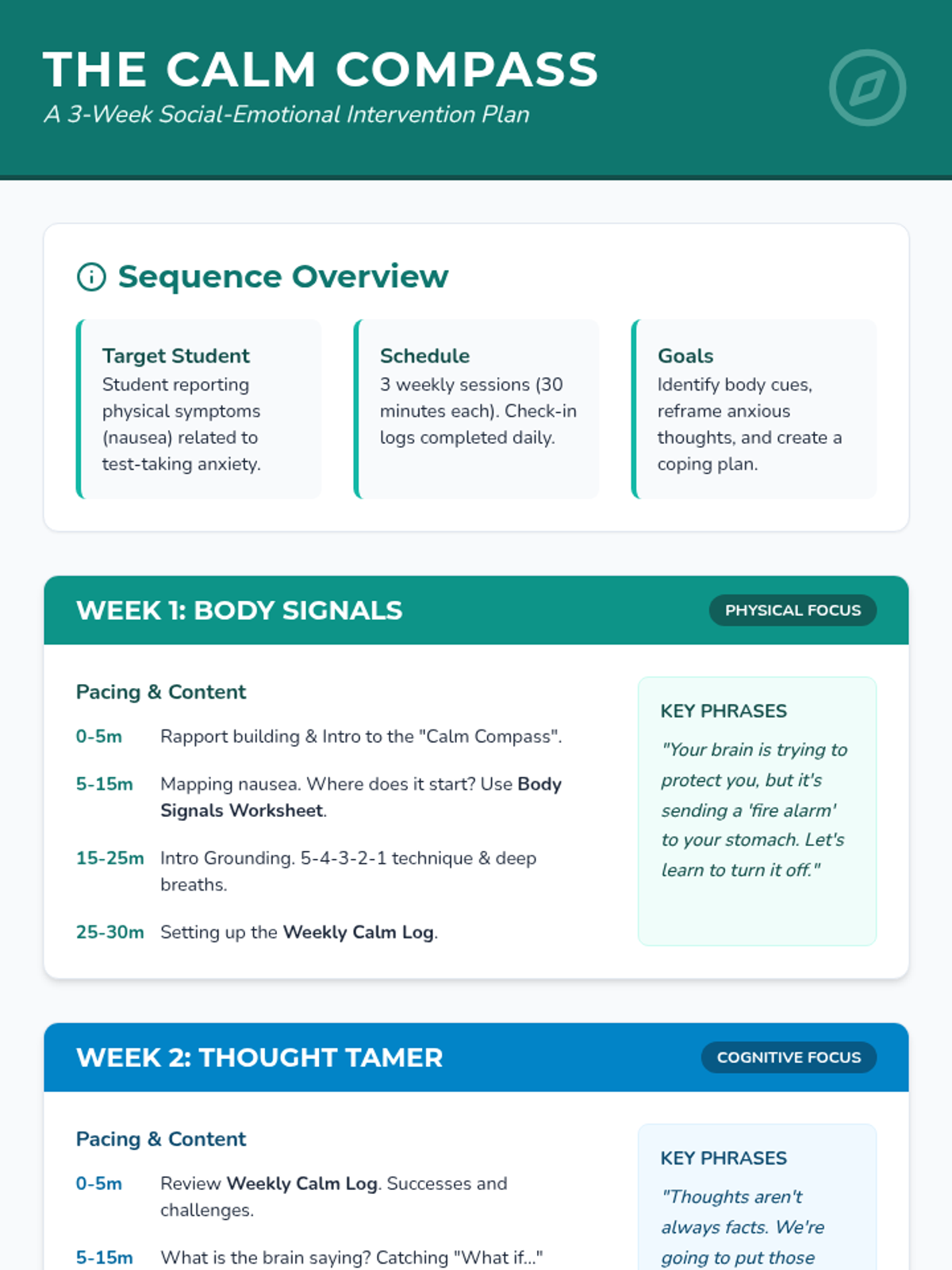
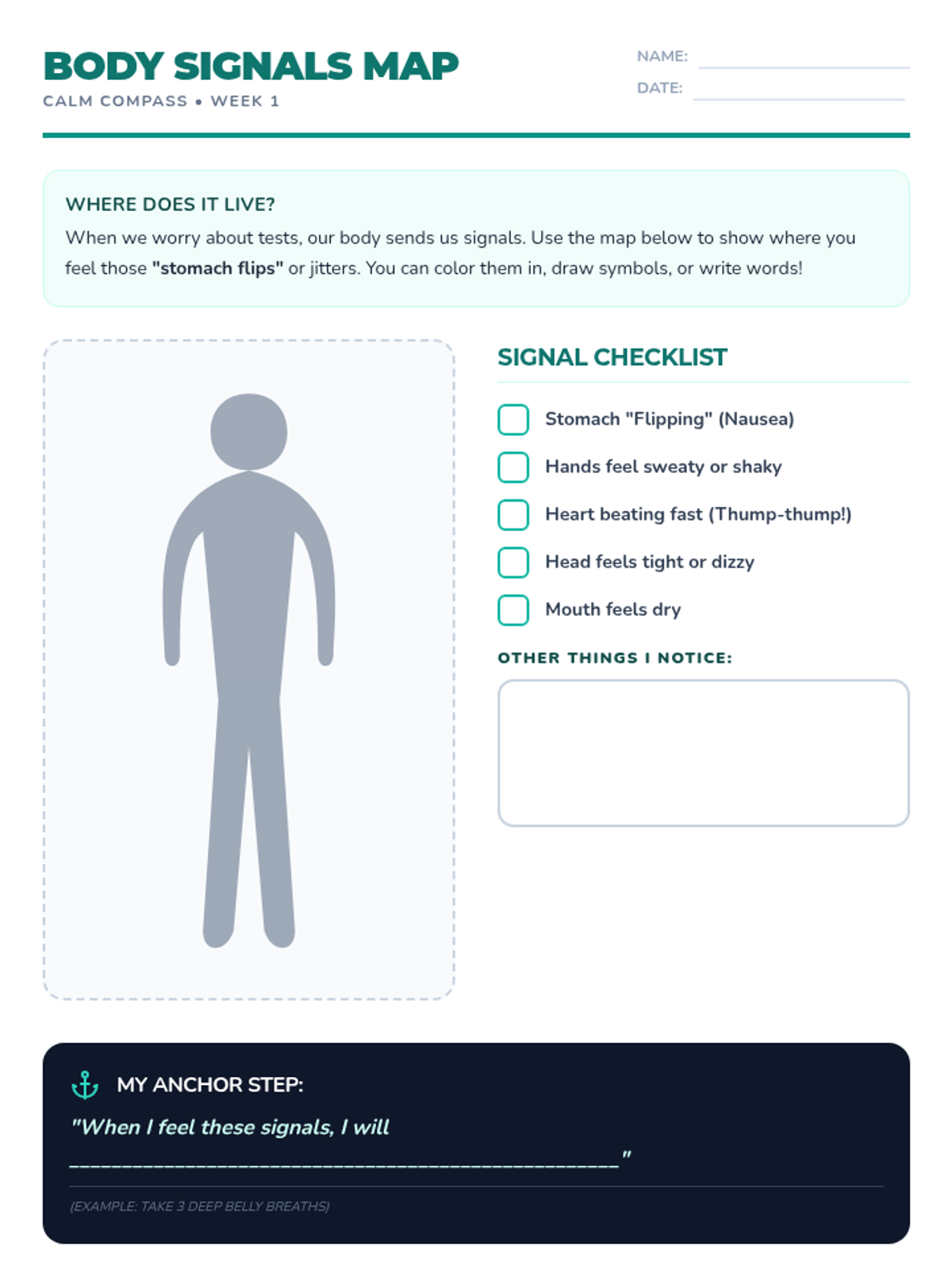
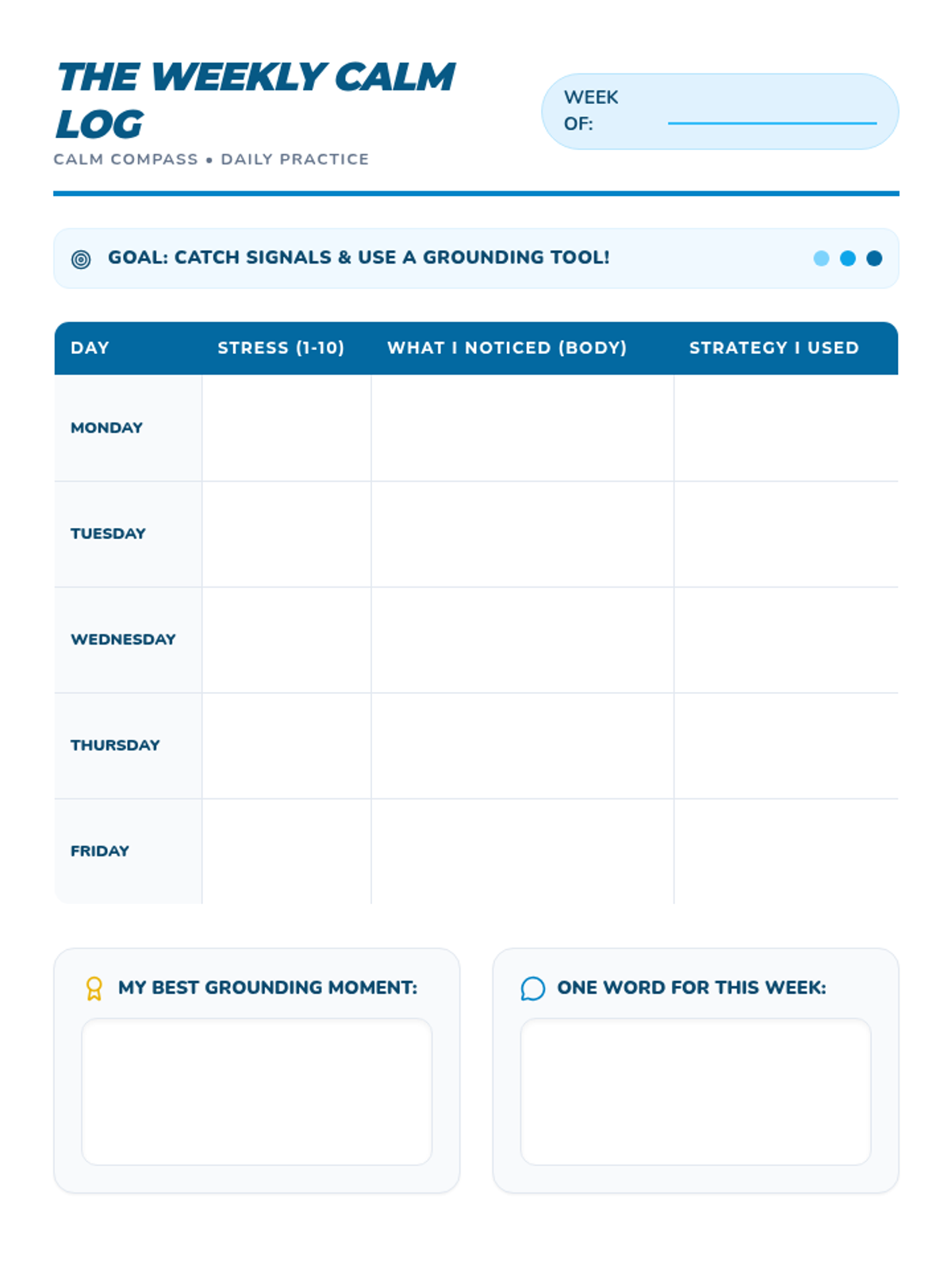
A 3-week individual intervention sequence designed for school social workers to help students manage test anxiety and physical symptoms. The series focuses on identifying body signals, cognitive reframing, and creating a personalized test-day routine.
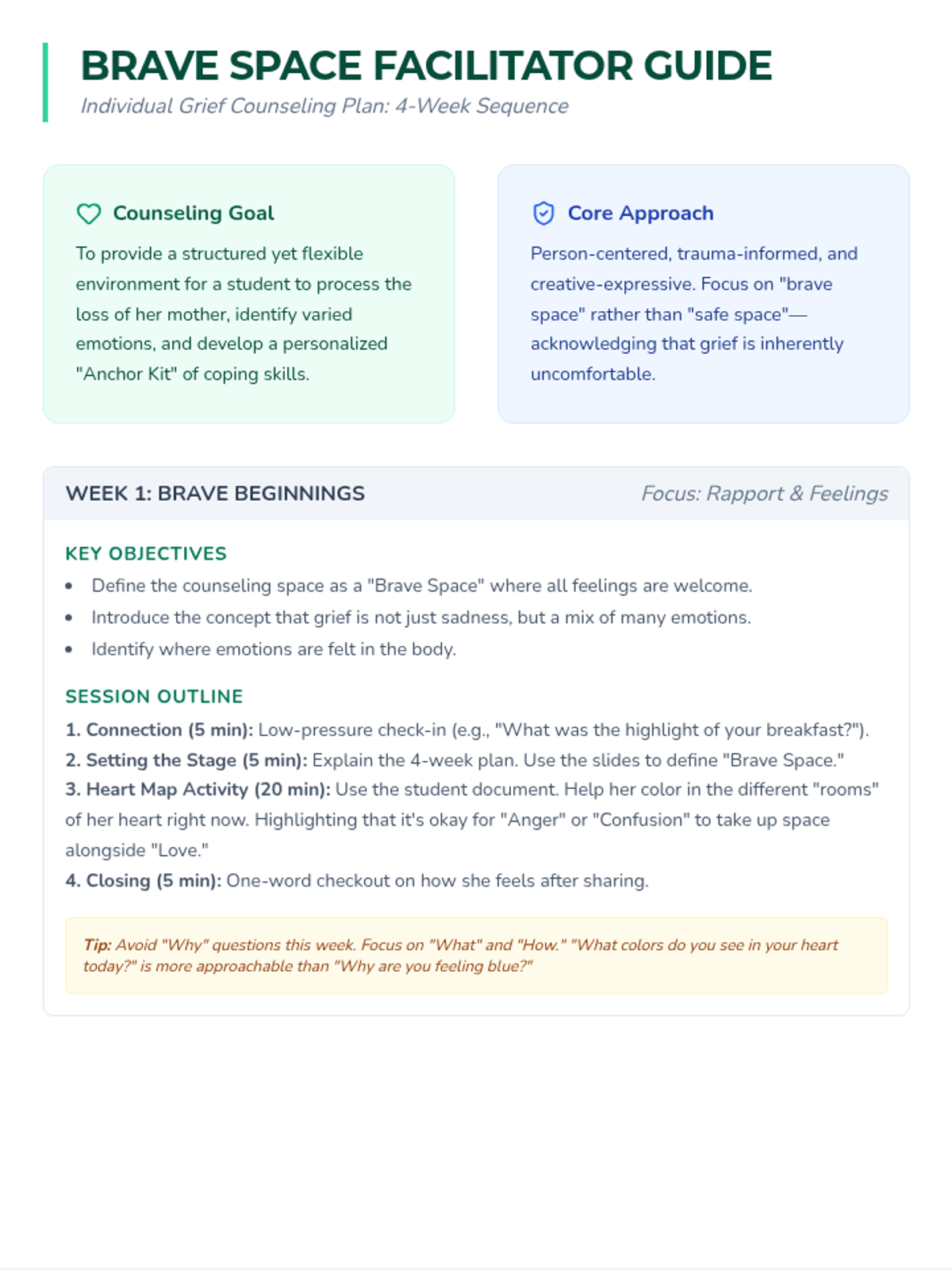
A gentle 4-week individual counseling program designed to help a student process the loss of her mother, focusing on identifying complex emotions, honoring memories, and building a sustainable toolkit of coping strategies.
A comprehensive 4-week SEL curriculum designed for twice-weekly counseling sessions, guiding students from basic self-advocacy to advanced collaborative problem-solving and emotional regulation.
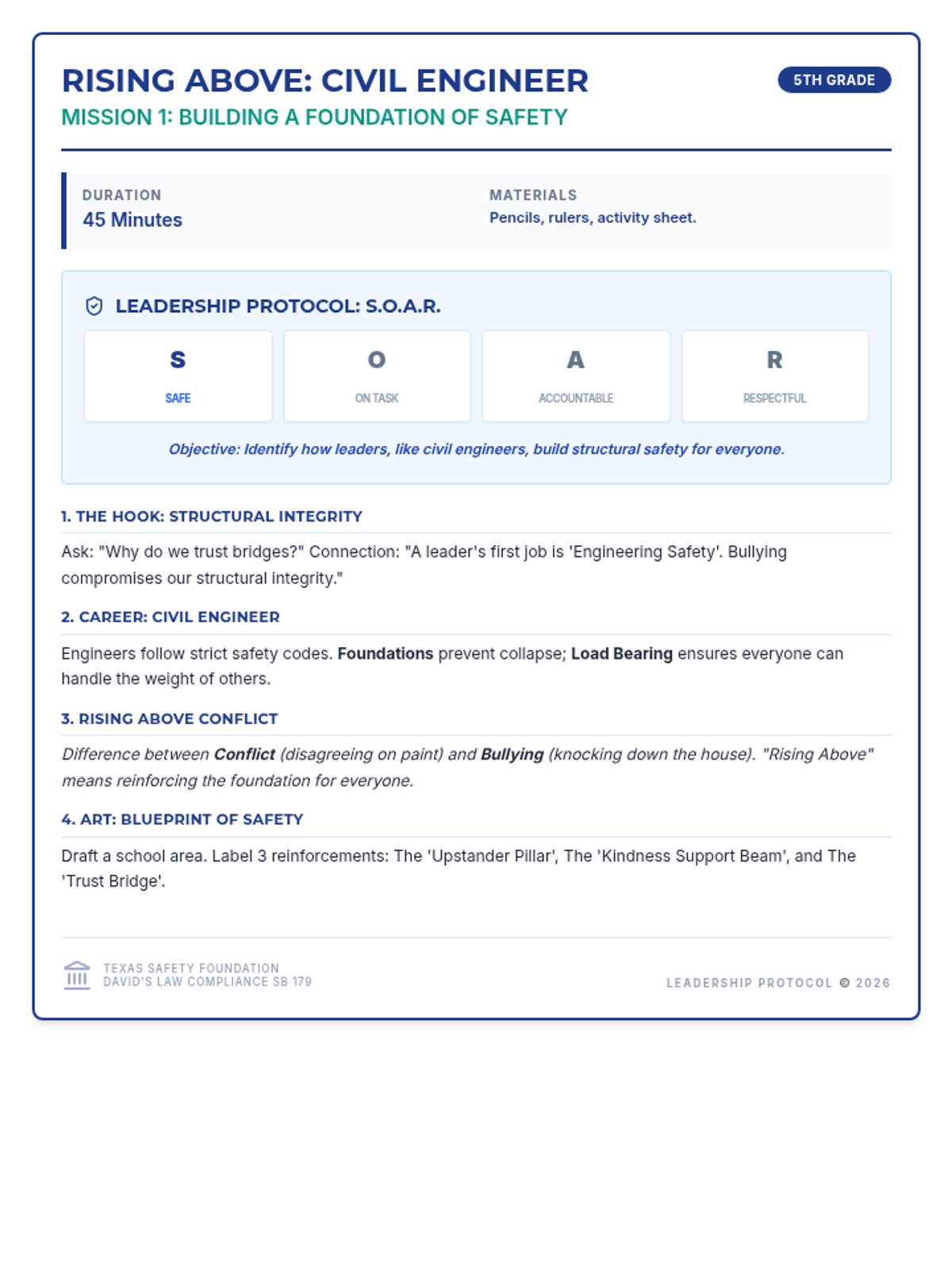
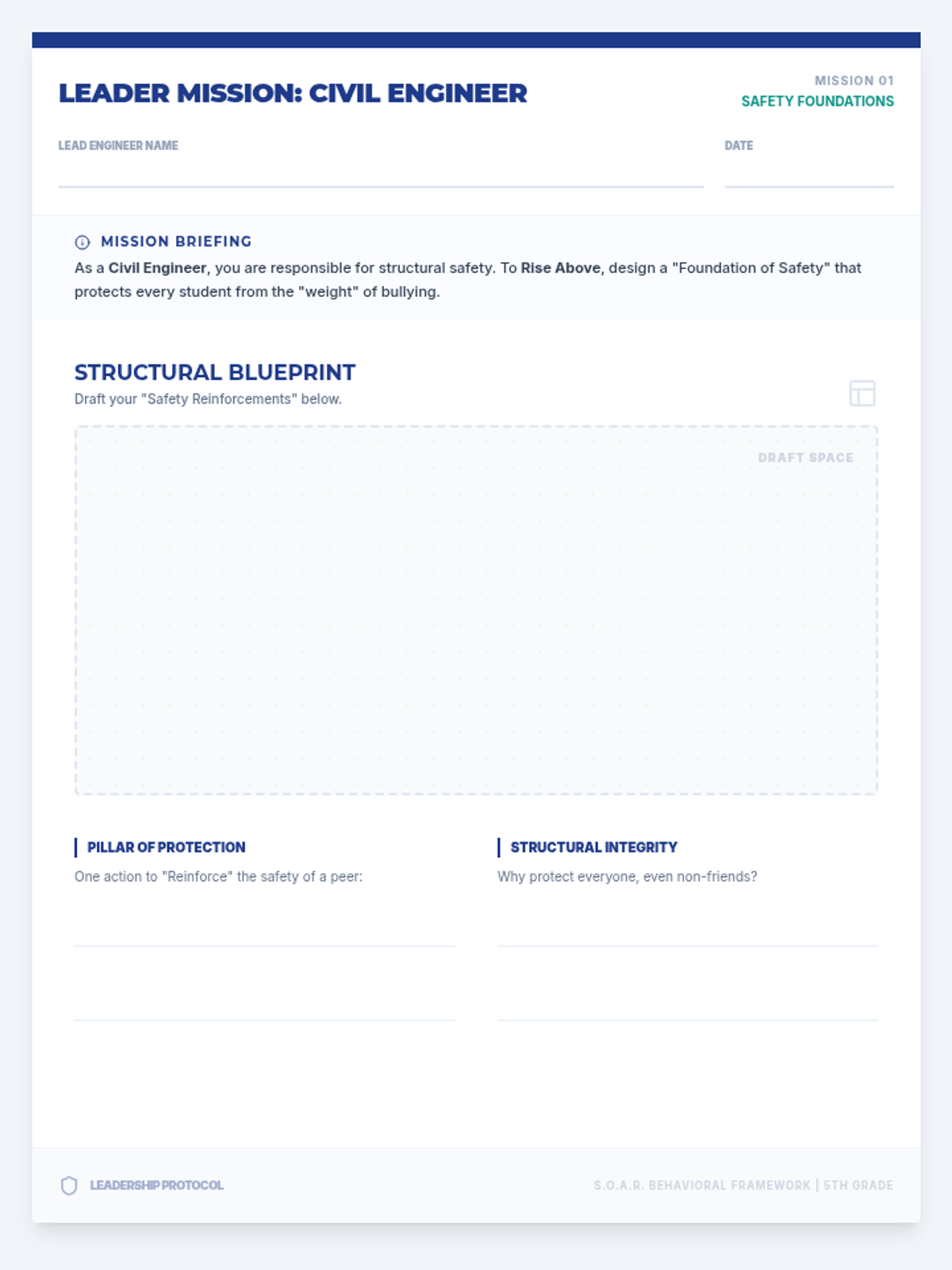
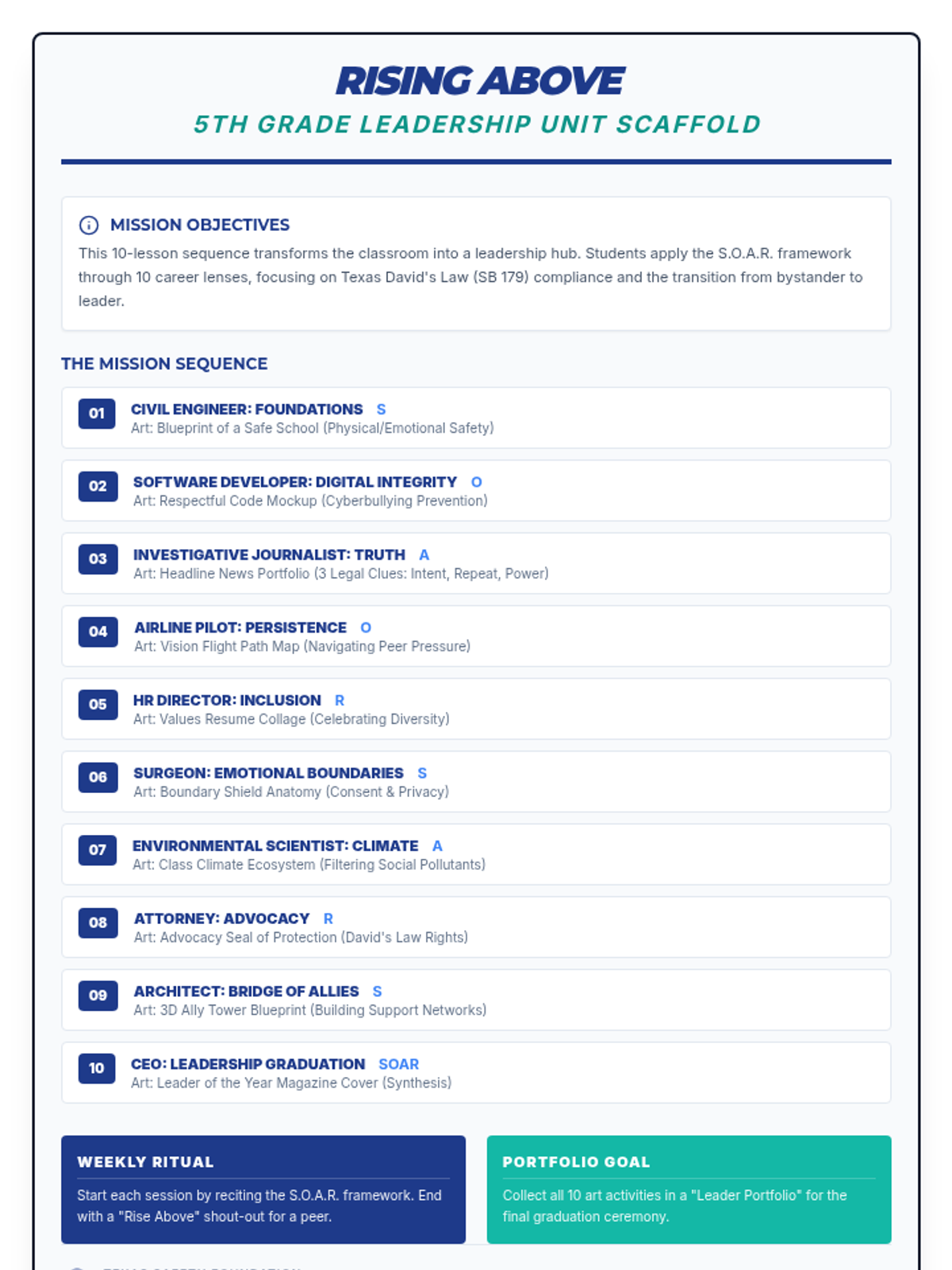
A comprehensive K-12 bullying prevention curriculum strictly aligned with Texas David's Law and TEC Chapter 37, focusing on the distinction between conflict and bullying, cyberbullying, and school safety. Now renamed to the Leadership Protocol.
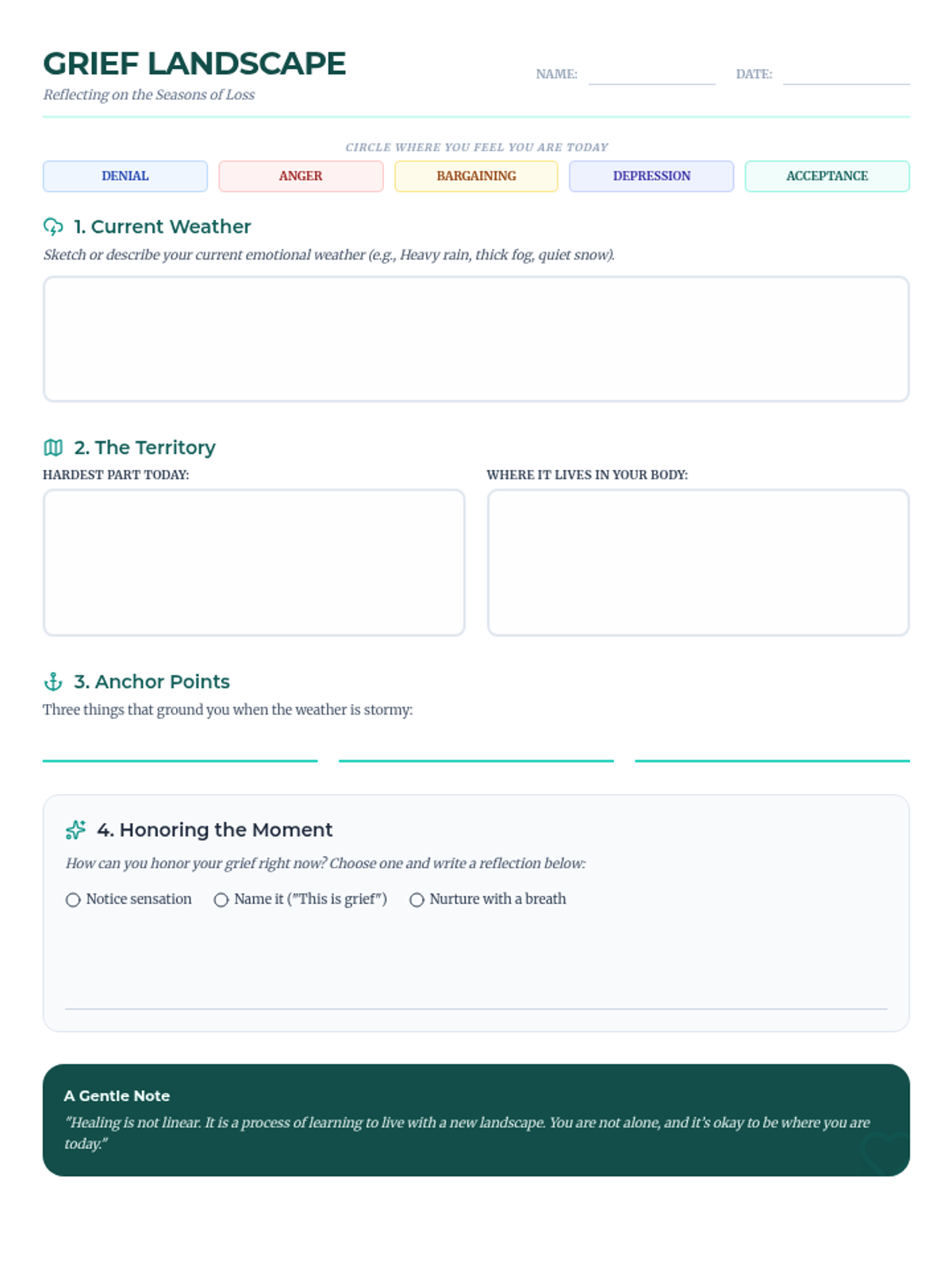
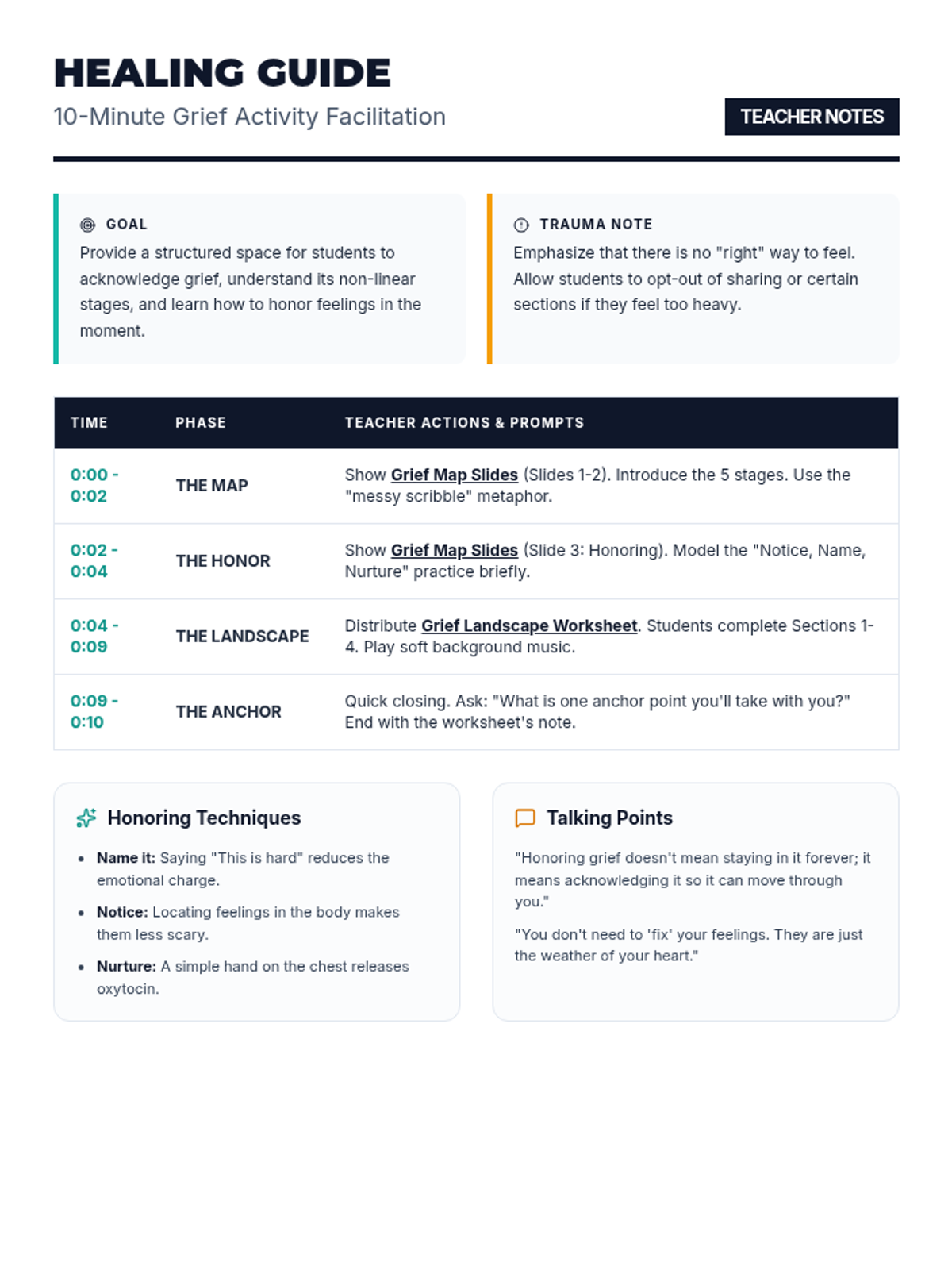
A comprehensive series of brief activities and lessons designed to support students through the process of grief, from initial reflection to honoring memories and building resilience.
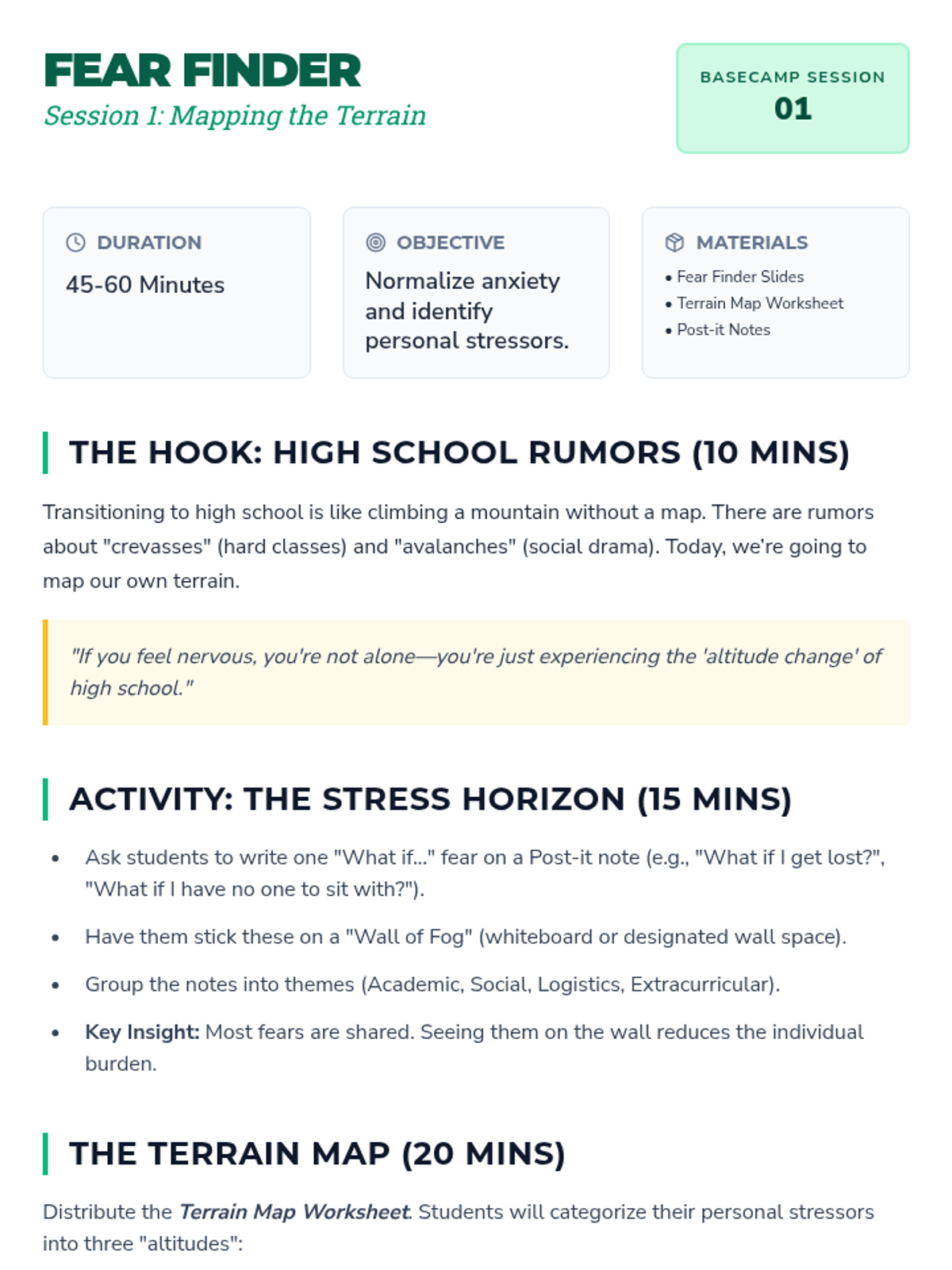
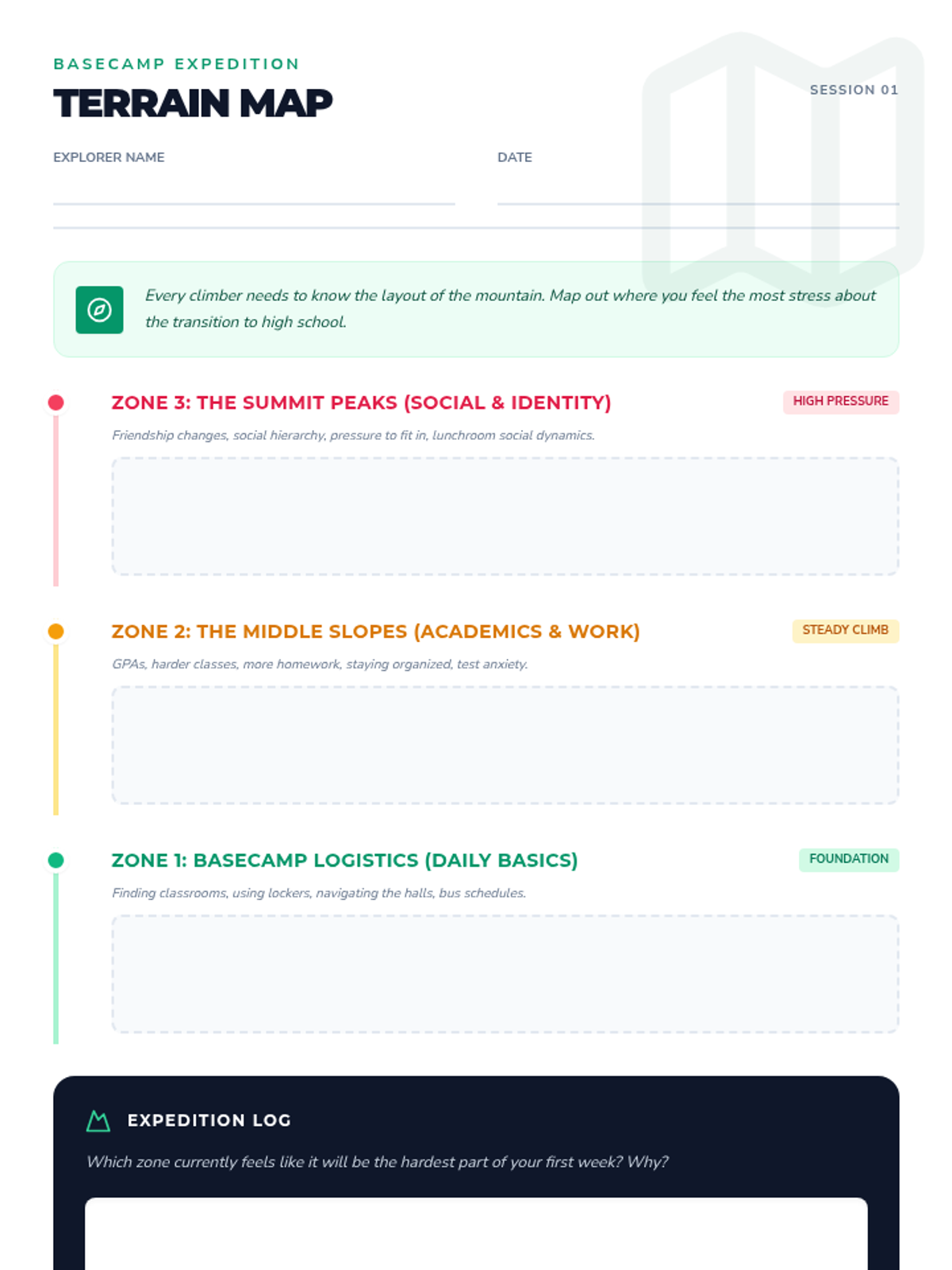
A comprehensive four-session group program designed to help incoming high schoolers identify stressors, build coping toolkits, navigate social changes, and develop a growth mindset for their transition. The program uses a rugged 'Basecamp' expedition theme to engage students and frame high school as a challenge to be conquered together.
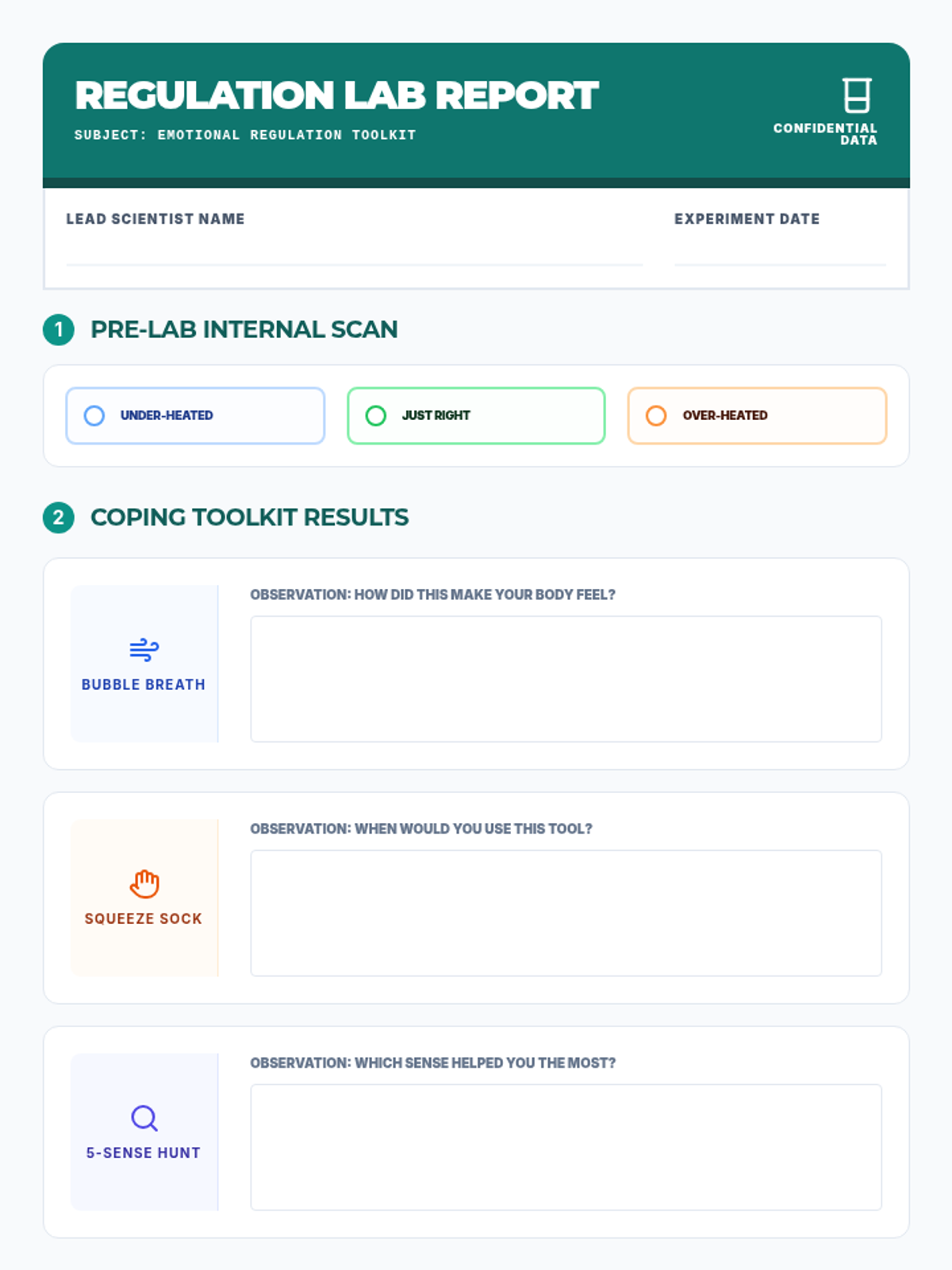
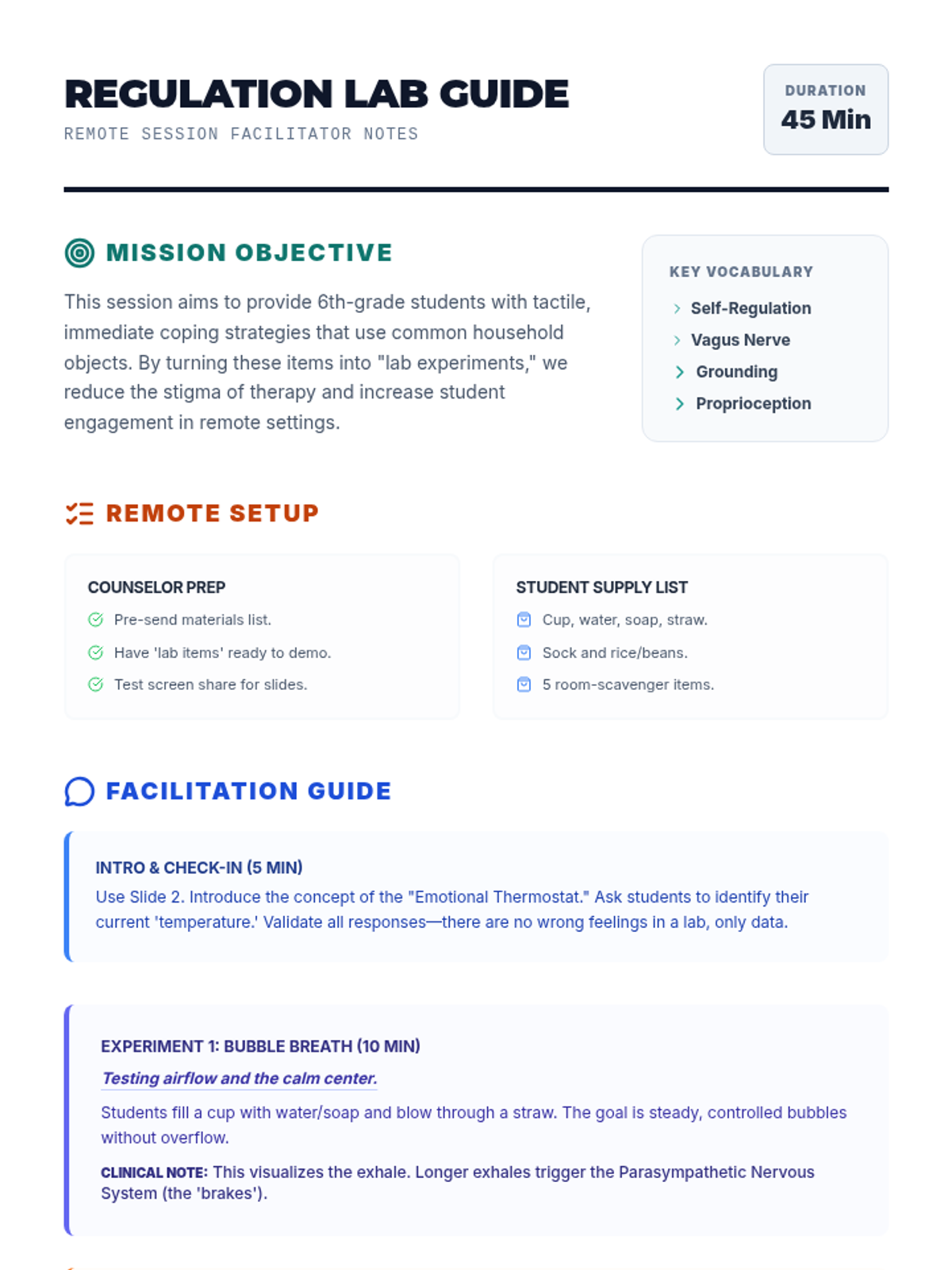
A series of remote counseling sessions focused on emotional regulation through hands-on activities using common household items. Students learn to build a 'Coping Toolkit' while exploring the science of their own emotions.
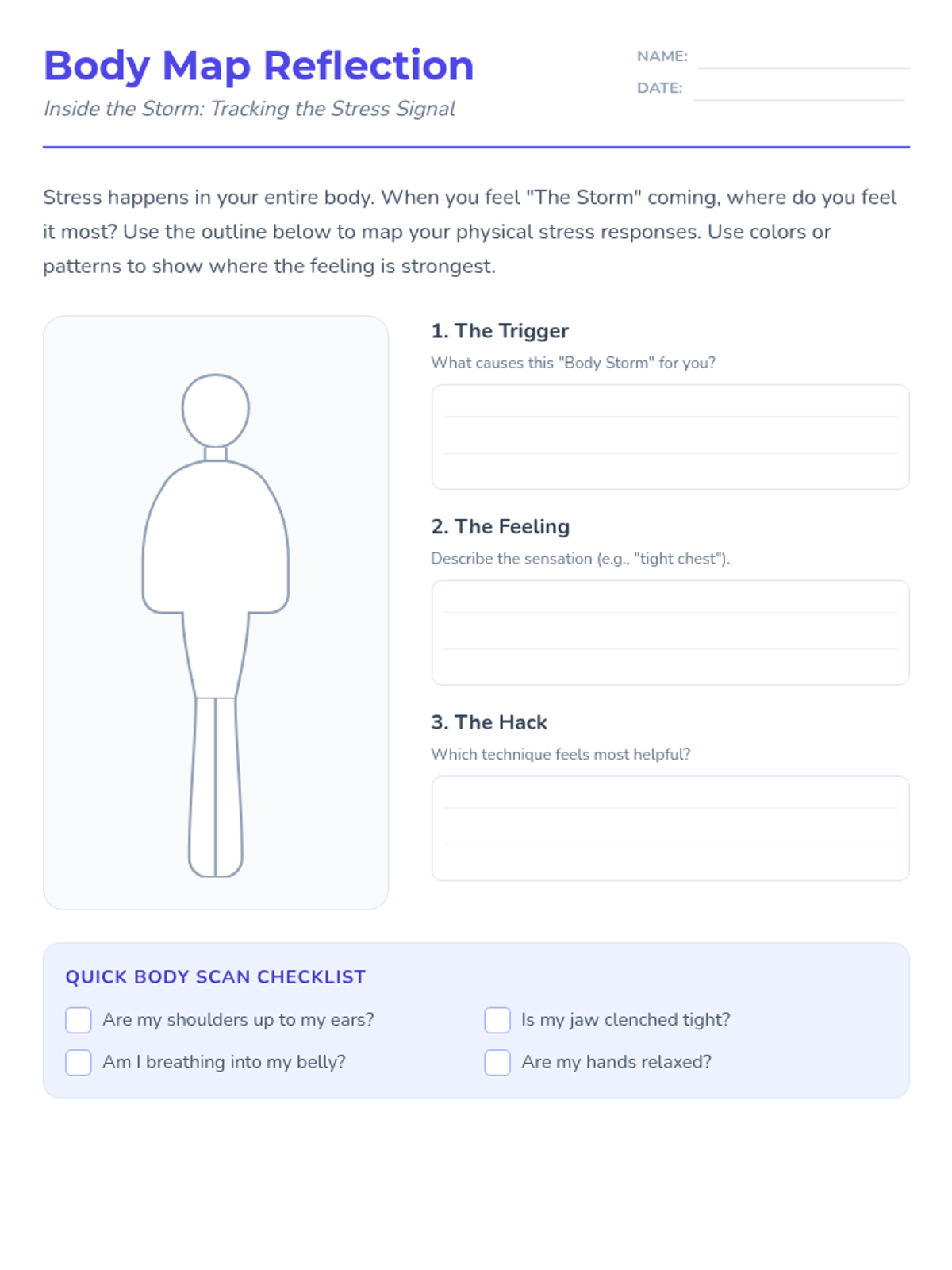
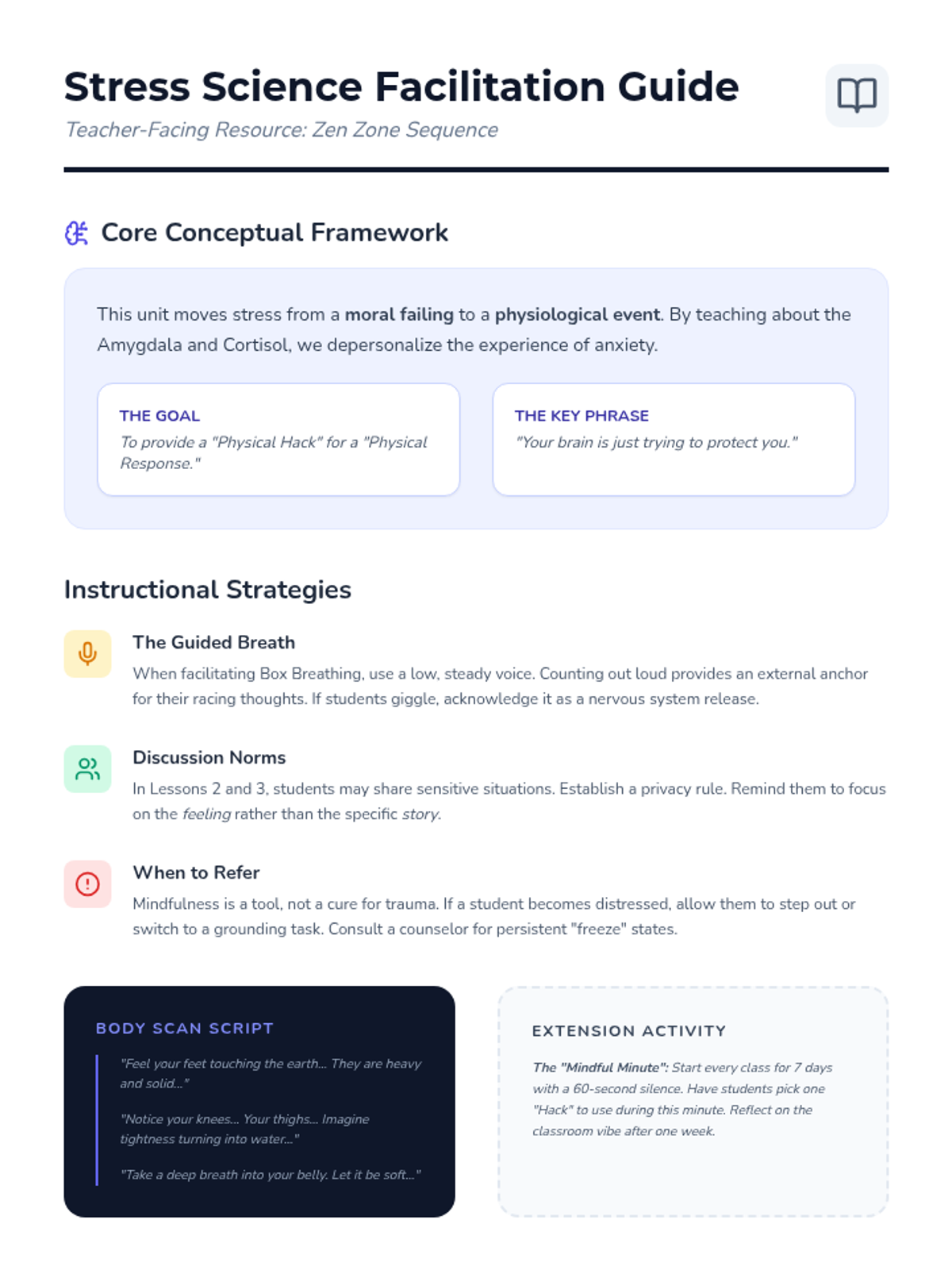
A comprehensive series on mindfulness and stress management, covering physiological responses, social pressures, family dynamics, and academic stress with practical coping strategies.
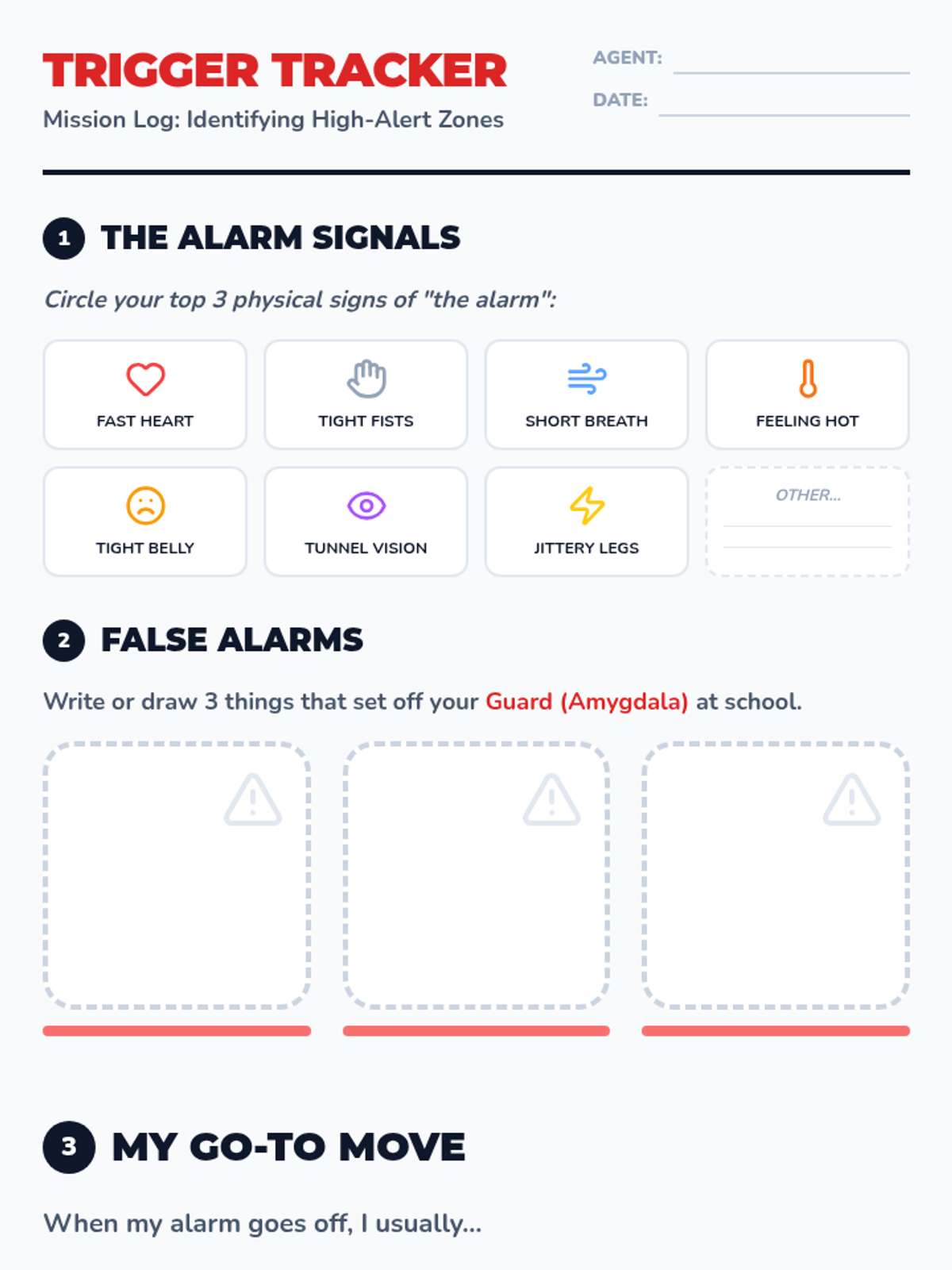
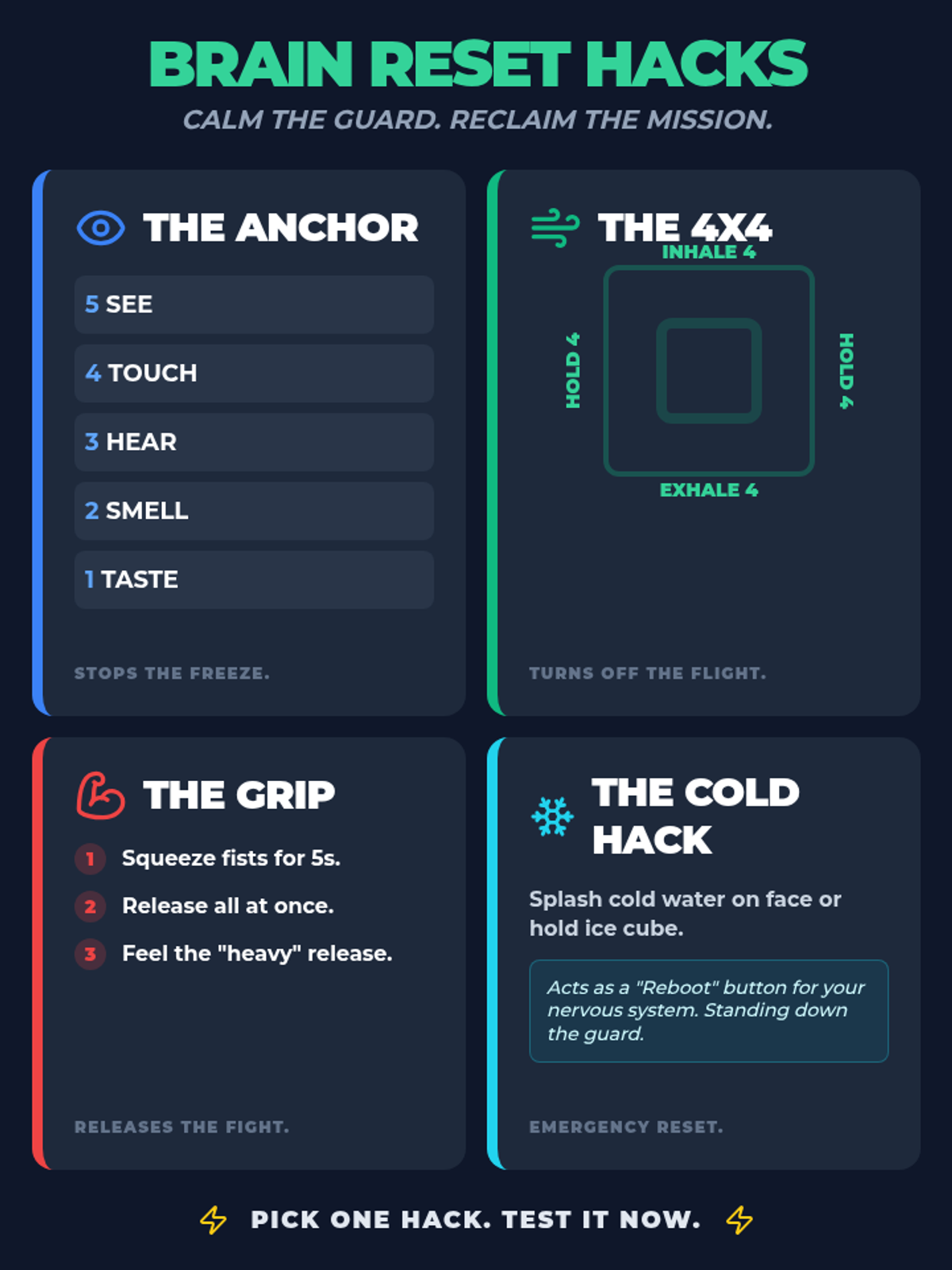
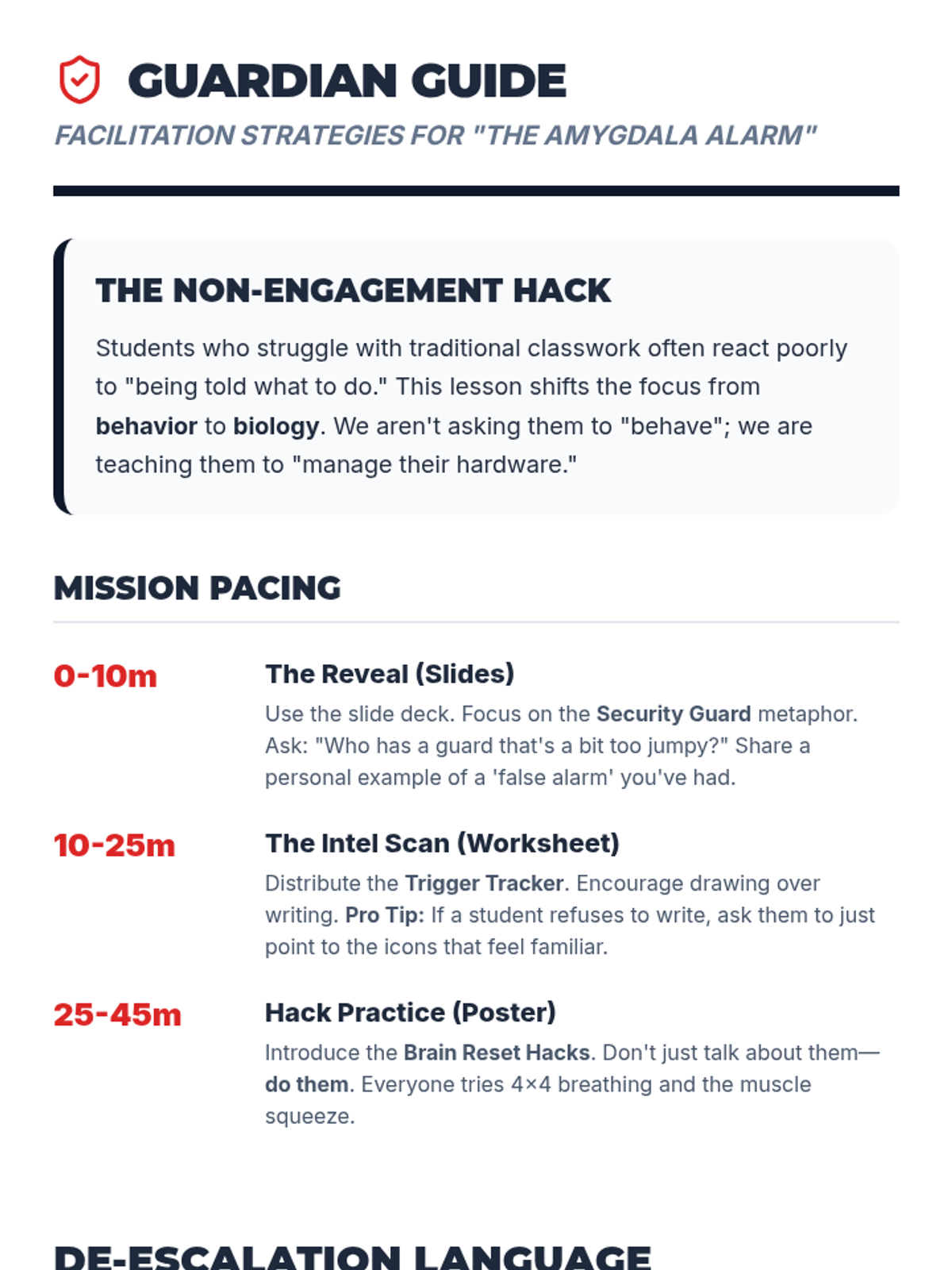
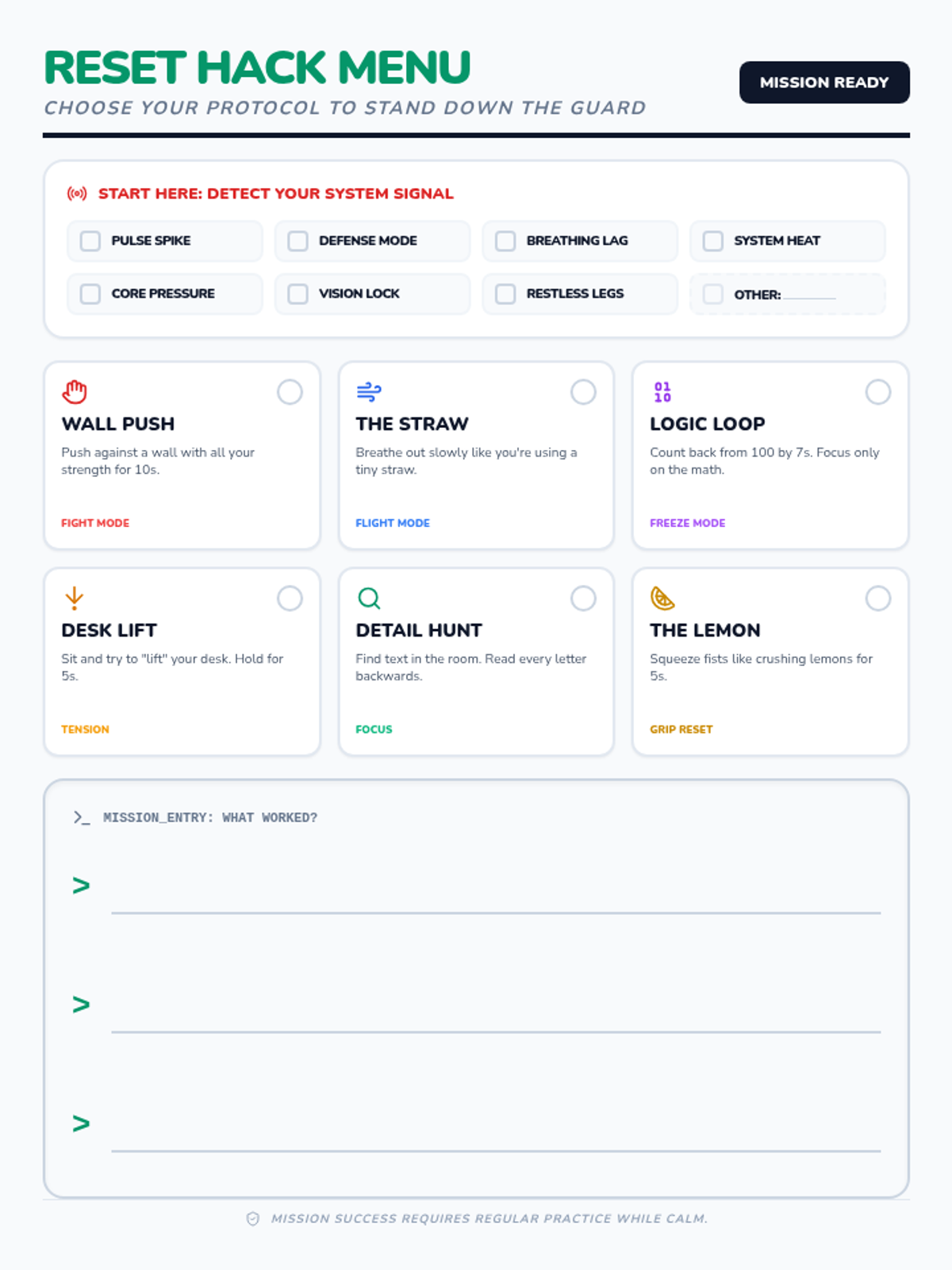
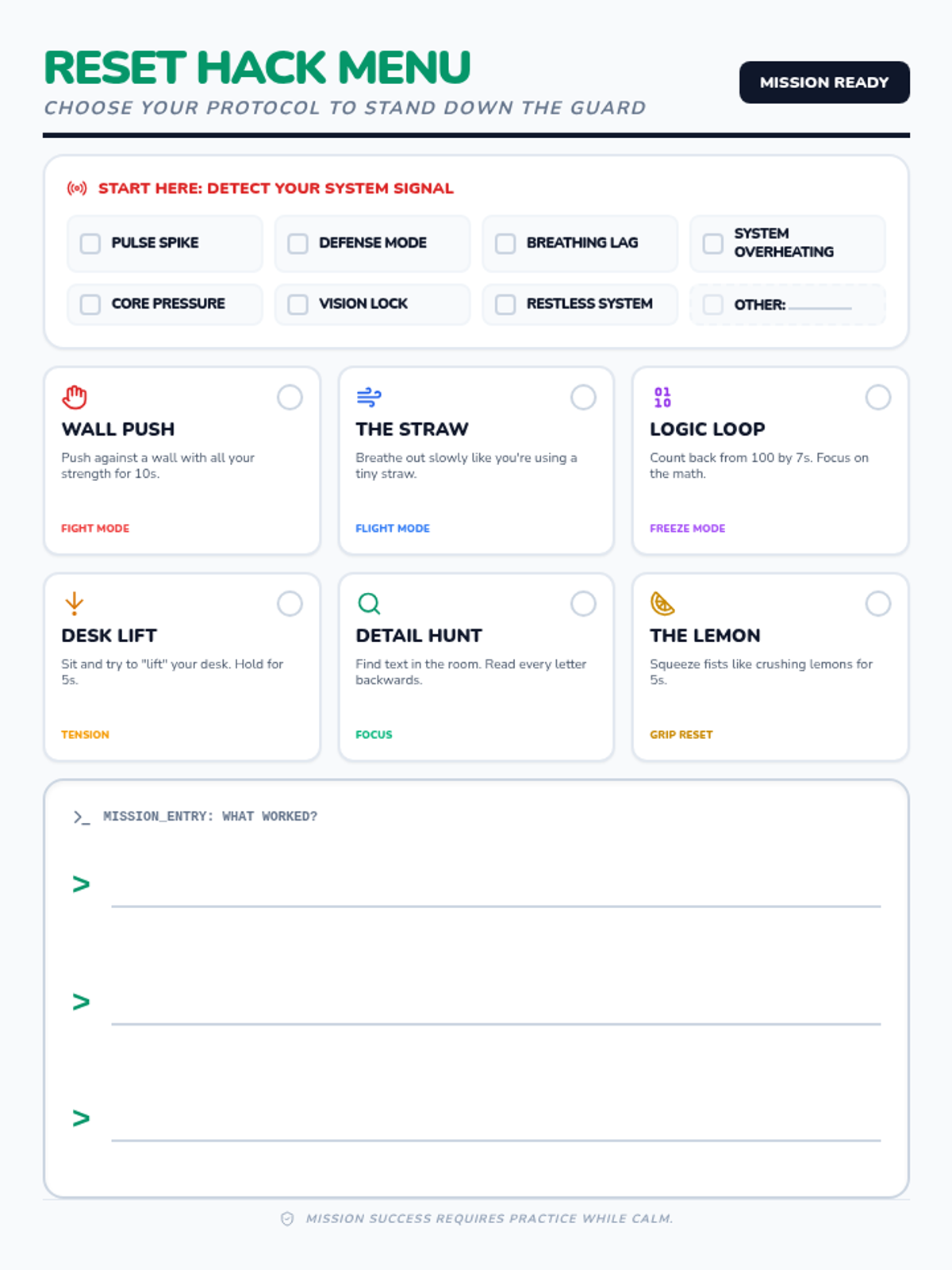
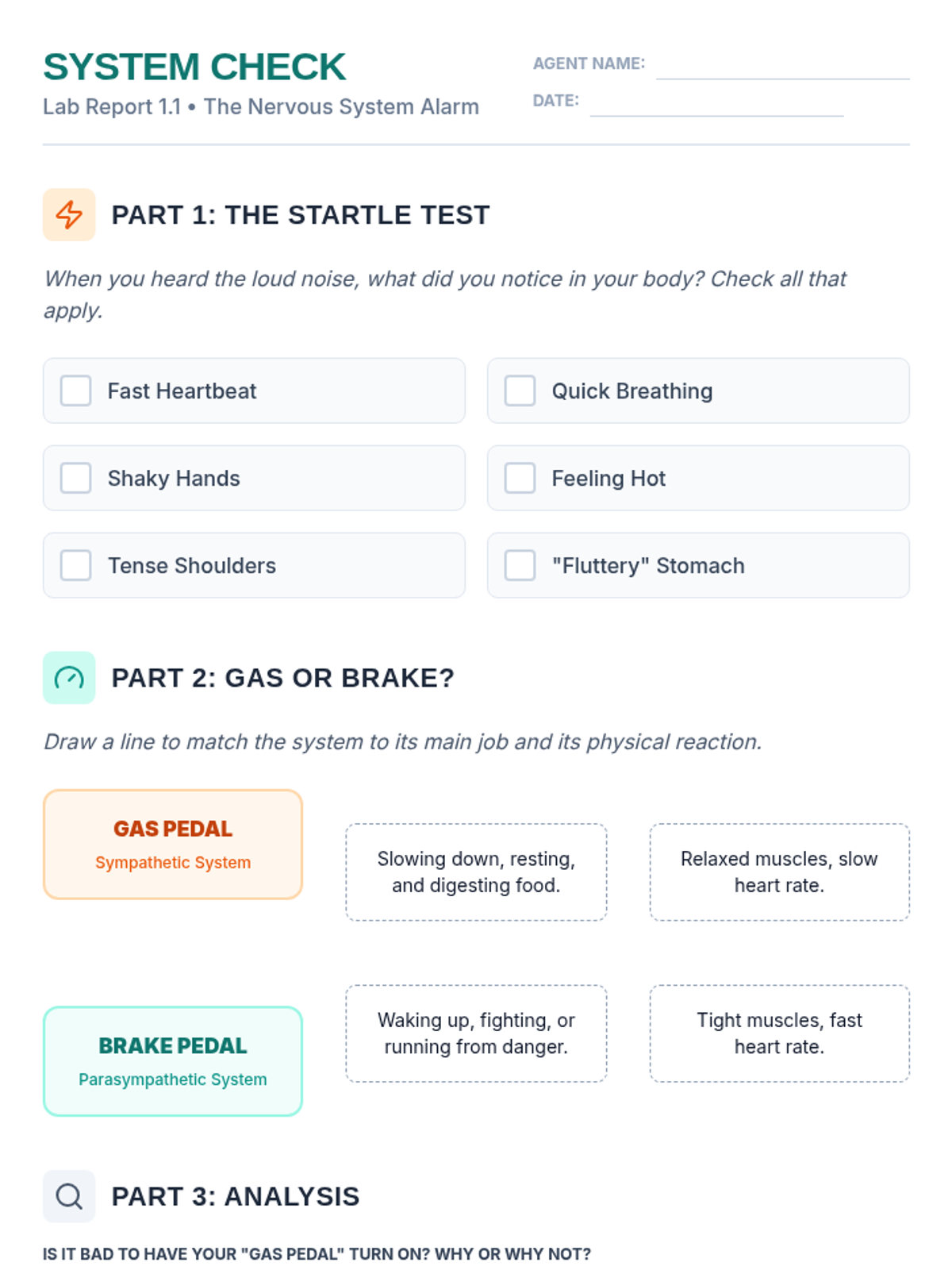
A high-engagement sequence for middle schoolers exploring the amygdala's role in emotions, the fight/flight/freeze response, and practical tools for self-regulation through a 'Brain Guardian' lens.
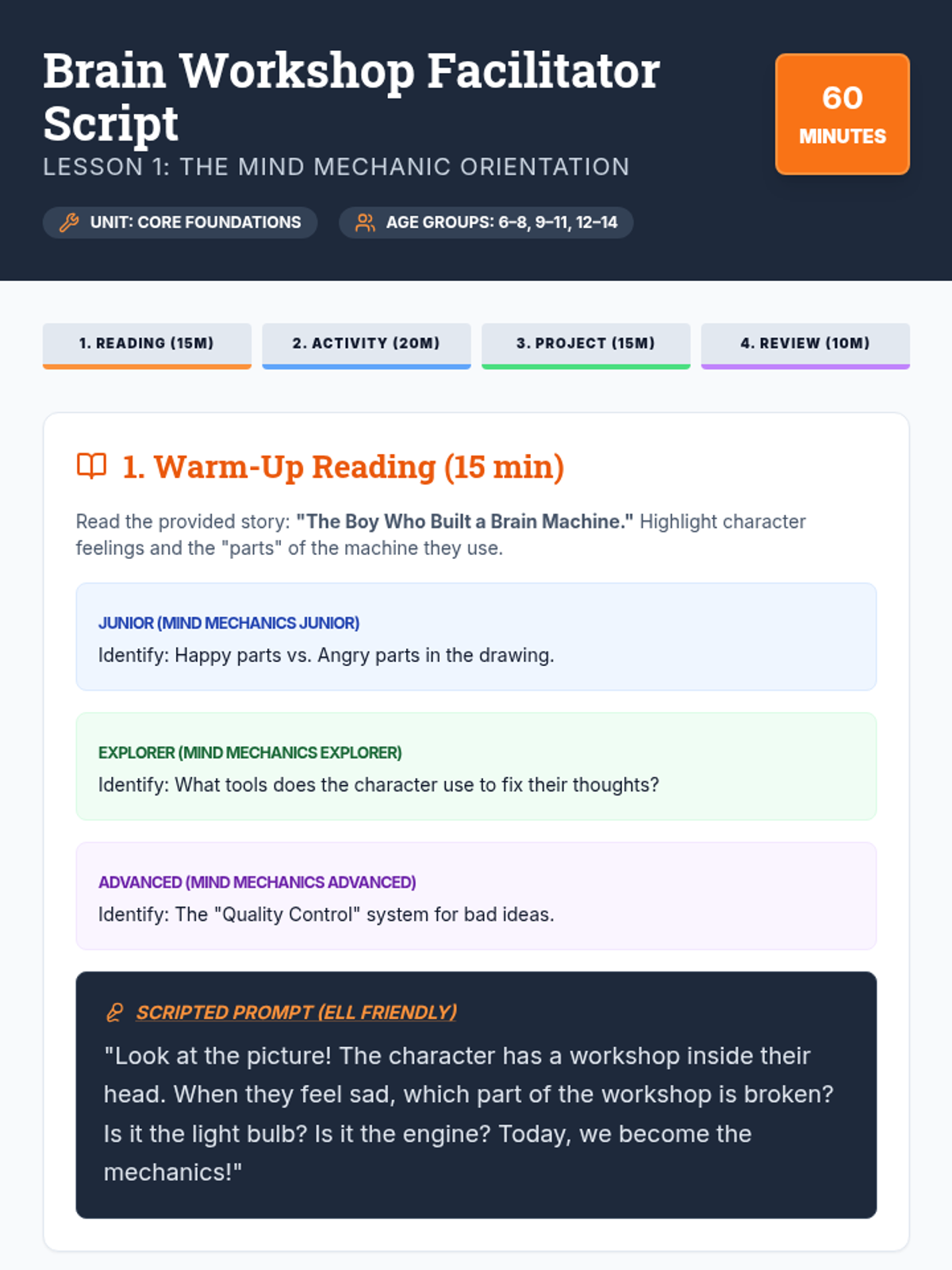
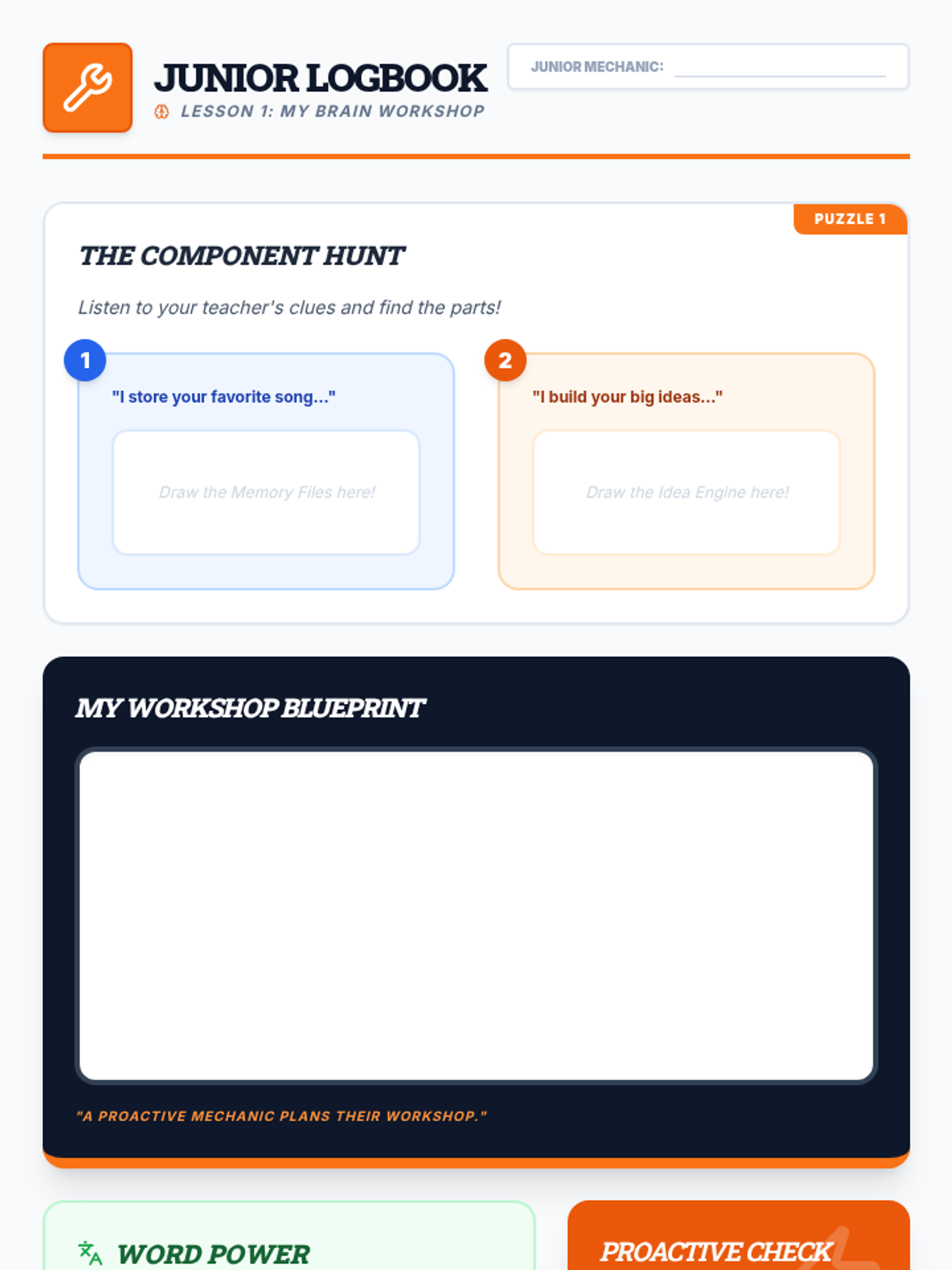
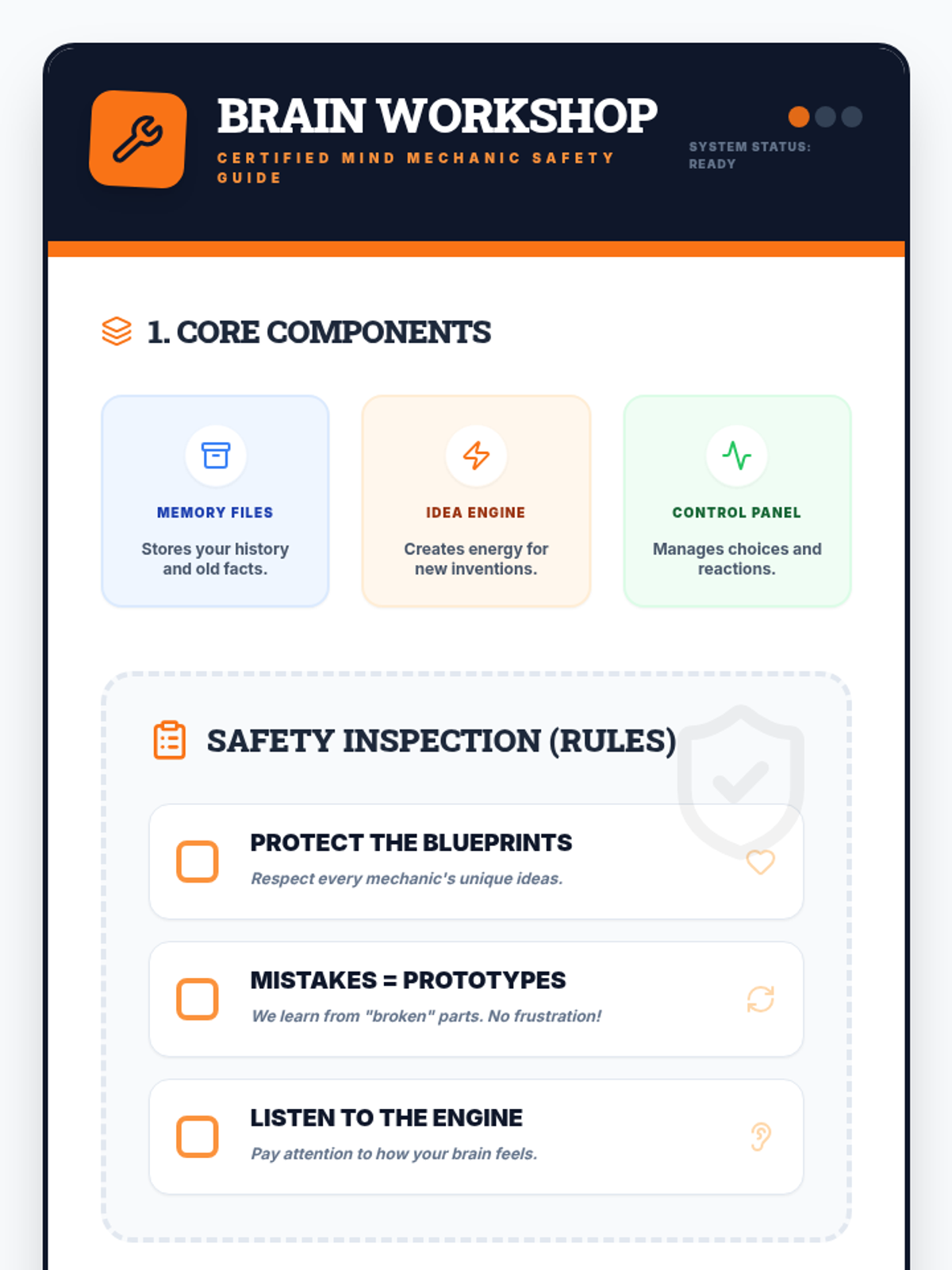
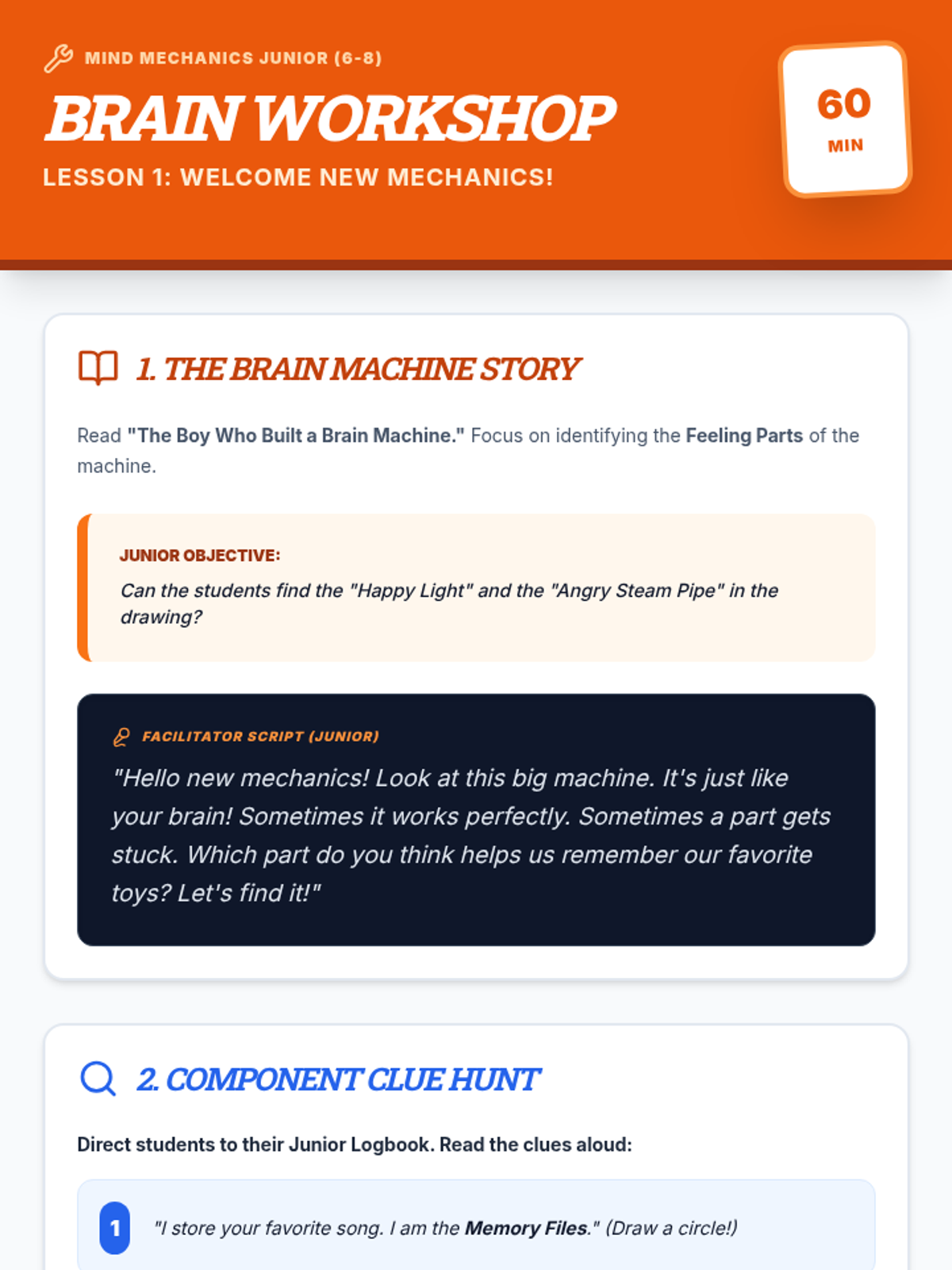
A 12-lesson social-emotional learning sequence themed around 'Mind Mechanics,' where students become 'mechanics' of their own minds to develop self-awareness, growth mindset, and social reasoning. Each lesson includes a facilitator script, student workbook pages, and visual anchor charts.
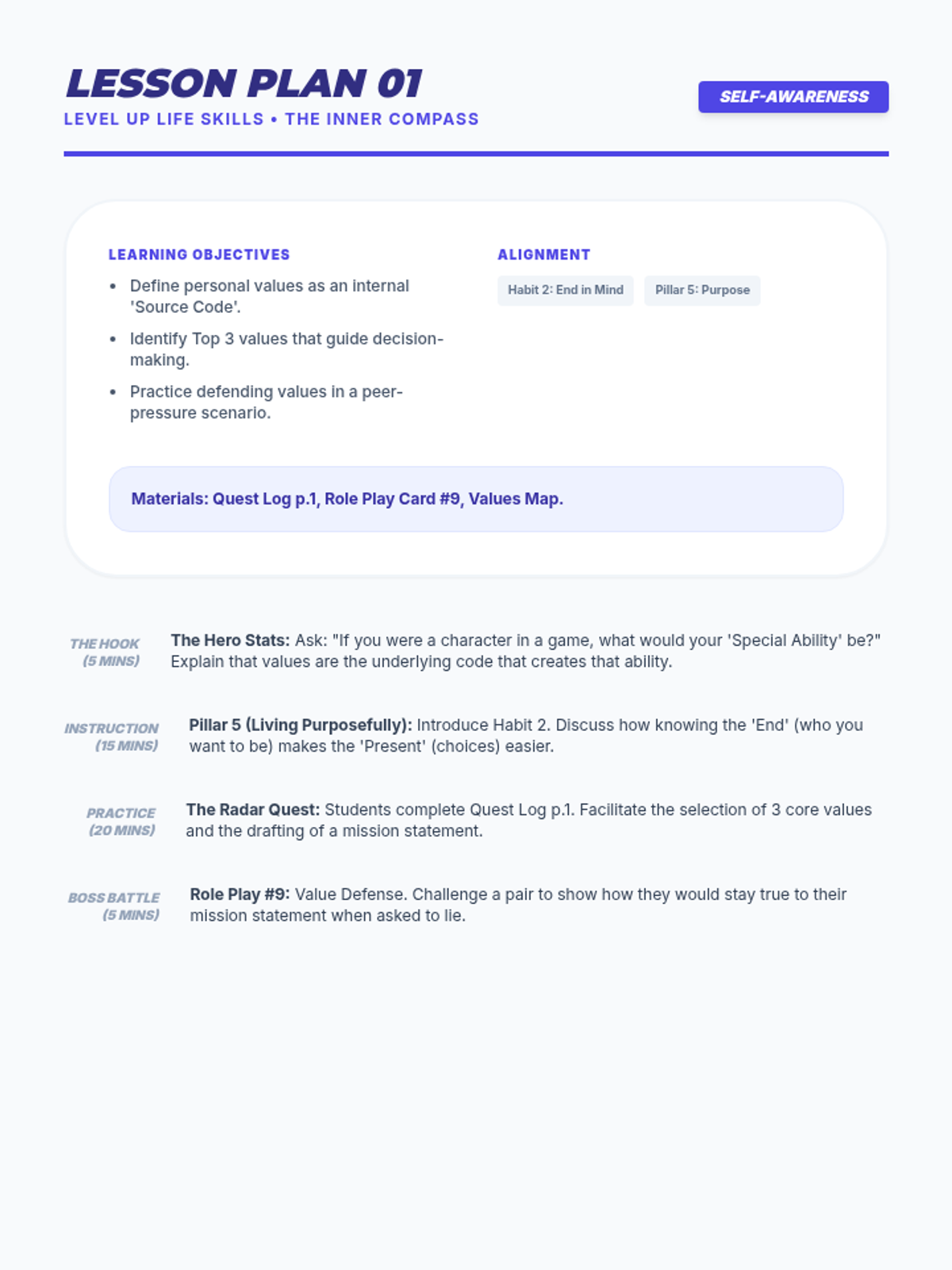
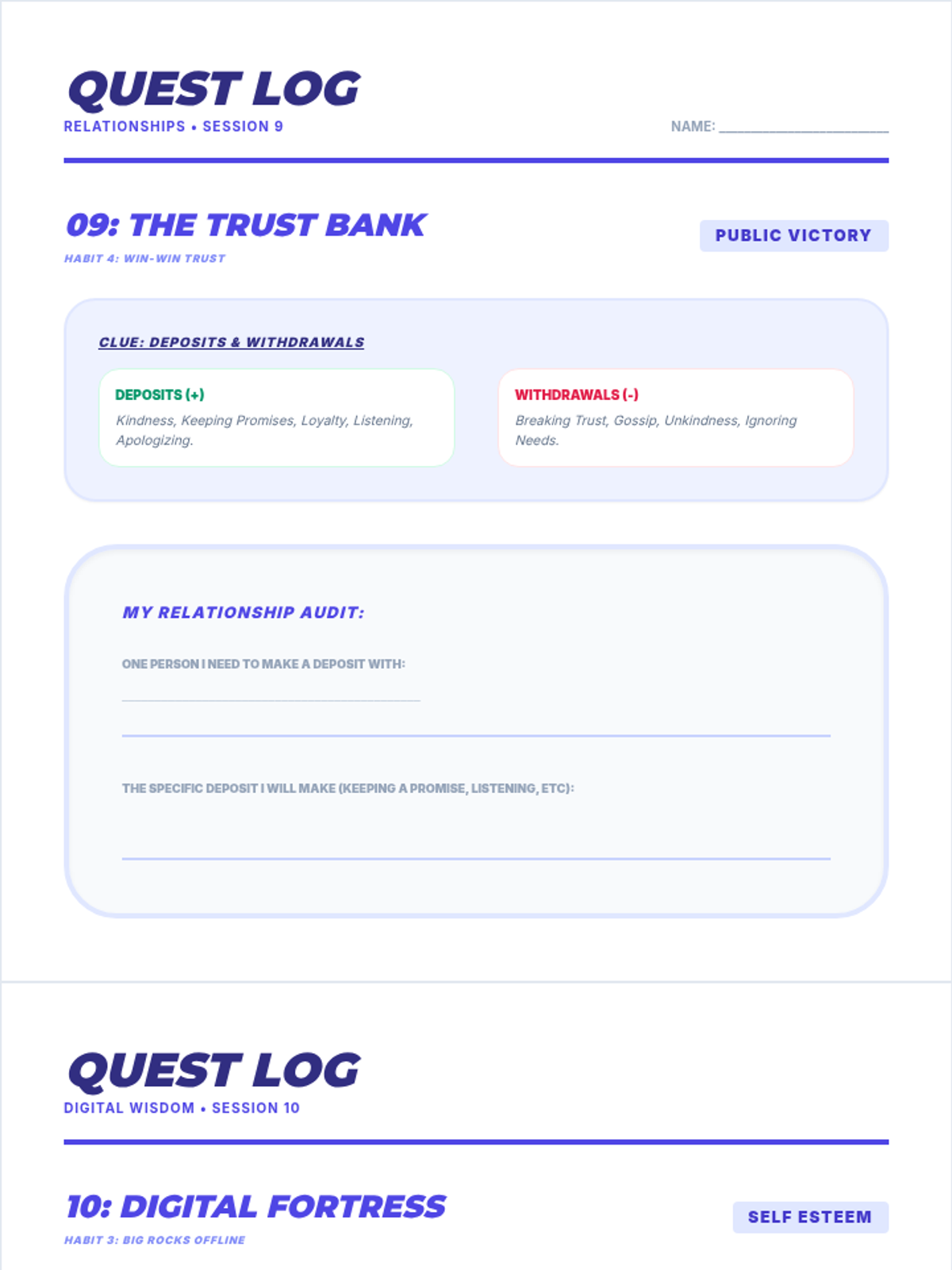
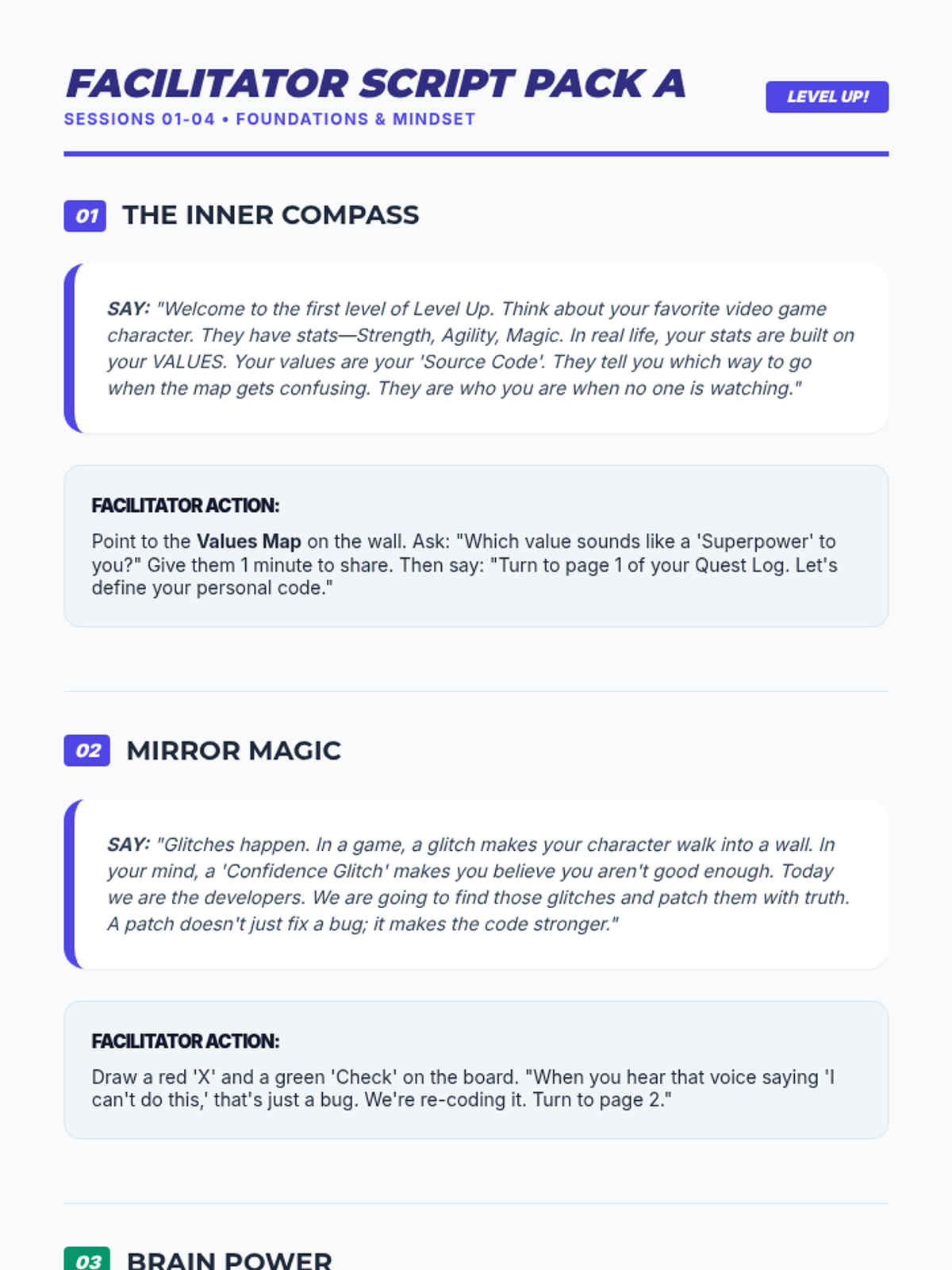
A comprehensive 12-session program designed for youth ages 9-18, focusing on essential life skills including self-esteem, resilience, time management, and conflict resolution, integrated with Sean Covey's 7 Habits and Nathaniel Branden's Six Pillars.
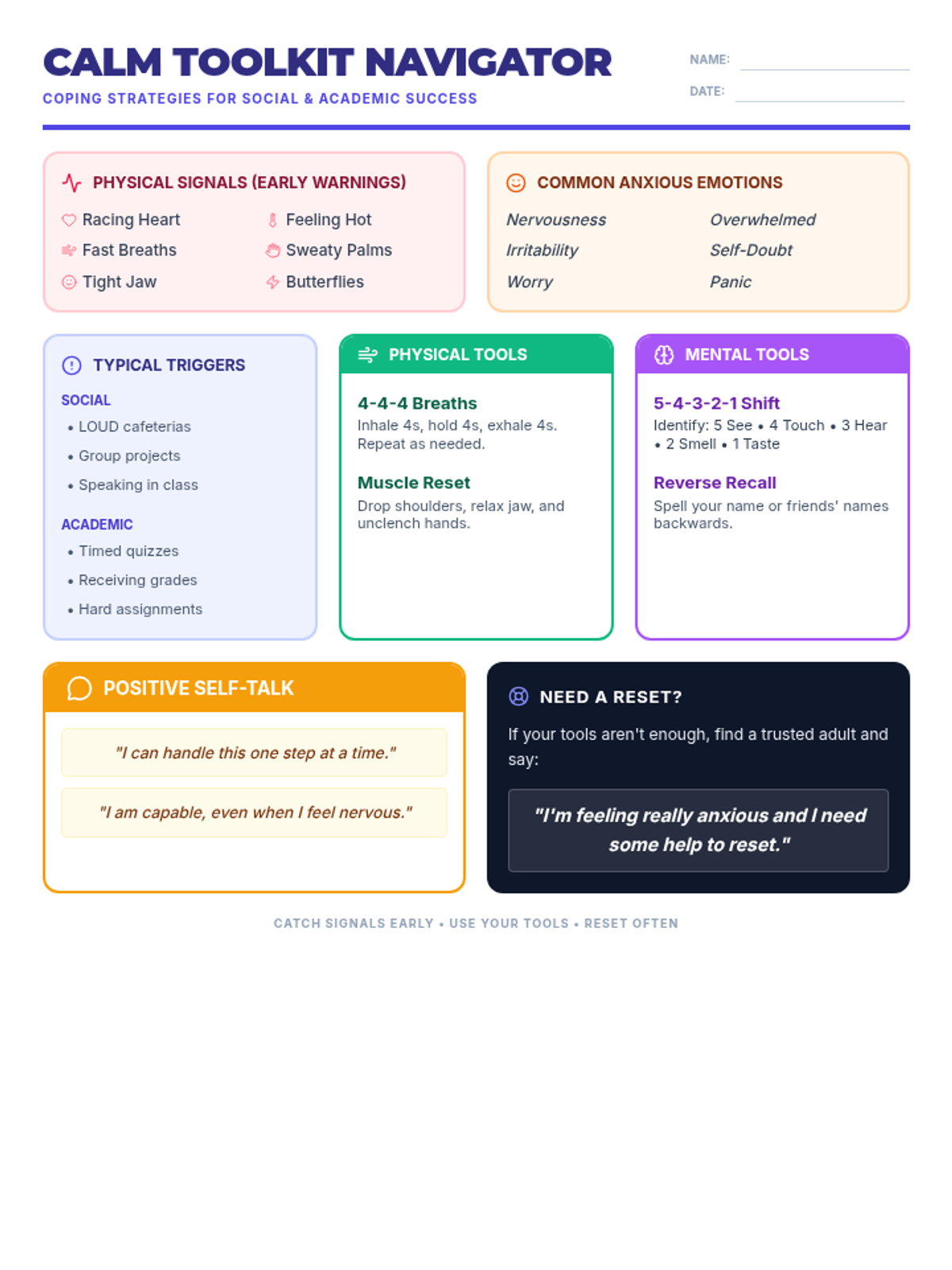
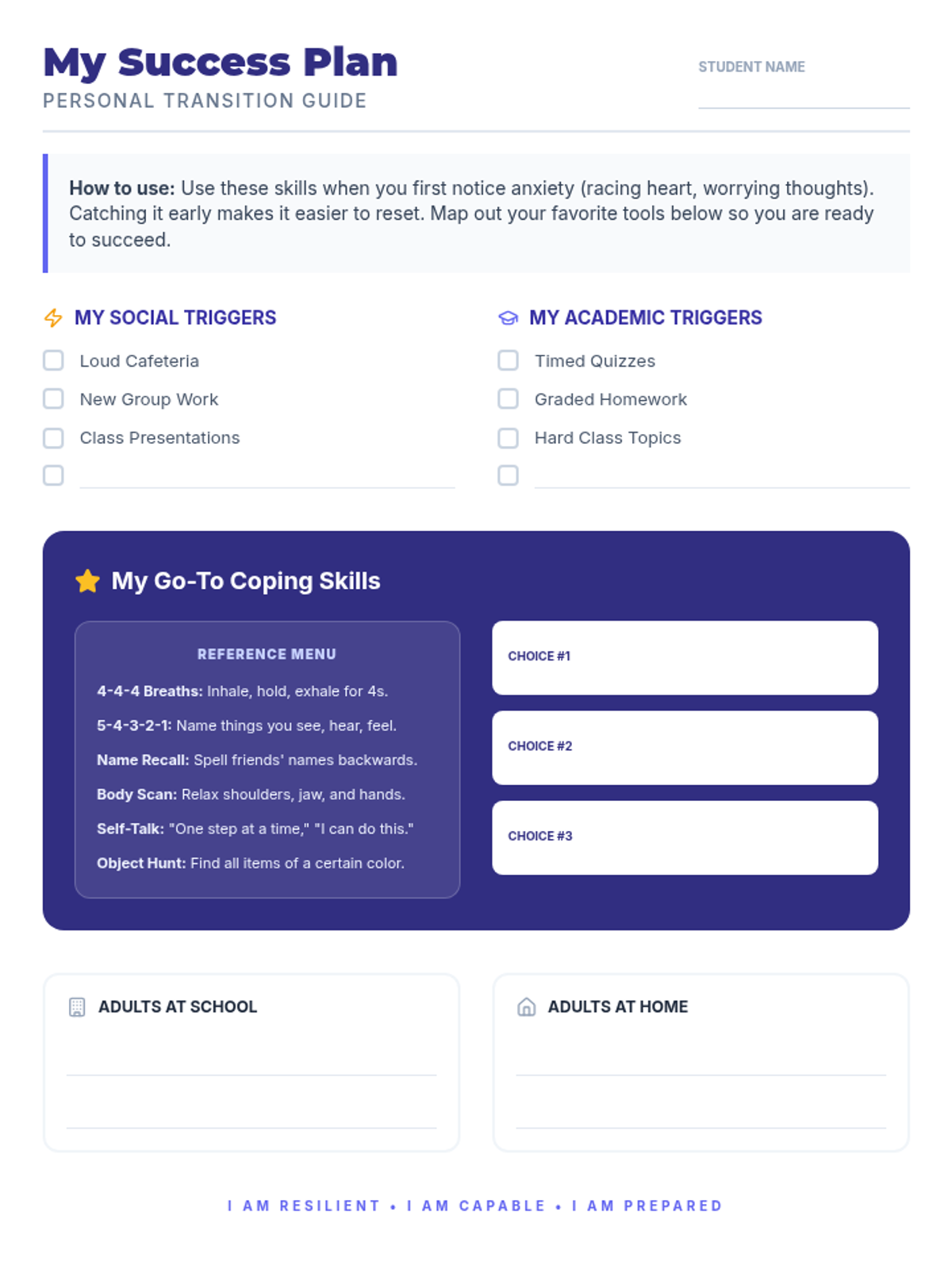
A comprehensive unit of resources designed to help middle school students transition from formal counseling to independent use of coping strategies across school and home settings.
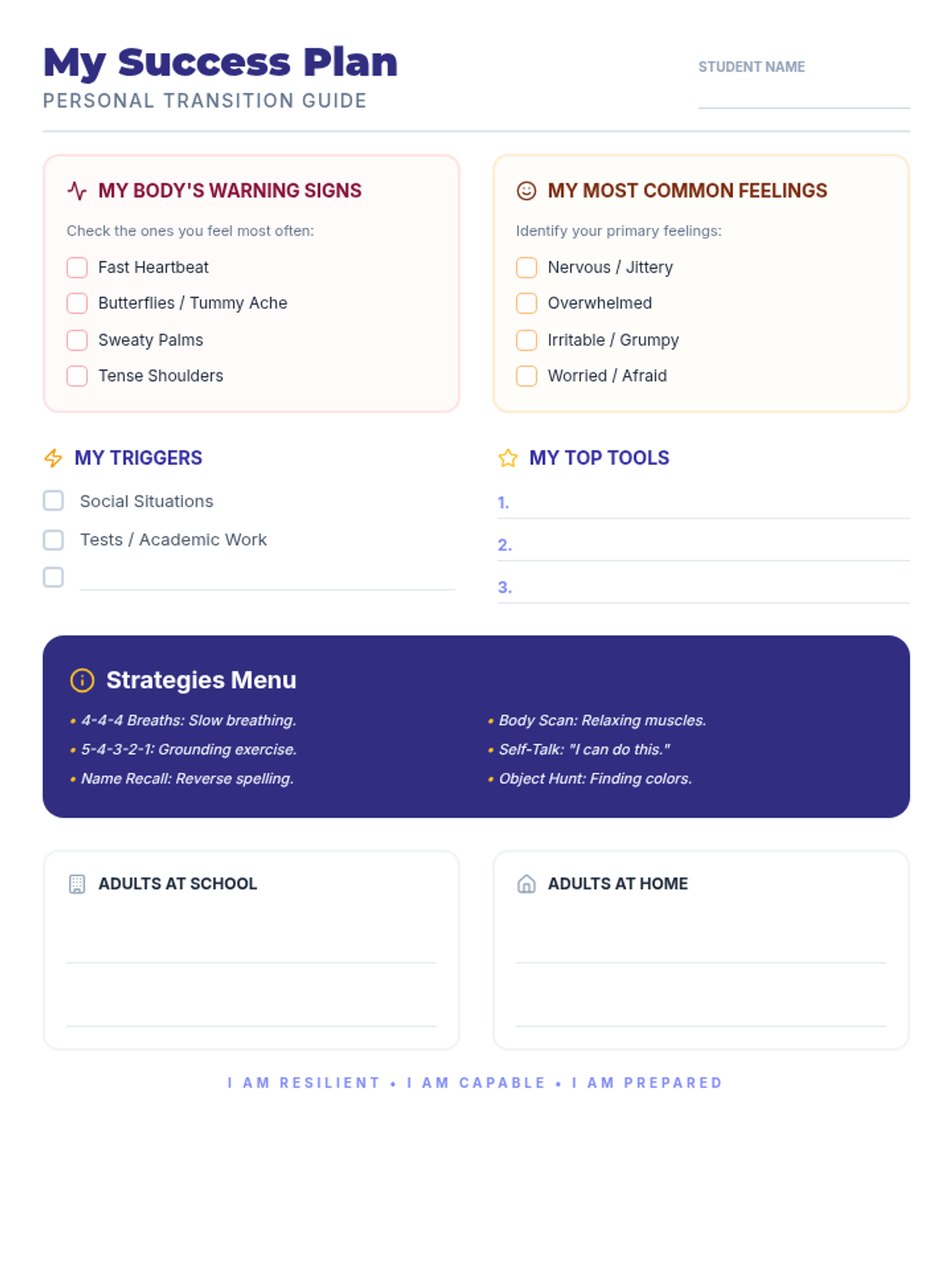
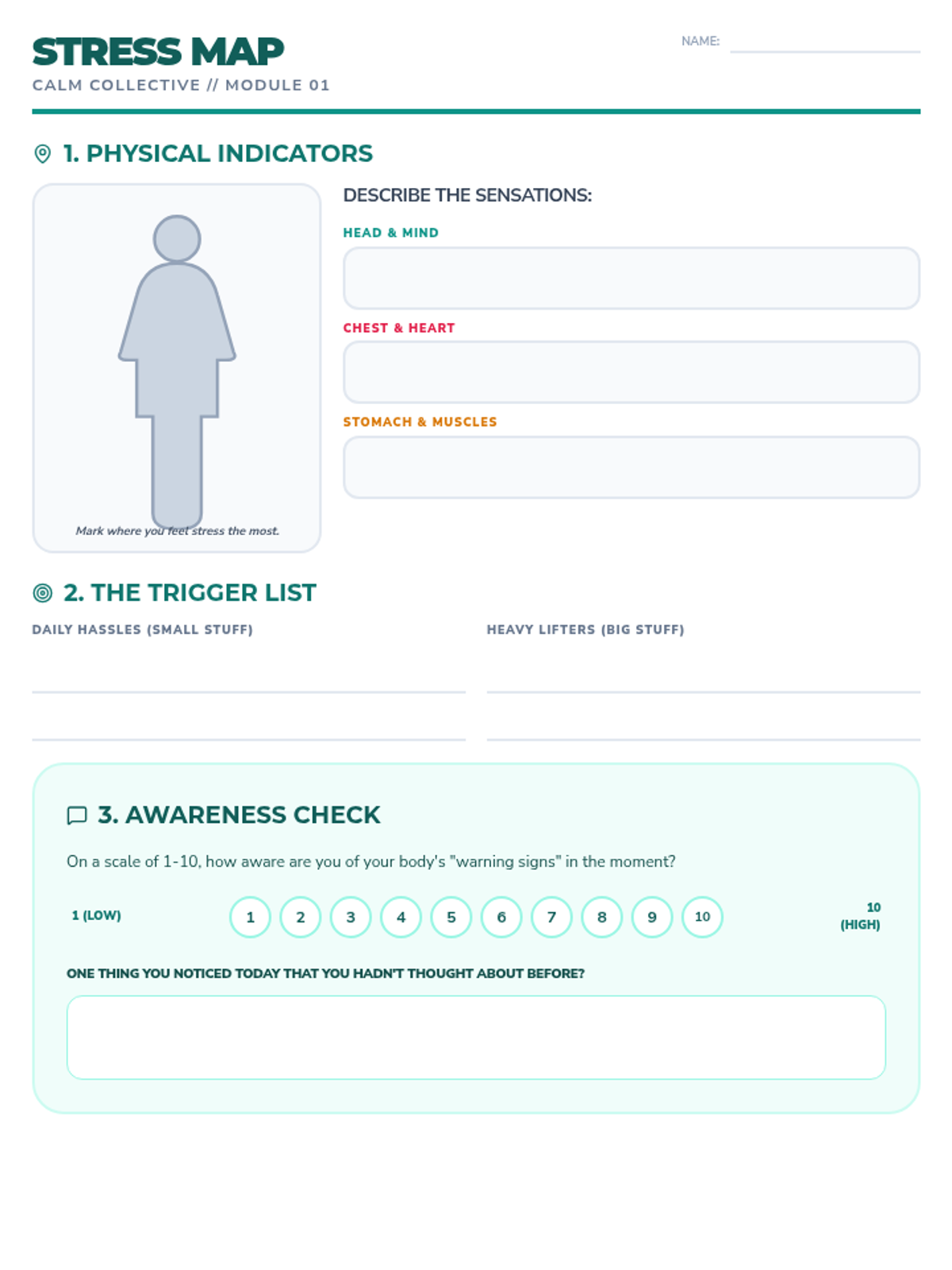
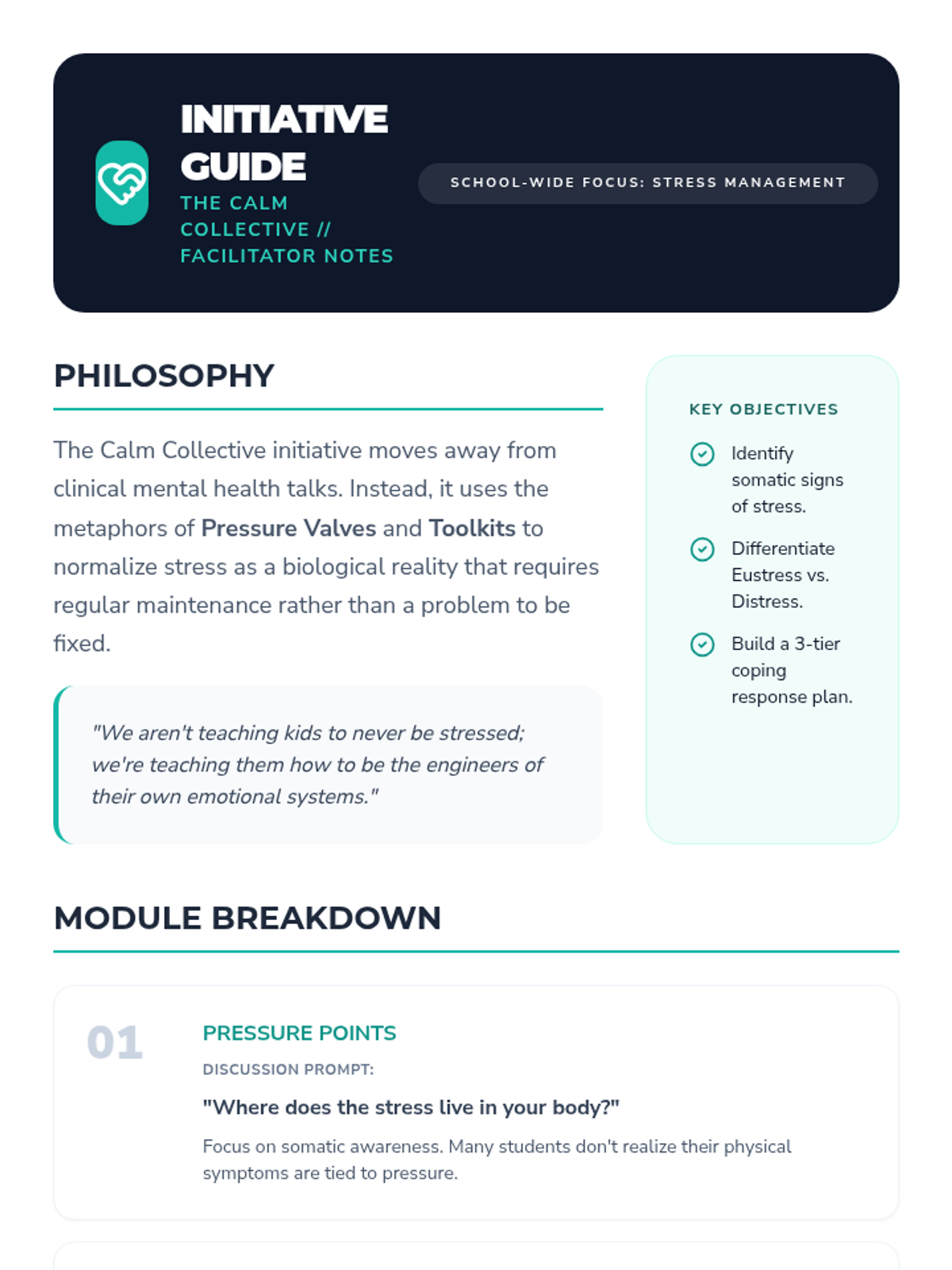
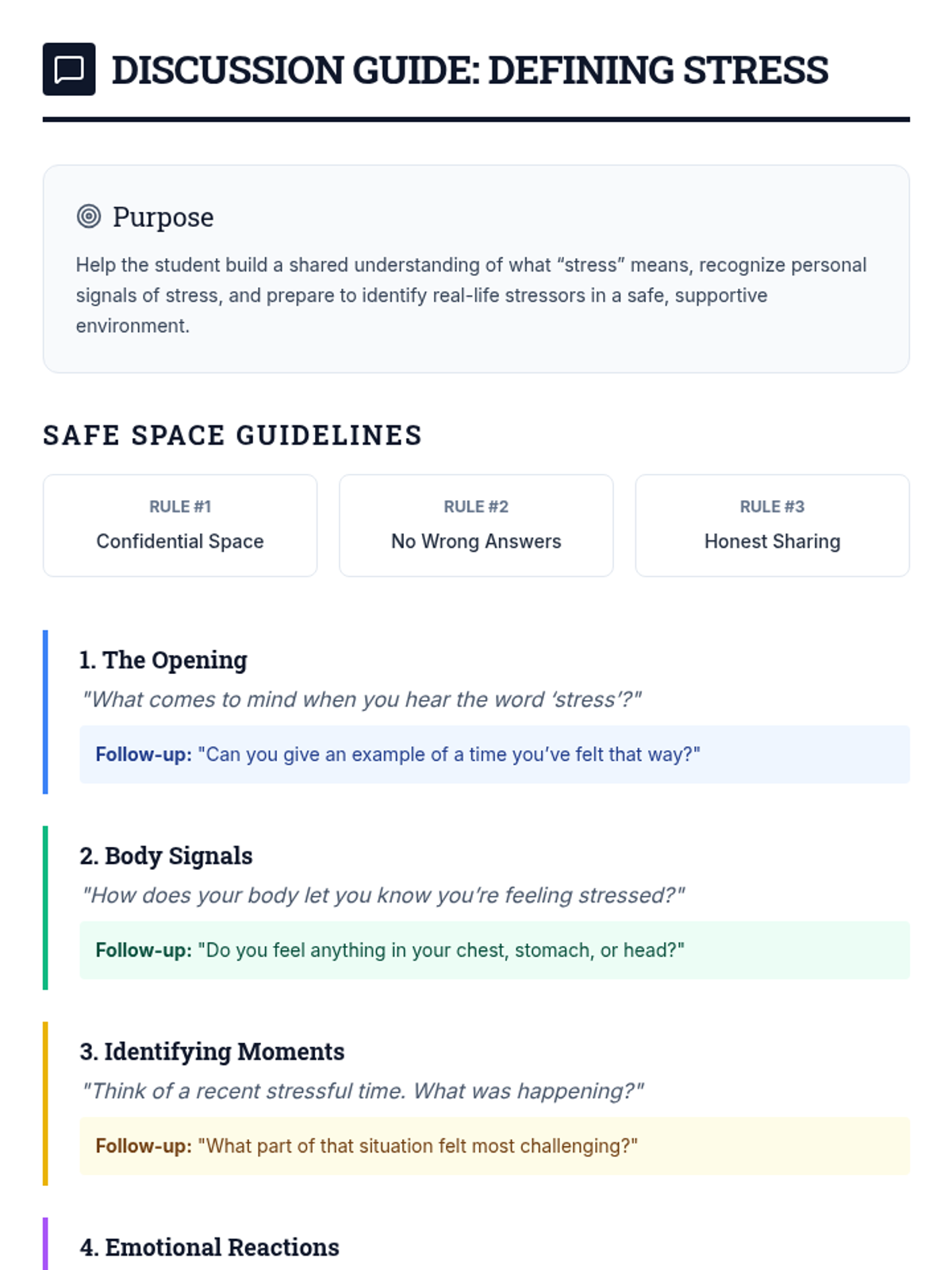
A comprehensive school-wide initiative designed to help students identify stressors, explore healthy coping mechanisms, and build personalized mental health toolkits. This program focuses on destigmatizing stress and providing actionable strategies for emotional regulation.
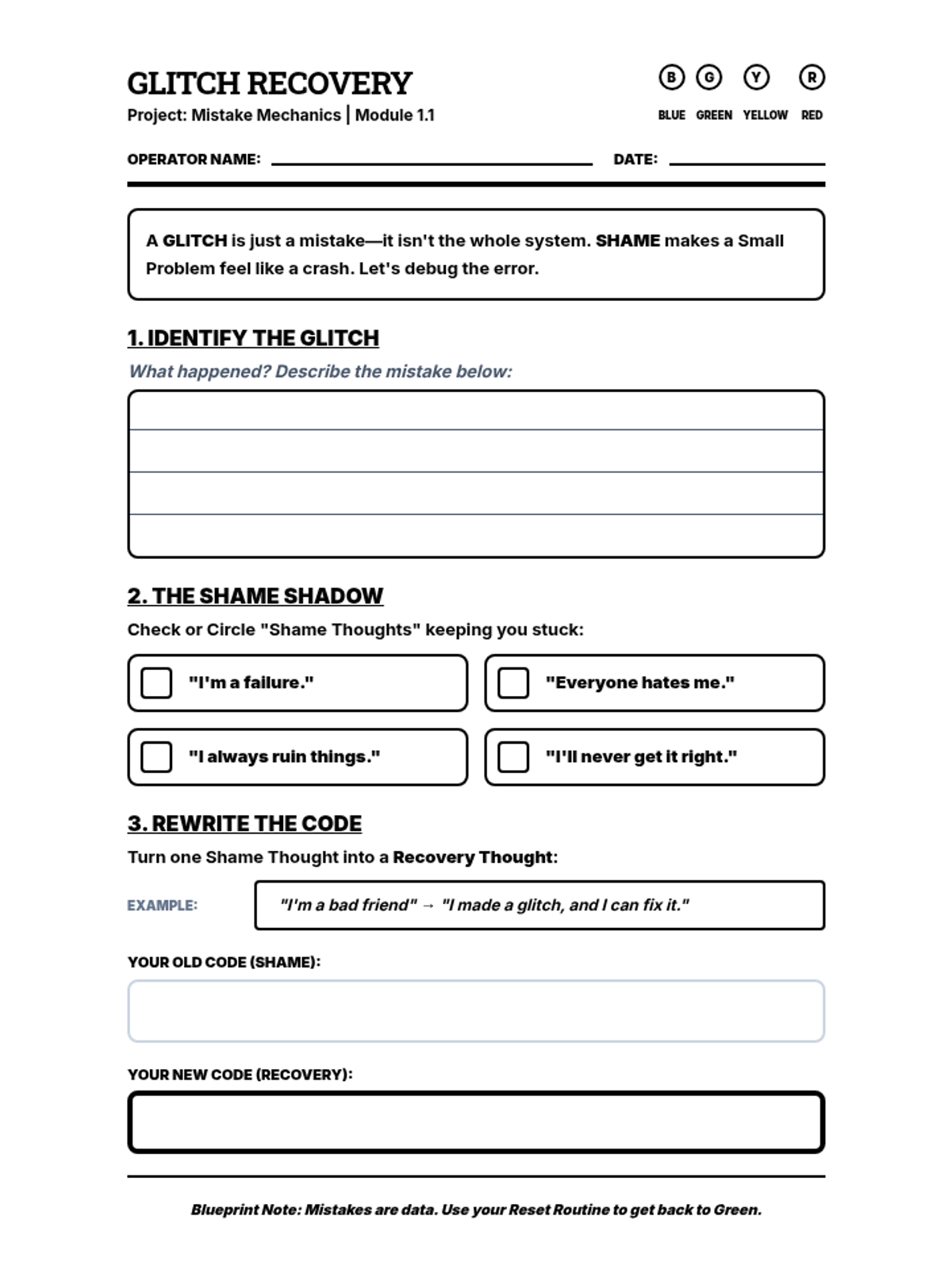
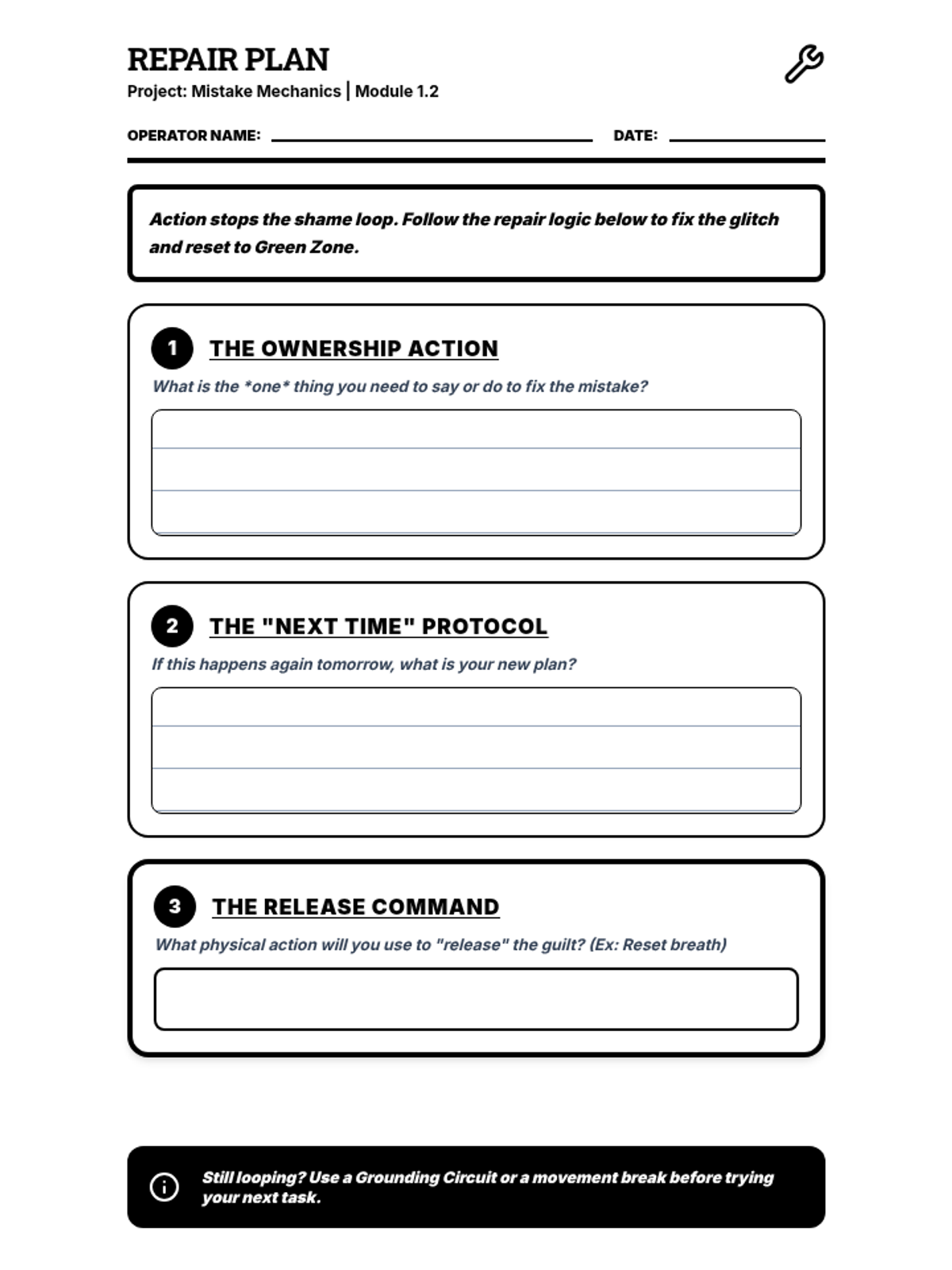
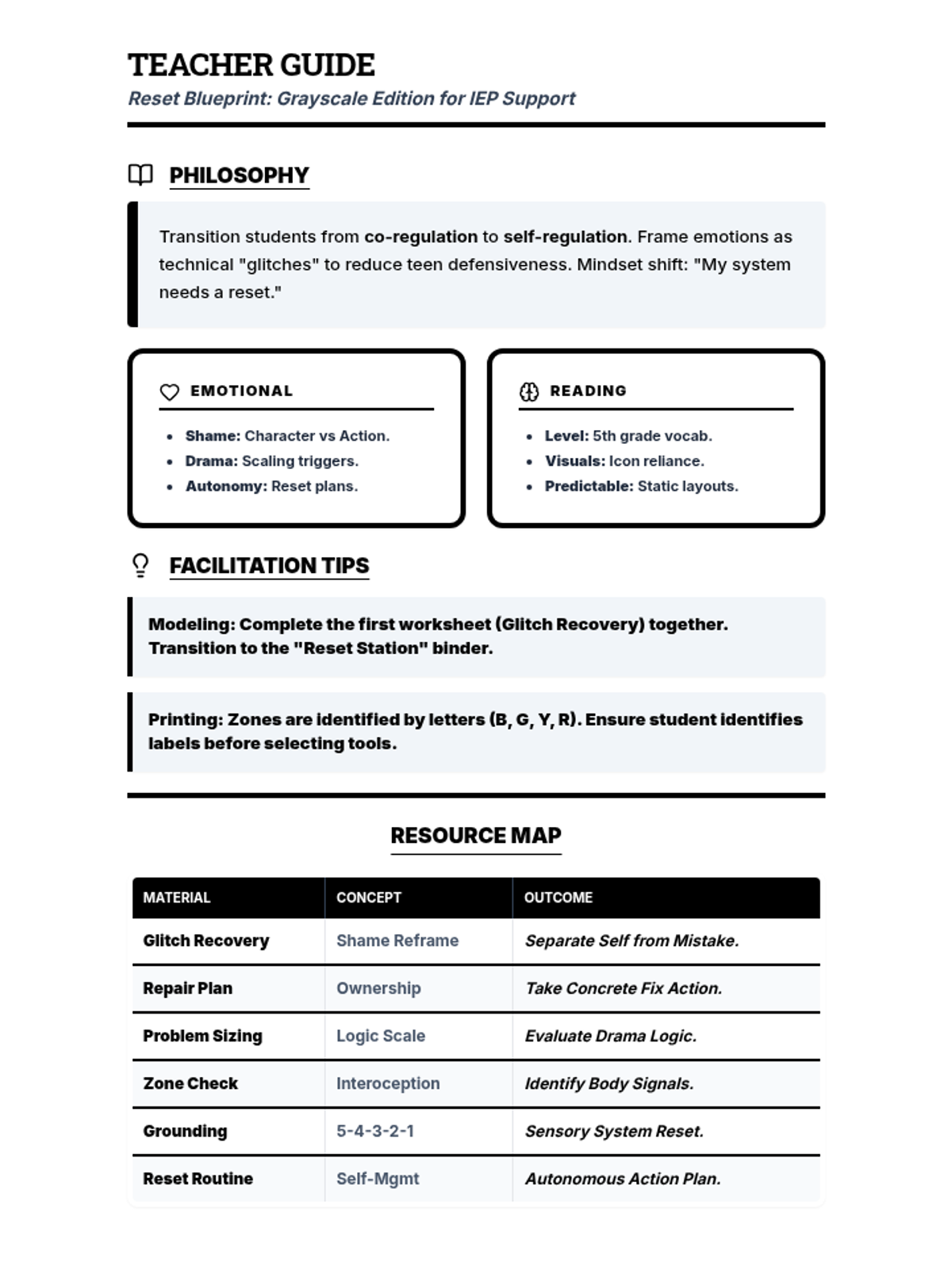
A comprehensive set of independent worksheets designed for a 13-year-old student to manage shame after mistakes, navigate peer drama using the Zones of Regulation, and apply grounding techniques for faster resetting. The materials use a 'Reset Blueprint' theme to make social-emotional learning feel like technical skill-building rather than therapy.
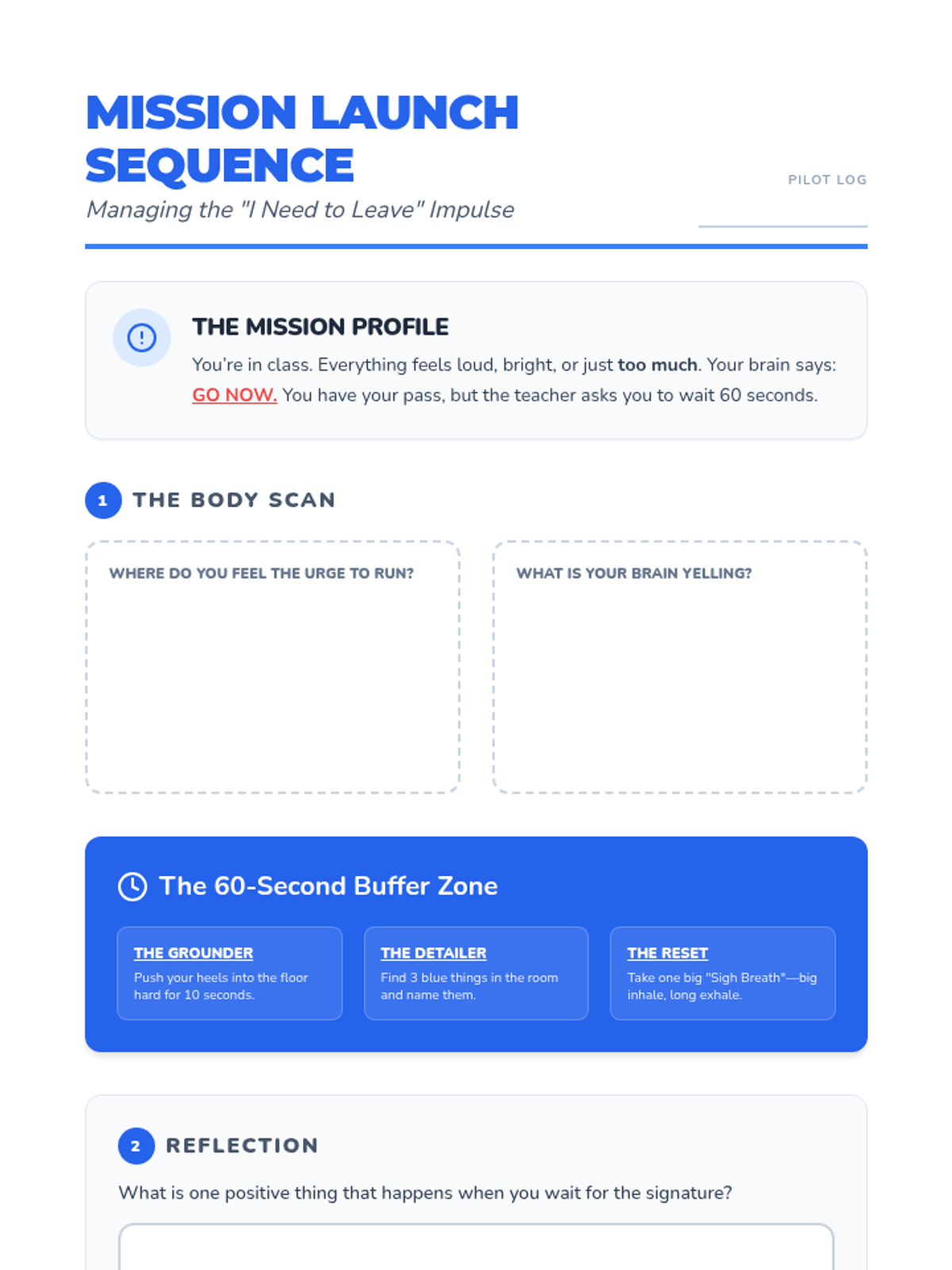
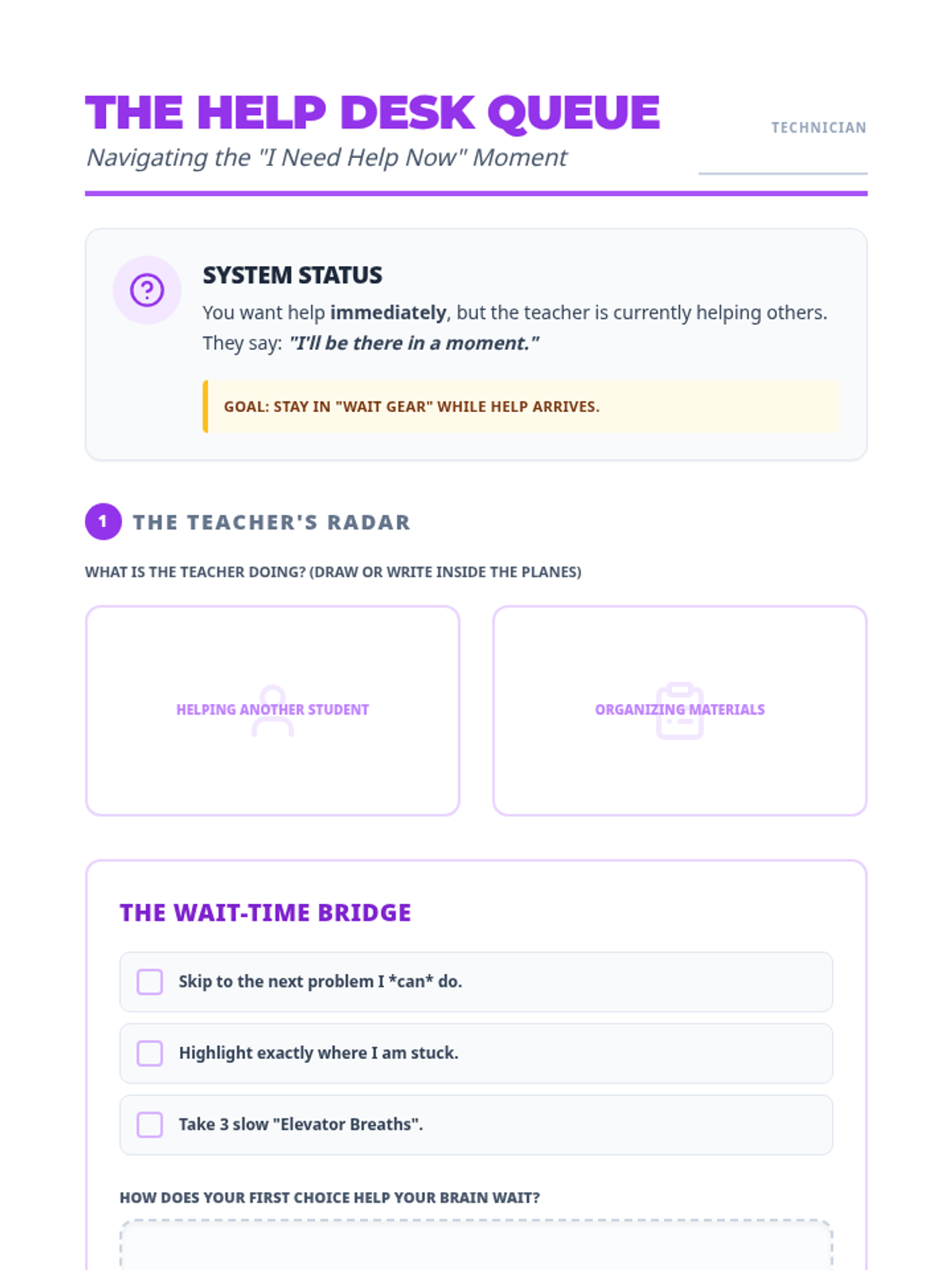
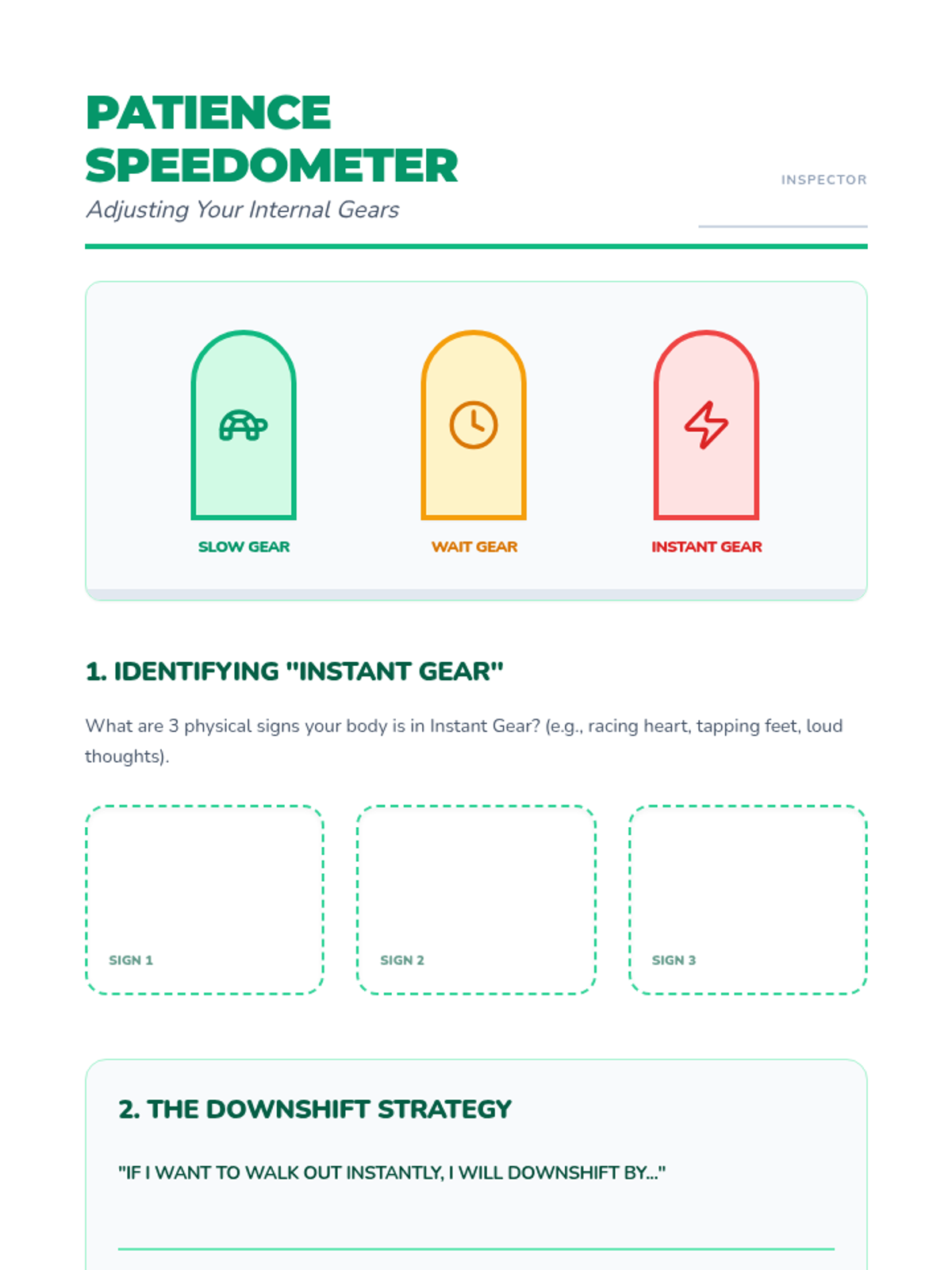
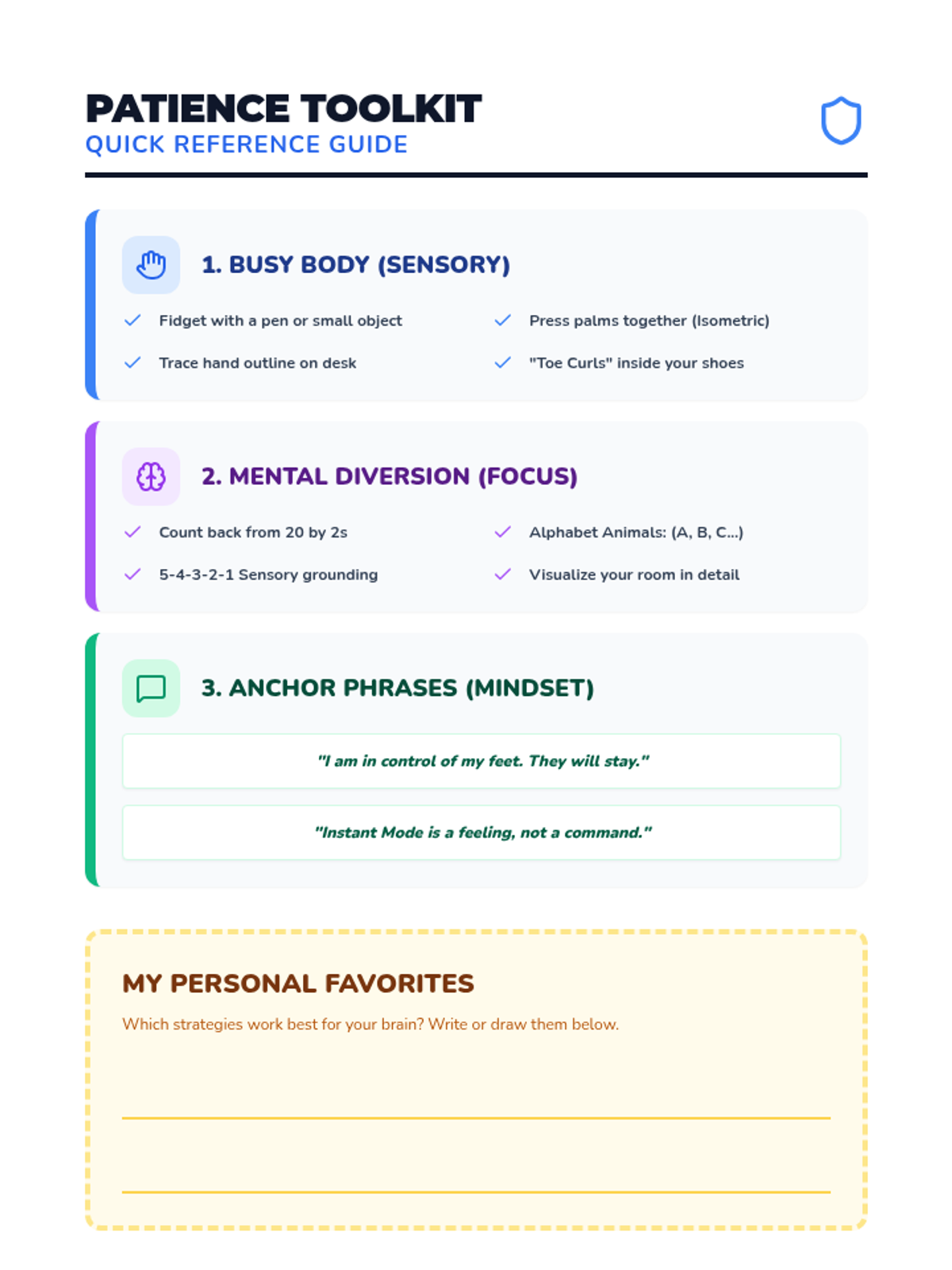
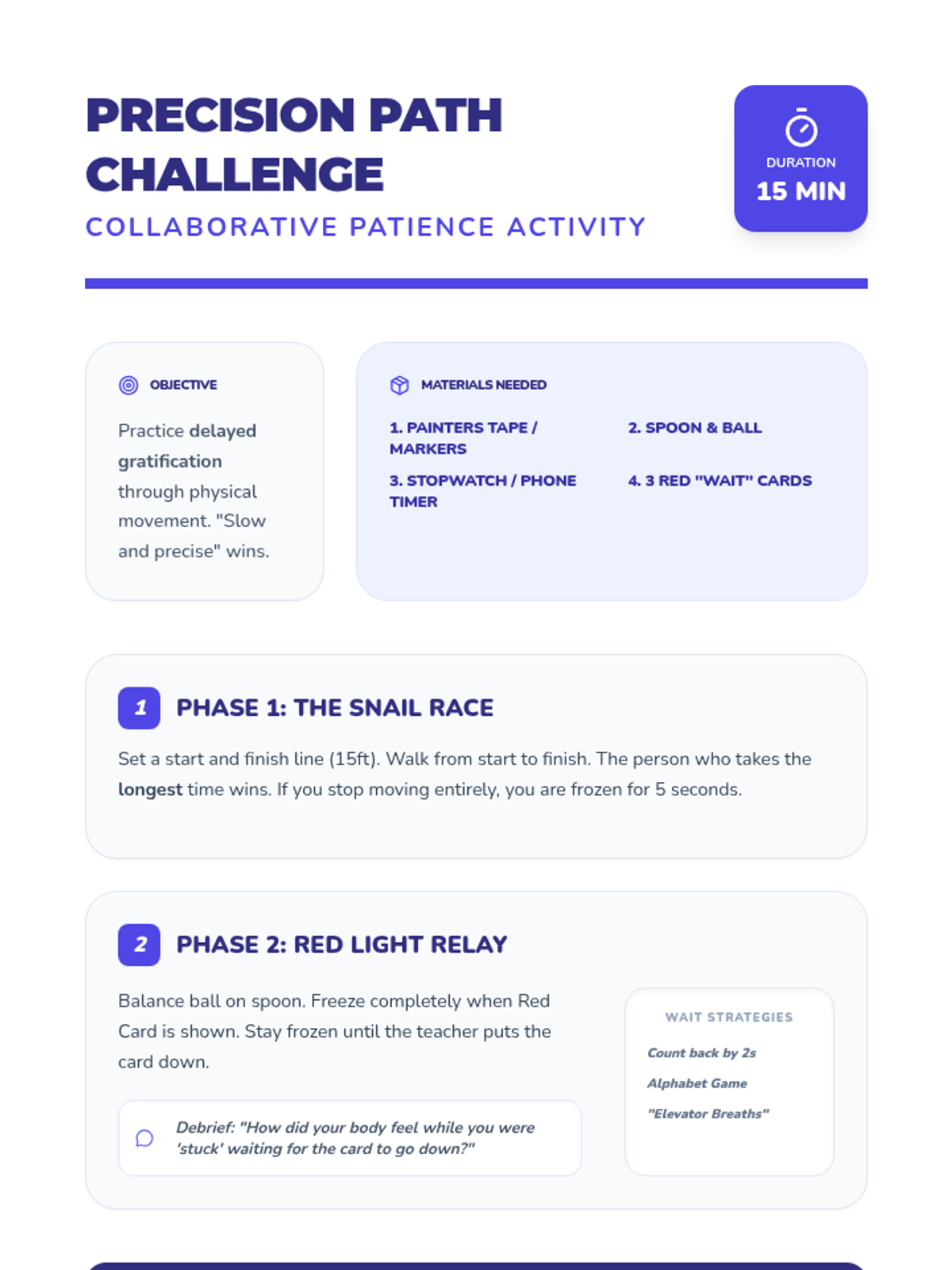
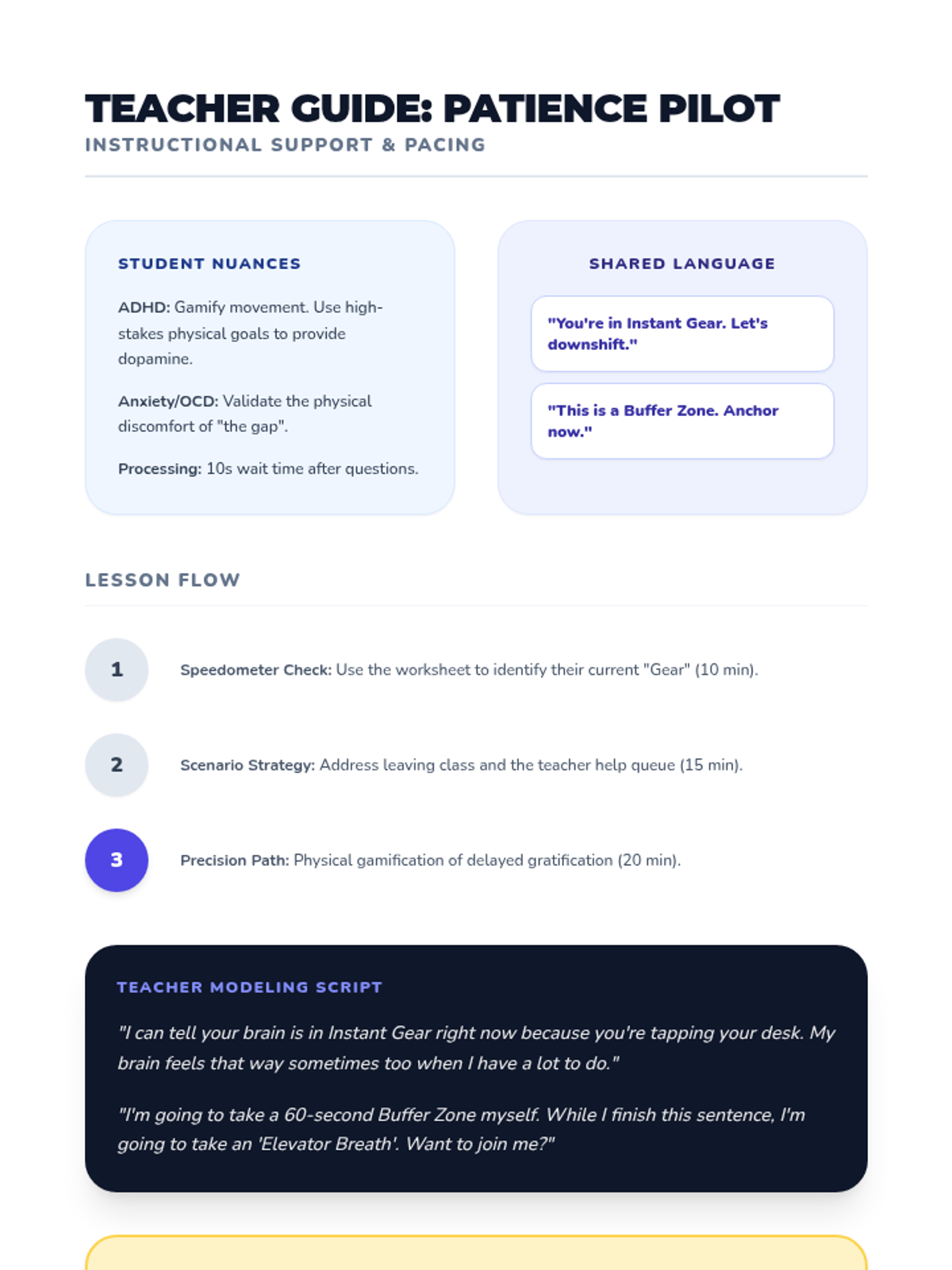
A sequence designed for a 13-year-old student with ADHD, OCD, and anxiety to build patience and manage impulsivity in high-stress classroom situations. Focuses on waiting for permission during overstimulation and navigating the delay when requesting help after a period of refusal.
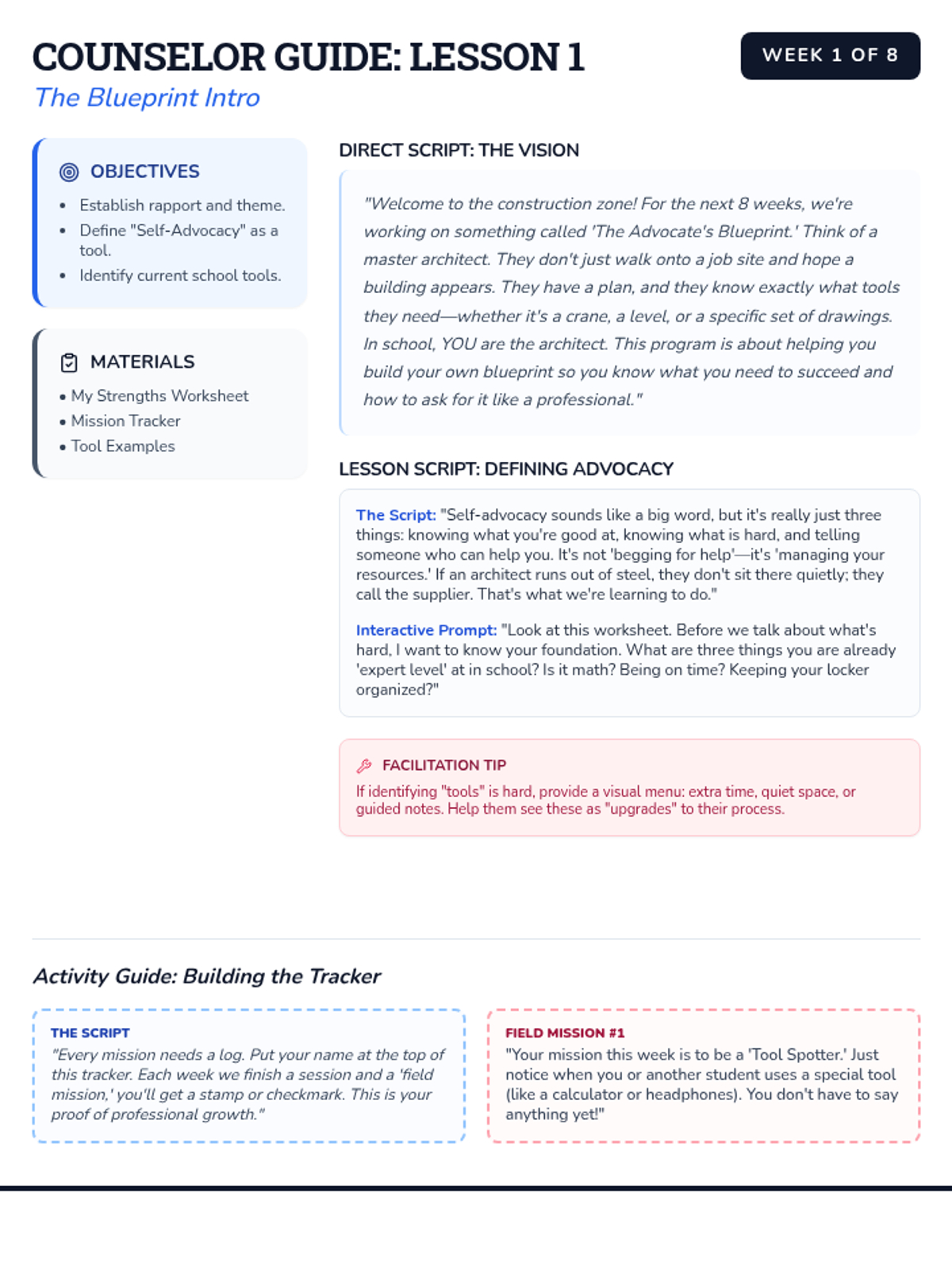
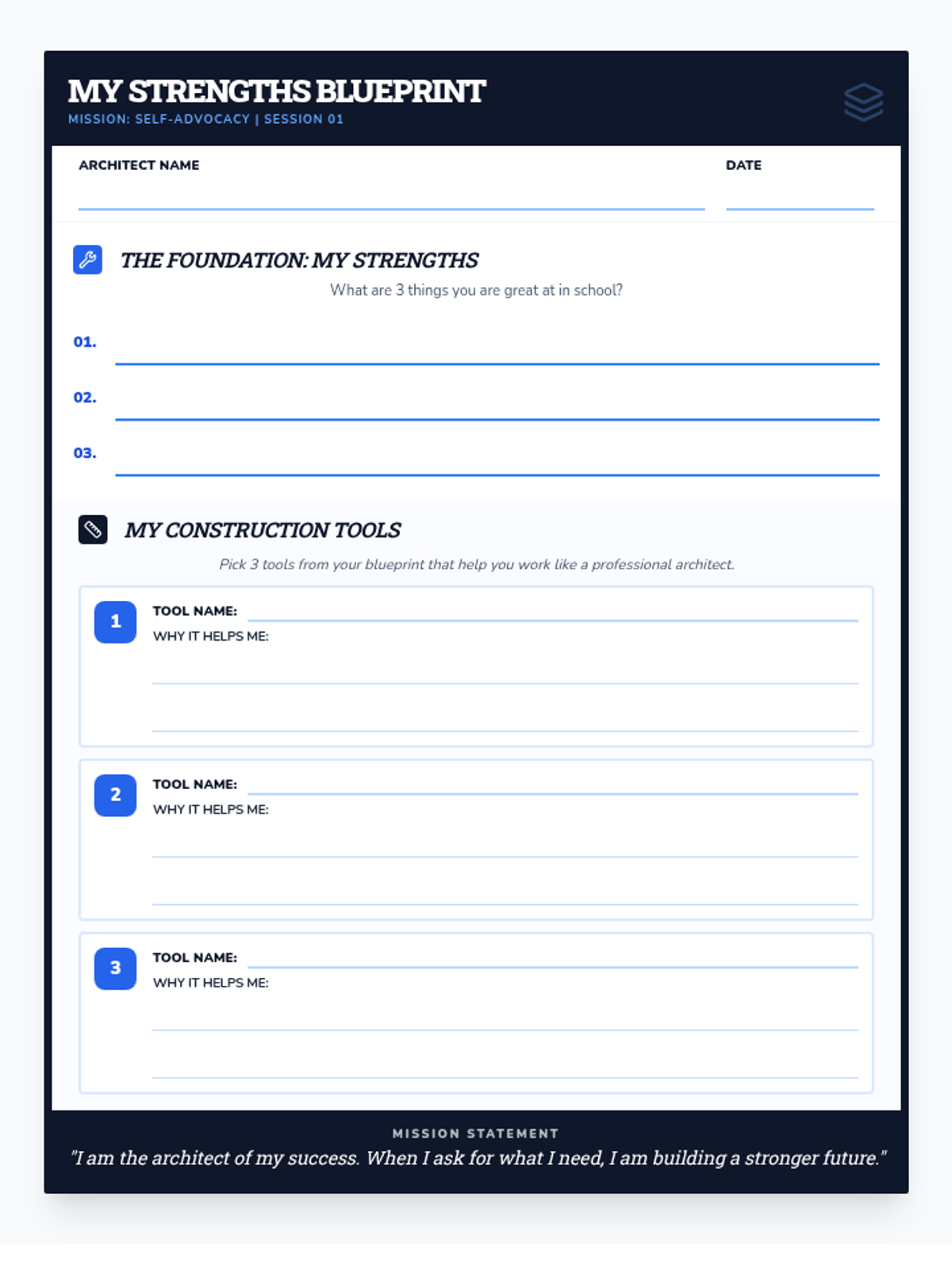
An 8-week individual counseling sequence designed for 8th-grade students with autism to develop self-advocacy skills, focusing on requesting learning tools and clarification. Content uses direct, literal language.
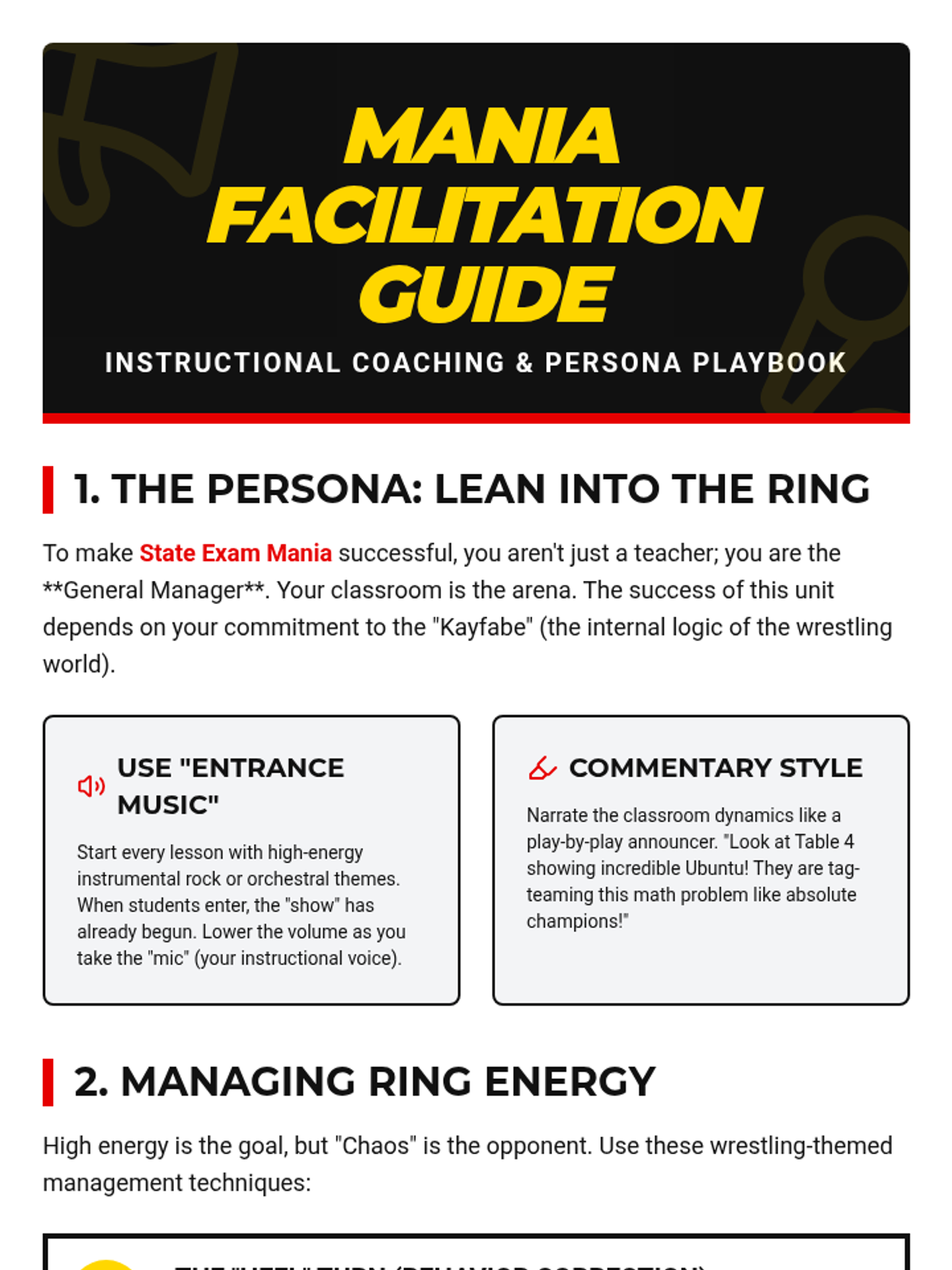
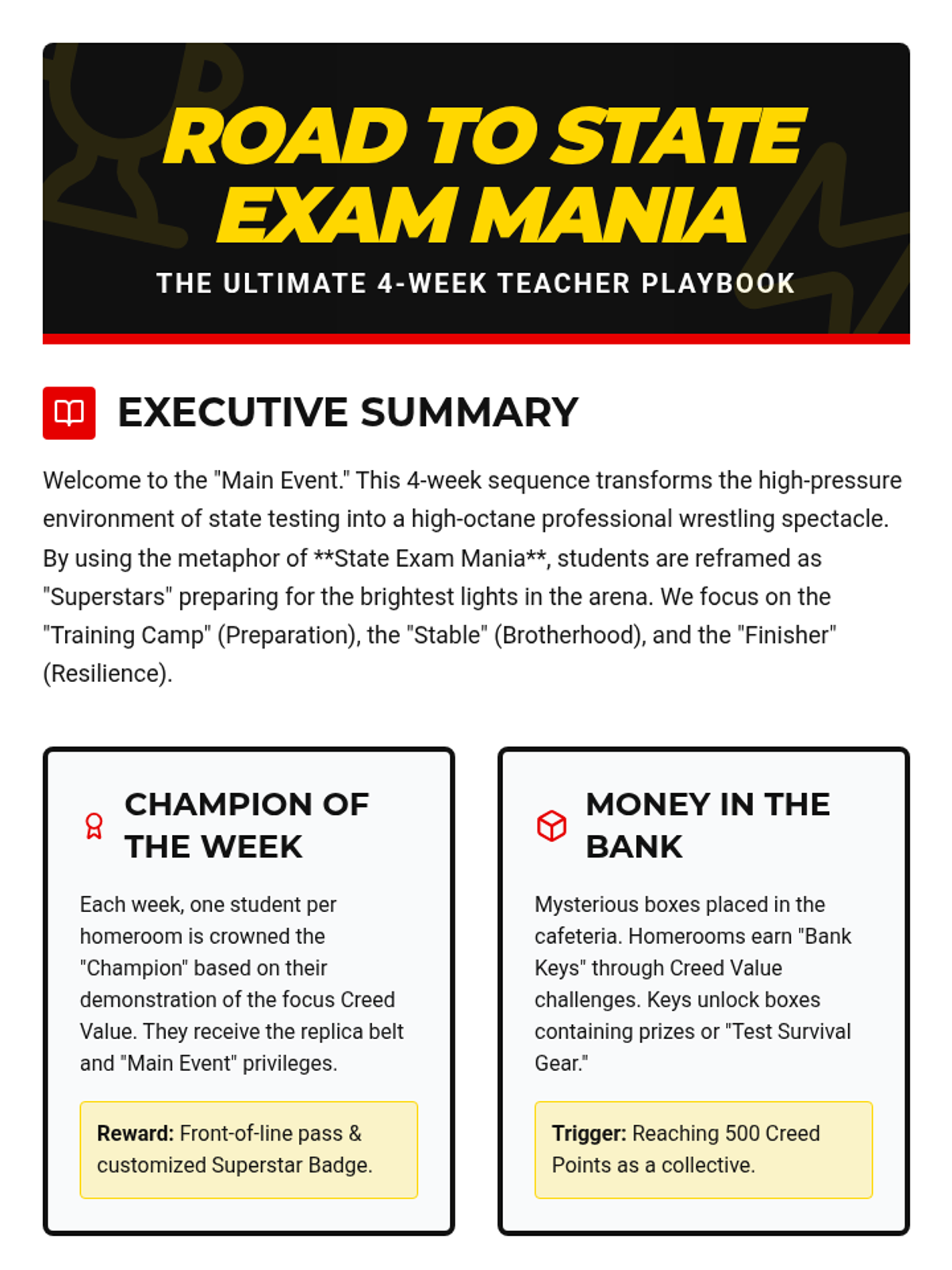
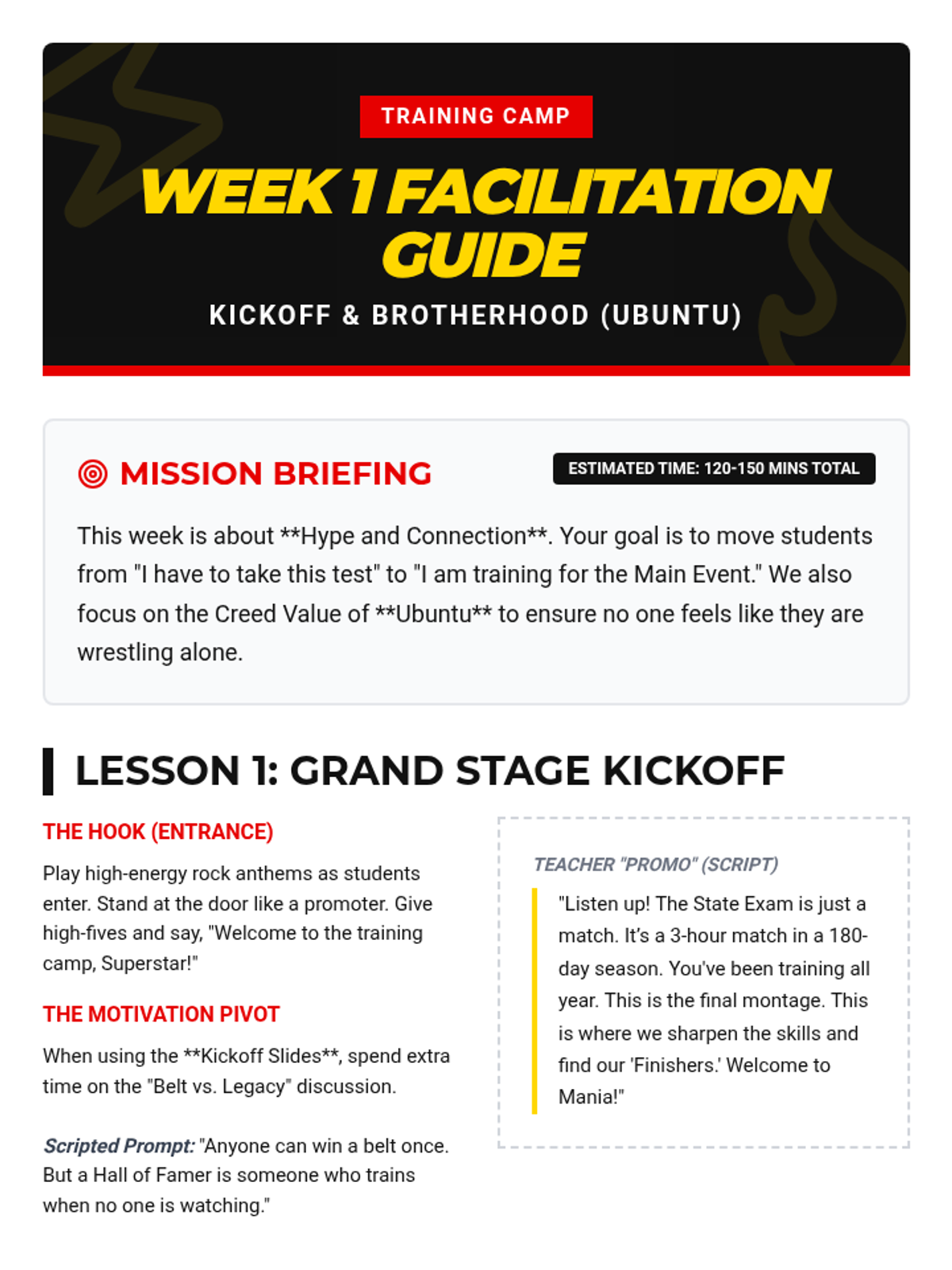
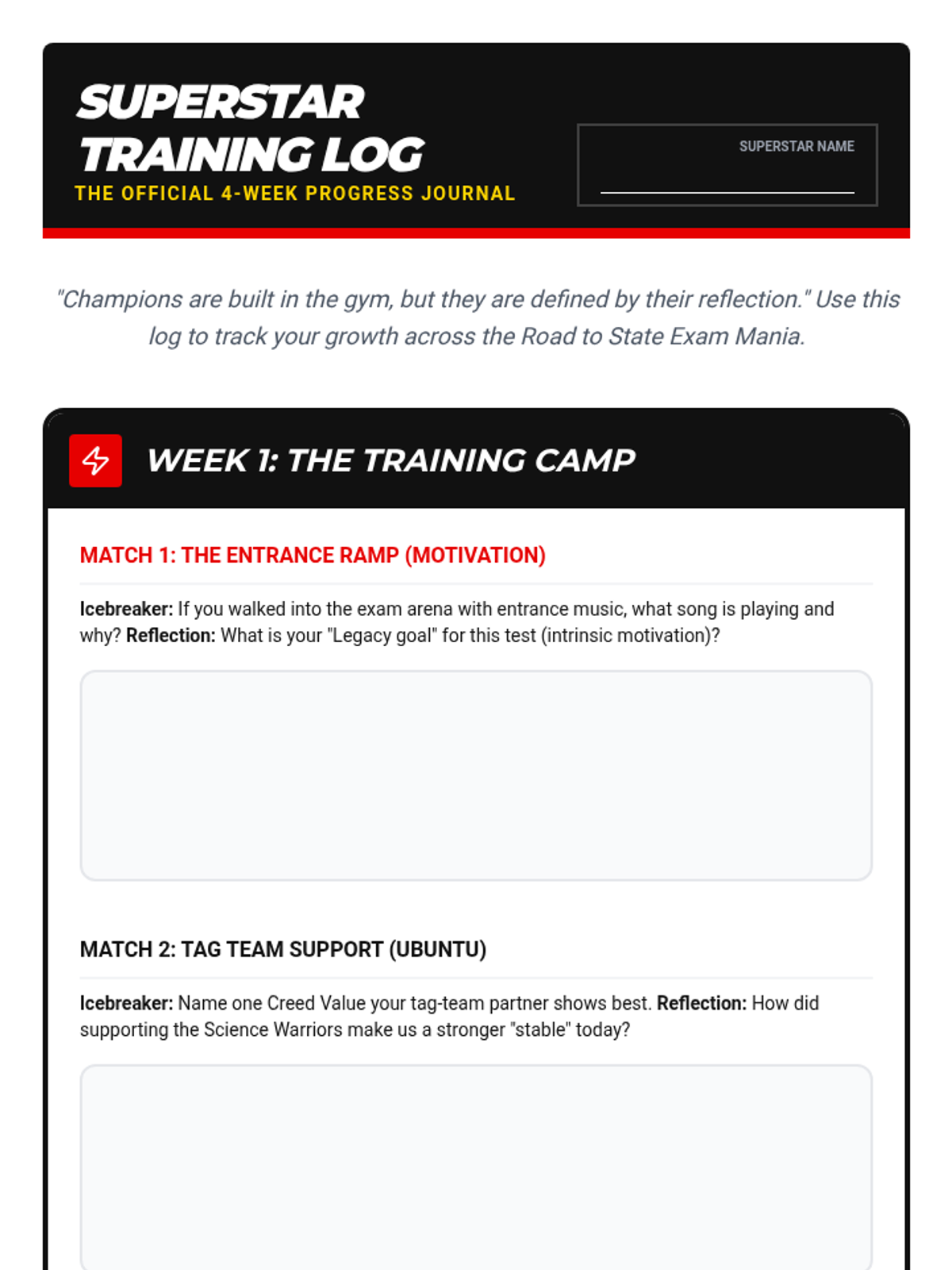
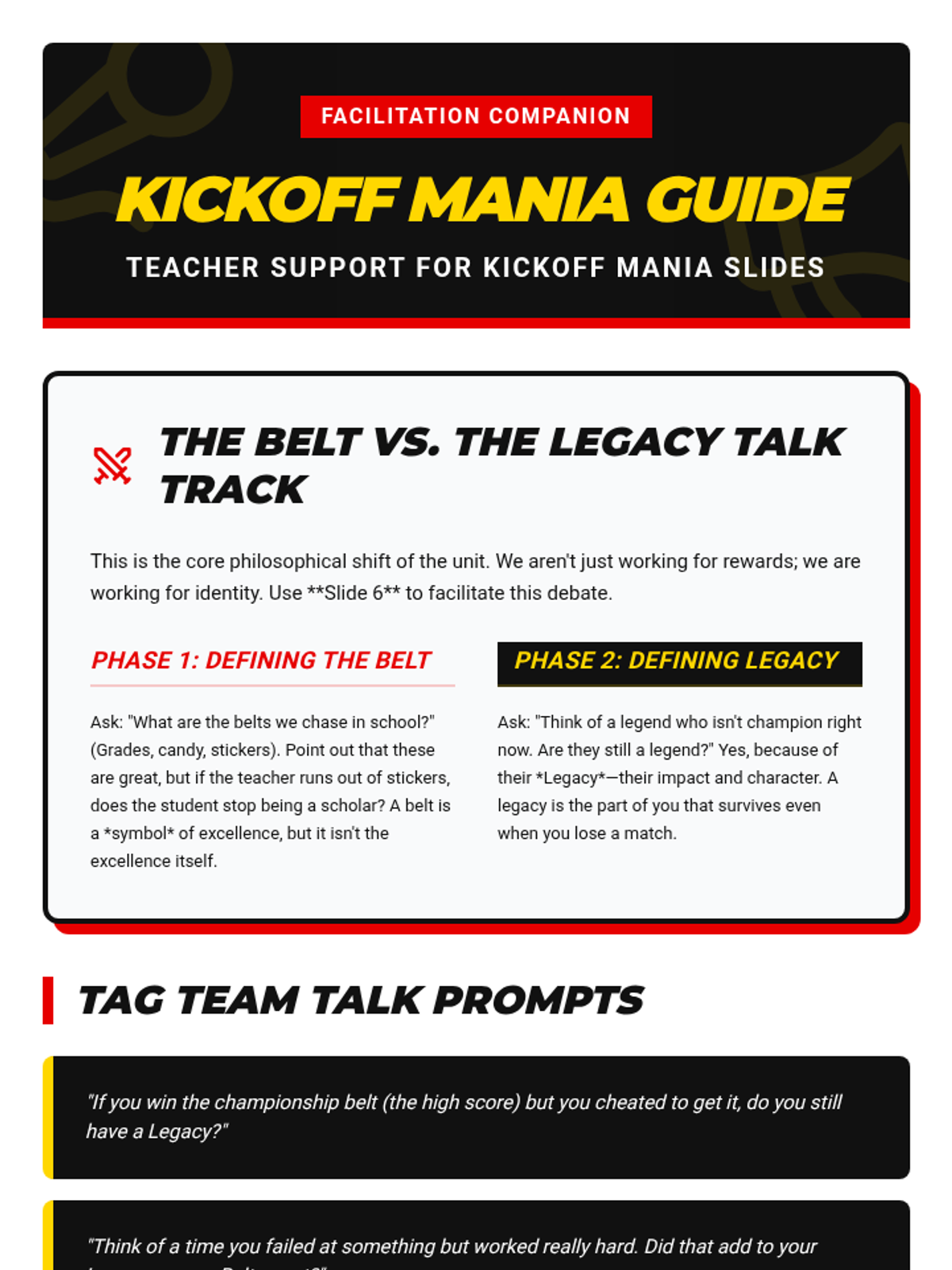
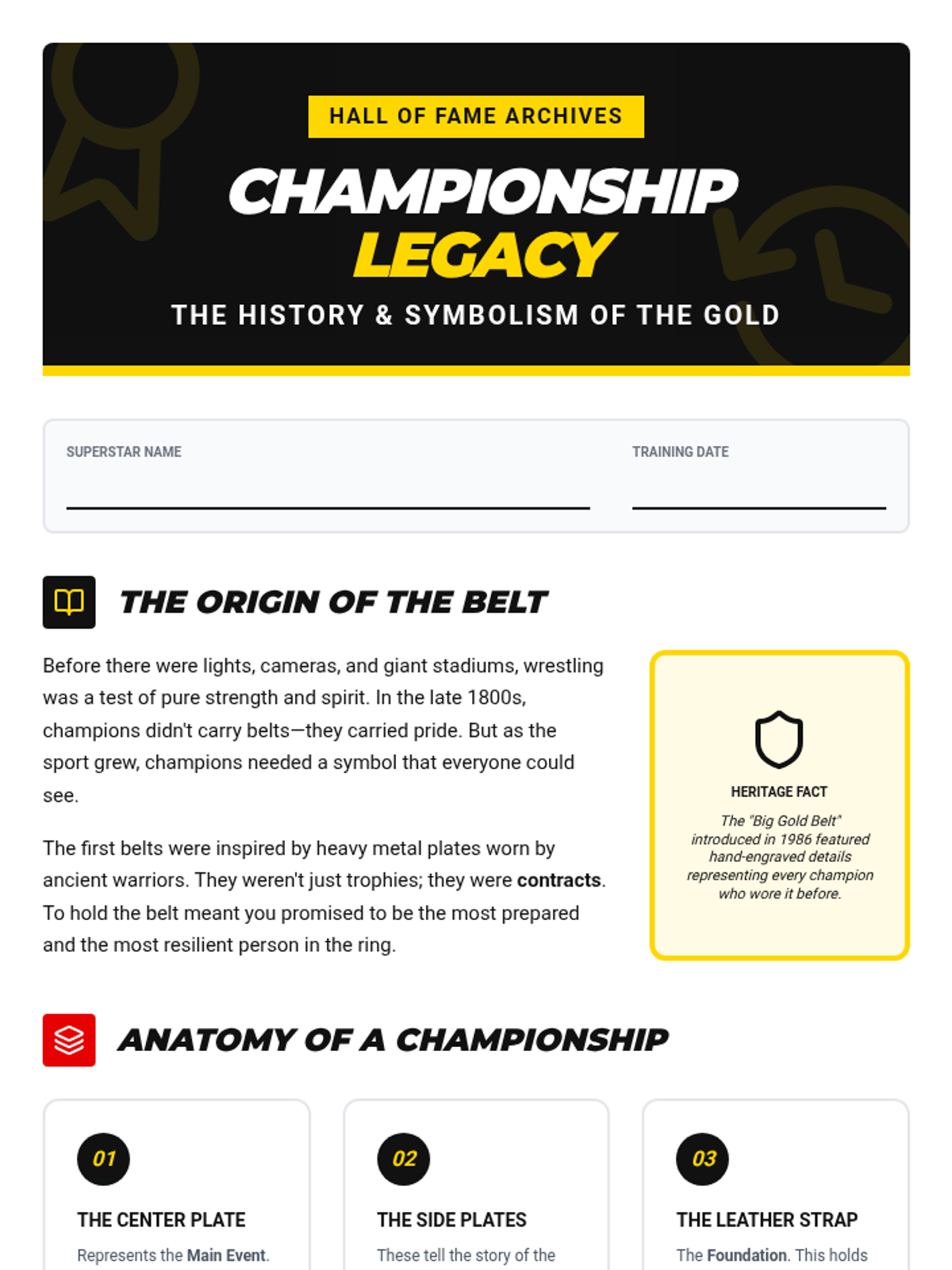
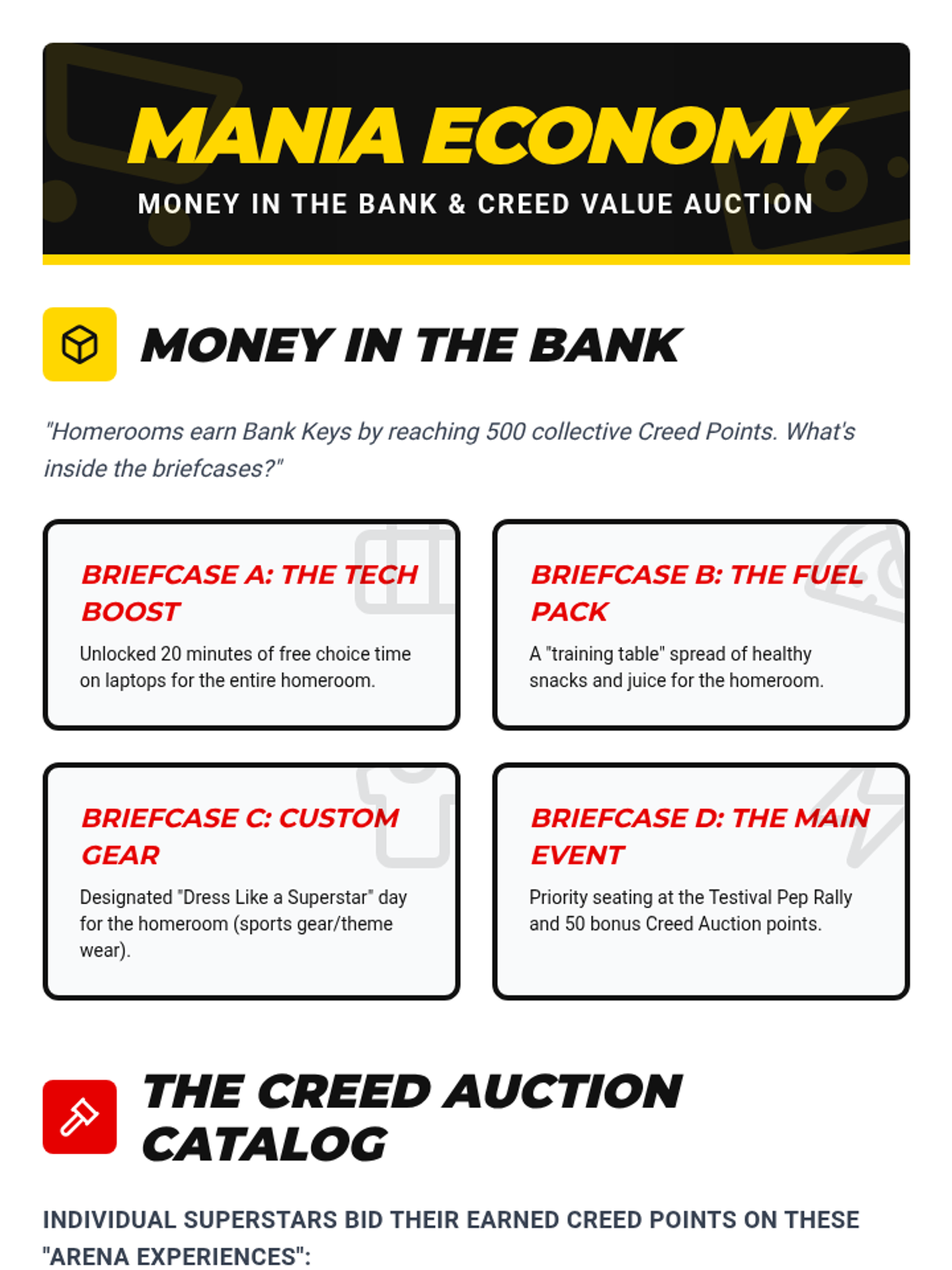
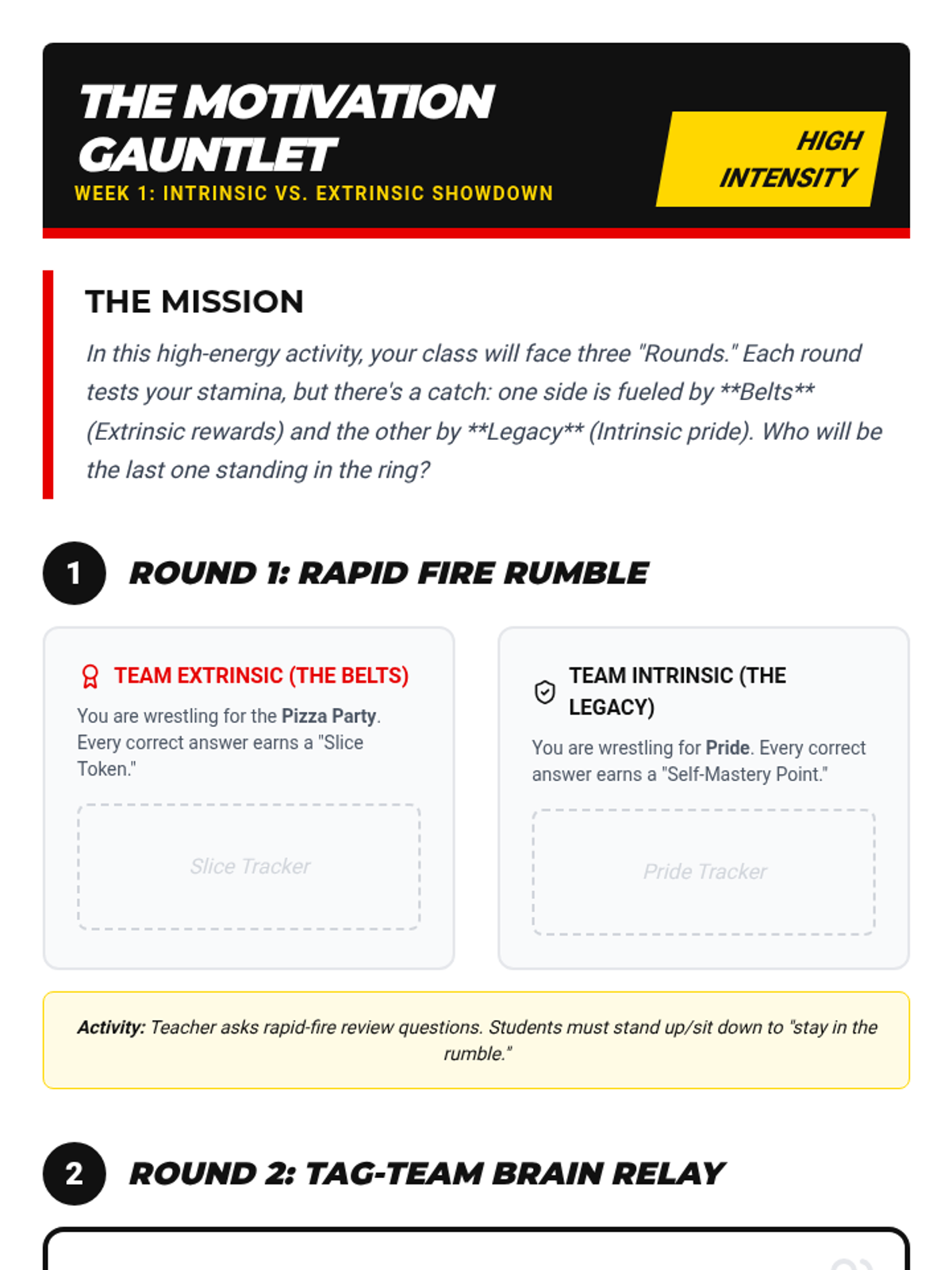
A 4-week socio-emotional learning sequence using professional wrestling as a metaphor for state exam preparation, focusing on motivation, resilience, and brotherhood.
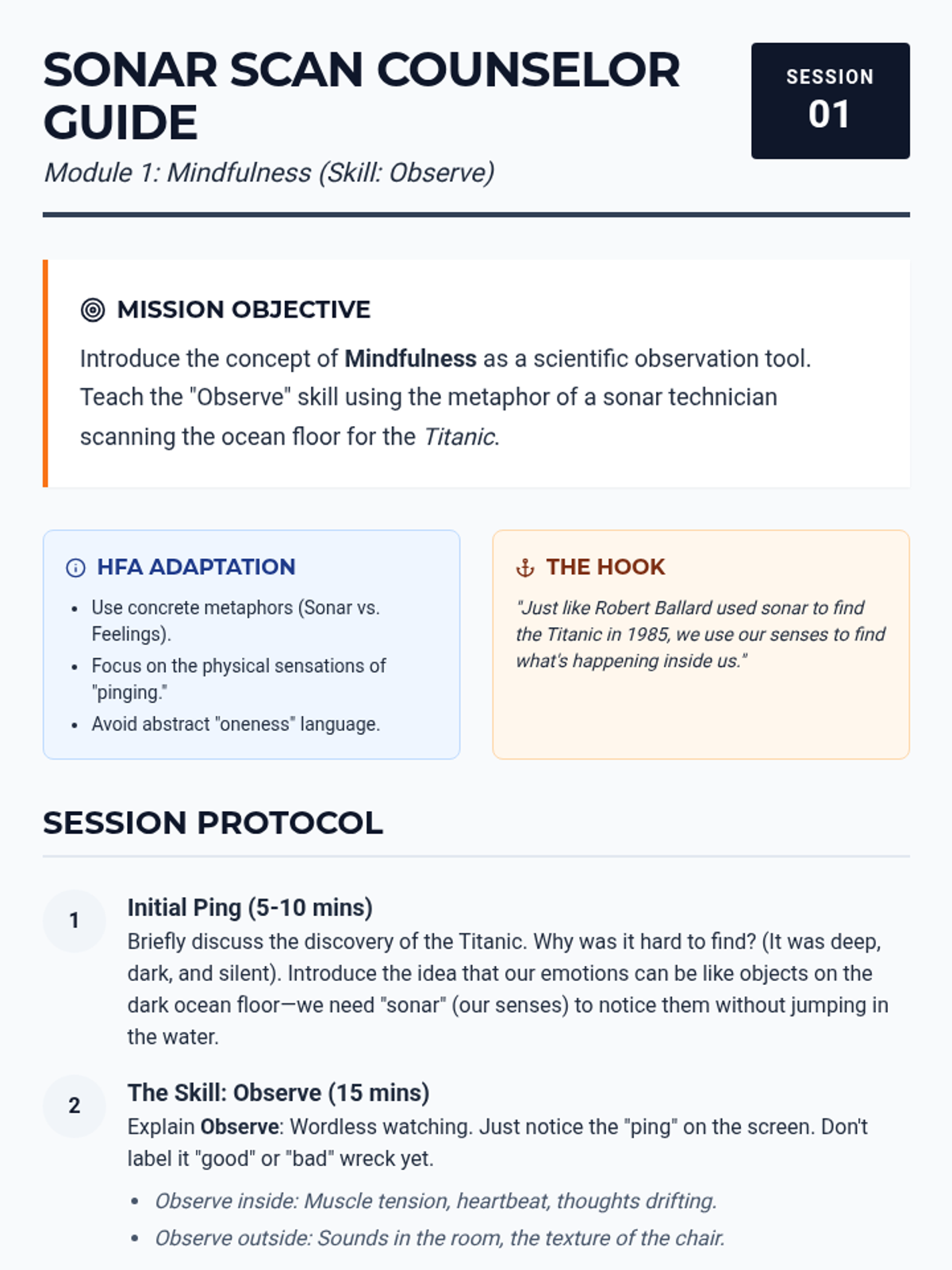
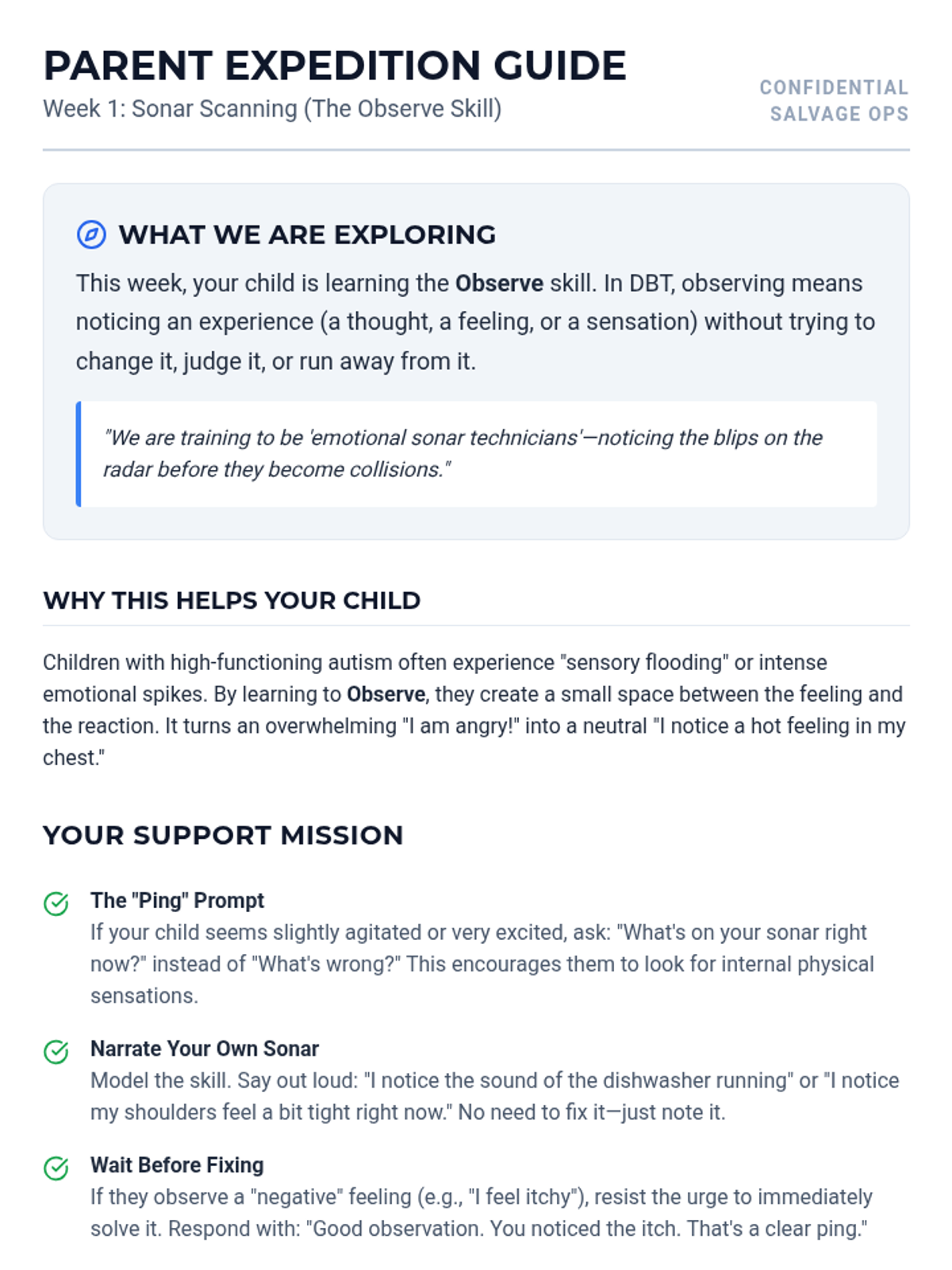
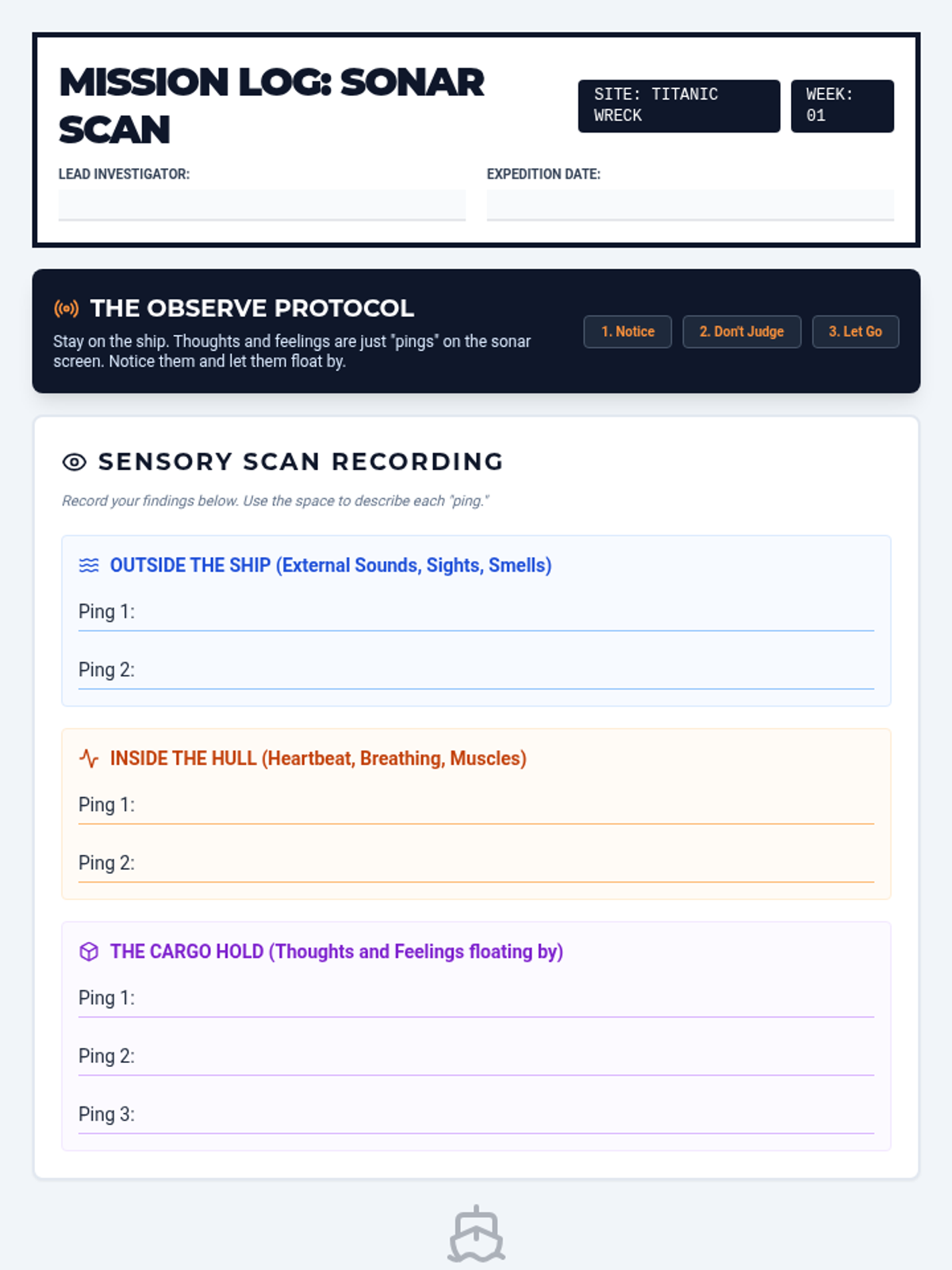
A comprehensive 16-week DBT program adapted for children with high-functioning autism, using shipwrecks and plane crashes as high-interest metaphors for emotional regulation, mindfulness, and distress tolerance. Each week includes a counselor guide, parent guide, and client worksheet themed around historical salvage and survival missions.
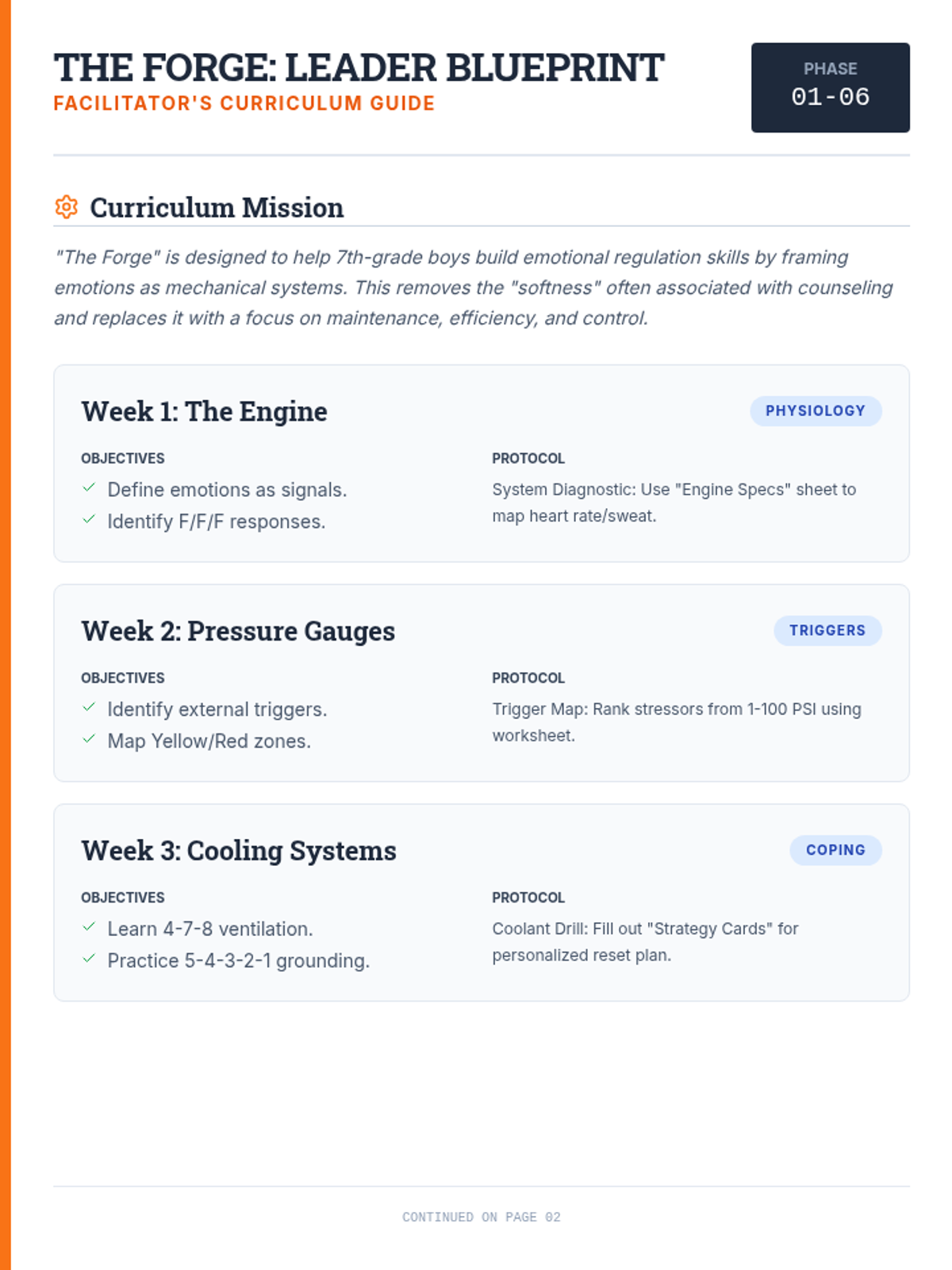
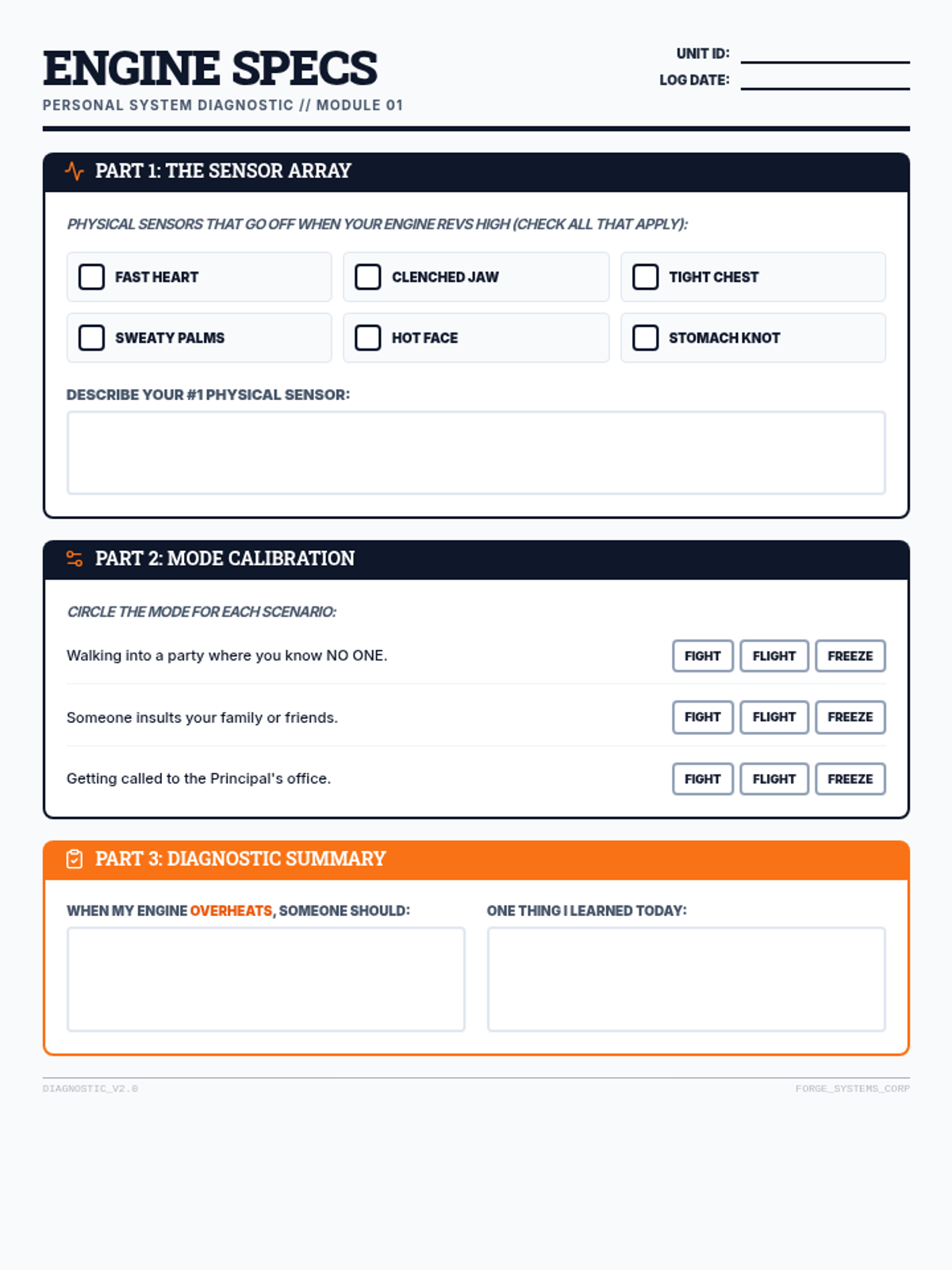
A 6-week emotional regulation curriculum designed specifically for middle school boys, using an industrial/engineering theme to explore physiology, triggers, and coping strategies.
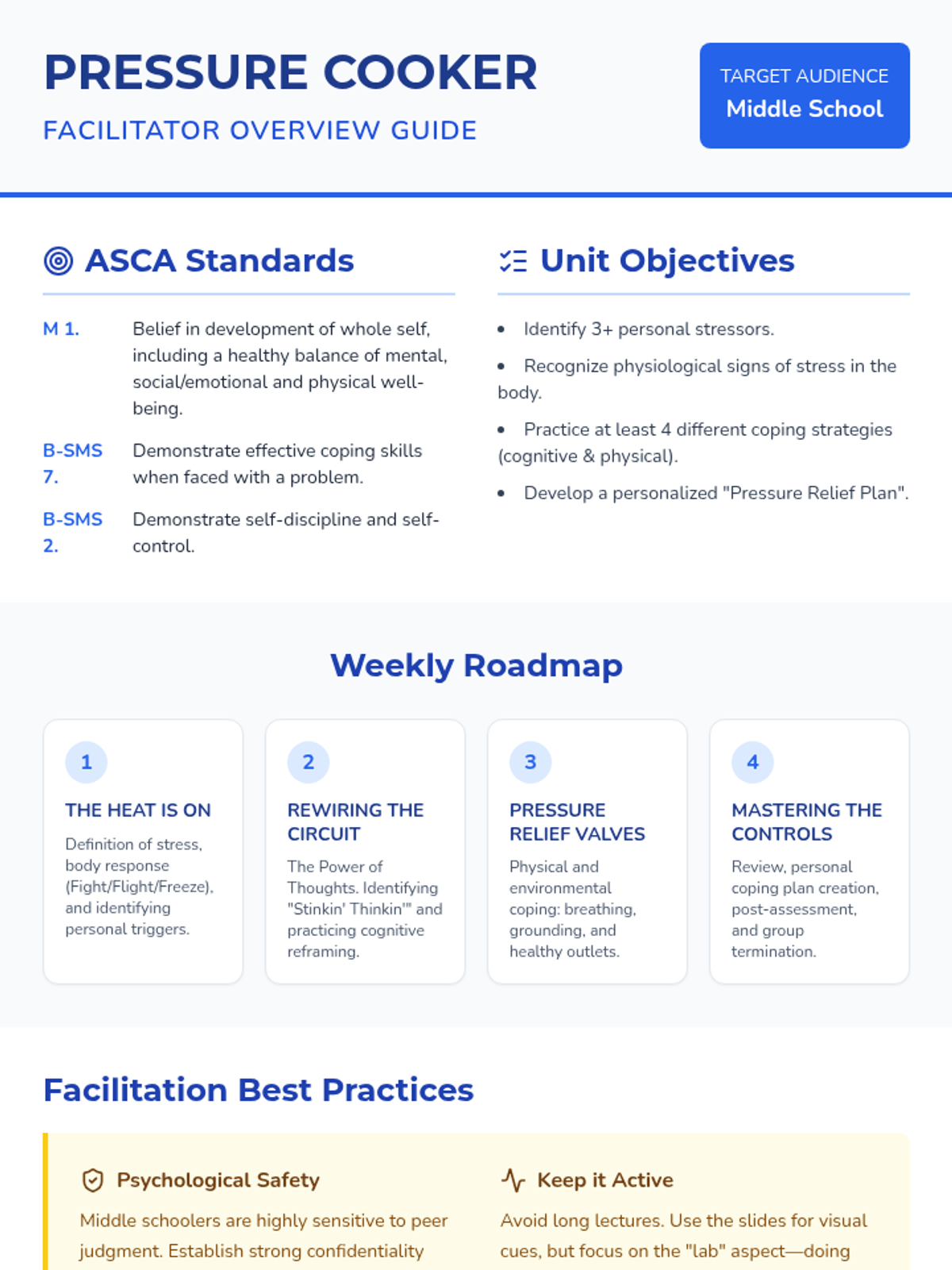
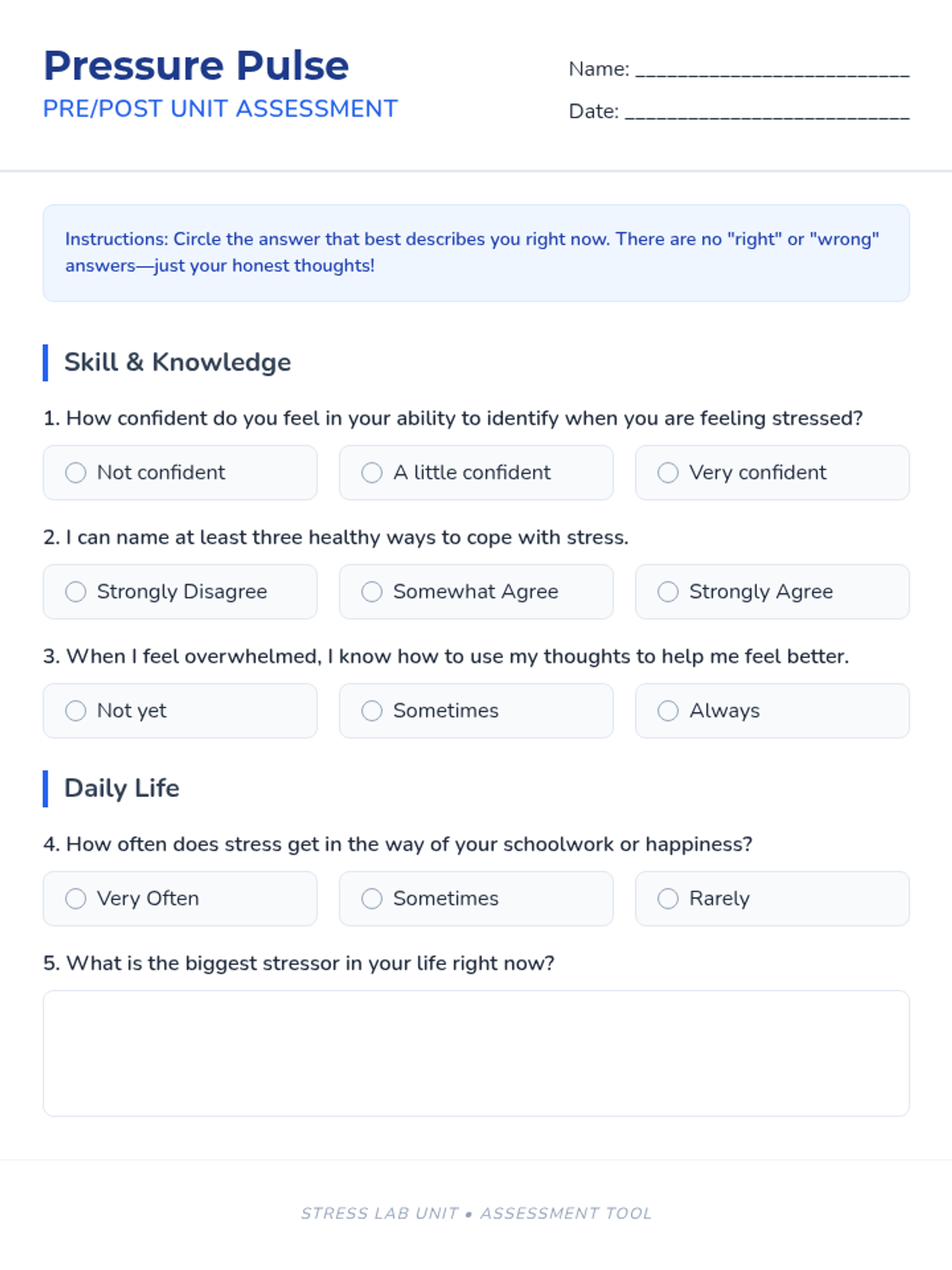
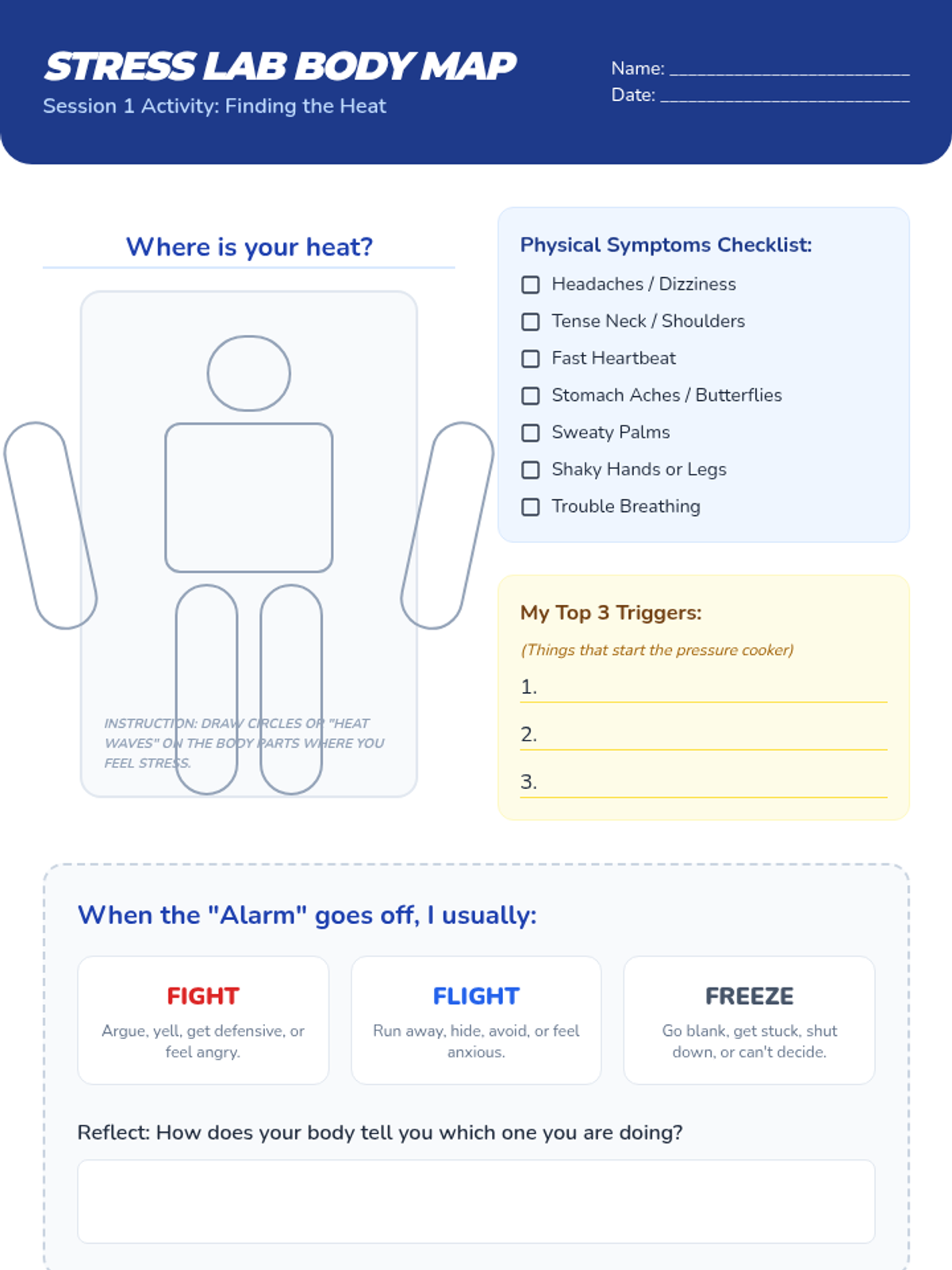
A 4-week small group counseling unit for middle school students focused on identifying stressors, understanding the physiological response to stress, and building a versatile toolkit of coping strategies. Aligned with ASCA Mindsets & Behaviors for student success.
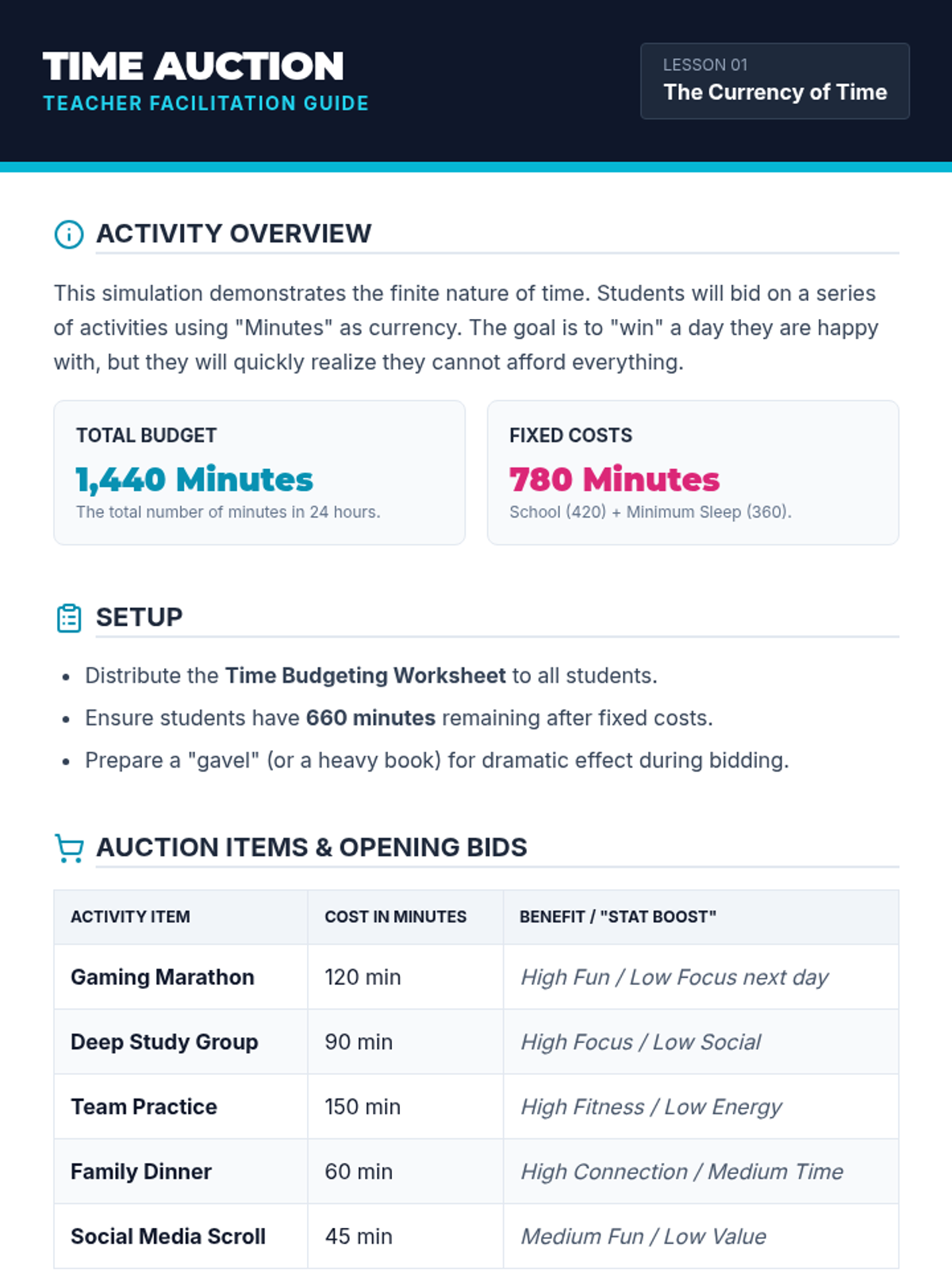
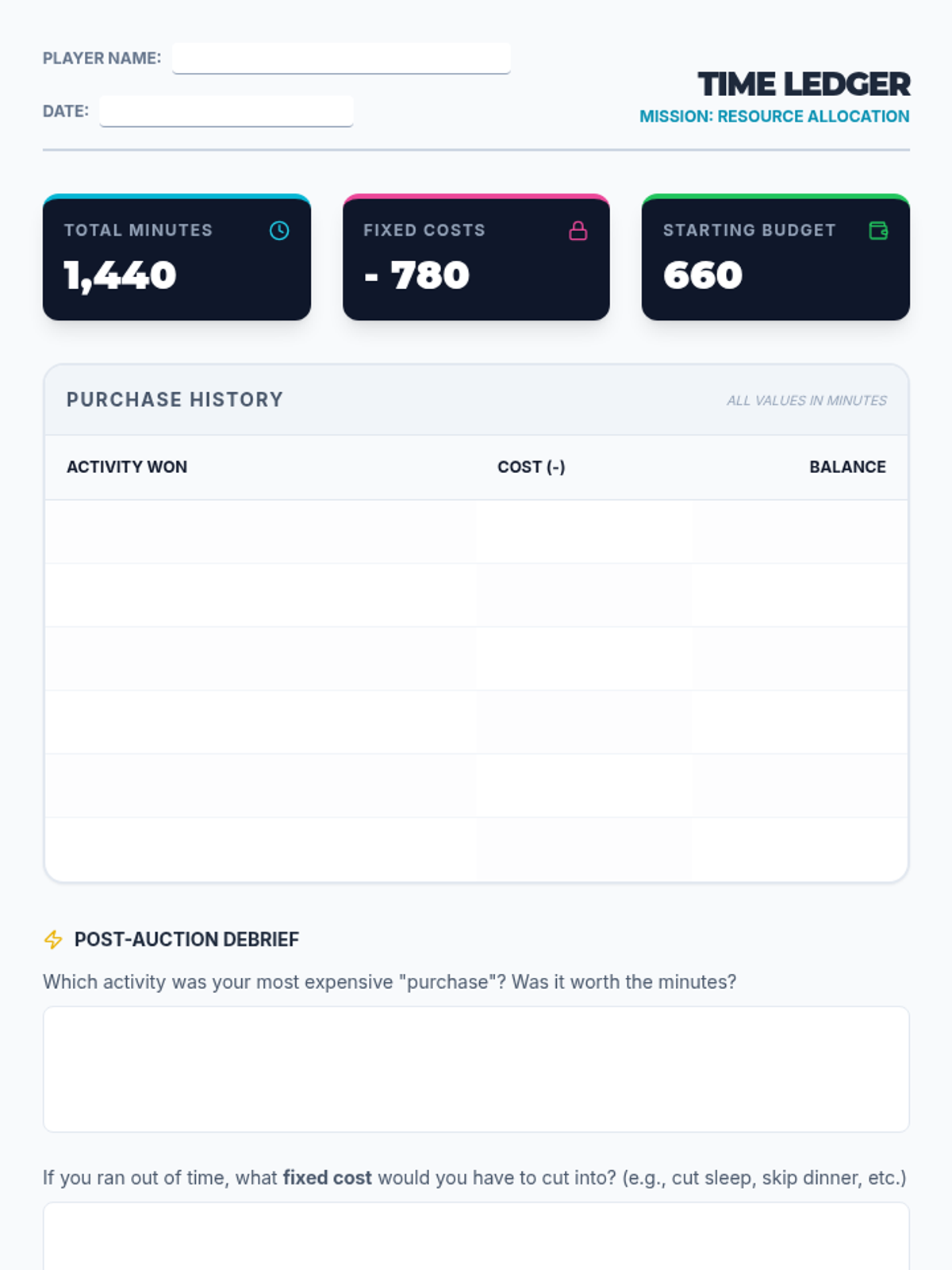
A game-based simulation sequence for 8th-grade students to master time and energy management. Students treat time as a finite currency, navigate trade-offs through opportunity cost simulations, and design a sustainable weekly schedule.
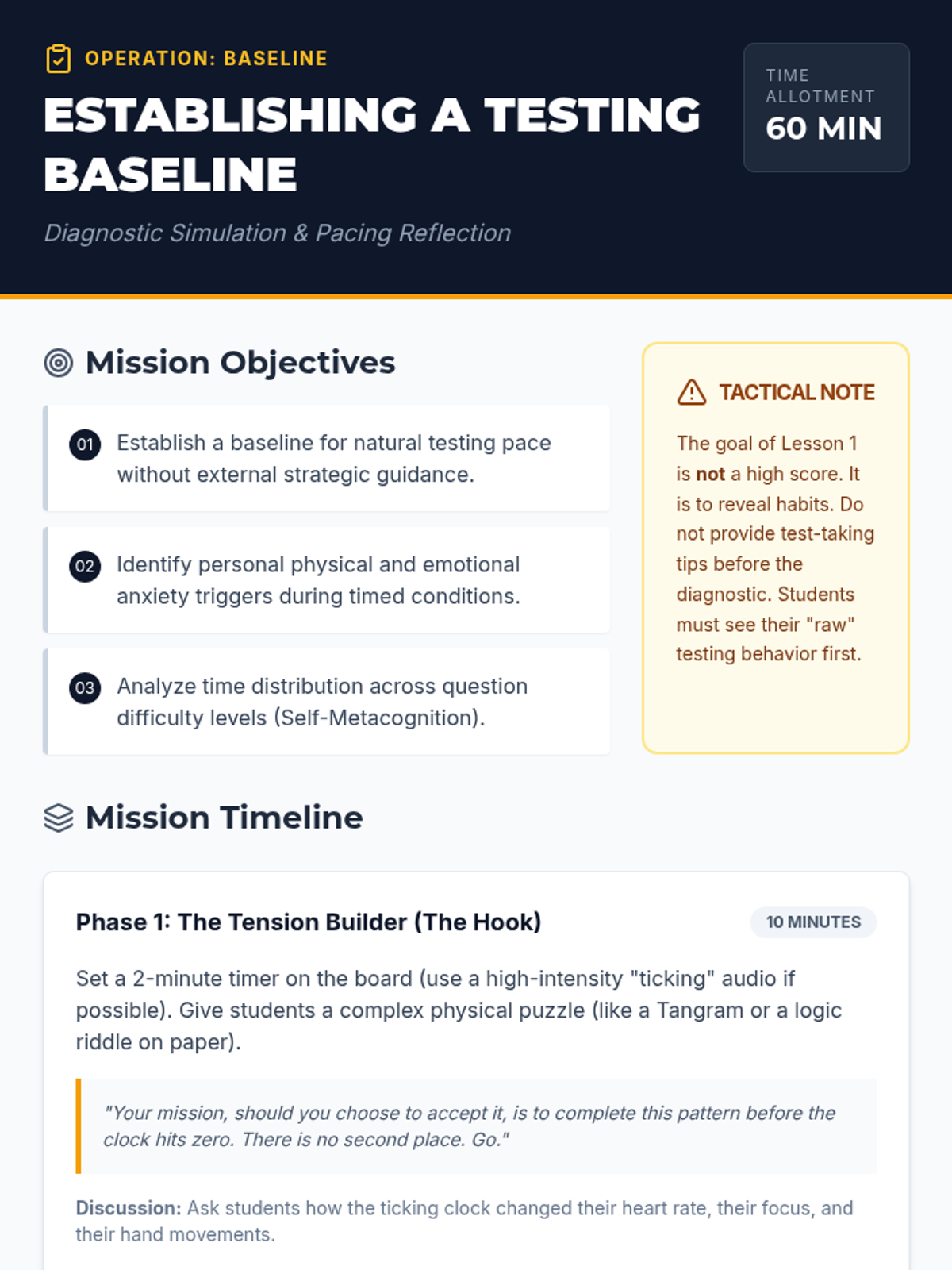
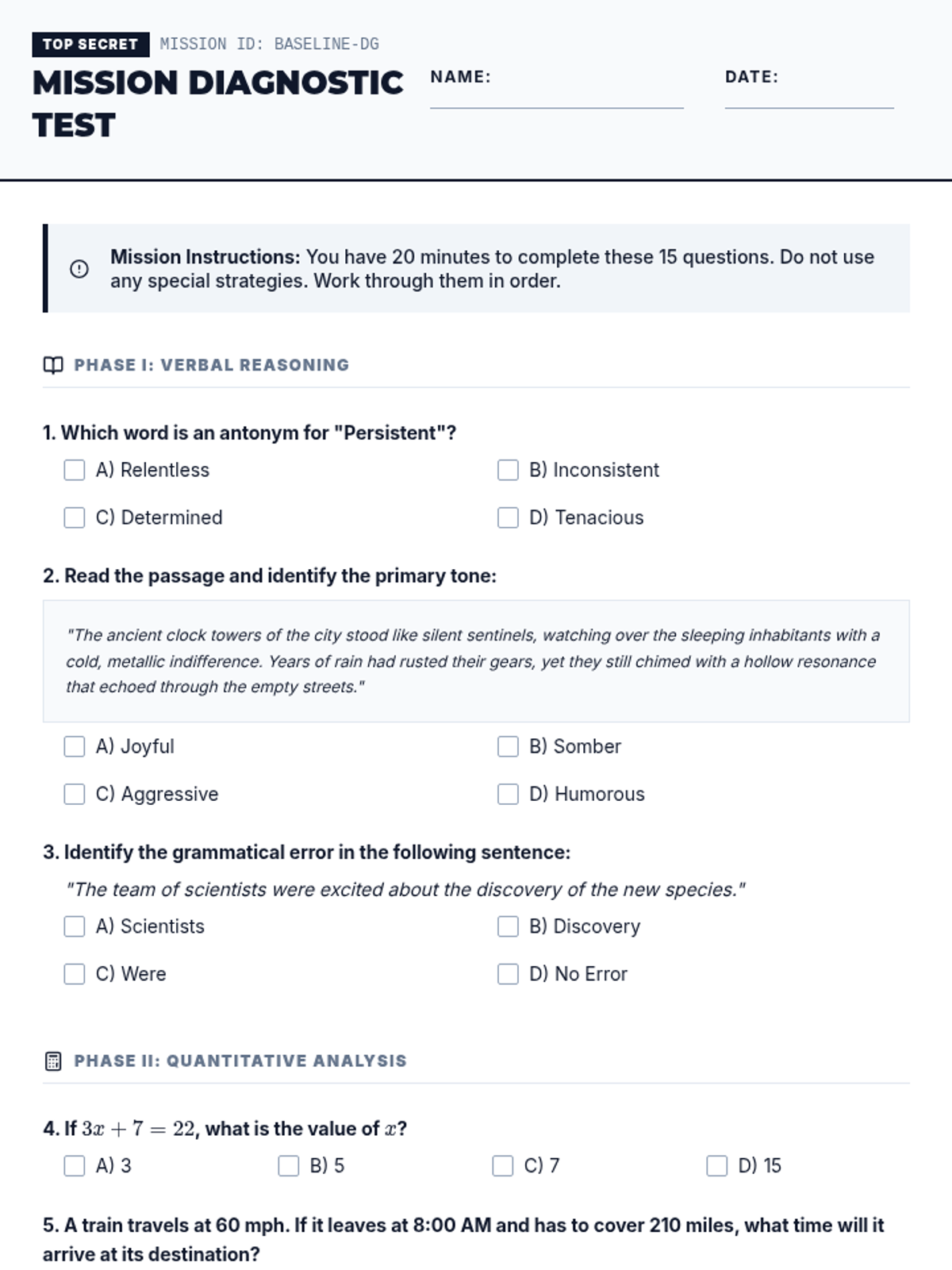
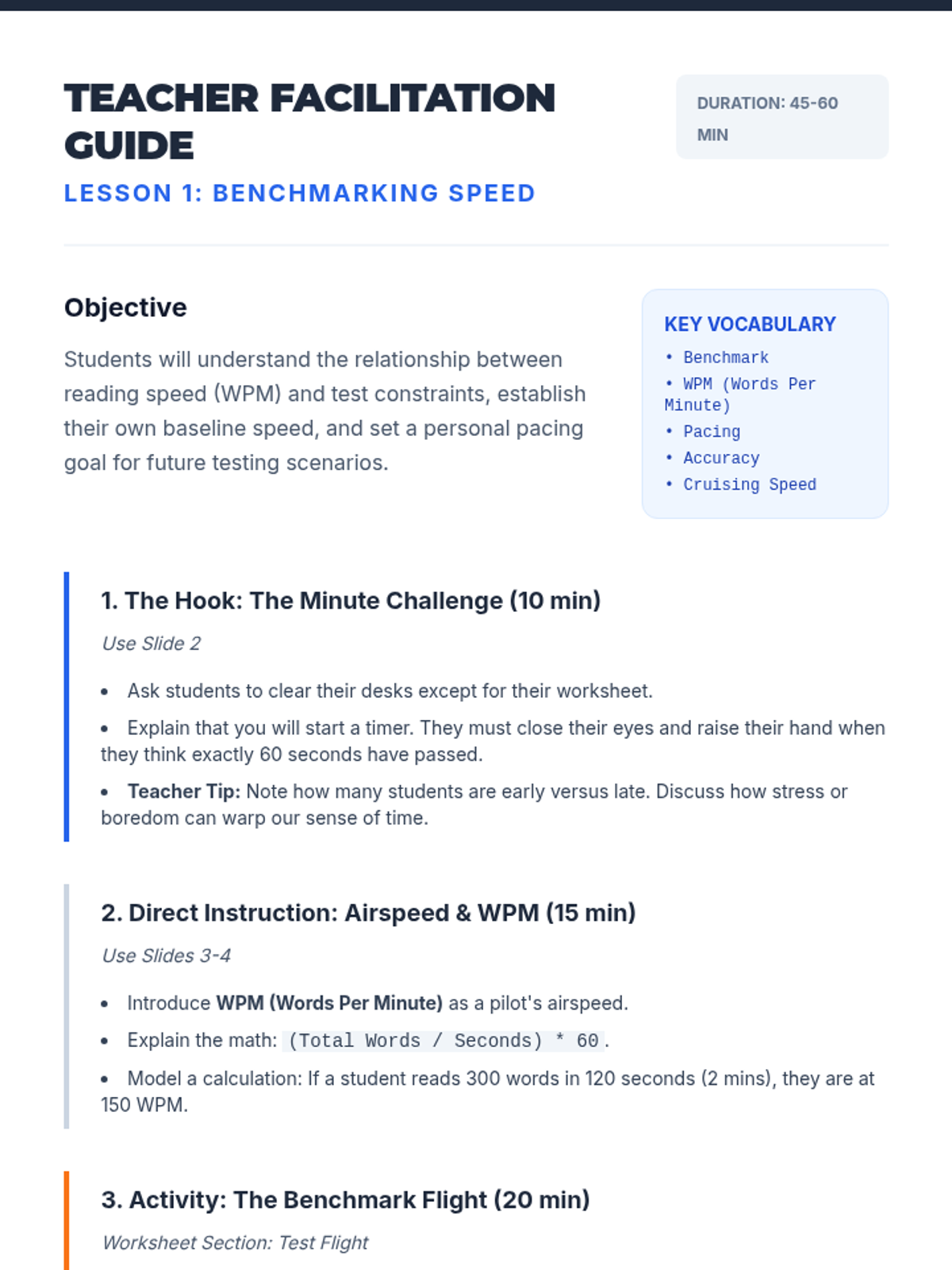
A comprehensive 5-lesson sequence for 8th Grade ESL students focused on the psychological and strategic aspects of timed exams, including pacing, triage, guessing, and stress management.
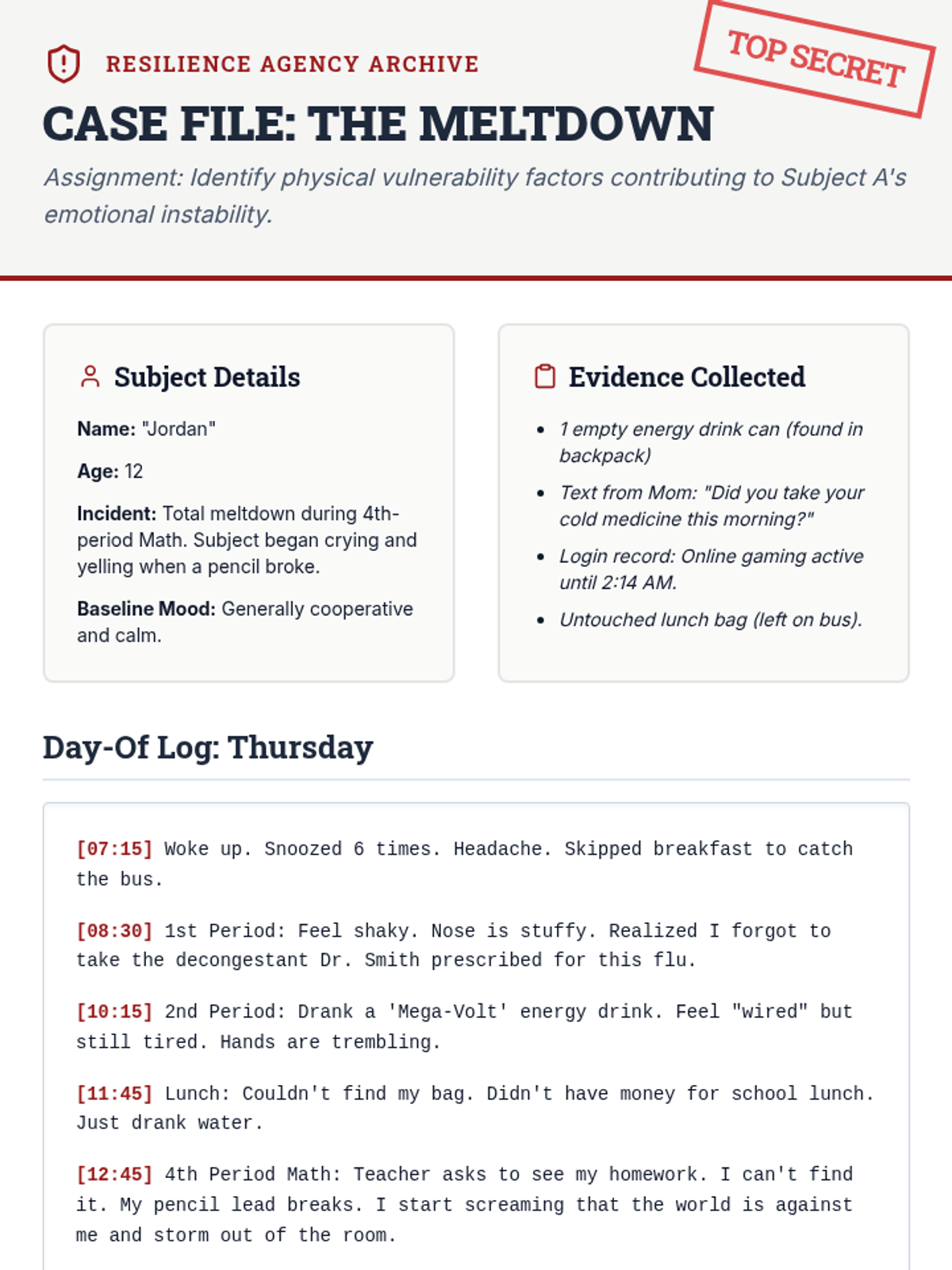
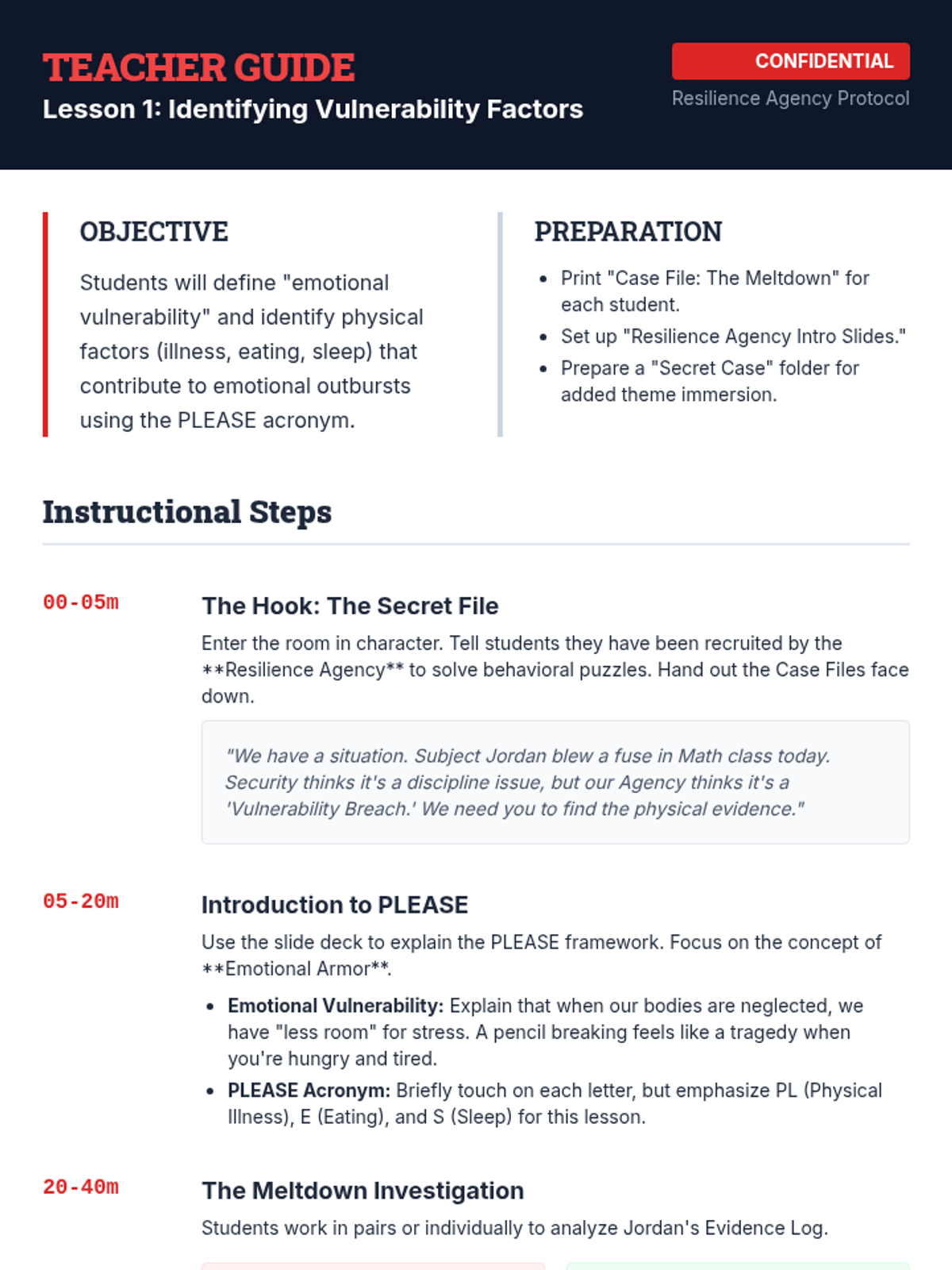
A case study-based sequence where 6th-grade students act as 'Resilience Consultants' to analyze how physical self-care (the PLEASE framework) reduces emotional vulnerability and prevents interpersonal conflict.
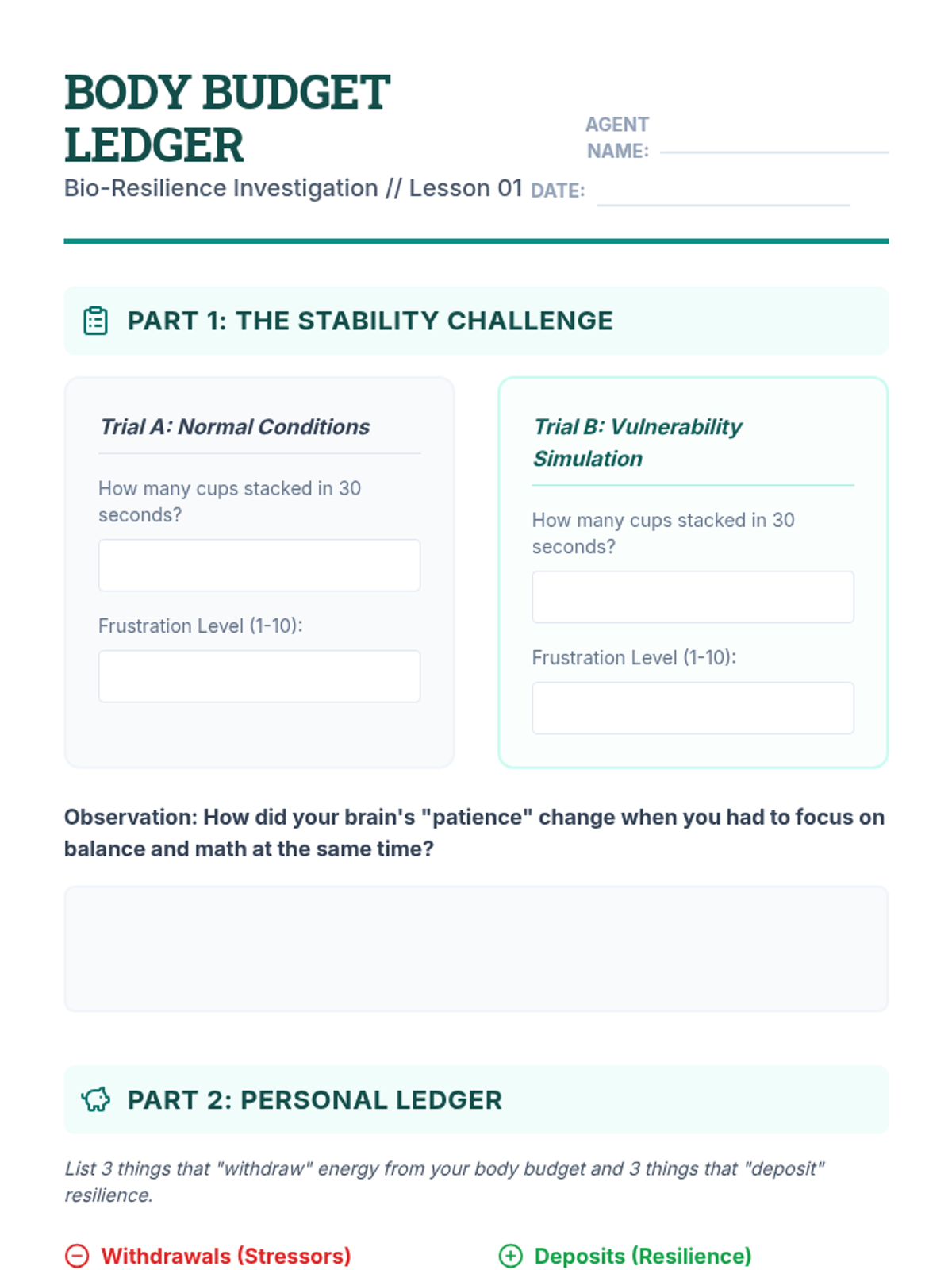
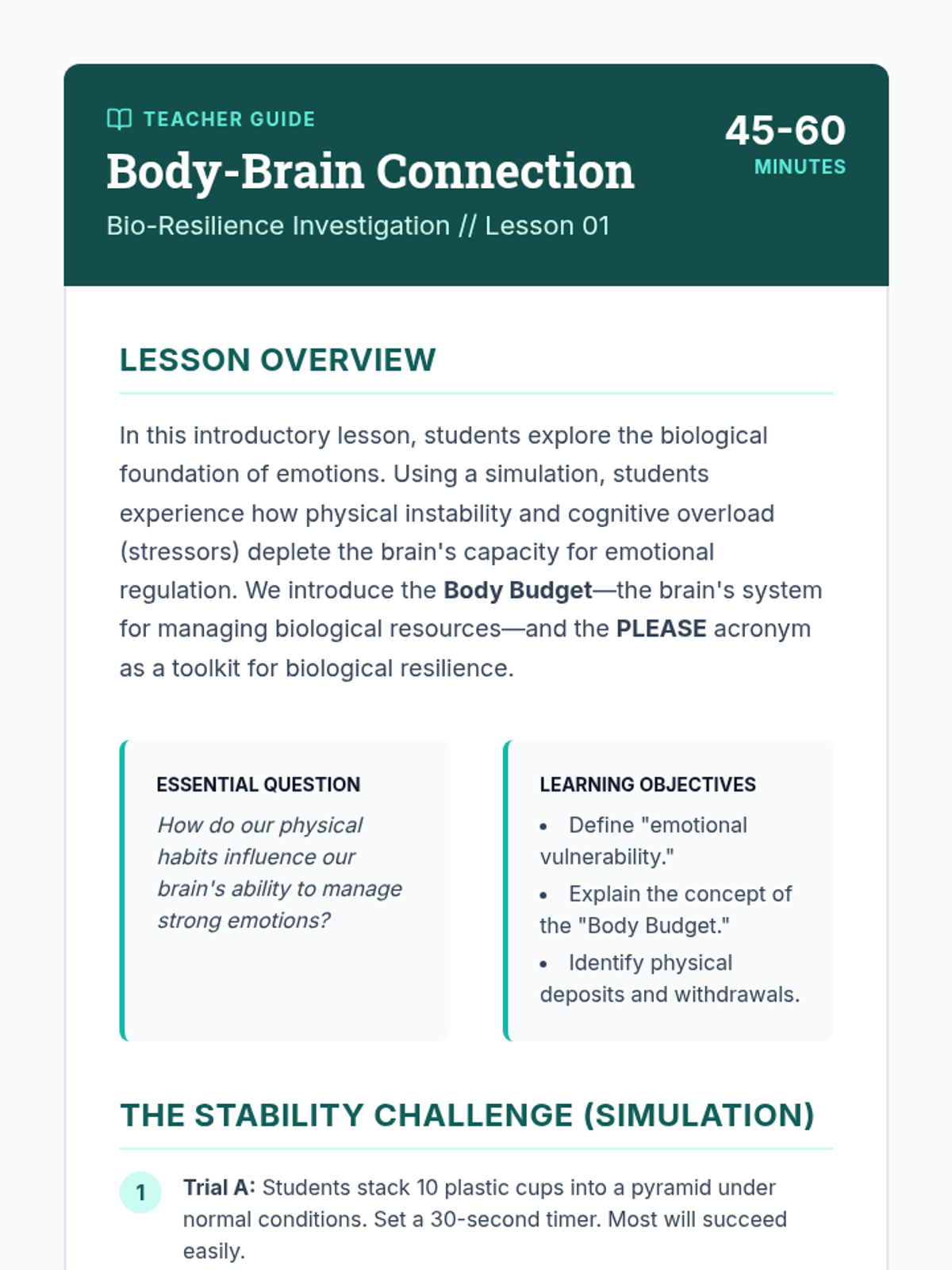
A 5-lesson inquiry into how physical health (the PLEASE skills) creates biological resilience against emotional vulnerability, designed for 6th-grade students.
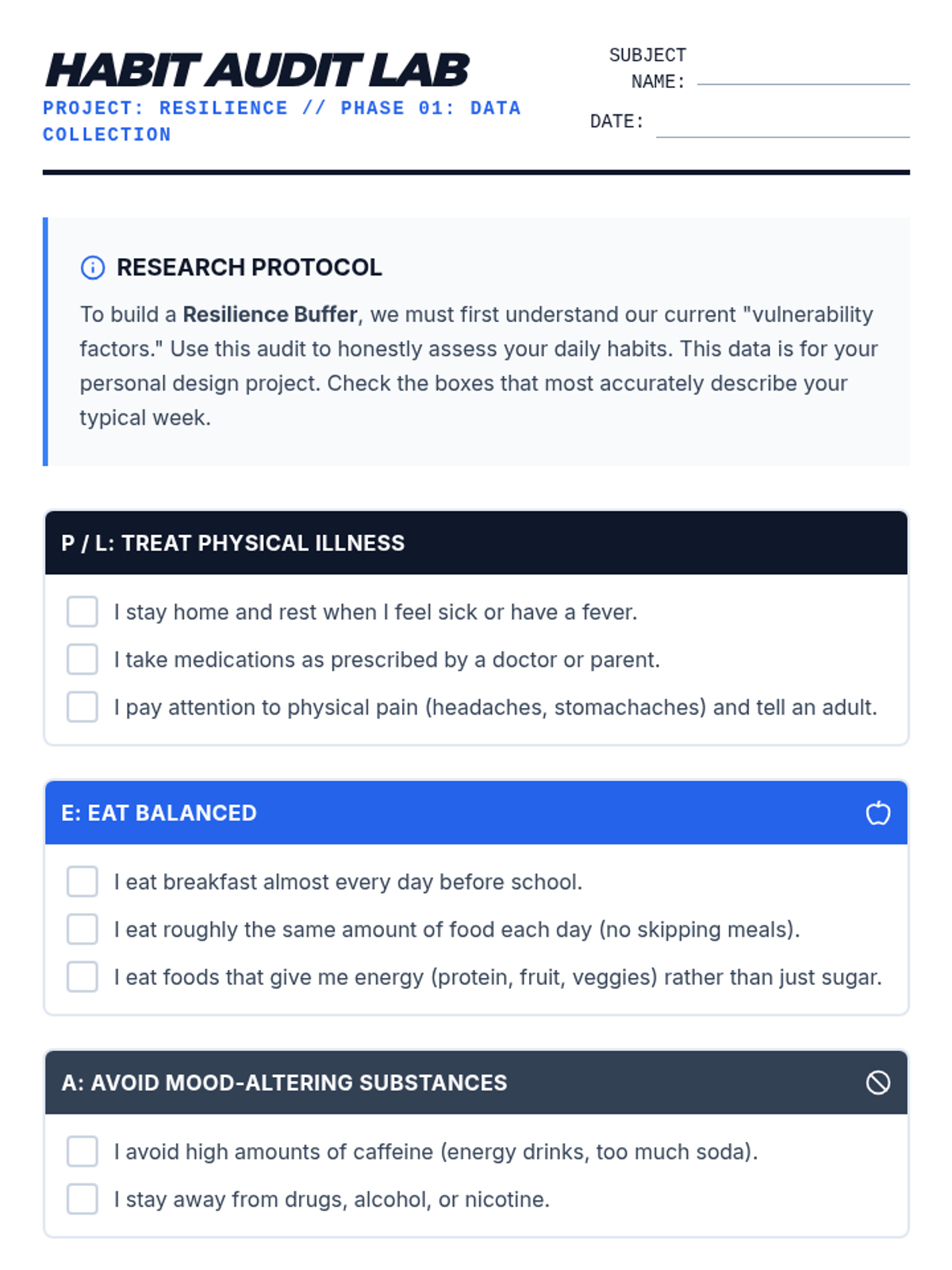
A project-based sequence where 6th-grade students treat their daily routines as a design challenge to reduce emotional vulnerability. Using the DBT PLEASE skills, students audit their habits and design a personalized 'Resilience Routine' for physical and emotional wellness.
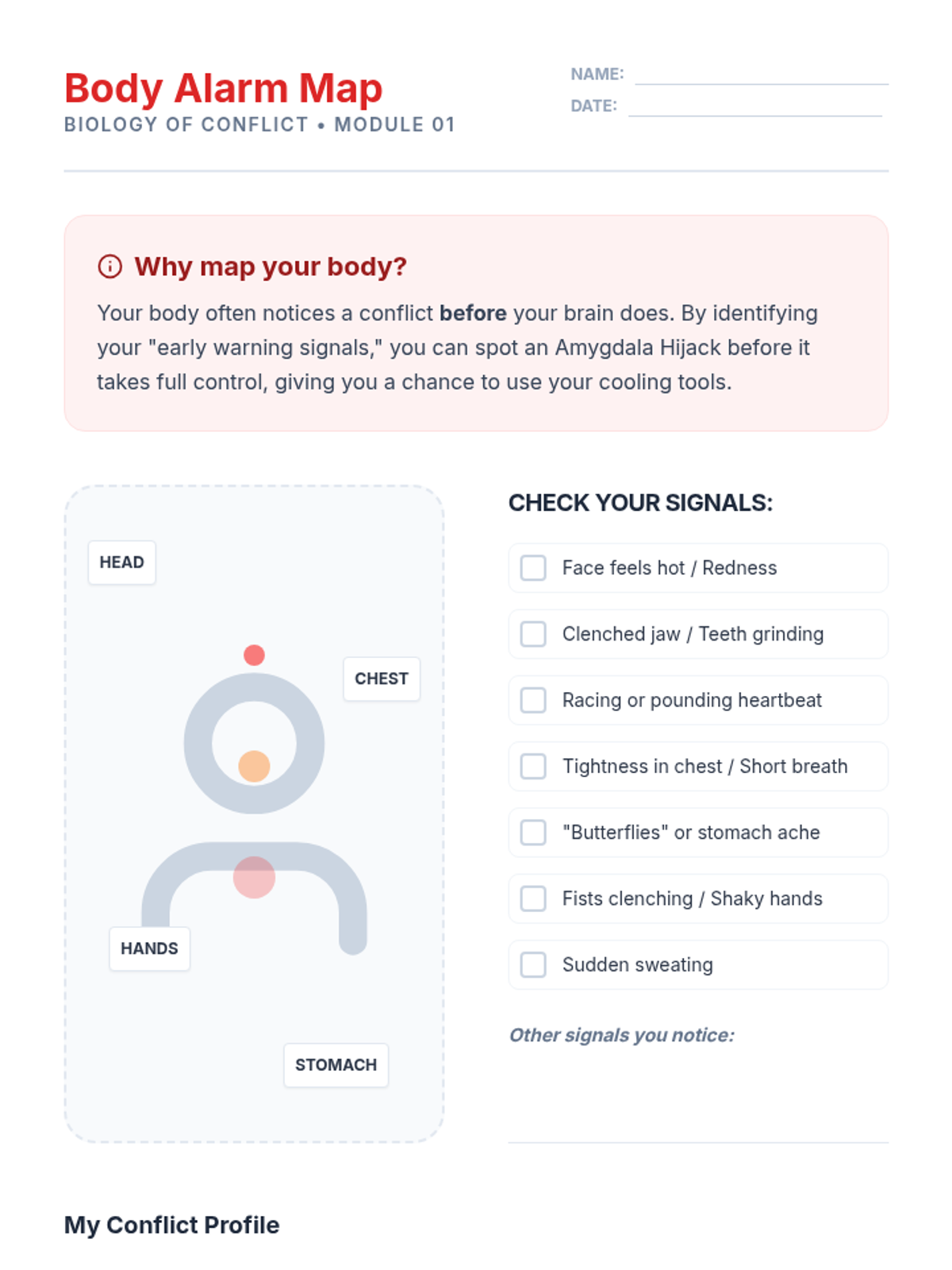
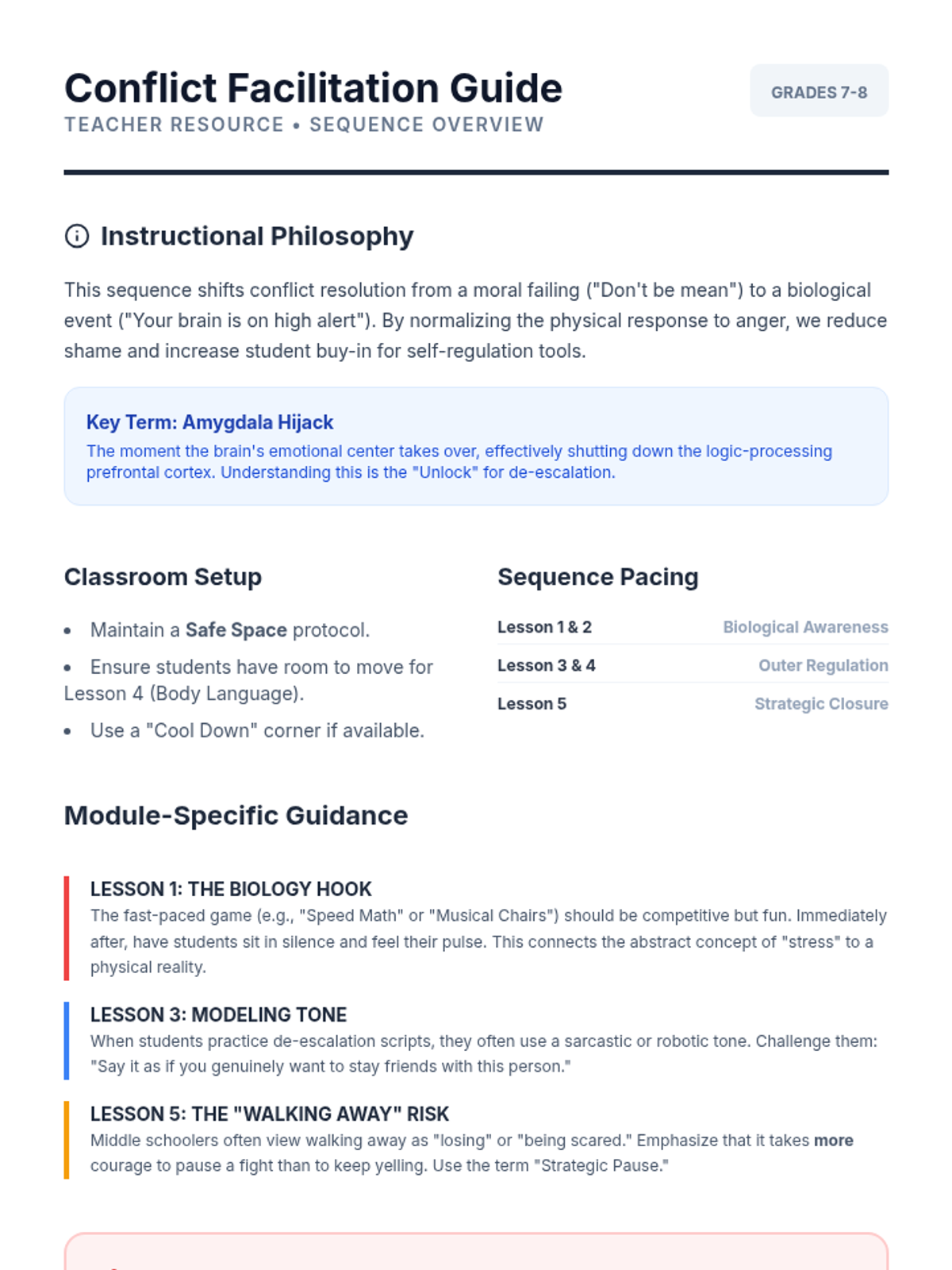
This sequence explores the physiological and psychological aspects of high-conflict situations, providing 7th-grade students with tools for self-regulation, verbal de-escalation, and constructive re-engagement.
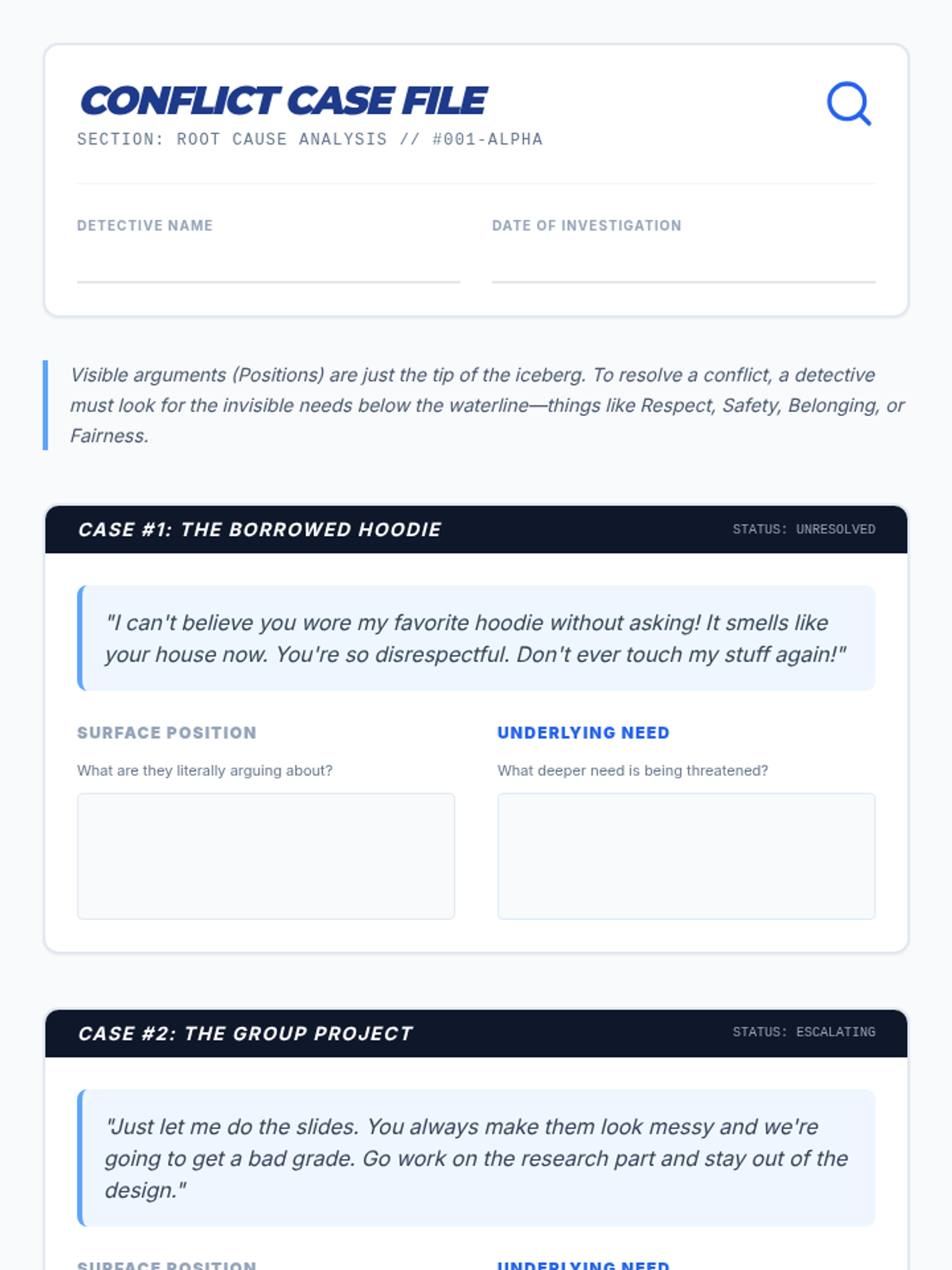
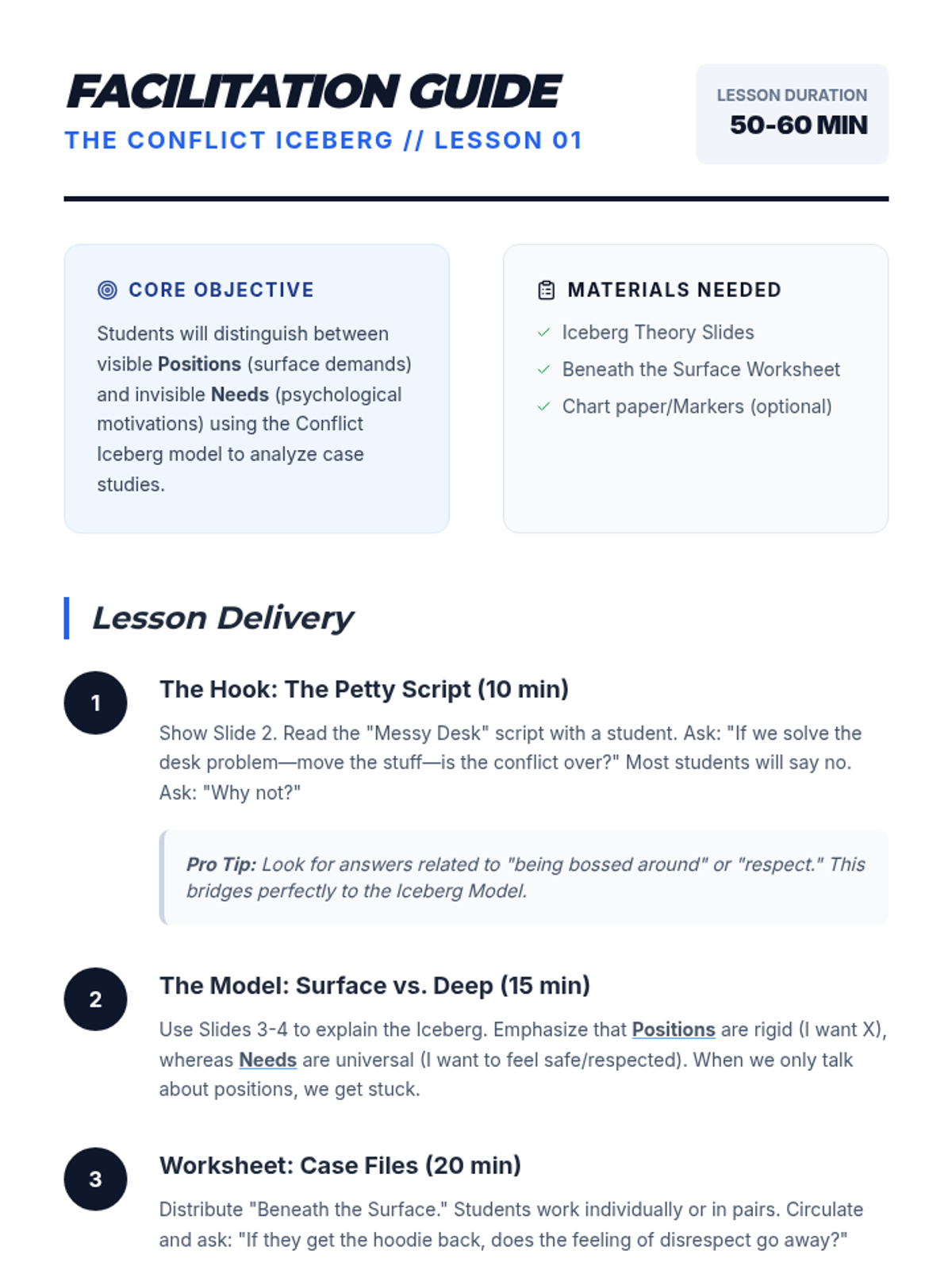
An 8th-grade counseling sequence focused on identifying the psychological root causes of conflict and managing high-arousal emotions using the Conflict Iceberg model and neuroscience-based de-escalation.
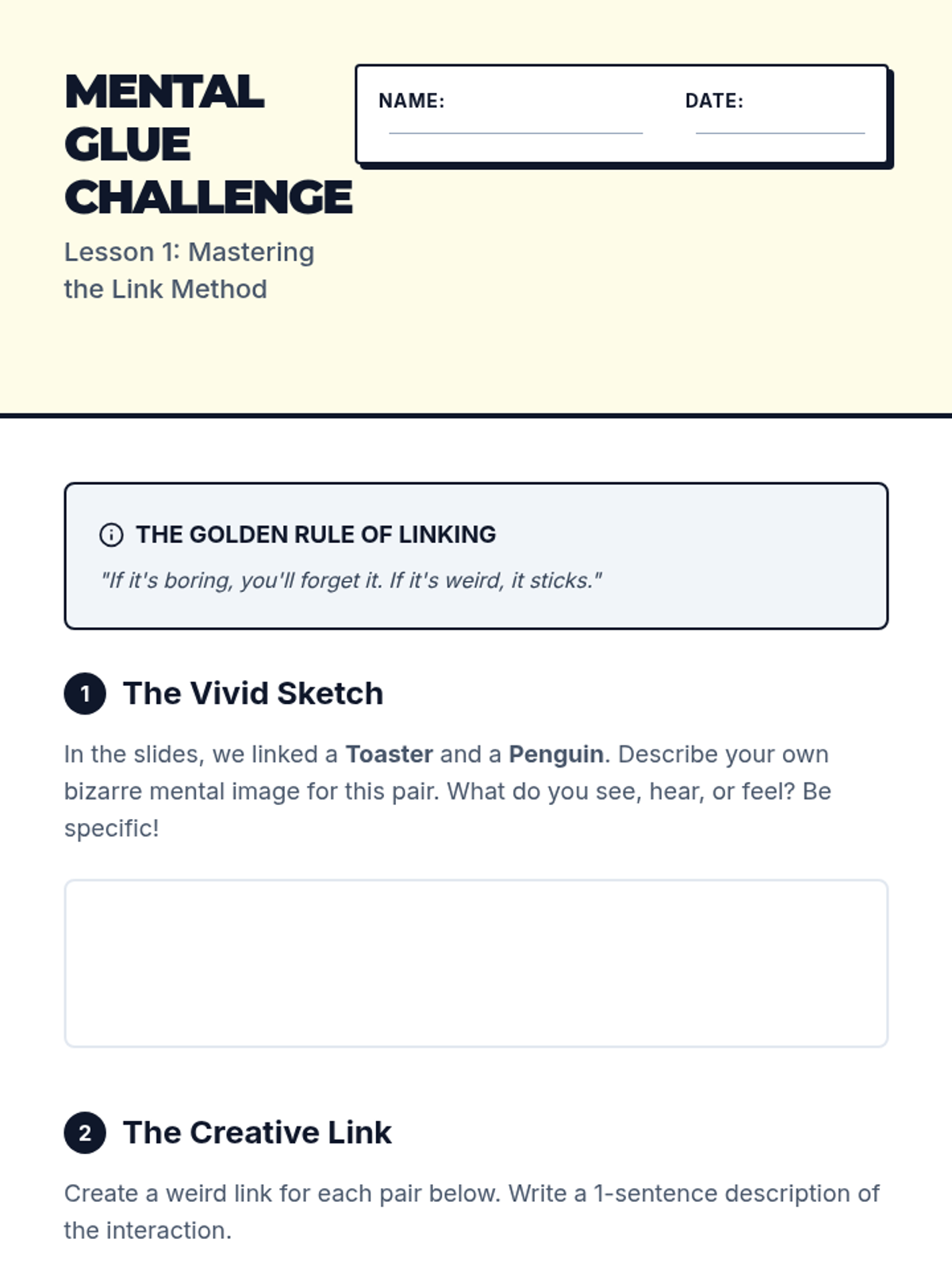
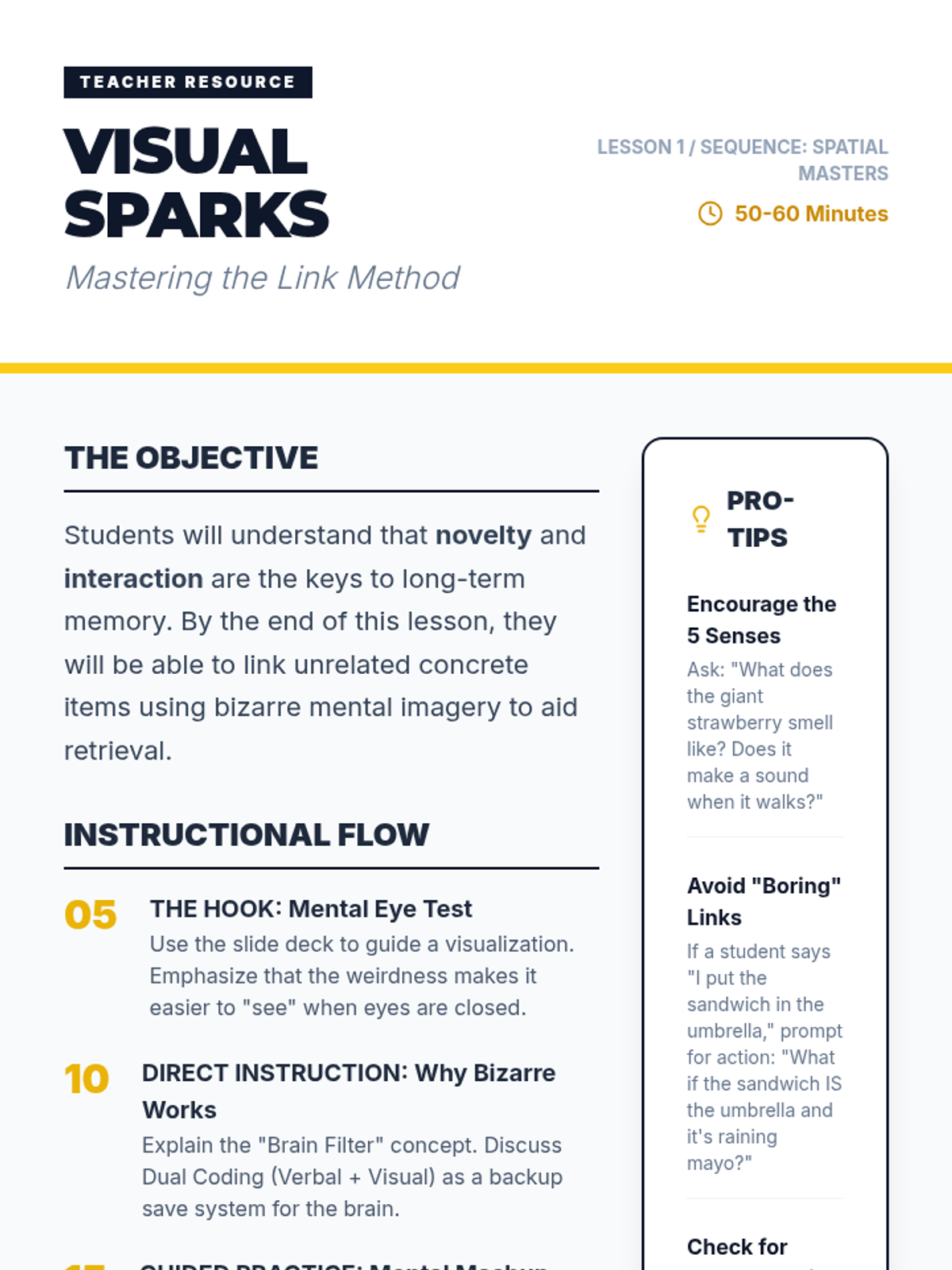
A sequence for 8th-grade students to master visualization and spatial memory techniques, specifically the Method of Loci and Link Method, to enhance working memory and information retrieval.
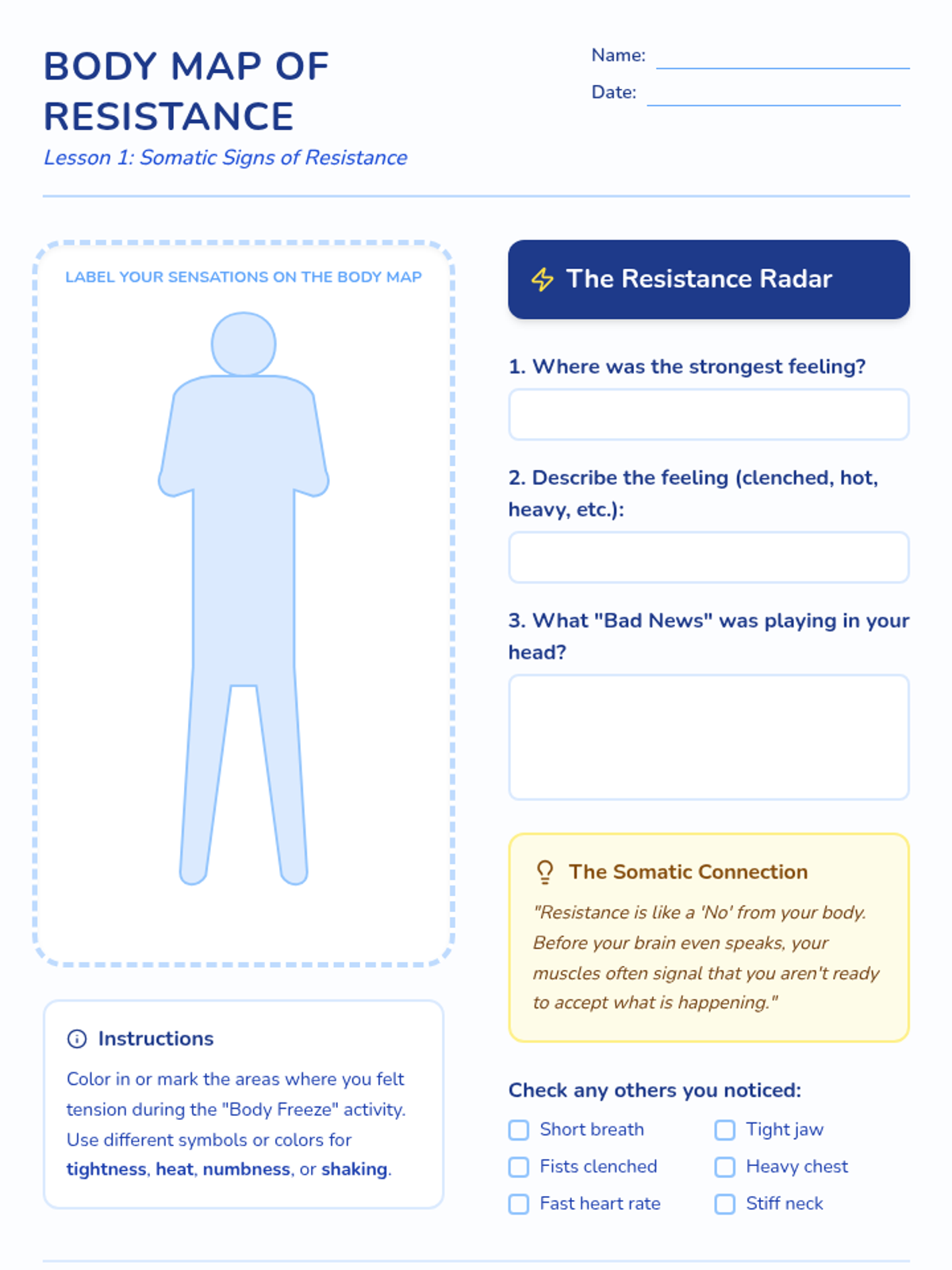
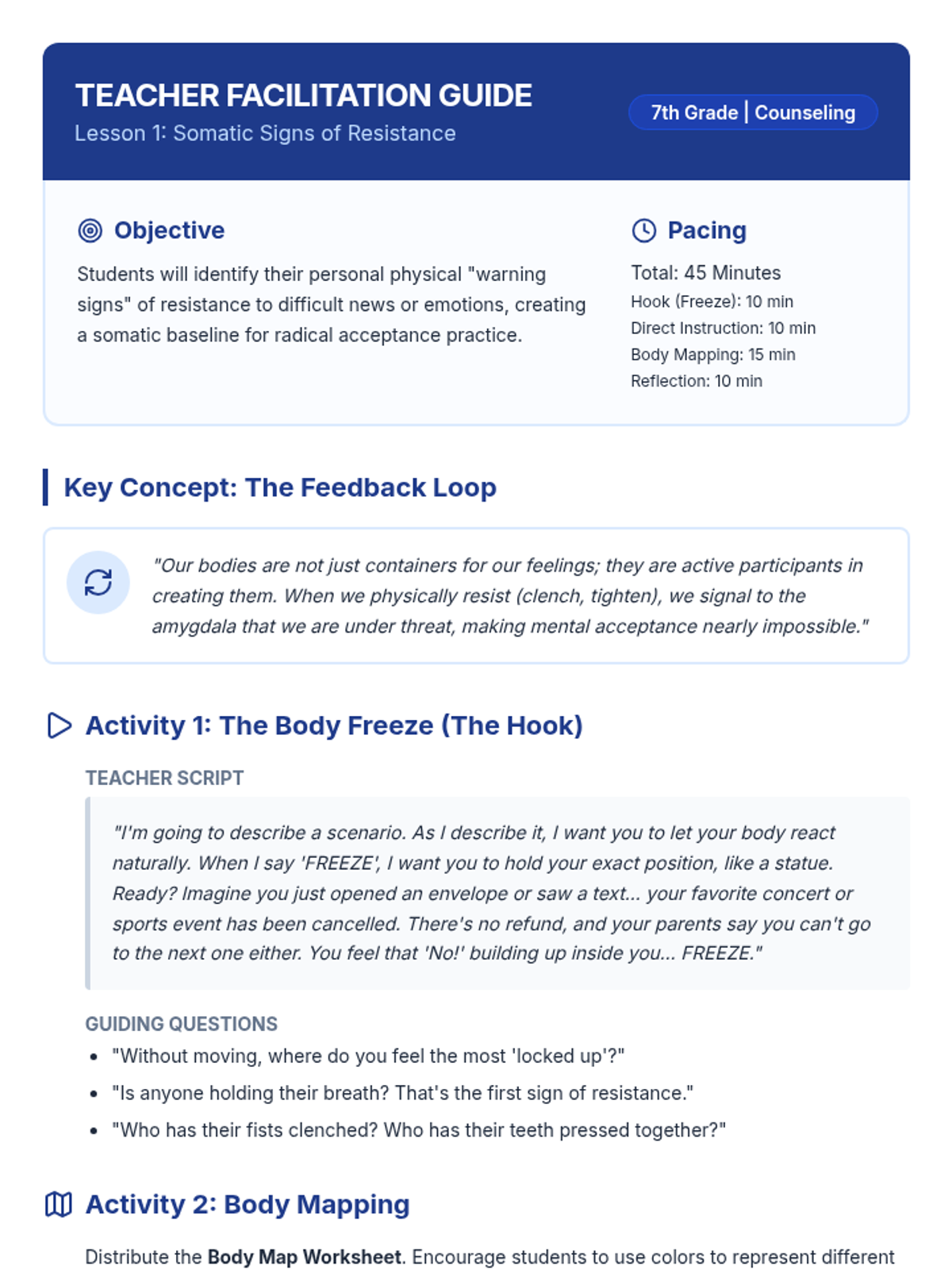
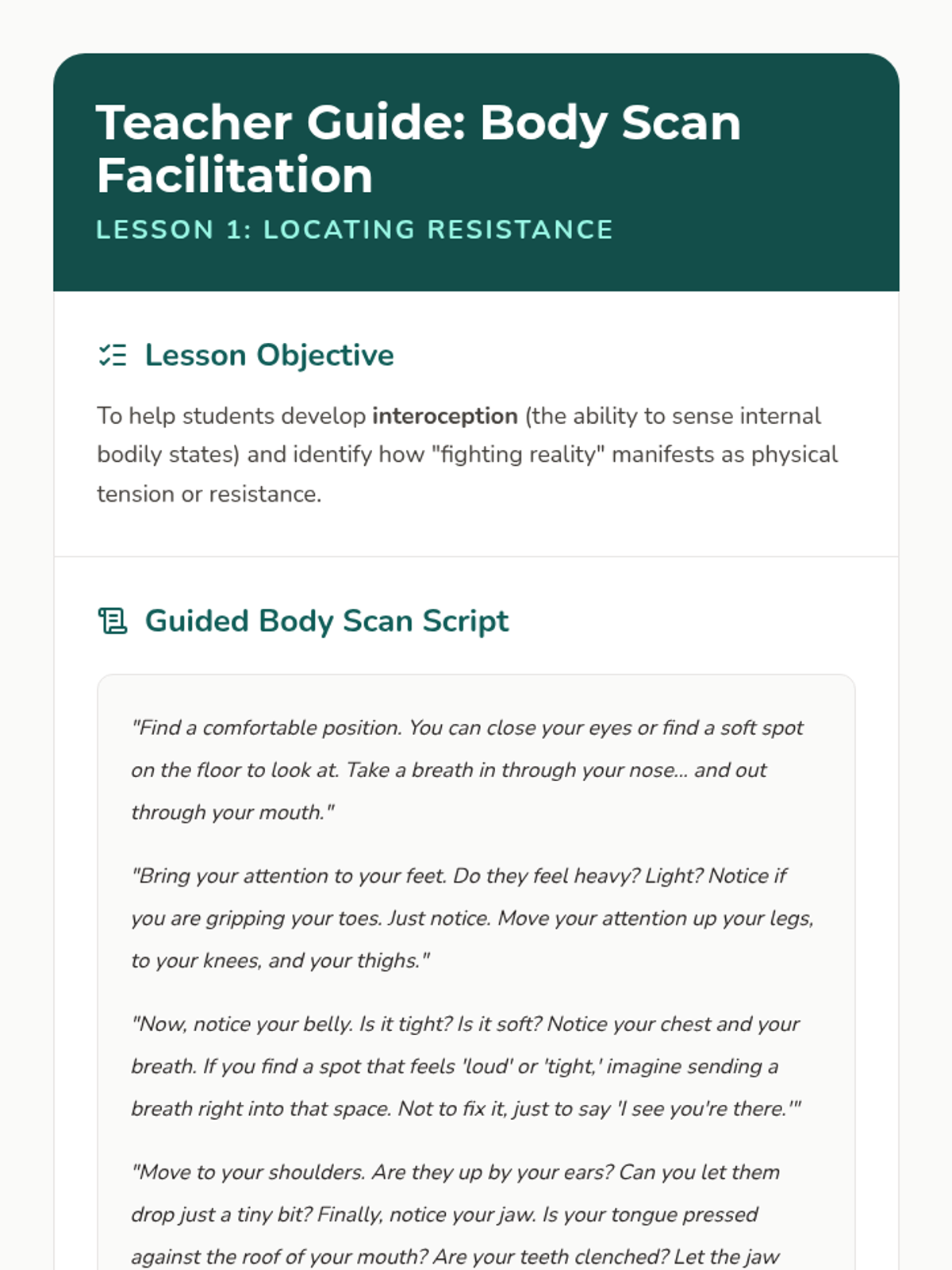
A 5-lesson workshop series focused on the somatic (body-based) connection to radical acceptance. Students learn to identify physical signs of resistance and use specific physiological techniques like Willing Hands and the Half-Smile to influence their emotional state and foster acceptance of difficult situations.
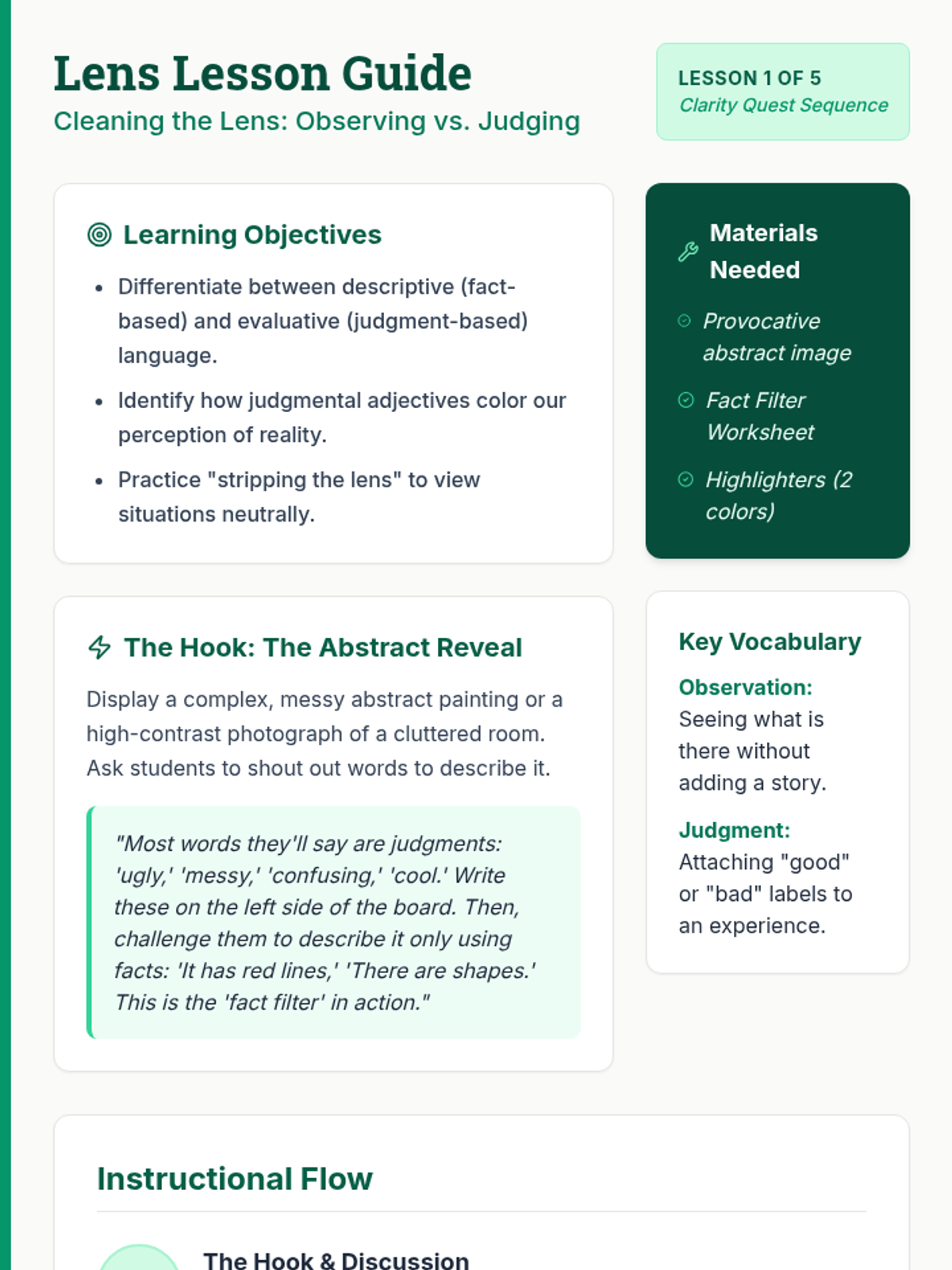
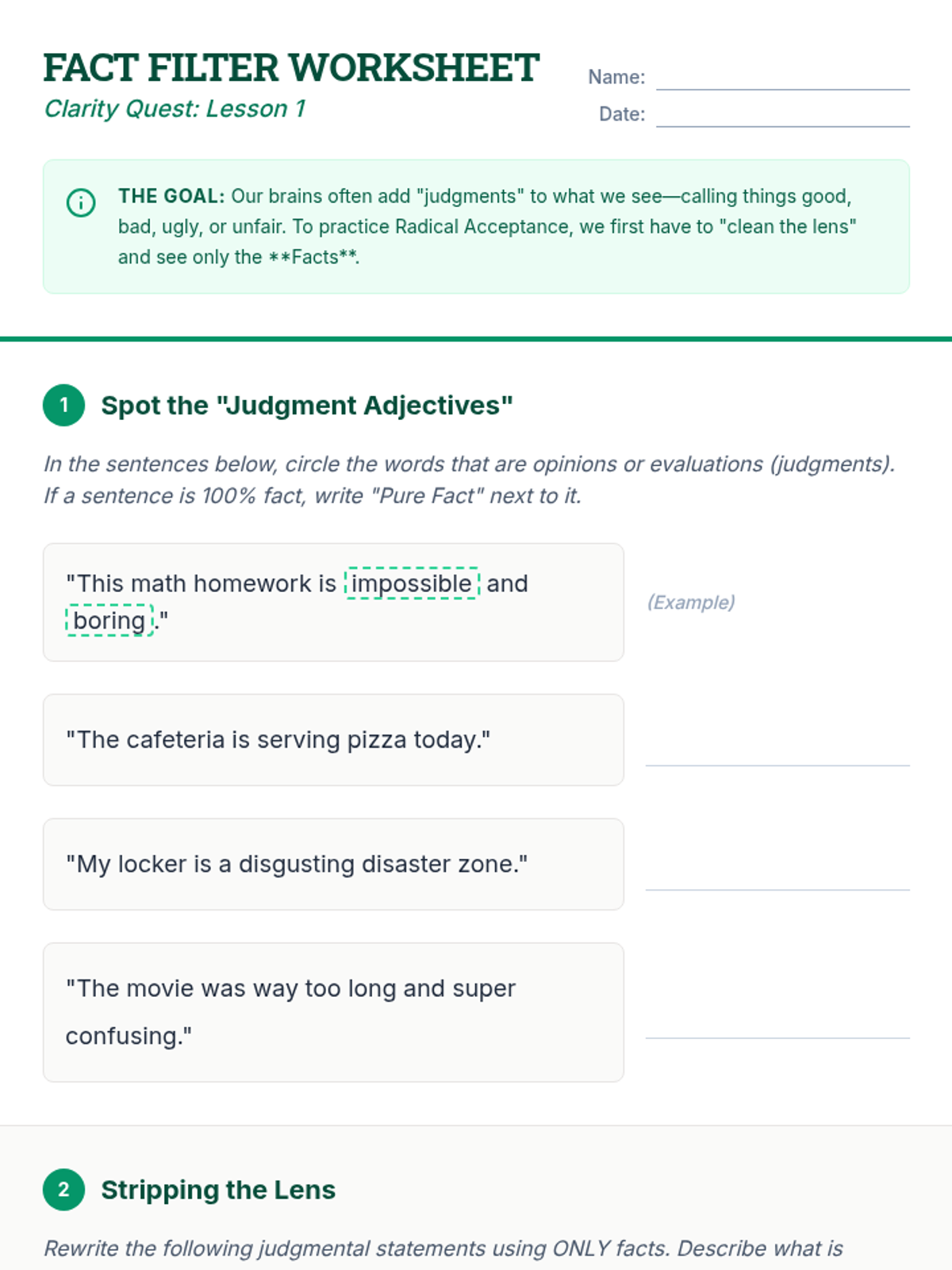
A 5-lesson sequence for 8th graders on Radical Acceptance, focusing on shifting from judgmental language to neutral observation and self-compassion. Students develop skills in identifying 'shoulds', fact-checking emotions, and practicing mindfulness to navigate reality without internal resistance.
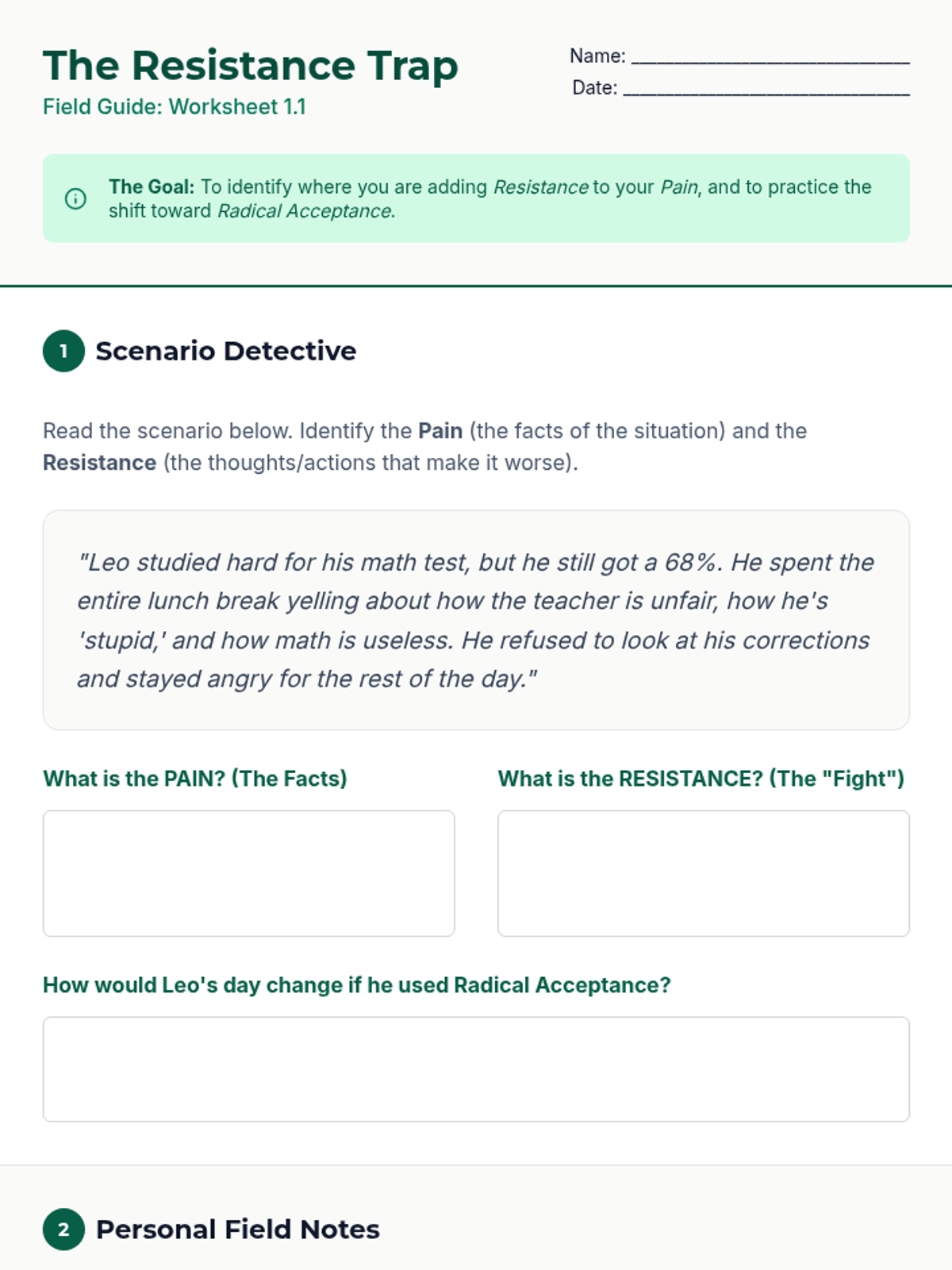
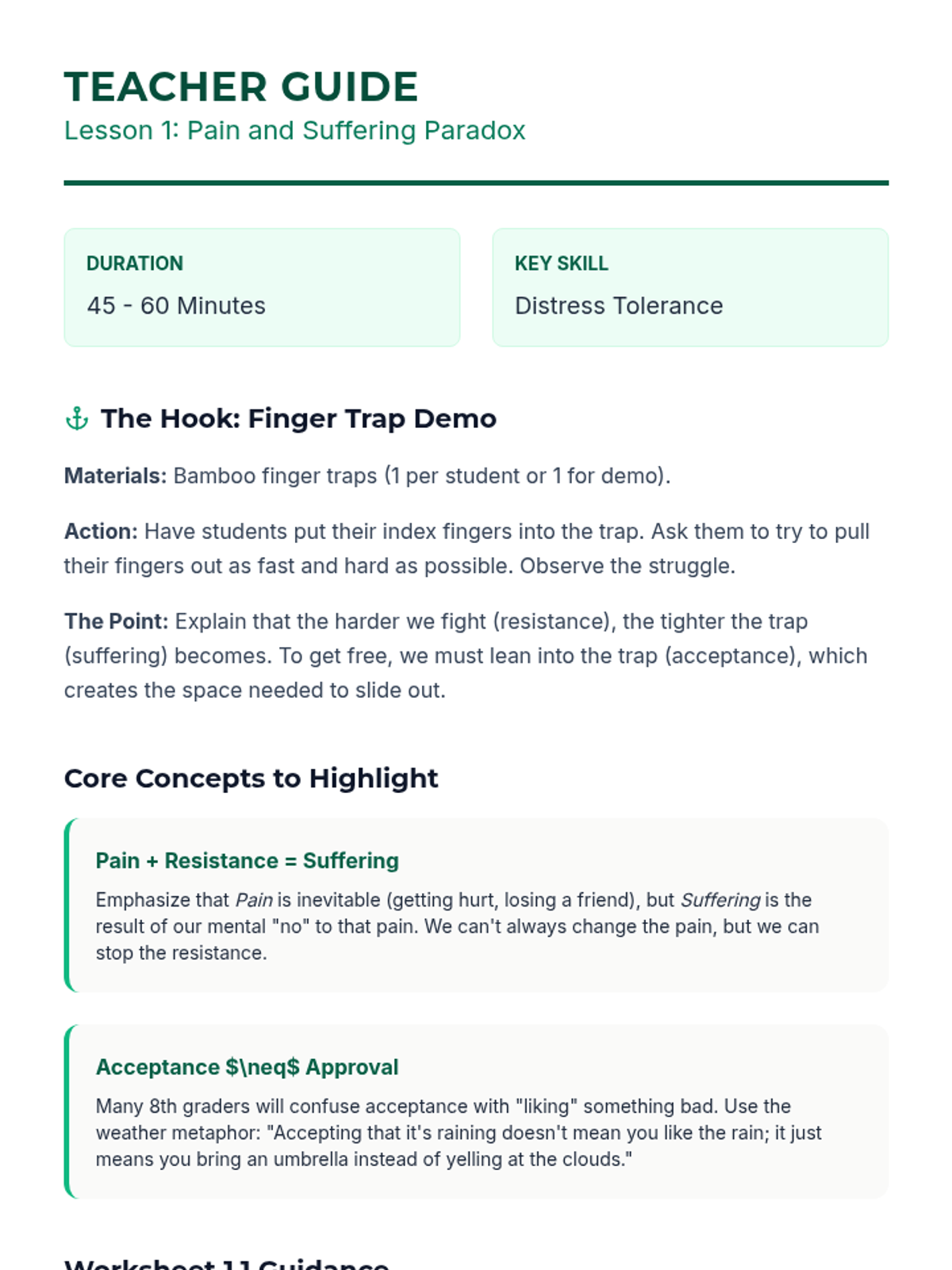
A 5-lesson unit for 8th-grade students on the principles and practice of Radical Acceptance, focusing on distress tolerance, cognitive reframing, and physiological regulation to reduce emotional suffering.
This 6th-grade sequence teaches students somatic and mindfulness-based techniques for Radical Acceptance. Students explore how body posture, breathing, and observation can help them stay calm and accept difficult realities rather than fighting them.
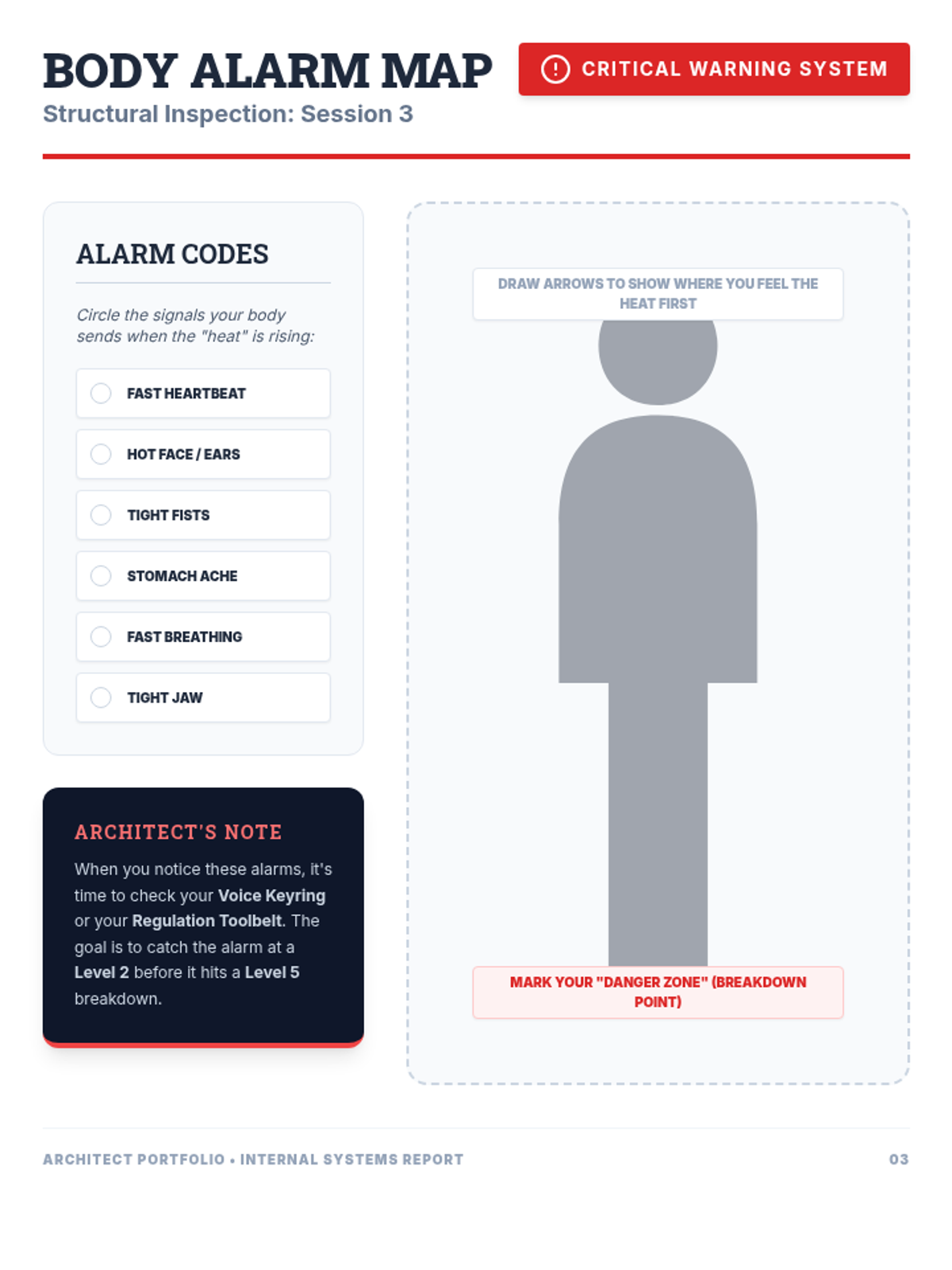
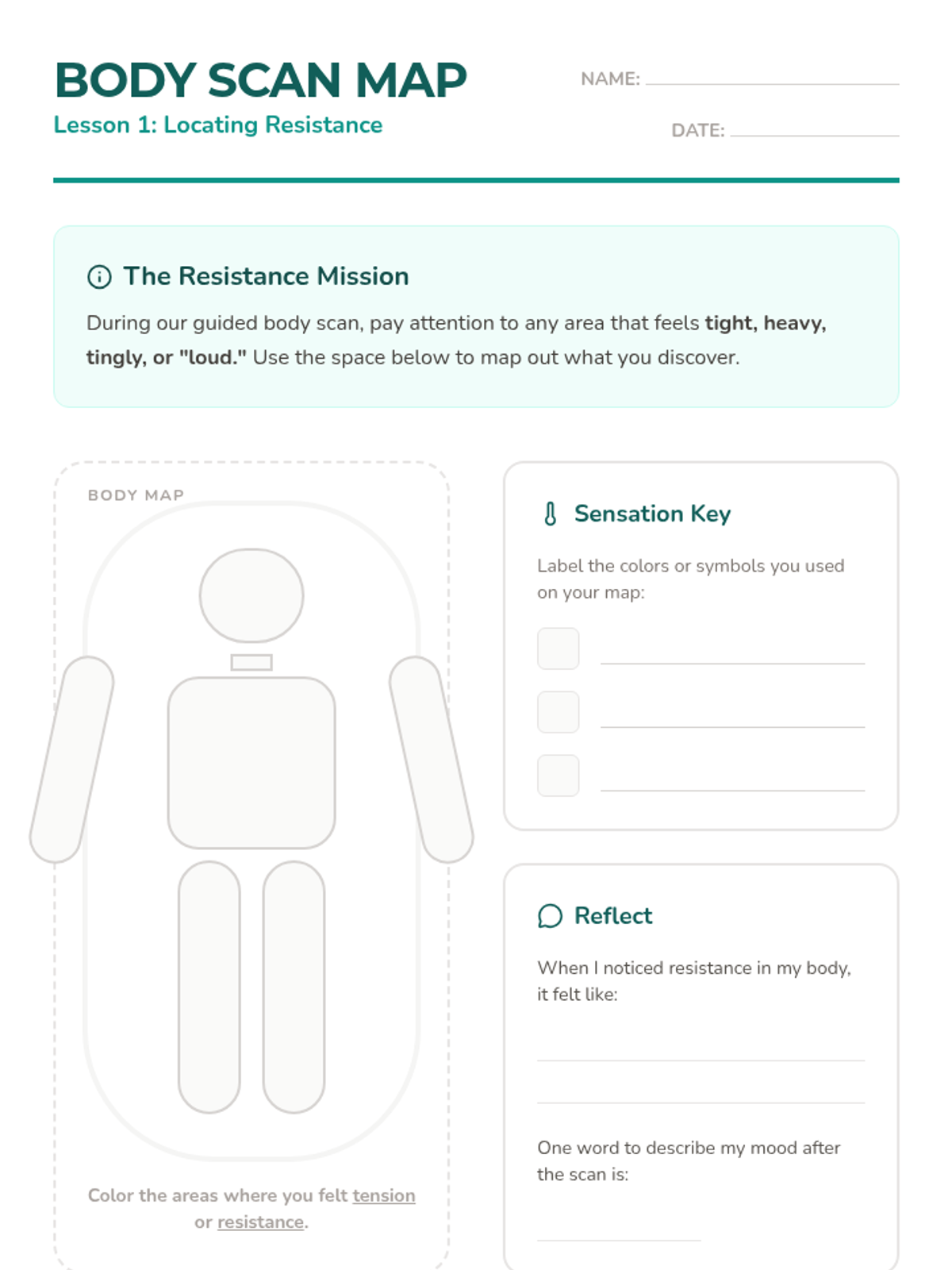
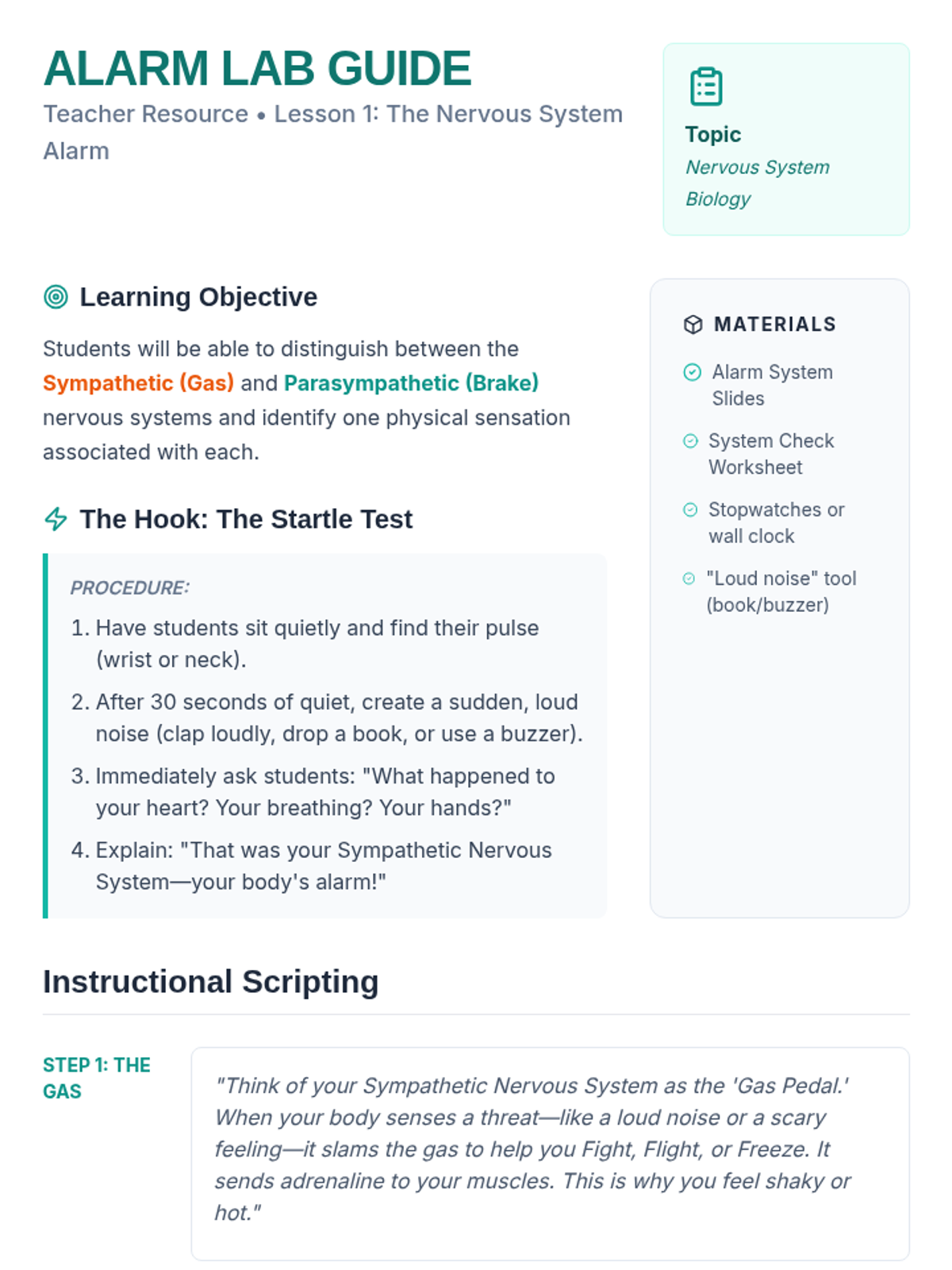
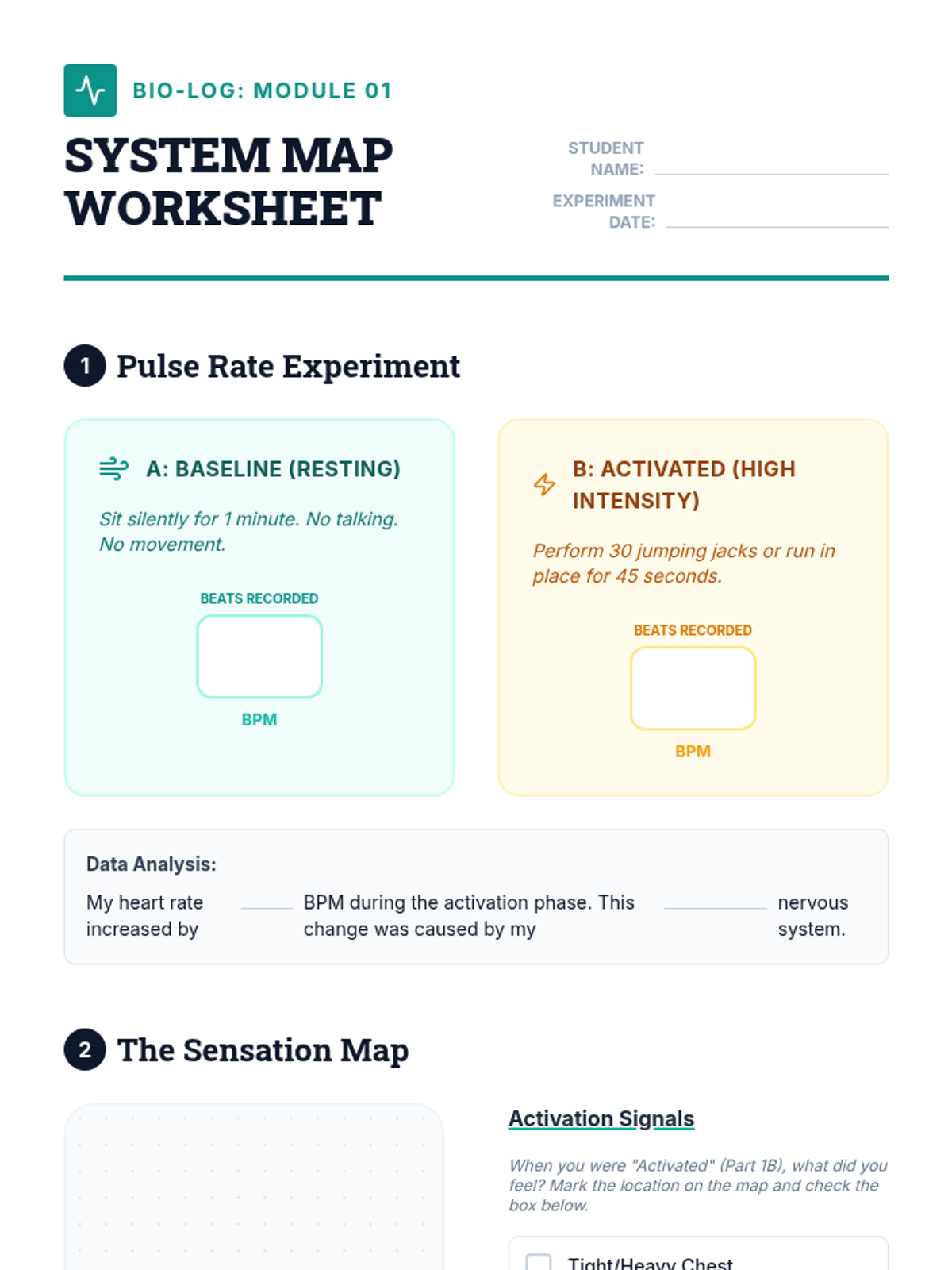
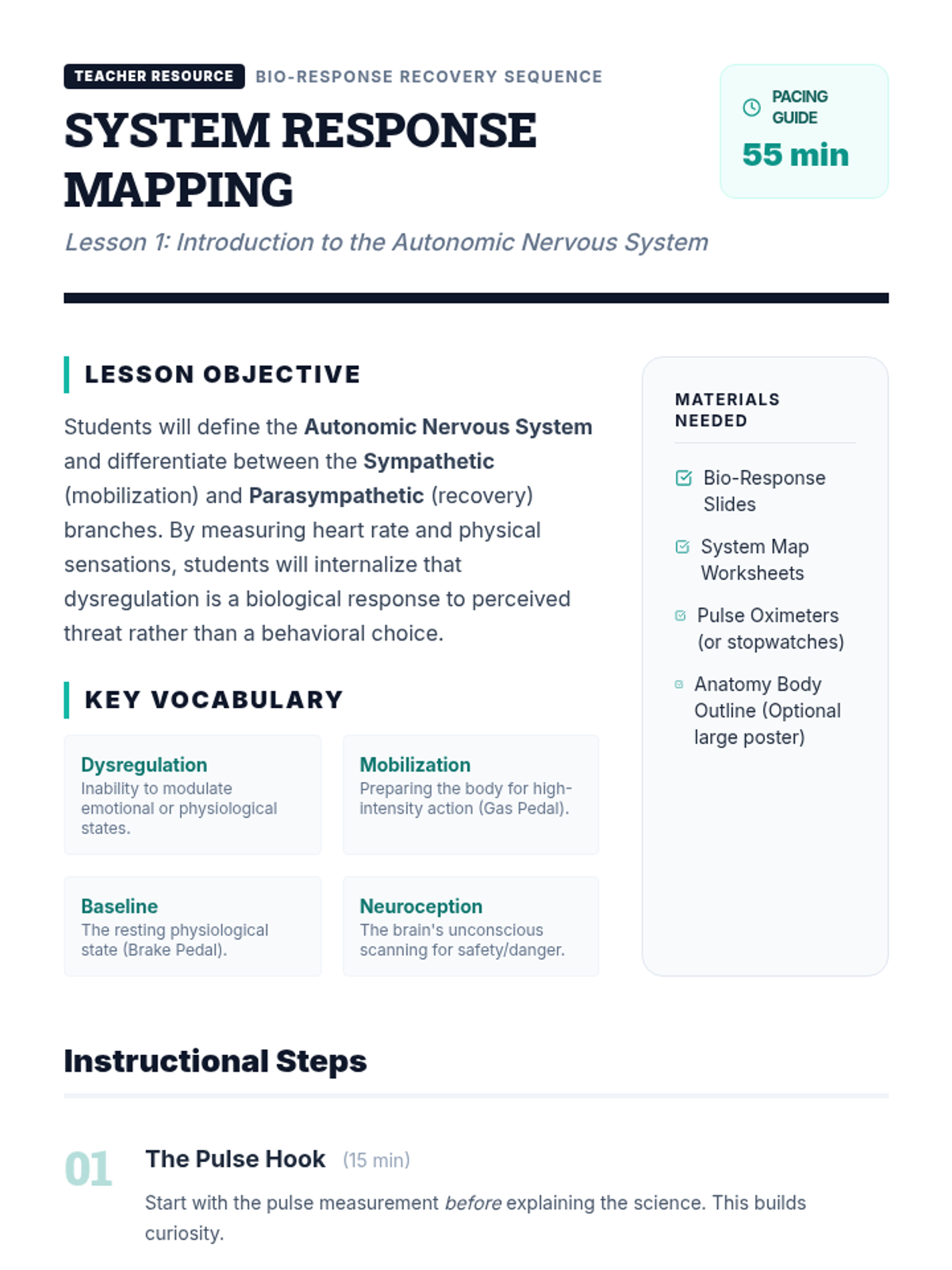
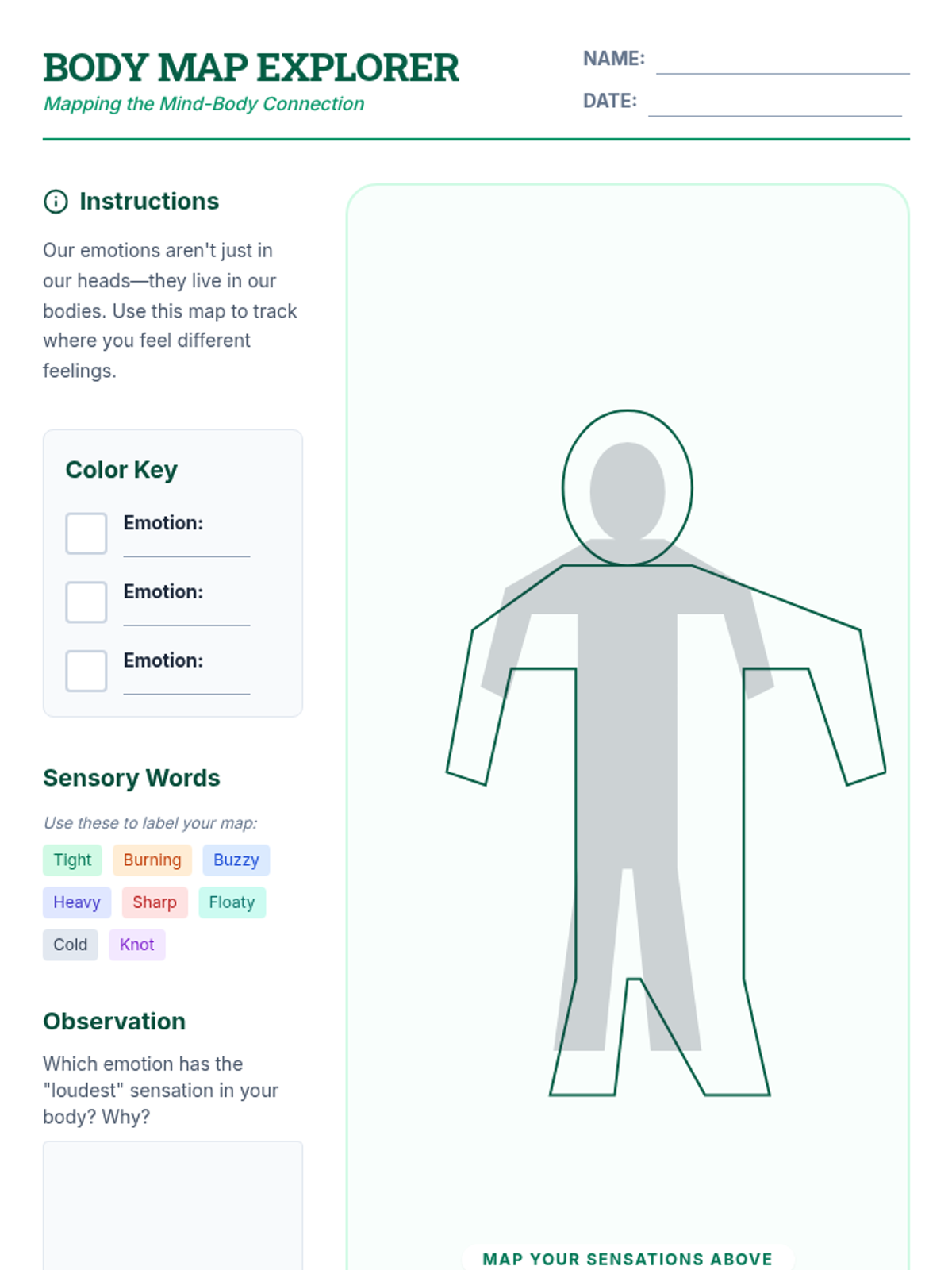
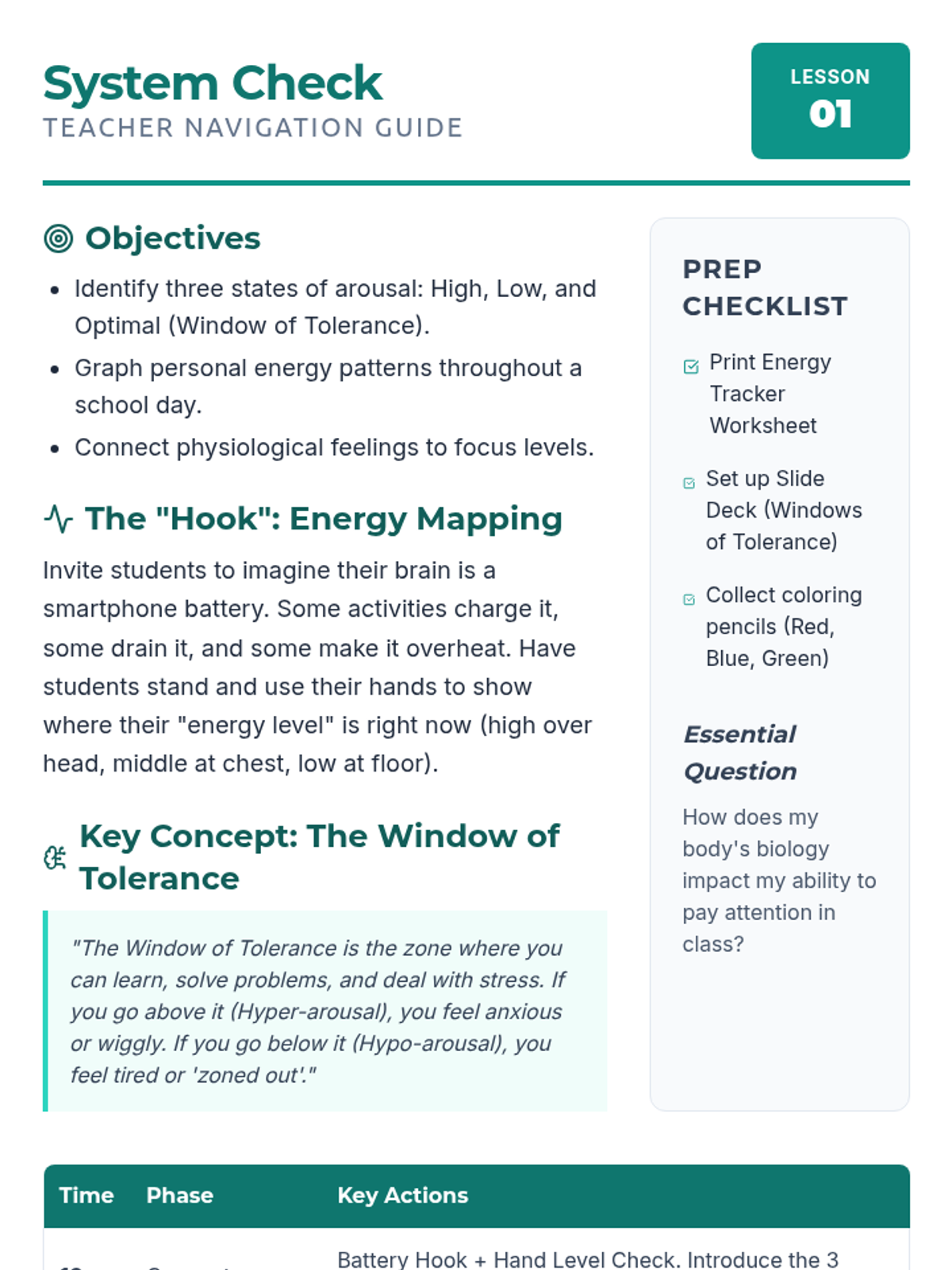
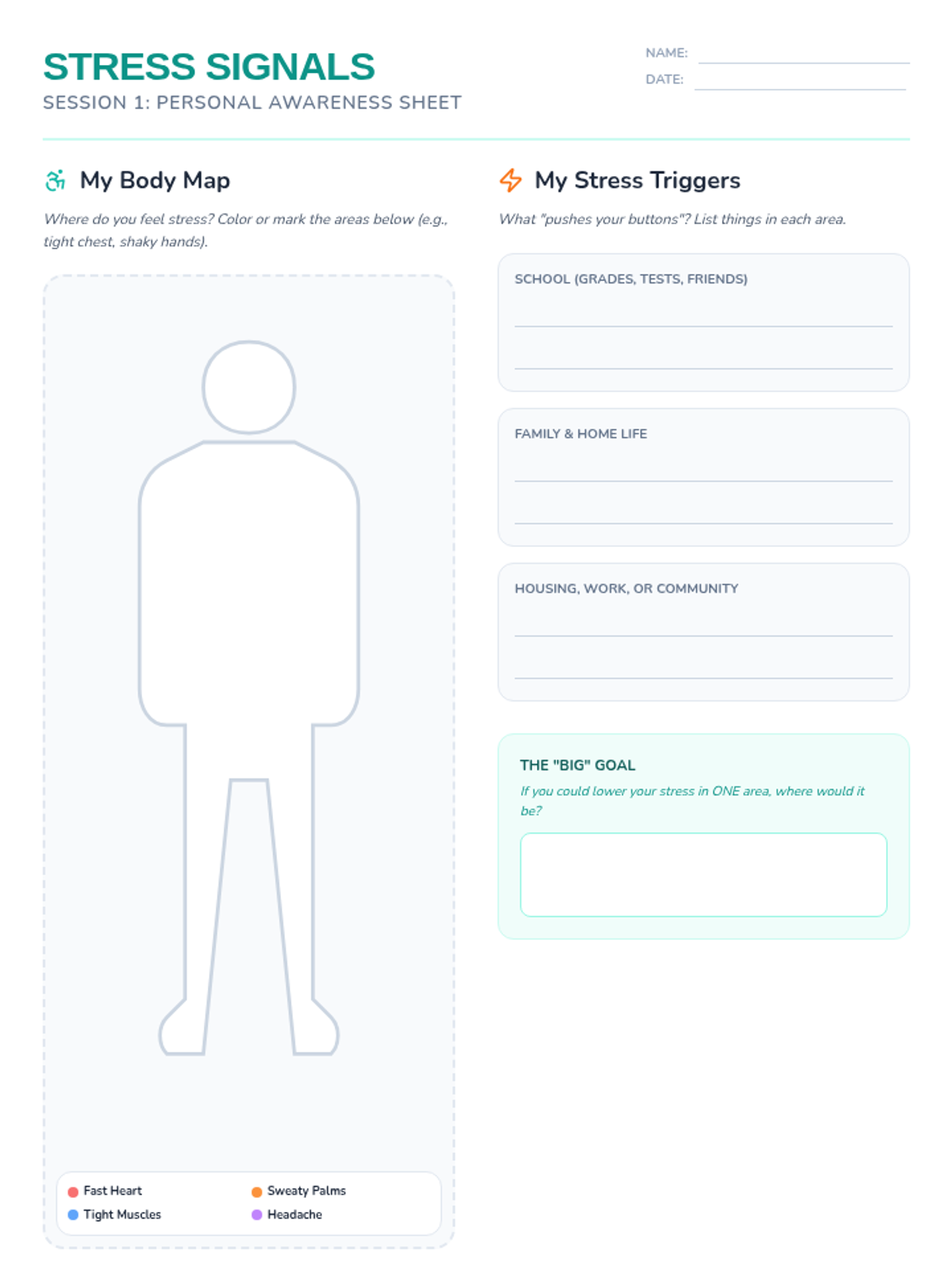
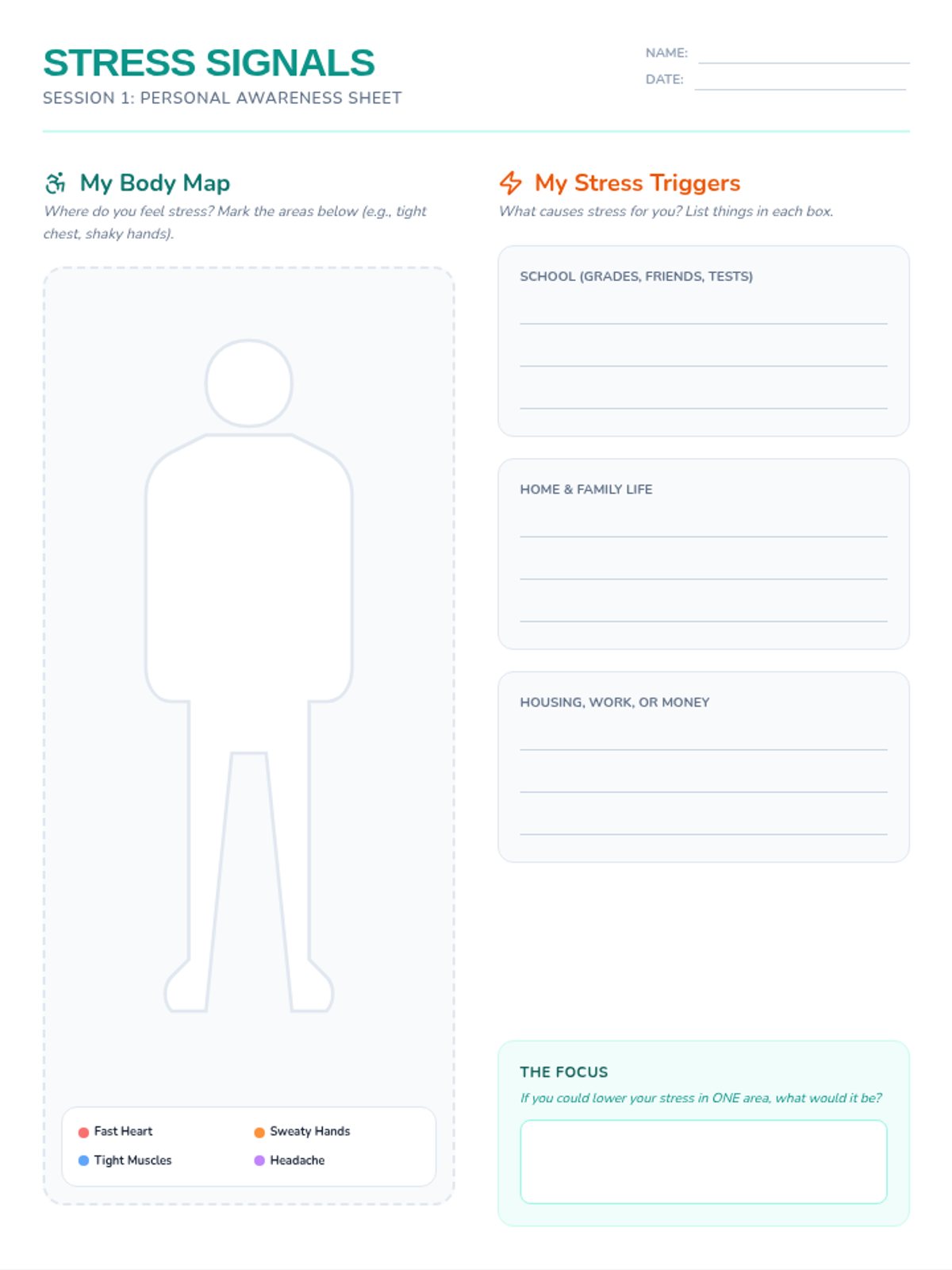
This sequence guides 6th-grade students through the biological mechanisms of stress and recovery. Students explore the autonomic nervous system to identify personal physiological indicators of escalation and de-escalation, culminating in a personalized 'Body Map' and 'Baseline Checklist' to recognize when they are ready to return to learning.
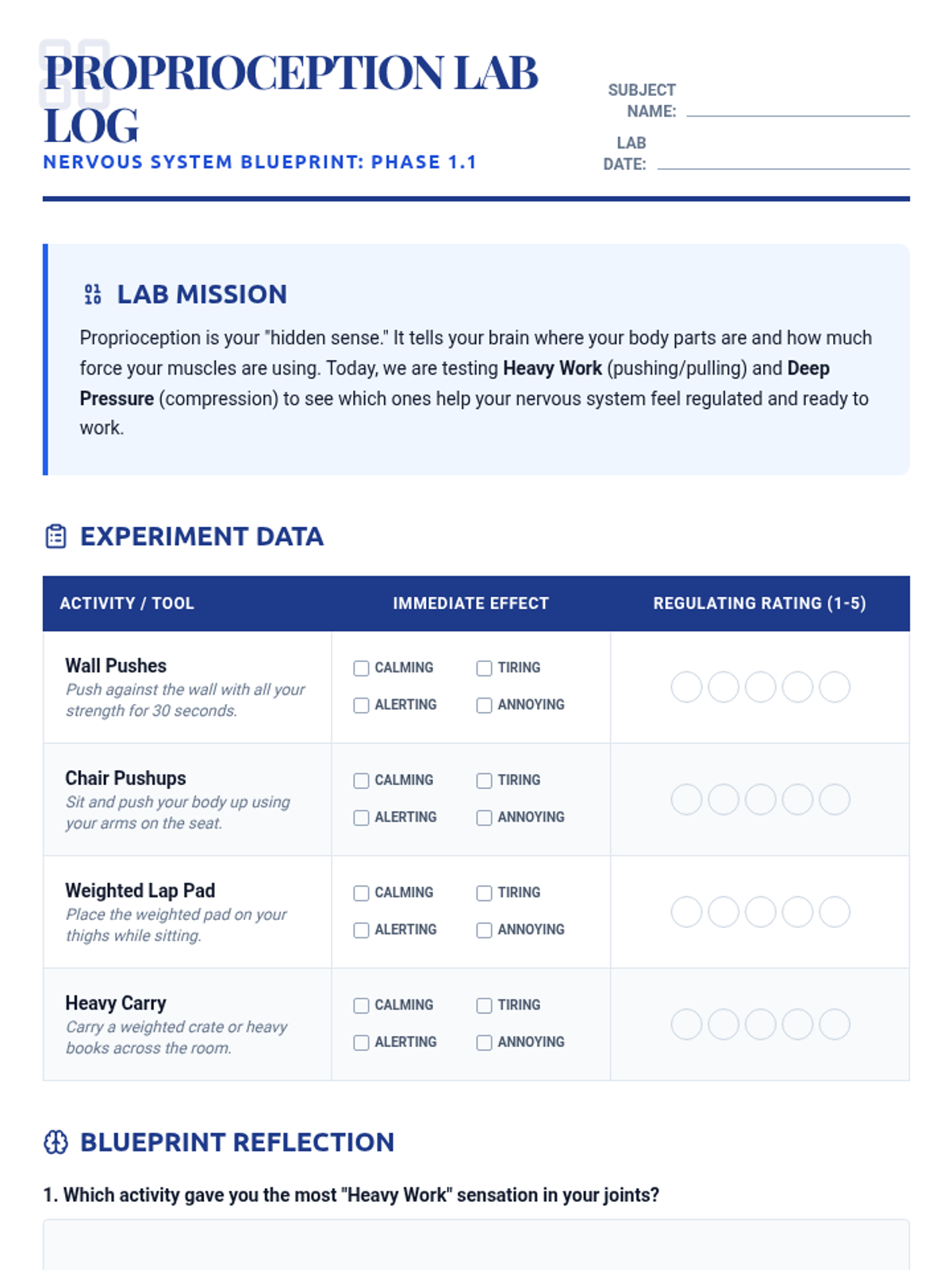
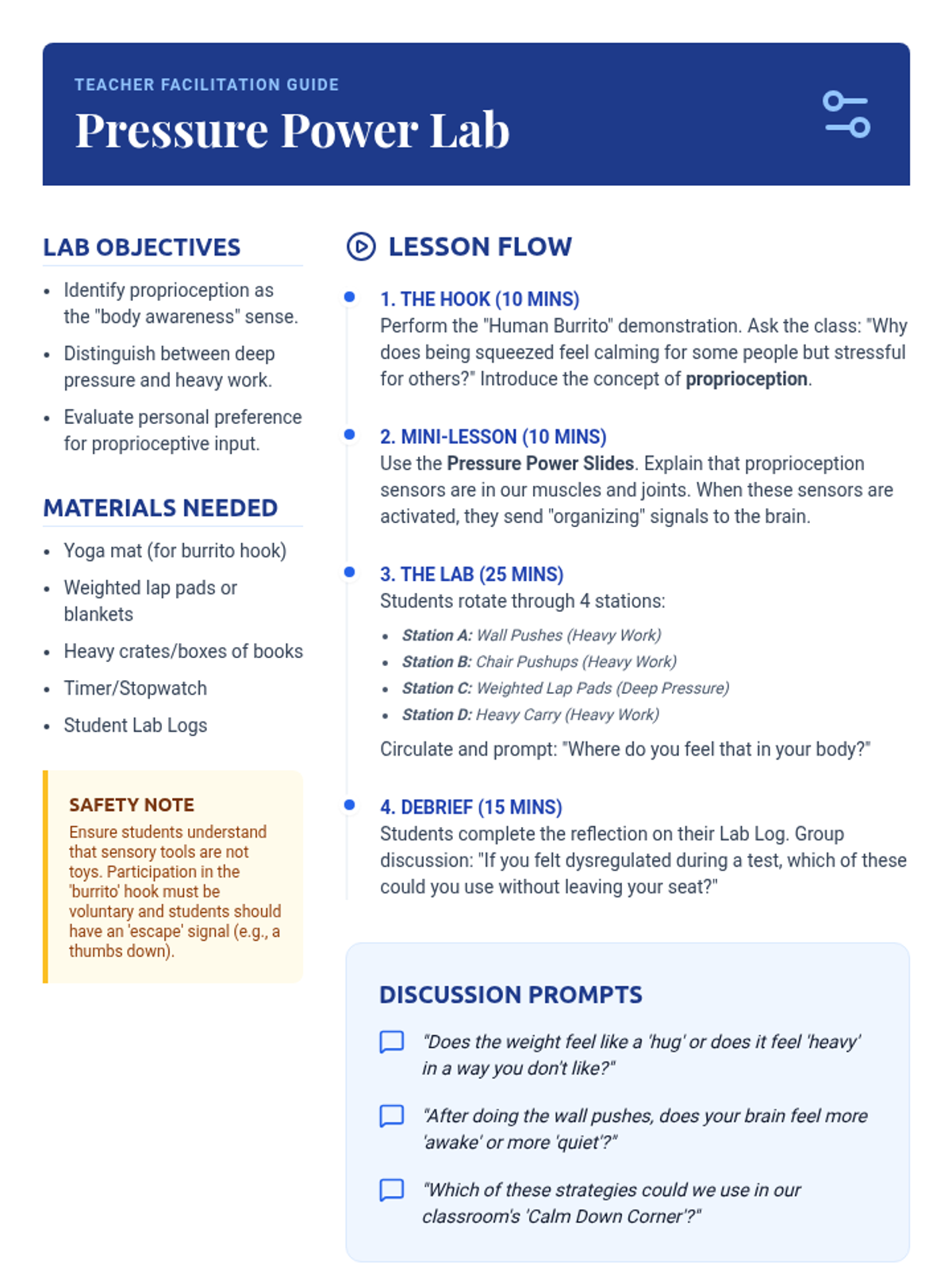
A hands-on workshop sequence where 6th-grade students experiment with sensory tools to build a personalized 'rescue kit' for dysregulation recovery. Students test proprioceptive, tactile, auditory, and visual strategies to determine what works best for their unique nervous systems.
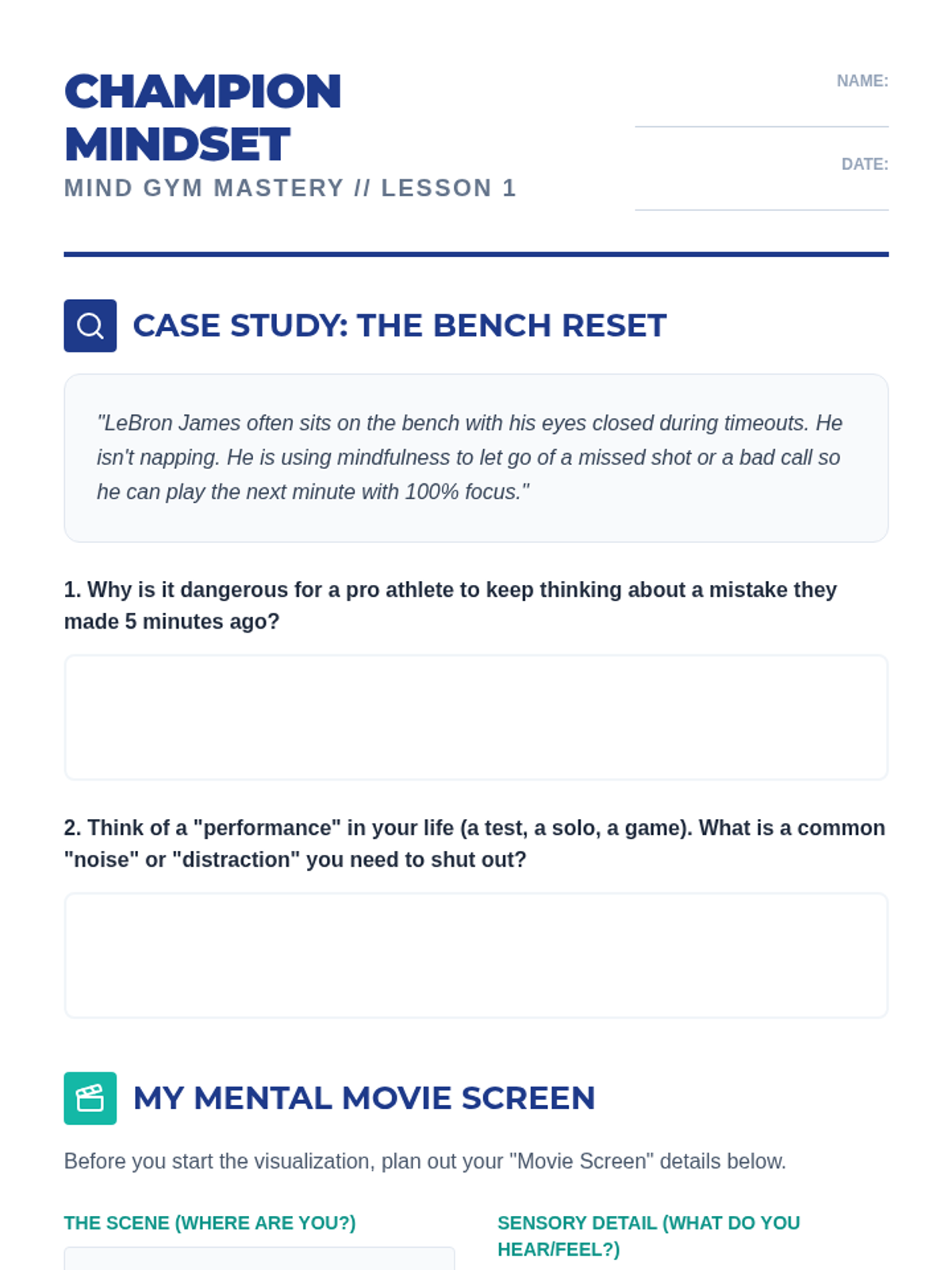
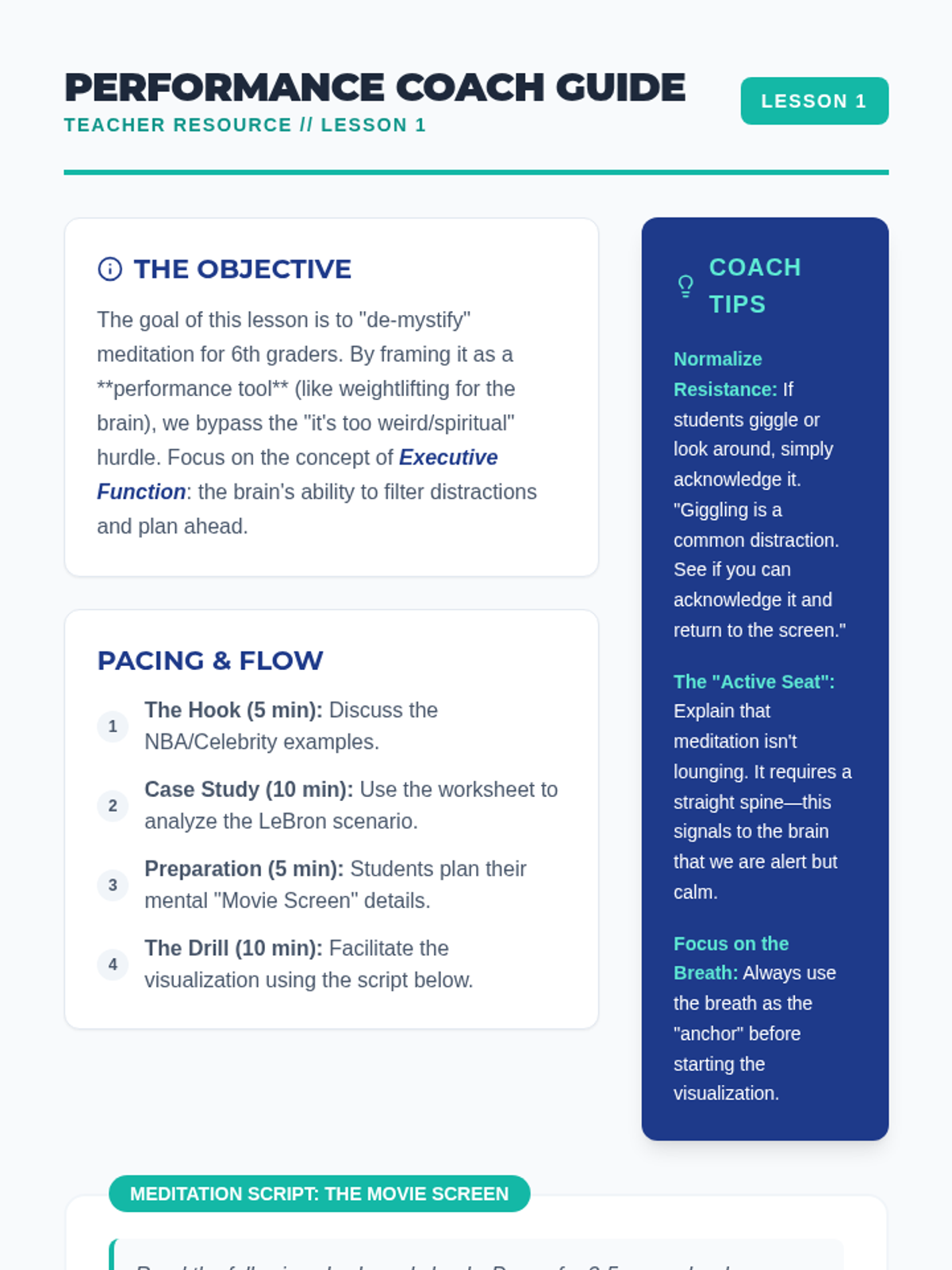
This middle school sequence reframes meditation as a 'performance tool' for academic and social success. Students explore case studies of peak performers, learn the STOP technique for impulse control, develop grounding strategies for test anxiety, and practice empathy through Loving-Kindness meditation, culminating in a real-world scenario challenge.
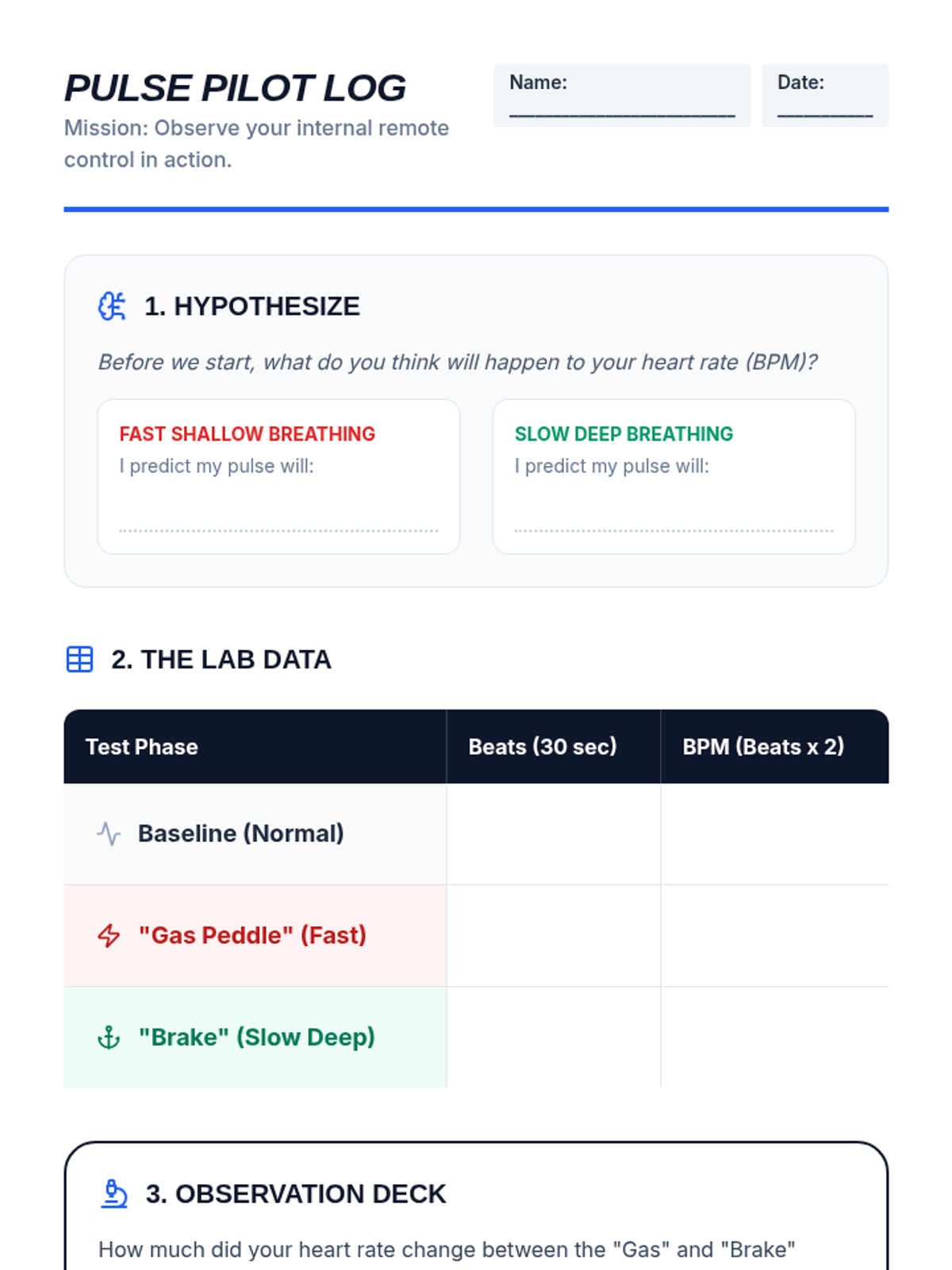
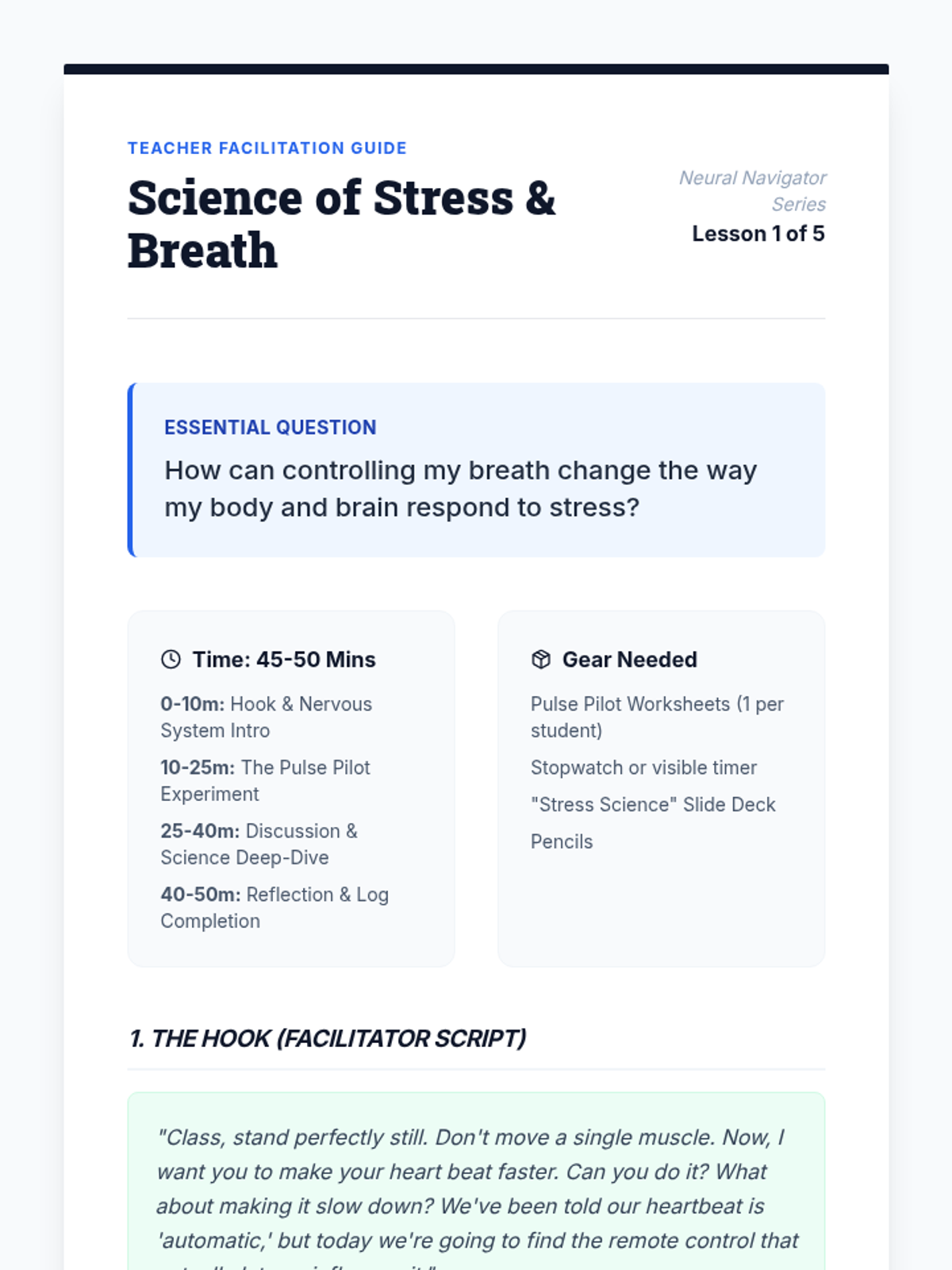
This sequence introduces 6th-grade students to the physiological connection between breathing and the nervous system, teaching them specific techniques like box breathing and 4-7-8 to manage stress and focus.
This sequence focuses on emotional intelligence and self-compassion through a case study approach. Students analyze hypothetical scenarios involving disappointment, anger, or anxiety, and apply mindfulness techniques to navigate them, shifting from reacting impulsively to responding thoughtfully.
This sequence explores the biological mechanisms behind dysregulation and the specific sensory inputs required to return to a physiological baseline. Students will investigate the autonomic nervous system to understand the 'fight, flight, or freeze' response and experiment with various sensory modalities to identify which ones effectively lower their heart rate and reduce tension.
A 5-lesson unit for 7th graders on using meditation for emotional regulation, focus, and interpersonal conflict resolution. Students learn metacognition through metaphors, visualization for performance, empathy through loving-kindness practice, and impulse control via the STOP method.
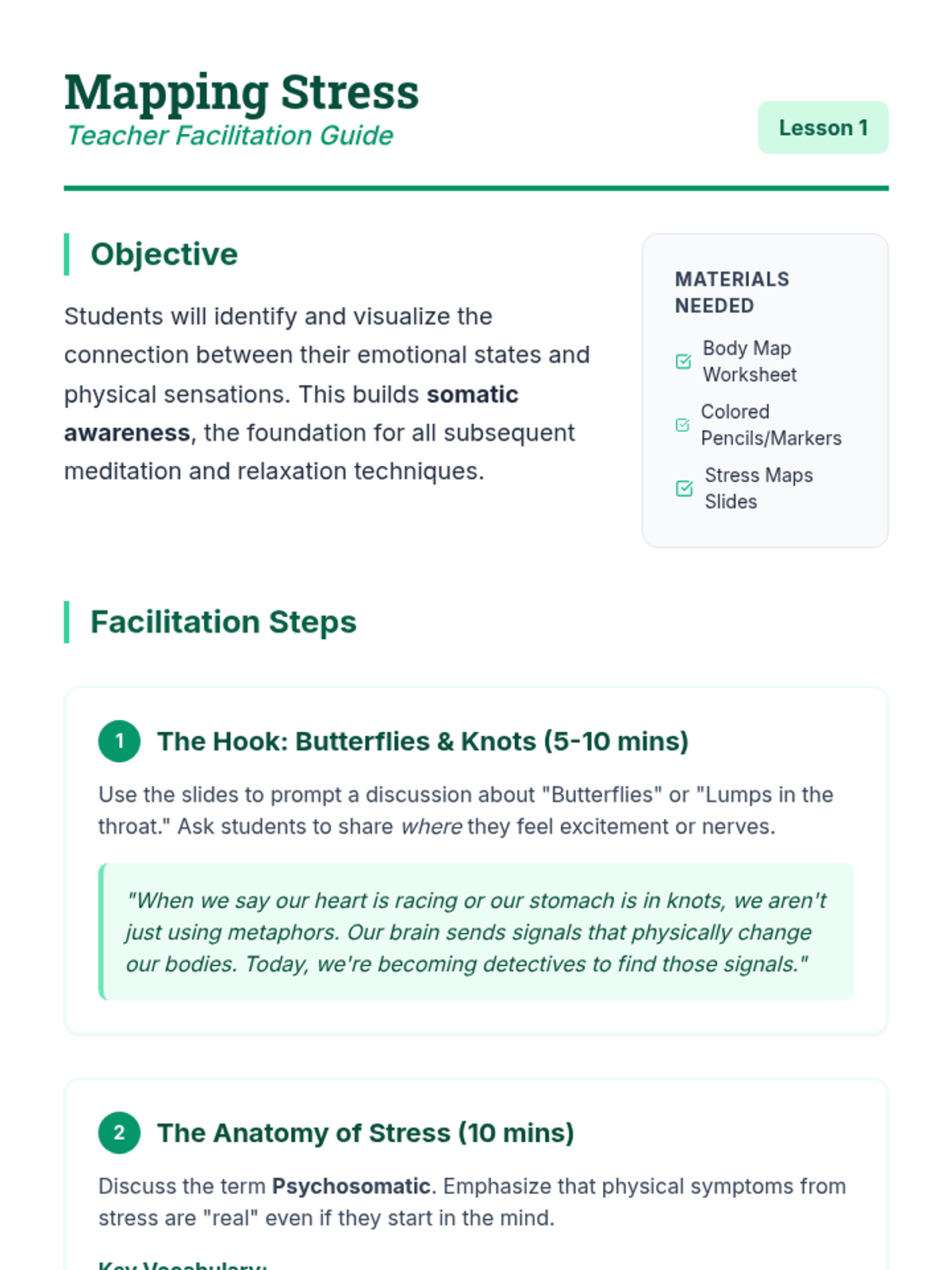
This sequence guides students through somatic awareness and Progressive Muscle Relaxation (PMR). Students learn to map emotions in their bodies, observe sensations without judgment, and use active relaxation techniques to manage stress and improve sleep.
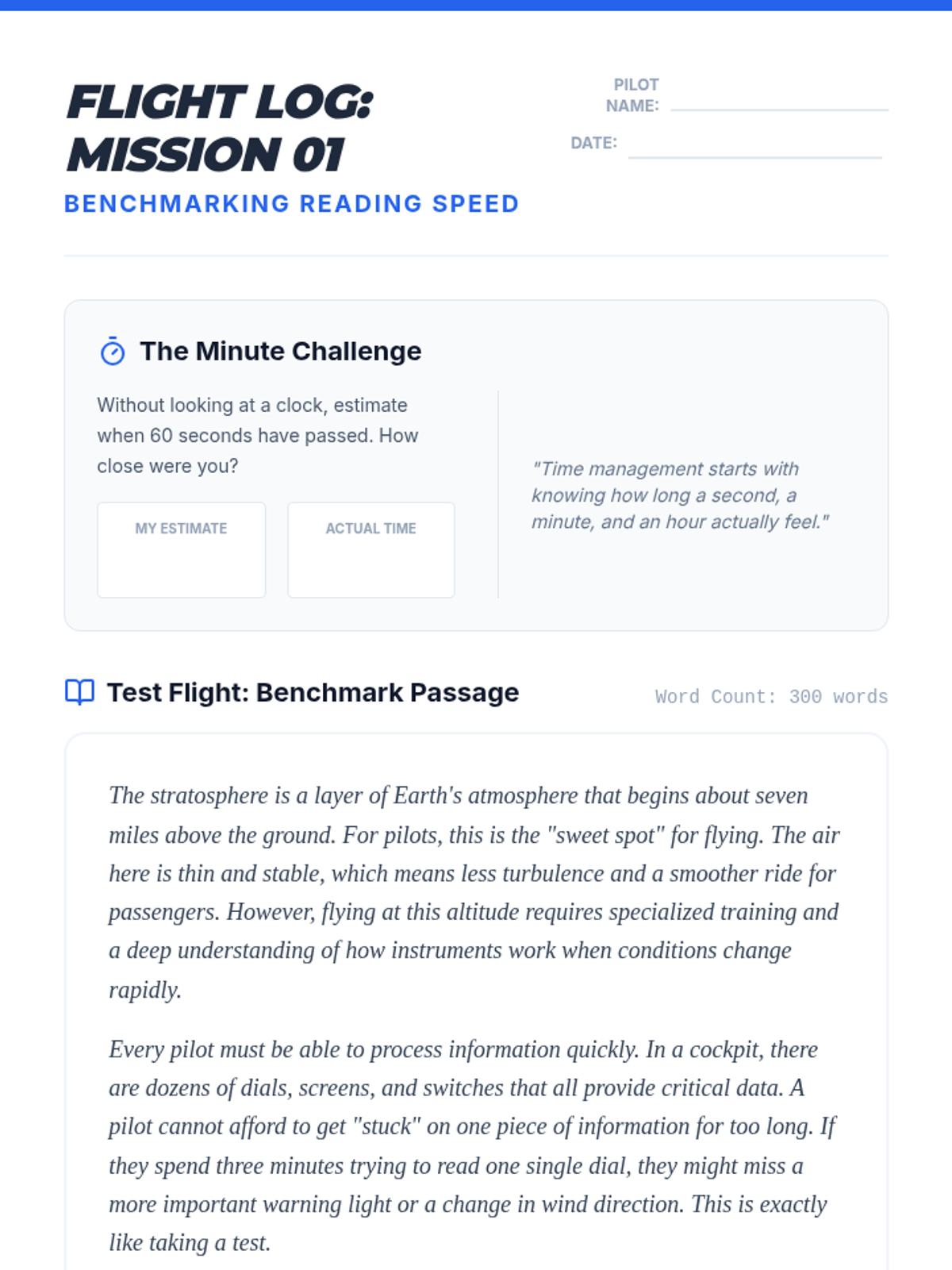
A comprehensive sequence for 7th Grade ESL students focused on developing the executive functioning skills needed for successful test-taking. Students learn to manage time, prioritize questions, annotate for focus, and regulate anxiety through a 'Test Pilot' theme.
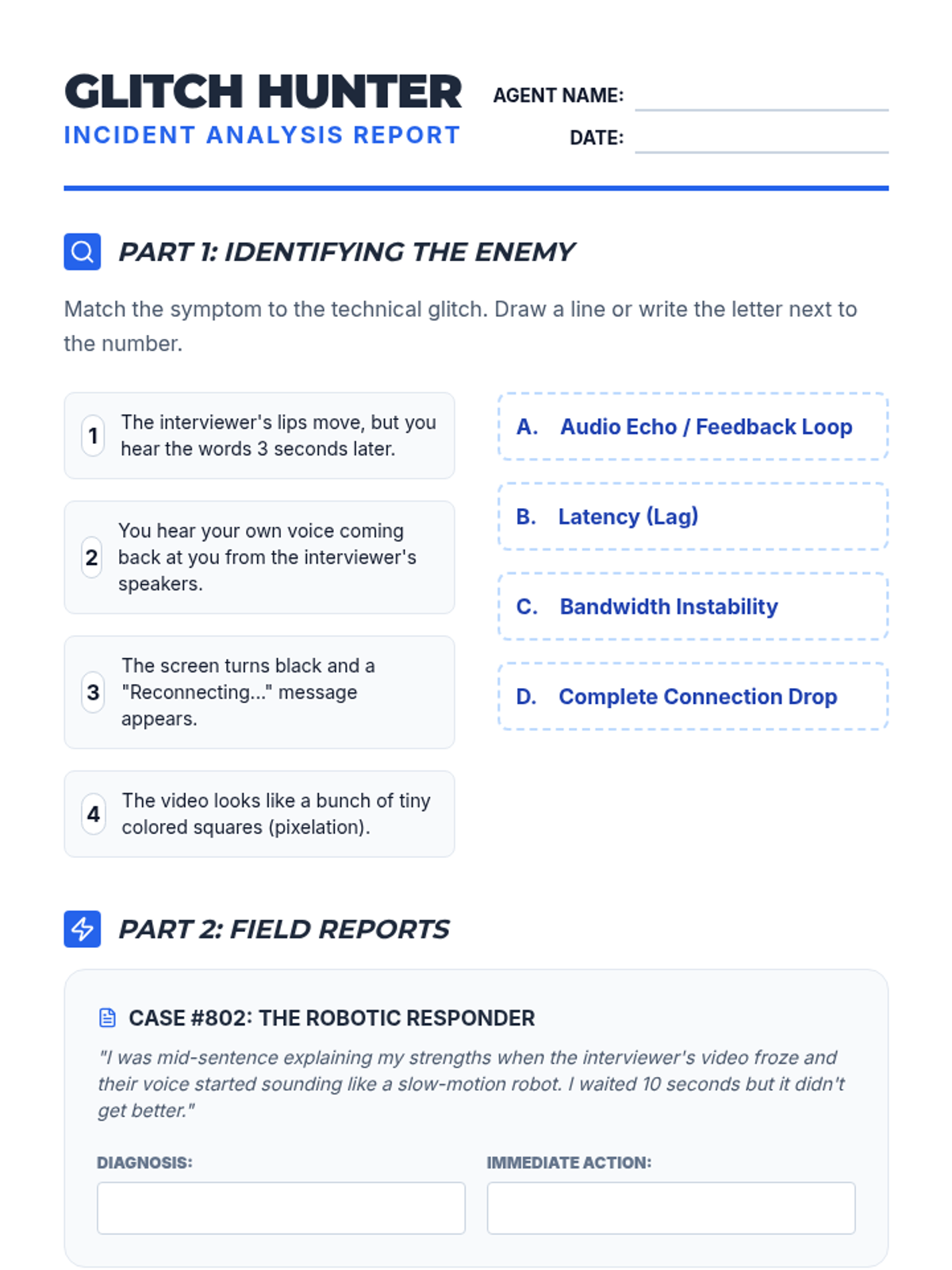
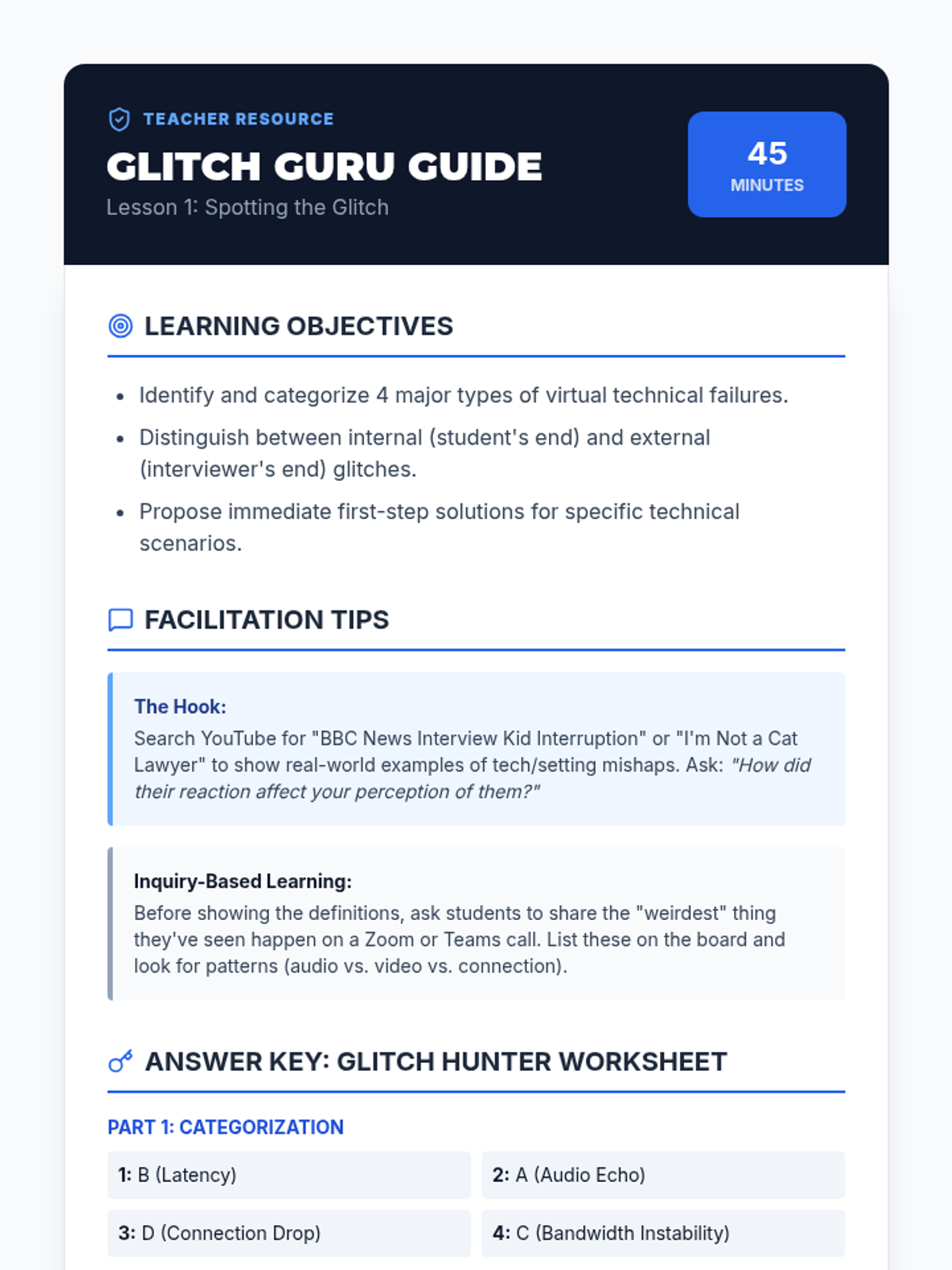
A comprehensive sequence designed to equip 8th-grade students with the resilience and technical skills needed to navigate virtual interview failures. Students progress from identifying common tech issues to developing backup protocols, mastering professional crisis communication, and maintaining emotional composure under pressure.
A comprehensive 5-lesson unit designed to transition 6th-grade students from teacher-directed regulation to independent sensory self-monitoring. Students explore the biology of their nervous system, experiment with diverse sensory inputs, and create personalized proactive break systems.
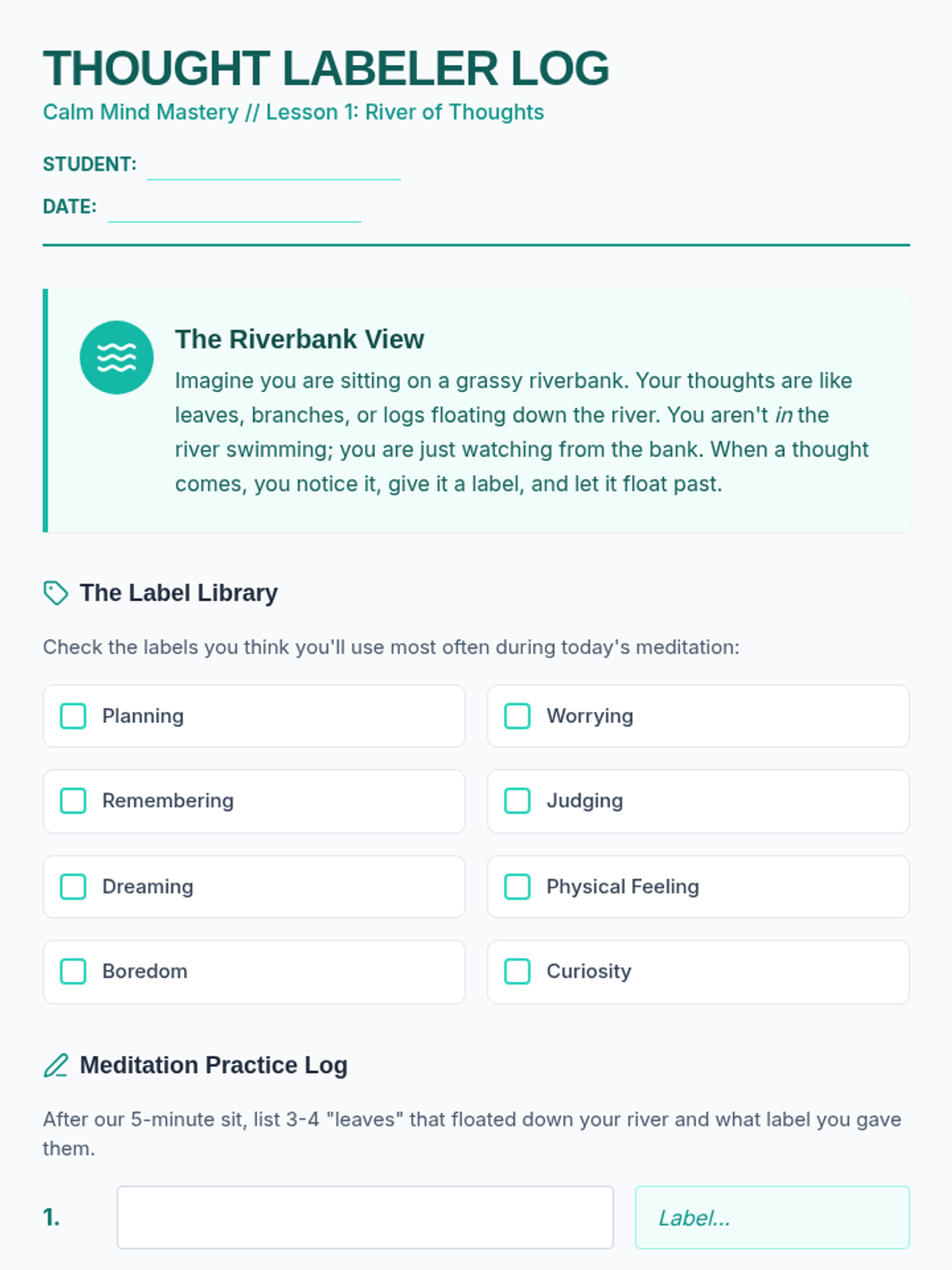
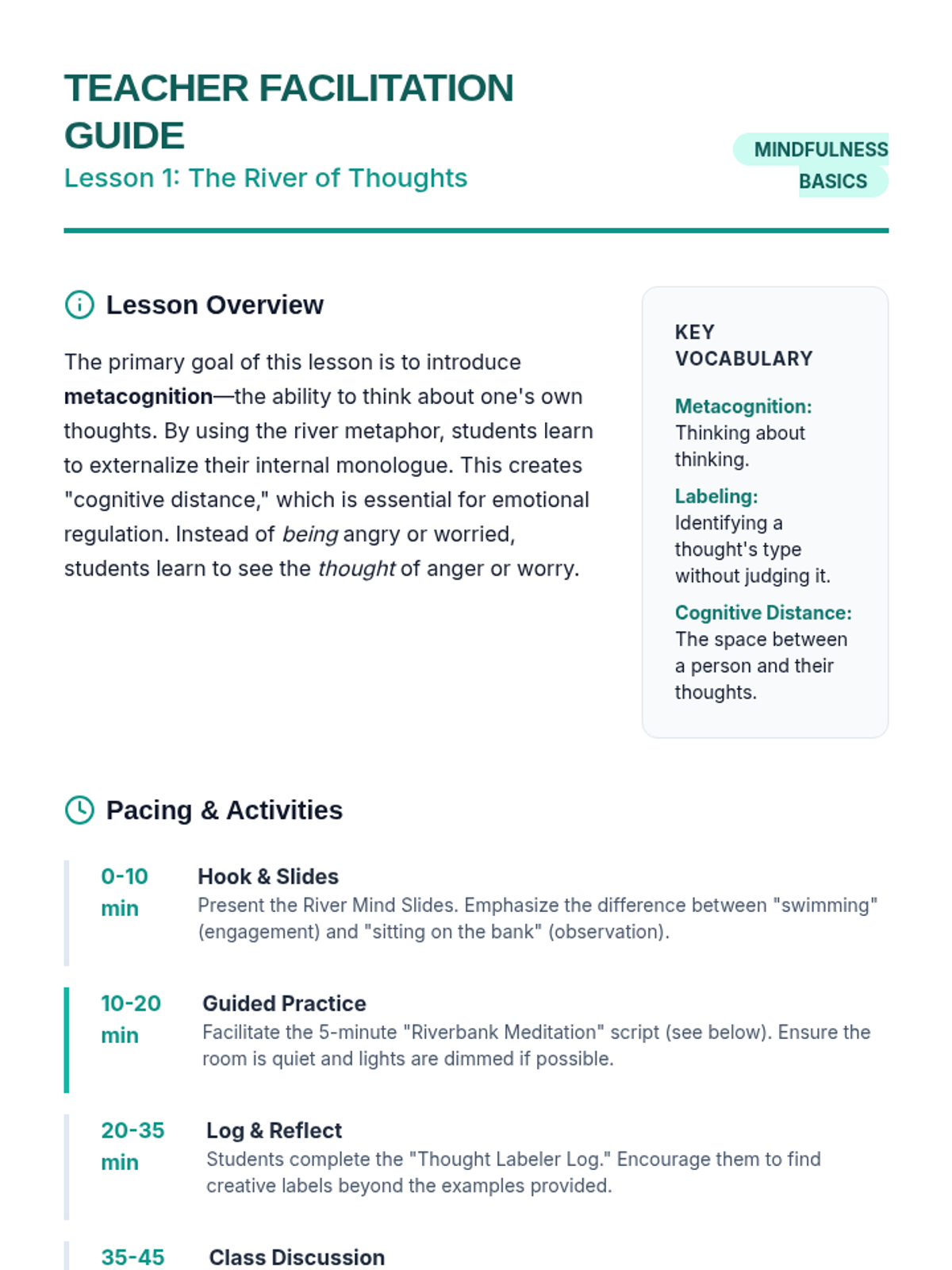
This sequence explores mindfulness as a cognitive skill for emotional regulation and improved attention. Students learn about neuroplasticity, sensory grounding, thought labeling, and the STOP method to build emotional intelligence.
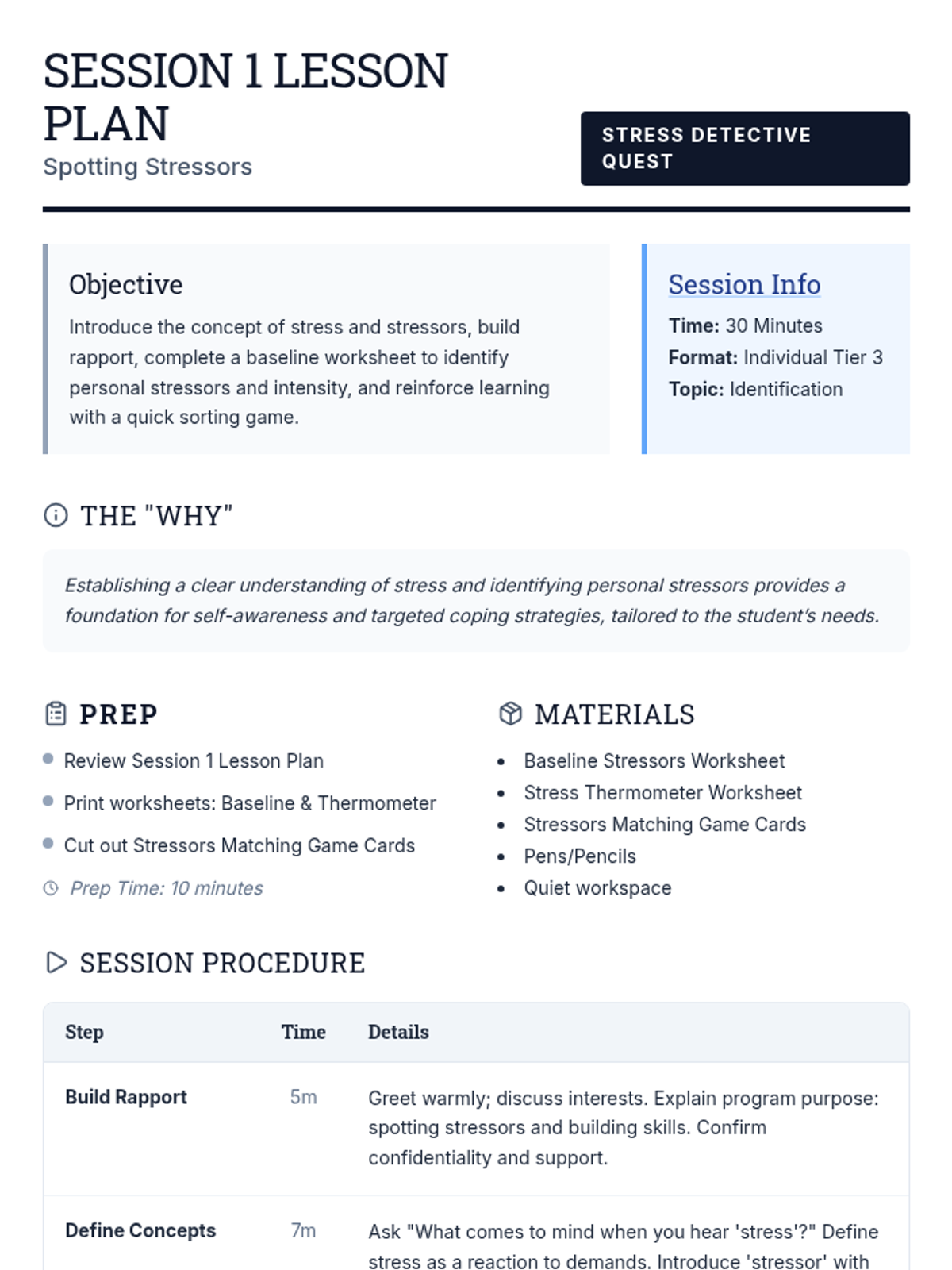
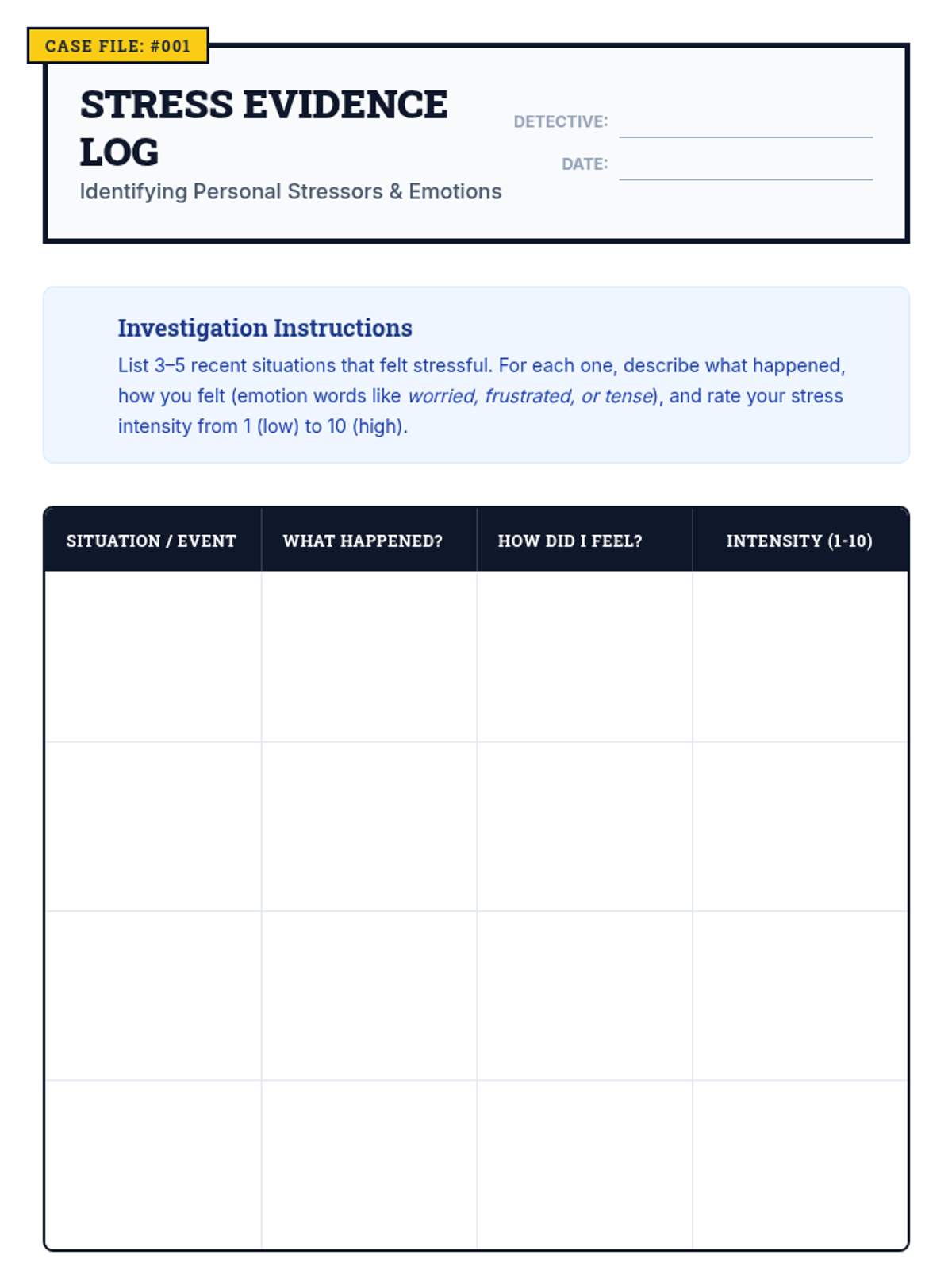
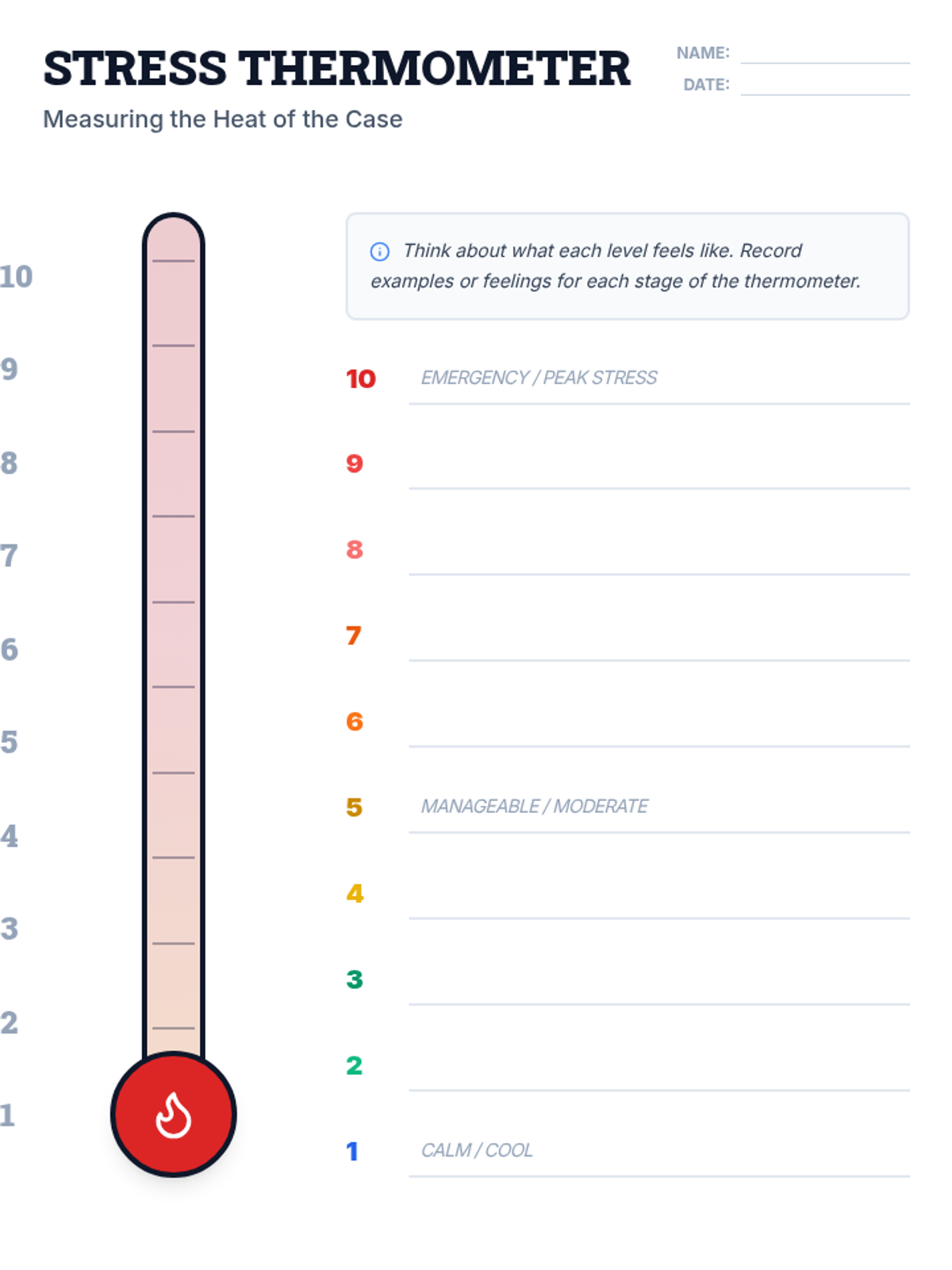
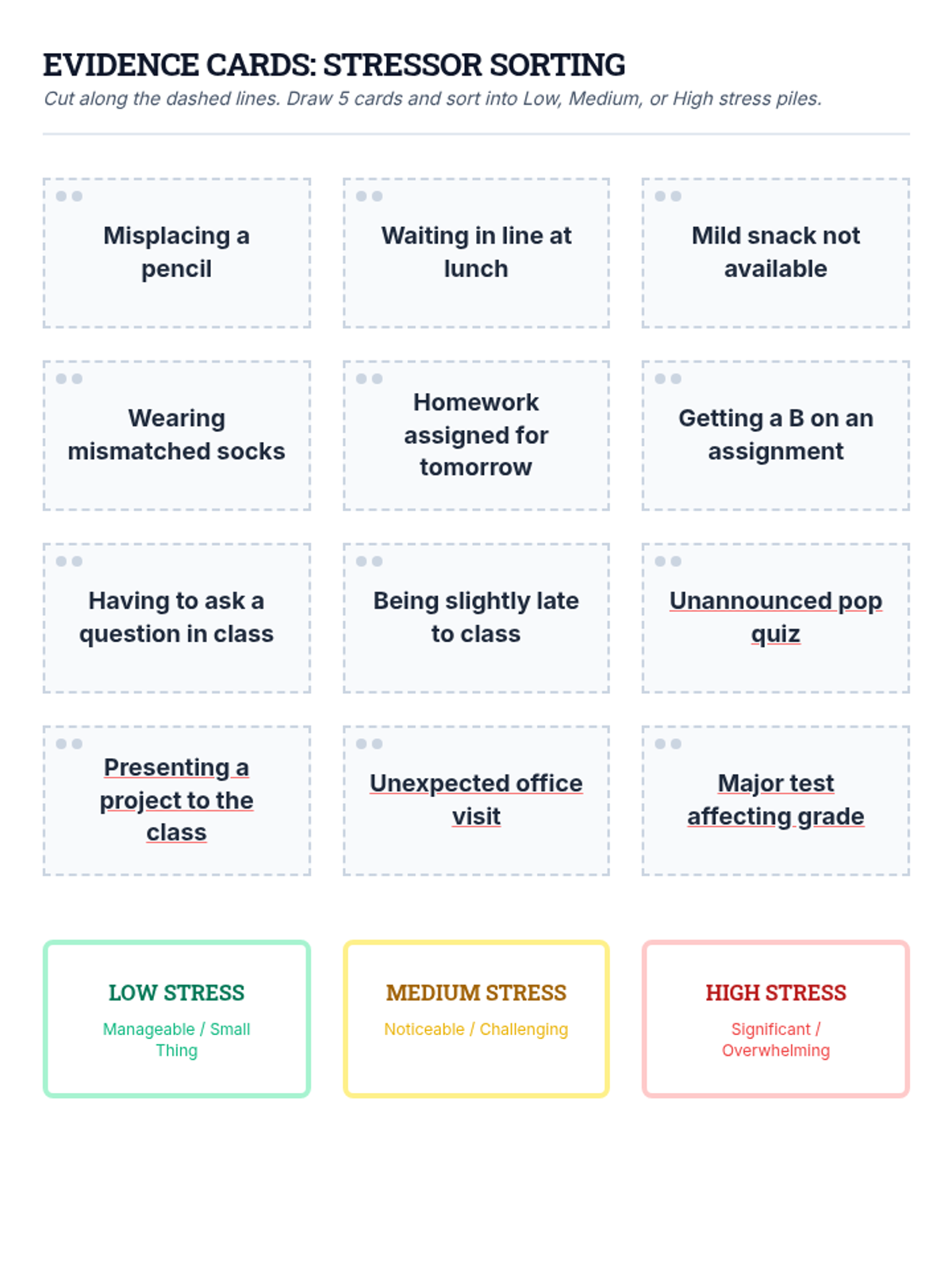
A 10-session individual Tier 3 support program for a 7th grader with a seizure history, focusing on identifying stressors and building evidence-based coping resilience.
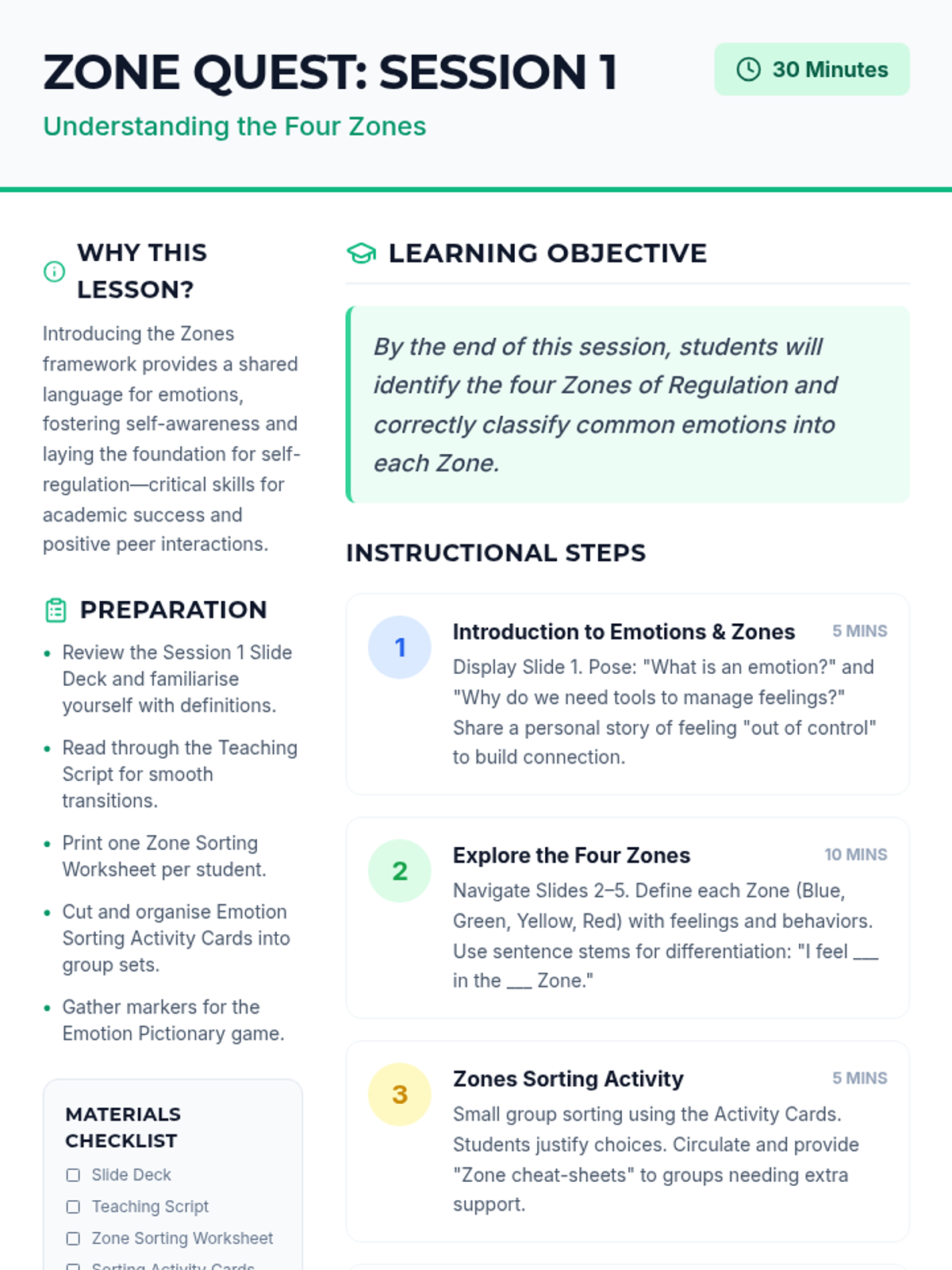
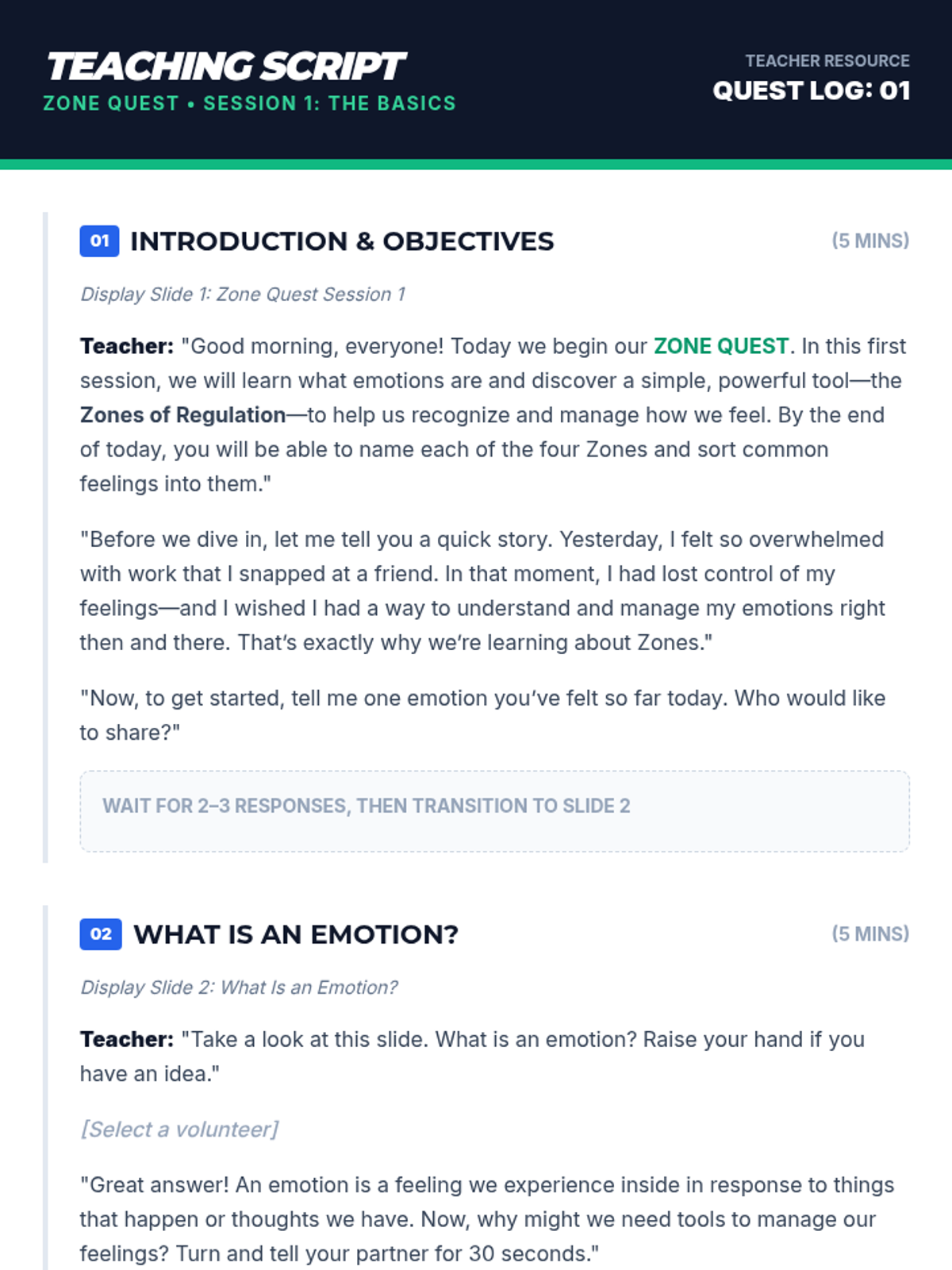
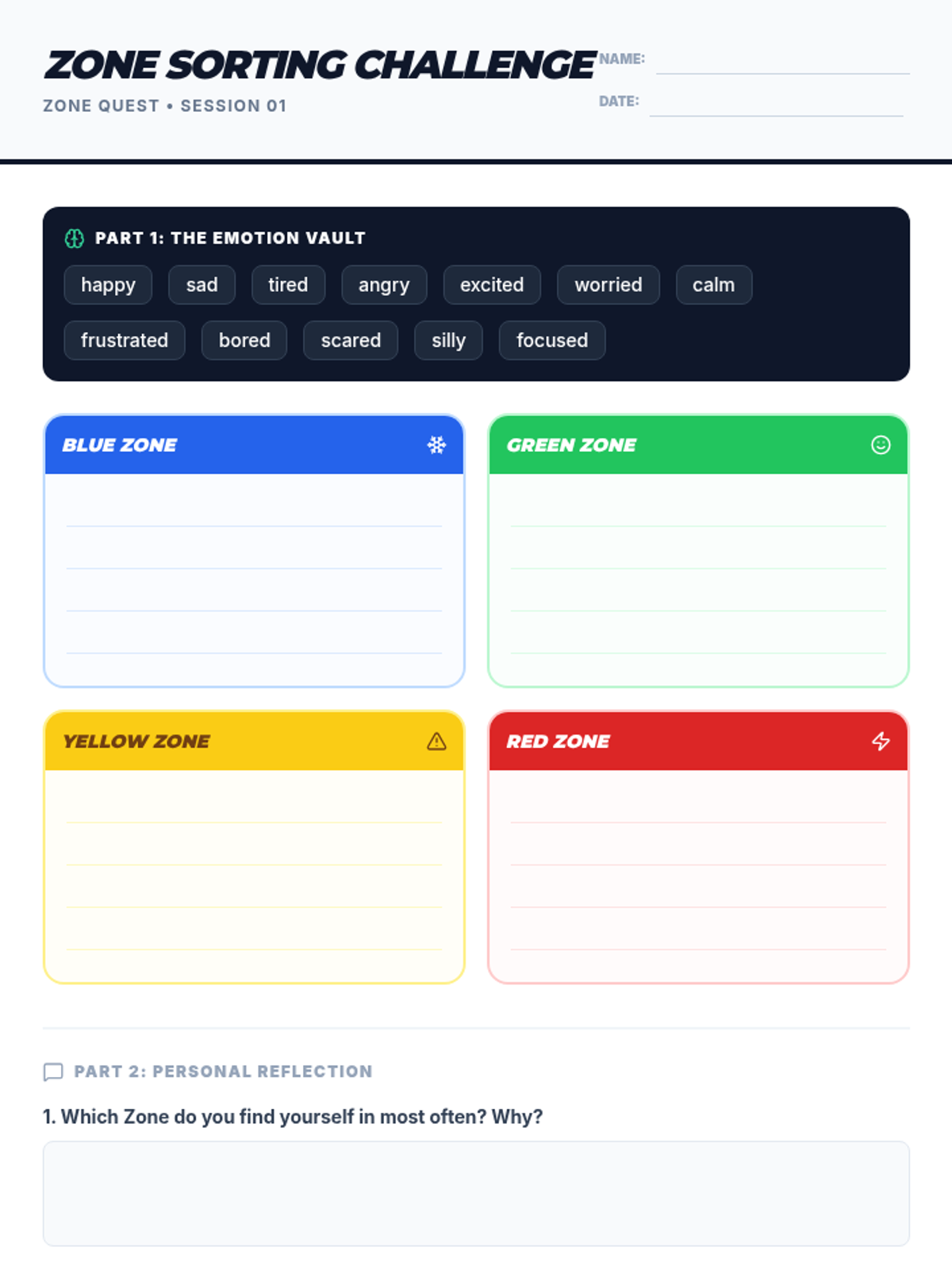
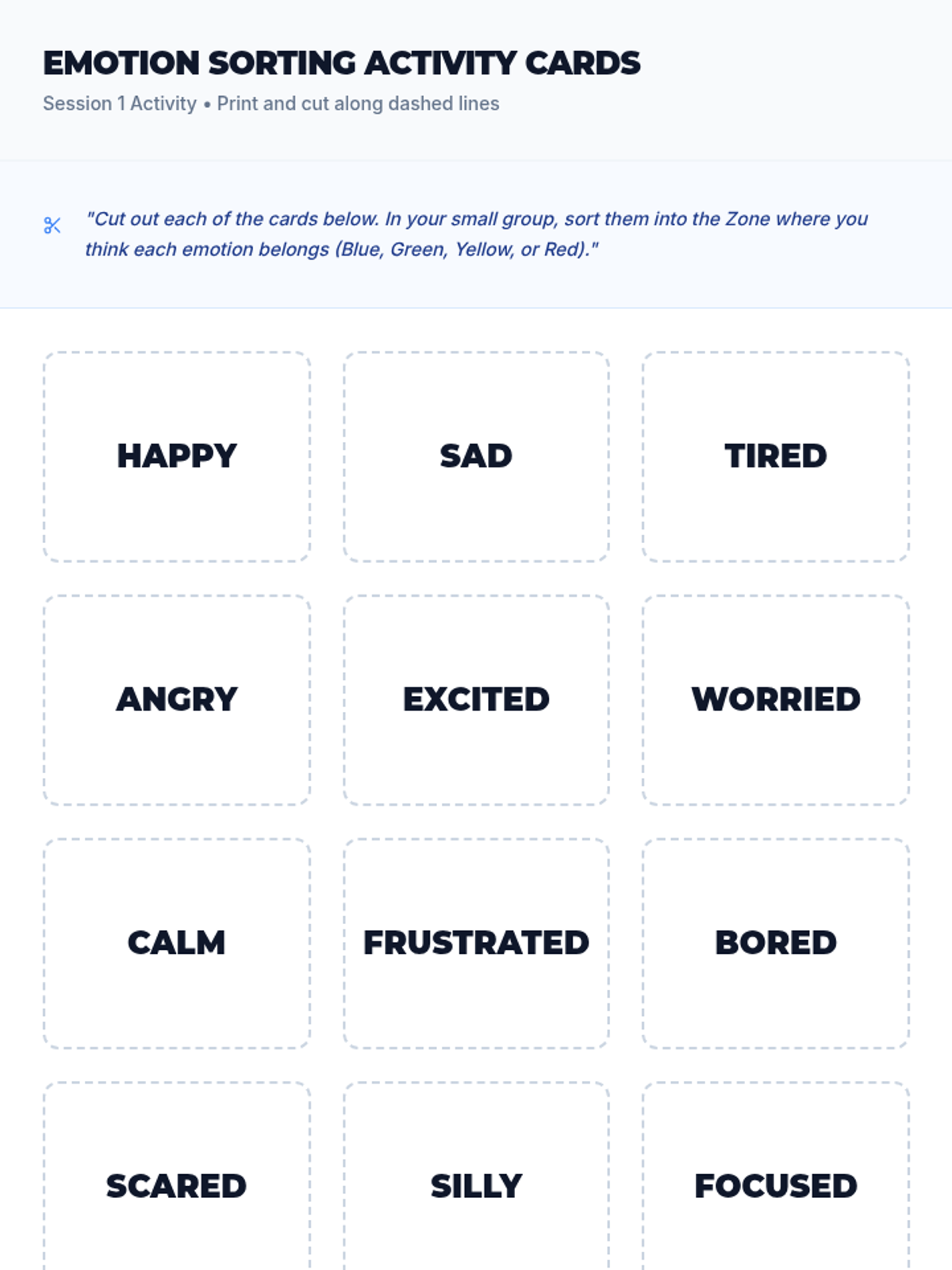
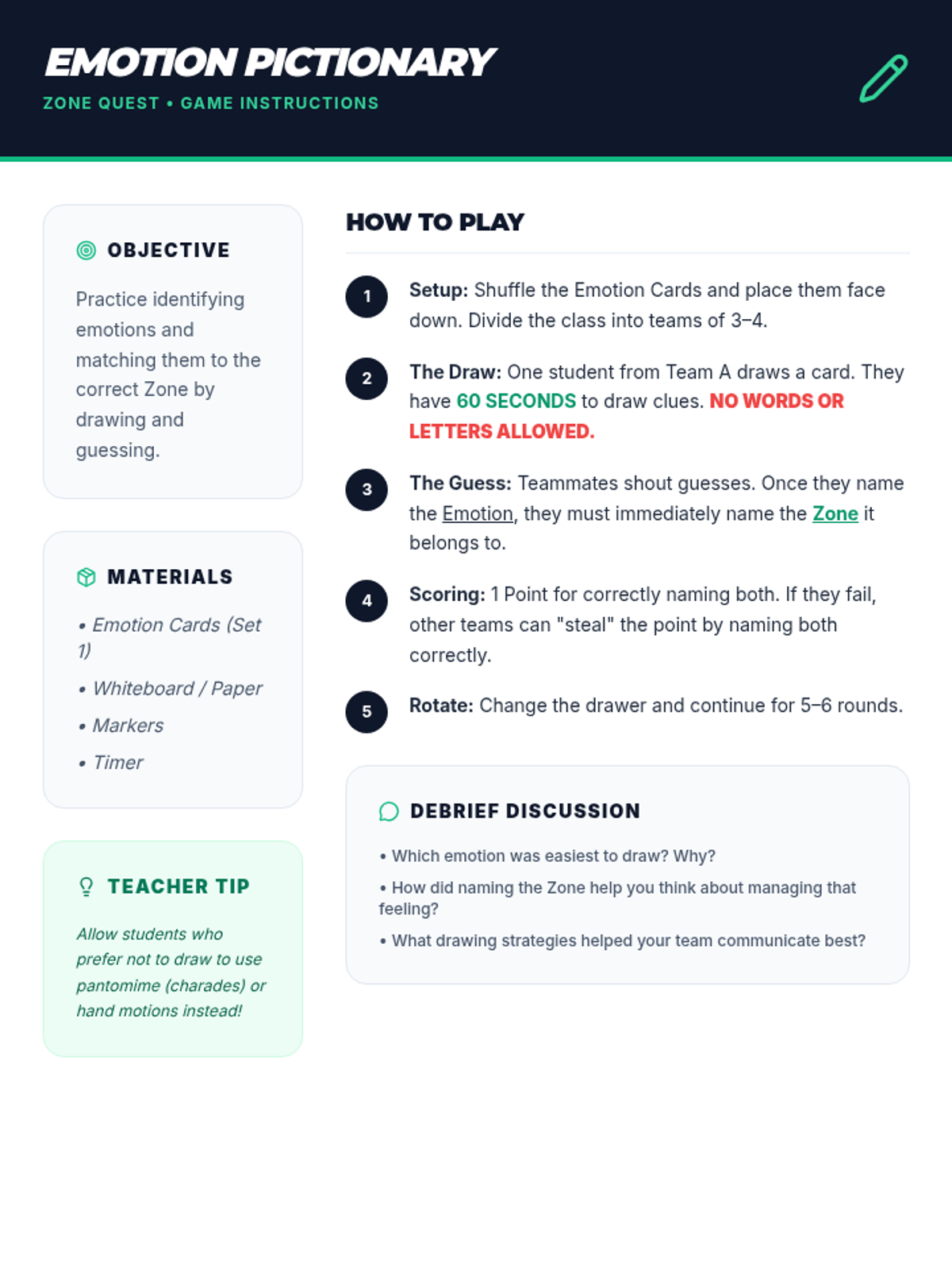
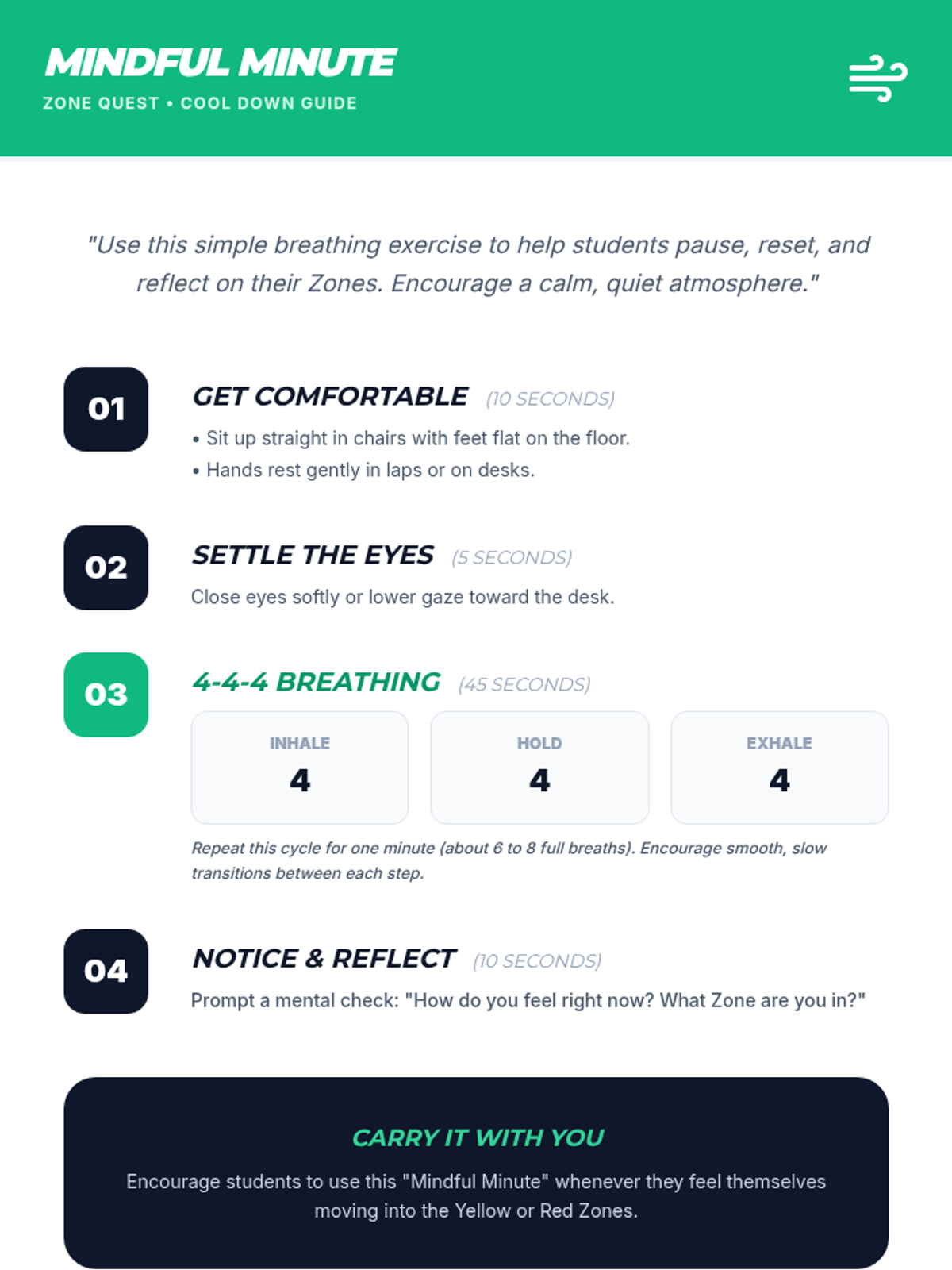
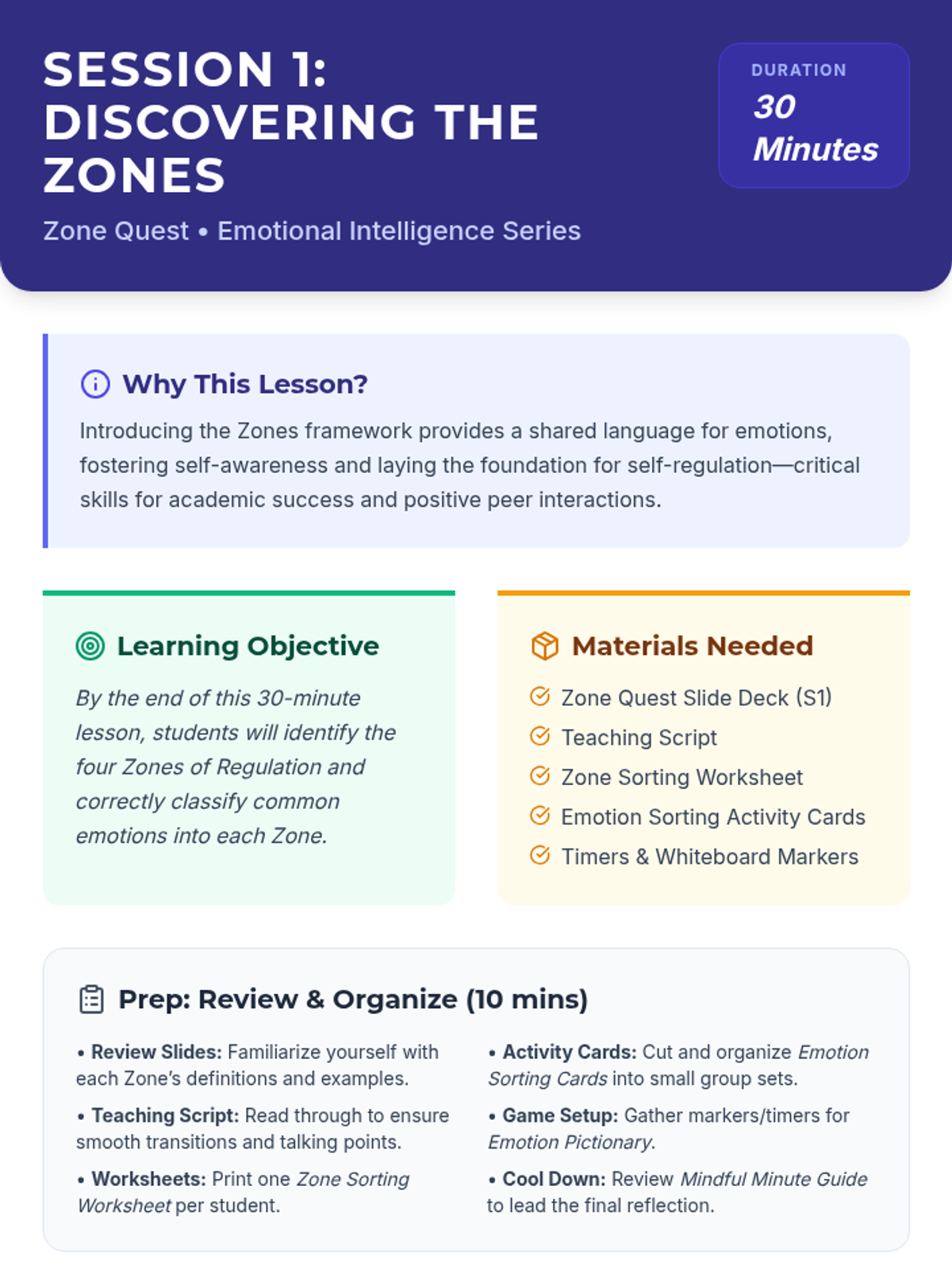
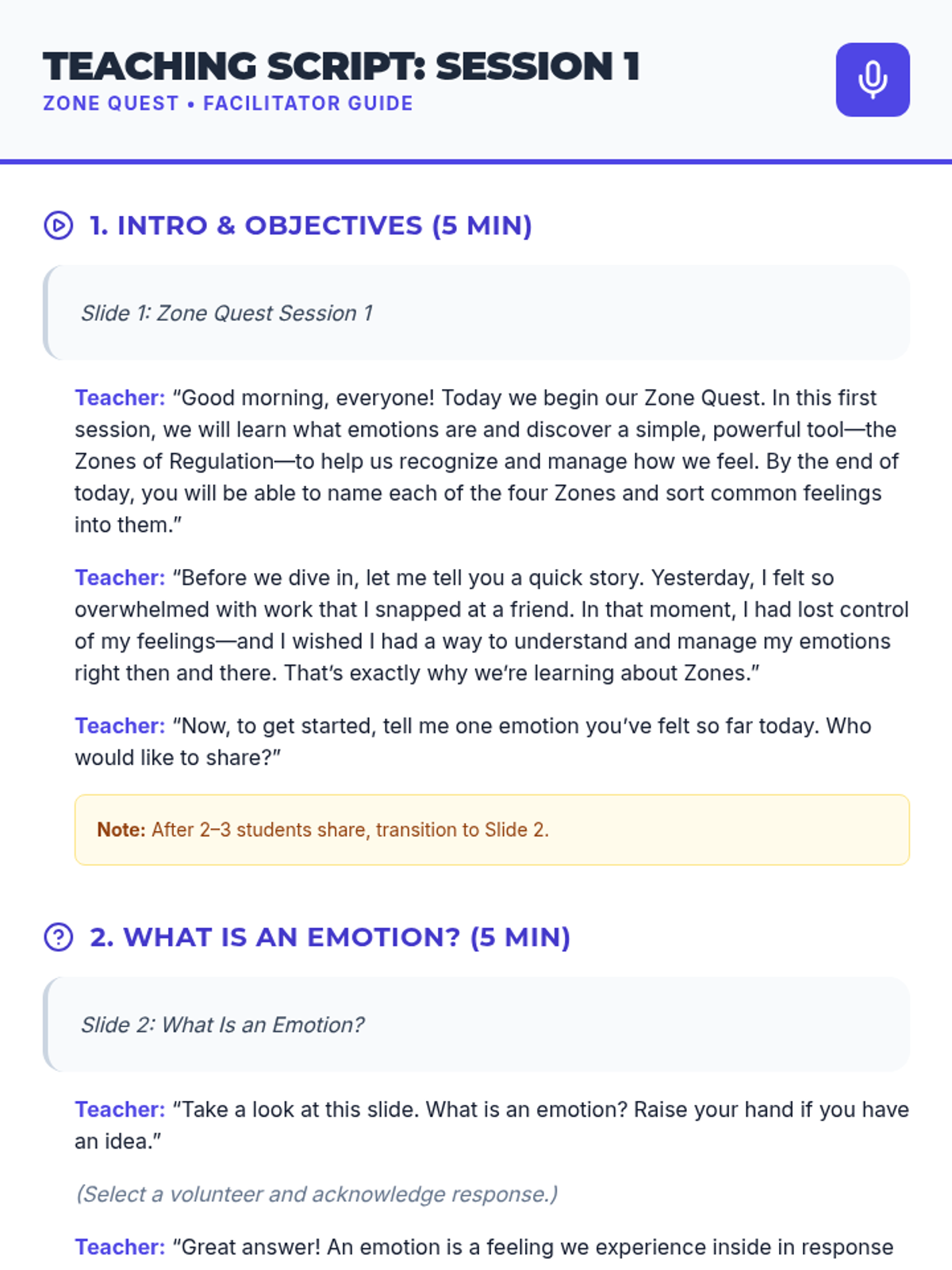
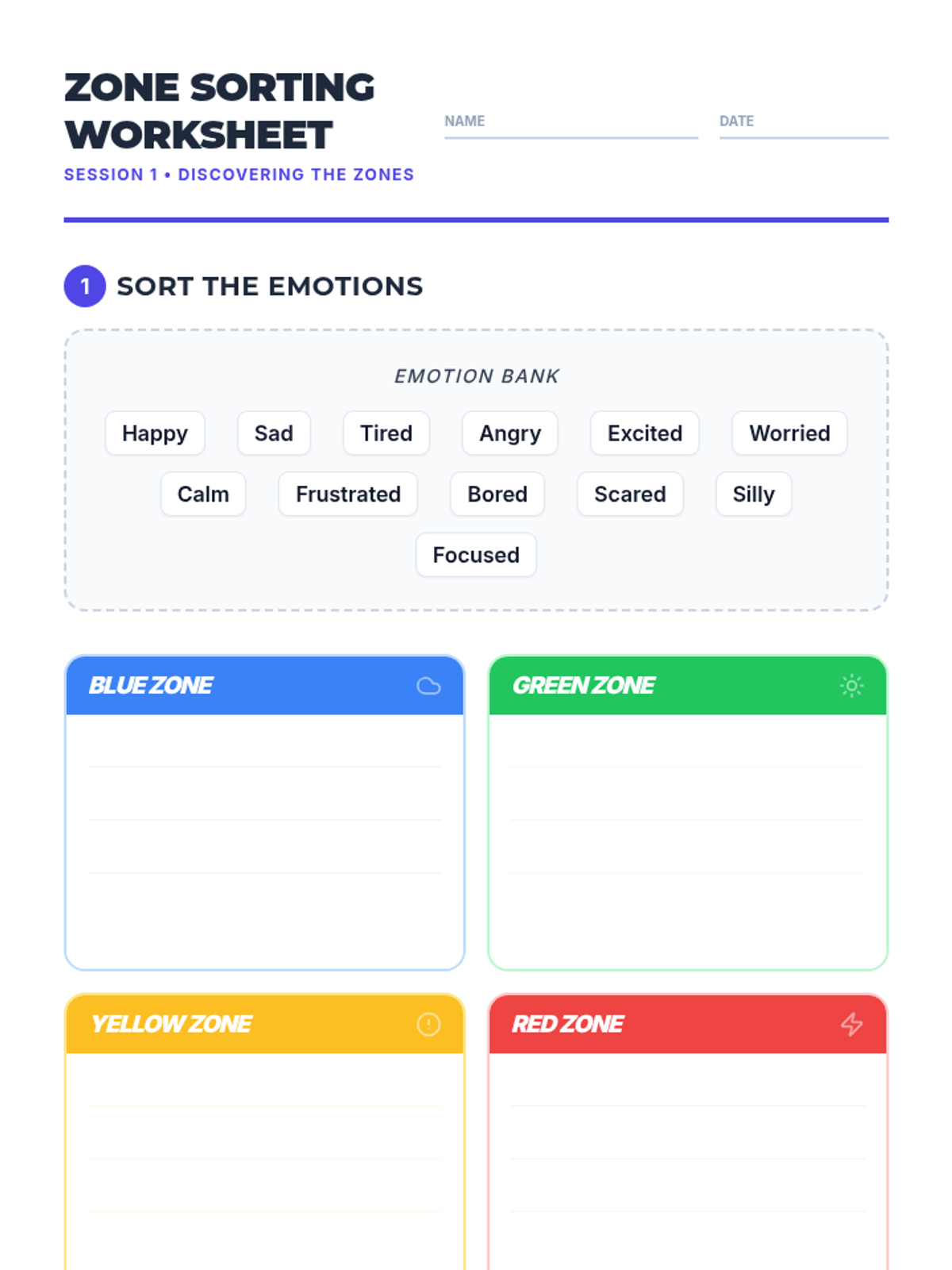
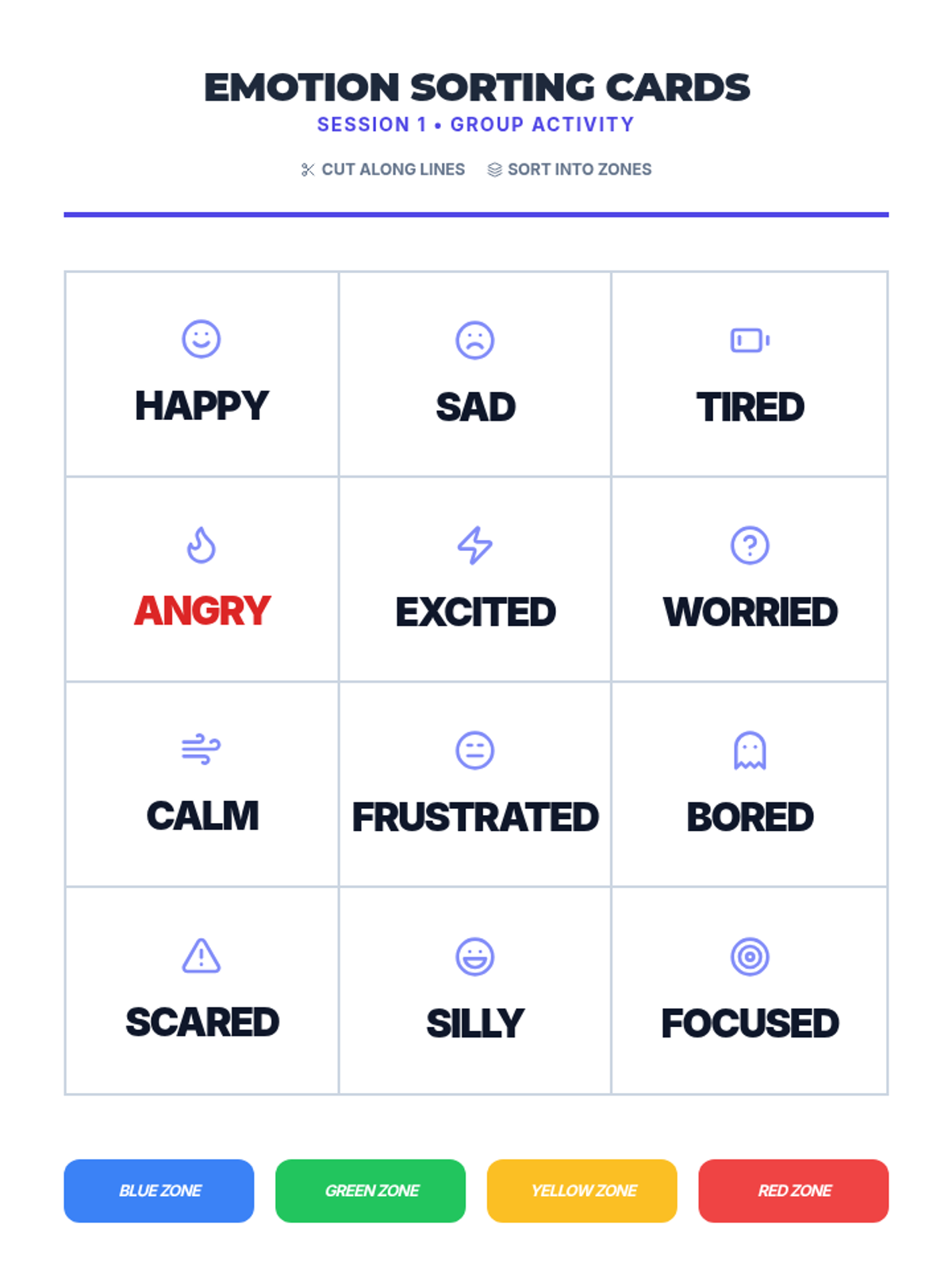
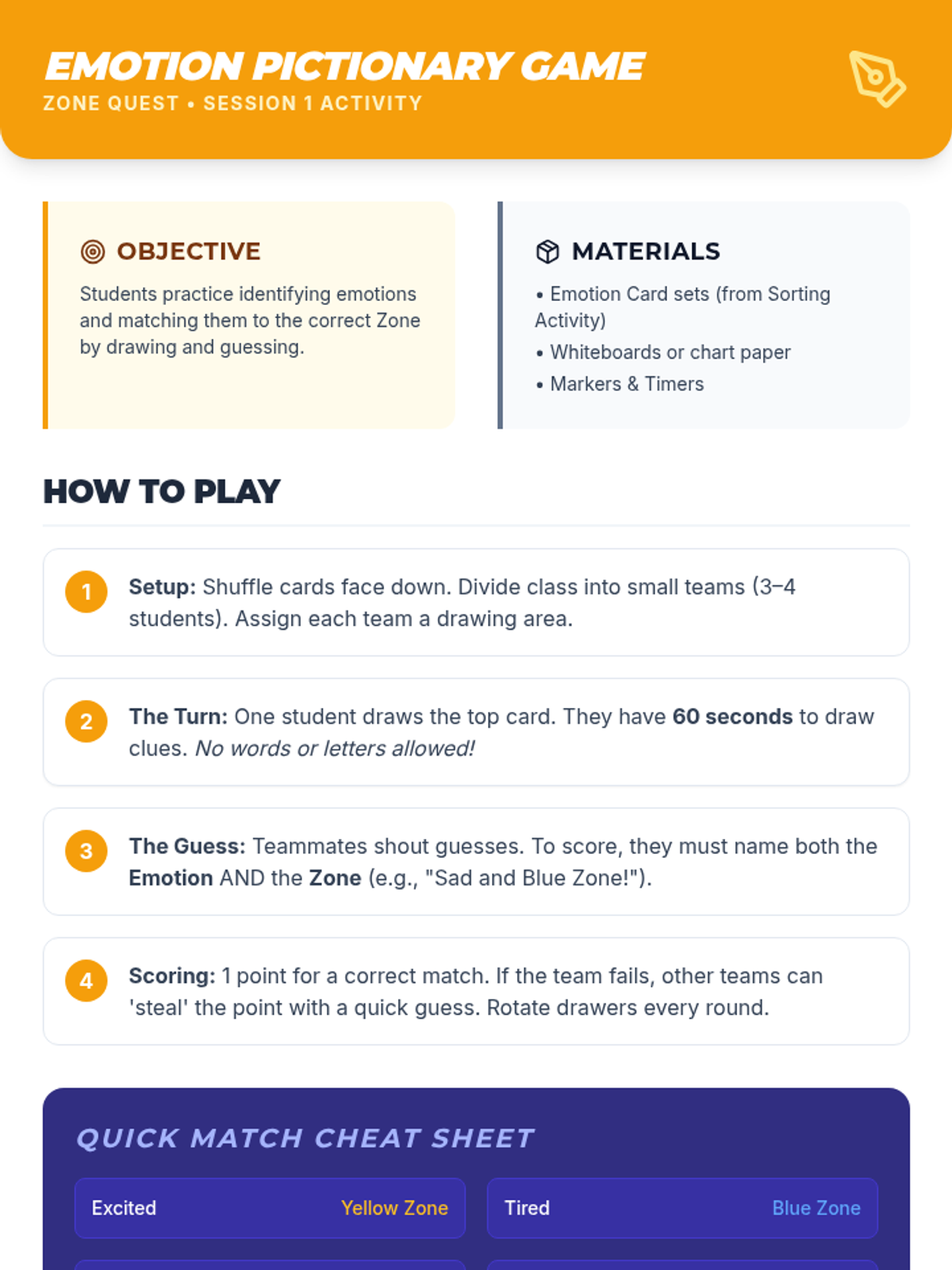
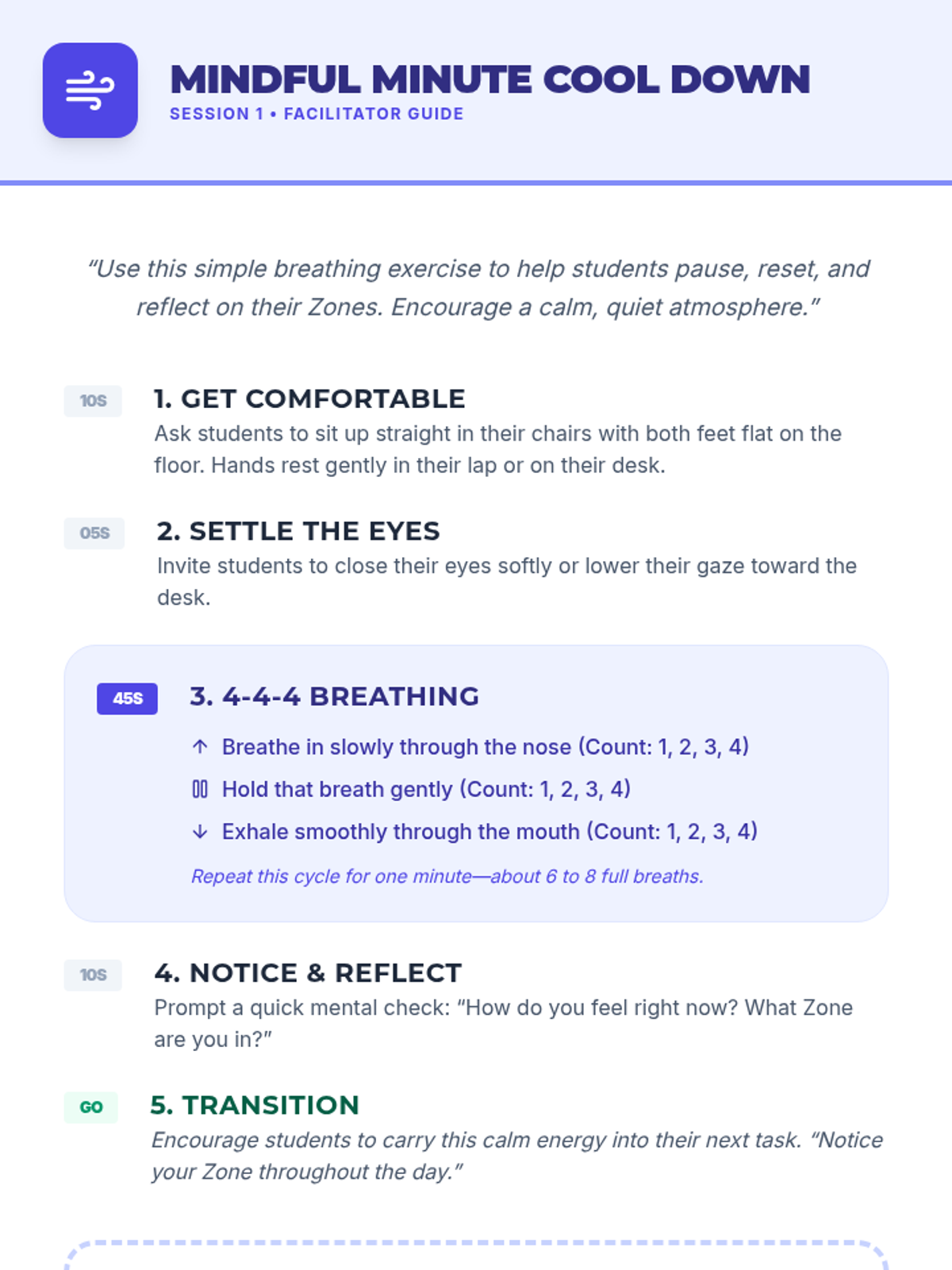
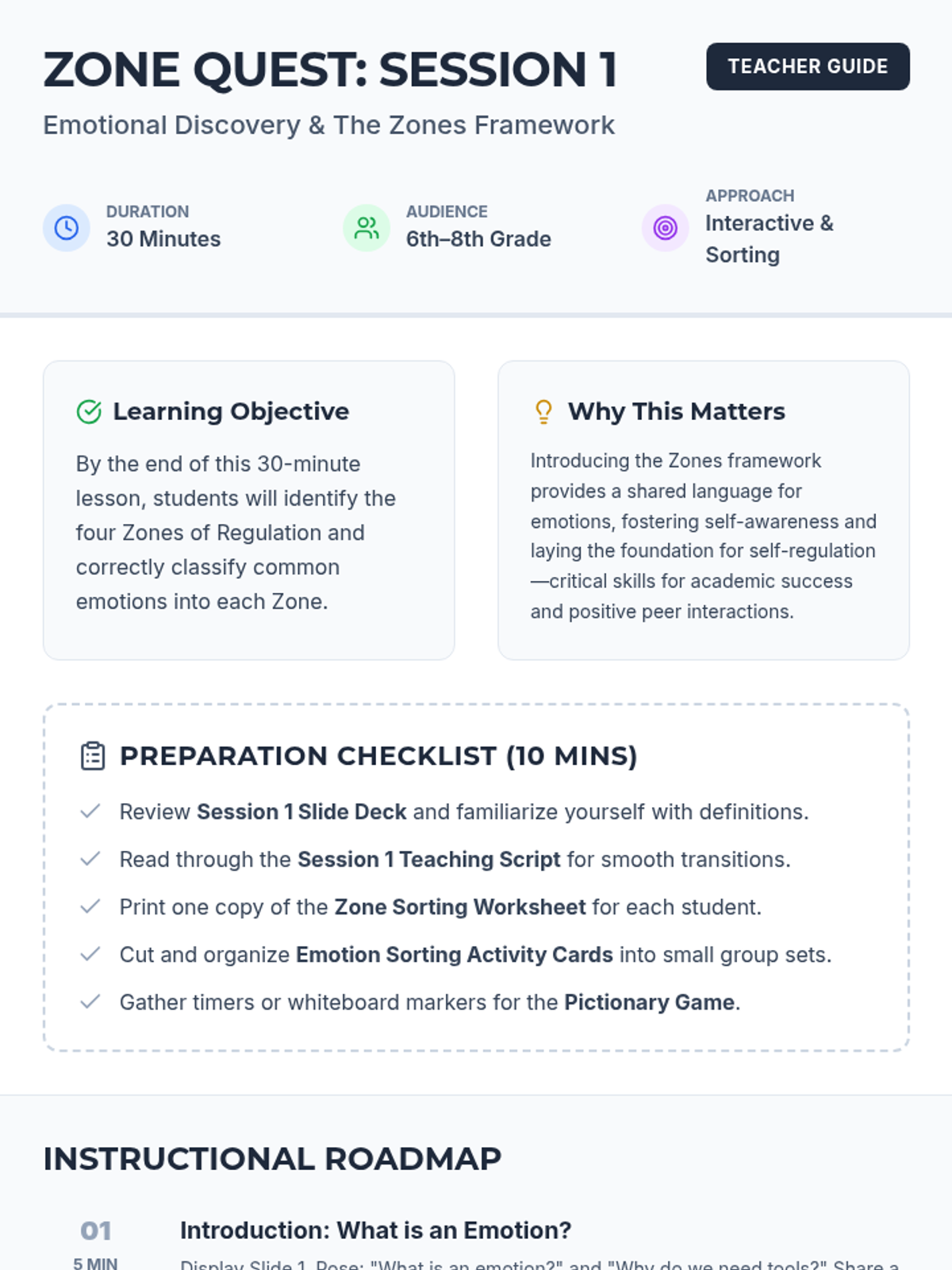
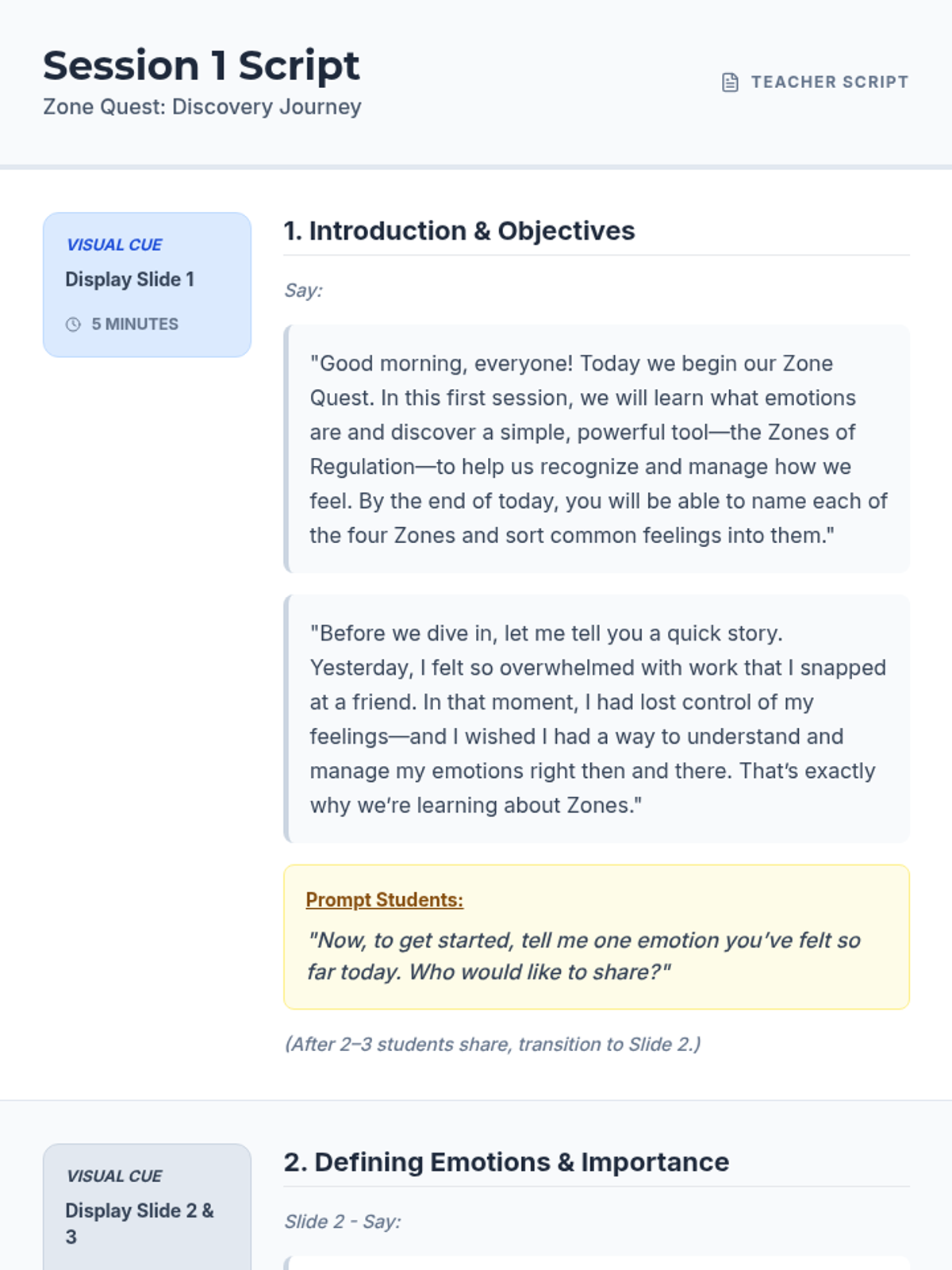
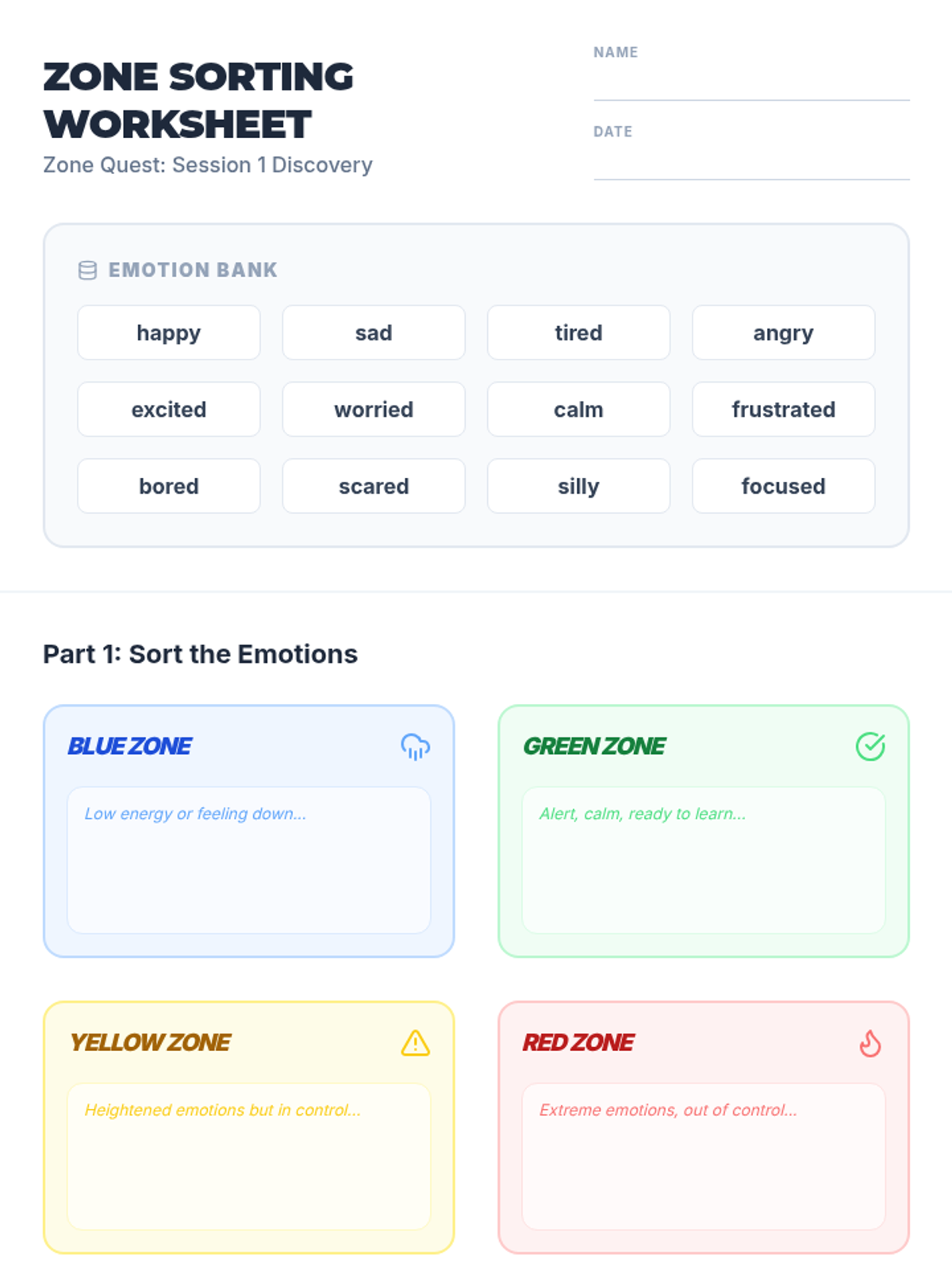
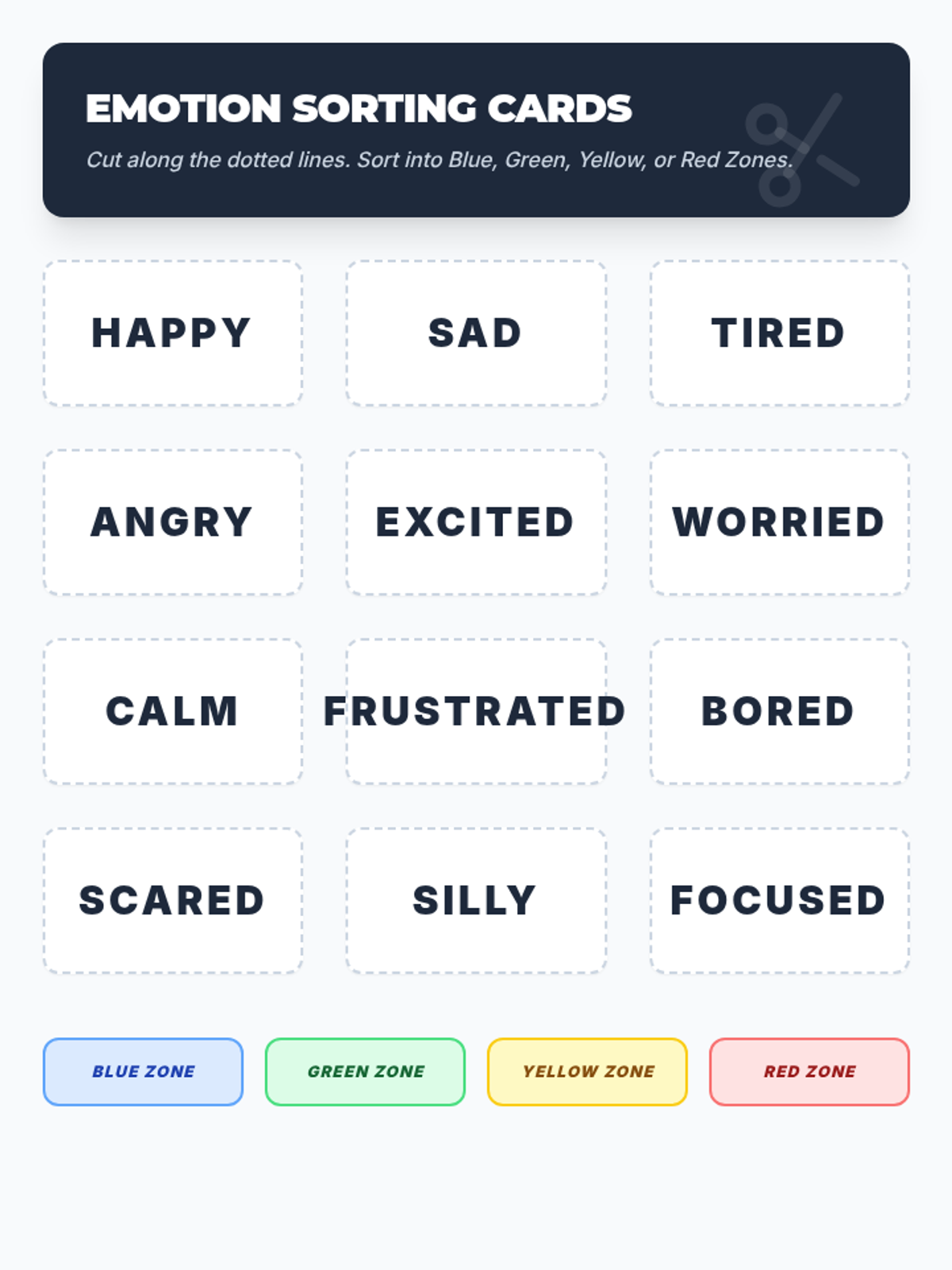
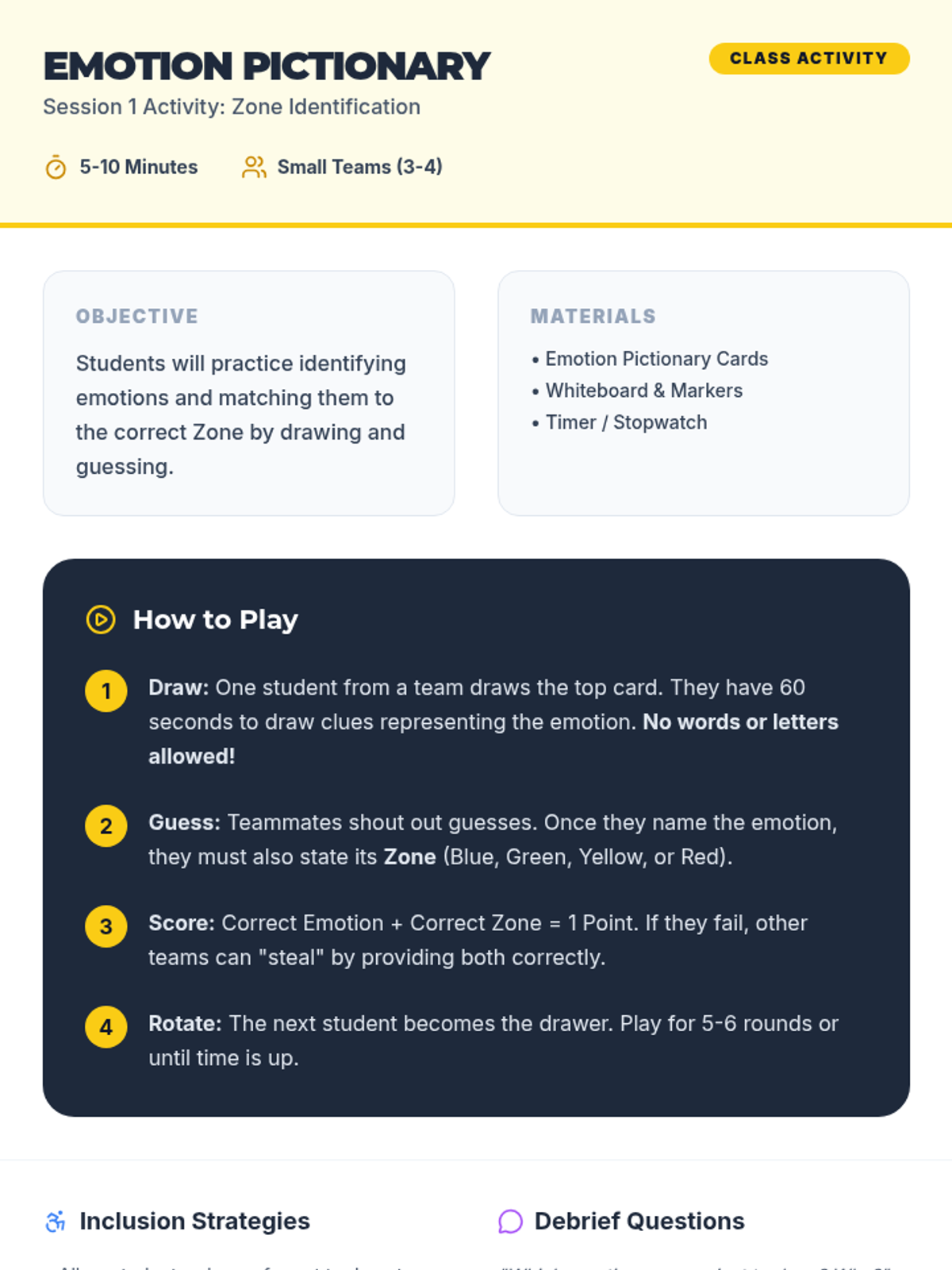
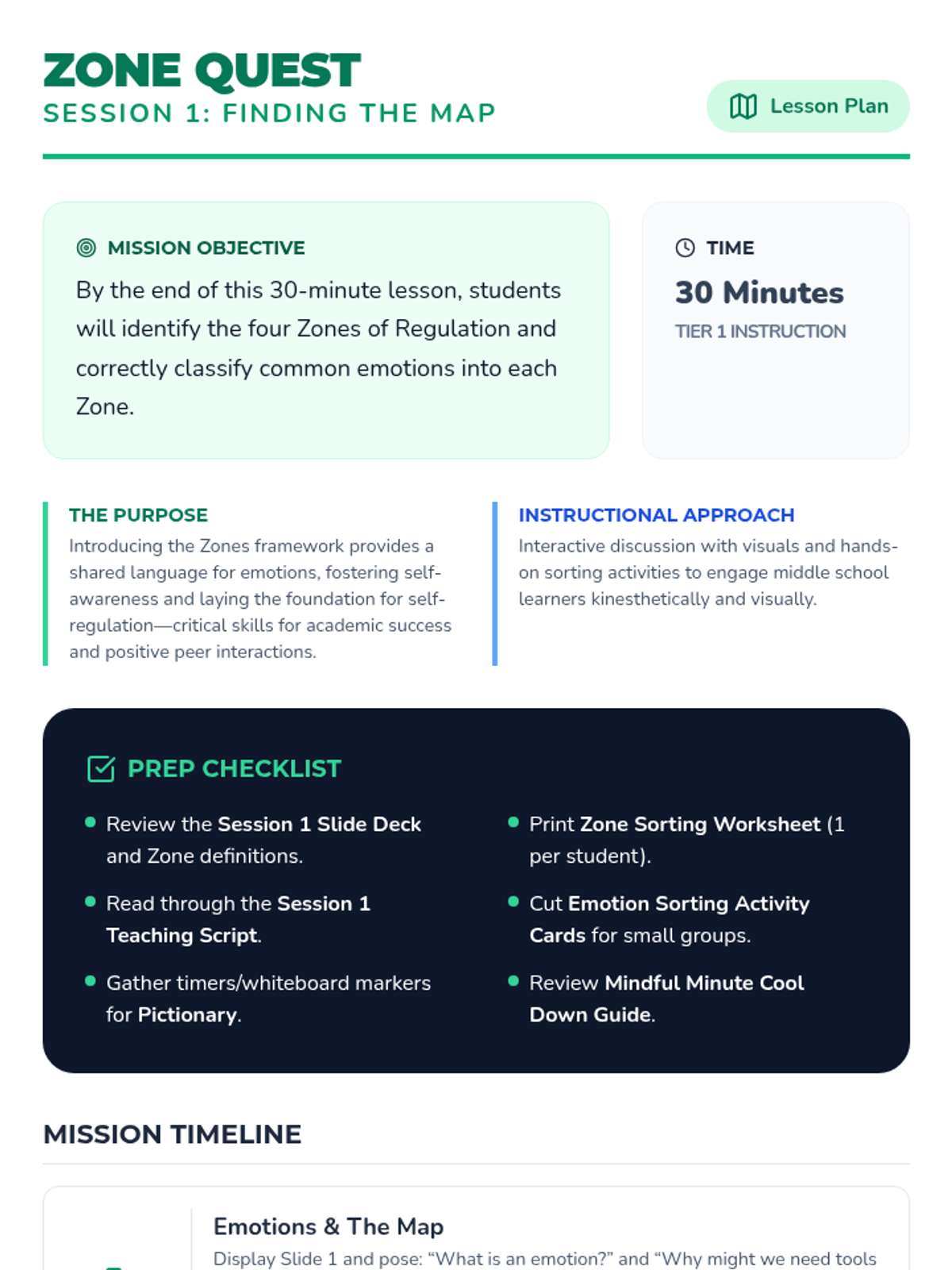
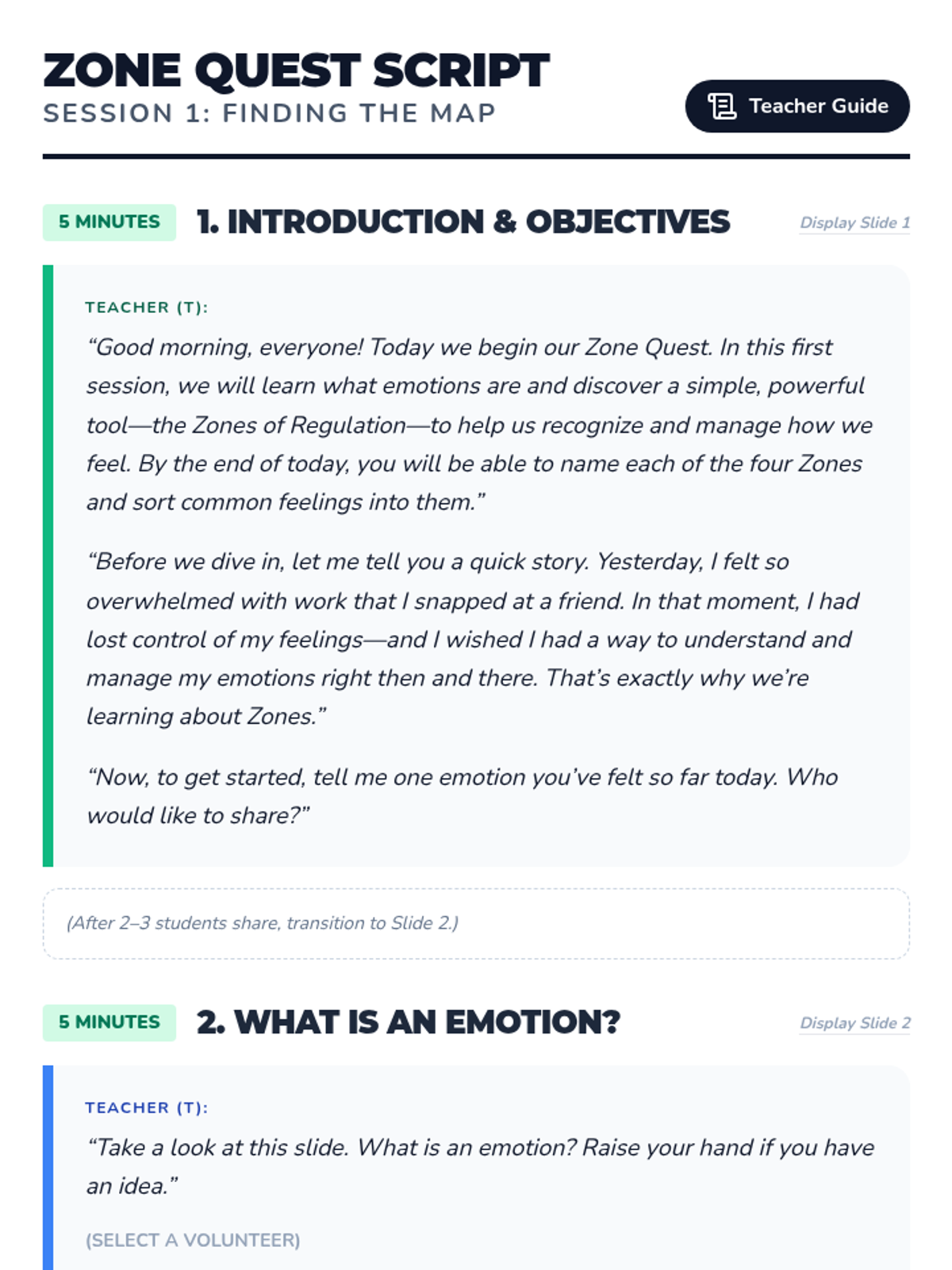
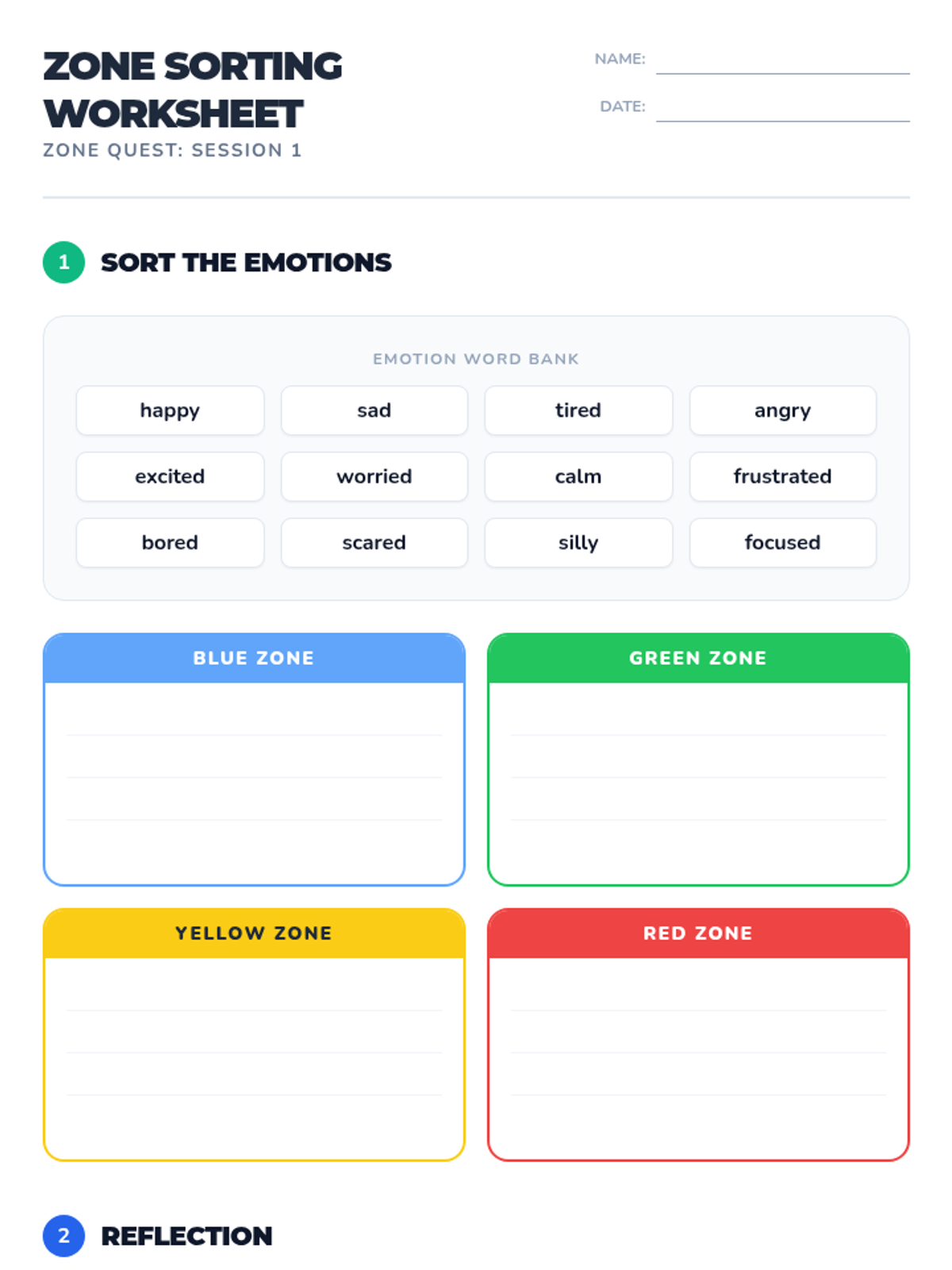
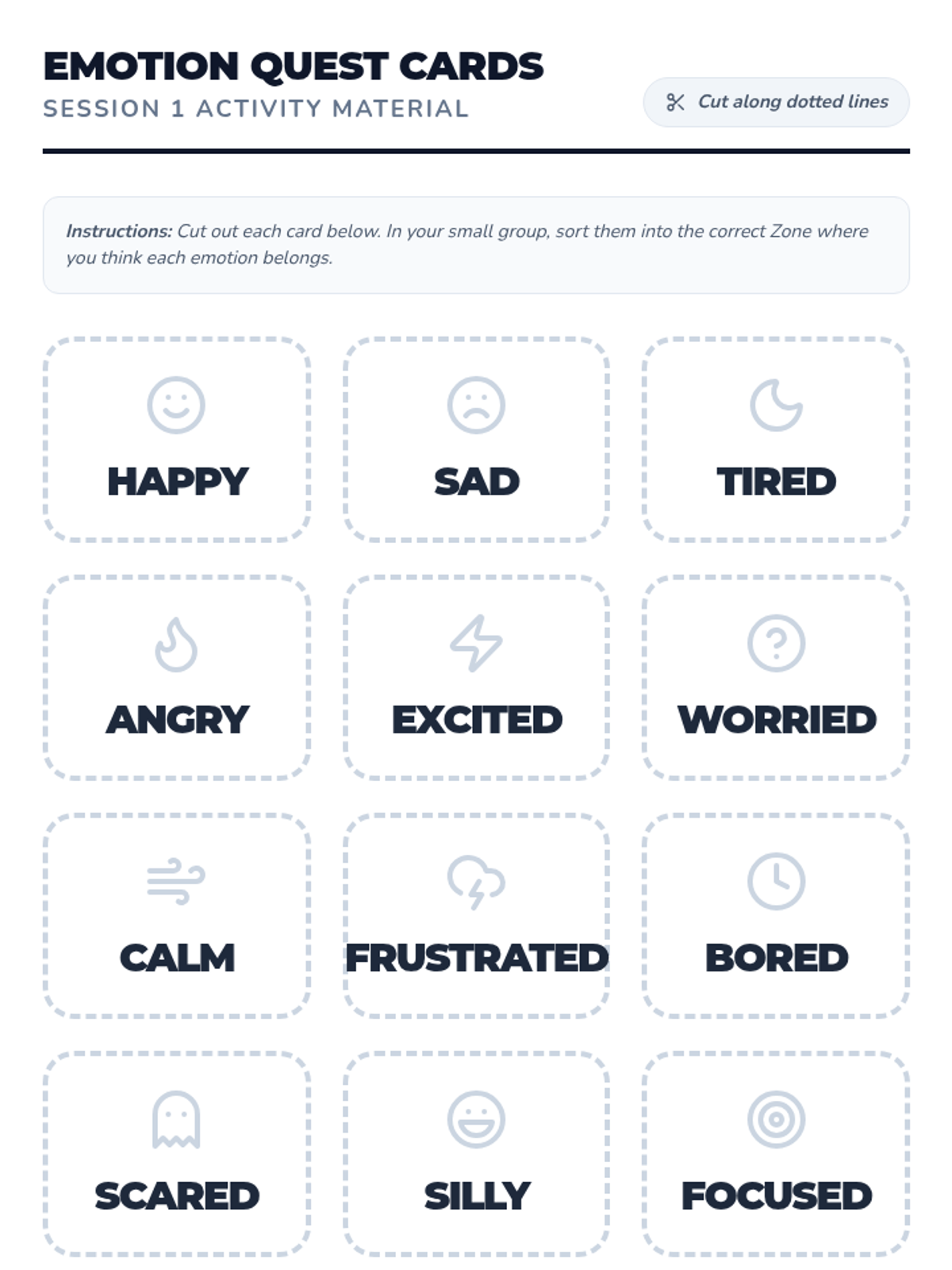
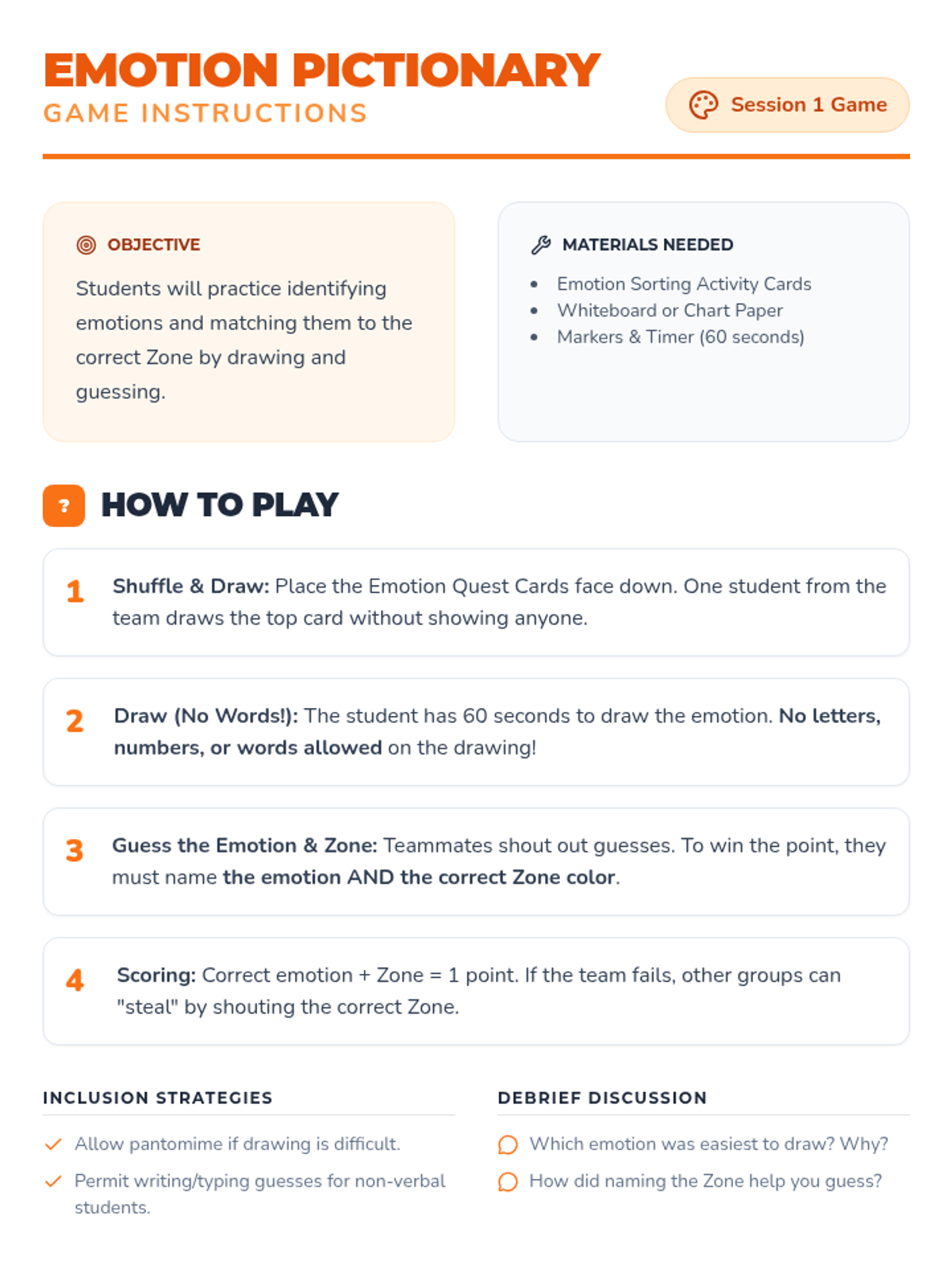
A 3-session journey for middle schoolers to understand and master the Zones of Regulation, building self-awareness and emotional management skills through interactive activities, games, and personal planning.
A 3-session emotional intelligence program for middle schoolers to identify, understand, and manage their emotions using the Zones of Regulation framework. Students move from basic identification to personalized self-regulation planning.
A 3-session comprehensive program for middle schoolers to identify emotions, match them to the four Zones of Regulation, and develop personalized self-regulation strategies. Students journey from awareness to mastery through interactive games, stations, and personal planning.
A 3-session Social-Emotional Learning sequence for middle schoolers to identify, understand, and manage emotions using the Zones of Regulation framework. Students move from basic identification to mastering specific self-regulation strategies and creating a personal action plan.
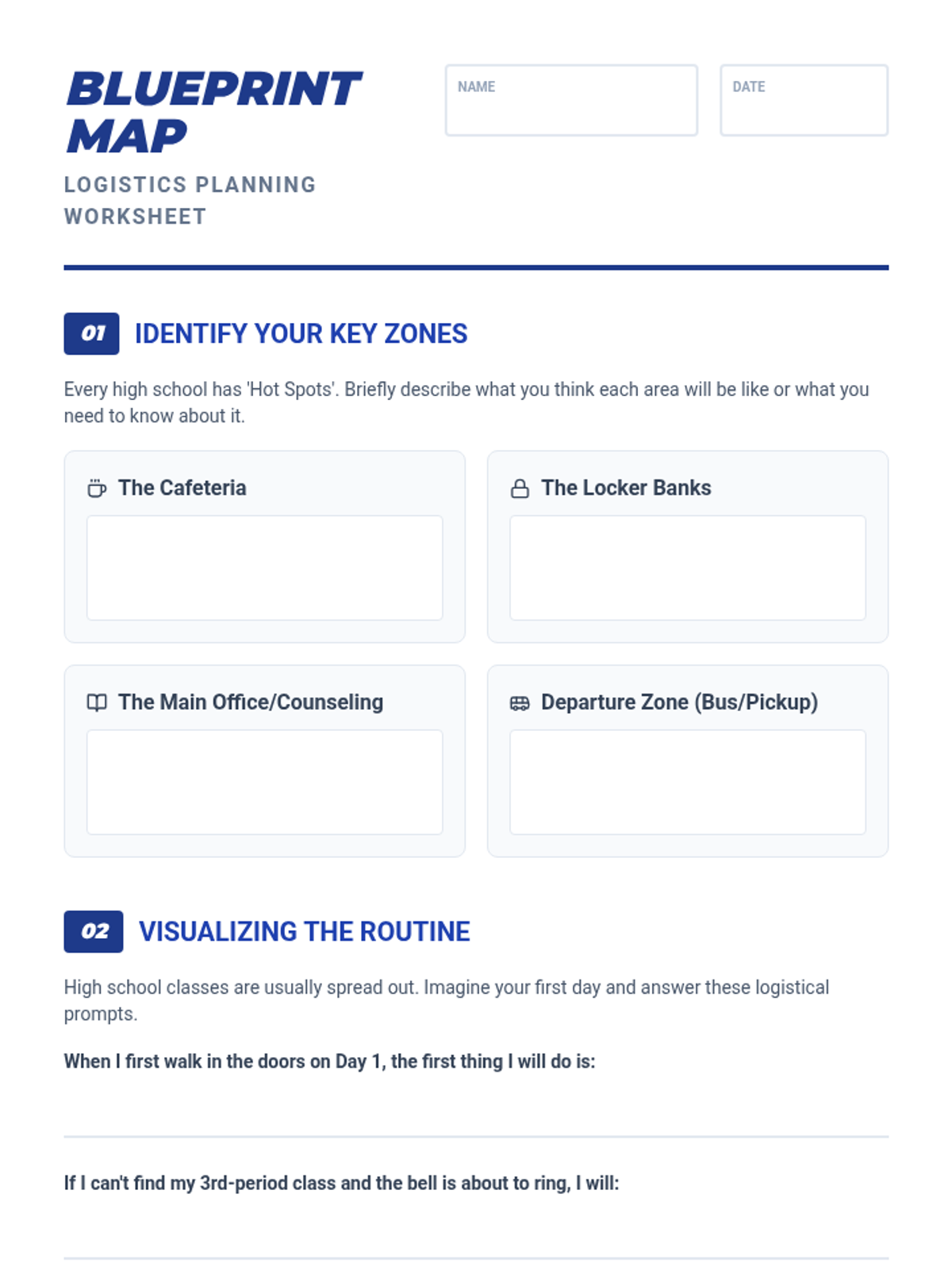
A 4-part morning meeting series designed to help 8th-grade students navigate the logistical, social, and emotional transition to high school using a 'playbook' theme.
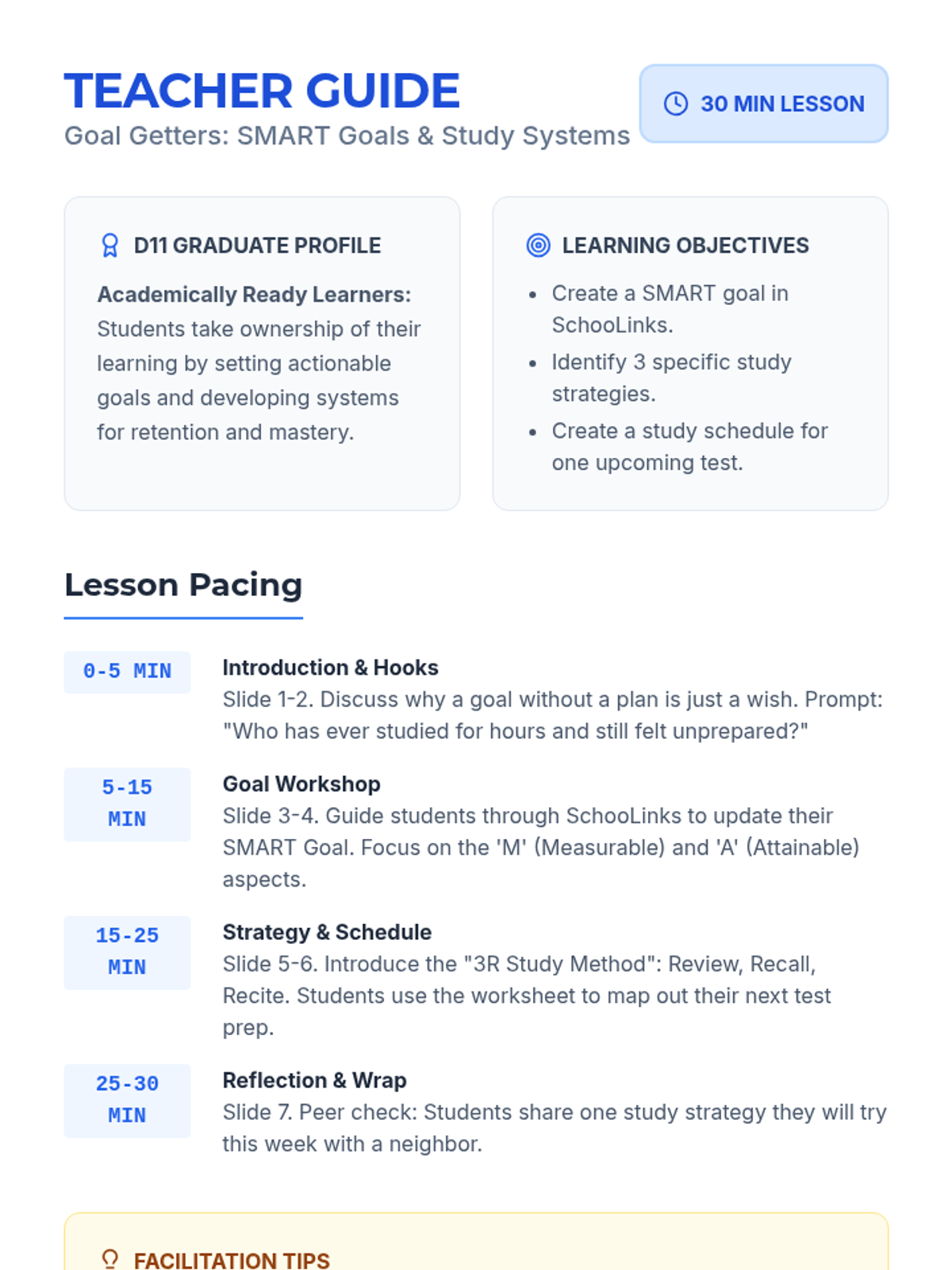
A 9-week curriculum designed for middle and high school students focused on academic readiness, healthy habits, and professional communication based on the D11 Graduate Profile. Each 30-minute lesson provides students with practical skills like SMART goal setting, email etiquette, self-advocacy, and emotional regulation.
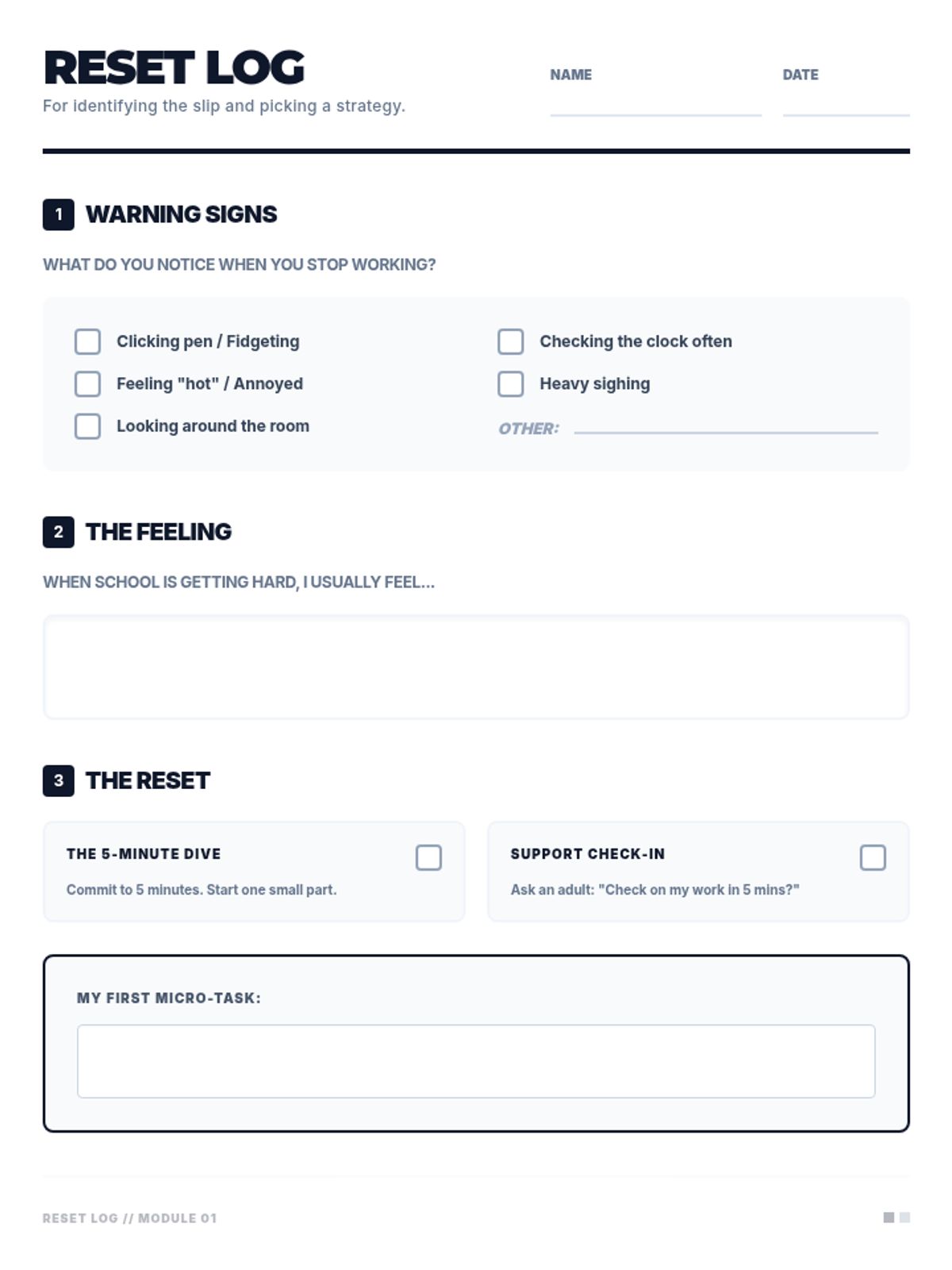
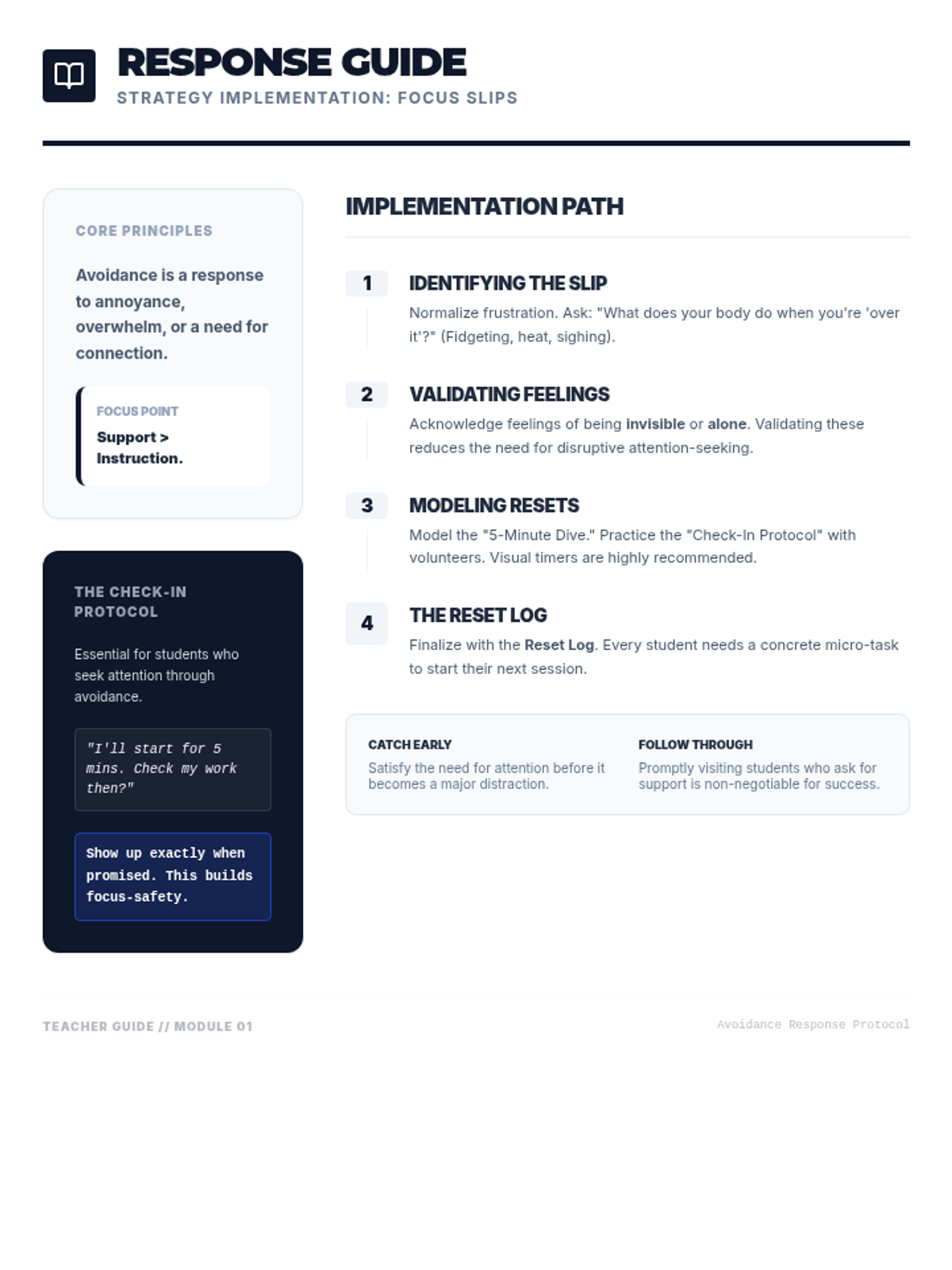
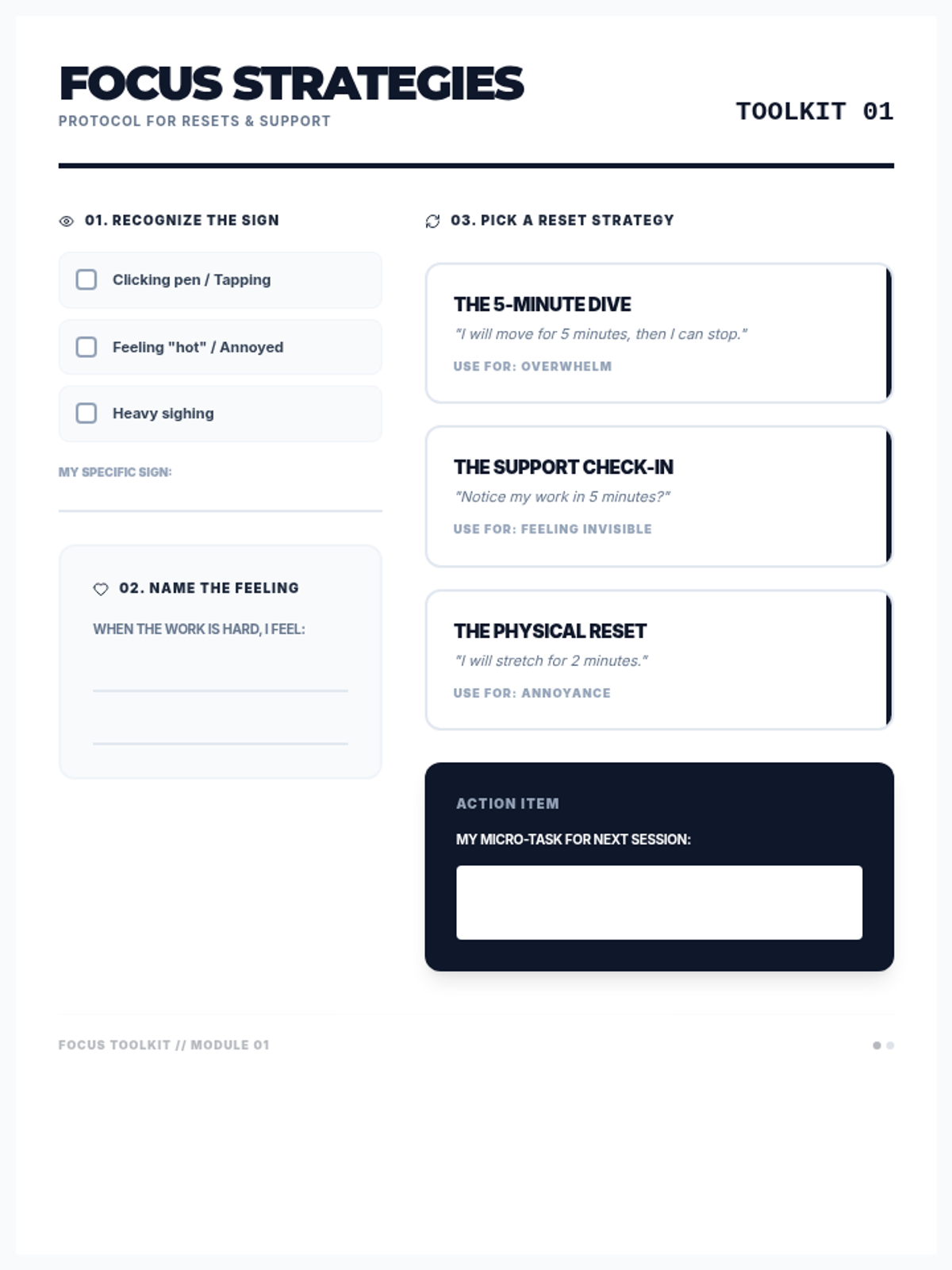
A practical set of tools to help students recognize the signs of work avoidance and use direct strategies to get back on track. Focuses on authentic feelings like annoyance and the need for adult support without over-the-top metaphors.
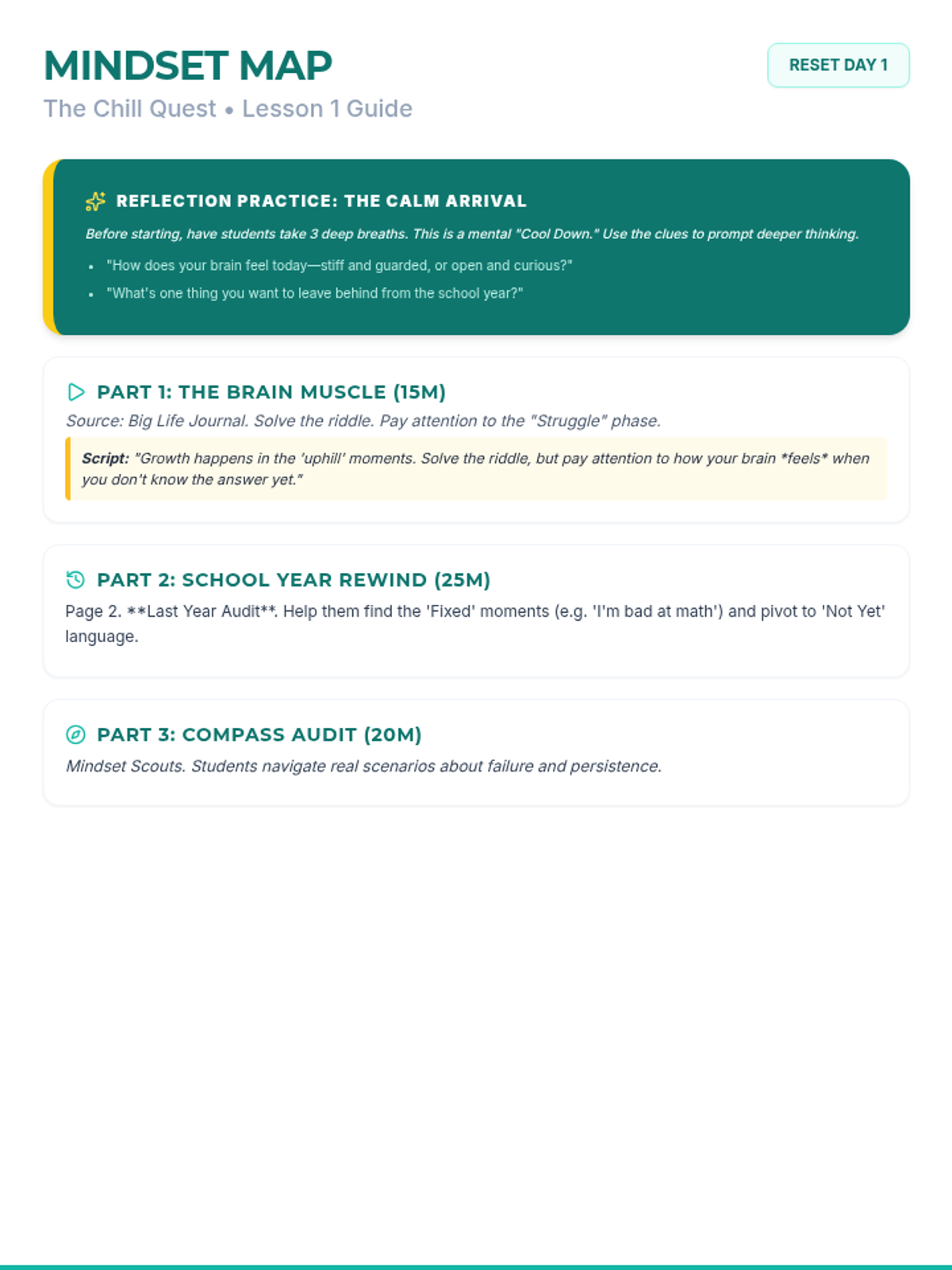
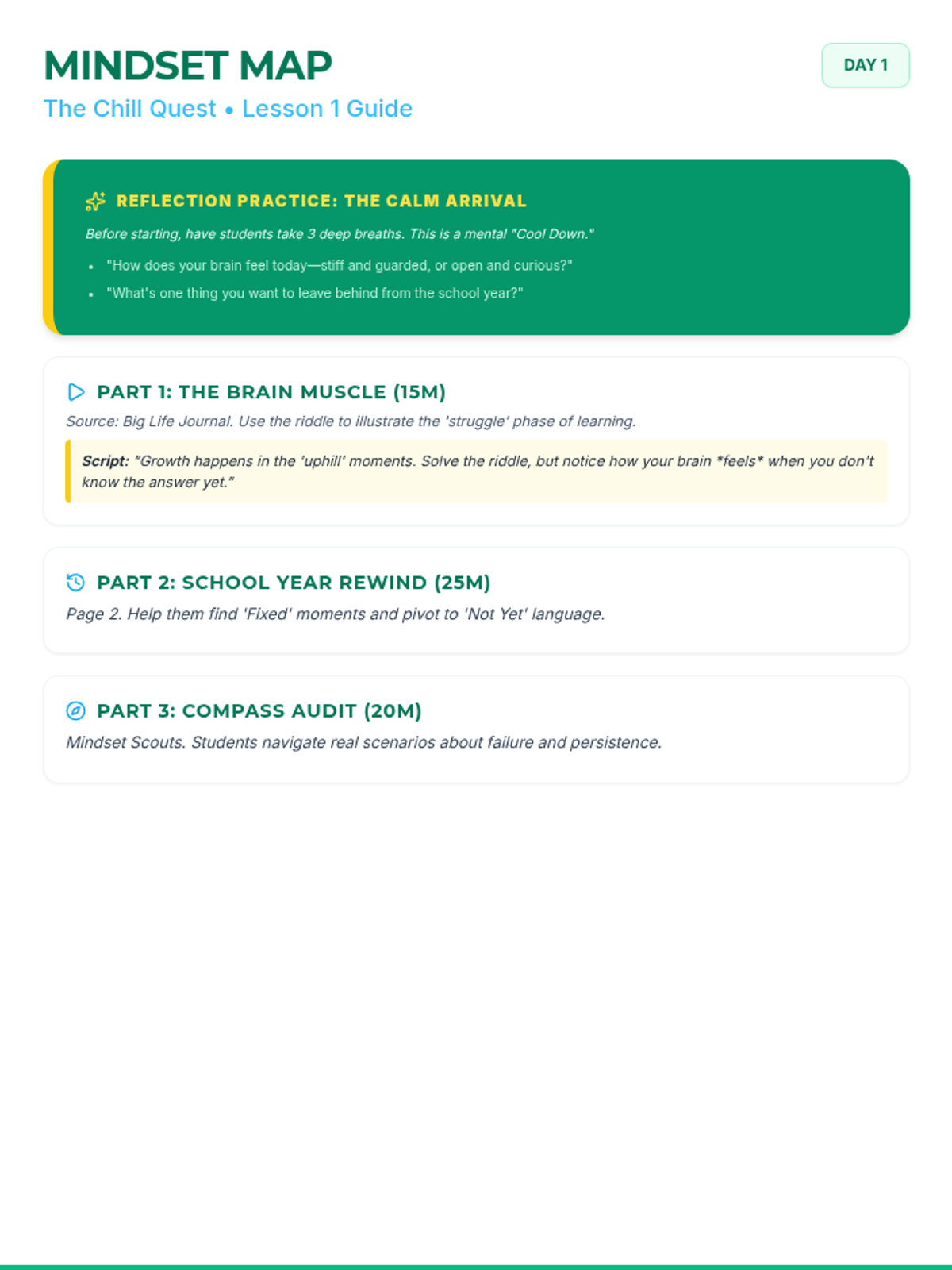
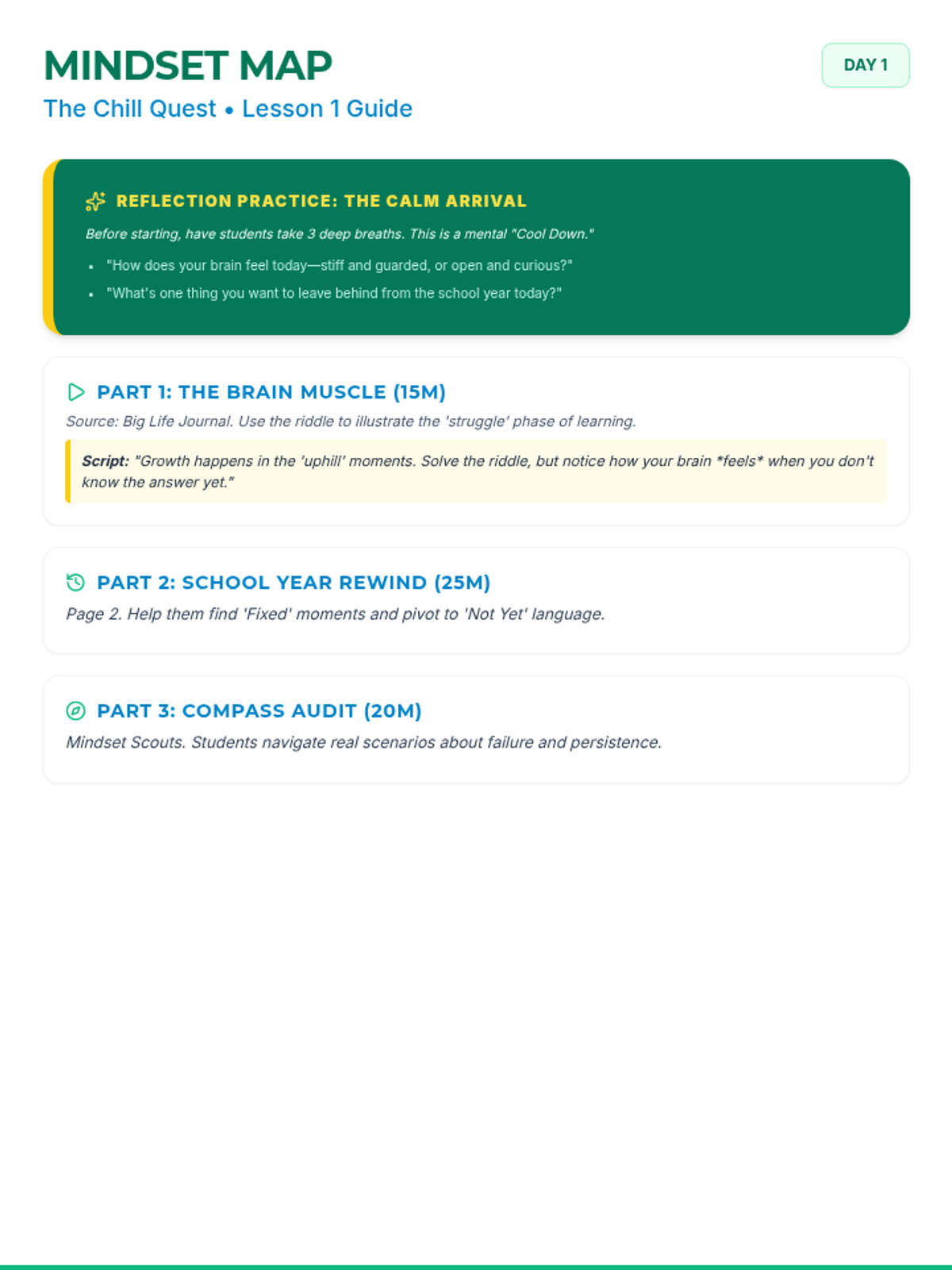
A summer-themed sequence for teens focused on growth mindset, the 7 Habits of Highly Effective Teens, and logic games. Designed for a stress-free, reflective environment. Styled in light green, blue, and yellow.
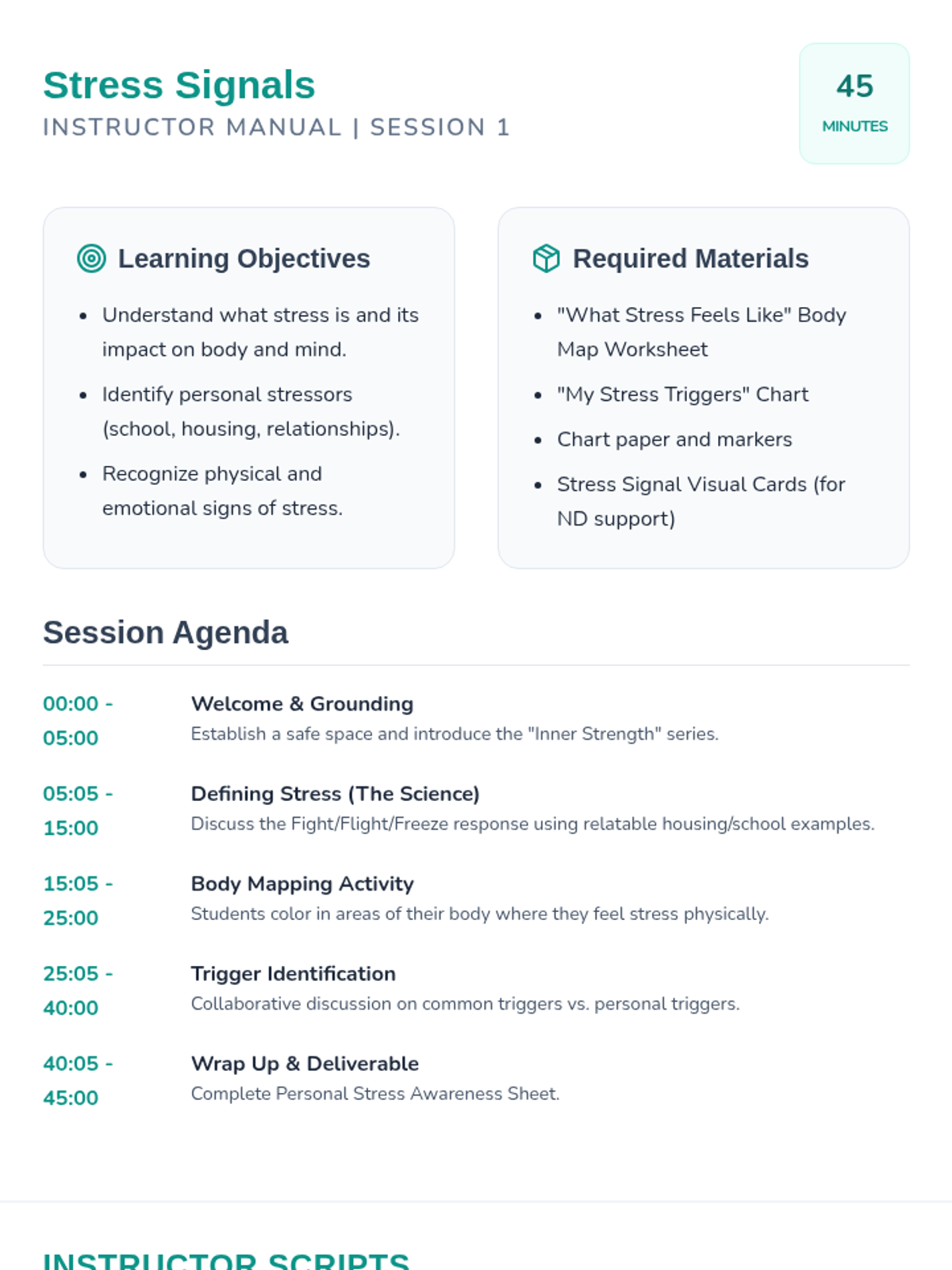
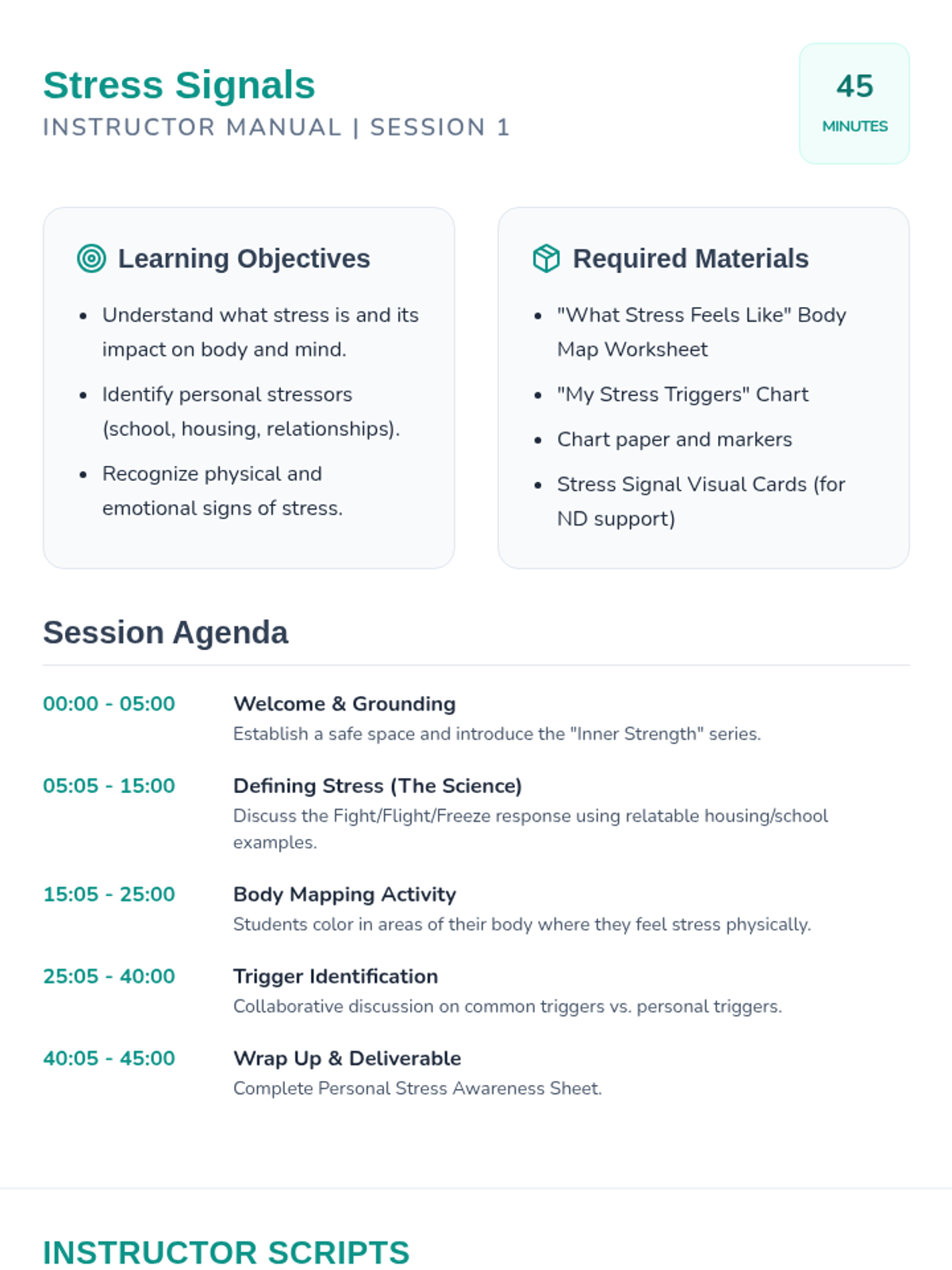
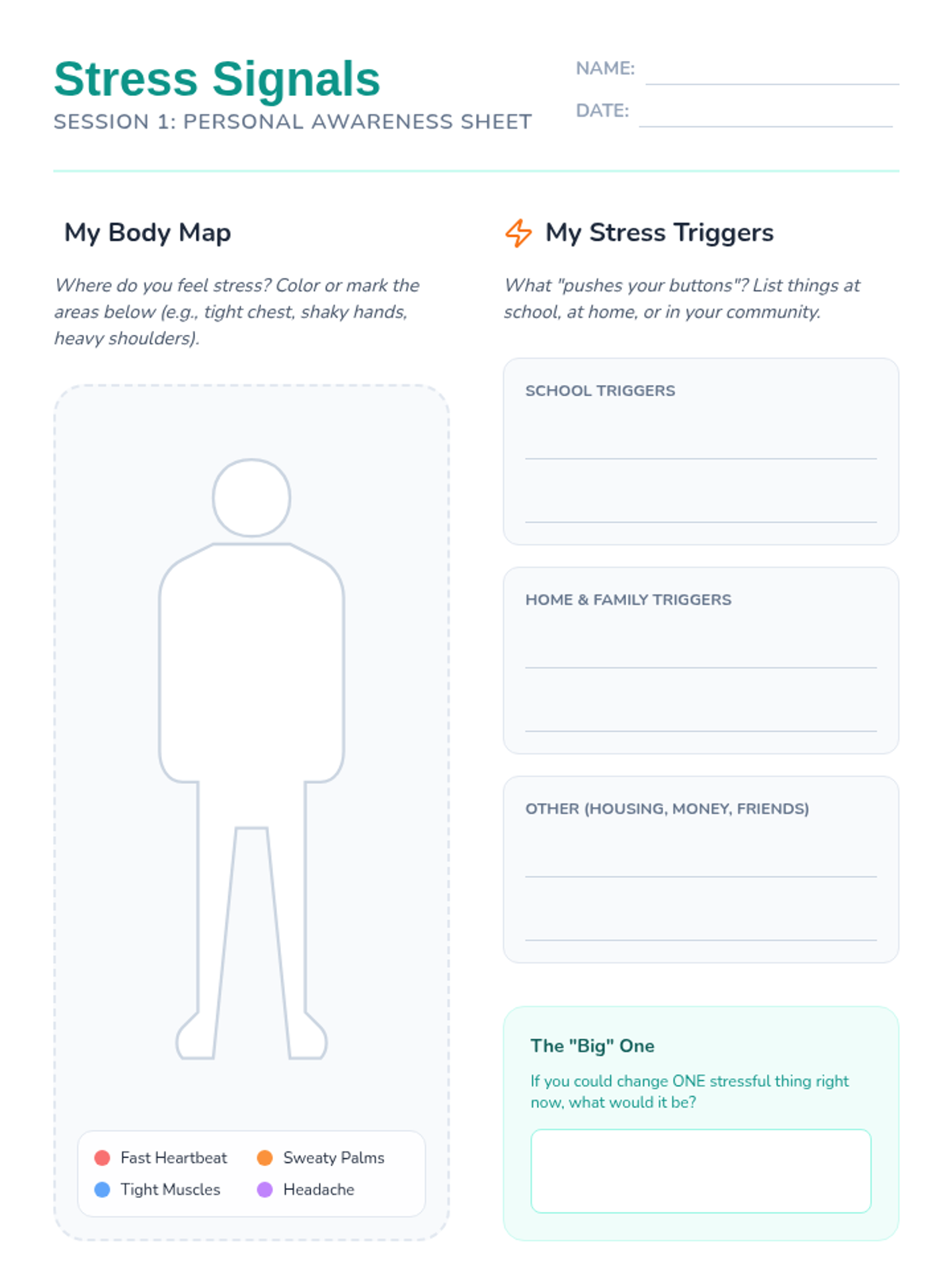
A 6-session curriculum designed to help students recognize stress, build coping mechanisms, and foster resilience through mindfulness and healthy routines.
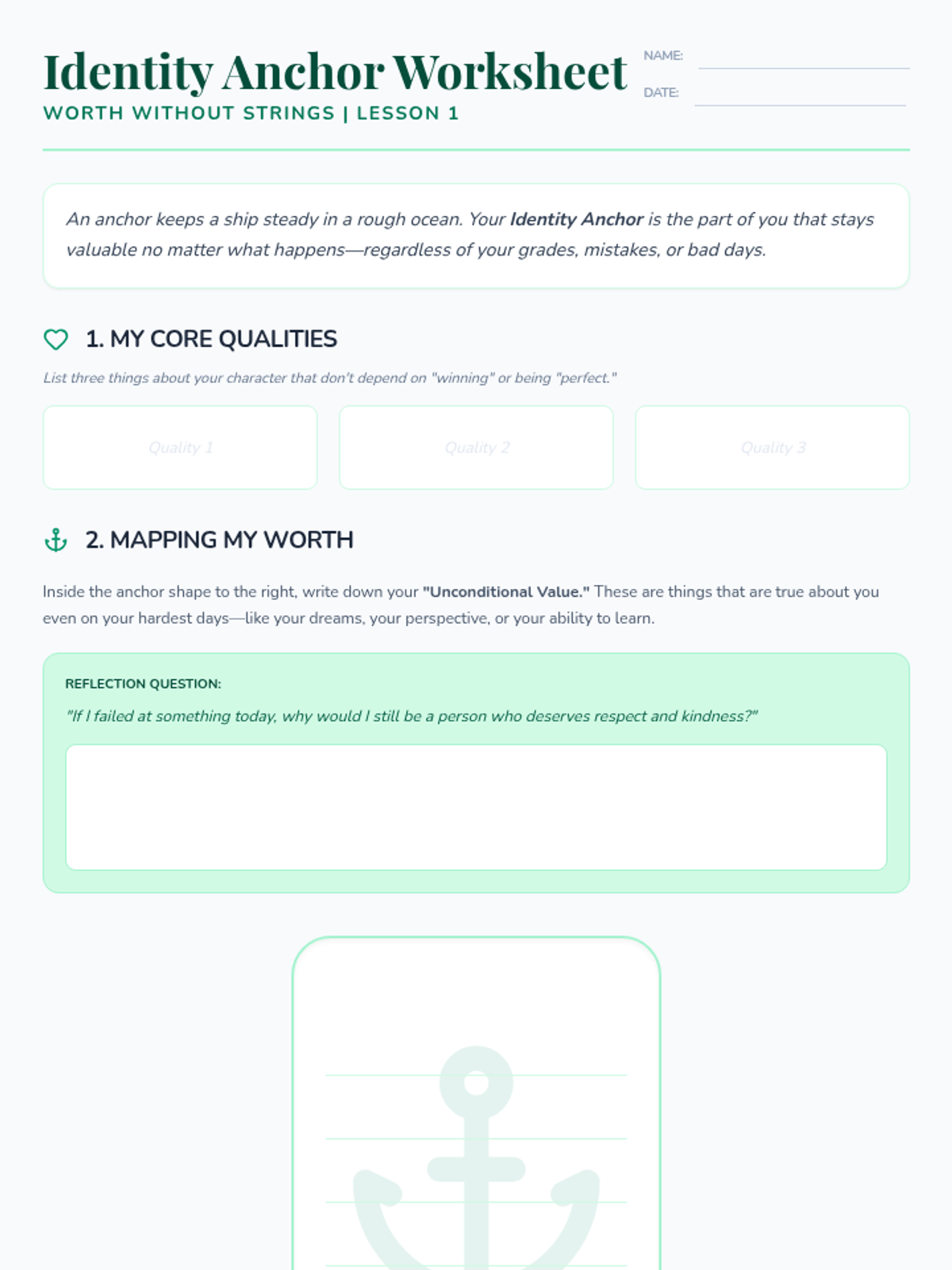
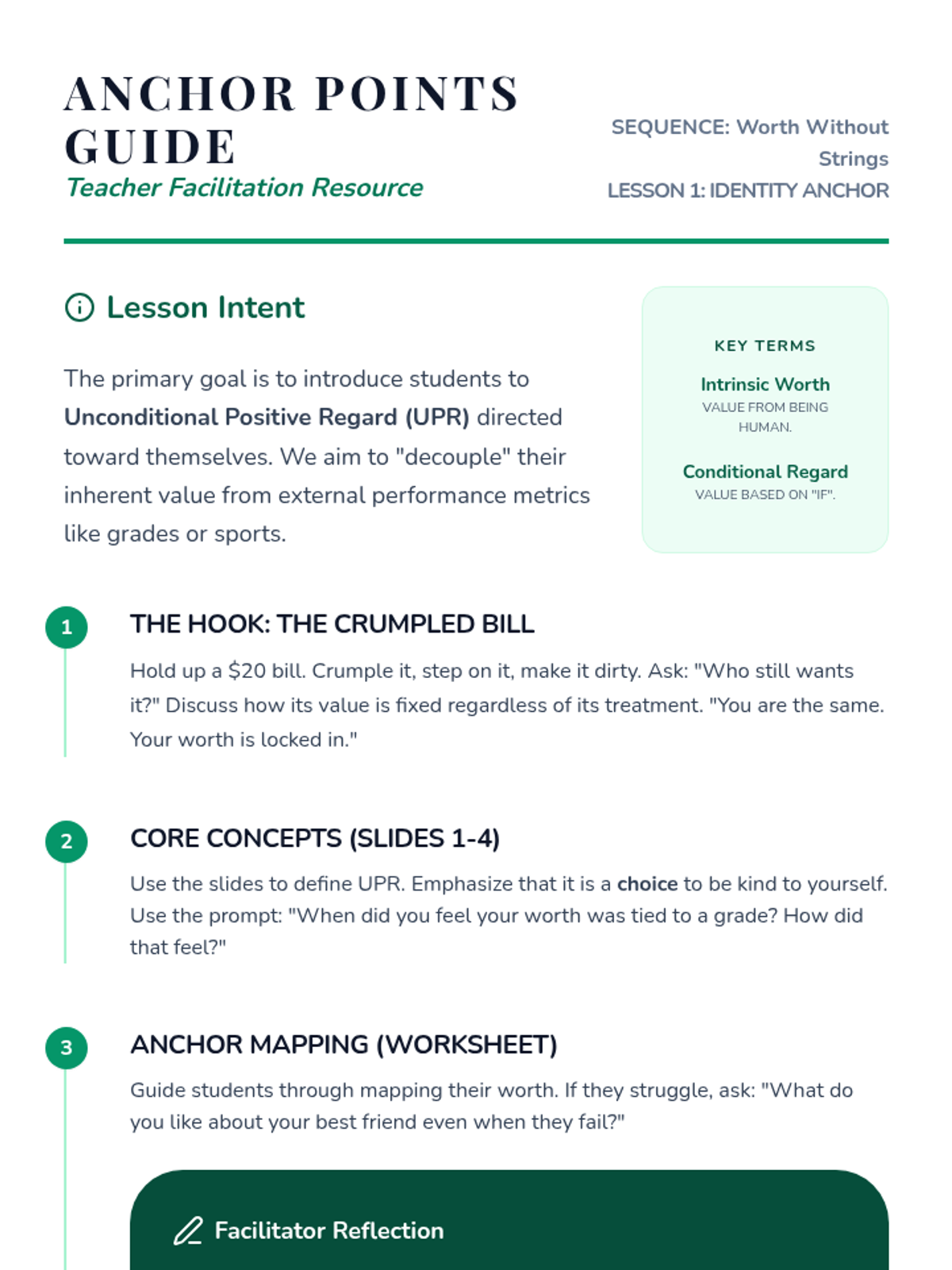
A comprehensive social-emotional learning sequence designed to build a foundation of unconditional positive regard. Students explore their inherent worth, learn to accept their emotions without judgment, and develop self-management skills rooted in self-compassion.
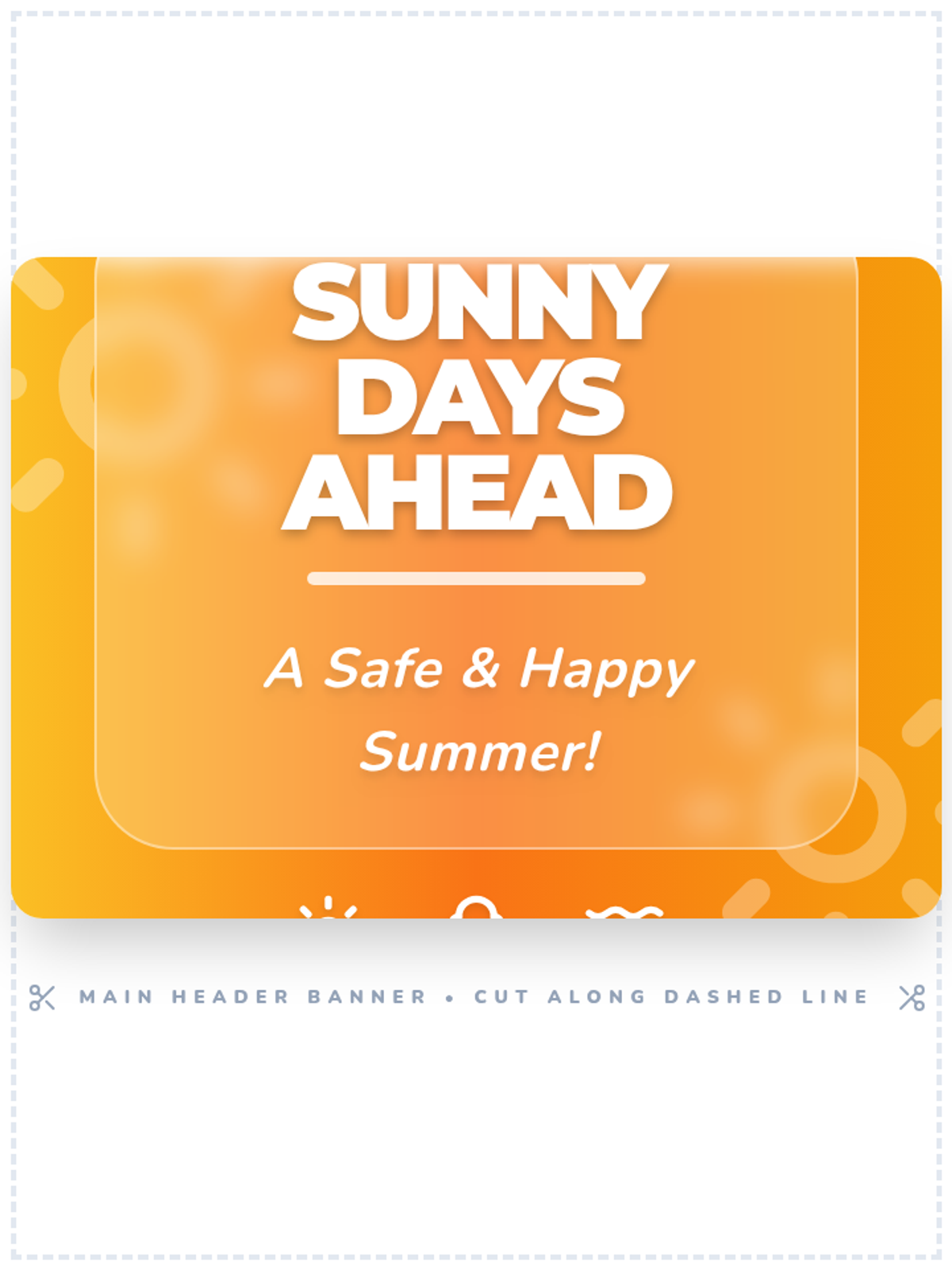
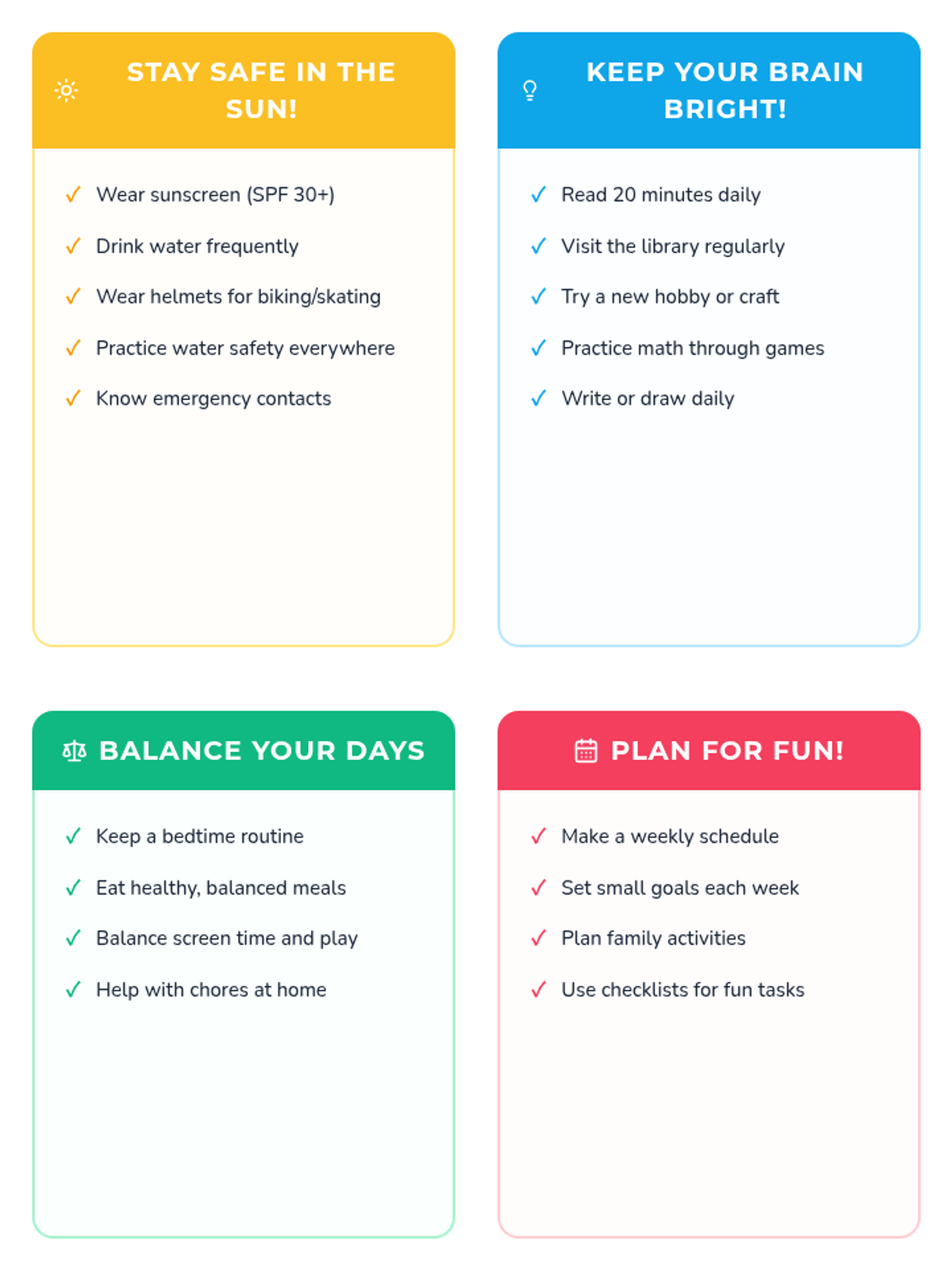
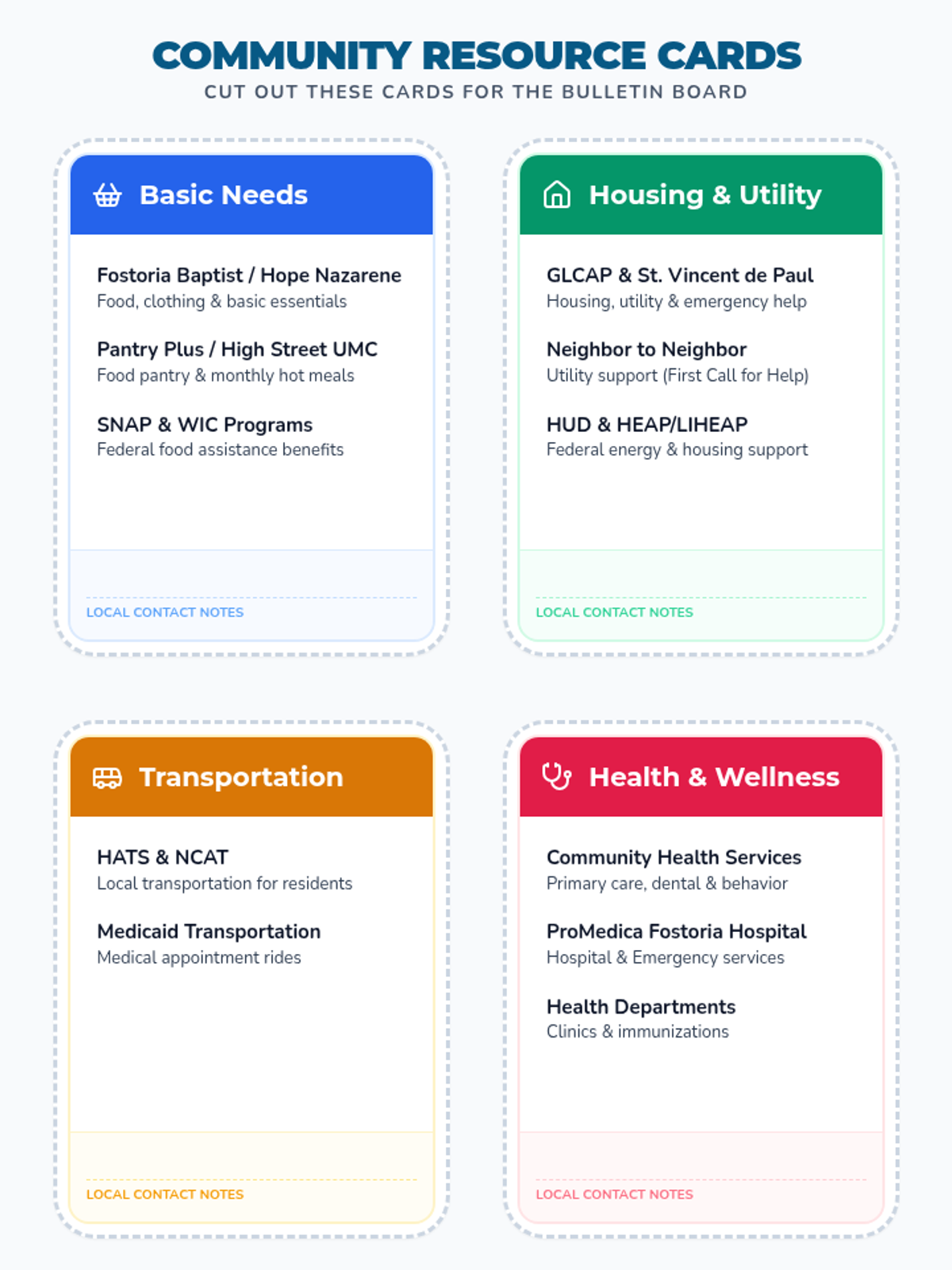
A comprehensive bulletin board set for families focusing on summer safety, health, learning, and community resources with a bright, sunny theme.