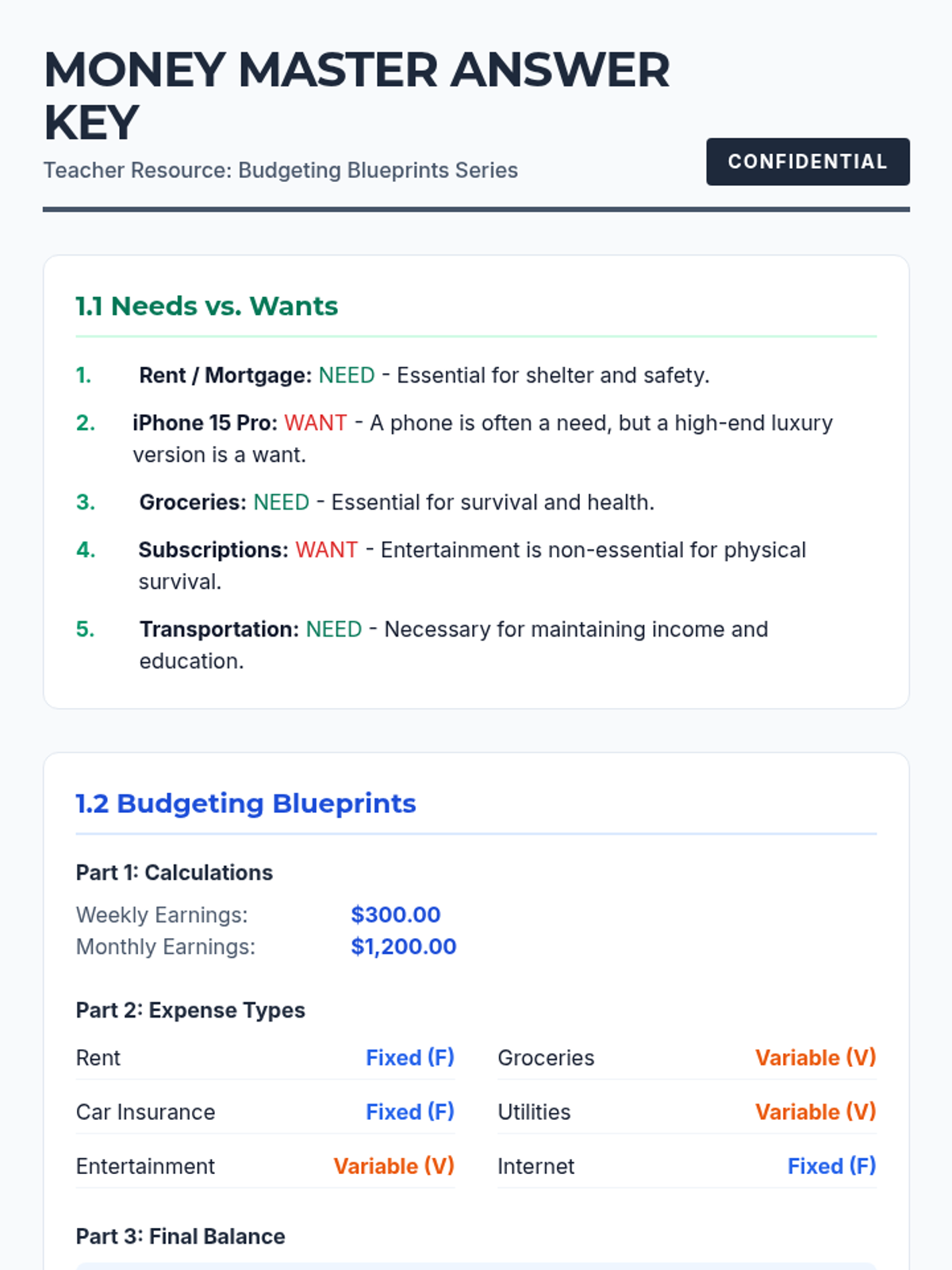
Budgeting, saving, and investment strategies alongside practical skills for managing credit, taxes, and banking. Addresses insurance needs, employment income, and major purchase decisions to support comprehensive long-term financial planning.
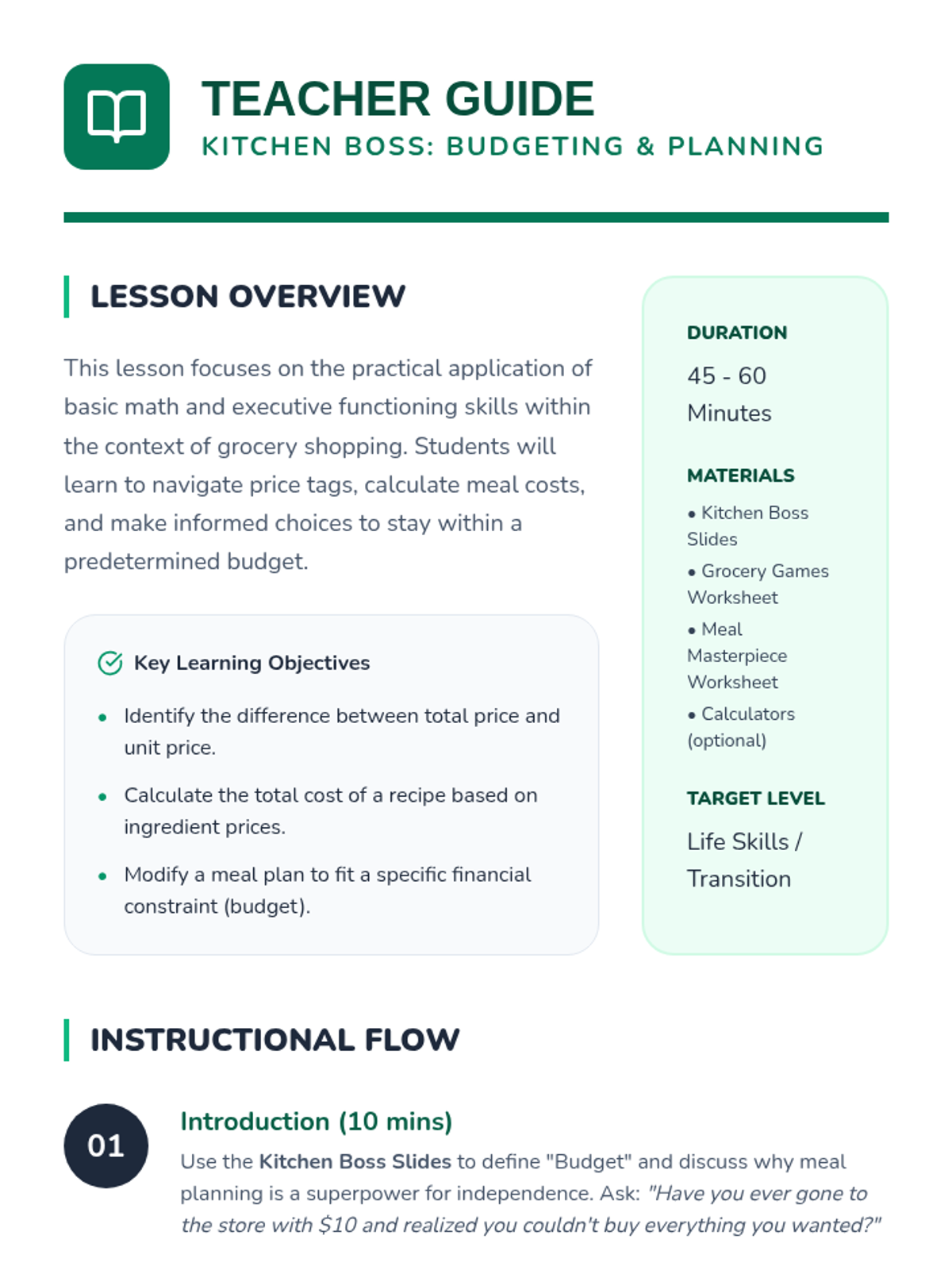
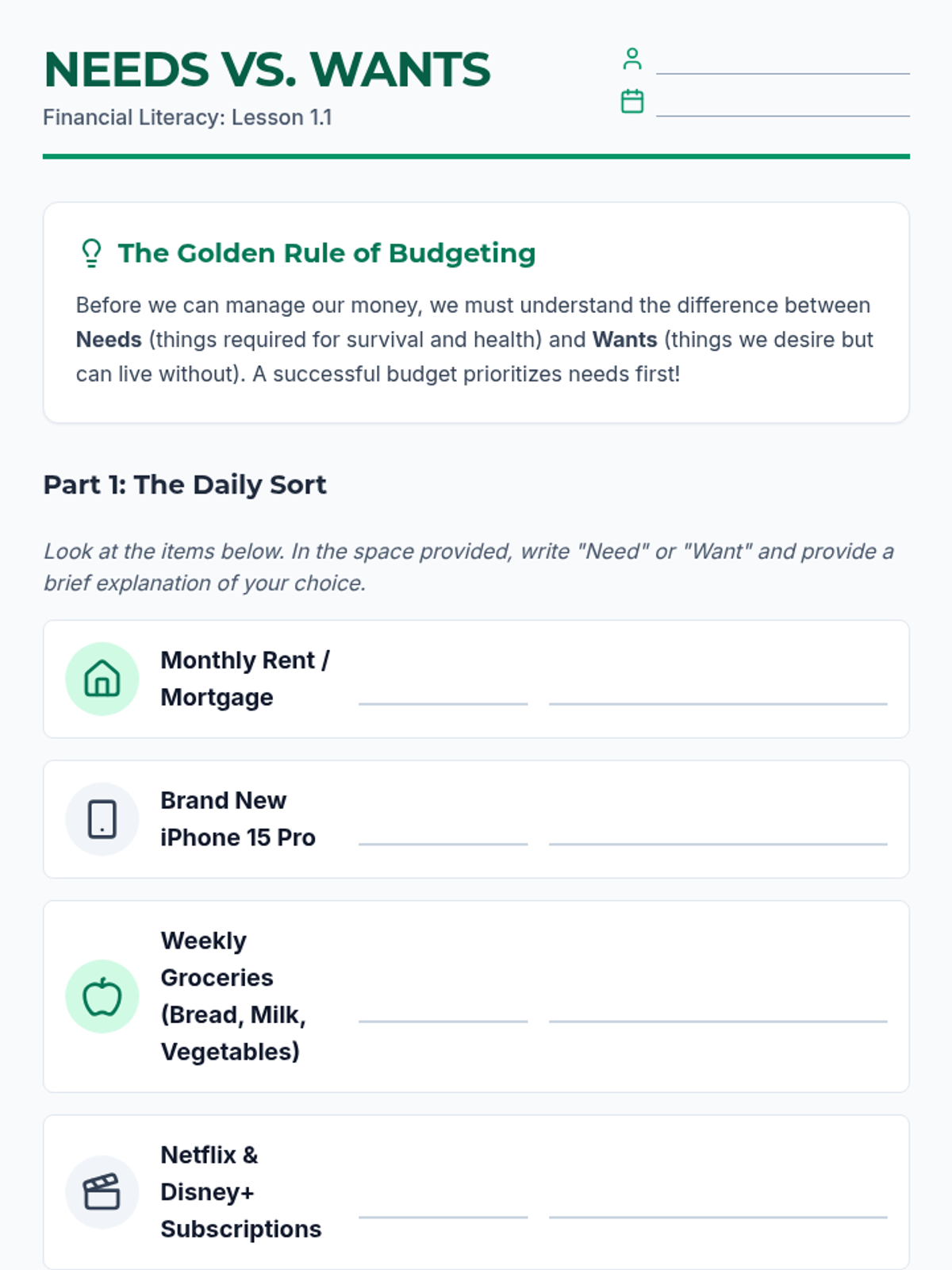
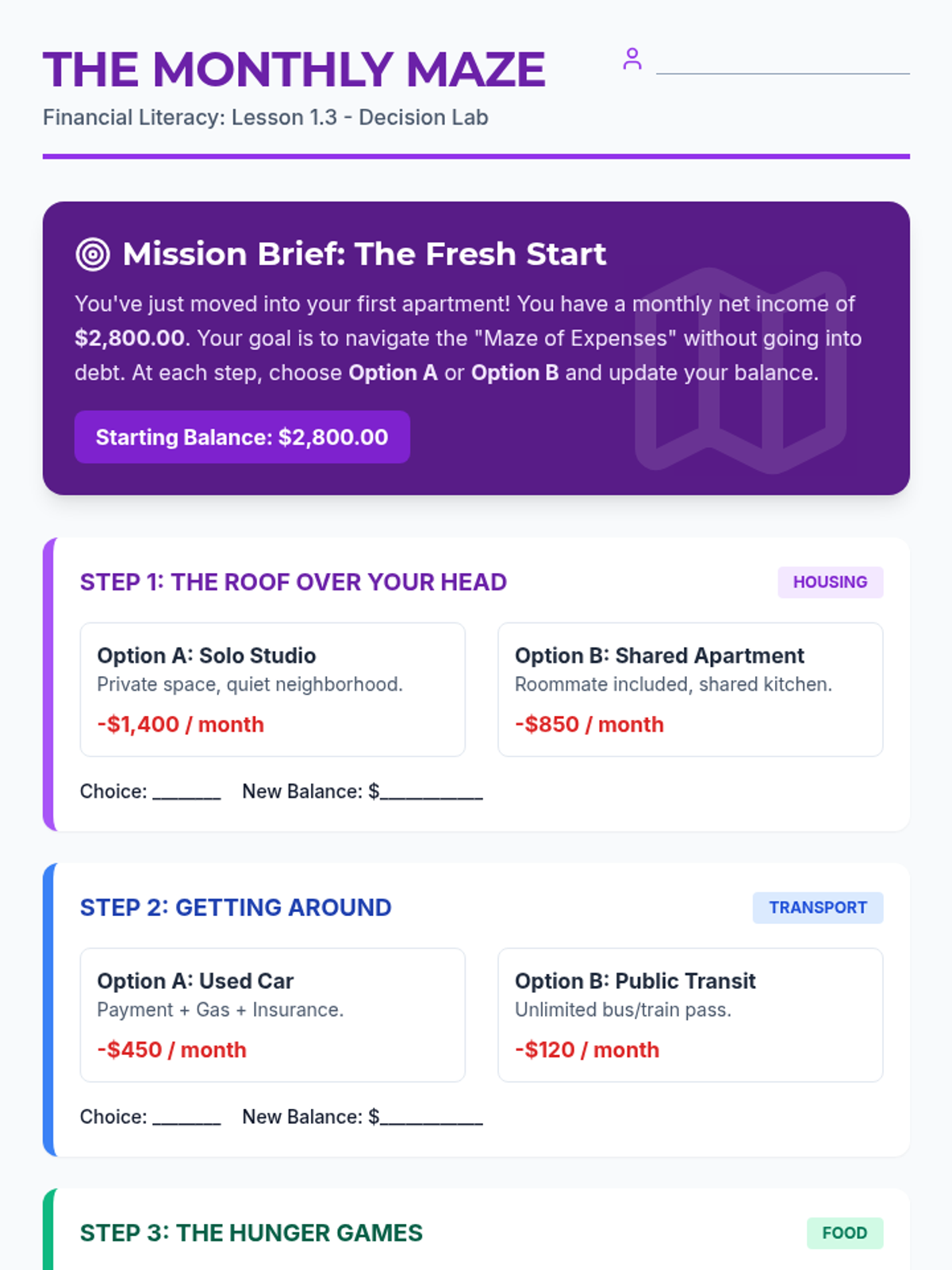
A comprehensive sequence for 8th-grade transition planning, focusing on the practical skills needed for independent living, including budgeting, housing, transportation, and nutrition.
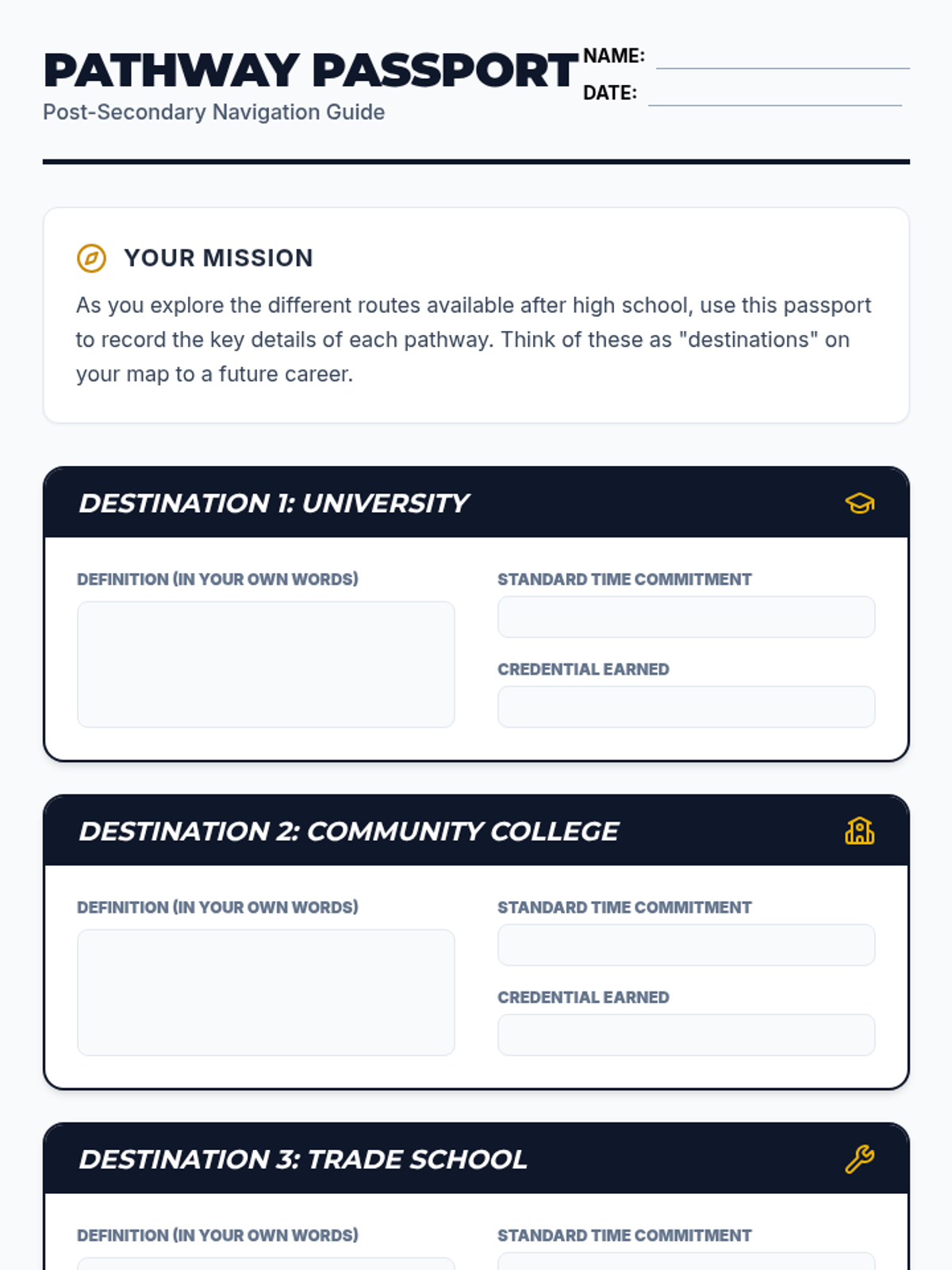
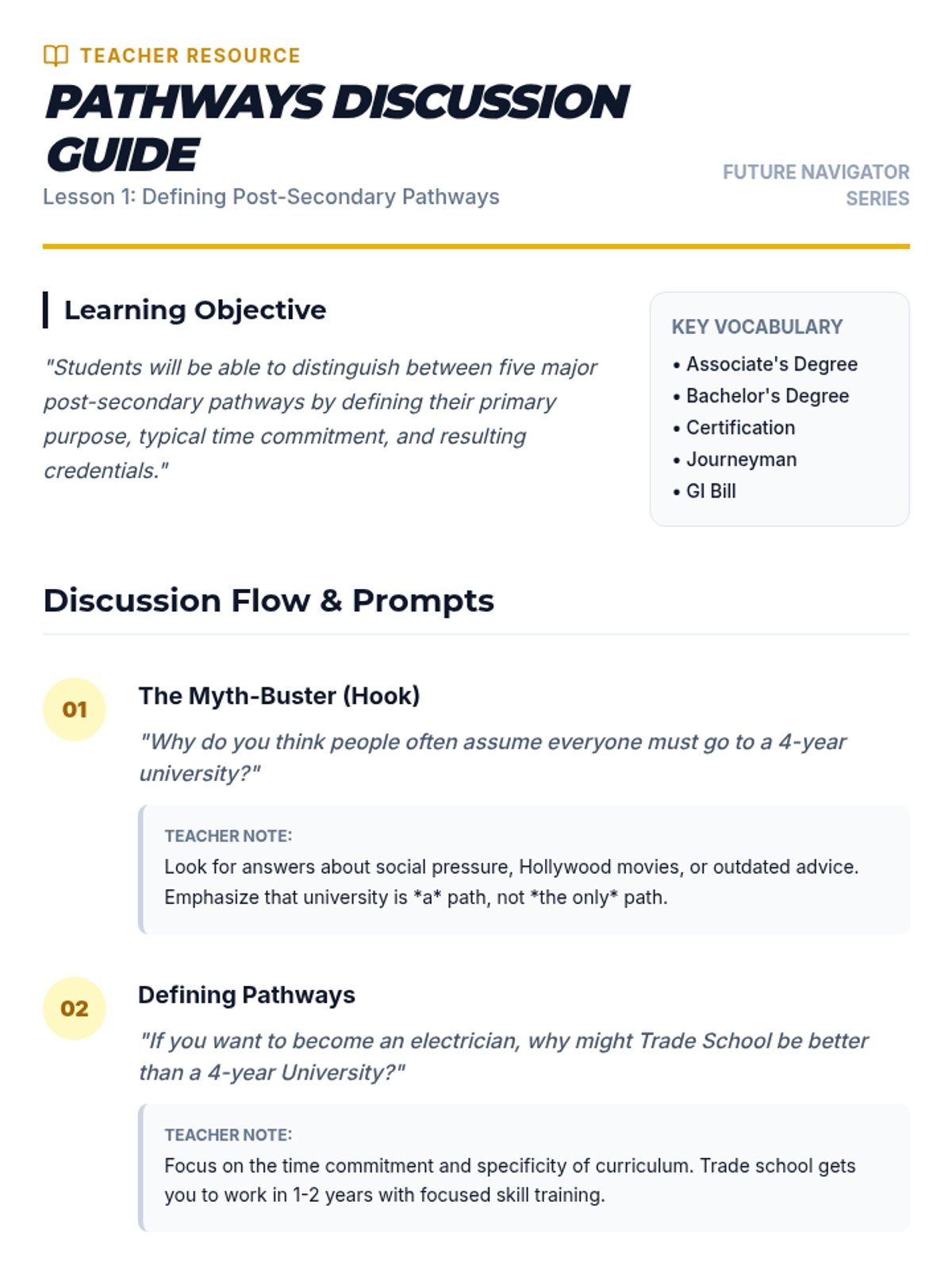
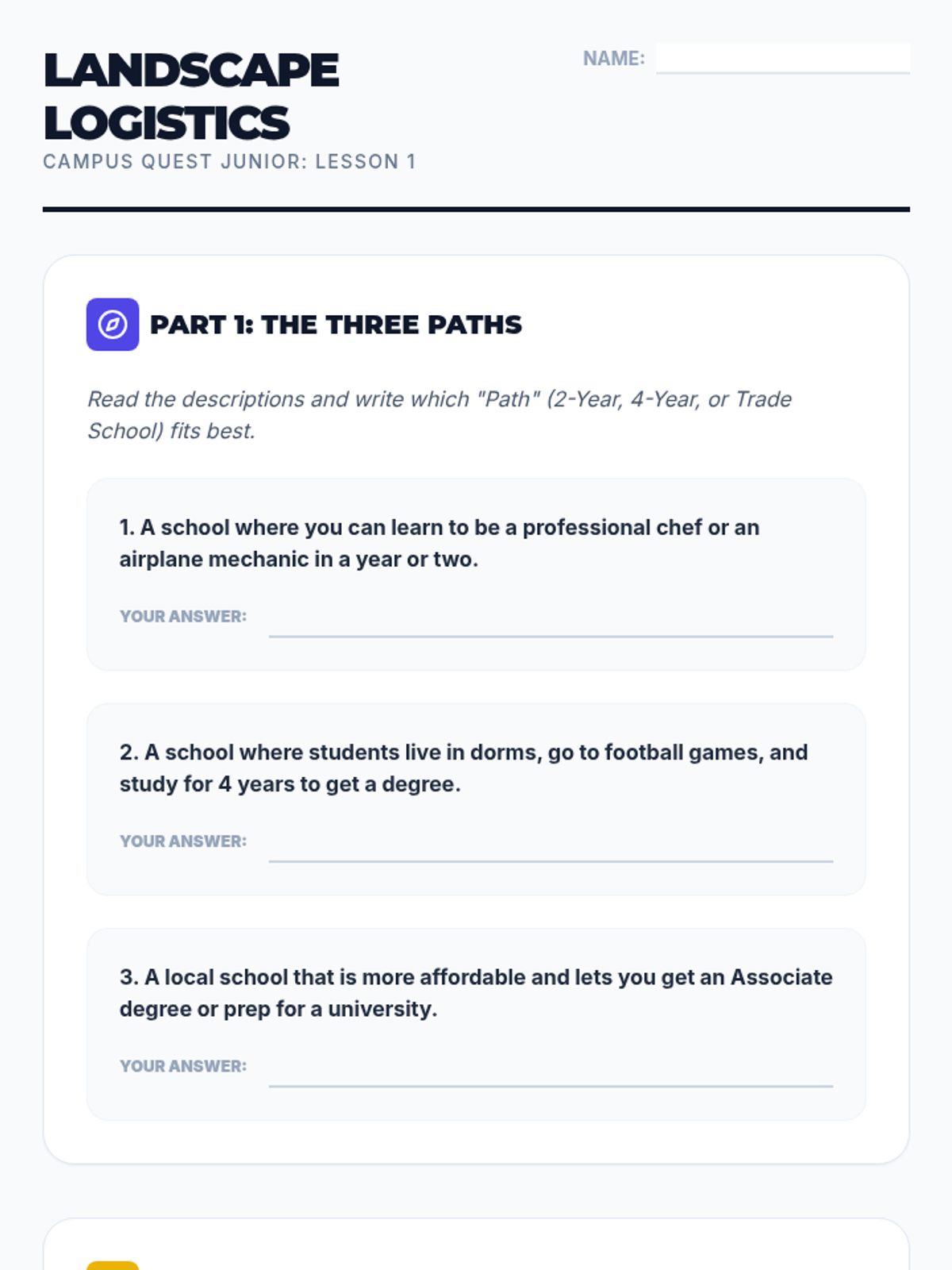
This sequence introduces 6th-grade students to the variety of post-secondary pathways available after high school. It covers universities, community colleges, trade schools, apprenticeships, and military service, emphasizing that different careers require different training routes and focusing on financial awareness and goal setting.
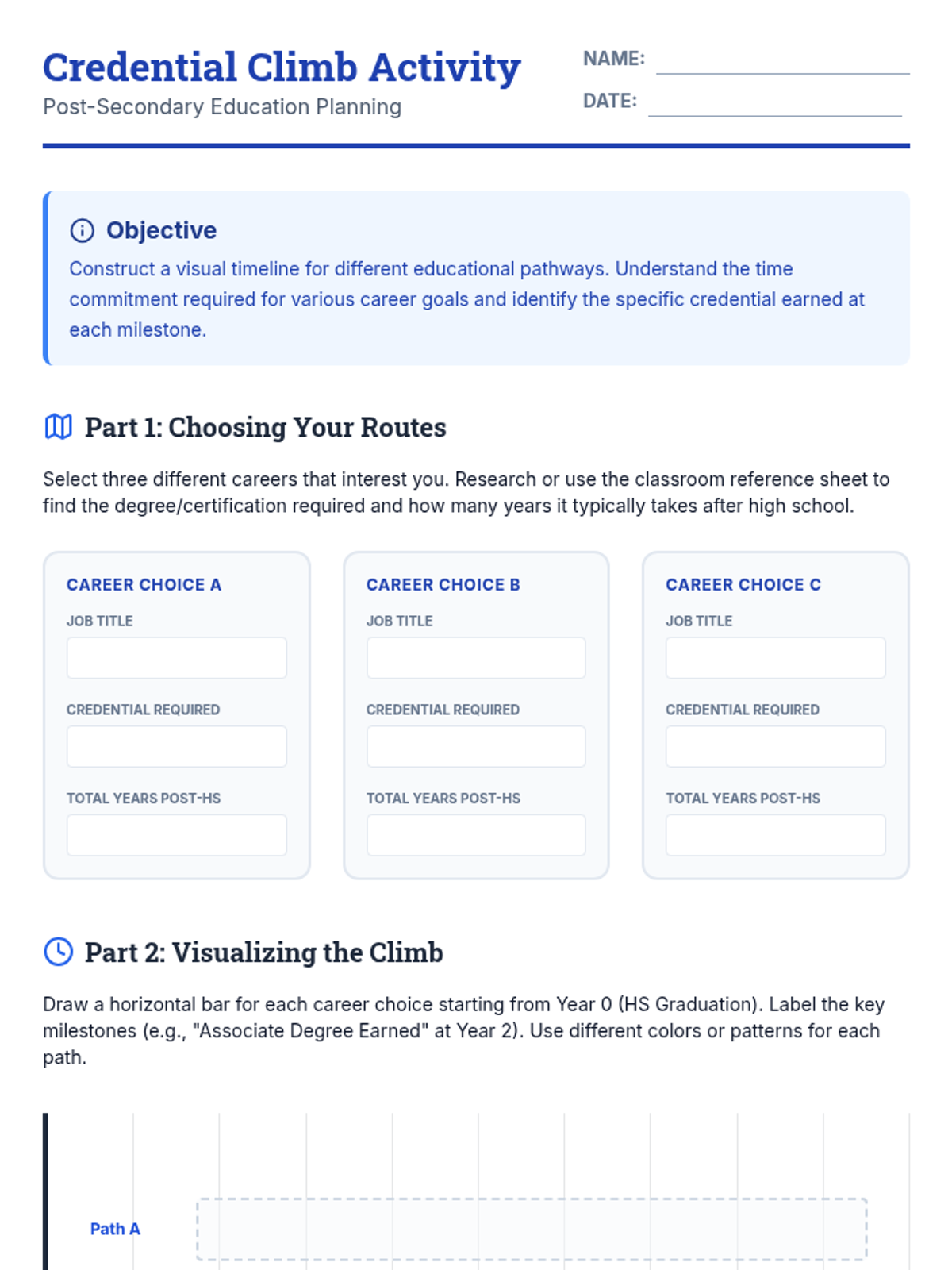
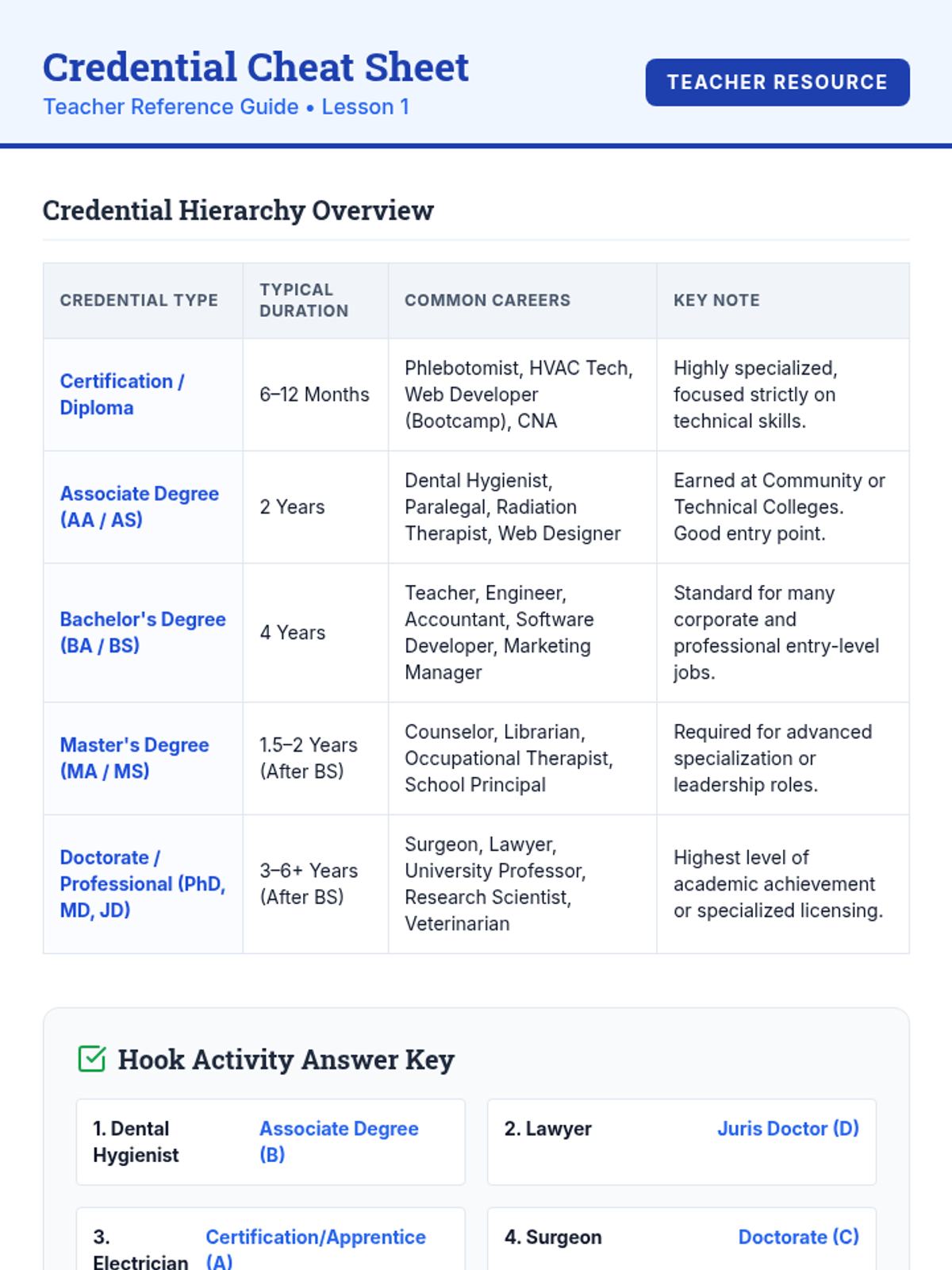
Students explore diverse post-secondary options, comparing vocational training, military service, apprenticeships, and college degrees through the lens of 'Return on Investment' (ROI). The sequence guides students from understanding basic credentials to mapping out a strategic backwards plan for their chosen career path.
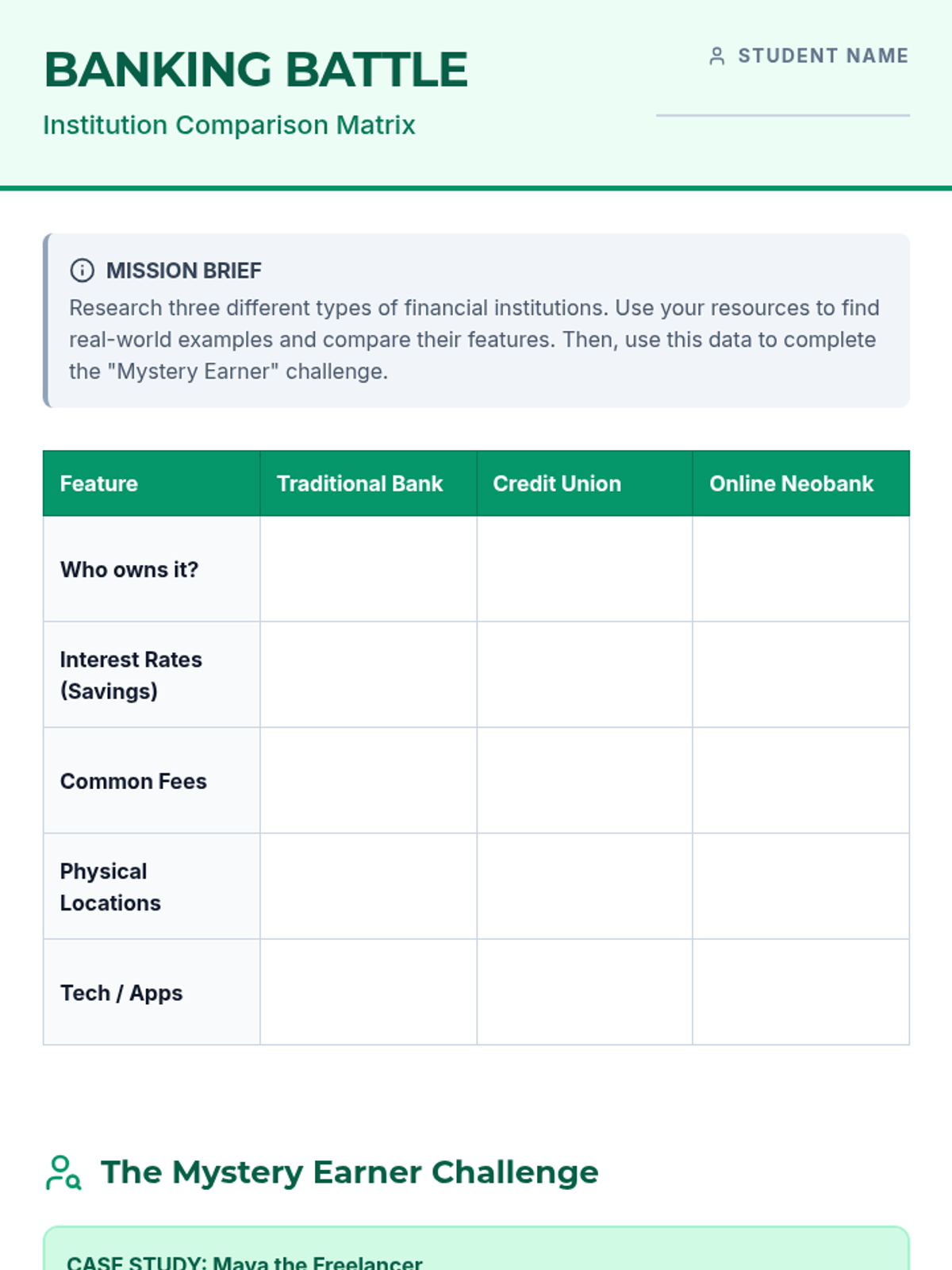
A comprehensive unit for 7th-grade students on the mechanics of banking, interest rates, and creditworthiness. Students explore how financial institutions function and how personal financial decisions impact long-term economic power.
This comprehensive 8th-grade sequence covers banking institutions, compound interest, credit scoring, and loan amortization. Students engage in inquiry-based case studies and simulations to understand how financial decisions impact long-term health.
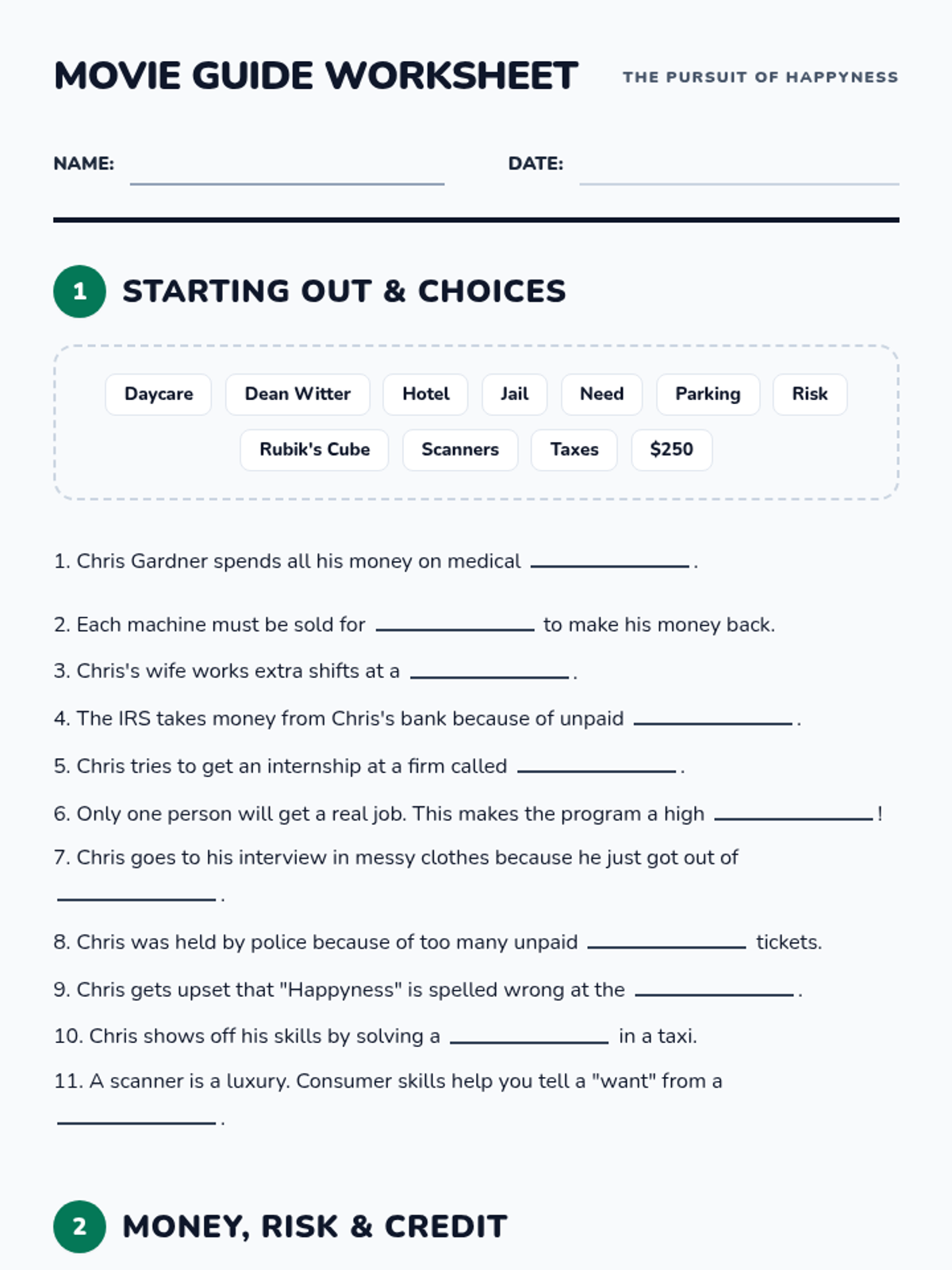
A series of lessons exploring real-world financial concepts through the lens of popular cinema, helping students connect abstract economic theories to relatable human stories.
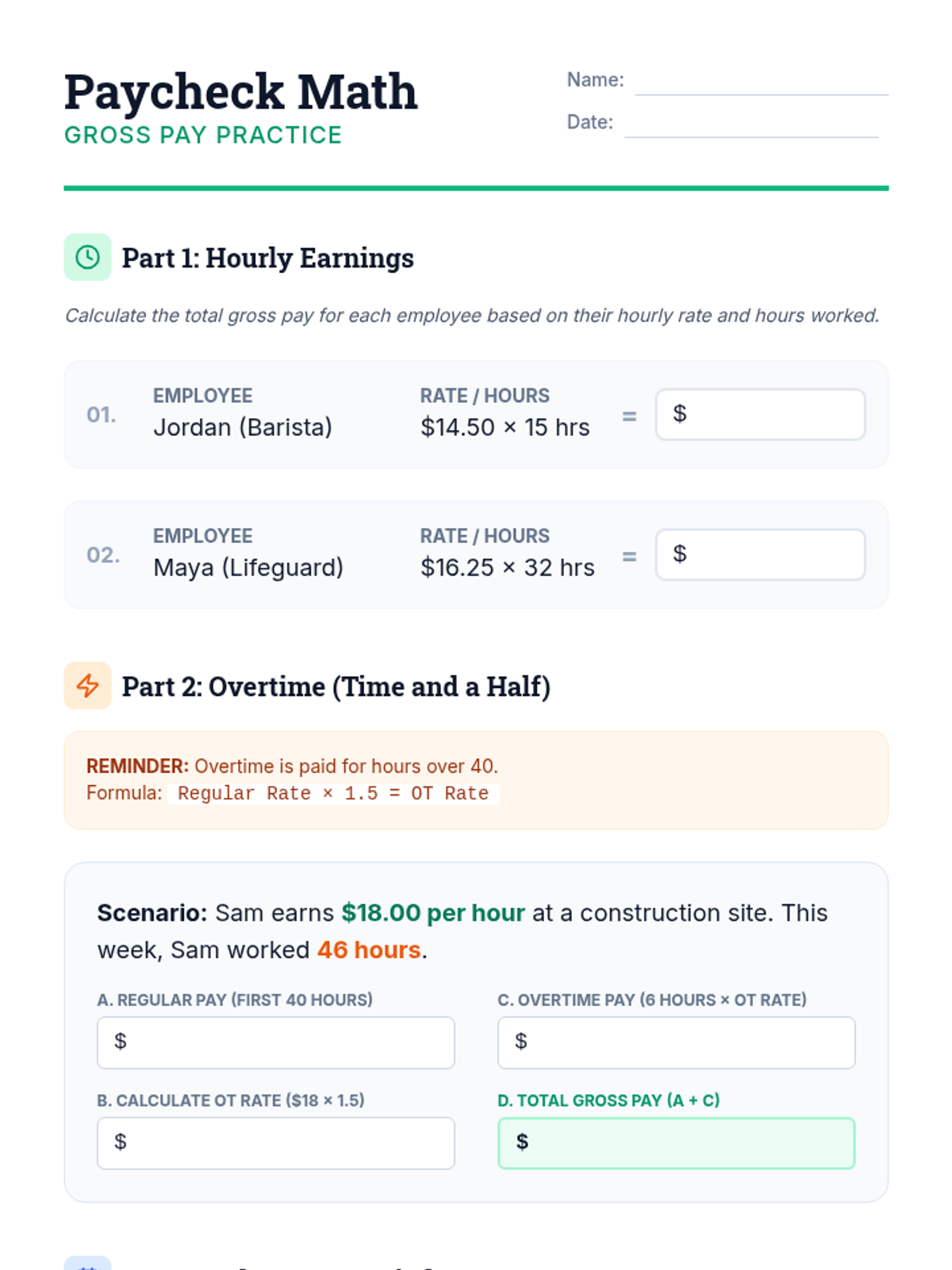
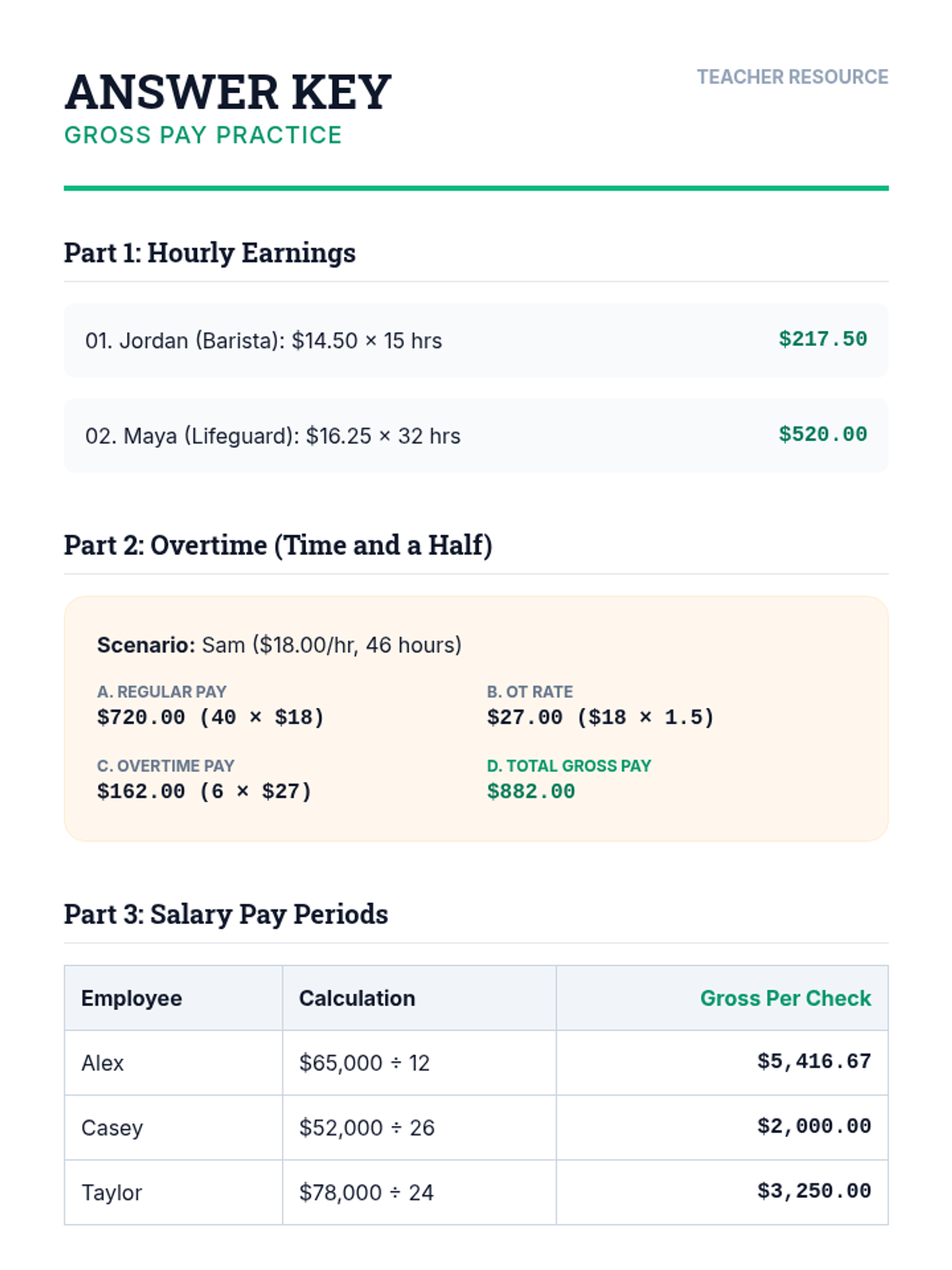
A comprehensive 8th-grade unit on employment income, guiding students from calculating gross pay to understanding tax withholdings, analyzing employee benefits, and auditing pay stubs for accuracy.
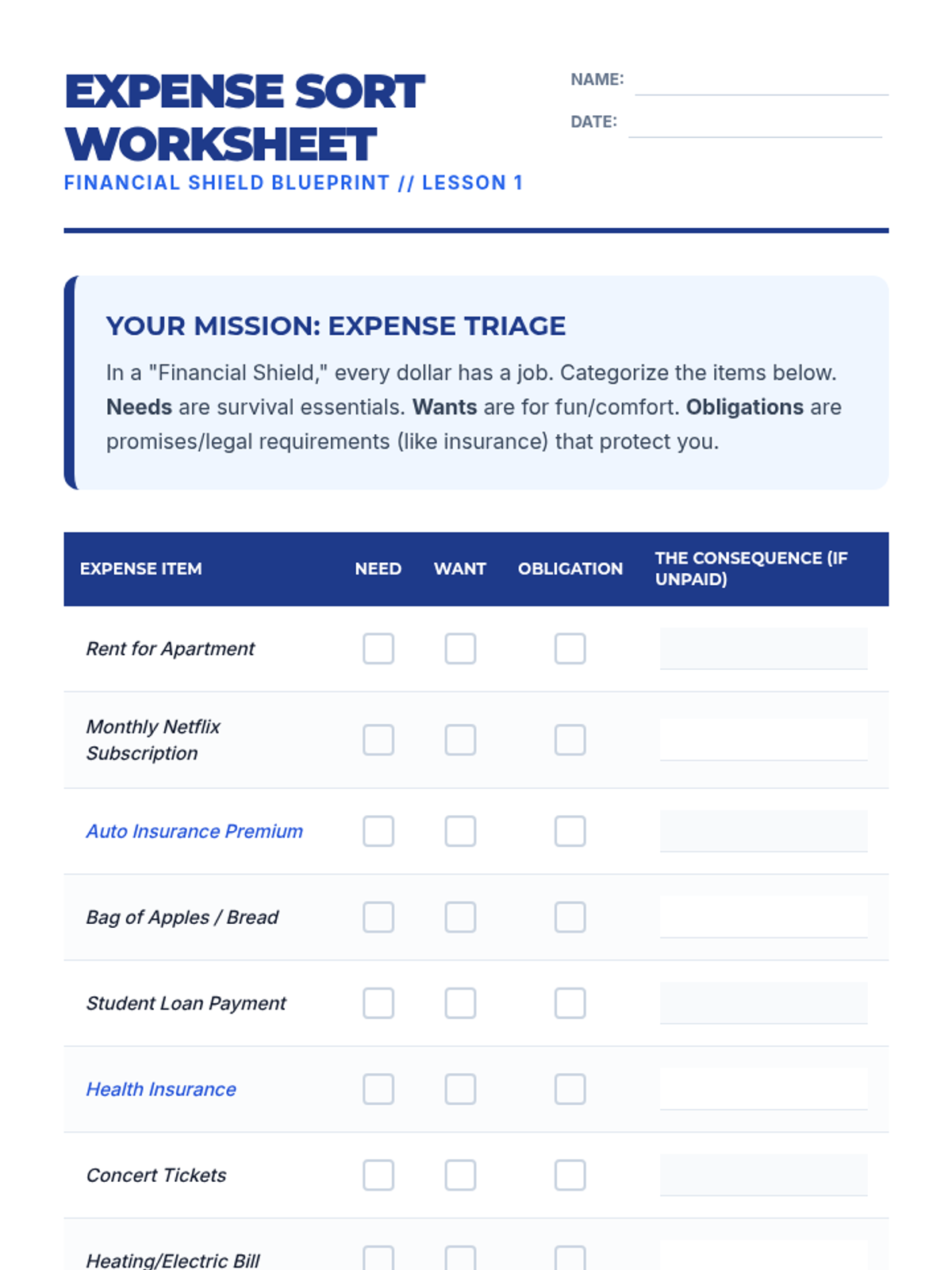
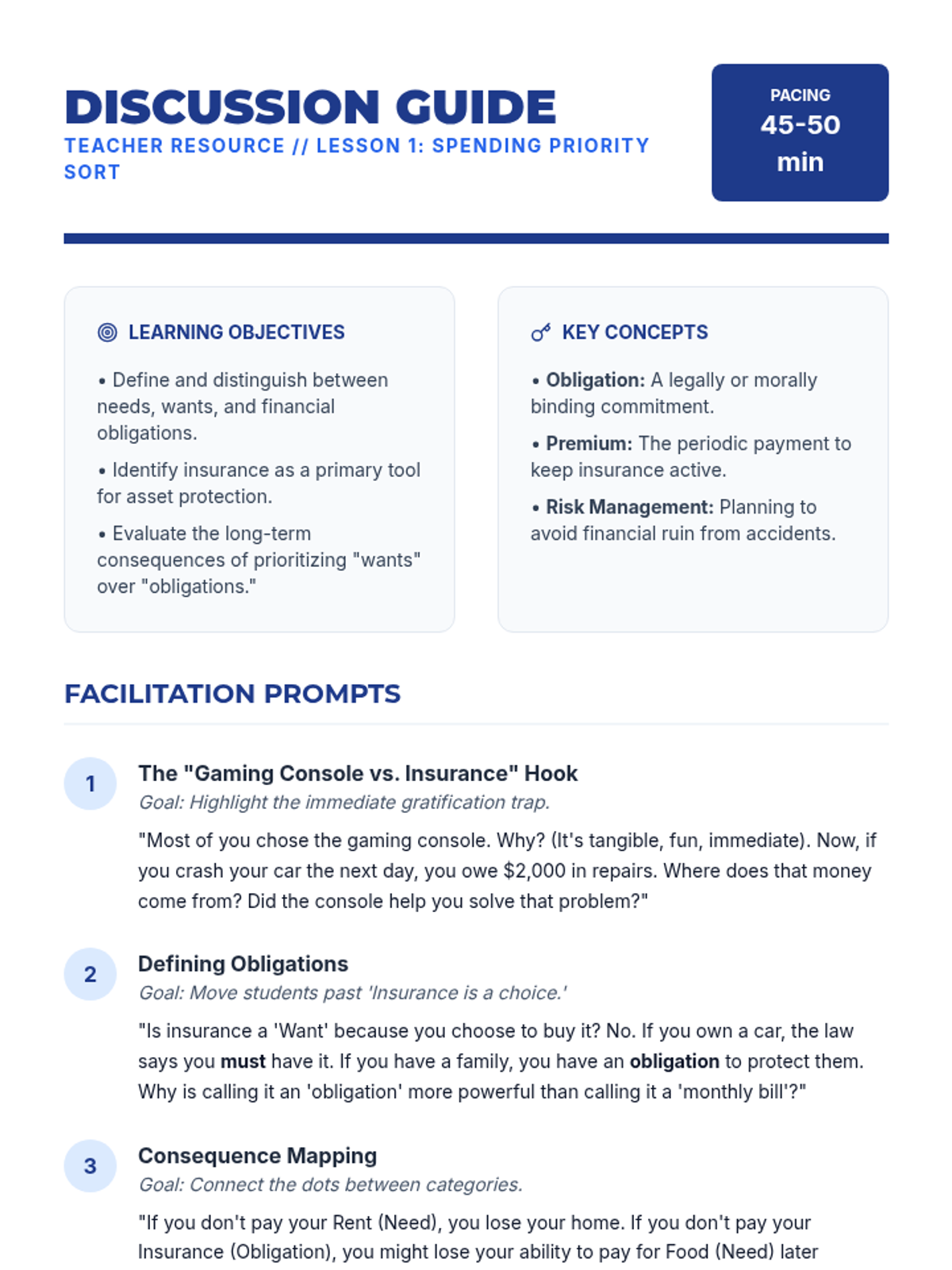
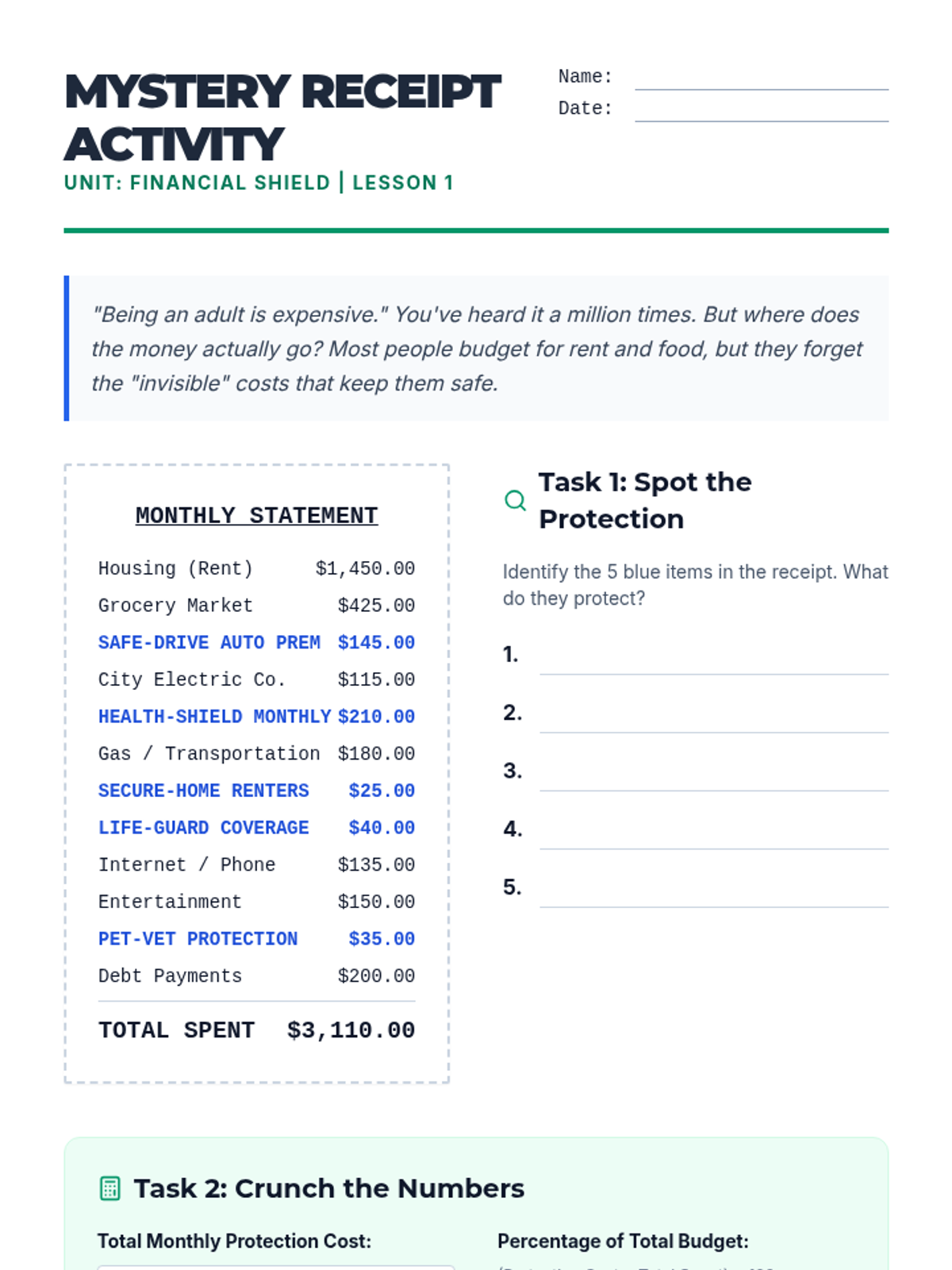
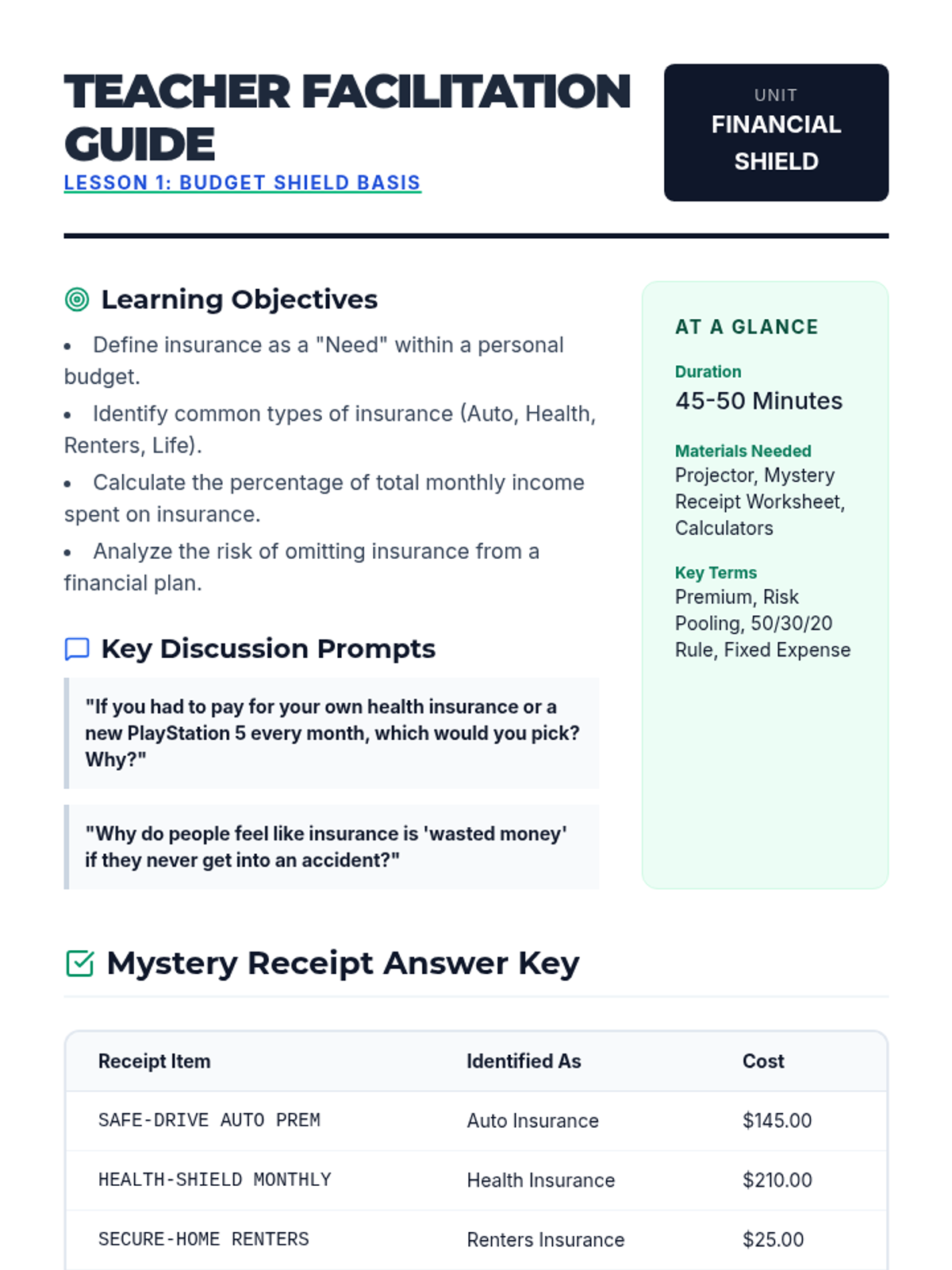
A comprehensive 5-lesson sequence for 7th-grade students exploring the intersection of insurance, budgeting, and emergency savings. Students learn to categorize insurance as a financial obligation and build a 'disaster-proof' personal budget.
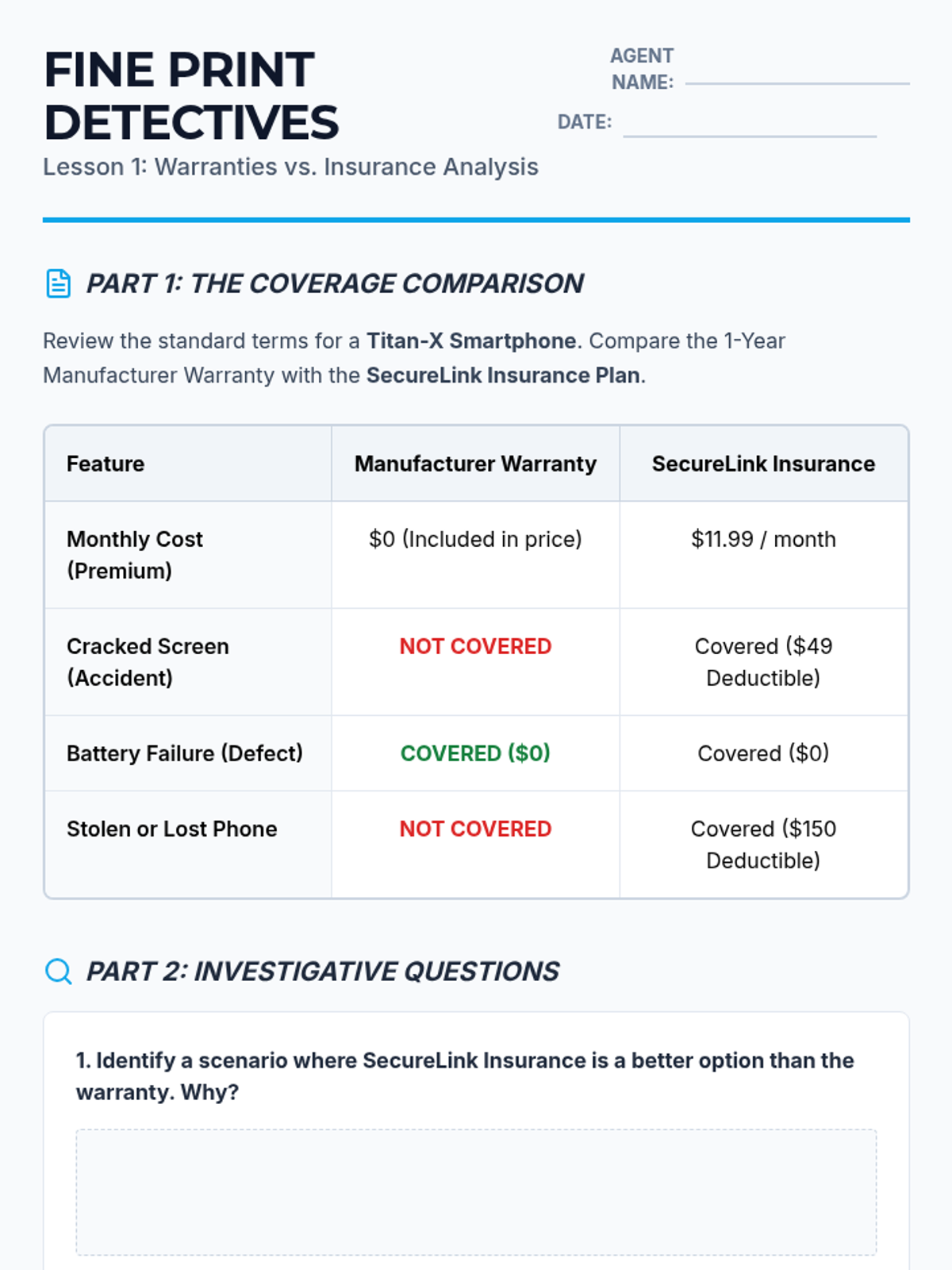
A comprehensive 5-lesson sequence on financial literacy focusing on insurance, warranties, and healthcare coverage, using relatable contexts like smartphones and personal belongings.
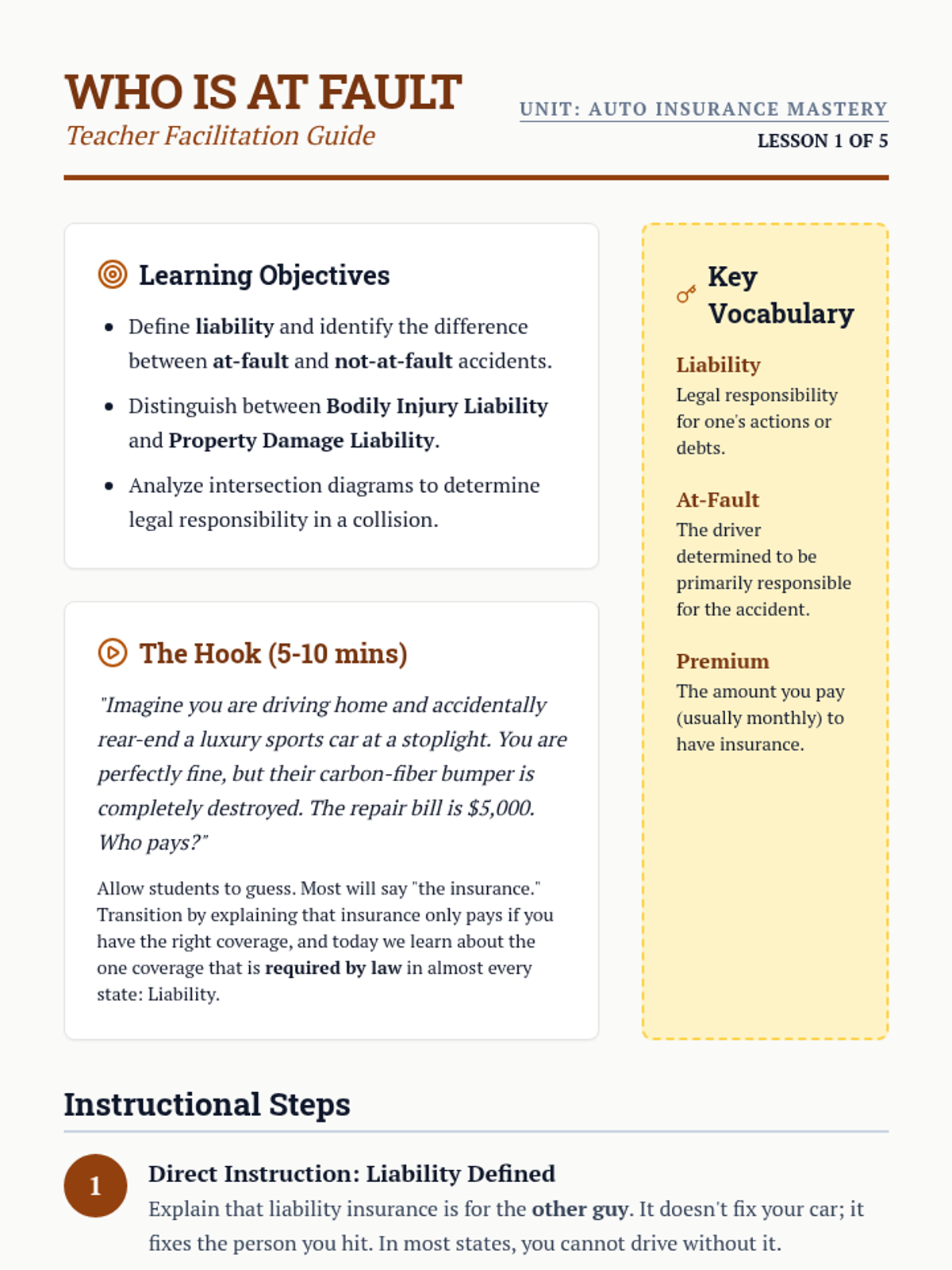
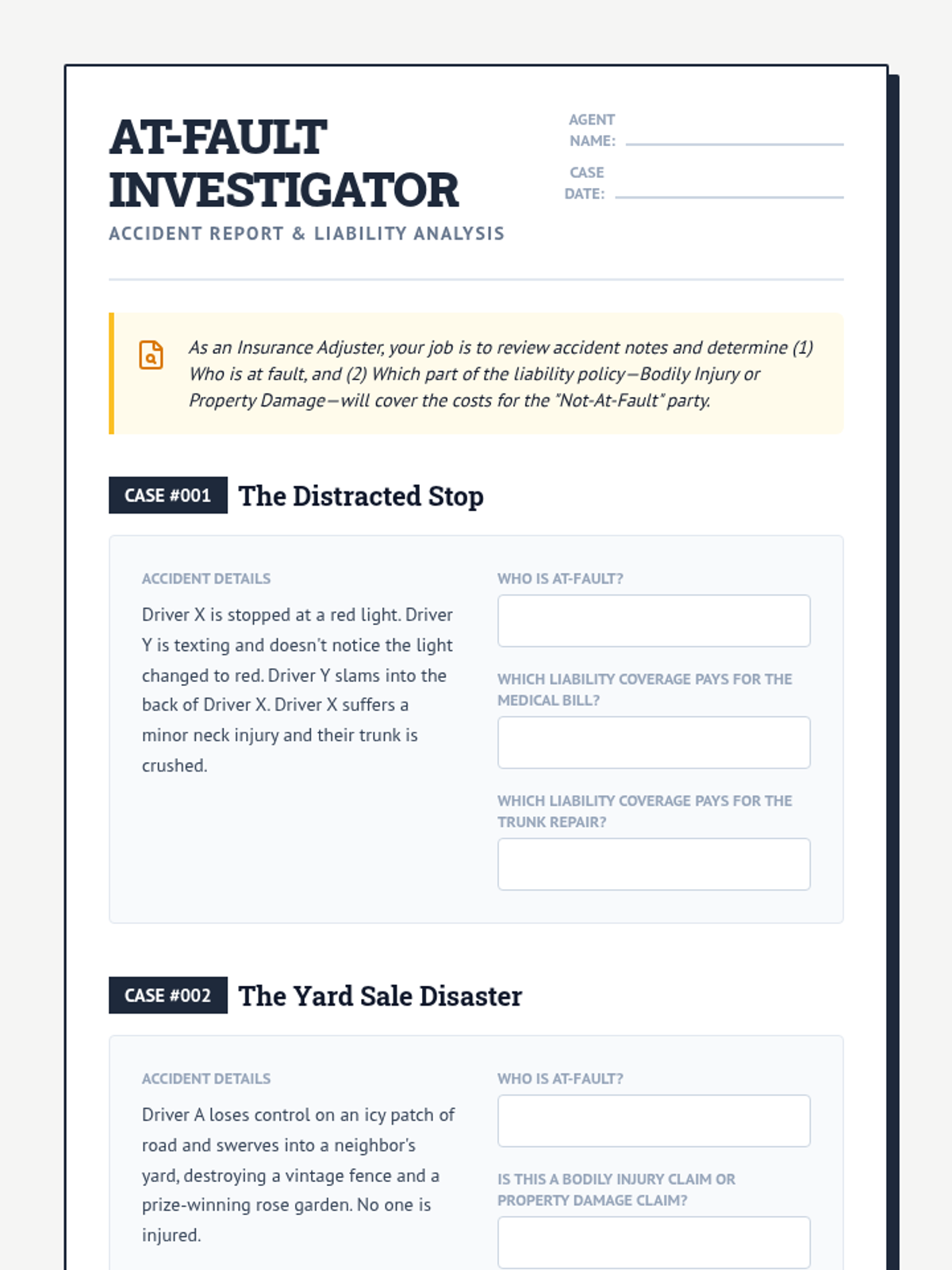
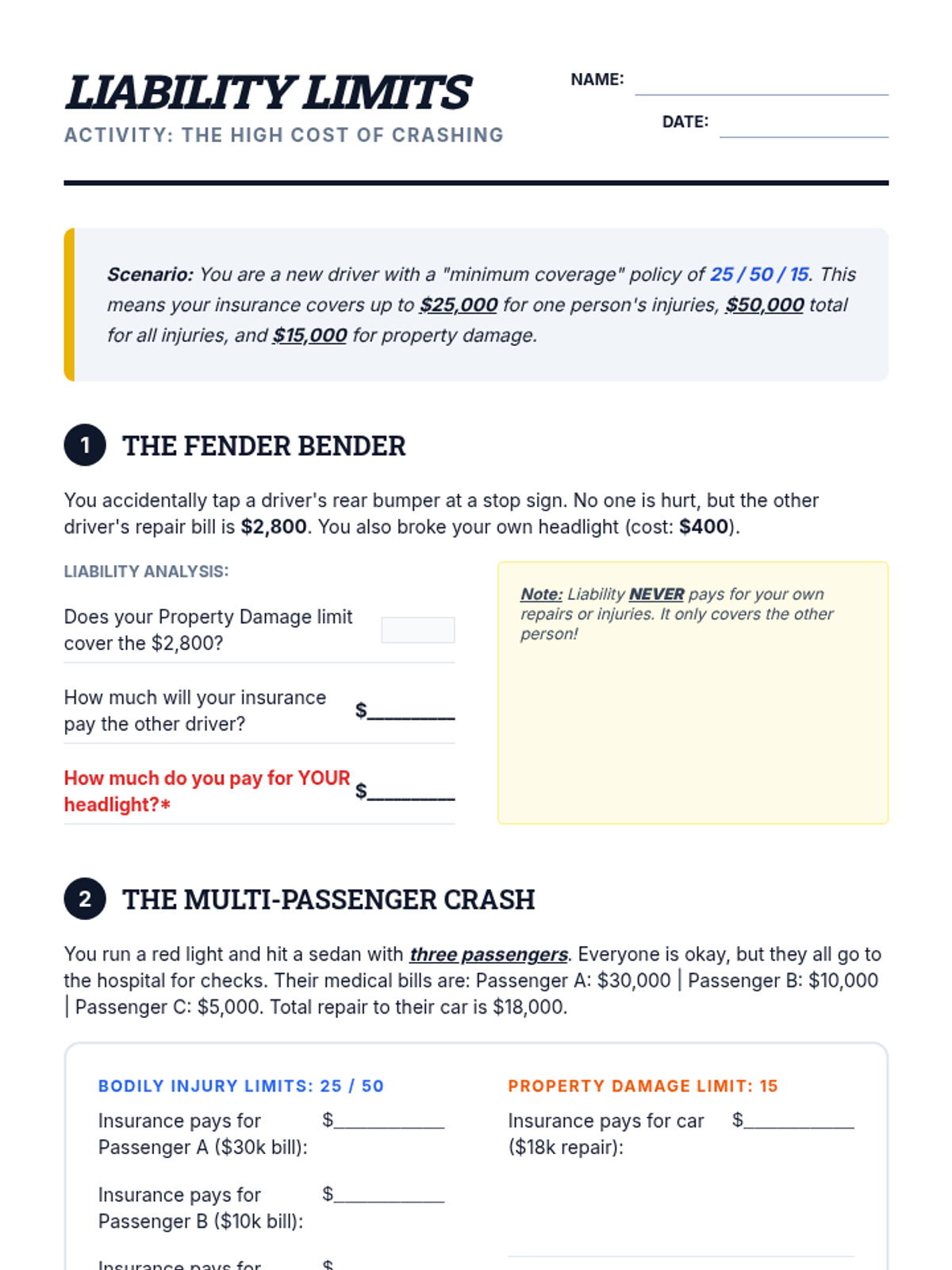
A comprehensive 7th-grade financial literacy sequence focused on auto insurance. Students learn about liability, collision, and comprehensive coverage through case studies and simulations, culminating in an investigation of how individual factors influence insurance rates.
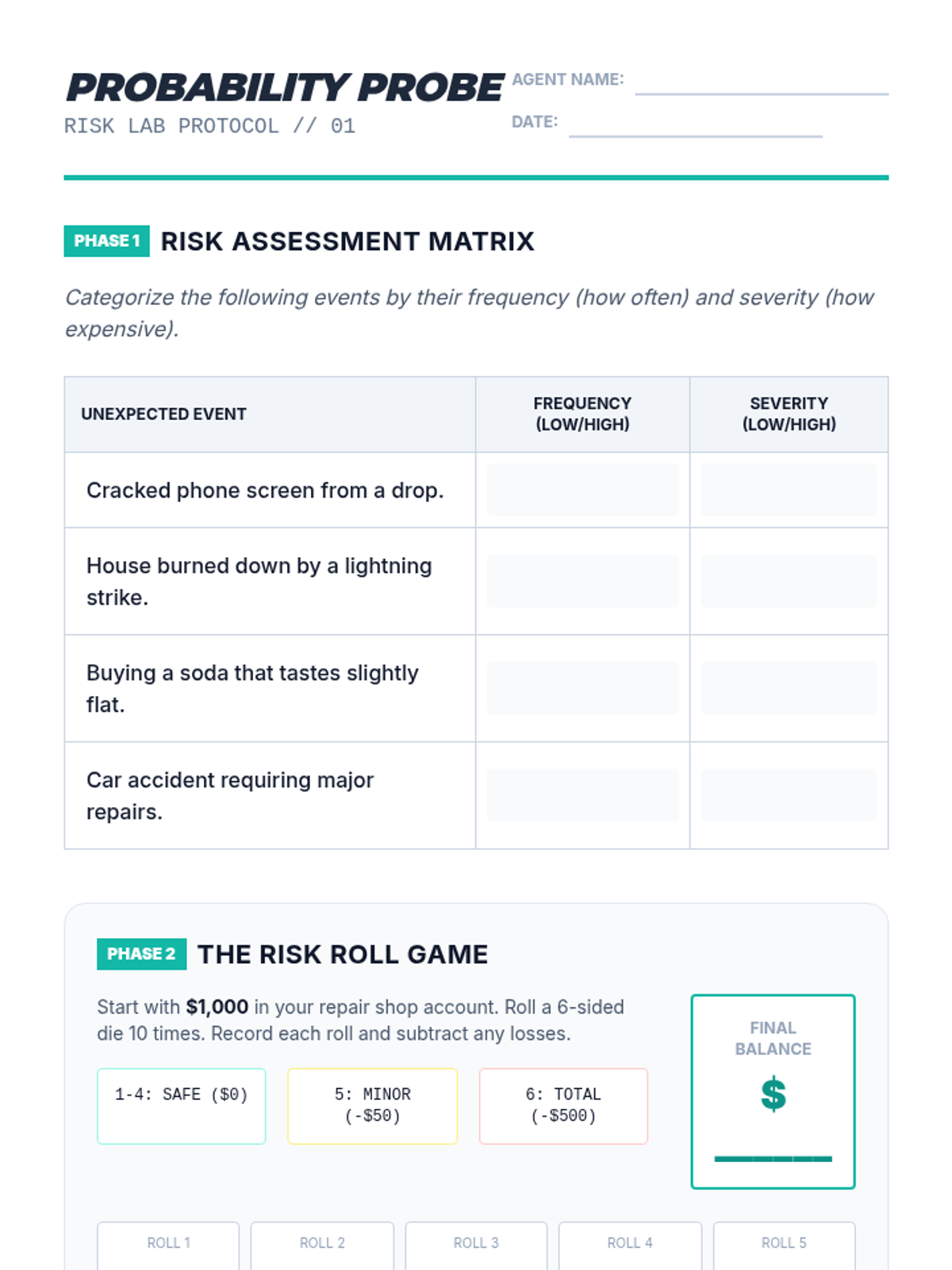
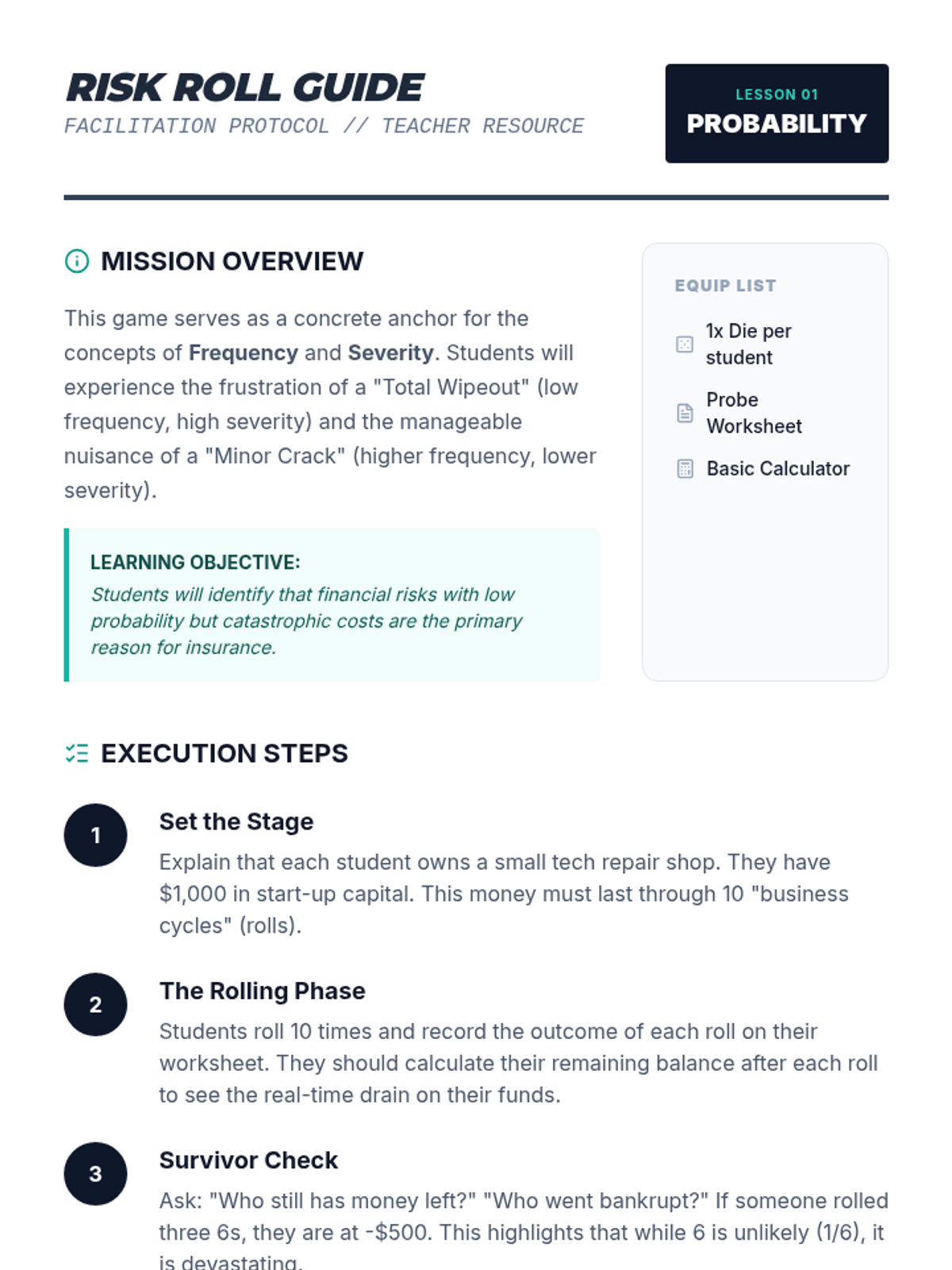
A gamified introduction to insurance, focusing on risk assessment, shared risk pools, and the trade-offs between premiums and deductibles. Students use simulations to understand how insurance provides a financial safety net.
This sequence teaches 8th-grade students how insurance functions as a critical component of a personal budget. Students explore the trade-offs between premiums and deductibles, the relationship between emergency funds and insurance, and how to shop for the best value. The unit culminates in a comprehensive budgeting challenge where students must balance life expenses with essential insurance coverage.
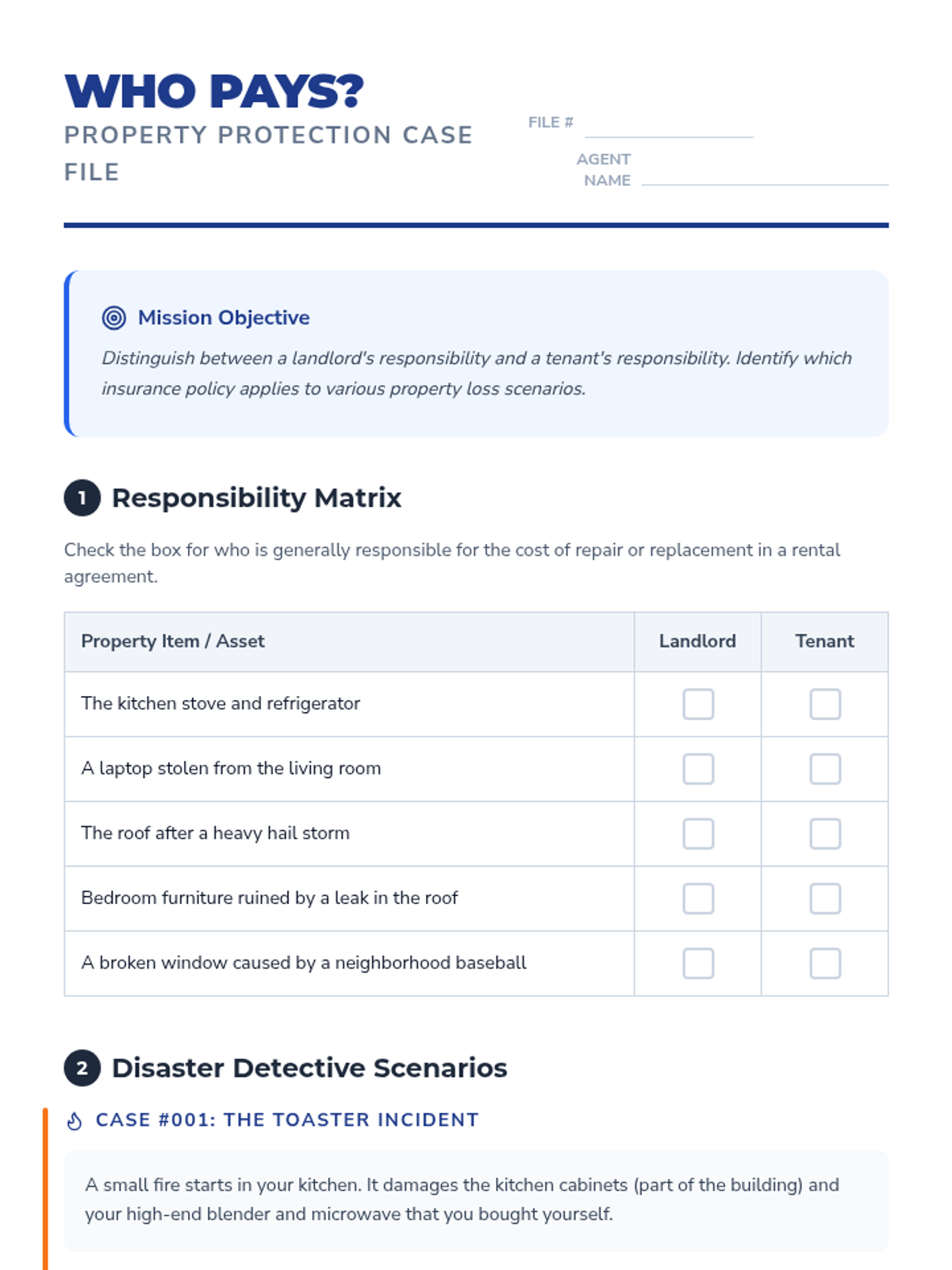
A project-based sequence for 8th graders to learn about property and renters insurance through hands-on inventory projects, depreciation calculations, and liability case studies. Students build a comprehensive protection portfolio for their future independence.
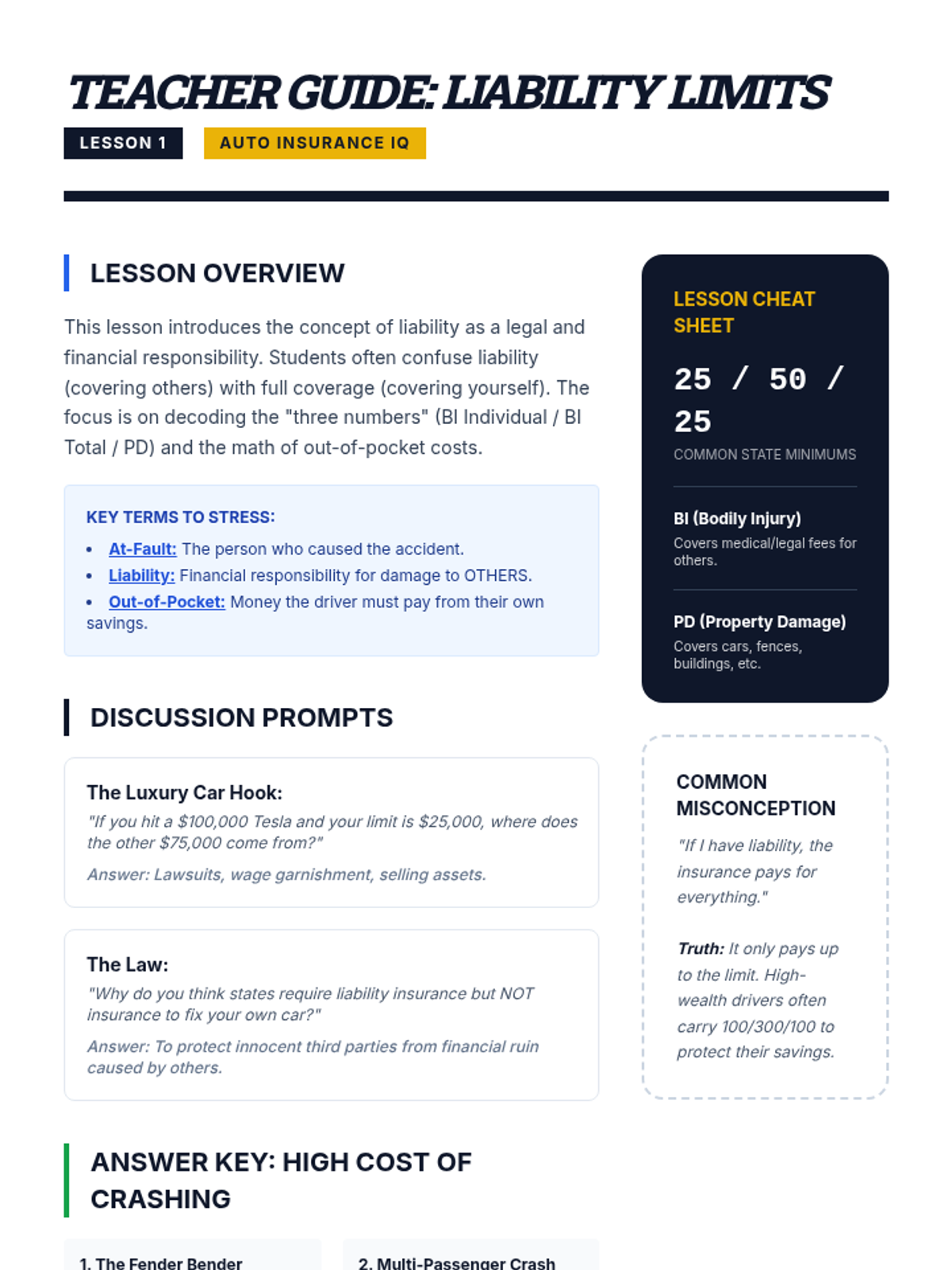
A comprehensive 5-lesson unit for 8th graders on auto insurance, covering liability, collision, comprehensive coverage, rate factors, and policy selection using real-world scenarios.
A 5-lesson unit for 8th graders exploring risk management, insurance terminology, and the mechanics of risk pooling through interactive games and a multi-round financial simulation.
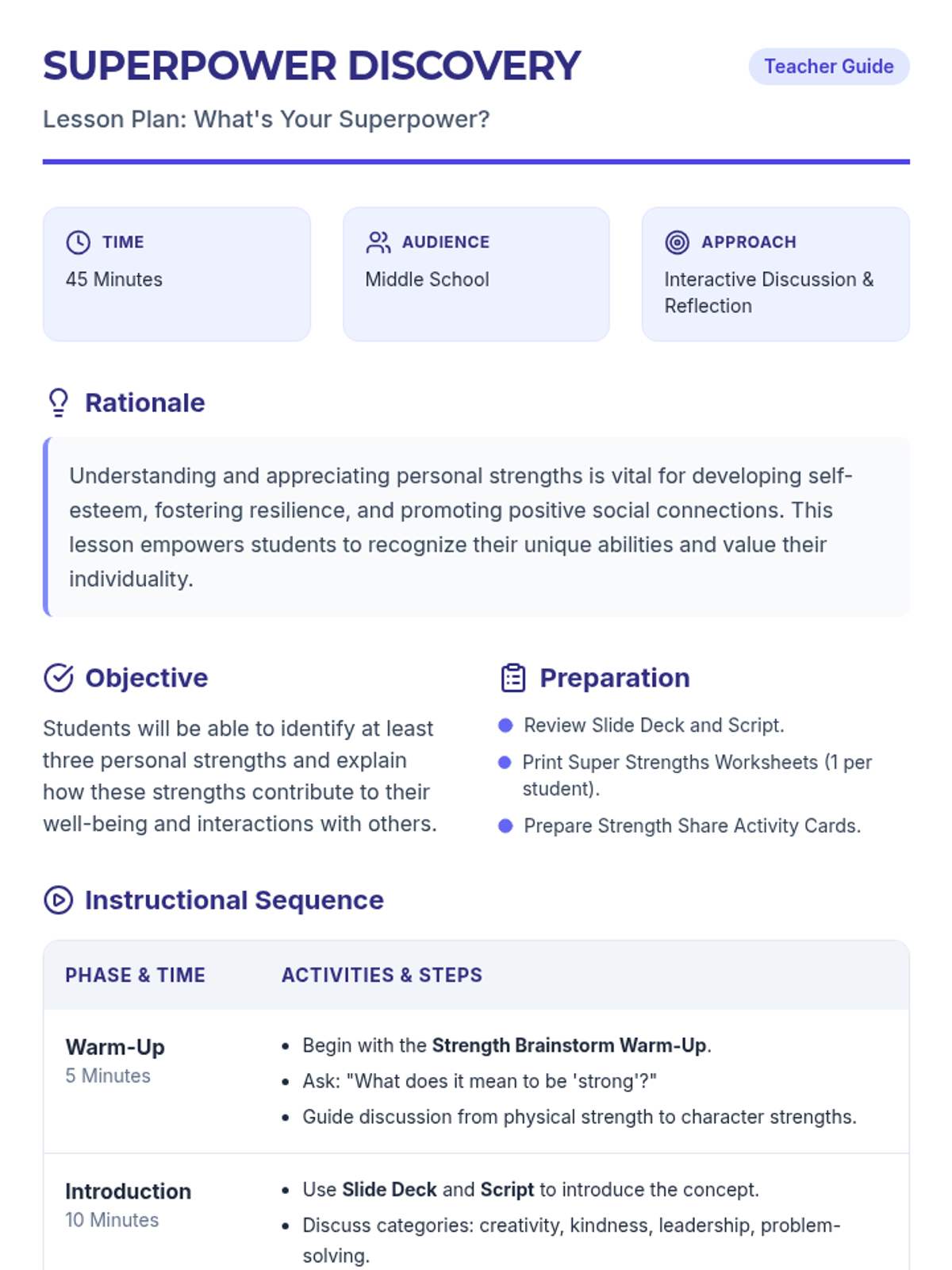
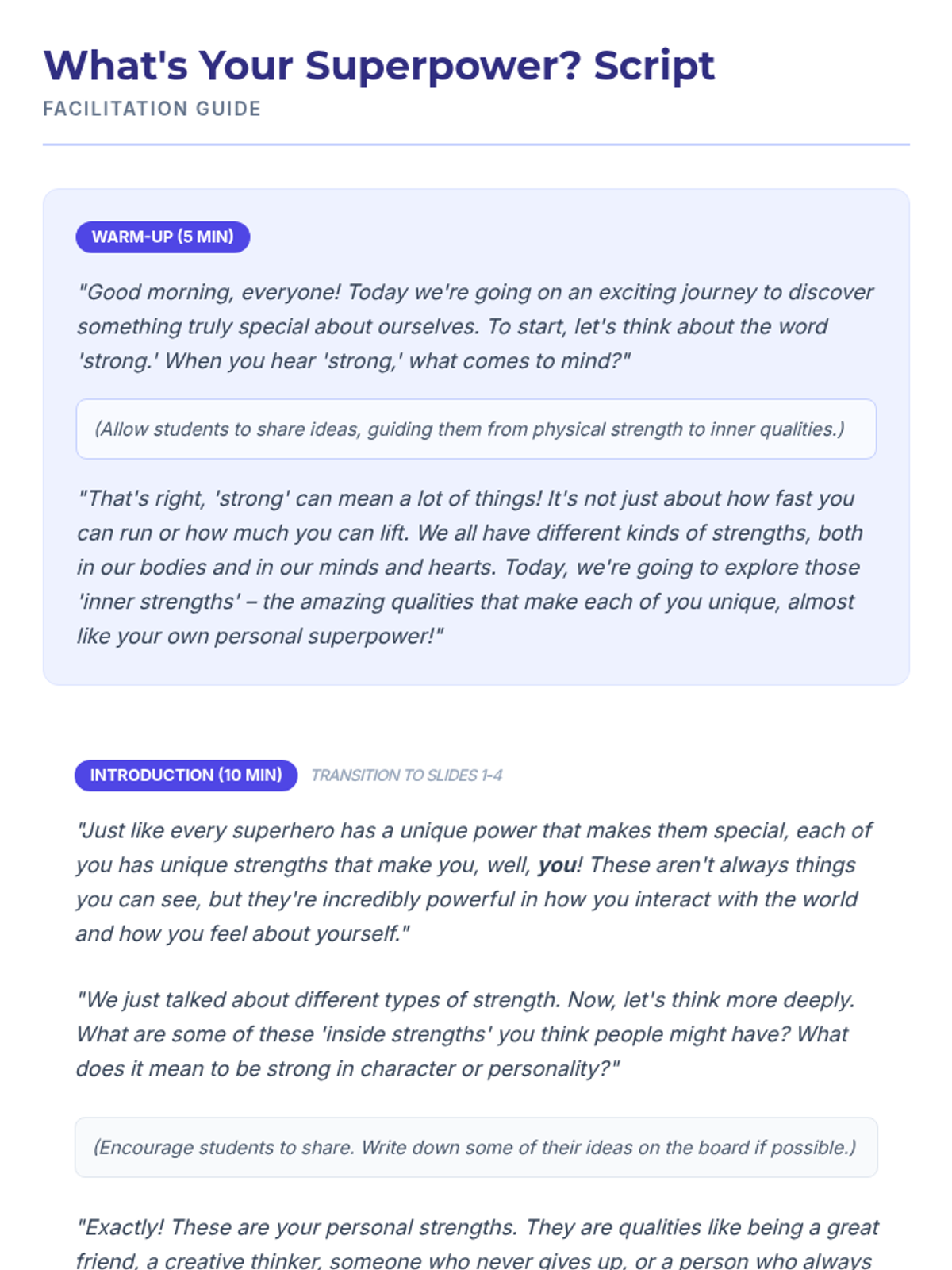
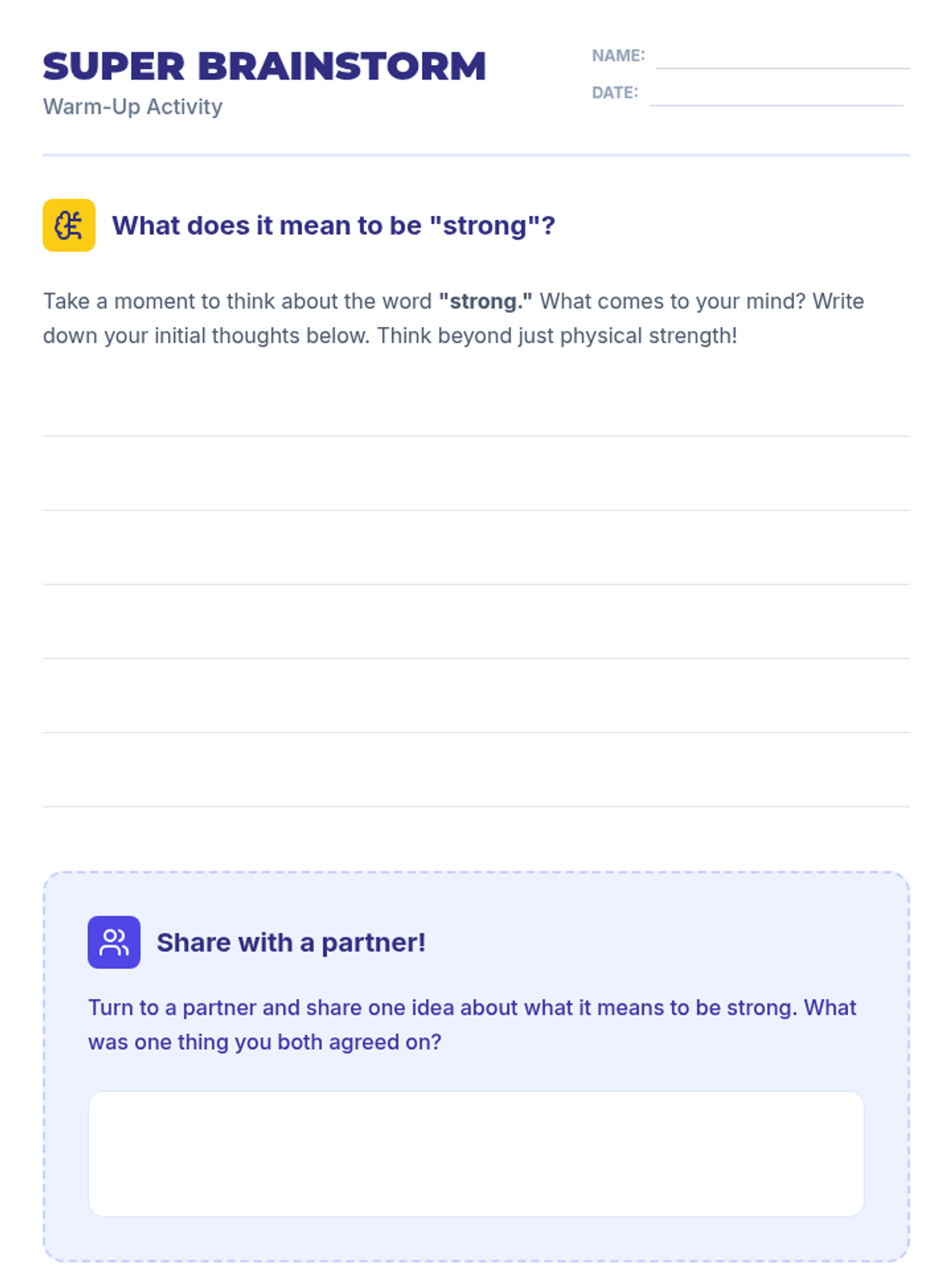
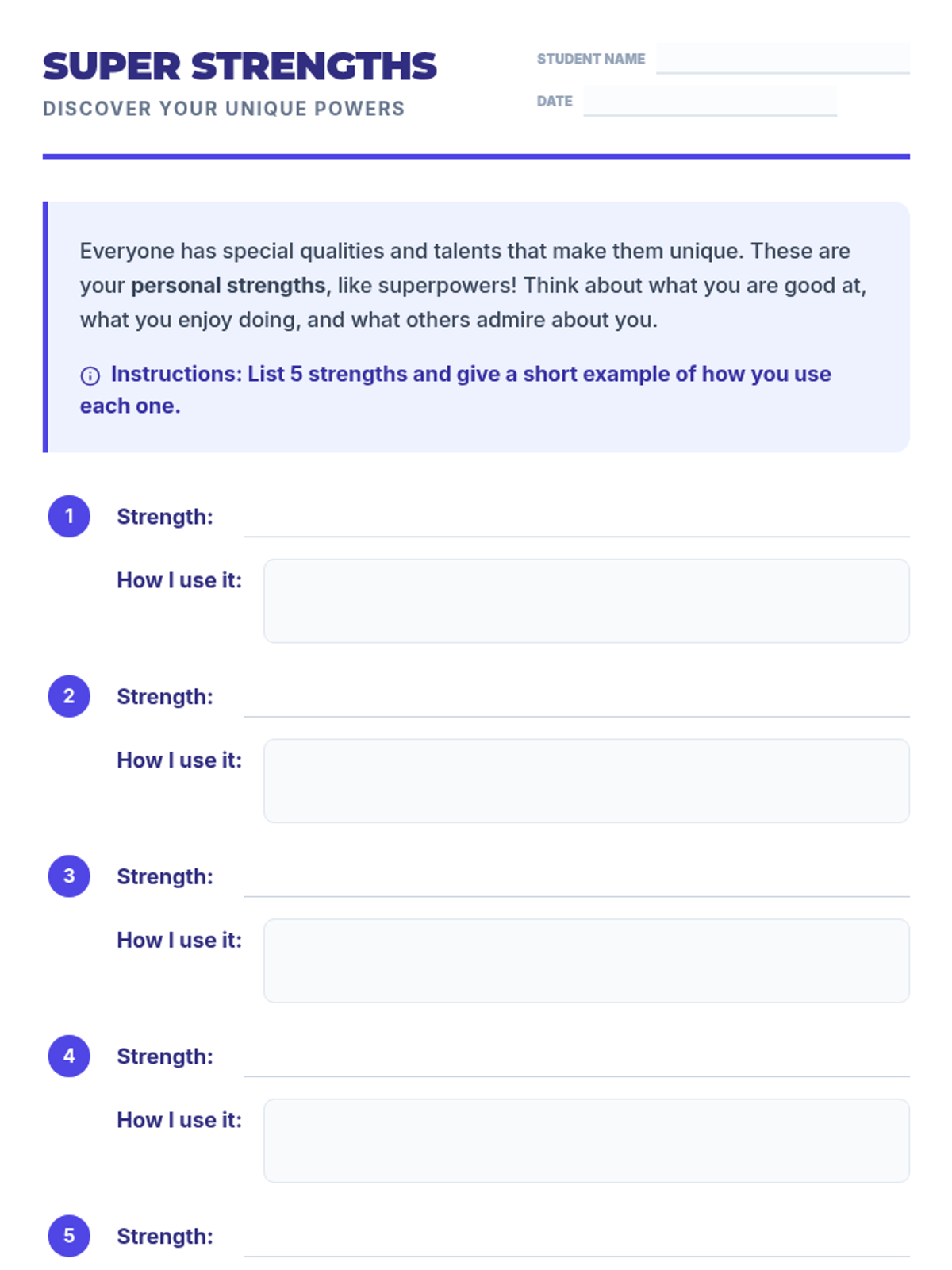
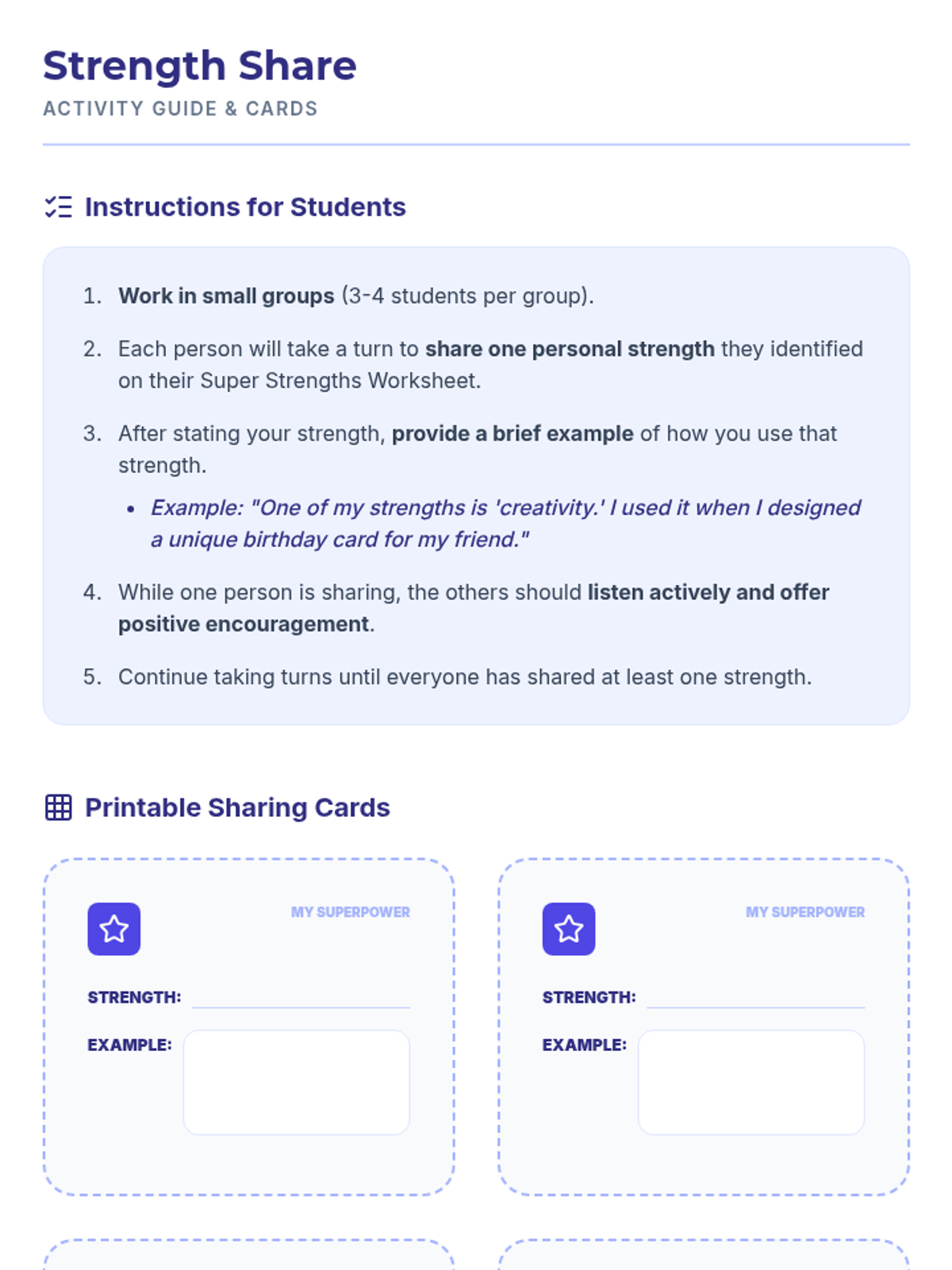
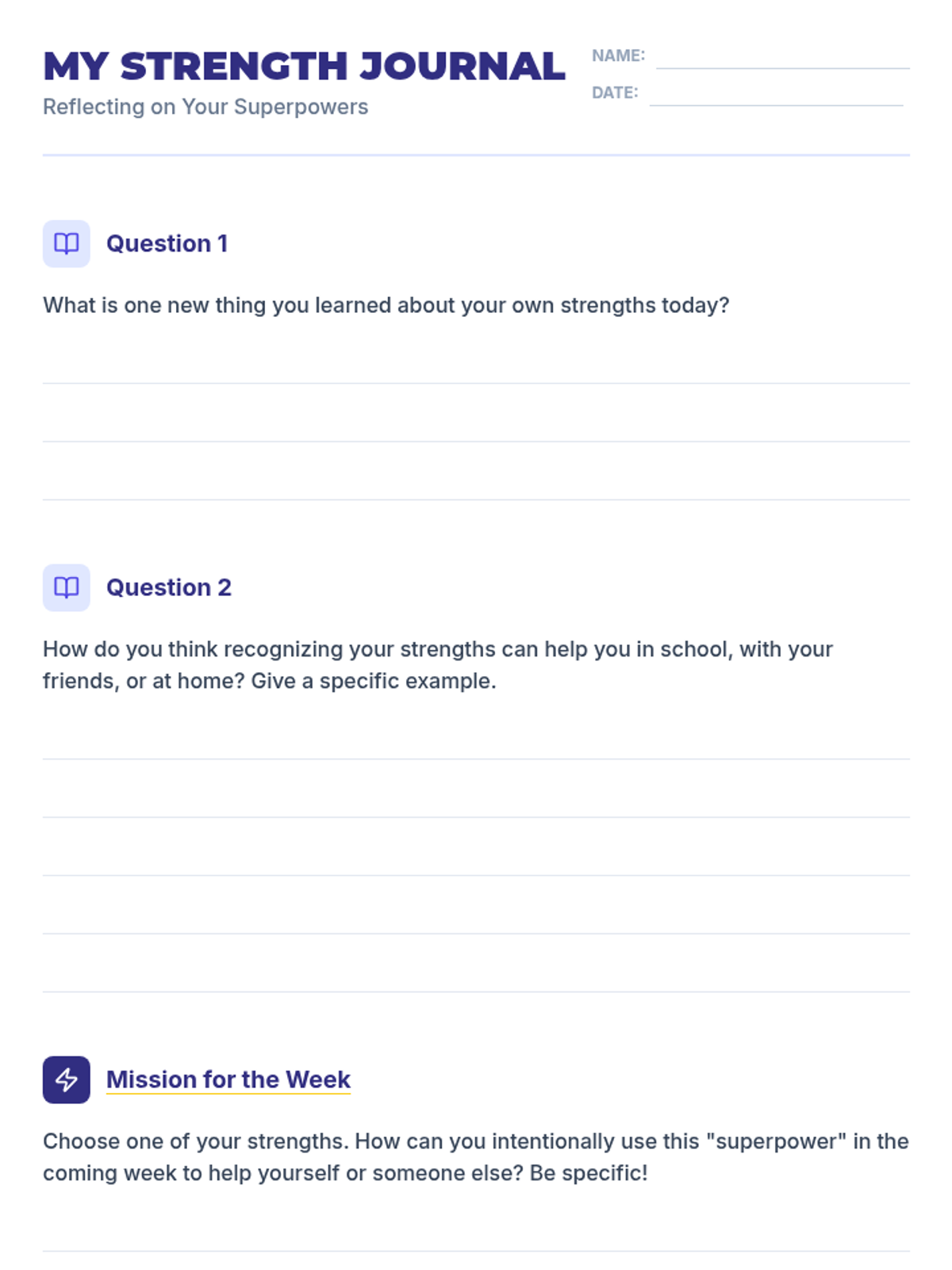
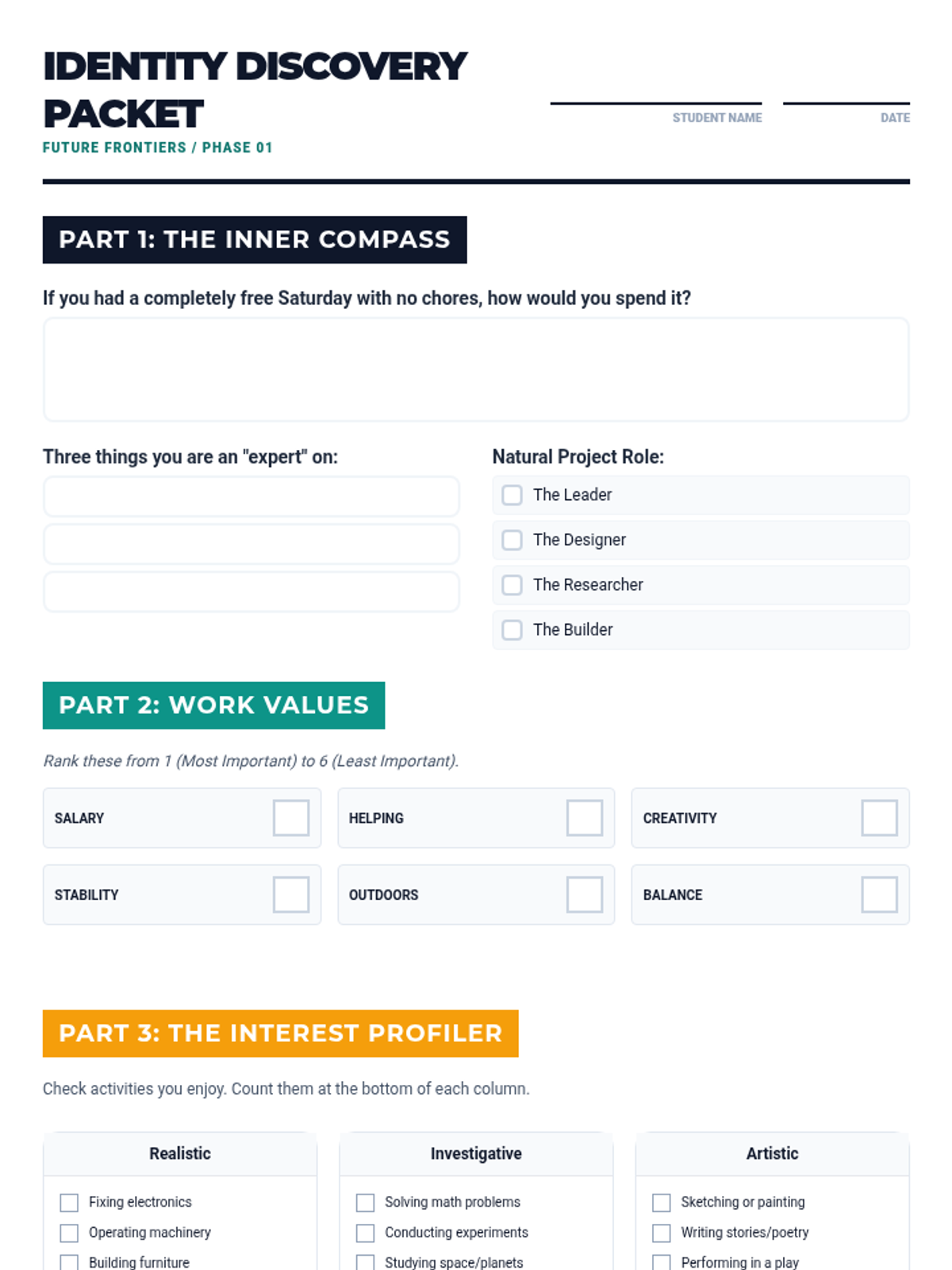
A comprehensive two-part sequence designed to help students navigate the transition from self-discovery in middle school to the practical responsibilities of young adulthood. Lesson 1 focuses on identifying personal strengths, while Lesson 2 provides a roadmap for post-secondary life.
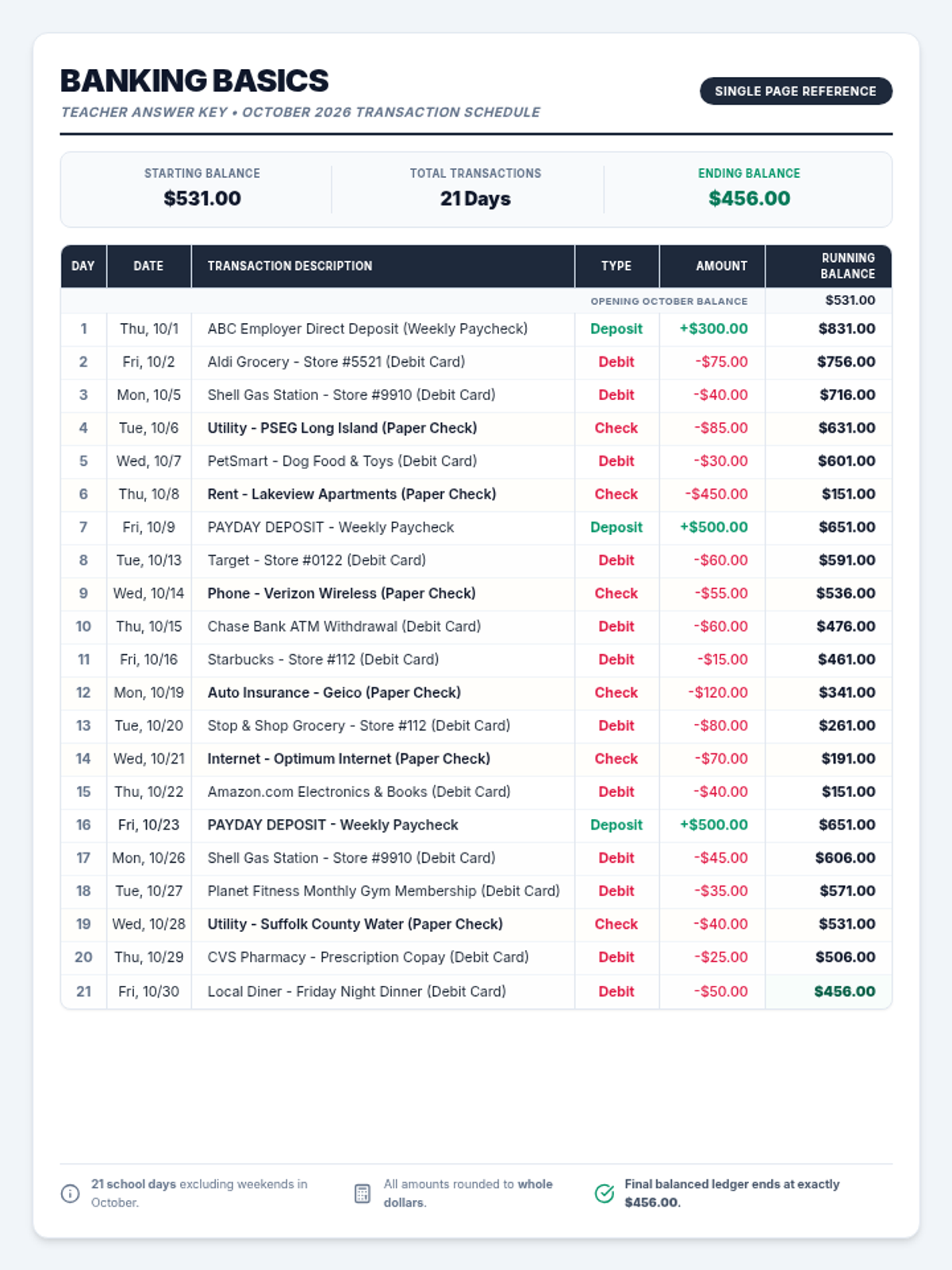
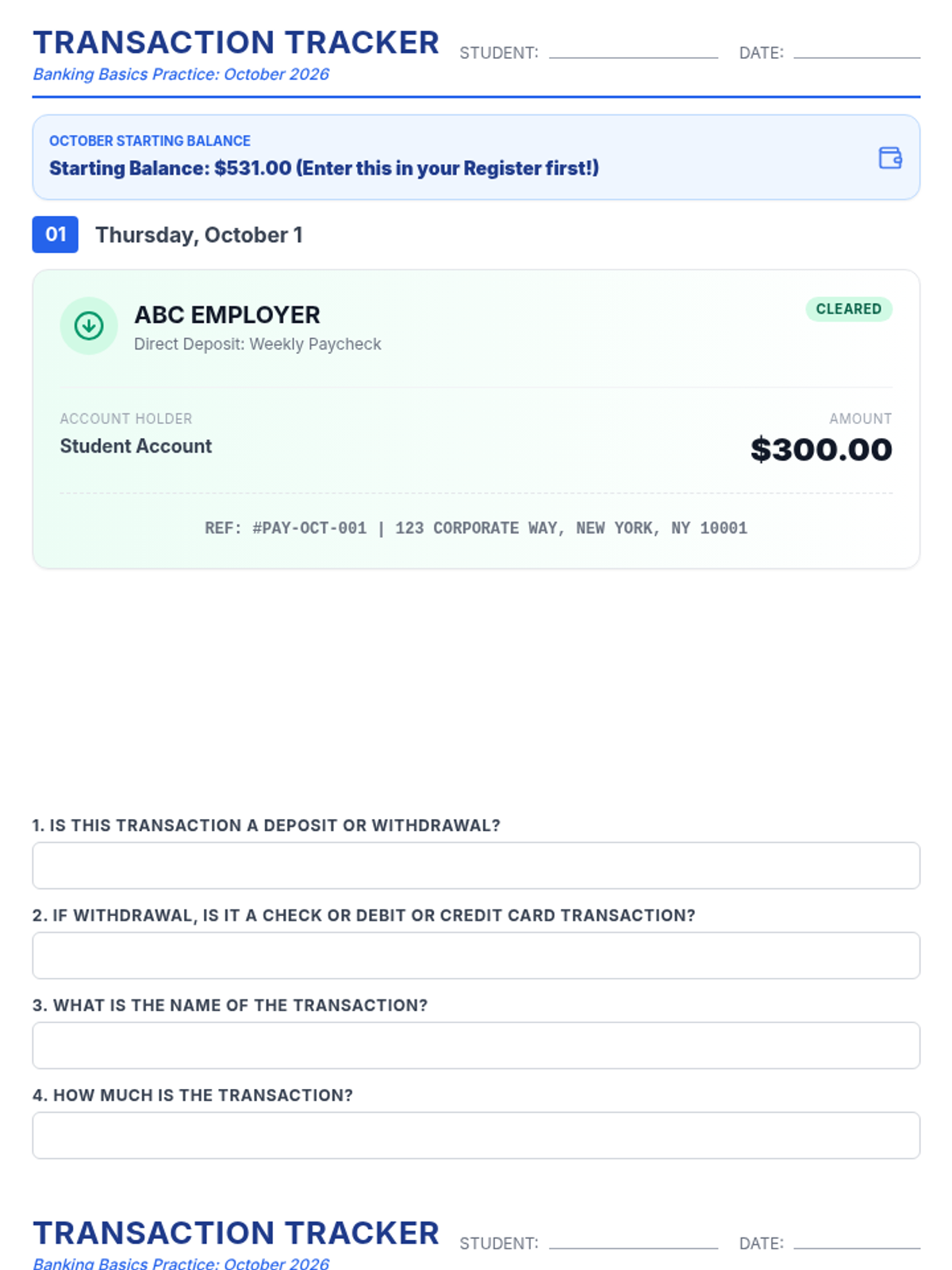
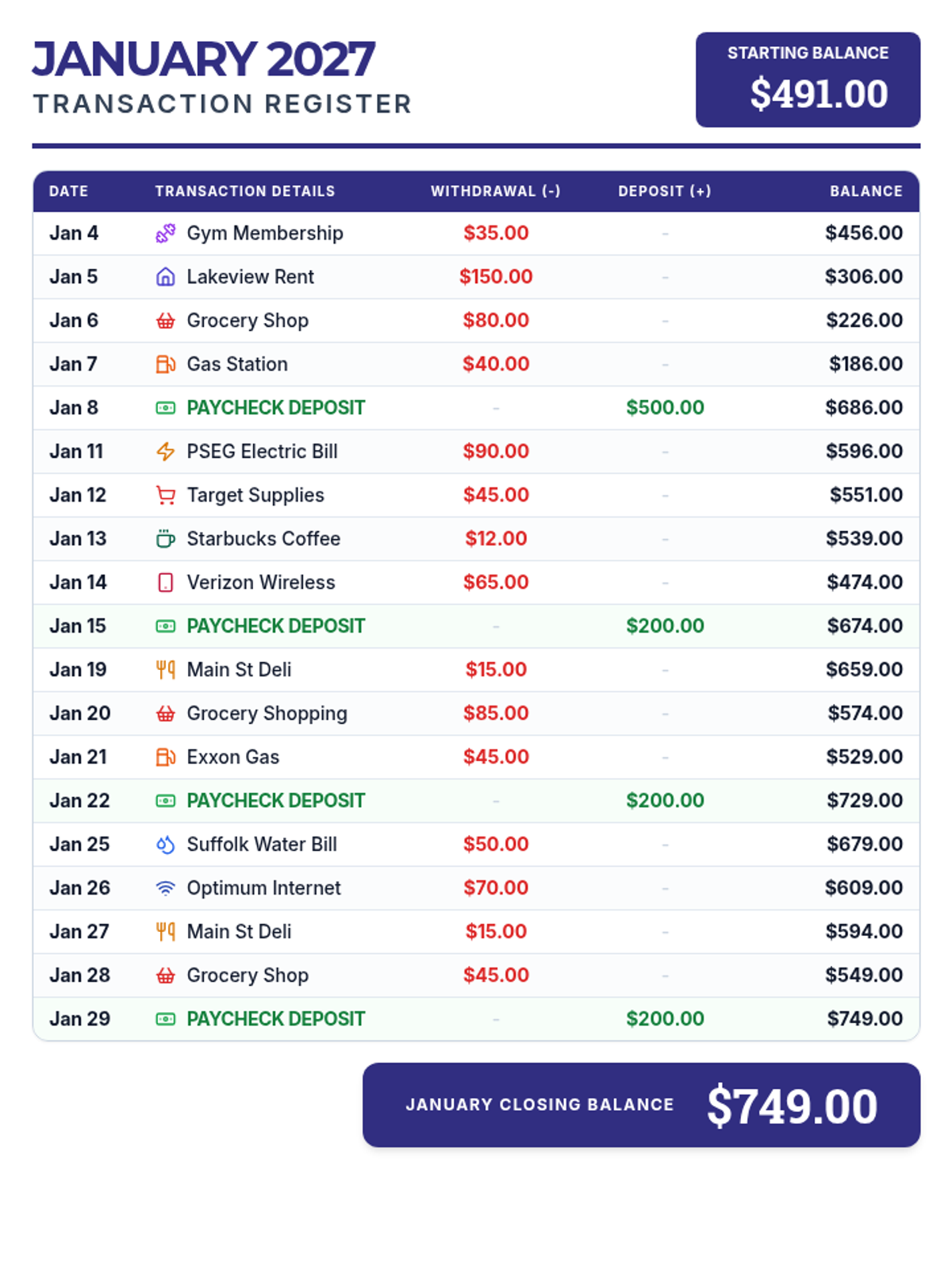
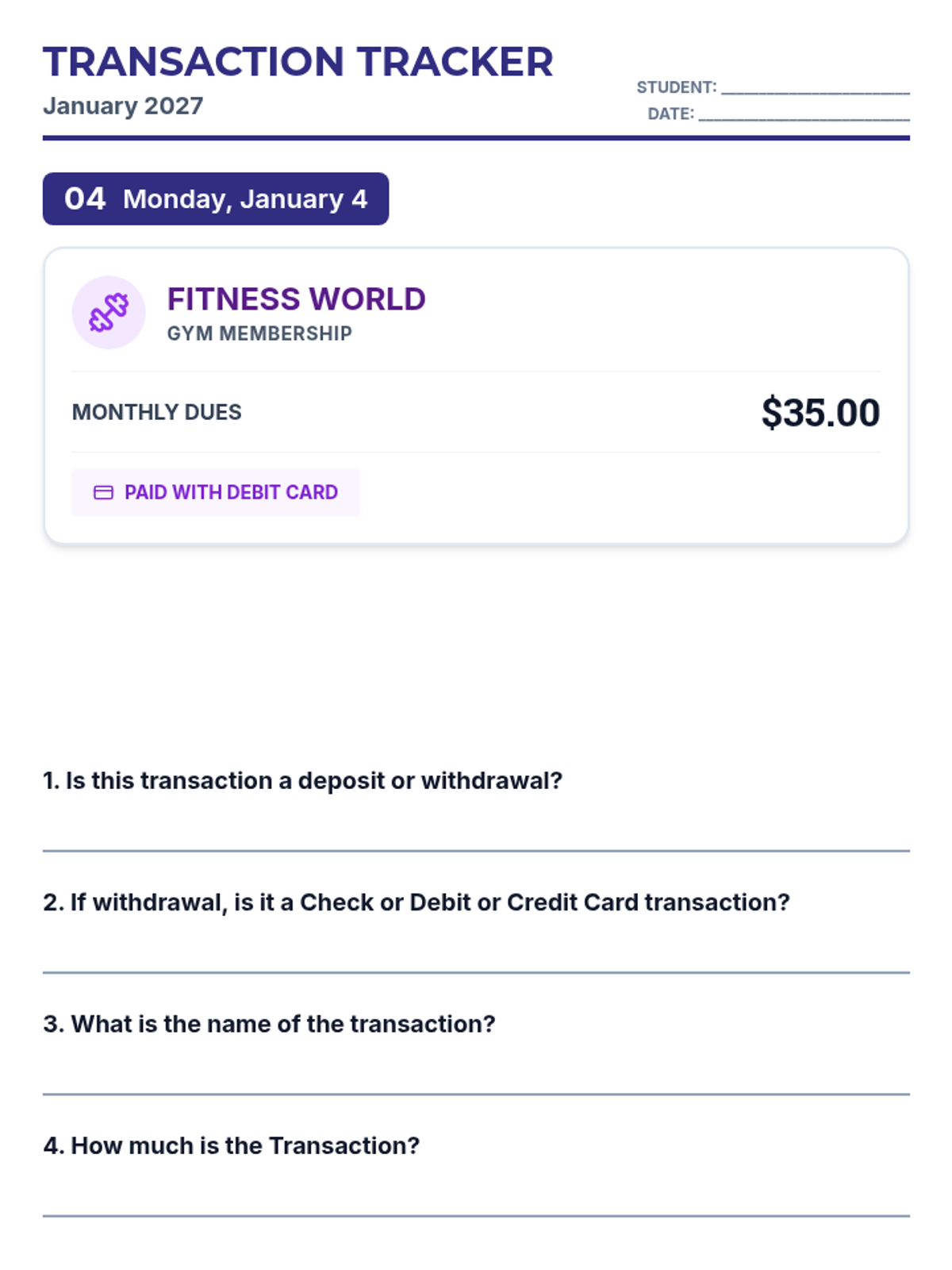
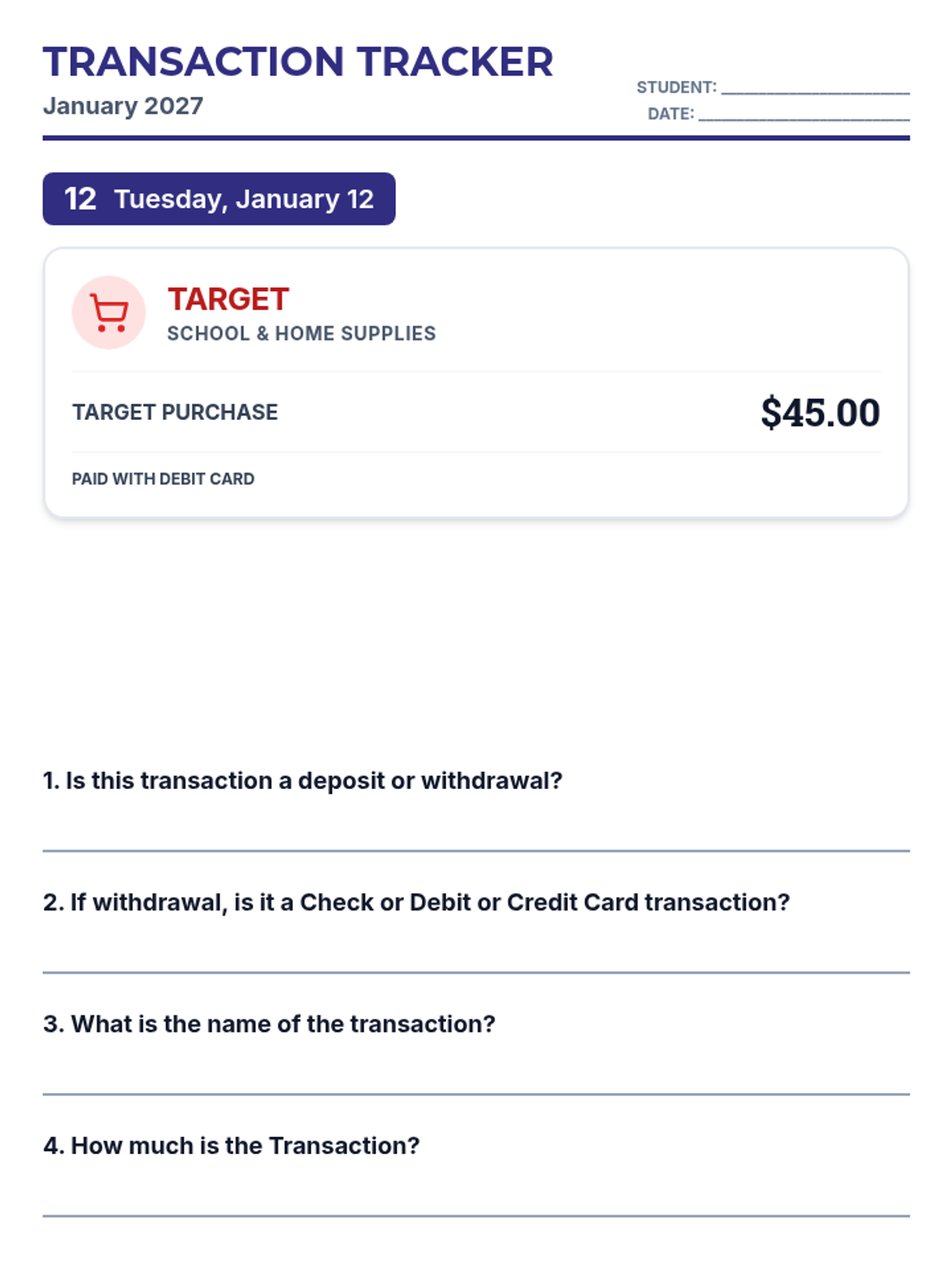
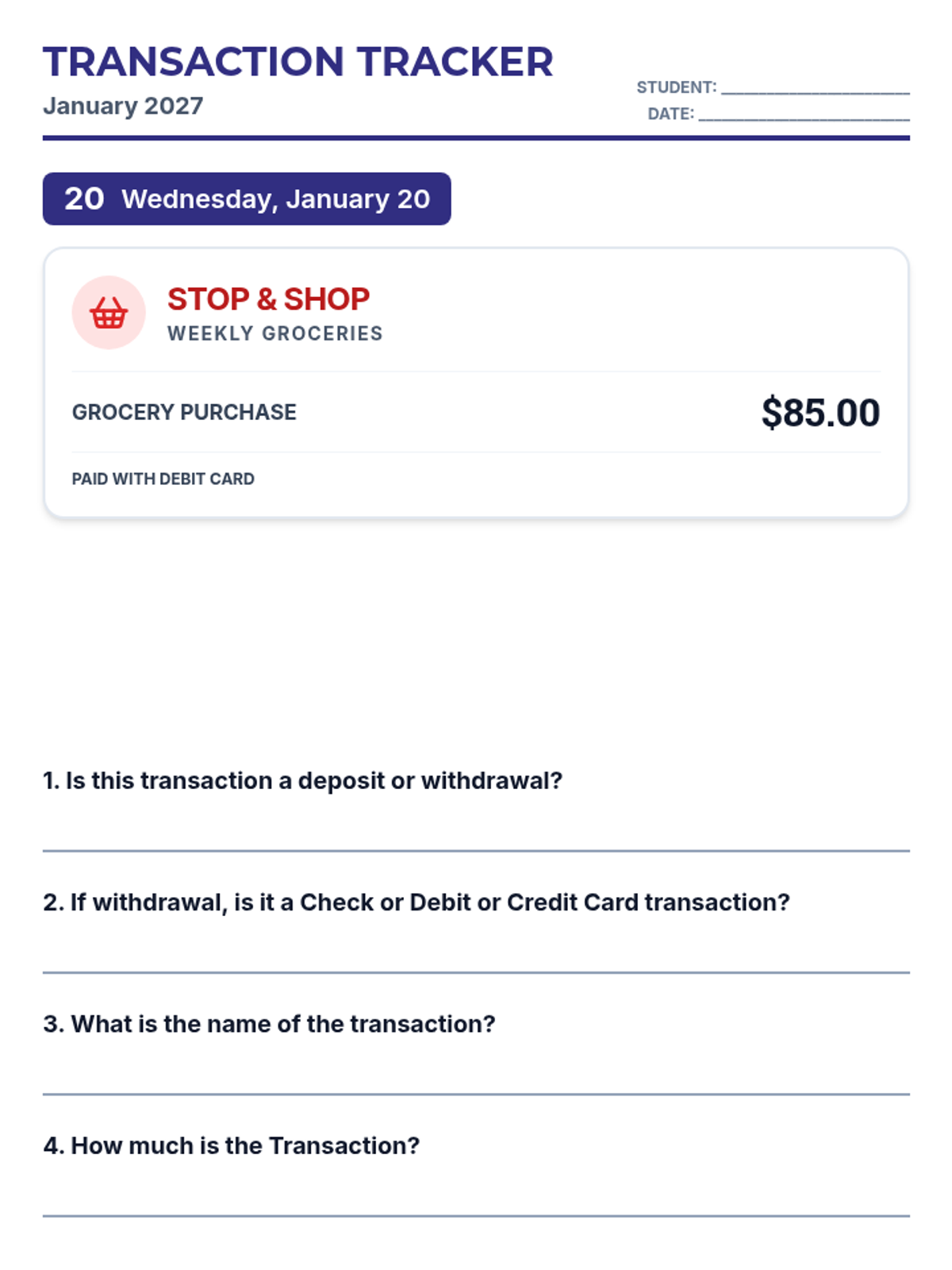
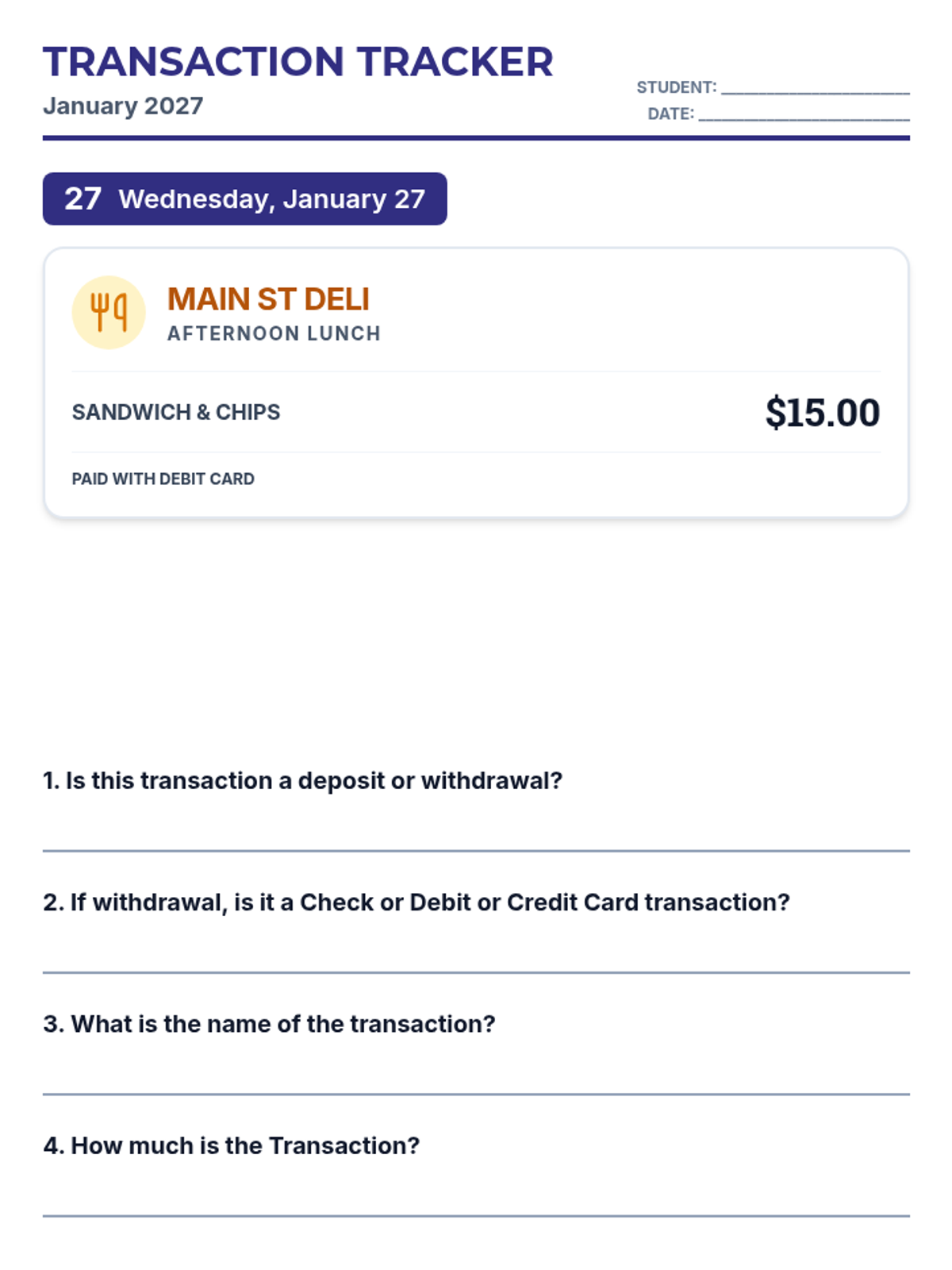
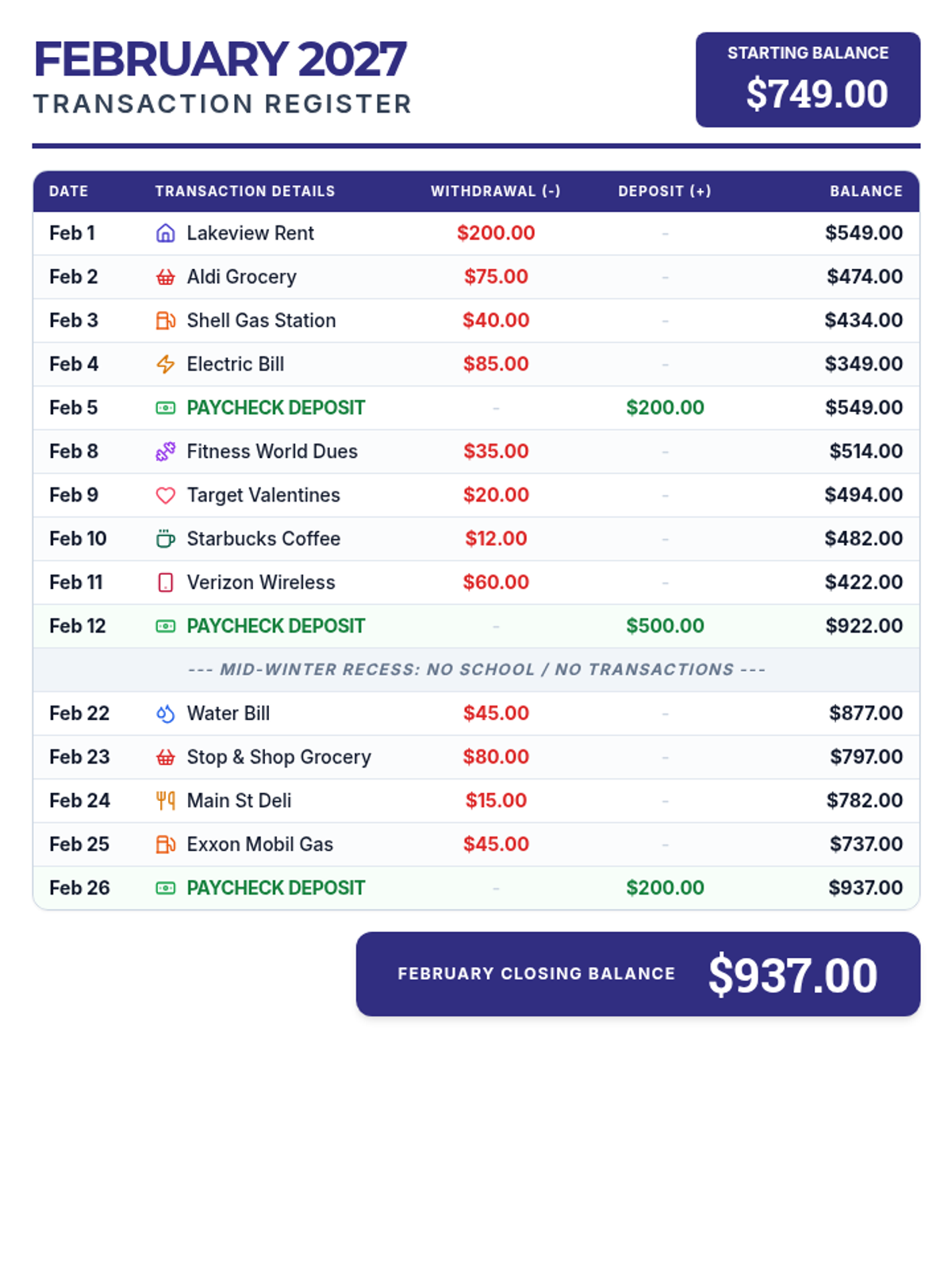
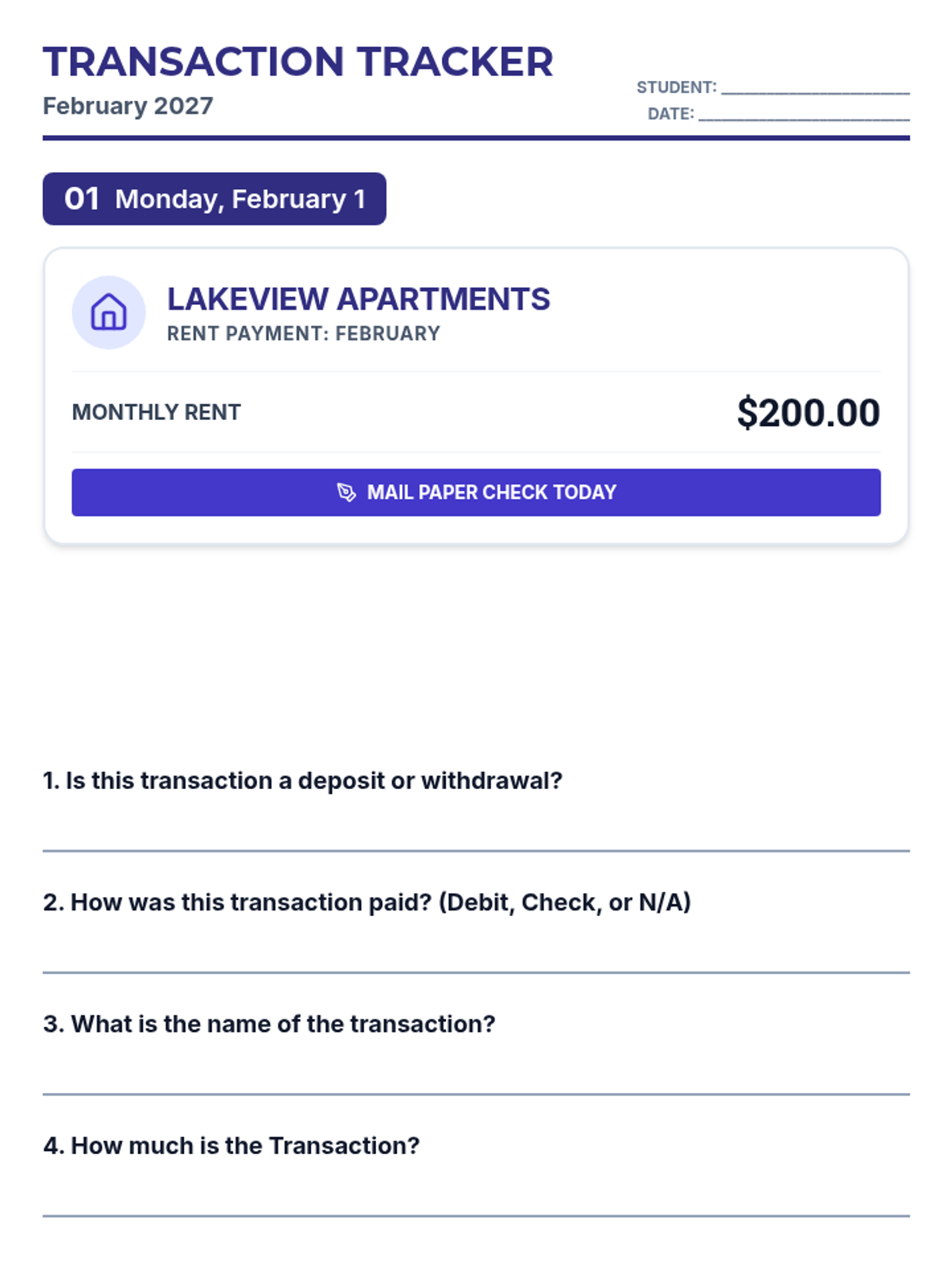
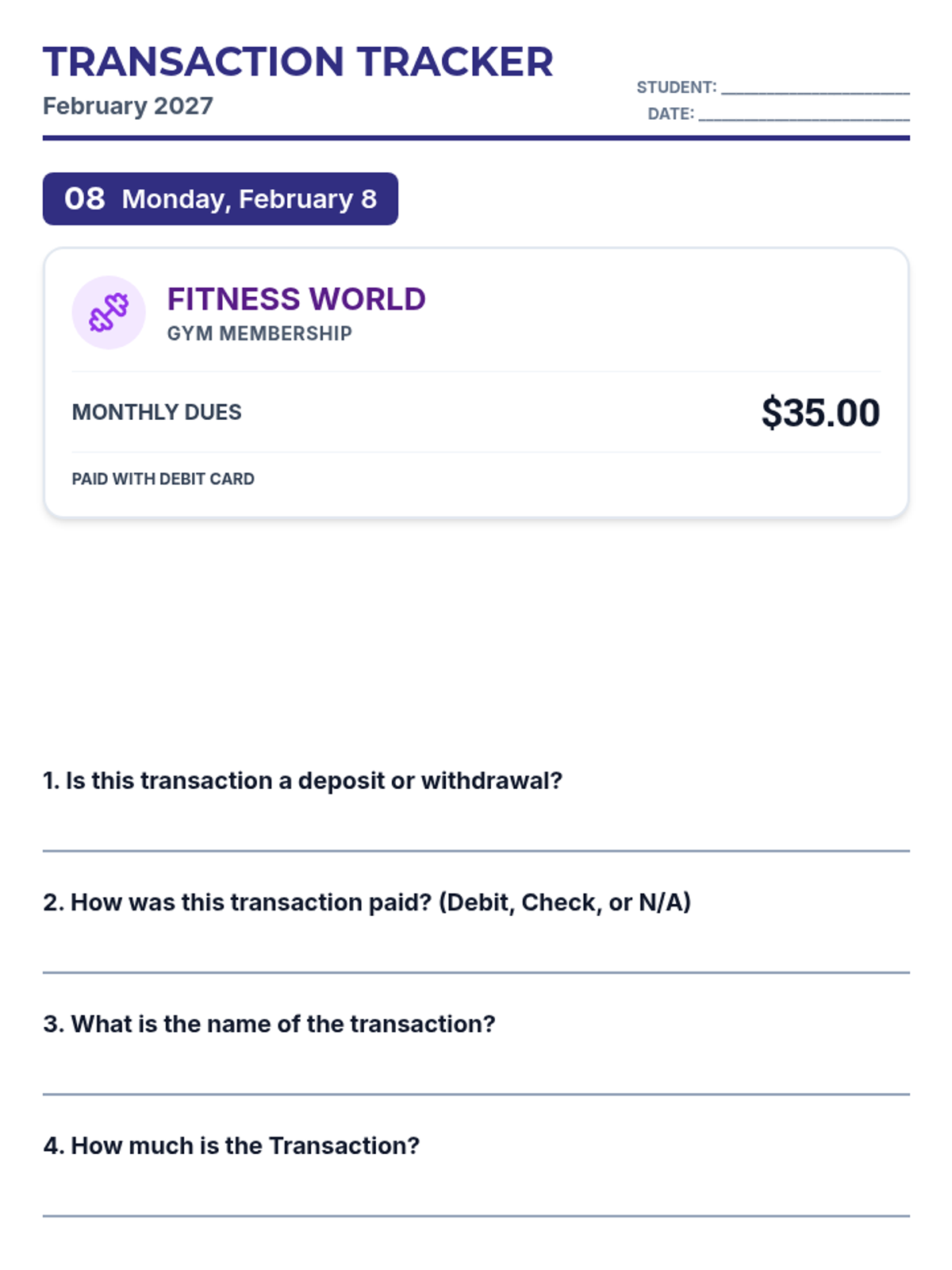
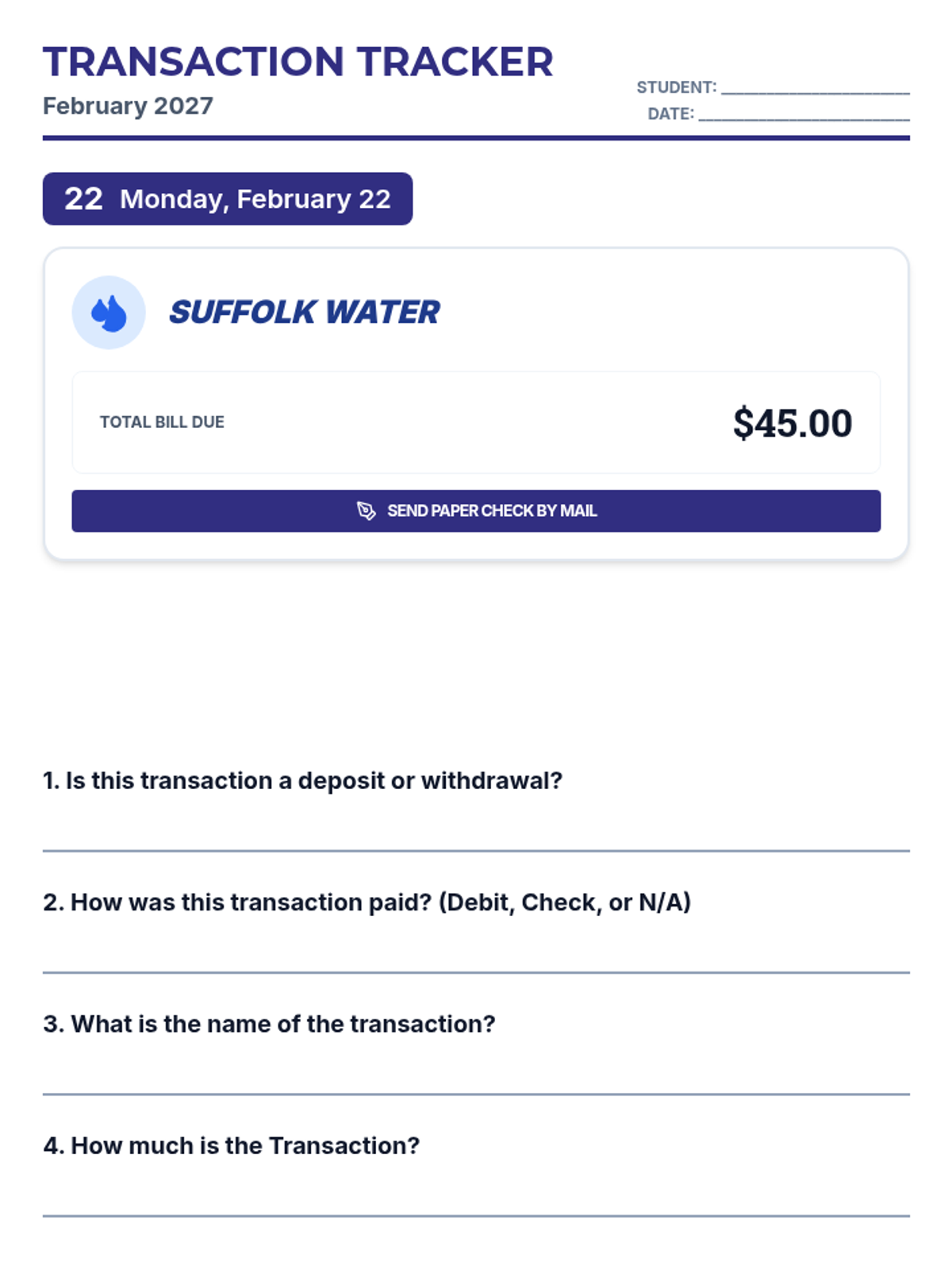
A comprehensive financial literacy curriculum where students learn how to track daily banking transactions, write checks, calculate running balances, and reconcile account registers month-by-month.
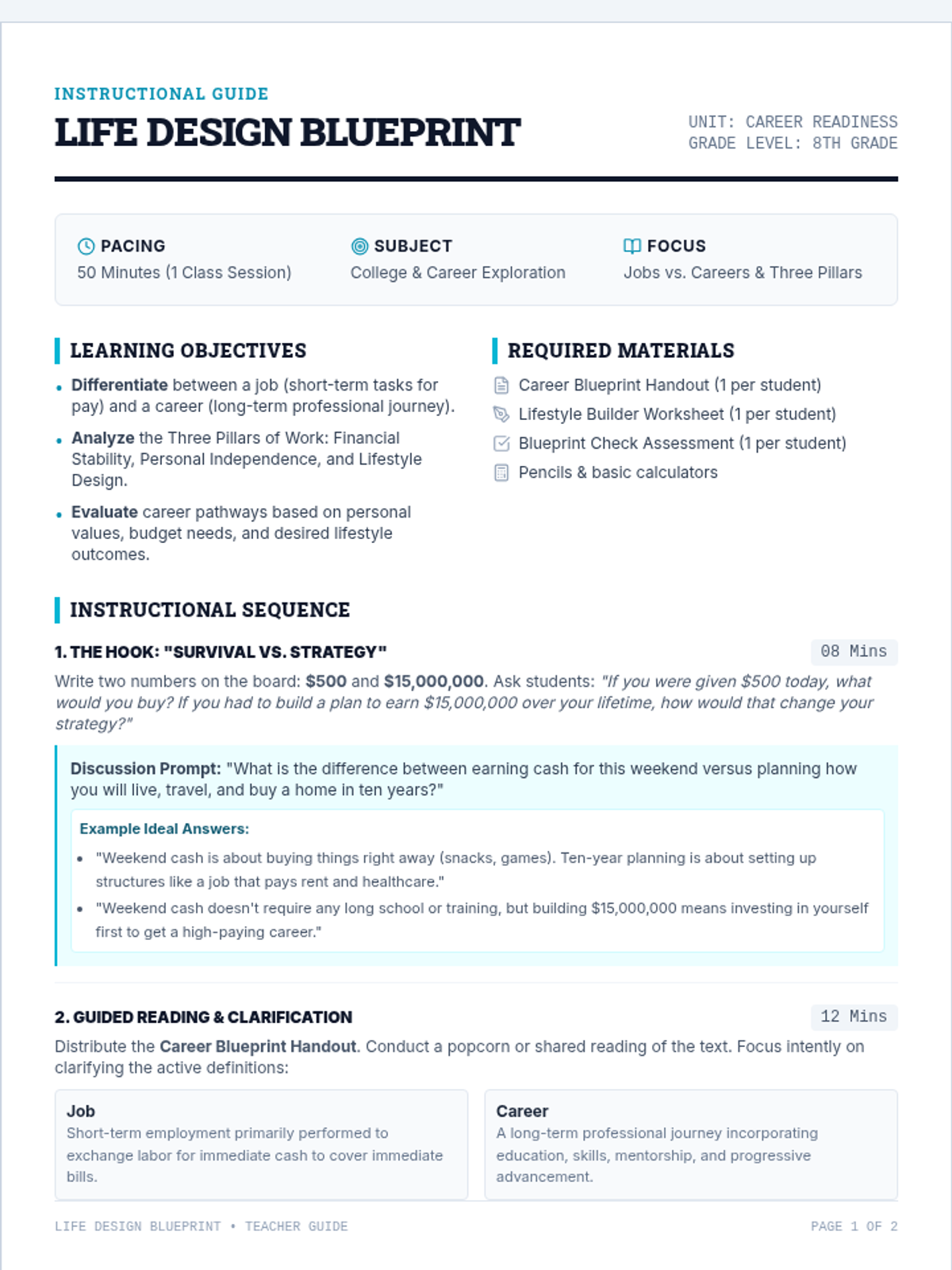
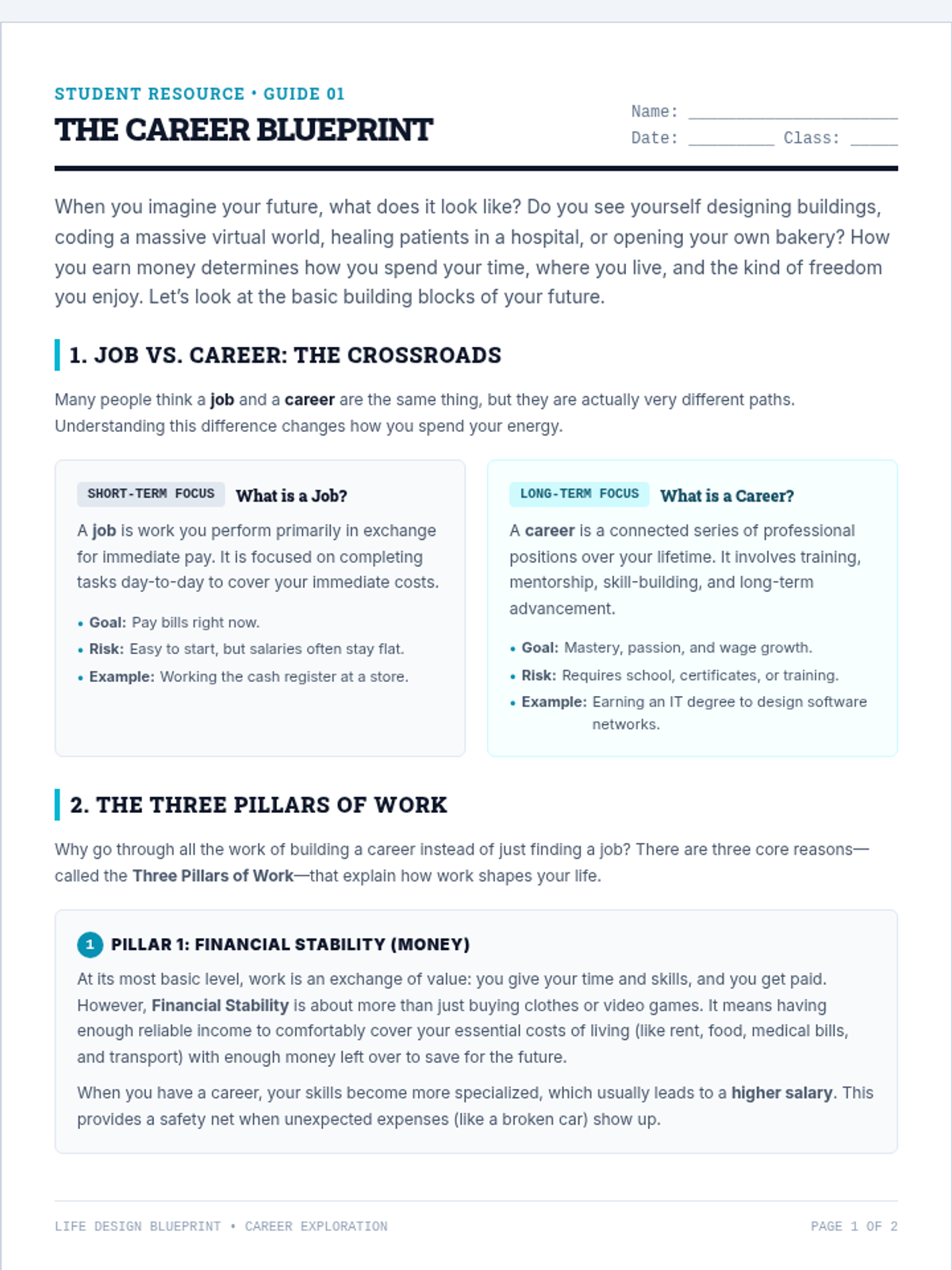
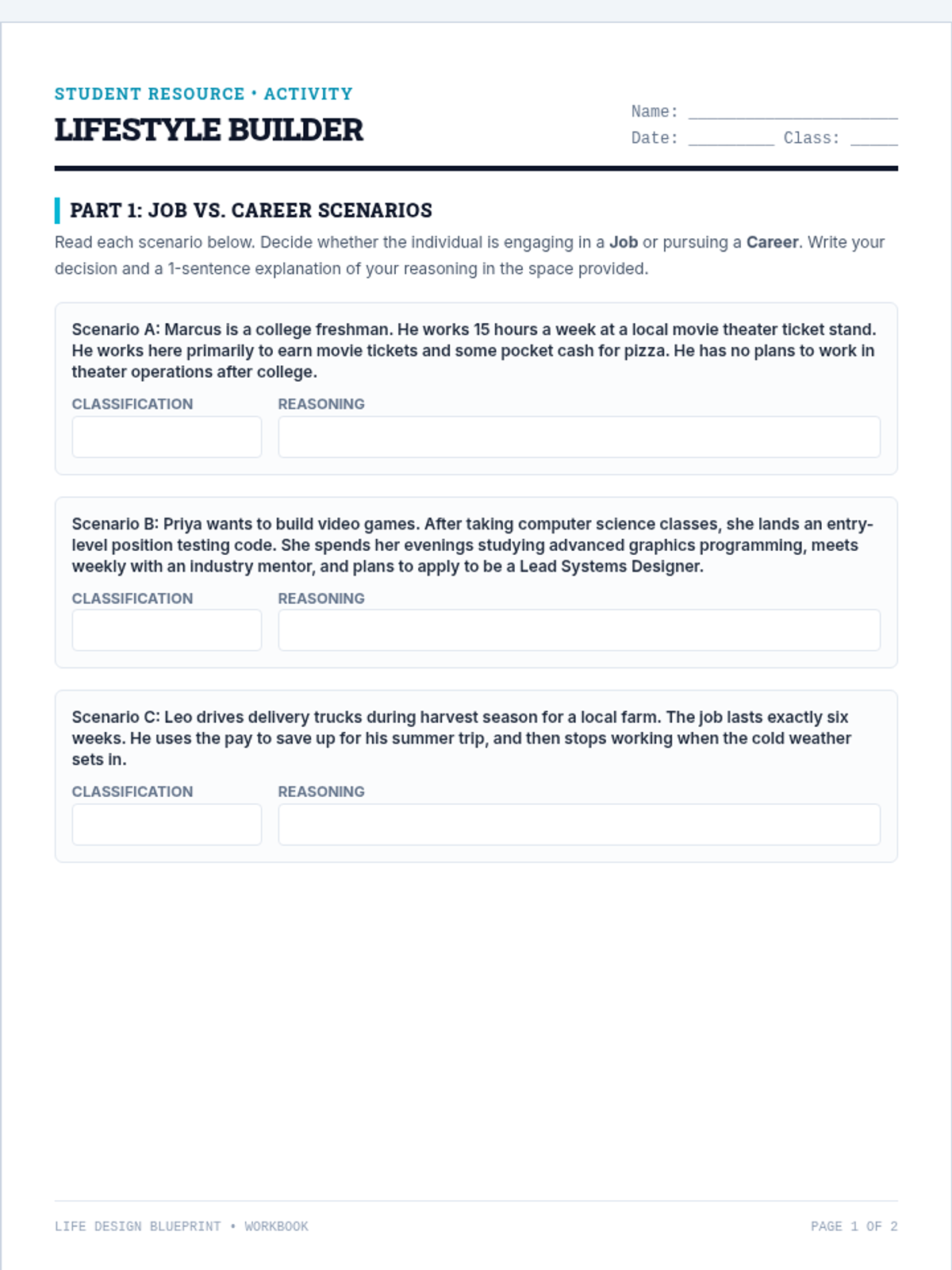
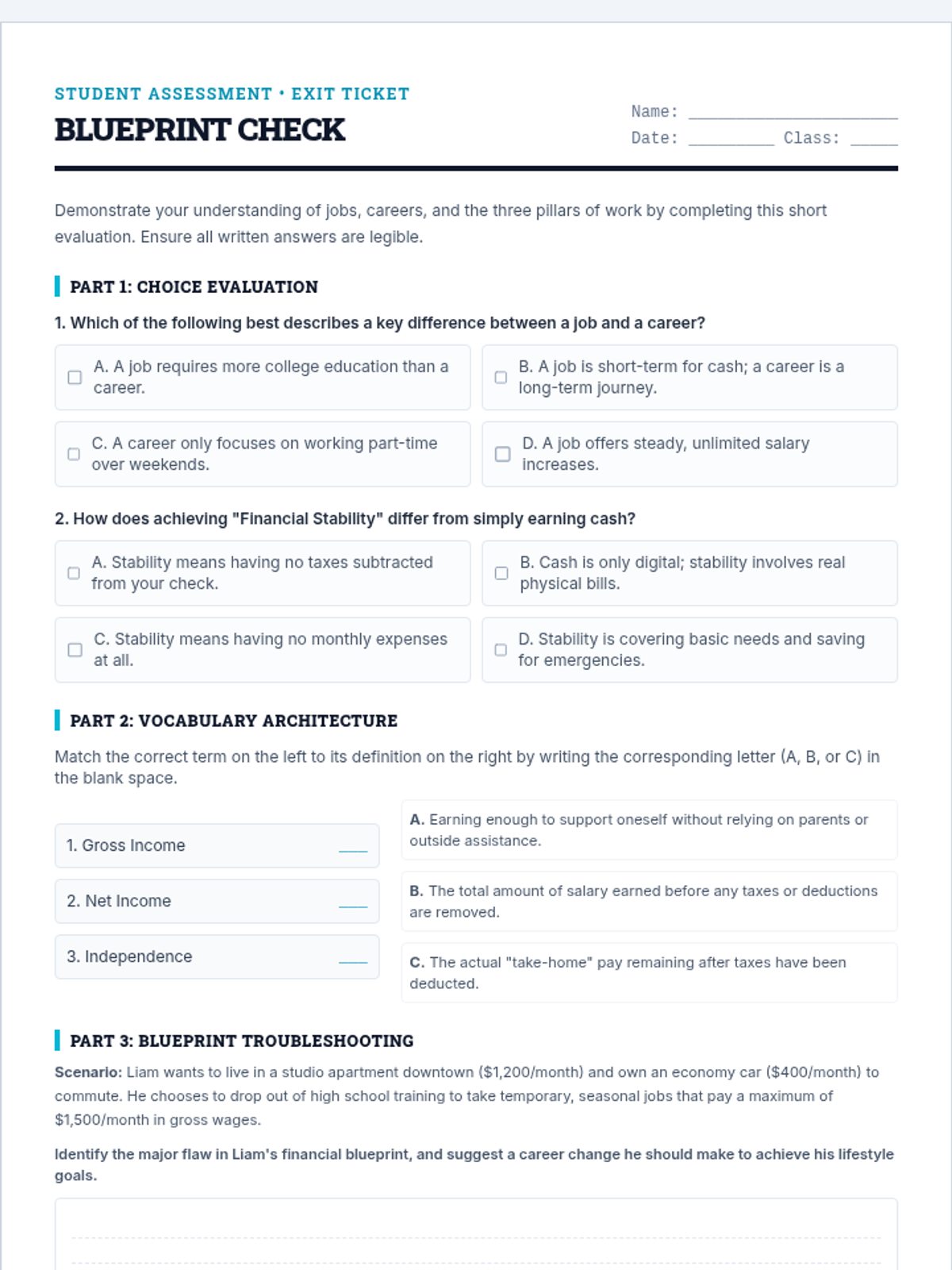
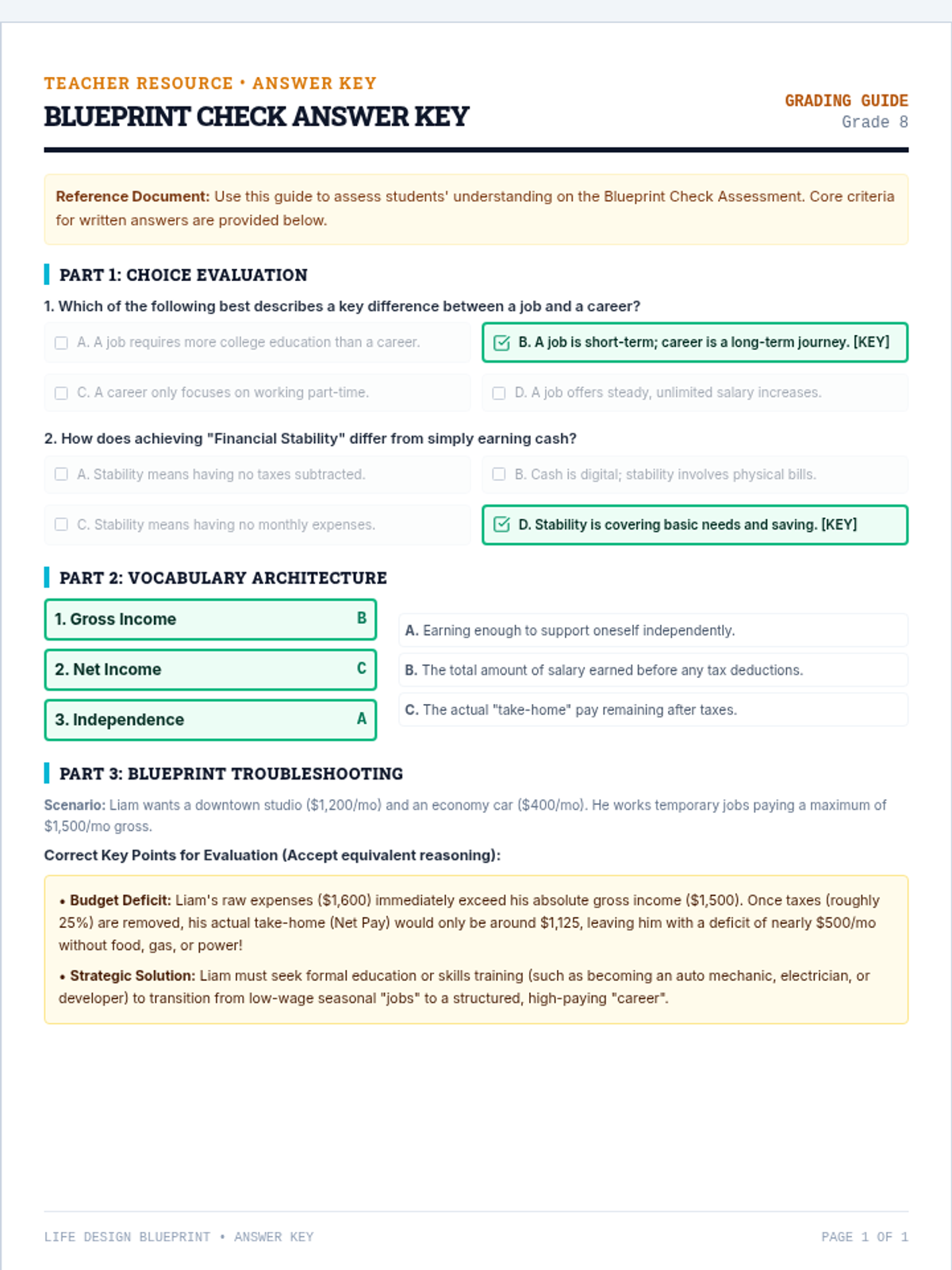
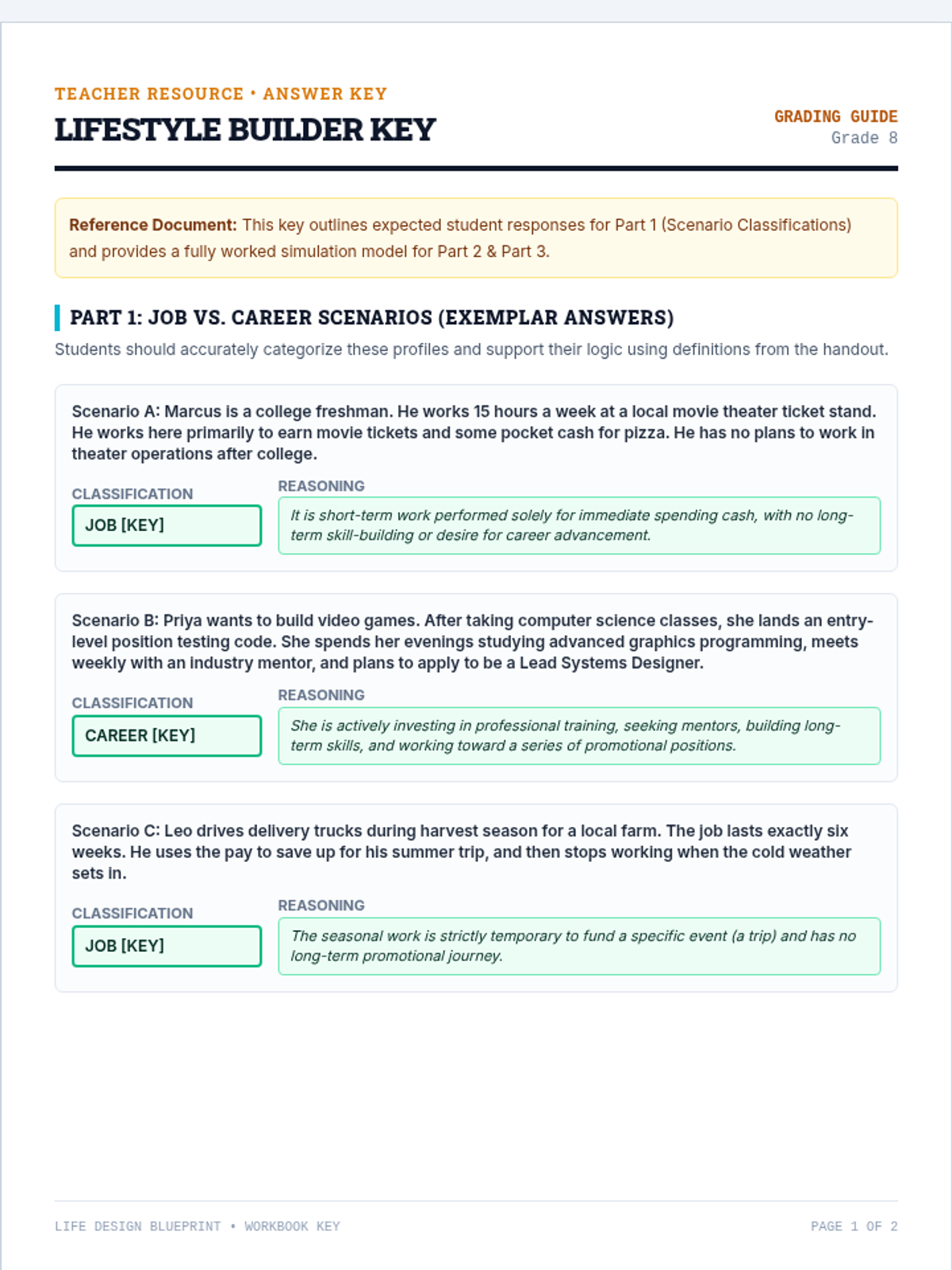
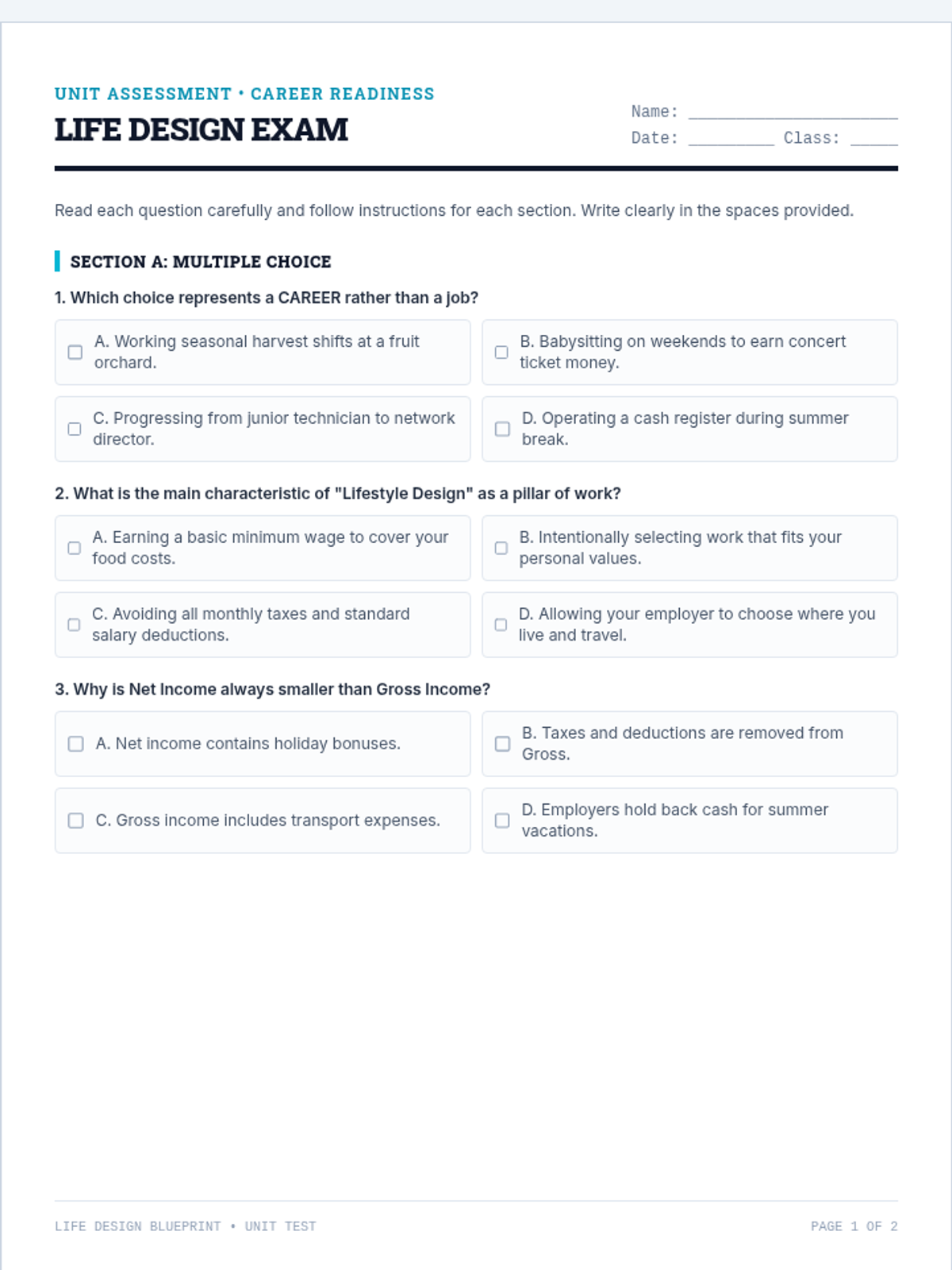
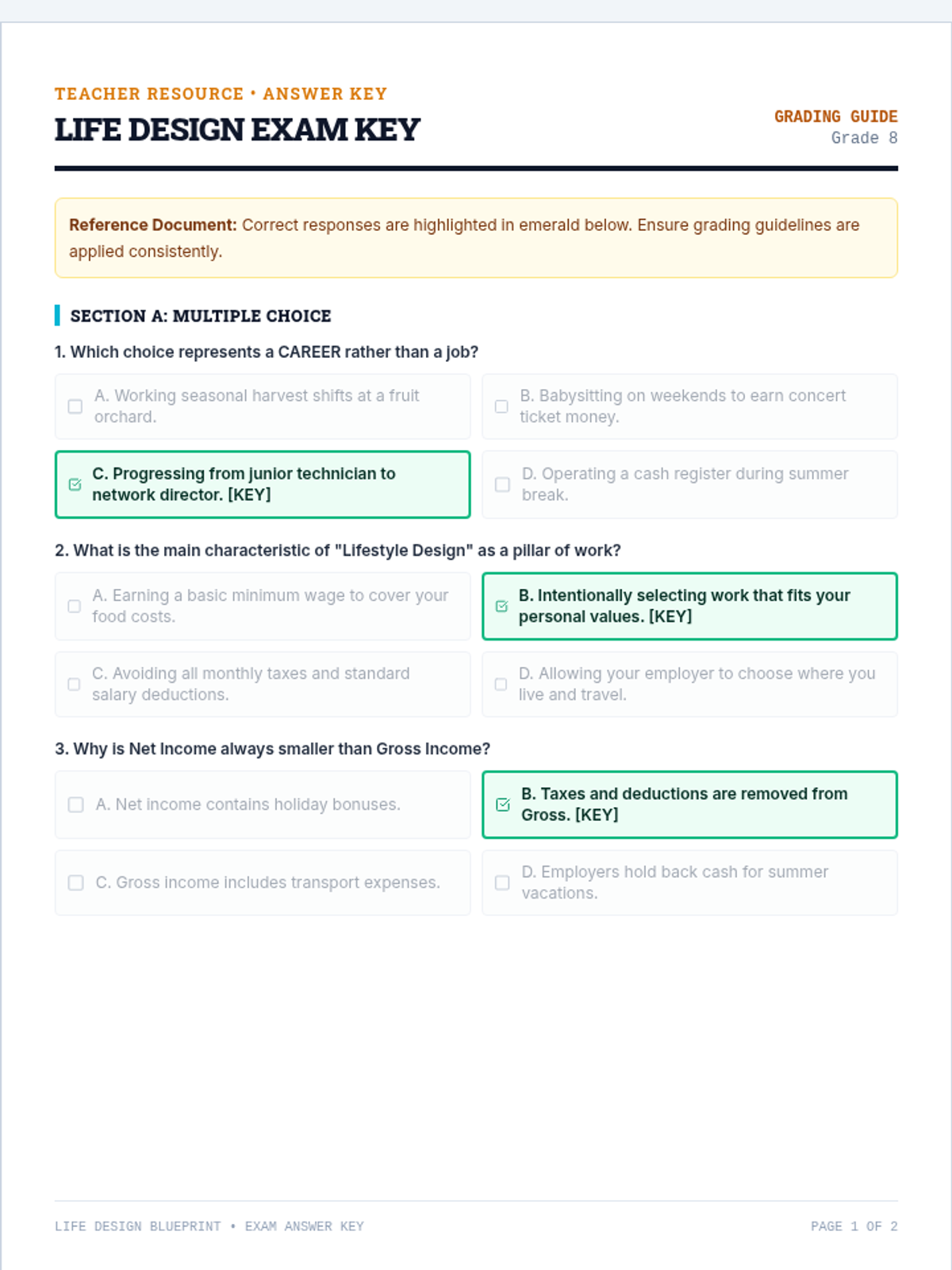
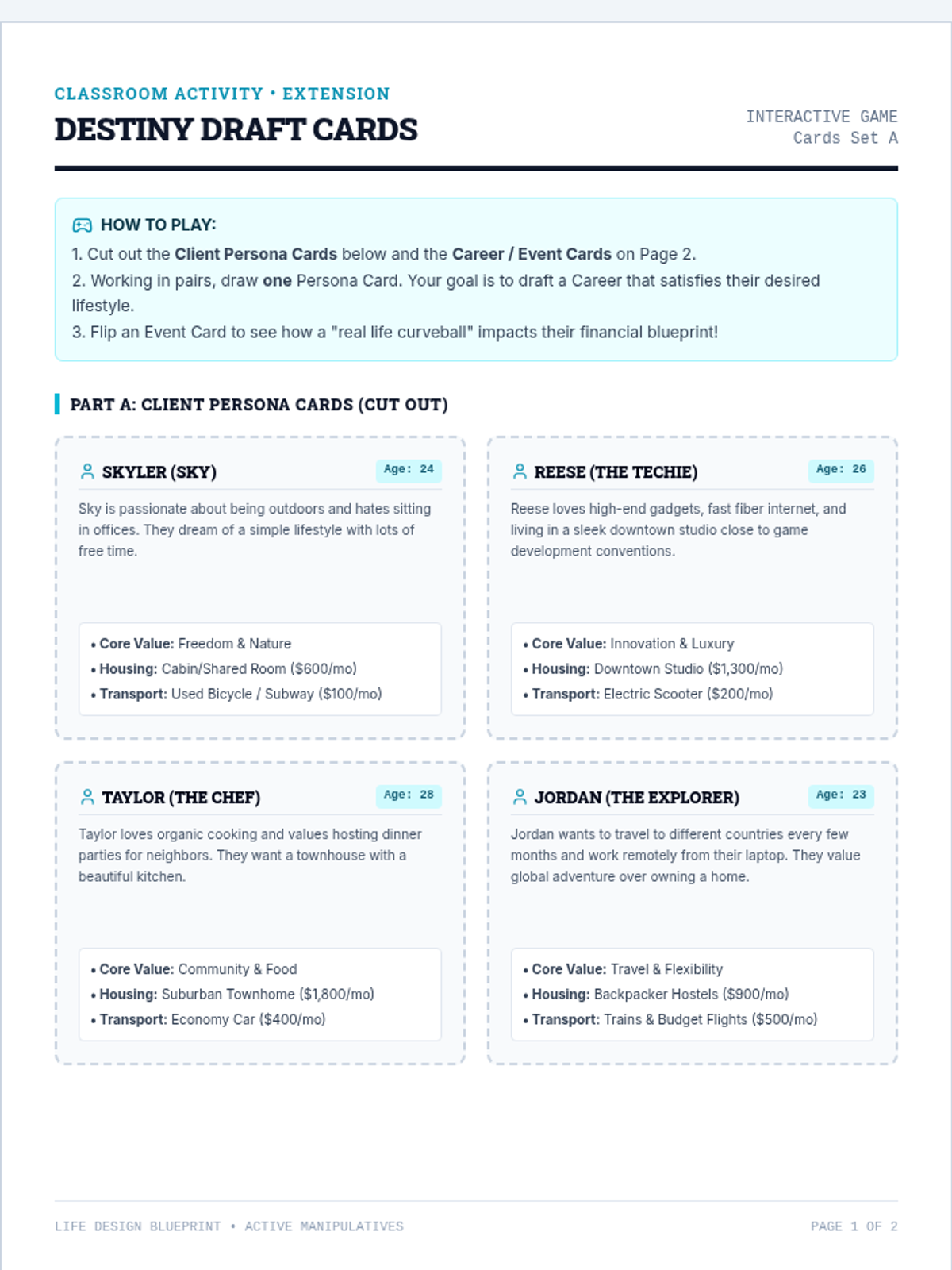
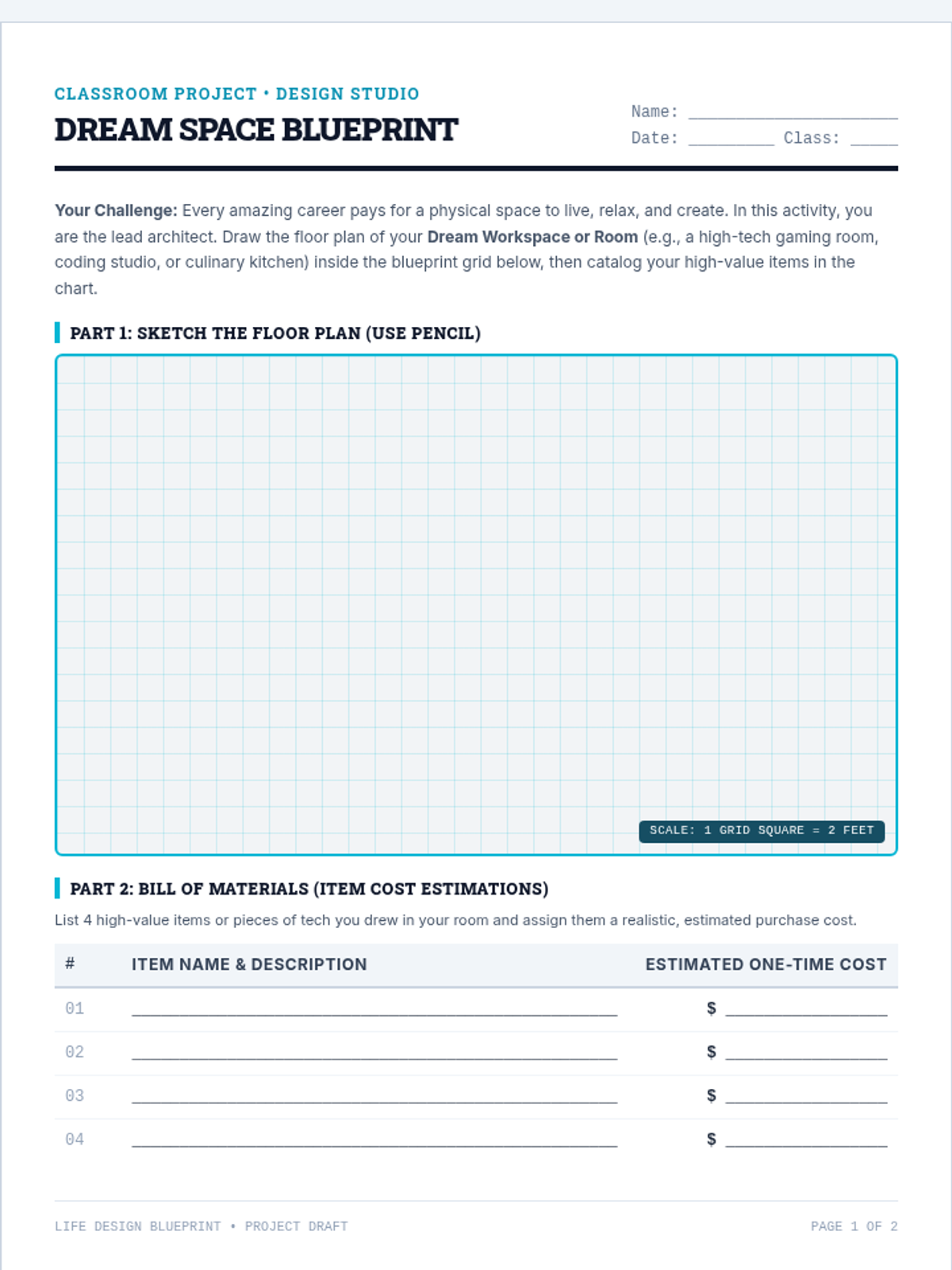
A comprehensive 2-day unit for 8th-grade students on career exploration and personal financial literacy. Day 1 focuses on differentiating jobs and careers alongside the three pillars of work, while Day 2 engages students in a gamified destiny simulation and a creative dream space design project.
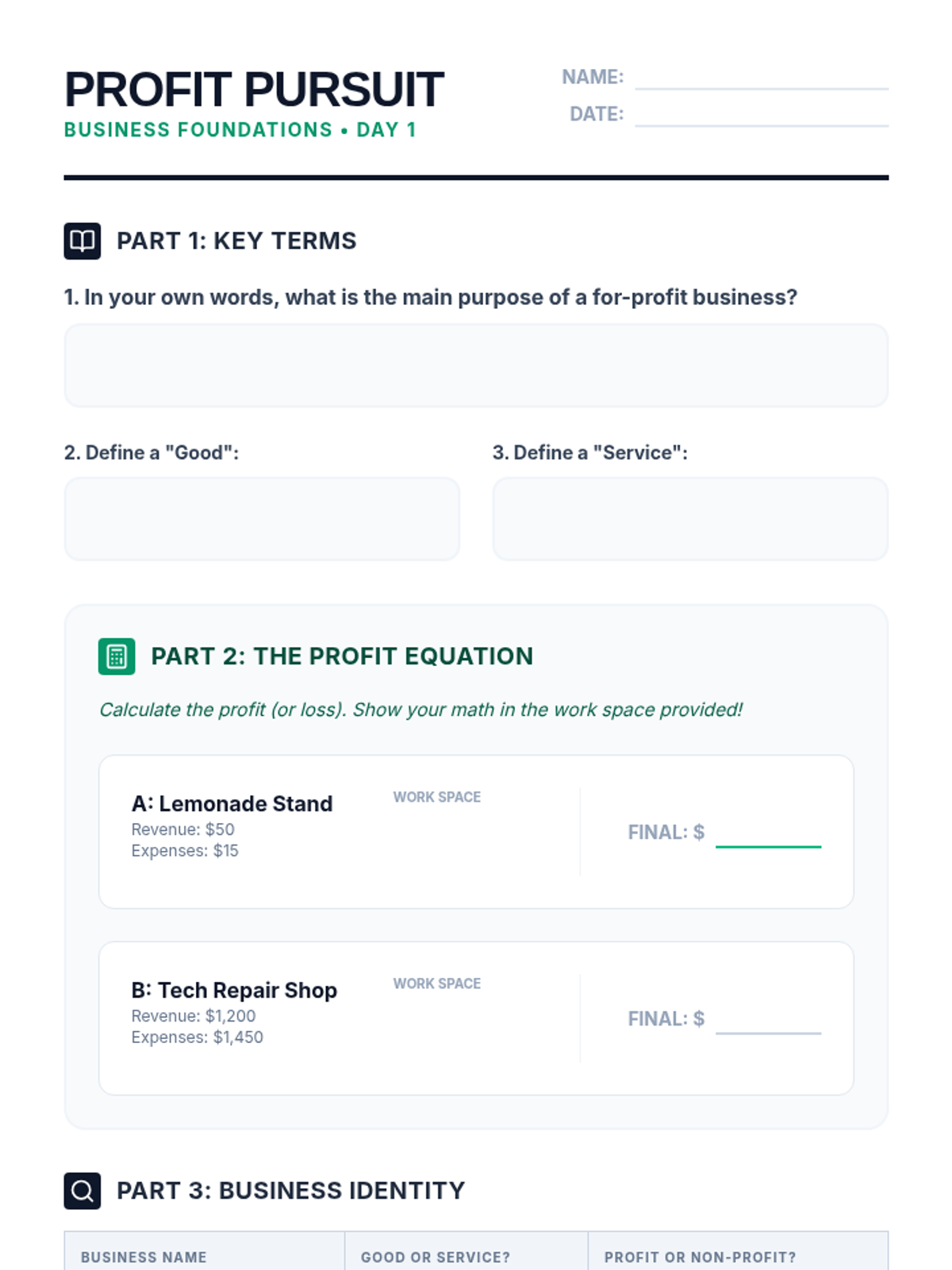
A comprehensive 7-day introduction to business and entrepreneurship. Students explore foundations, economic principles, ownership models, internal structures, and the mindset and process needed to launch a new business idea.
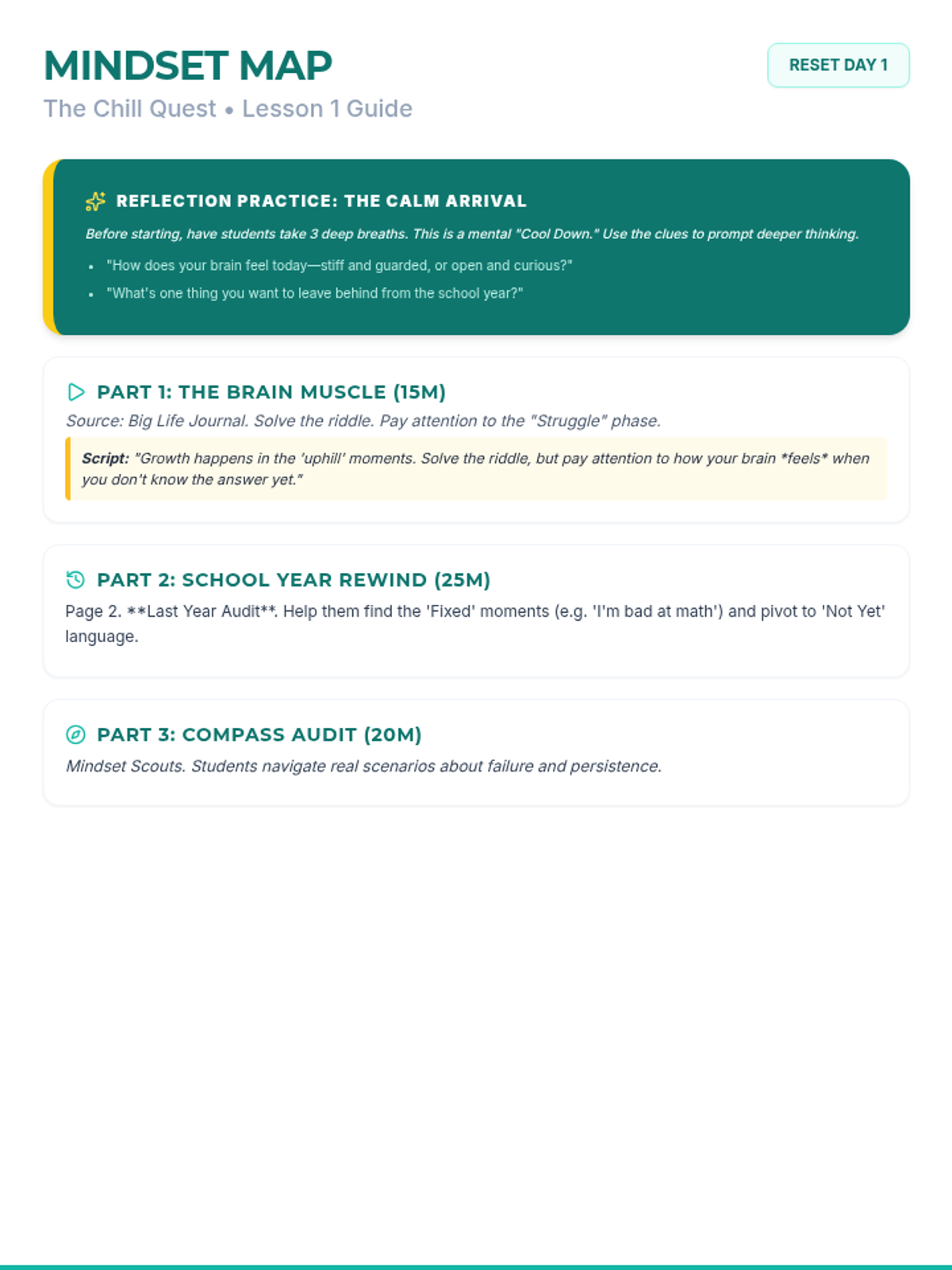
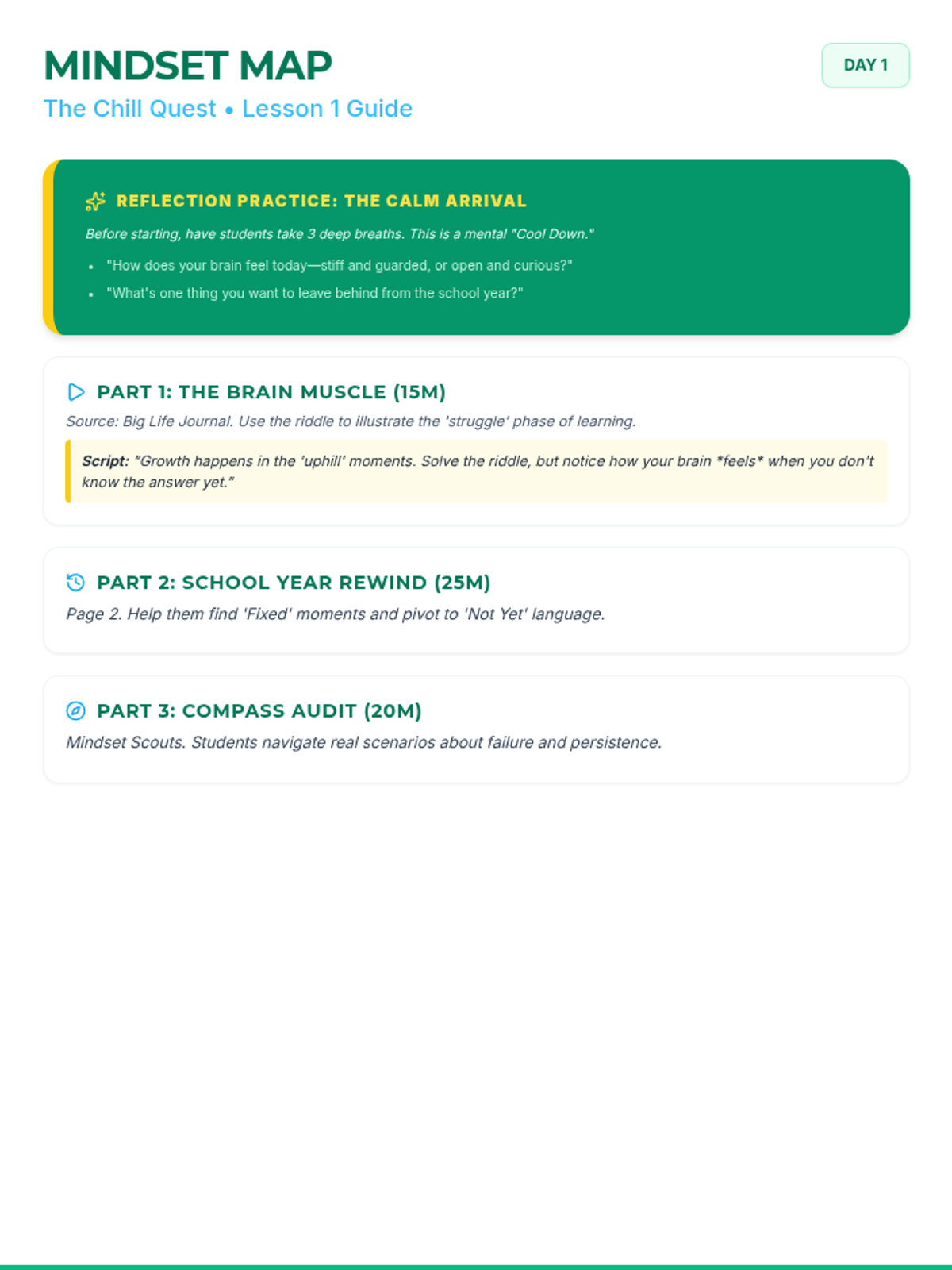
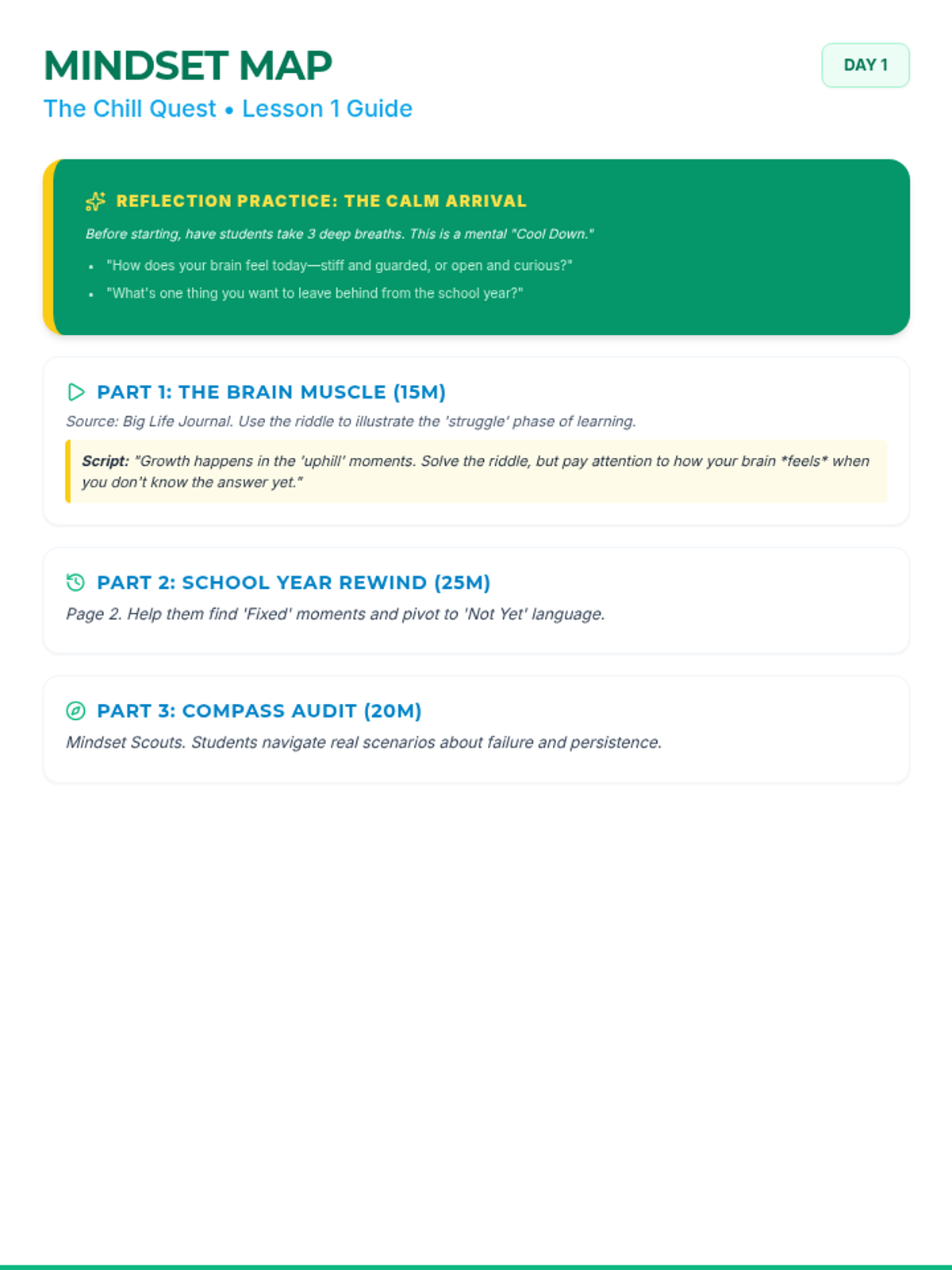
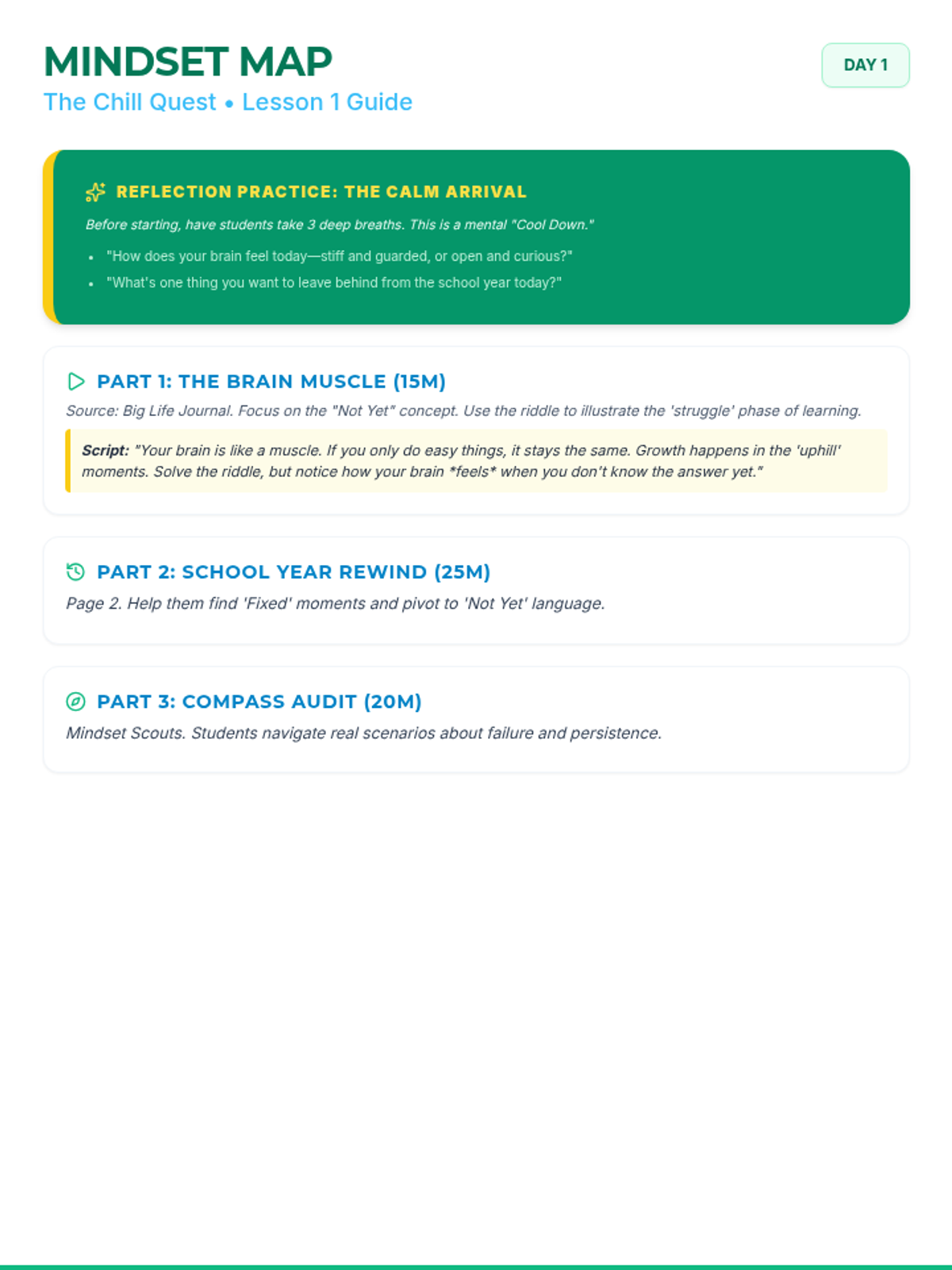
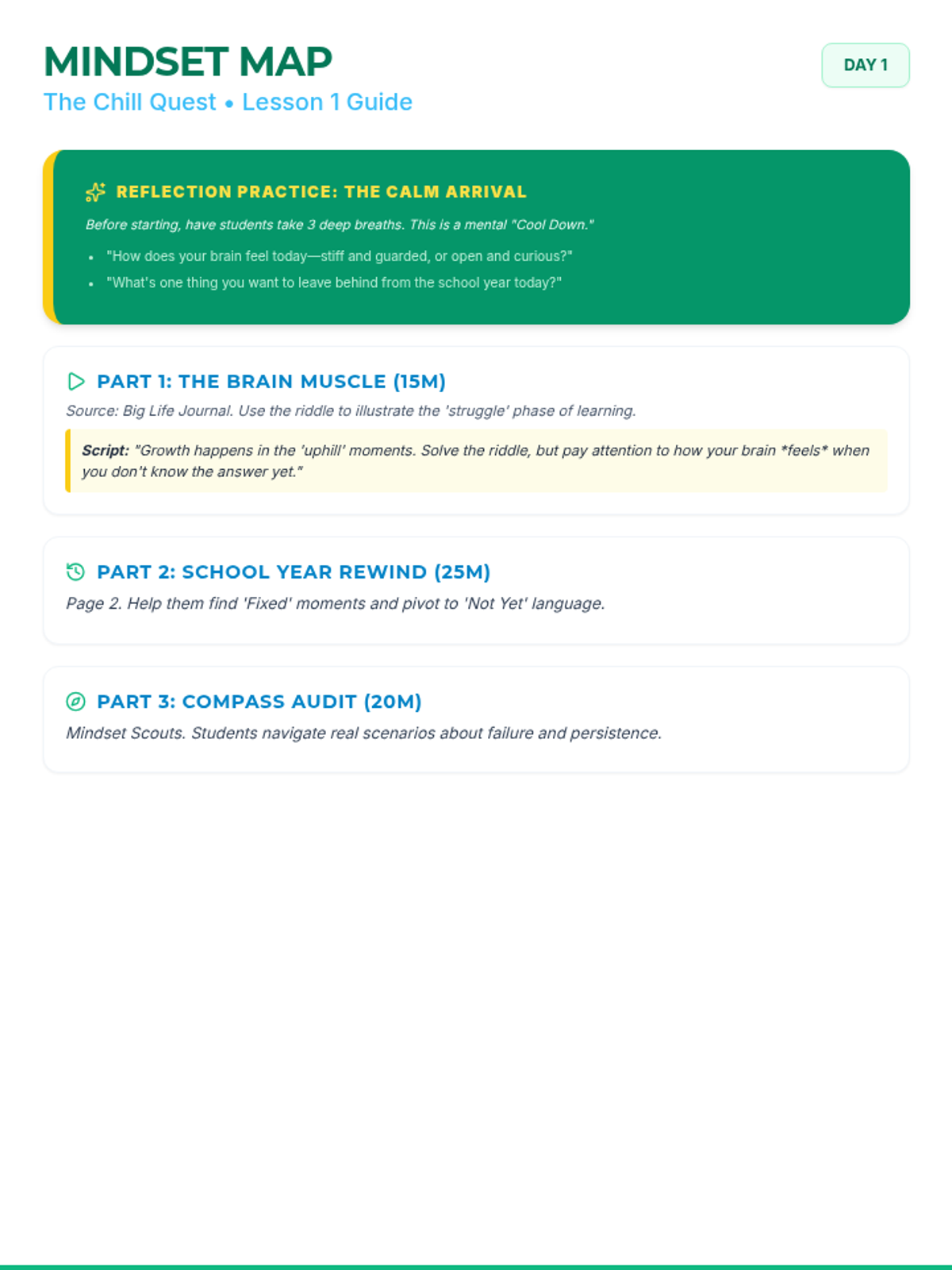
A summer-themed sequence for teens focused on growth mindset, the 7 Habits of Highly Effective Teens, and logic games. Designed for a stress-free, reflective environment. Styled in light green, blue, and yellow.
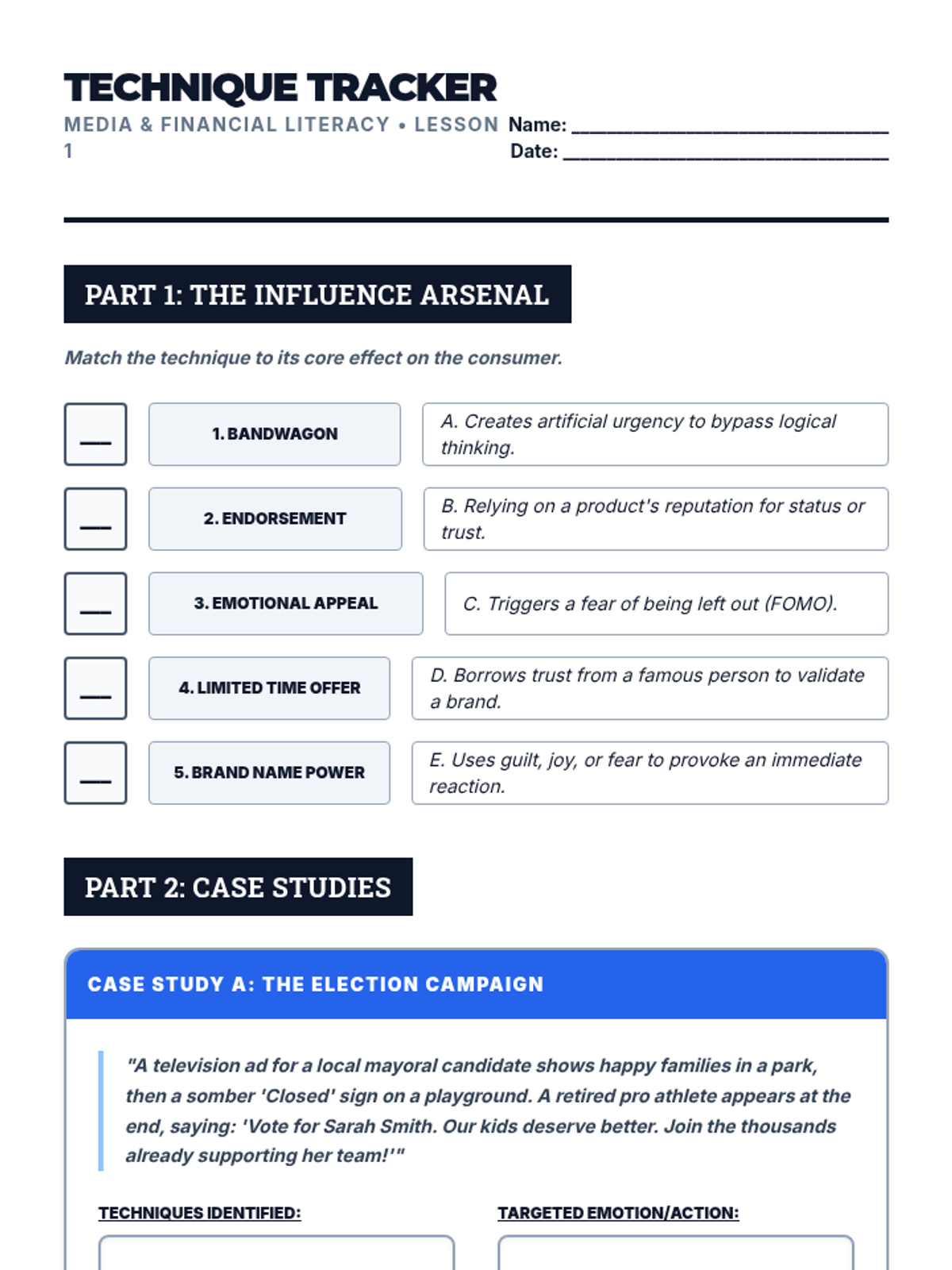
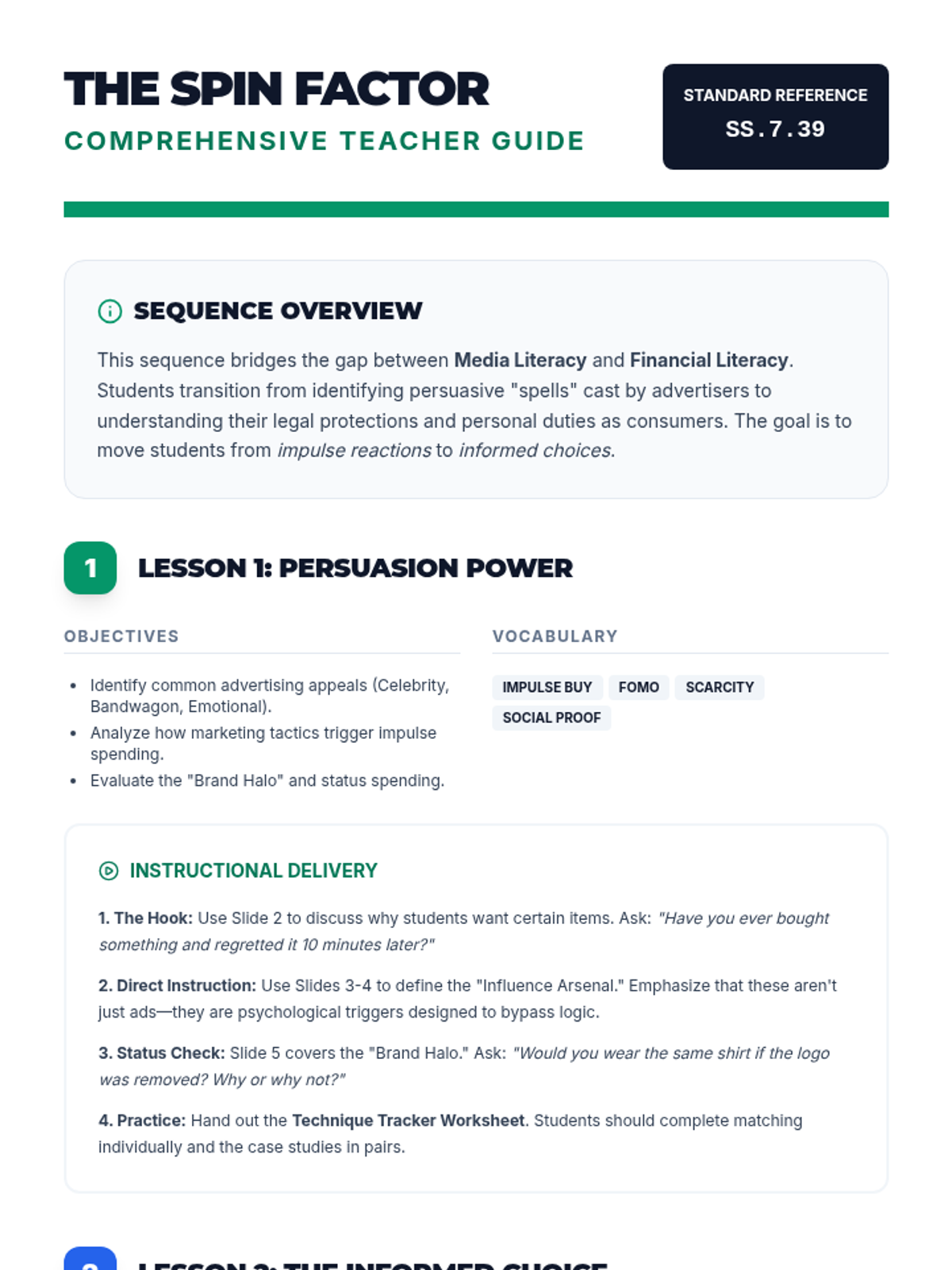
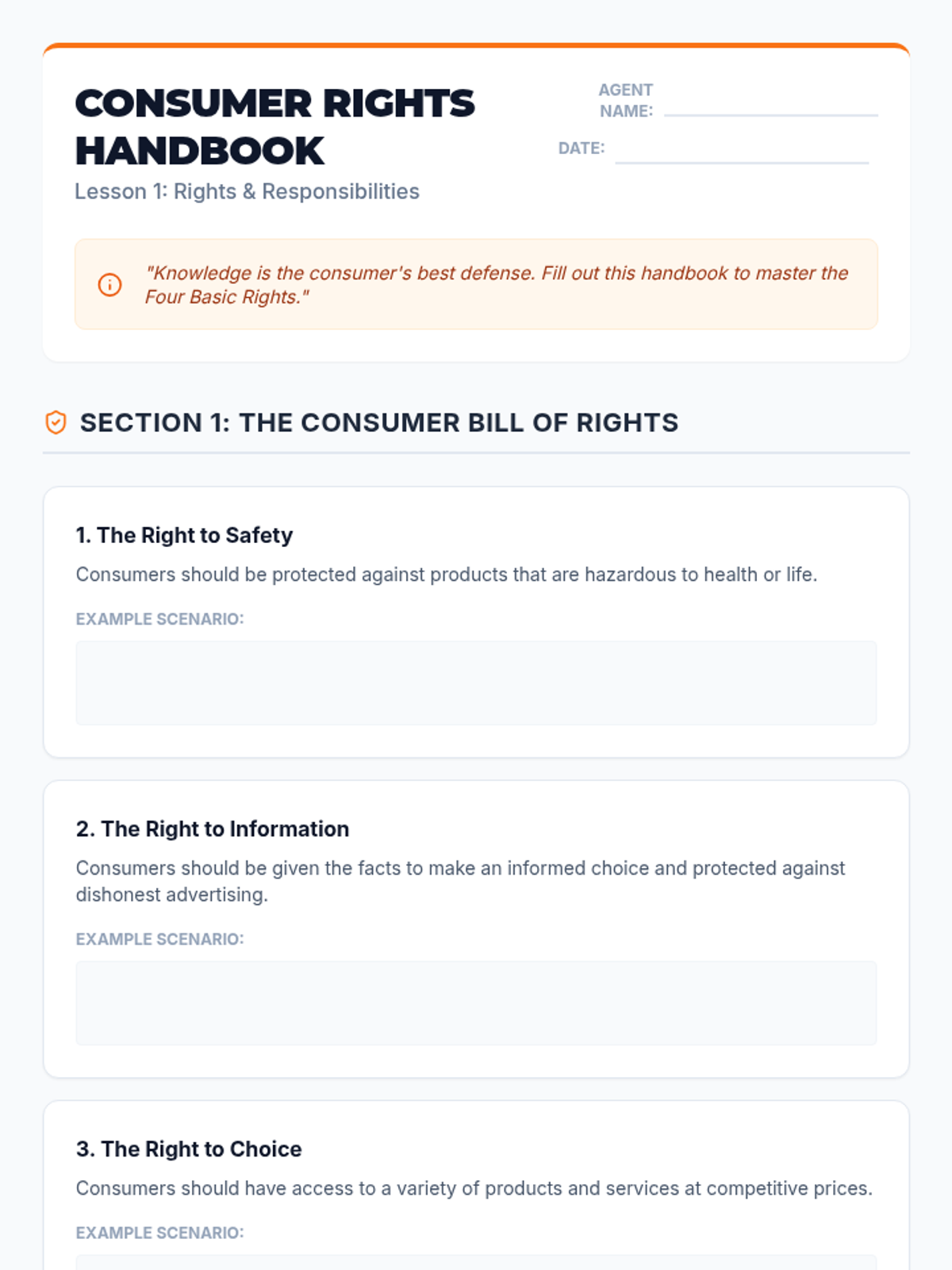
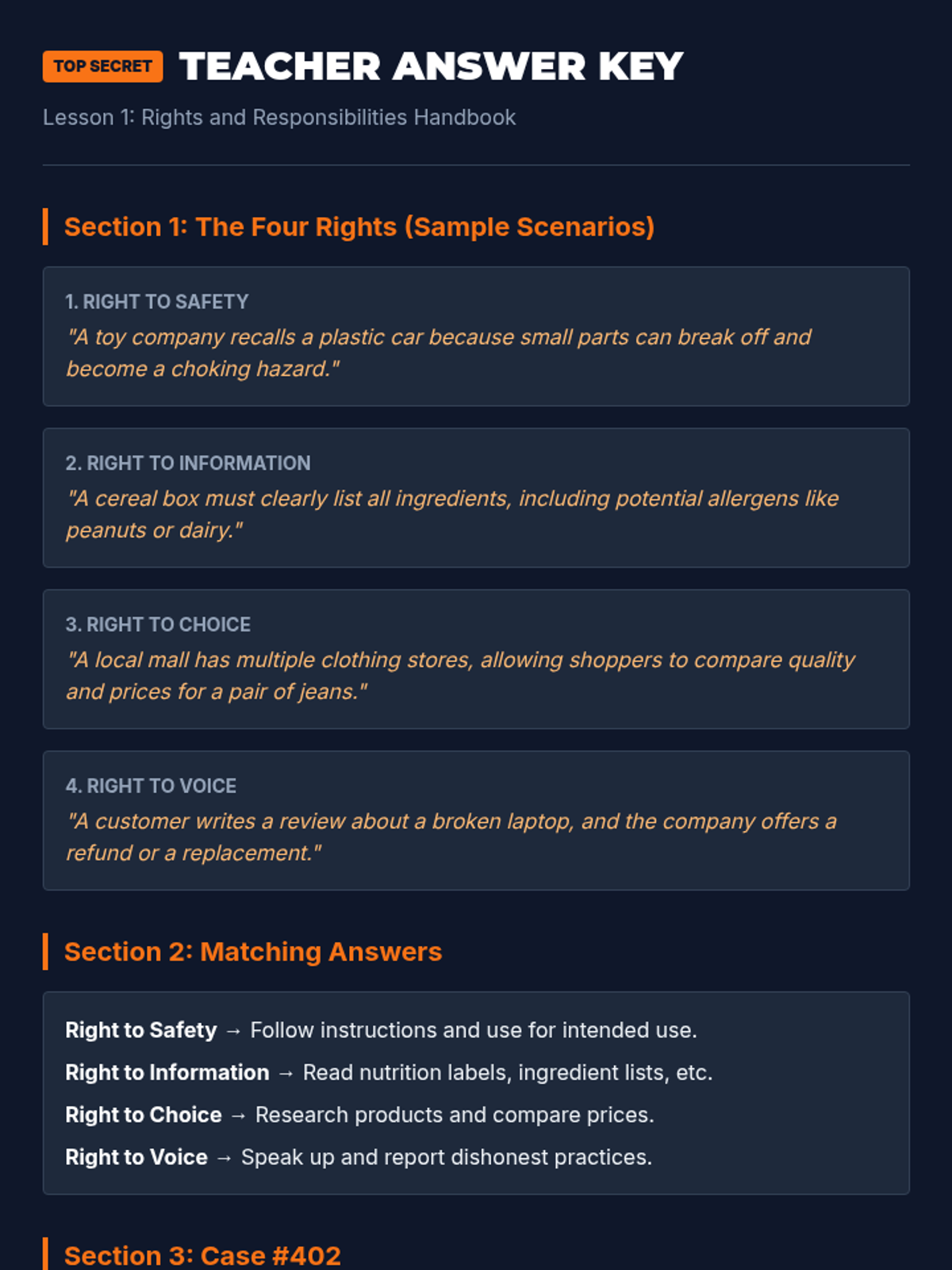
A two-lesson sequence exploring the intersection of media literacy and financial literacy, teaching students to identify persuasive techniques and uphold consumer rights and responsibilities.
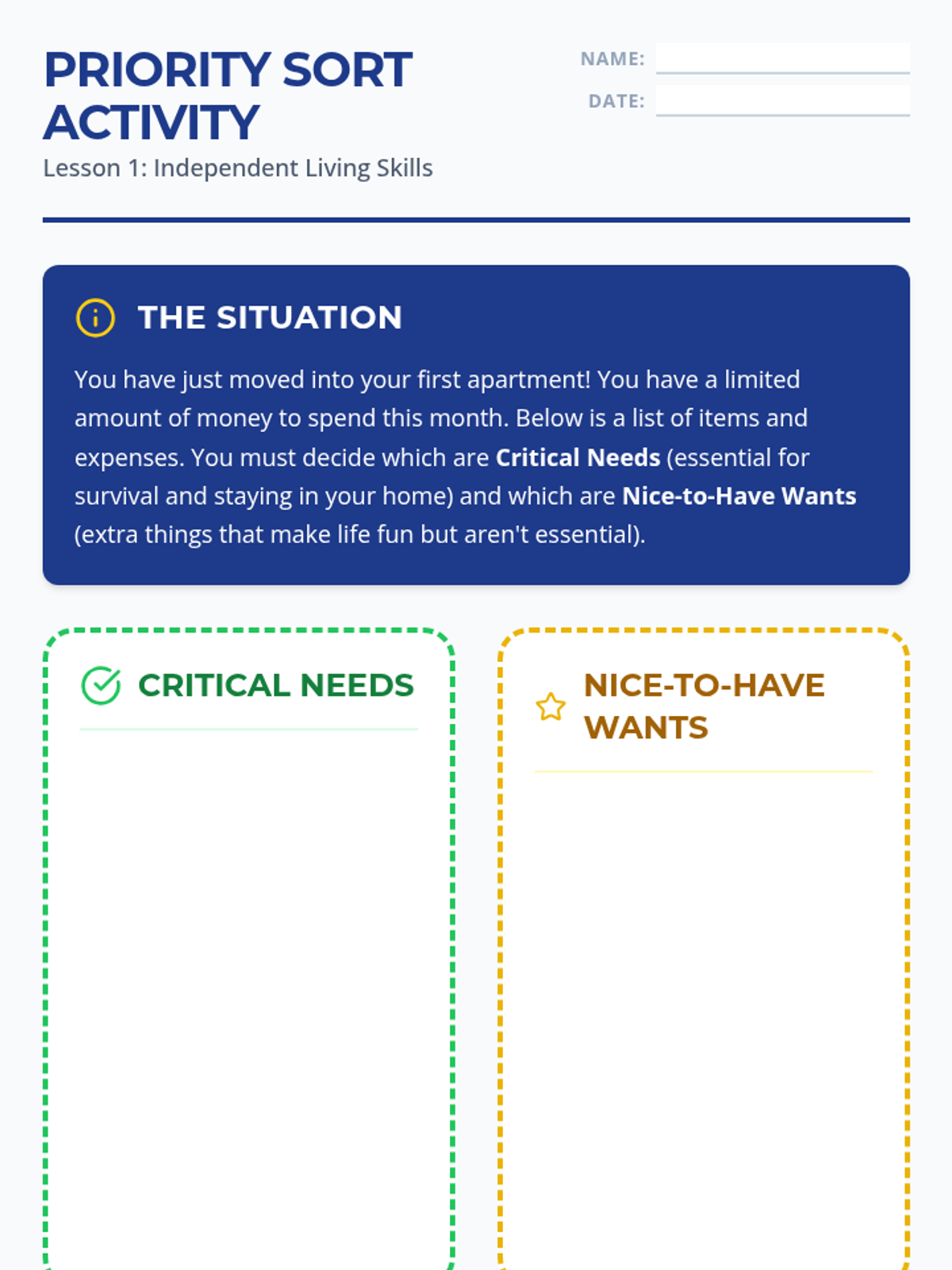
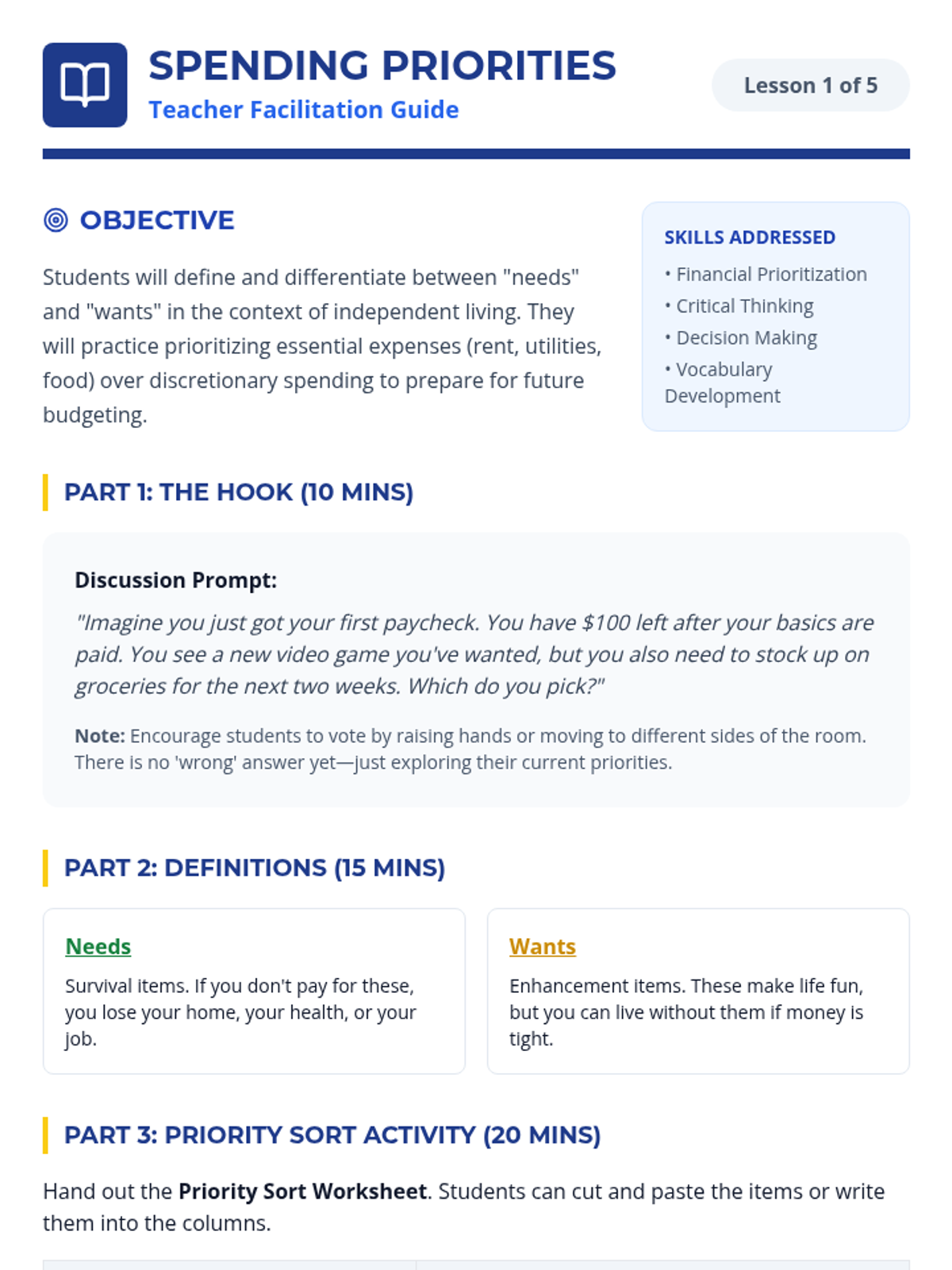
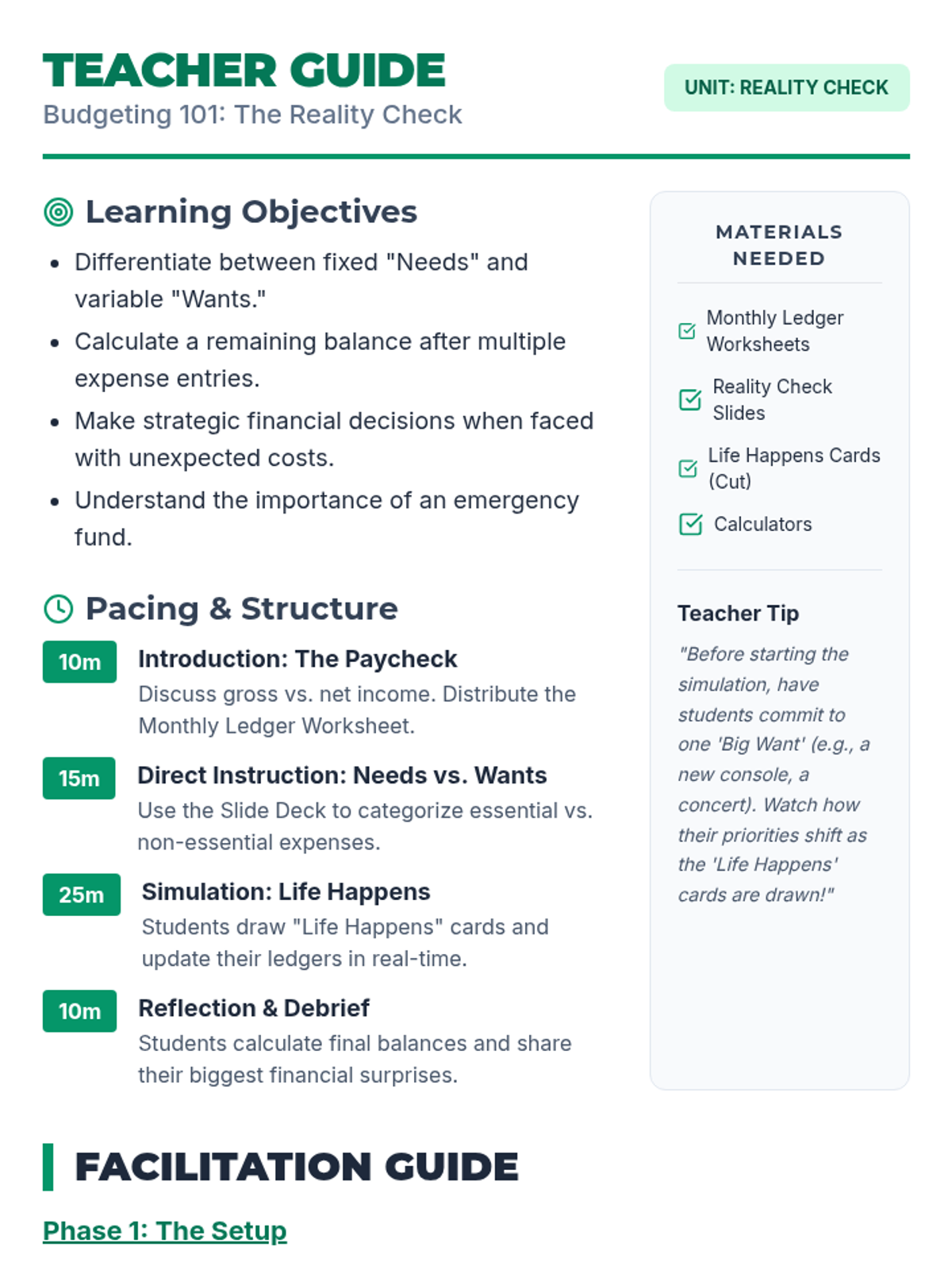
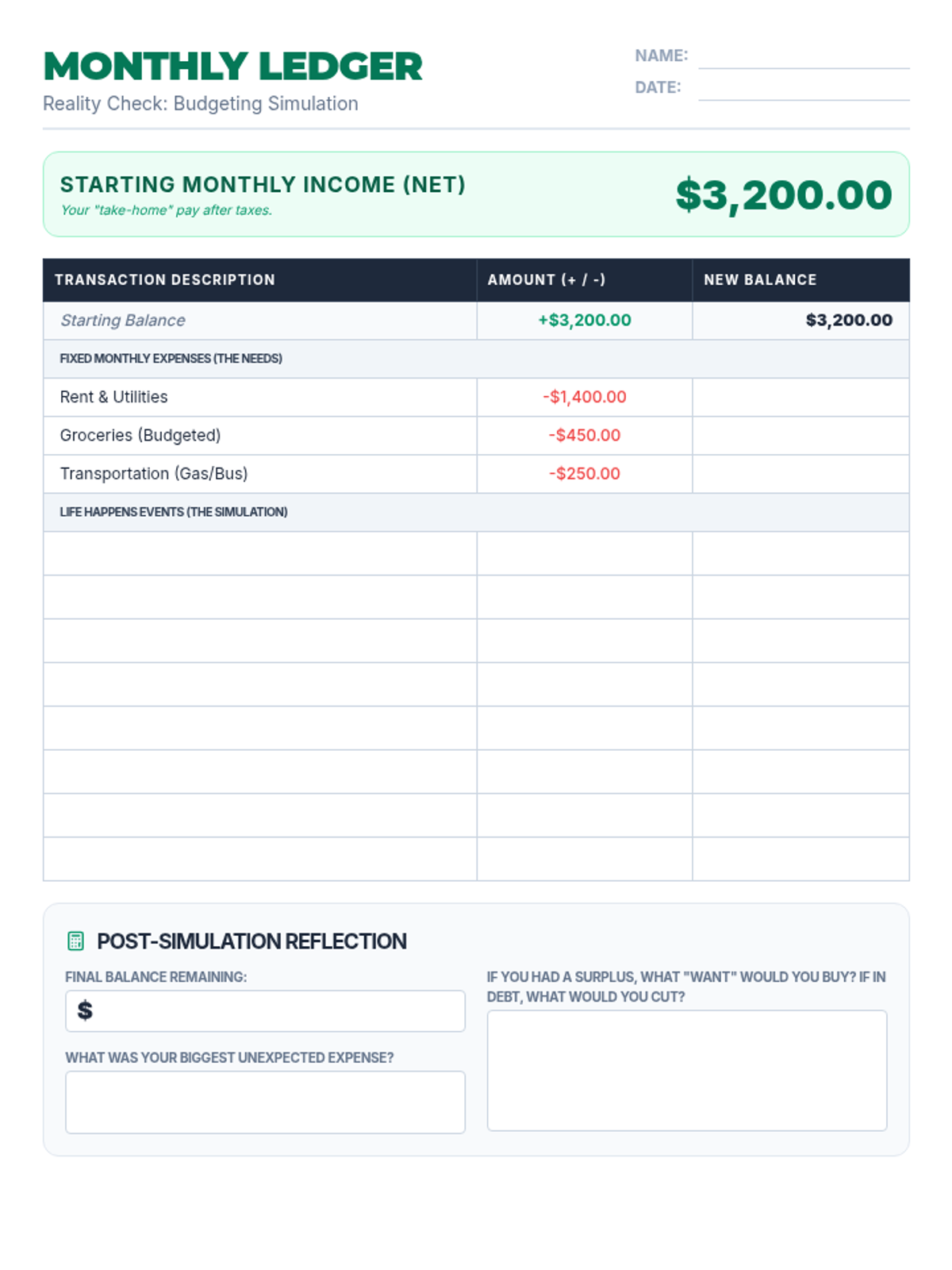
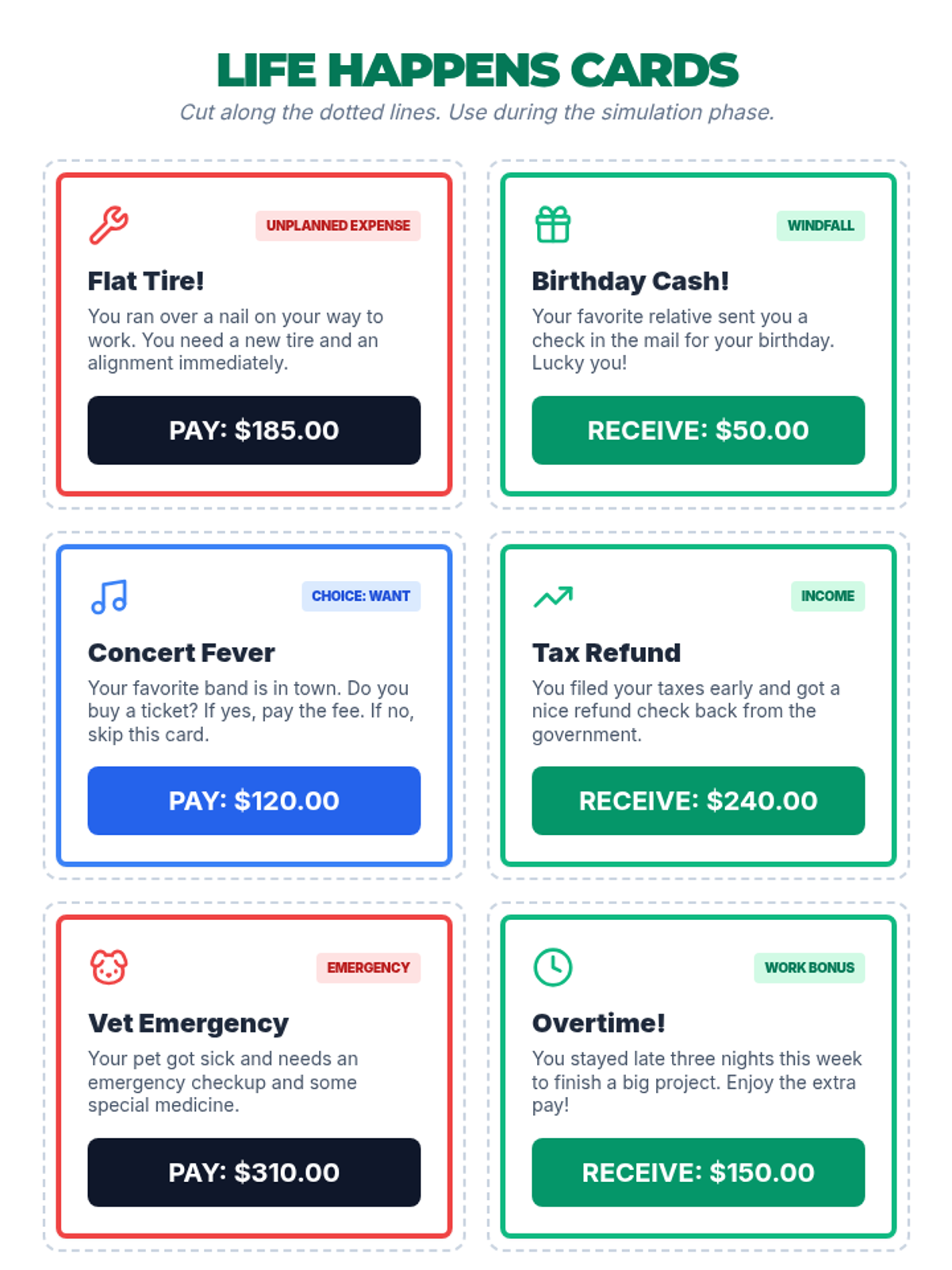
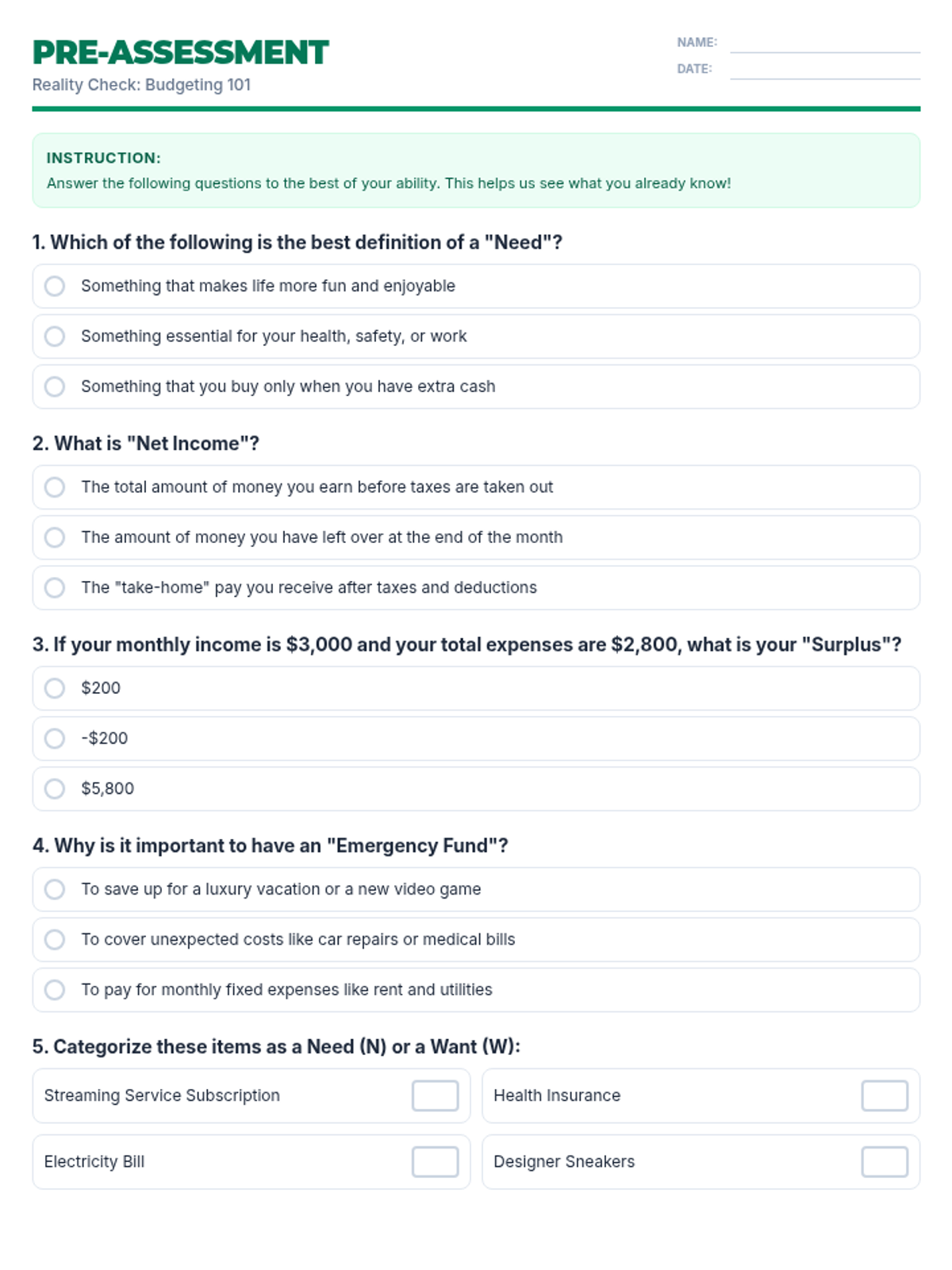
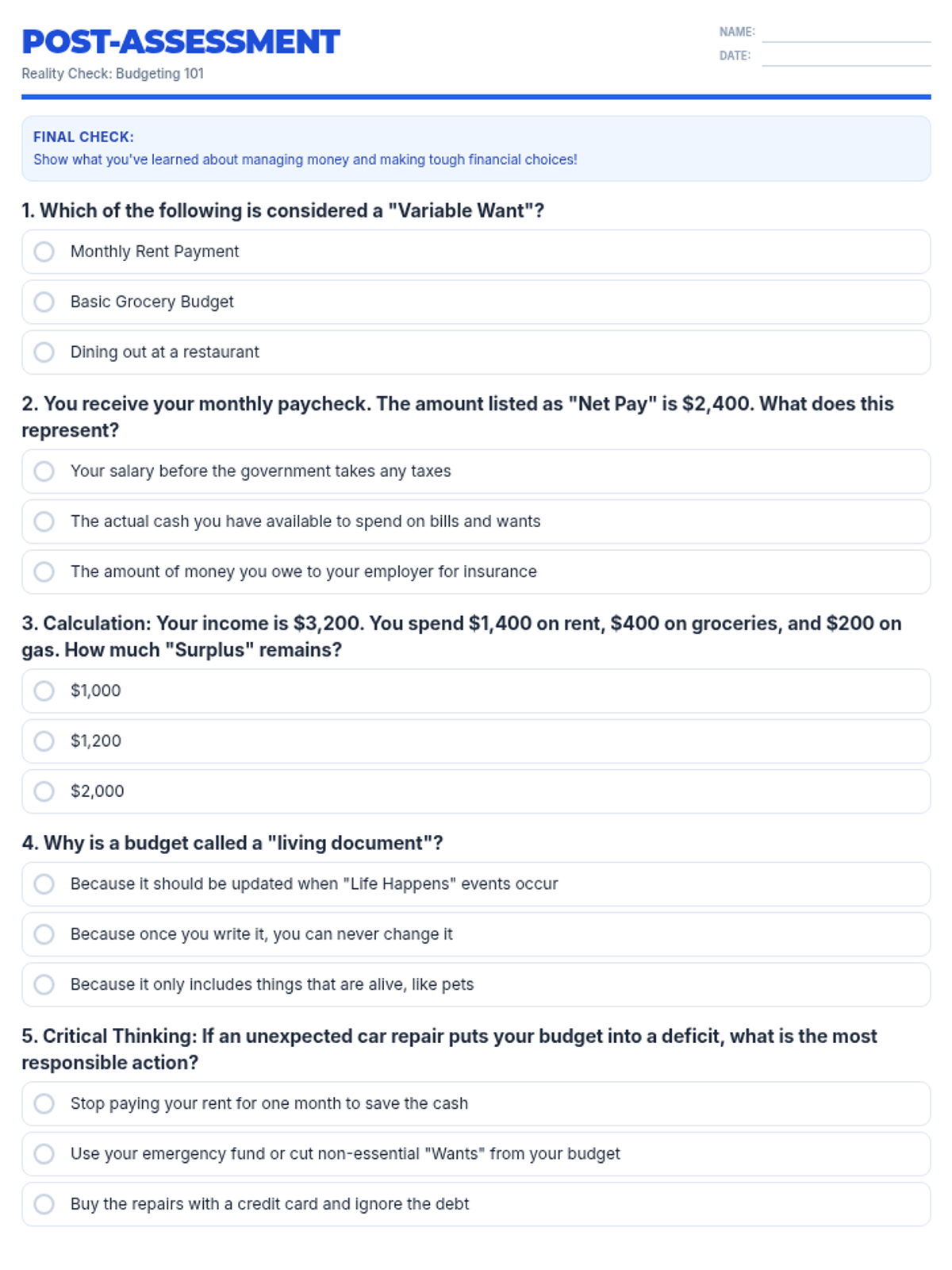
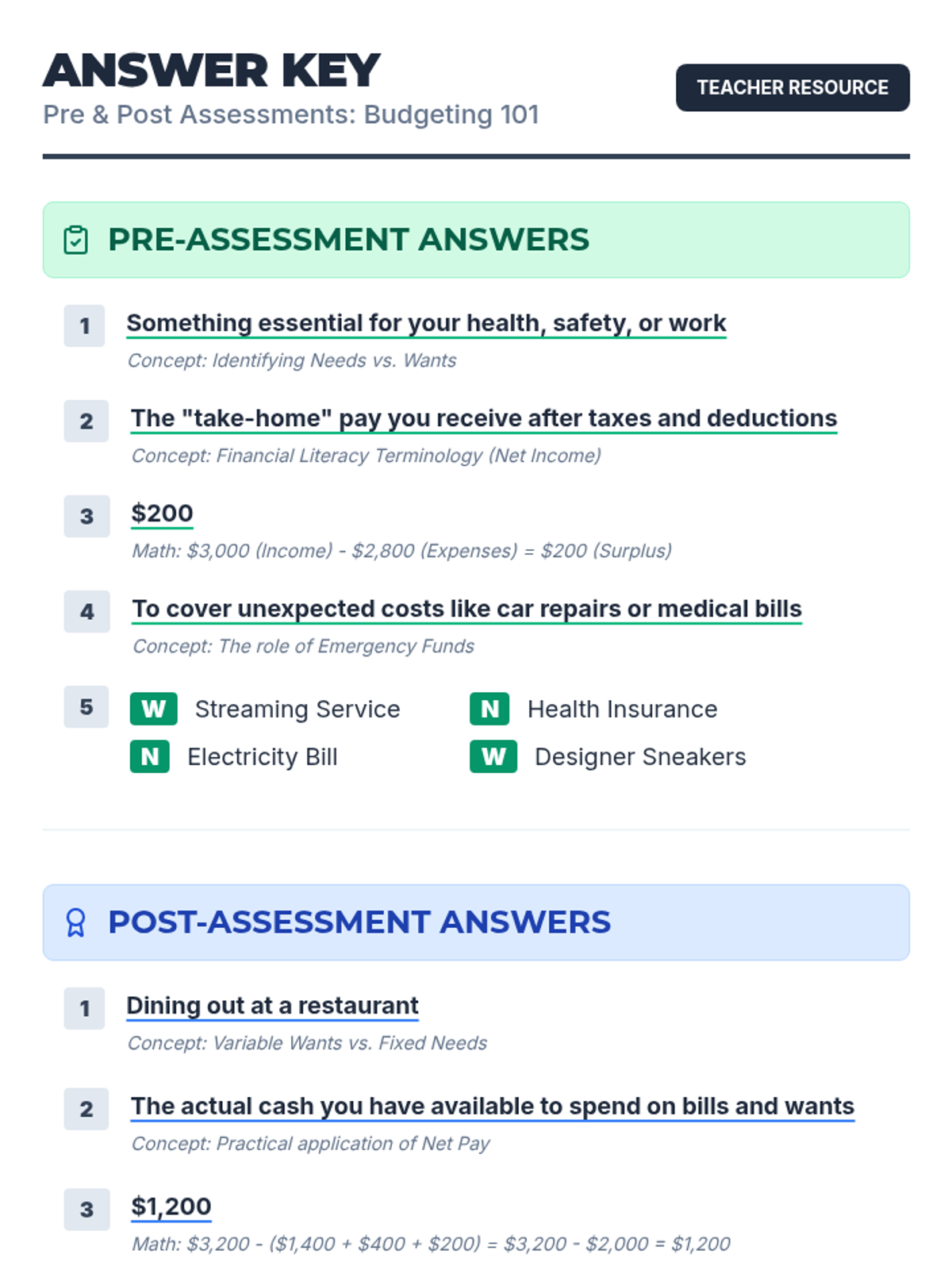
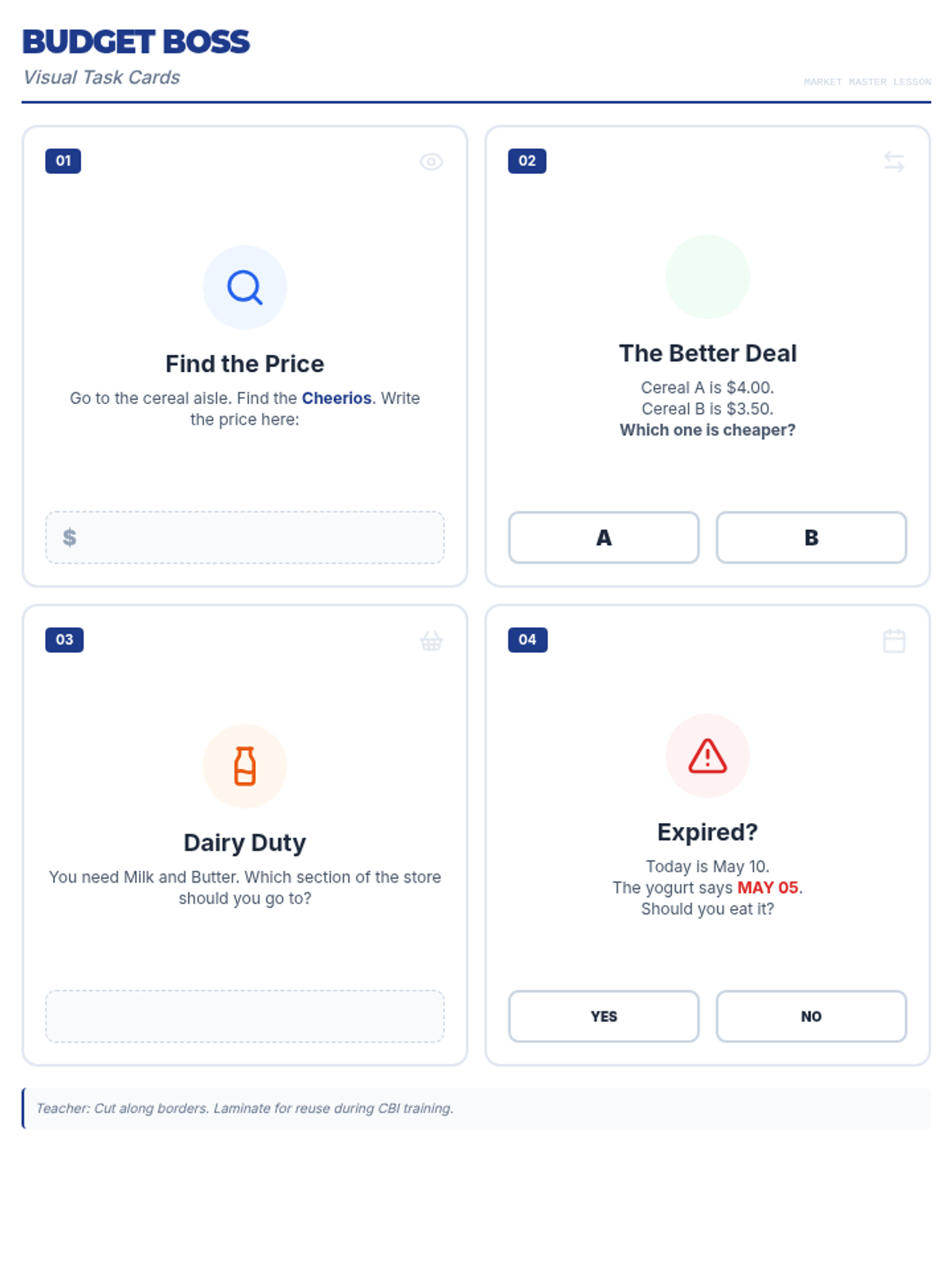
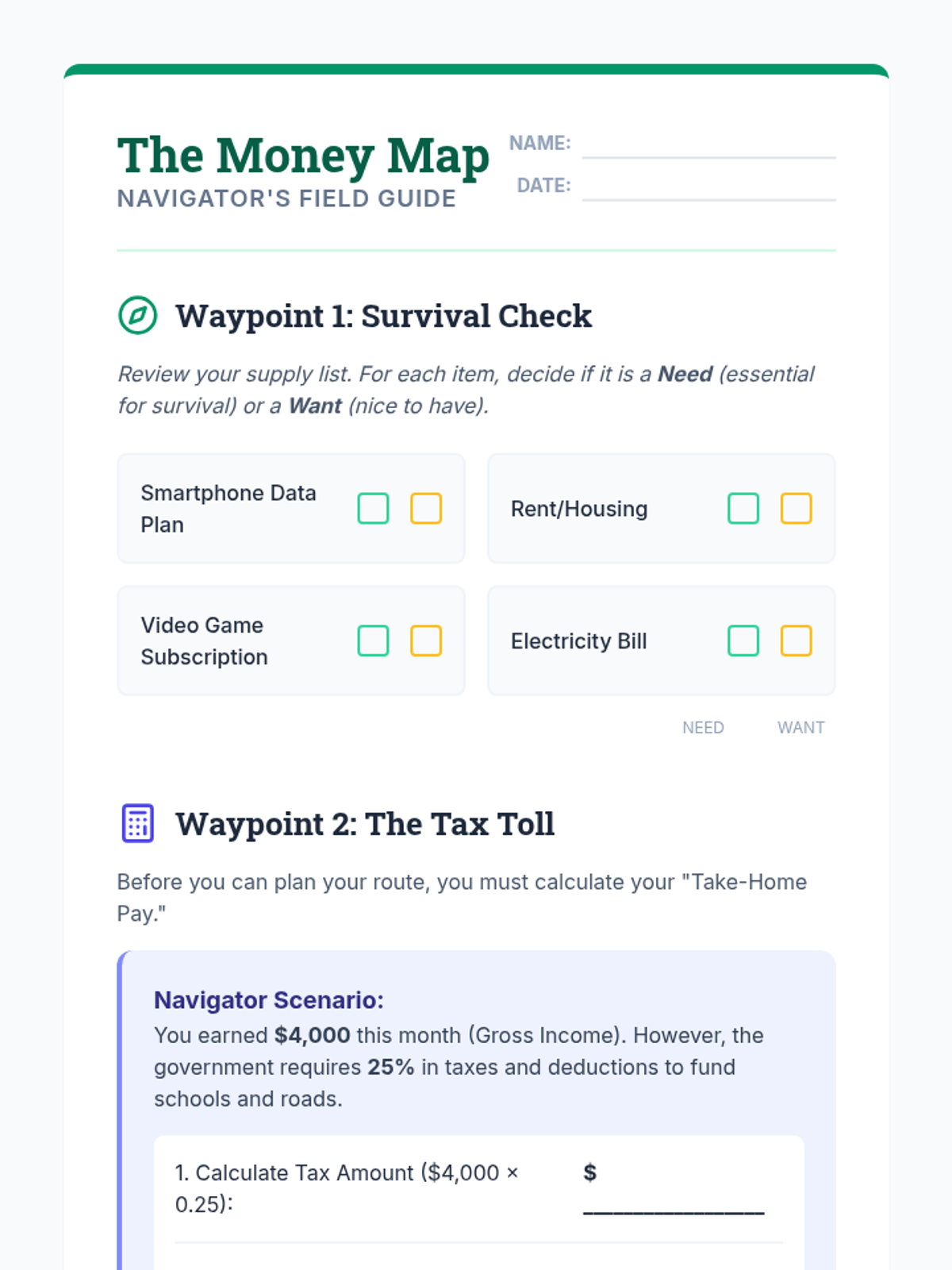
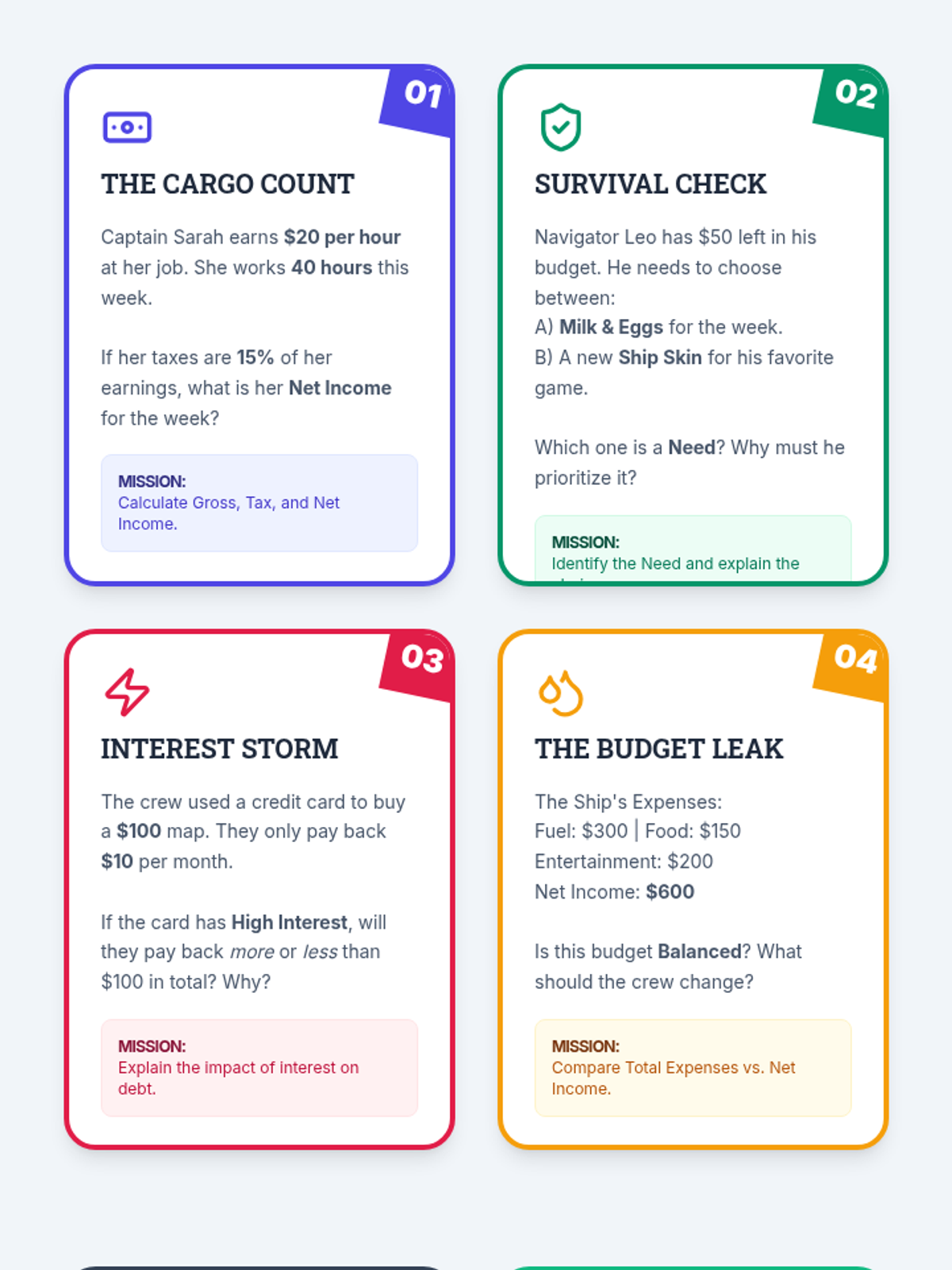
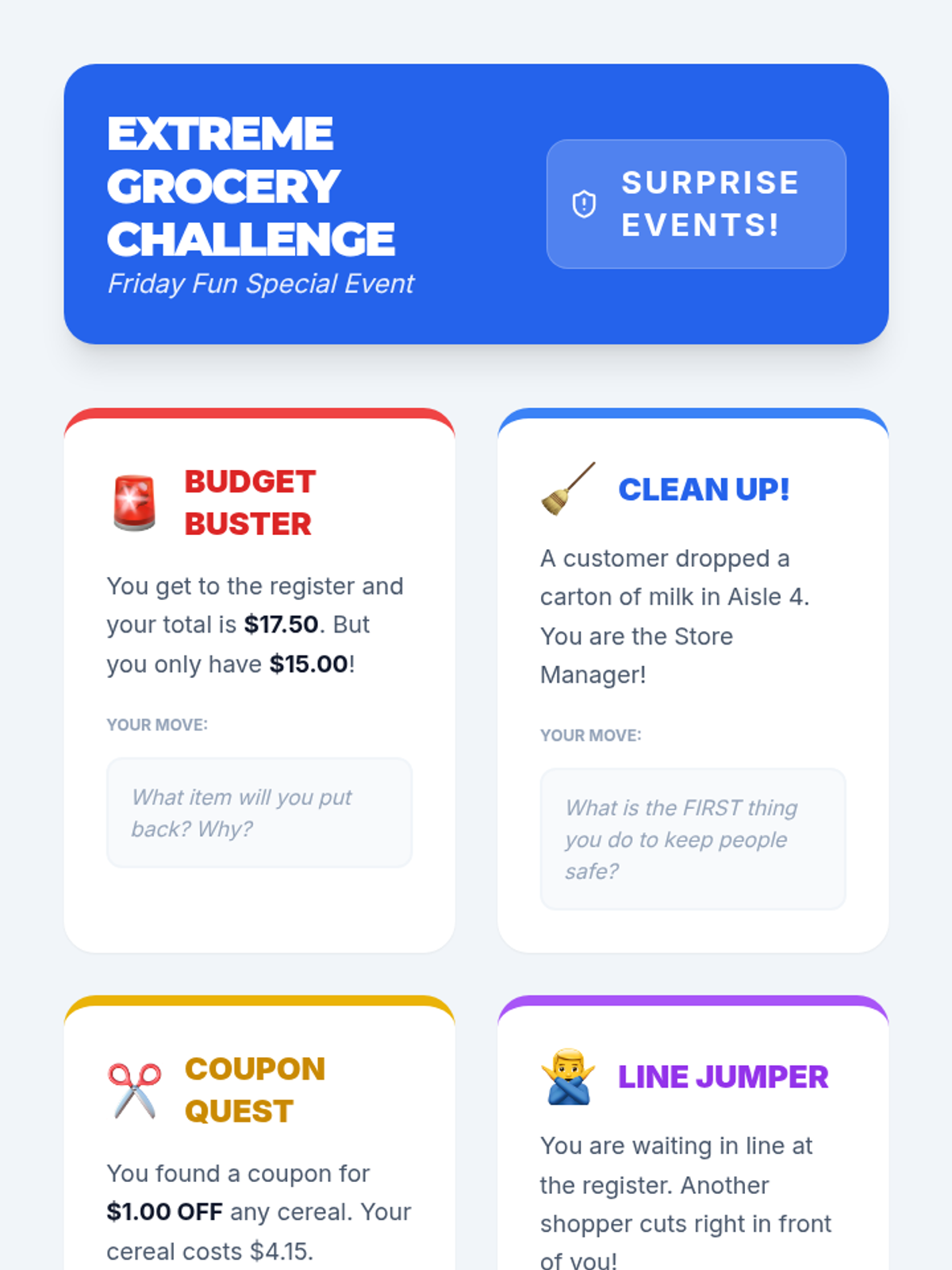
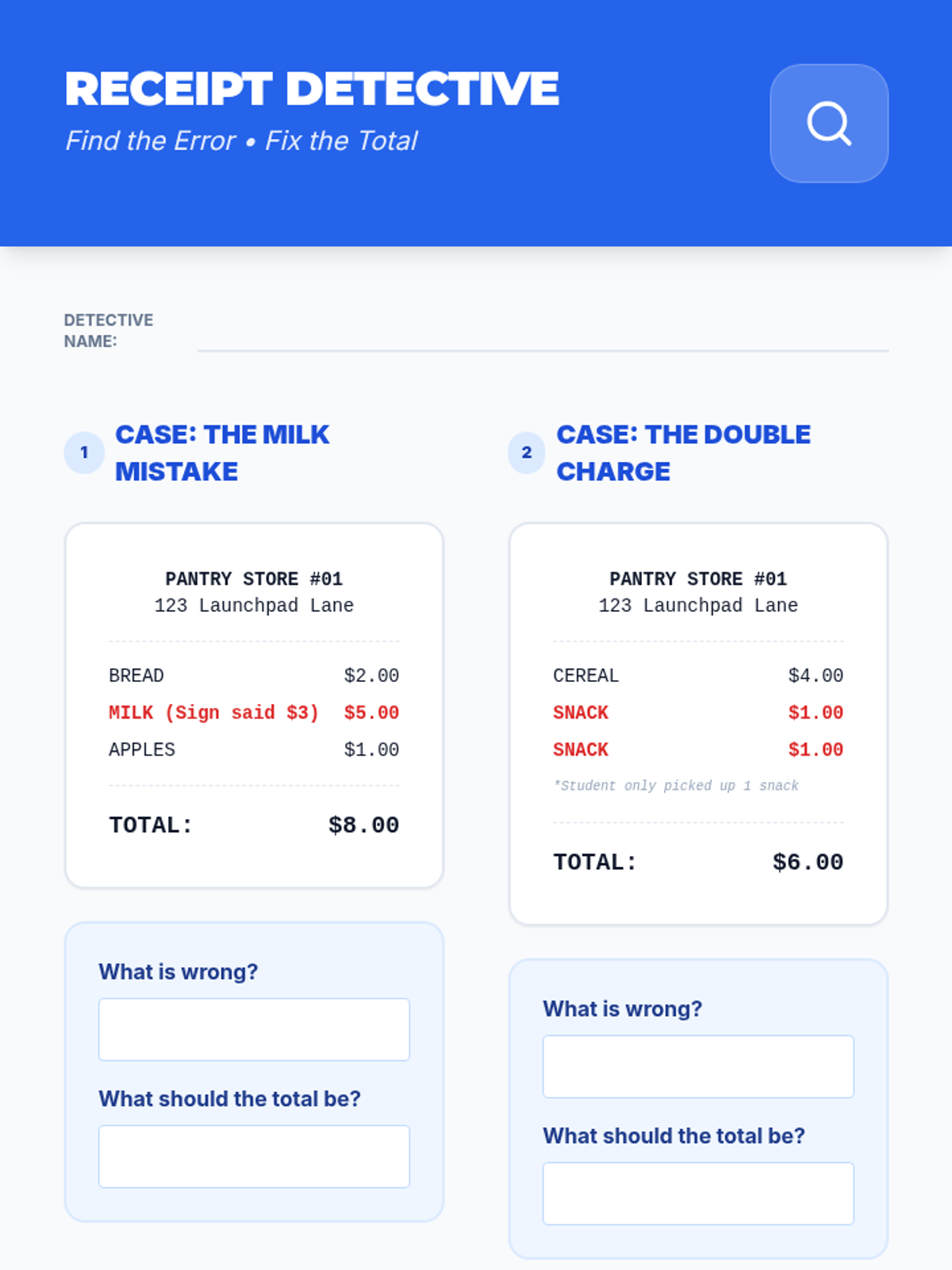
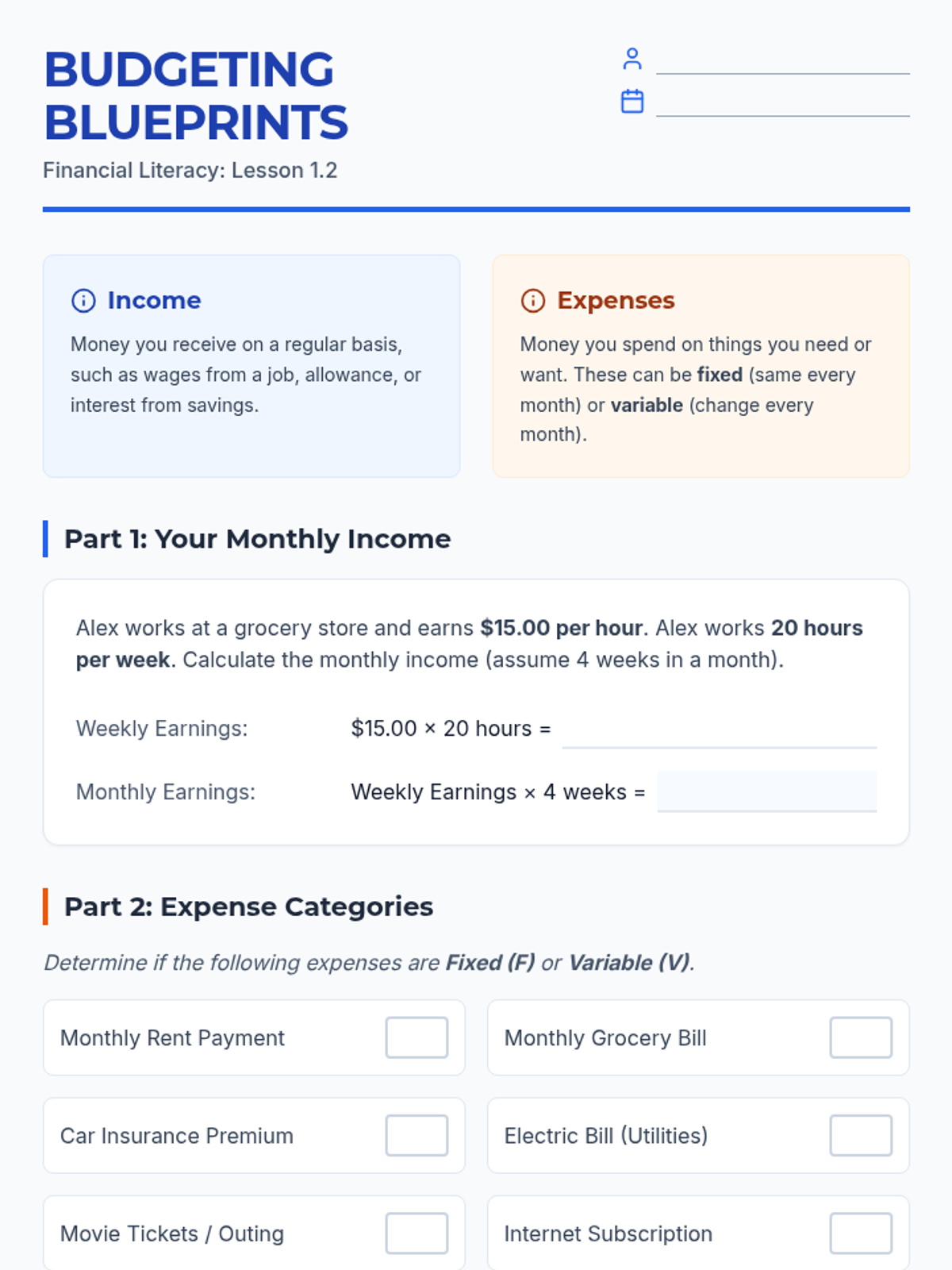
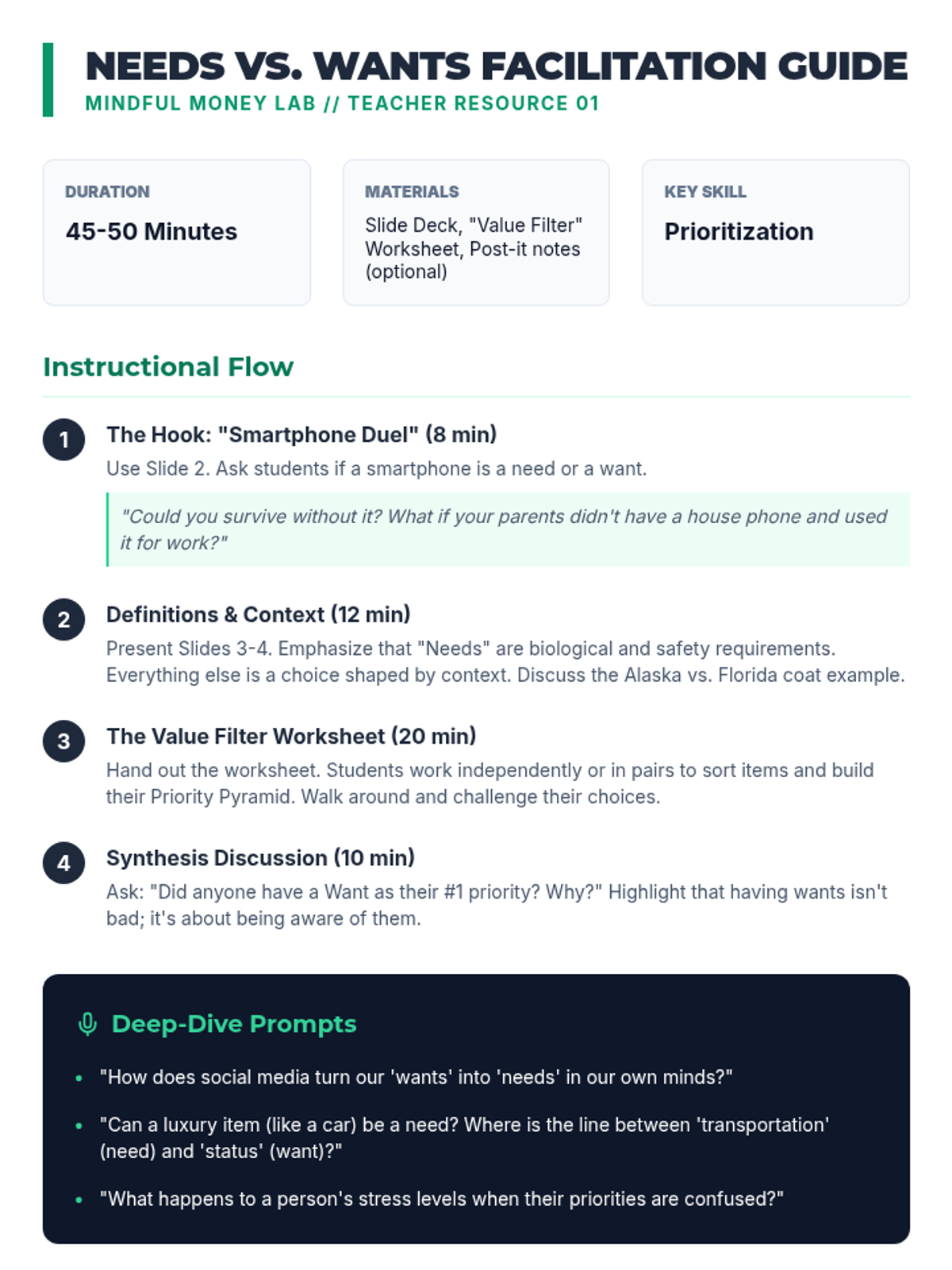
A functional math and life skills unit where students manage a simulated monthly income, navigate unexpected expenses, and prioritize needs versus wants.
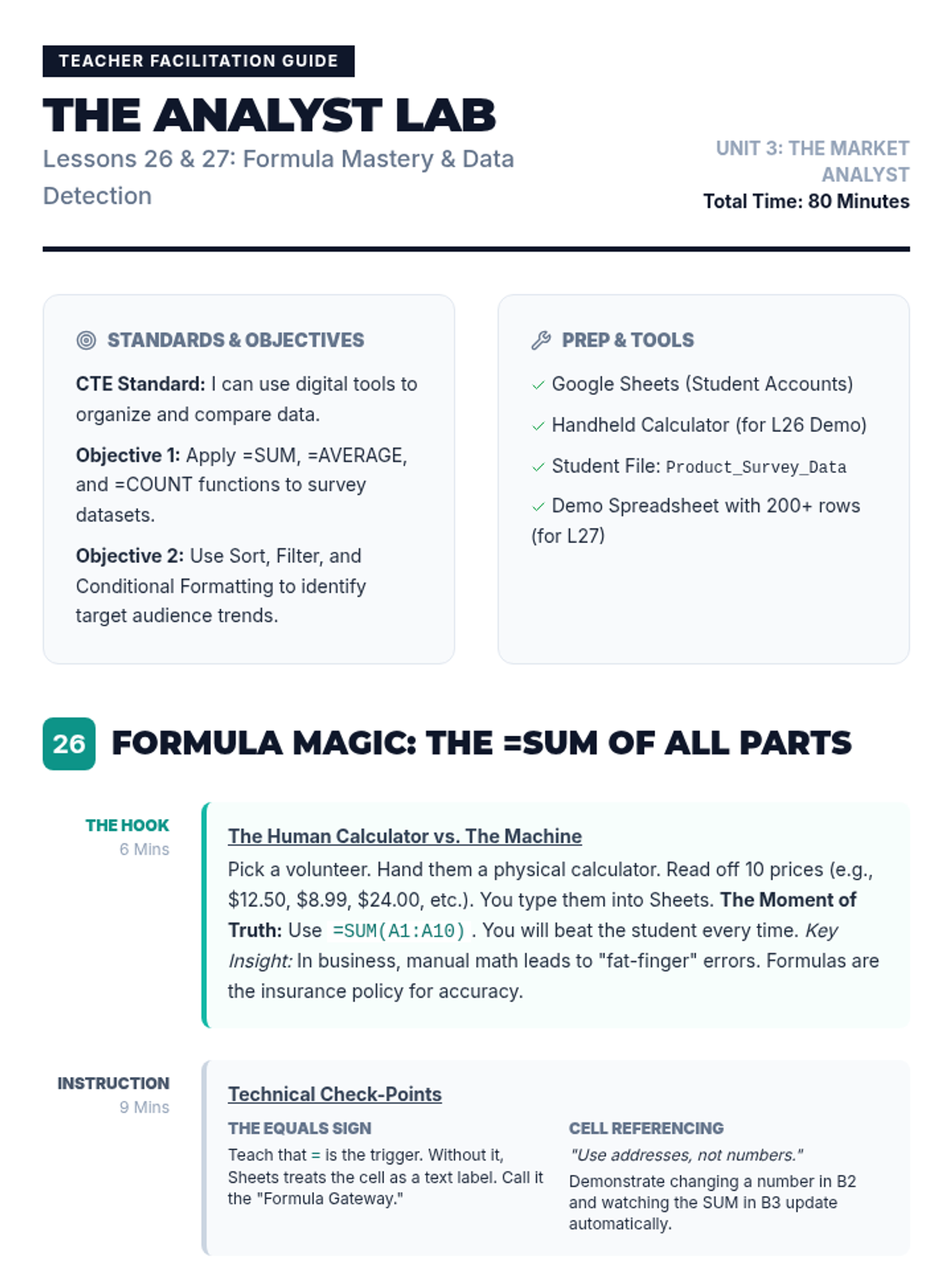
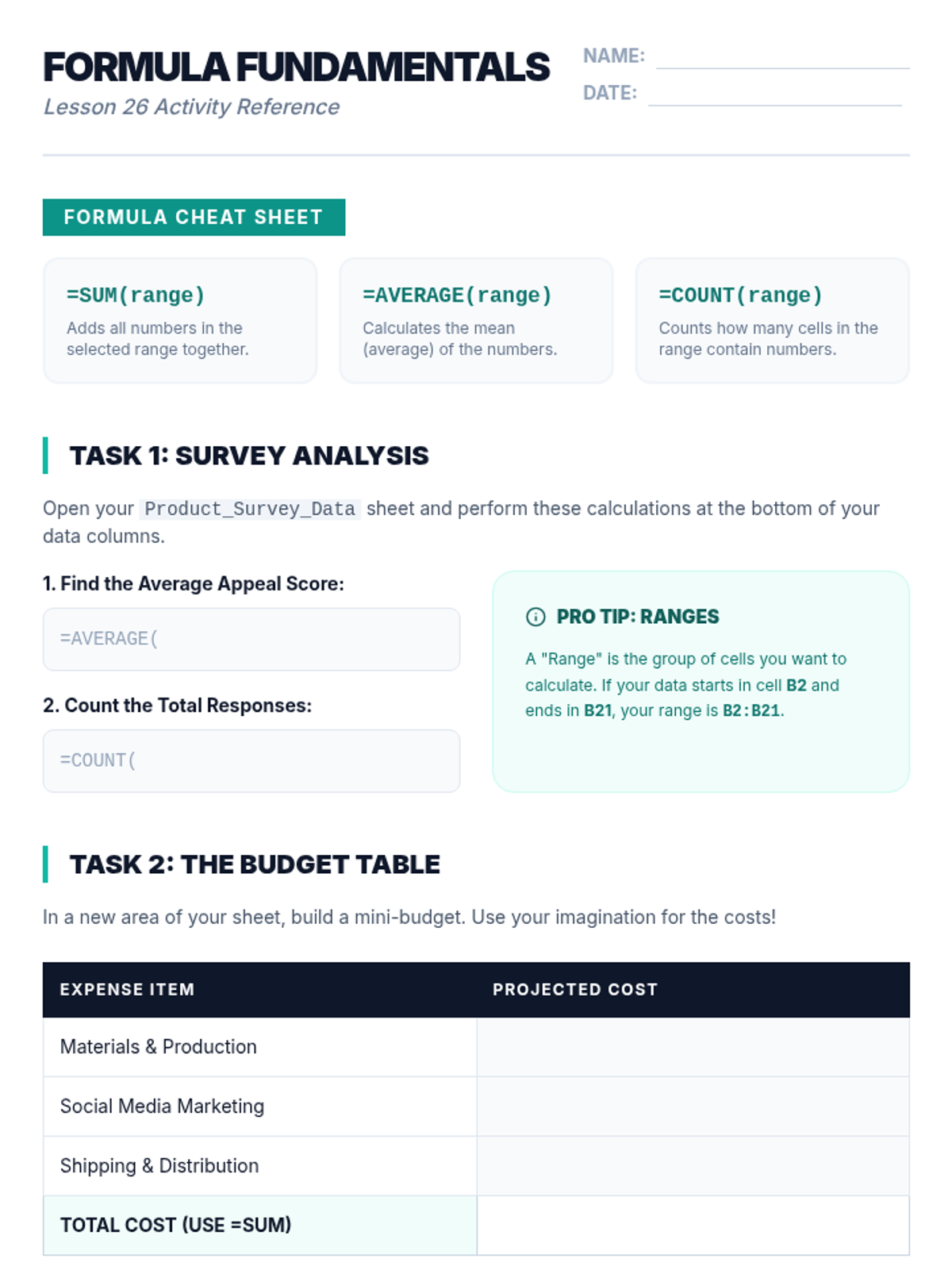
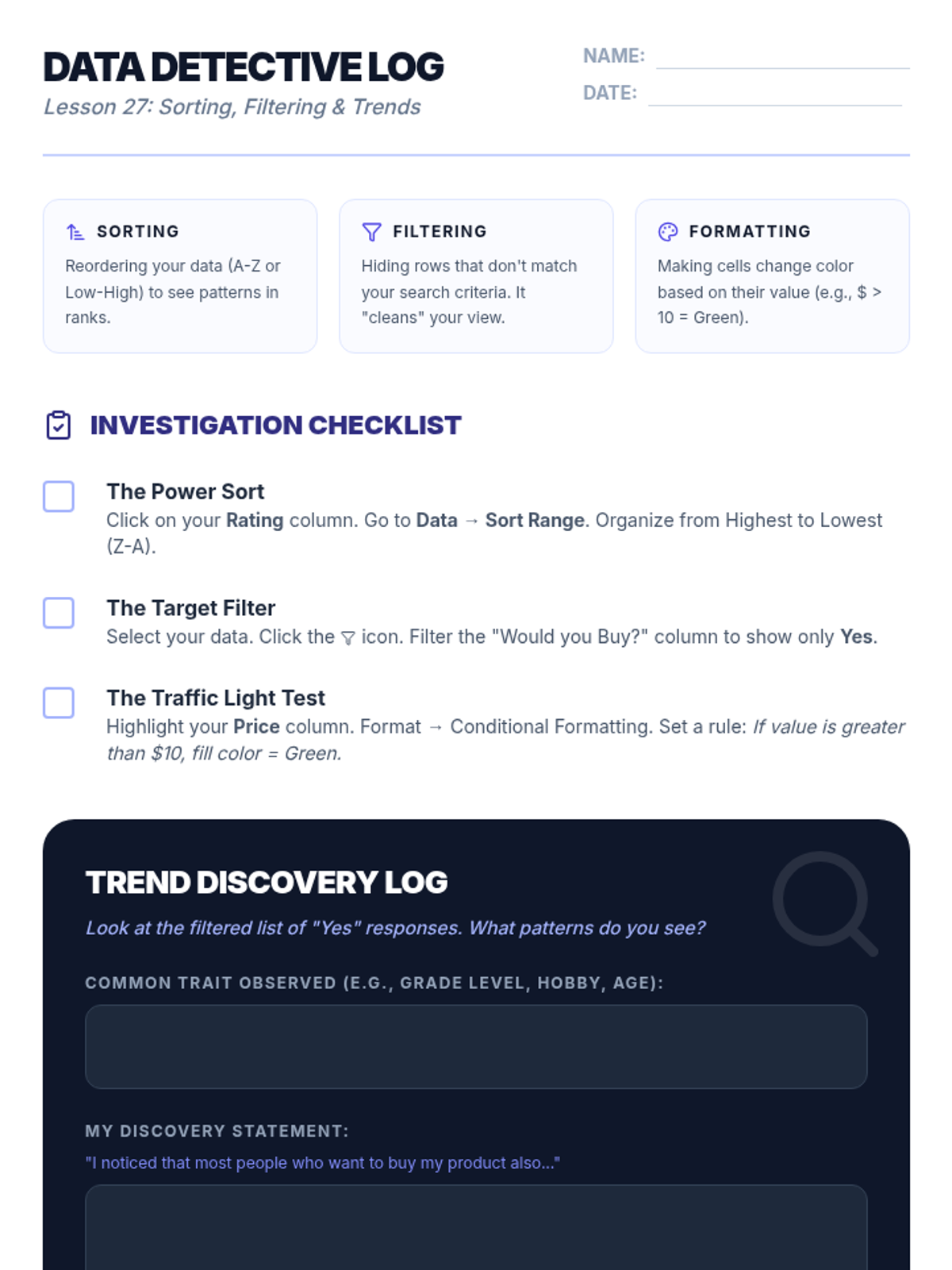
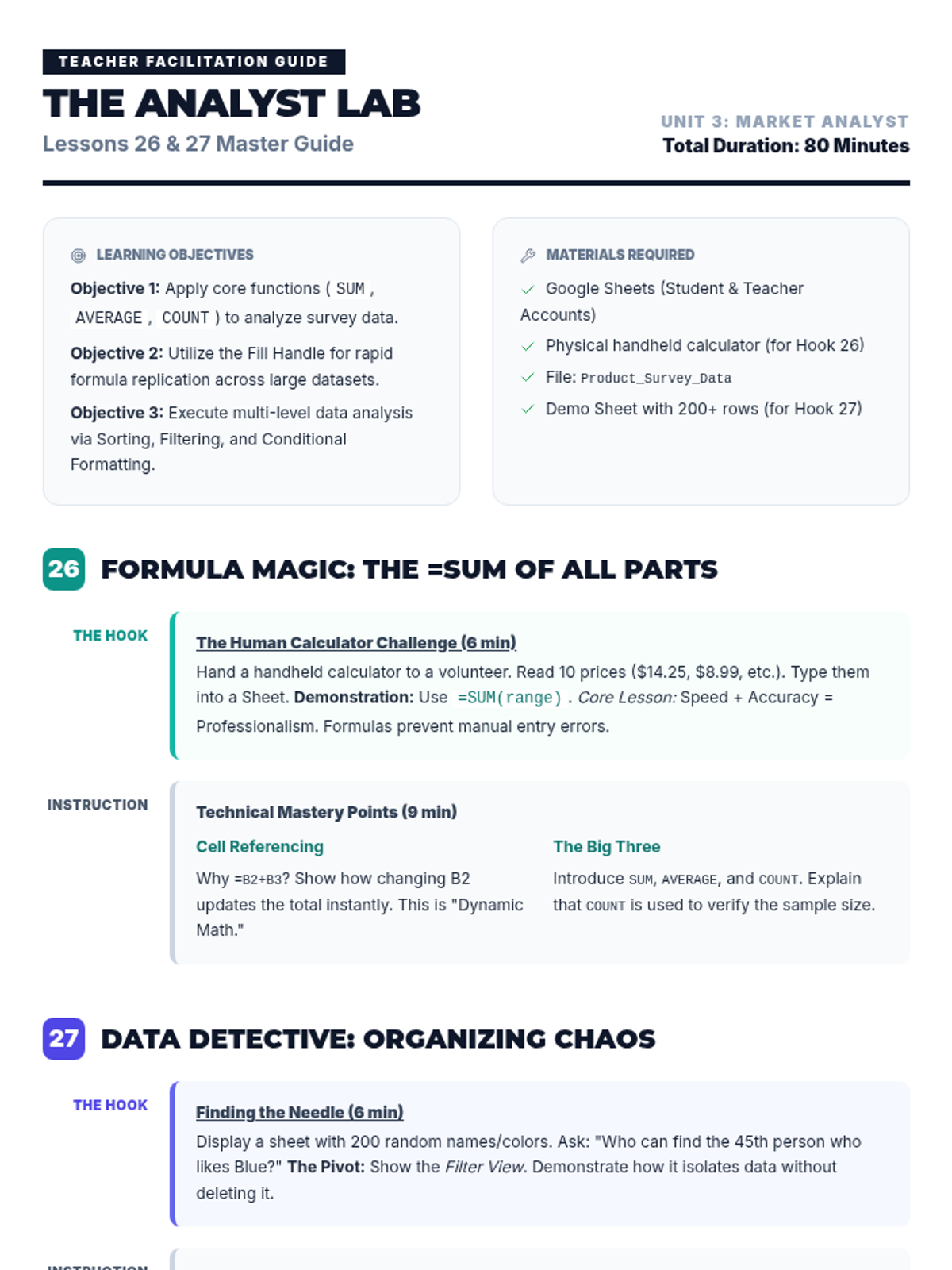
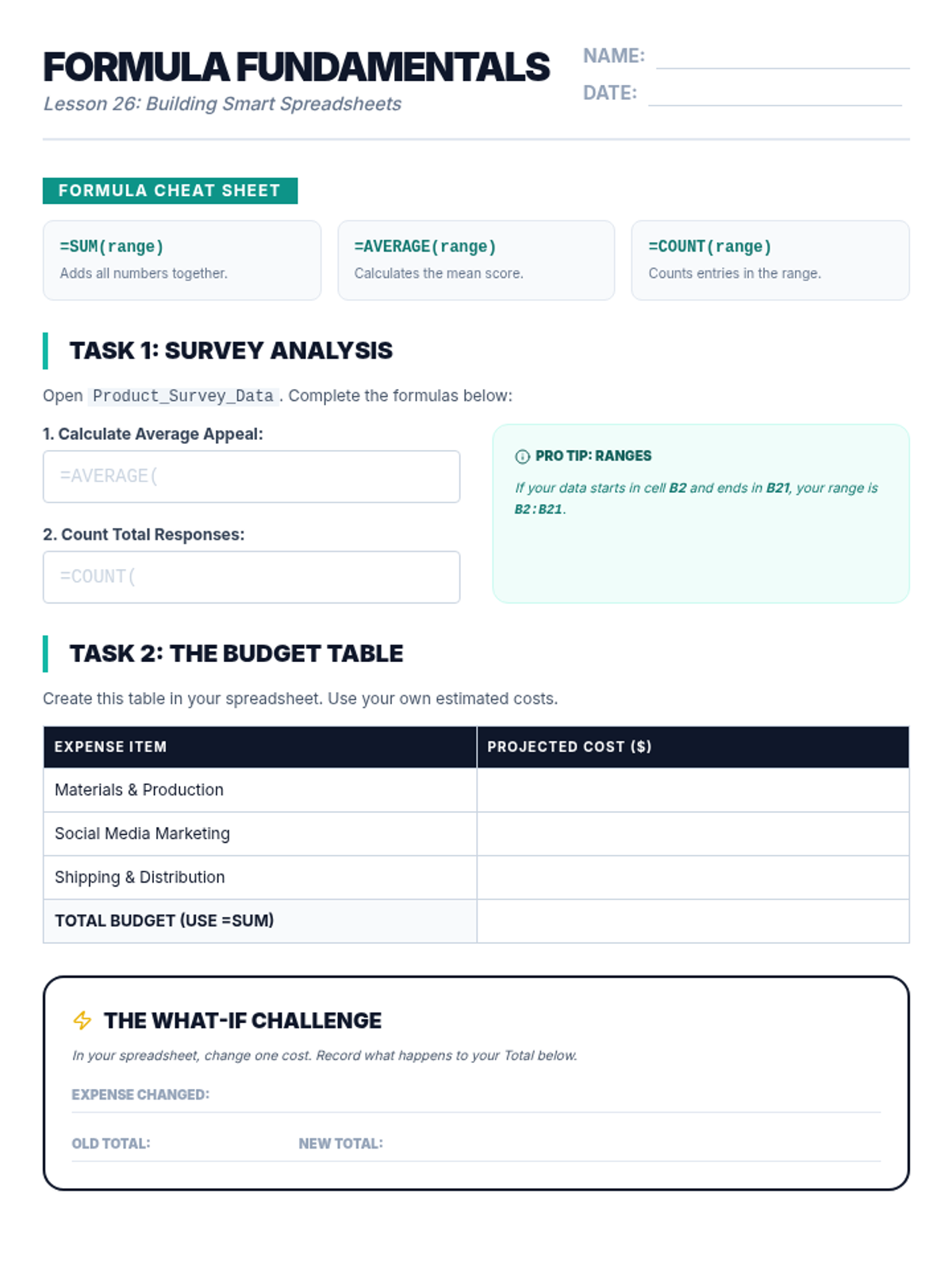
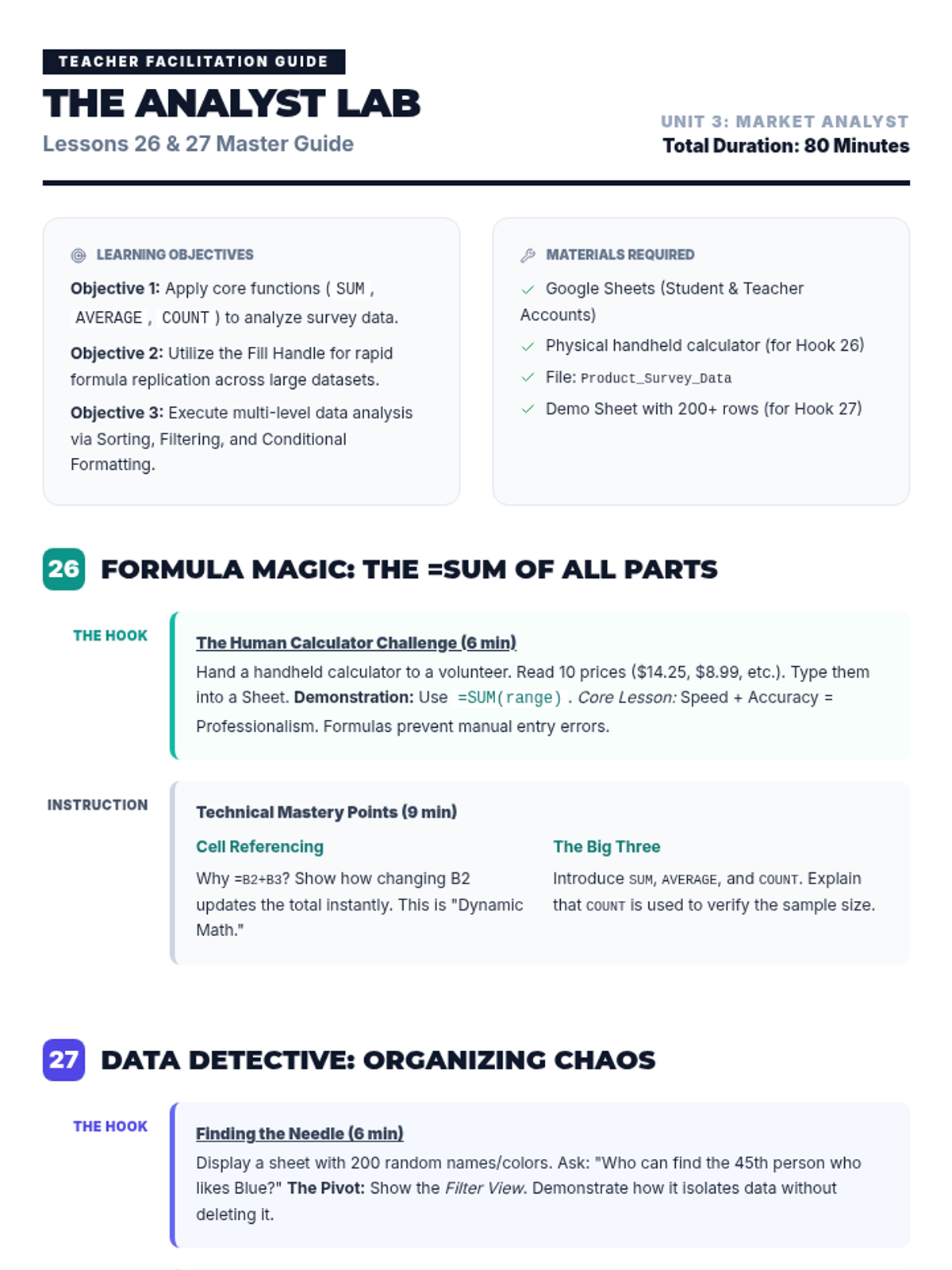
Students learn to use digital tools to organize, compare, and analyze market data using advanced spreadsheet techniques like formulas, sorting, and filtering.
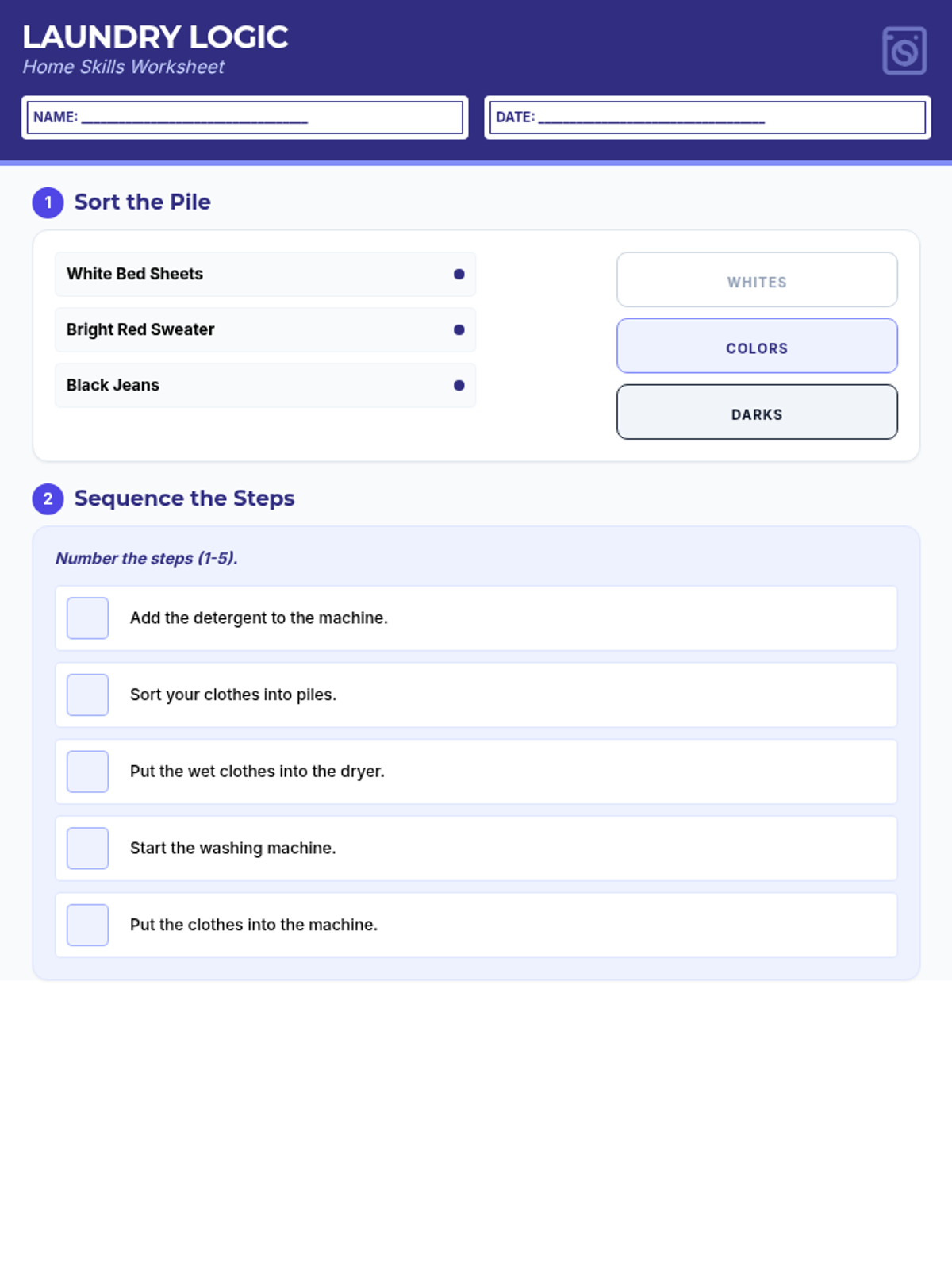
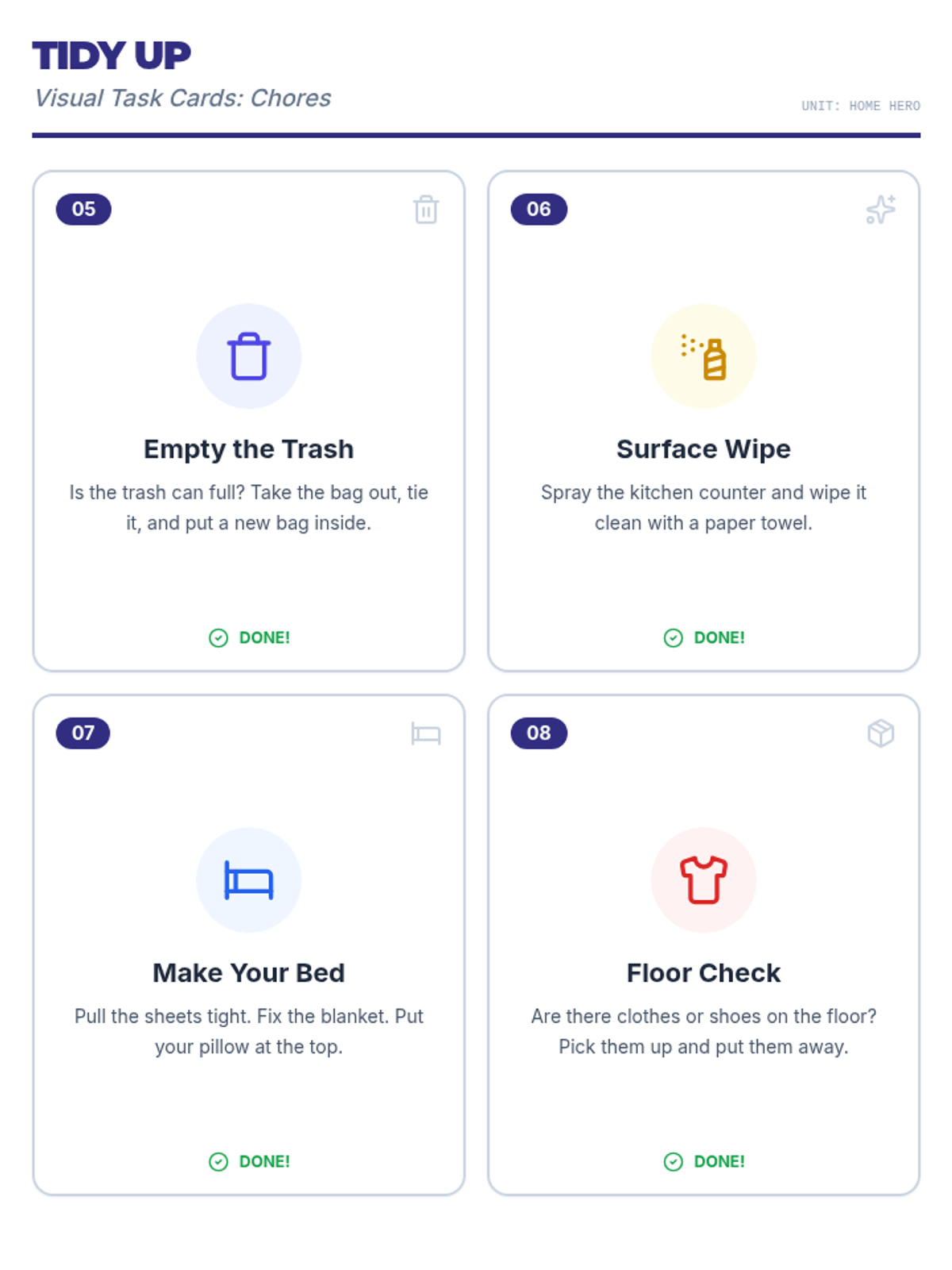
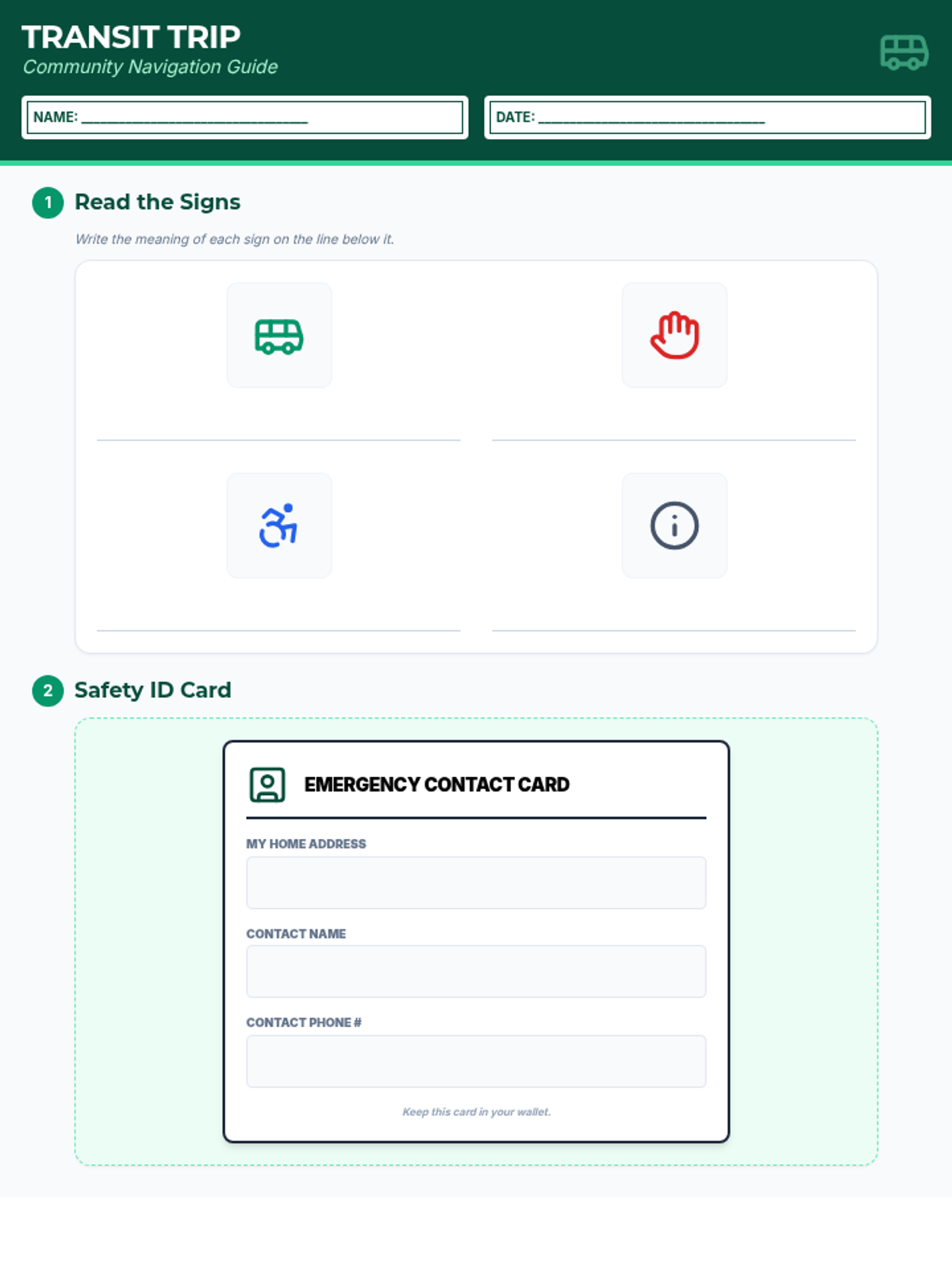
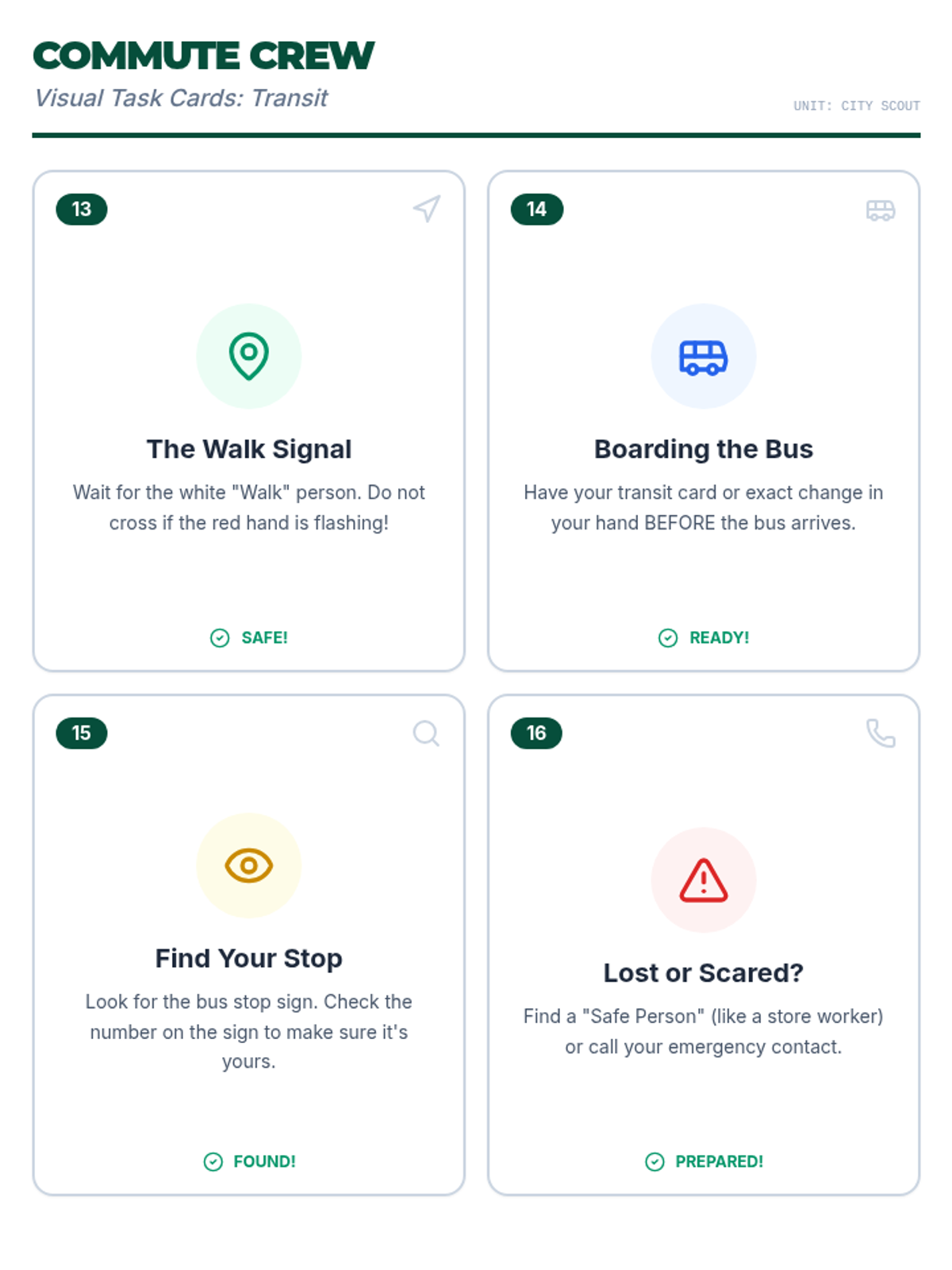
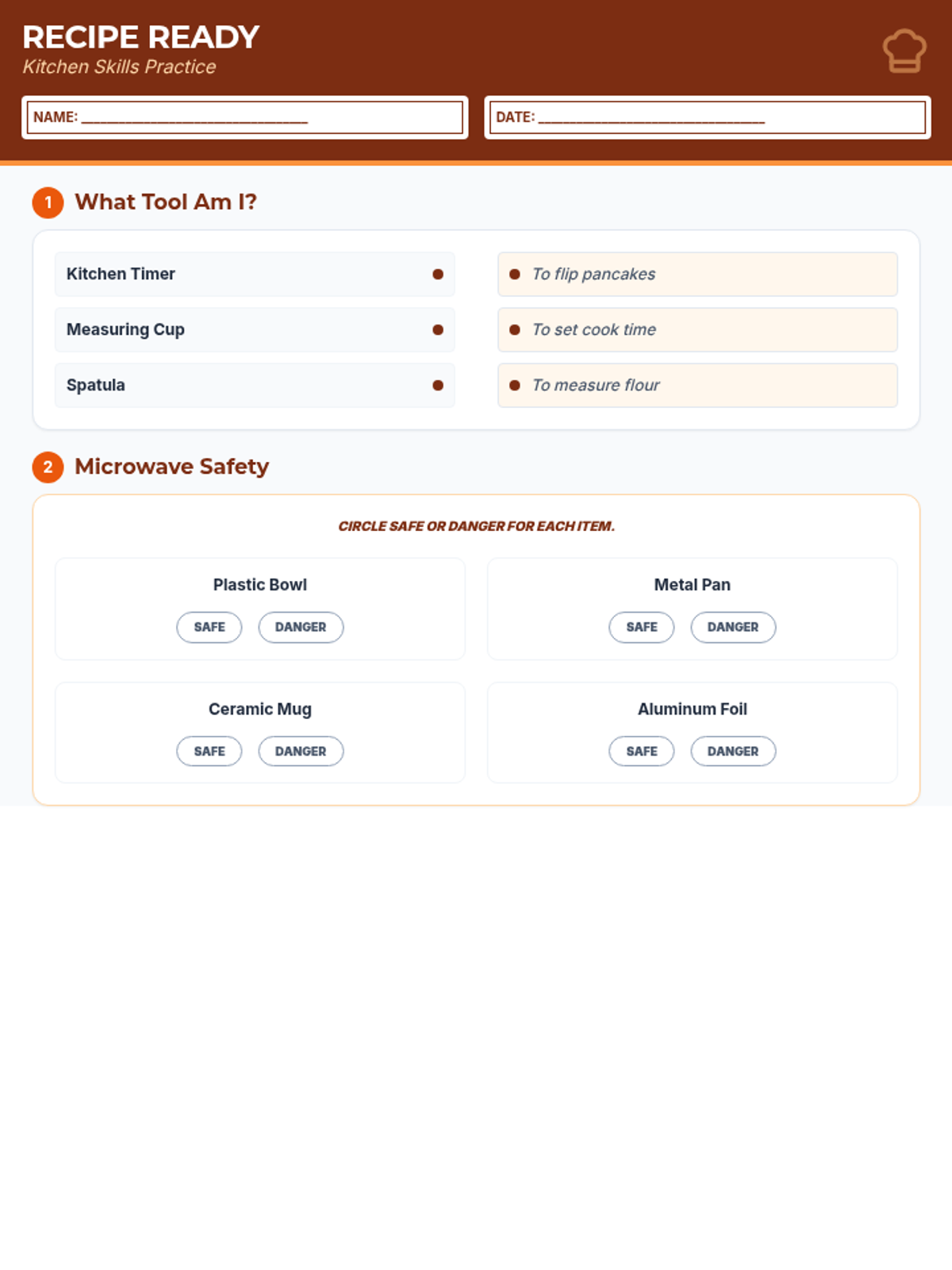
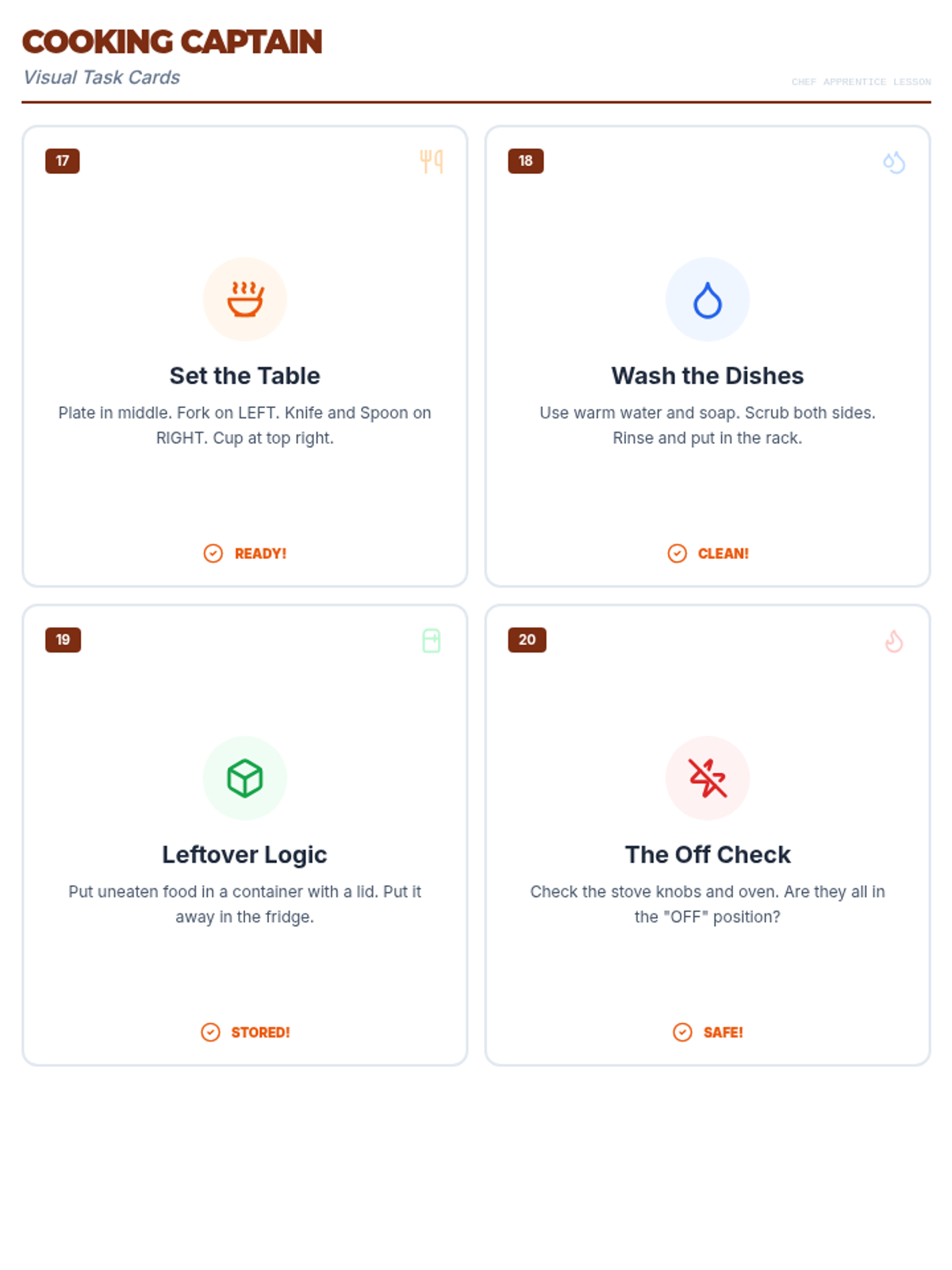
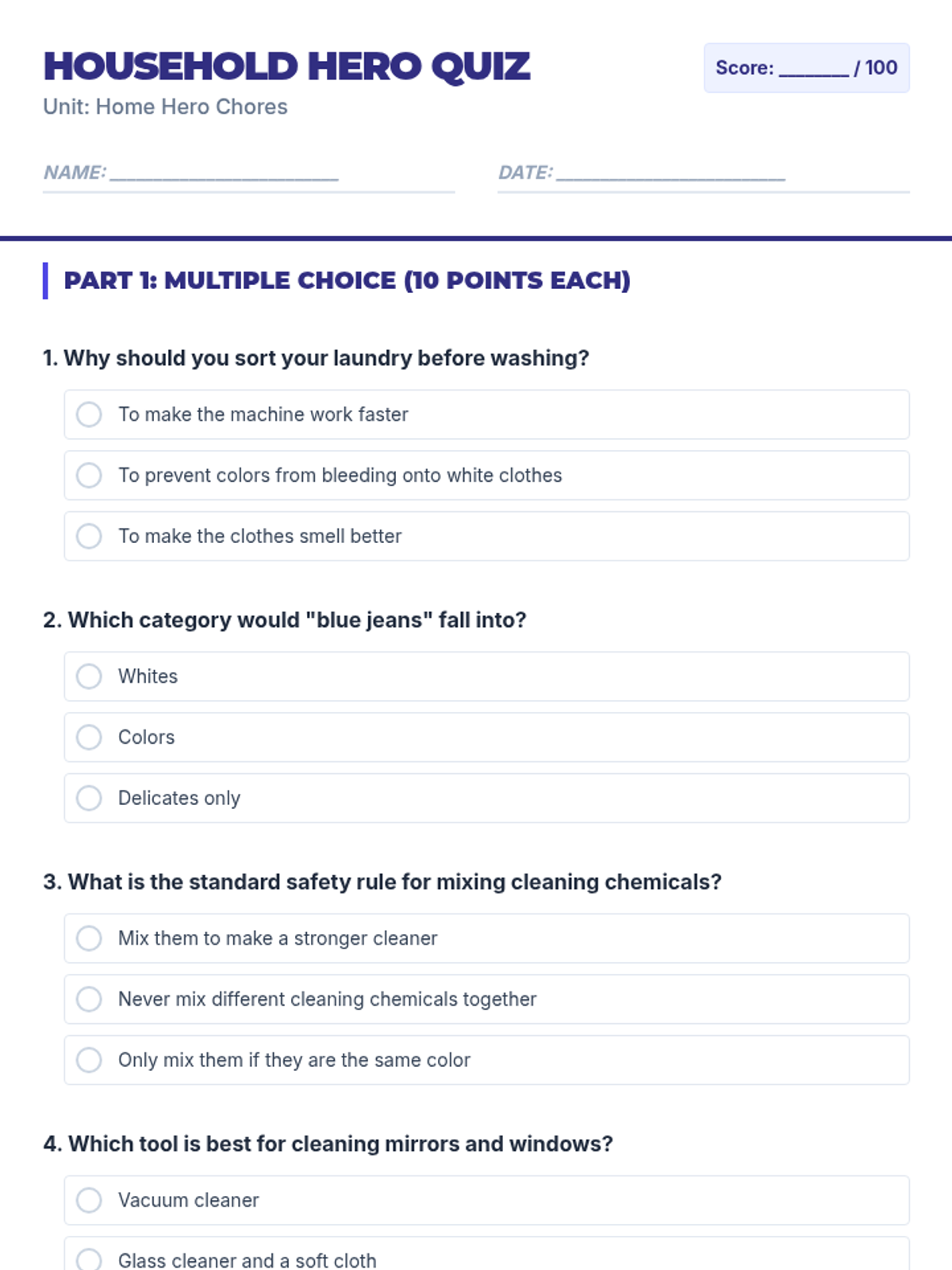
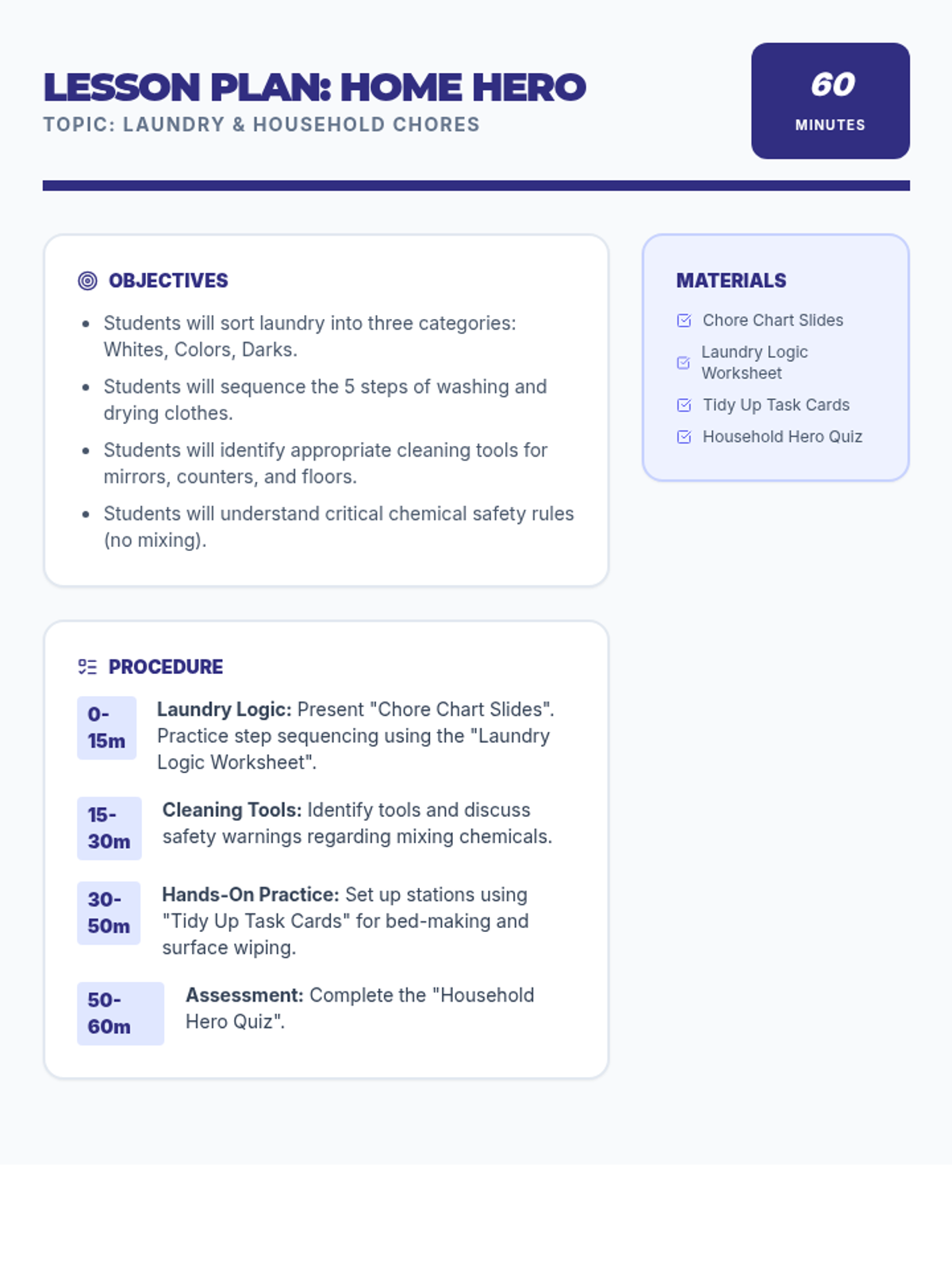
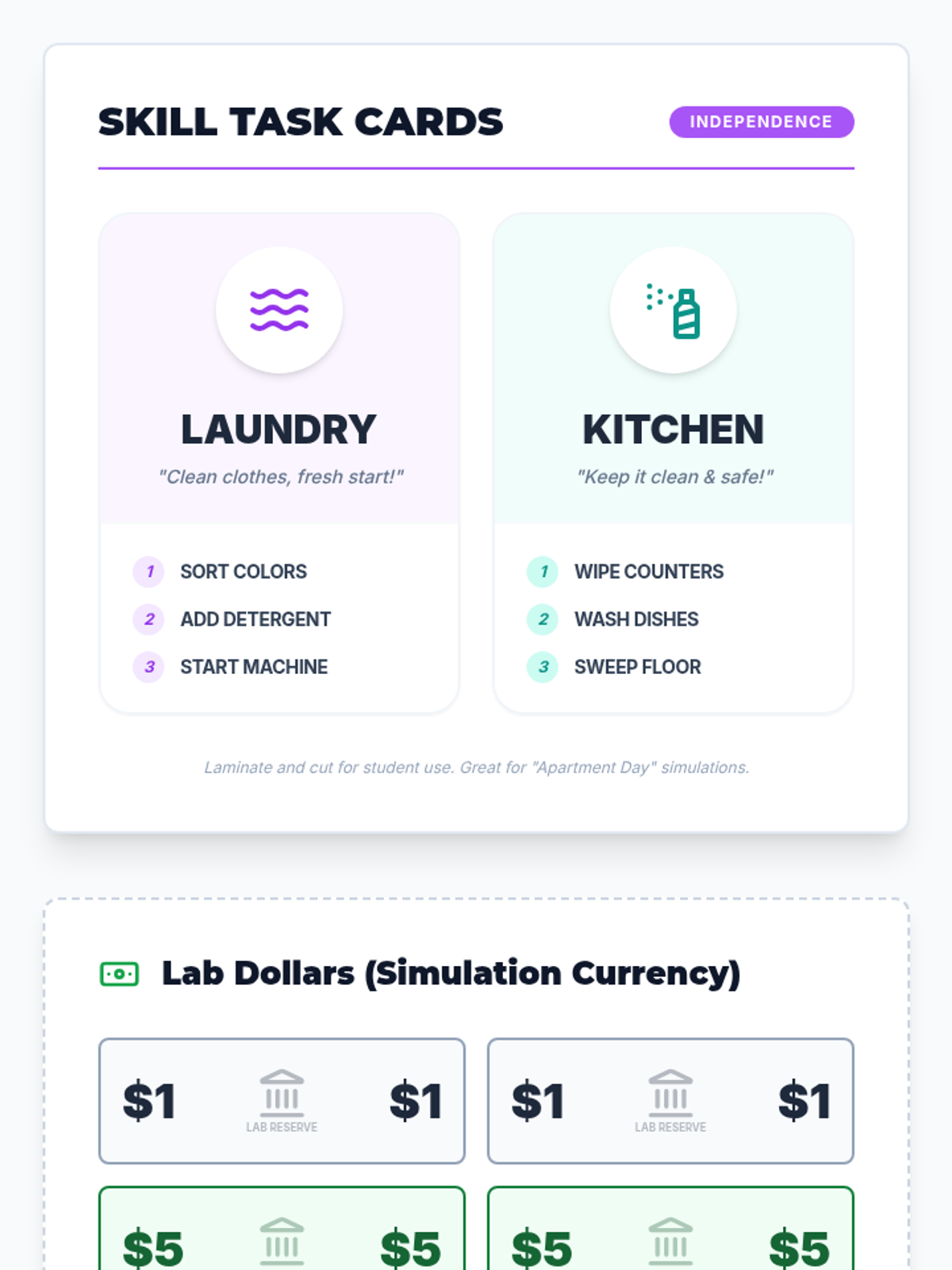
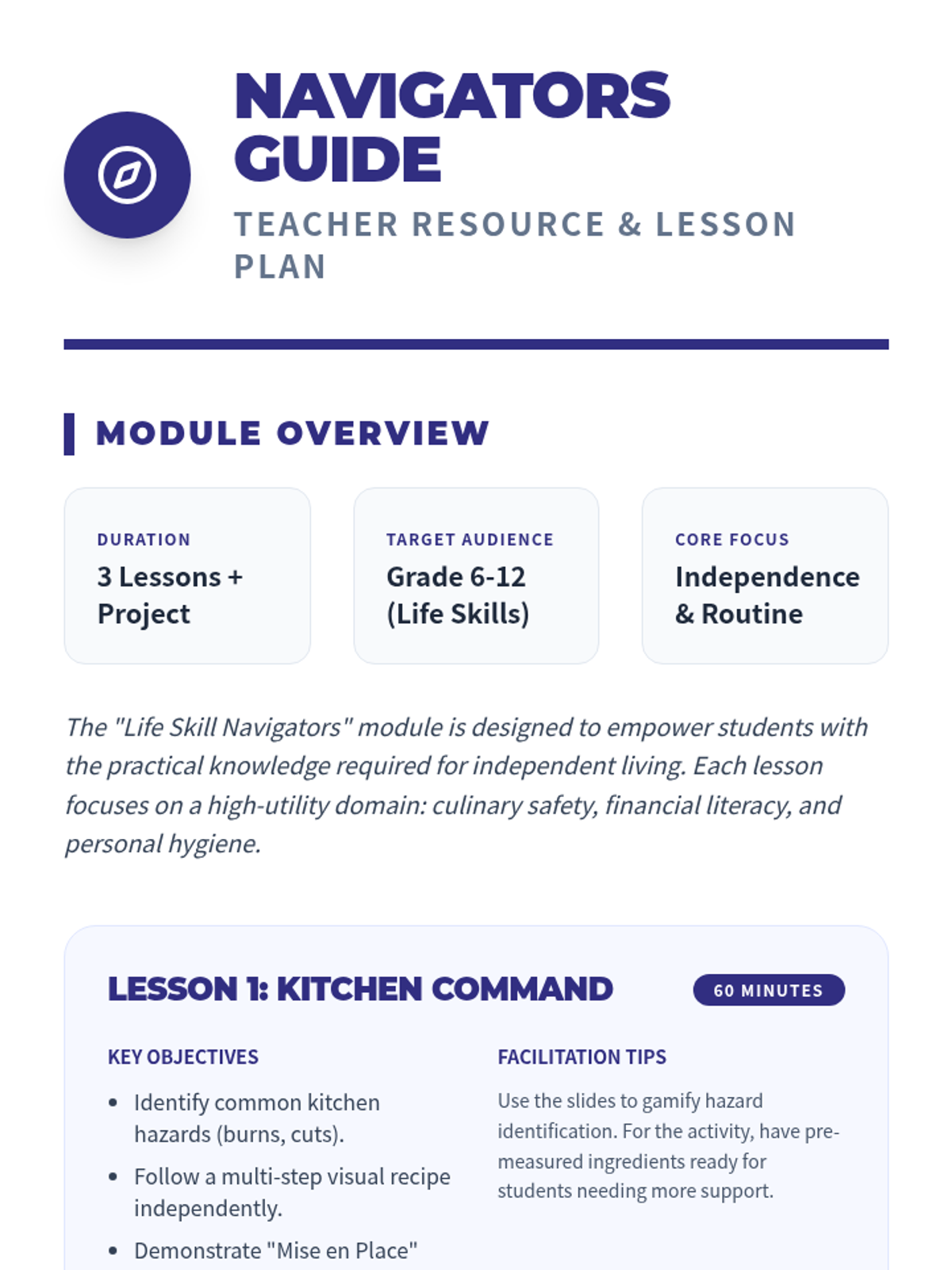
A comprehensive series designed to teach essential independent living skills including budgeting, chores, hygiene, navigation, and kitchen safety.
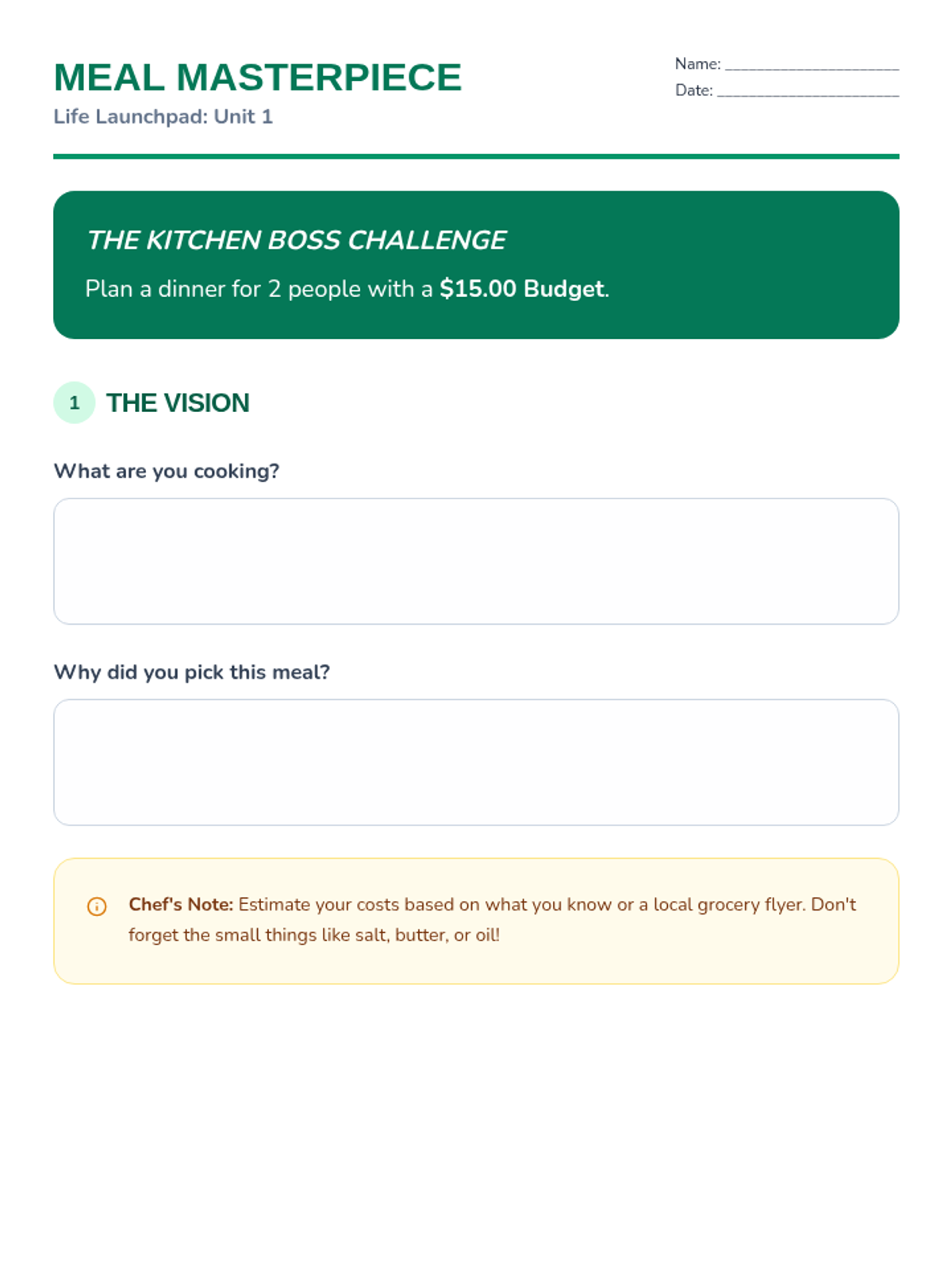
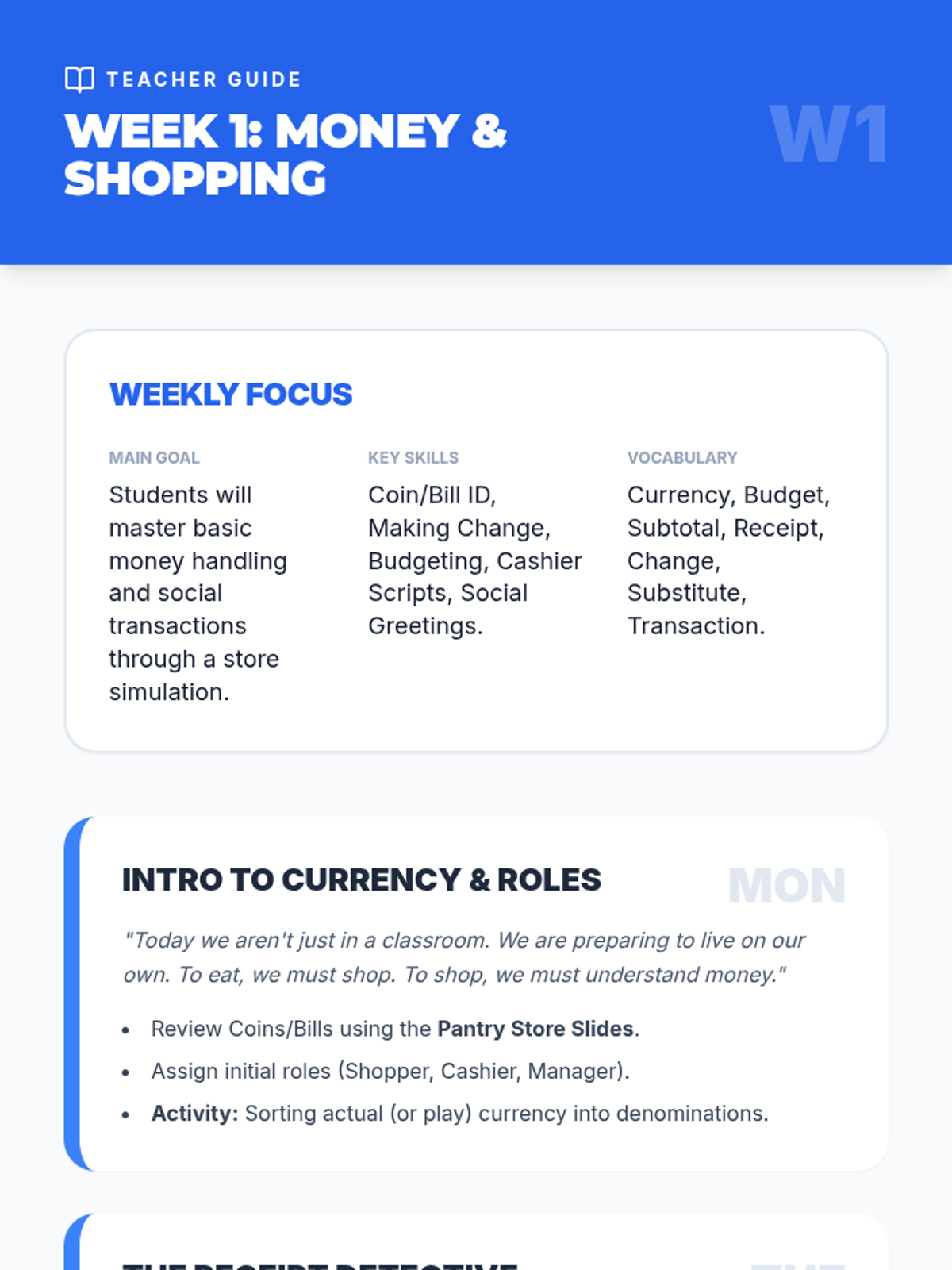
A sequence focused on essential life skills for students transitioning to independence, covering budgeting, meal planning, and financial literacy.
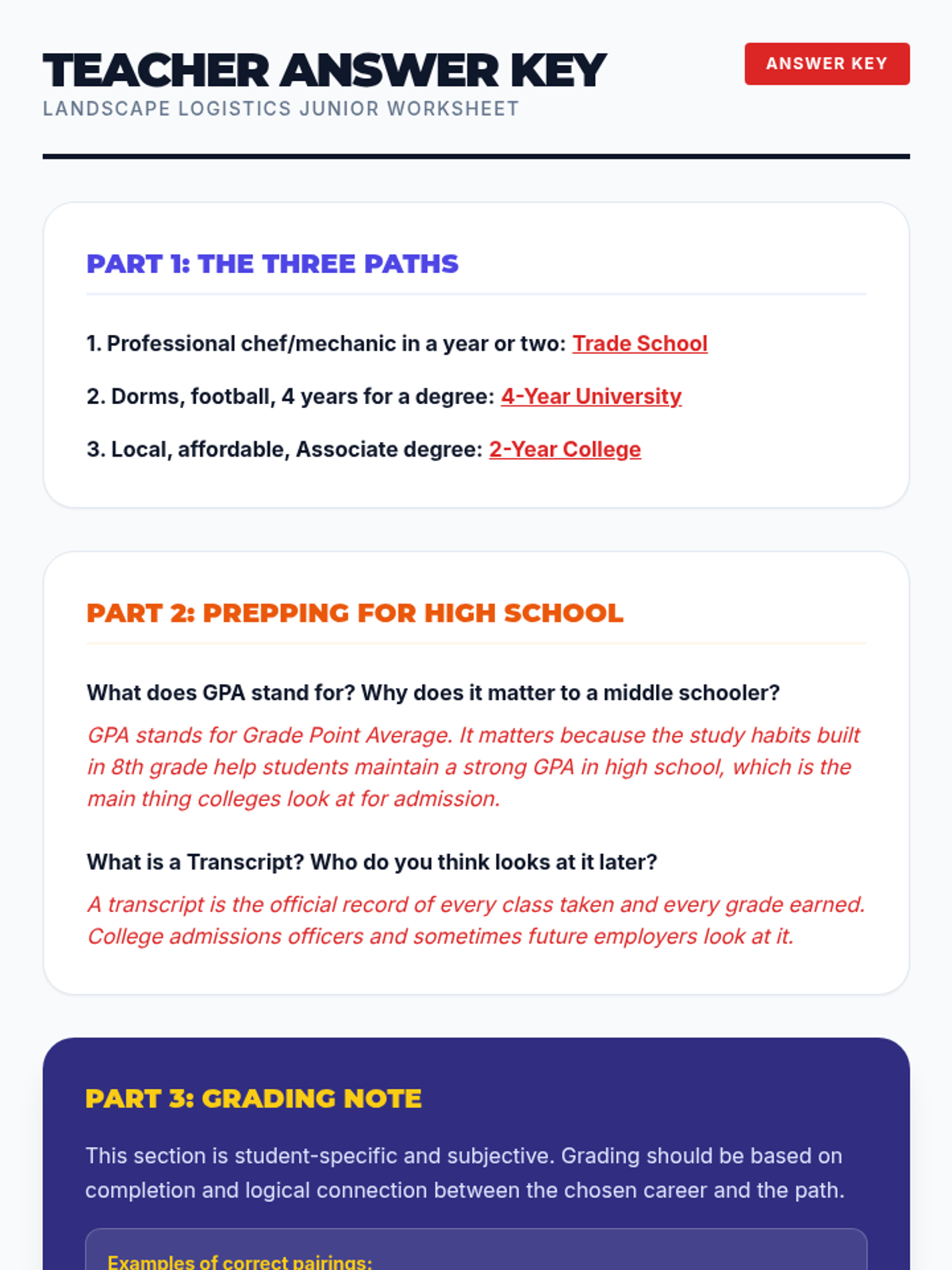
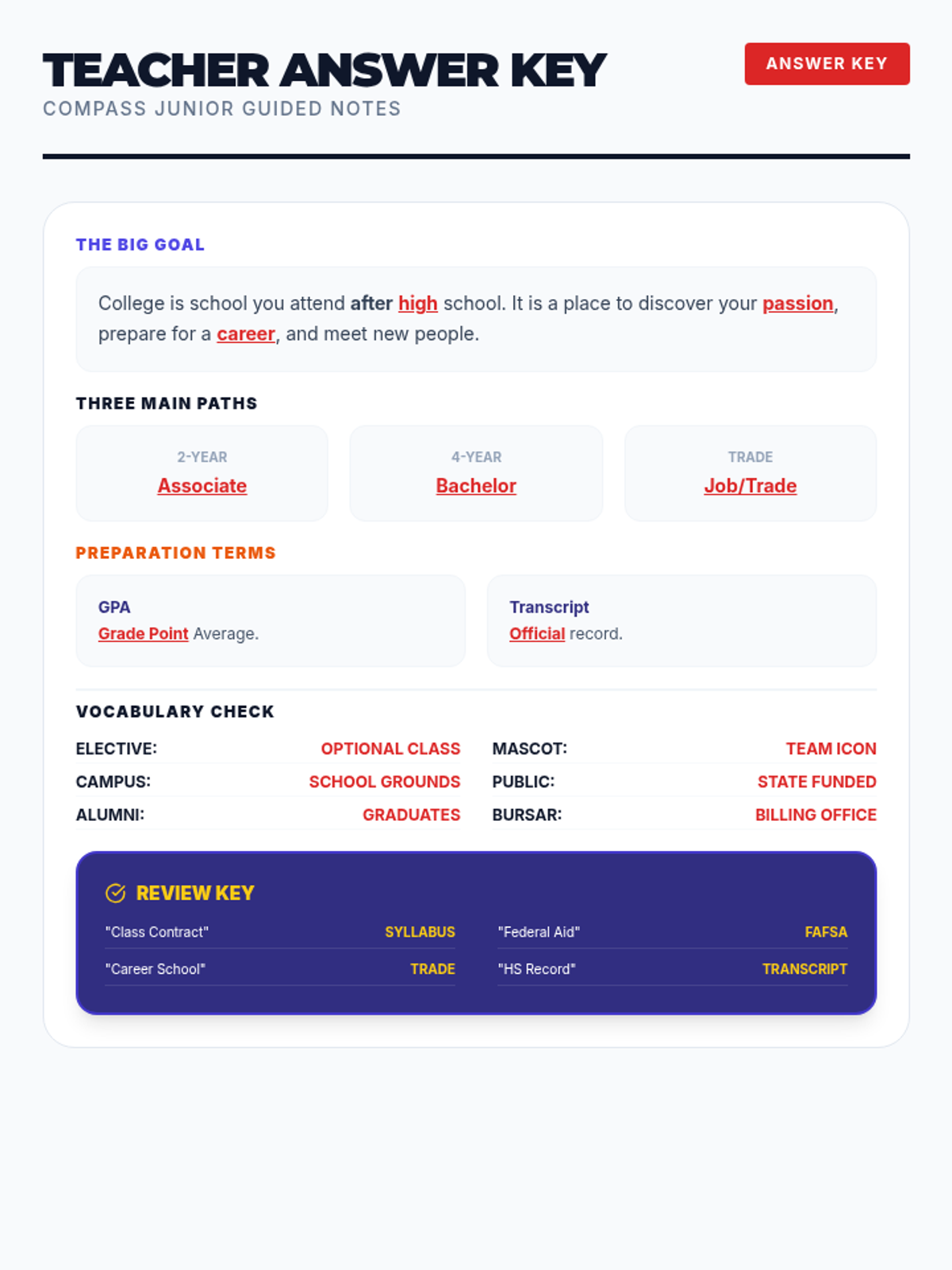
A middle-school friendly 12-day unit that introduces 8th graders to the world of higher education, focusing on building awareness, exploring career-college connections, and demystifying the path to college through a "Dream College" research project.
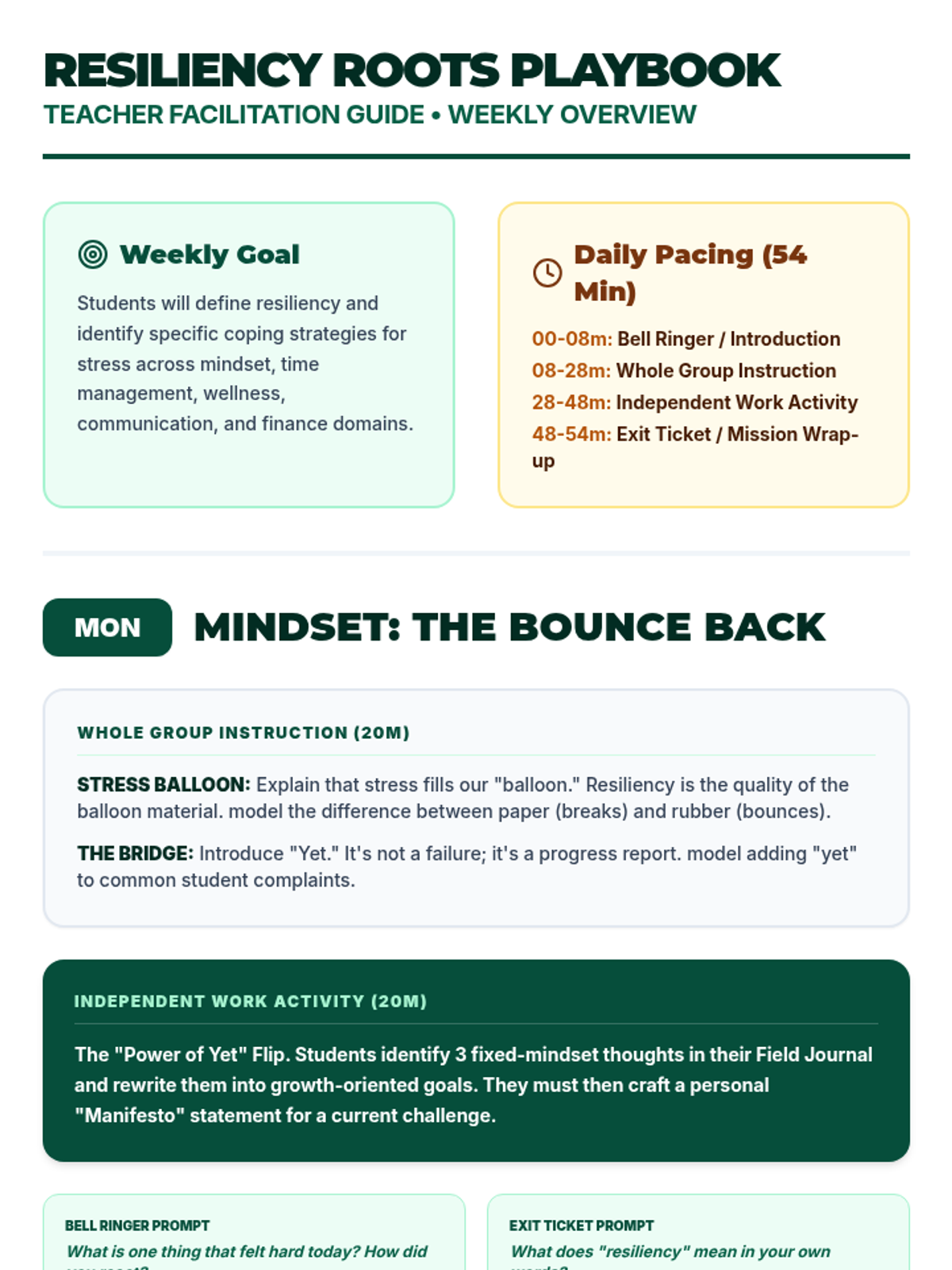
A comprehensive week-long unit focused on building resiliency, stress management, and coping strategies within a life skills context. This sequence follows daily themes to integrate mindset, time management, wellness, communication, and financial literacy into the core focus of bouncing back from challenges.
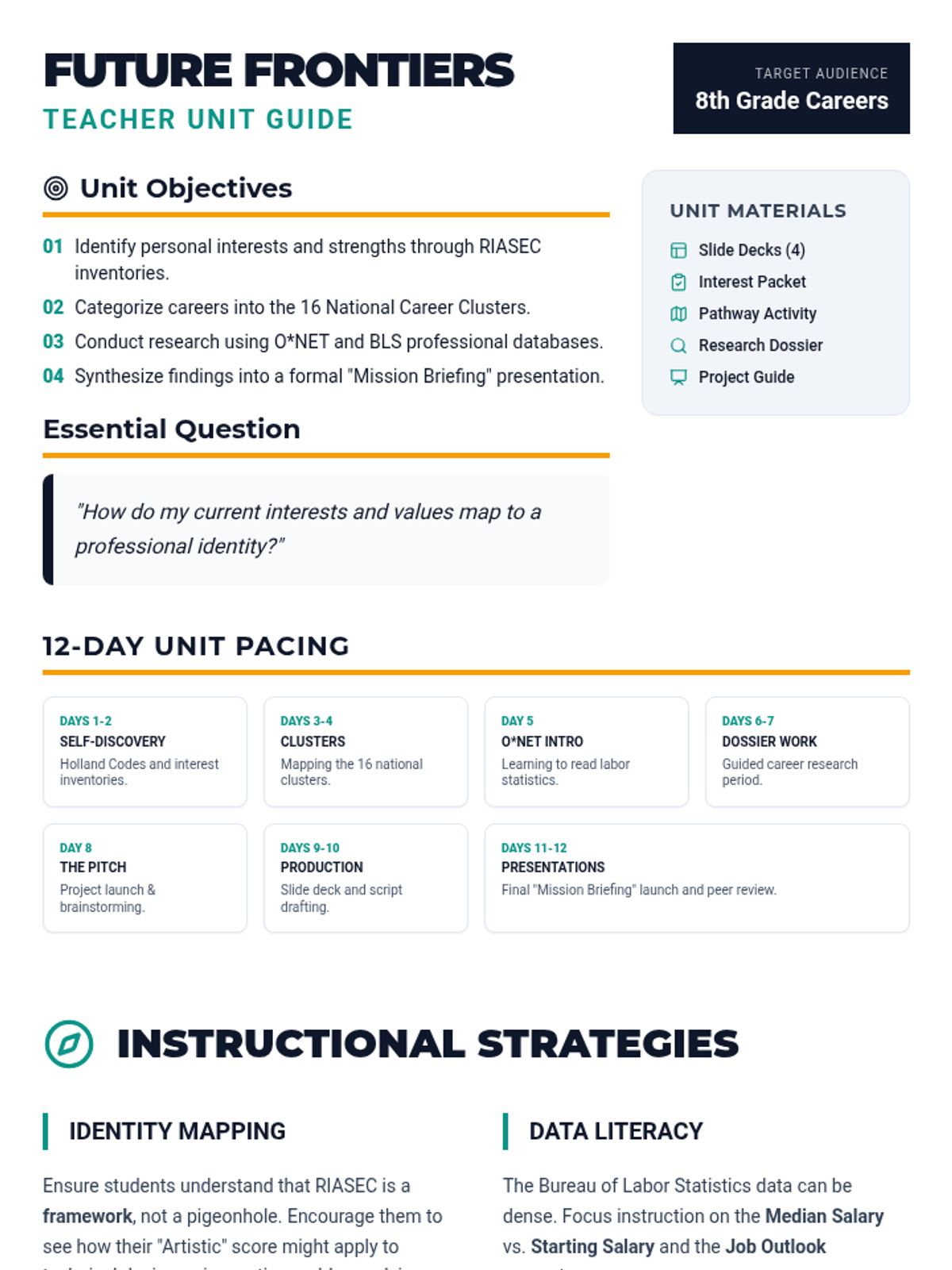
A comprehensive 14-day unit for 8th graders to explore their interests, identify career clusters, conduct in-depth career research, and present a final project on their chosen career path.
A comprehensive financial literacy unit for middle school students focusing on the essential skills of money management, aligned with state standards. Students navigate through concepts of income, expenses, and credit to build a solid financial future.
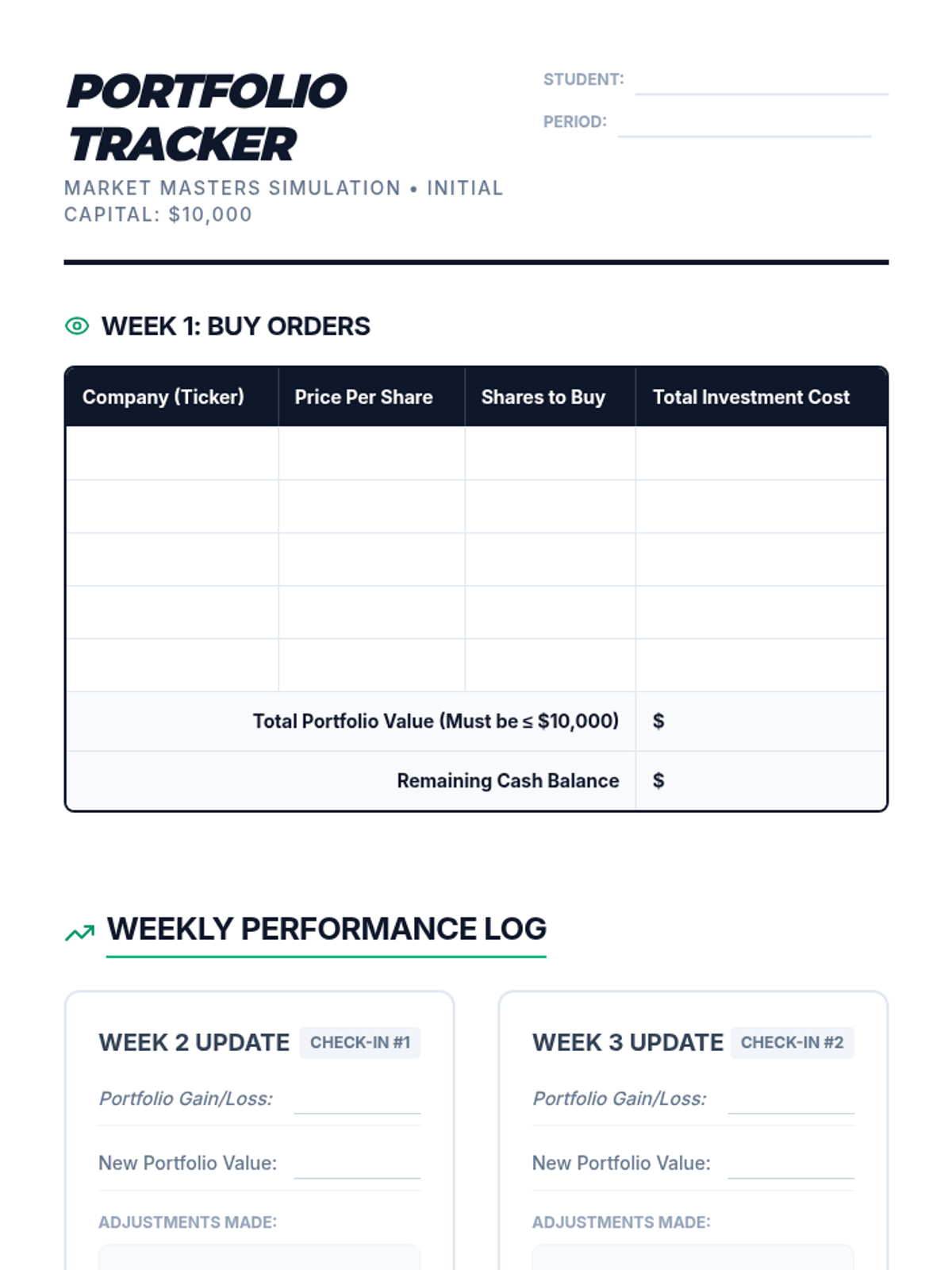
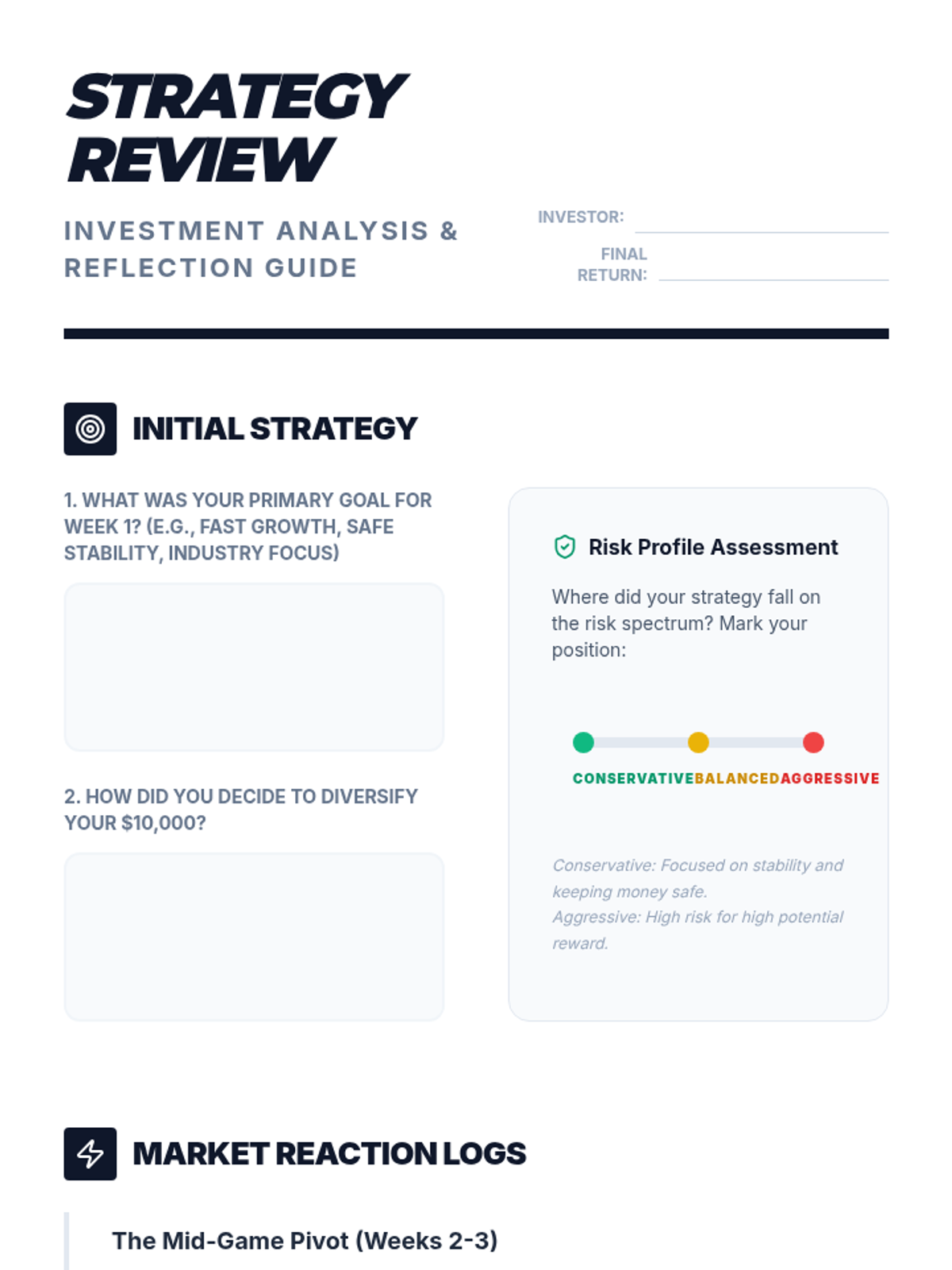
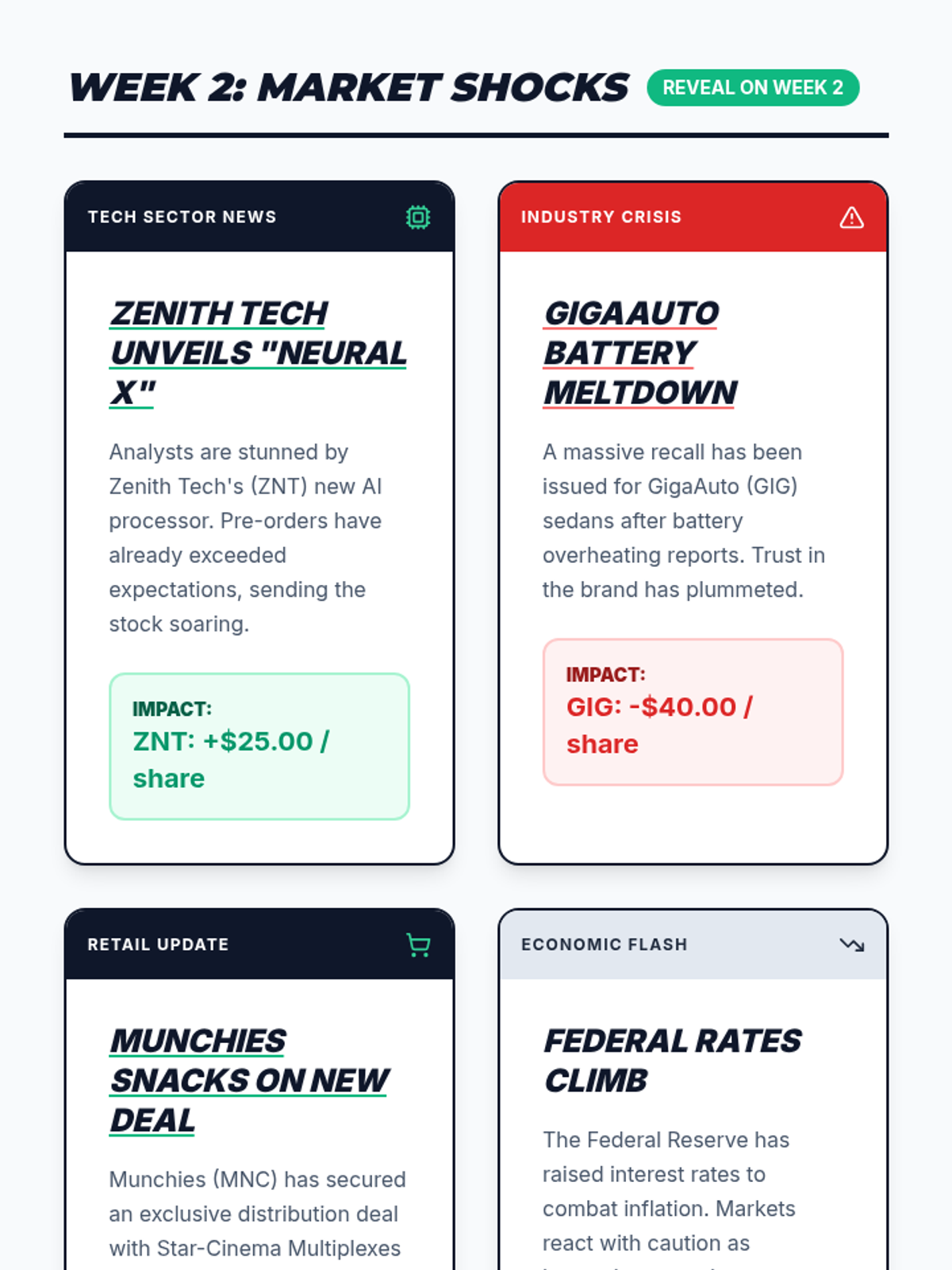
A hands-on introduction to financial markets and investment strategies through a four-week simulated portfolio management project.
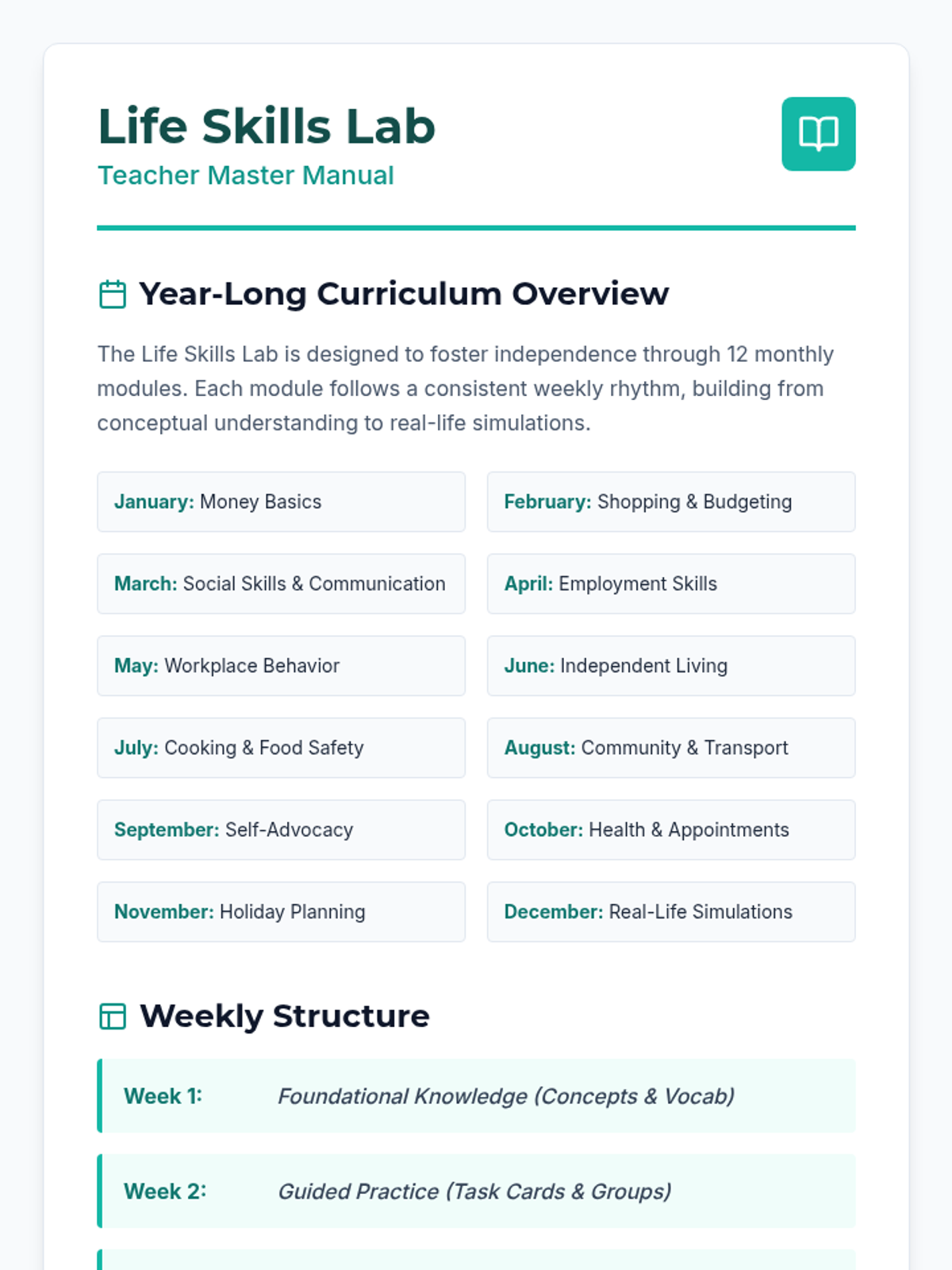
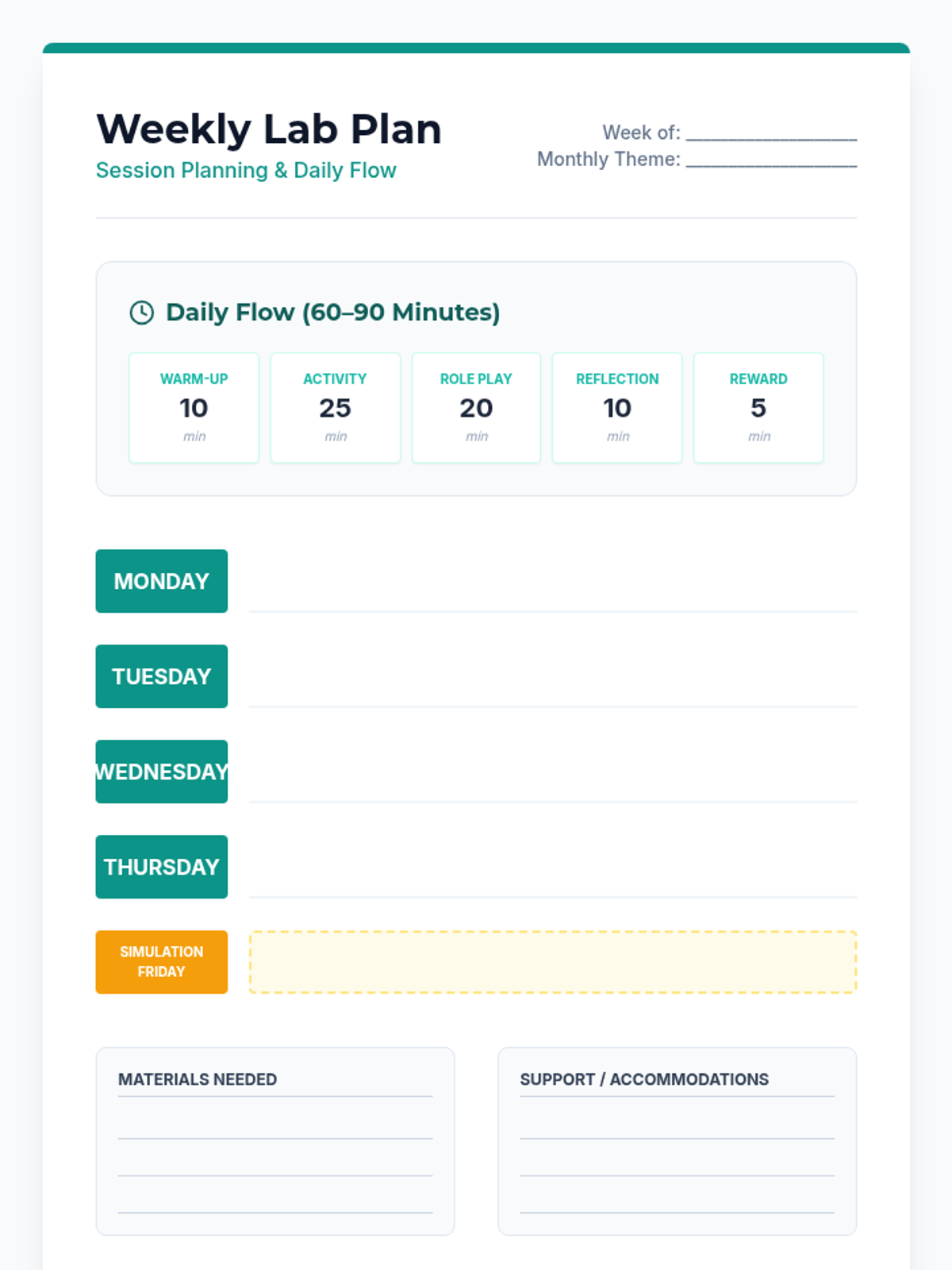
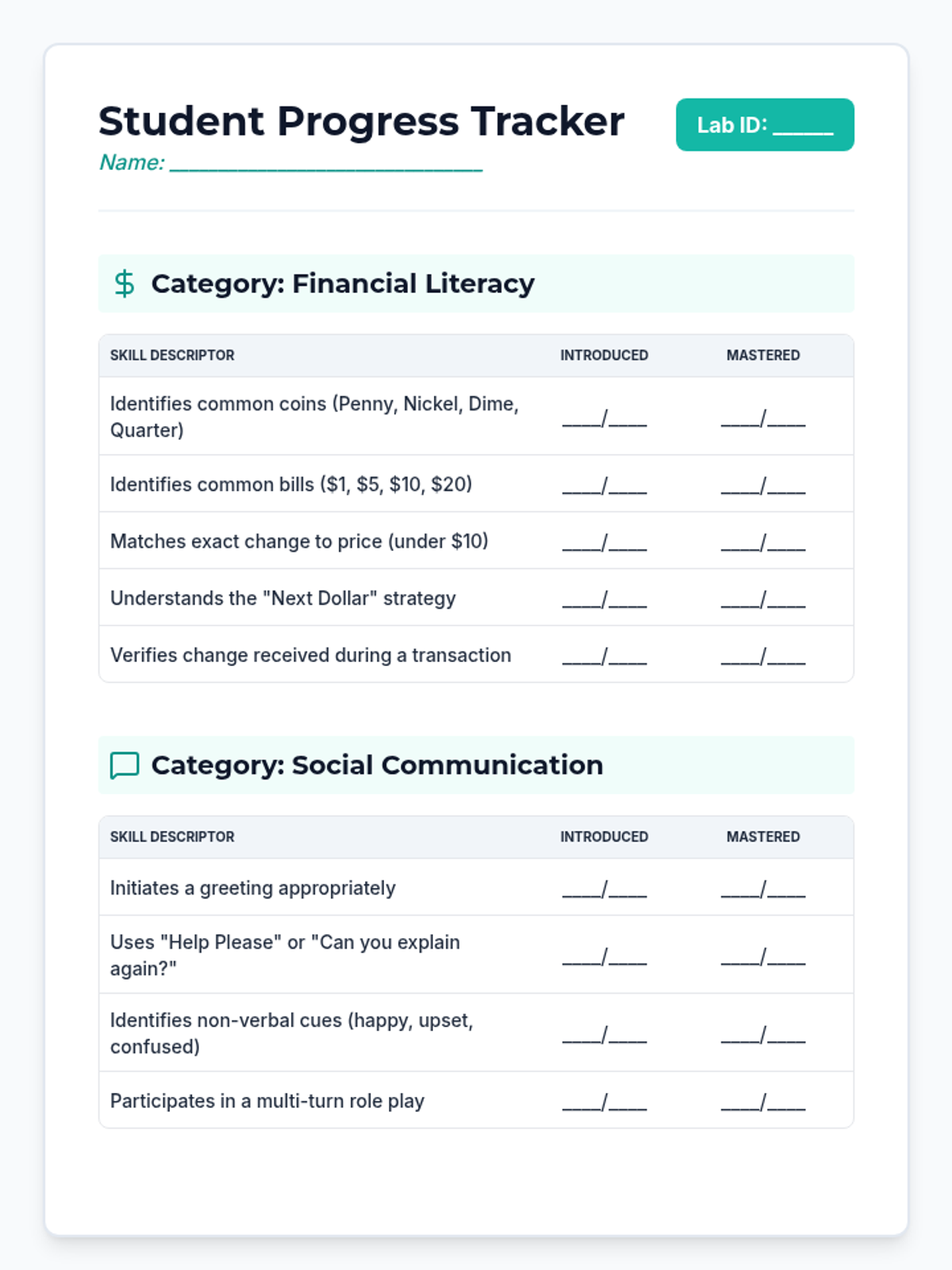
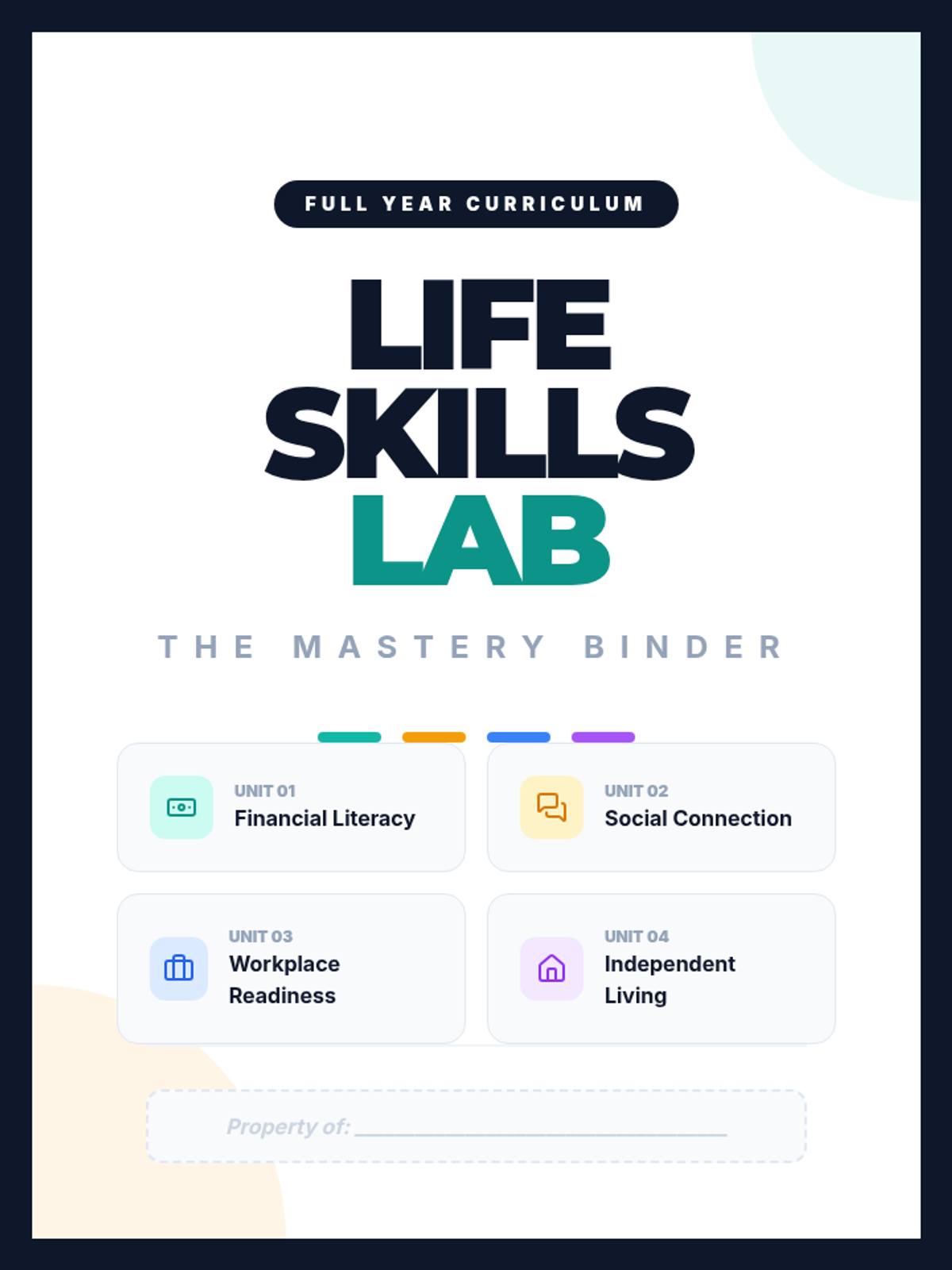
A comprehensive year-long curriculum designed to empower students with essential life skills for independence, focusing on financial literacy, social communication, and real-world simulations.
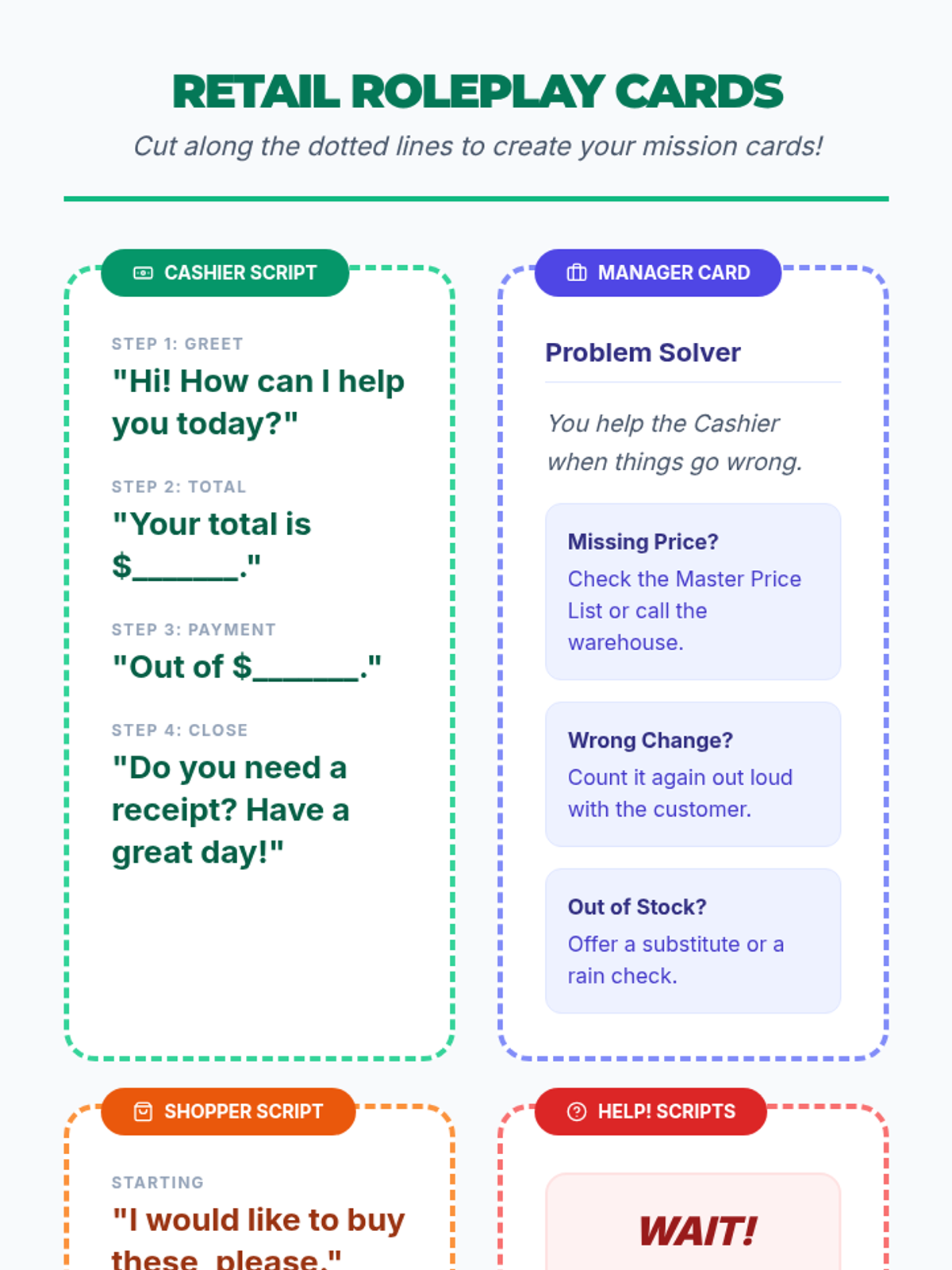
A full-month curriculum focused on developing independence through real-world simulations, role-playing, and practical application of functional life skills.
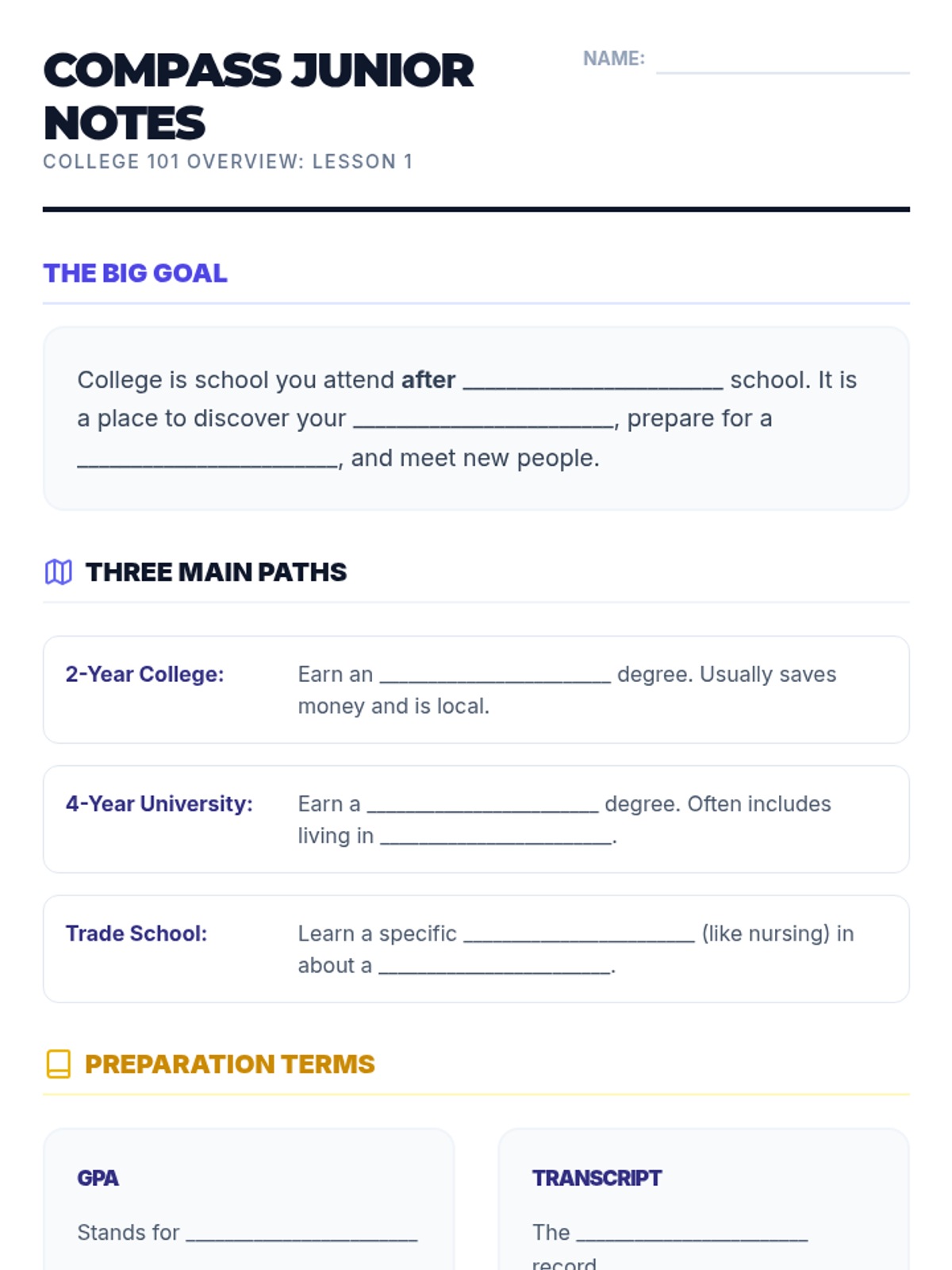
A comprehensive 8th-grade transition course designed to meet Iowa ICAP requirements, covering self-discovery, career exploration, postsecondary planning, high school course alignment, and financial literacy.
A comprehensive series of lessons designed to equip students with essential life skills for independent living, focusing on financial literacy, personal organization, and daily responsibilities.
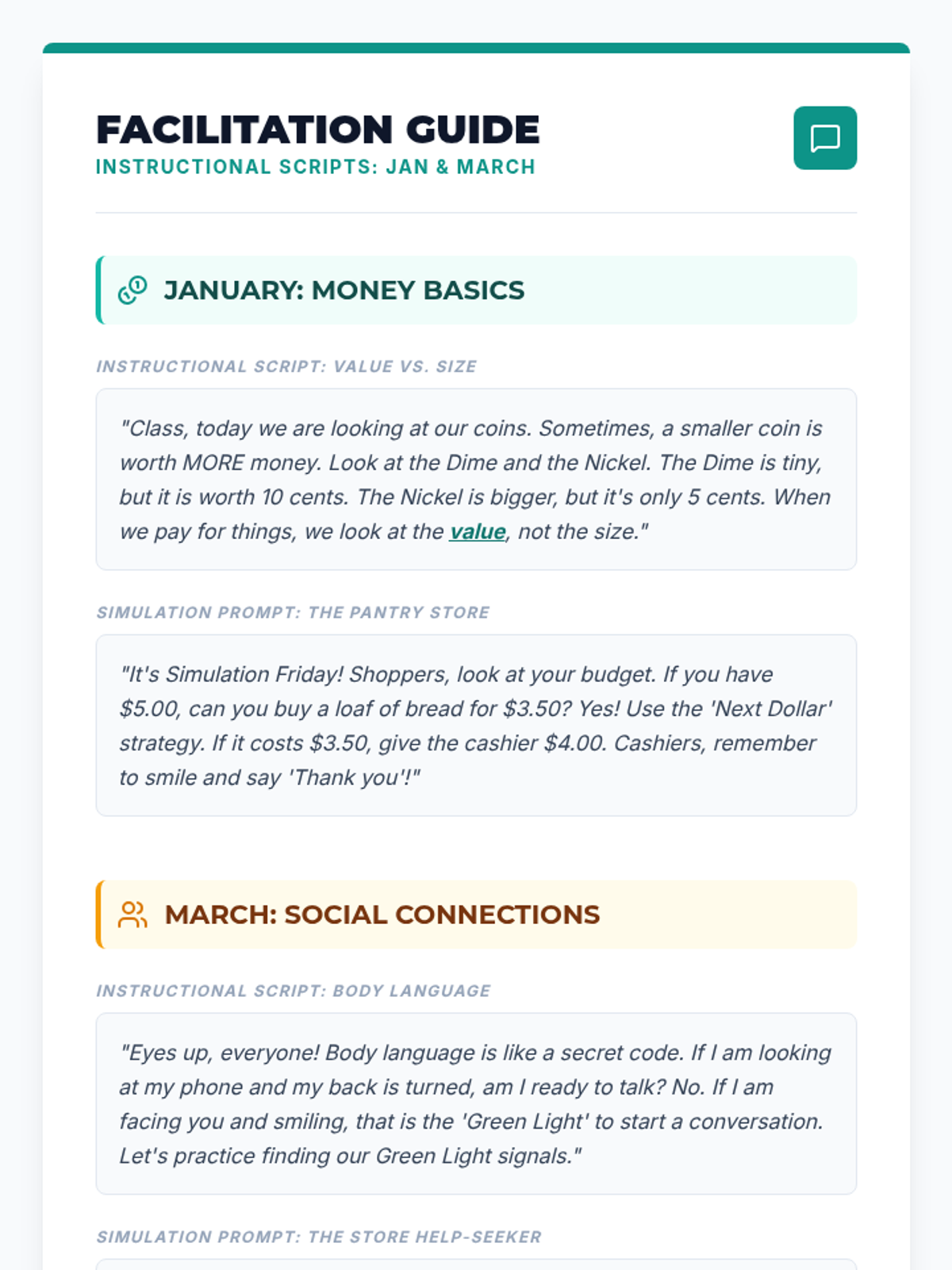
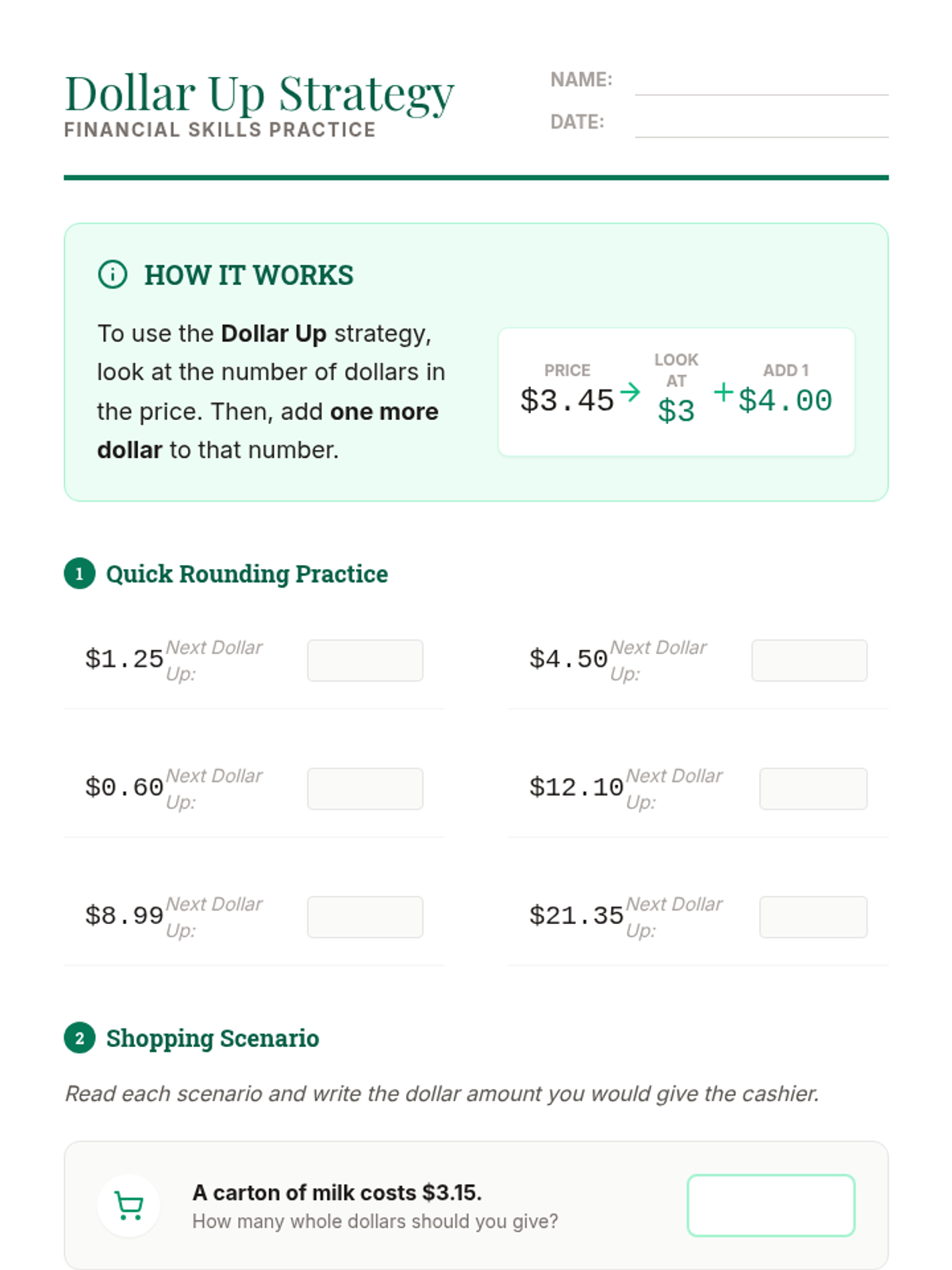
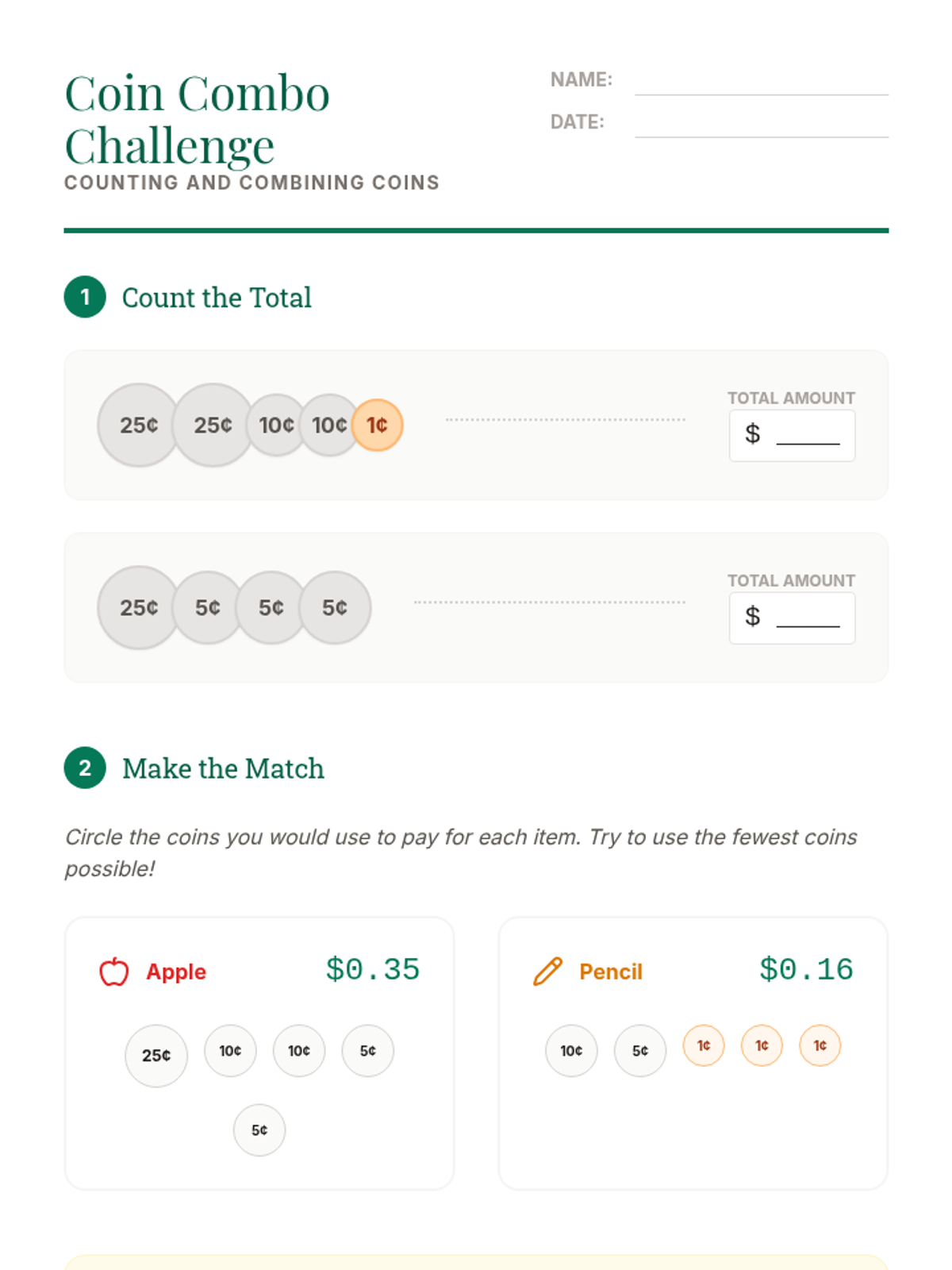
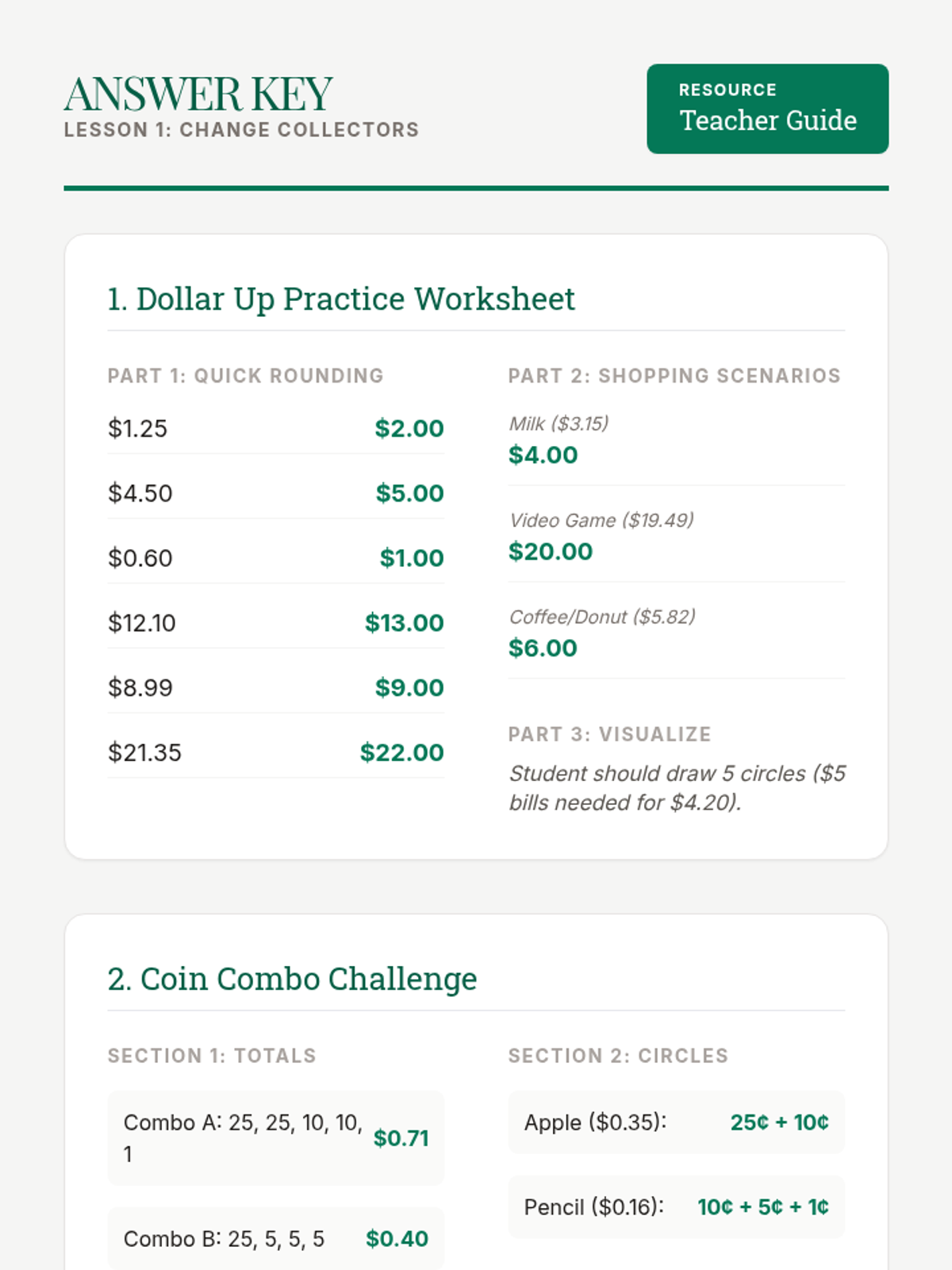
A comprehensive financial literacy sequence covering coin counting, the 'next dollar up' strategy, adding purchases, unit price ratios, and budget management. Students progress from basic money handling to complex real-world financial decision-making.
A multi-month financial literacy unit where students manage a personal bank account, process monthly bills, and track paycheck deposits following a real 2026-2027 school calendar.
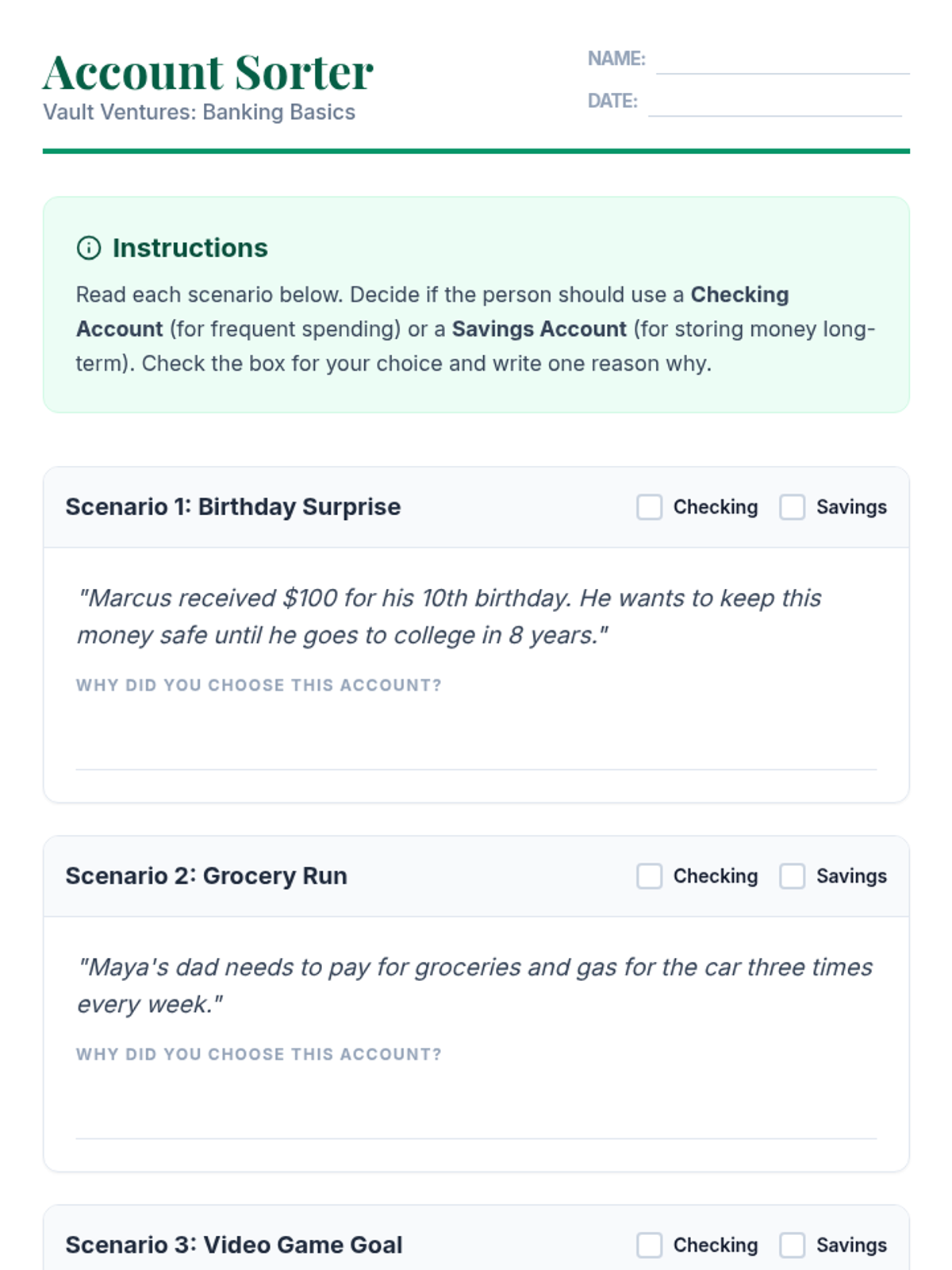
Students enter a simulated classroom economy to learn the mechanics of maintaining a bank account, including checking and savings distinctions, ledger maintenance, understanding fees, and account reconciliation.
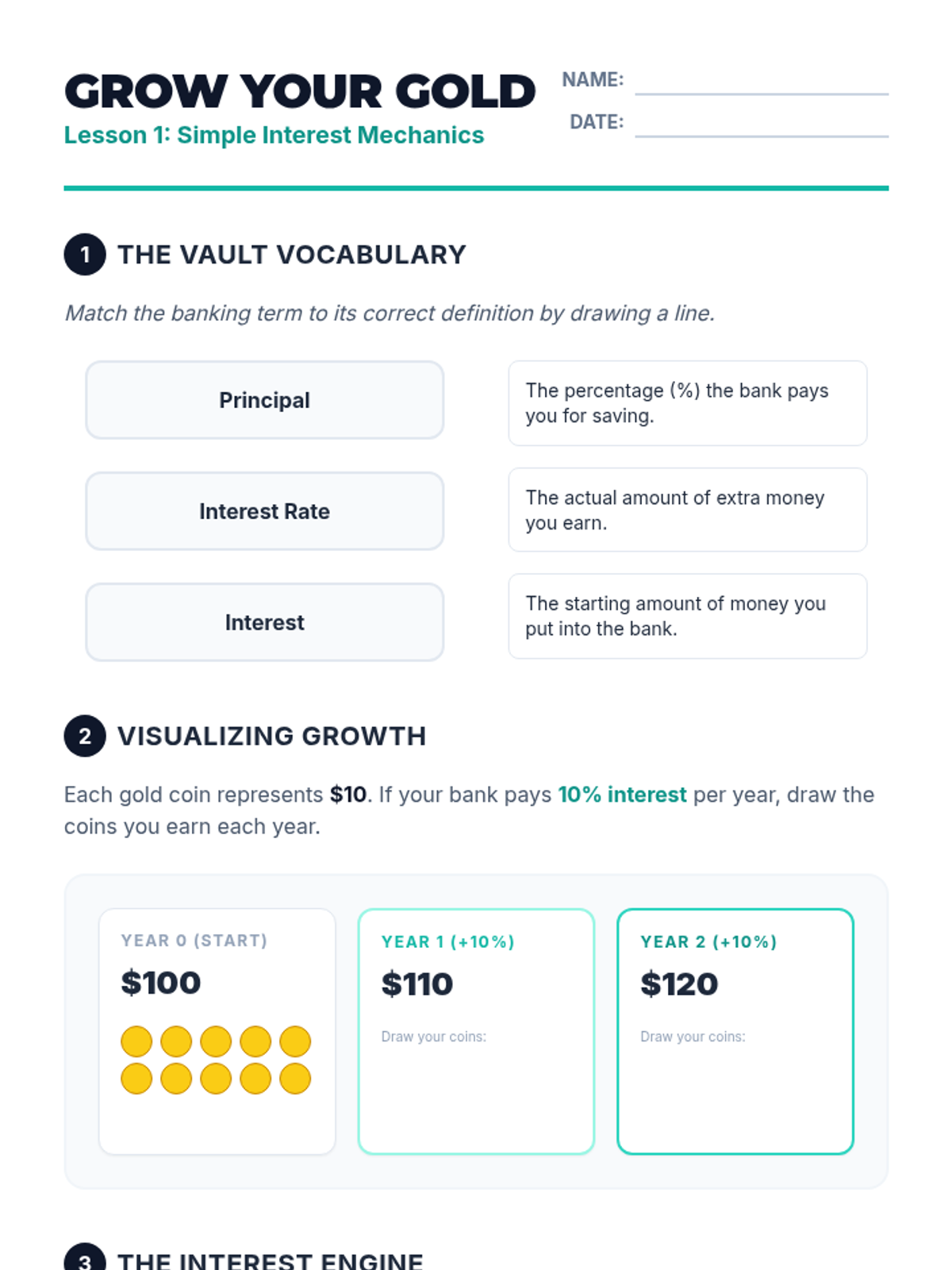
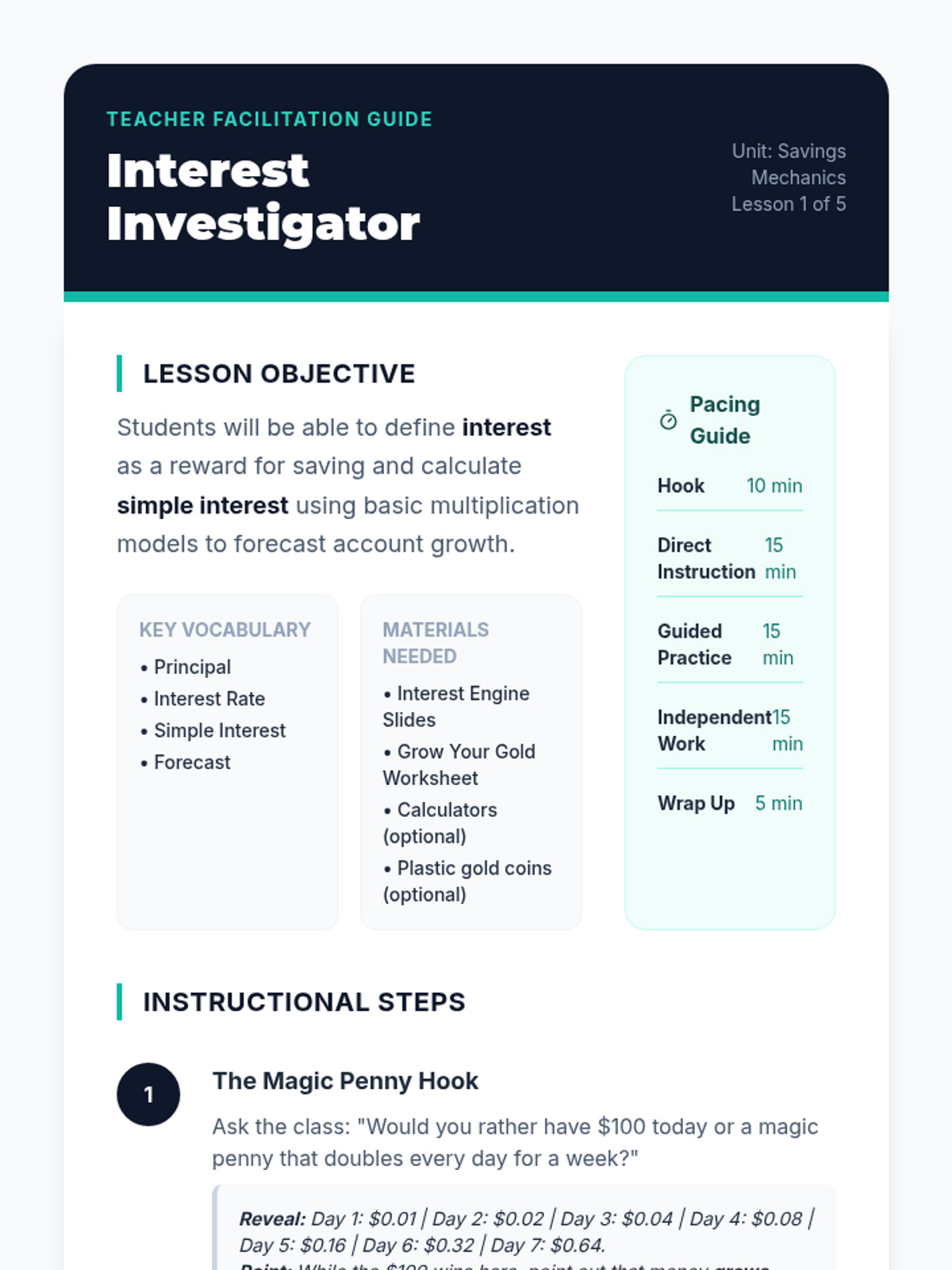
This project-based sequence shifts focus to the growth potential of money through savings accounts and the modern interface of online banking. Students investigate the concept of simple interest, visualizing how money can 'work' for them over time. The learning arc moves from understanding interest rates to navigating digital banking interfaces securely.
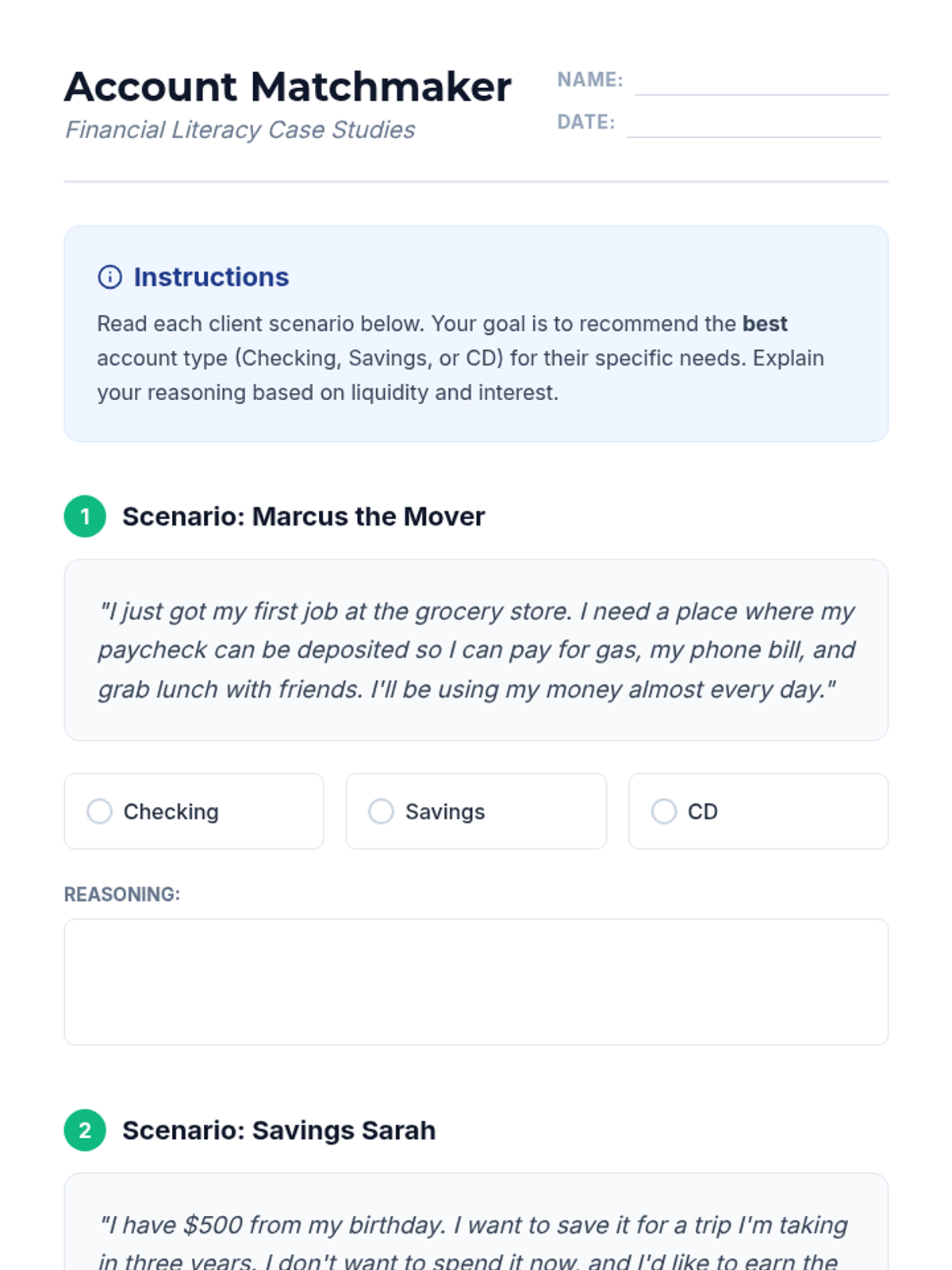
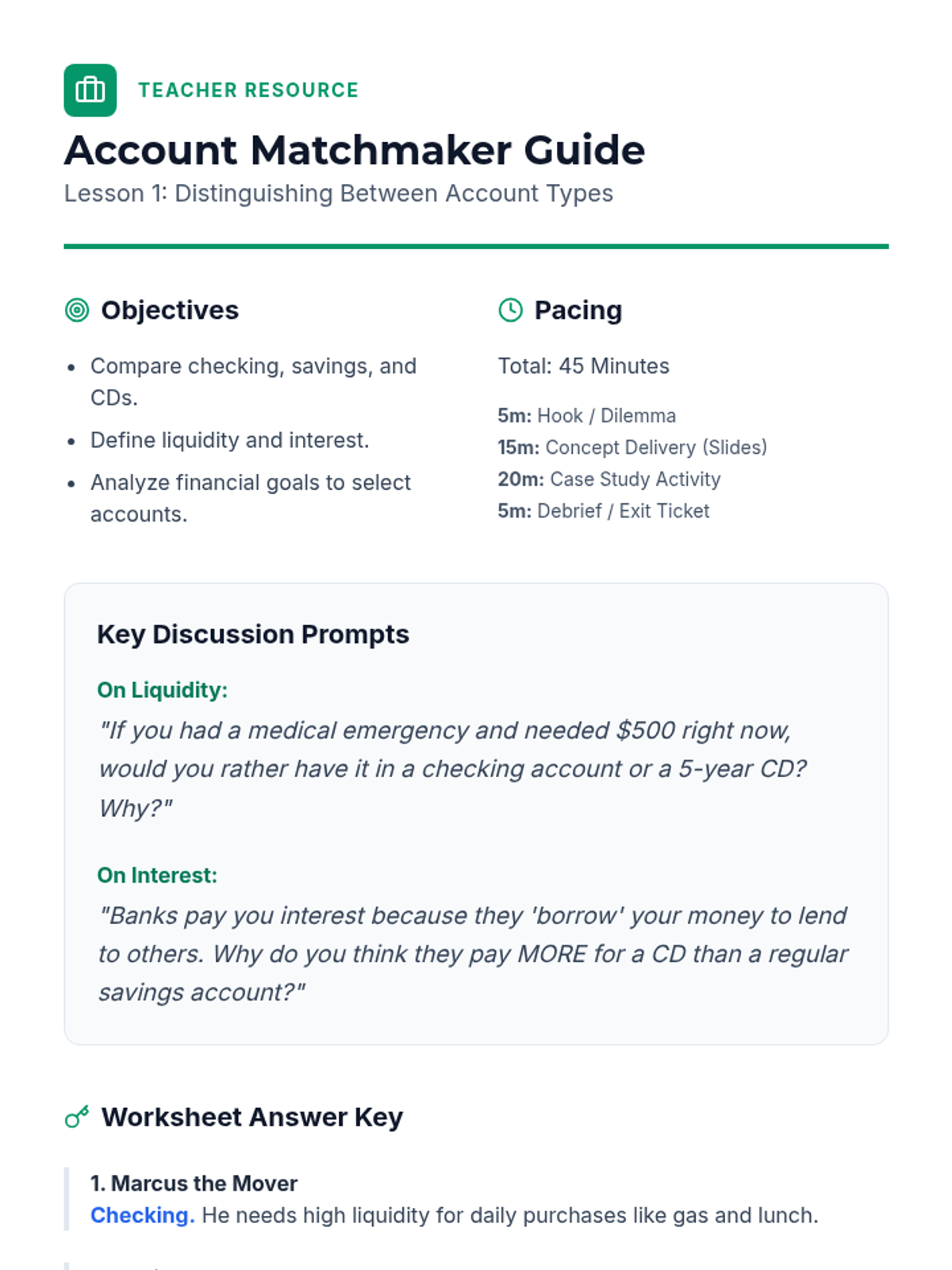
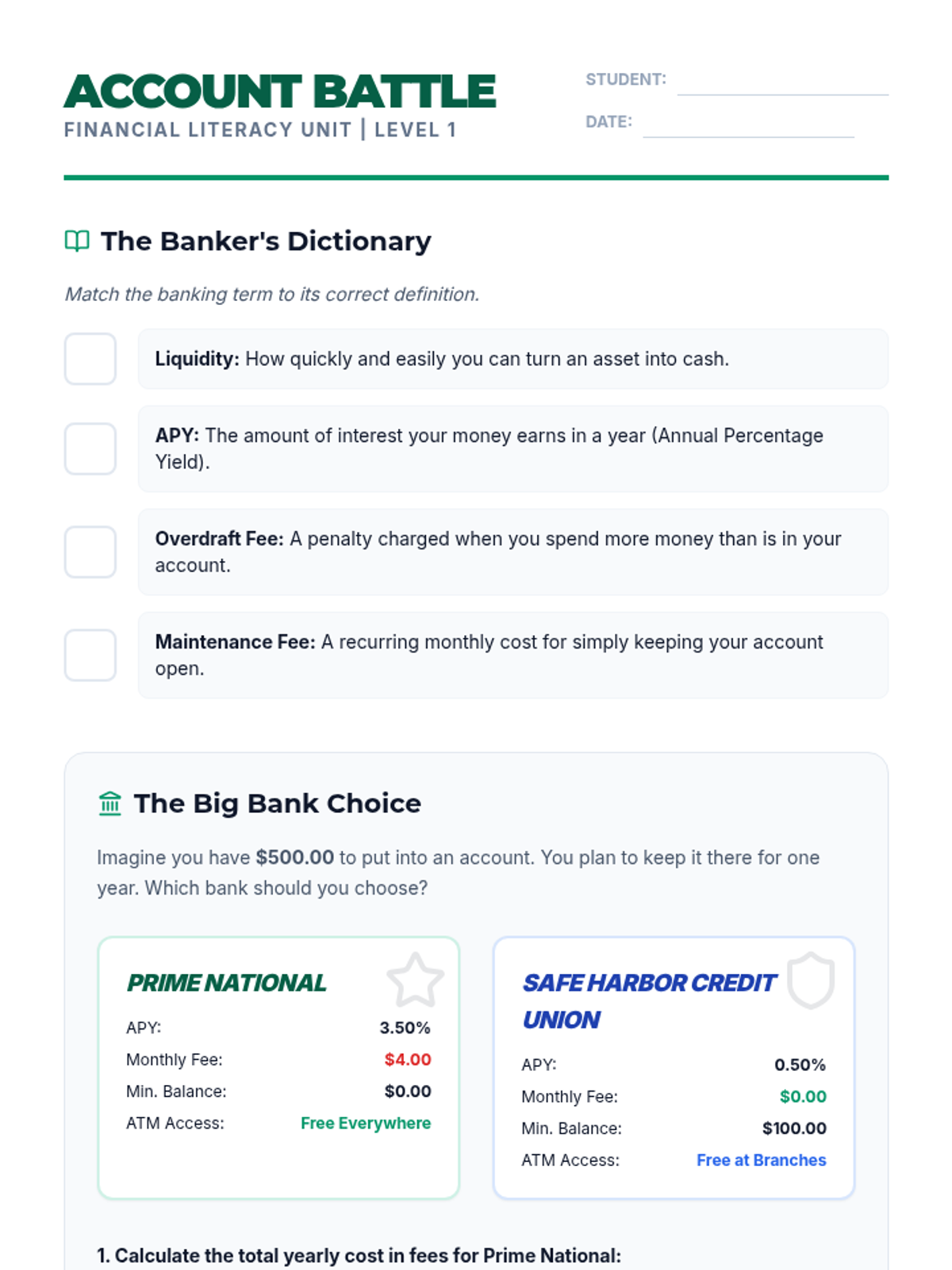
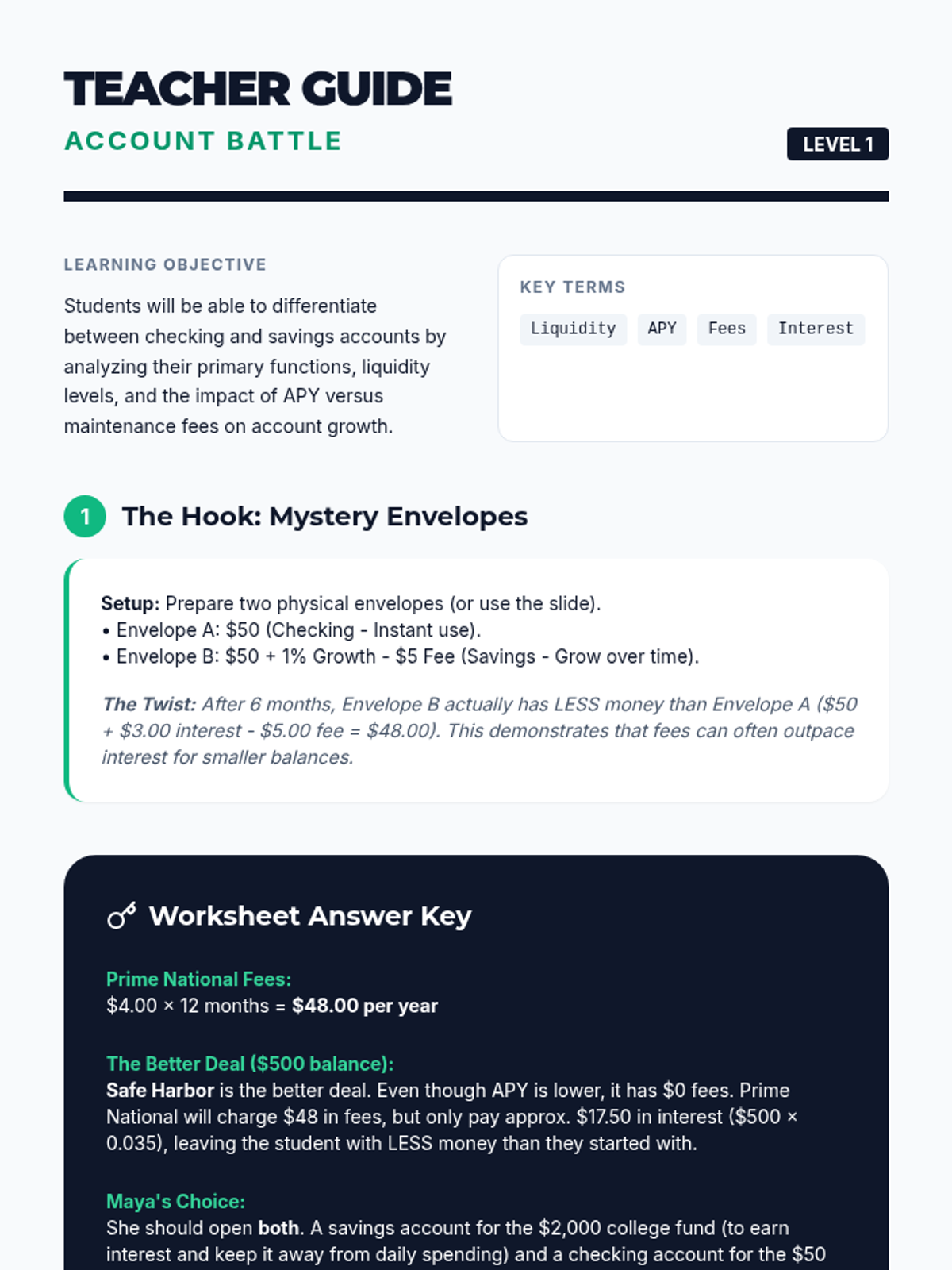
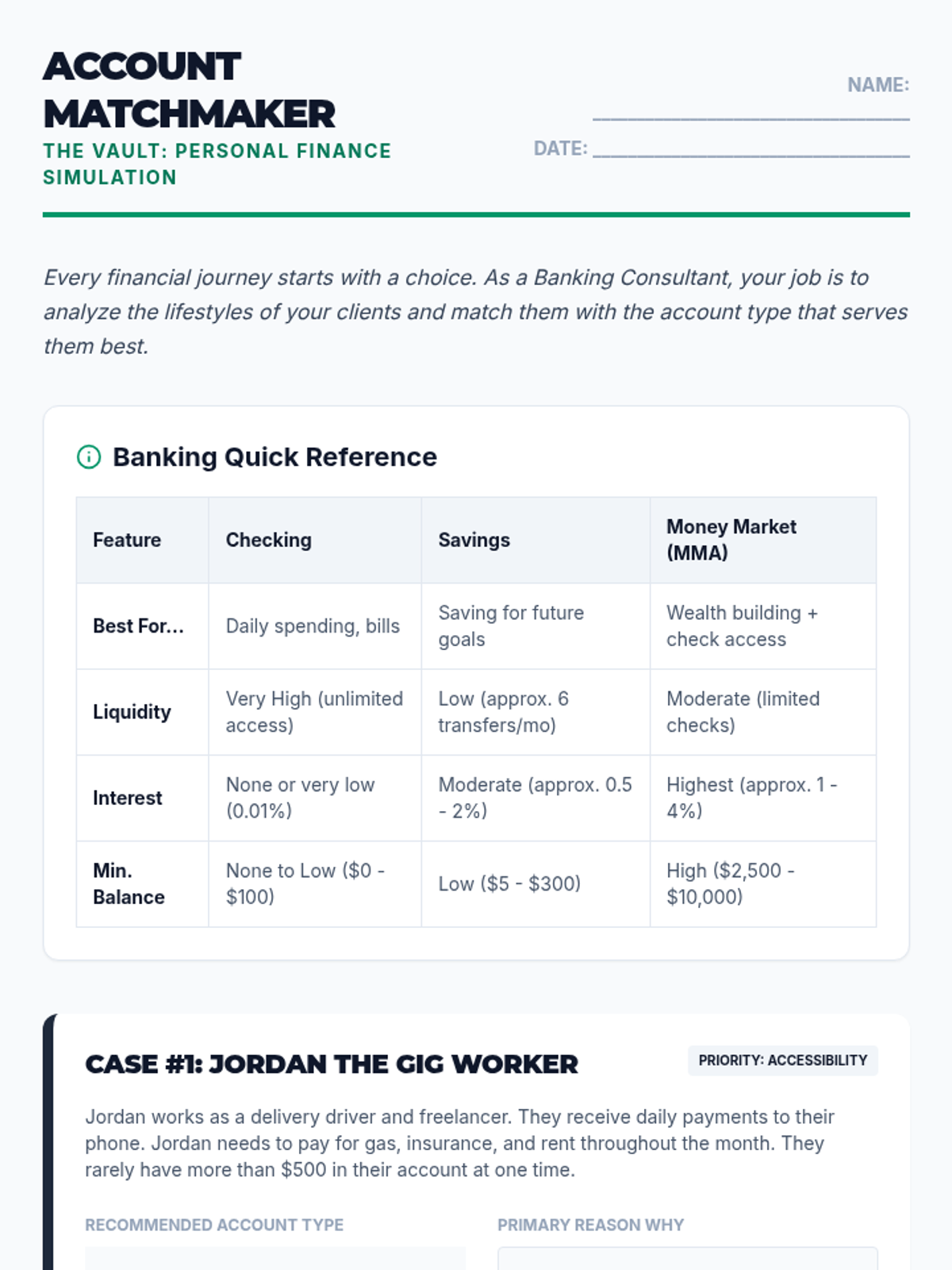
A comprehensive introduction to banking for 8th graders, covering account types, opening procedures, transaction mechanics, ledger maintenance, and statement analysis. Students gain practical financial literacy skills through simulations and hands-on practice.
A comprehensive 5-lesson sequence where 7th-grade students master the fundamentals of banking, from account selection and manual transaction tracking to reconciling bank statements and navigating digital security.
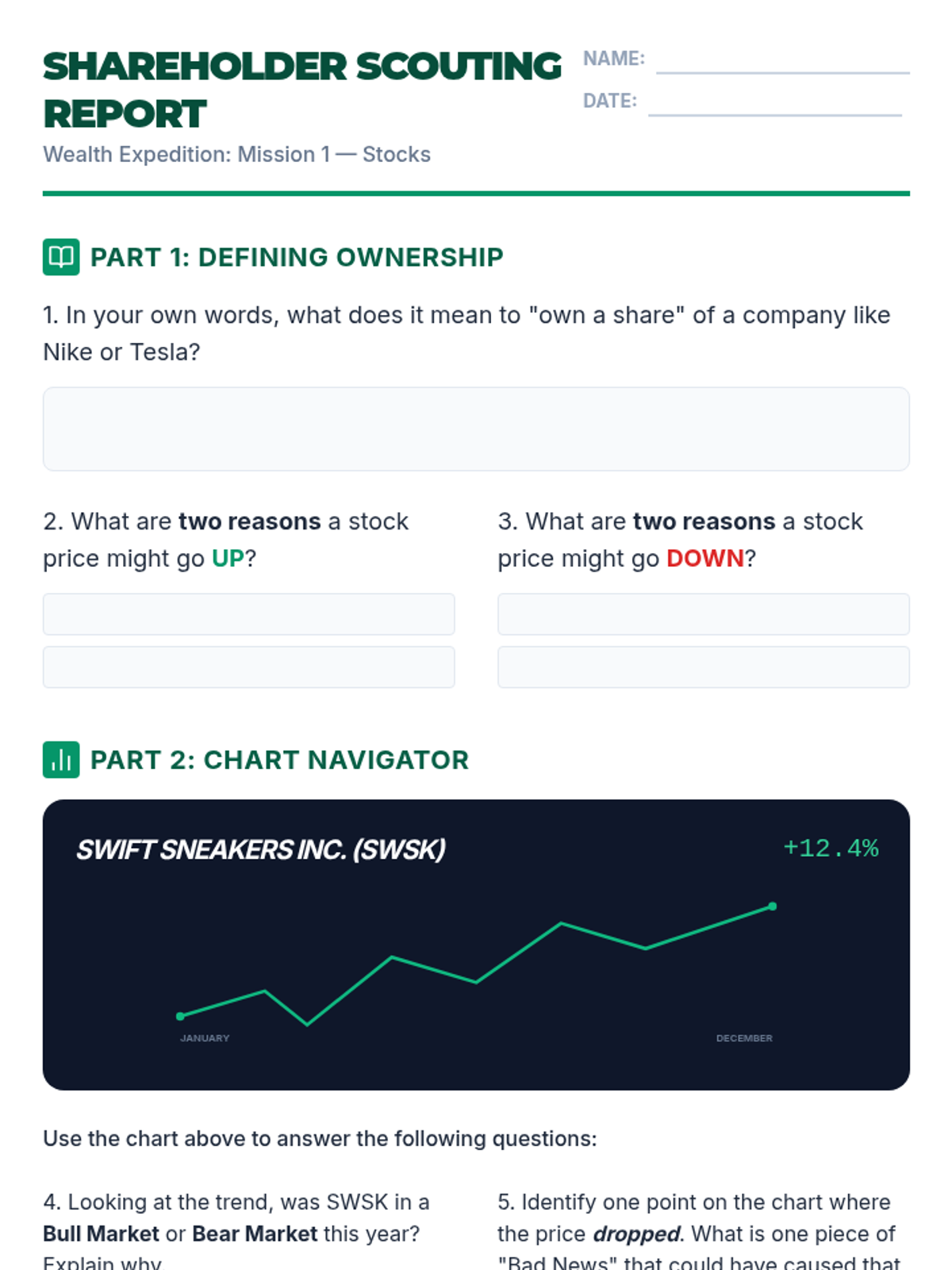
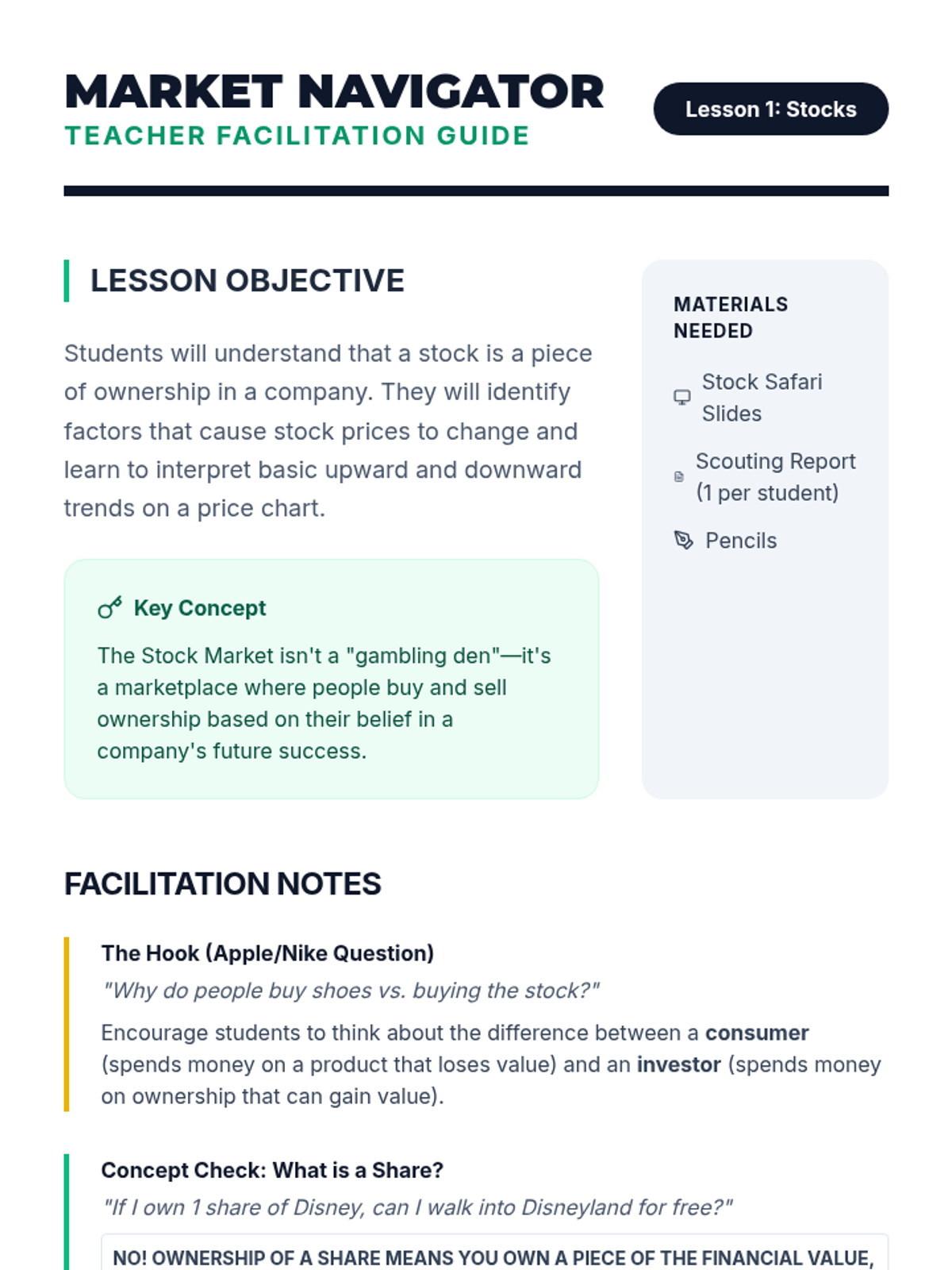
This sequence introduces 8th-grade students to the fundamentals of investing, covering stocks, bonds, and mutual funds while emphasizing the critical relationship between risk and return. Students will engage in simulations and self-assessments to understand how to build and manage a personal investment strategy.
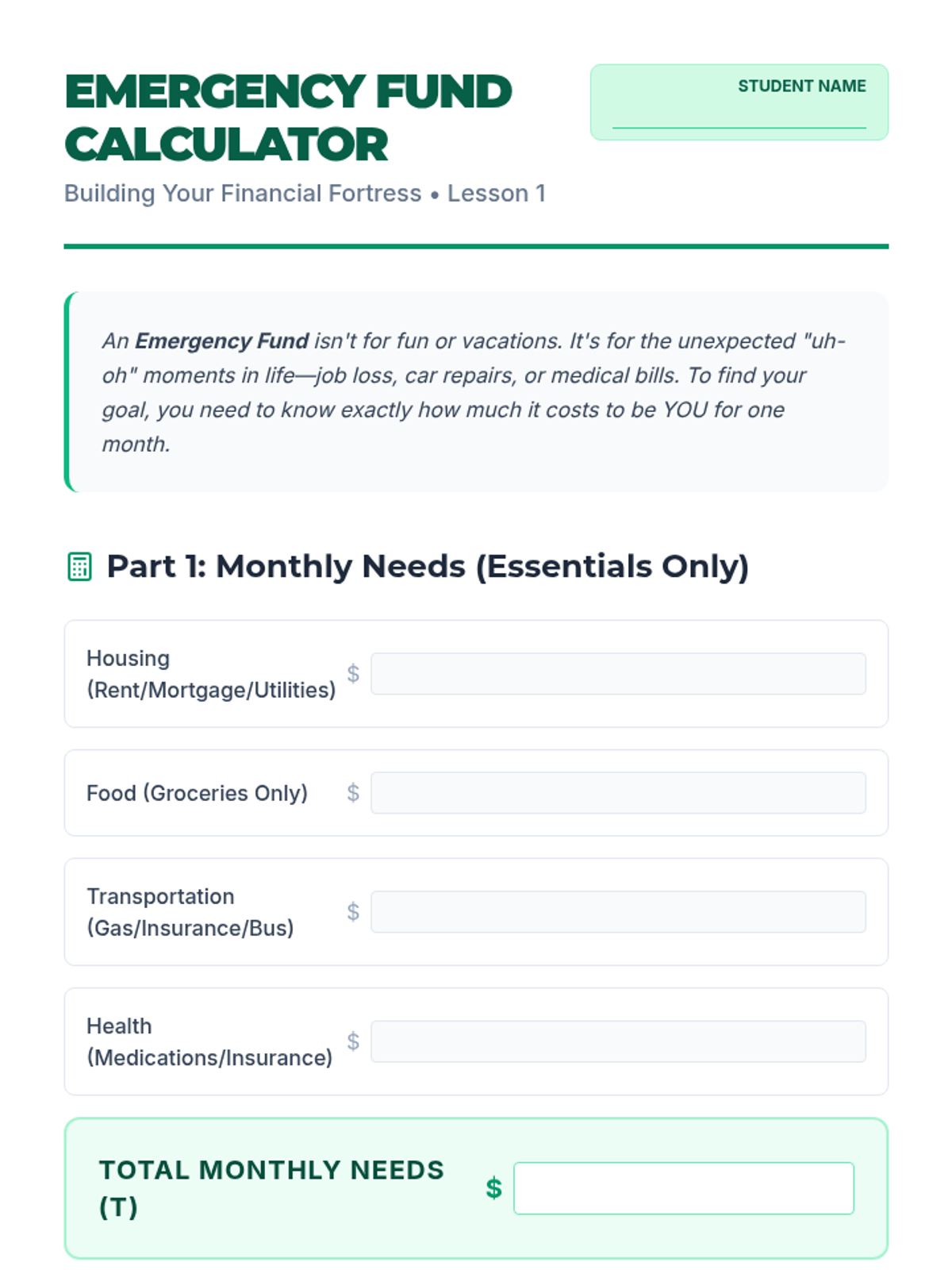
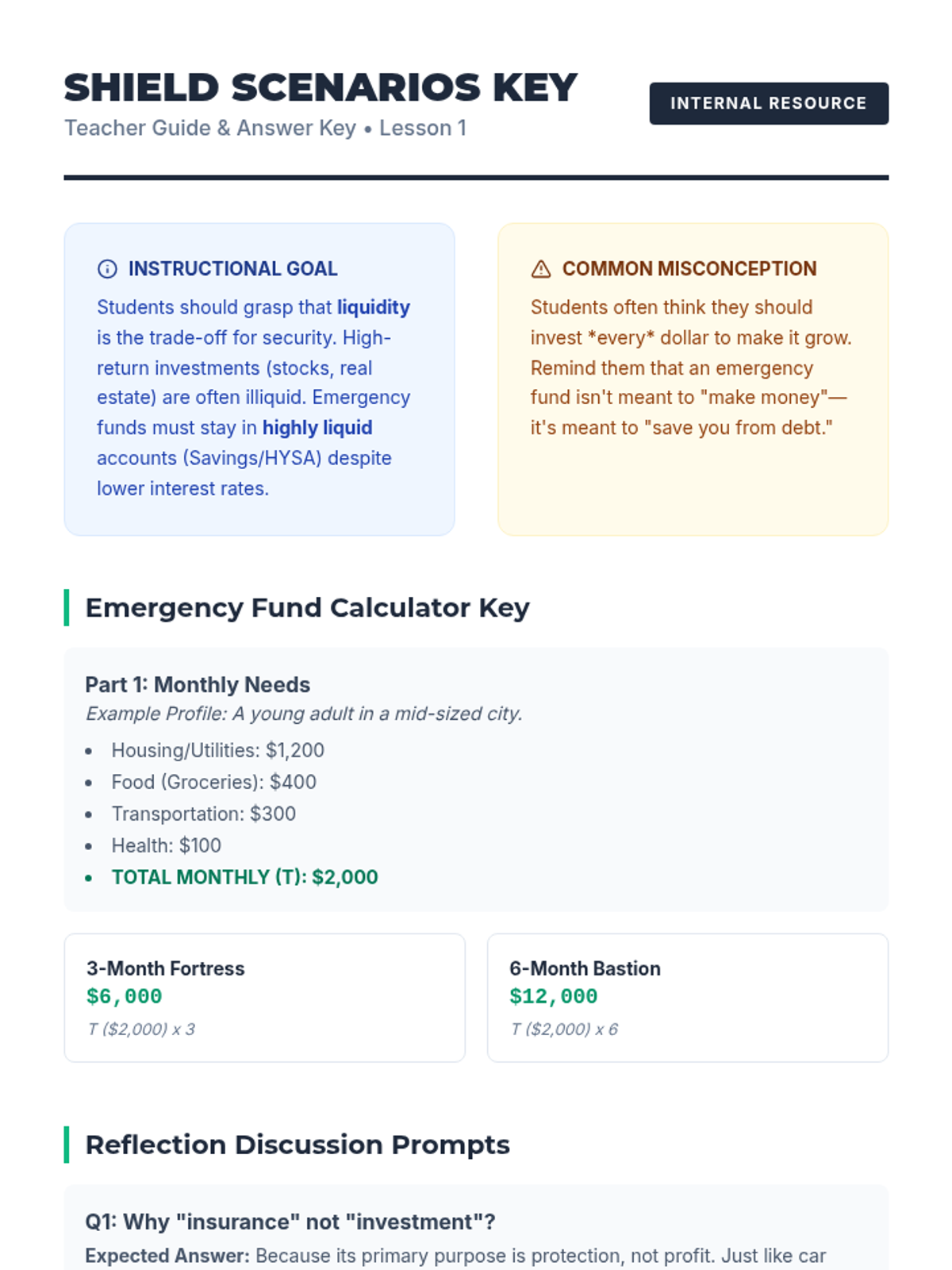
Focusing on the 'defensive' side of wealth management, this sequence teaches 8th-grade students how to build financial stability through emergency funds, liquid assets, and smart savings habits. Students will explore behavioral economics, compare banking products, and simulate financial shocks to understand why stability must precede investment.
A project-based unit for 7th graders focusing on long-term financial strategy, risk management, and lifecycle-based investing. Students move beyond basic saving to building complex financial roadmaps and identifying market pitfalls.
A simulation-based journey where 7th graders step into the role of young adults managing their first finances. They explore bank accounts, the mathematics of compound interest, credit scores, and the real cost of borrowing through gamified challenges and case studies.
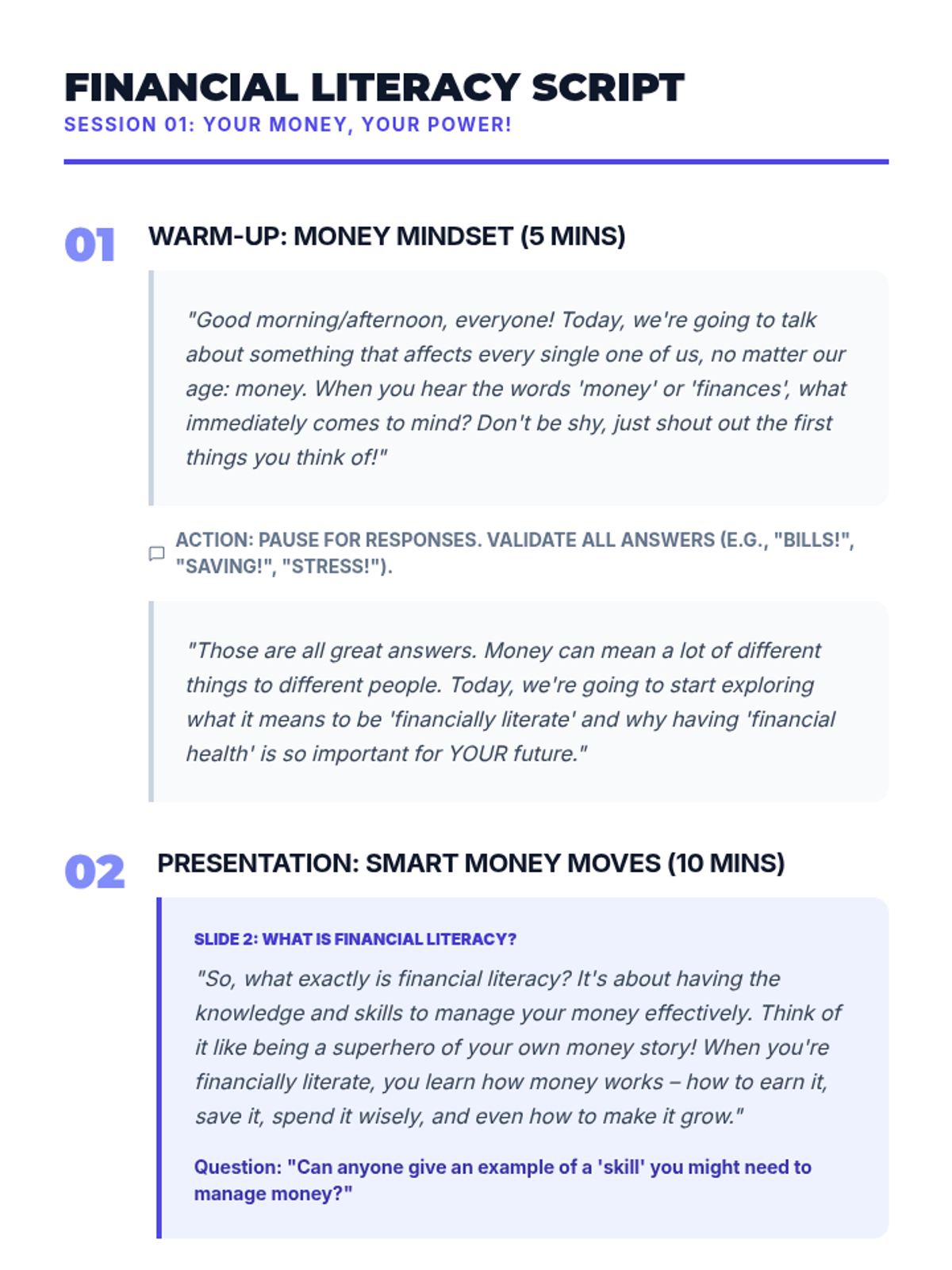
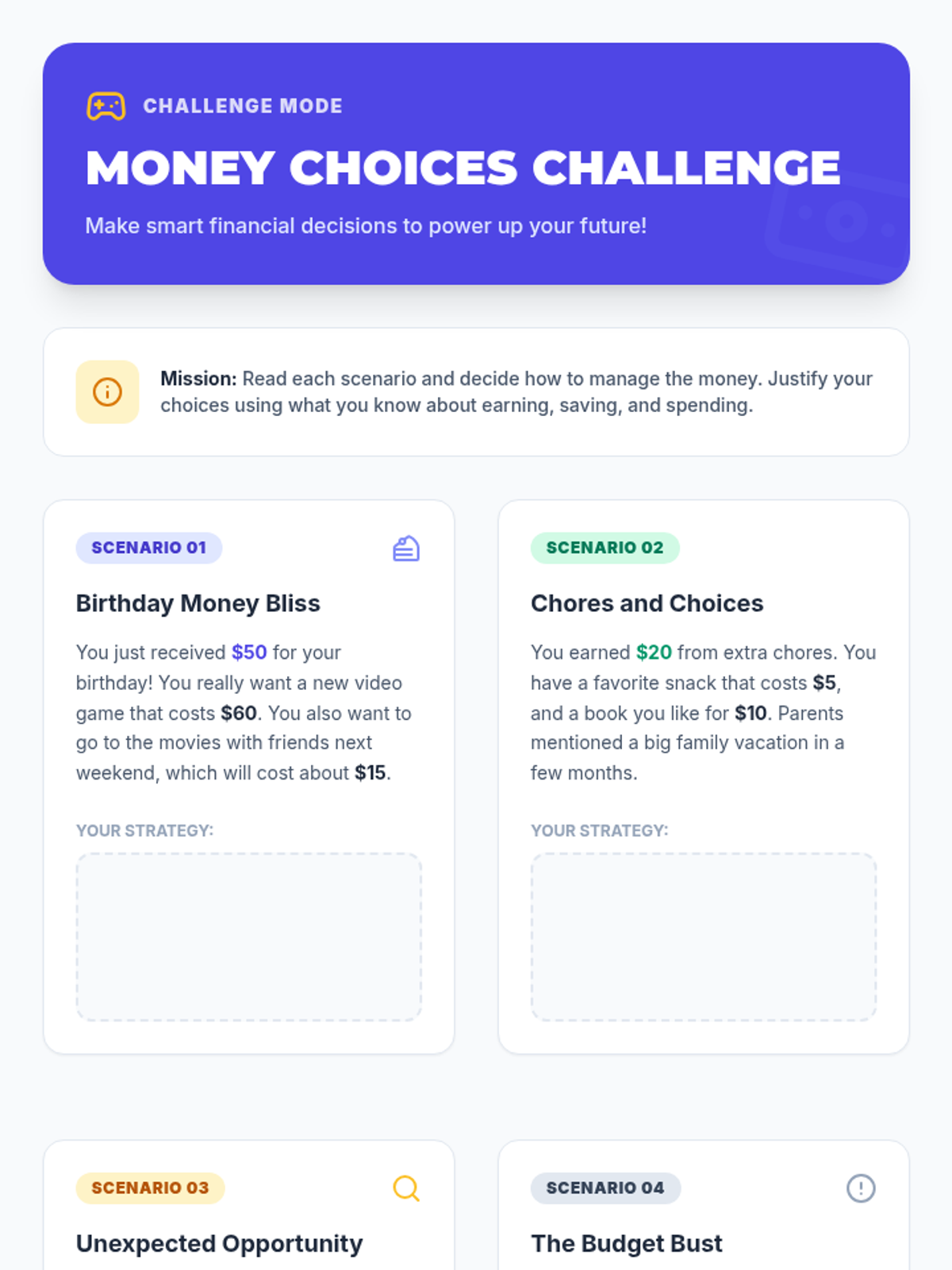
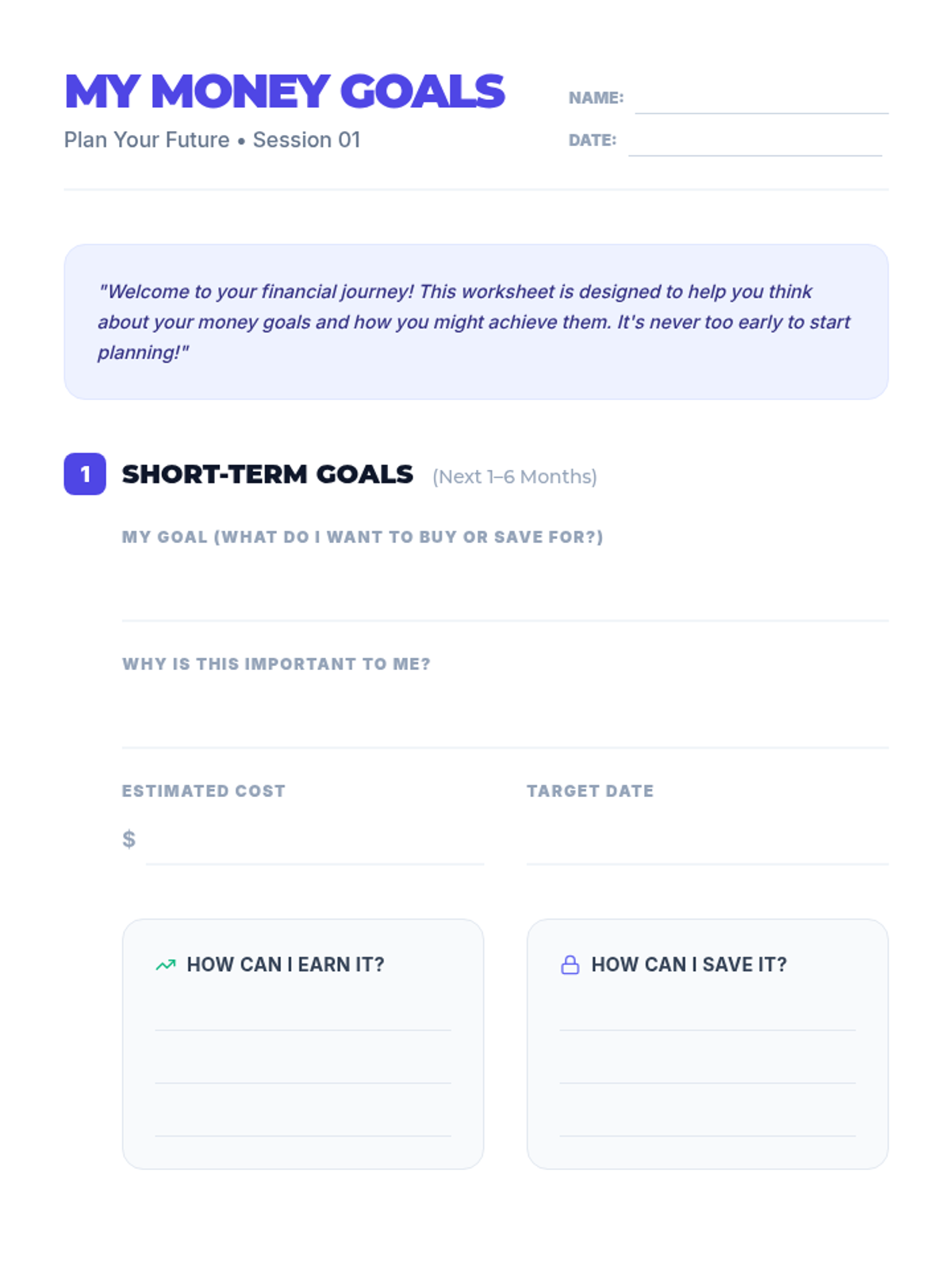
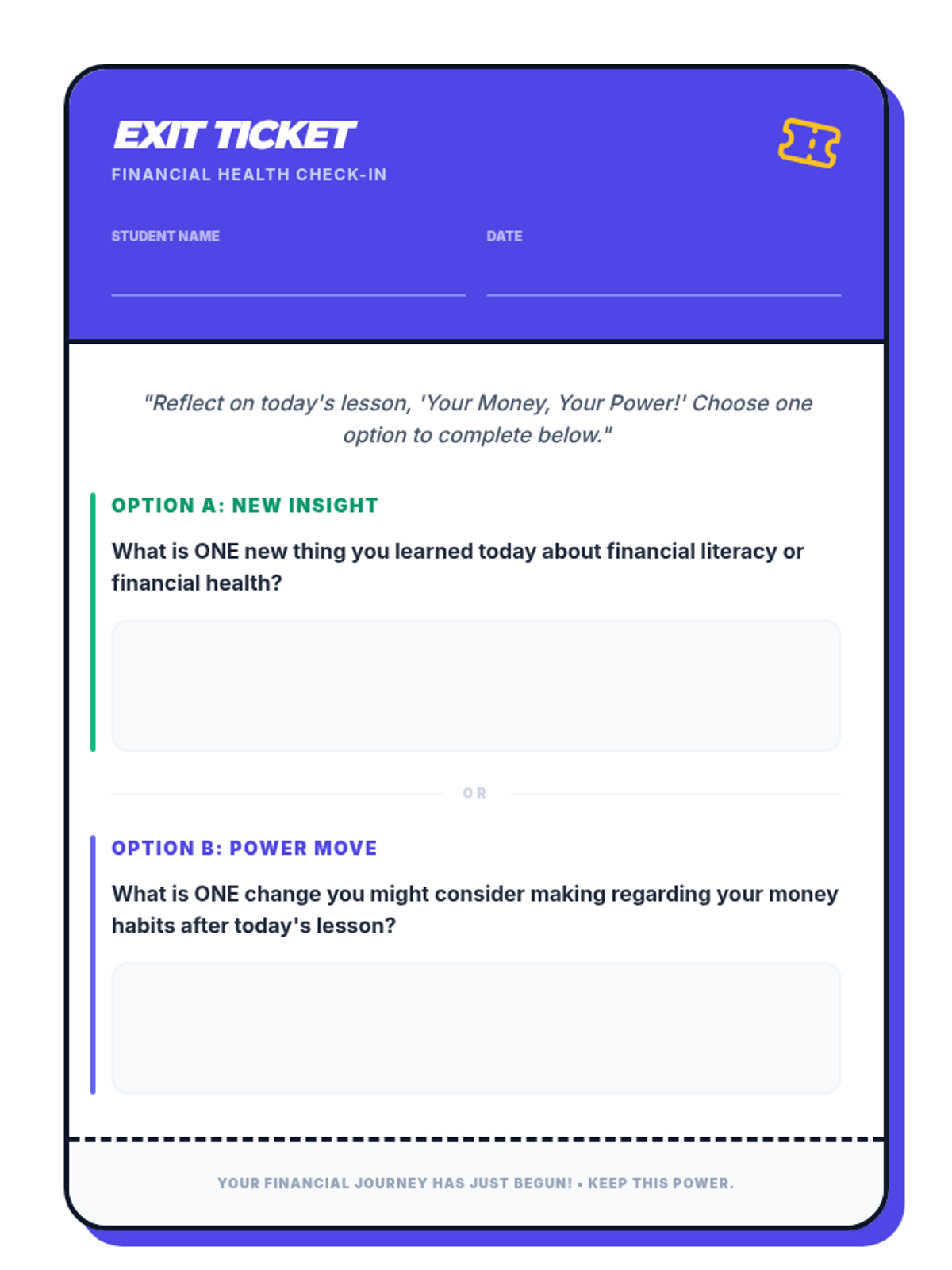
A financial literacy sequence for 8th graders focused on empowerment, financial health, and practical budgeting skills. Students transition from understanding their money mindset to actively managing their finances through budgeting.
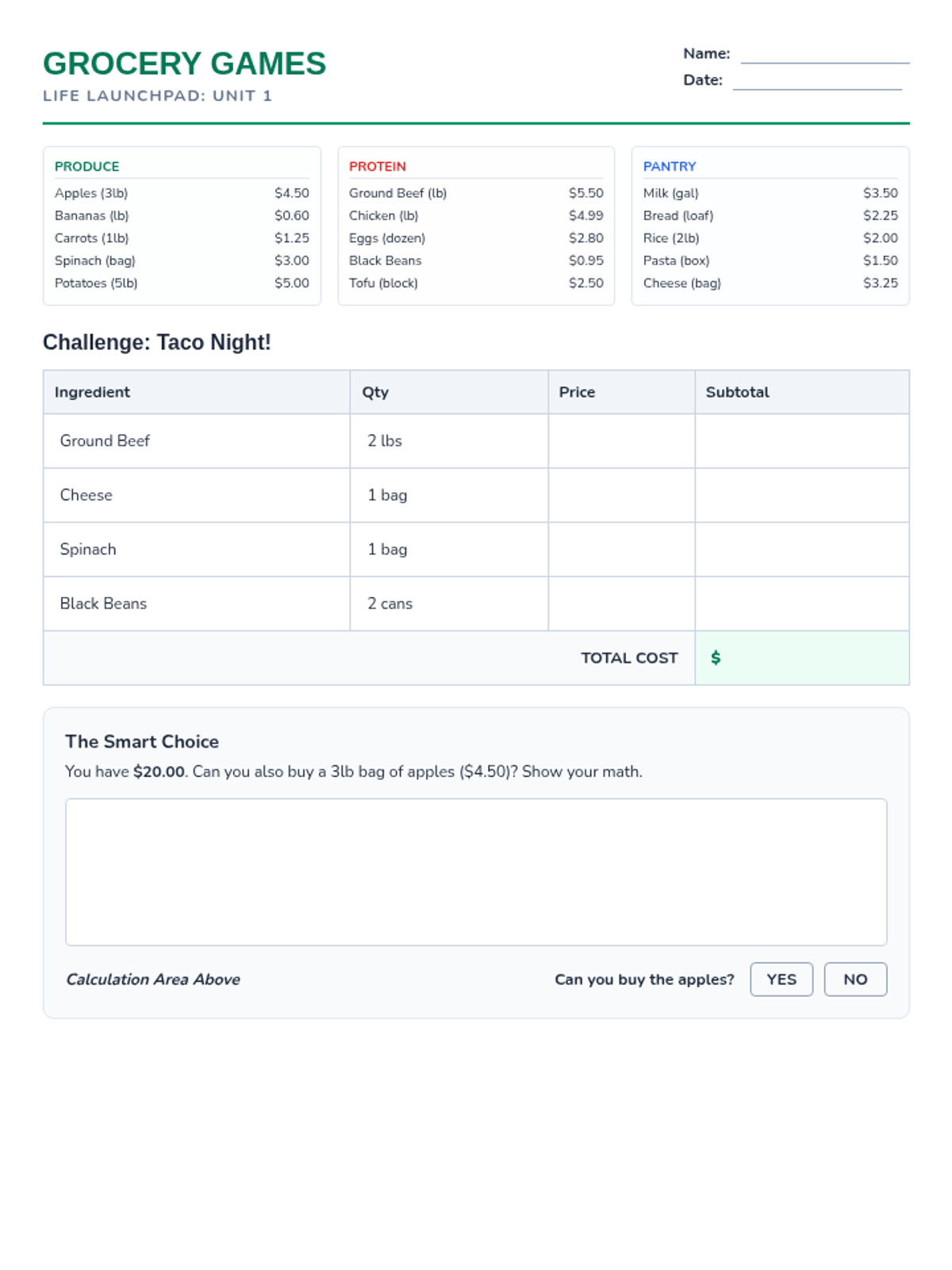
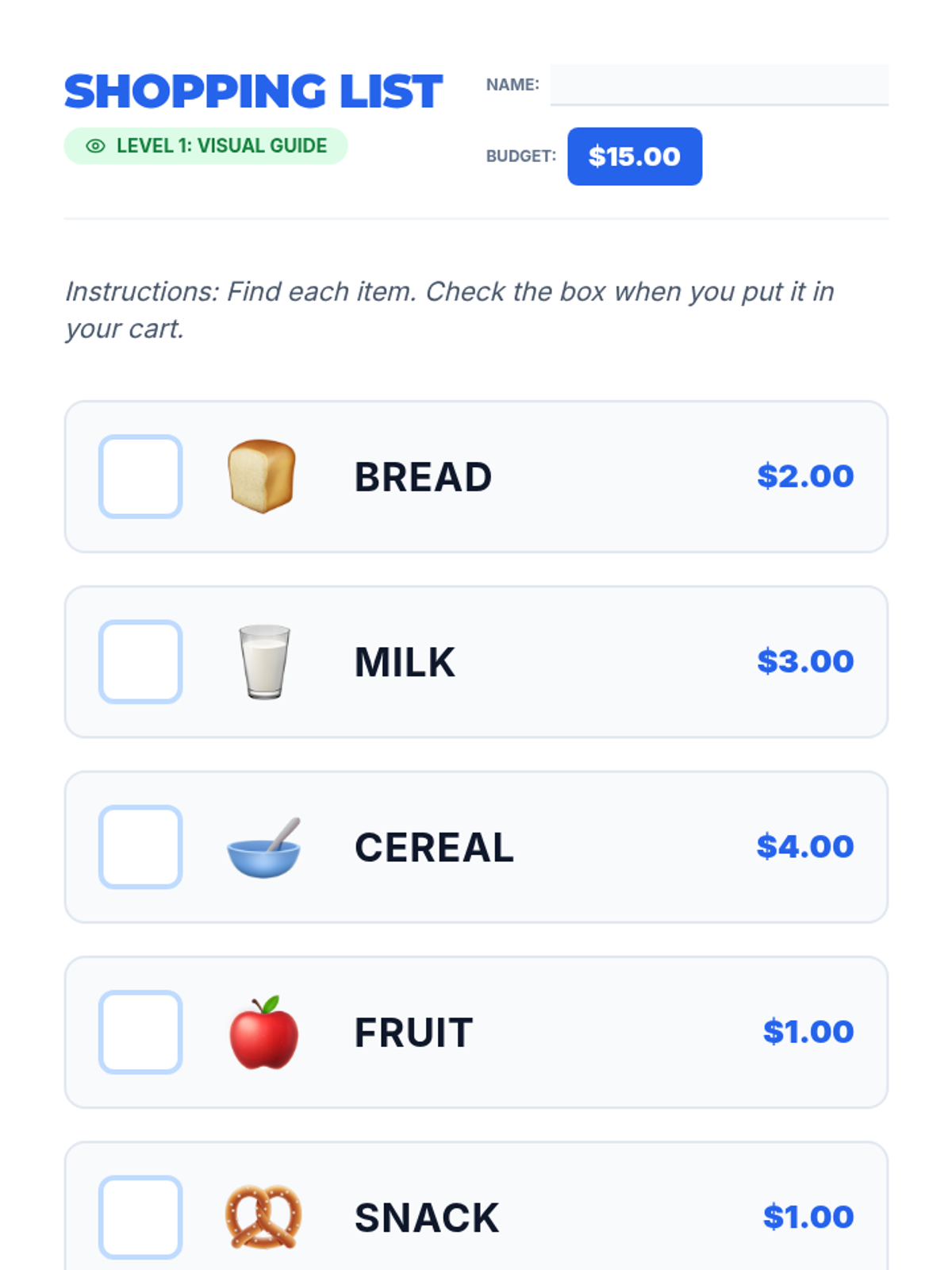
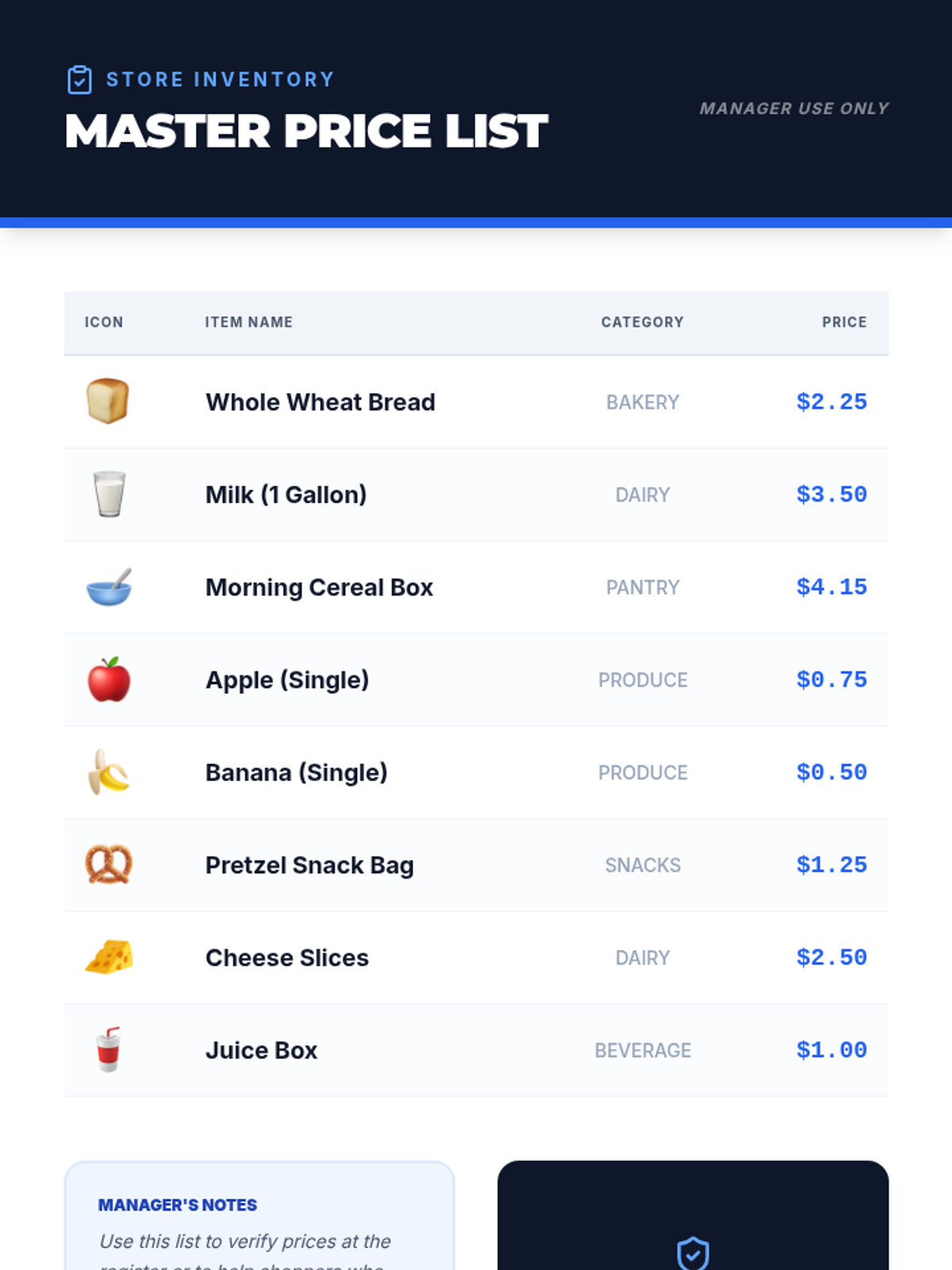
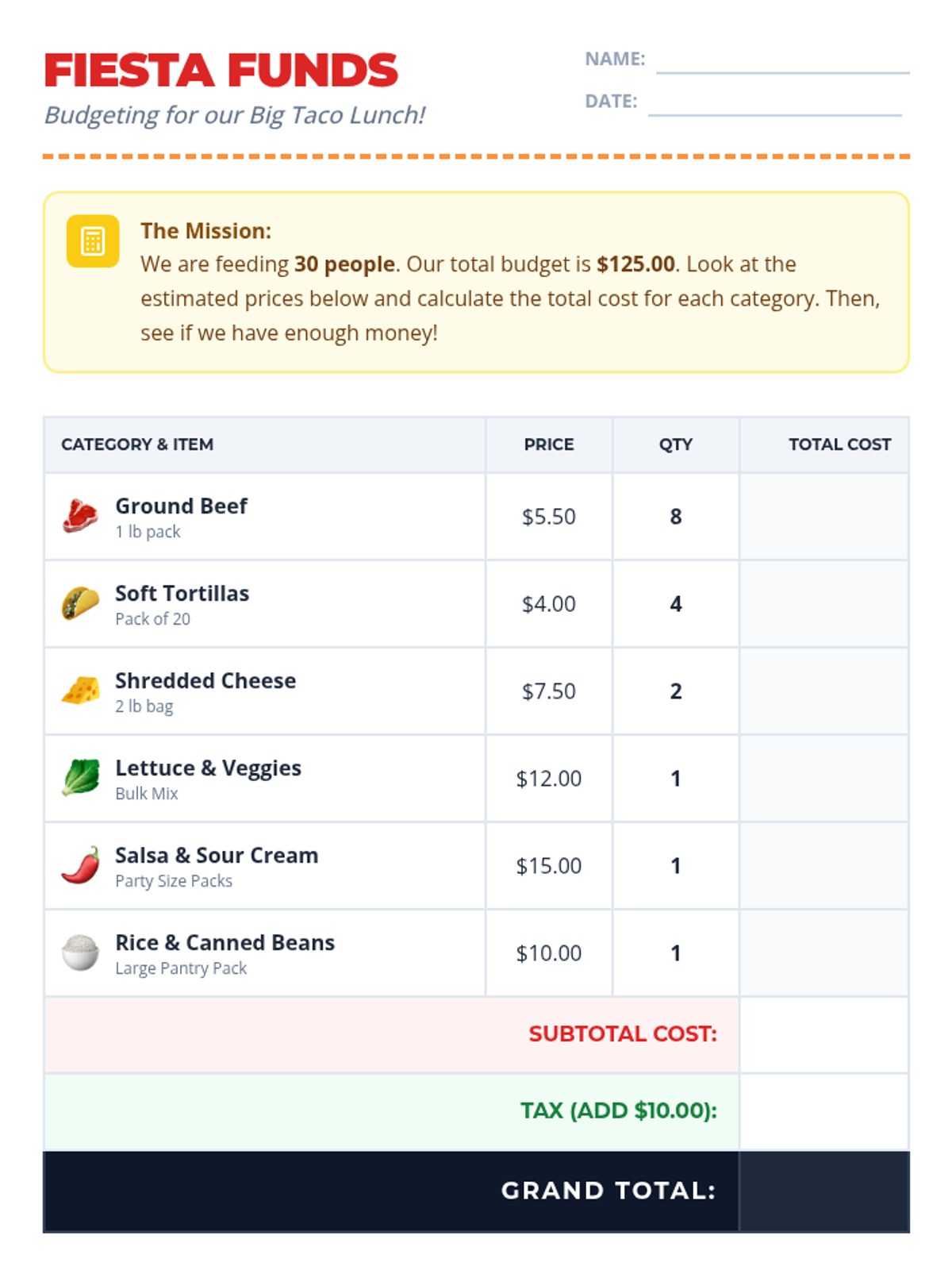
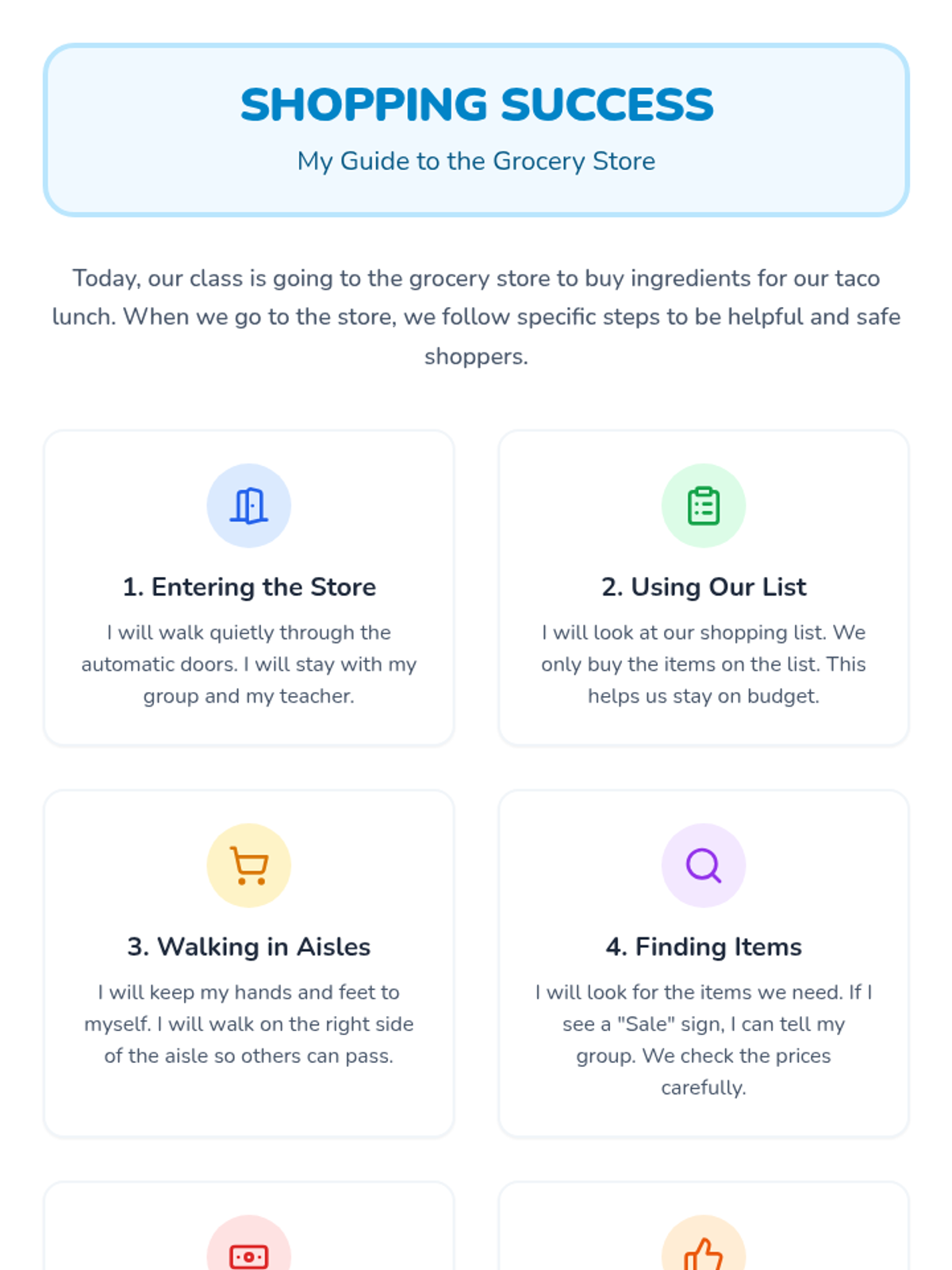
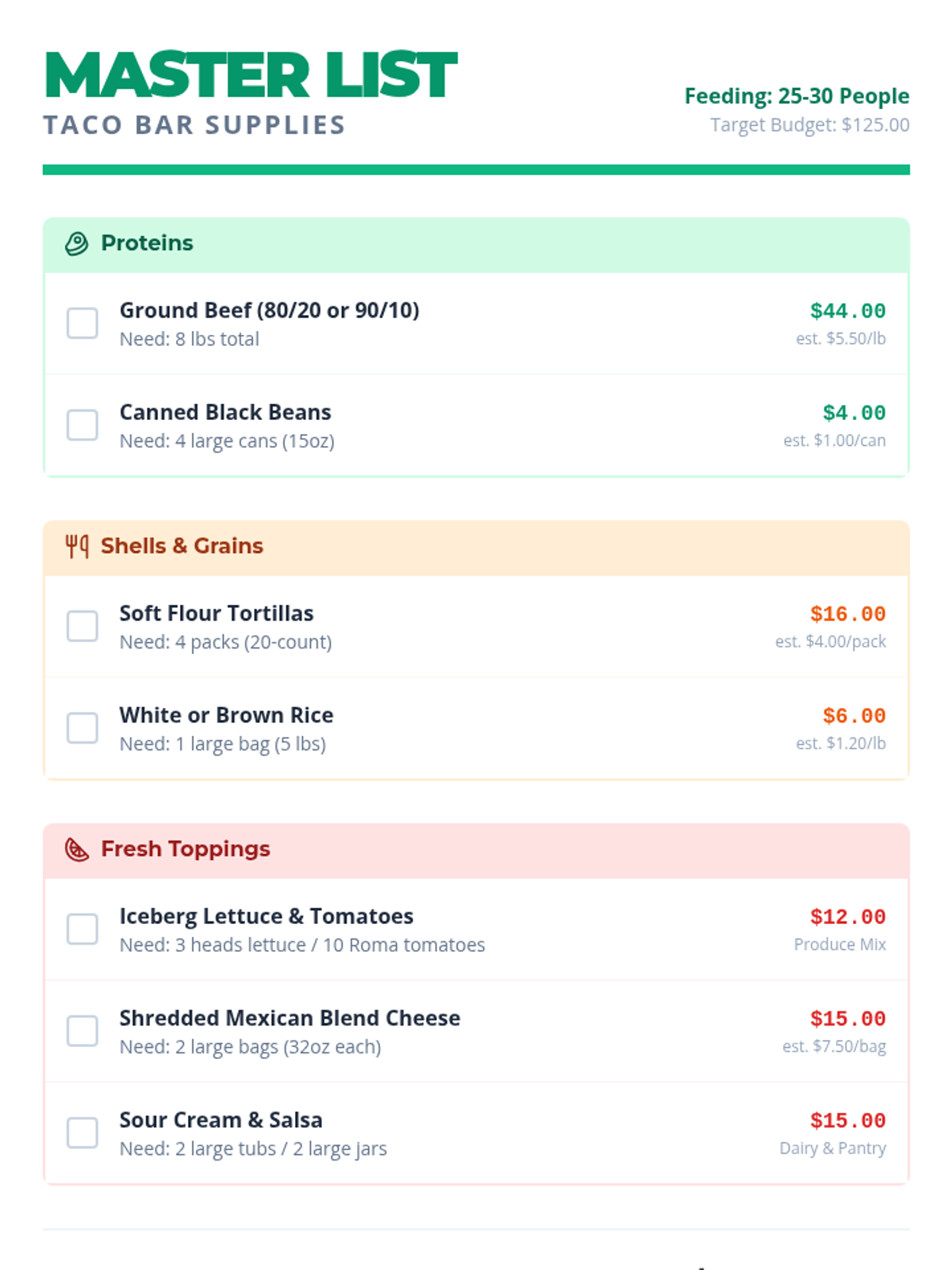
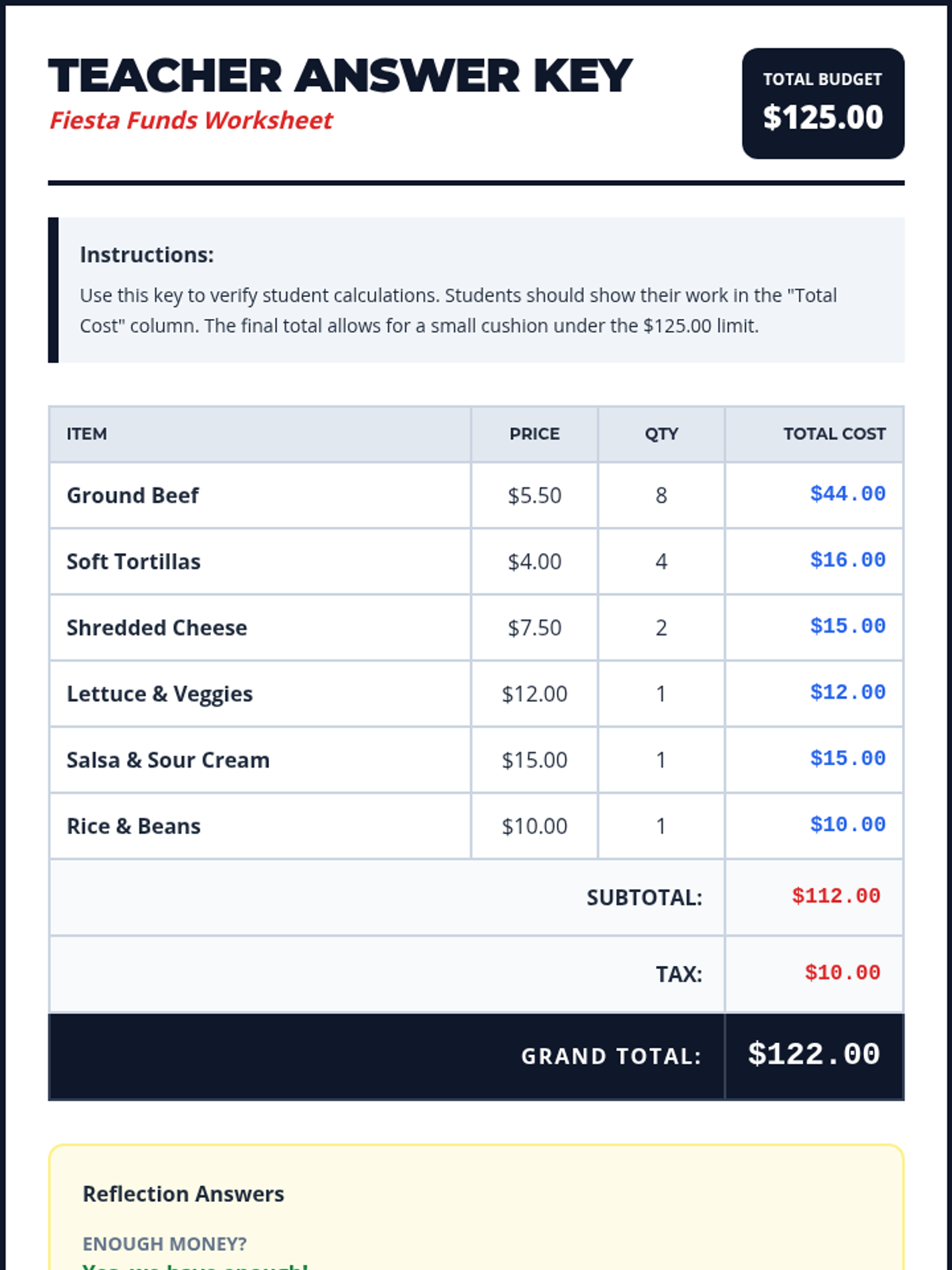
A comprehensive unit on planning, shopping for, and preparing a taco bar lunch for a large group. Students practice budgeting, community navigation, and culinary skills.
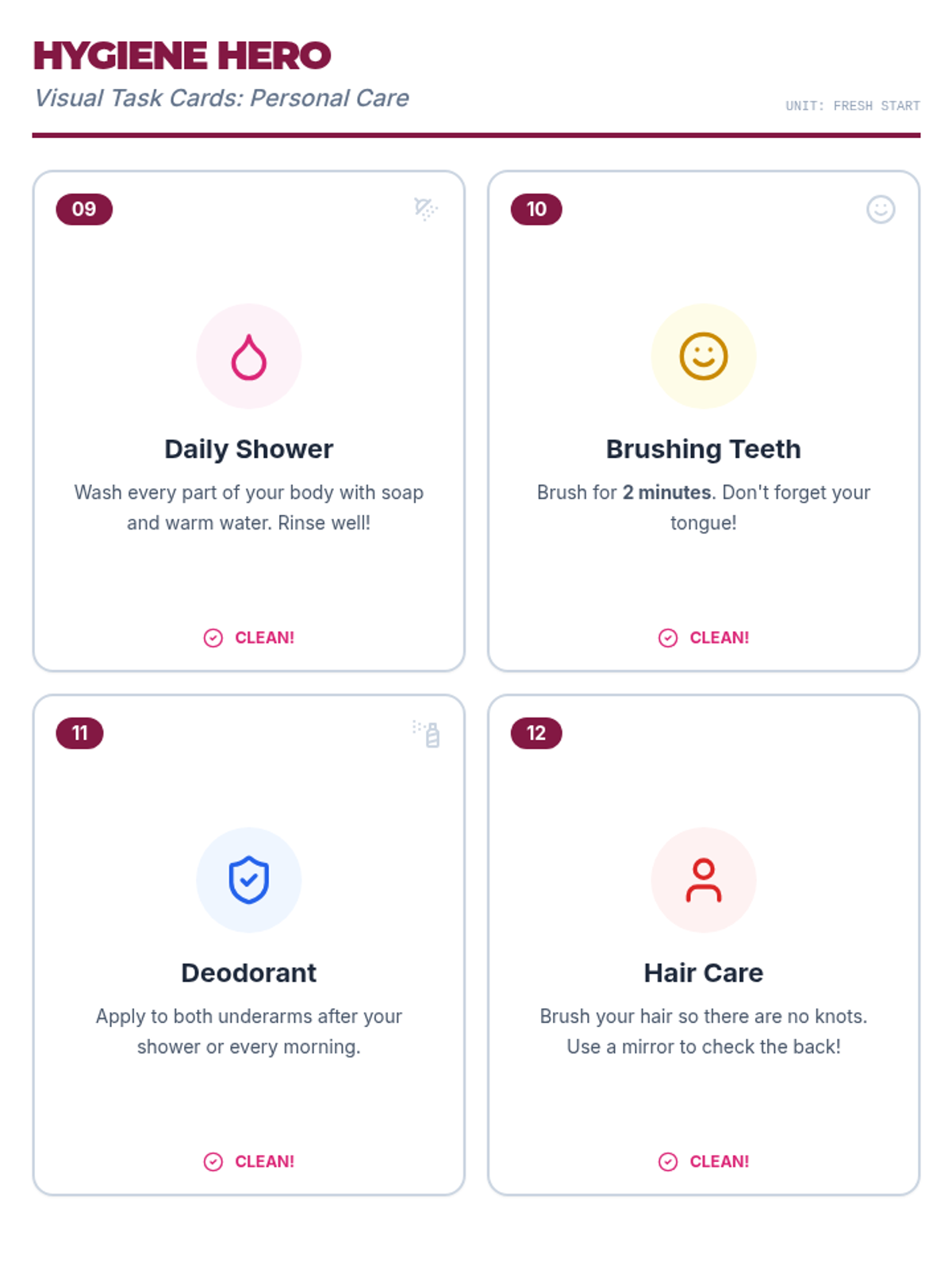
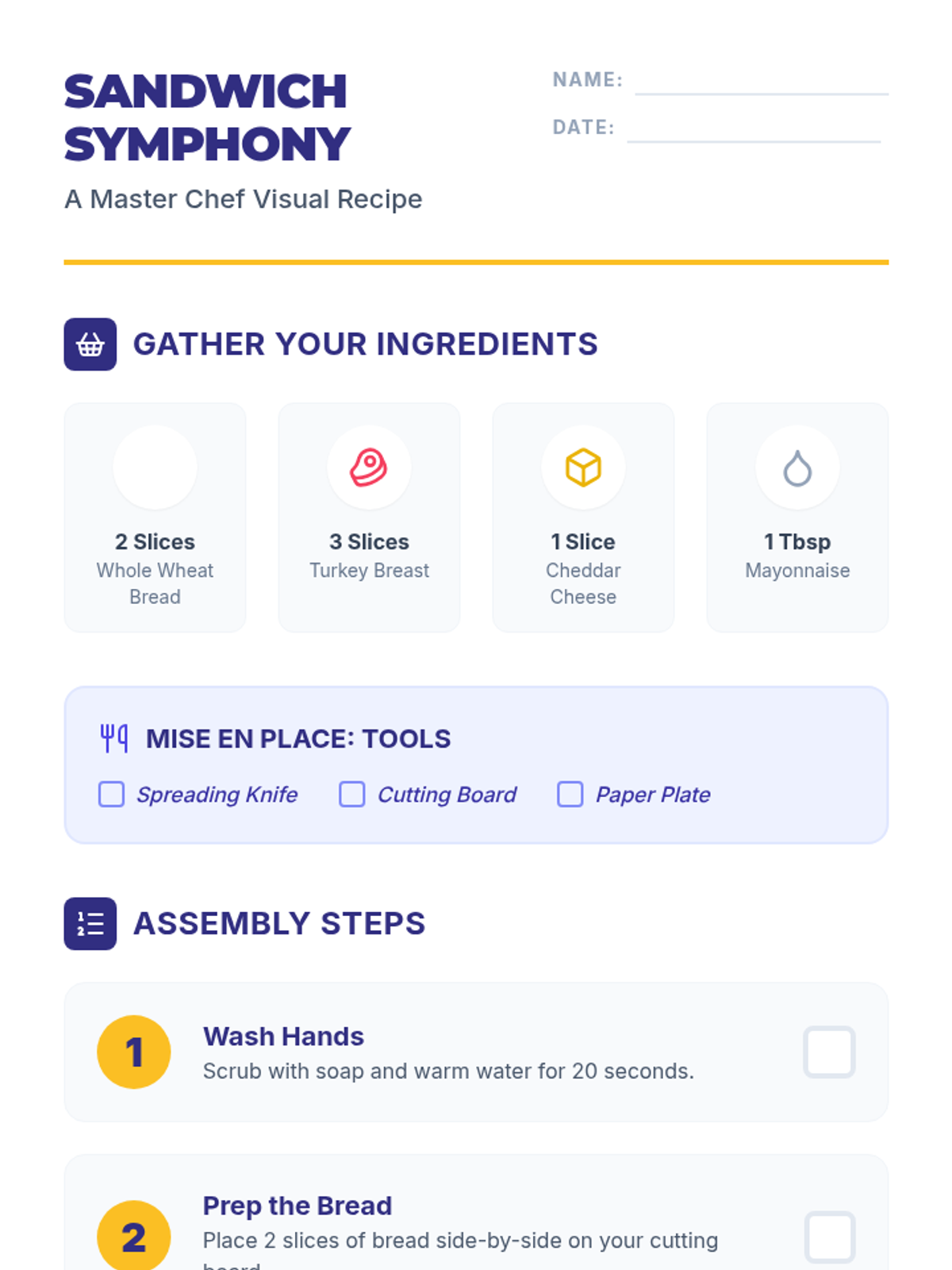
A comprehensive life skills module designed for middle and high school students to develop independence in meal preparation, budgeting, and personal hygiene. Through visual guides and hands-on practice, students build the confidence needed for daily living.
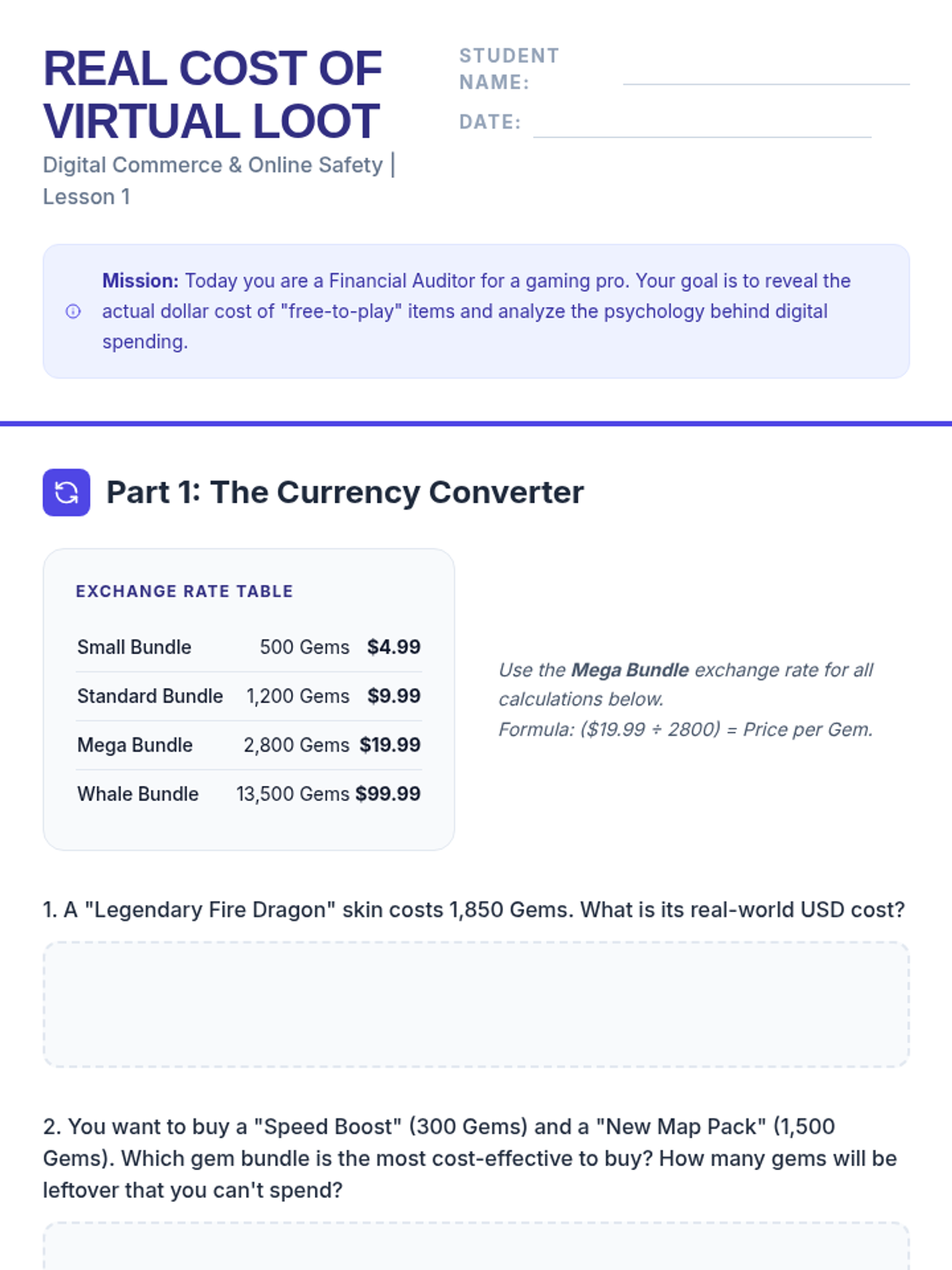
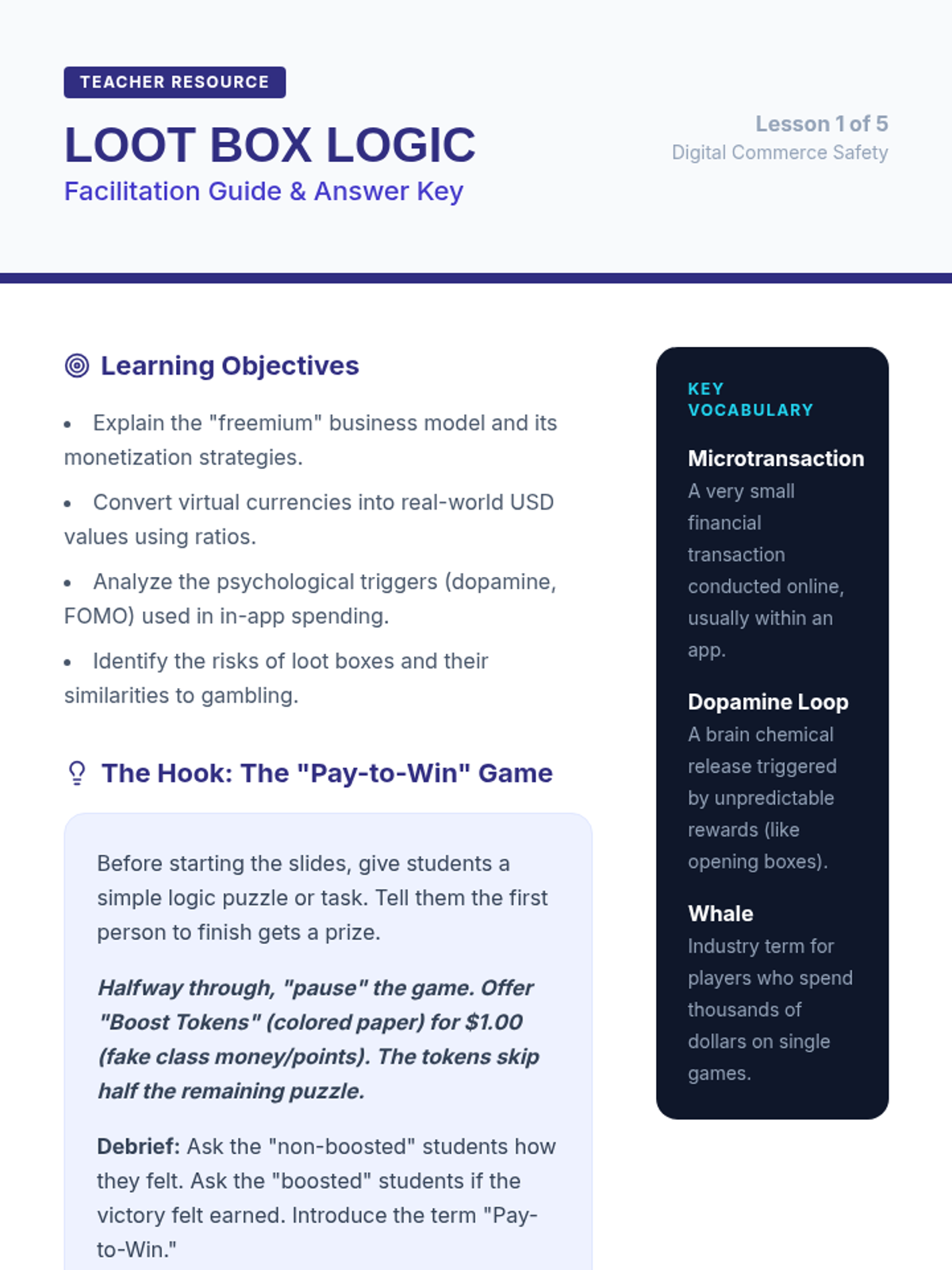
A comprehensive sequence for 8th-grade students on navigating the digital marketplace. It covers in-app purchases, subscription traps, digital payment security, terms of service agreements, and the ethical implications of the gig economy.
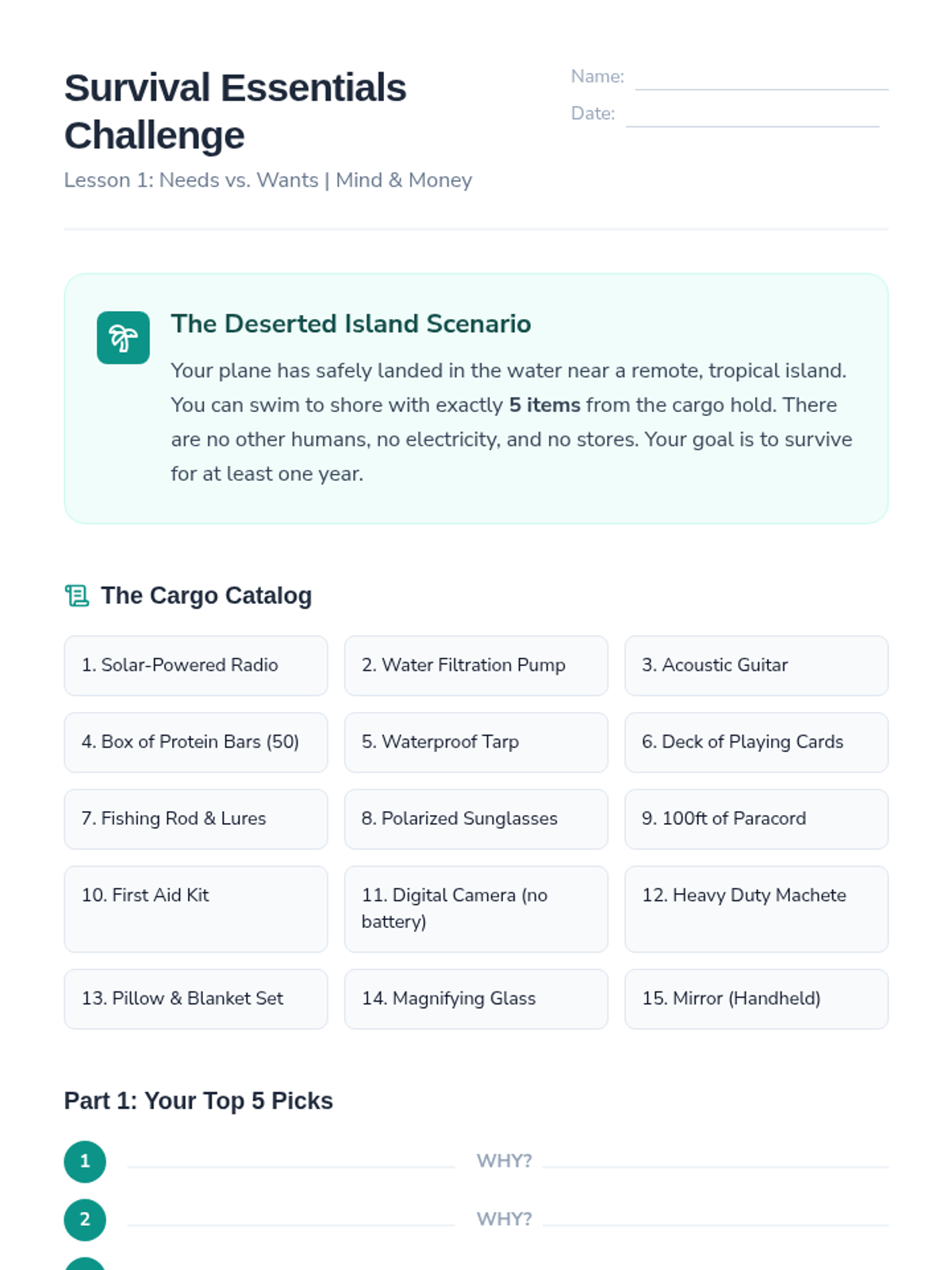
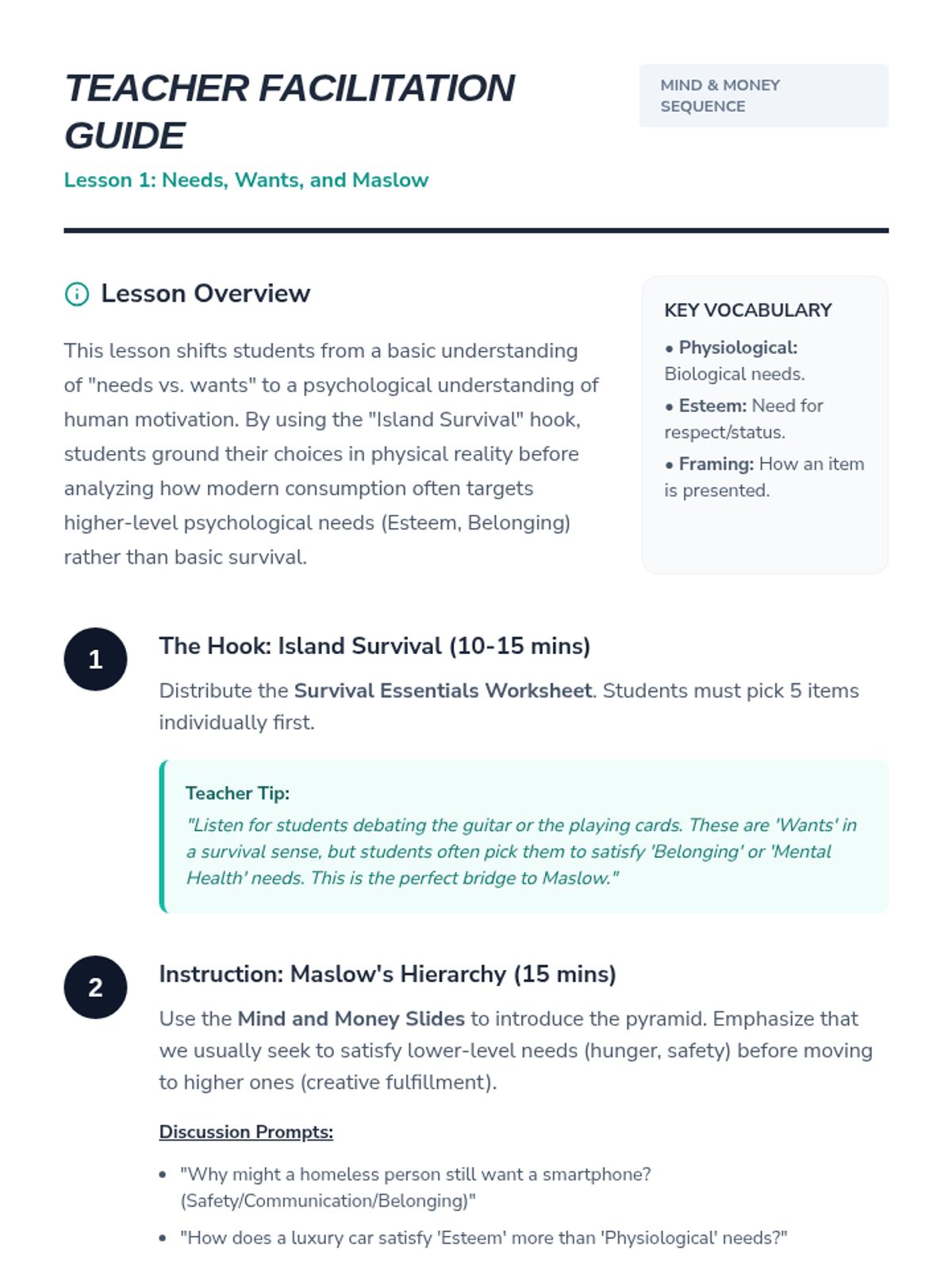
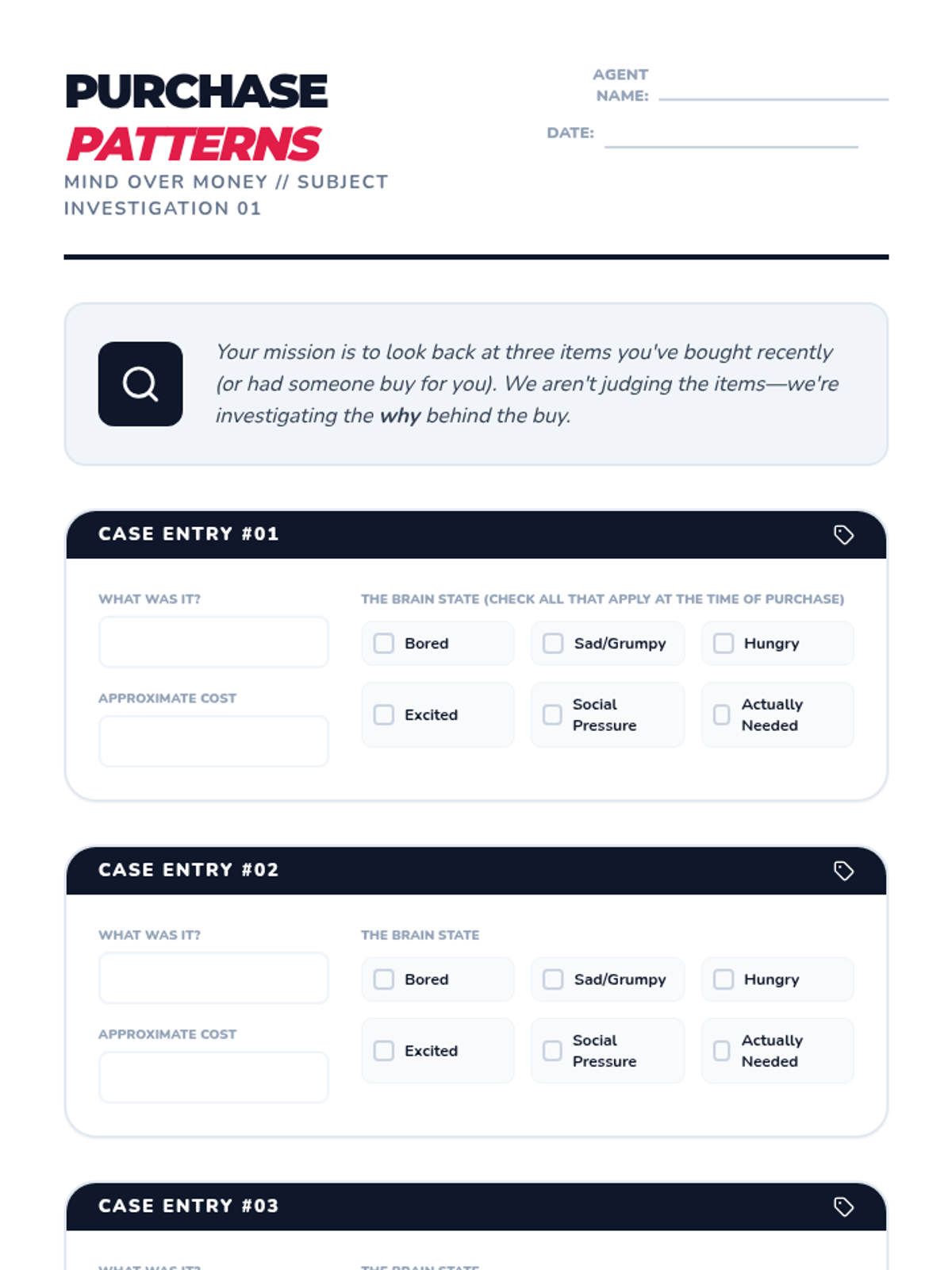
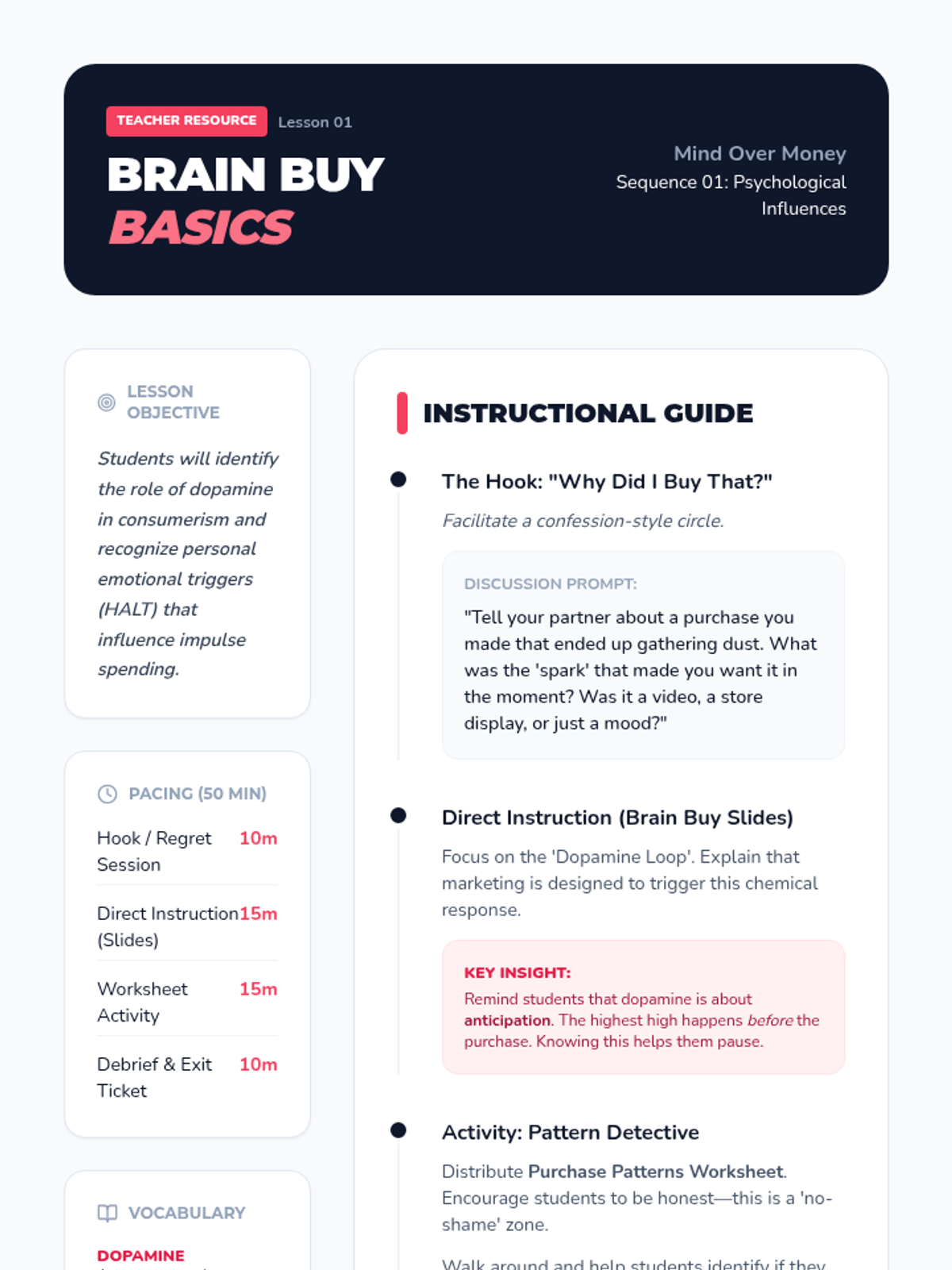
A behavioral economics sequence for 8th graders that explores the psychological triggers of spending. Students analyze Maslow's hierarchy, emotional triggers, the Diderot effect, and marketing tactics to design personal friction strategies for better impulse control.
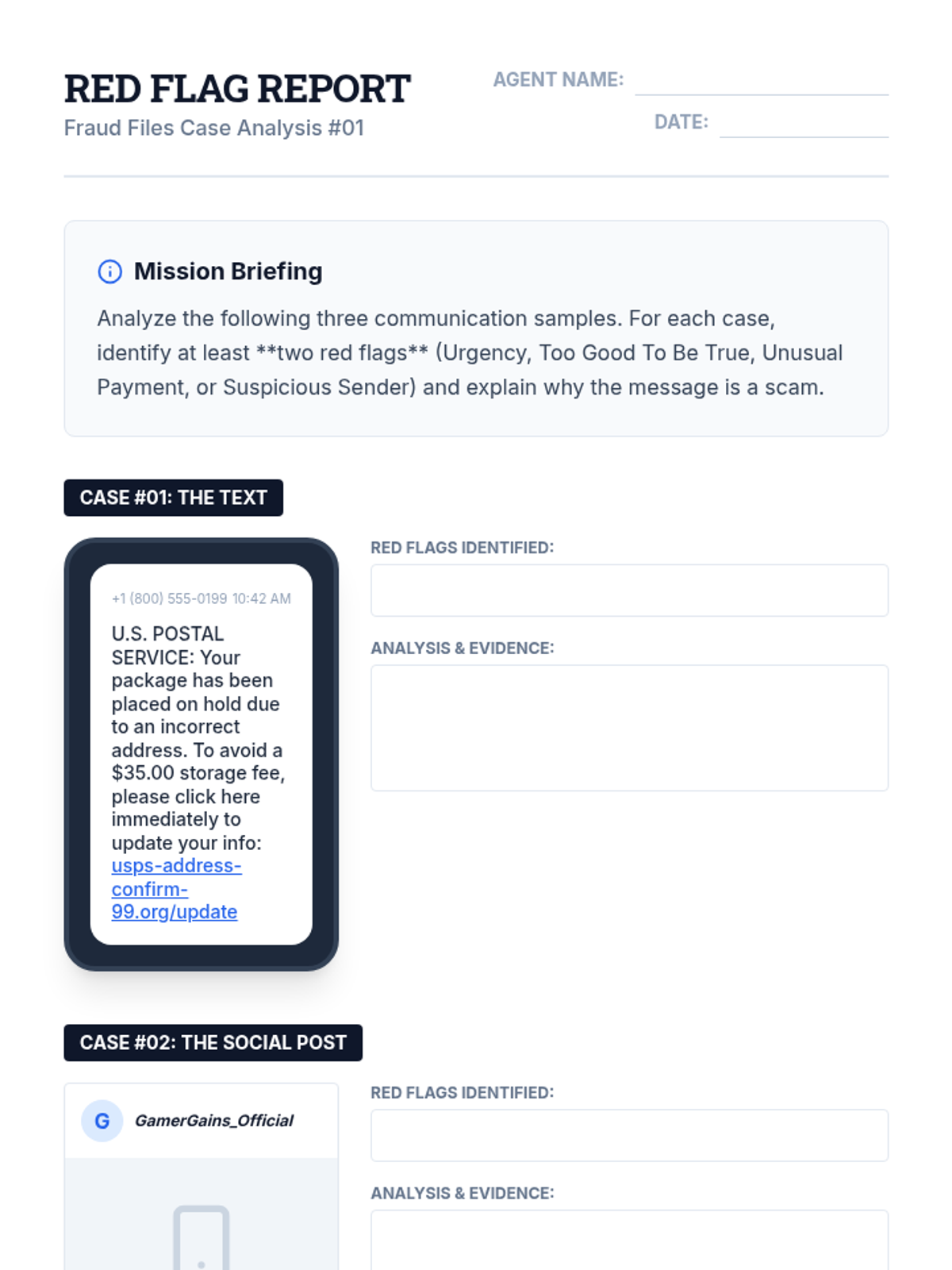
This case-study driven sequence focuses on consumer protection, equipping 8th-grade students with the knowledge to recognize scams and assert their legal rights. Students examine real-world examples of fraud, learn the specific functions of agencies like the FTC and BBB, and practice the soft skills required to resolve consumer disputes.
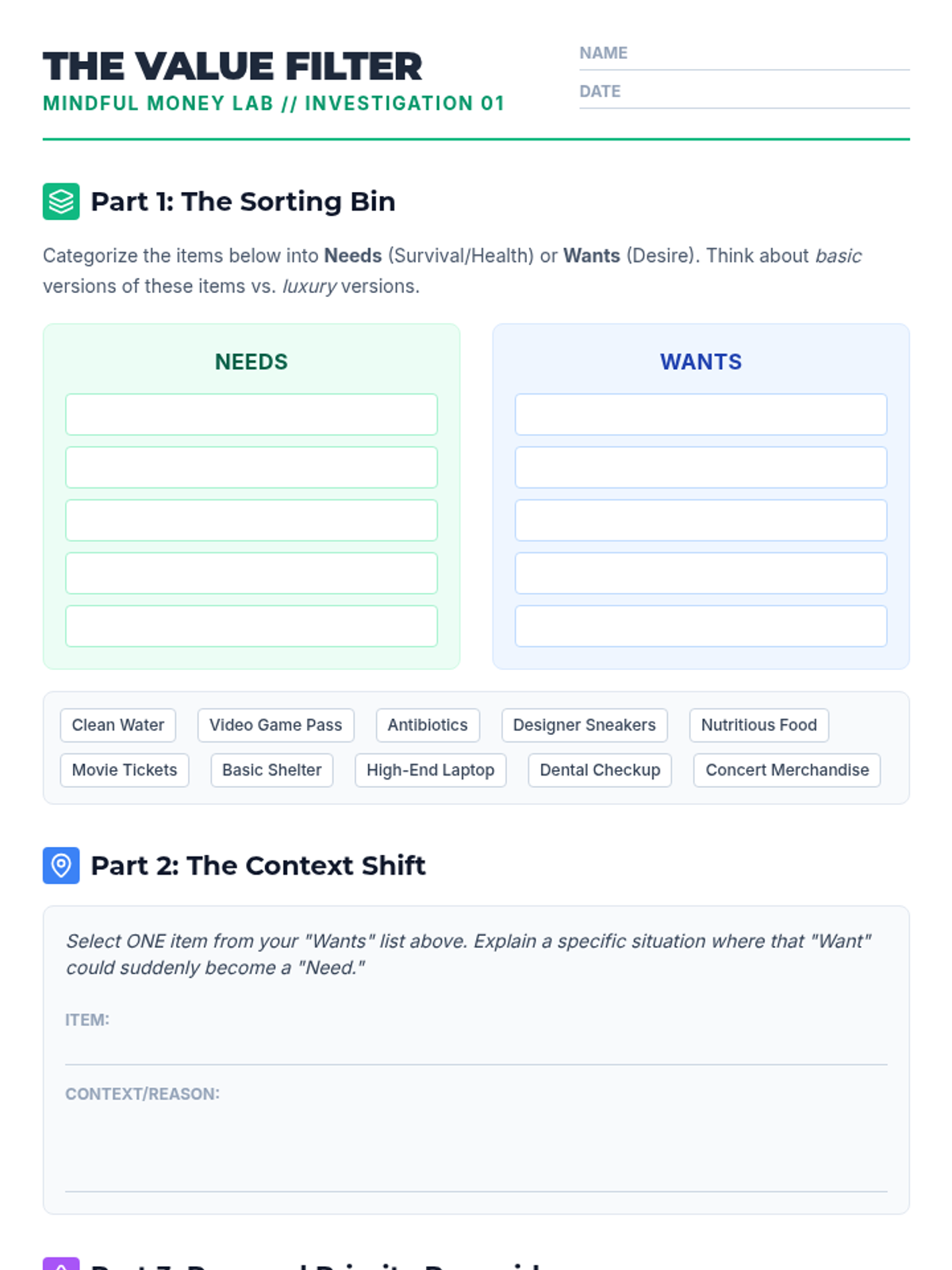
This sequence explores the psychology behind spending, focusing on impulse control, emotional triggers, and the economic concept of opportunity cost. Students move from basic needs/wants categorization to developing a personalized mindful spending plan.
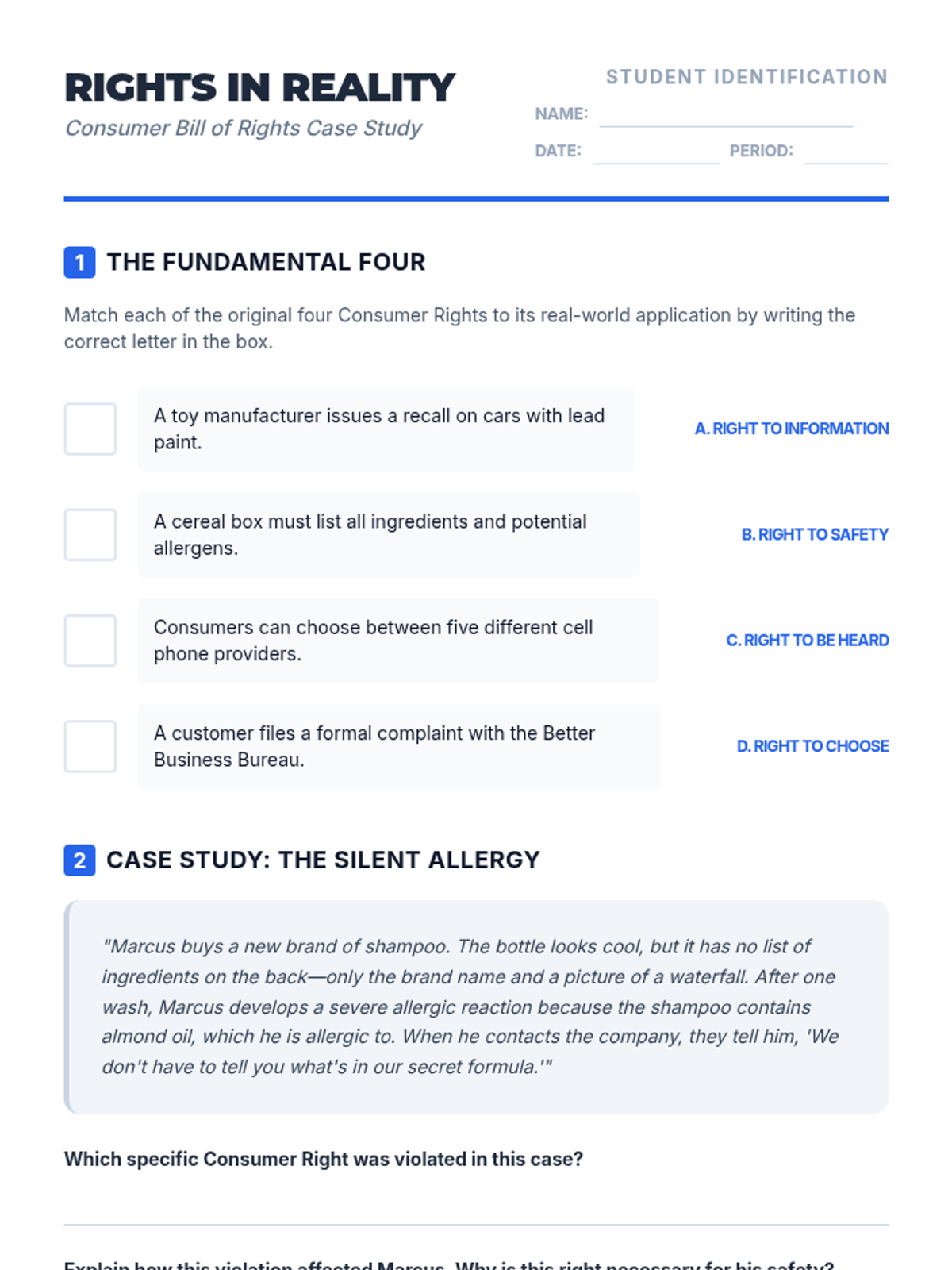
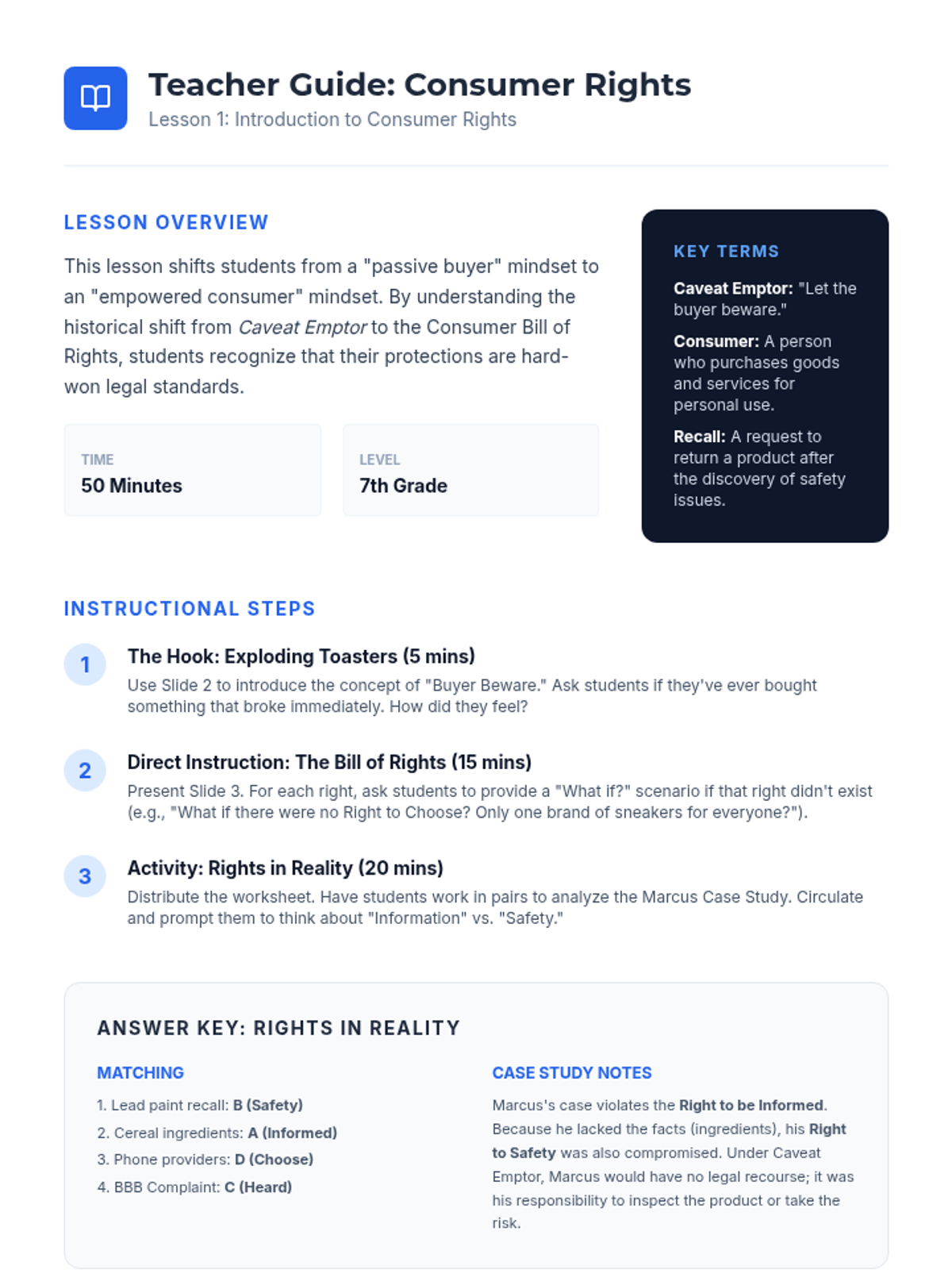
A comprehensive unit on consumer rights, warranties, and the art of professional dispute resolution. Students learn to navigate the legal and ethical framework of the marketplace through case studies, role-plays, and writing workshops.
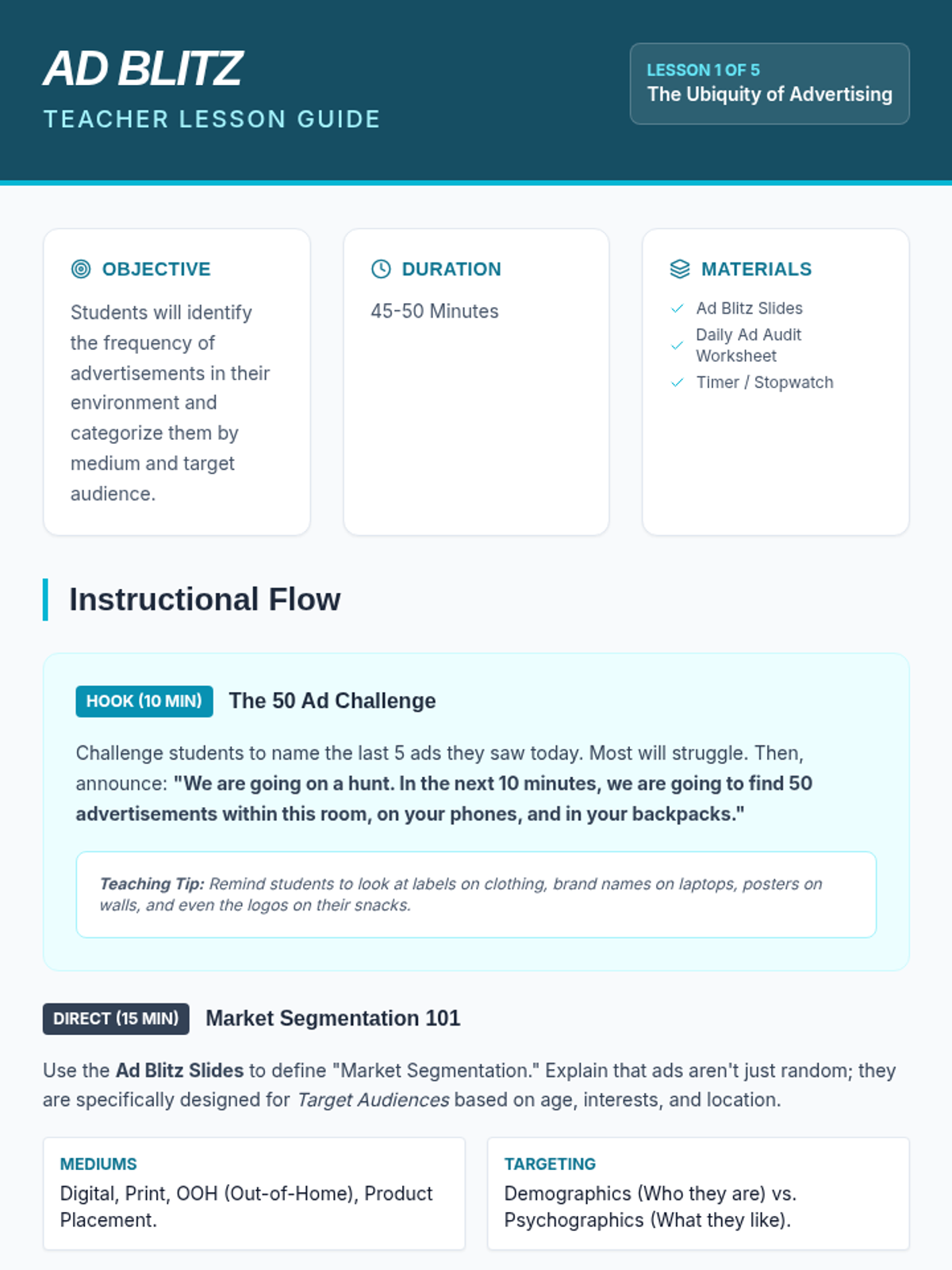
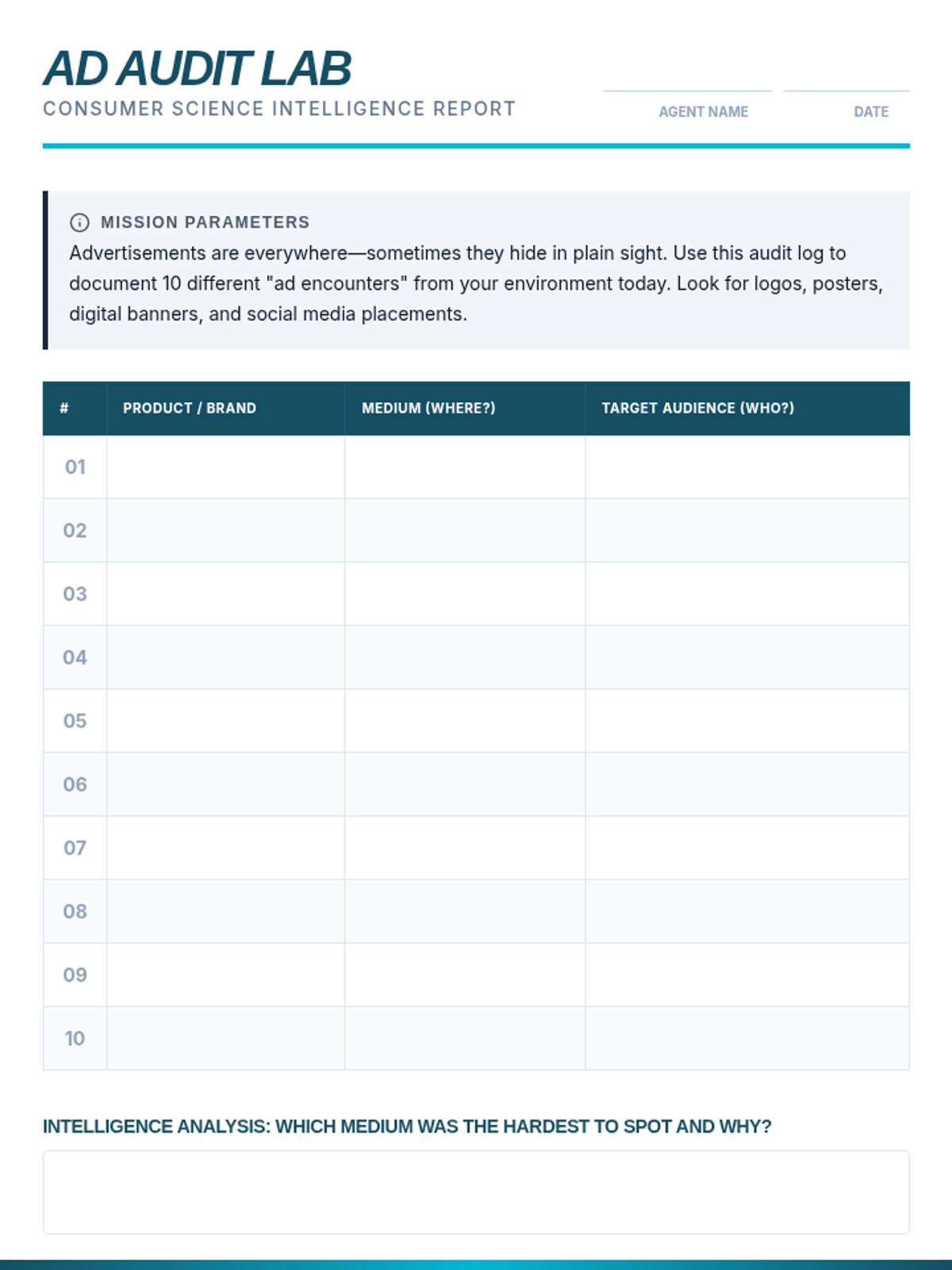
A comprehensive media literacy unit for 7th graders that teaches students to identify, analyze, and deconstruct persuasive advertising techniques across various media platforms. Students progress from recognizing the frequency of ads to critiquing the psychological and visual strategies used to influence consumer behavior.
A comprehensive workshop-style sequence exploring the psychology behind consumer habits, focusing on emotional triggers, peer pressure, branding, and environmental impact to help 6th graders develop healthy spending habits.
A comprehensive financial literacy sequence for 6th graders focused on consumer protection. Students learn about their rights, how to identify online scams and phishing, the importance of data privacy, how to interpret warranties, and the professional way to resolve consumer complaints.
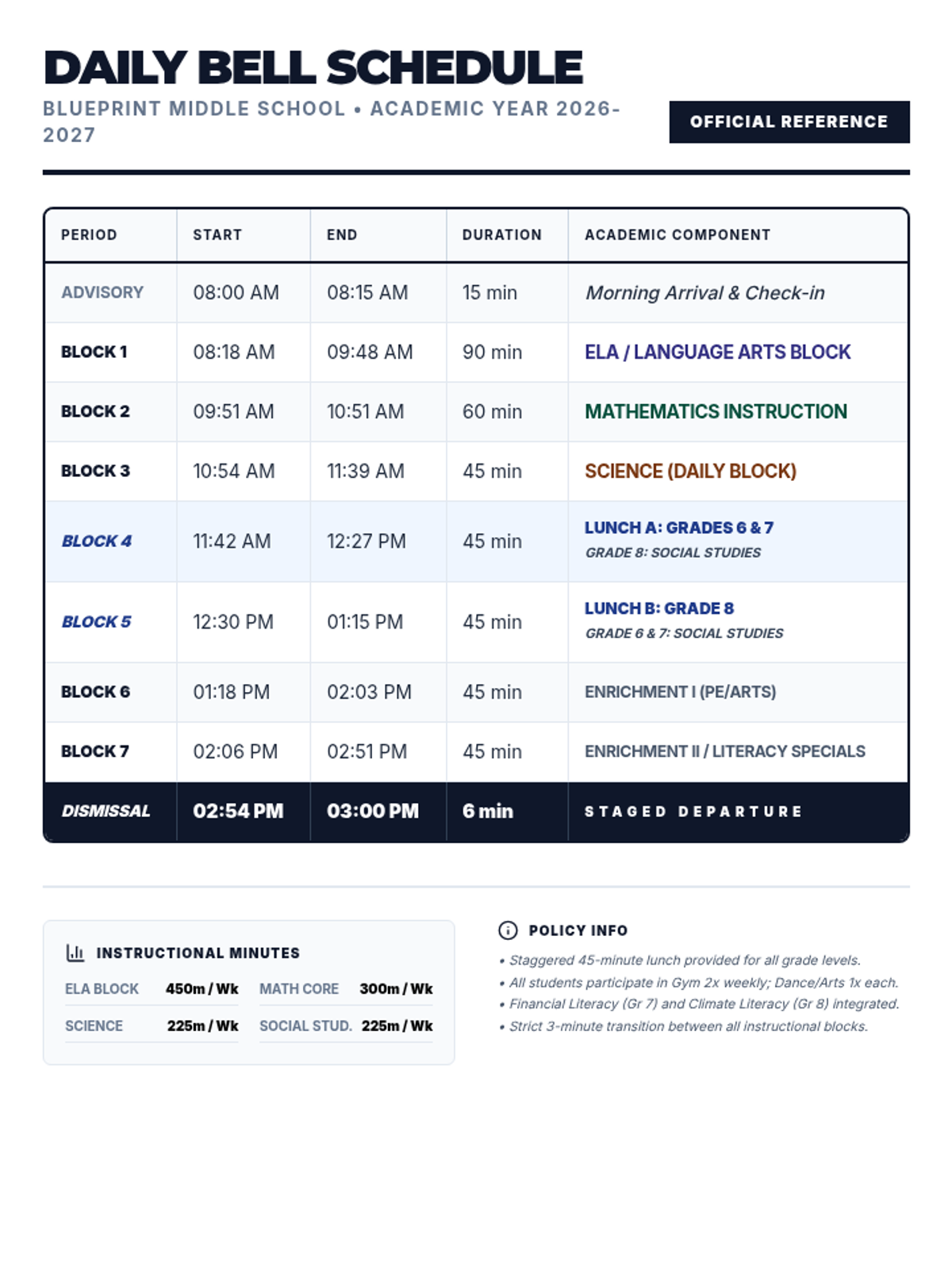
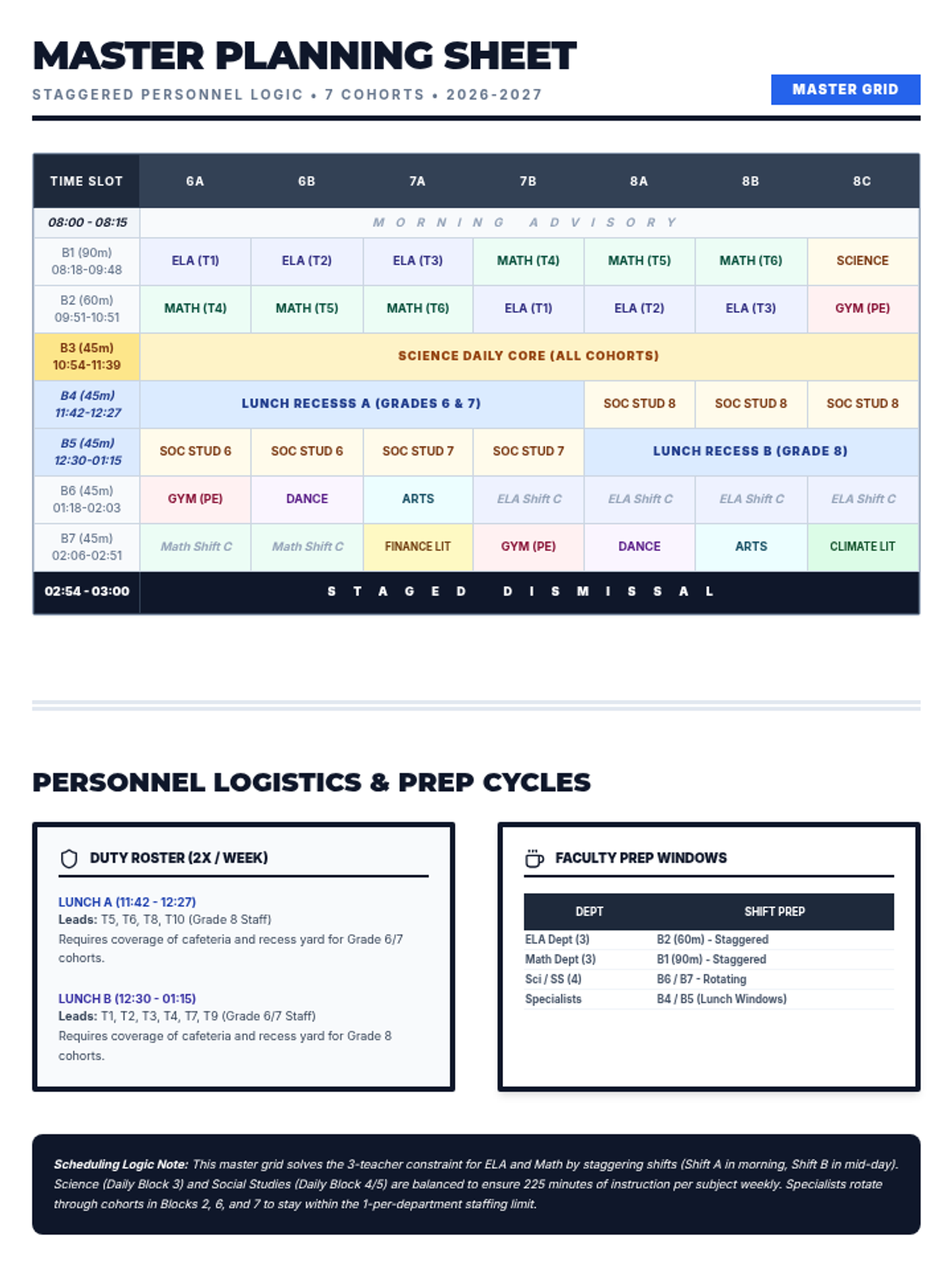
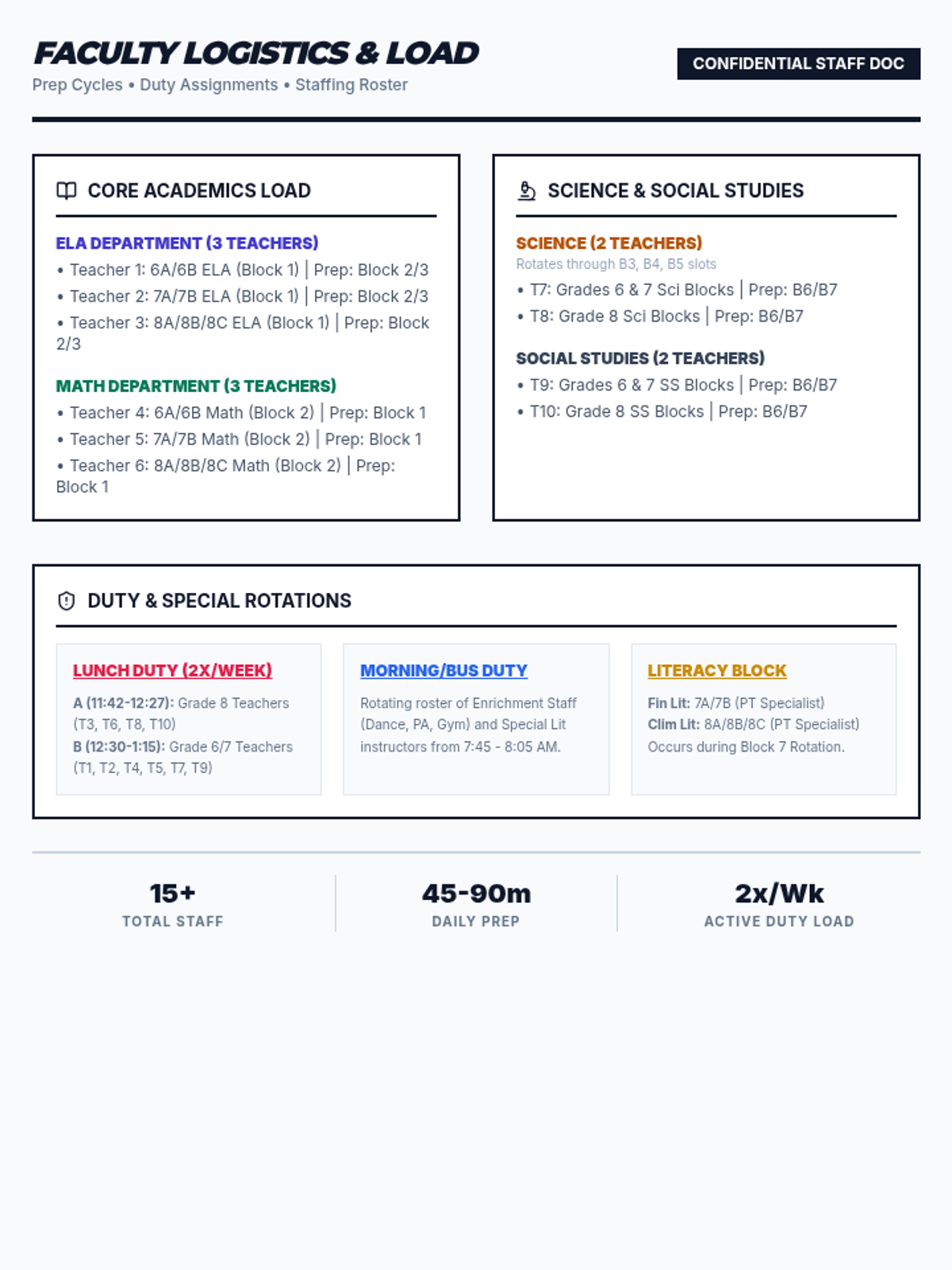
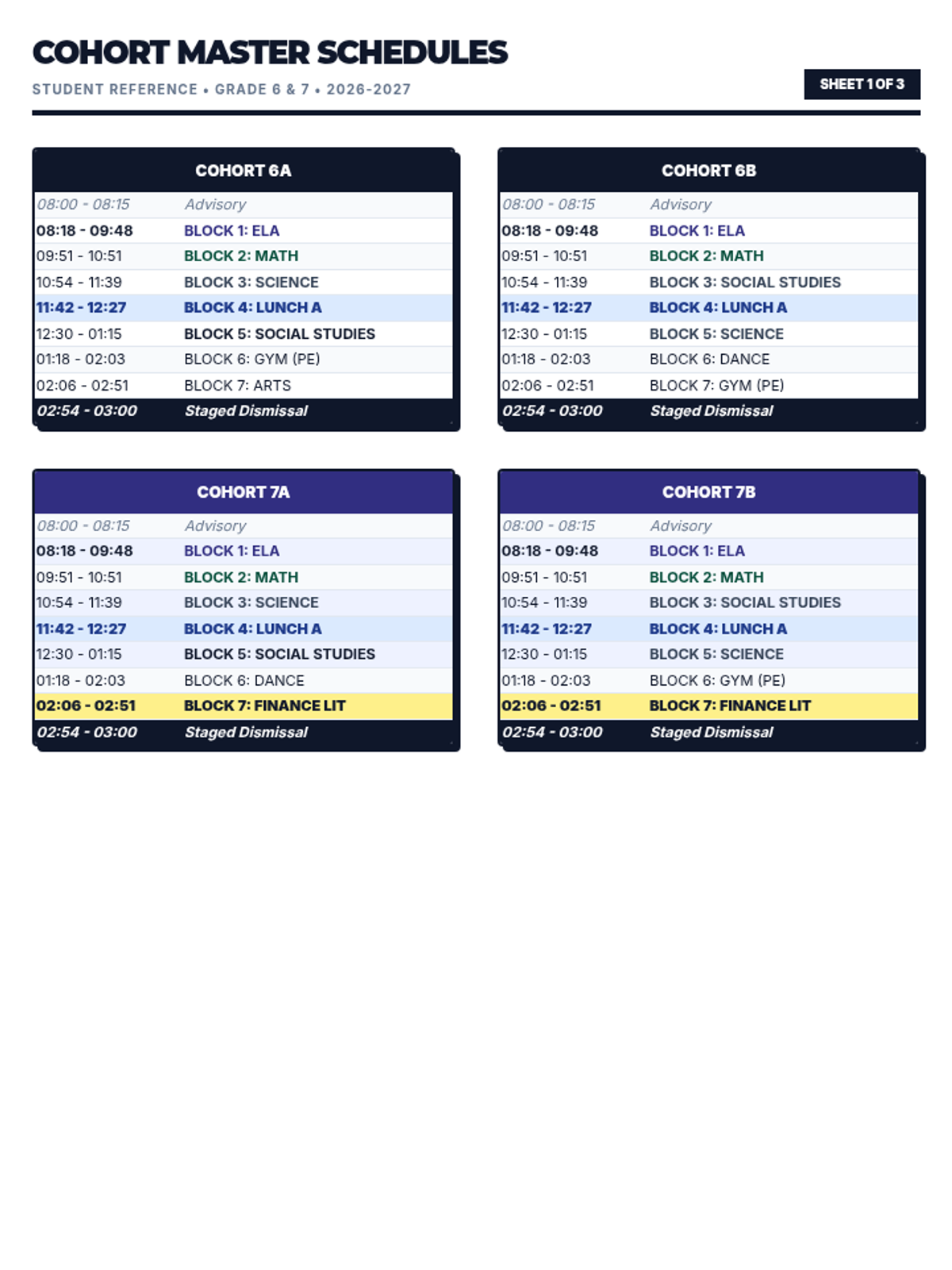
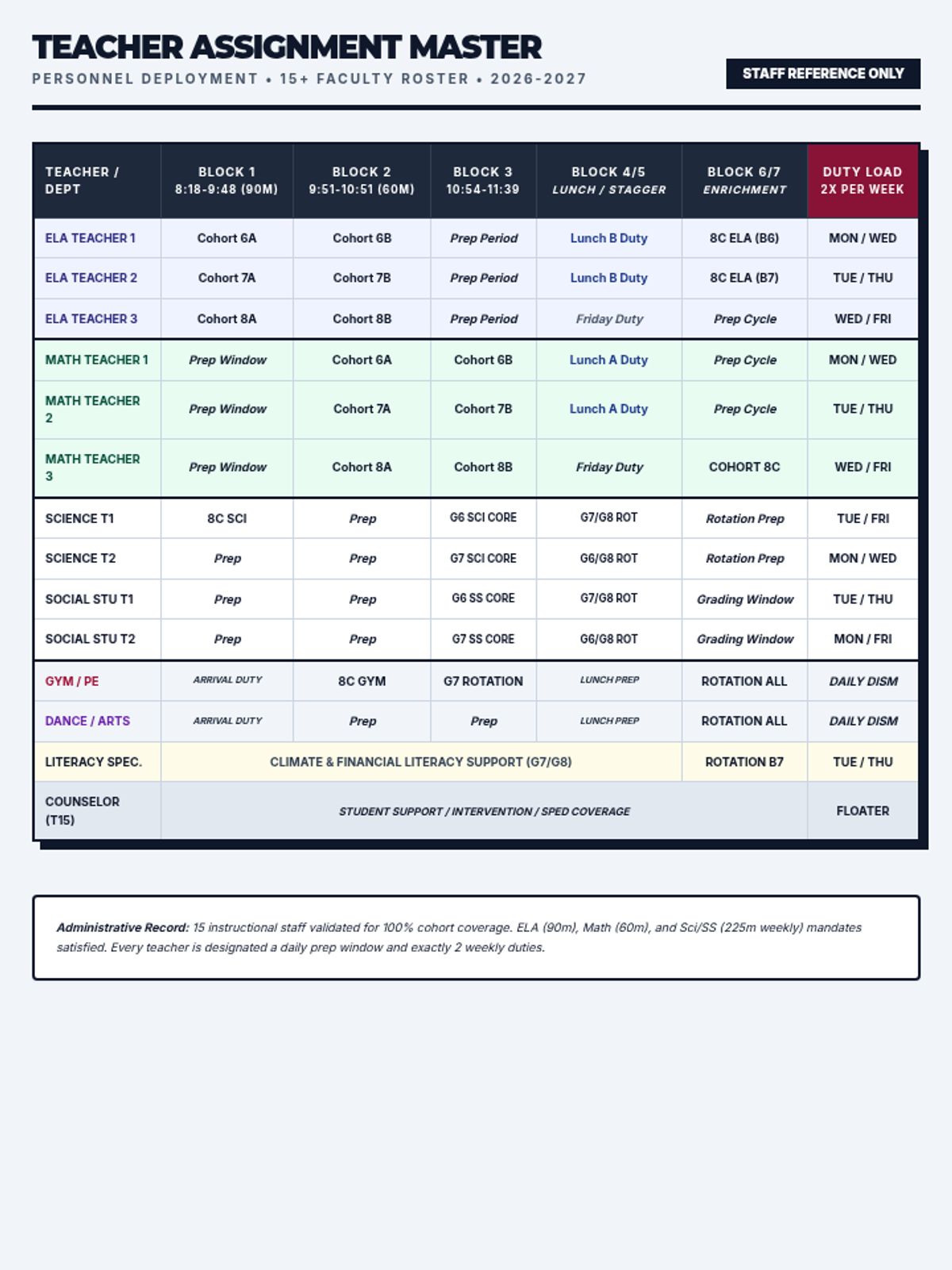
A comprehensive scheduling system for a middle school with 7 cohorts, featuring 90-minute ELA blocks, 60-minute Math blocks, and specific enrichment rotations. Includes master grids, teacher assignments, and printable bell schedules.
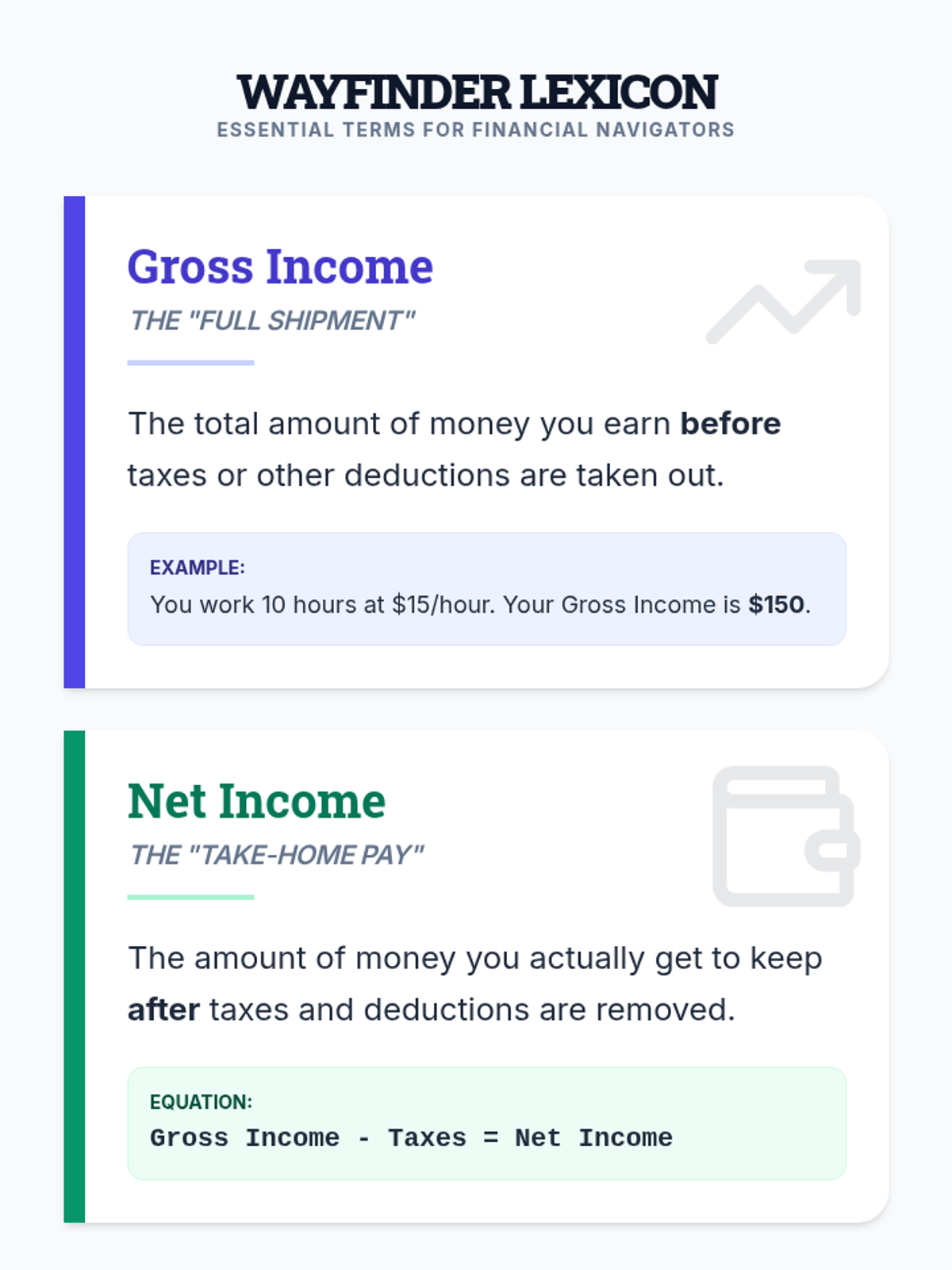
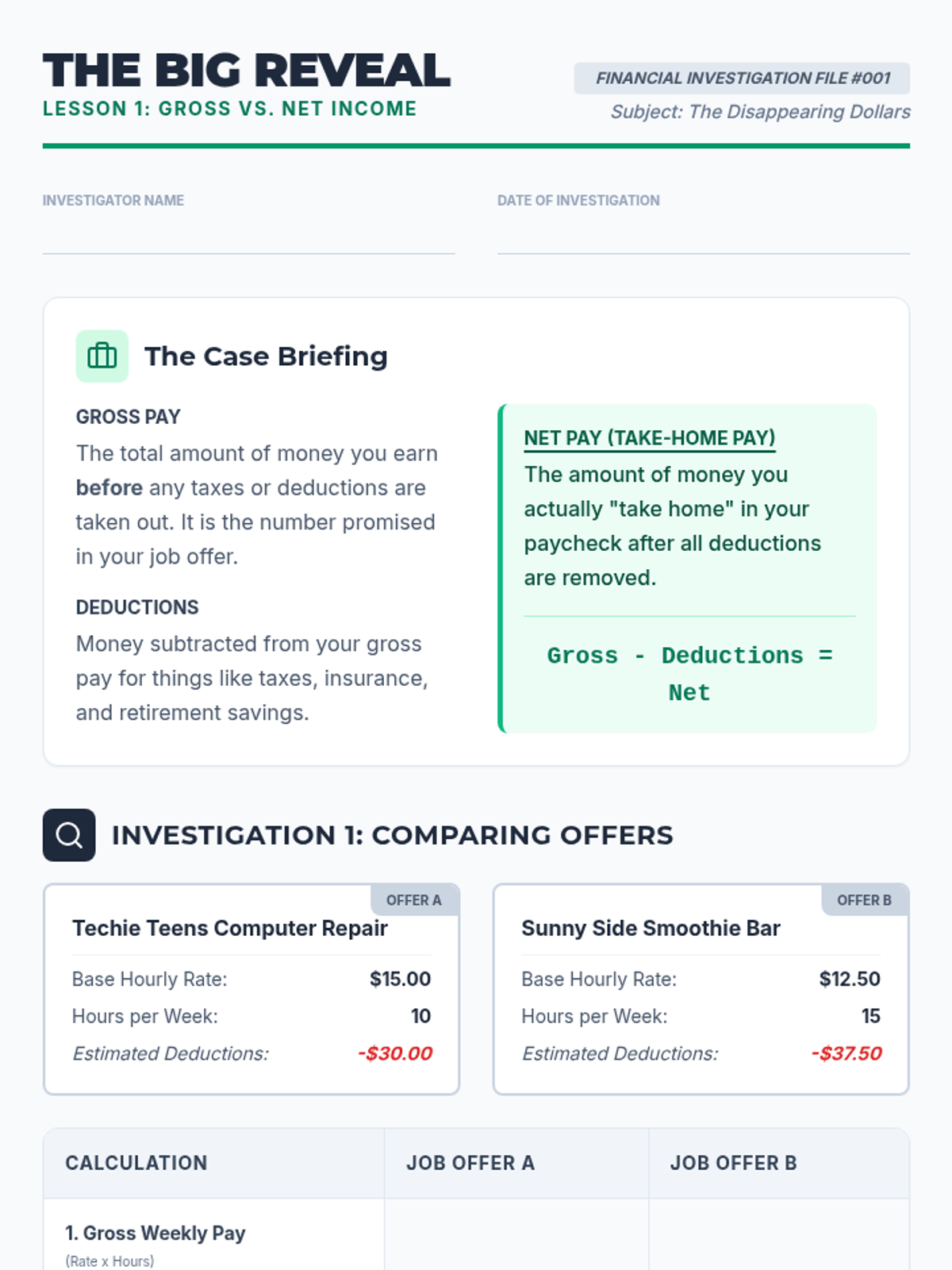
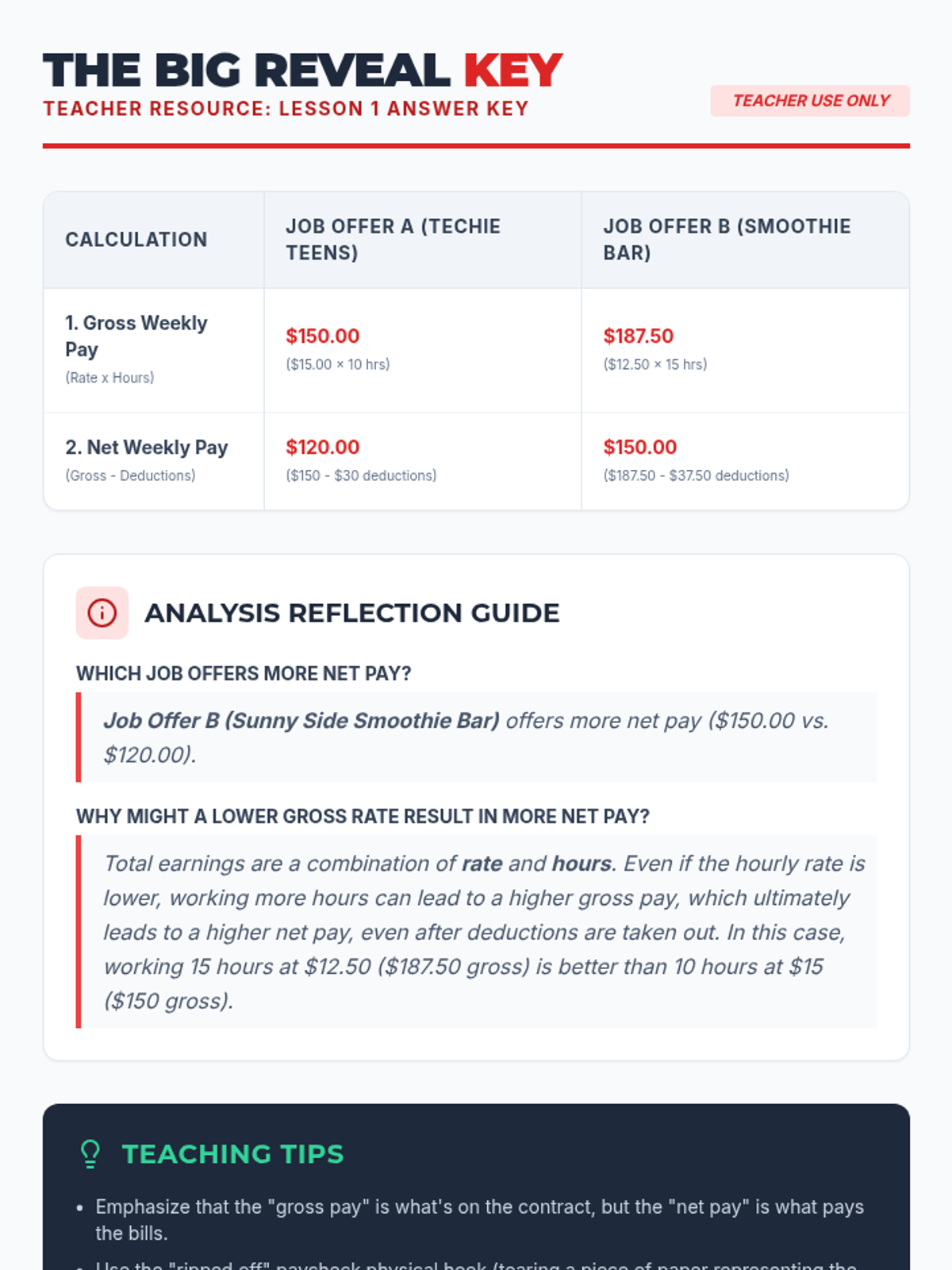
This sequence introduces 6th-grade students to the practical reality of taxes and payroll withholdings. Students learn to distinguish between gross and net pay, decode pay stubs, understand FICA contributions, and calculate proportional taxes to better understand their take-home pay.
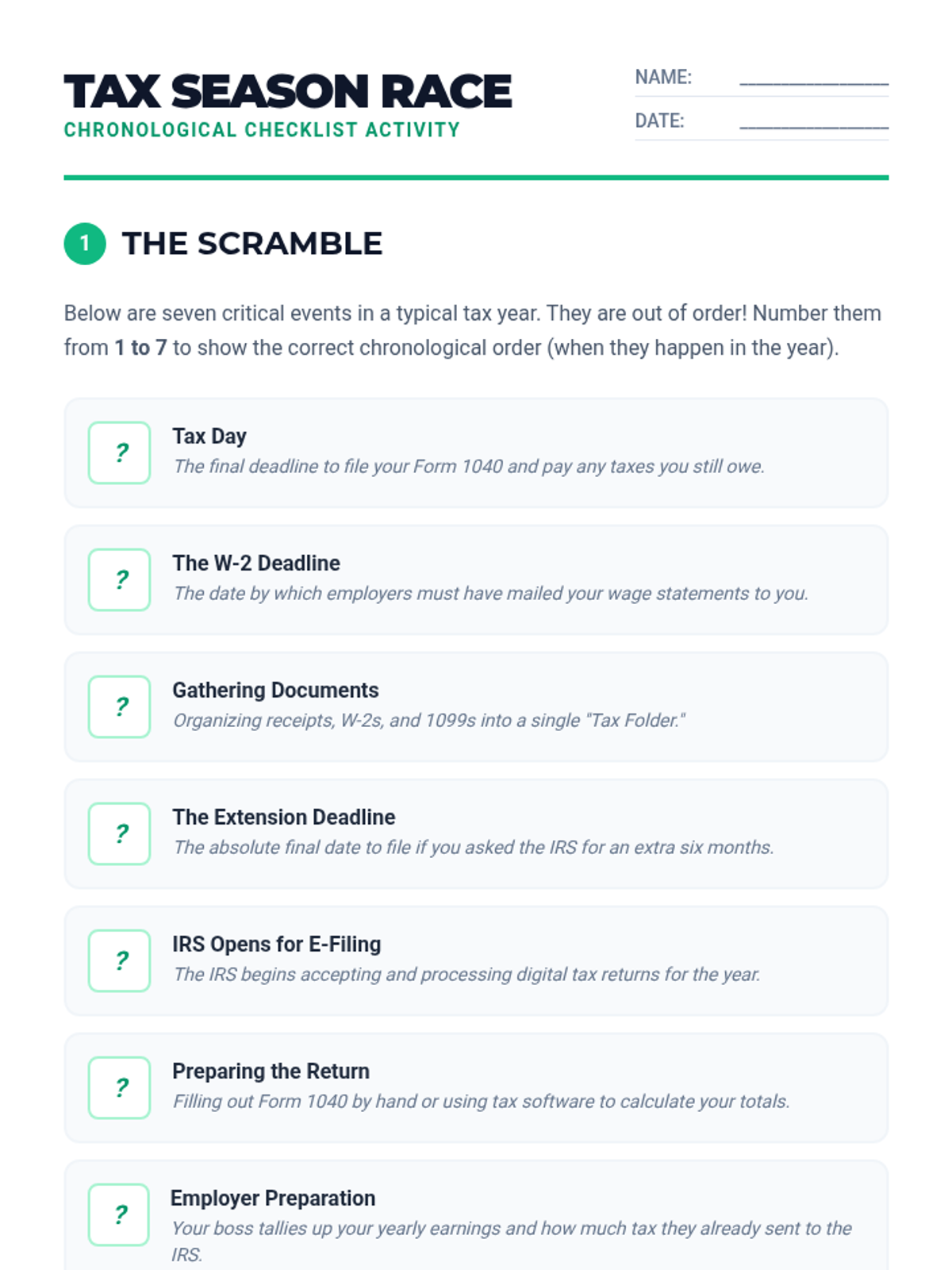
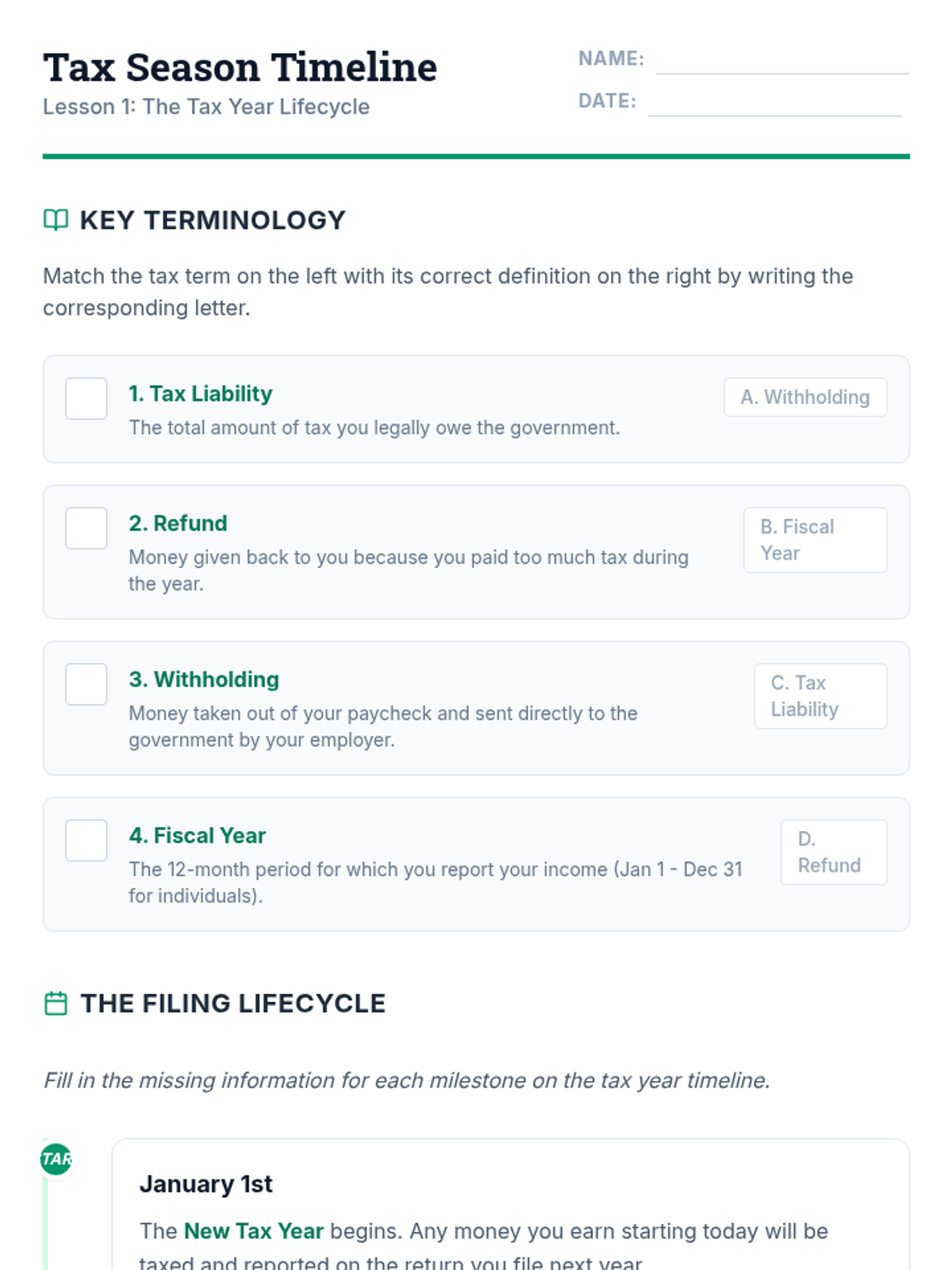
This sequence guides 7th-grade students through the practical aspects of tax filing, from understanding W-2s and timelines to completing a simplified mock tax return. Students will develop financial literacy skills by decoding IRS forms and understanding the mechanics of taxable income and deductions.
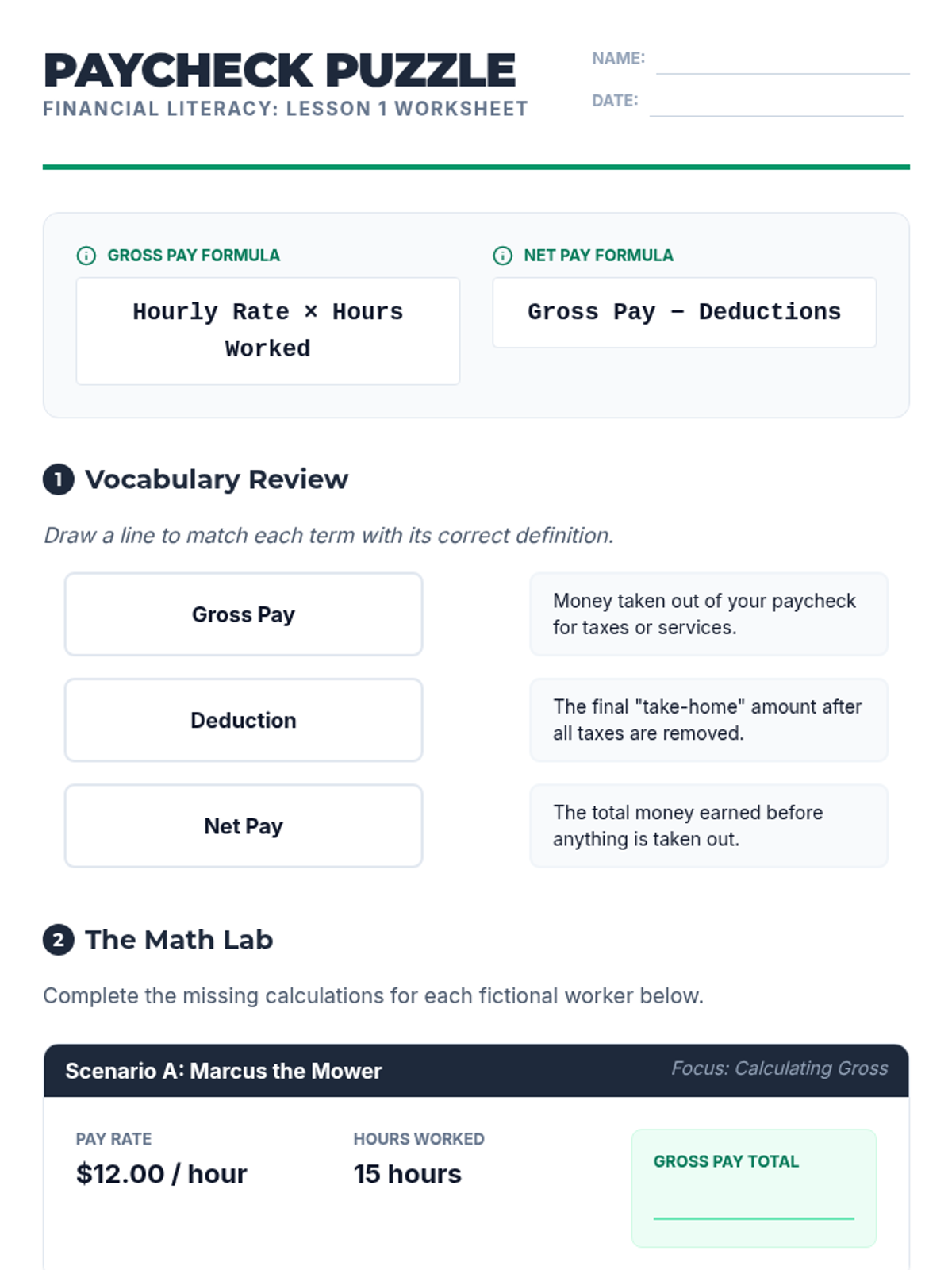
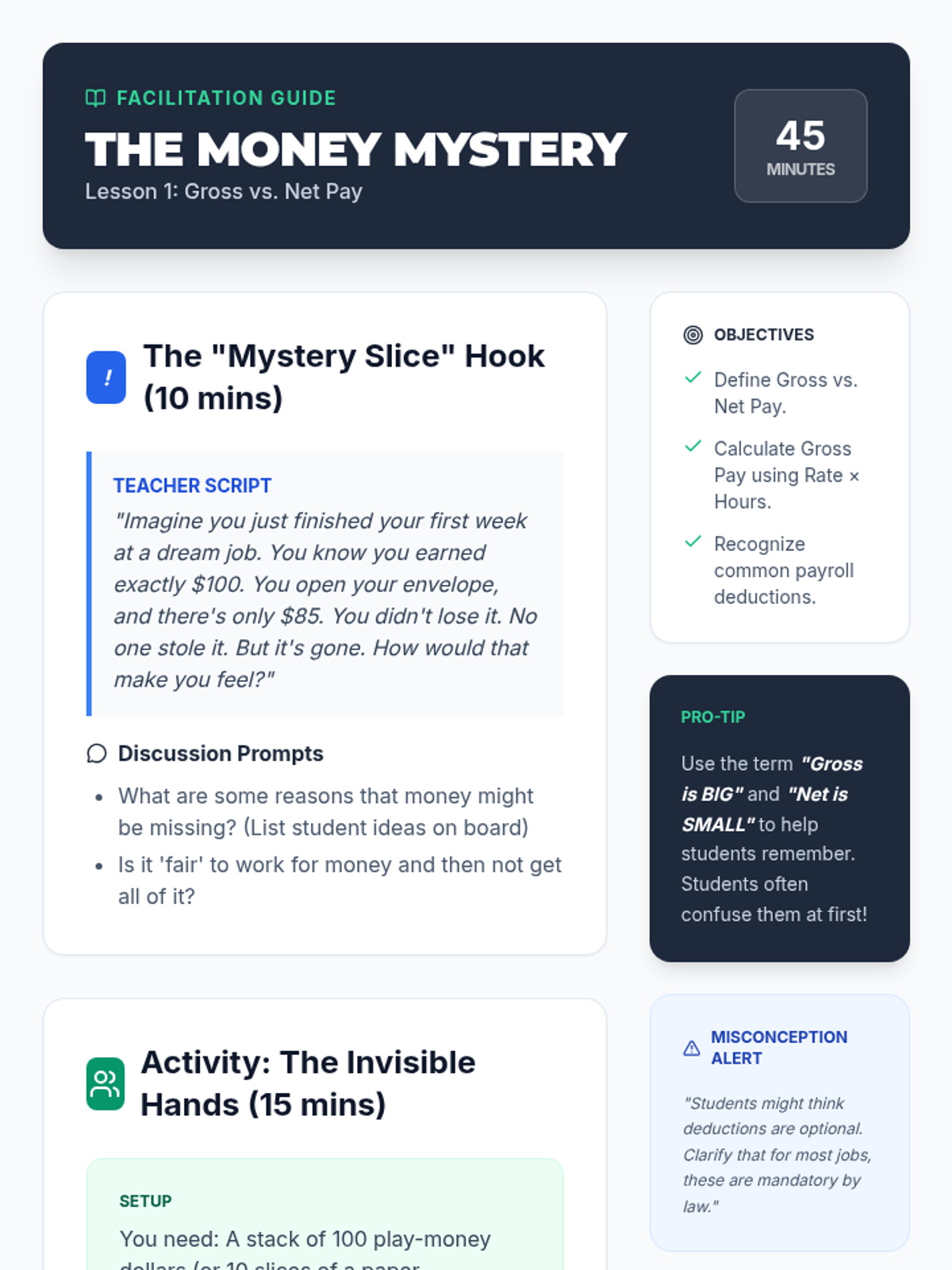
A comprehensive 5-lesson unit for 7th graders on understanding paycheck deductions, taxes, and the difference between gross and net income. Students progress from basic definitions to auditing pay stubs and budgeting with real take-home pay.
A simulation-based sequence where students learn the end-to-end process of filing federal income taxes. Students adopt personas, analyze wage documents, and complete a simplified Form 1040 to determine if they receive a refund or owe money.
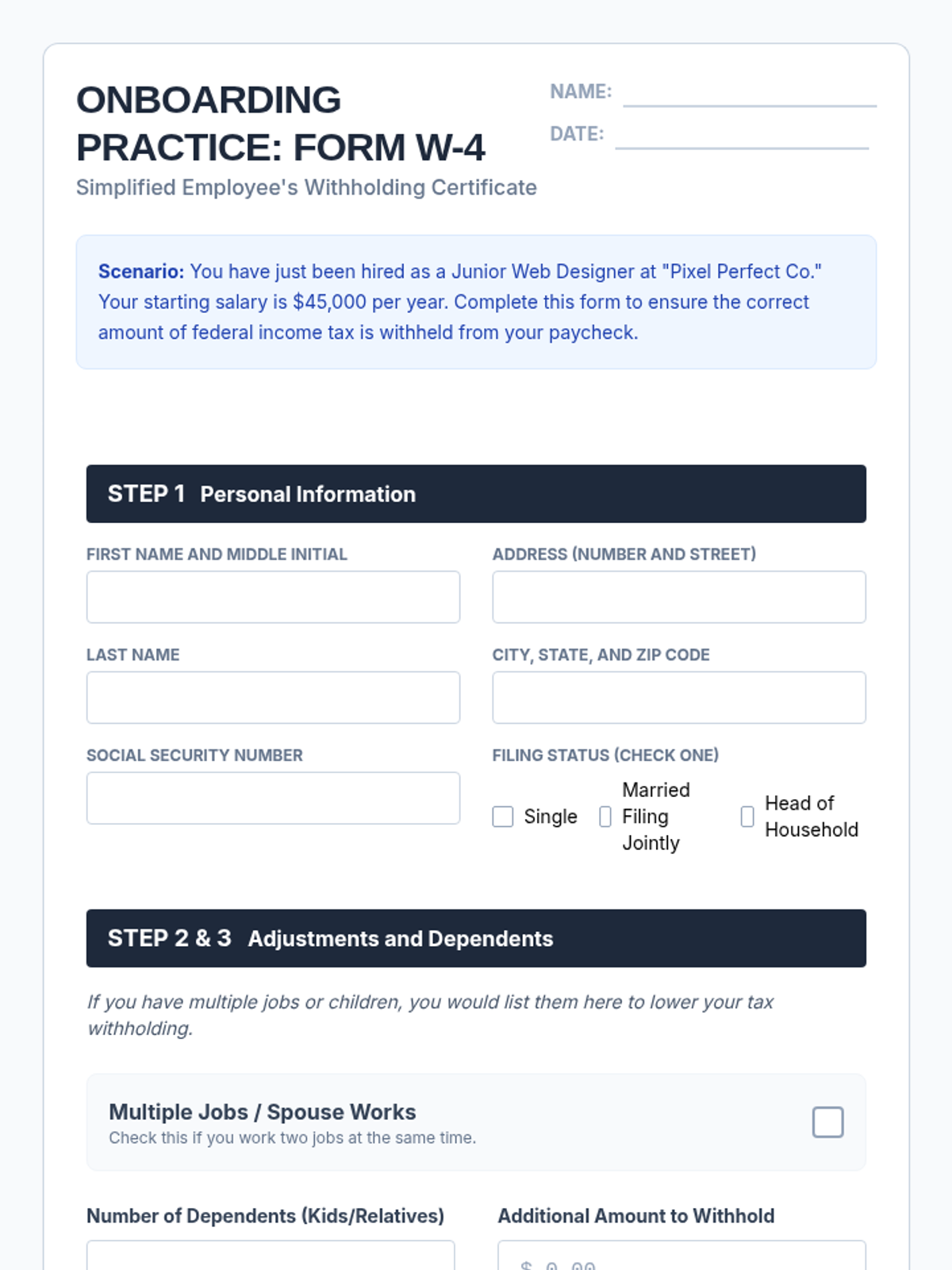
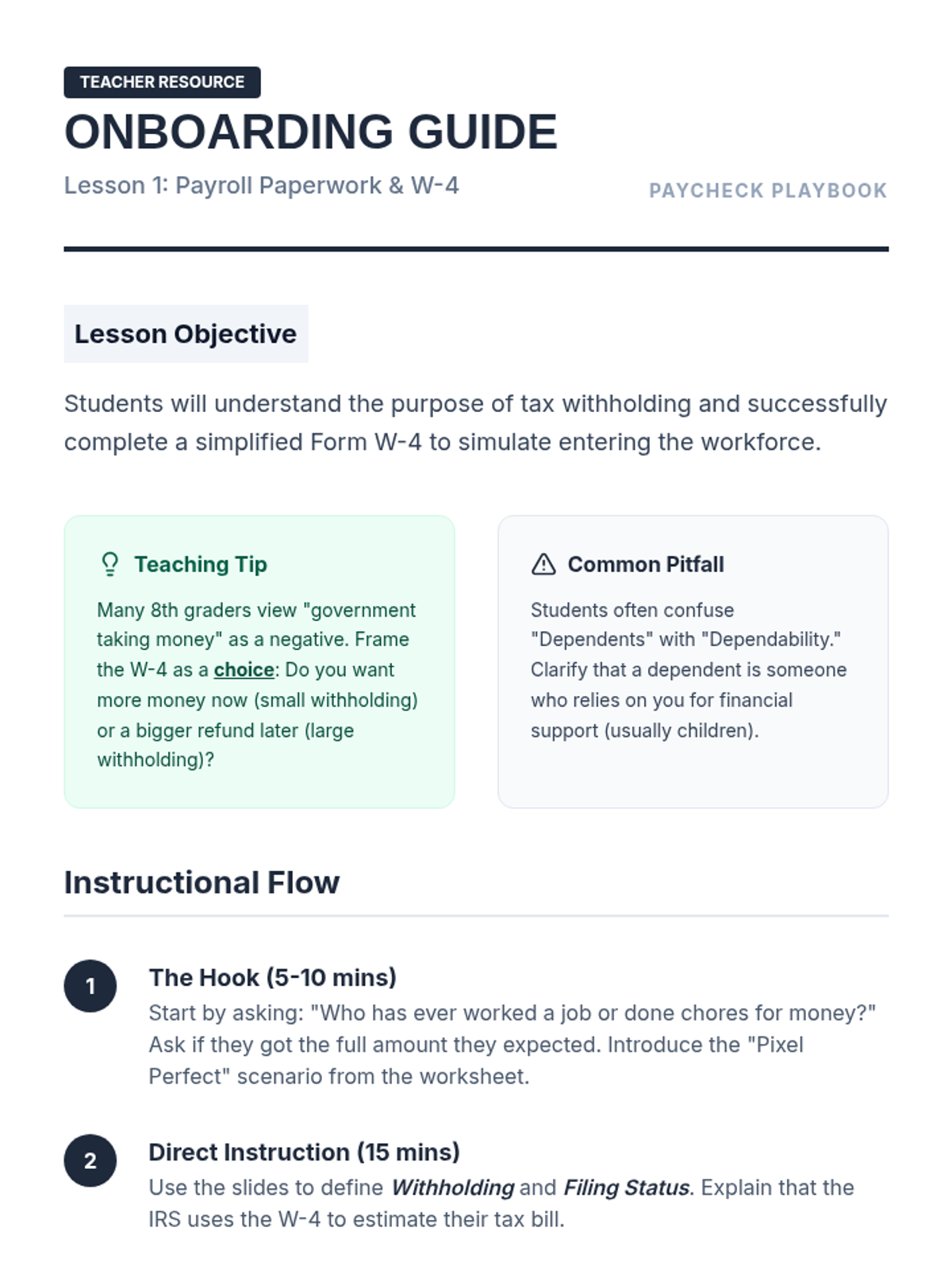
This workshop-style sequence focuses on the practical math and documentation associated with earning an income. Students simulate the onboarding process of a new job, learning to complete a W-4 form, deciphering the difference between gross and net pay, and calculating specific withholdings to understand their final take-home pay.
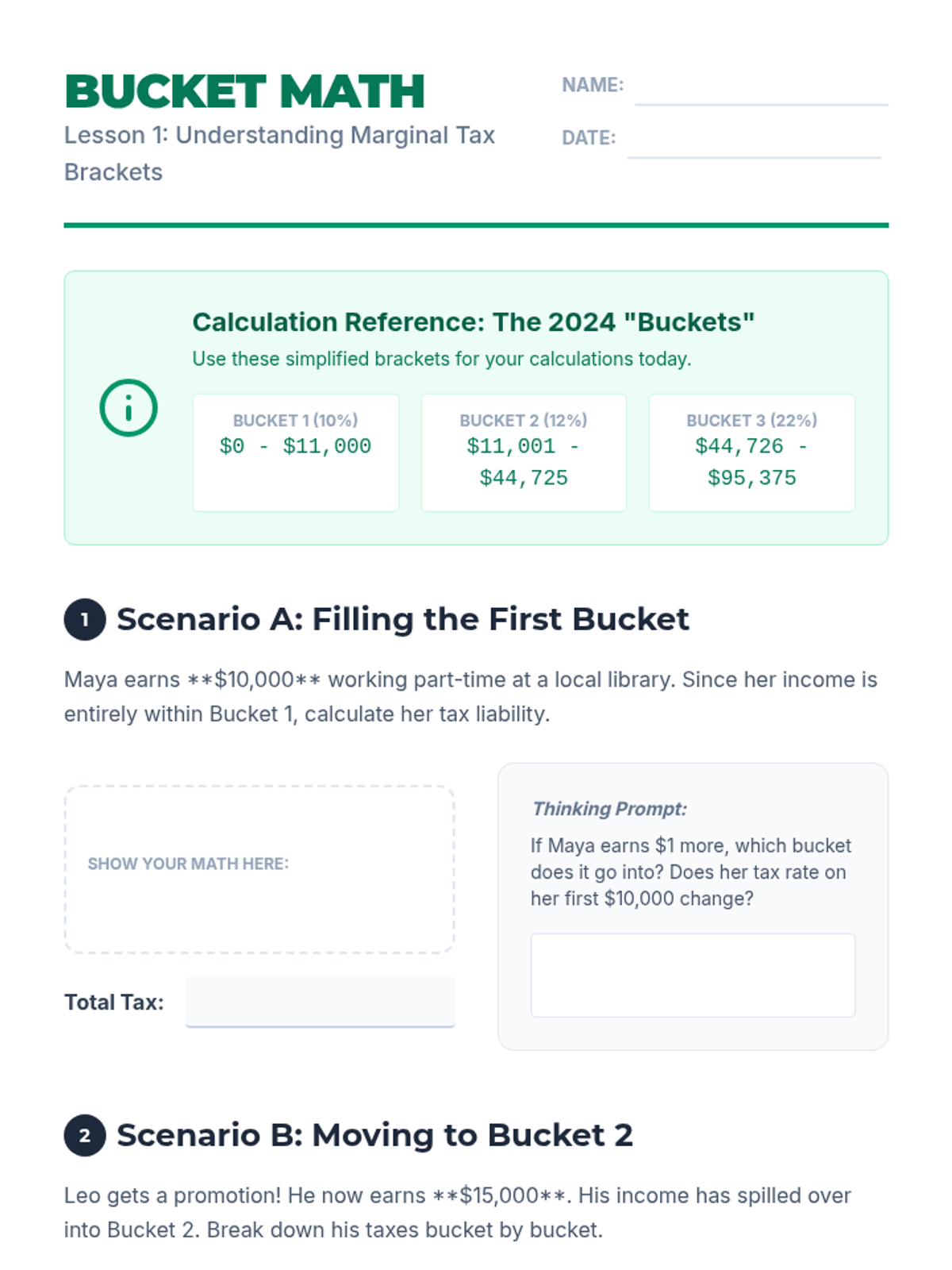
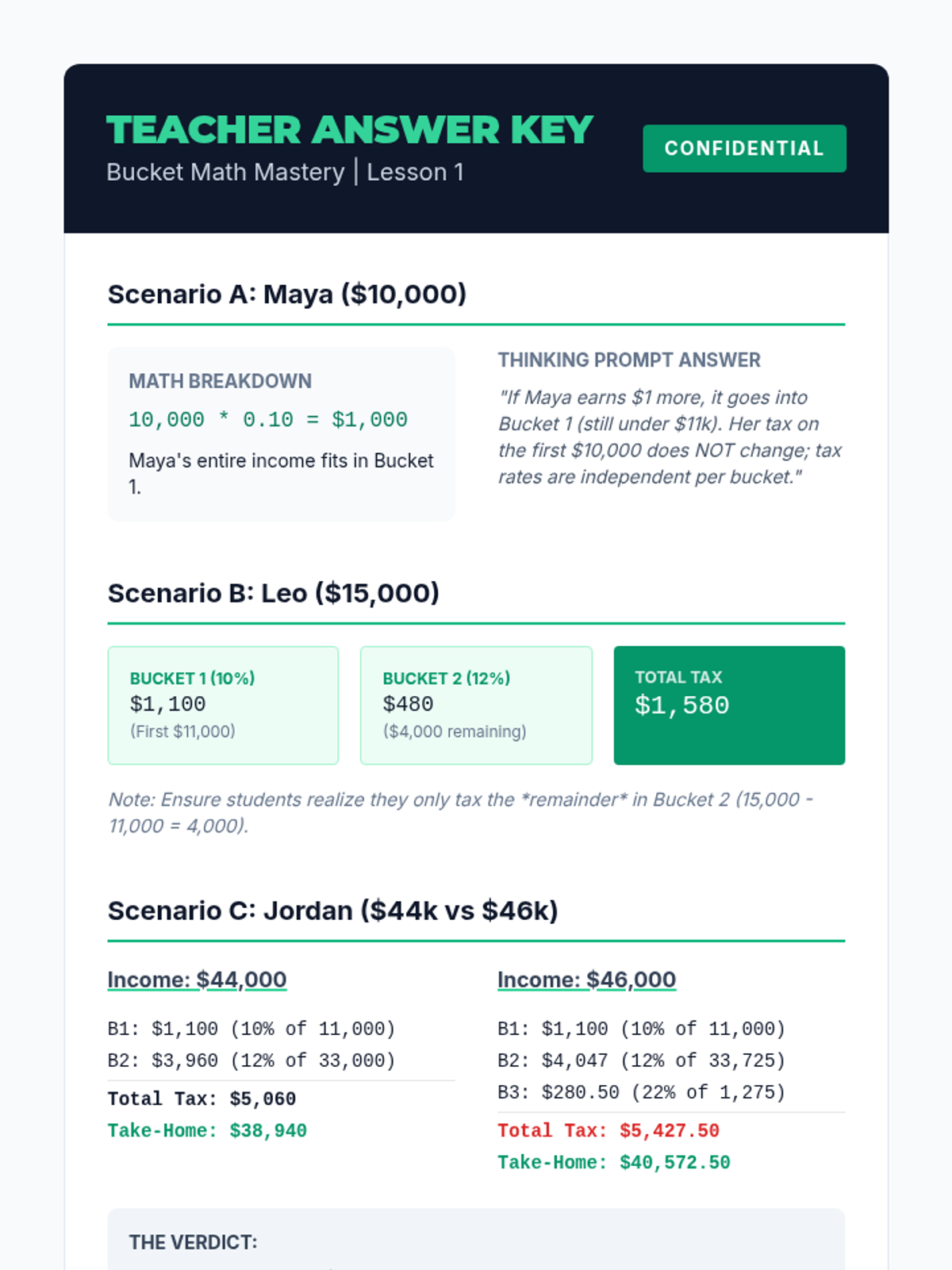
An inquiry and math-focused sequence for 8th-grade students exploring the mechanics of tax liability. Students learn about marginal tax brackets, deductions, credits, and self-employment taxes through skill-building exercises, case studies, and a strategic simulation game.
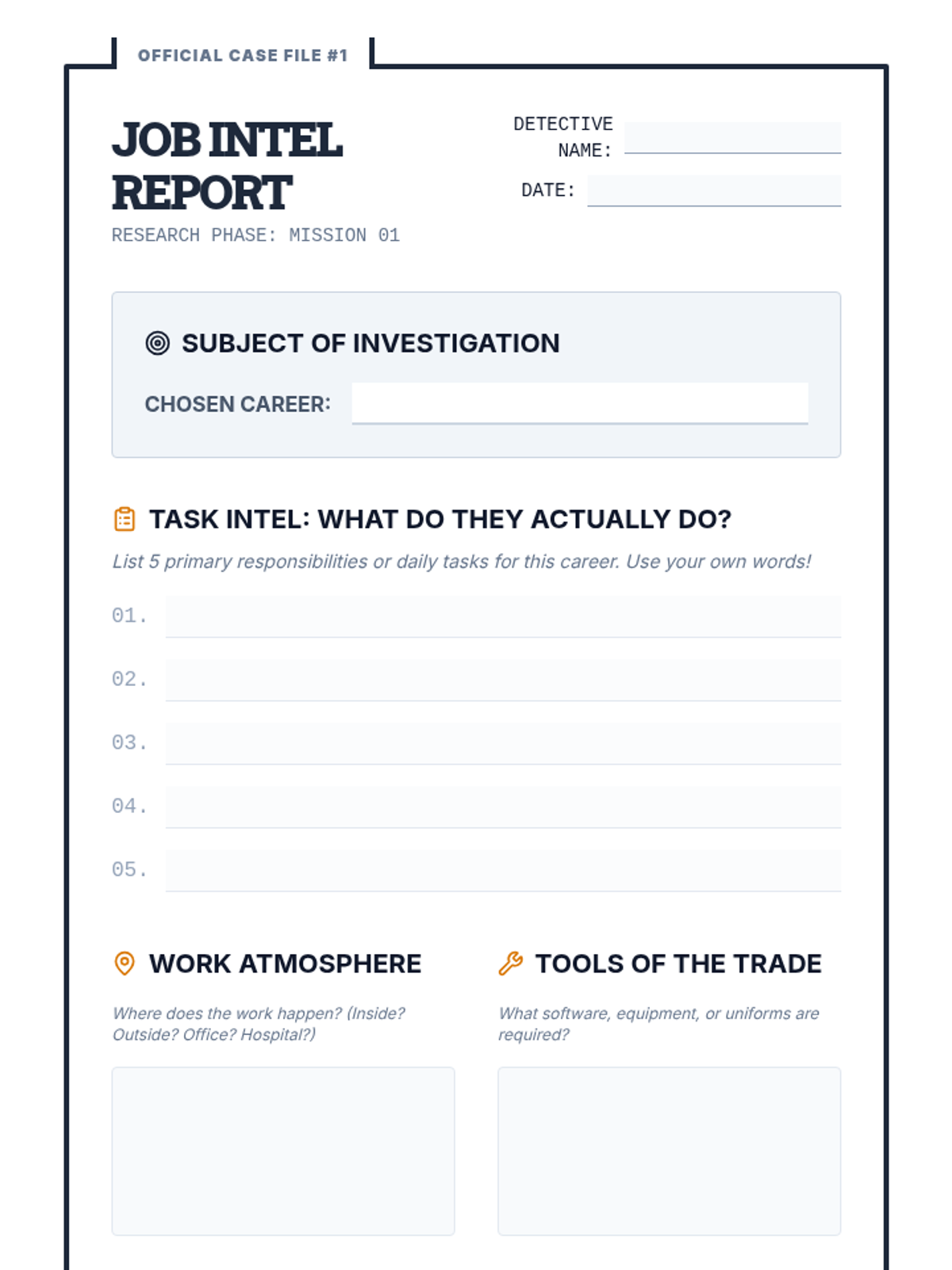
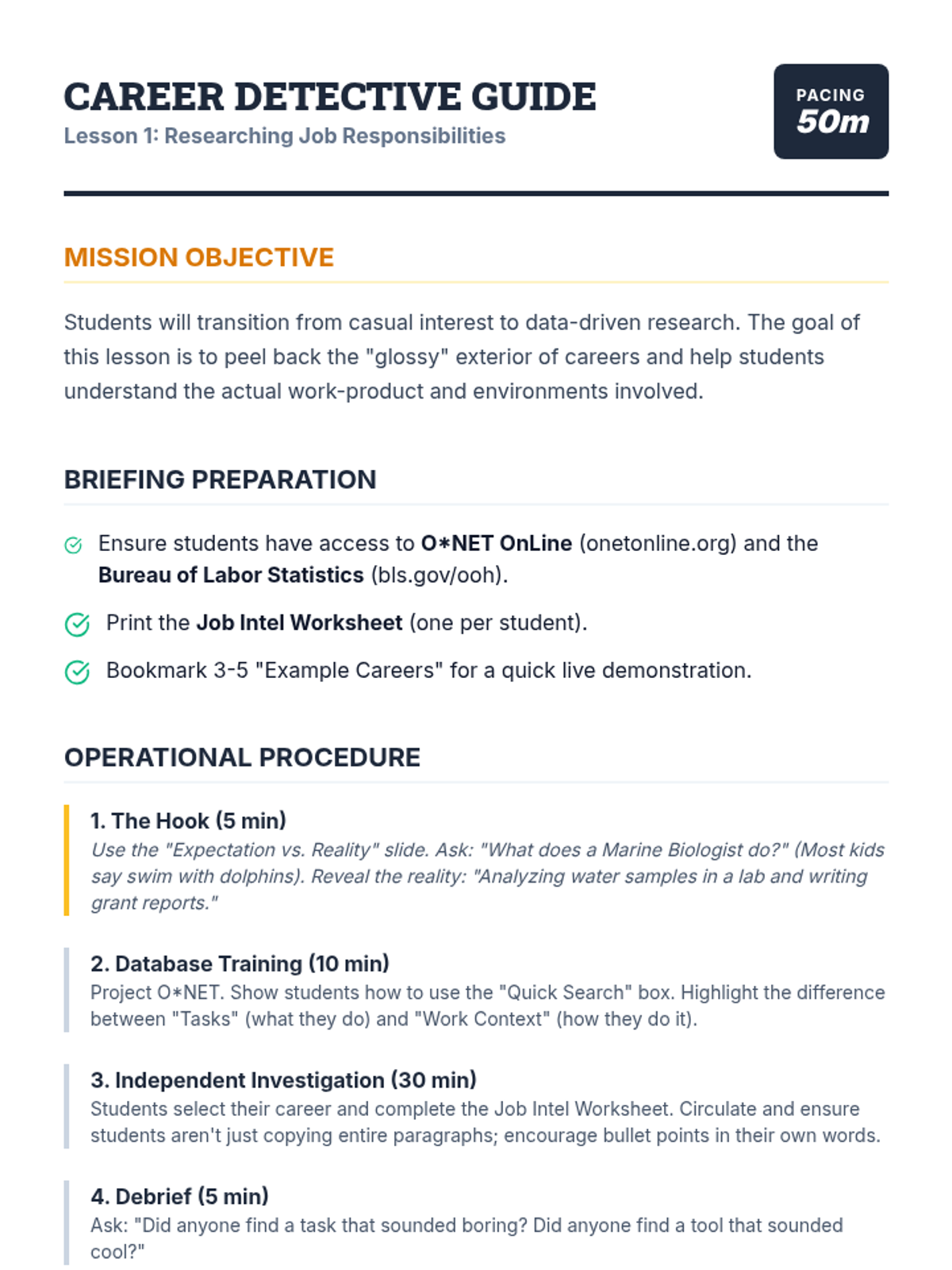
A project-based sequence where 6th-grade students act as 'Career Detectives' to research, analyze, and present a deep-dive investigation into a chosen profession, culminating in a Classroom Career Expo.
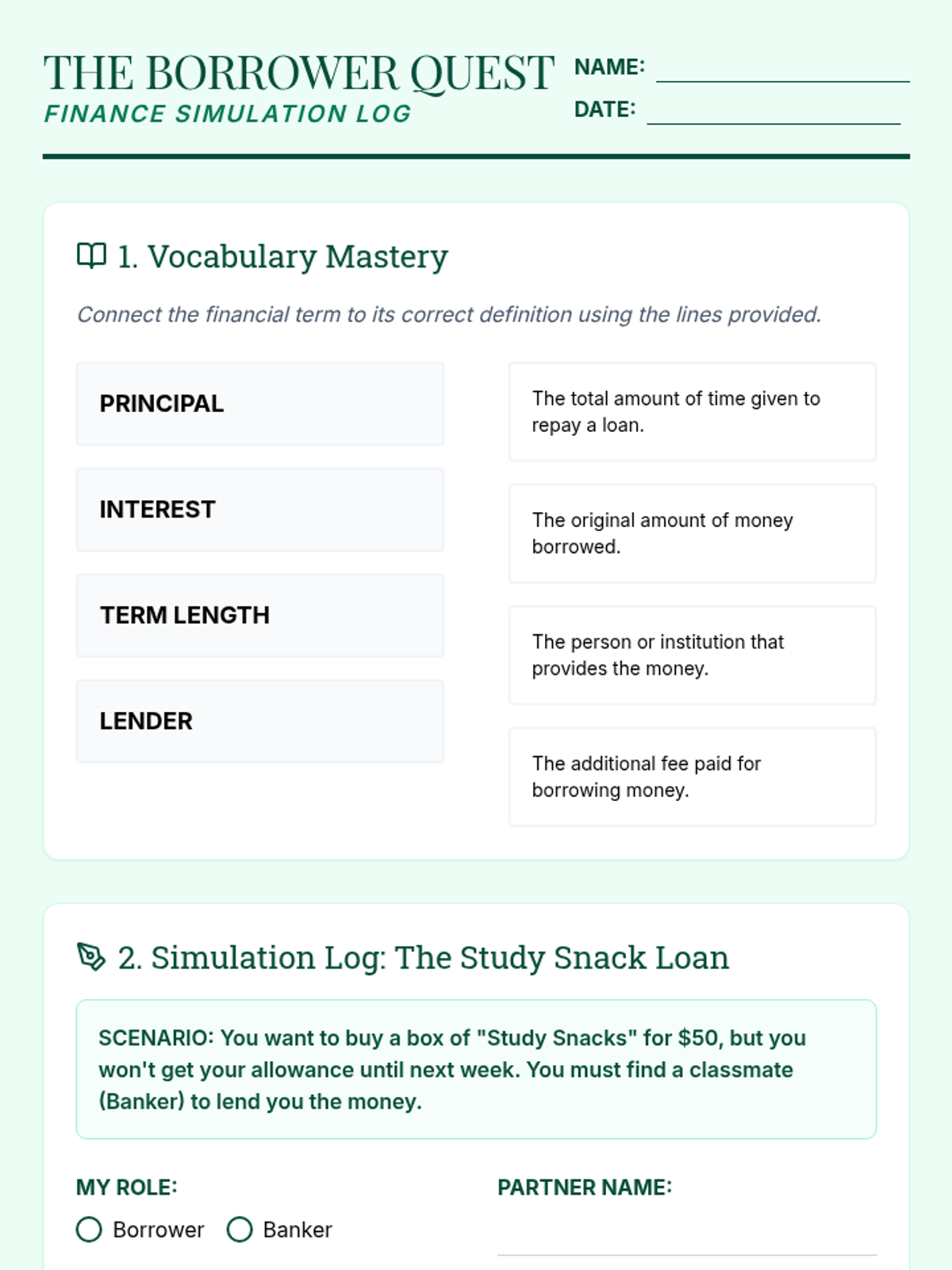
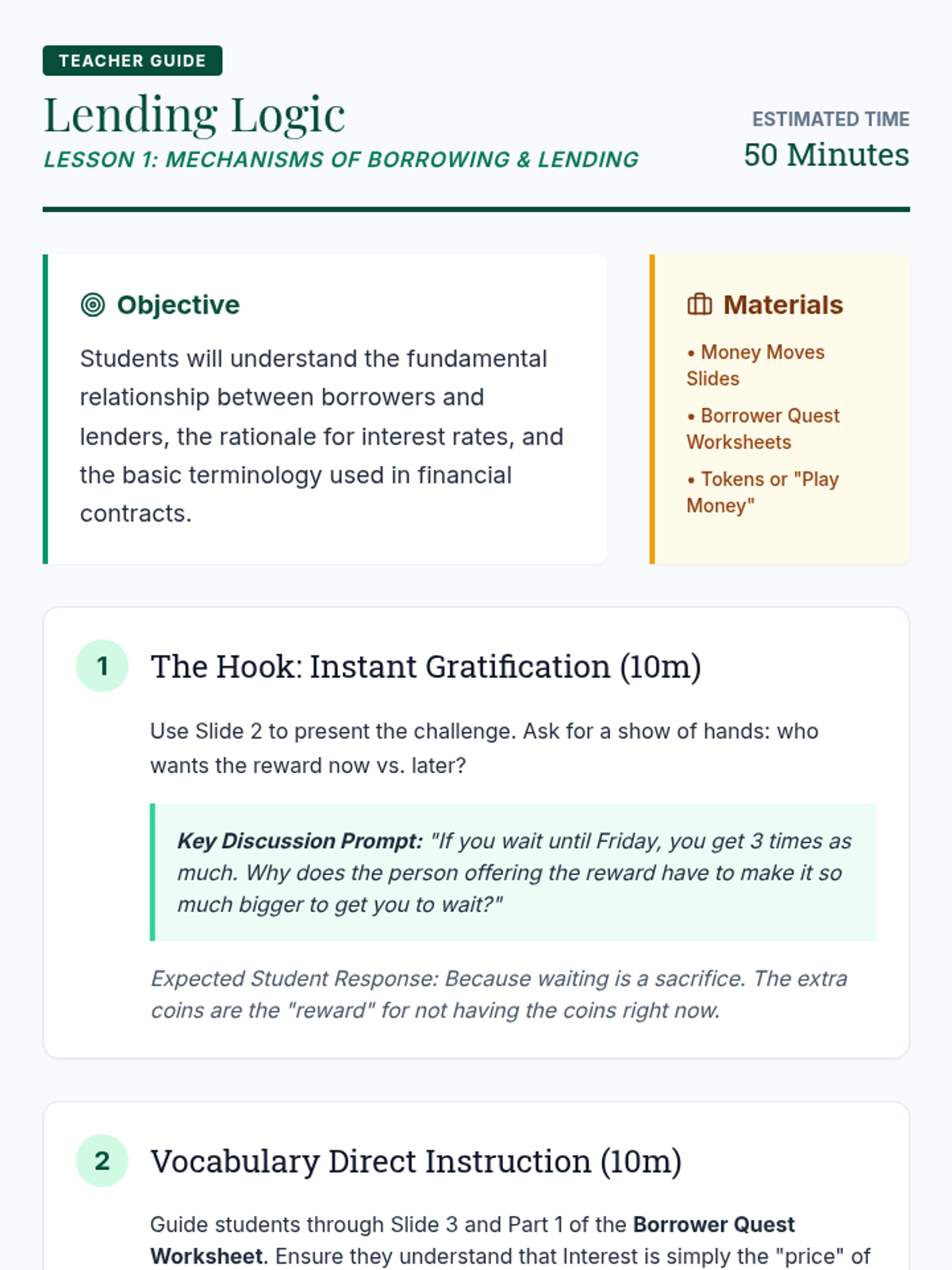
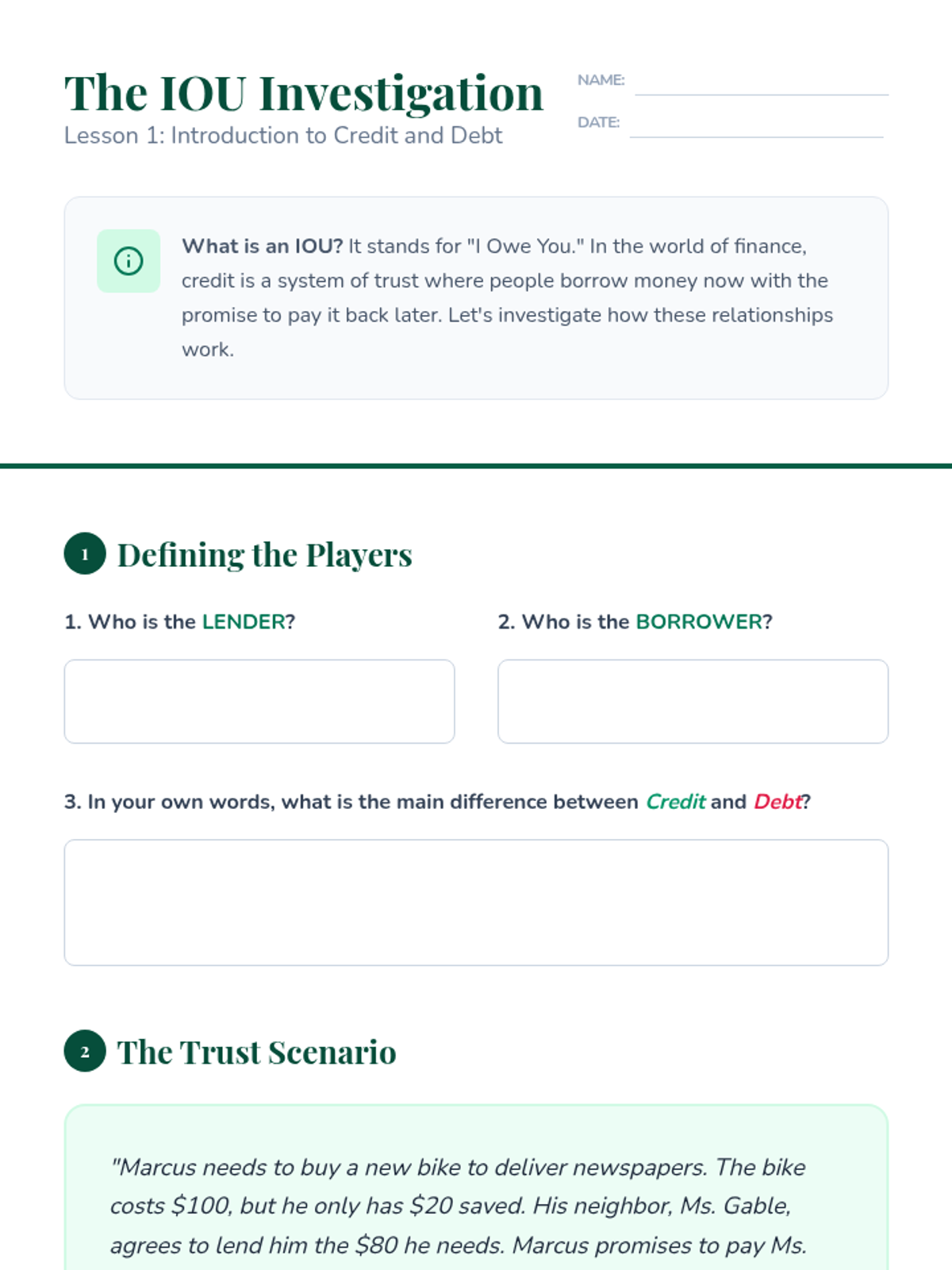
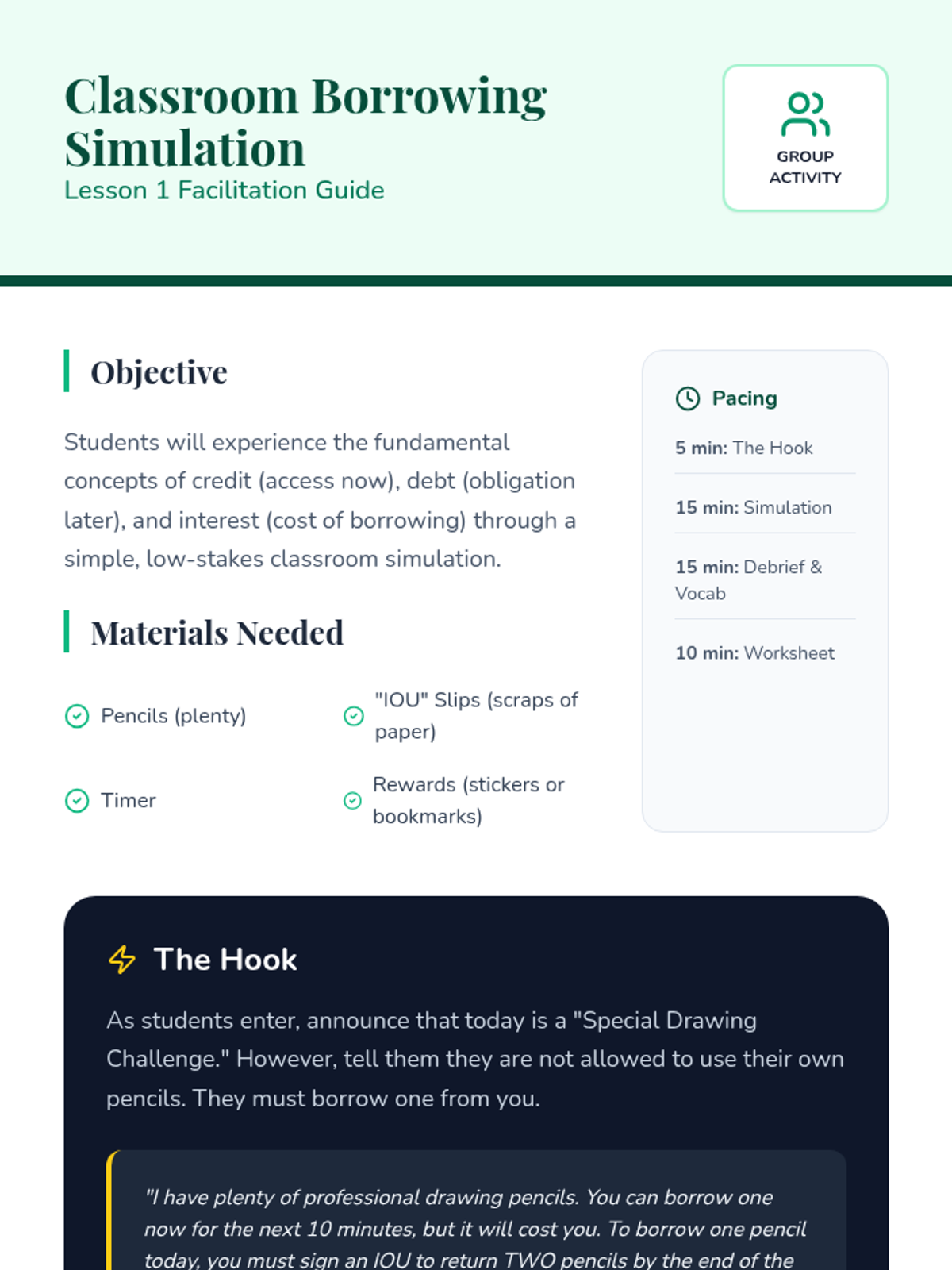
This sequence explores the mechanics of credit, the actual cost of debt through interest, the importance of creditworthiness, and the basics of investment risk. Students culminate their learning by evaluating business loan proposals in a 'Shark Tank' style simulation.
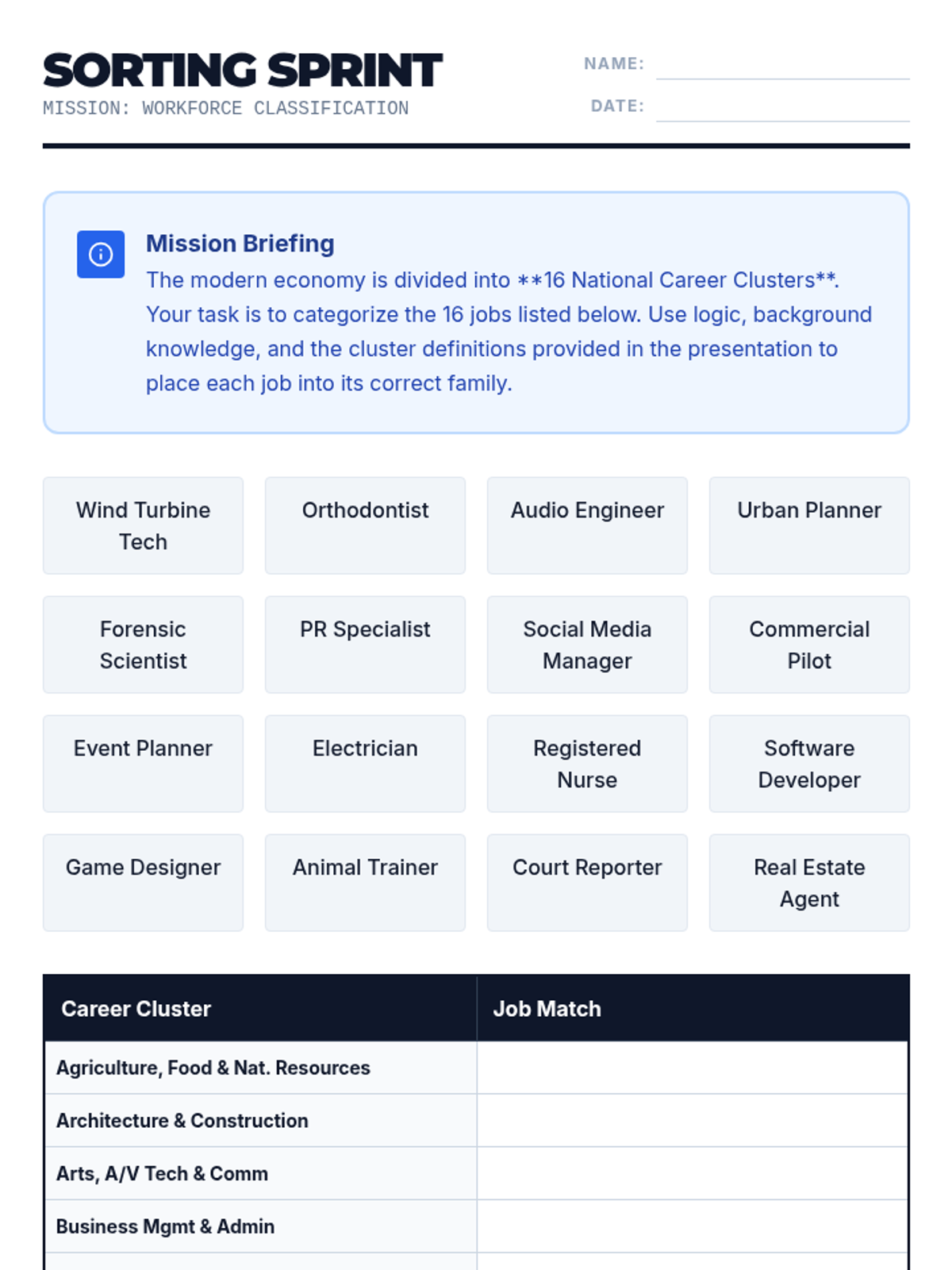
This sequence guides 8th-grade students through the 16 National Career Clusters and labor market trends. Students analyze economic data, cost of living, and career progression to make informed decisions about their future career paths.
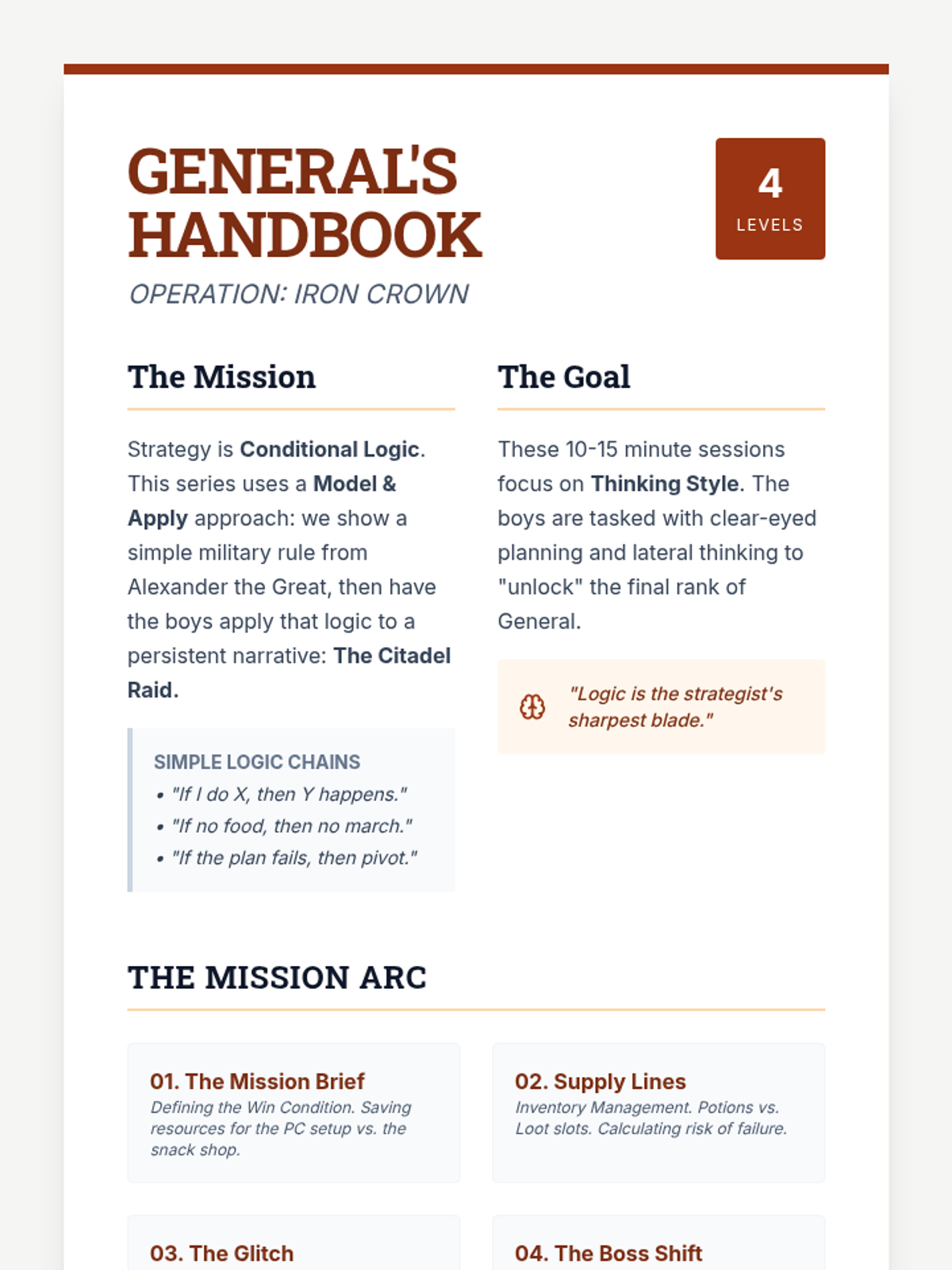
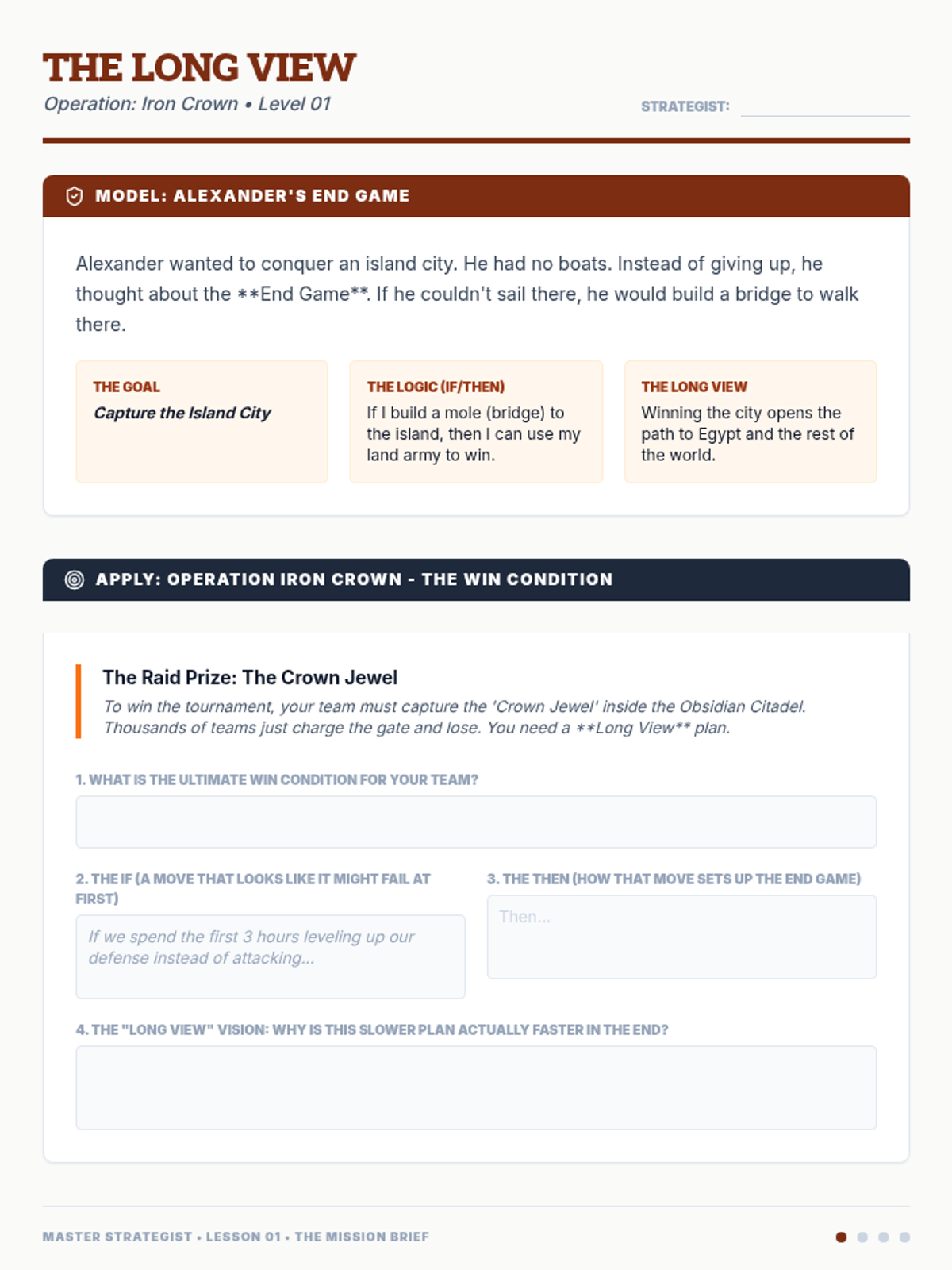
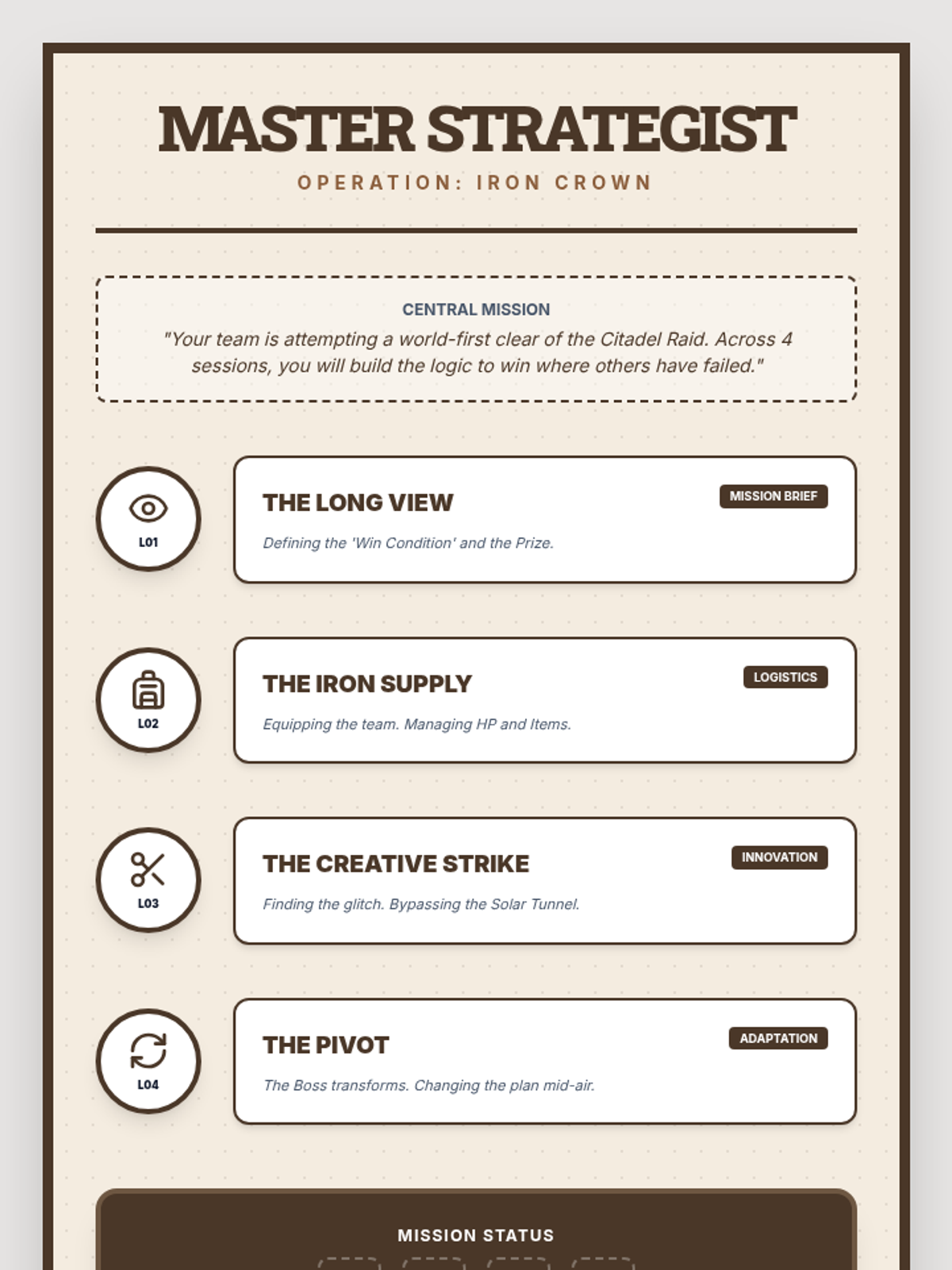
A 4-part series for middle schoolers exploring the philosophy of strategy, logic, and leadership through the lens of Alexander the Great. Each 10-15 minute lesson focuses on critical thinking, conditional logic, and tactical decision-making.
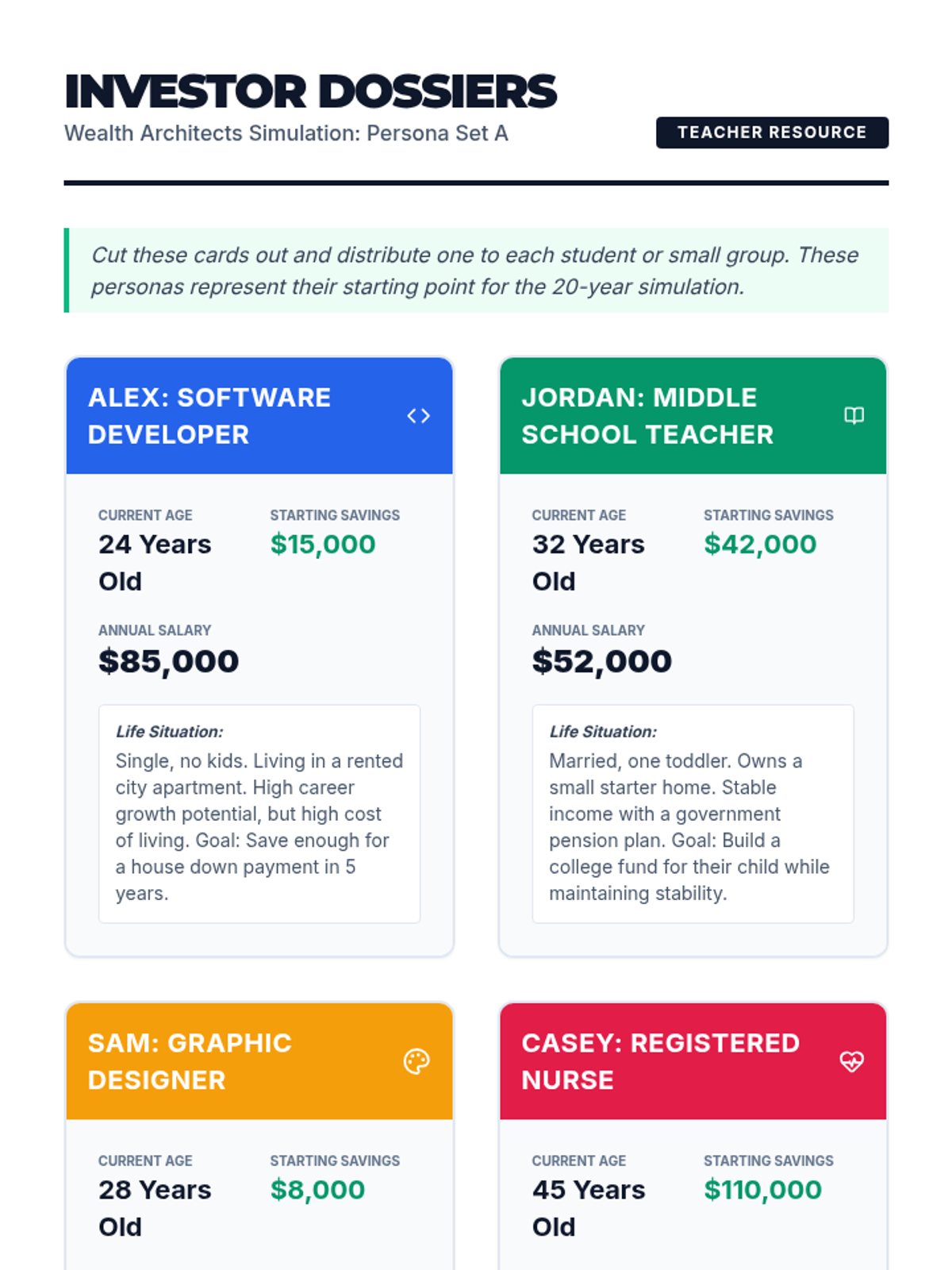
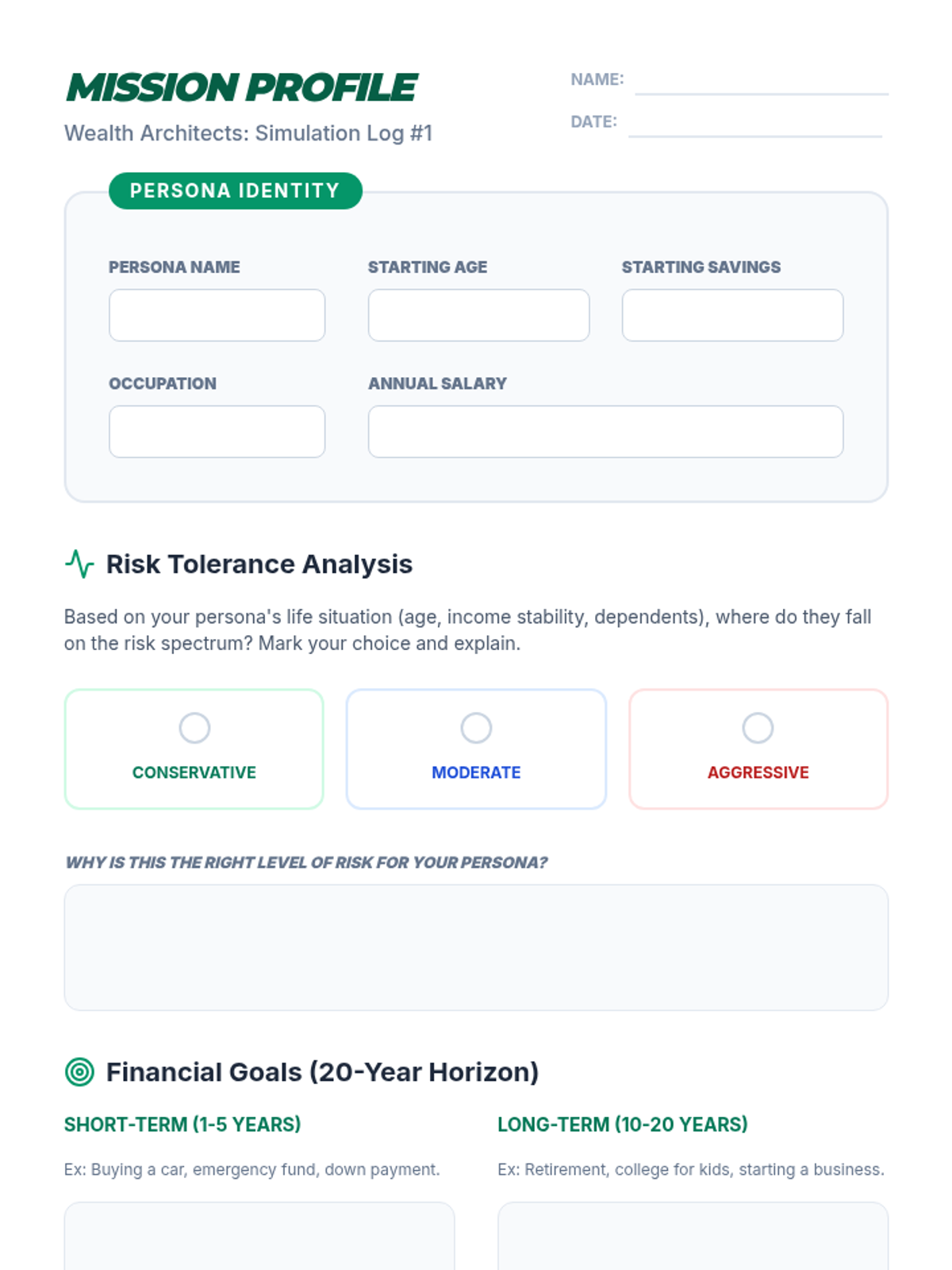
A project-based capstone where 6th-grade students adopt a persona, manage a virtual portfolio over 20 years, and adapt to life events to learn long-term wealth management.
A comprehensive introduction to the world of investing, teaching 6th graders to differentiate between stocks, bonds, and mutual funds through hands-on simulations and visual analogies. Students explore the mechanics of ownership, lending, and risk management to build a foundation for lifelong financial literacy.
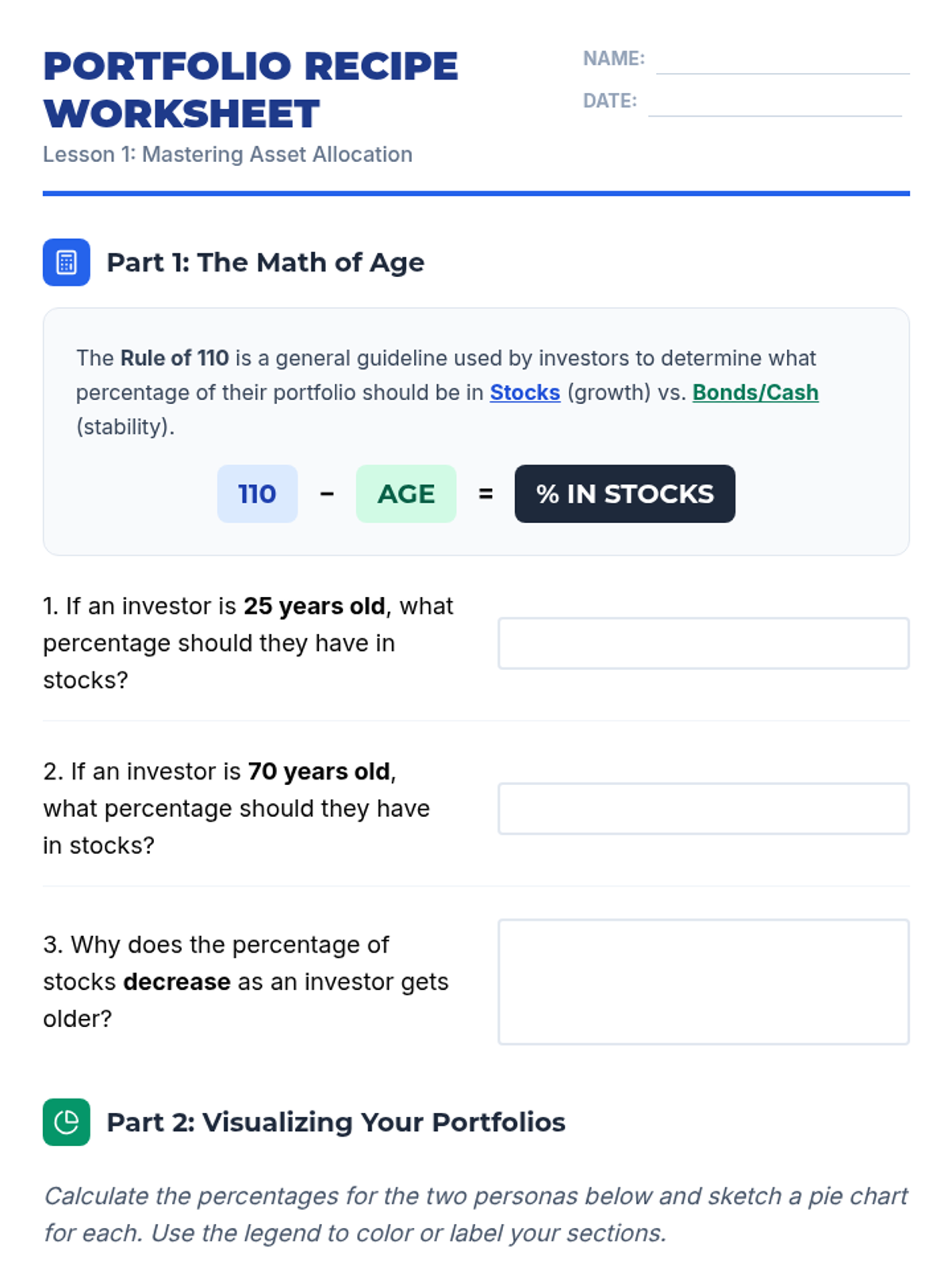
A comprehensive 8th-grade project-based sequence where students act as portfolio managers to build long-term investment strategies, focusing on asset allocation, fee impacts, and dollar-cost averaging.
A comprehensive collection of lessons designed to equip students from elementary to middle school with essential life skills, including communication, financial literacy, and social-emotional awareness.
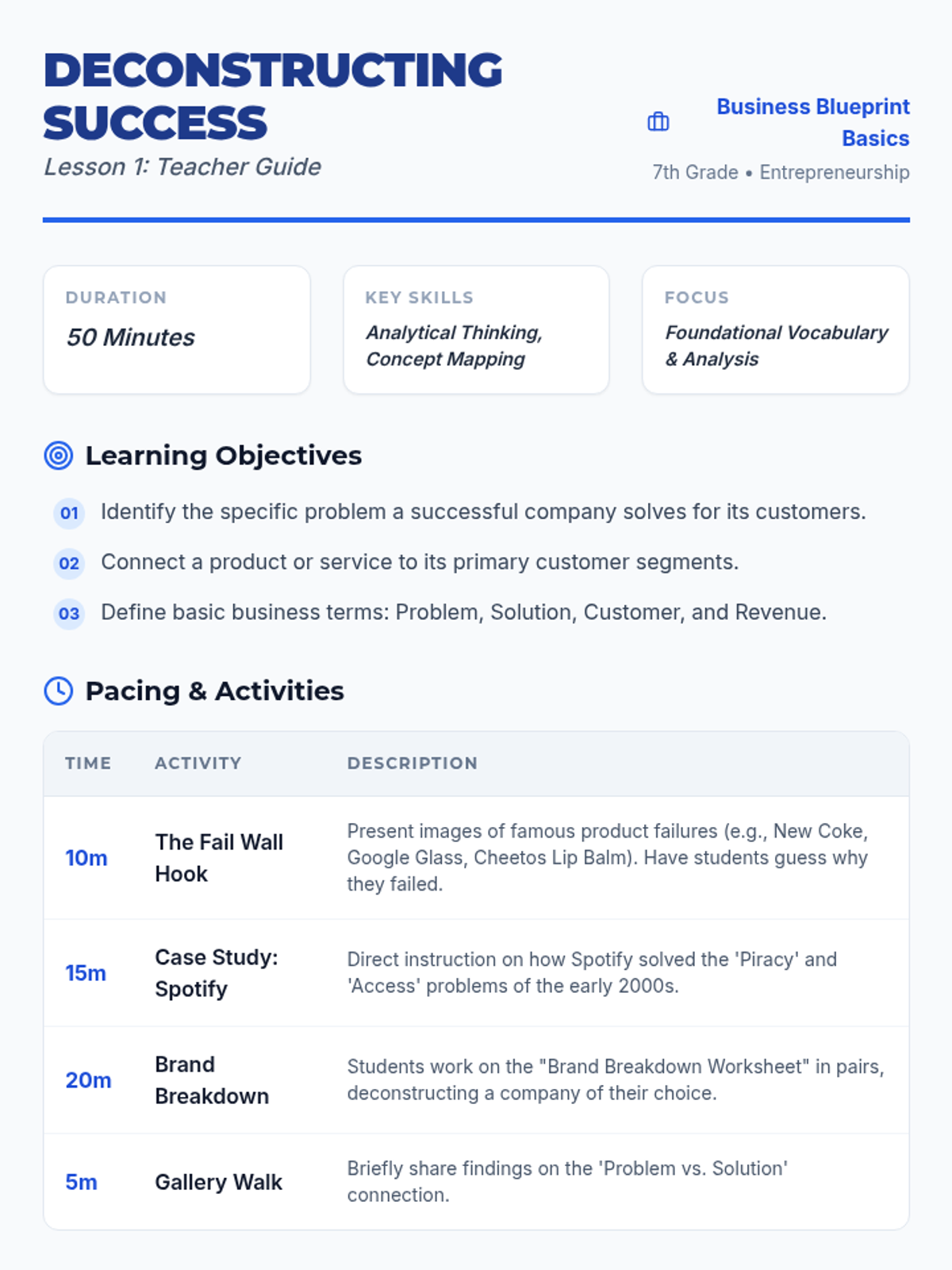
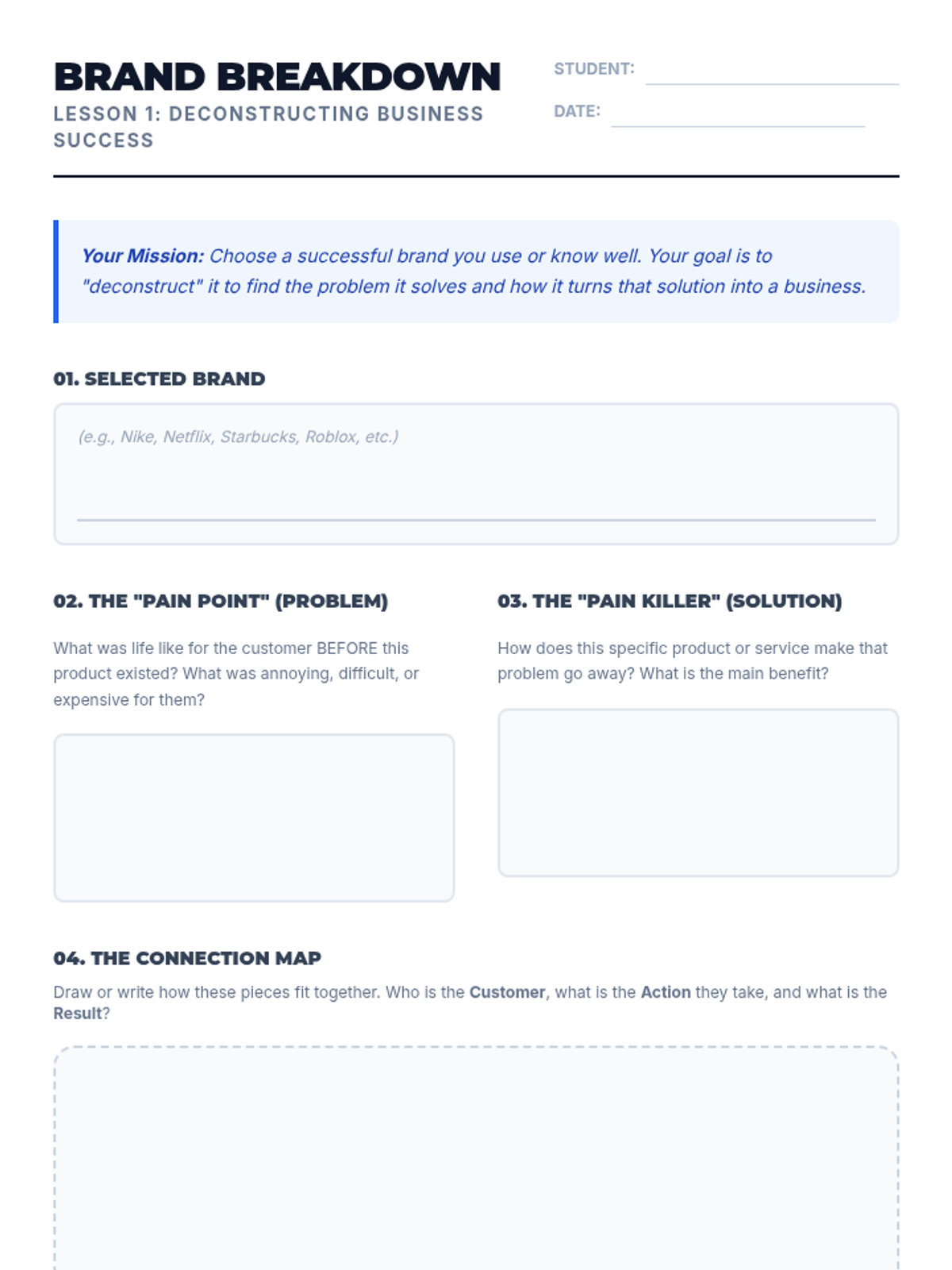
Students explore the core components of business planning by deconstructing successful brands, mapping value propositions, tracing supply chains, and analyzing revenue models. The sequence culminates in a SWOT analysis evaluation of a local business scenario to determine its real-world viability.
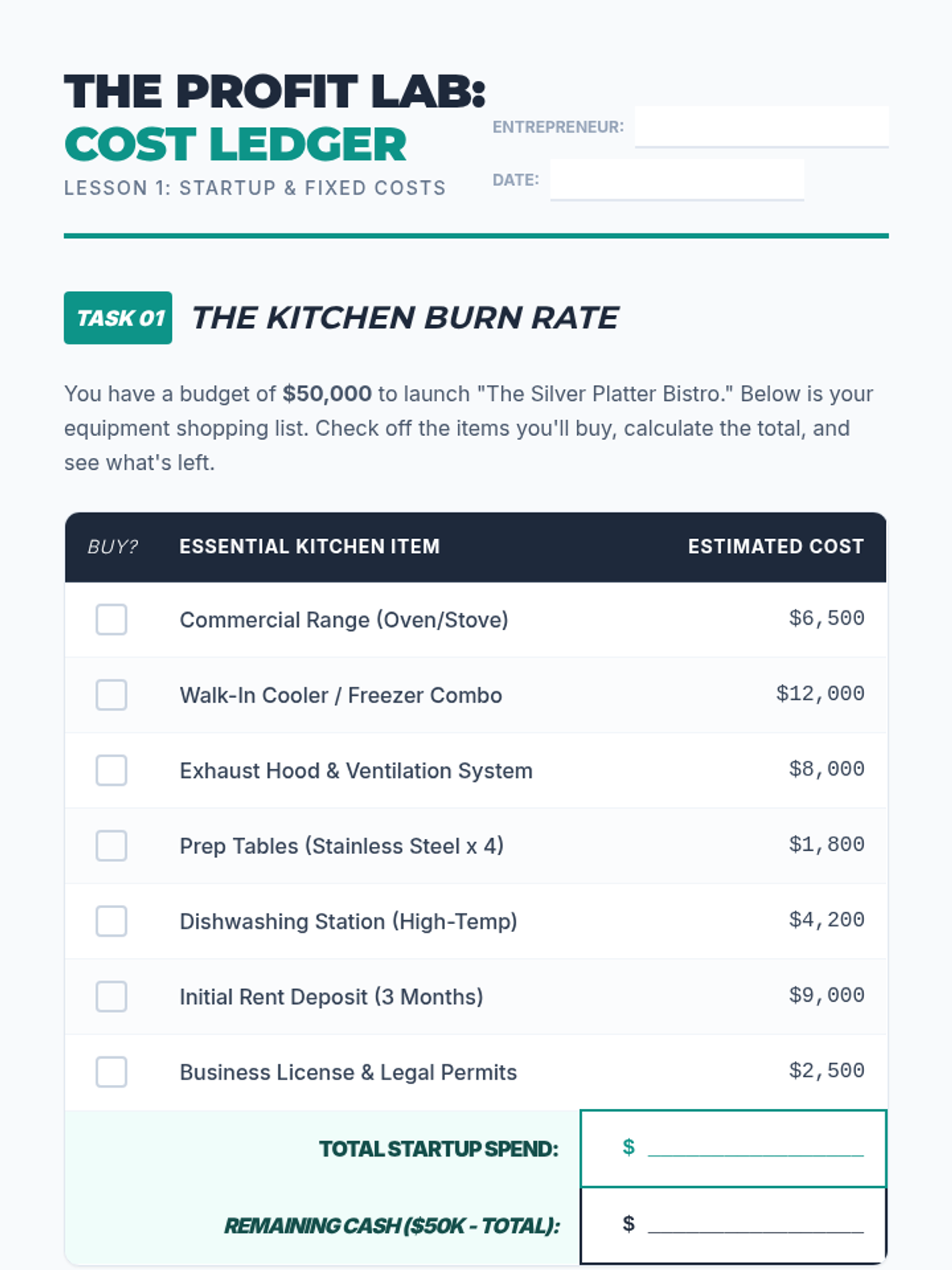
A comprehensive unit on financial literacy for young entrepreneurs, focusing on cost analysis, unit economics, revenue models, and break-even projections to determine business viability.
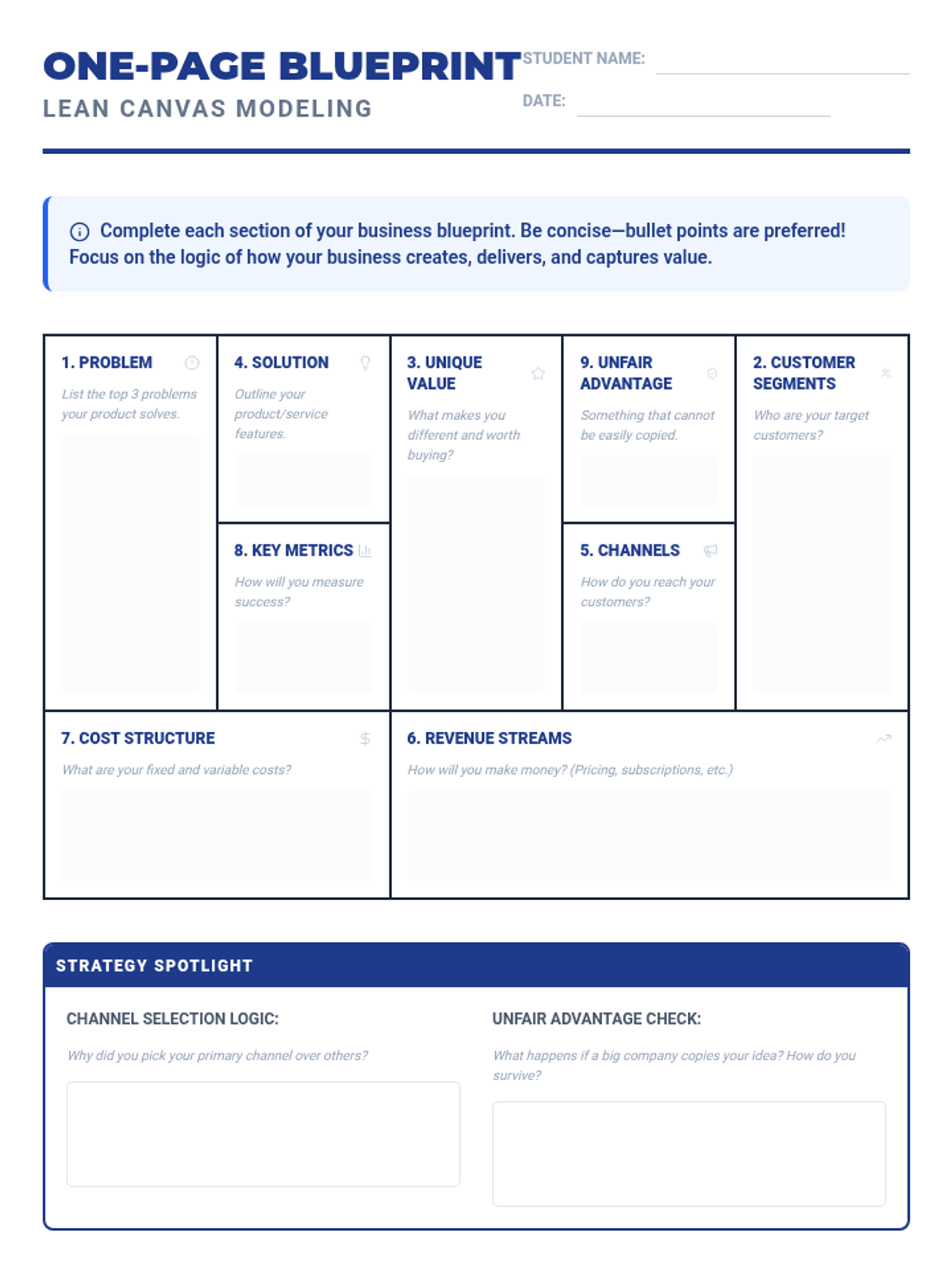
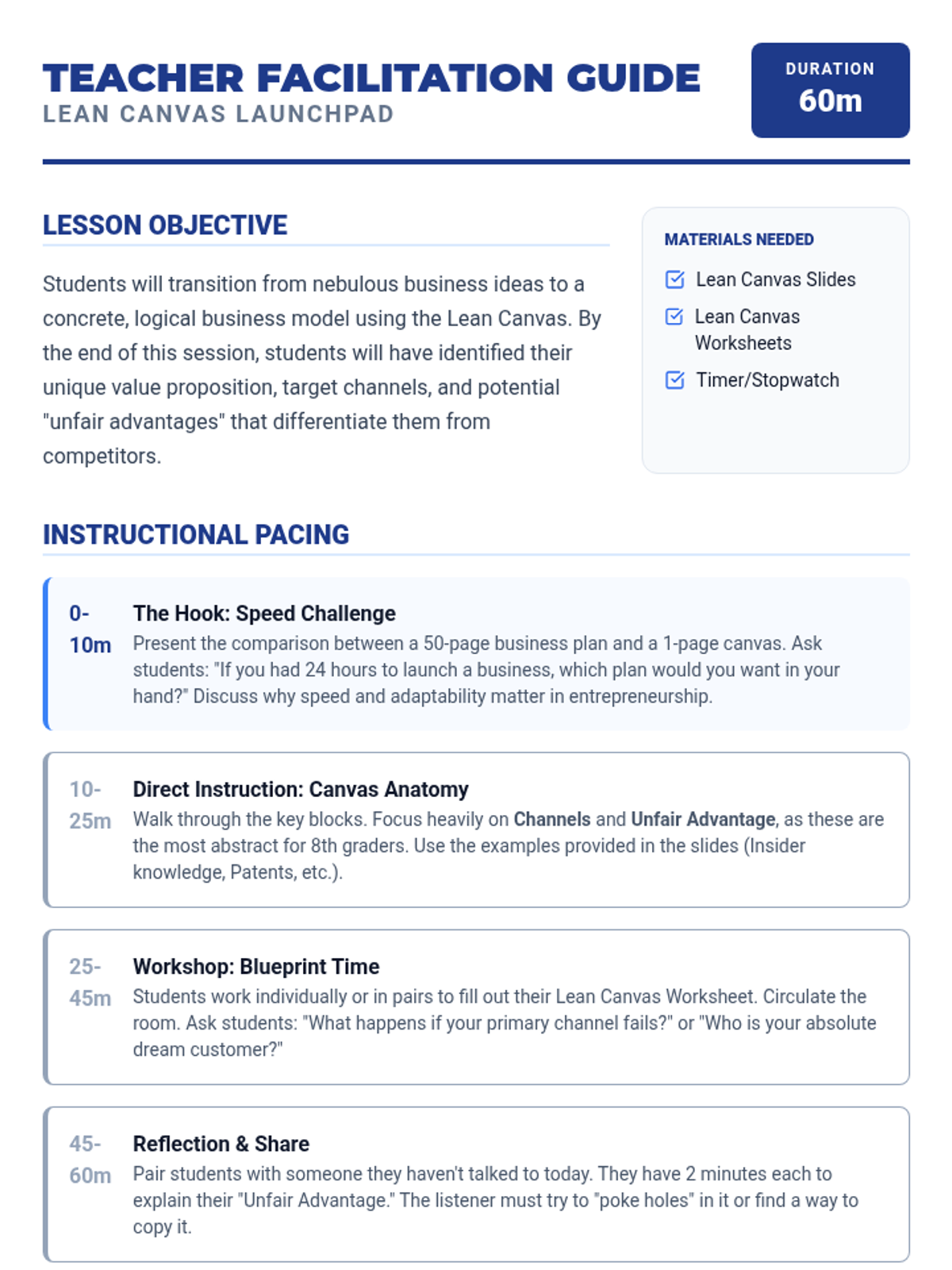
A project-based sequence where 8th-grade students transition from business concepts to tangible models and prototypes. Students use Lean Canvas modeling, financial estimation, and iterative prototyping to validate their ideas before a final pitch.