Active listening, assertive expression, and boundary-setting strategies for interpersonal success. Develops proficiency in conflict mediation, cooperative teamwork, and the cultivation of healthy romantic and platonic connections.
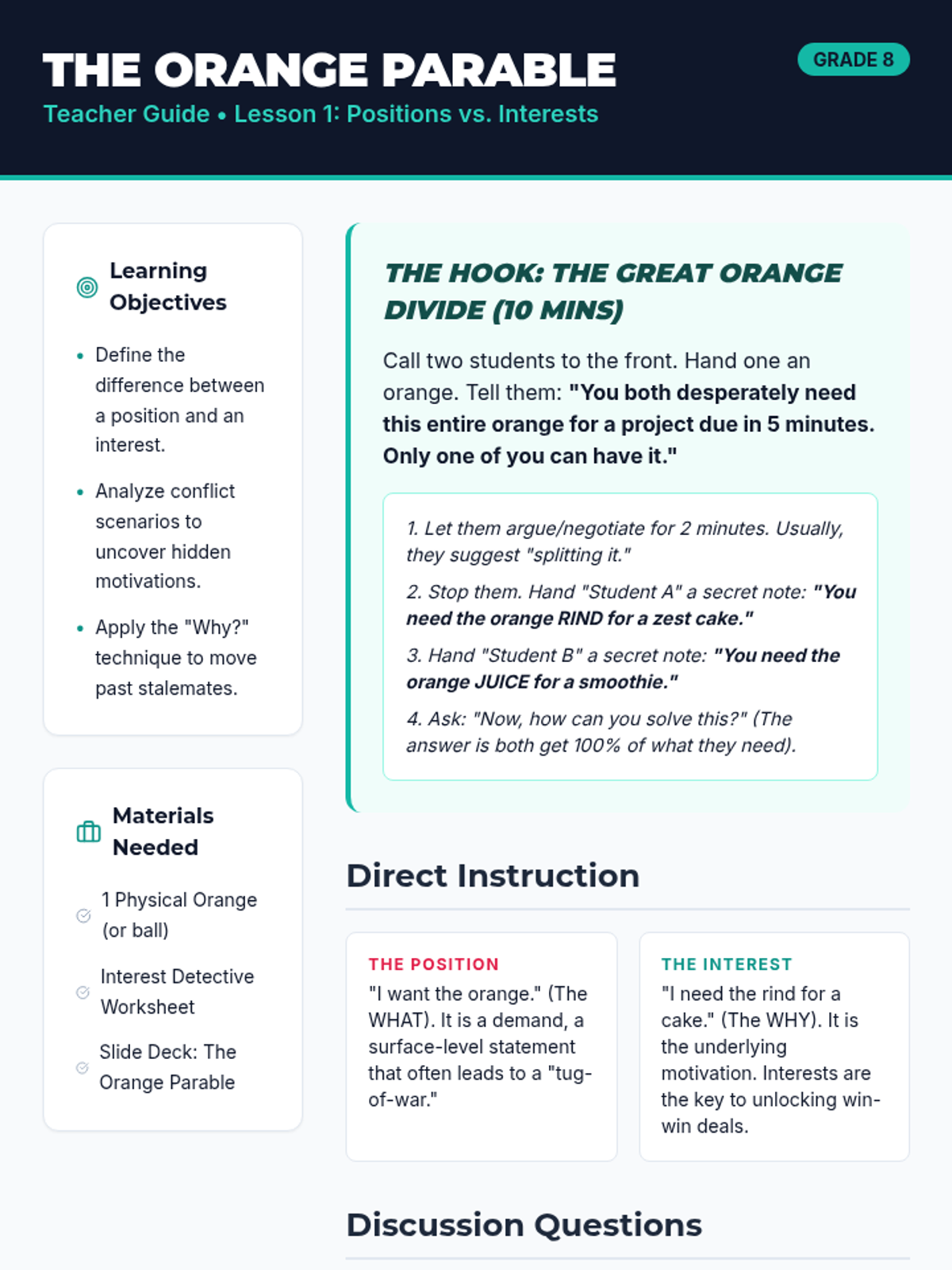
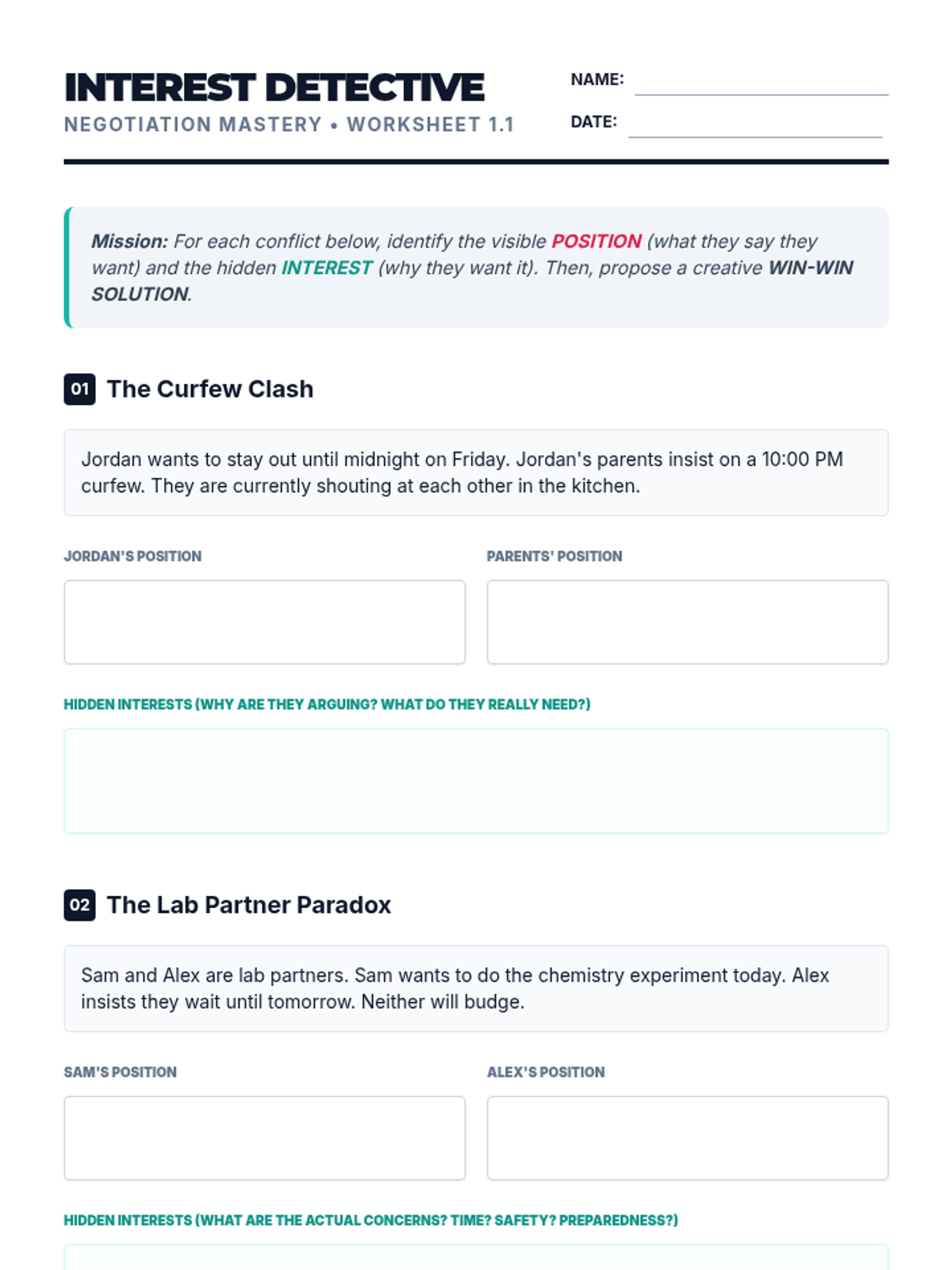
This sequence teaches 7th-grade students how to move beyond simple compromise to collaborative negotiation. Students learn to separate people from problems, brainstorm creative 'win-win' options, use objective criteria for fairness, and develop a BATNA (Best Alternative to a Negotiated Agreement) to handle complex conflicts effectively while preserving relationships.
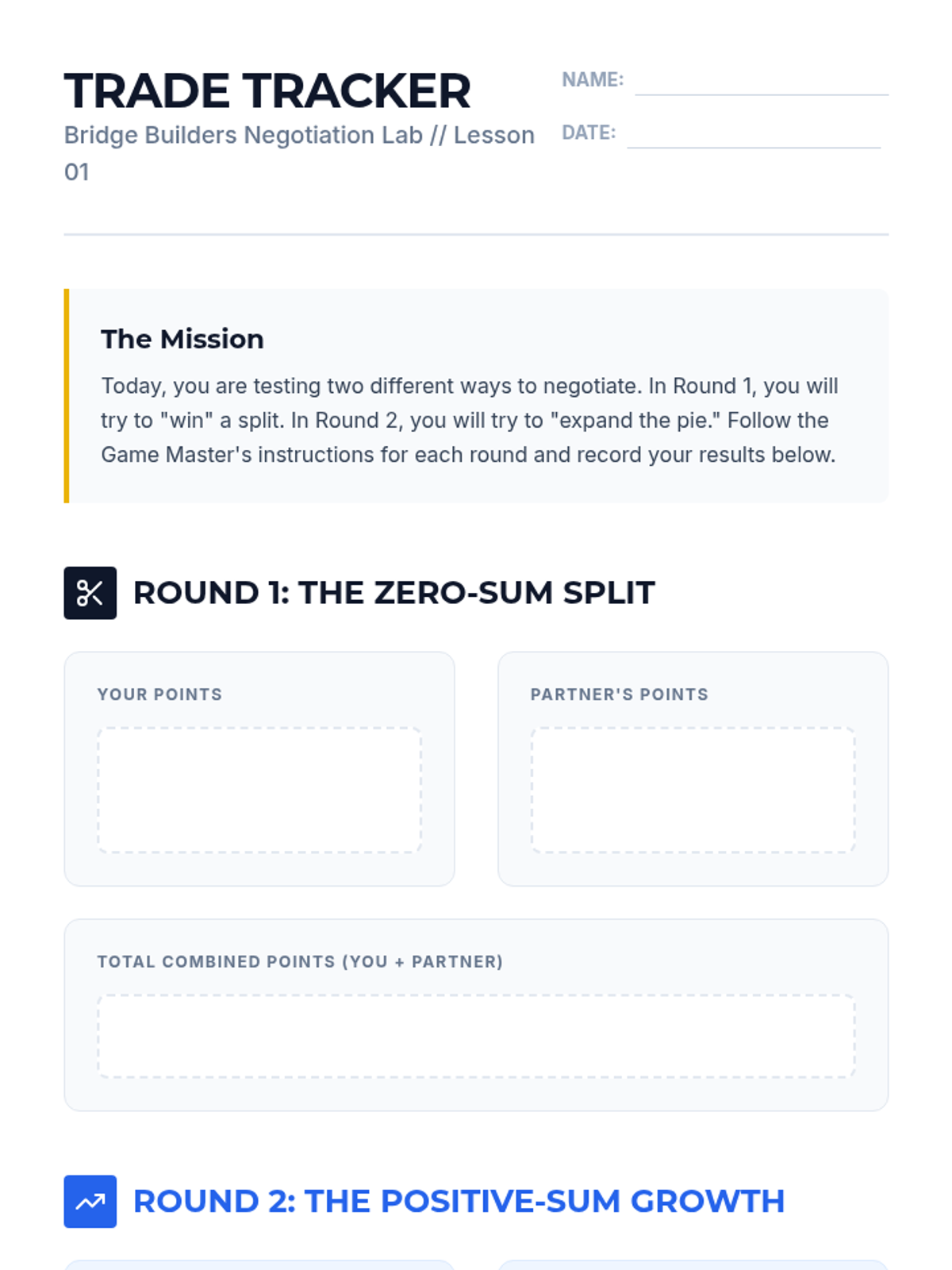
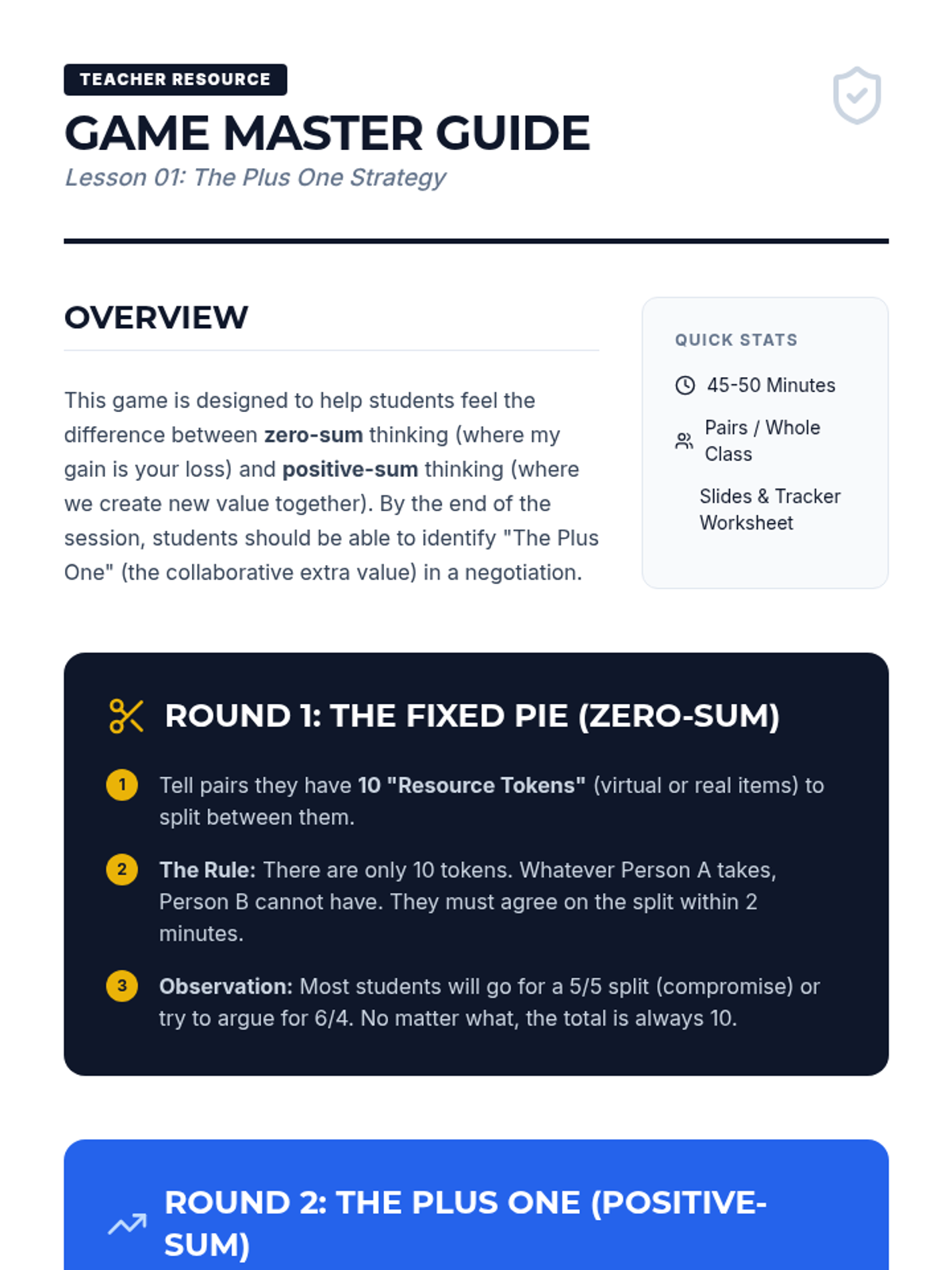
A game-based sequence teaching 8th-grade students the mechanics of principled negotiation. Students learn to move from competitive 'win-lose' mindsets to collaborative 'win-win' solutions by identifying interests, generating options, using objective criteria, and understanding their BATNA.
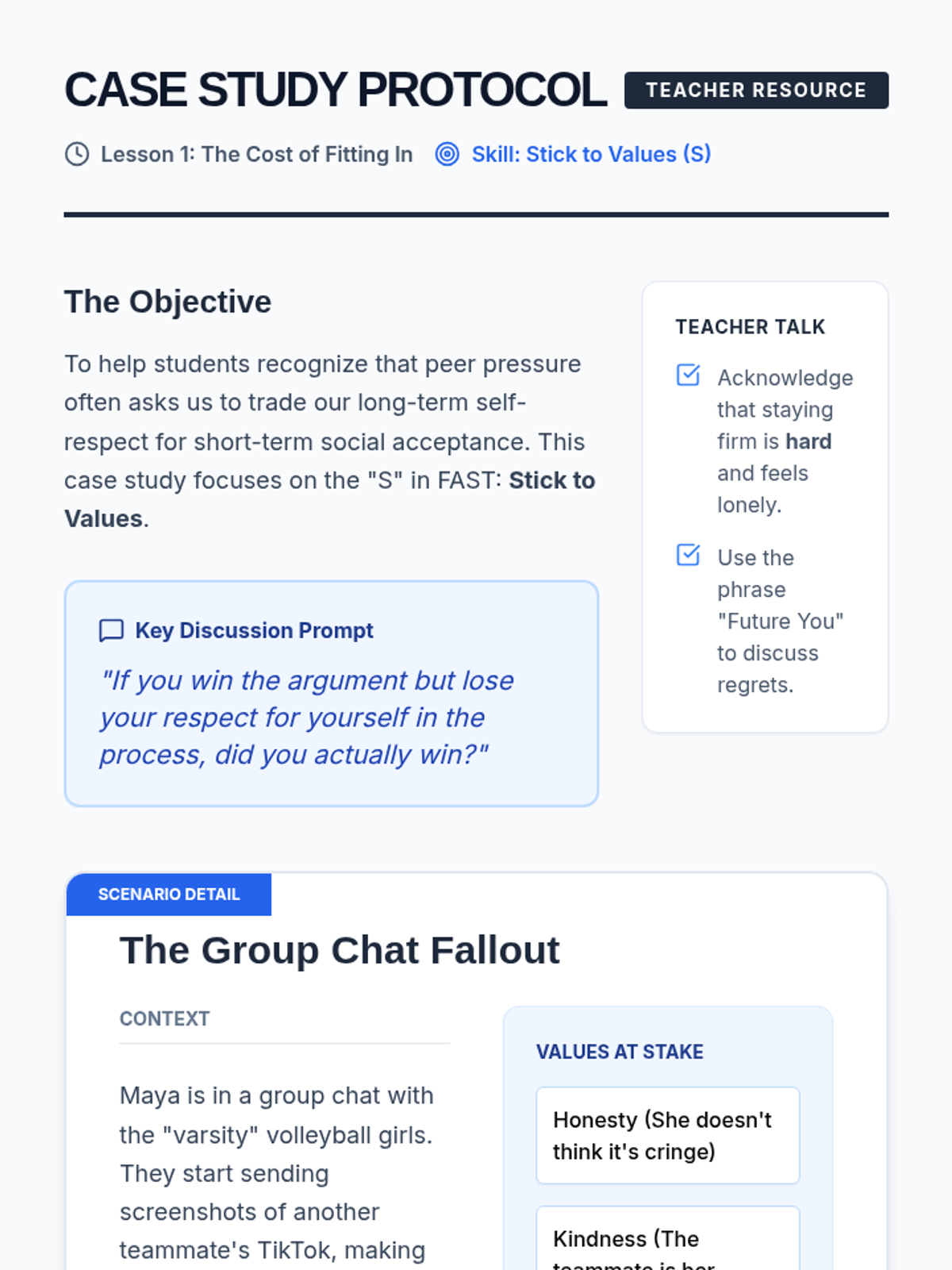
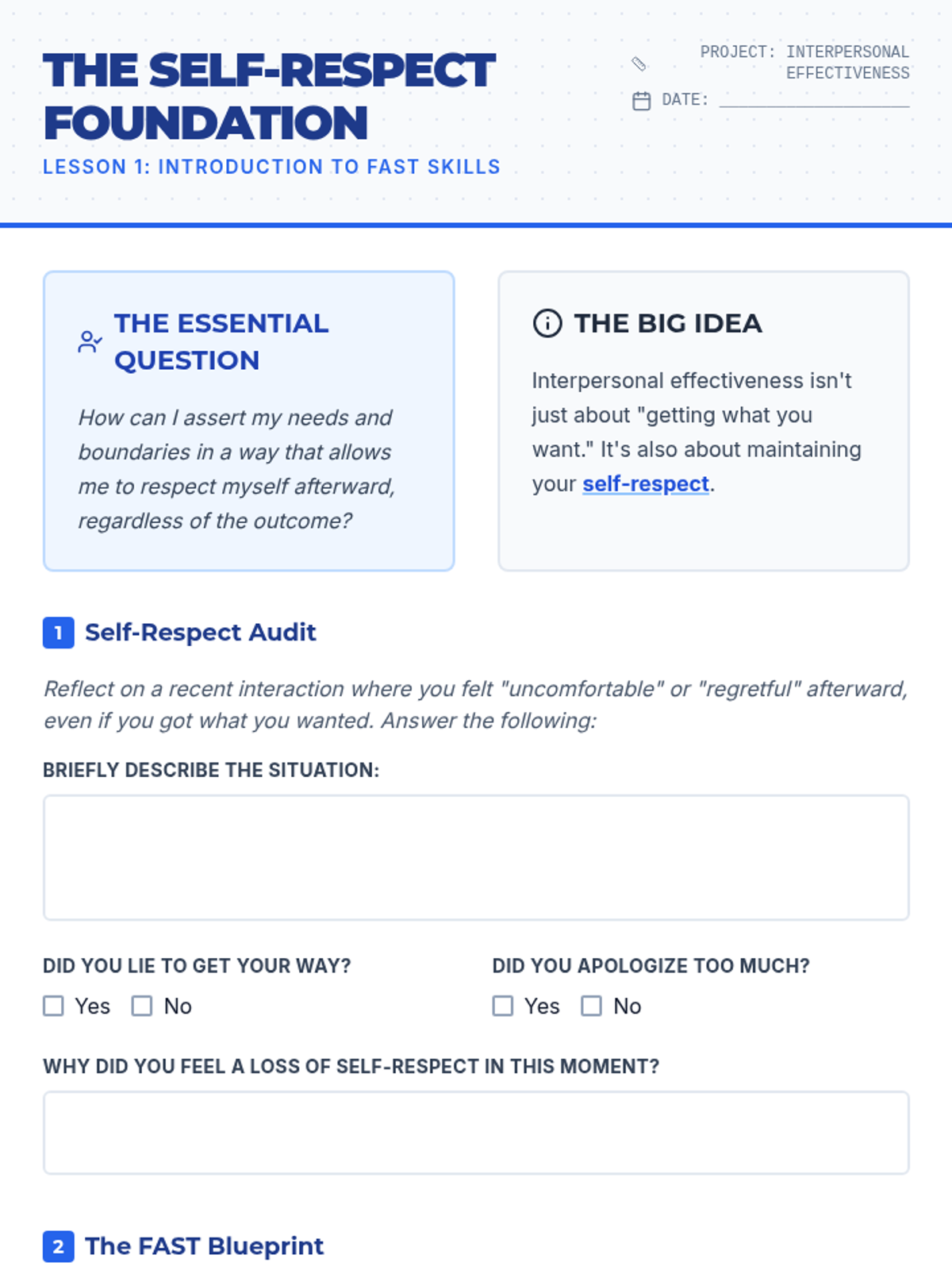
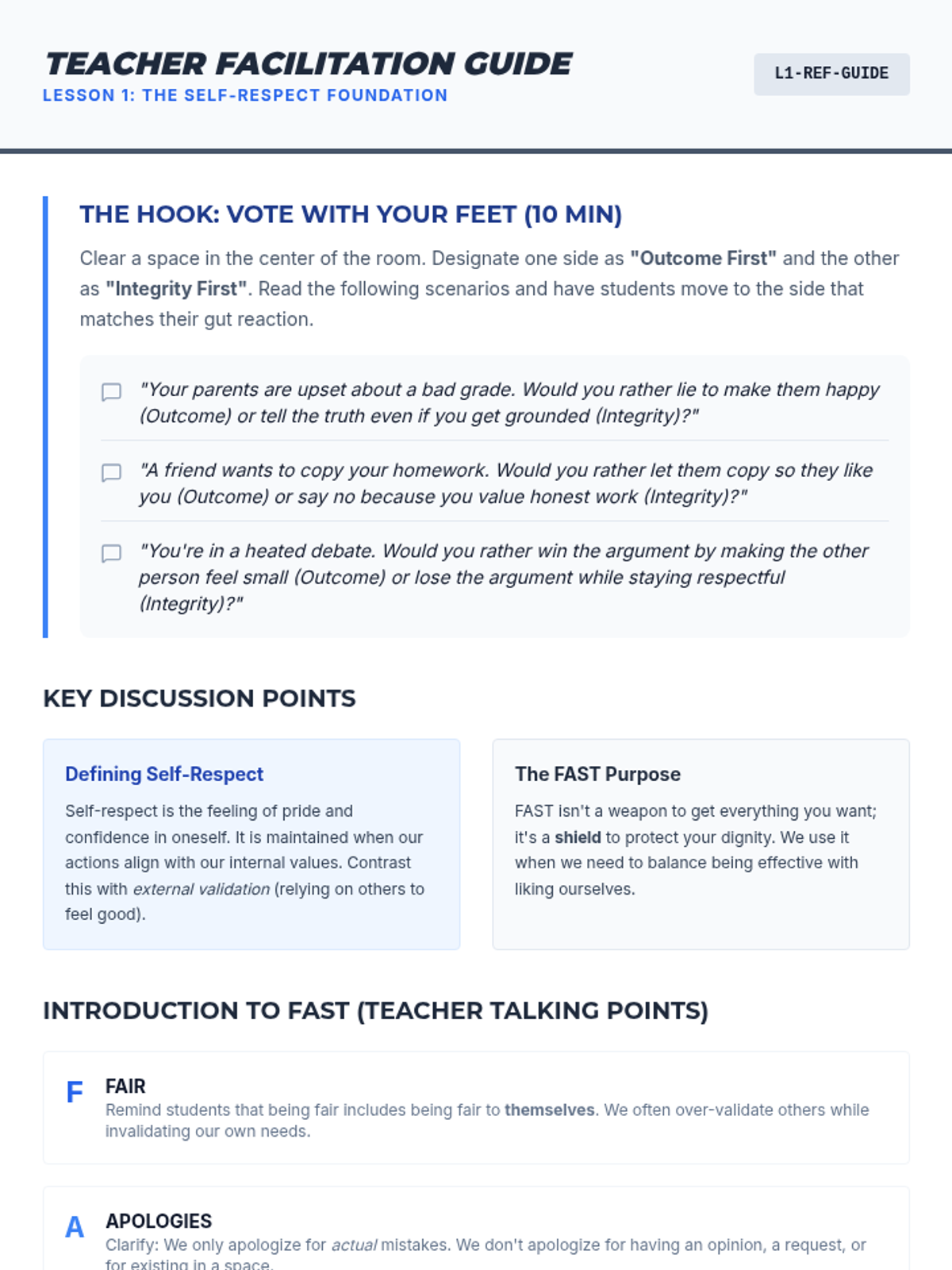
An 8th-grade counseling sequence exploring the FAST skills for self-respect (Fair, No Apologies, Stick to Values, Truthful). Students analyze social pressure, digital authenticity, and conflict resolution through case studies and creative projects.
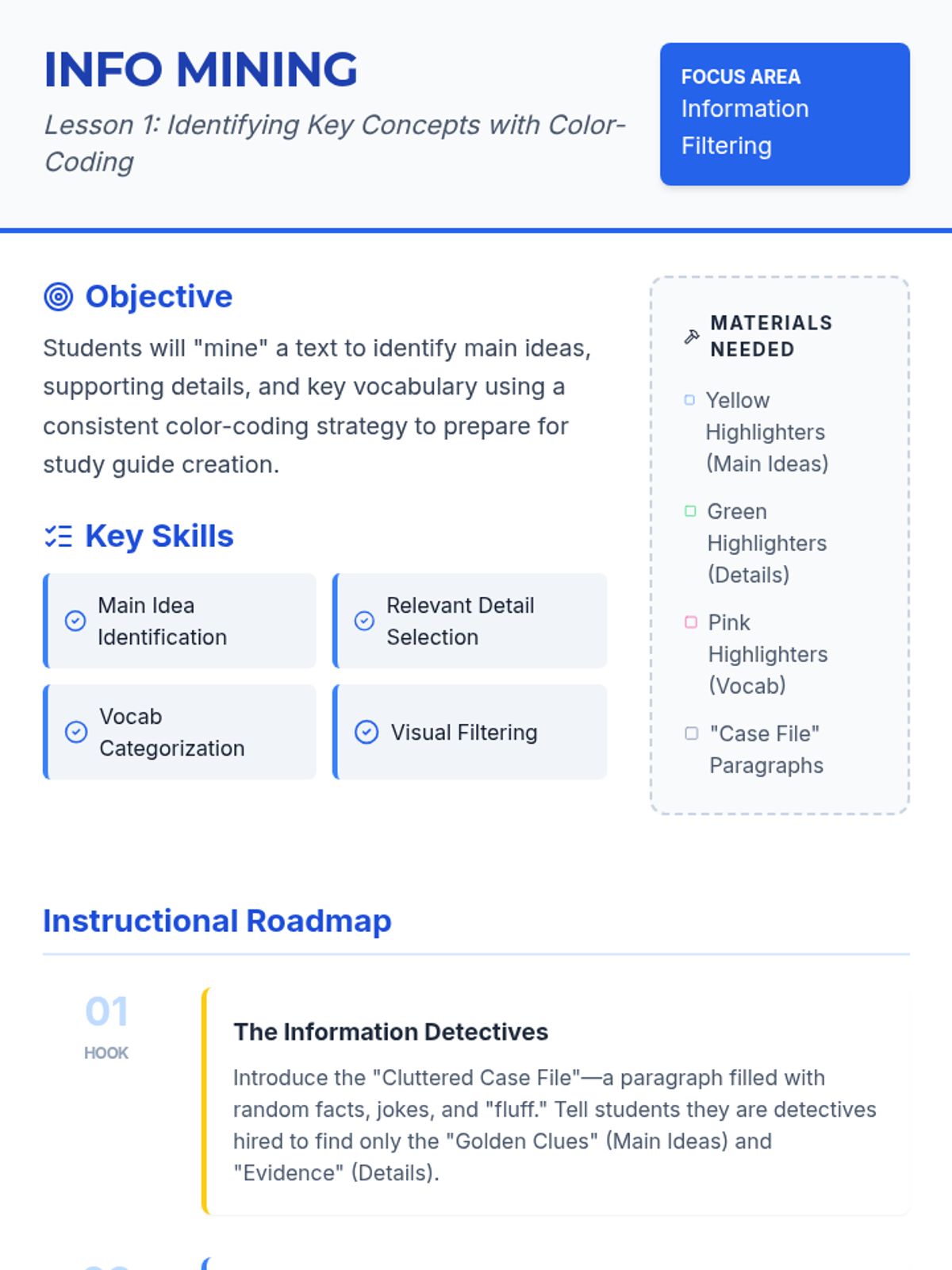
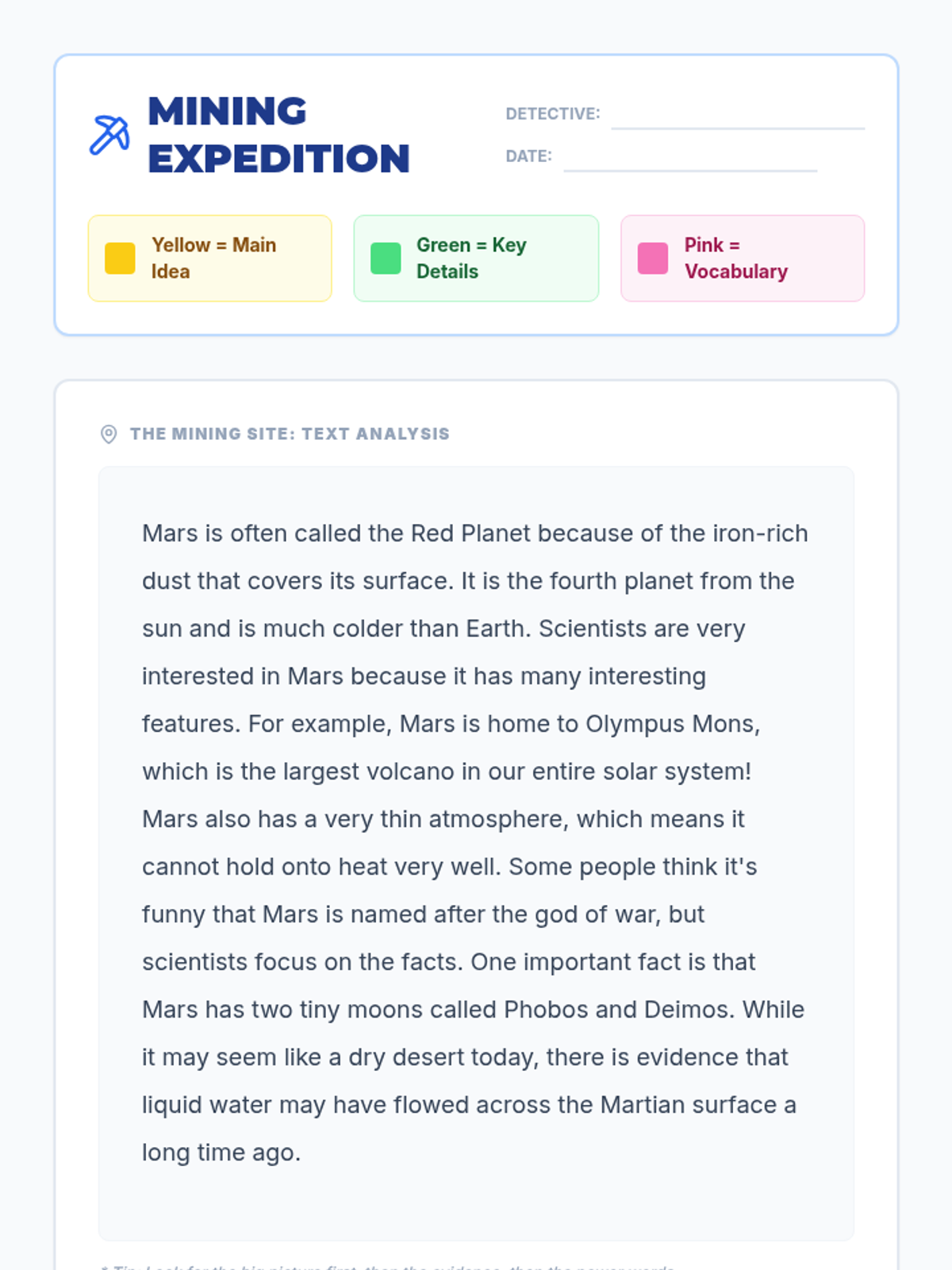
A sequence focused on helping students transform passive reading into active, visual study tools. Students learn color-coding, concept mapping, foldable creation, and comparison charting to organize and retain information.
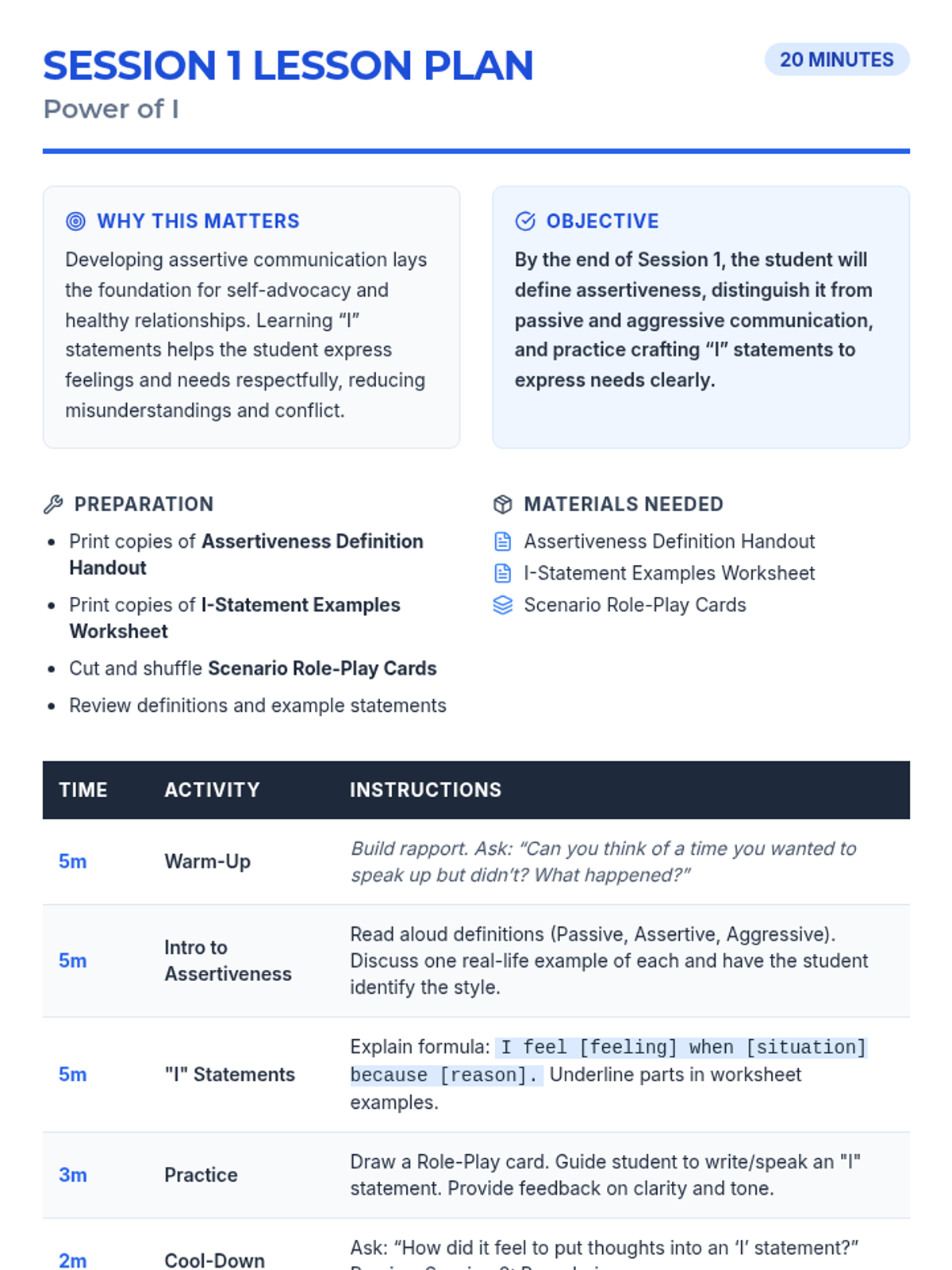
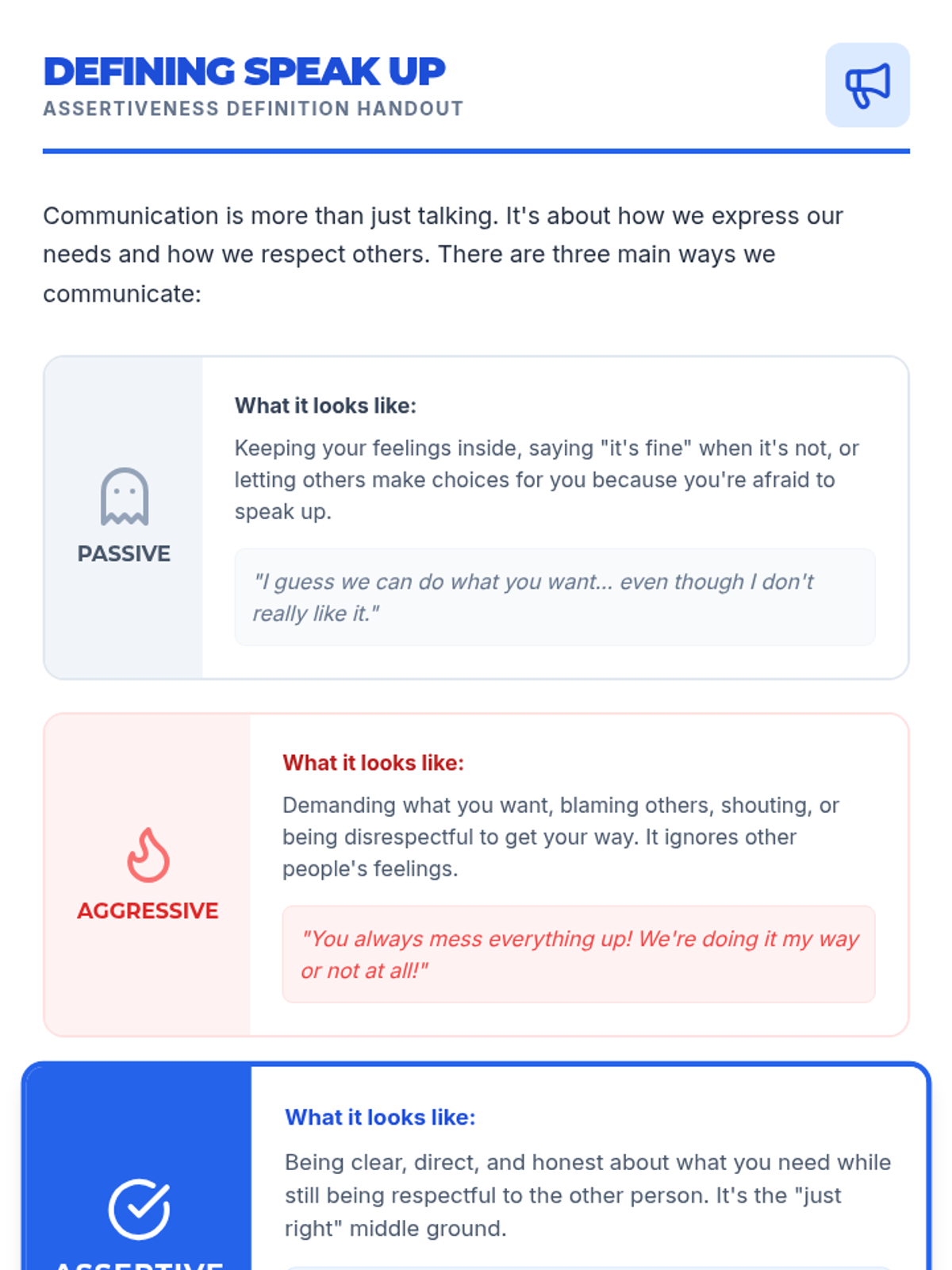
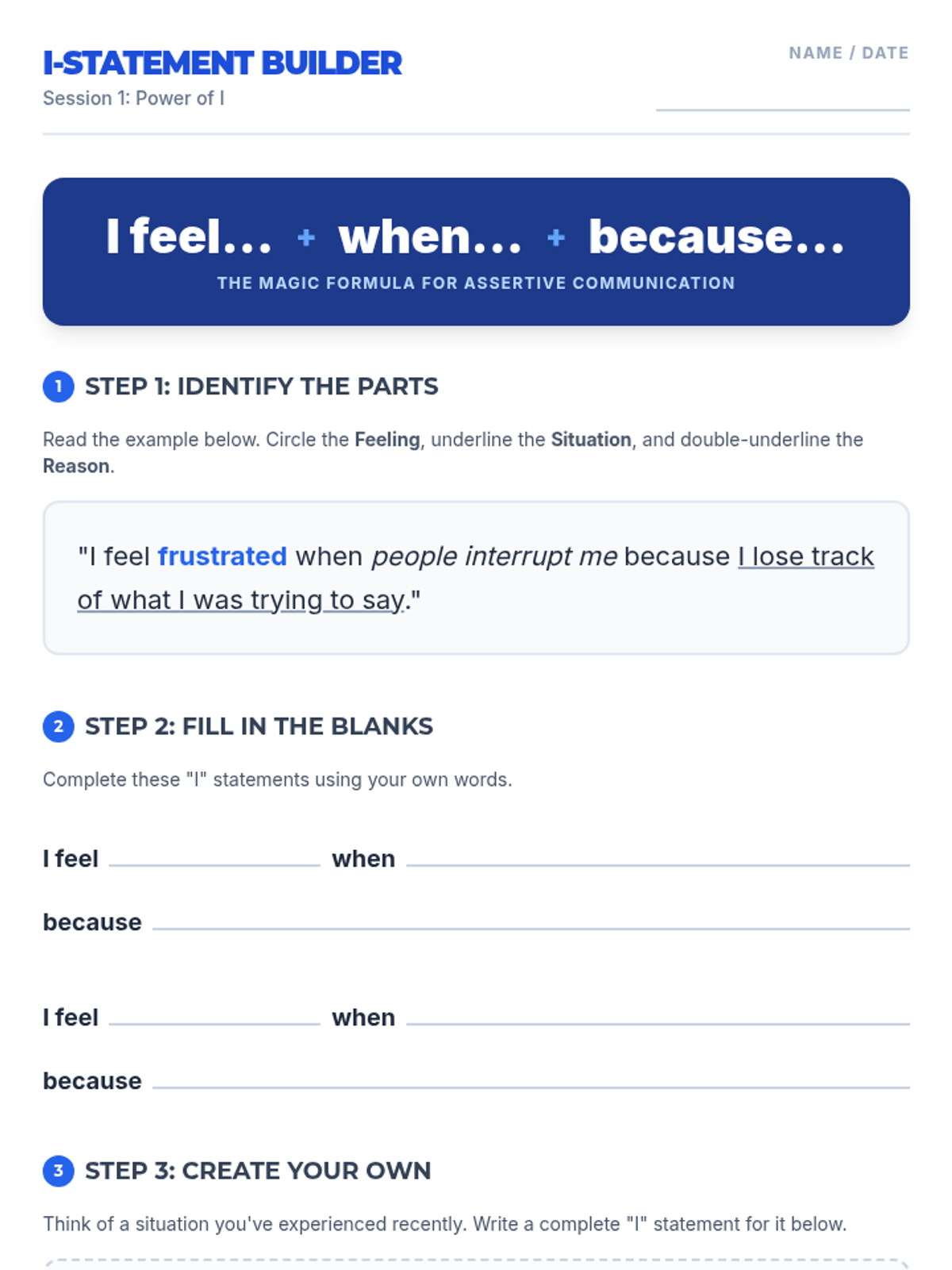
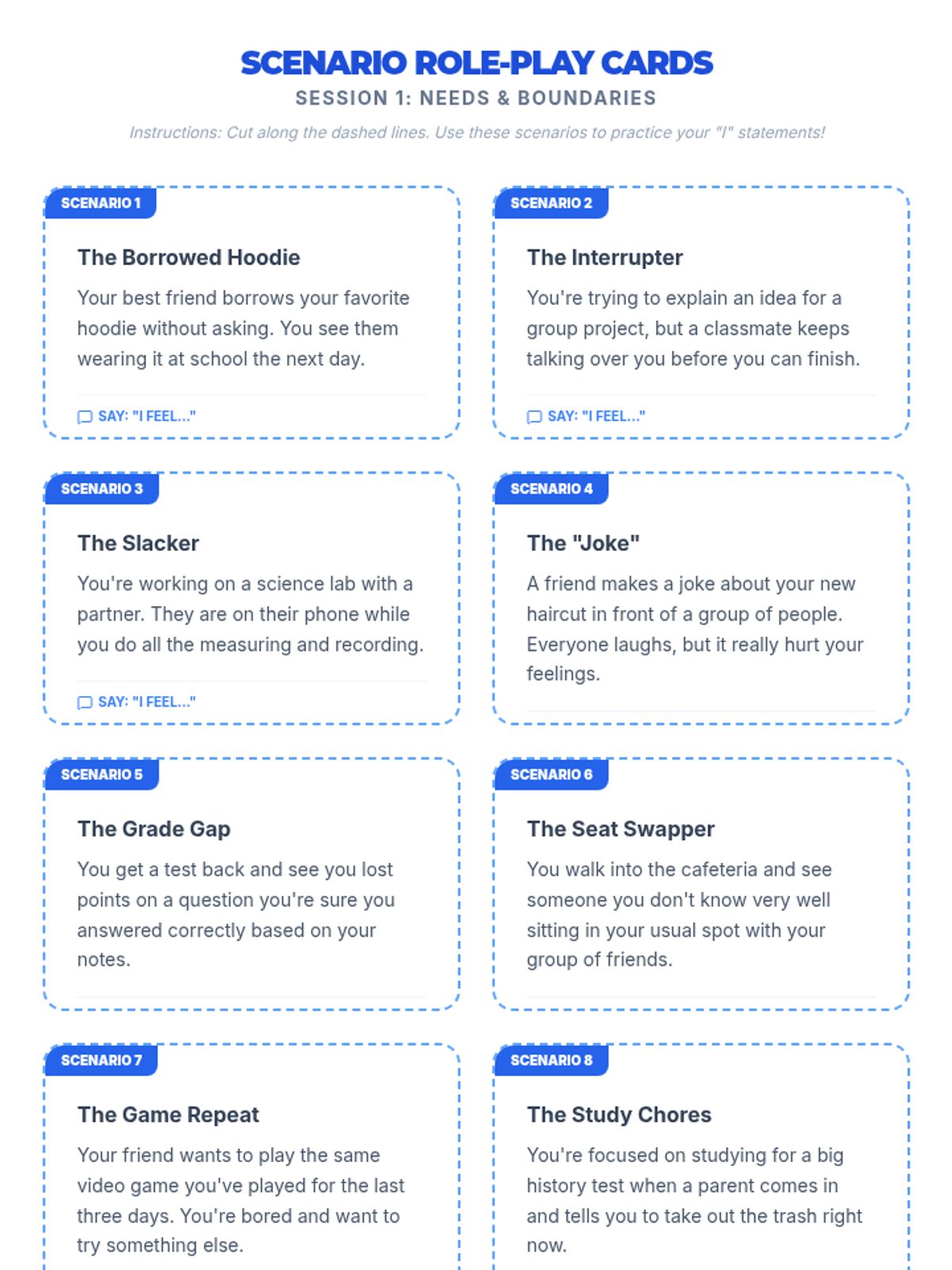
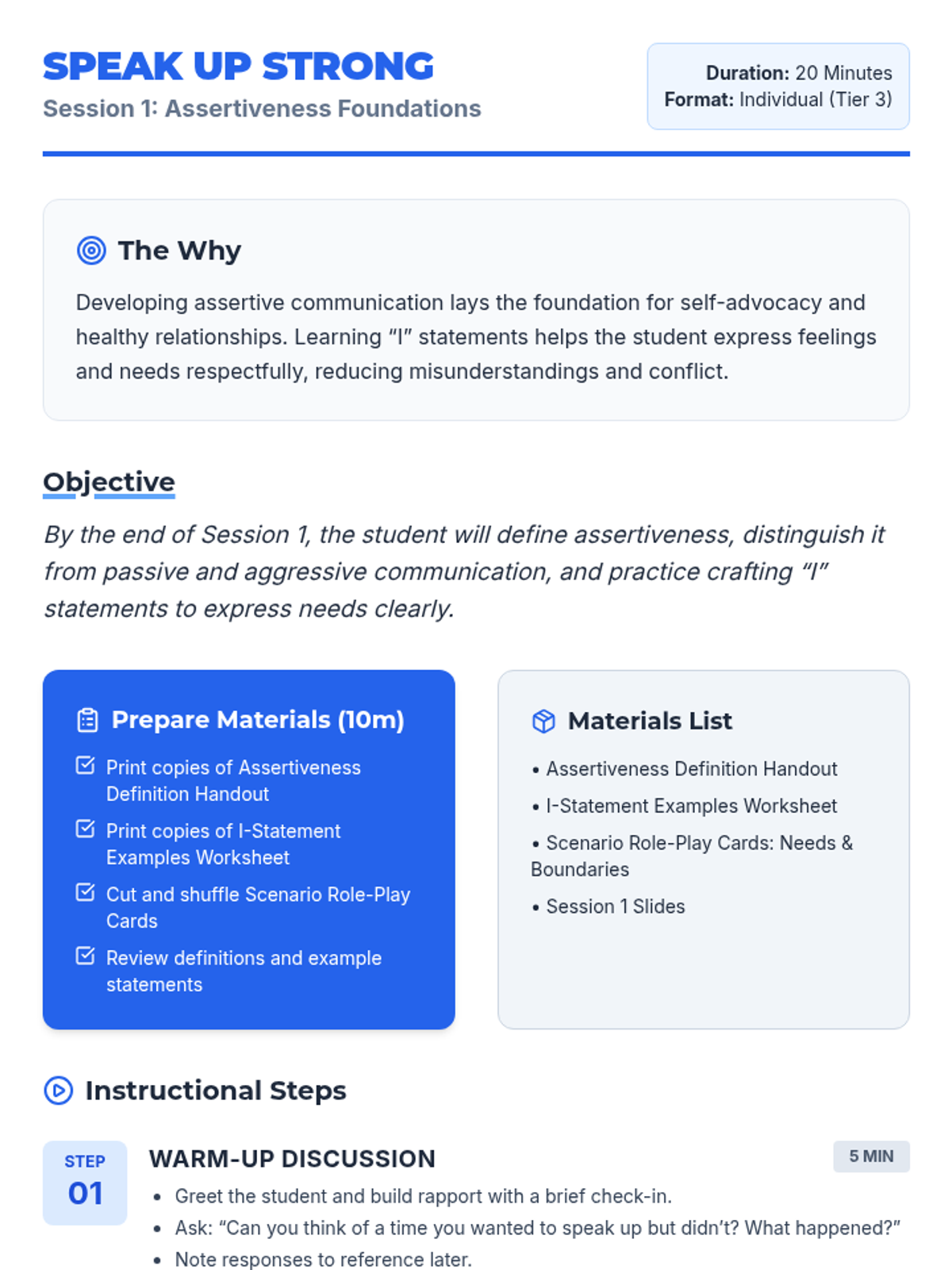
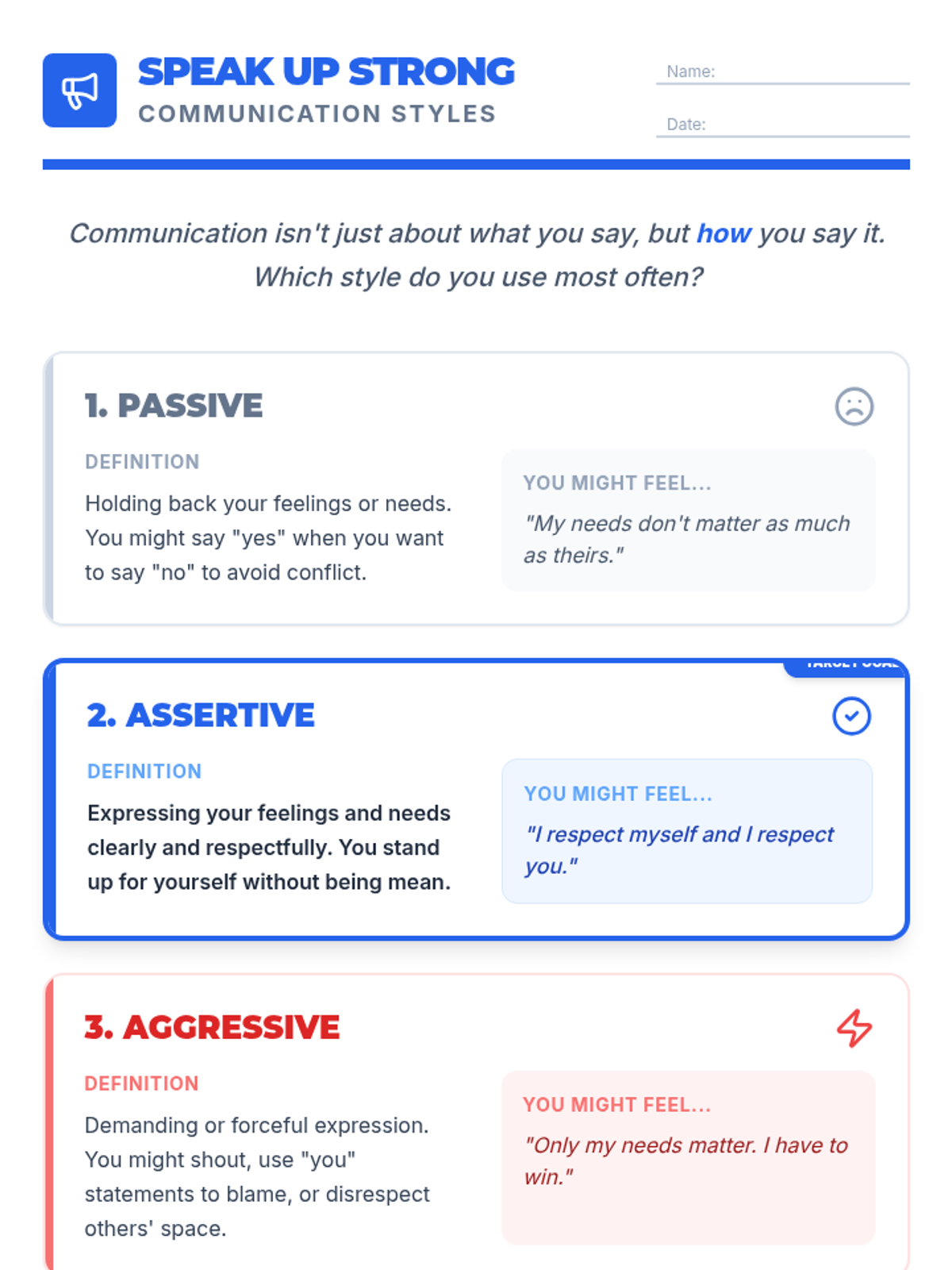
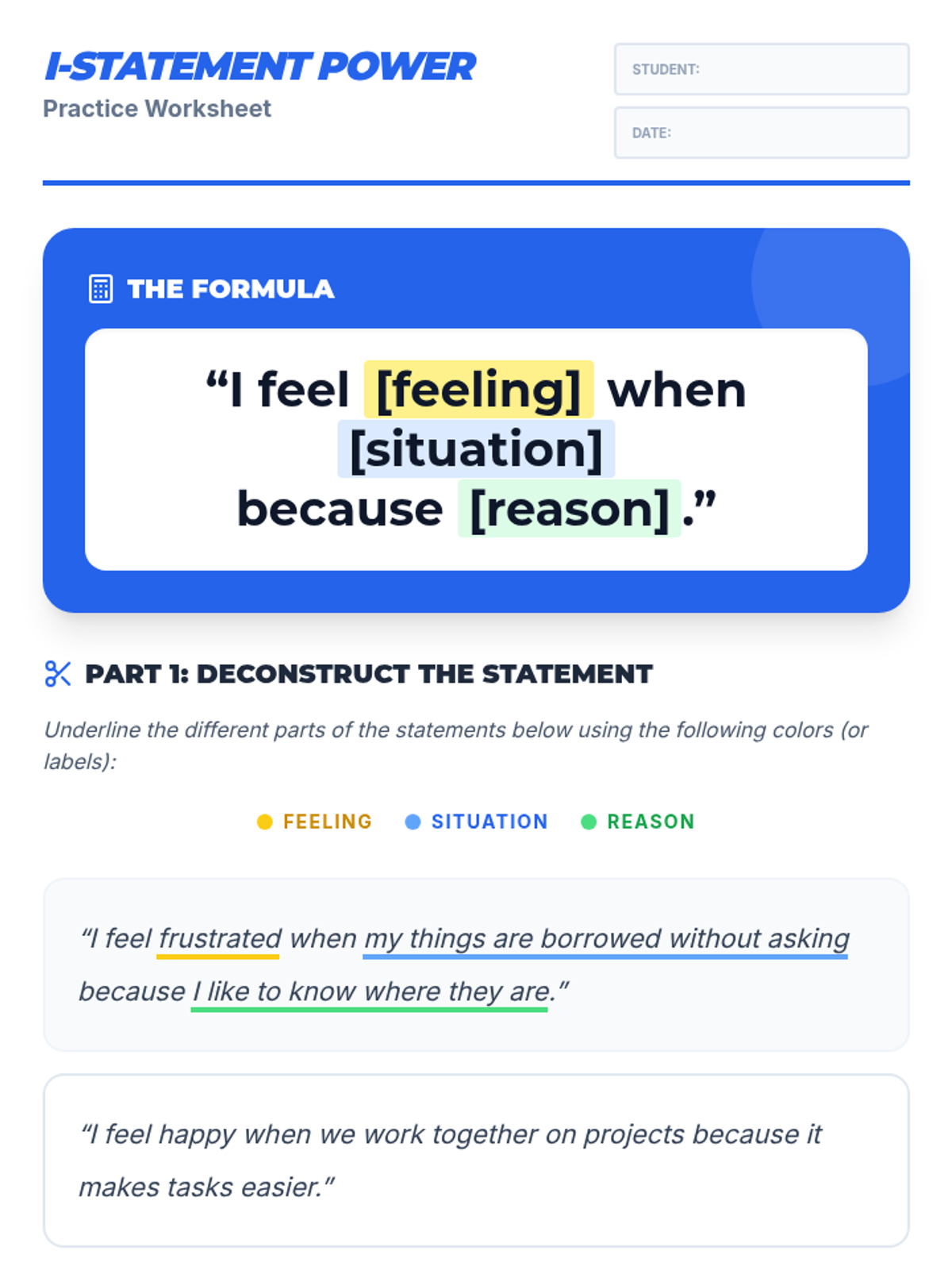
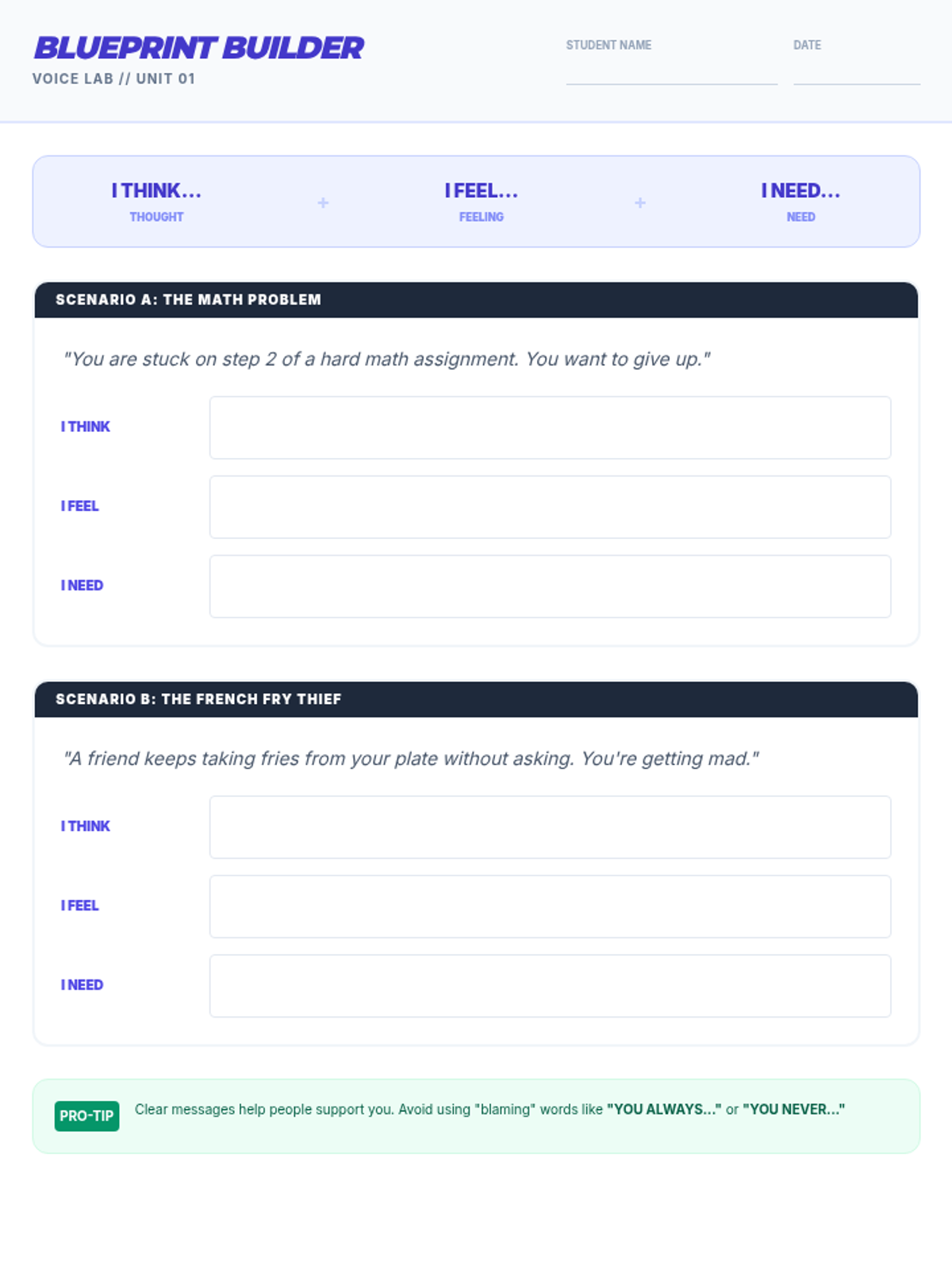
A 5-session intensive for middle school students to develop assertive communication skills, focusing on I-statements, boundaries, refusals, and long-term maintenance.
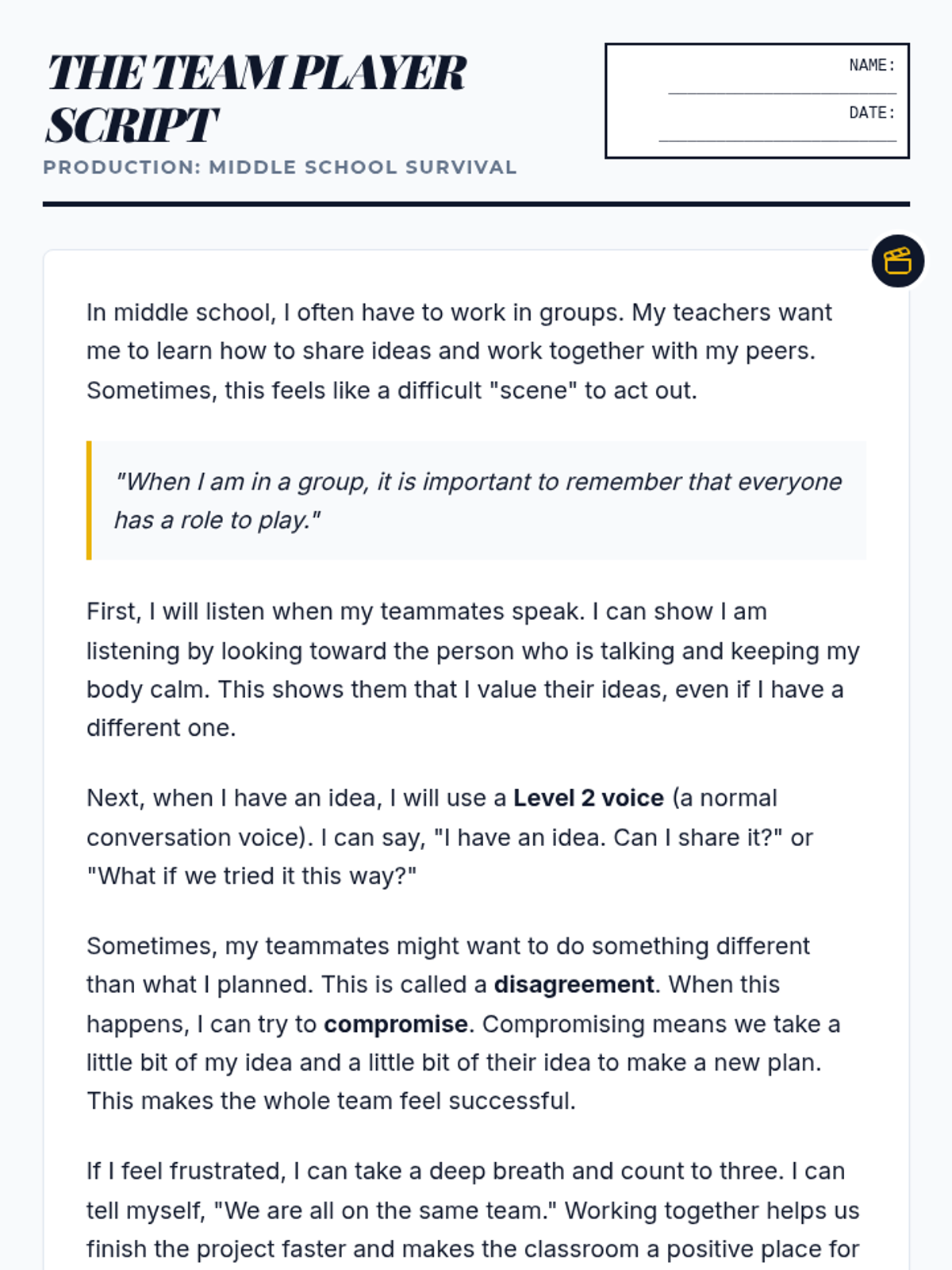
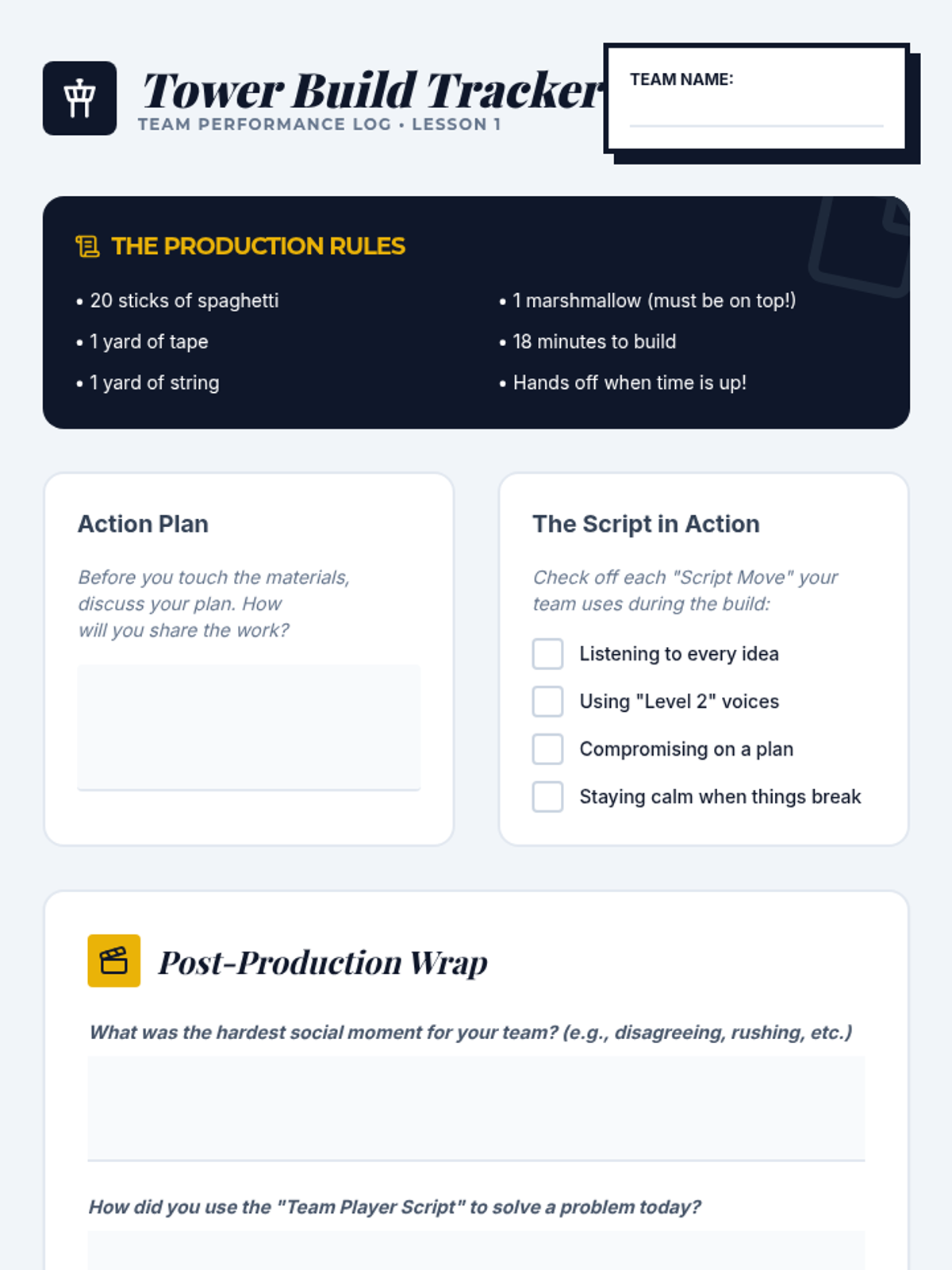
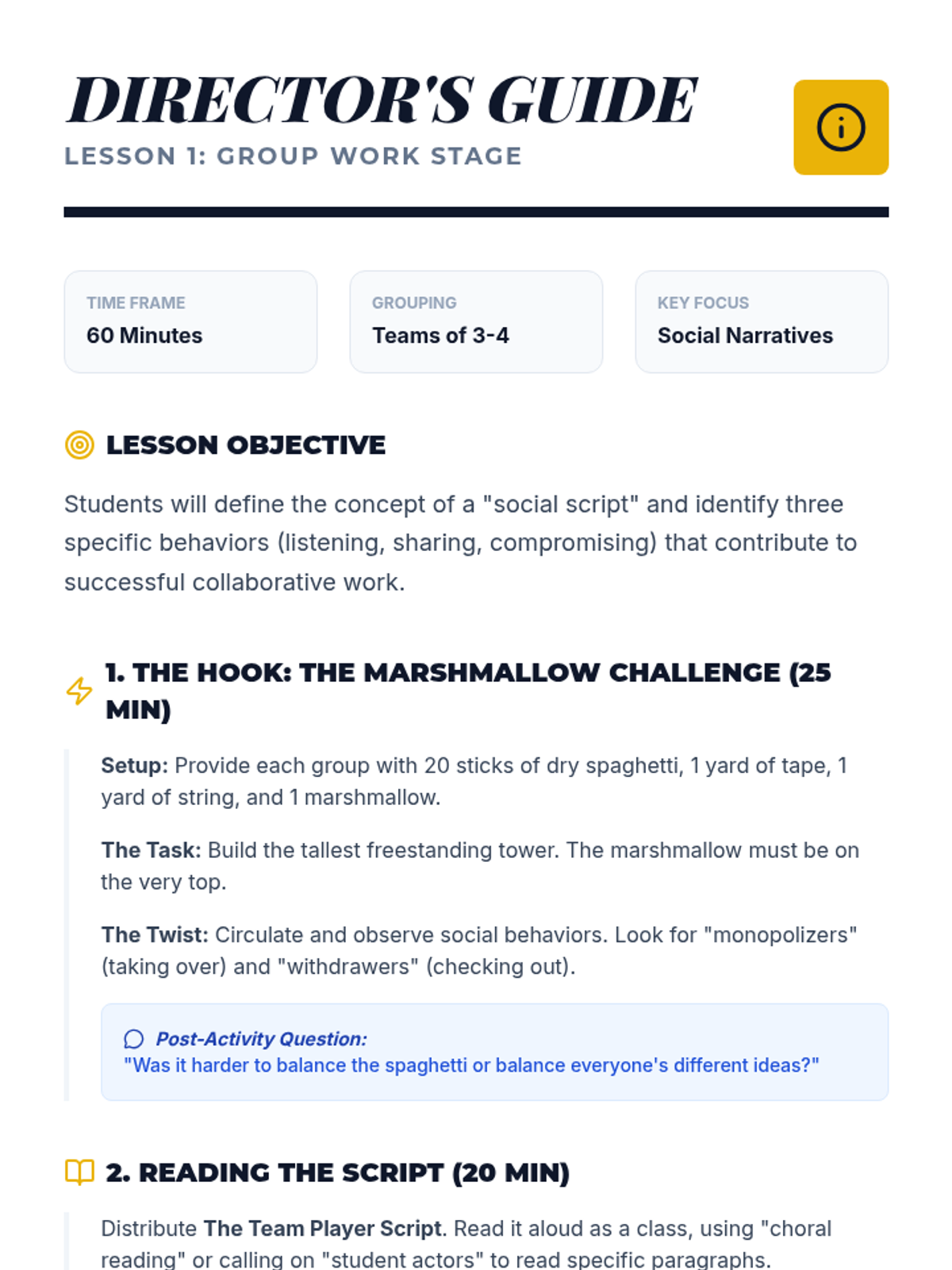
A comprehensive 6th-grade sequence focused on understanding and applying social narratives (Social Stories) to common middle school interactions like group work, sarcasm, conflict, and personal space through a "Director's Cut" cinematic theme.
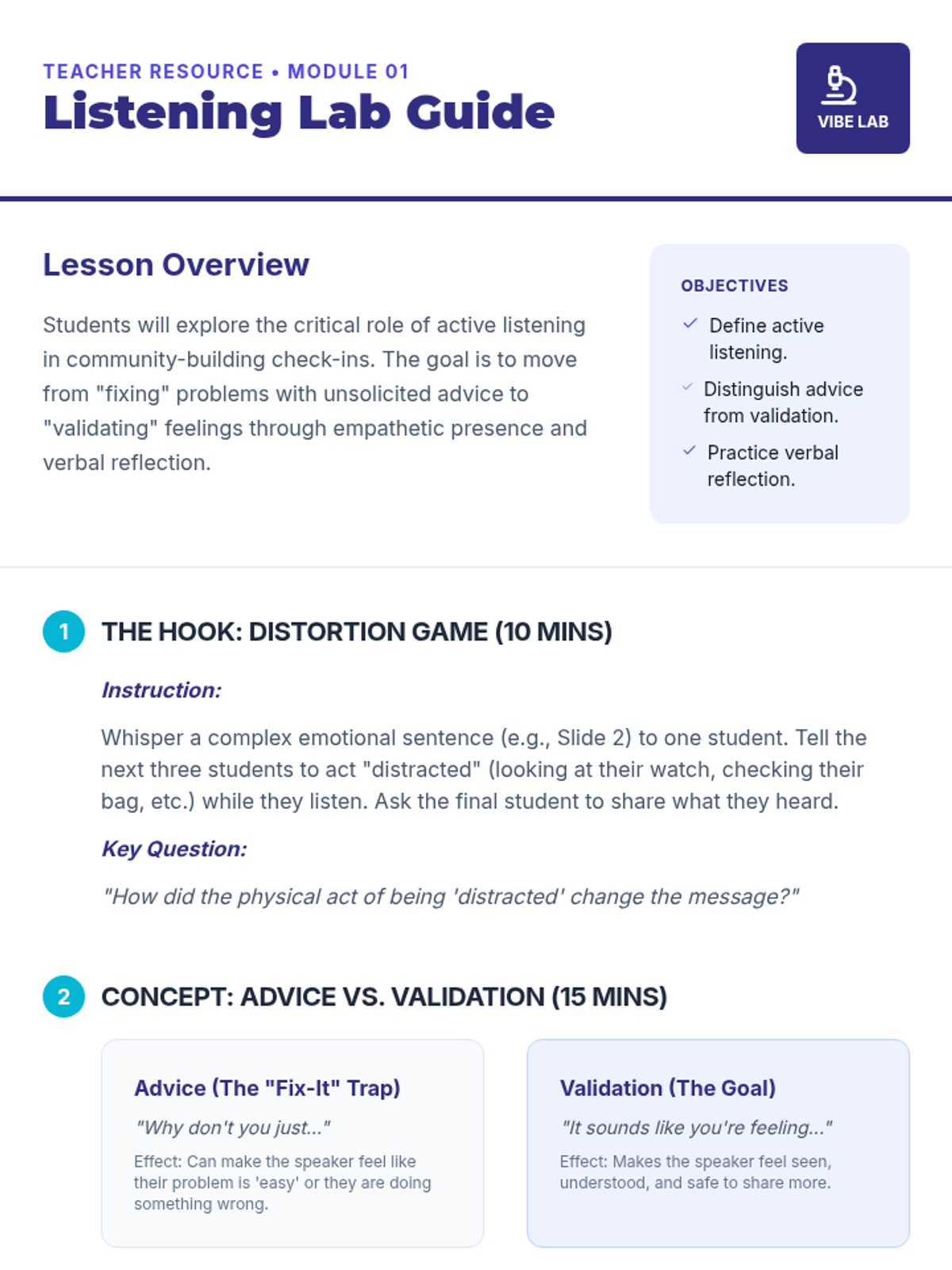
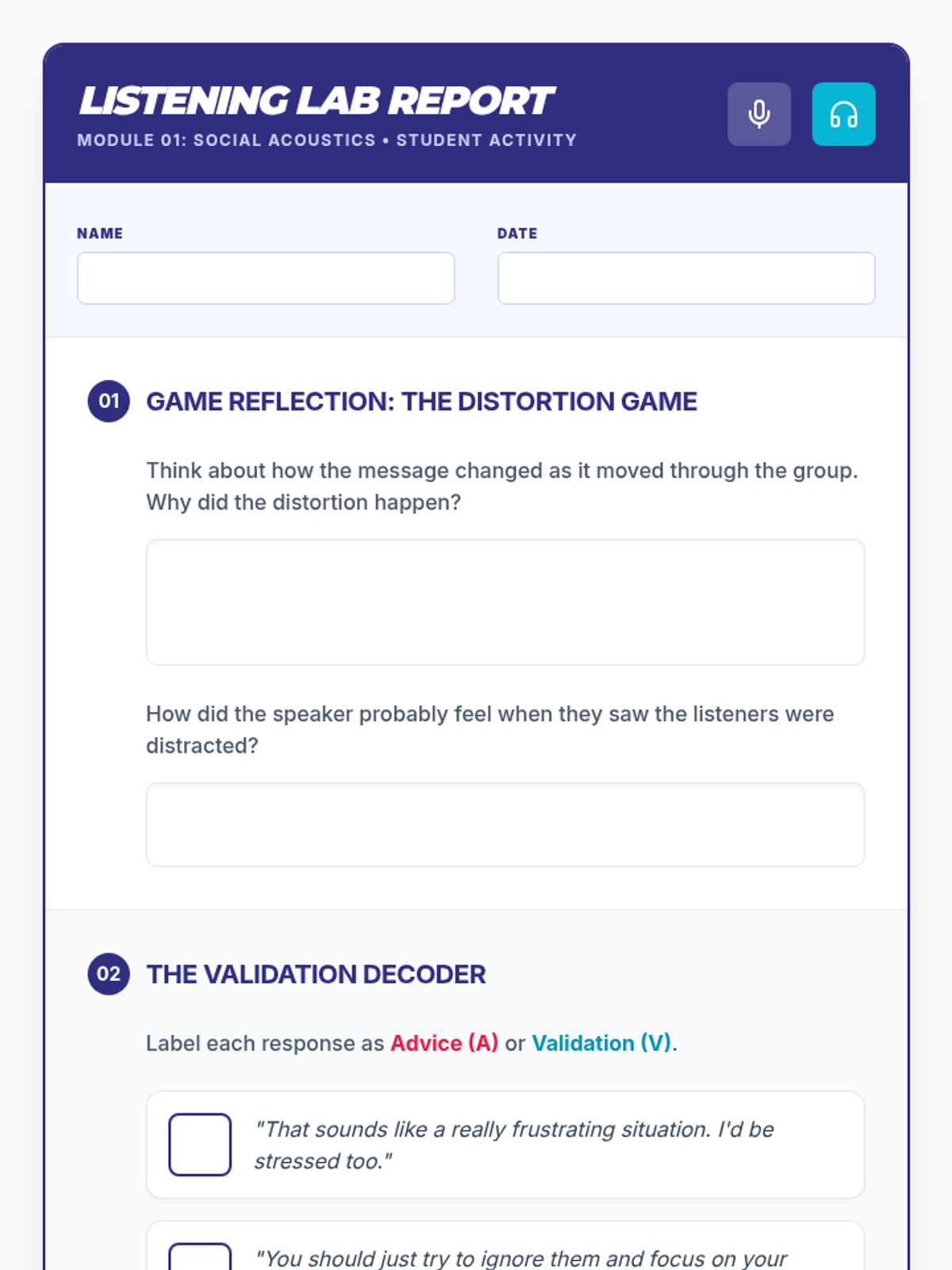
This 8th-grade sequence explores group dynamics through daily check-in procedures, focusing on active listening, non-verbal cues, emotional contagion, and peer support. Students will develop social awareness and community-building skills to foster a supportive classroom environment.
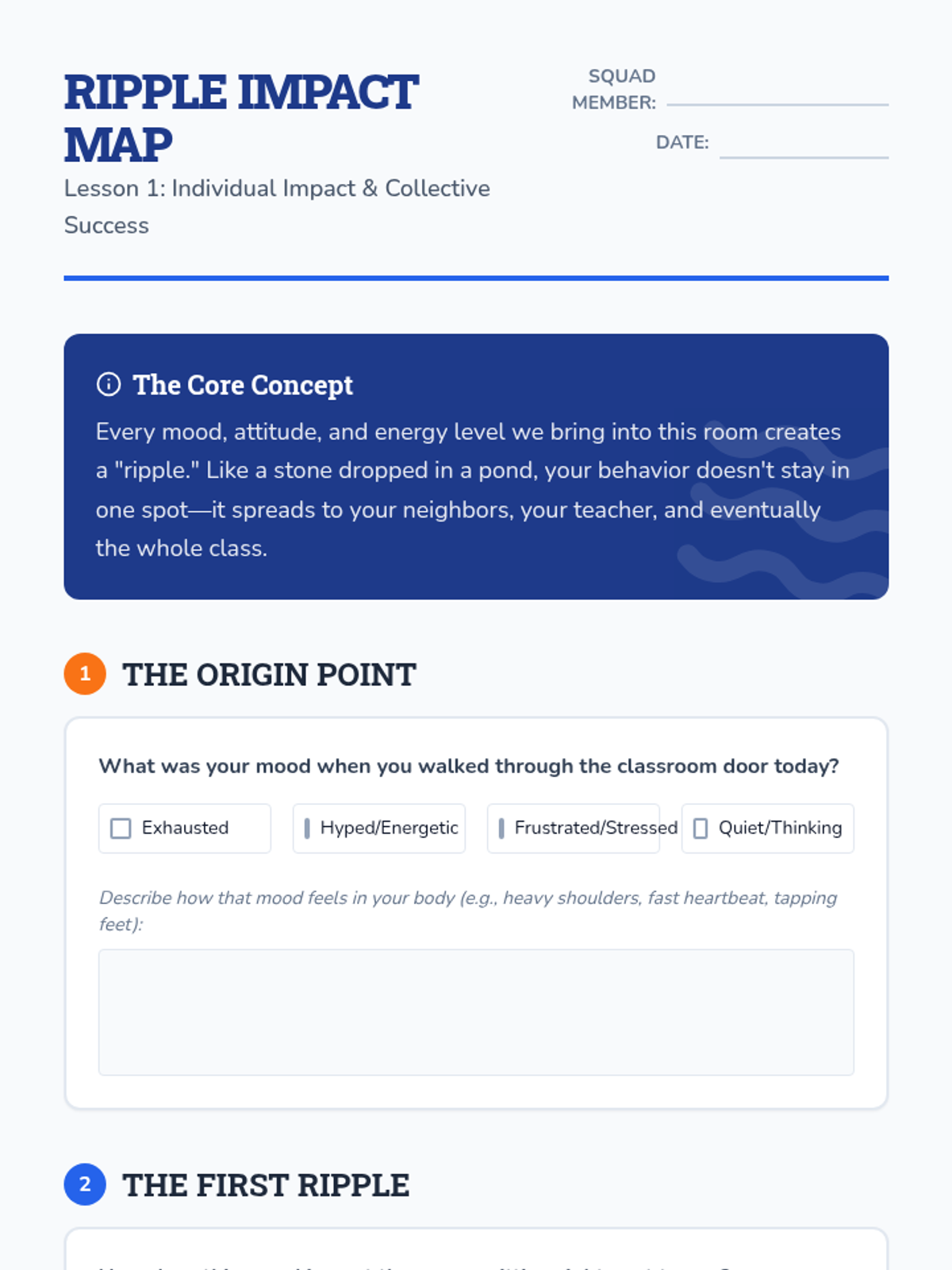
This sequence teaches 6th-grade students how to participate in and facilitate daily community check-in circles. It focuses on the impact of individual behavior on the group, active listening skills, establishing safety norms, and peer-led facilitation to build a culture of accountability and support.
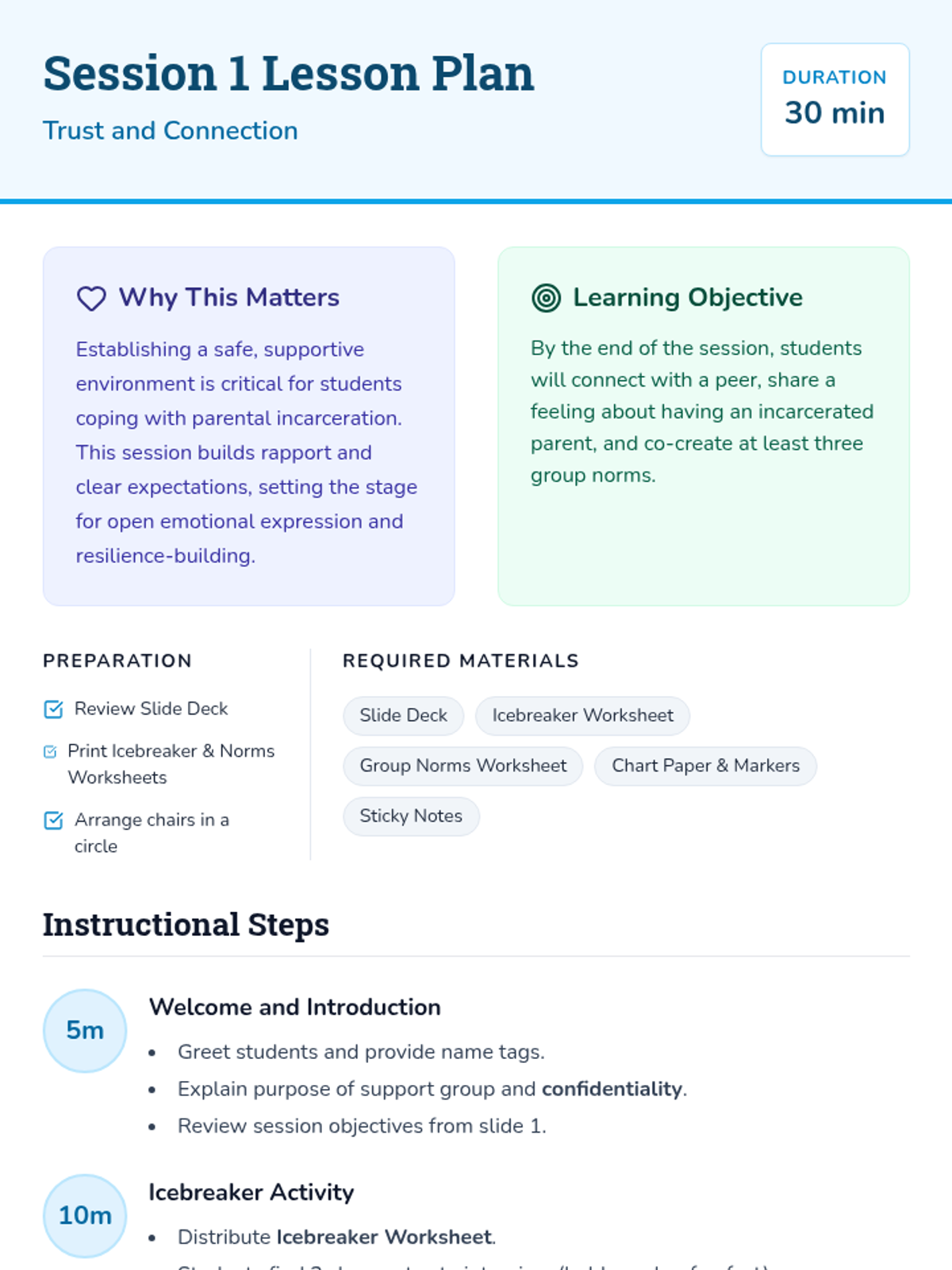
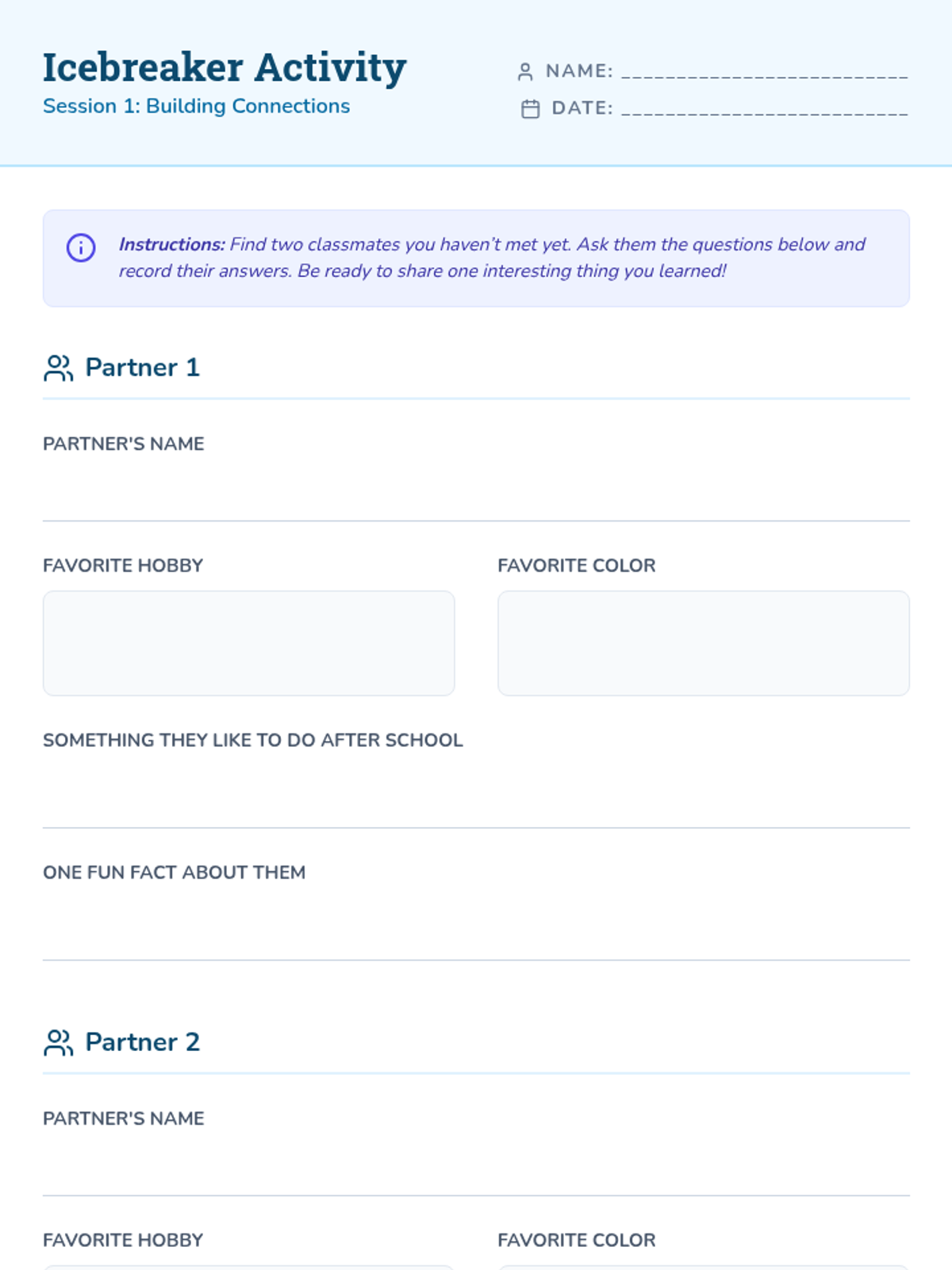
A 4-session small group counseling sequence for middle school students navigating the challenges of parental incarceration, focusing on emotional awareness, coping skills, and resilience.
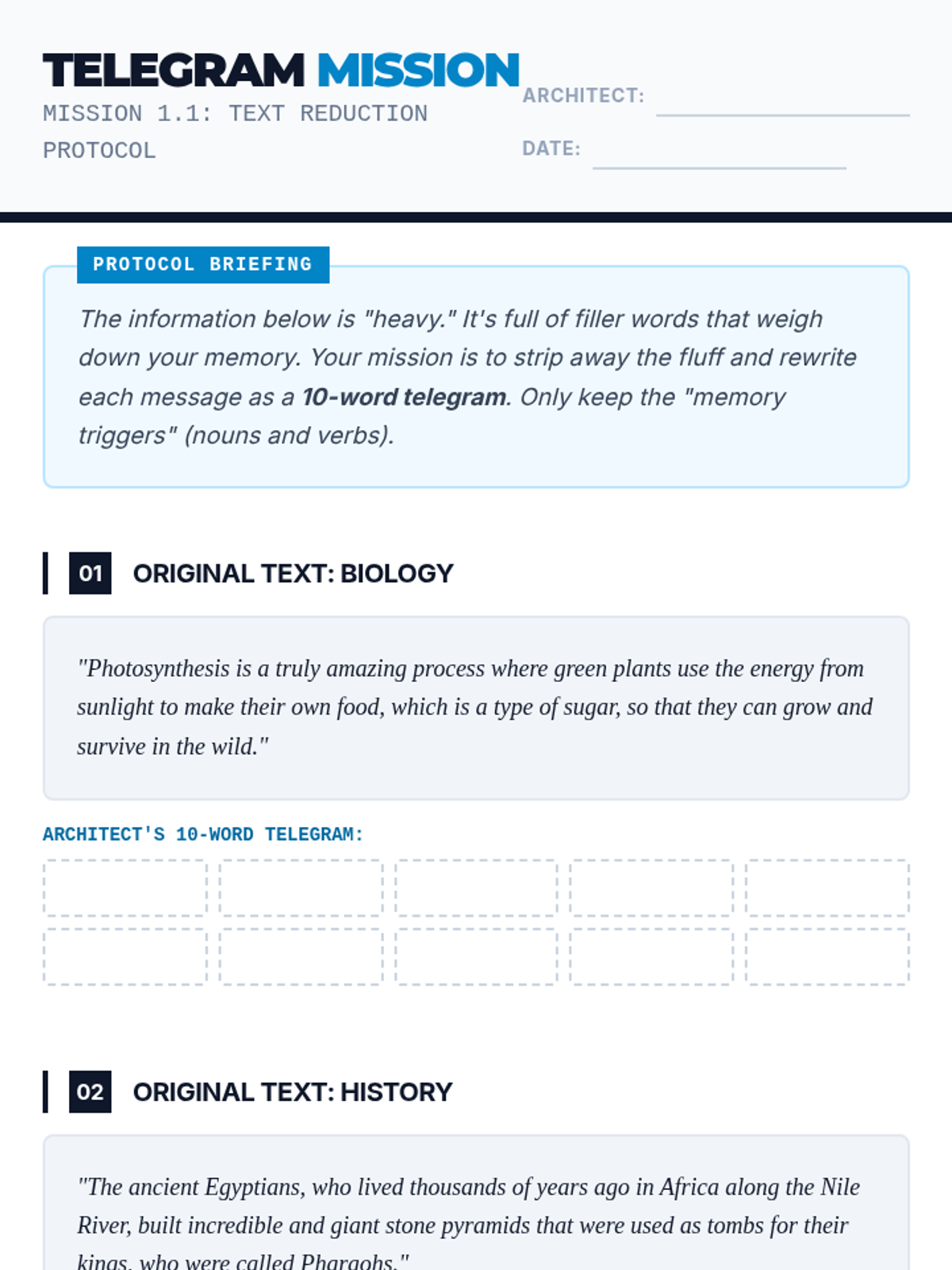
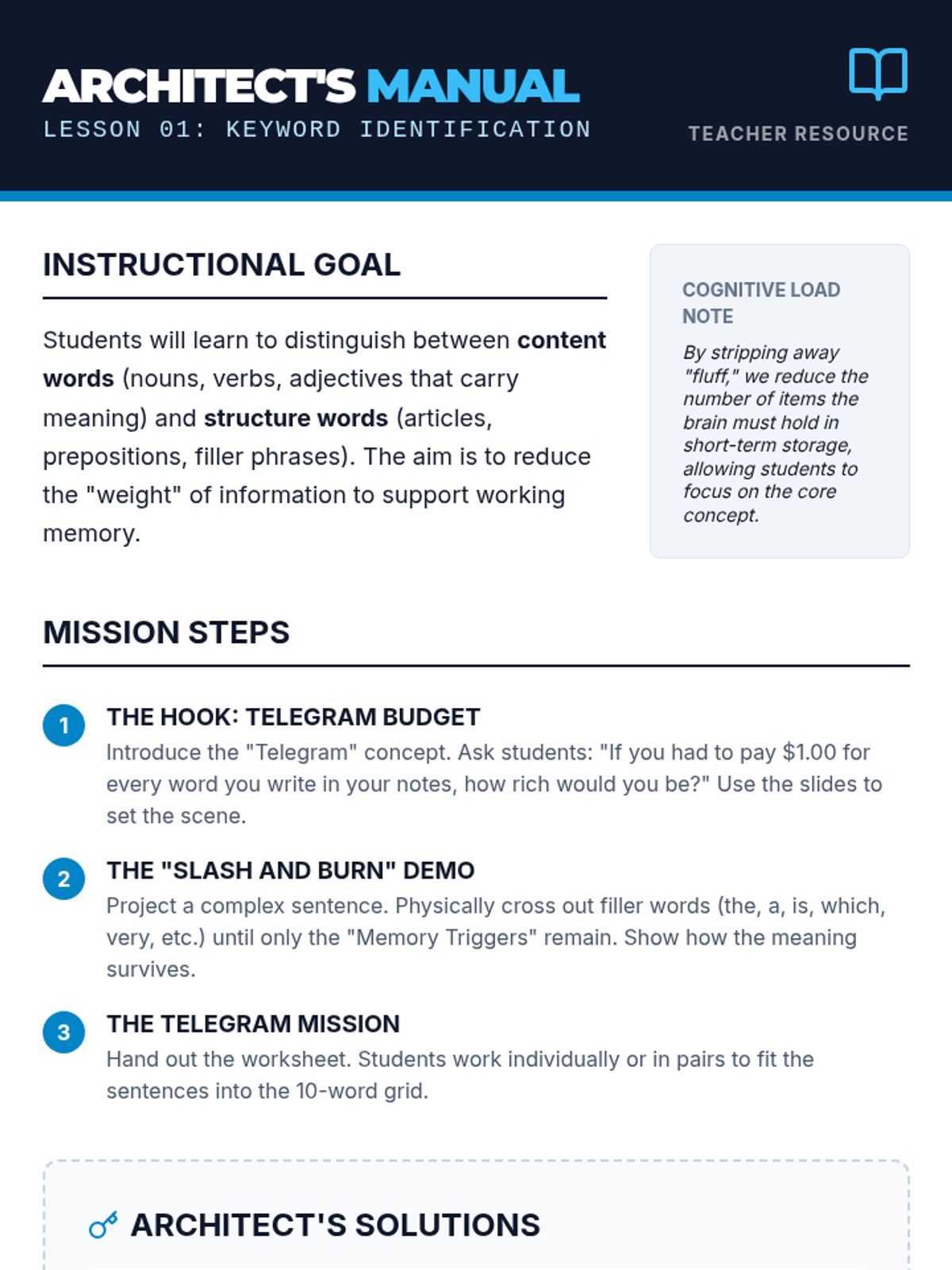
A specialized sequence for 6th-grade students focusing on reducing cognitive load through effective note review, summarization, and paraphrasing. Students learn to become 'Info Architects,' stripping away unnecessary 'fluff' to identify core concepts and strengthen working memory.
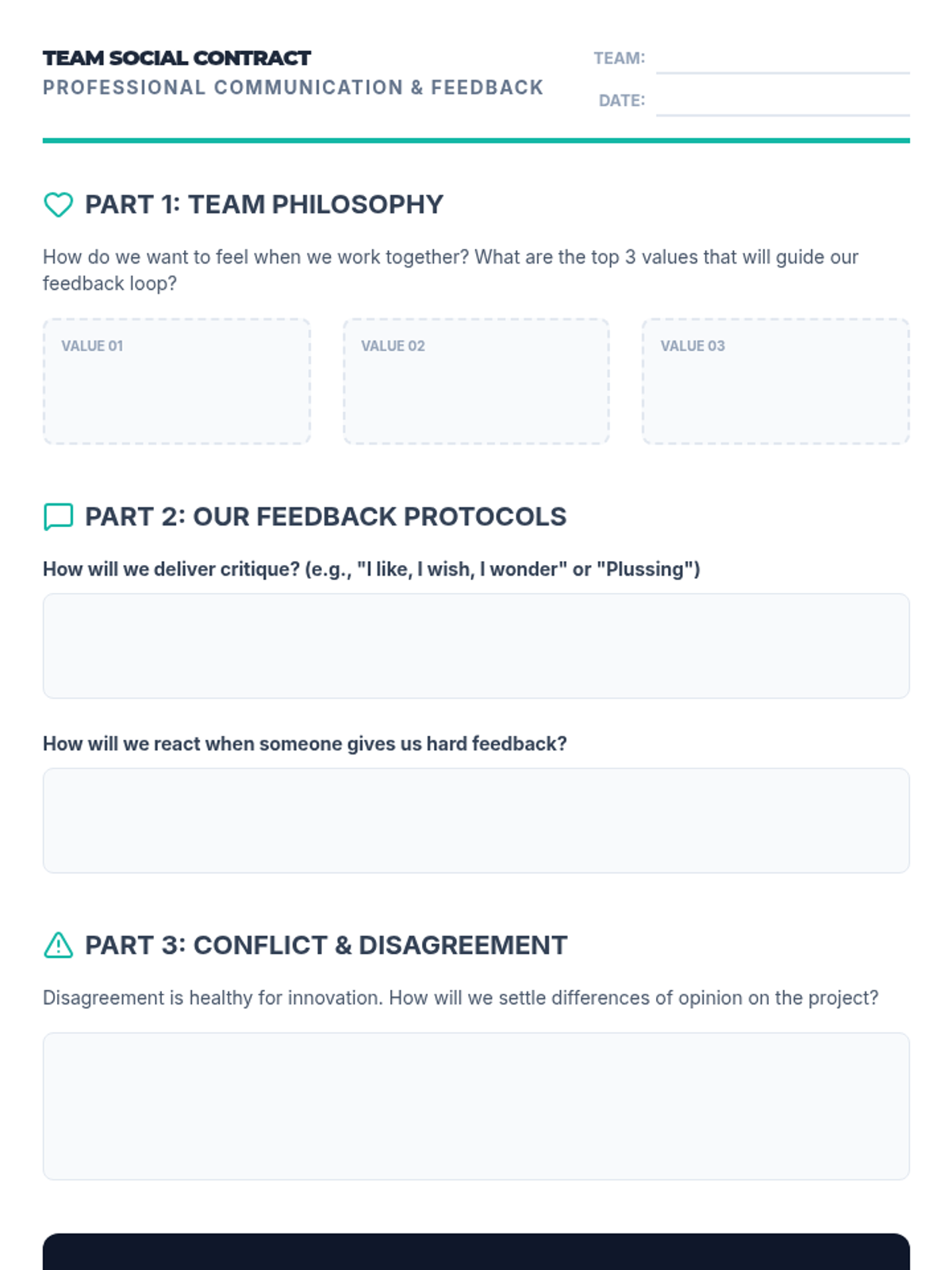
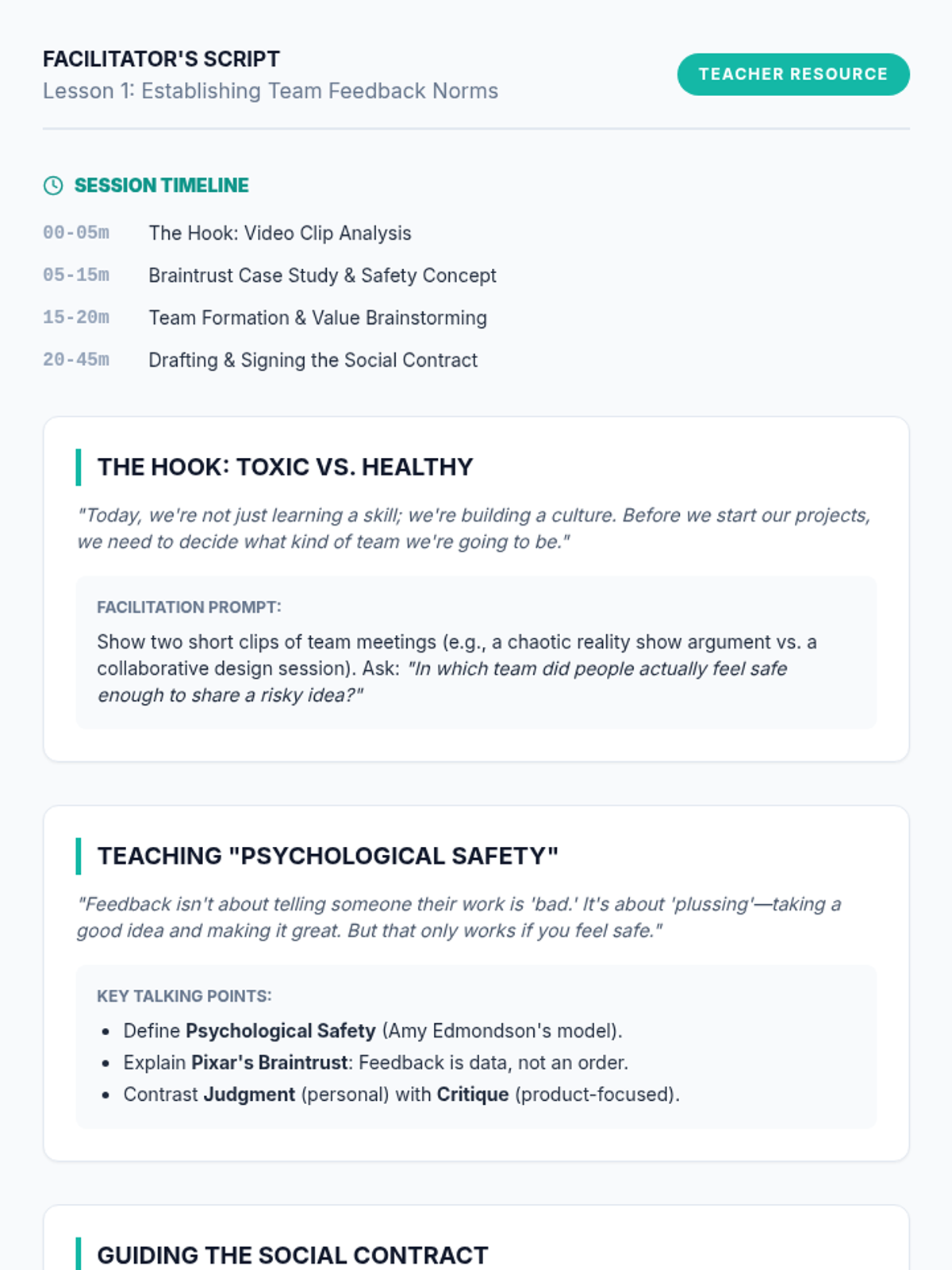
This project-based sequence teaches students the iterative cycle of constructive feedback within a collaborative design environment. Students develop social contracts, engage in rapid prototyping, observe fishbowl critiques, and document their growth through change logs and retrospectives.
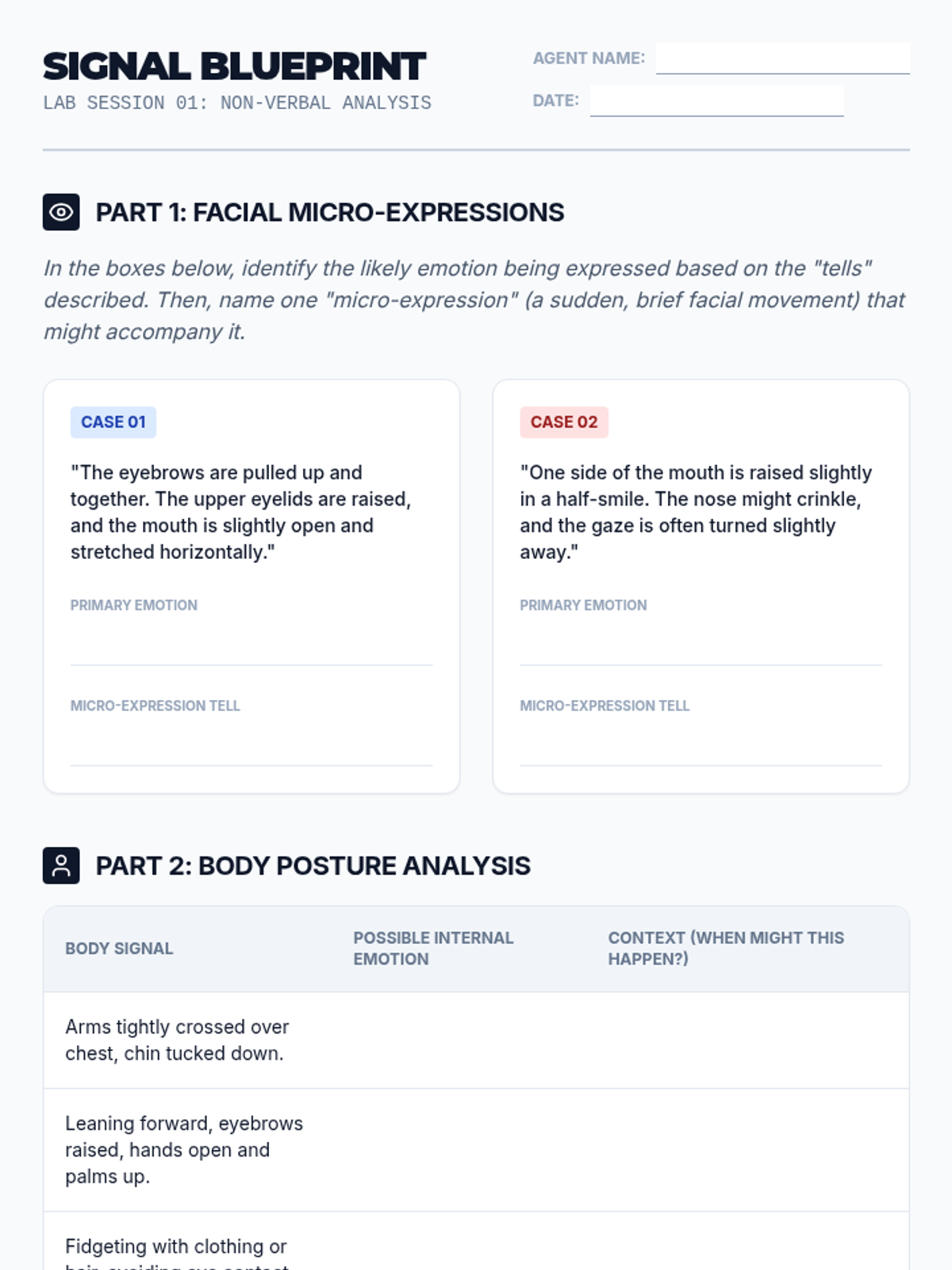
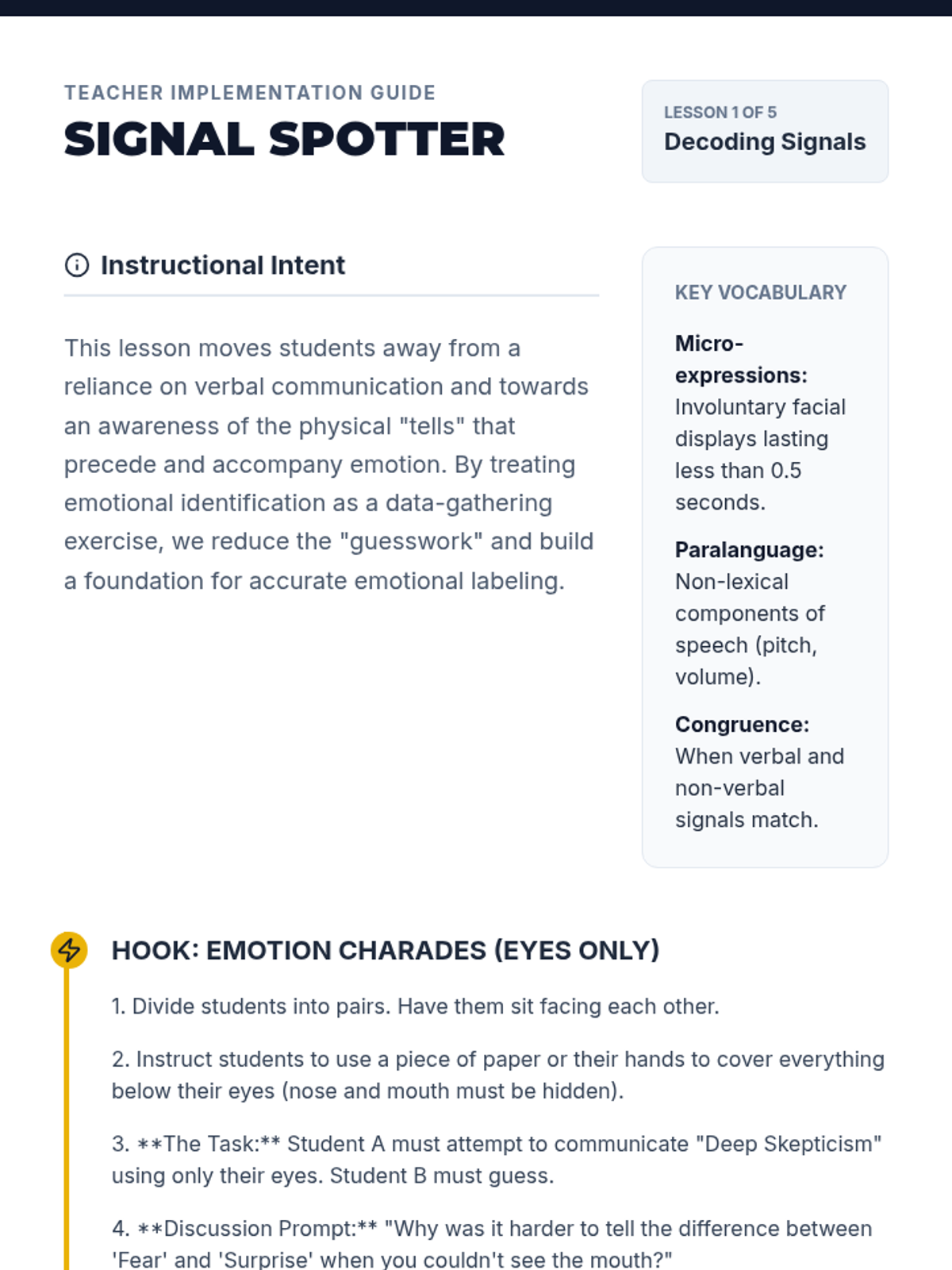
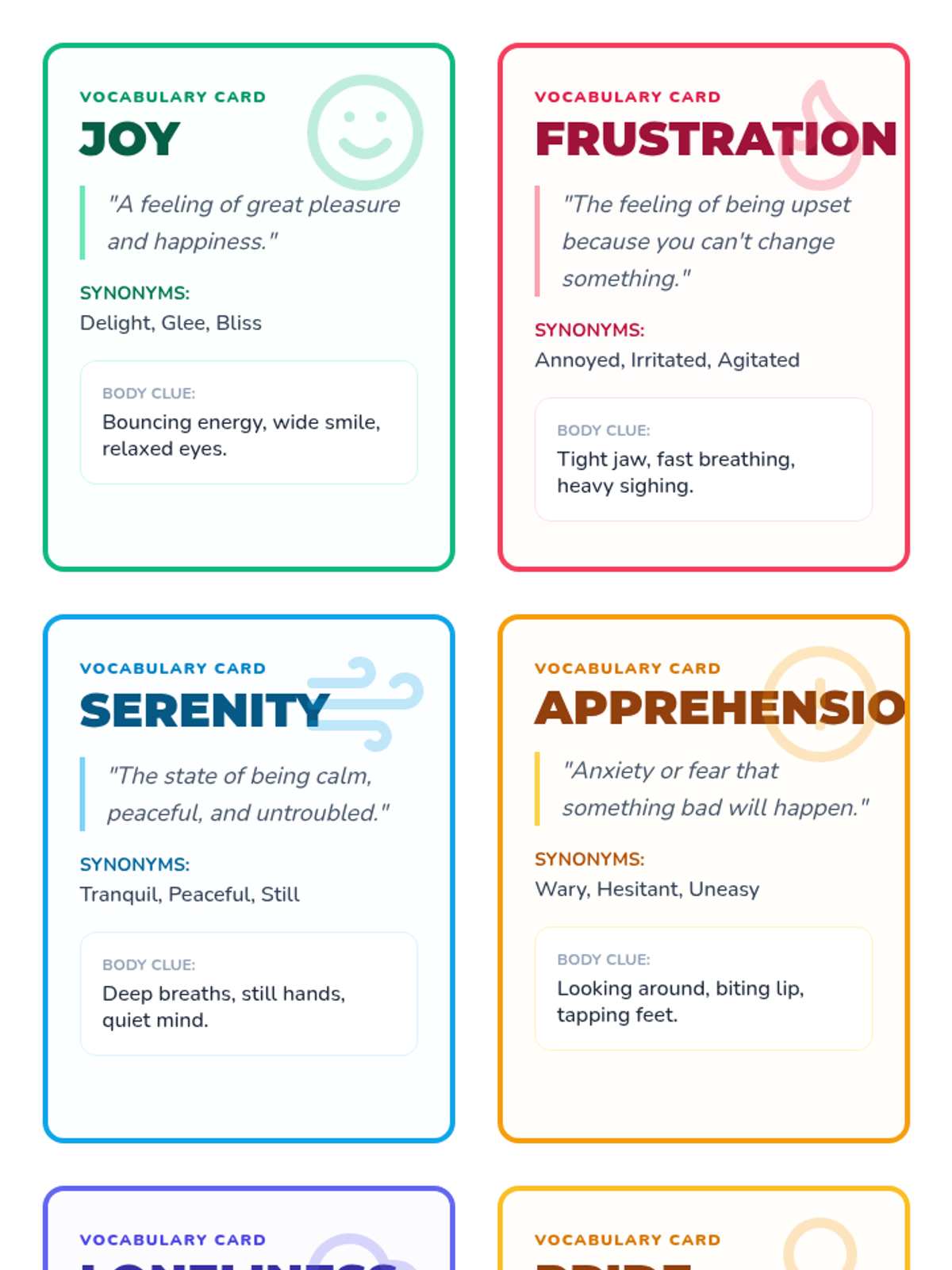
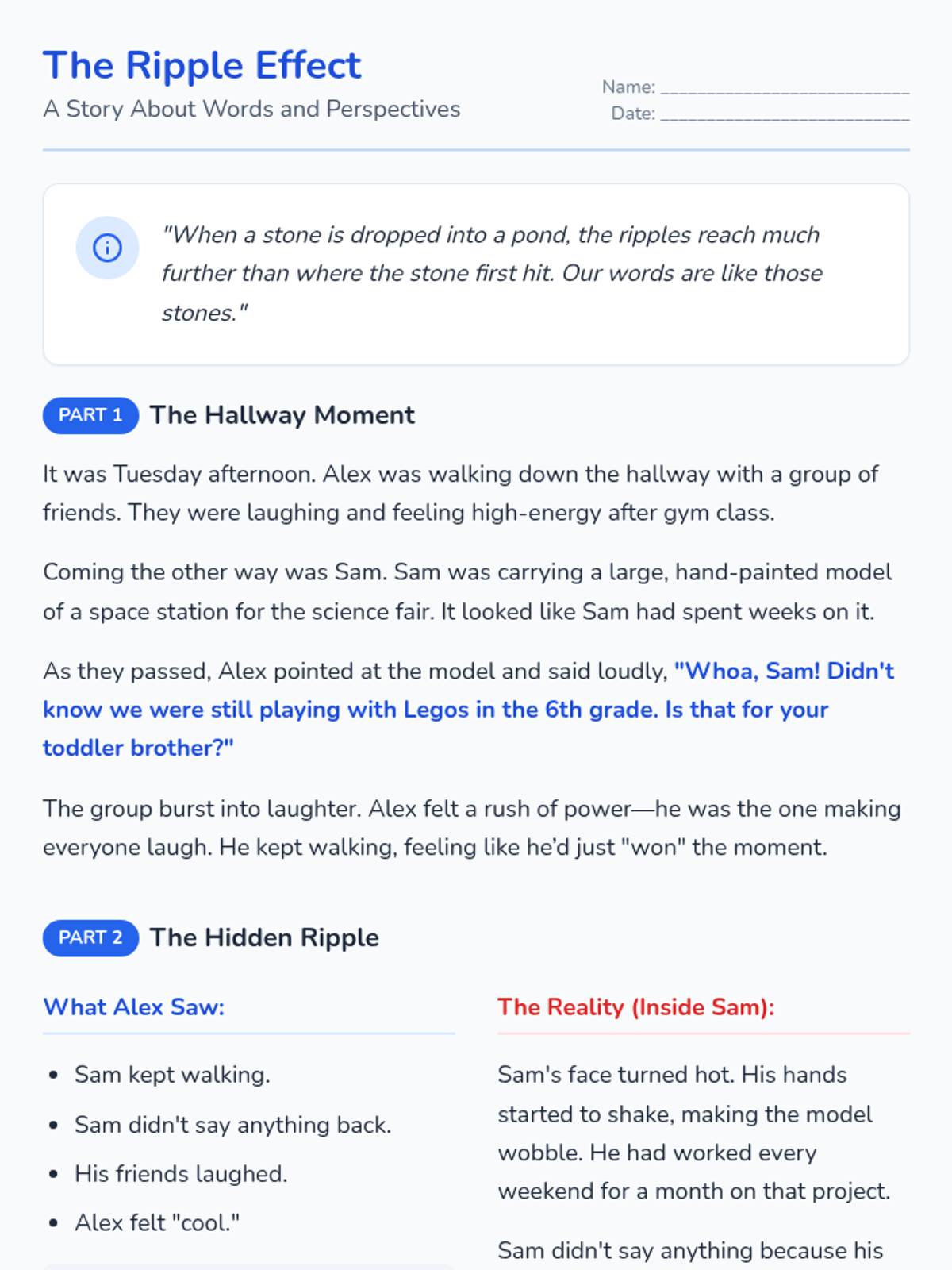
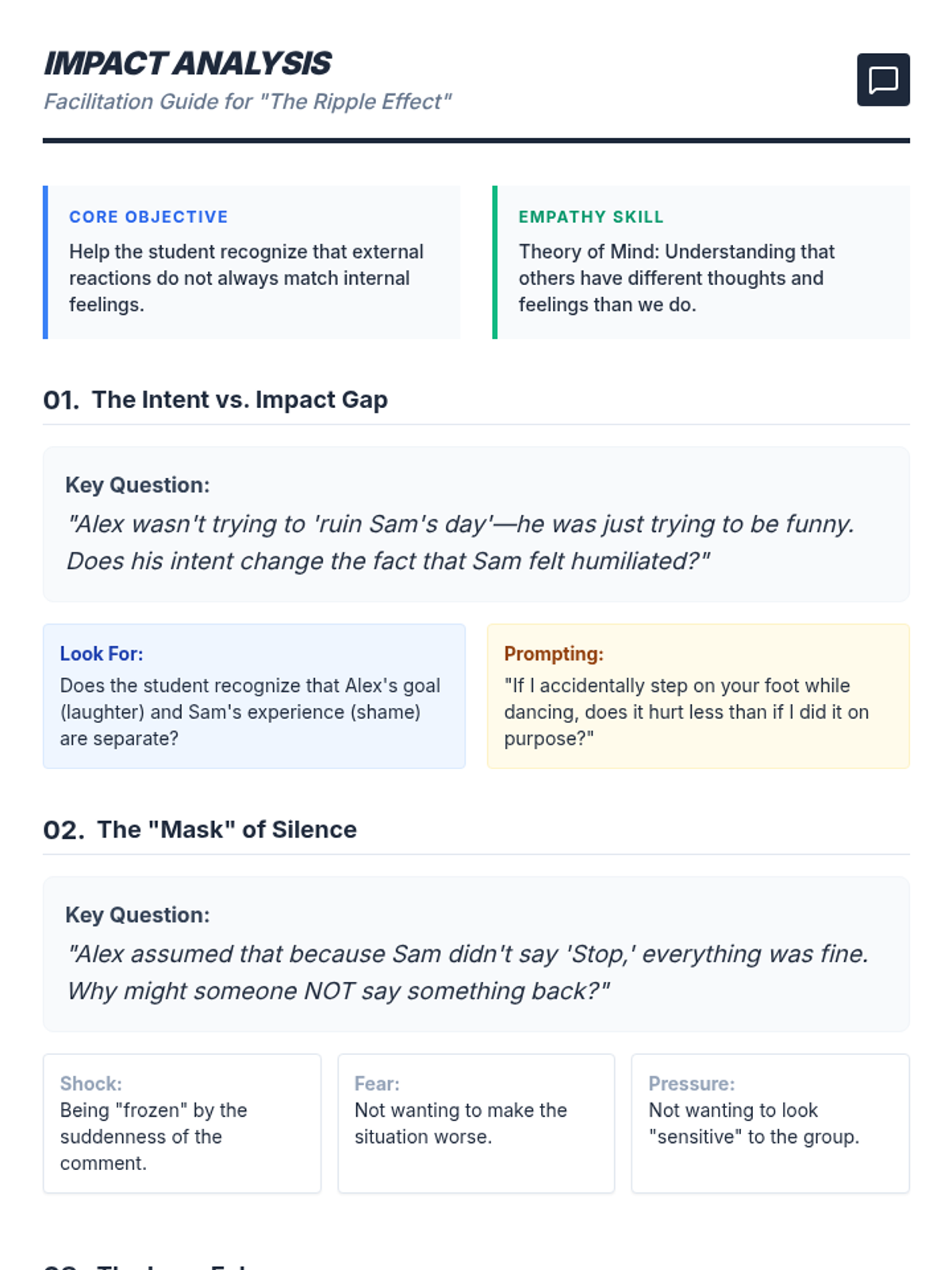
This sequence explores how accurately labeling emotions in oneself and others improves social connections and conflict resolution. Students will advance from identifying non-verbal cues to applying complex emotional literacy in real-world simulations.
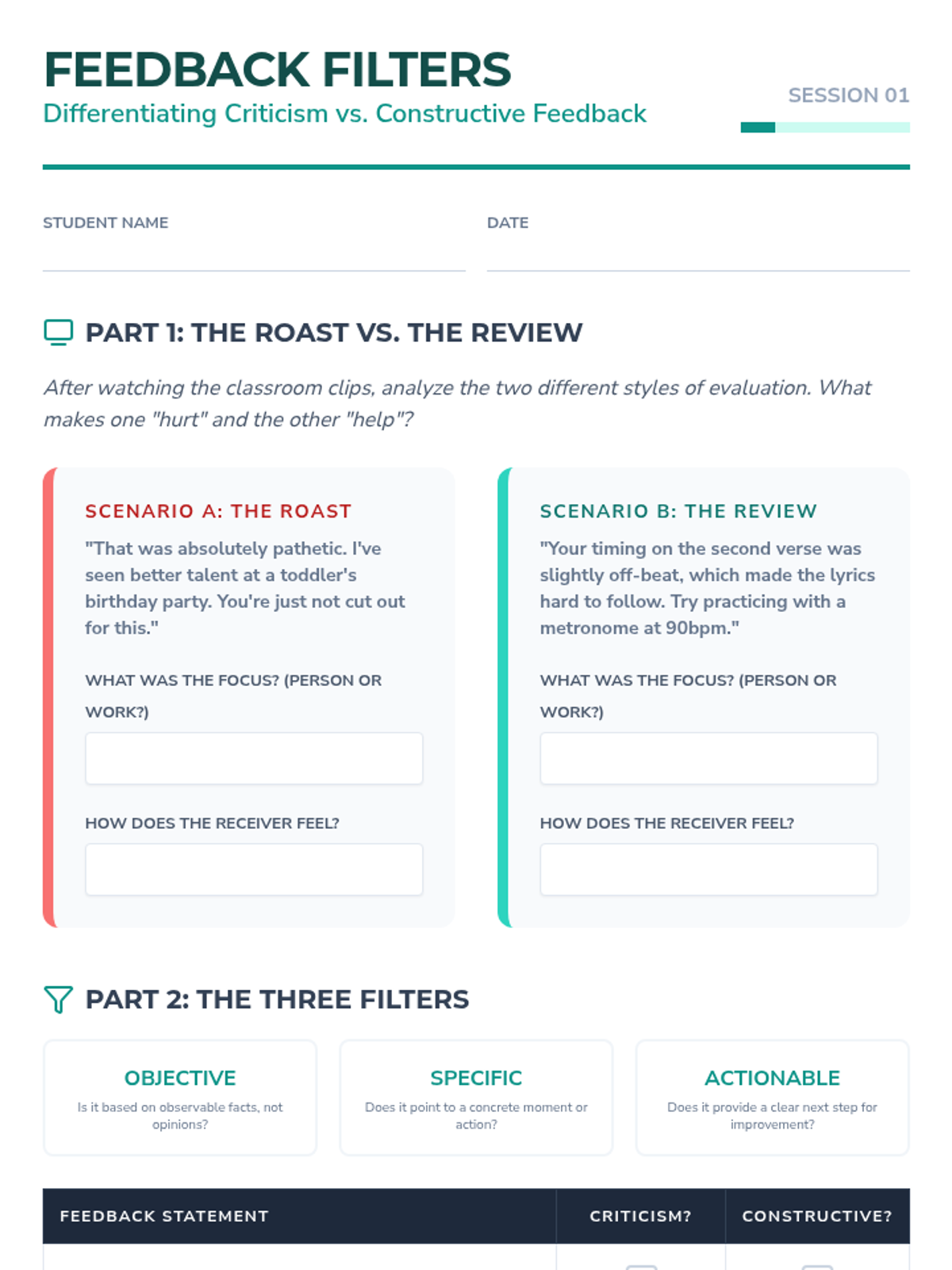
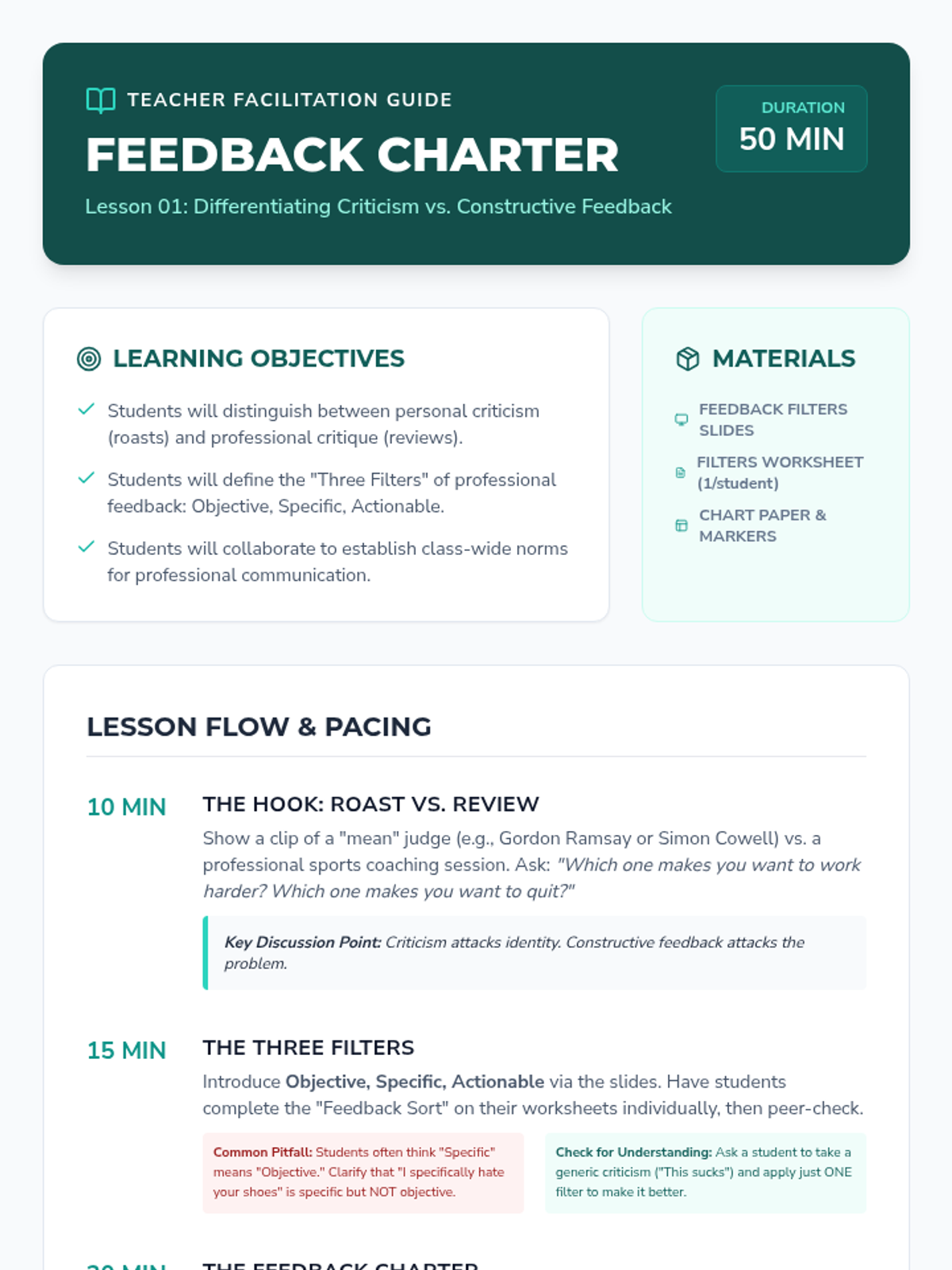
This sequence immerses students in the professional mechanics of giving and receiving evaluations, moving beyond simple peer review into workplace readiness. Students learn to differentiate personal criticism from professional critique, use the Situation-Behavior-Impact (SBI) model, and practice emotional regulation during performance simulations.
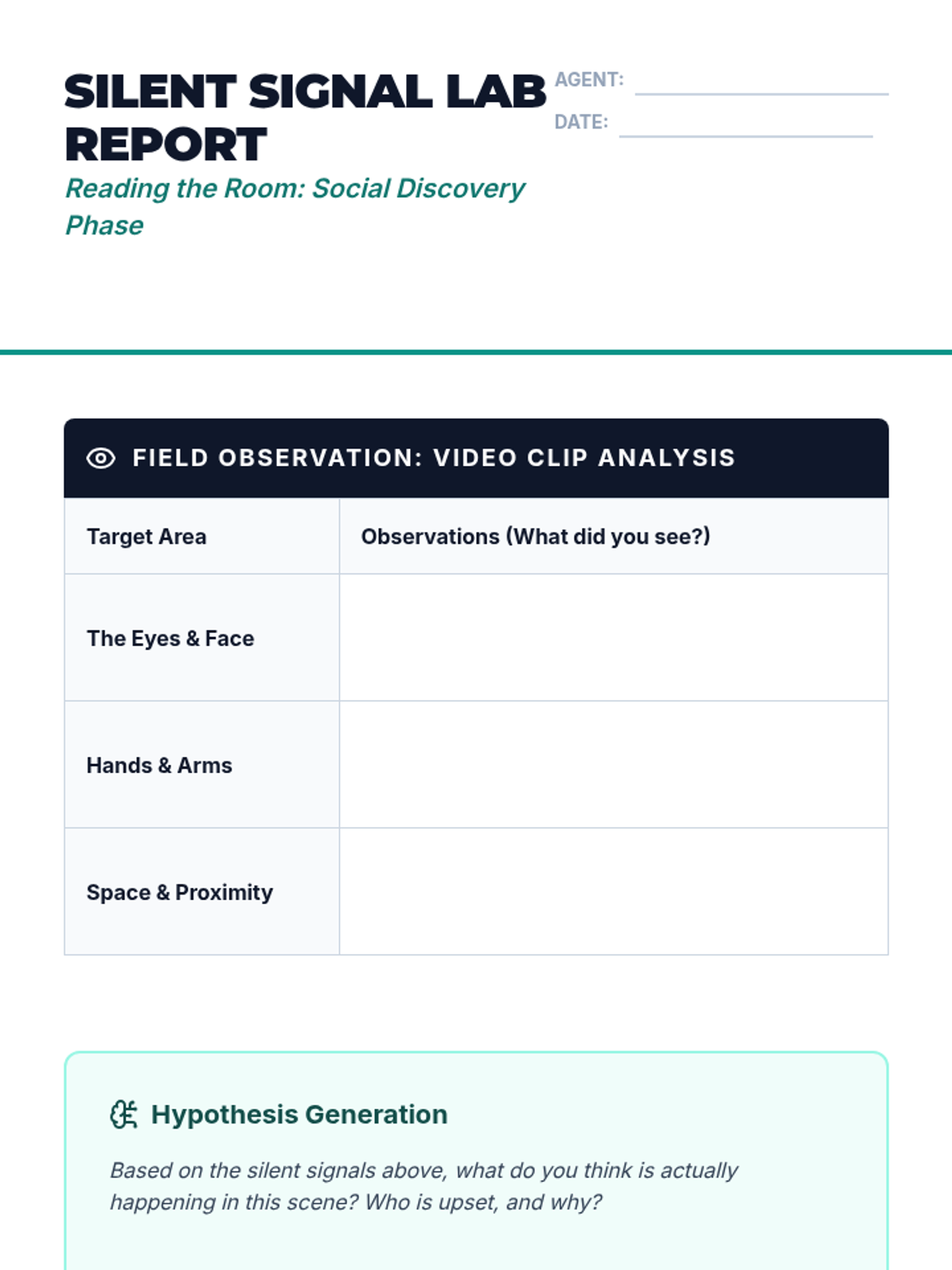
A 5-lesson sequence for 8th-grade social communication, focusing on simulating and role-playing social solutions to peer disagreements. Students move from decoding non-verbal cues to iterative role-play (The Rewind Technique) and specific academic and peer-pressure scenarios, ending with peer feedback.
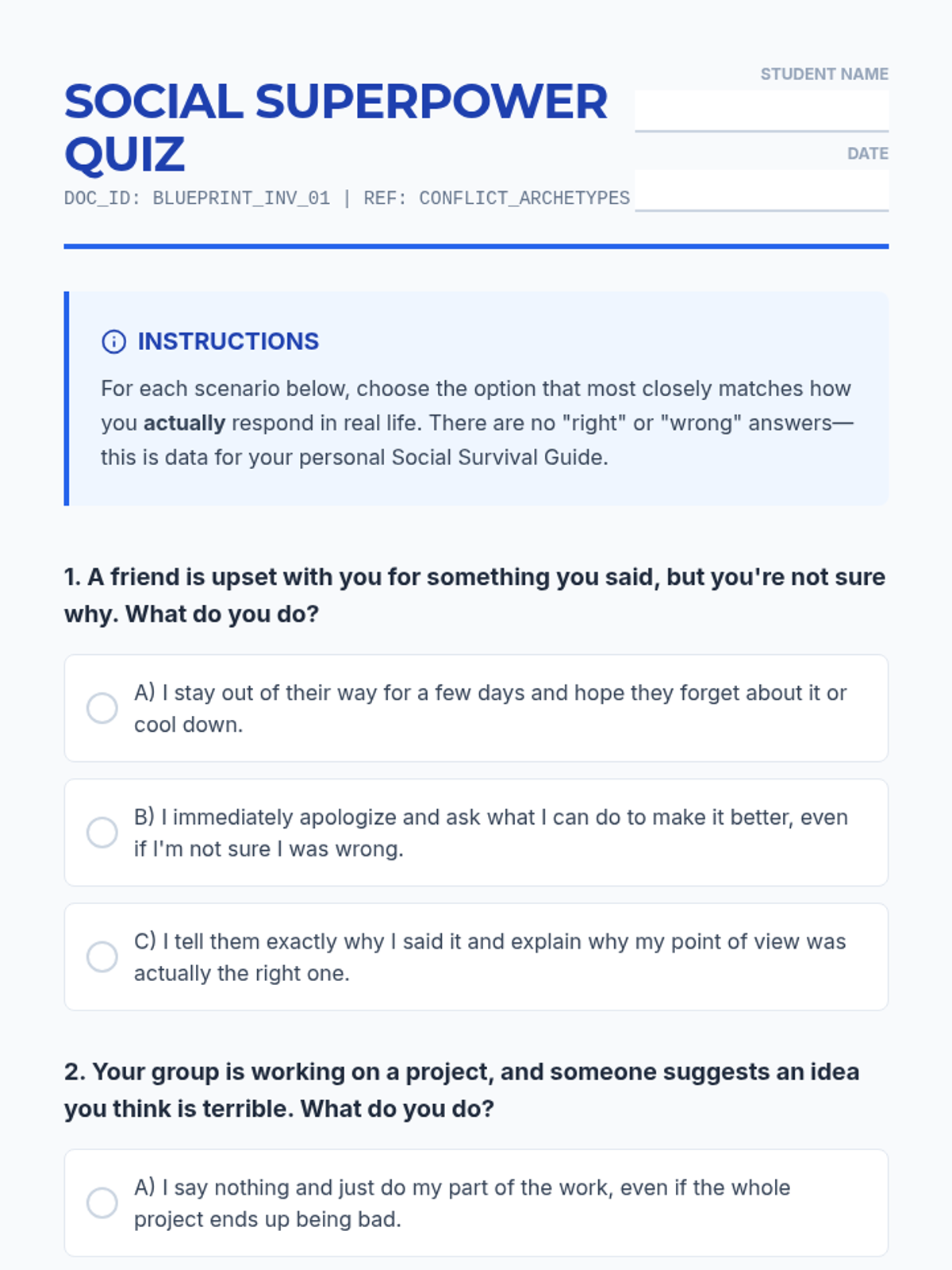
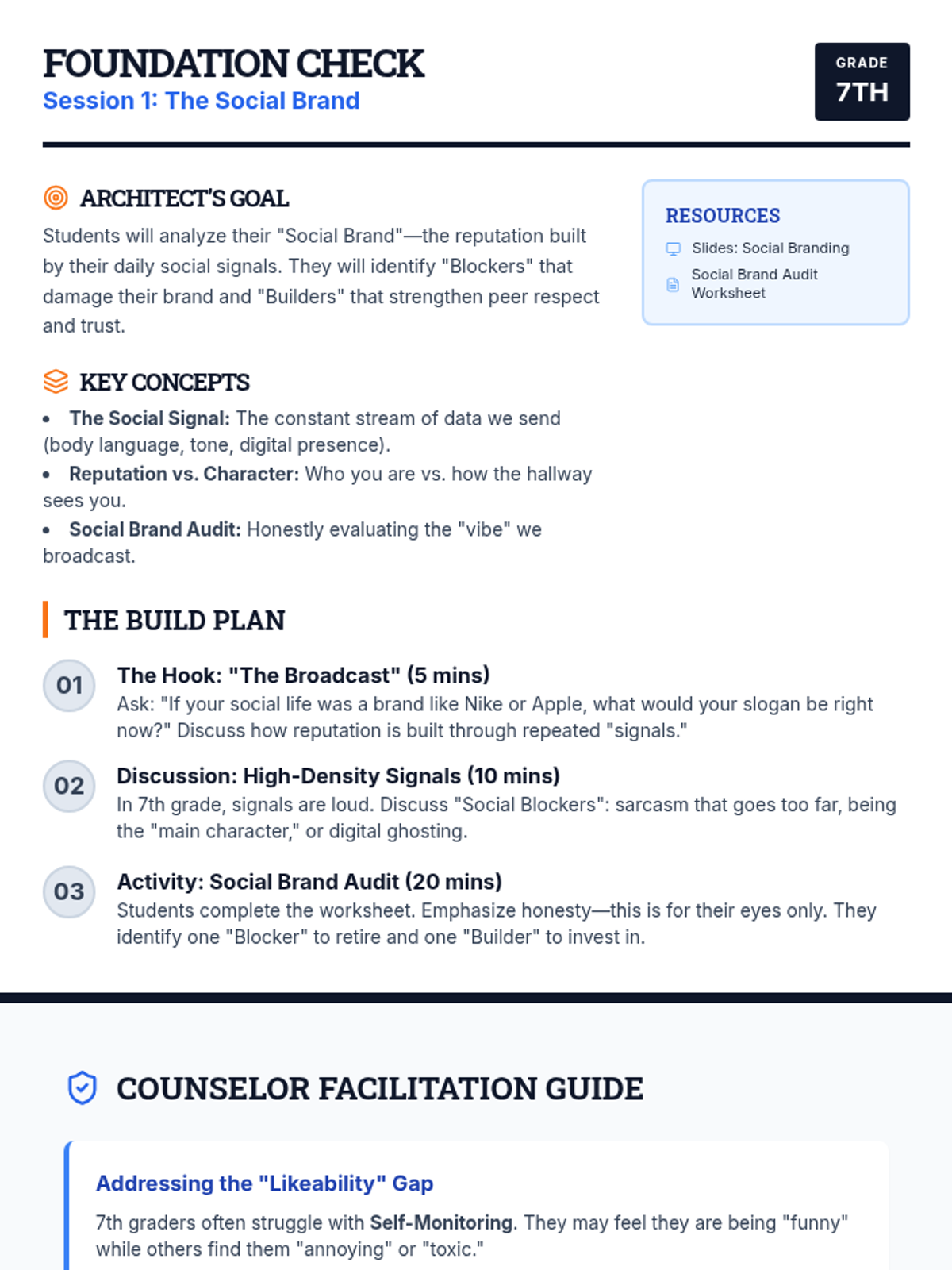
A project-based sequence where 7th-grade students analyze their social styles, past successes, and preferred strategies to build a personalized 'Social Survival Guide' for navigating conflict.
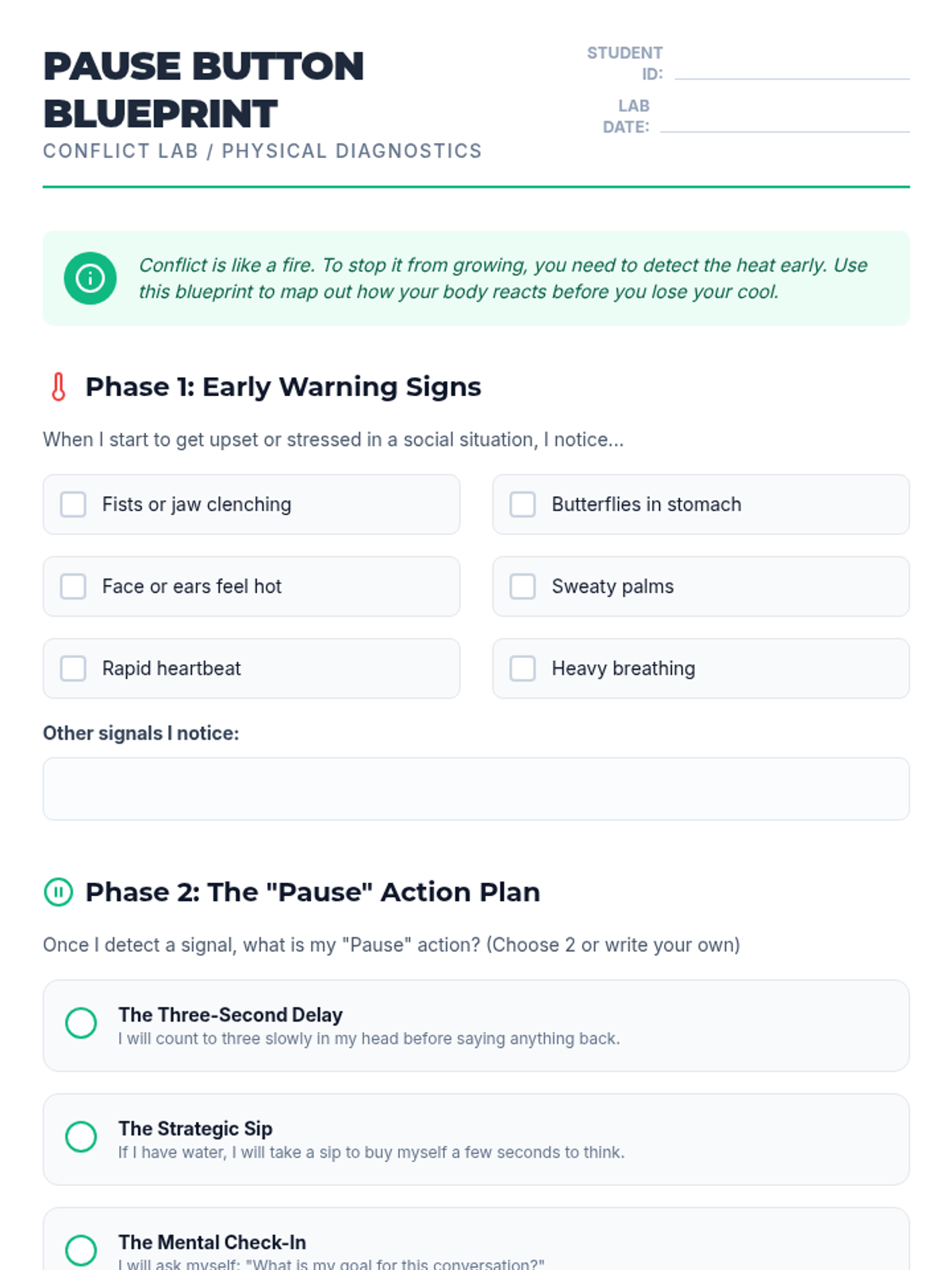
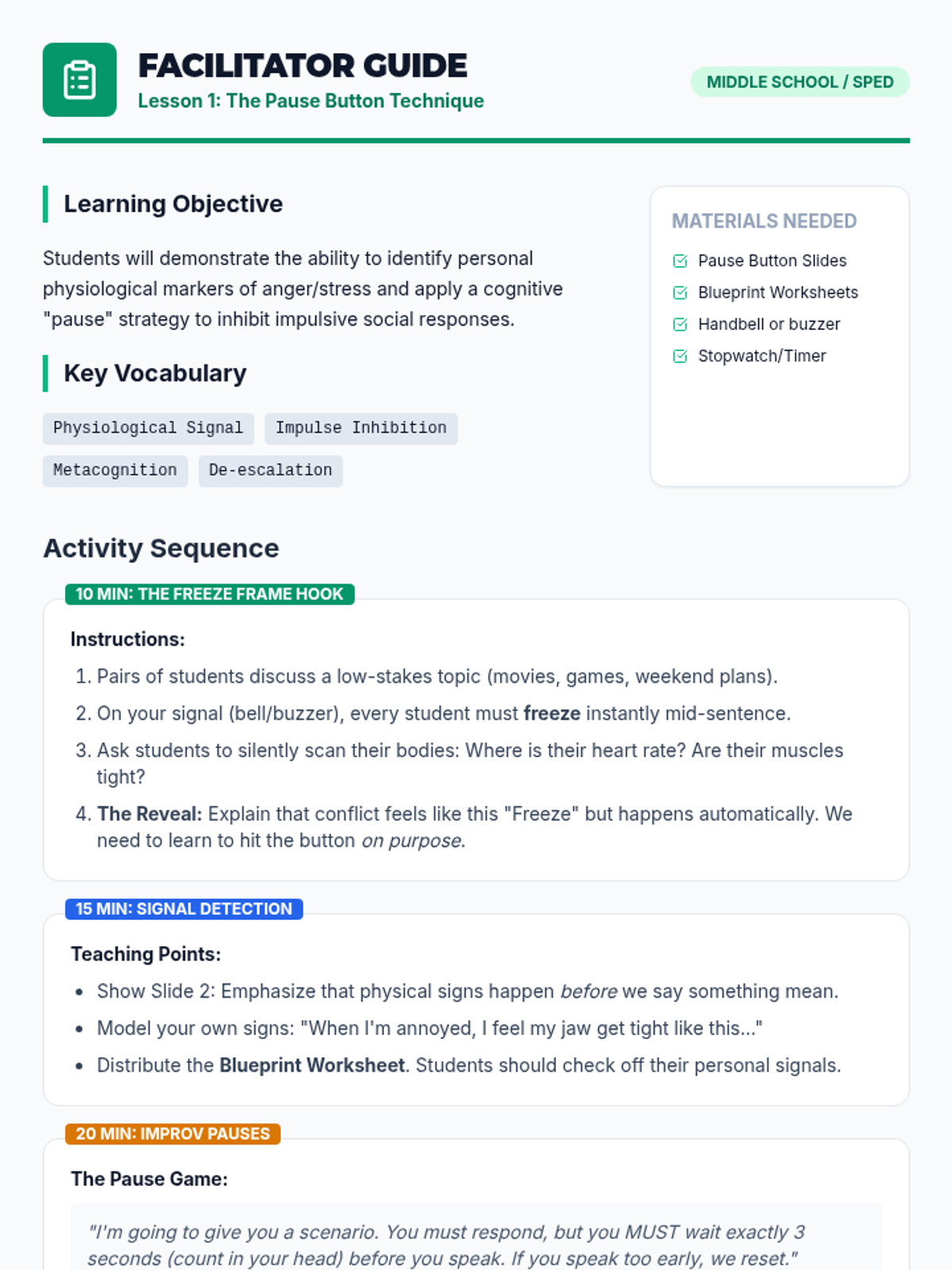
A 5-lesson sequence for 7th-grade students focusing on real-time social problem-solving and conflict resolution through immersive simulations and the 'Pause Button' technique.
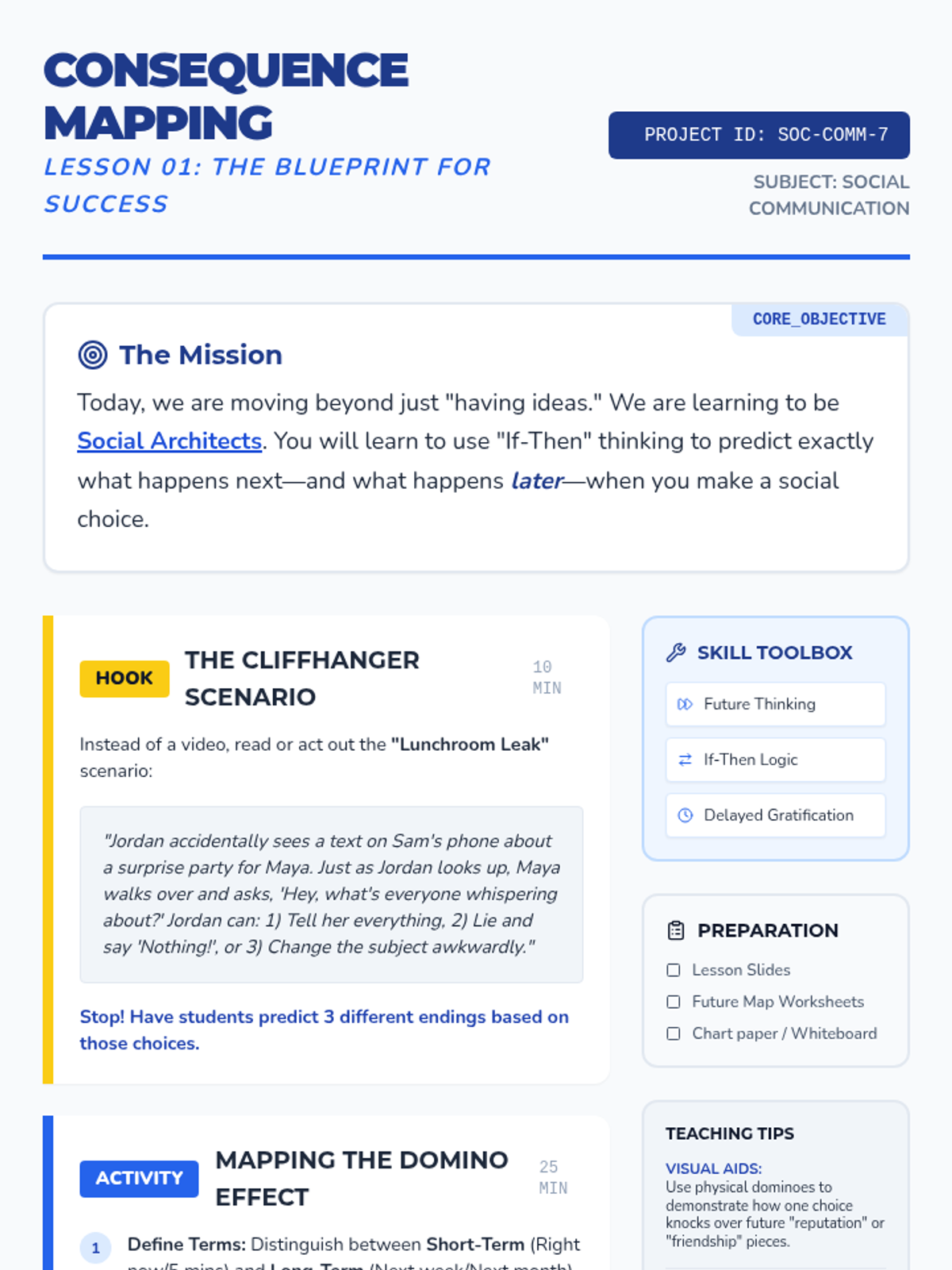
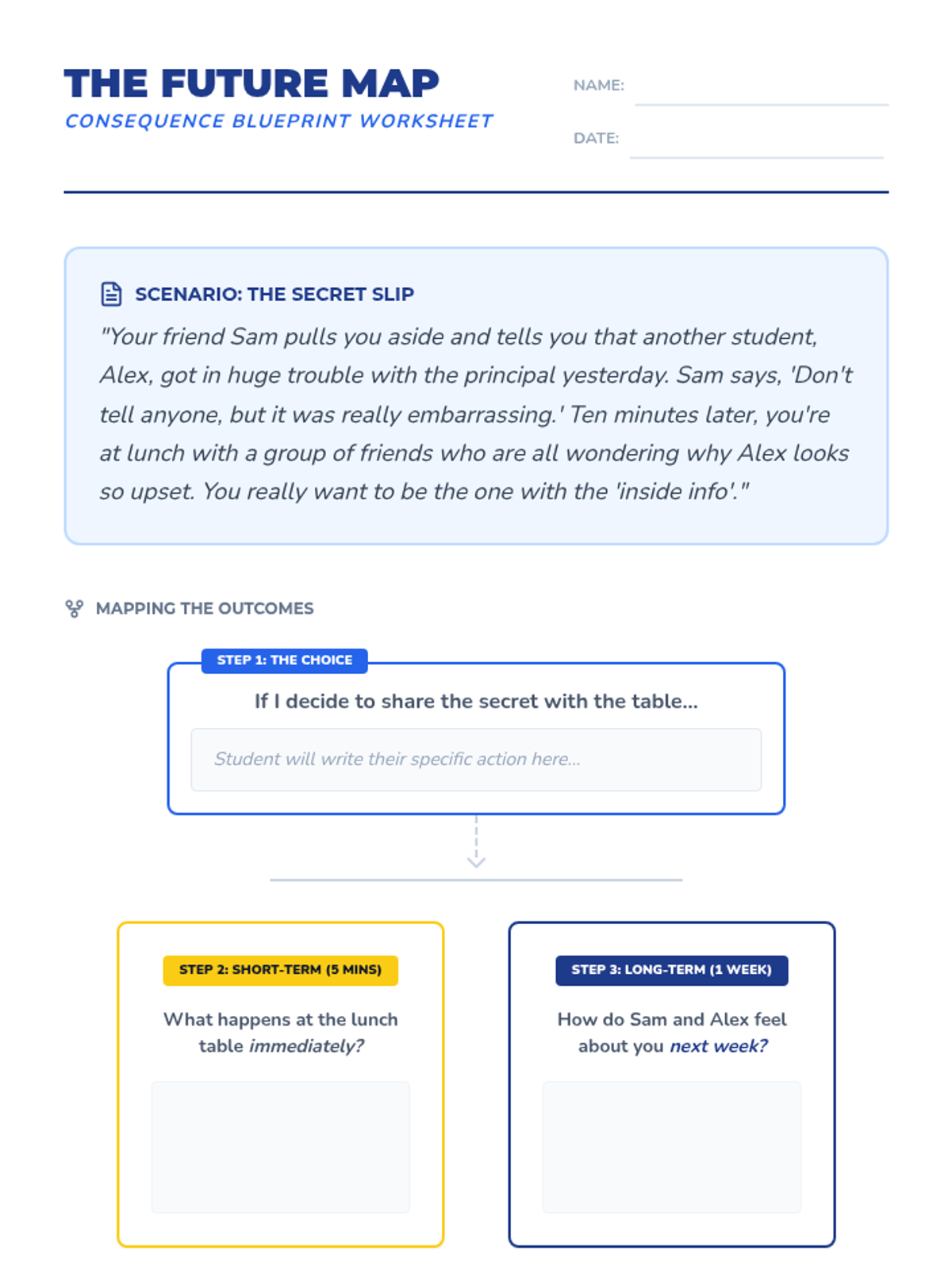
This sequence guides 7th-grade students through the process of evaluating social choices by predicting short- and long-term consequences, understanding the impact on others, and navigating digital communication. Students learn to weigh pros and cons using a 'social capital' framework to make informed, empathetic decisions in complex middle school scenarios.
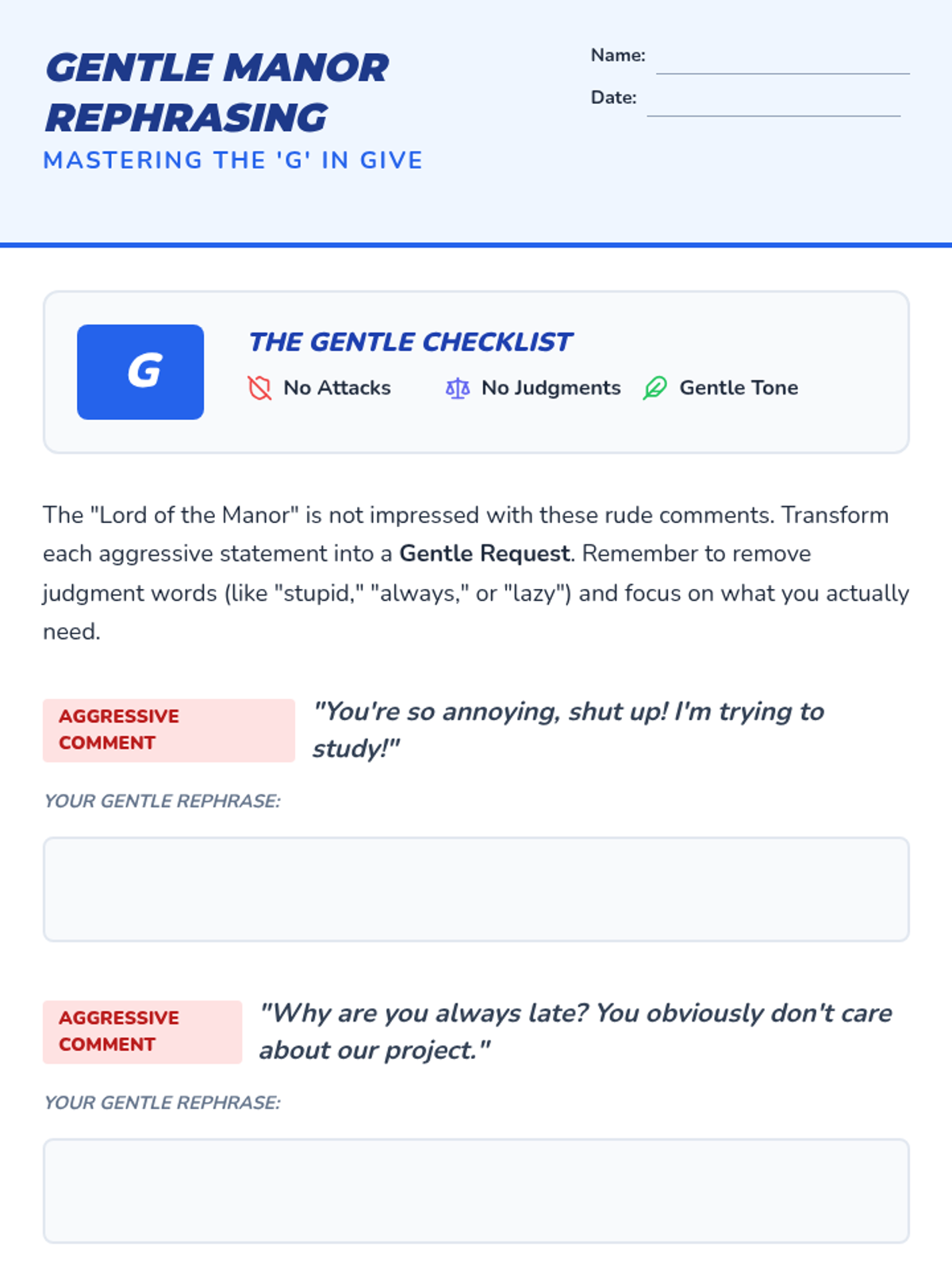
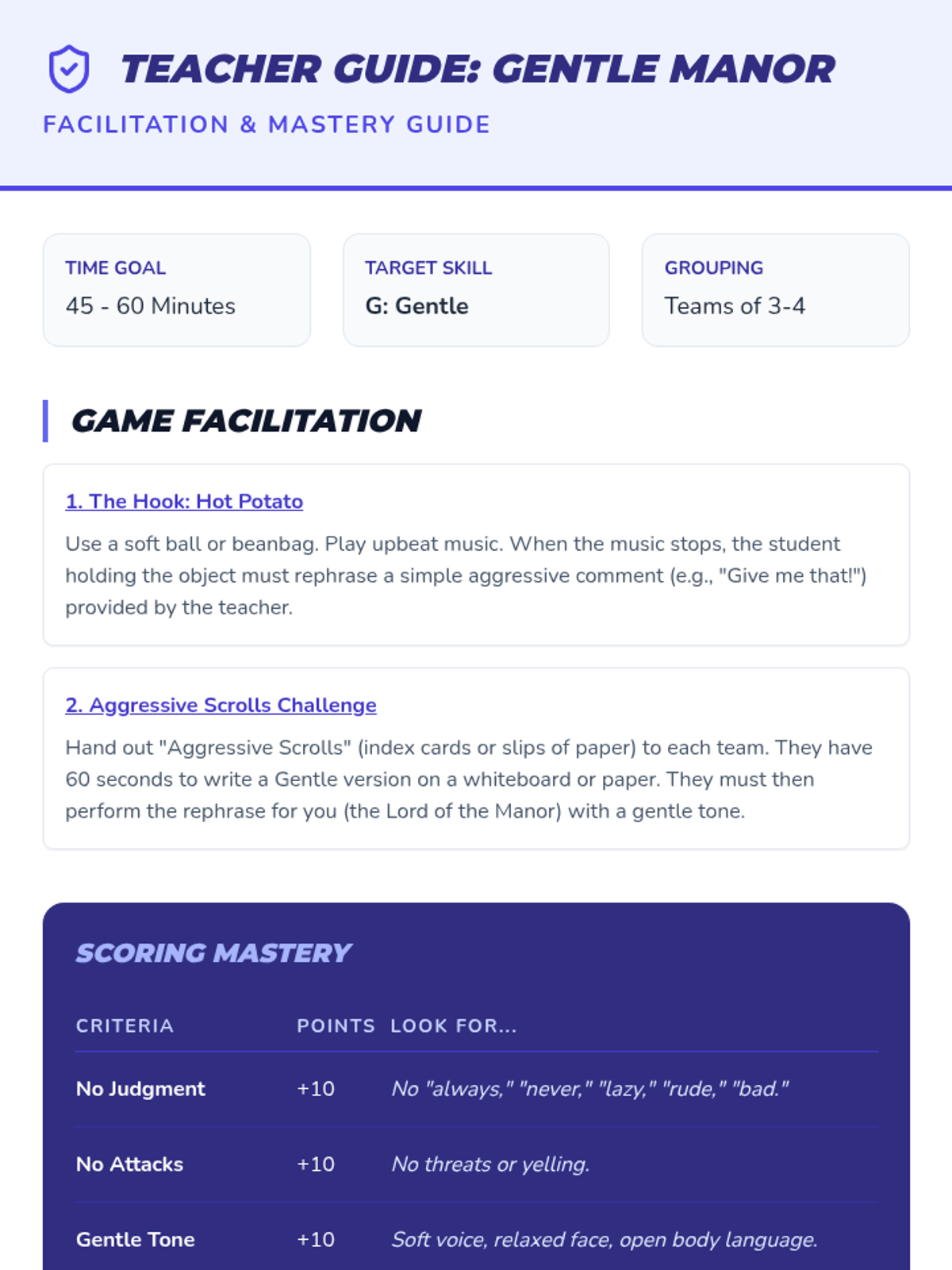
A high-energy, game-based sequence where 6th graders master the GIVE skills for healthy relationships through collaborative challenges and competitive play. Students learn to be Gentle, Interested, Validating, and have an Easy manner in their interactions.
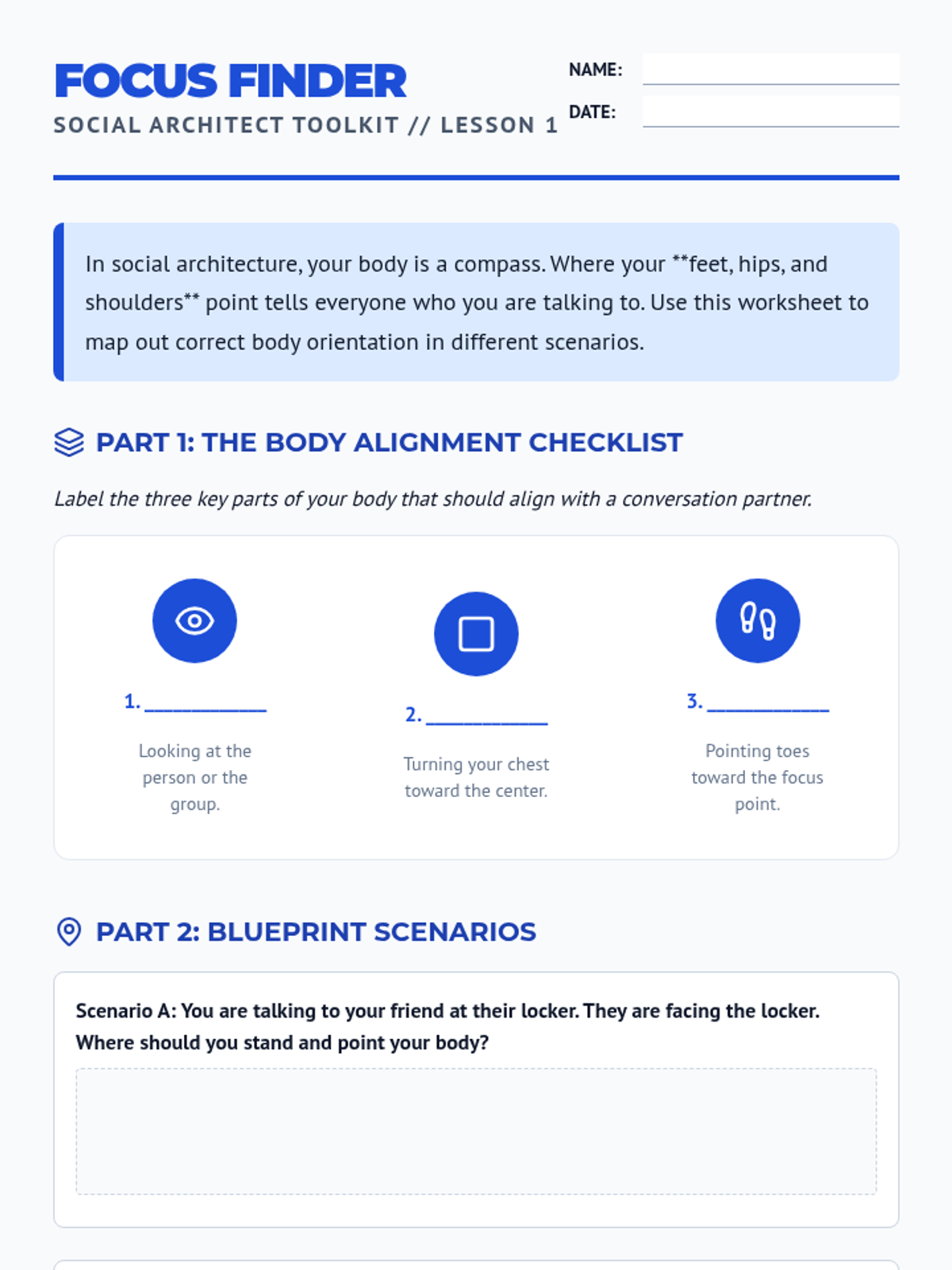
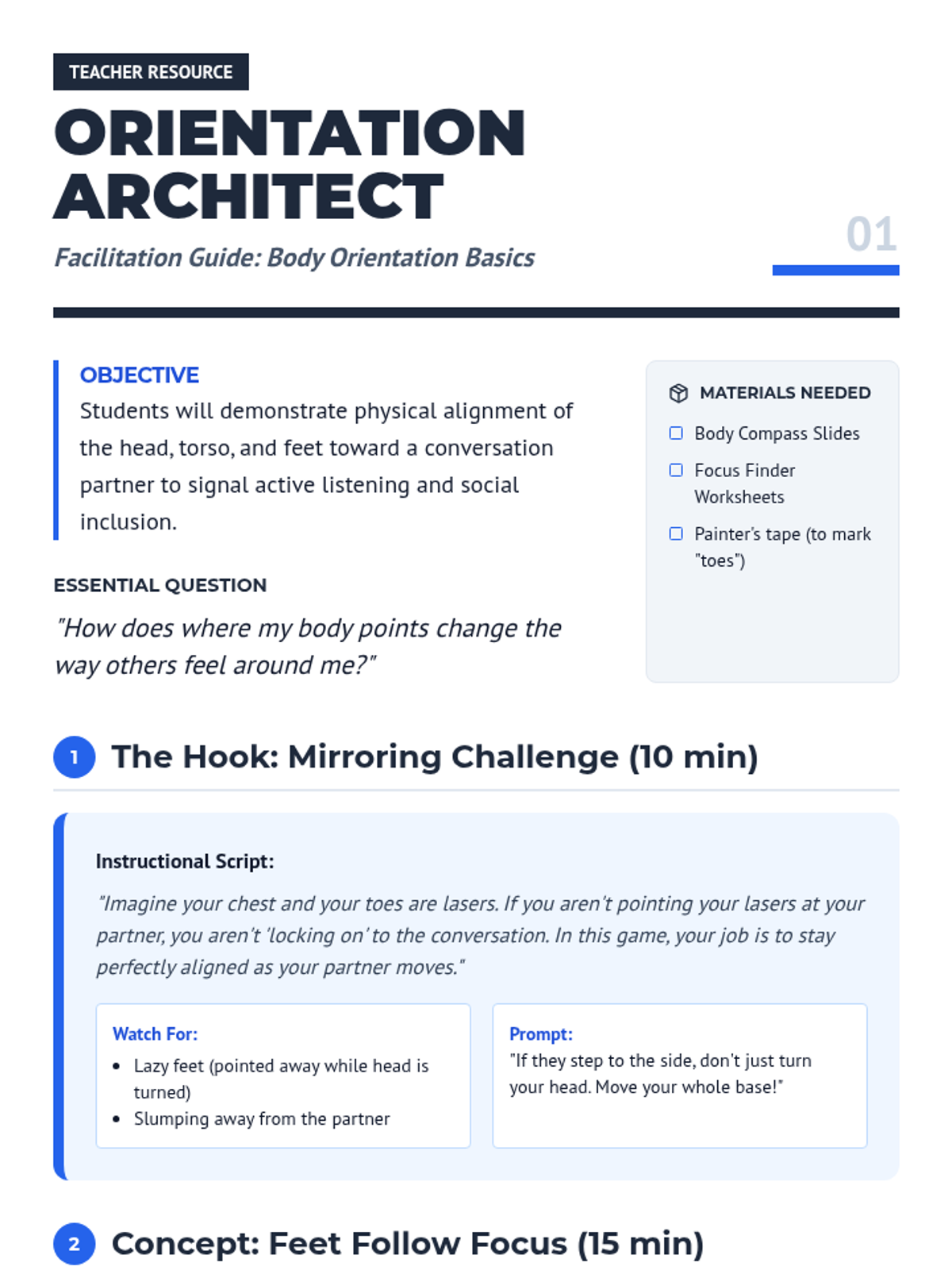
This sequence teaches 8th-grade students the physical mechanics of social interaction, focusing on body orientation, group formations, and nonverbal cues for inclusion and transition. Through a 'Social Architect' theme, students learn to use their bodies as tools for clear communication and social inclusivity.
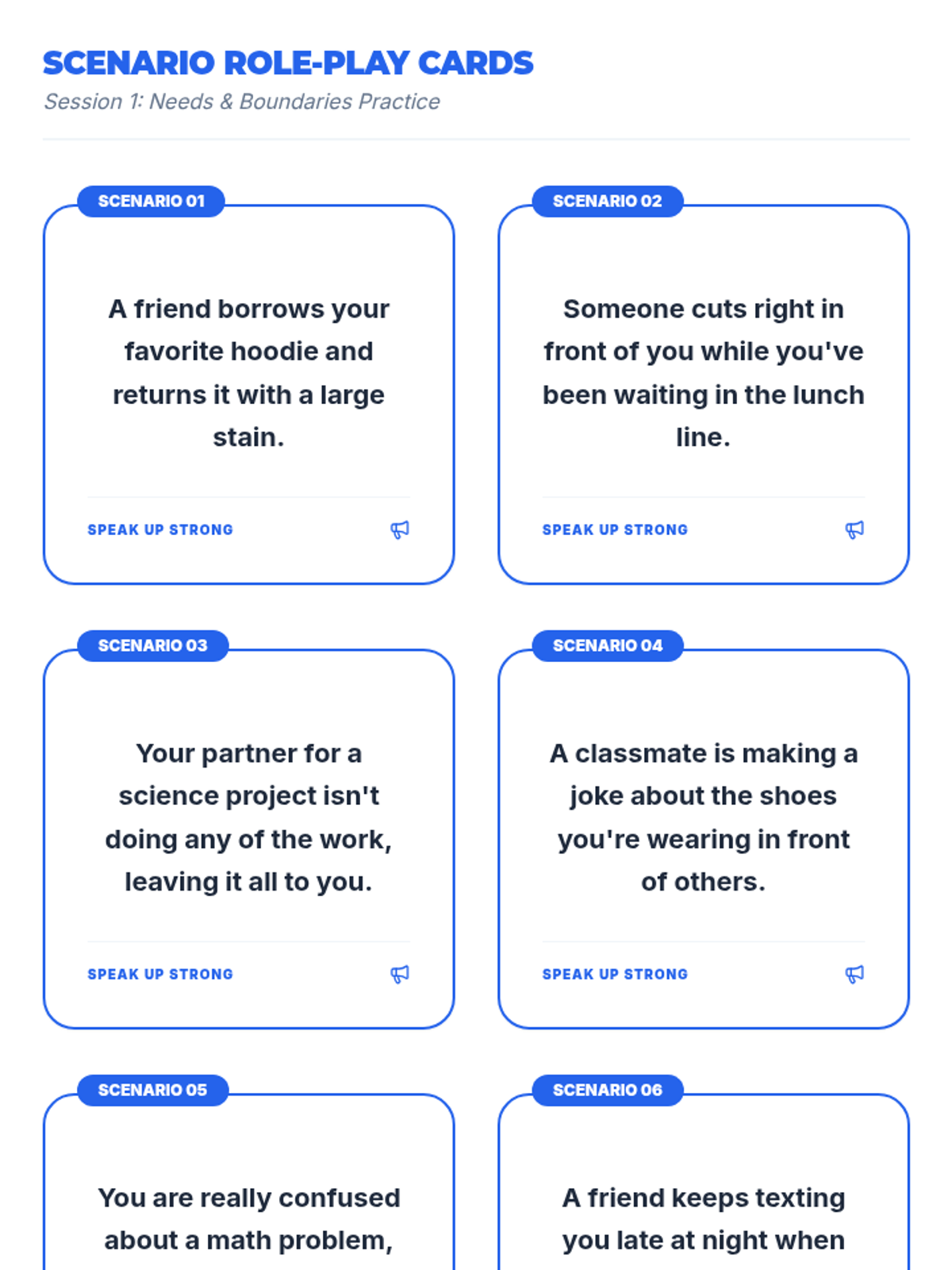
A 5-session individual Tier 3 program designed to help middle school students develop assertive communication, set healthy boundaries, and build self-advocacy skills through role-play and reflection.
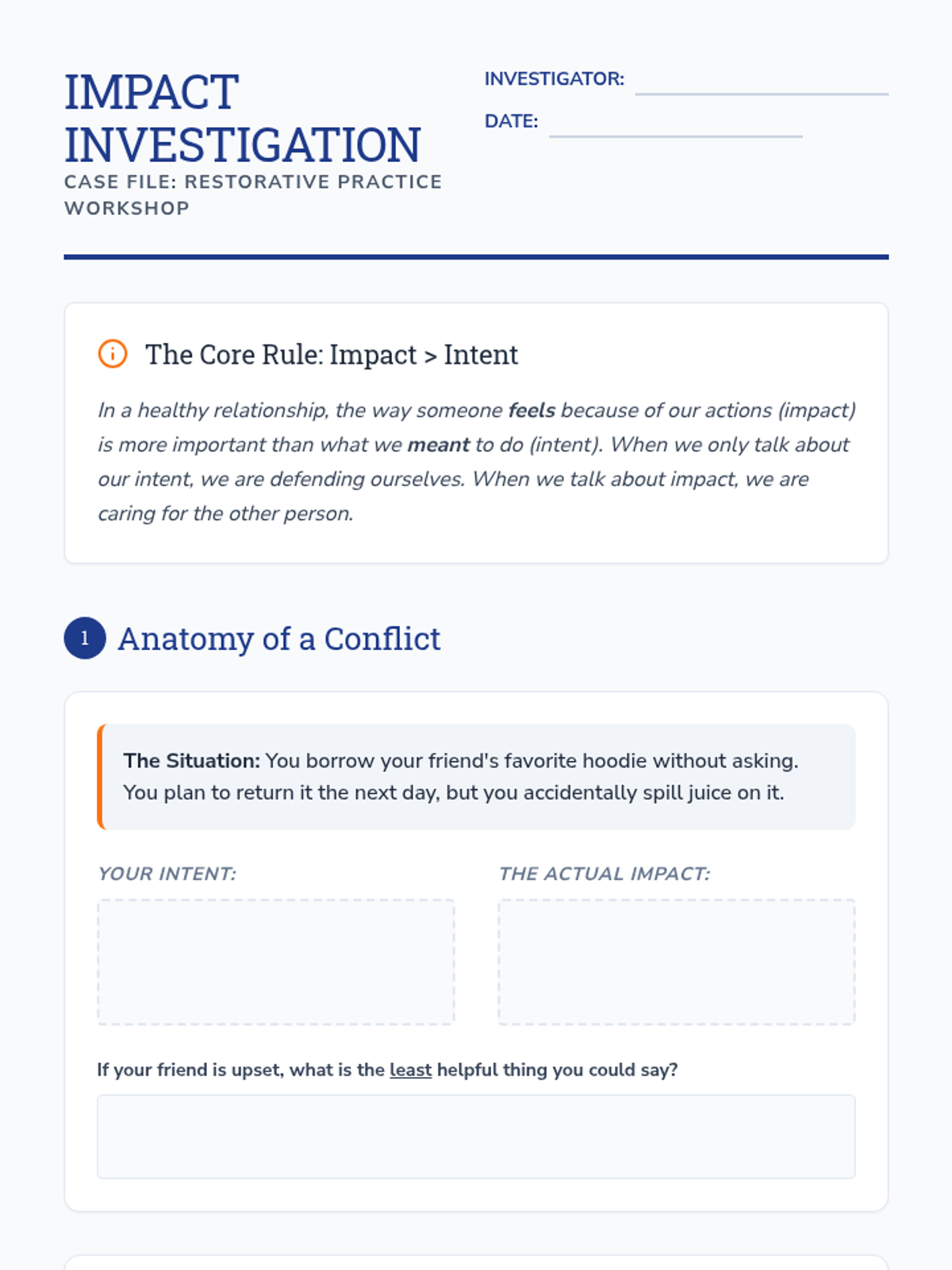
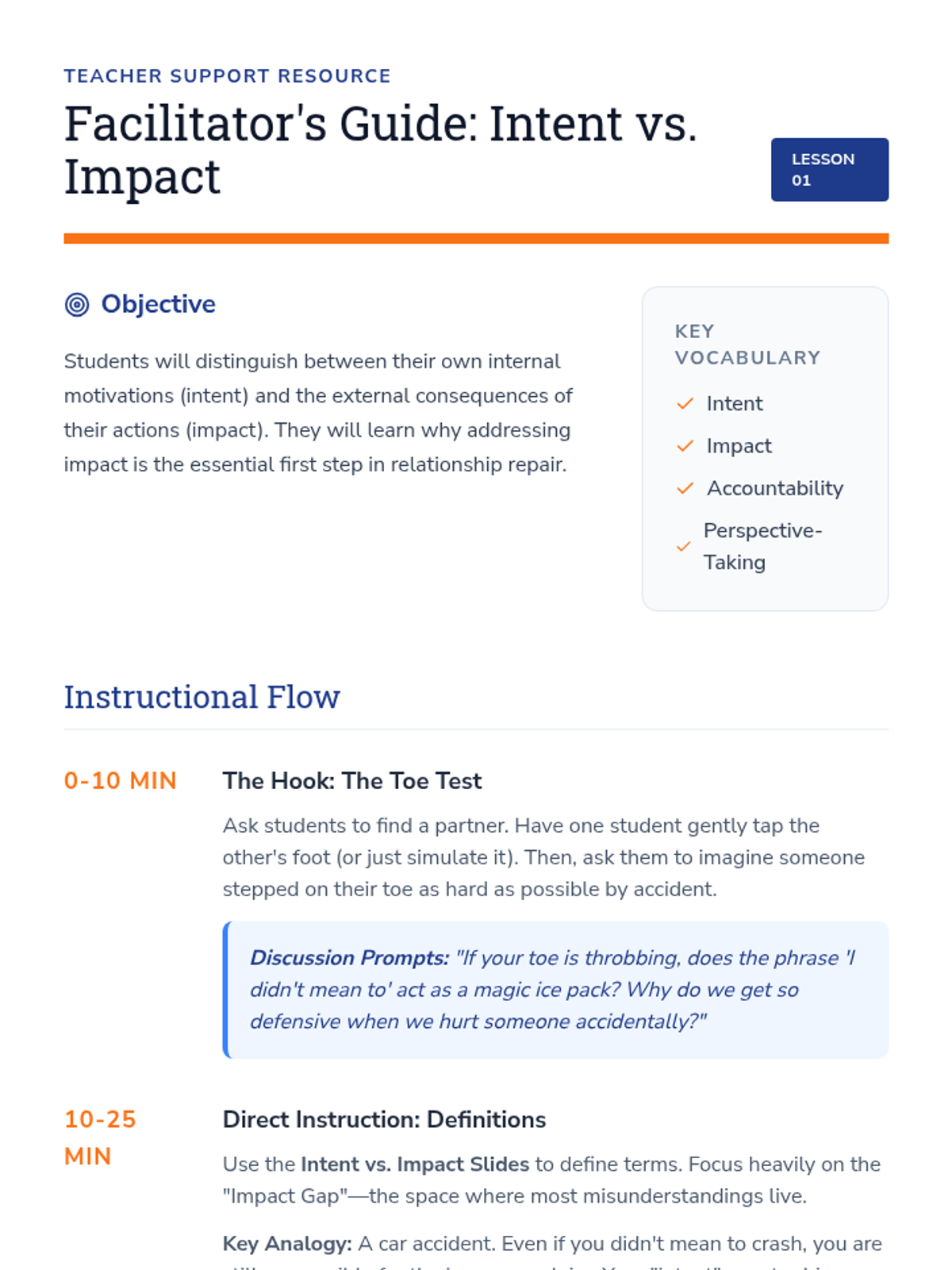
A 5-lesson sequence for 7th grade students focusing on restorative practices, the difference between intent and impact, crafting genuine apologies, and the long-term process of rebuilding trust after conflict.
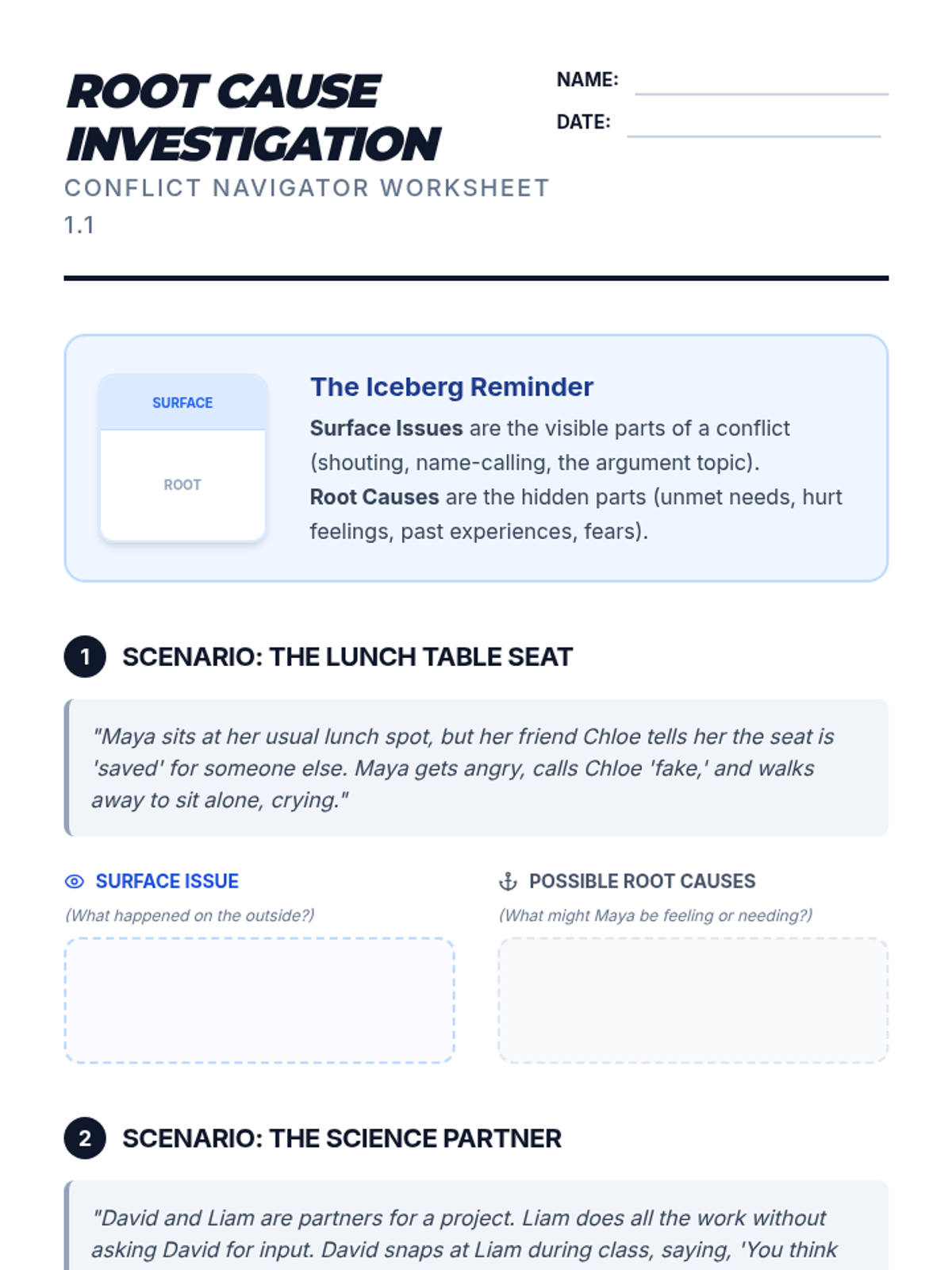
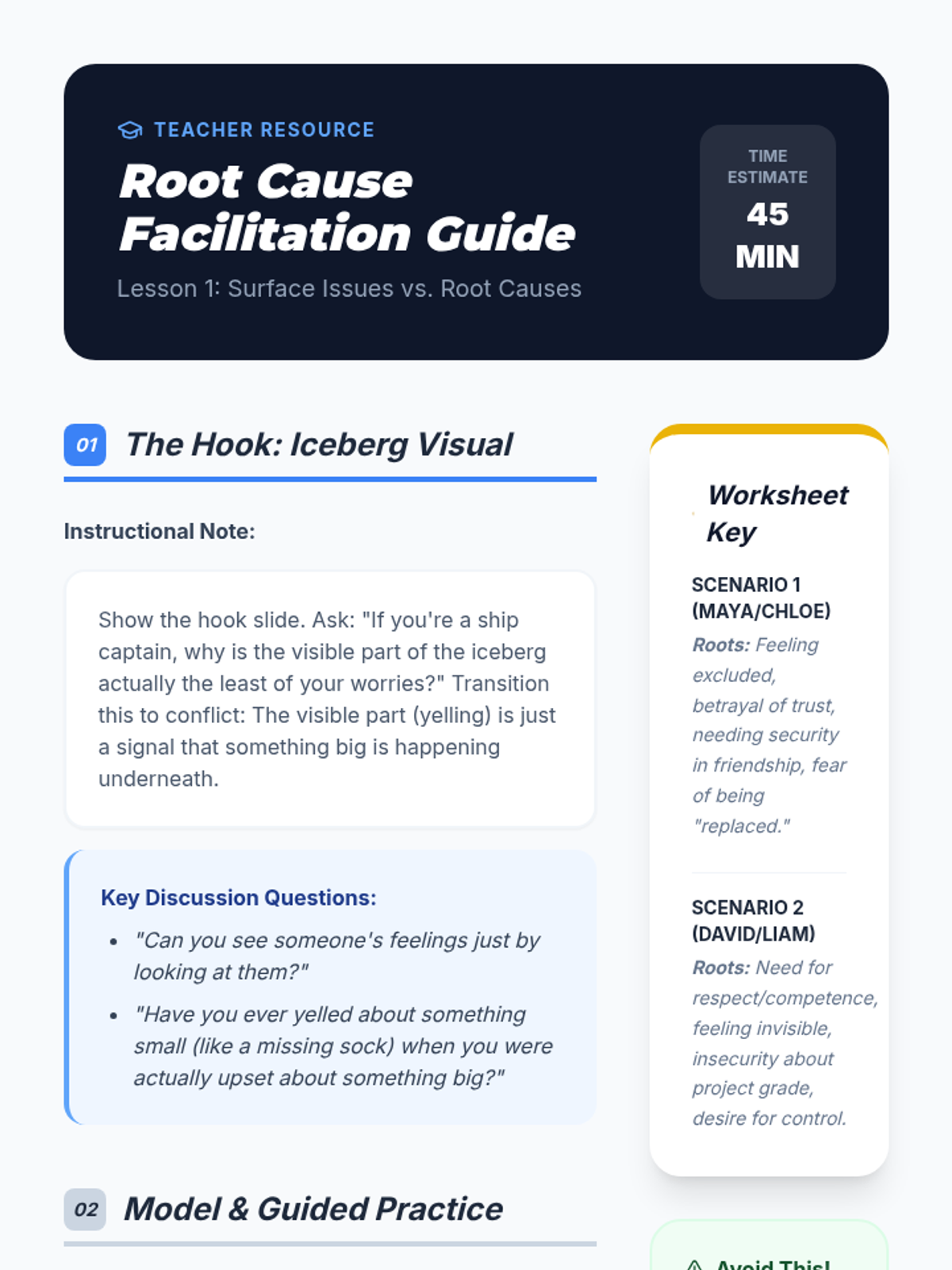
A comprehensive 6th-grade sequence on conflict navigation, teaching students to identify root causes, recognize personal conflict styles, practice perspective-taking, understand escalation, and diagnose complex disputes.
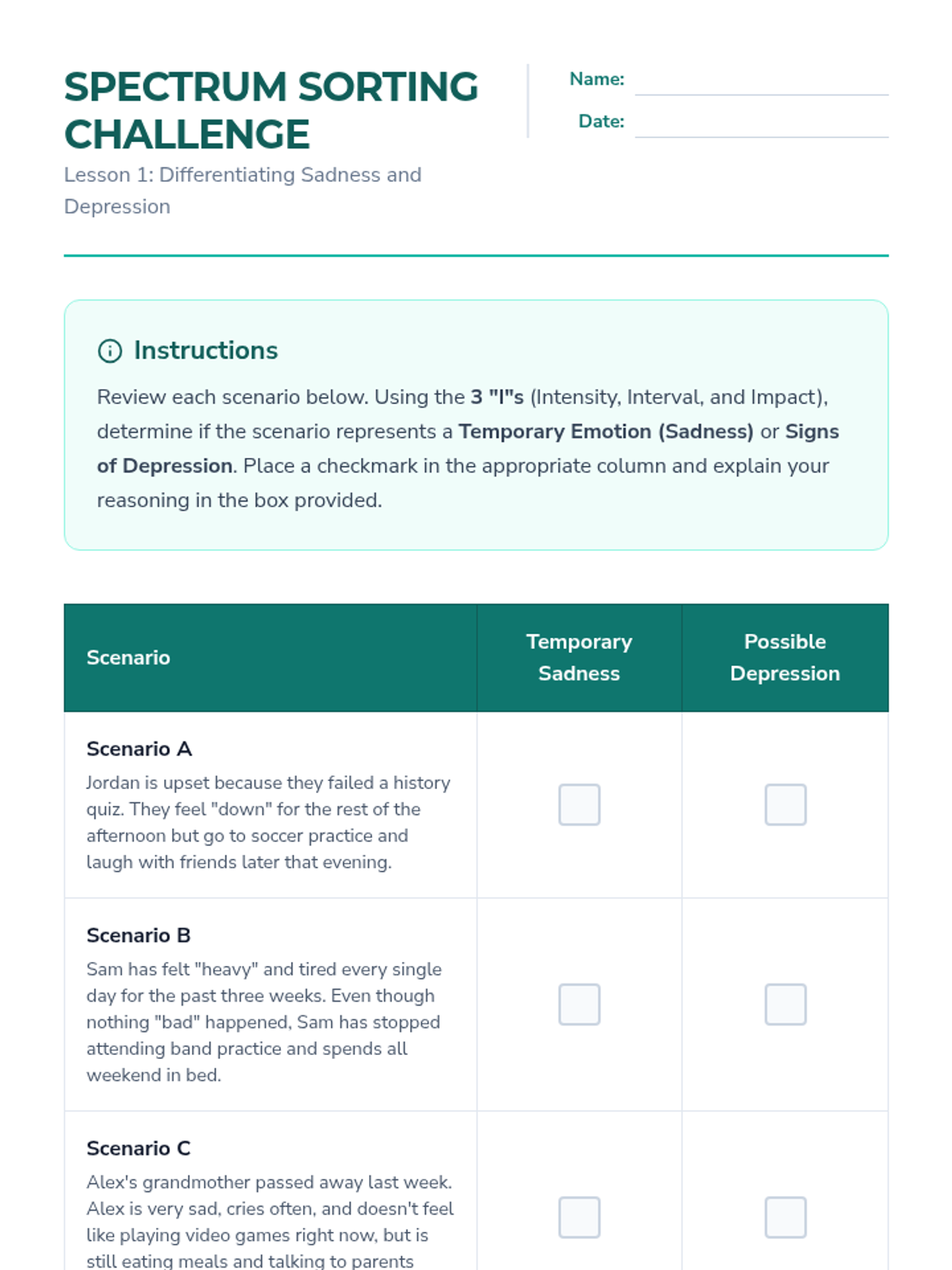
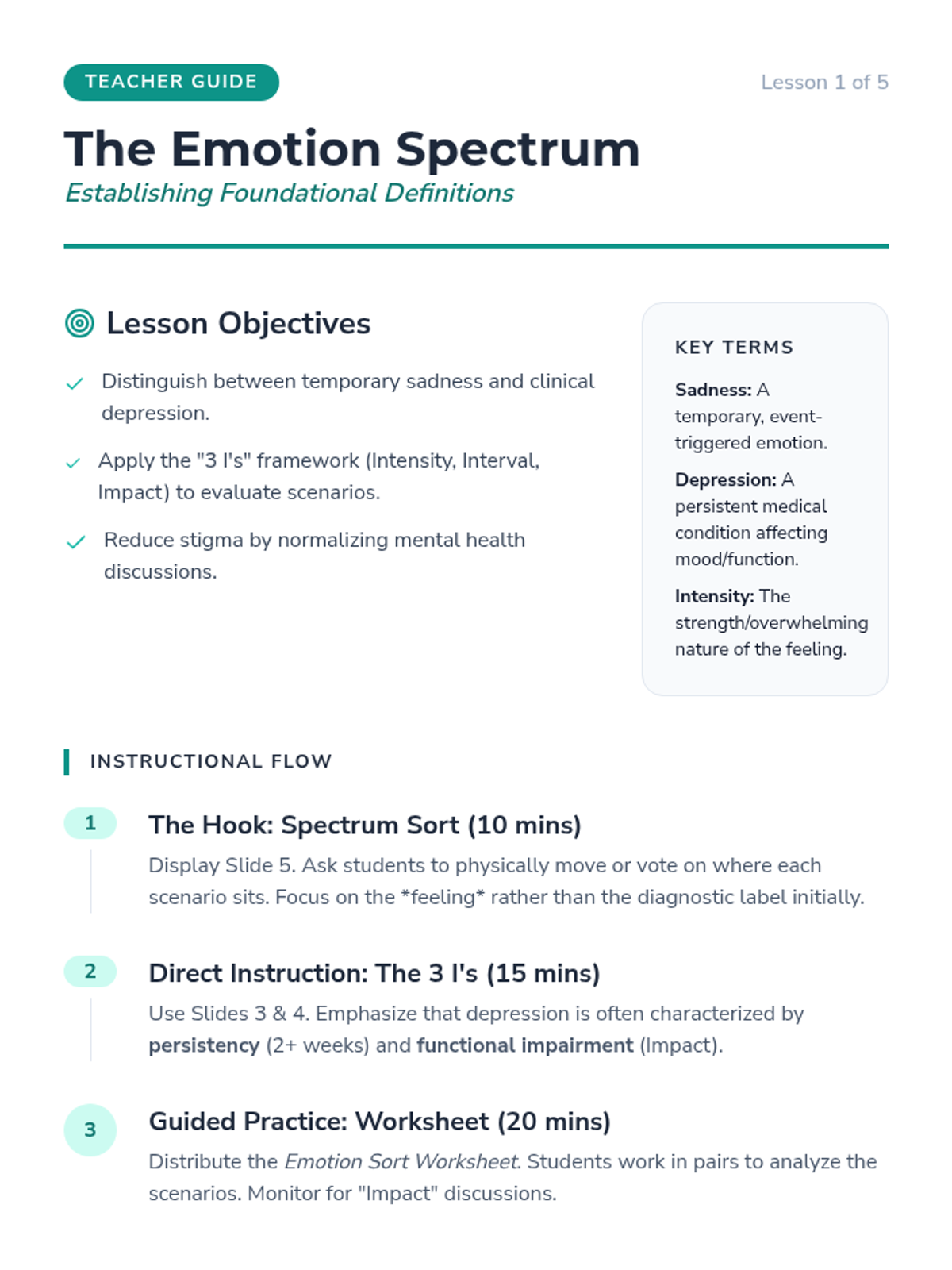
This sequence helps 8th-grade students distinguish between temporary sadness and clinical depression by analyzing behavioral, physical, and emotional indicators. It culminates in learning the ACT (Acknowledge, Care, Tell) strategy for seeking help from trusted adults.
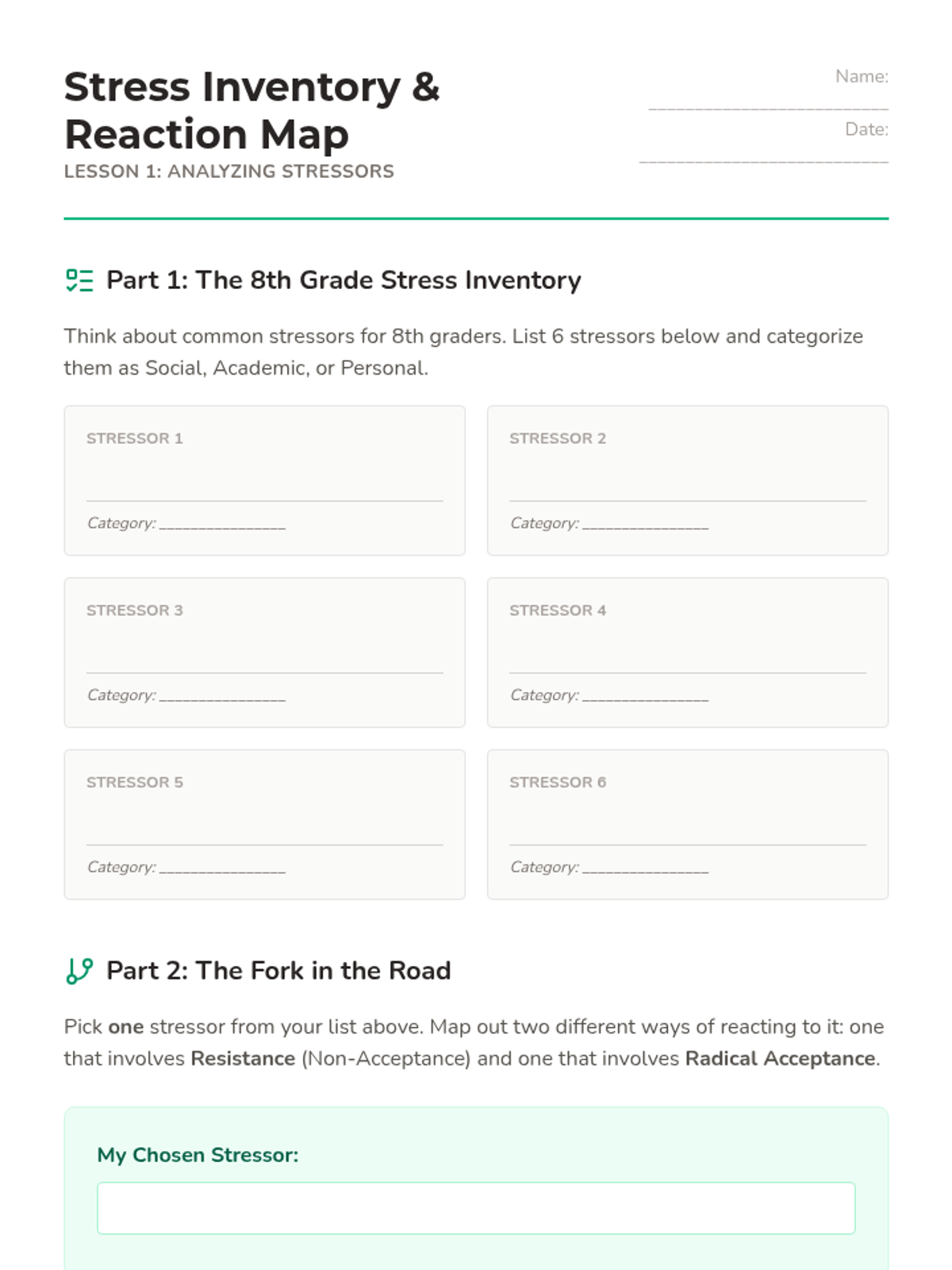
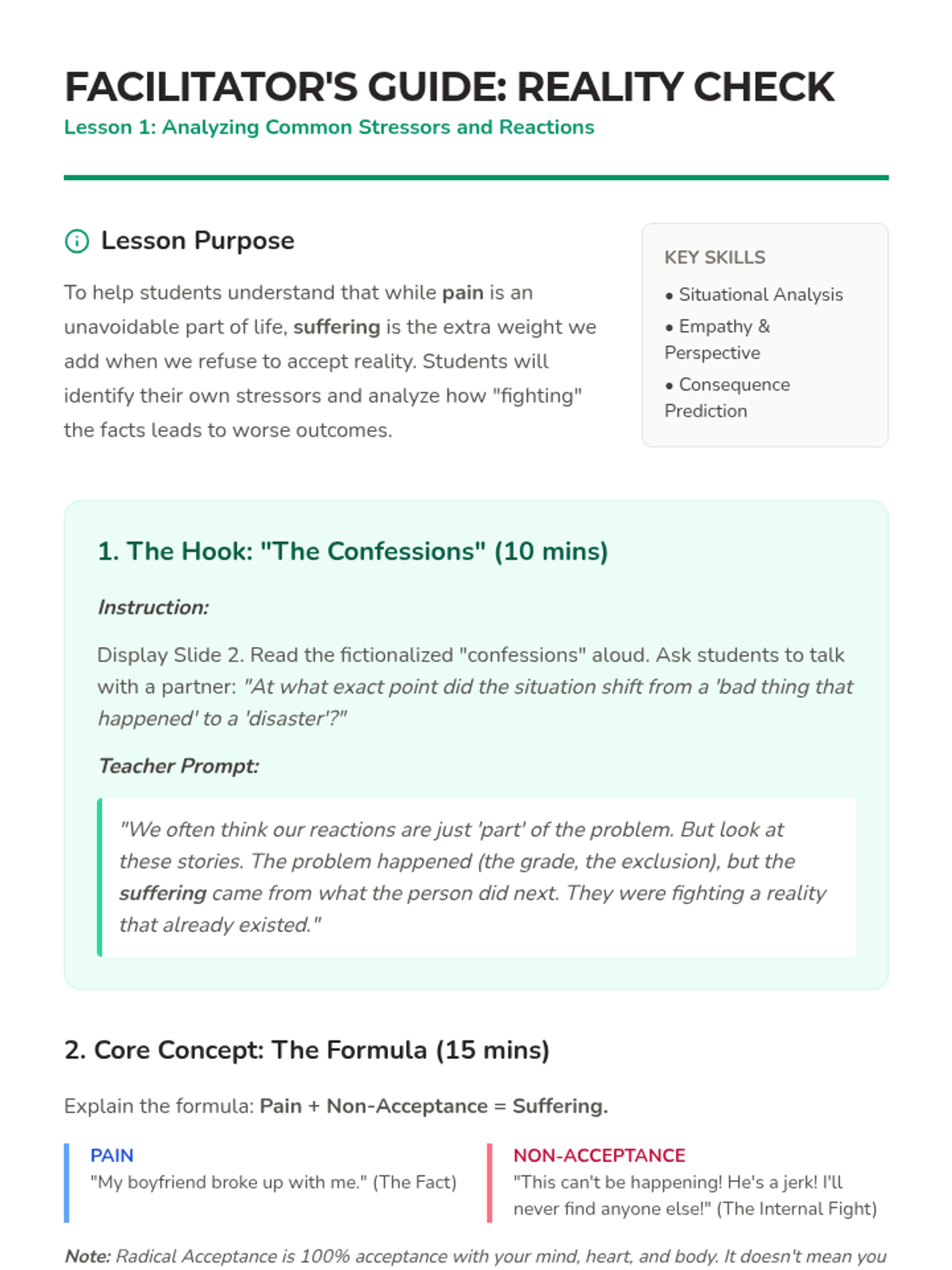
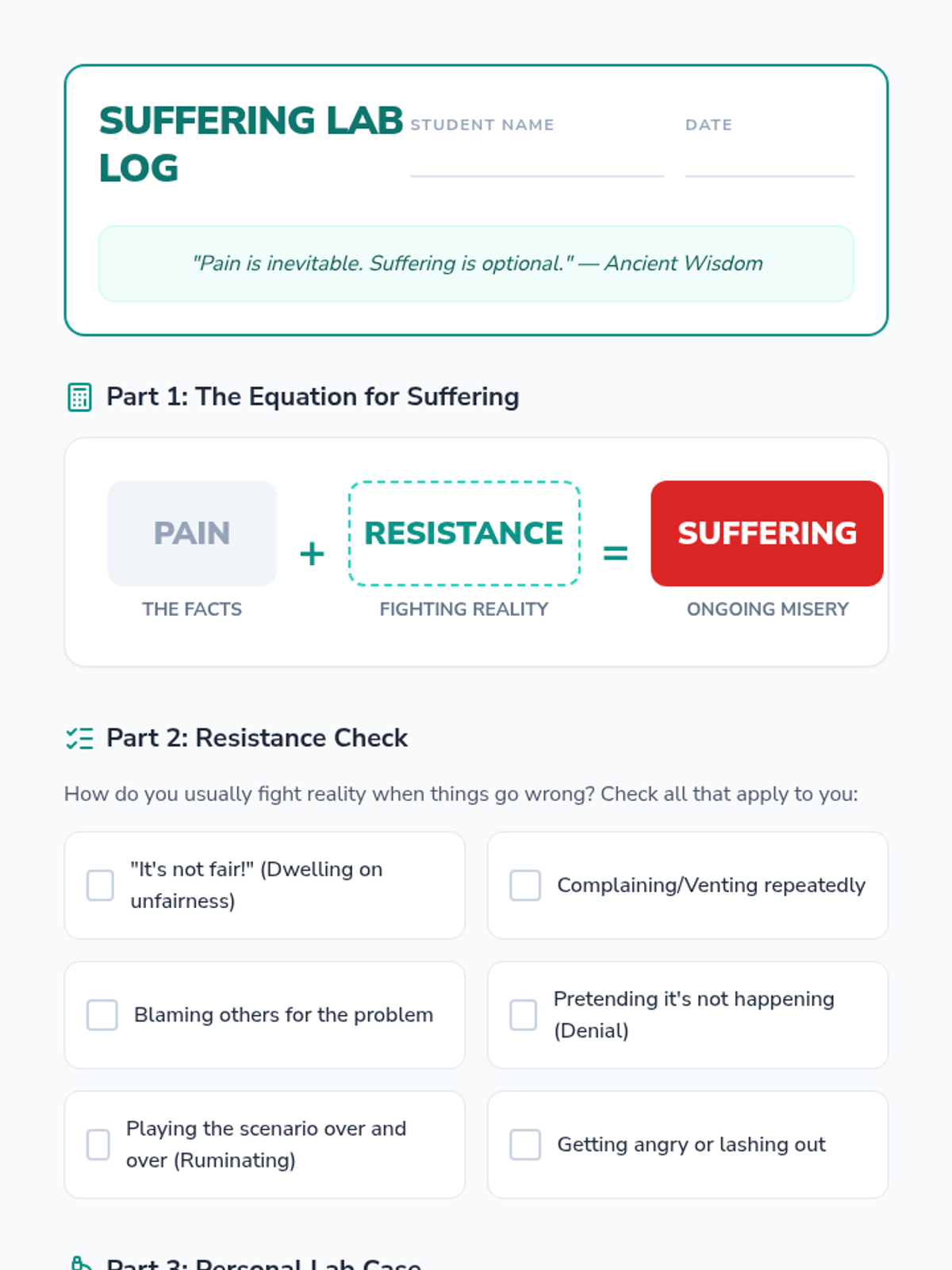
A 5-lesson sequence for 8th-grade students on practicing Radical Acceptance to navigate academic and social stressors. Students learn to distinguish between unavoidable pain and optional suffering, applying proactive 'Cope Ahead' strategies to real-world scenarios.
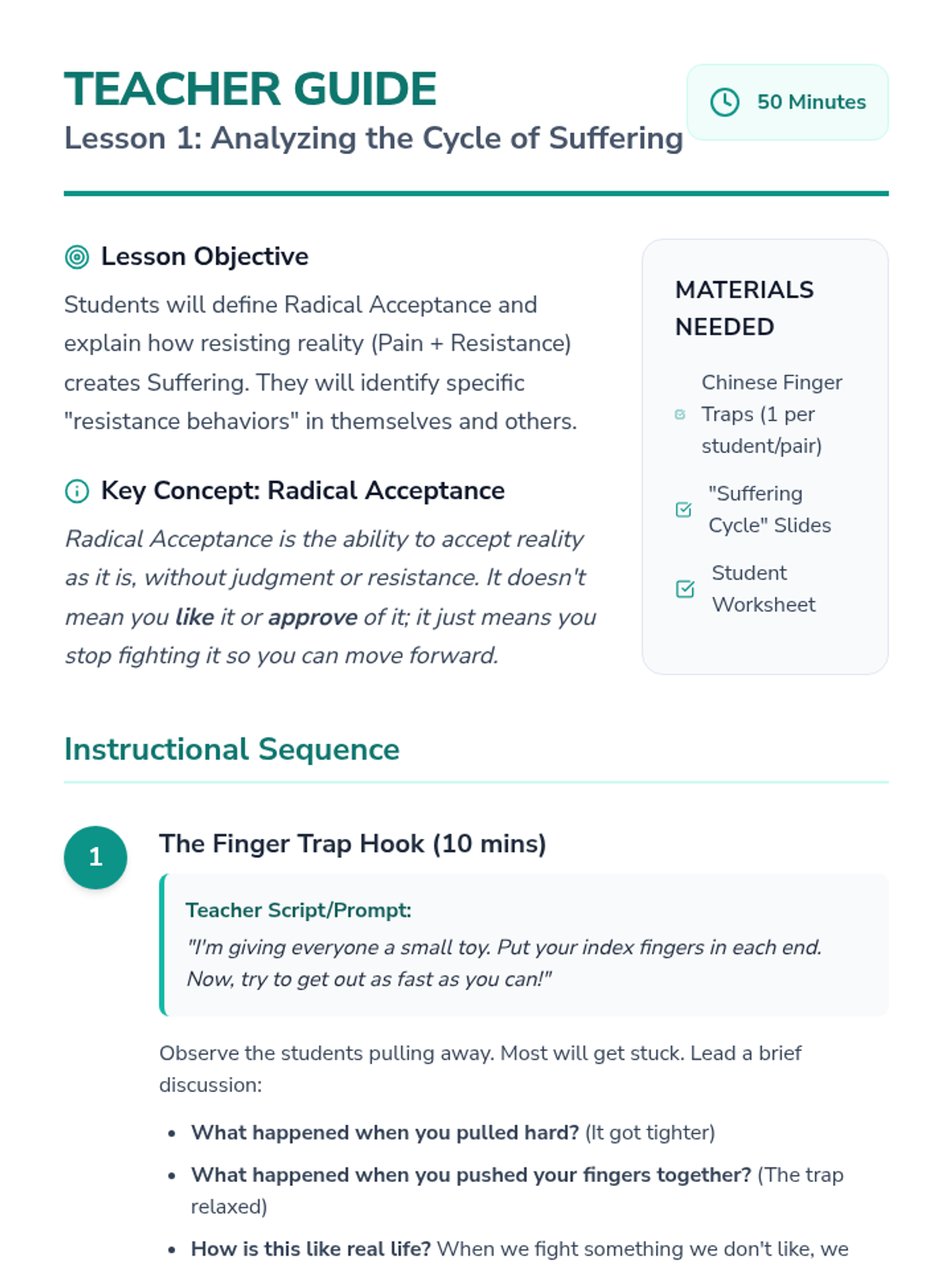
This middle school sequence focuses on building distress tolerance through Radical Acceptance. Students move from understanding the 'Cycle of Suffering' to practicing resilience in academic and social scenarios, ultimately learning to pivot from disappointment to proactive problem-solving.
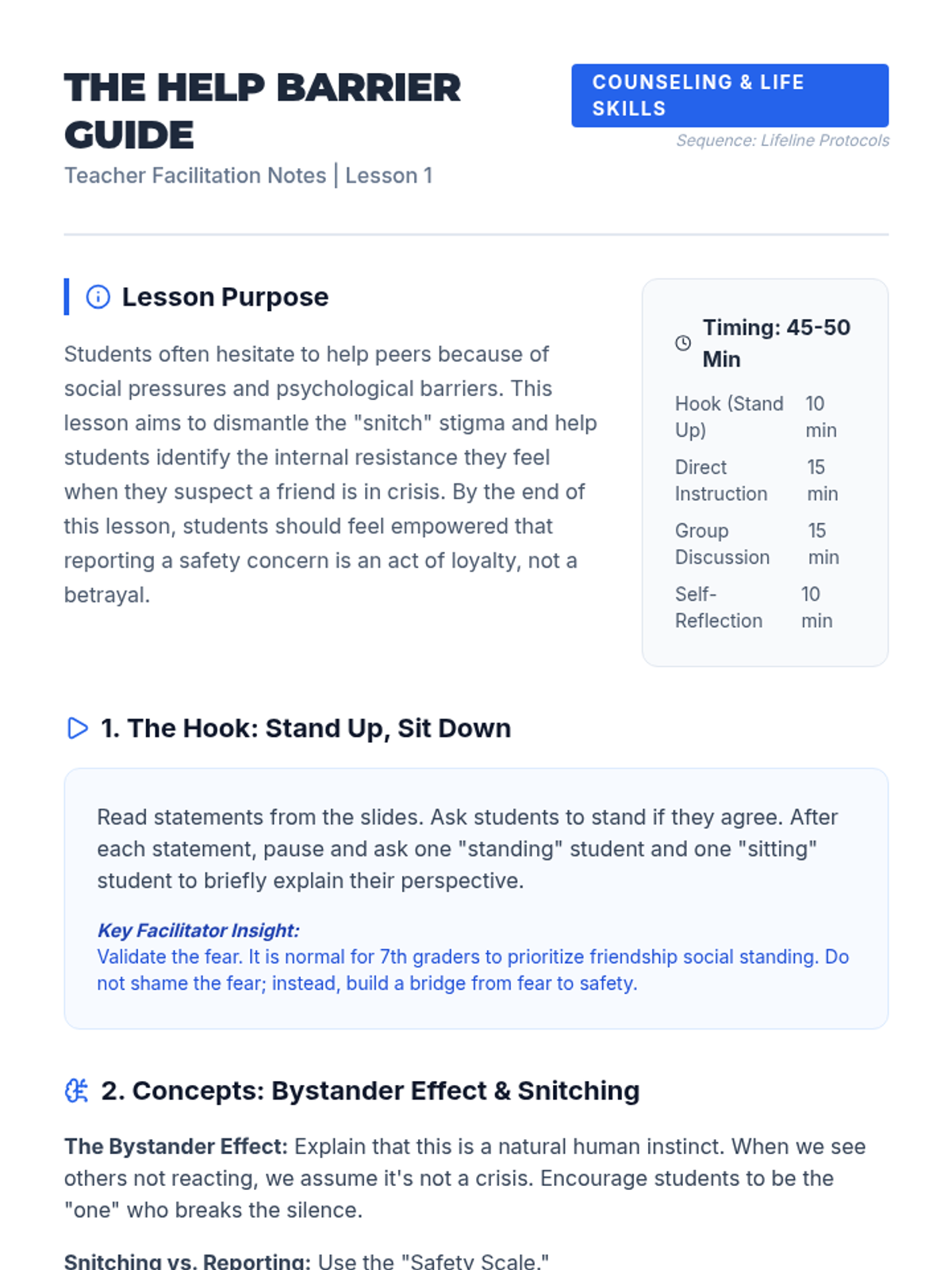
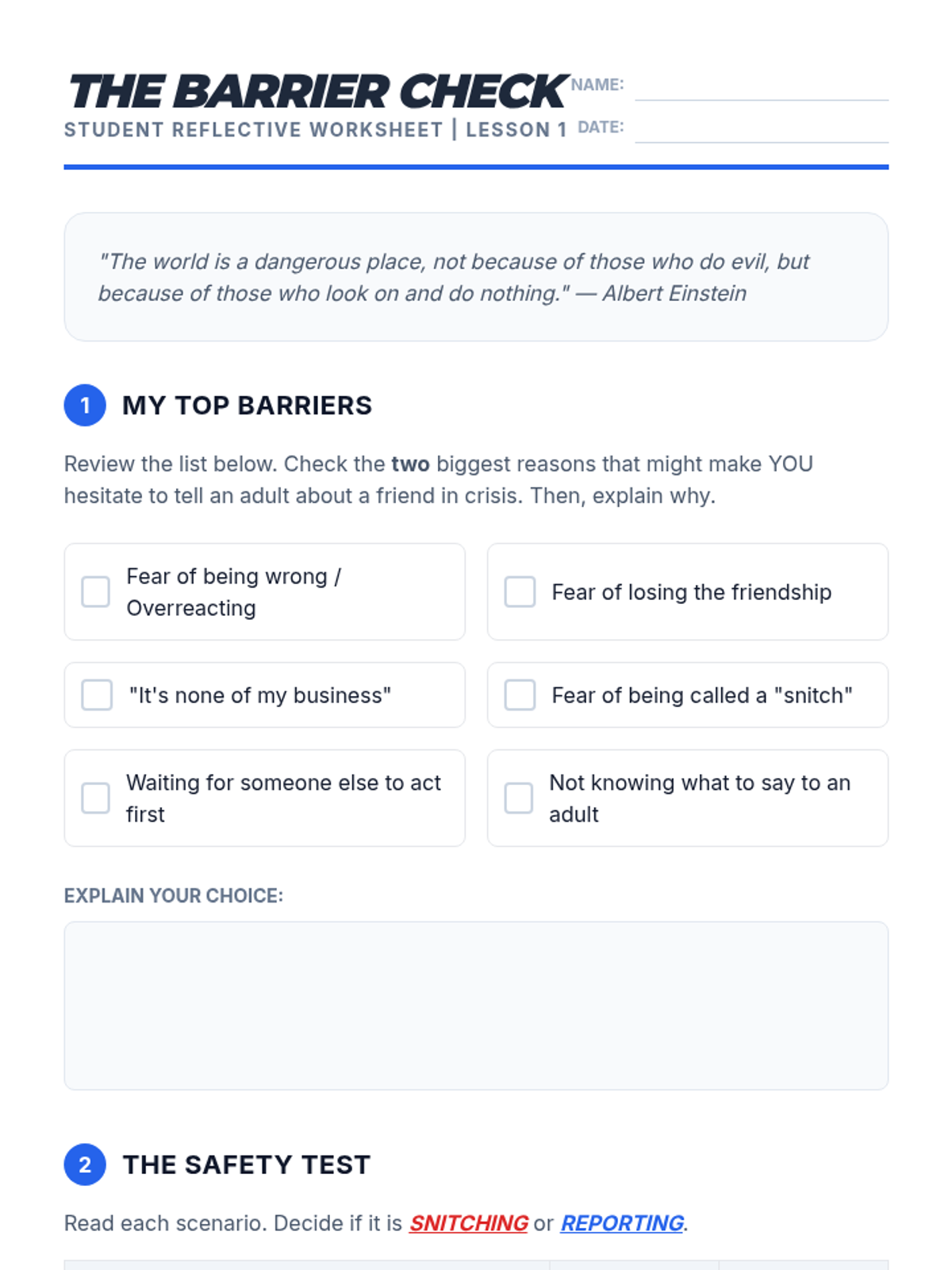
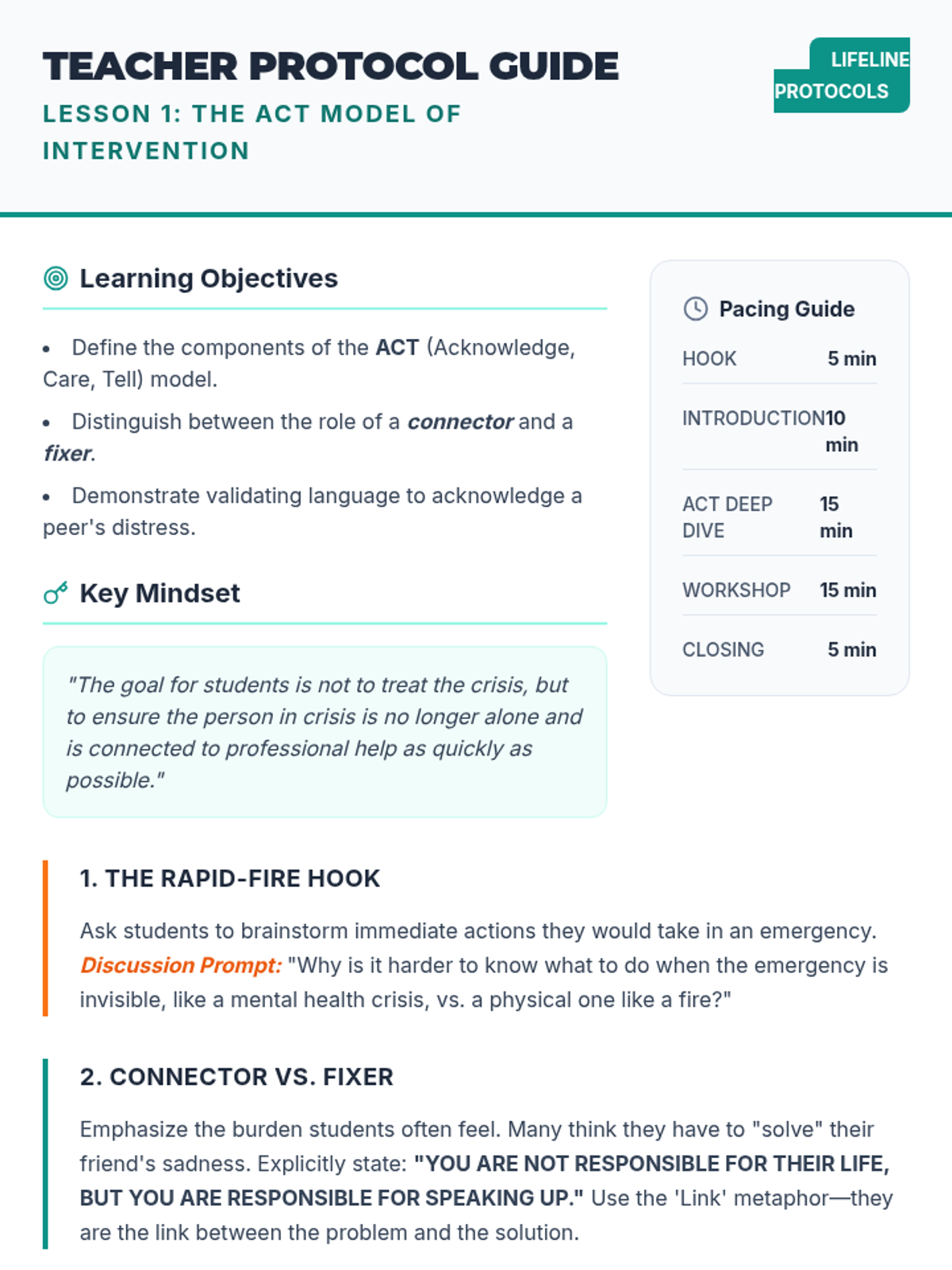
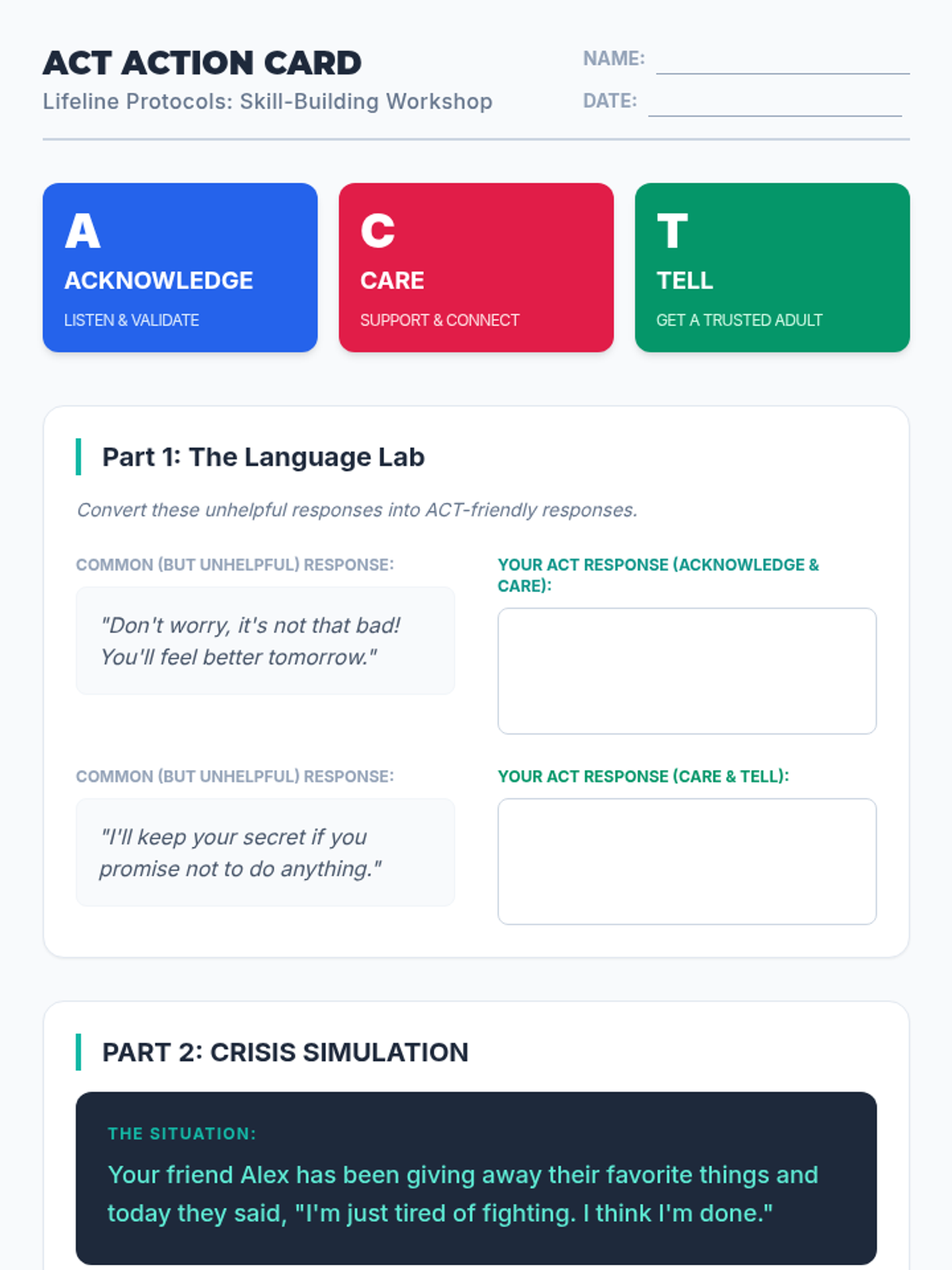
This sequence focuses on teaching 7th-grade students how to safely and effectively help a peer in a mental health crisis using the ACT (Acknowledge, Care, Tell) model. Students move from understanding psychological barriers like the bystander effect to practicing empathetic listening and identifying concrete resources for professional support.
An actionable workshop sequence for 8th graders on recognizing mental health crises and applying the ACT (Acknowledge, Care, Tell) model to ensure peer safety. Students learn to overcome barriers to reporting and practice communicating urgency to trusted adults.
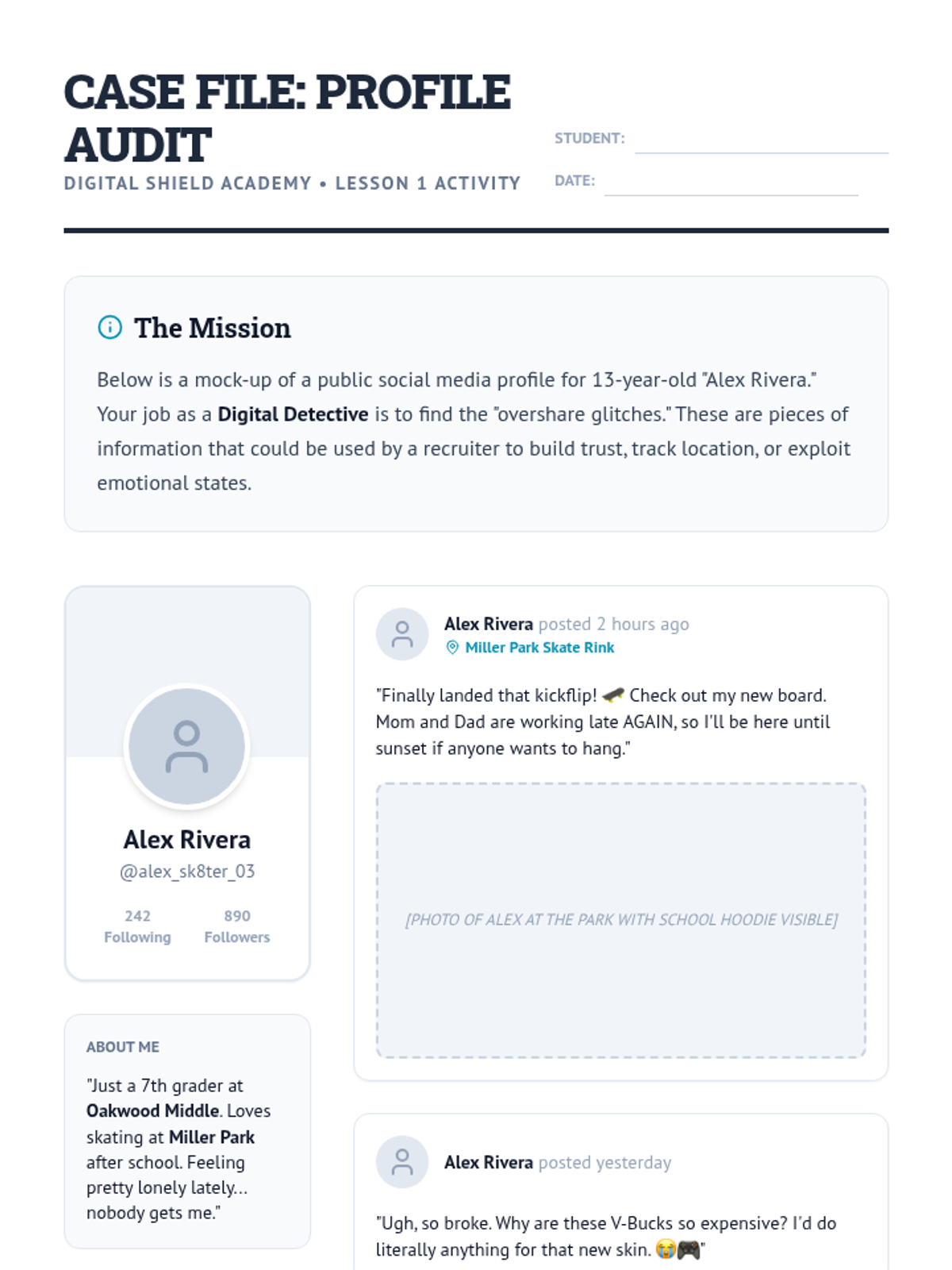
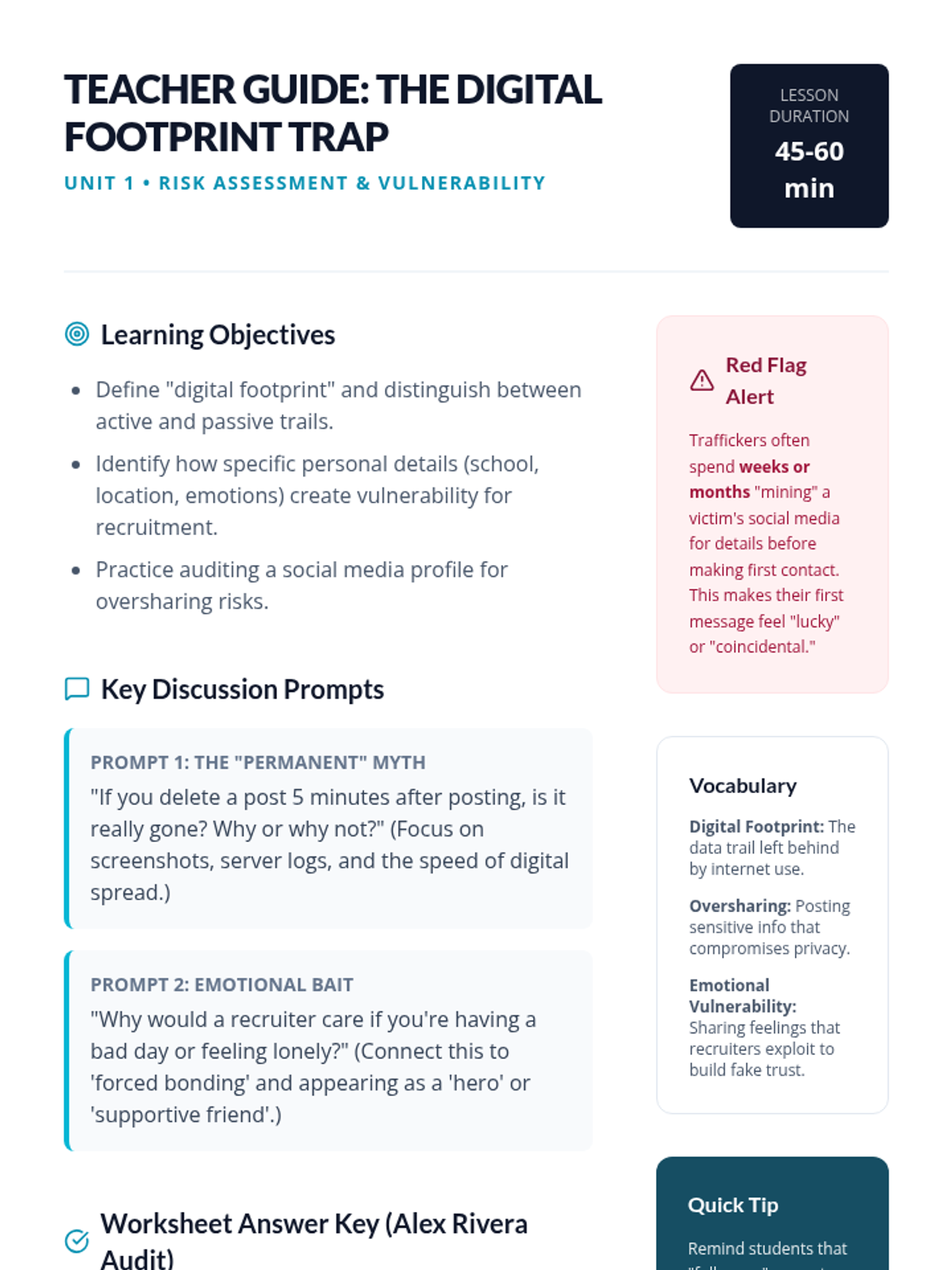
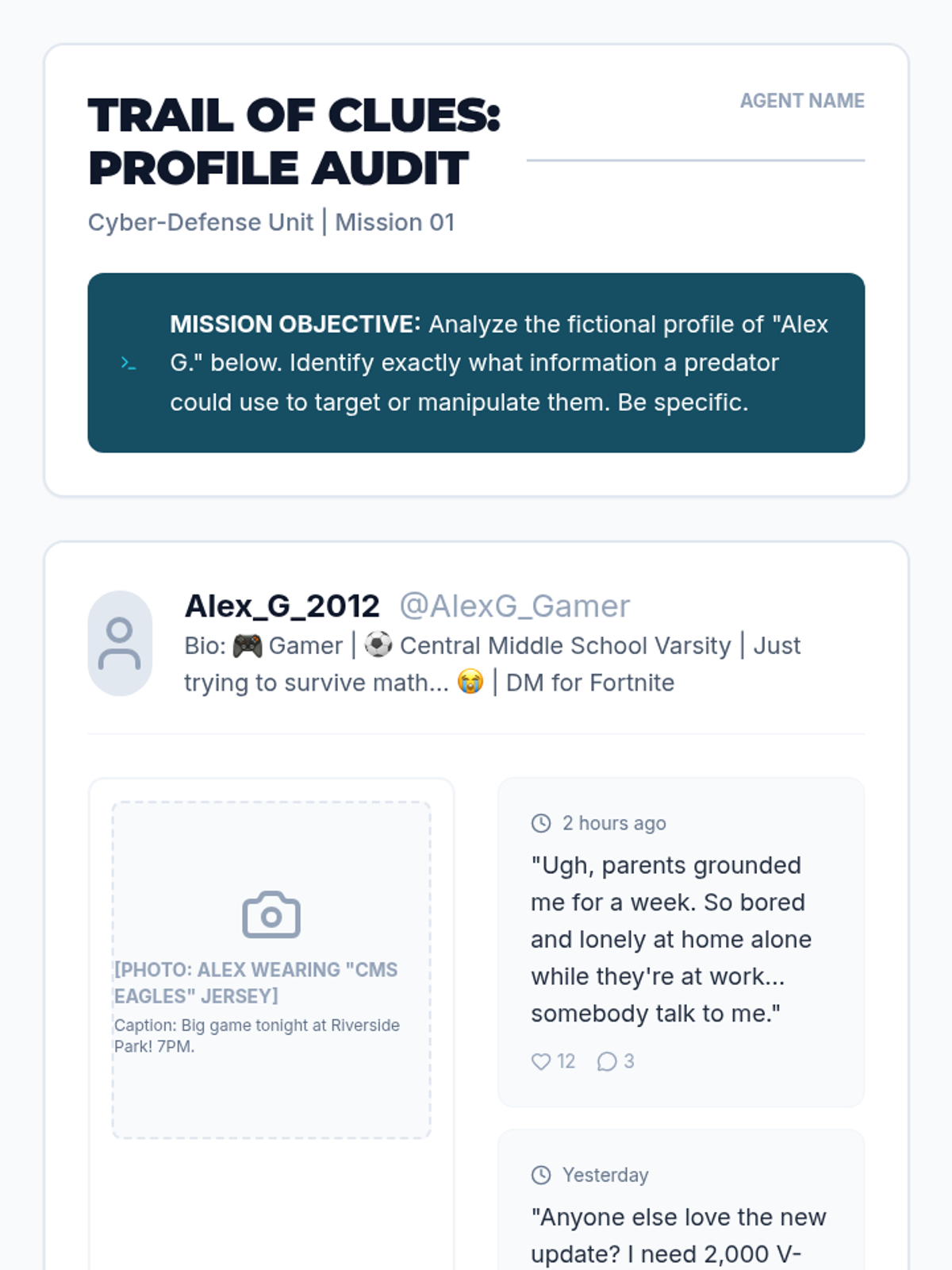
A 5-lesson sequence for 6th graders focusing on identifying online recruitment tactics, understanding digital footprints, and implementing privacy shields to prevent exploitation and trafficking.
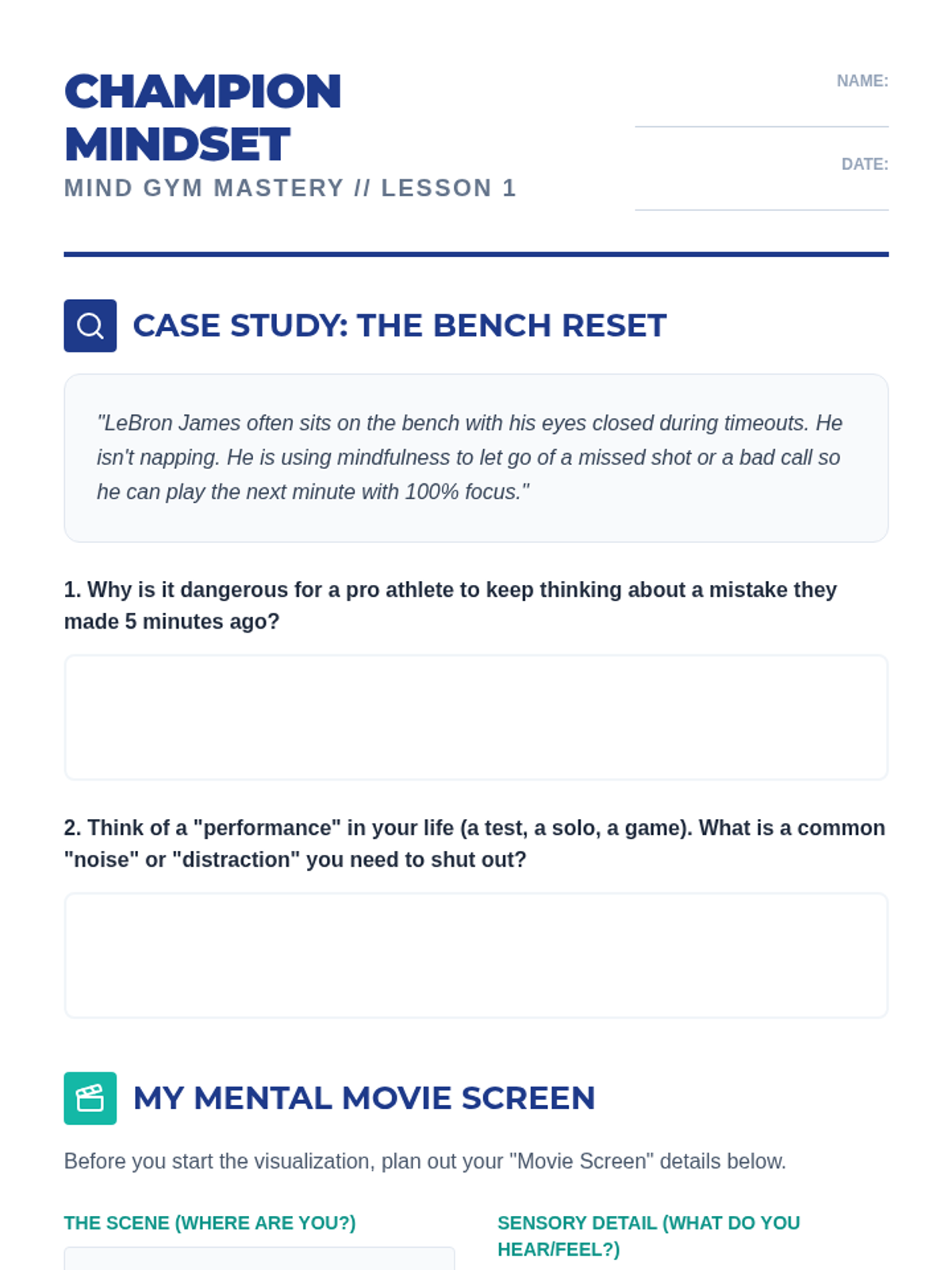
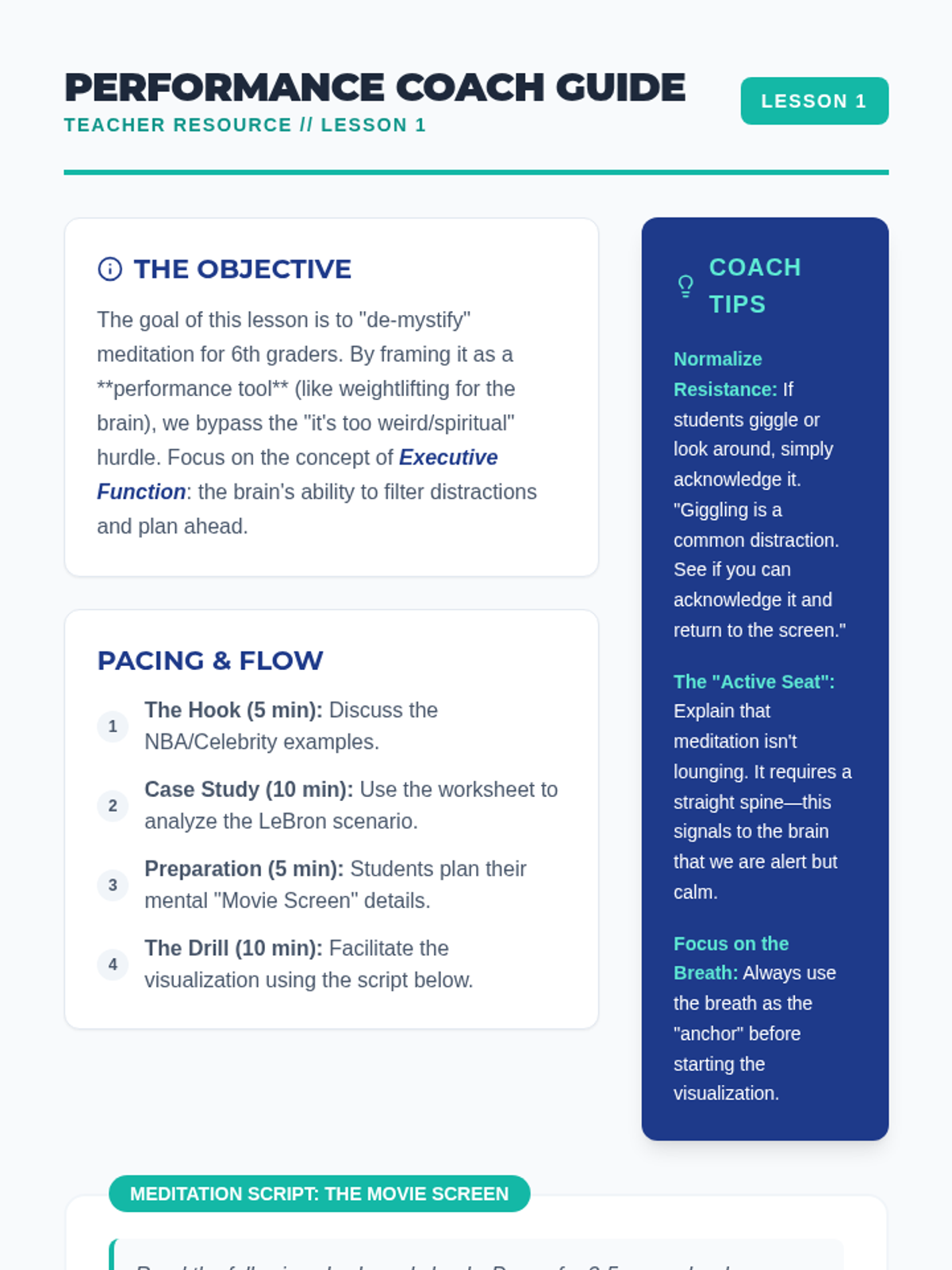
This middle school sequence reframes meditation as a 'performance tool' for academic and social success. Students explore case studies of peak performers, learn the STOP technique for impulse control, develop grounding strategies for test anxiety, and practice empathy through Loving-Kindness meditation, culminating in a real-world scenario challenge.
This sequence focuses on emotional intelligence and self-compassion through a case study approach. Students analyze hypothetical scenarios involving disappointment, anger, or anxiety, and apply mindfulness techniques to navigate them, shifting from reacting impulsively to responding thoughtfully.
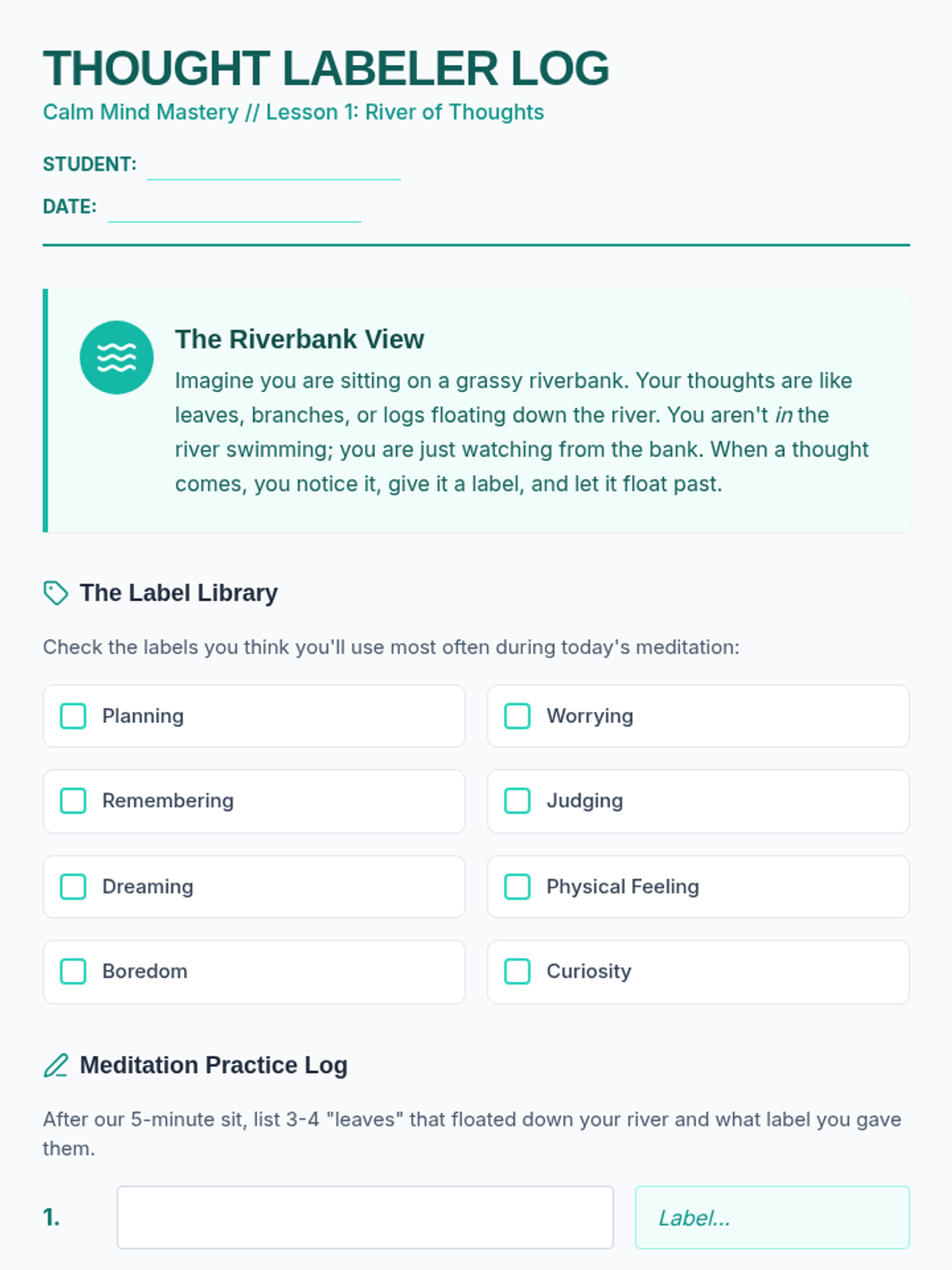
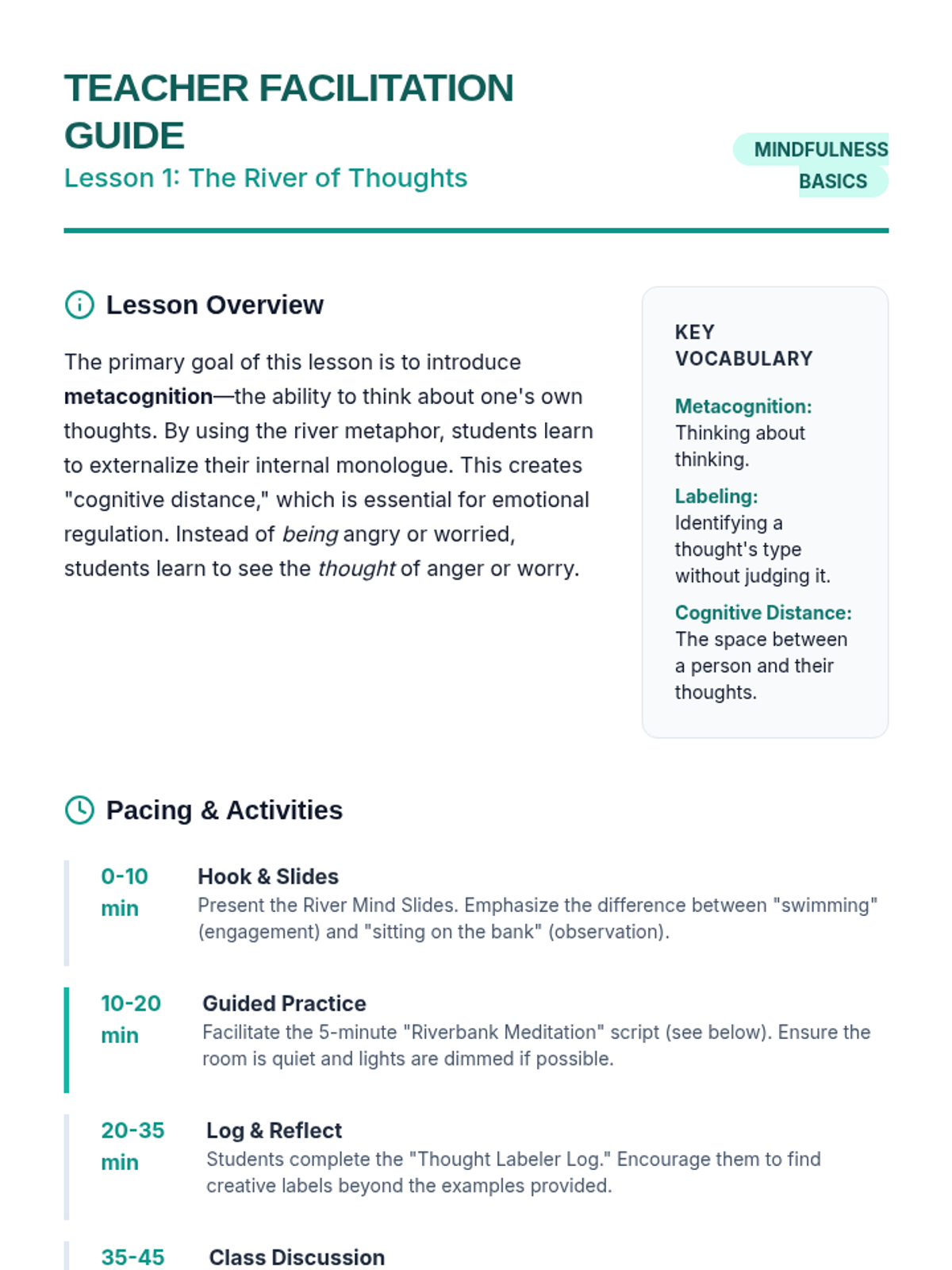
A 5-lesson unit for 7th graders on using meditation for emotional regulation, focus, and interpersonal conflict resolution. Students learn metacognition through metaphors, visualization for performance, empathy through loving-kindness practice, and impulse control via the STOP method.
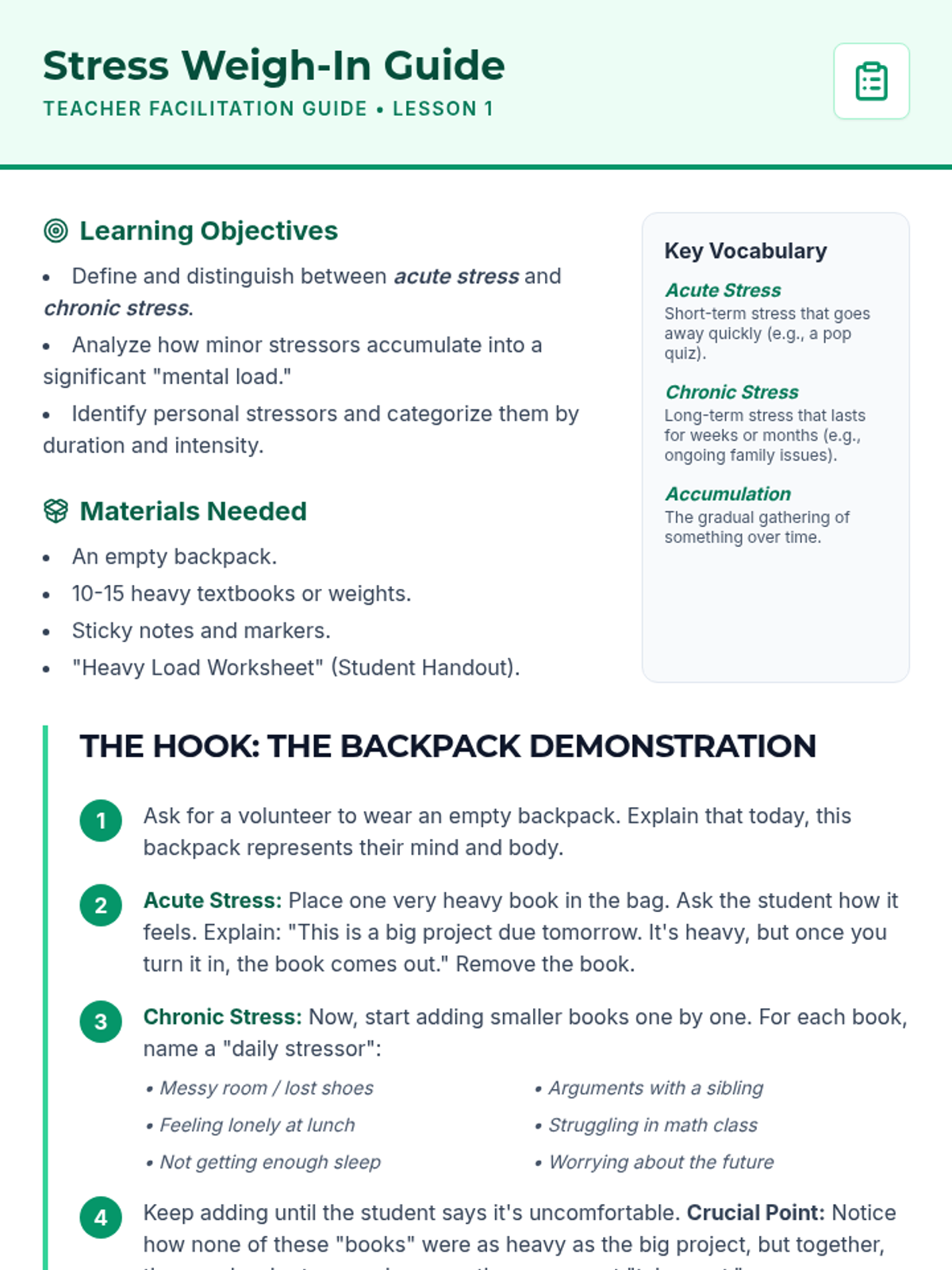
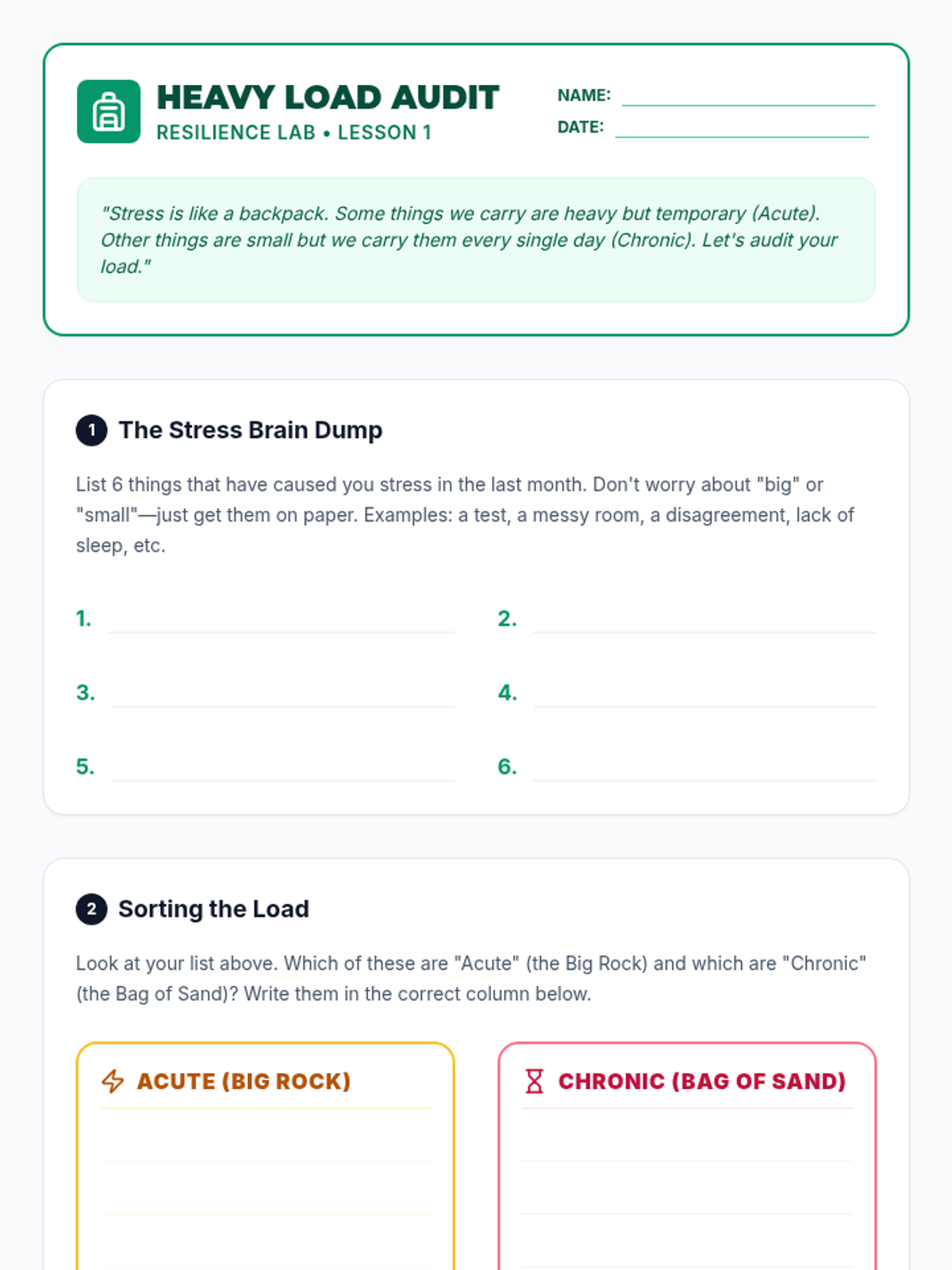
This sequence explores the differences between acute and chronic stress, examines the impact of lifestyle habits on resilience, and culminates in students designing sustainable coping strategies for a balanced life.
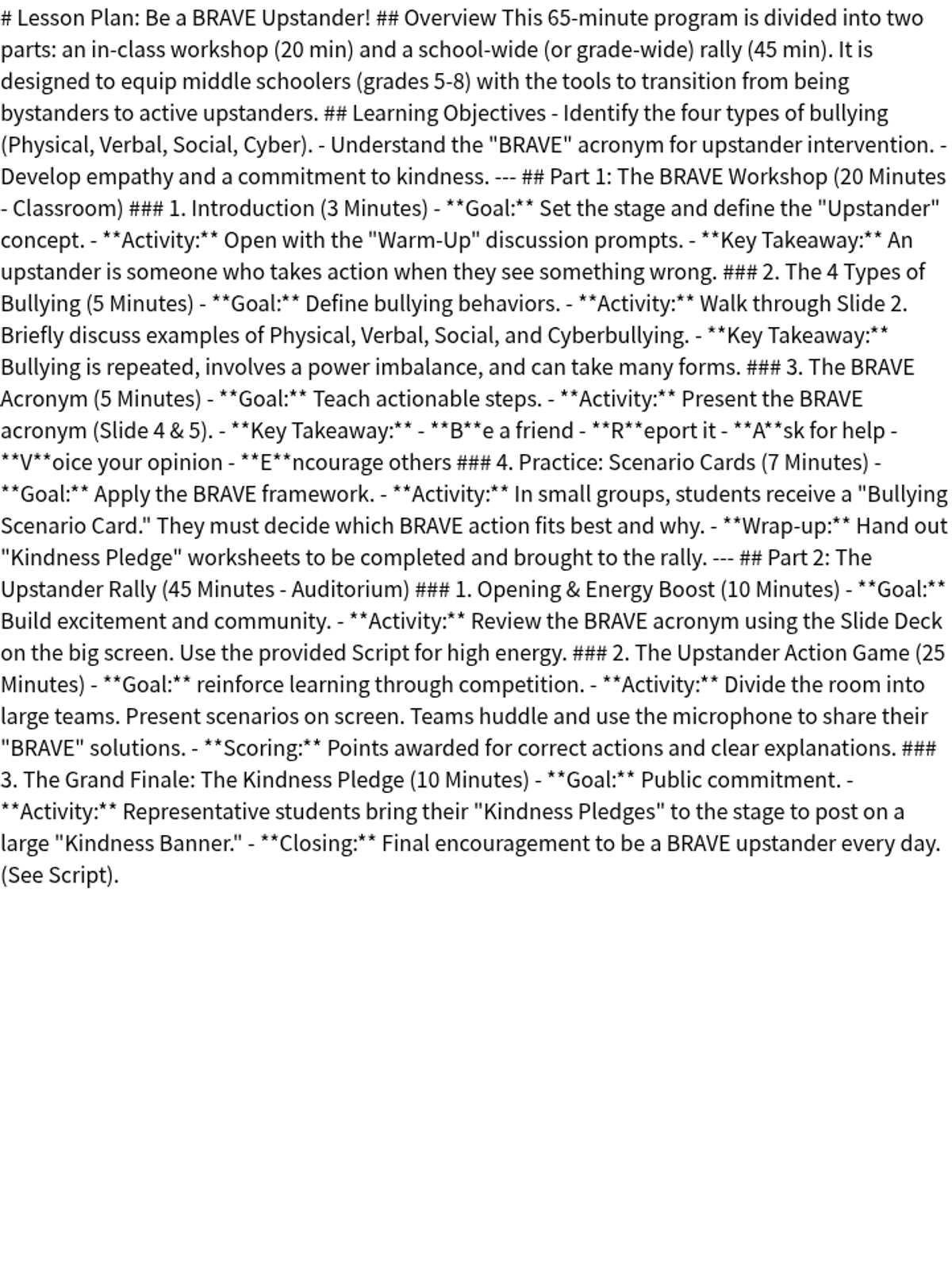
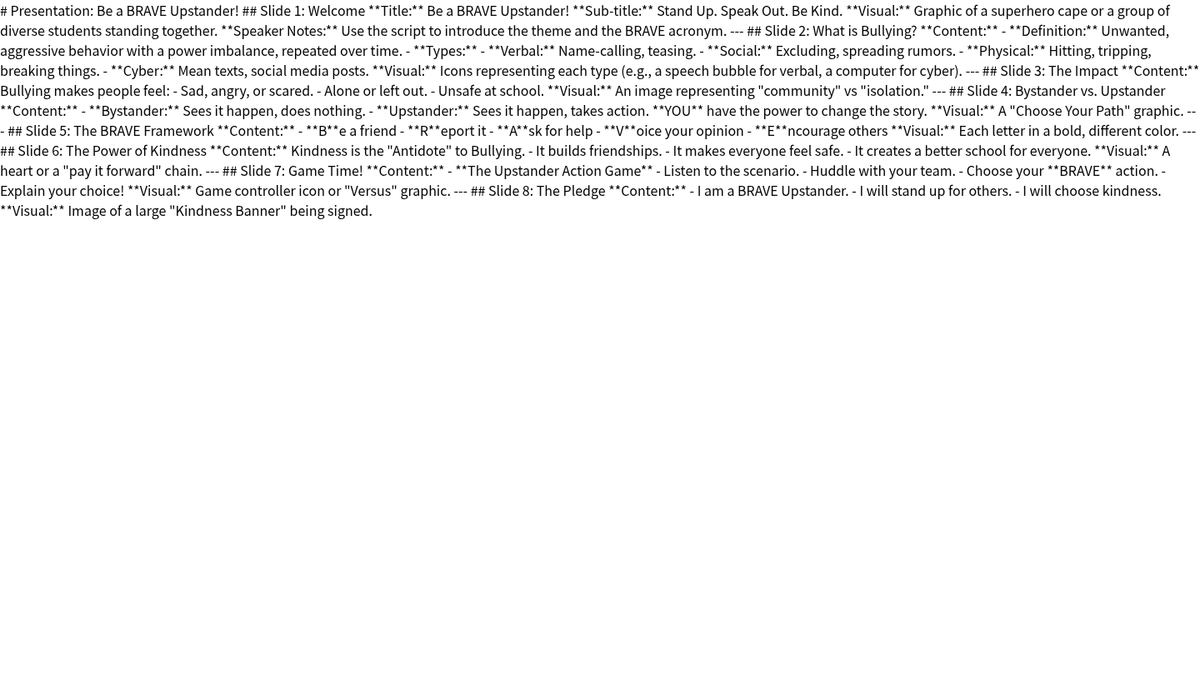
A comprehensive 65-minute educational experience for middle schoolers (grades 5-8). It consists of two parts: a 20-minute classroom presentation/workshop and a 45-minute "Upstander Rally" in an auditorium setting. The program teaches students how to recognize bullying and empowers them to intervene using the BRAVE framework (Be a friend, Report it, Ask for help, Voice your opinion, Encourage others).
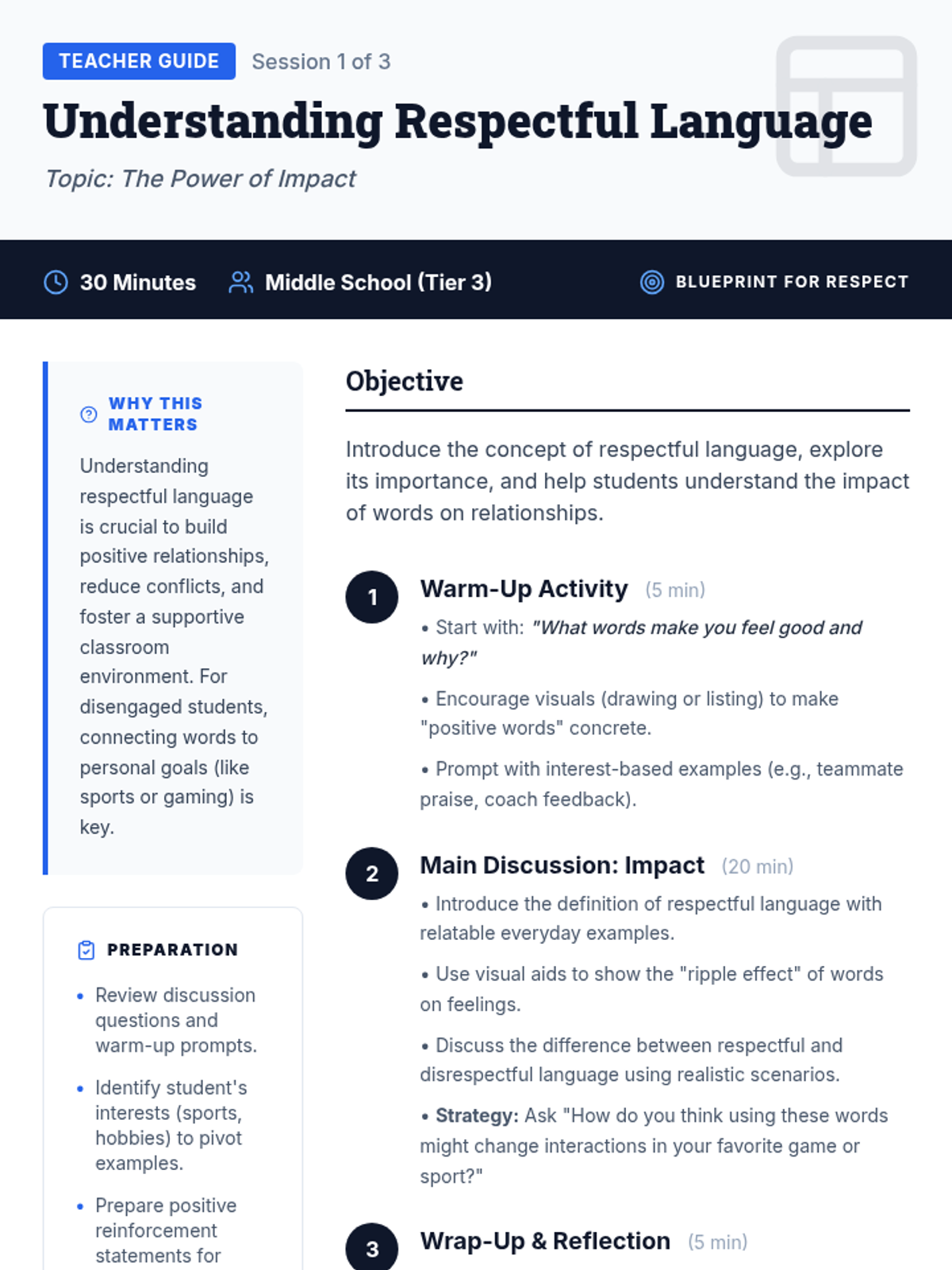
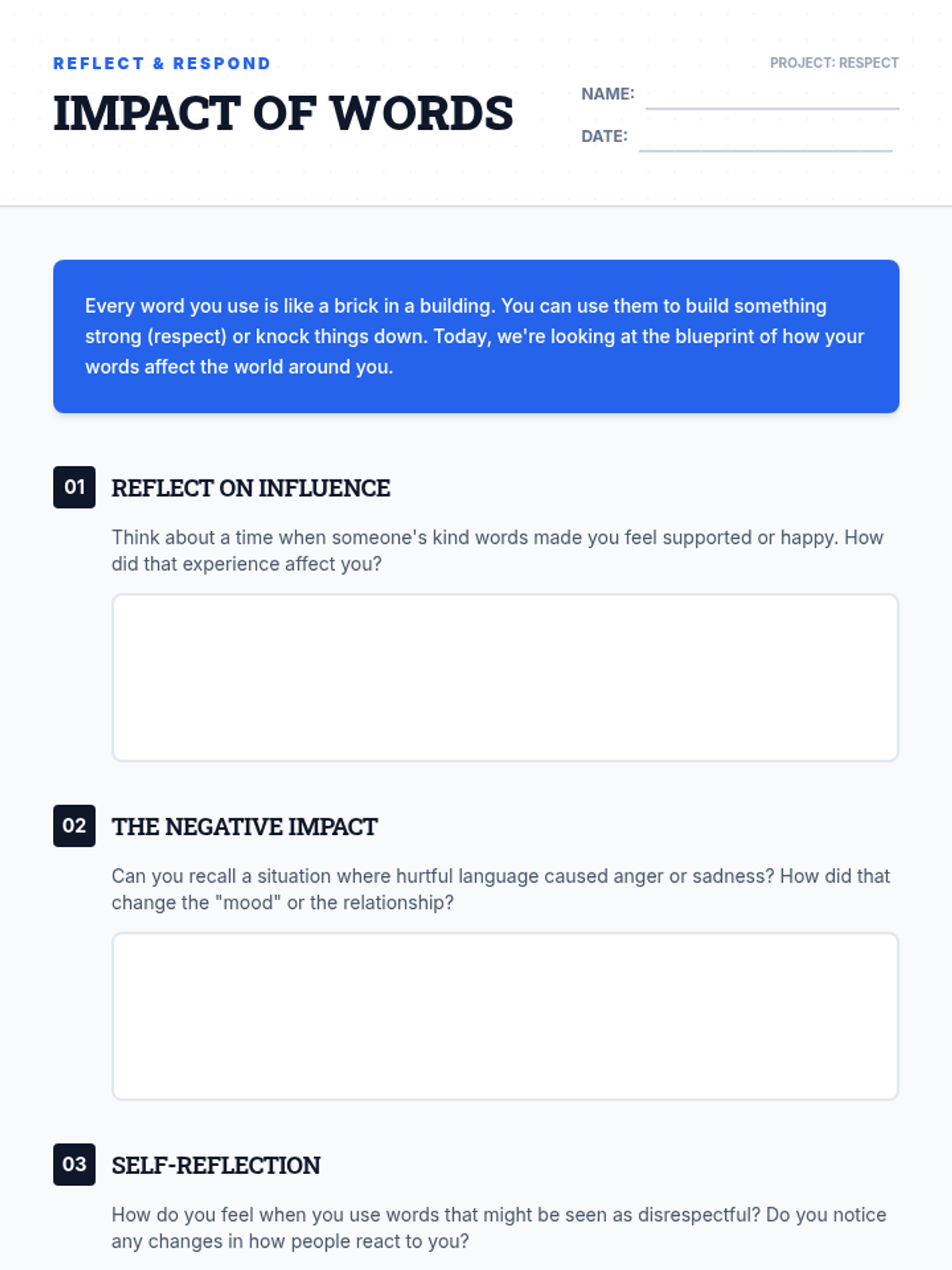
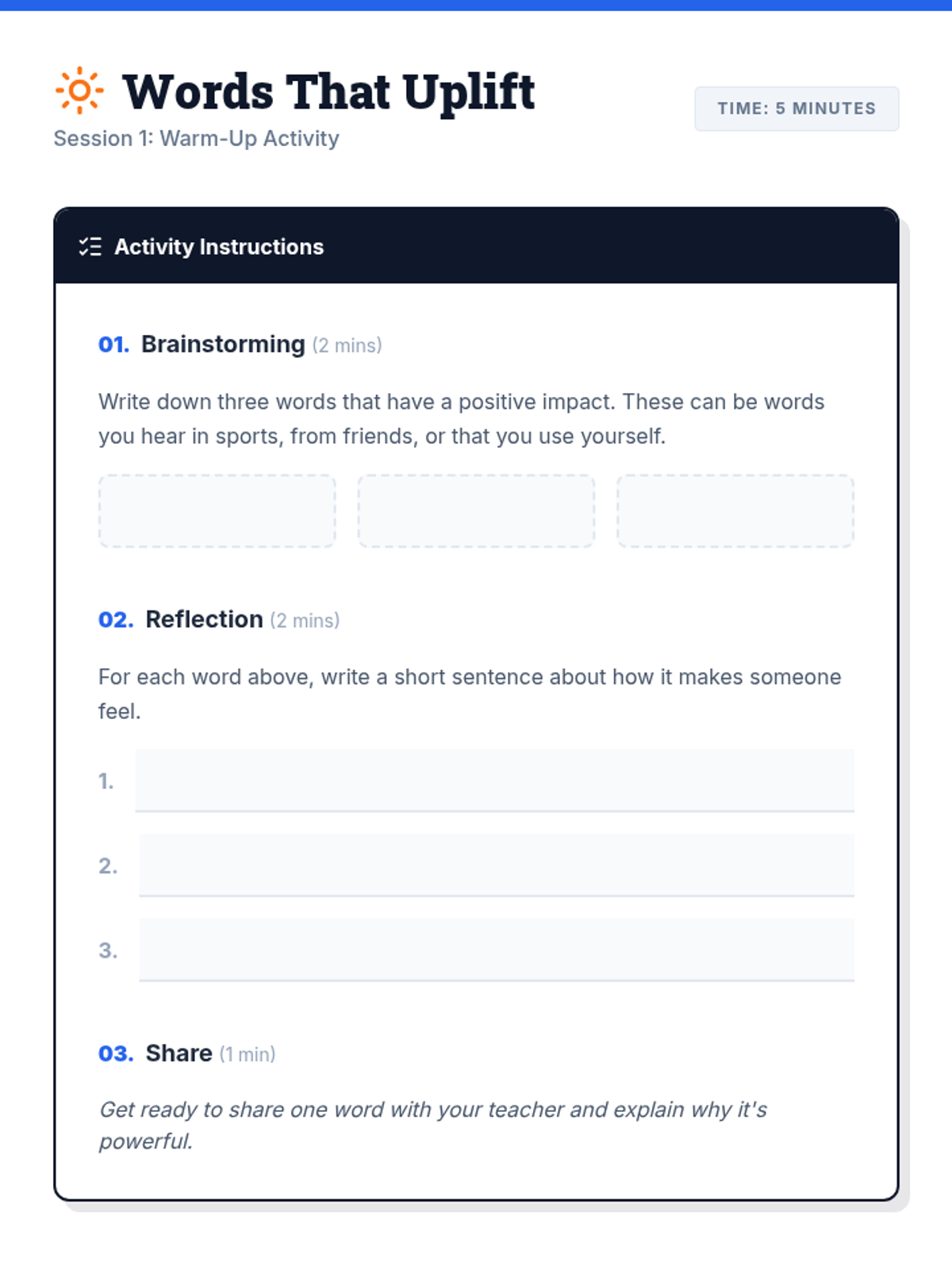
A three-session Tier 3 intervention sequence for middle school students focusing on the power of words, respectful communication, and personal growth in interpersonal interactions.
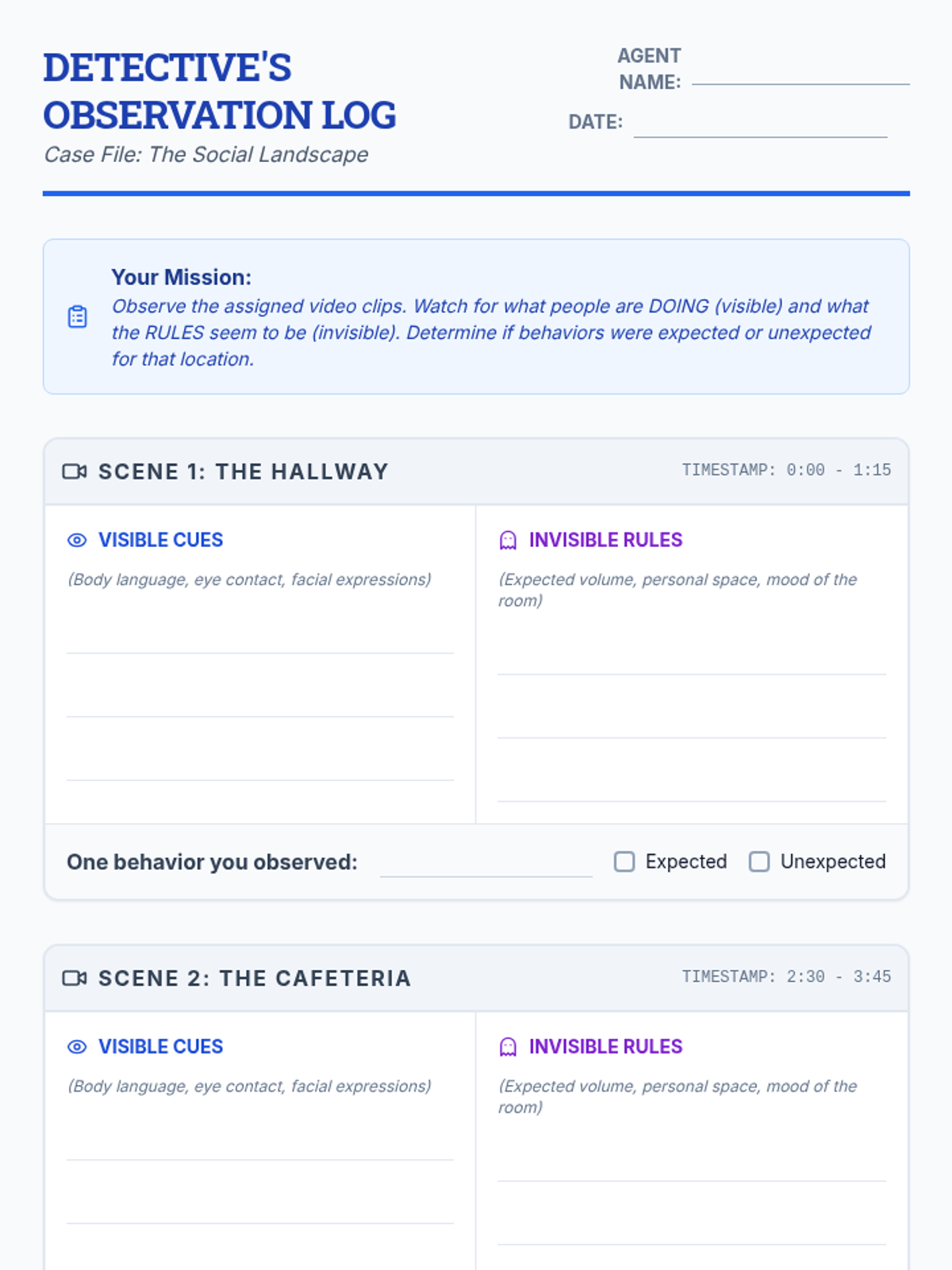
This inquiry-based sequence guides 6th-grade students through decoding the 'hidden curriculum' of middle school social environments. Students observe social cues, identify unwritten rules, explore perspectives, and analyze social narratives to understand the 'why' behind social expectations.
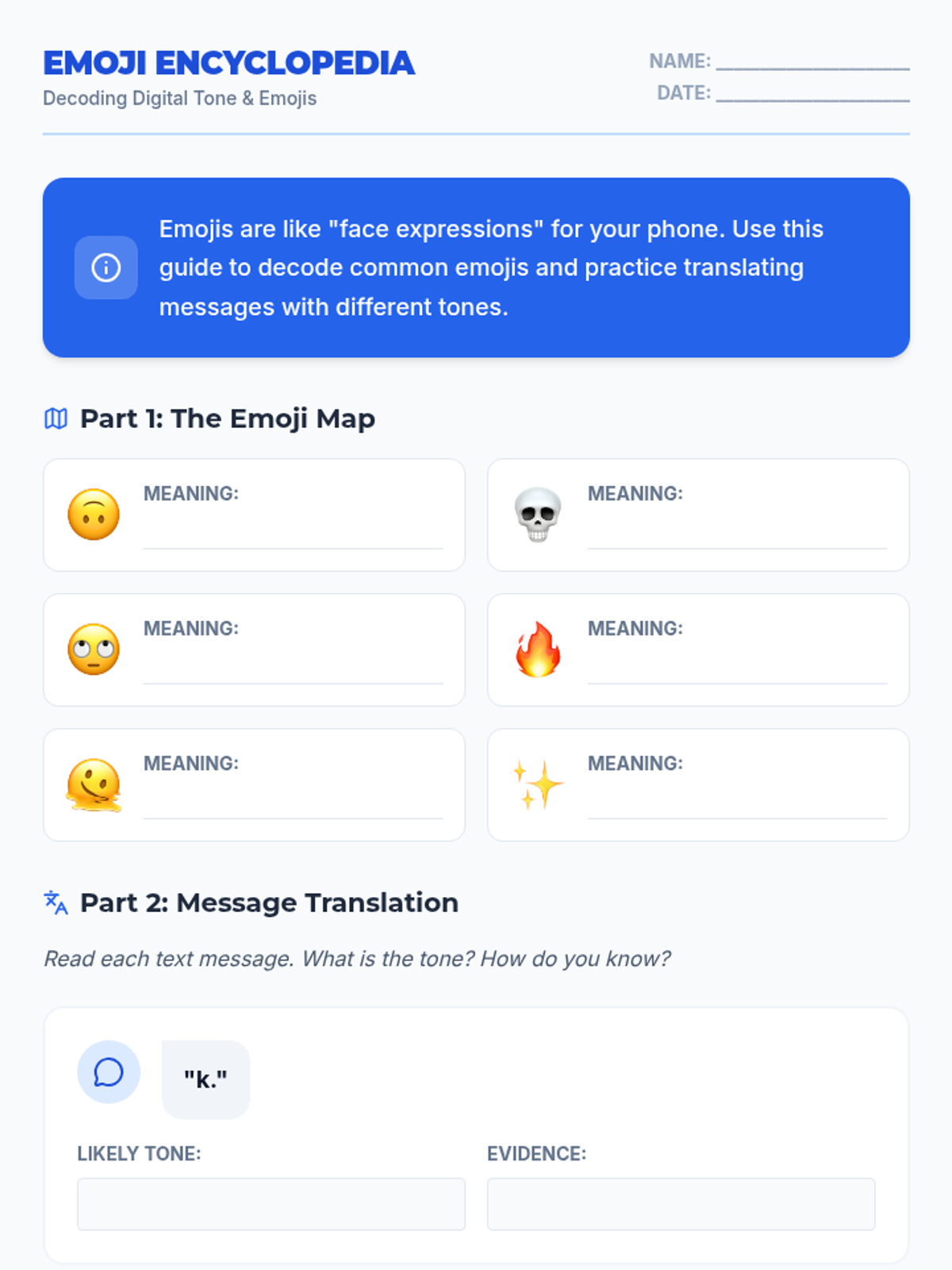
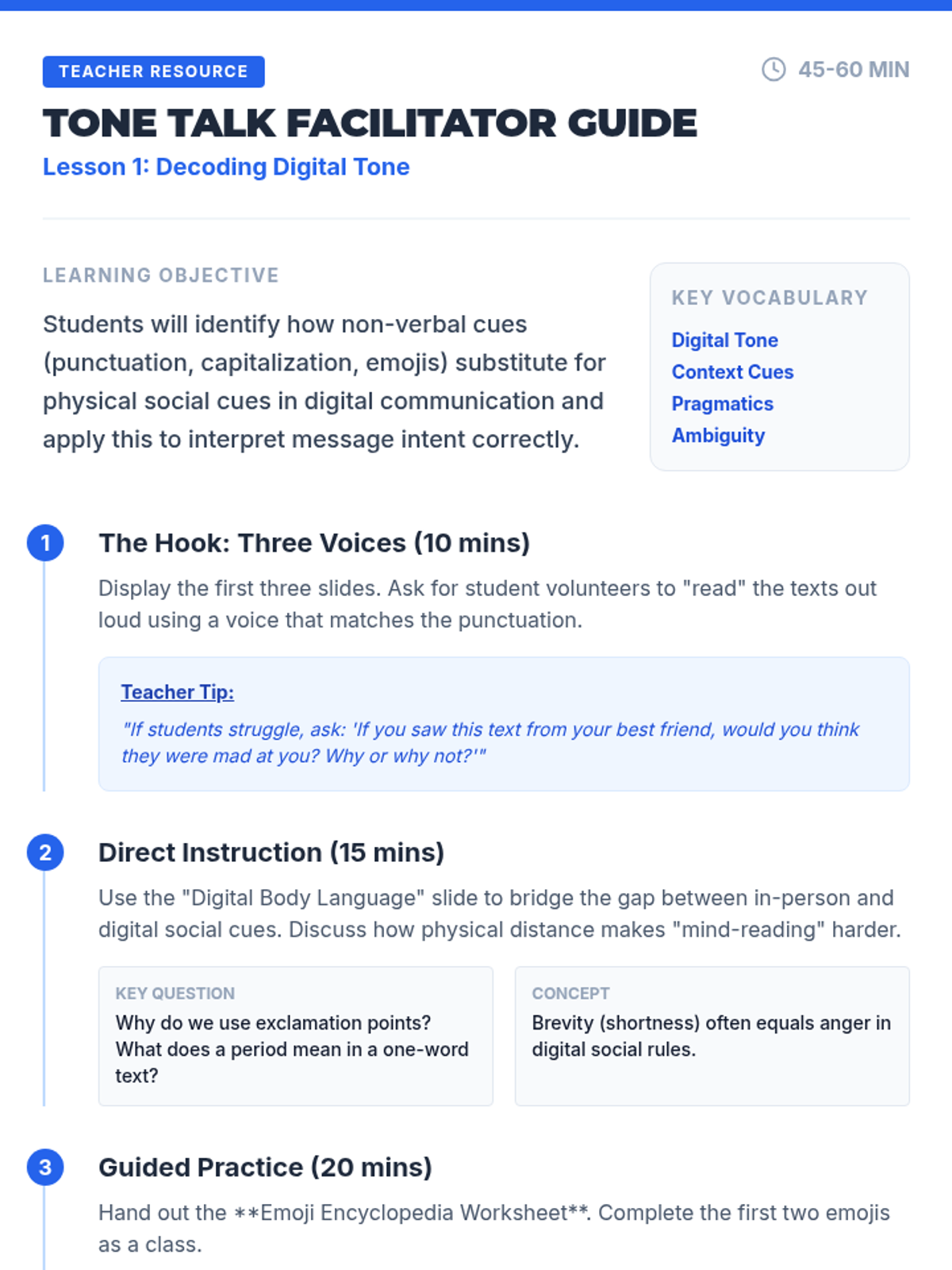
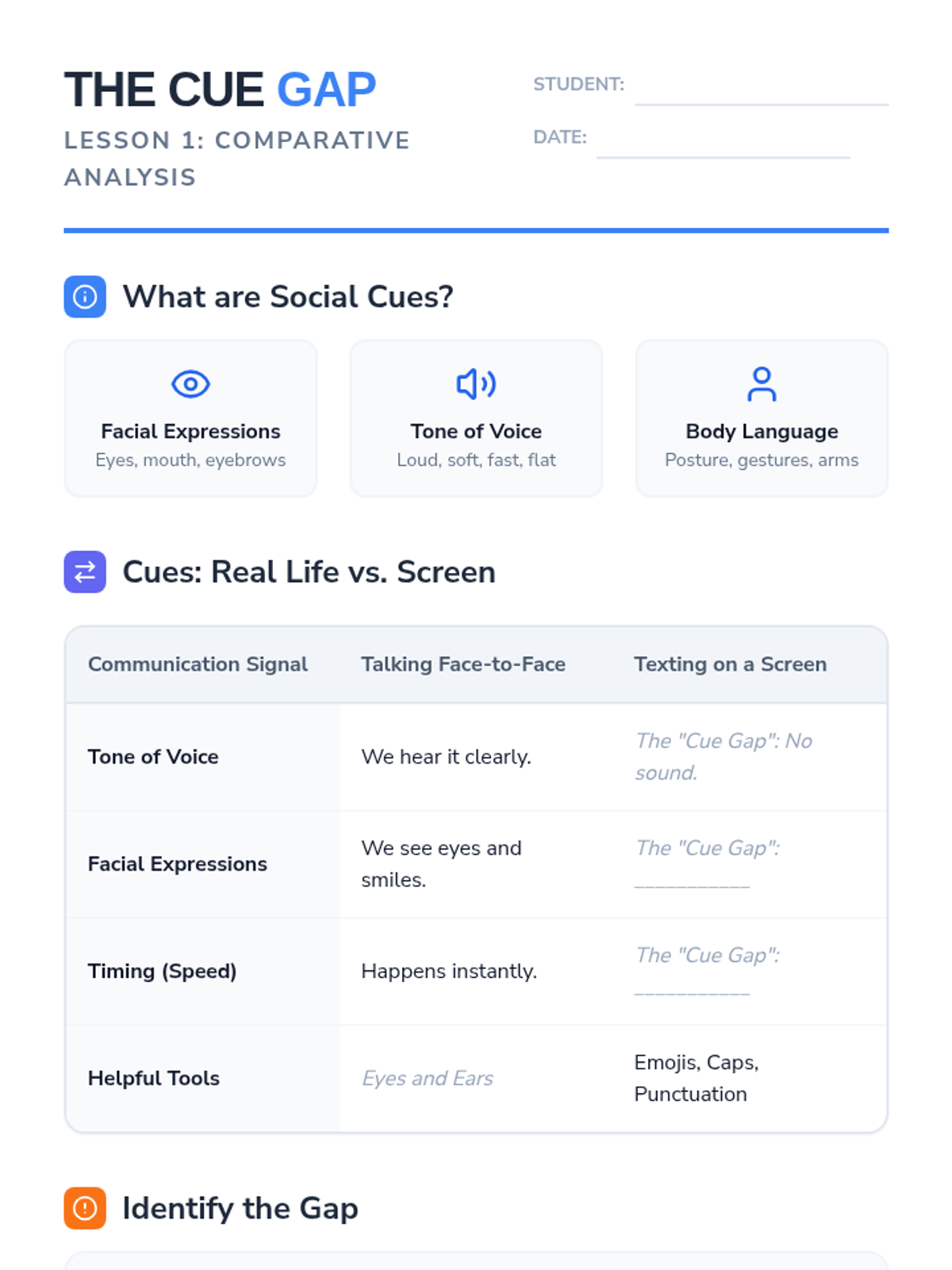
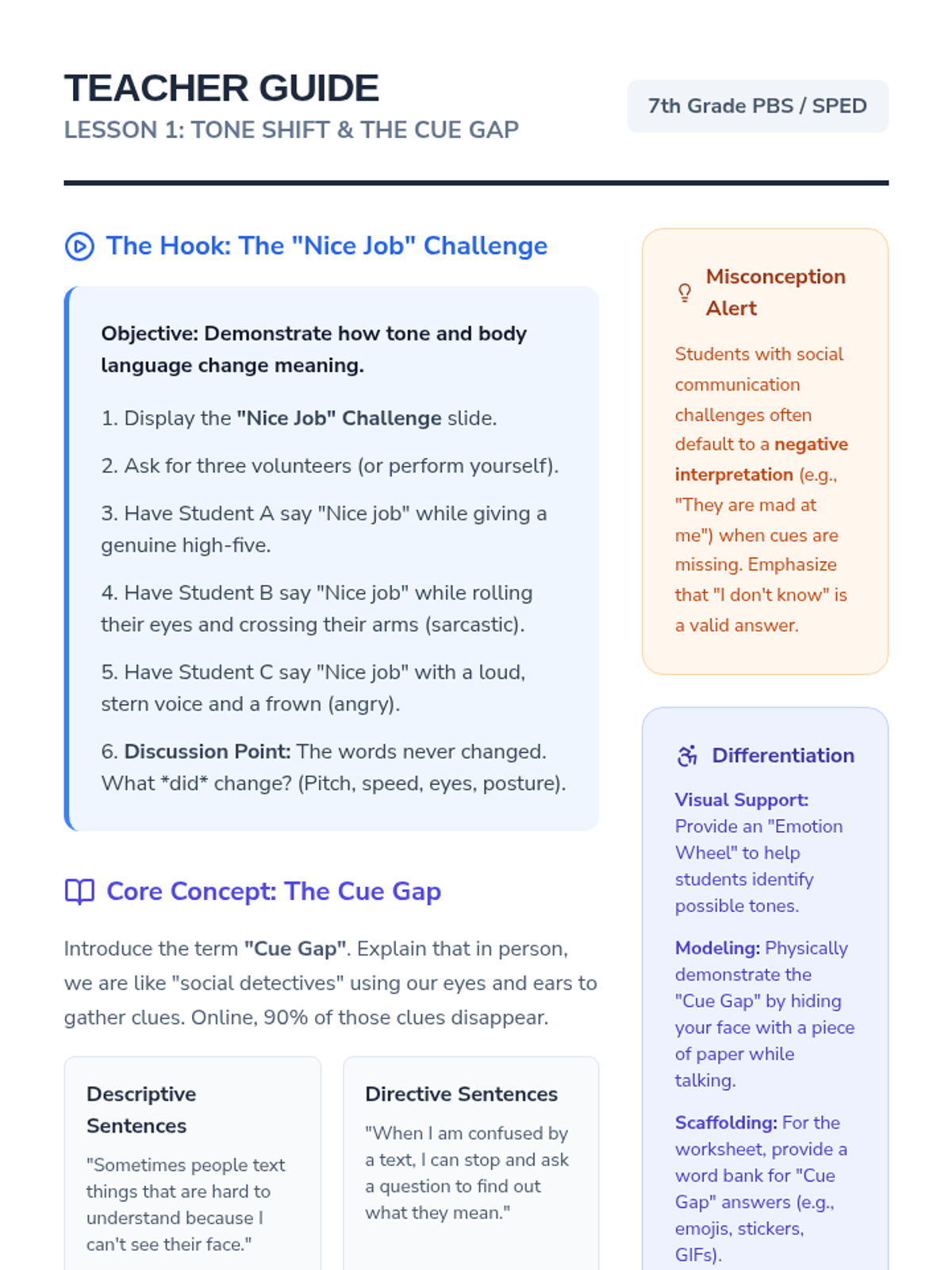
This sequence helps 8th-grade students navigate the complexities of digital communication by applying social story techniques to texting, group chats, and online safety. Students learn to interpret digital tone, manage the anxiety of delayed responses, and create their own social narratives for healthy online interactions.
A 5-lesson sequence designed for 7th-grade students to translate social narrative techniques to digital communication. Students explore non-verbal cues, texting etiquette, impulse control, and gaming sportsmanship to build a personalized 'Digital Etiquette Guide'.
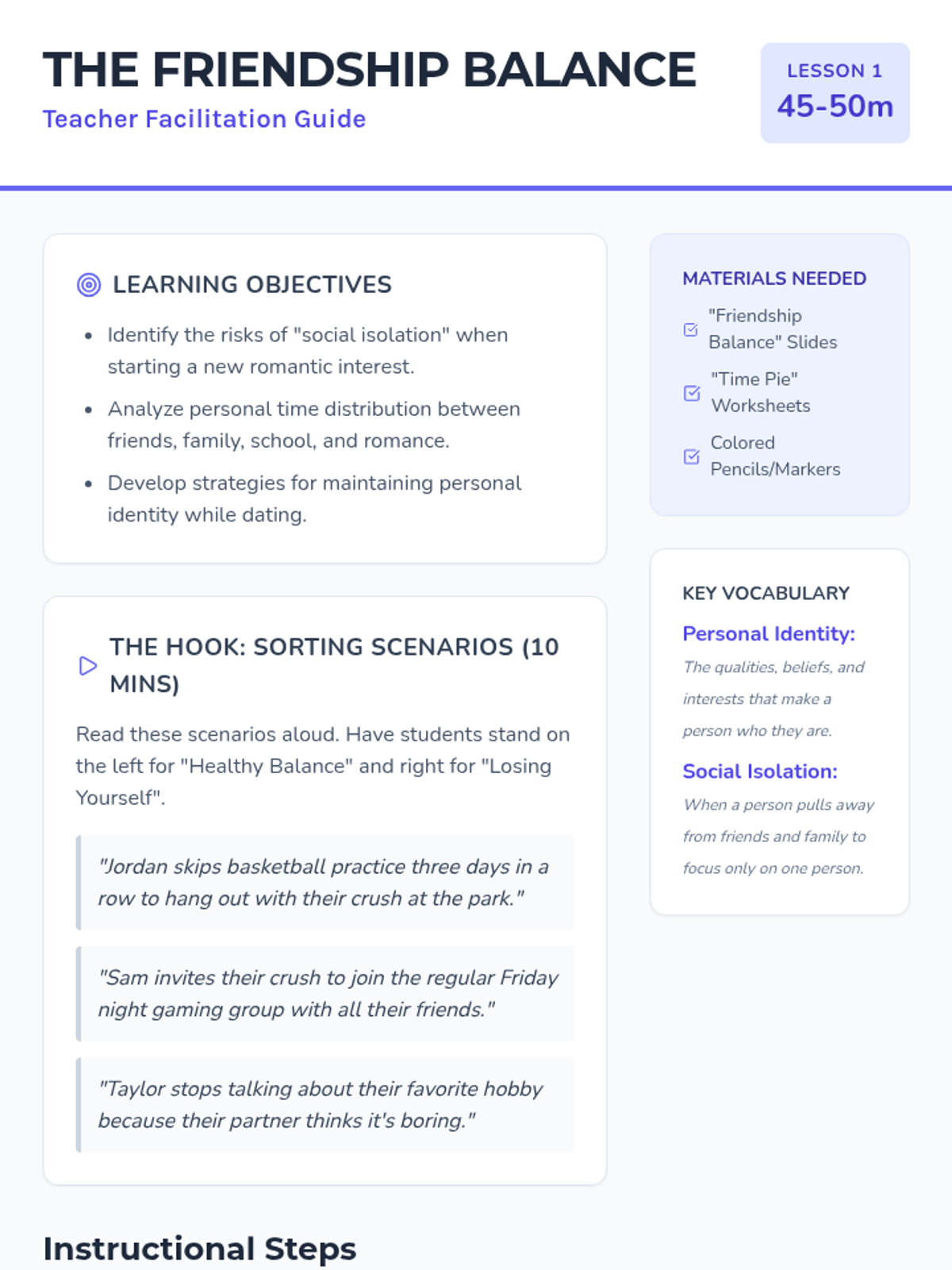
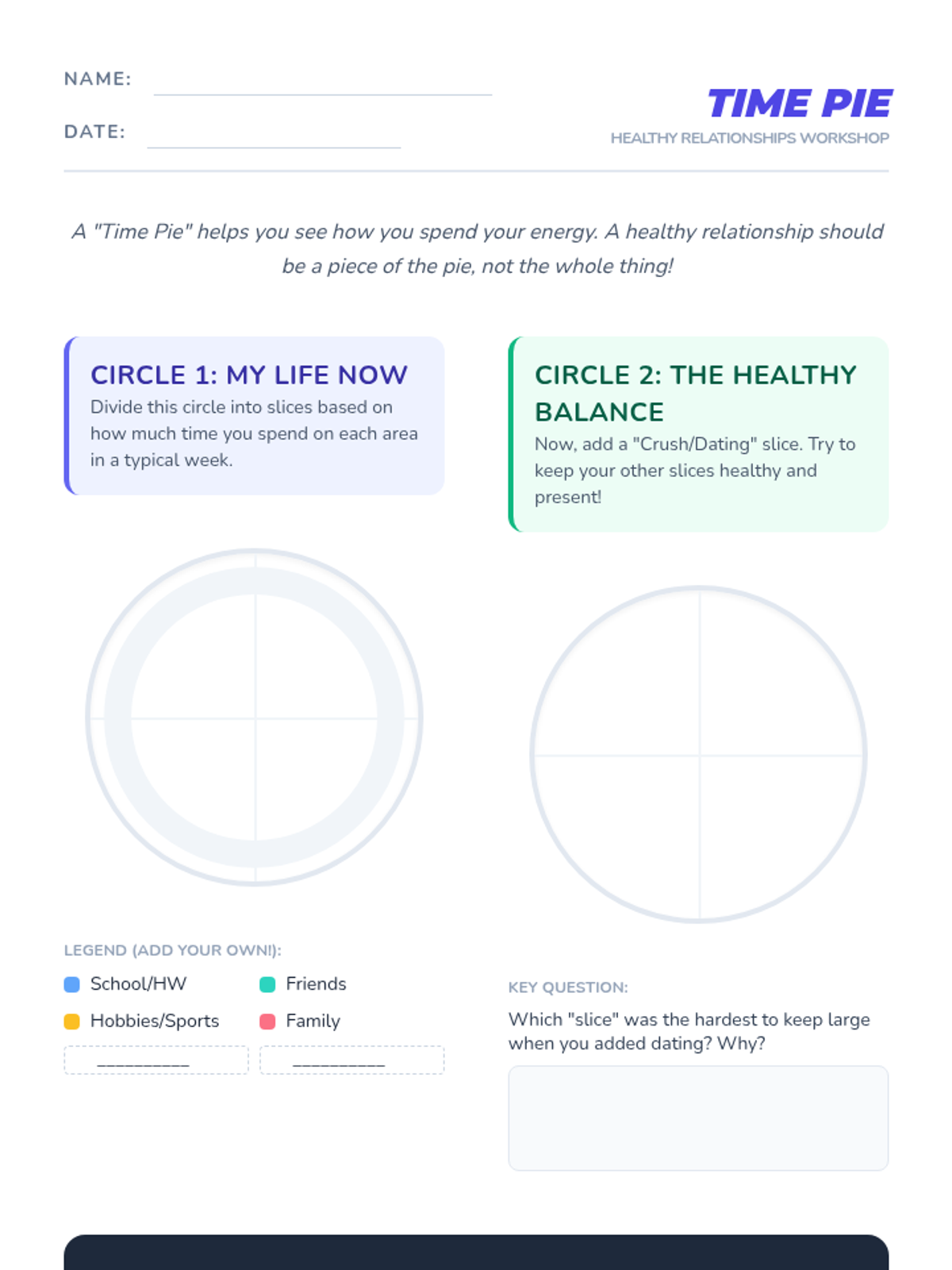
This project-based sequence explores emotional safety and decision-making in relationships. Students learn to balance friendships with romantic interests, trust their intuition, build resilience through rejection, and advocate for equality in their connections, culminating in a personal 'Relationship Rights' zine.
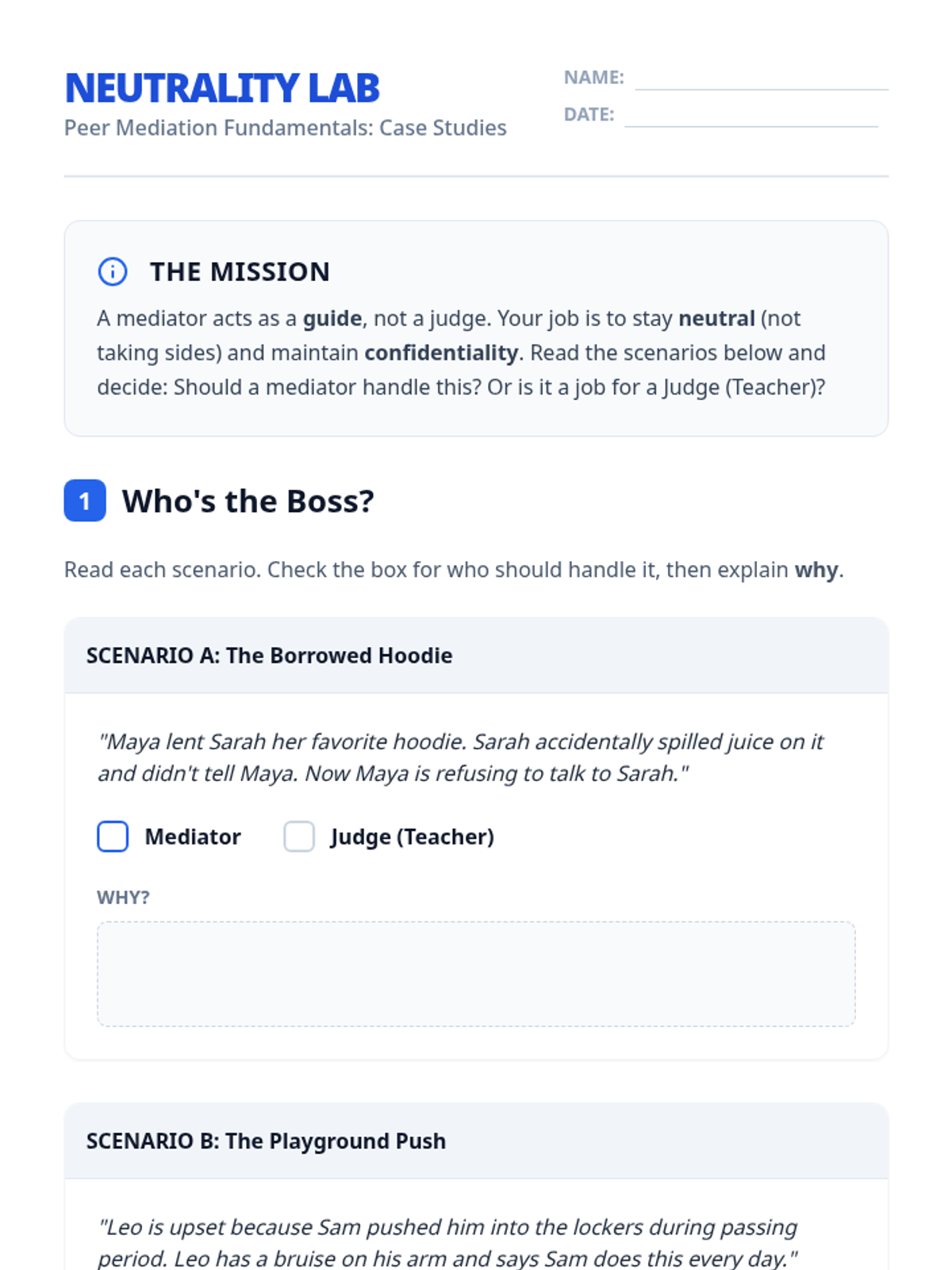
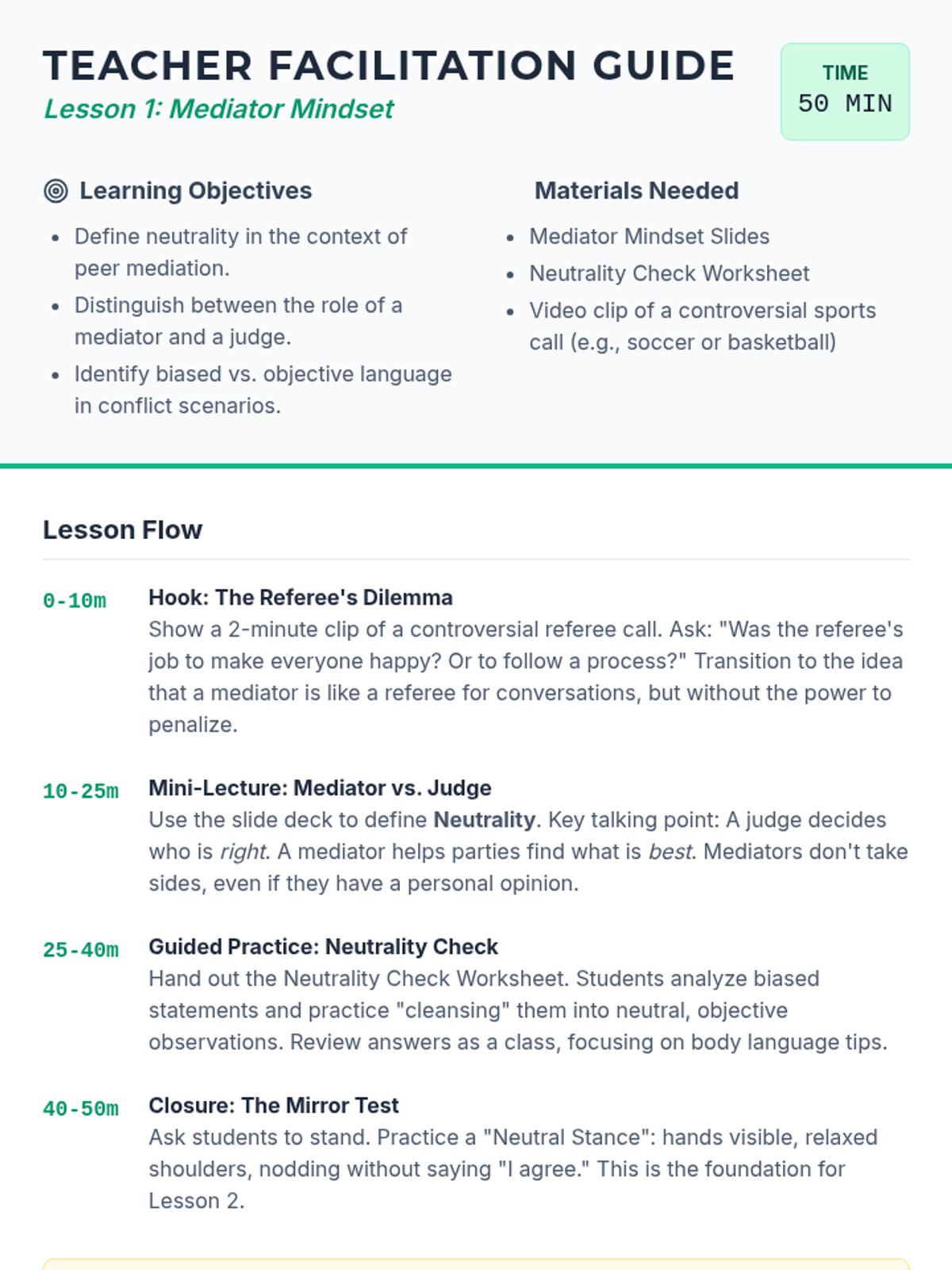
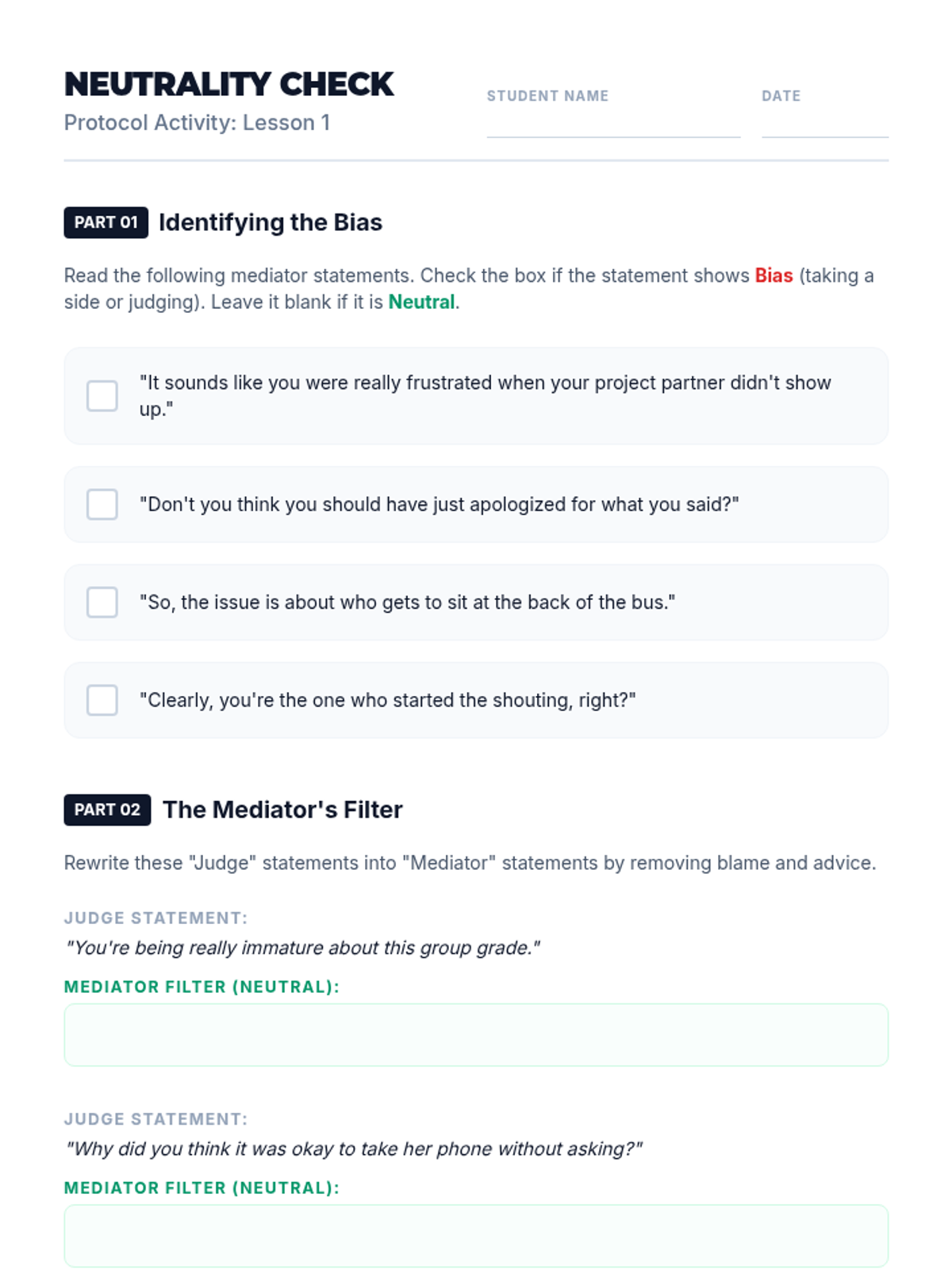
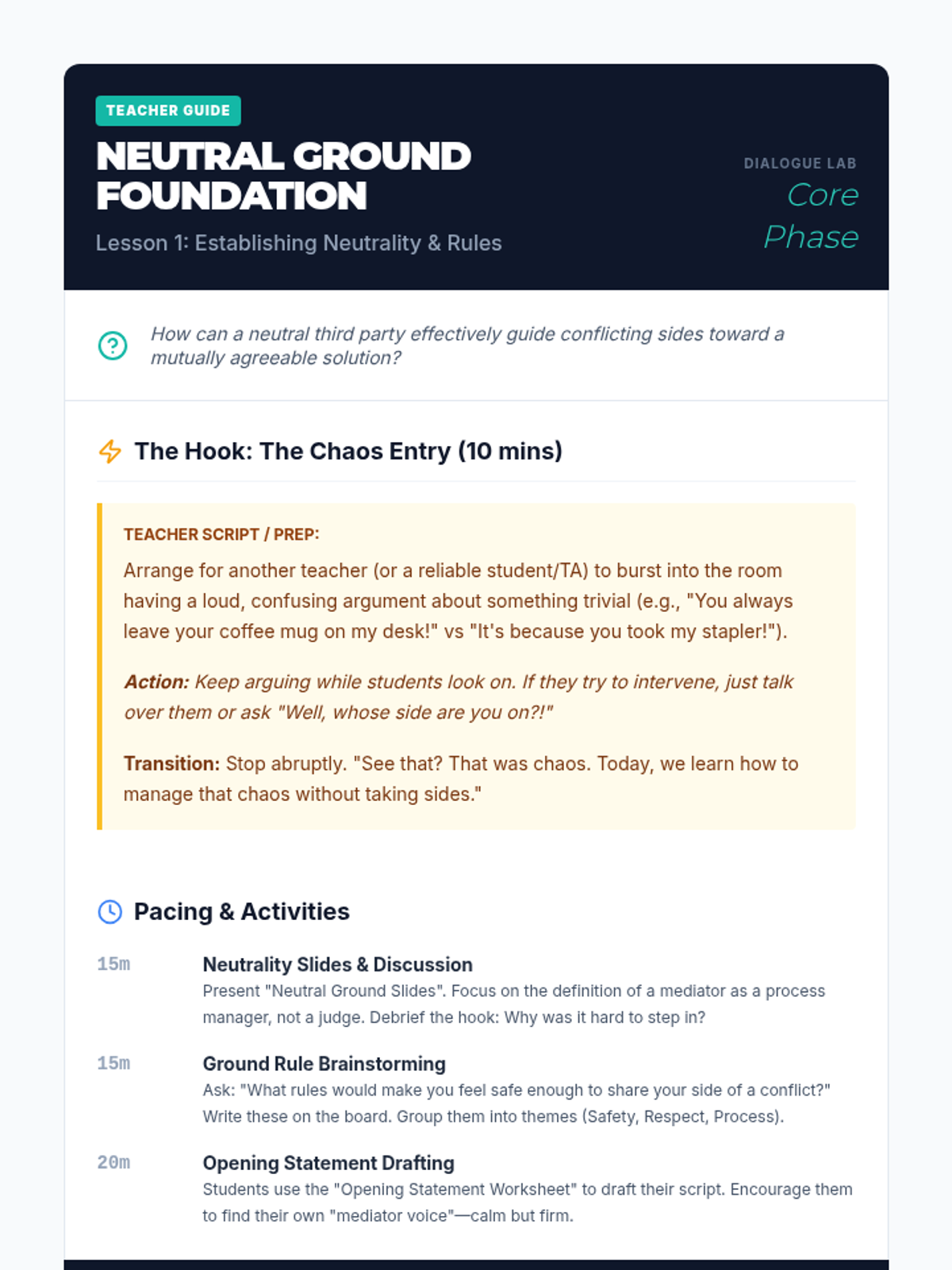
This sequence empowers students to act as third-party neutrals, introducing the specific structure and skills of Peer Mediation. Students learn the distinct phases of a mediation session, the importance of neutrality, and how to facilitate dialogue without taking sides.
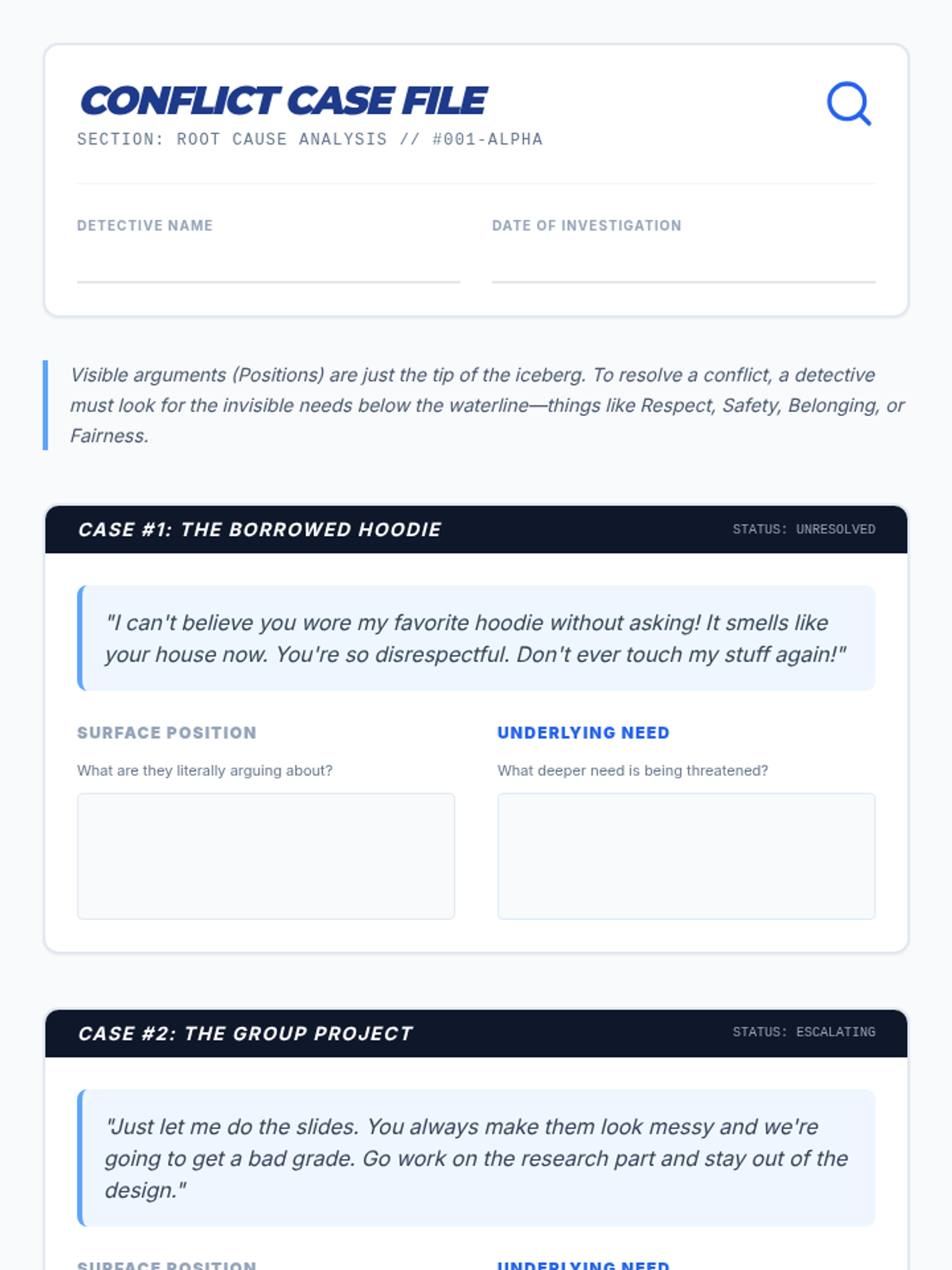
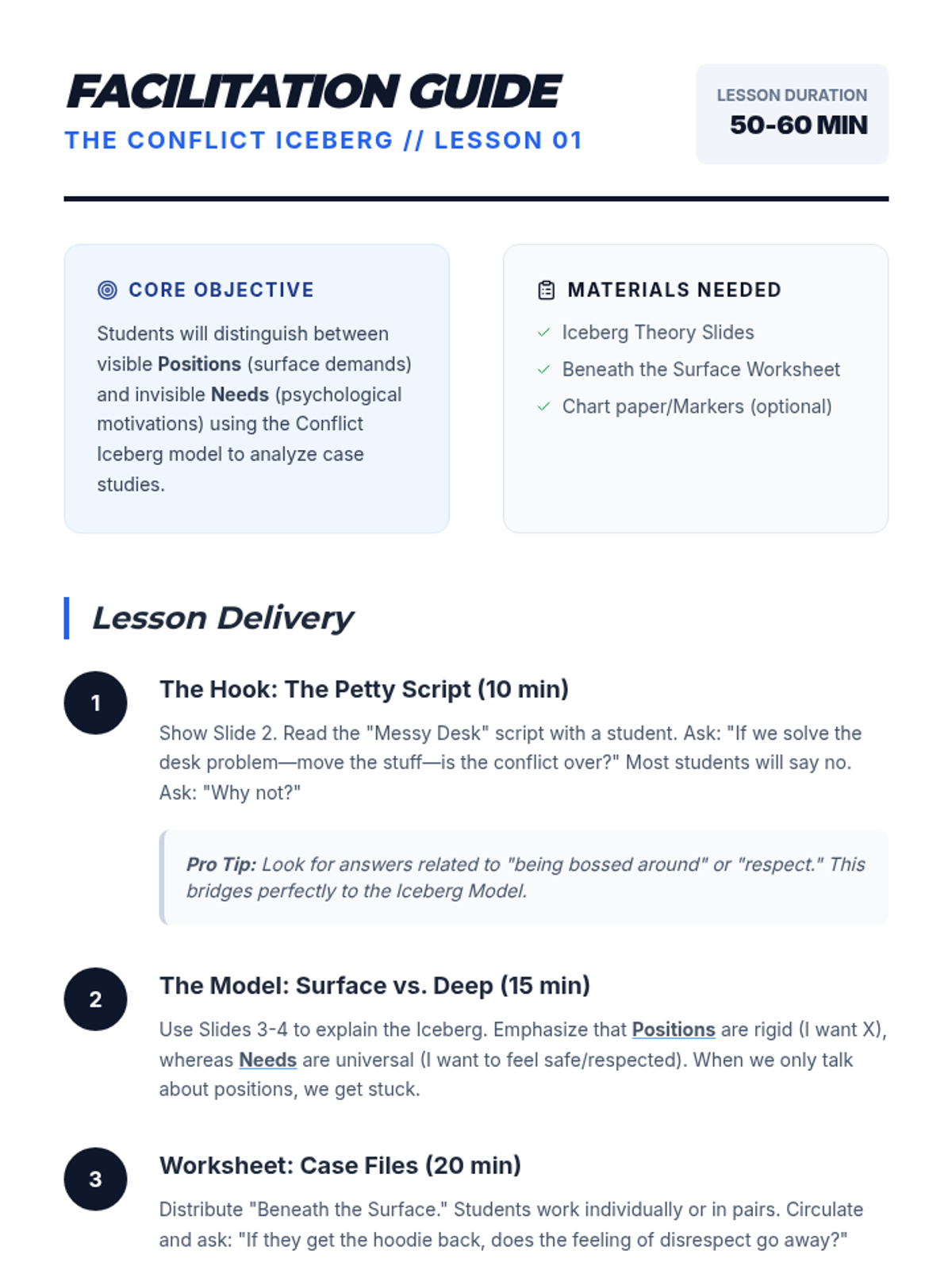
An 8th-grade counseling sequence focused on identifying the psychological root causes of conflict and managing high-arousal emotions using the Conflict Iceberg model and neuroscience-based de-escalation.
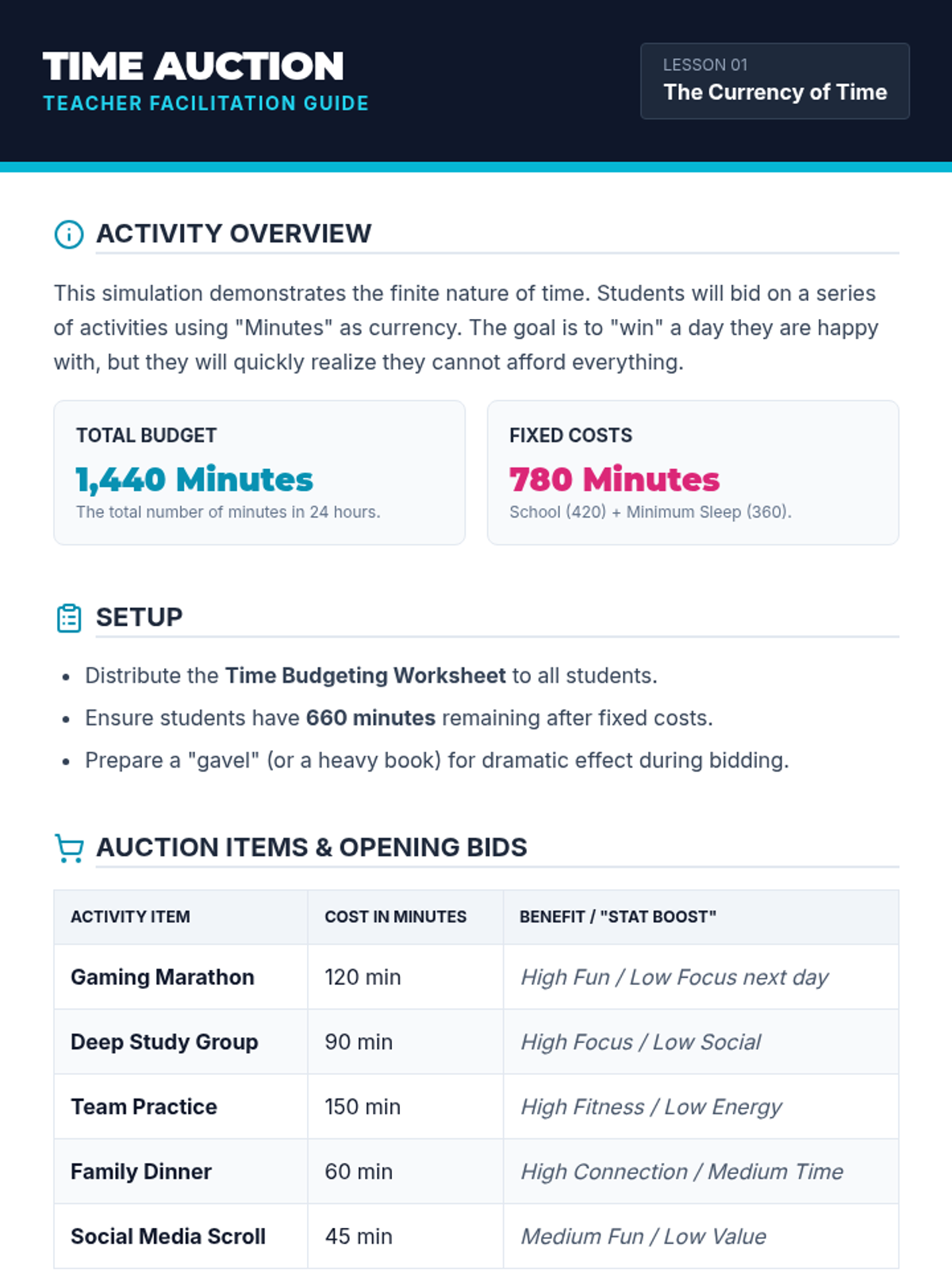
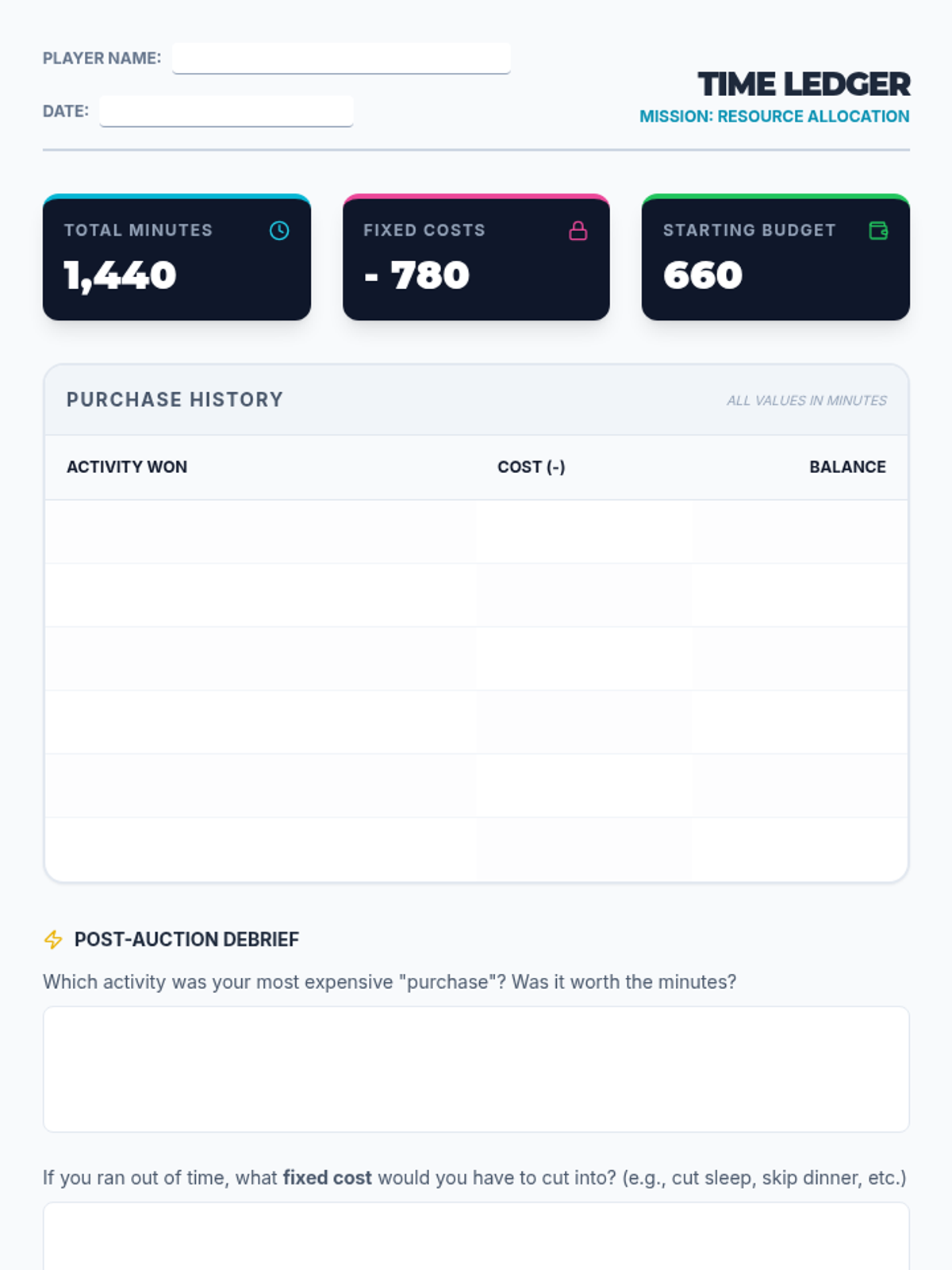
A game-based simulation sequence for 8th-grade students to master time and energy management. Students treat time as a finite currency, navigate trade-offs through opportunity cost simulations, and design a sustainable weekly schedule.
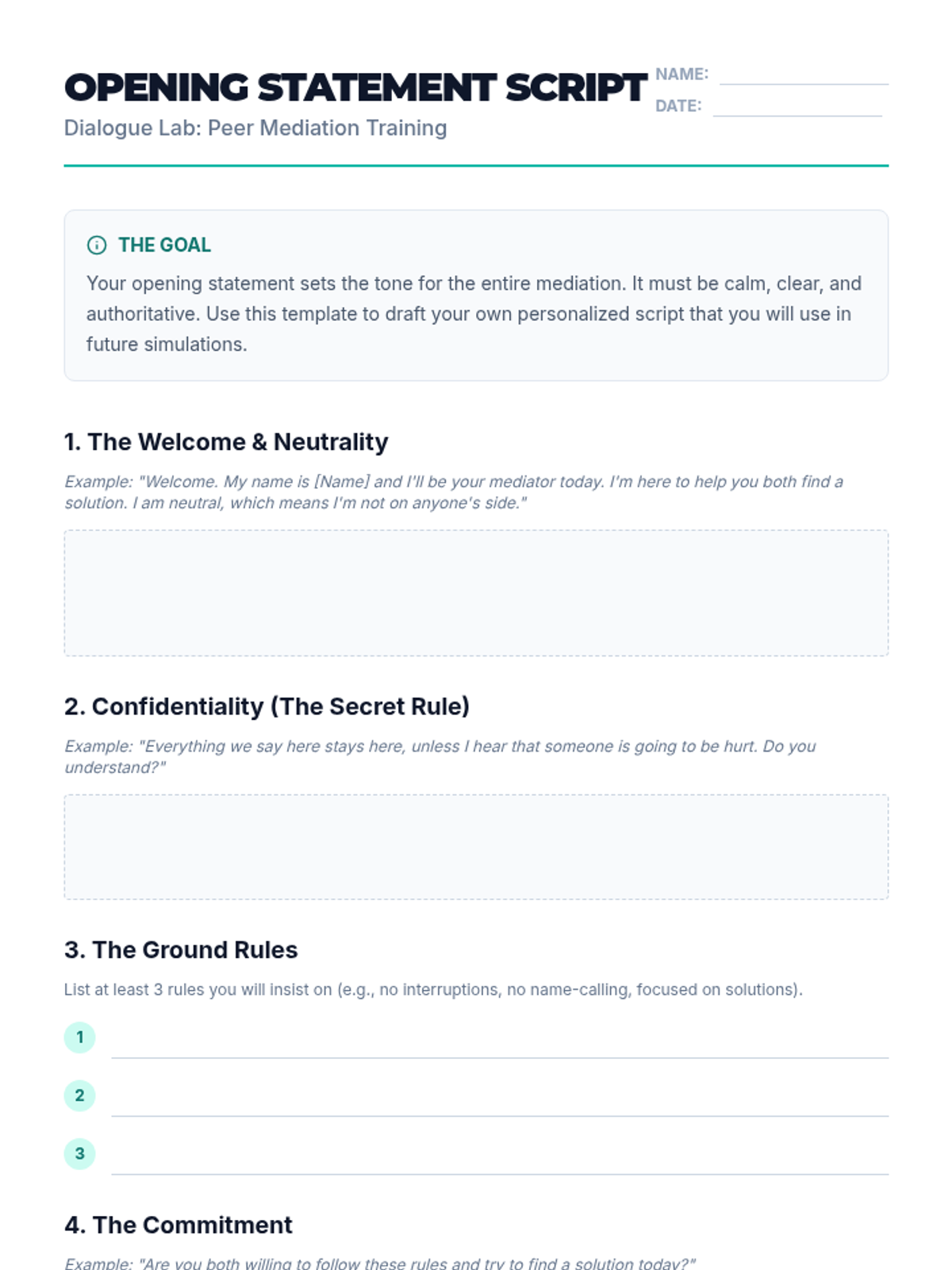
A 5-lesson unit for 7th graders on the formal structure of peer mediation. Students transition from observers to facilitators, learning to maintain neutrality, set ground rules, reframe toxic language, and guide parties toward mutually agreed-upon solutions.
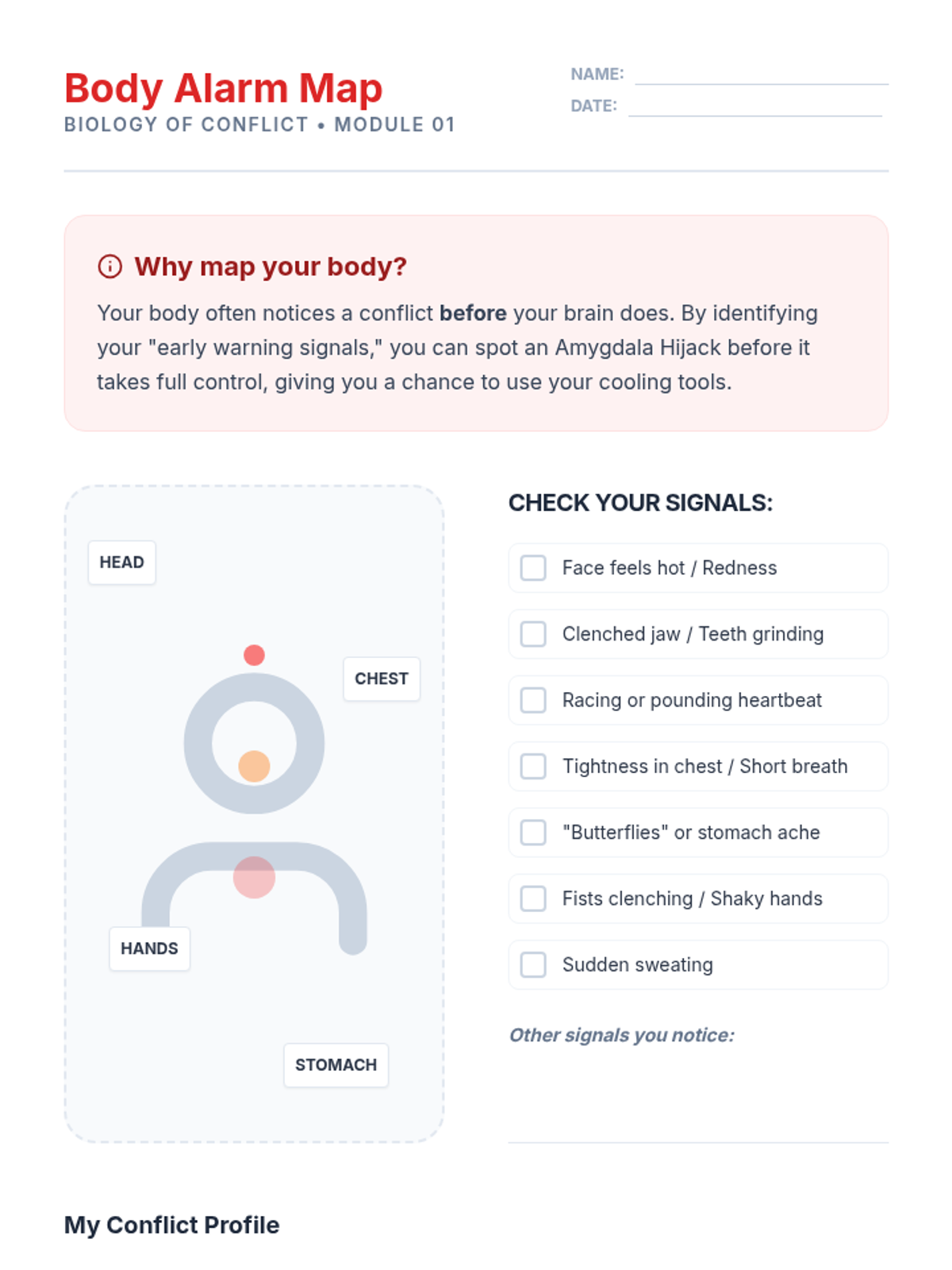
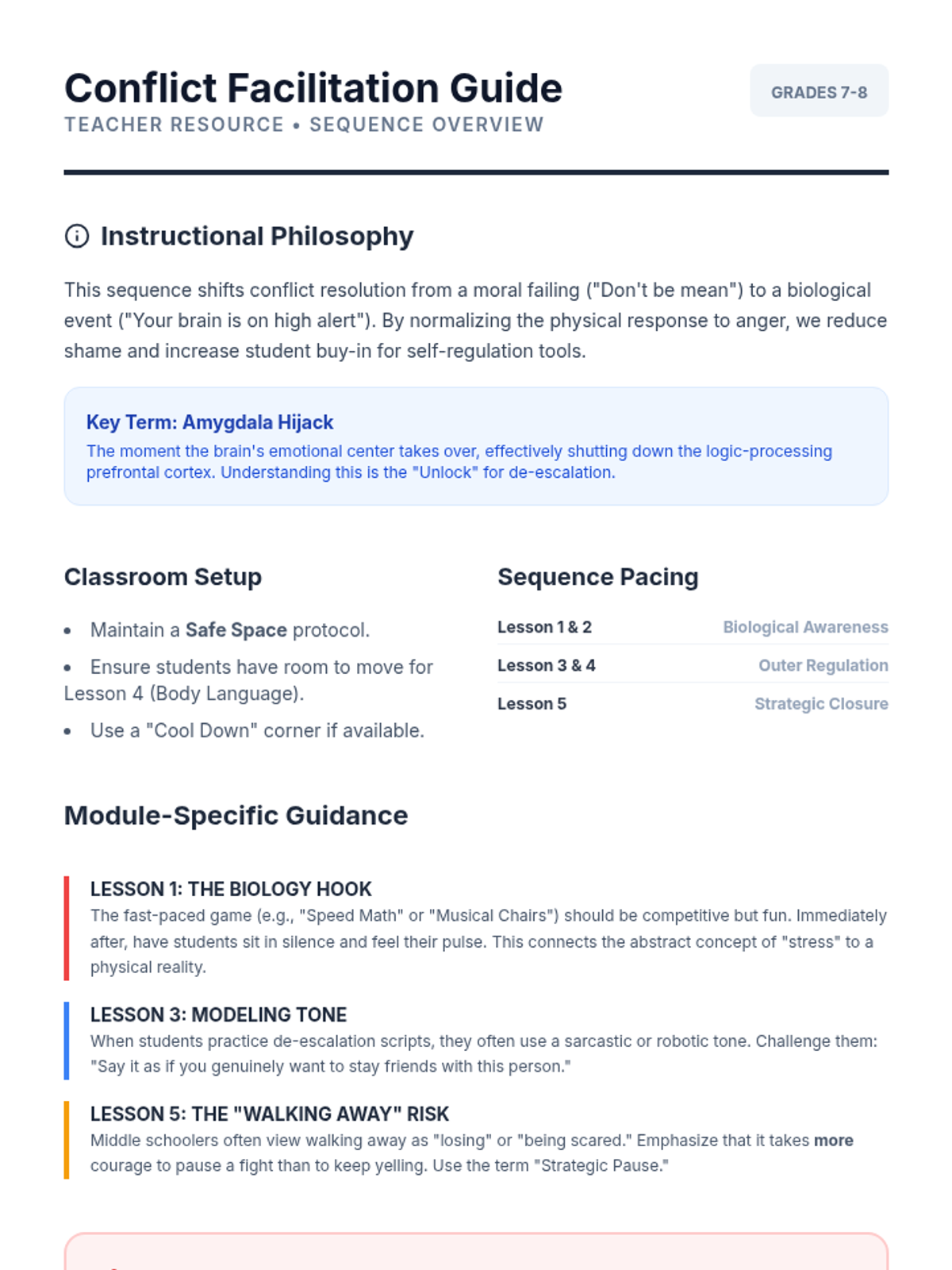
This sequence explores the physiological and psychological aspects of high-conflict situations, providing 7th-grade students with tools for self-regulation, verbal de-escalation, and constructive re-engagement.
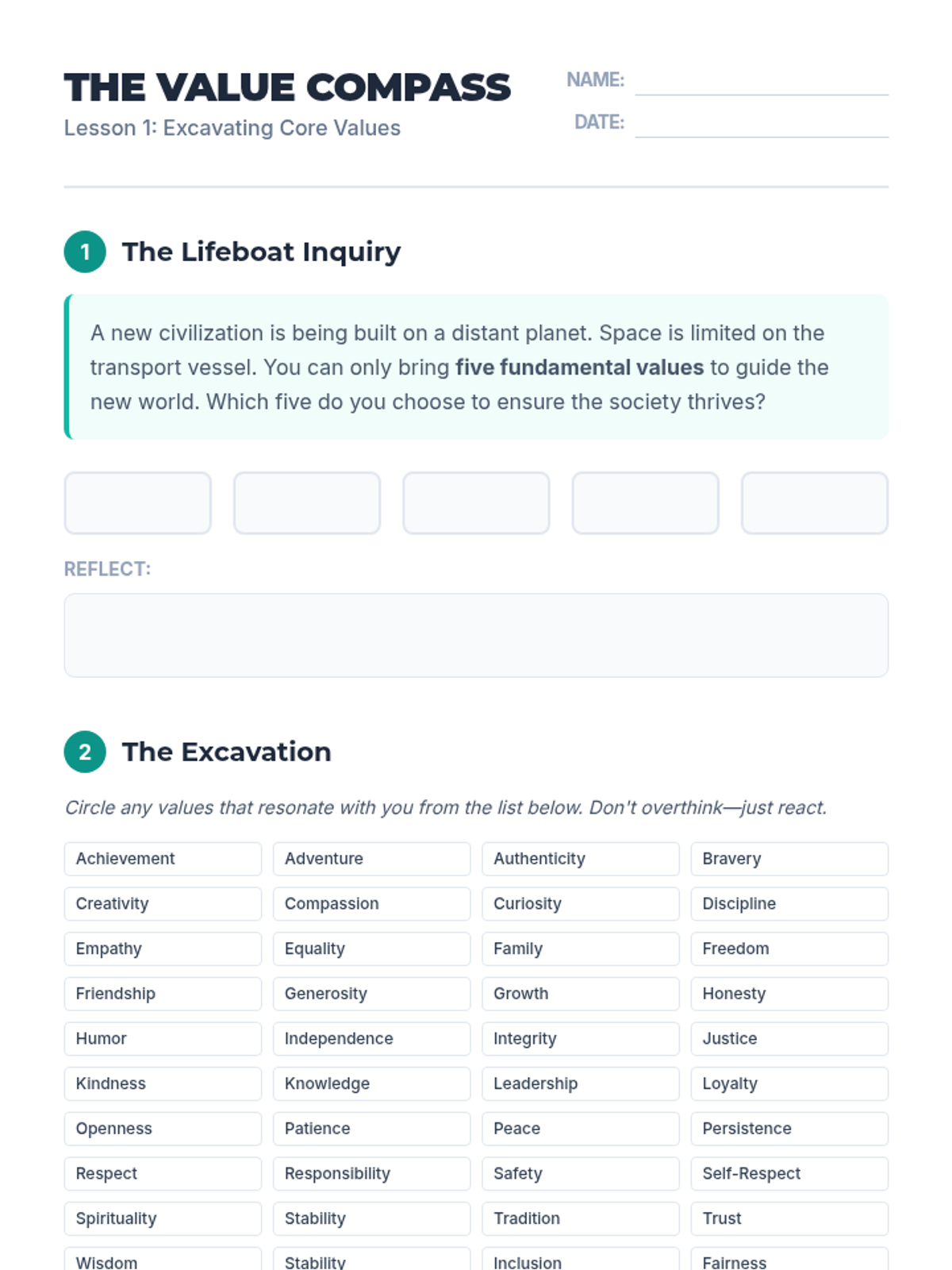
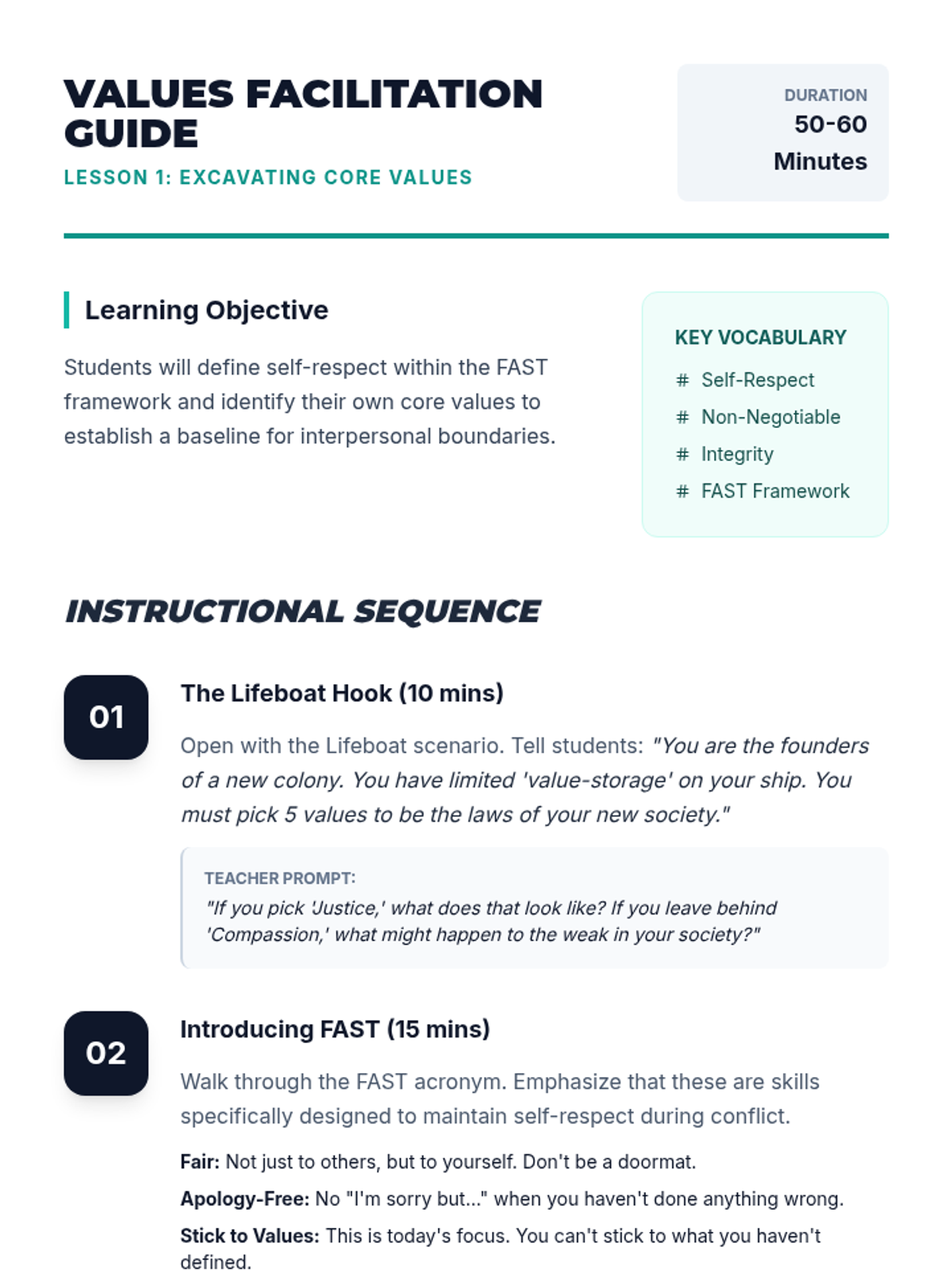
A comprehensive workshop-style sequence for 8th-grade students to master the DBT FAST framework for self-respect. Students move from defining self-respect to practical application through role-play, script-writing, and simulations.
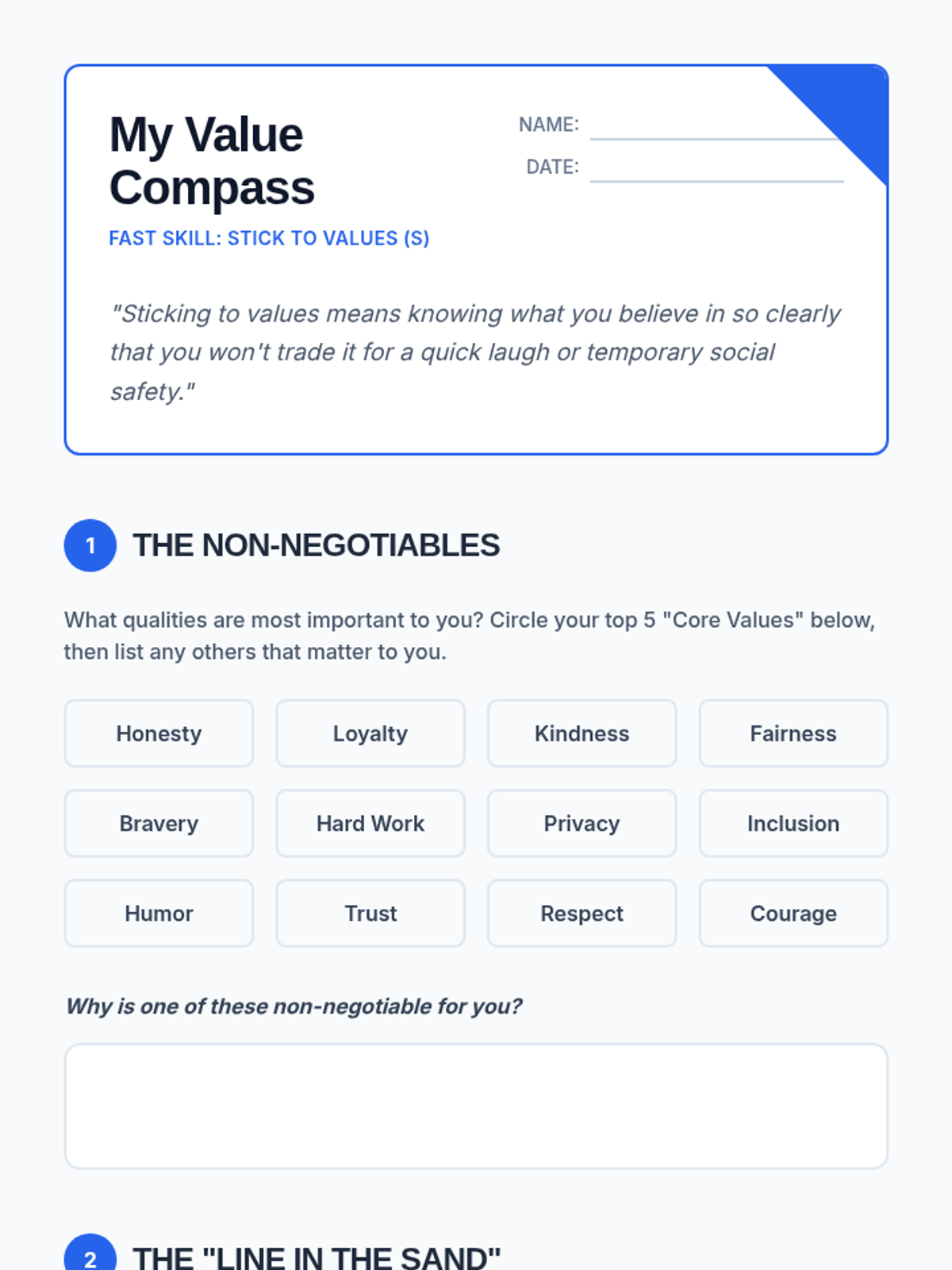
This inquiry and project-based sequence focuses deeply on the 'Stick to Values' aspect of FAST, positing that one cannot defend values they haven't defined. Students bridge abstract values with concrete communication skills, teaching them how to articulate their stances without judgment or apology.
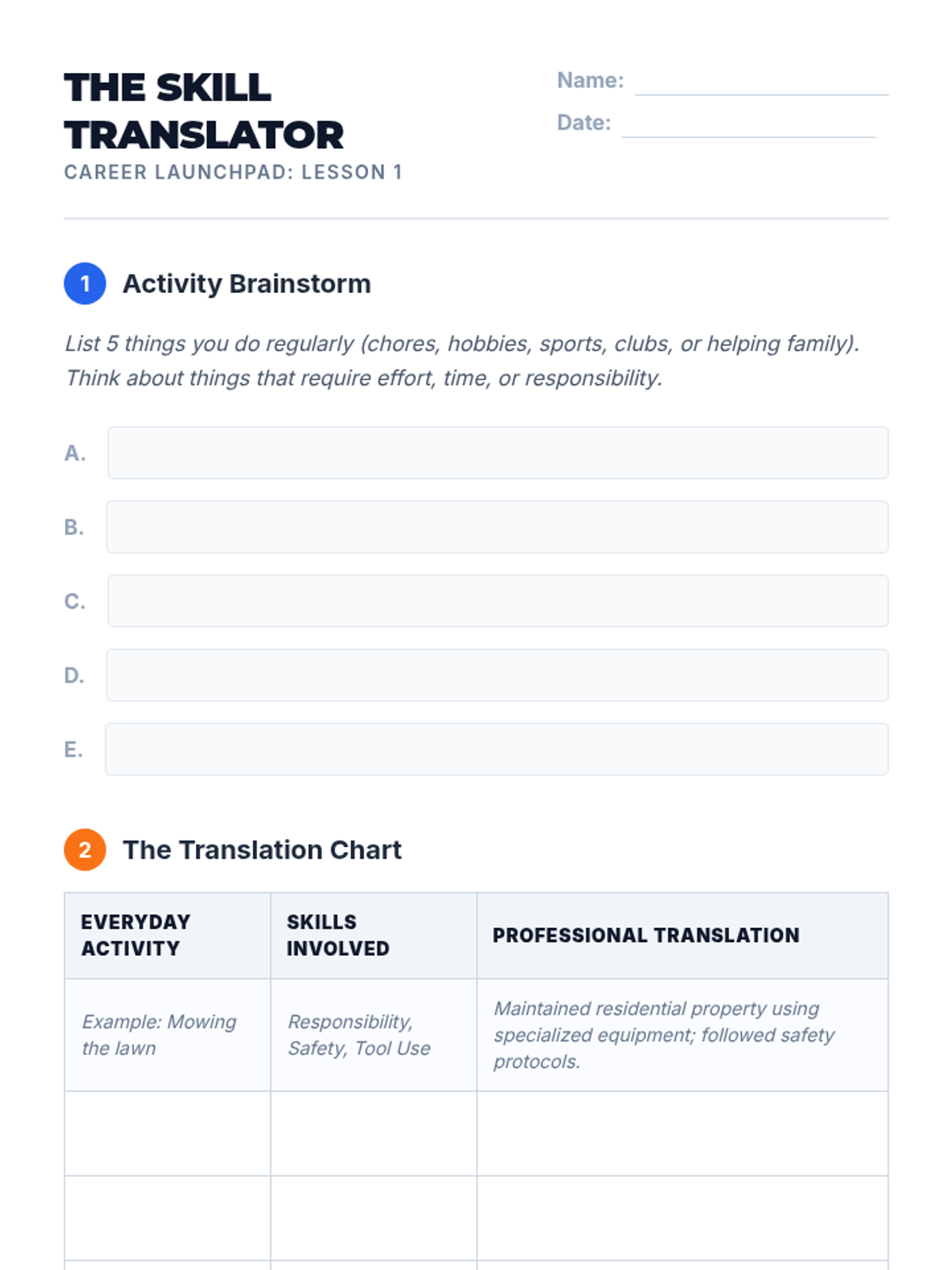
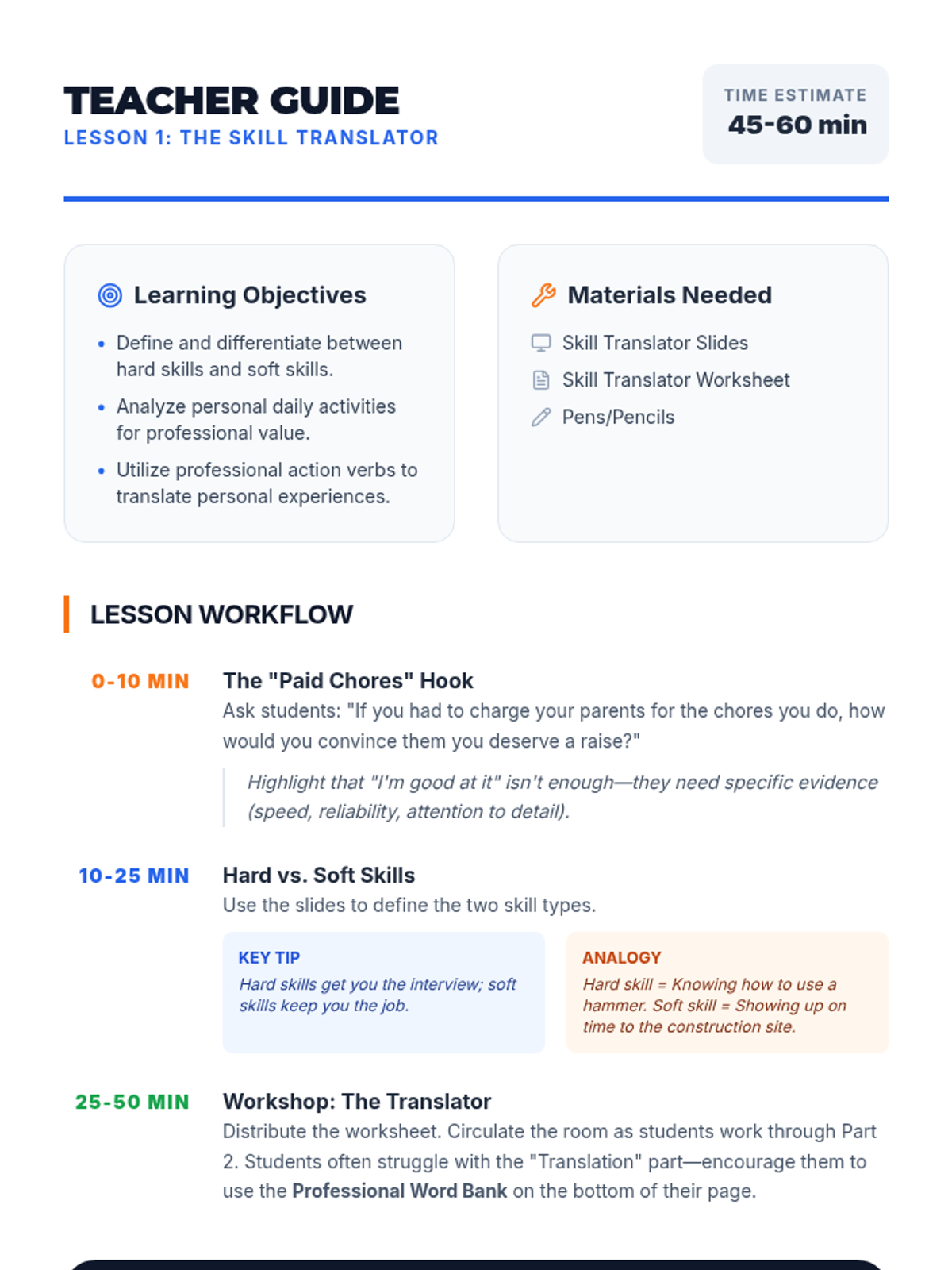
A comprehensive workshop-style unit where 7th-grade students navigate the job-seeking process, from identifying transferable skills and drafting their first resumes to mastering professional etiquette and succeeding in mock interviews. Students will develop tangible professional documents and interpersonal communication skills critical for workforce entry.
A comprehensive sequence for 7th-grade students focused on identifying and resisting online grooming and recruitment tactics used by traffickers. Students develop digital literacy skills to recognize fake profiles, manipulative lures, and unsafe gaming interactions while creating a personal digital defense protocol.
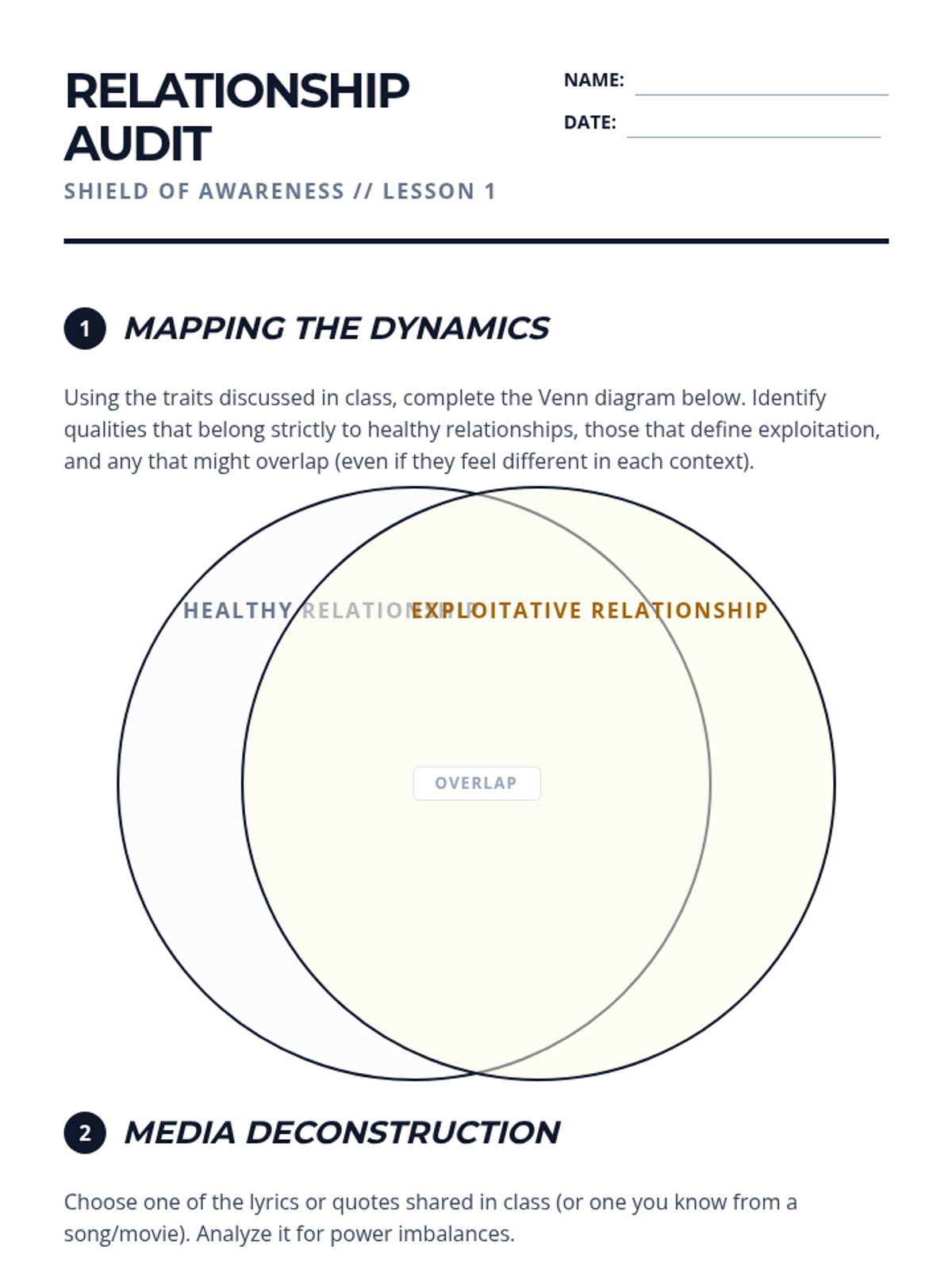
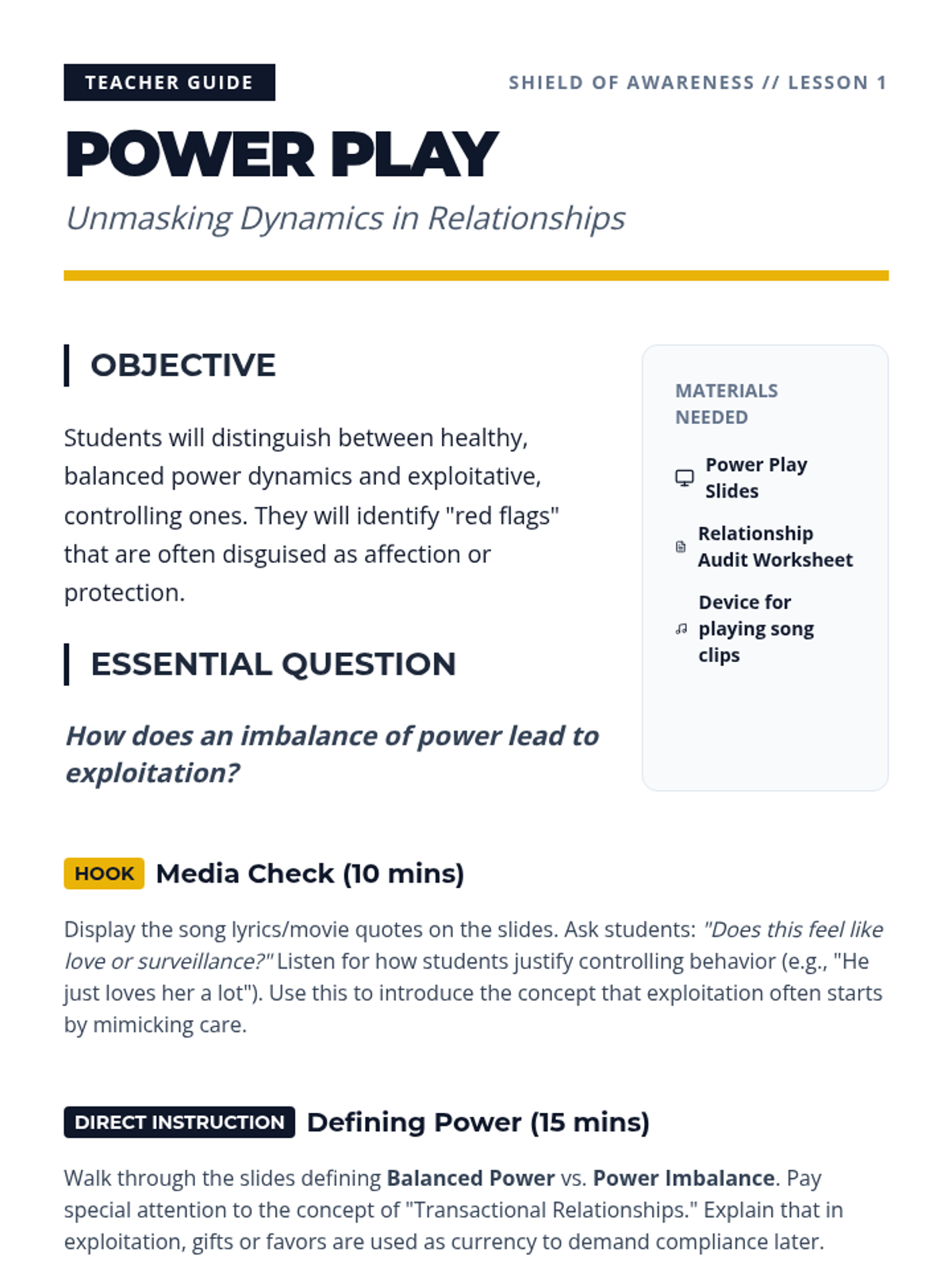
This sequence addresses the interpersonal dynamics of trafficking, focusing on healthy boundaries and the specific 'Romeo' or 'Boyfriend' coercion tactics often used against teens. Students will engage in workshops to practice assertiveness and recognize the difference between affection and control.
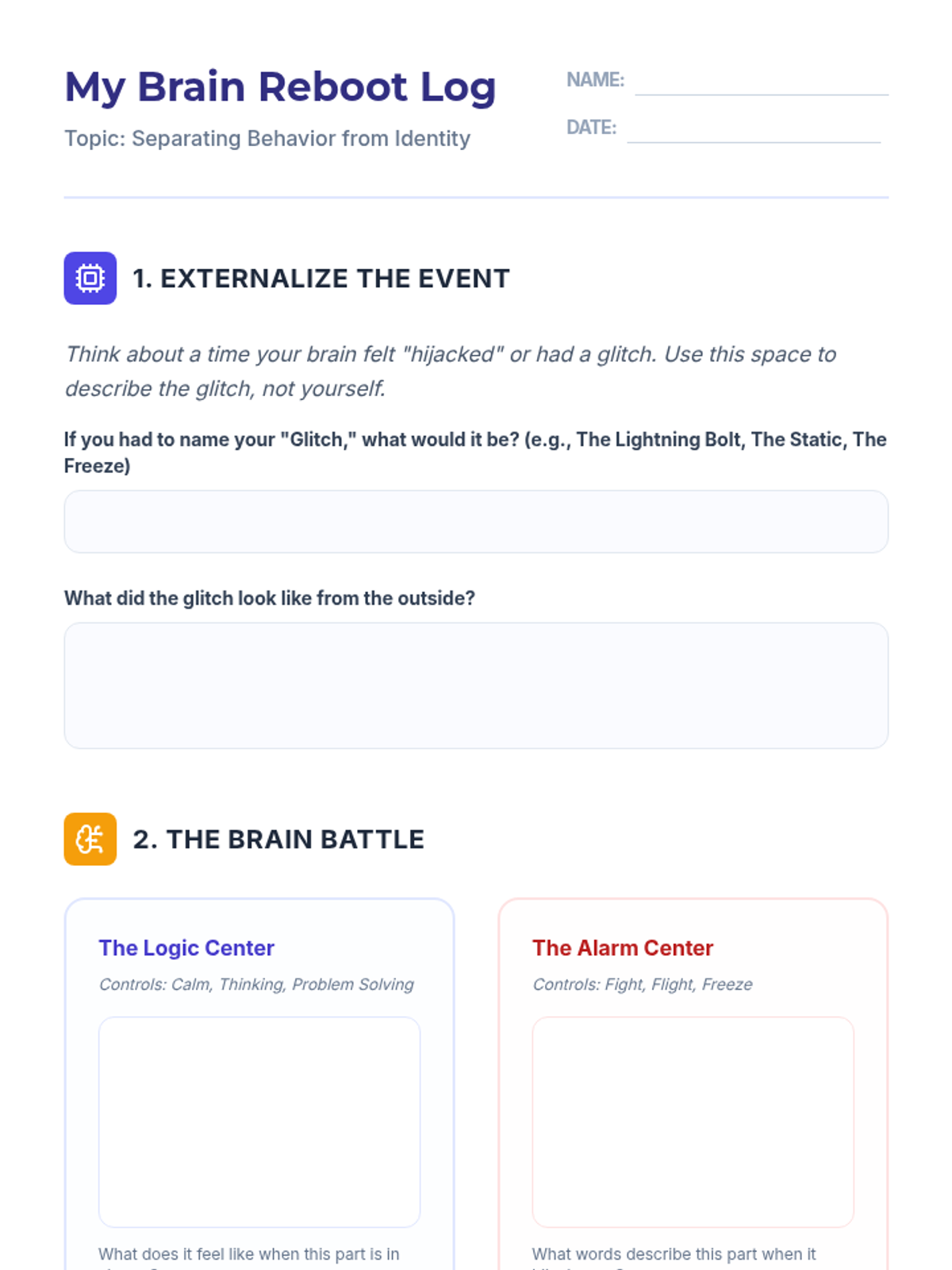
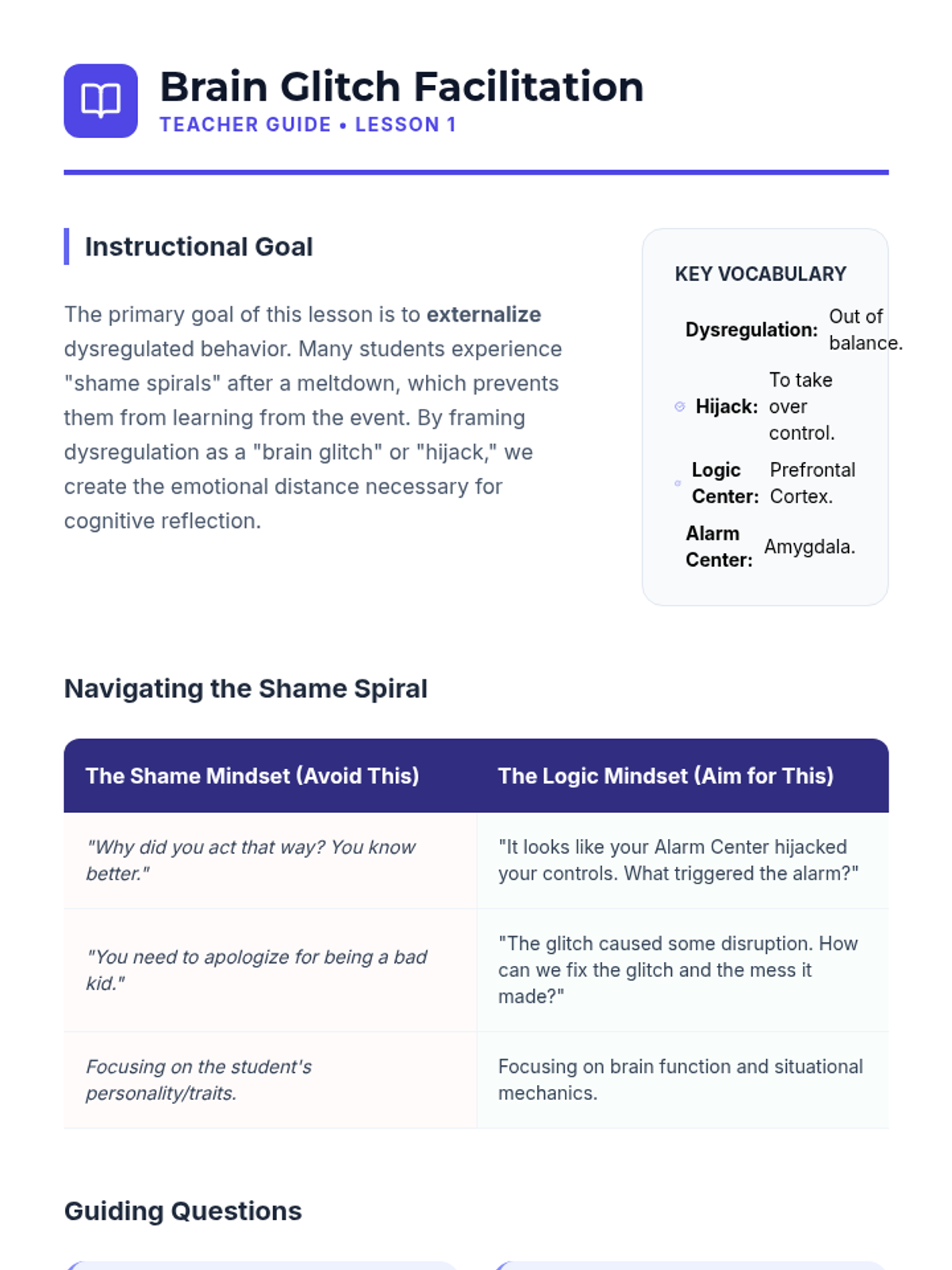
A 5-lesson sequence for 5th-grade students focused on post-dysregulation recovery. This series helps students move from shame to logic by externalizing behaviors, analyzing event timelines, practicing restorative apologies, and planning for future success.
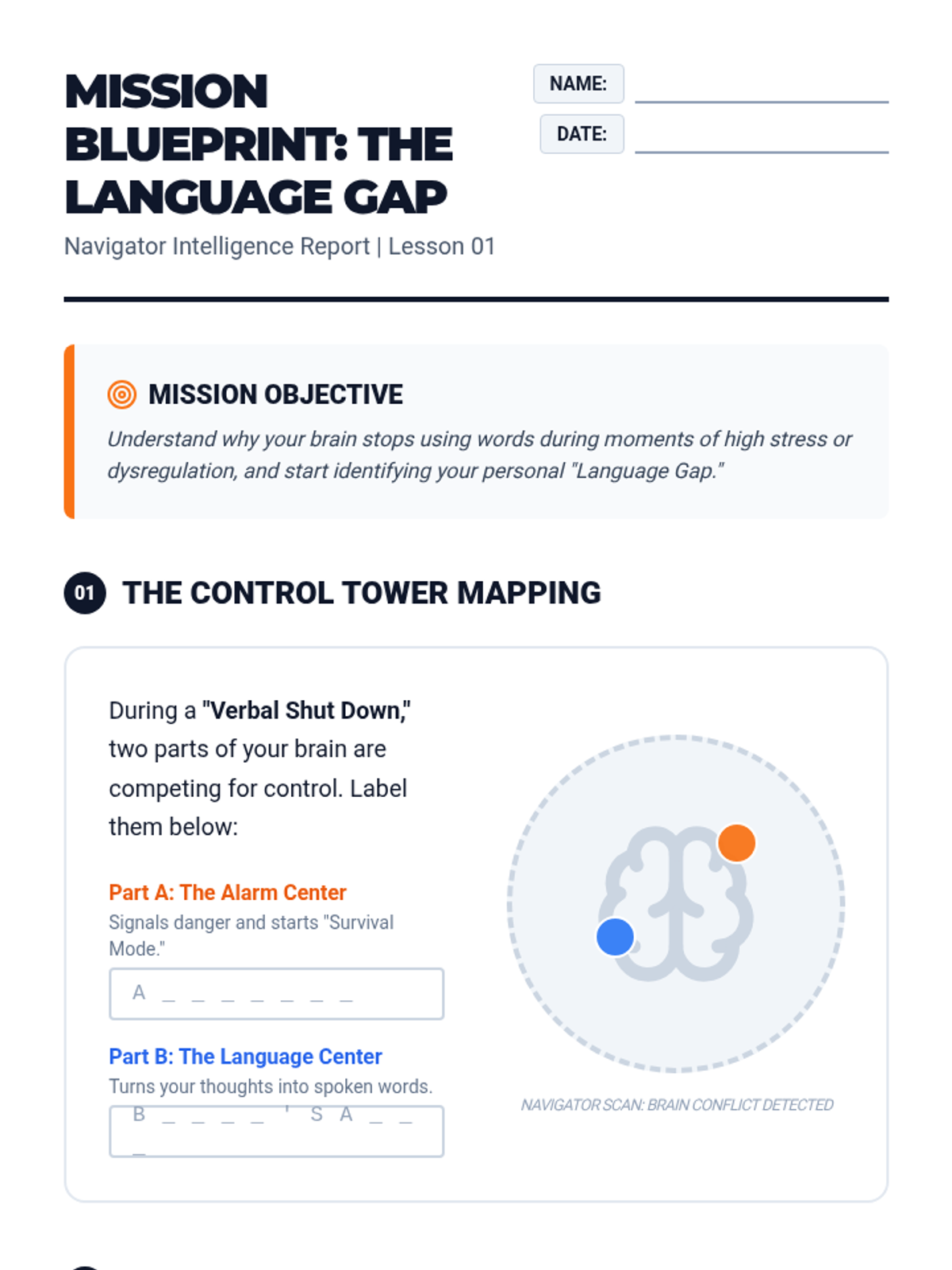
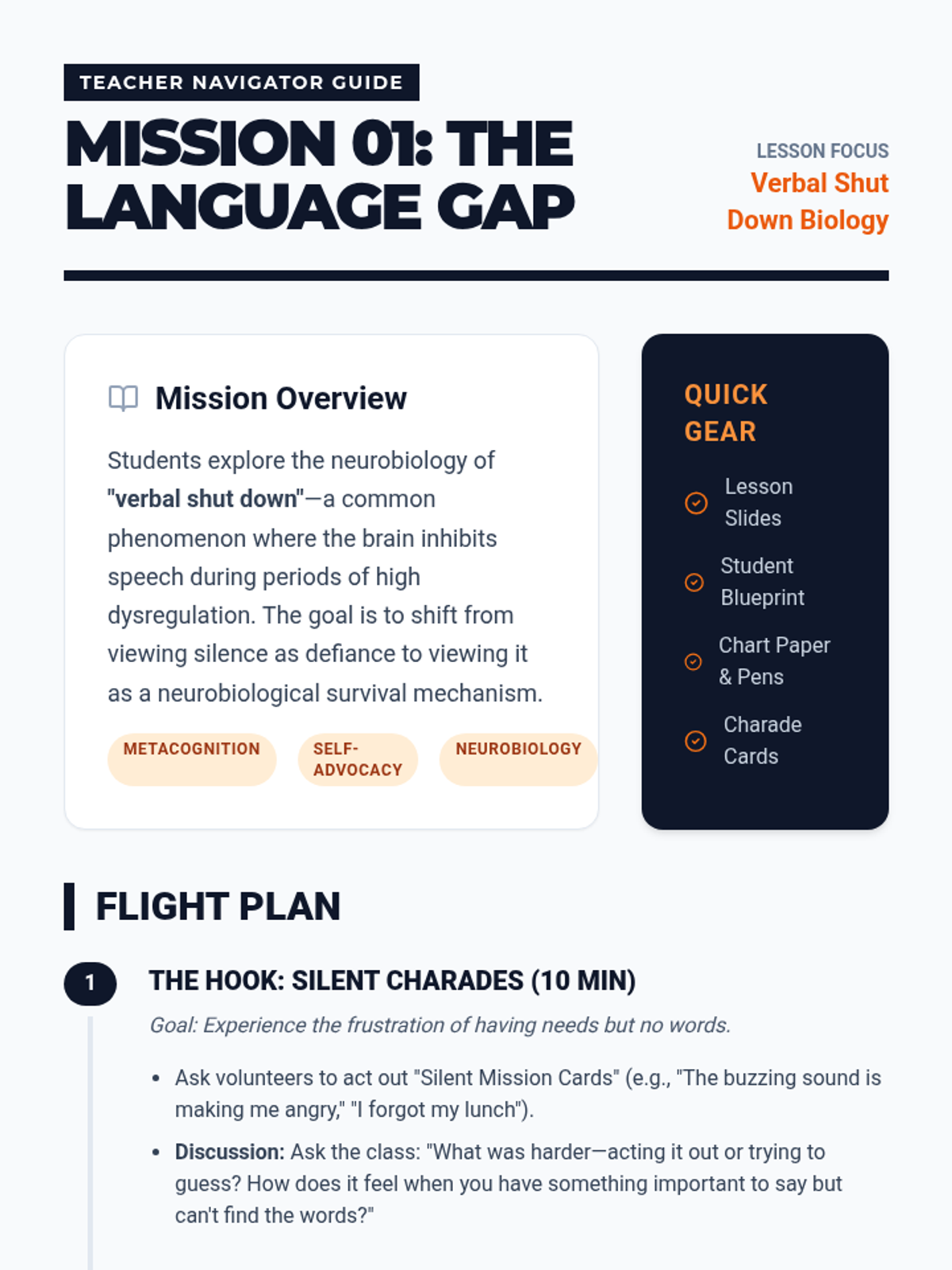
A 5-lesson sequence for 6th-grade students focusing on neurobiological awareness of dysregulation, non-verbal communication systems, co-regulation techniques, and restorative practices for re-entering social environments. Students develop a 'Navigator' mindset to manage emotional turbulence and maintain relationships.
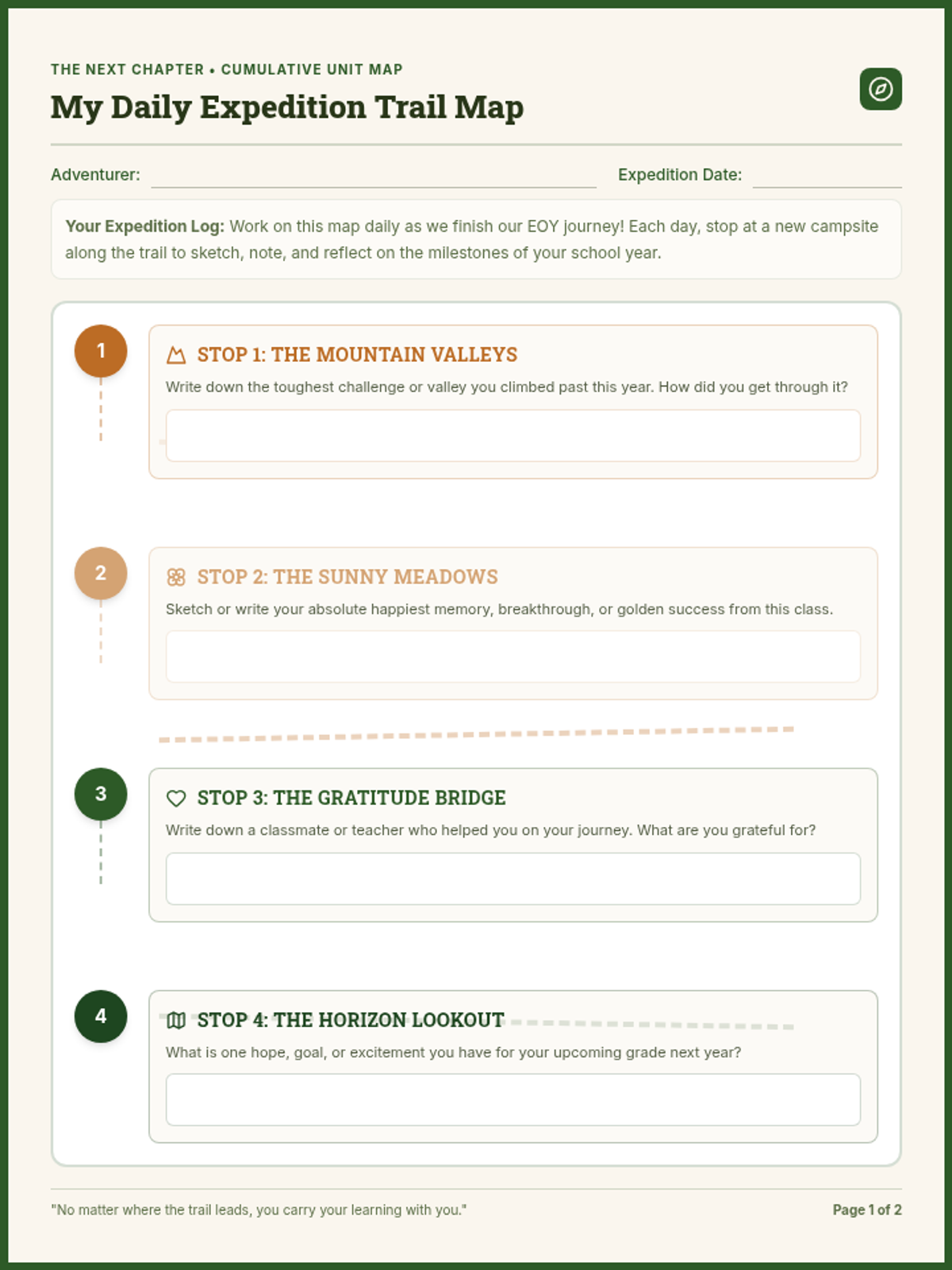
A 3-lesson transition curriculum designed to guide elementary and middle school students through end-of-year closure, processing difficult and successful days, saying healthy goodbyes to teachers and peers, and building anticipation for the future.
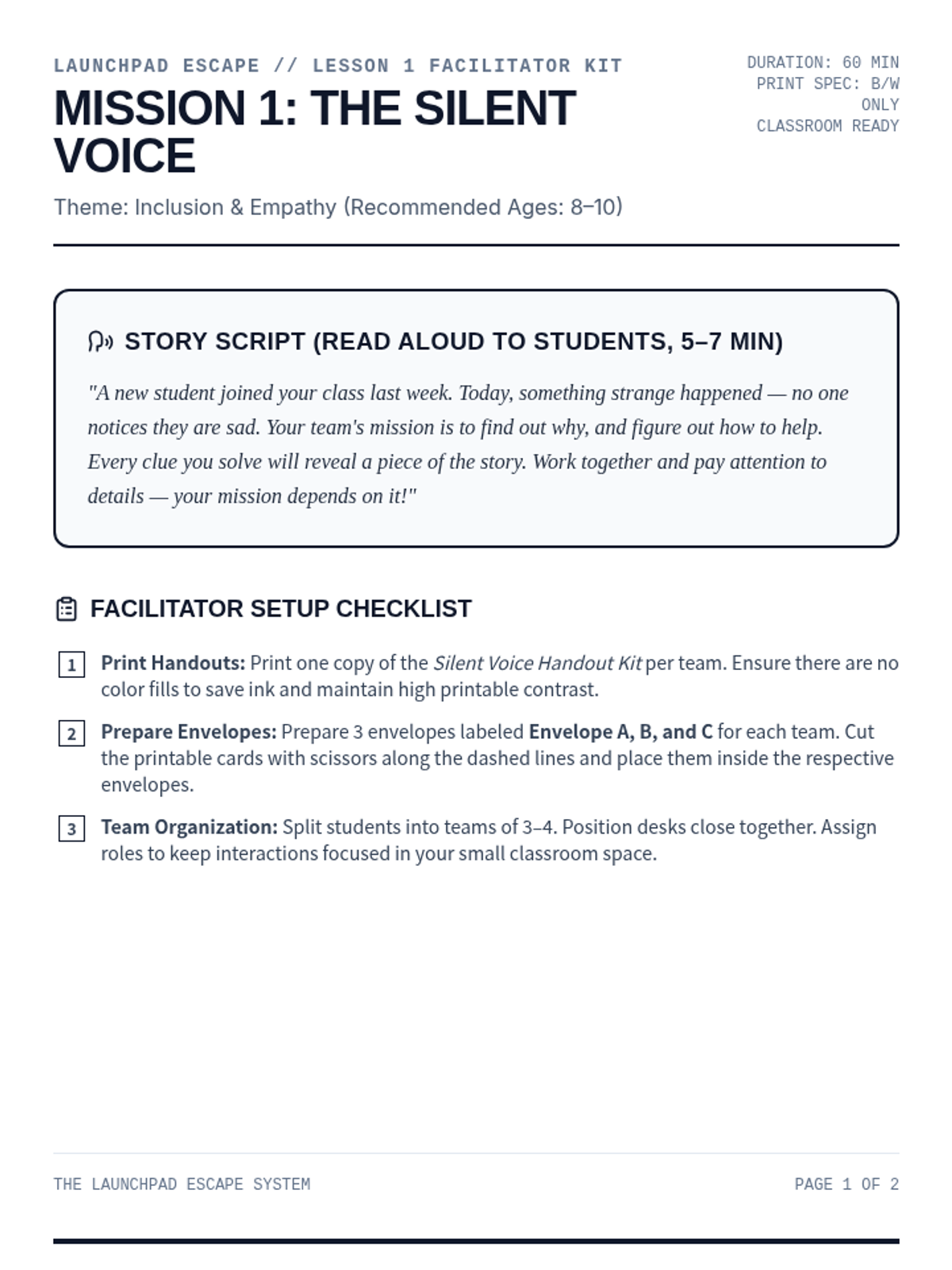
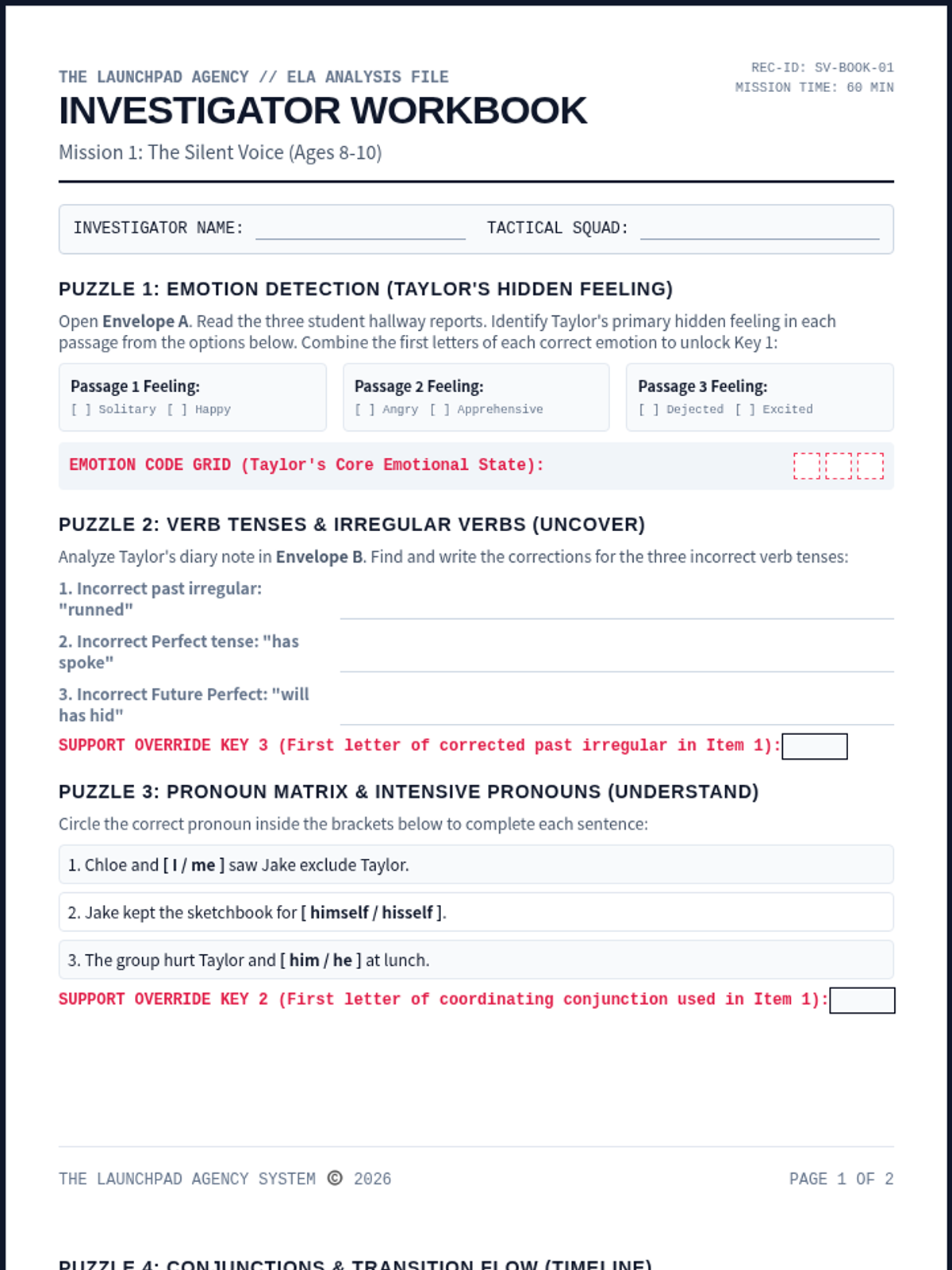
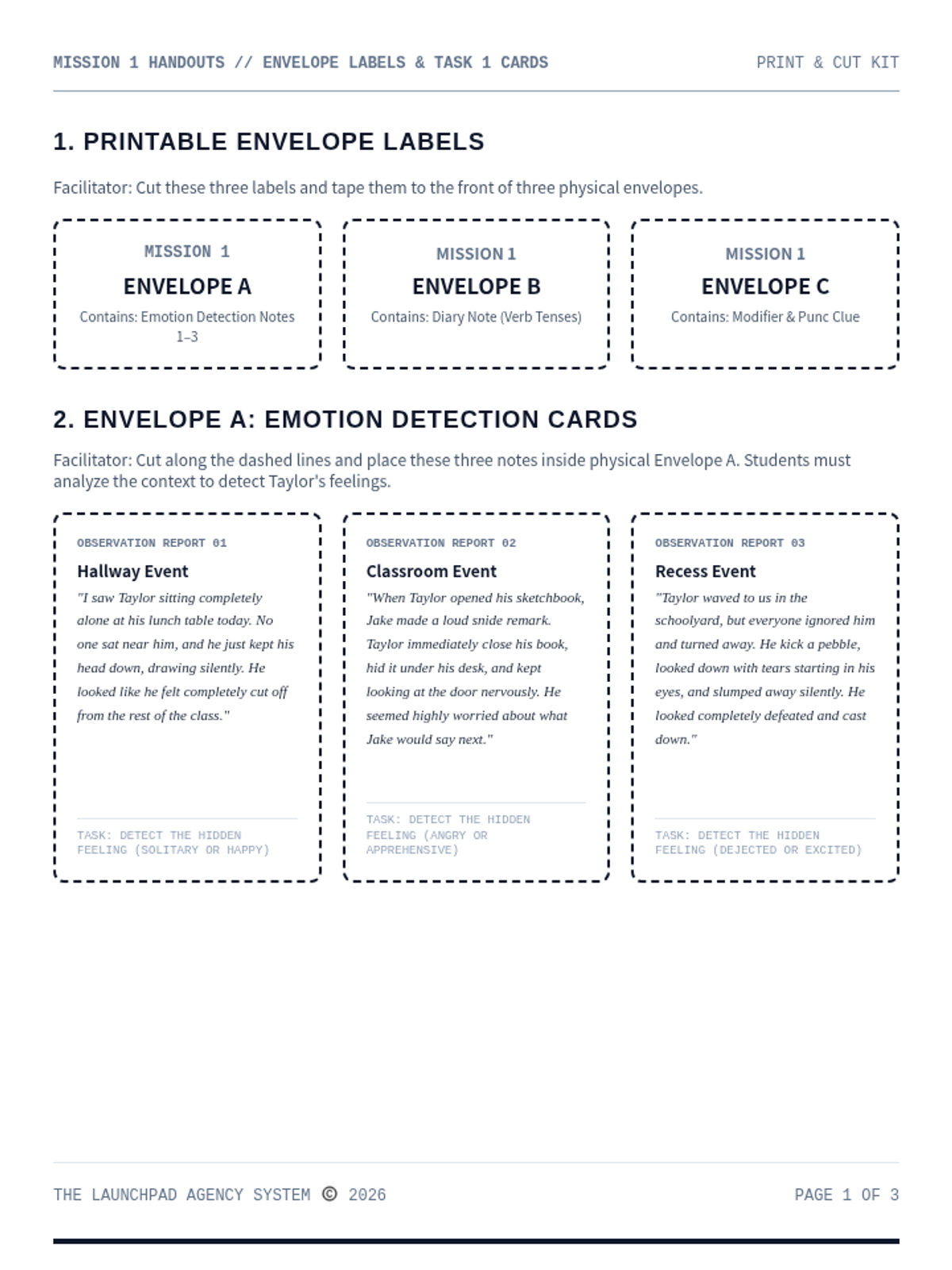
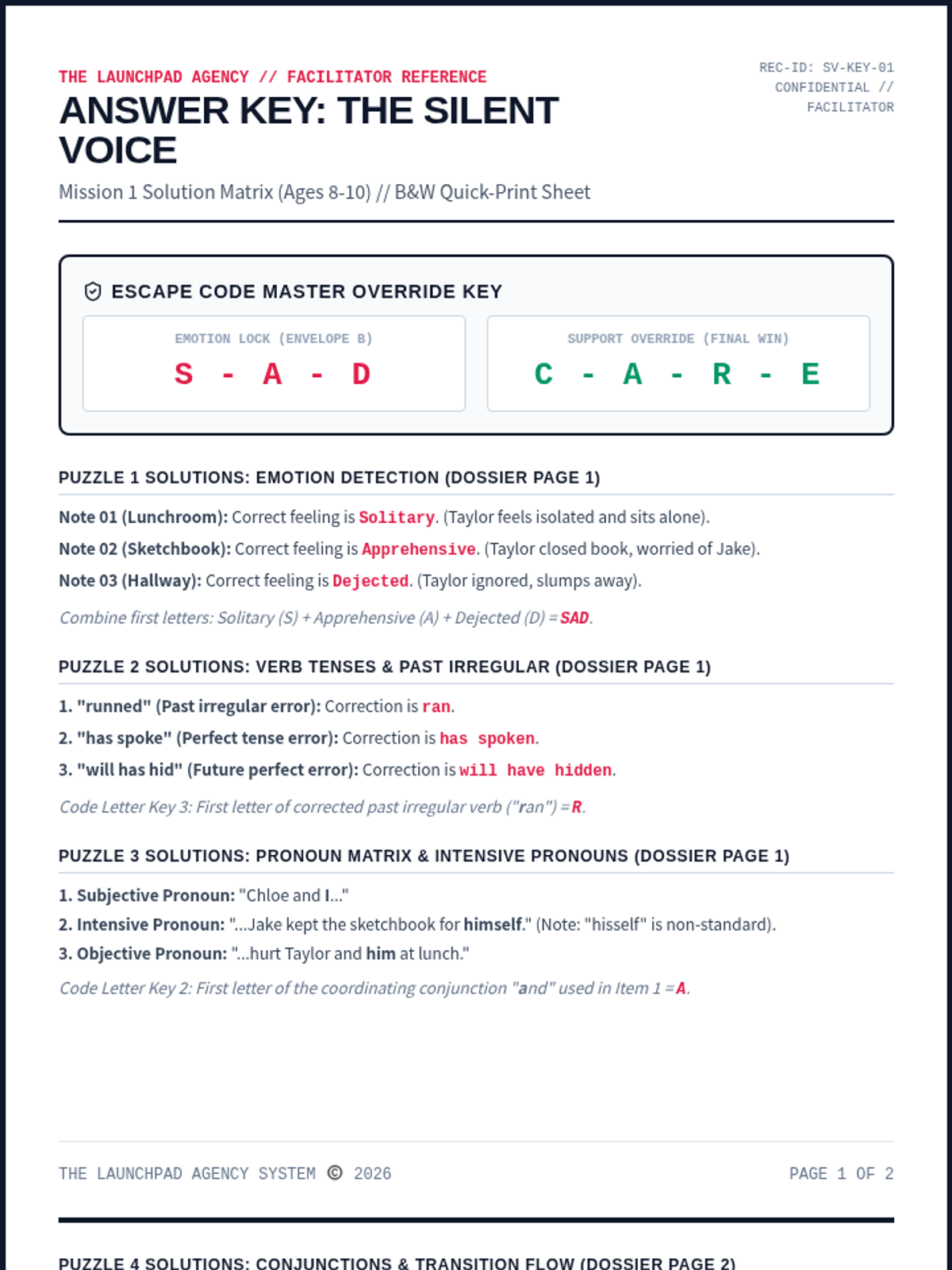
A high-stakes, collaborative tabletop escape curriculum. Missions are self-contained and fun, targeting academic anxiety, family duty, digital literacy, and friendship & peer pressure (e.g. someone left out, group conflict escalating, friend pressured to do wrong). Recruits build decision-making, social intelligence, and value systems.
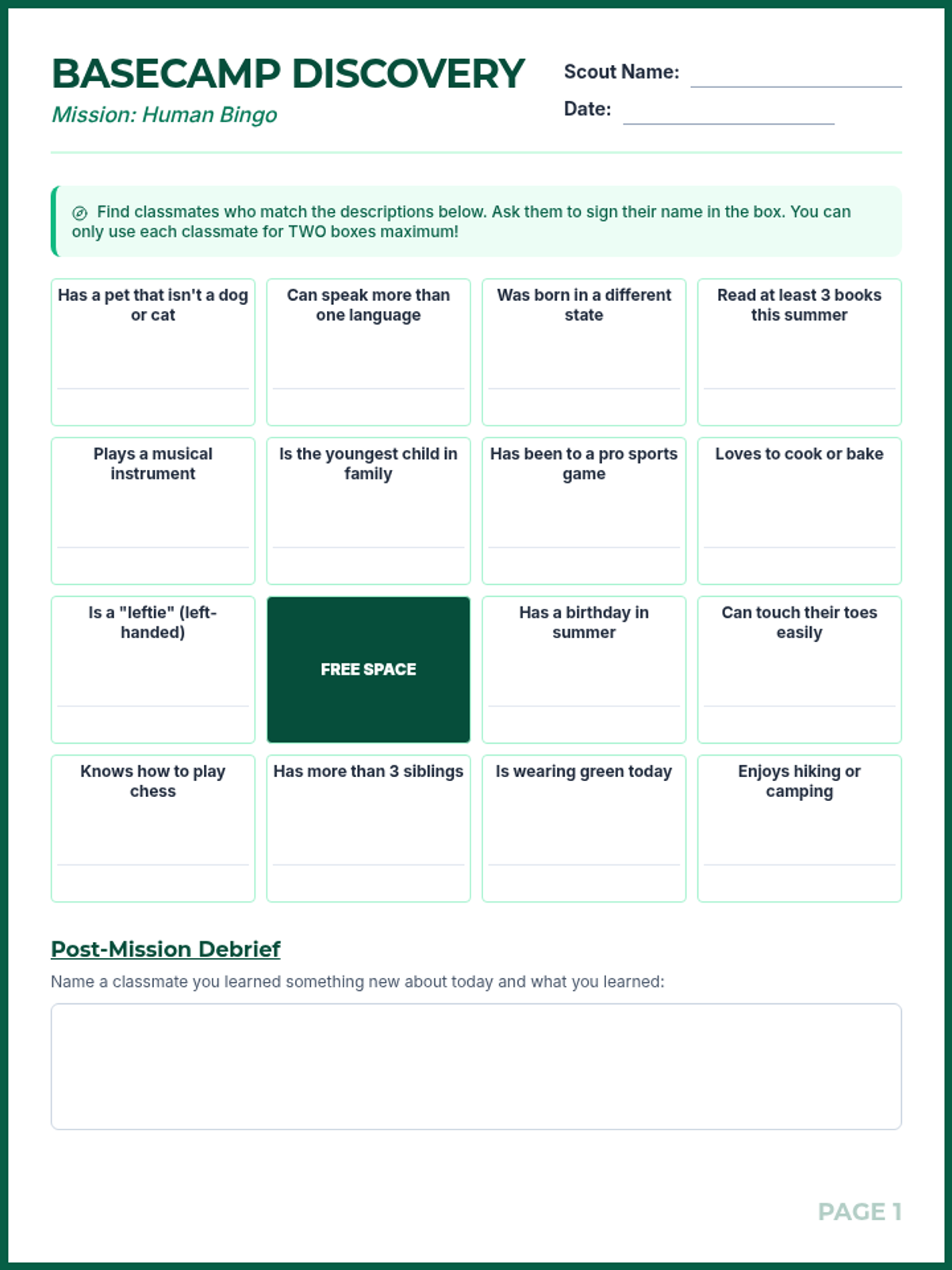
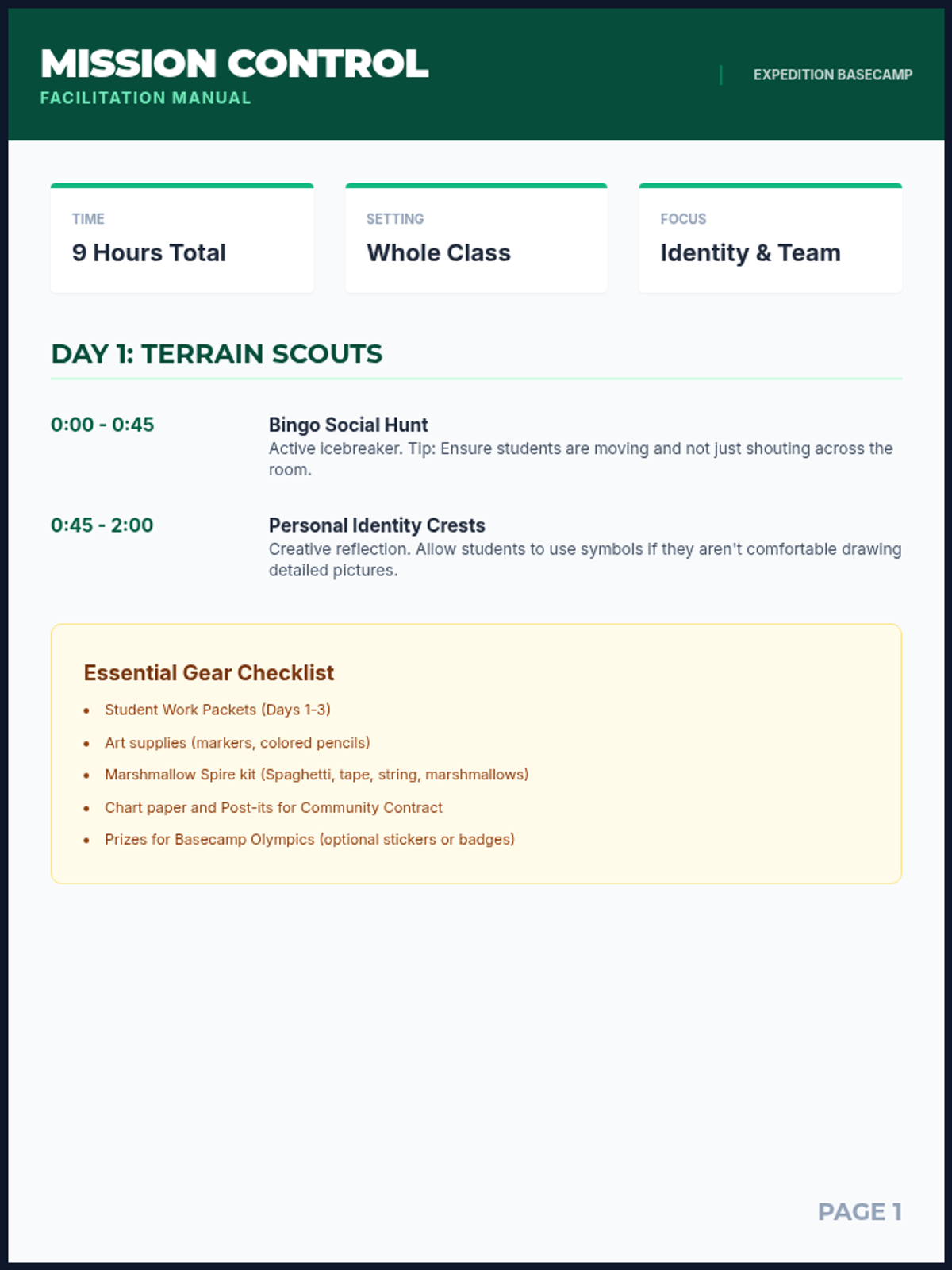
A three-day orientation sequence designed to build classroom community through team challenges, interdisciplinary puzzles, and reflective goal-setting with an 'Expedition Basecamp' theme.
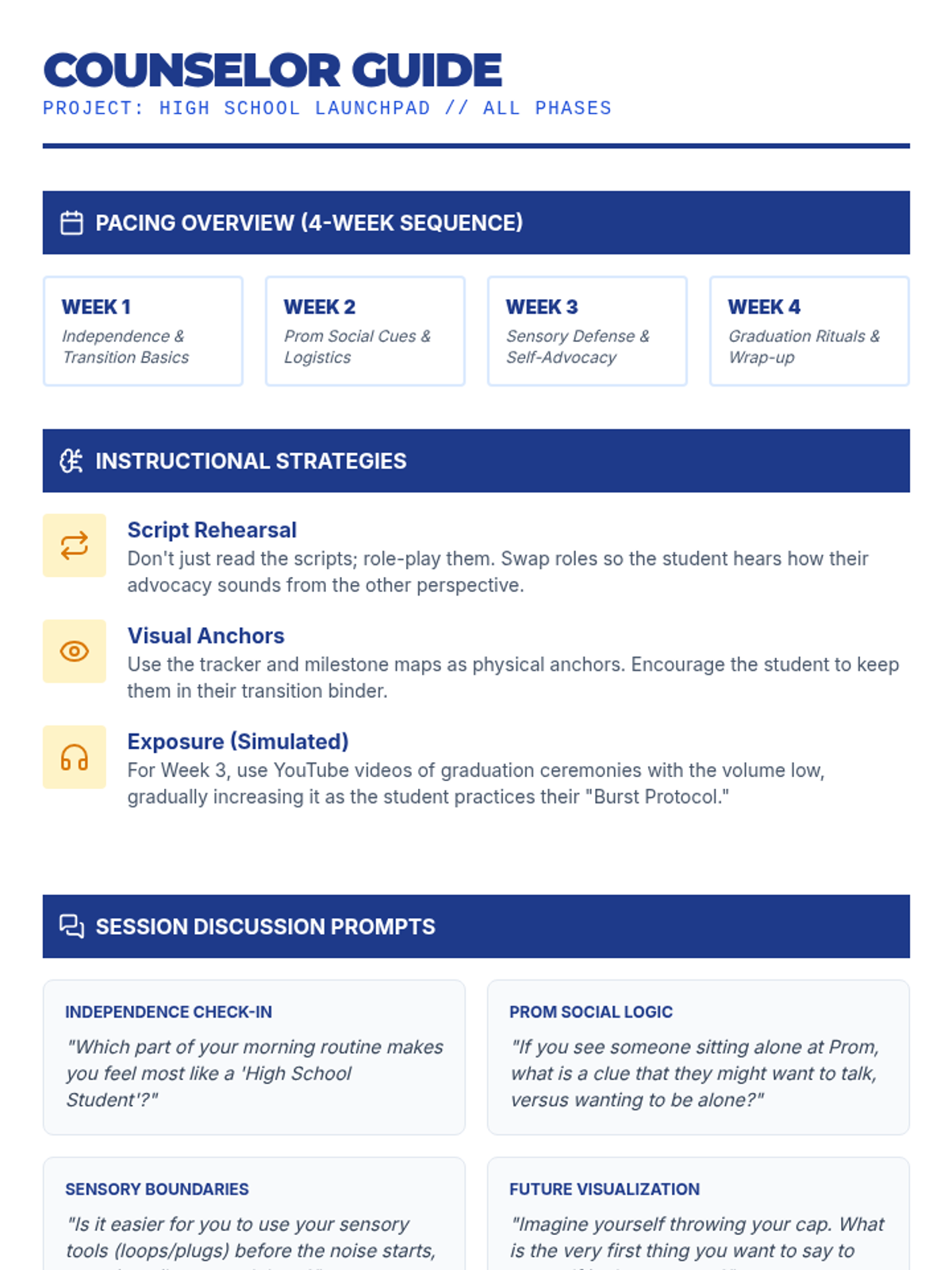
A 4-week counseling sequence designed for students with autism to navigate the transition to high school, manage sensory challenges (like balloons and loud noises), and master social cues for major milestones like Prom and Graduation.
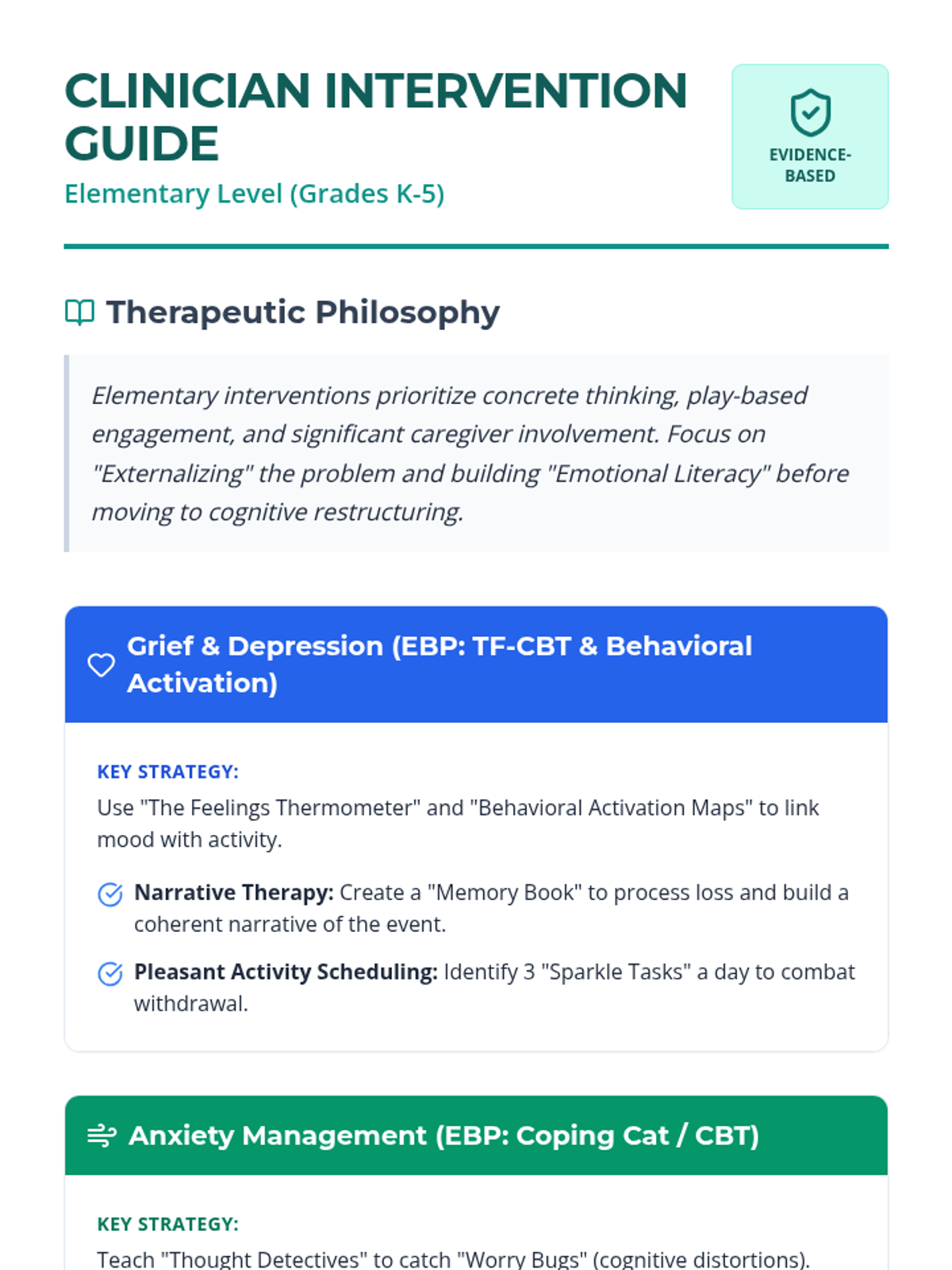
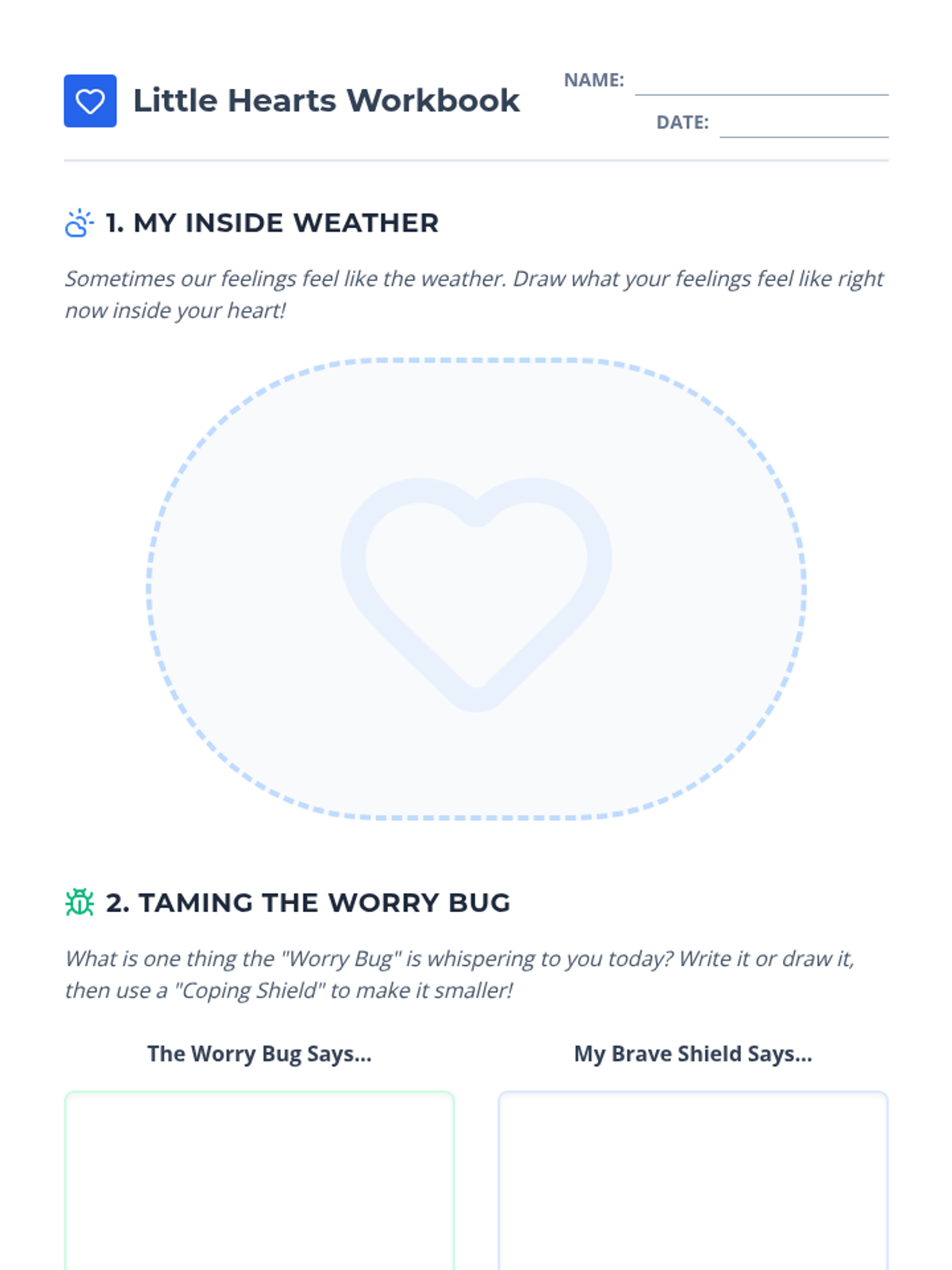
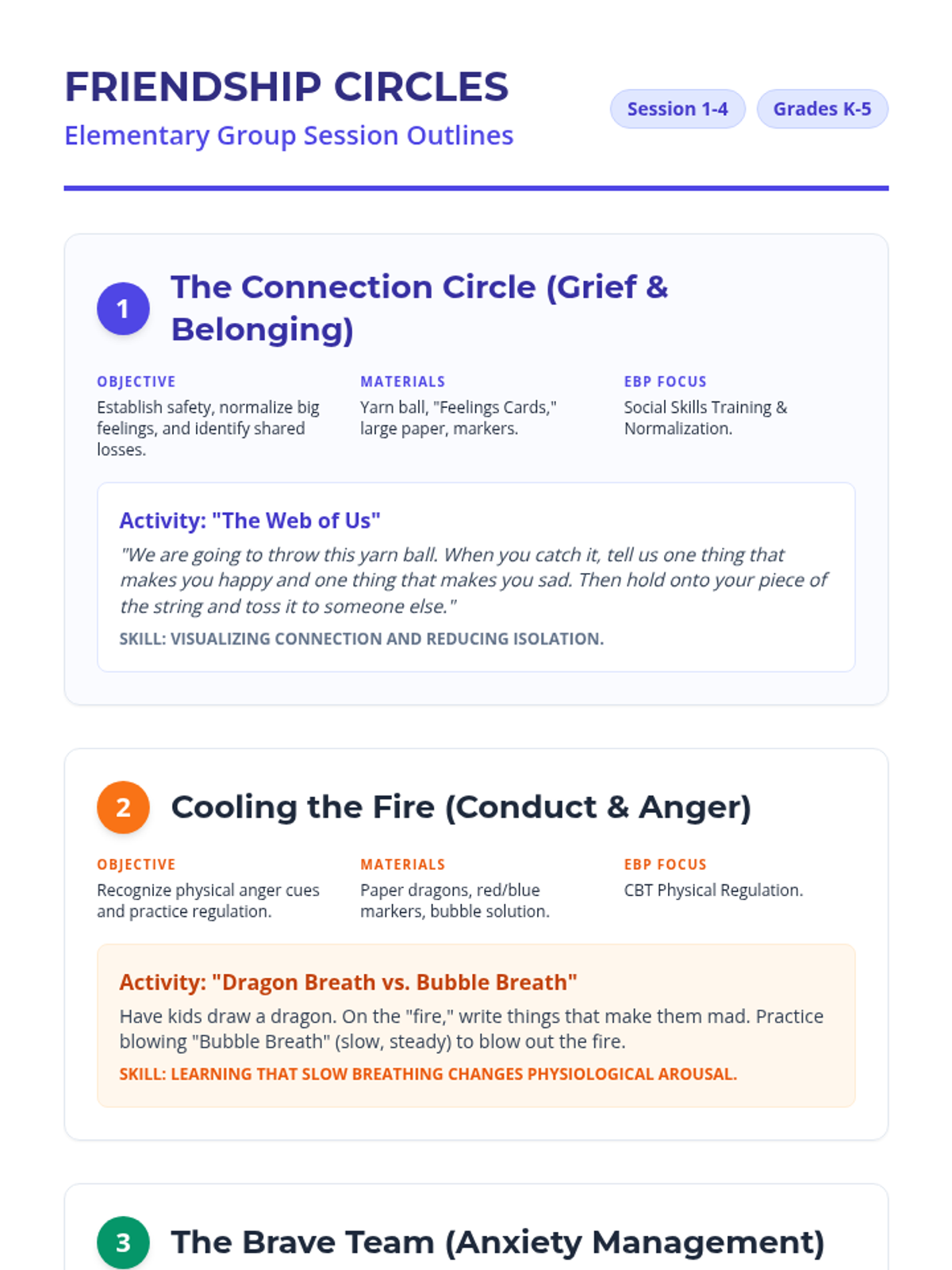
A comprehensive suite of evidence-based mental health interventions and resources for school clinicians, covering grief, depression, anxiety, conduct disorders, and crisis prevention for K-12 students.
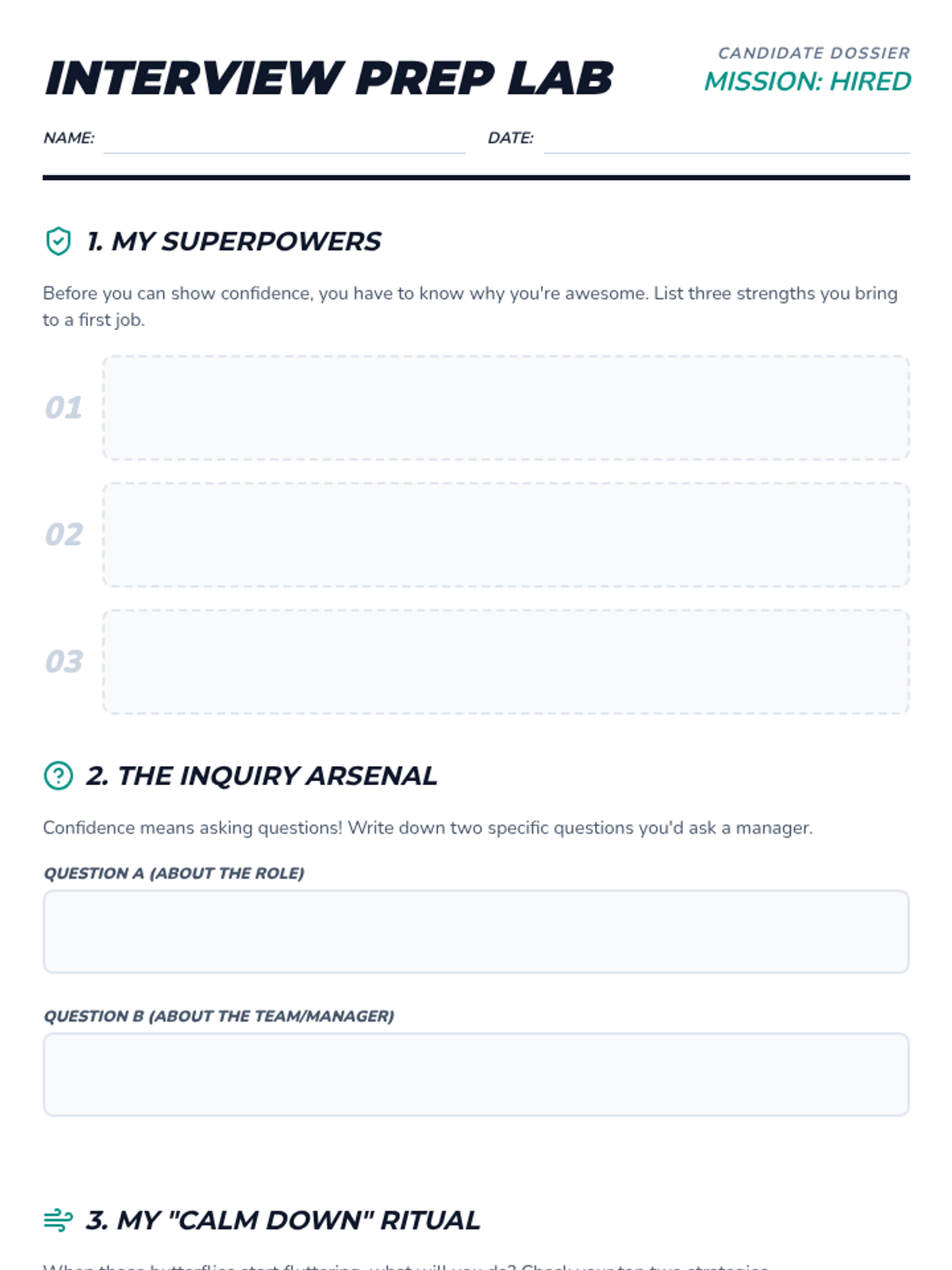
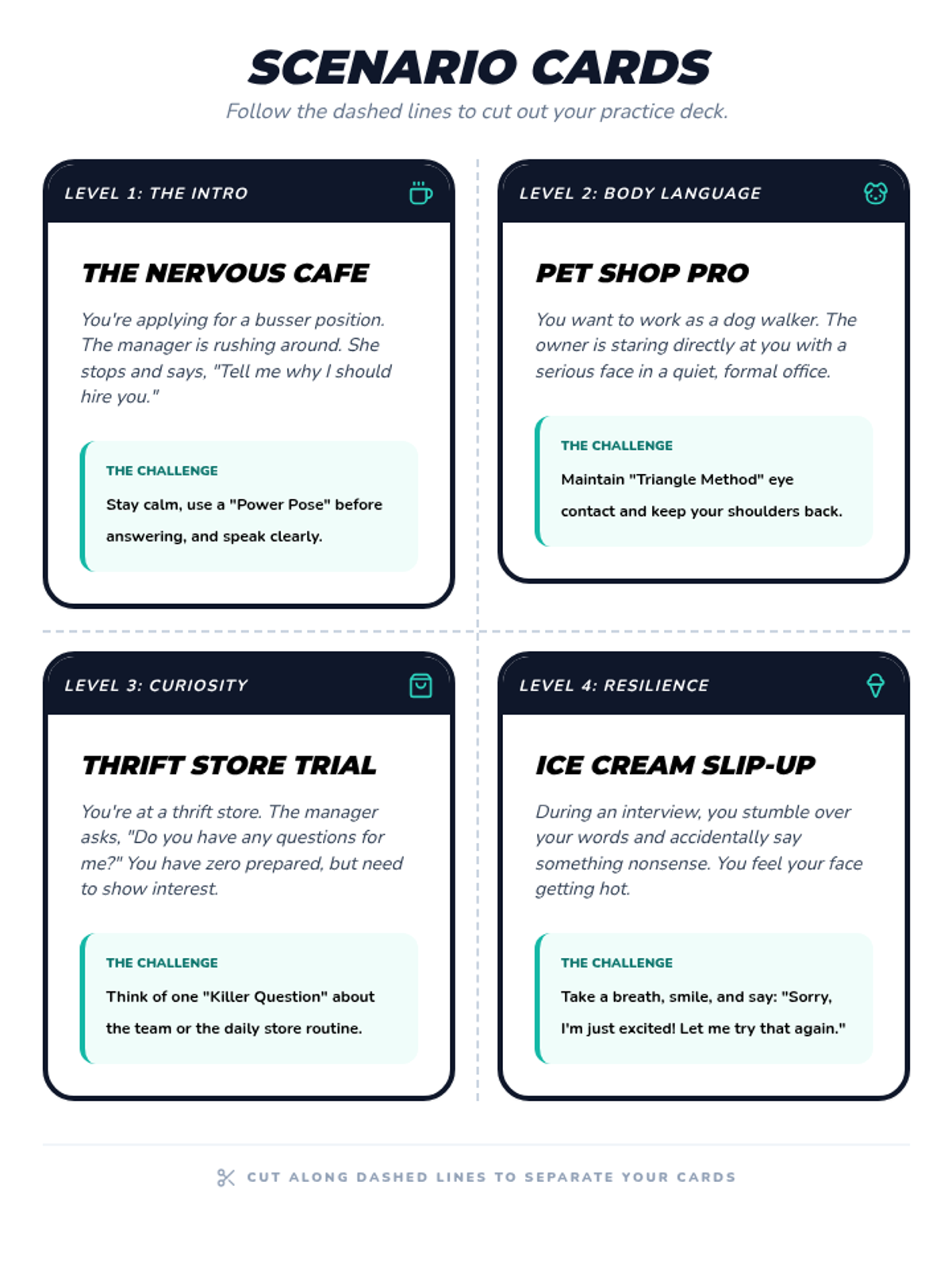
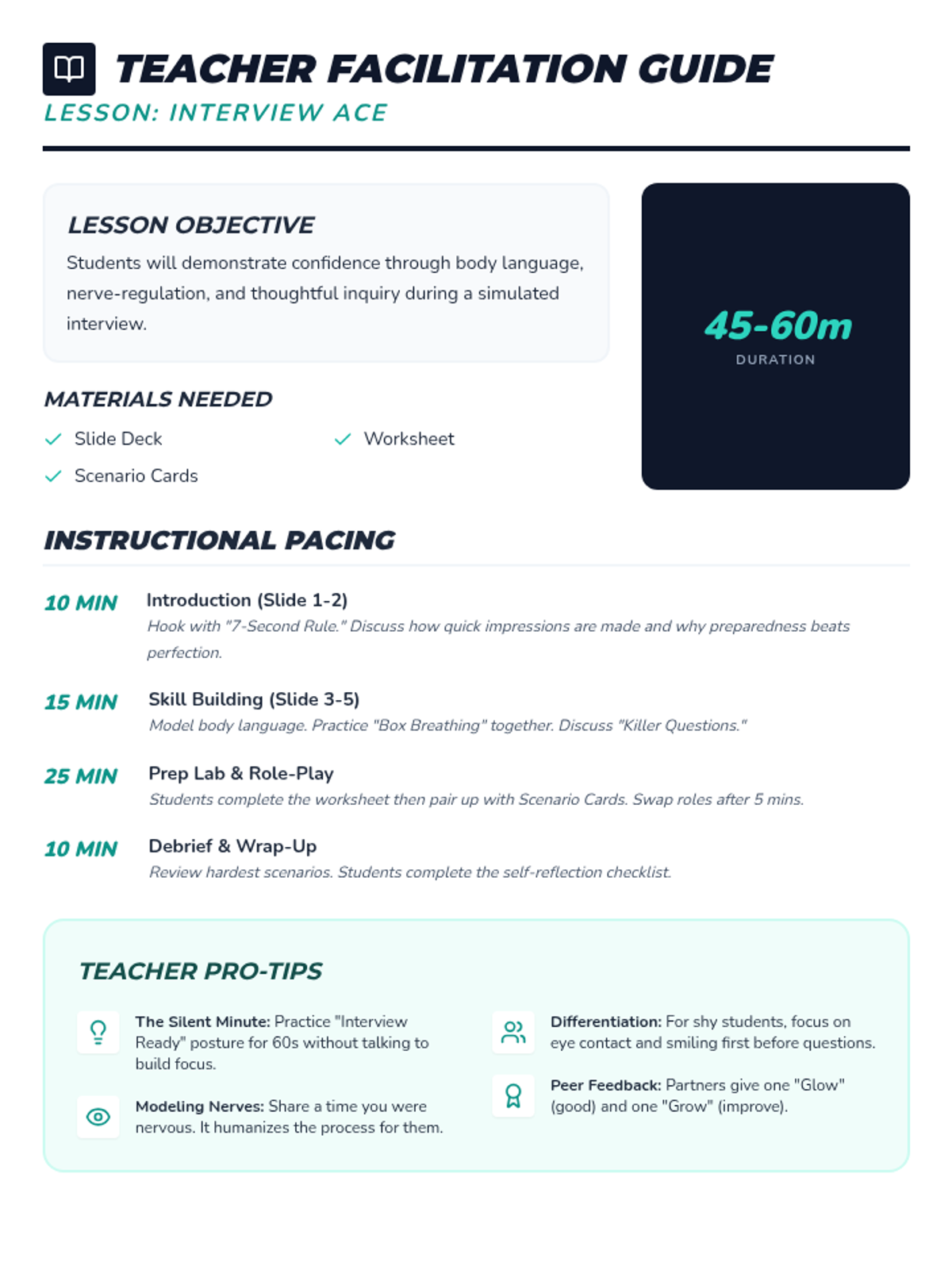
A comprehensive guide for 8th graders to master their first job interview, focusing on confidence, body language, and effective communication.
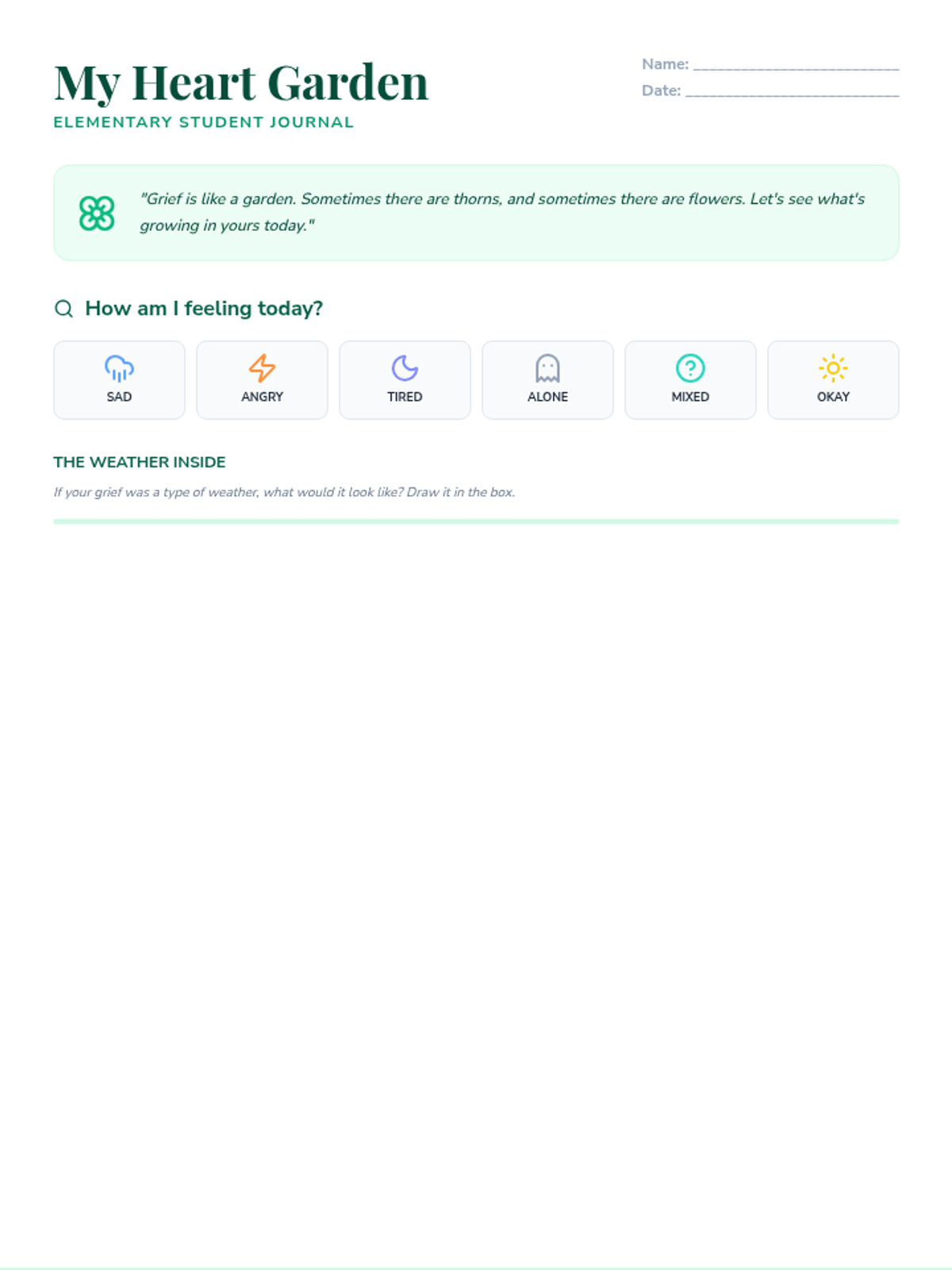
A comprehensive toolkit for school counselors and staff to support students experiencing prolonged grief. This sequence provides age-appropriate emotional regulation tools, communication strategies, and professional development for staff to create a trauma-informed environment.
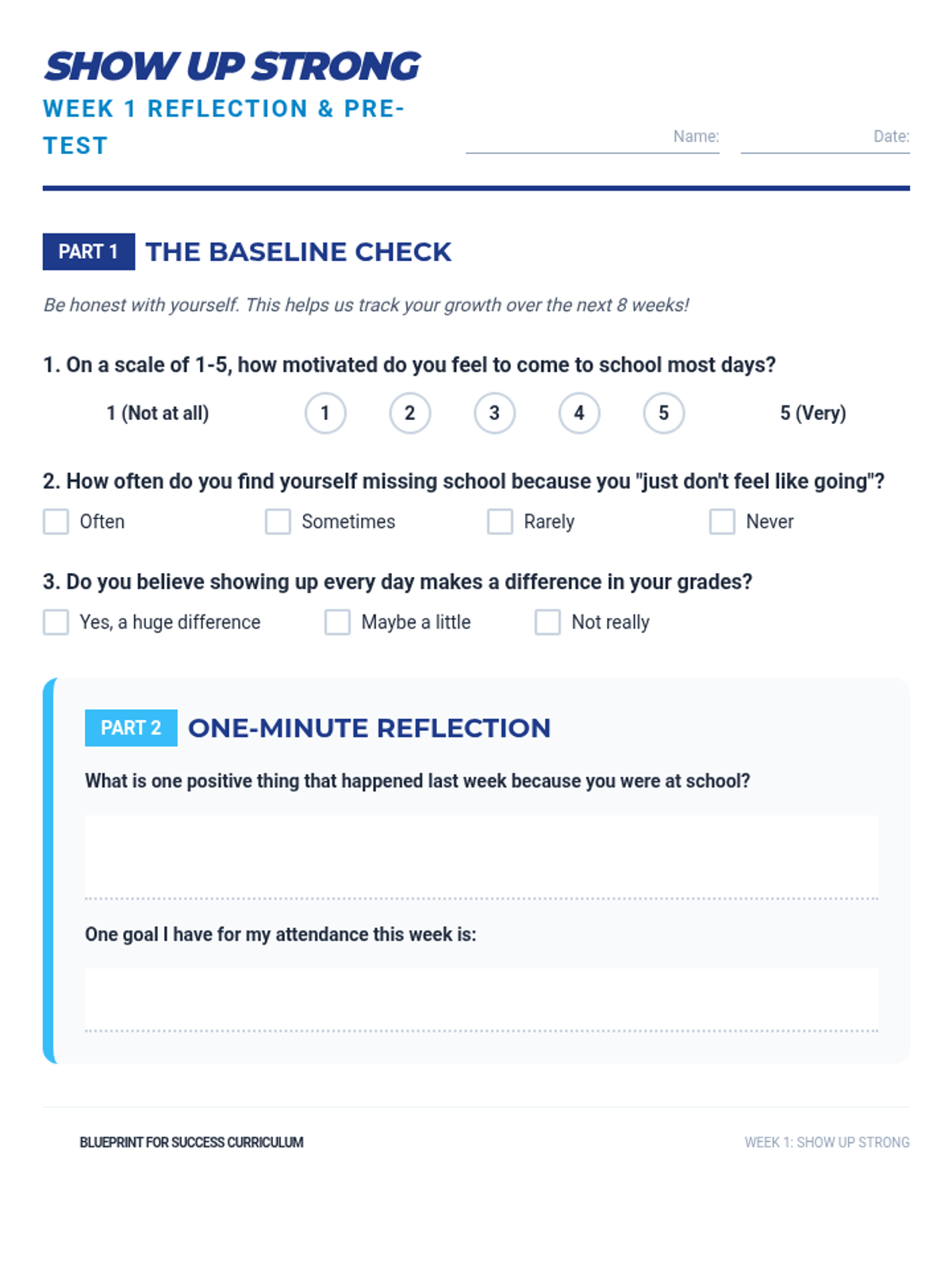
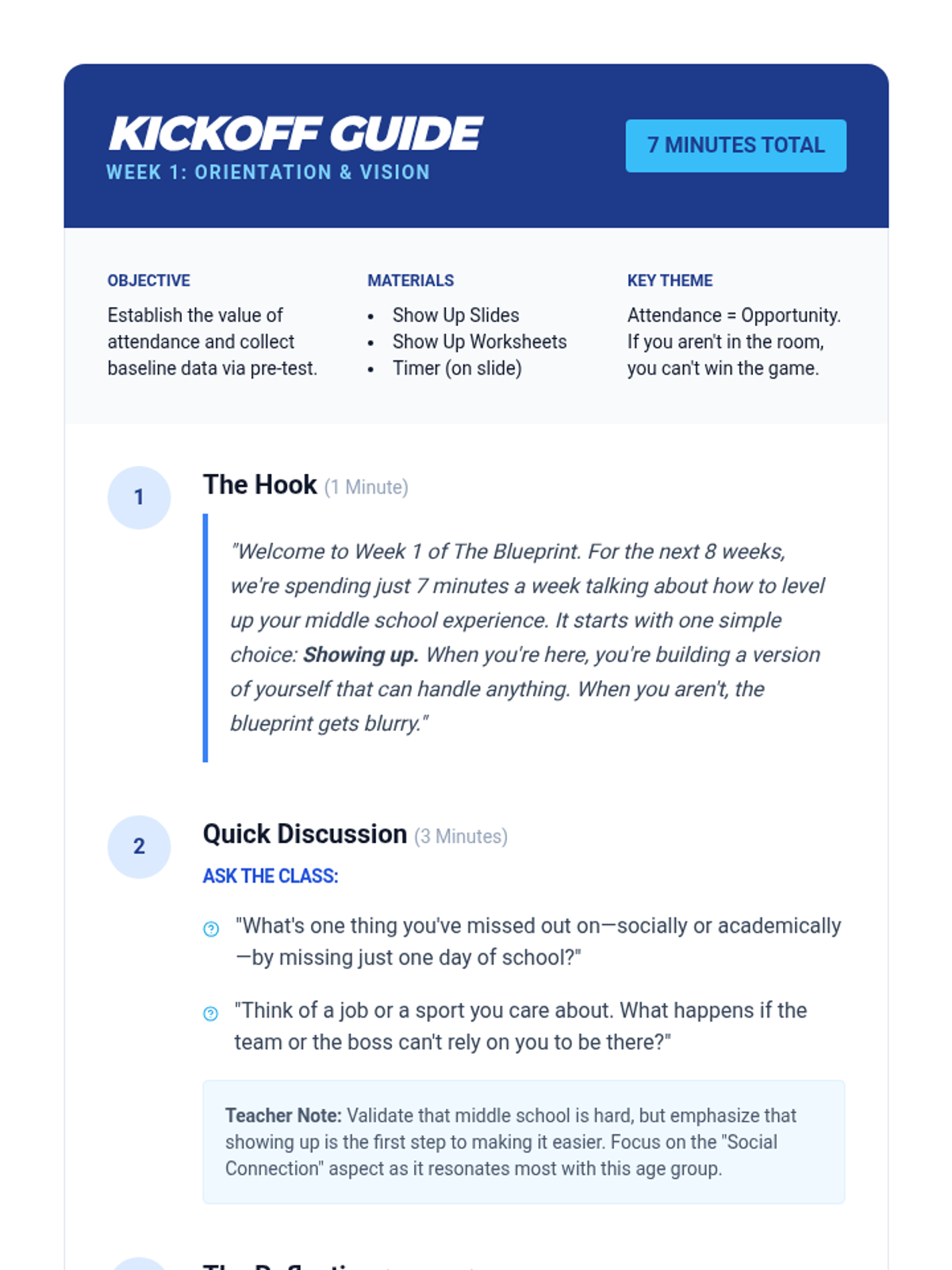
An 8-week curriculum for middle schoolers focusing on attendance, academic habits, behavioral choices, and mental wellness using a 'Blueprint' theme. Each lesson is designed to be delivered in 7 minutes, including a brief presentation and a 1-minute reflection.
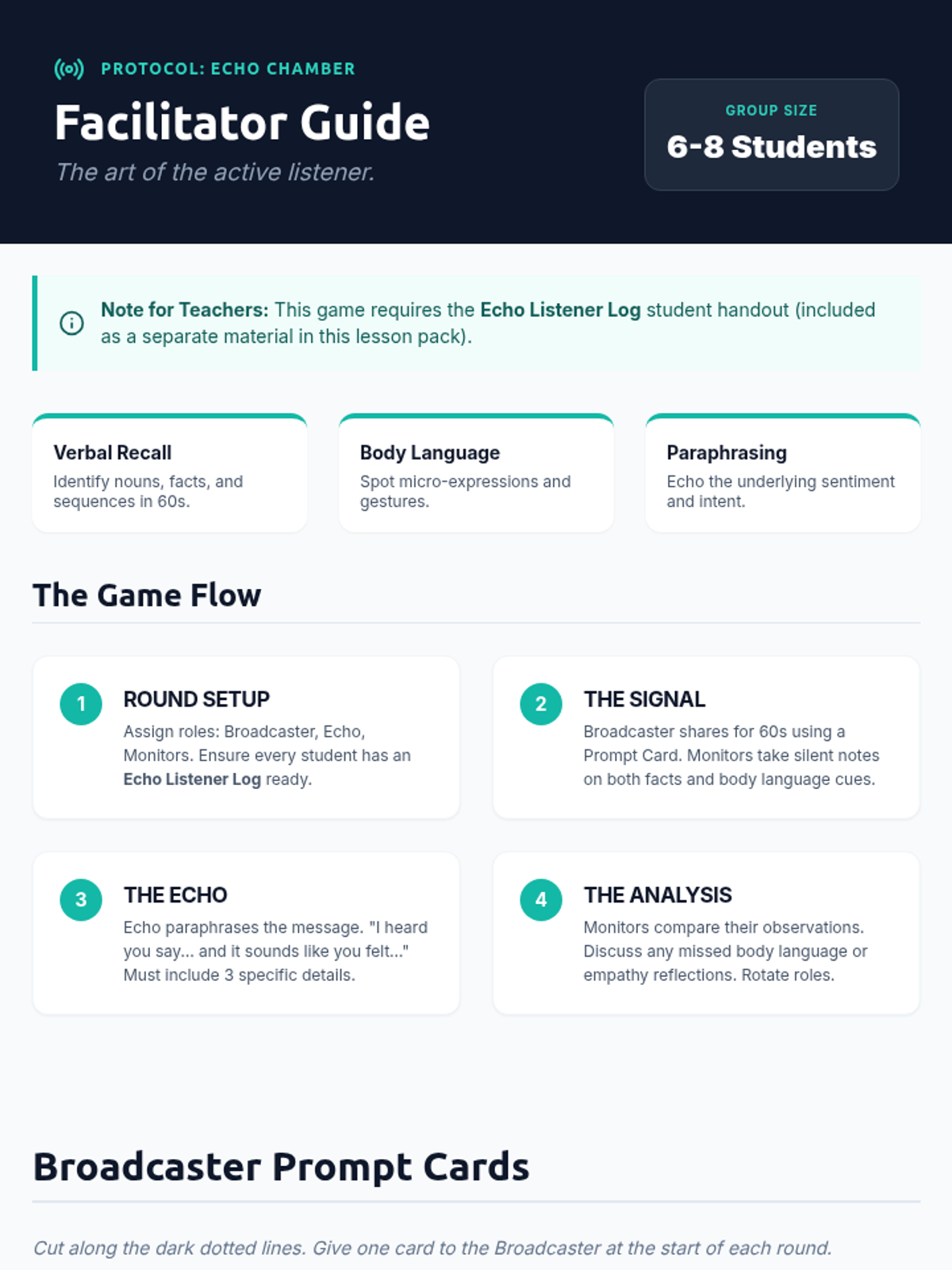
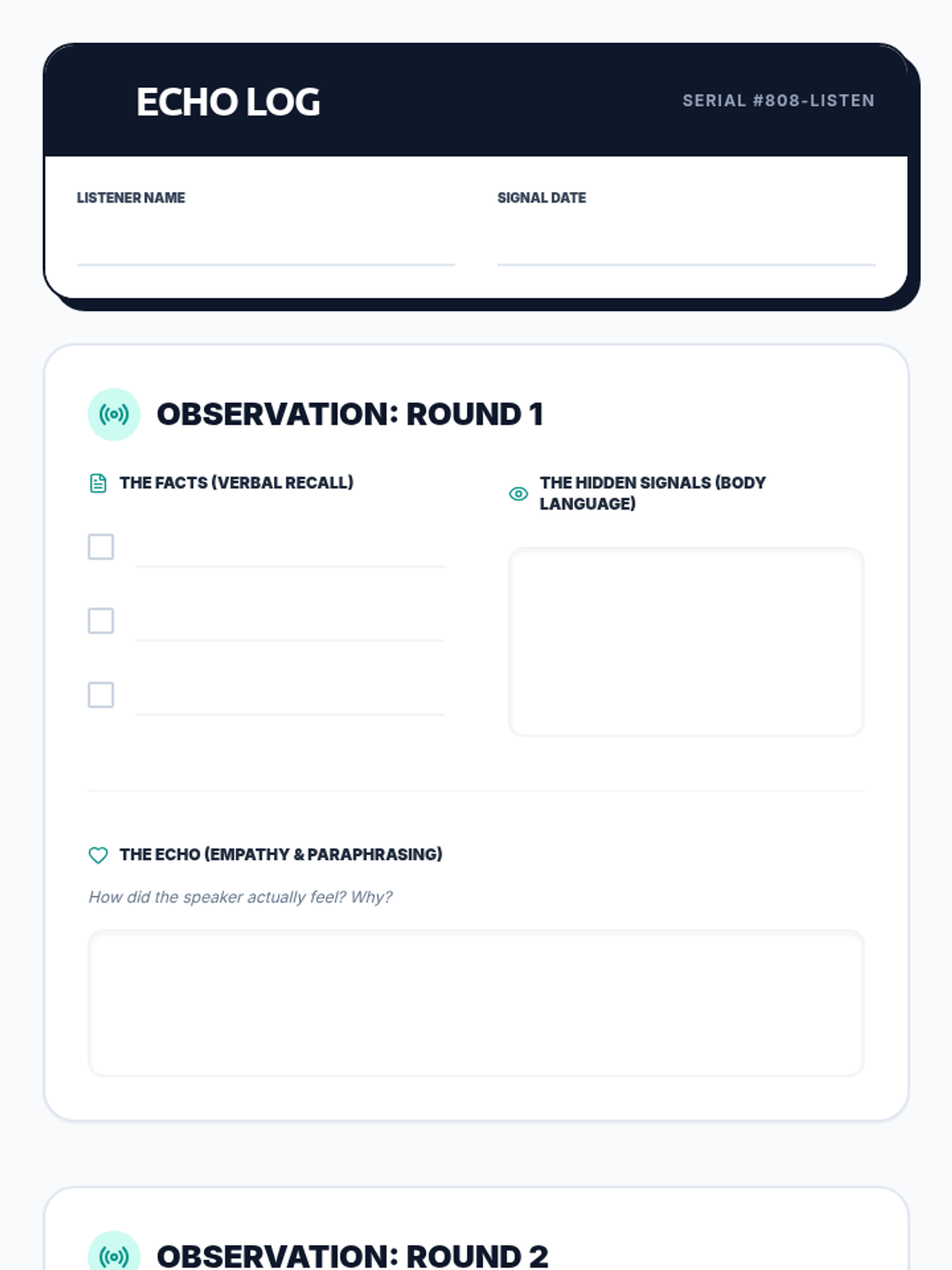
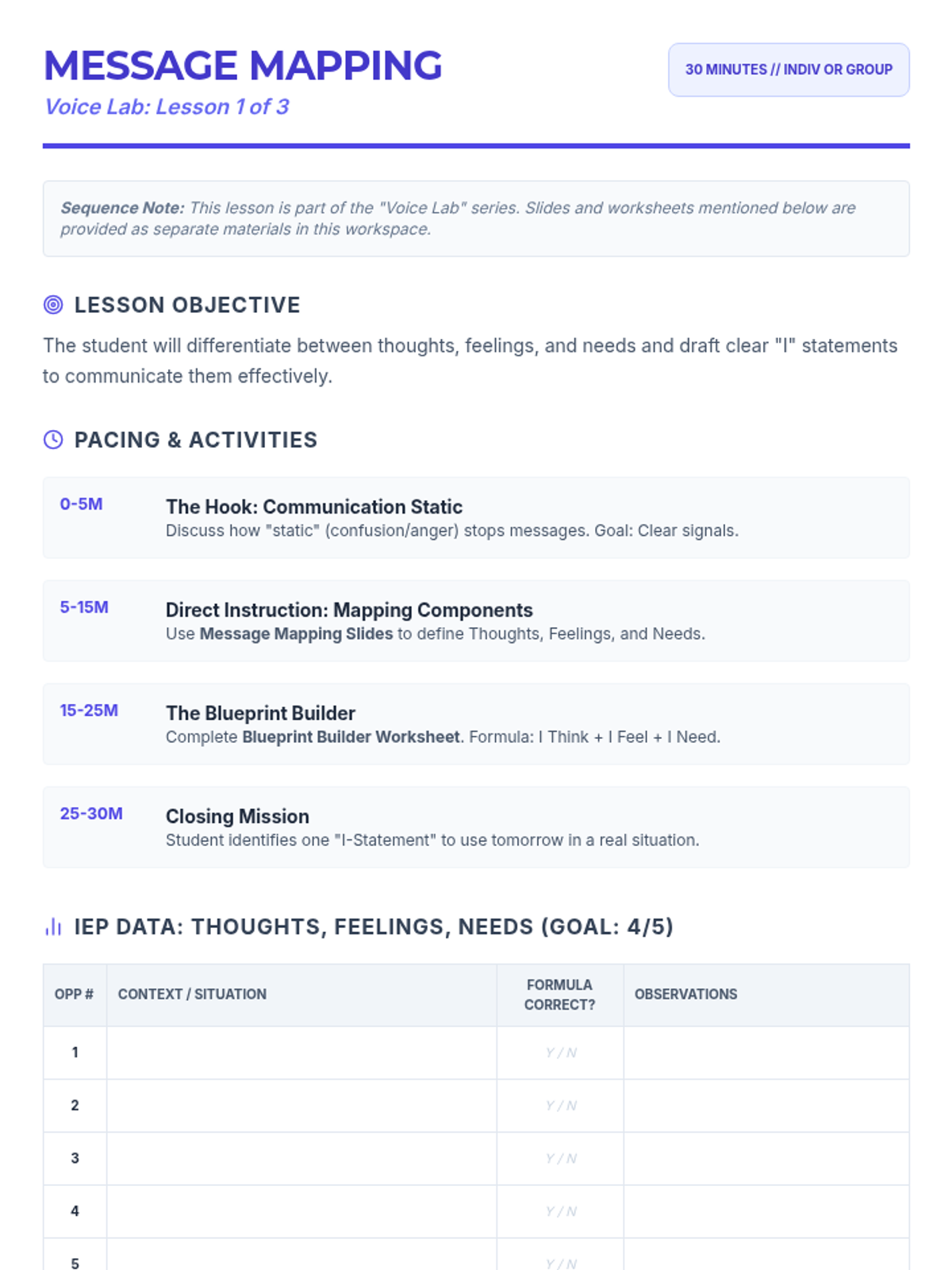
A series focused on interpersonal communication skills, helping students become more effective communicators and empathetic listeners.
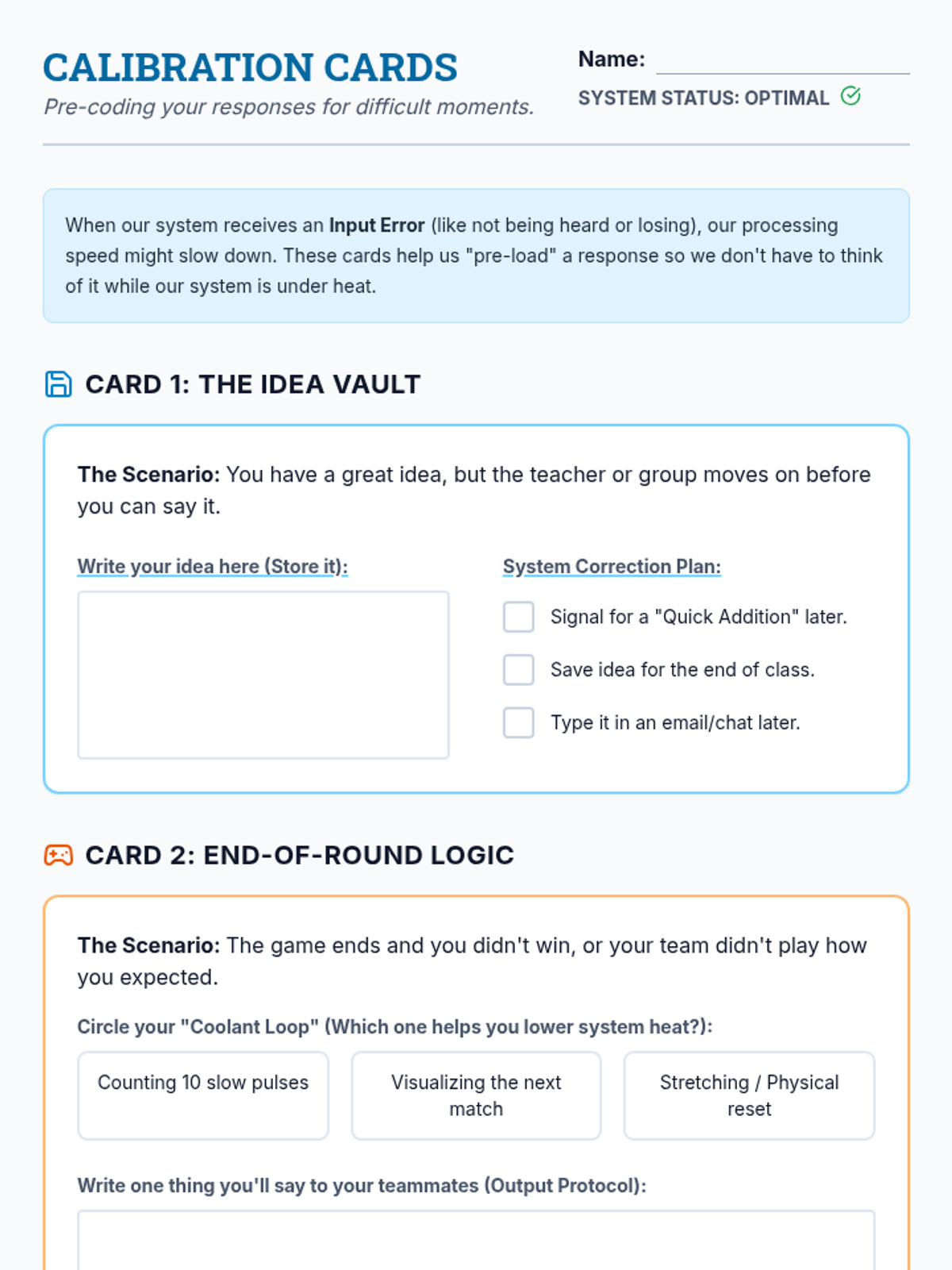
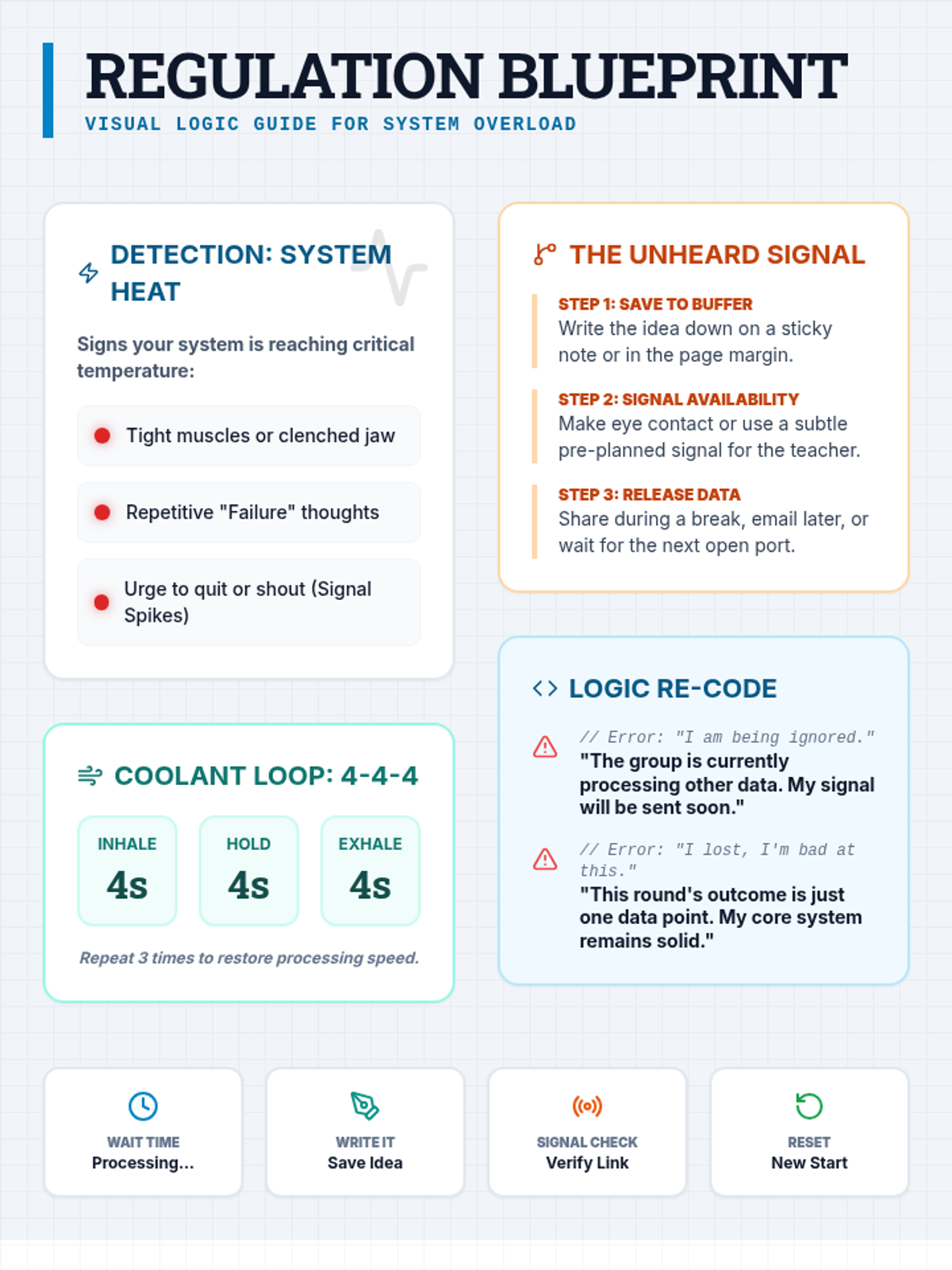
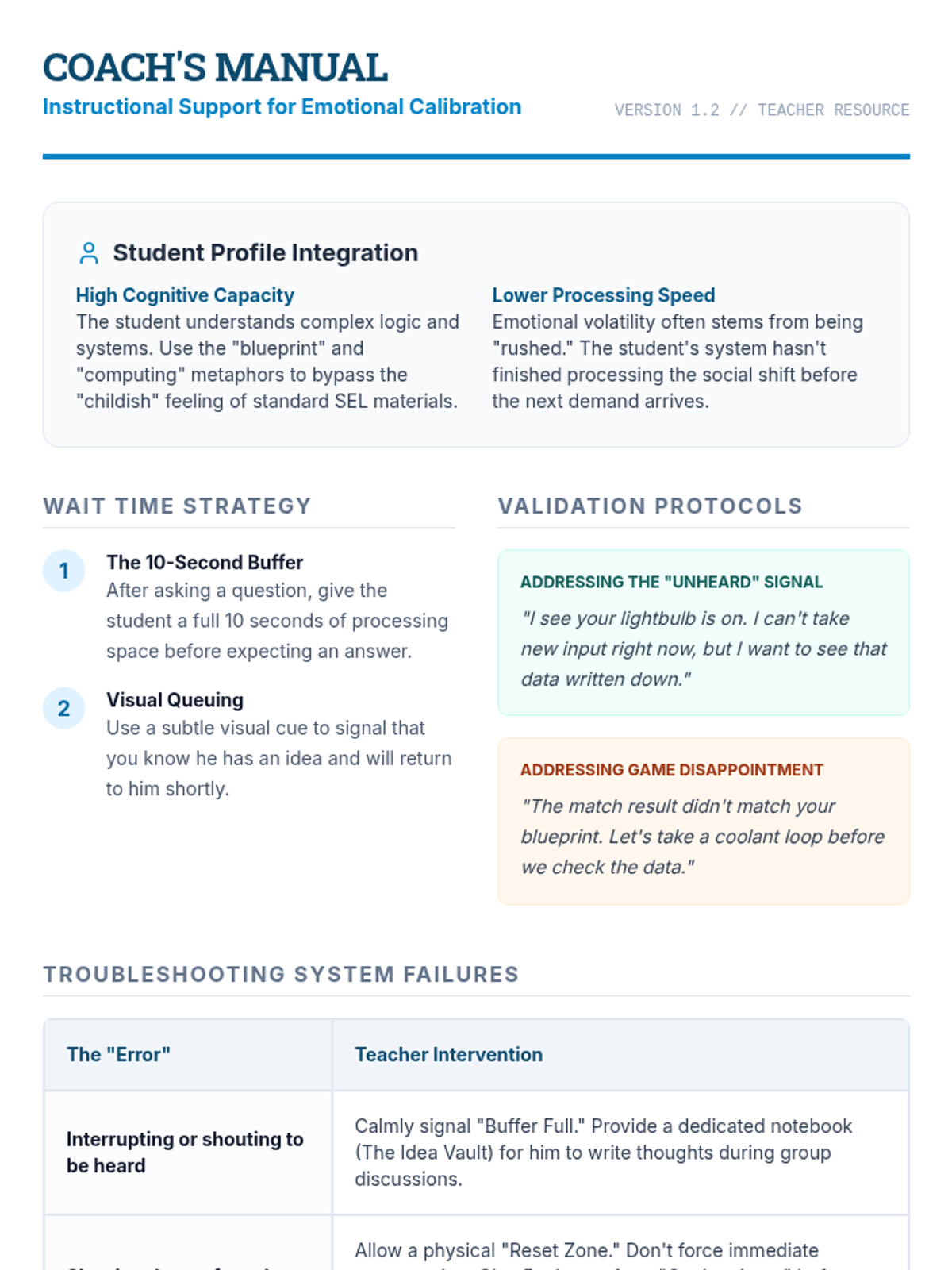
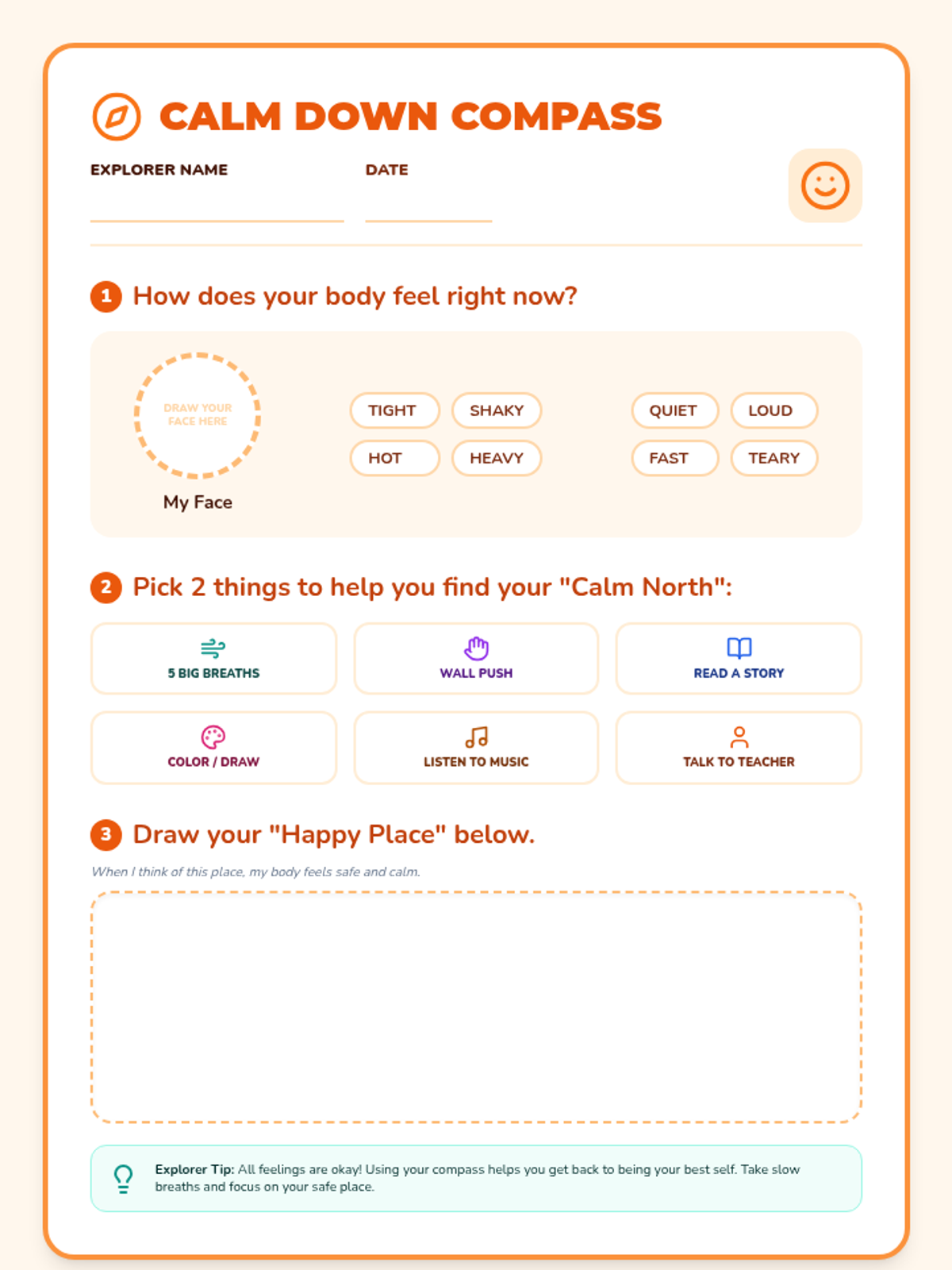
A comprehensive set of emotional regulation resources for middle school students, using a 'systems' and 'blueprints' theme to help them navigate disappointment, feeling unheard, and losing games.
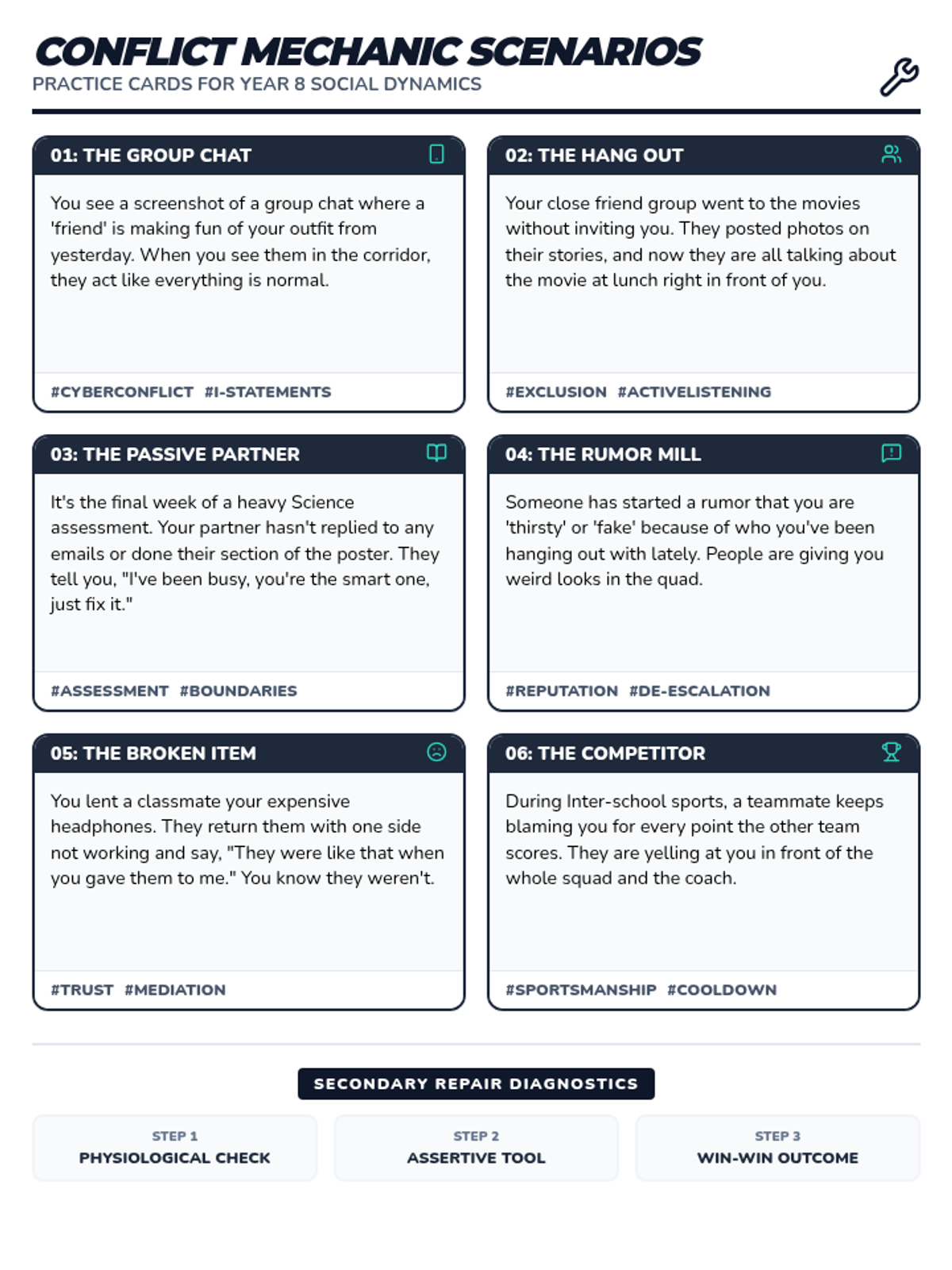
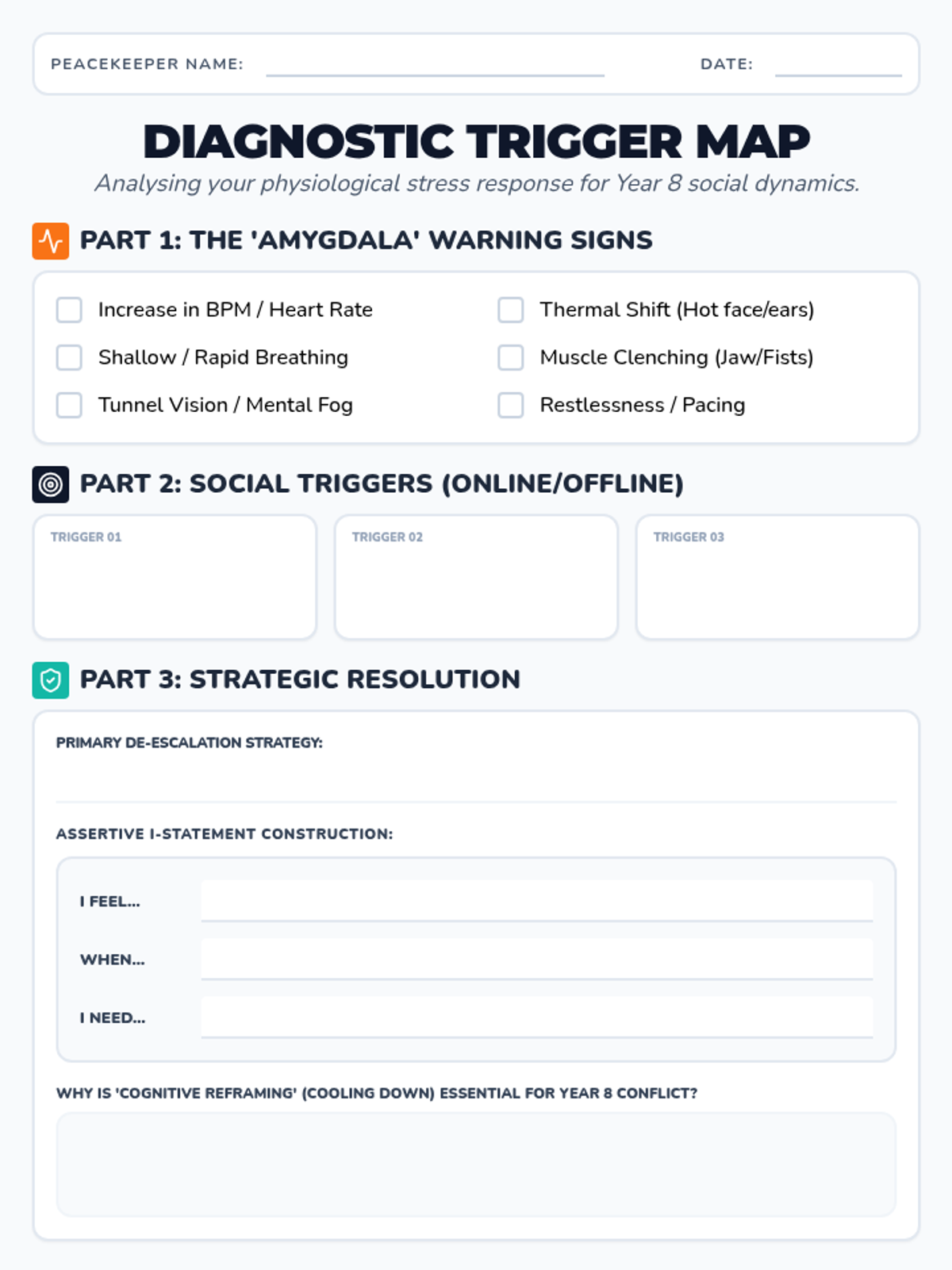
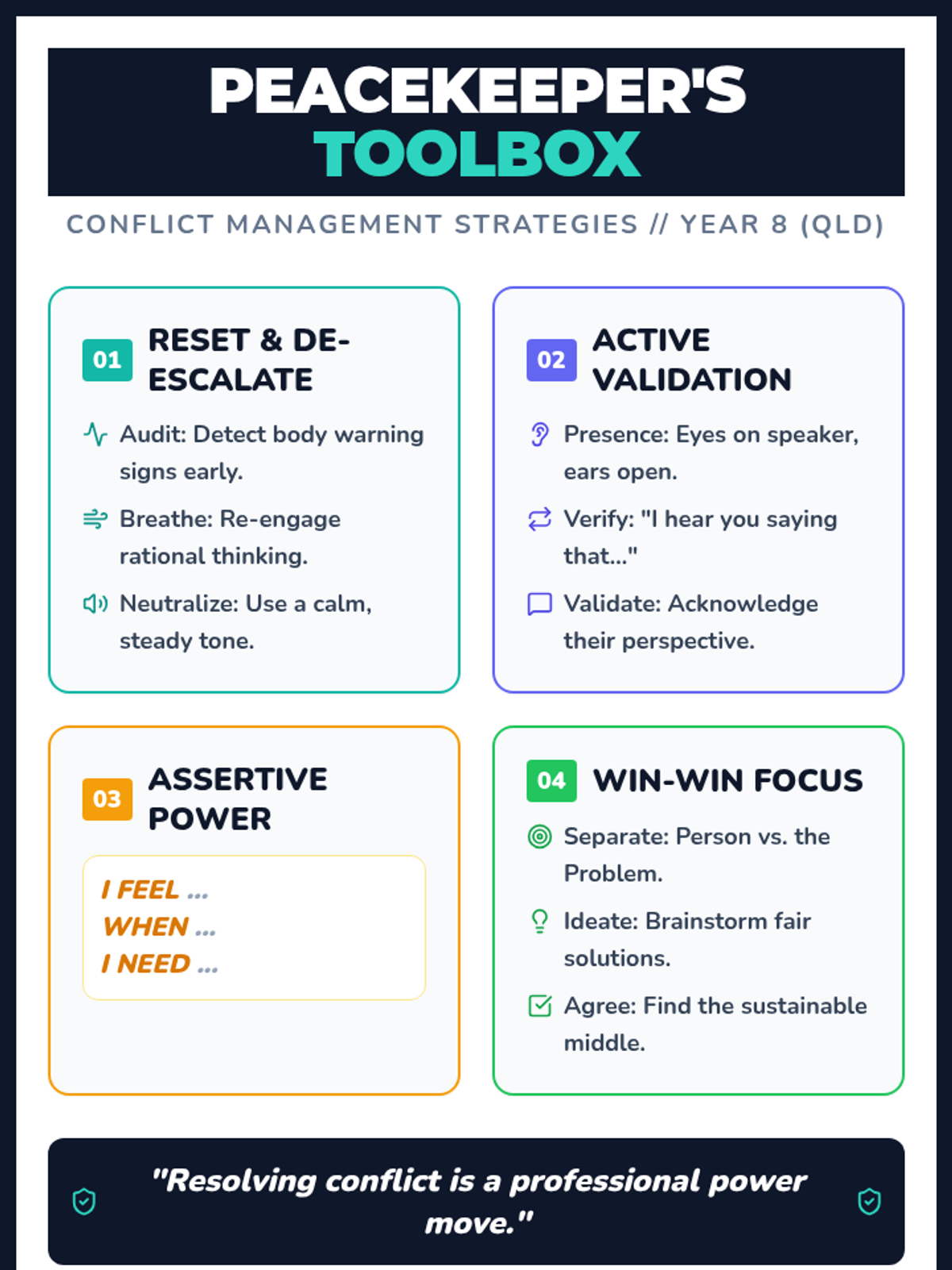
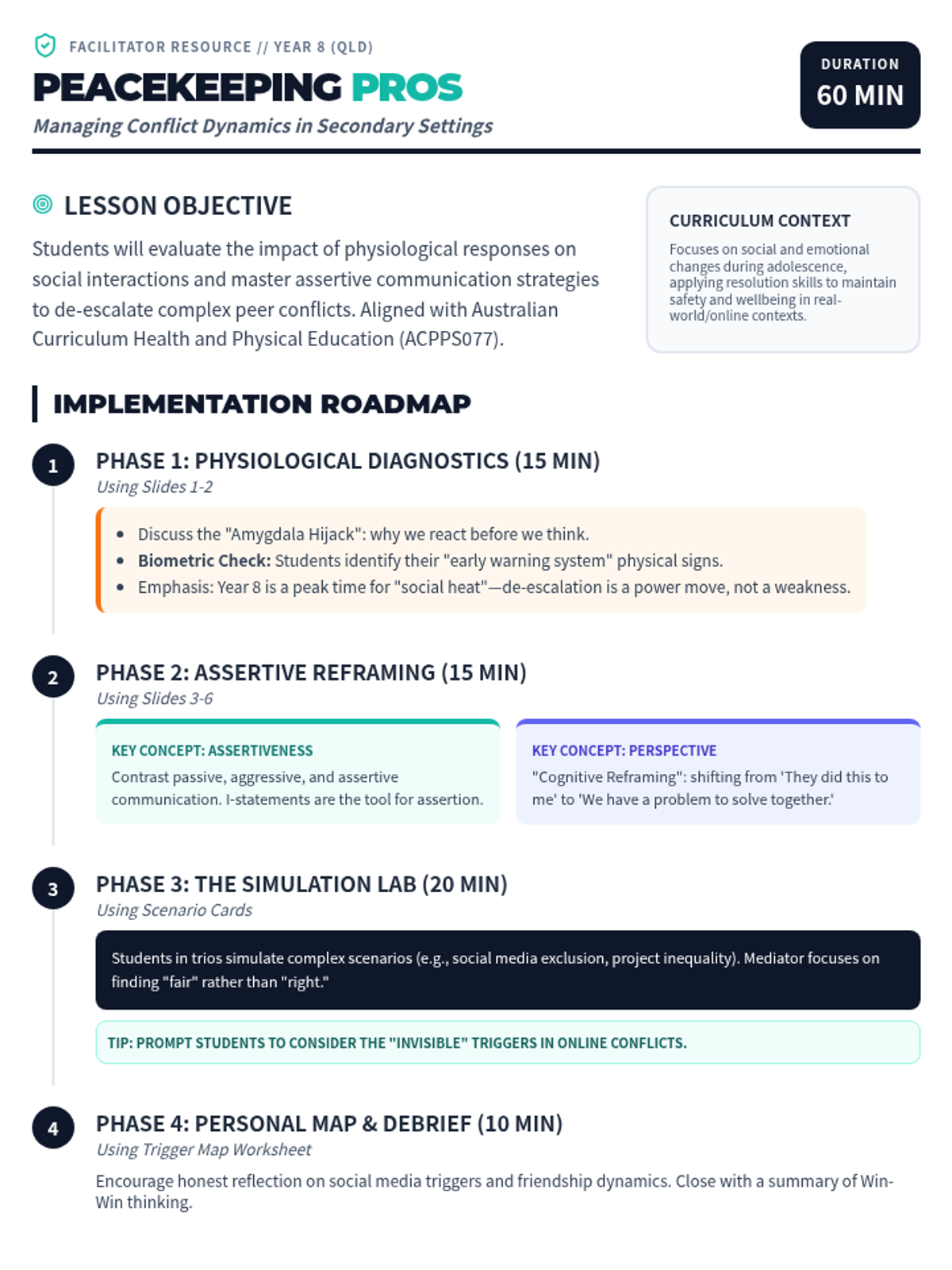
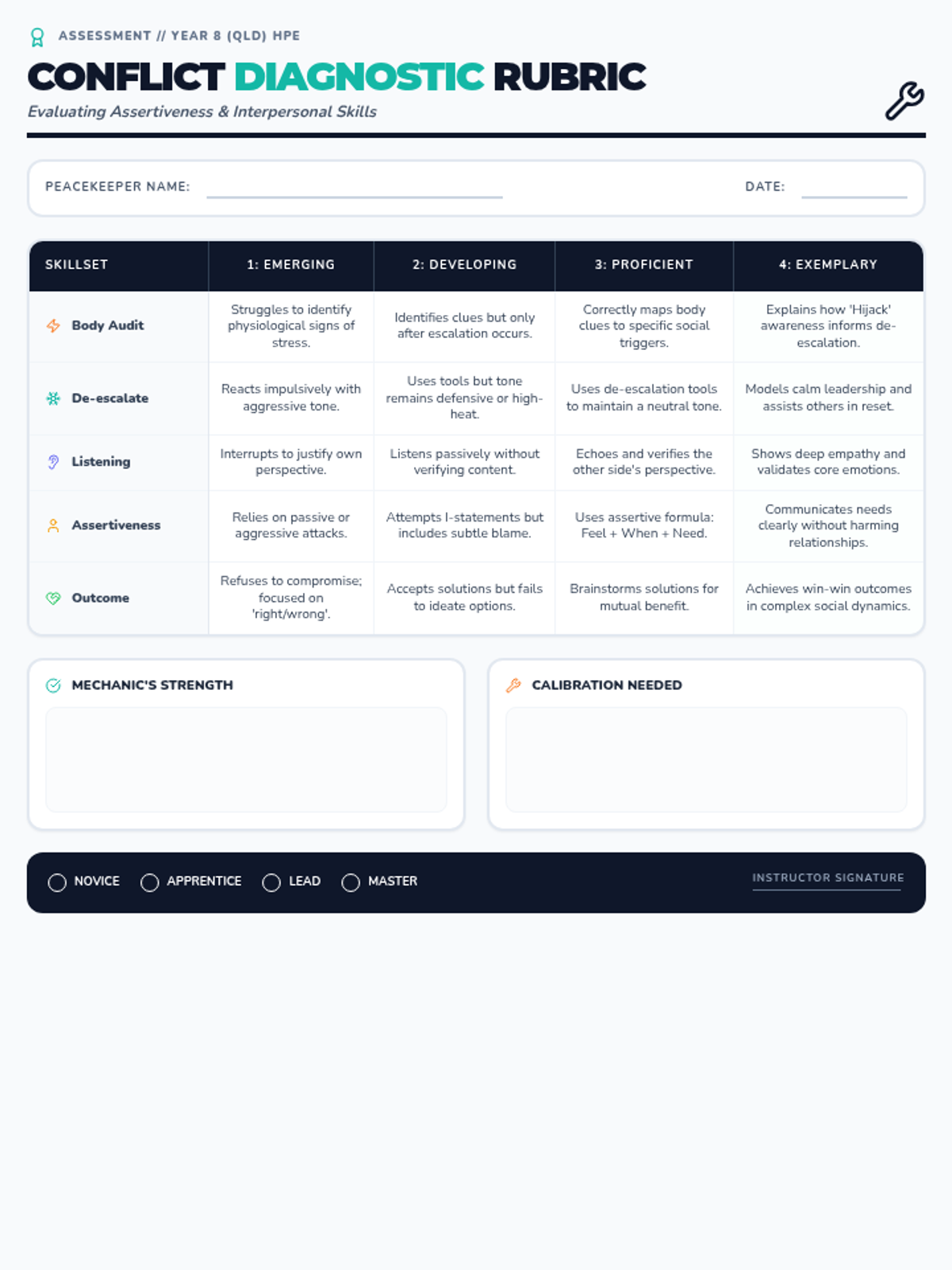
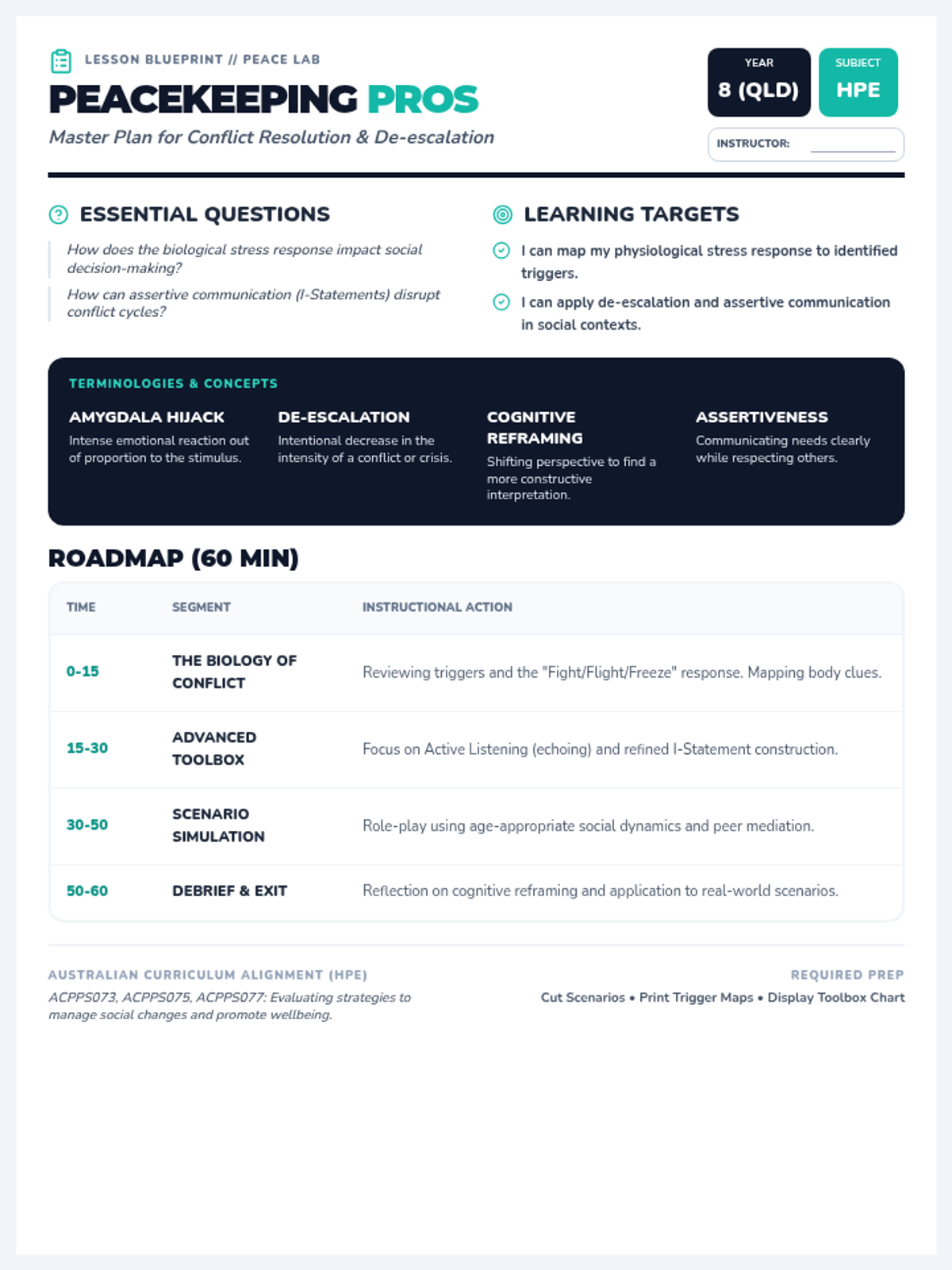
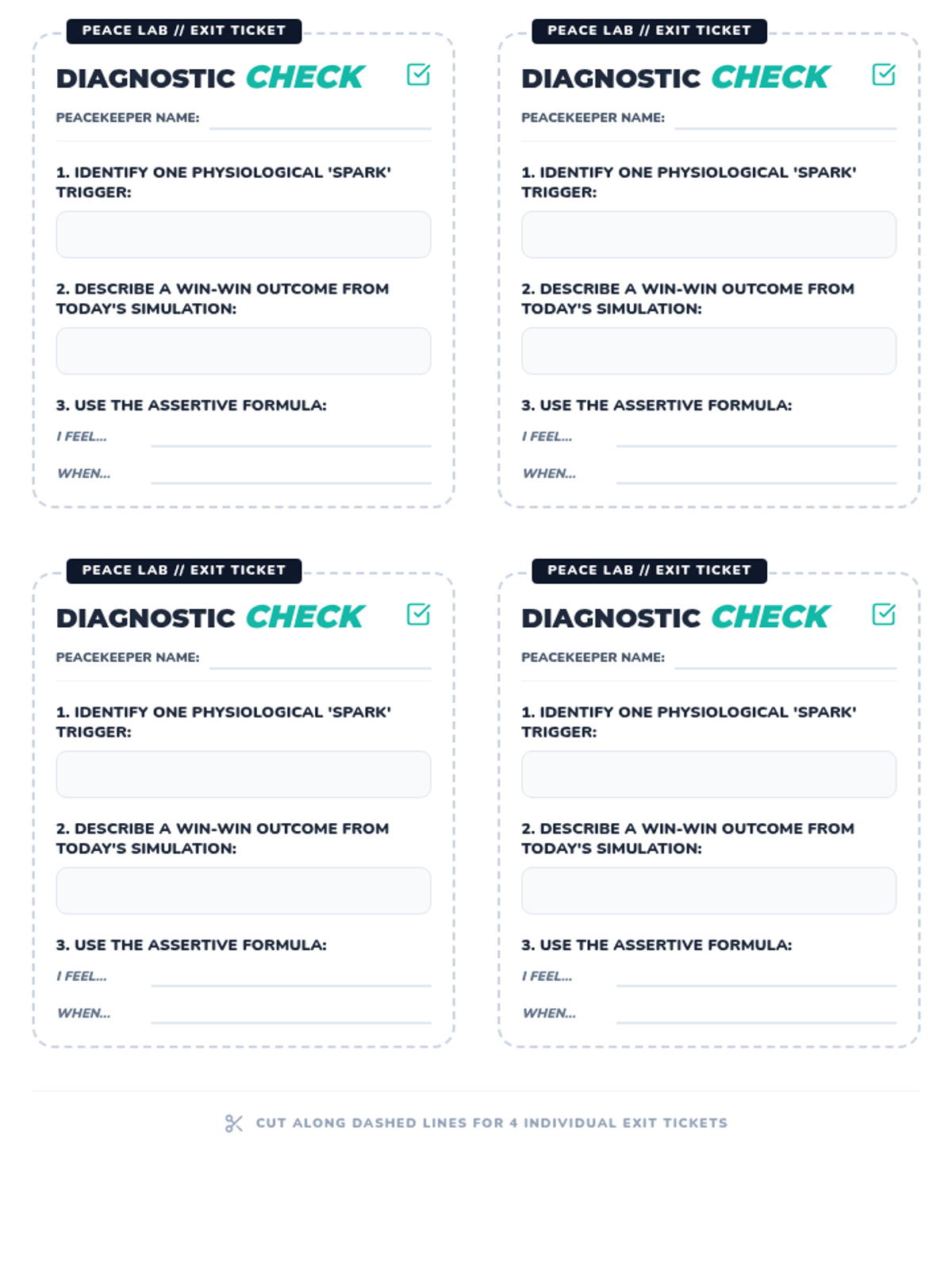
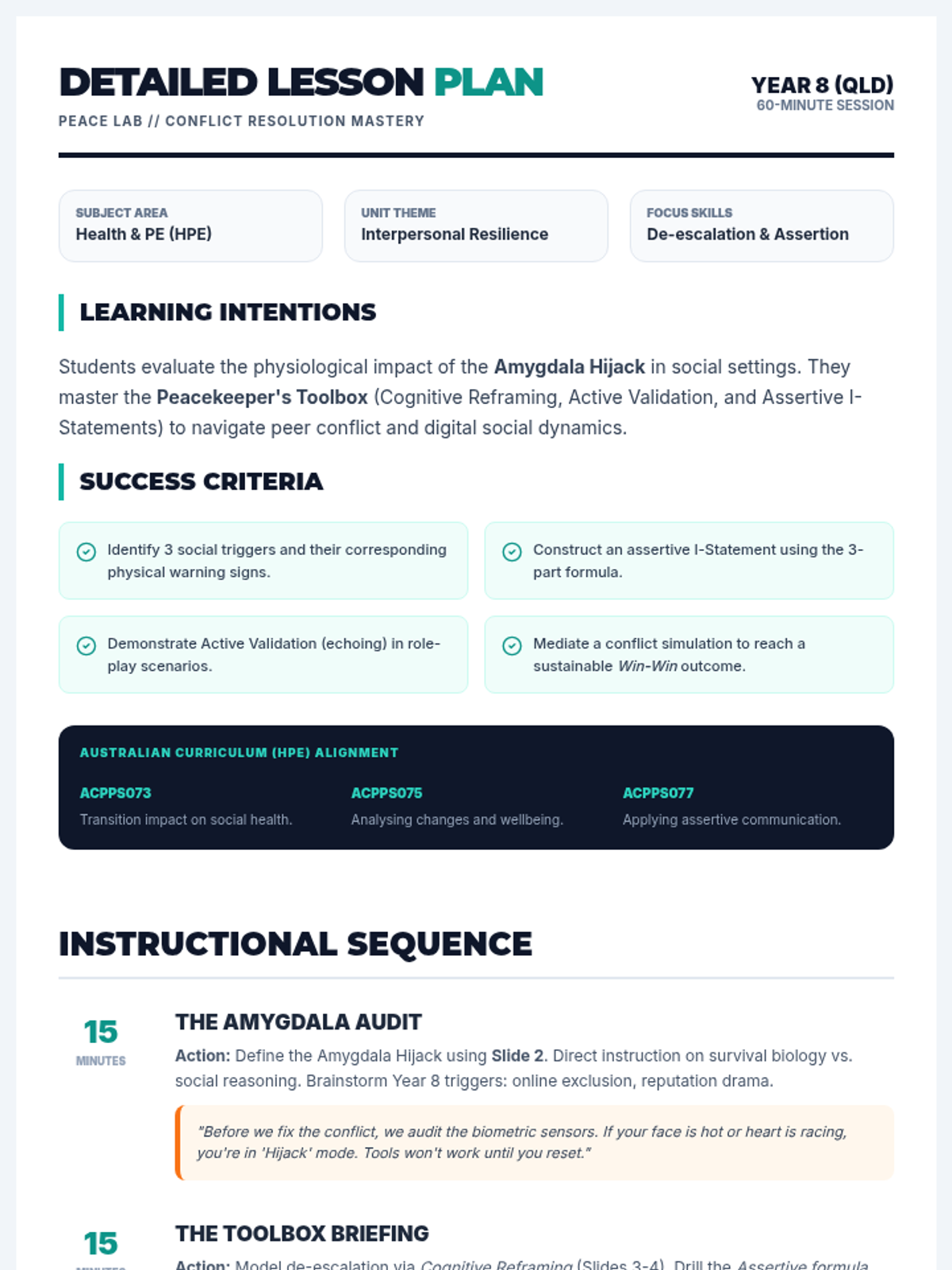
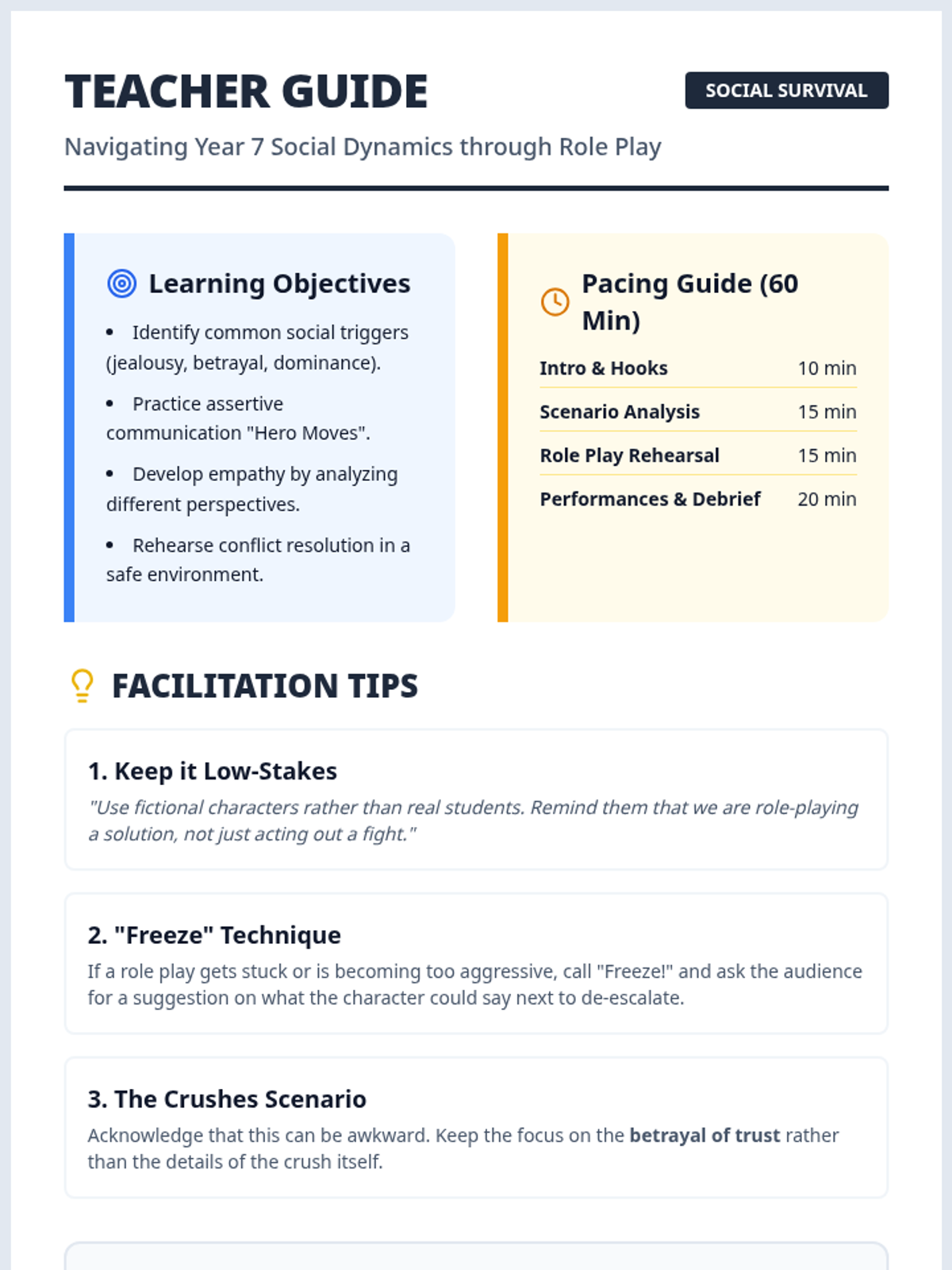
A comprehensive sequence of lessons for secondary students (Yr 7-8) focused on conflict resolution, social media responsibility, and assertive communication in both physical and digital spaces.
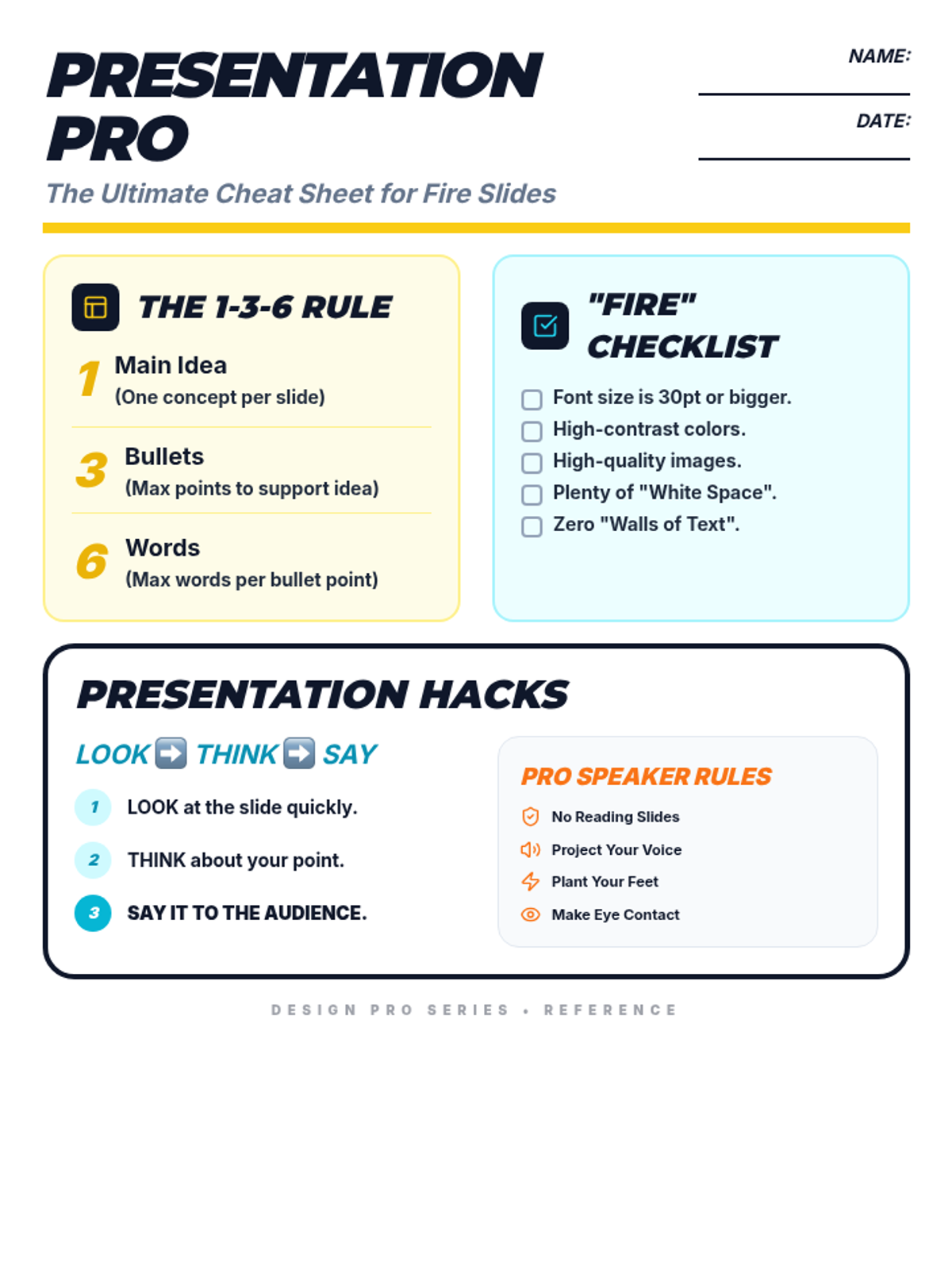
A mini-lesson series for middle schoolers on creating and delivering high-quality presentations, featuring the 1-3-6 rule and Look-Think-Say technique.
Um currículo abrangente de 13 semanas para alunos do ensino fundamental focado nos quatro módulos principais da Terapia Comportamental Dialética: Atenção Plena (Mindfulness), Eficácia Interpessoal, Regulação Emocional e Tolerância ao Mal-estar. Os alunos dominam habilidades de vida em um ambiente de grupo colaborativo.
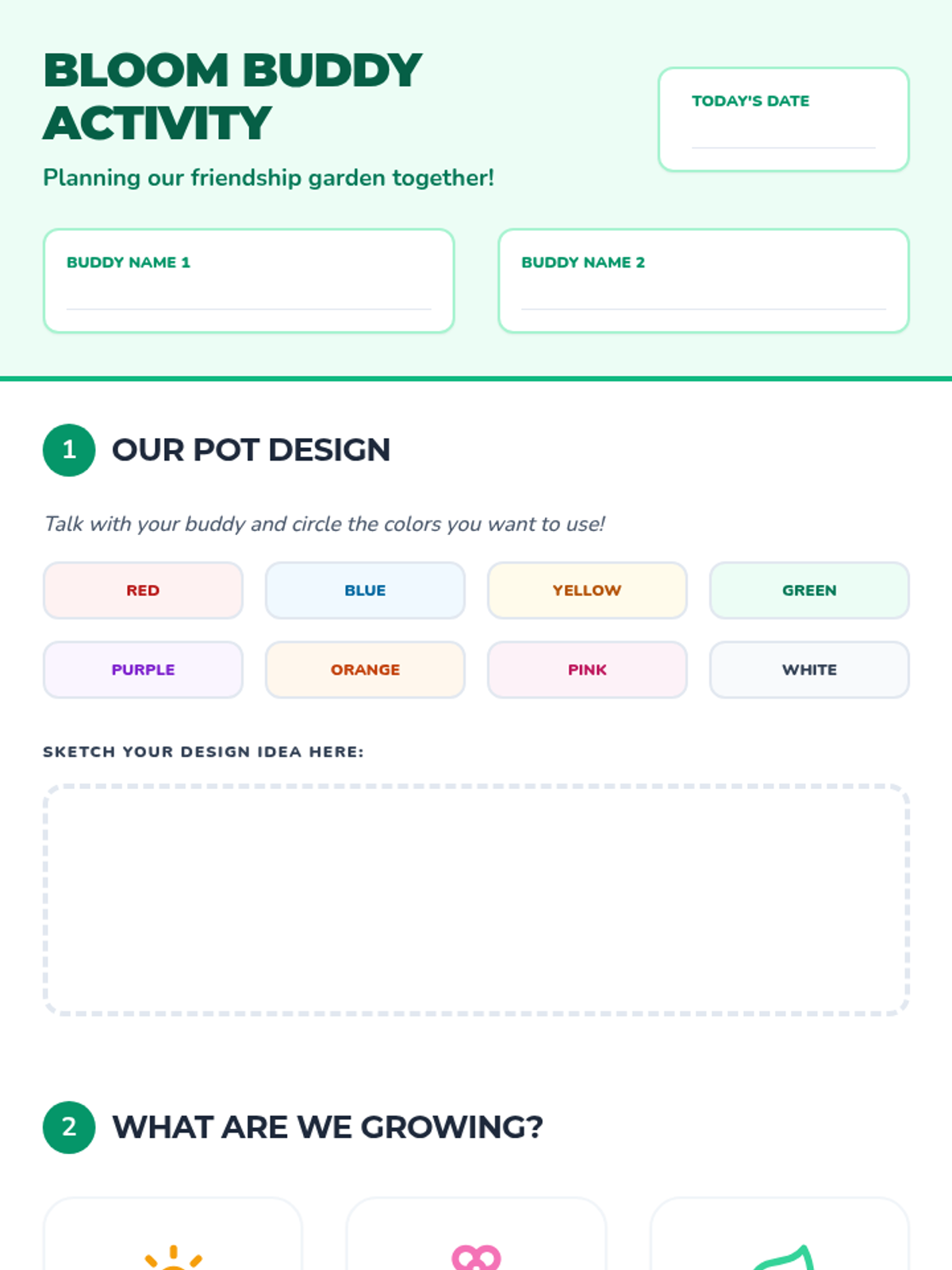
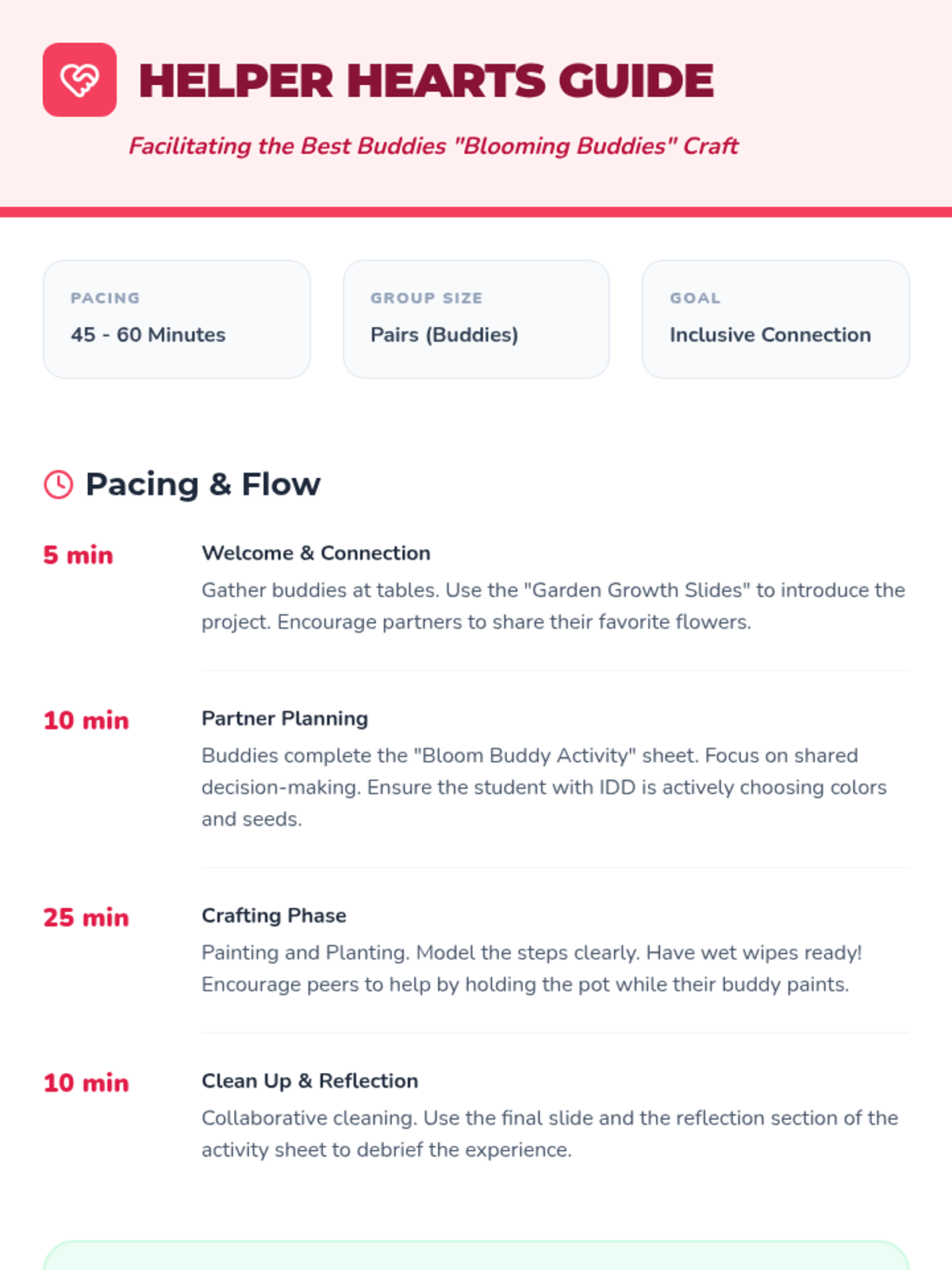
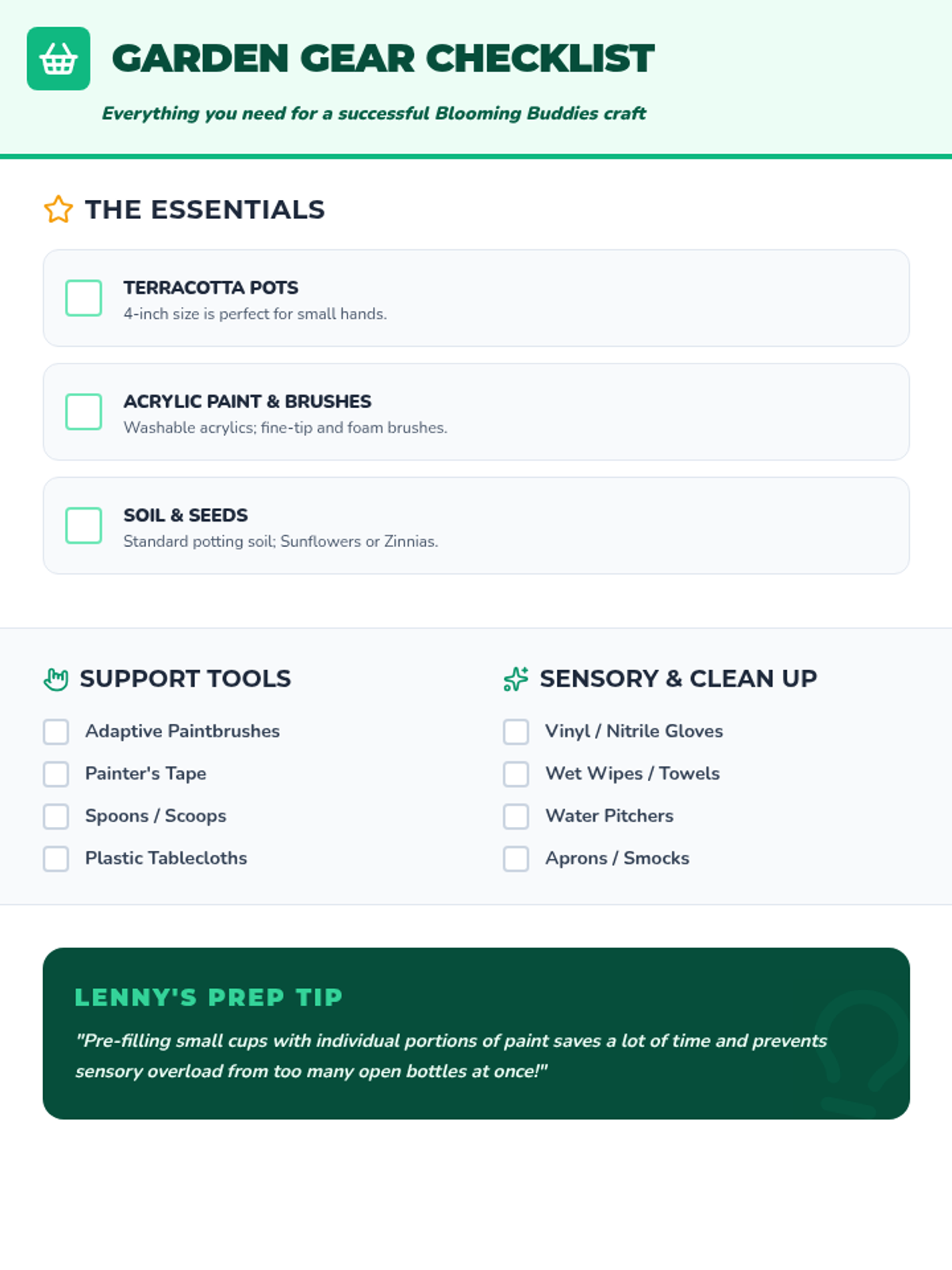
A series of collaborative lessons designed for Best Buddies pairs to foster social connection through shared creative projects, from gardening to storytelling.
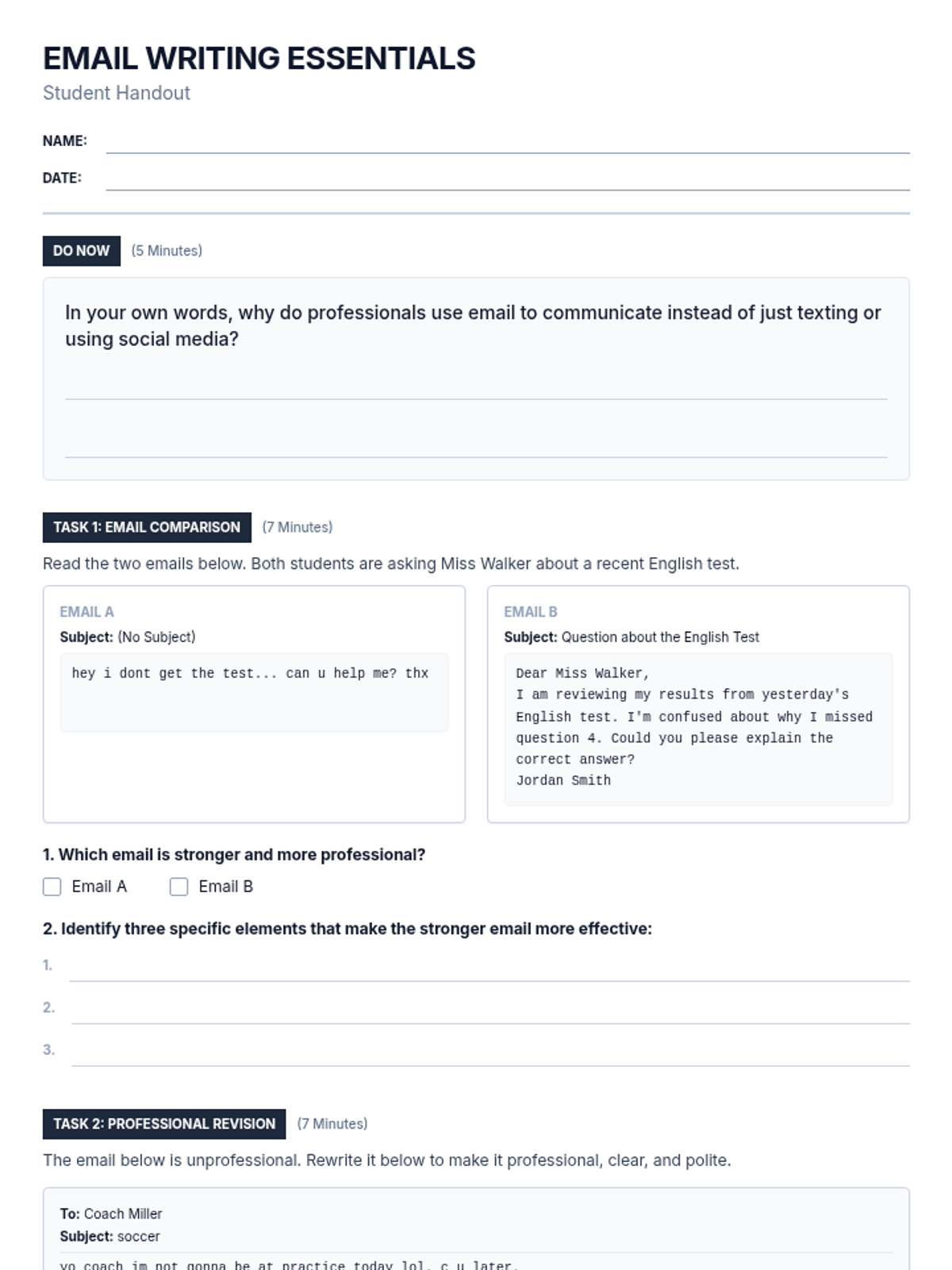
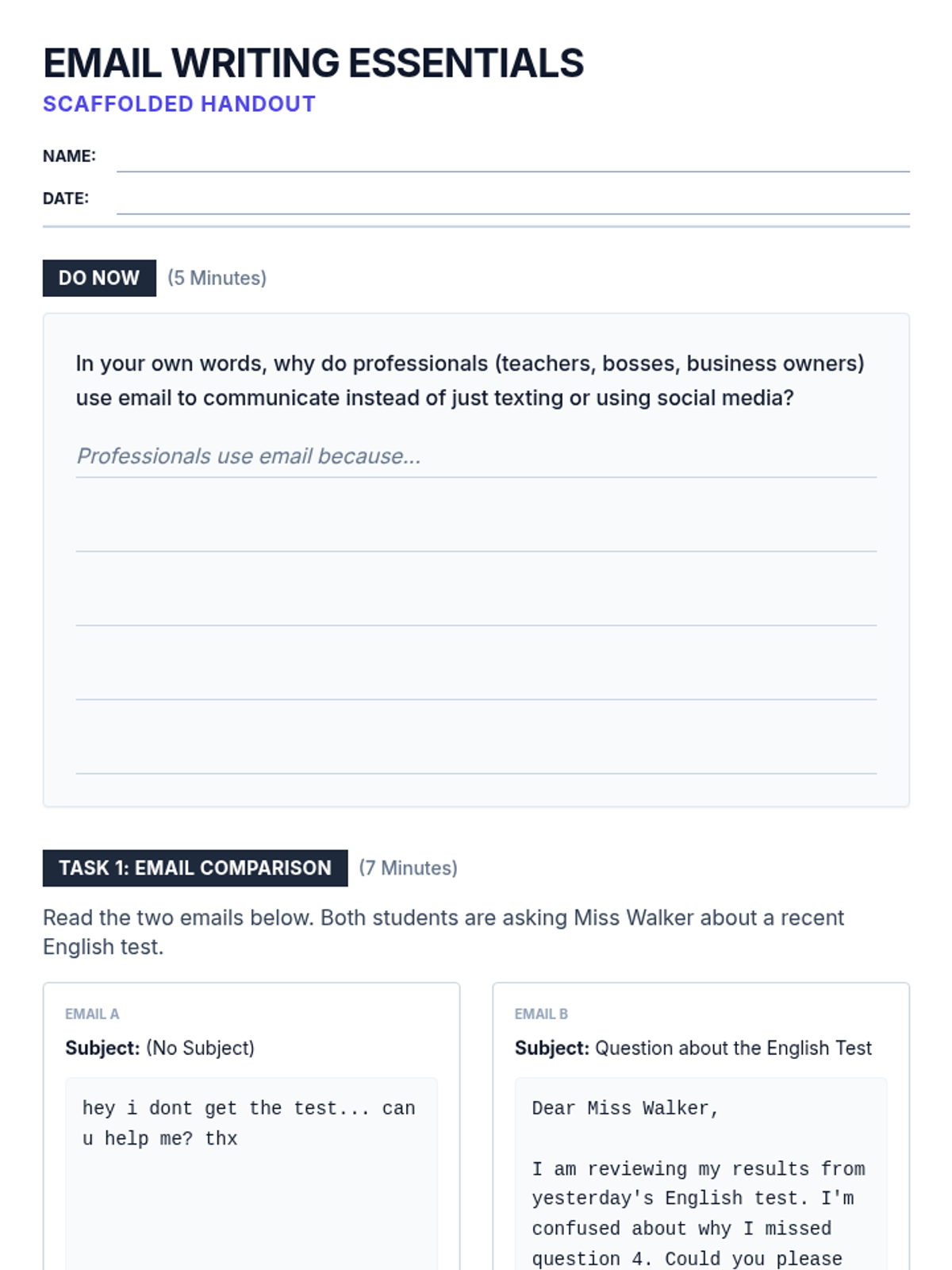
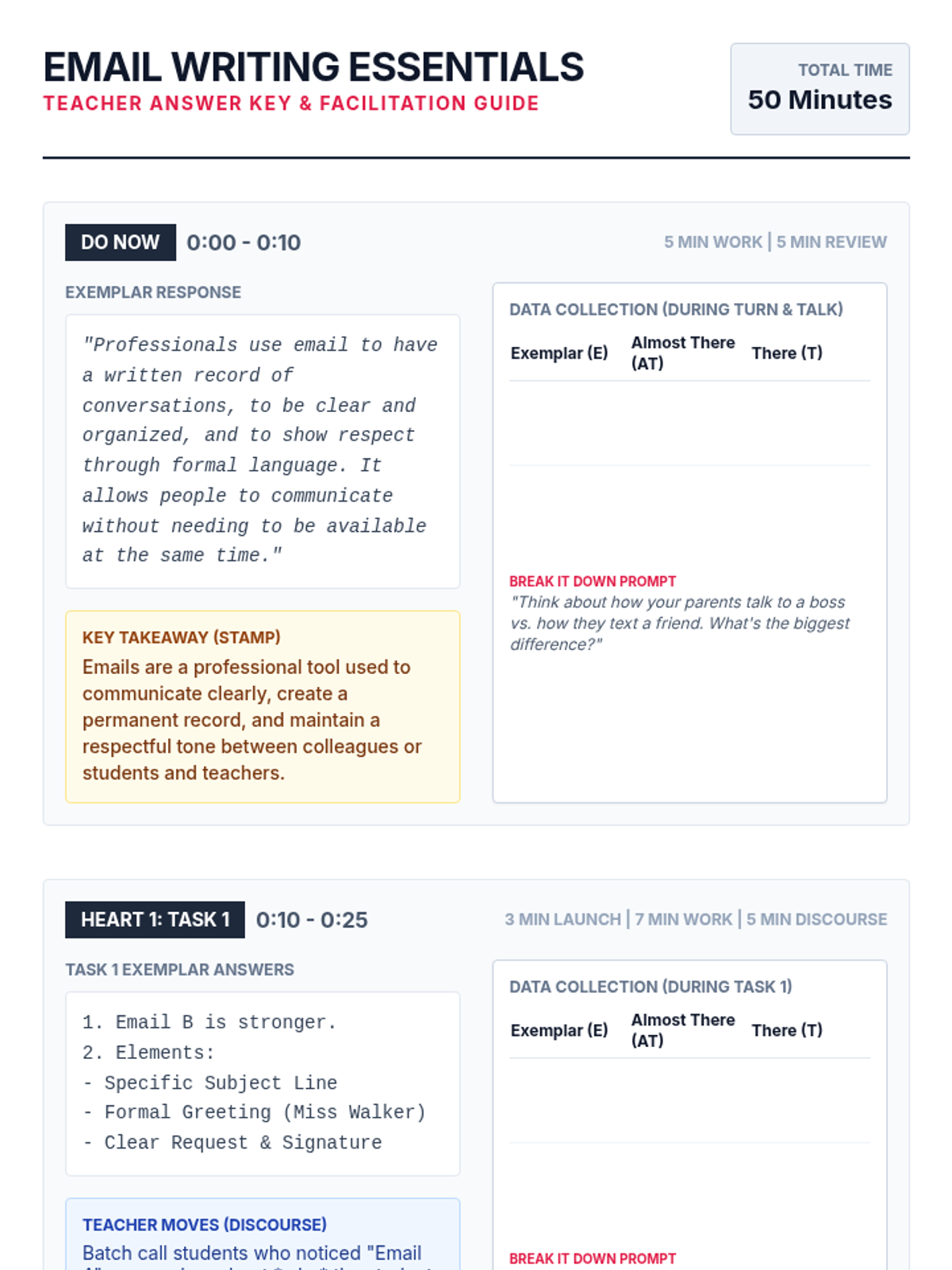
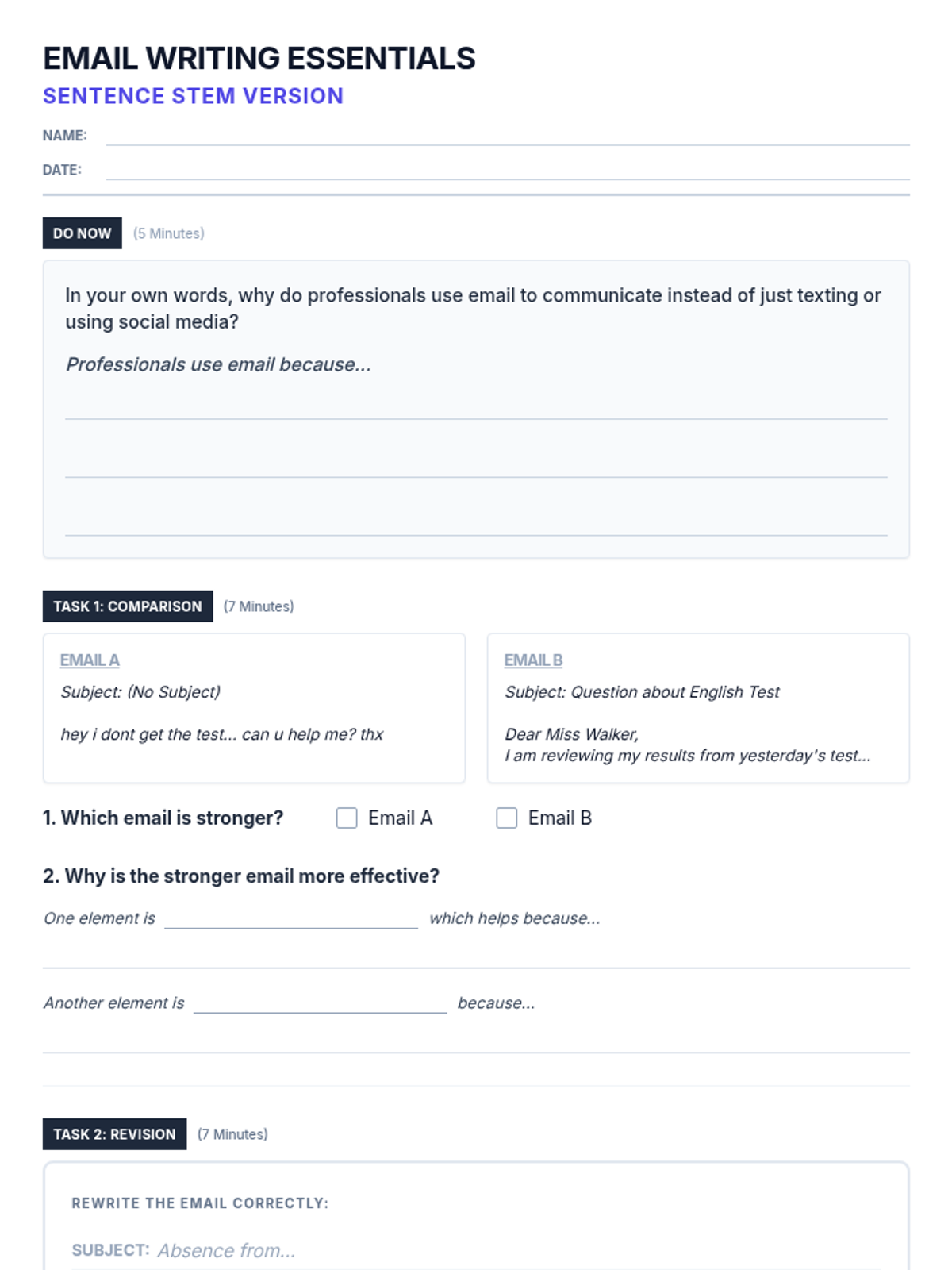
A unit focusing on essential professional communication skills for middle grade students, covering both written (email) and verbal (discourse) interactions.
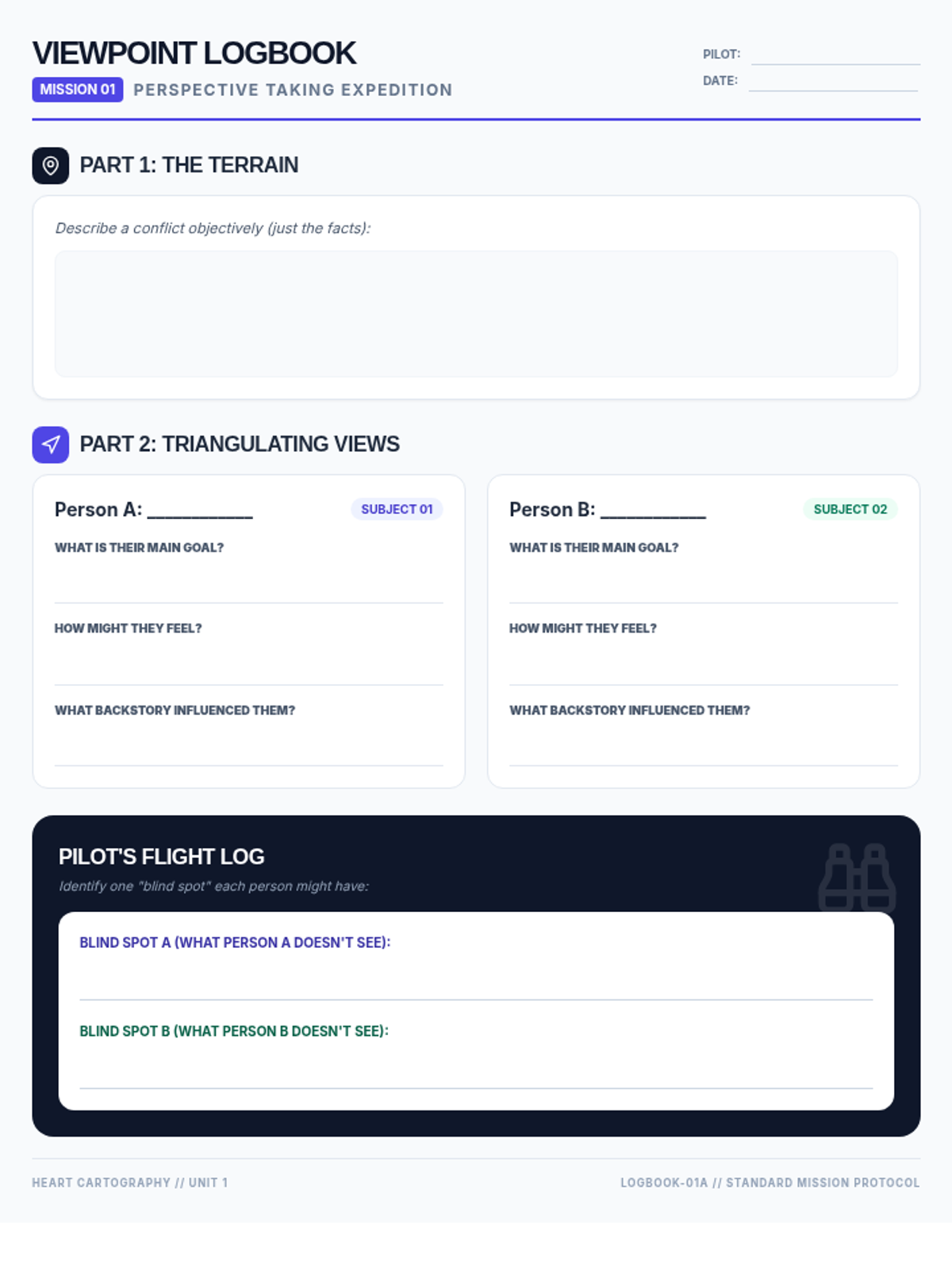
A comprehensive unit on empathy that guides students through the three main stages: cognitive empathy (perspective-taking), affective empathy (feeling with others), and compassionate empathy (taking action). The sequence uses a 'Heart Cartography' theme to help students map the social and emotional landscape of their communities.
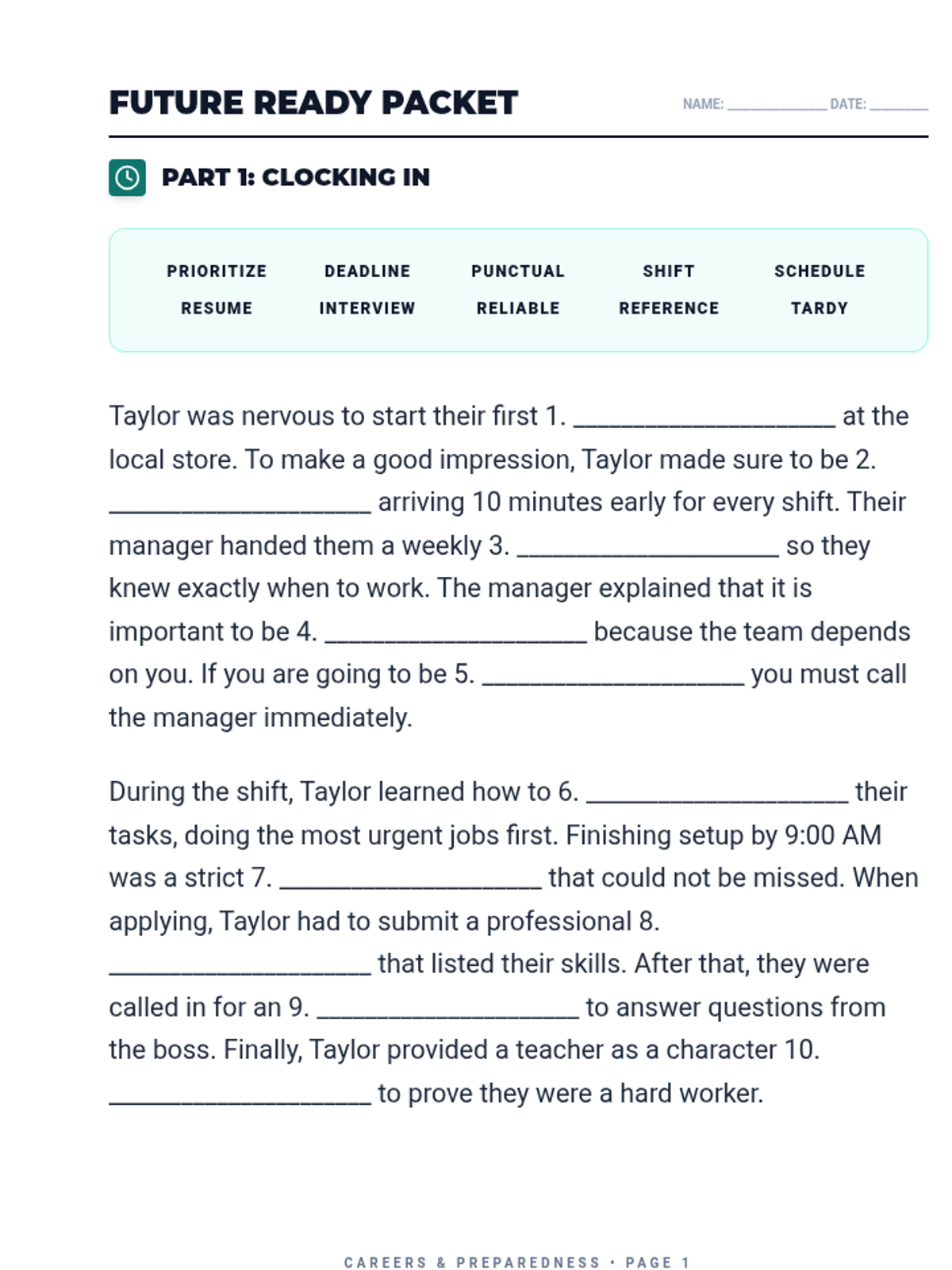
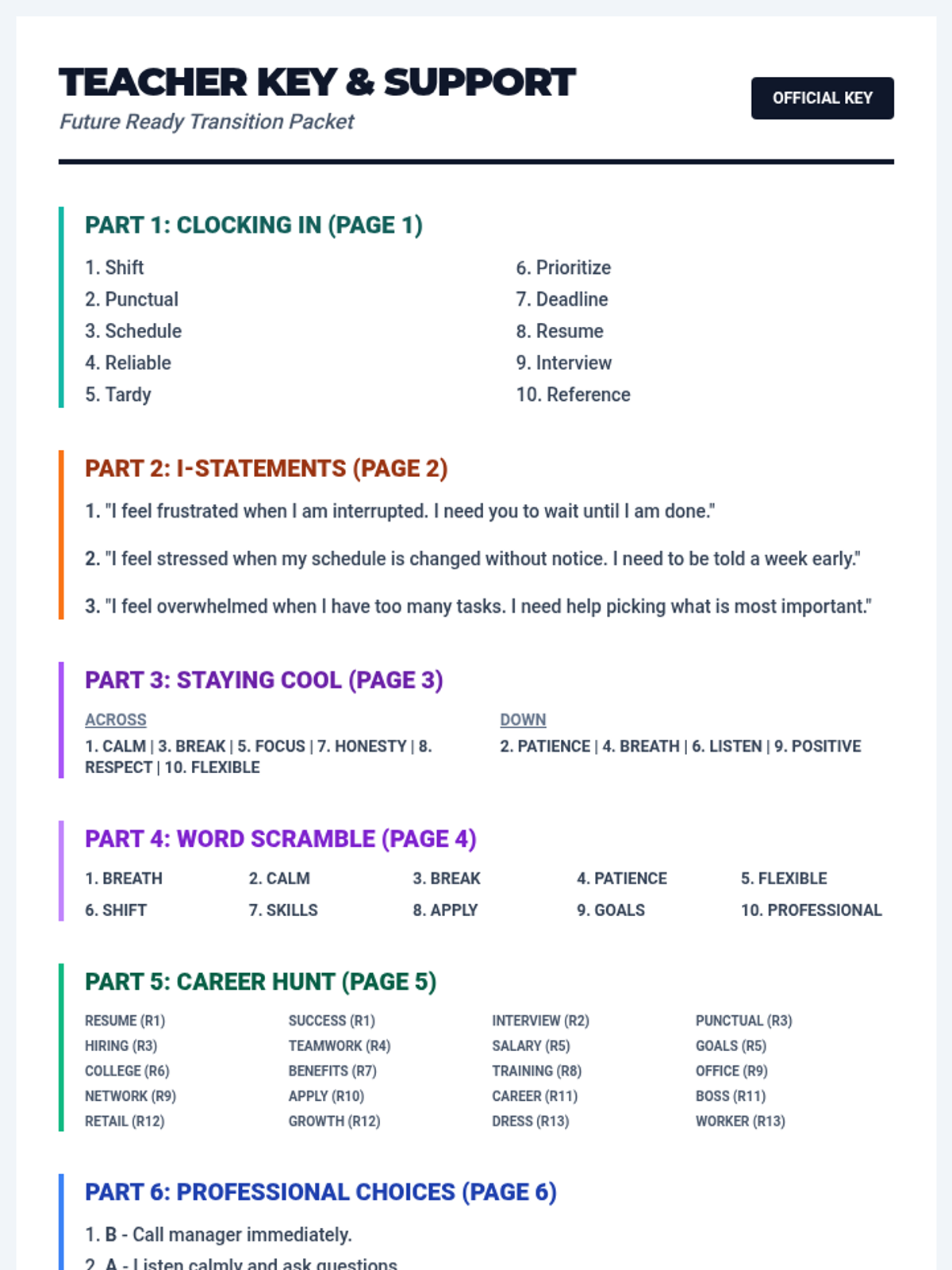
A comprehensive transition program designed for 8th graders to prepare for the academic and social-emotional demands of high school and entry-level employment. The sequence focuses on practical executive functioning, professional communication, and workplace conflict resolution.
A comprehensive mental health curriculum focusing on emotional literacy, stress management, coping strategies, and social support. Students cultivate self-awareness and resilience through interactive activities and reflection.
A sequence of social-emotional learning lessons designed for 6th-grade students with histories of bullying behaviors, focusing on empathy, perspective-taking, and understanding the internal lives of others.
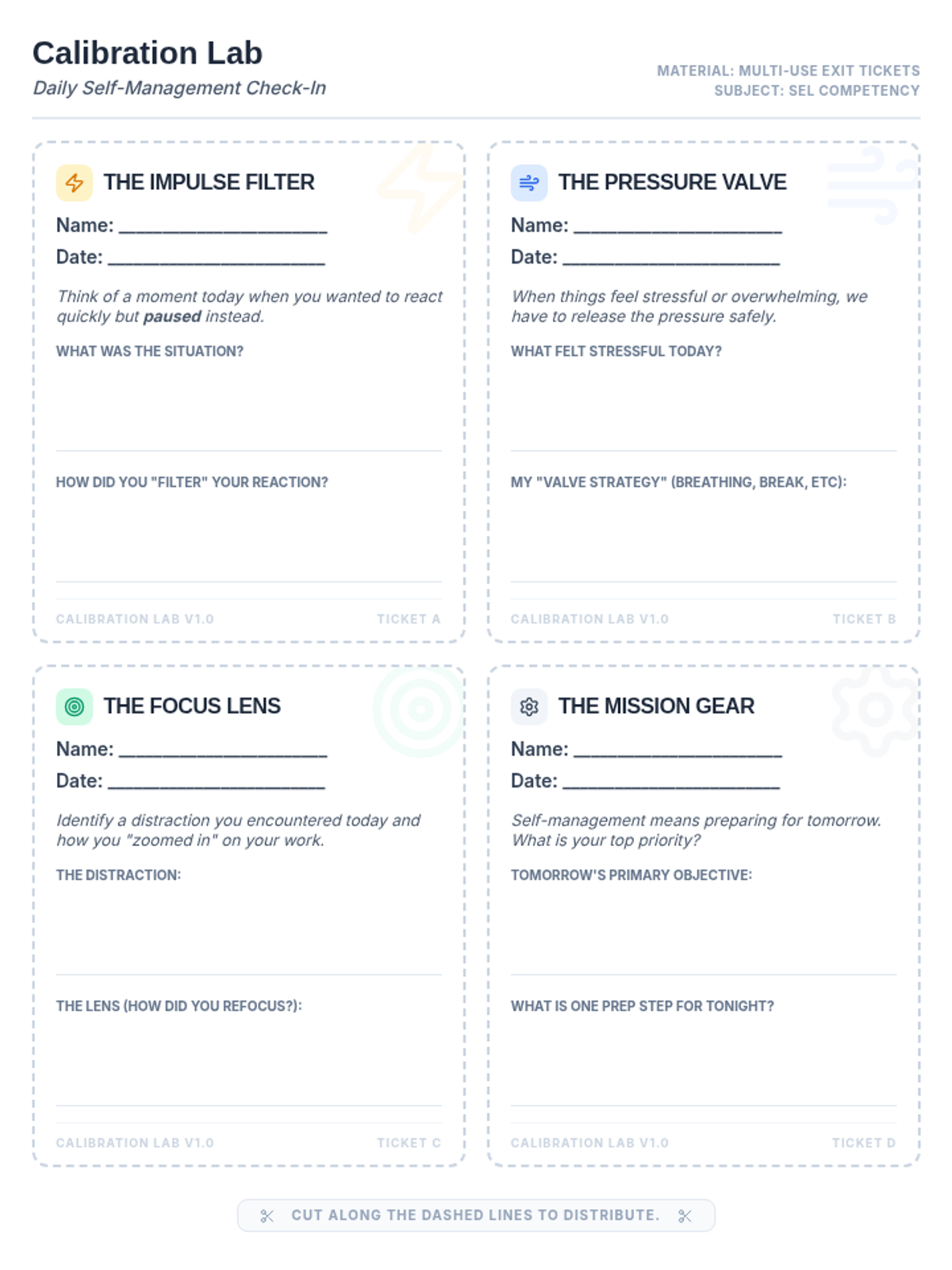
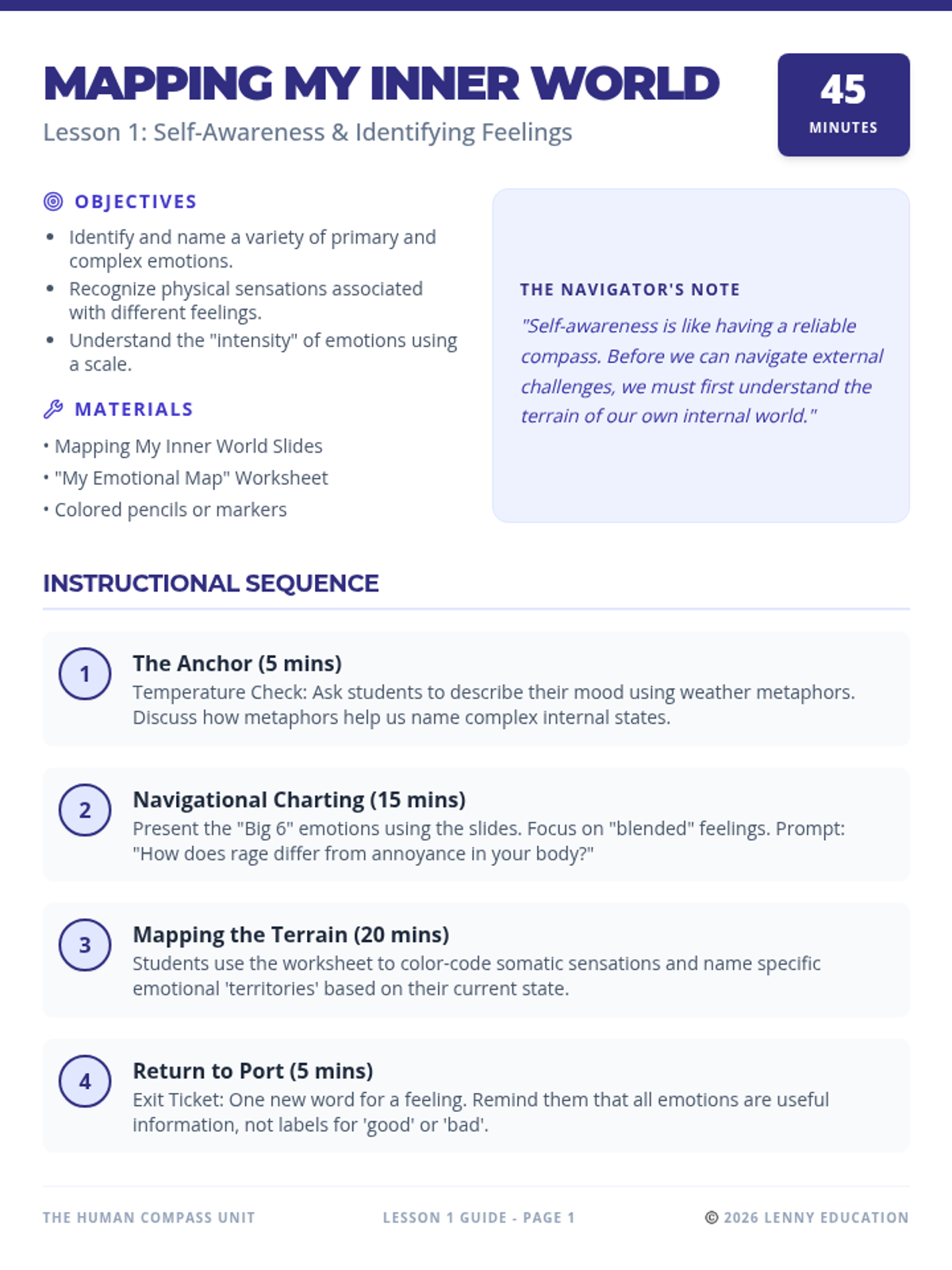
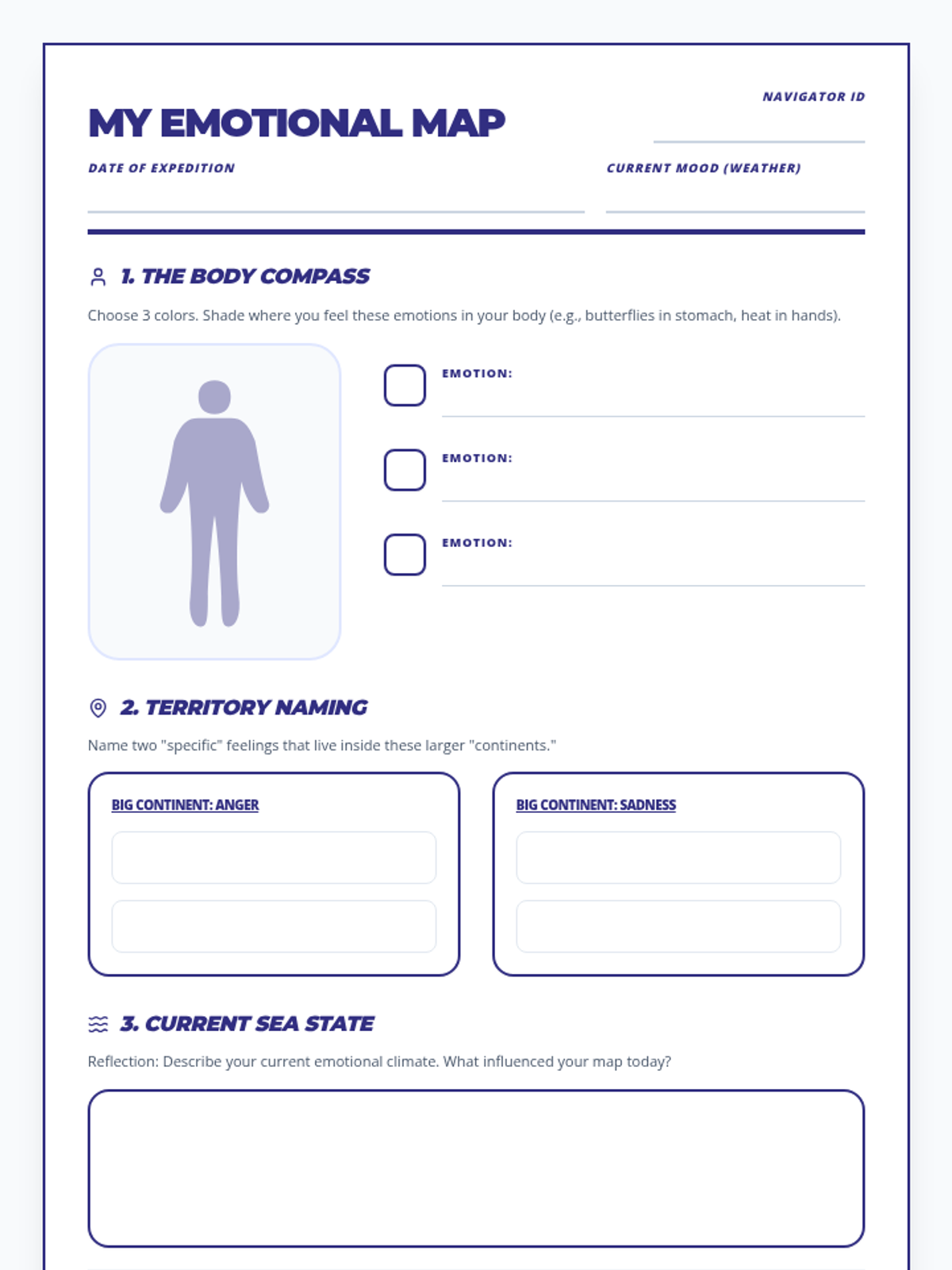
A comprehensive SEL unit designed to help students navigate their internal emotions, understand others, and resolve conflicts using a navigational theme. This unit covers Self-Awareness, Social Awareness, and Relationship Skills for middle-grade students.
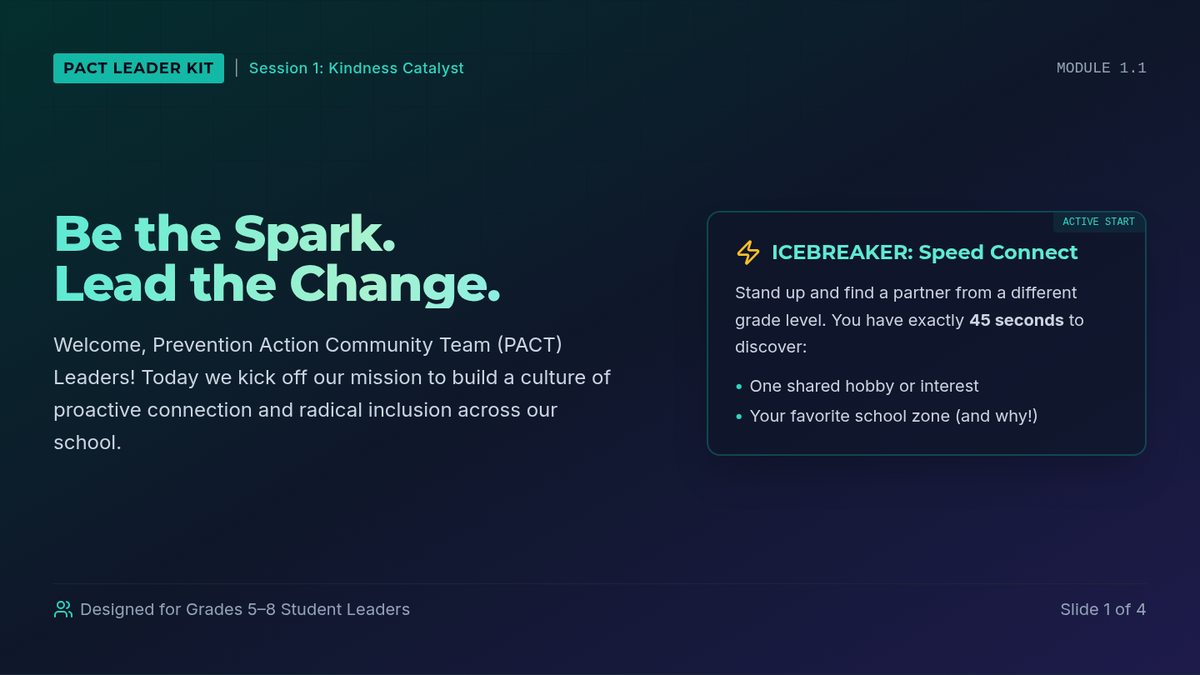
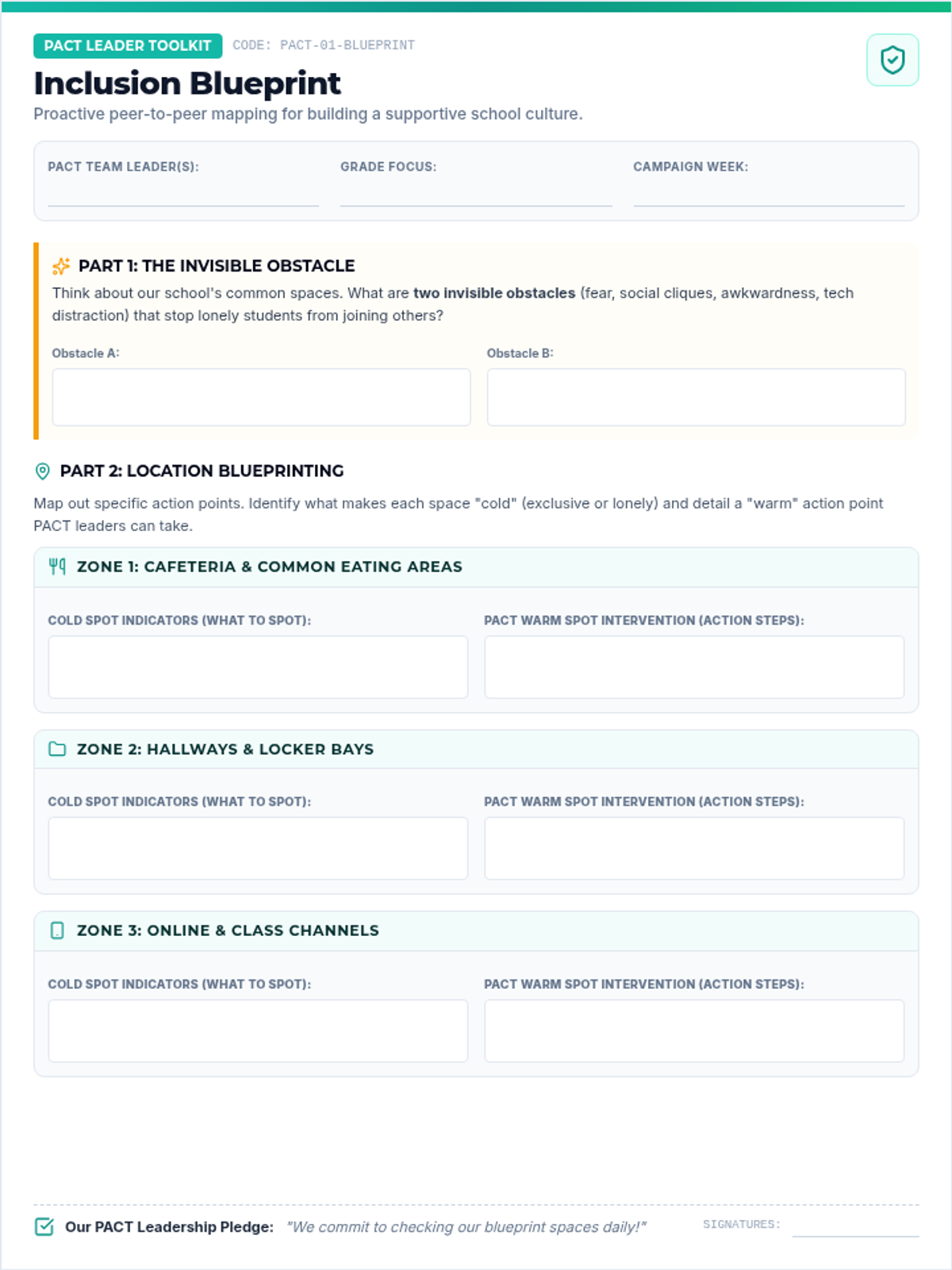
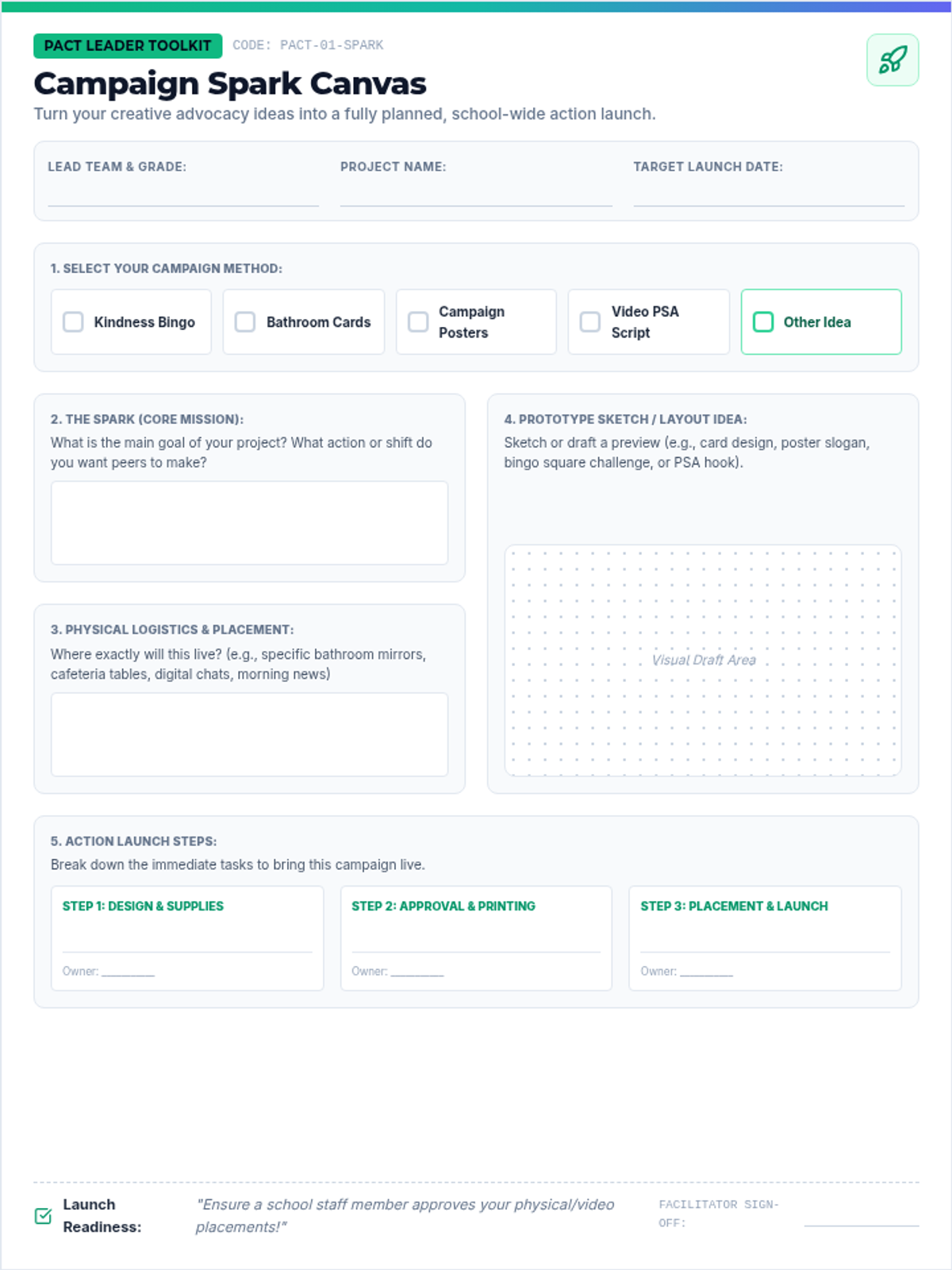
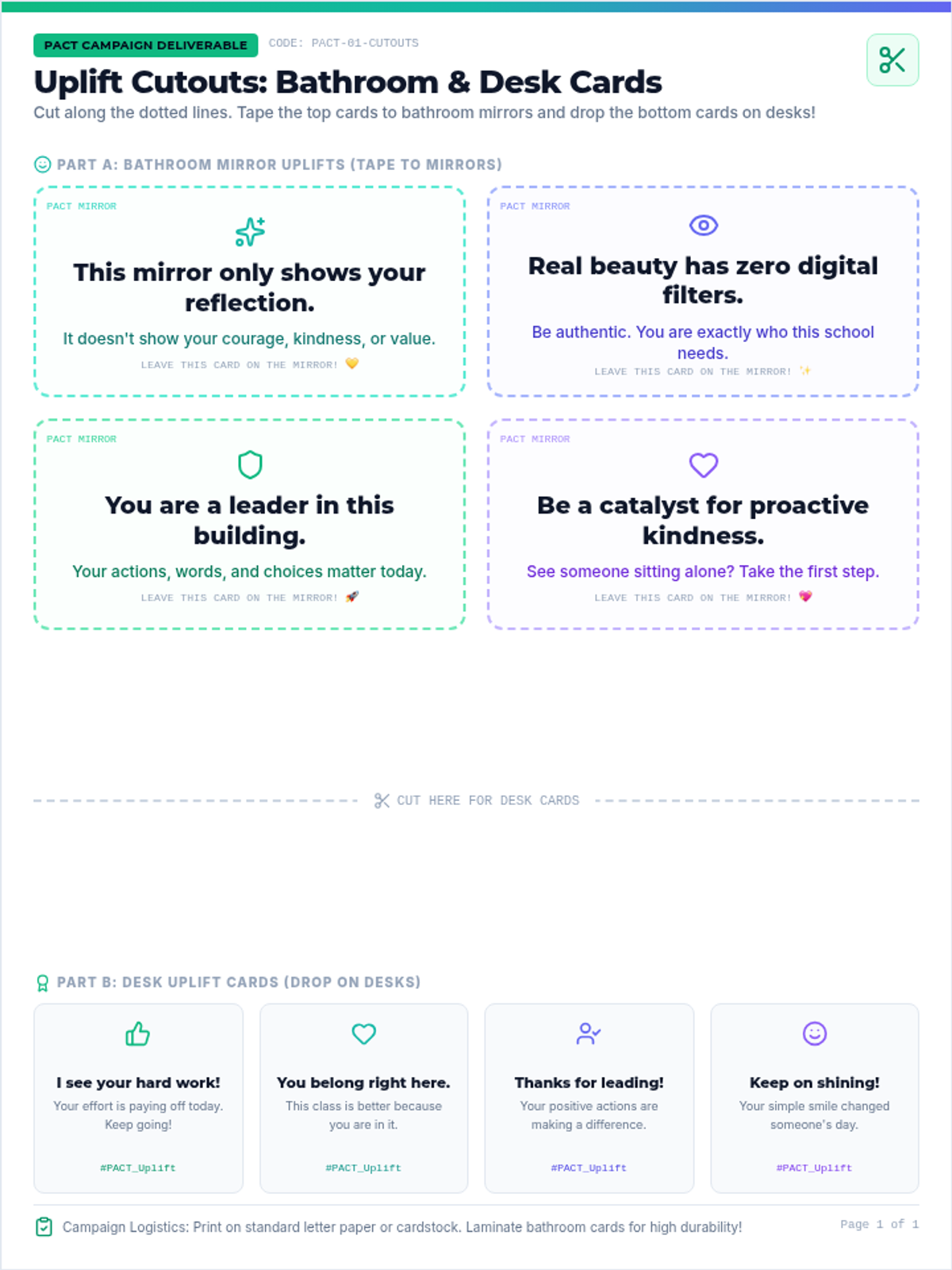
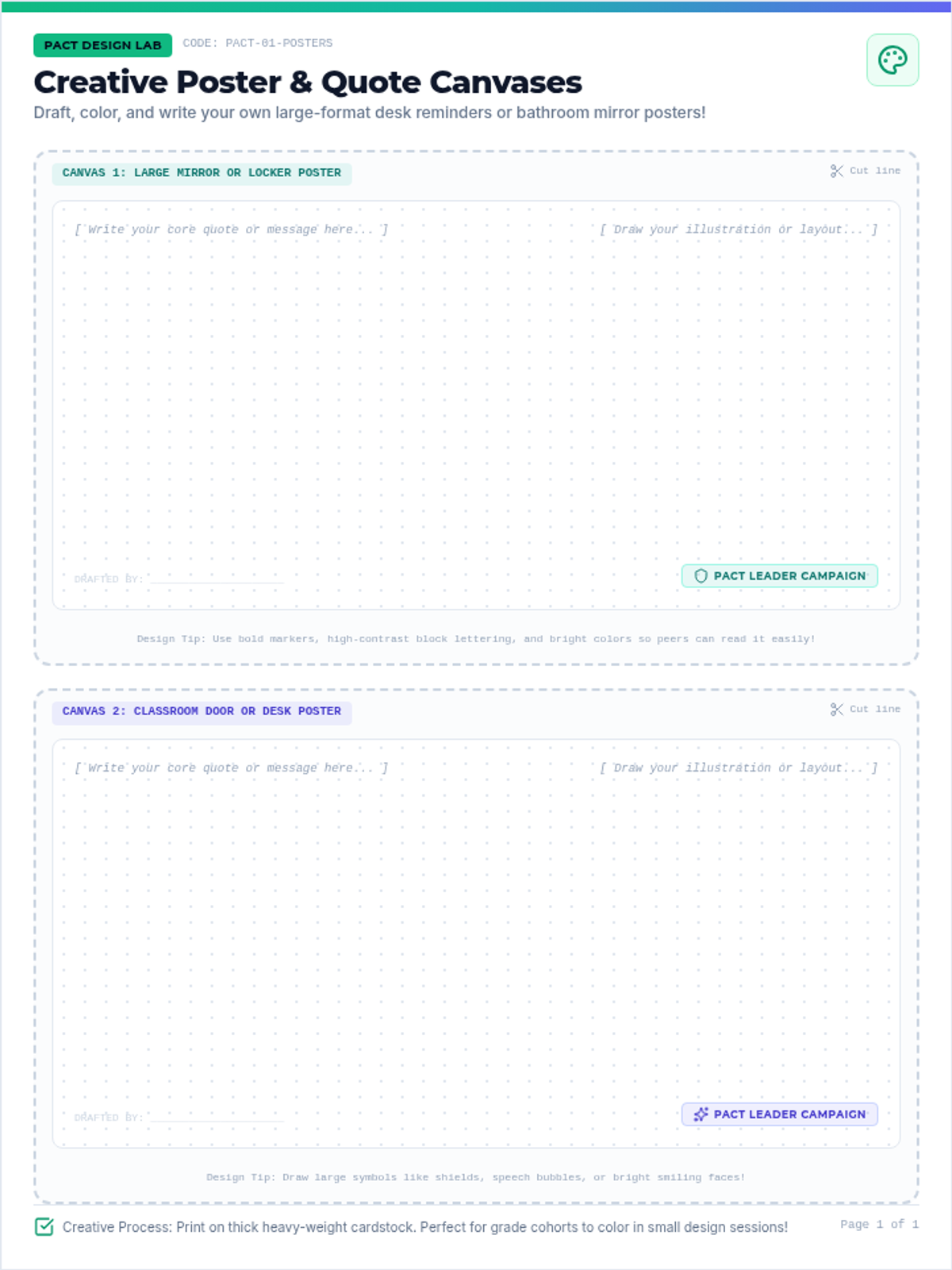
A comprehensive campaign kit and activity-based curriculum for Prevention Action Community Team (PACT) student leaders in grades 5-8. The program trains and equips leaders to facilitate conversations on bullying prevention, healthy self-image, and proactive kindness.
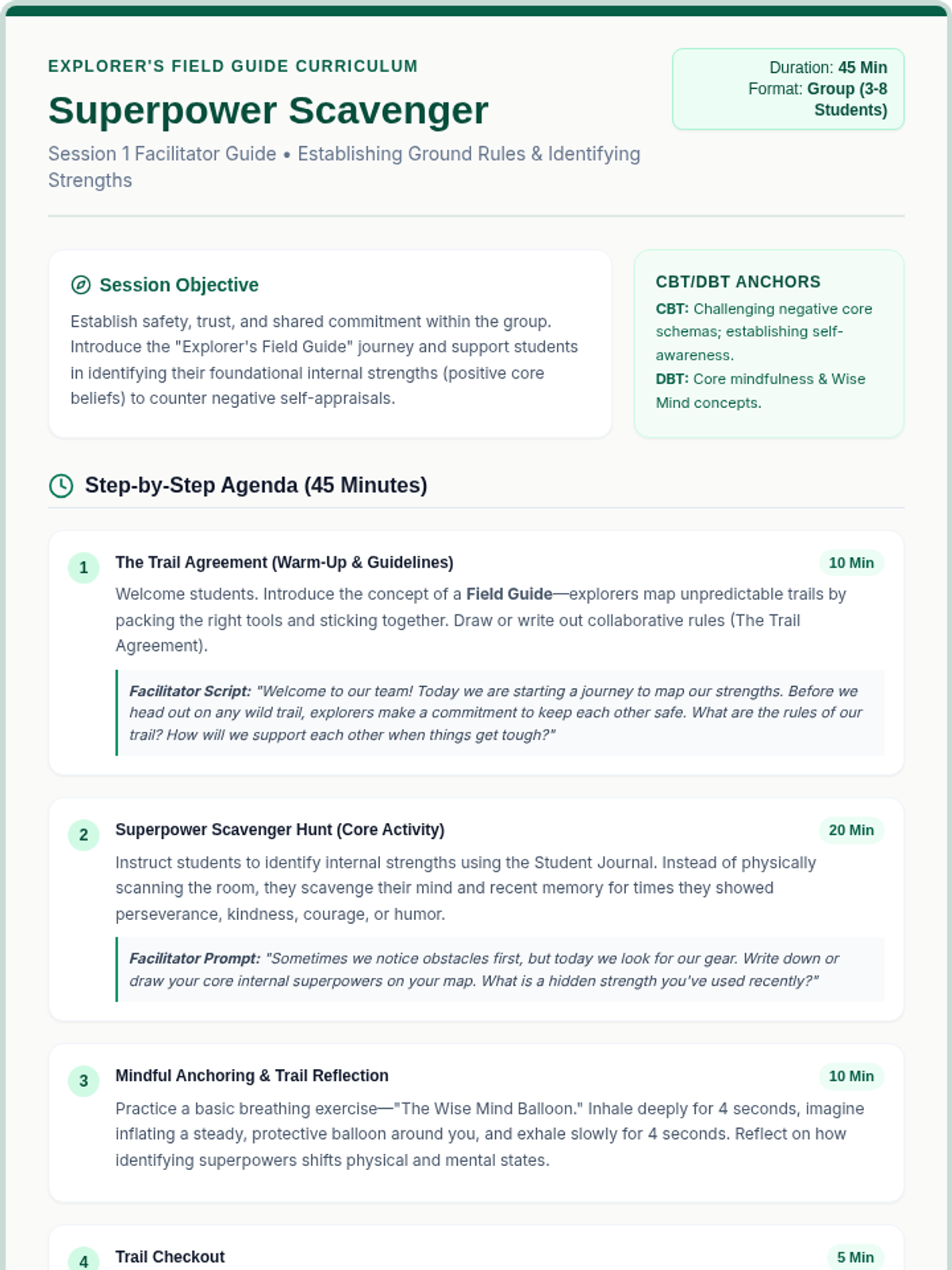
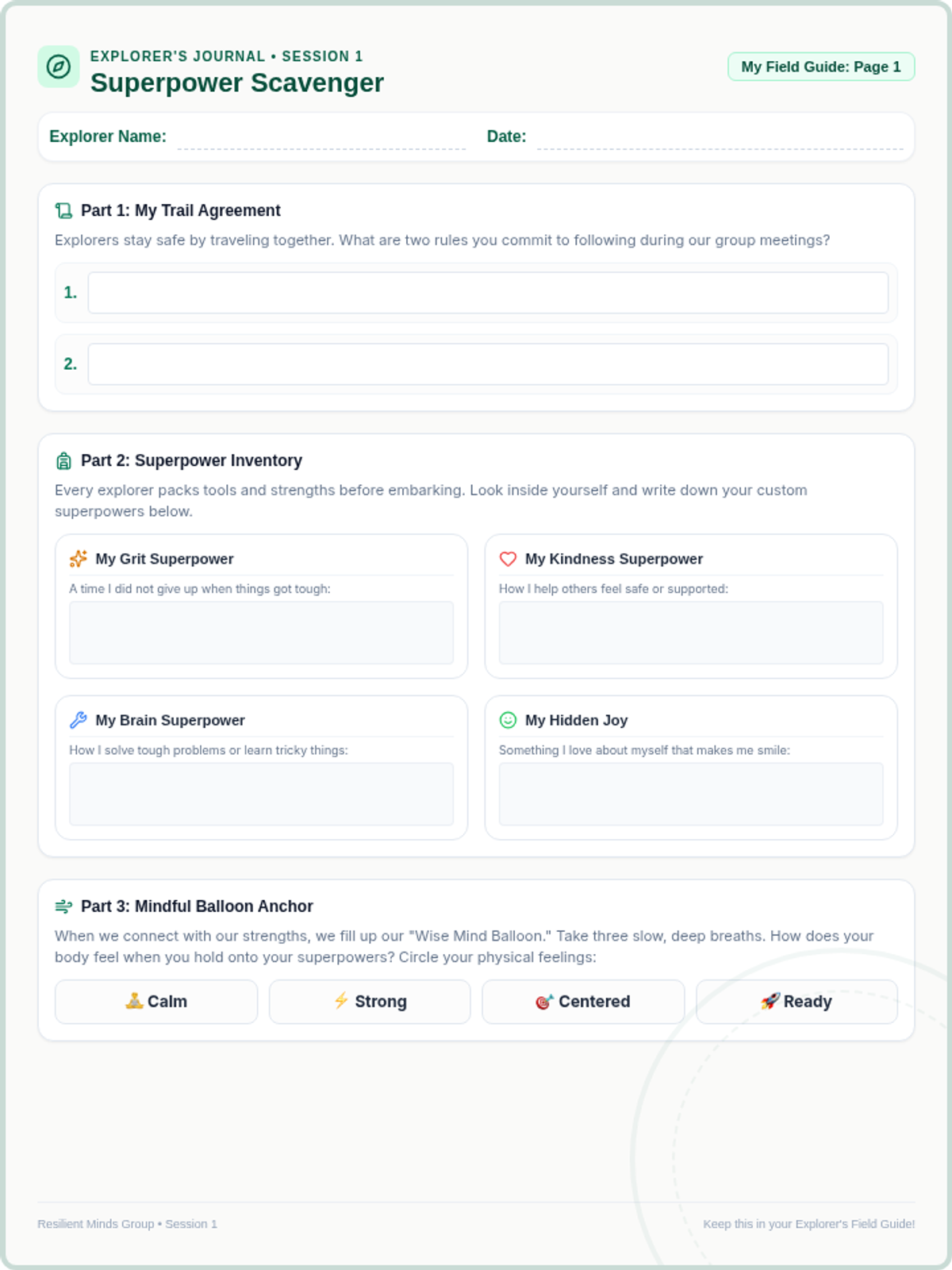
An 8-session strength-based group counseling curriculum focusing on building resilience and self-esteem. Integrates key Cognitive Behavioral Therapy (CBT) and Dialectical Behavior Therapy (DBT) skills through a collaborative 'Explorer's Field Guide' theme.
A 3-part counseling series focused on developing social-emotional communication skills, specifically identifying needs, using appropriate tone, and self-advocacy.
A comprehensive K-12 Social-Emotional Learning curriculum focusing on behavior regulation, social skills, and mental health resilience. This sequence provides a developmental pathway from emotional foundations in elementary school to complex coping strategies and social navigation in high school.
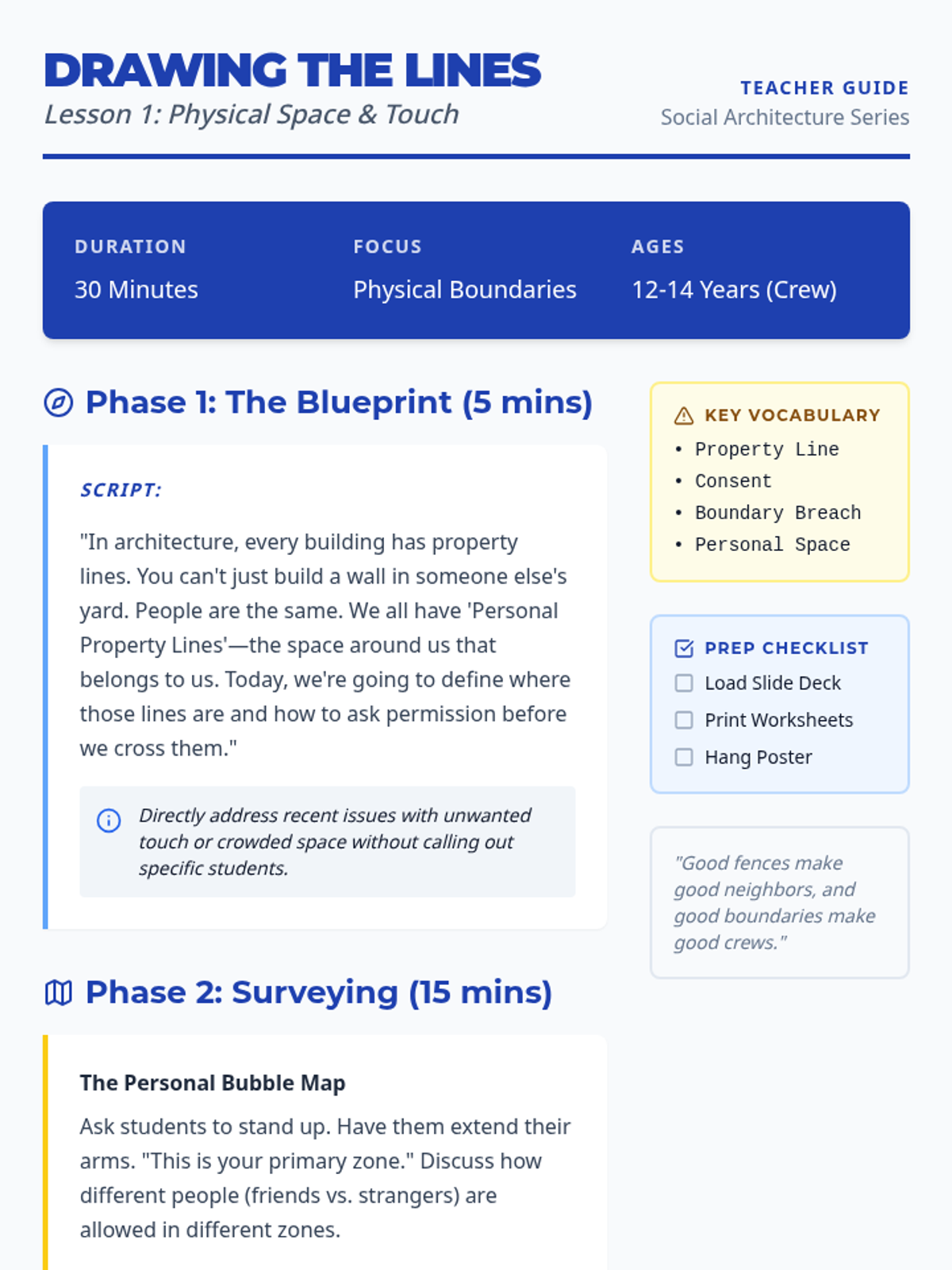
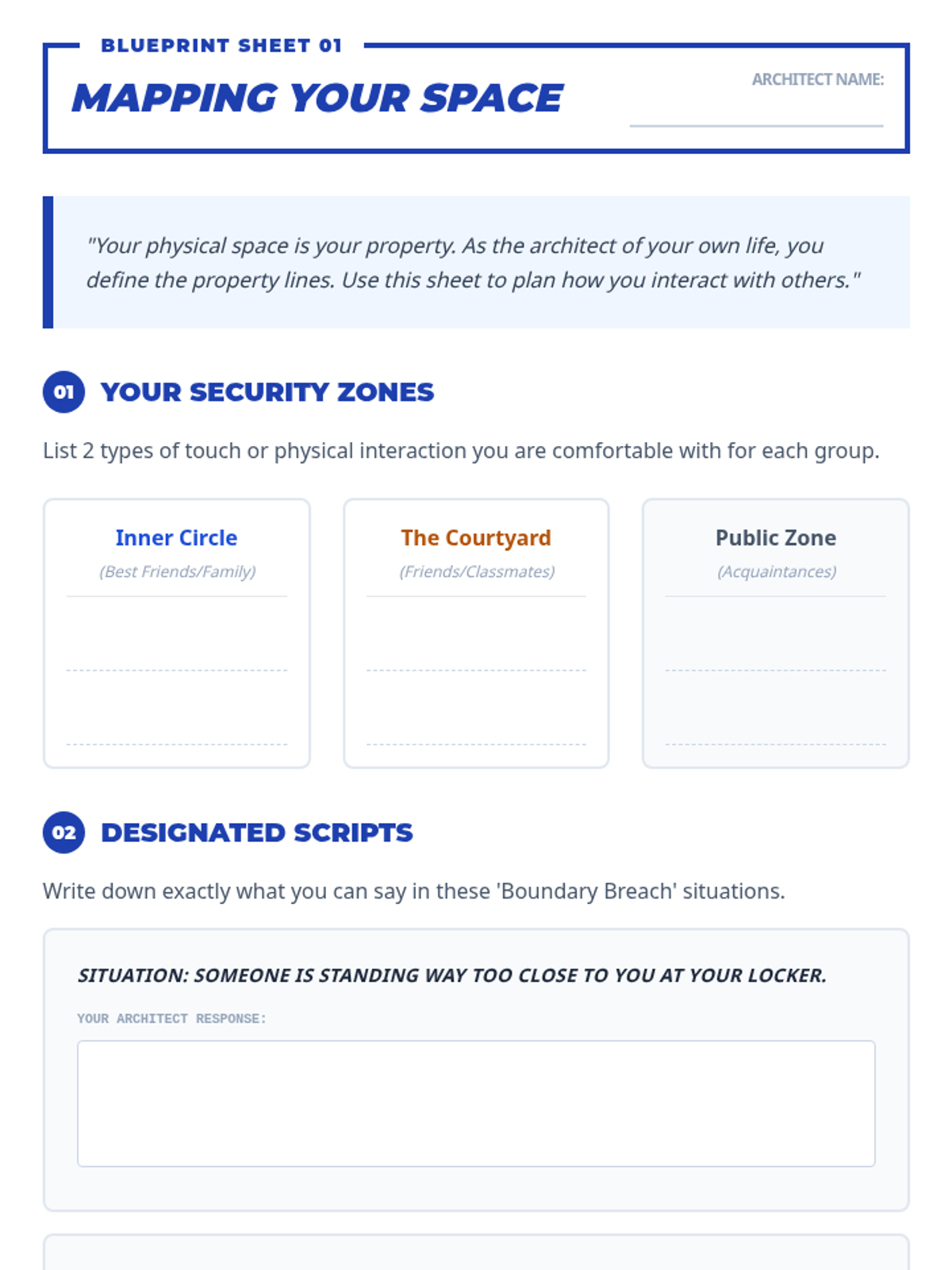
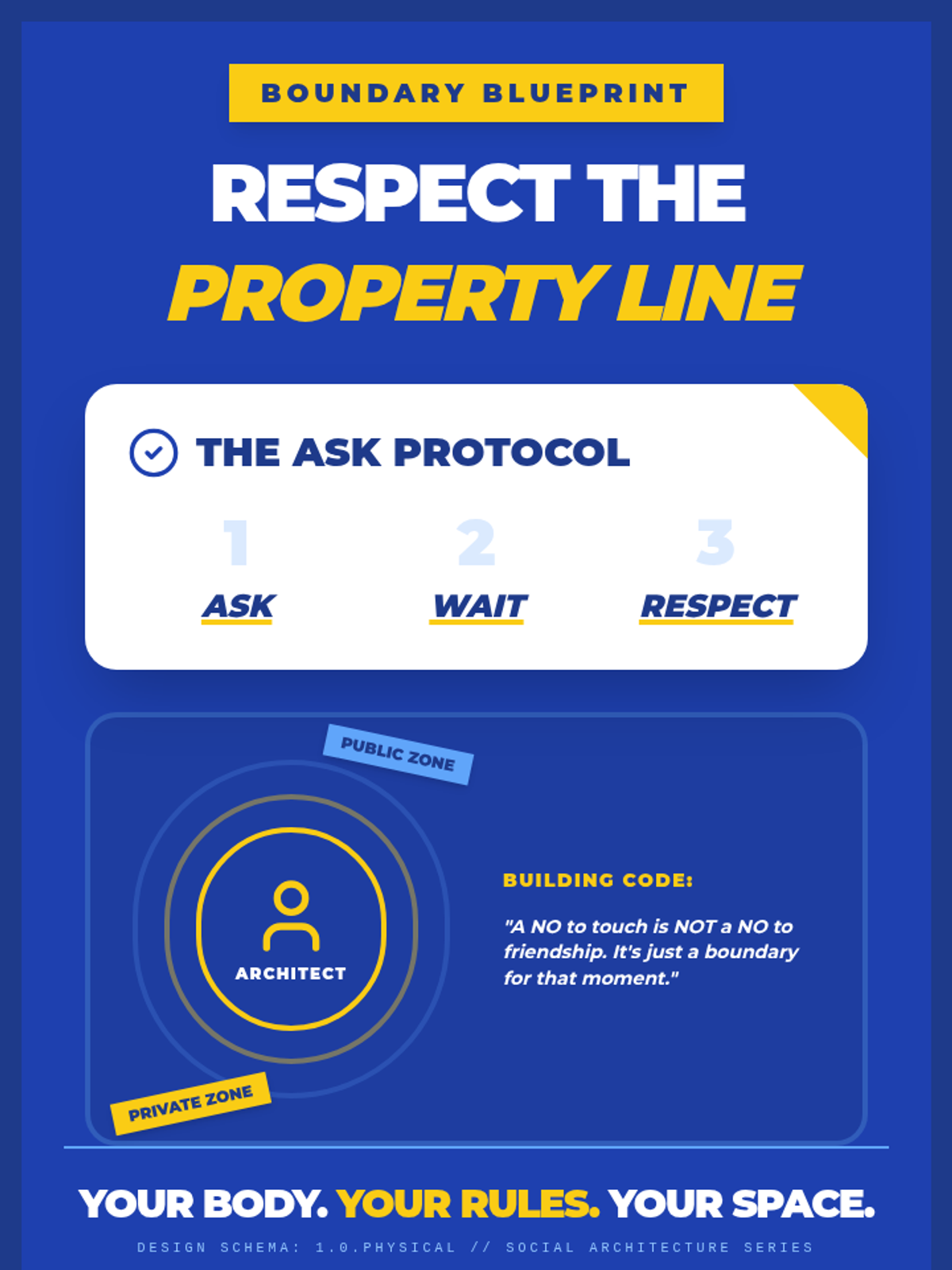
A three-part crew series designed for 13-year-olds to address bullying and toxic behaviors through the lens of 'Social Architecture'. Students learn to design, build, and maintain healthy physical, verbal, and social boundaries.
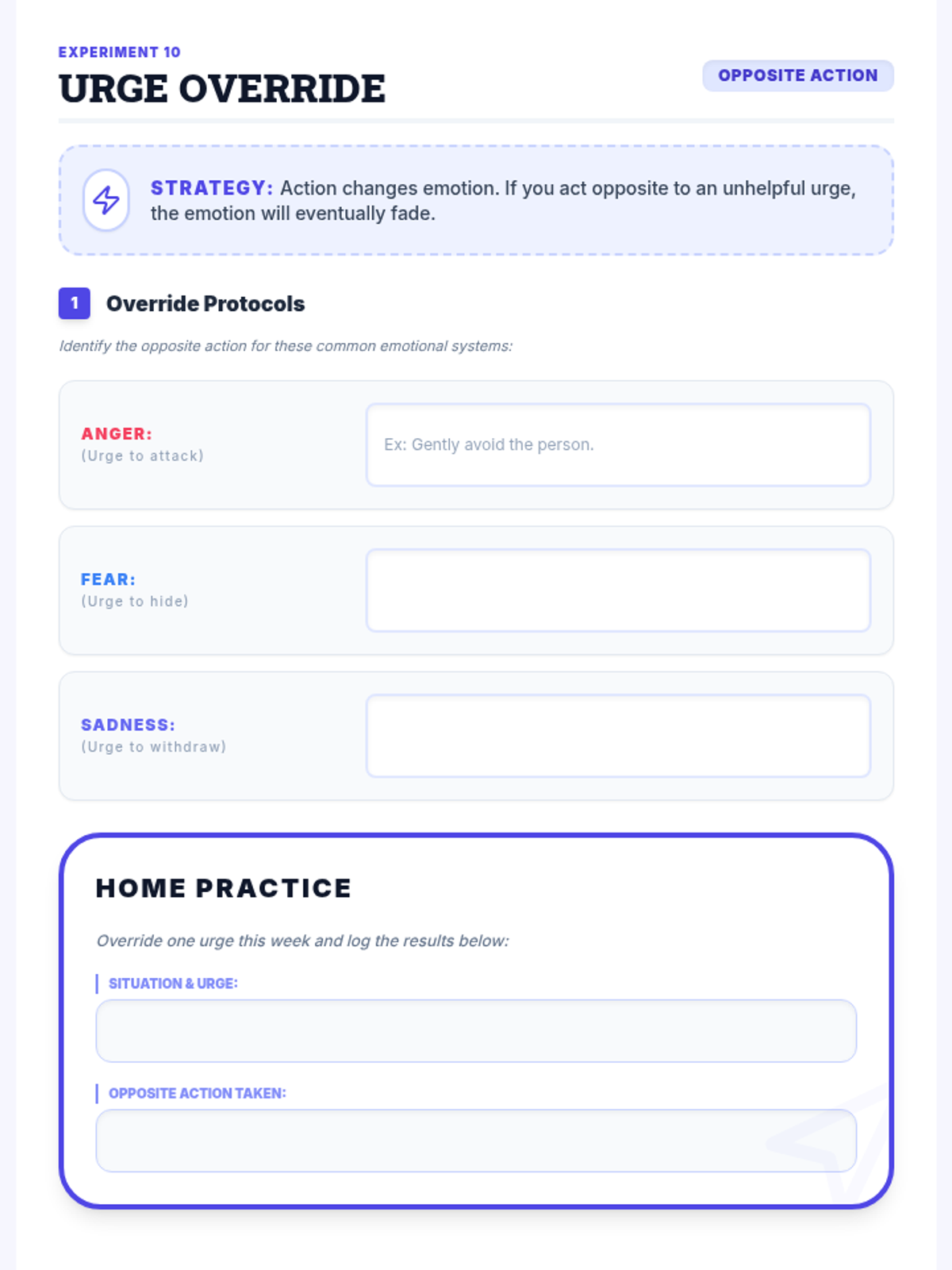
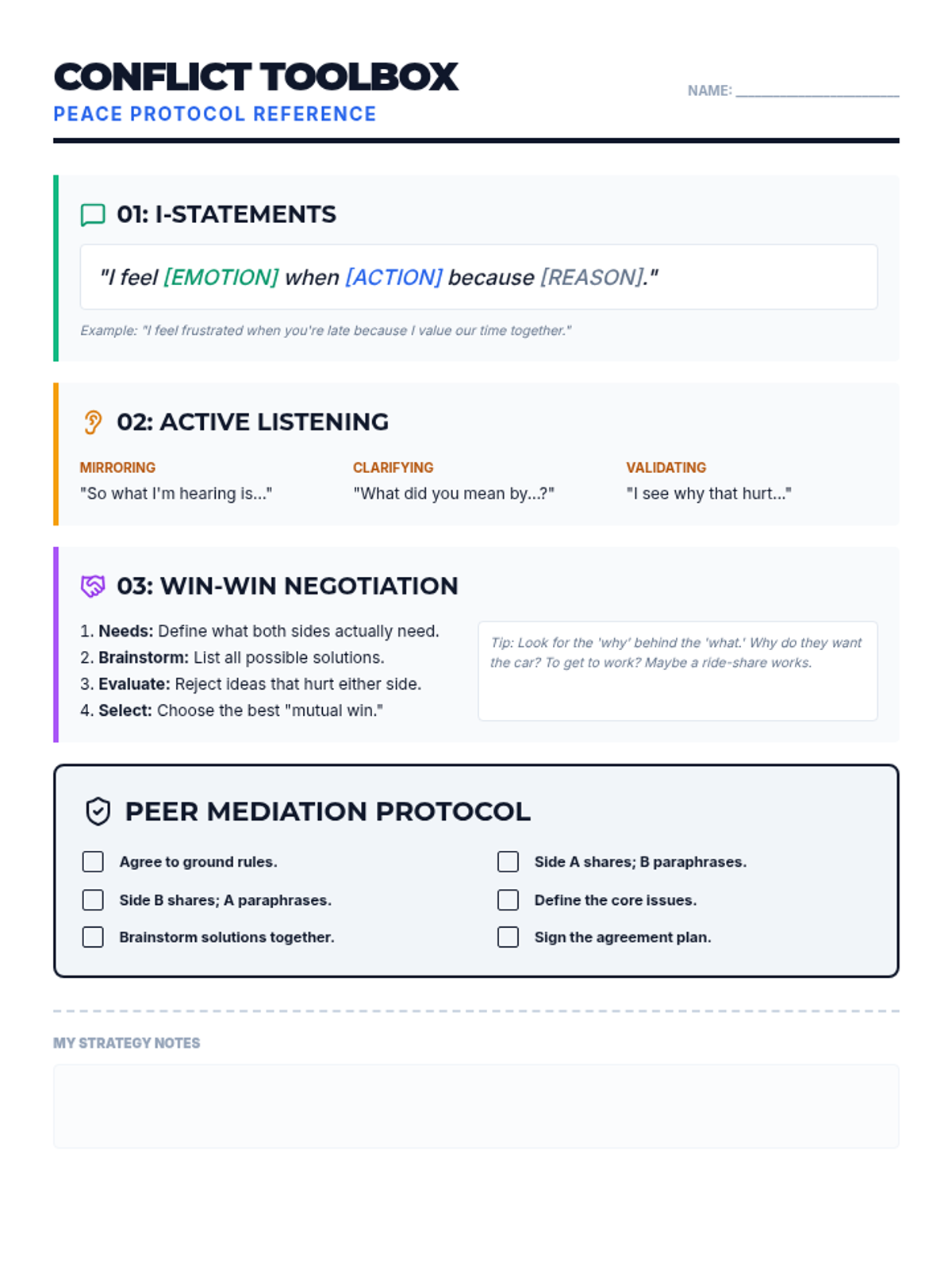
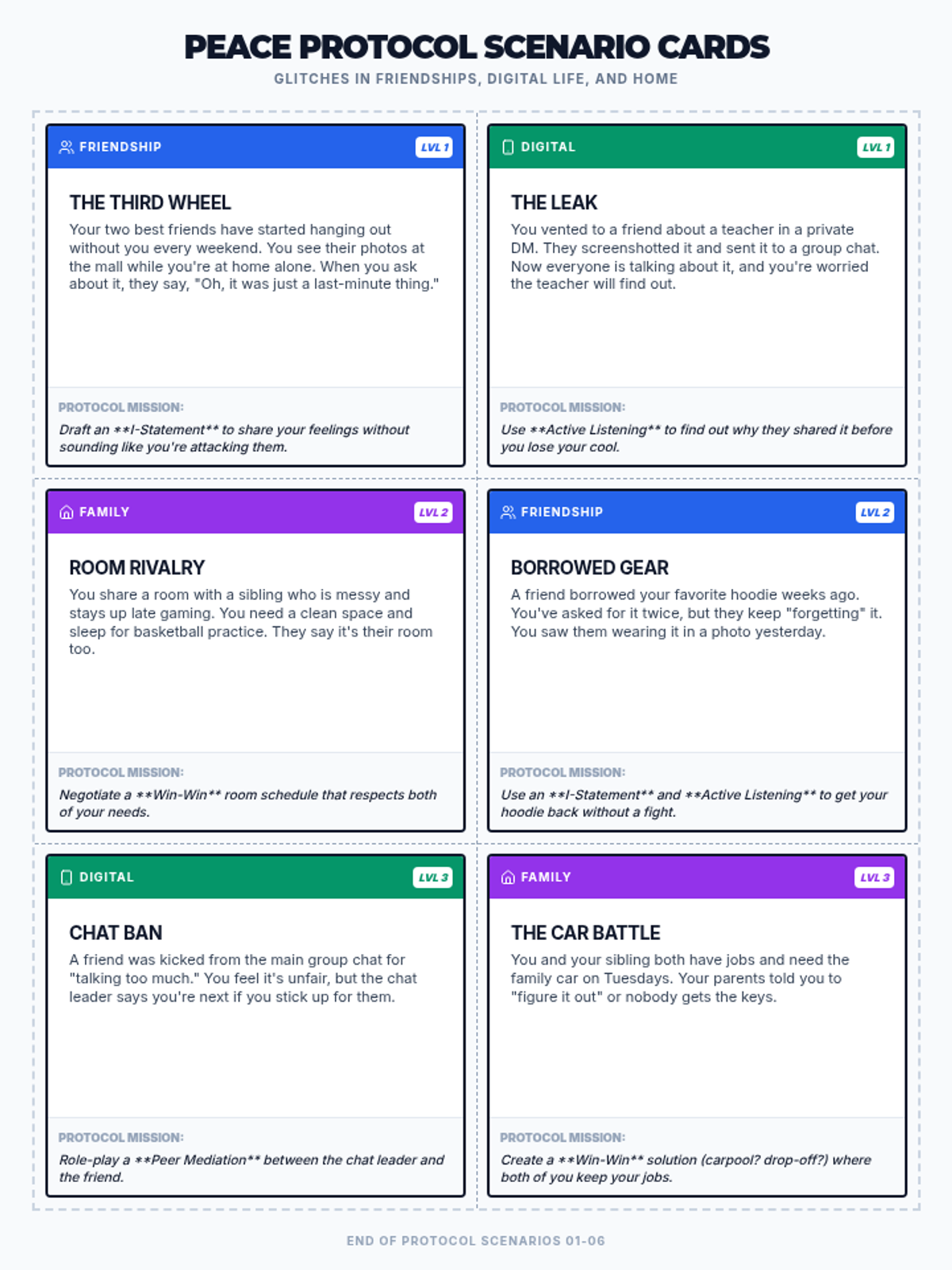
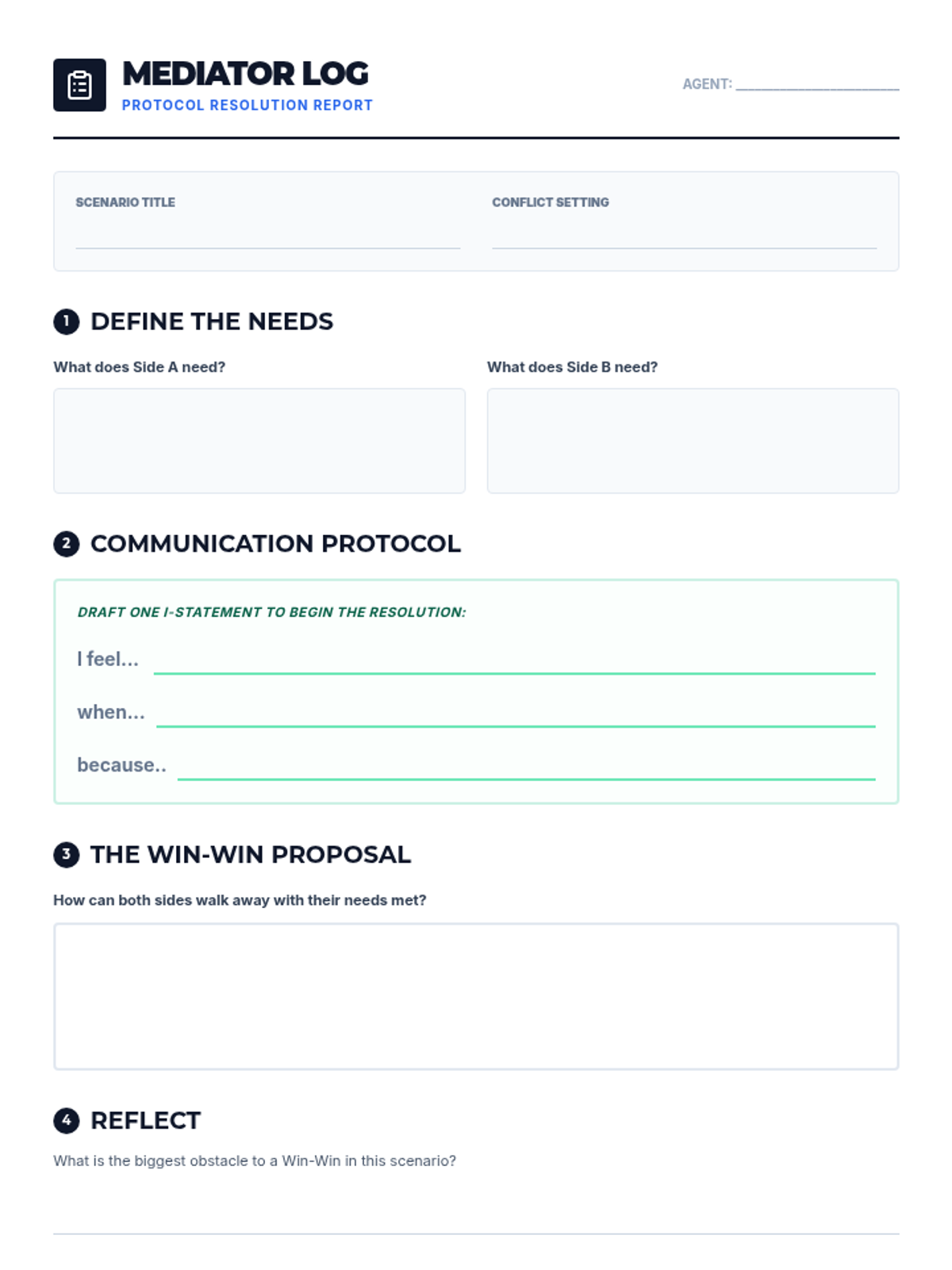
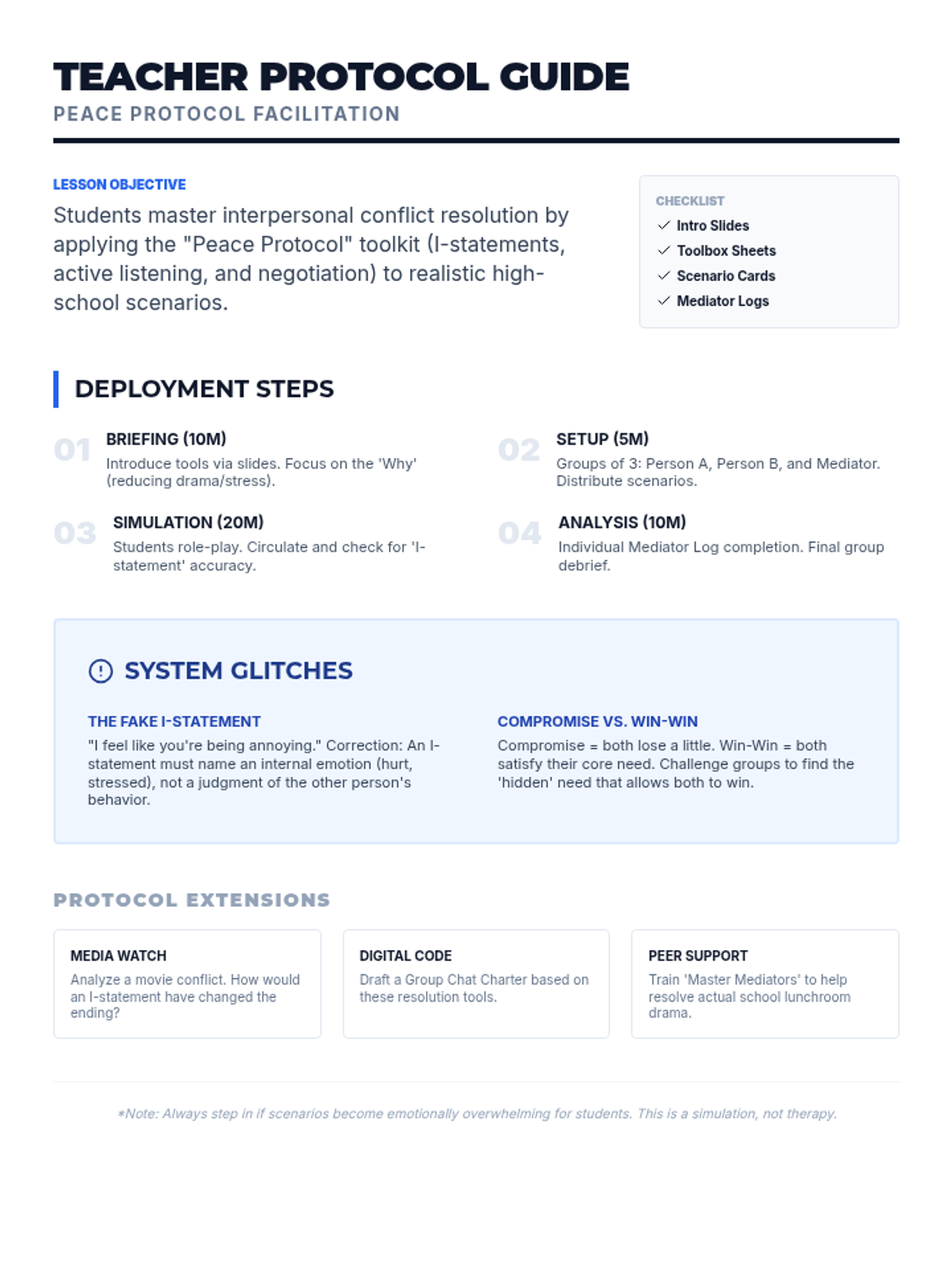
A comprehensive series of social-emotional "protocols" for teens, focusing on communication, self-regulation, and interpersonal success using a modern, high-tech aesthetic.
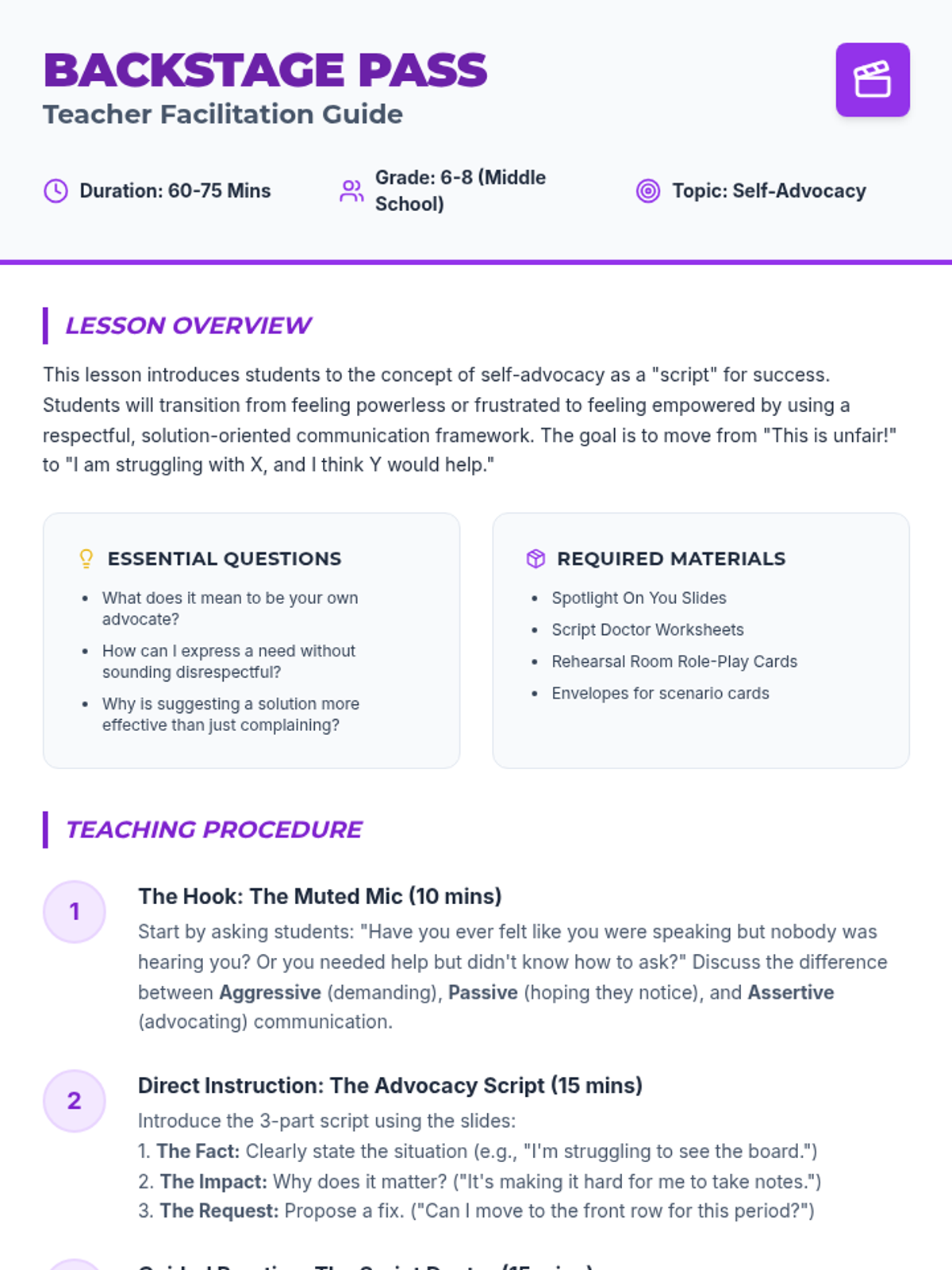
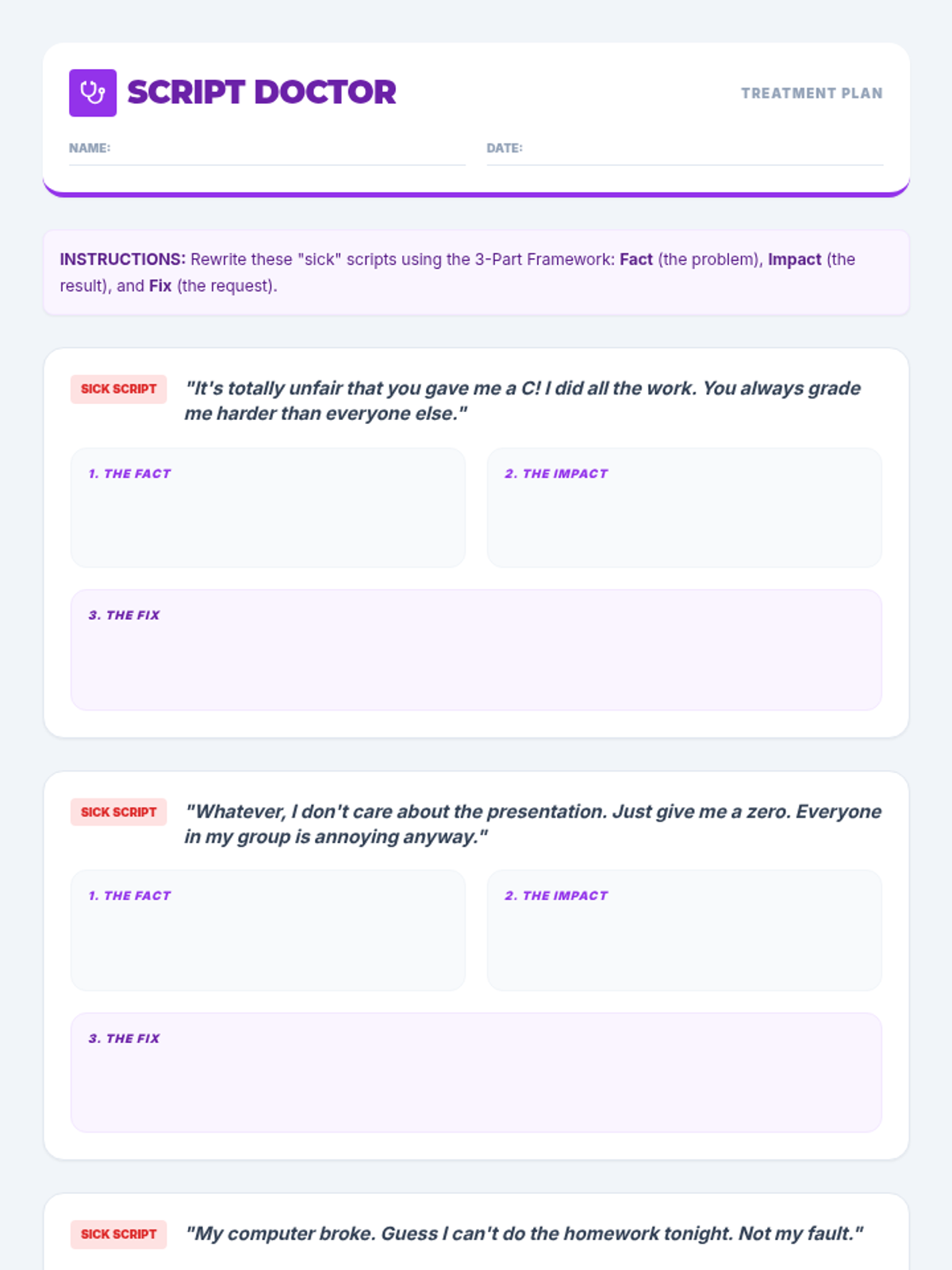
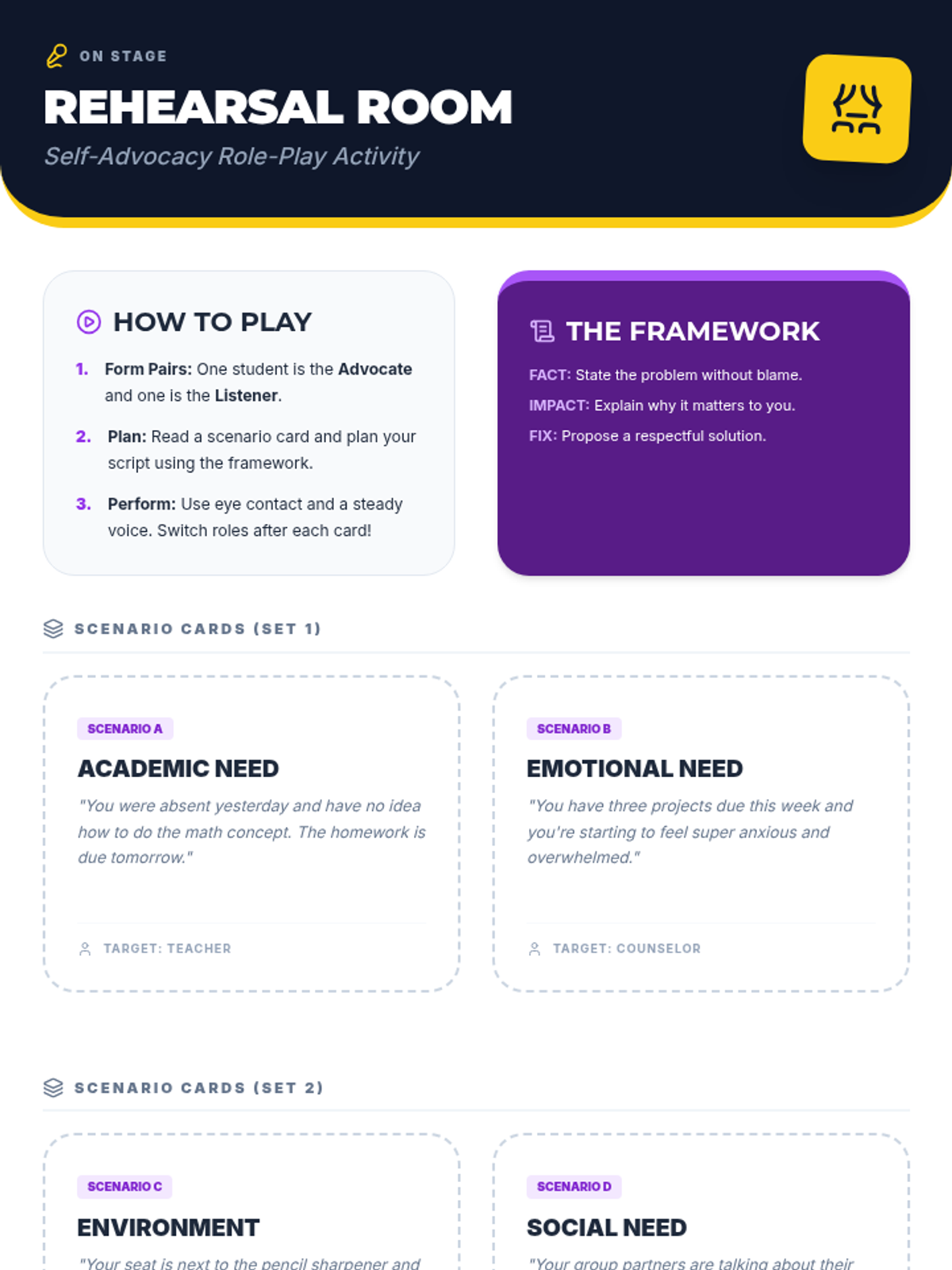
A comprehensive unit for middle school students focused on developing the confidence and communication skills needed to advocate for their academic and emotional needs. Students learn practical frameworks to express themselves respectfully to authority figures and peers.
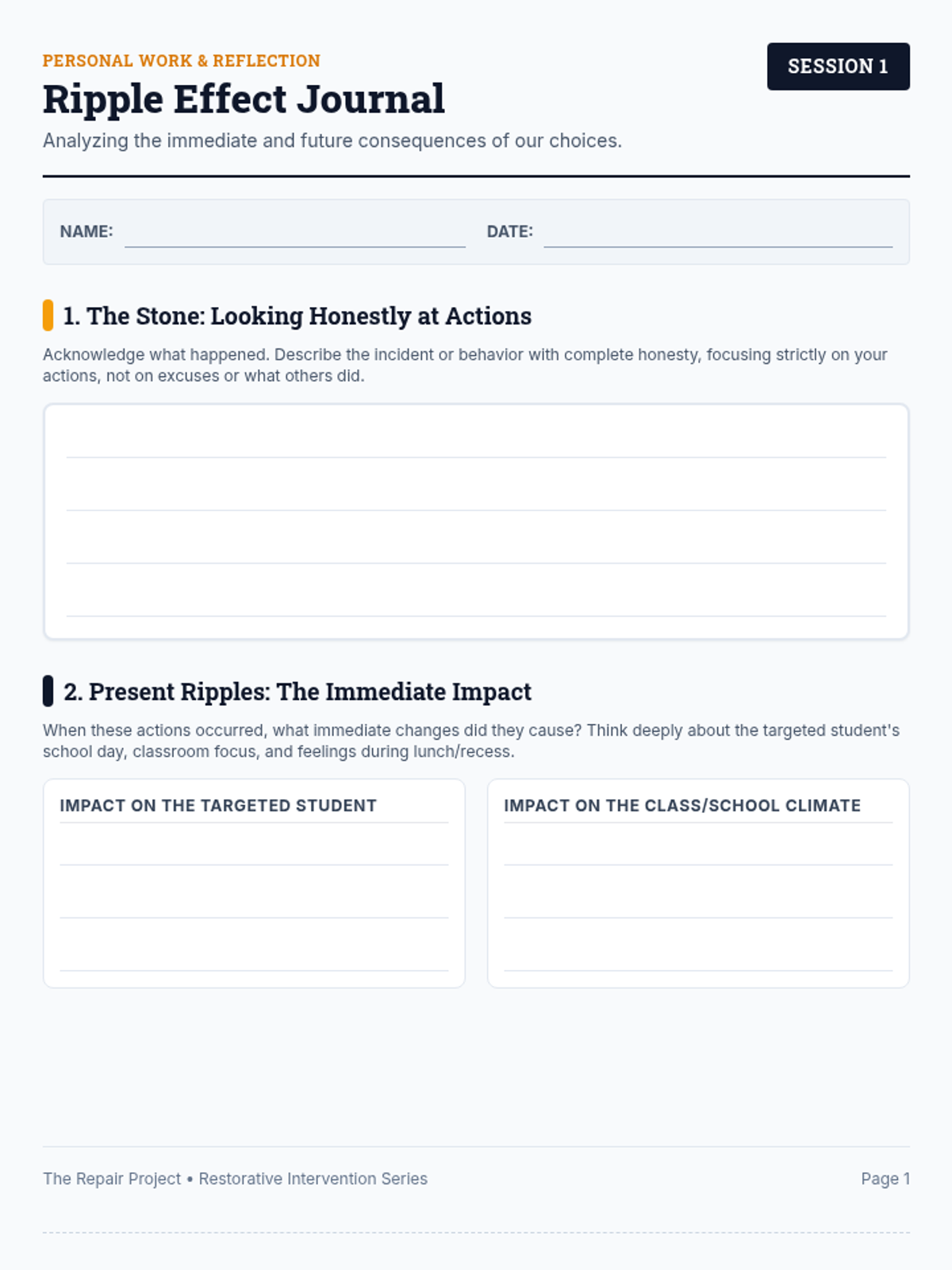
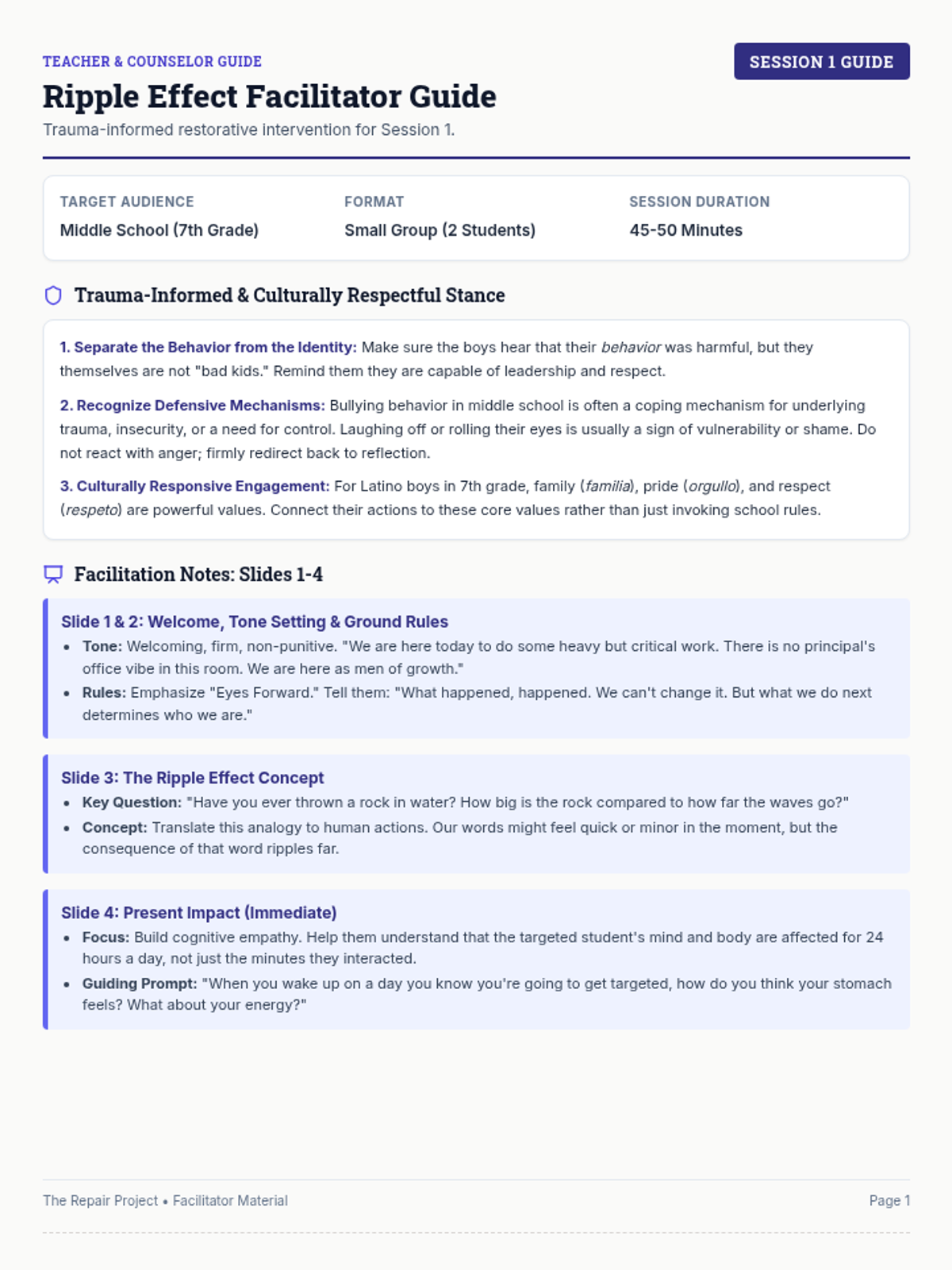
A two-session restorative intervention sequence designed for middle school students who have engaged in bullying behaviors. It uses a trauma-informed, restorative justice framework to help students understand the immediate and long-term impact of their actions and develop a concrete blueprint to repair the harm.
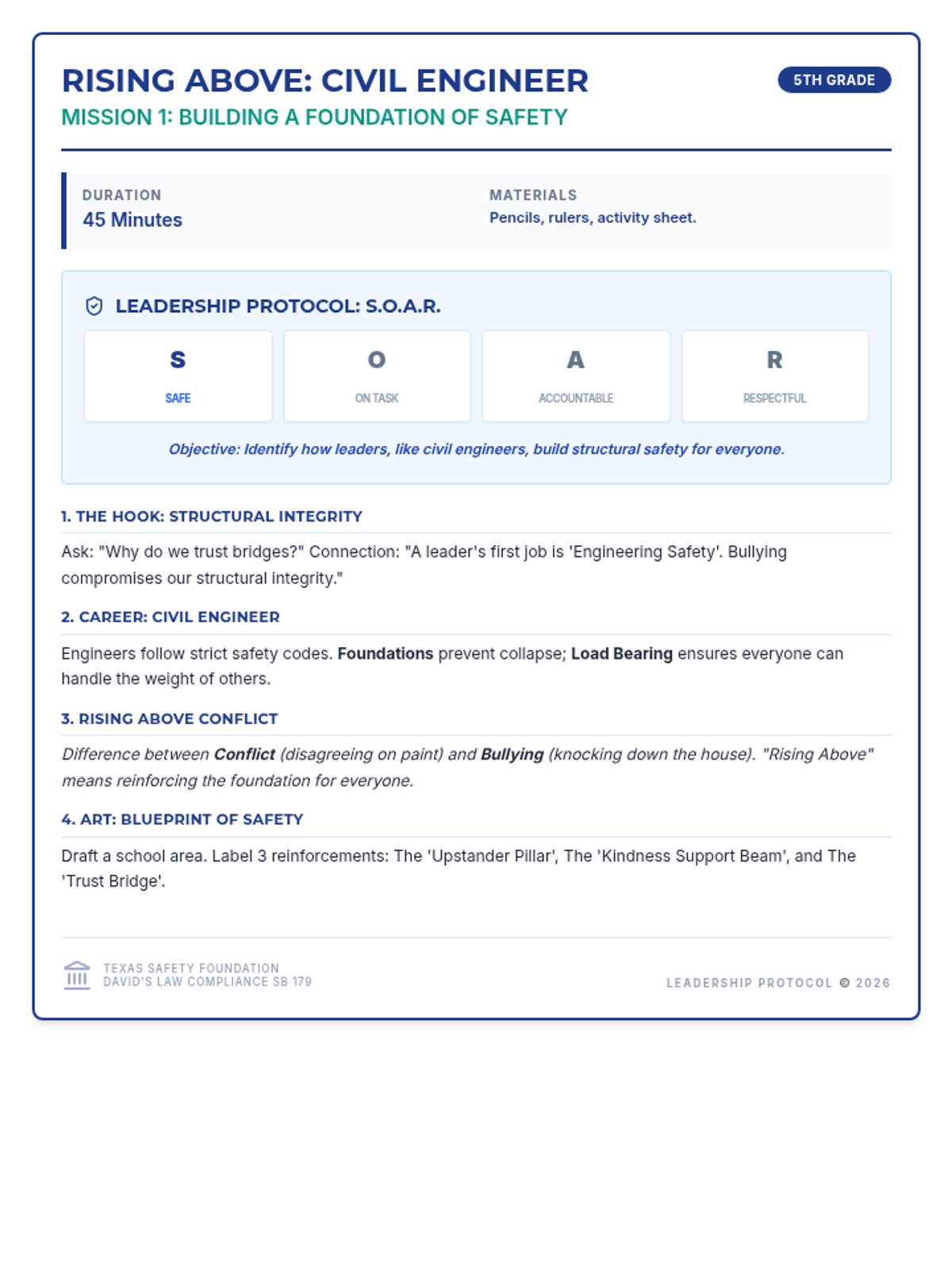
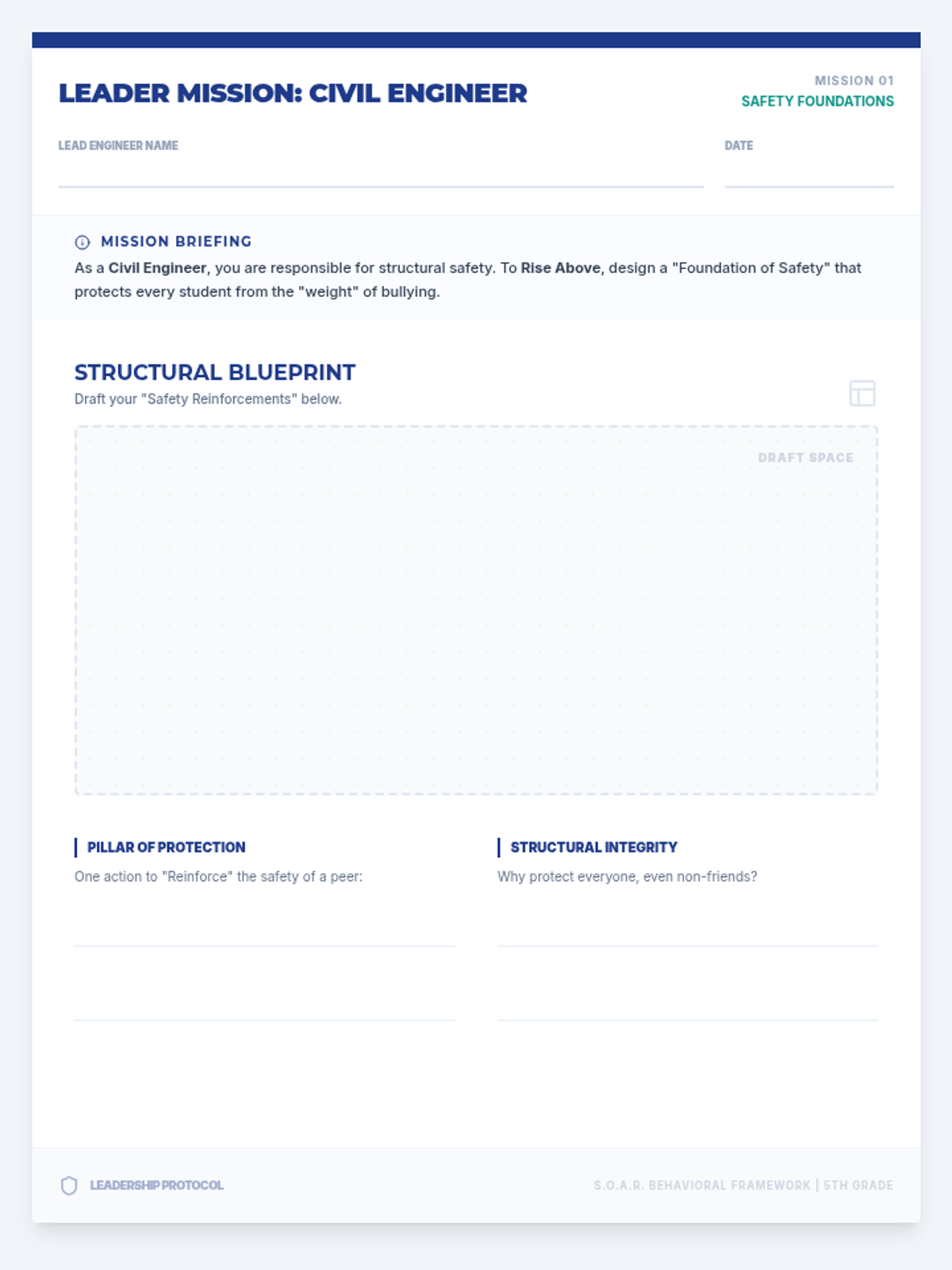
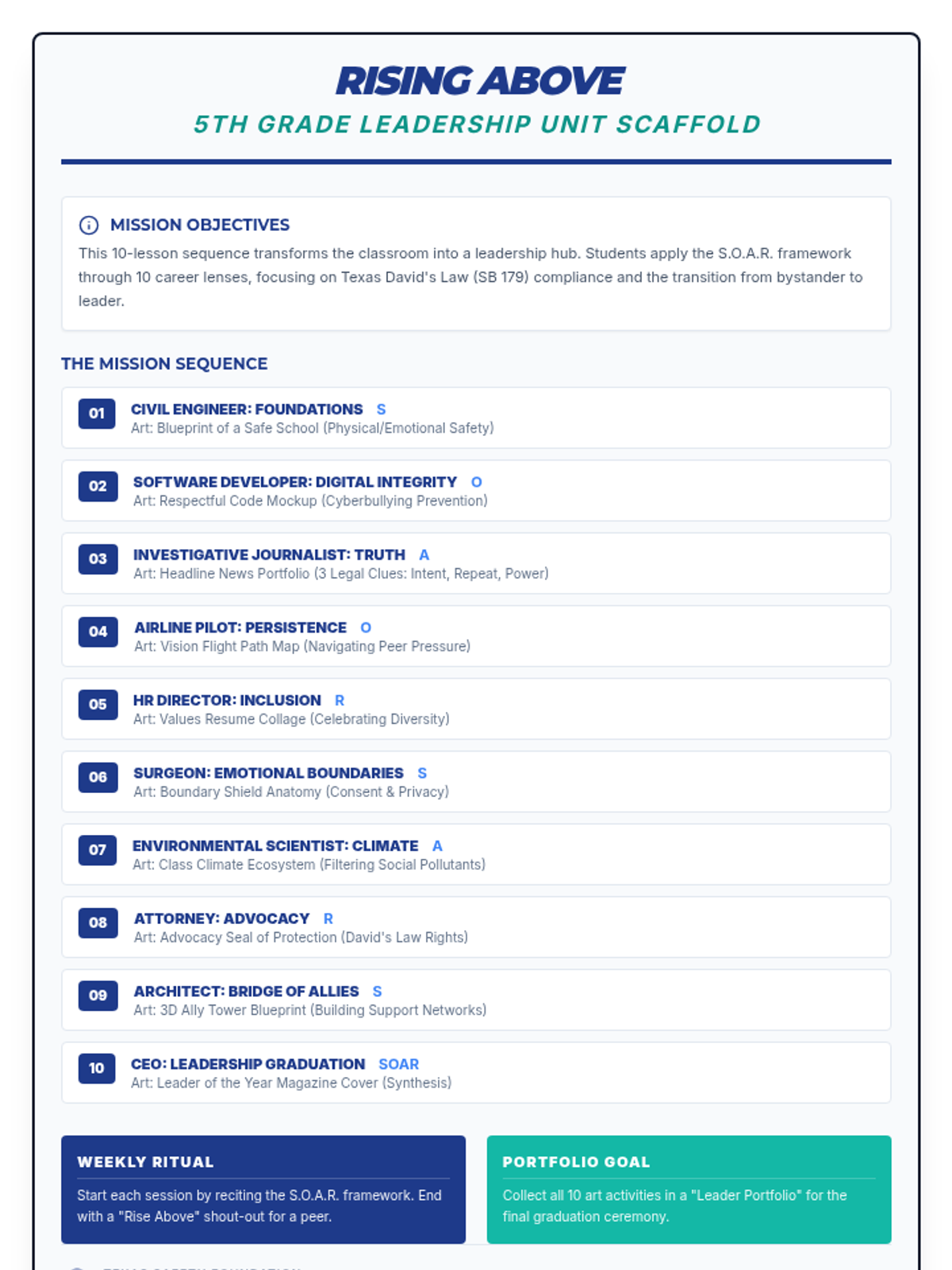
A comprehensive K-12 bullying prevention curriculum strictly aligned with Texas David's Law and TEC Chapter 37, focusing on the distinction between conflict and bullying, cyberbullying, and school safety. Now renamed to the Leadership Protocol.
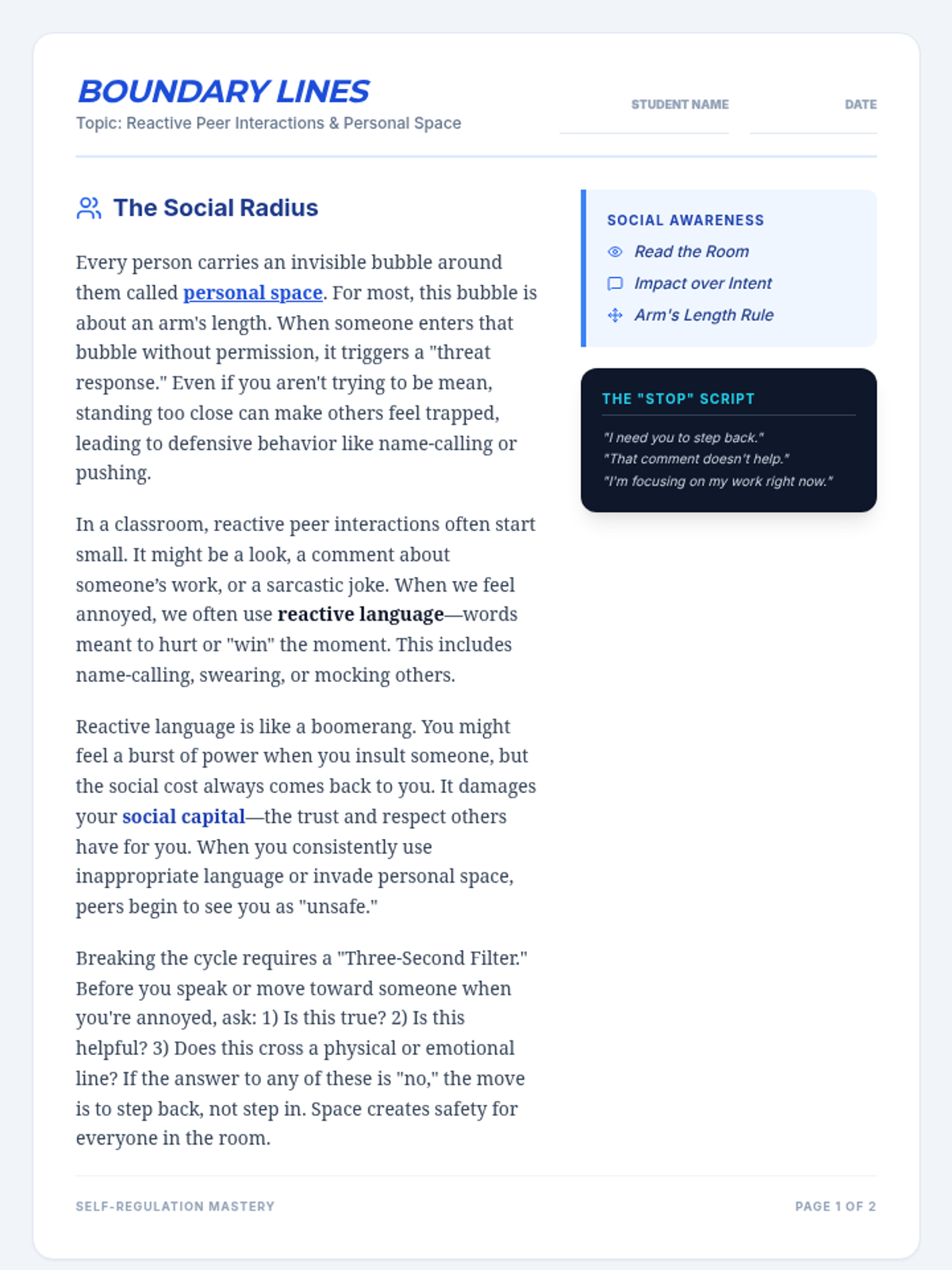
A sequence of lessons designed to help middle school students understand personal boundaries, ownership, and the impact of their actions on others.
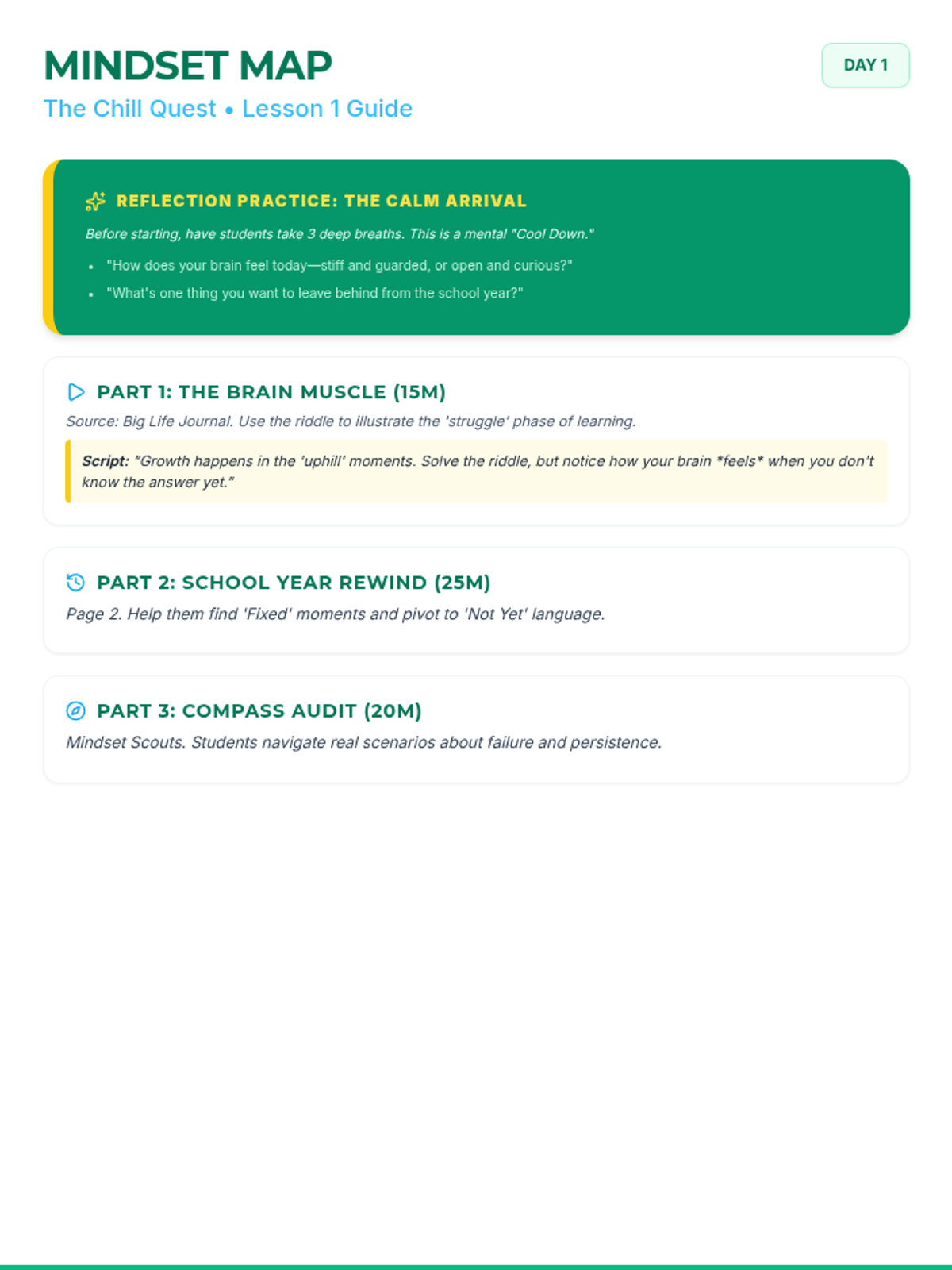
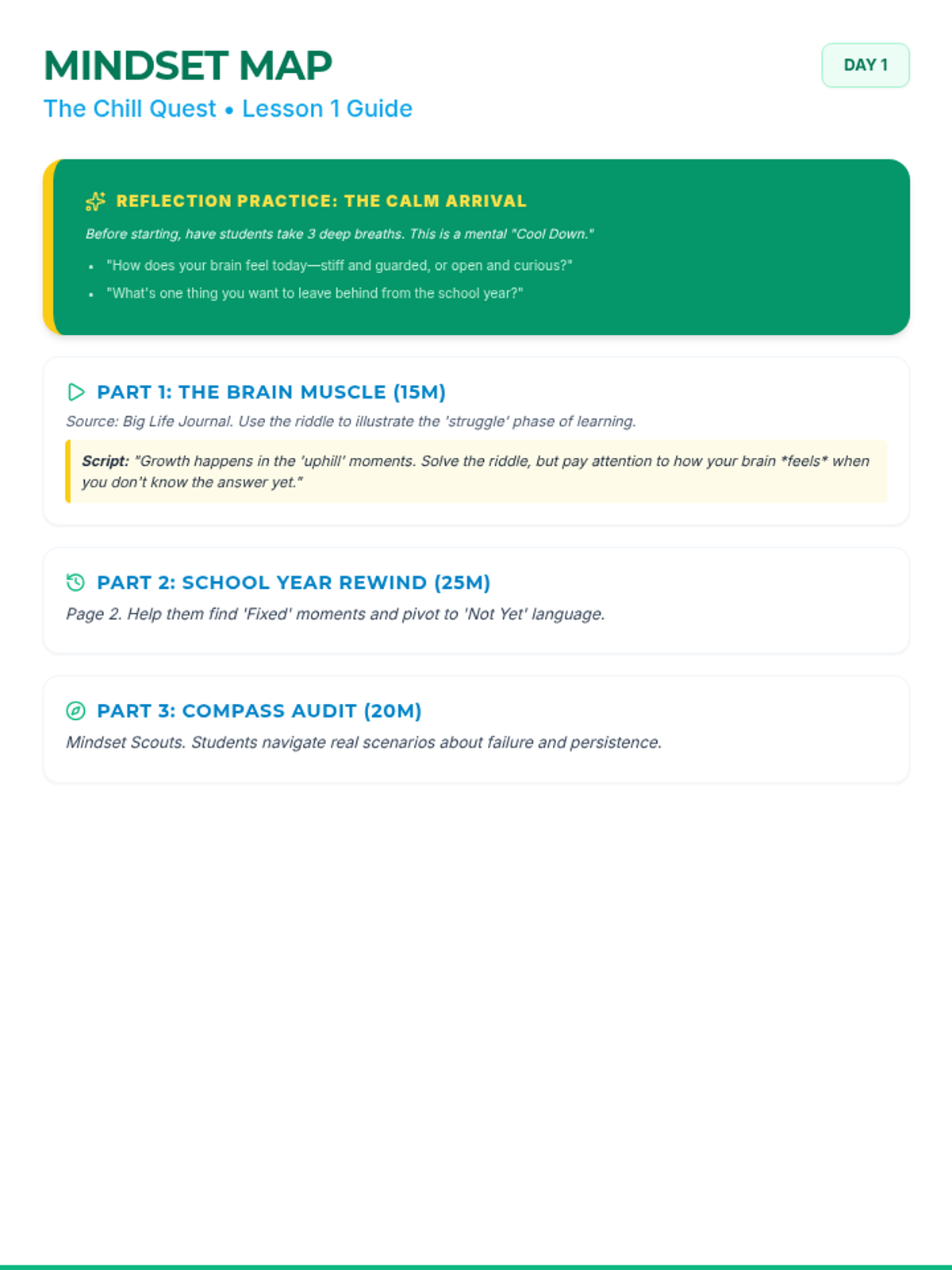
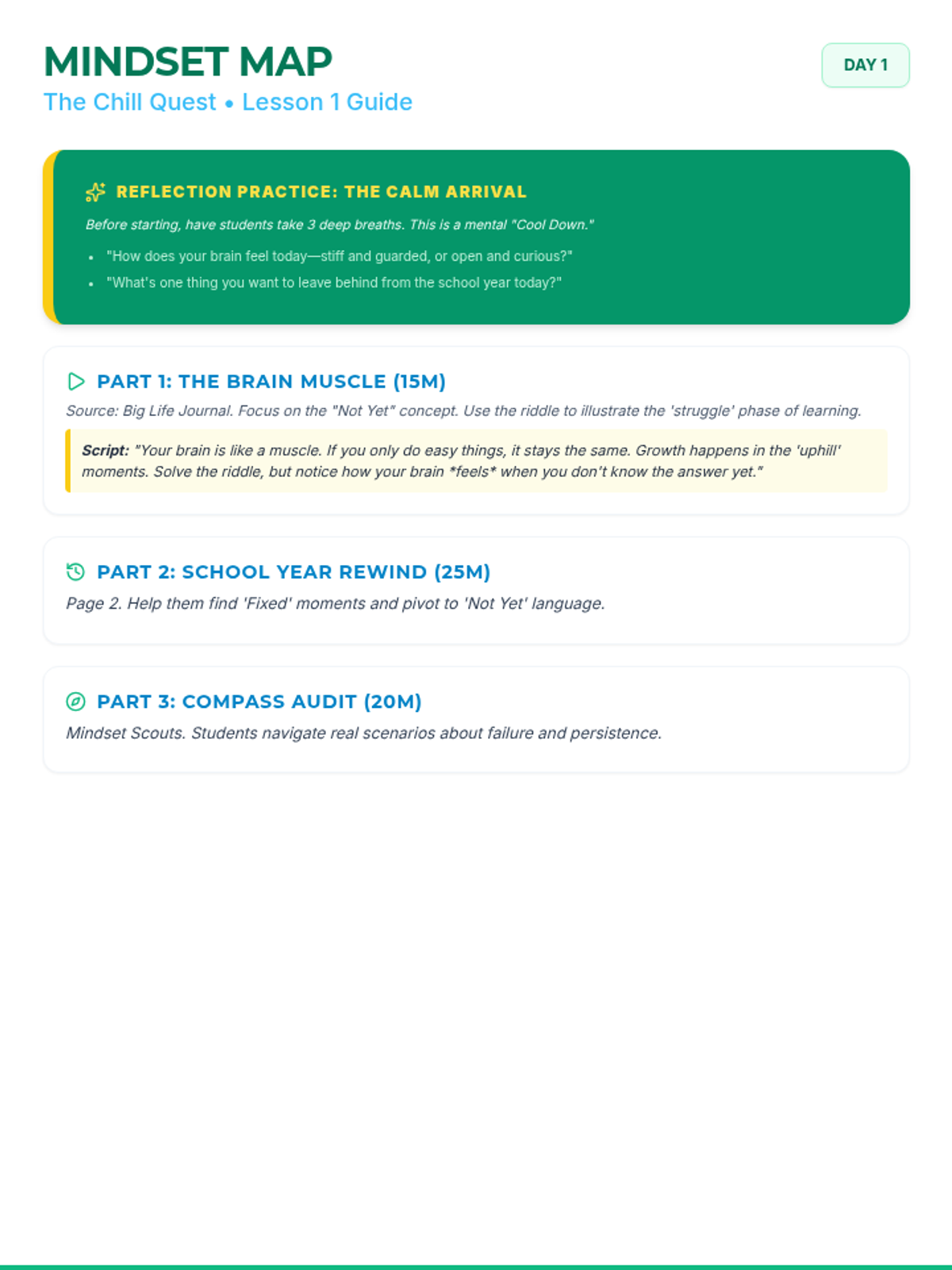
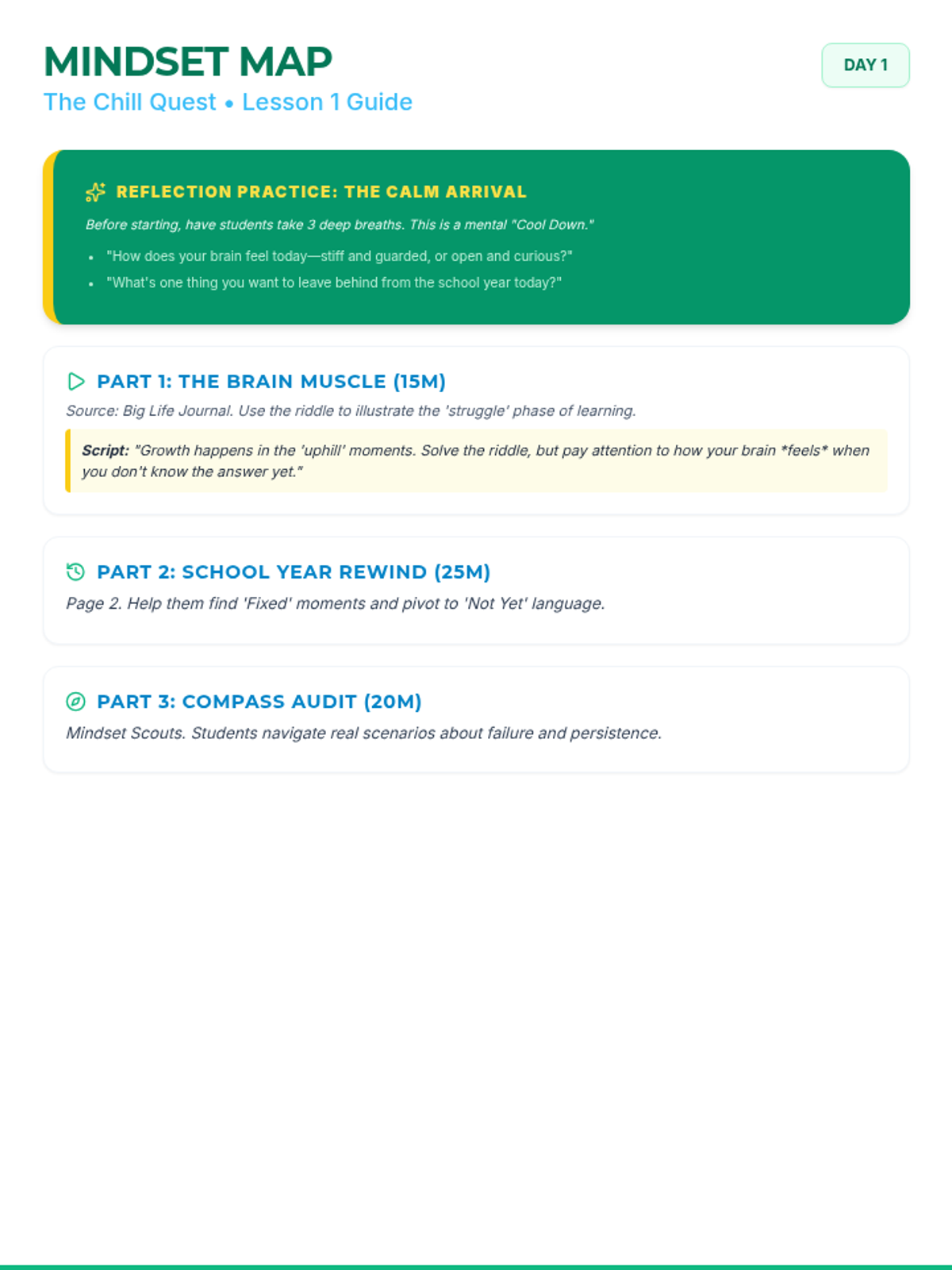
A summer-themed sequence for teens focused on growth mindset, the 7 Habits of Highly Effective Teens, and logic games. Designed for a stress-free, reflective environment. Styled in light green, blue, and yellow.
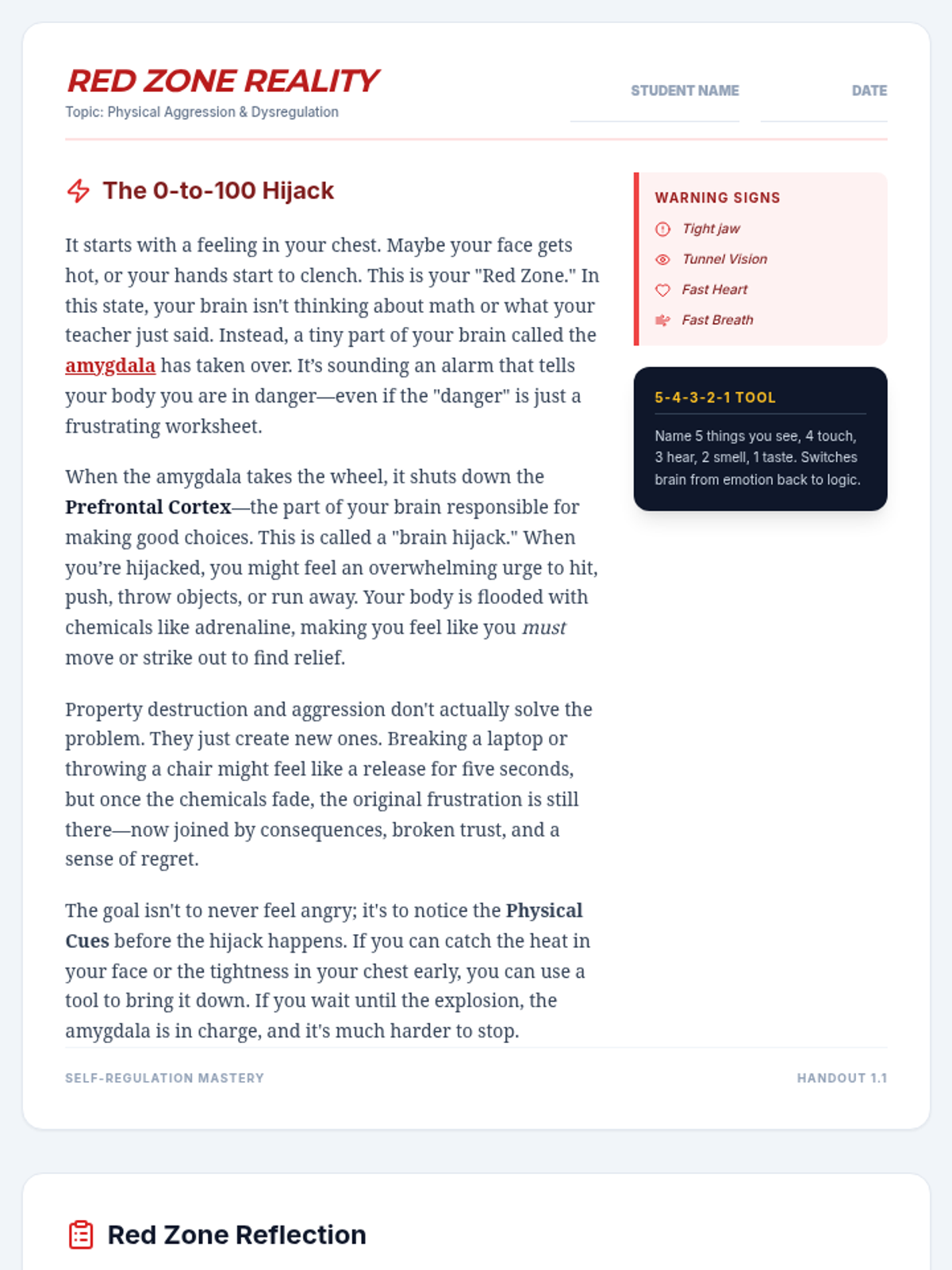
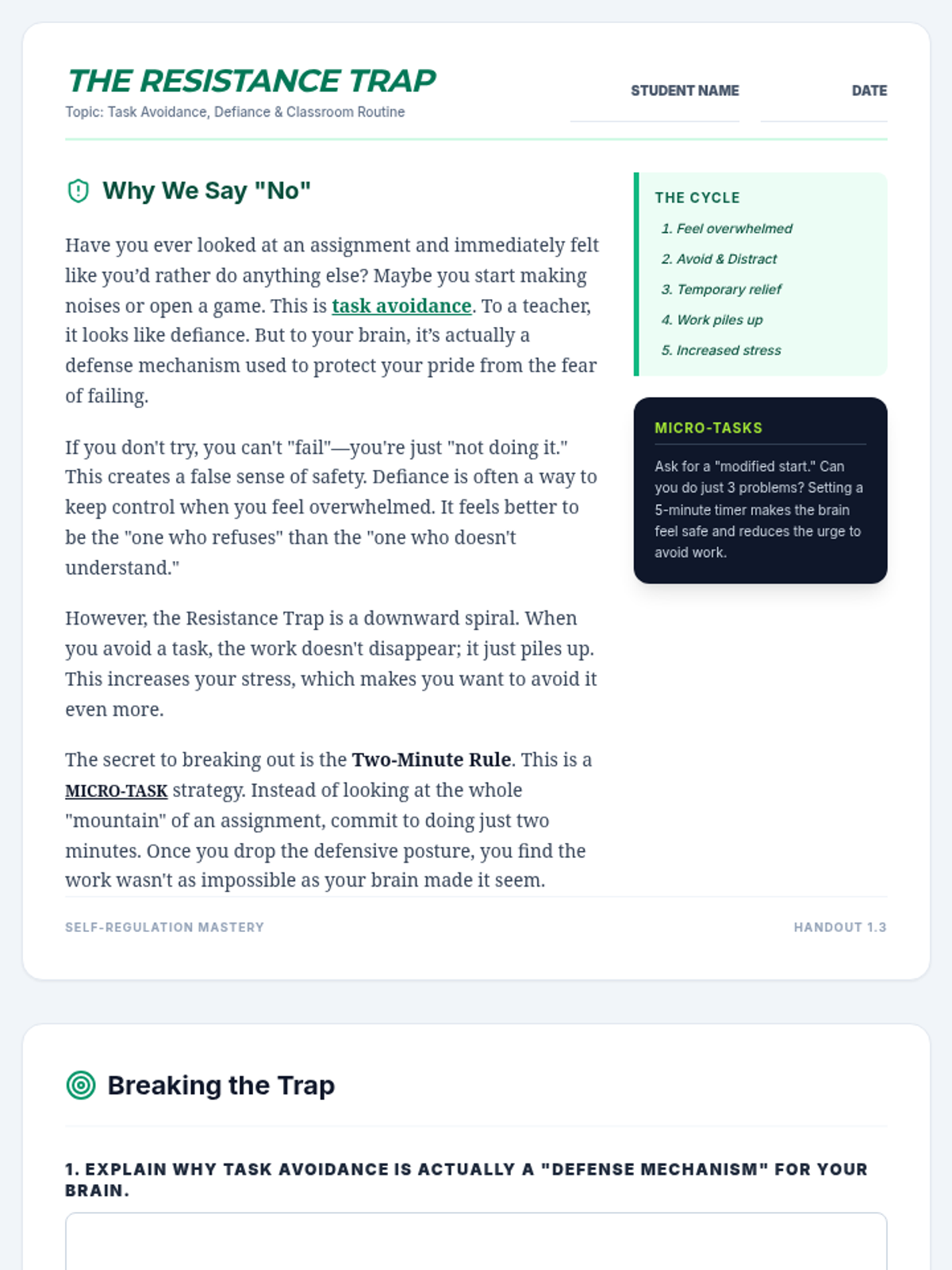
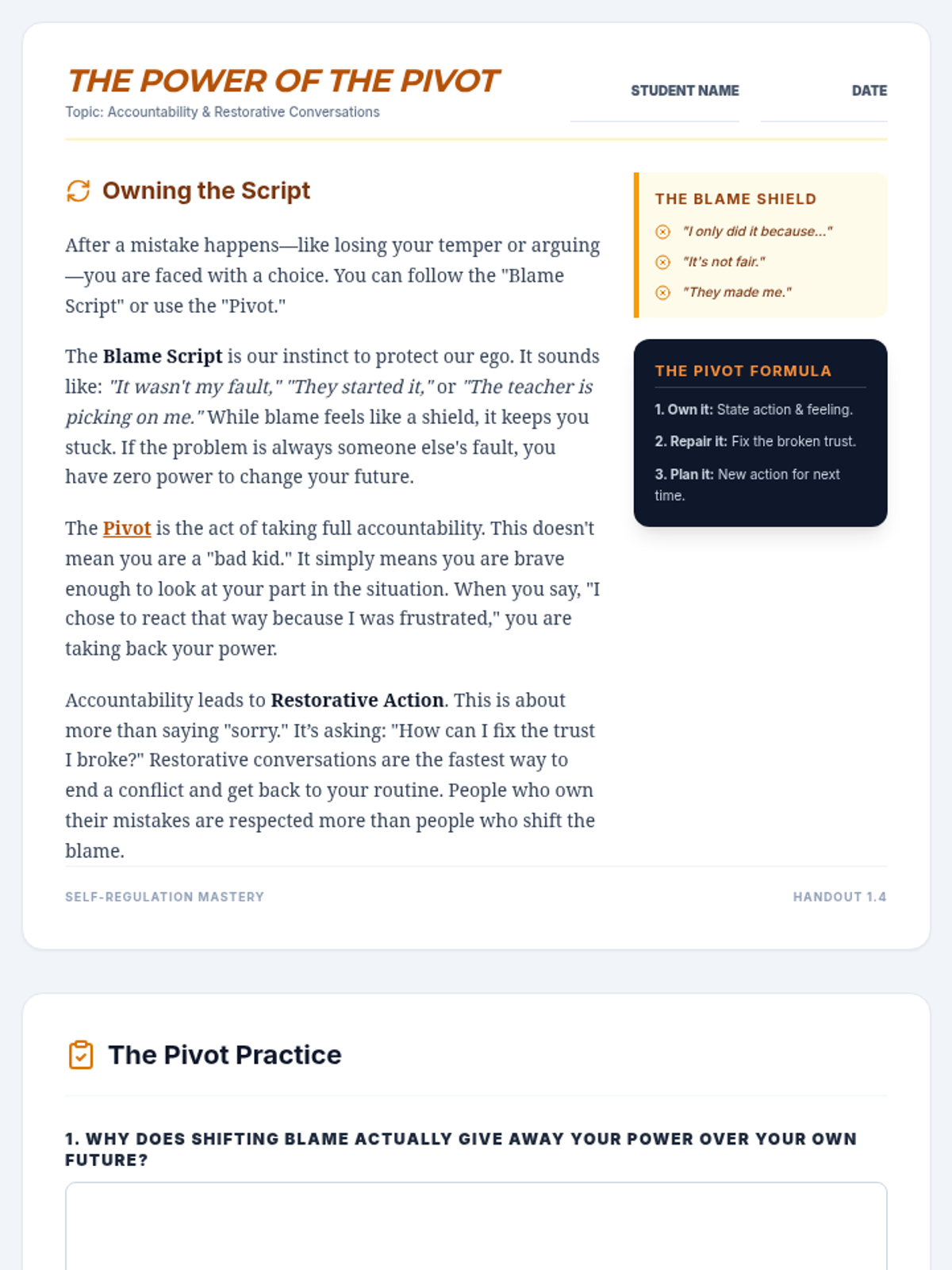
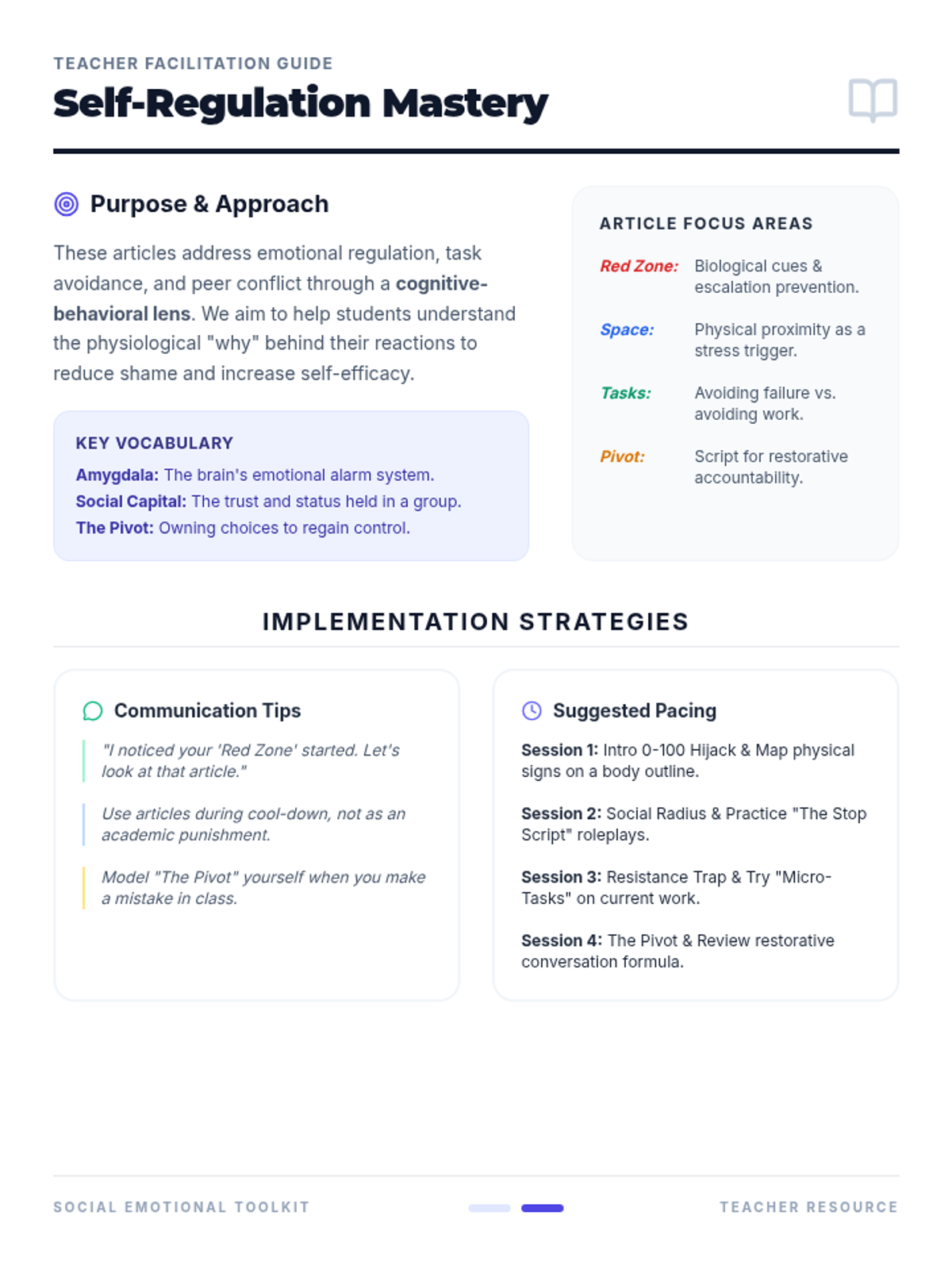
A comprehensive social-emotional learning unit designed for upper elementary and middle school students. These resources focus on identifying the physiological and psychological triggers behind common behavioral challenges like aggression, task avoidance, and peer conflict, while providing actionable strategies for self-regulation and accountability.
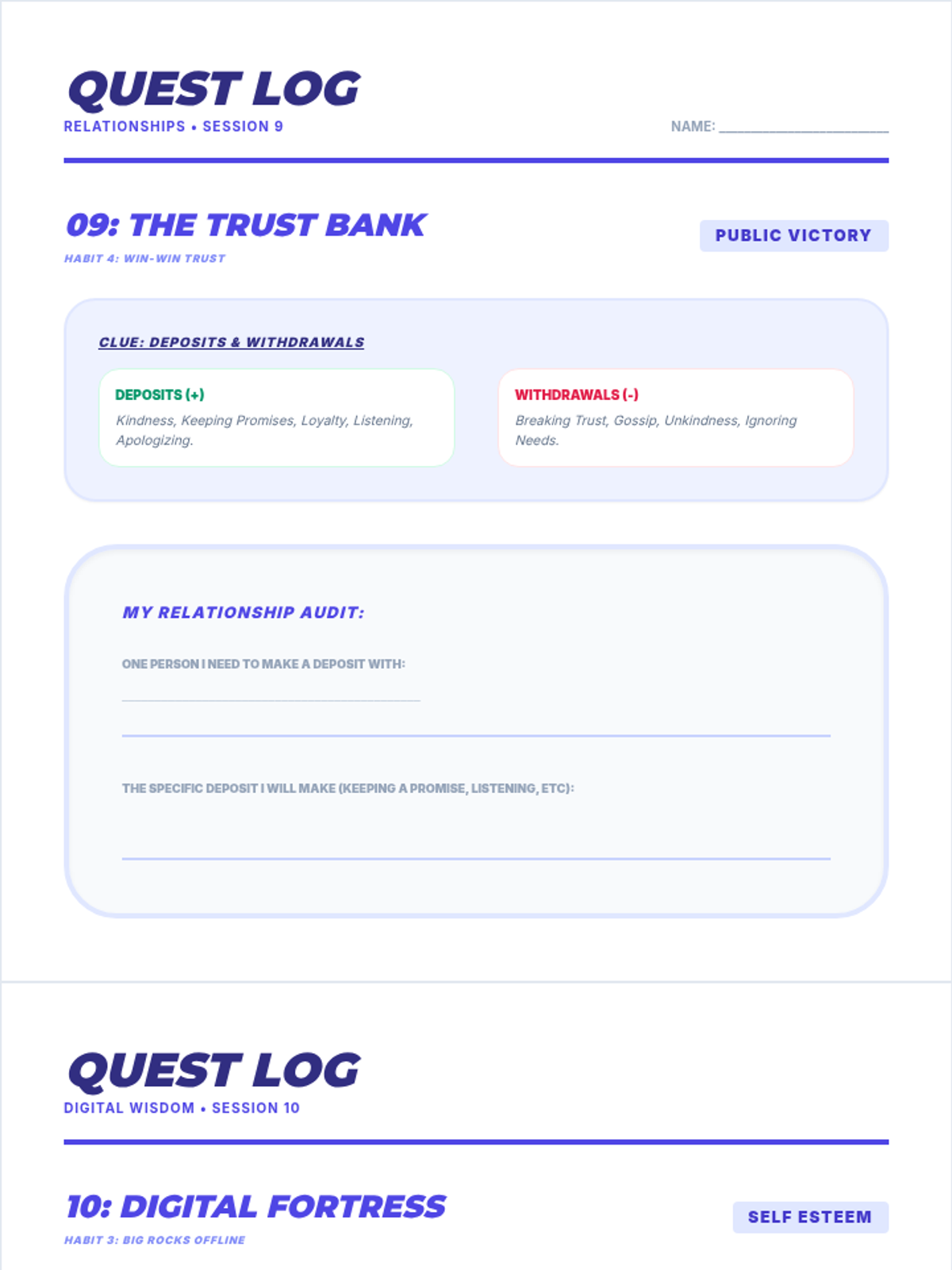
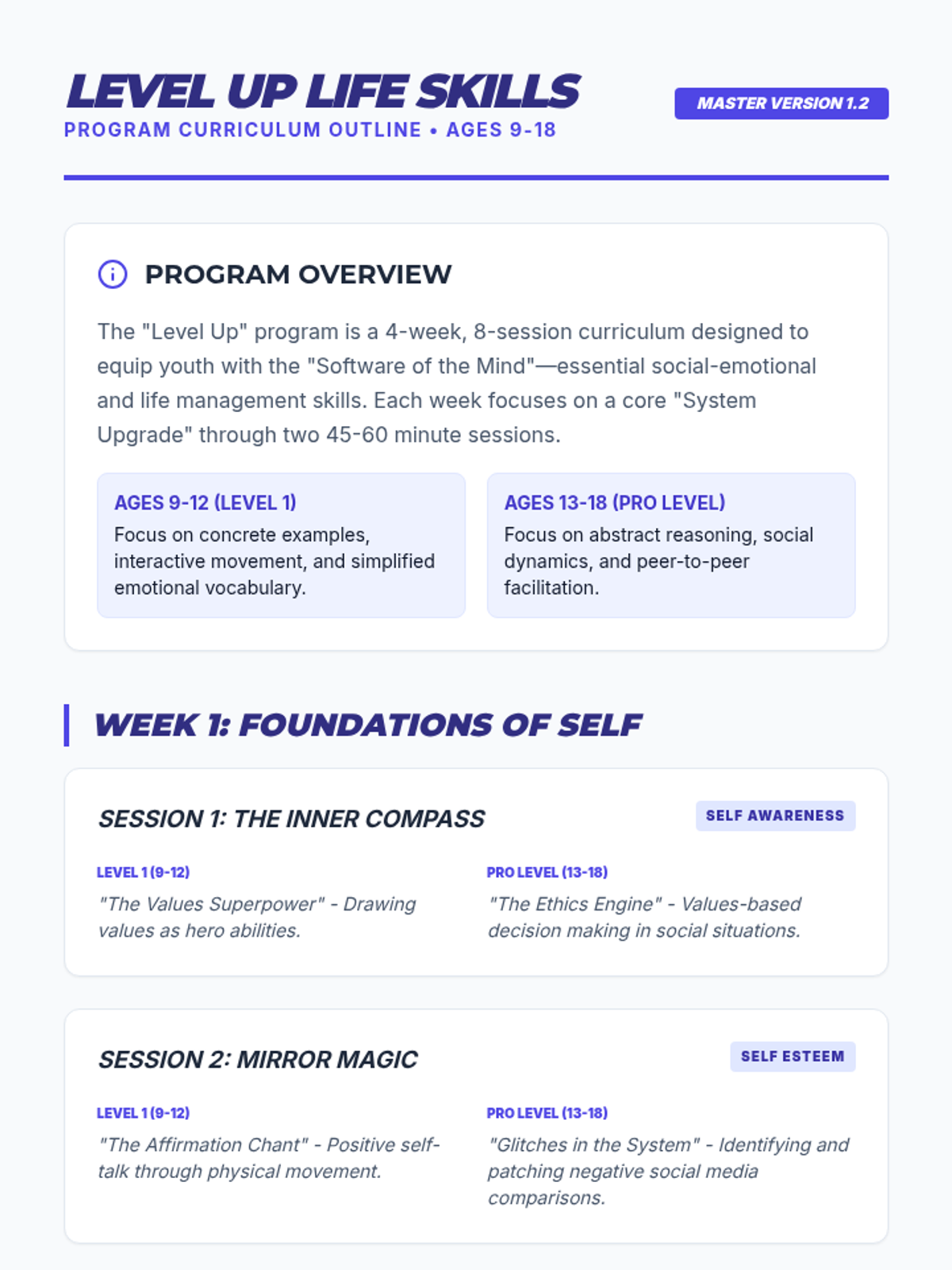
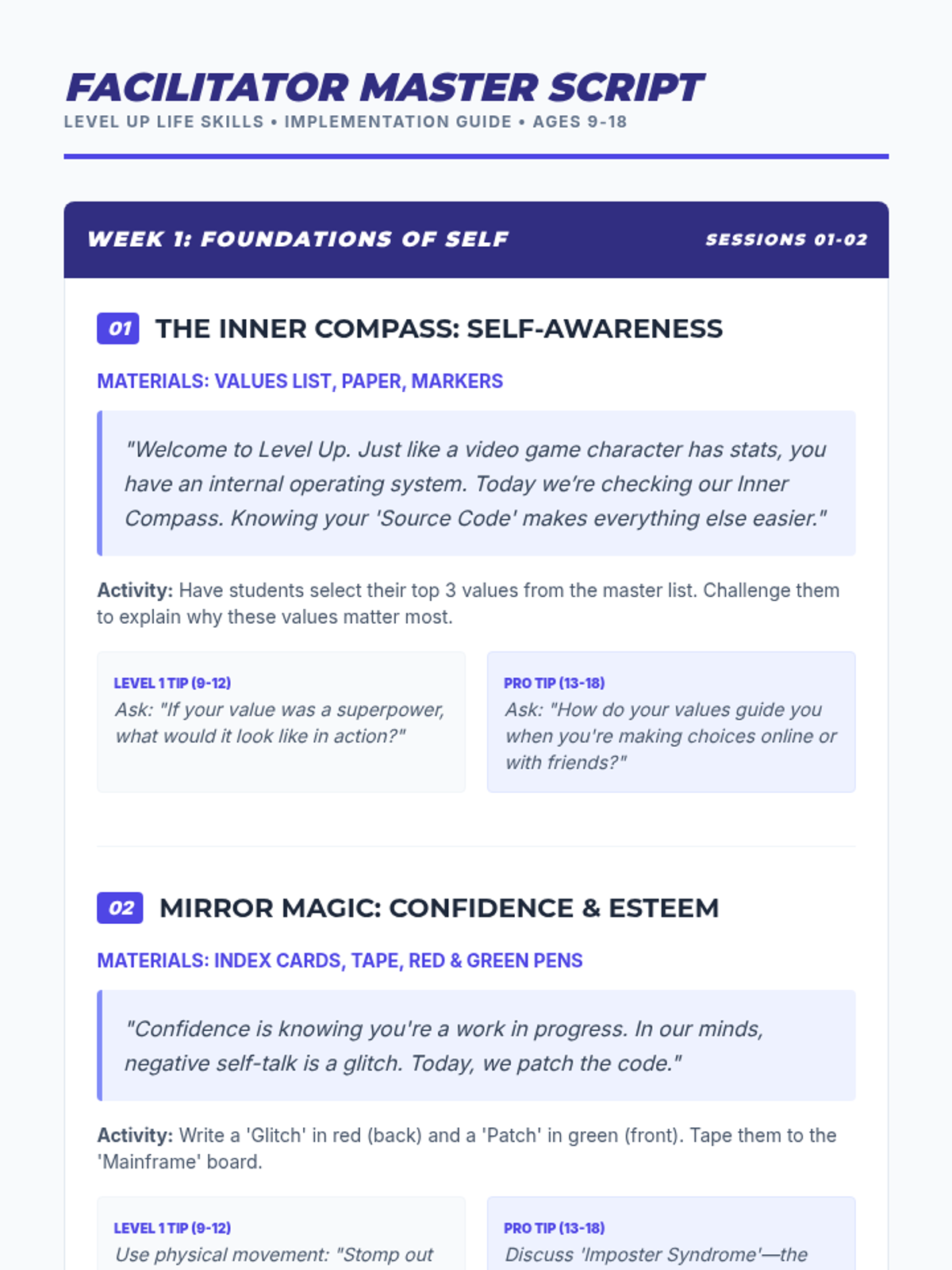
A comprehensive 12-session program designed for youth ages 9-18, focusing on essential life skills including self-esteem, resilience, time management, and conflict resolution, integrated with Sean Covey's 7 Habits and Nathaniel Branden's Six Pillars.
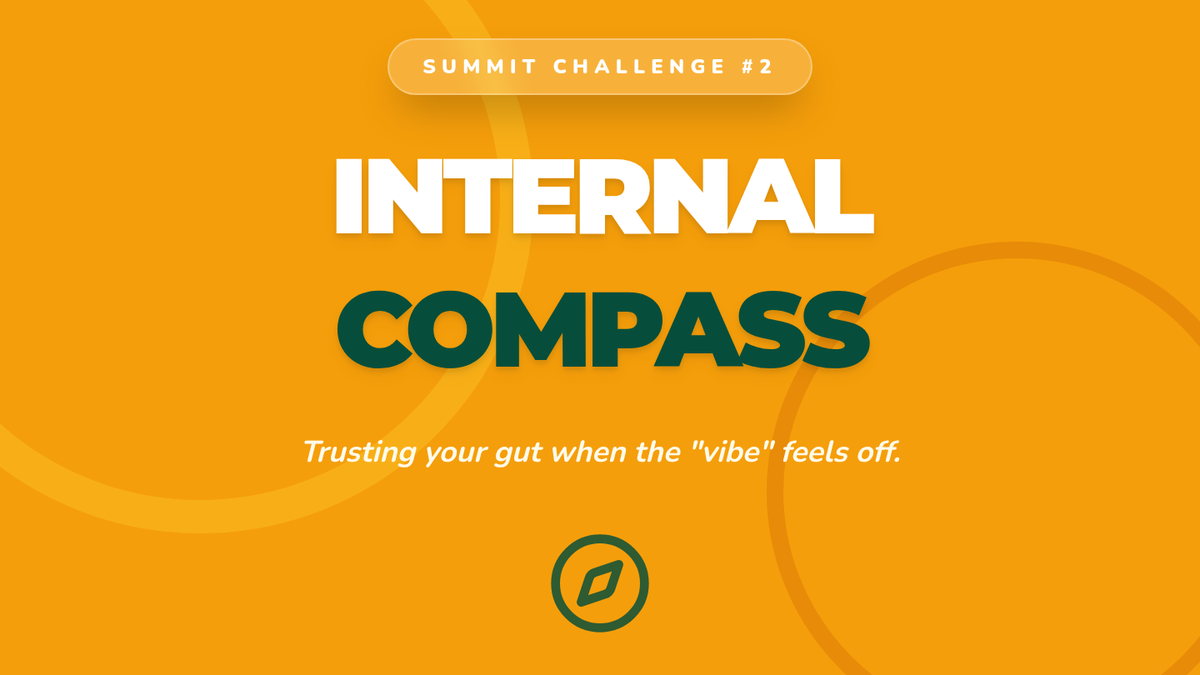
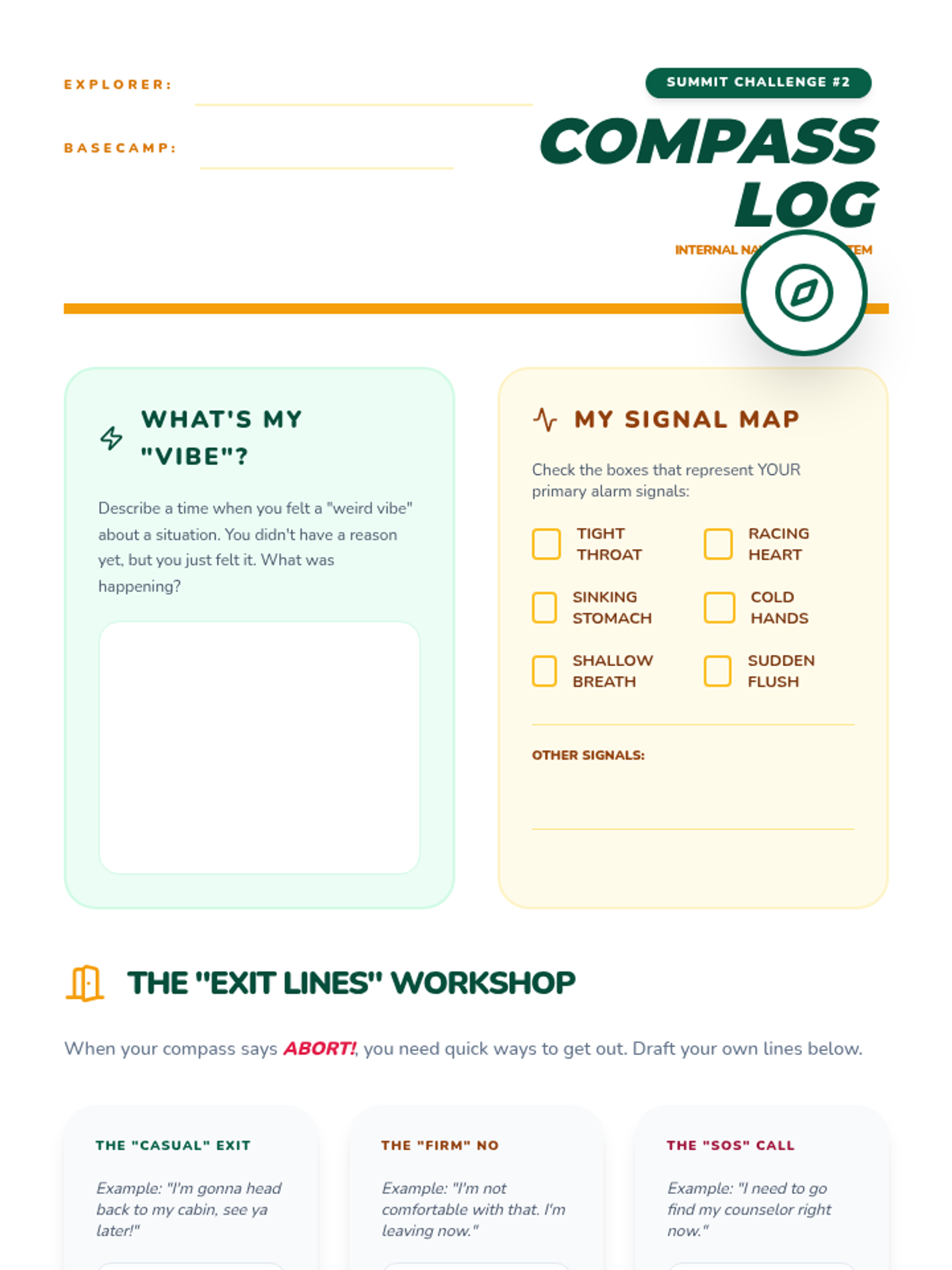
A high-energy, social-emotional 'track' for summer camp. Campers explore intuition, healthy social circles, resilience, and fairness through interactive 'Summit Challenges' and creative projects, culminating in a personal 'Vibe Check' zine.
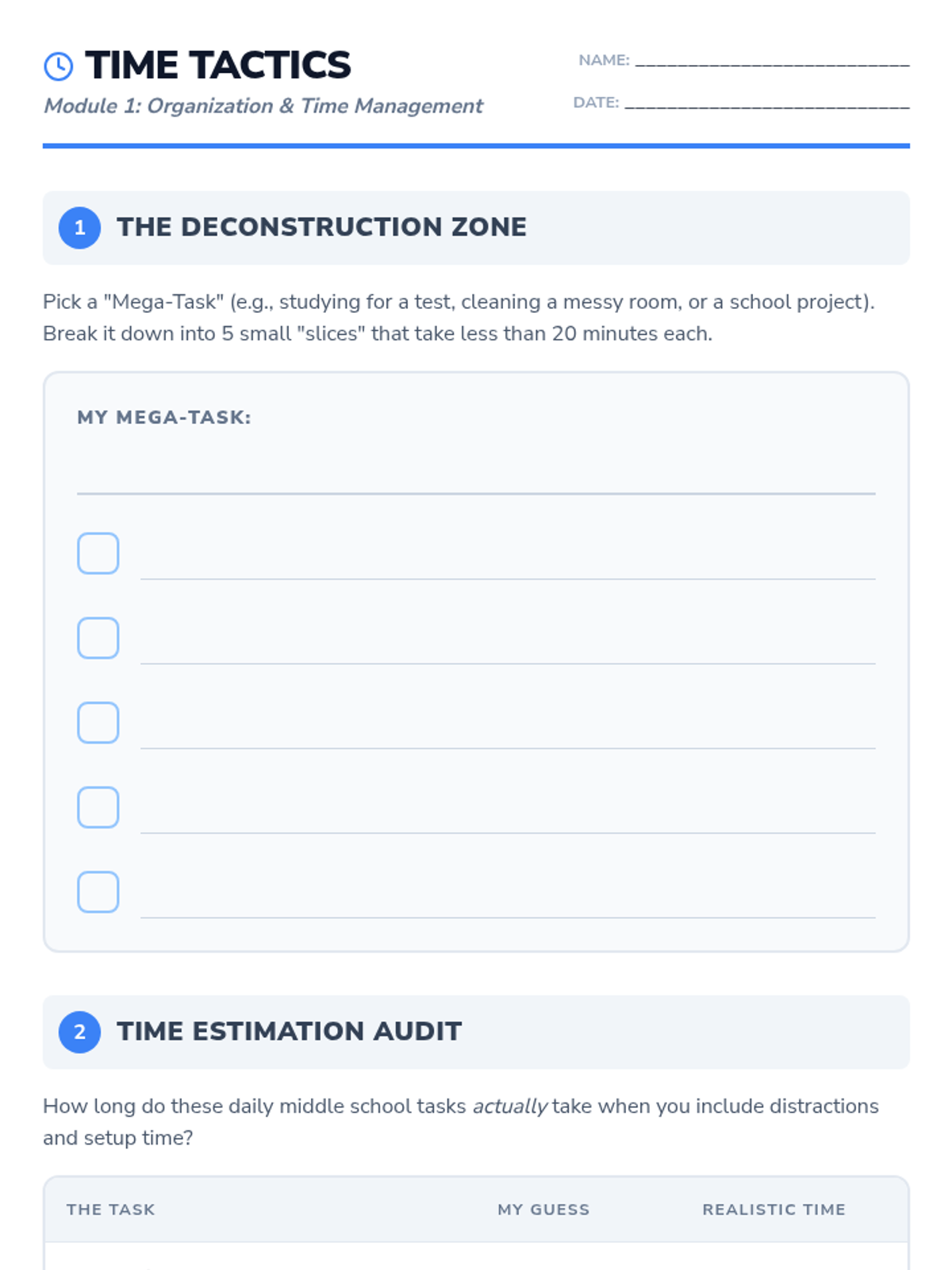
A comprehensive life-skills unit designed to help middle schoolers transition smoothly into their new academic and social environment. The sequence covers organization, self-advocacy, social dynamics, resilience, and personal responsibility.
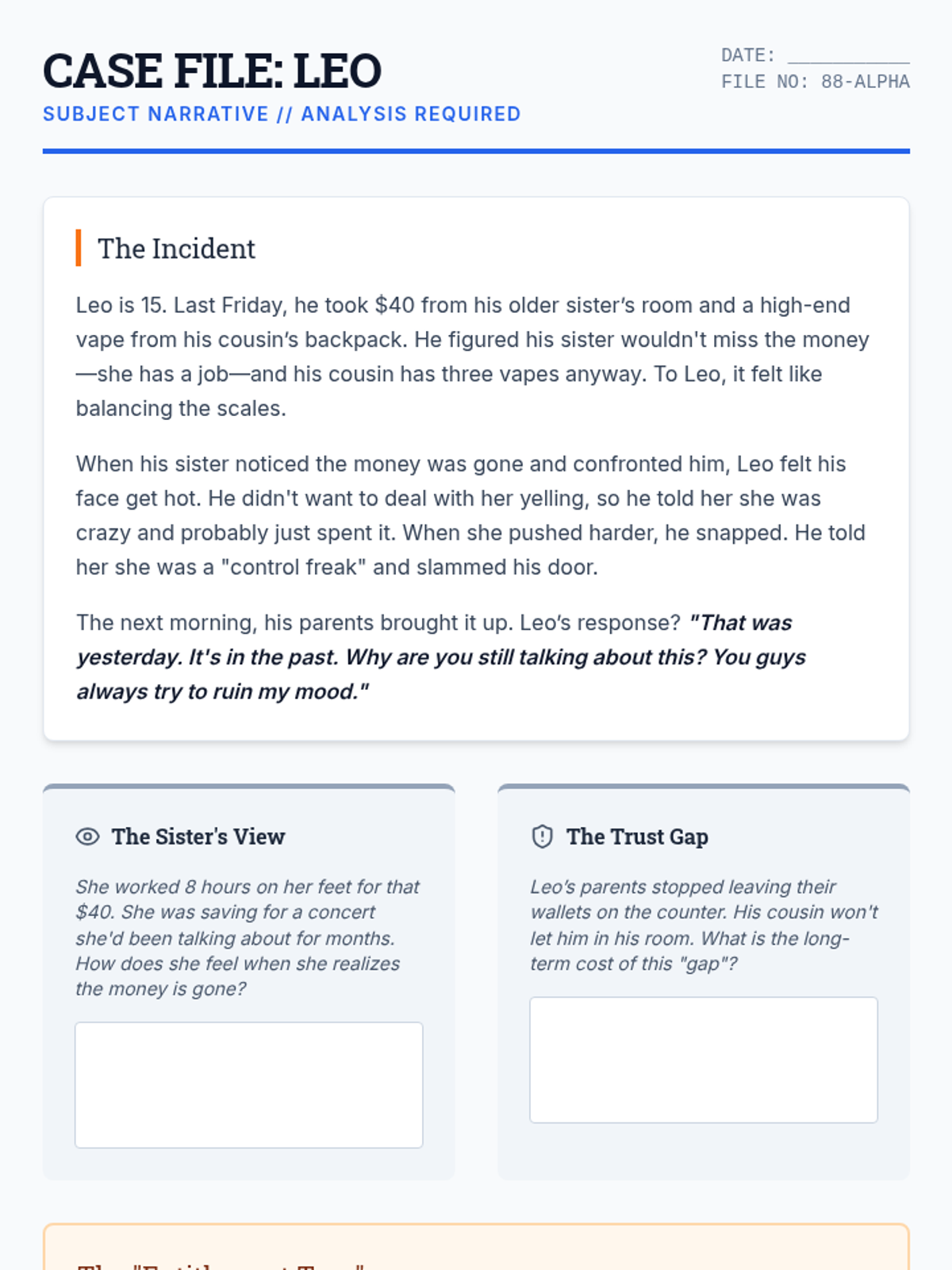
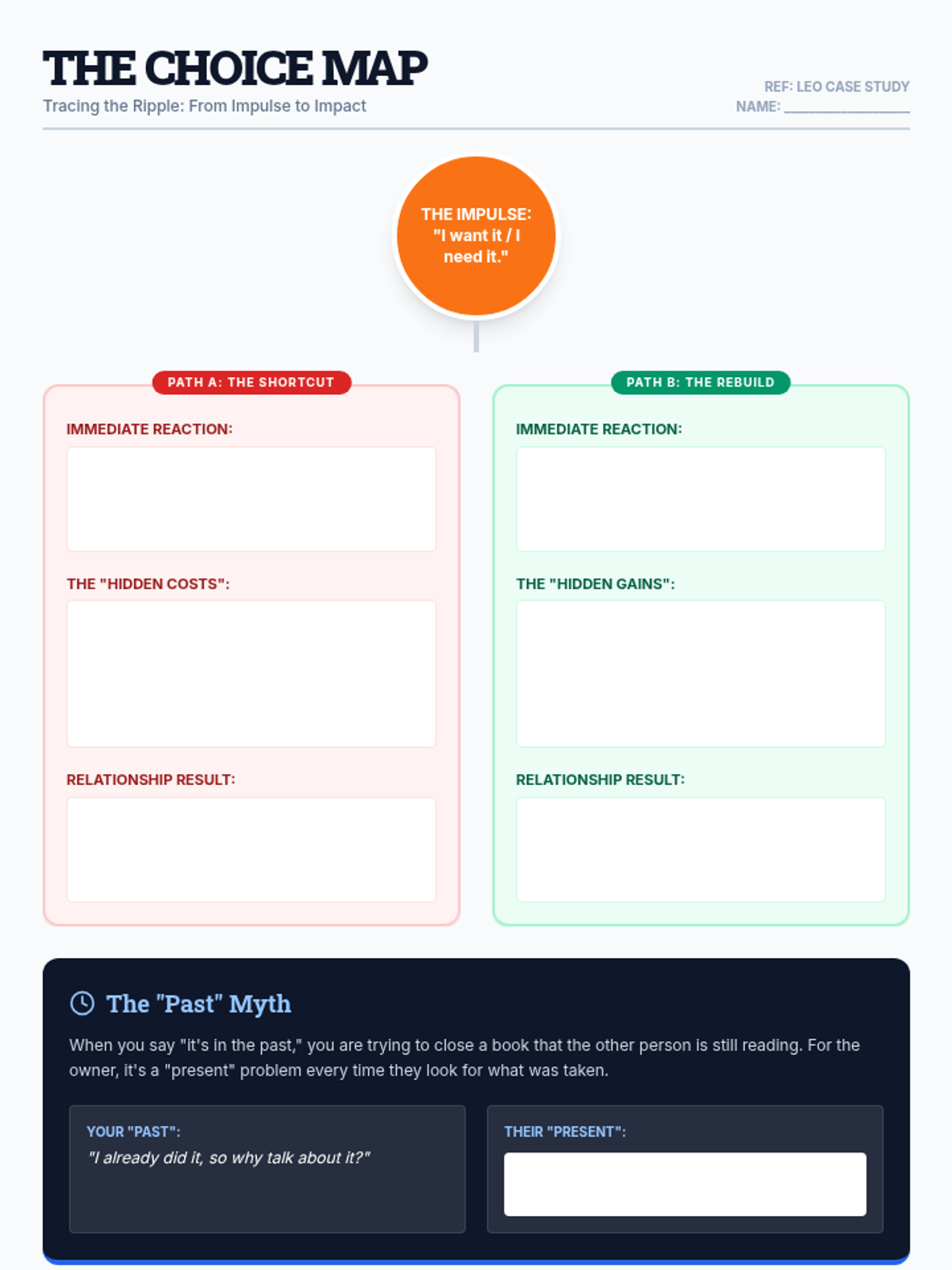
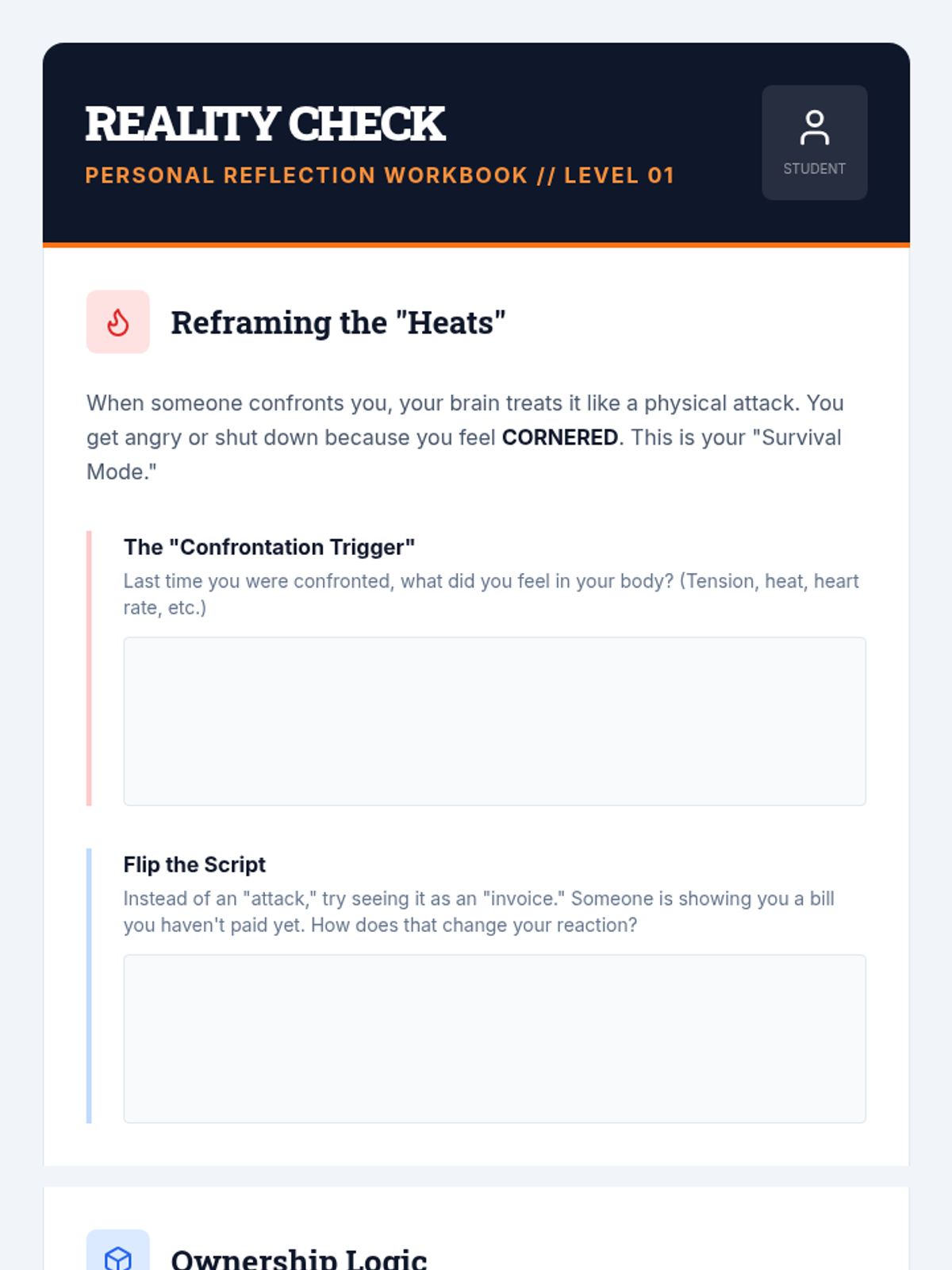
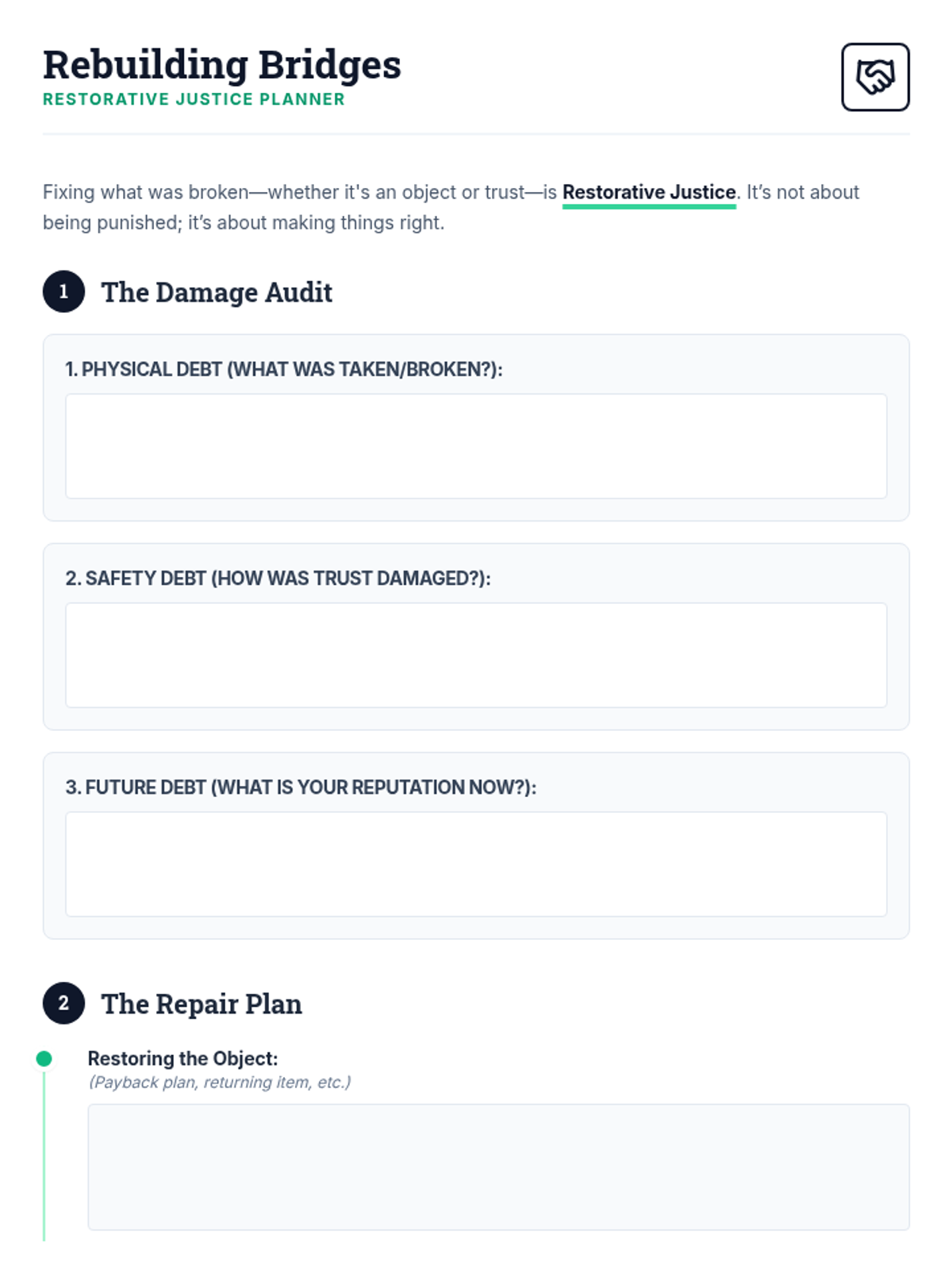
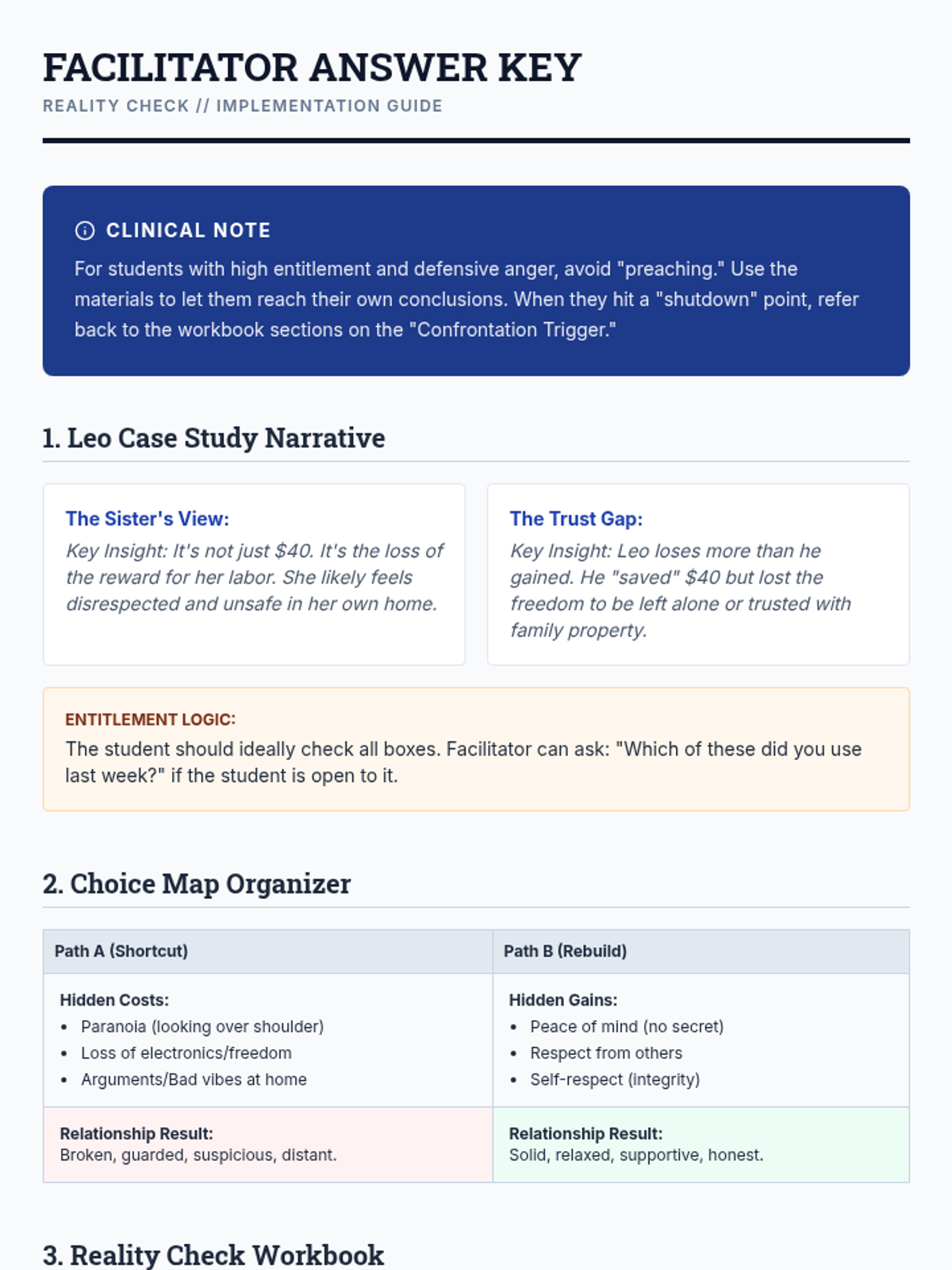
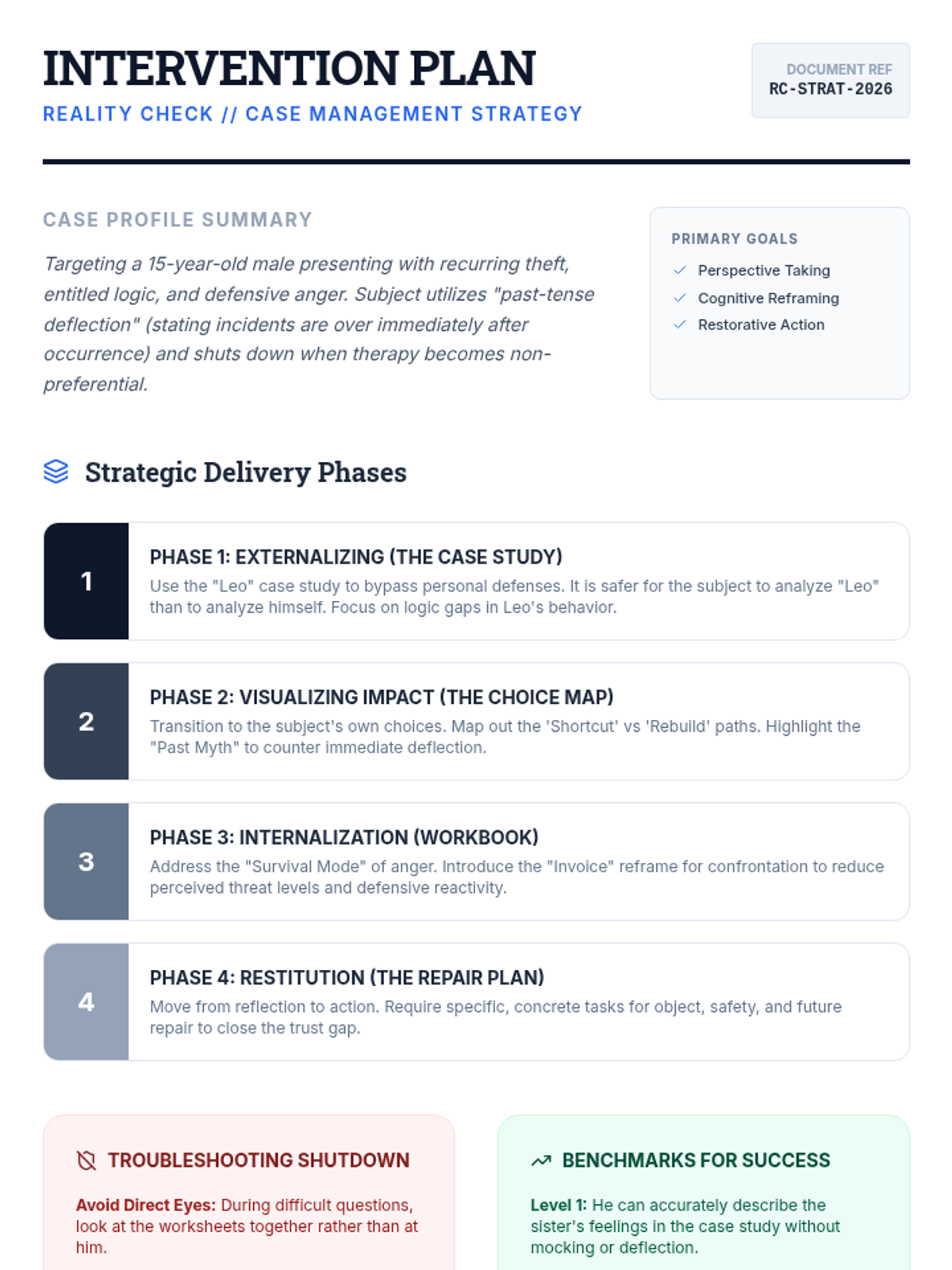
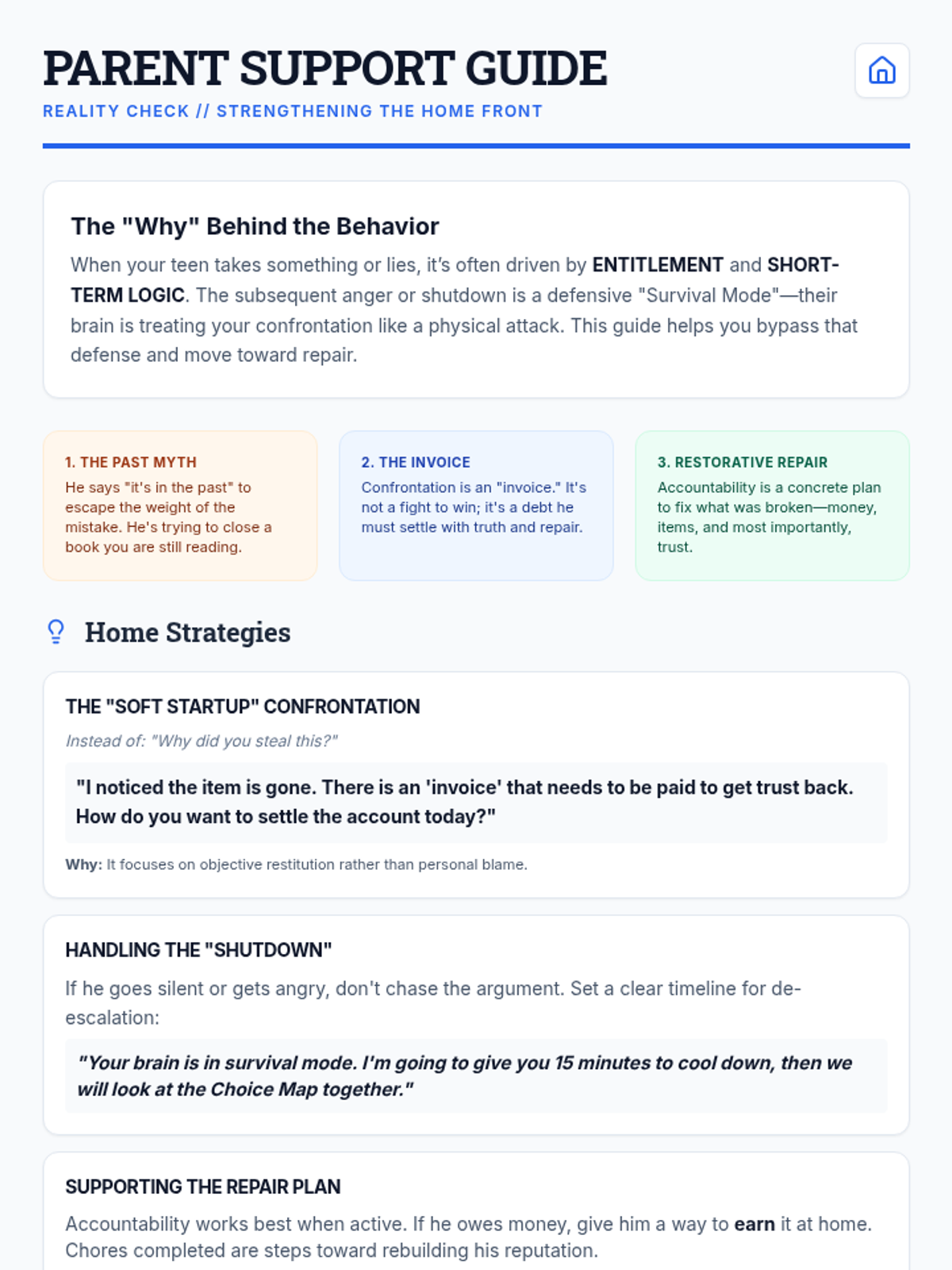
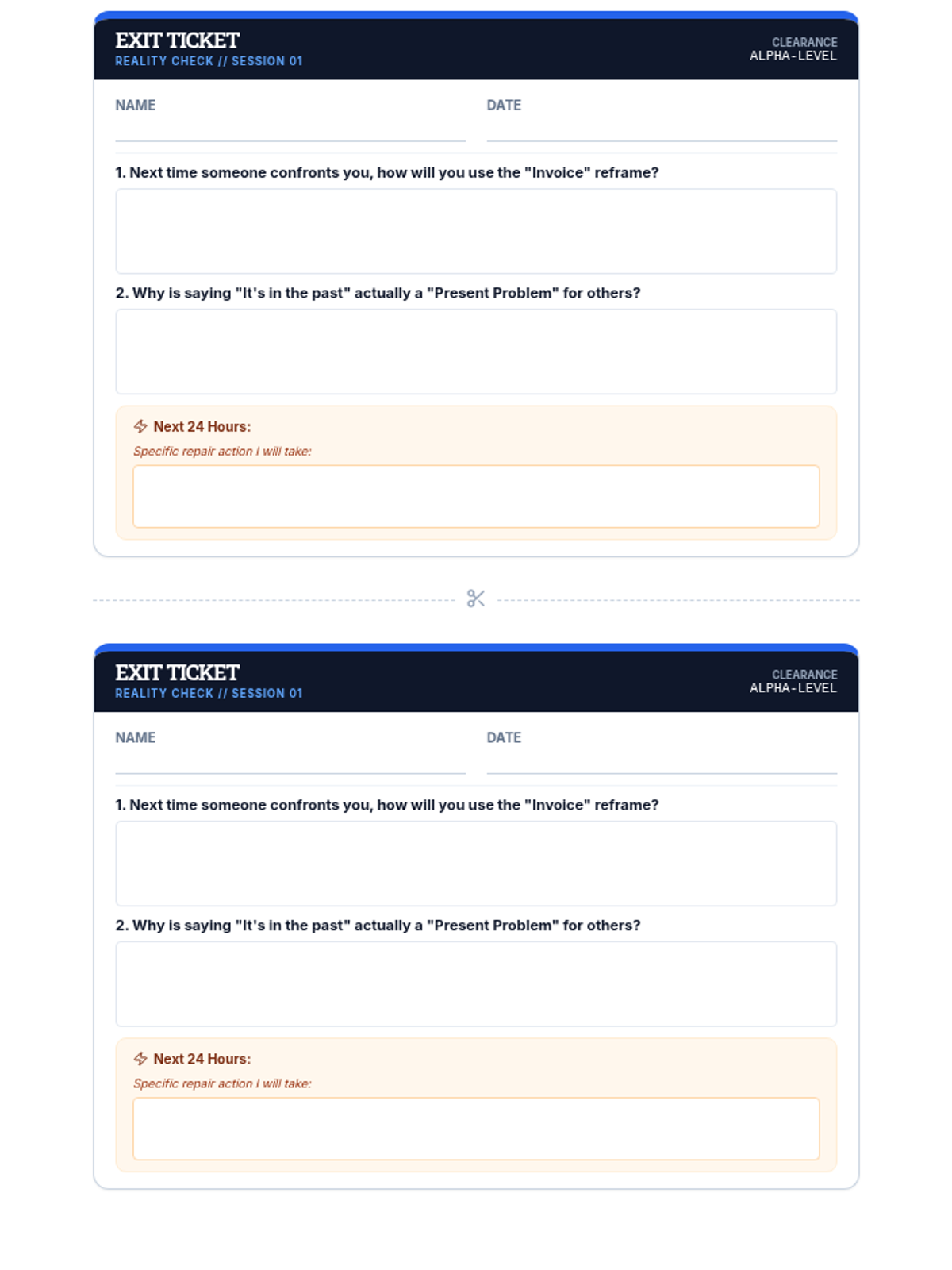
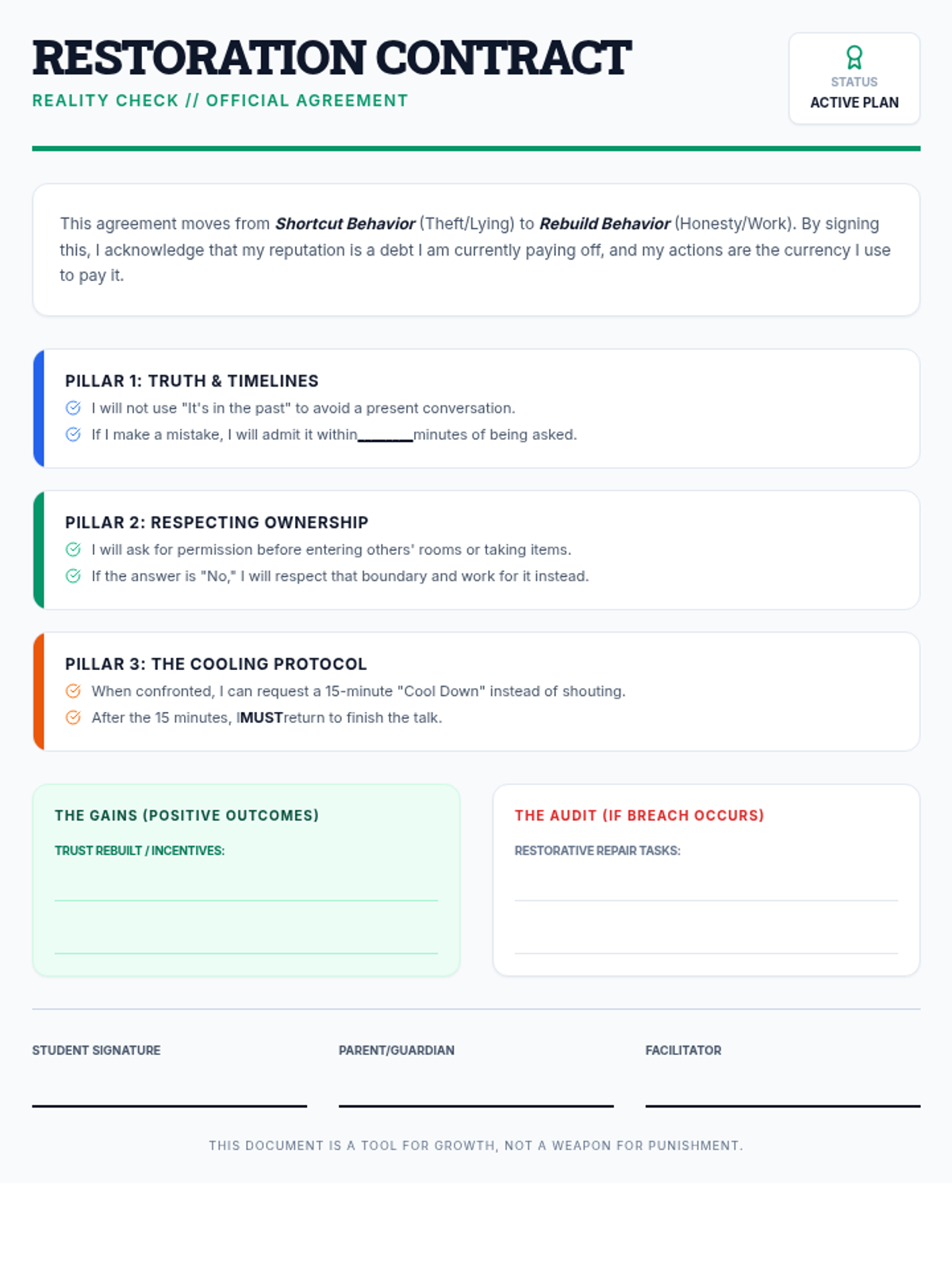
A targeted intervention sequence focusing on accountability, empathy, and the psychological roots of entitlement and anger for teenagers struggling with theft and confrontation.
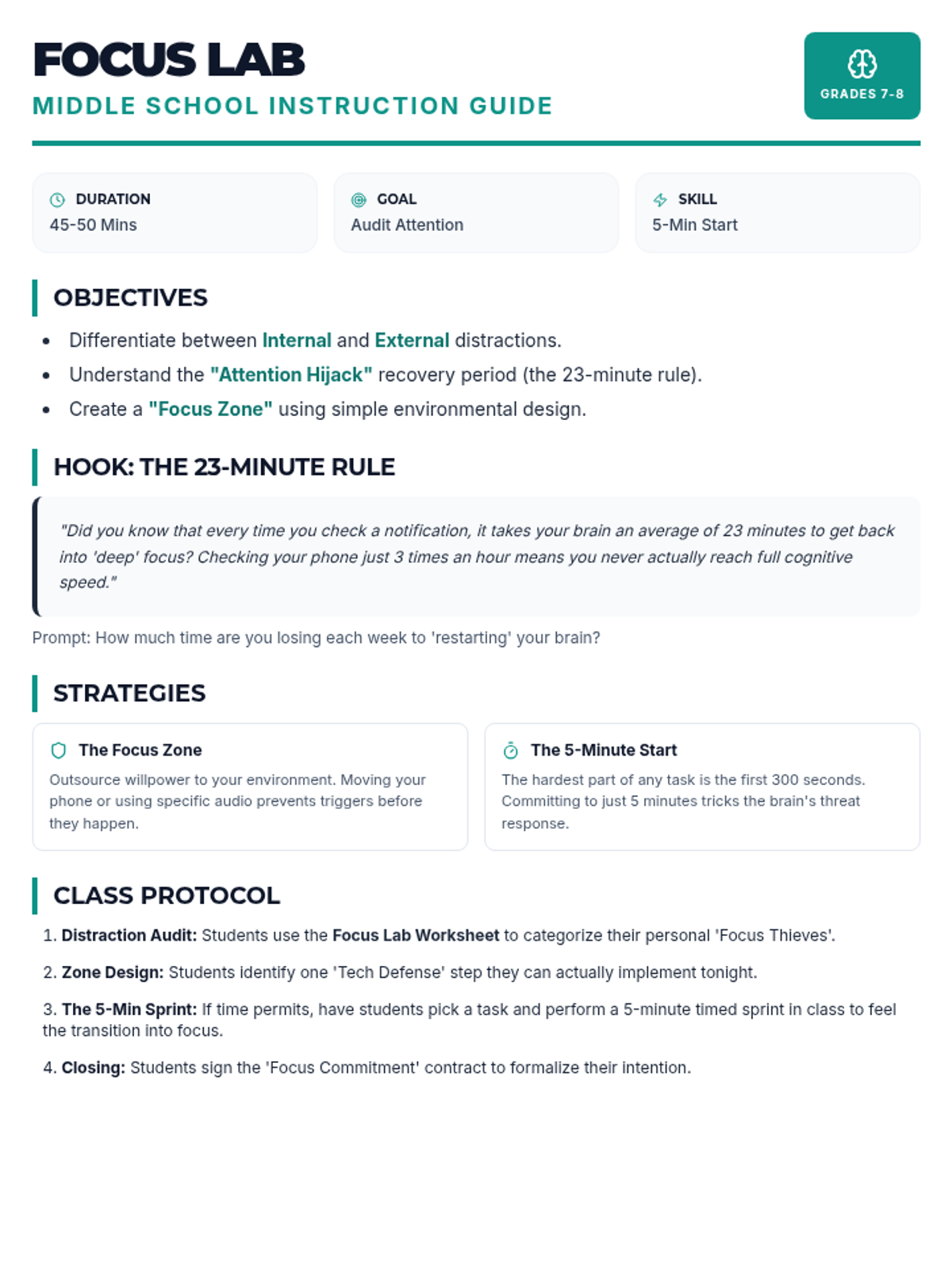
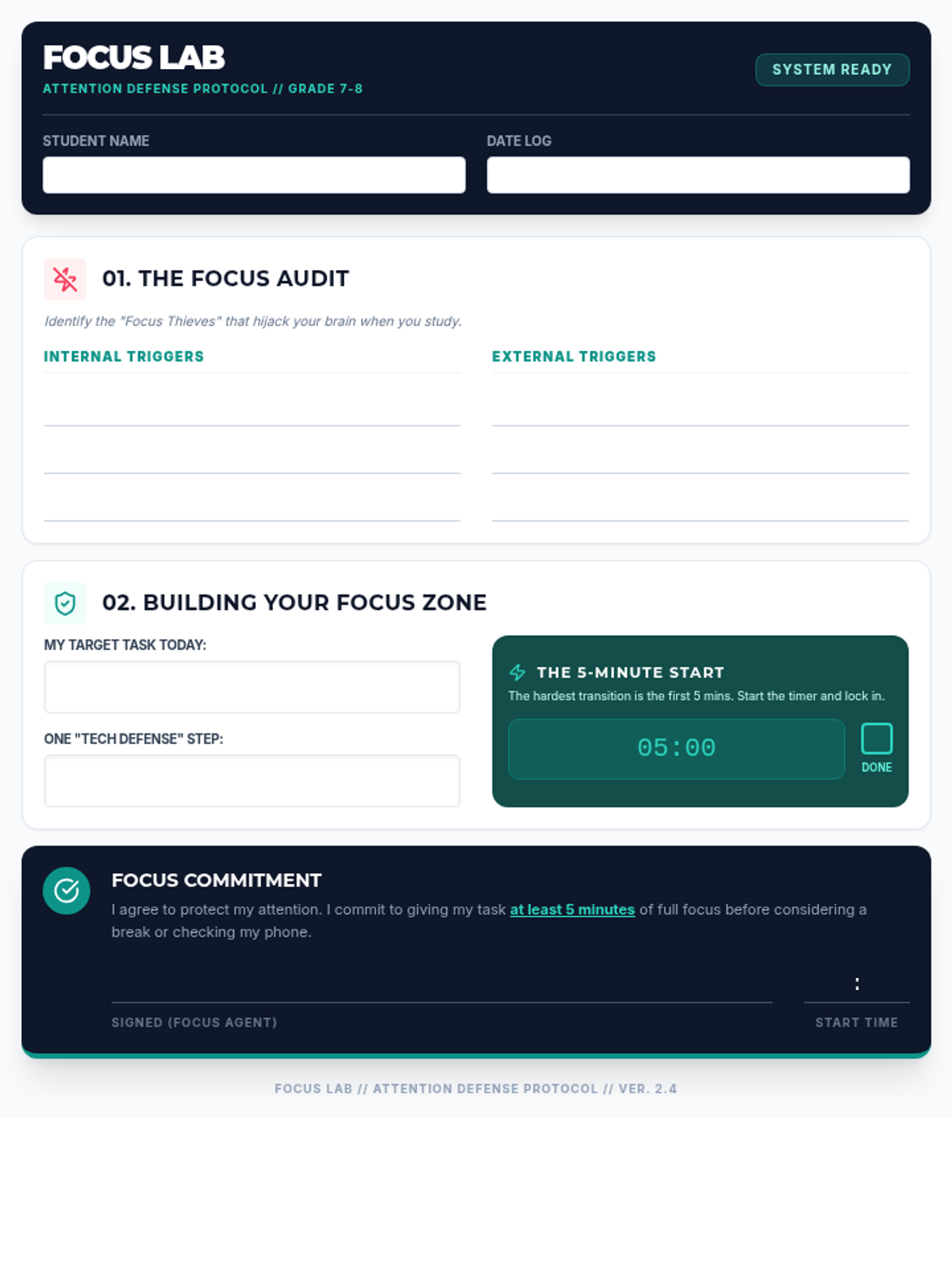
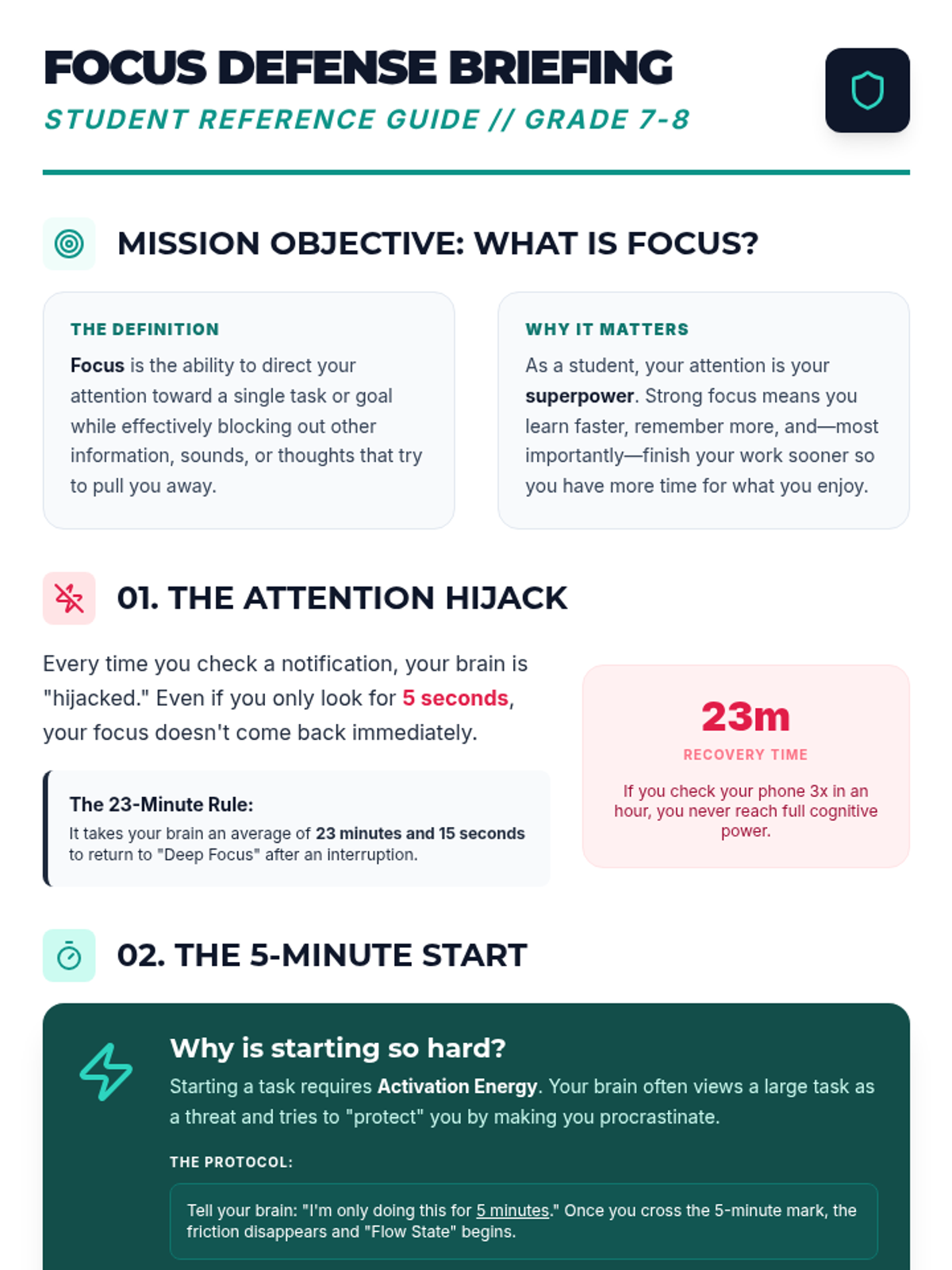
A sequence of lessons for middle school students focused on developing essential life skills, including academic focus, relationship building, and social-emotional intelligence.
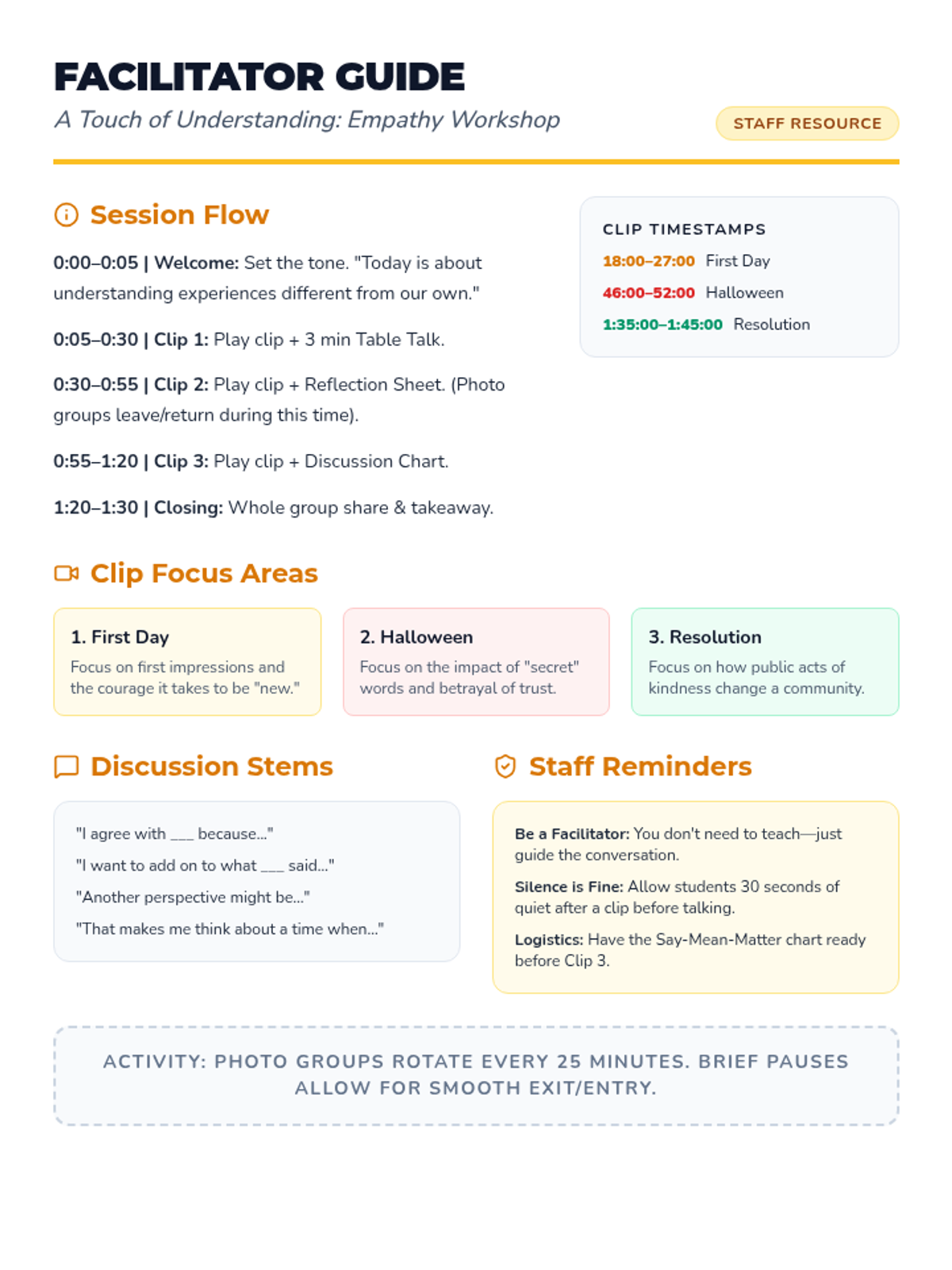
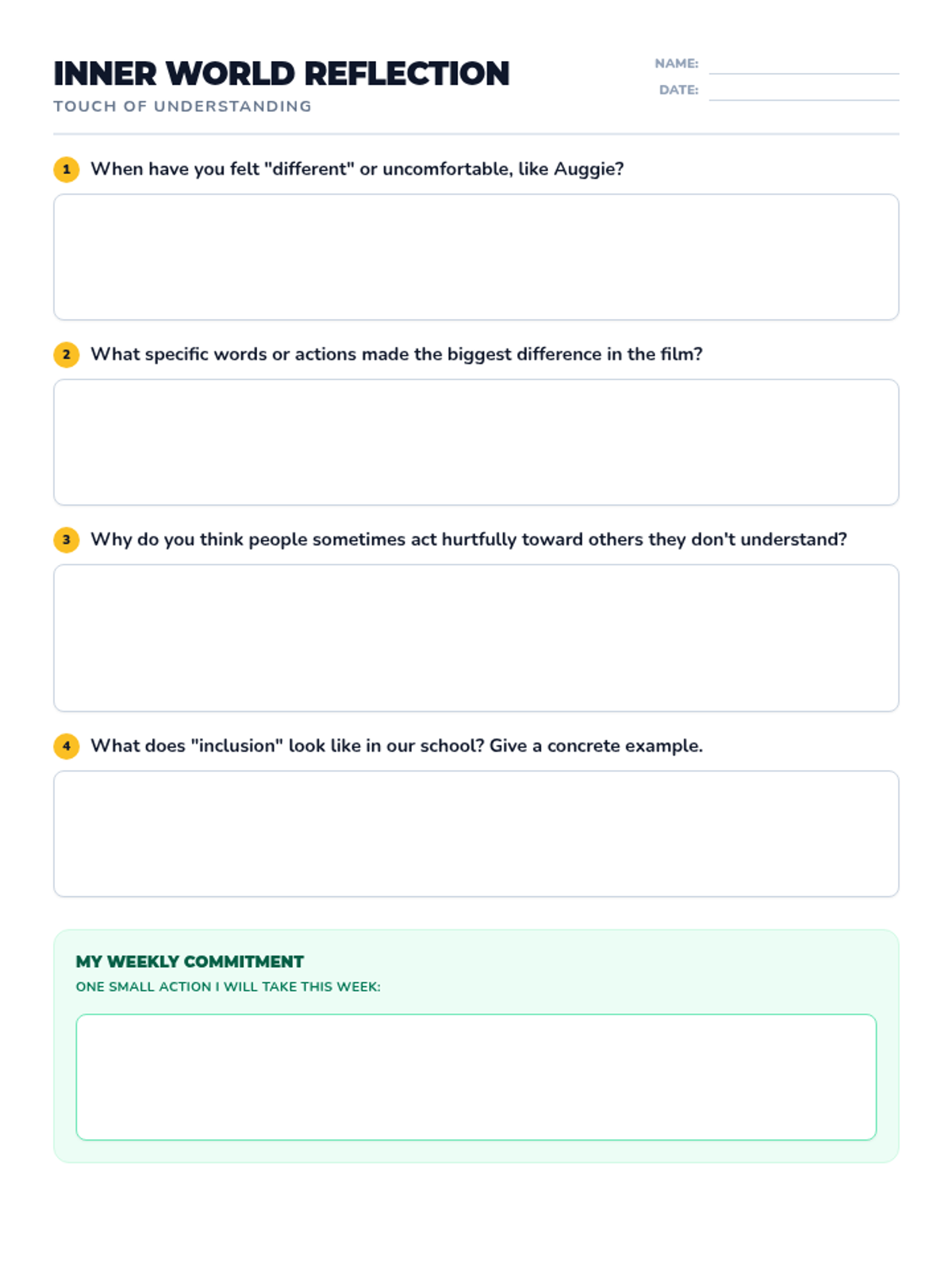
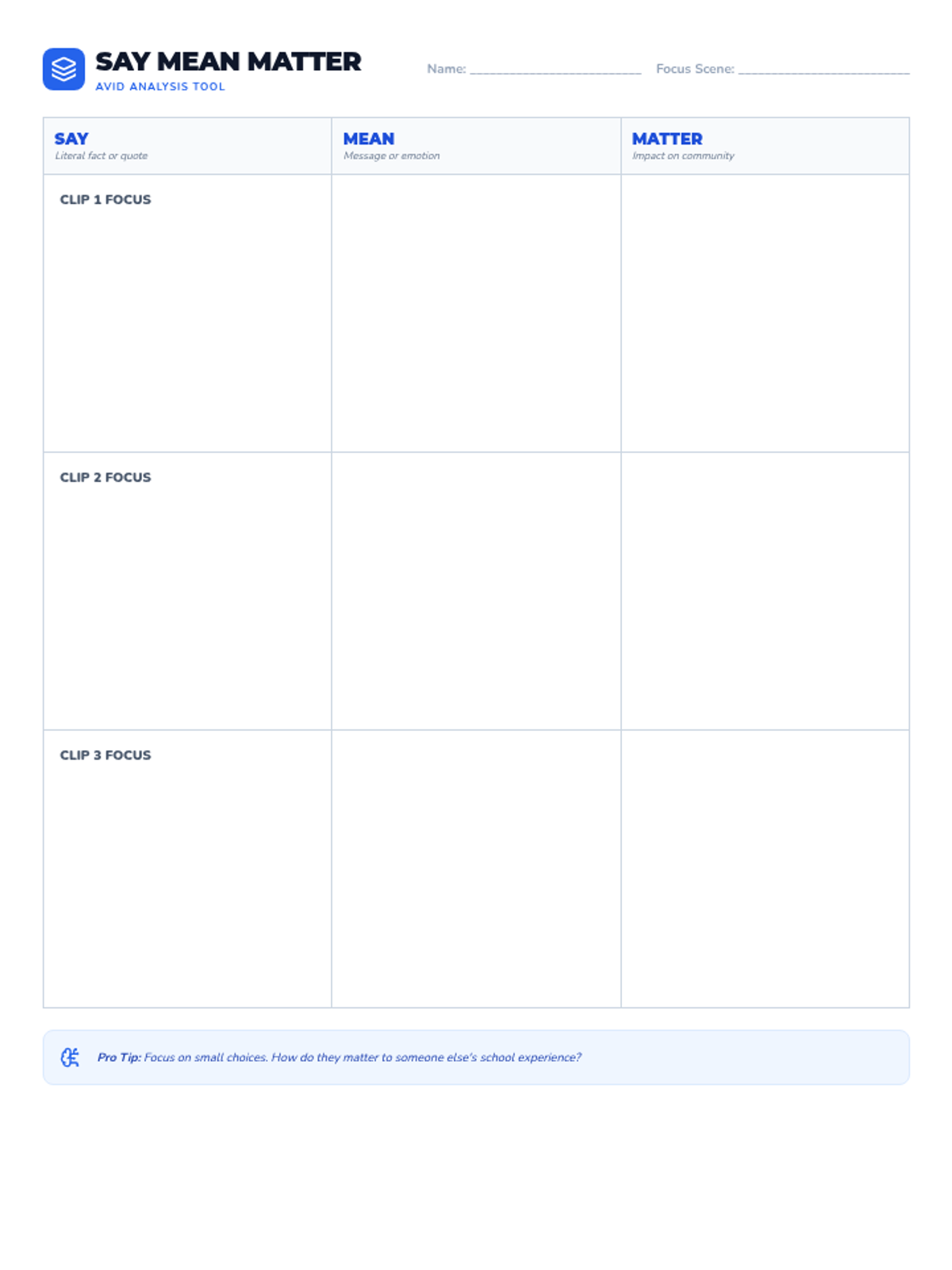
A comprehensive empathy and inclusion program based on the movie Wonder, featuring structured AVID-style discussions, film analysis, and personal reflection to foster a more inclusive school culture.
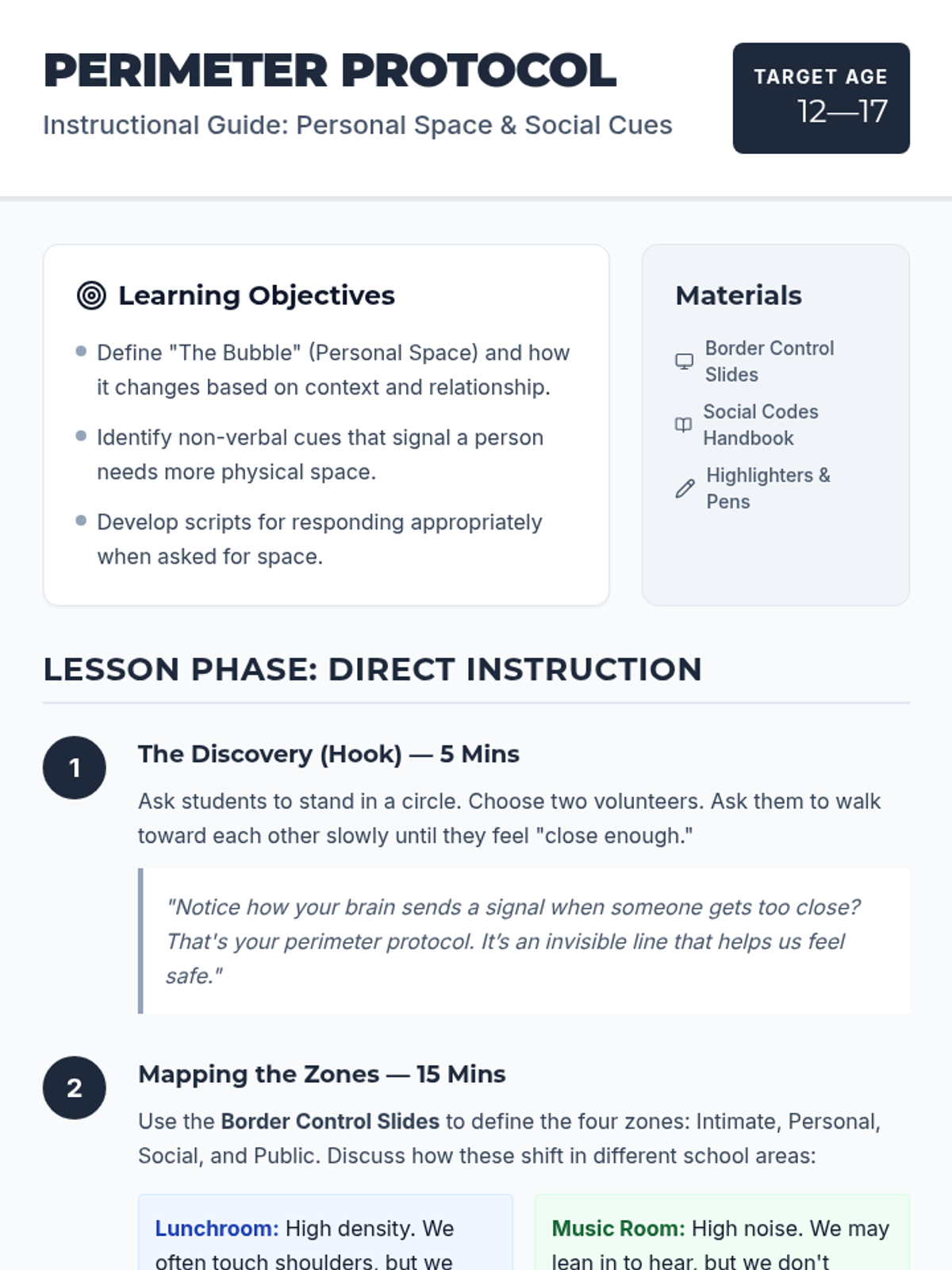
A comprehensive unit designed for middle and high school students to master the nuances of personal space, body language, and social norms in various school environments. This sequence moves from direct instruction to practical social strategies.
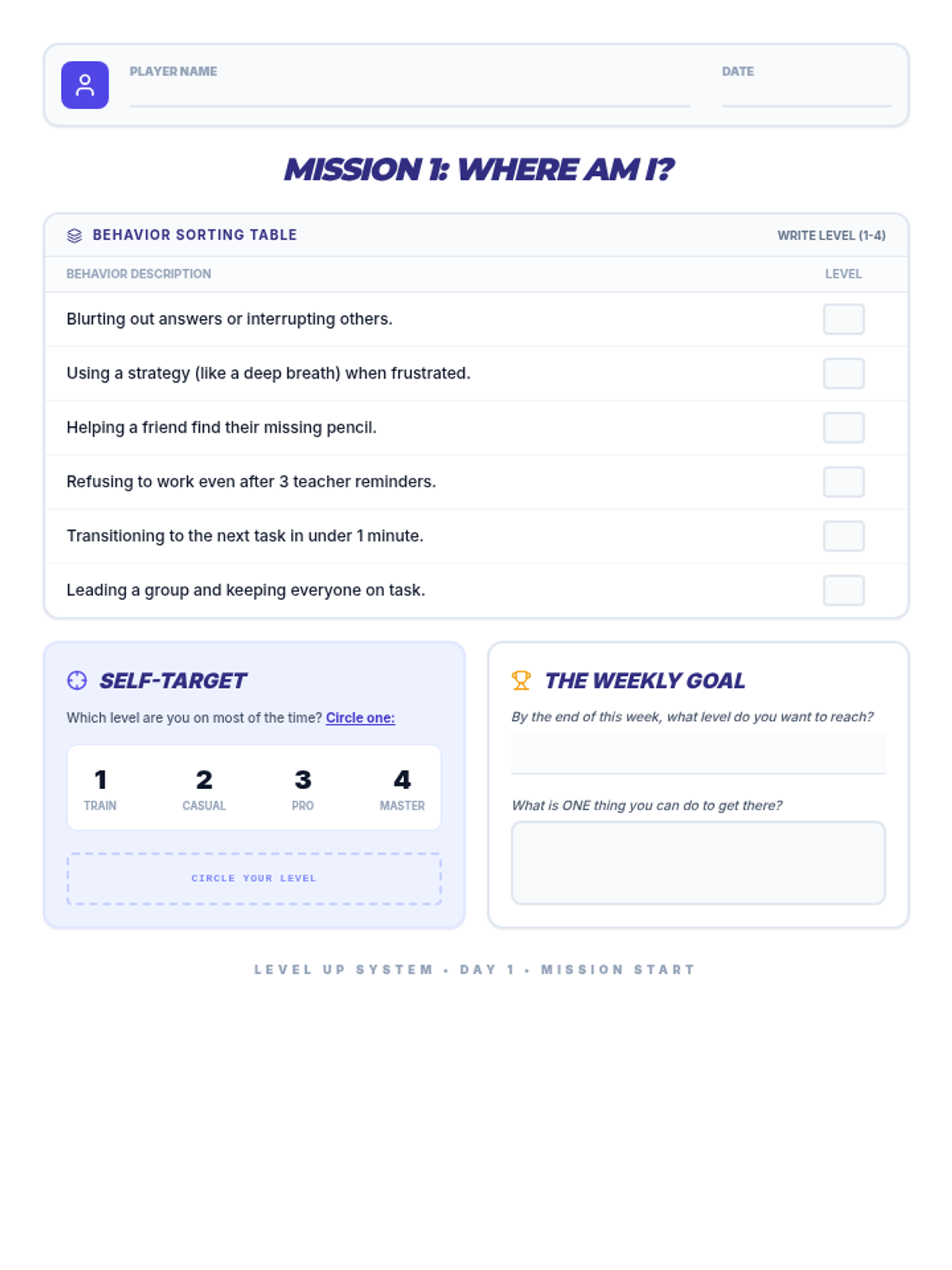
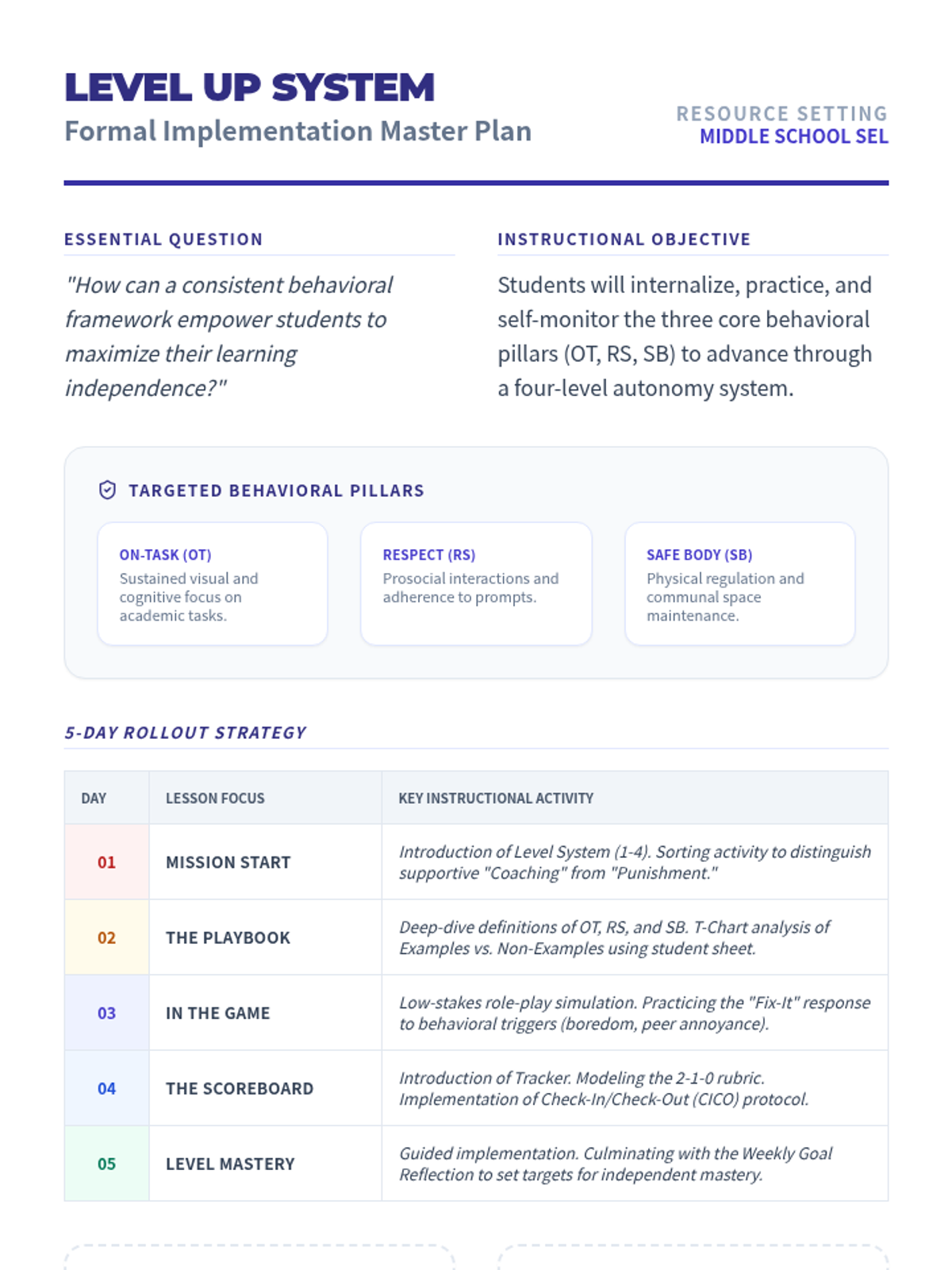
A 5-day SEL rollout sequence for middle schoolers, focusing on a simplified behavioral level system with three core focus areas: On-Task, Respect, and Safe Body. The system builds buy-in, defines expectations, and implements a consistent point-tracking scoreboard.
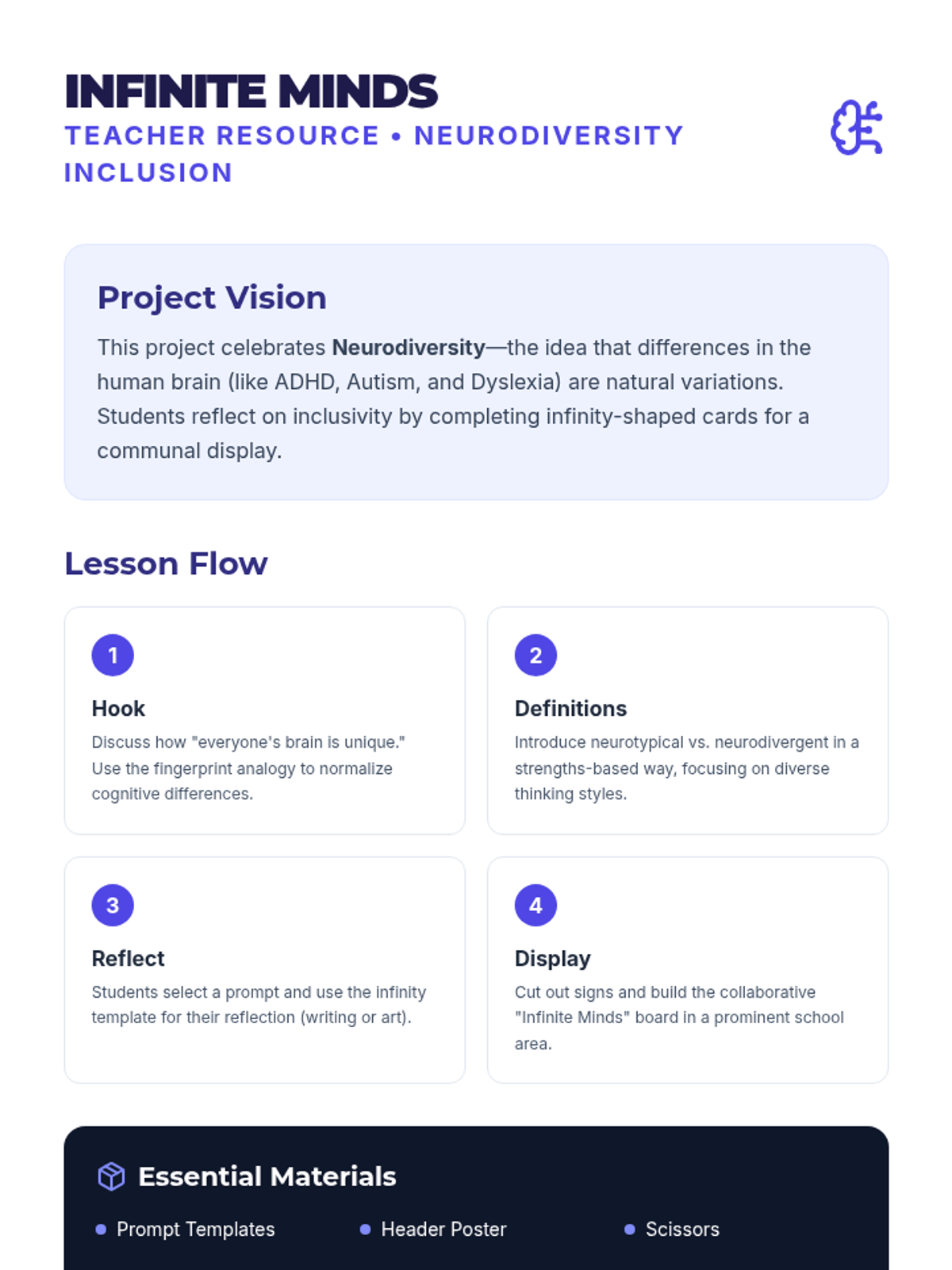
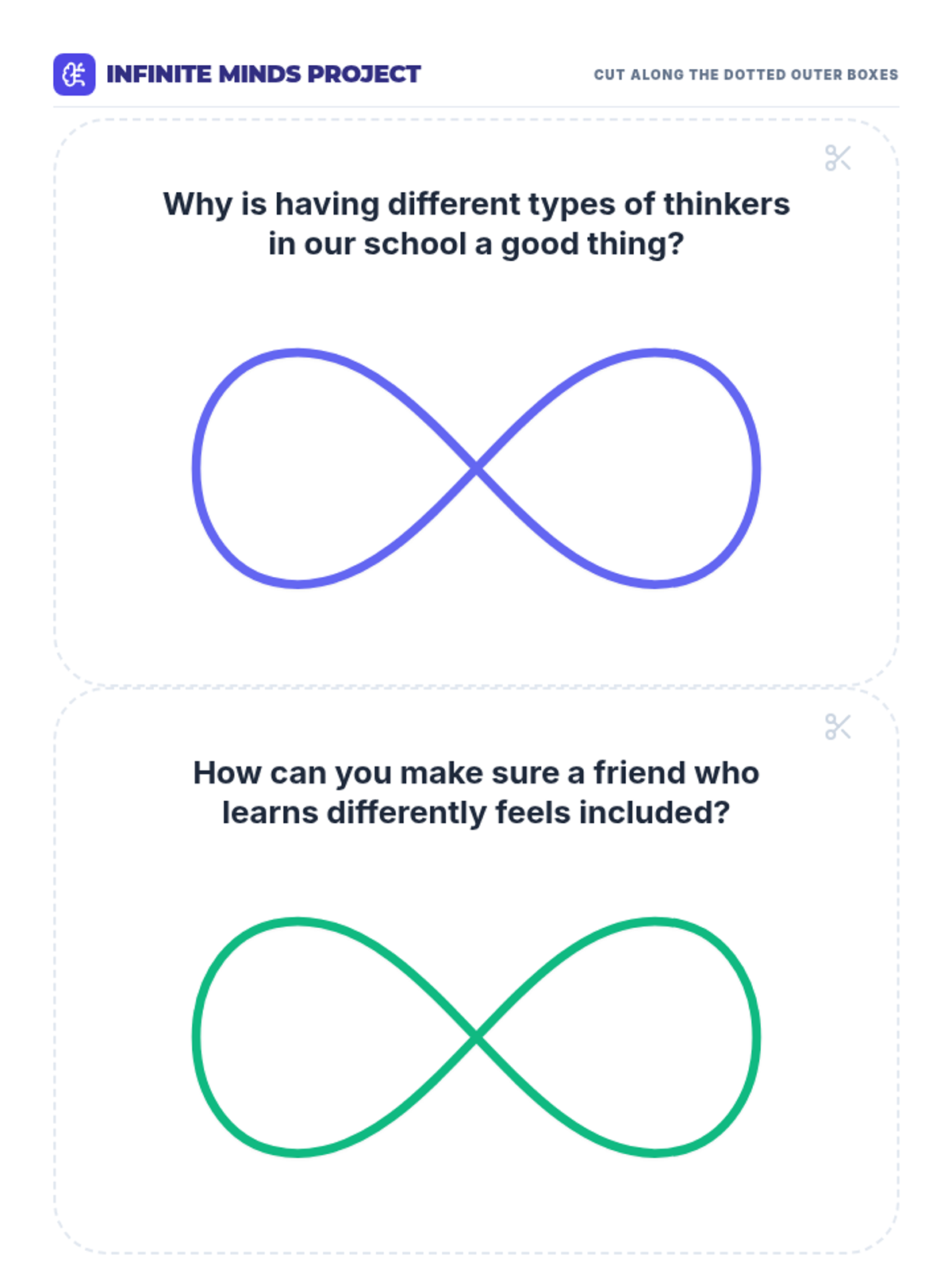
A collection of resources focused on neurodiversity inclusion for middle school students, featuring reflective writing prompts on infinity-shaped templates for a bulletin board display.
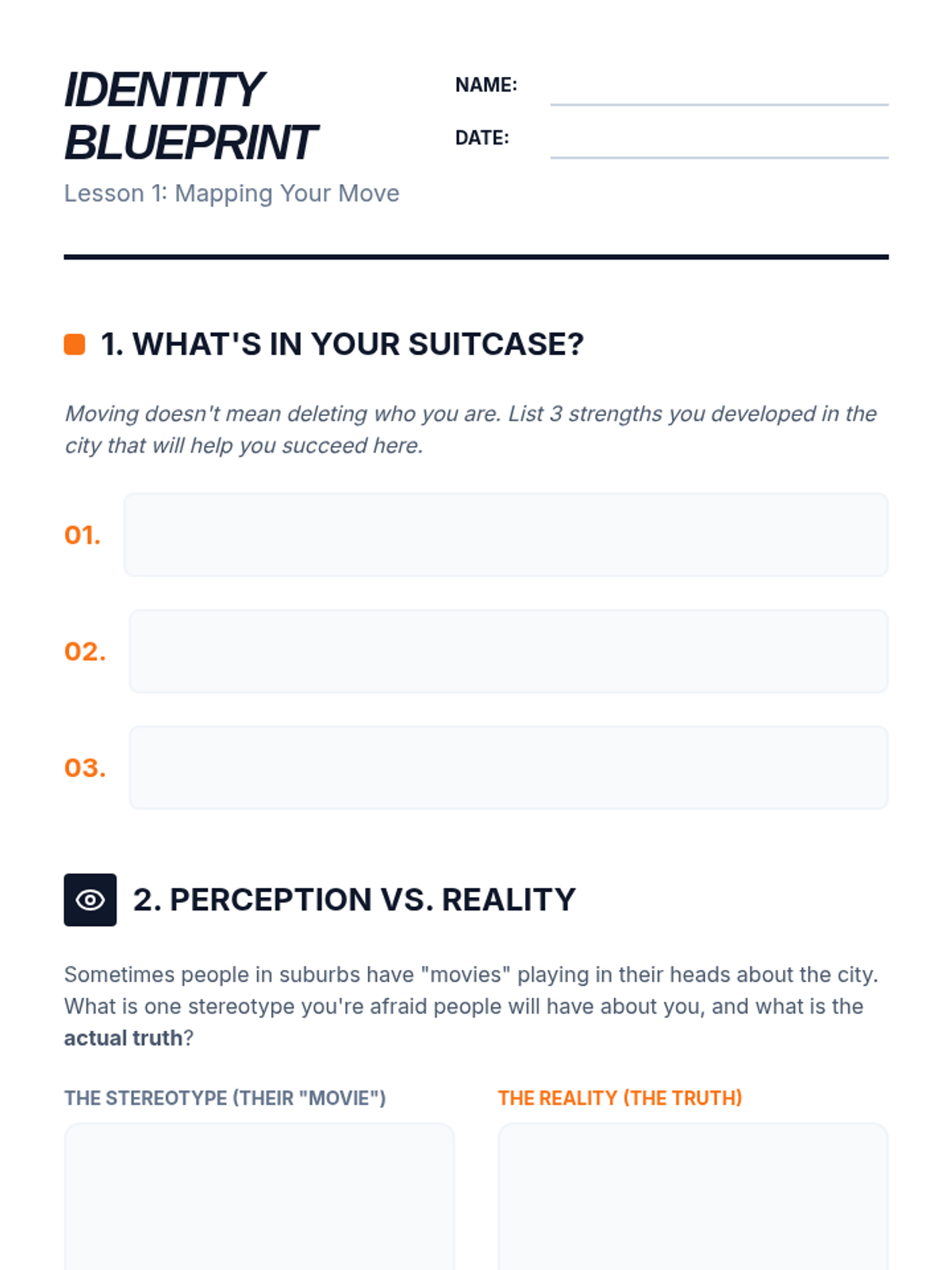
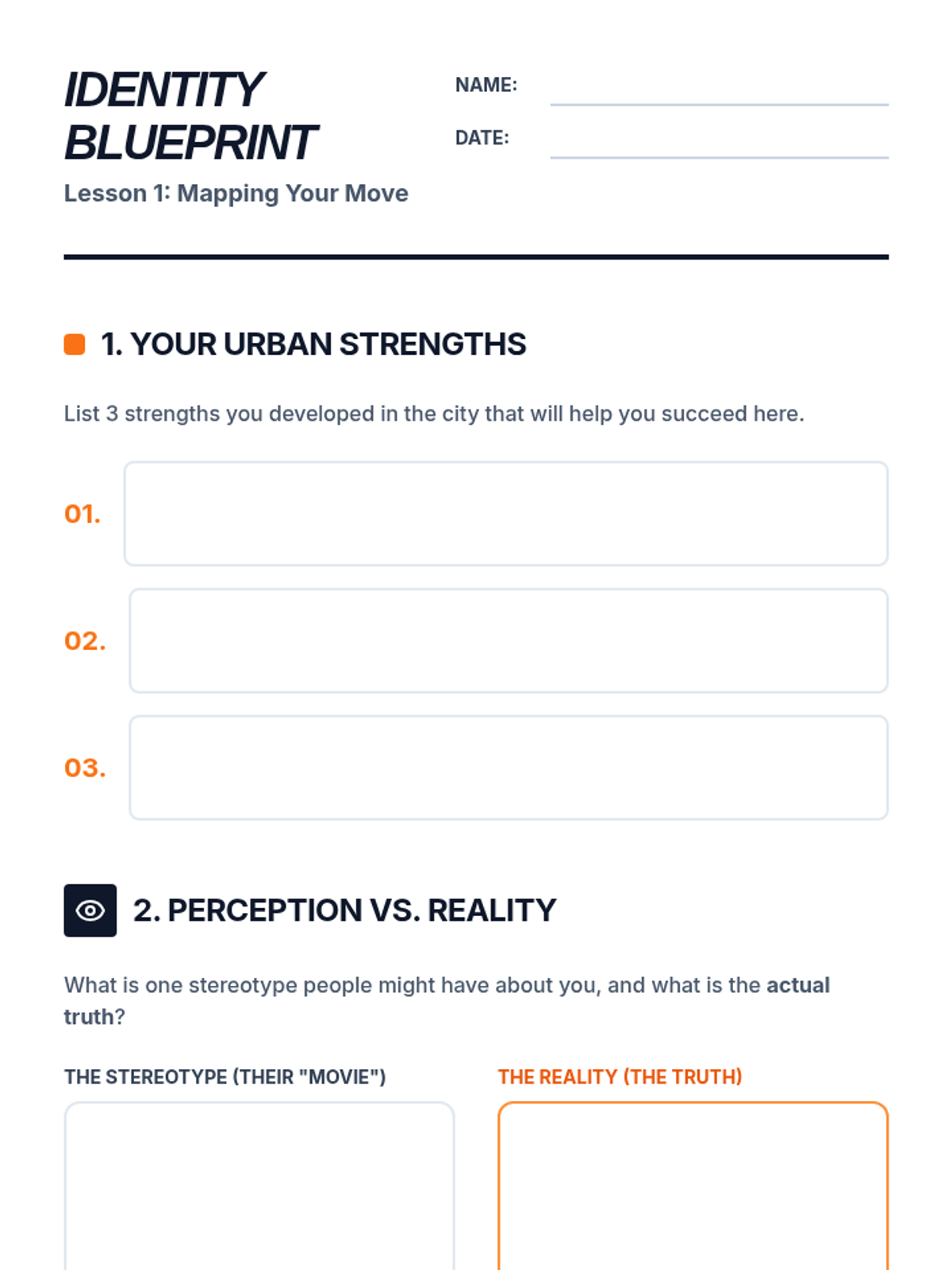
A 10-lesson independent study curriculum designed as an alternative to suspension. The program supports 13-year-old students transitioning from urban to suburban environments, focusing on self-identity, self-regulation, strategic communication, and the serious consequences of drugs, gangs, and weapons.
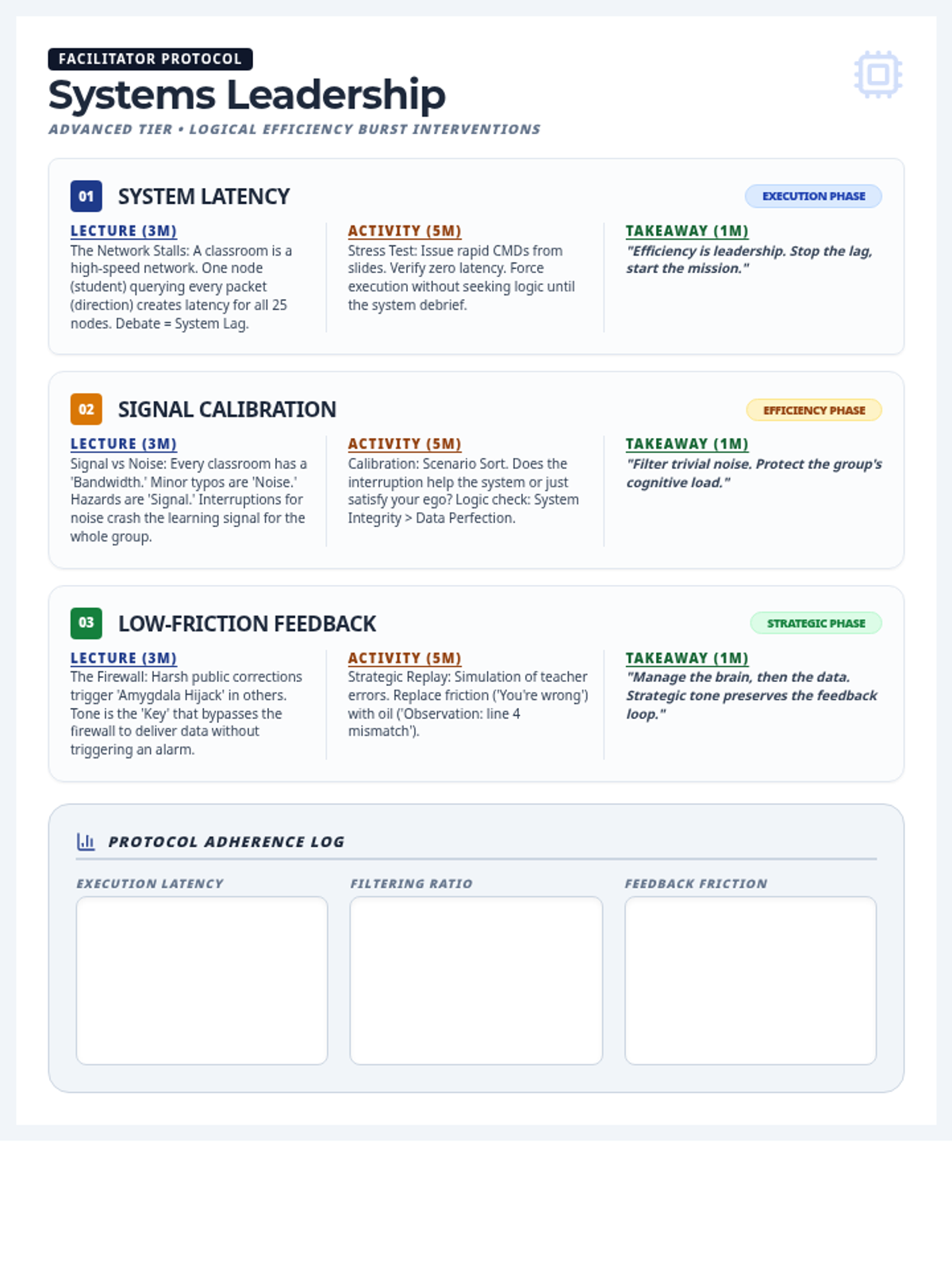
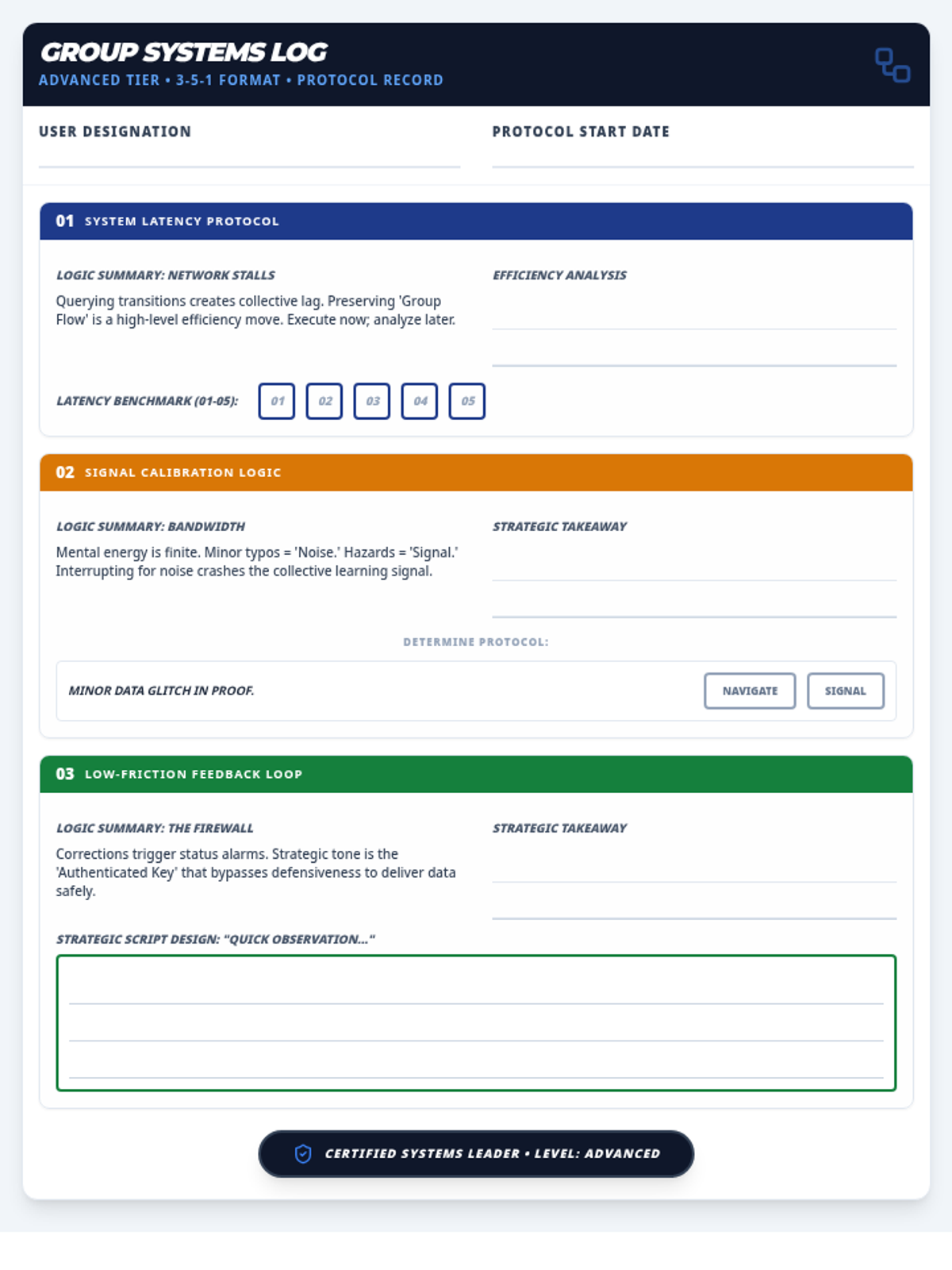
A series of three 10-minute 'burst' sessions designed to teach classroom leadership through systems-thinking and logical efficiency. Focuses on minimizing group latency, calibrating priority, and mastering low-friction feedback.
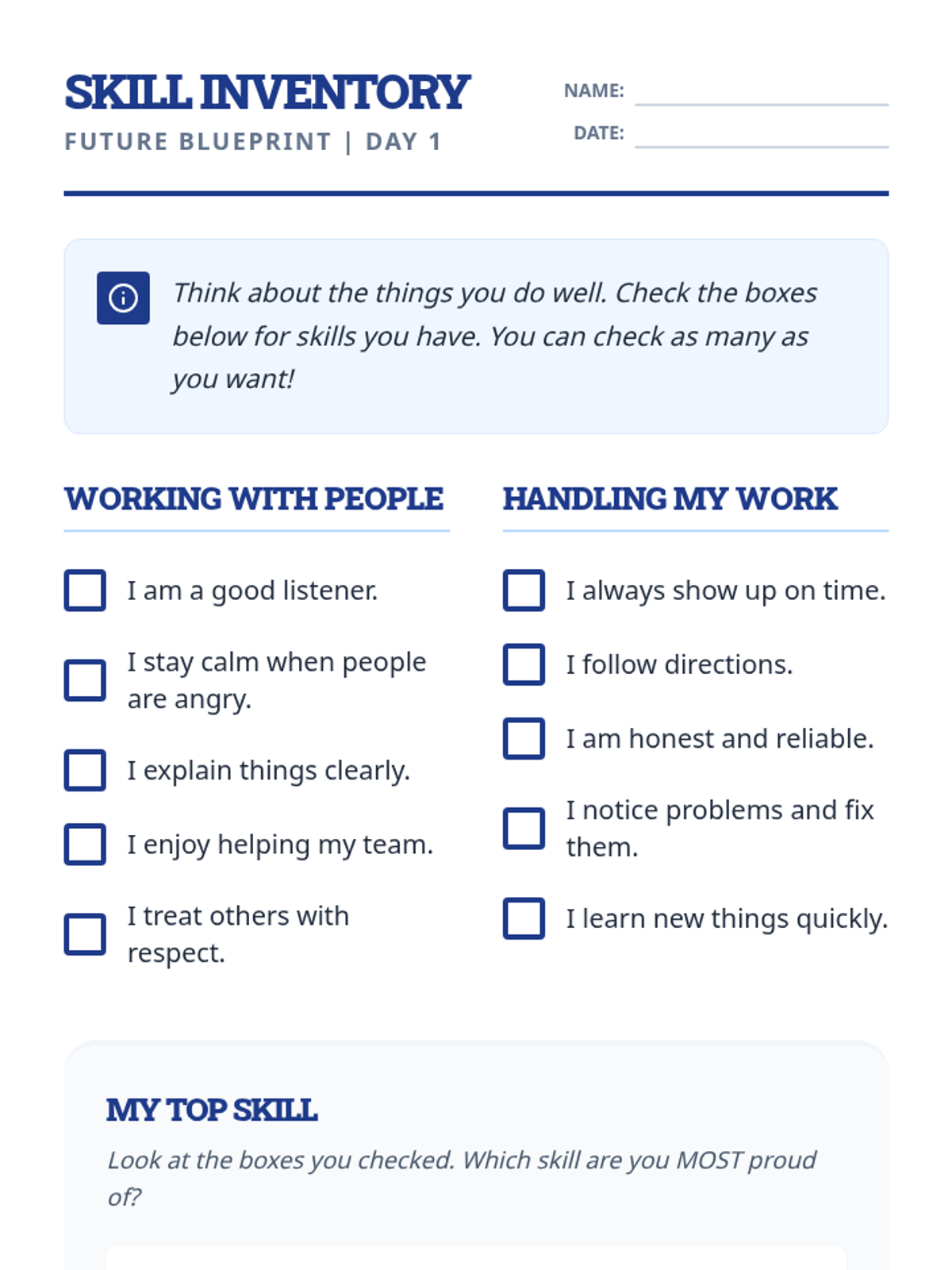
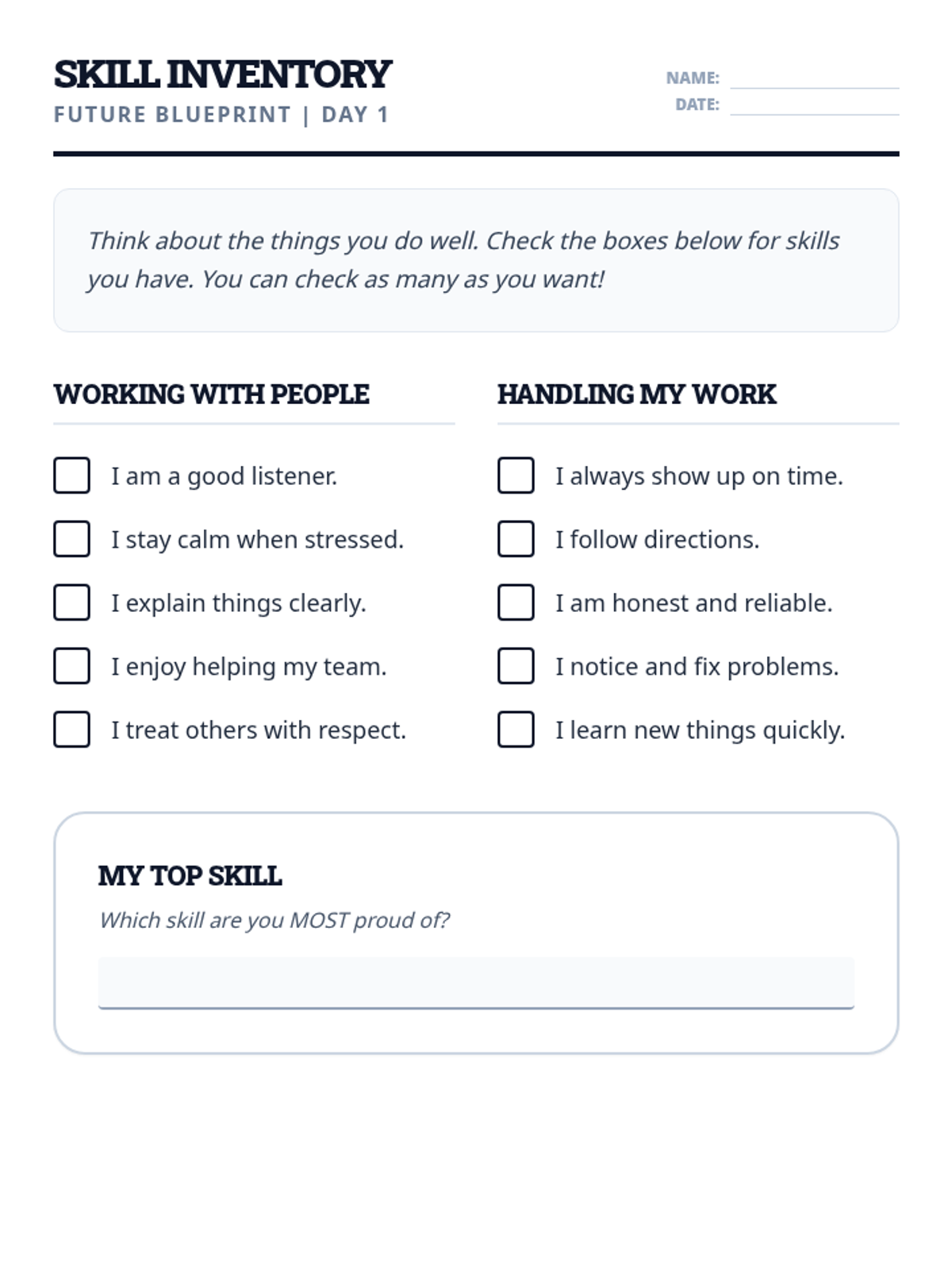
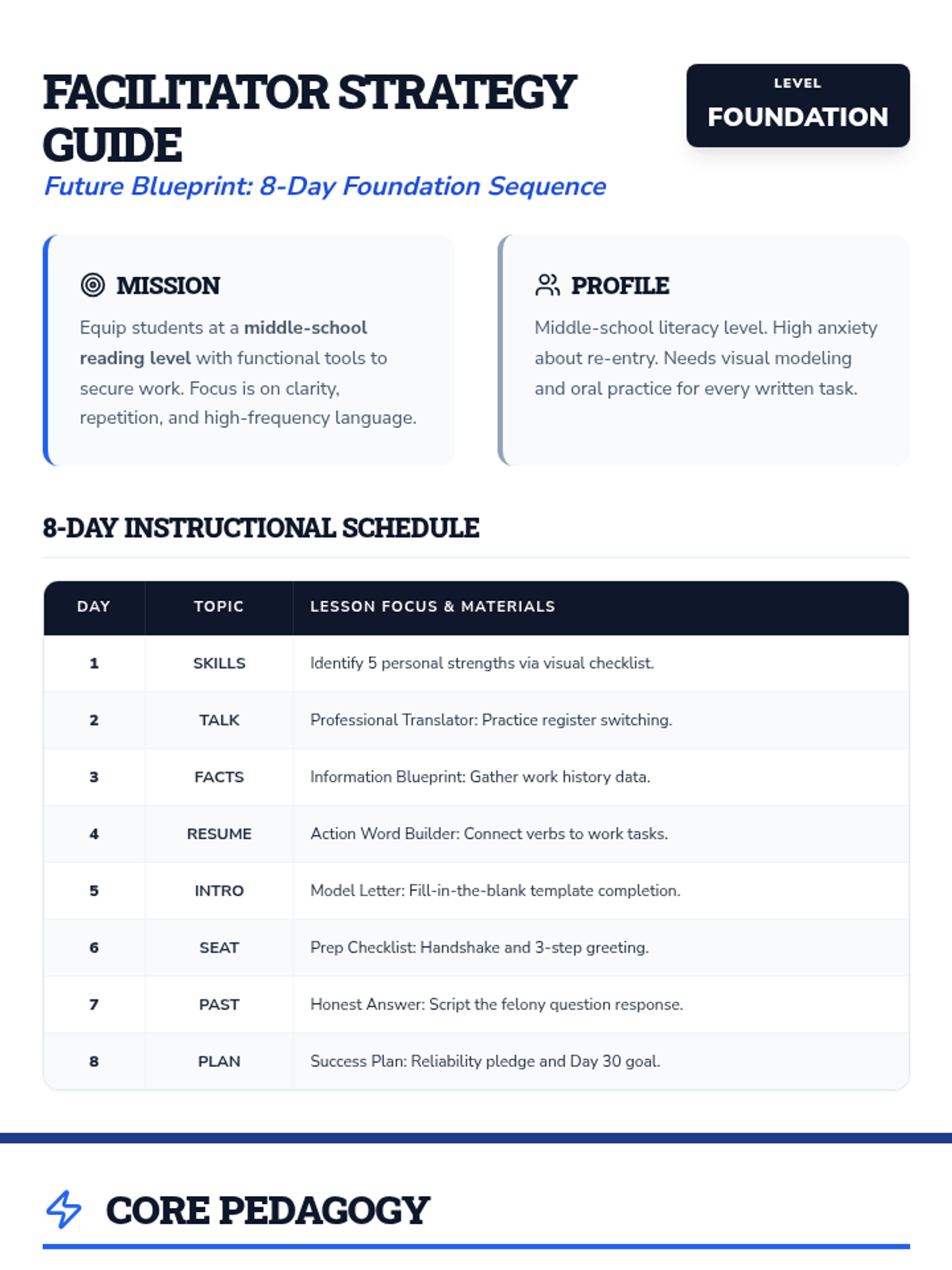
A comprehensive 8-day employability program designed for individuals with low-literacy levels preparing for reentry. The course covers self-assessment, professional communication, resume and cover letter construction, and interview techniques specifically tailored for navigating the challenges of post-incarceration employment.
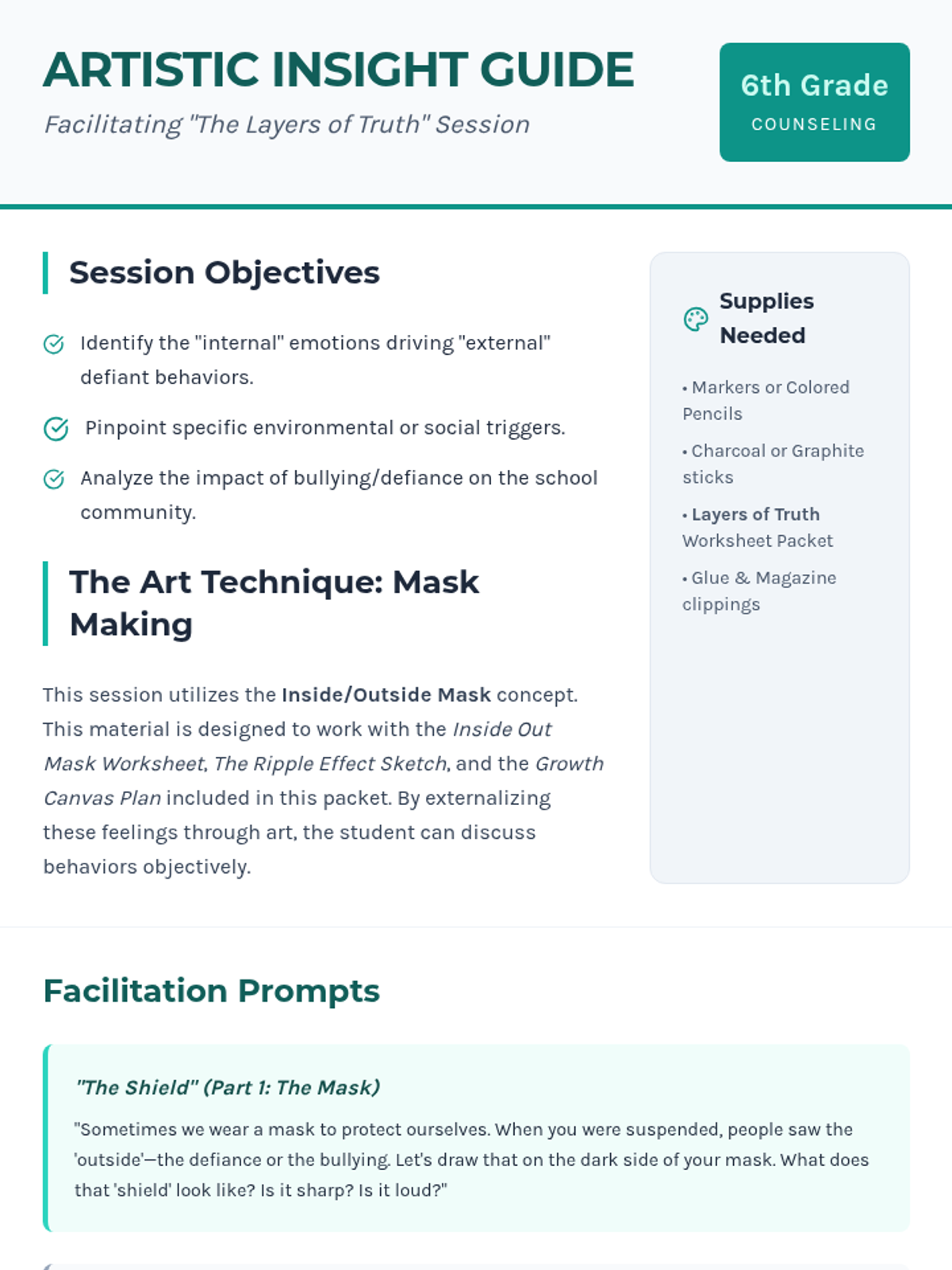
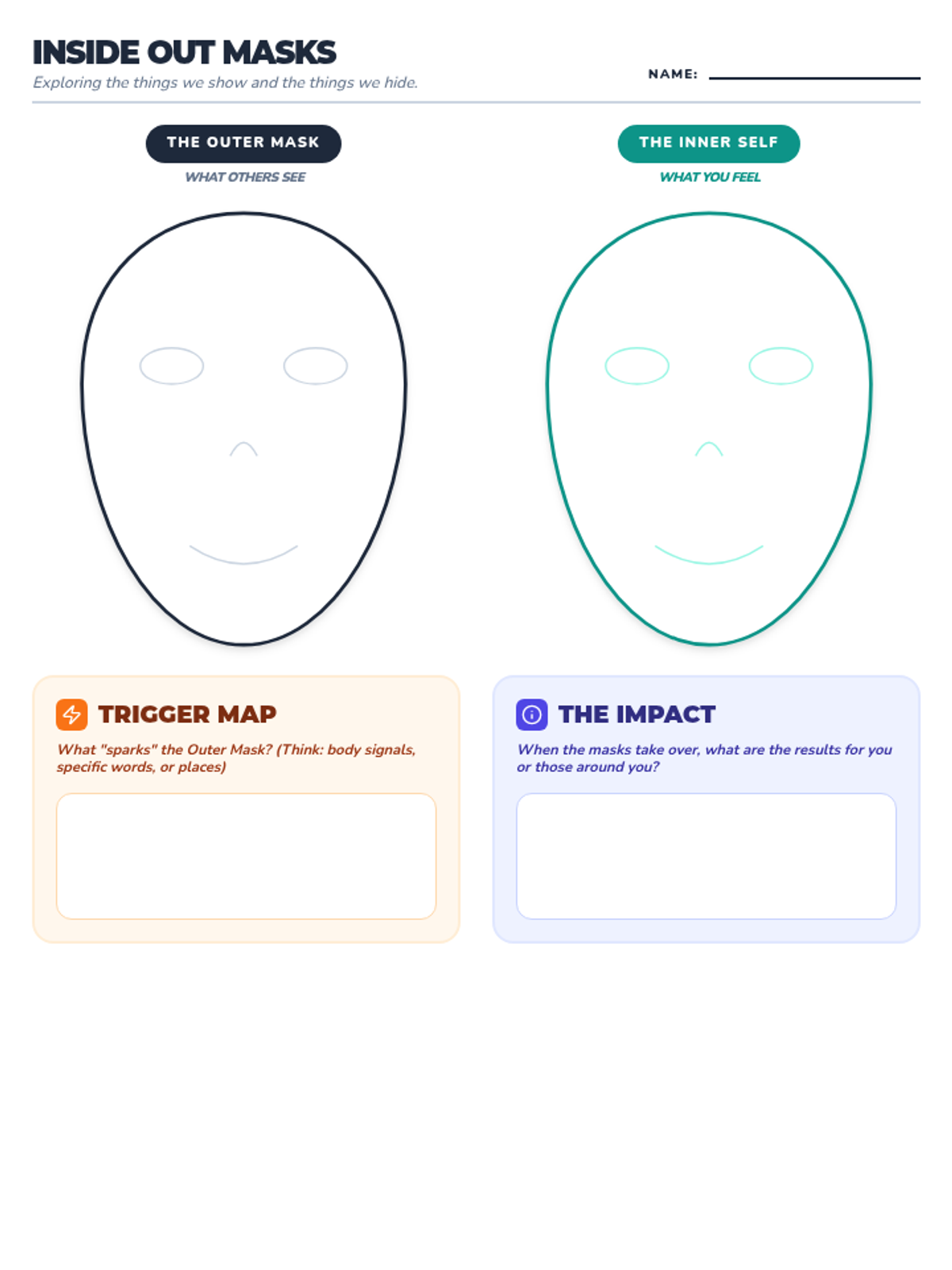
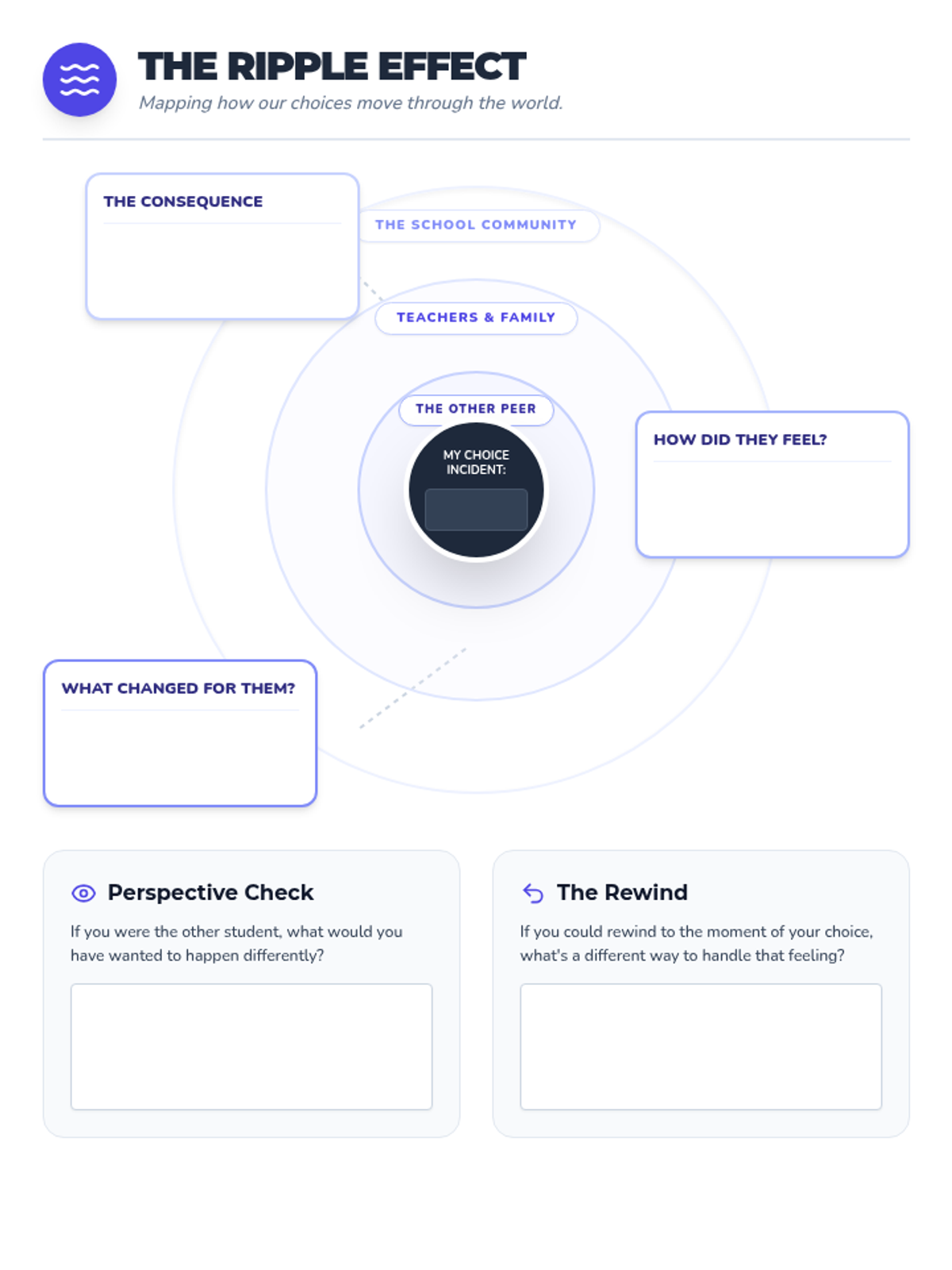
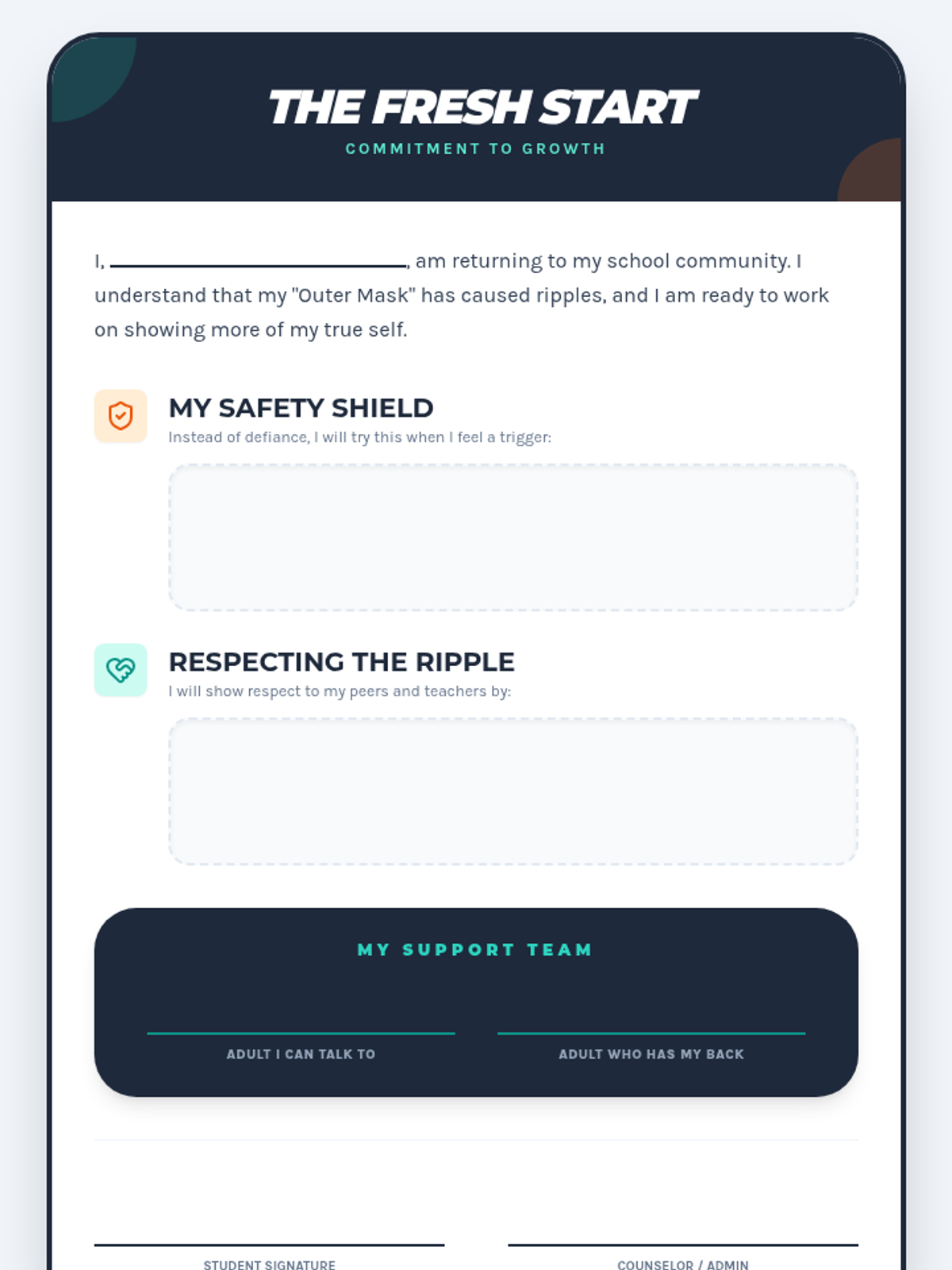
A two-part therapeutic intervention sequence for a middle school student returning from suspension, moving from deep reflection on behaviors to a successful transition into a new classroom environment.
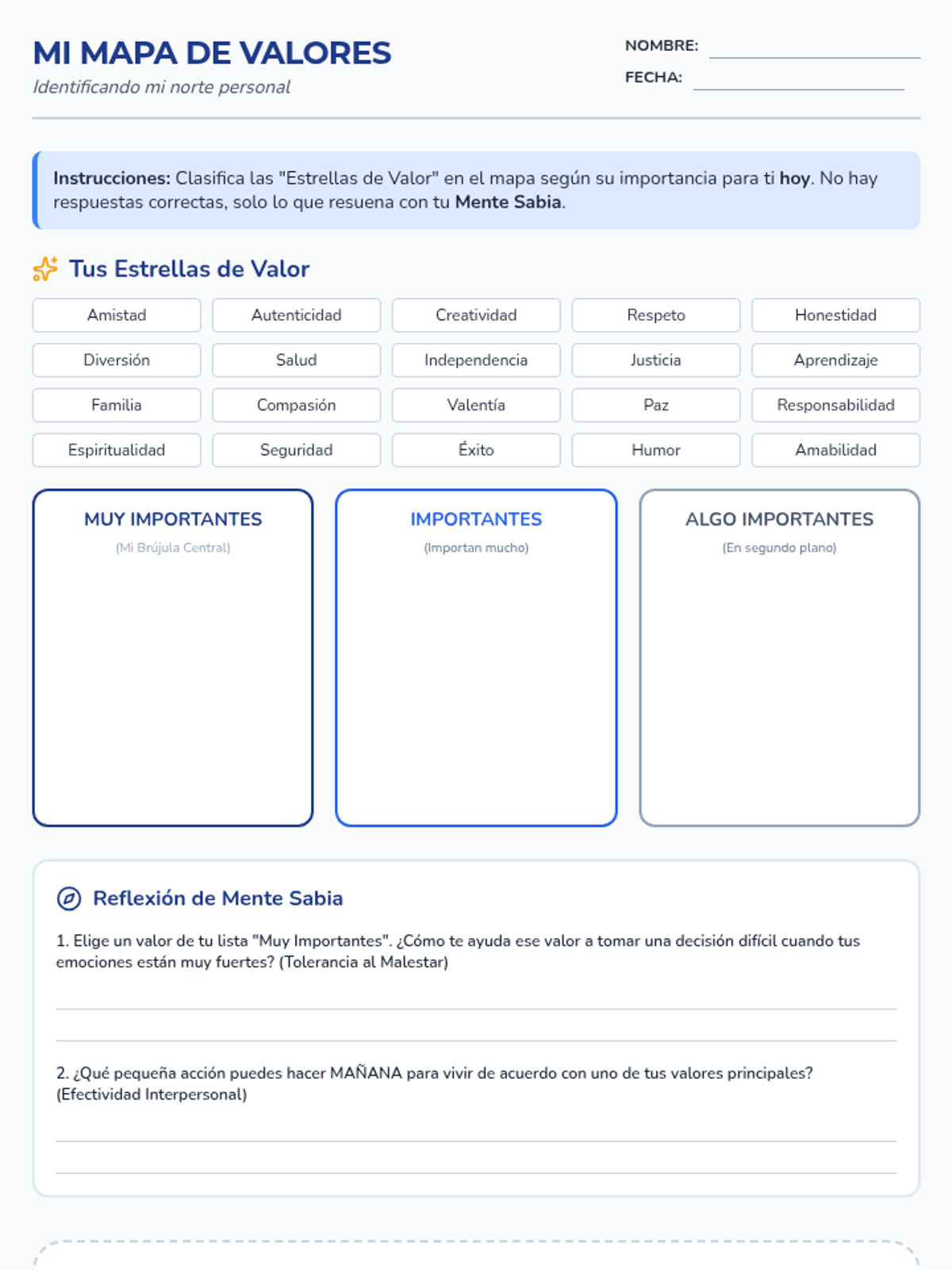
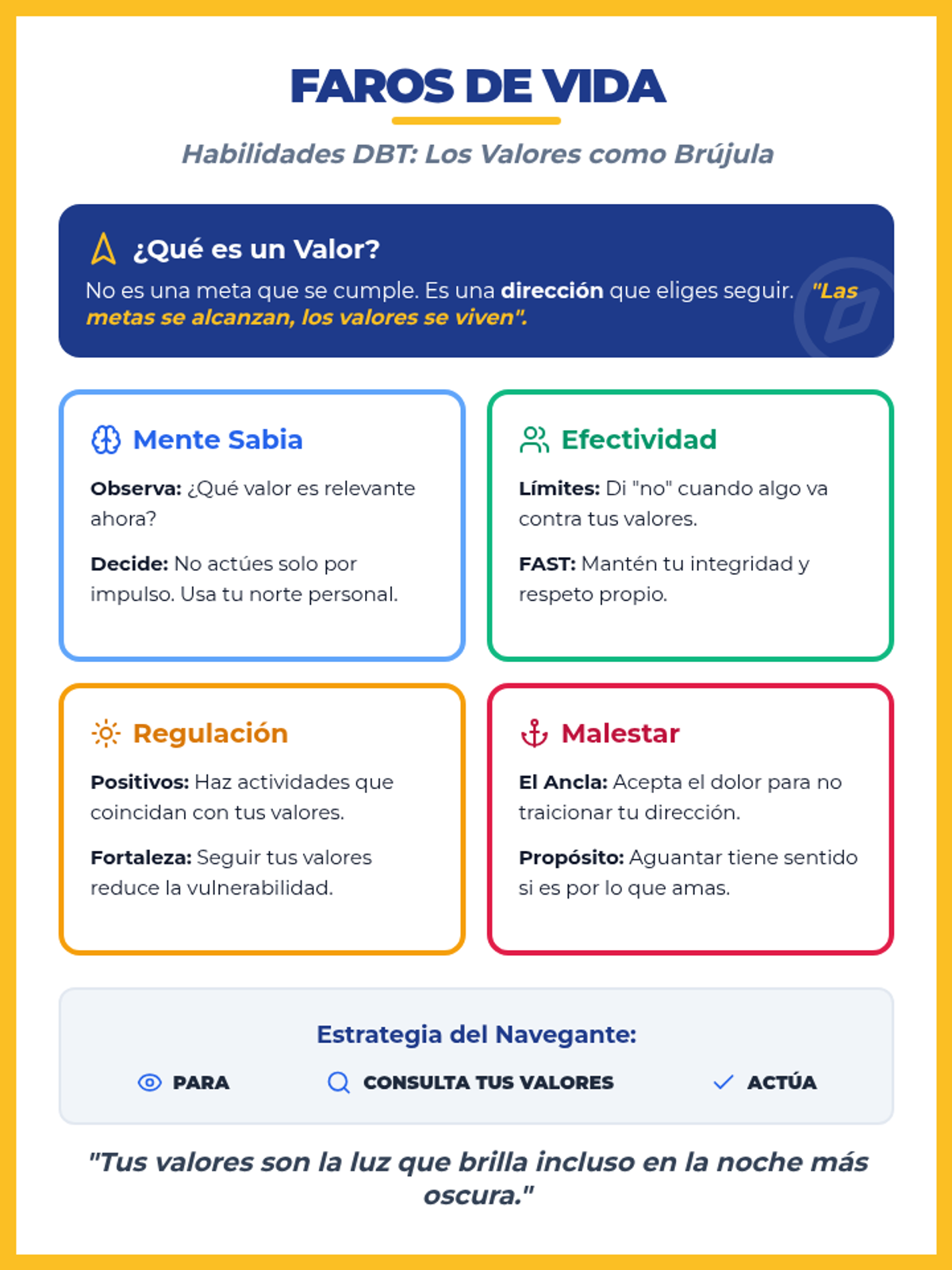
Una serie de lecciones diseñadas para adolescentes de 13 años sobre las habilidades de DBT (Terapia Dialéctica Conductual), enfocándose en la integración de valores en la vida diaria a través de la Mente Sabia, la efectividad interpersonal y la regulación emocional.
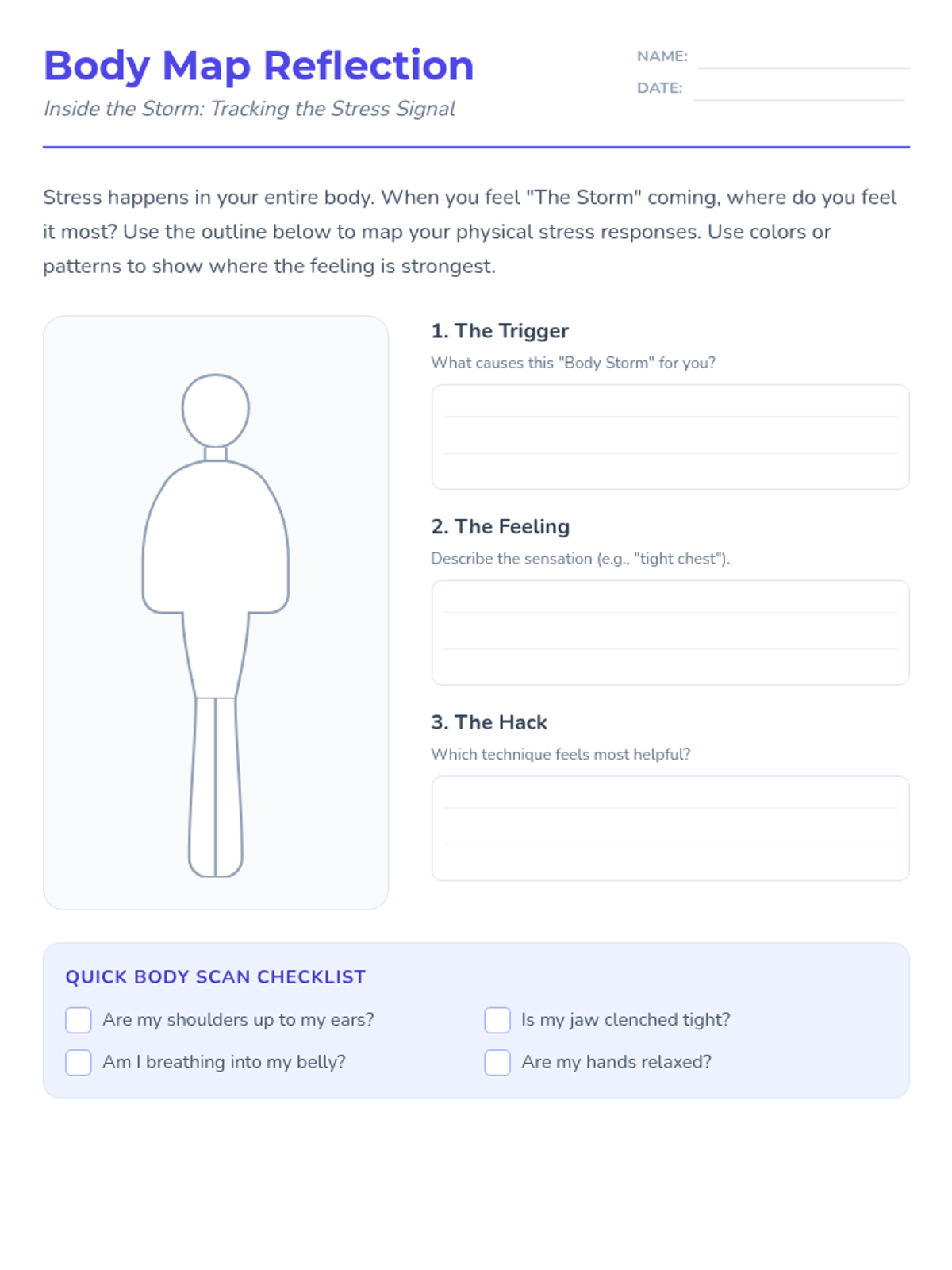
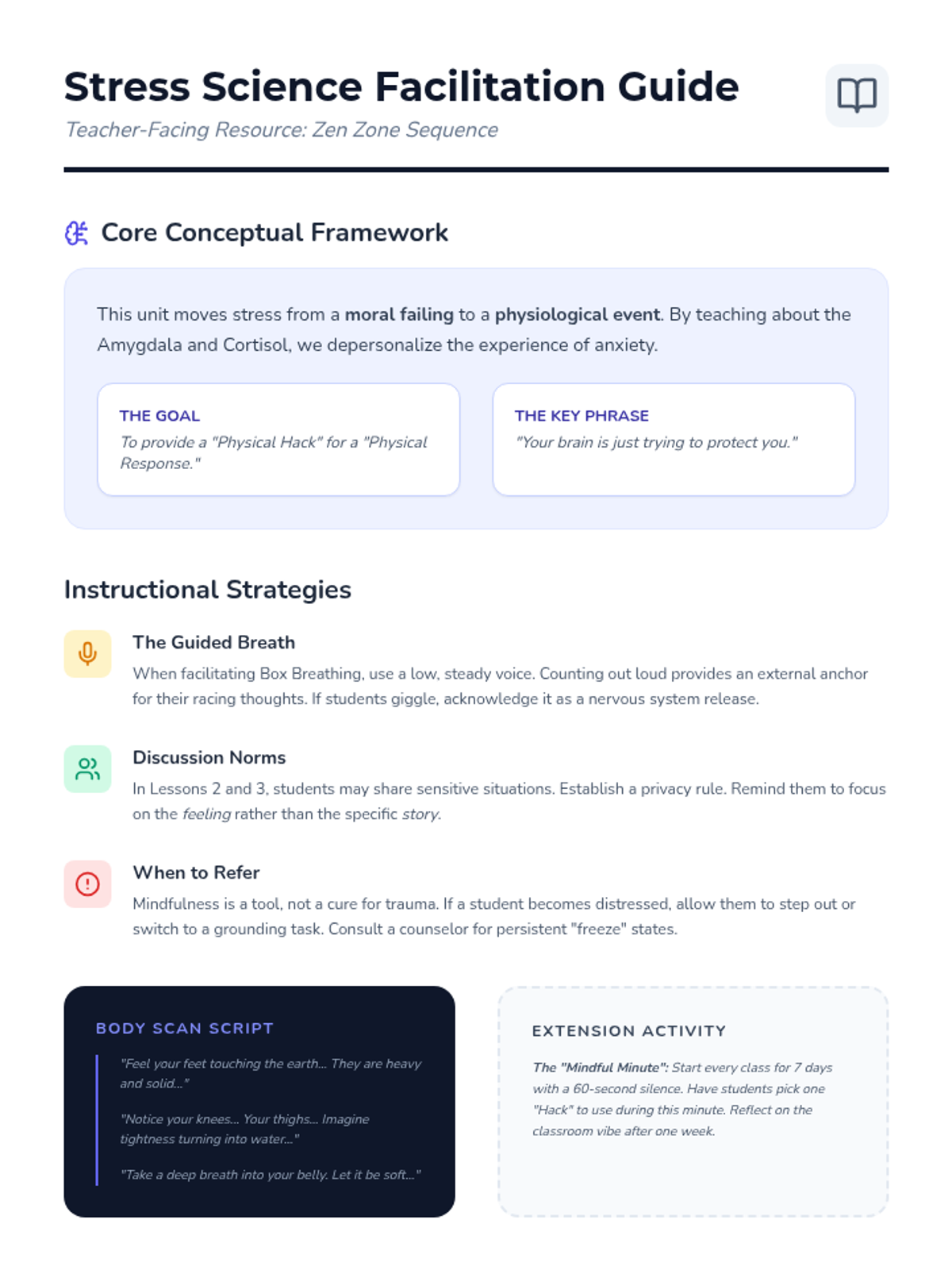
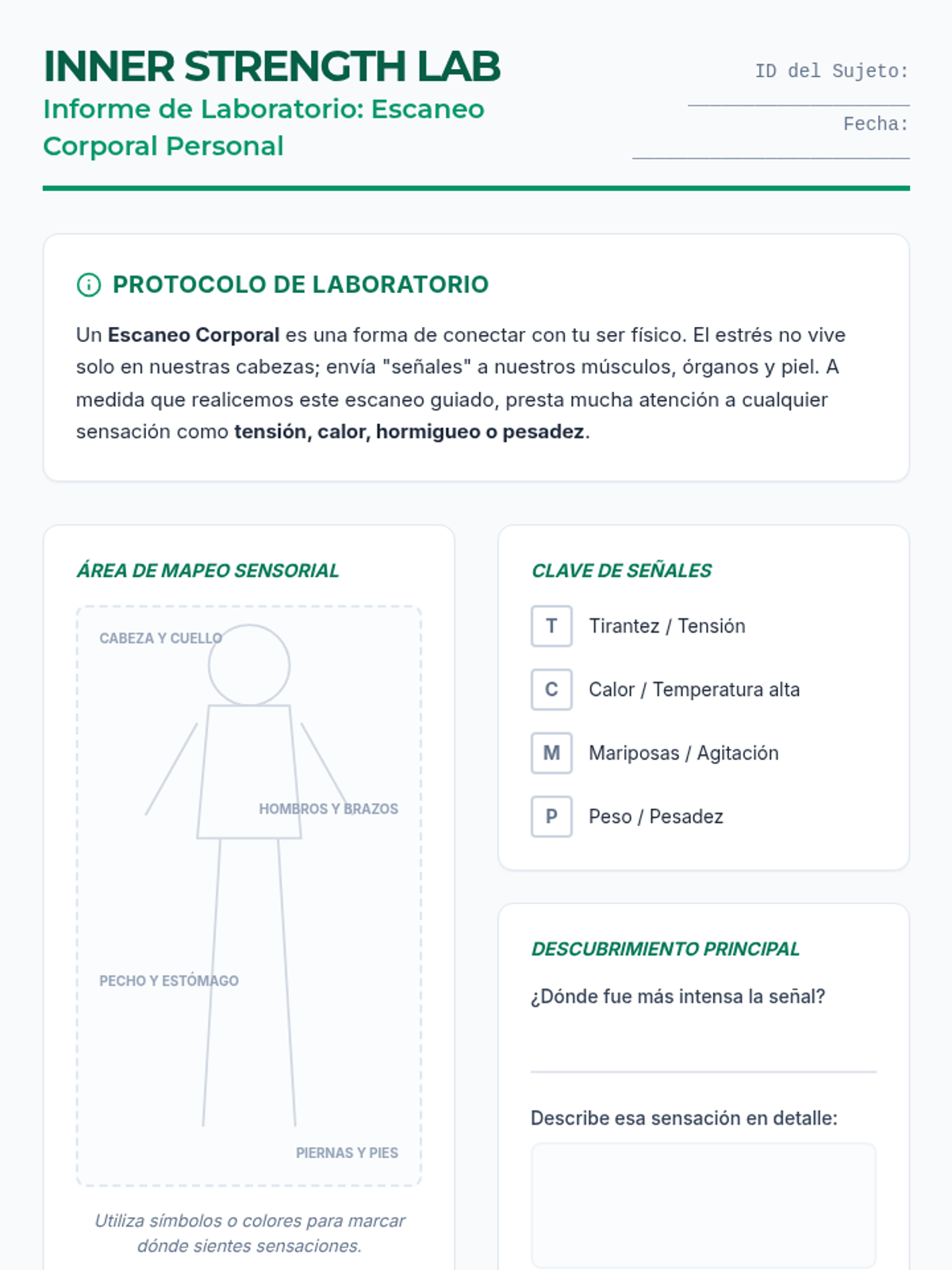
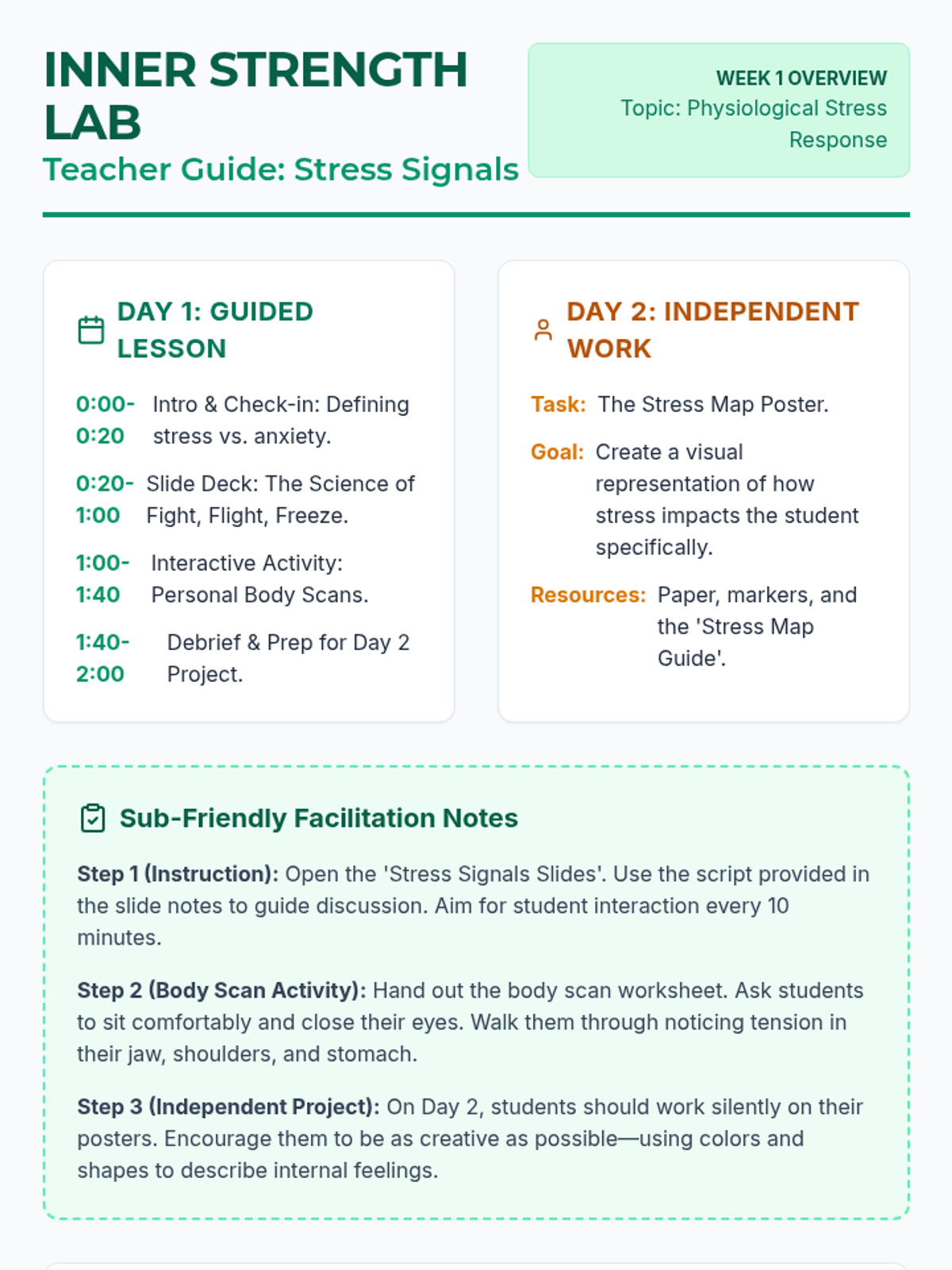
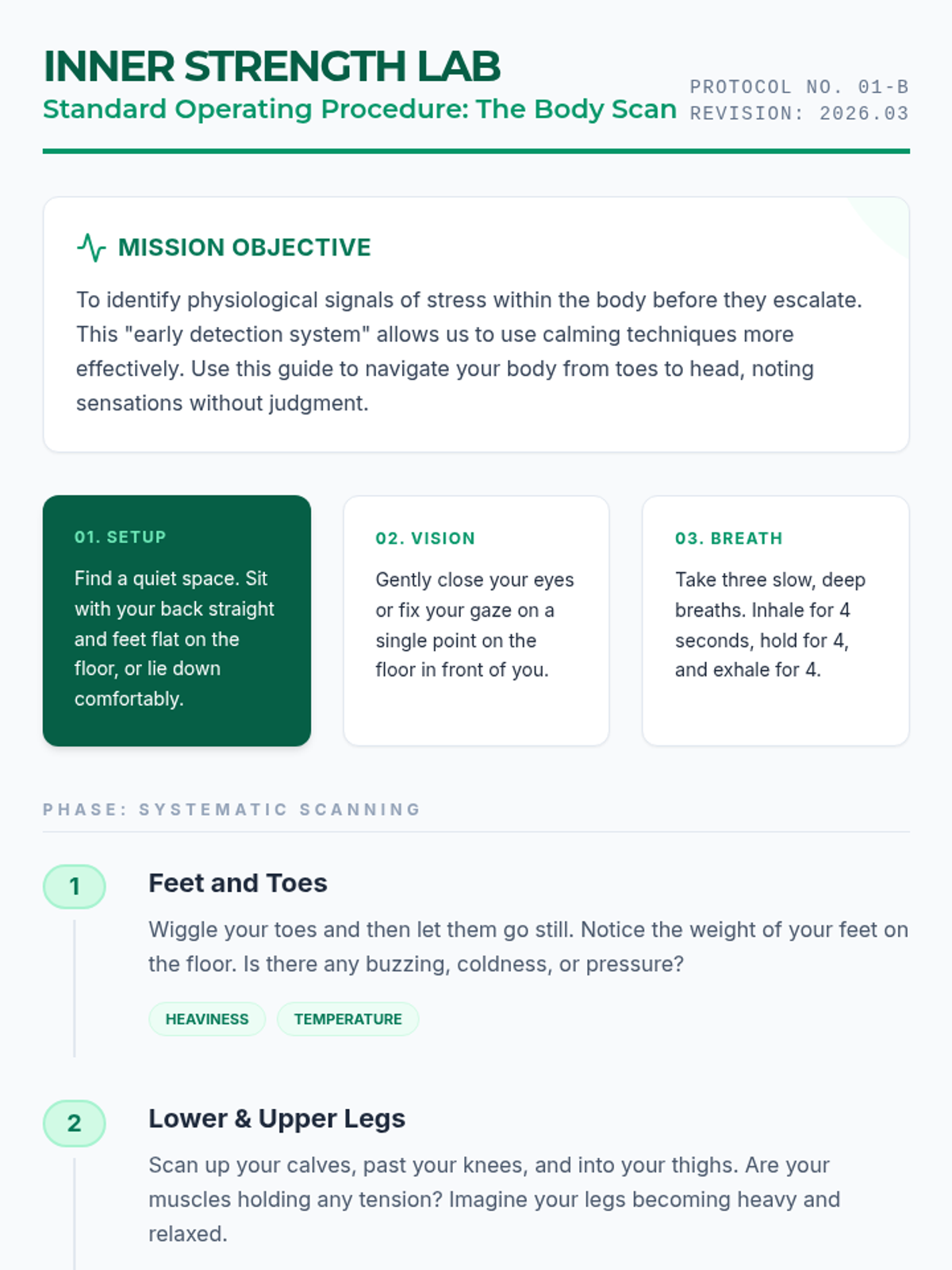
A comprehensive series on mindfulness and stress management, covering physiological responses, social pressures, family dynamics, and academic stress with practical coping strategies.
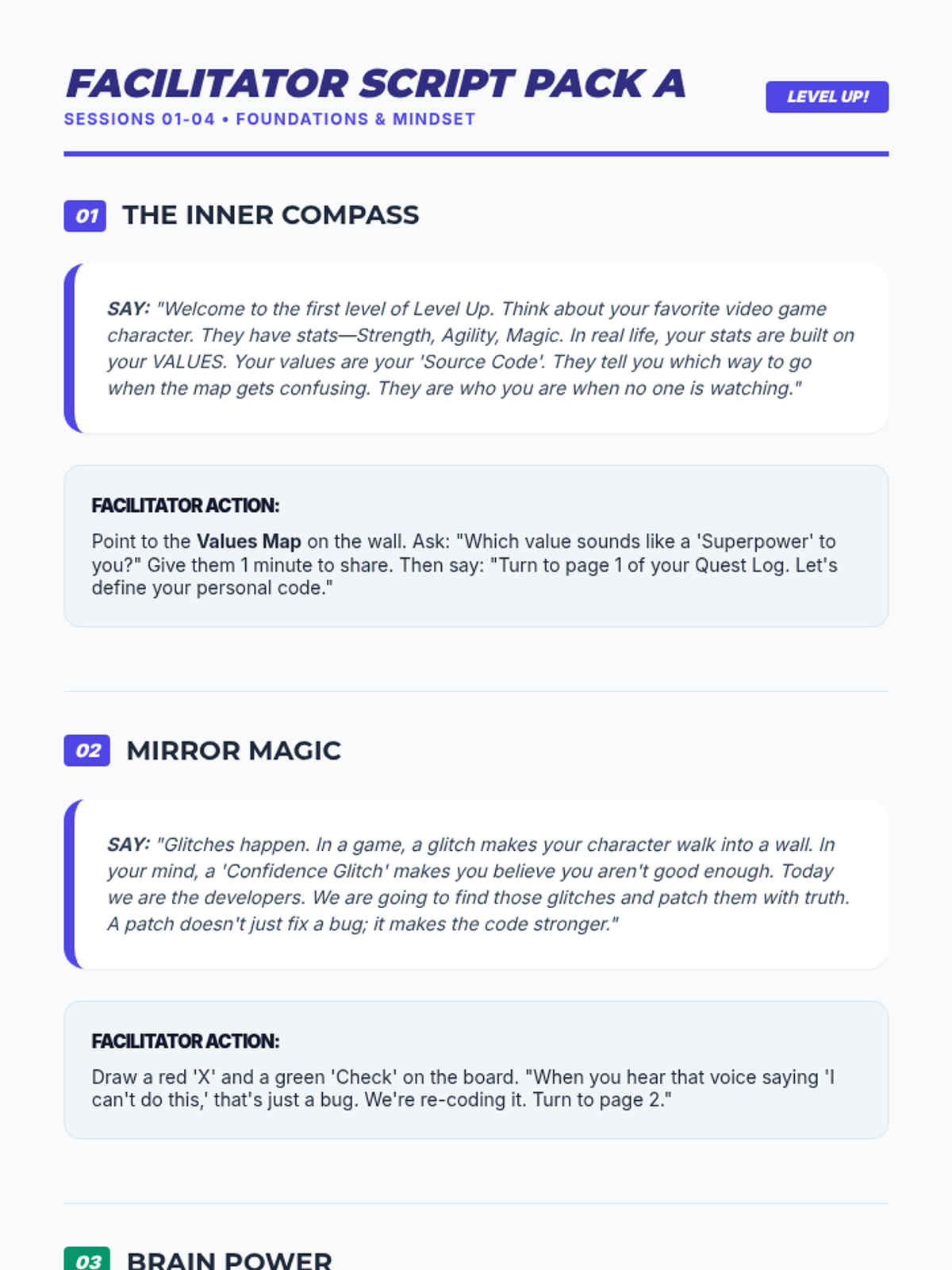
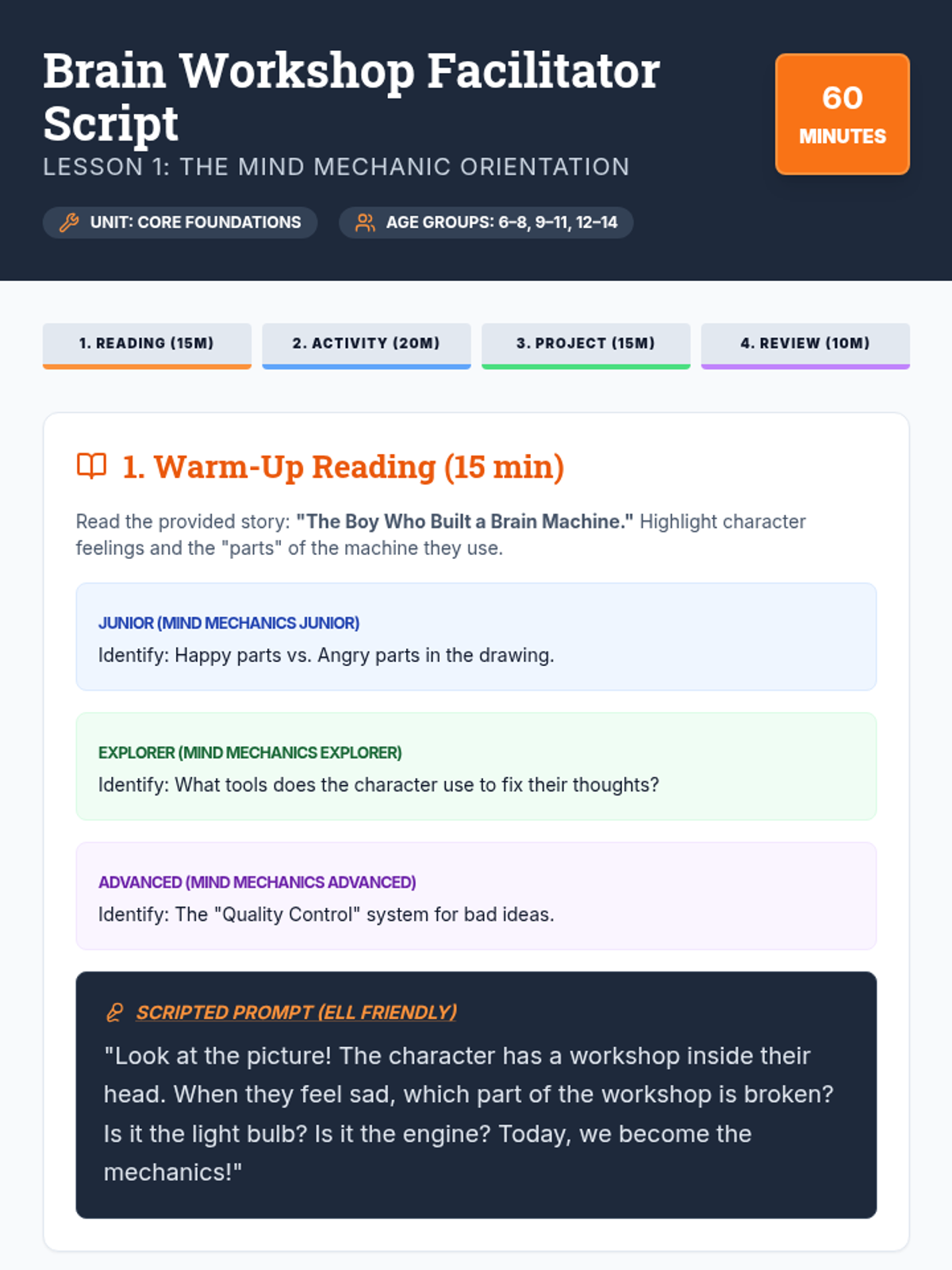
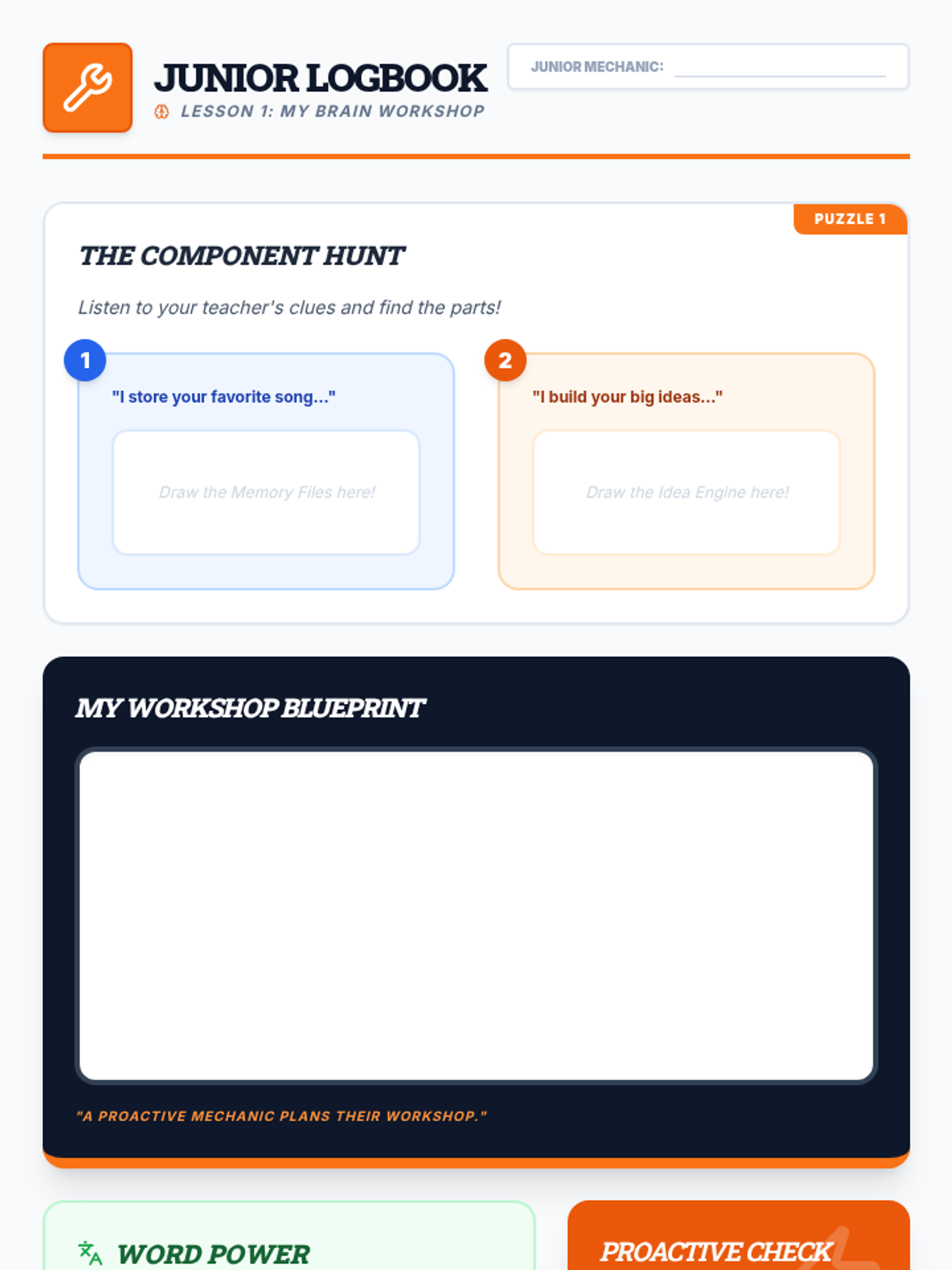
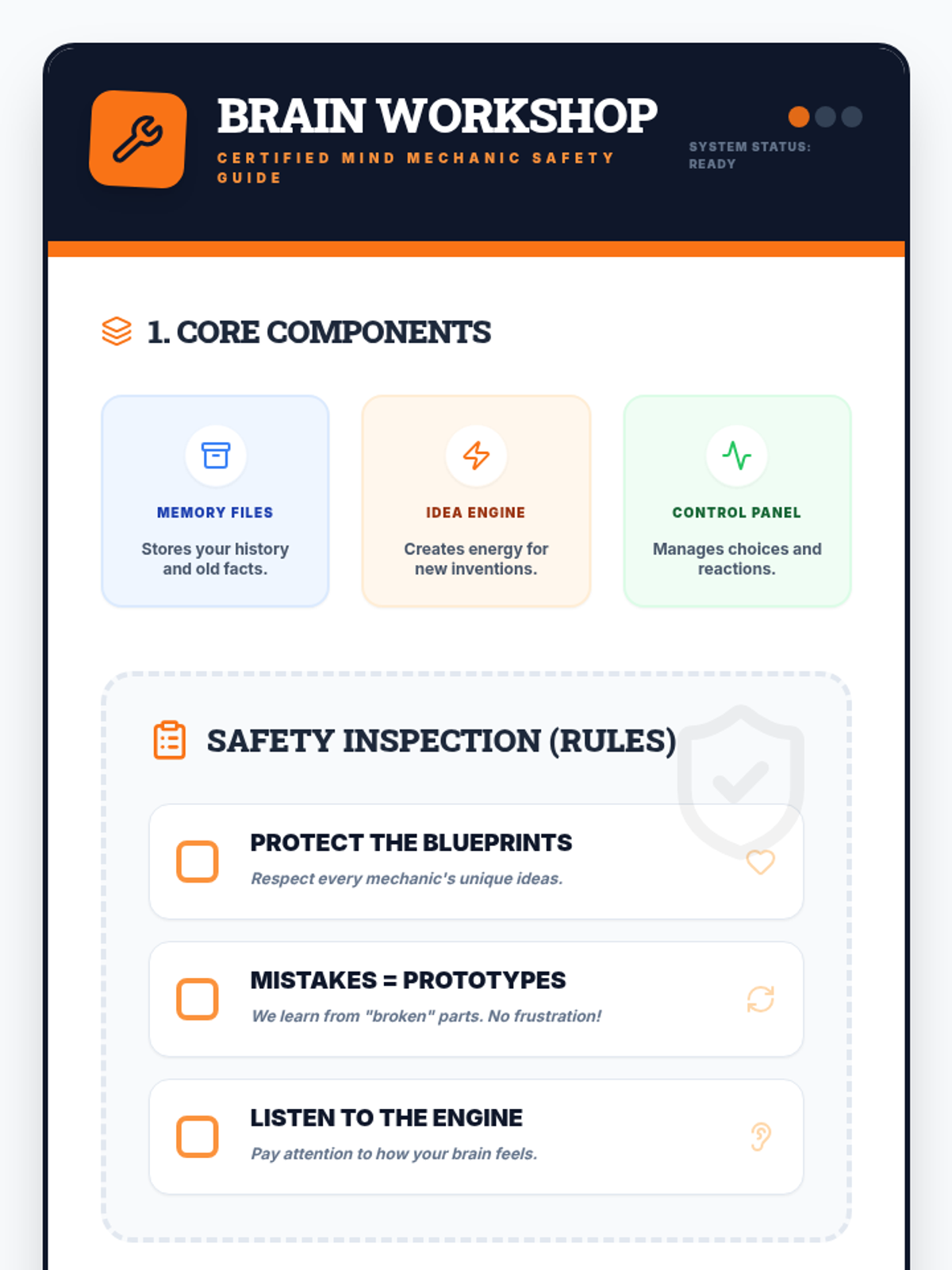
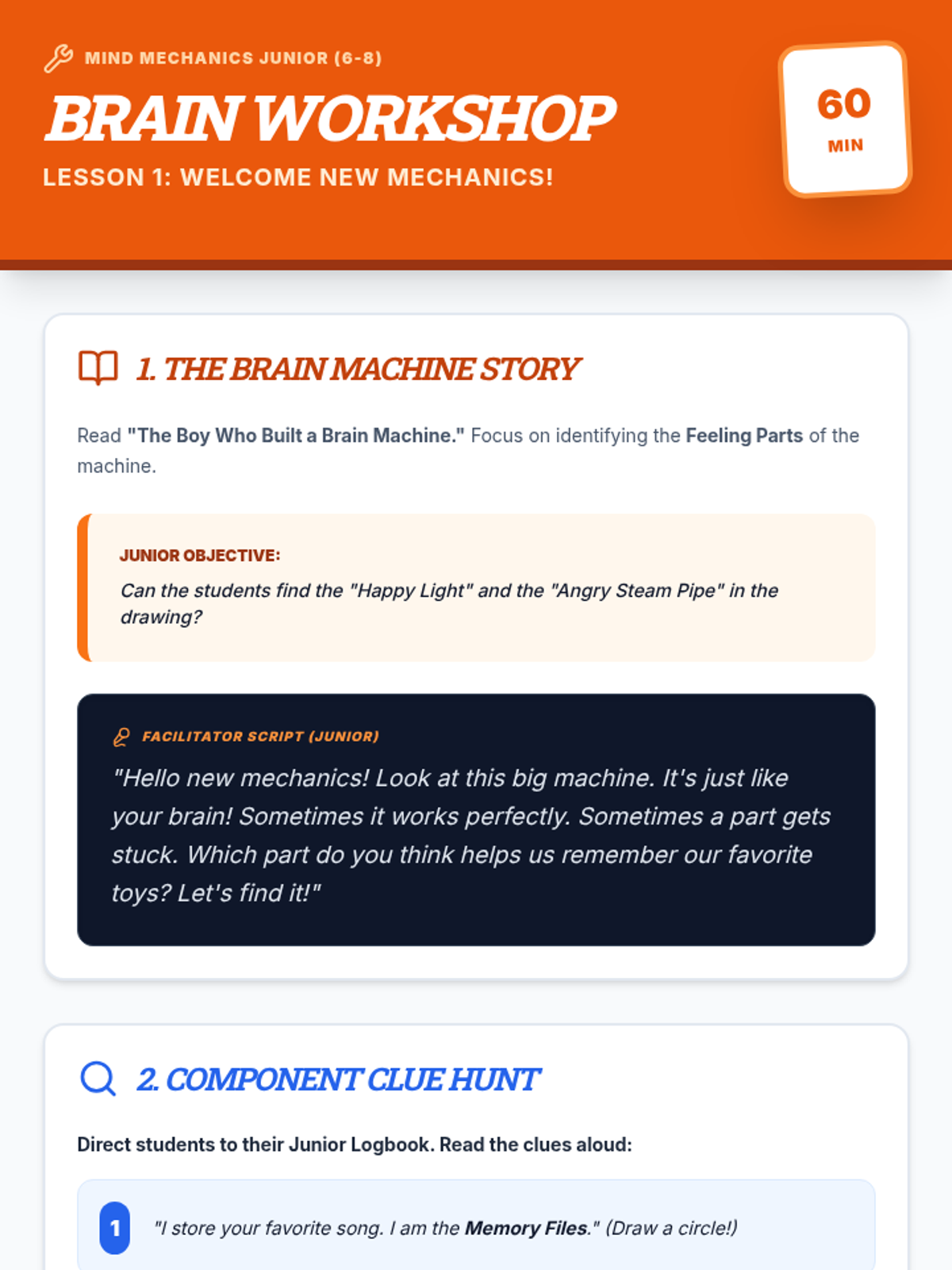
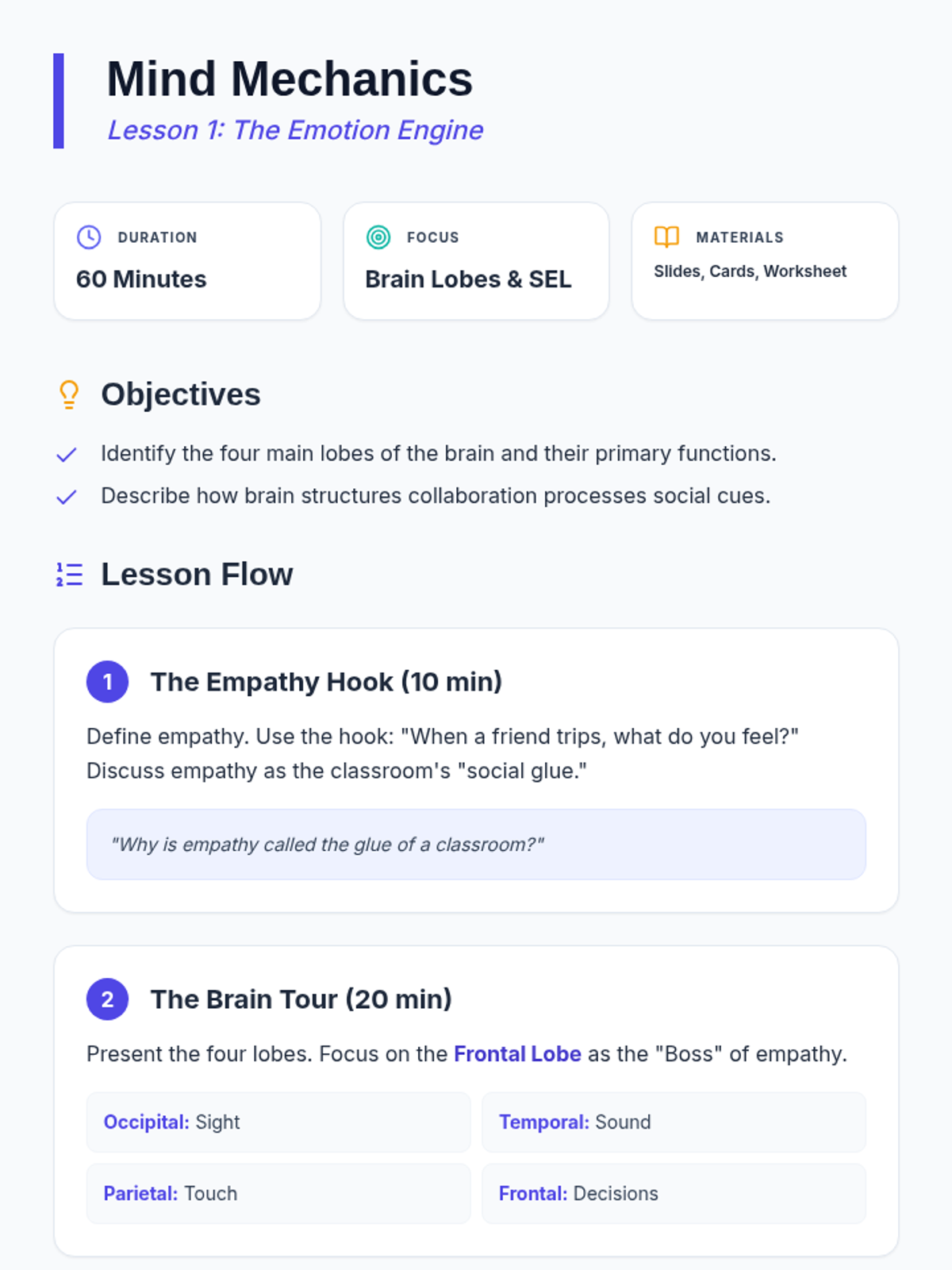
A 12-lesson social-emotional learning sequence themed around 'Mind Mechanics,' where students become 'mechanics' of their own minds to develop self-awareness, growth mindset, and social reasoning. Each lesson includes a facilitator script, student workbook pages, and visual anchor charts.
A comprehensive 8-session program designed for youth ages 9-18, focusing on essential life skills including self-esteem, resilience, time management, and conflict resolution through interactive role-plays and guided instruction.
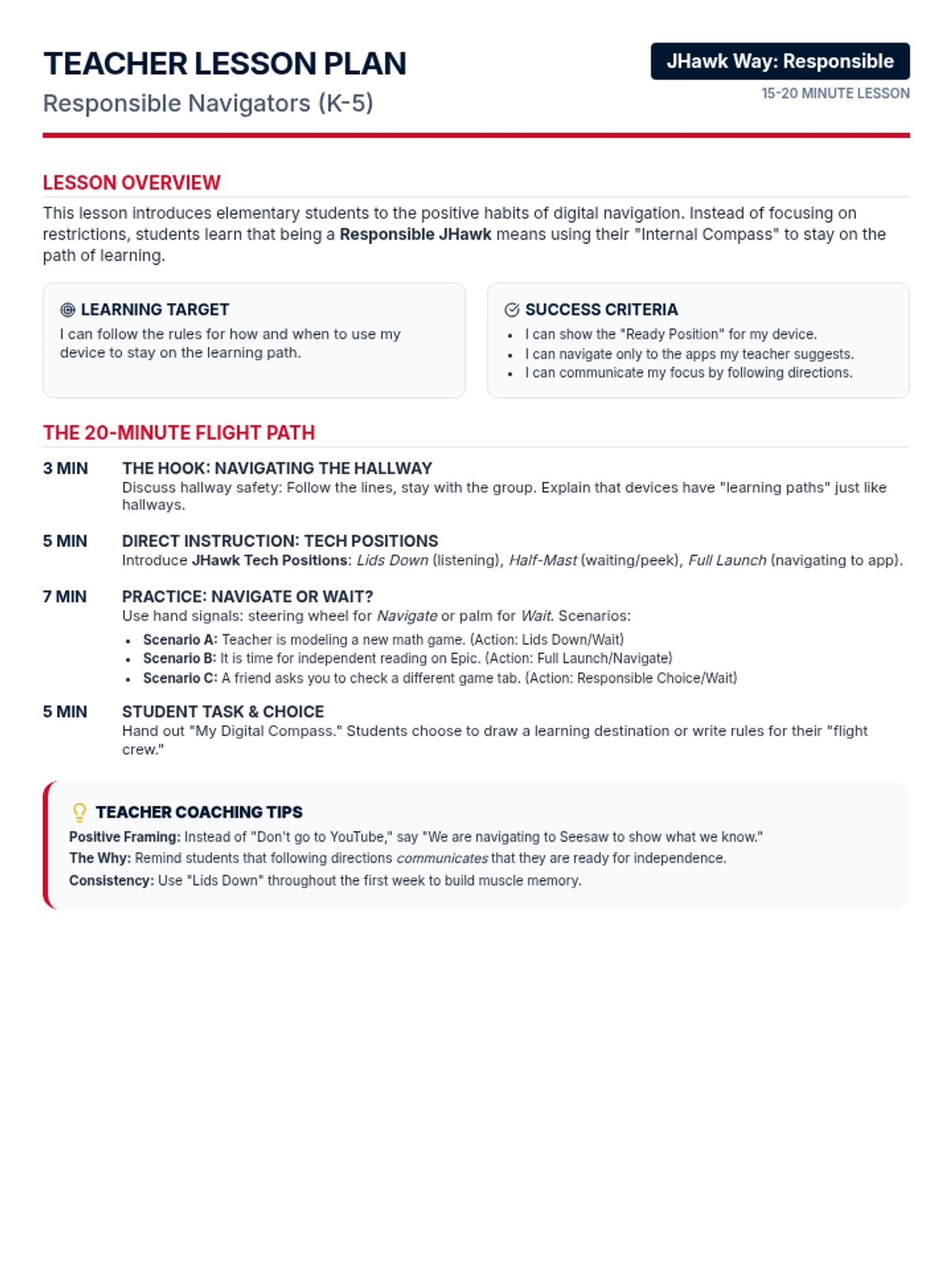
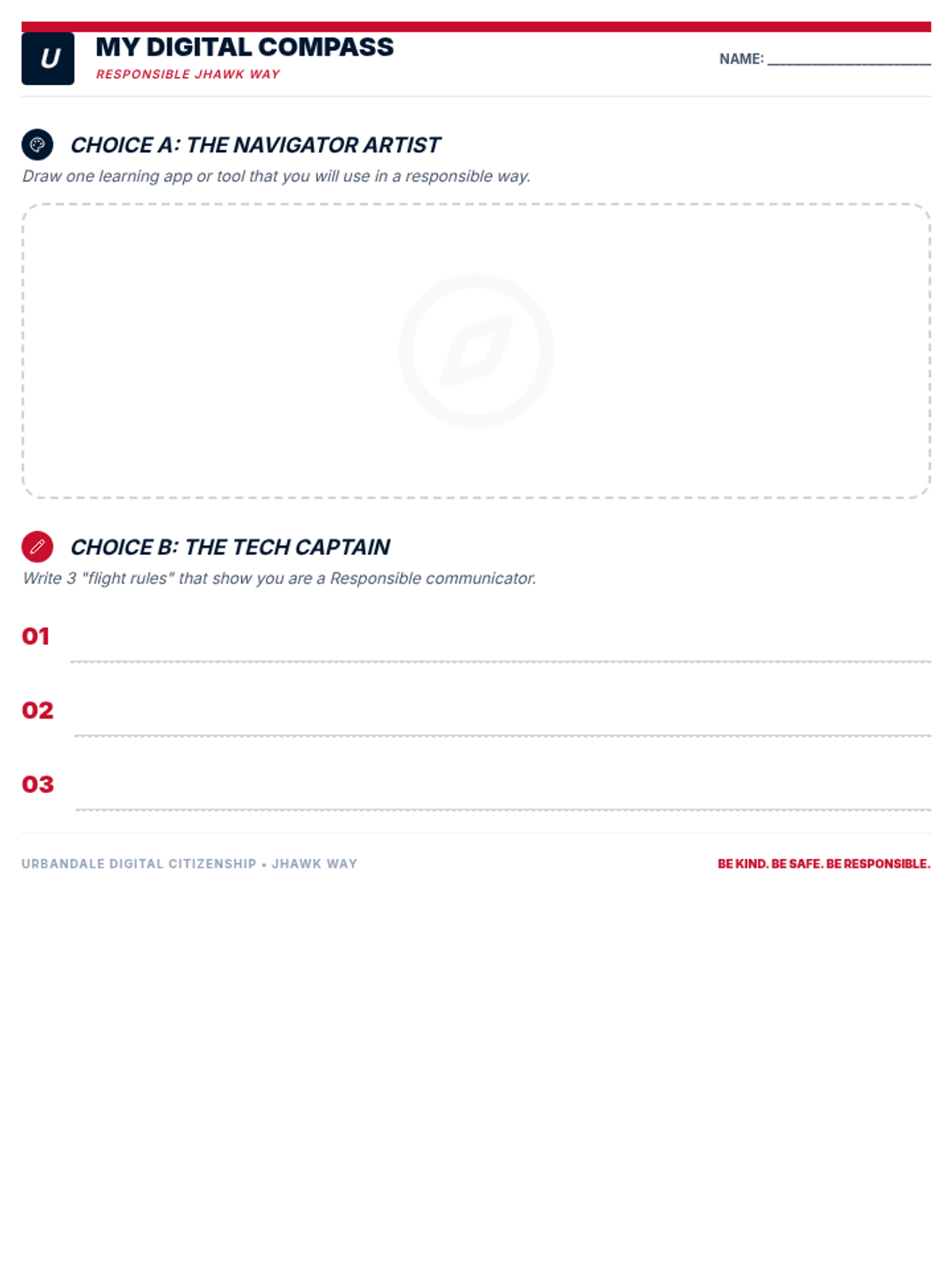
A series of Digital Citizenship lessons for Urbandale Community School District, focusing on the responsible and accountable use of school-issued devices through the lens of the JHawk Way. Students learn to navigate and communicate effectively by following screentime and teacher guidance.
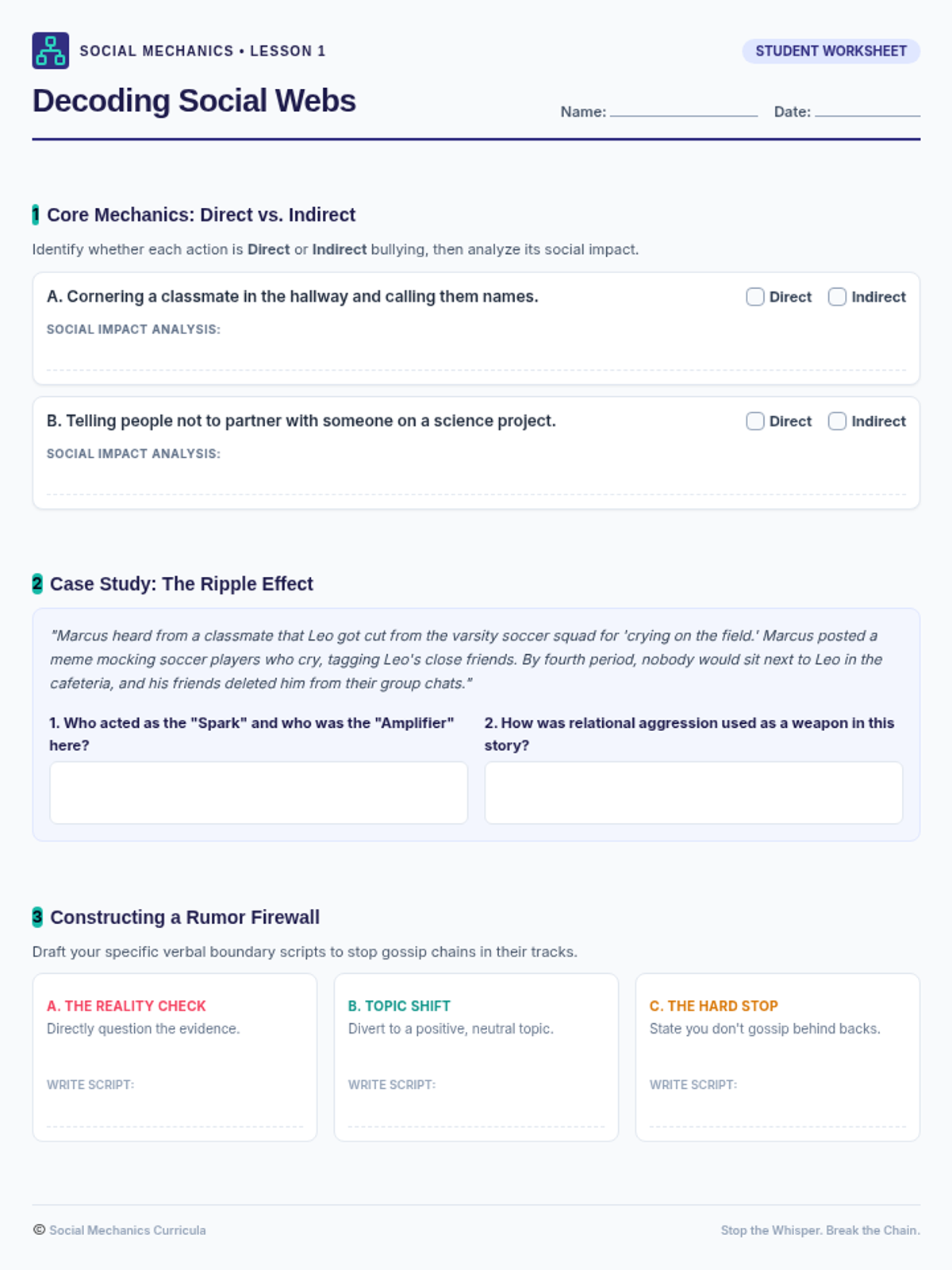
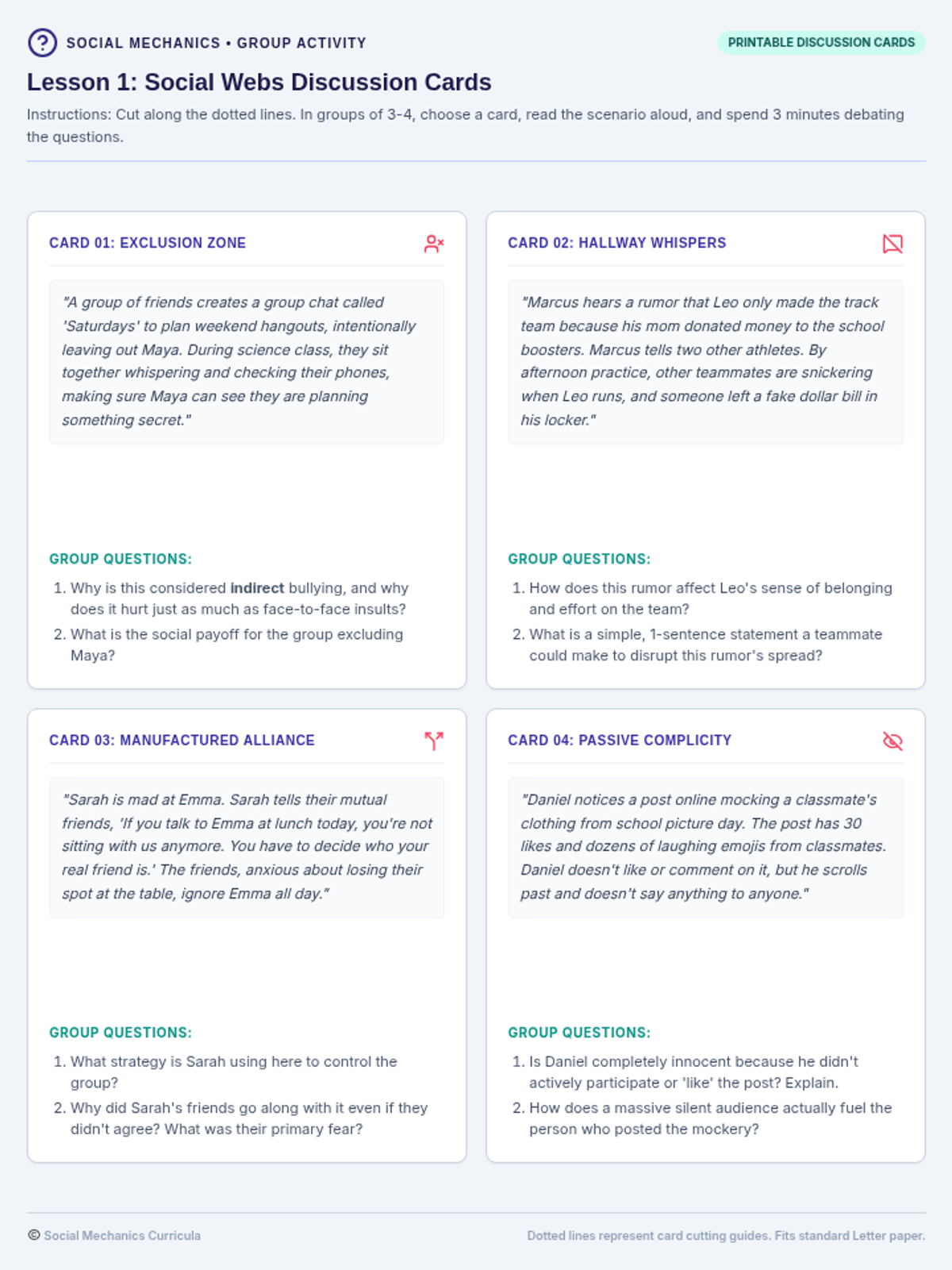
A 2-part, high-impact learning sequence for 7th and 8th graders focusing on decoding social dynamics, understanding direct vs. indirect bullying, relational aggression, cyberbullying, and transforming bystanders into proactive upstanders.
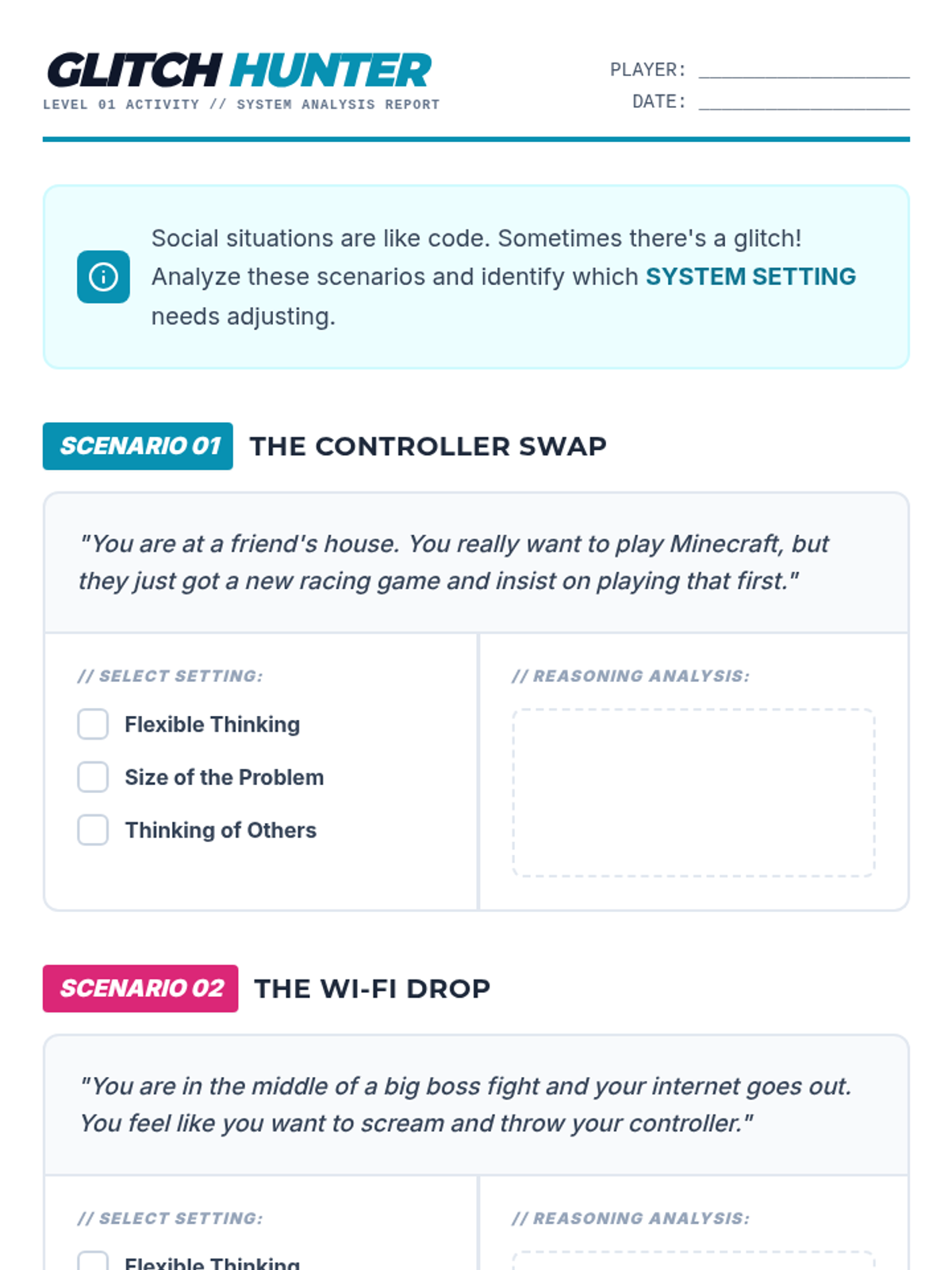
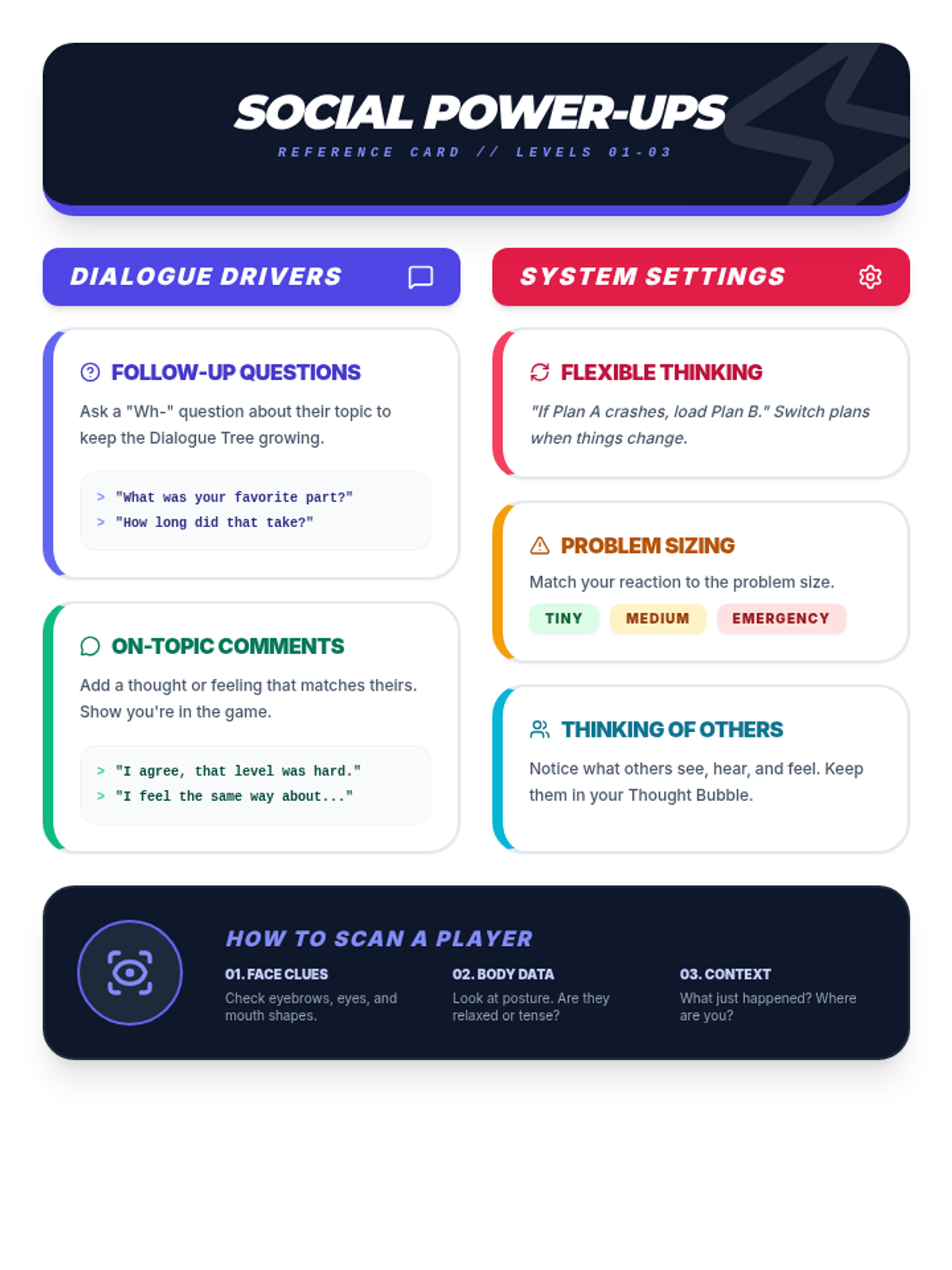
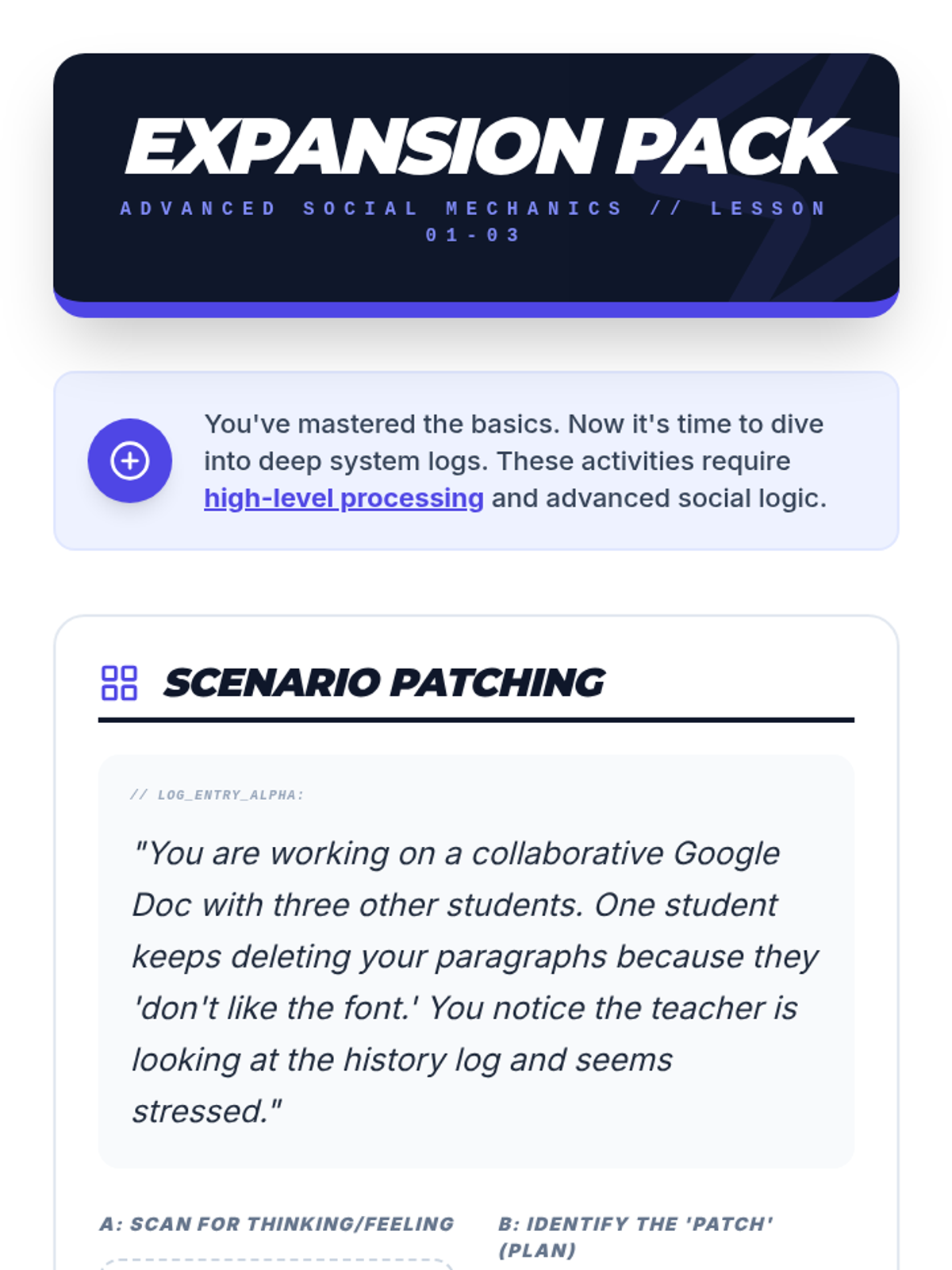
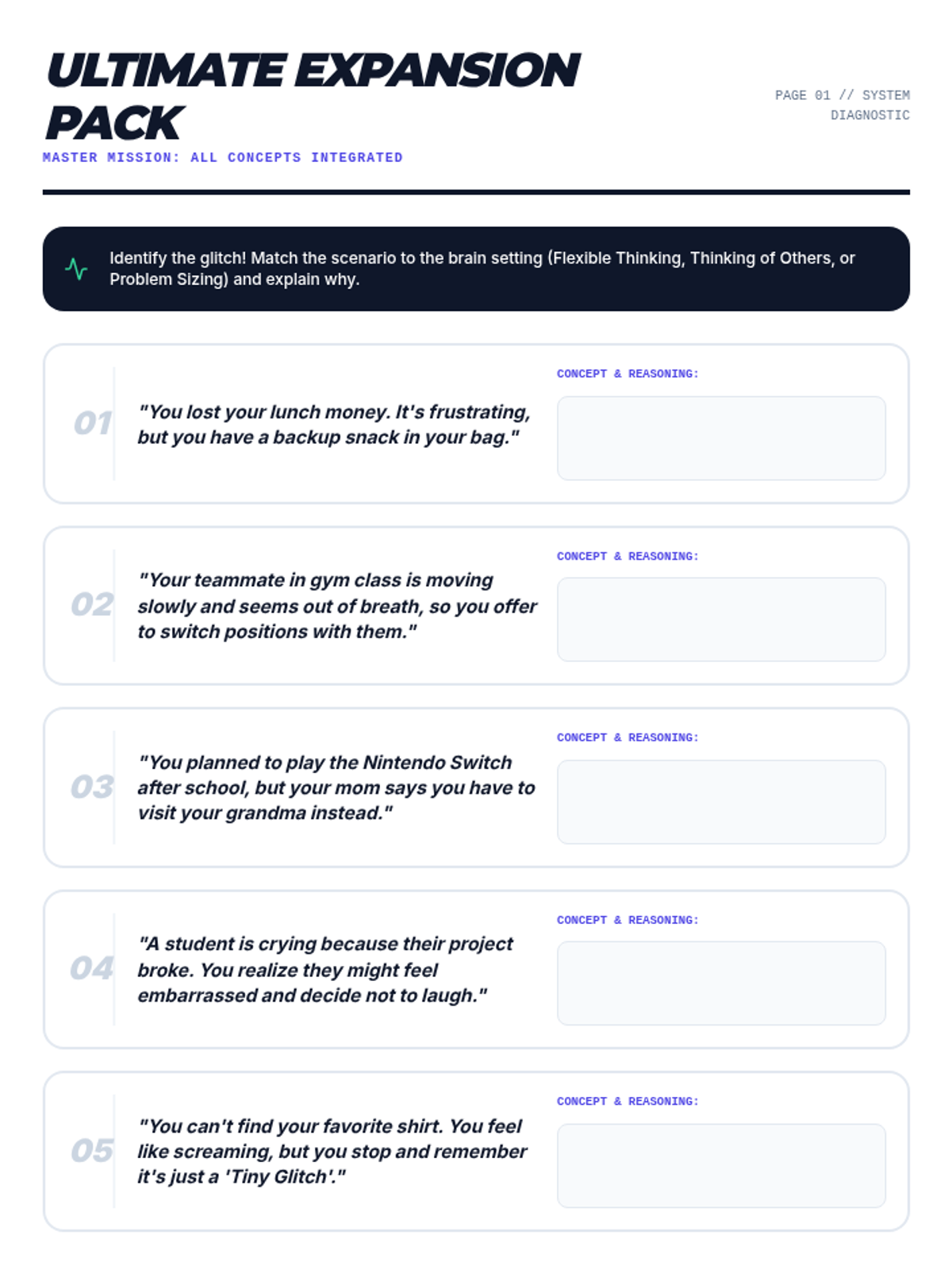
A video game-themed social skills sequence designed for high-ability students with autism. It uses gaming metaphors like 'glitches,' 'dialogue trees,' and 'system scans' to teach Social Thinking concepts, conversation drivers, and perspective-taking.
A two-part 1-to-1 coaching series for gifted students struggling with perfectionism, designed to validate their high-potential brains while teaching resilience in the face of feedback and failure.
This simulation-heavy sequence trains 8th-grade students to act as neutral peer mediators. Students move from establishing ground rules and neutrality to mastering advanced communication skills like reframing and open-ended questioning, culminating in a full mock mediation of complex social conflicts.
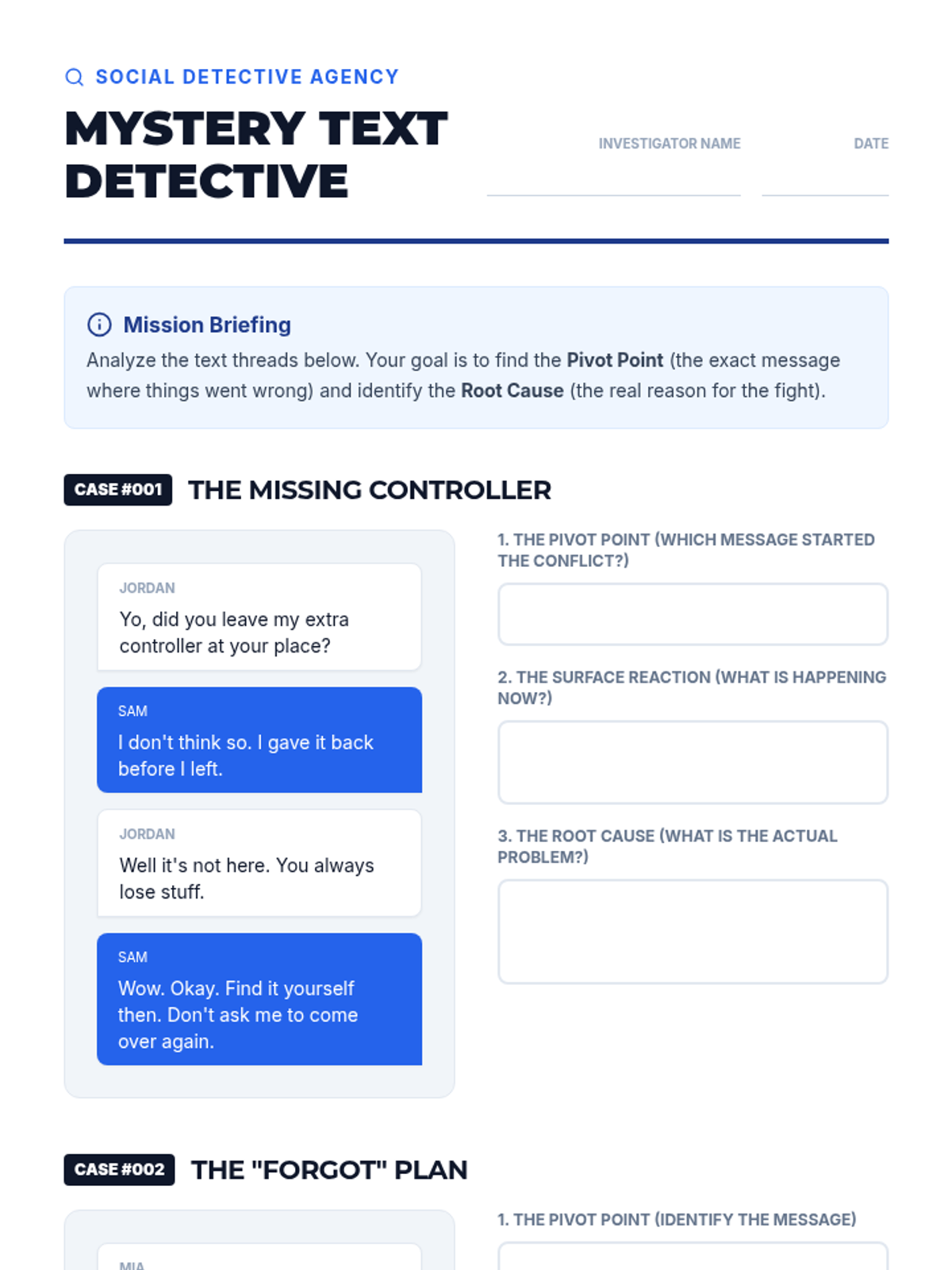
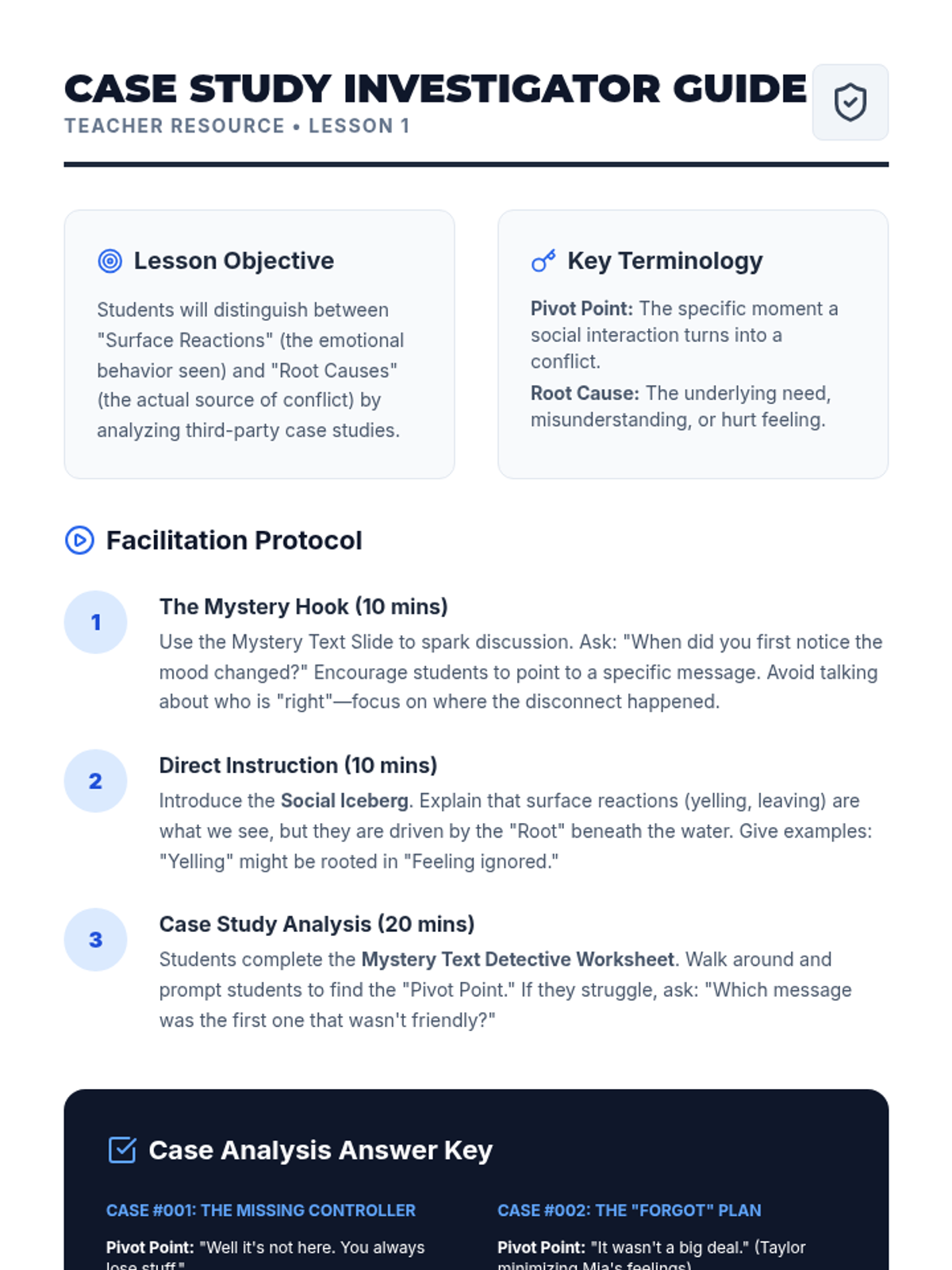
A 5-lesson sequence for 8th-grade social communication students focusing on identifying root causes, brainstorming diverse solutions, and mapping consequences to resolve social conflicts effectively. Students use a case study 'investigator' approach to build objective analysis skills before applying them to personal experiences.
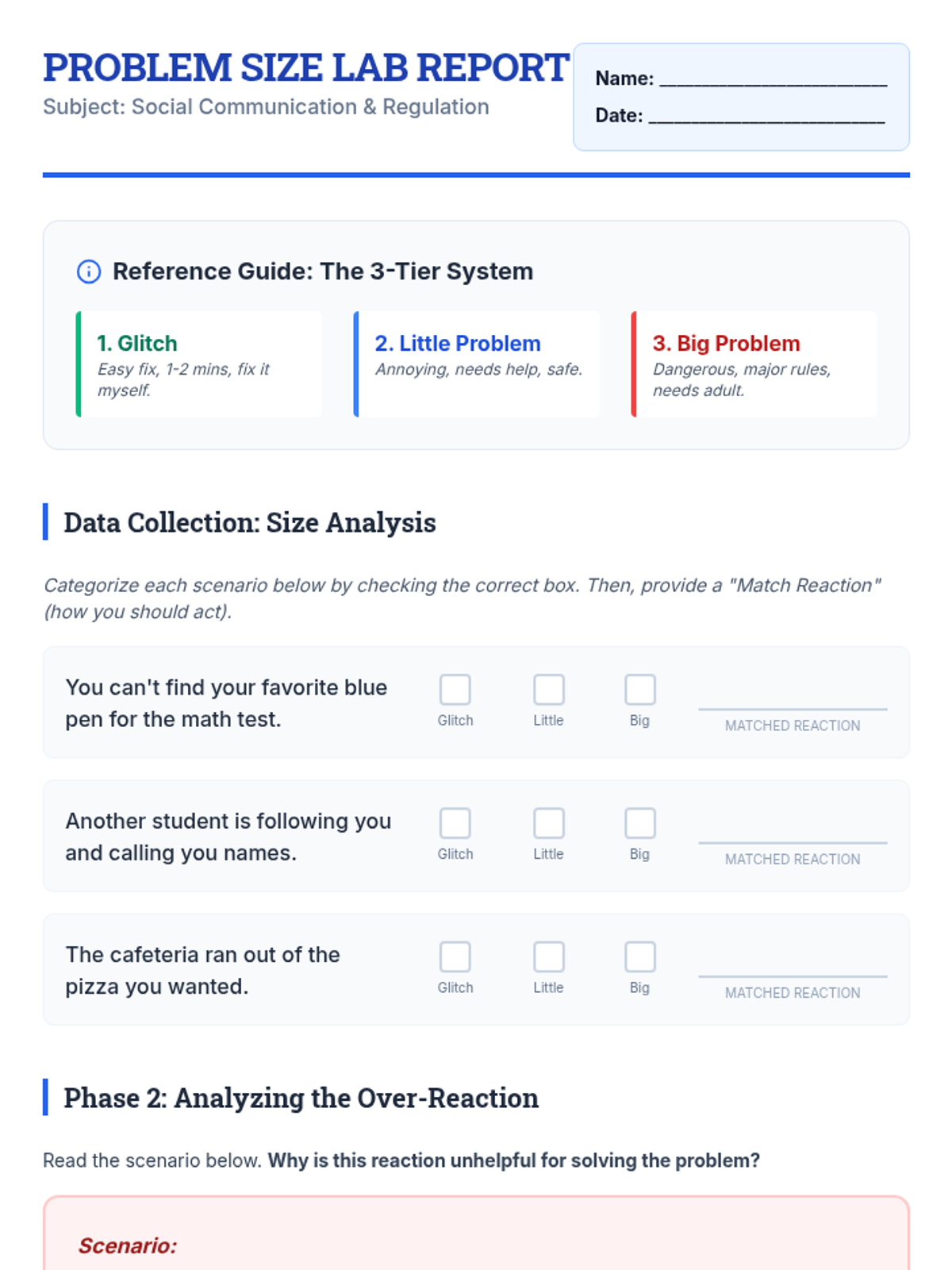
A comprehensive 5-lesson unit for 7th grade students focusing on social problem-solving. This sequence guides students from identifying the size of a conflict to objectively defining facts, brainstorming diverse solutions, and selecting the most assertive and effective response.
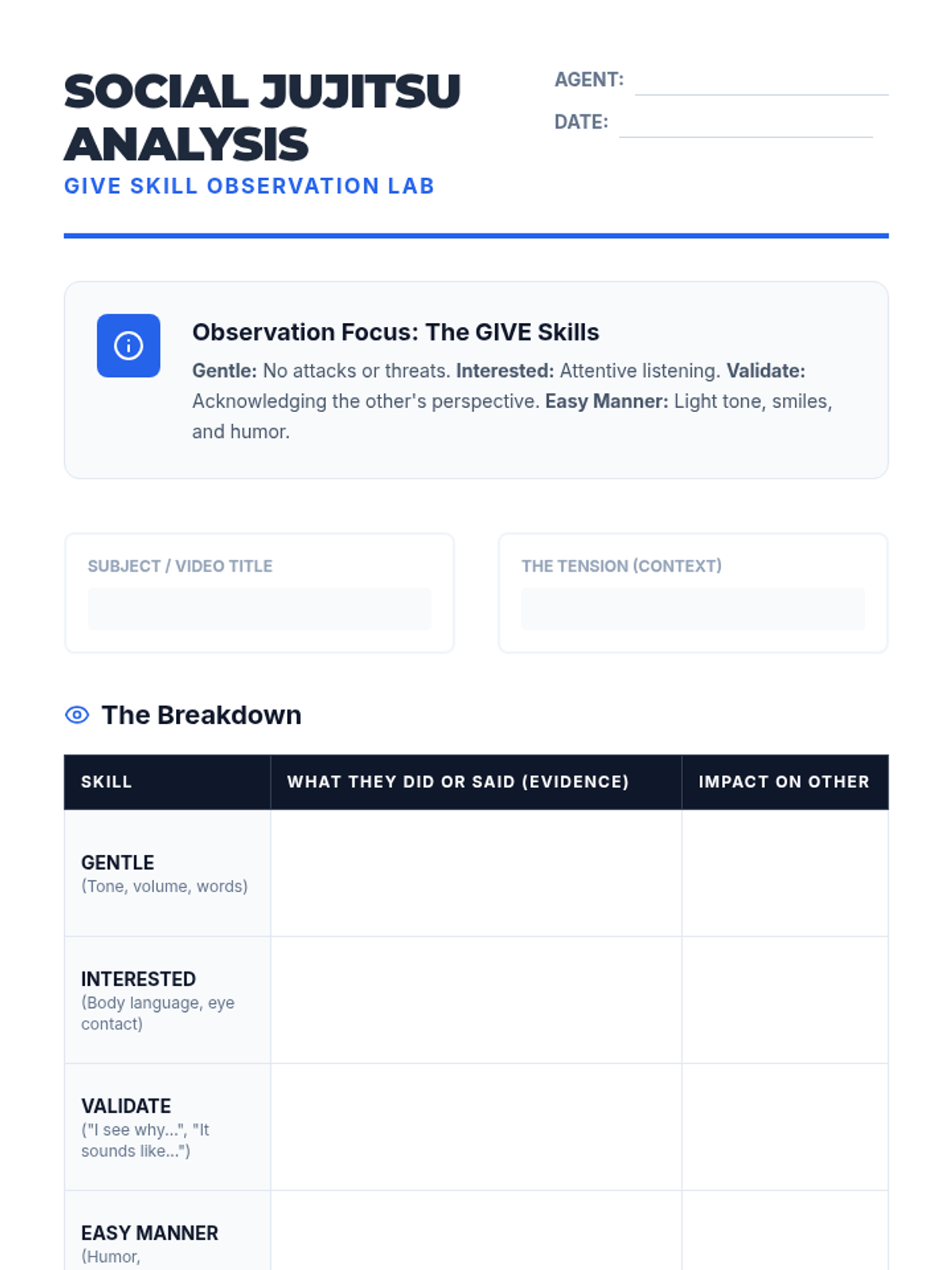
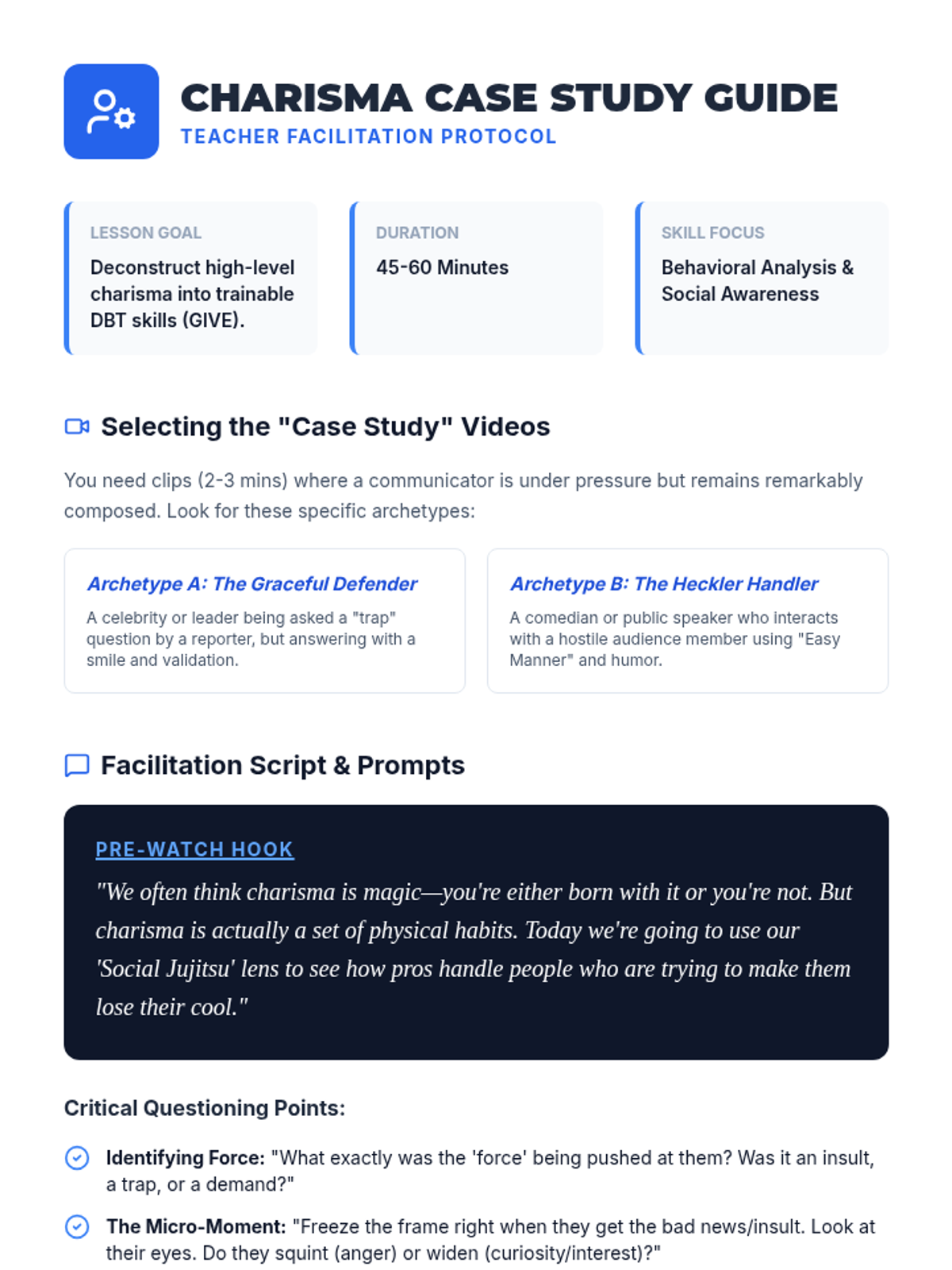
An 8th-grade sequence exploring the GIVE skills (Gentle, Interested, Validate, Easy manner) through a flipped-classroom approach, focusing on authenticity, charisma, and social nuance.
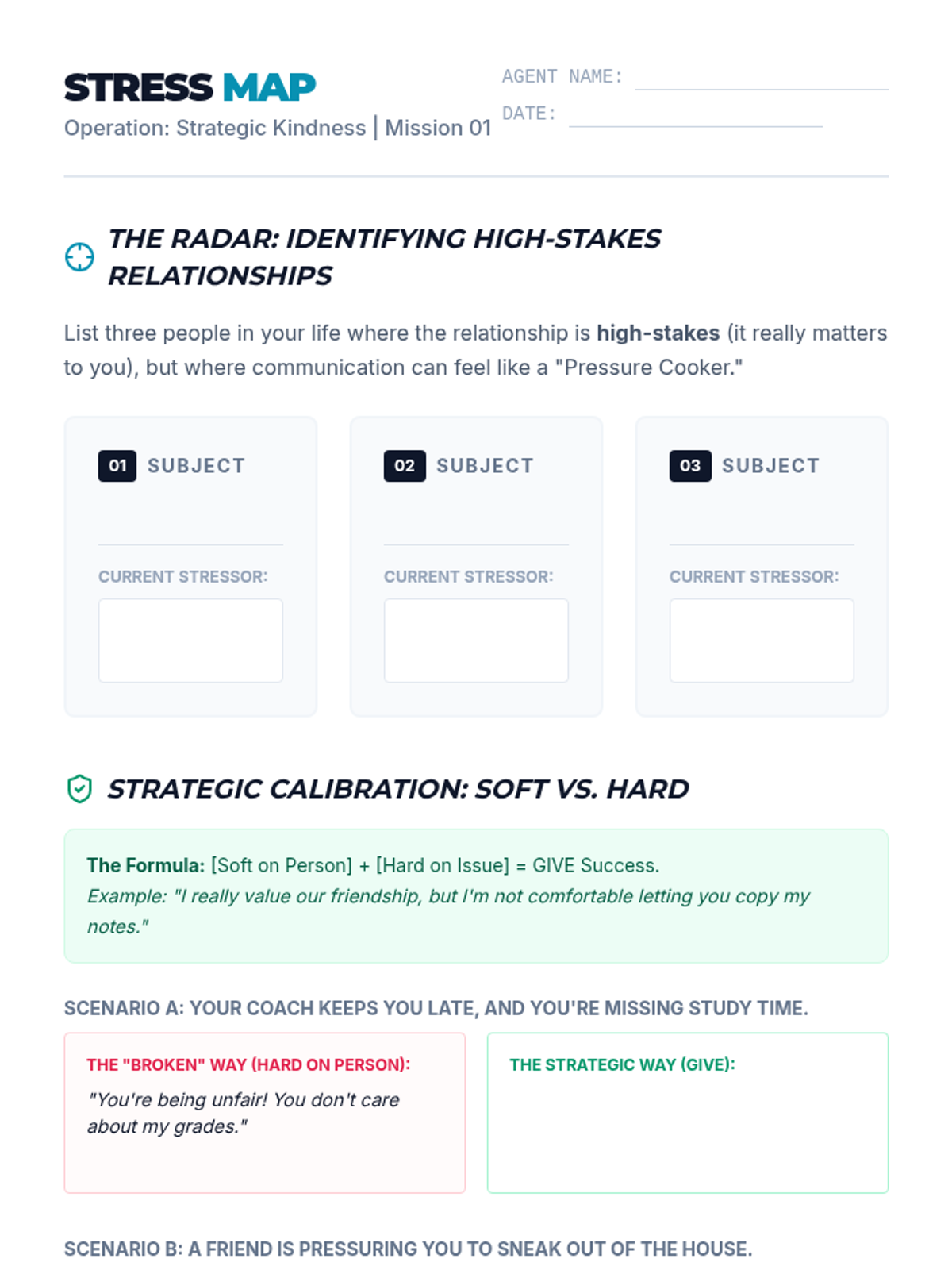
A comprehensive 8th-grade sequence teaching DBT GIVE skills (Gentle, Interested, Validate, Easy manner) through game-based learning and high-stakes social simulations. Students learn to maintain boundaries and self-respect while preserving important relationships in academic and social contexts.
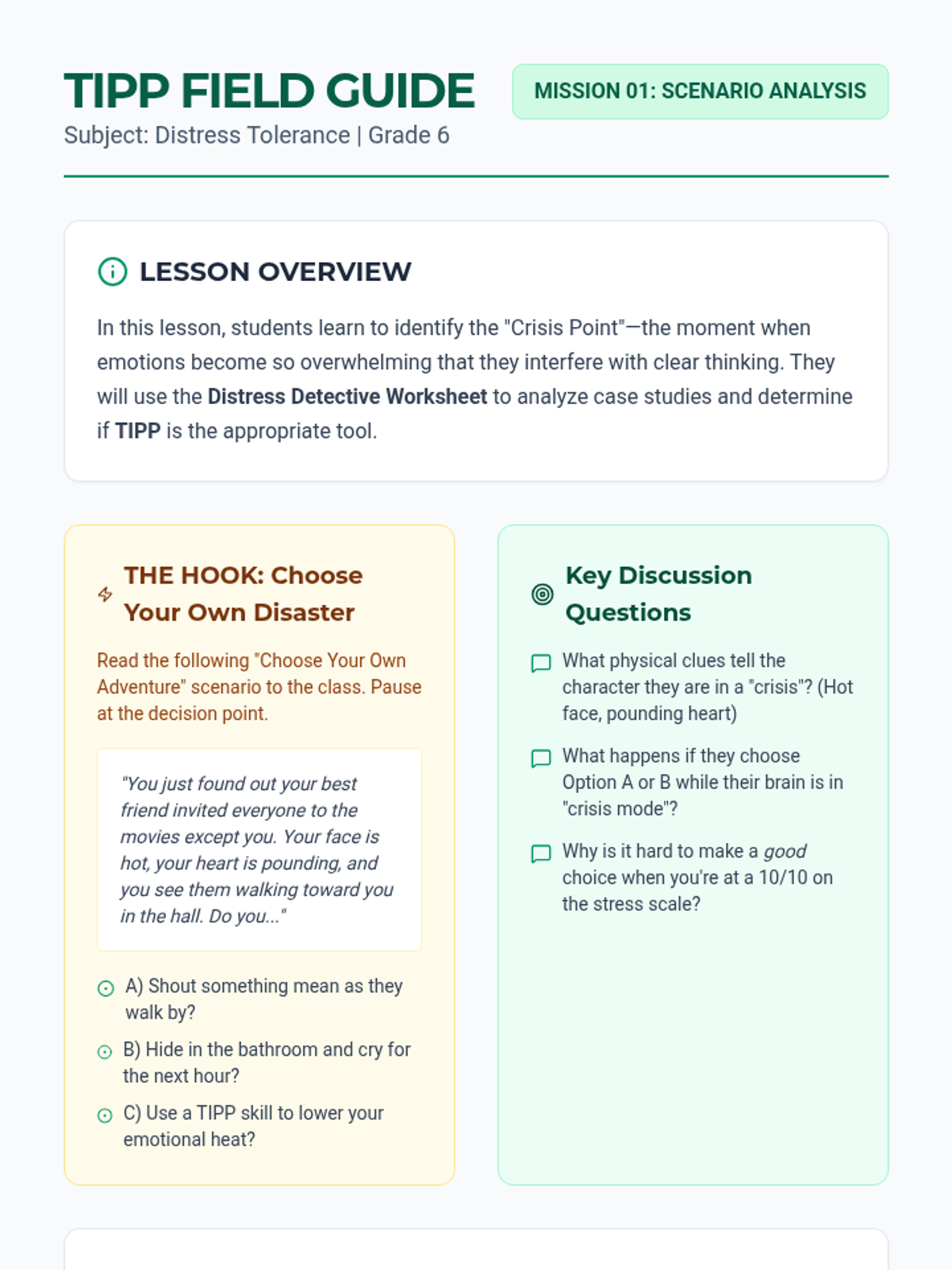
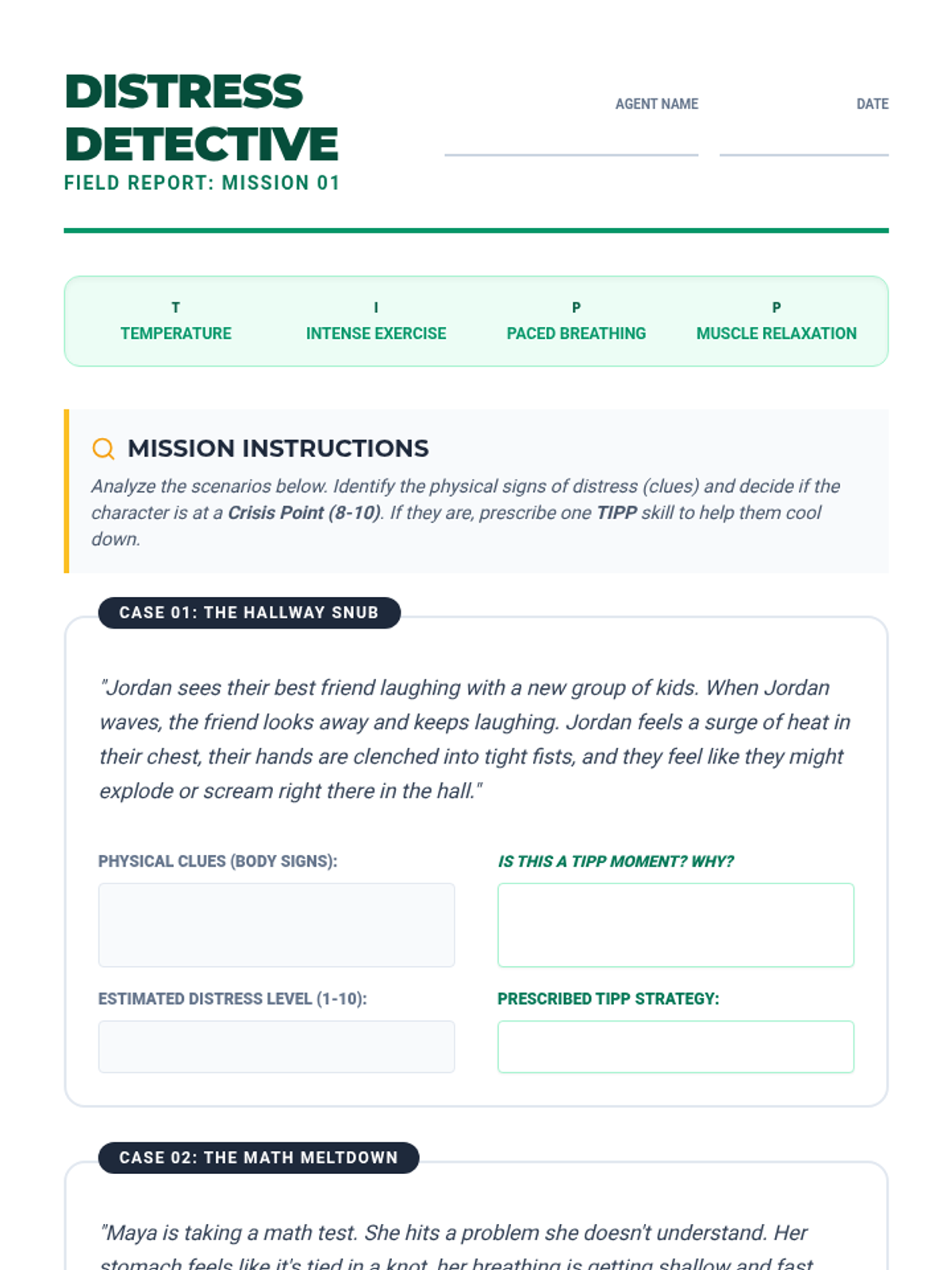
A 5-lesson unit for 6th graders to apply TIPP crisis survival skills (Temperature, Intense Exercise, Paced Breathing, Paired Muscle Relaxation) to real-world social and academic stressors. Students move from analyzing scenarios to simulated practice and peer consulting.
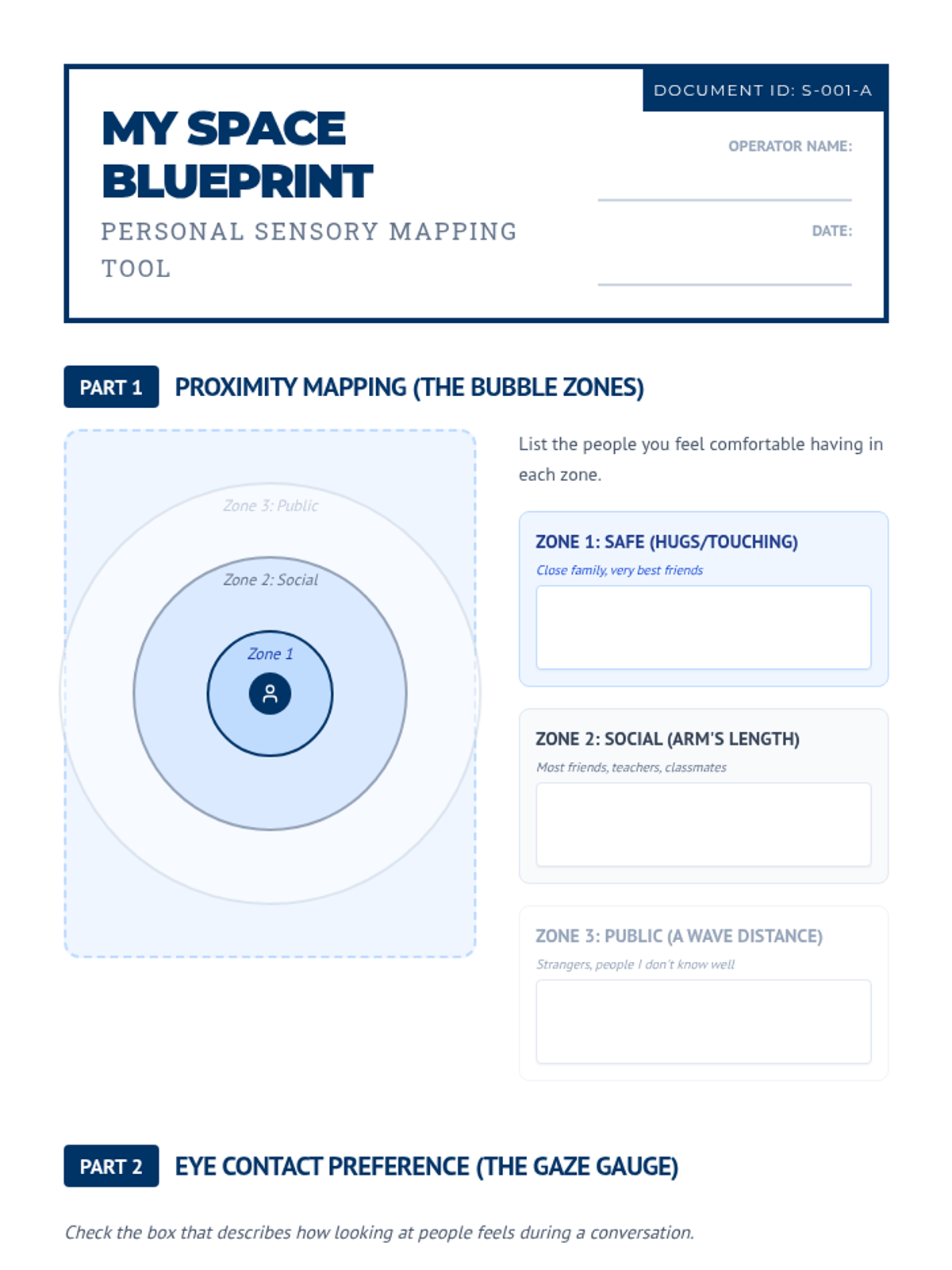
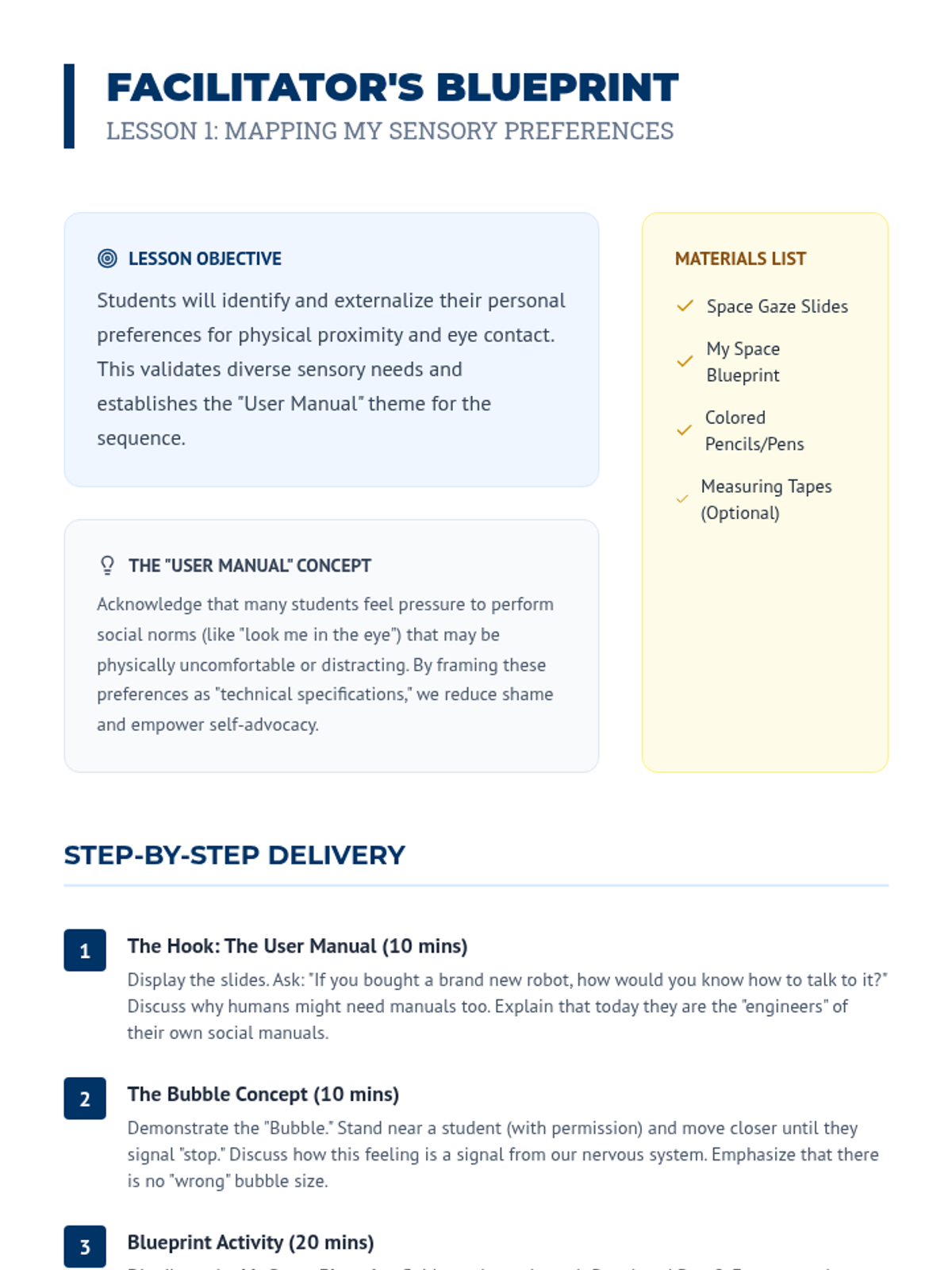
A neurodiversity-affirming sequence for 6th graders to explore their personal space needs and eye contact preferences. Students learn to advocate for their own boundaries while respecting the diverse sensory and cultural needs of others through a 'User Manual' theme.
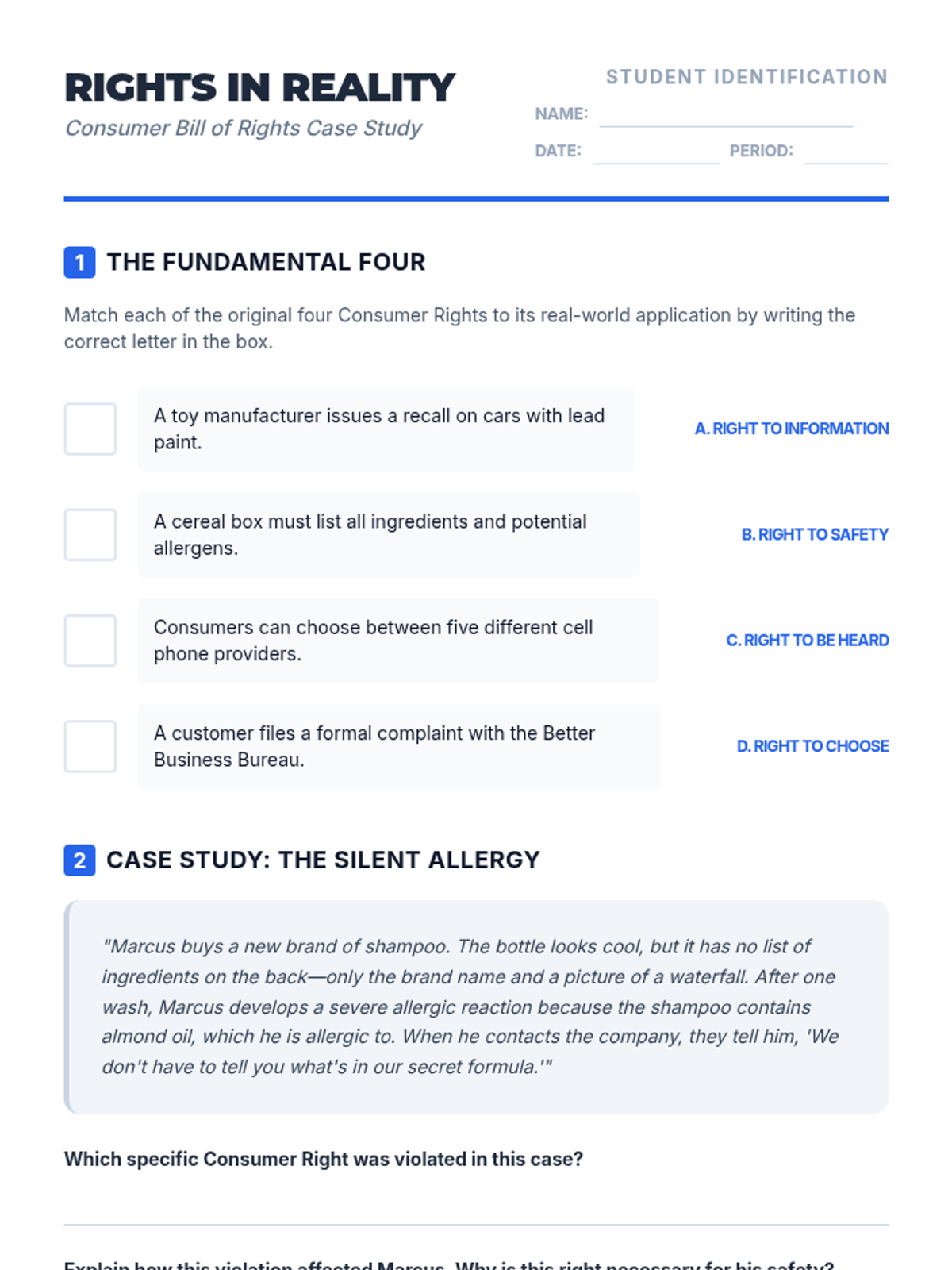
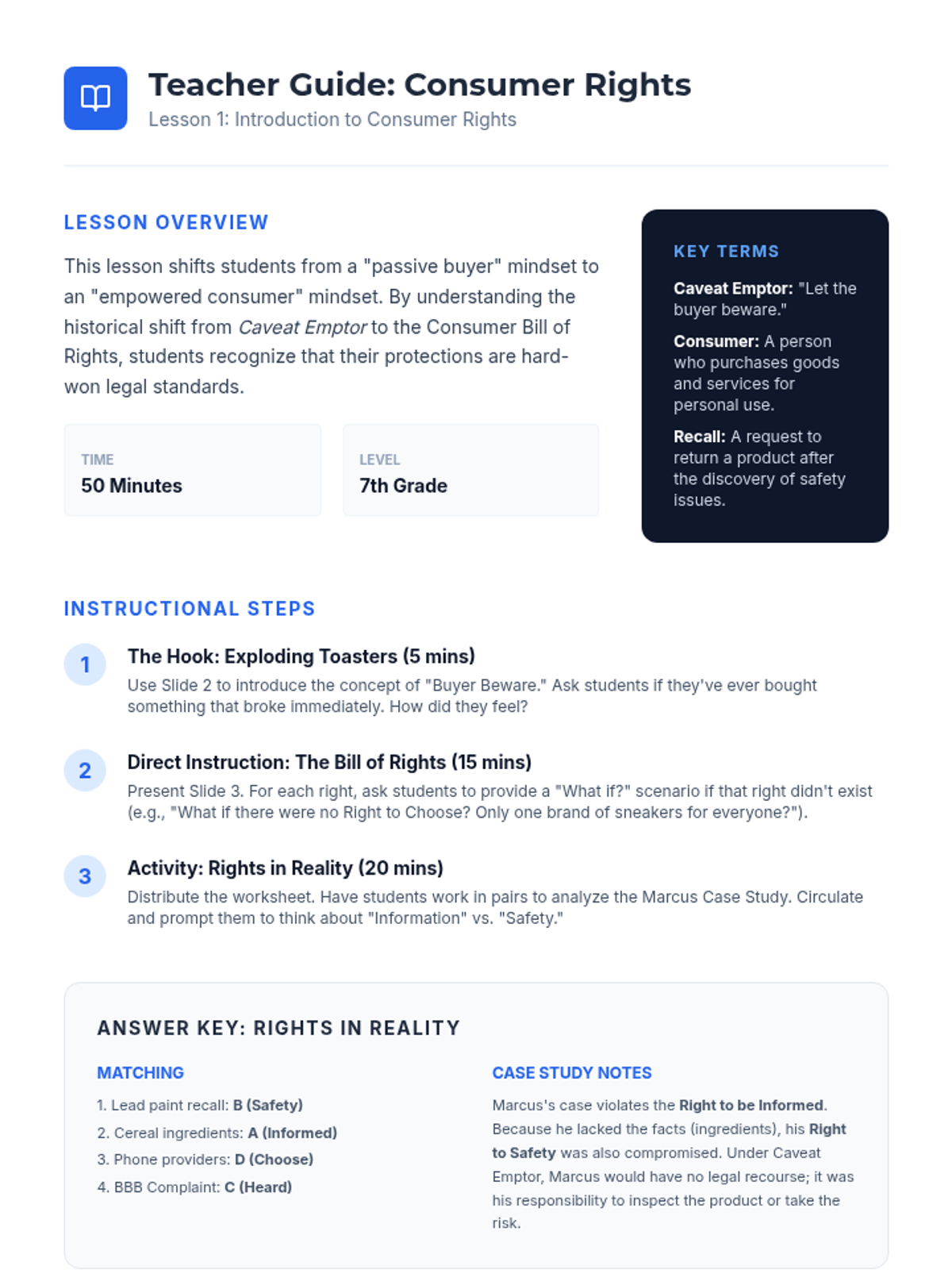
A comprehensive unit on consumer rights, warranties, and the art of professional dispute resolution. Students learn to navigate the legal and ethical framework of the marketplace through case studies, role-plays, and writing workshops.
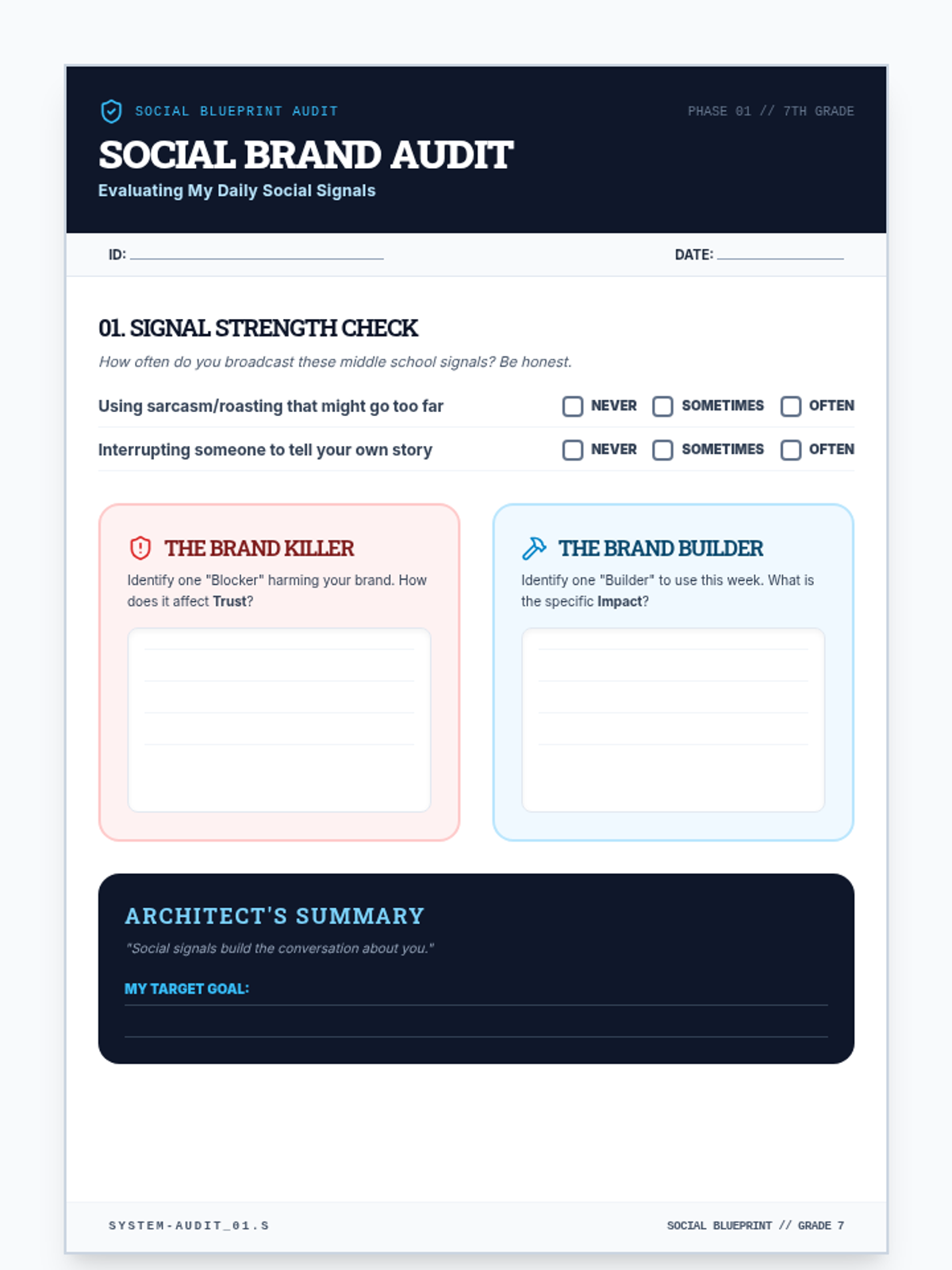
An 8-week small group social skills curriculum focused on self-awareness, impulse control, conflict resolution, and building healthy, non-possessive peer relationships using a 'blueprint' and 'architecture' theme.
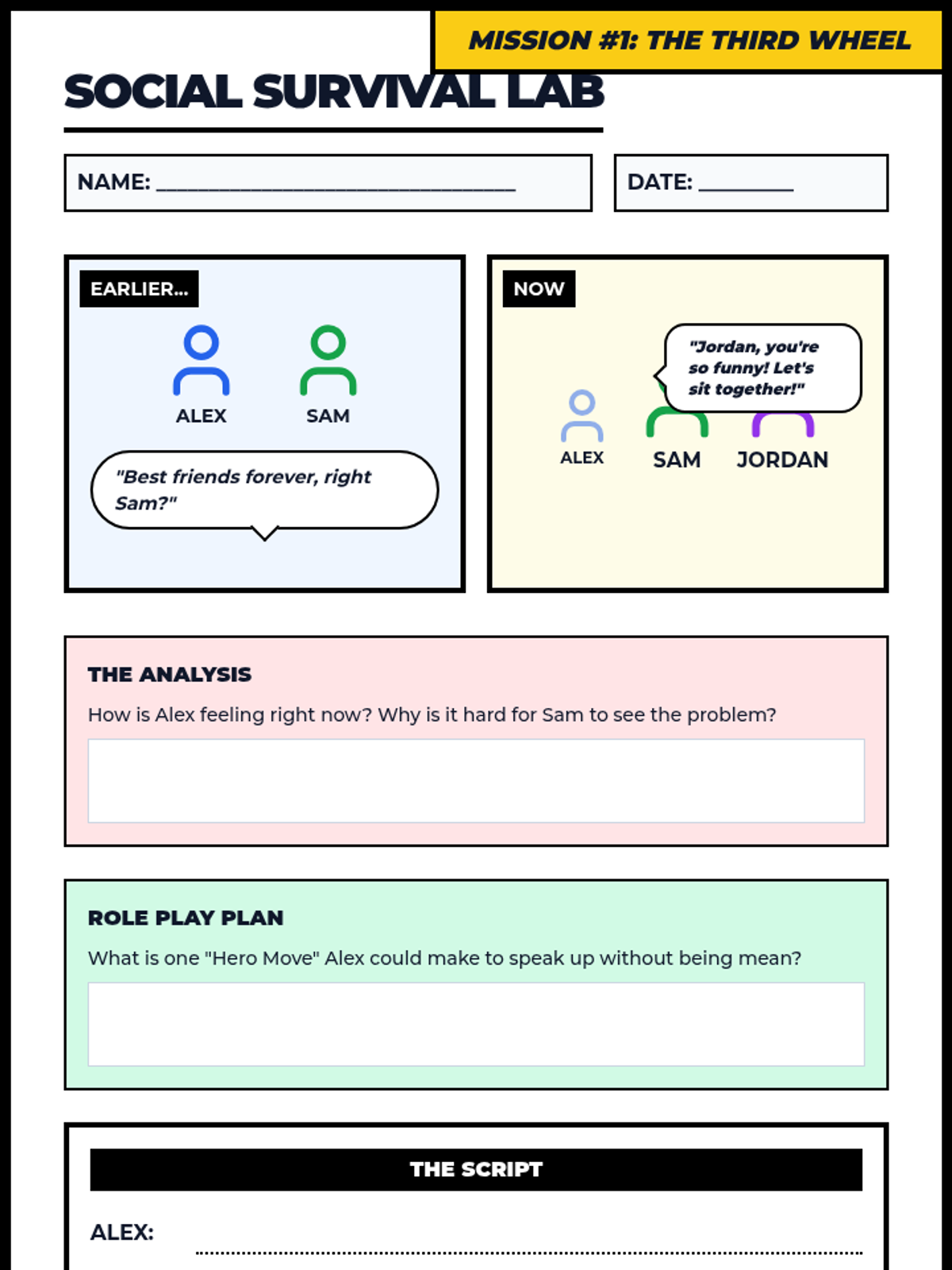
A series of lessons designed to help Year 7 students transition into the social complexities of secondary school, covering friendship, identity, and communication.
A comprehensive 9-week social-emotional learning curriculum for 8th graders focusing on anxiety, self-esteem, and healthy relationships. Designed for two 2-hour sessions per week, with structured instruction on Day 1 and independent creative or research projects on Day 2.
A sequence focused on developing interpersonal communication skills, conflict resolution strategies, and healthy relationship boundaries for middle school students.
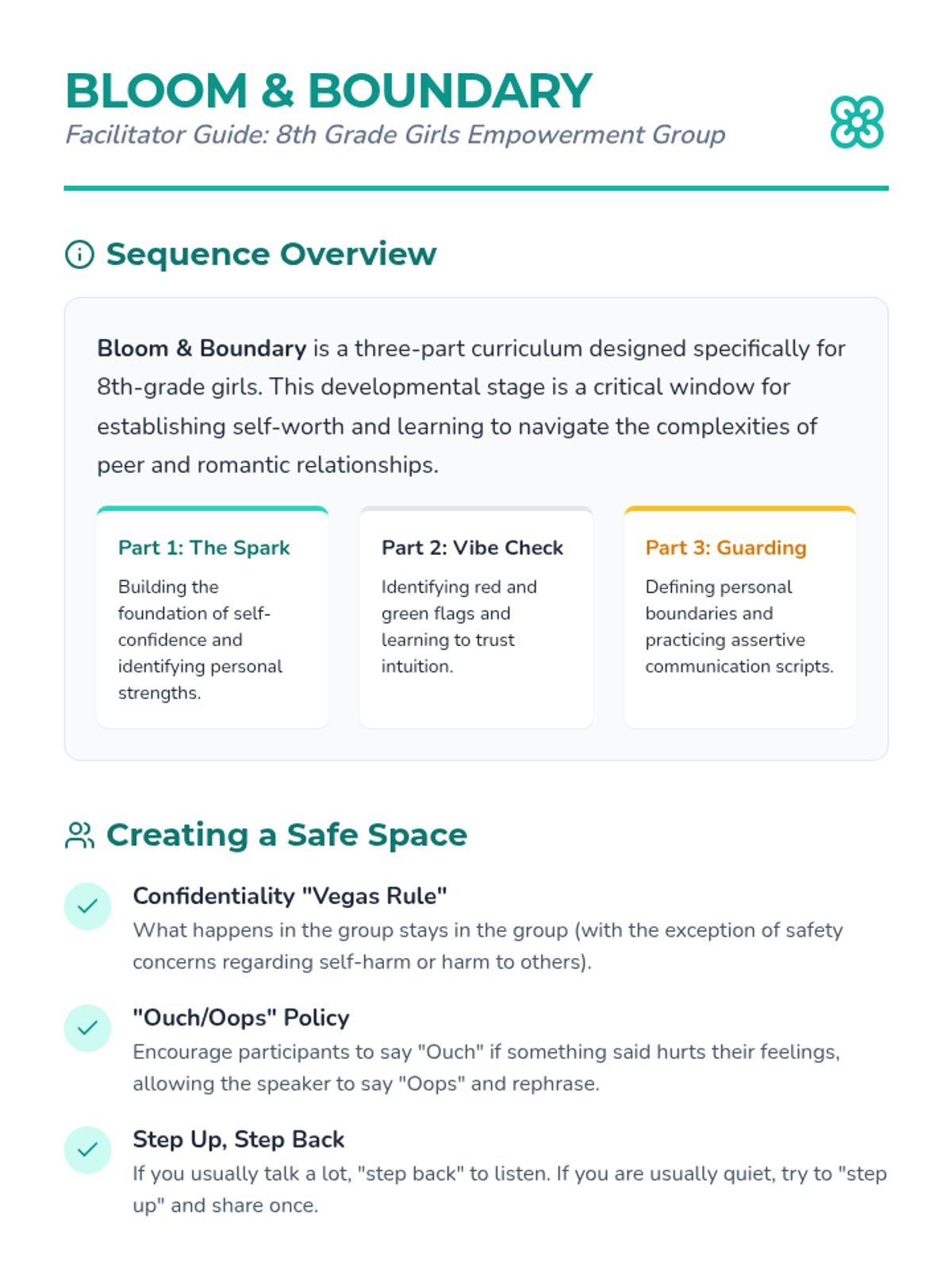
A multi-part group curriculum for 8th-grade girls designed to build self-confidence, identify relationship red flags, and master the art of setting healthy boundaries.
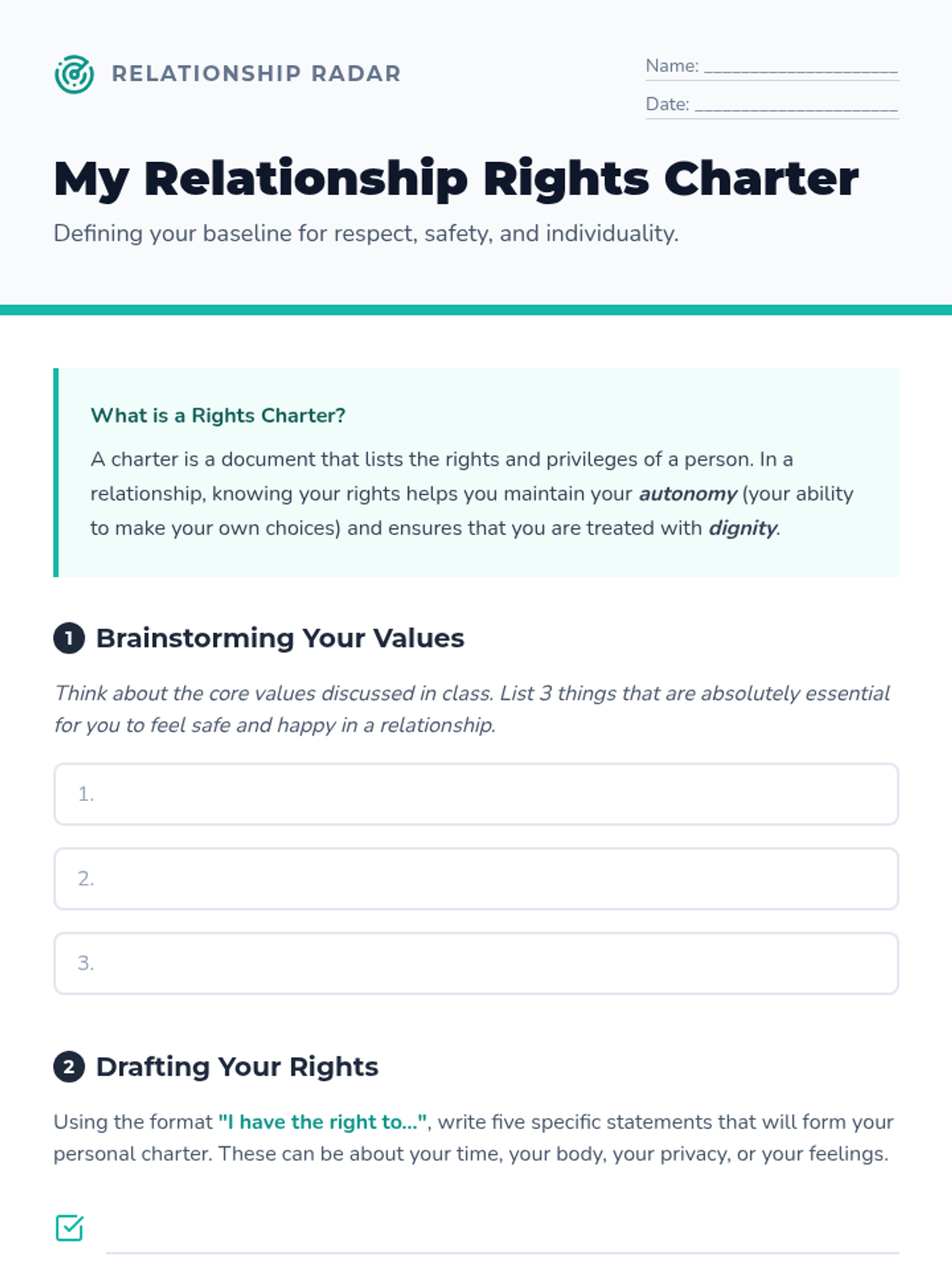
A comprehensive unit for 7th-grade students to identify healthy vs. unhealthy romantic relationship indicators, core values, and personal boundaries. Students will develop a 'Relationship Radar' to navigate social dynamics with emotional safety and autonomy.
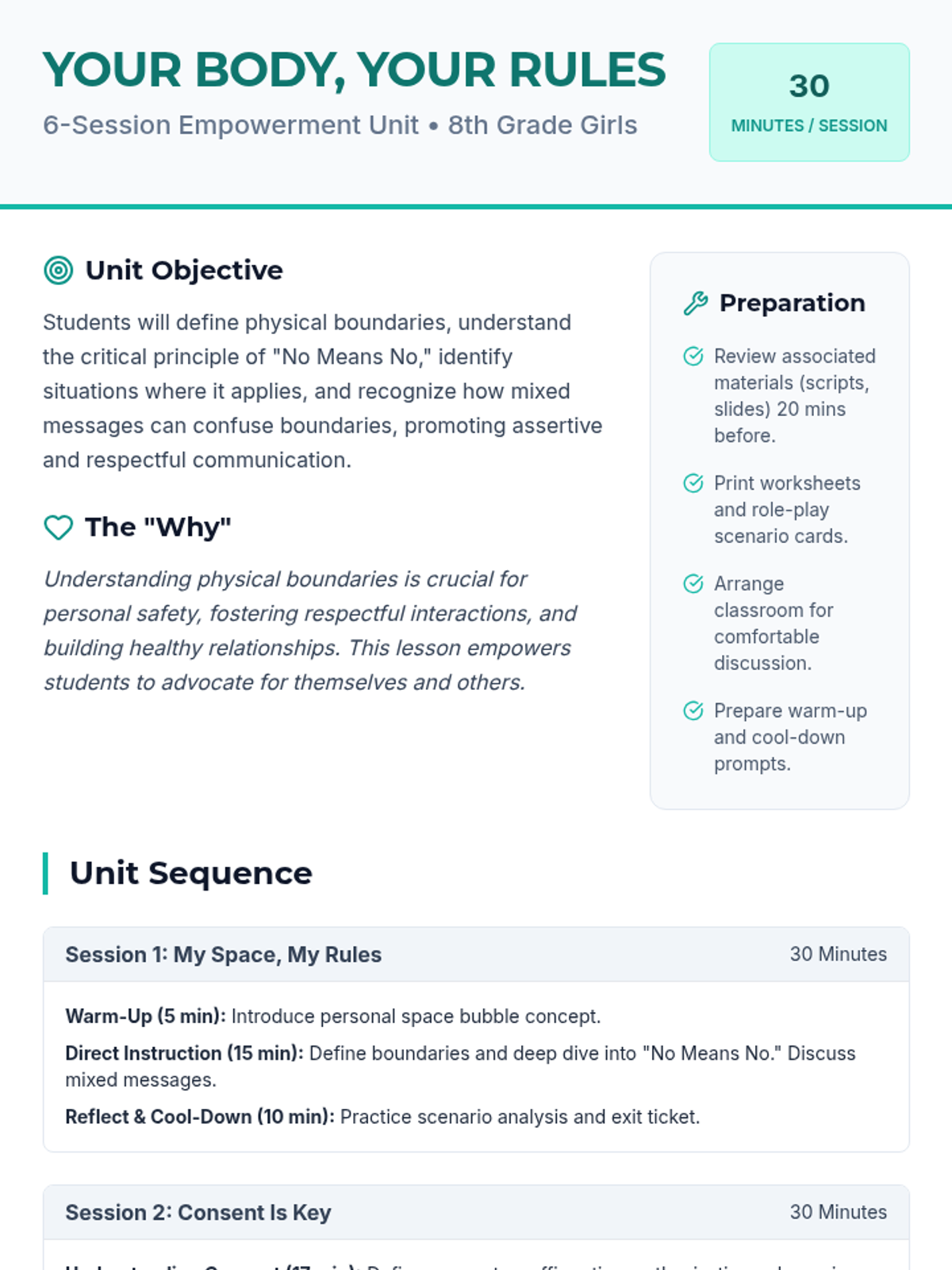
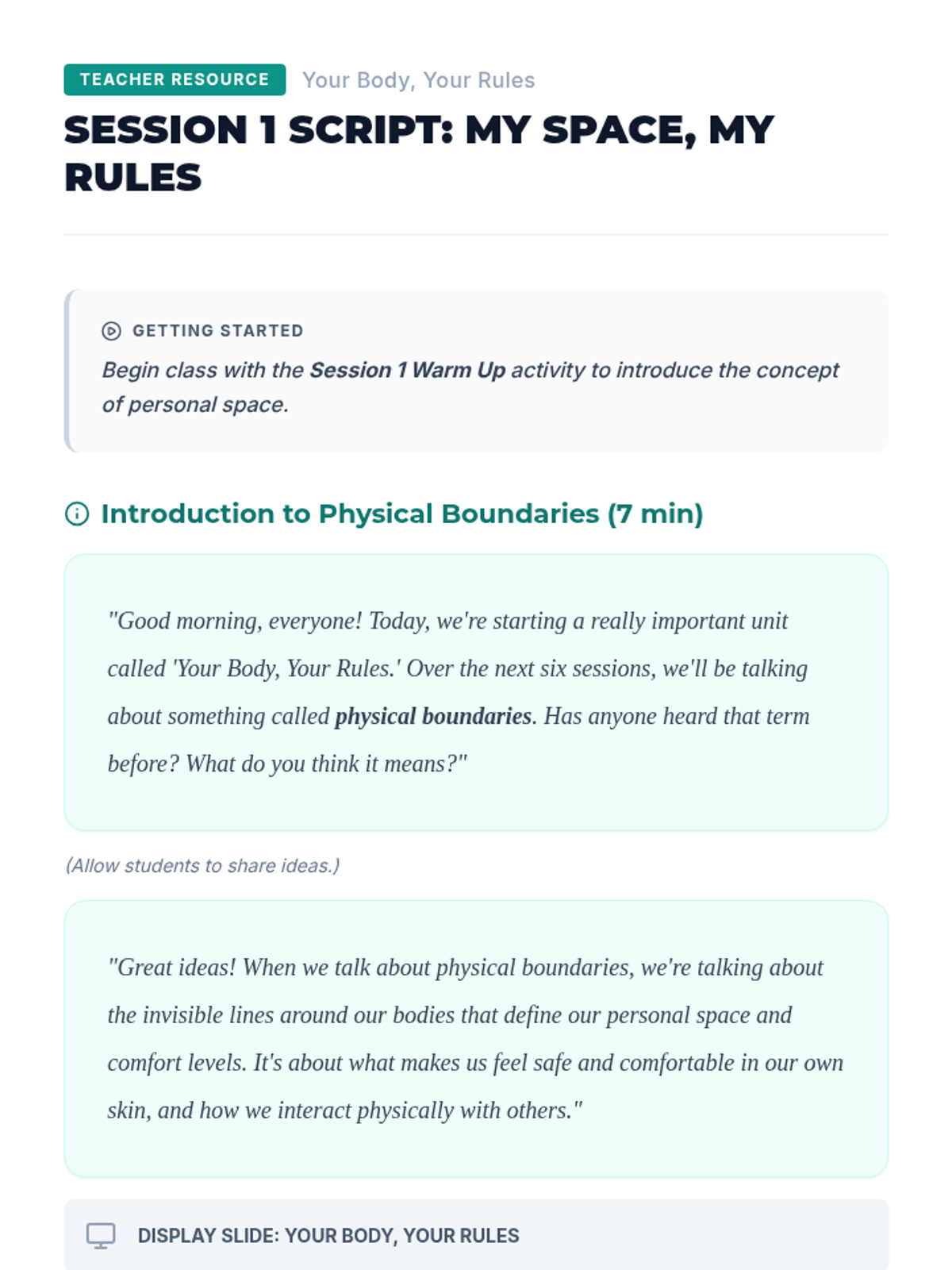
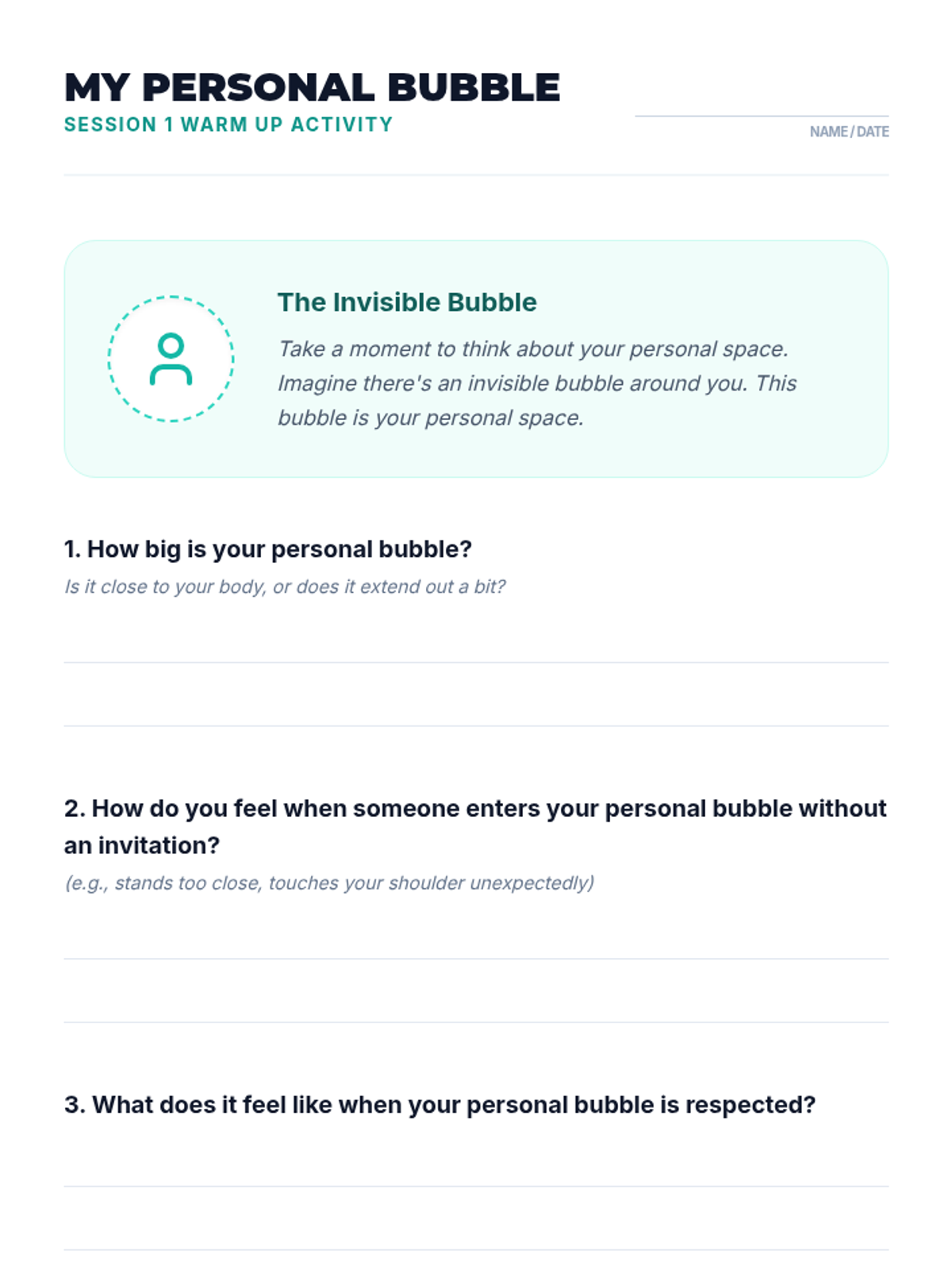
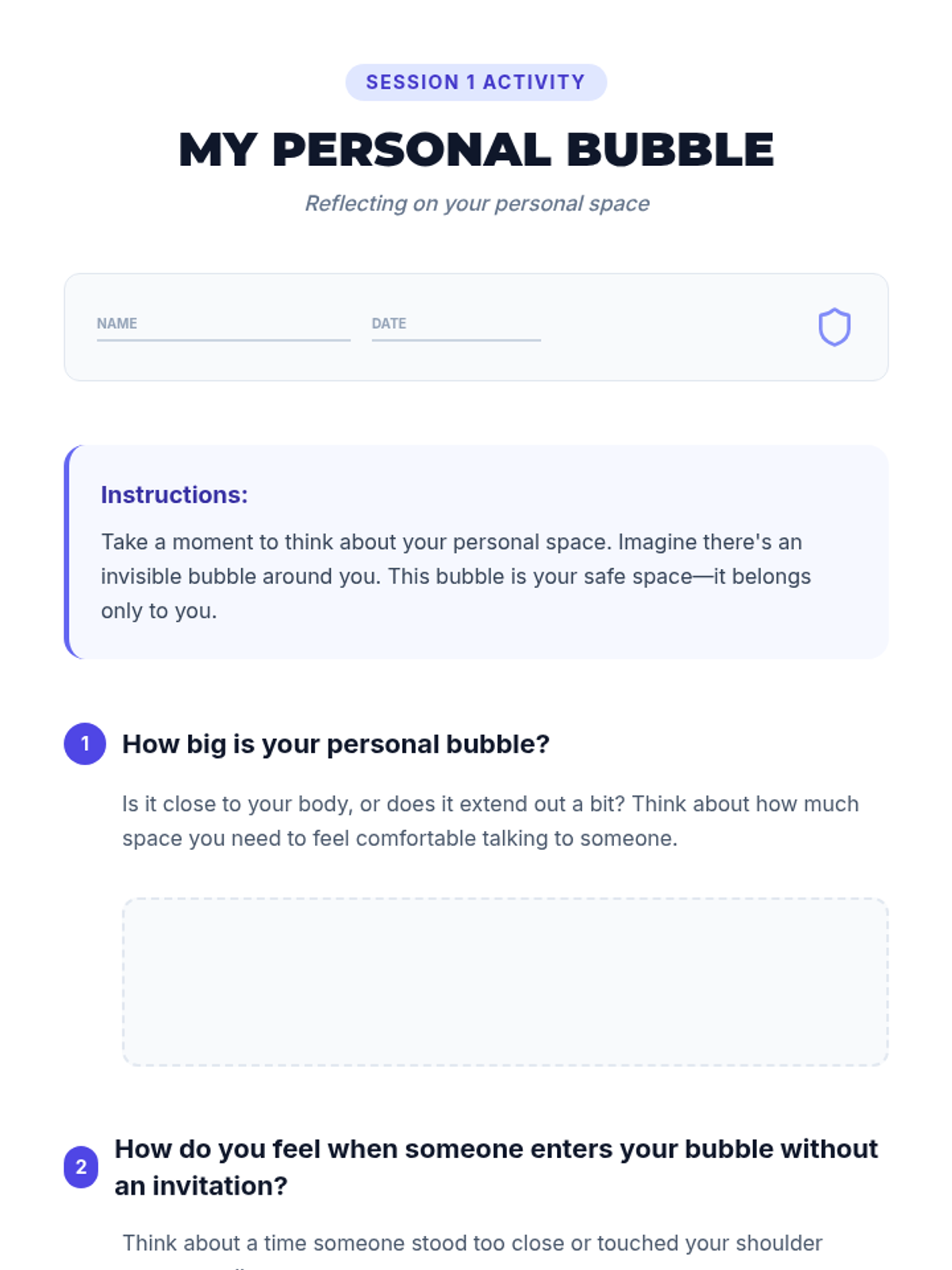
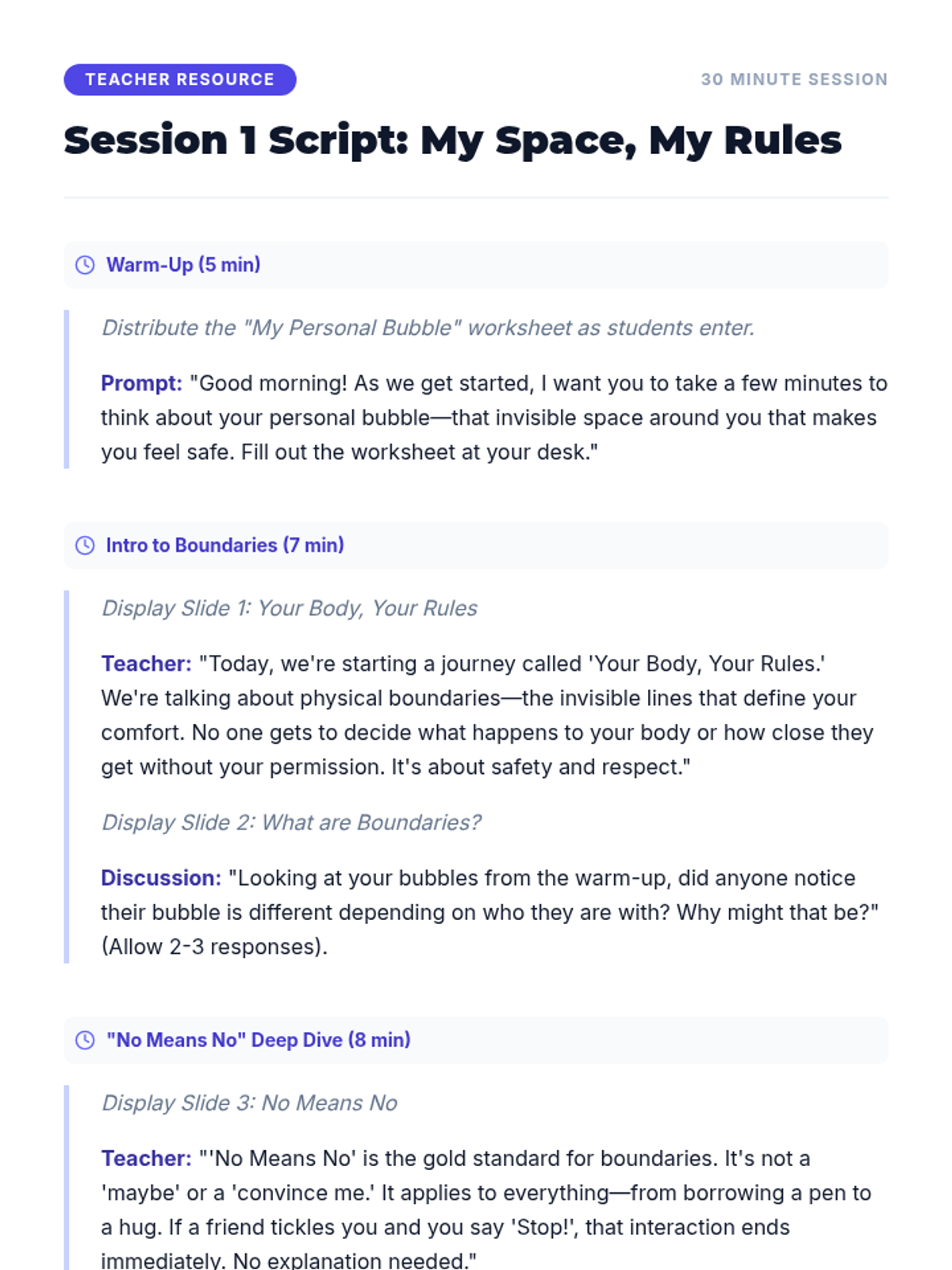
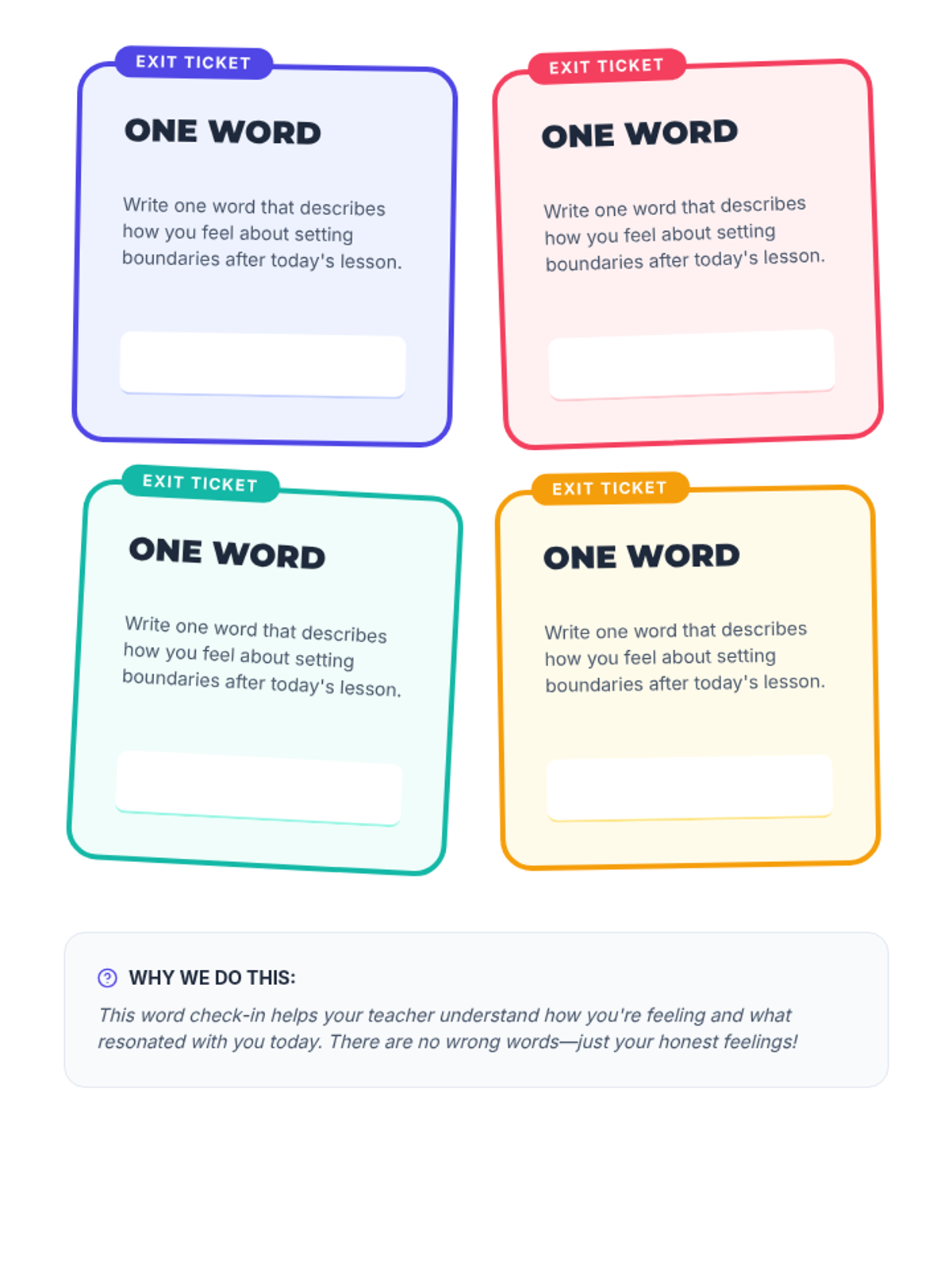
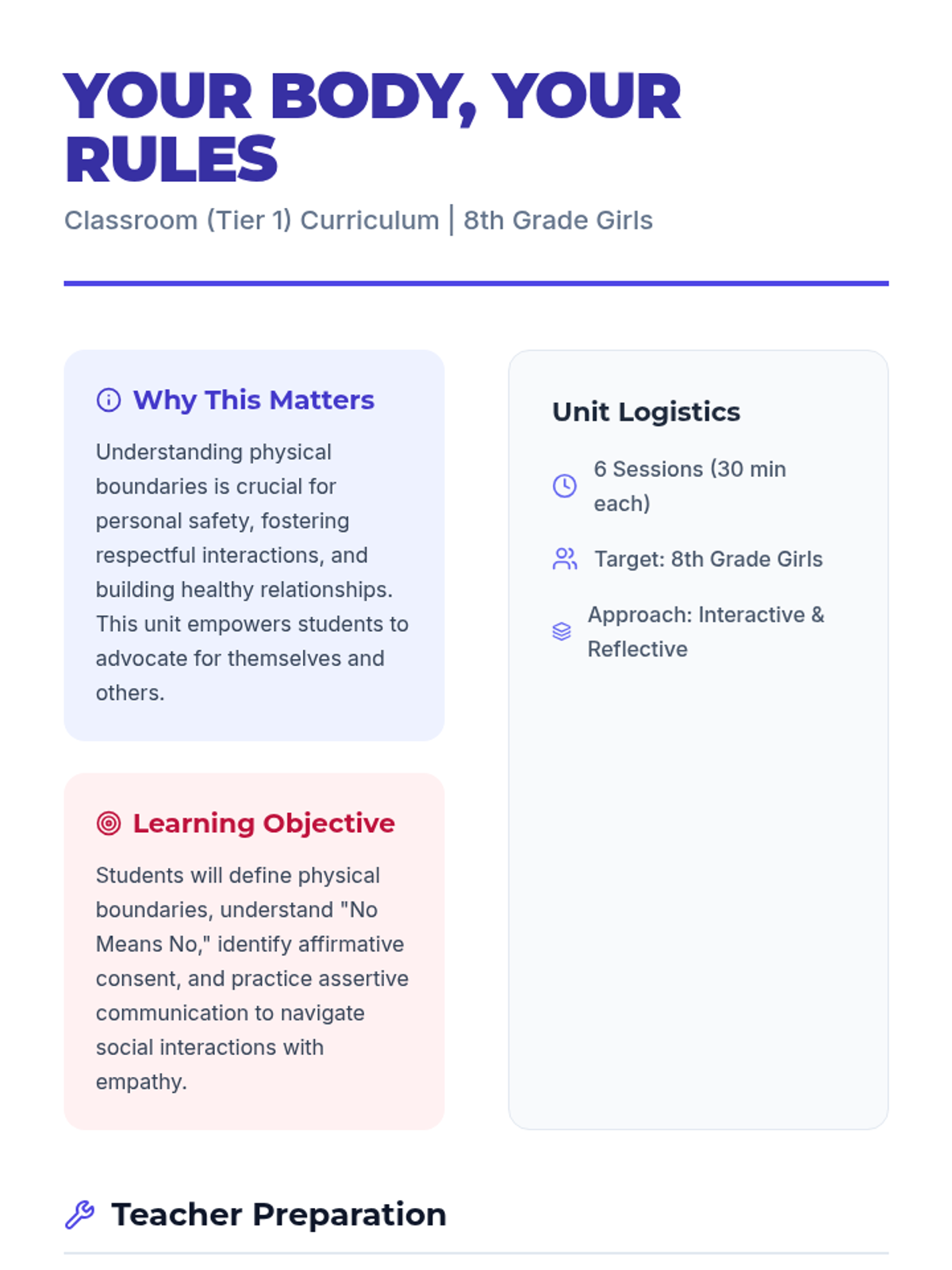
A 6-session empowerment unit for 8th-grade girls focusing on physical boundaries, consent, self-advocacy, and healthy relationships. Students learn to identify personal space, understand affirmative consent, and navigate social situations with respect.
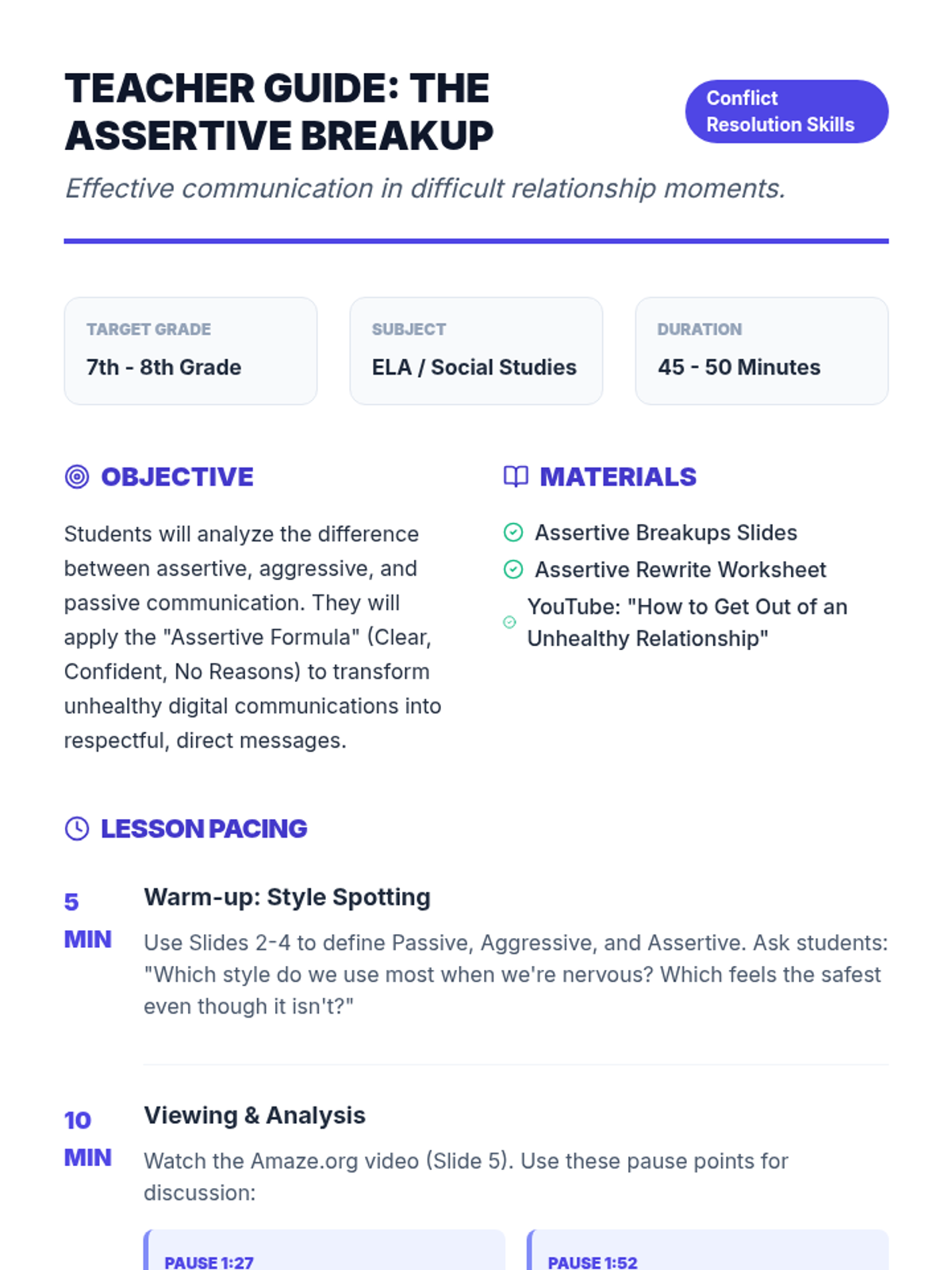
A comprehensive 8th-grade unit focusing on the practical application of interpersonal skills. Students move from mastering active listening and assertive 'I-statements' to understanding consent as an ongoing process, resolving conflicts through negotiation, and ending relationships with clarity and respect.
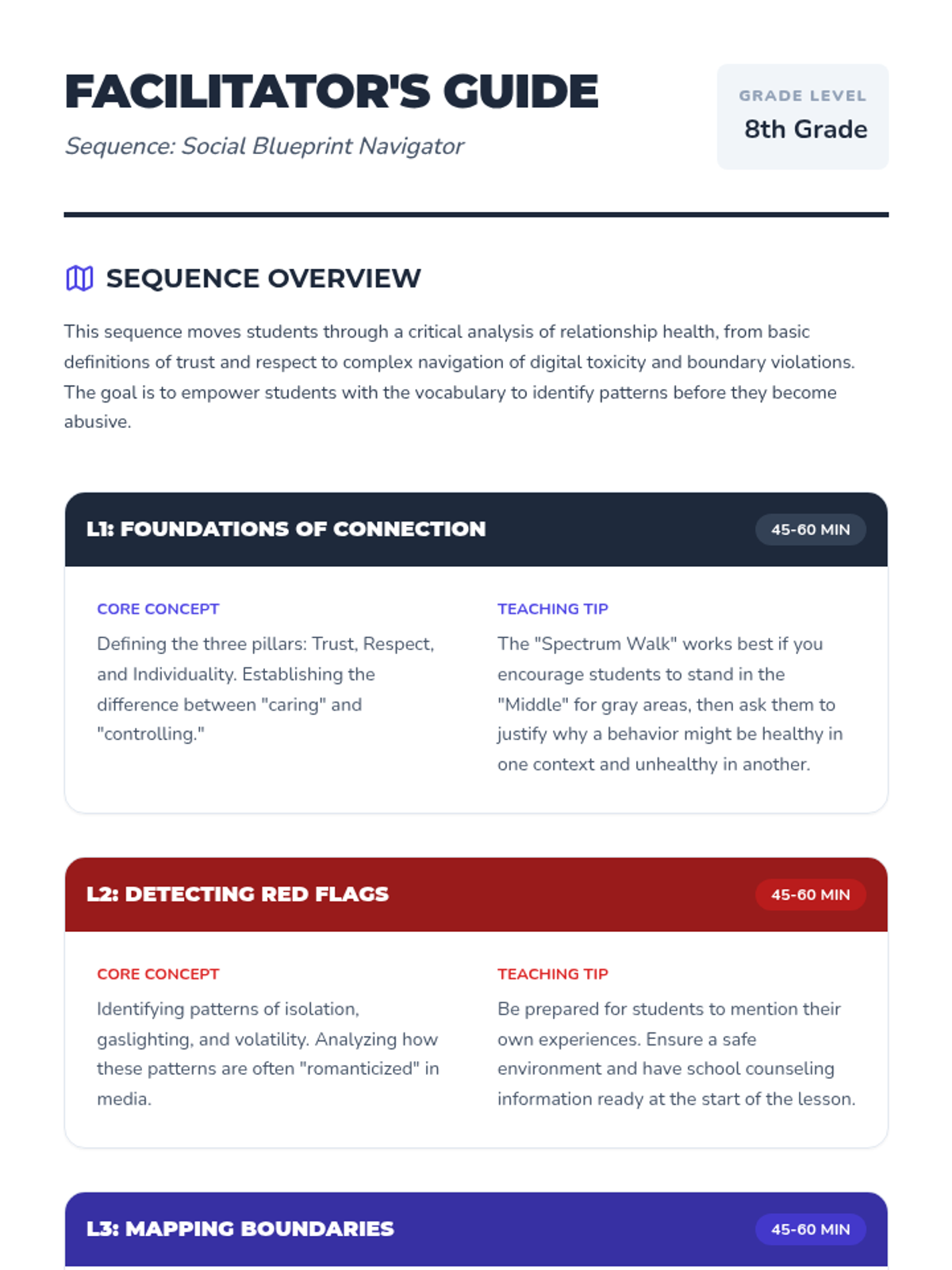
This 8th-grade sequence guides students through analyzing relationship dynamics, distinguishing between healthy and toxic behaviors, and establishing personal boundaries in both physical and digital spaces. Students move from foundational definitions to complex real-world application, culminating in scenario-based assessments and resource mapping for seeking help.
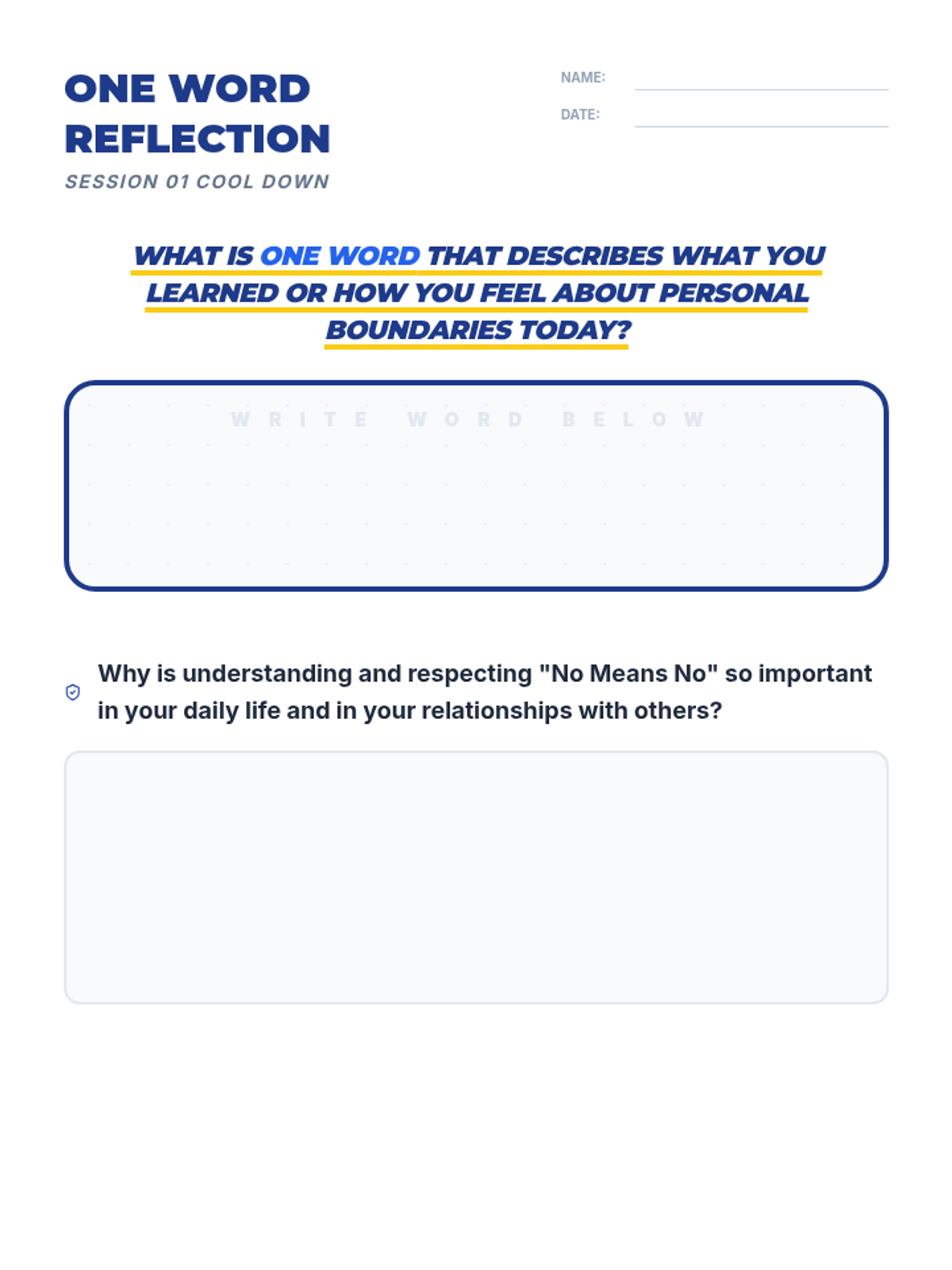
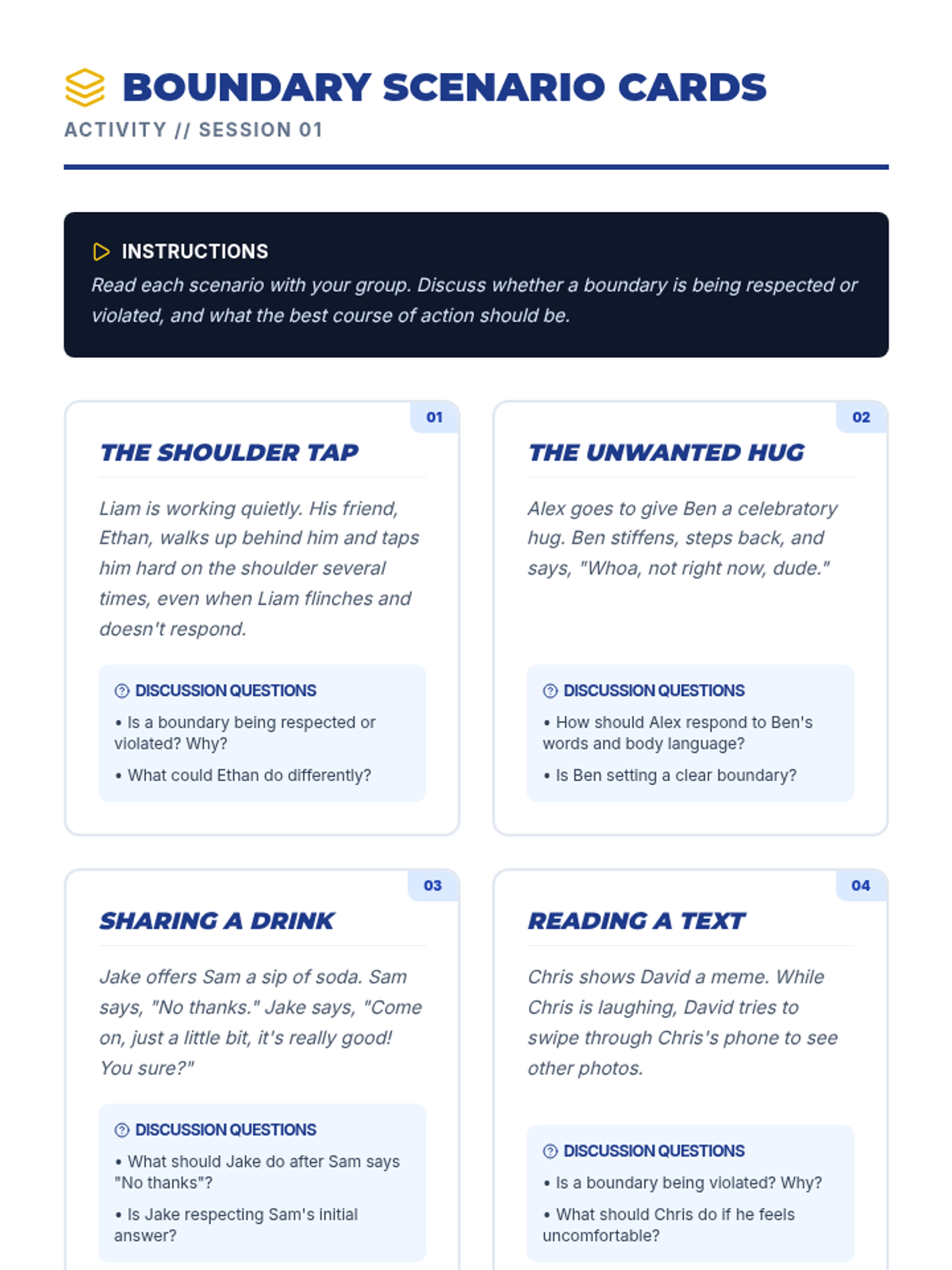
A 6-session unit for 8th-grade girls focused on physical boundaries, consent, and healthy relationships. Students learn to set and respect boundaries, understand 'No Means No', and navigate social interactions with clarity and empathy.
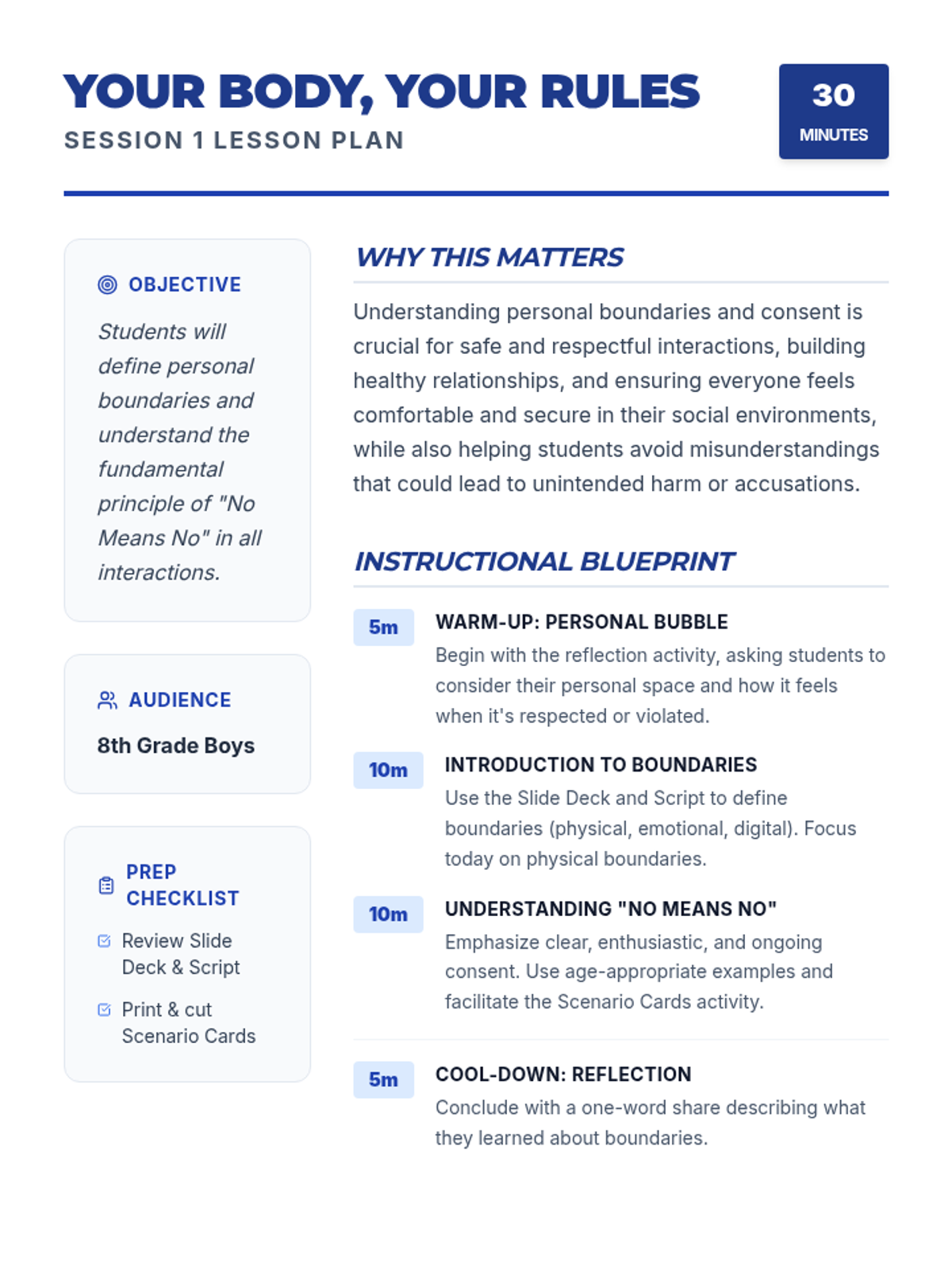
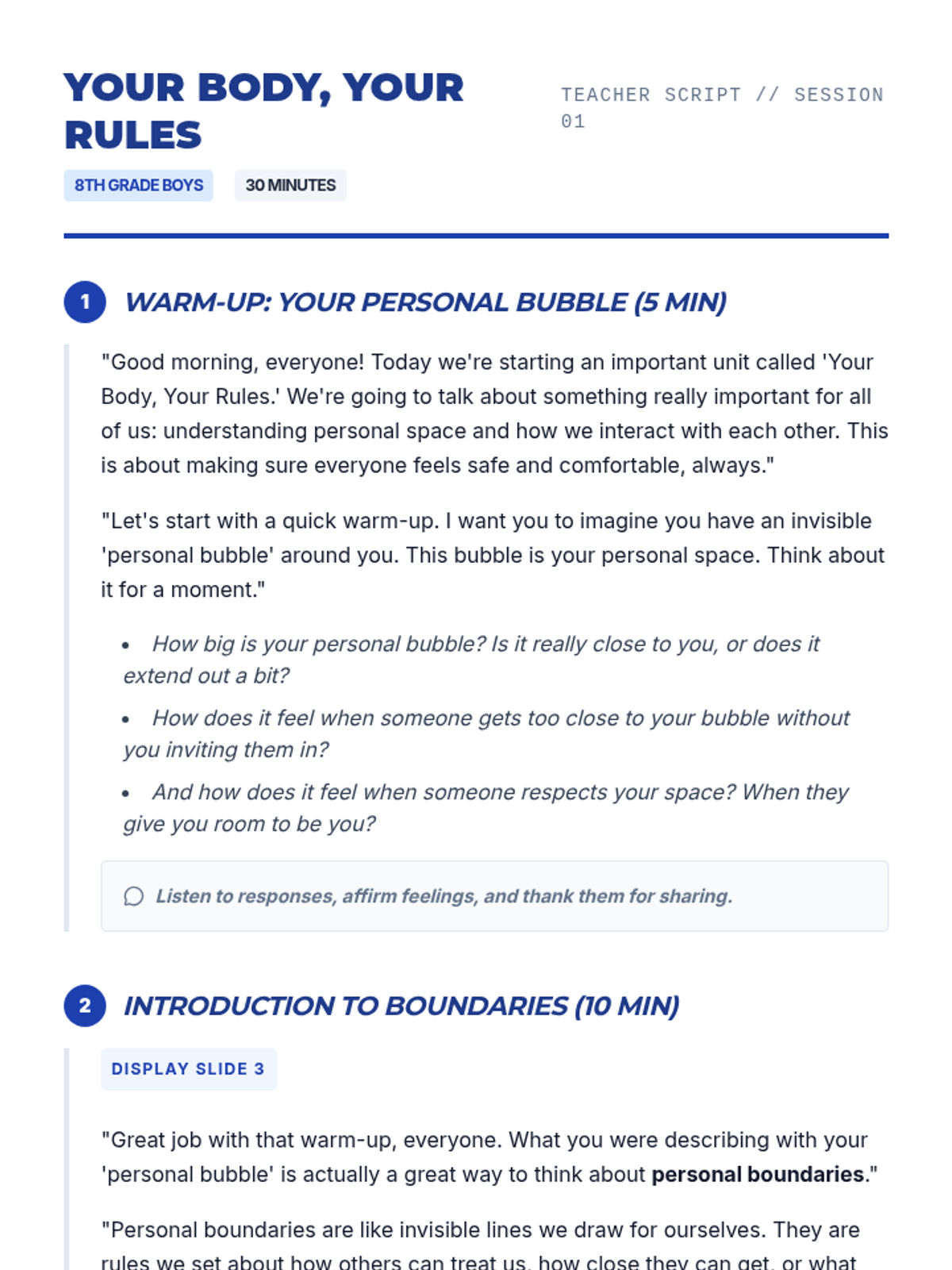
A comprehensive 6-session unit for 8th-grade boys focused on consent, personal boundaries, and respectful social interactions to foster healthy relationships and prevent harassment.
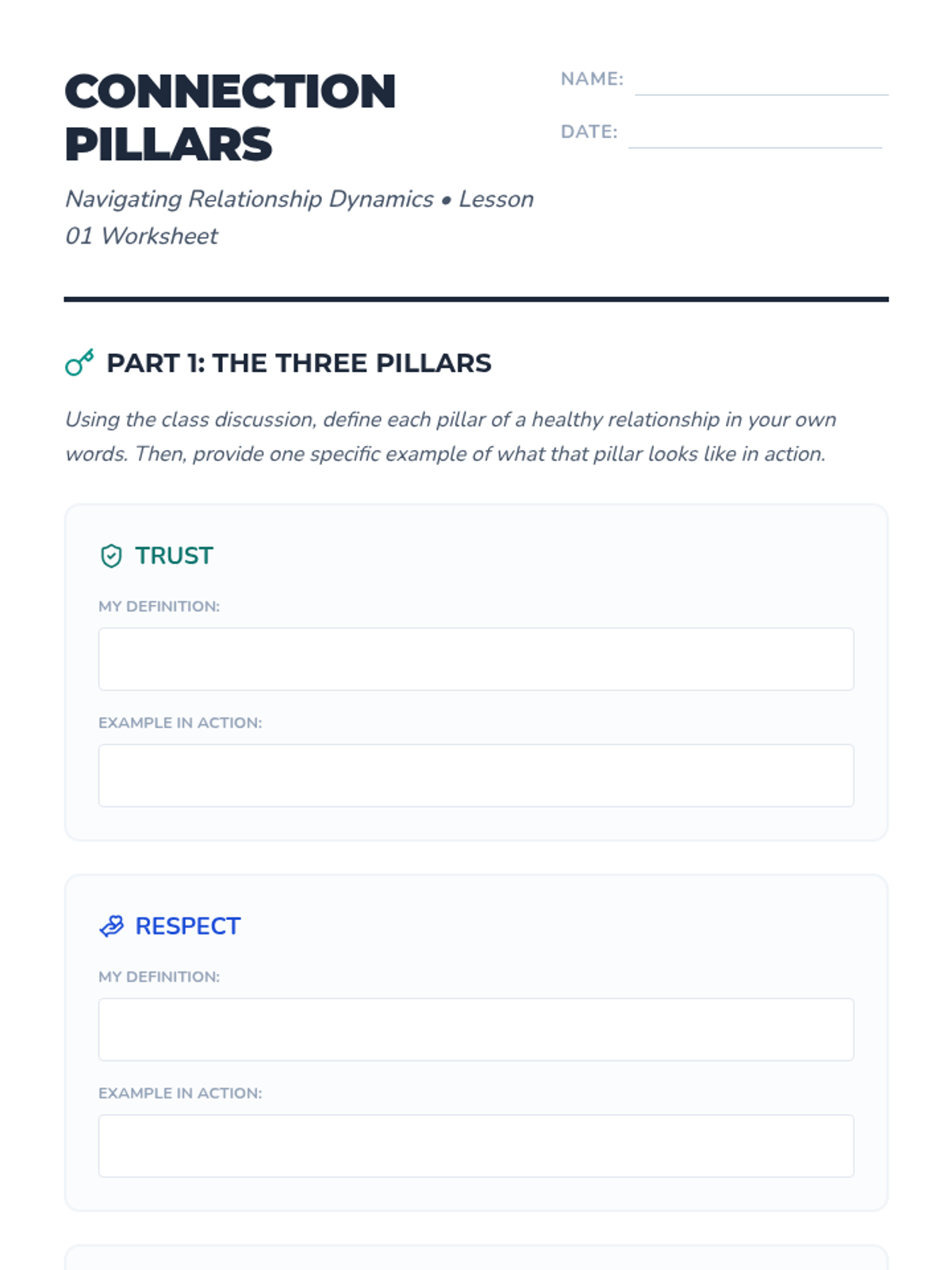
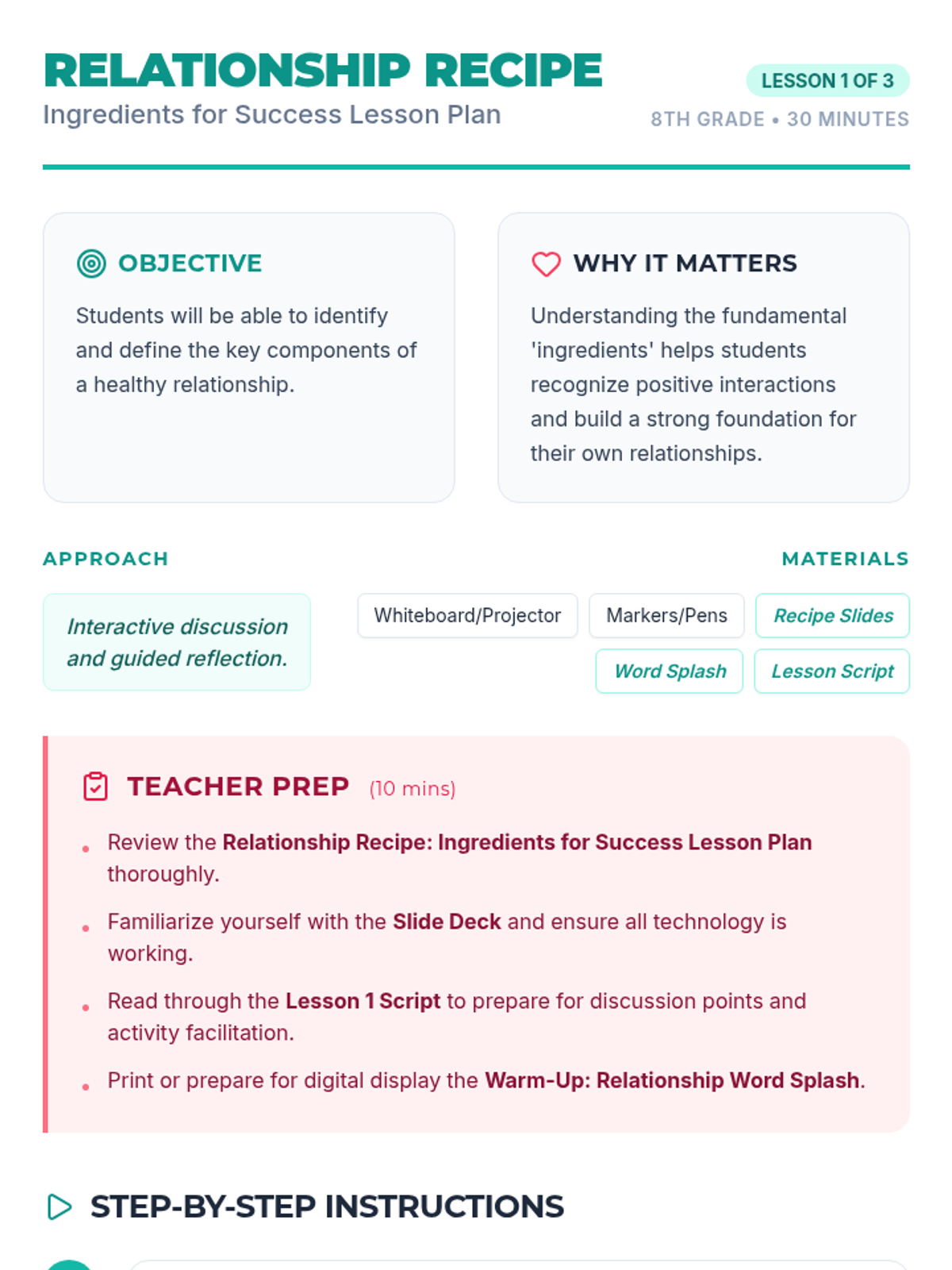
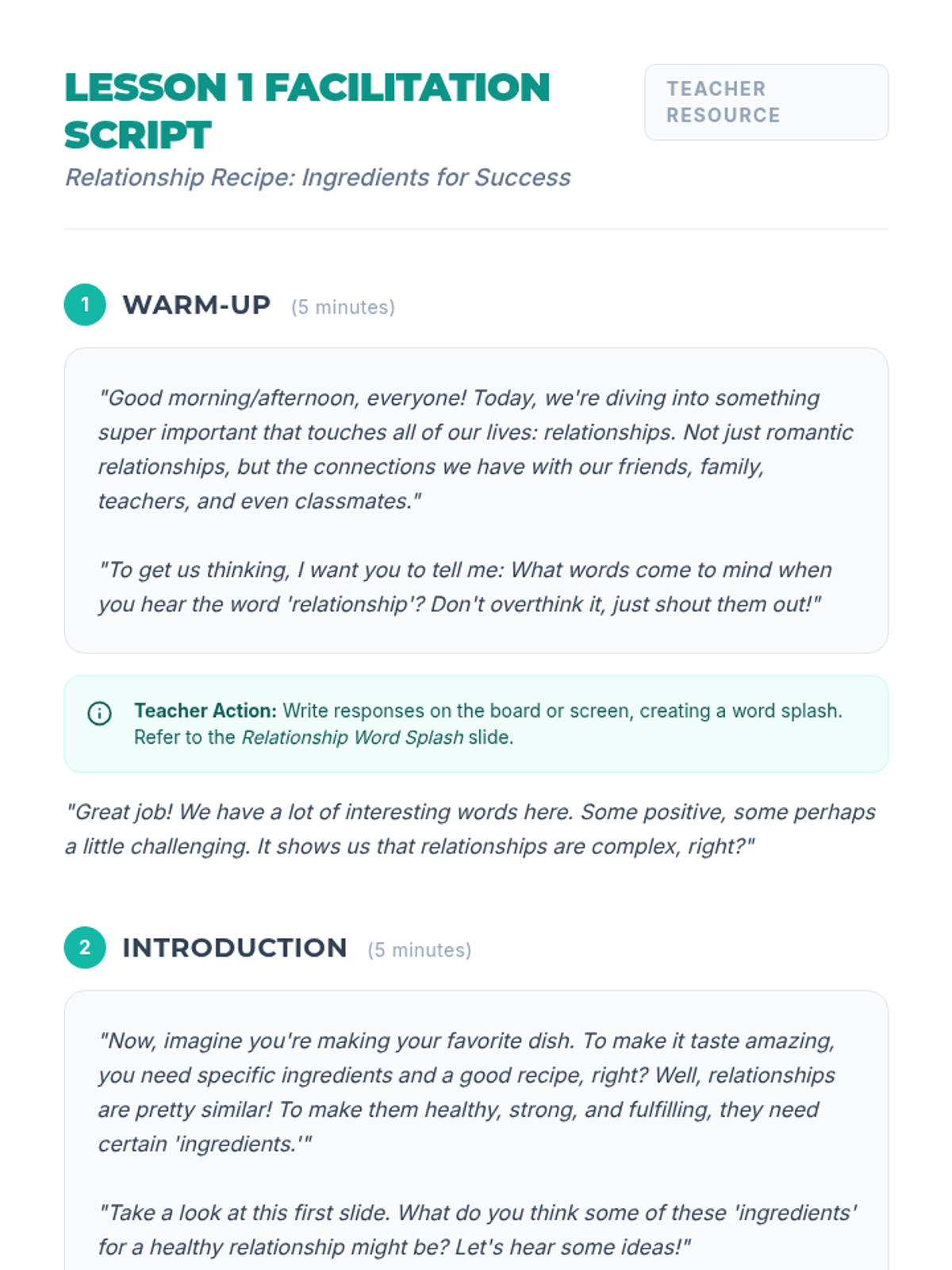
A three-part lesson series for 8th-grade students exploring the foundations of healthy relationships, focusing on communication, respect, and boundaries. Students learn to identify key relationship 'ingredients', practice active listening and 'I' statements, and understand how to set and respect personal boundaries.
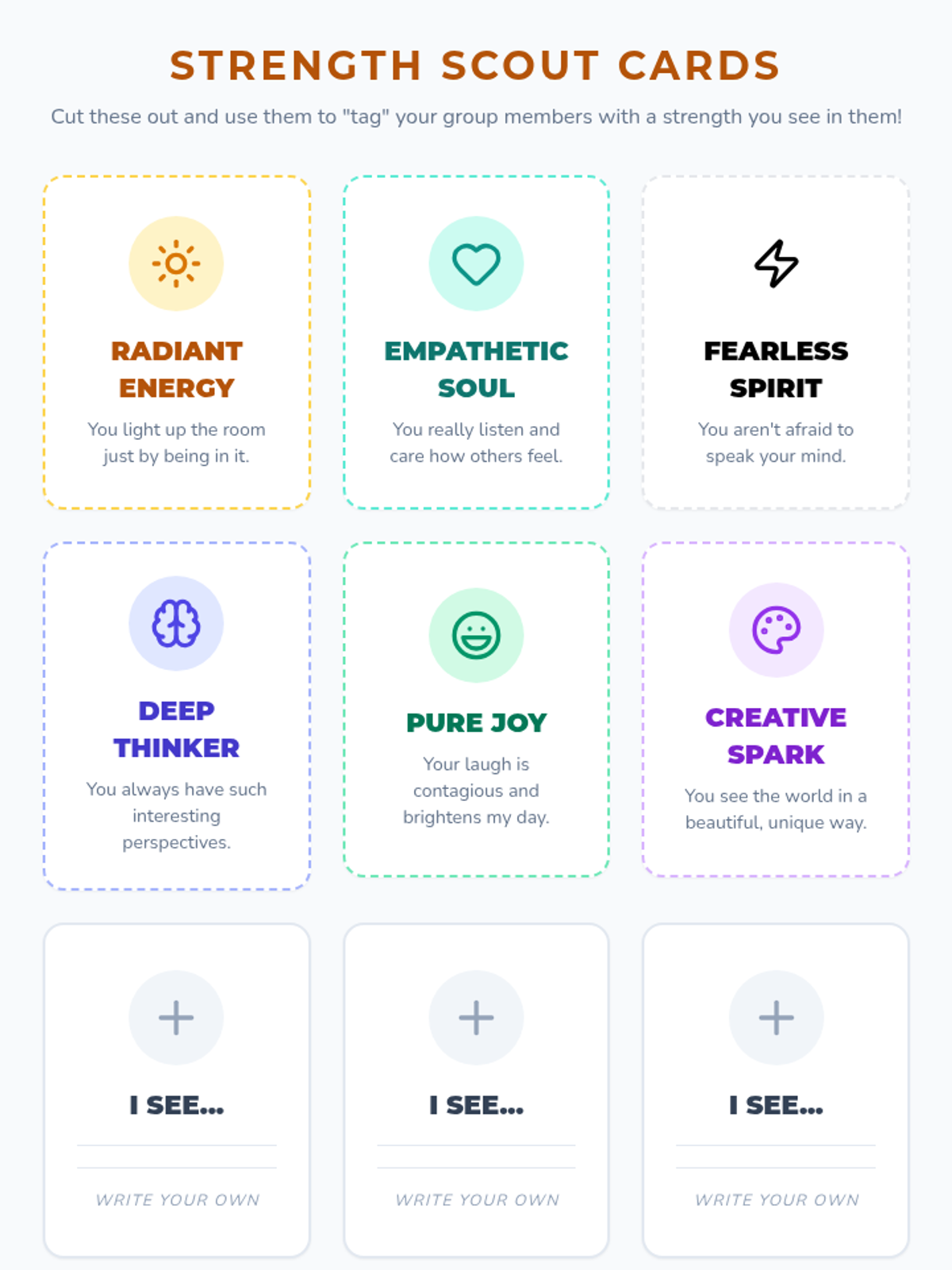
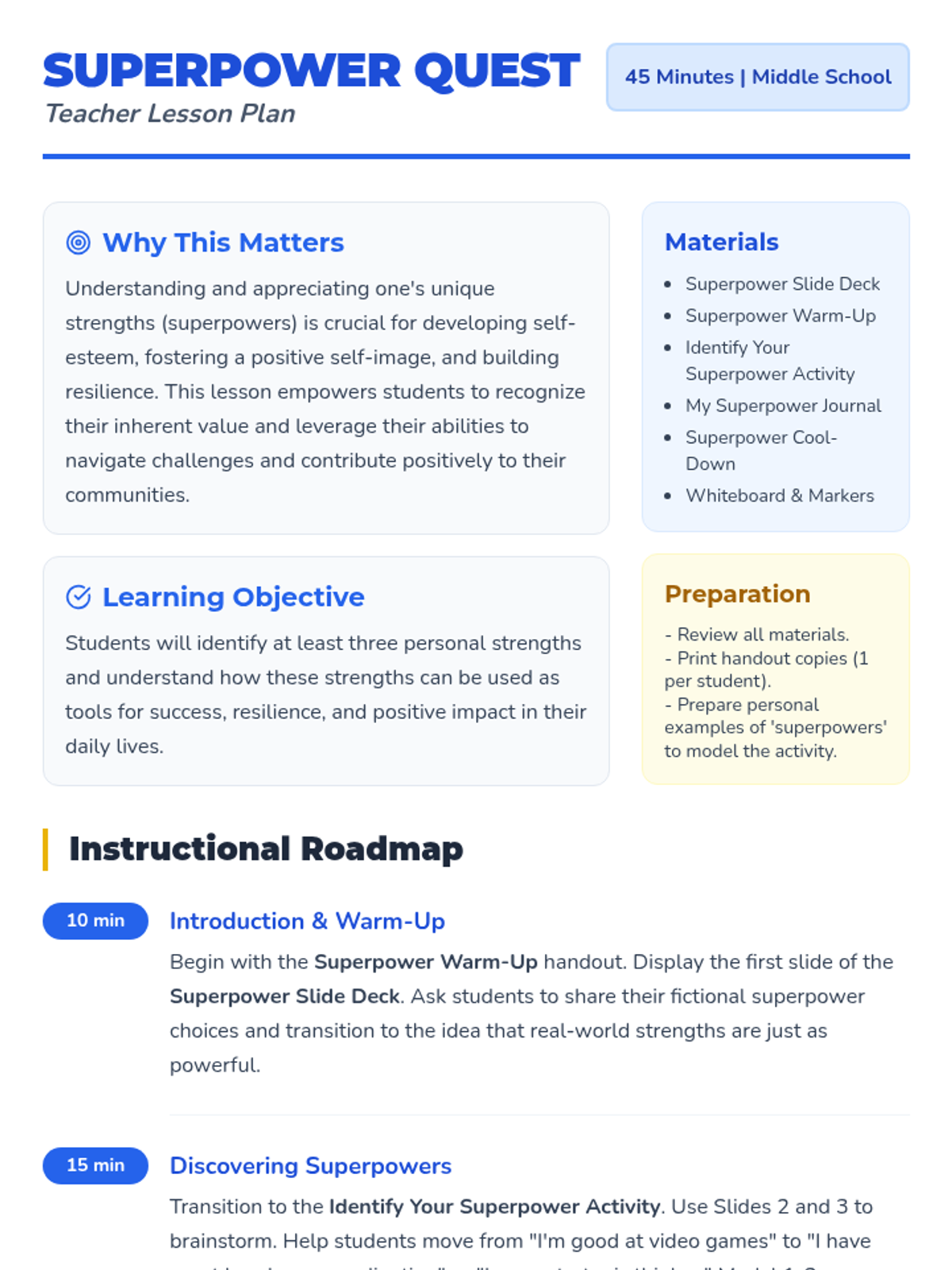
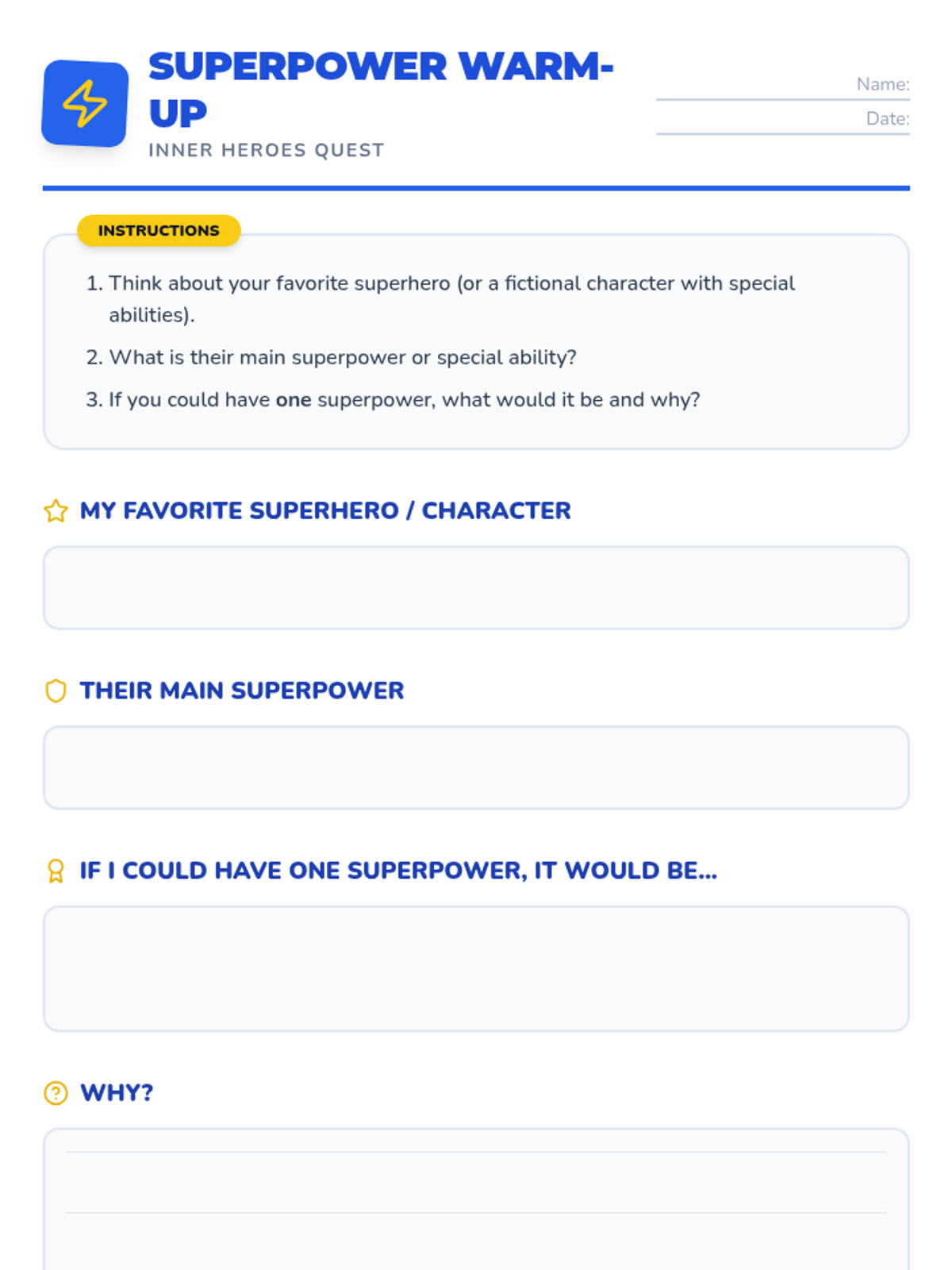
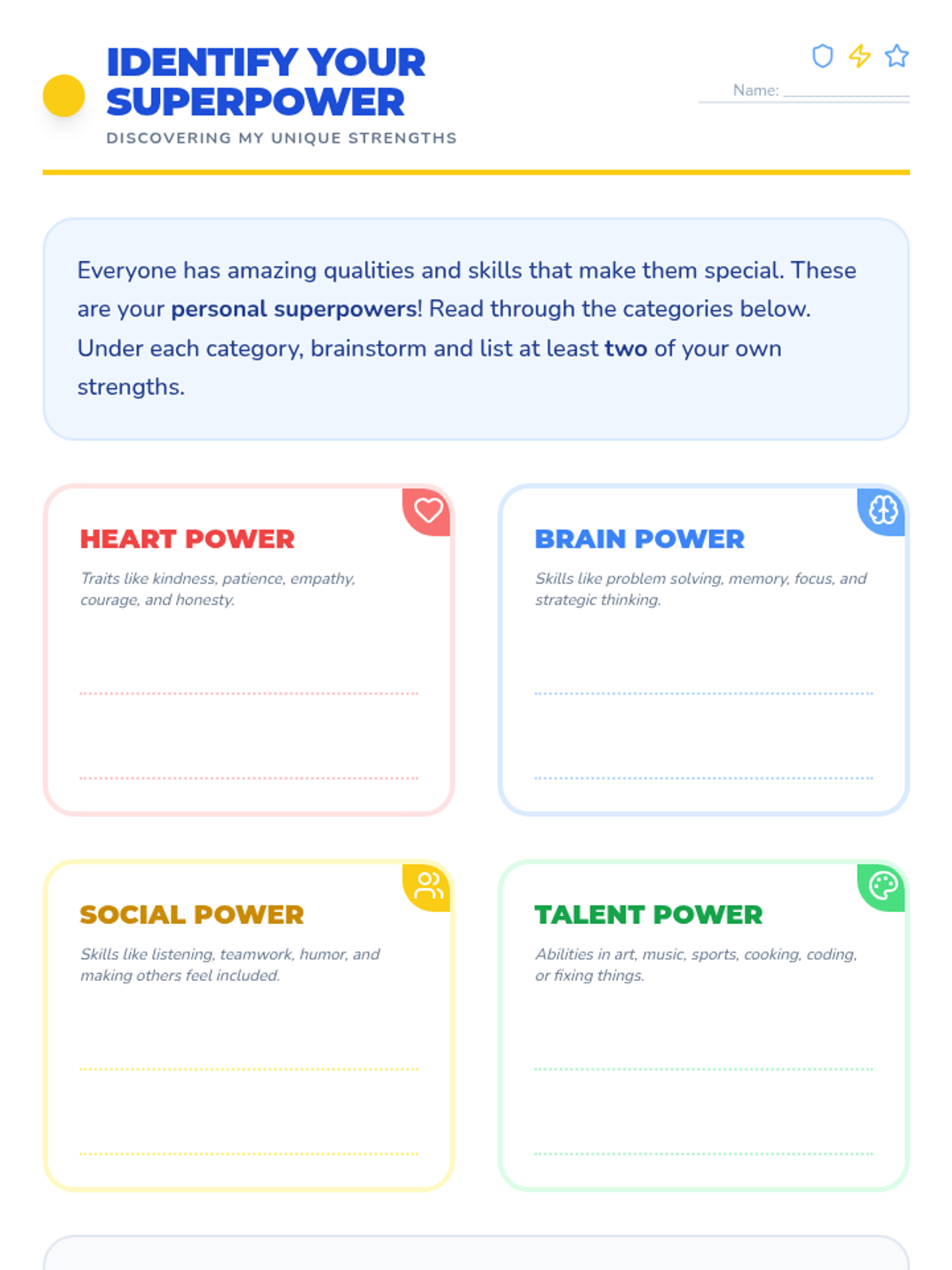
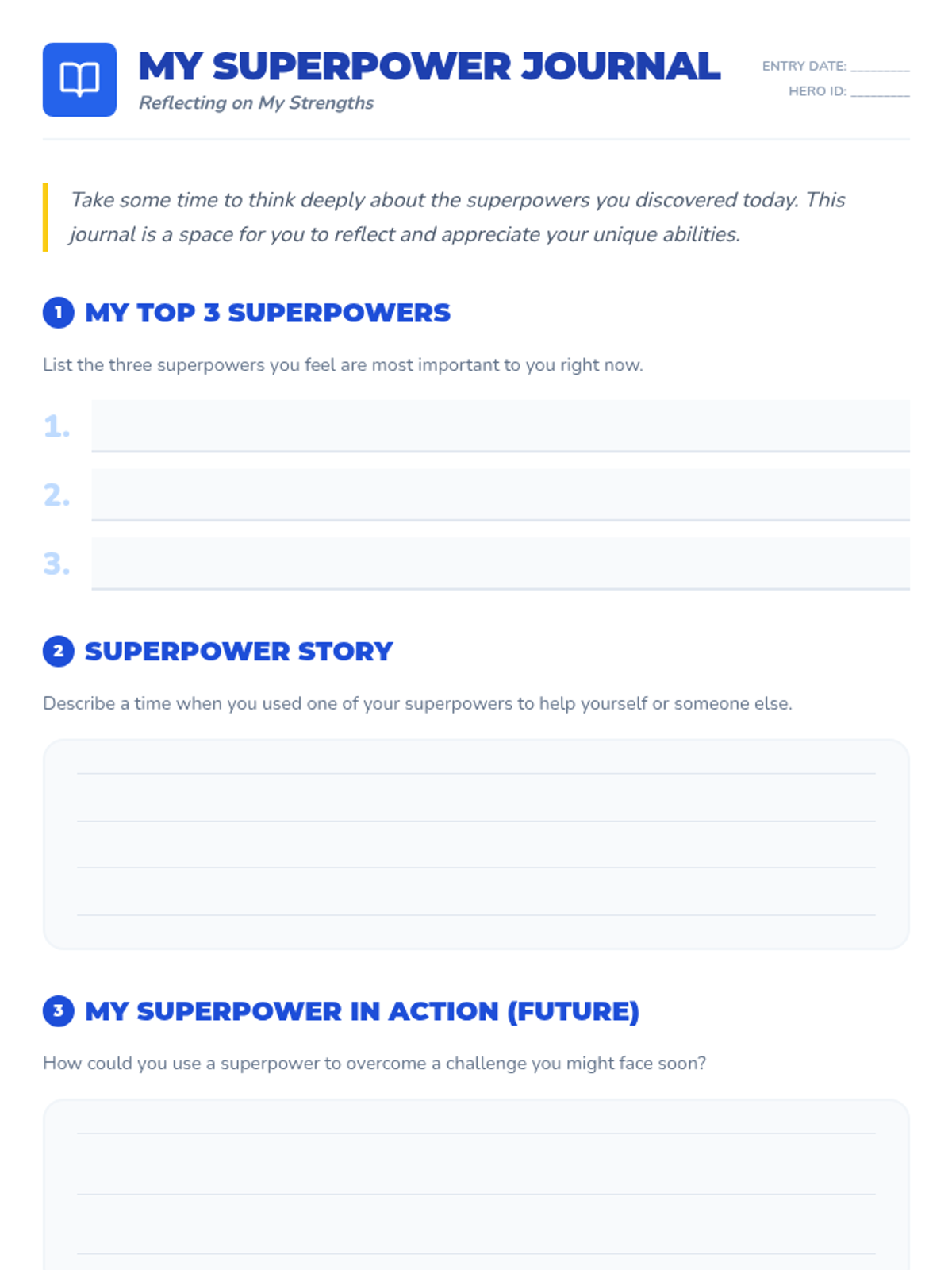
A sequence focused on self-discovery and social health, helping students identify their inner strengths and navigate social boundaries with confidence.
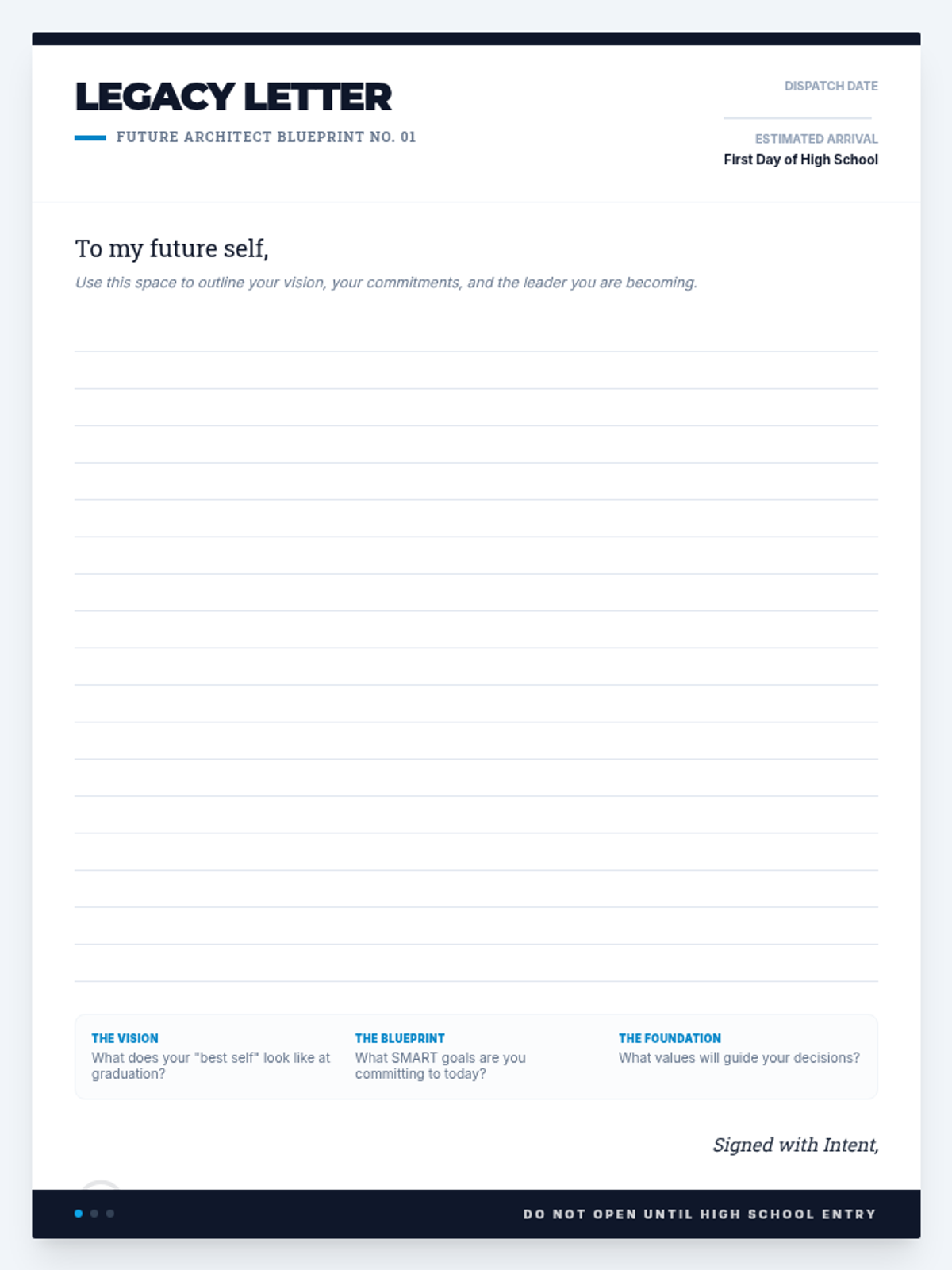
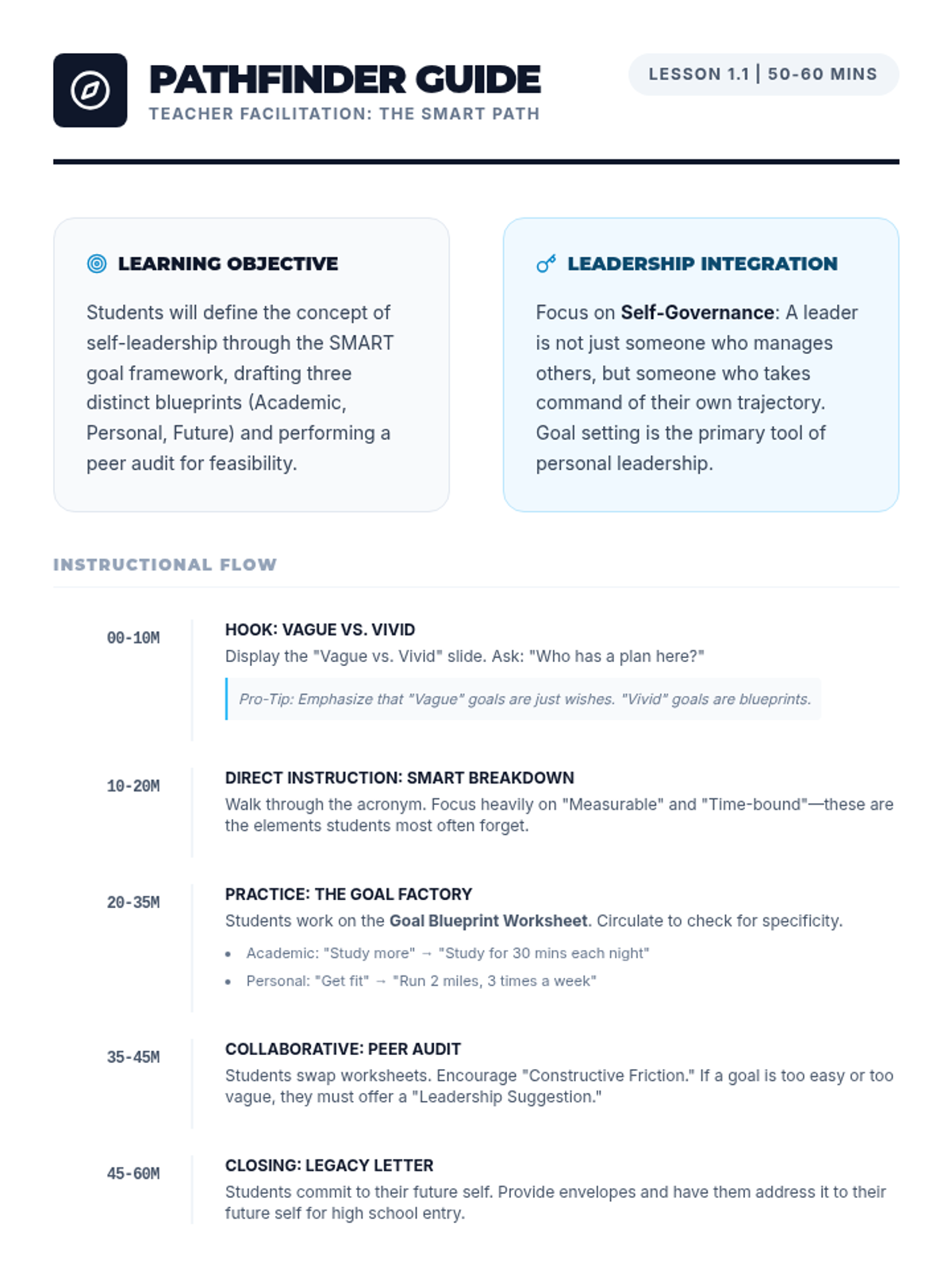
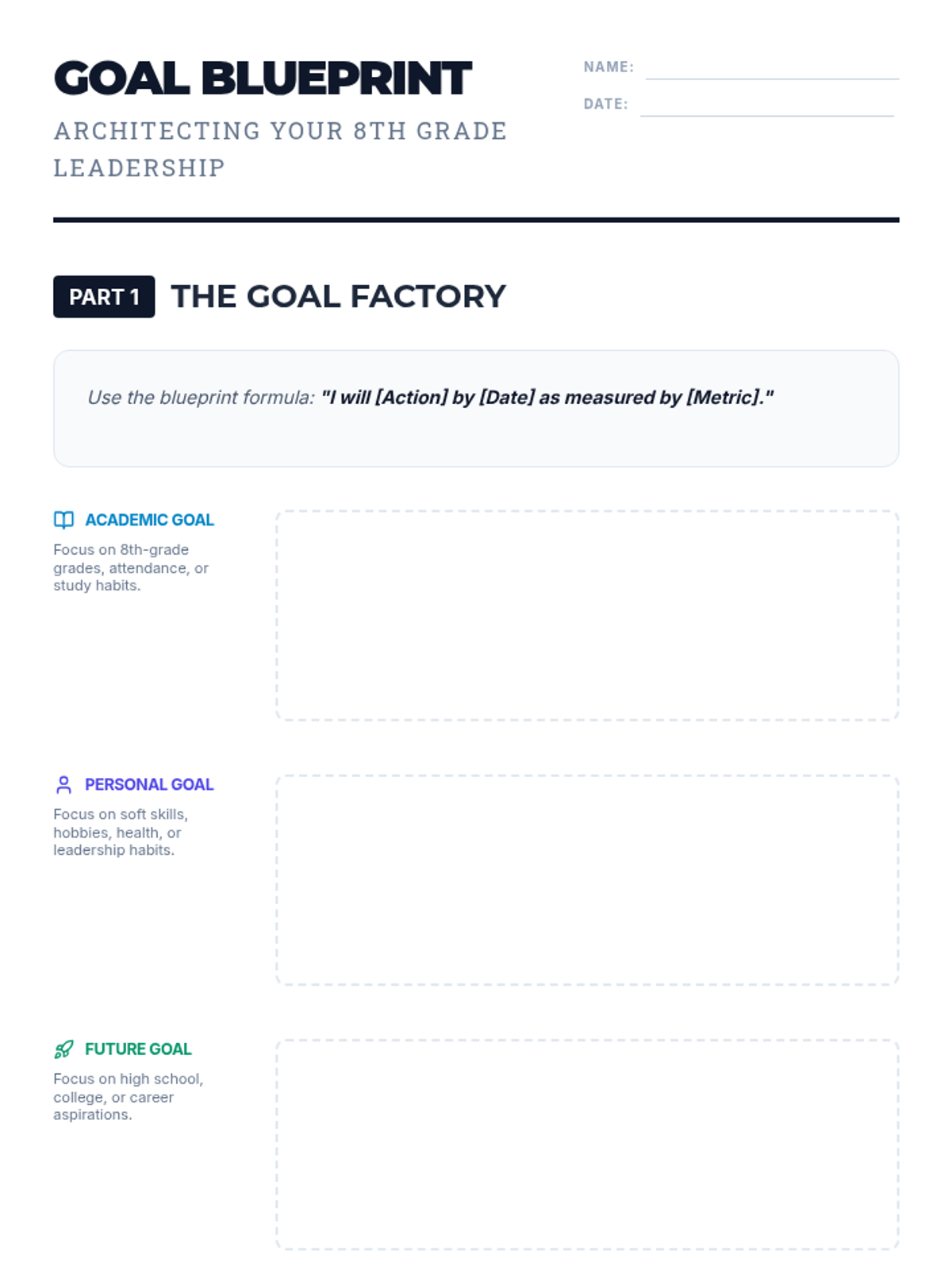
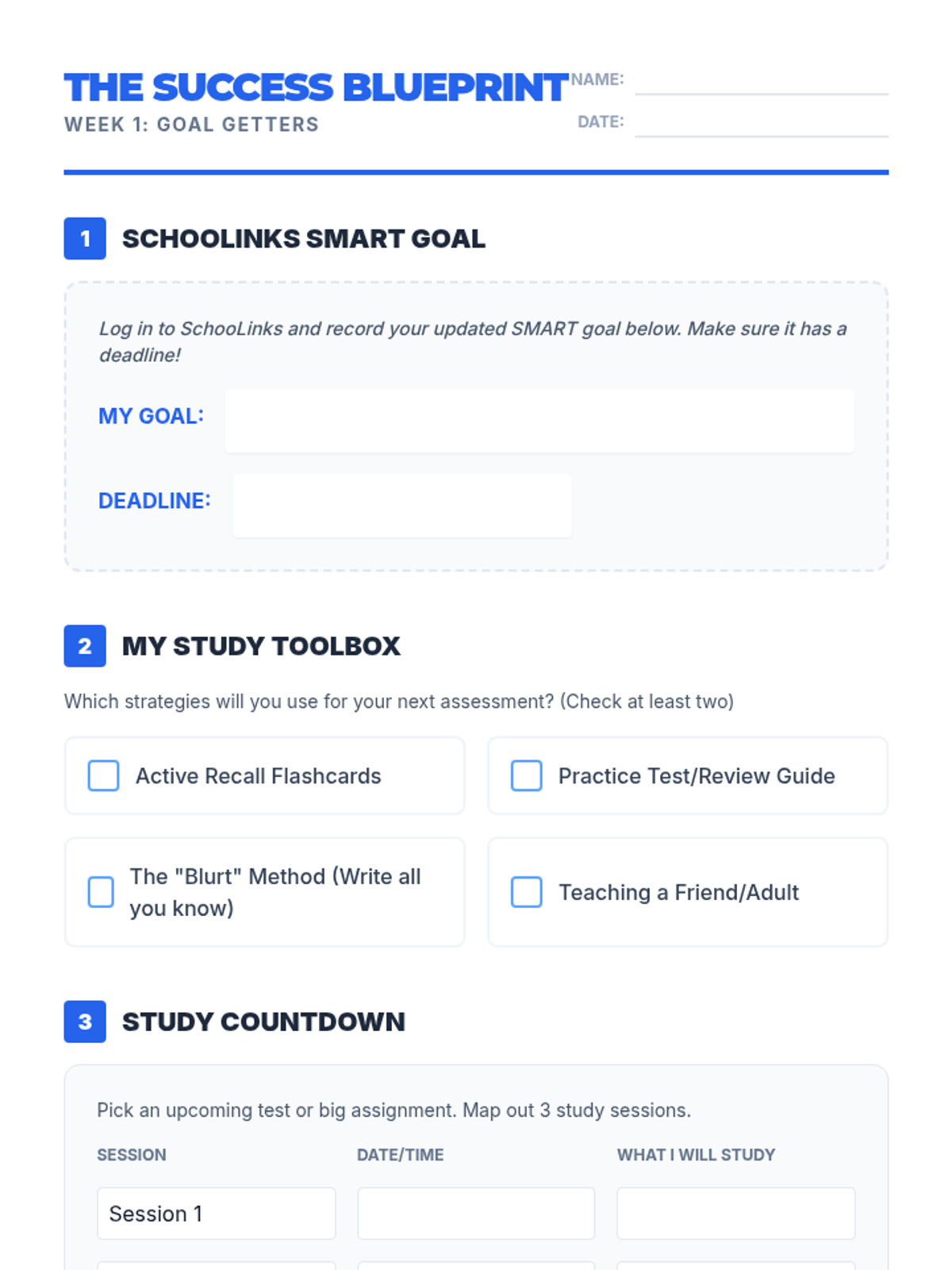
A career readiness and life skills unit focused on empowering 8th-grade students to take leadership of their lives through intentional goal-setting and long-term planning. Students learn the SMART framework to transform vague wishes into concrete, actionable blueprints for their high school and professional futures.
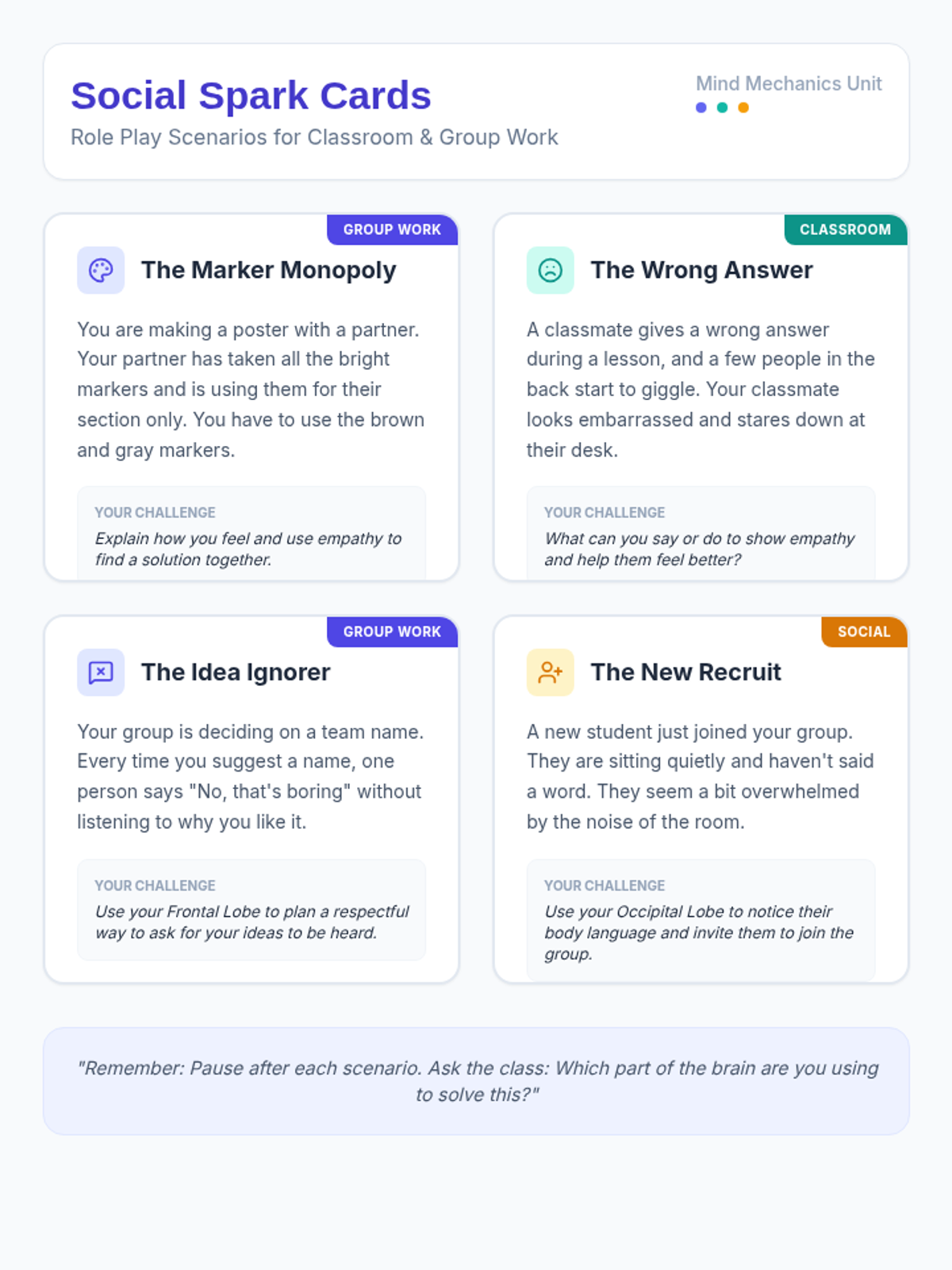
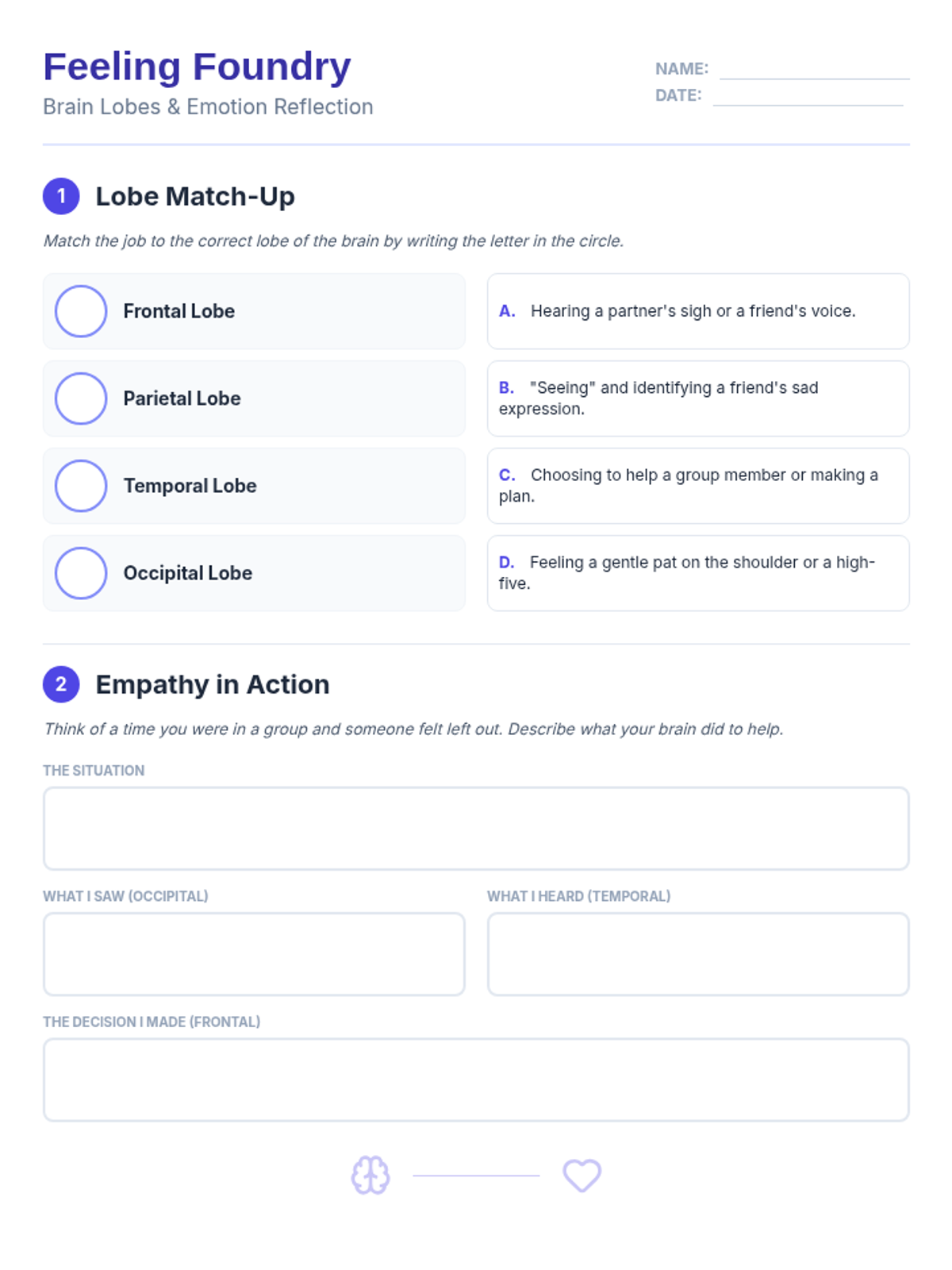
A comprehensive unit exploring the connection between brain anatomy and social-emotional skills, focusing on empathy, emotion regulation, and effective group collaboration.
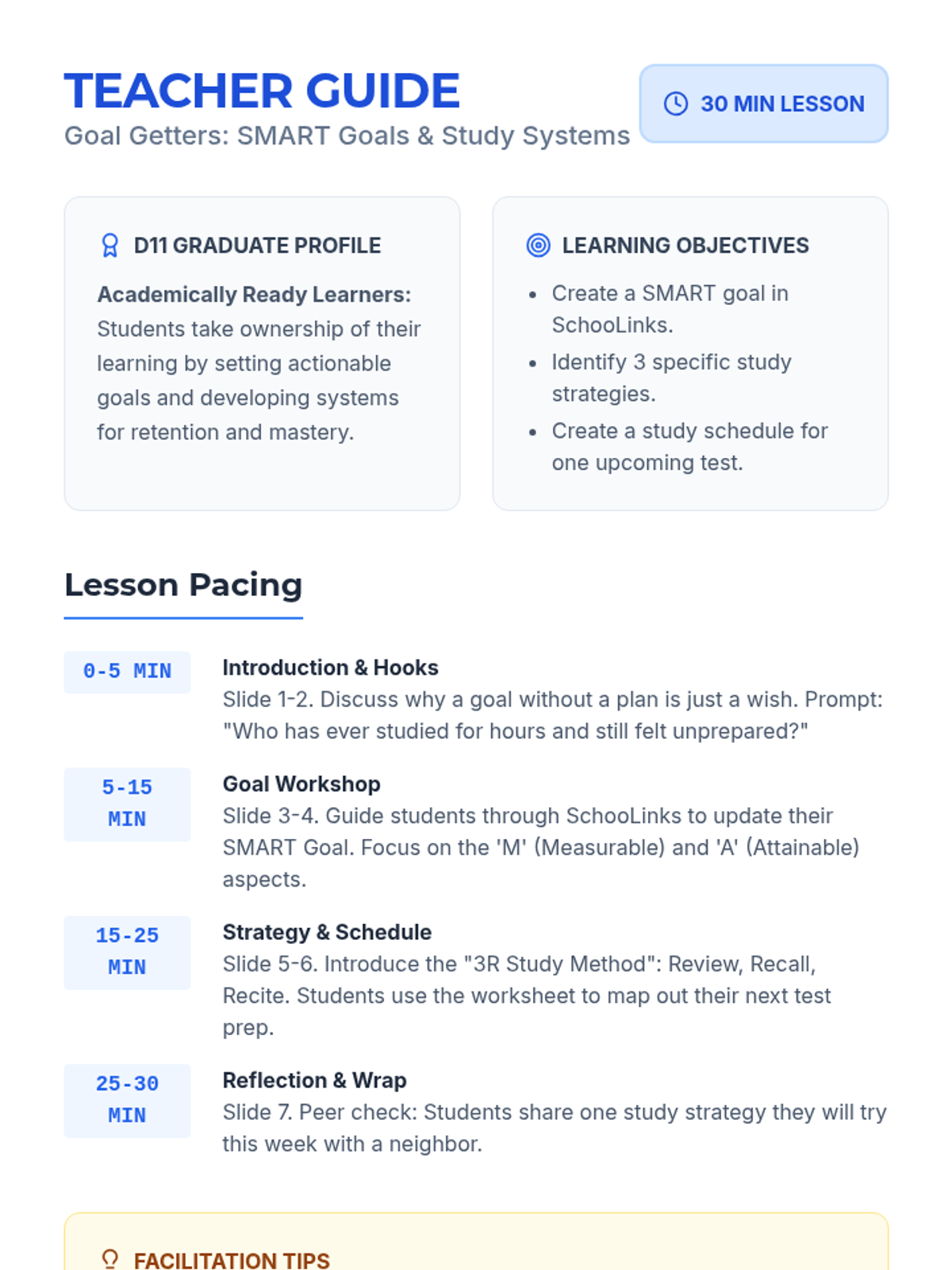
A 9-week curriculum designed for middle and high school students focused on academic readiness, healthy habits, and professional communication based on the D11 Graduate Profile. Each 30-minute lesson provides students with practical skills like SMART goal setting, email etiquette, self-advocacy, and emotional regulation.
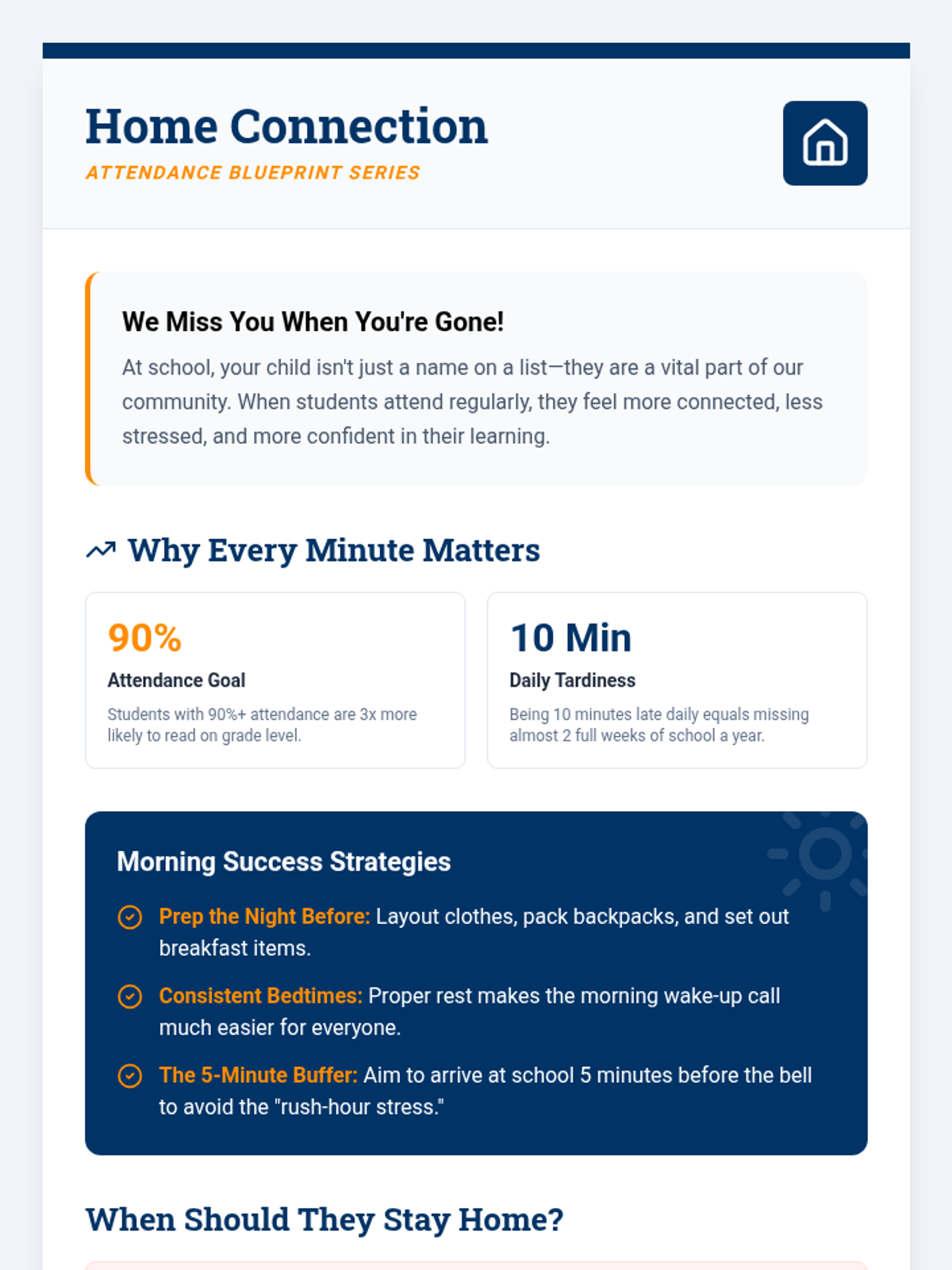
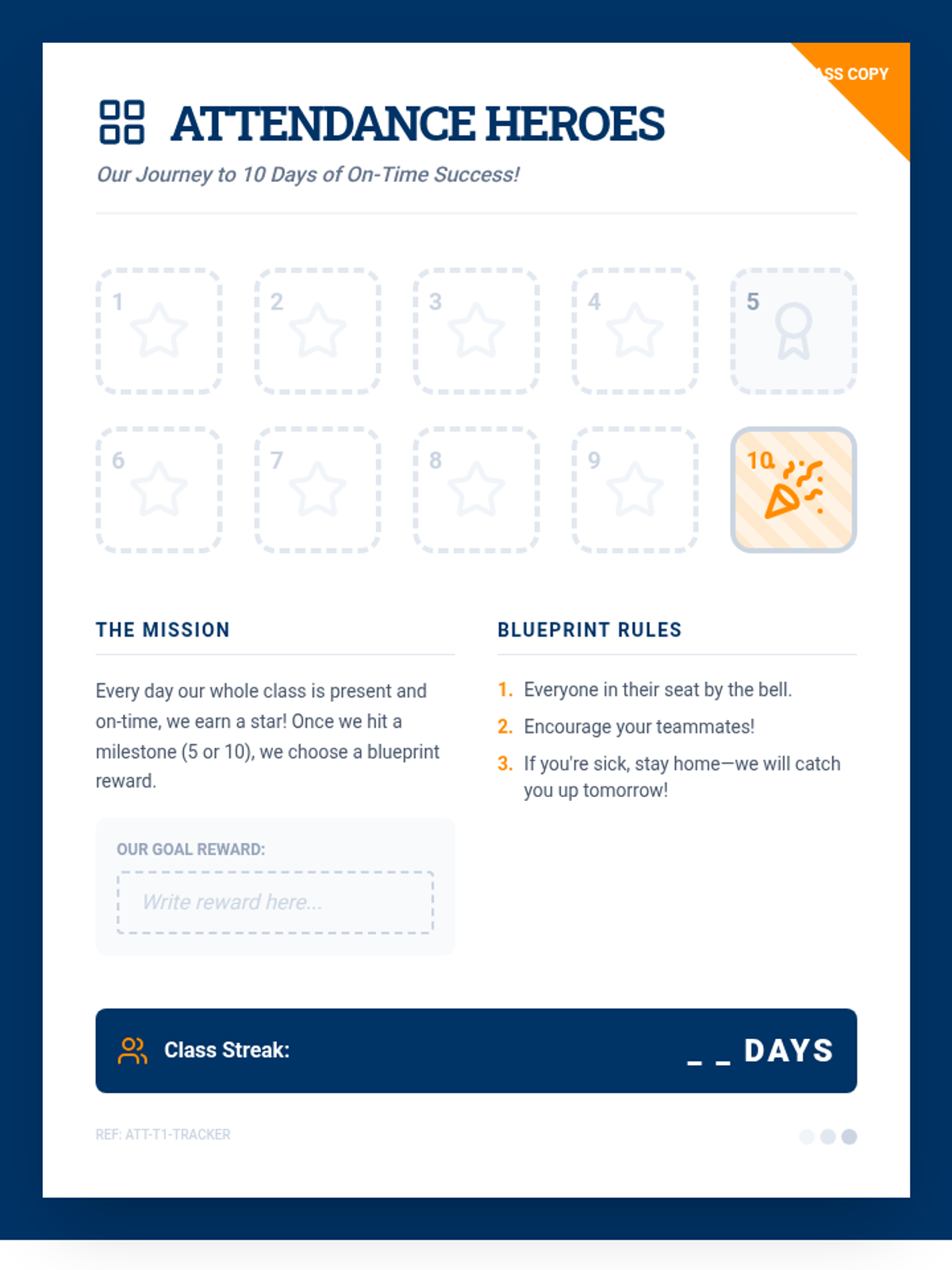
A comprehensive PBIS-based attendance framework designed to move students from chronic absenteeism to consistent engagement through three tiers of support. Includes instructional slides, family communication tools, and data-driven intervention guides.
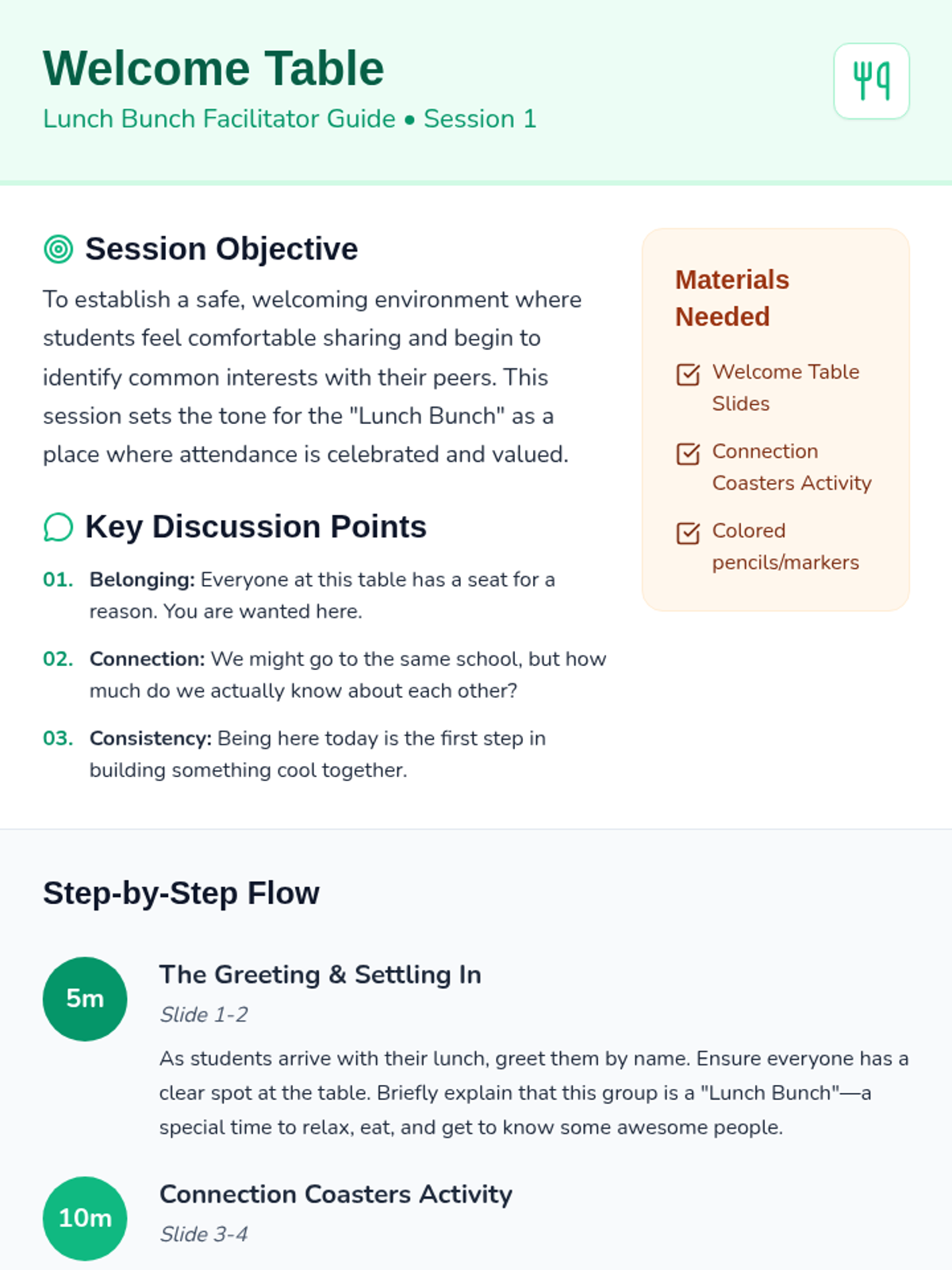
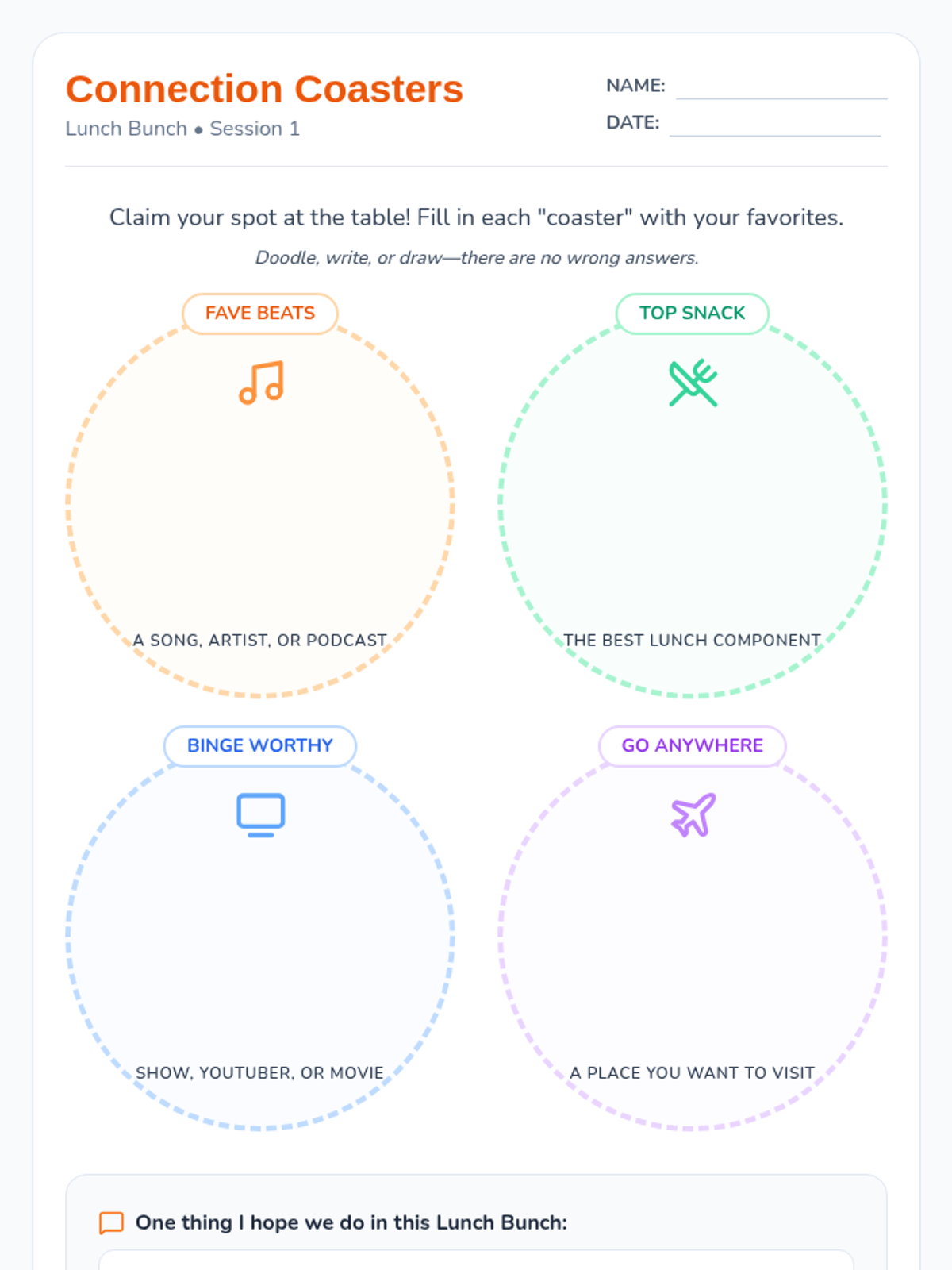
A four-session series for a small group lunch bunch focused on building a sense of belonging and community to improve school attendance. Students participate in low-pressure, connection-building activities that highlight the importance of their presence in the school community.
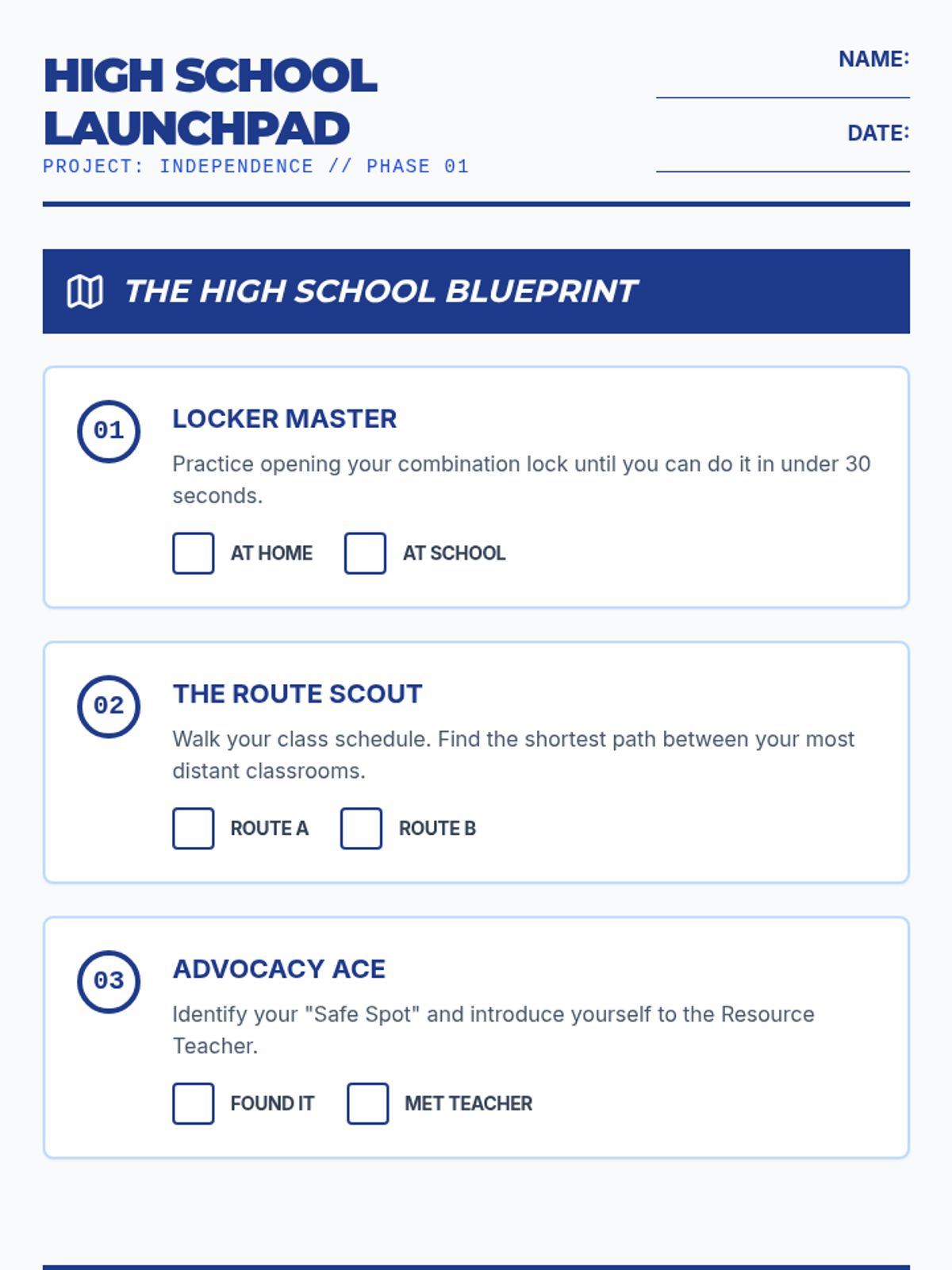
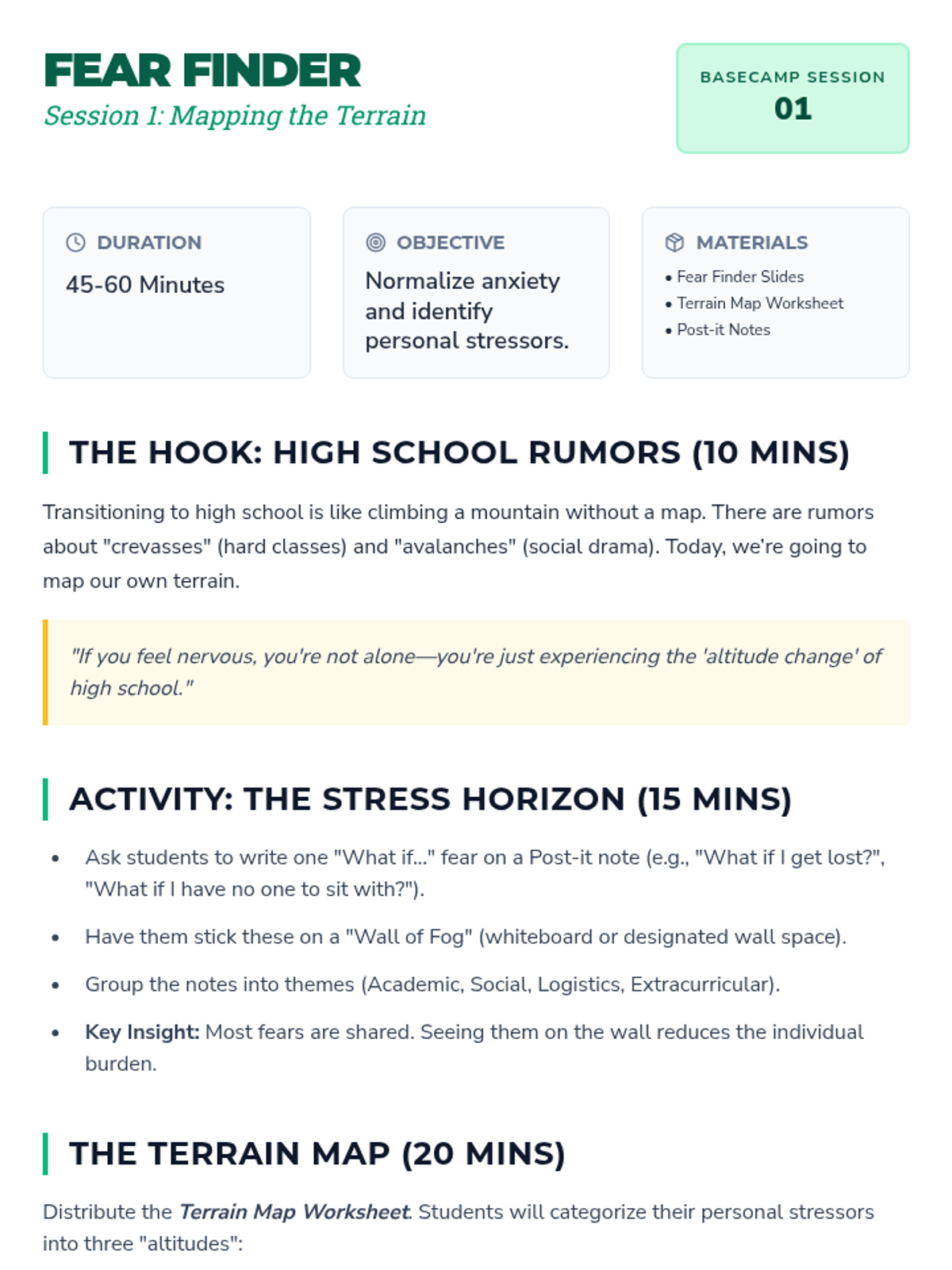
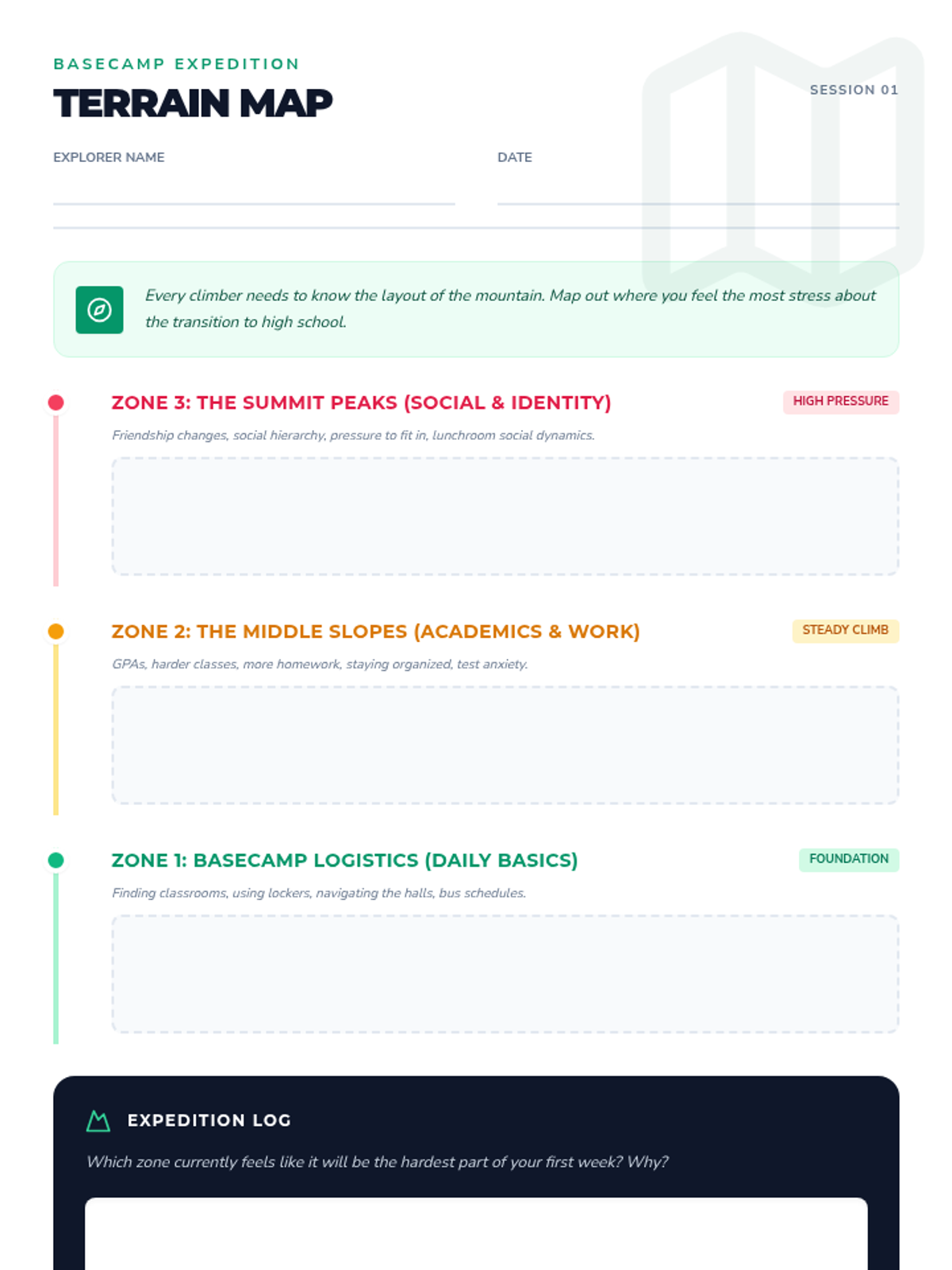
A comprehensive four-session group program designed to help incoming high schoolers identify stressors, build coping toolkits, navigate social changes, and develop a growth mindset for their transition. The program uses a rugged 'Basecamp' expedition theme to engage students and frame high school as a challenge to be conquered together.
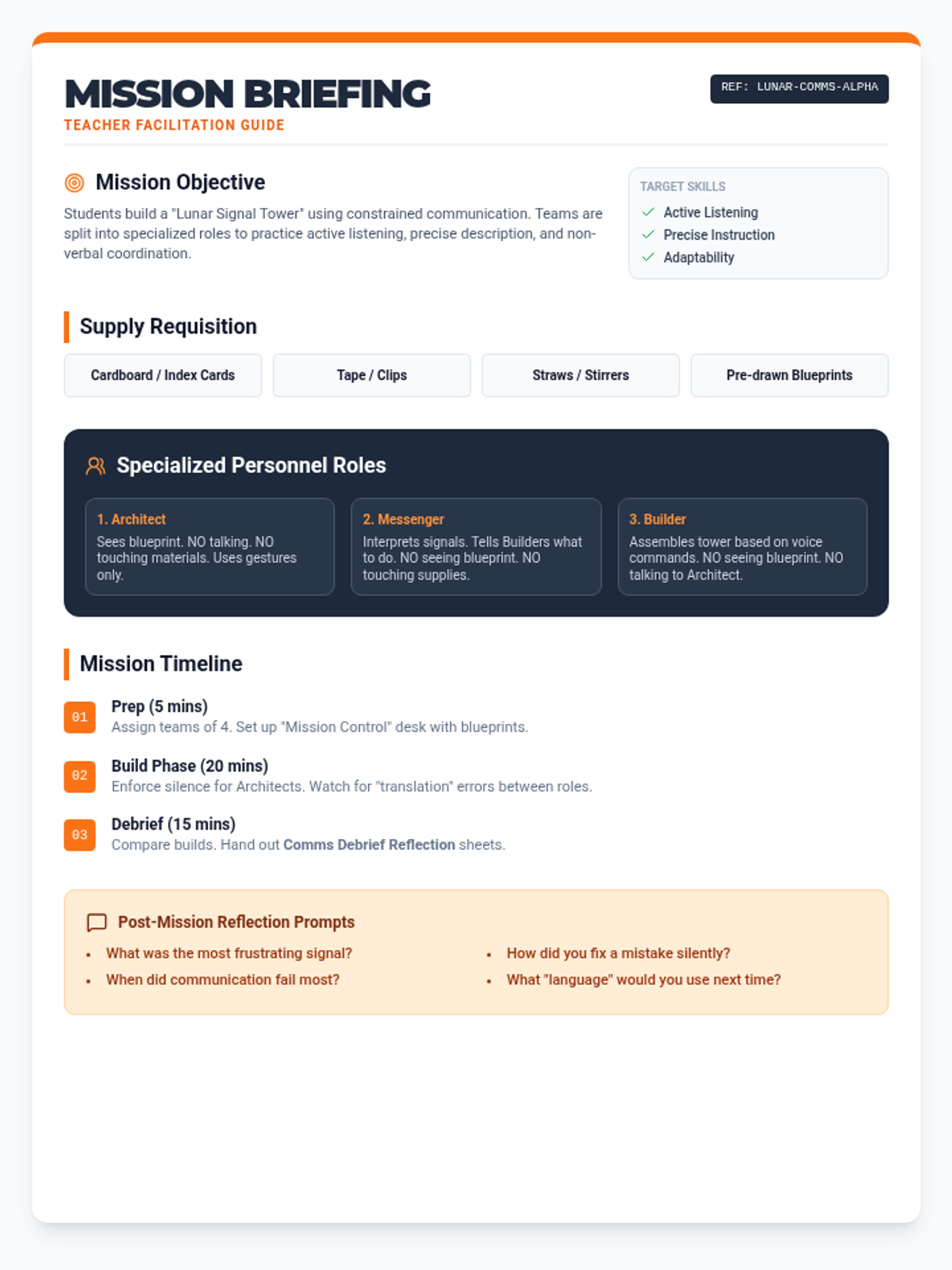
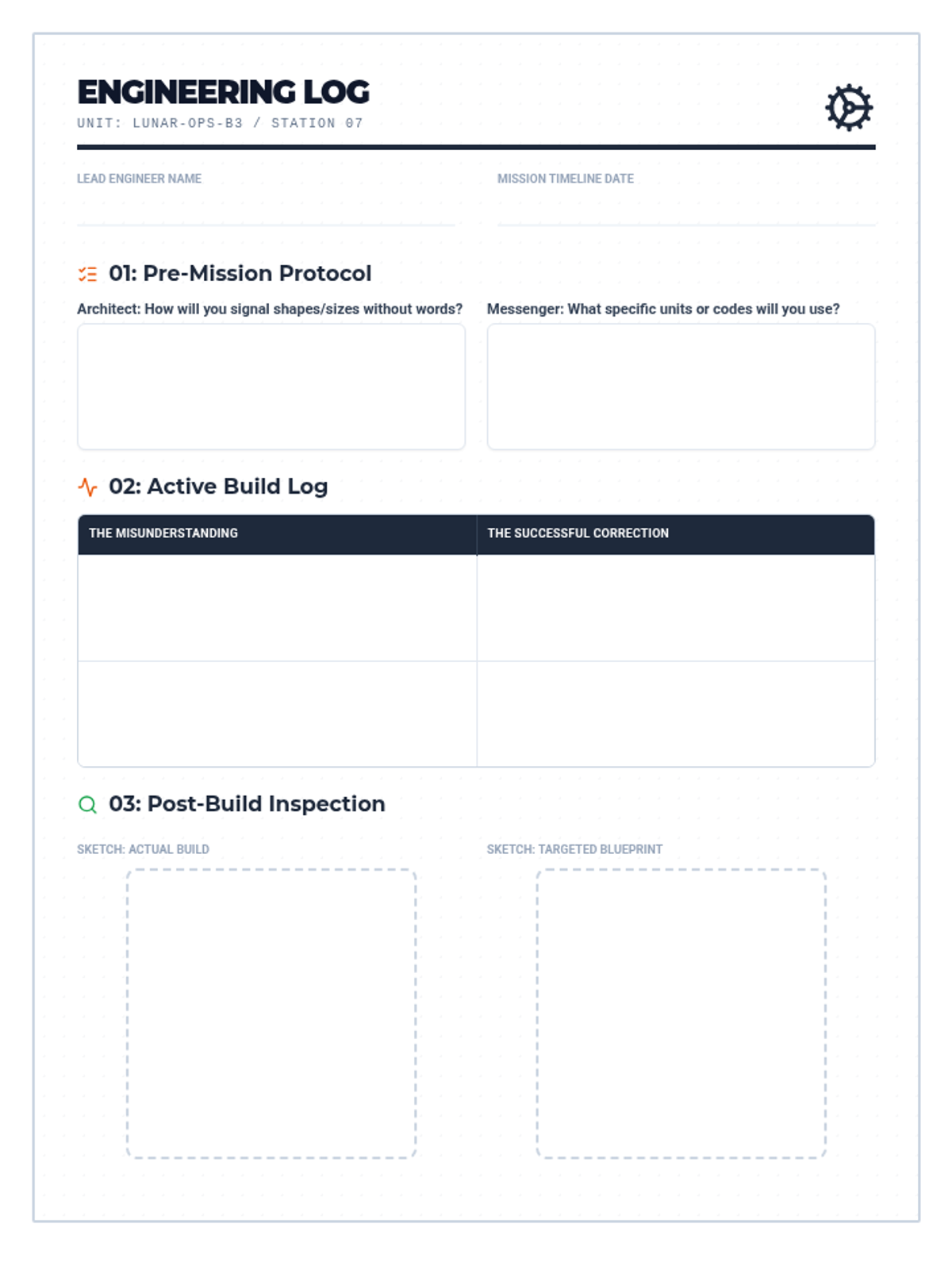
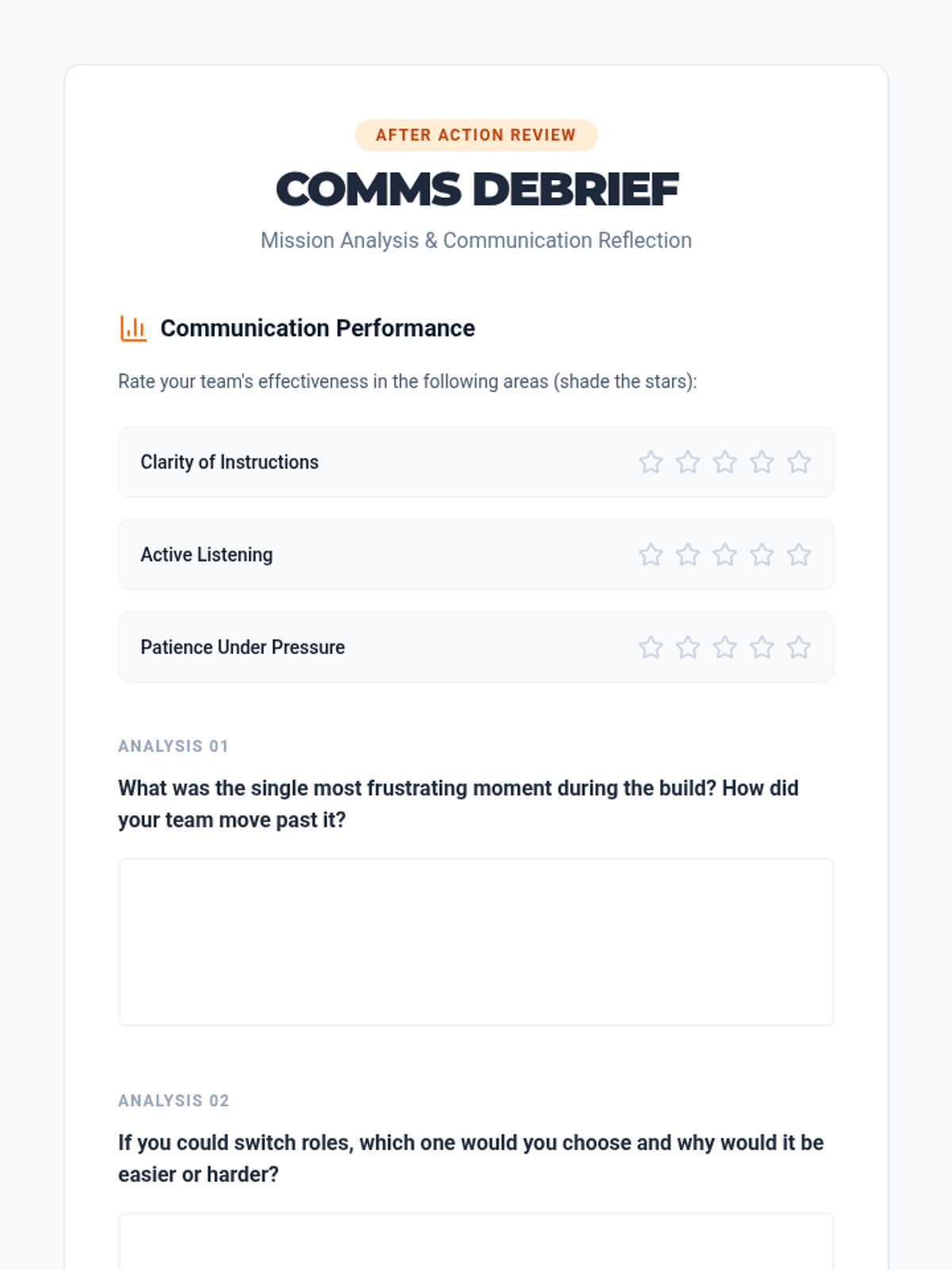
A collaborative engineering challenge designed to strengthen group communication through constrained problem-solving in a space exploration scenario.
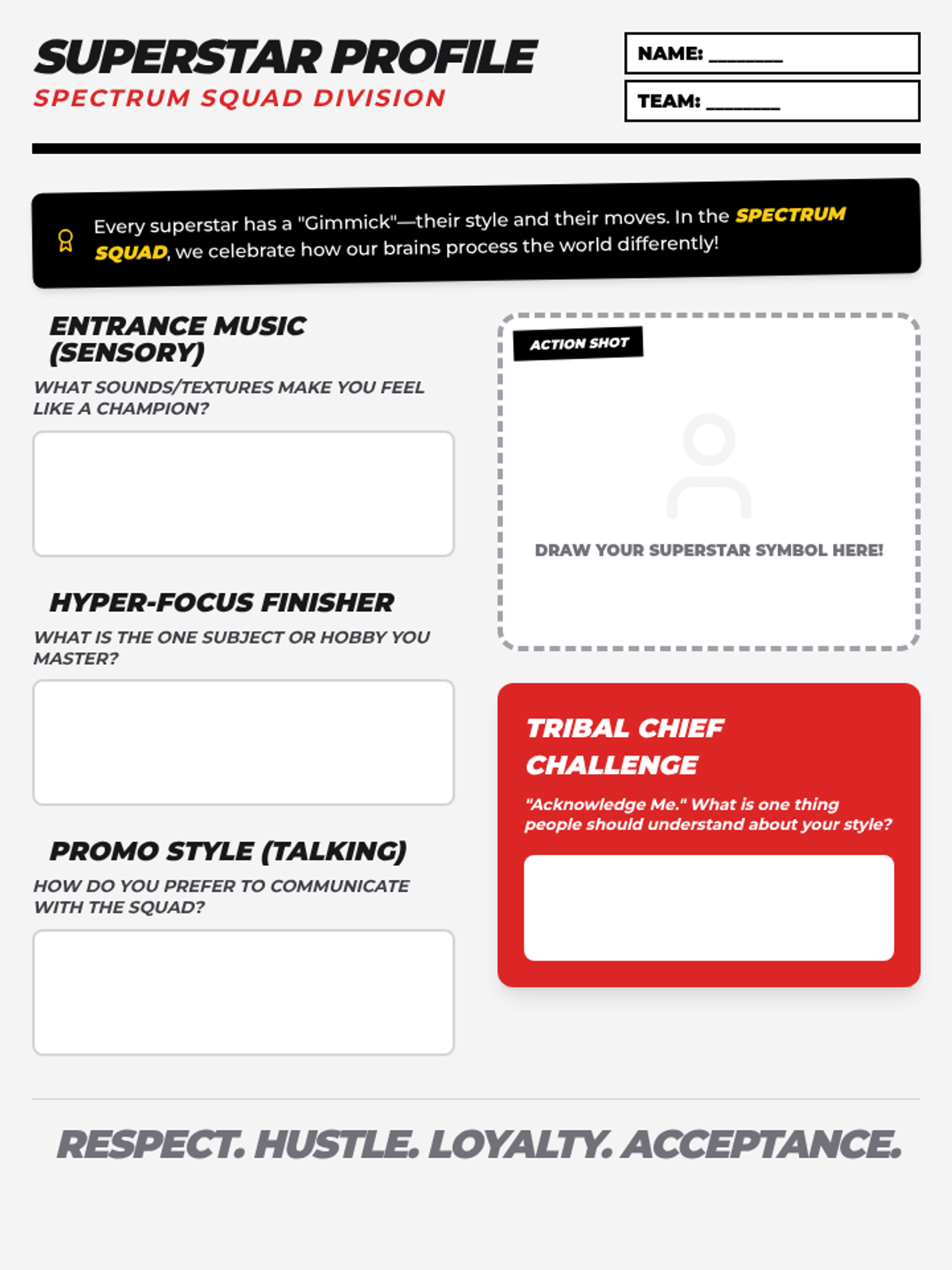
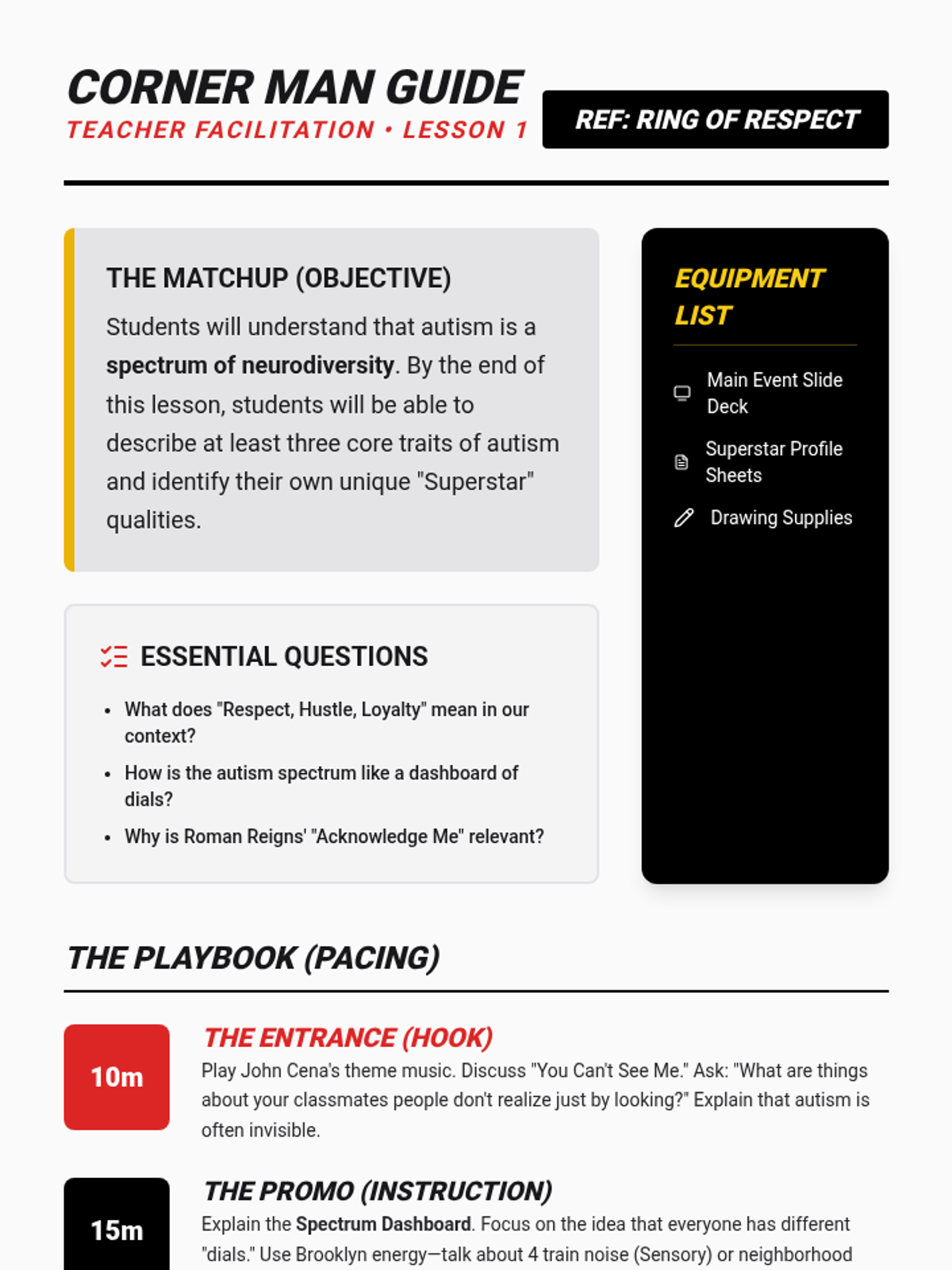
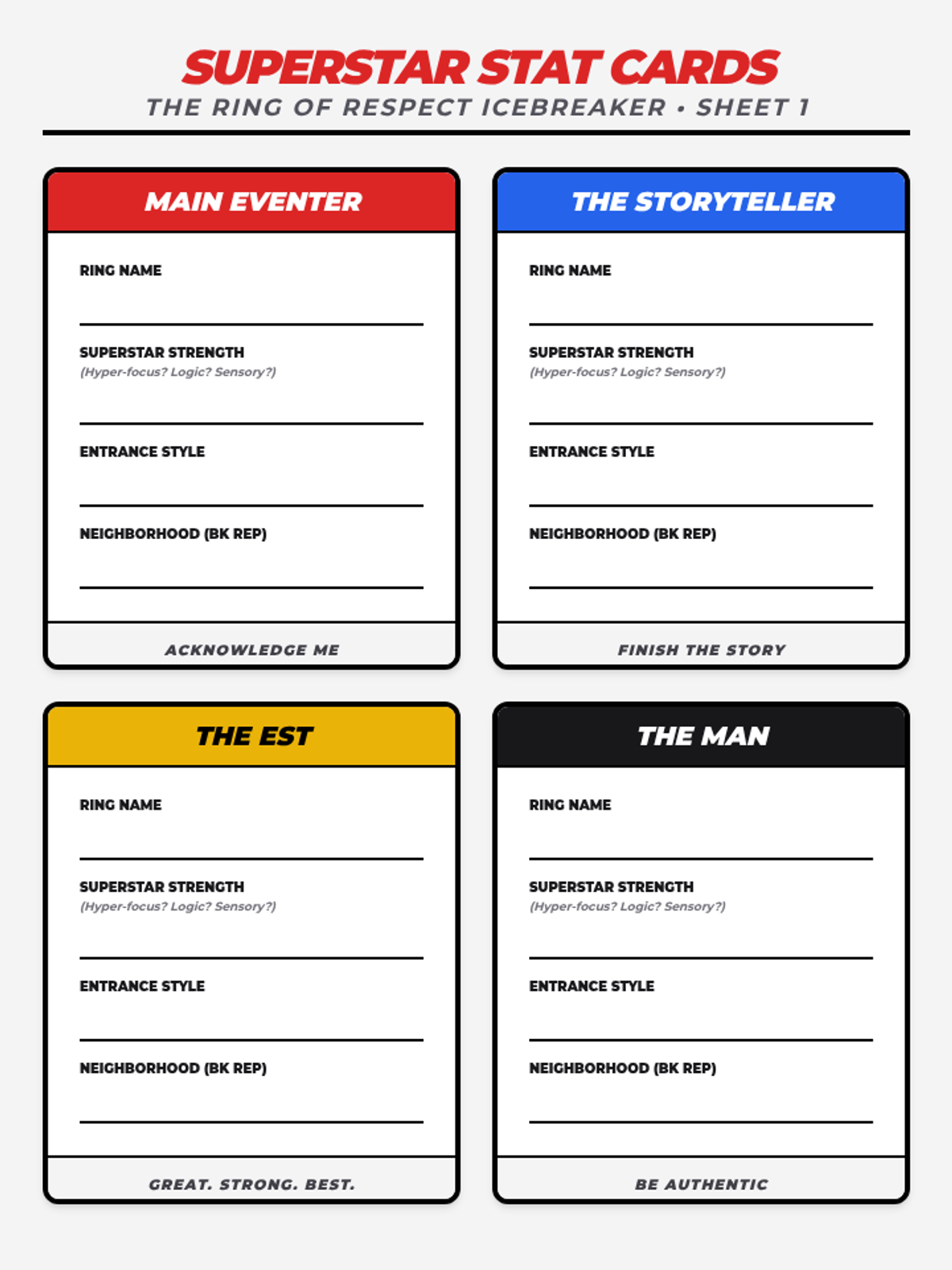
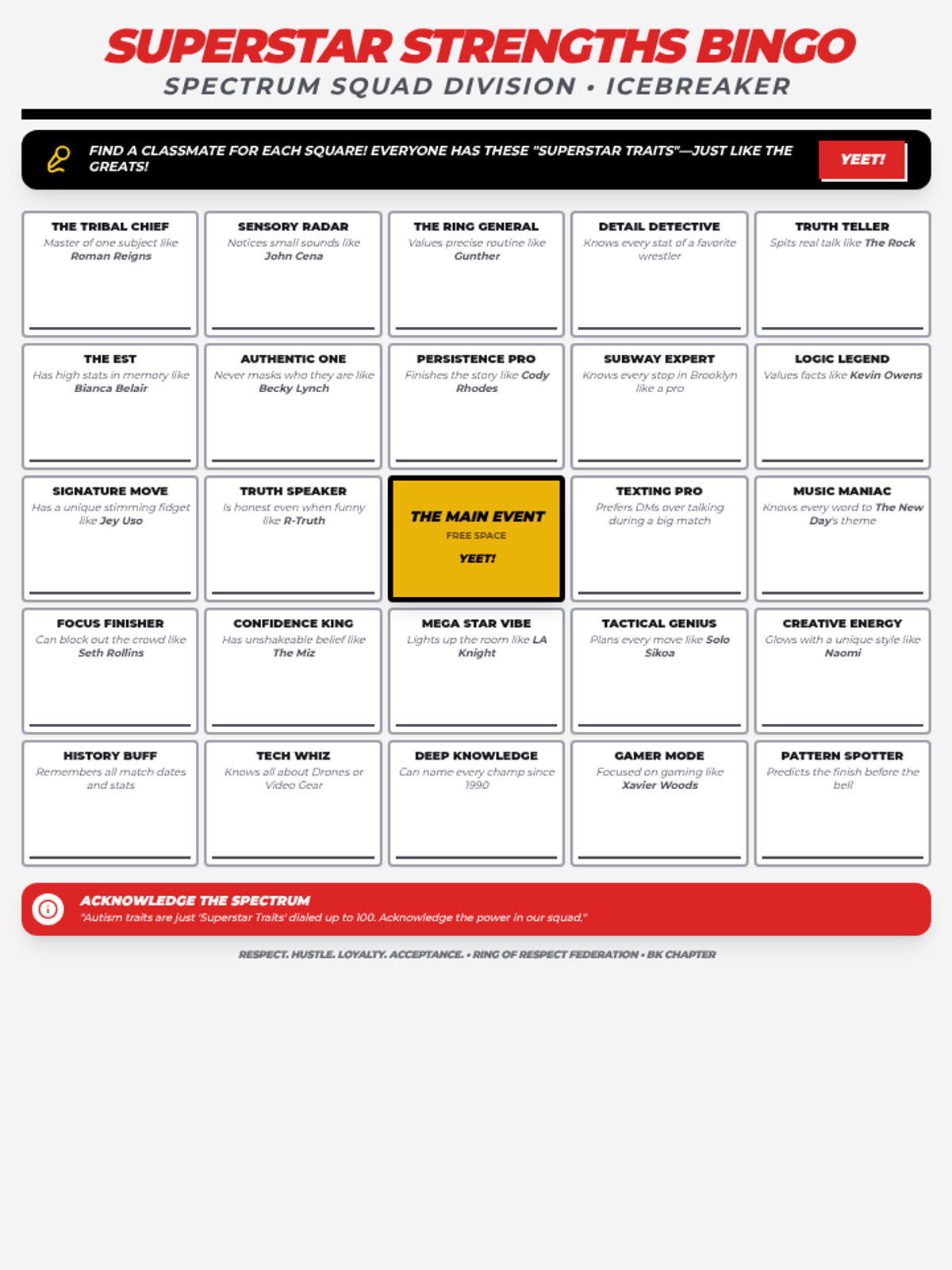
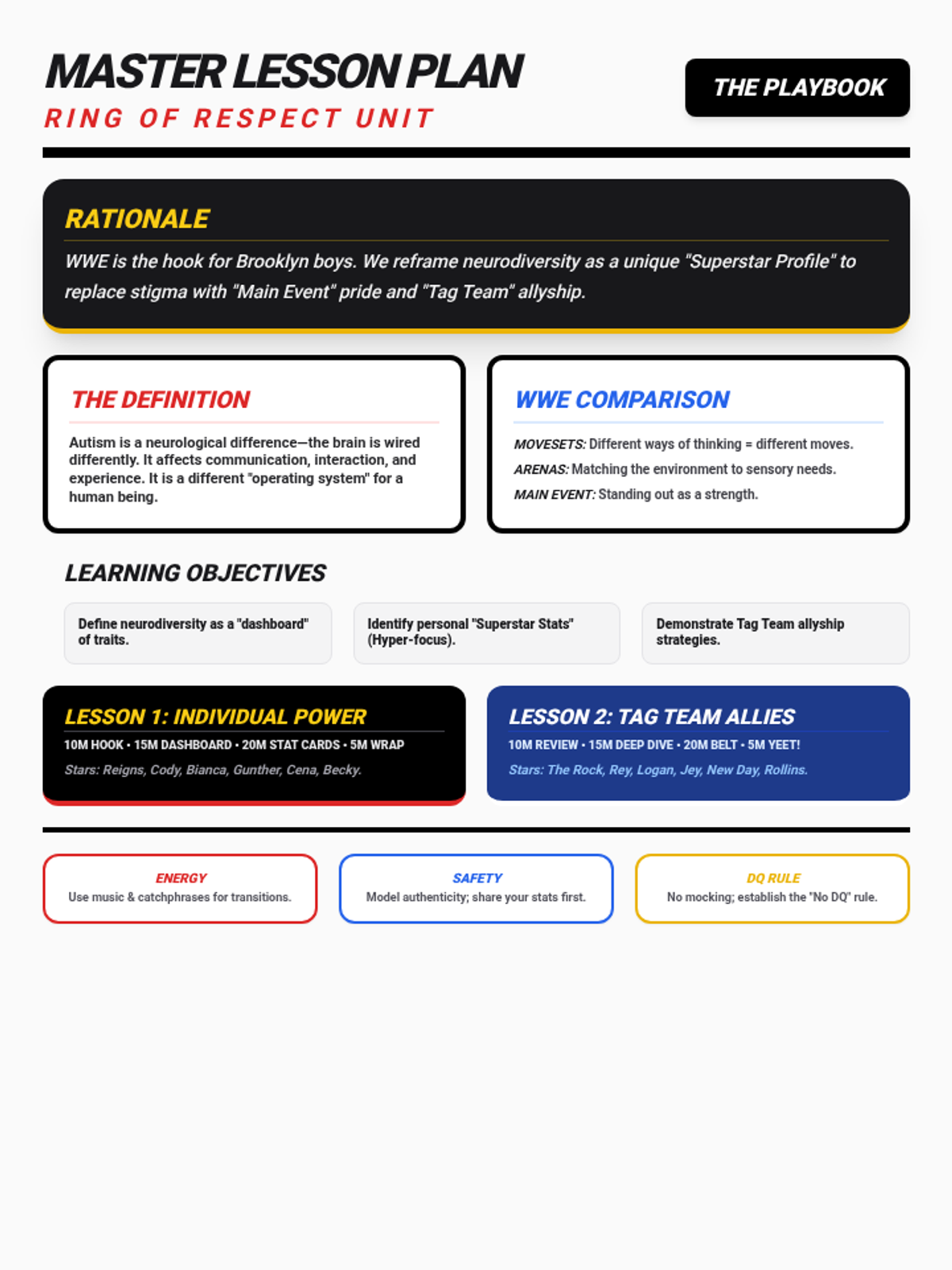
A two-lesson sequence designed for Brooklyn middle schoolers, using the high-octane world of WWE to teach autism acceptance, neurodiversity, and peer advocacy. Students explore the 'Main Event' of being yourself and the 'Tag Team' power of inclusion.
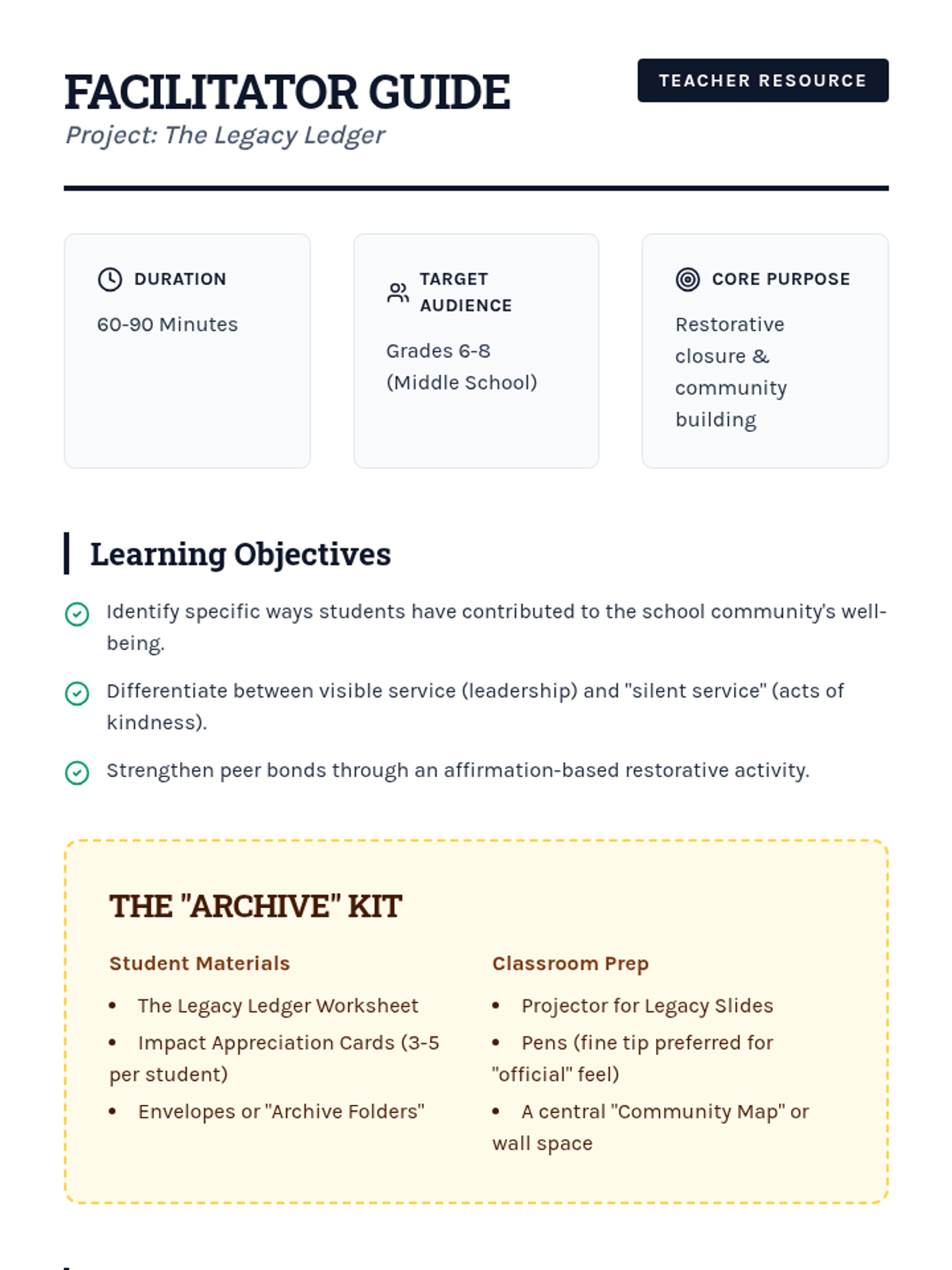
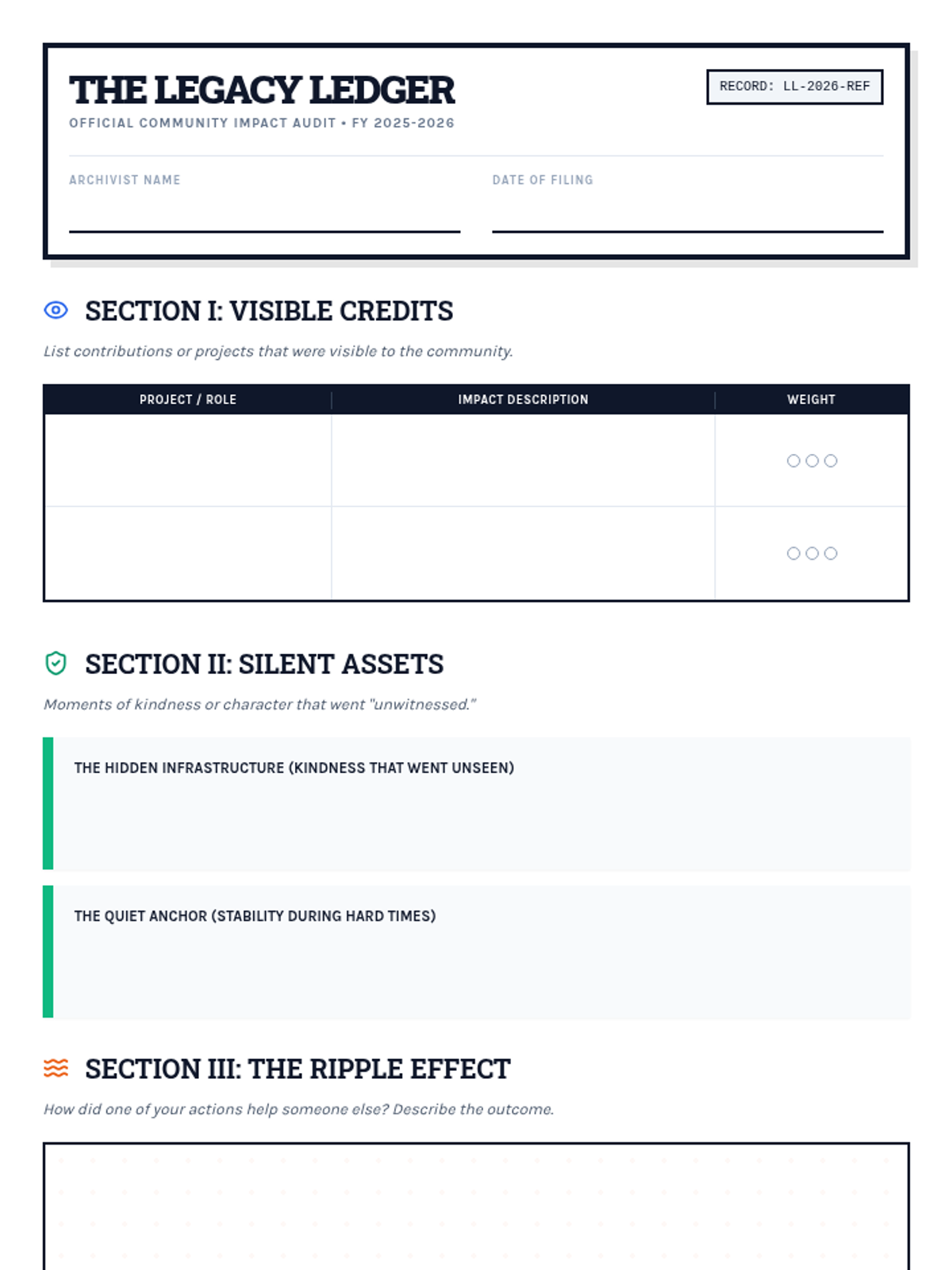
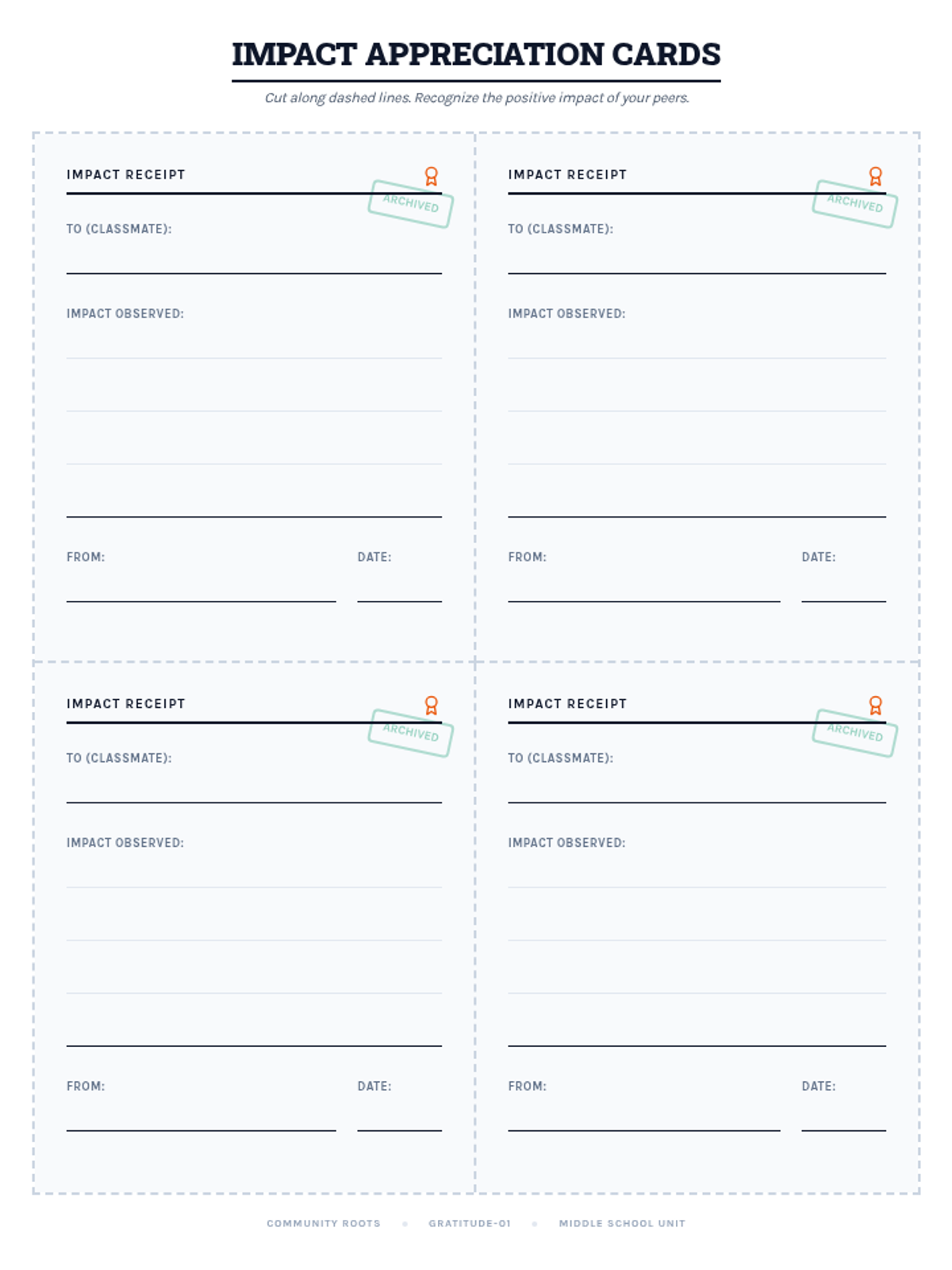
A restorative reflection unit designed to help students identify their positive impact on the school community and build a sense of closure.
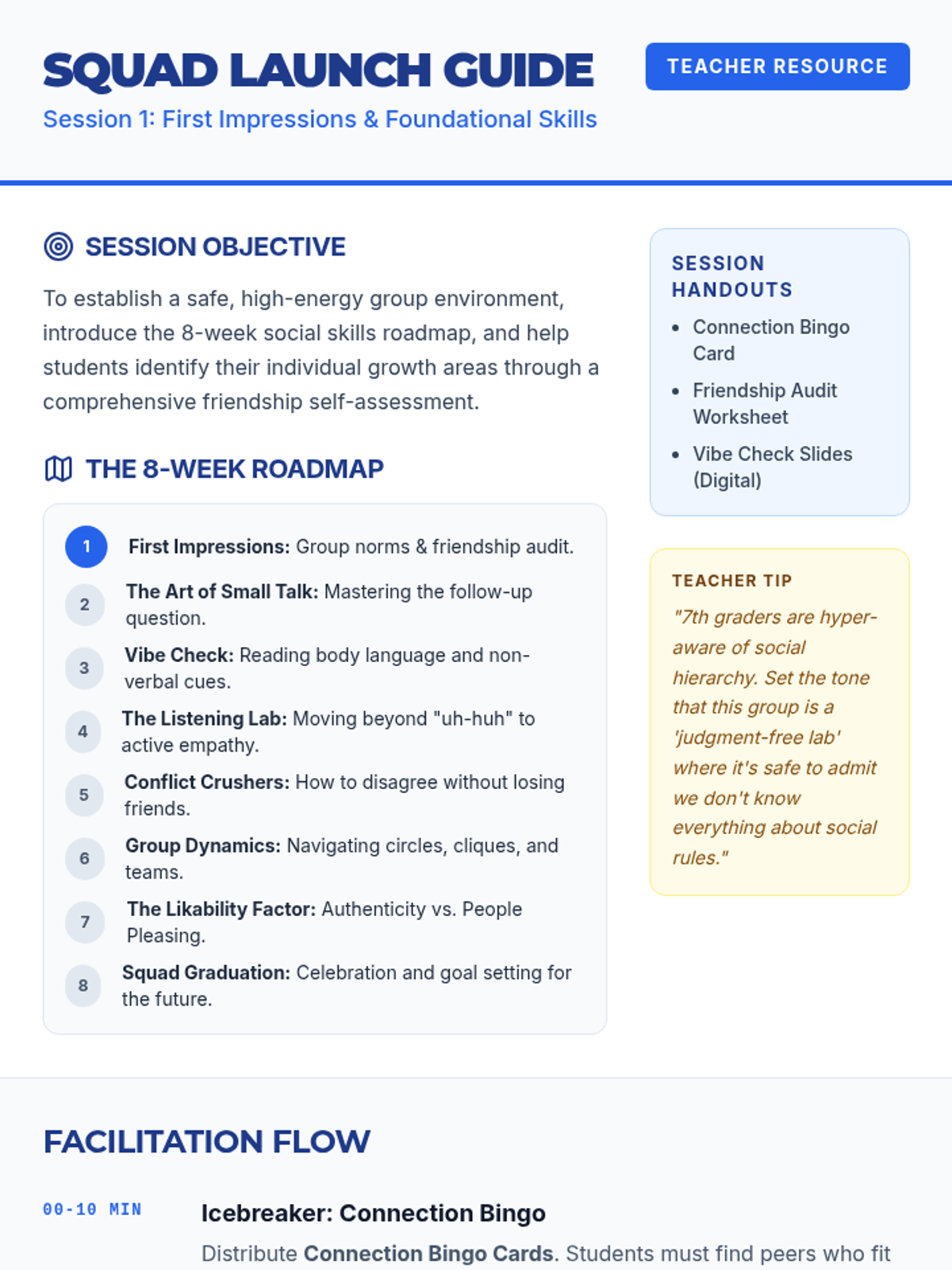
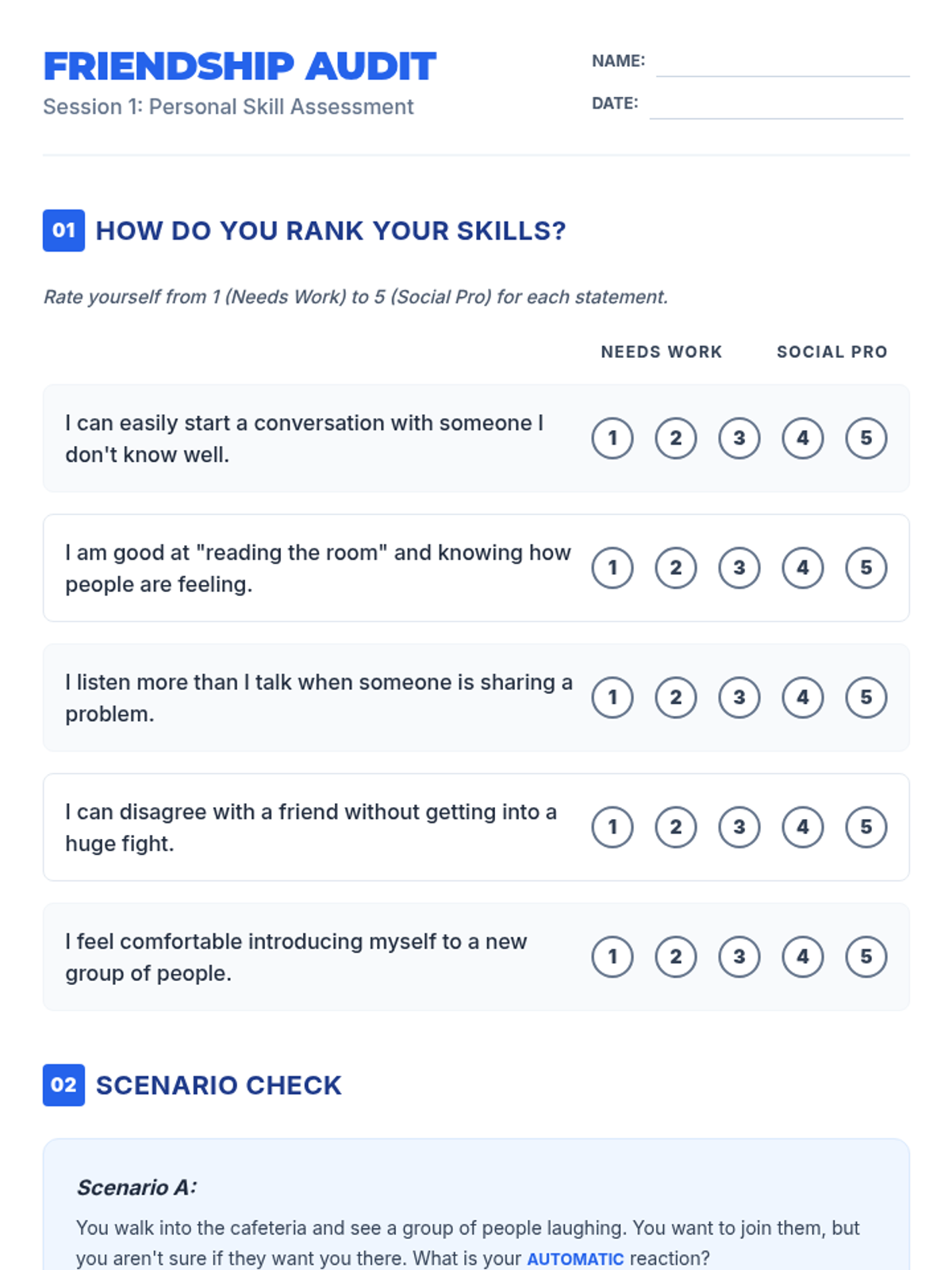
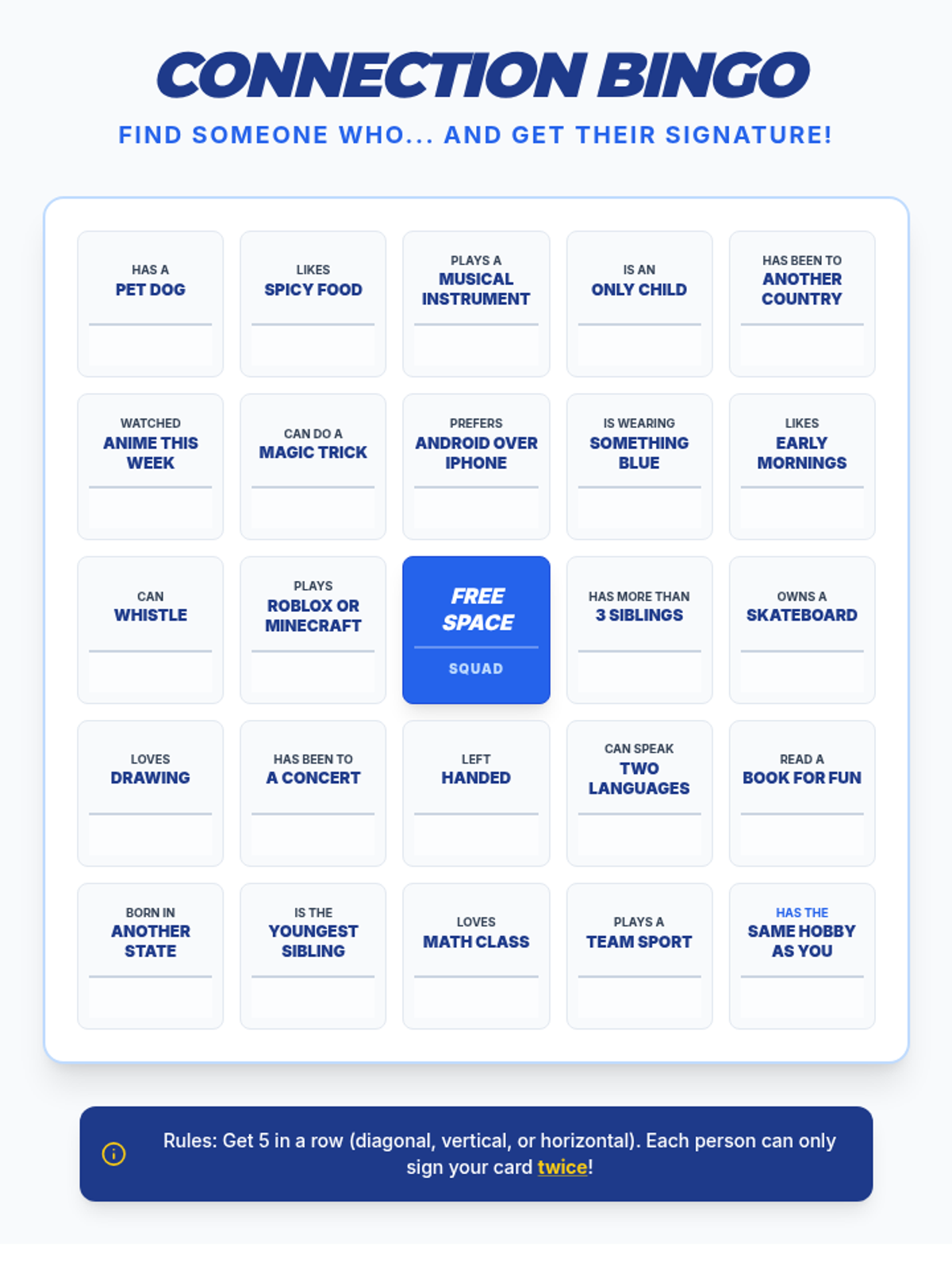
A comprehensive 8-week small group curriculum for middle schoolers focused on developing social intelligence, friendship skills, and authentic likability. Students explore self-awareness, communication styles, and conflict resolution through interactive games and reflection.