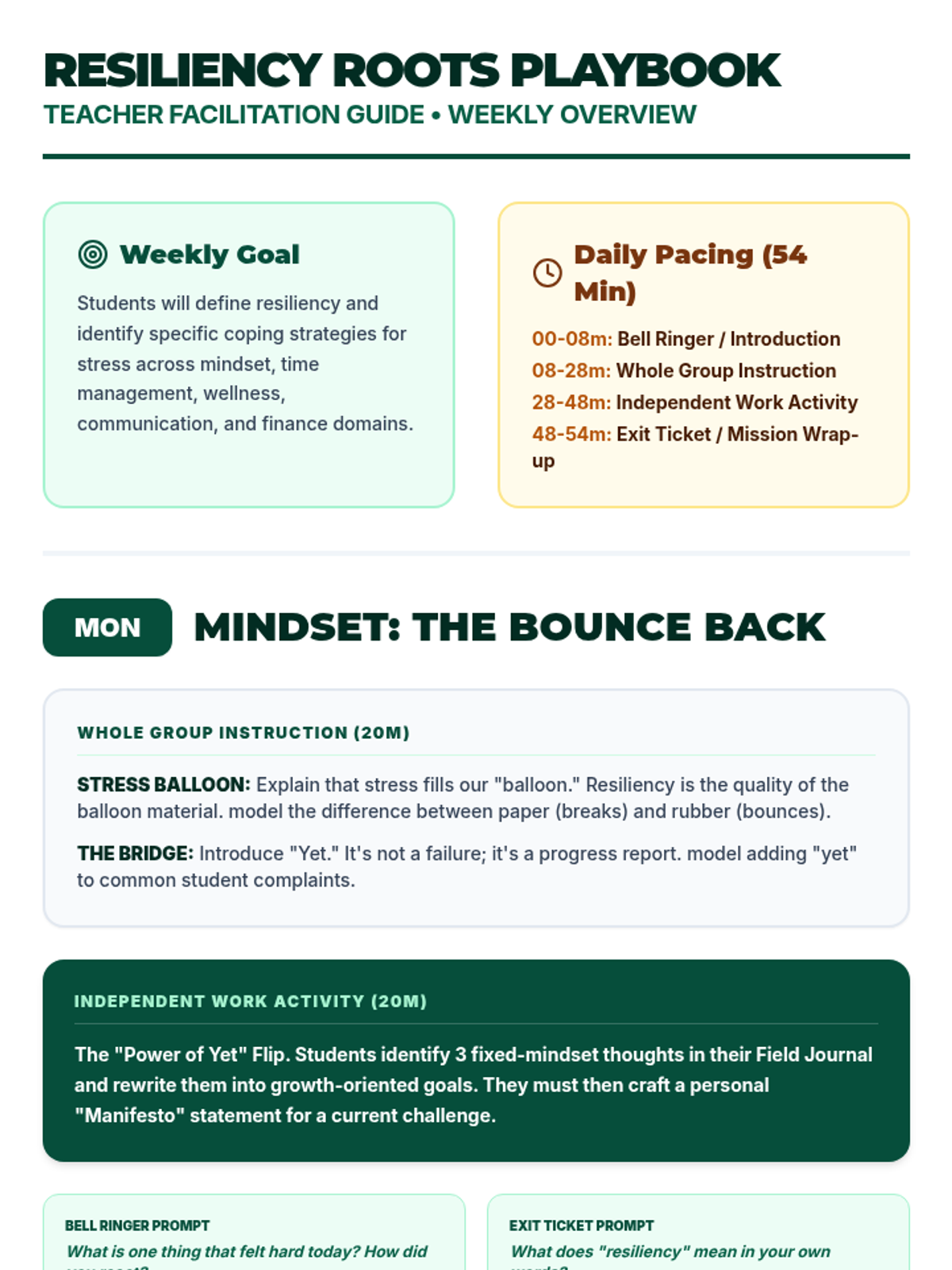
Budgeting, saving, and investment strategies alongside practical skills for managing credit, taxes, and banking. Addresses insurance needs, employment income, and major purchase decisions to support comprehensive long-term financial planning.
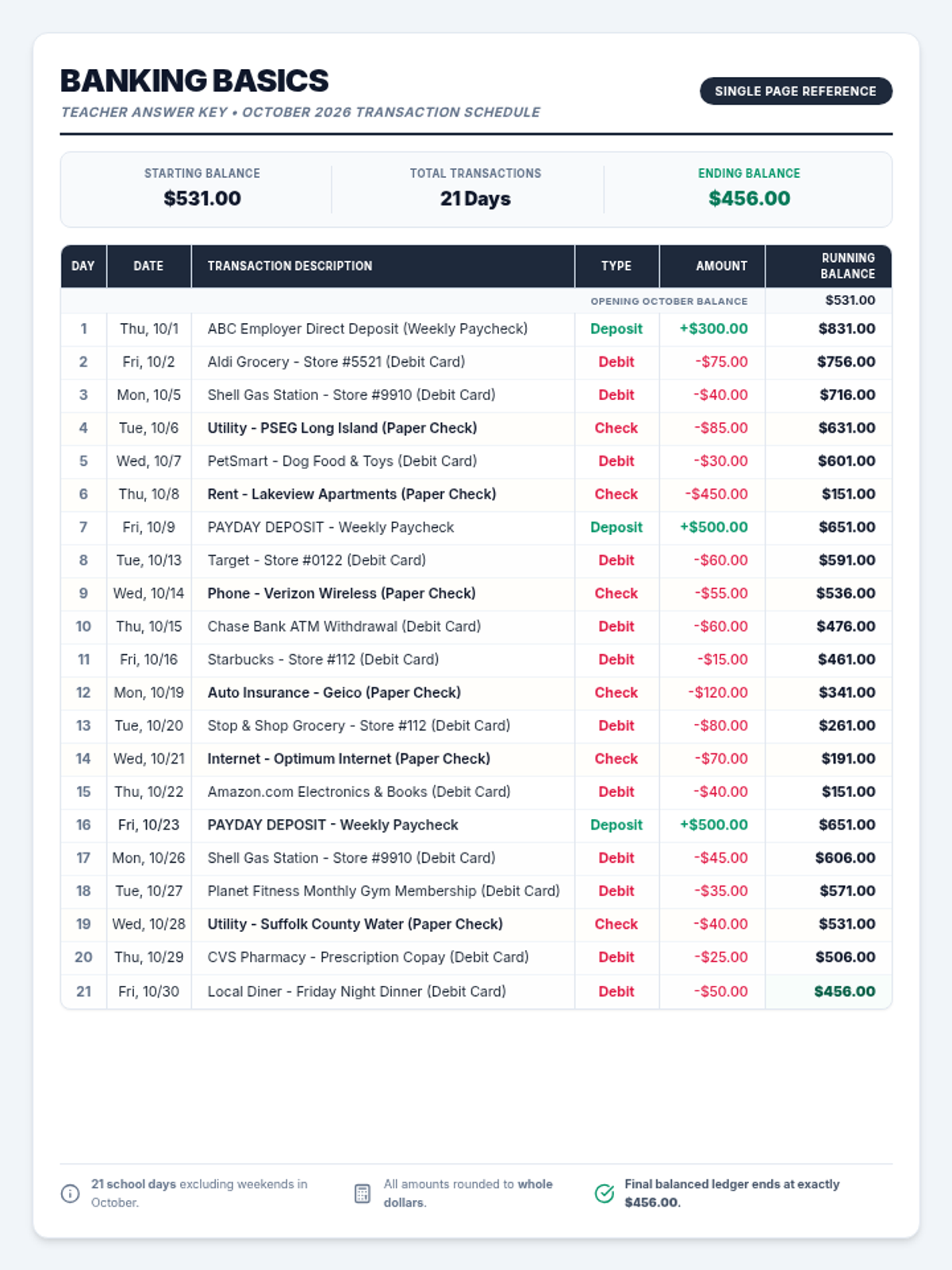
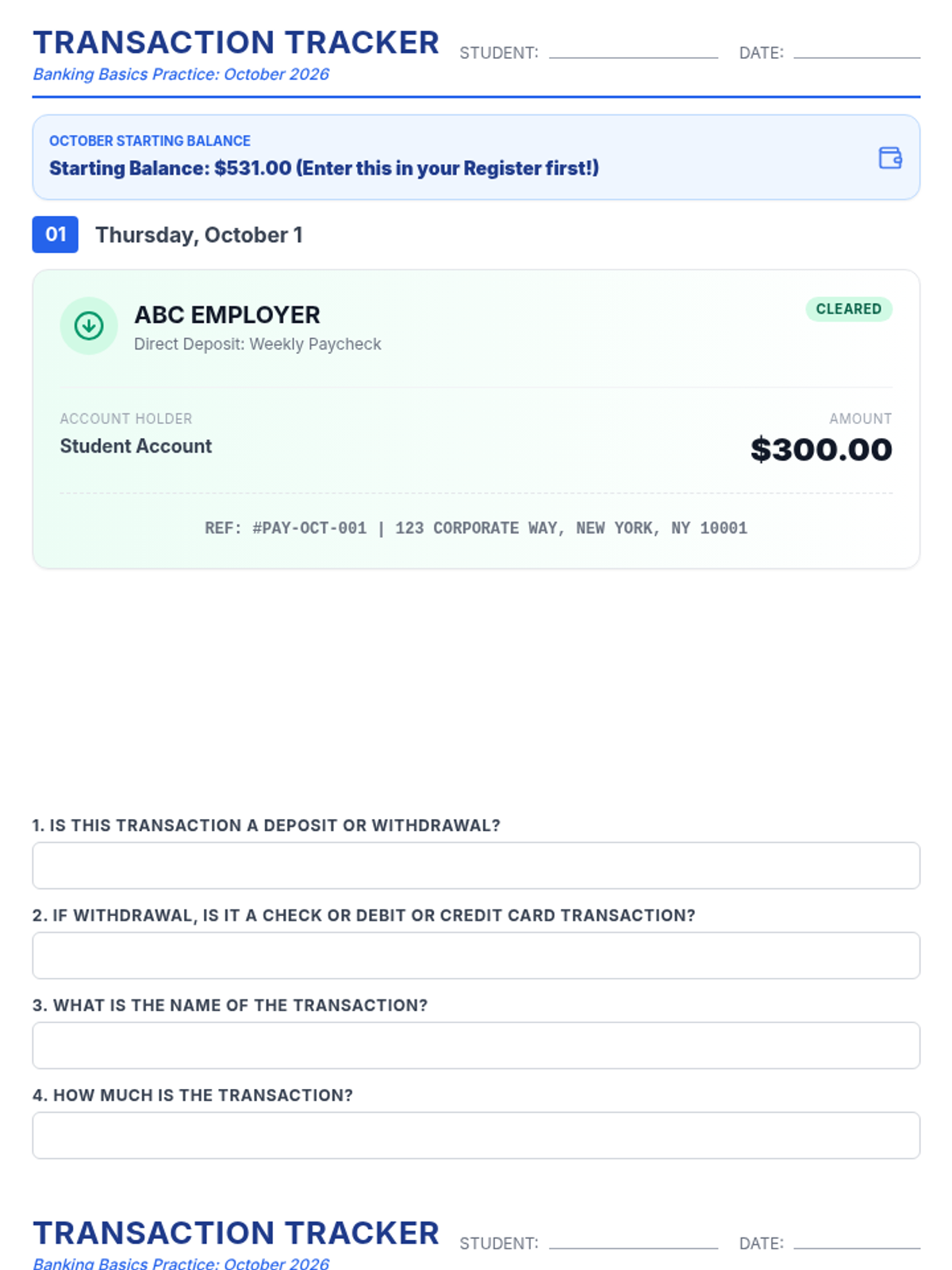
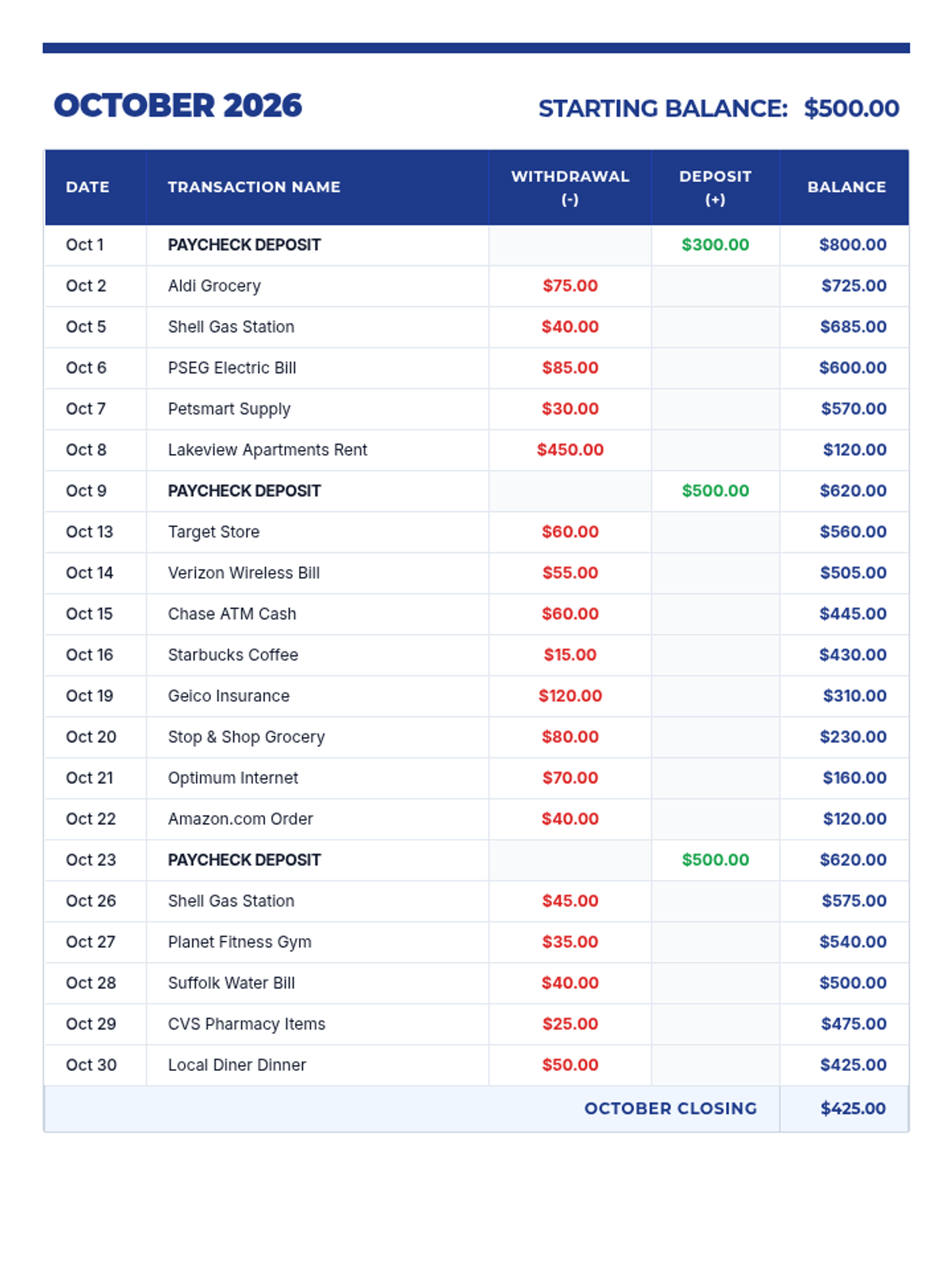
A practical financial literacy lesson where students track daily banking transactions, calculate running balances, and reconcile account registers for October 2026. Includes a 21-day transaction tracker worksheet with larger check addresses and a teacher answer key schedule.
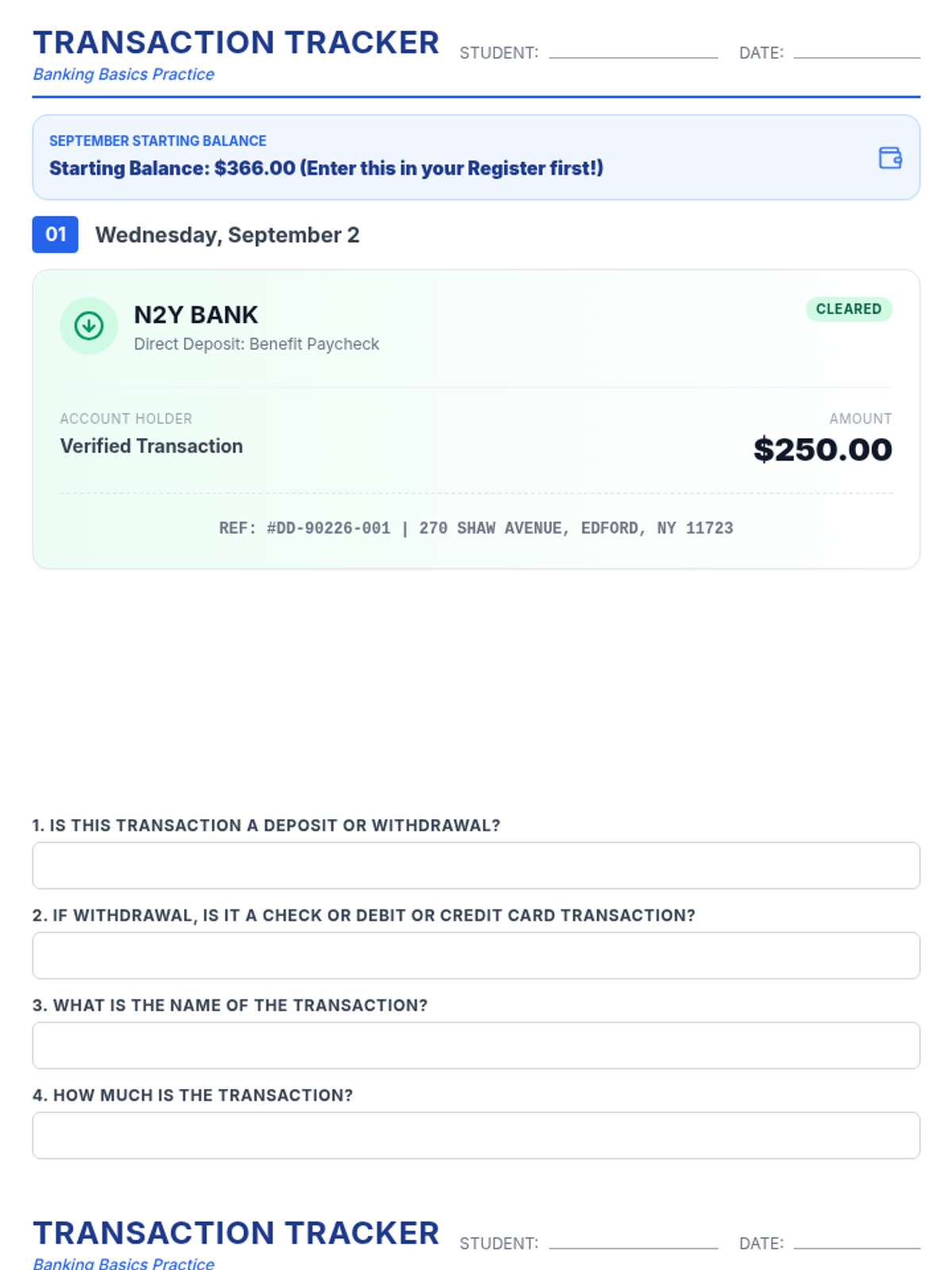
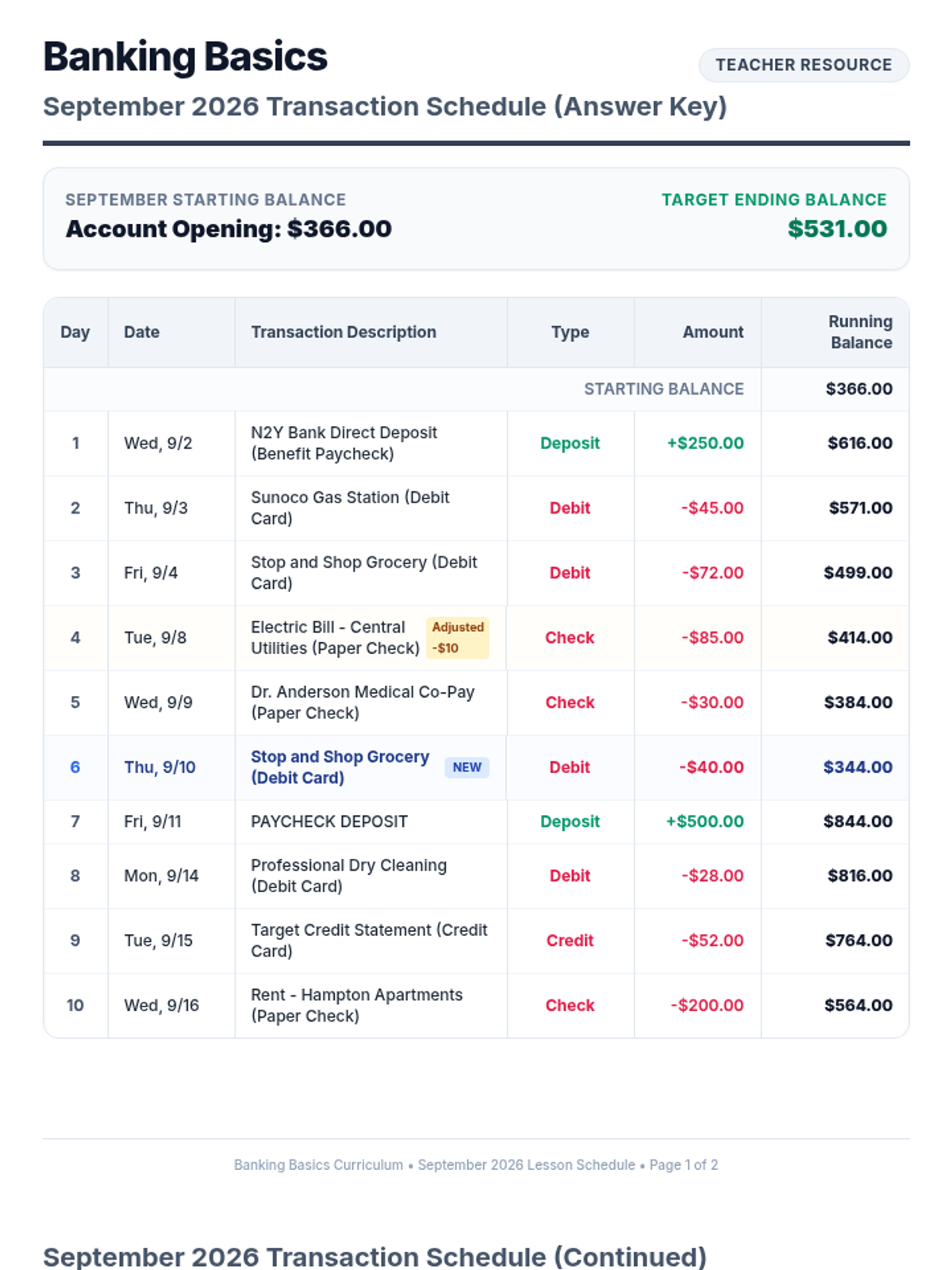
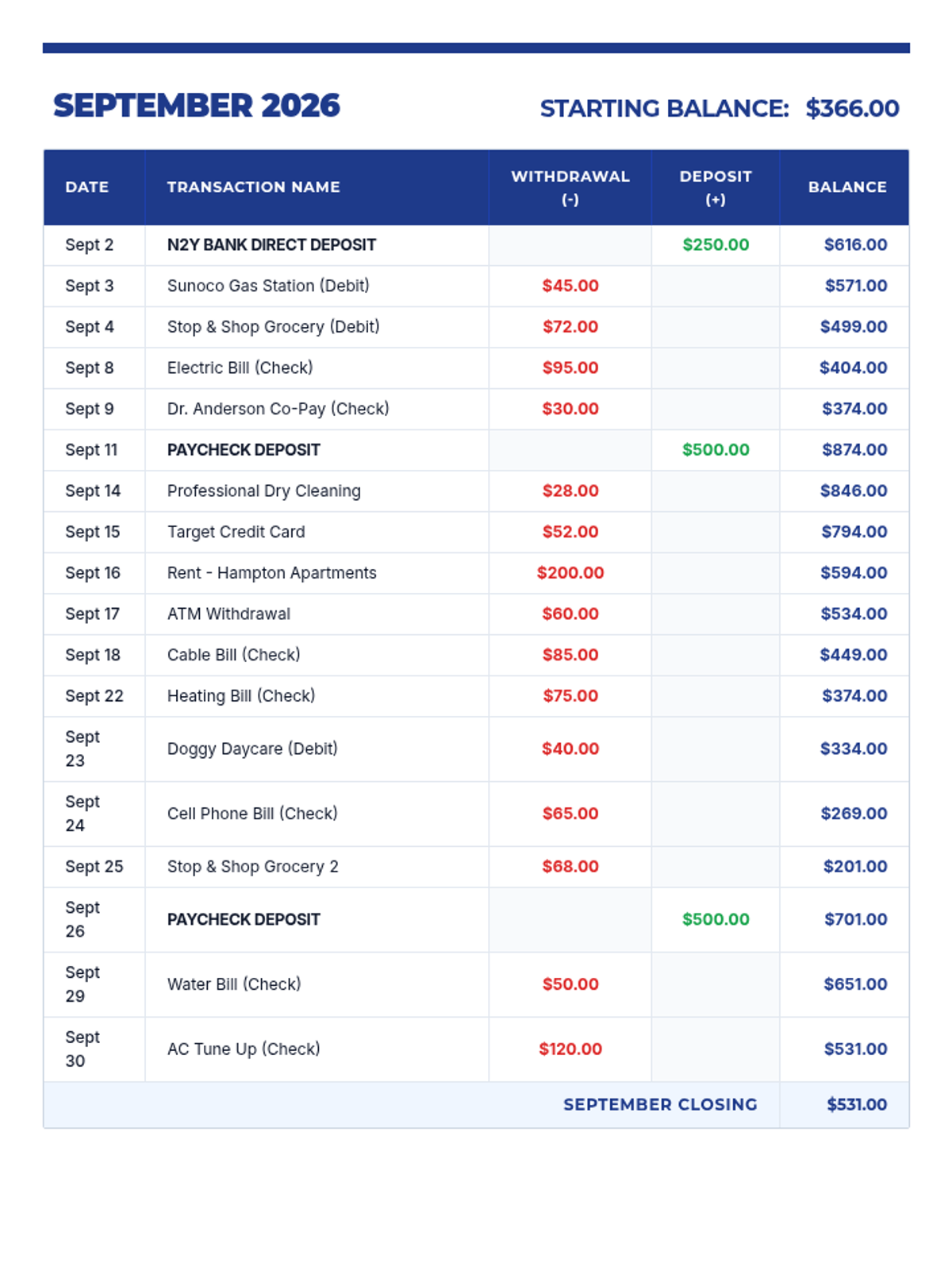
A practical financial literacy lesson where students track daily banking transactions, calculate running balances, and reconcile account registers for September 2026. Includes a 19-day transaction tracker worksheet and a complete teacher answer key schedule.
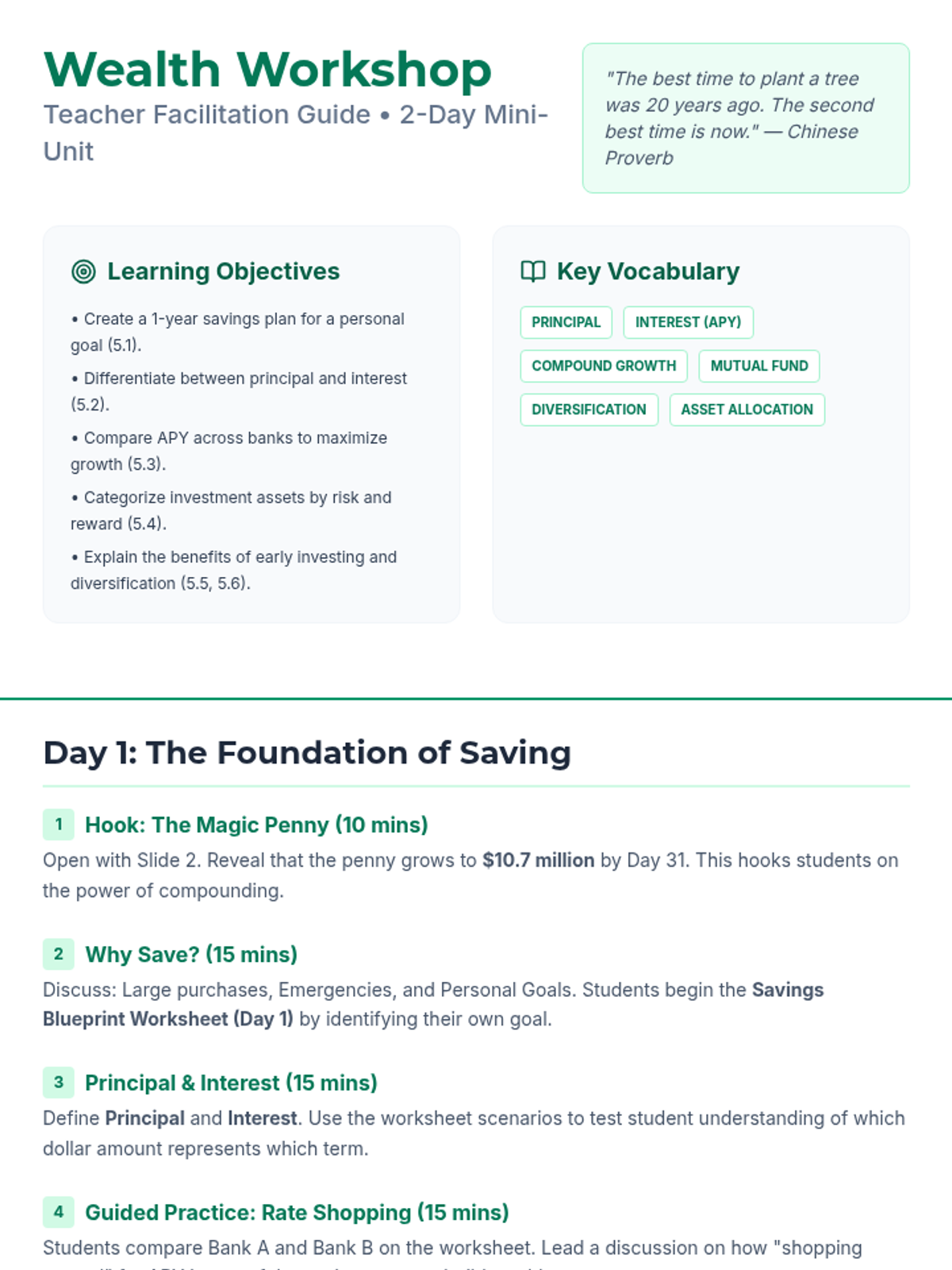
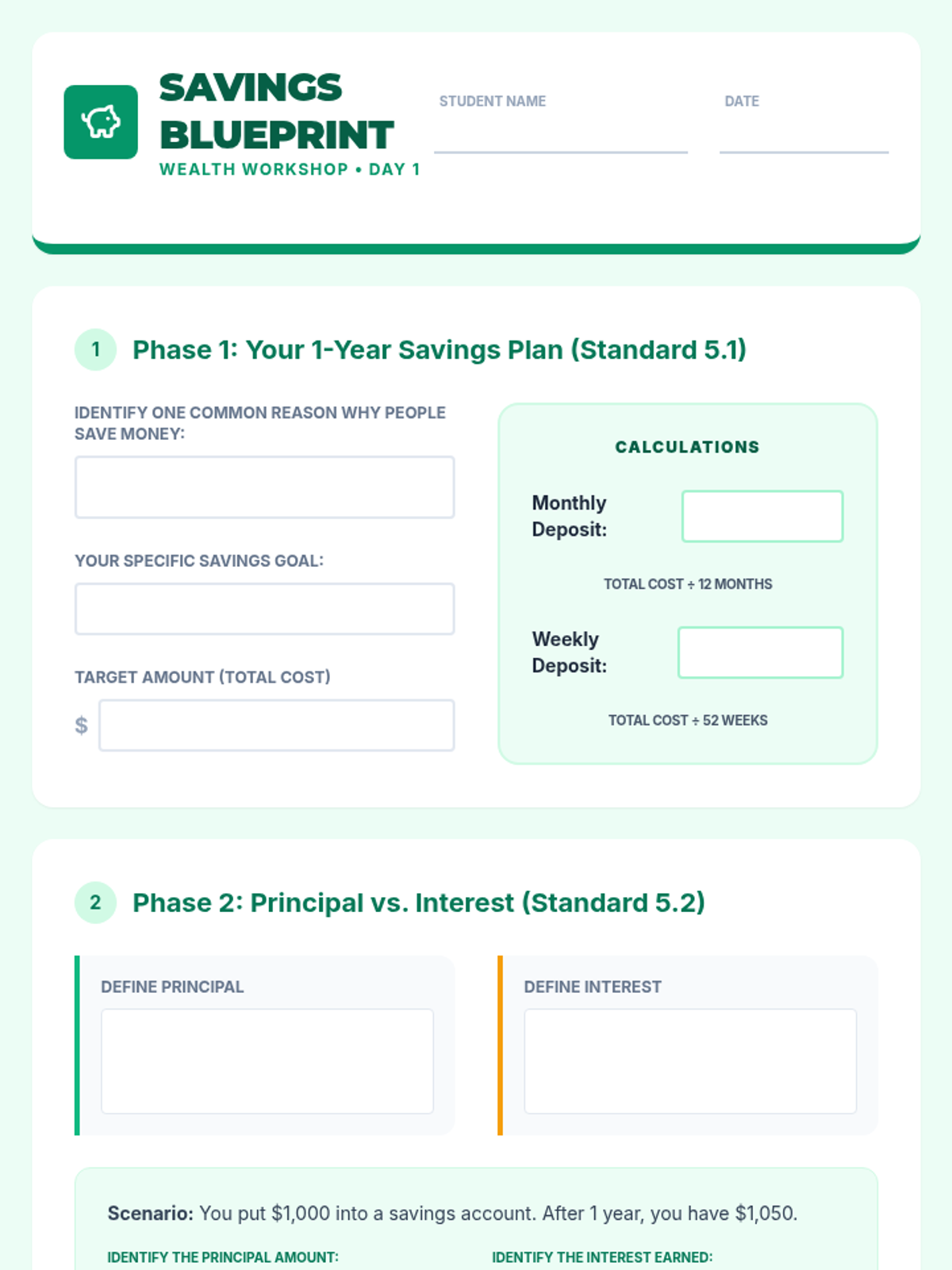
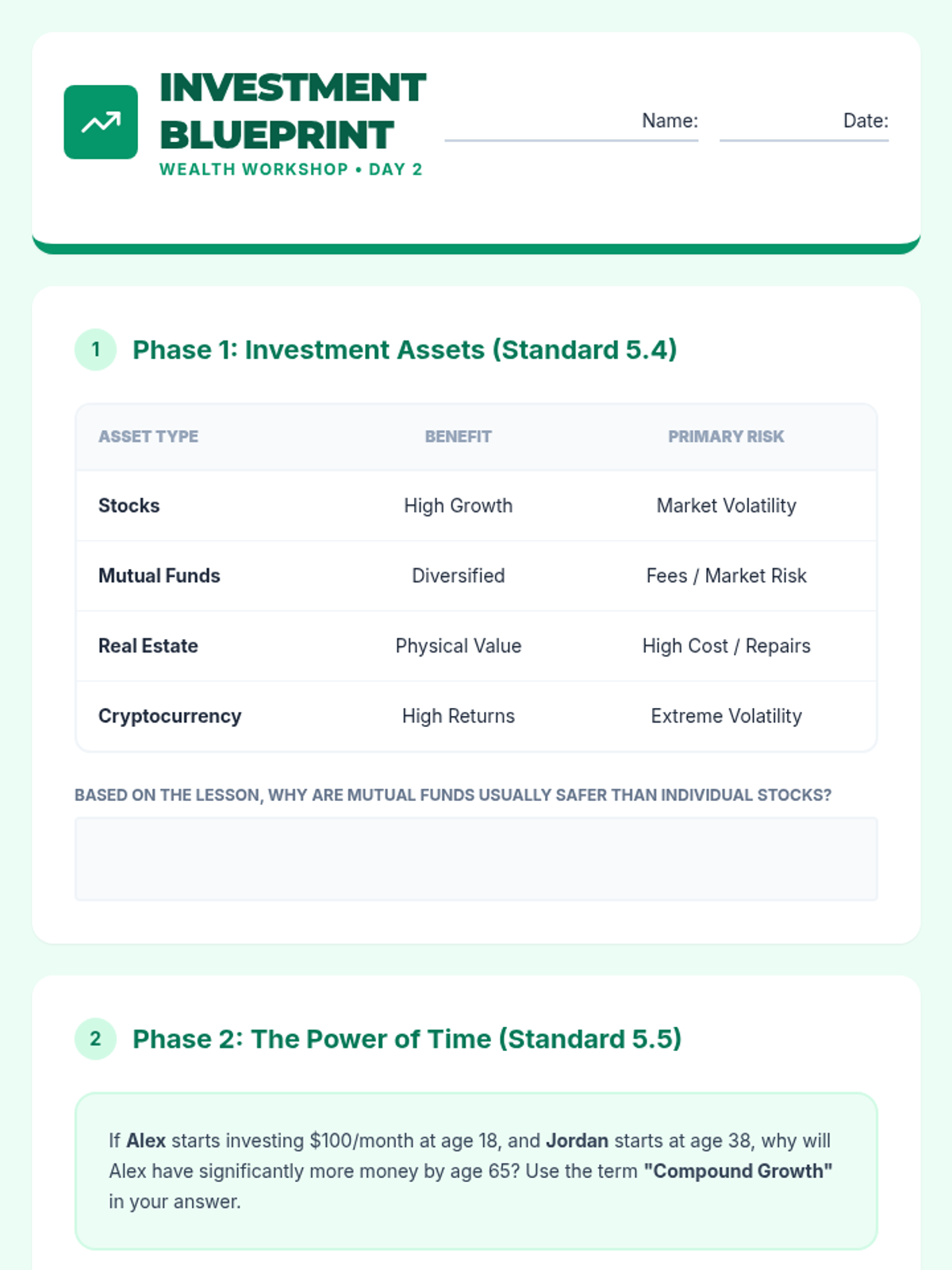
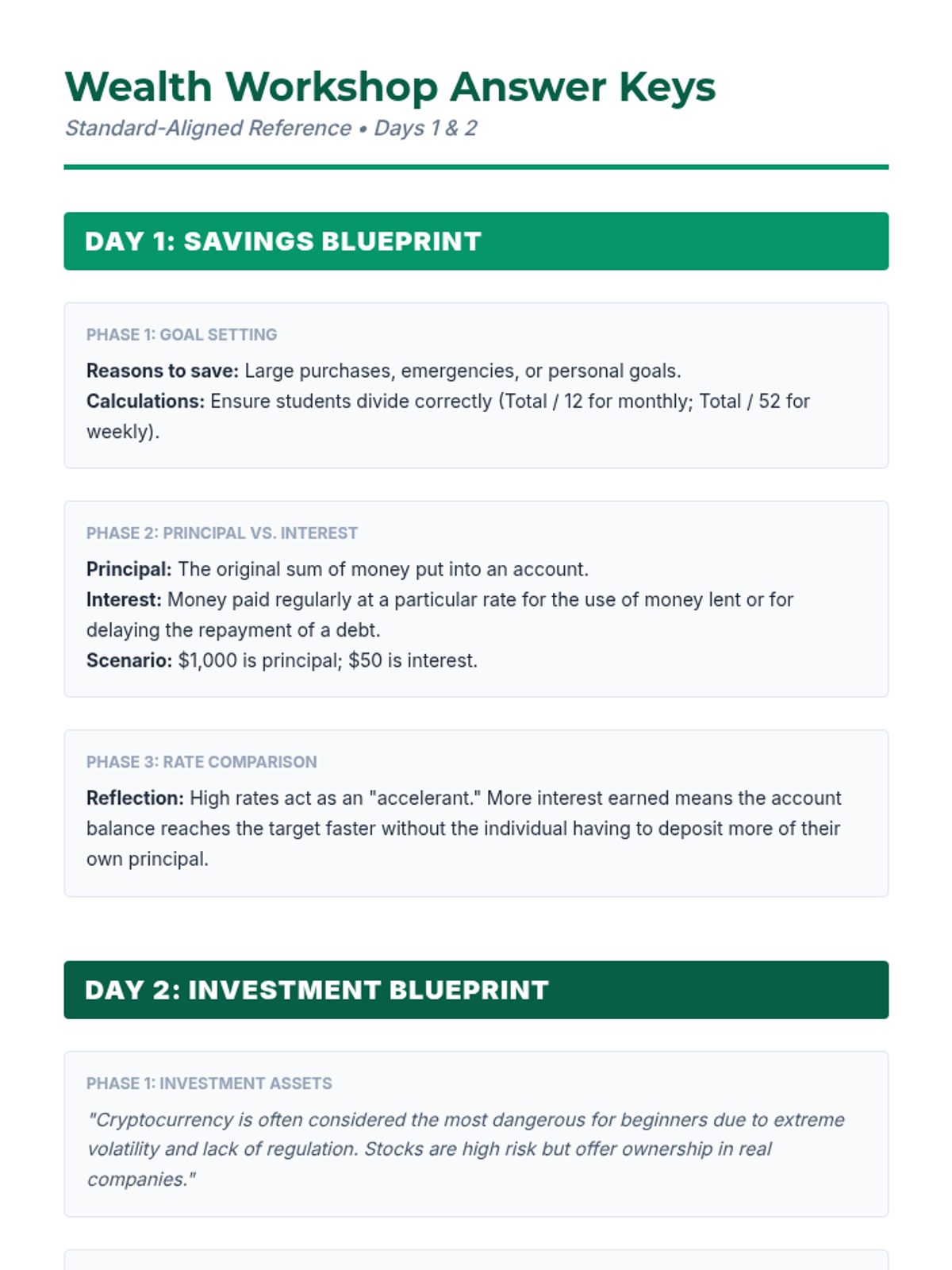
A two-day mini-unit on financial literacy covering savings goals, interest, investment assets, the power of time, and diversification. Students learn to create savings plans and understand the risks and rewards of different investment vehicles.
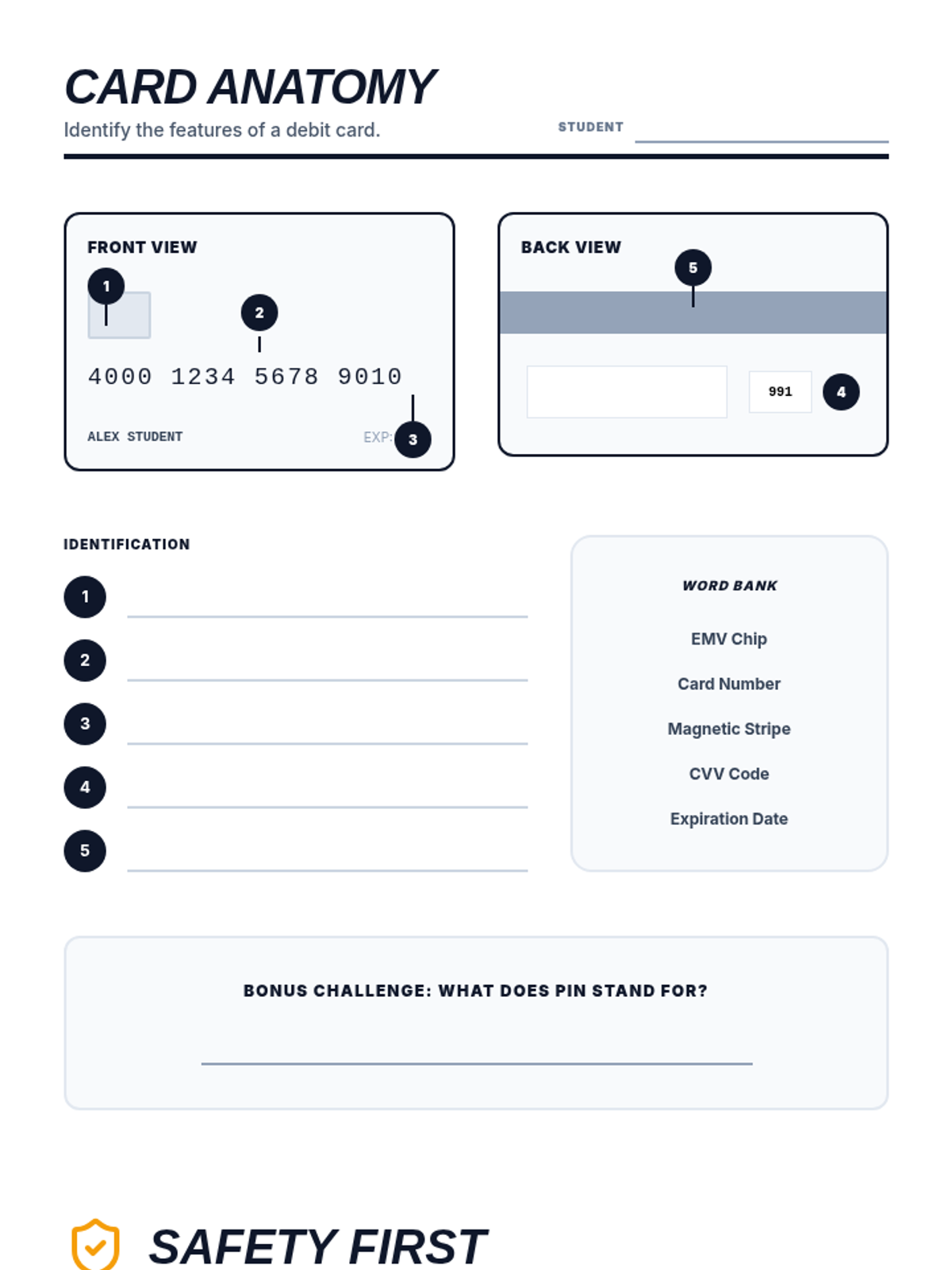
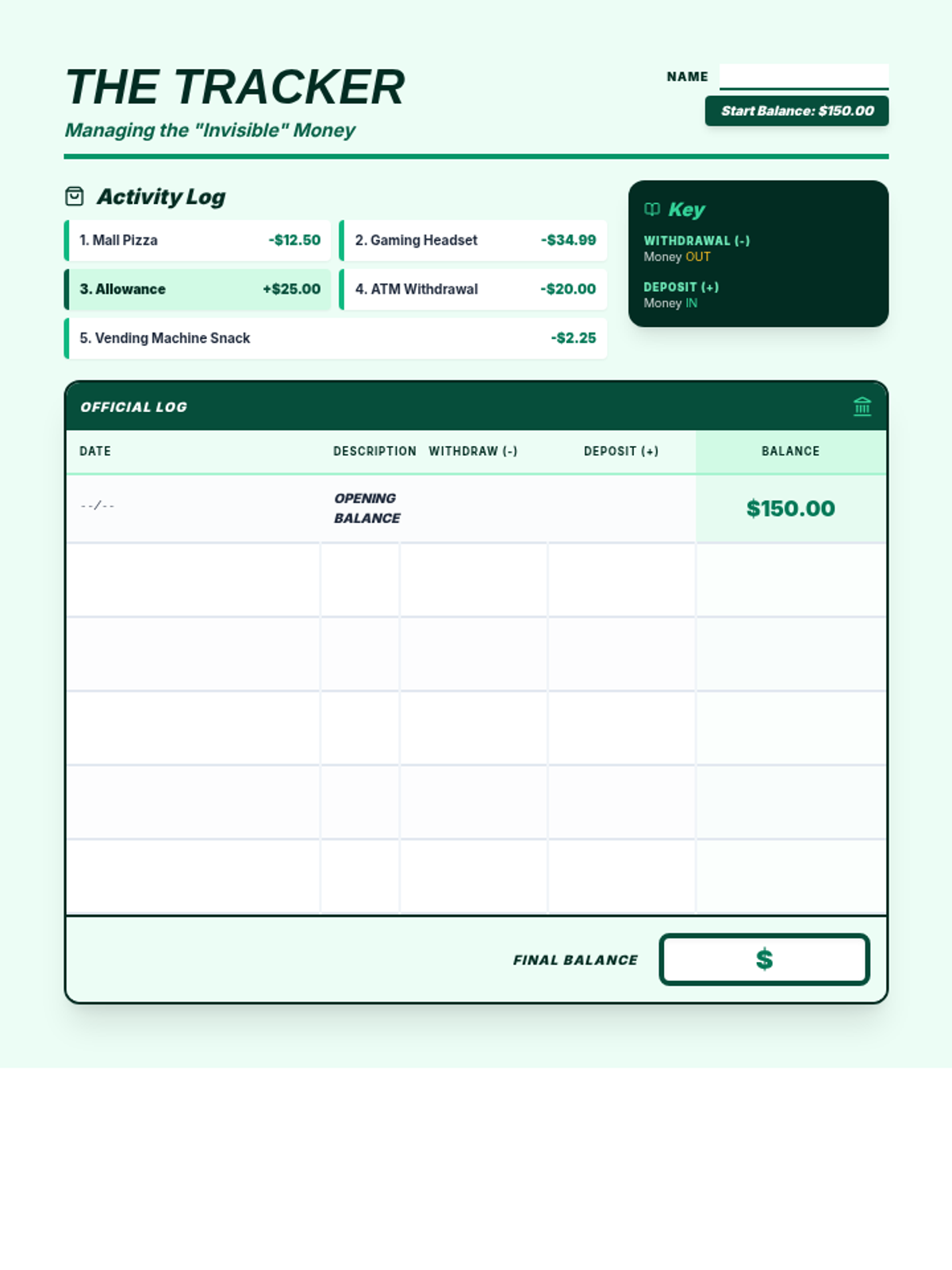
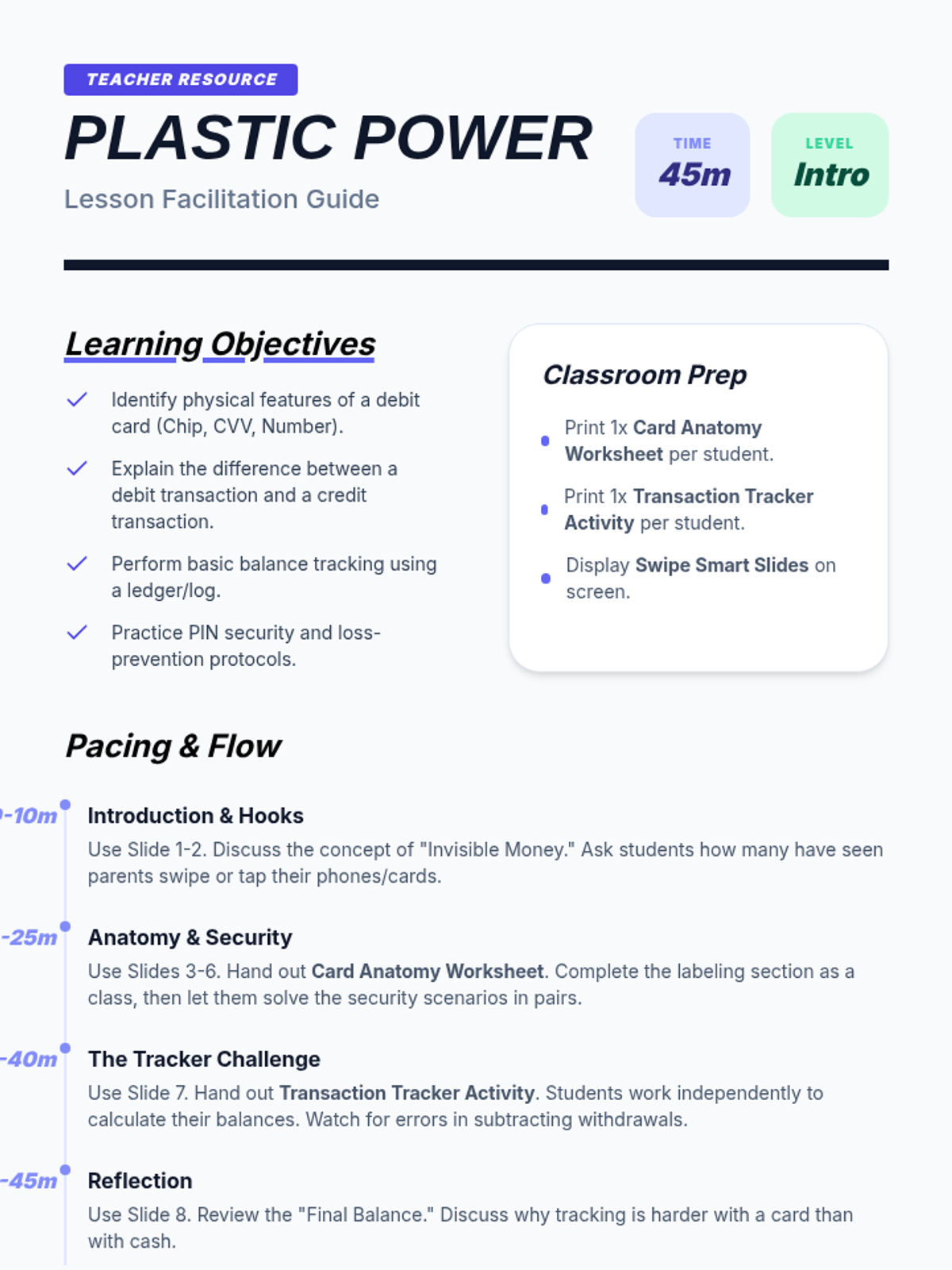
A comprehensive lesson introducing students to the mechanics and responsibilities of using a debit card, including card anatomy, security, and transaction tracking.
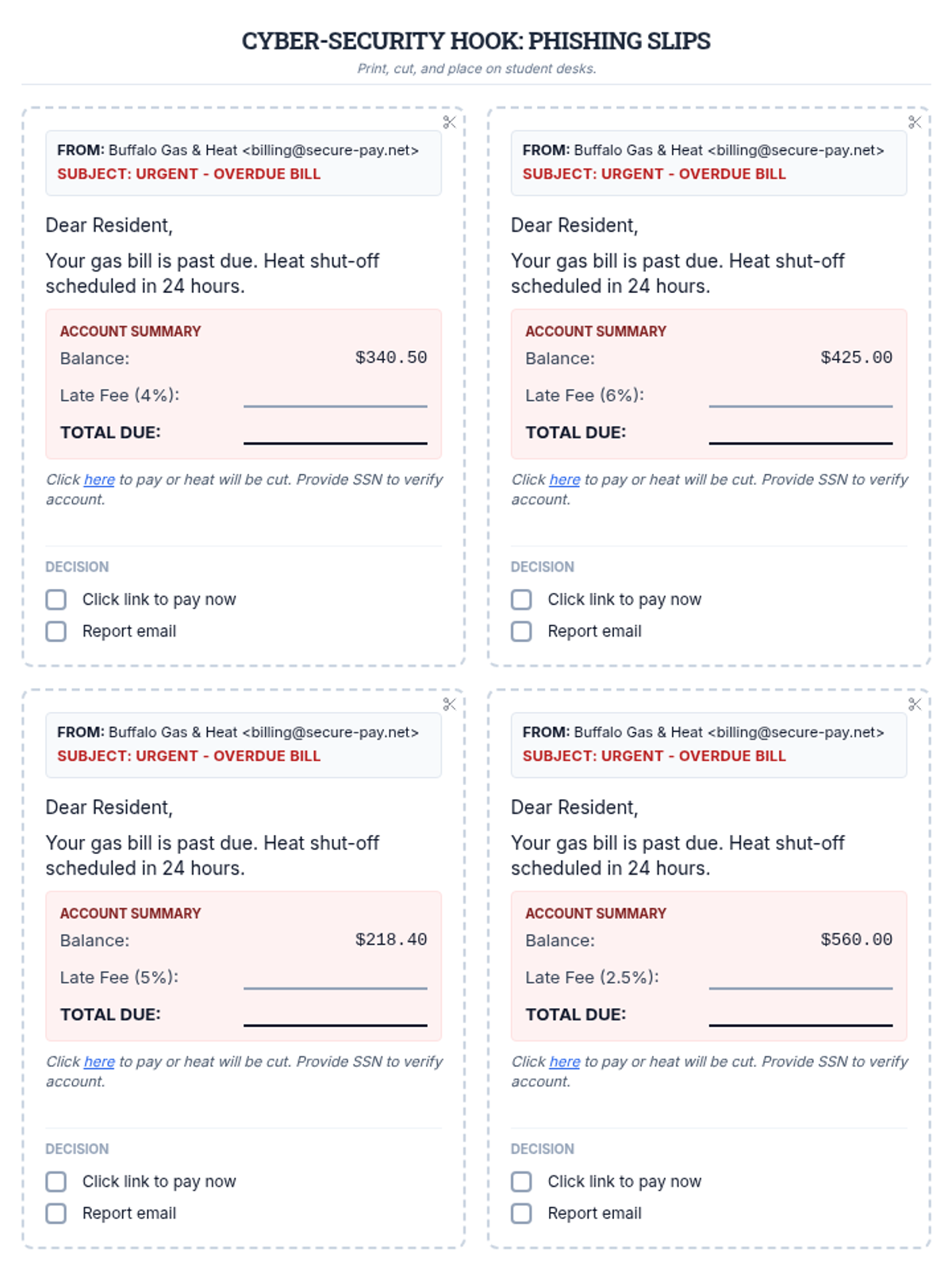
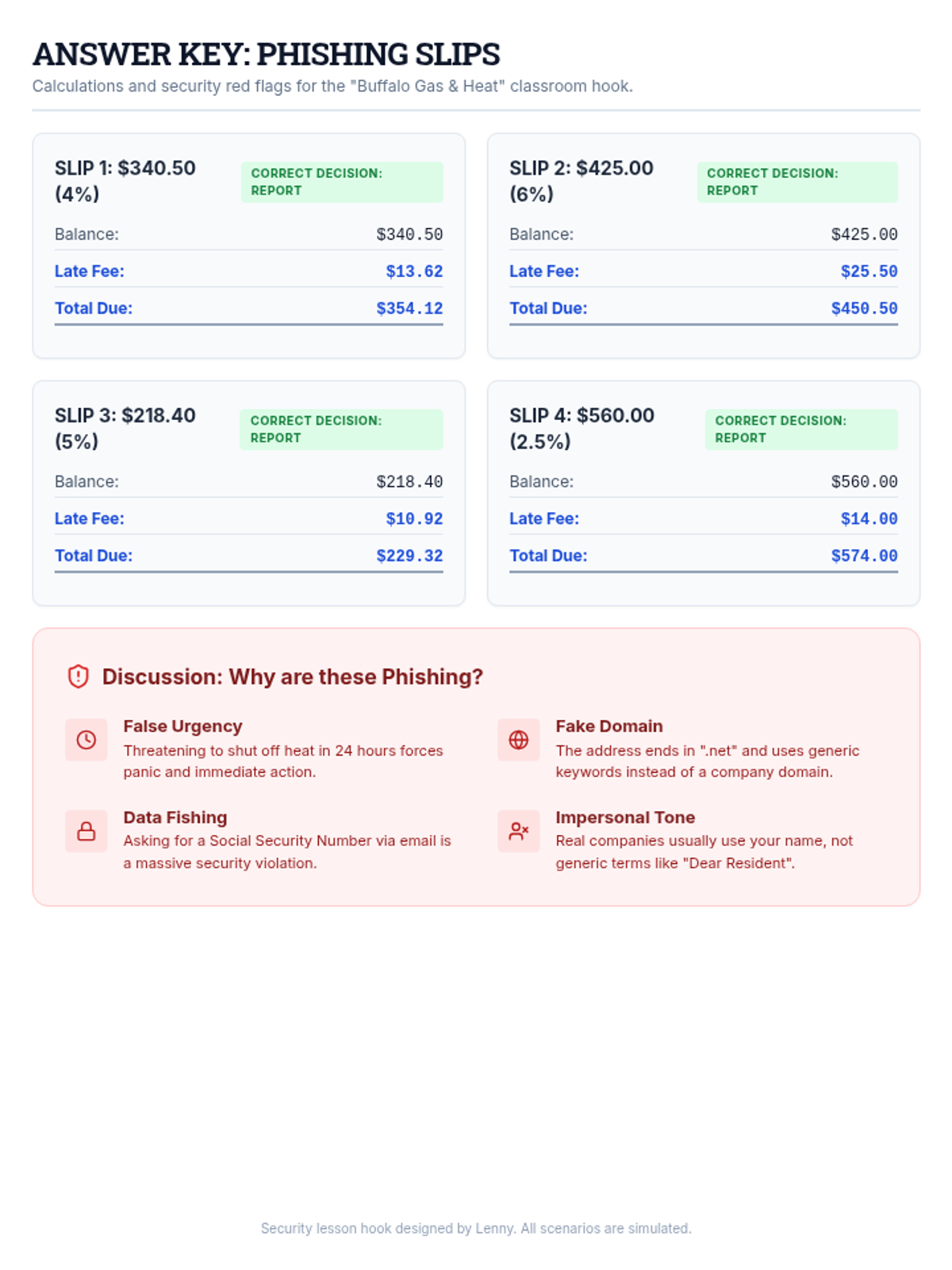
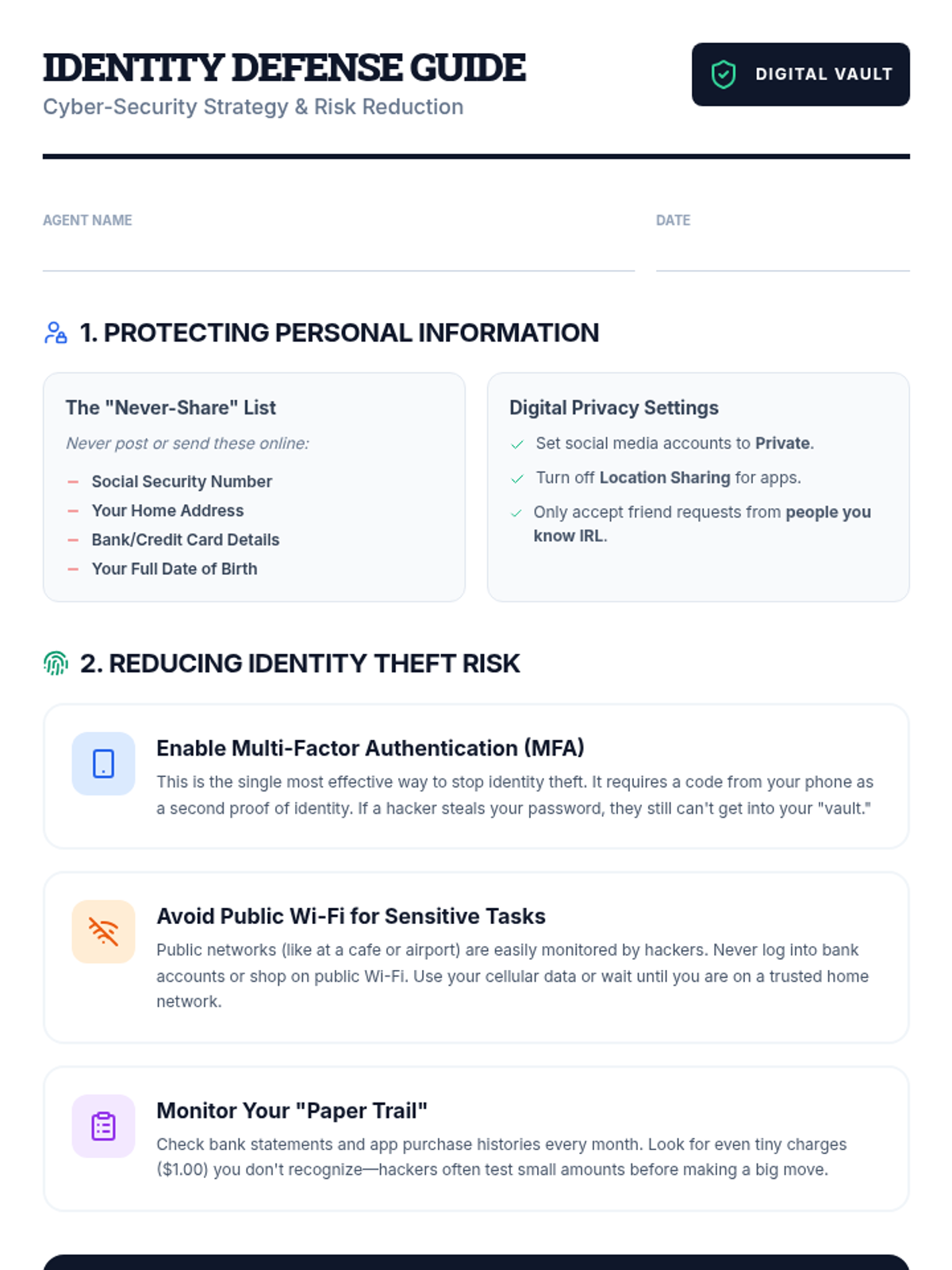
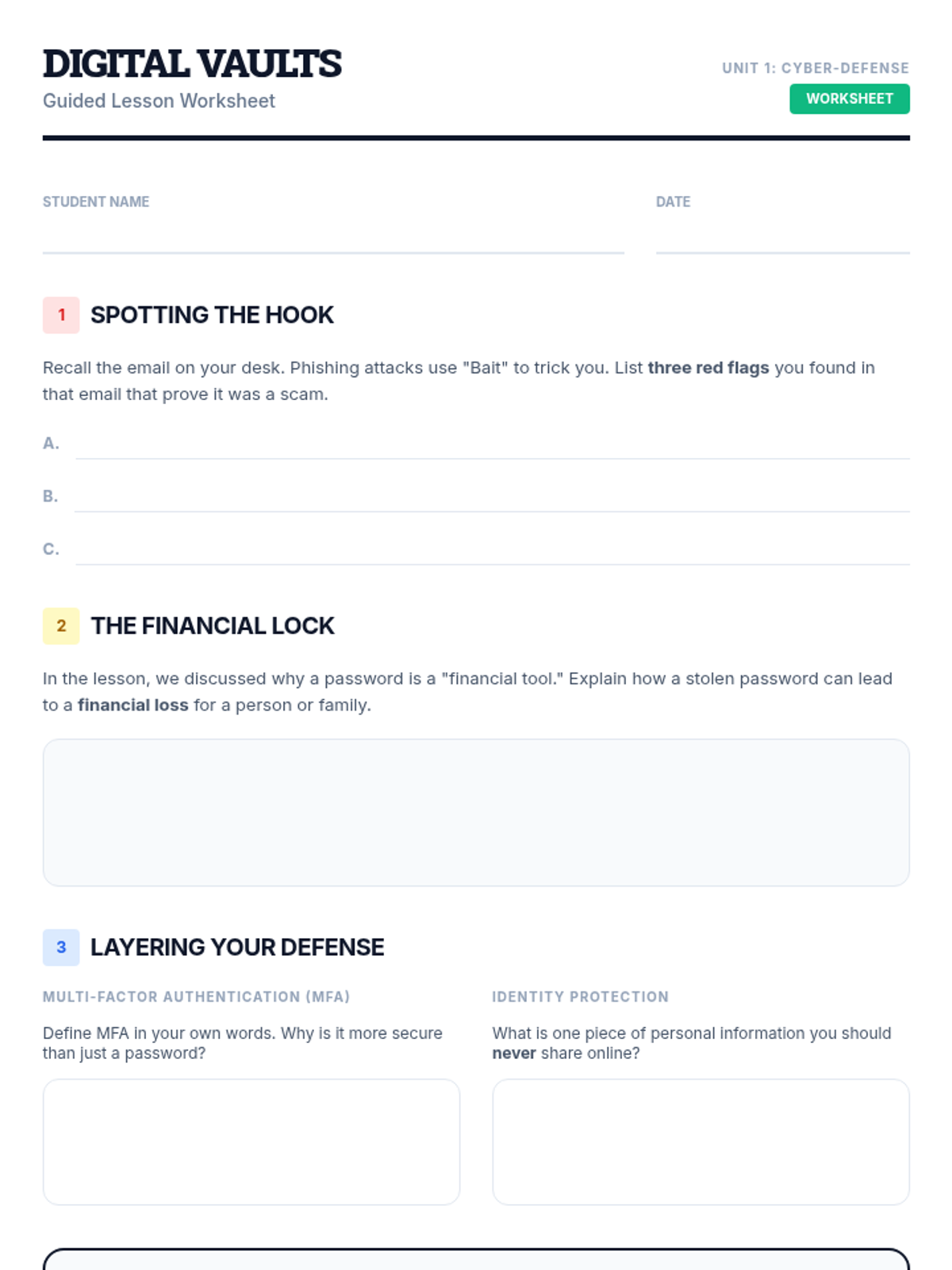
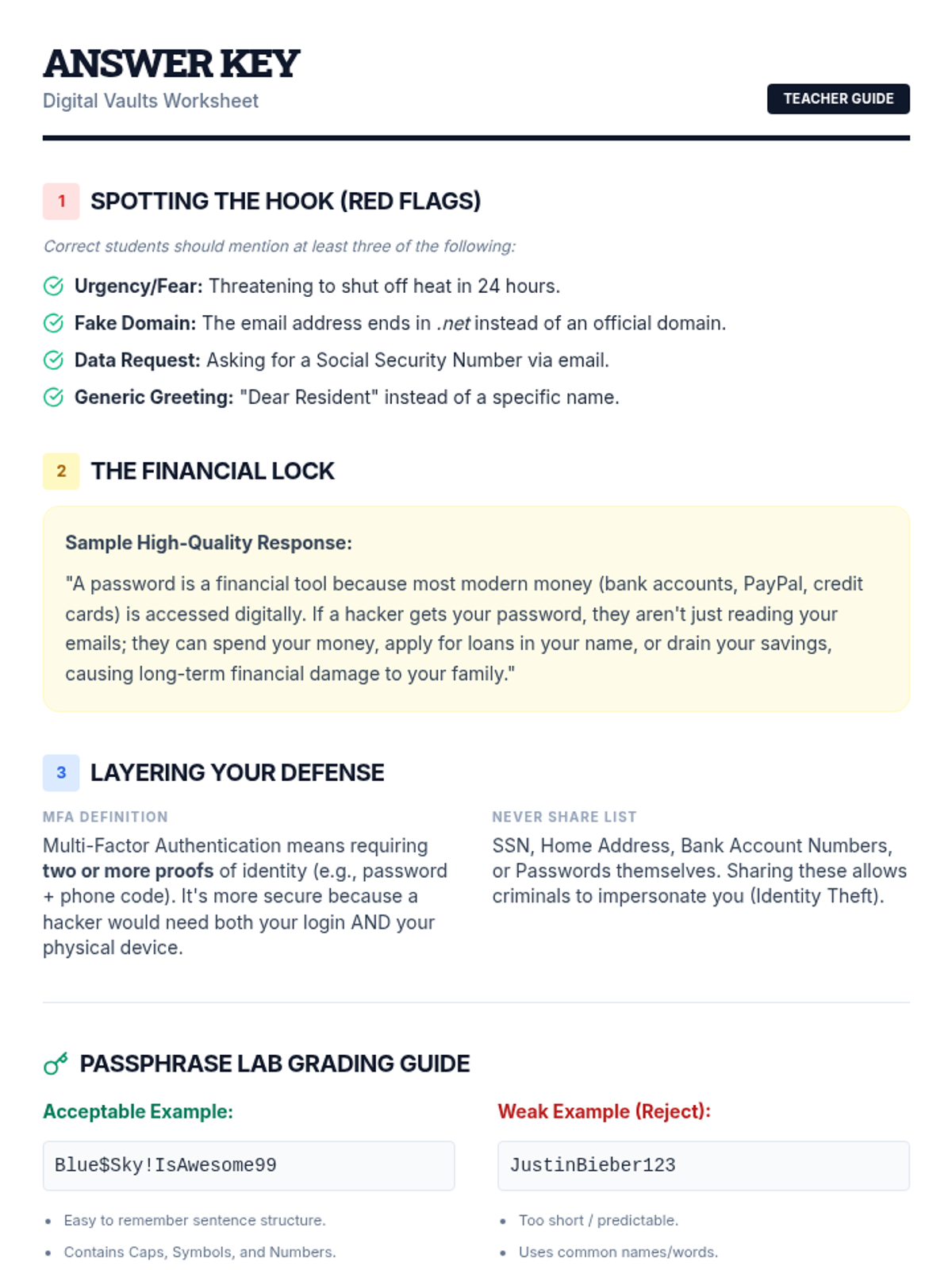
A lesson introducing cybersecurity through a classroom hook involving simulated phishing emails and utility bill math calculations.
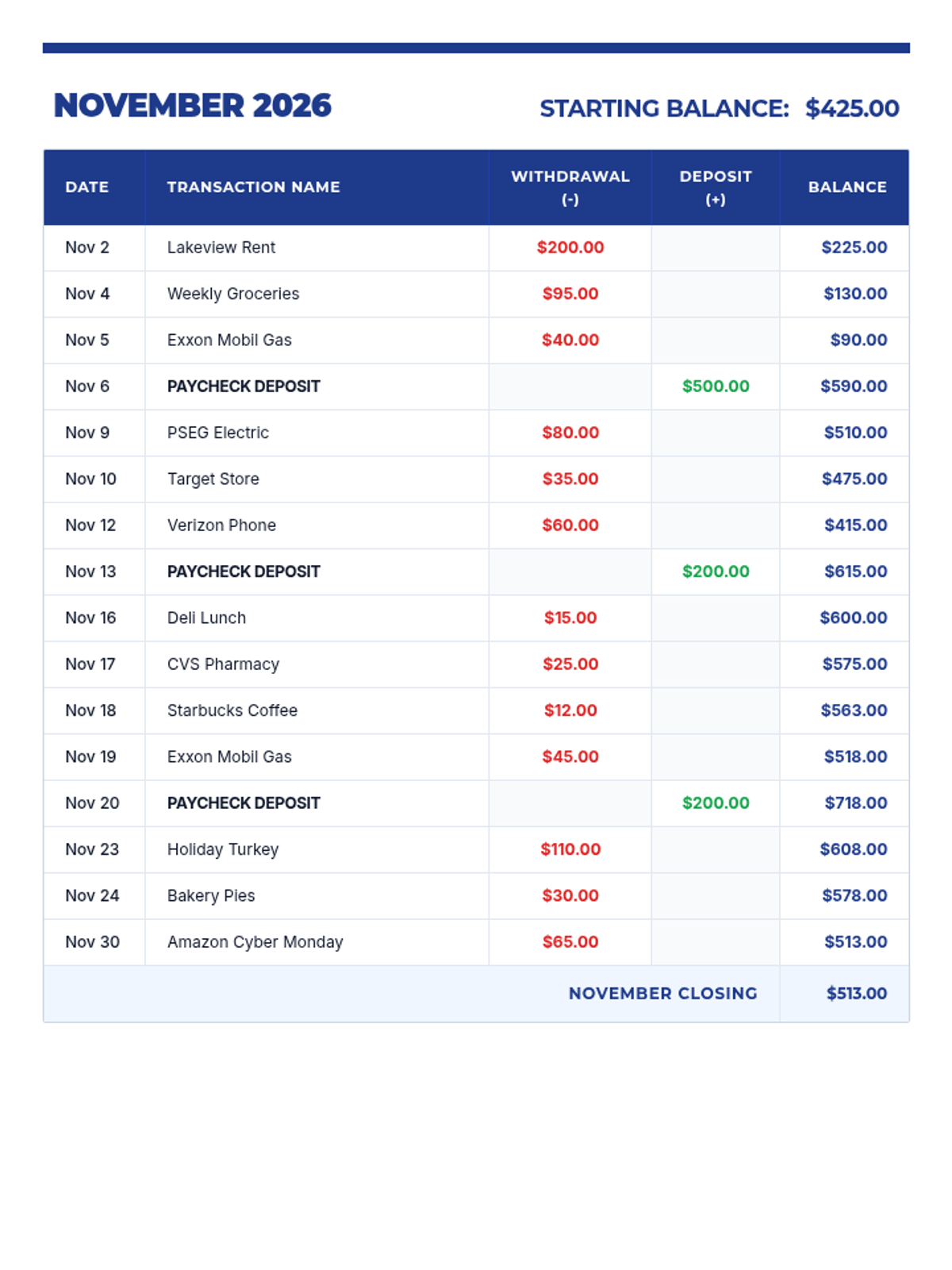
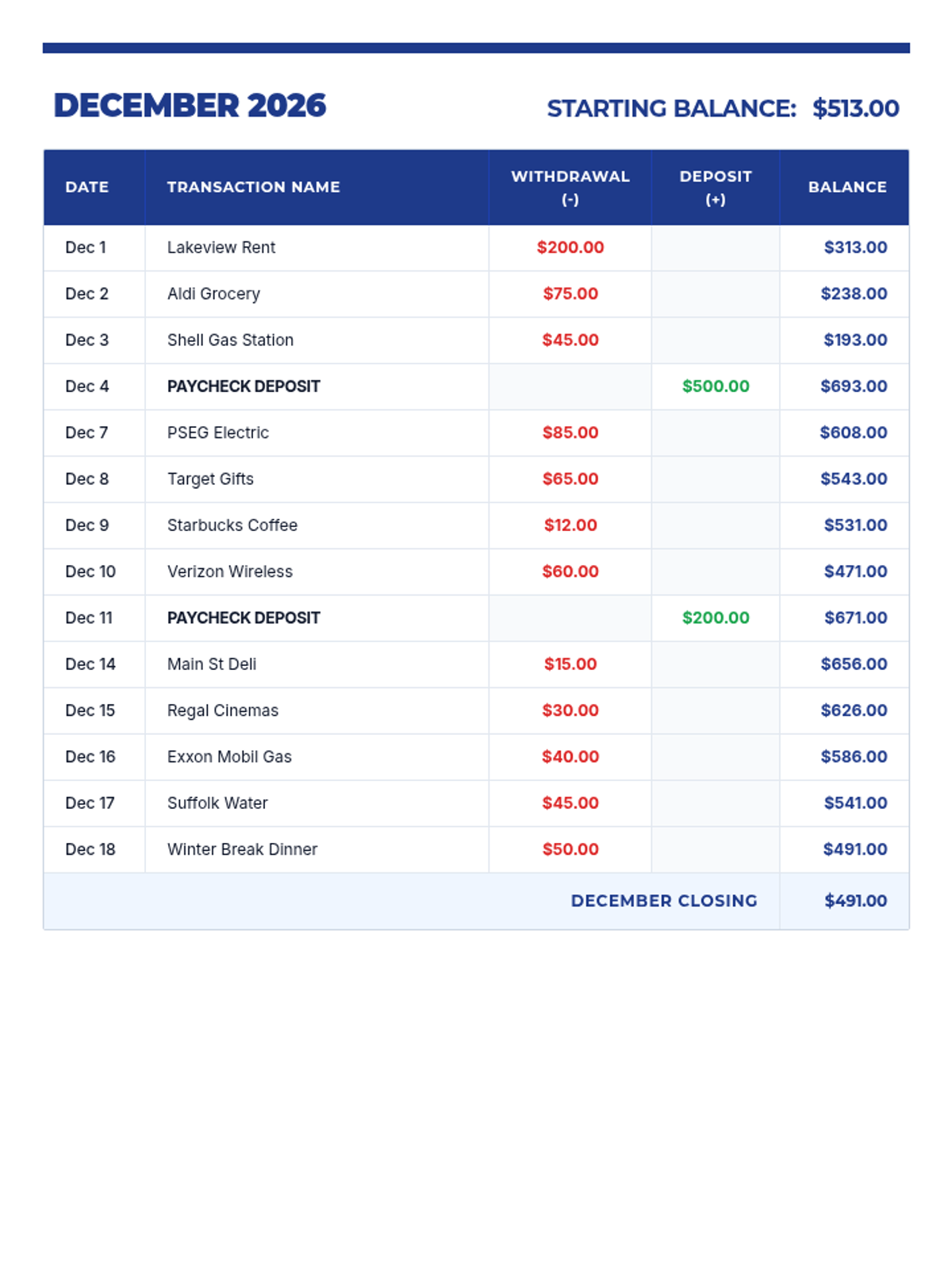
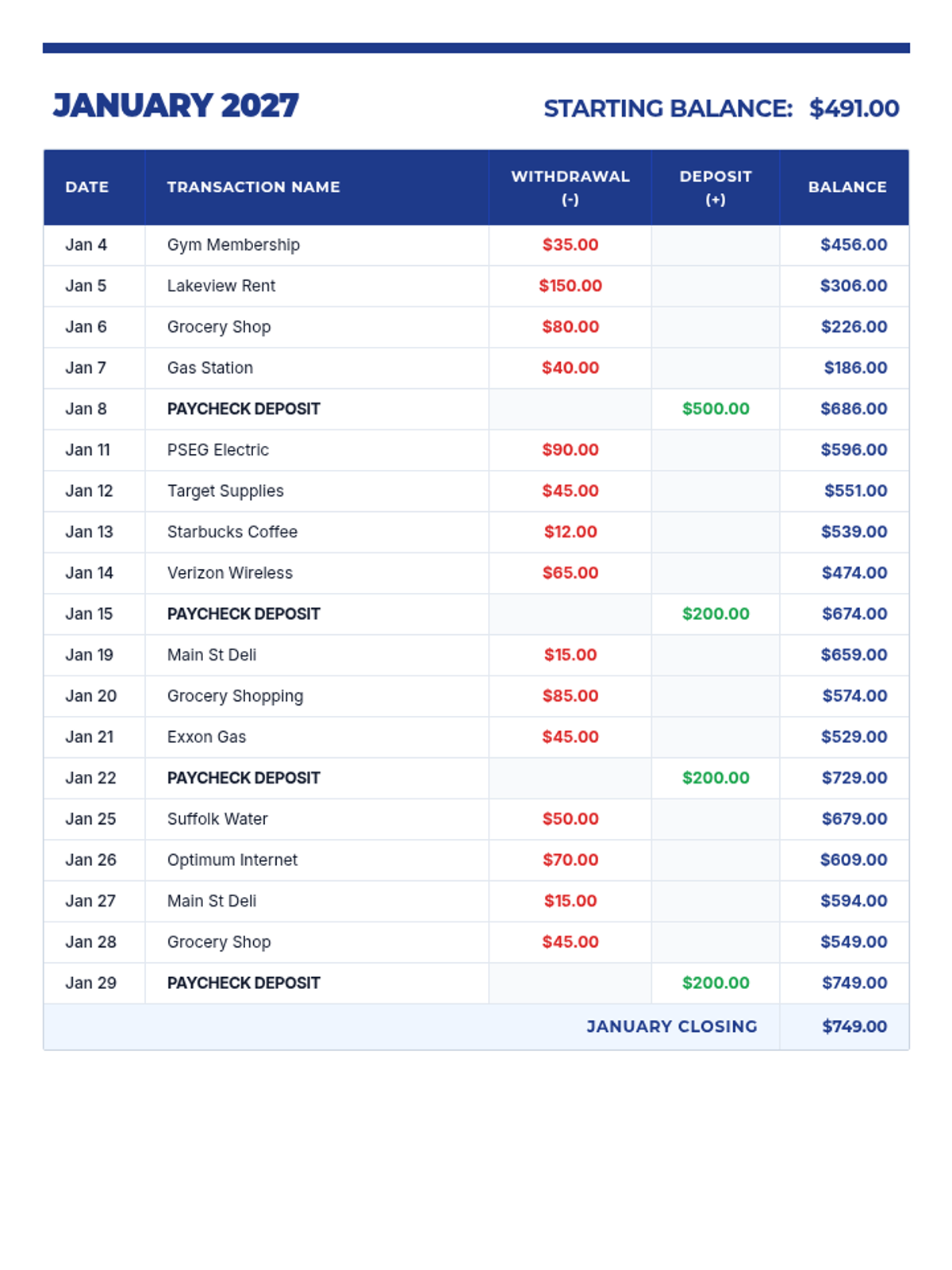
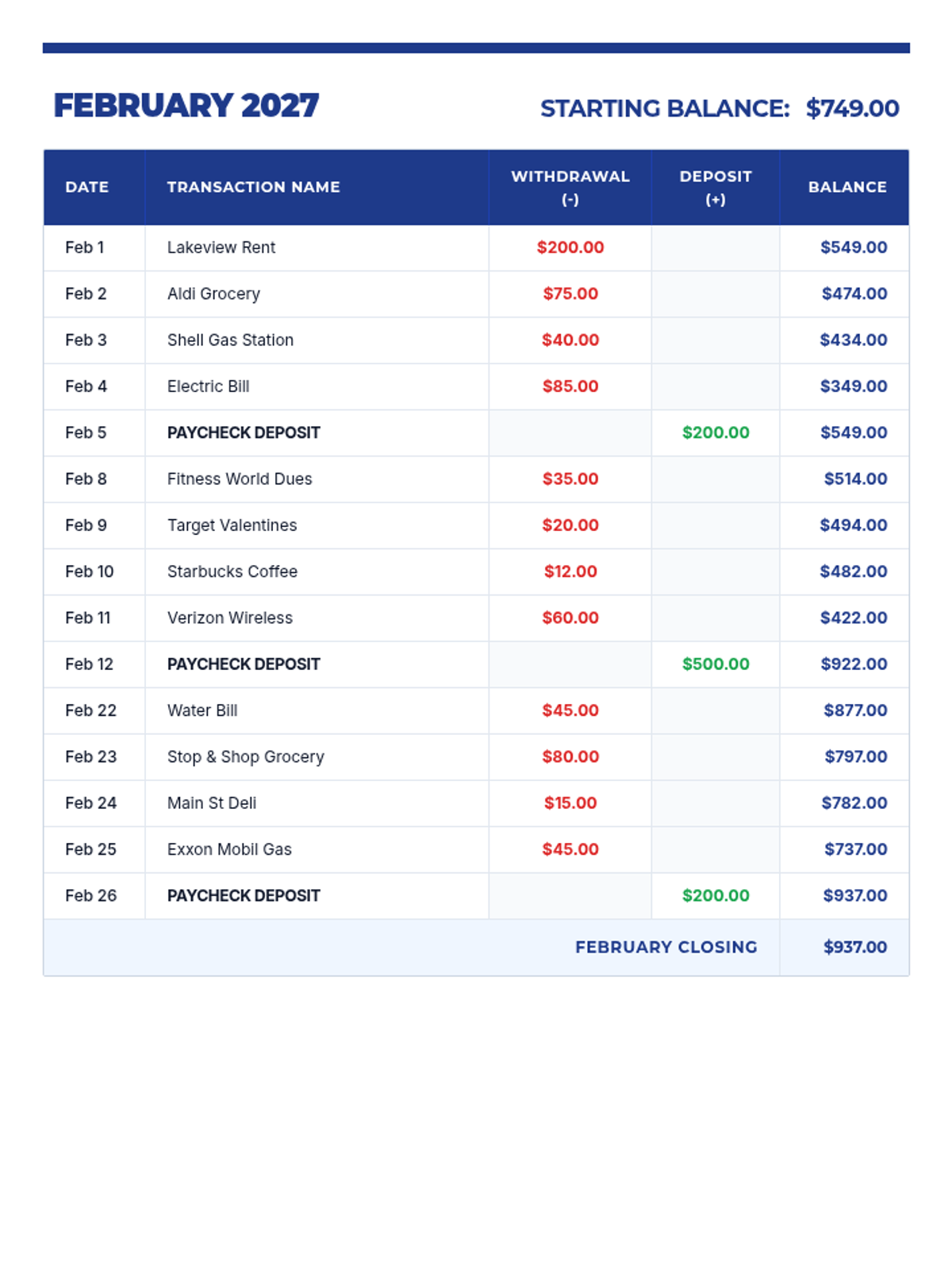
A collection of monthly paycheck registers for the 2026-2027 school year, designed to teach students real-world banking and transaction tracking.
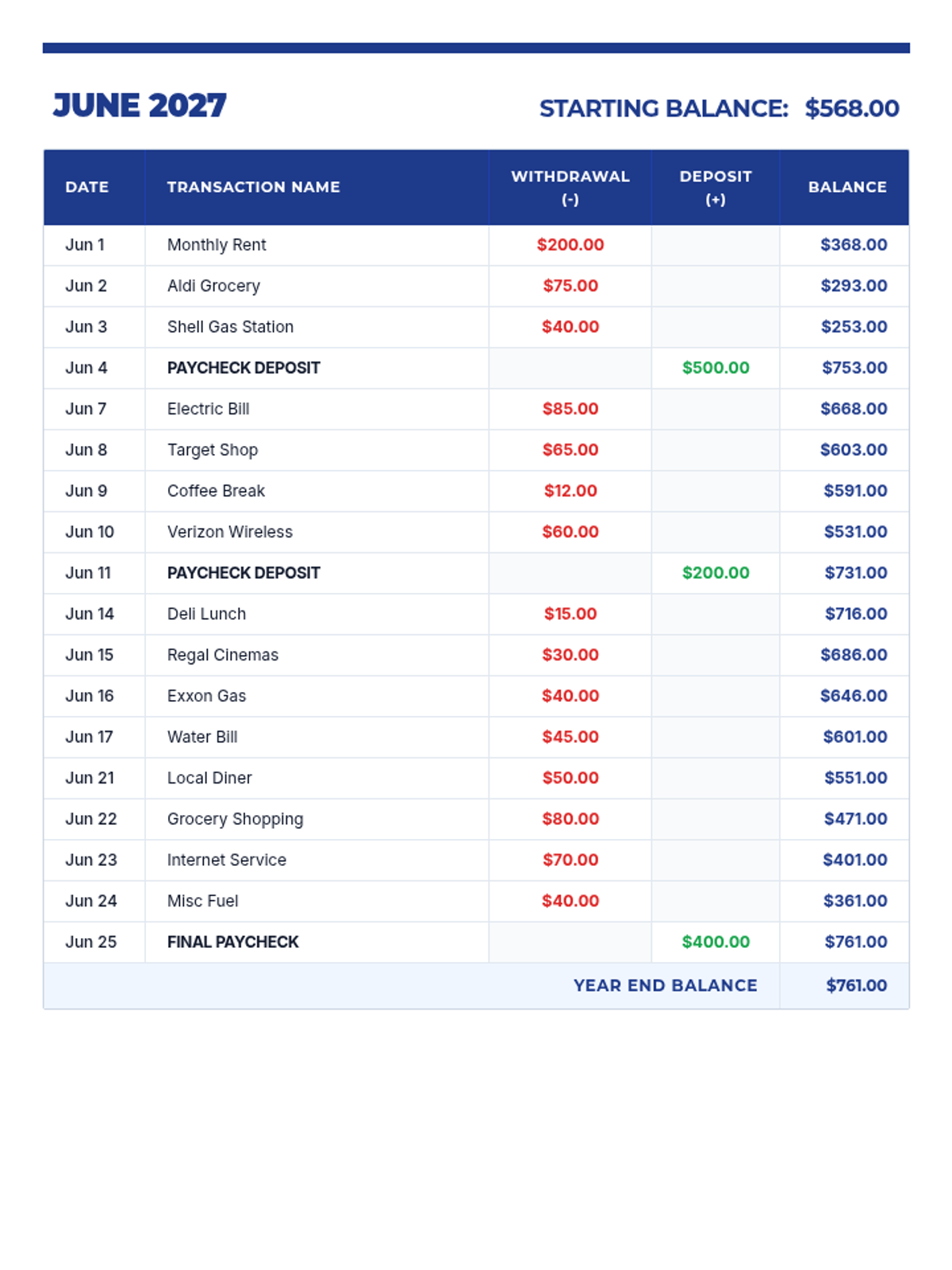
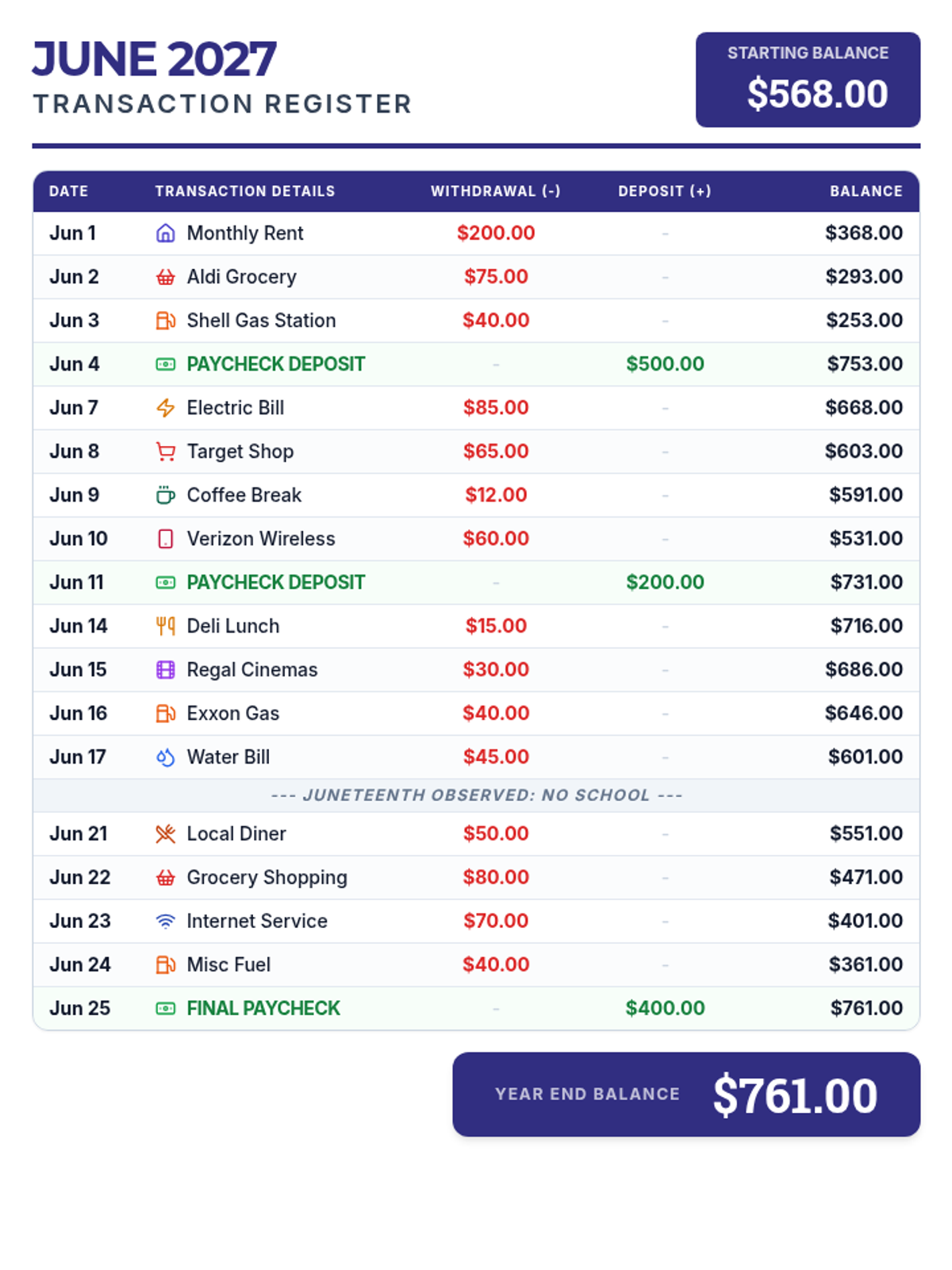
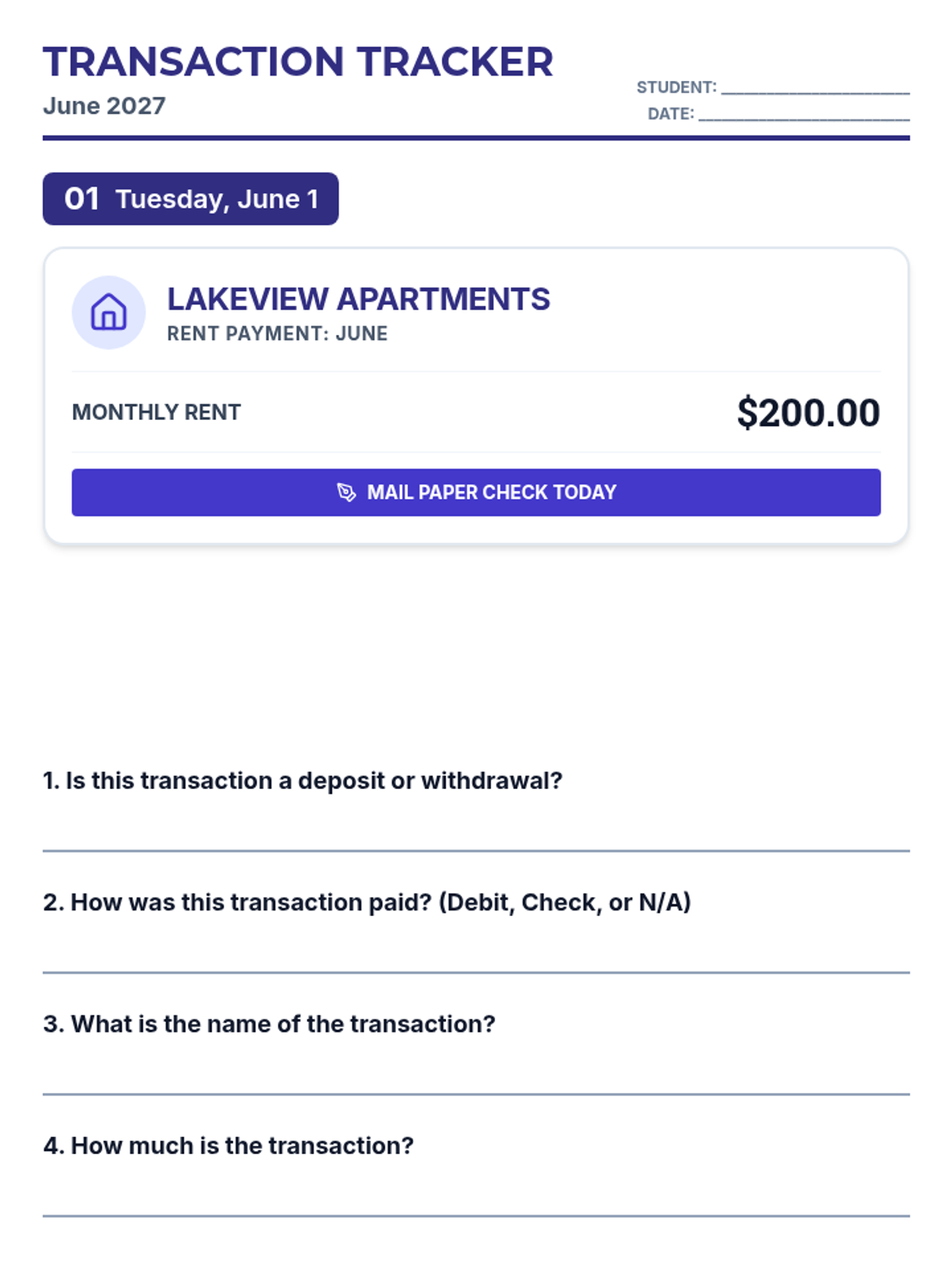
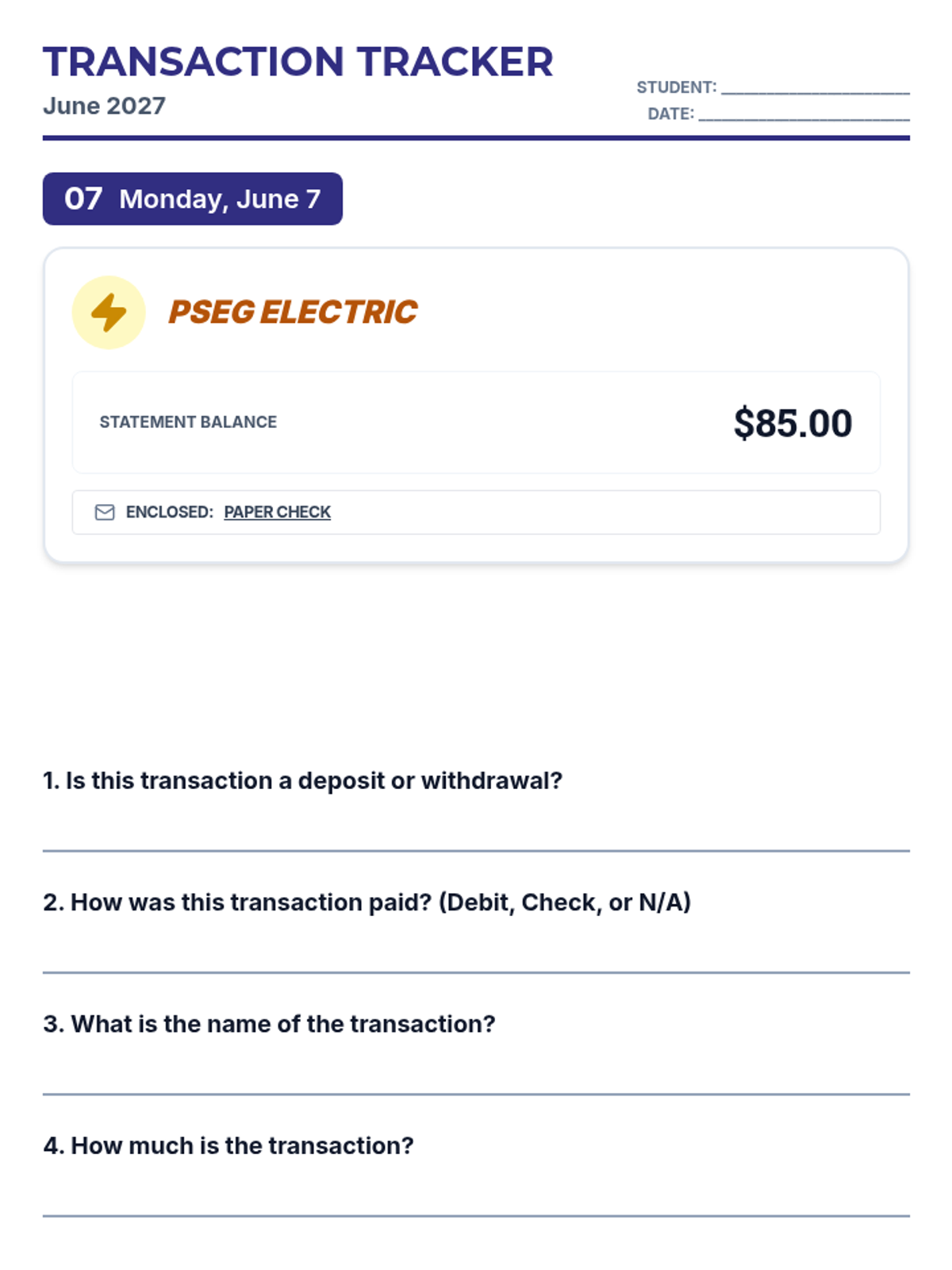
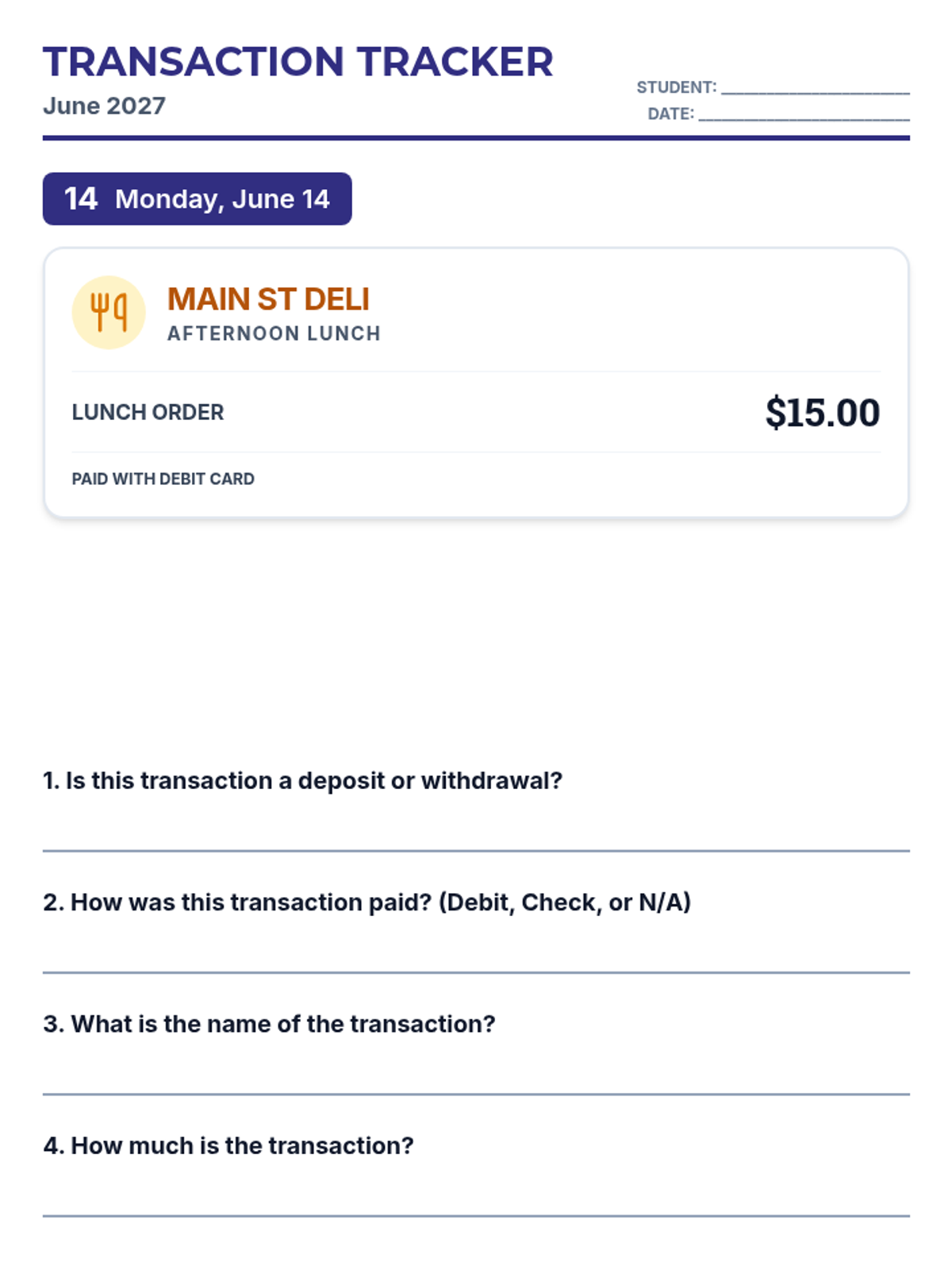
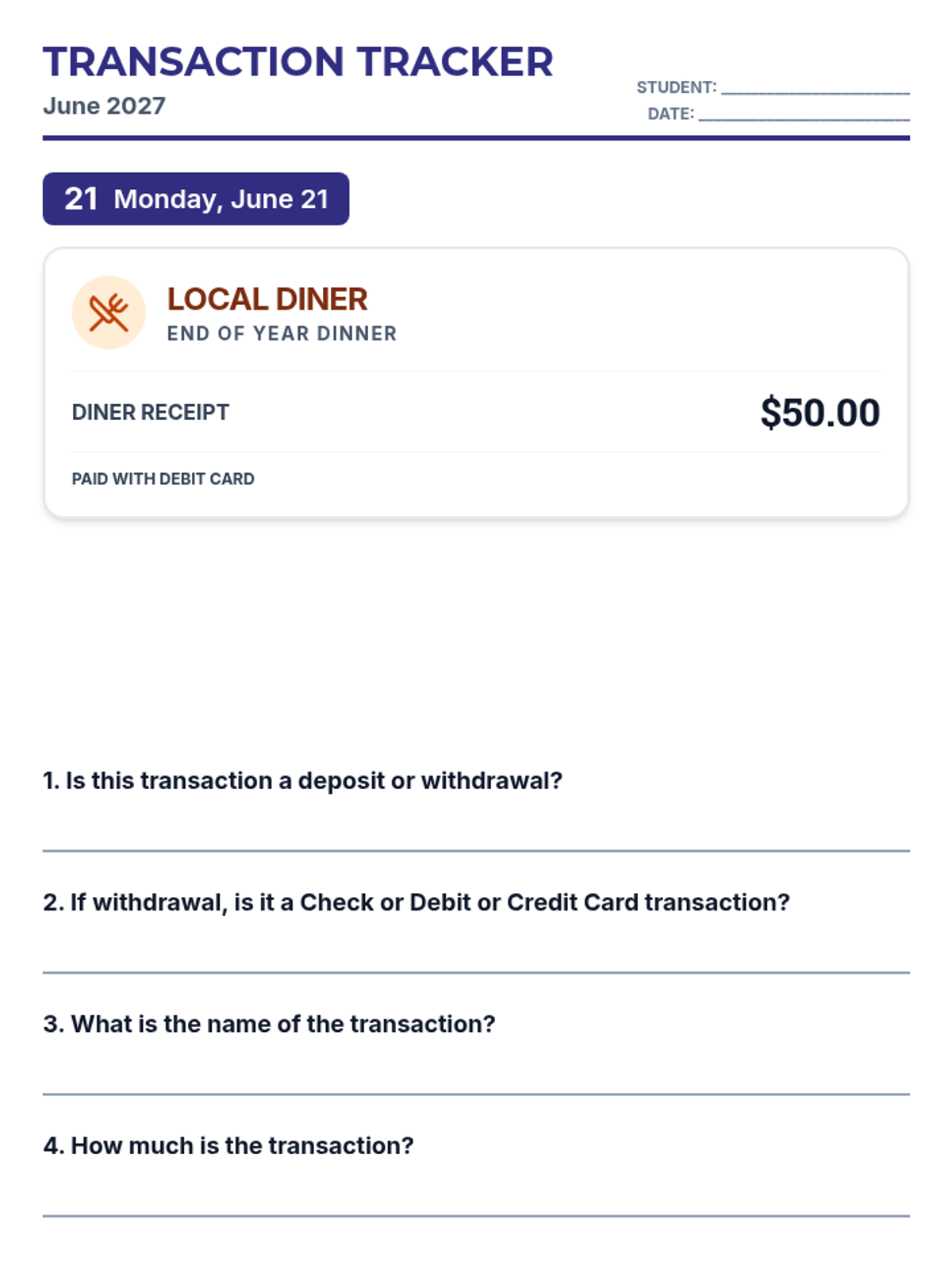
A lesson focused on managing finances for June 2027, the final month of the school year. Students track rent, utilities, and graduation-season expenses while managing their final balance. Includes accounting for the Juneteenth holiday.
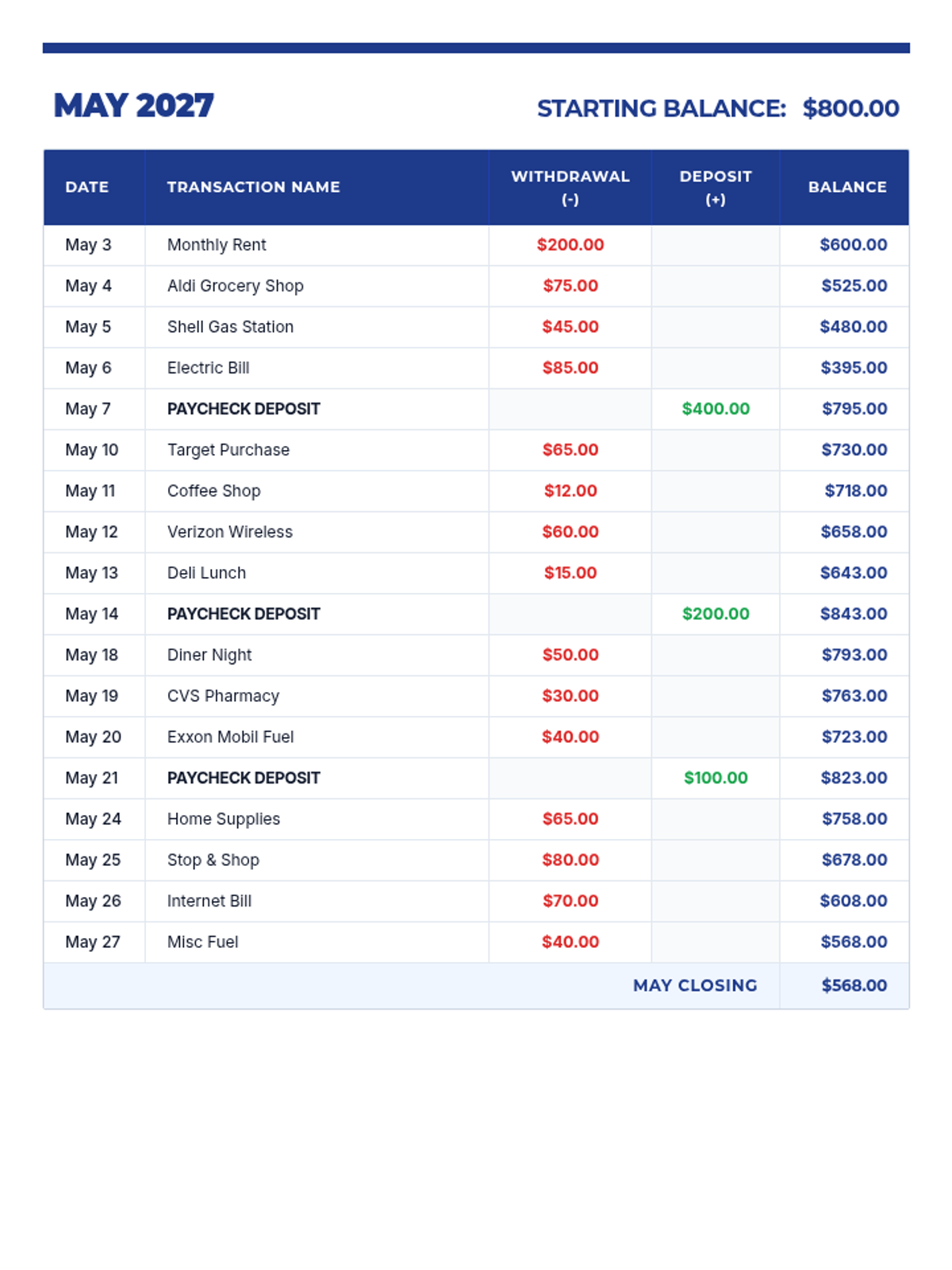
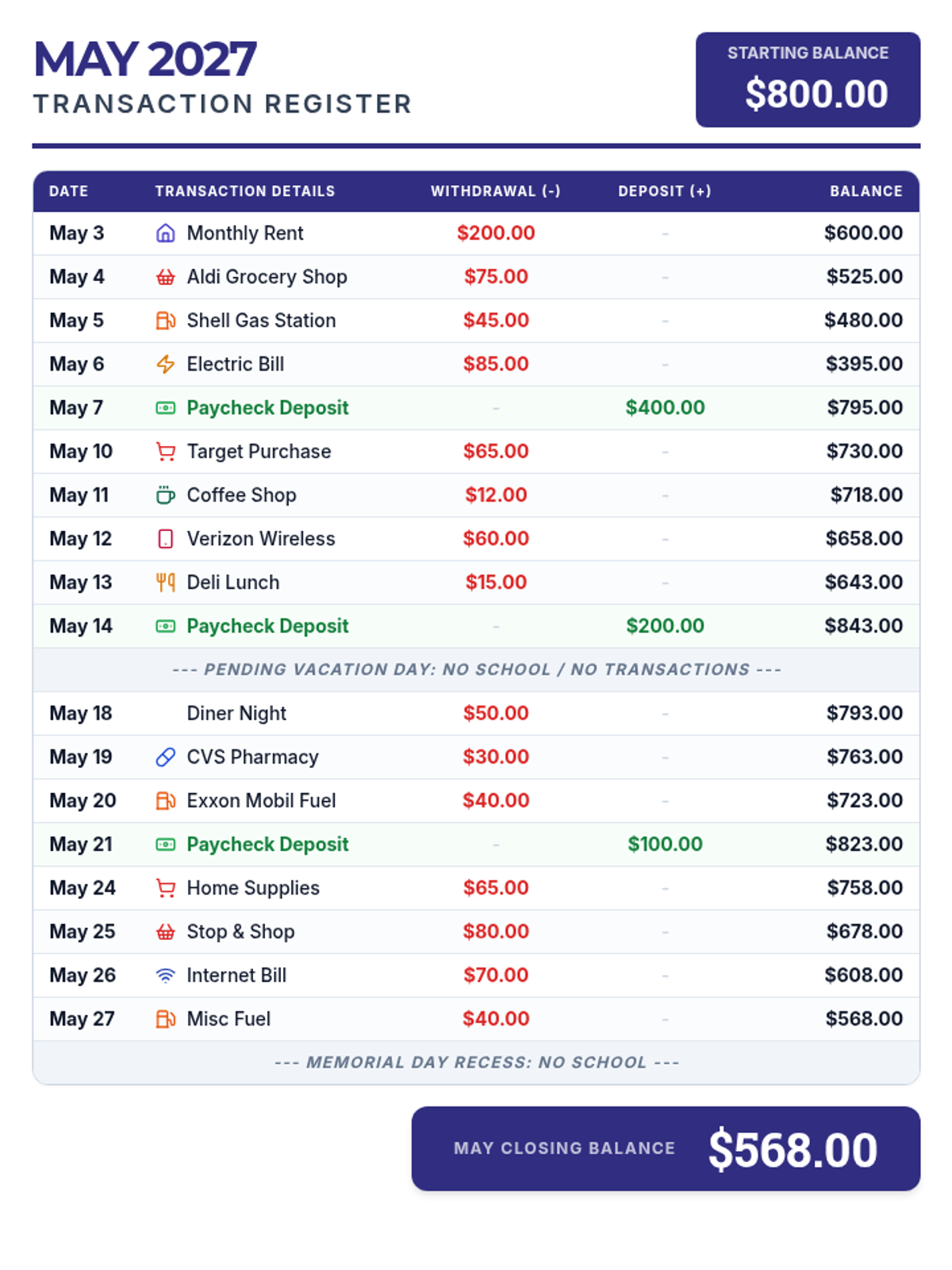
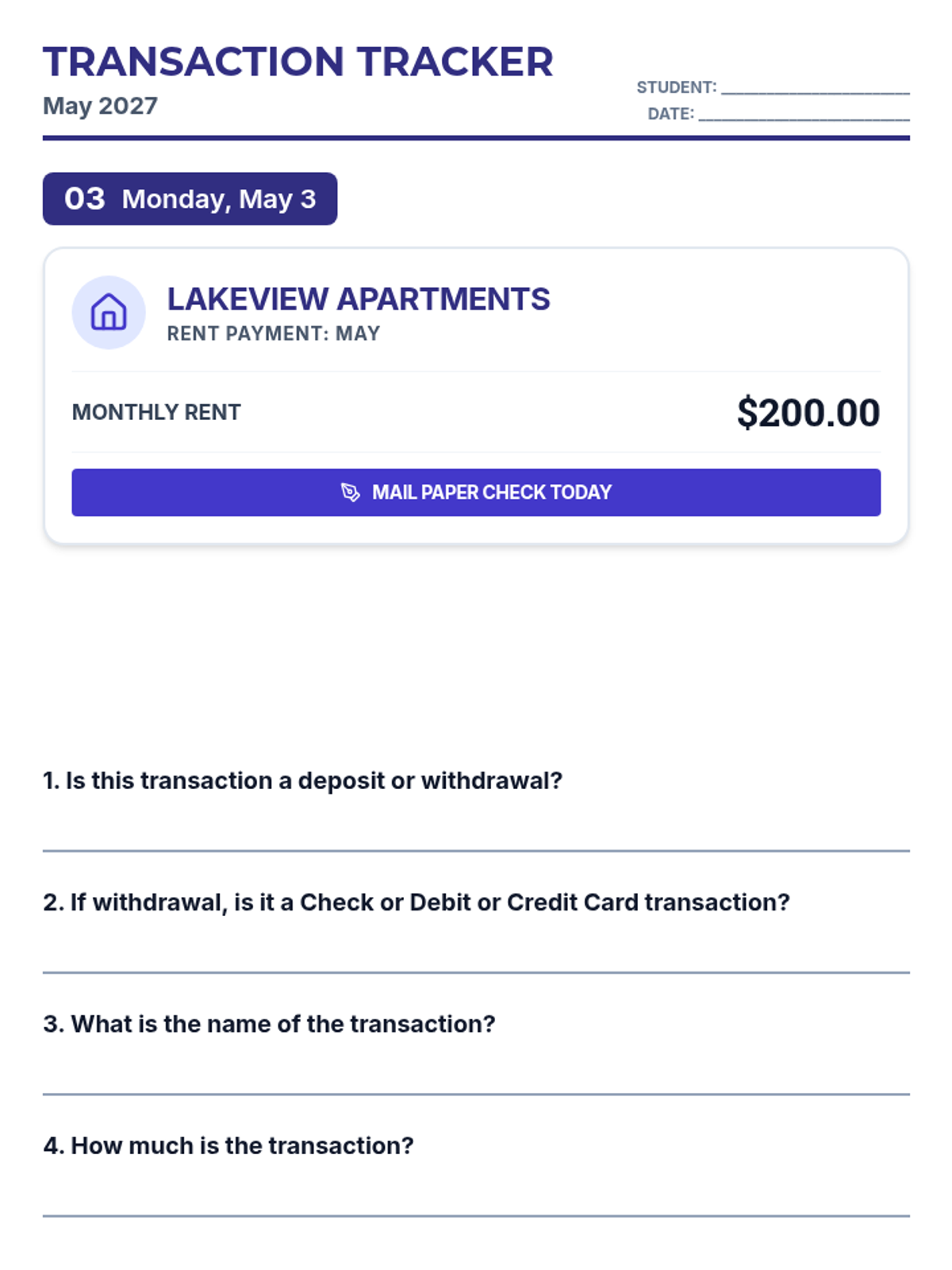
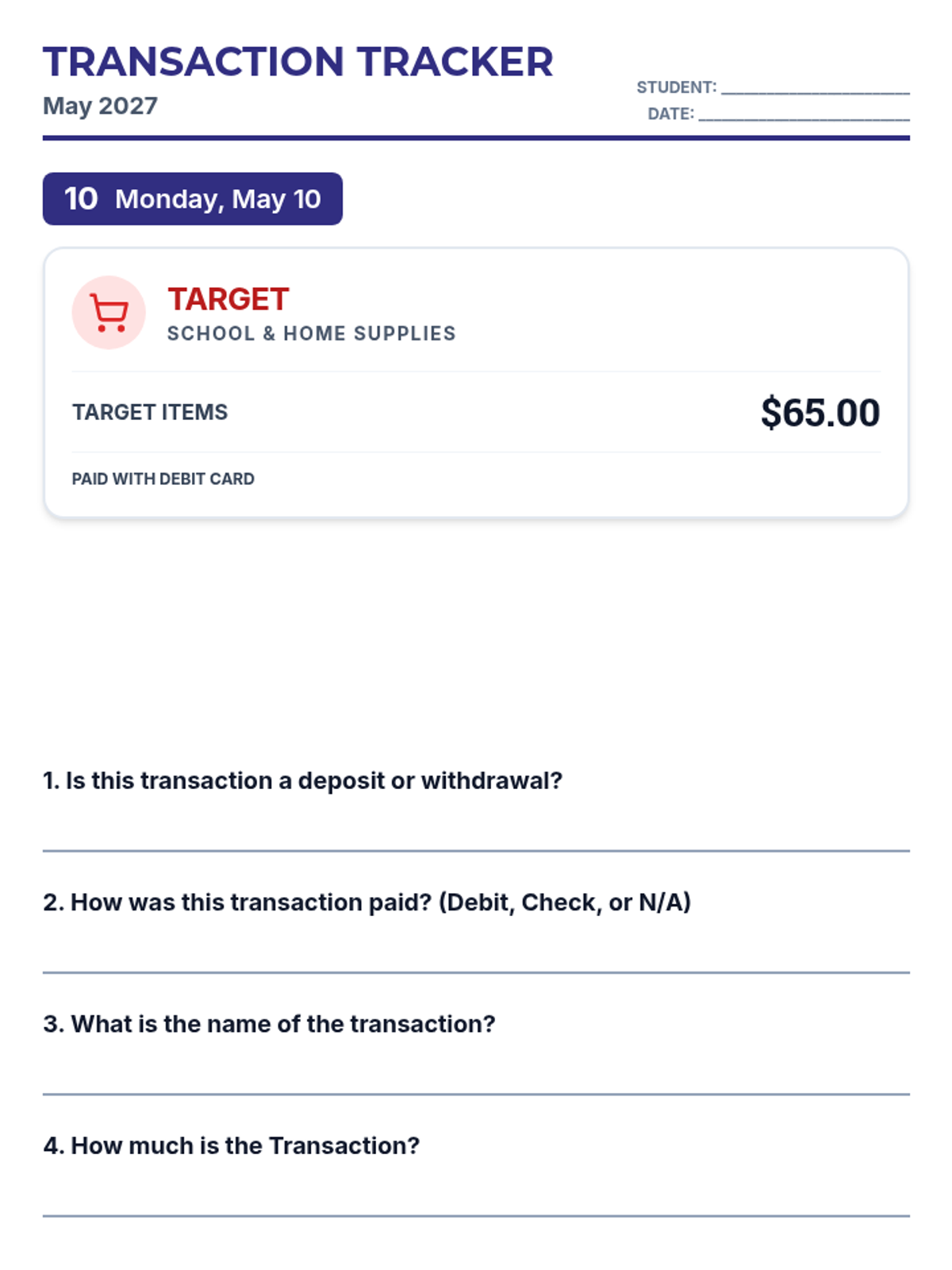
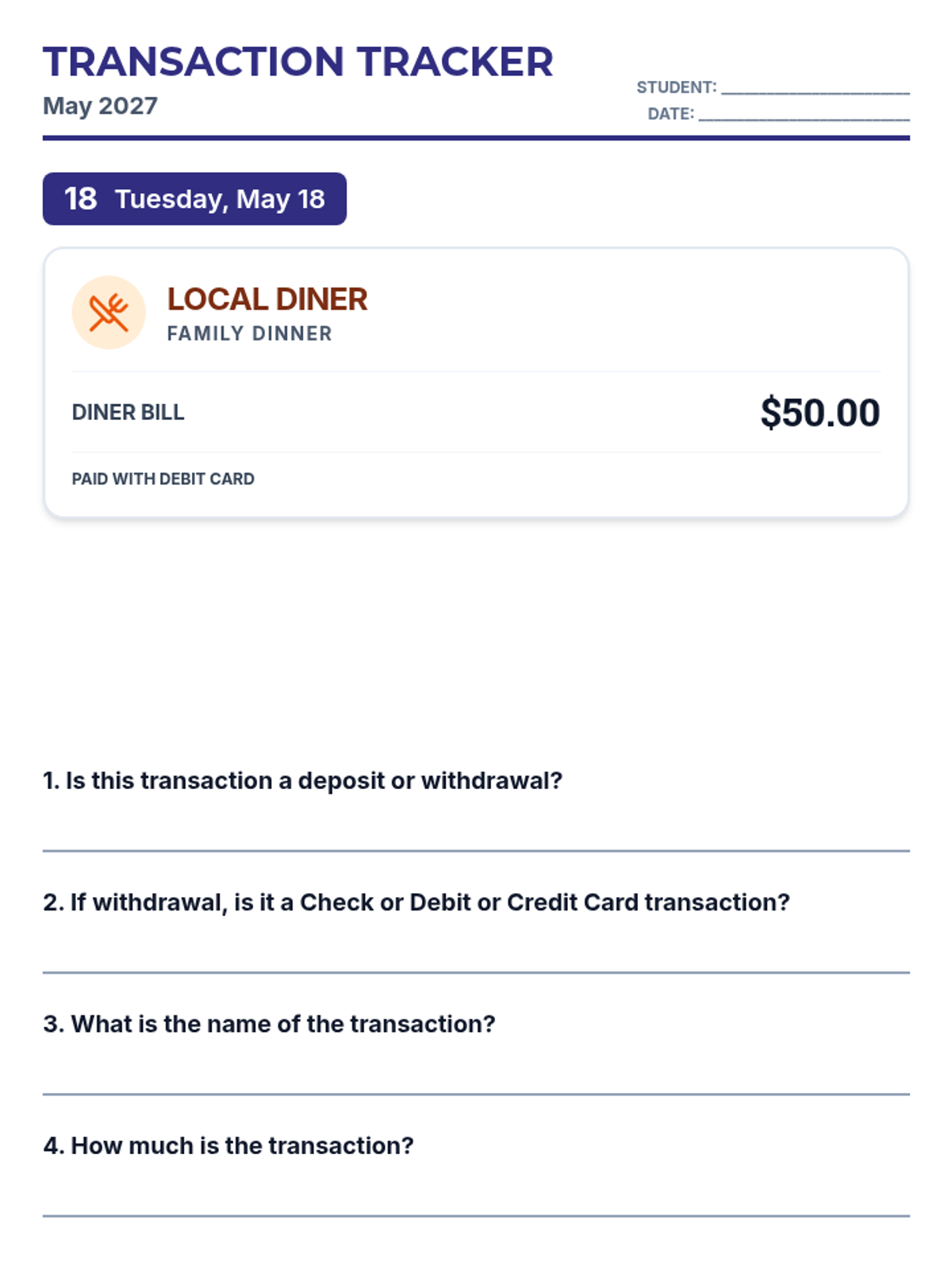
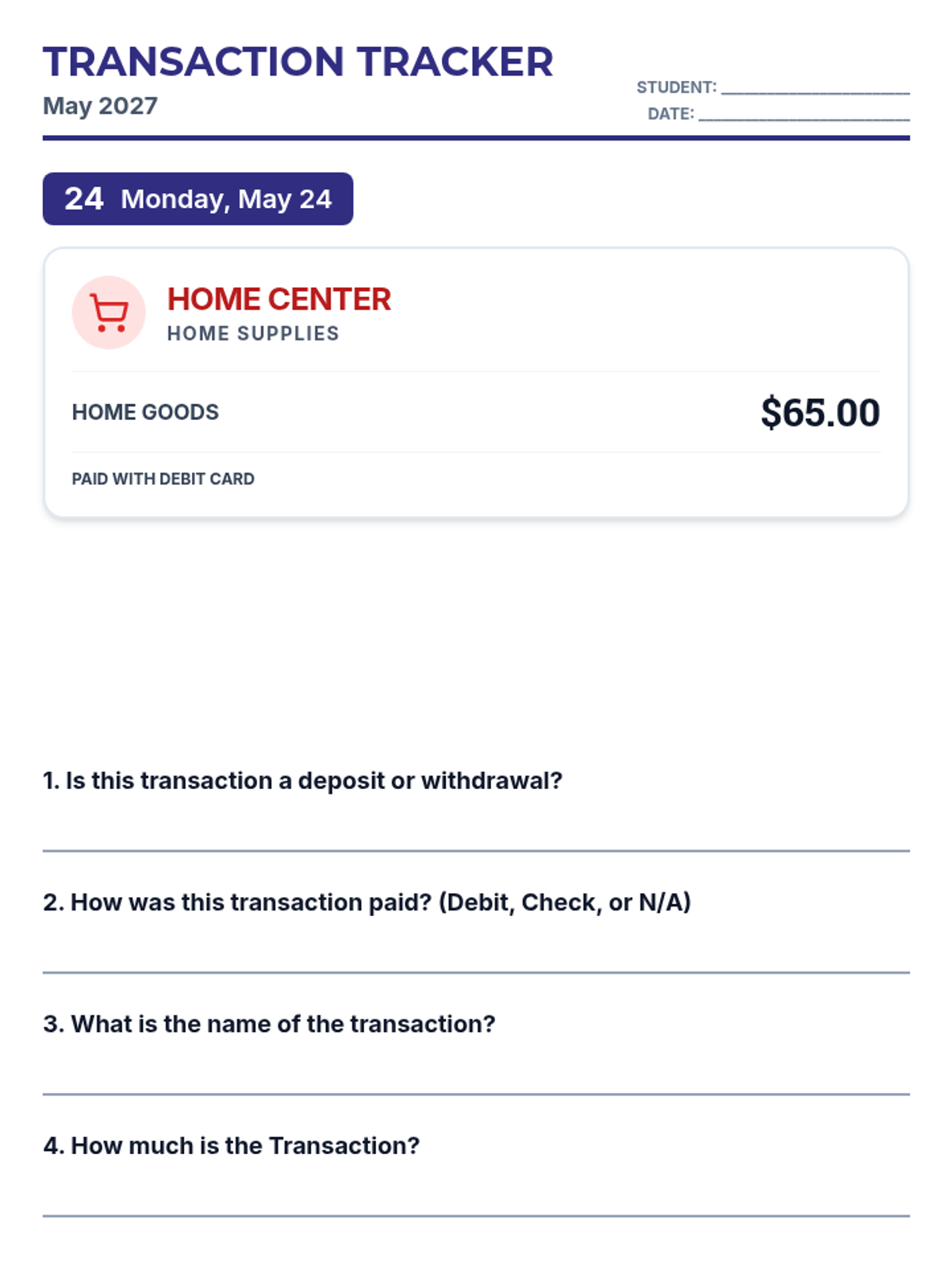
A lesson focused on managing finances for May 2027. Students track rent, utilities, and a variety of retail receipts while navigating a real school calendar with several holidays and pending vacation days.
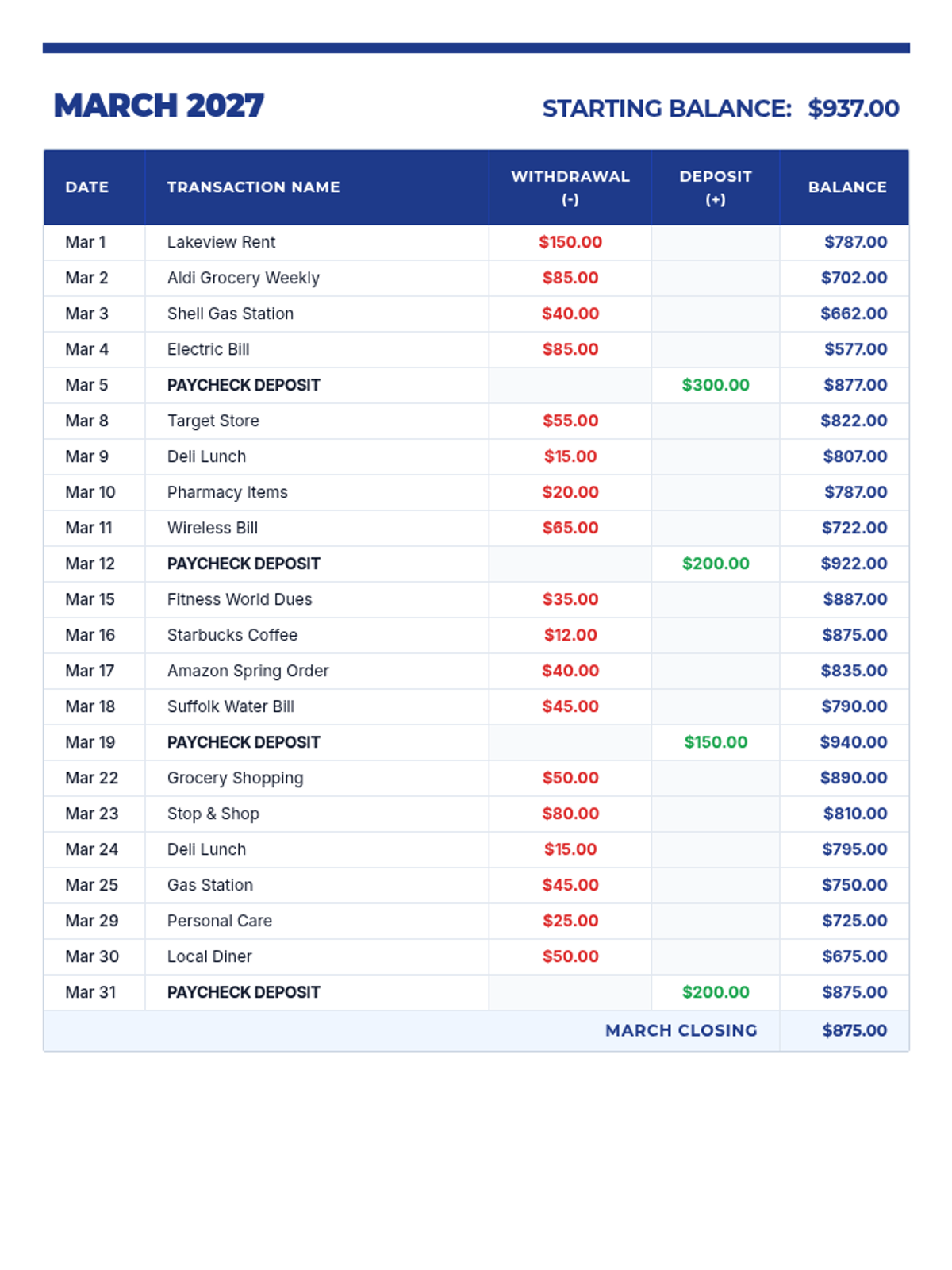
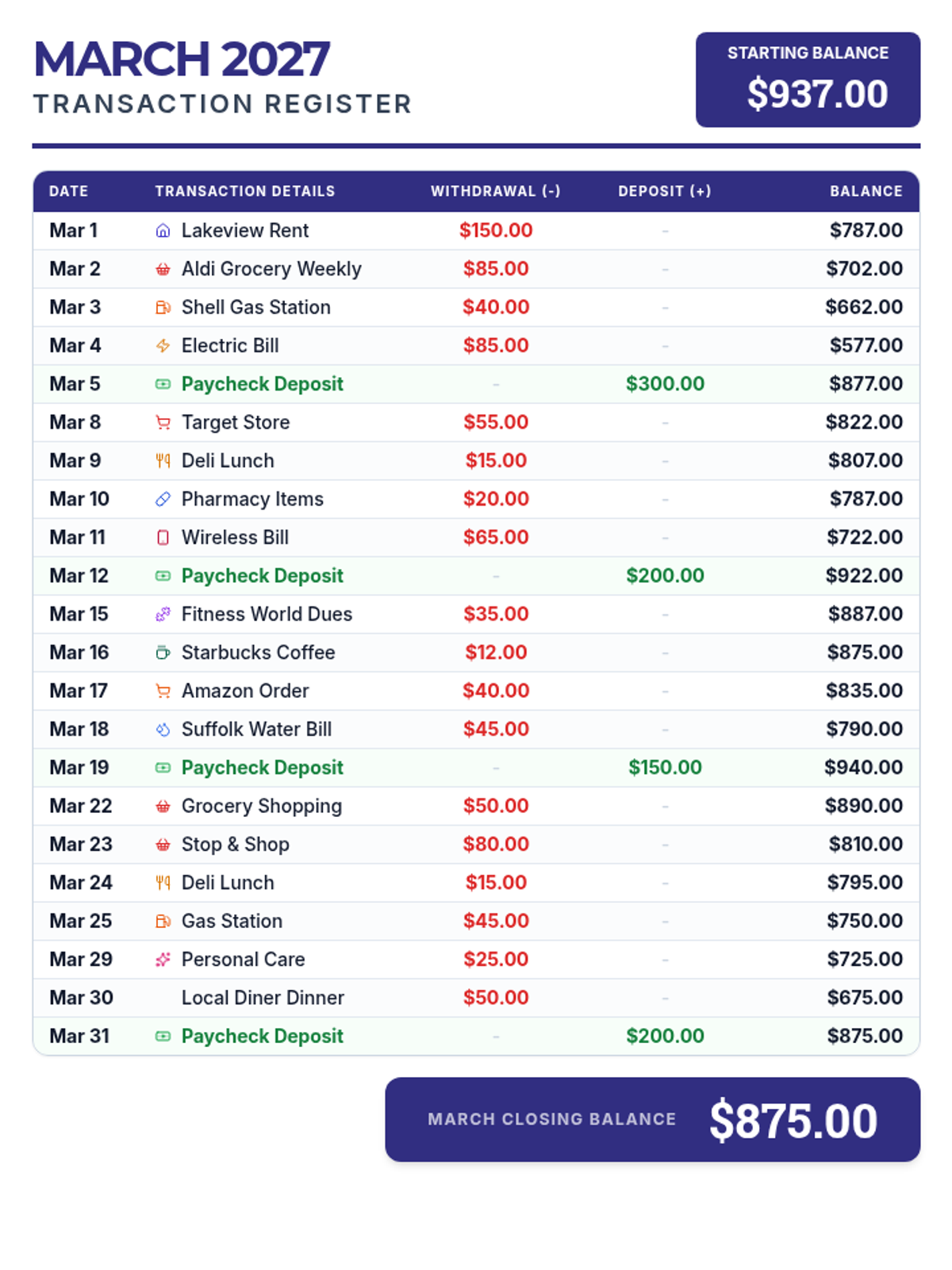
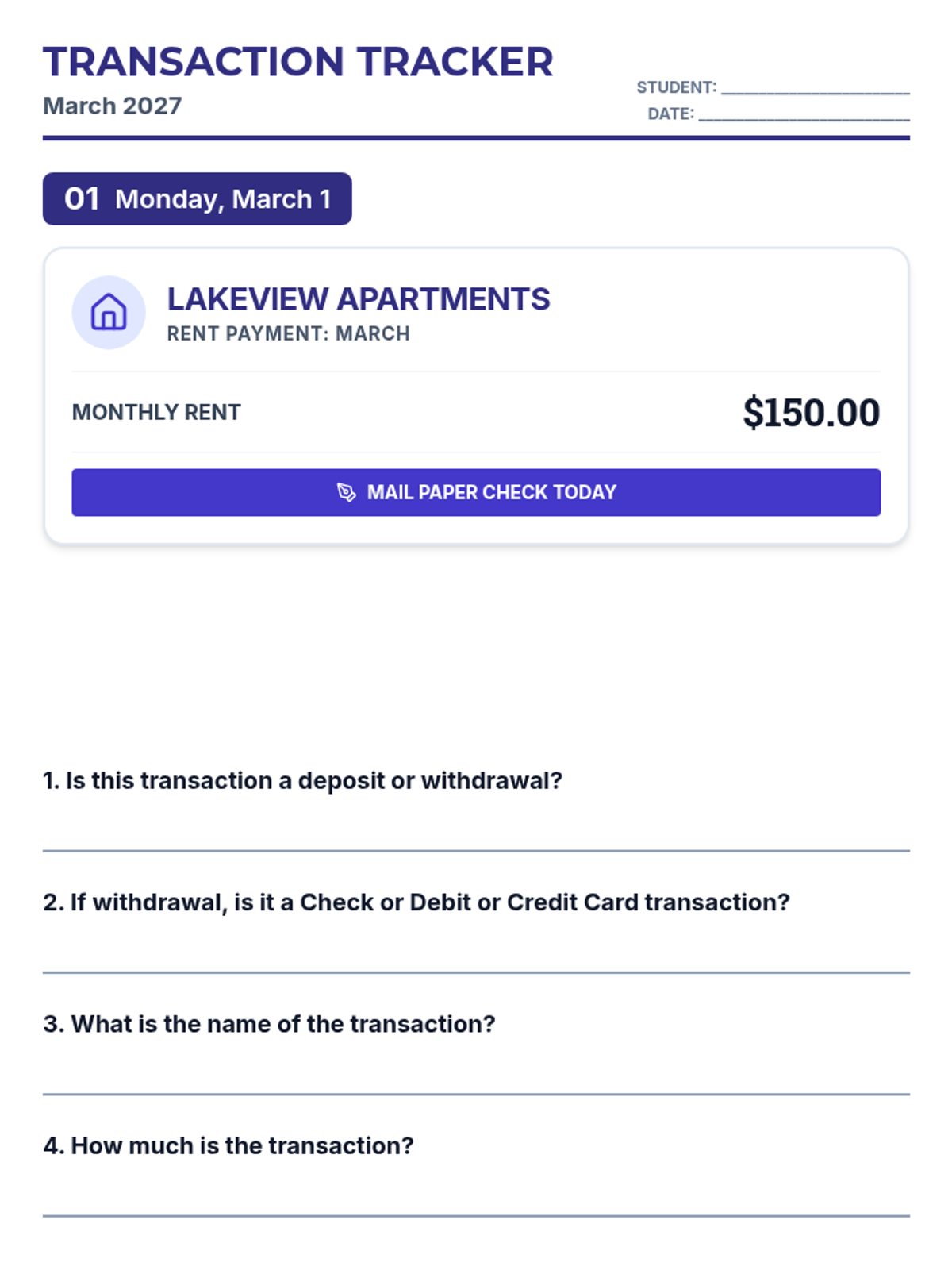
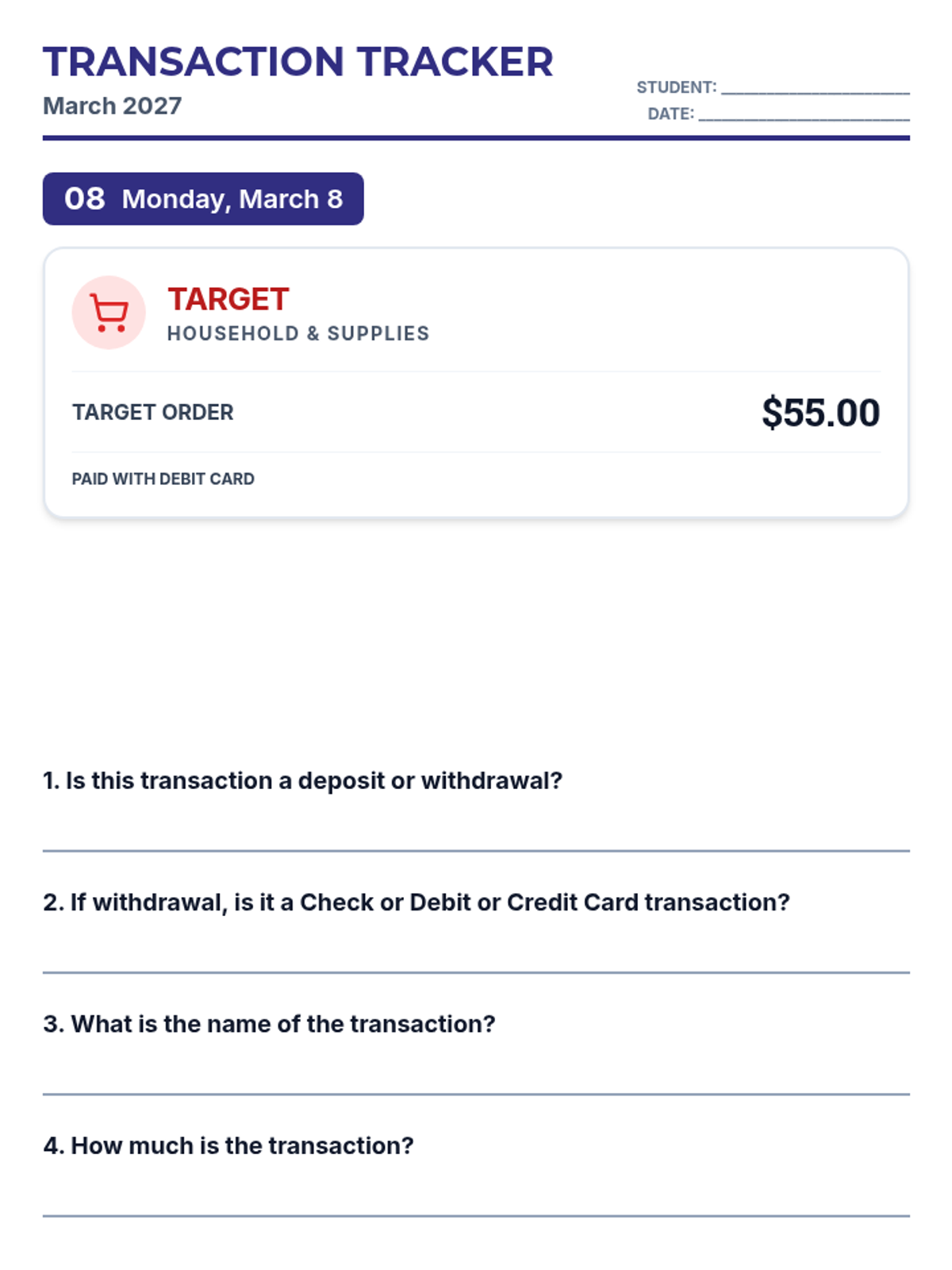
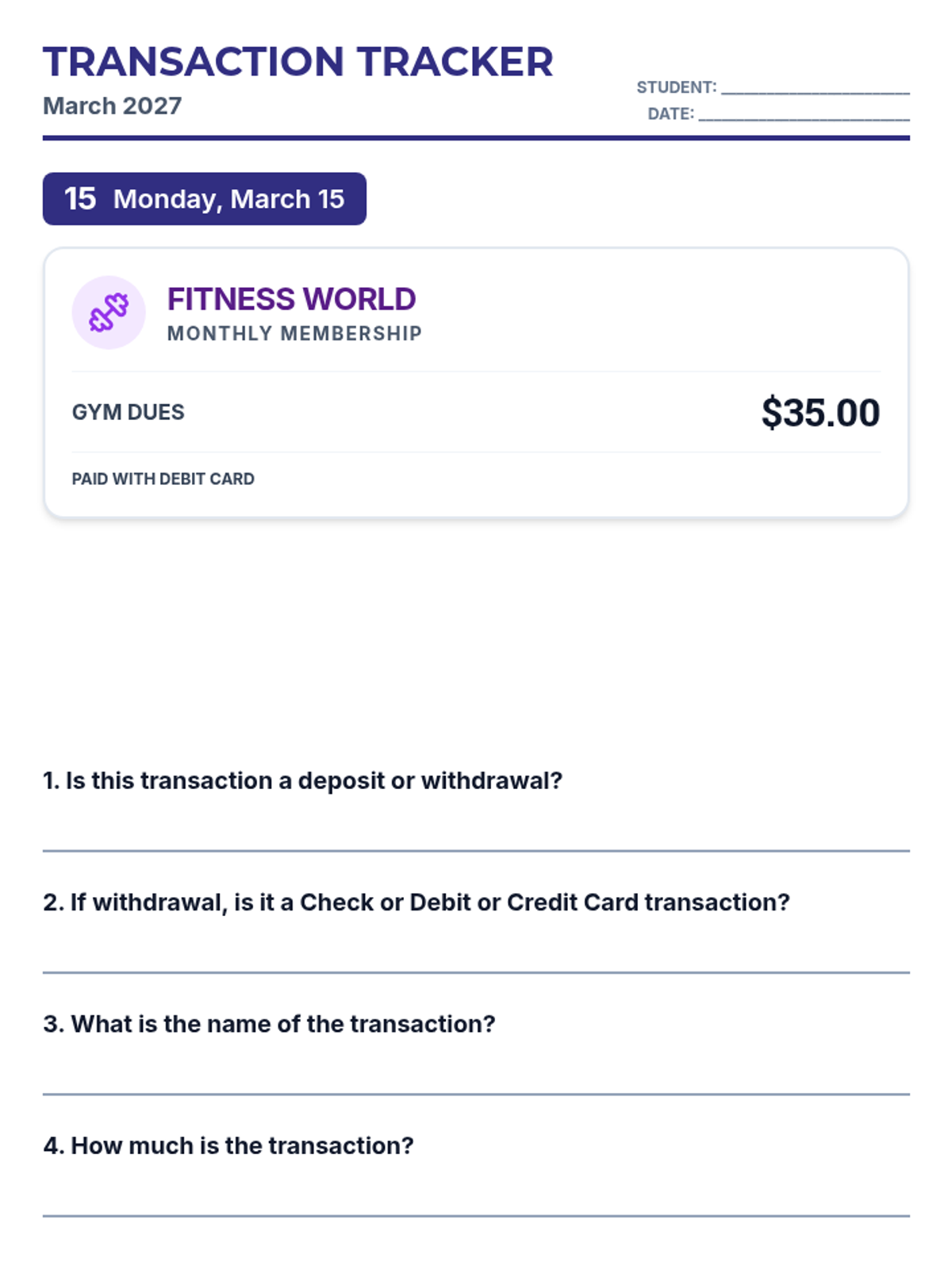
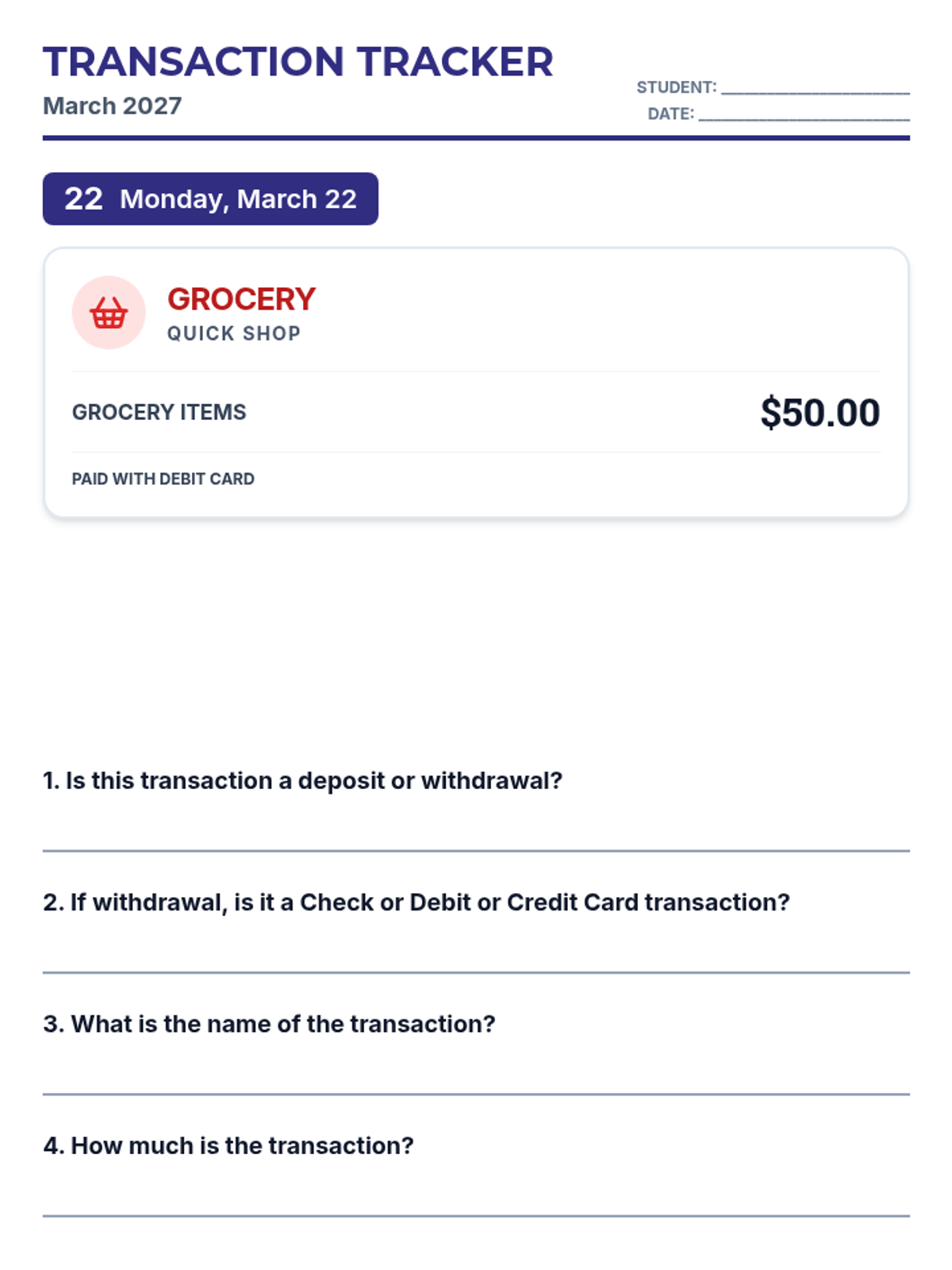
A lesson focused on managing finances for March 2027, featuring a transaction register and daily trackers. Students manage a variety of retail receipts, utility bills, and weekly paychecks while accounting for the school calendar.
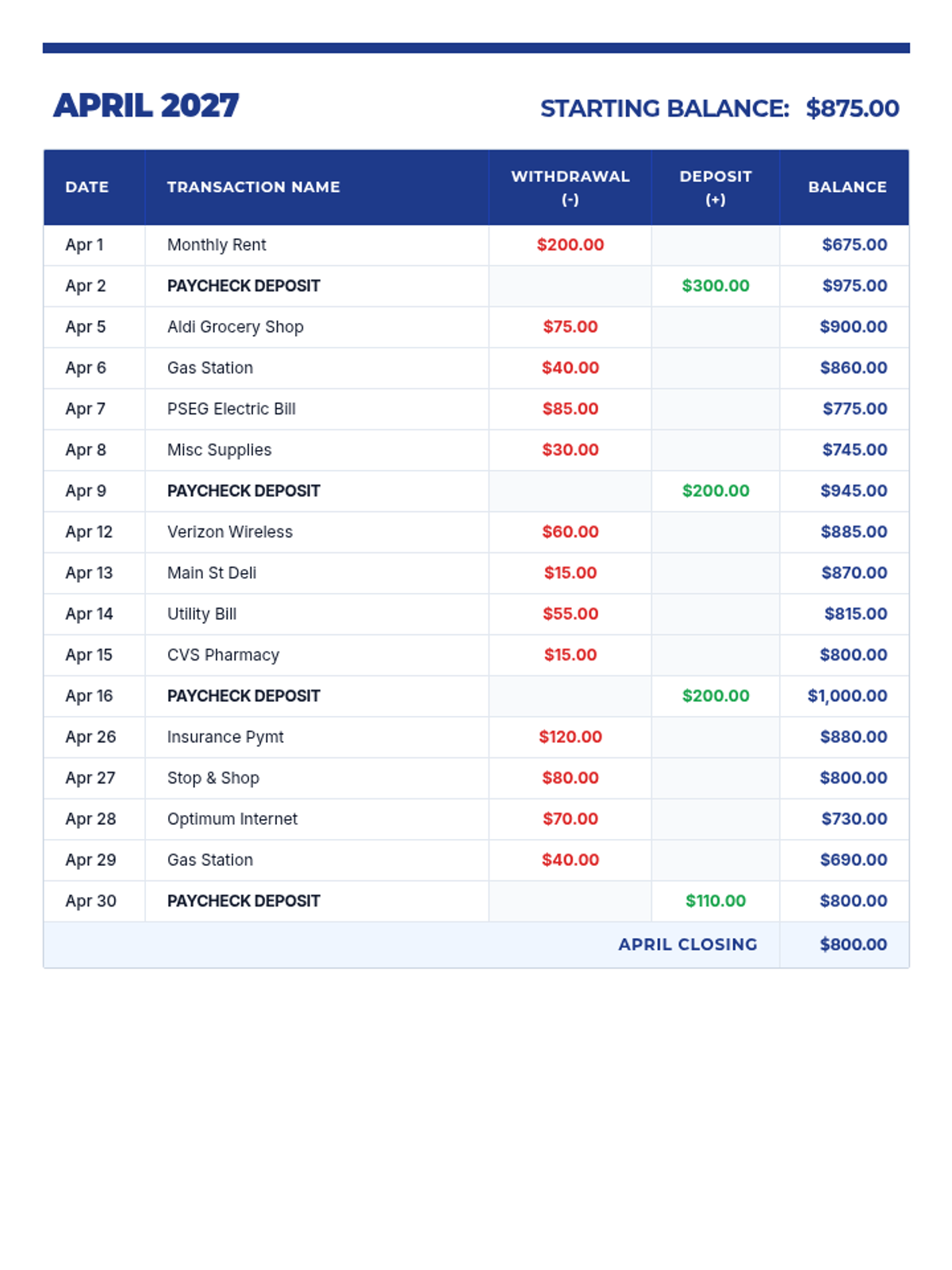
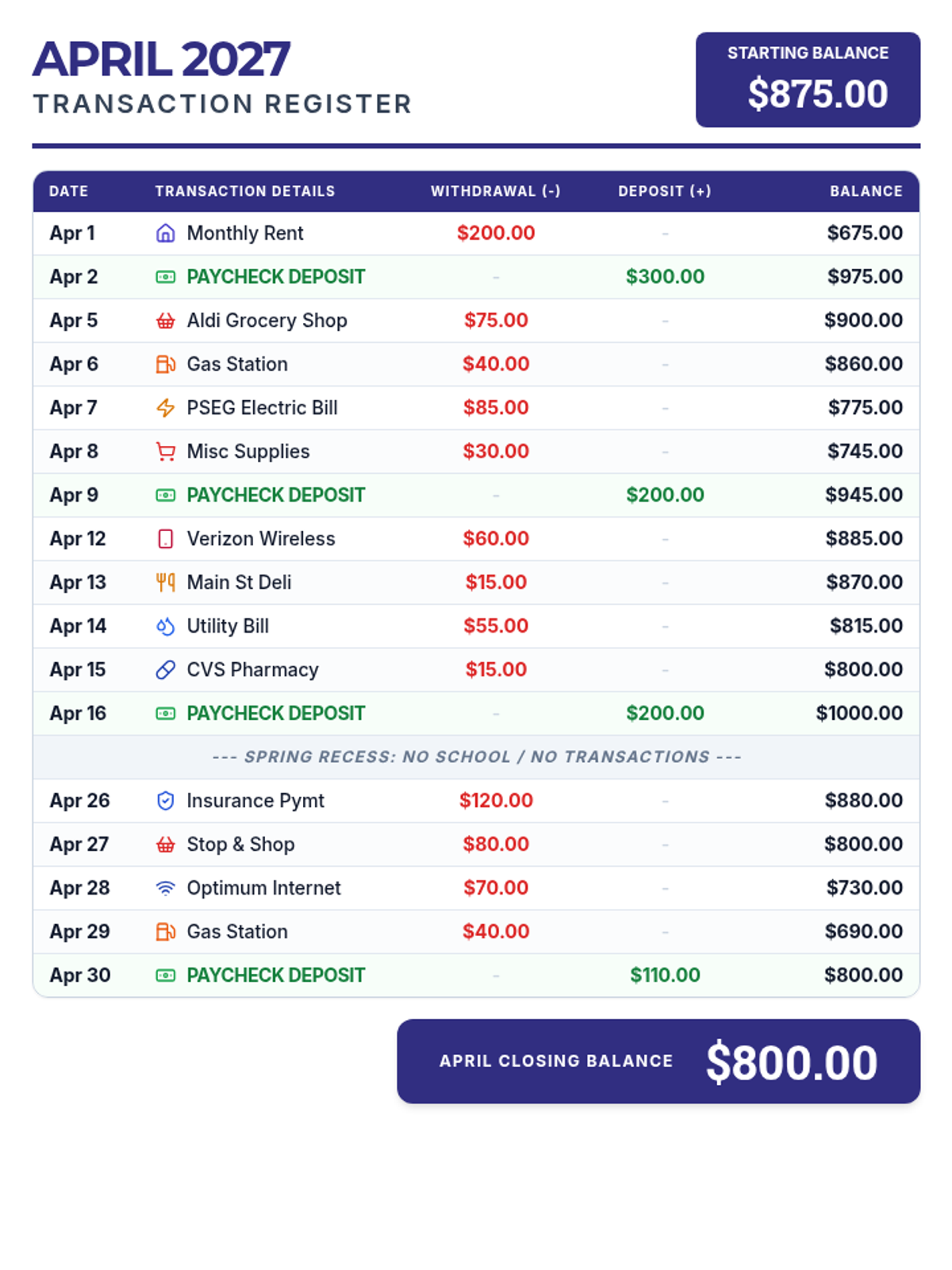
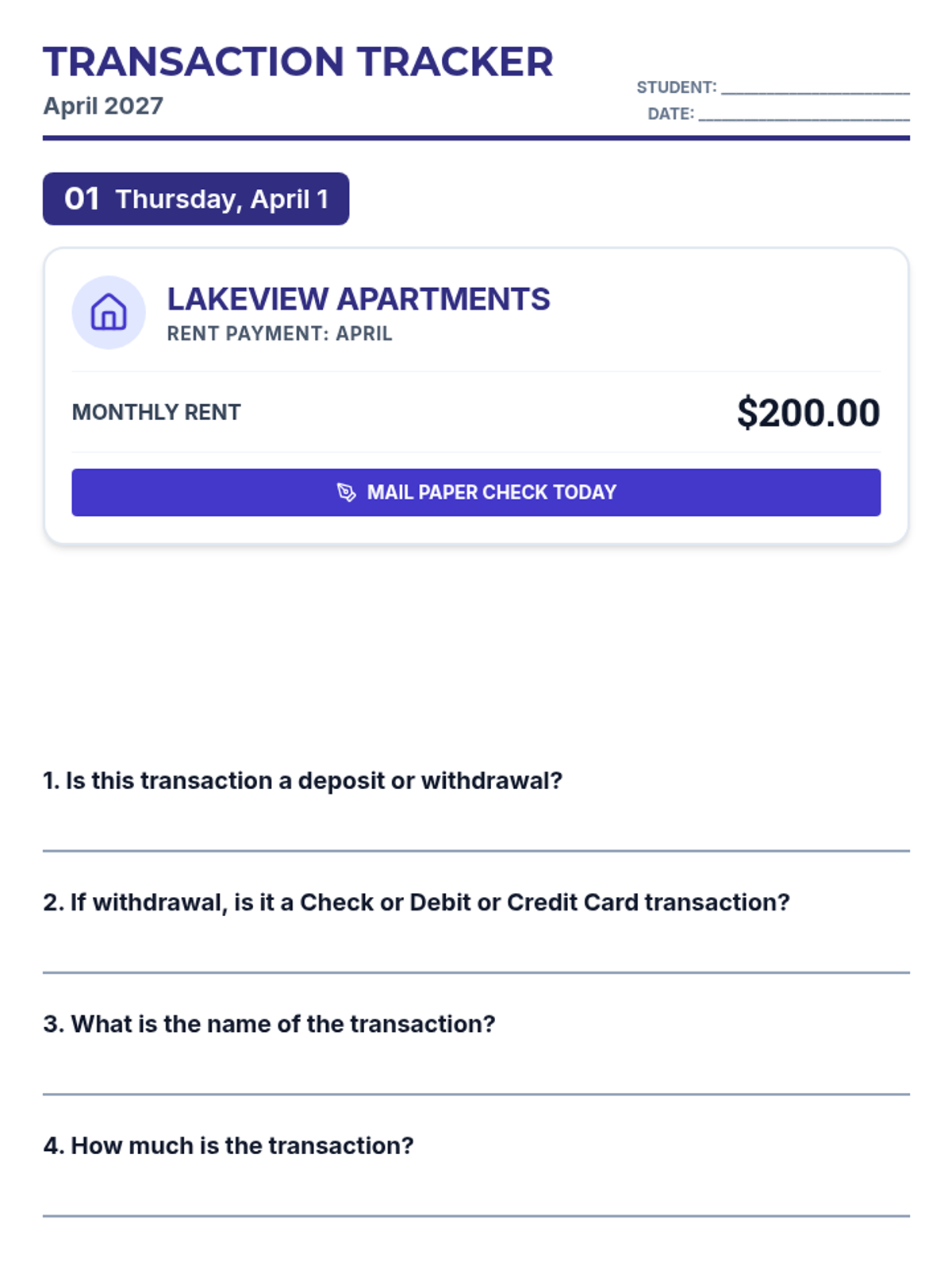
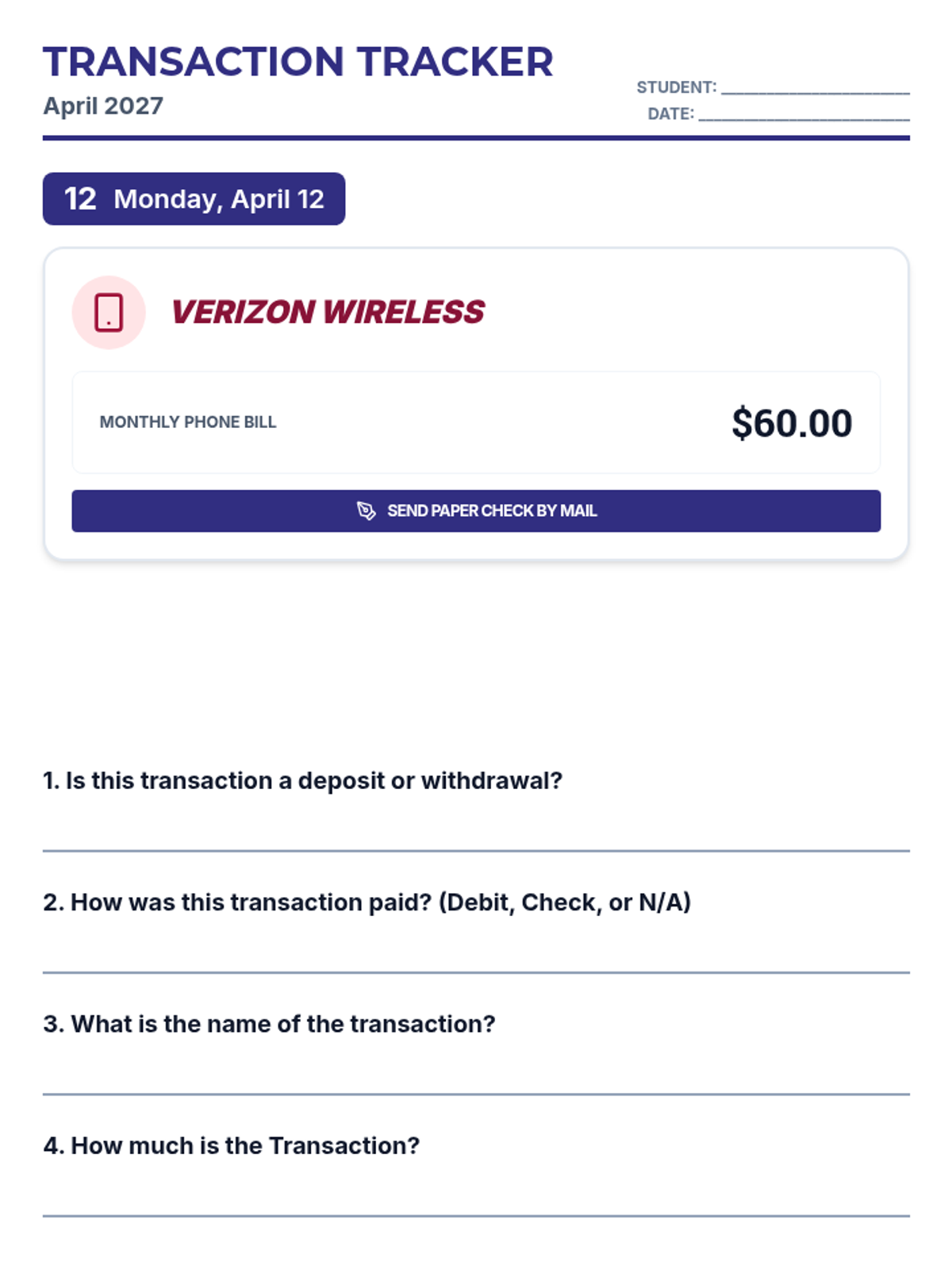
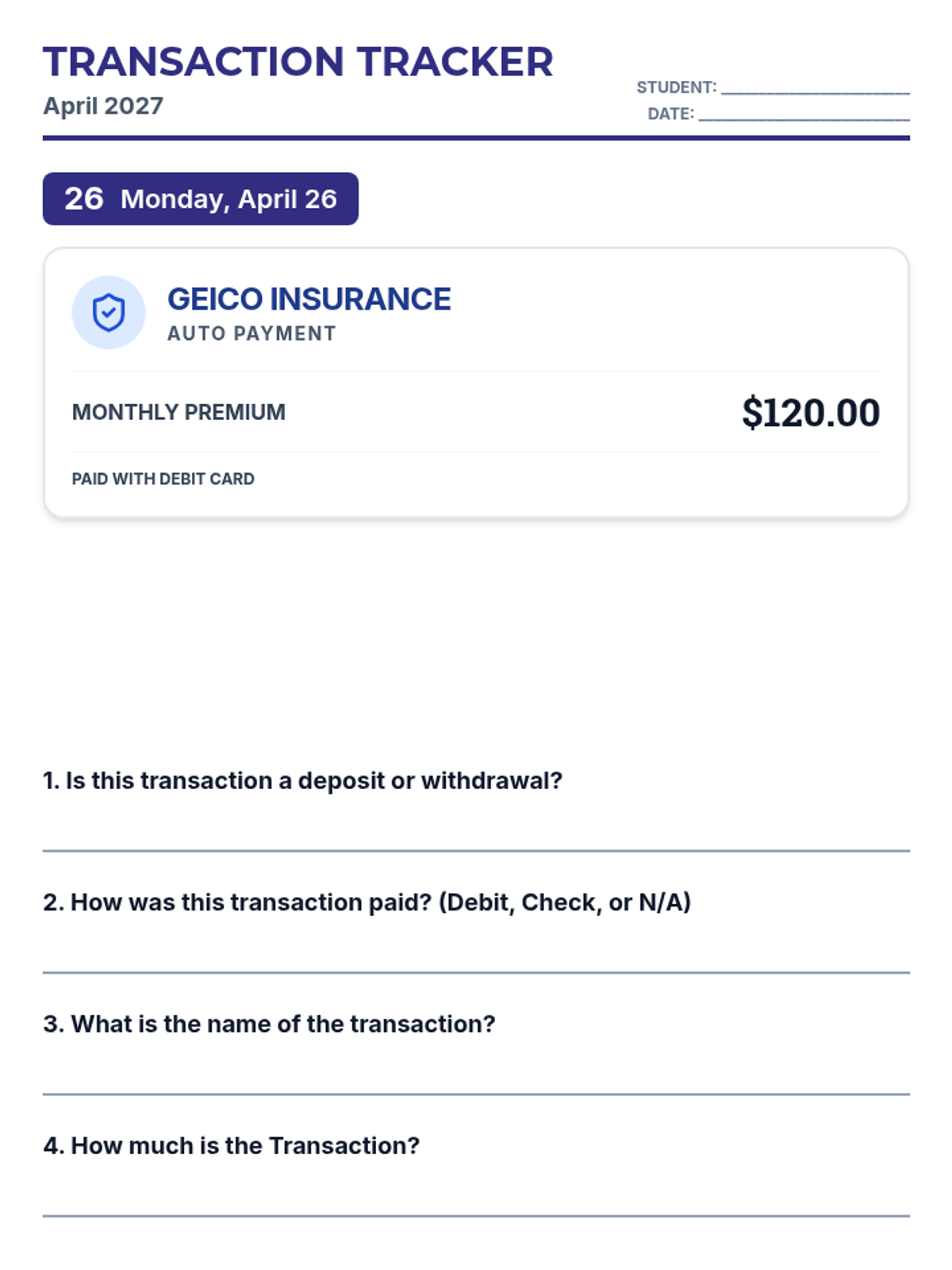
A lesson focused on managing finances for April 2027, including spring recess. Students process a higher volume of transactions including insurance payments and utility bills, following the school calendar.
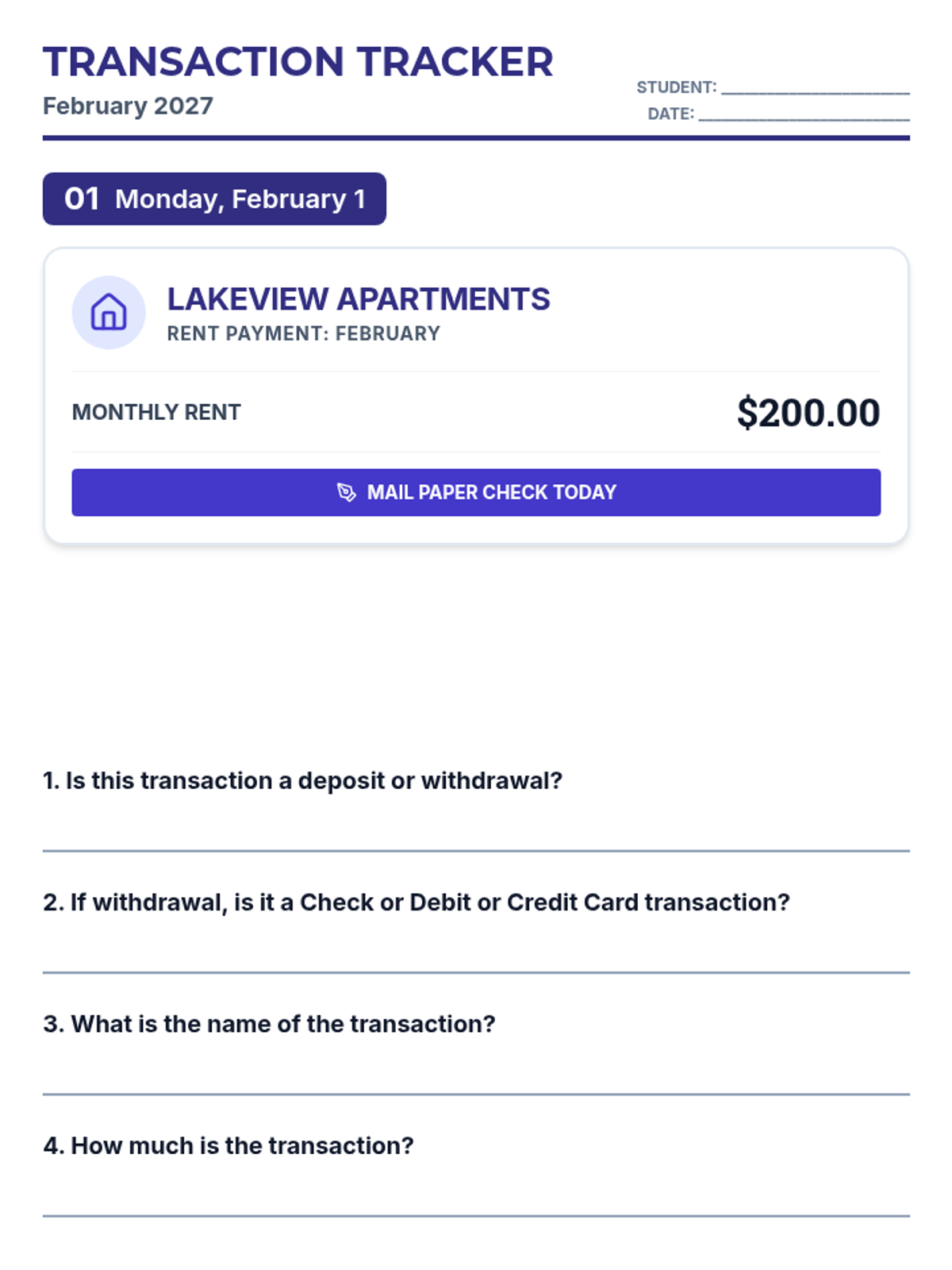
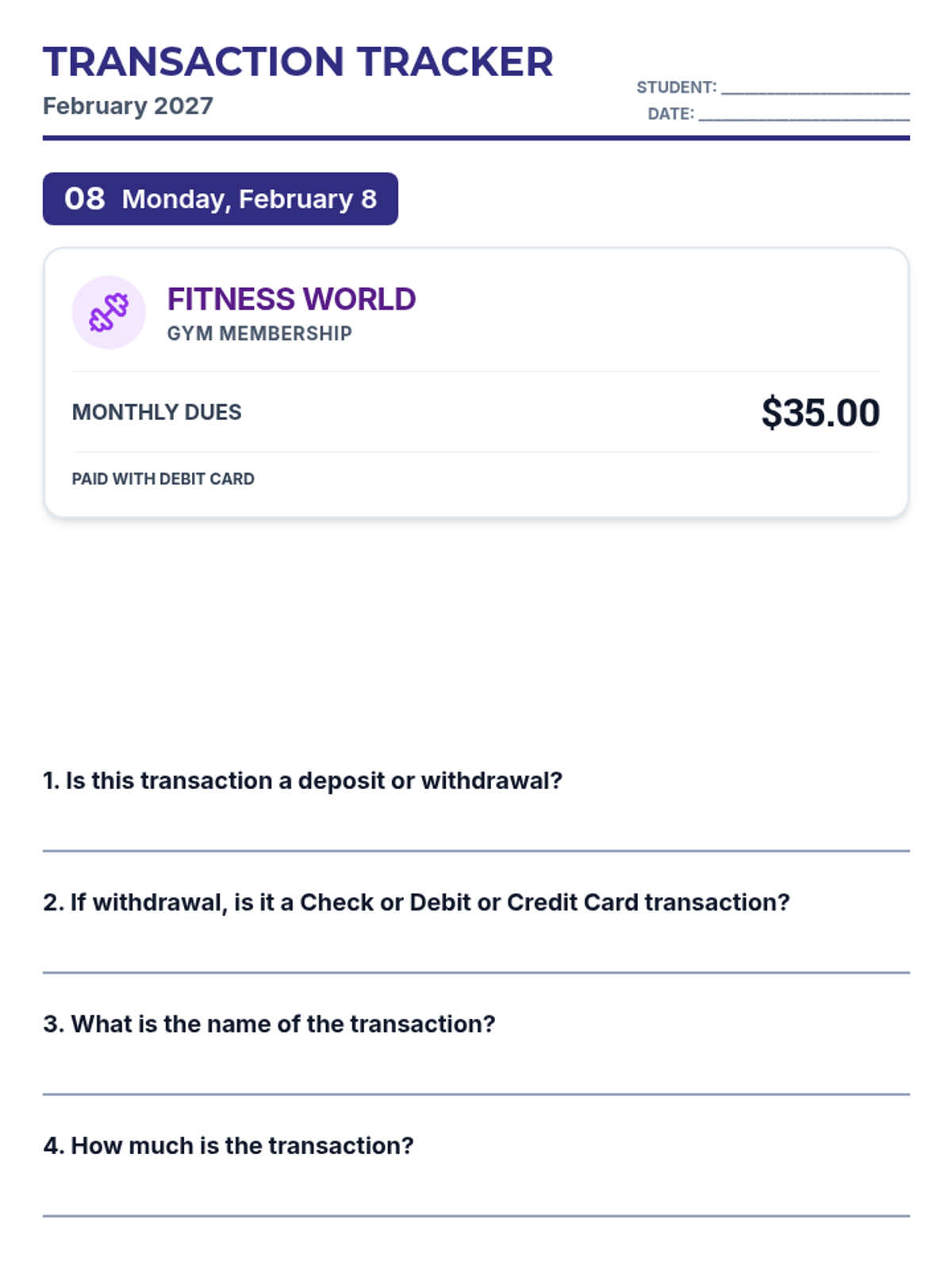
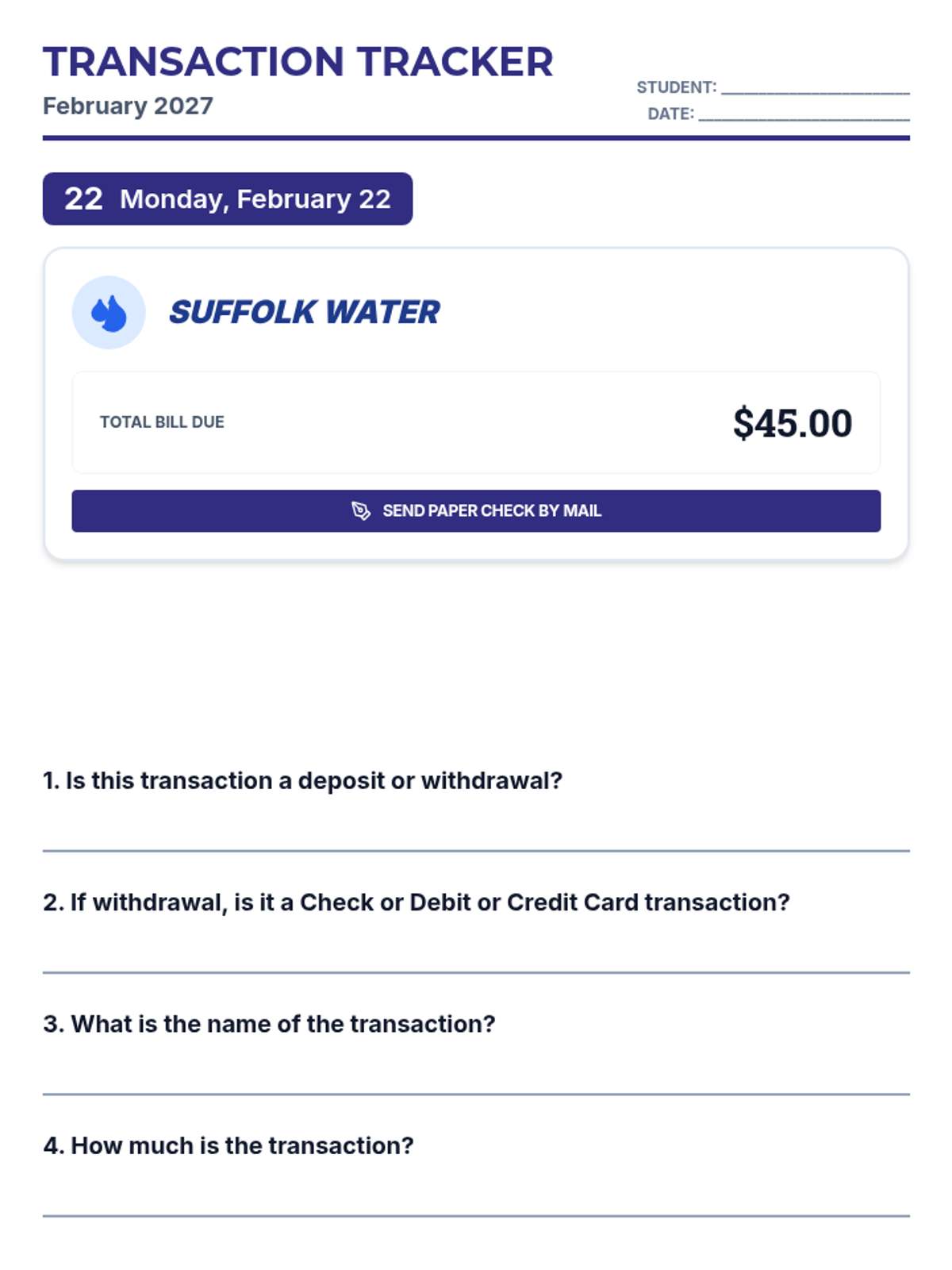
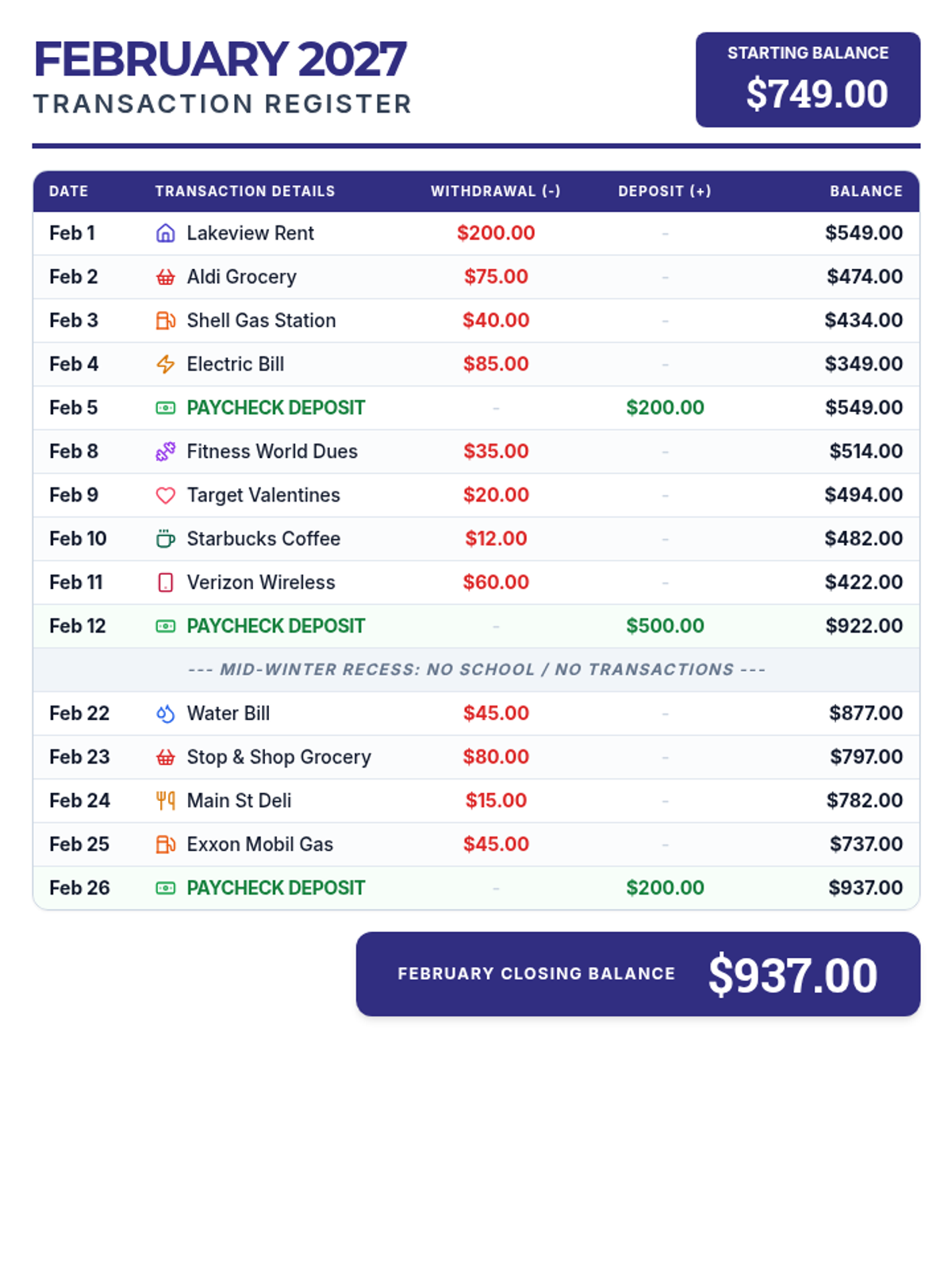
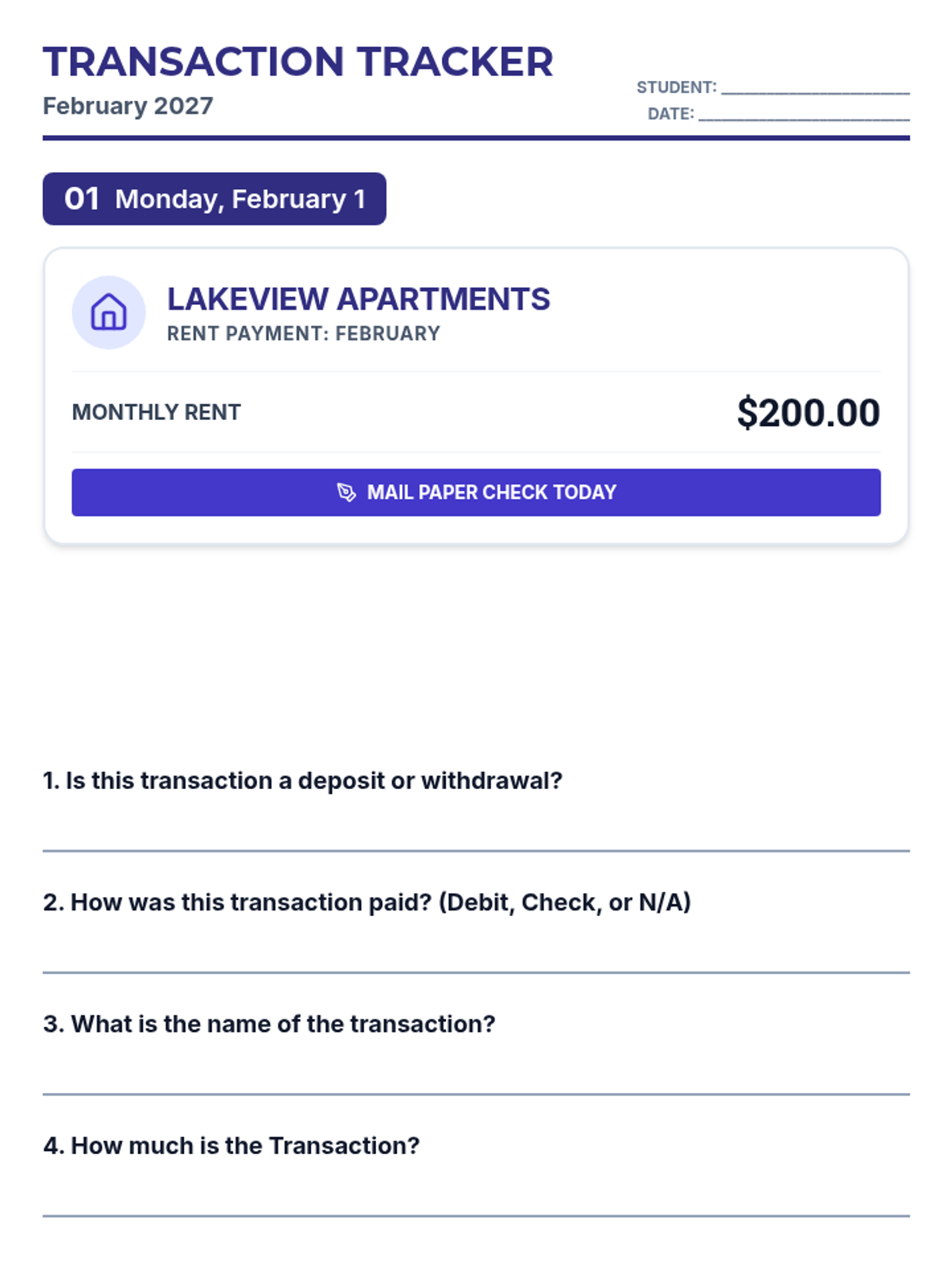
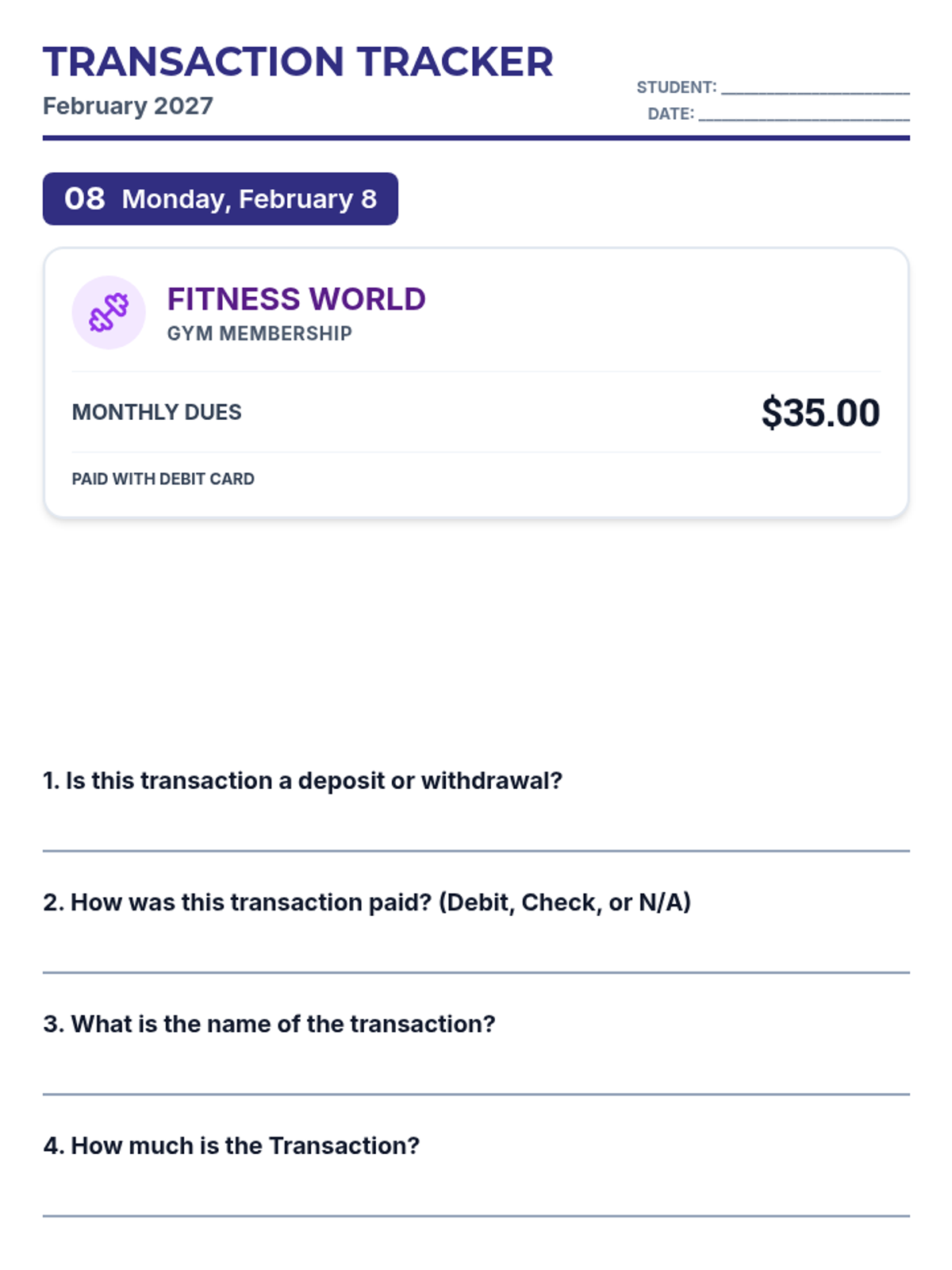
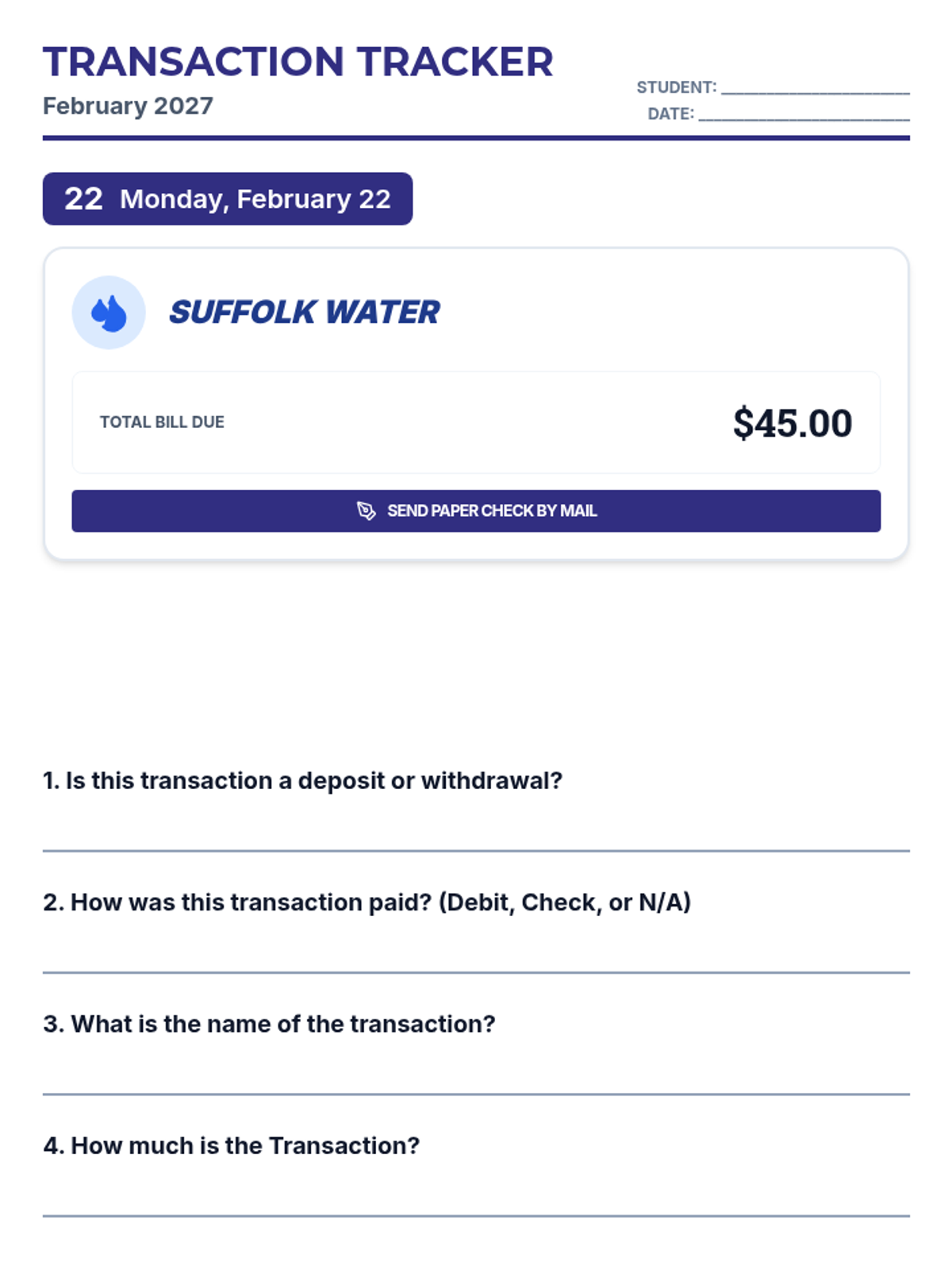
A lesson focused on managing finances for February 2027, including mid-winter recess. Students track rent, groceries, and utilities while managing their balance after January expenses.
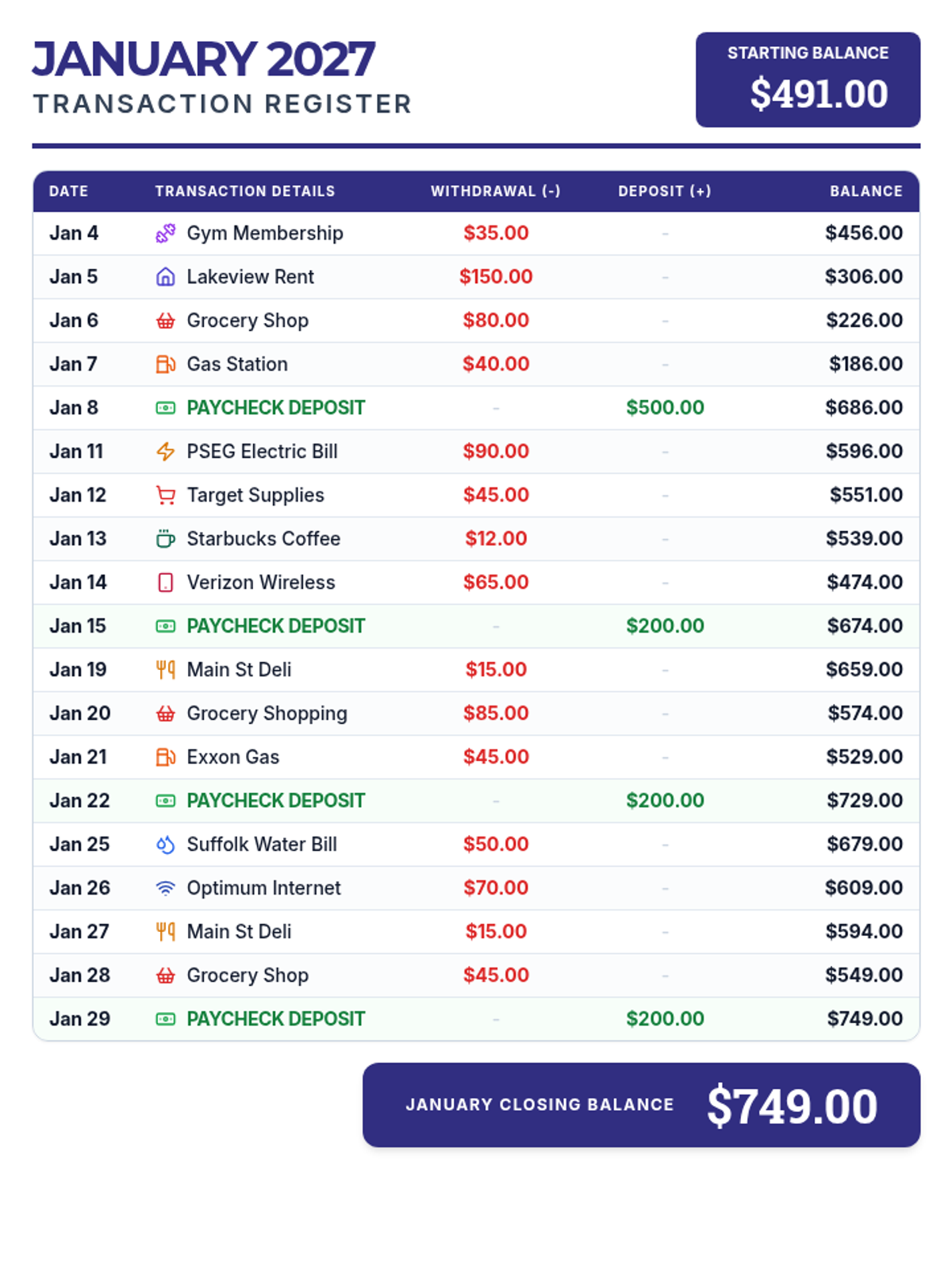
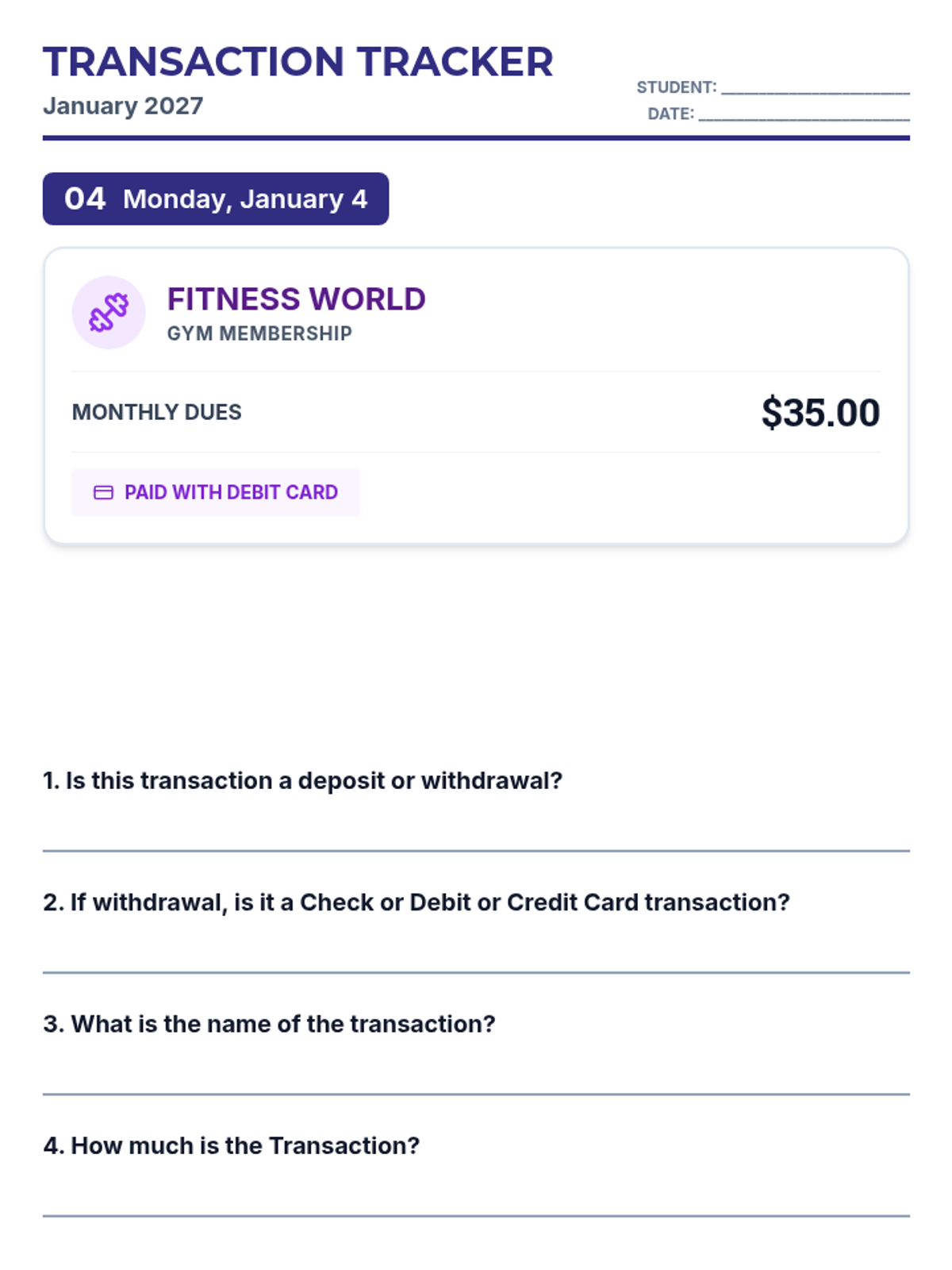
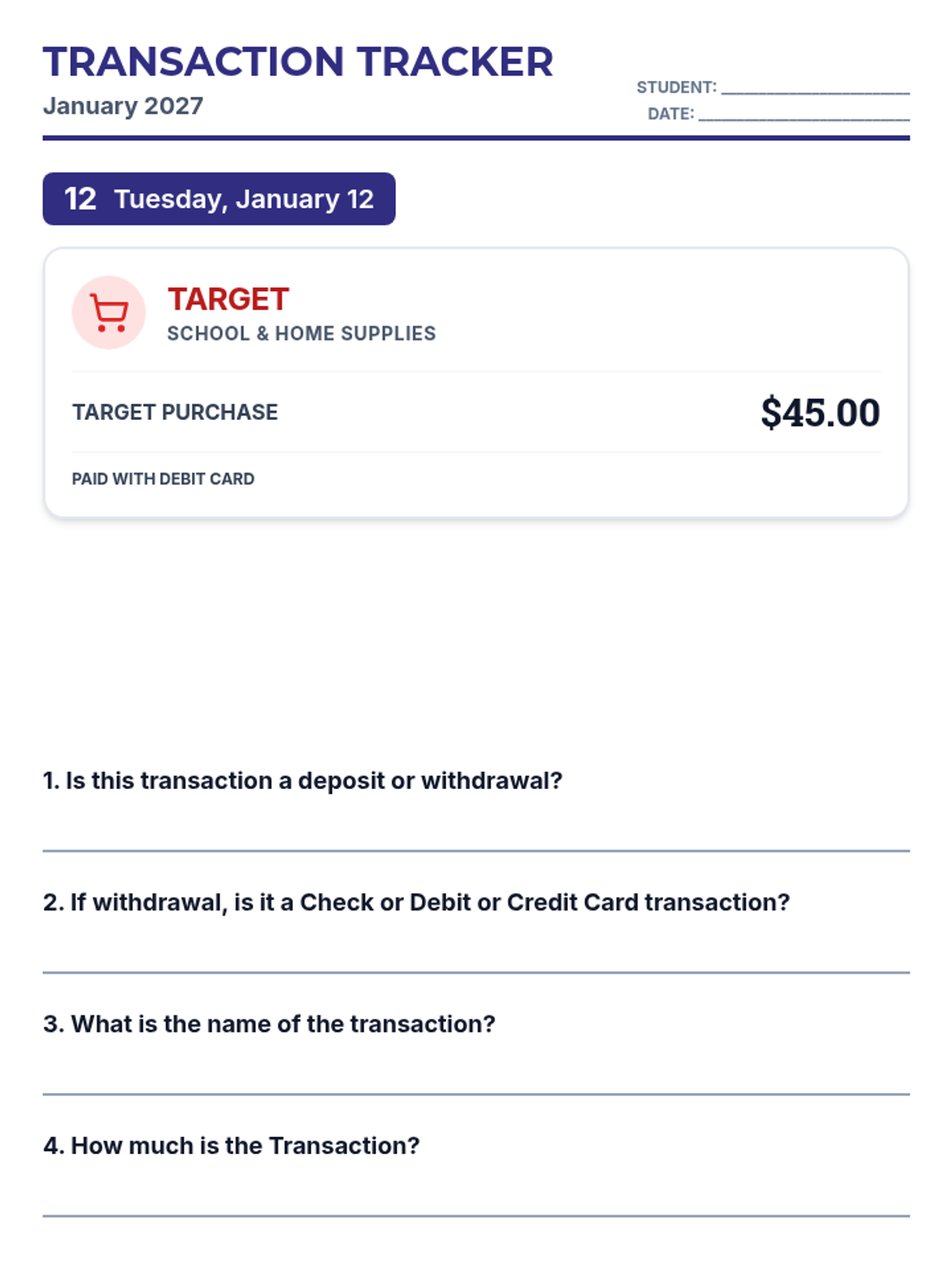
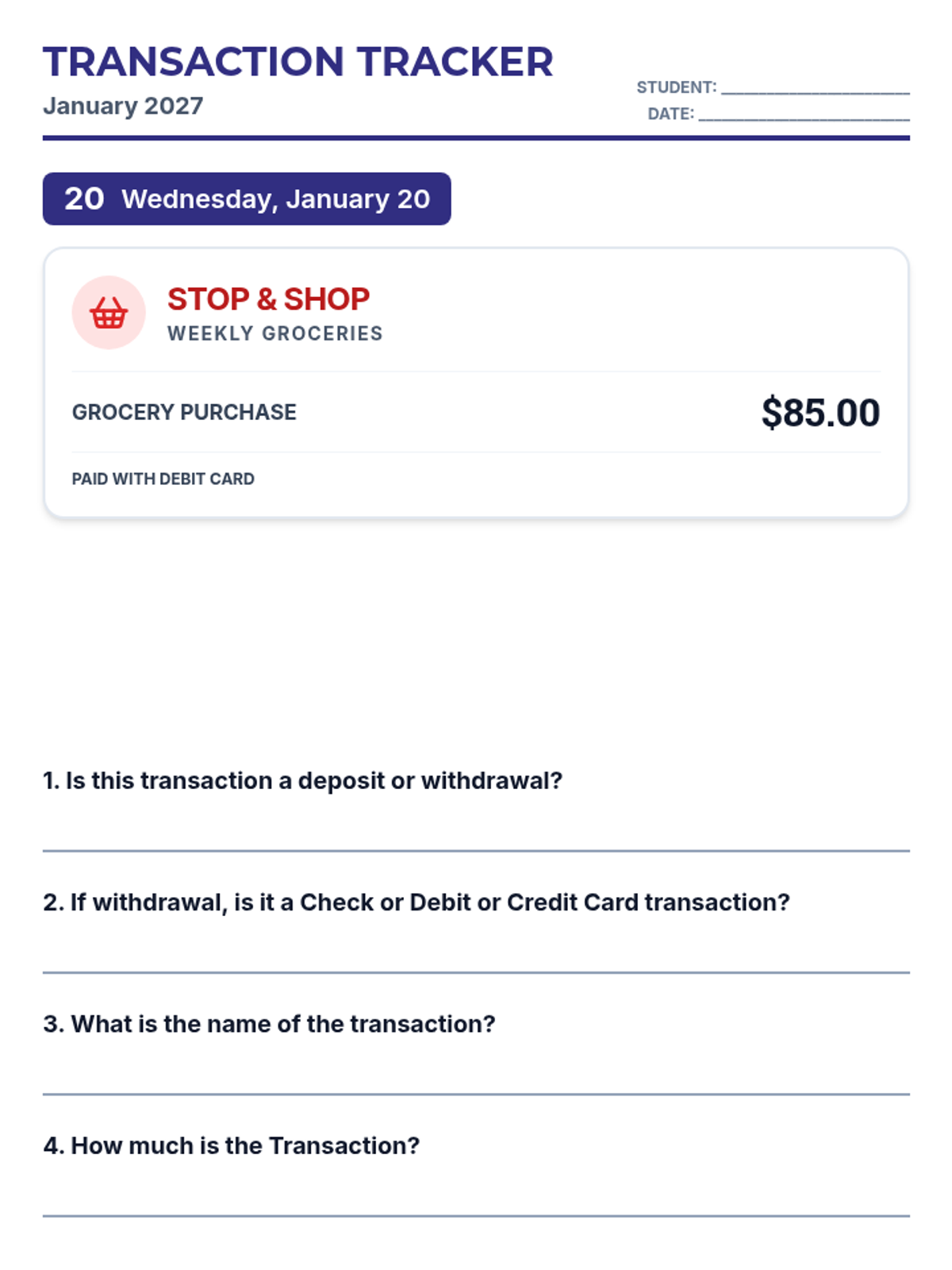
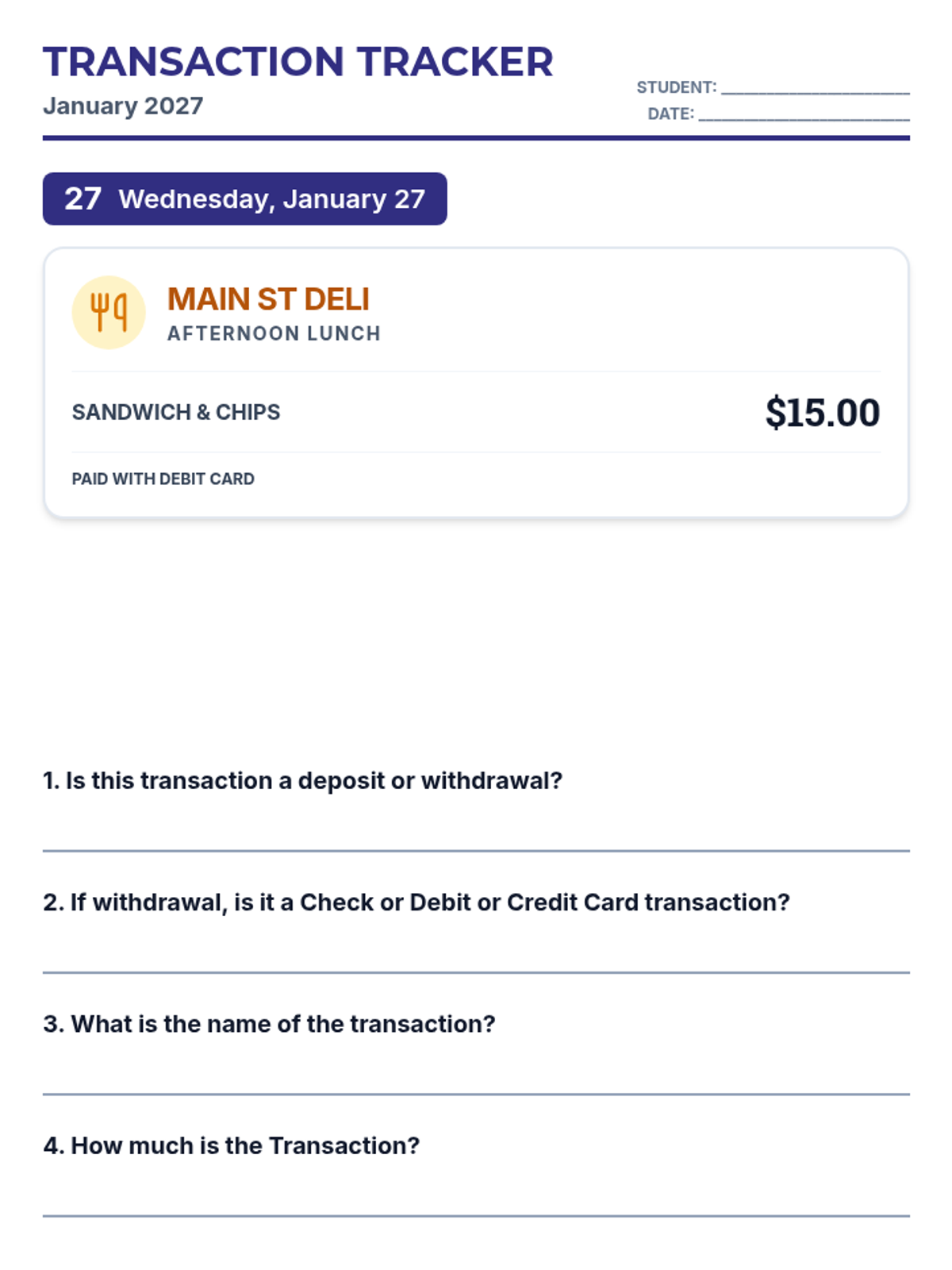
A lesson focused on managing finances for January 2027, featuring a transaction register and a daily tracking system for student practice. Students will process utility bills, store receipts, and paycheck deposits following a real school calendar.
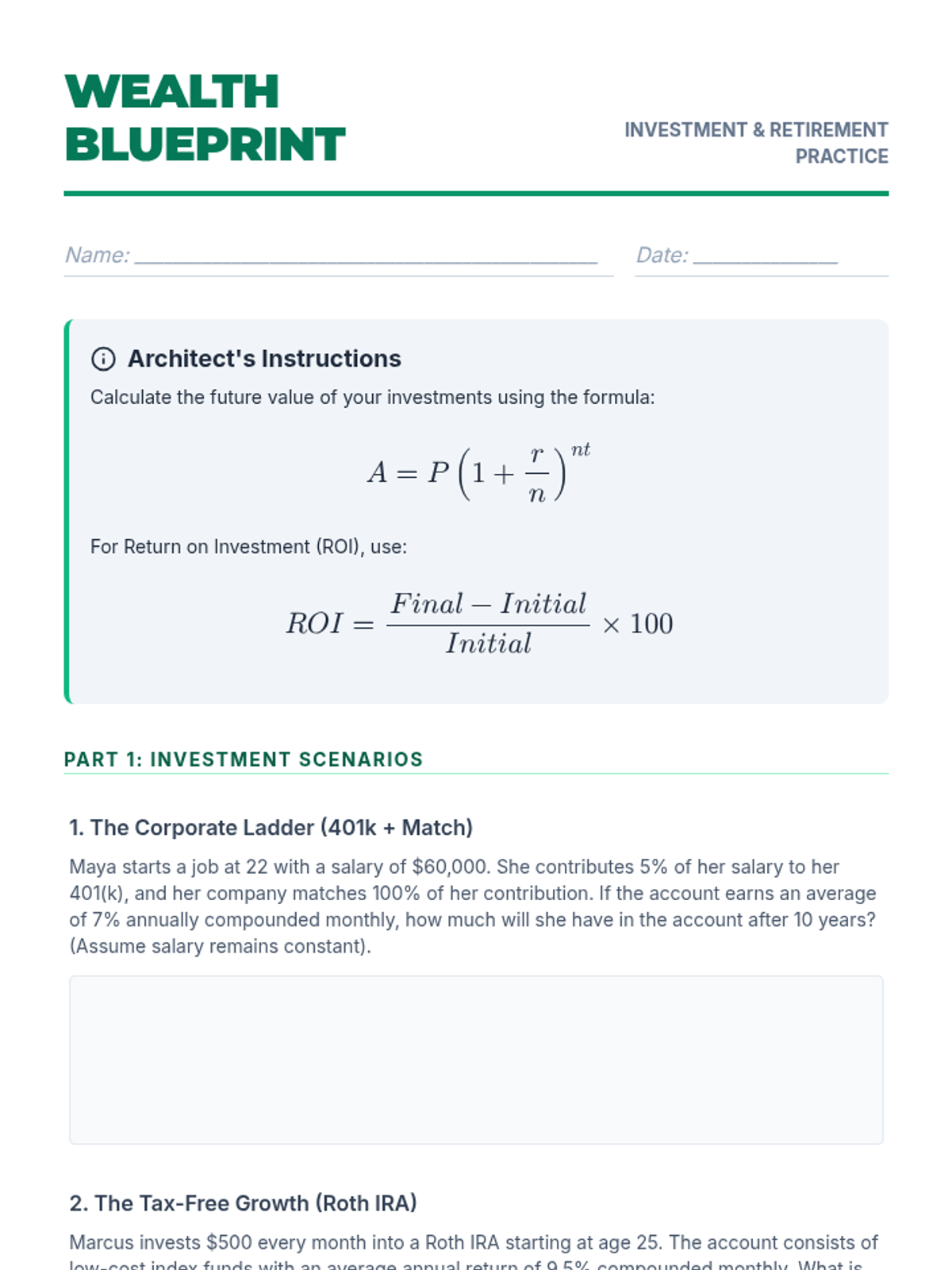
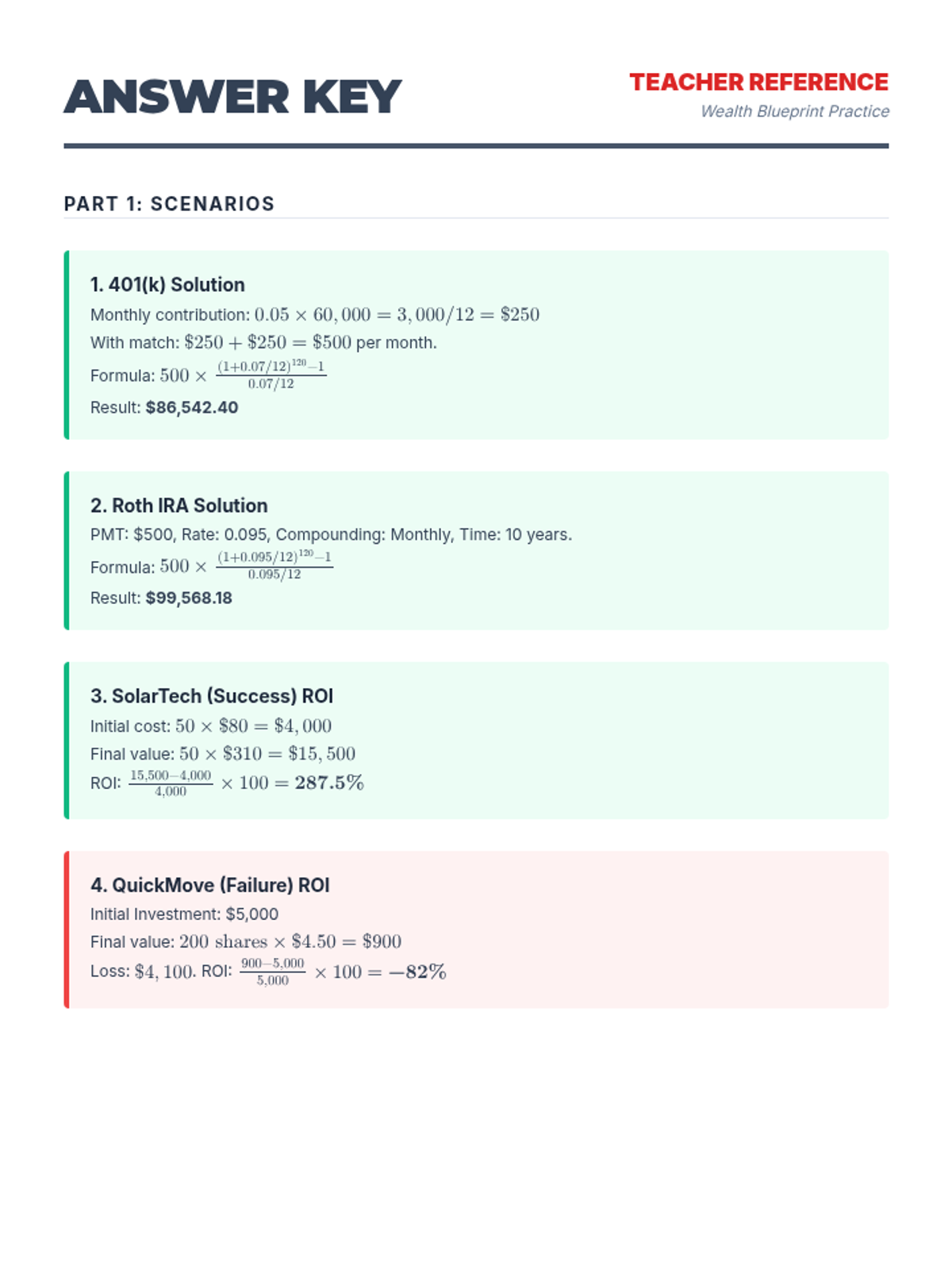
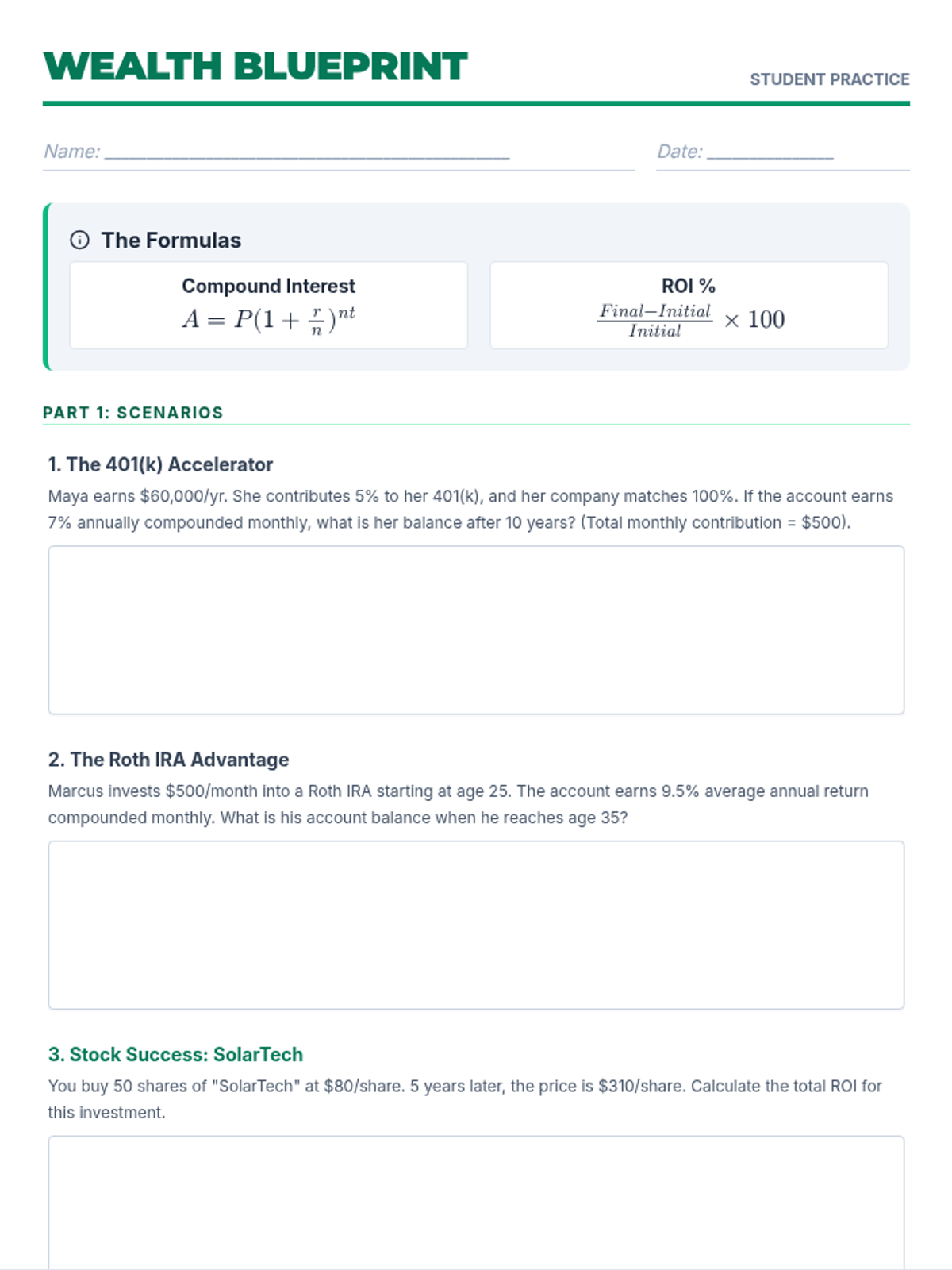
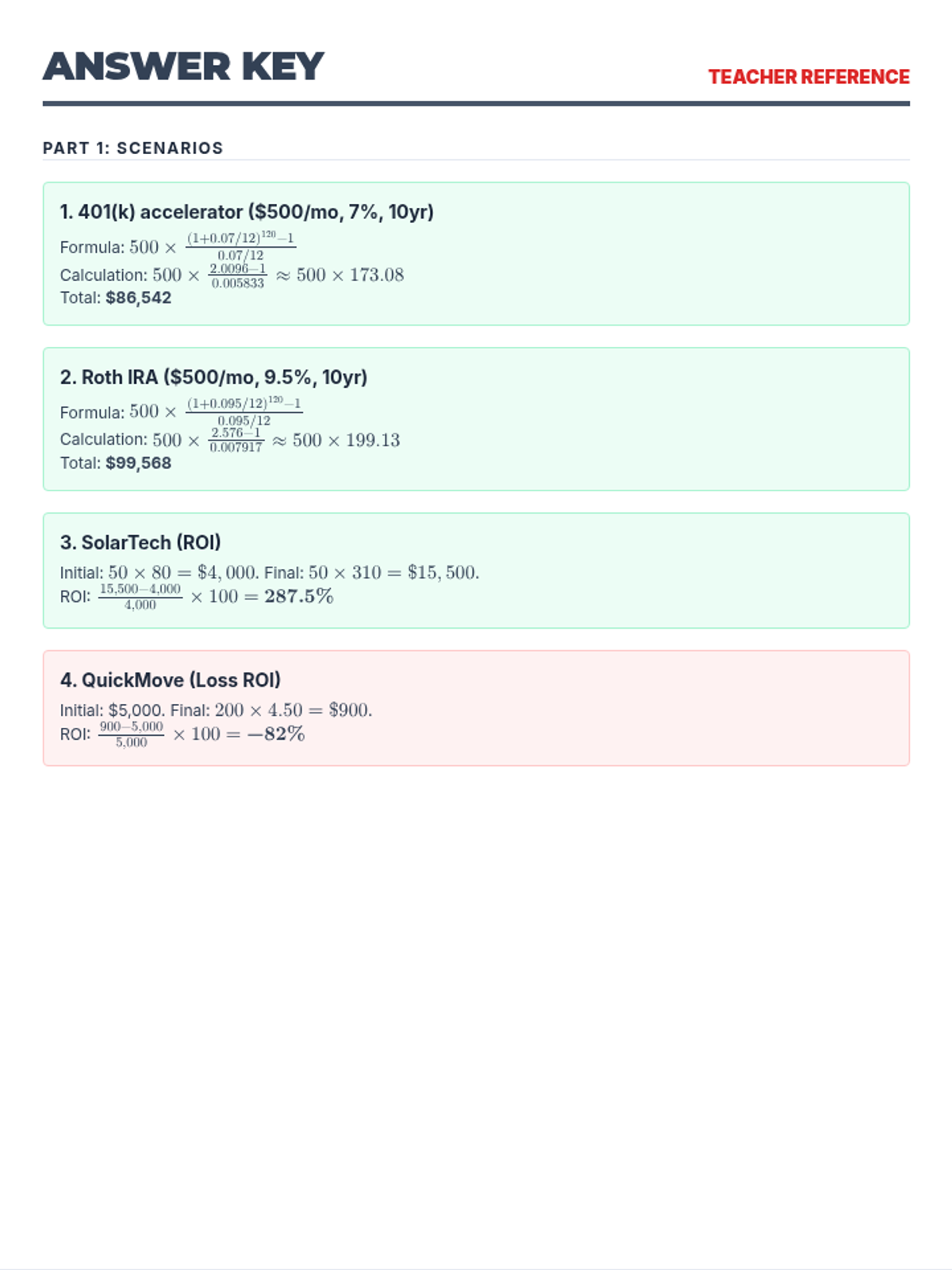
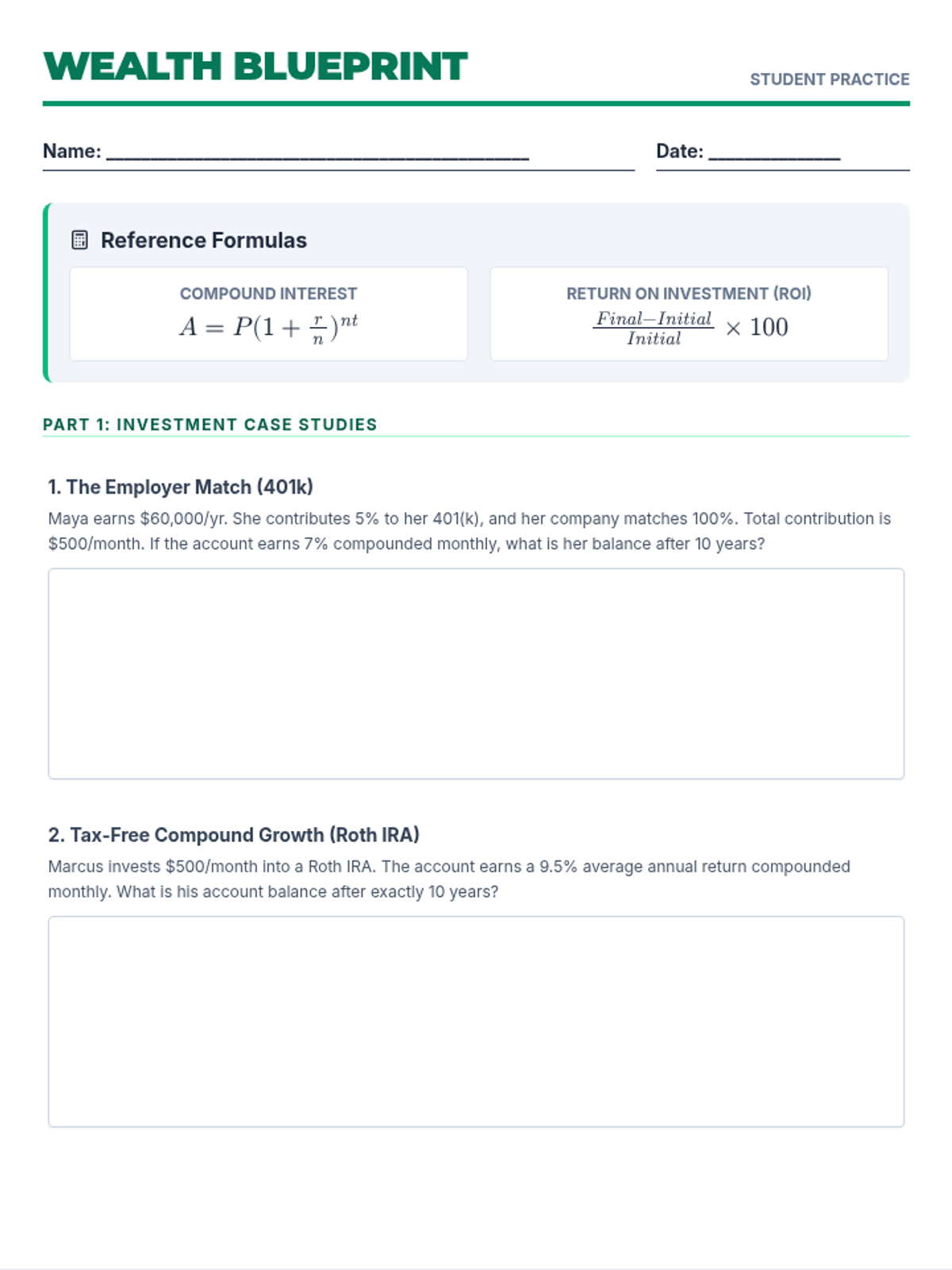
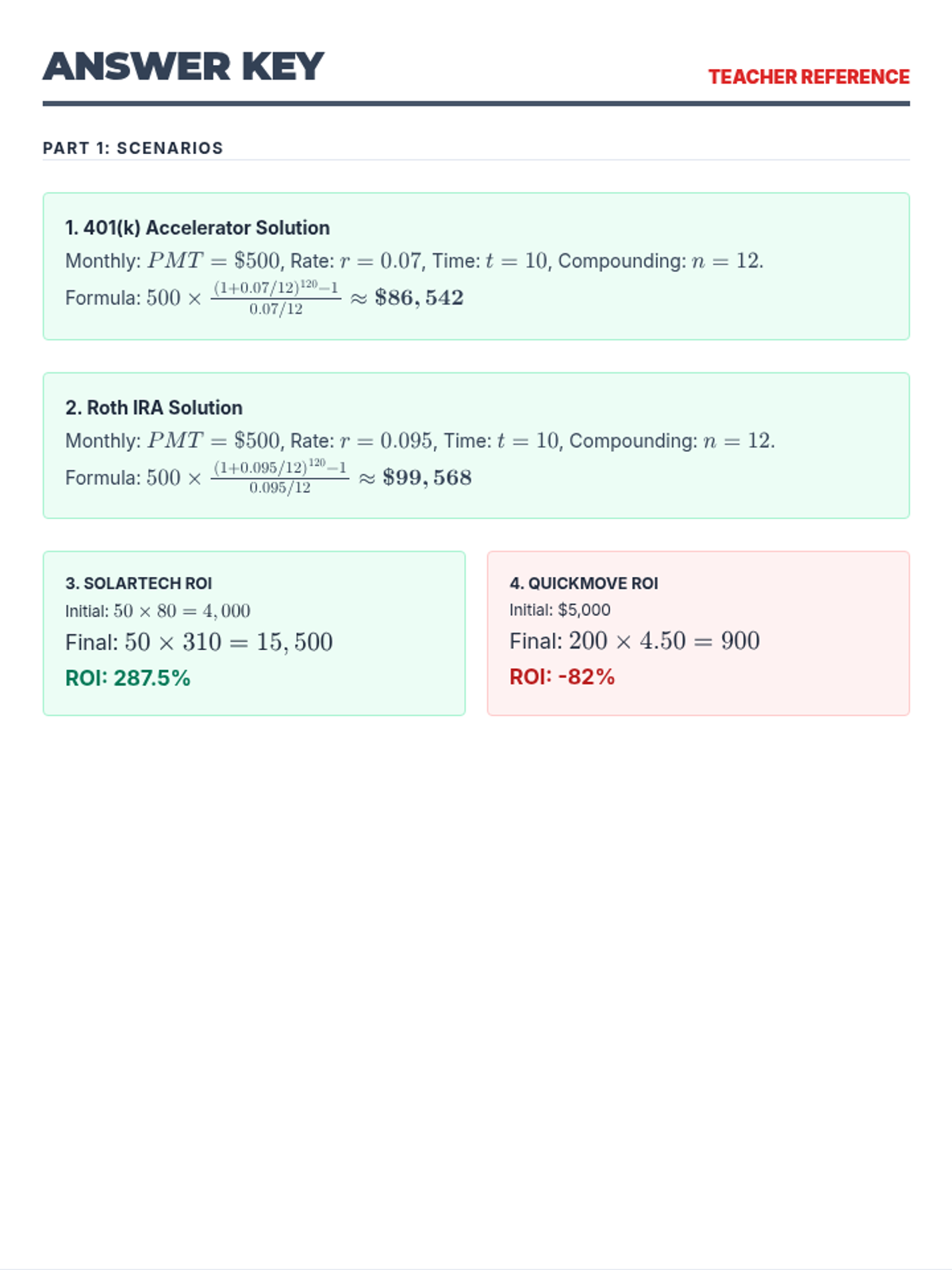
A comprehensive lesson on financial literacy focusing on compound interest, retirement accounts, and stock market ROI through scenario-based practice and data analysis.
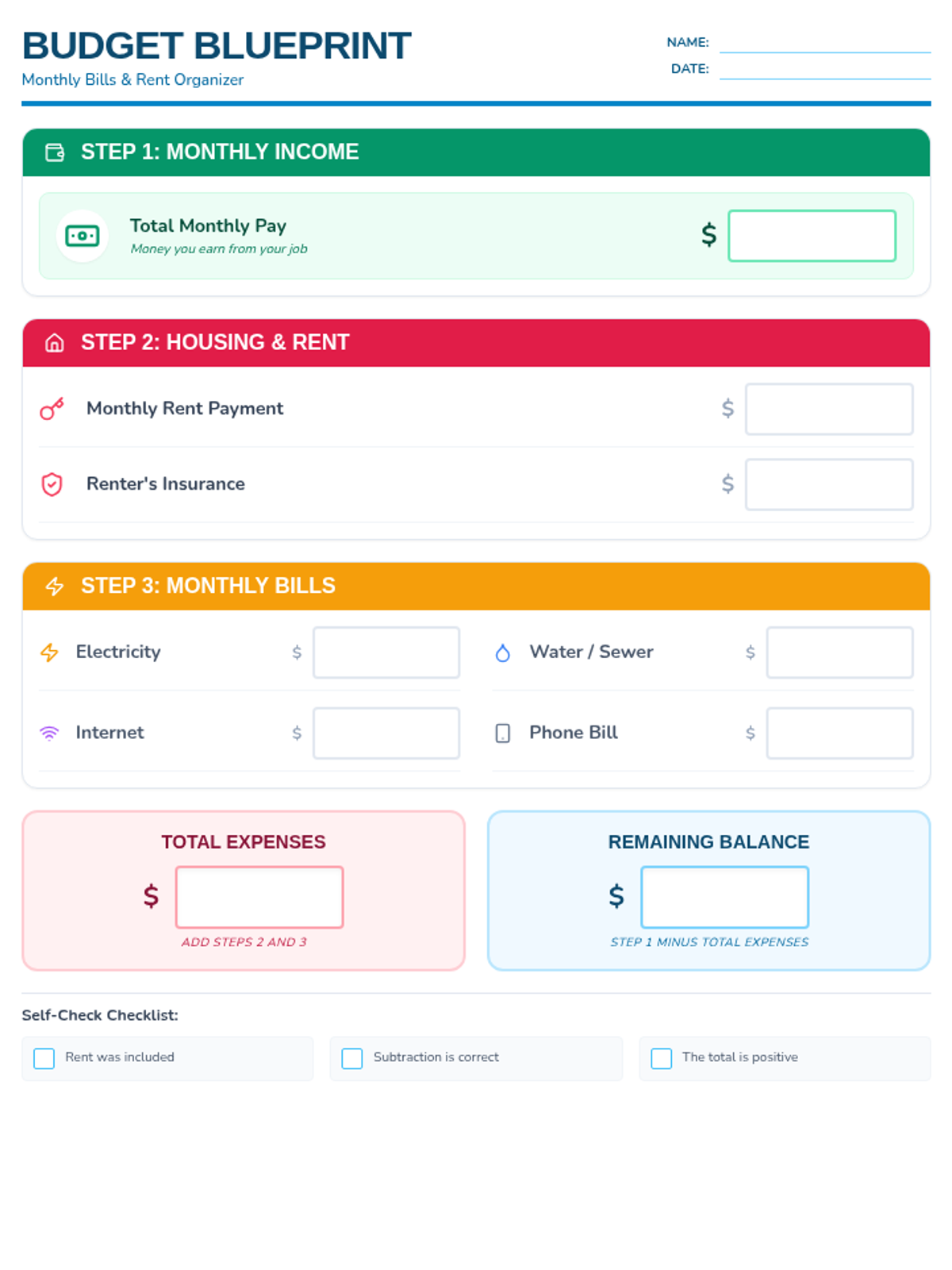
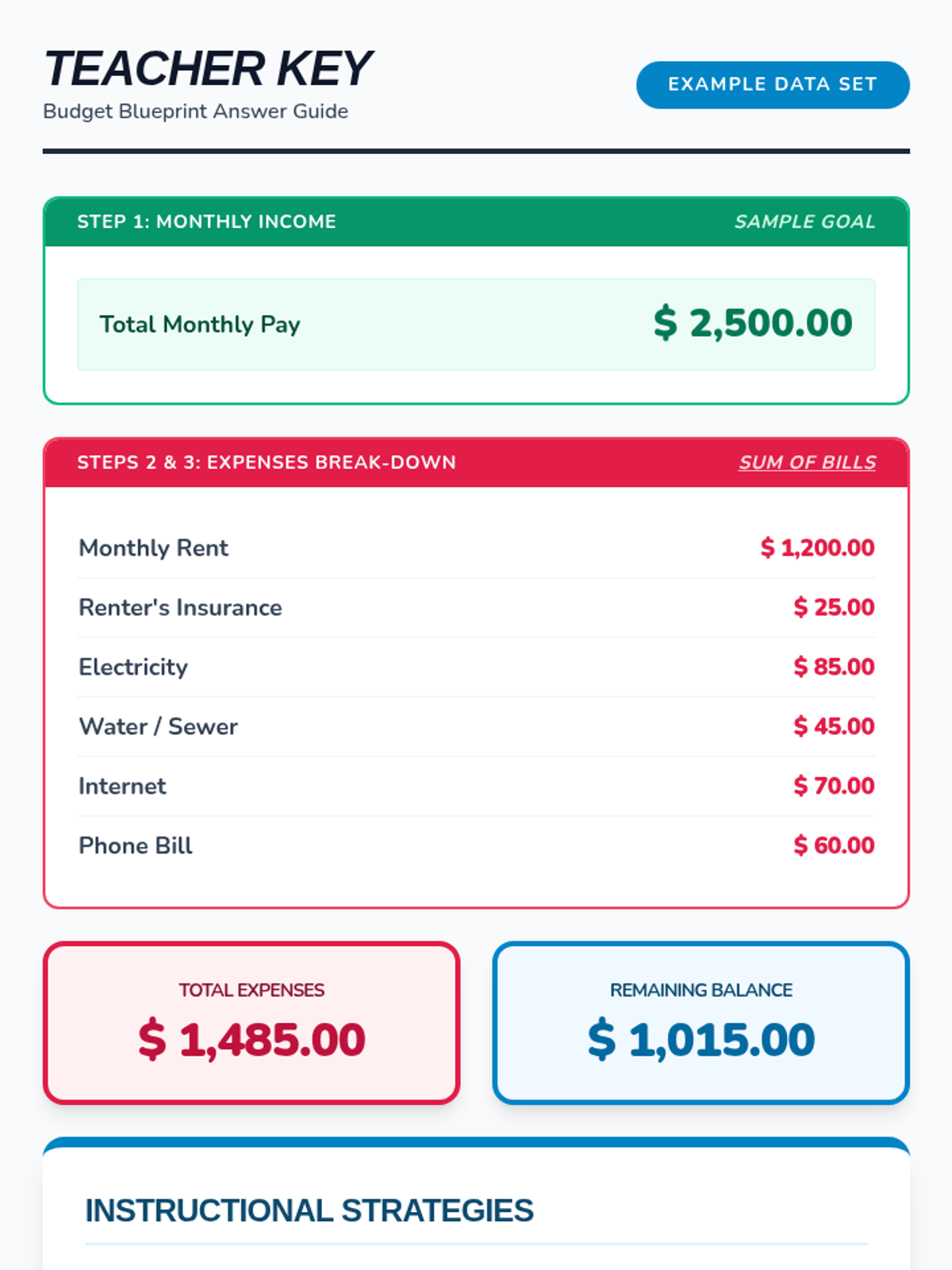
A practical introduction to managing monthly expenses, focusing on rent and utility bills with visual supports and a step-by-step graphic organizer.
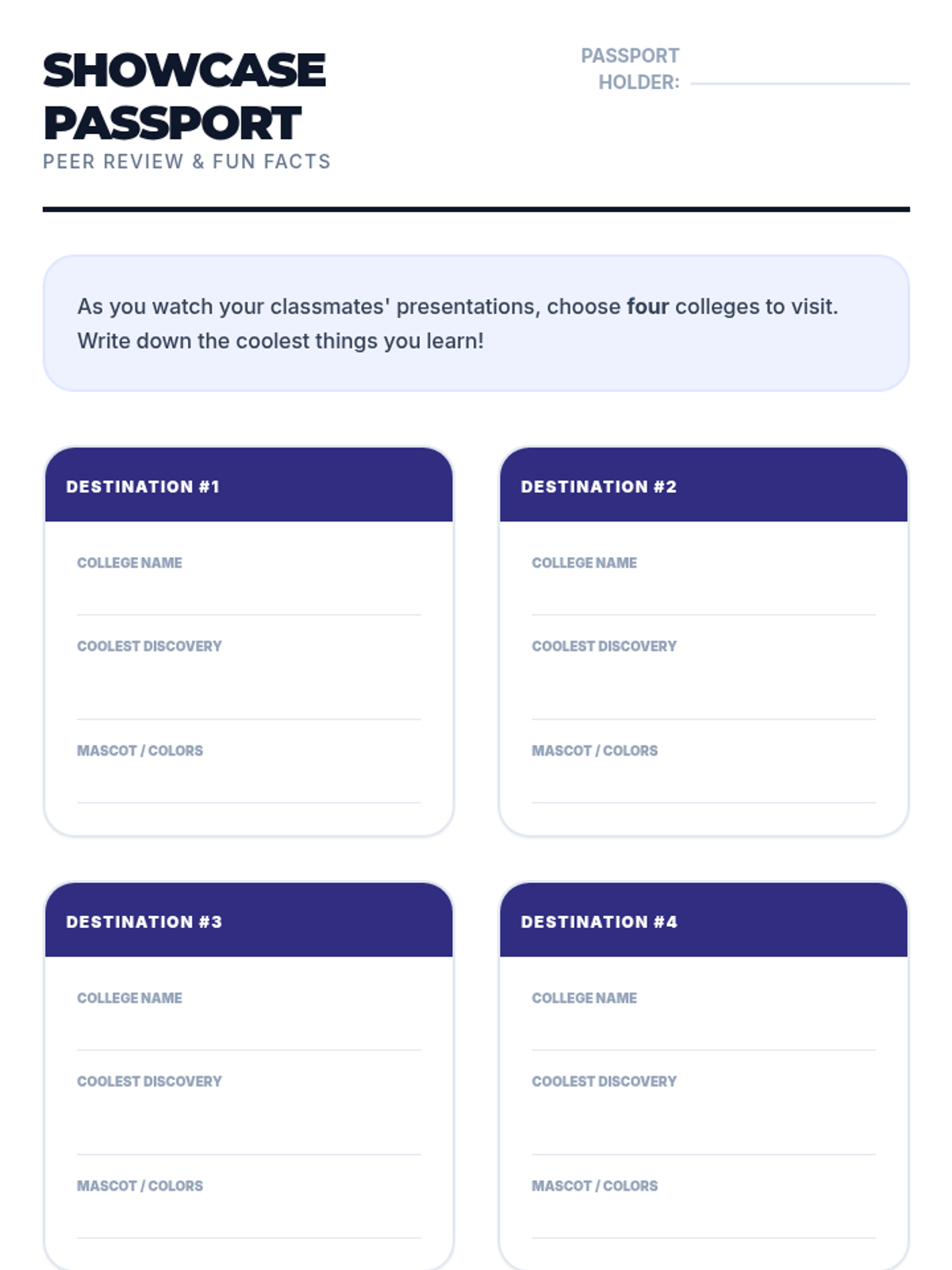
The unit concludes with students presenting their research to the class and providing peer feedback to their classmates.
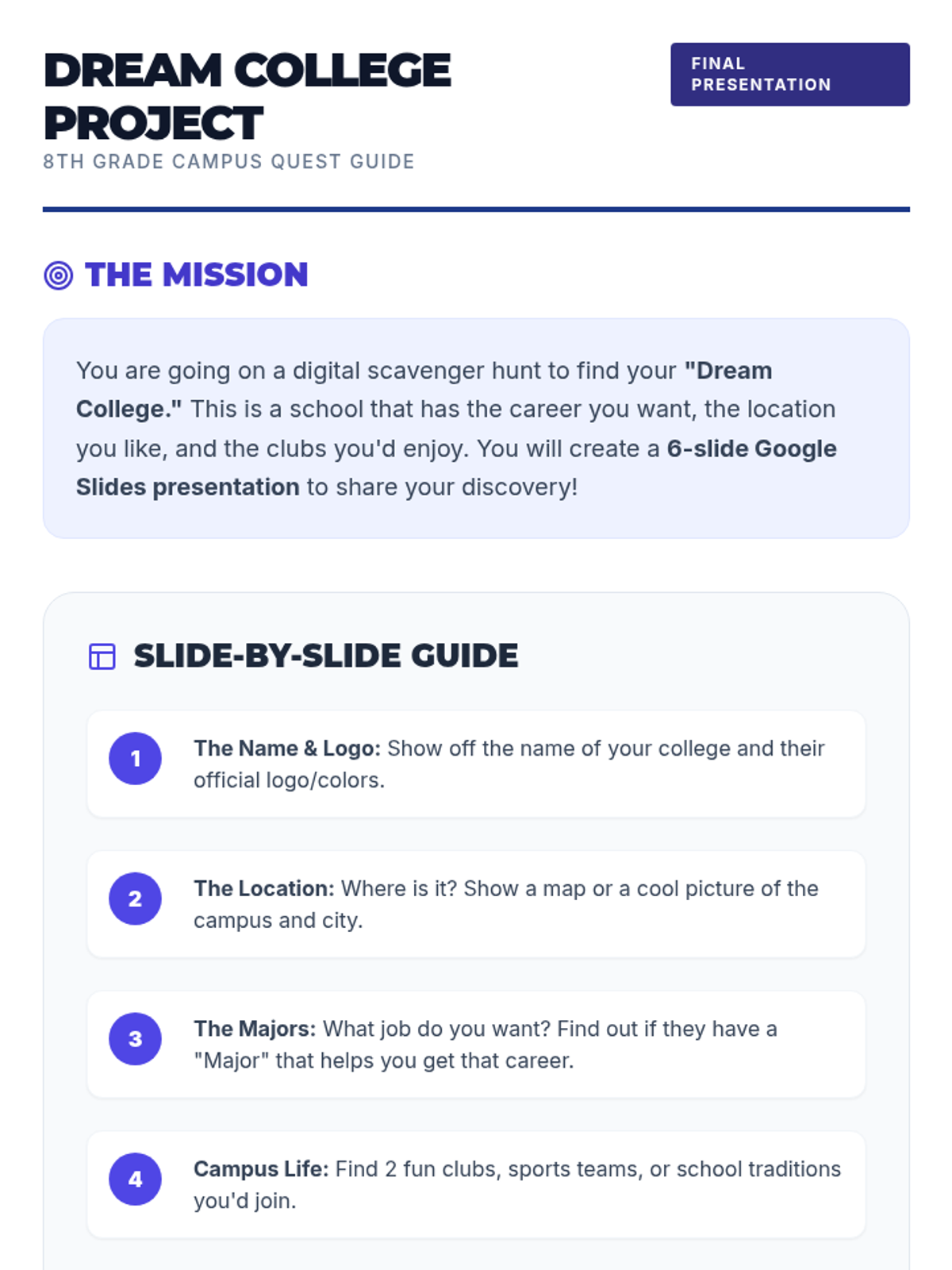
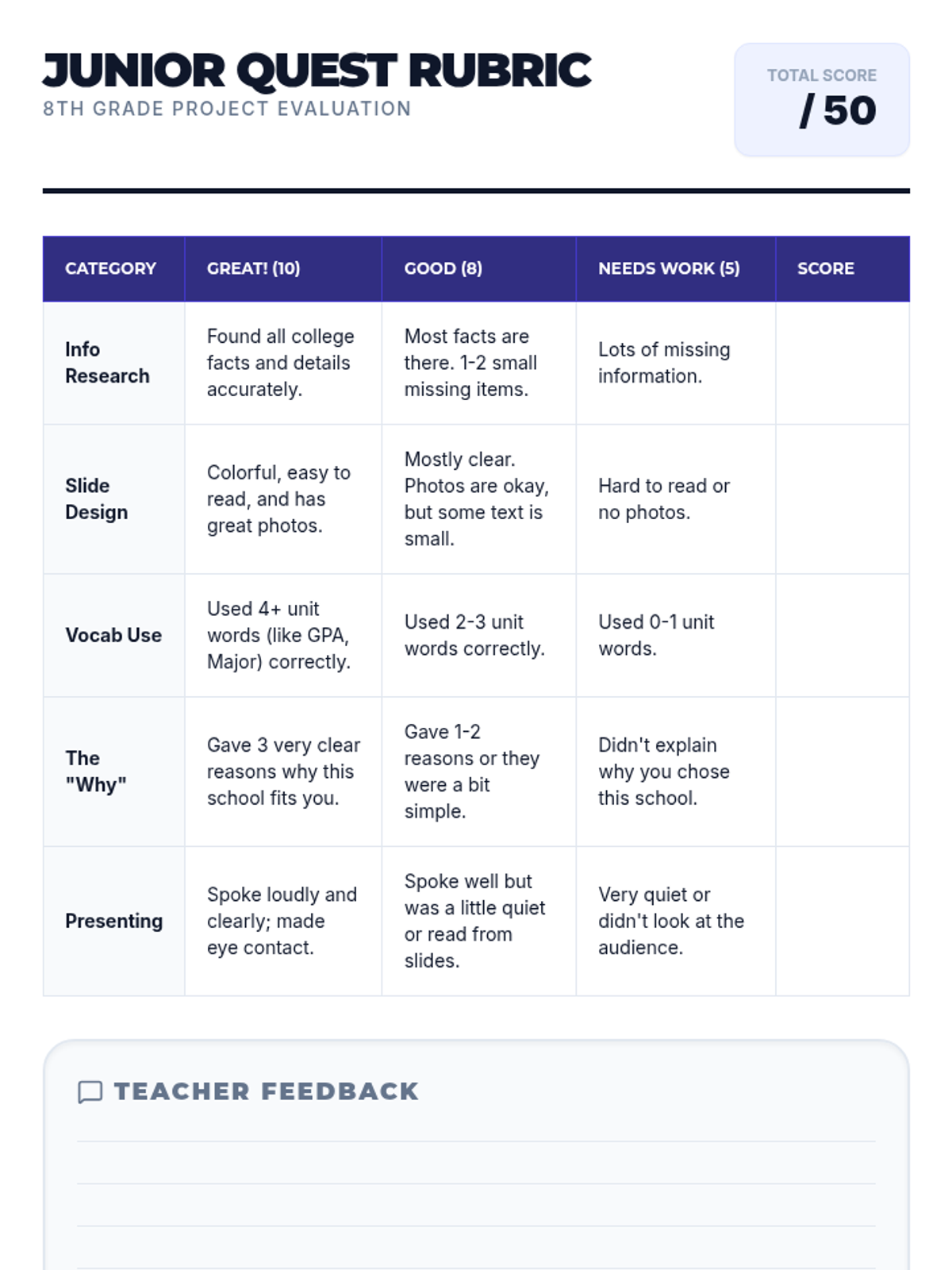
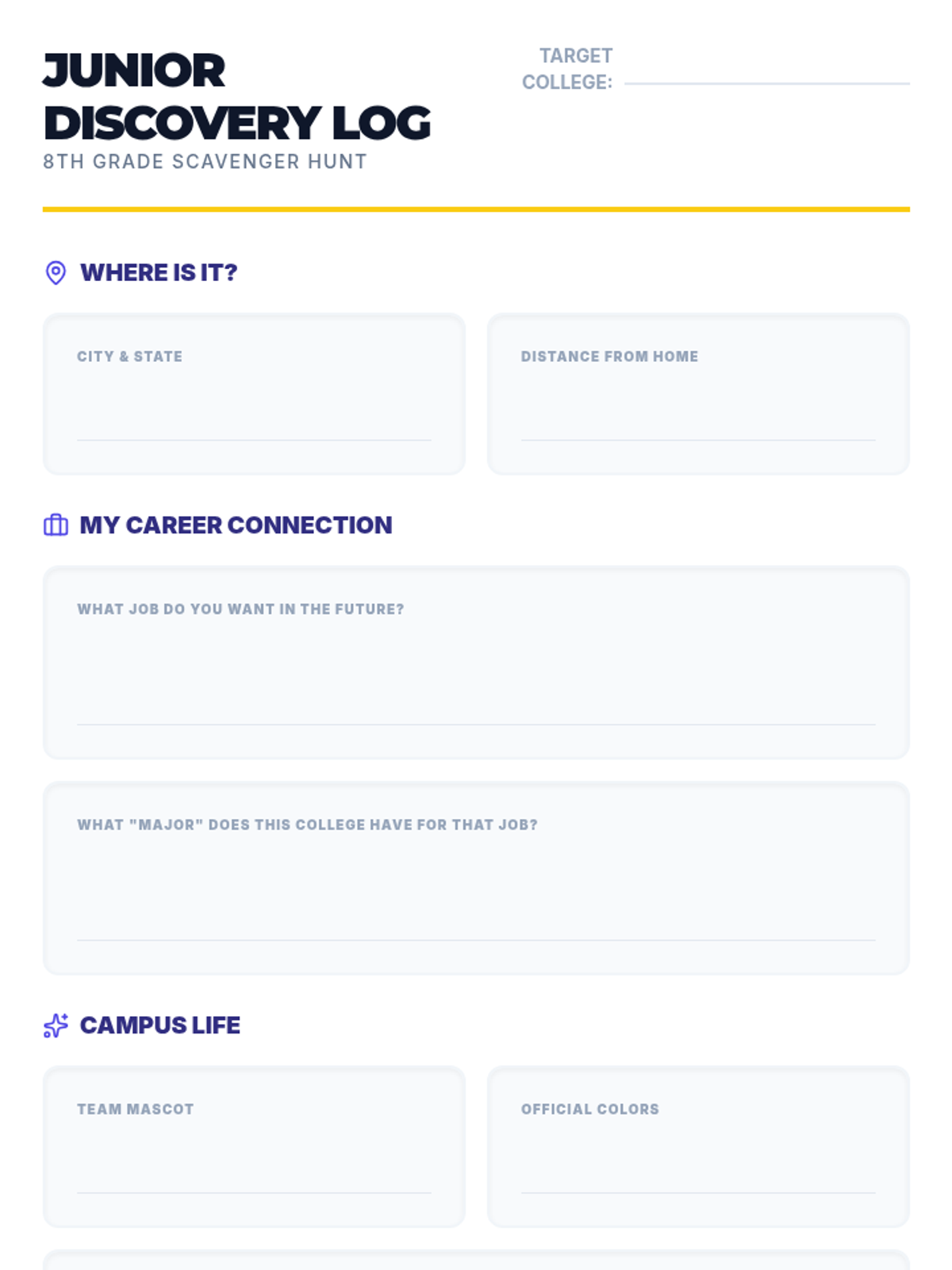
Students conduct independent research on a college of their choice and develop a comprehensive presentation following a specific rubric.
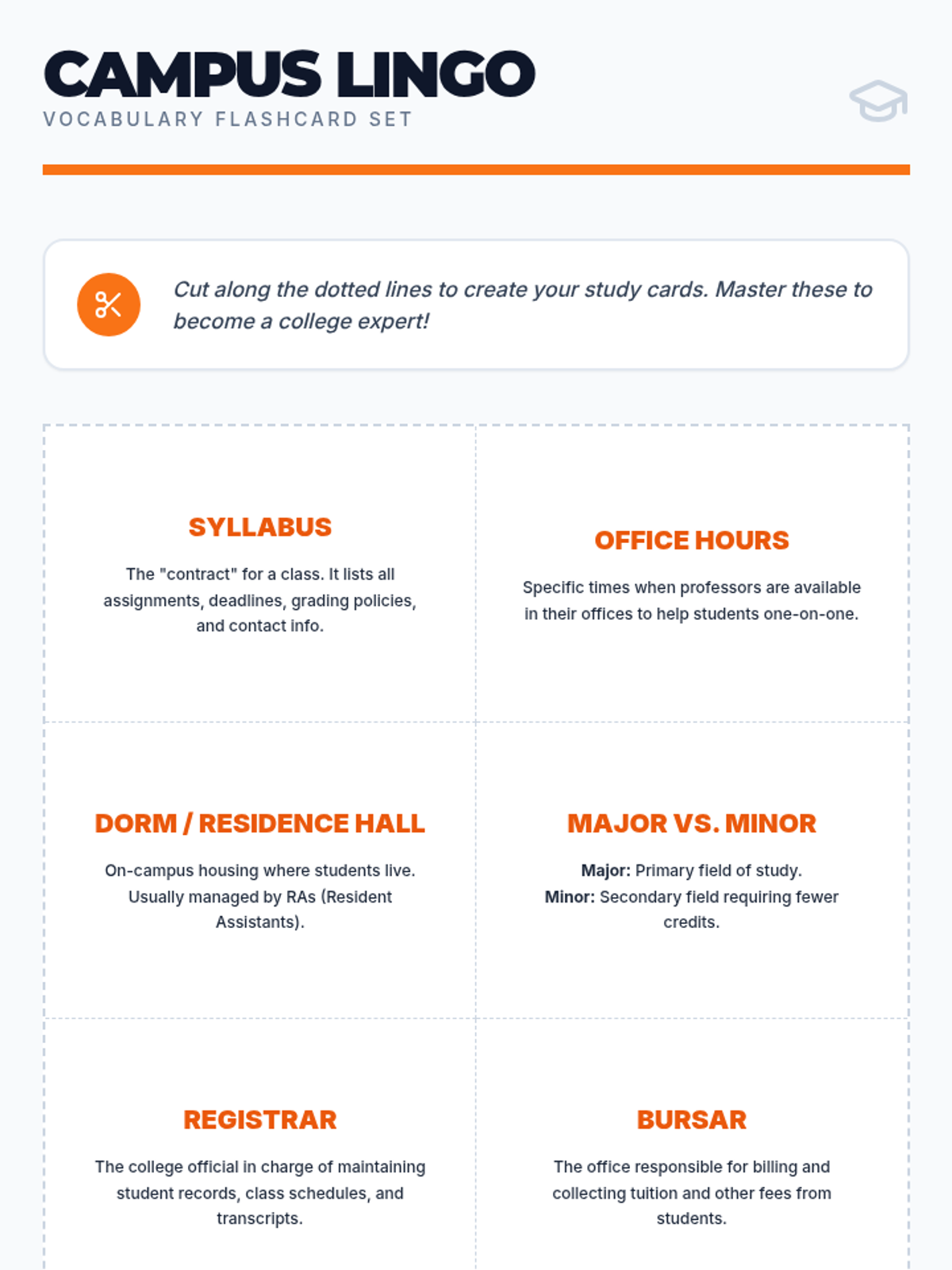
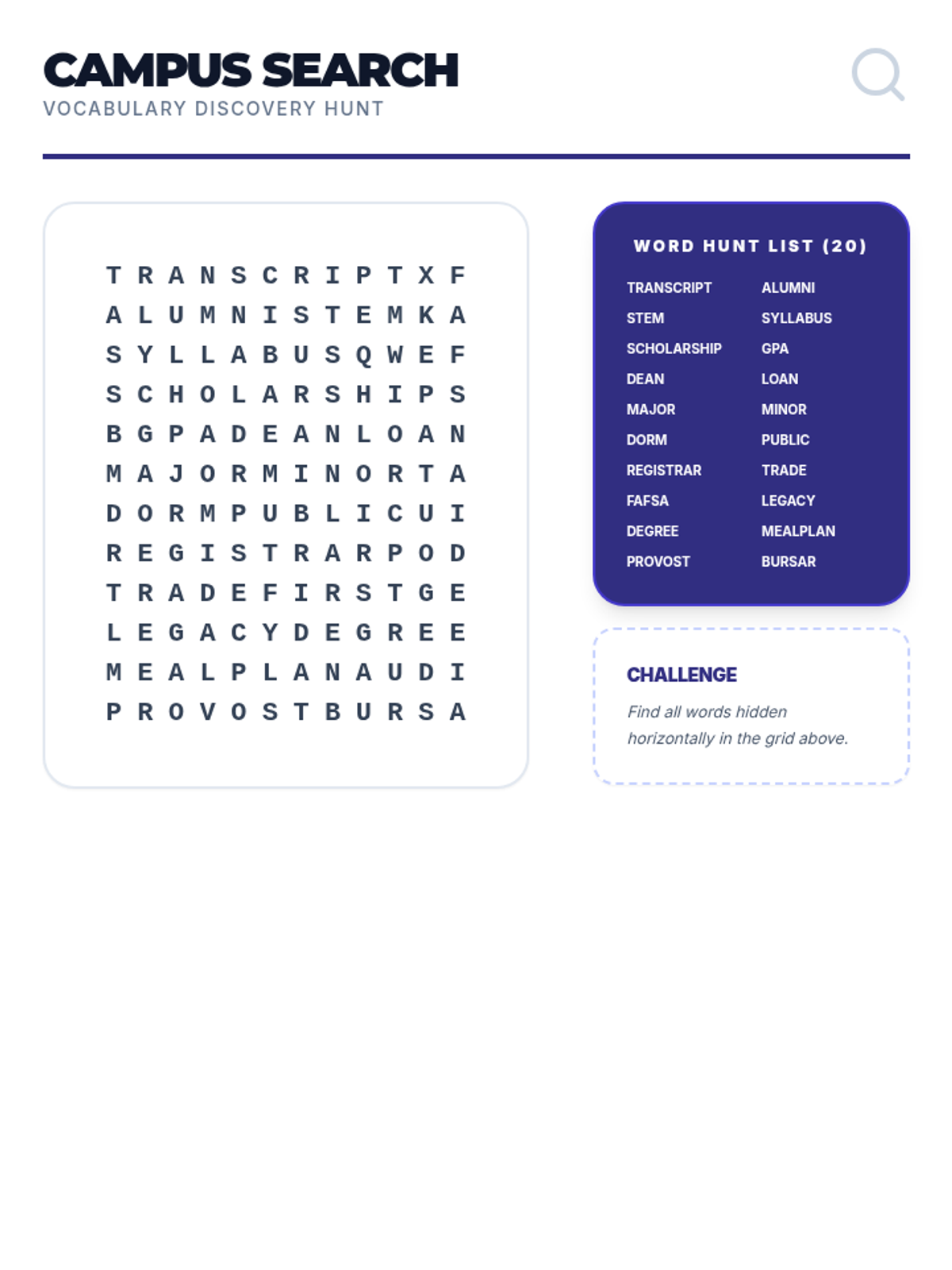
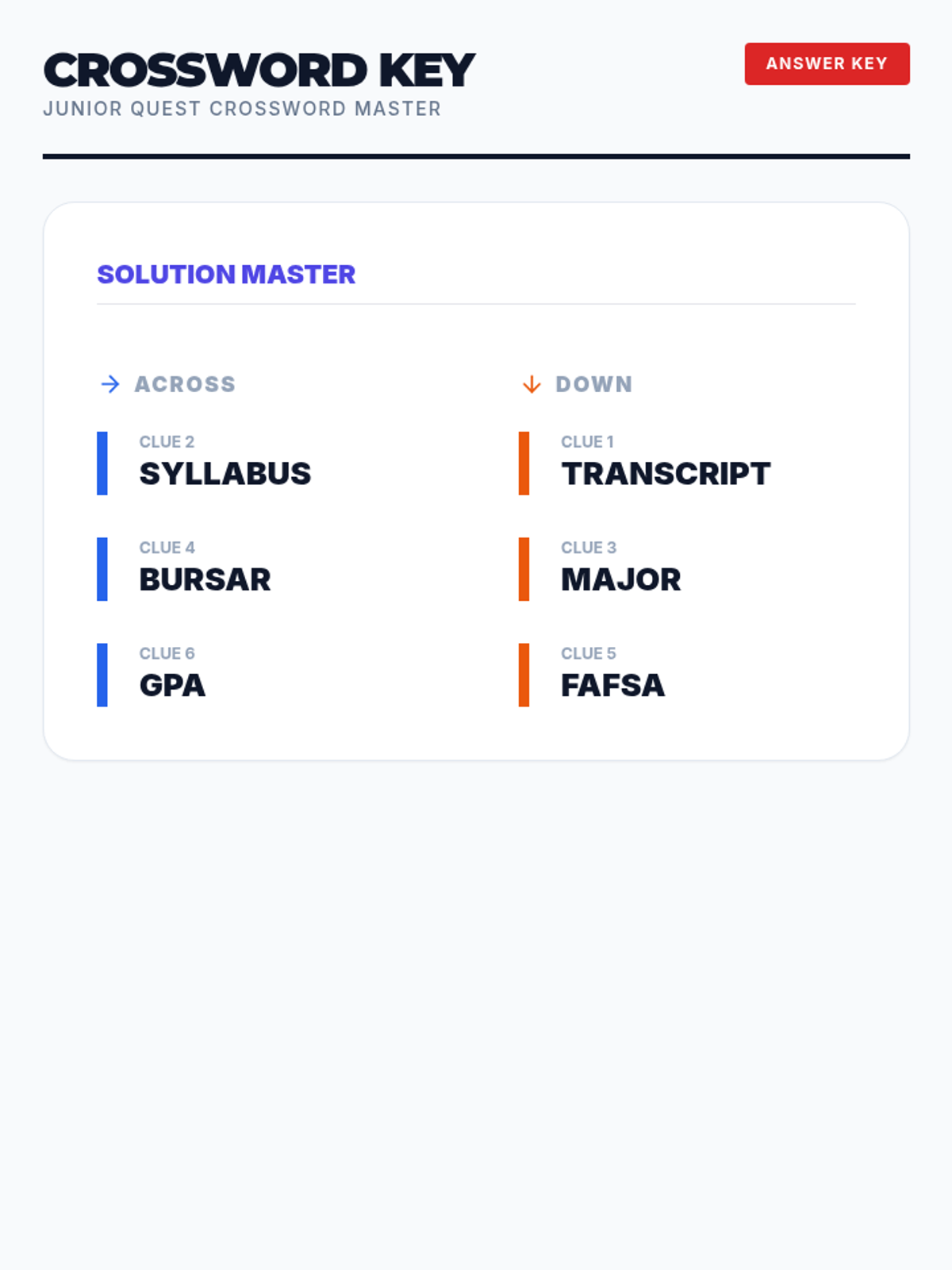
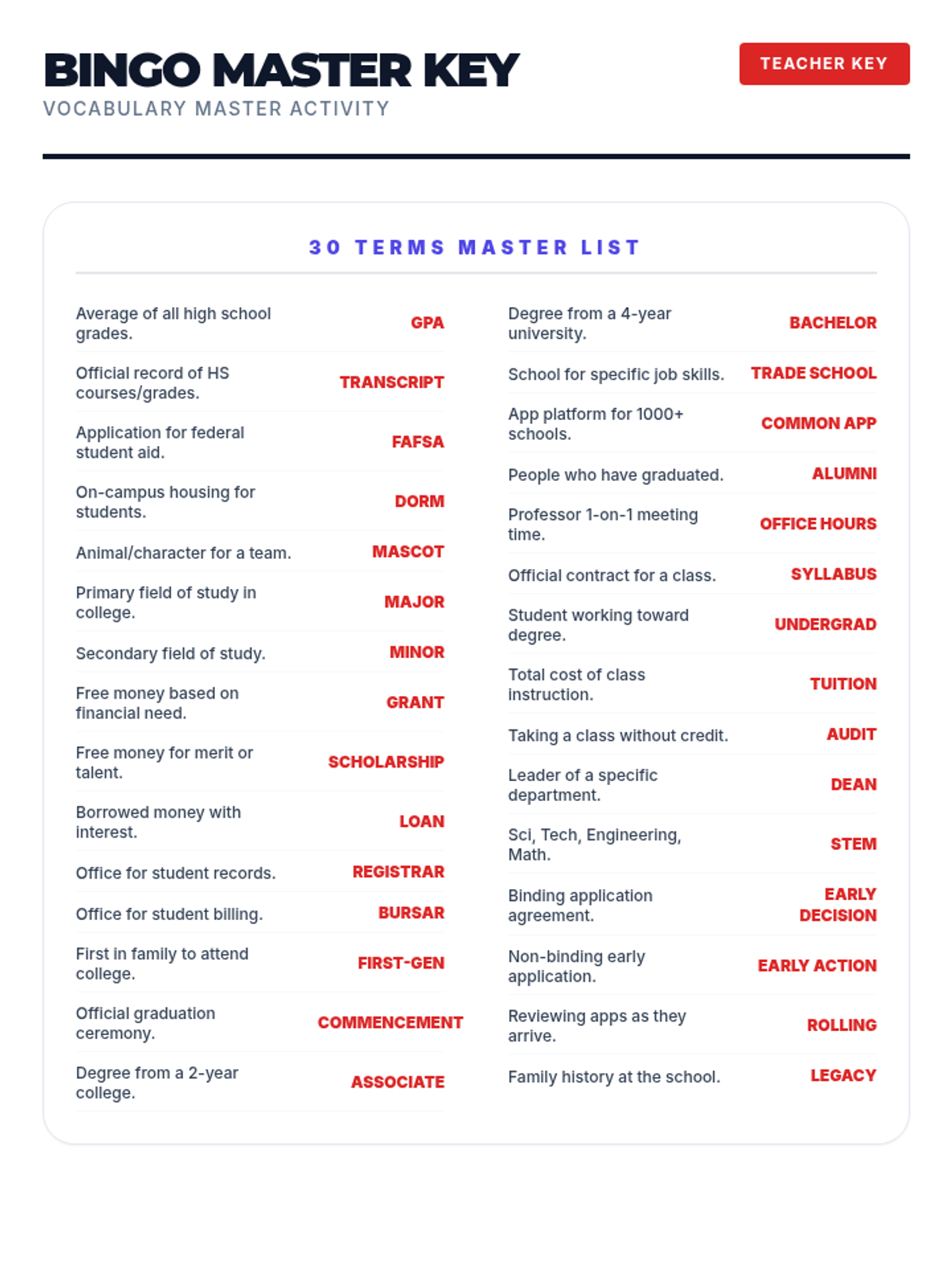
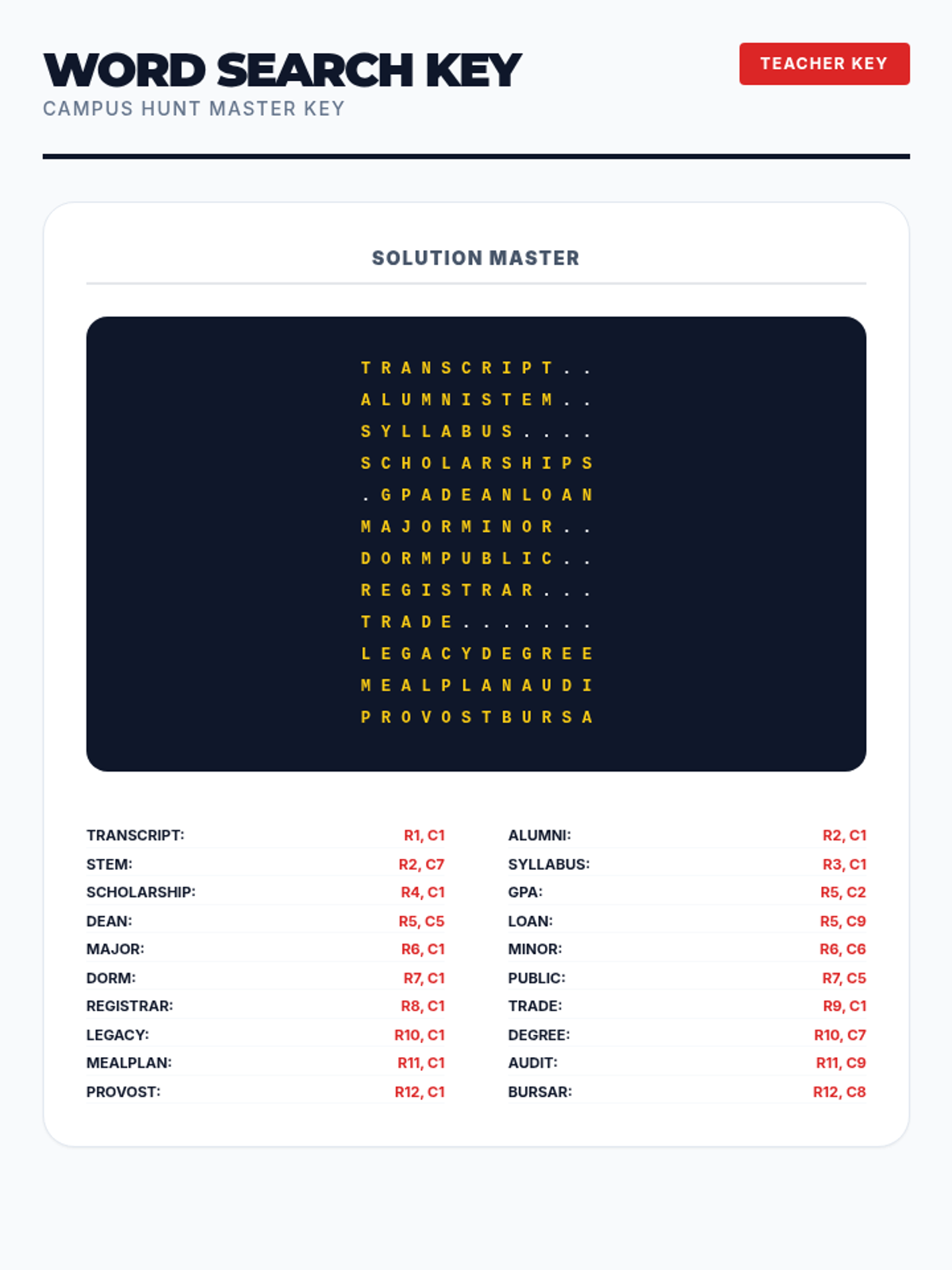
Students learn about the social and academic culture of college campuses, exploring student life, support services, and day-to-day terminology.
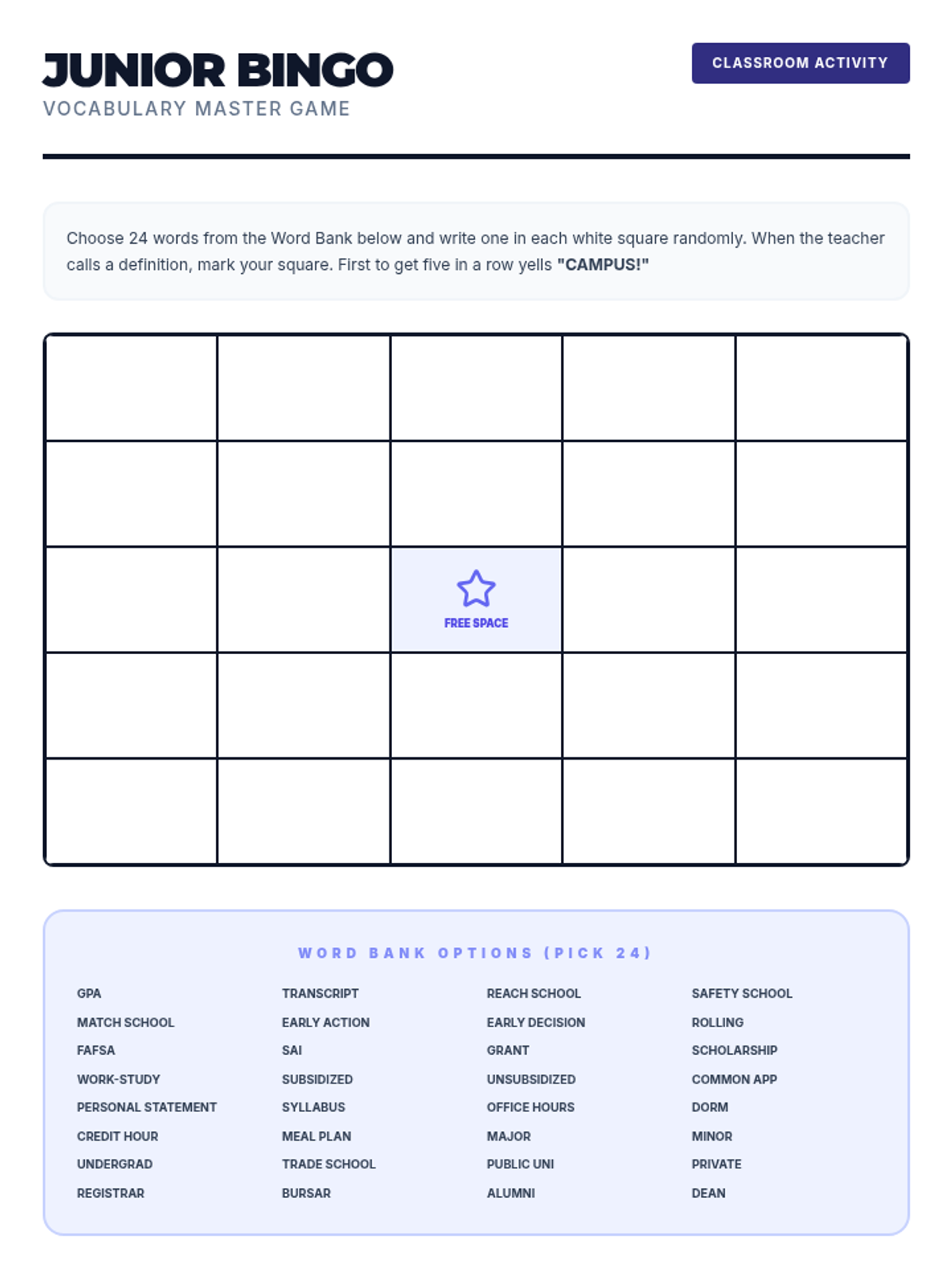
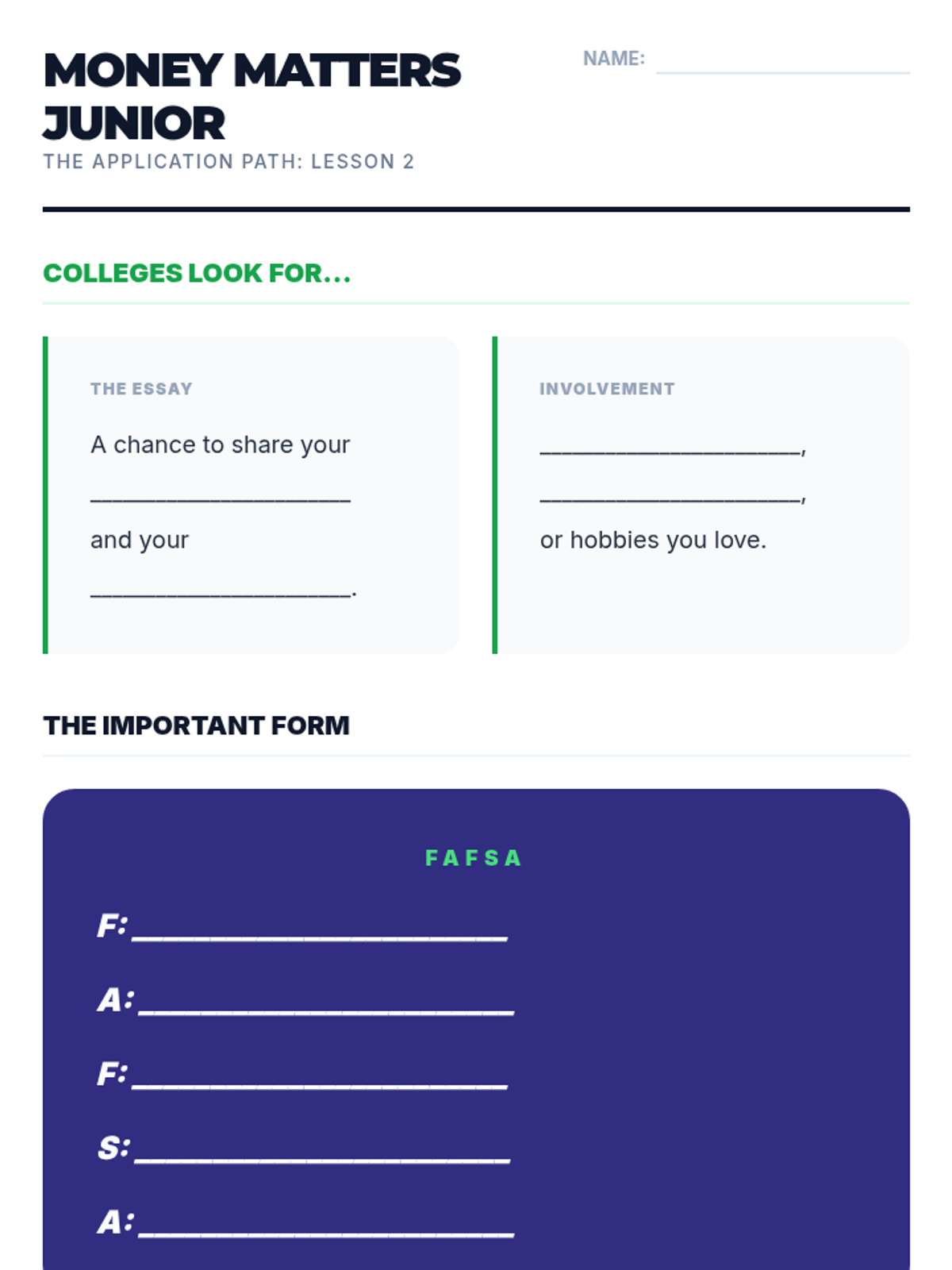
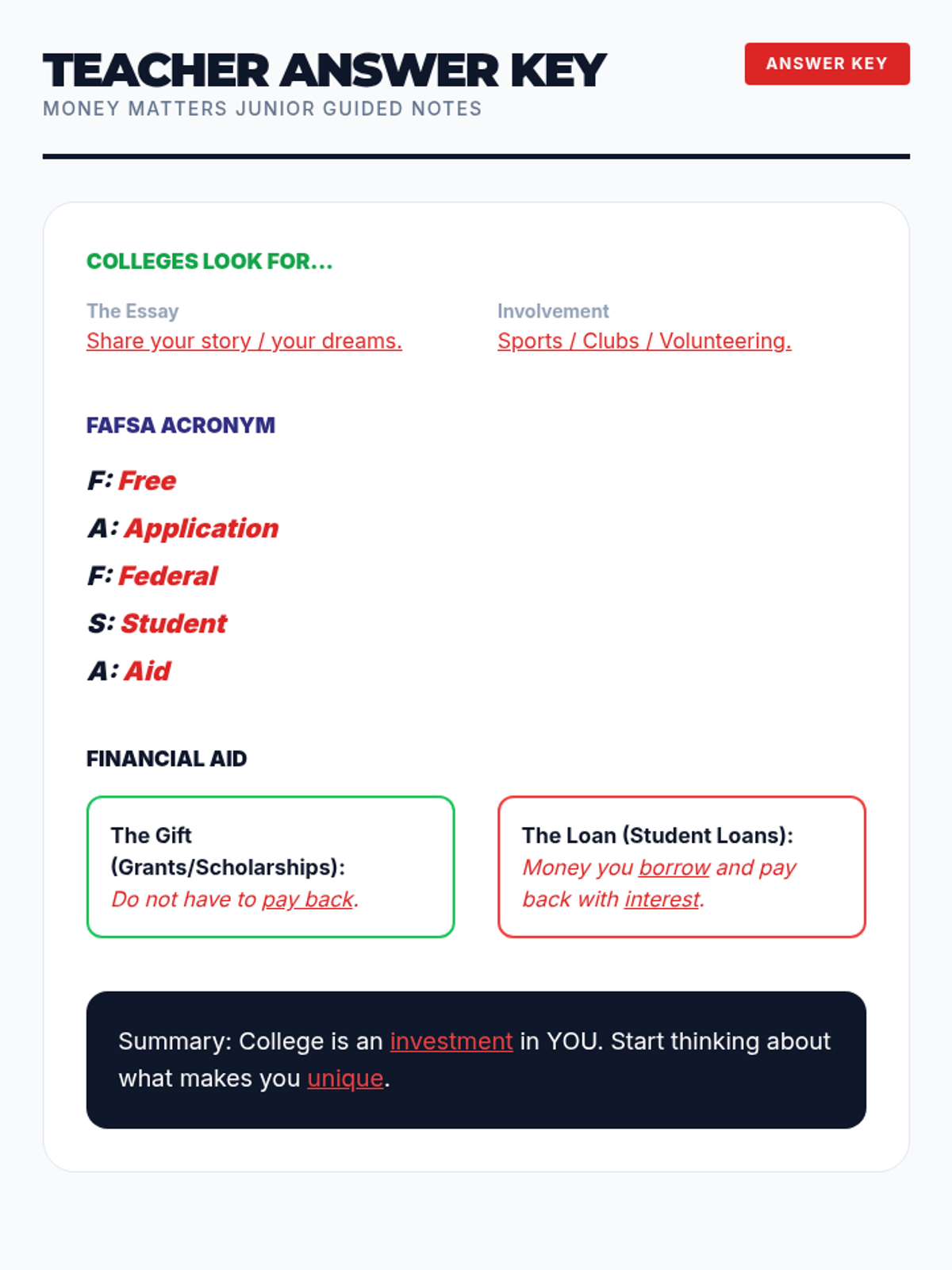
A simplified guide to what colleges look for in applicants and the basic ways students can pay for their education without the complex jargon.
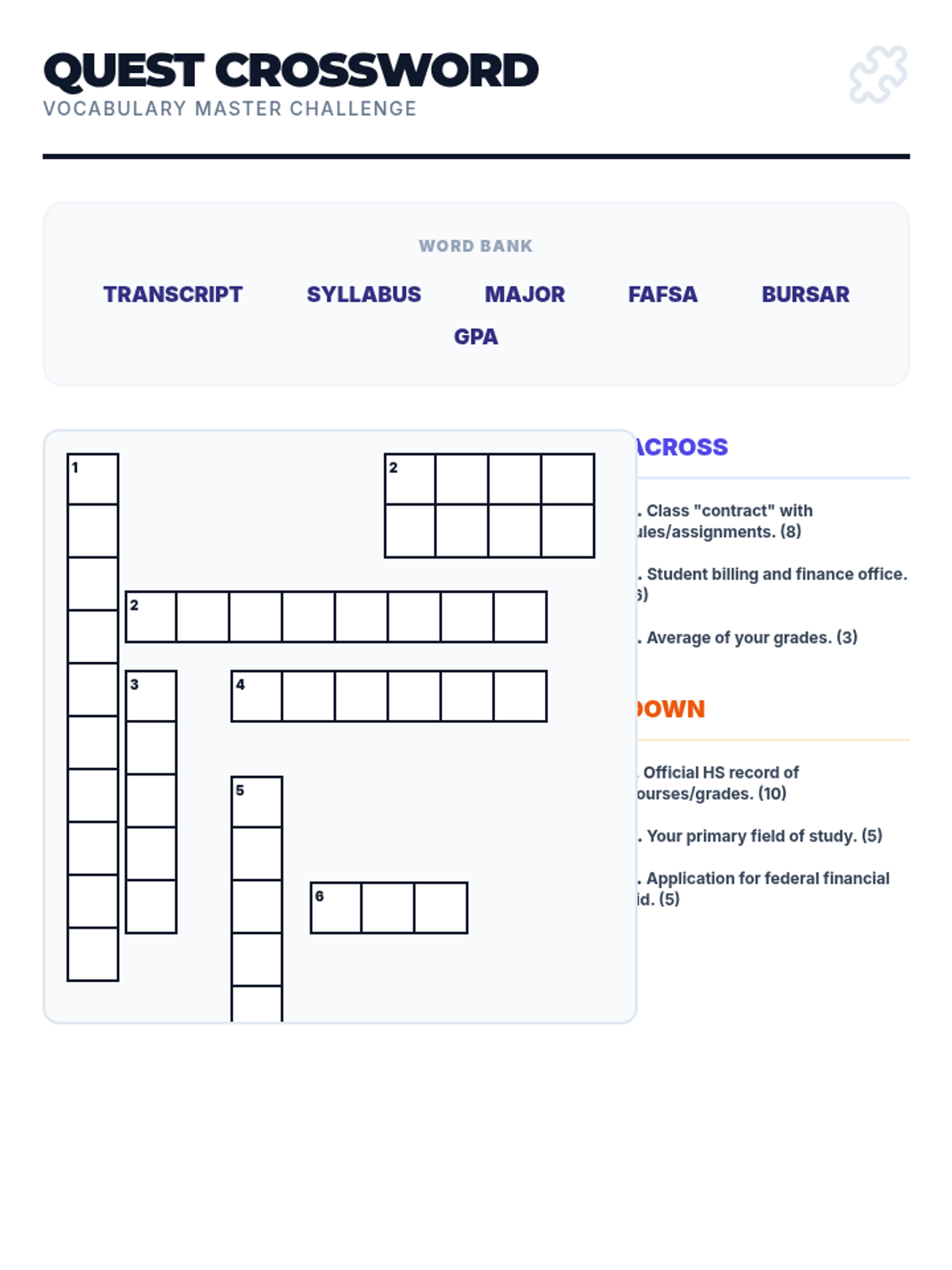
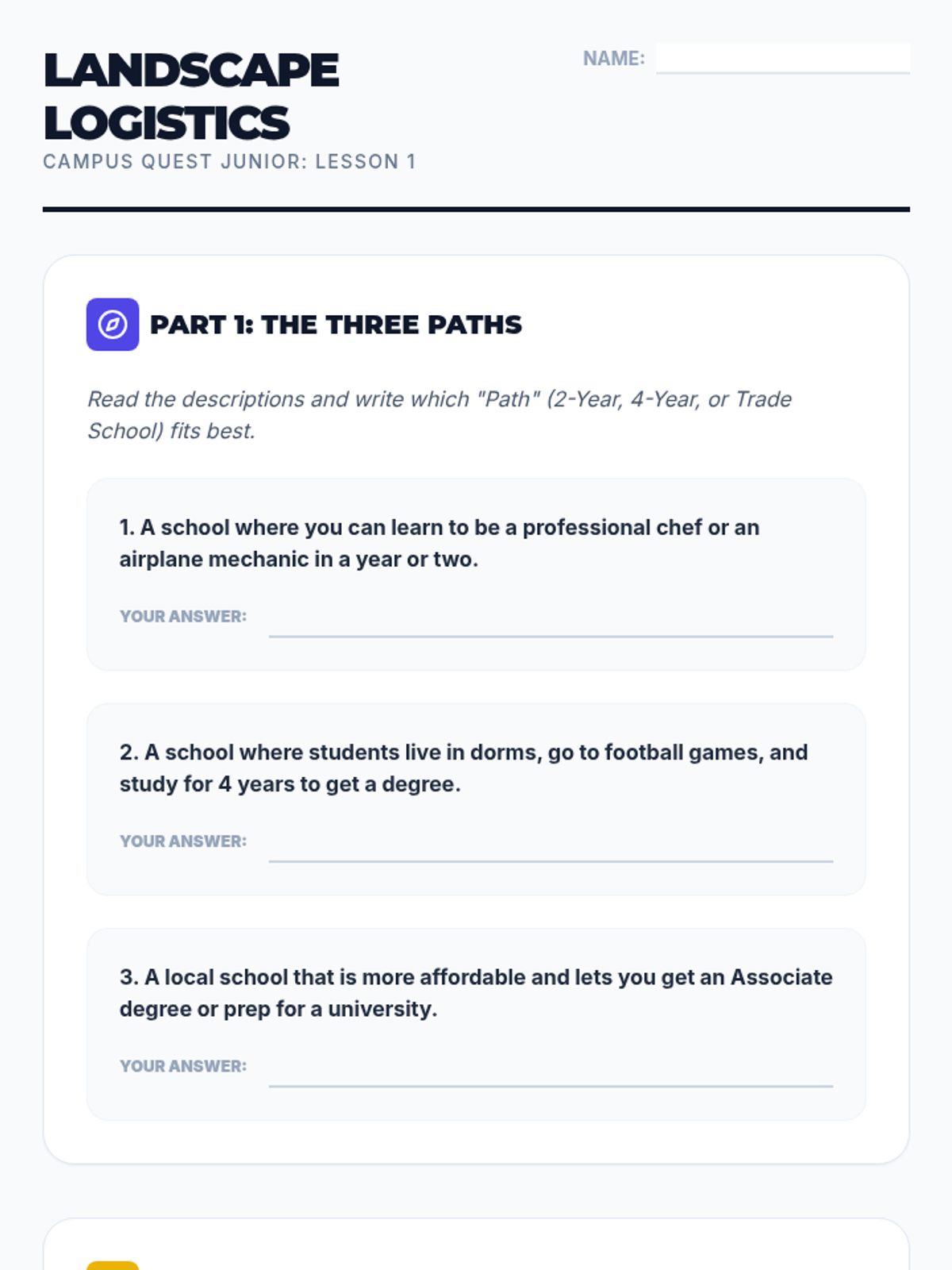
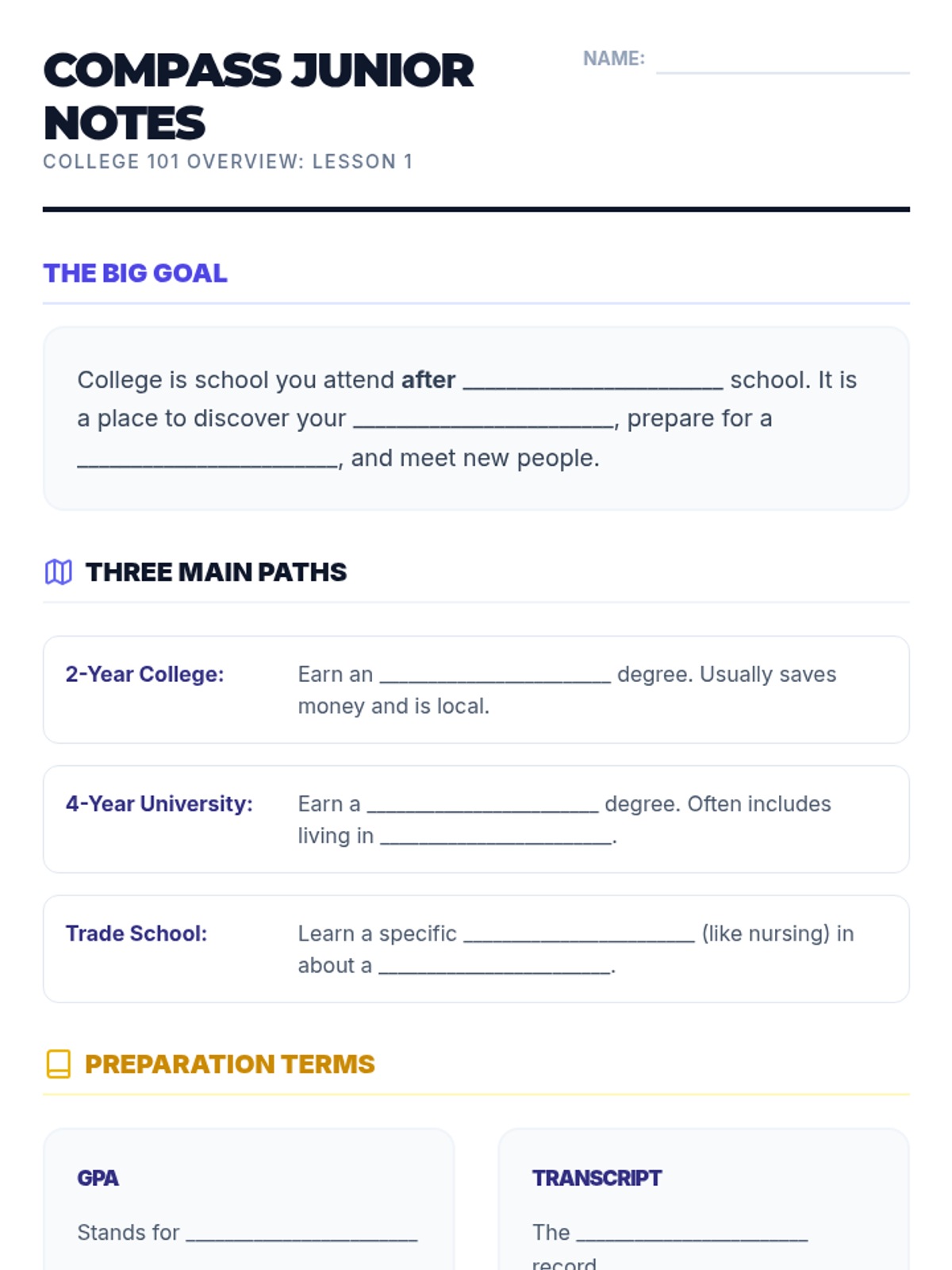
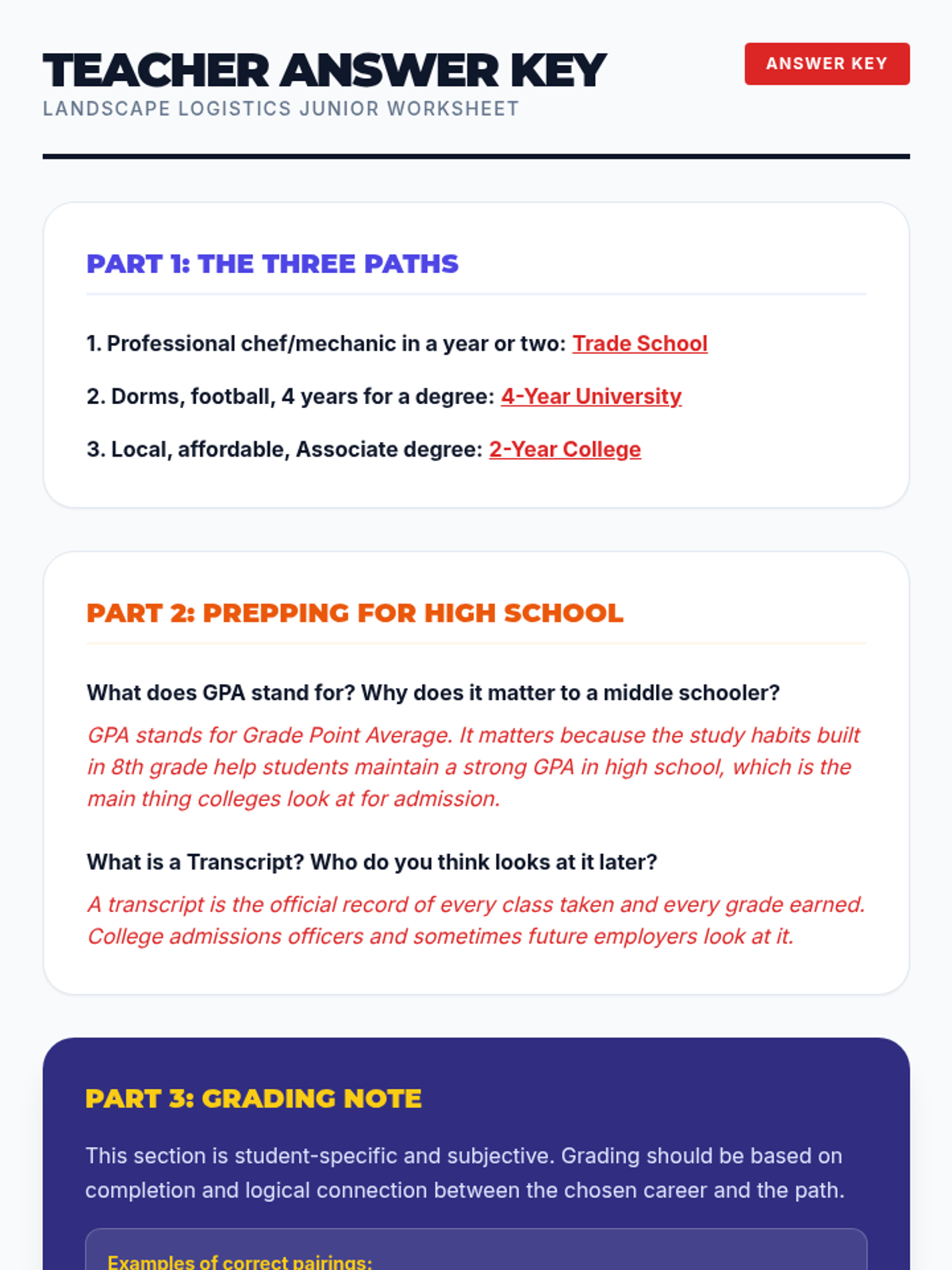
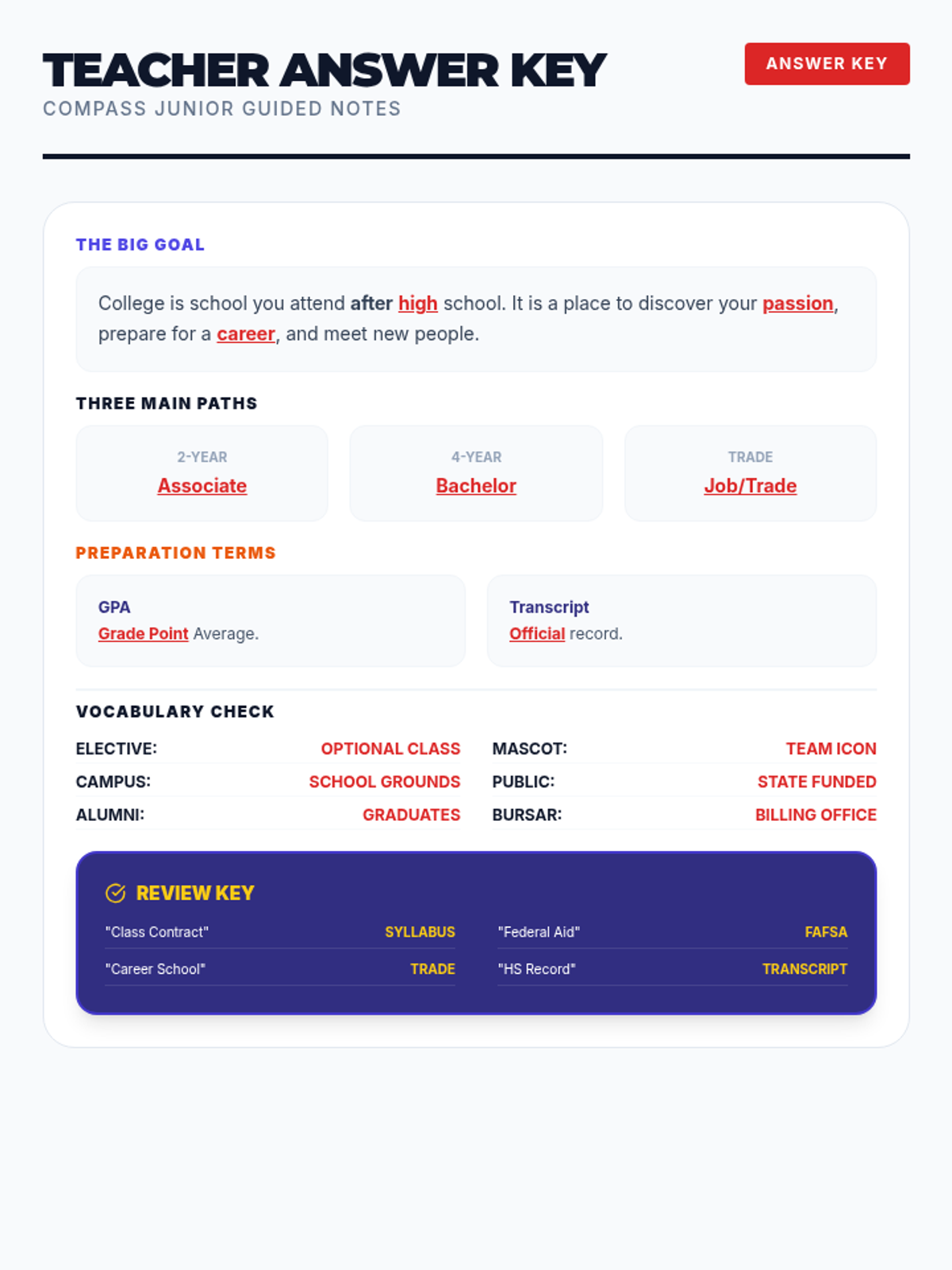
An introductory look at different types of colleges (2-year, 4-year, Trade) and the basic "rules" of high school that prepare students for college (GPA and Transcripts).
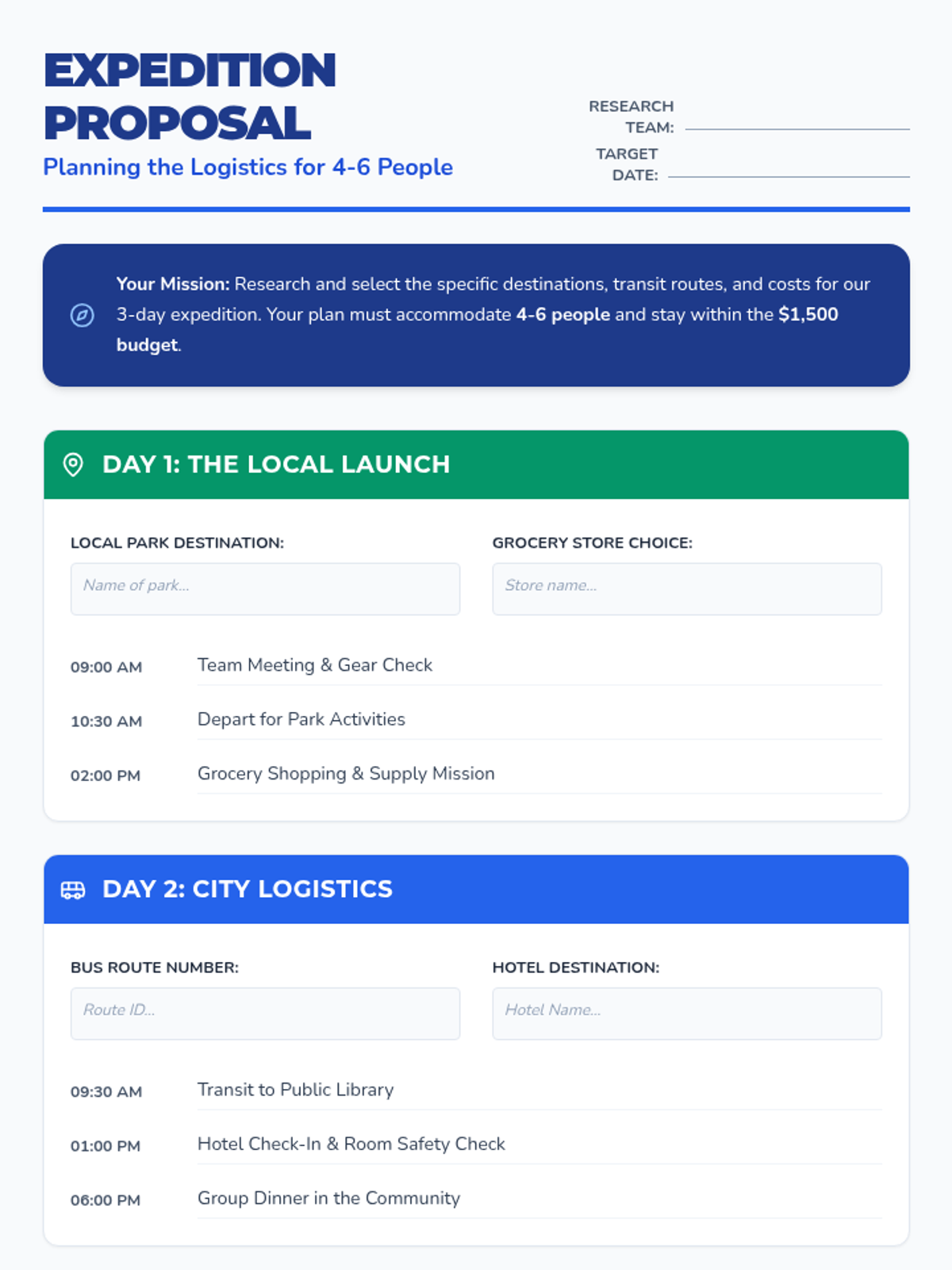
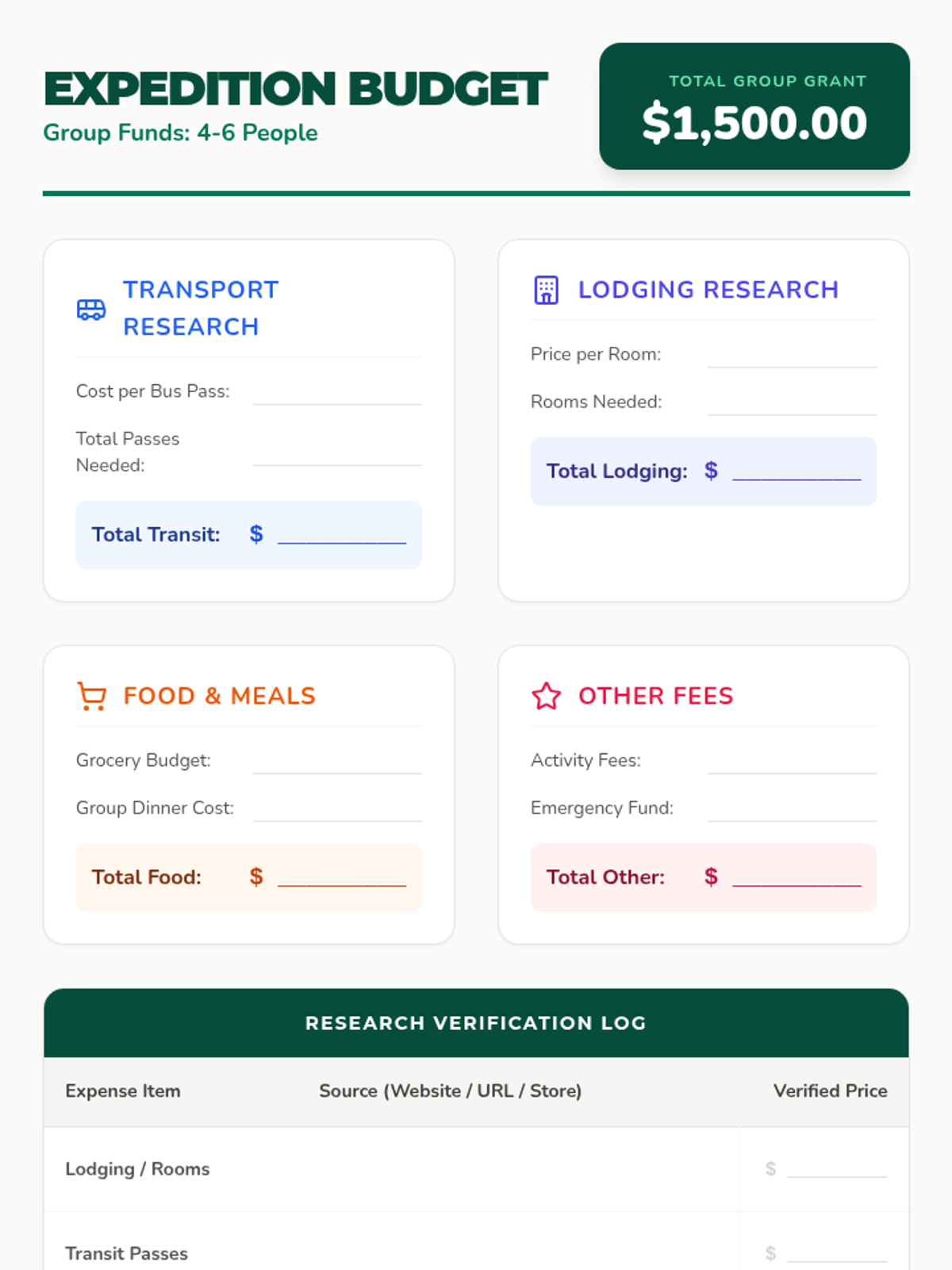
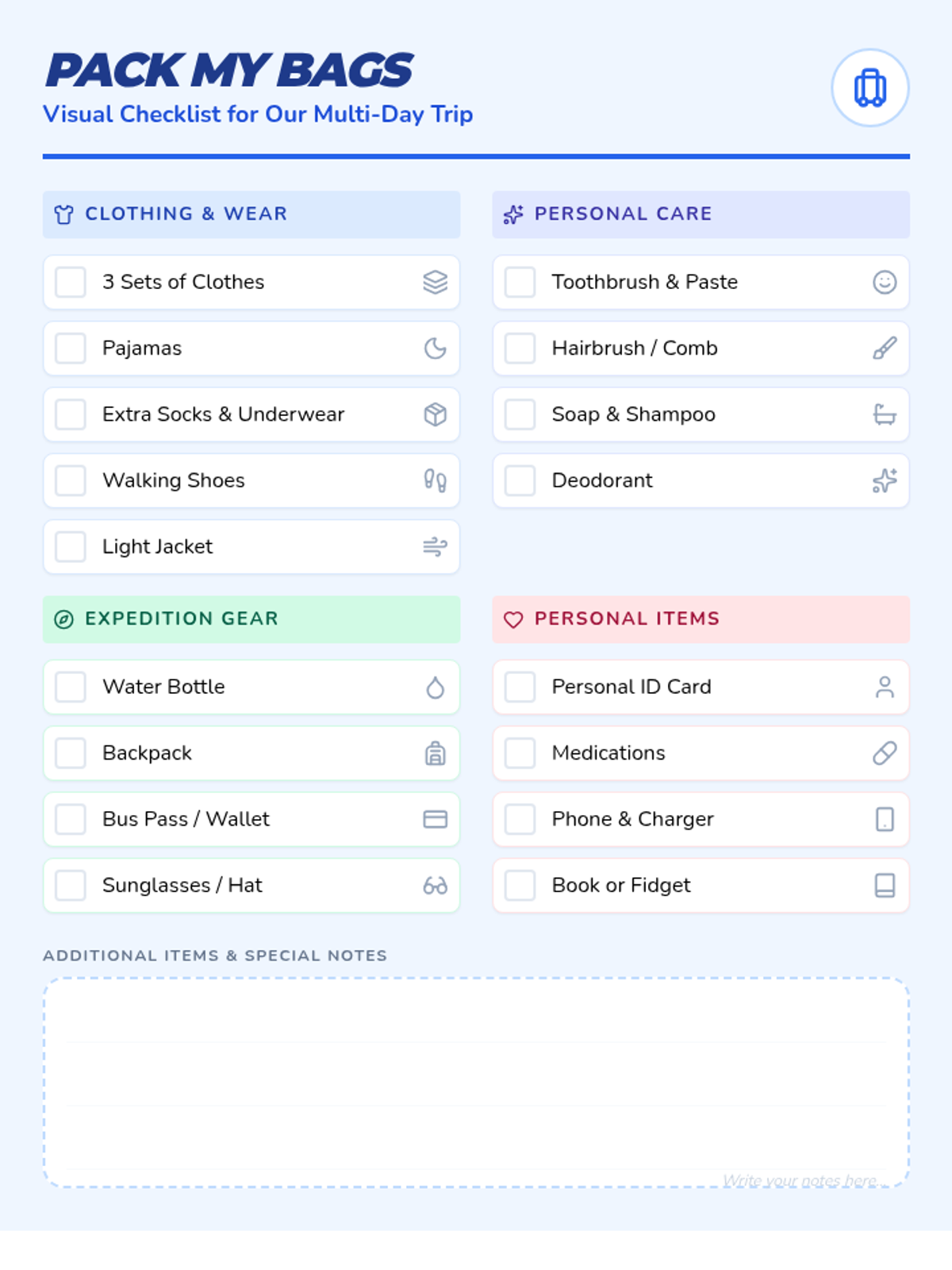
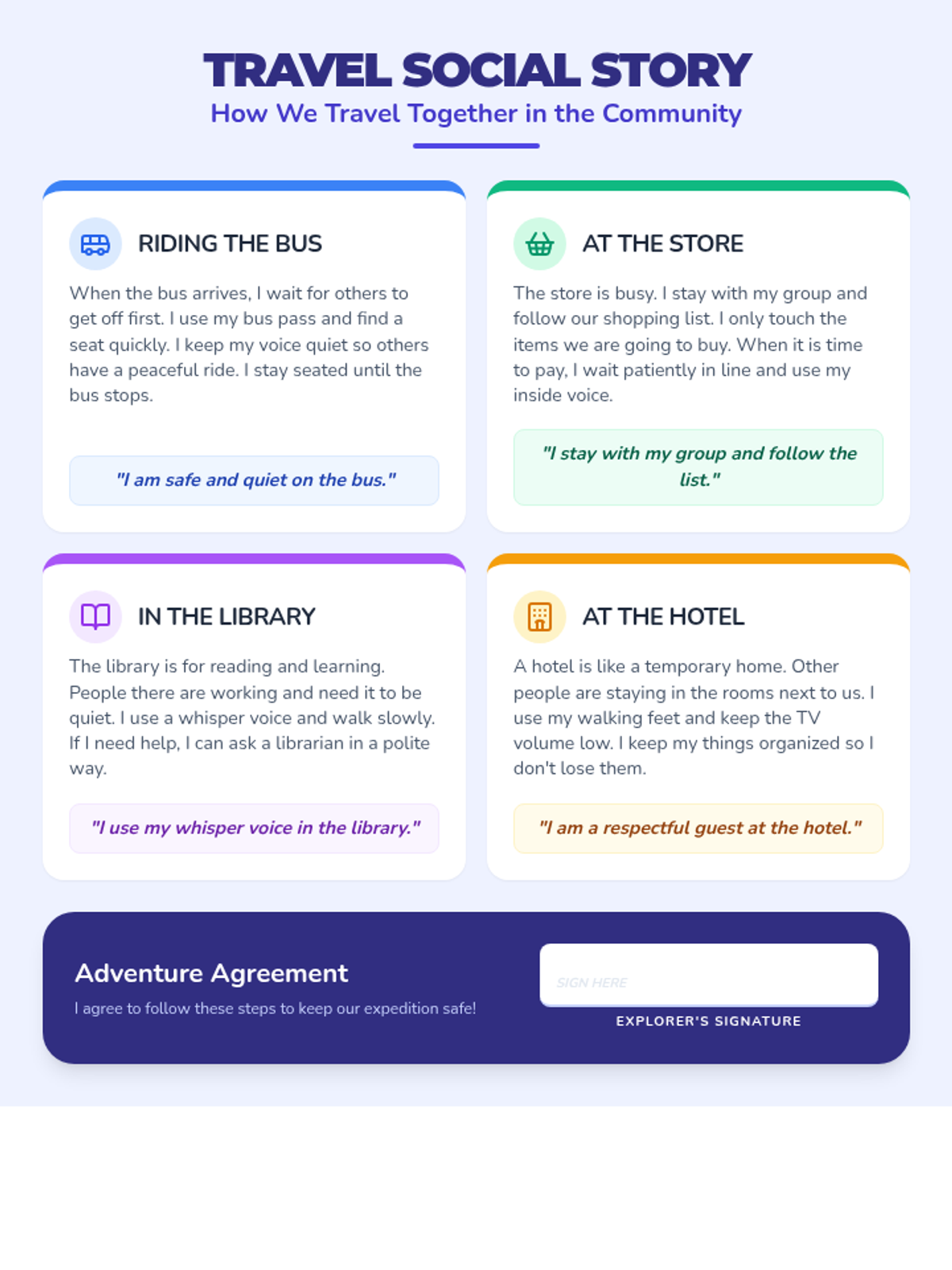
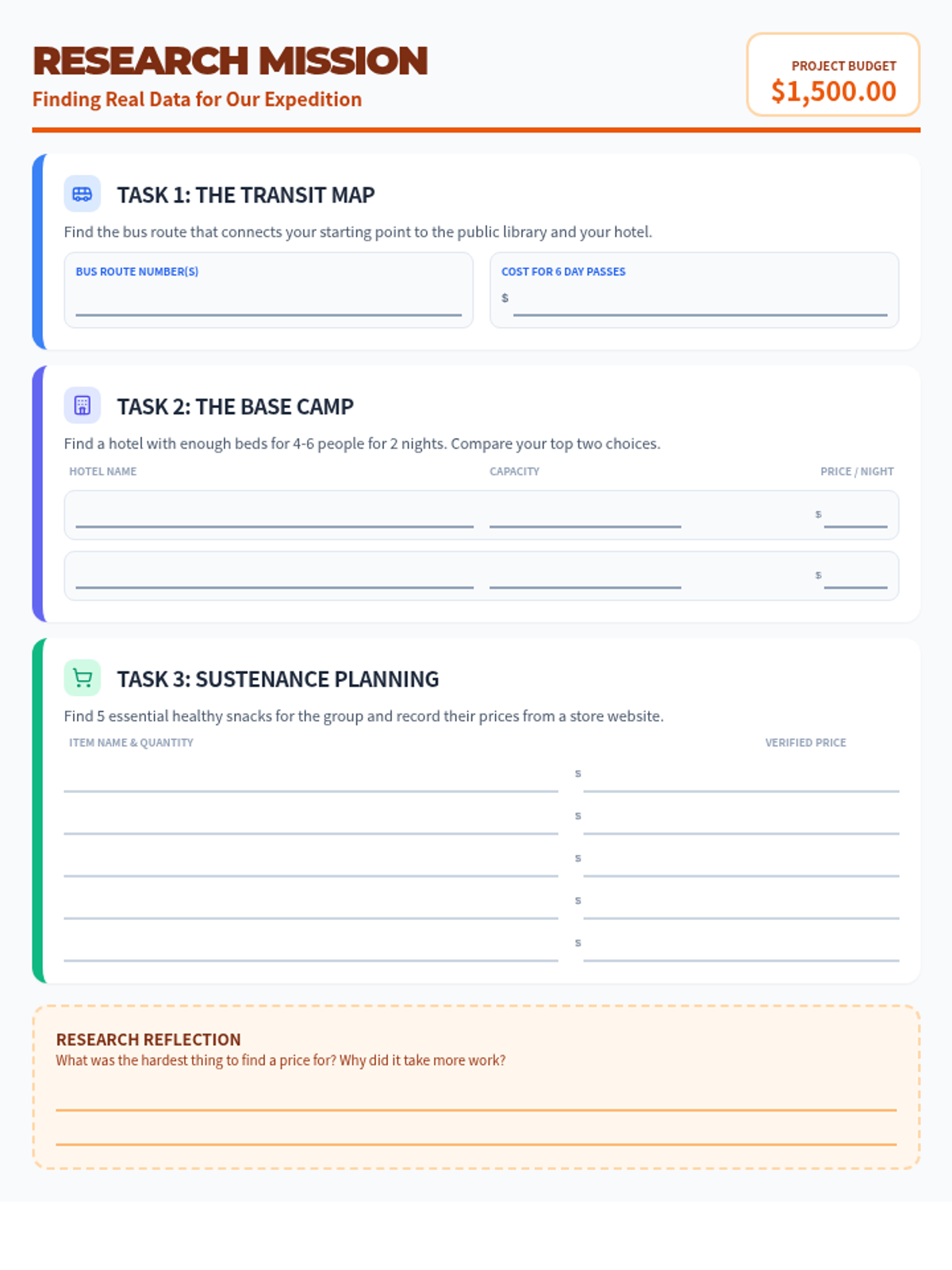
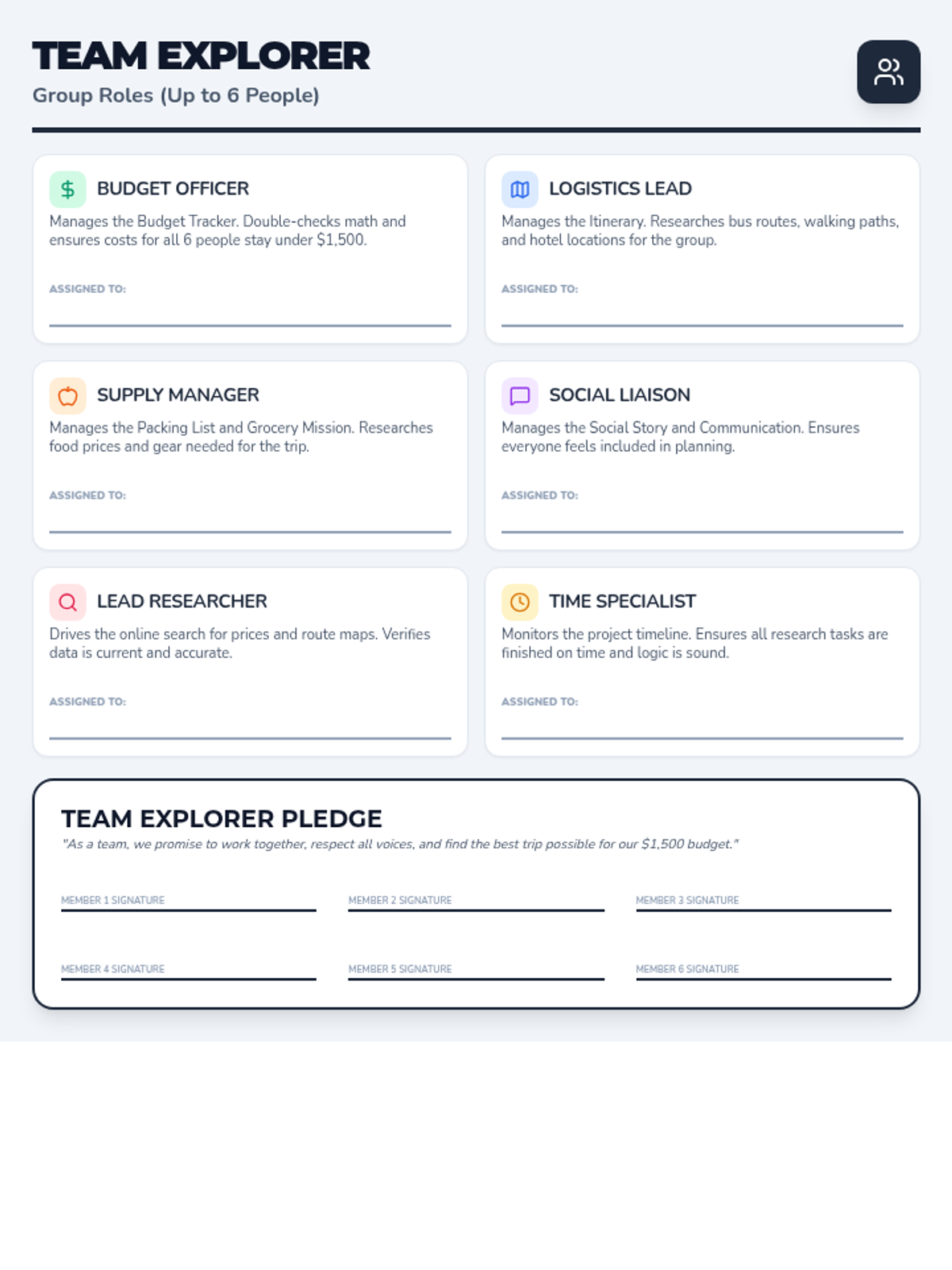
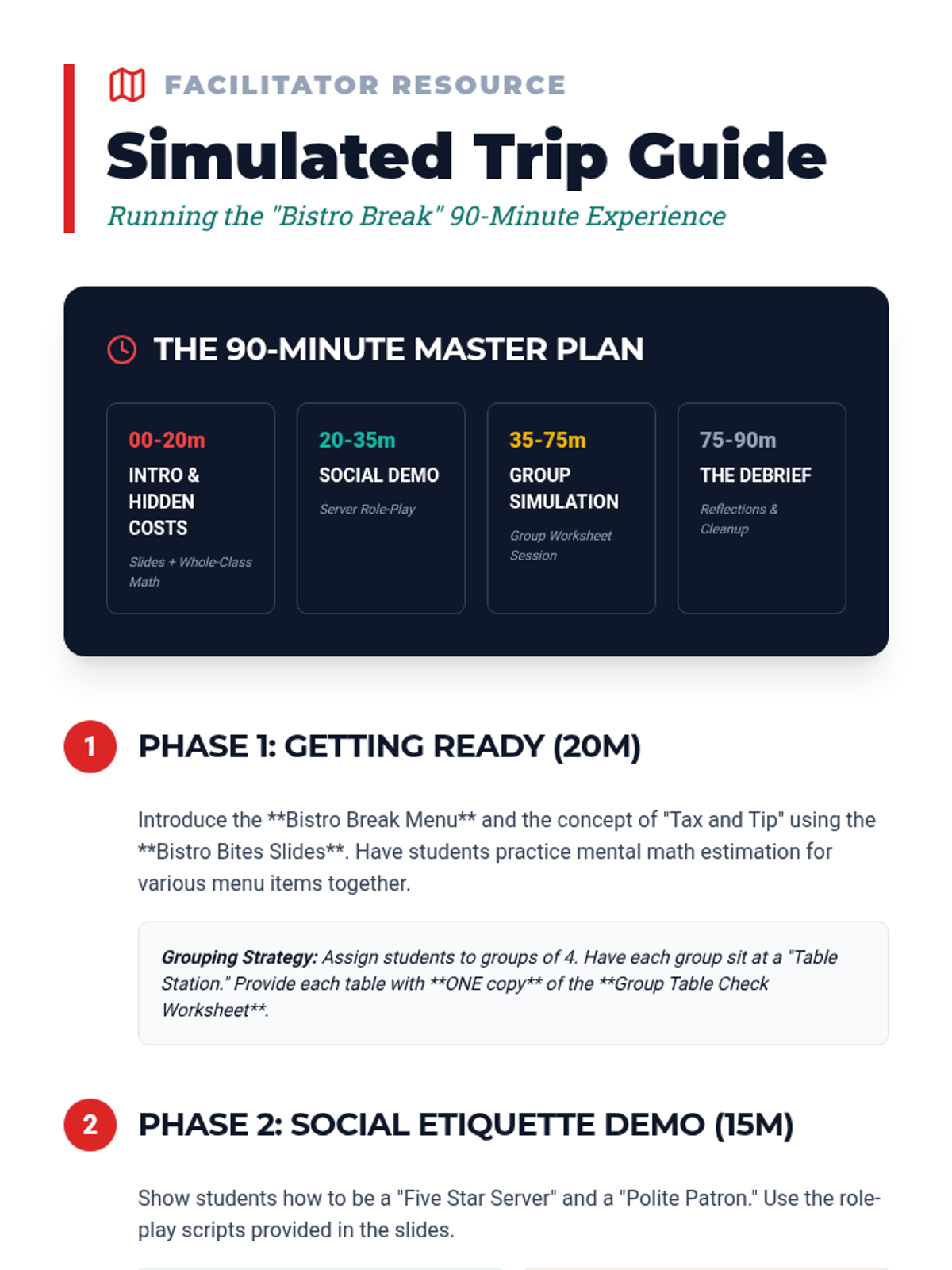
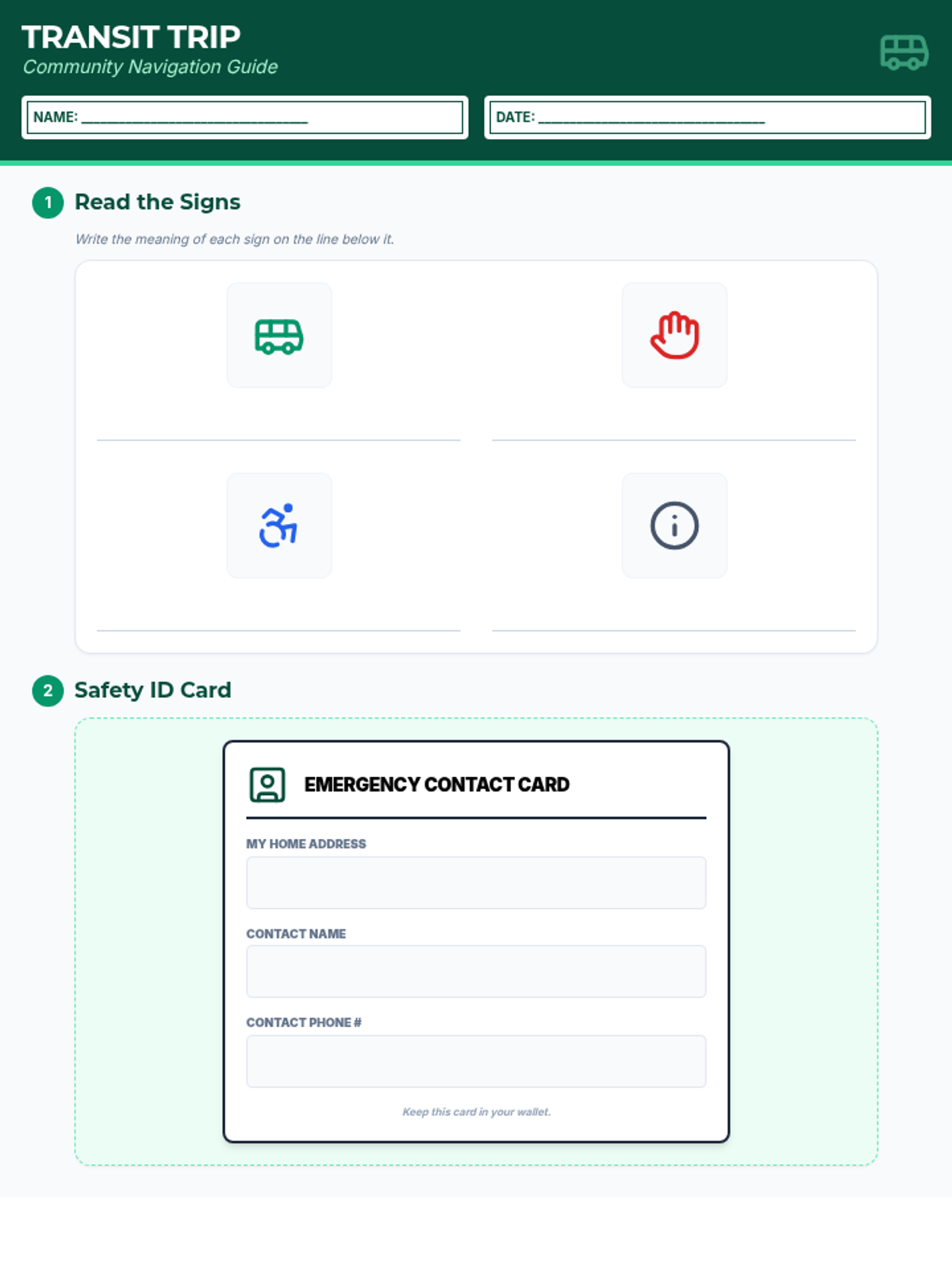
A comprehensive set of tools for planning and executing a multi-destination community trip, focusing on life skills, budgeting, and social expectations.
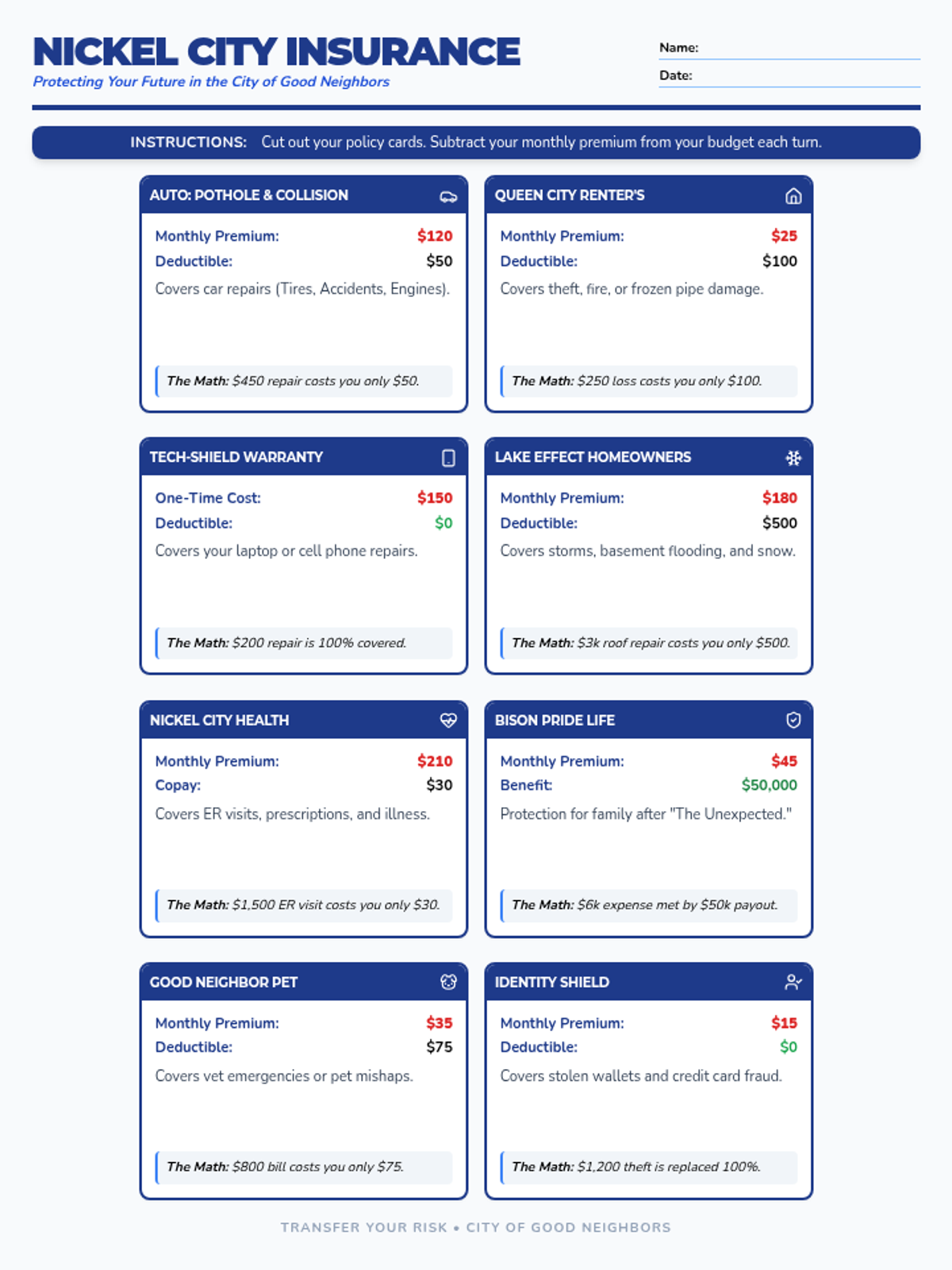
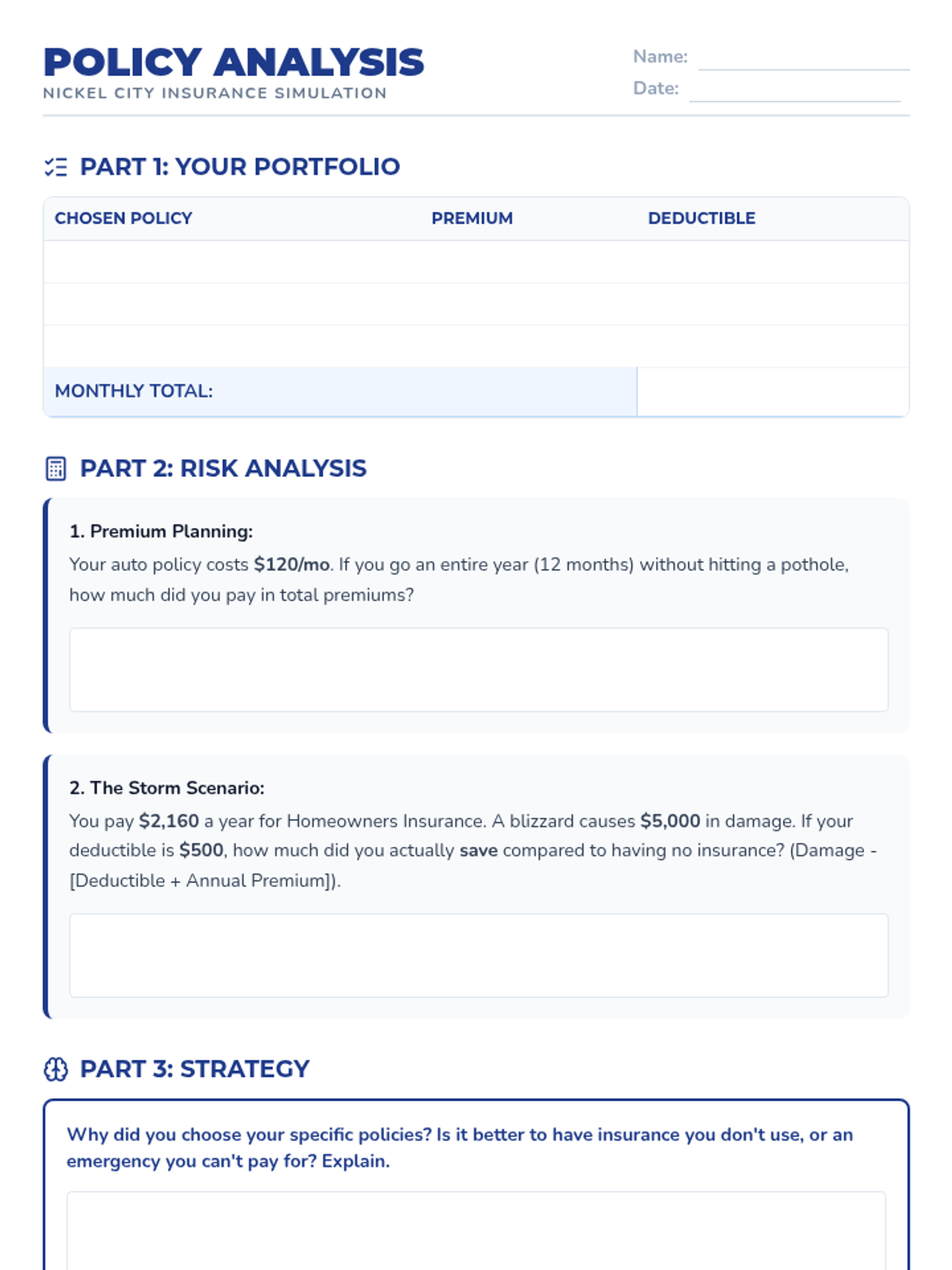
A financial literacy lesson where students choose insurance policies based on risk analysis and cost-benefit ratios, themed around the unique challenges of living in Buffalo, NY.
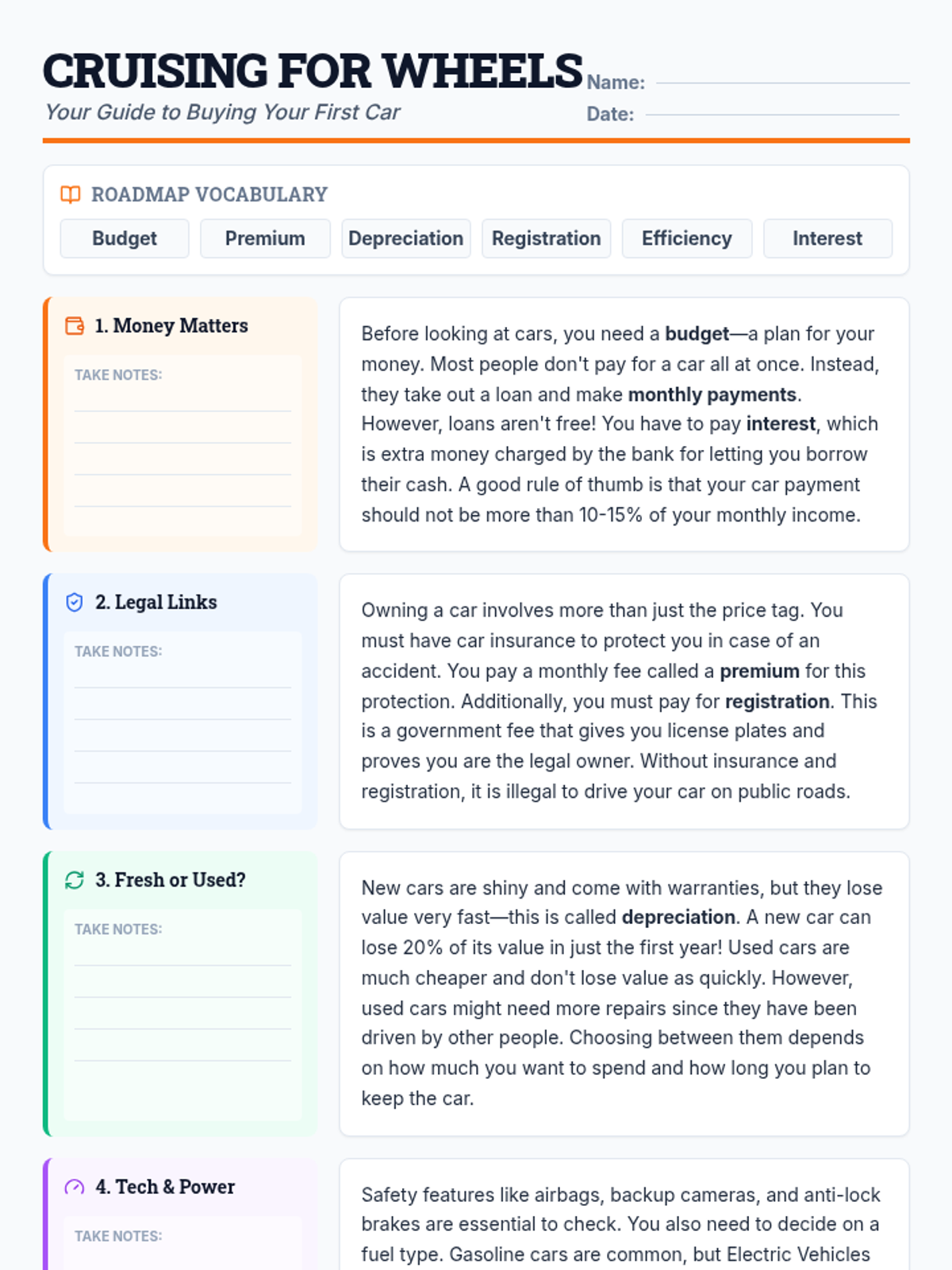
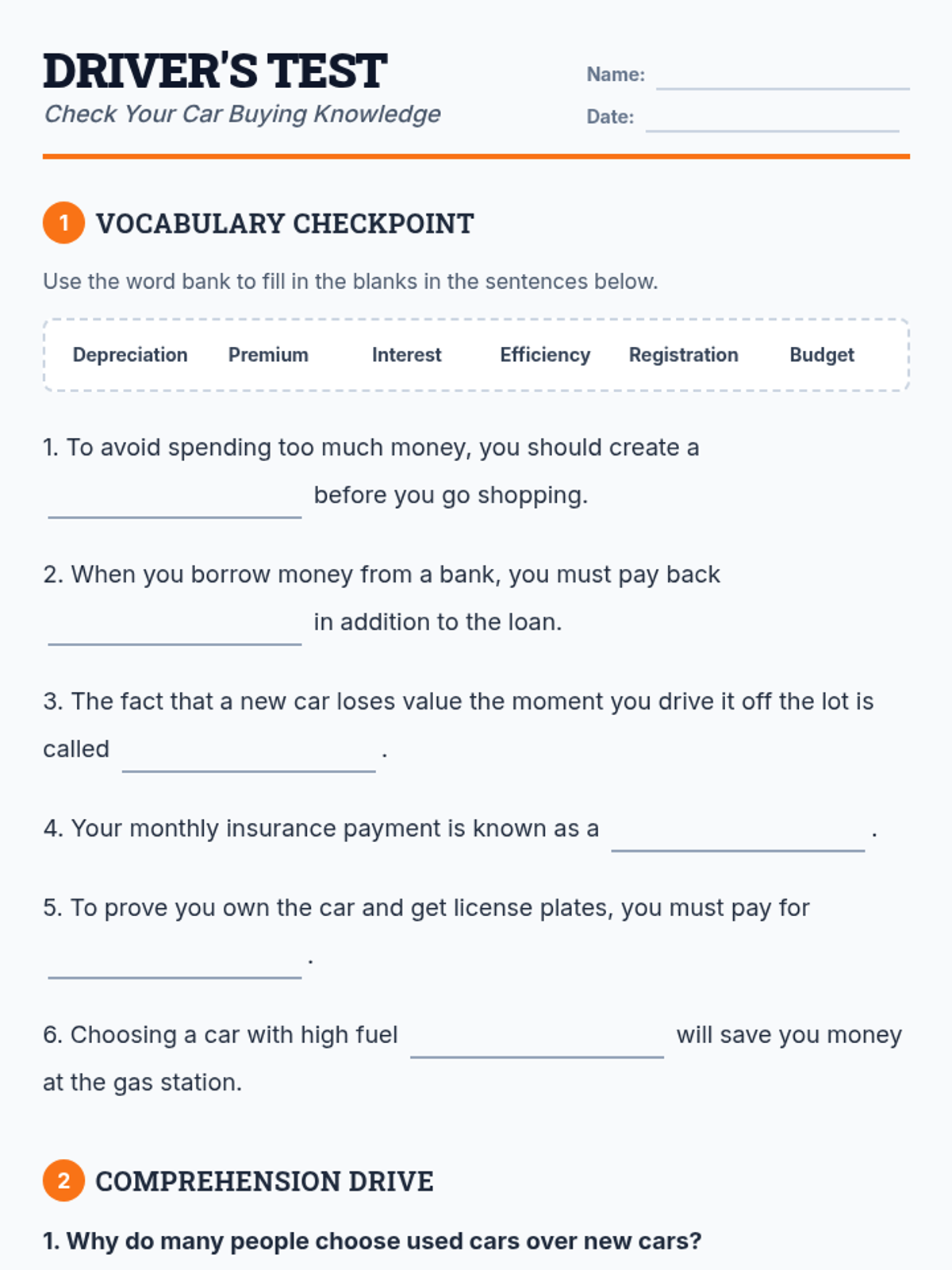
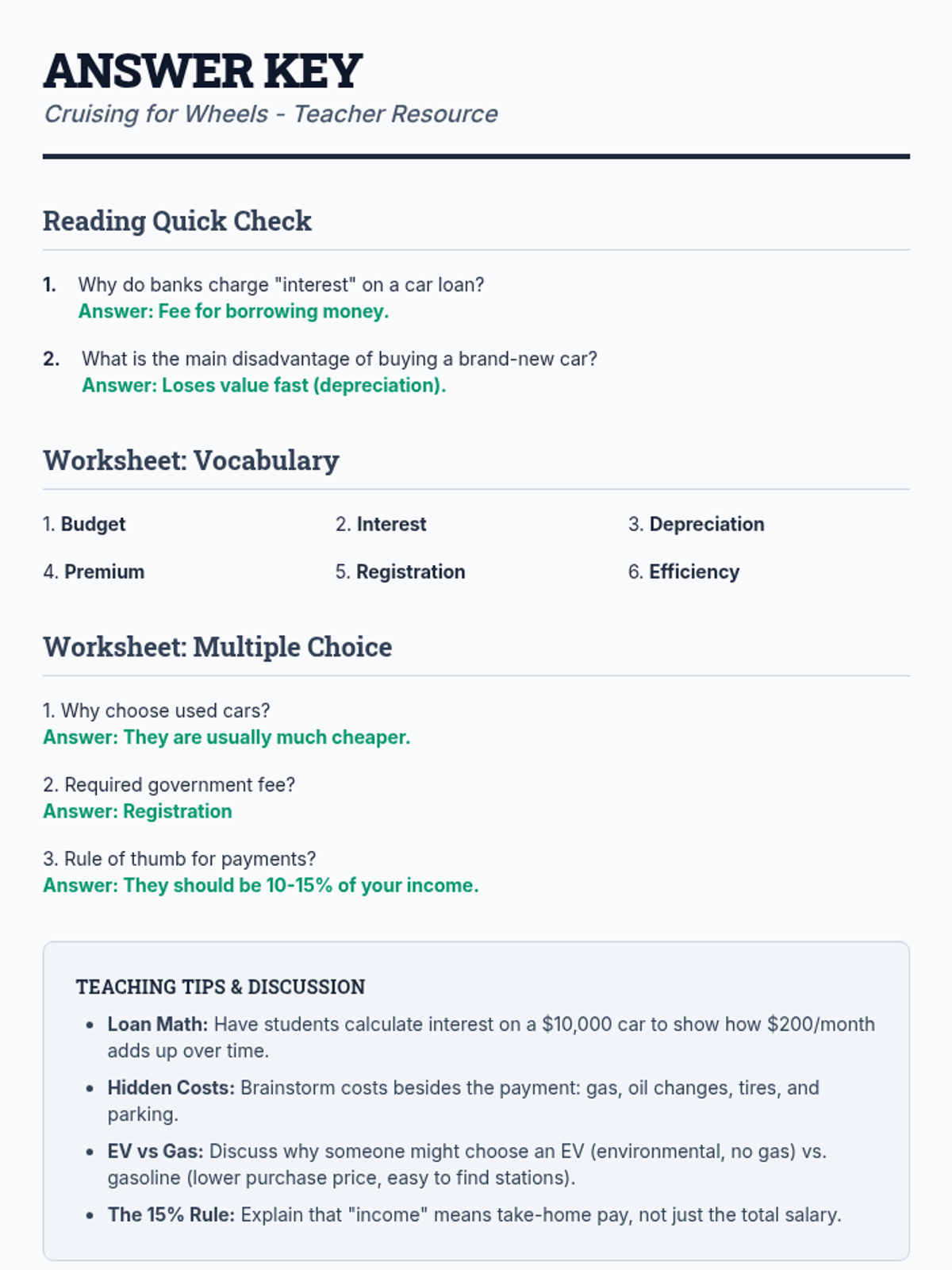
A comprehensive lesson for middle schoolers on the financial and practical considerations of purchasing their first vehicle, covering budgeting, insurance, and car types.
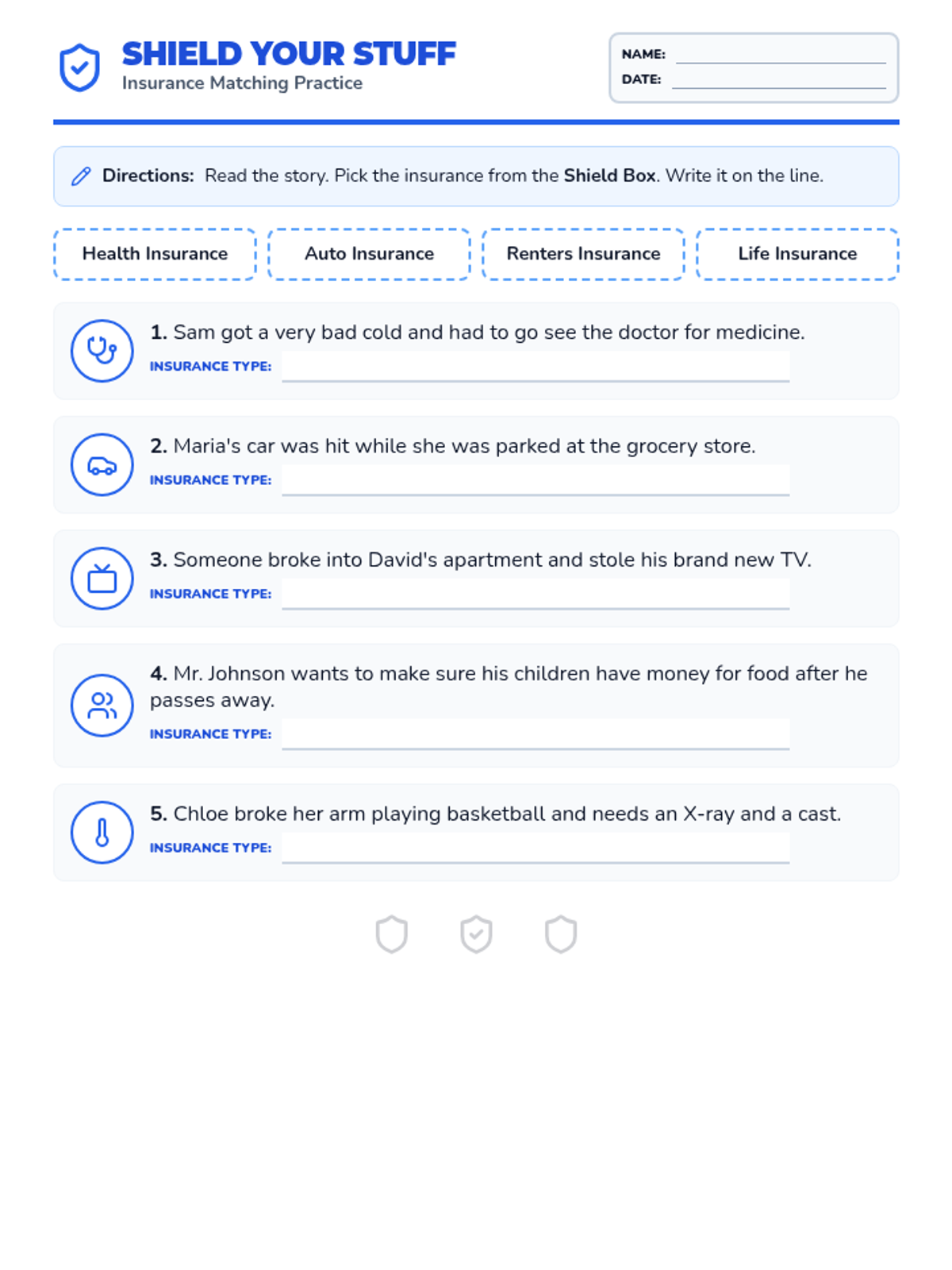
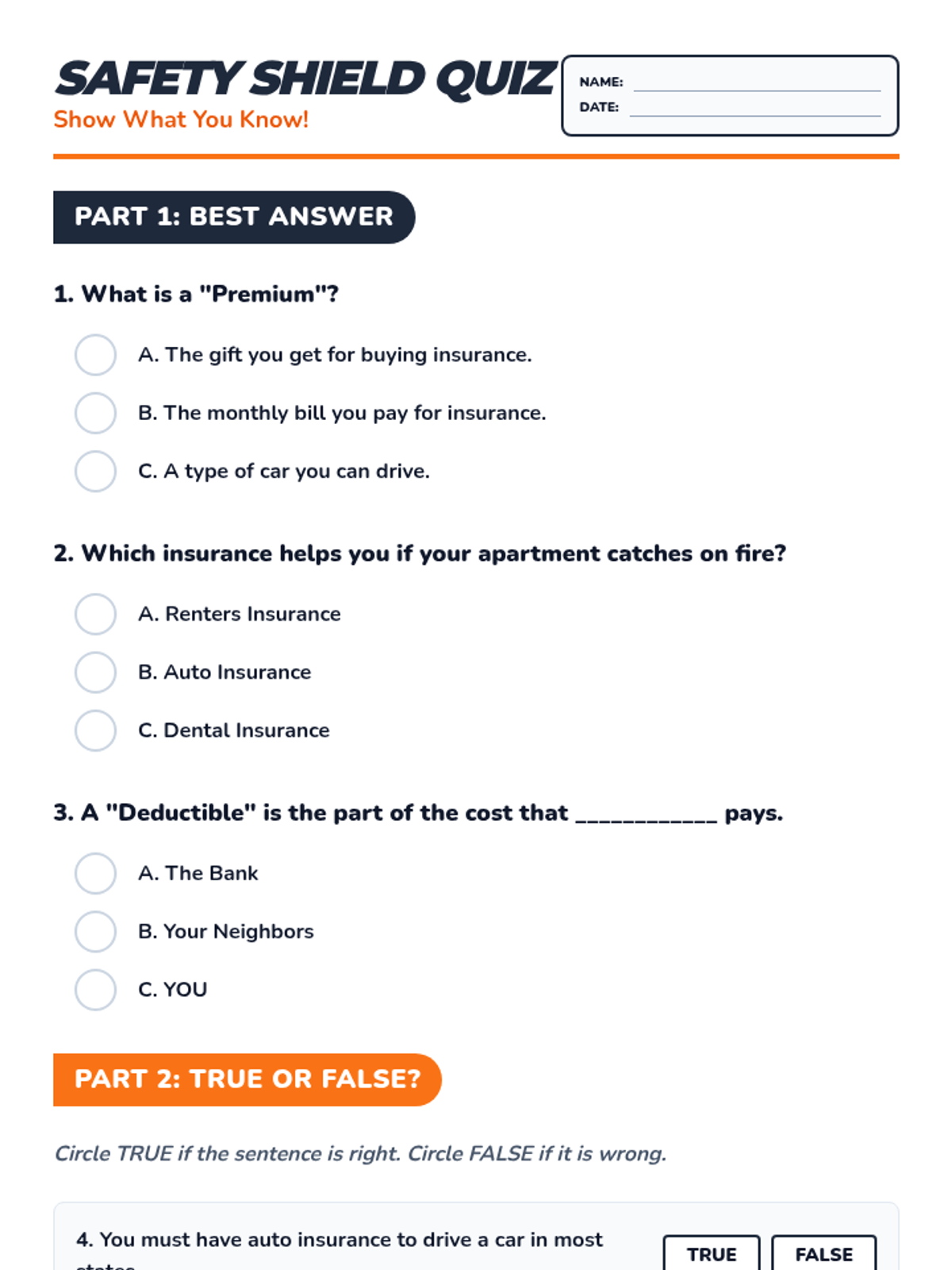
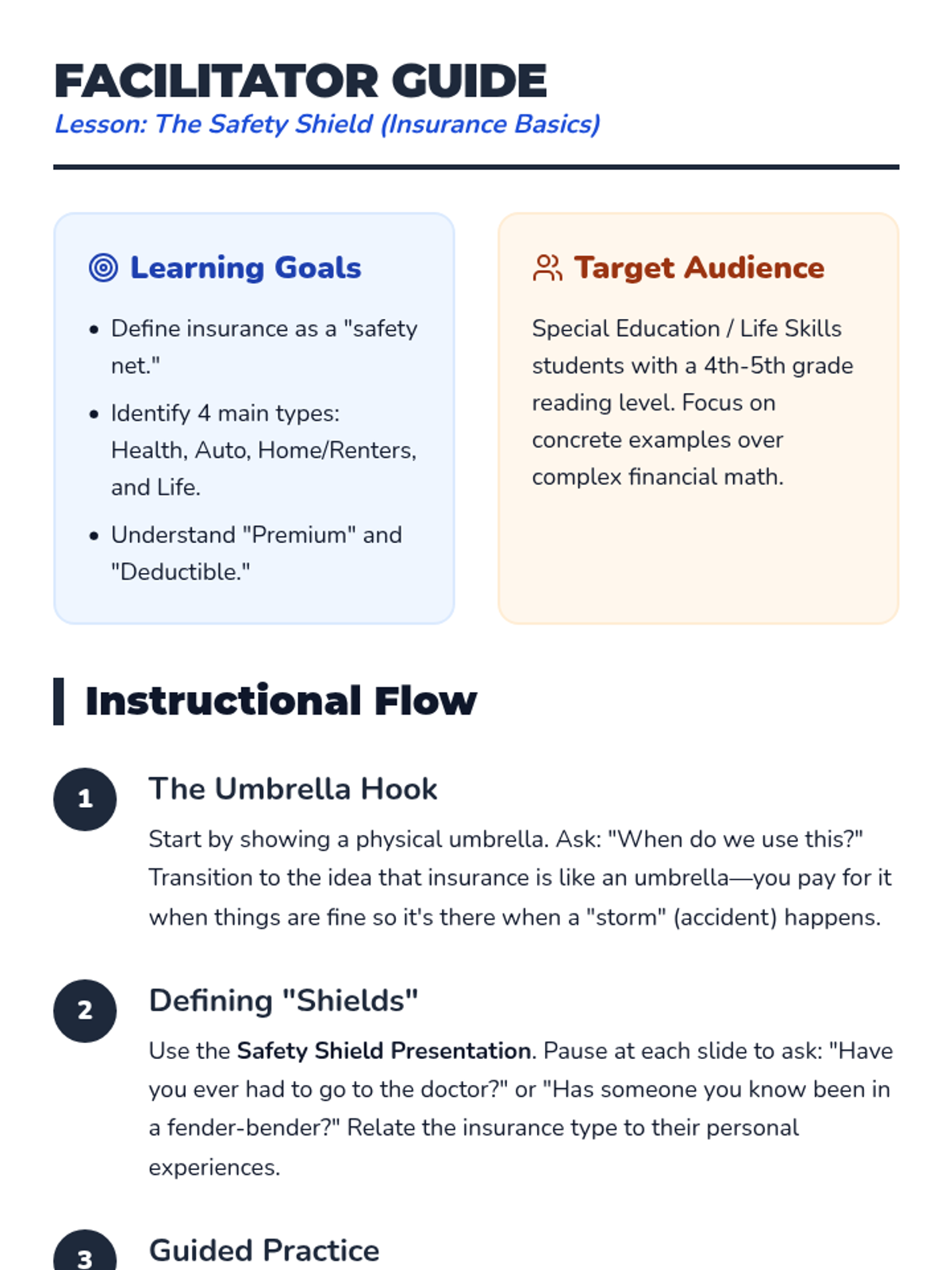
A practical introduction to insurance concepts designed for special education students, focusing on common types of insurance and basic terminology using the "Safety Shield" metaphor.
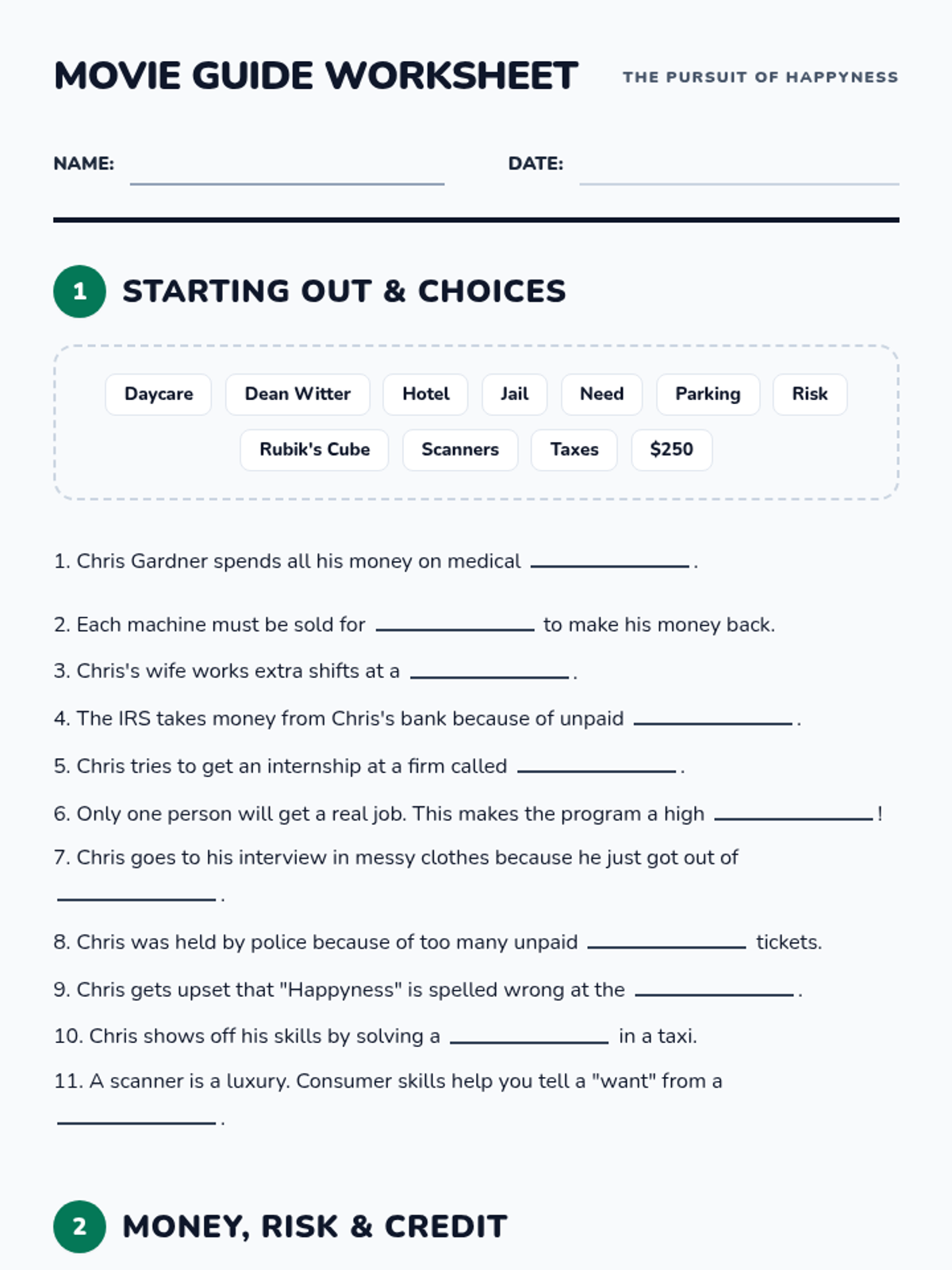
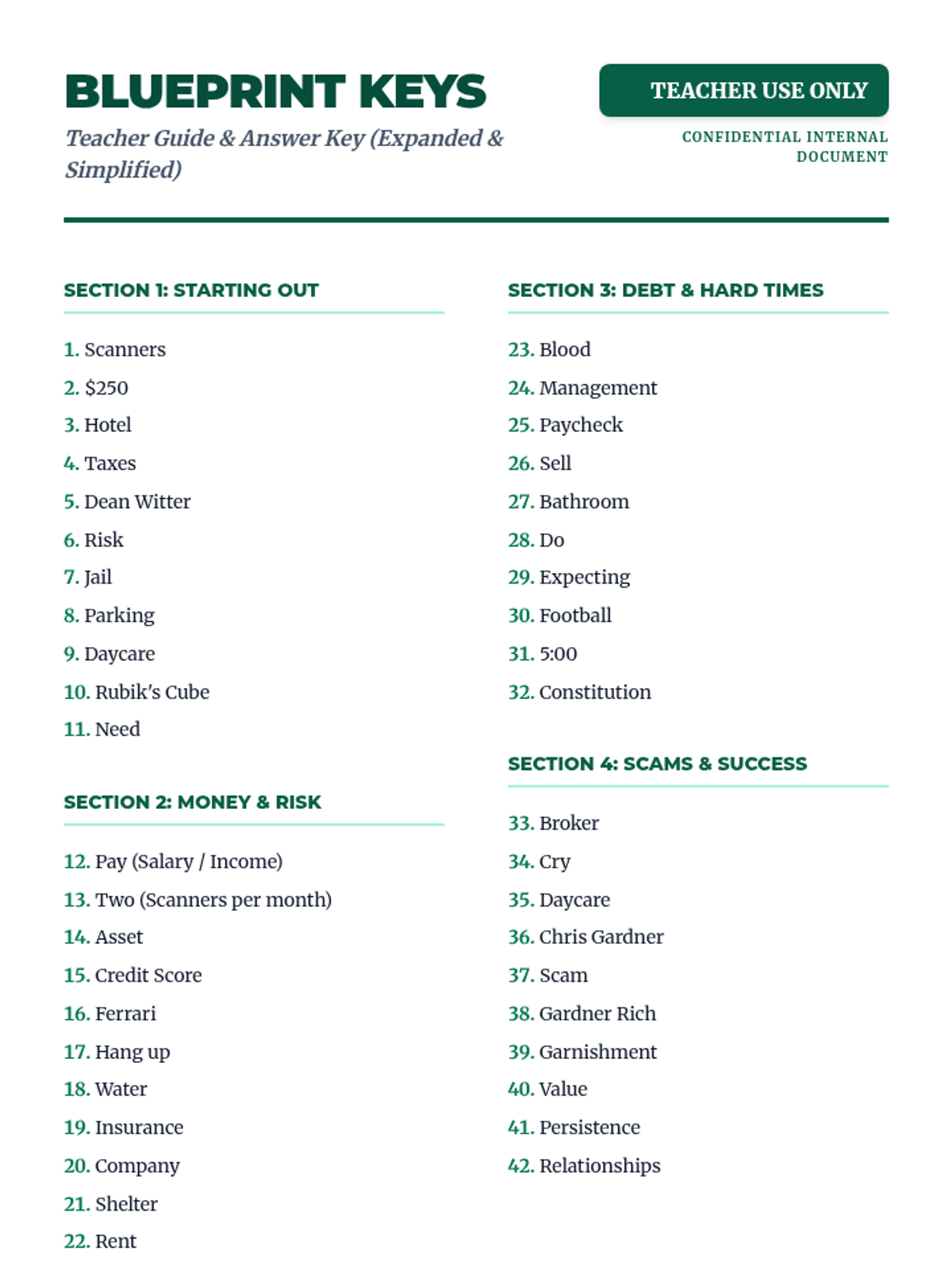
A deep dive into the personal finance themes of 'The Pursuit of Happyness,' focusing on income, assets, risk, and perseverance. Students analyze Chris Gardner's financial journey while tracking key plot points.
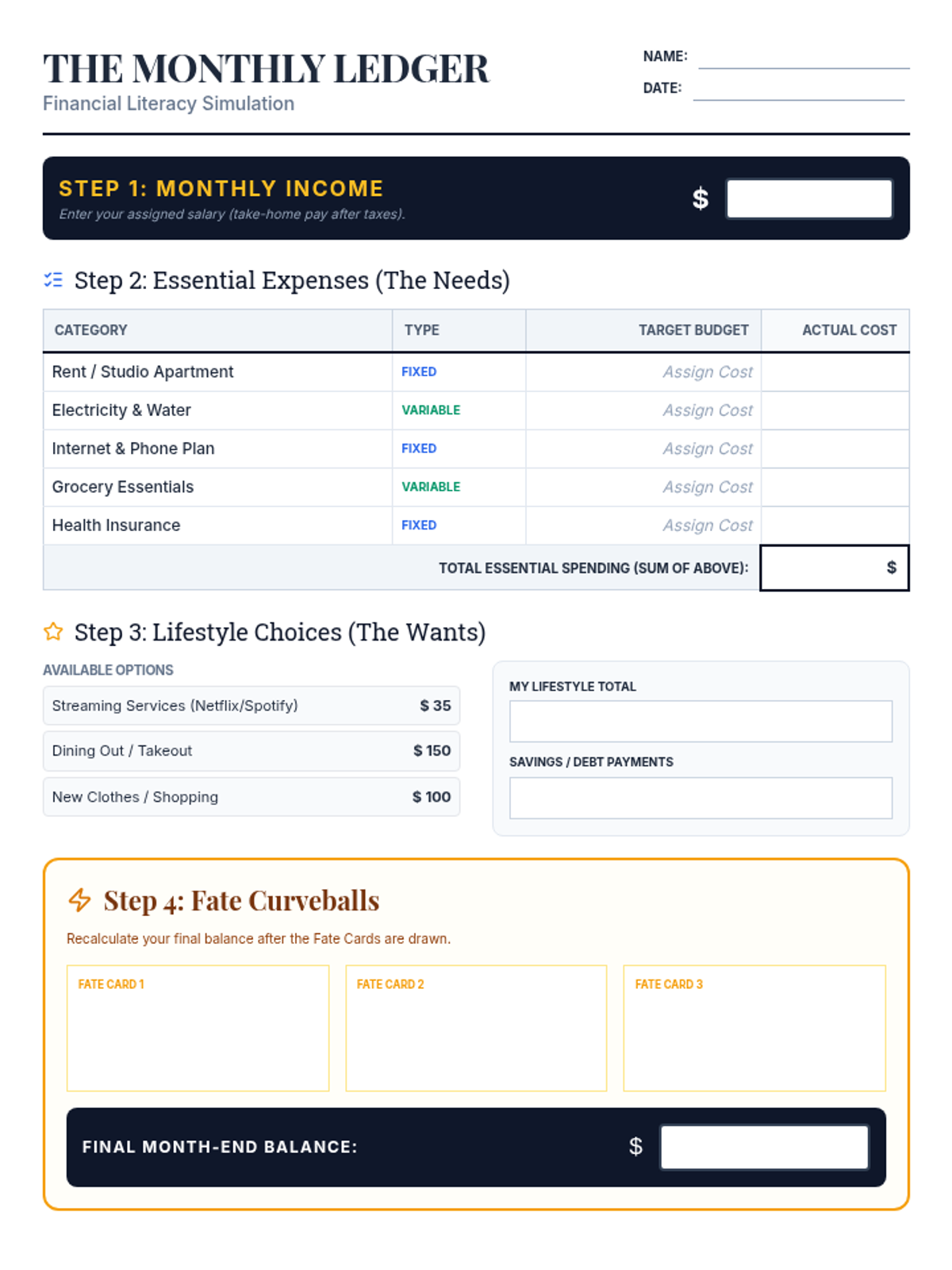
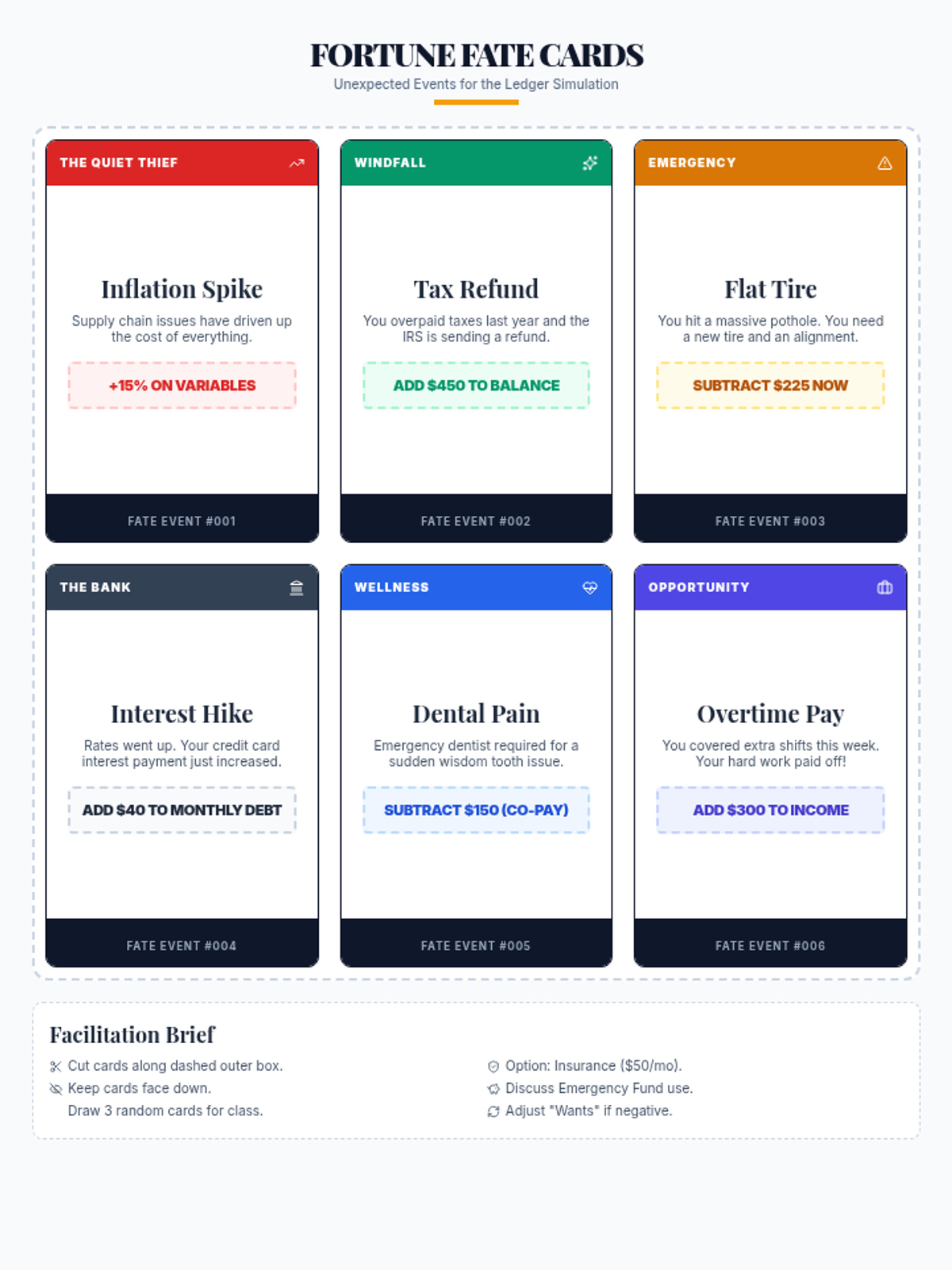
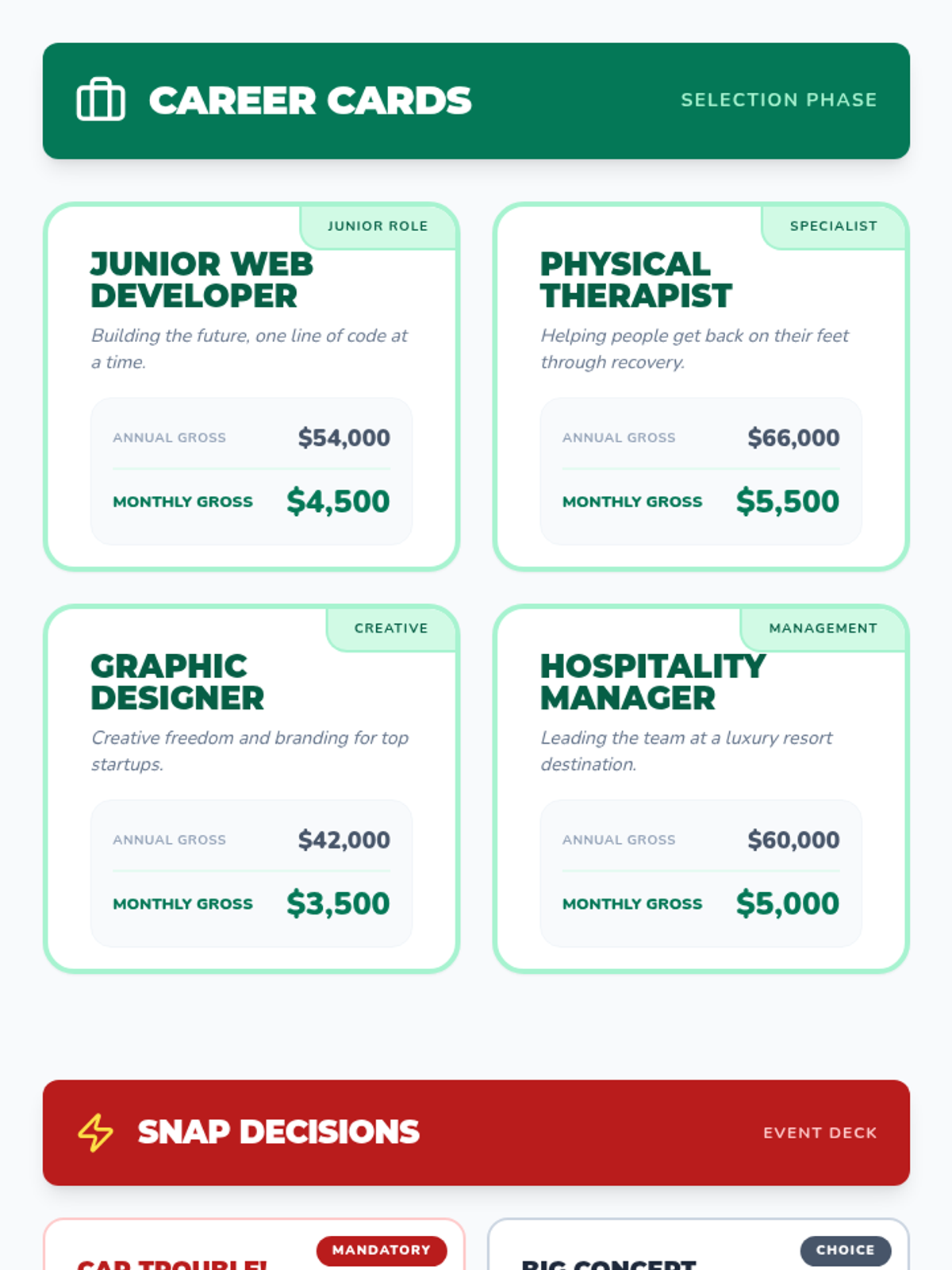
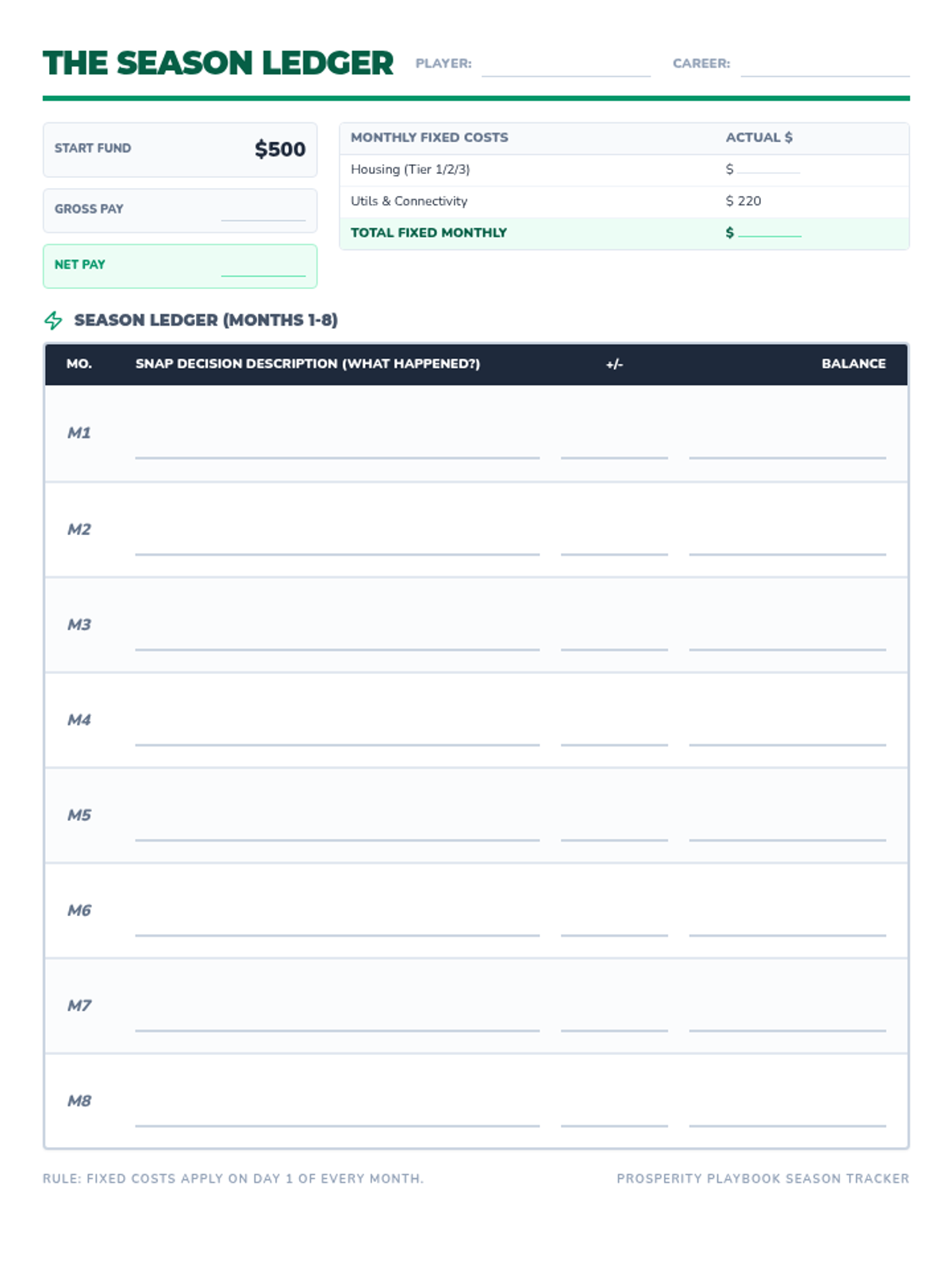
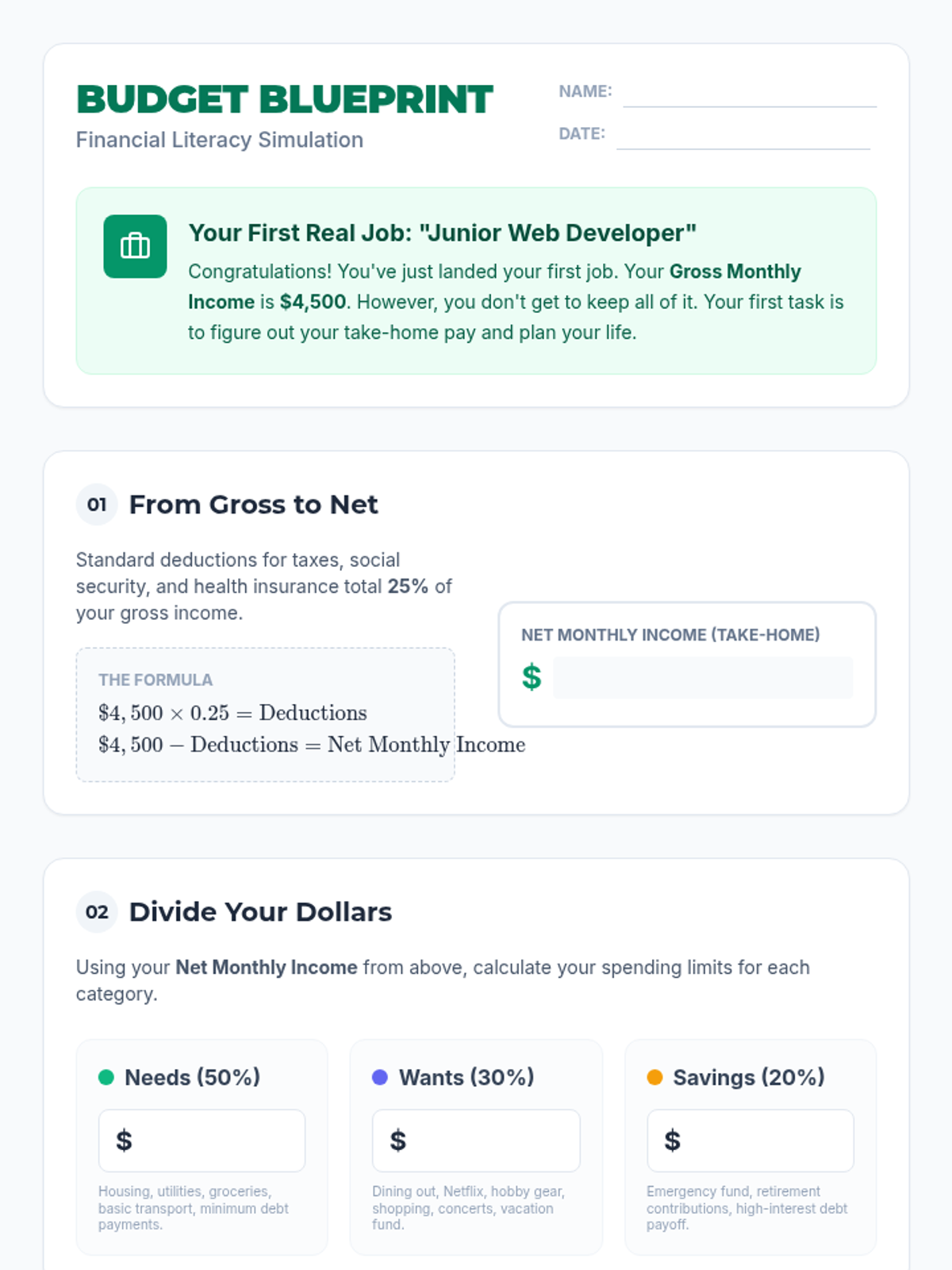
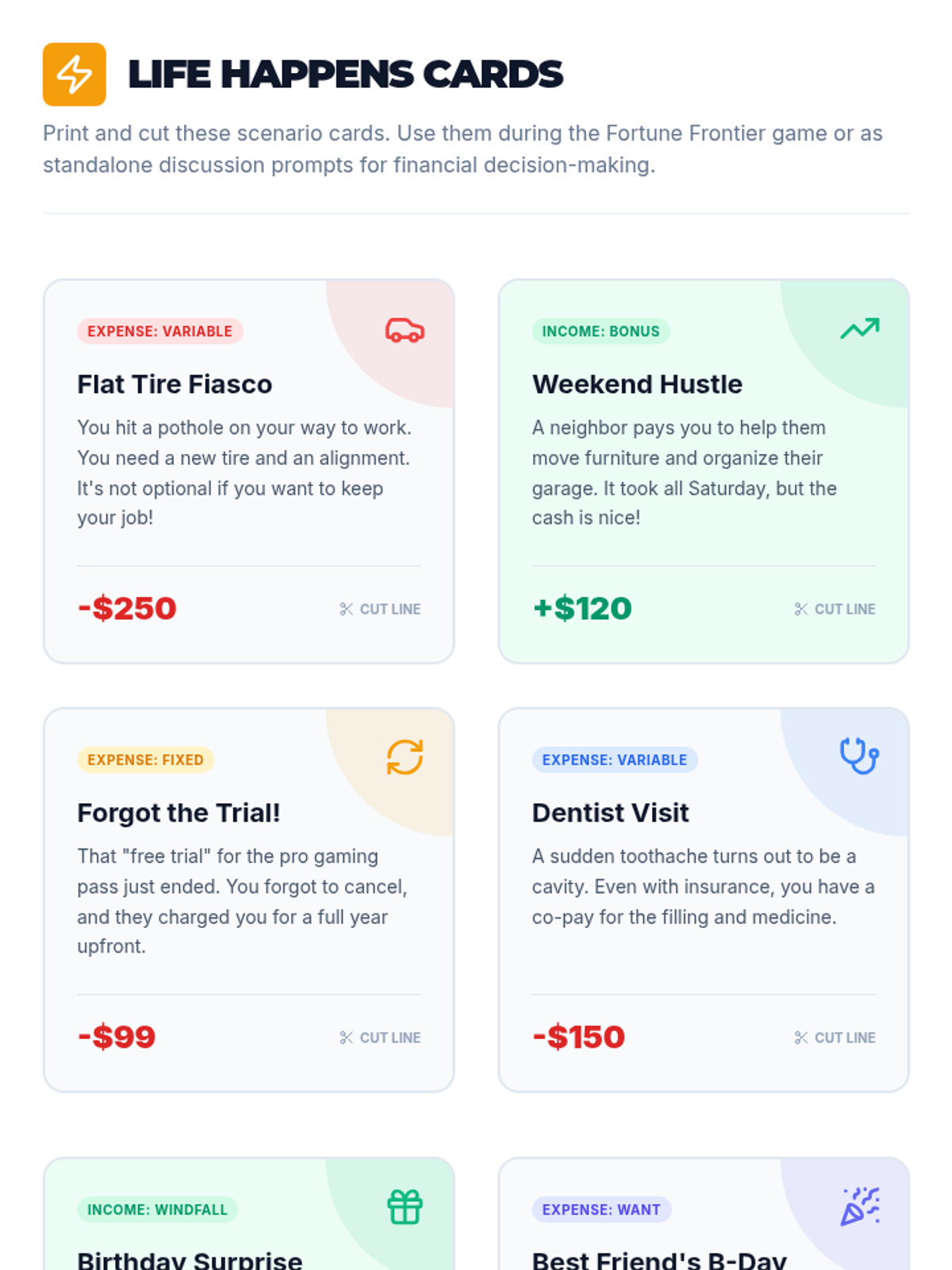
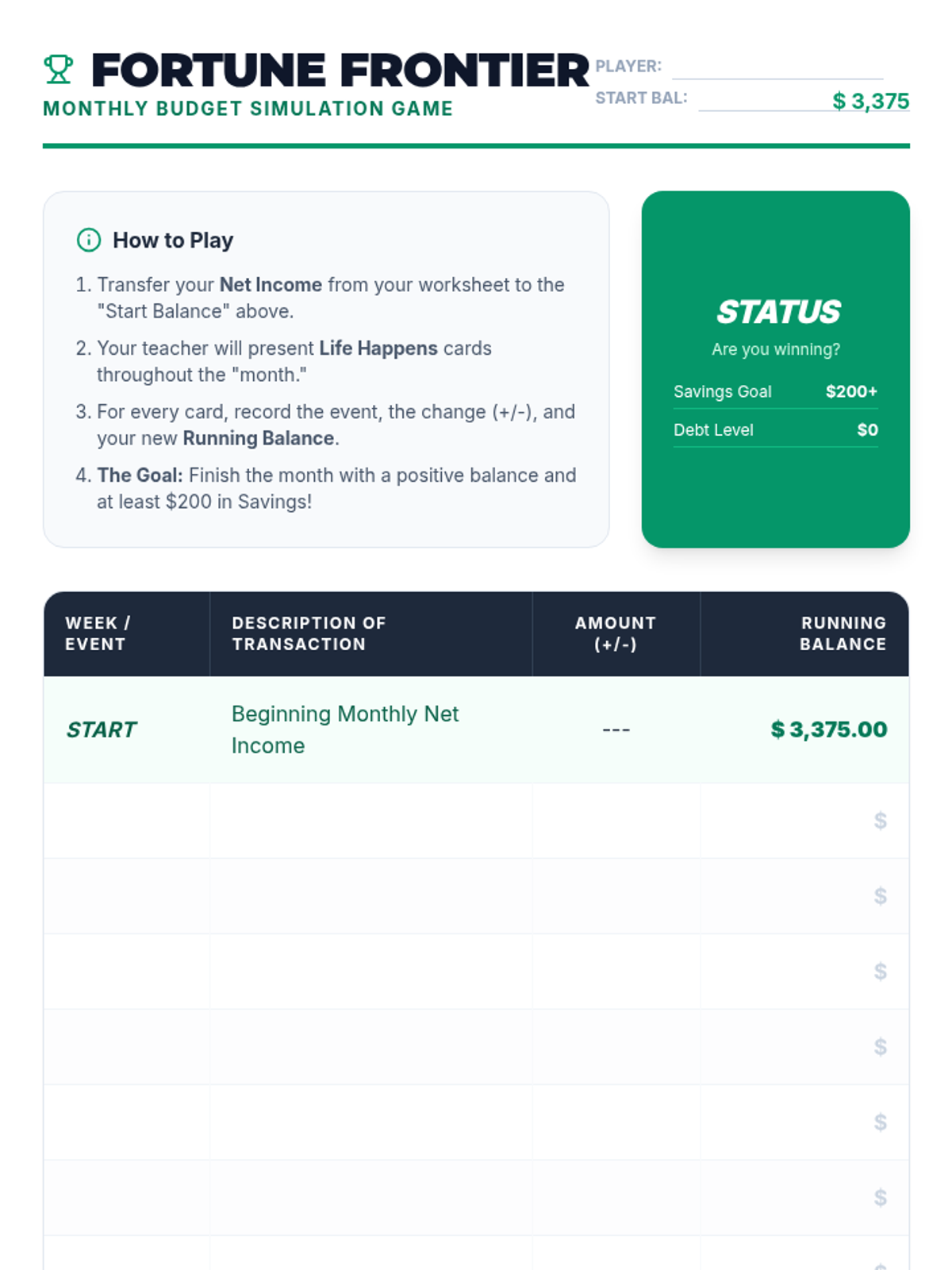
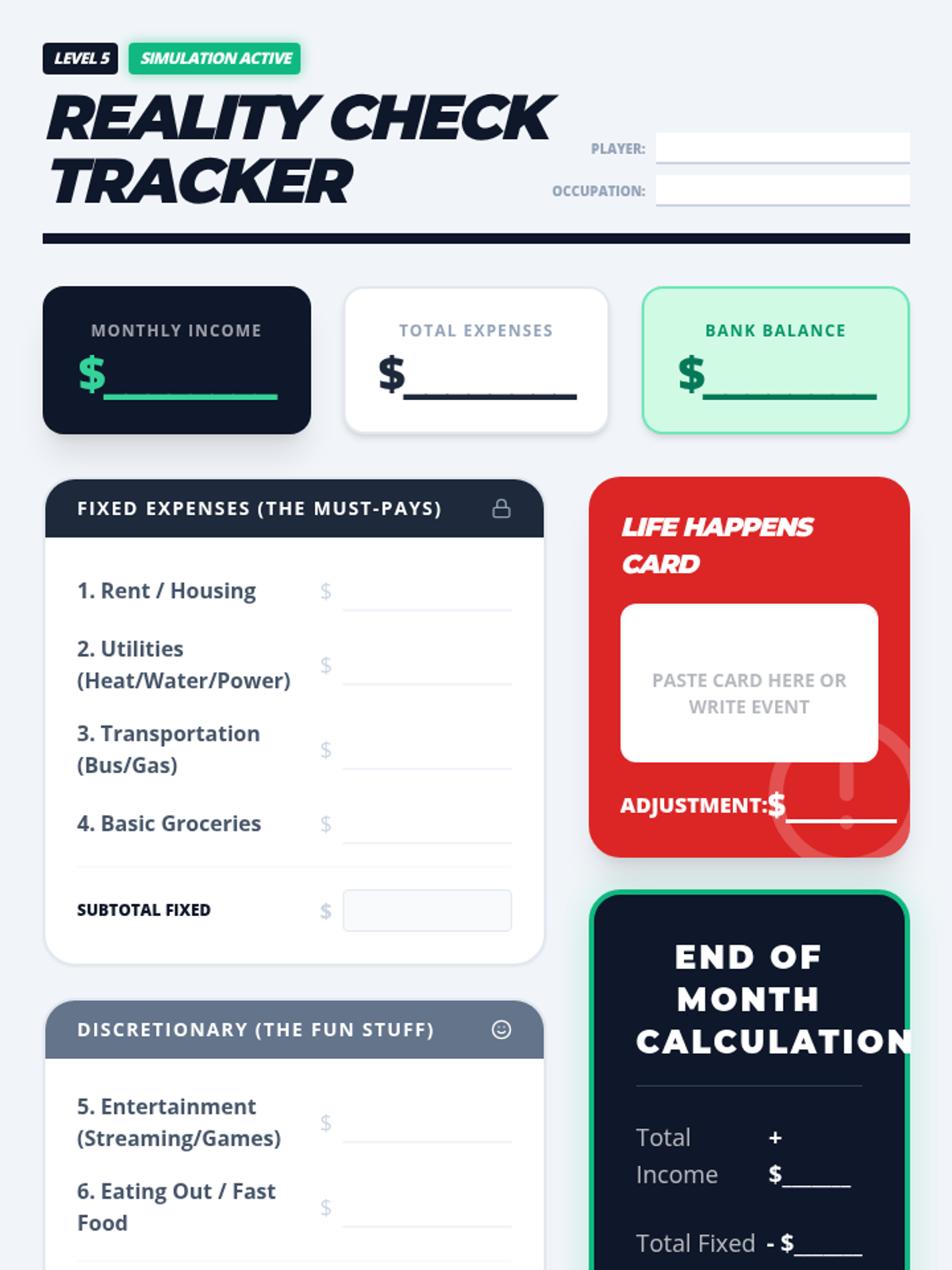
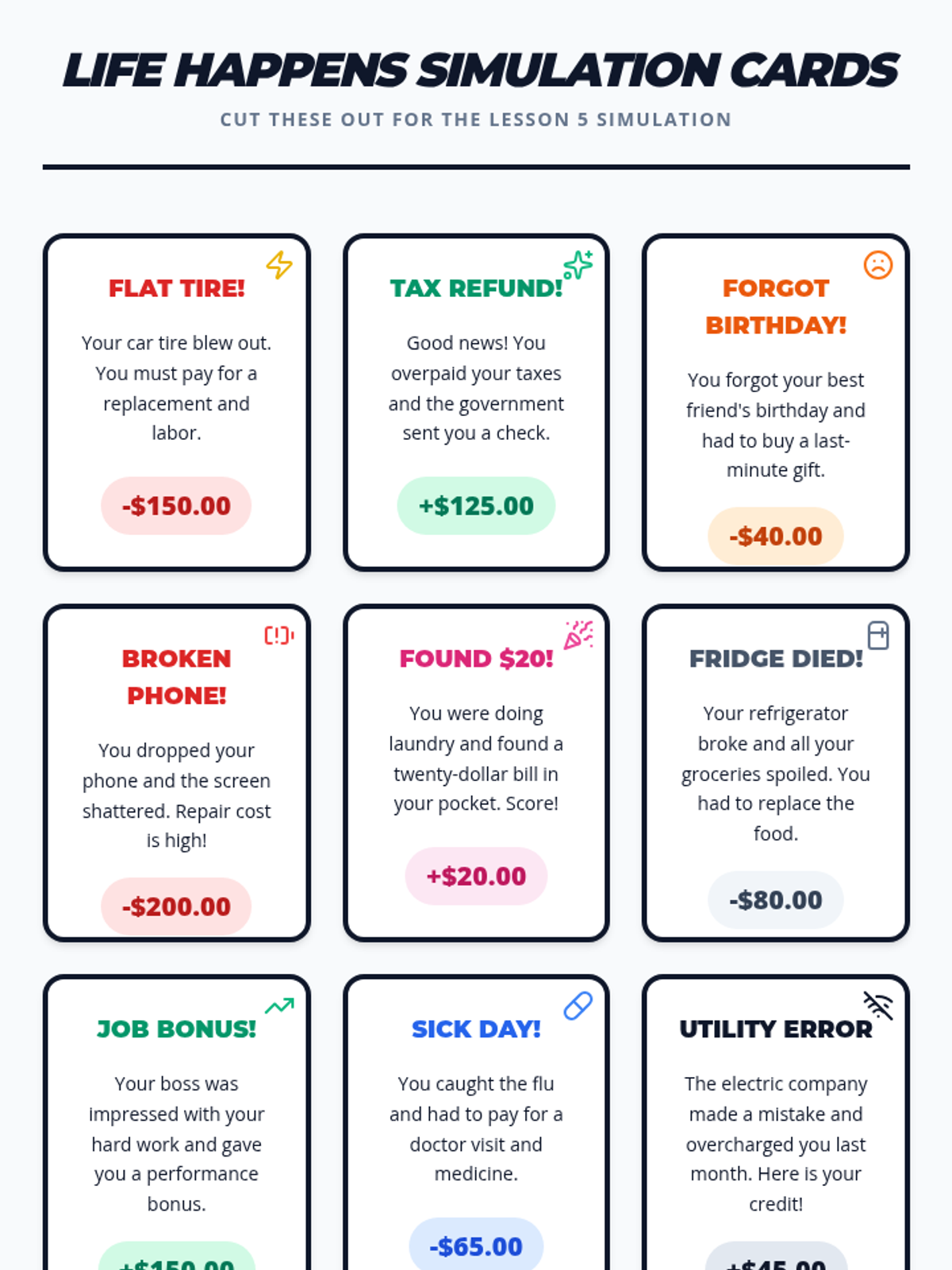
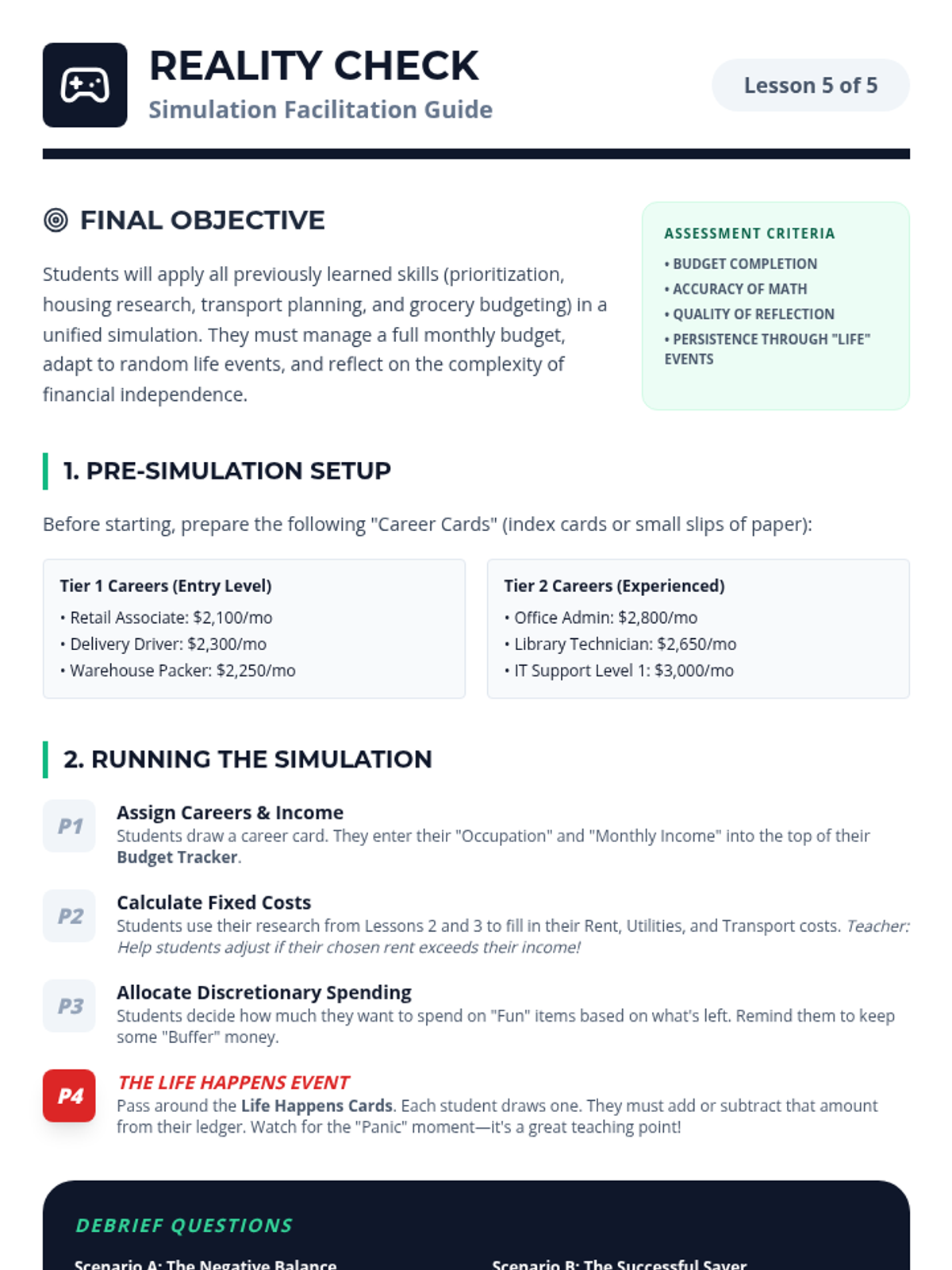
A financial literacy simulation where students manage a hypothetical monthly budget, navigating inflation, interest, and life events. Students will distinguish between needs and wants while making critical financial decisions.
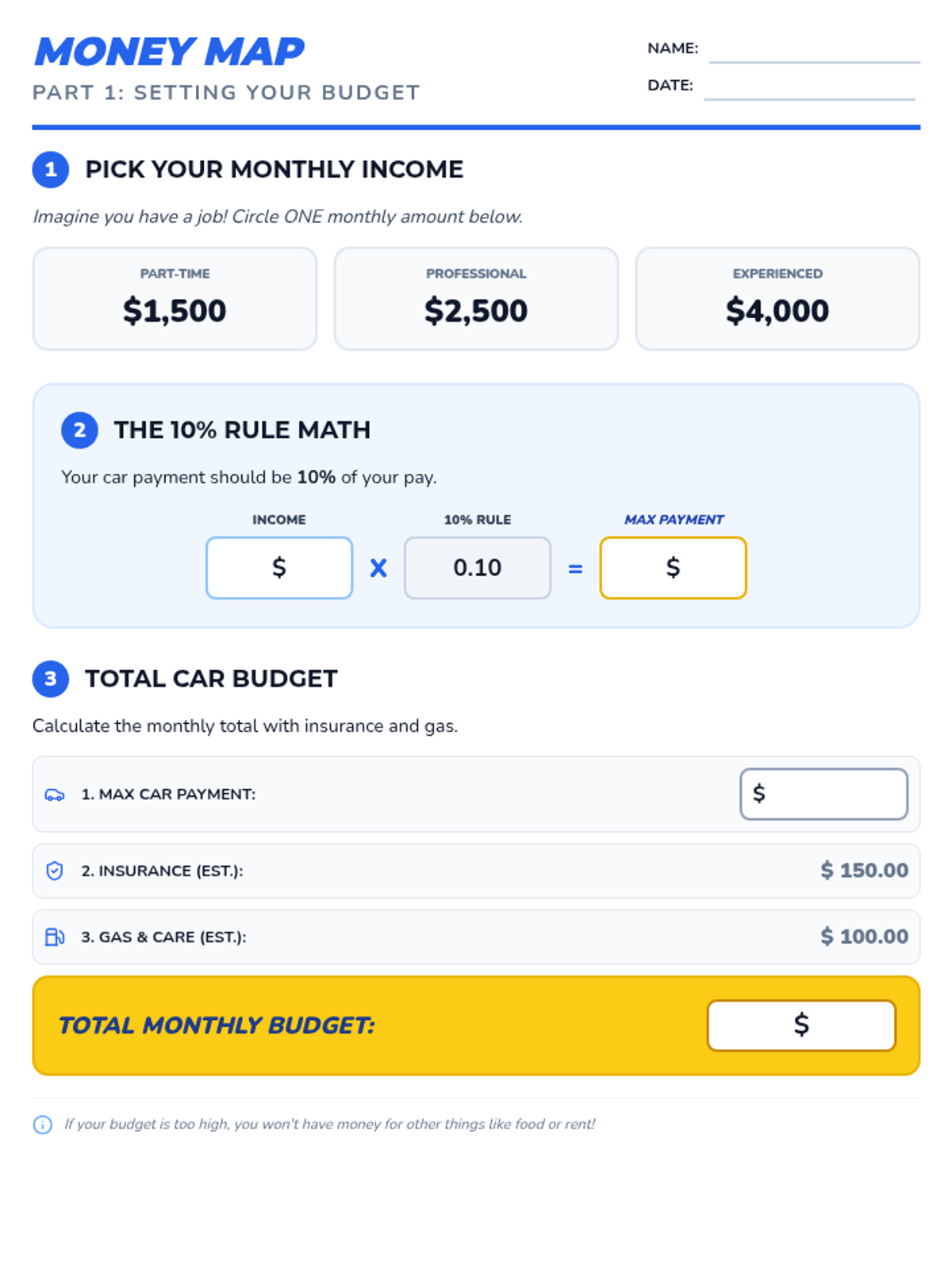
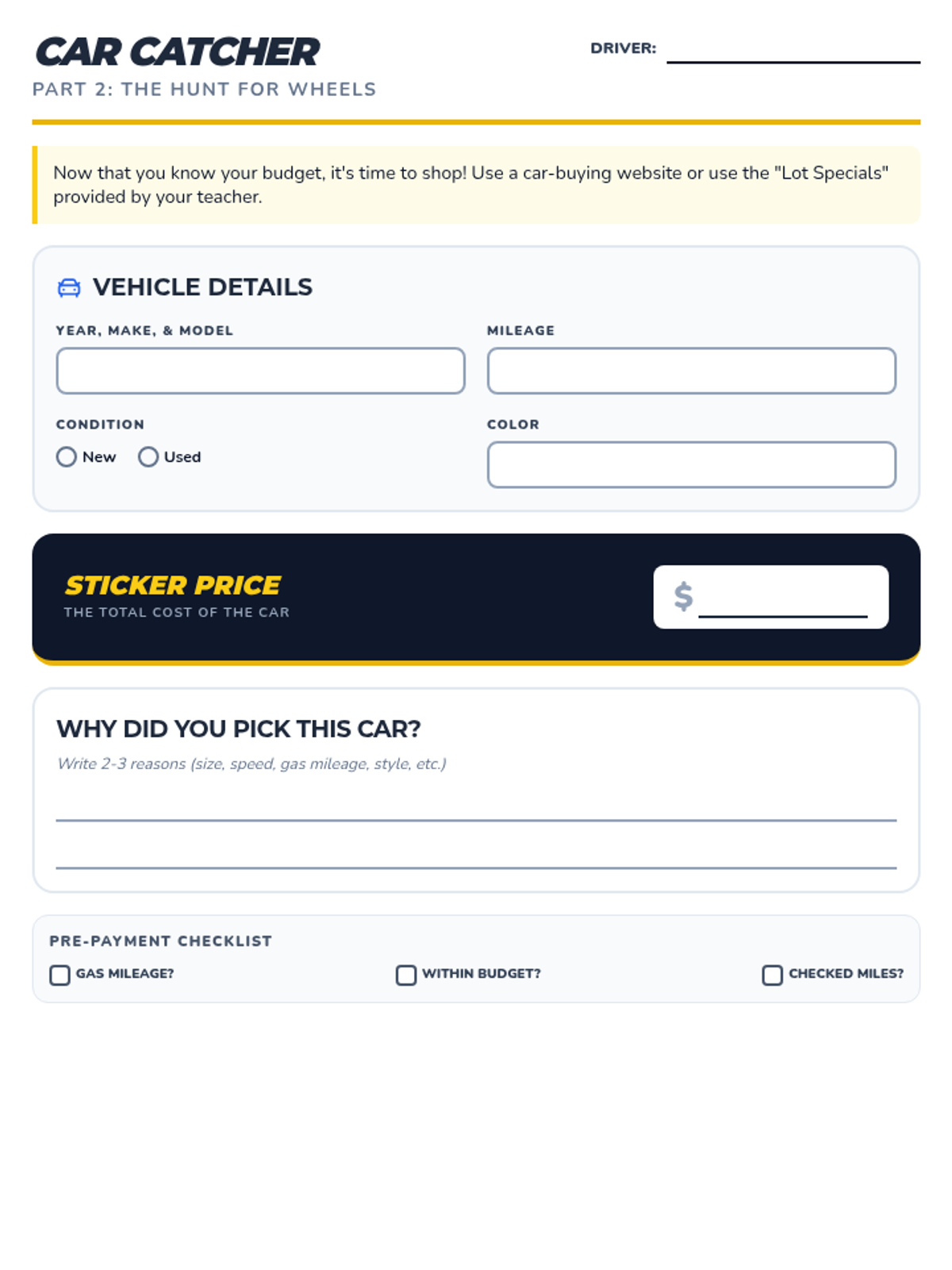
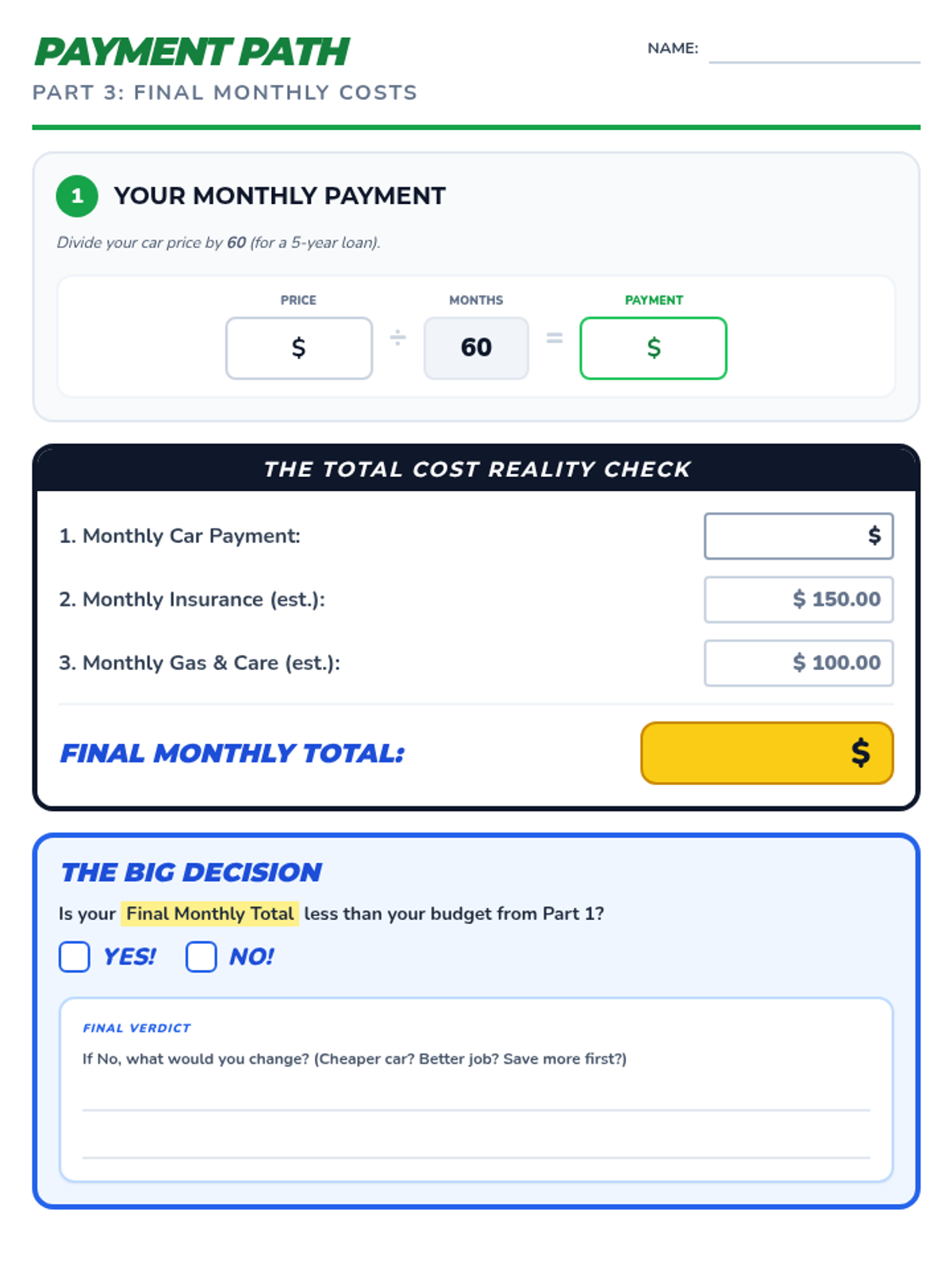
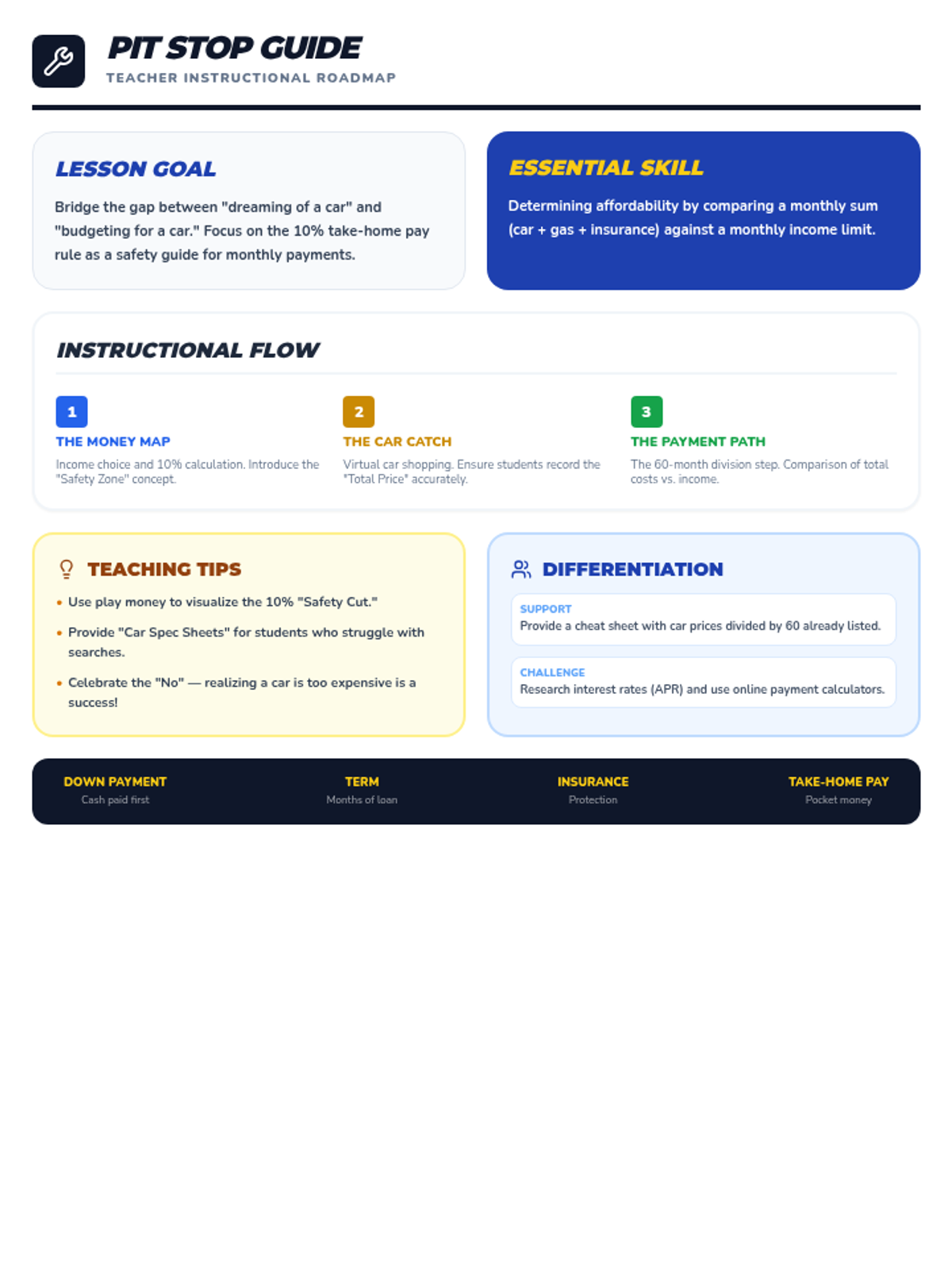
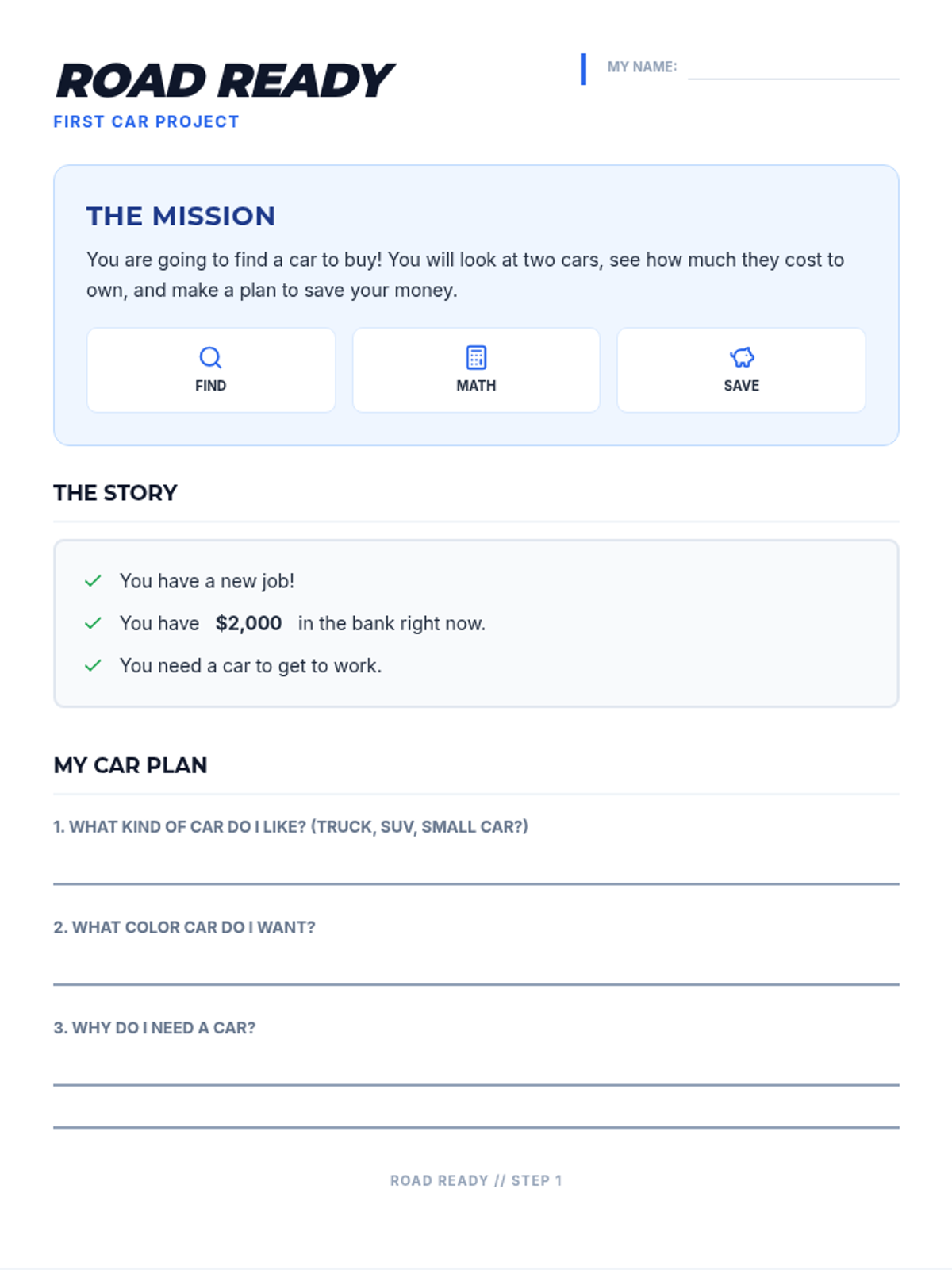
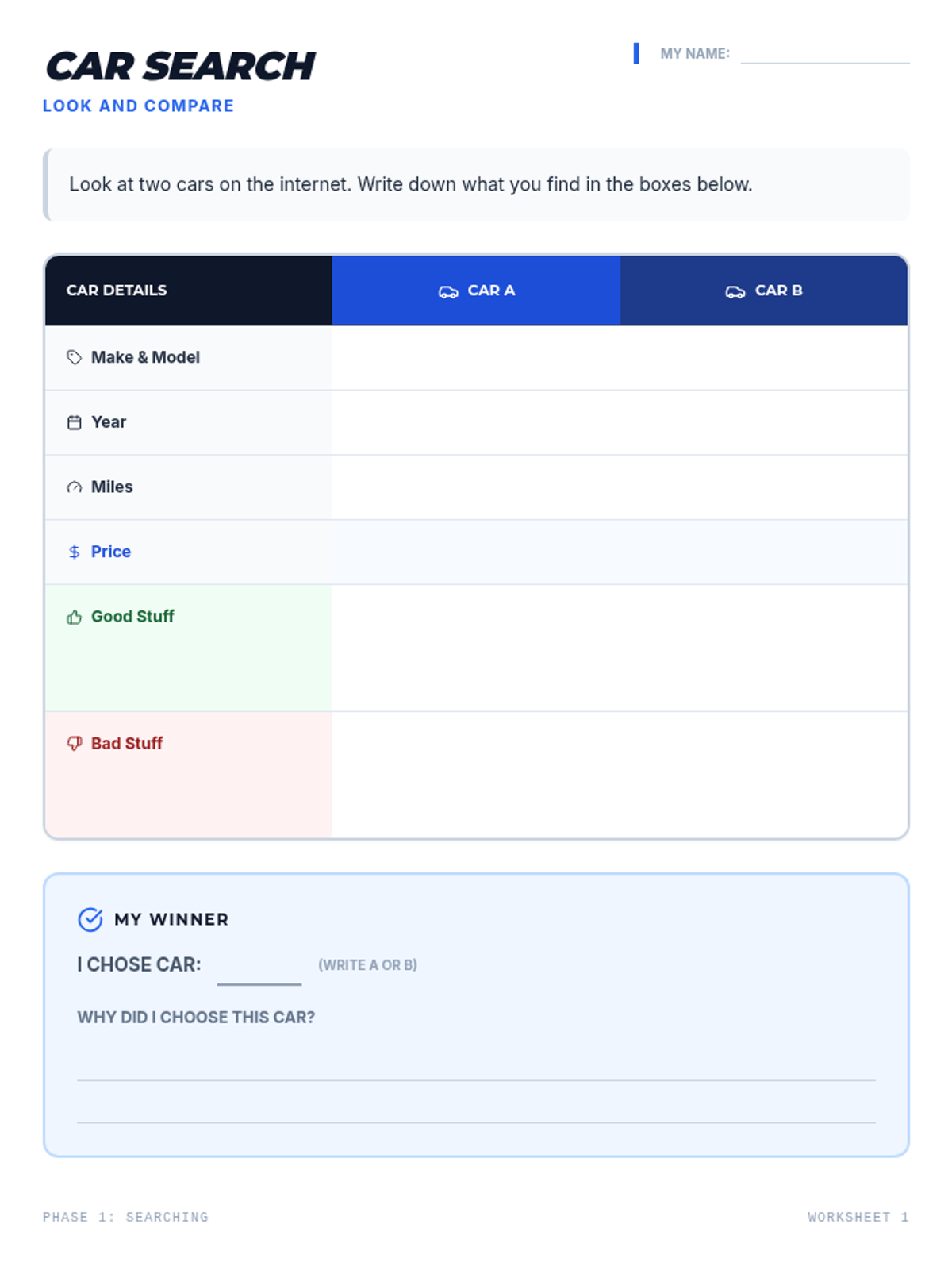
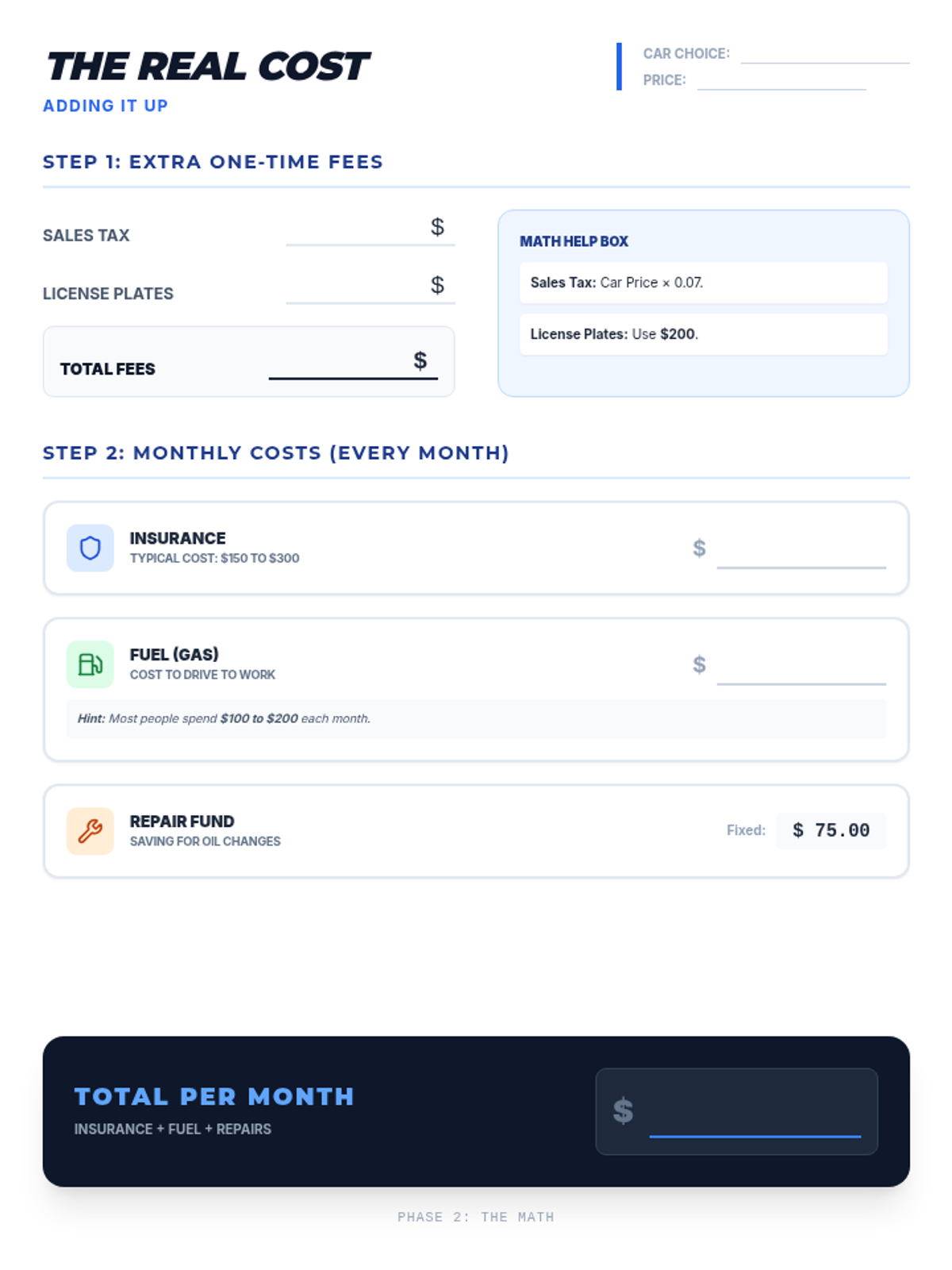
A practical, step-by-step project for students to learn how to budget for and select a vehicle within their monthly means.
A comprehensive multi-day project where students research, compare, and budget for their first vehicle, focusing on total cost of ownership and financial planning.
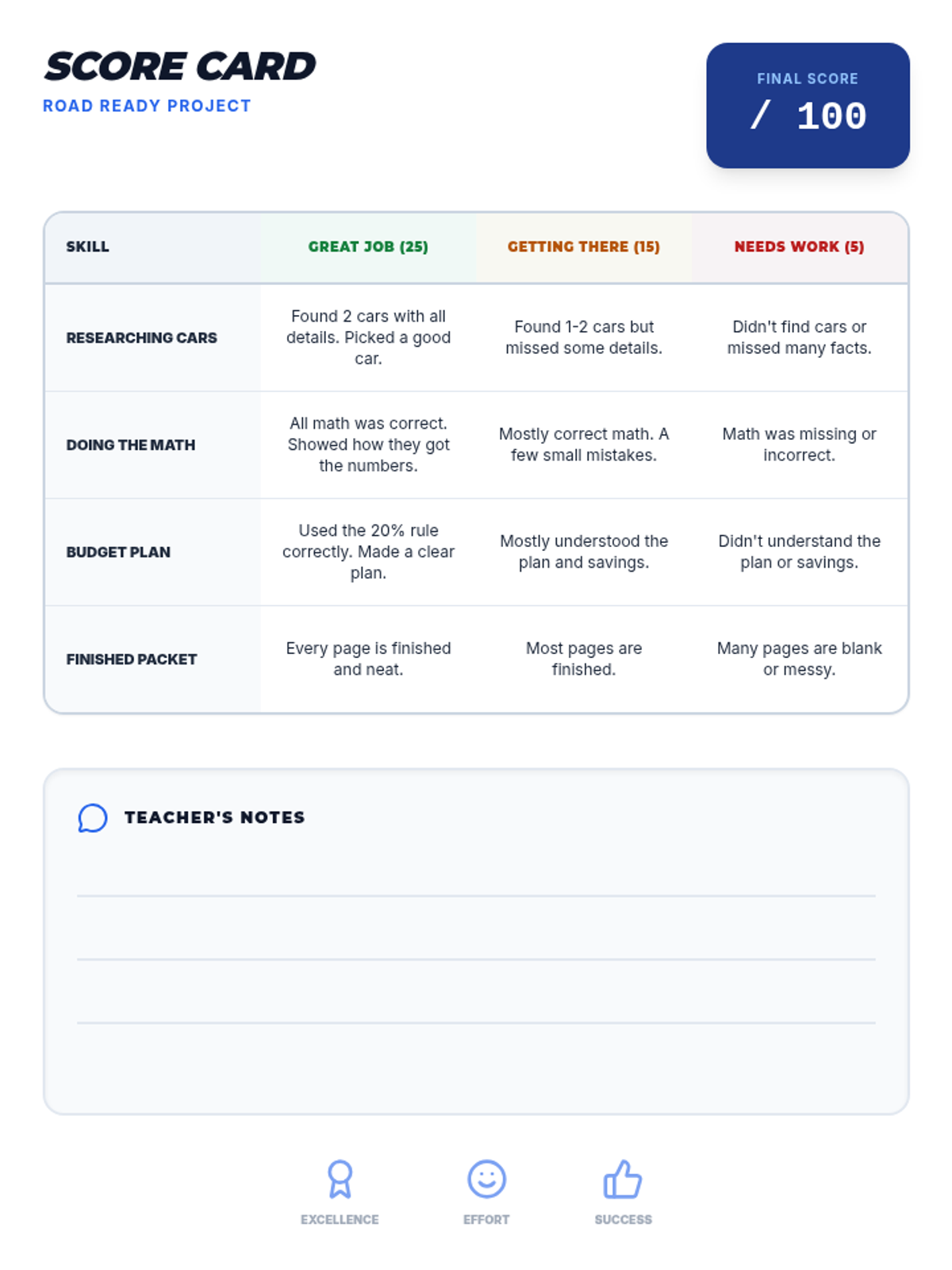
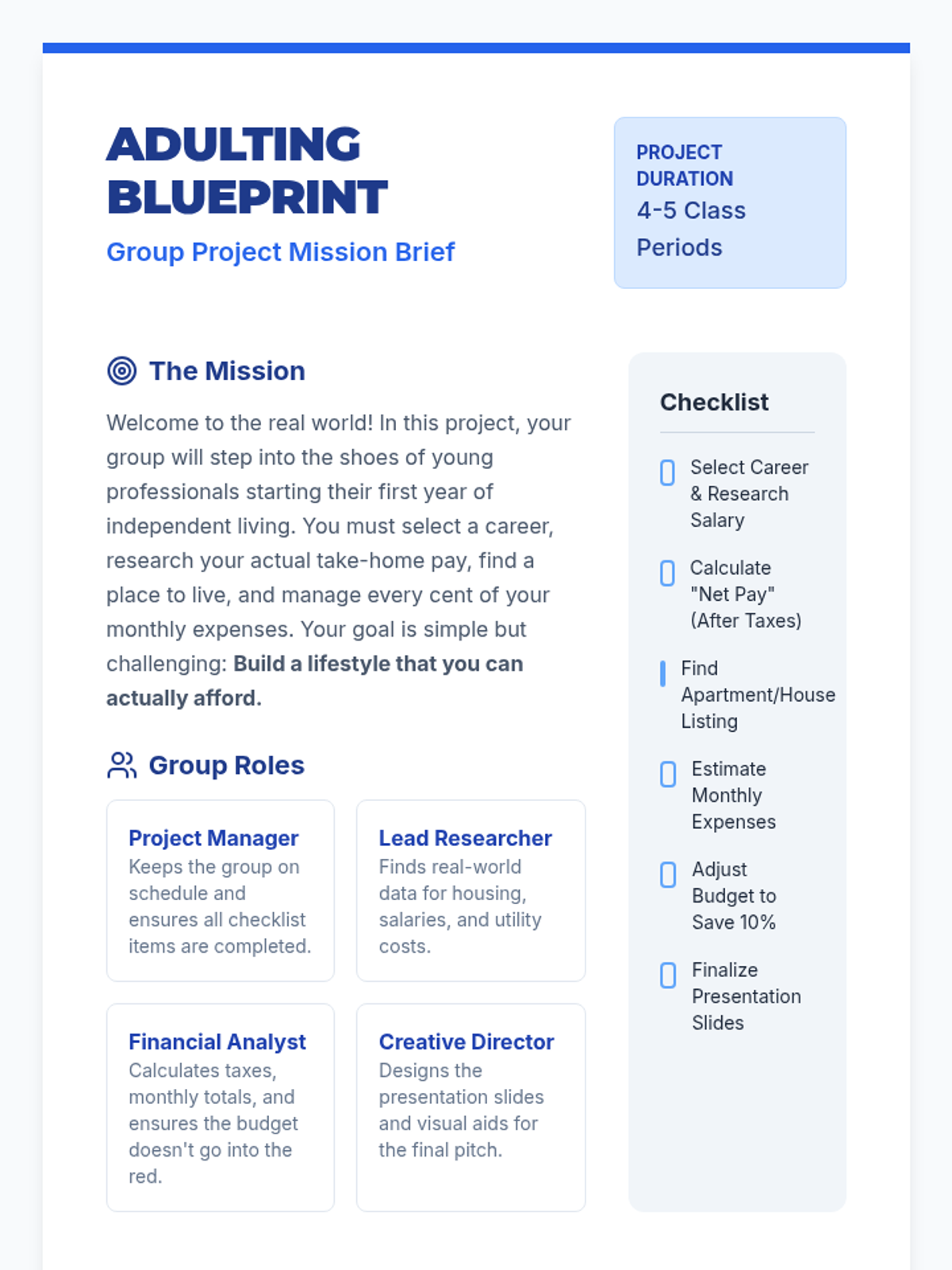
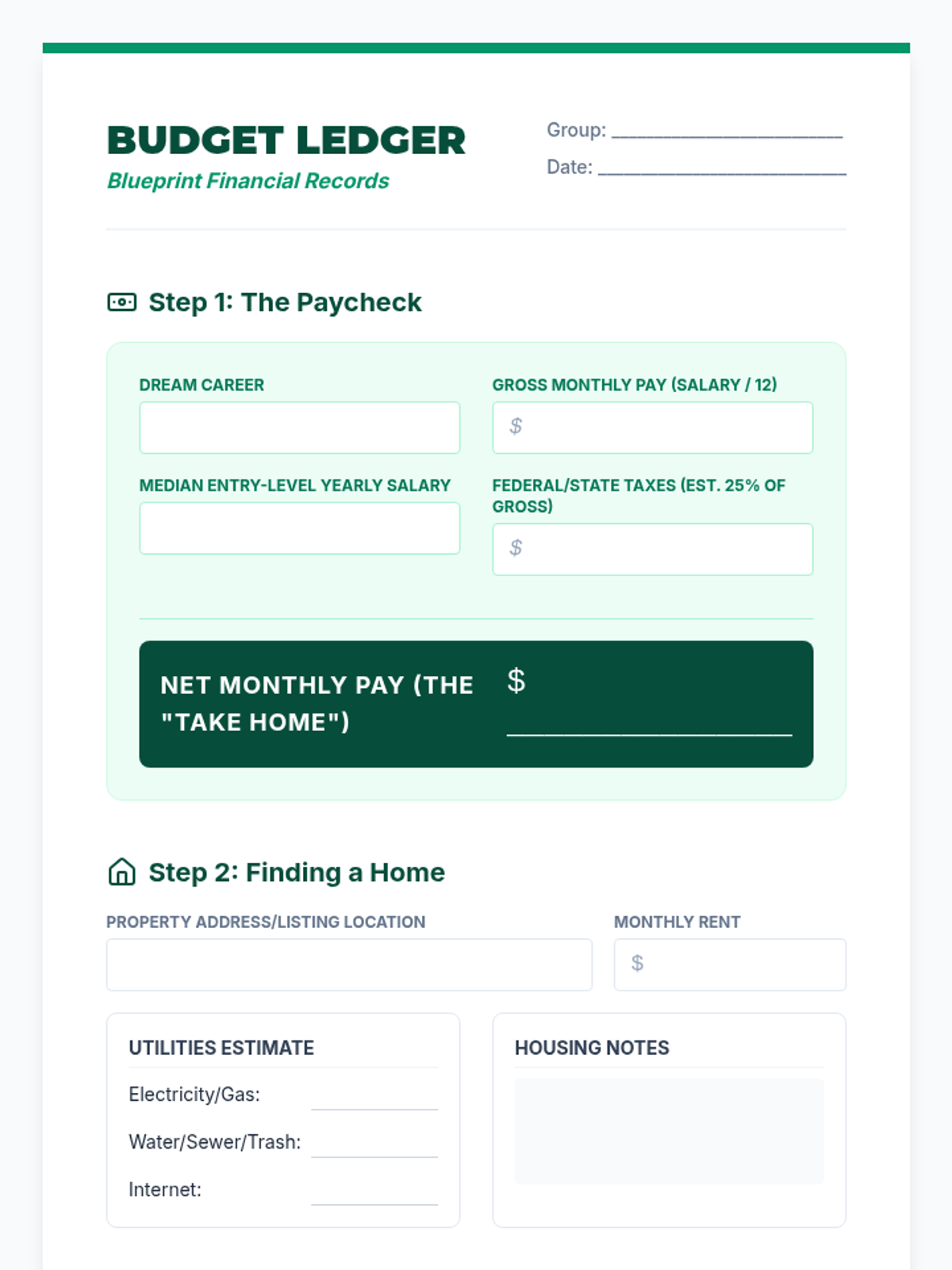
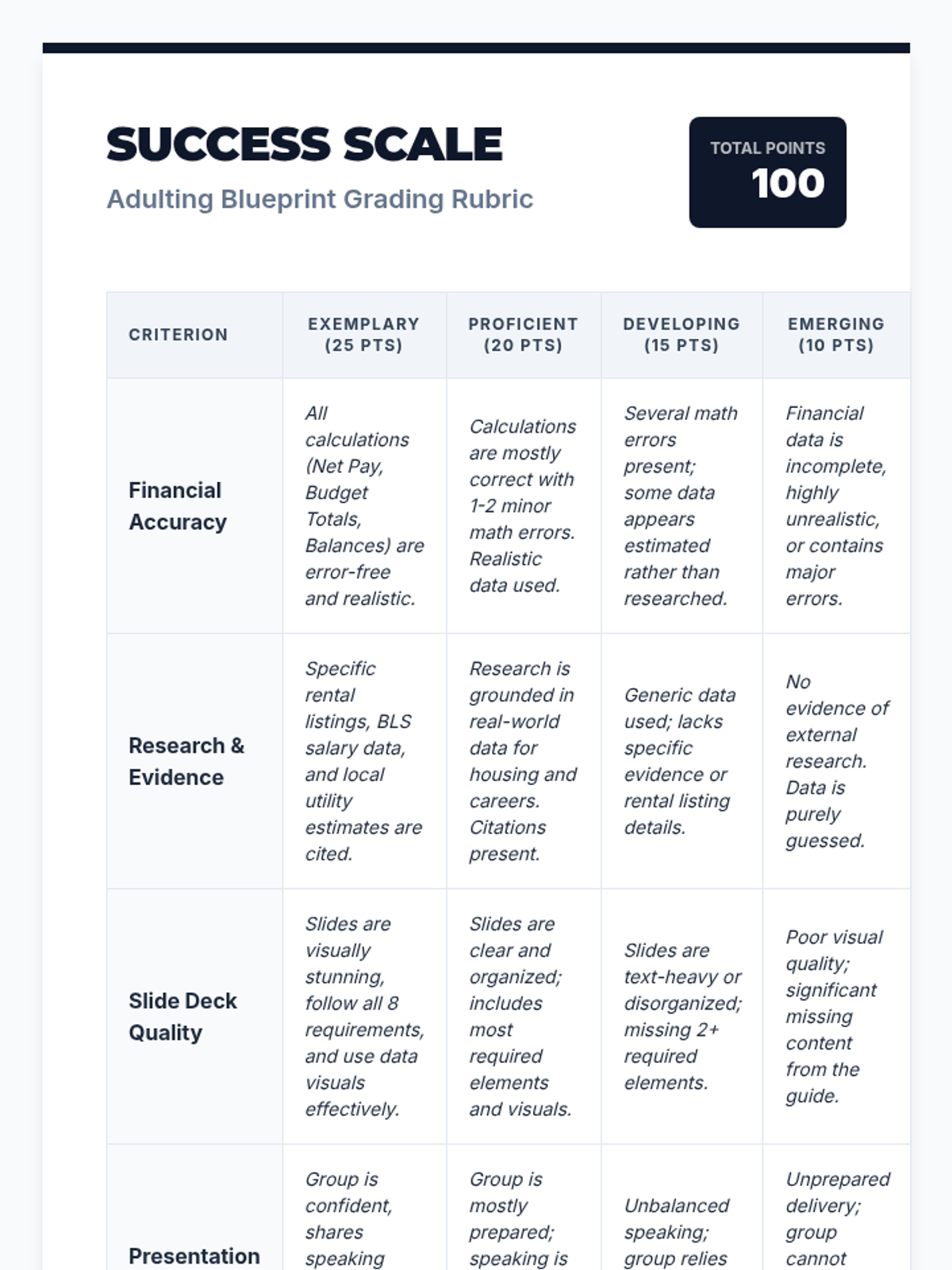
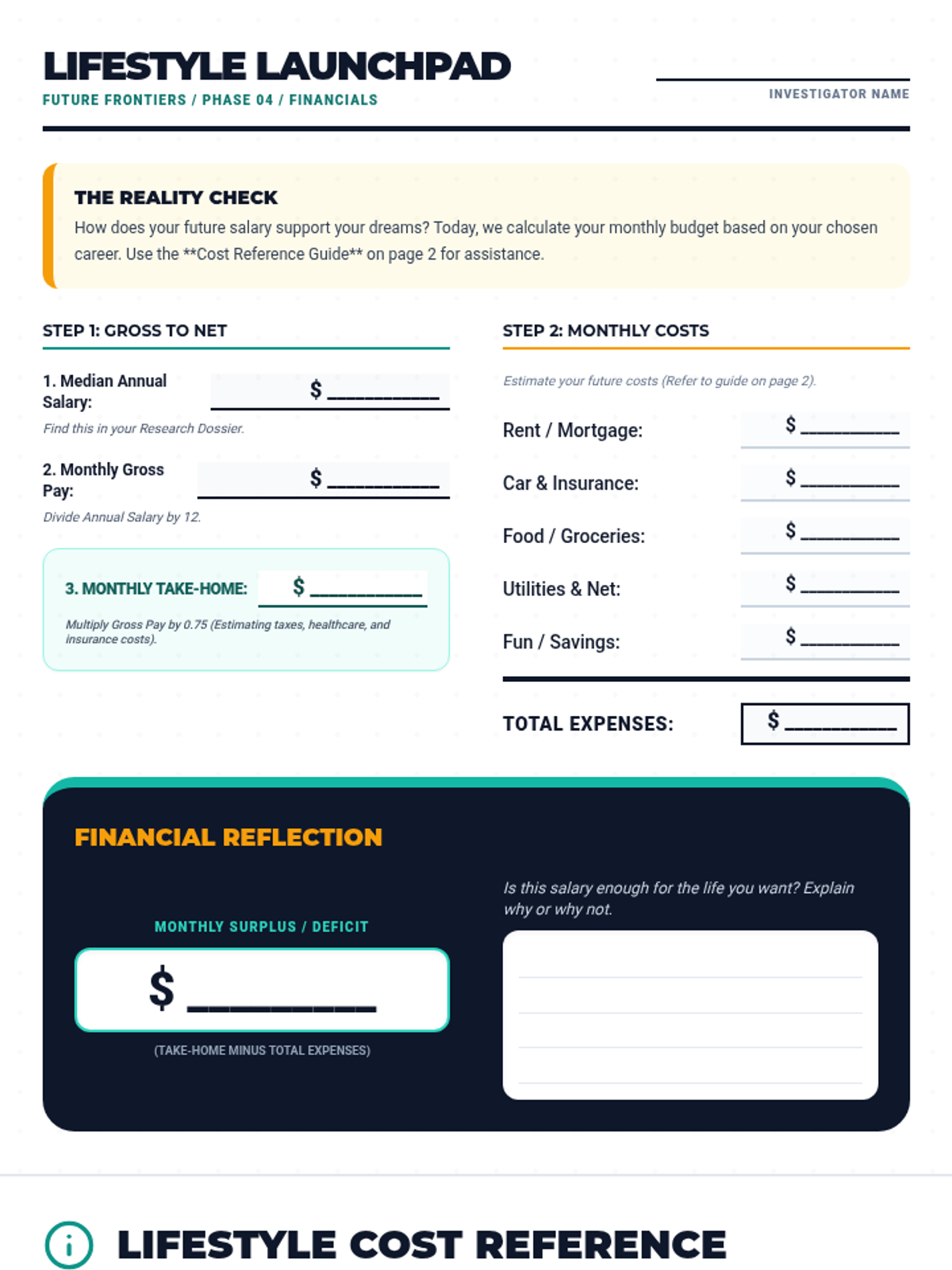
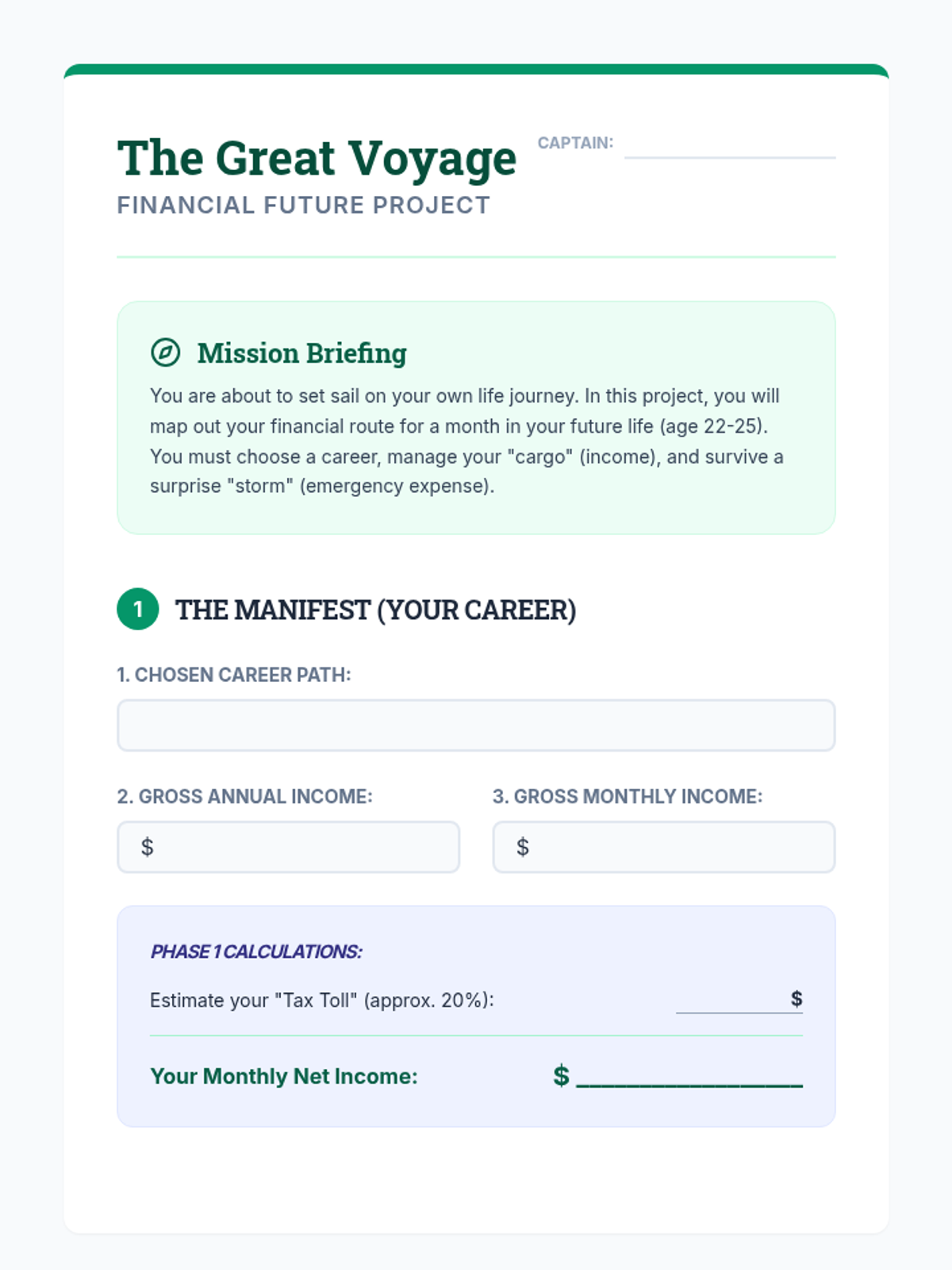
A comprehensive group project where students research a career, calculate their net income, and create a realistic monthly budget based on local cost-of-living data. Students collaborate to navigate the financial realities of adulthood and present their findings.
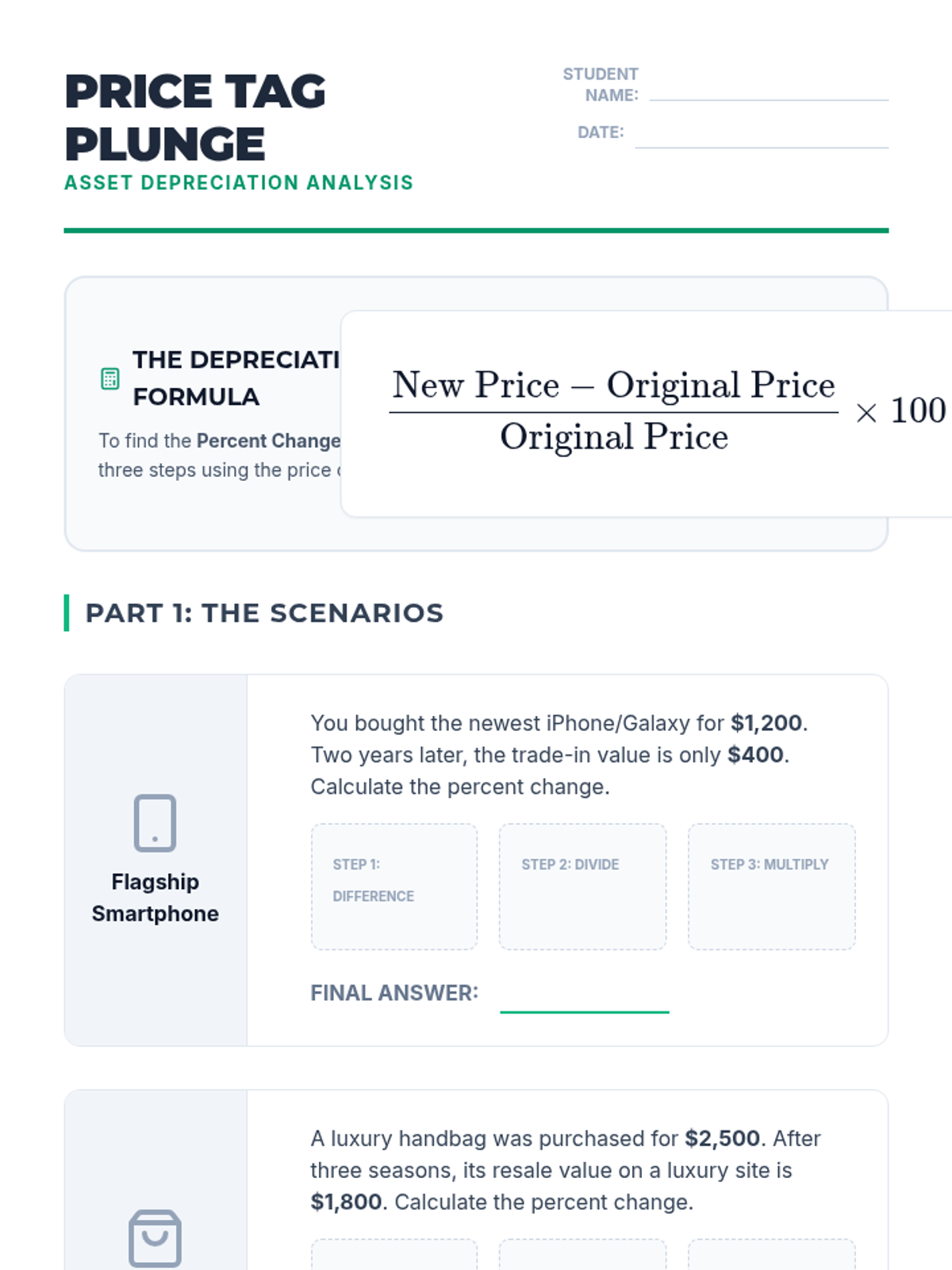
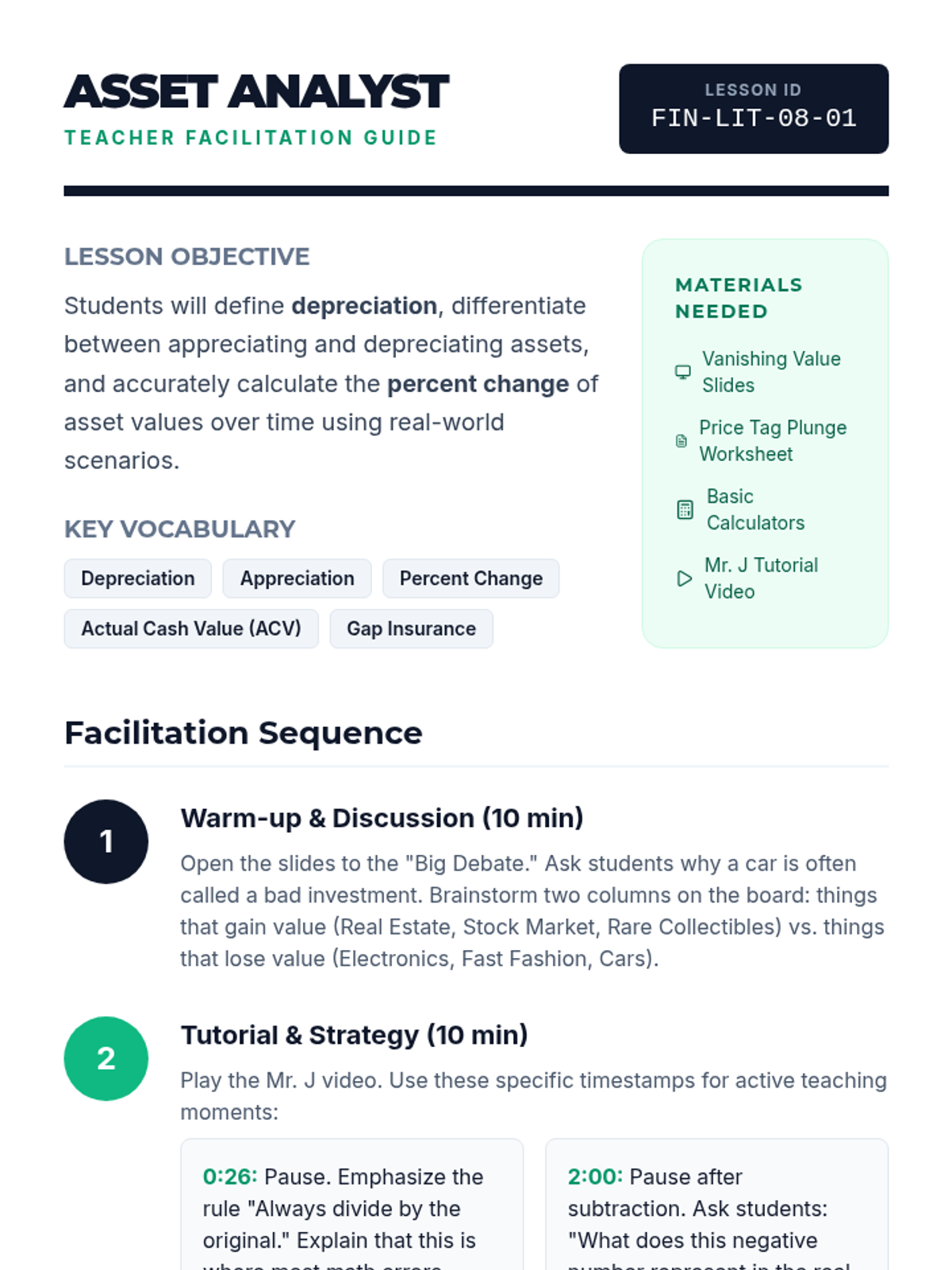
Students explore why certain assets lose value over time, learn to calculate percent change using real-world scenarios (car, phone, handbag), and discuss the financial implications of depreciation on insurance and net worth.
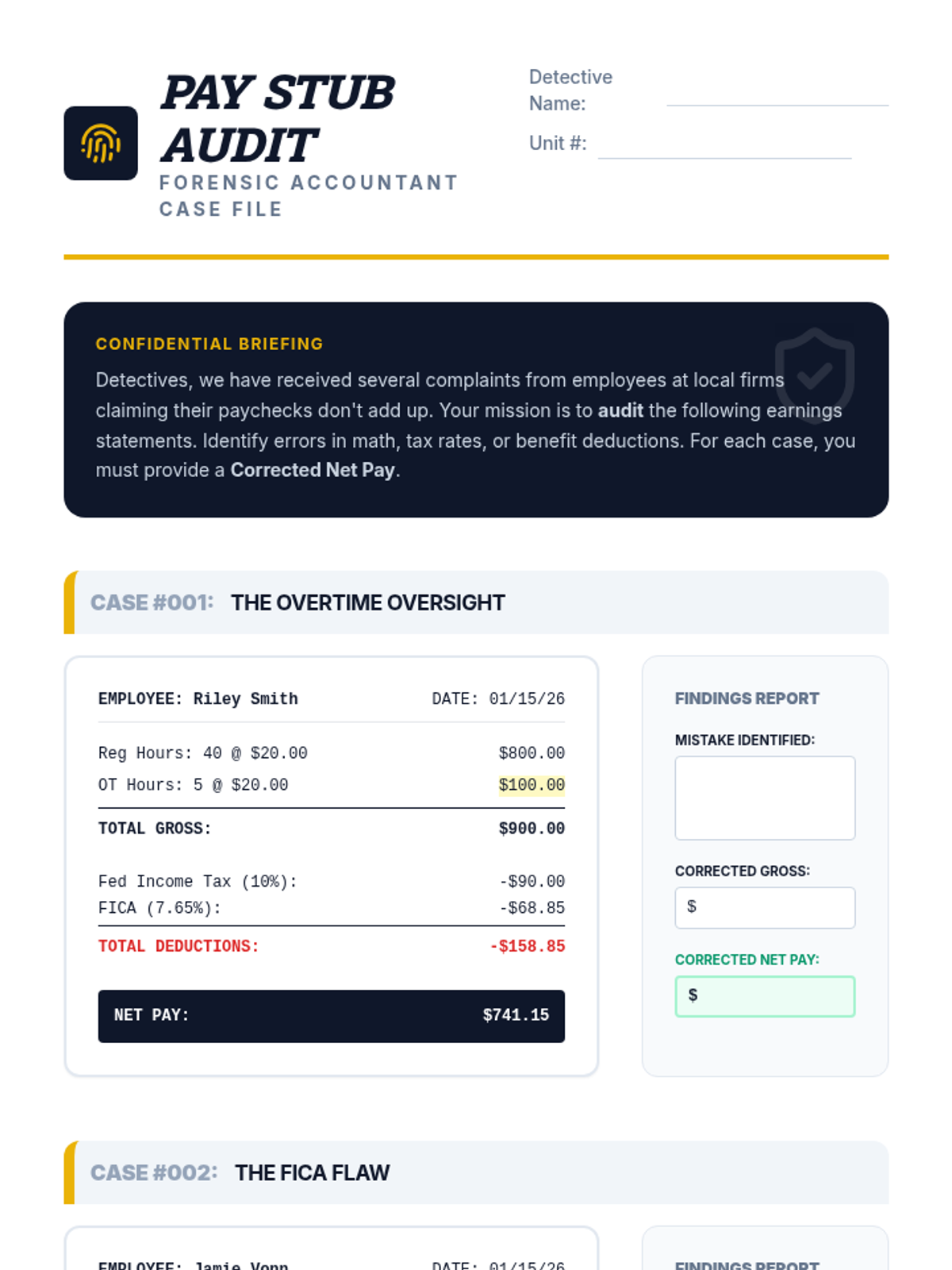
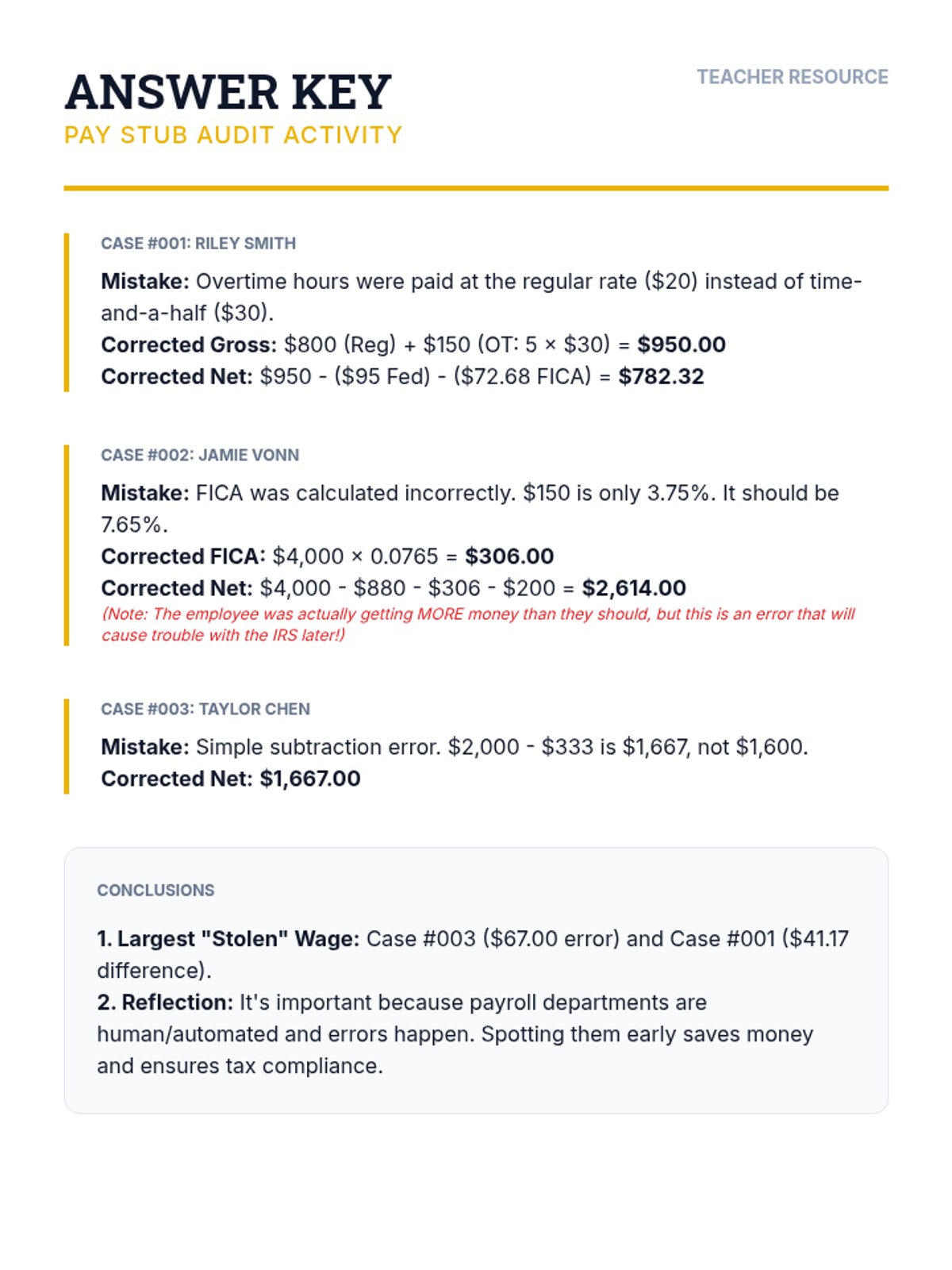
A gamified mastery lesson where students act as forensic accountants to audit pay stubs, identify errors, and confirm final net income calculations.
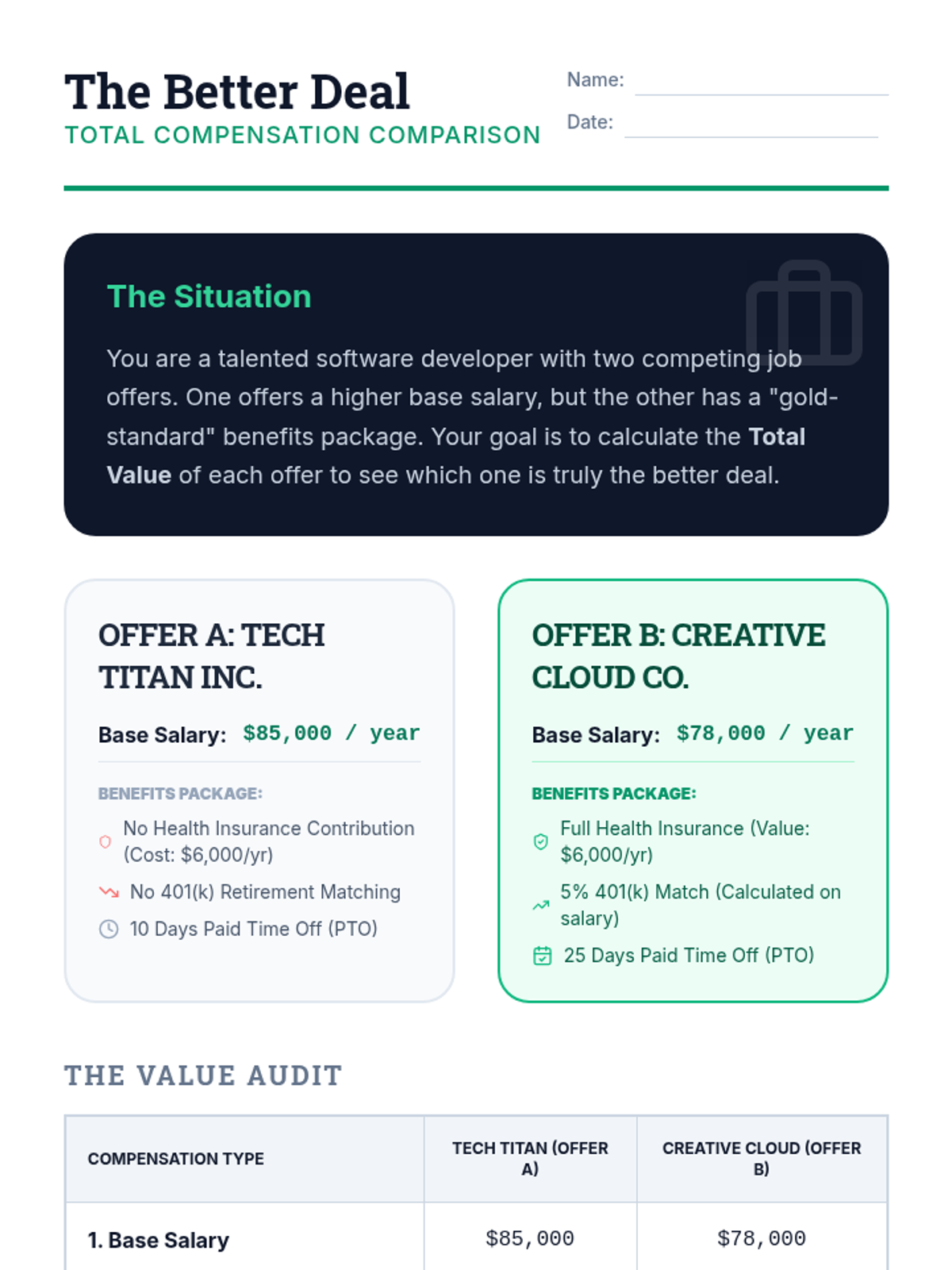
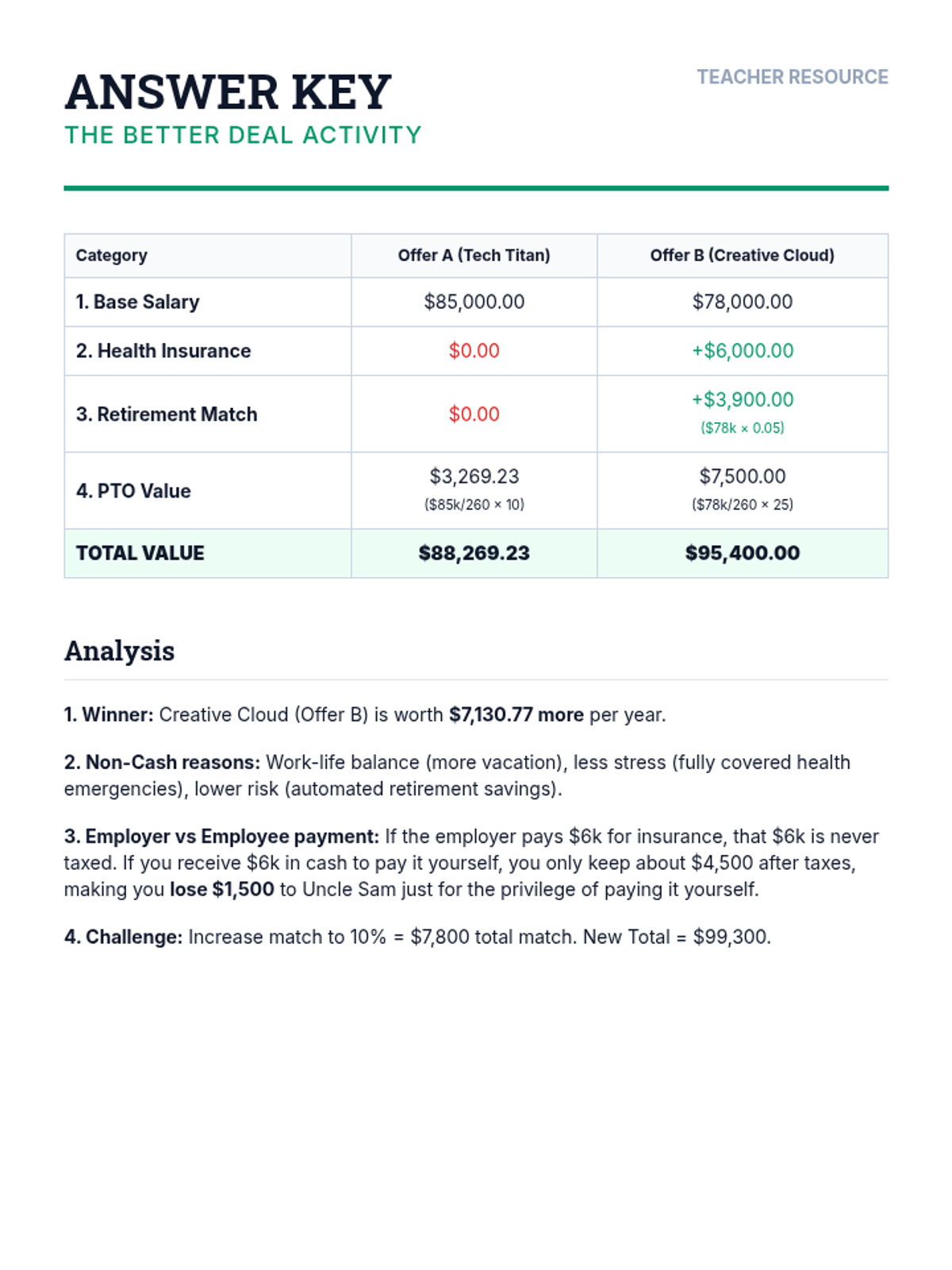
A comparison of total compensation packages, including health insurance, retirement matching, and paid time off, to evaluate the true value of a job offer beyond the hourly rate.
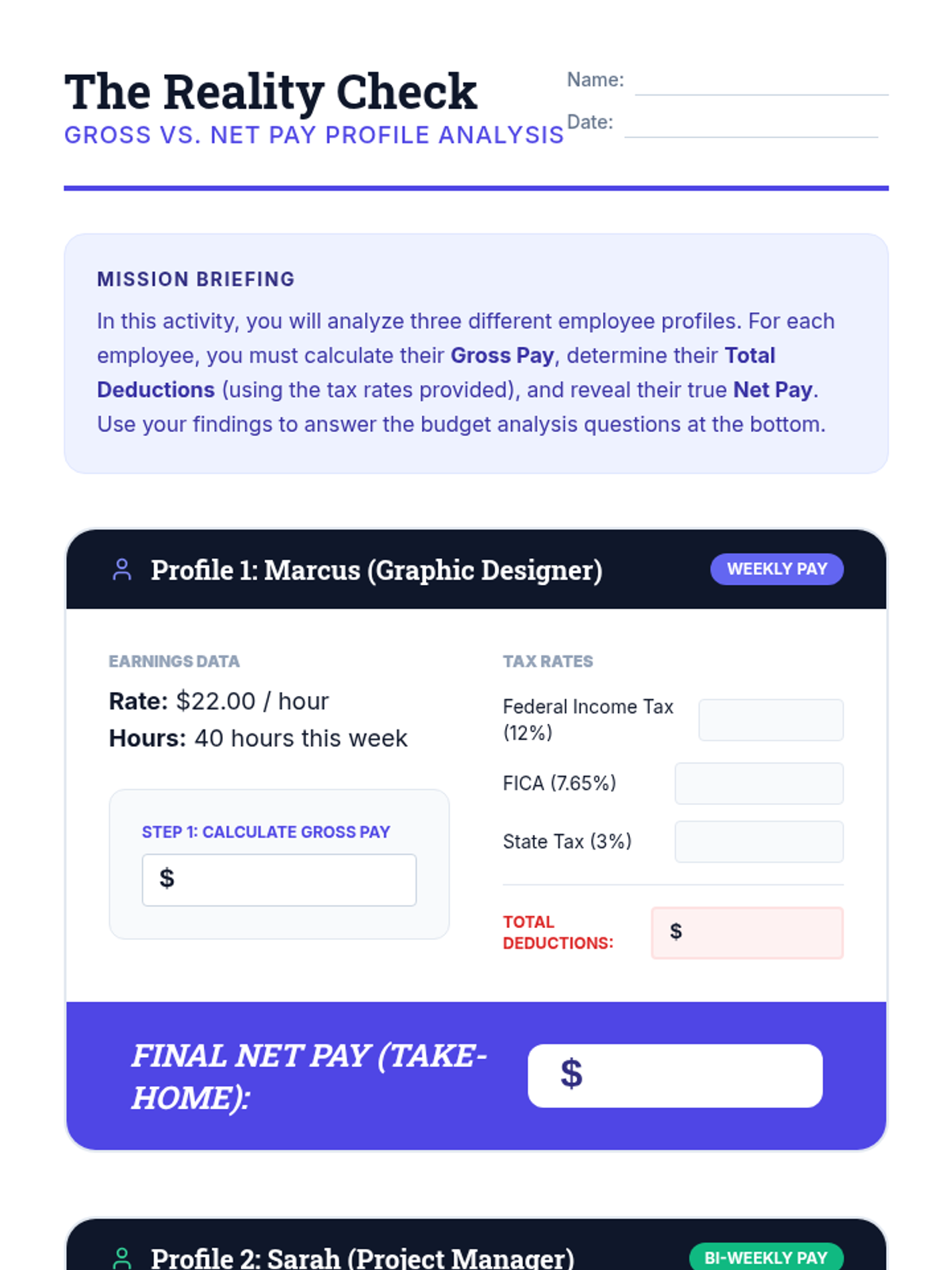
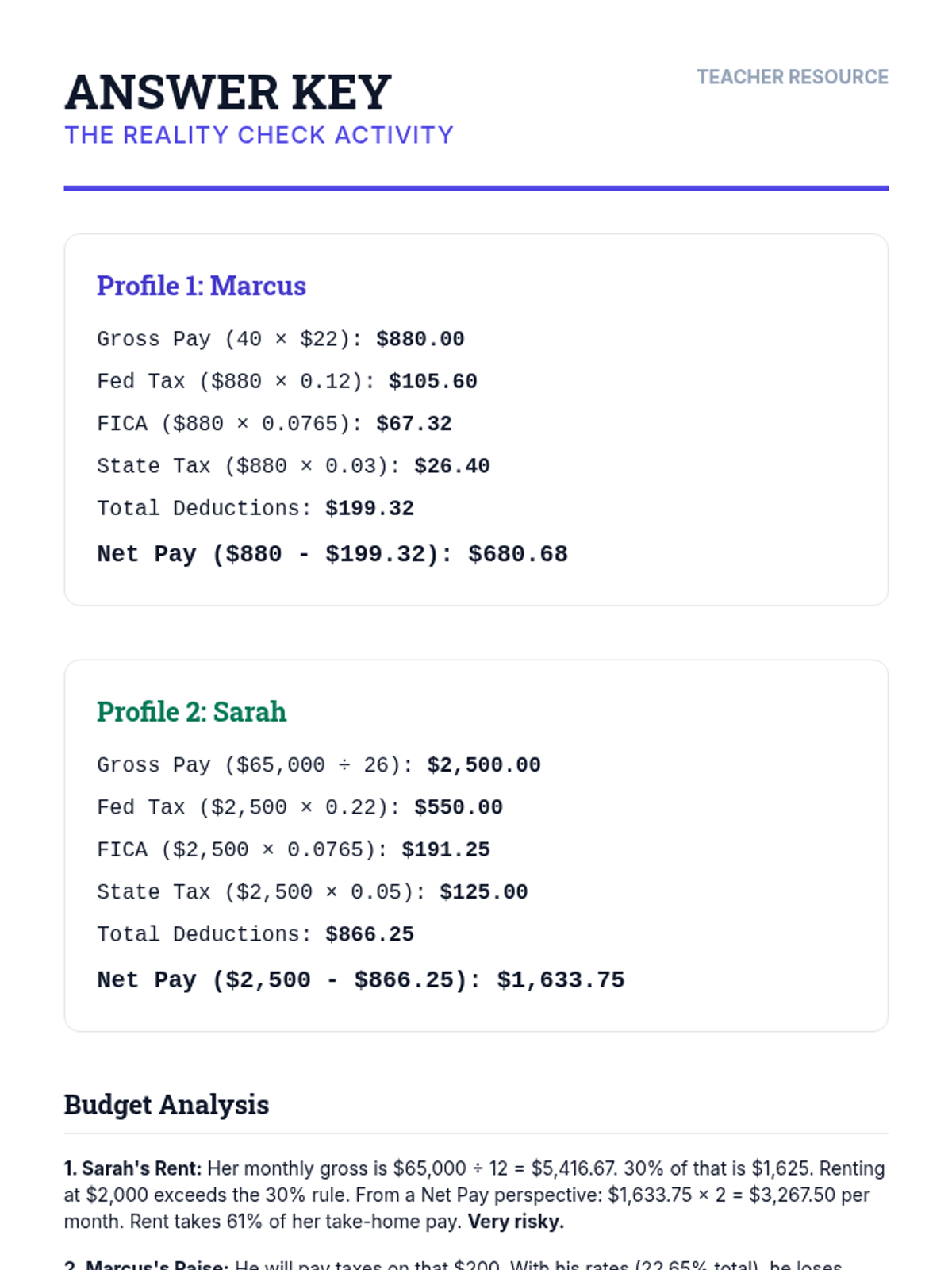
Students synthesize their understanding of gross pay and taxes to calculate net pay, using real-world employee profiles to understand the difference between promised and received pay.
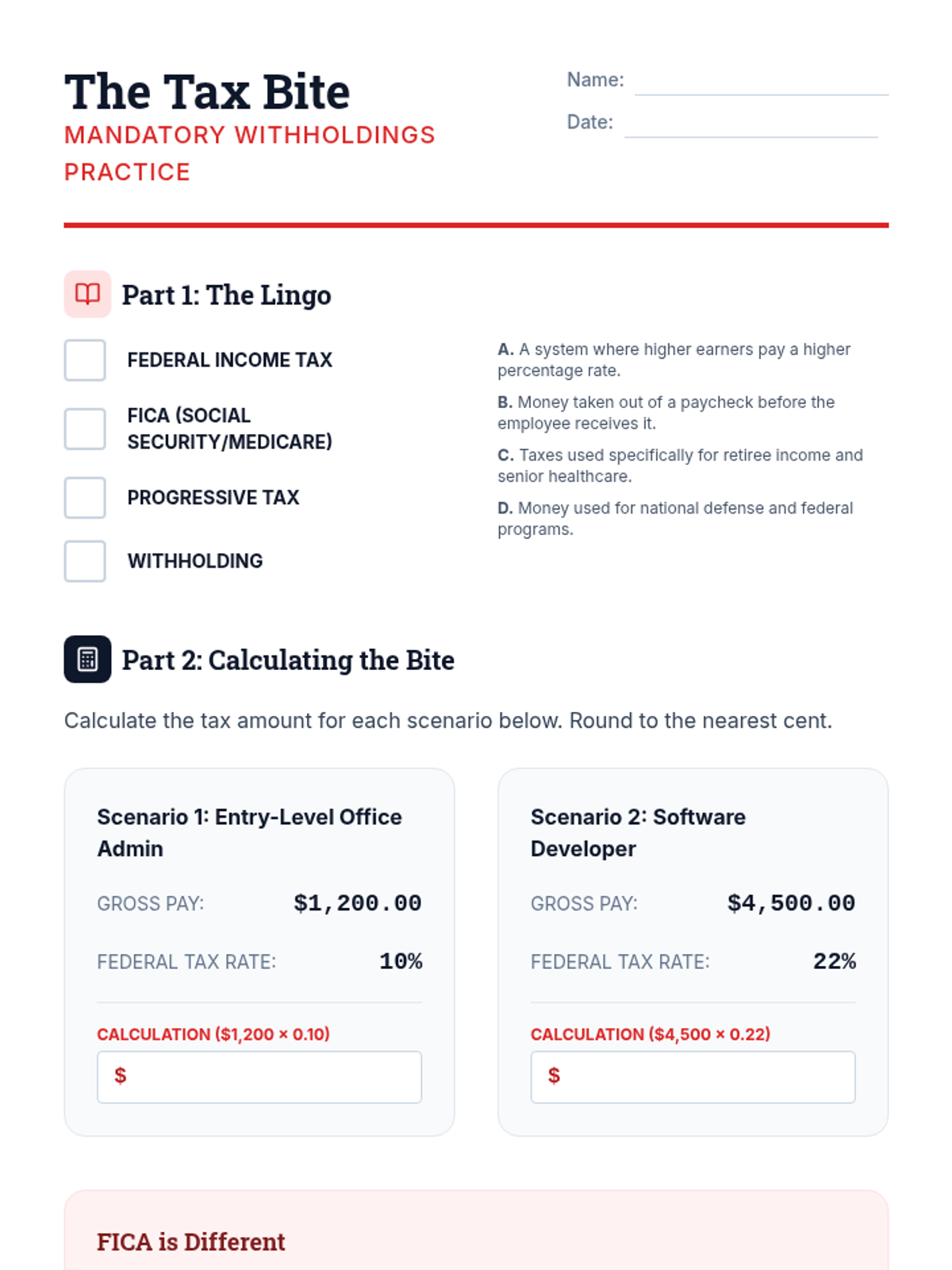
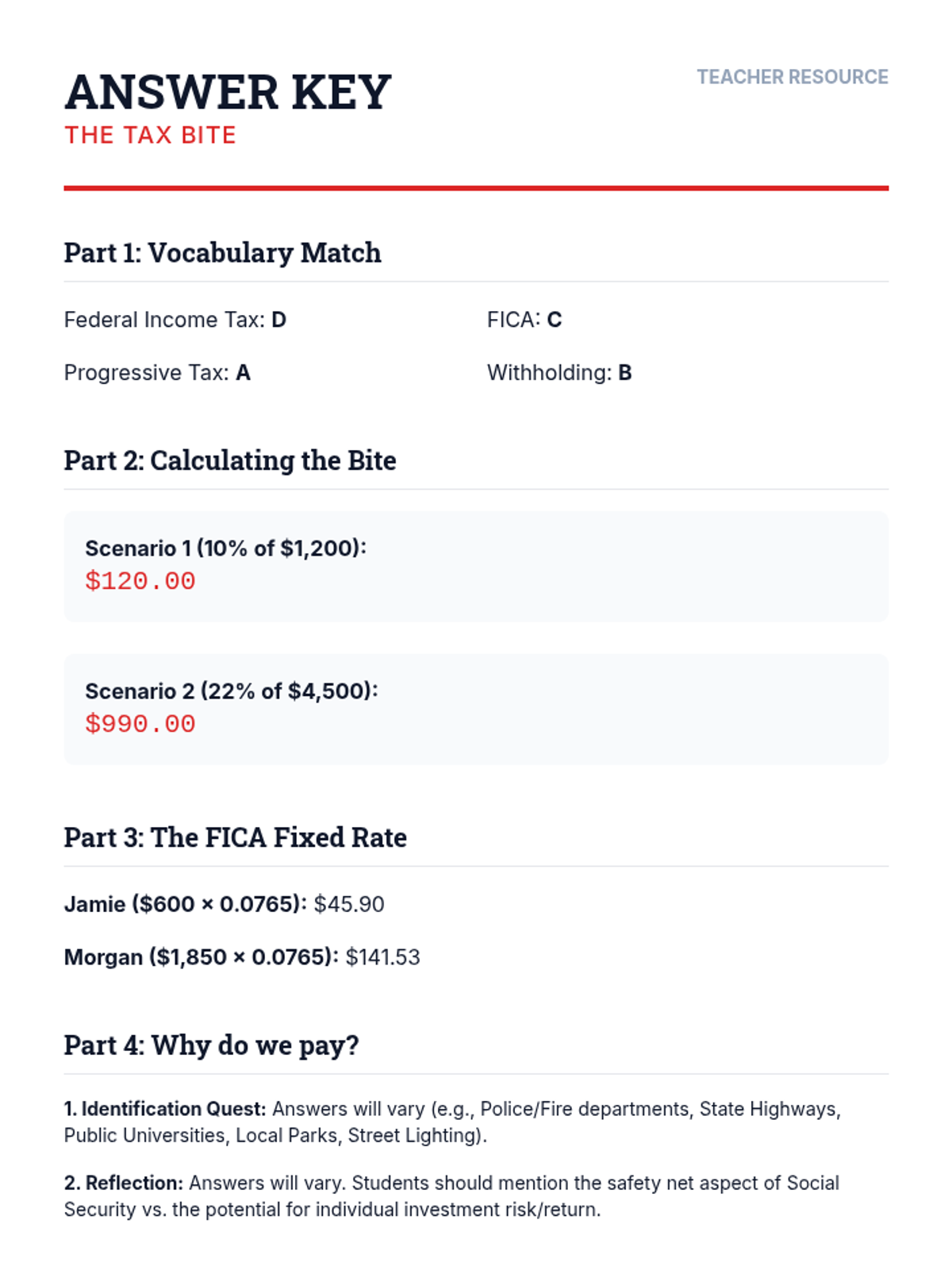
An exploration of mandatory payroll deductions, including federal, state, and FICA taxes, and how these funds support public services.
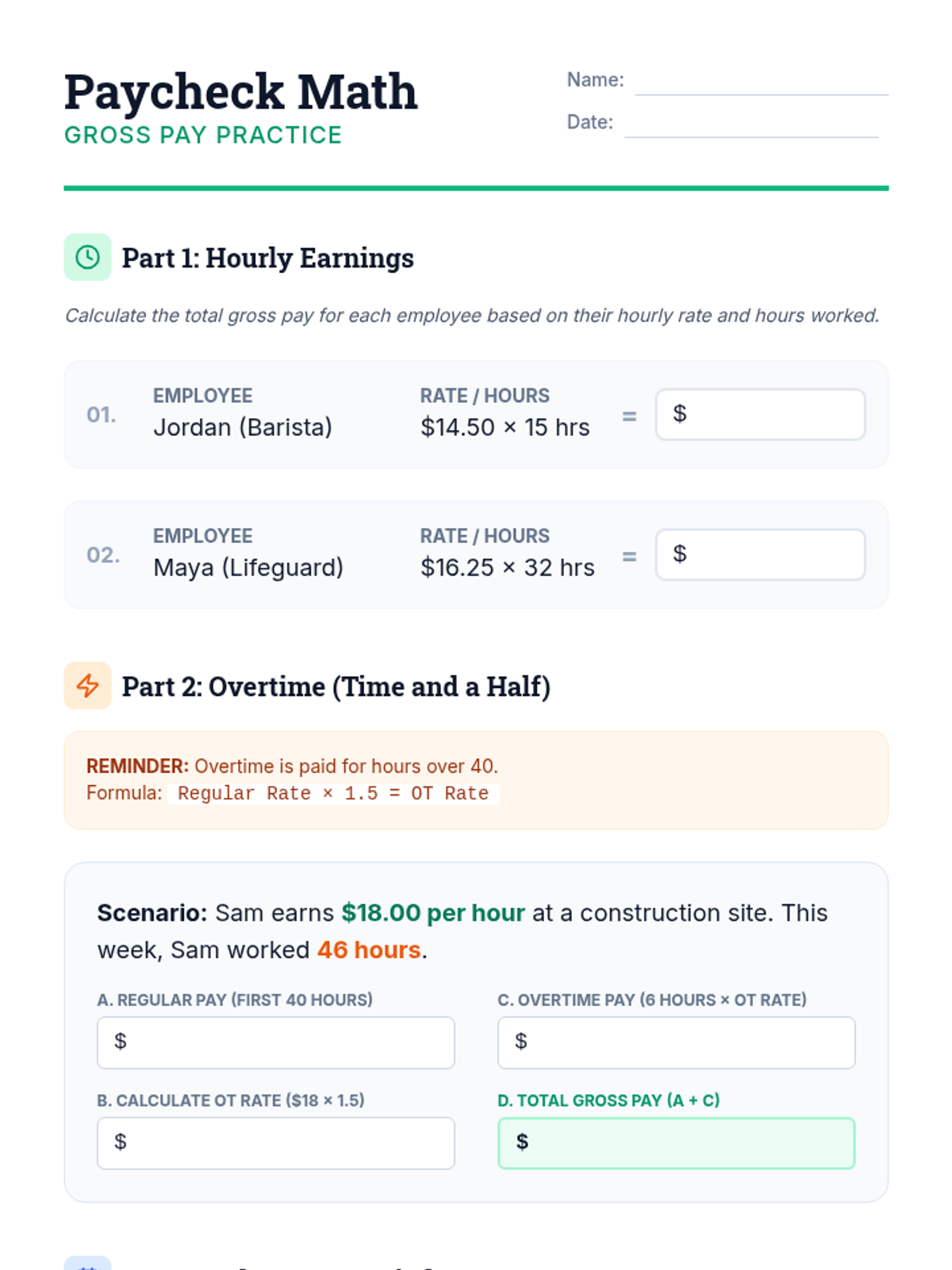
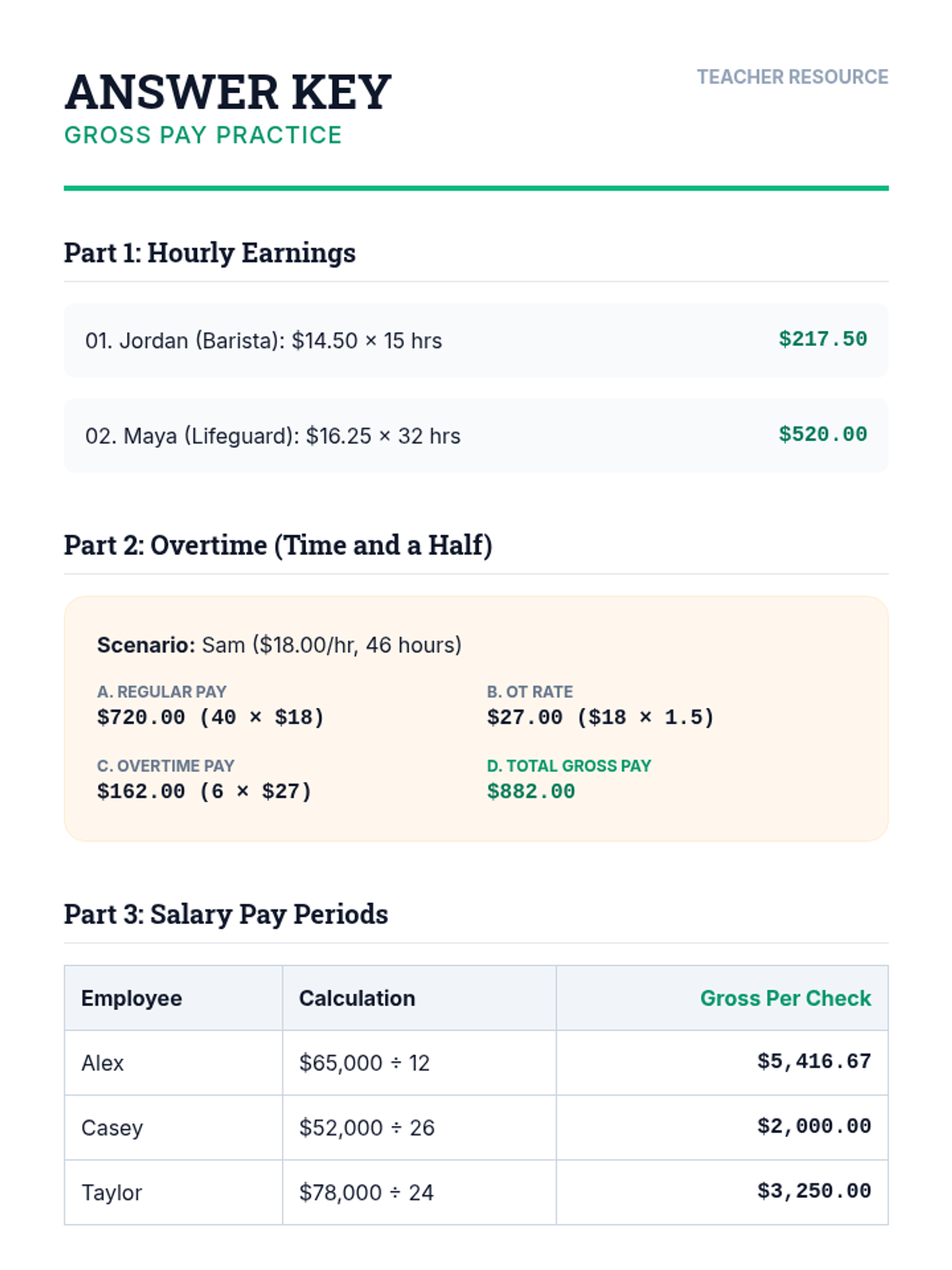
Students differentiate between hourly wages and annual salaries, calculating gross pay across various pay periods and accounting for overtime.
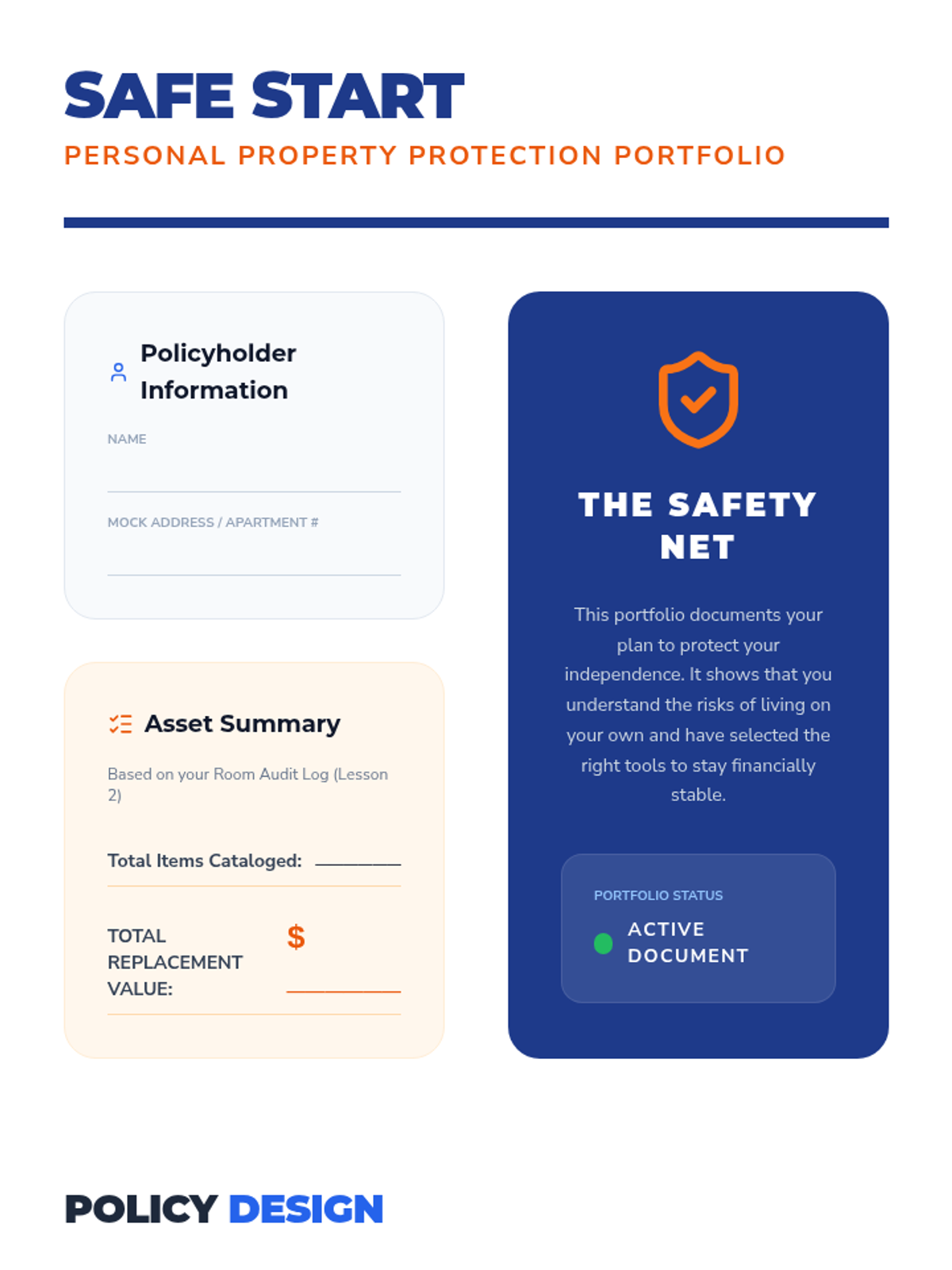
Students synthesize their learning by creating a 'Protection Portfolio' for their first hypothetical apartment, selecting coverage limits and deductibles.
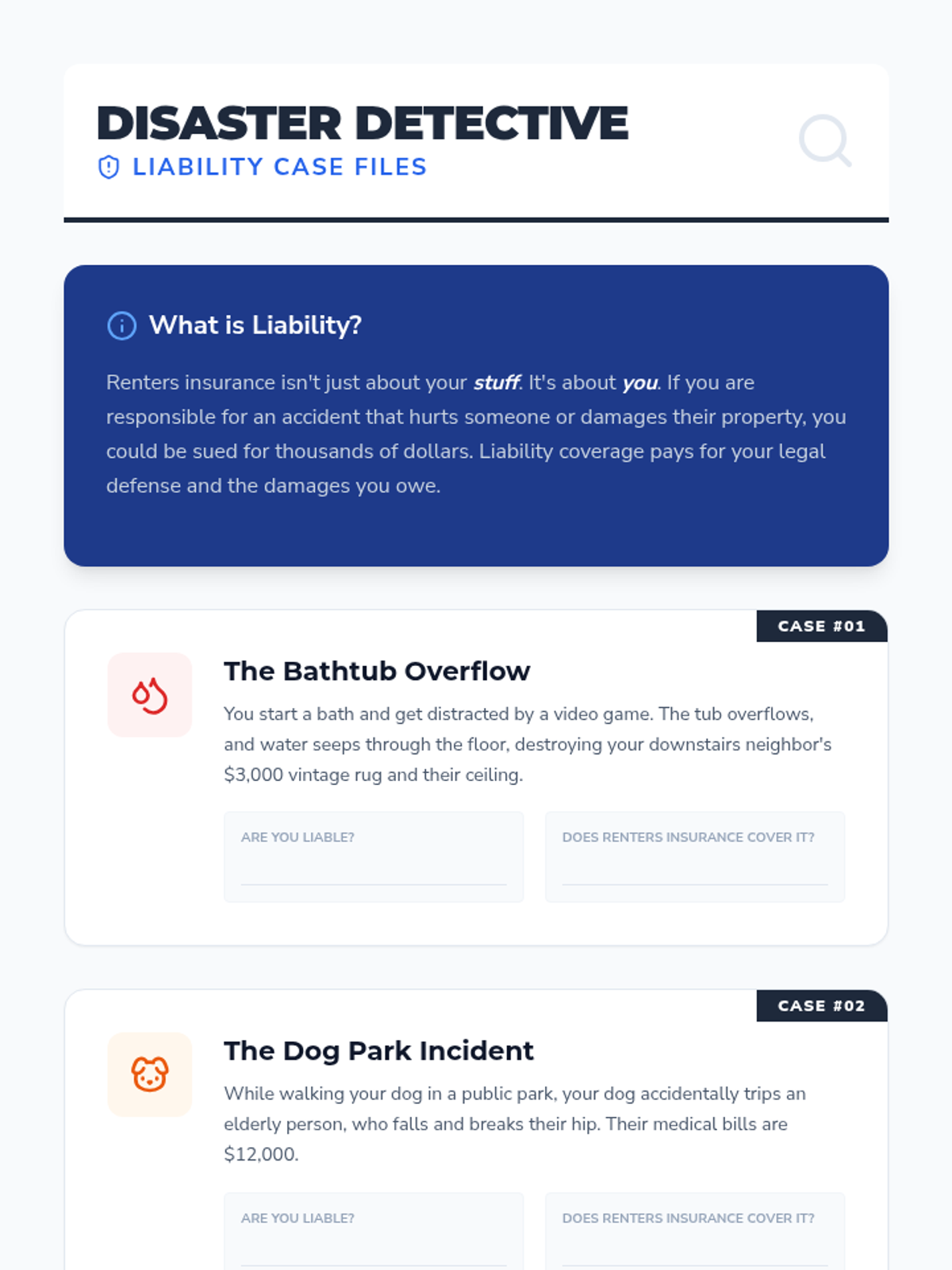
Students analyze scenarios involving personal liability, understanding that renters insurance protects more than just their physical stuff.
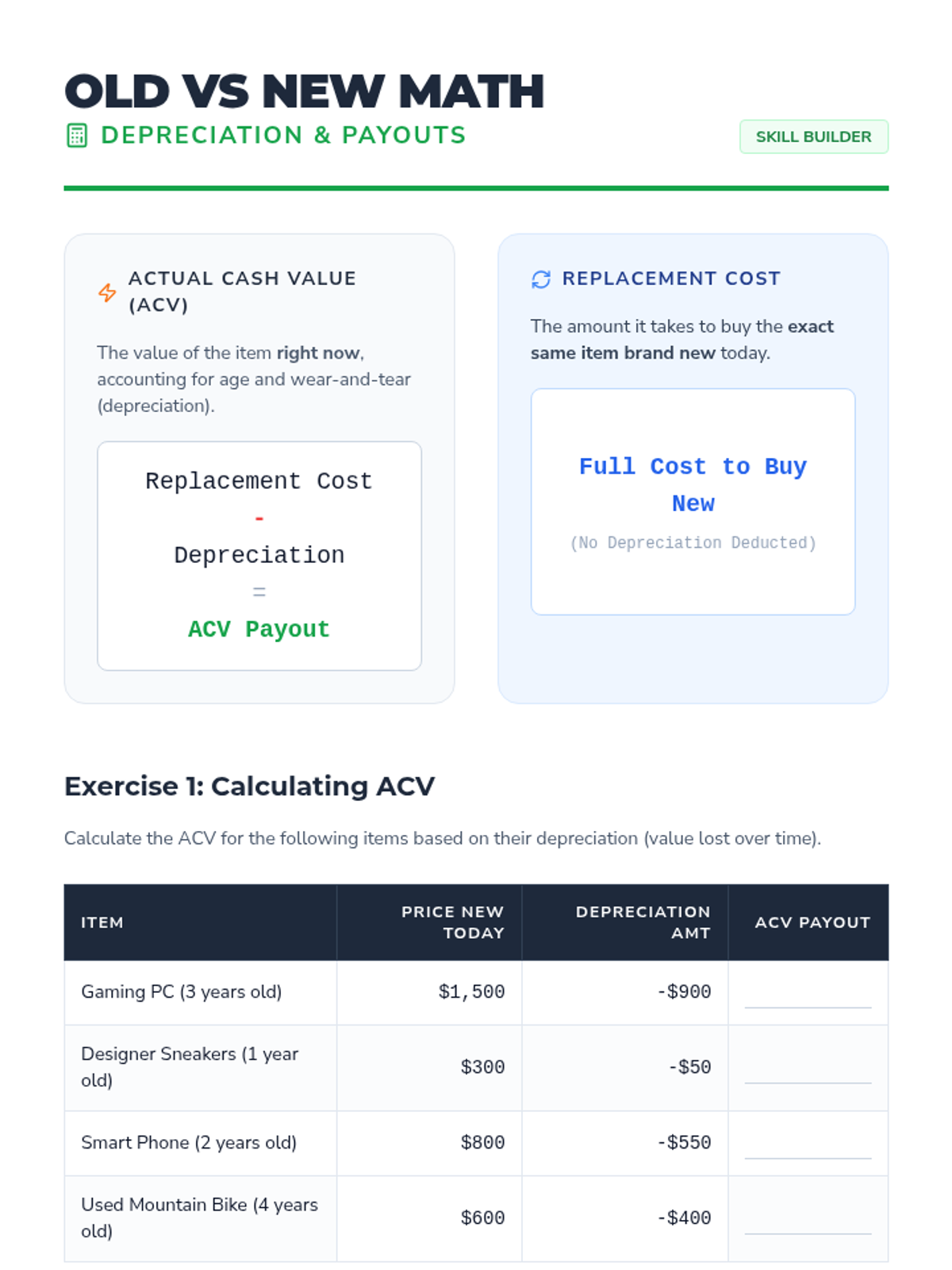
Students calculate the difference between replacement cost and actual cash value, exploring how depreciation affects insurance payouts.
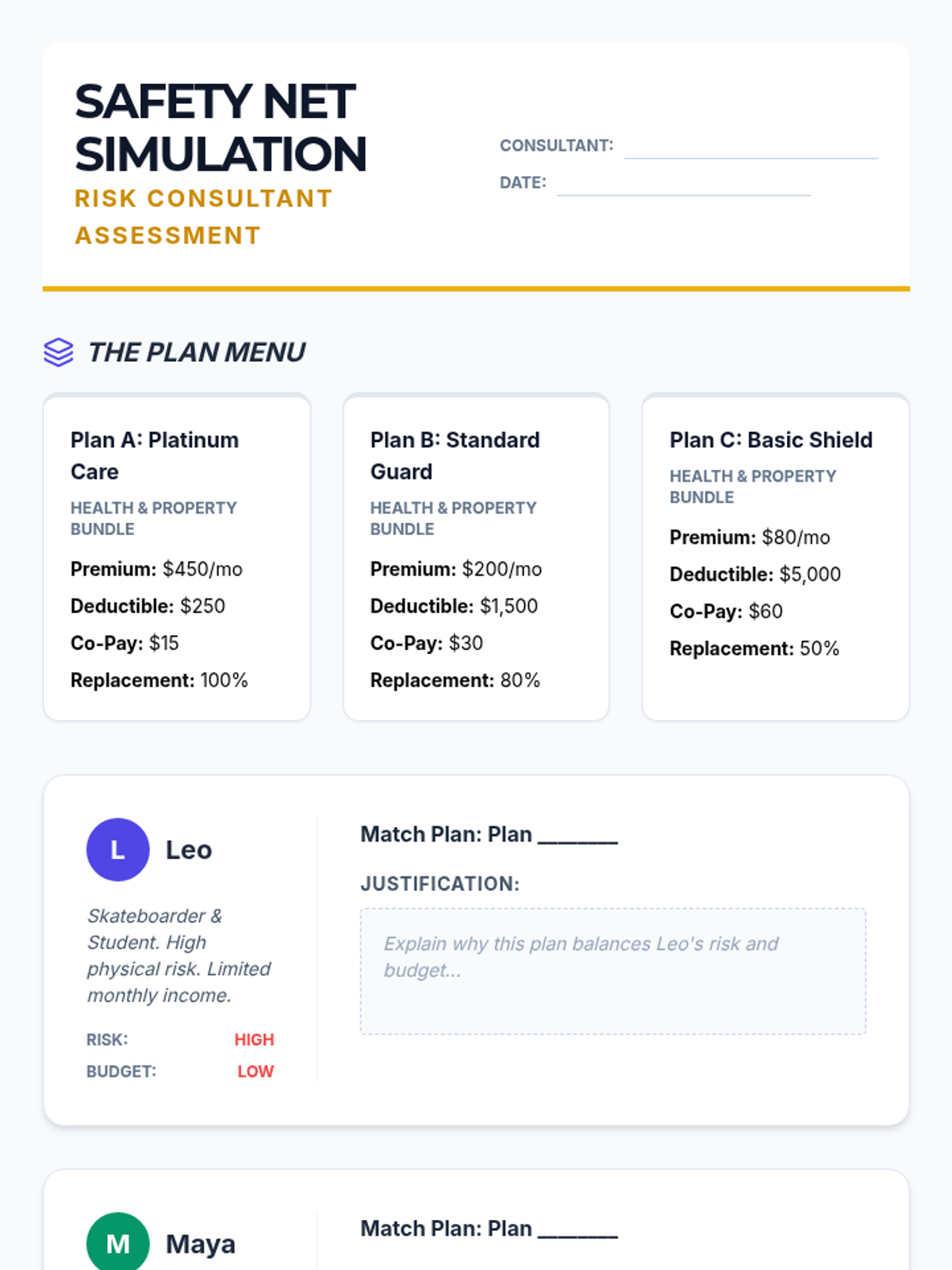
Students are presented with three different health/property plans and three different 'life profiles.' They must match the best plan to the profile based on lifestyle risks and budget.
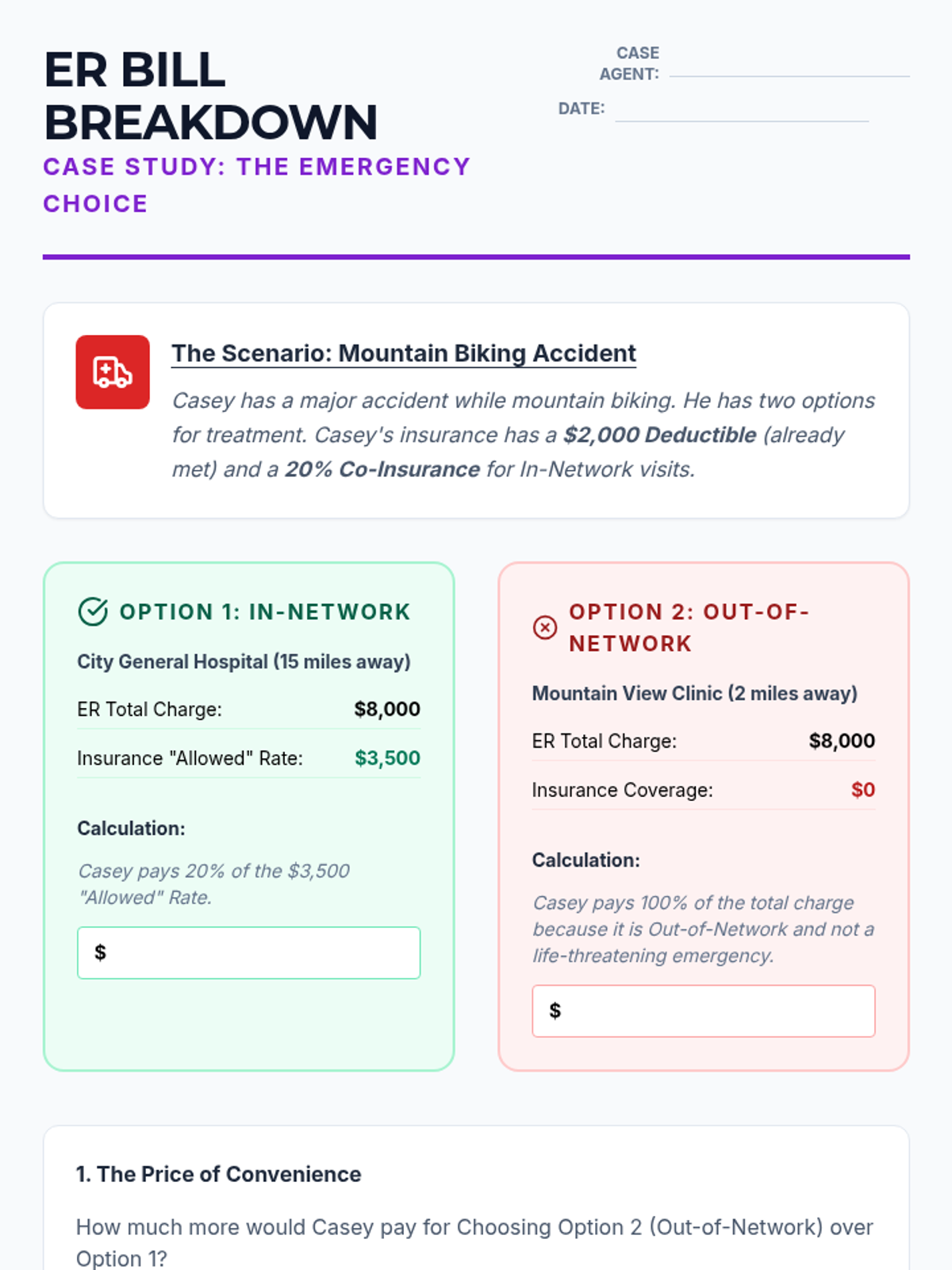
Students investigate the difference between In-Network and Out-of-Network providers. They analyze a scenario involving an emergency room visit to understand how choice of hospital affects the final bill.
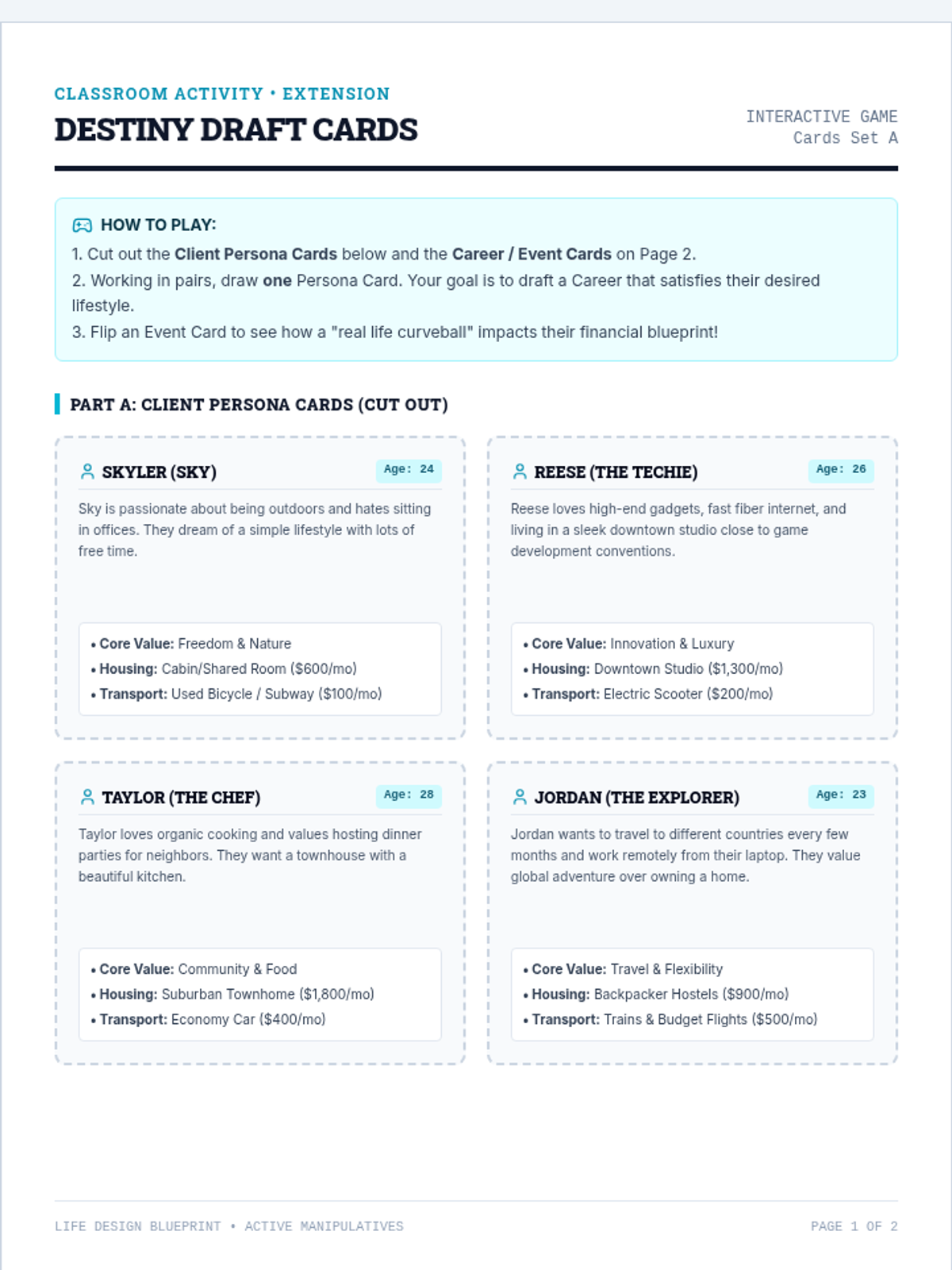
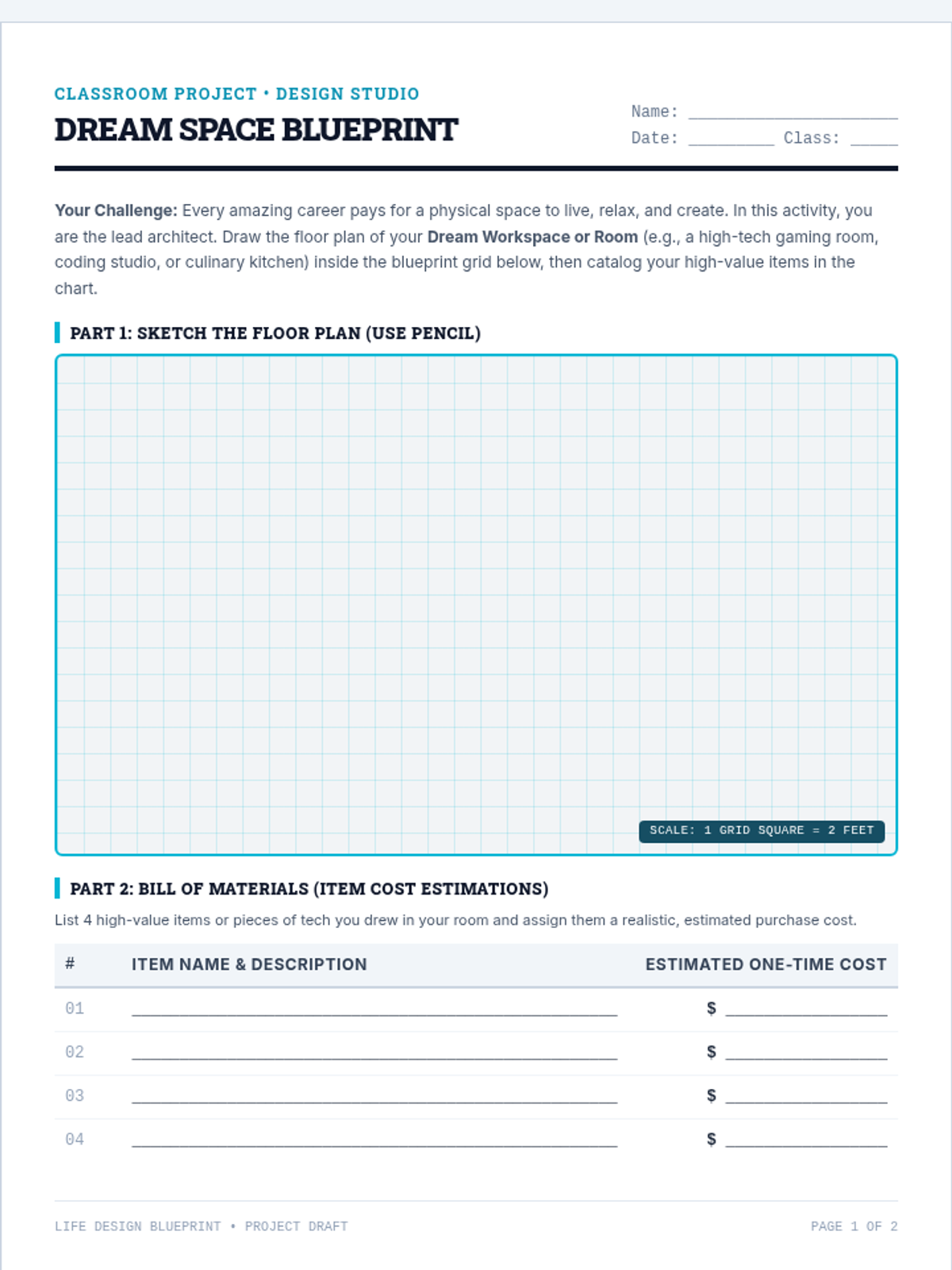
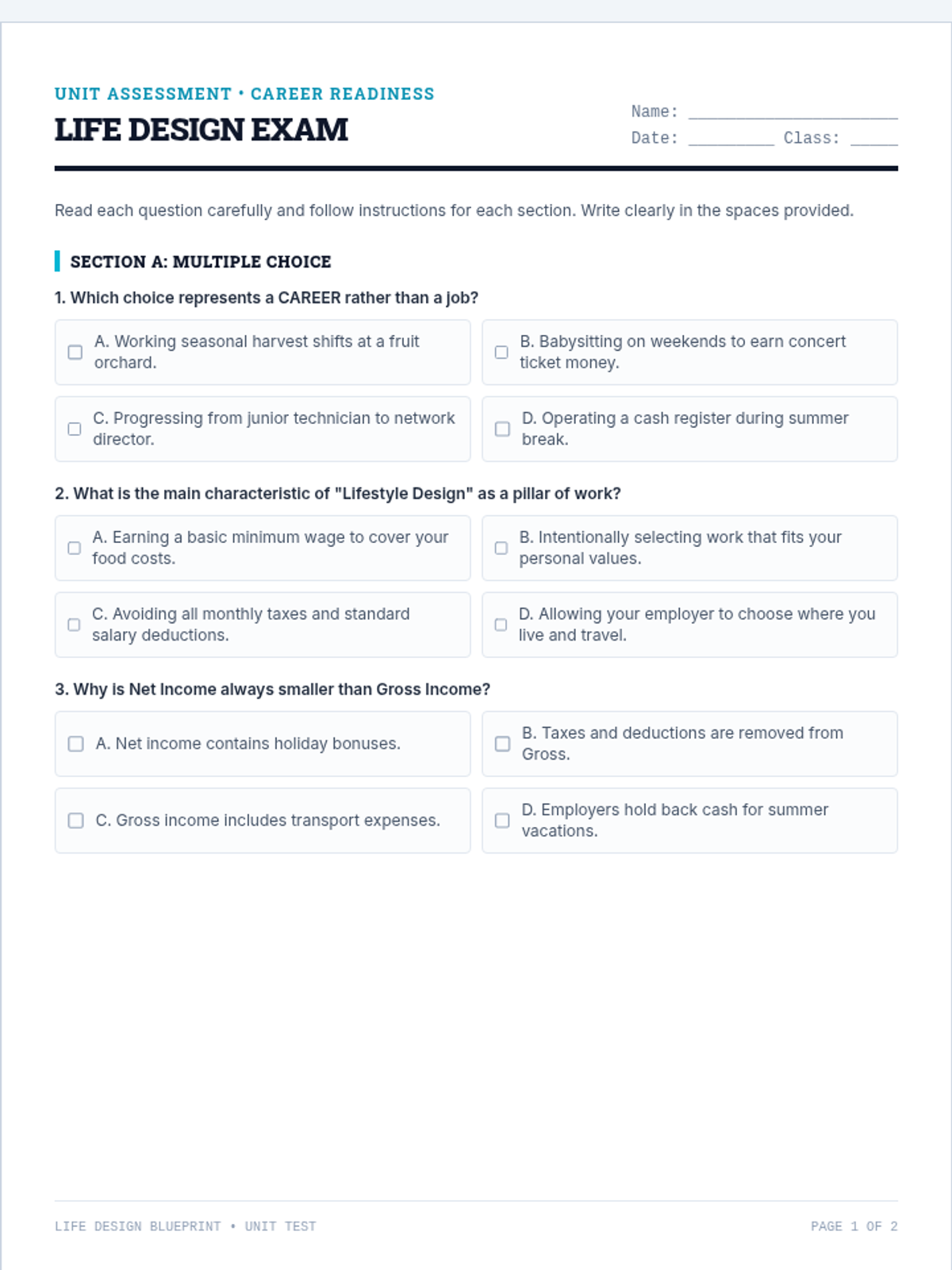
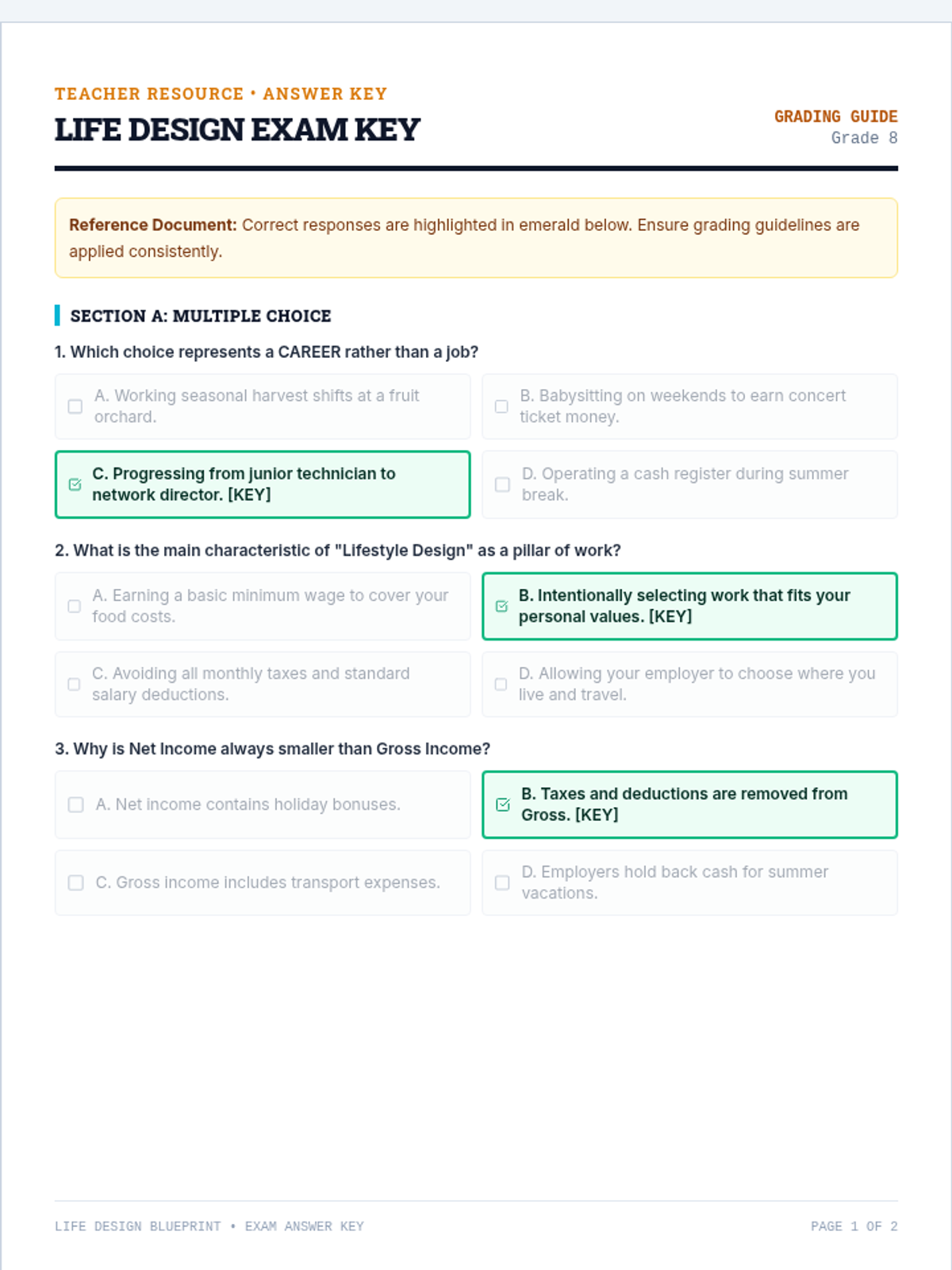
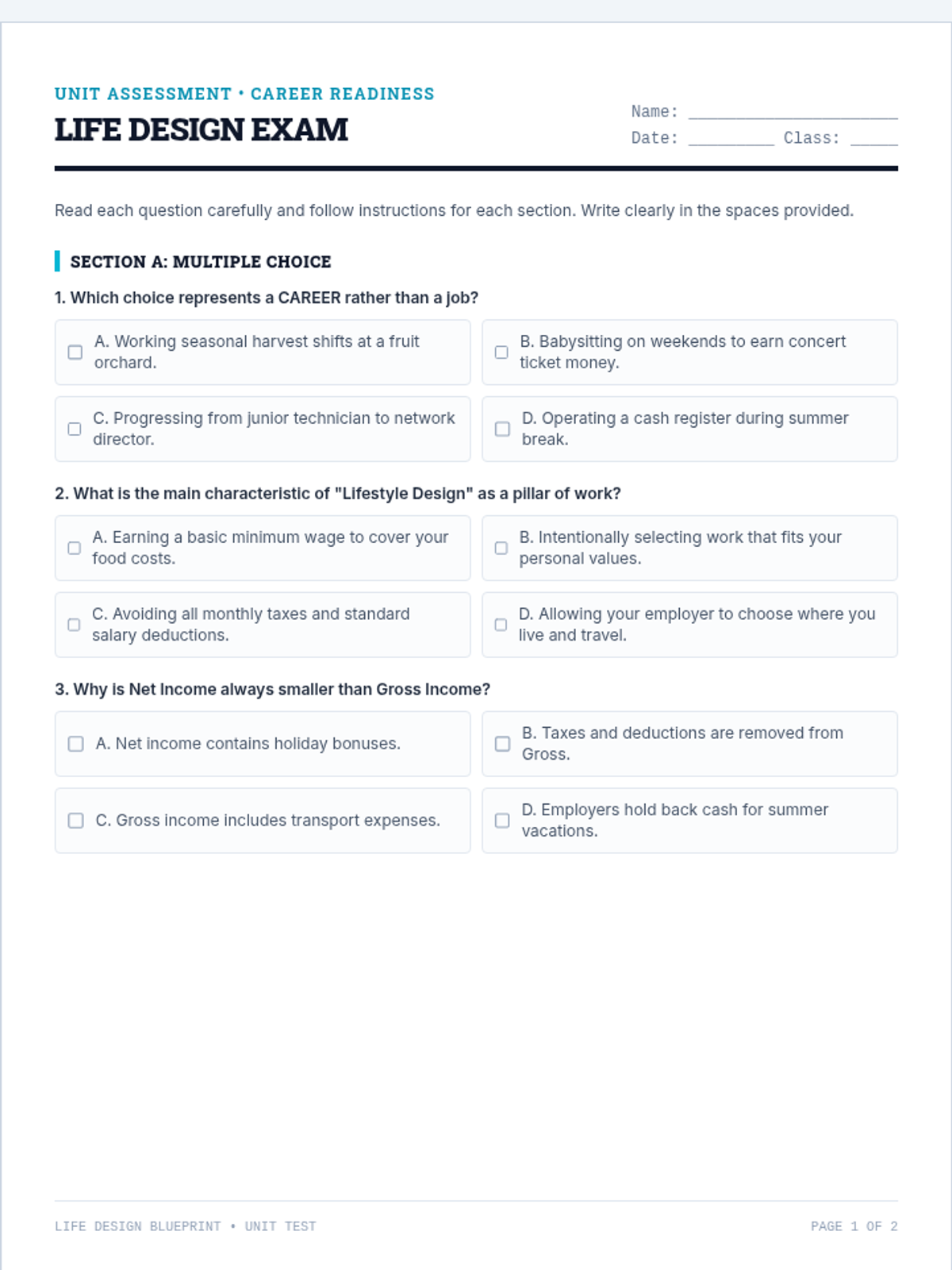
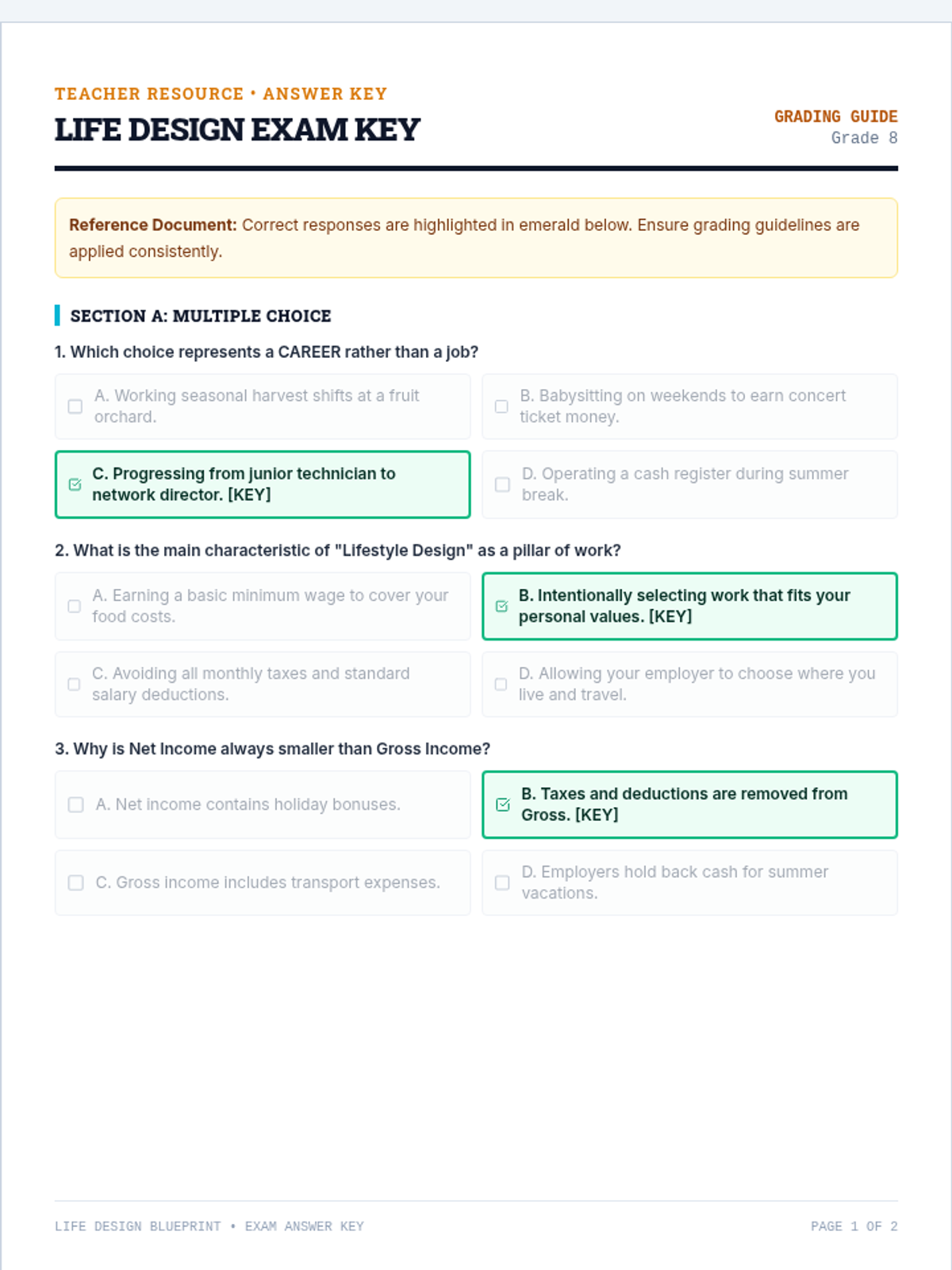
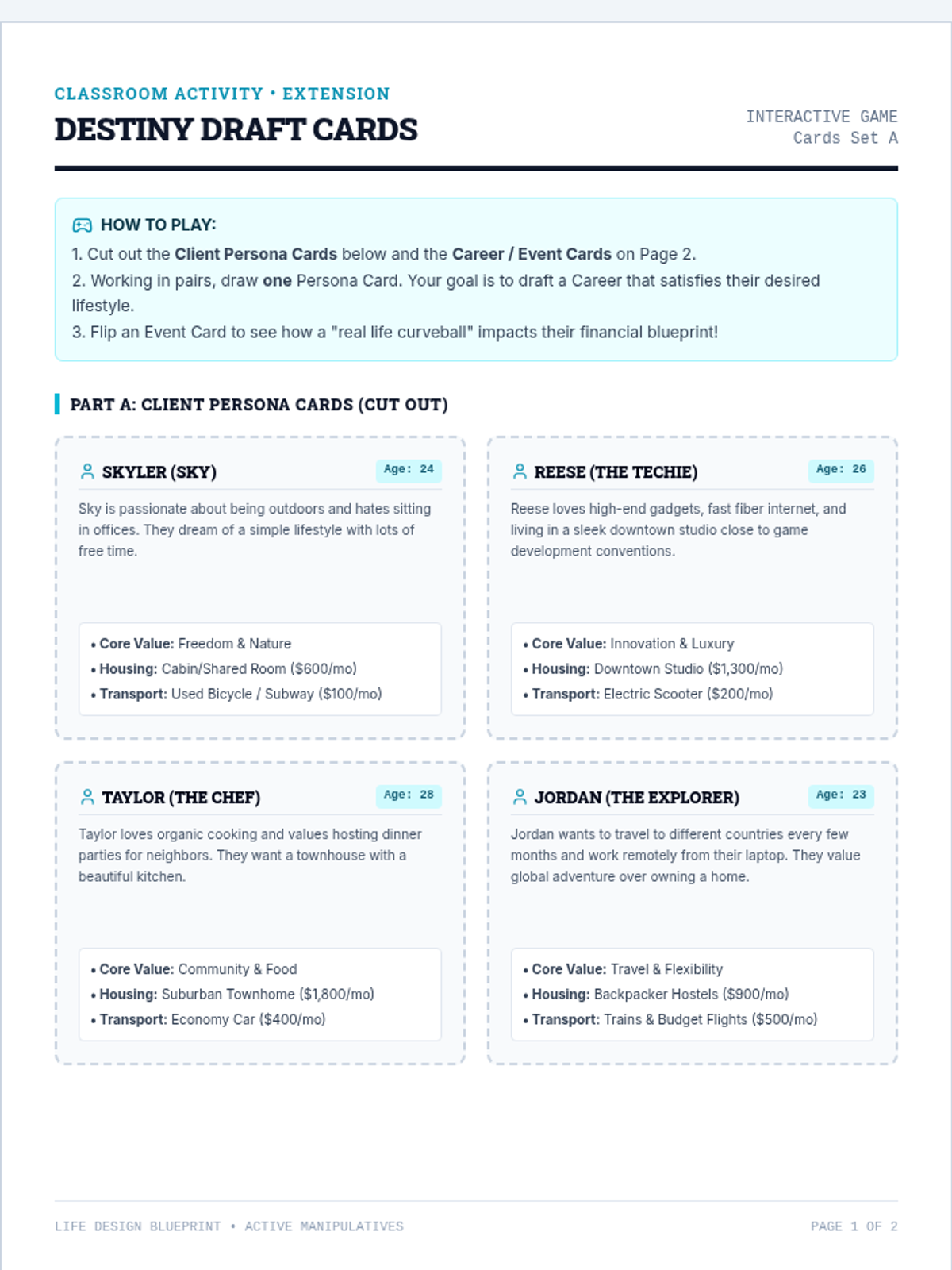
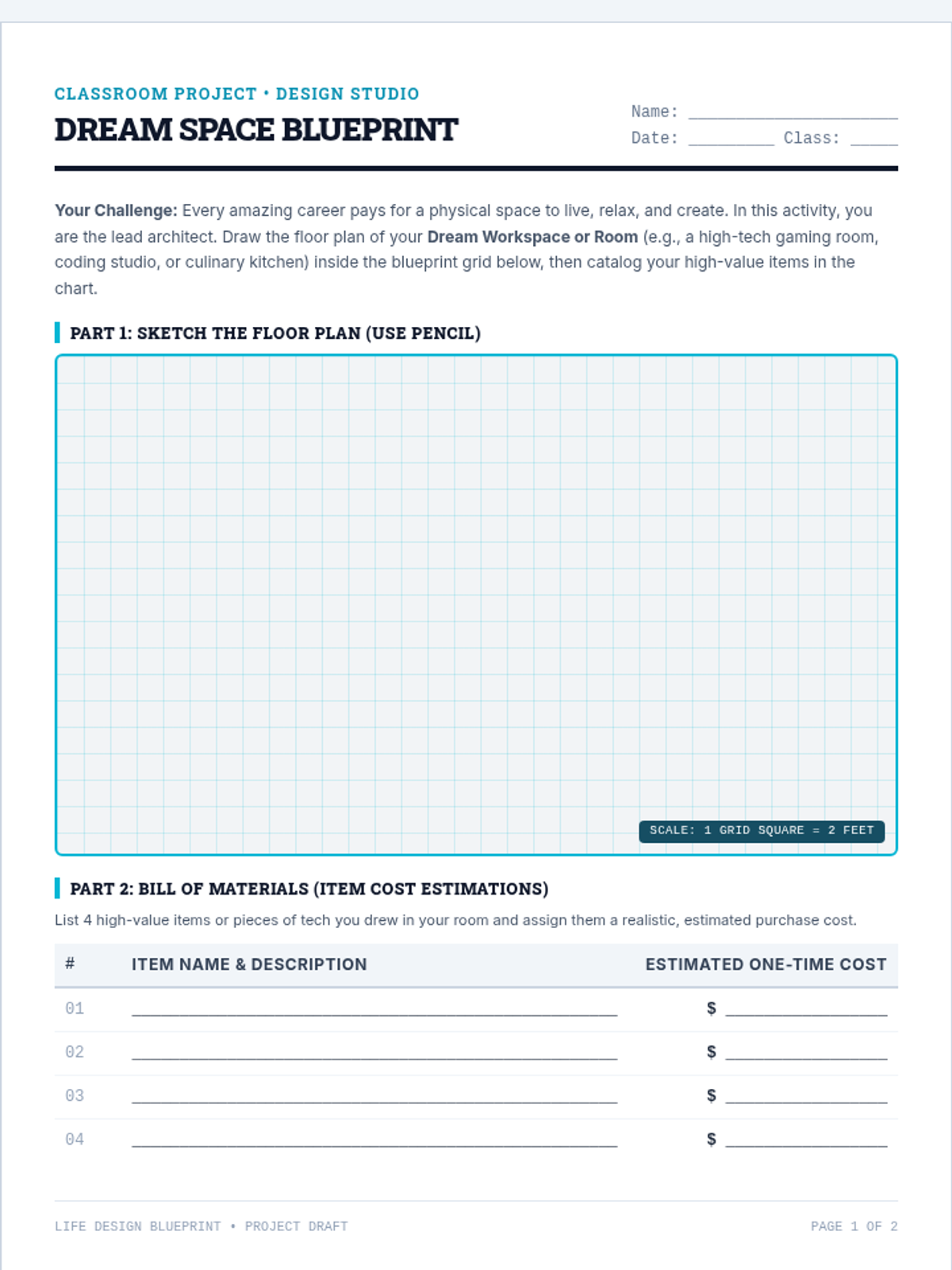
Day 2 of the Life Designers unit. Students engage in a hands-on, gamified career drafting simulation using 'Destiny Draft Cards' and construct a financial floor plan project with 'Dream Space Blueprint', concluding with the final Unit Test.
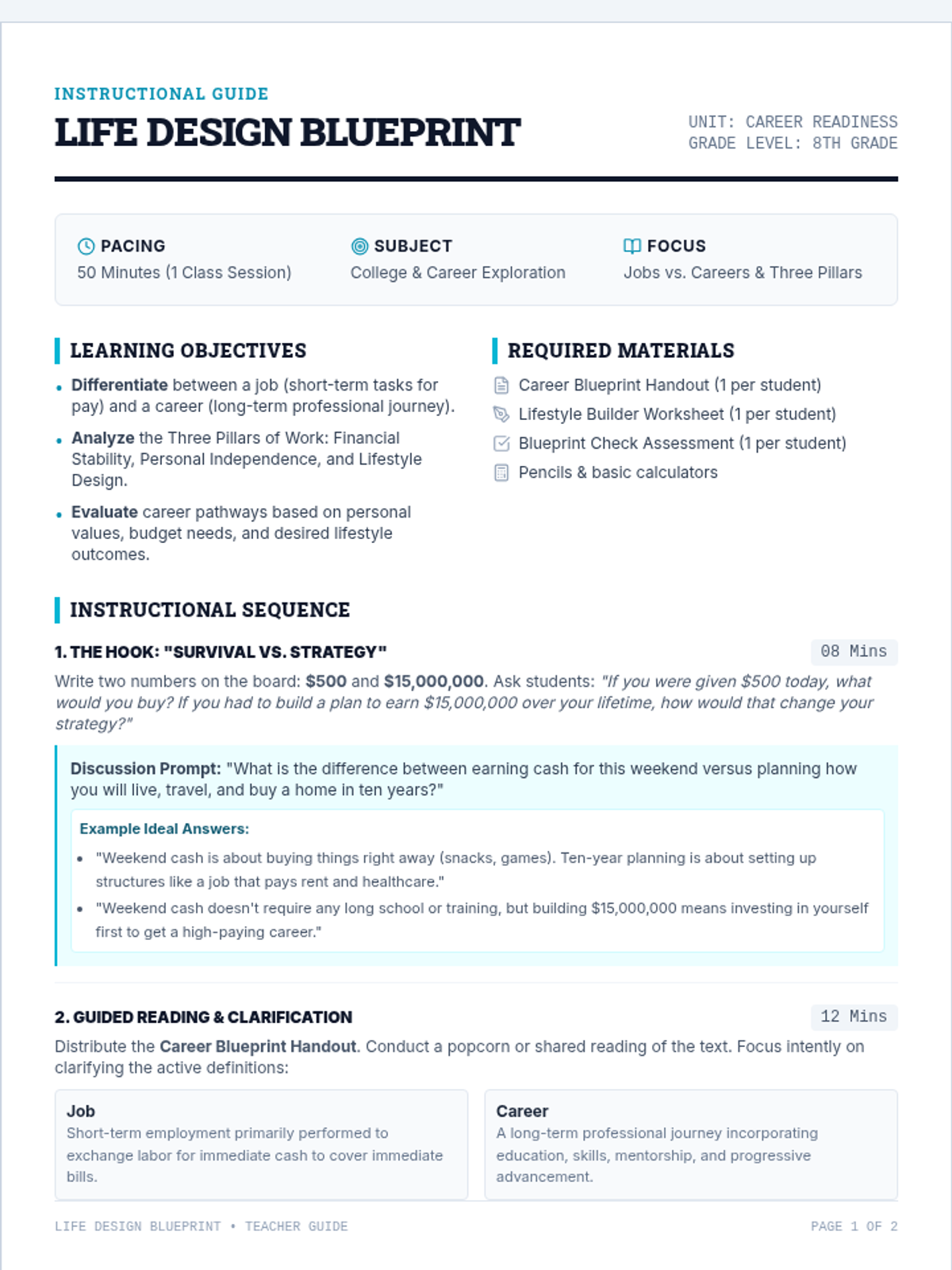
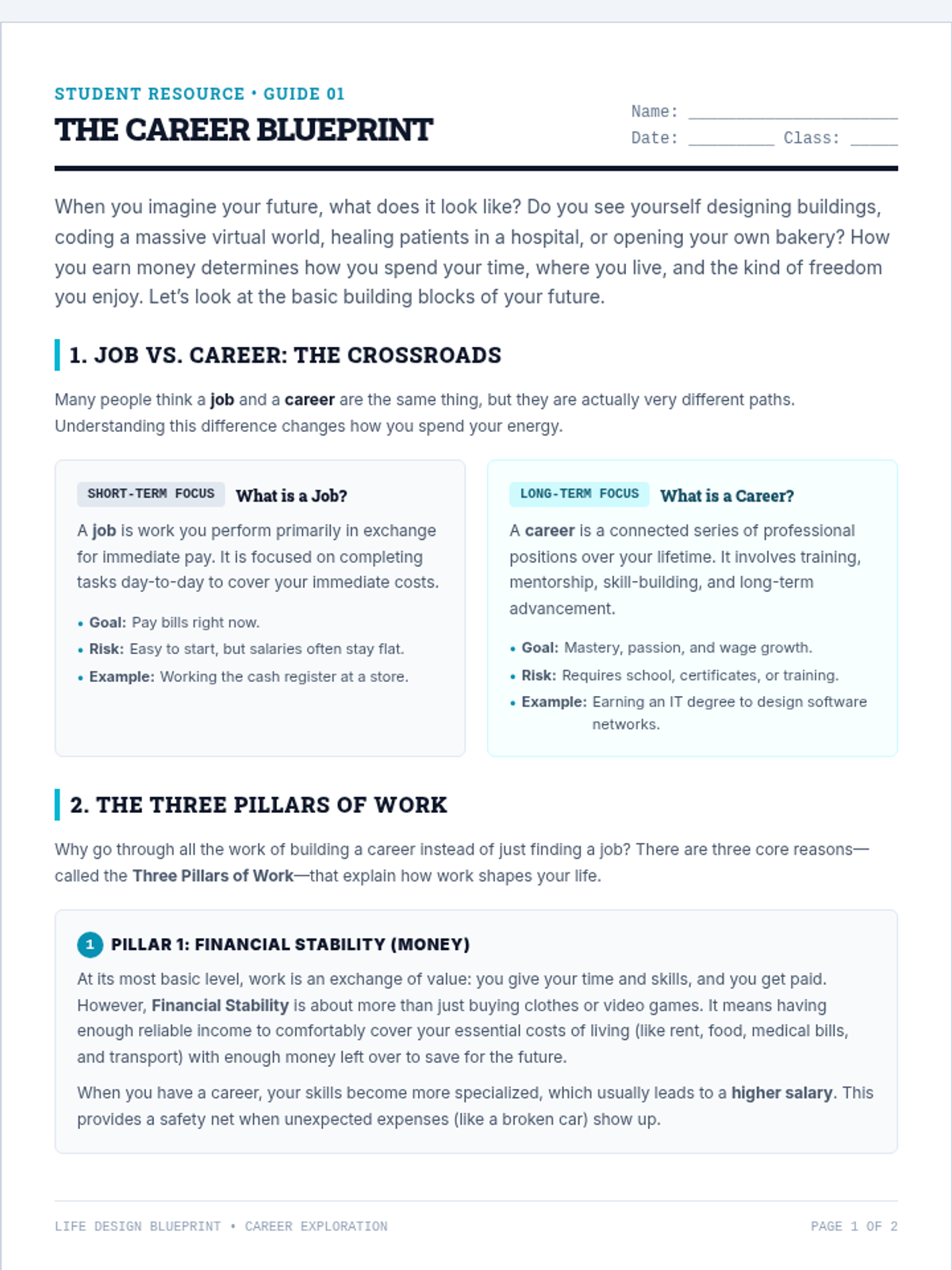
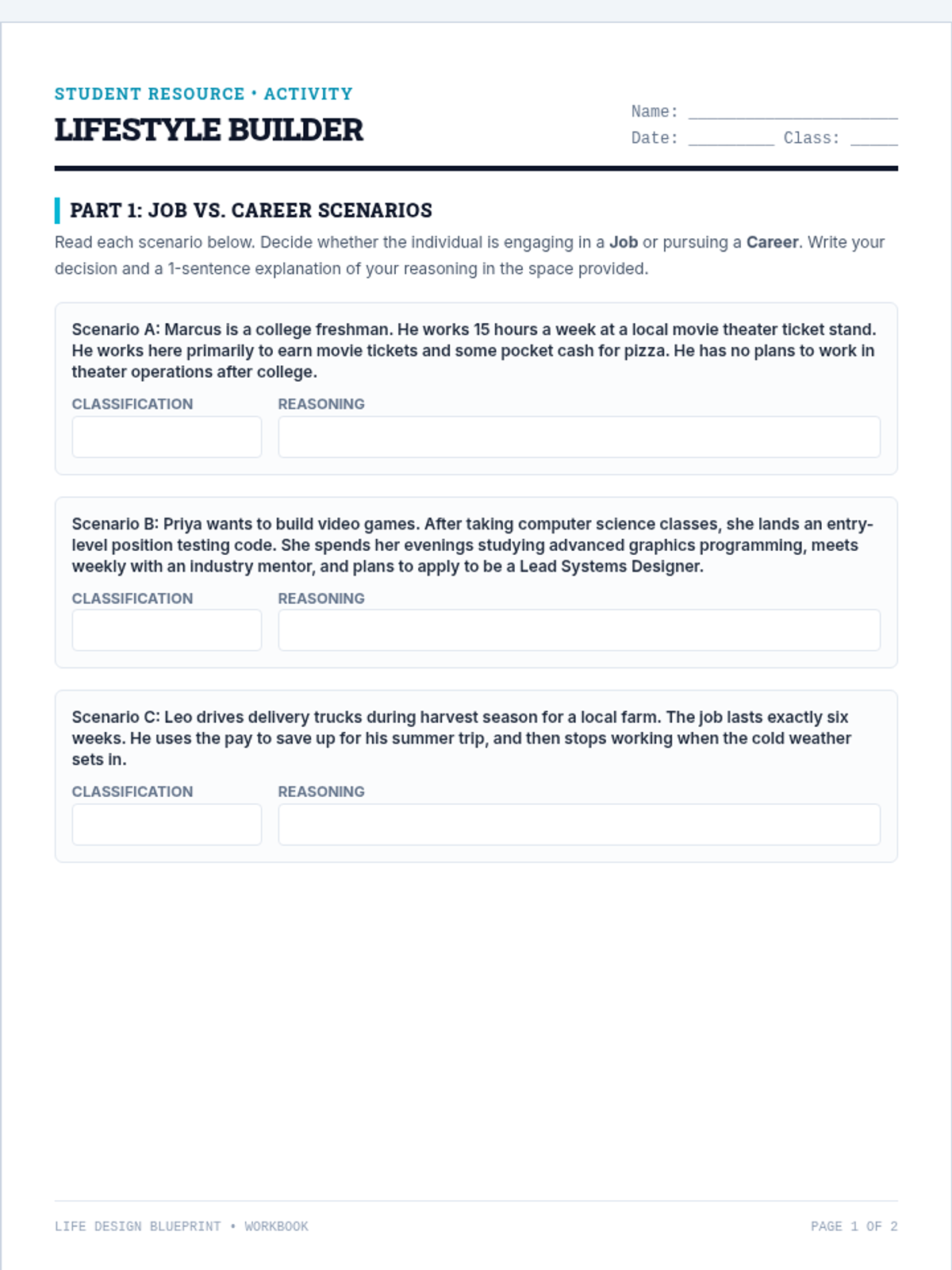
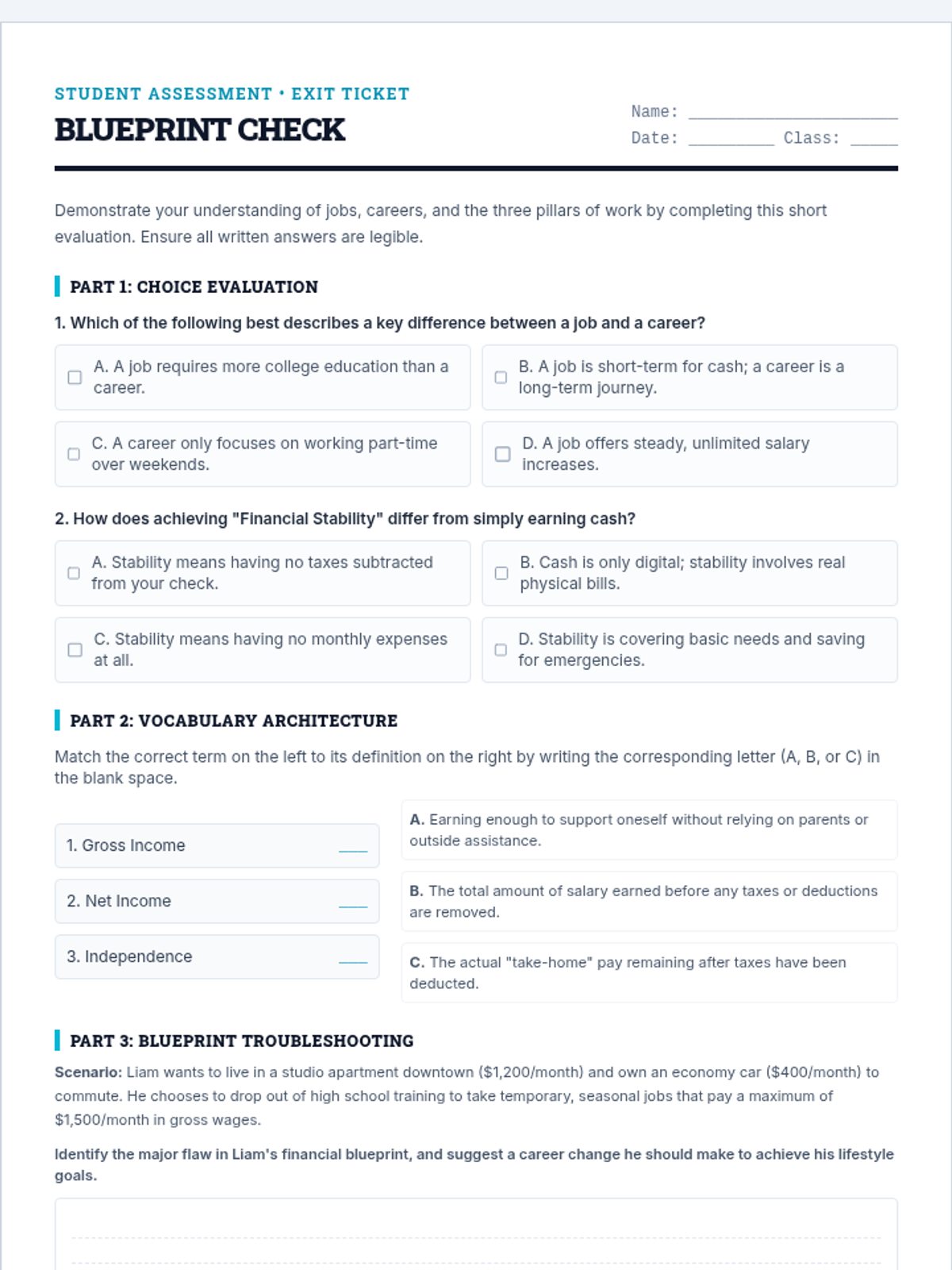
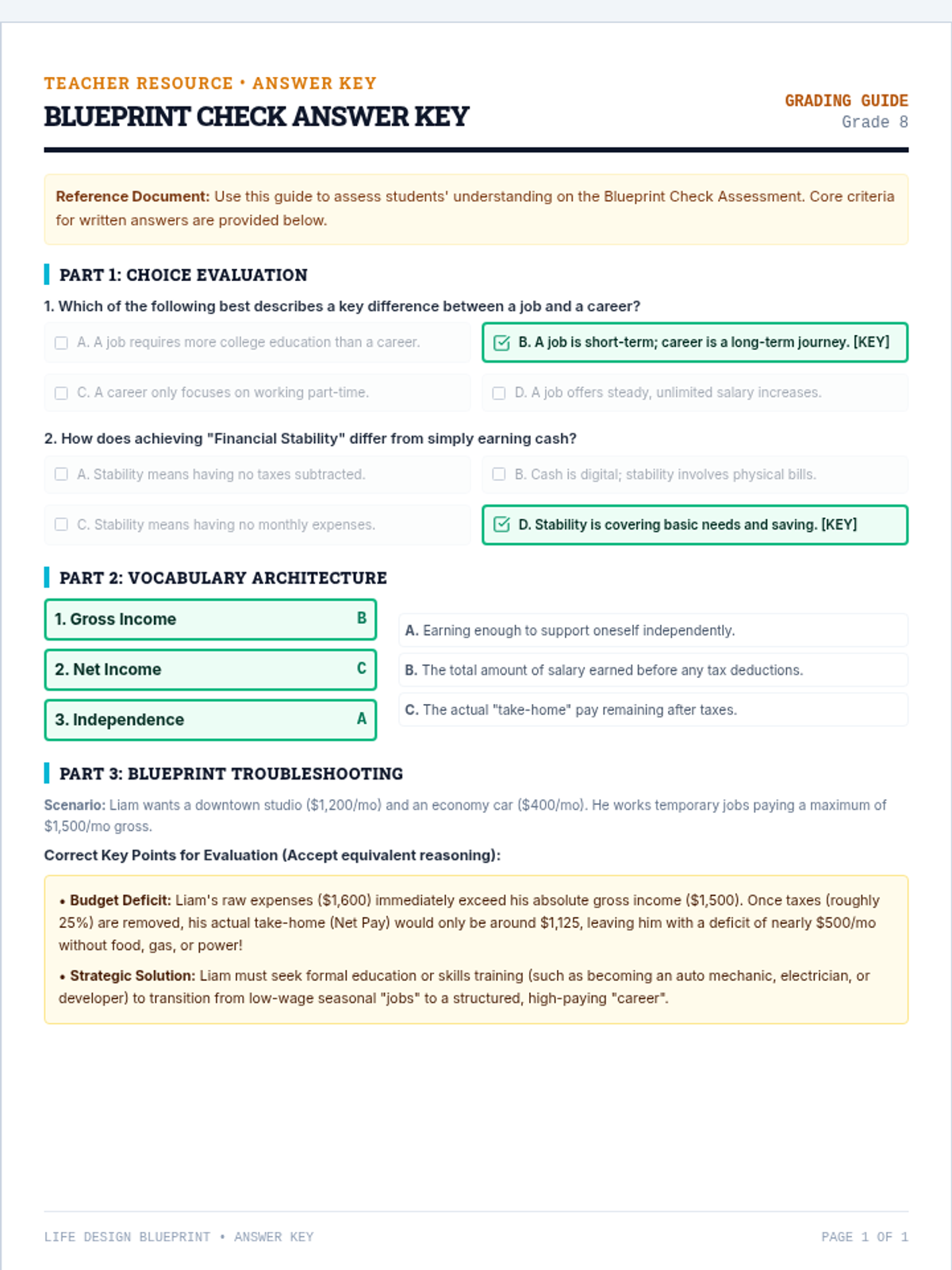
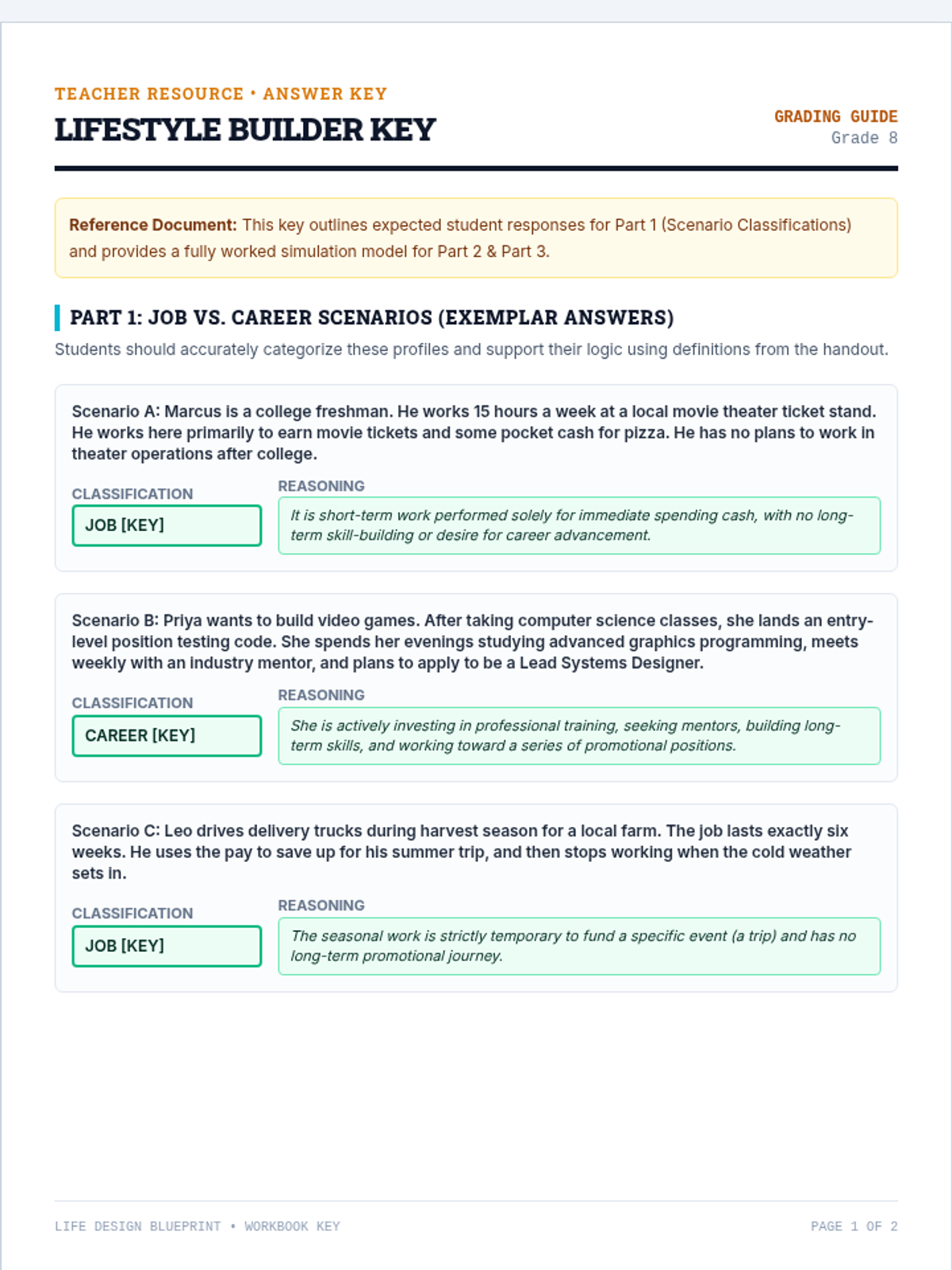
An interactive 8th-grade lesson exploring the differences between jobs and careers, alongside the three core pillars of work: financial stability, personal independence, and lifestyle design. Students analyze real-world scenarios, complete a lifestyle budget simulation, and assess their understanding through a final check.
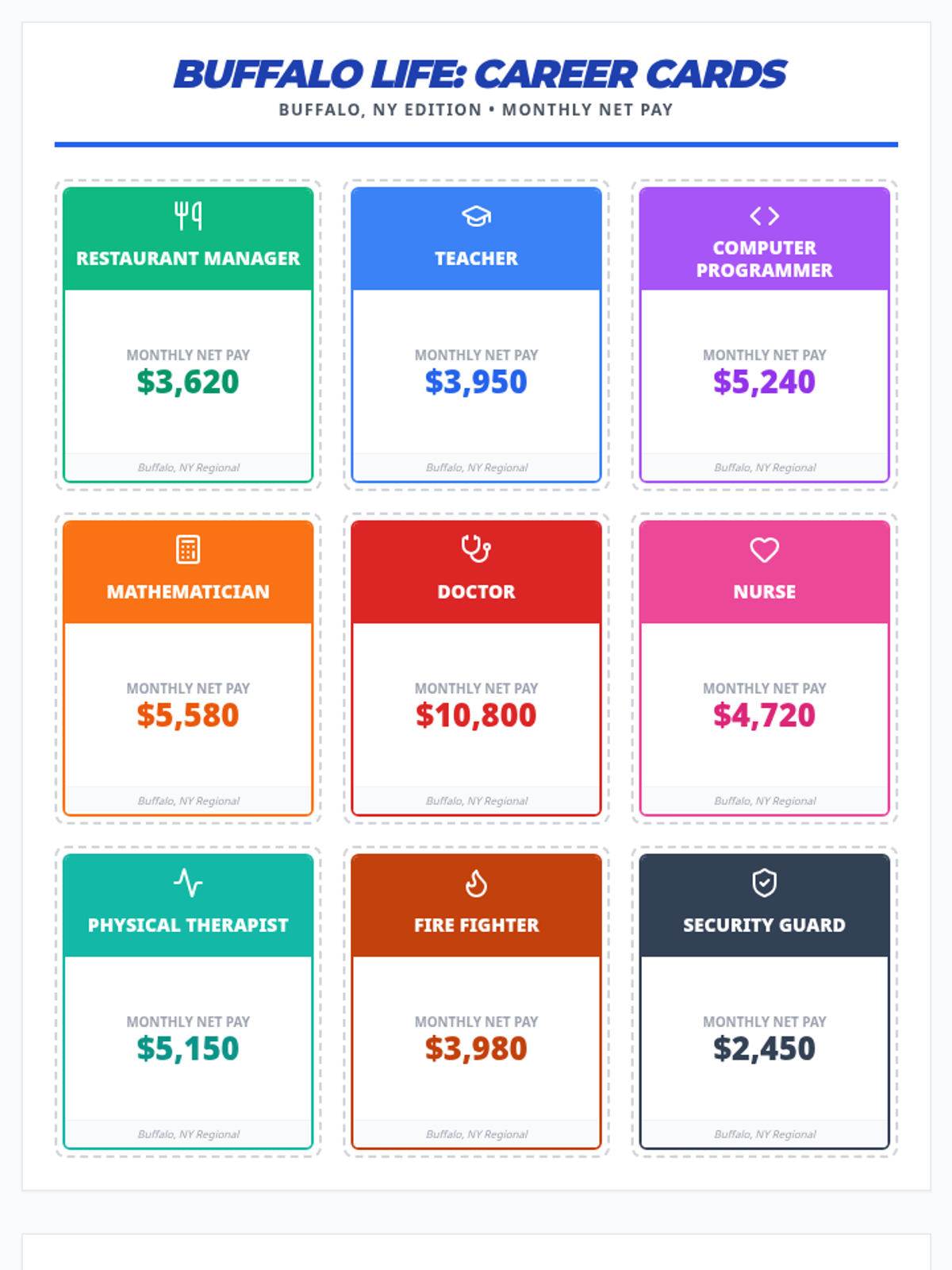
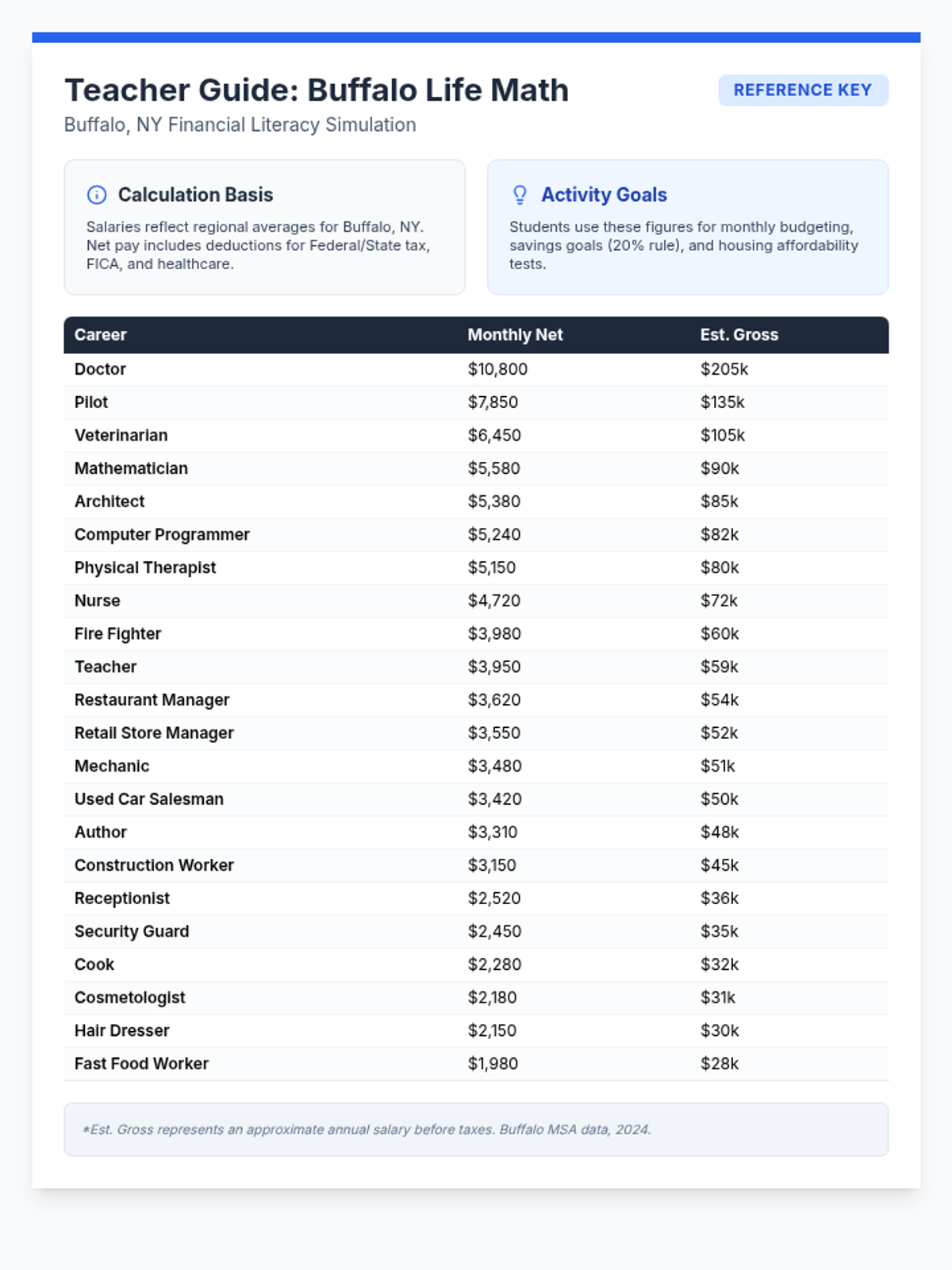
A financial literacy lesson where students use real-world Buffalo, NY salary data to navigate budgeting and life choices in a simulation inspired by The Game of Life.
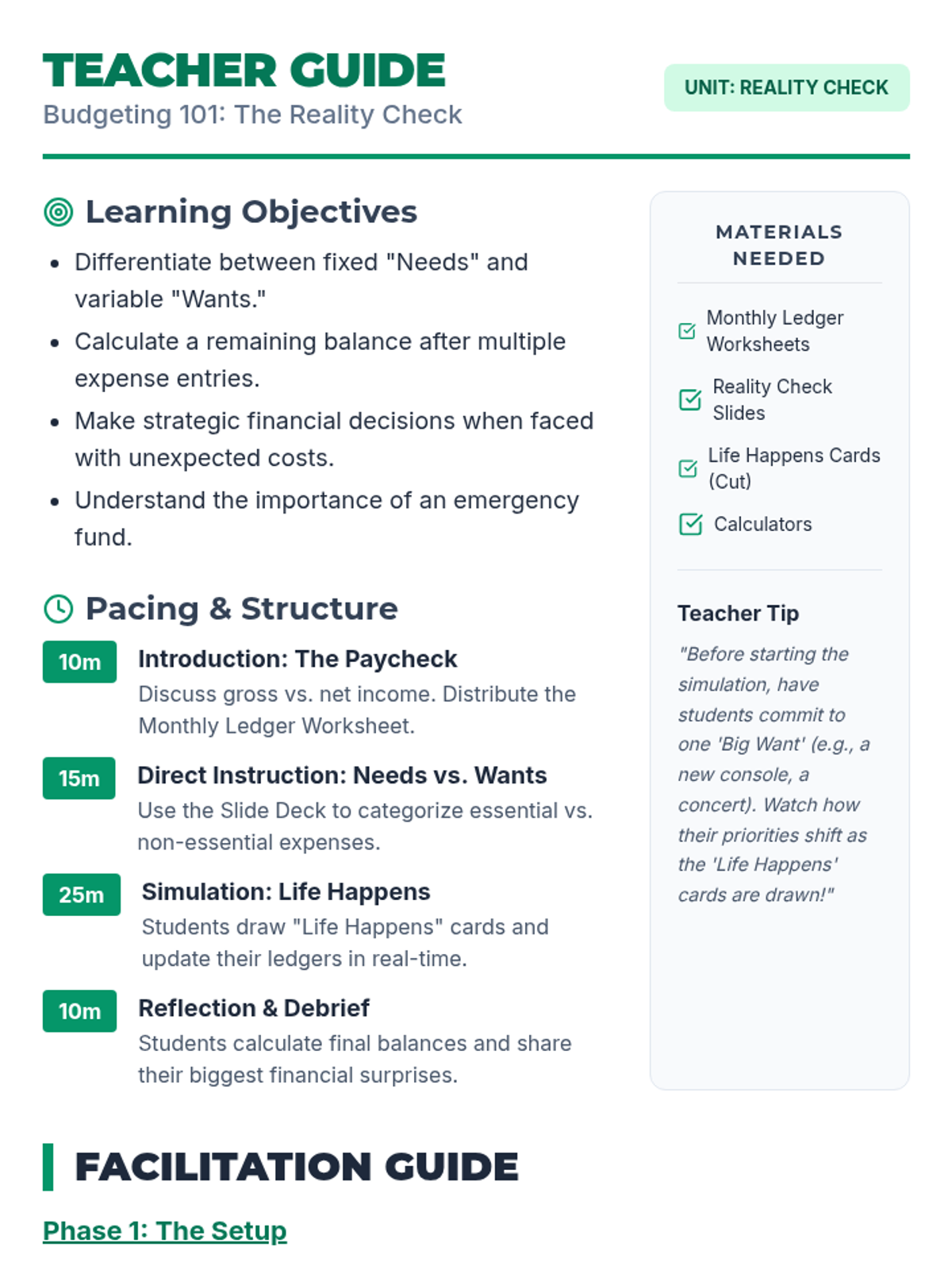
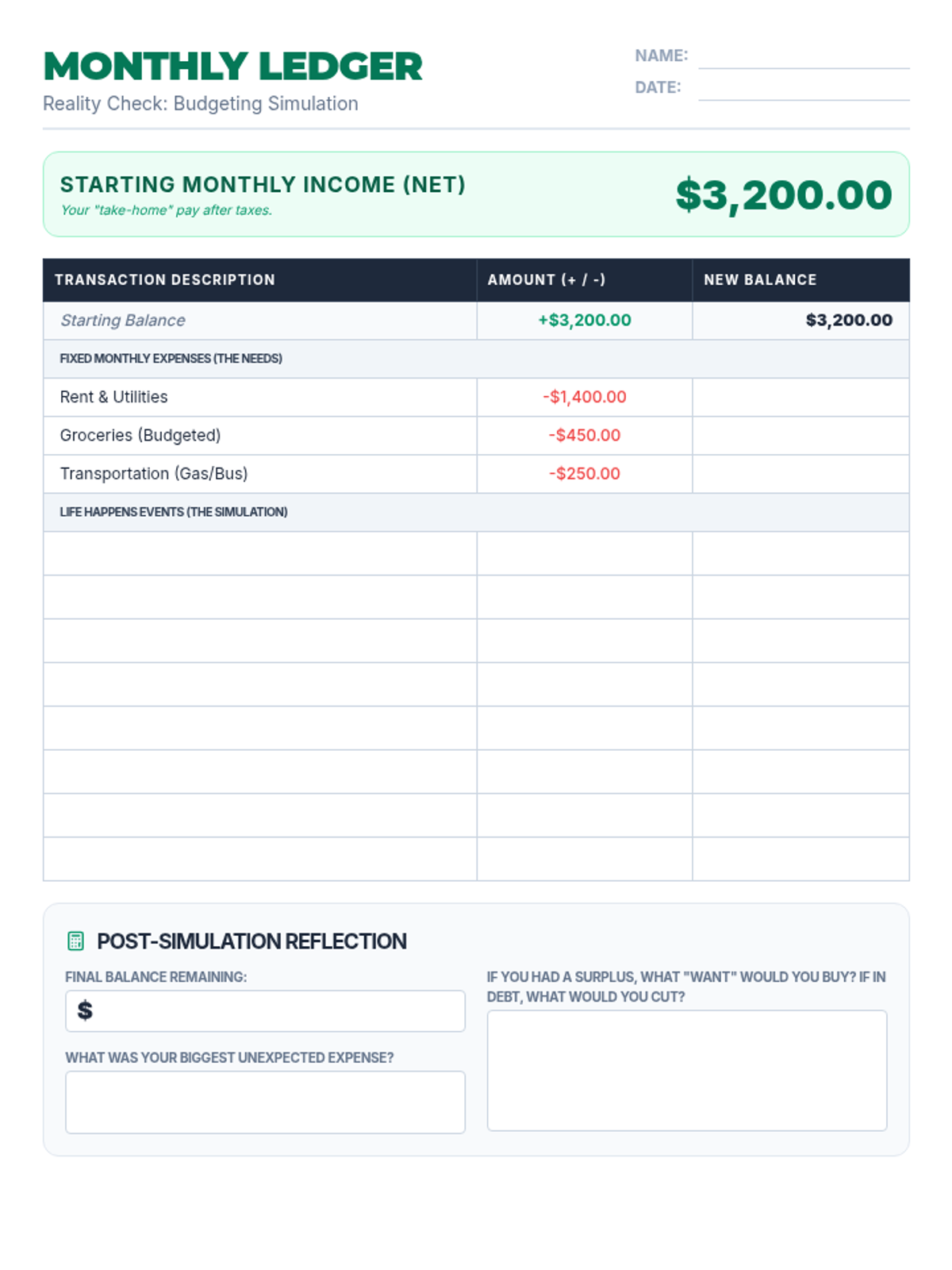
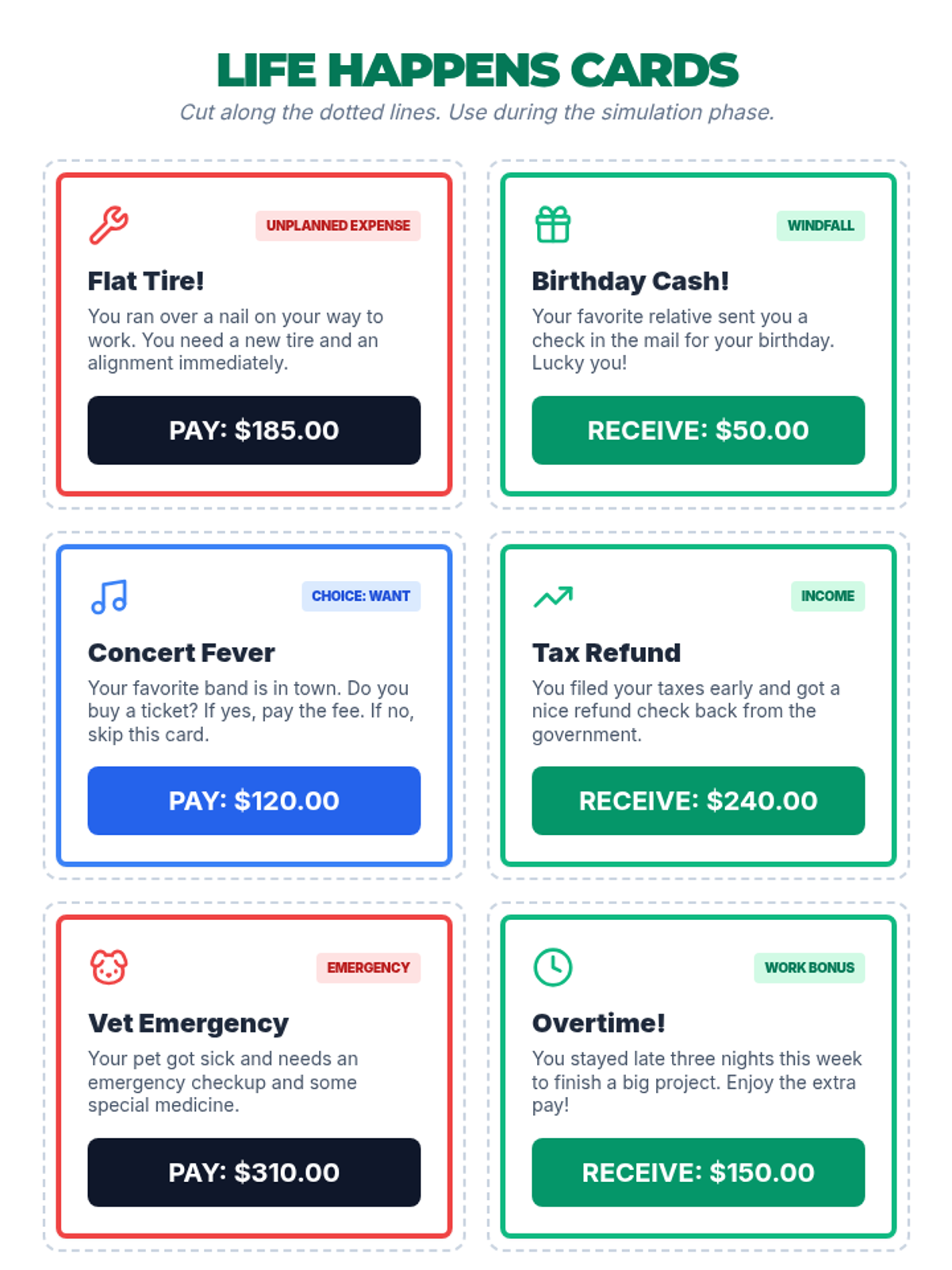
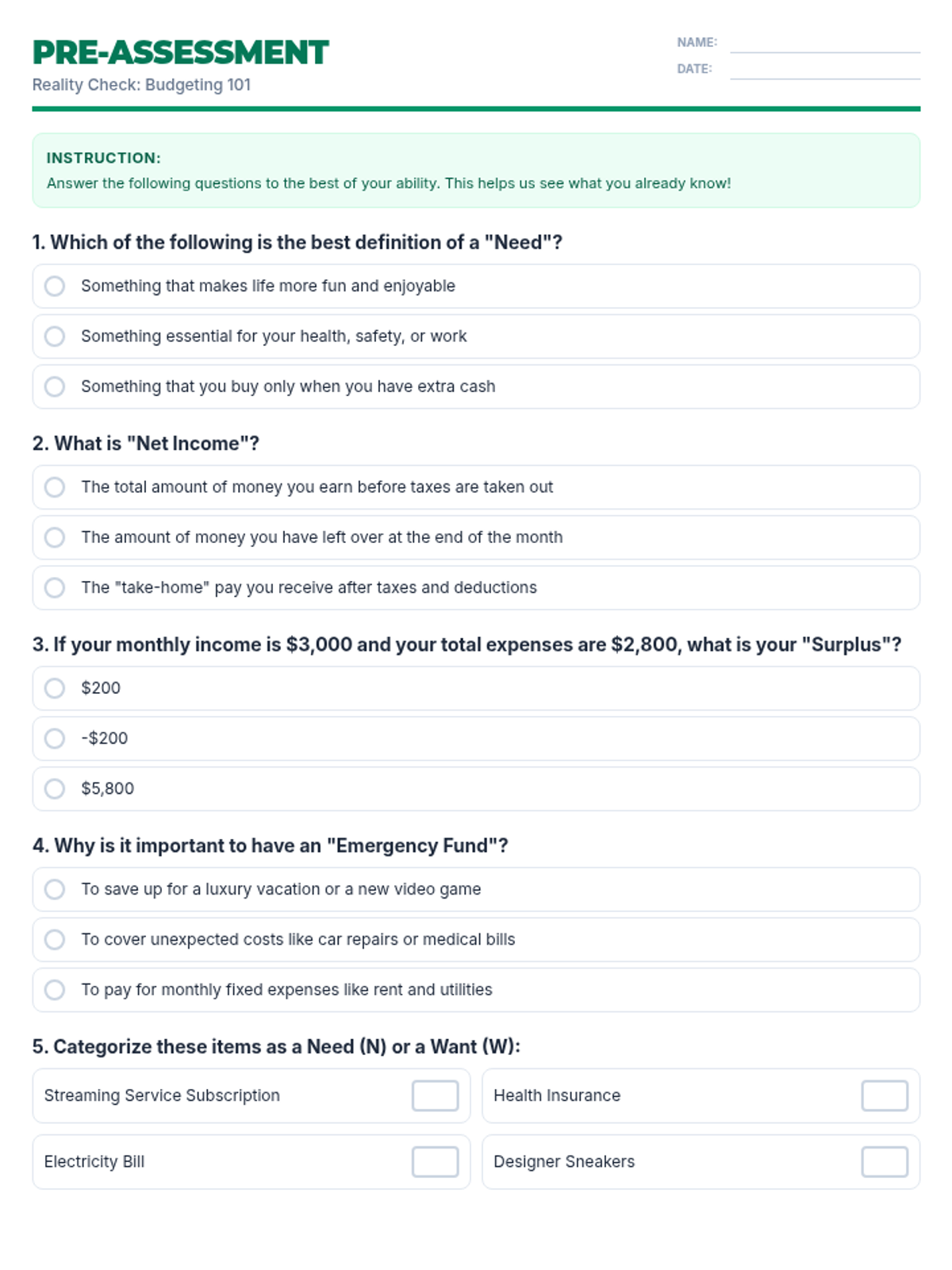
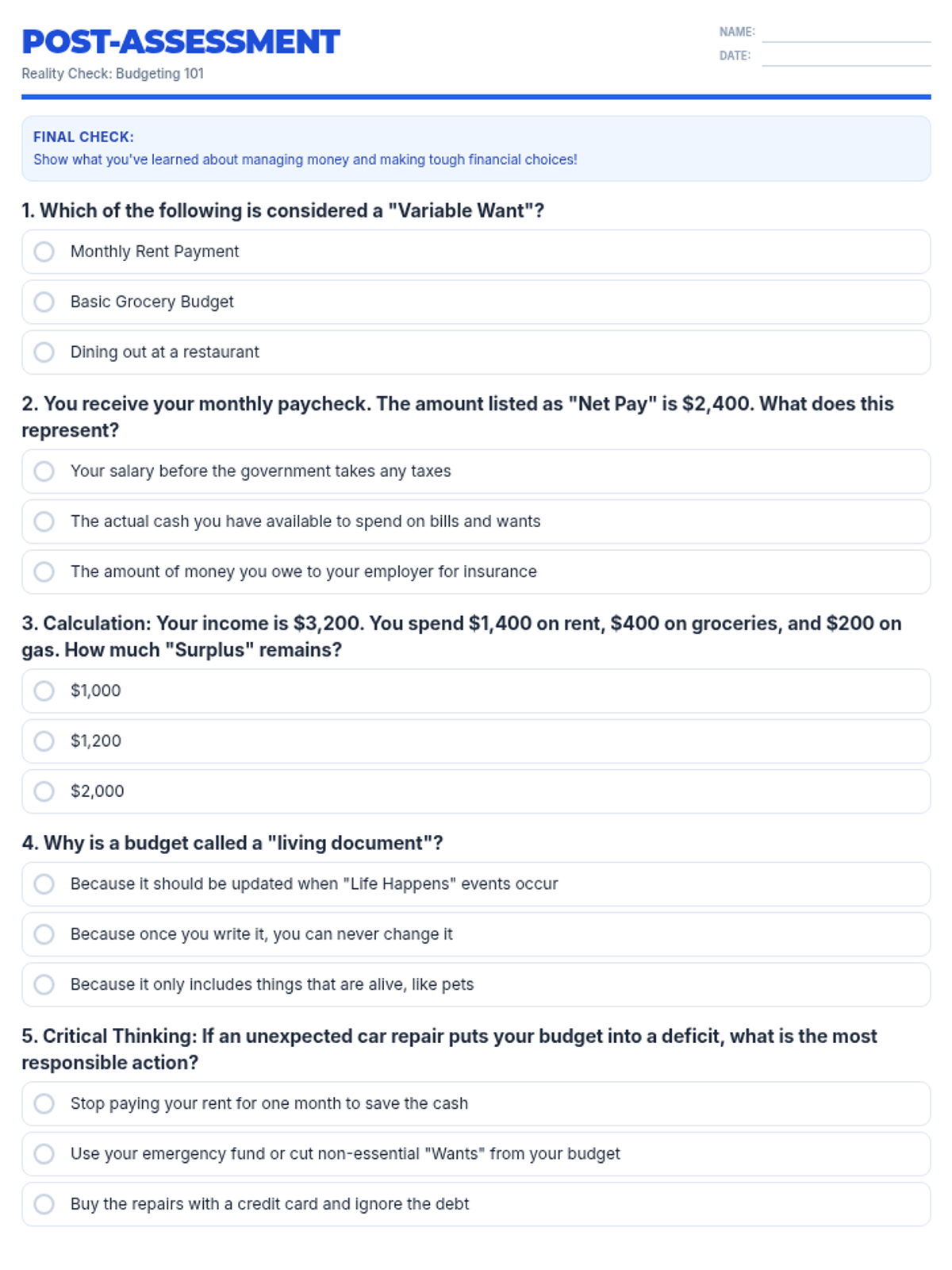
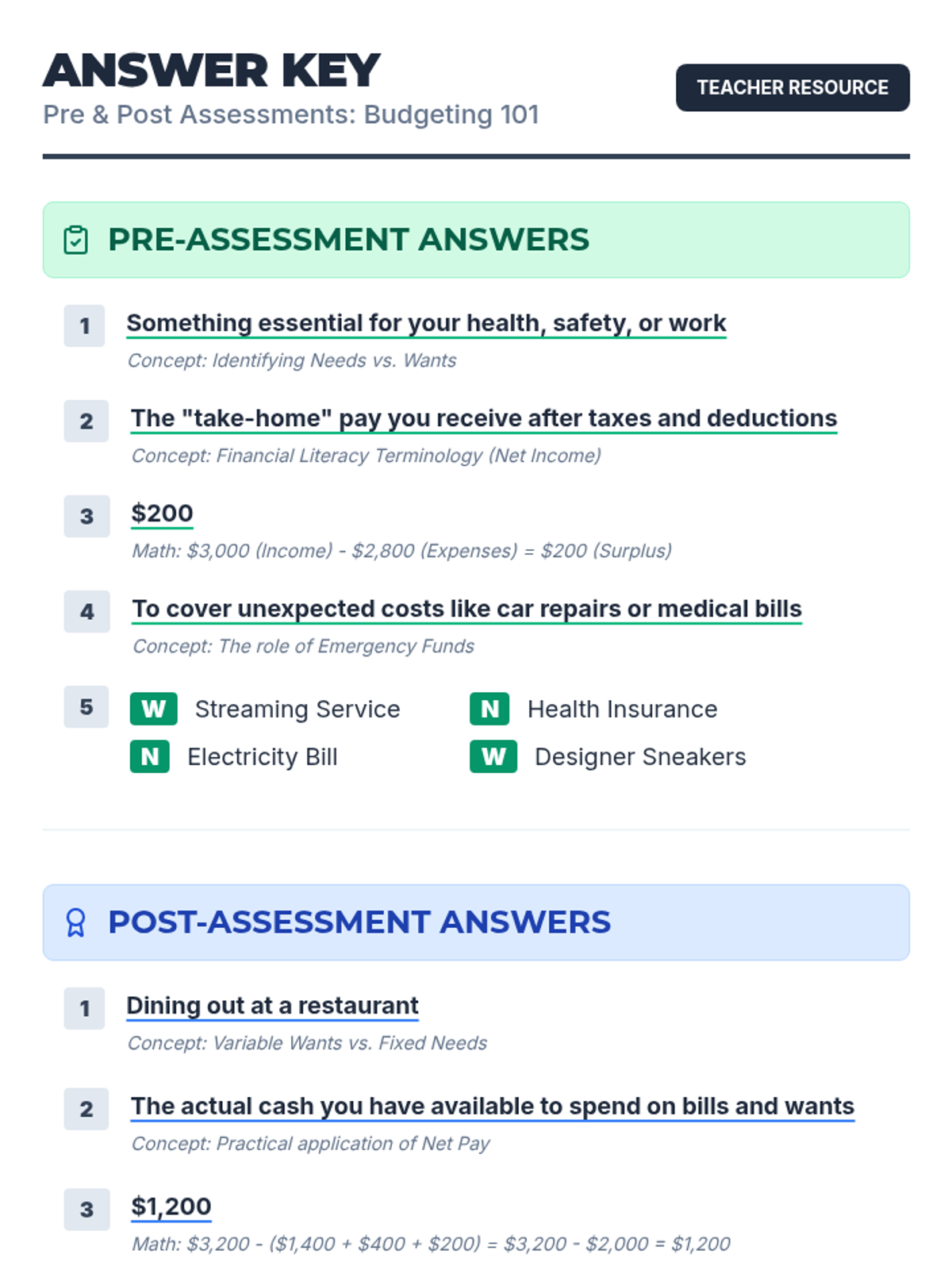
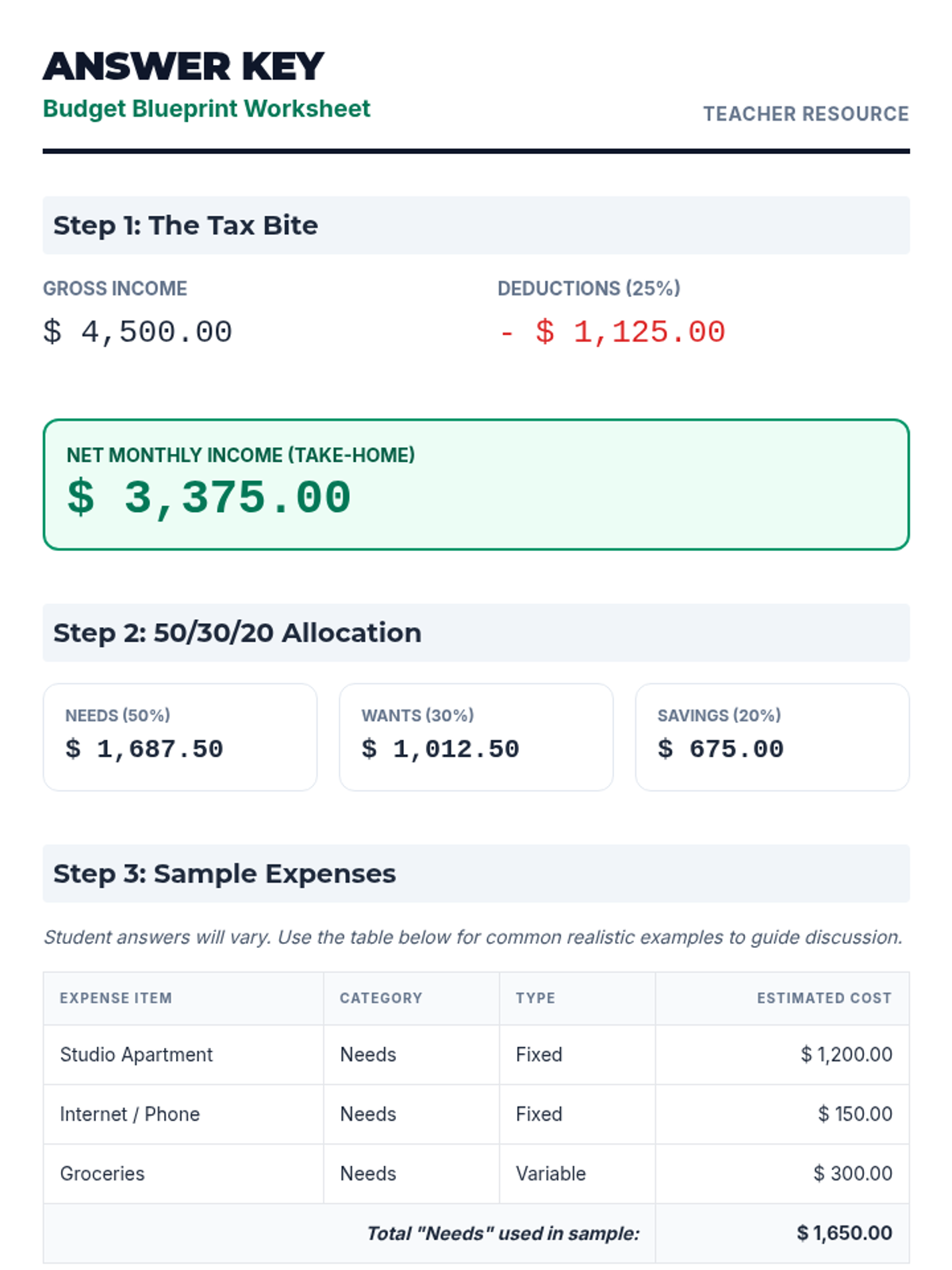
Introduction to the fundamentals of personal budgeting, differentiating between needs and wants, and managing a simulated monthly ledger.
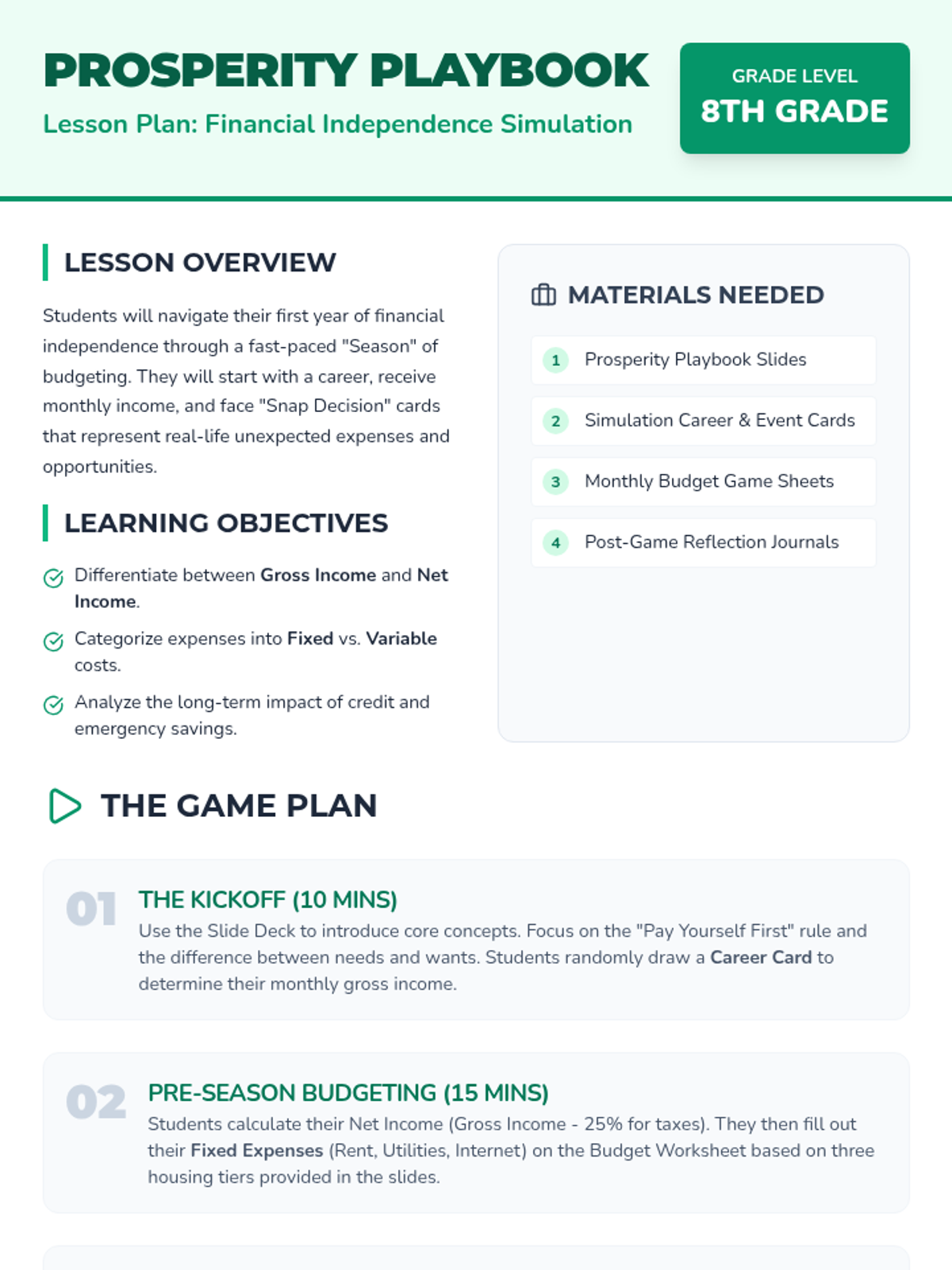
An immersive financial literacy lesson where 8th graders navigate a fast-paced budgeting simulation to master real-world decision-making and money management.
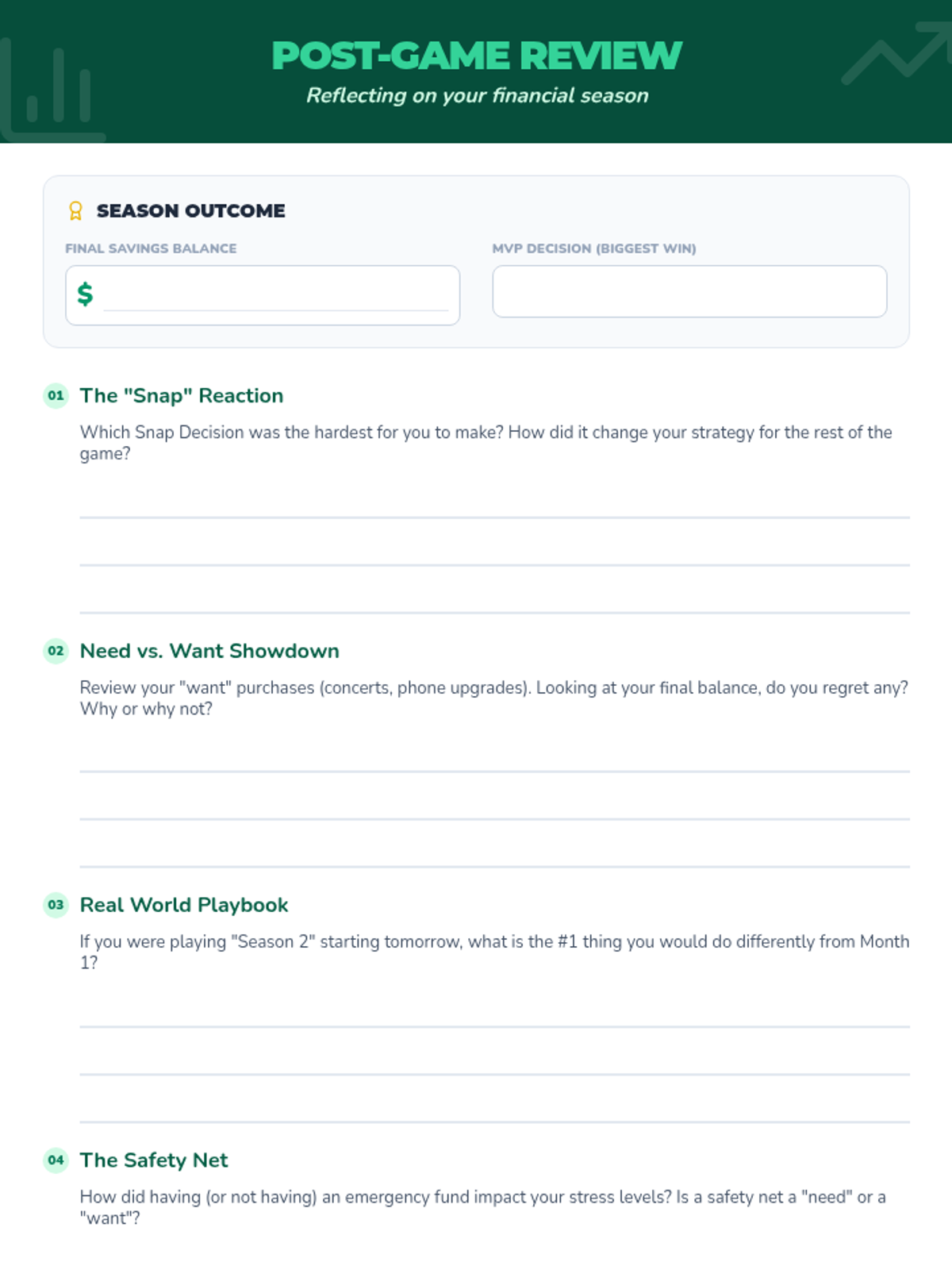
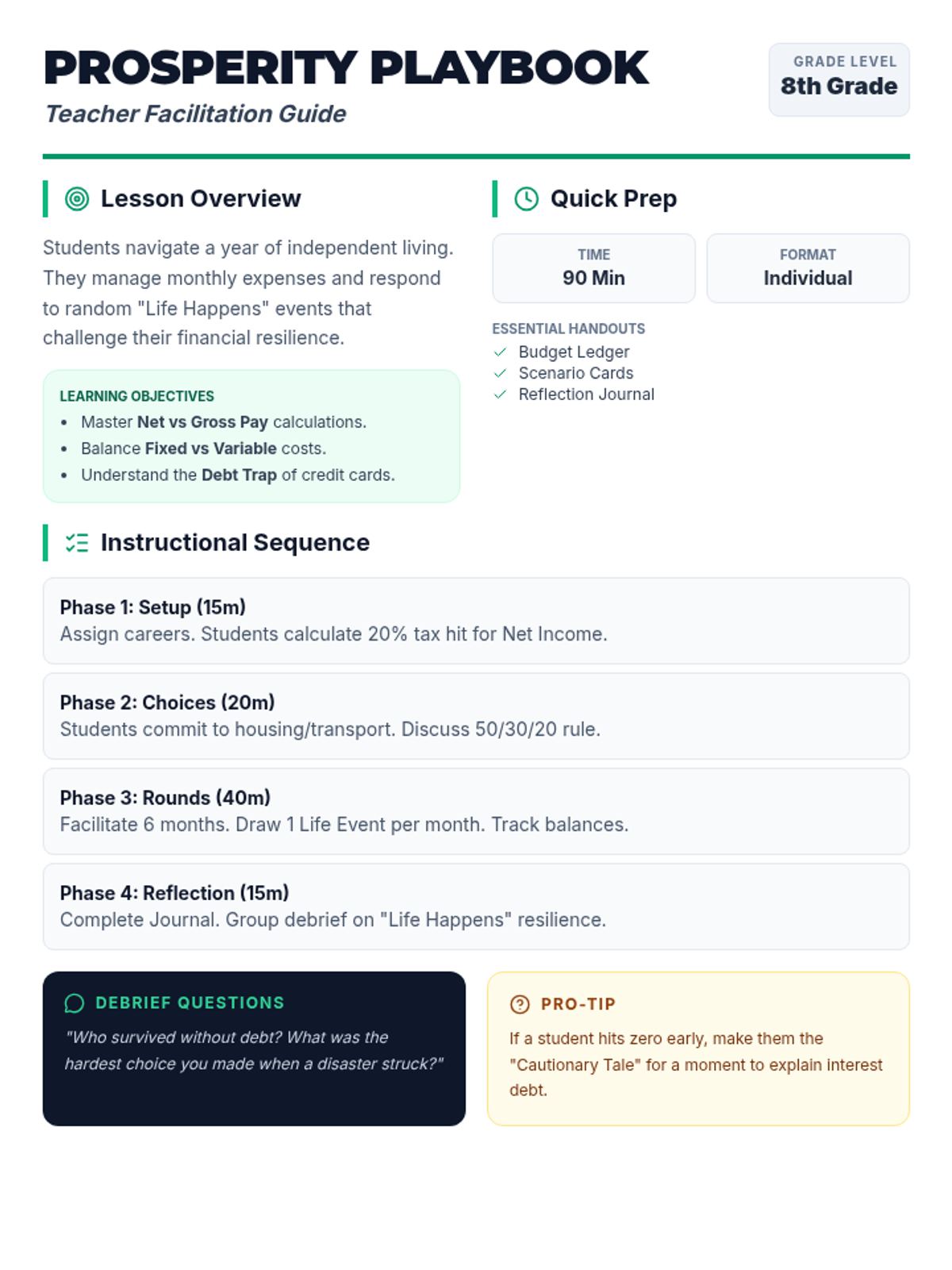
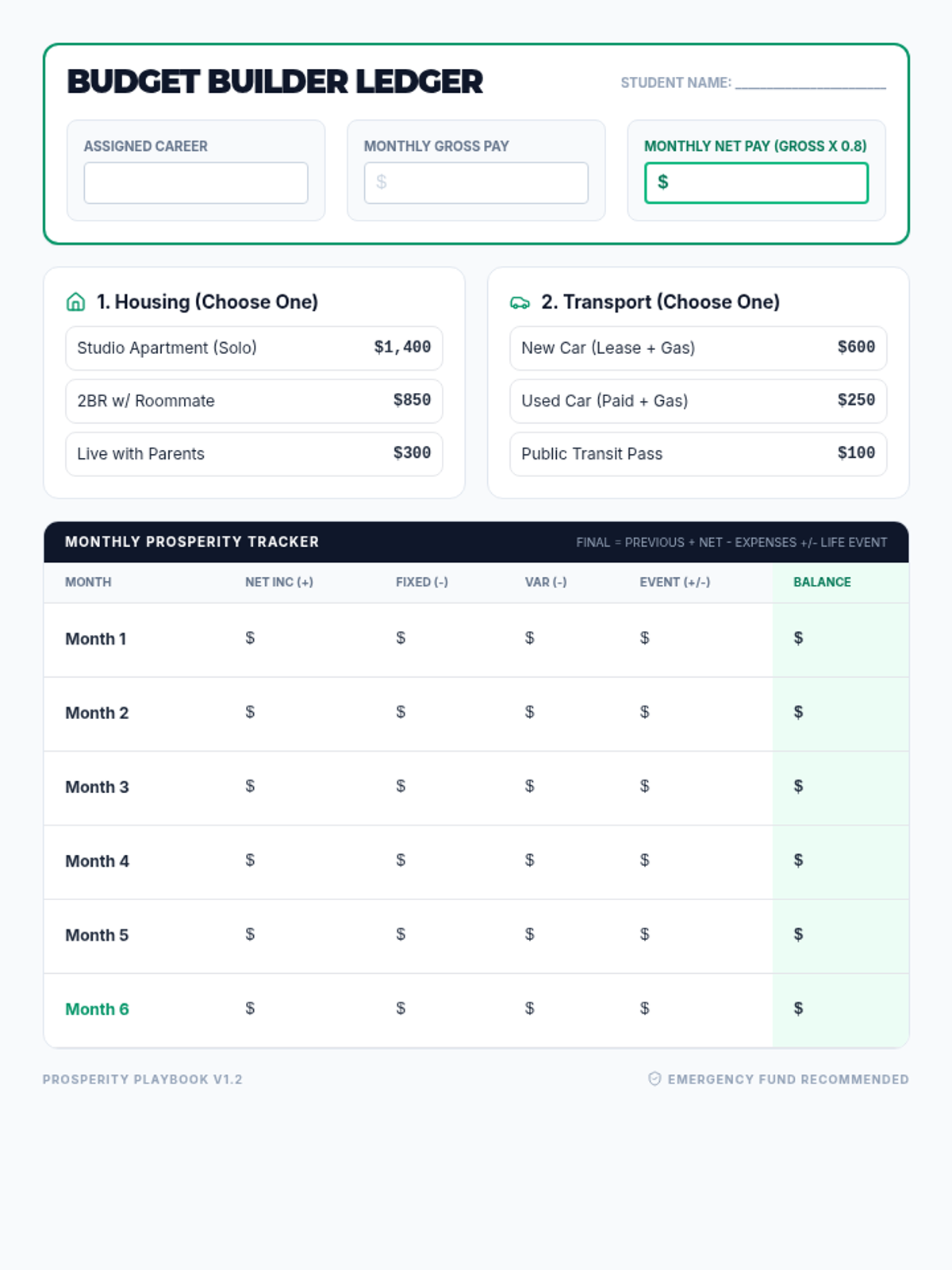
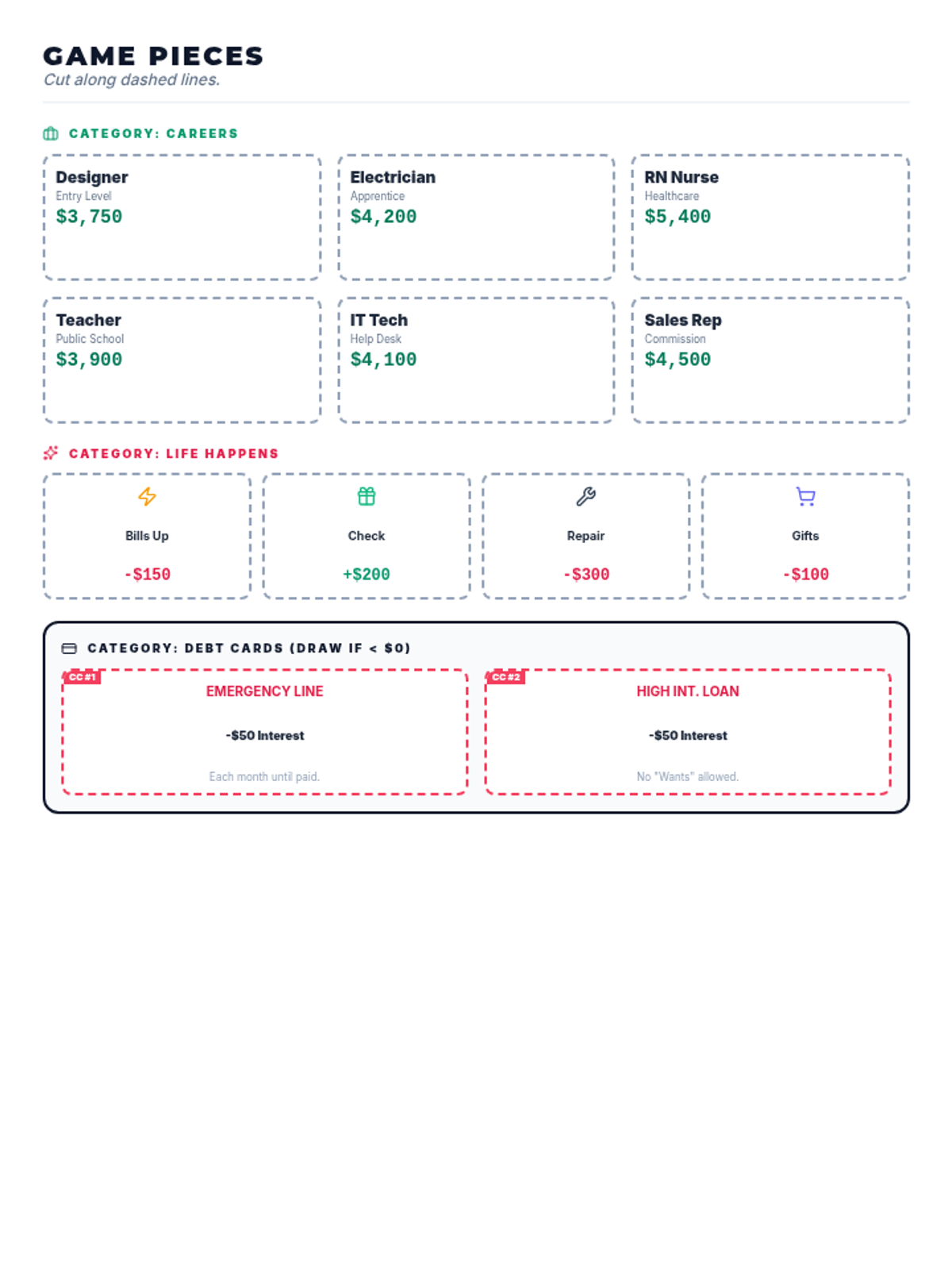
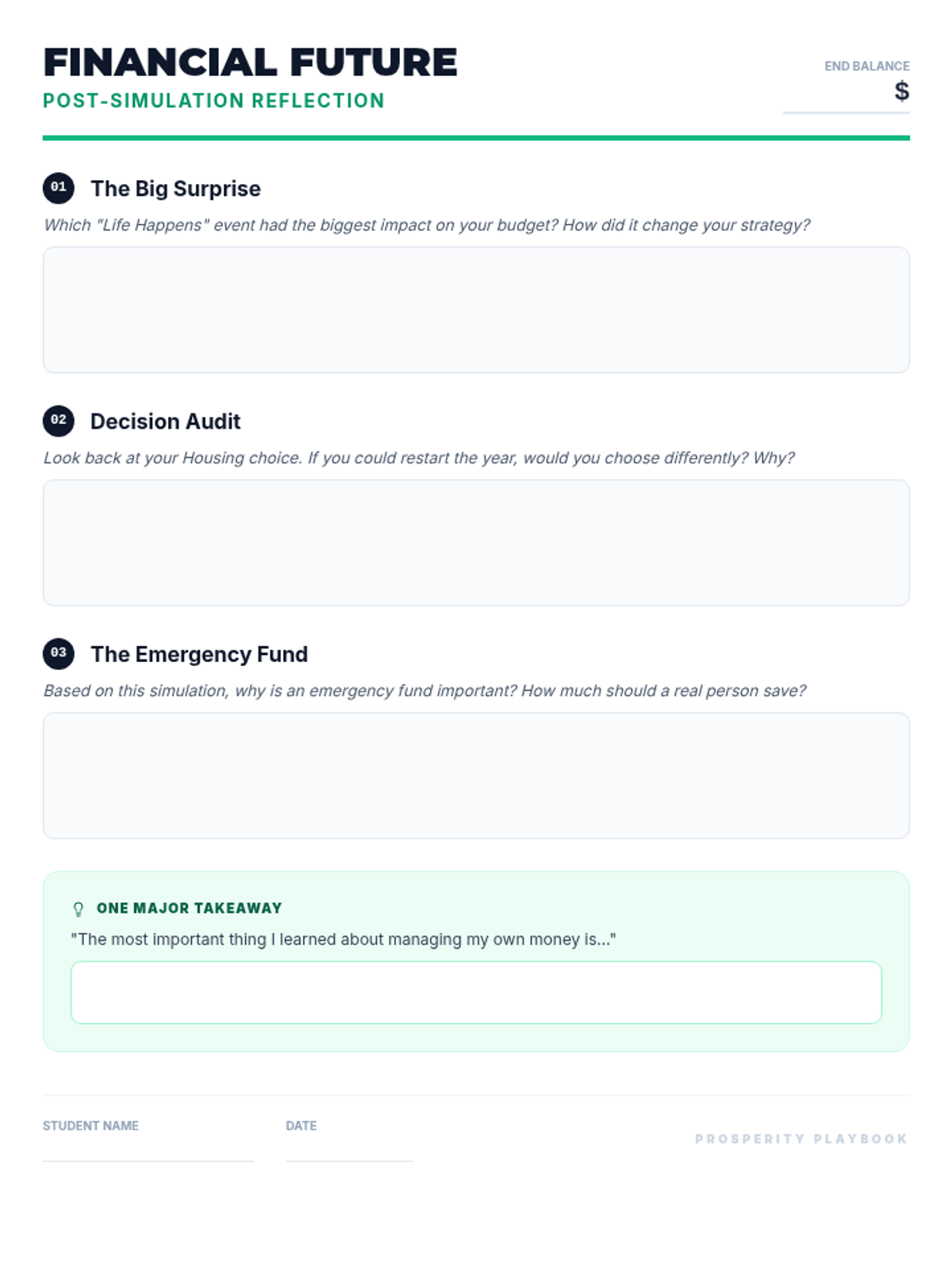
Eighth graders navigate a year of financial independence in a high-stakes simulation, mastering budgeting, credit, and emergency savings through real-world scenarios.
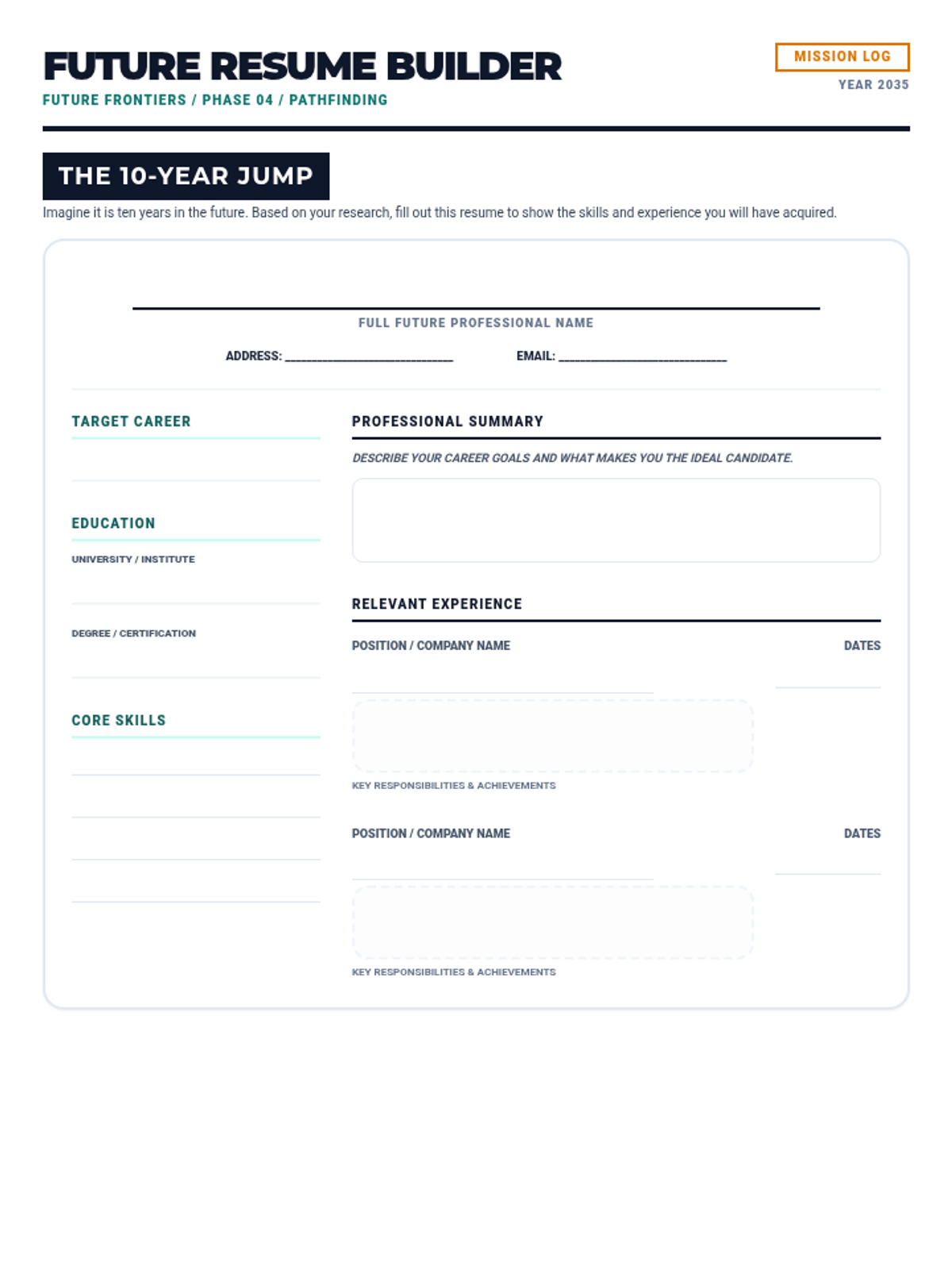
Students explore the practicalities of their chosen career, including budgeting based on salary and drafting a future resume.
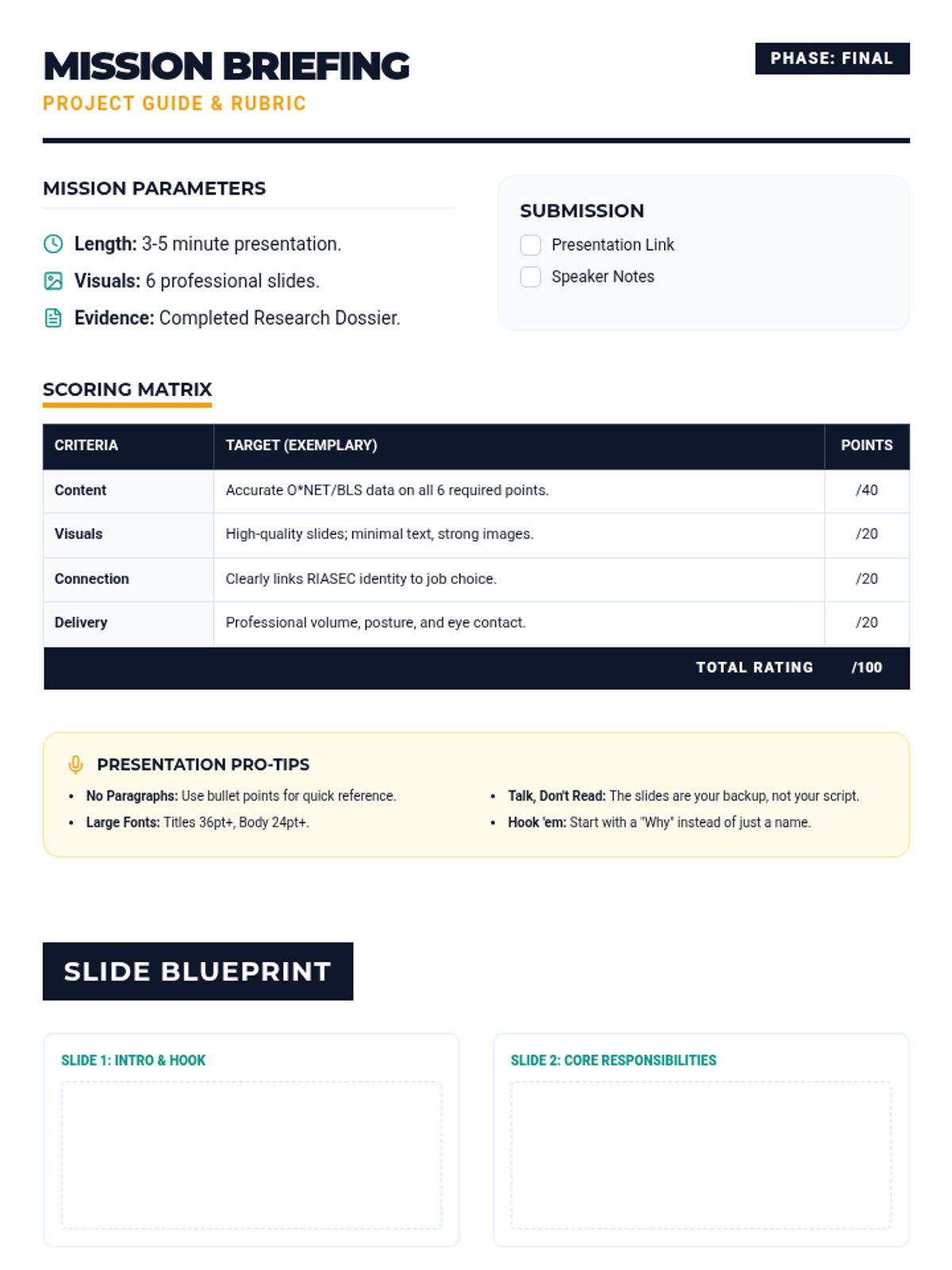
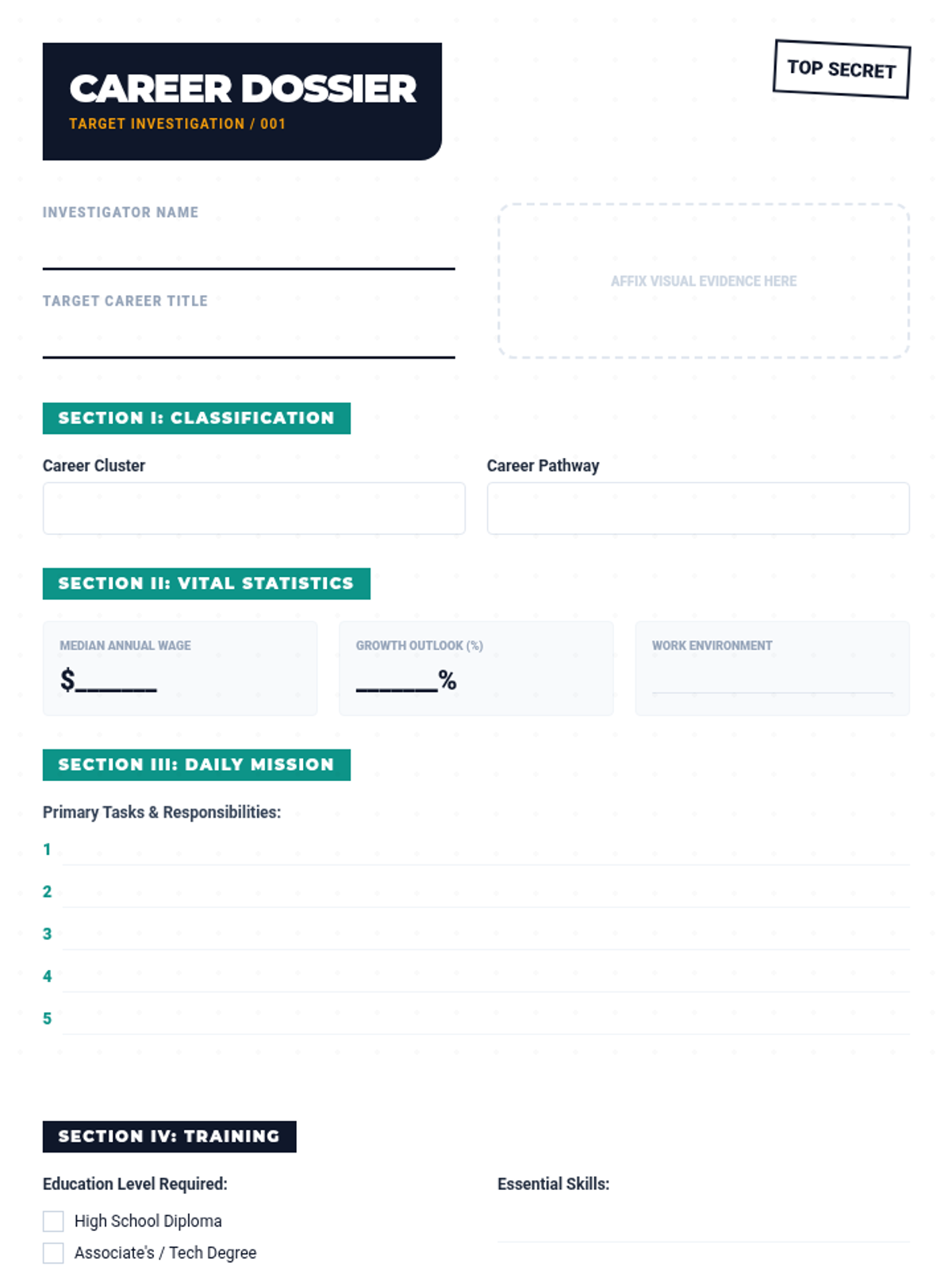
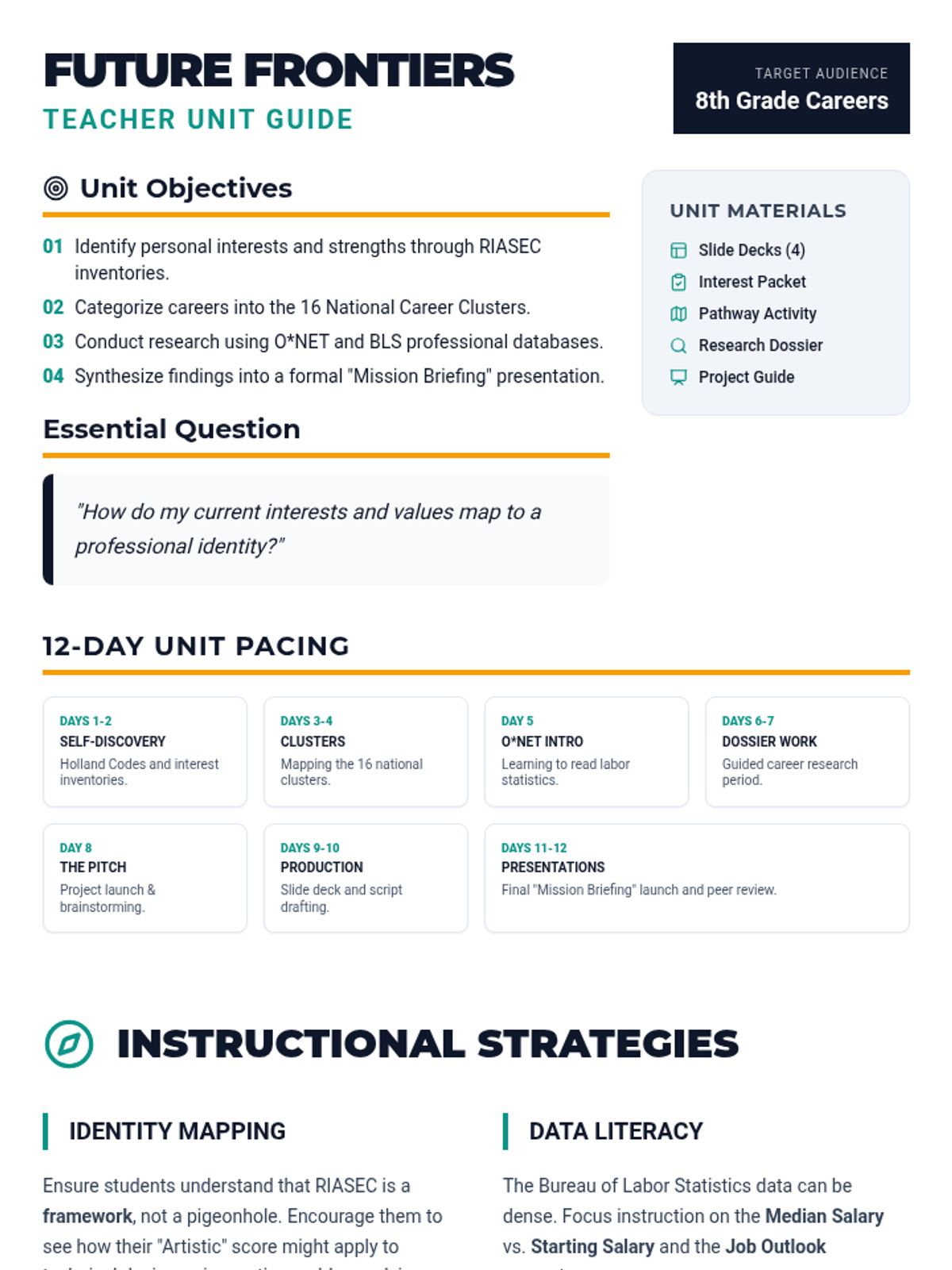
The culminating project where students synthesize their research into a presentation about their future career choice.
Guided research using various tools to understand the day-to-day duties, education requirements, and salary of specific careers.
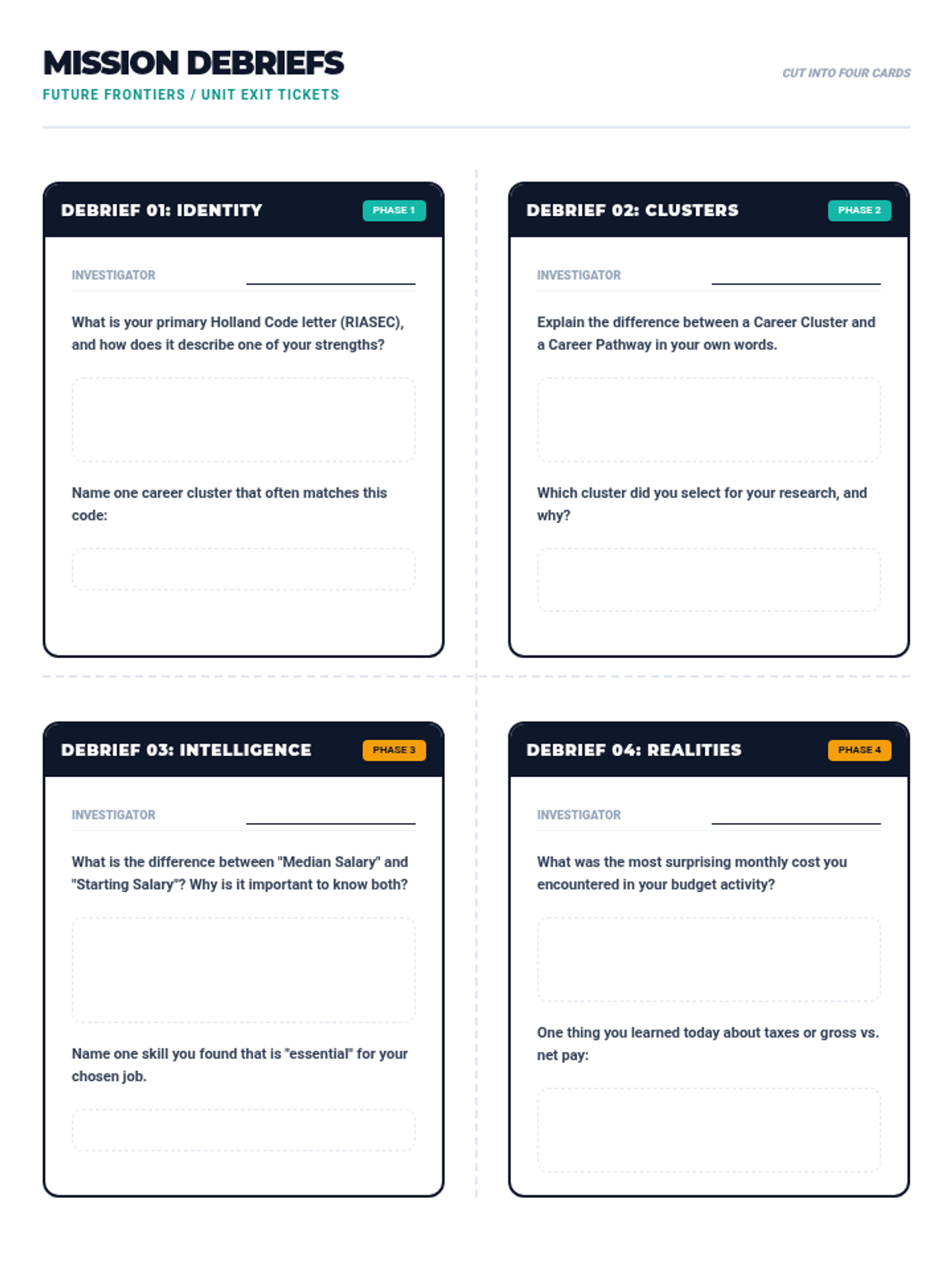
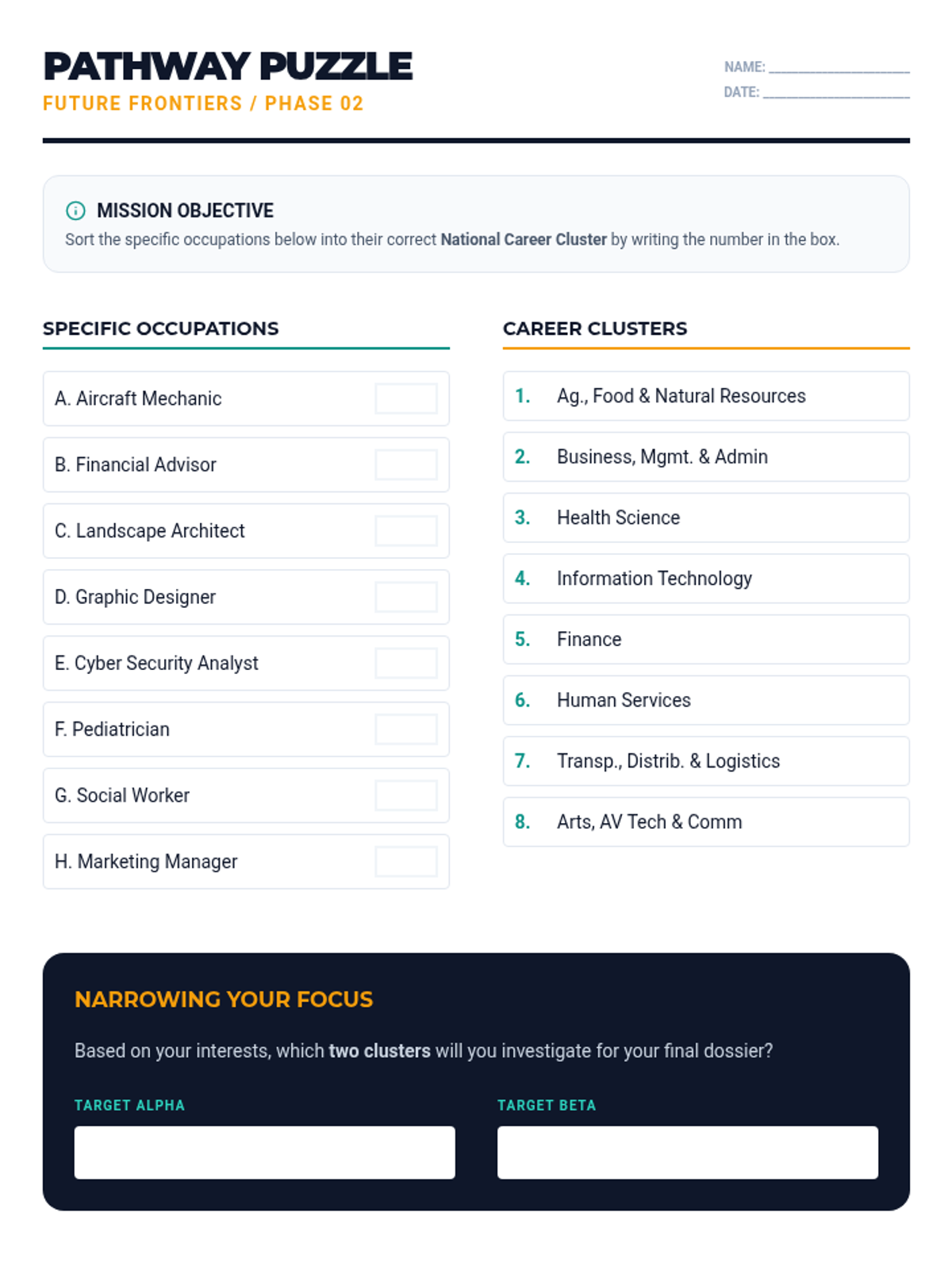
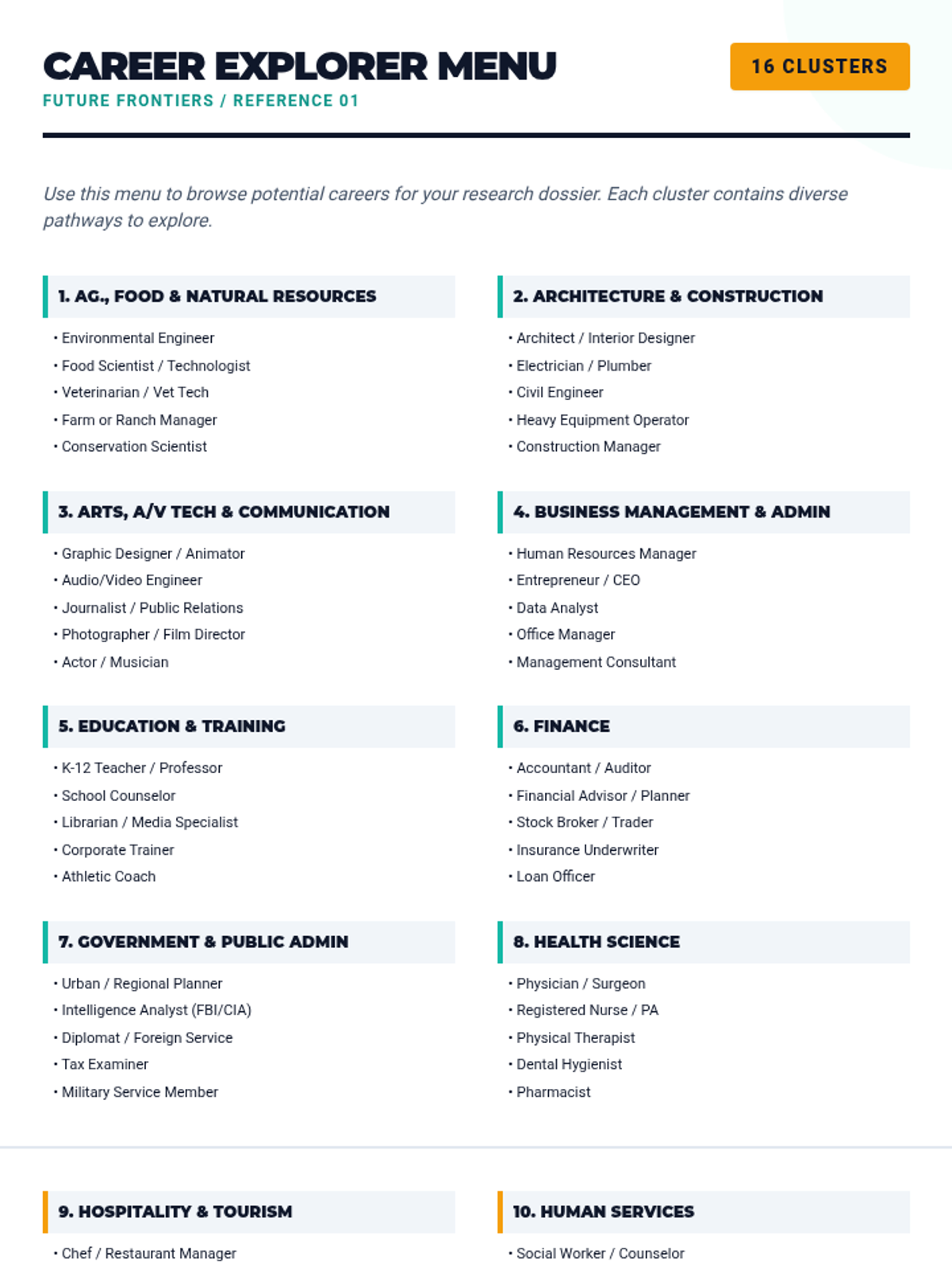
An exploration of the 16 national career clusters and how different jobs fit into specific pathways.
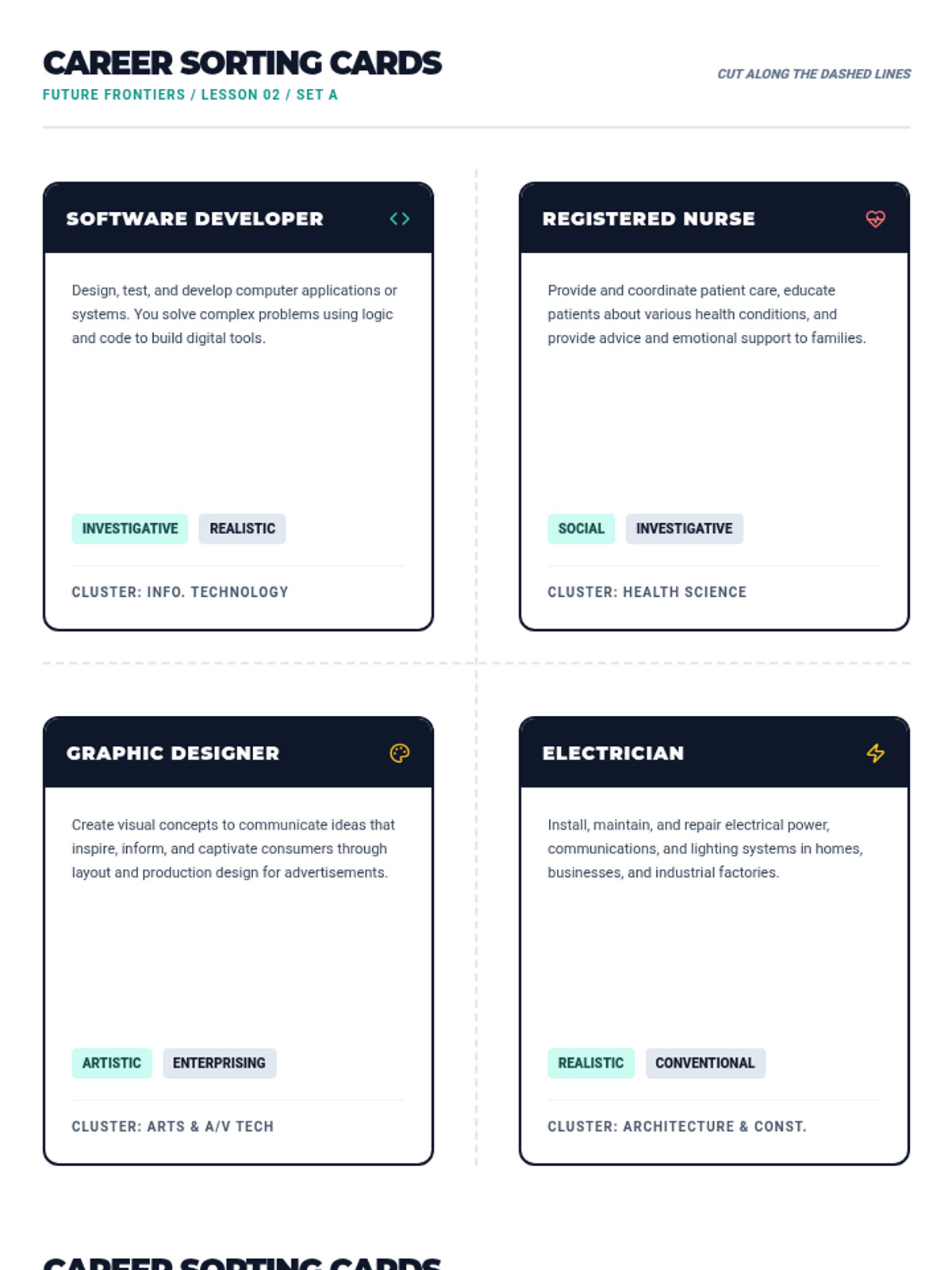
Students will complete interest inventories to identify their strengths, values, and potential career matches.
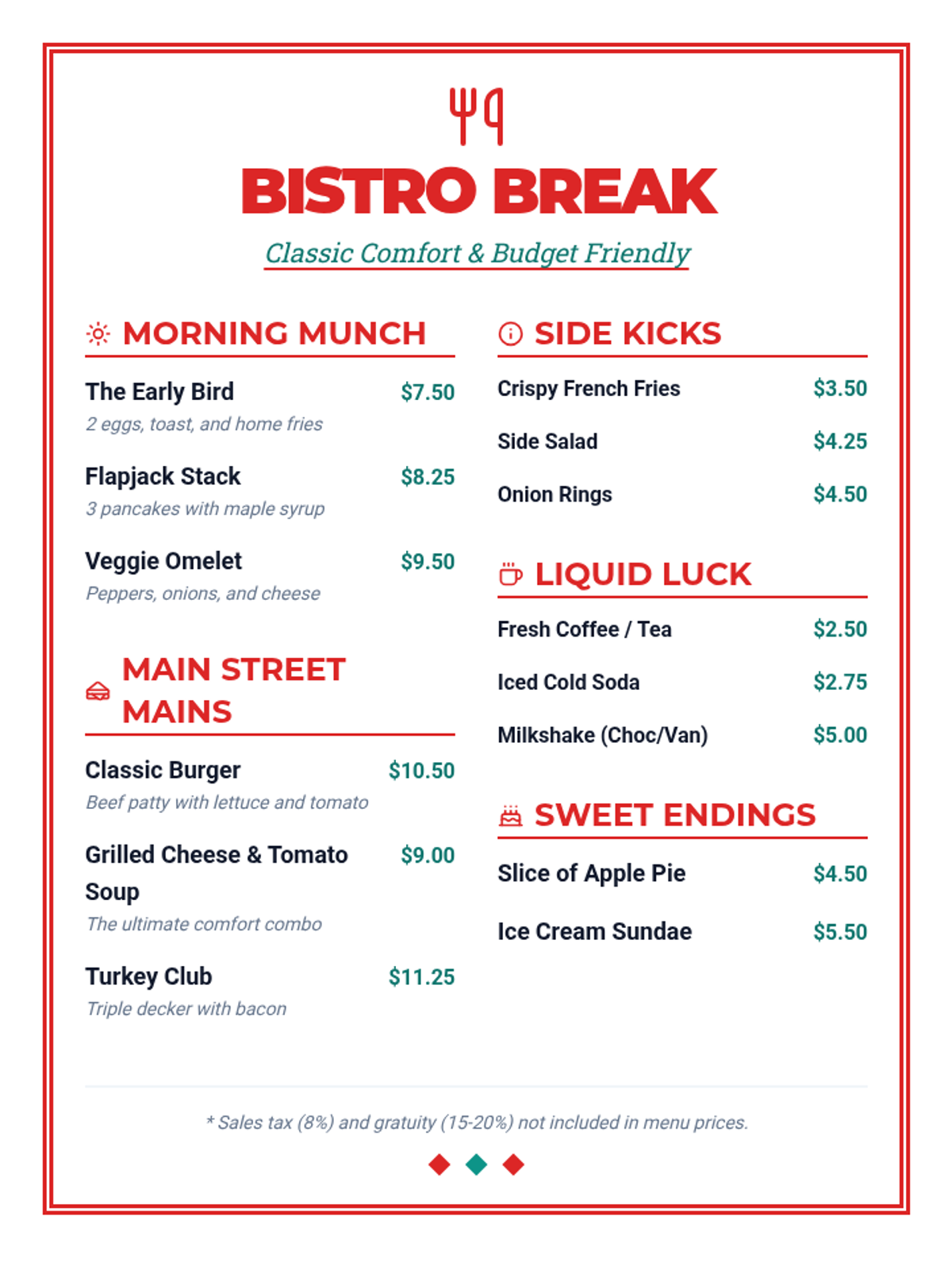
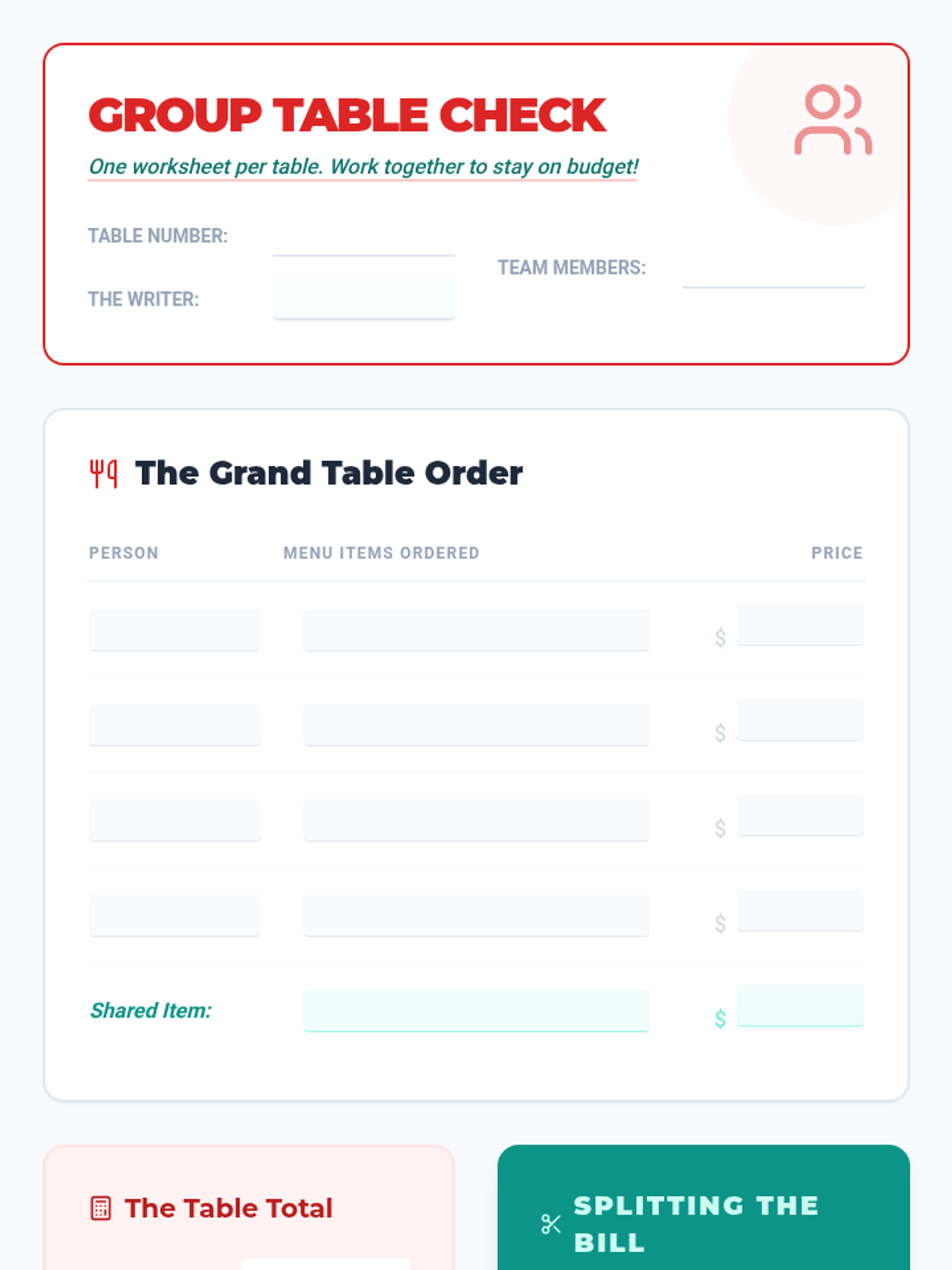
A functional skills lesson focused on navigating a restaurant experience on a budget, covering menu reading, budget planning, social etiquette, and group check splitting.
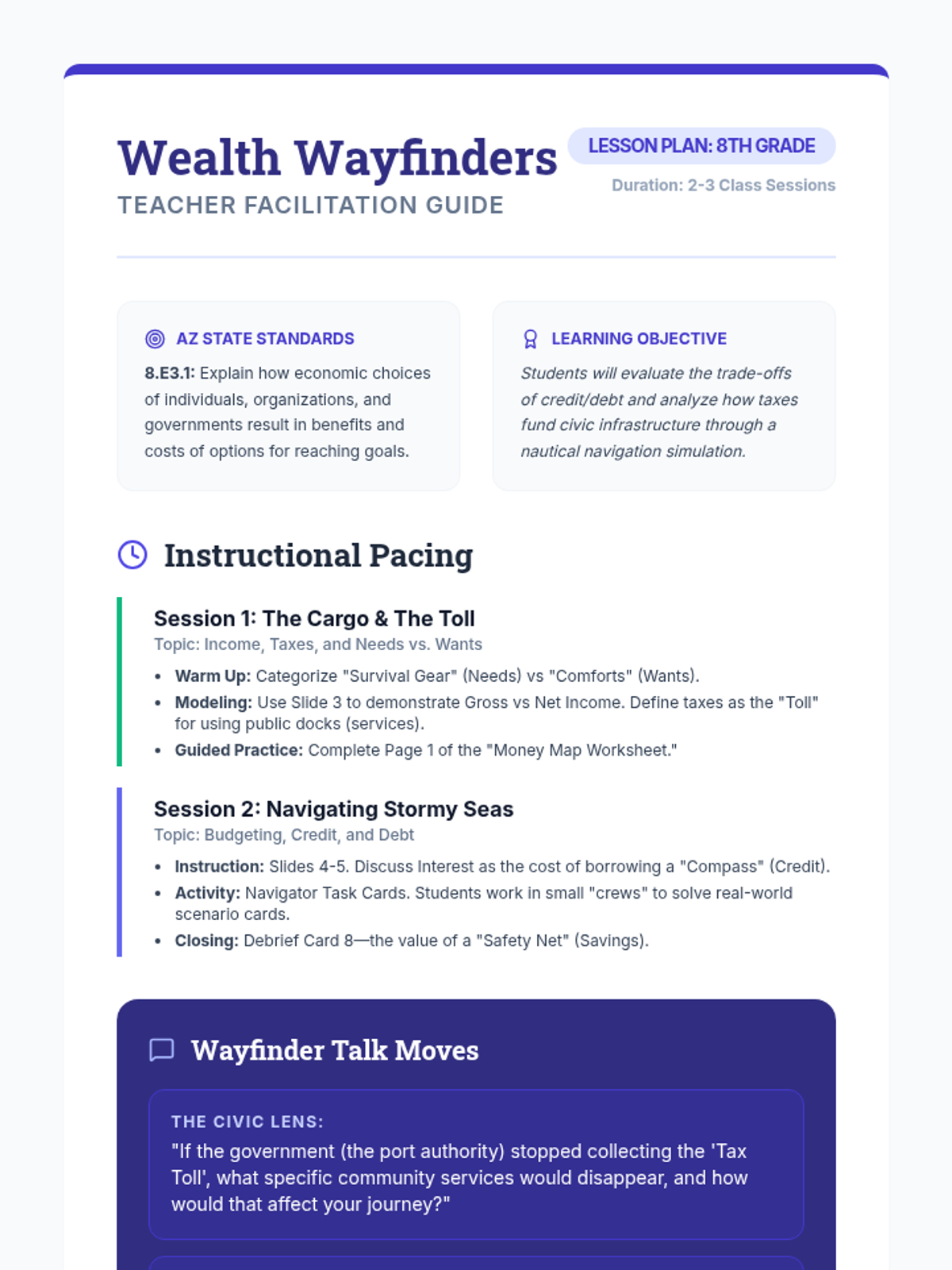
An advanced financial literacy lesson for 8th-grade Social Studies, connecting individual financial choices to broader economic systems and government services. Aligned with AZ Standard 8.E3.1, students analyze the trade-offs of credit, debt, and civic contributions through taxes.
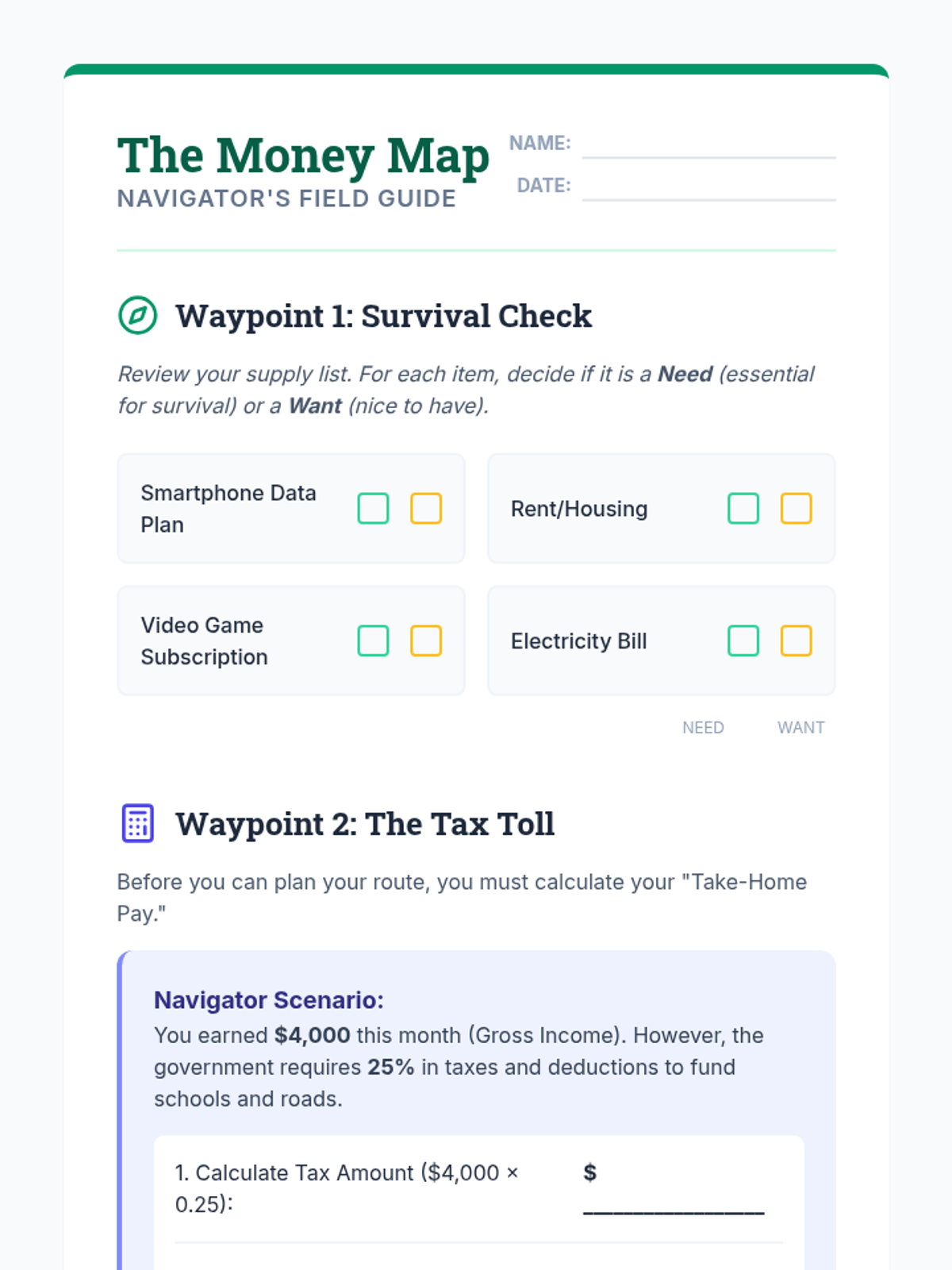
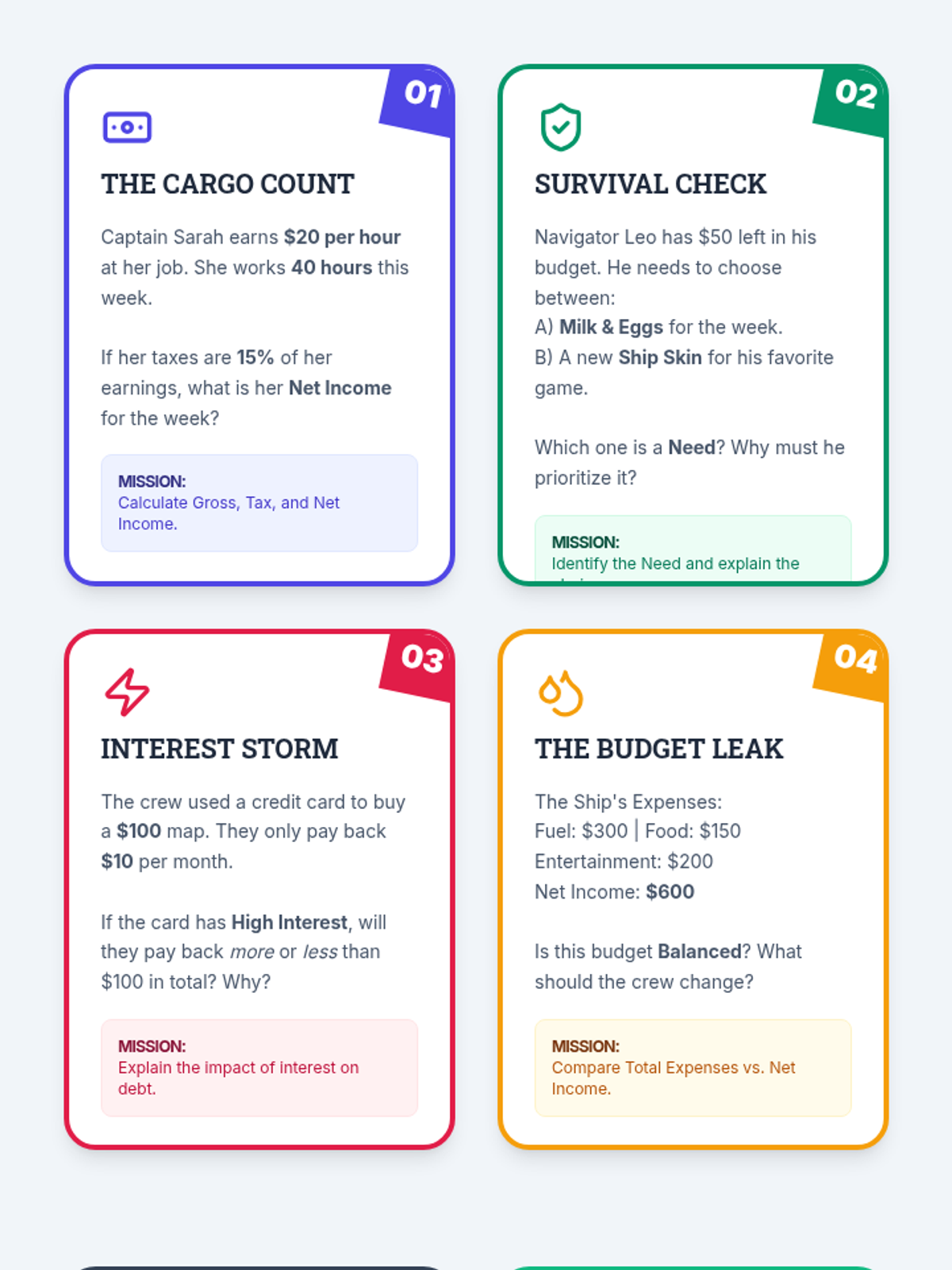
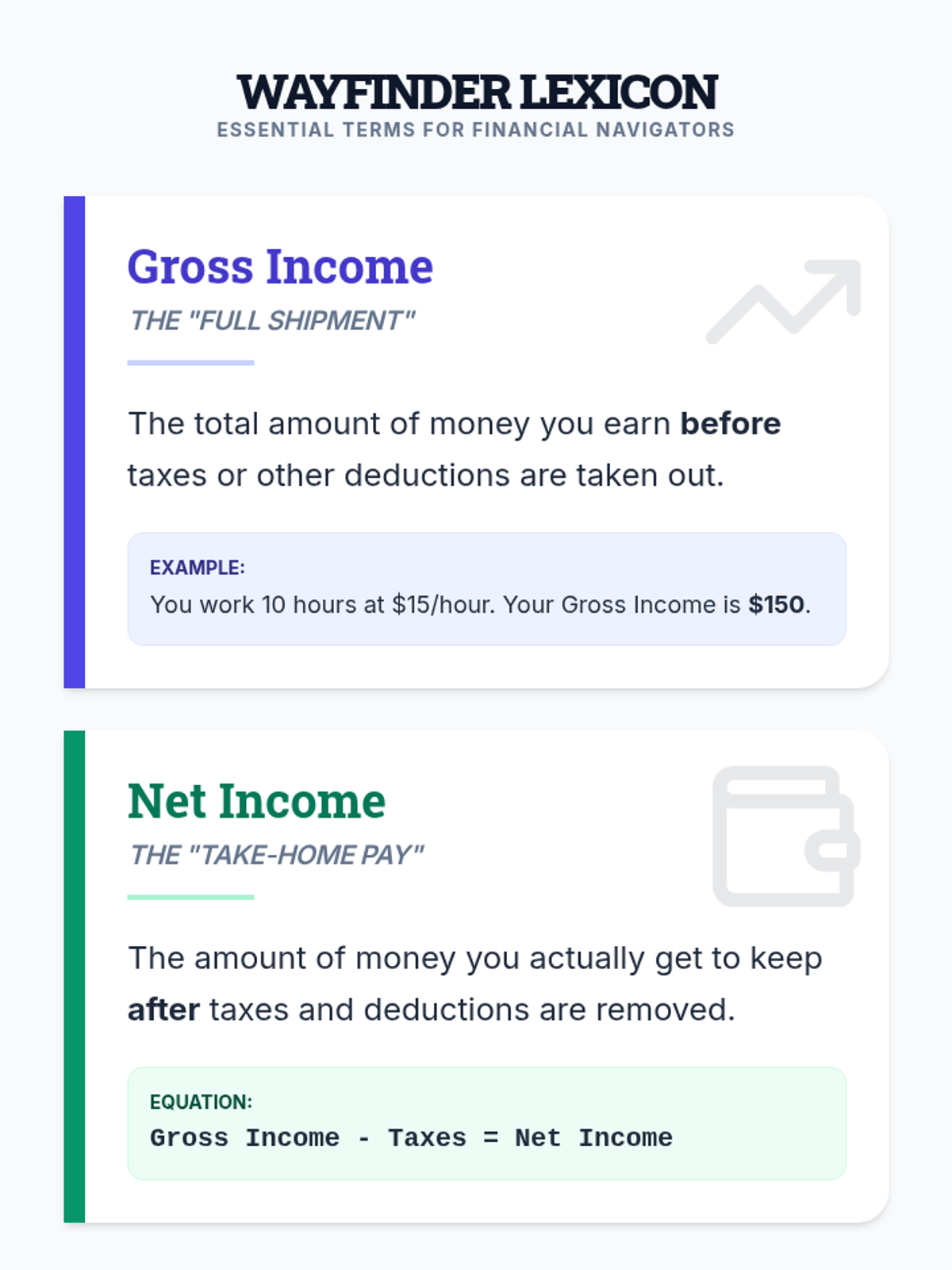
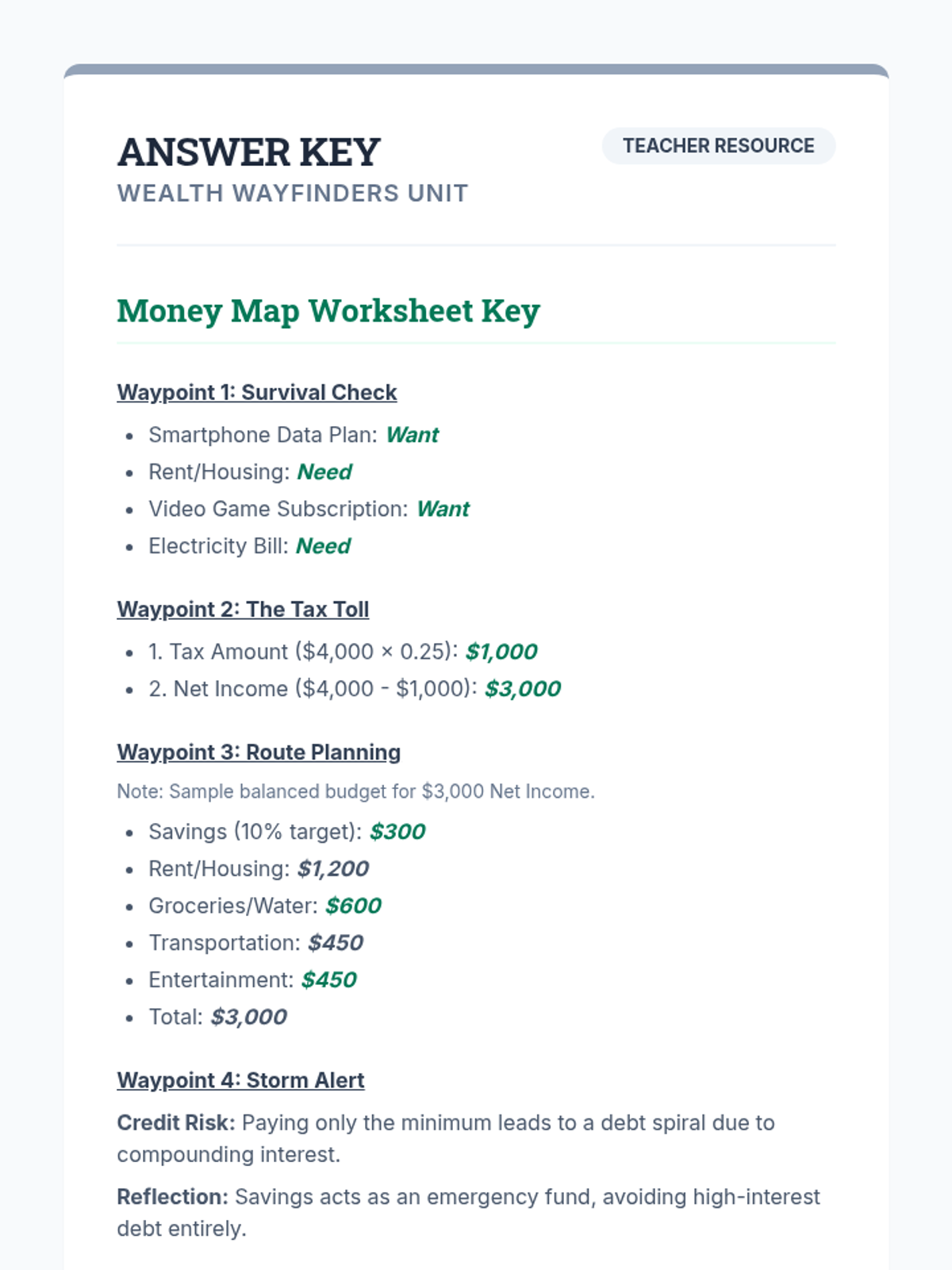
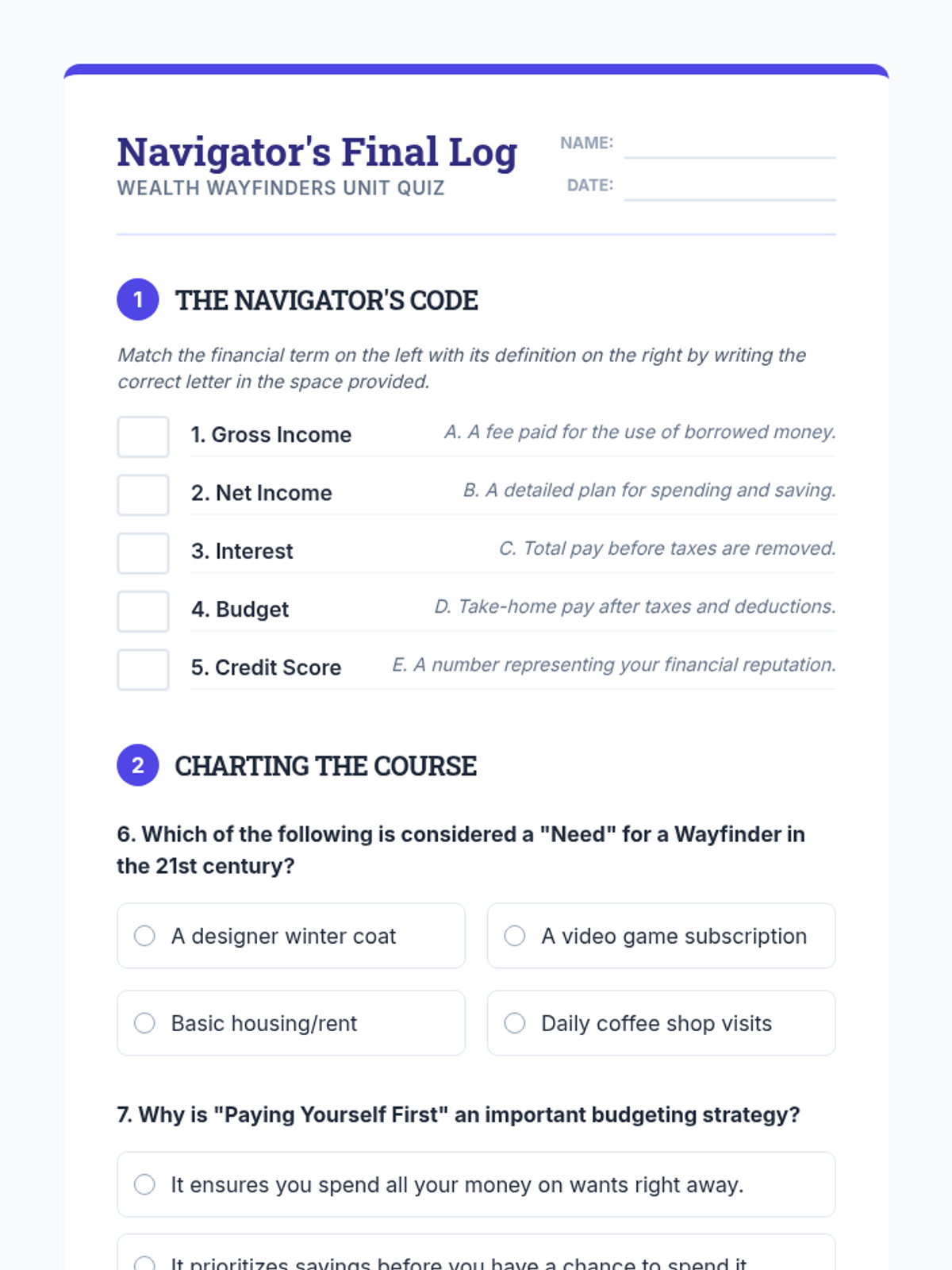
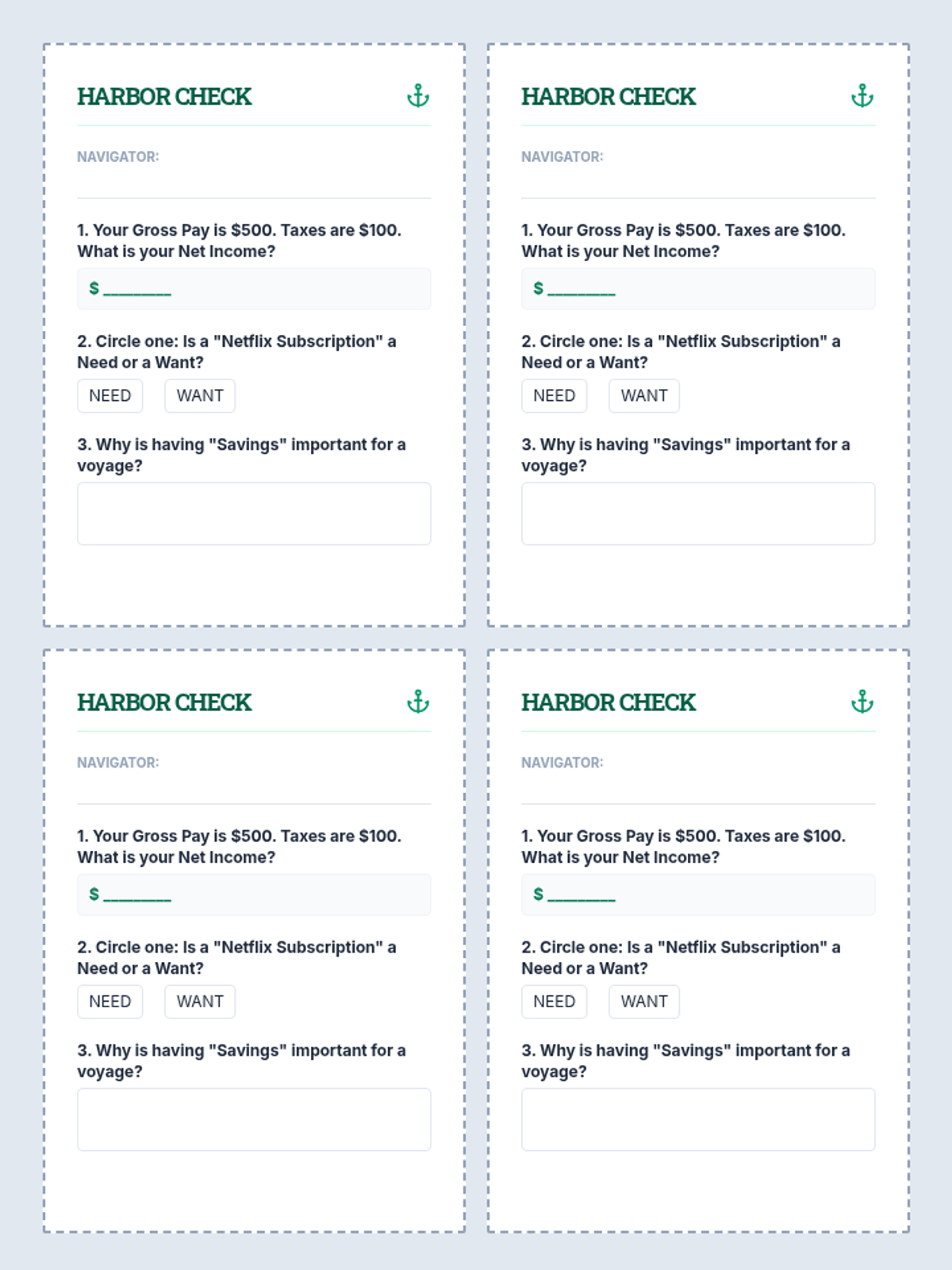
A foundational lesson on personal finance basics, including budgeting, saving, credit, debt, and taxes, designed for 7th-grade Social Studies. Students explore how economic choices impact their future wealth and stability through a navigation-themed exploration.
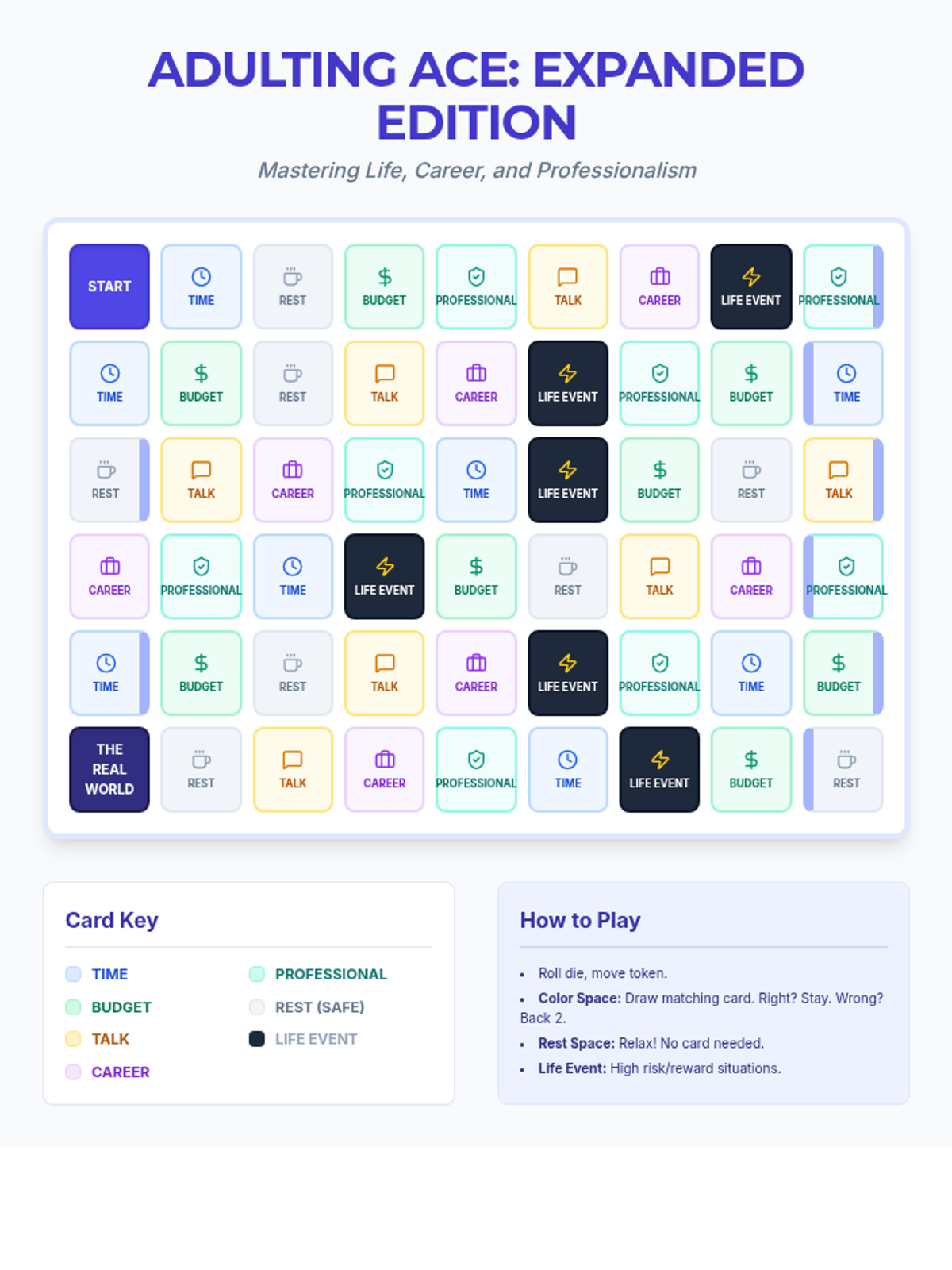
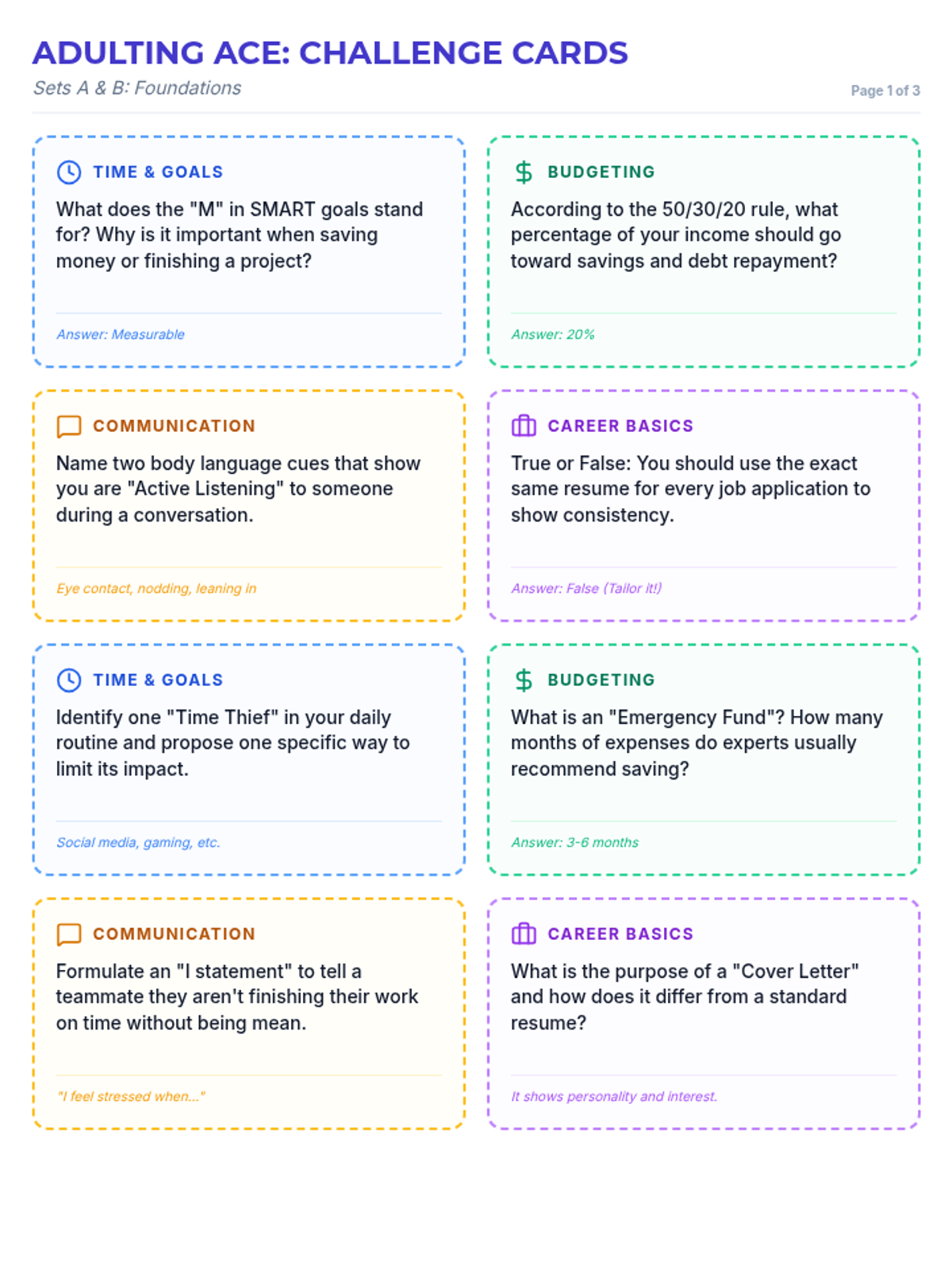
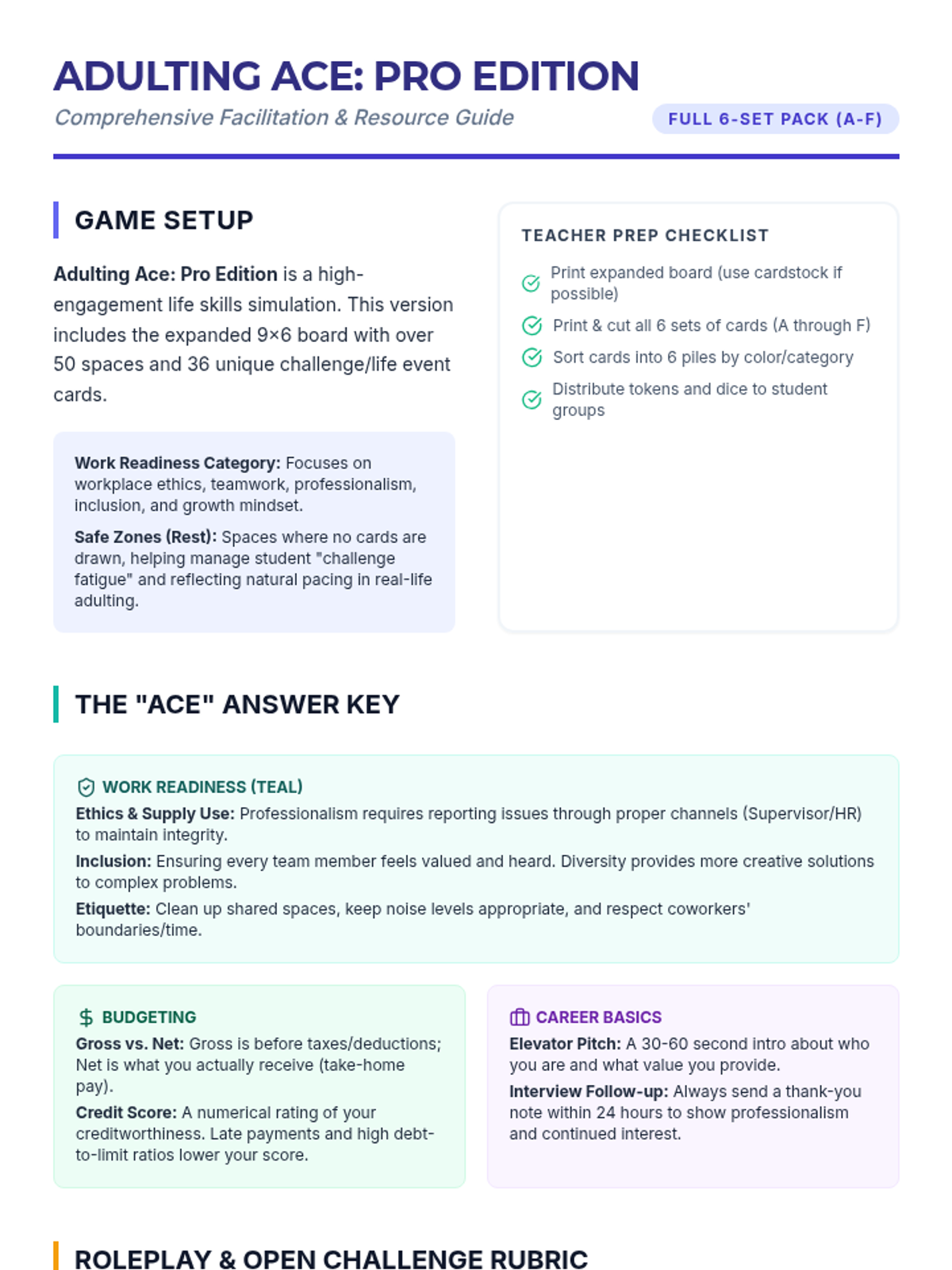
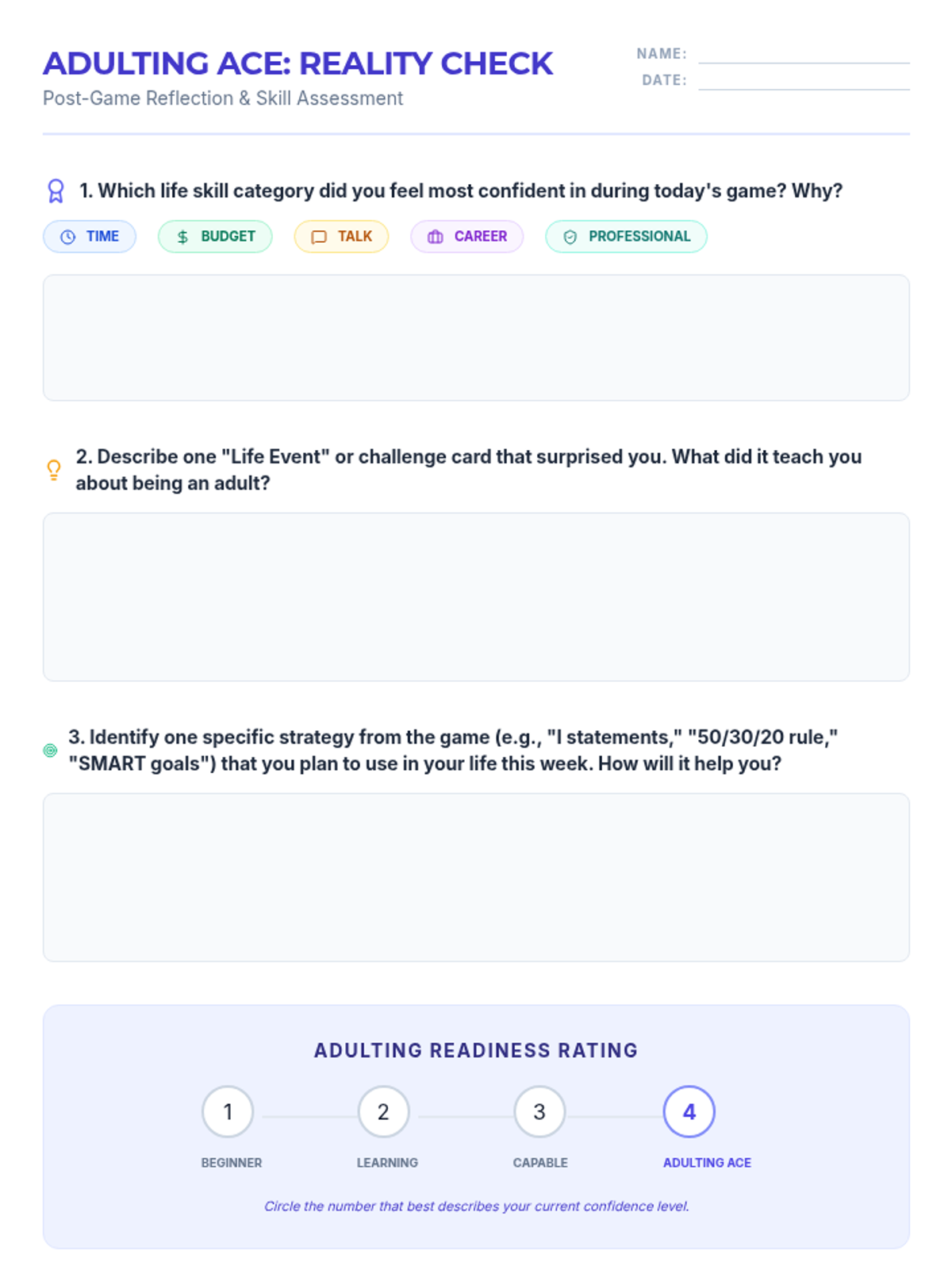
An interactive board game experience covering essential life skills including financial literacy, time management, communication, and career readiness.
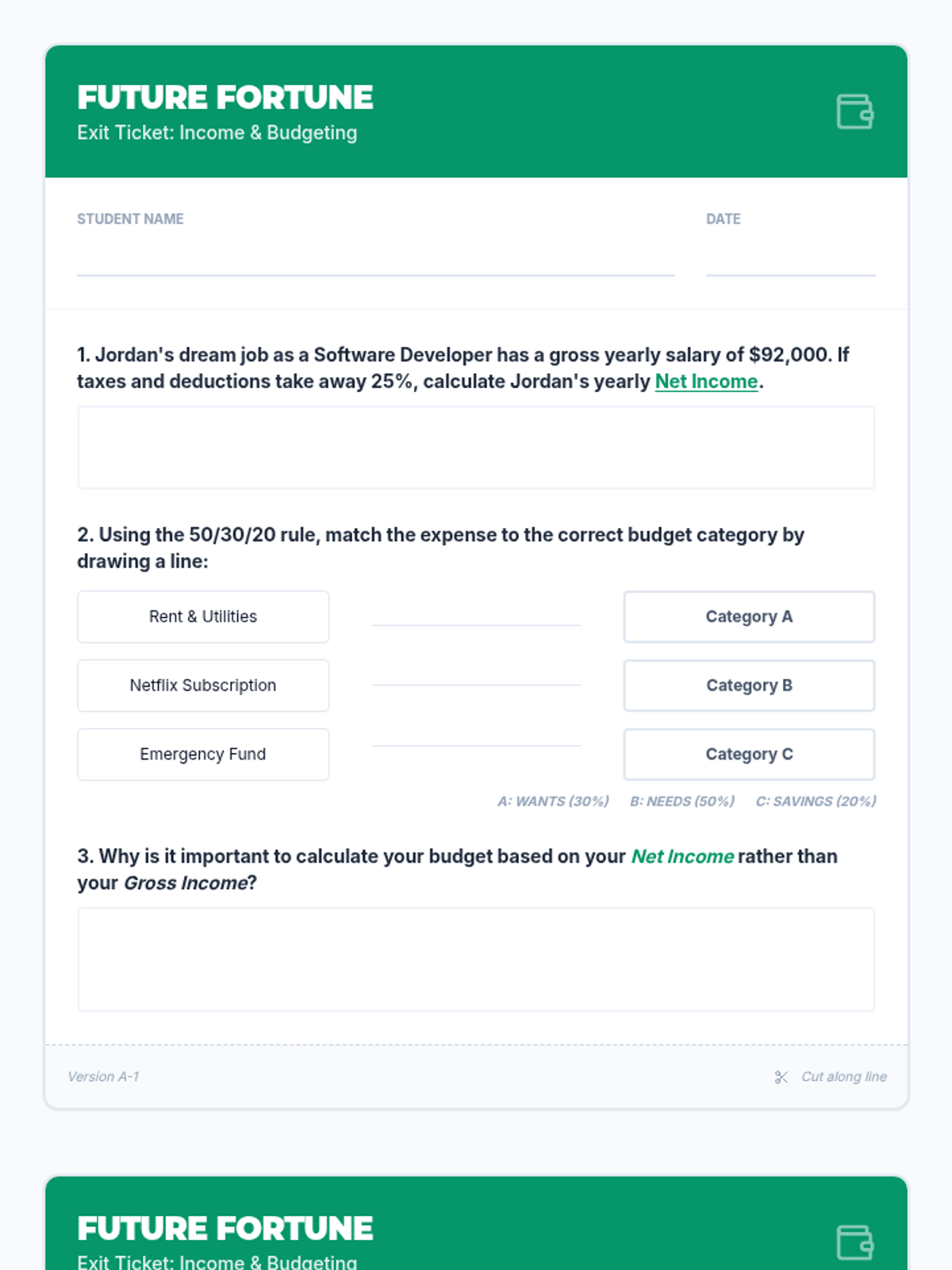
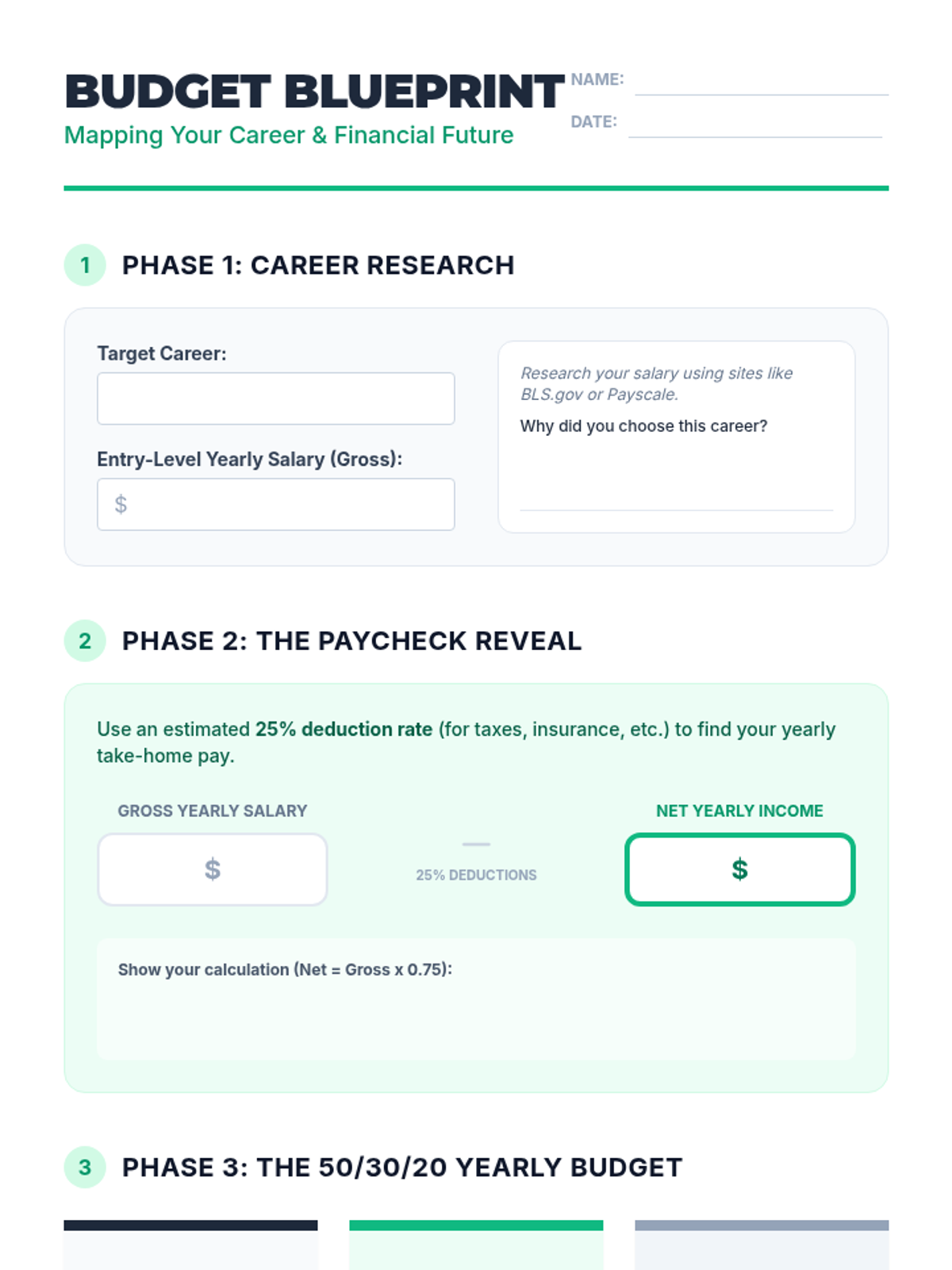
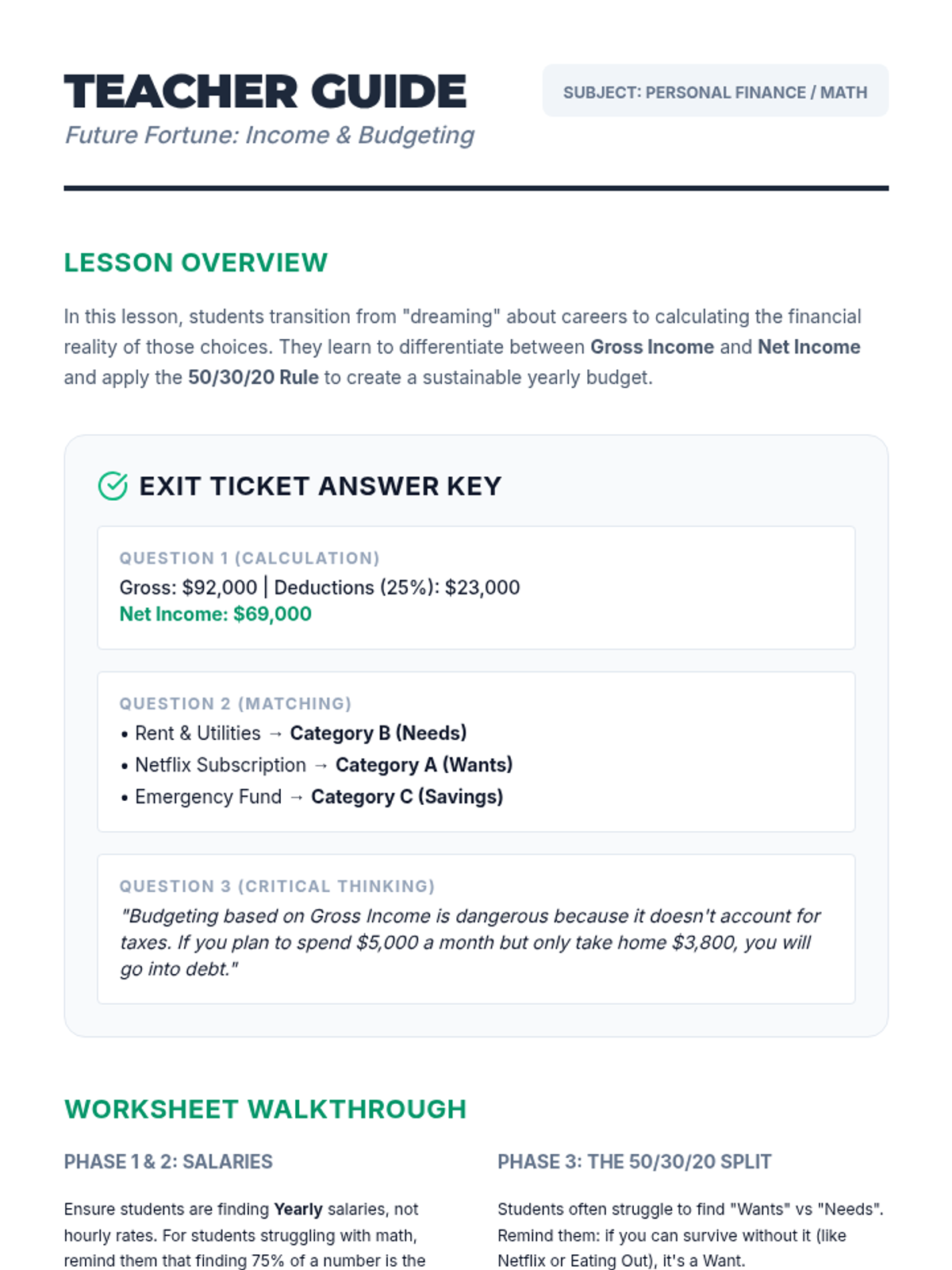
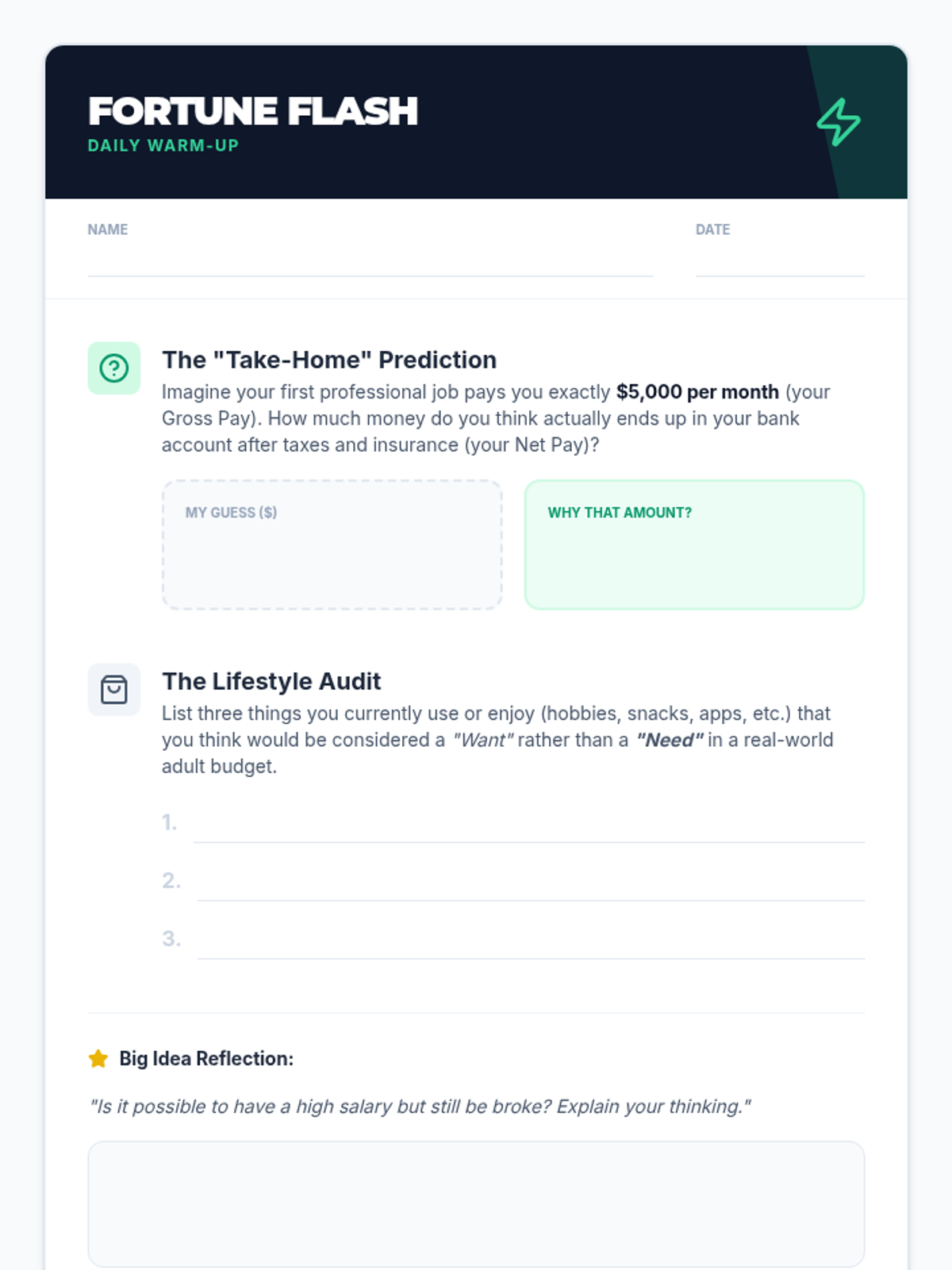
Students explore future career earnings, understand the difference between gross and net income, and practice creating a balanced yearly budget focused on saving and financial literacy.
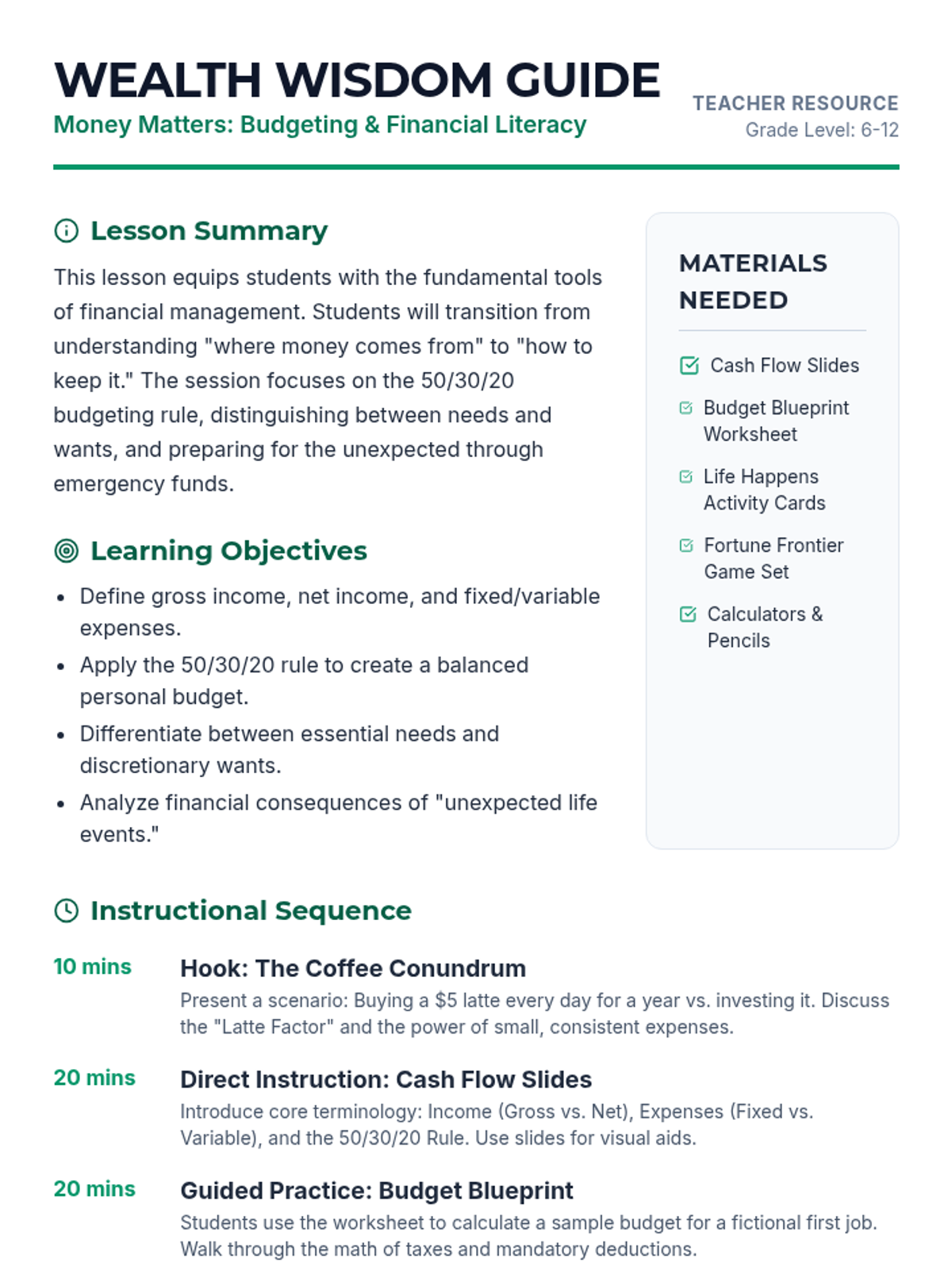
This lesson introduces students to financial literacy through budgeting, saving, and managing income versus expenses. Students will engage in real-world scenarios to build a solid foundation for responsible money management.
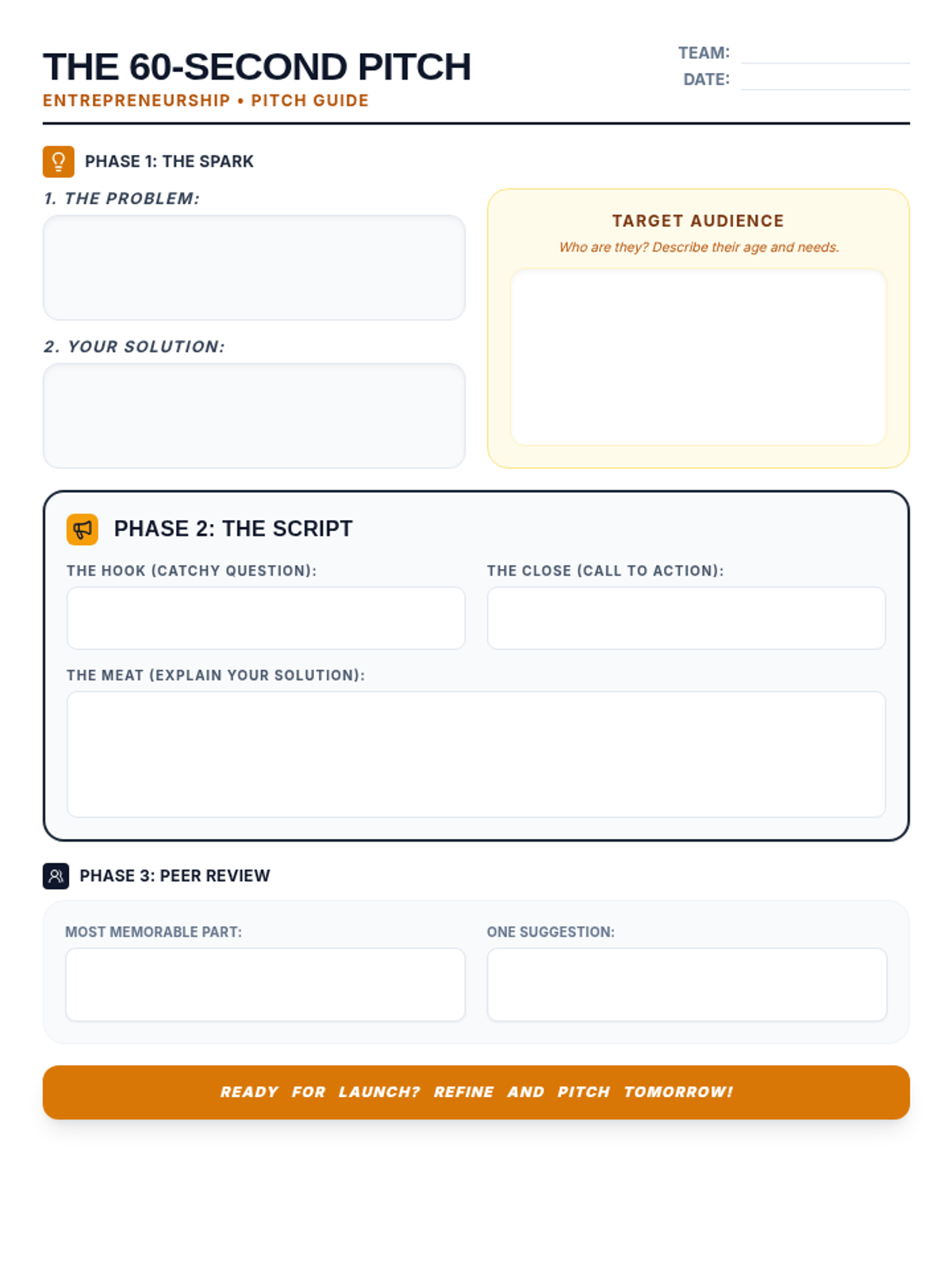
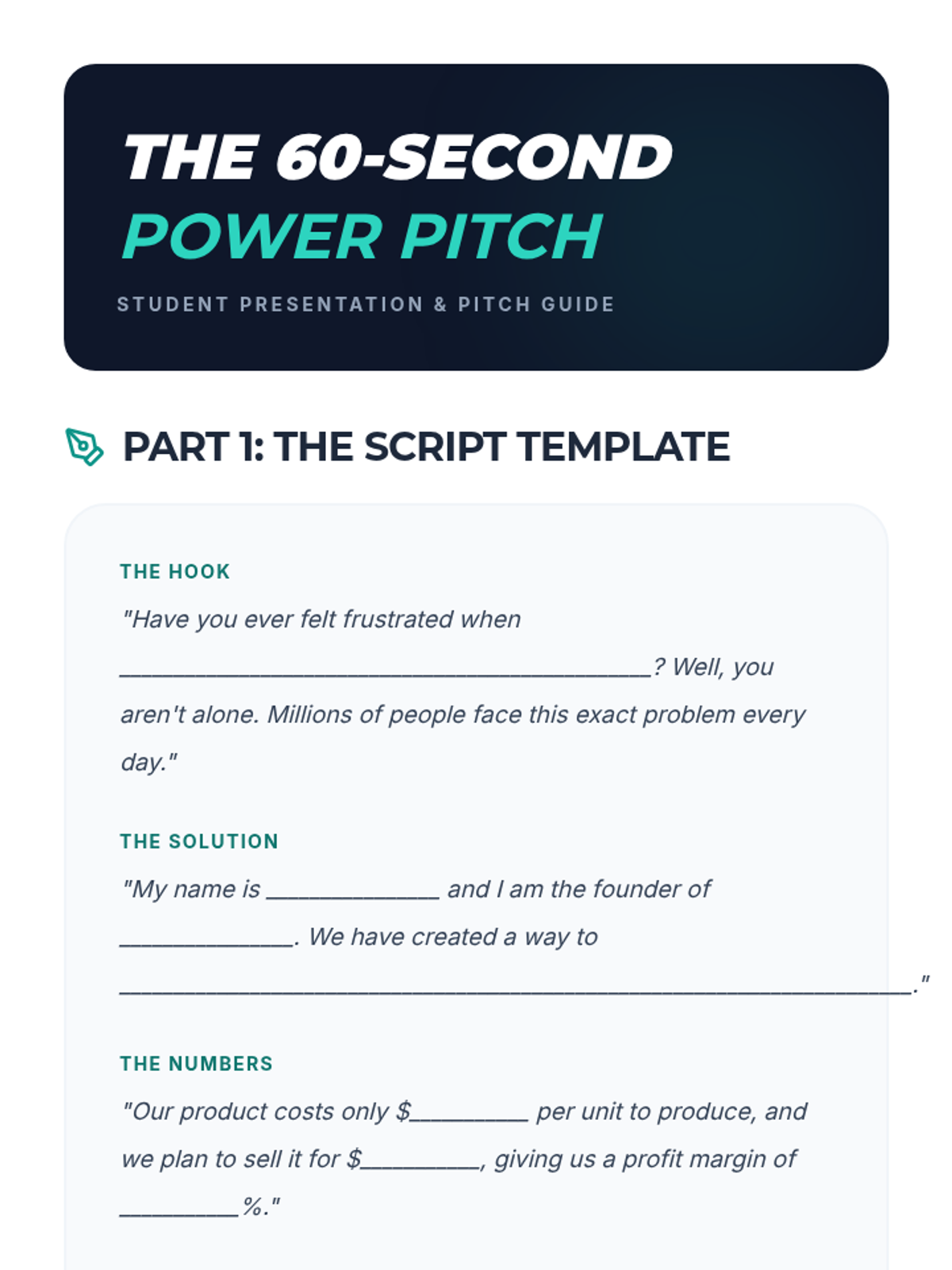
Explore the process of identifying problems and developing innovative solutions, culminating in an elevator pitch for a new business idea.
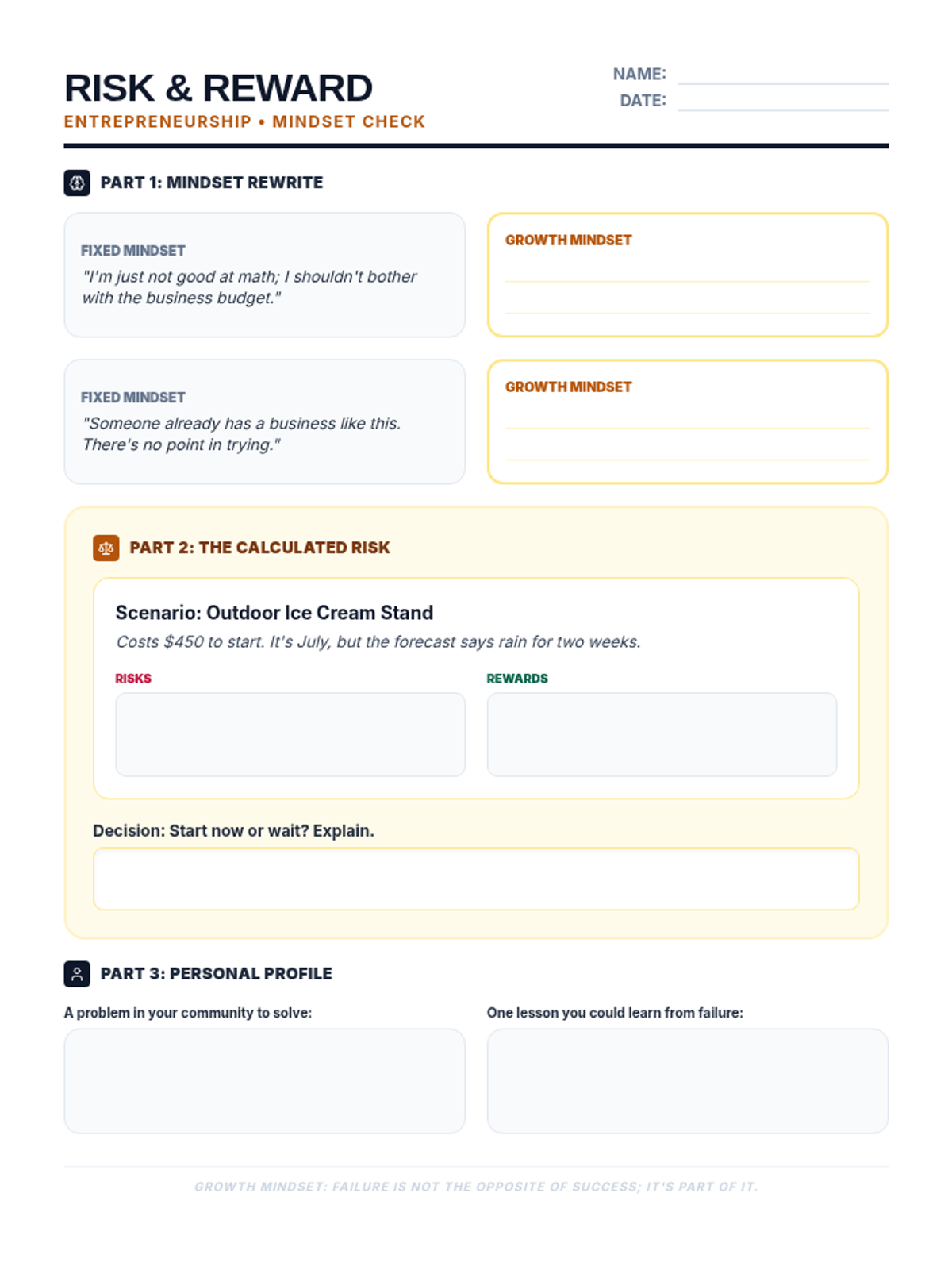
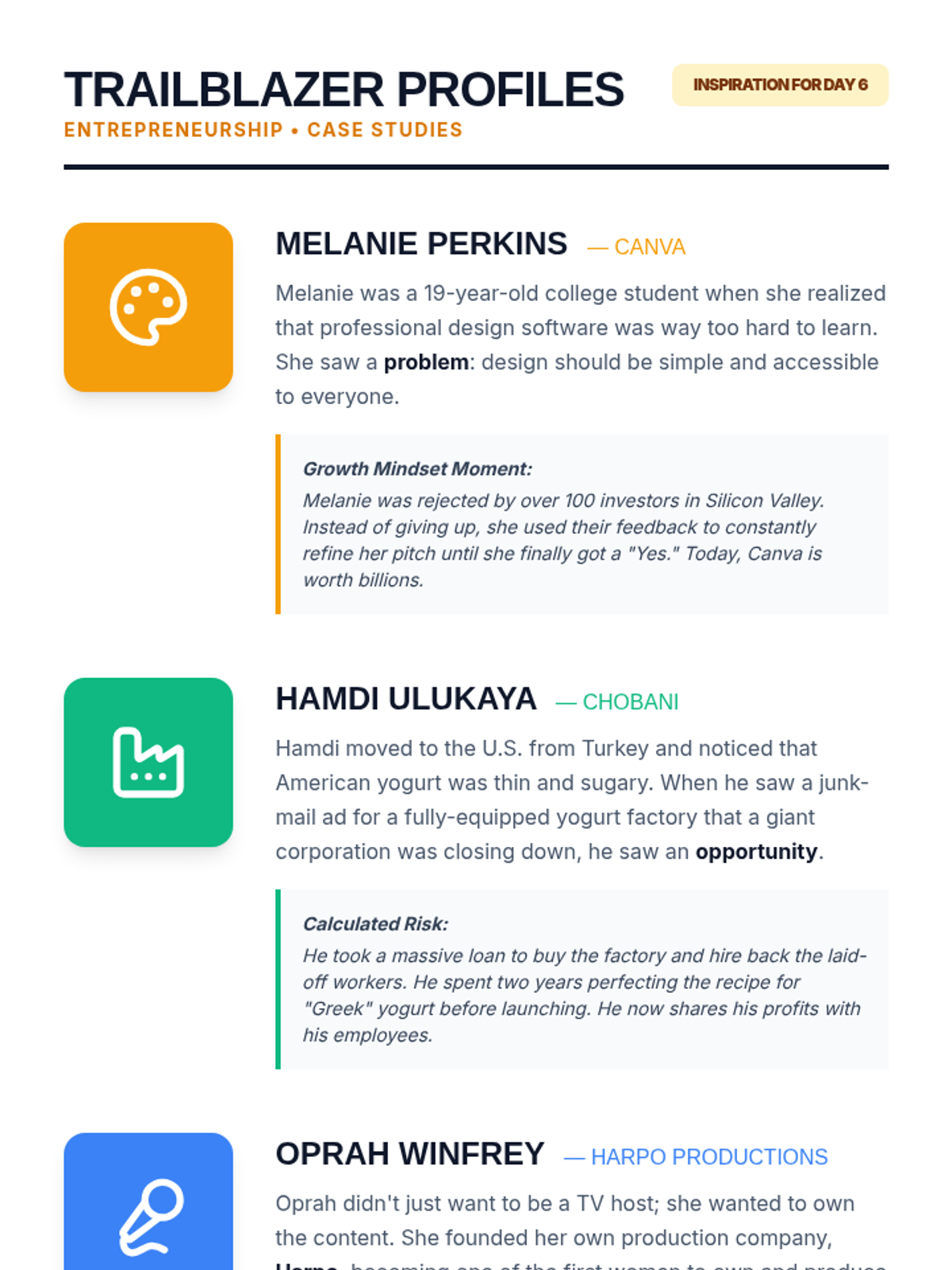
Discover the characteristics of an entrepreneur, the importance of a growth mindset, and the balance between risk and reward.
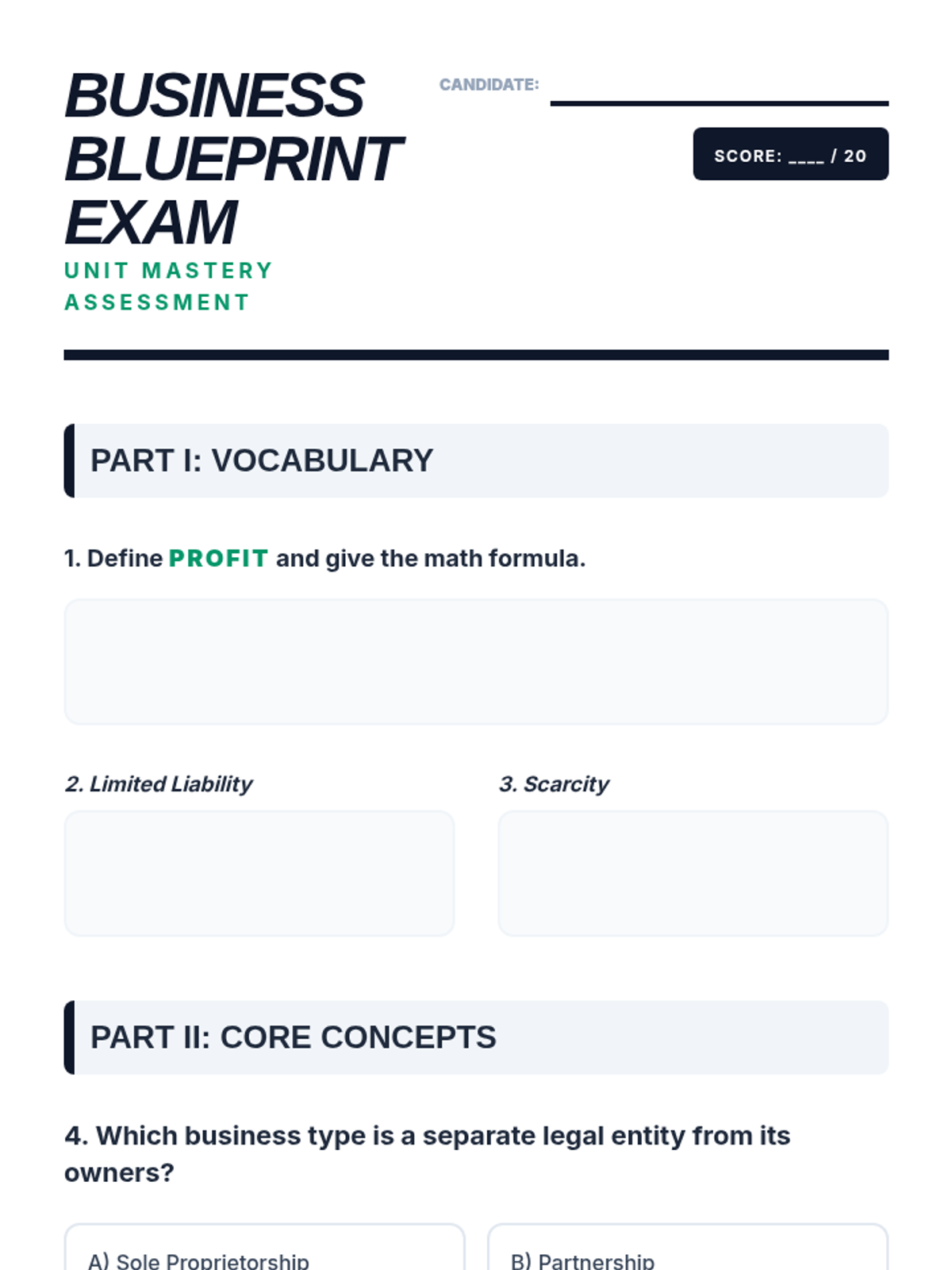
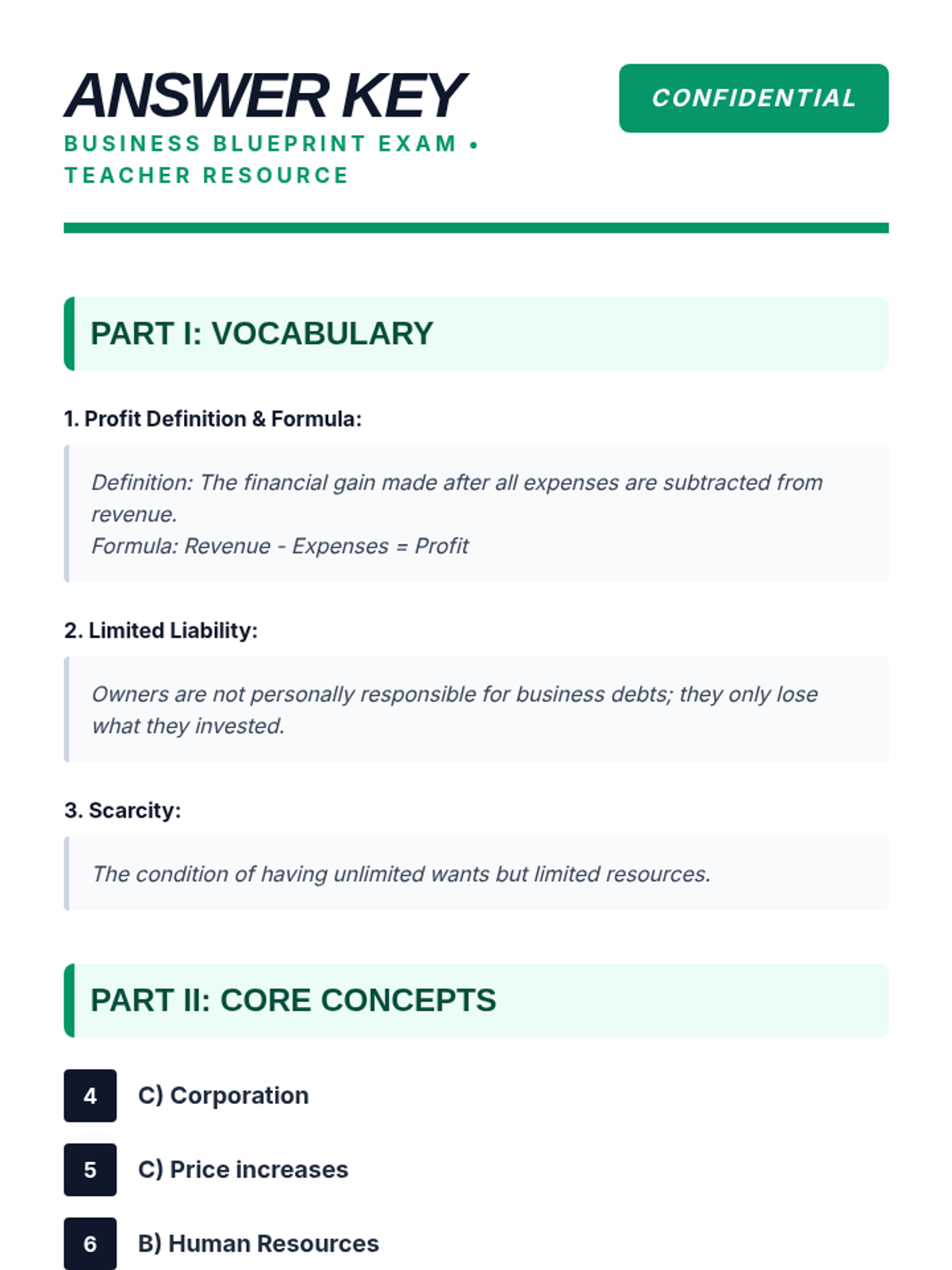
A comprehensive review of the unit's key concepts followed by a summative assessment to measure student understanding.
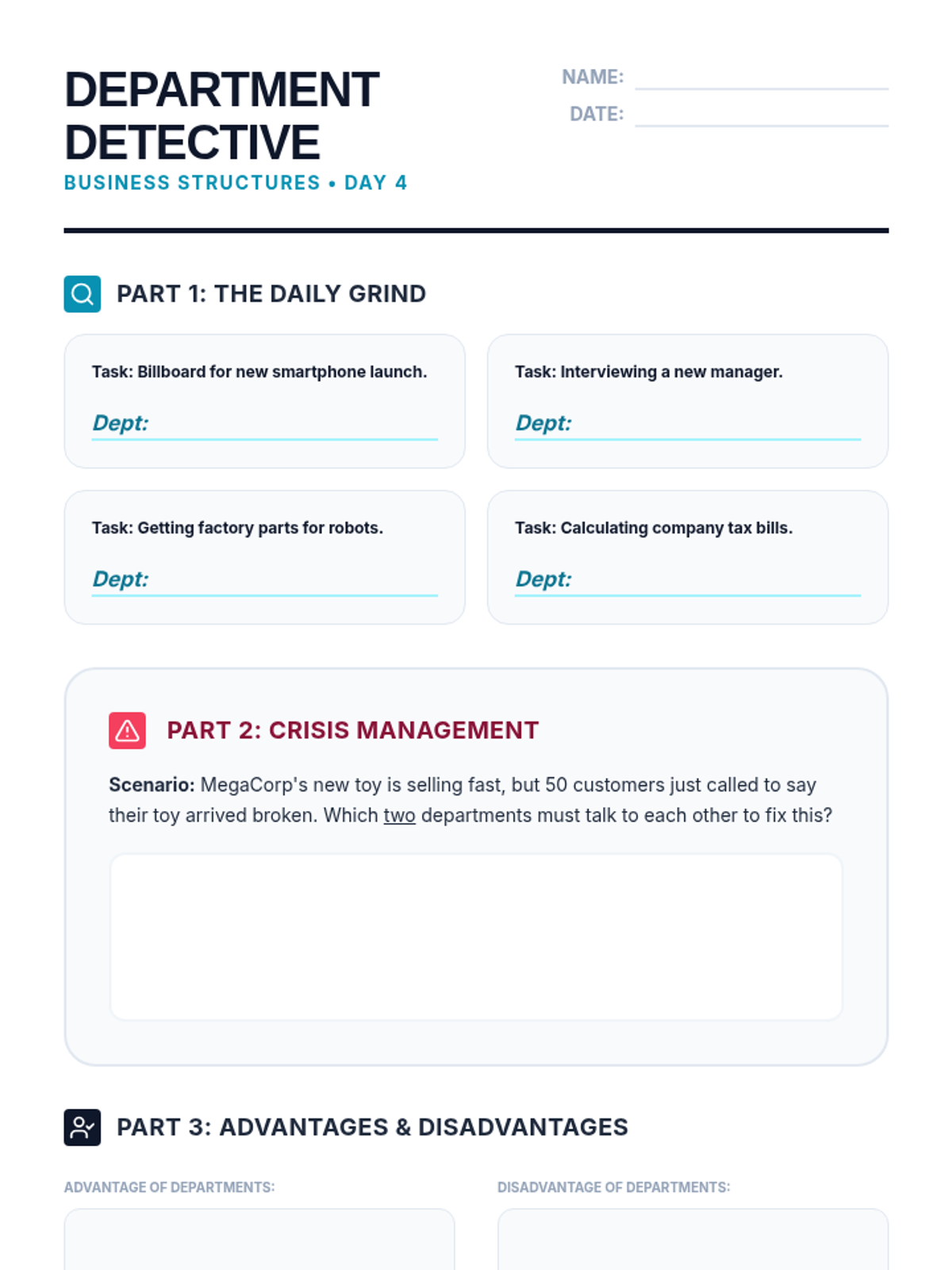
Peek inside the internal departments of a company to understand how functions like Marketing, Finance, and HR work together.
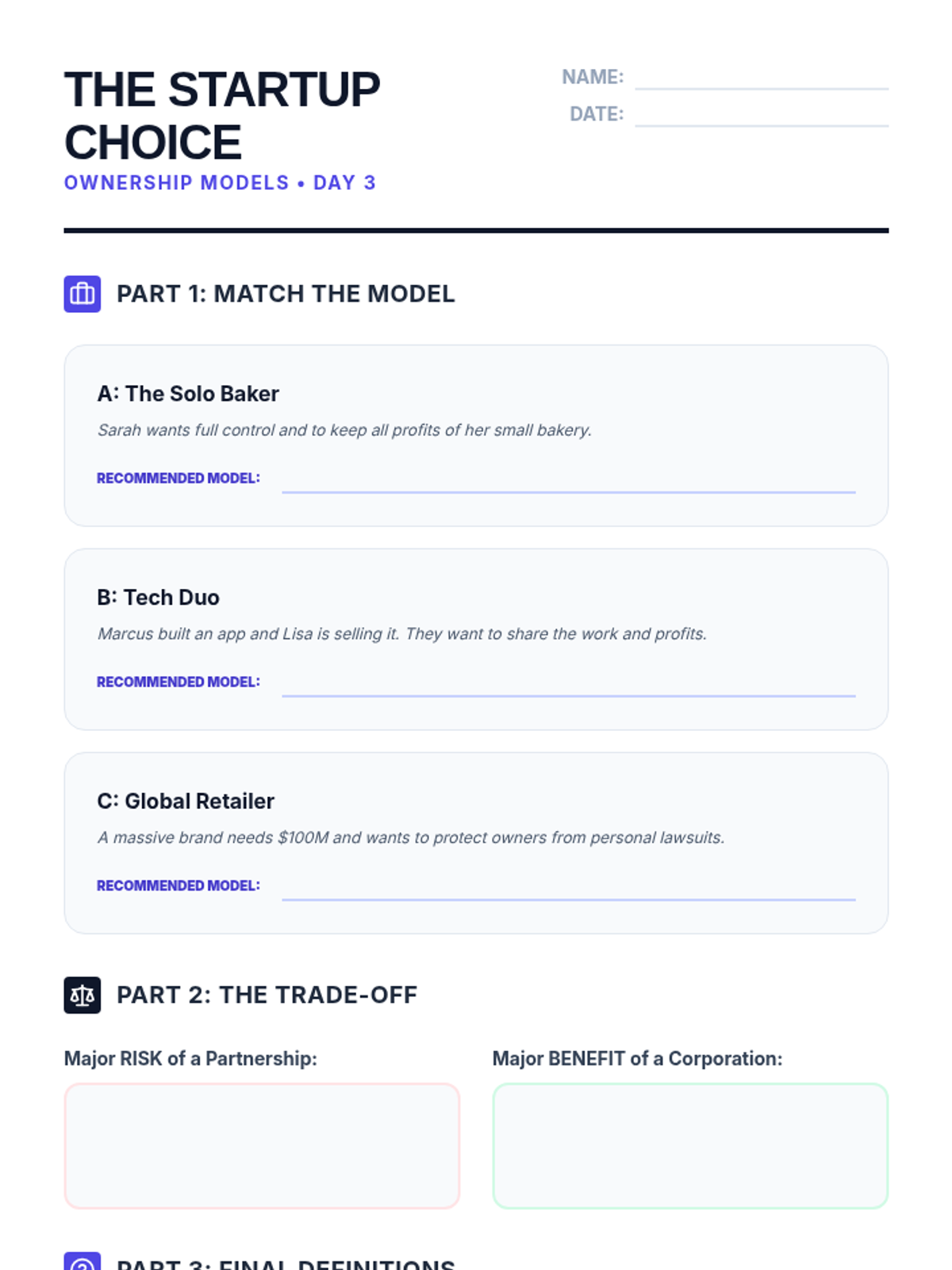
Compare different ways a business can be legally structured, including sole proprietorships, partnerships, and corporations.
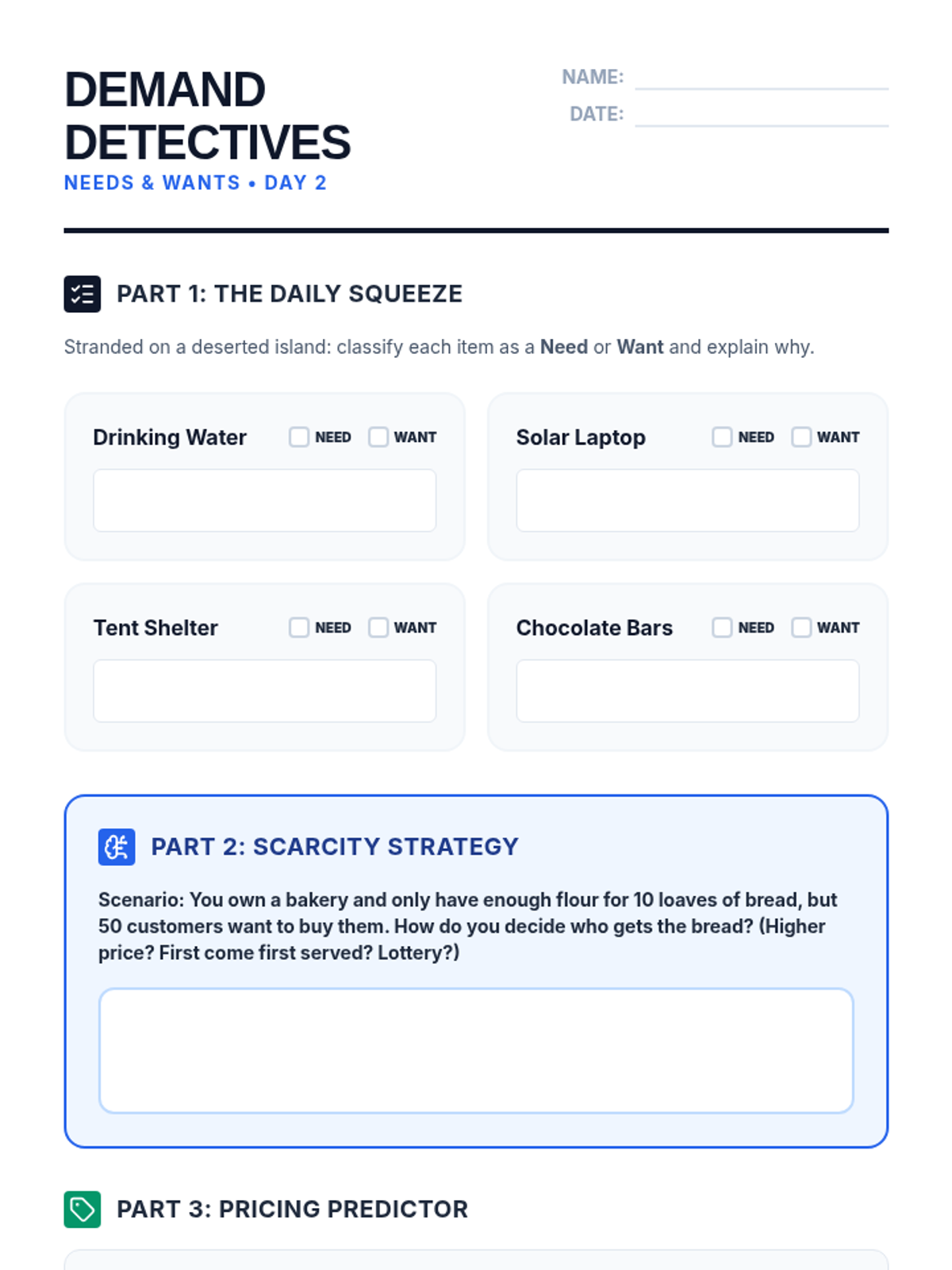
Investigate how businesses satisfy human needs and wants through the production of goods and services within the framework of supply and demand.
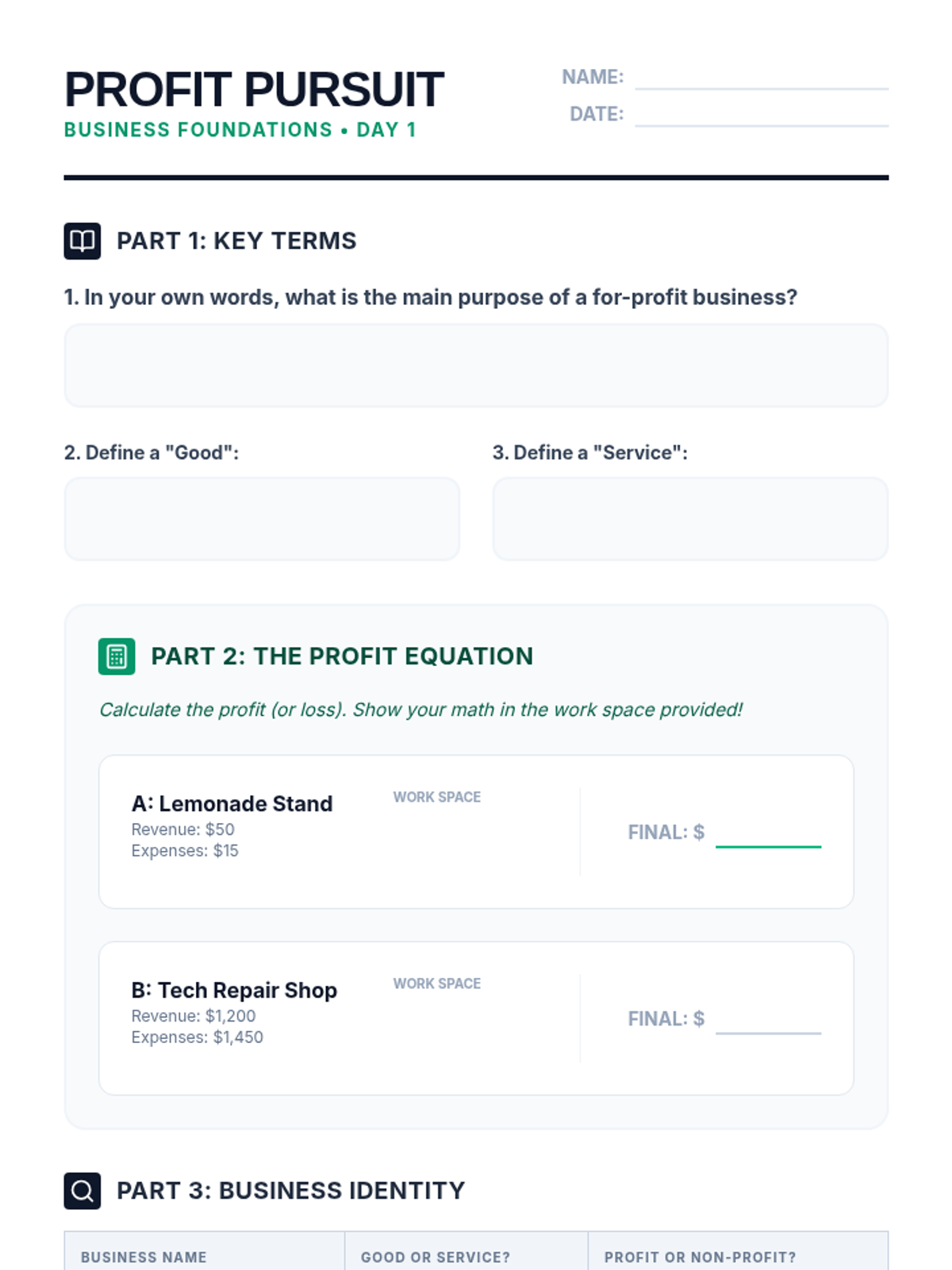
Explore the fundamental purpose of a business, distinguishing between for-profit and non-profit organizations and identifying the role of profit.
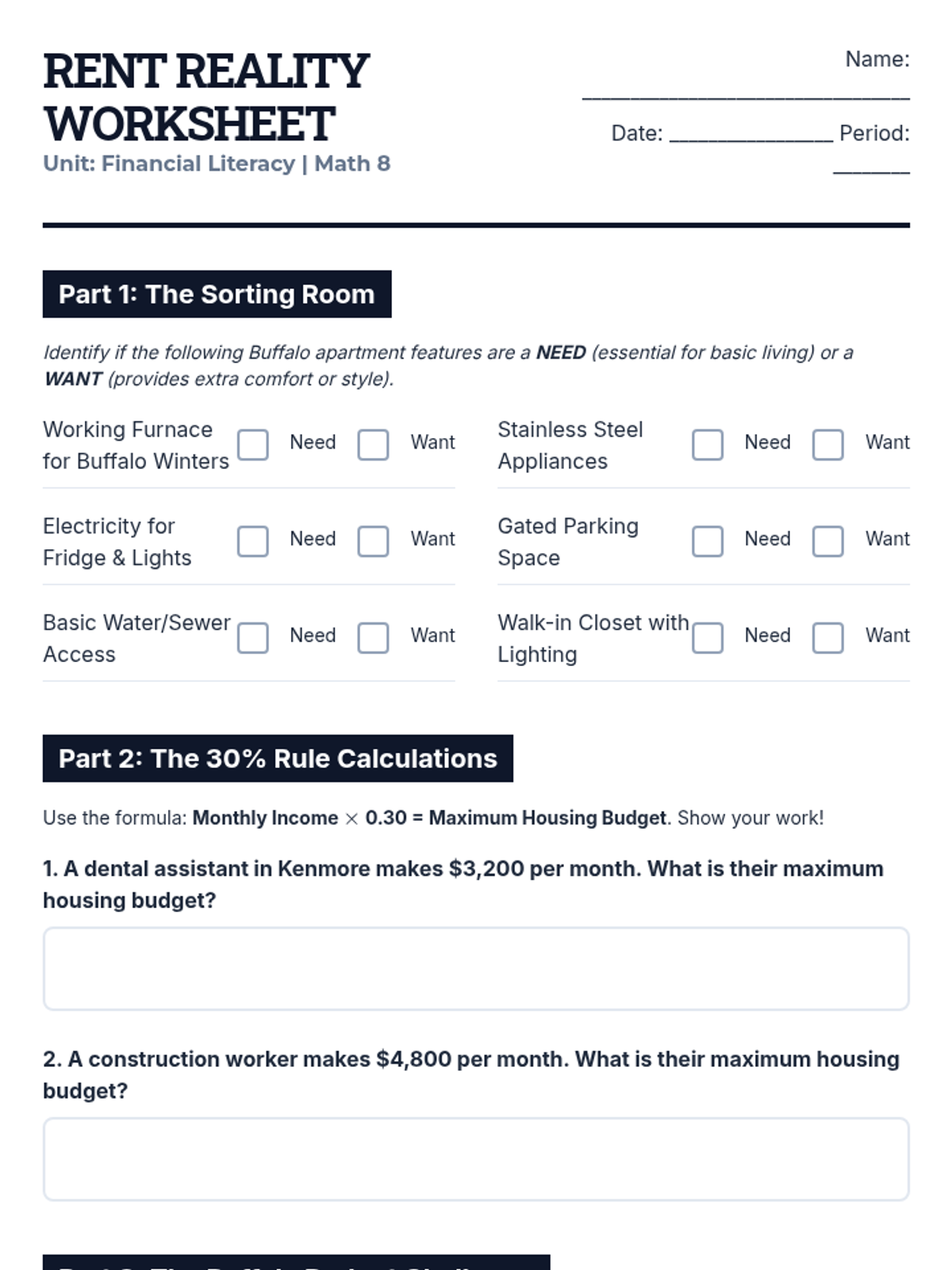
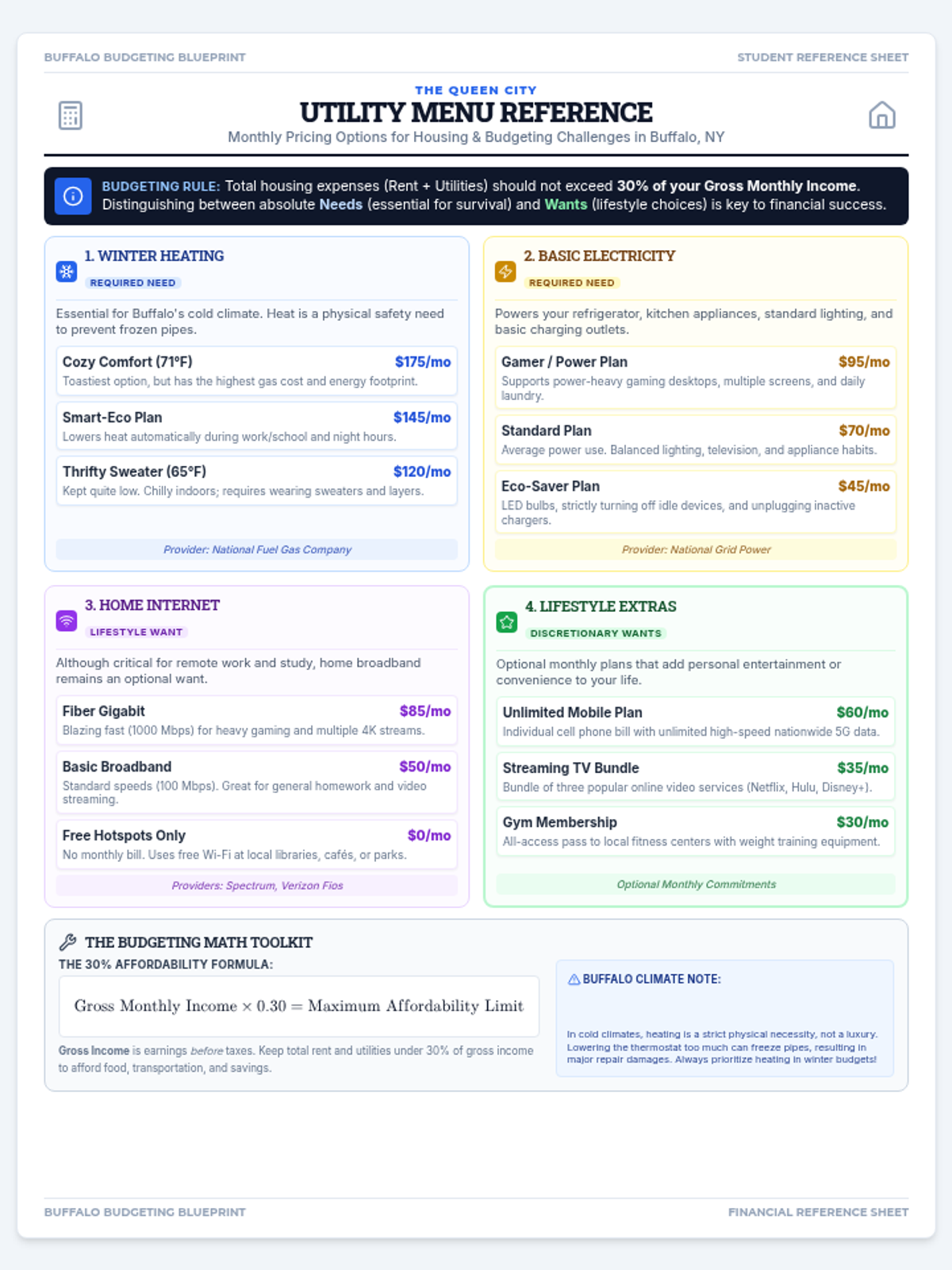
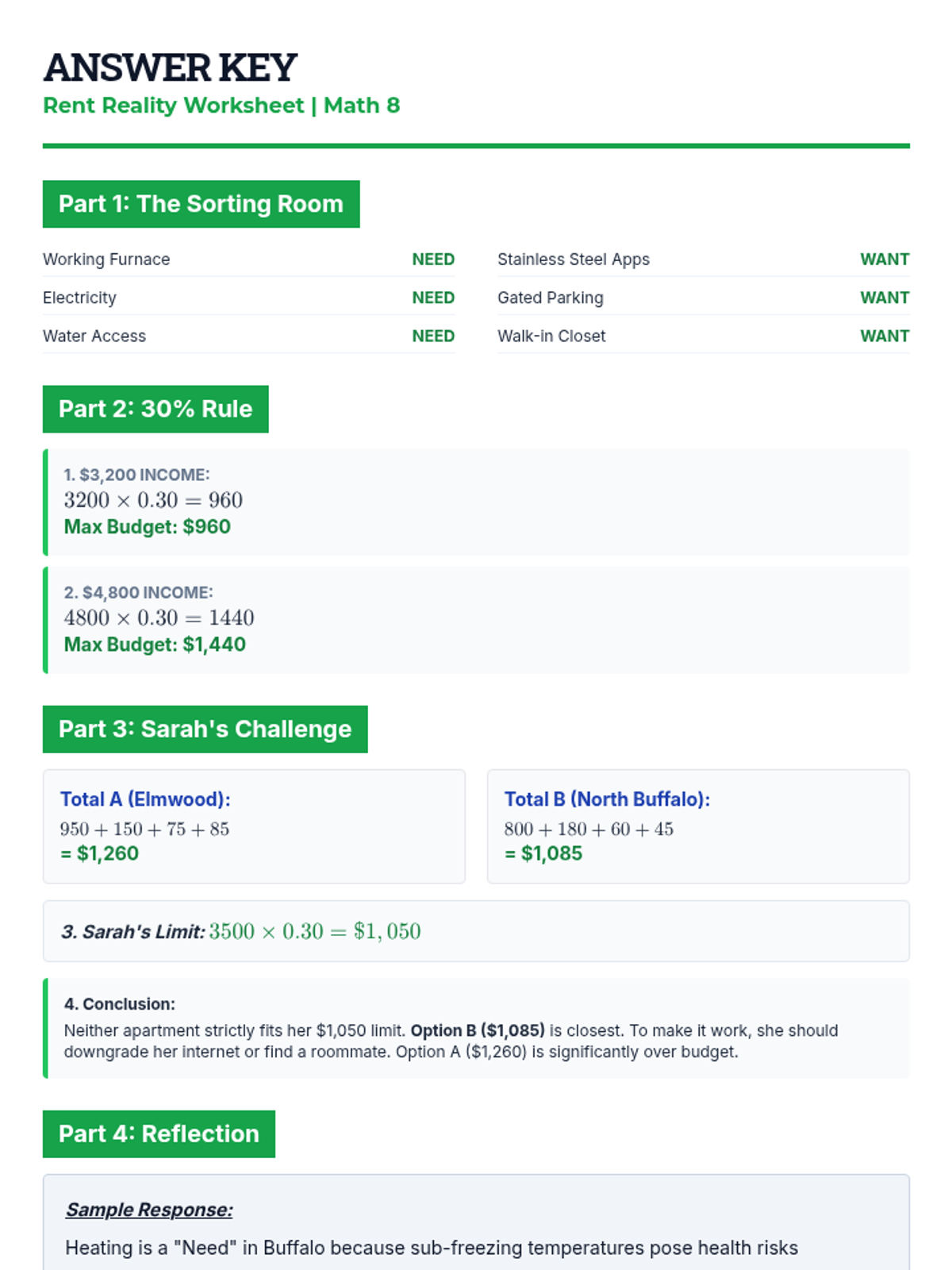
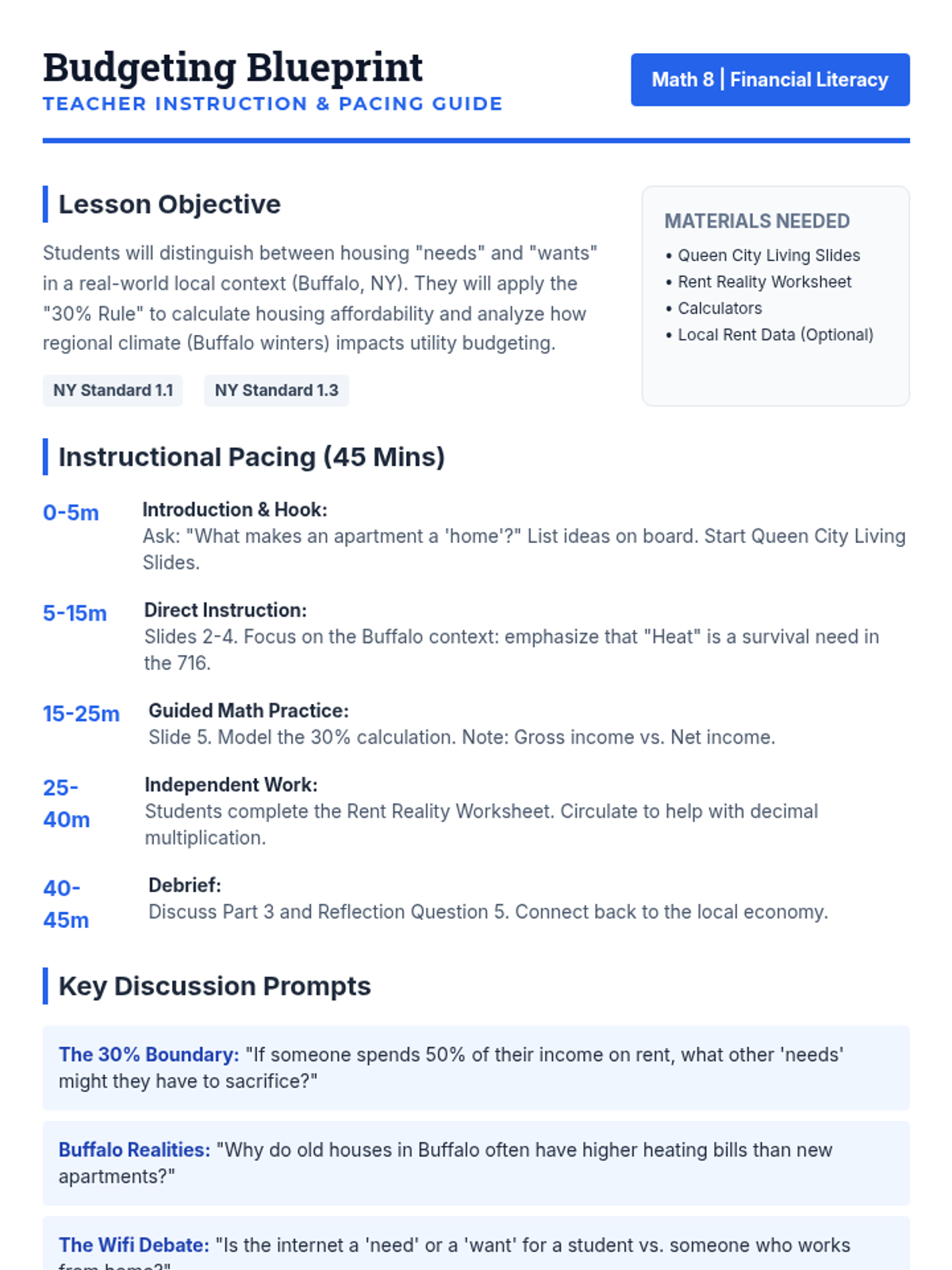
A mini-lesson for 8th-grade math students focused on distinguishing between needs and wants while budgeting for rent and utilities in the Buffalo, NY area. Students will use the 30% rule to evaluate housing affordability and prioritize essential expenses like heating during Buffalo winters.
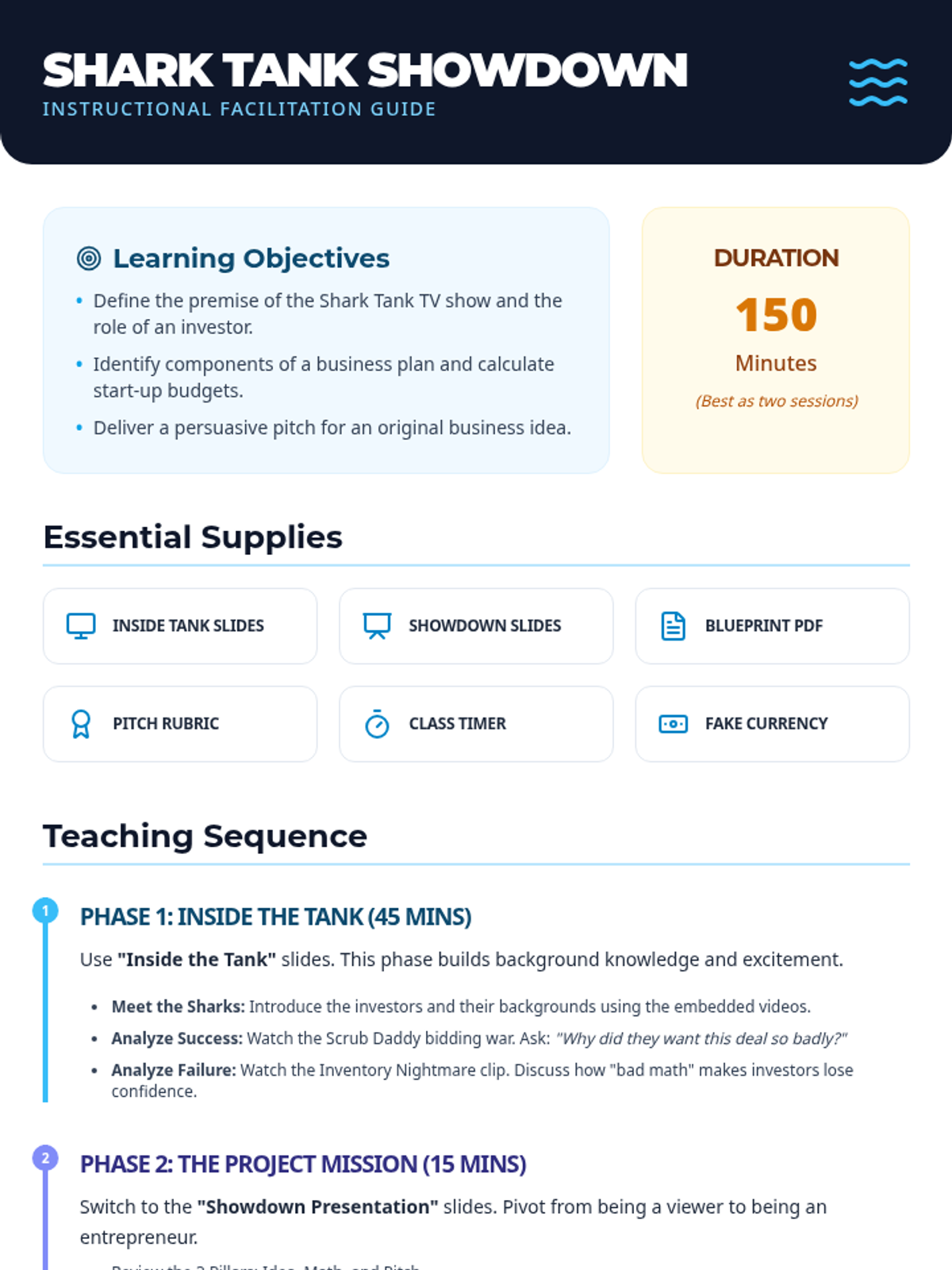
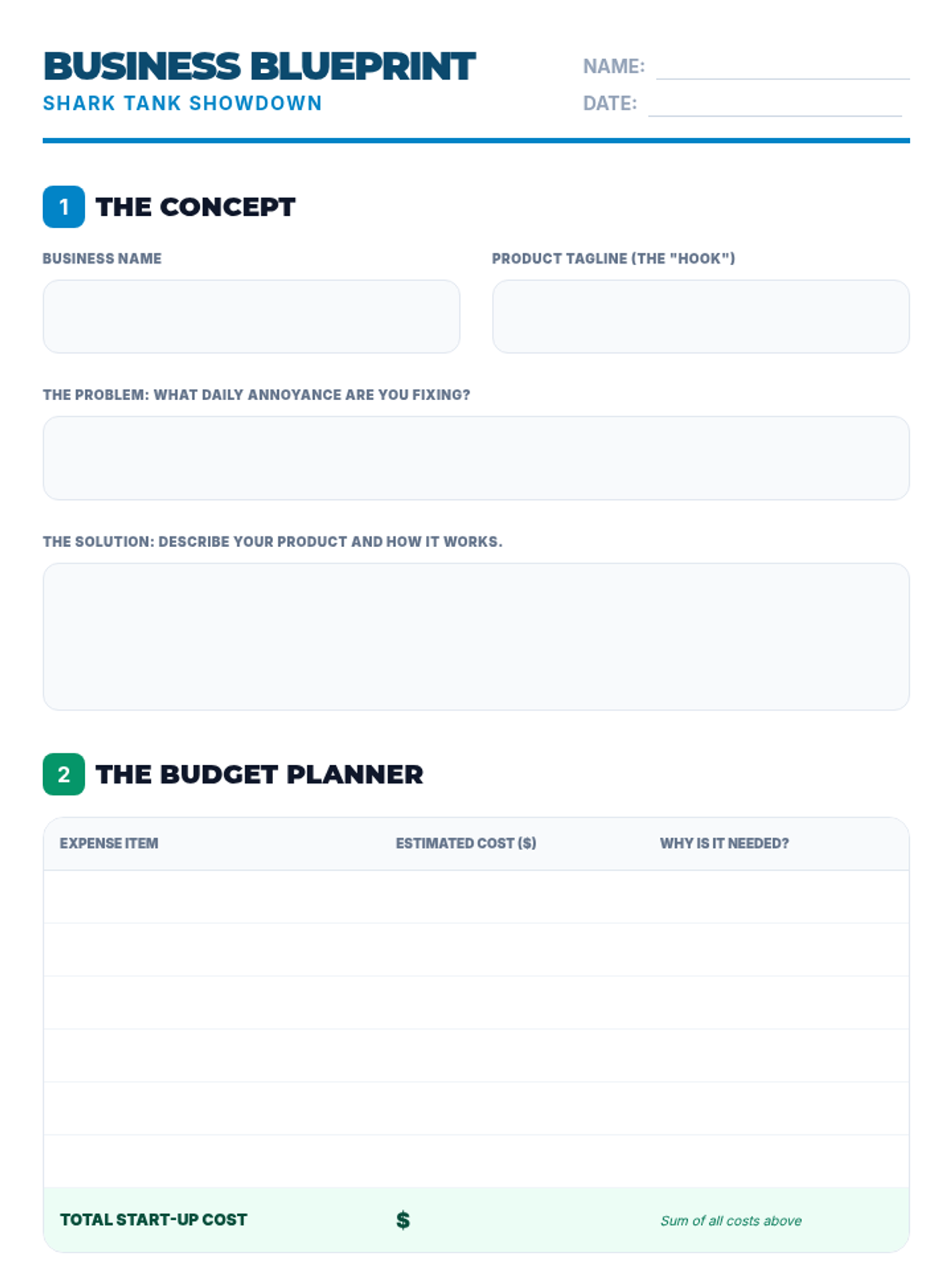
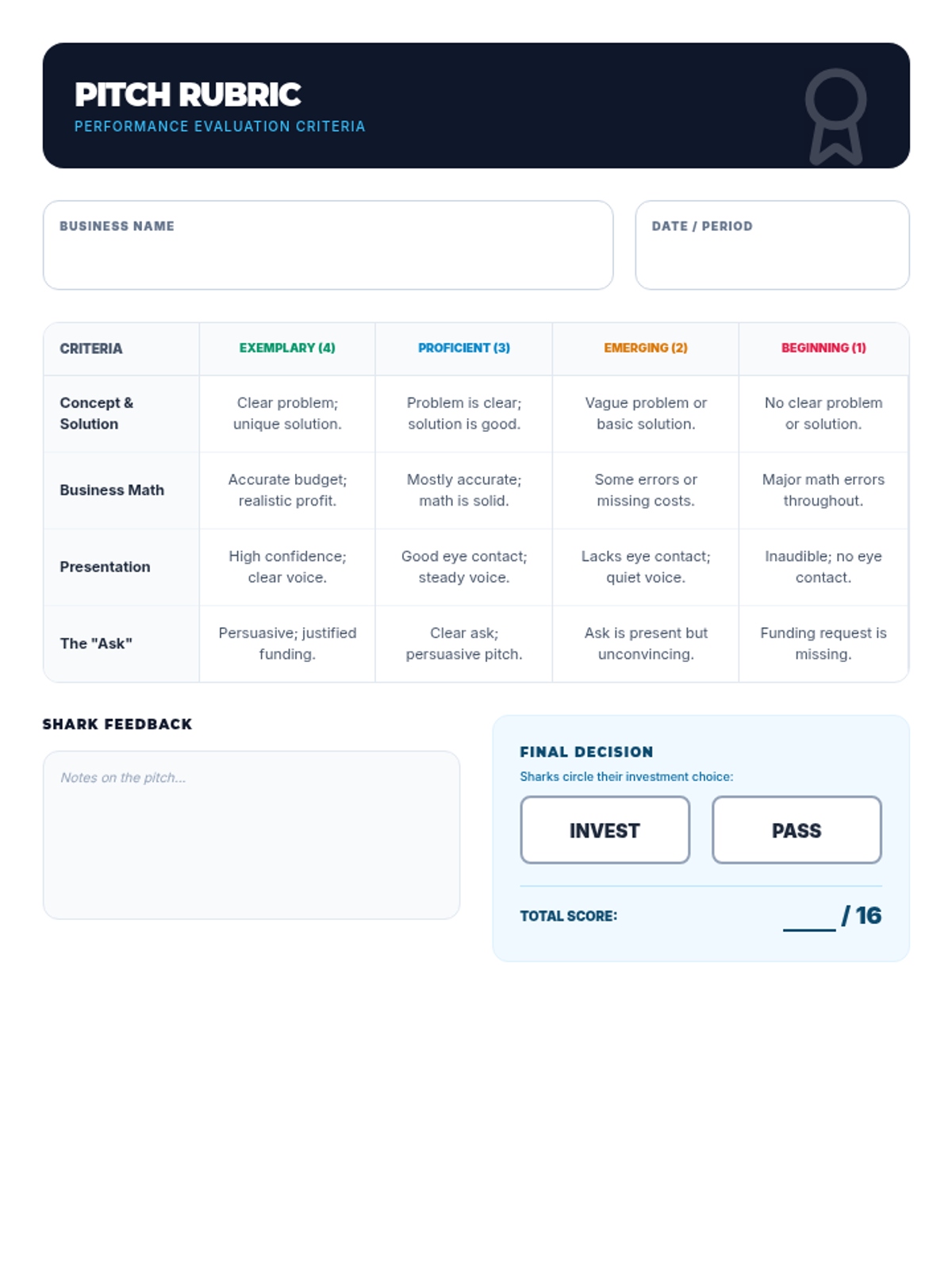
An immersive entrepreneurship lesson where students learn business basics, budgeting, and persuasive pitching to secure 'funding' for their original ideas.
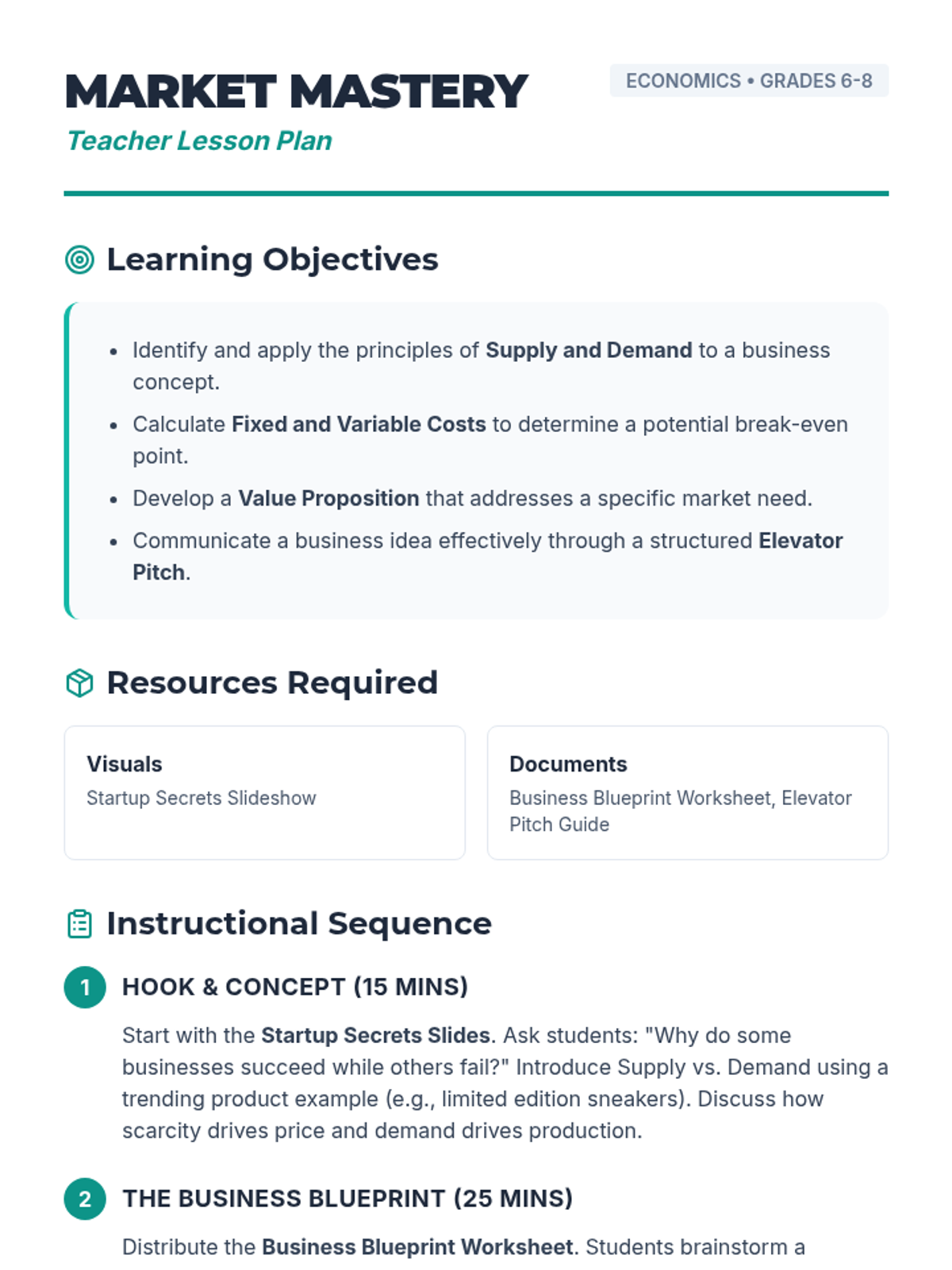
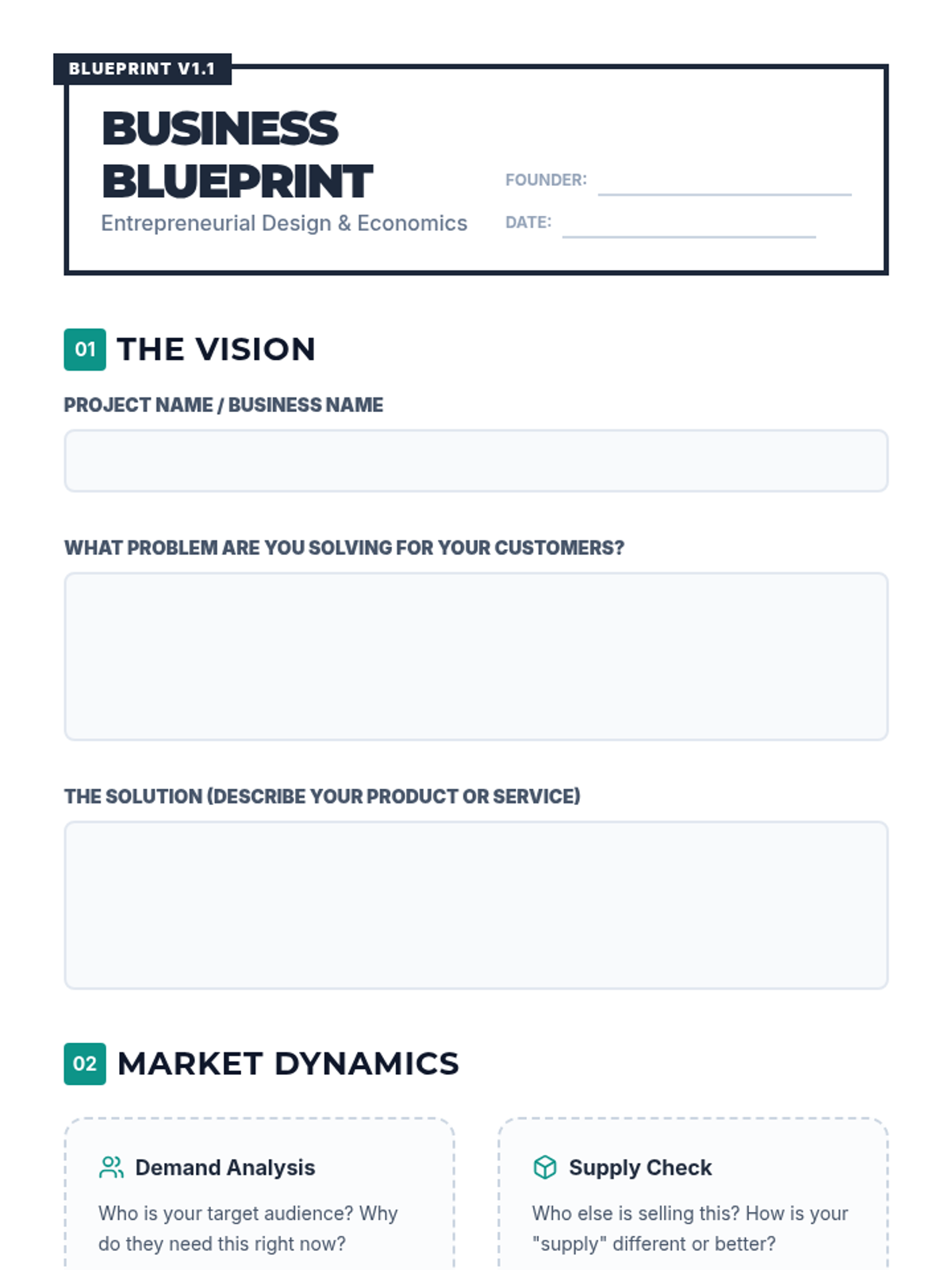
Students learn economic fundamentals by designing a business concept, analyzing supply and demand, and calculating costs before pitching their idea to the class.
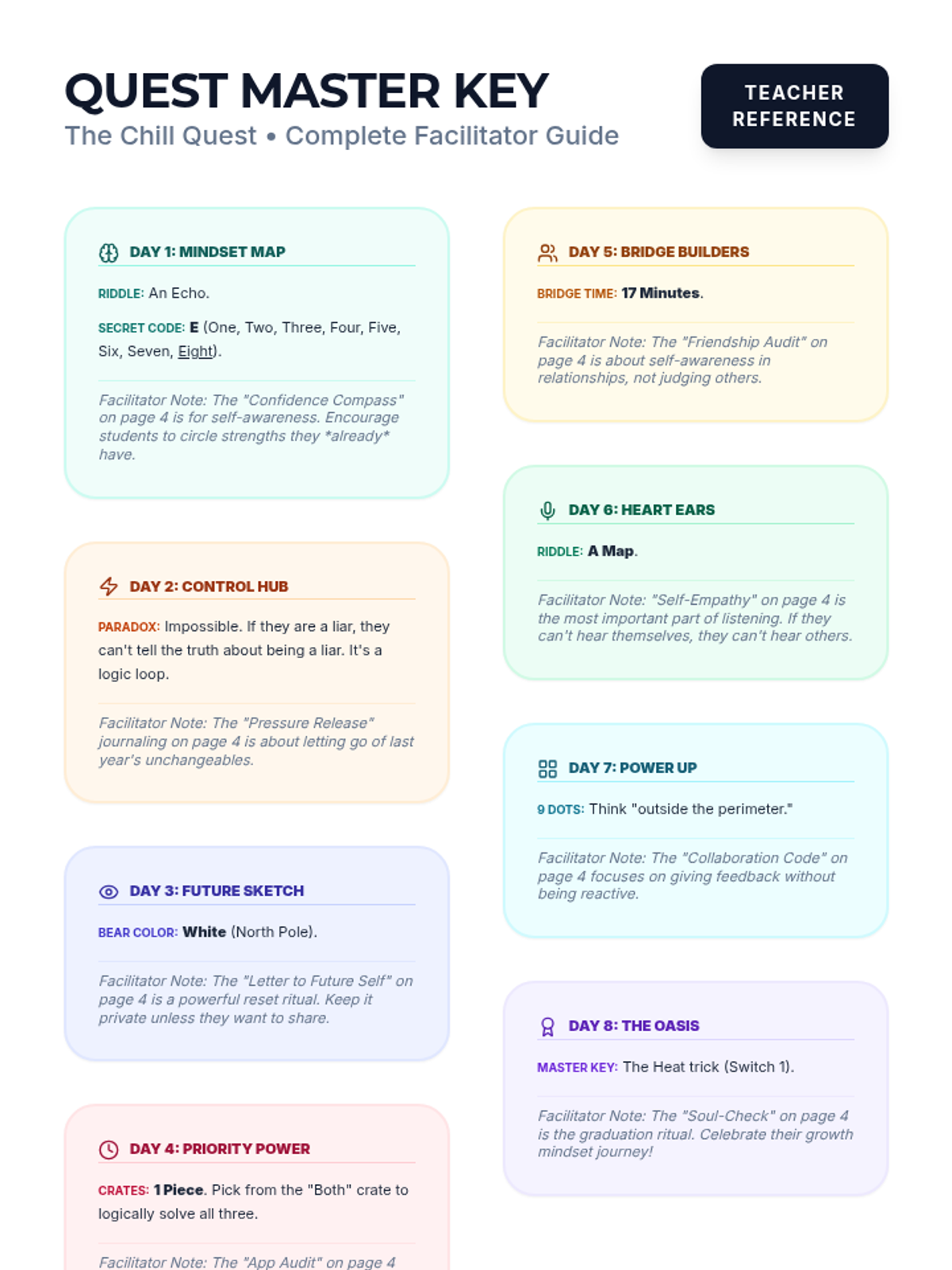
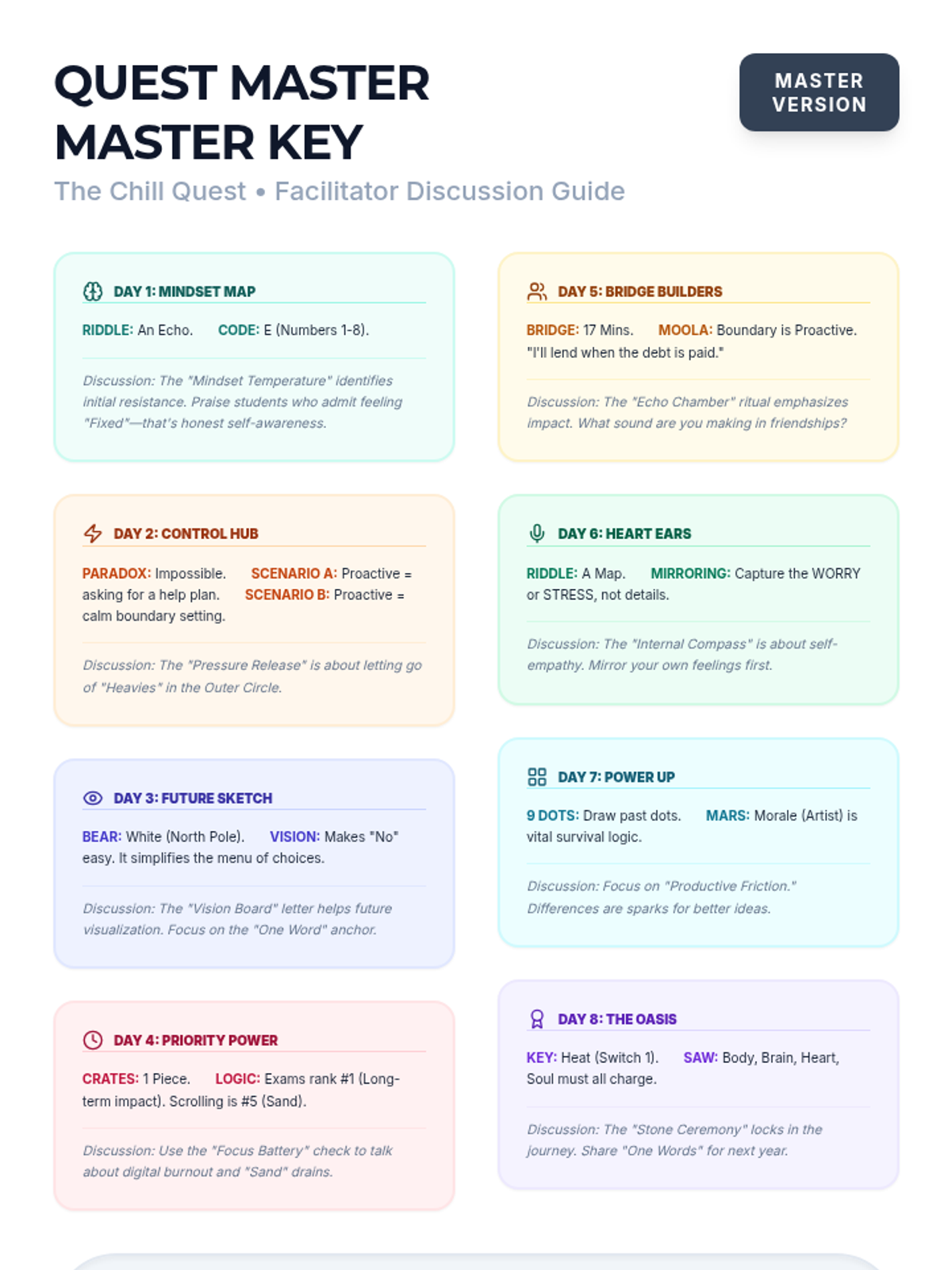
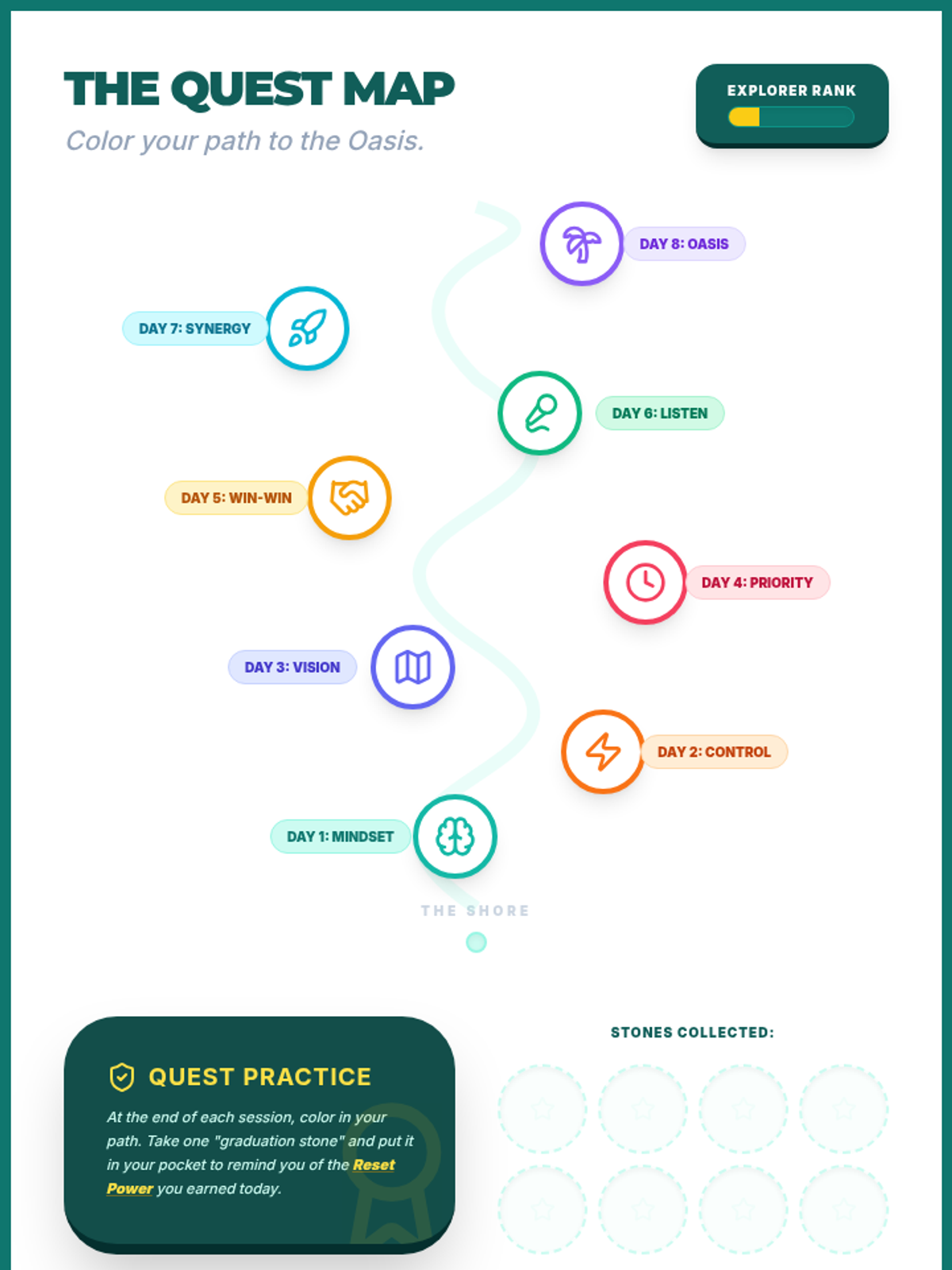
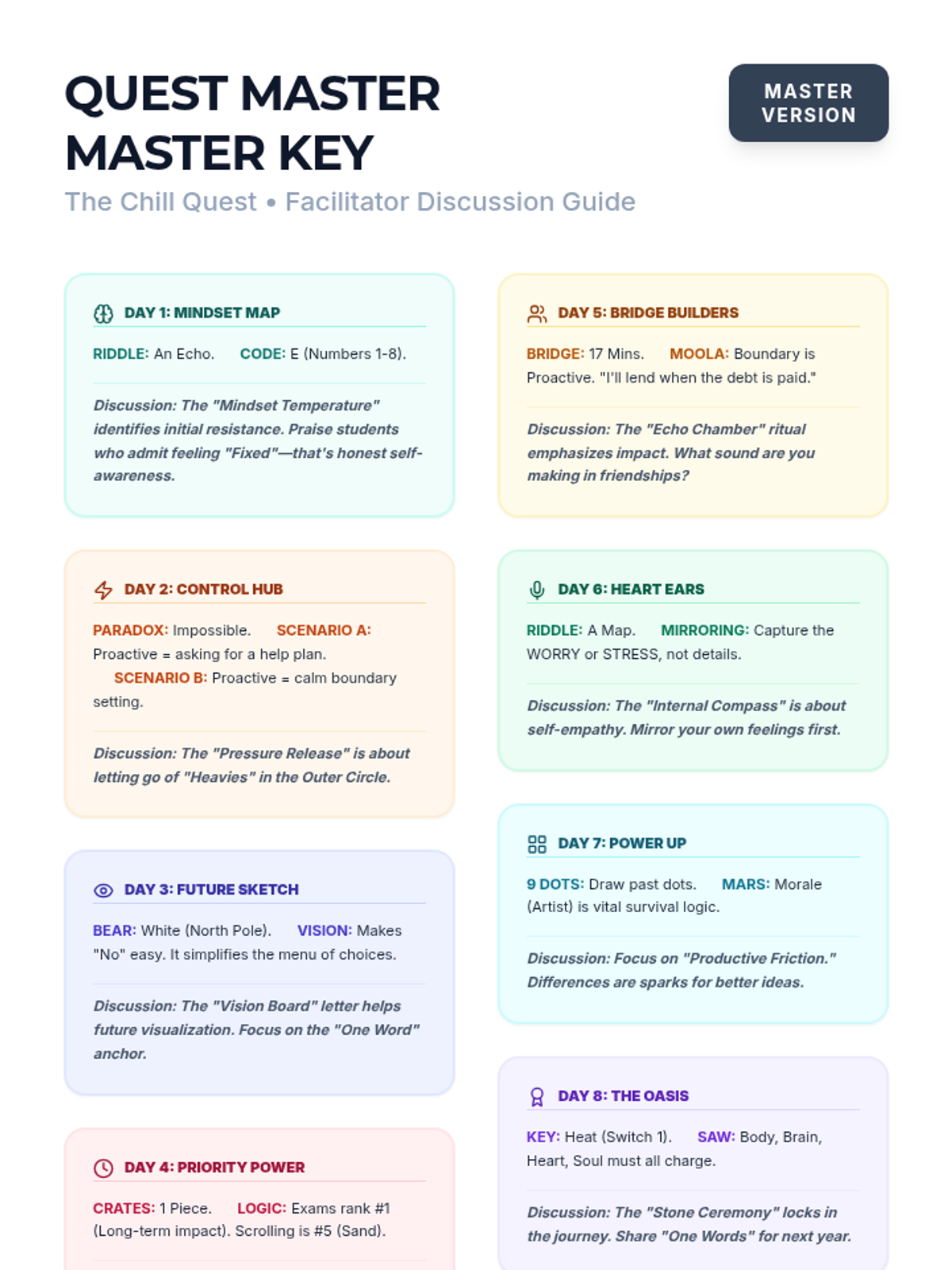
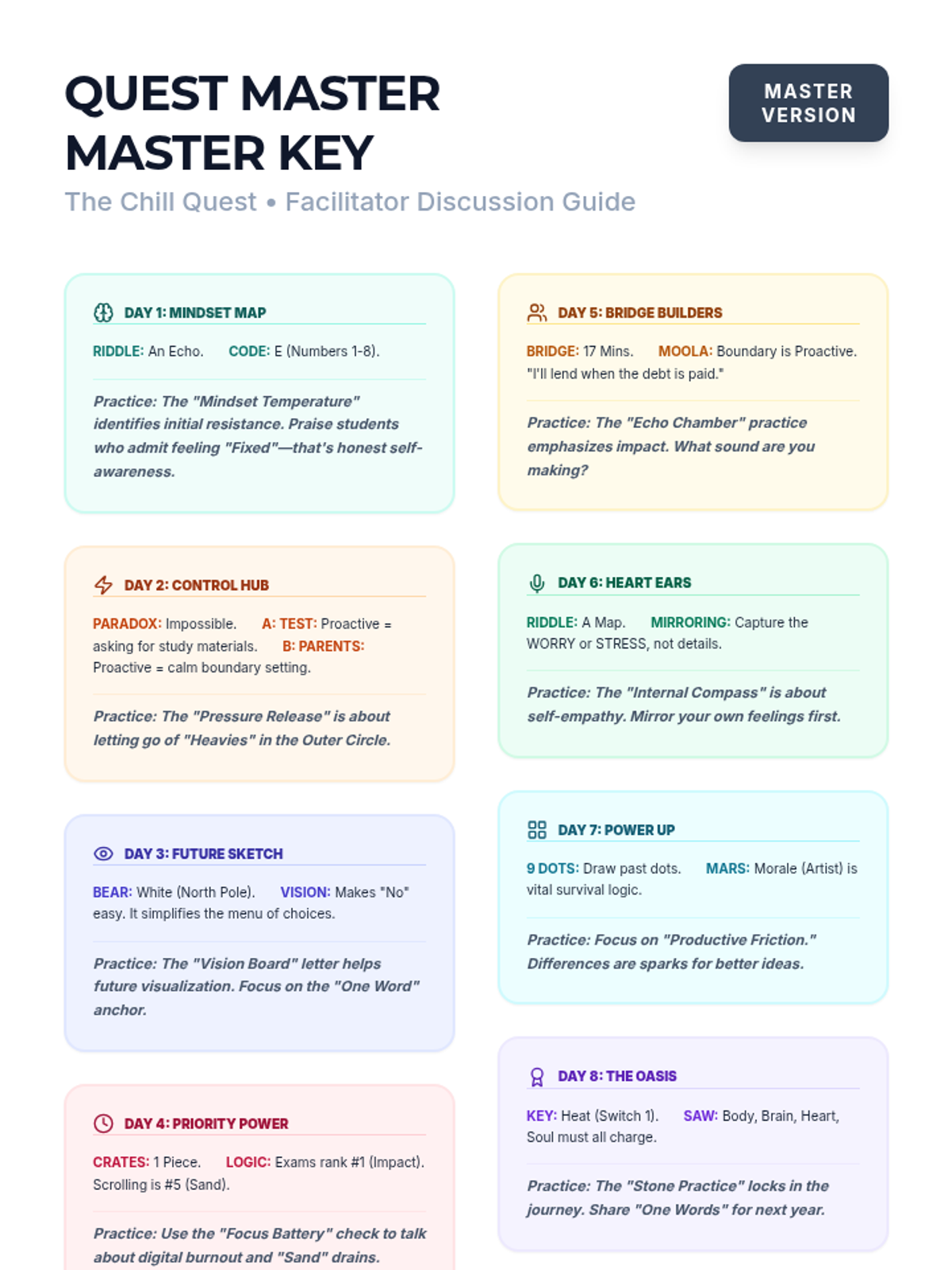
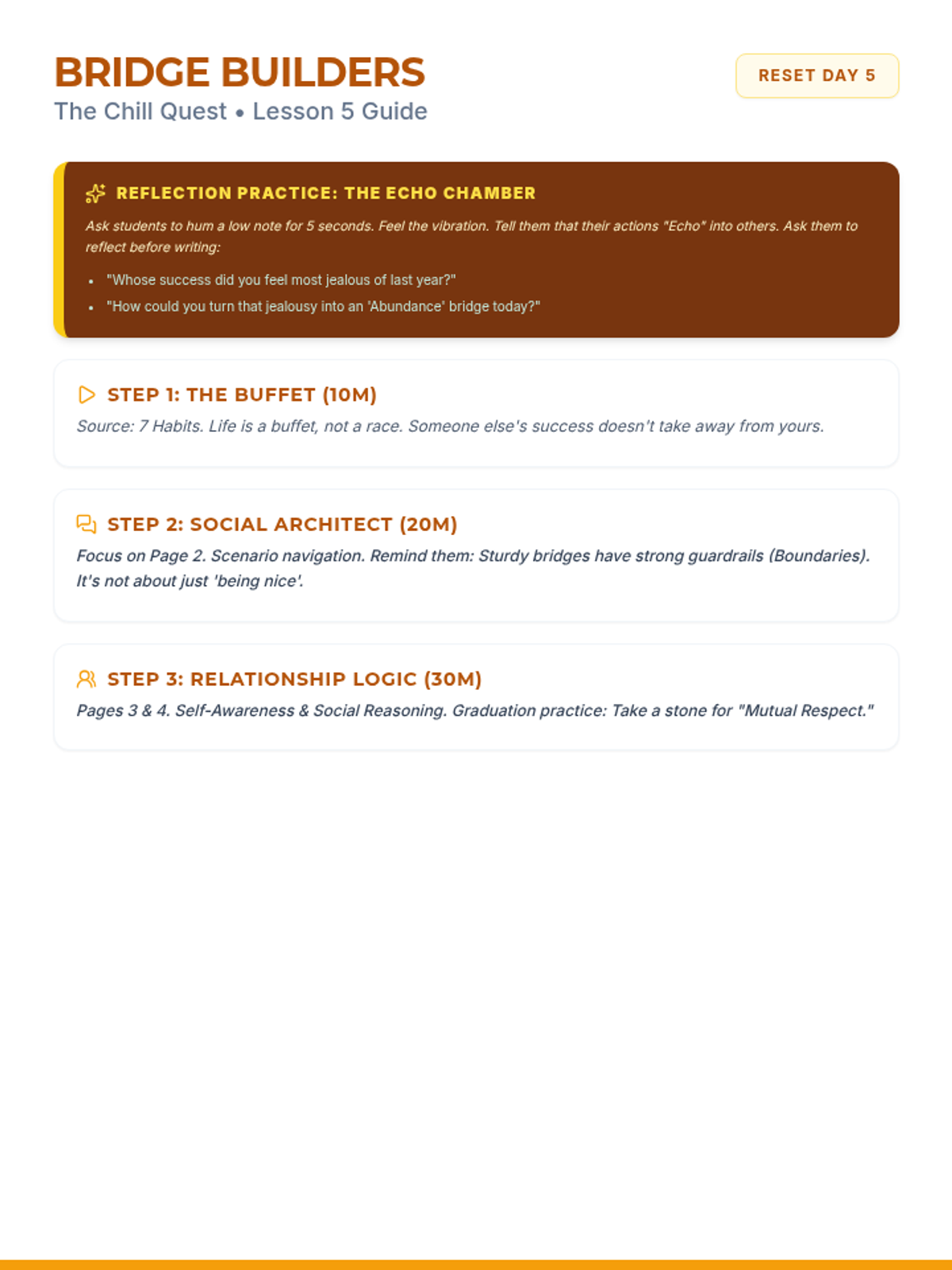
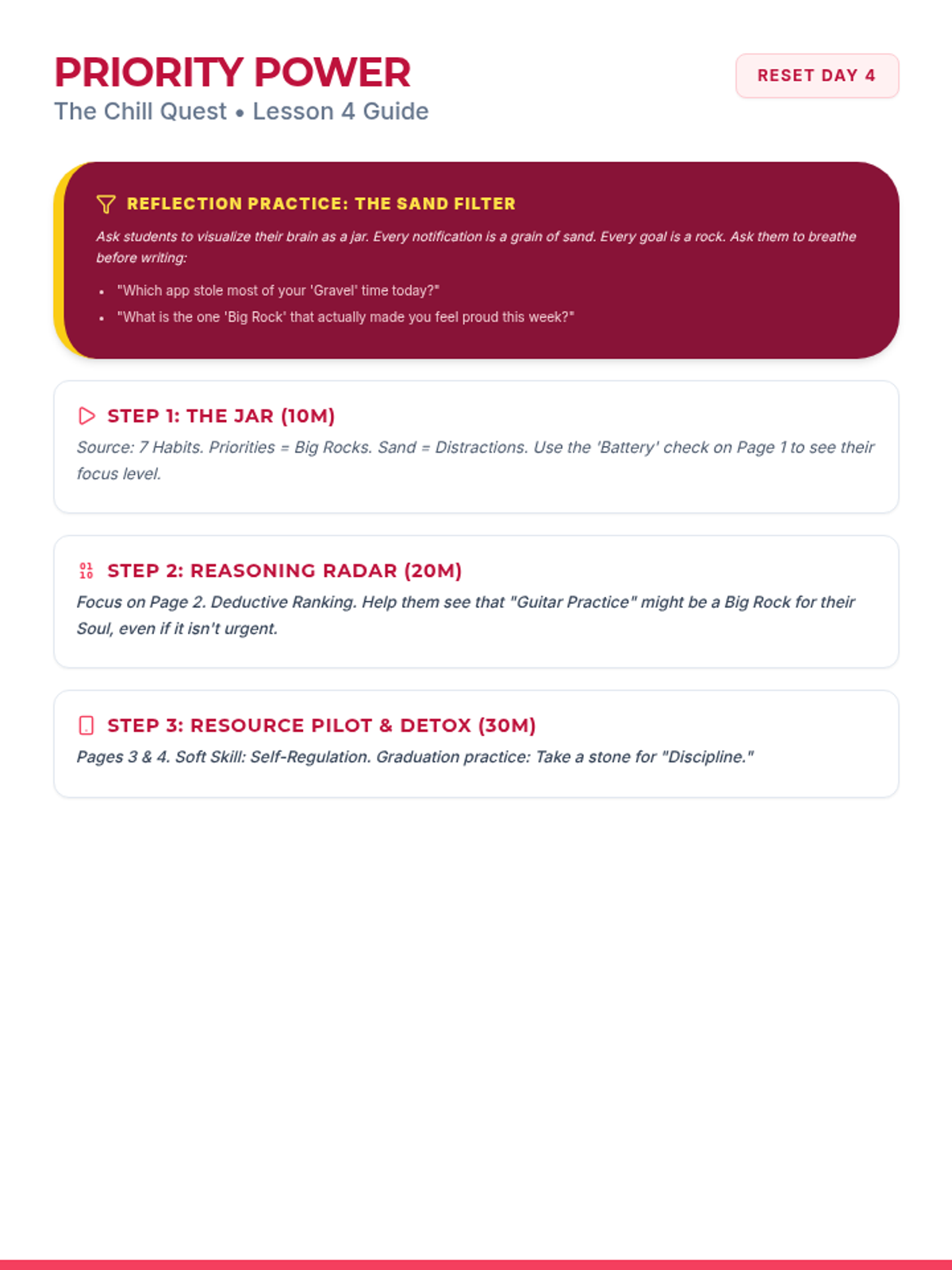
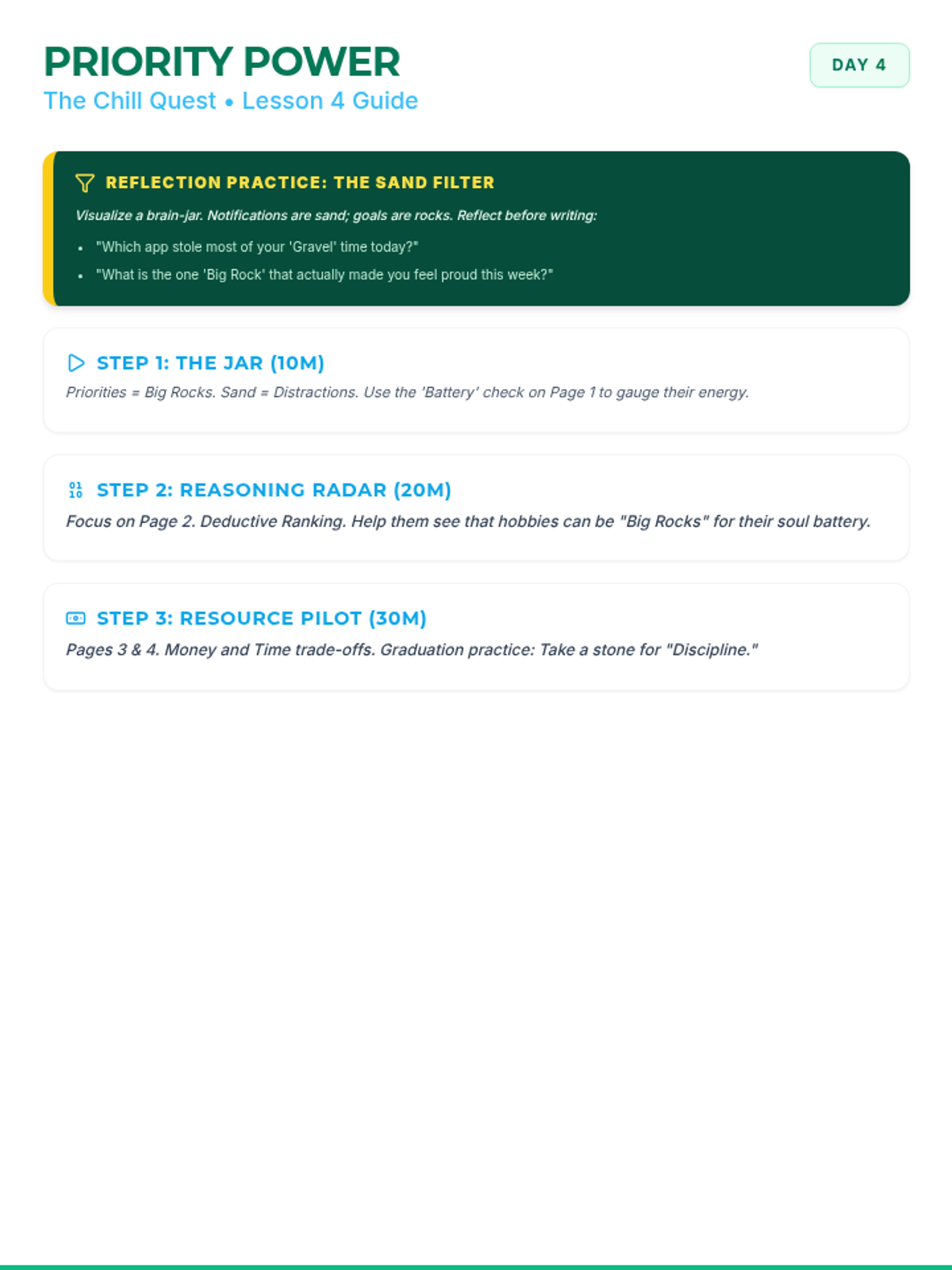
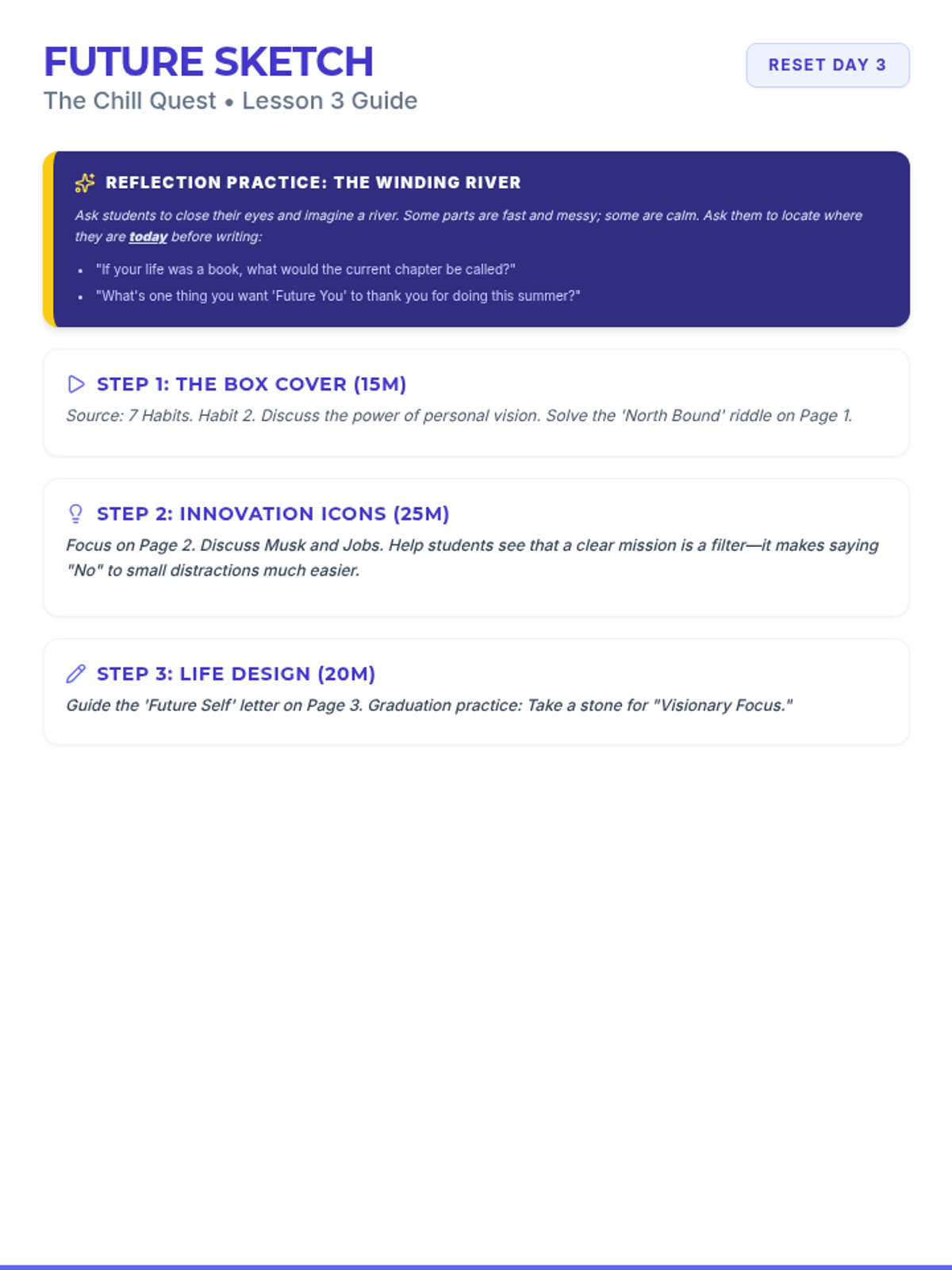
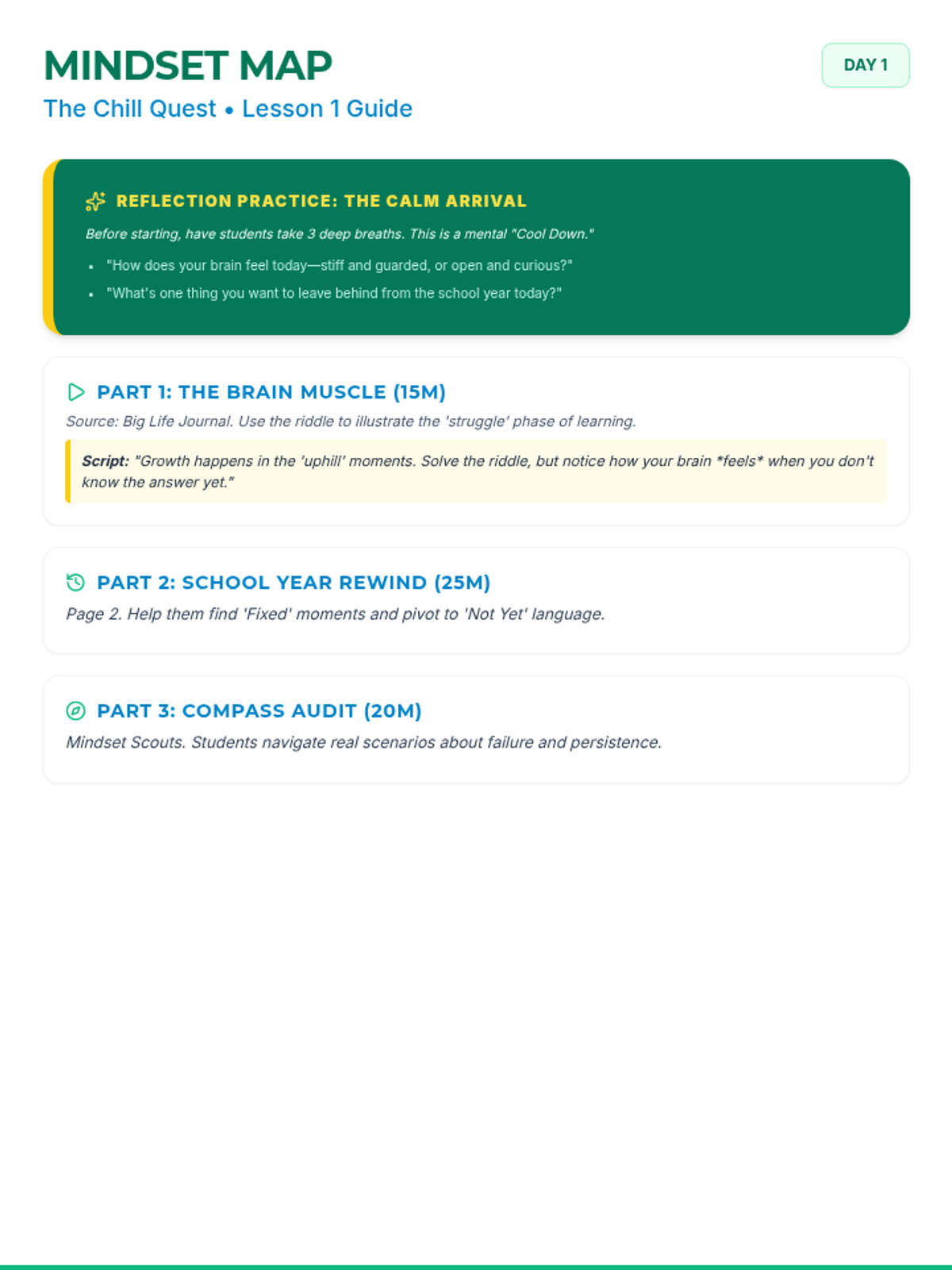
Complete Facilitator Answer Key and resources for The Chill Quest.
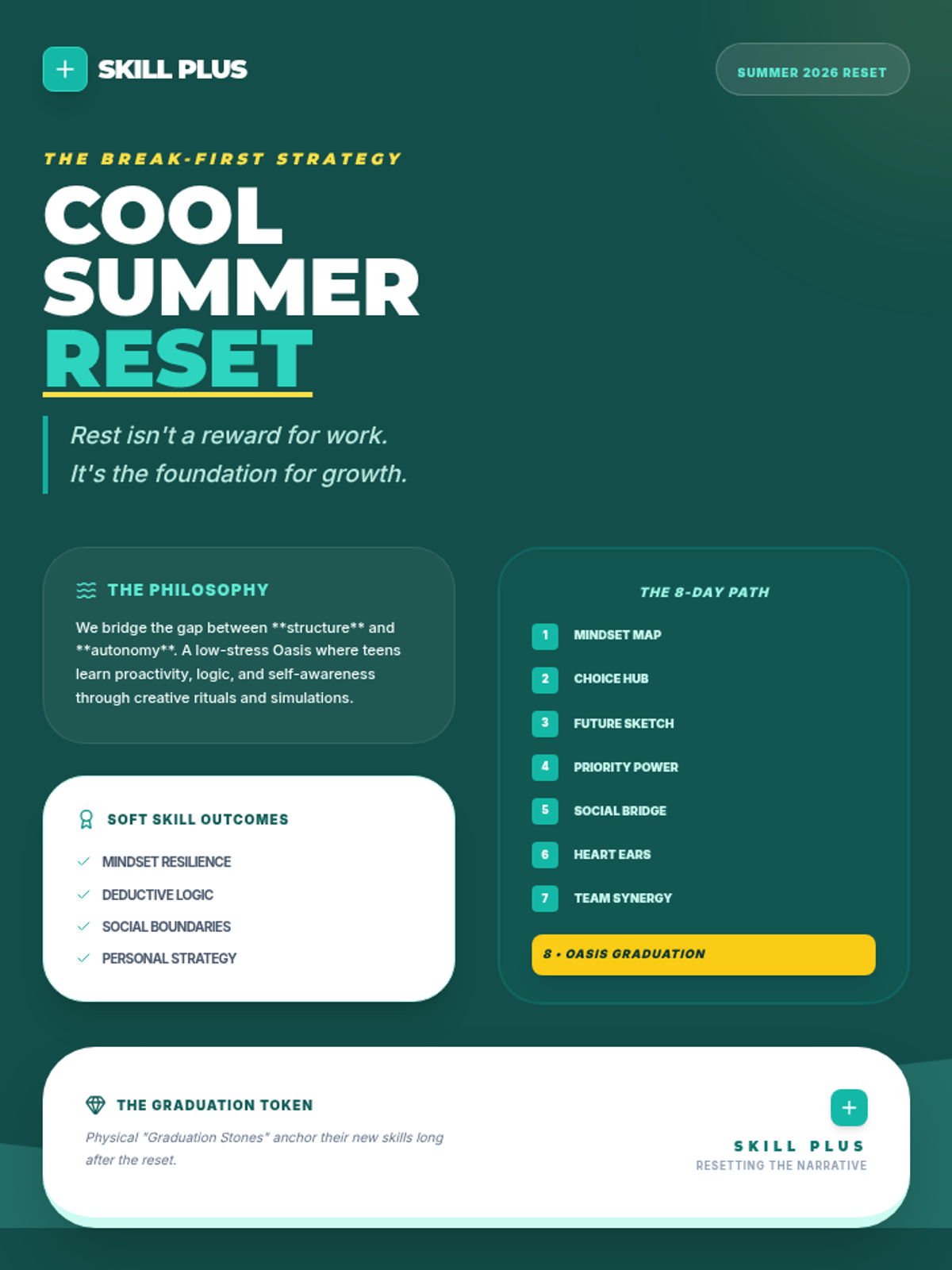
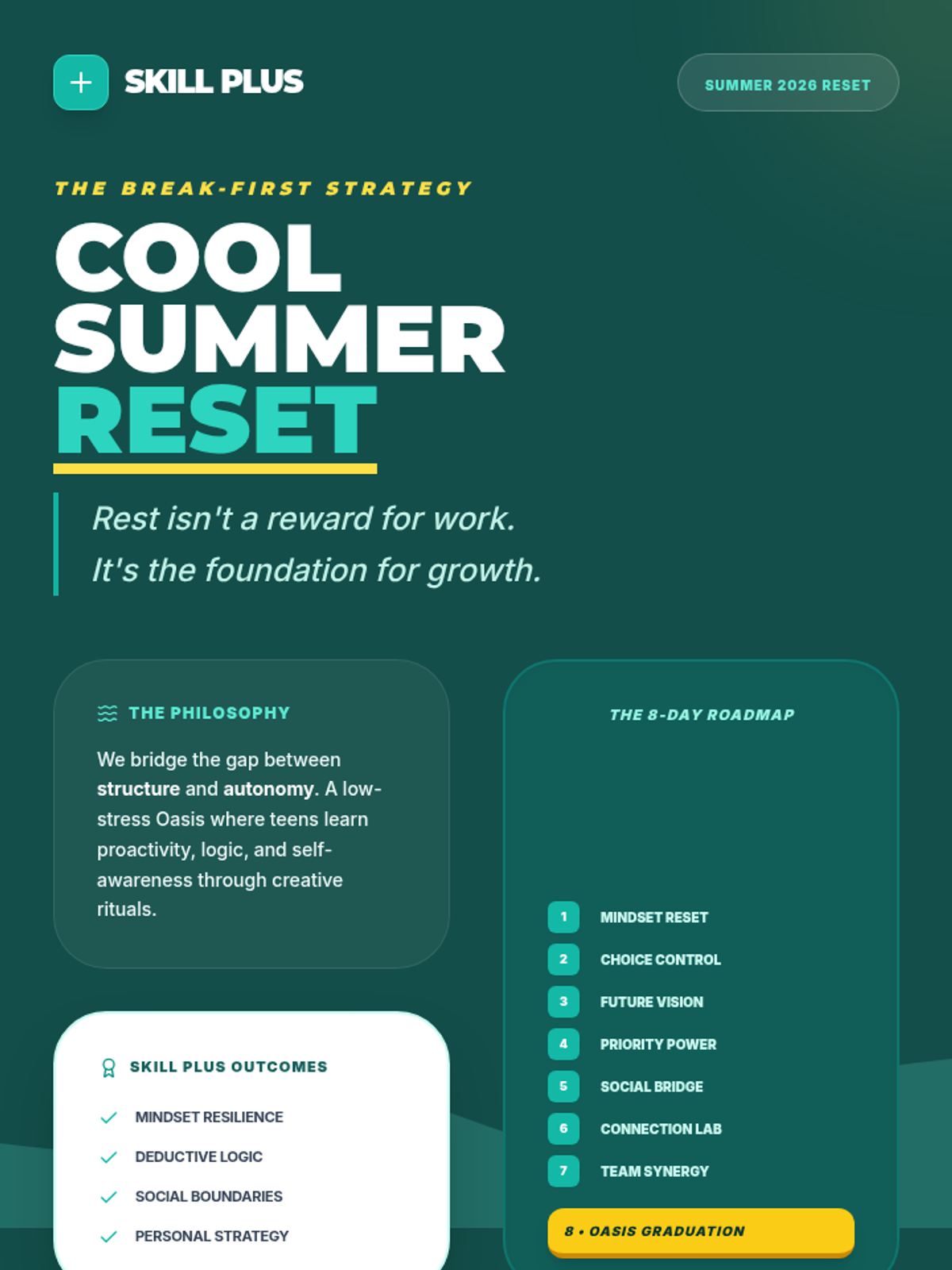
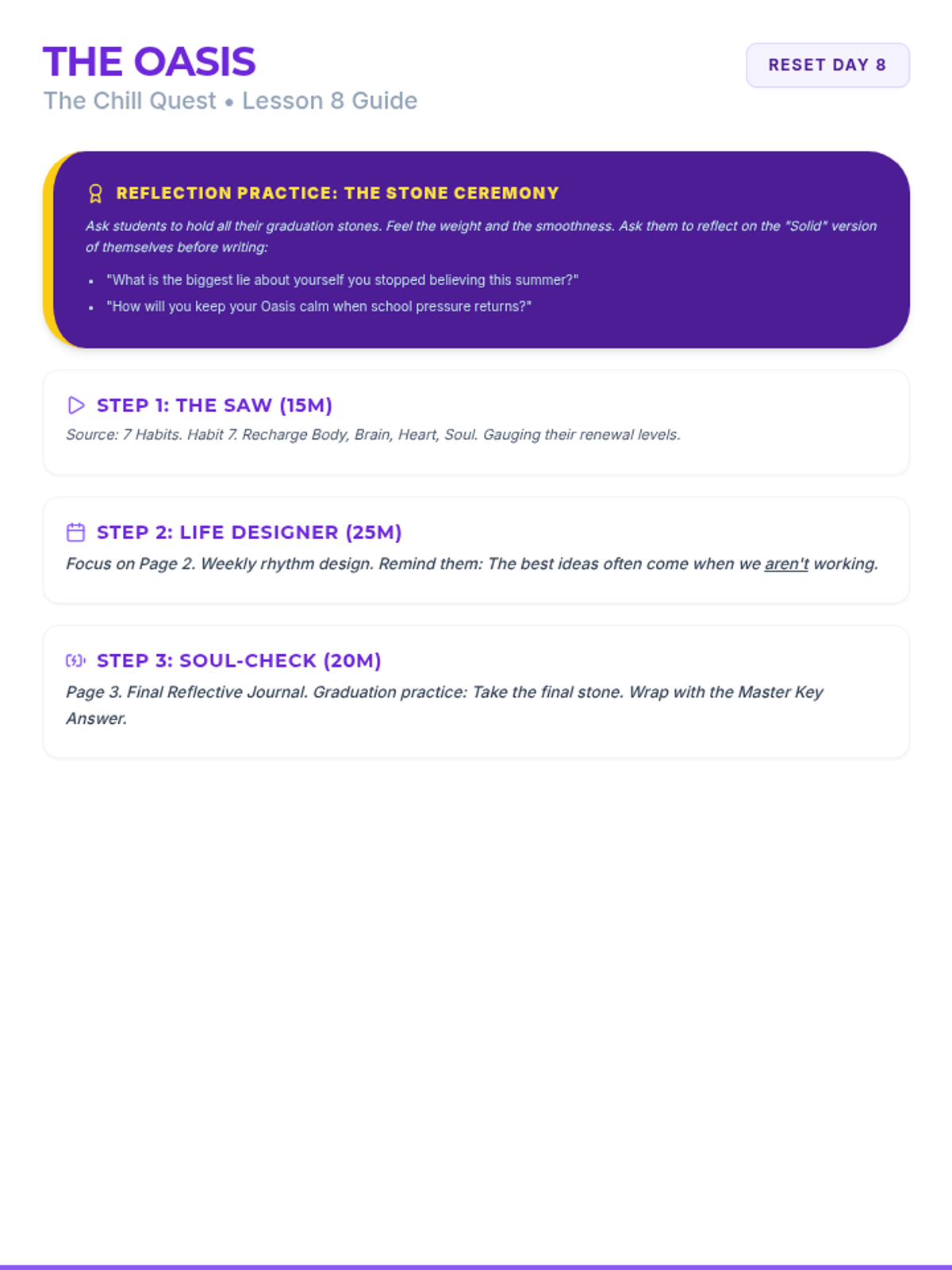
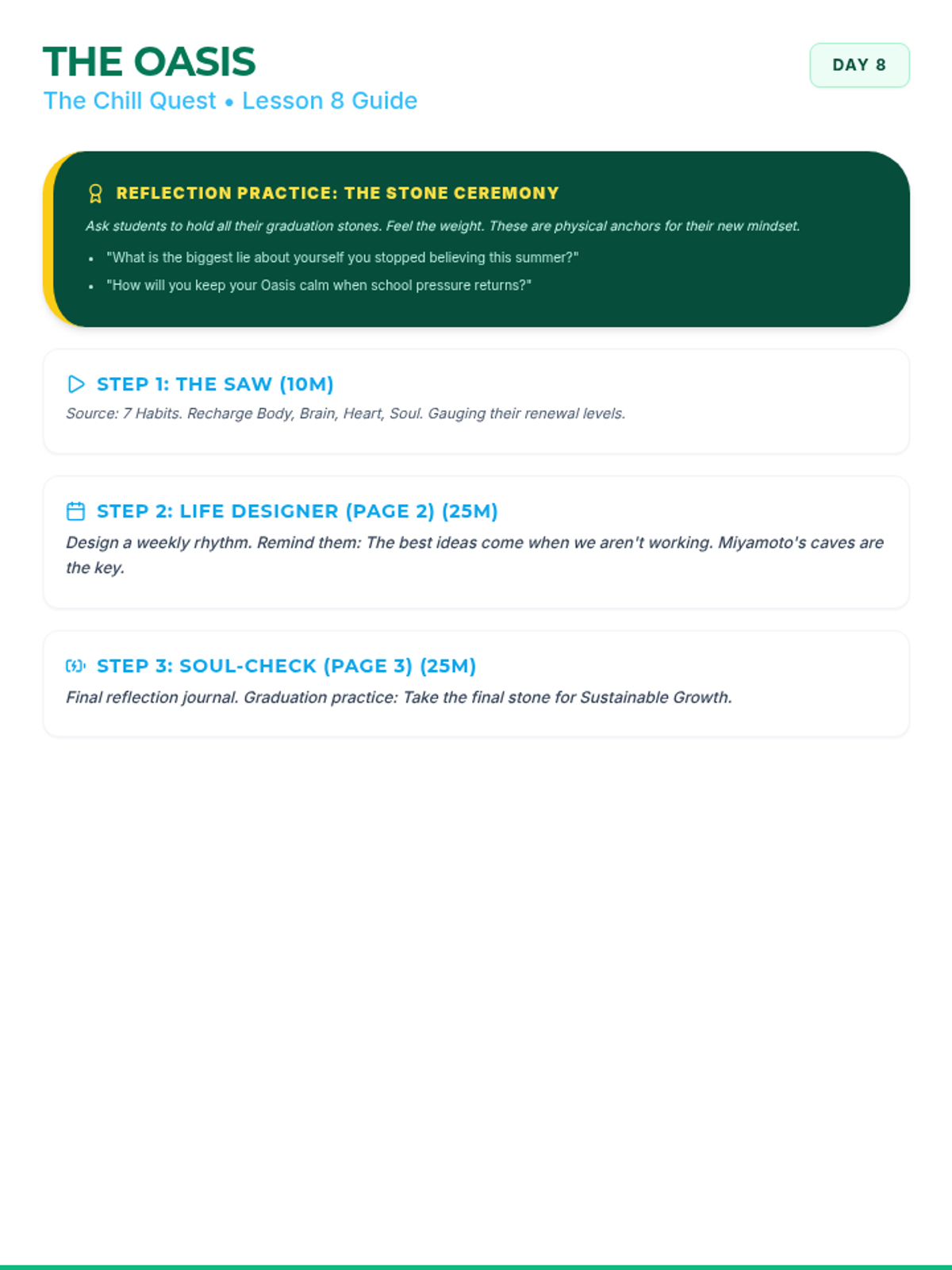
Focusing on self-care, renewal, and reflecting on the summer journey.
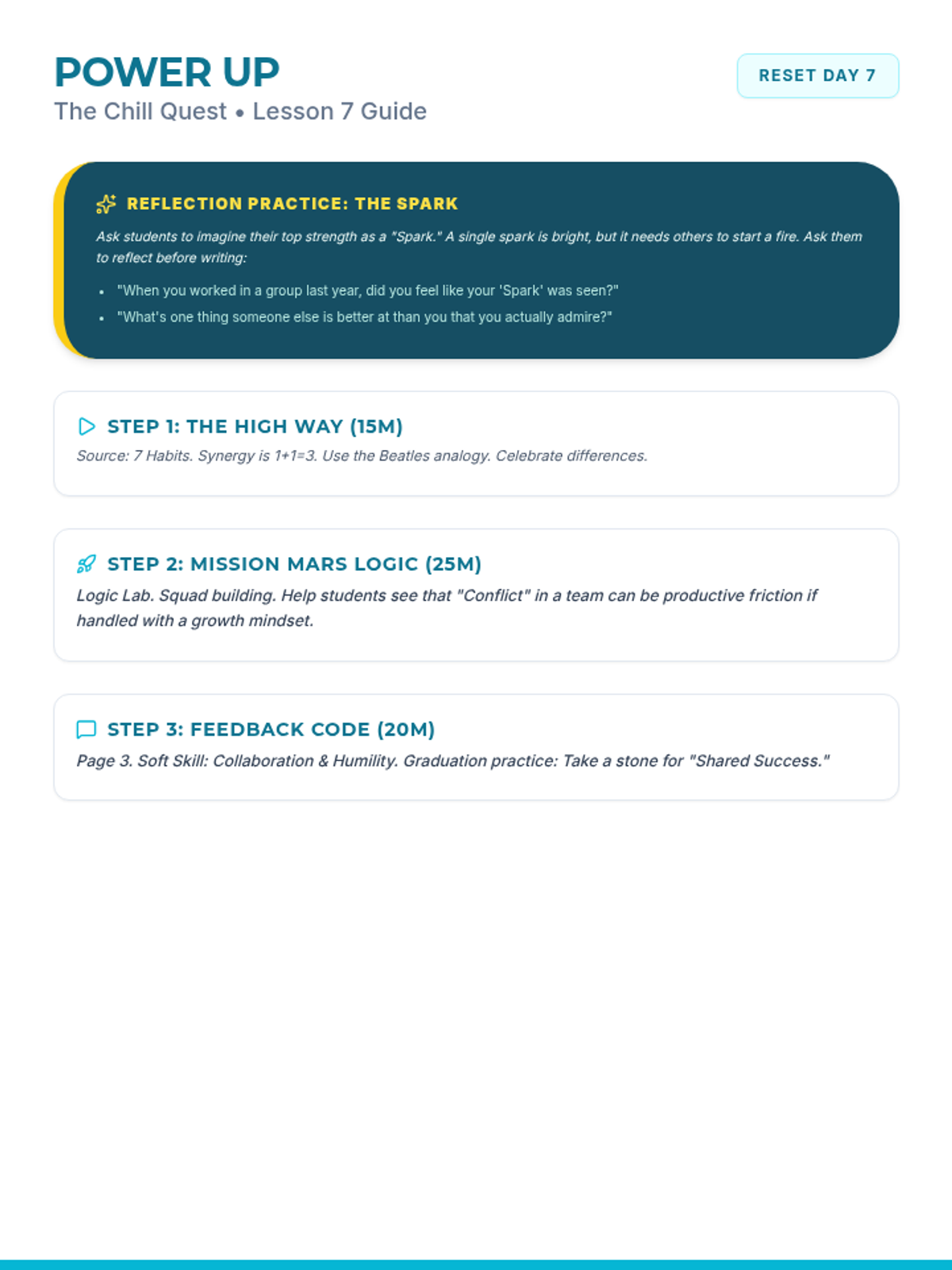
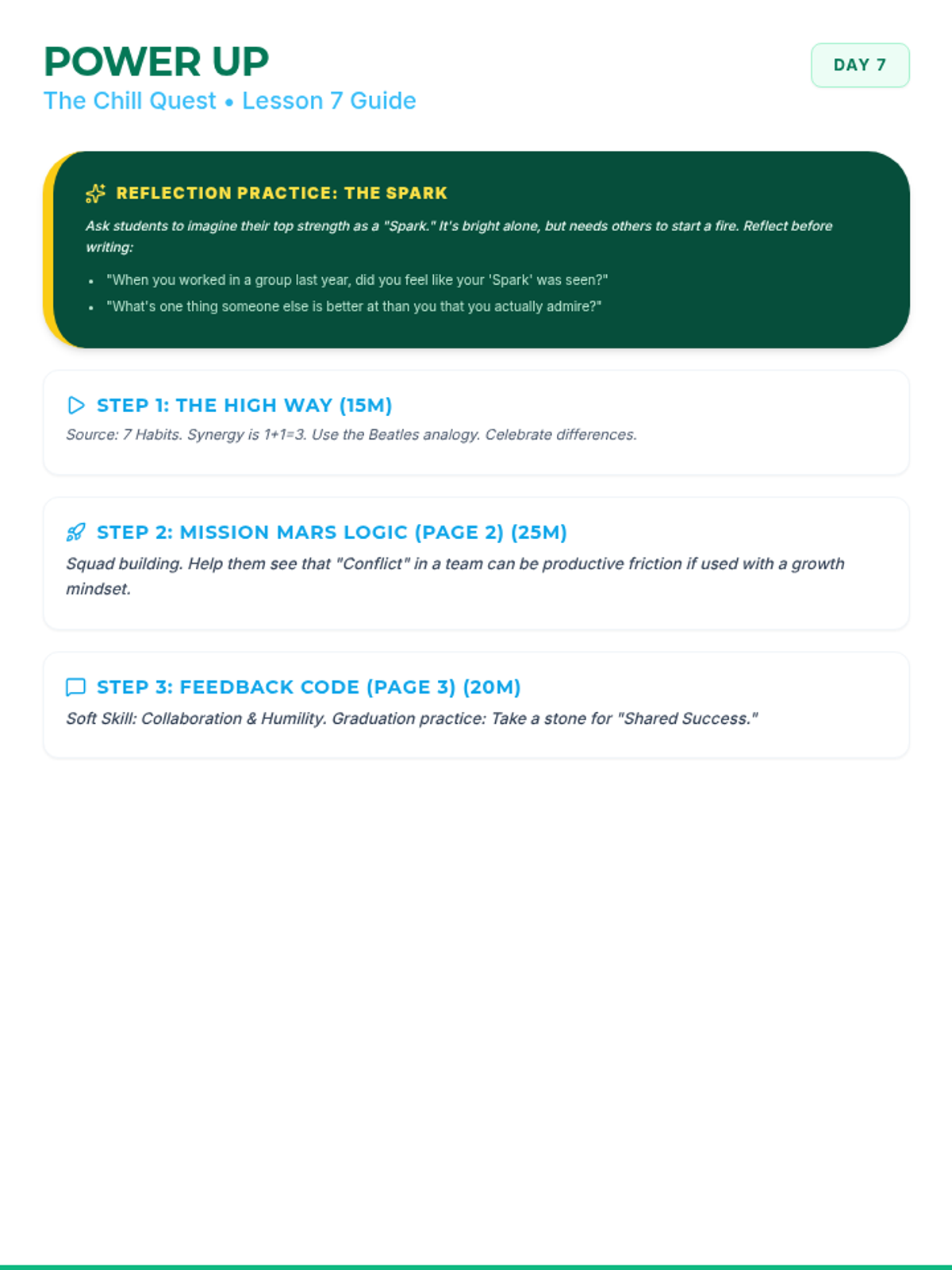
Exploring synergy and the power of working together through collaborative logic challenges.
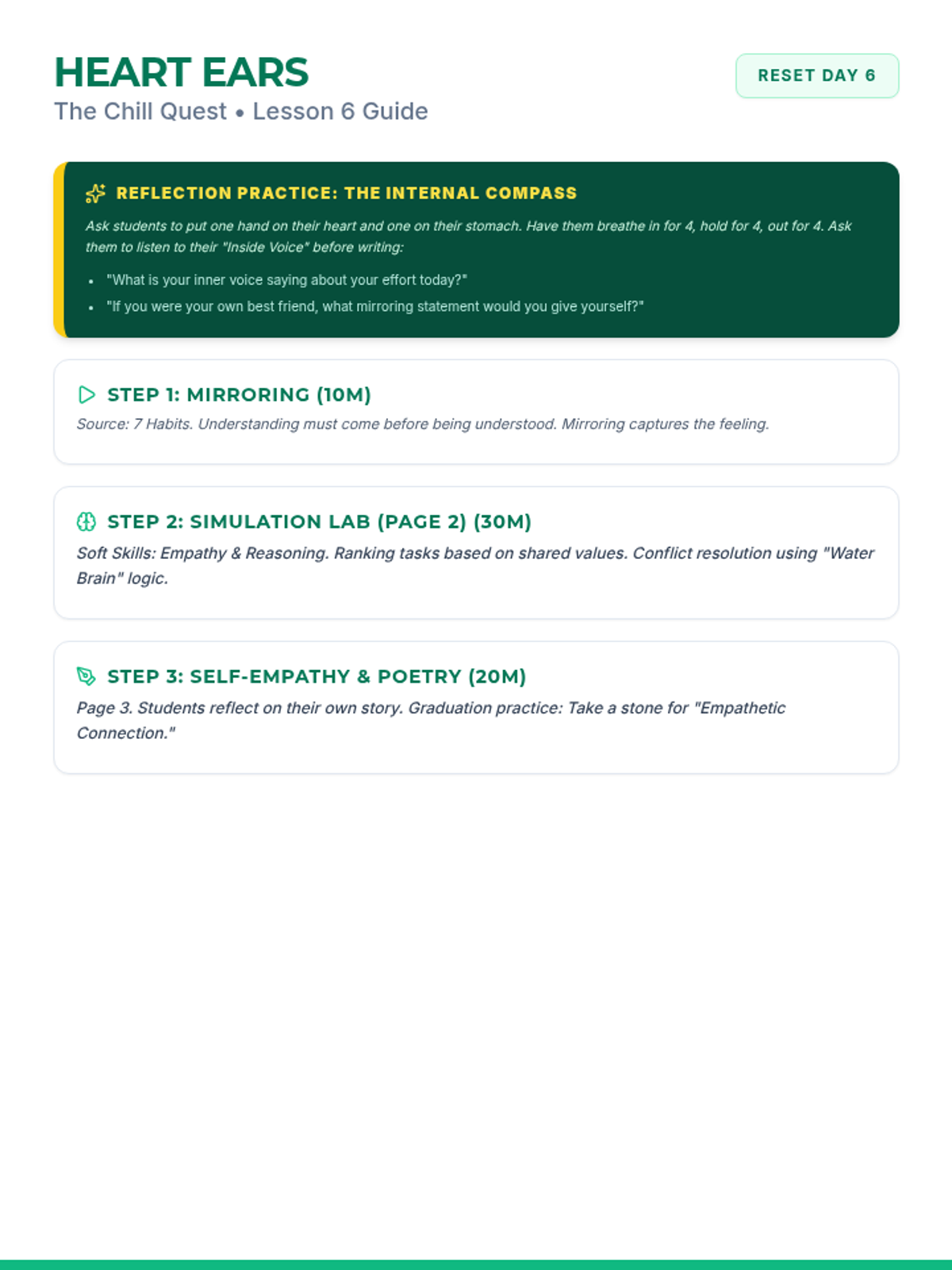
Mastering empathetic listening and reflective communication skills.
Developing a Win-Win mindset for healthier relationships and collaboration.
Learning prioritization and time management through the 'Big Rocks' concept.
Setting goals and creating a personal vision statement for the future.
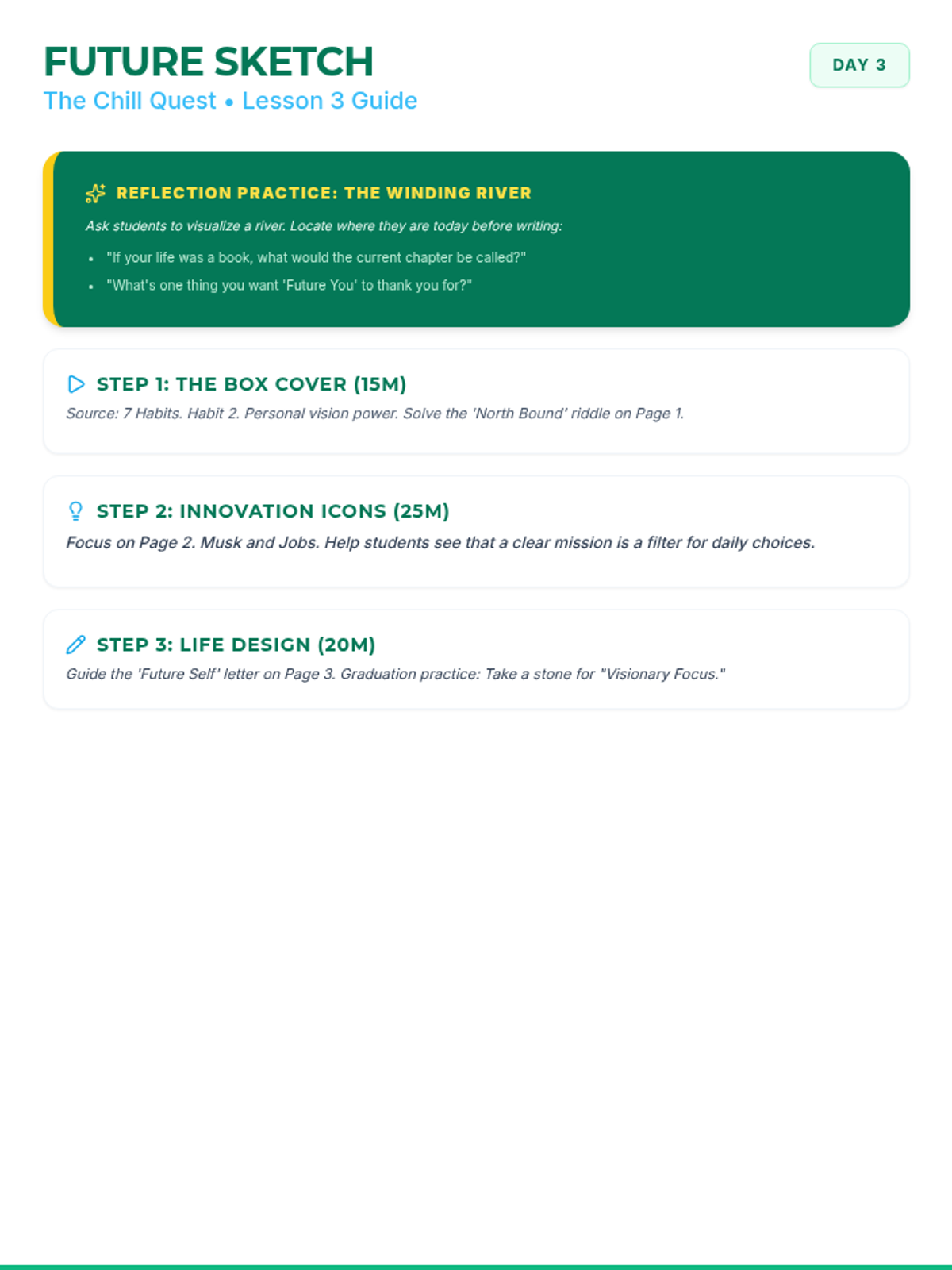
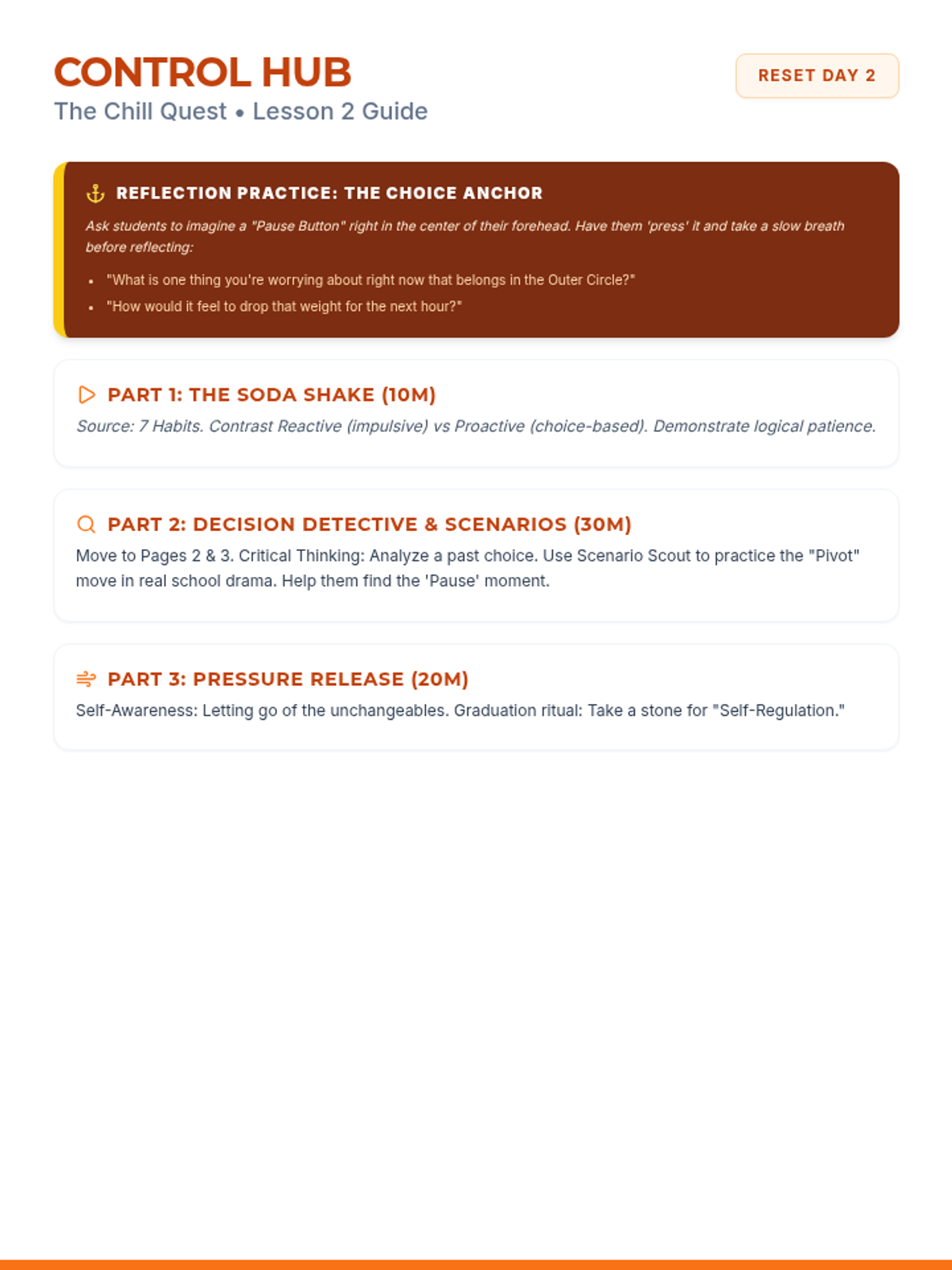
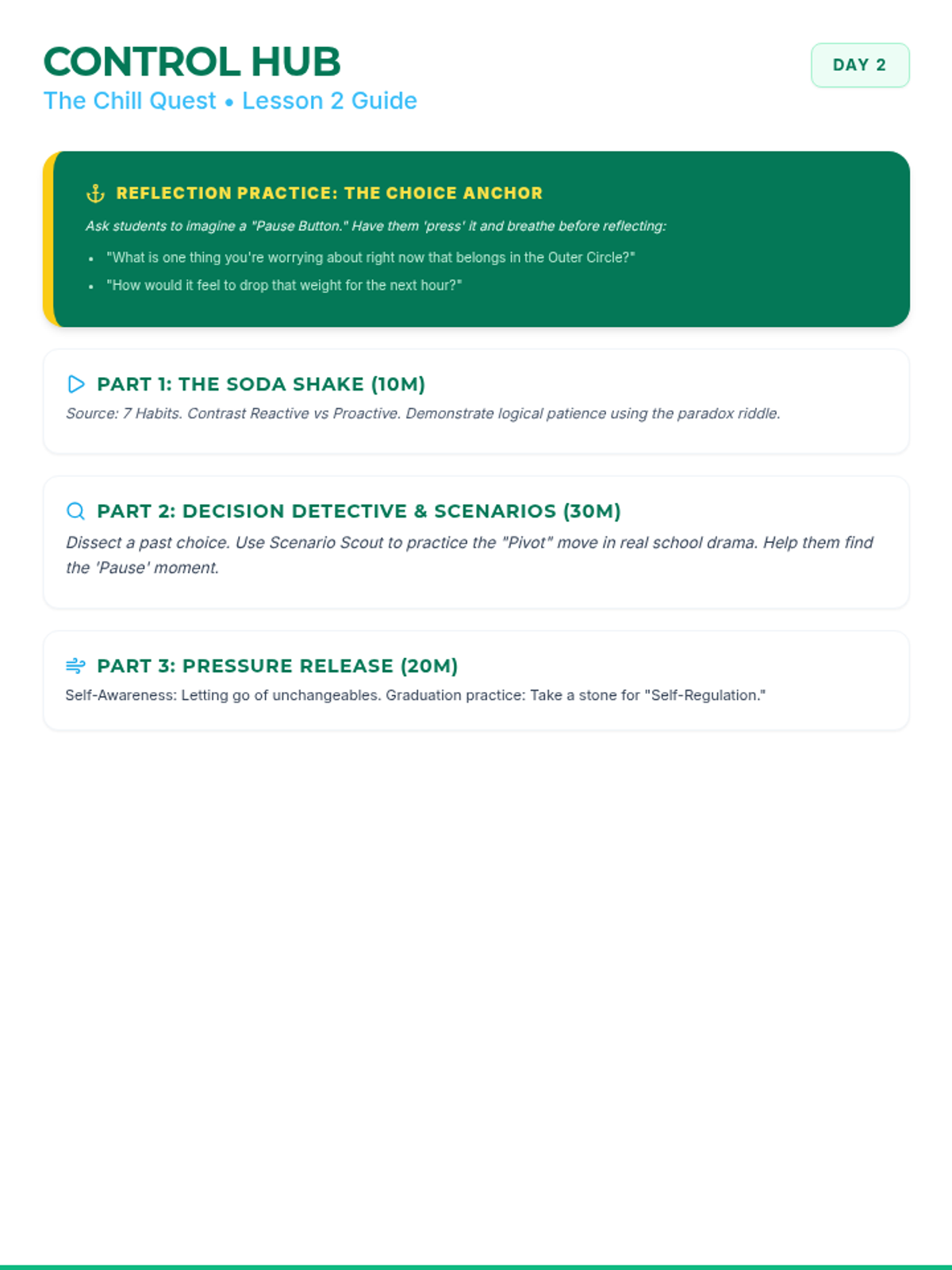
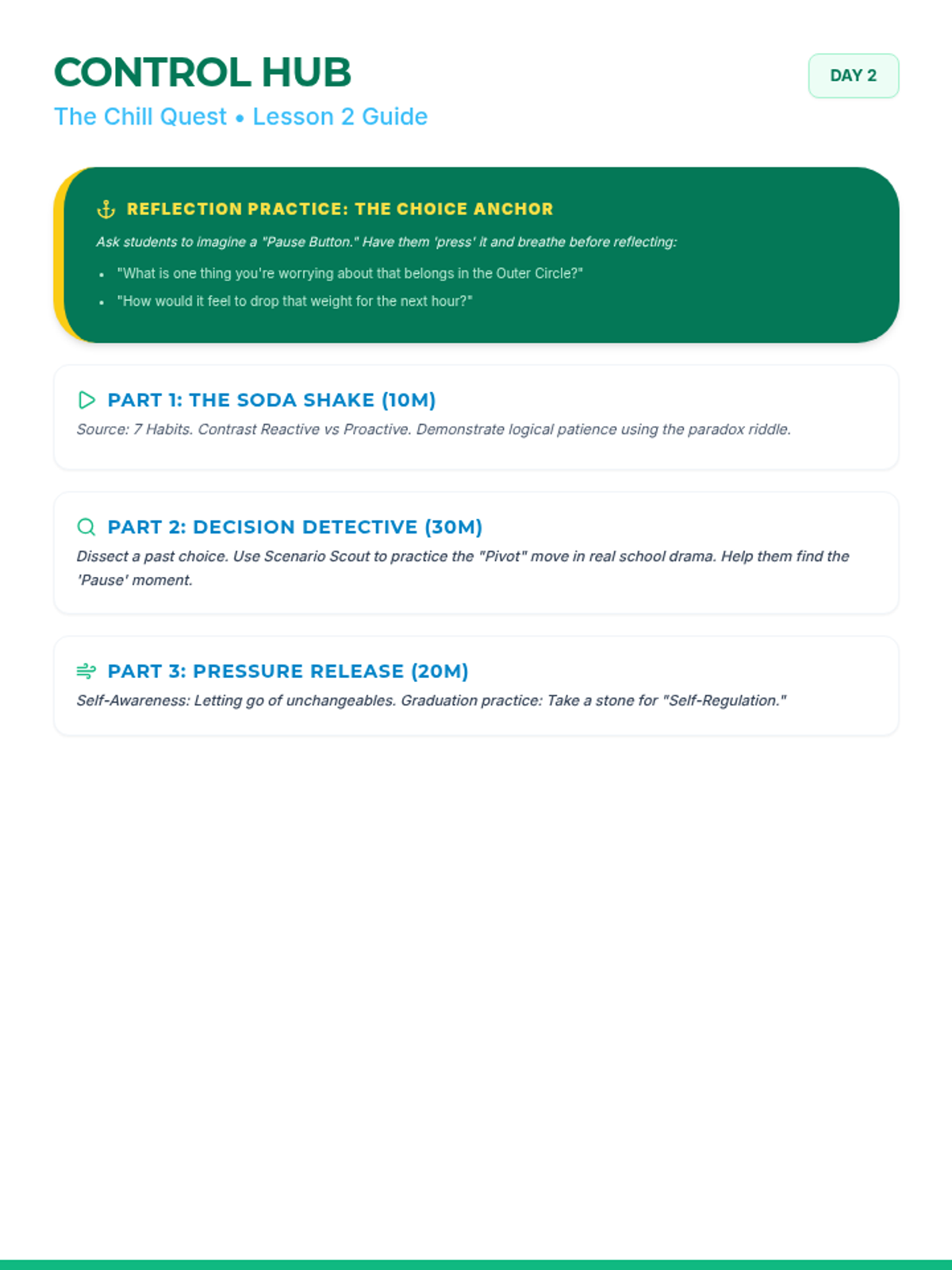
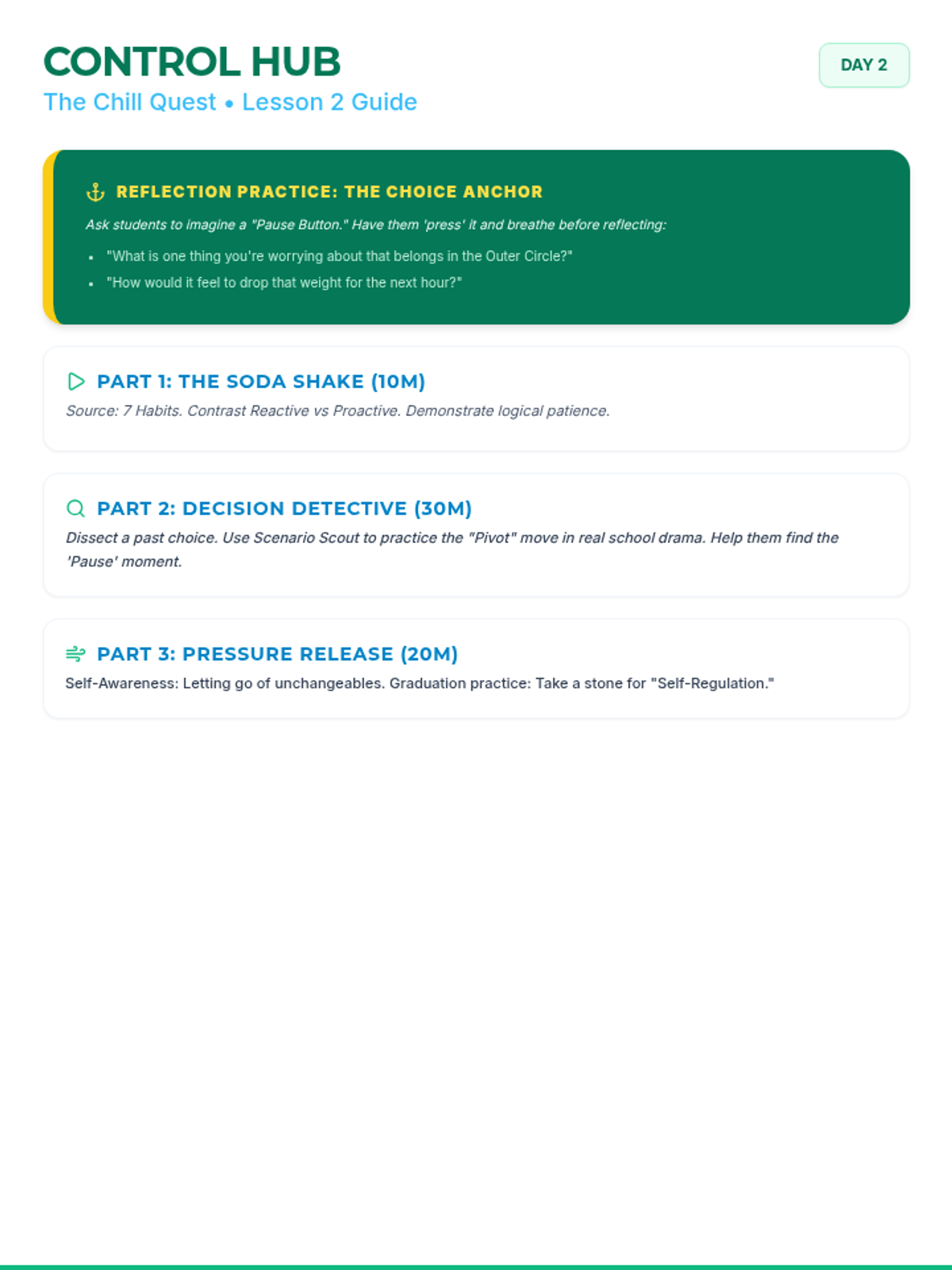
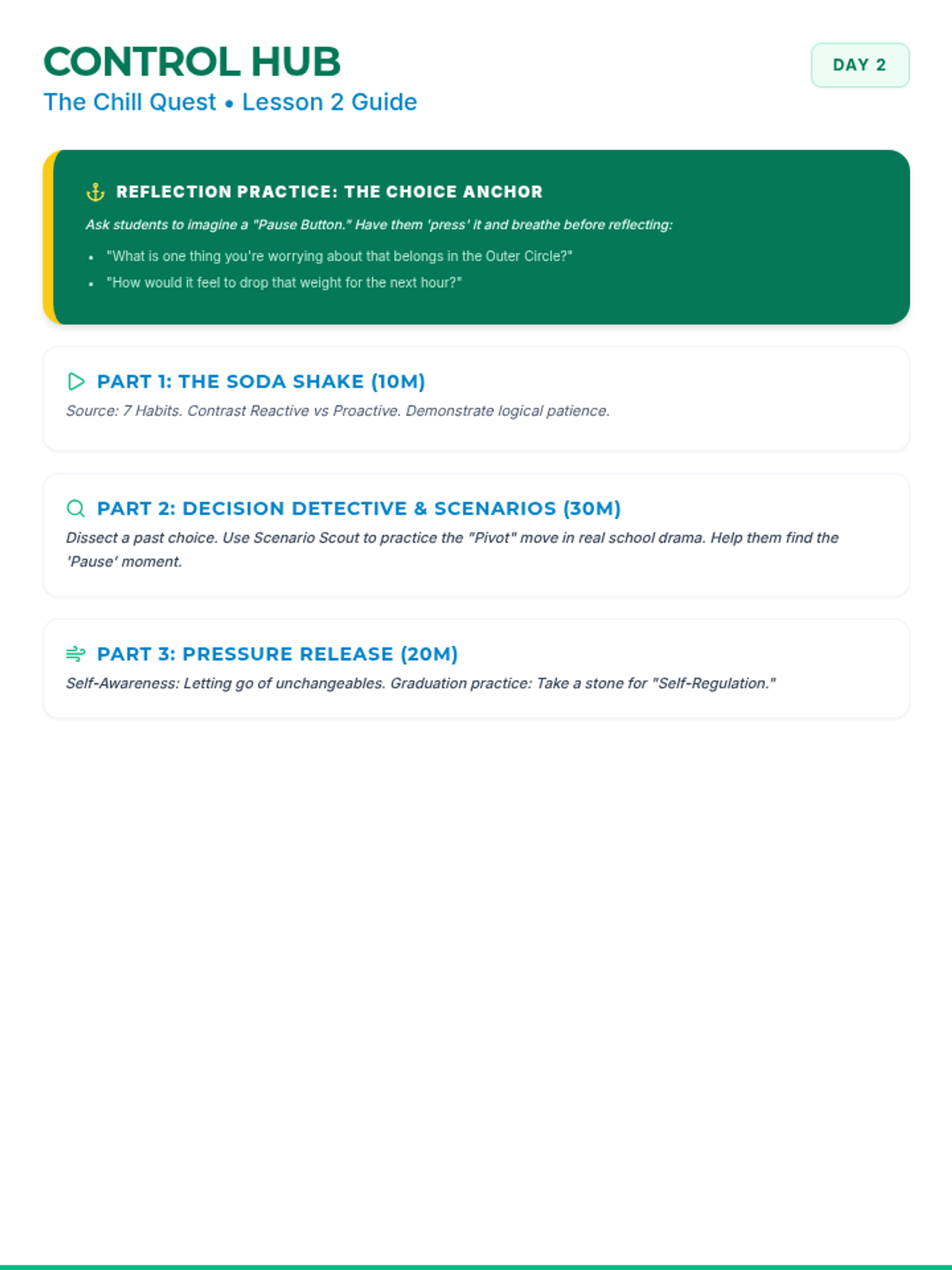
Exploring proactivity and the Circle of Control using the 7 Habits framework.
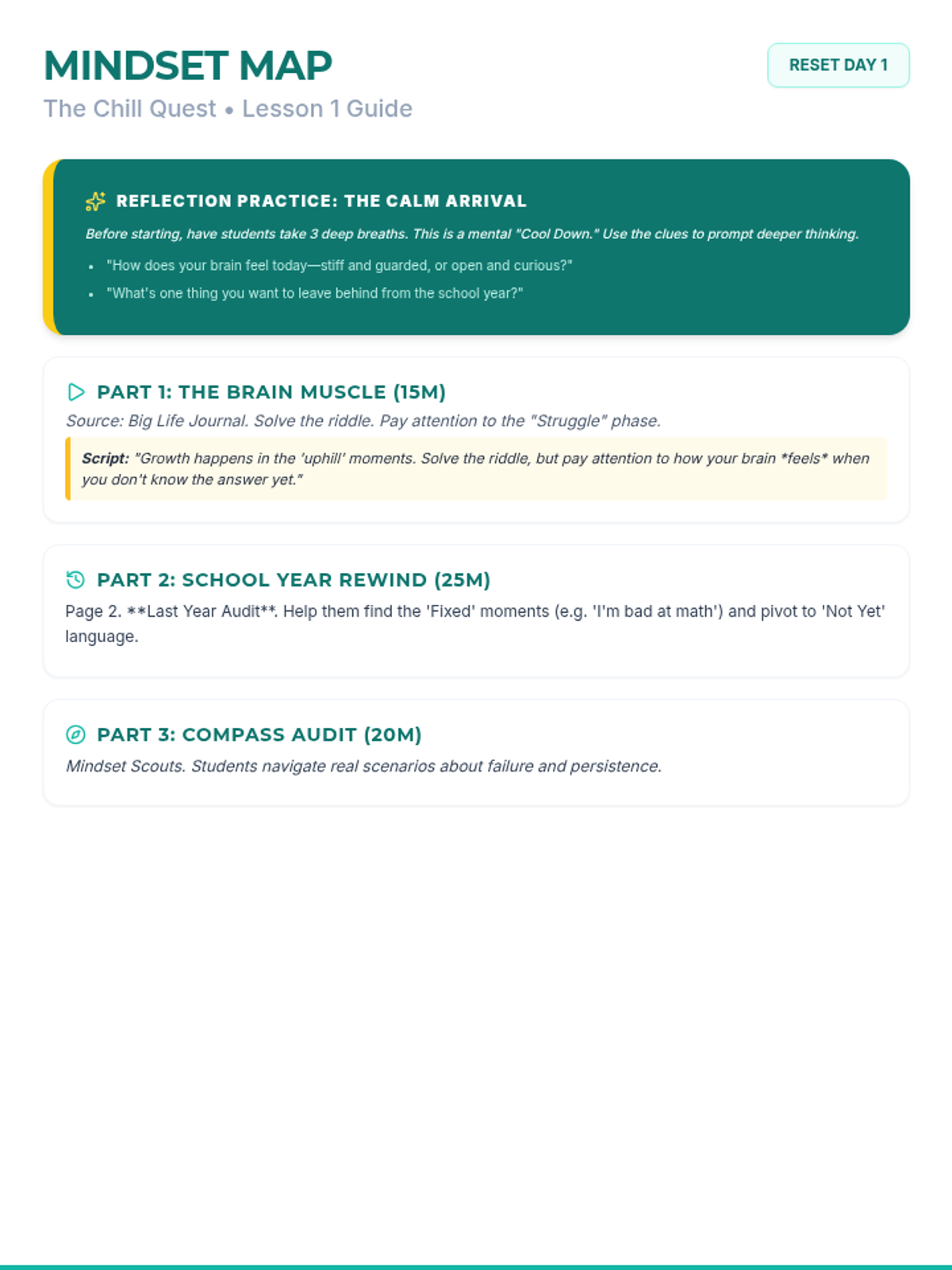
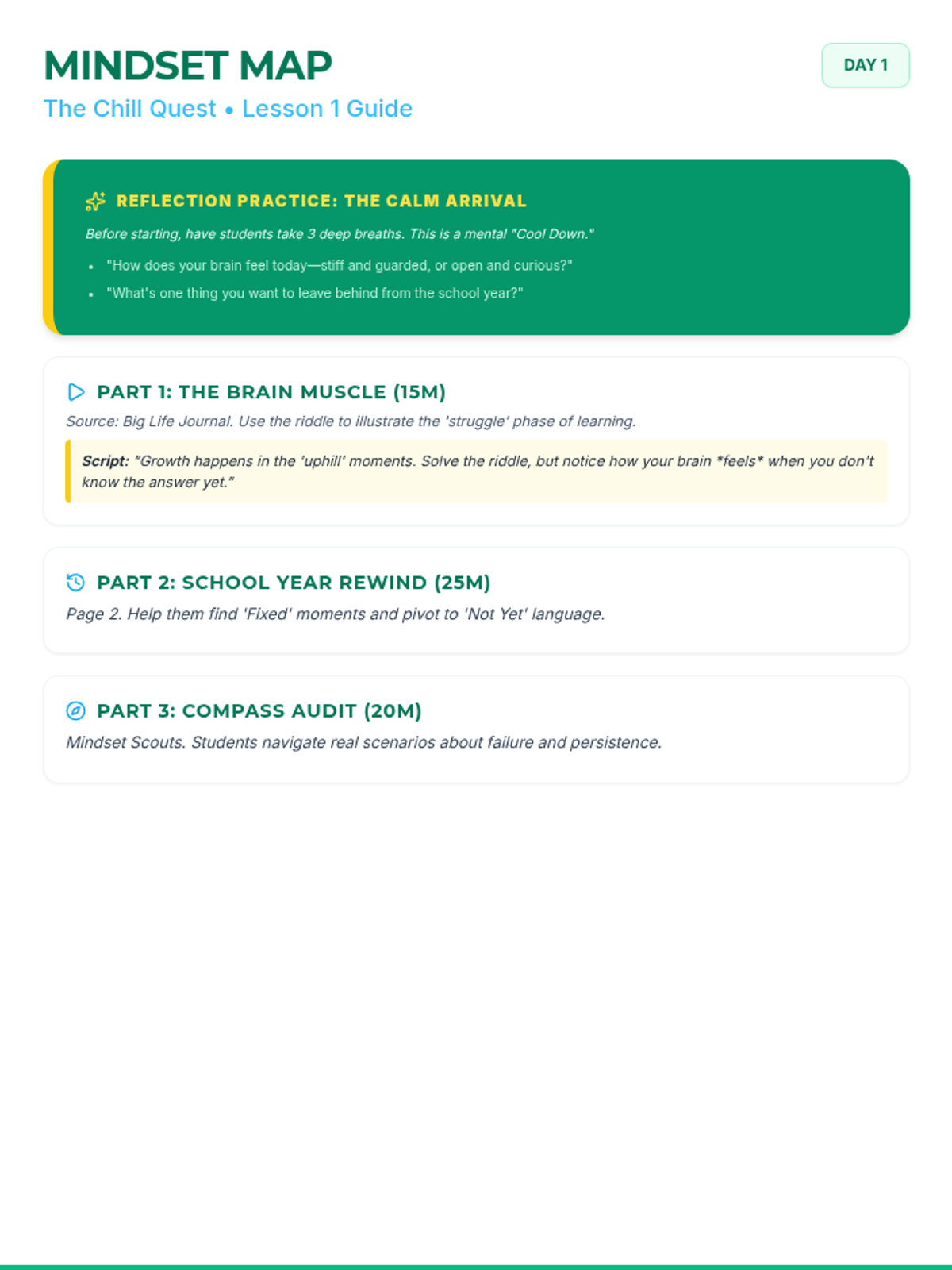
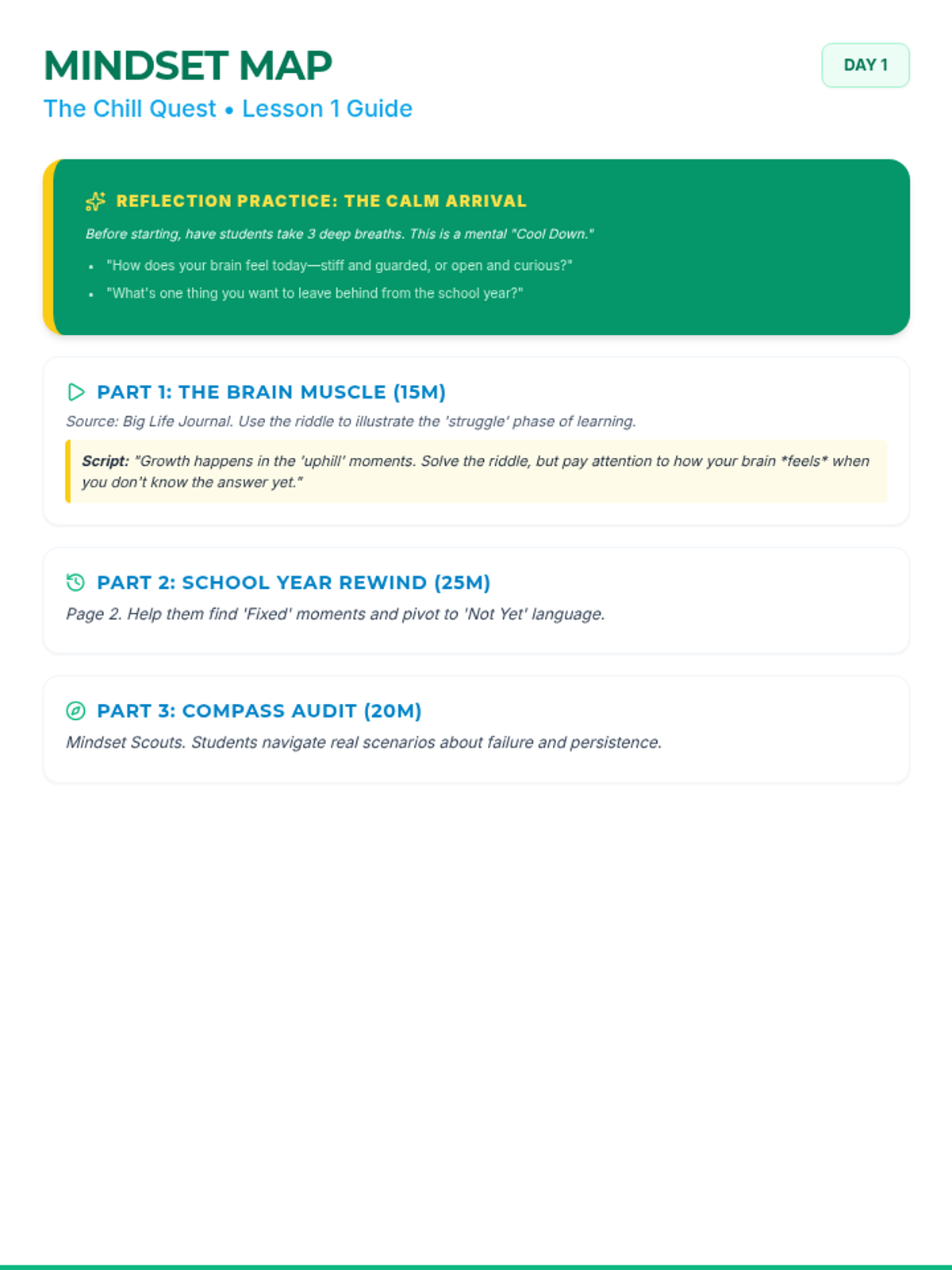
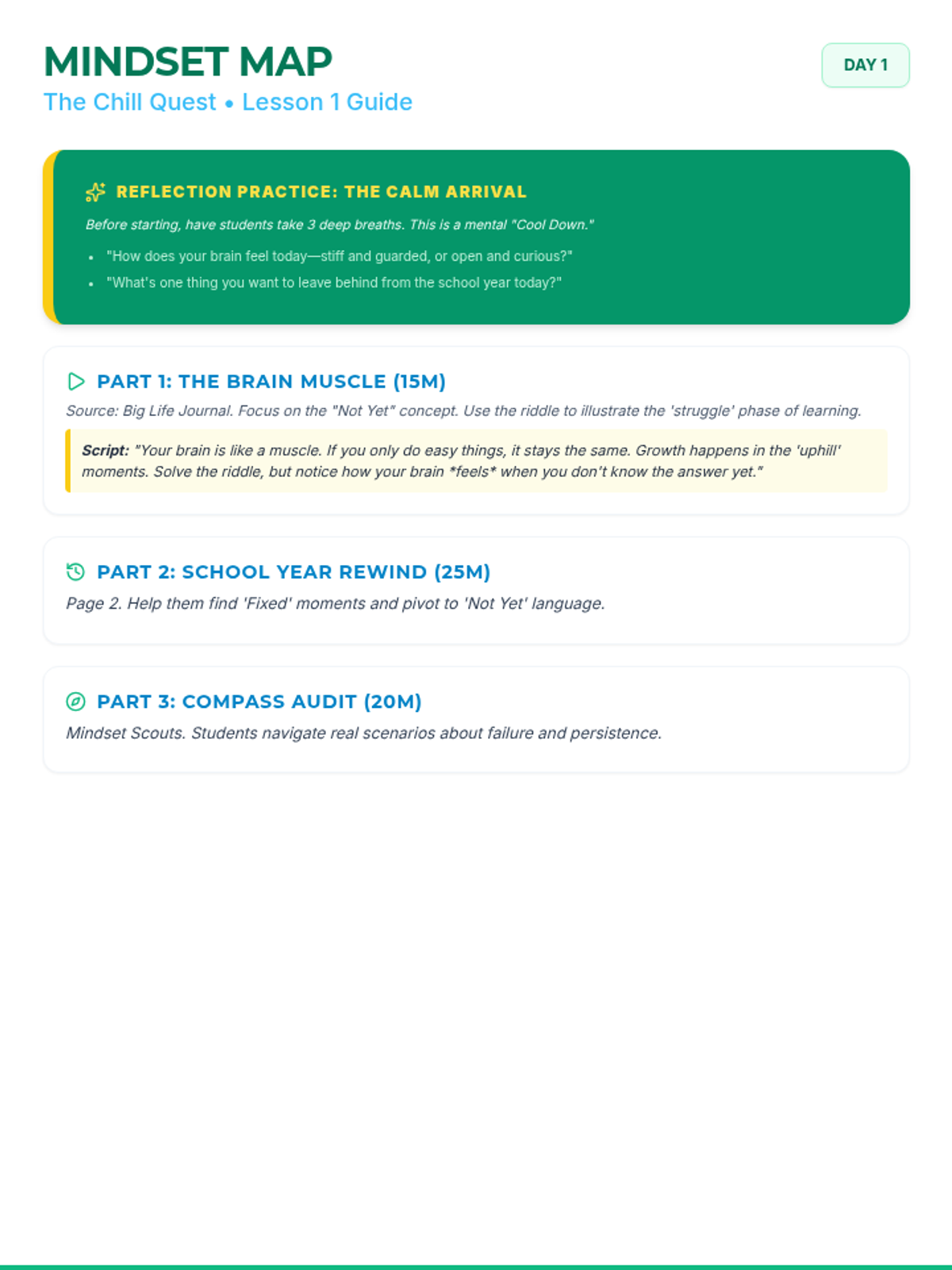
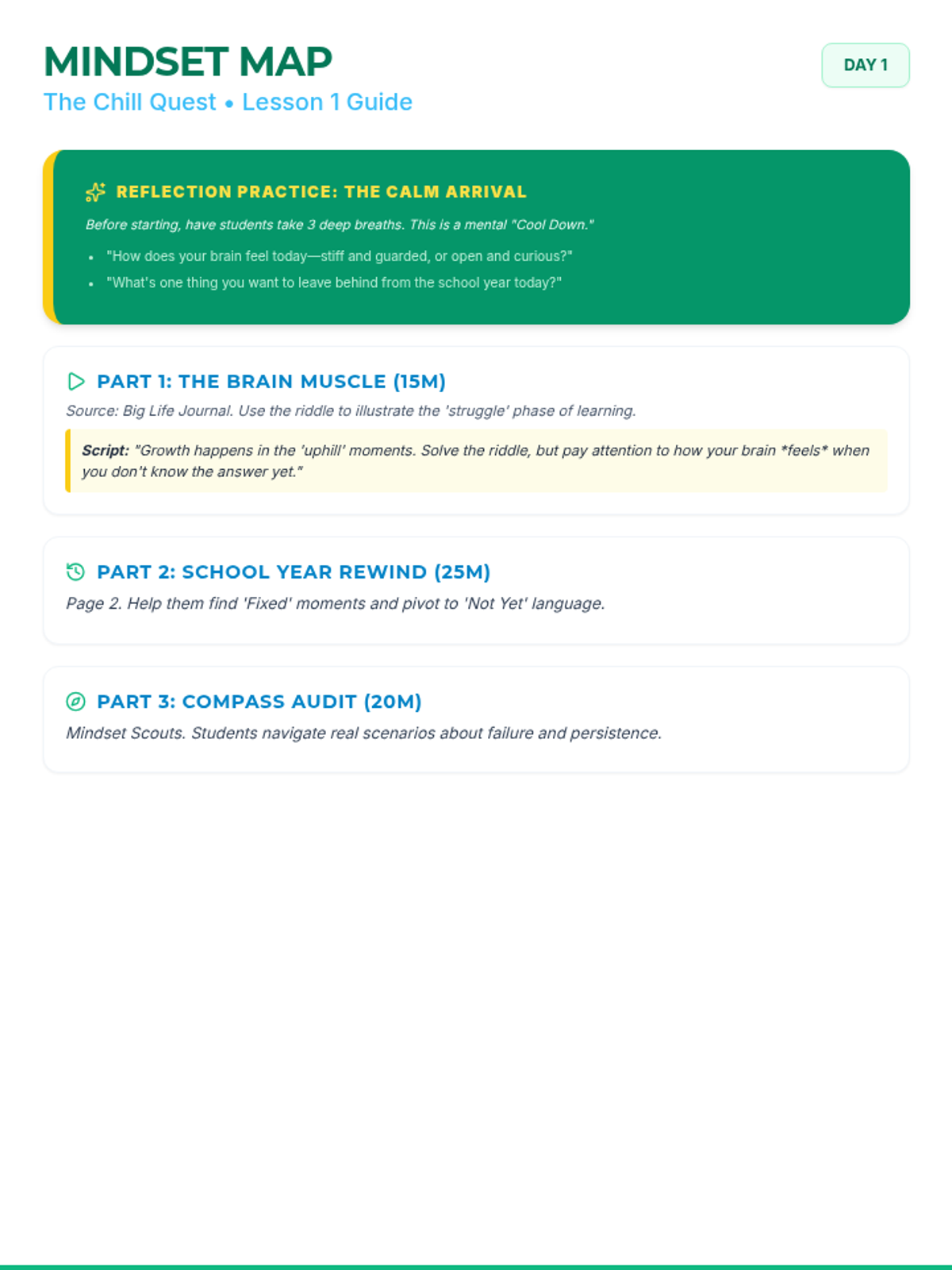
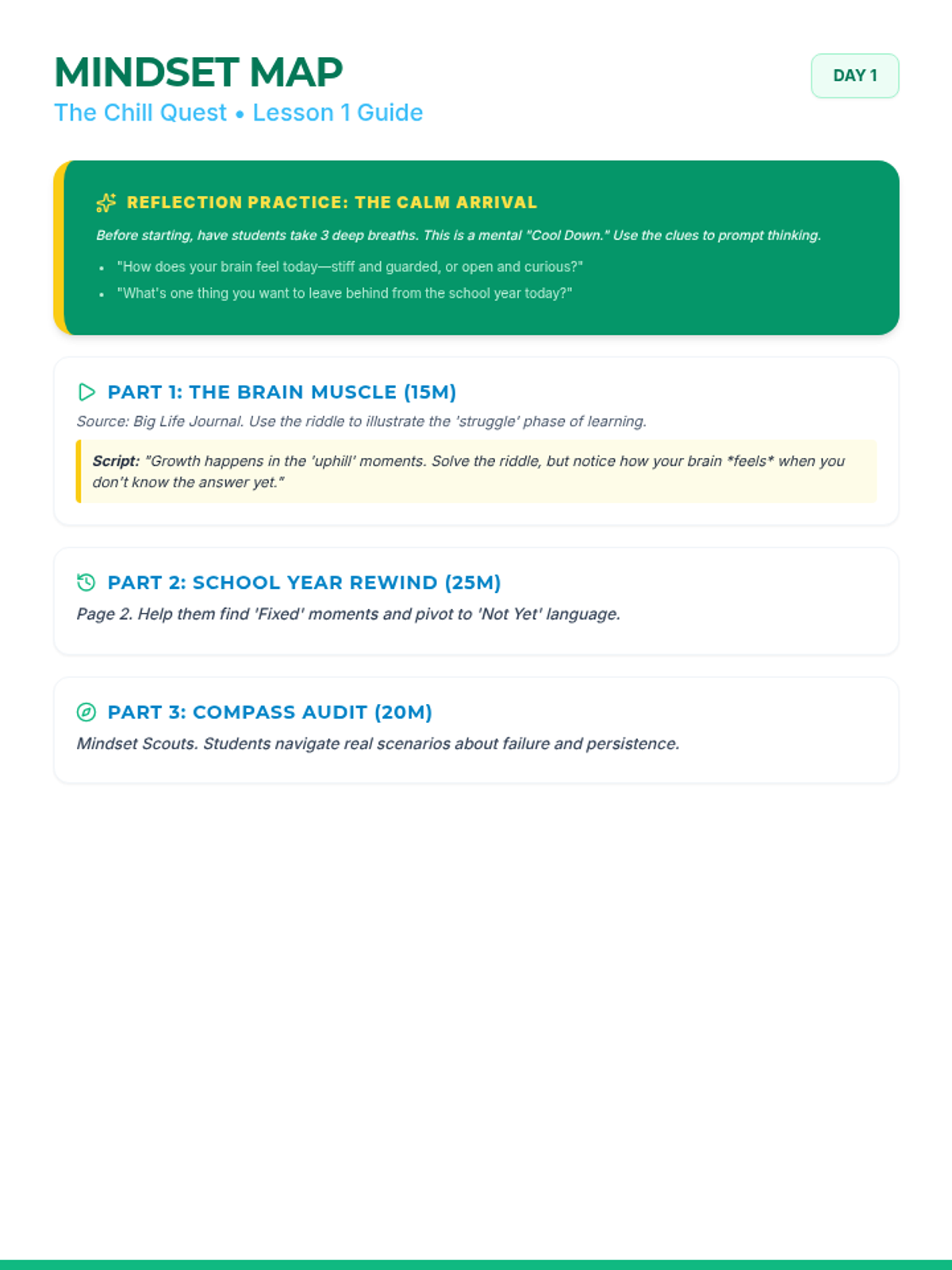
Introduction to fixed vs. growth mindsets using Big Life Journal concepts and brain-teasers.
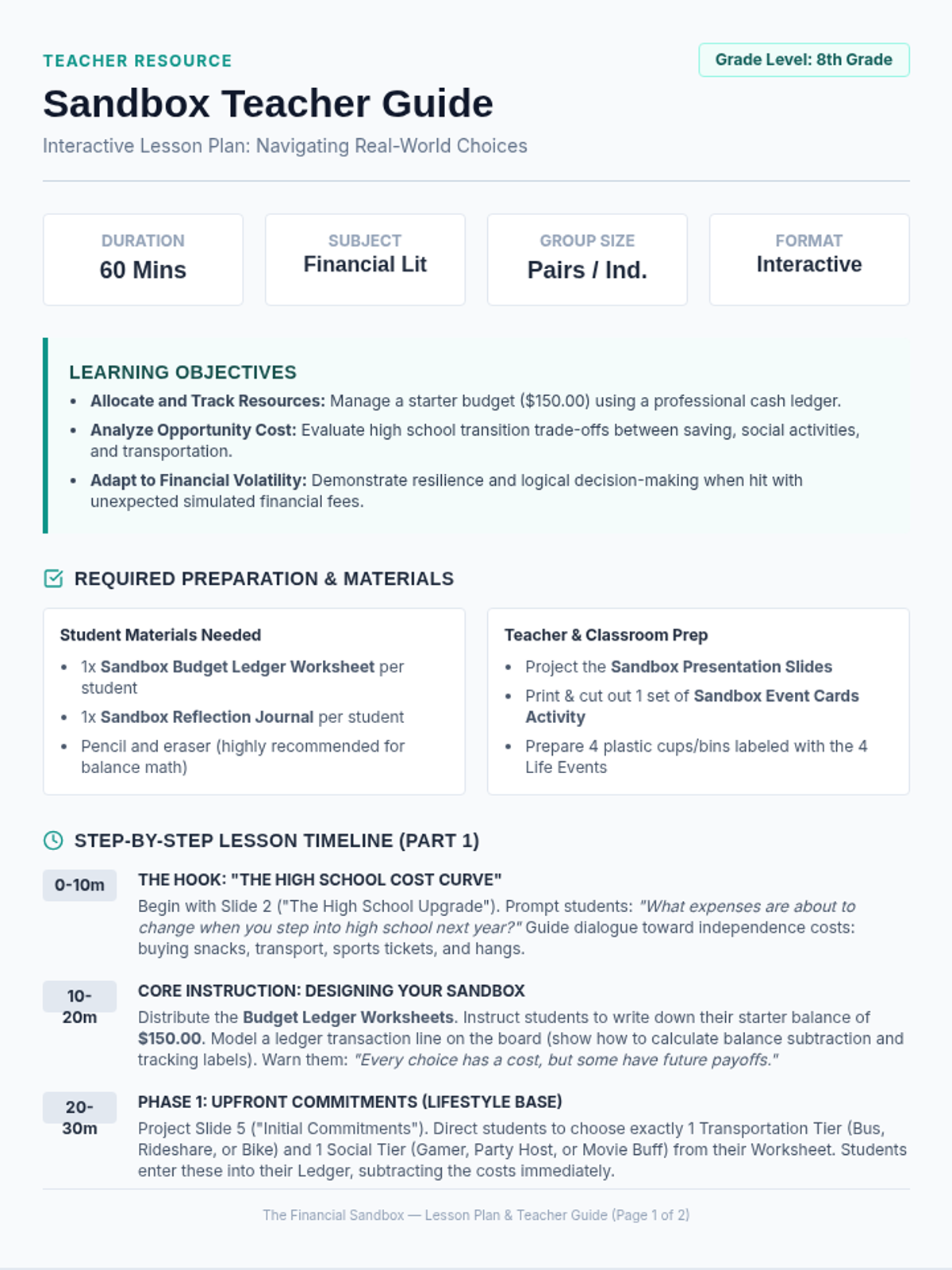
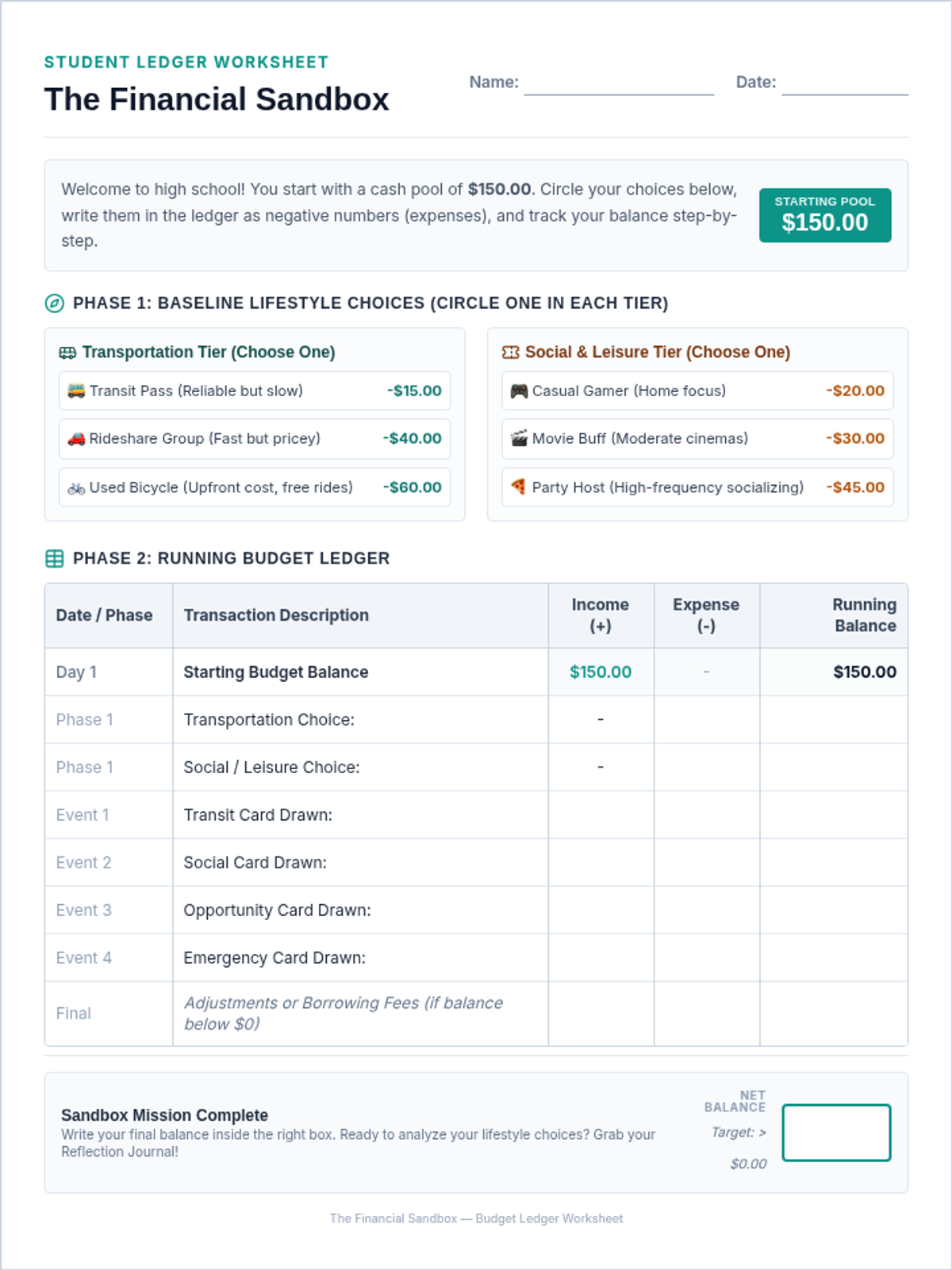
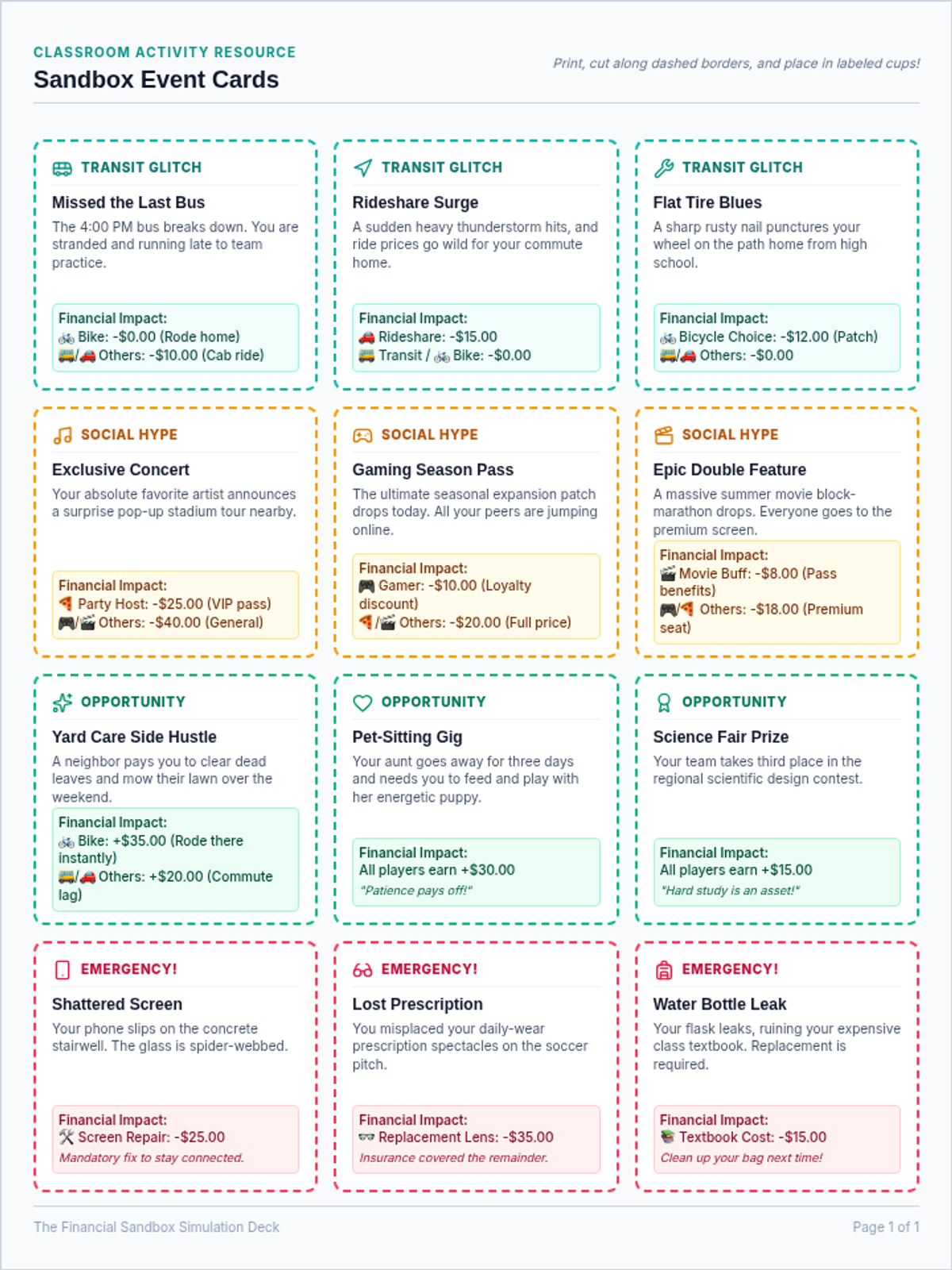
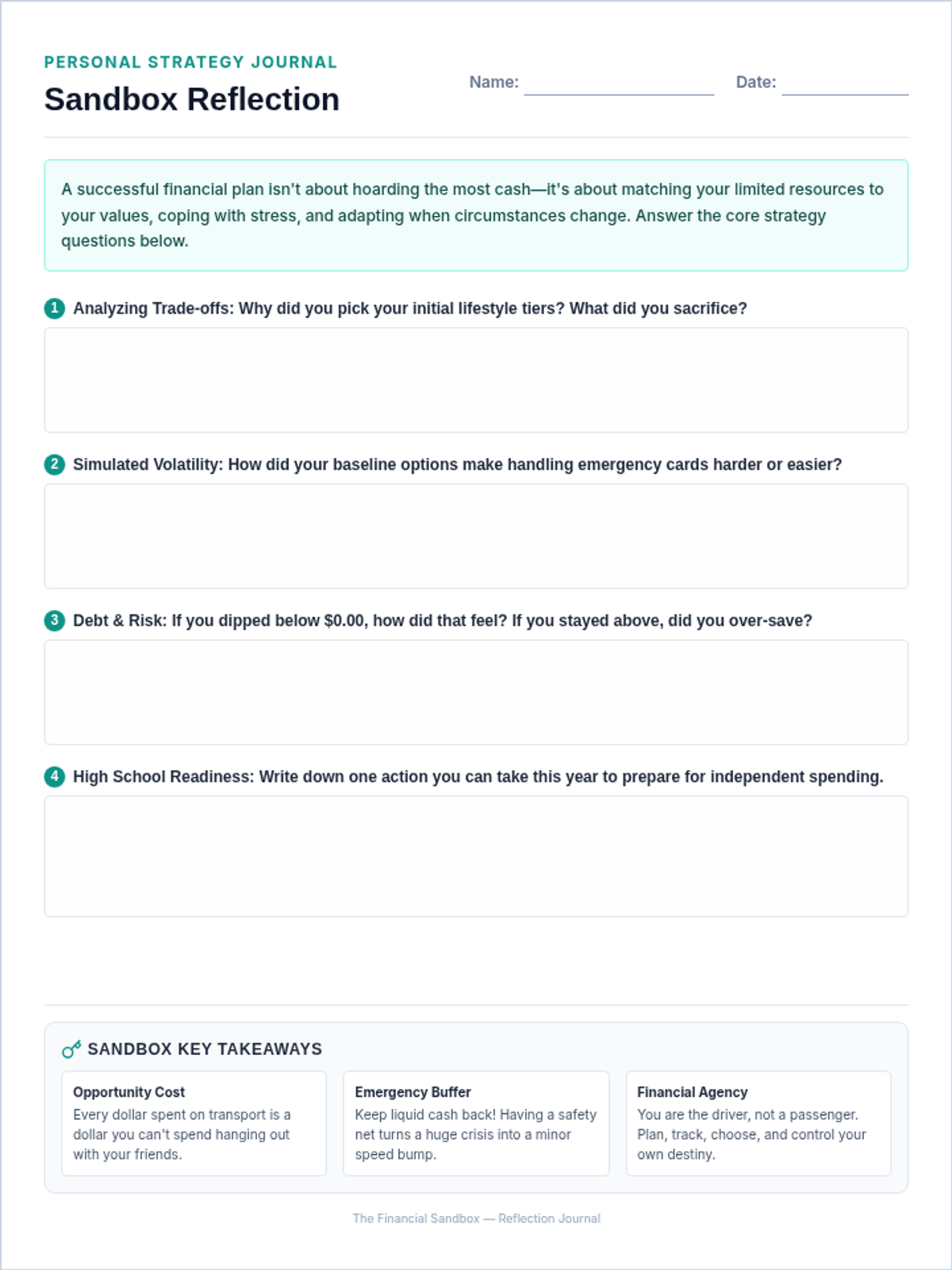
An interactive, hands-on financial literacy lesson where 8th graders manage a starter budget, navigate unexpected simulated financial events, and practice building financial agency for their upcoming transition to high school.
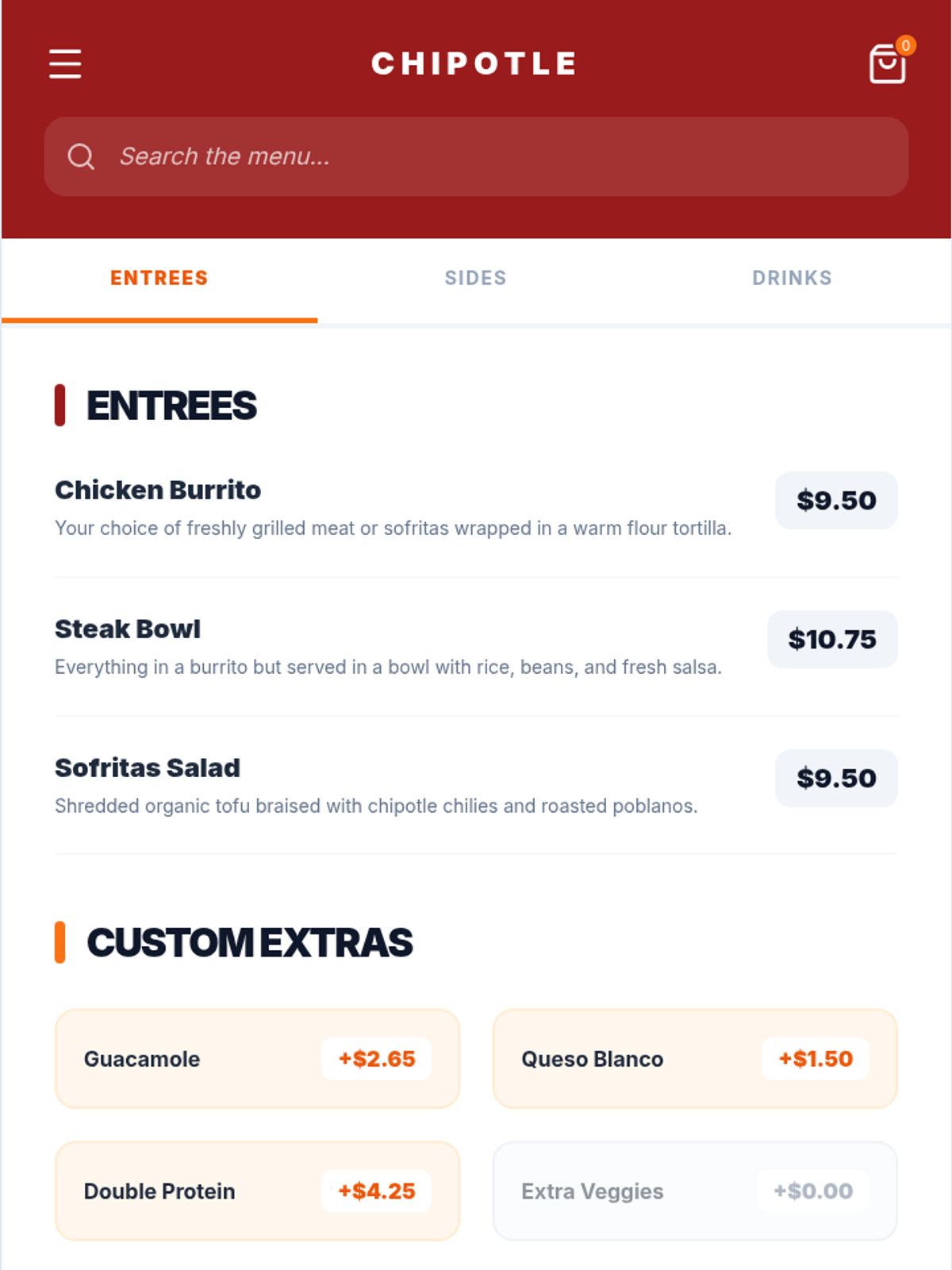
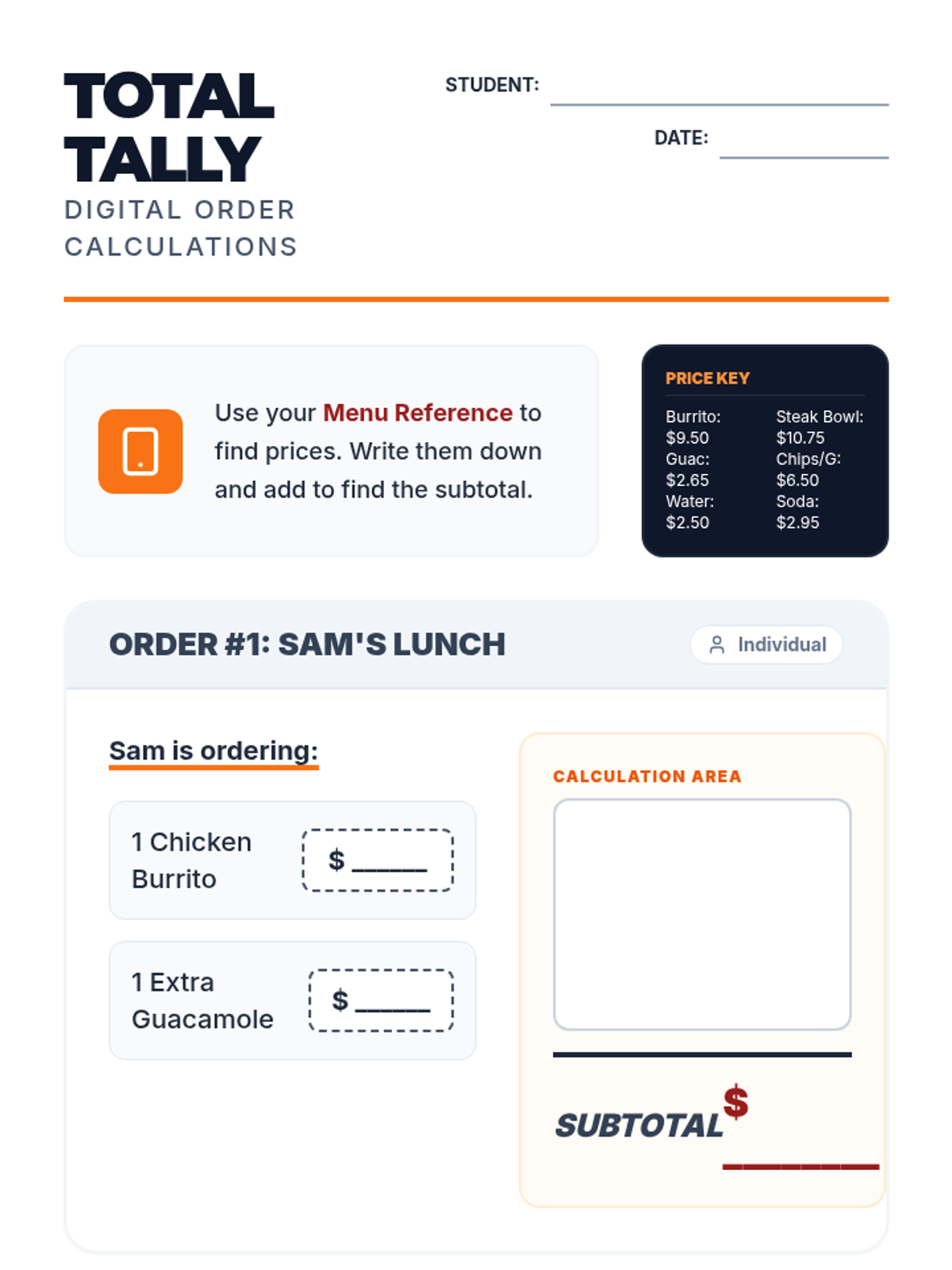
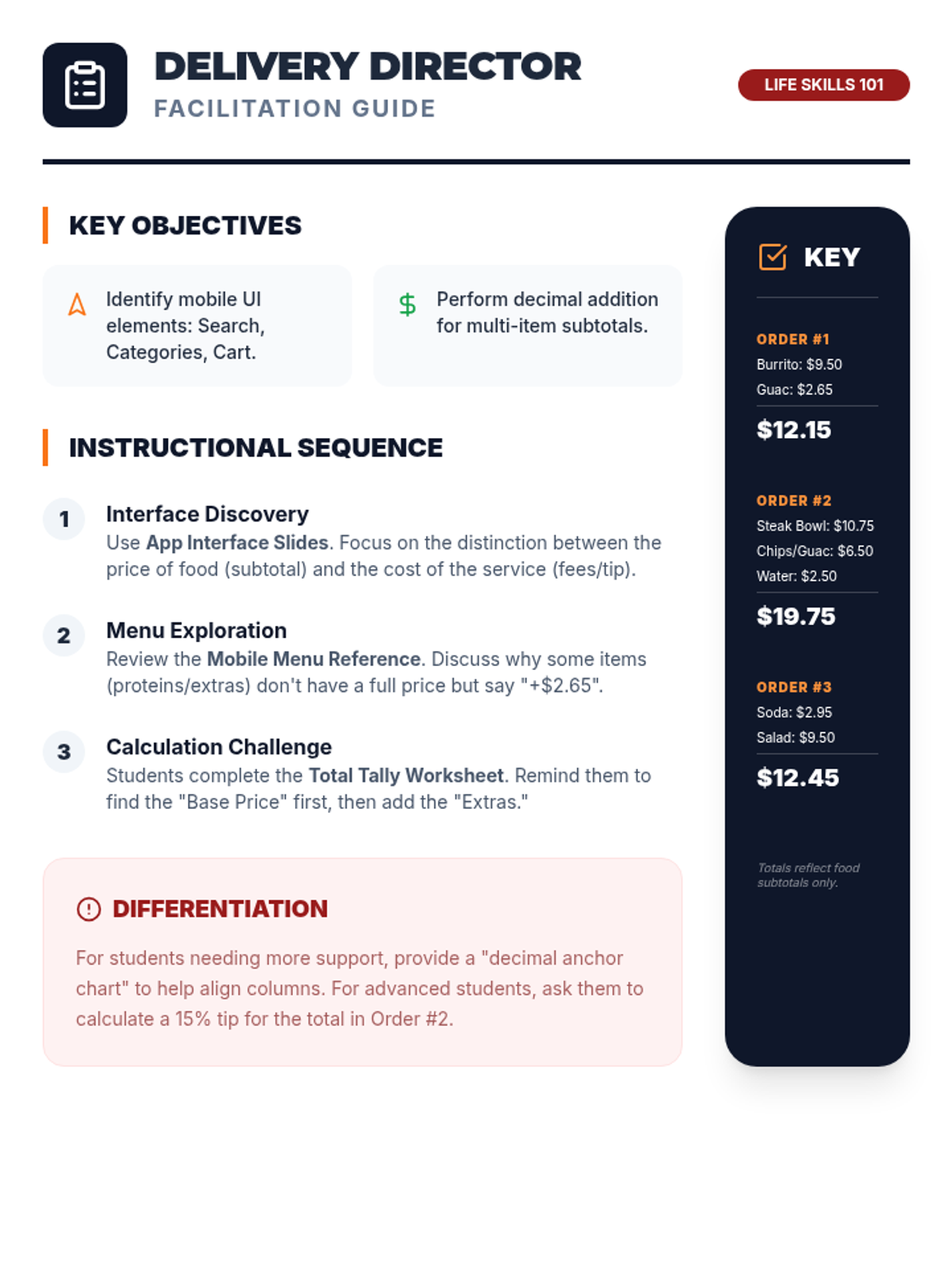
A functional life skills lesson focused on navigating a mobile food delivery interface and calculating order totals. Students practice reading app UI elements and performing basic addition for real-world scenarios.
A culminating simulation where students manage a monthly budget based on a mock salary and navigate unexpected life expenses.
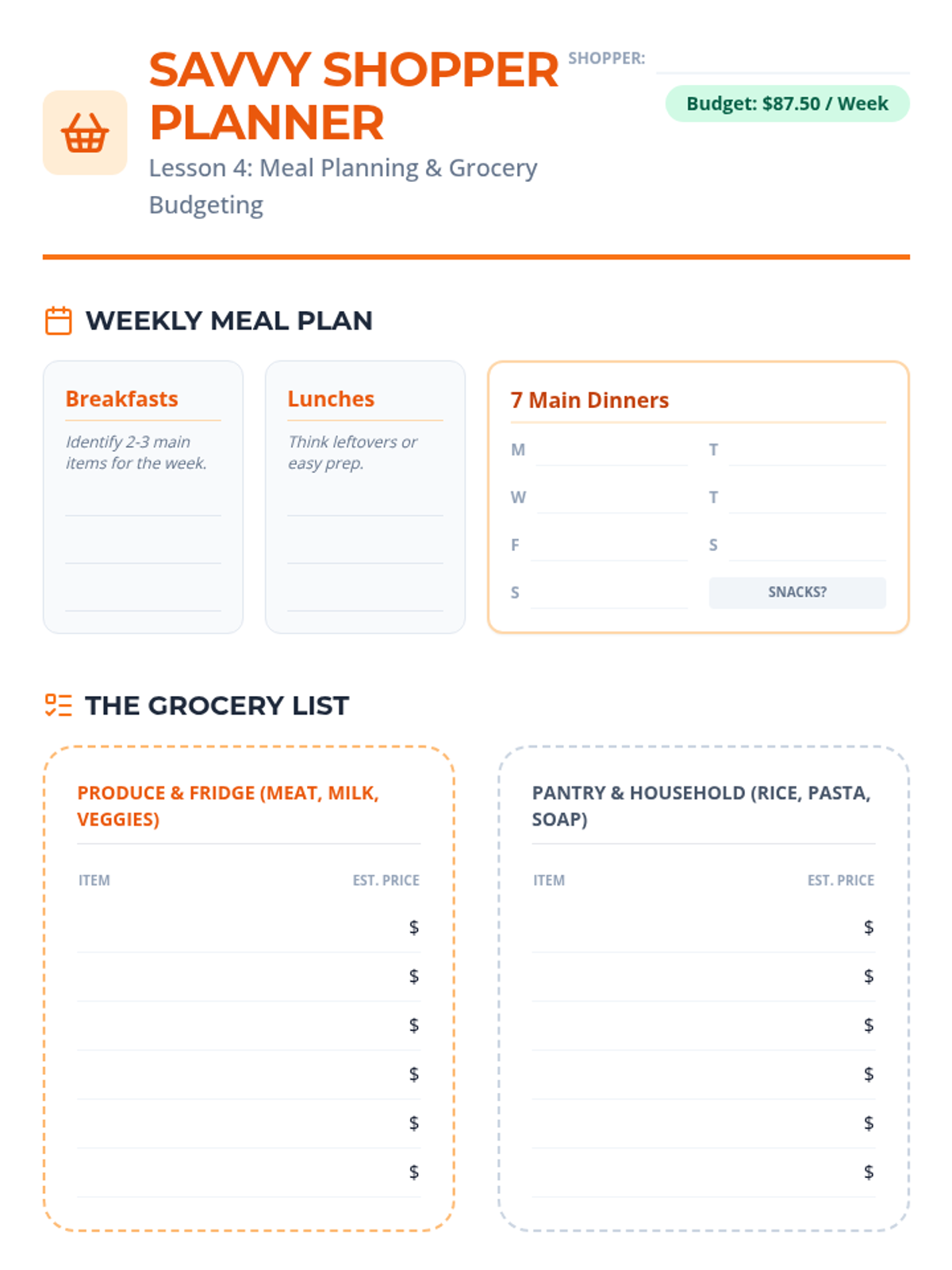
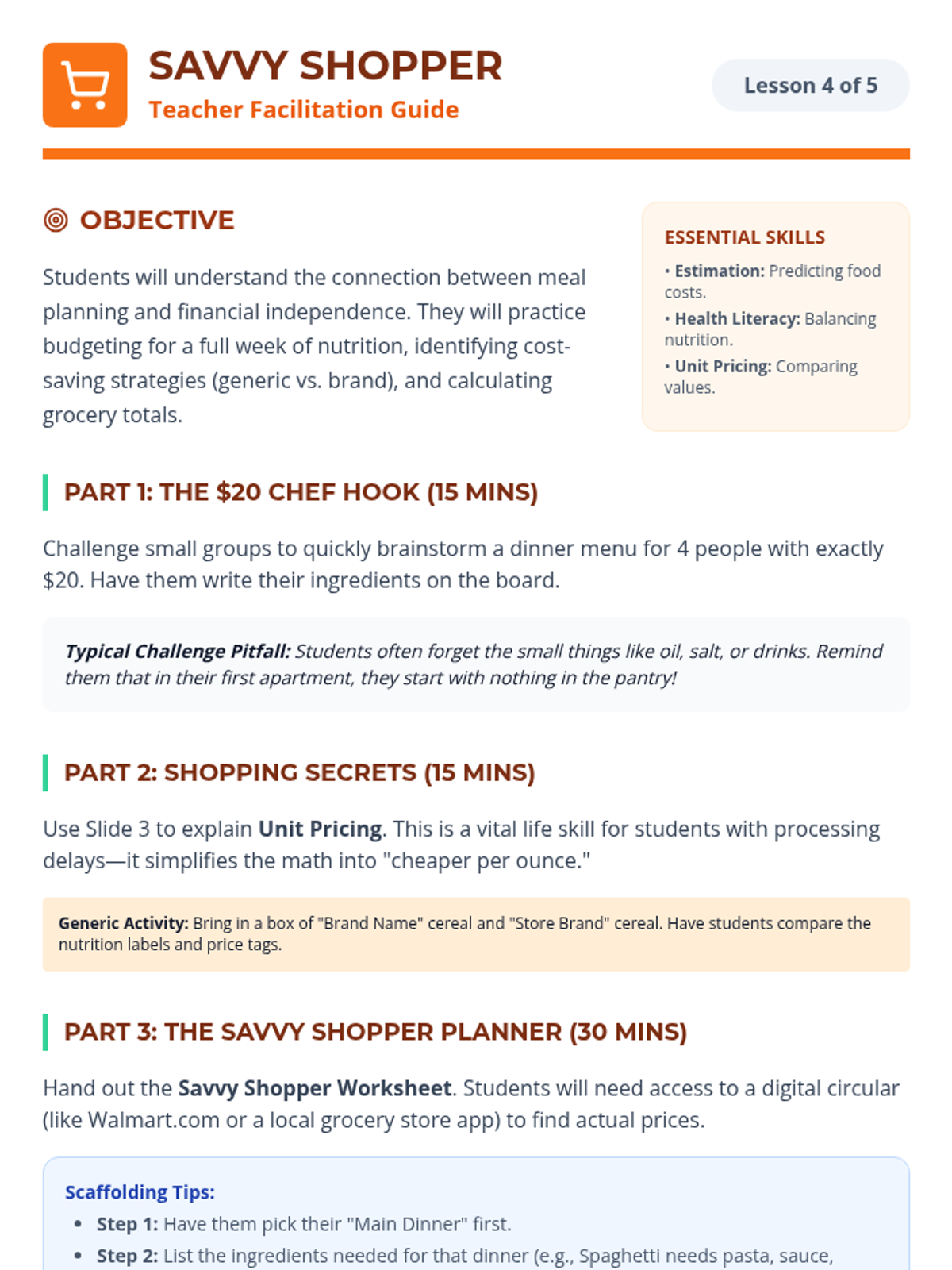
Students practice meal planning and grocery shopping within a budget, focusing on cost-effective and healthy choices.
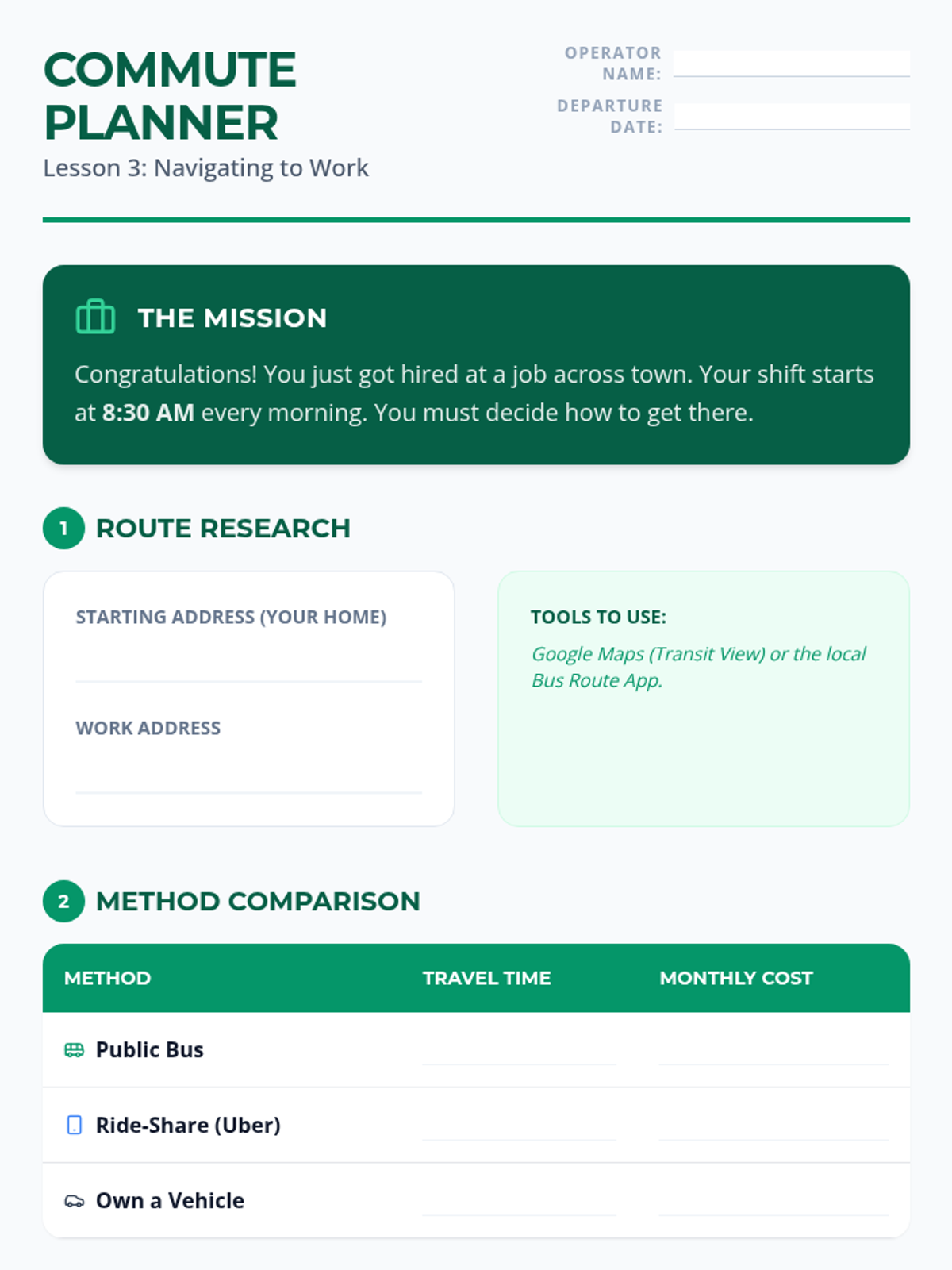
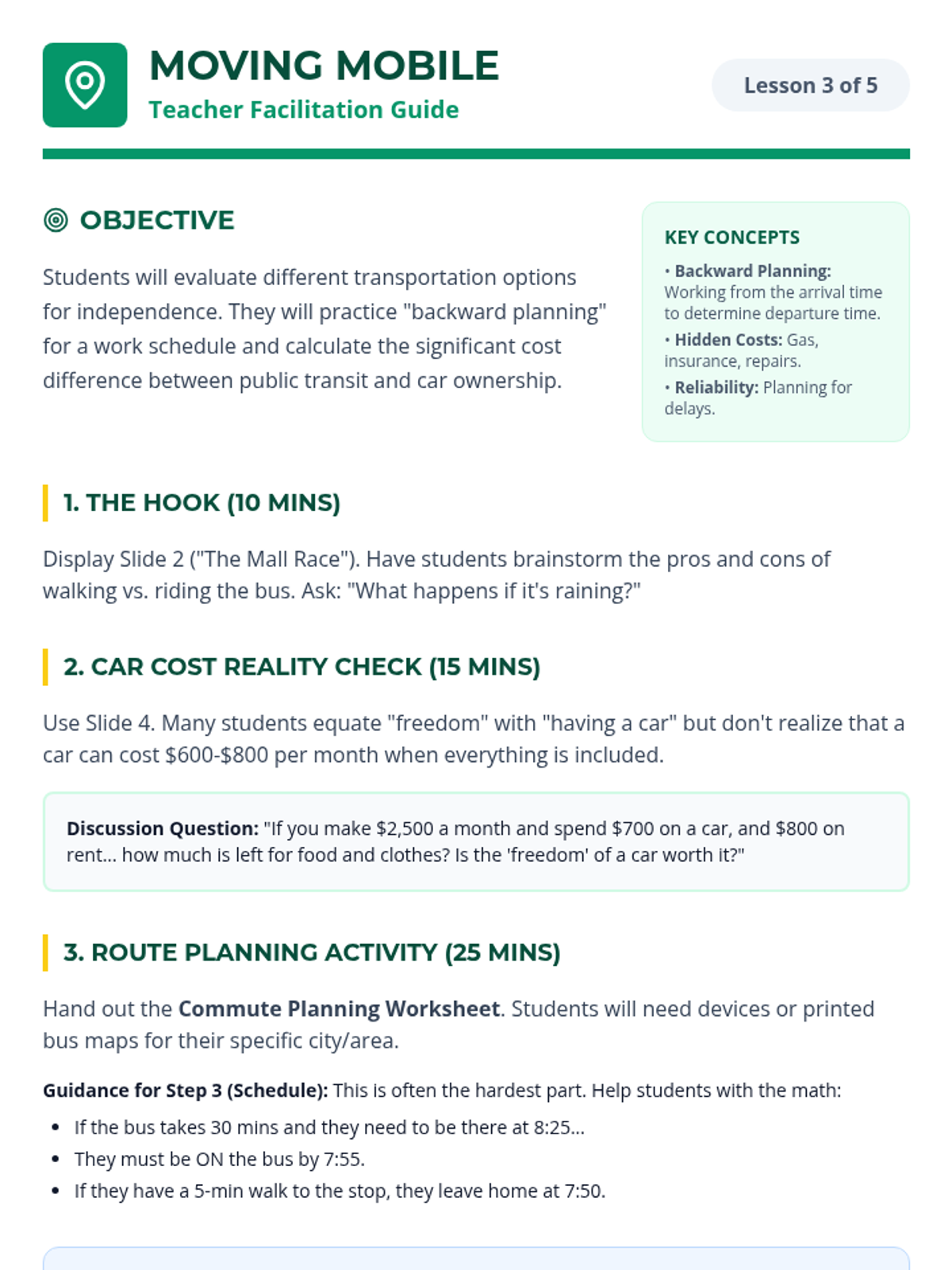
Students analyze various transportation methods, plan routes, and compare the costs of public transit versus vehicle ownership.
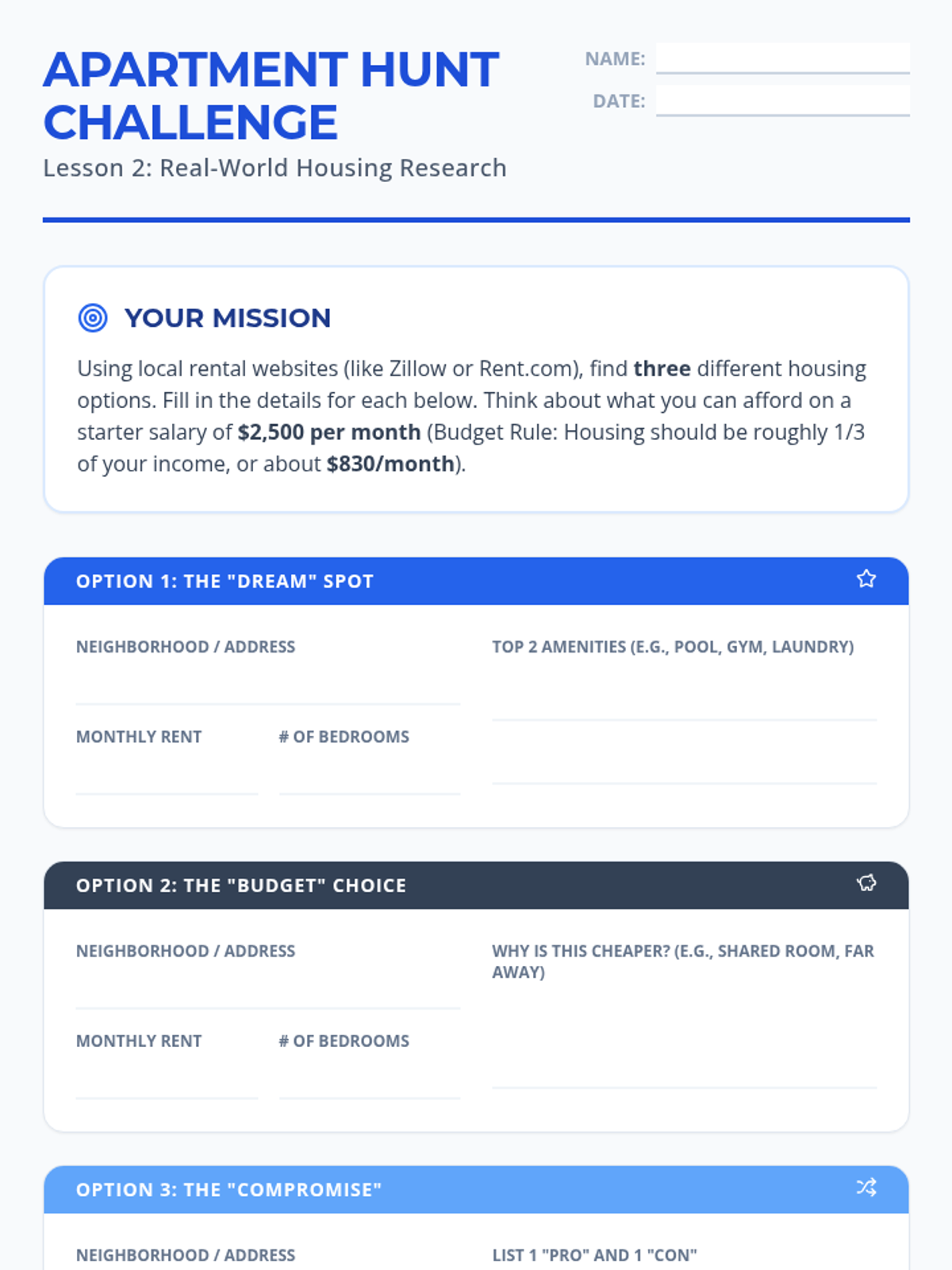
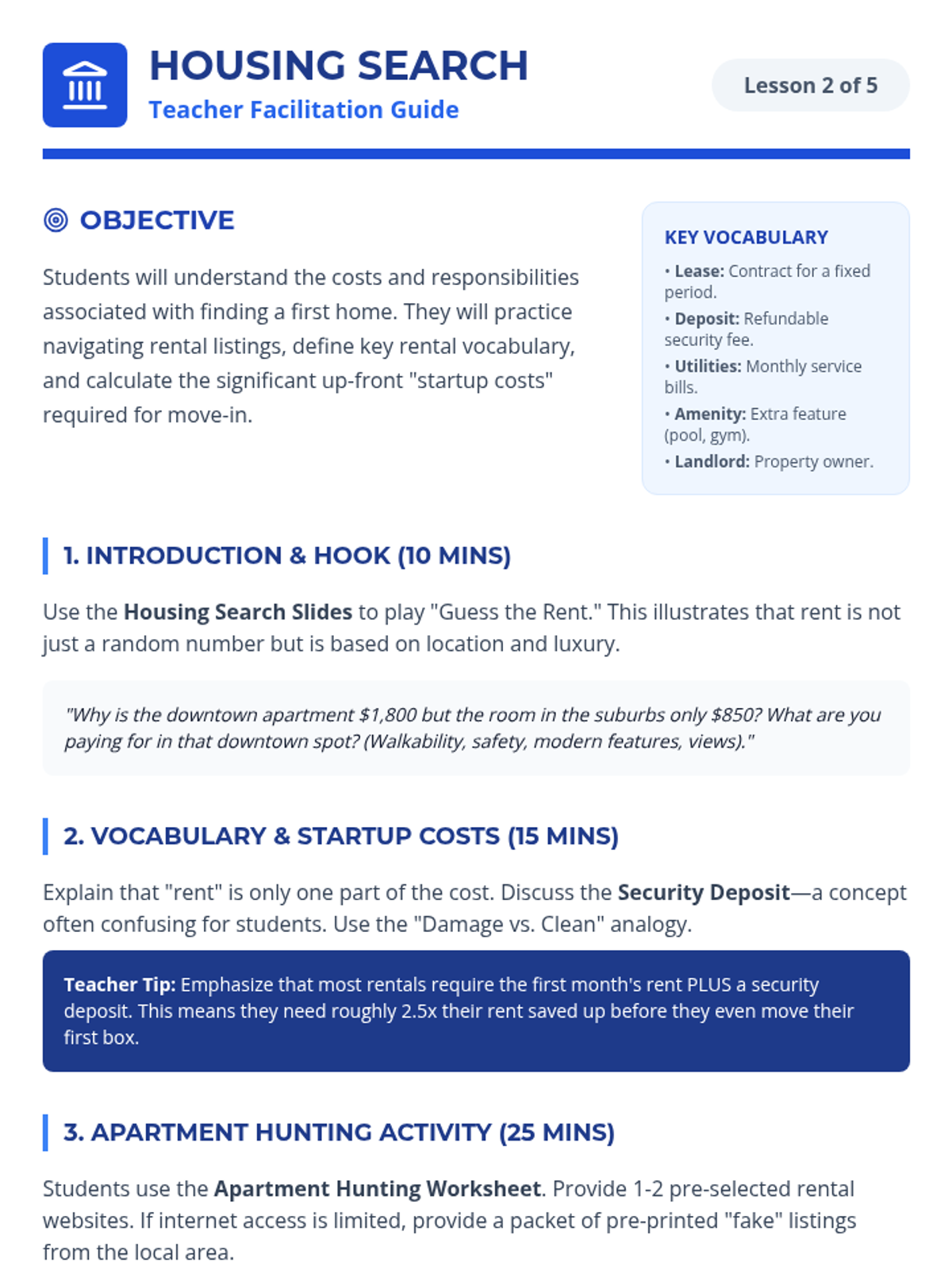
Students explore different types of housing, learn key rental vocabulary, and calculate the startup costs for moving into an apartment.
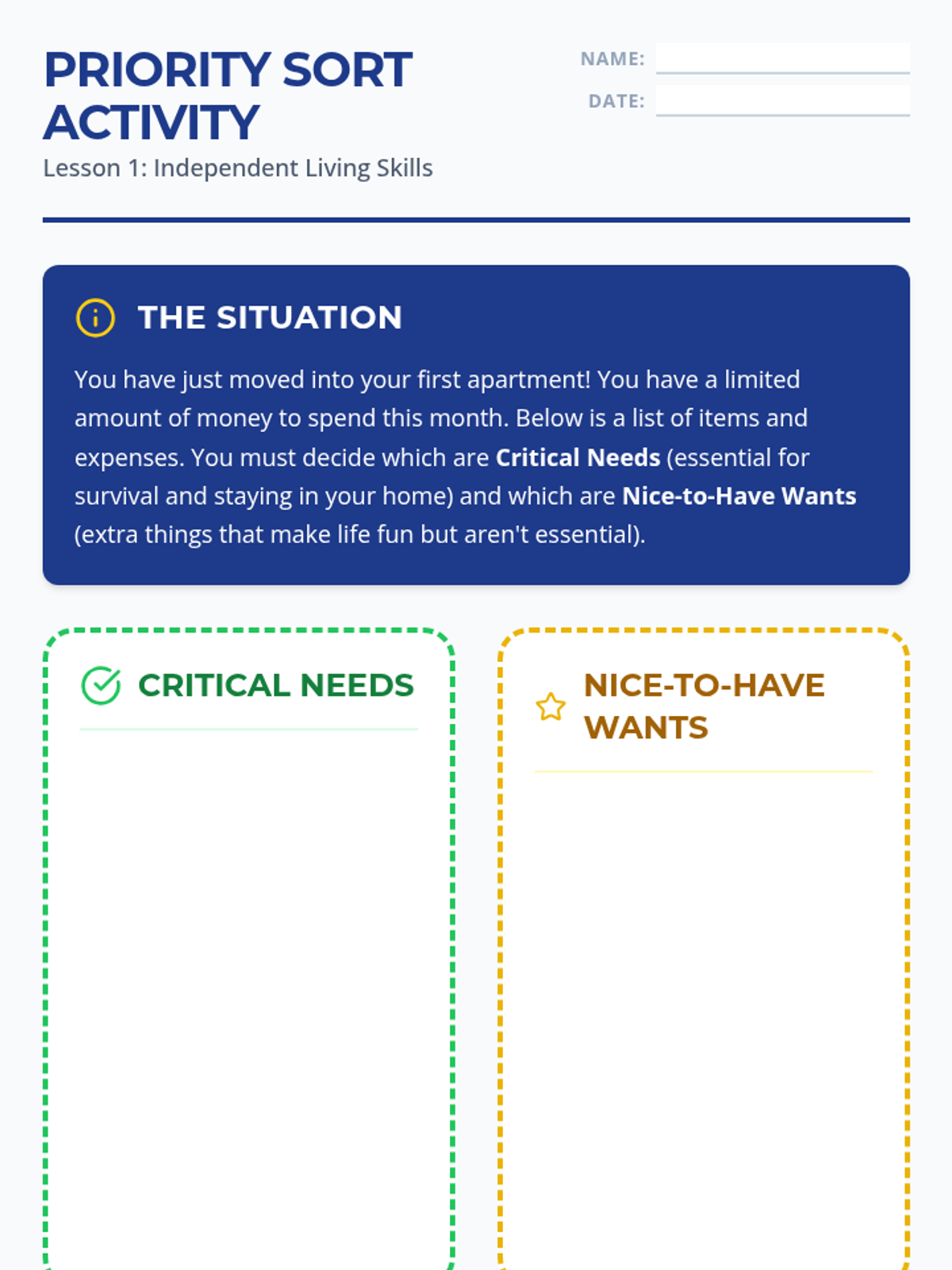
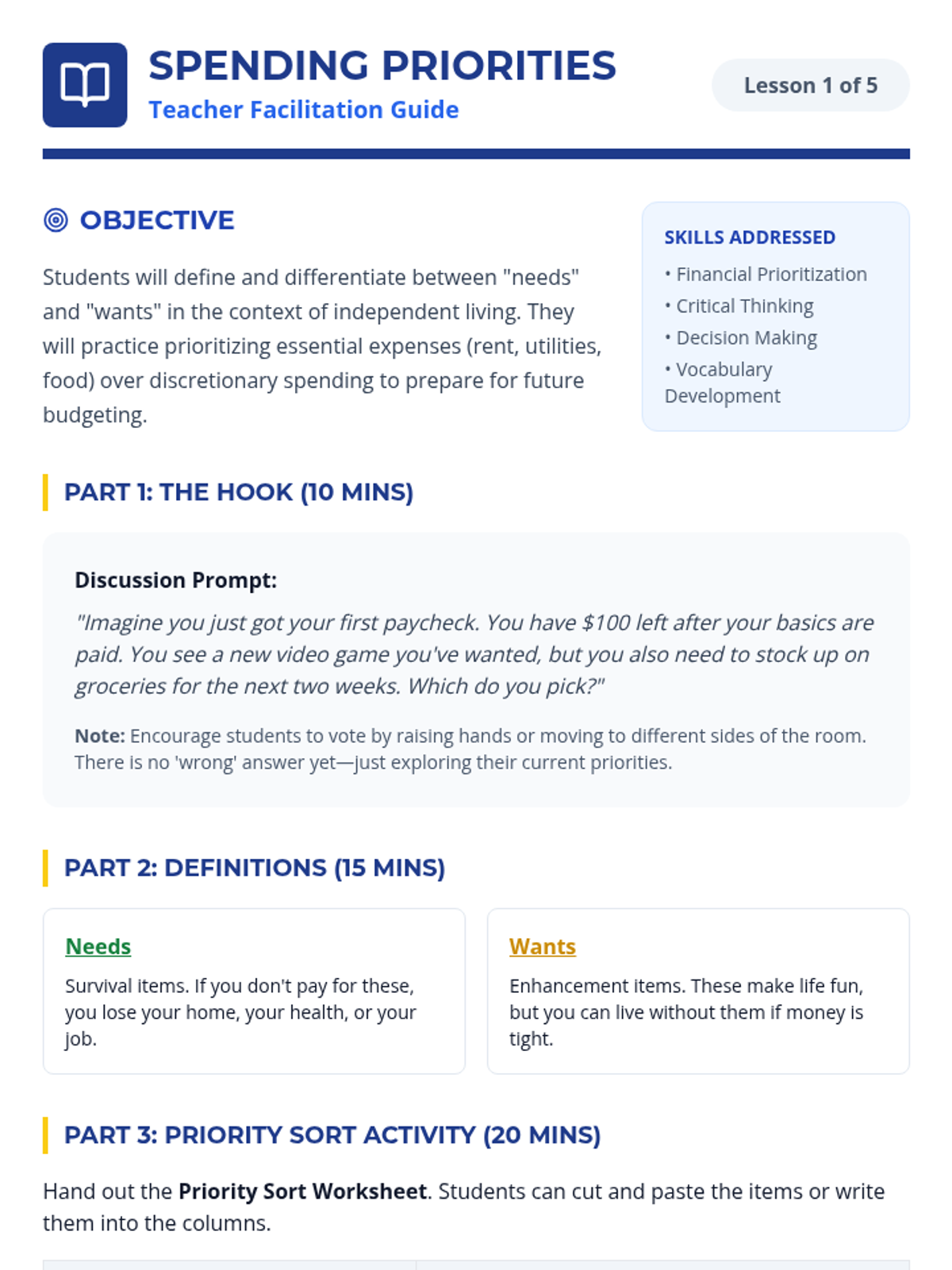
Students learn to distinguish between essential needs and discretionary wants to prioritize spending in an independent living context.
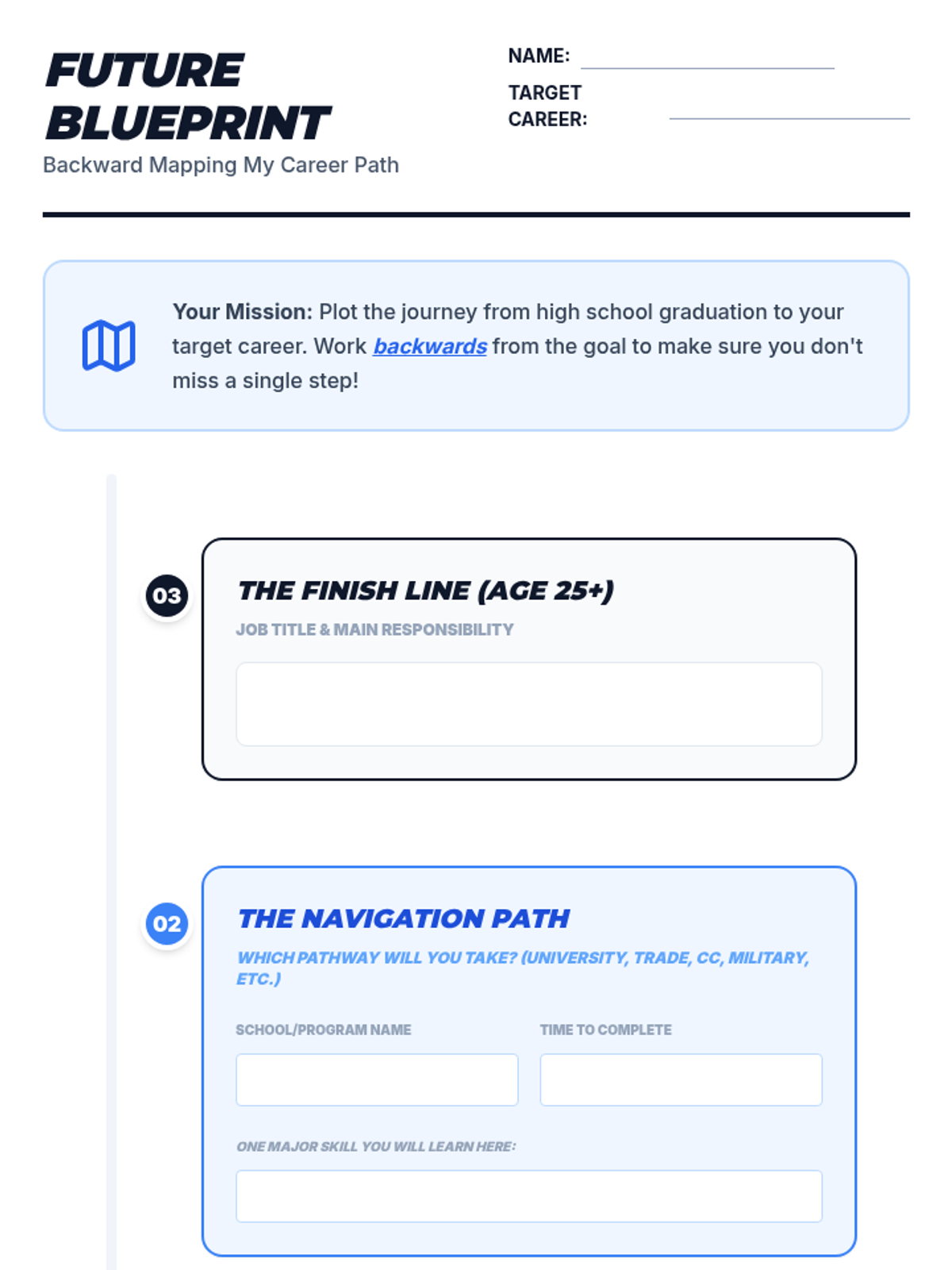
Students select a target career and create a backward-mapped timeline from their dream job to high school graduation.
Students compare the costs and potential salaries of different education paths using simplified financial concepts and discussing student loans.
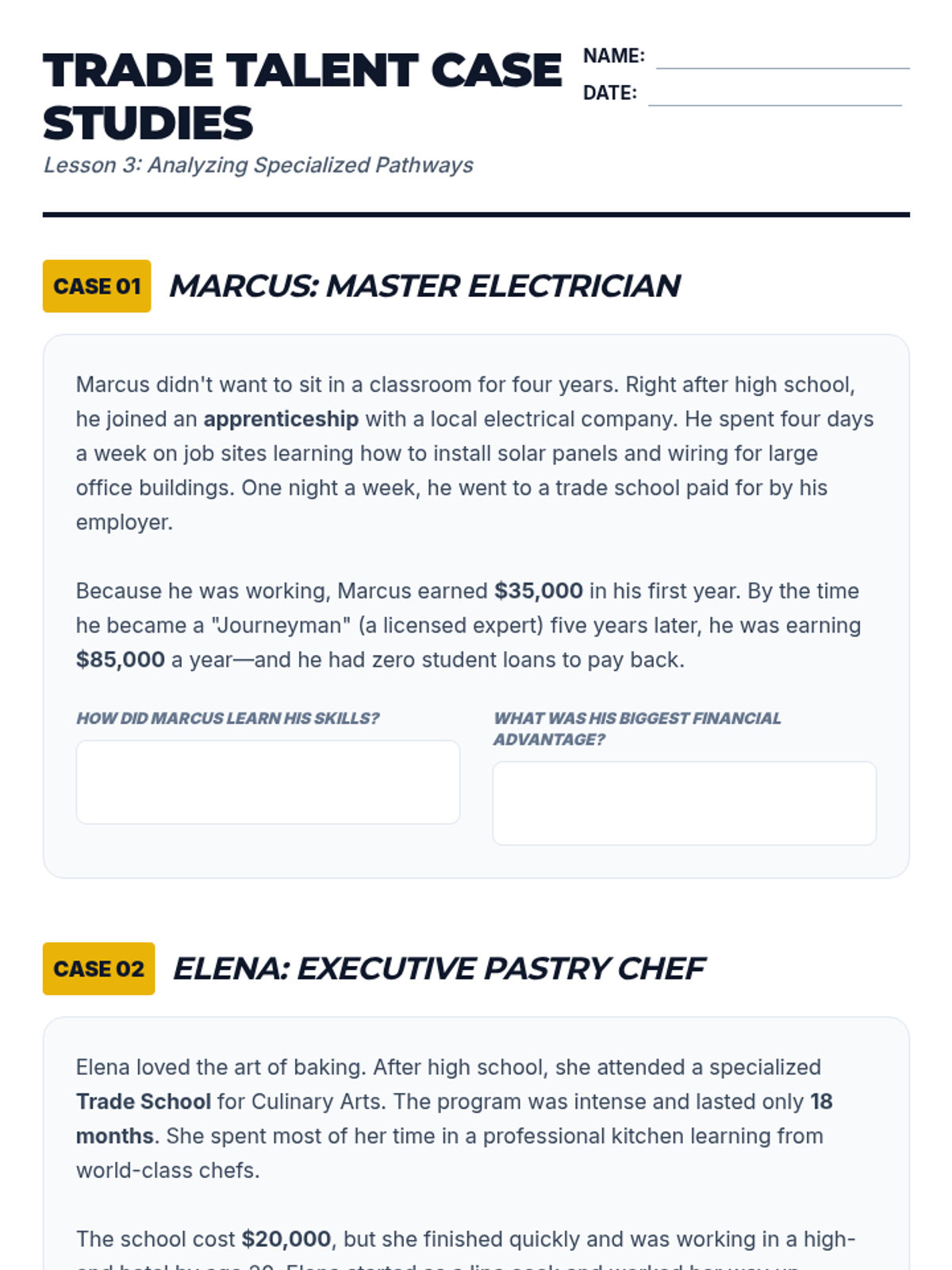
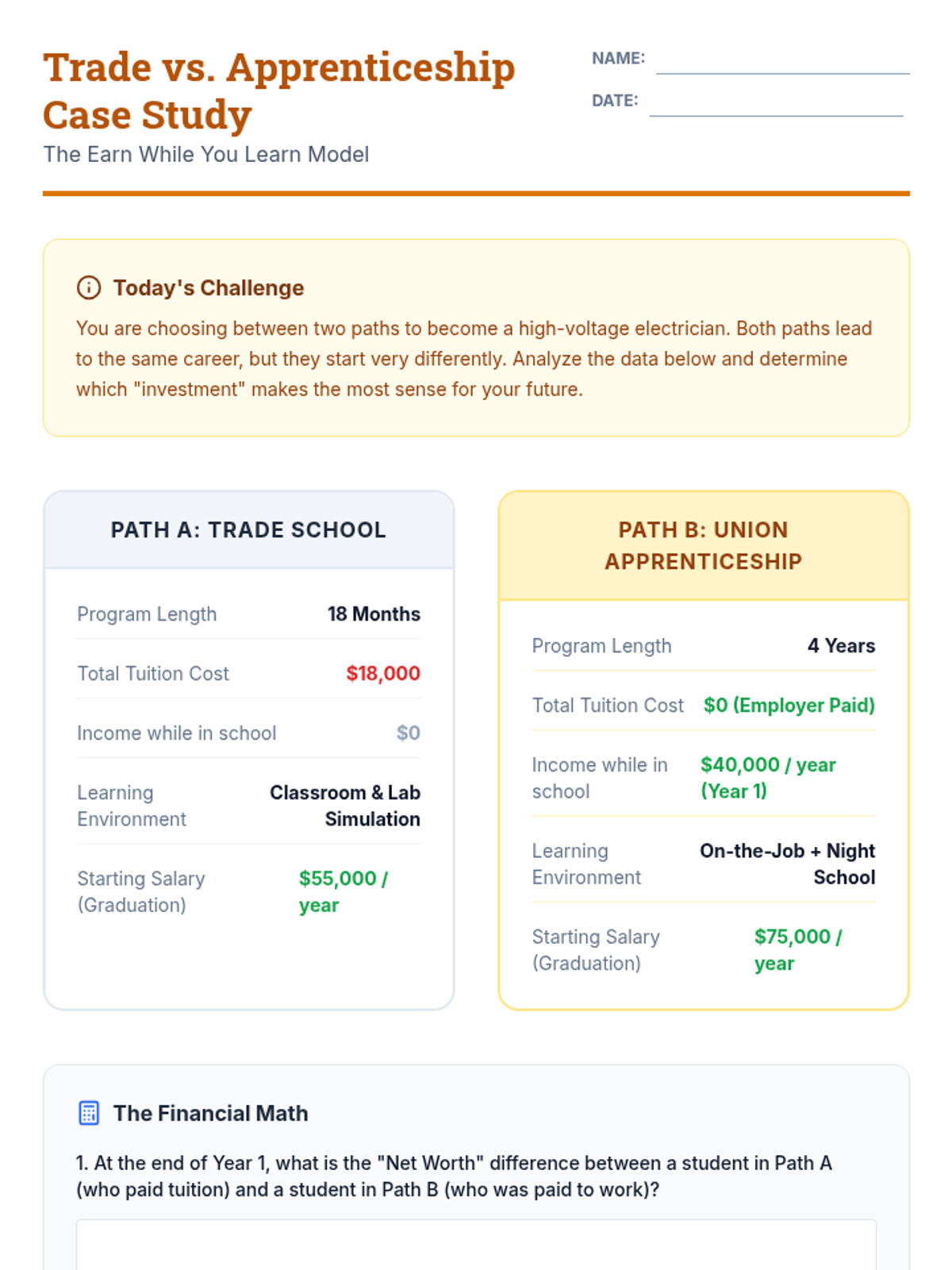
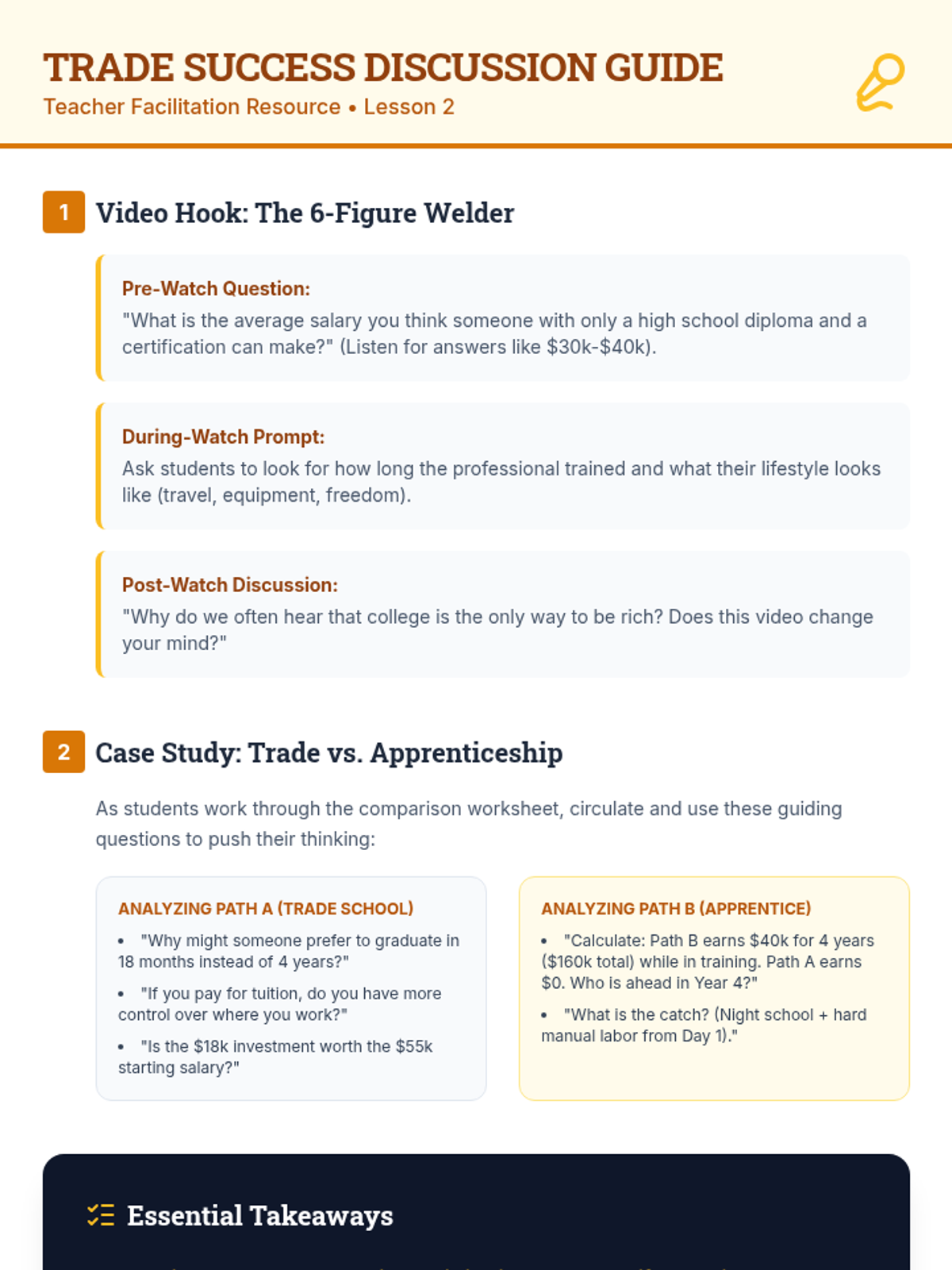
Students examine skilled trades and apprenticeships, focusing on the 'earn while you learn' model through case studies of various trade careers.
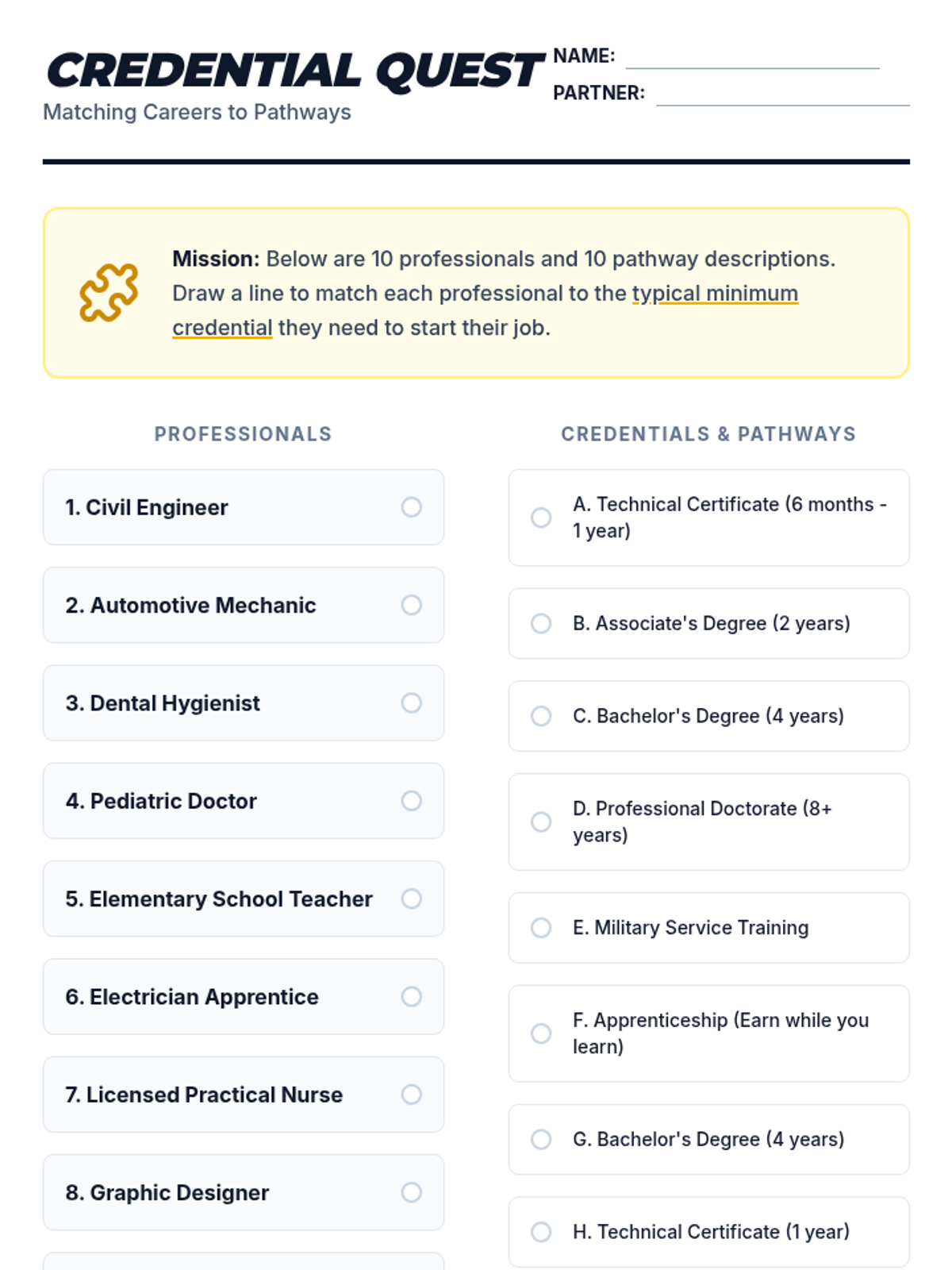
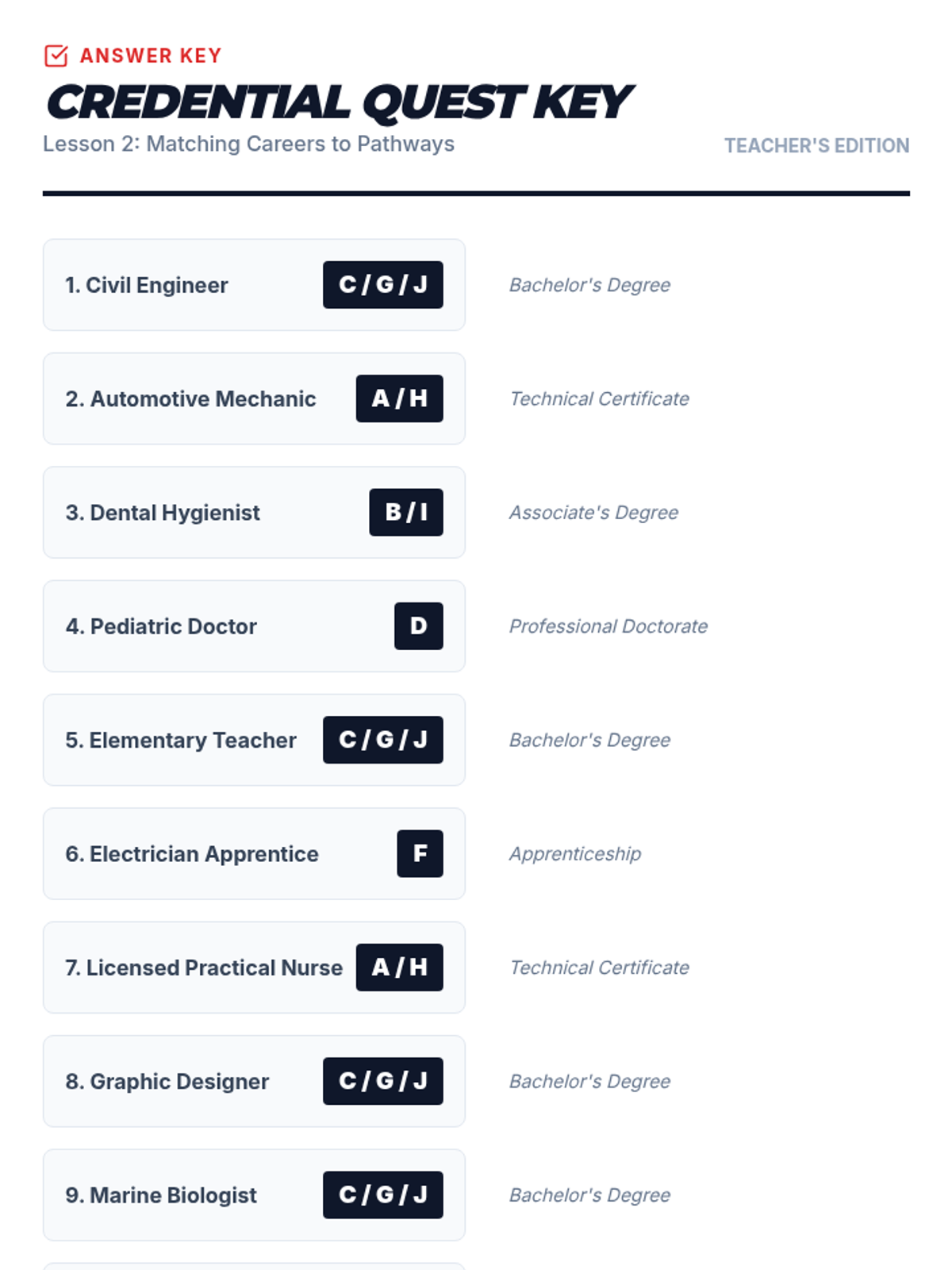
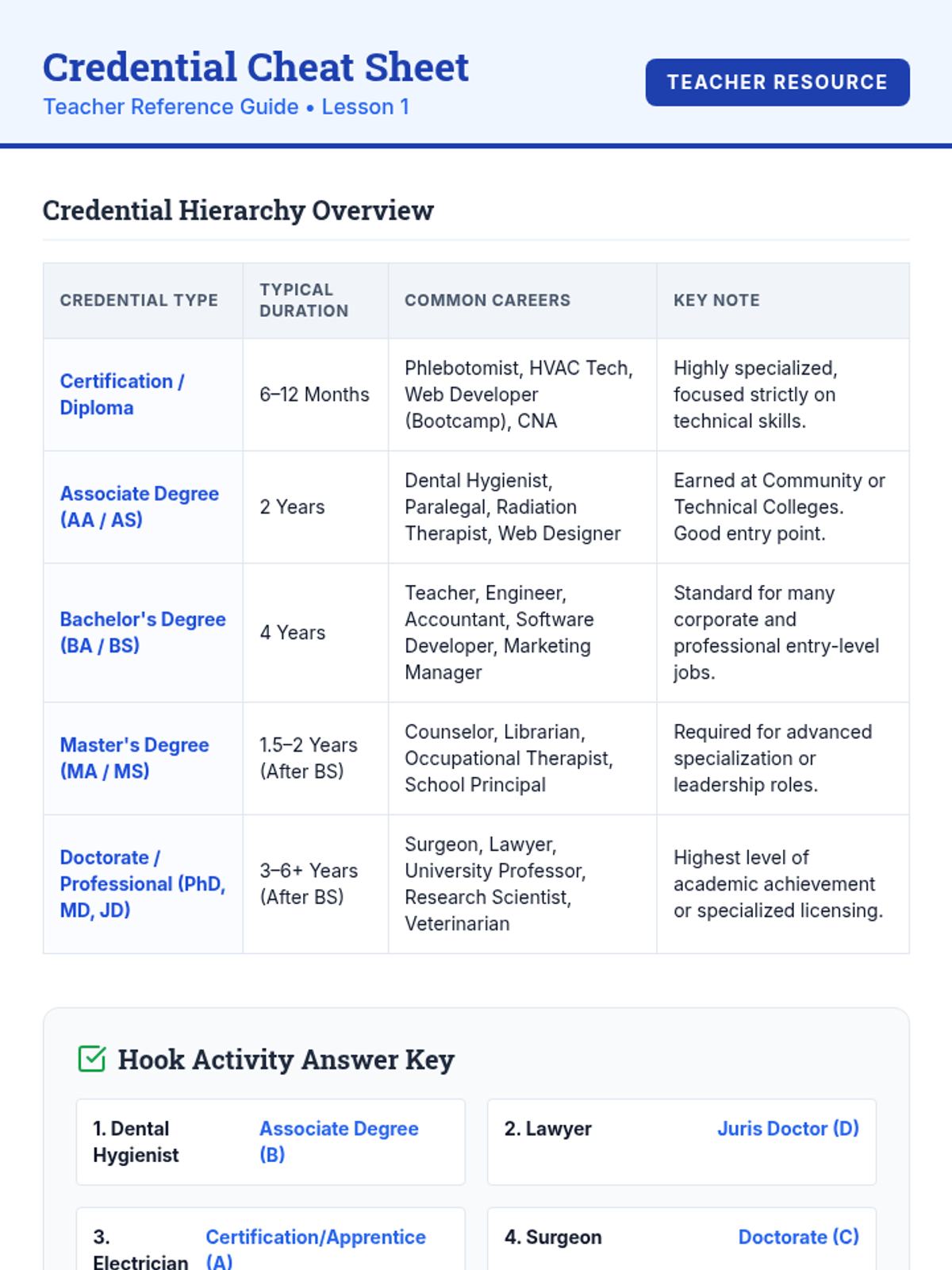
Students work in groups to match specific careers with their required credentials and discuss the relationship between training length and job type.
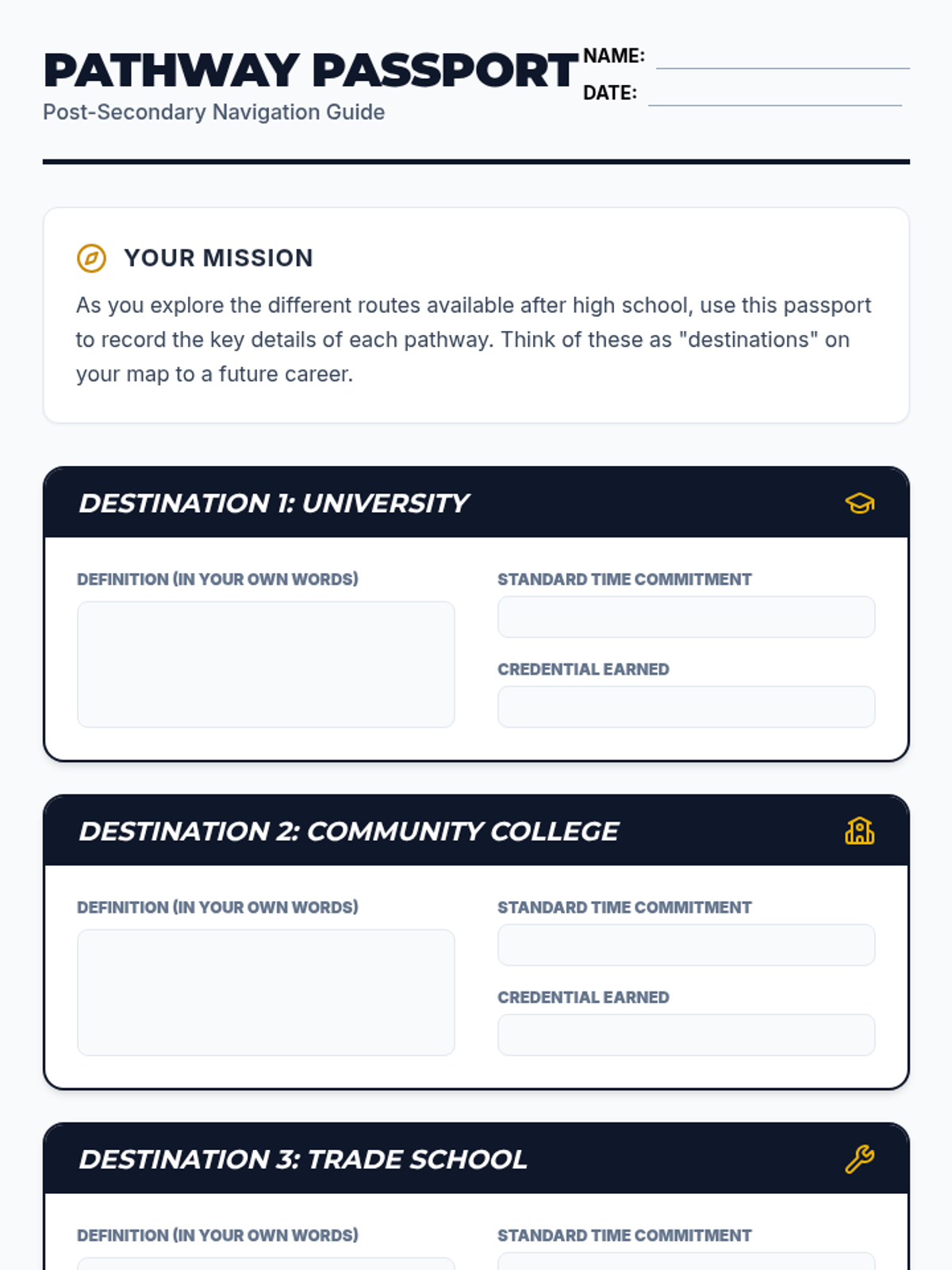
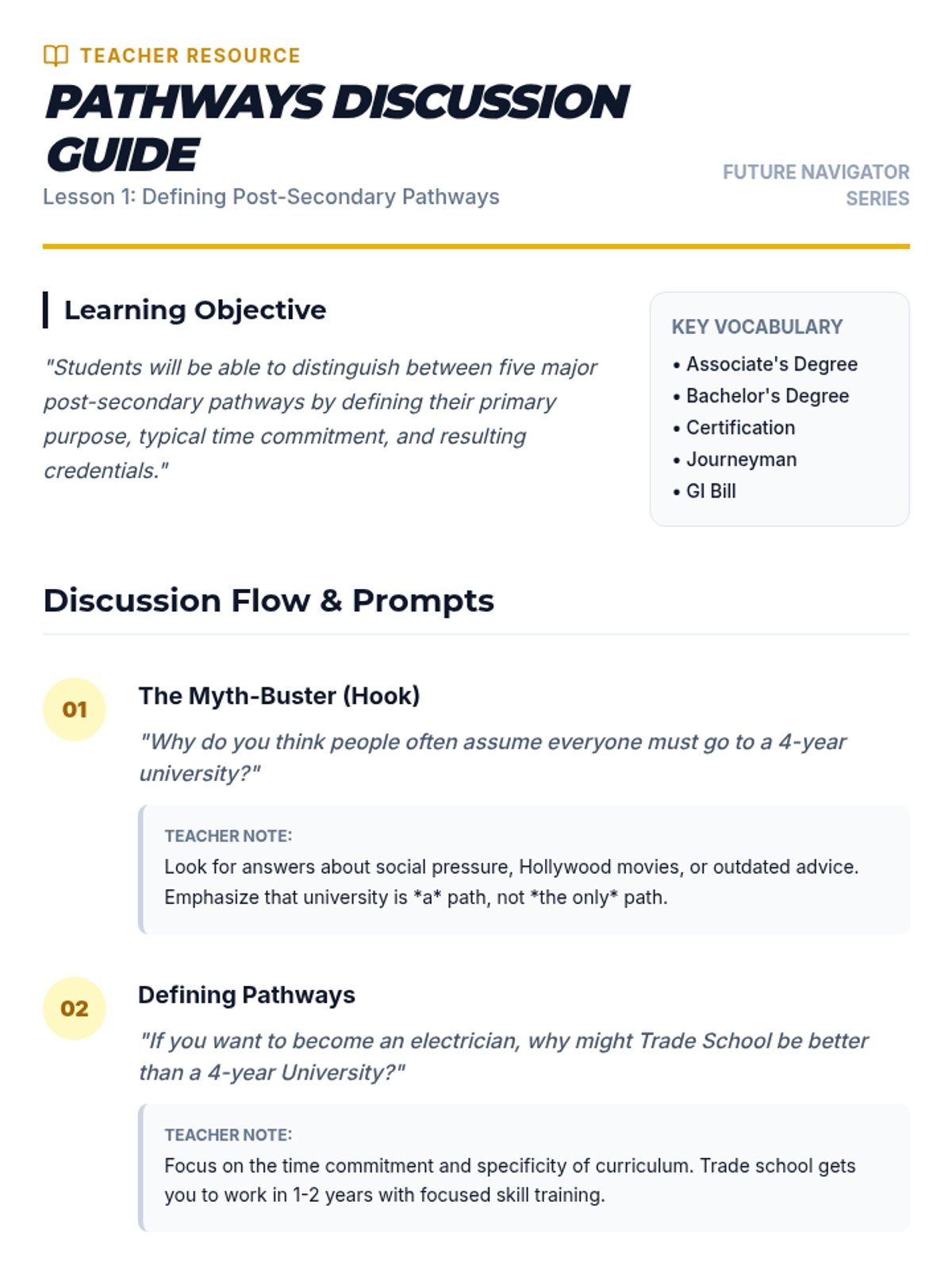
Students investigate the definitions of university, community college, trade school, apprenticeship, and military service to distinguish the time commitment and outcome of each.
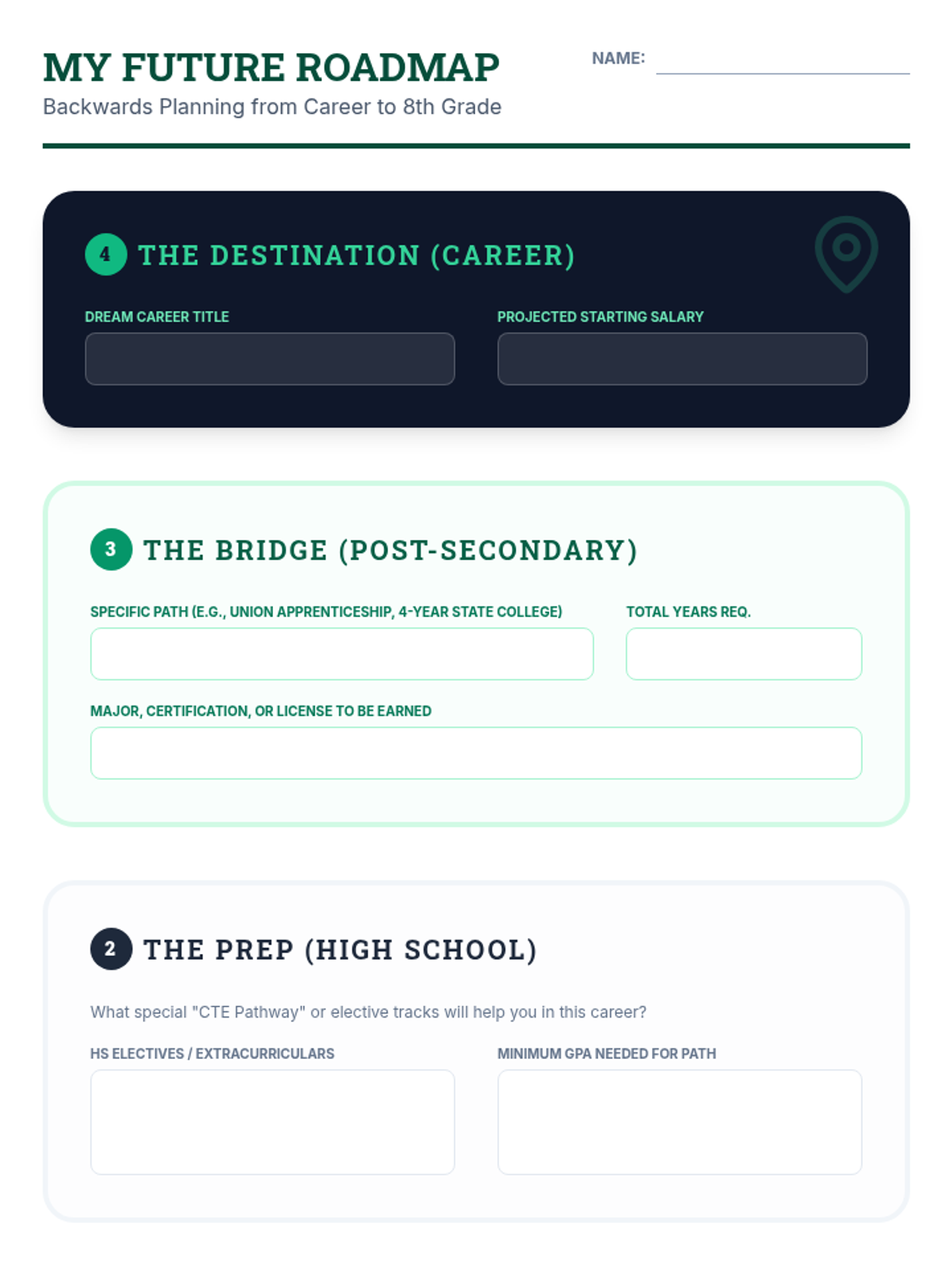
Starting with a career goal, students work backward to determine the necessary high school courses and post-secondary steps. They create a 'roadmap' that connects their current 8th-grade course selection to their ultimate objective.
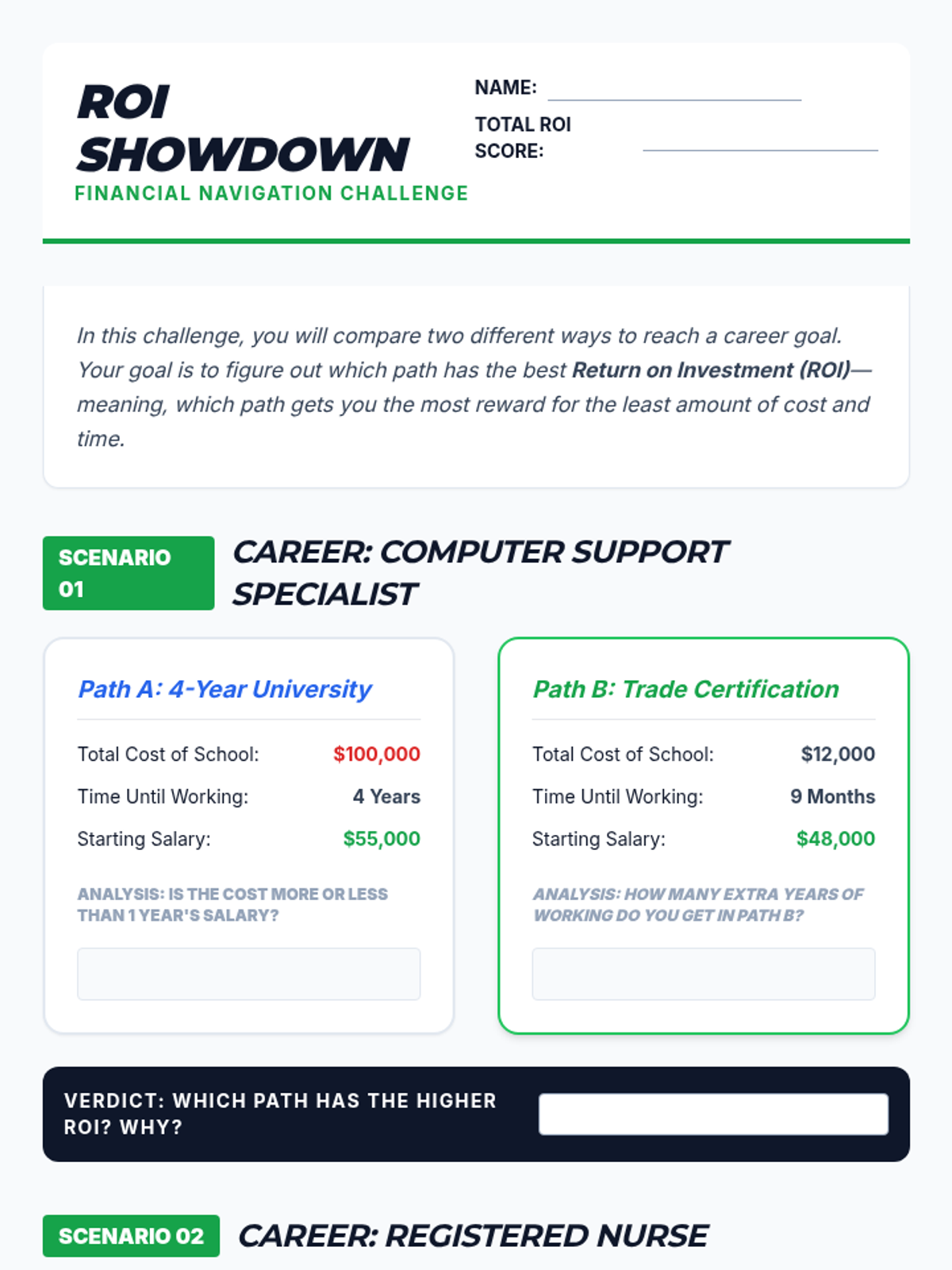
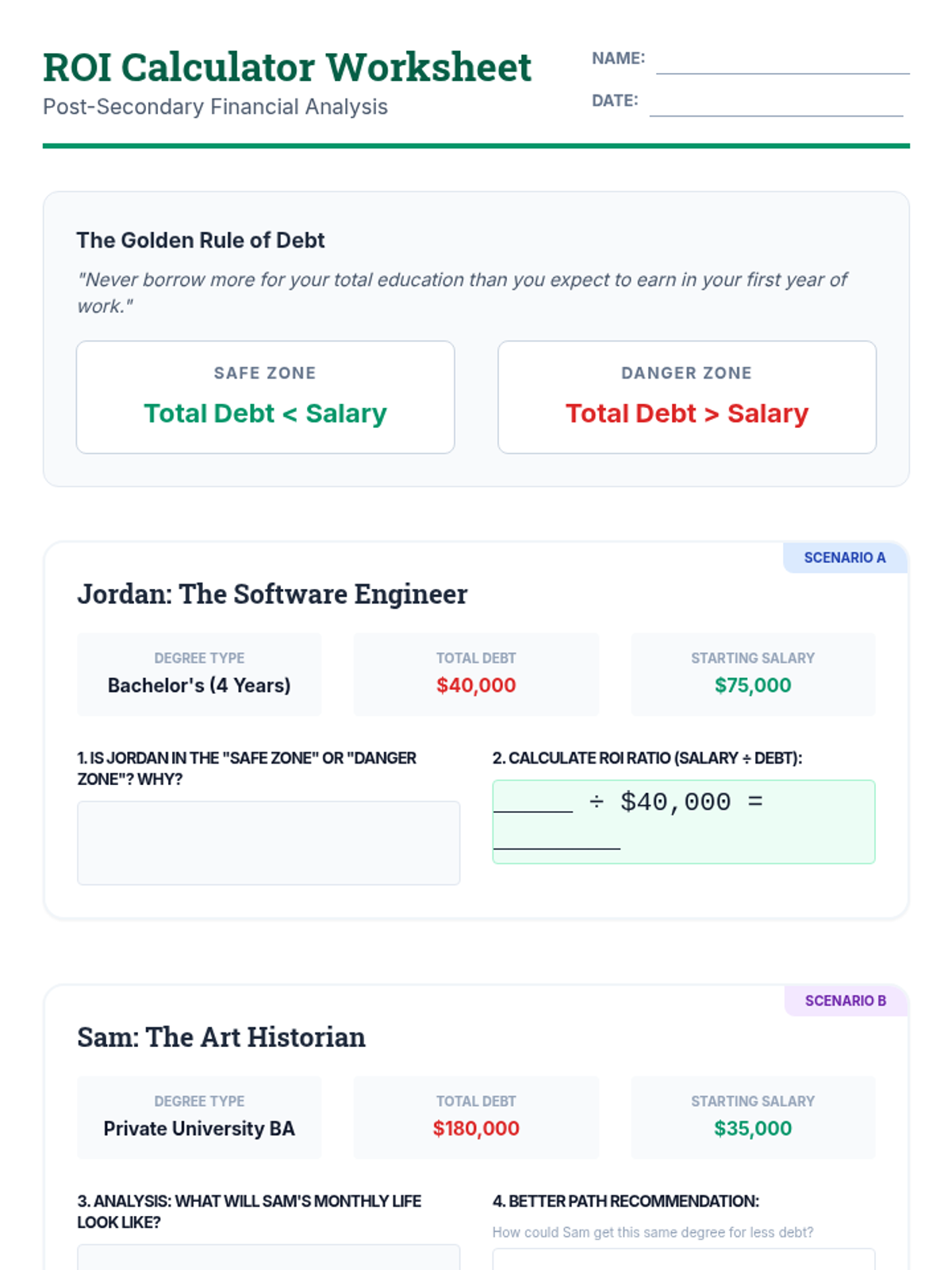
Students calculate the ROI of different education paths by comparing tuition costs and student loan interest against projected starting salaries. This math-focused lesson highlights the financial gravity of college choice.
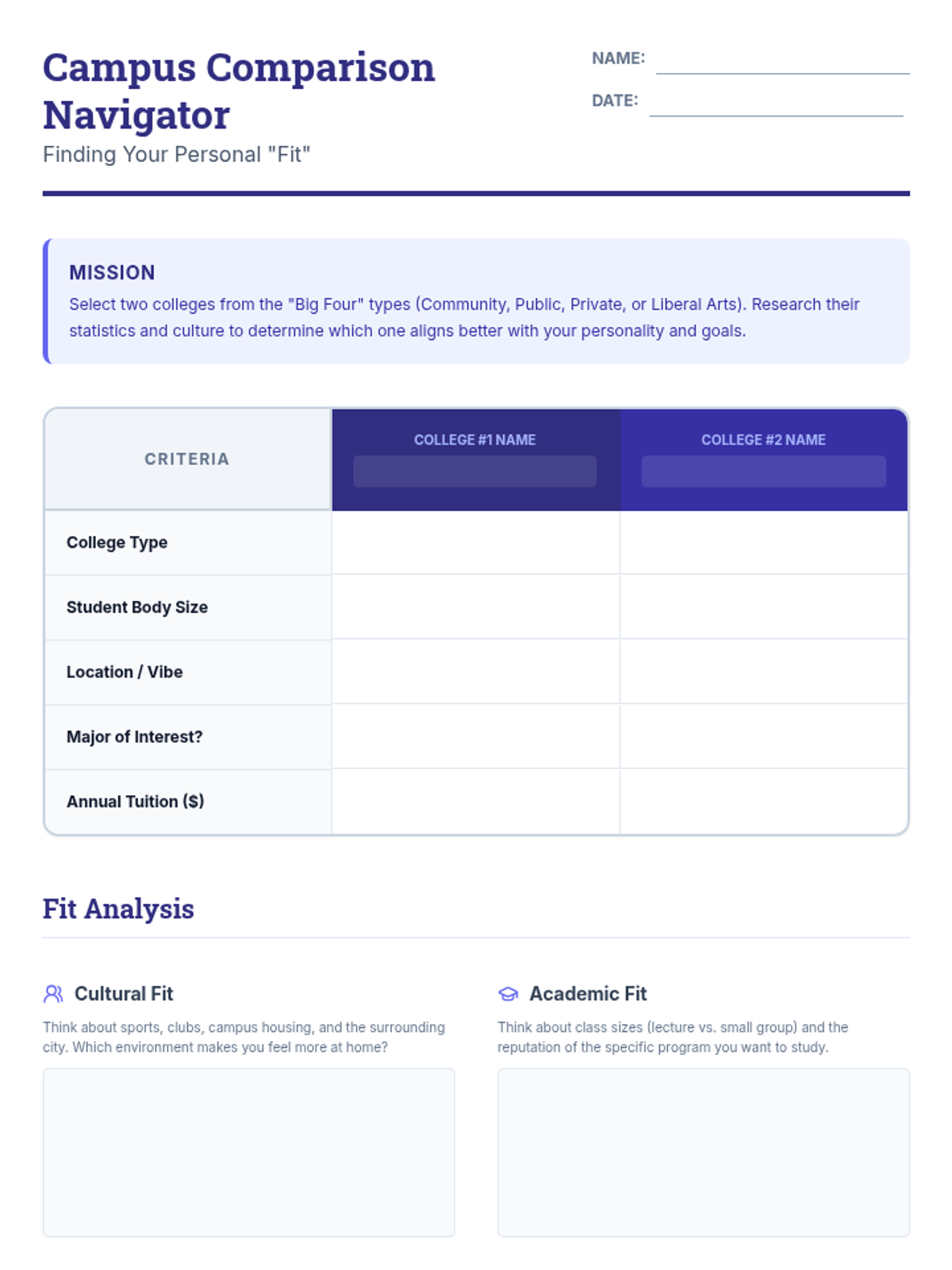
Students research the differences between public, private, community, and liberal arts colleges. They explore concepts like majors, minors, and campus culture to understand what fits their personality and academic needs.
This lesson focuses on Career and Technical Education (CTE). Students investigate skilled trades, analyzing the cost of trade school versus the 'earn while you learn' model of apprenticeships.
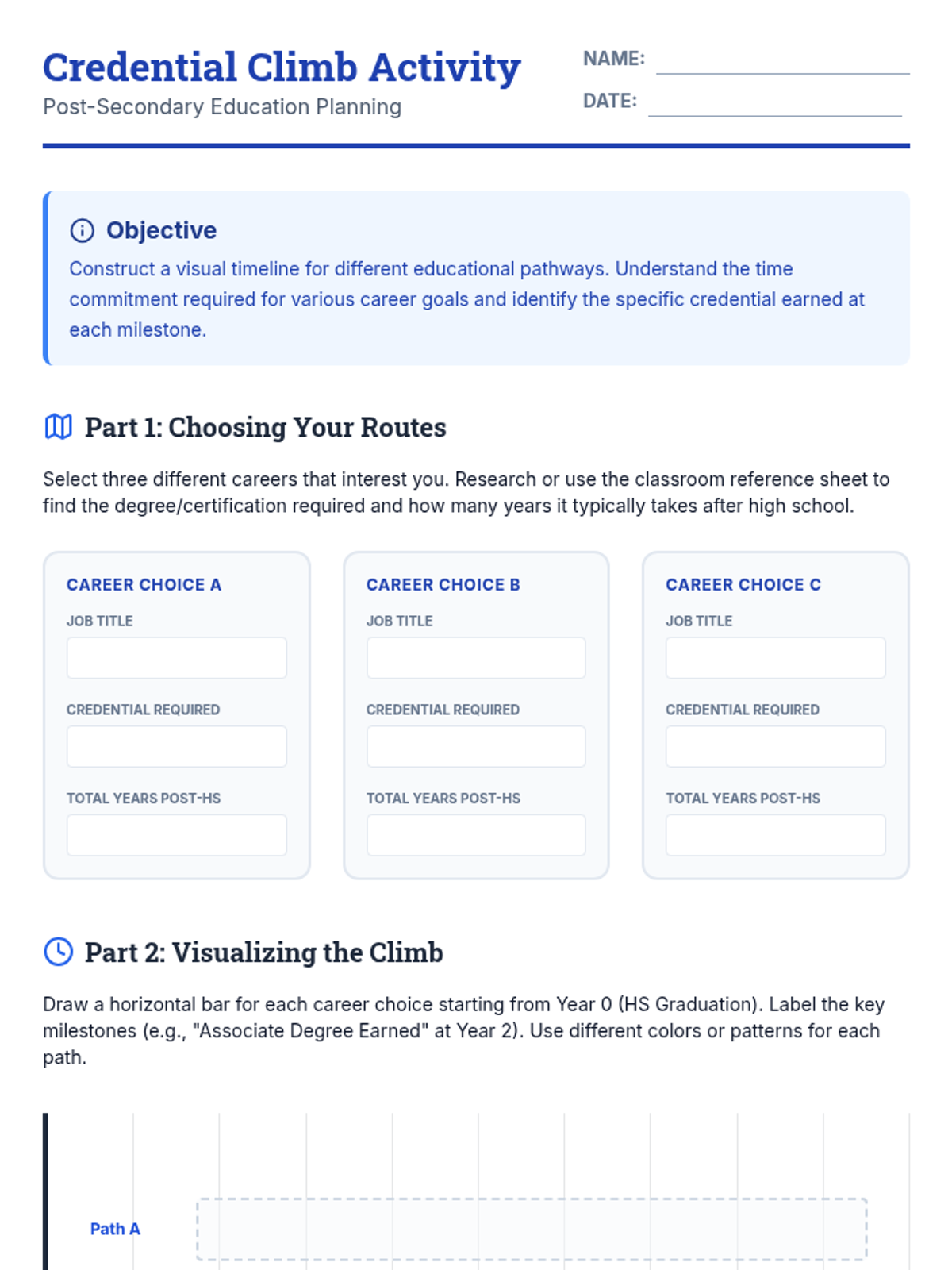
Students learn the hierarchy and time requirements of post-secondary credentials, from certificates and Associate degrees to PhDs. They create a visual timeline showing how long different paths take to complete.
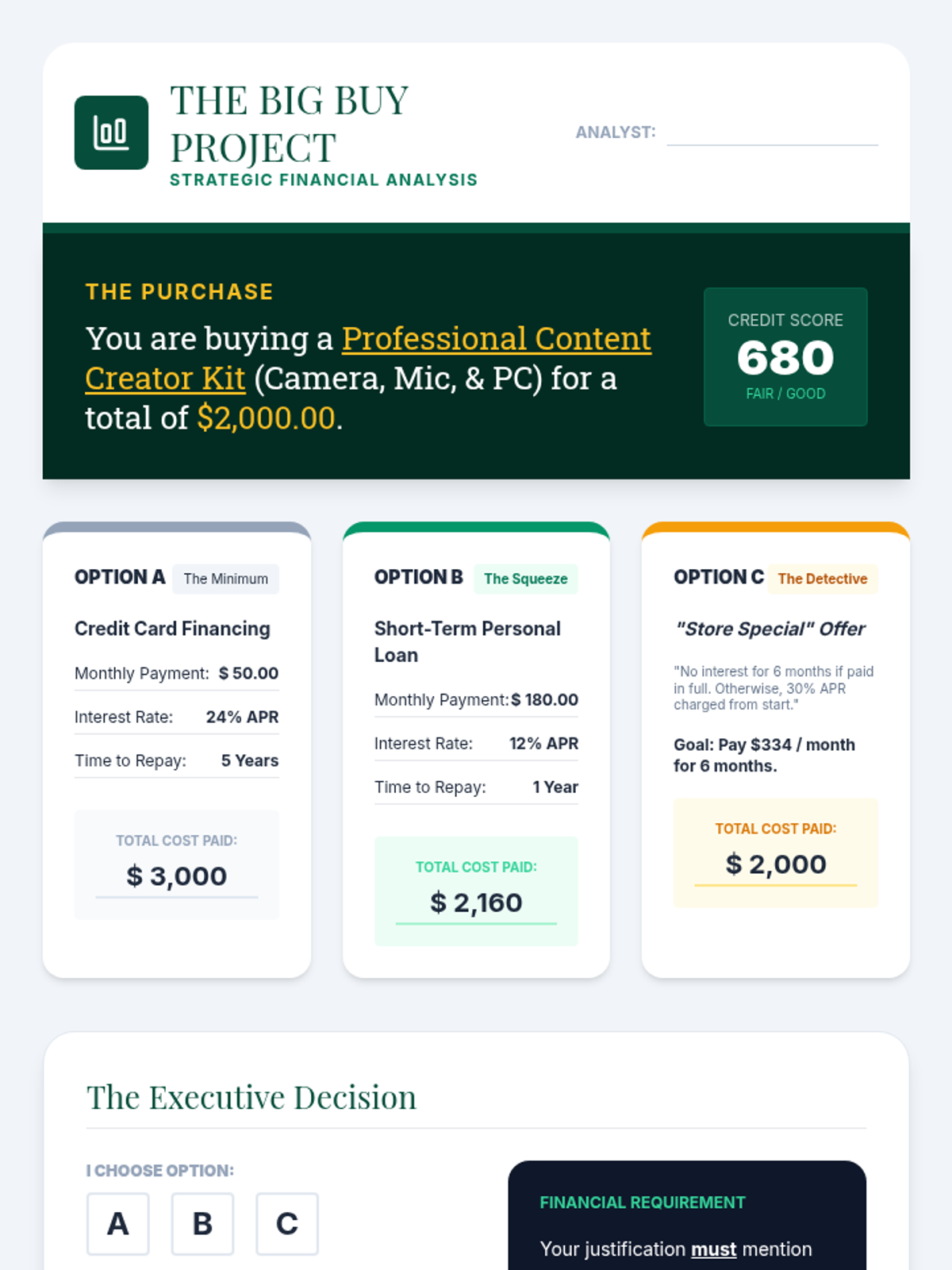
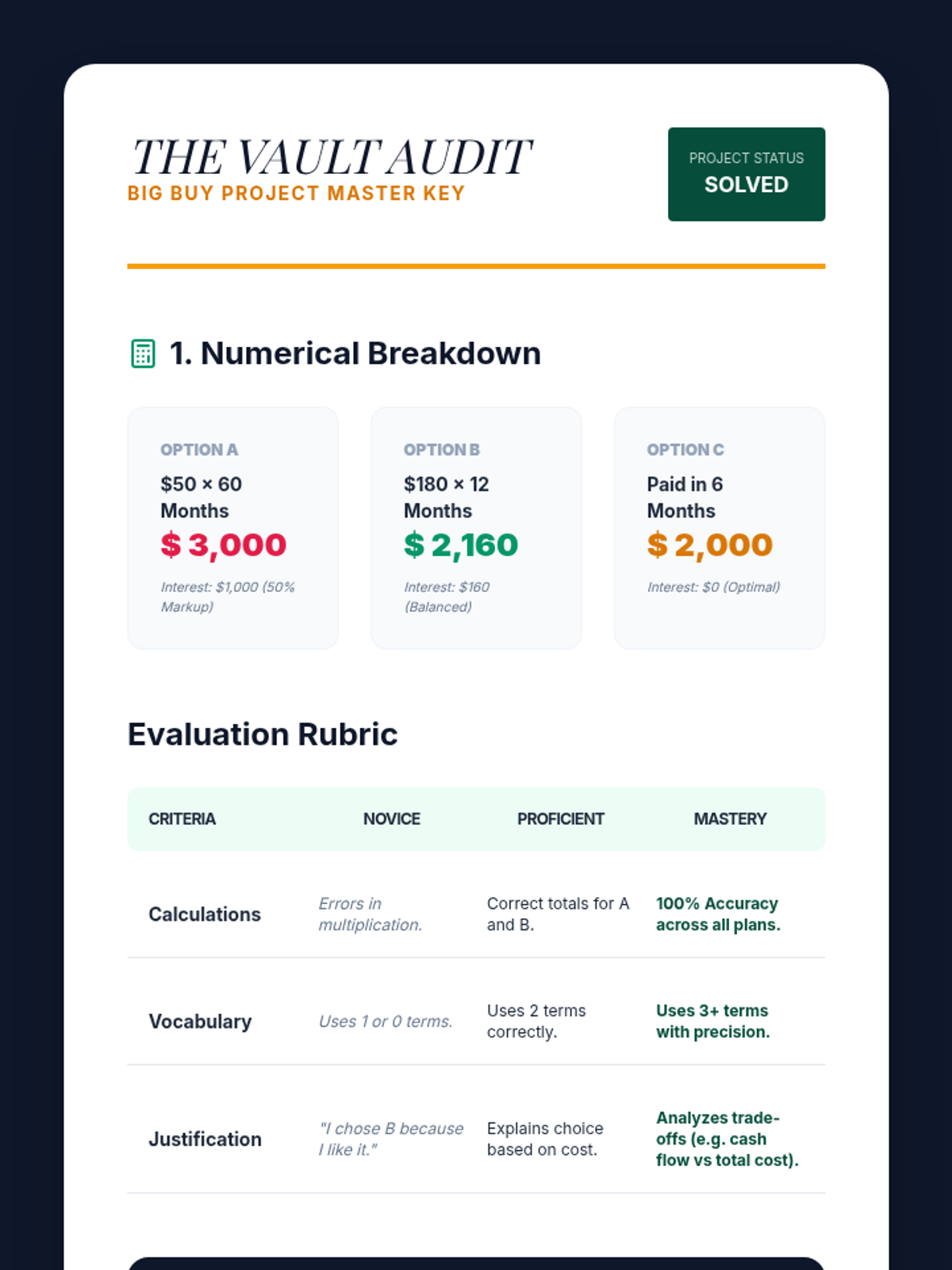
A culminating performance task where students evaluate financing options for a major purchase and analyze 'fine print' in financial offers.
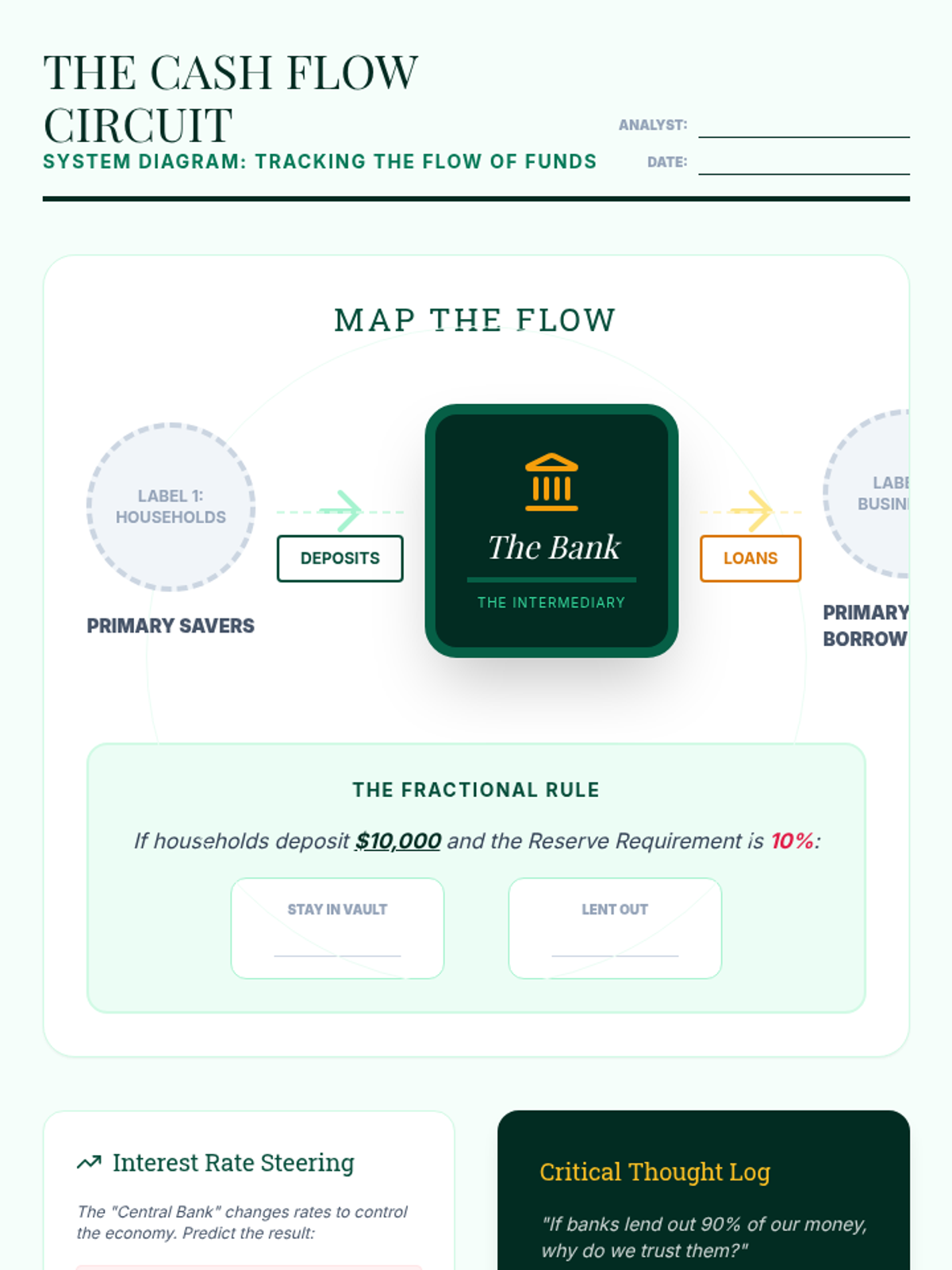
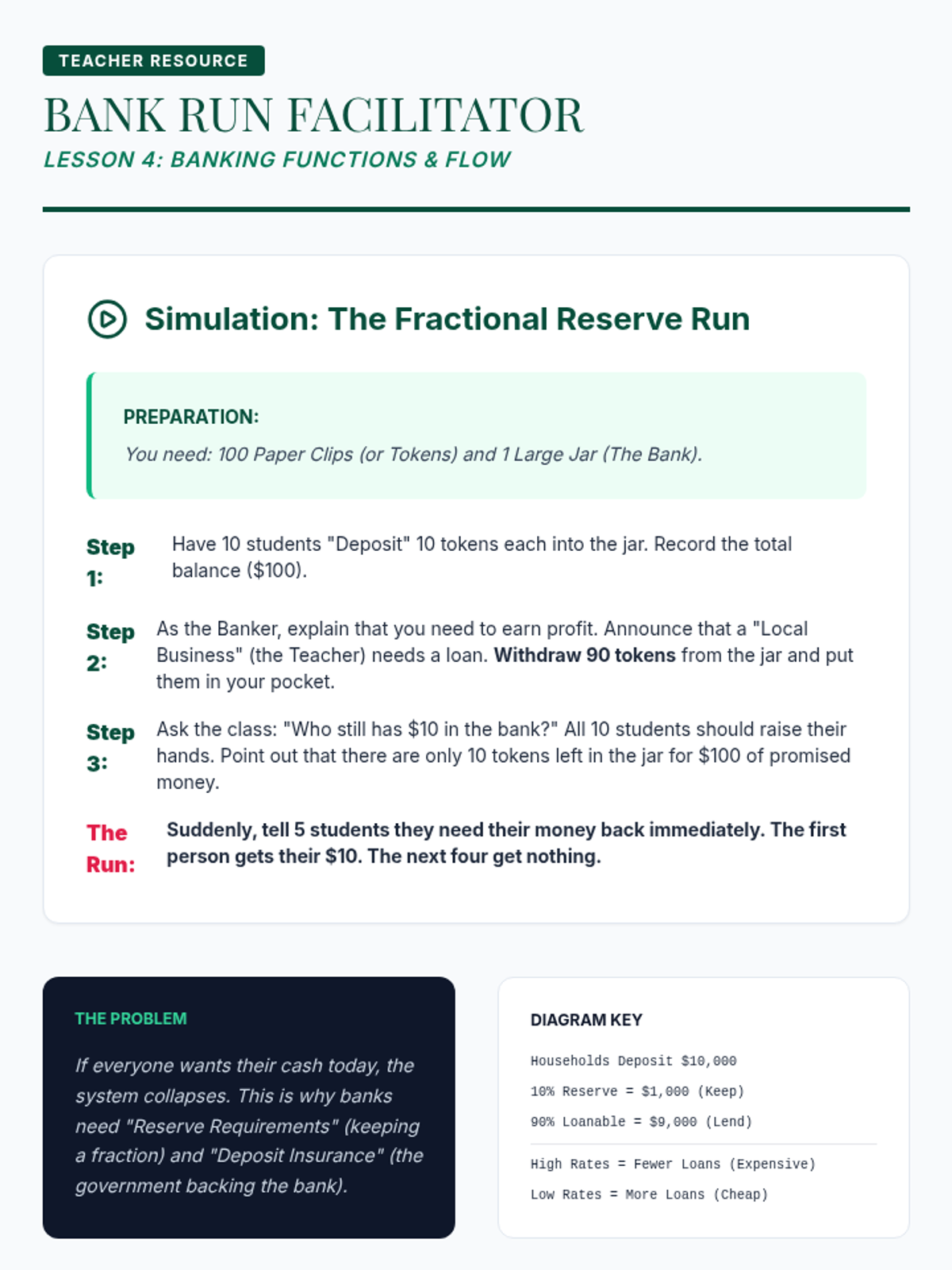
An exploration of the macro-economic role of banks, the flow of money, and the influence of central banking on local economies.
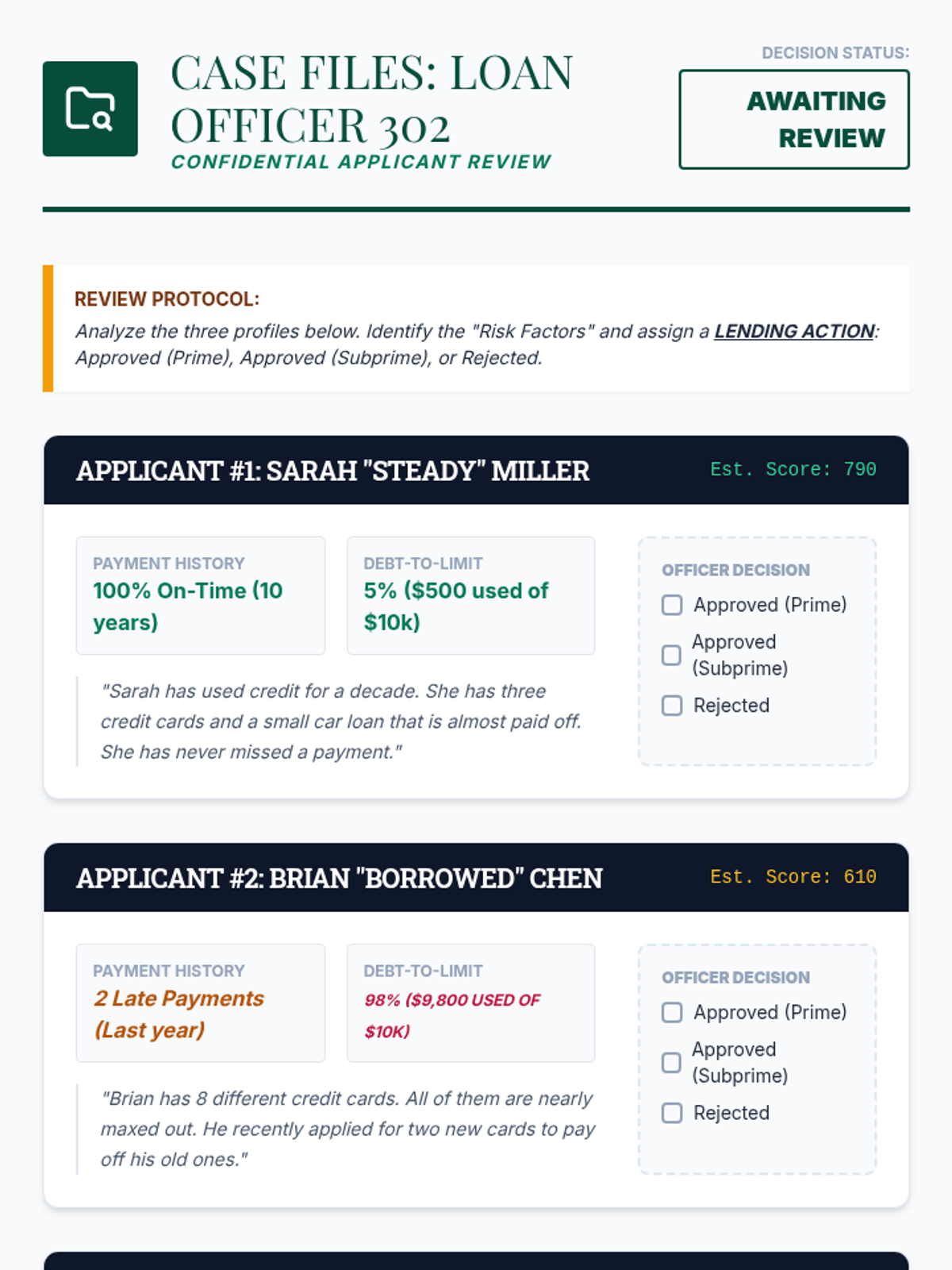
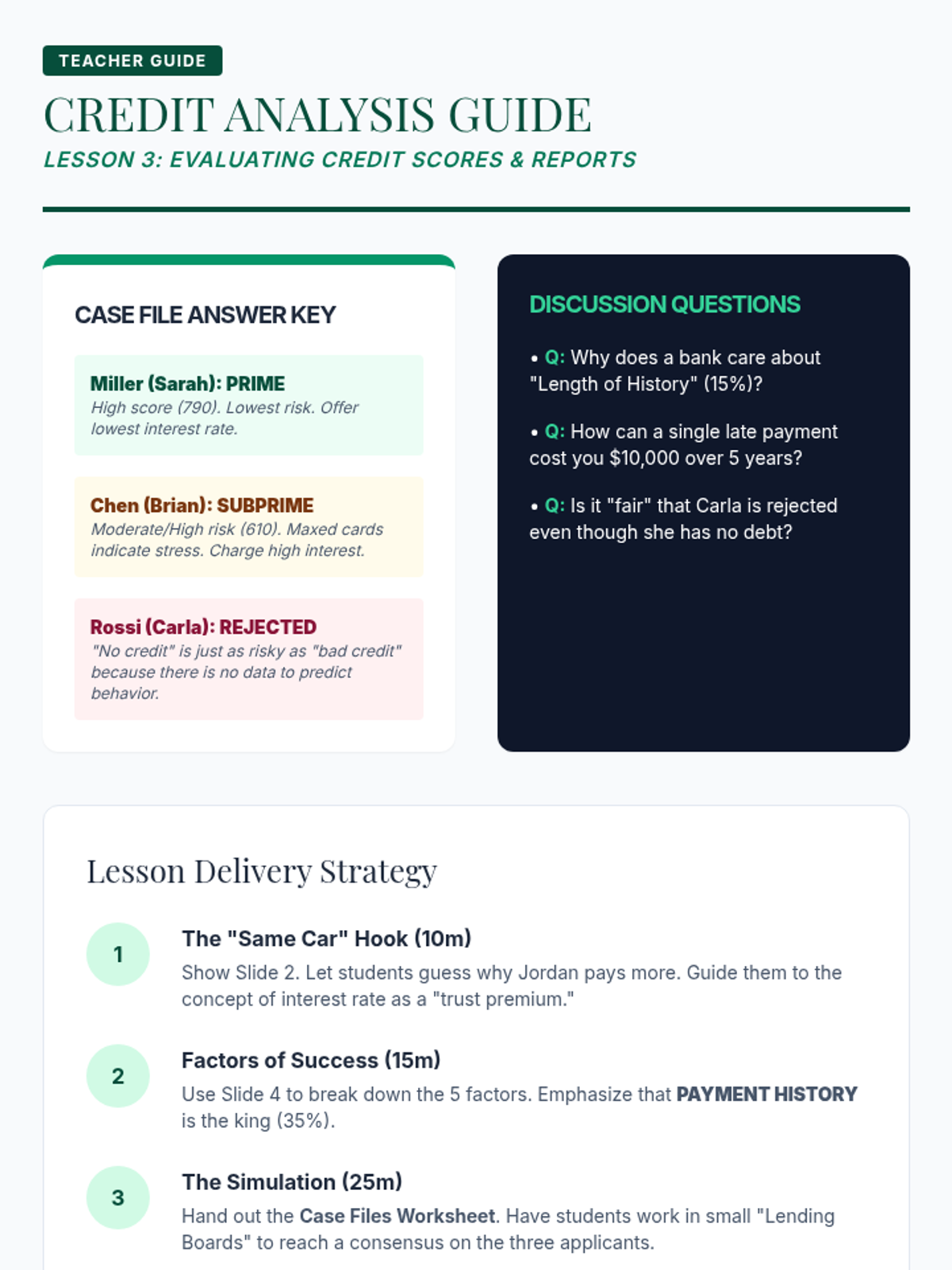
Students act as loan officers to evaluate fictional credit reports and understand the factors that influence credit scores.
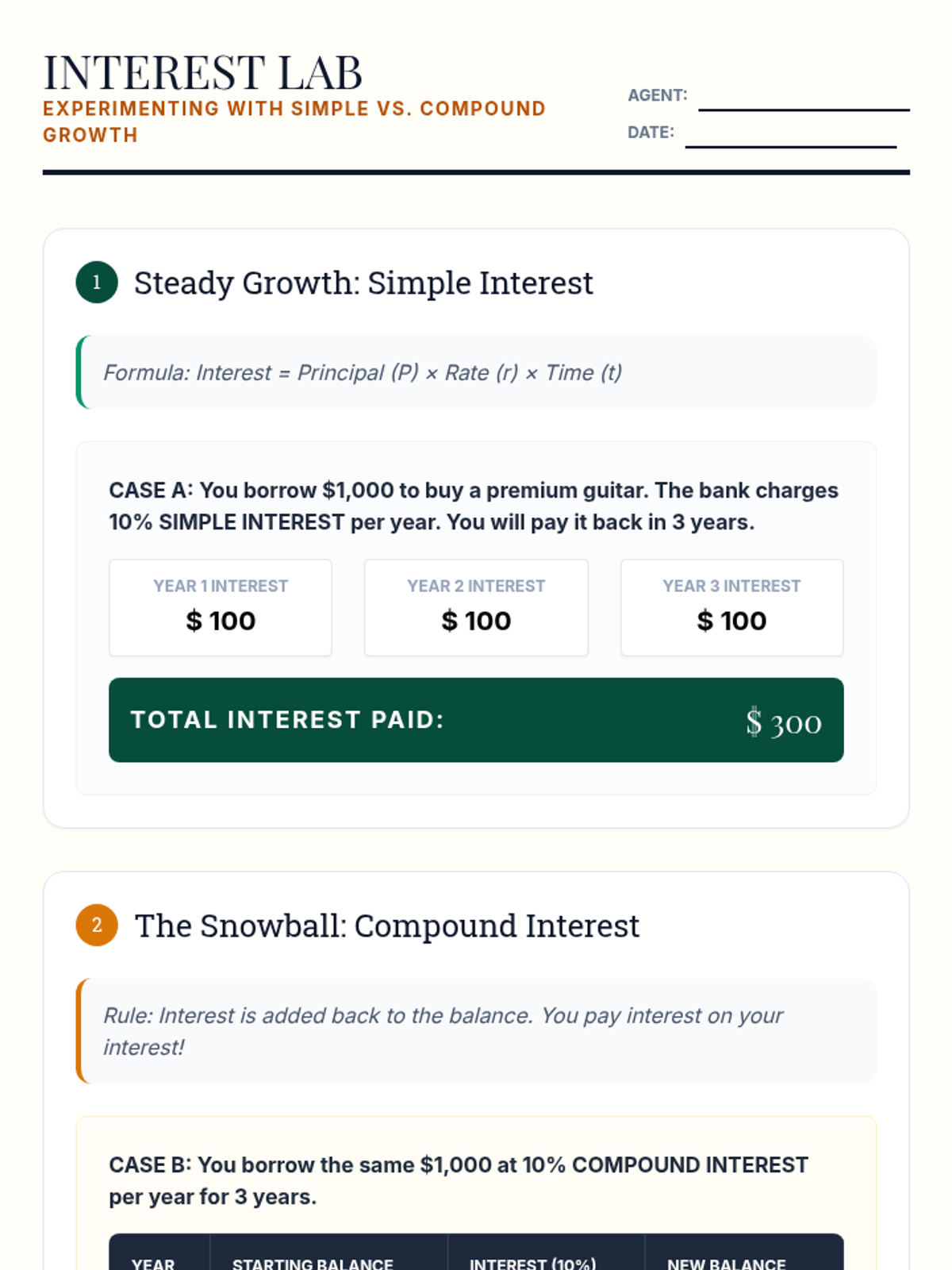
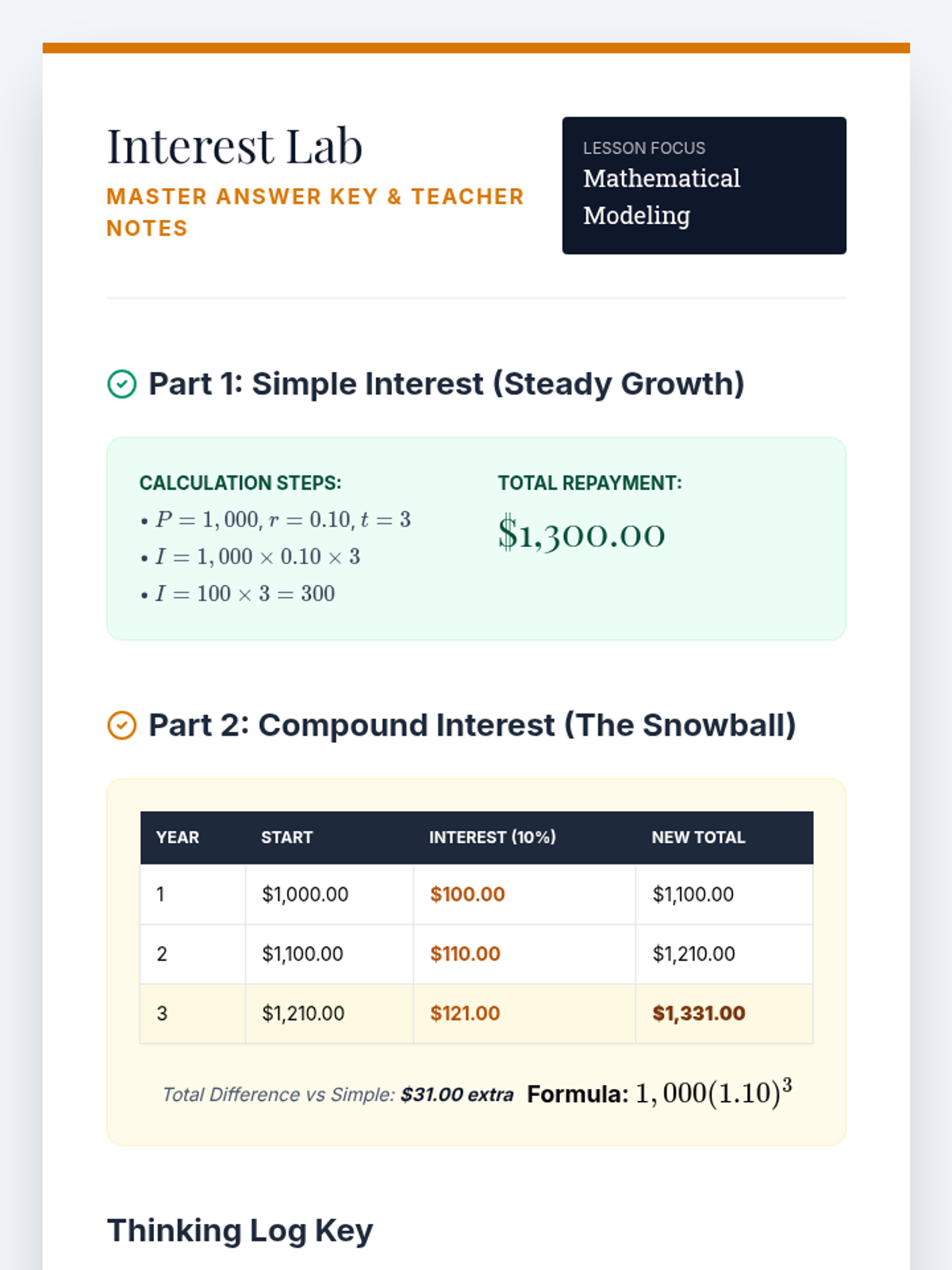
A mathematical workshop comparing simple and compound interest, visualizing how debt and savings grow over time.
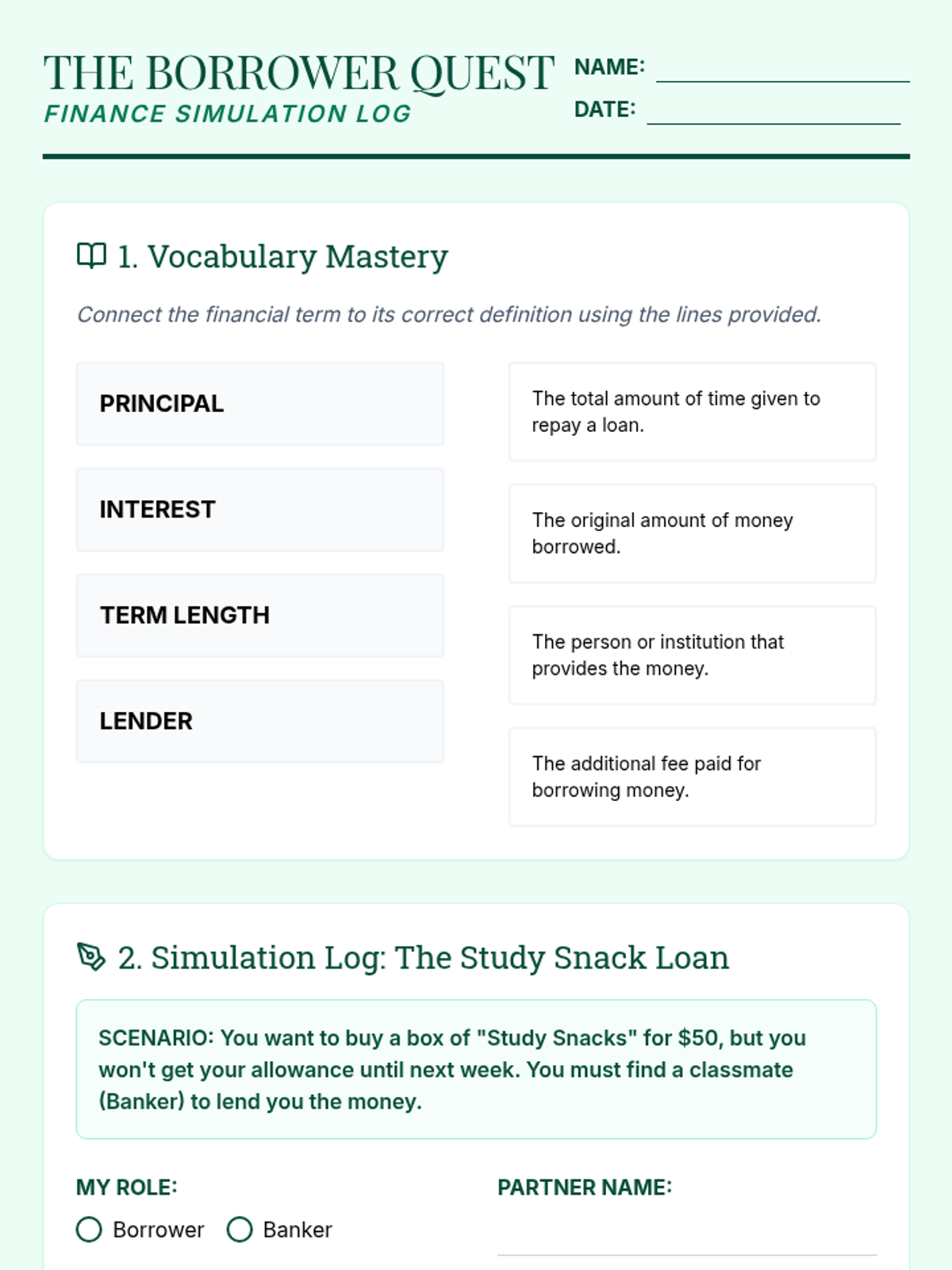
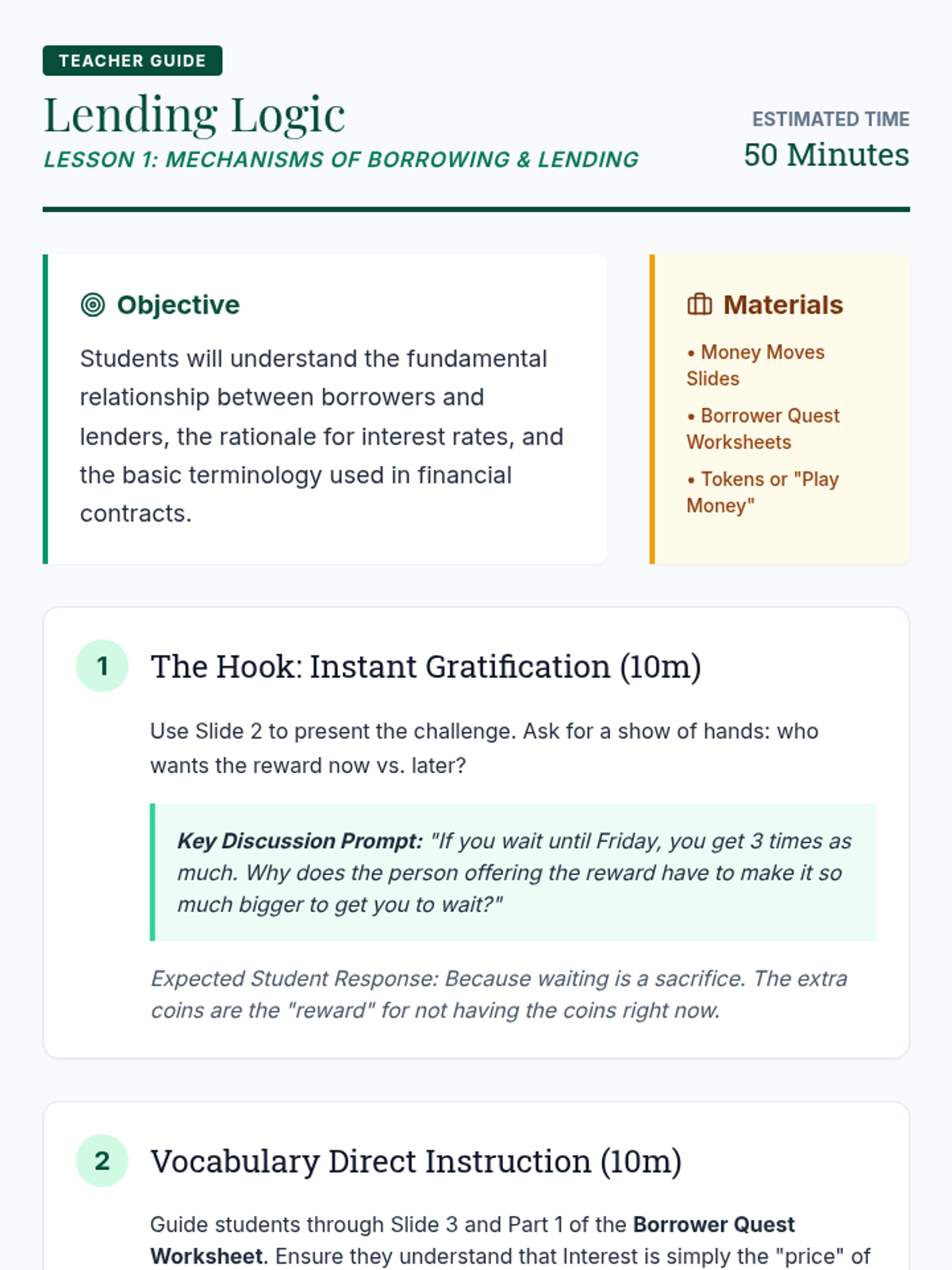
Students explore the foundational relationship between lenders and borrowers through a classroom simulation, defining key terms like principal and interest.
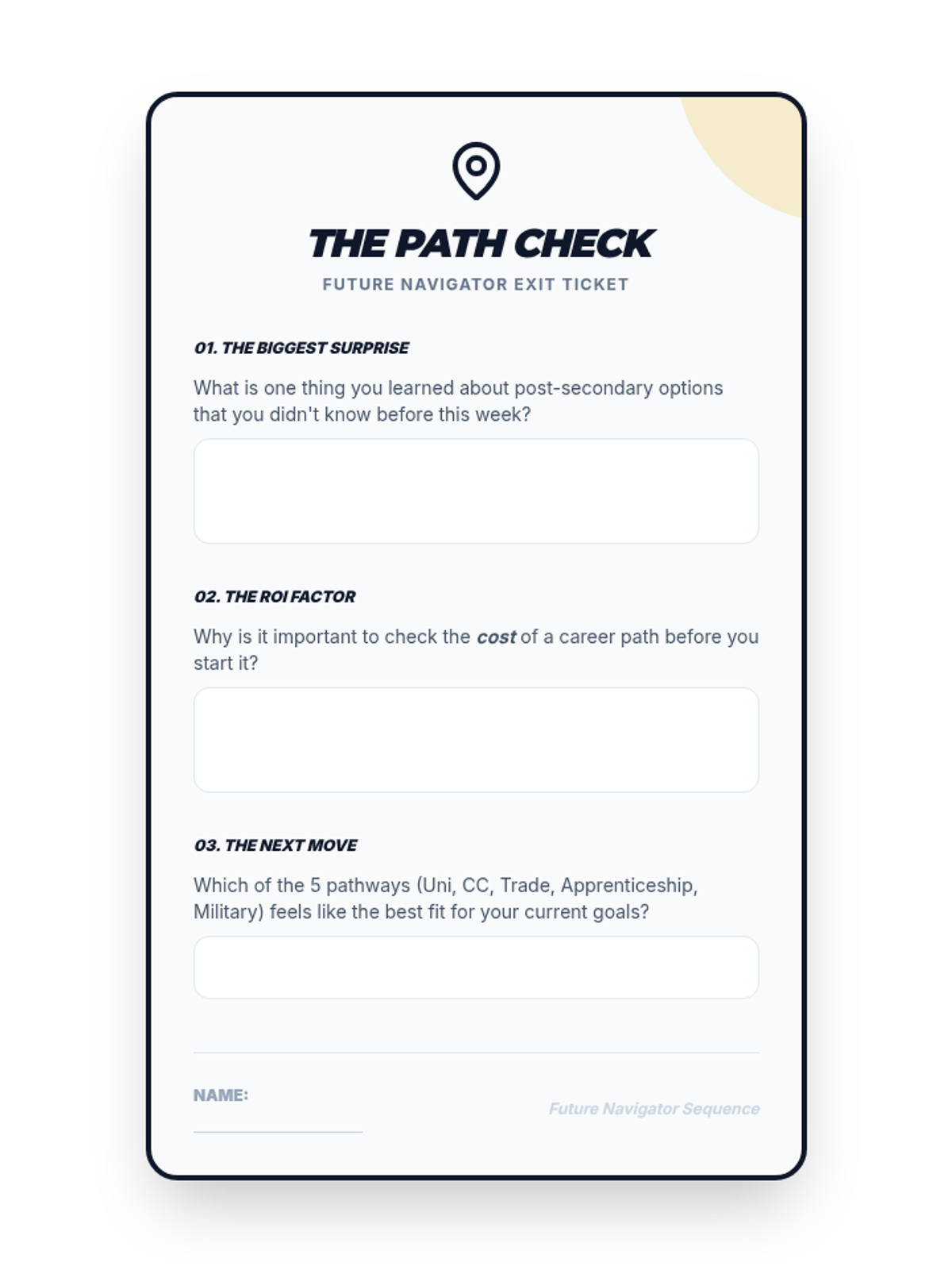
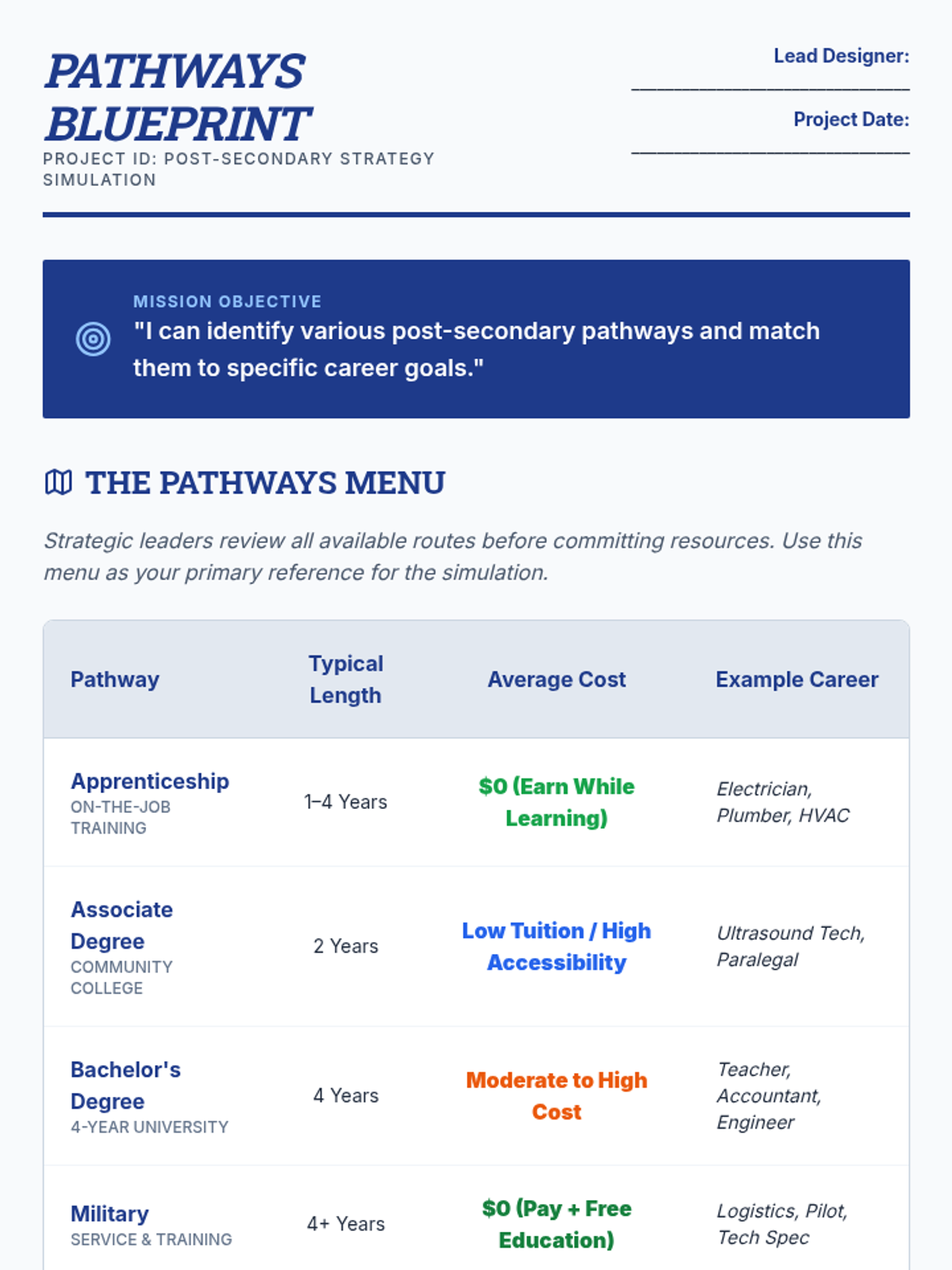
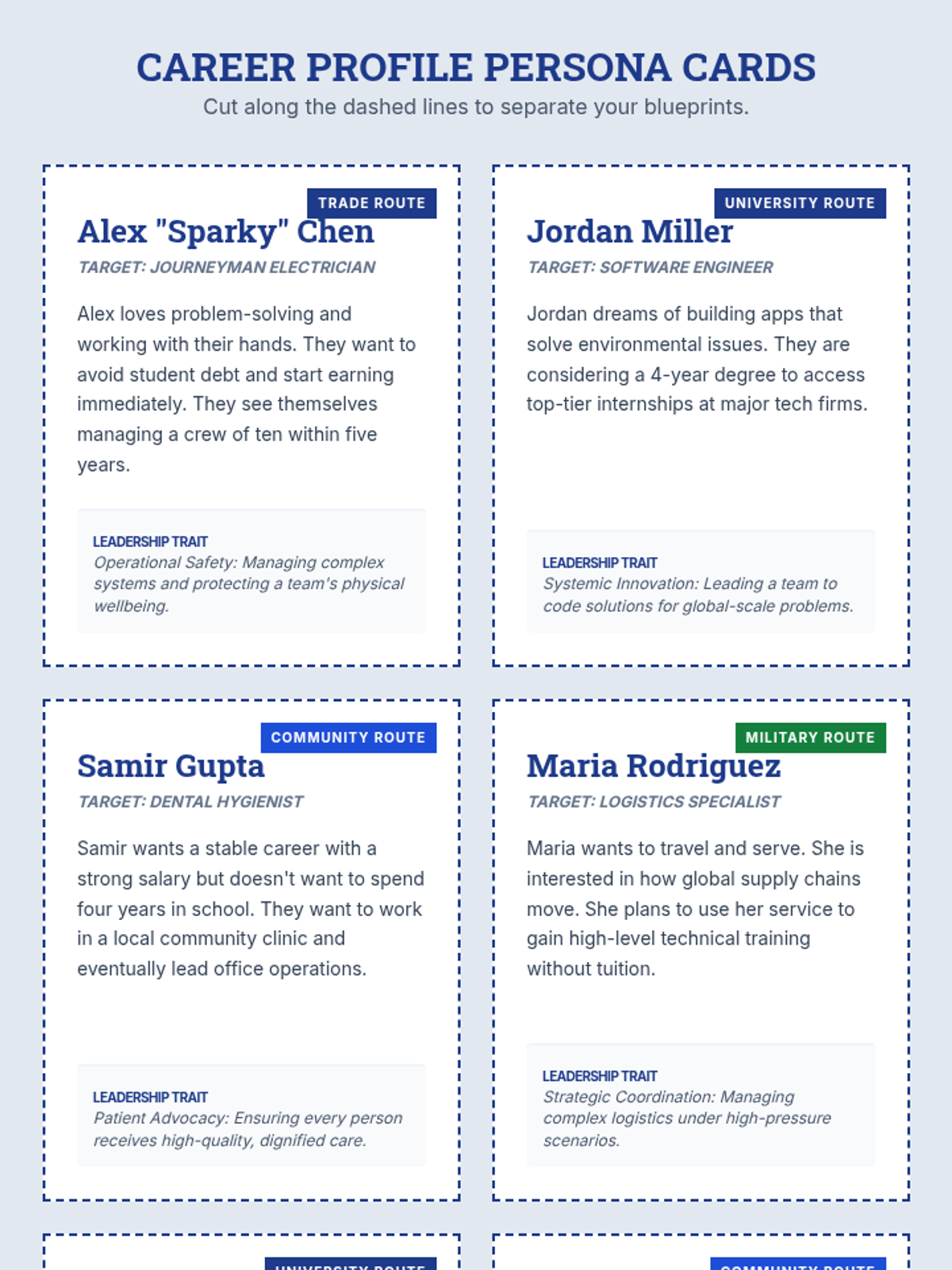
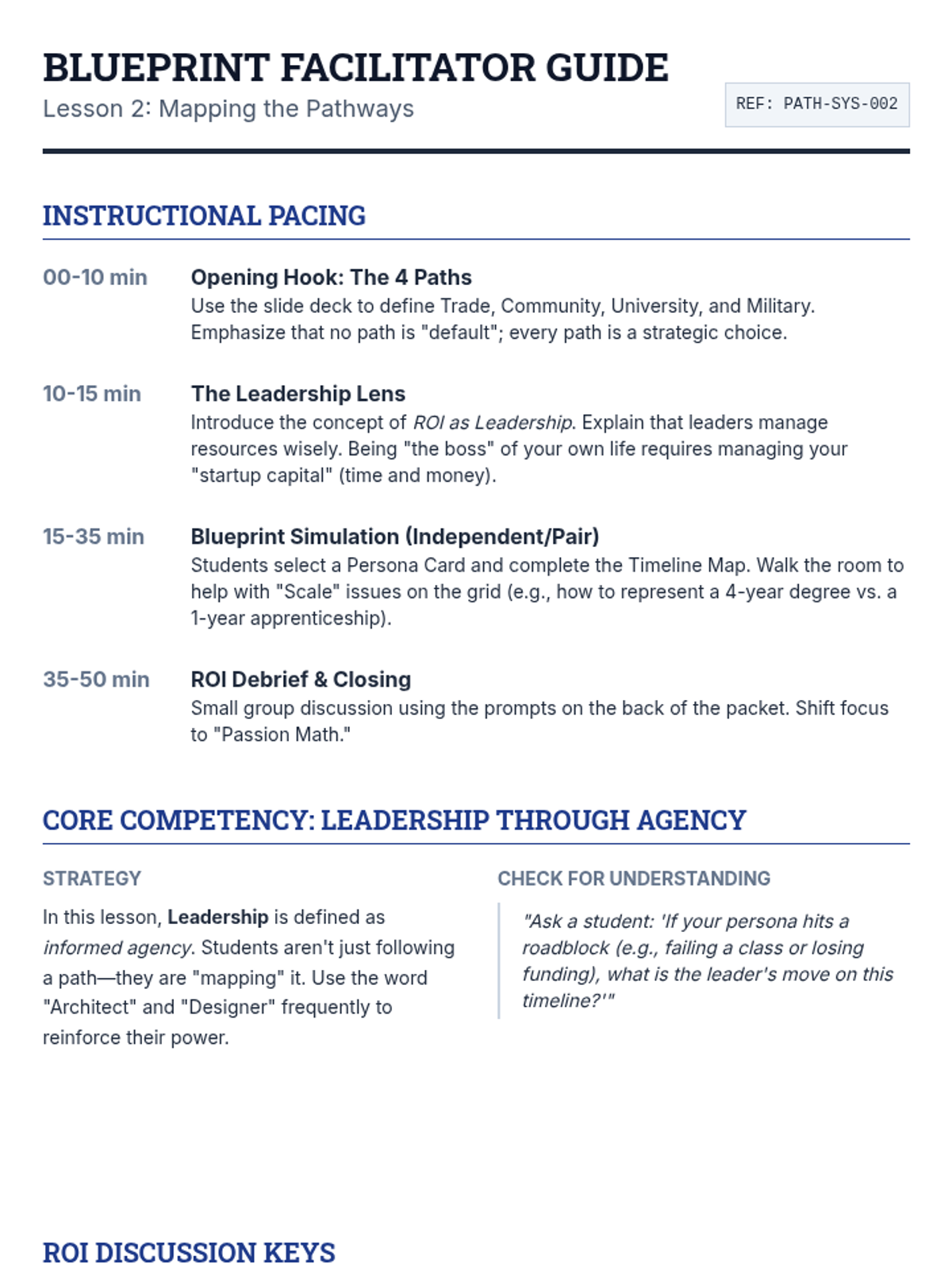
A hands-on simulation where students explore post-secondary pathways (Trade, College, Military) through the lens of a career 'blueprint.' Students analyze ROI and practice leadership by taking agency over their financial and professional futures.
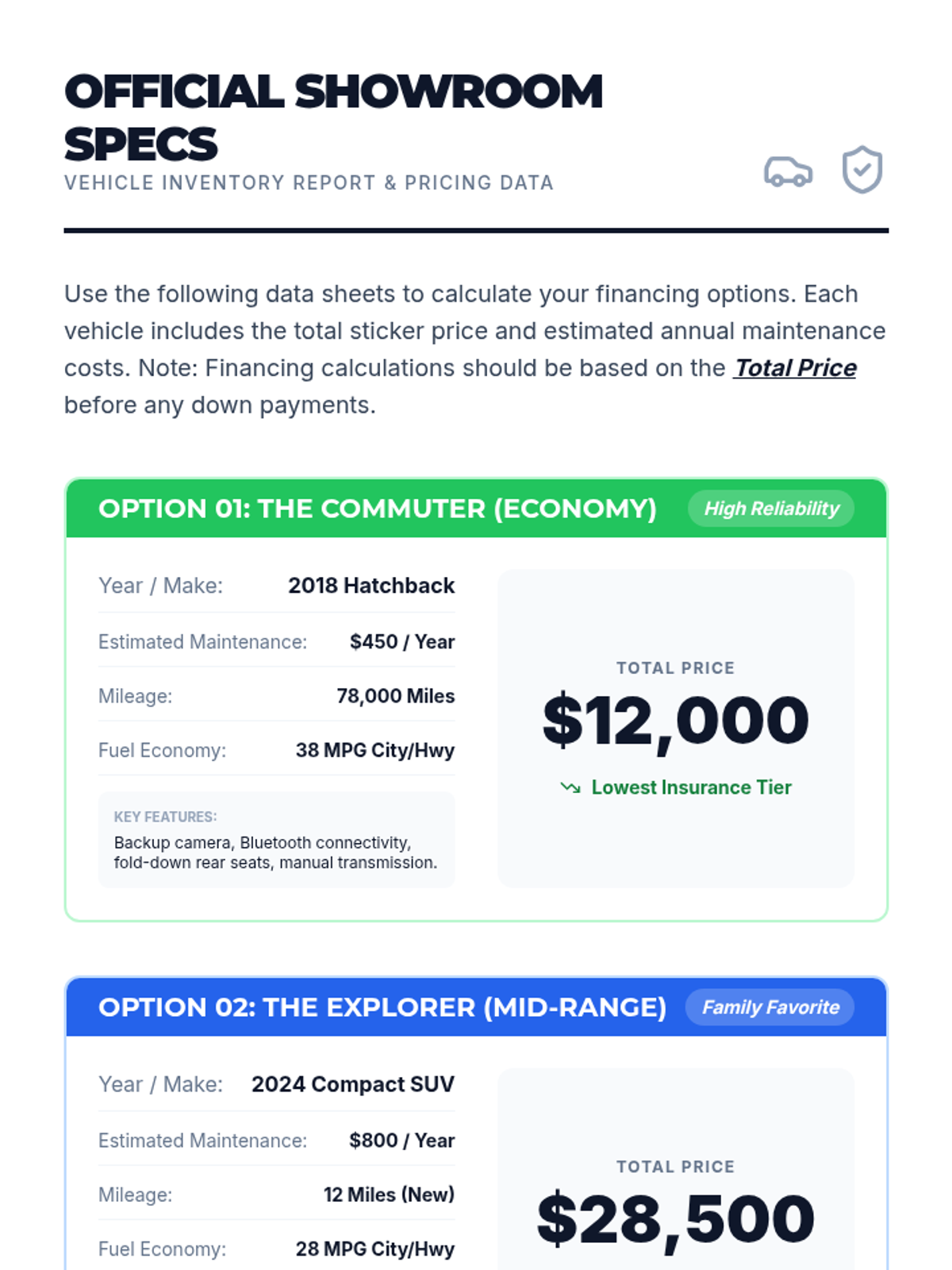
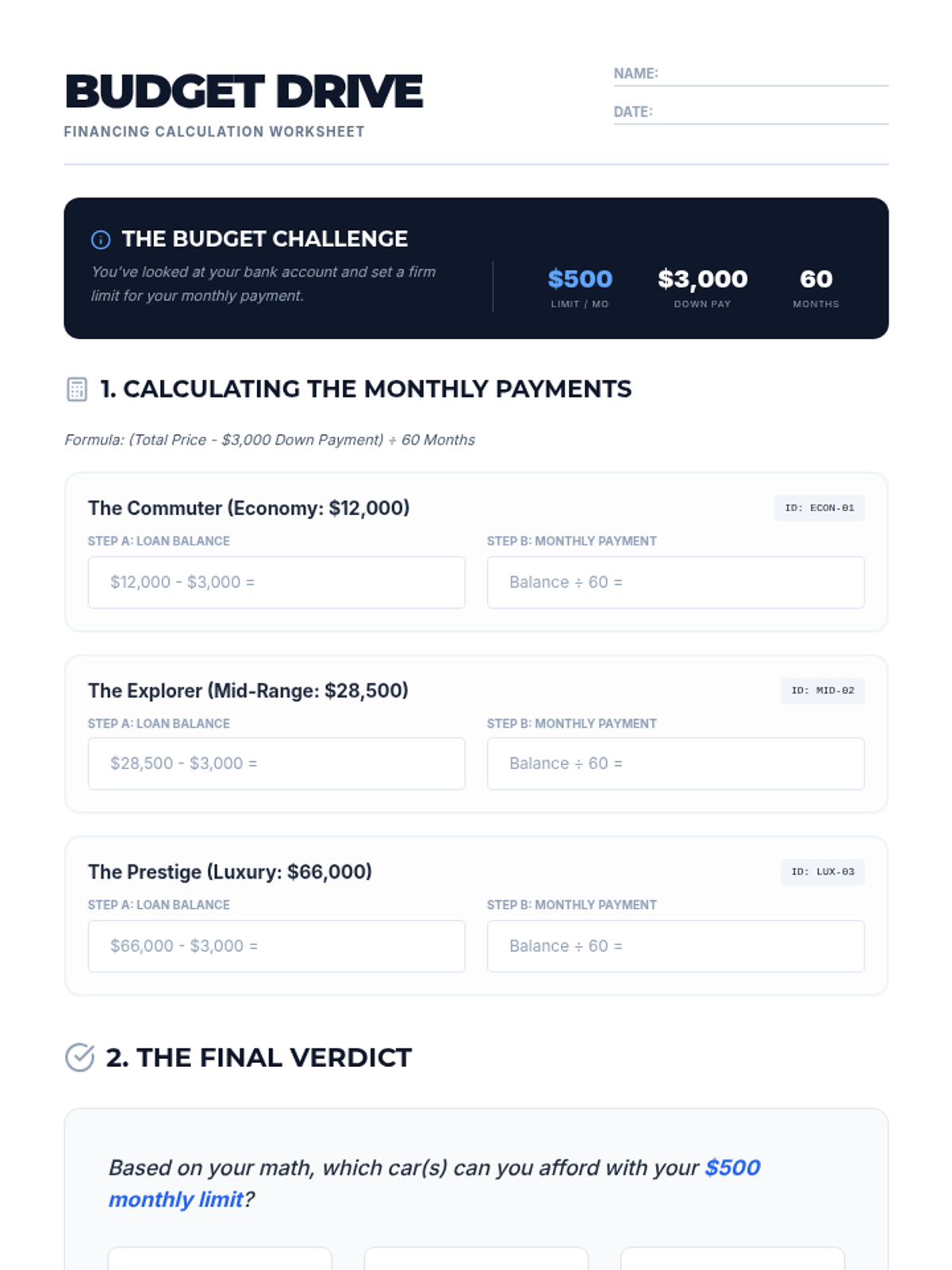
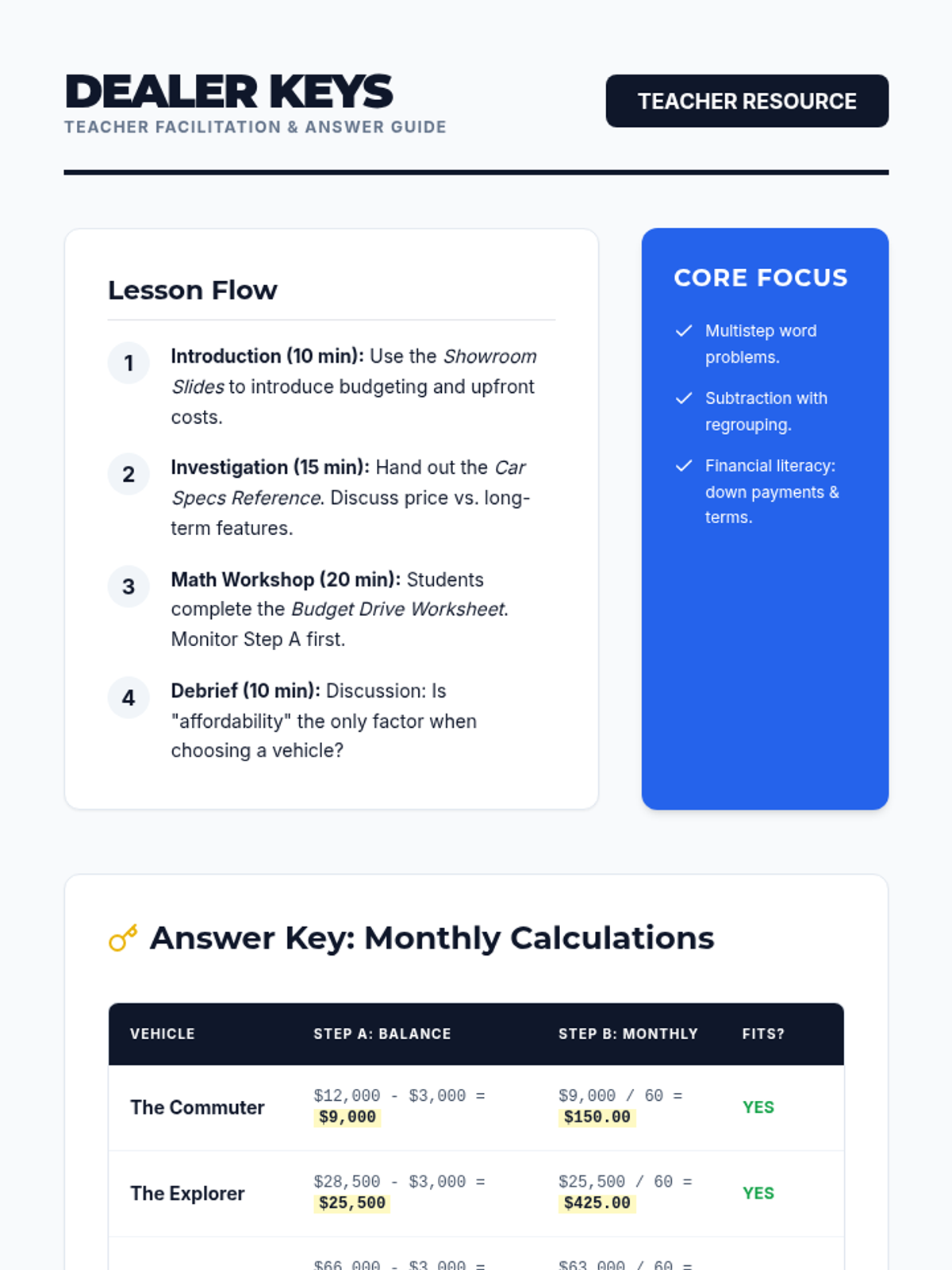
A practical financial literacy lesson where students evaluate three different car options (economy, mid-range, and luxury) to determine which best fits a monthly budget using simple payment calculations.
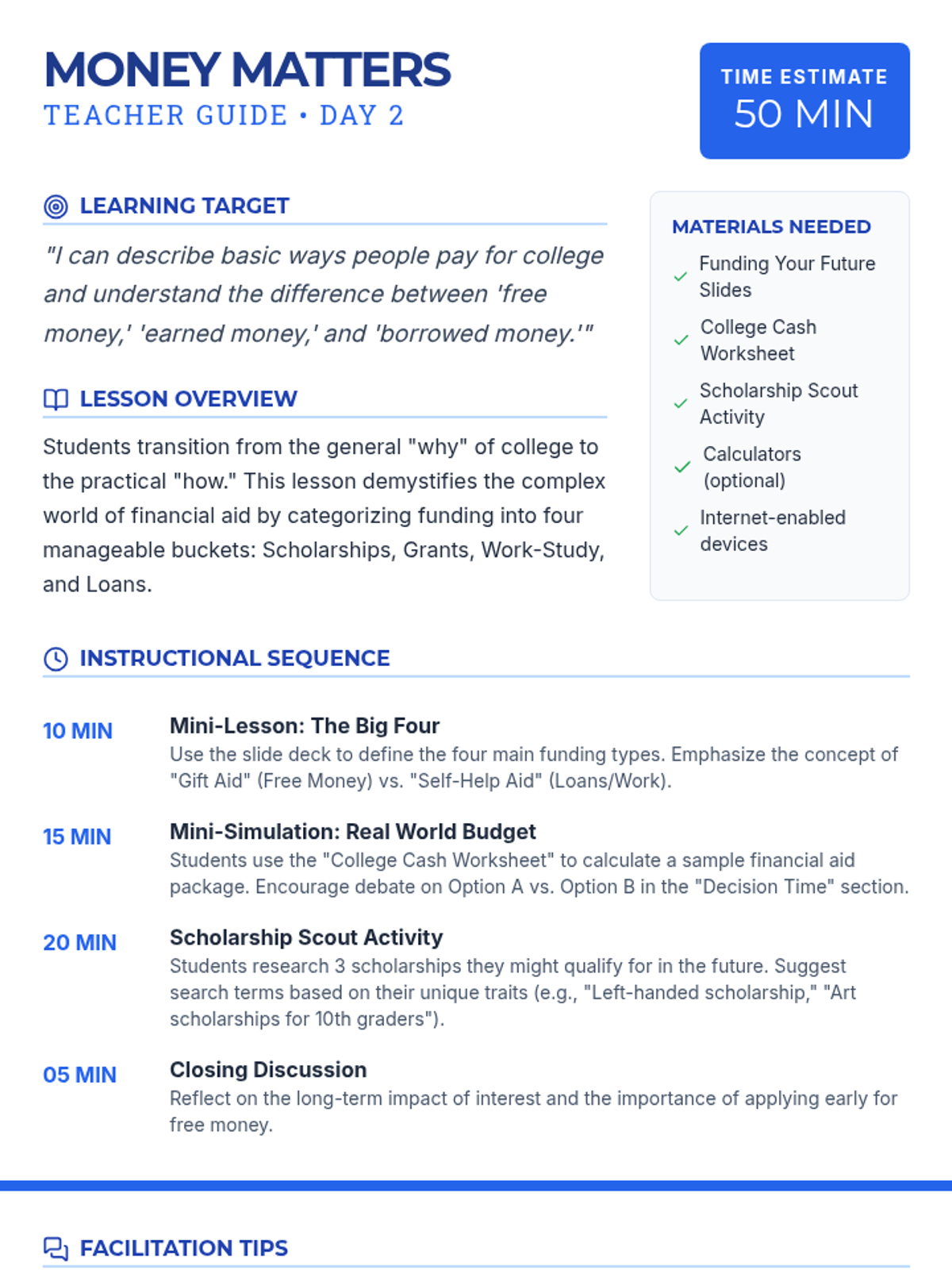
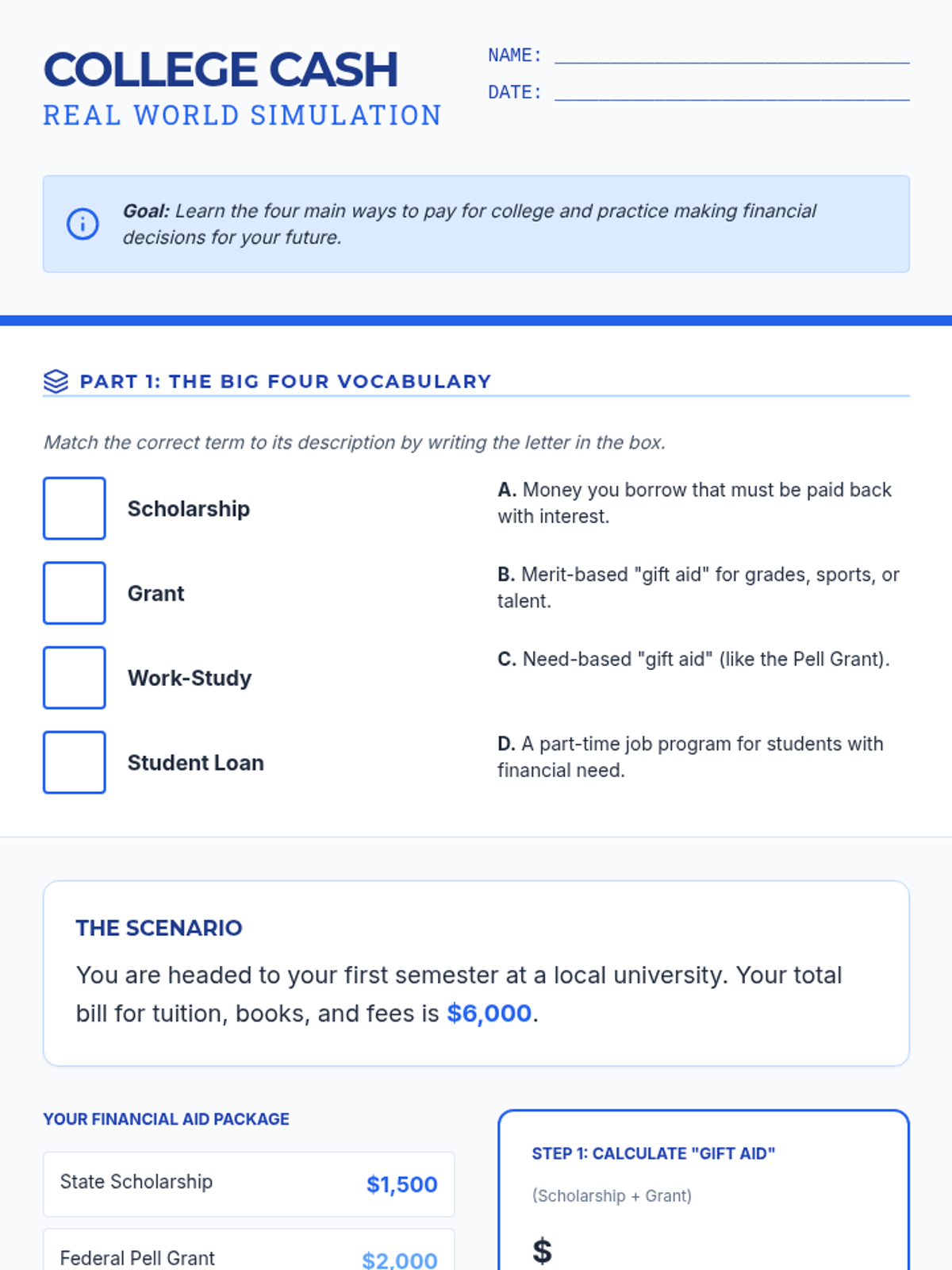
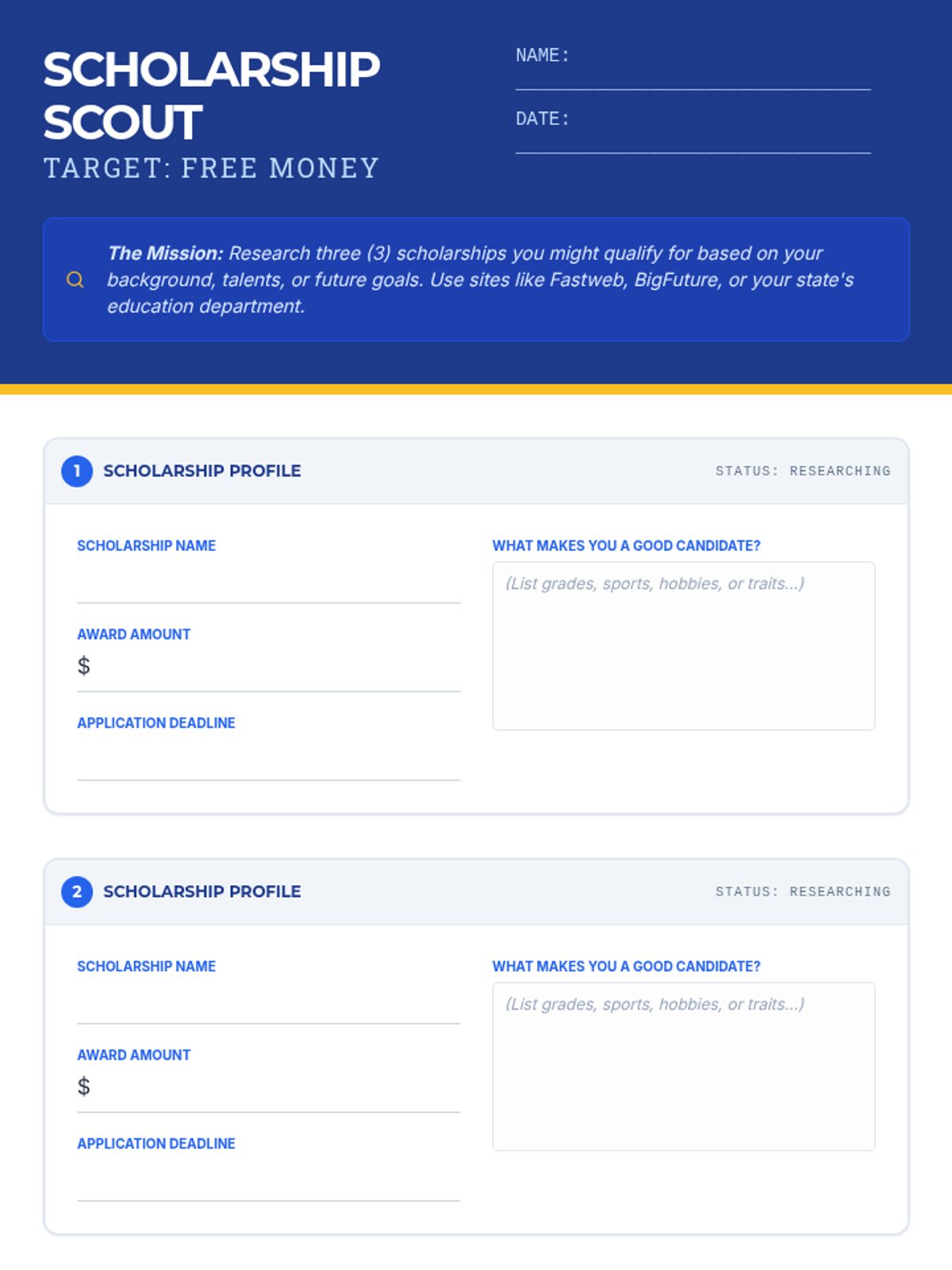
A lesson covering the four main ways to pay for college: scholarships, grants, work-study, and loans, featuring a budget simulation and a scholarship research activity.
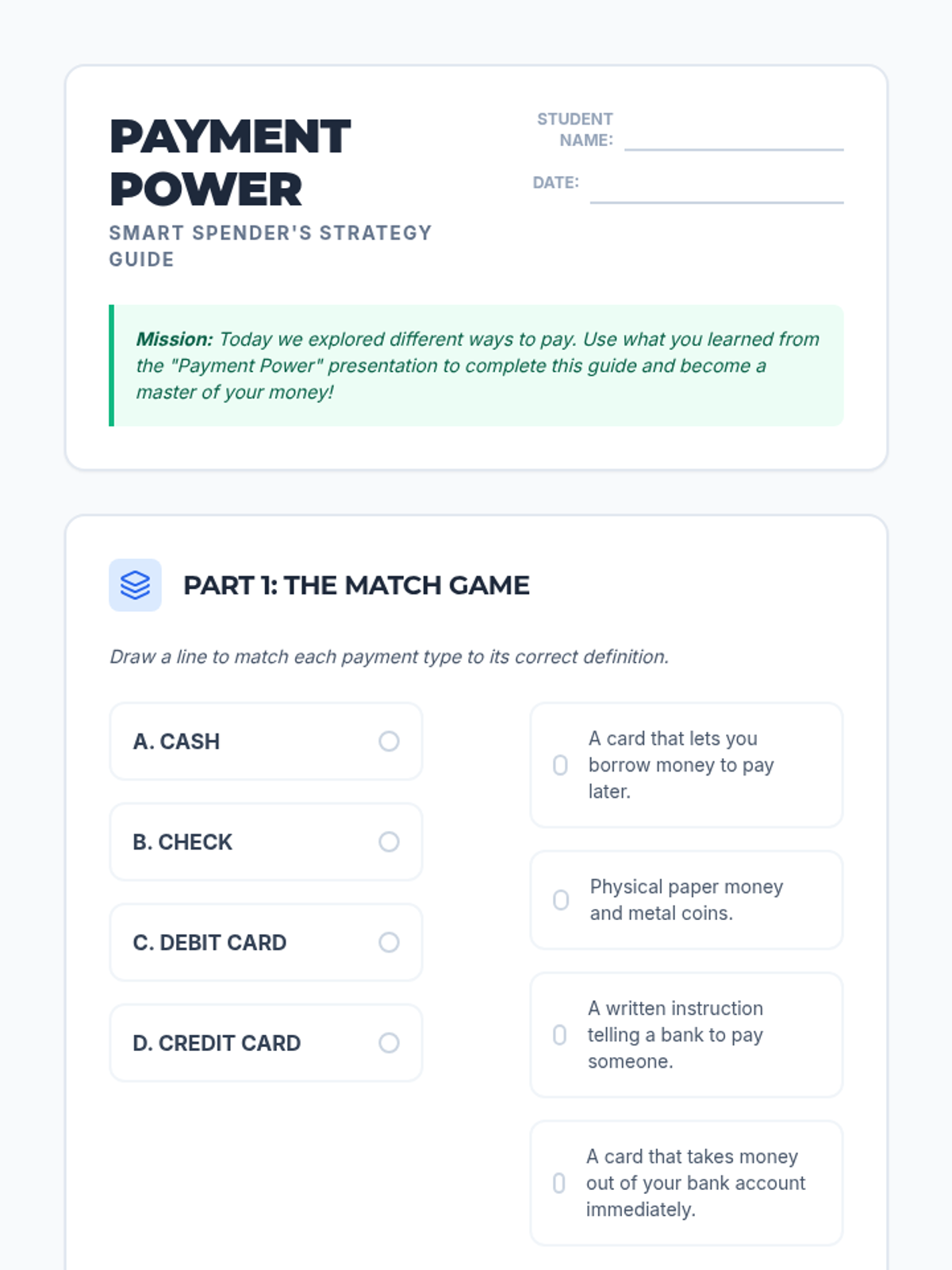
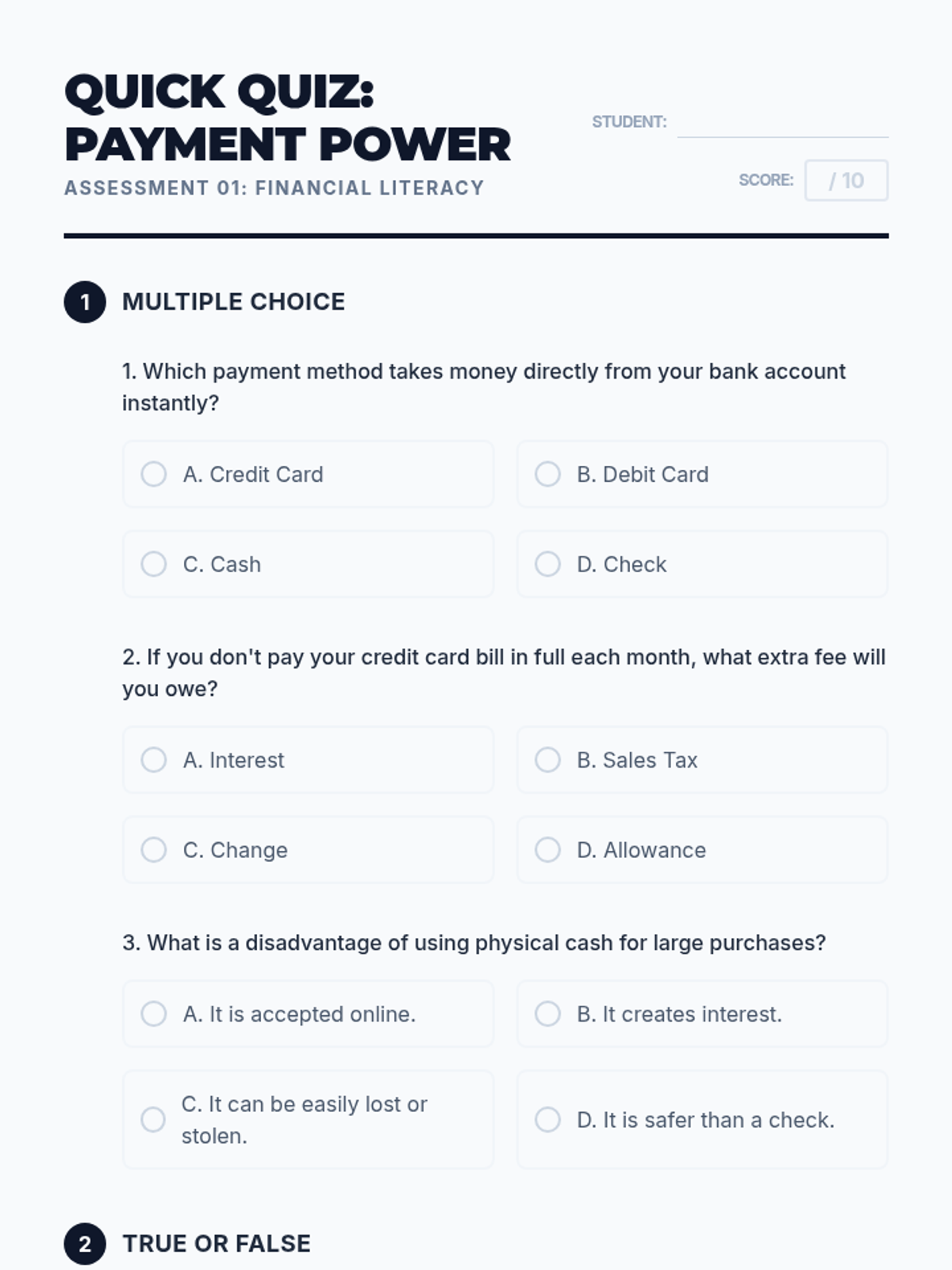
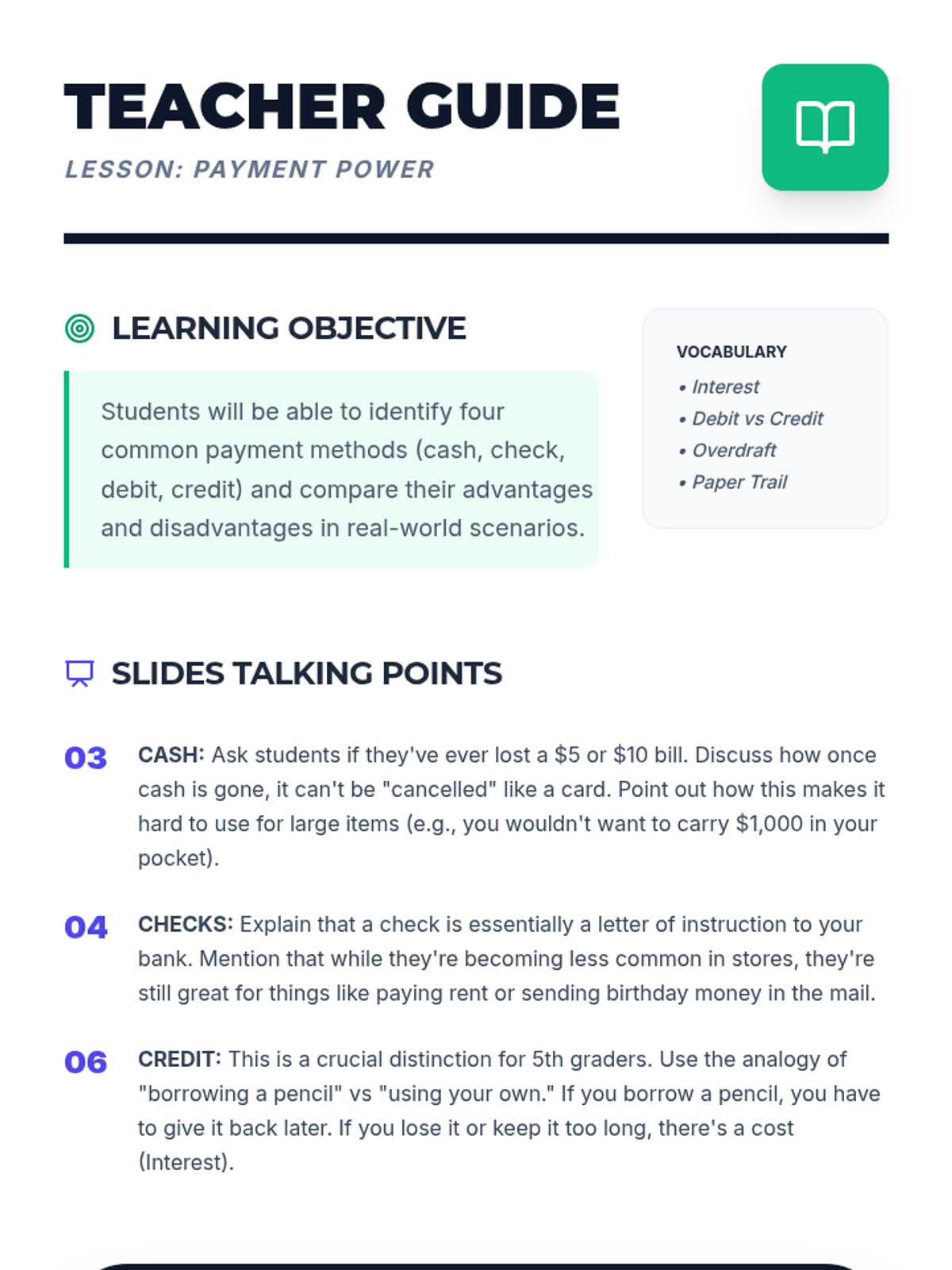
A comprehensive introduction to various payment methods, including cash, checks, debit cards, and credit cards. Students will explore the advantages and disadvantages of each to make informed financial decisions.
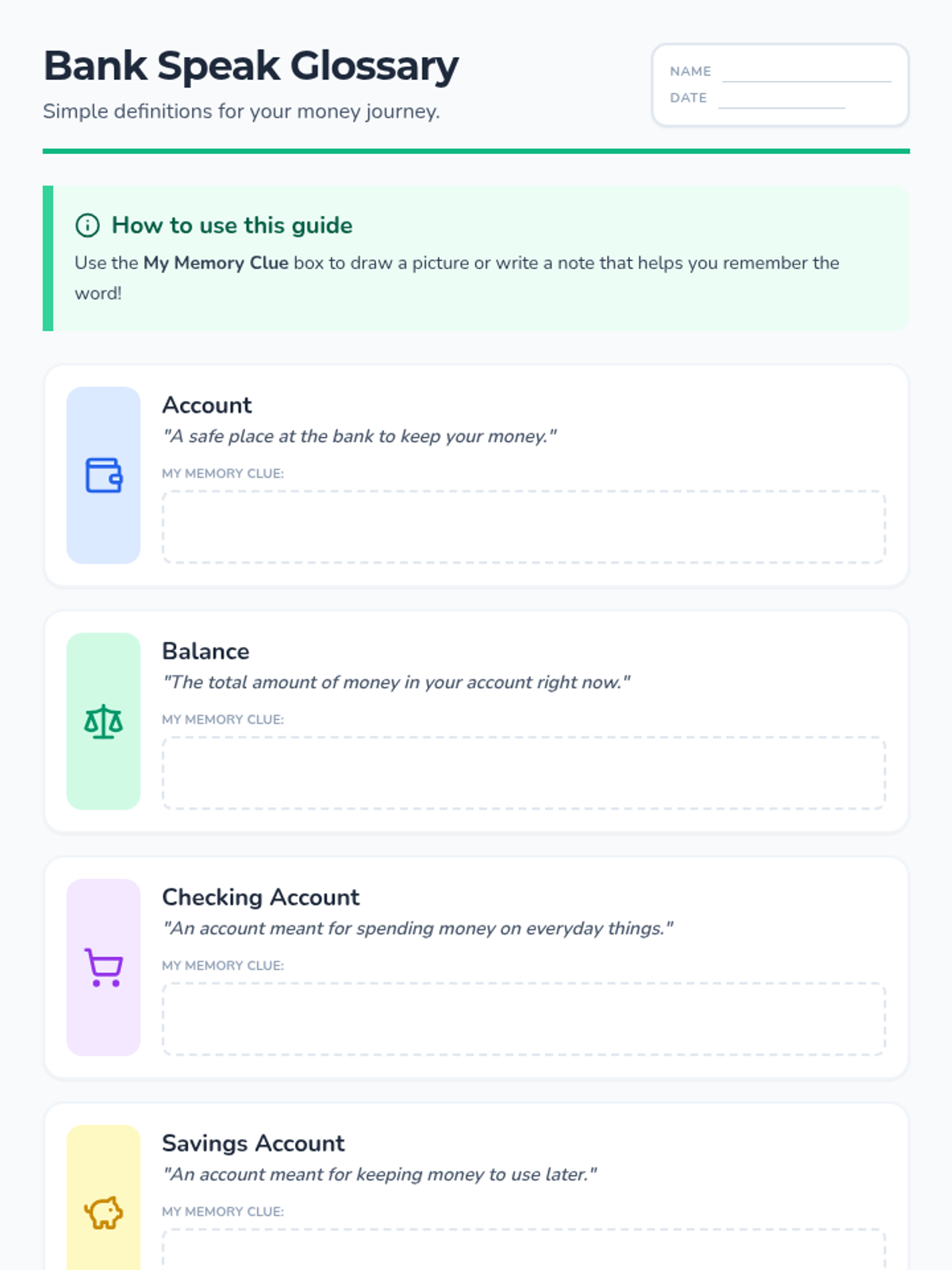
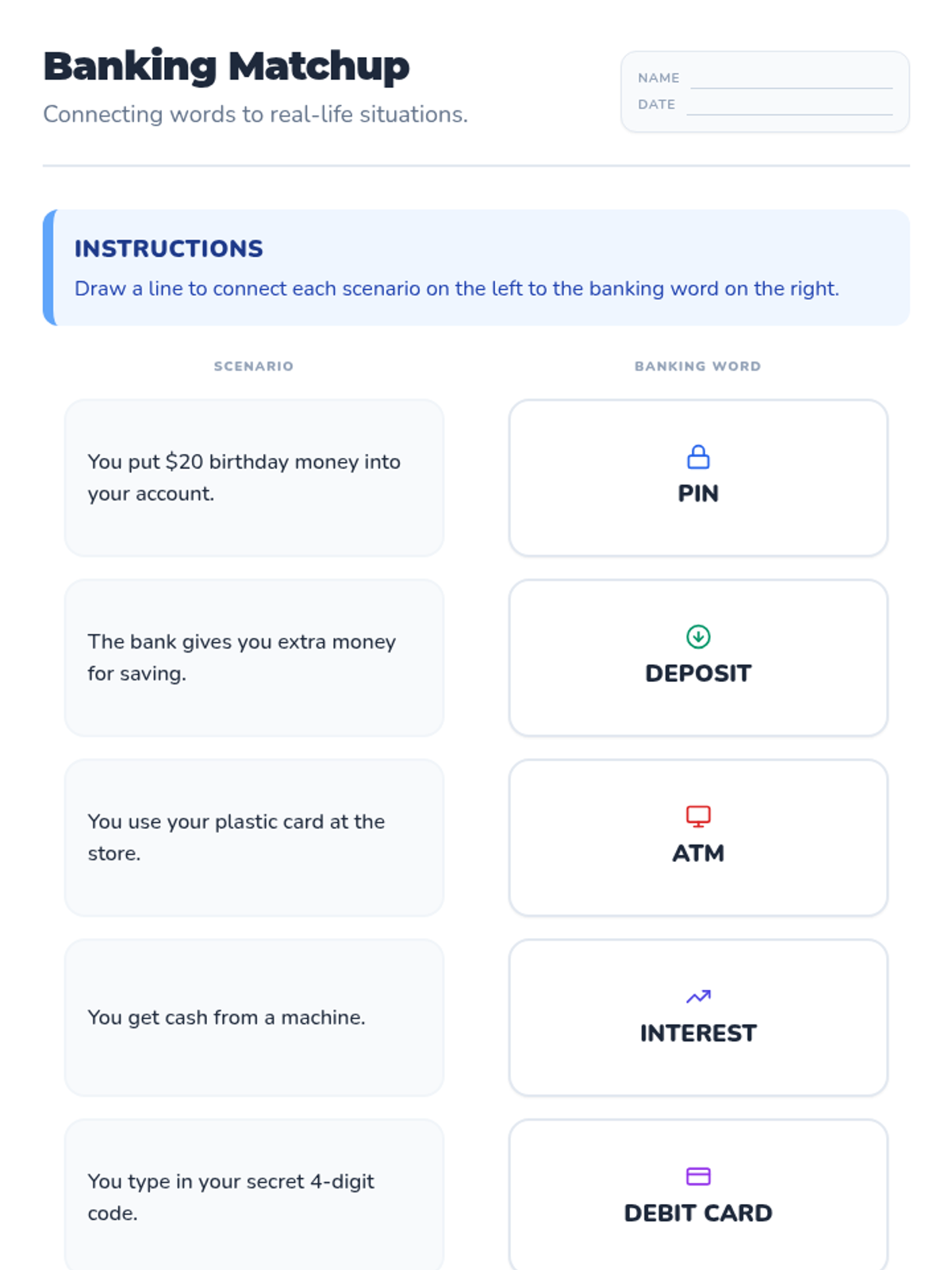
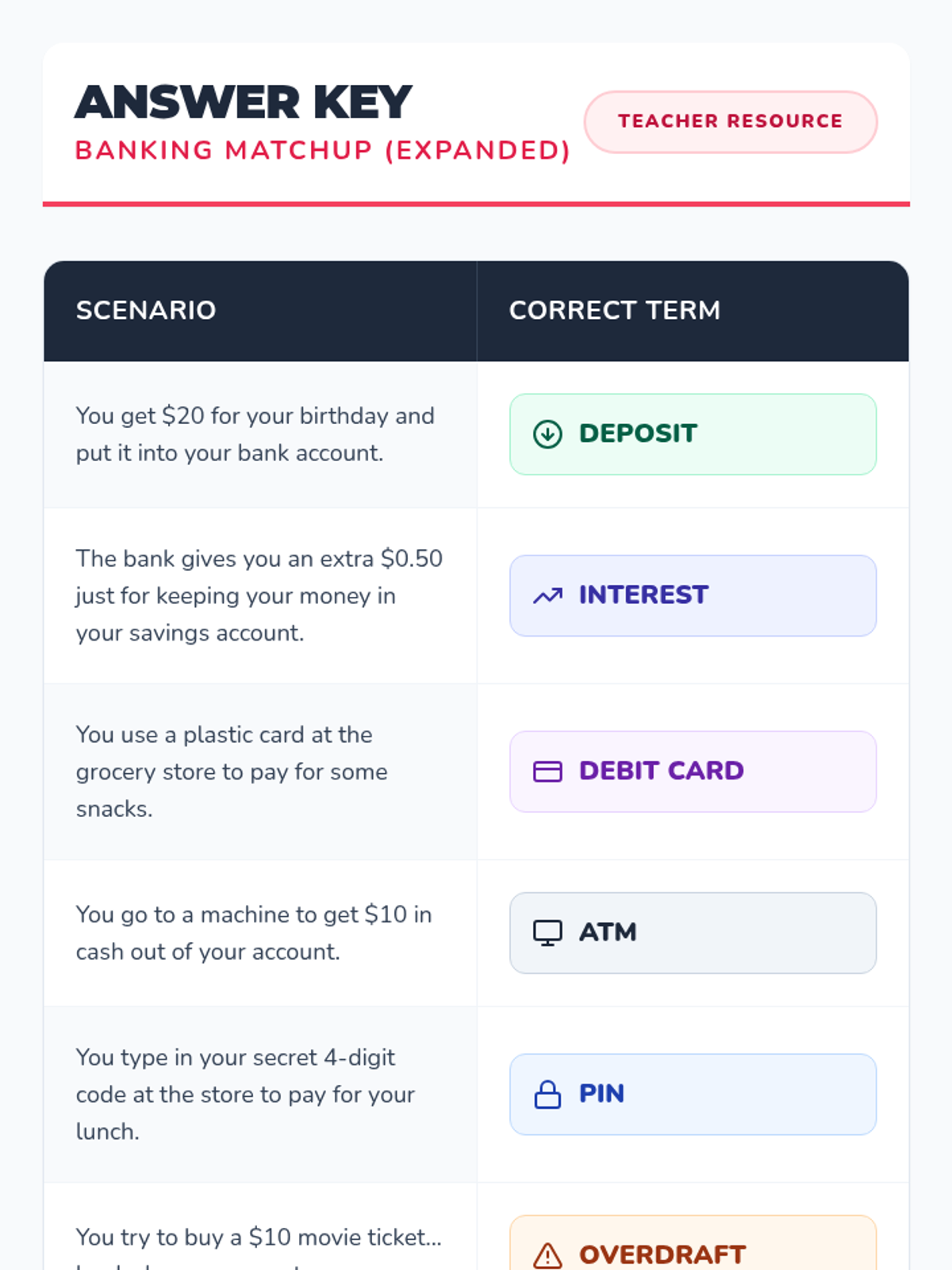
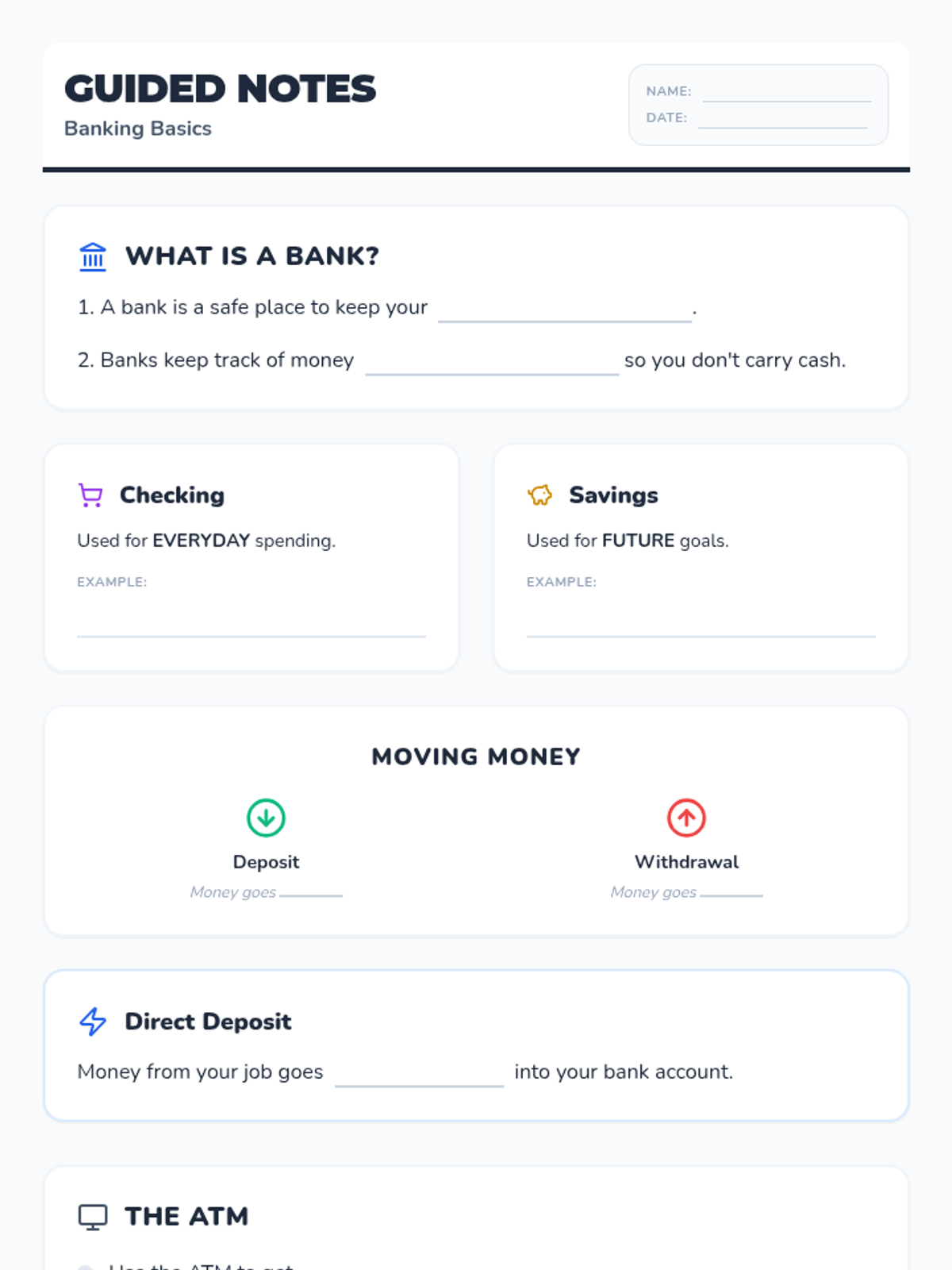
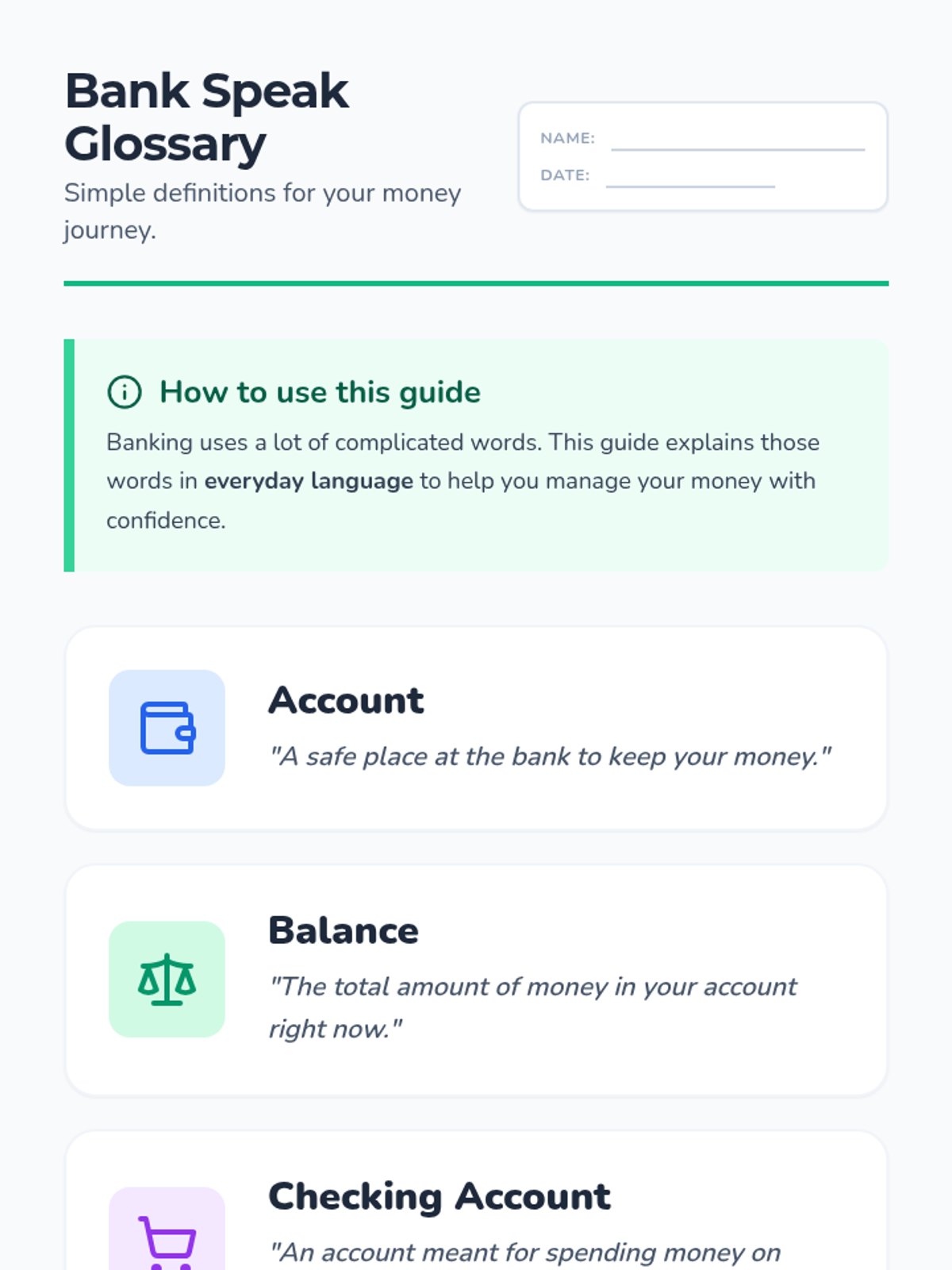
A foundational lesson introducing essential banking vocabulary for checking and savings accounts using plain language and visual supports.
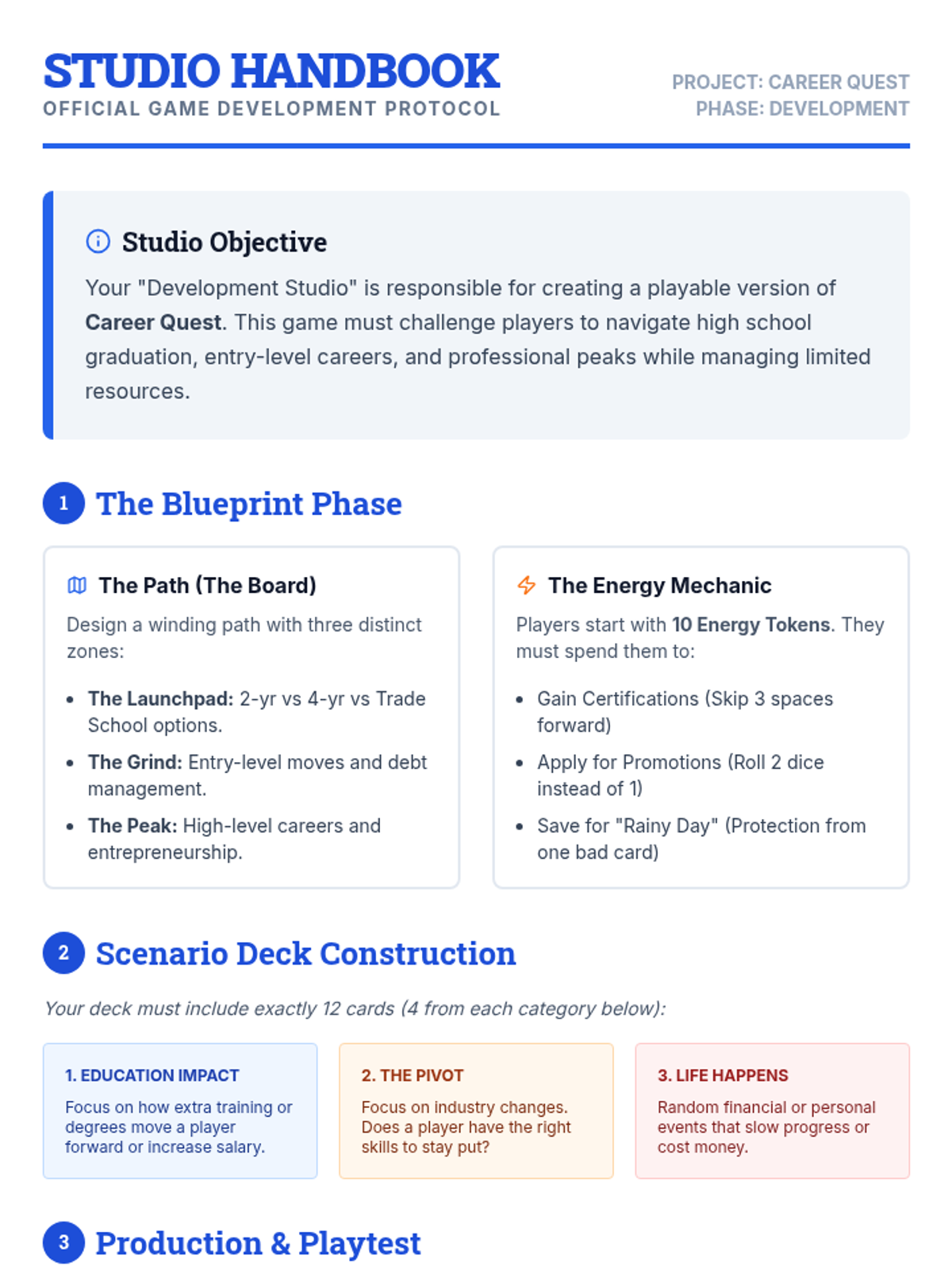
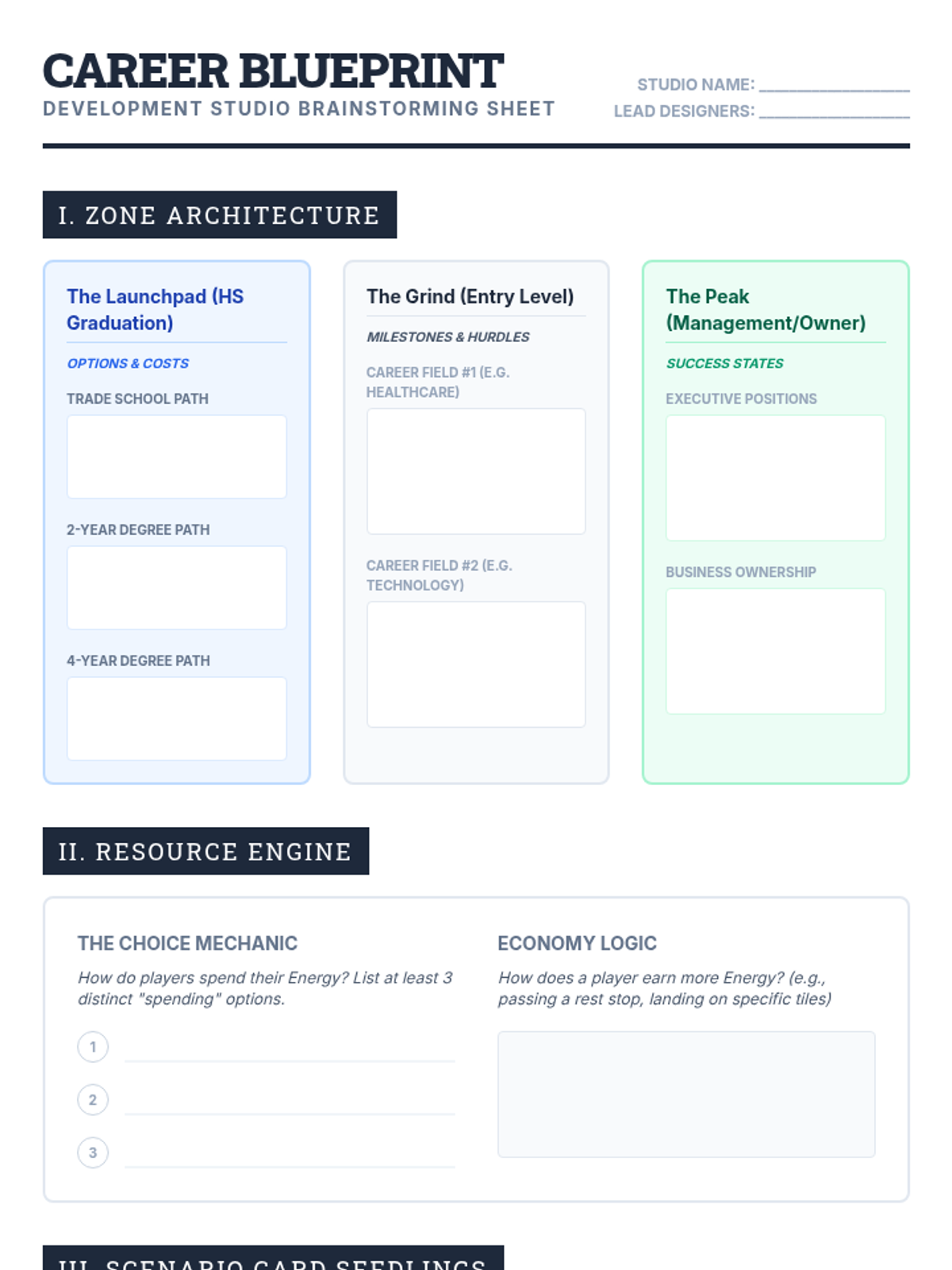
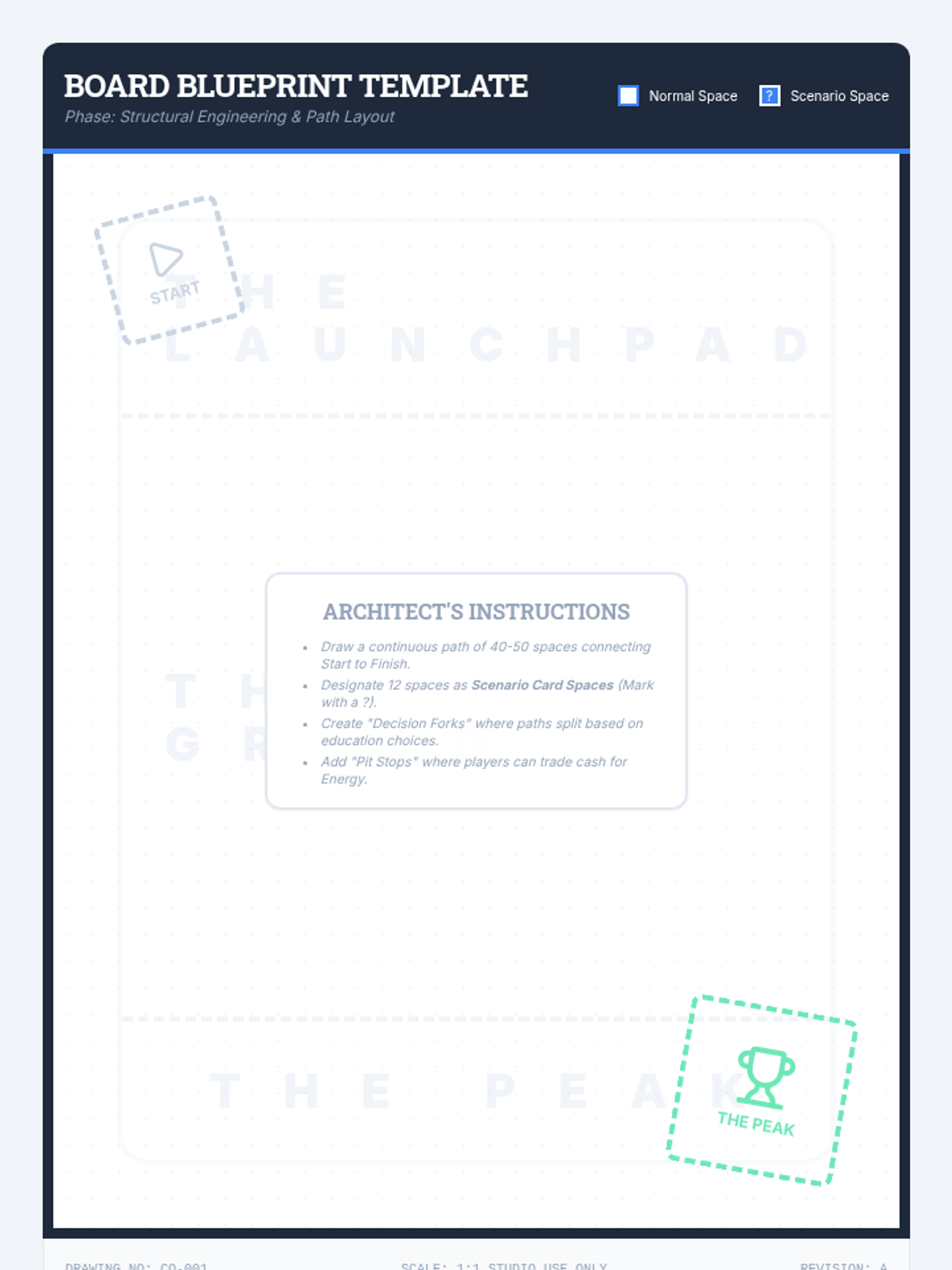
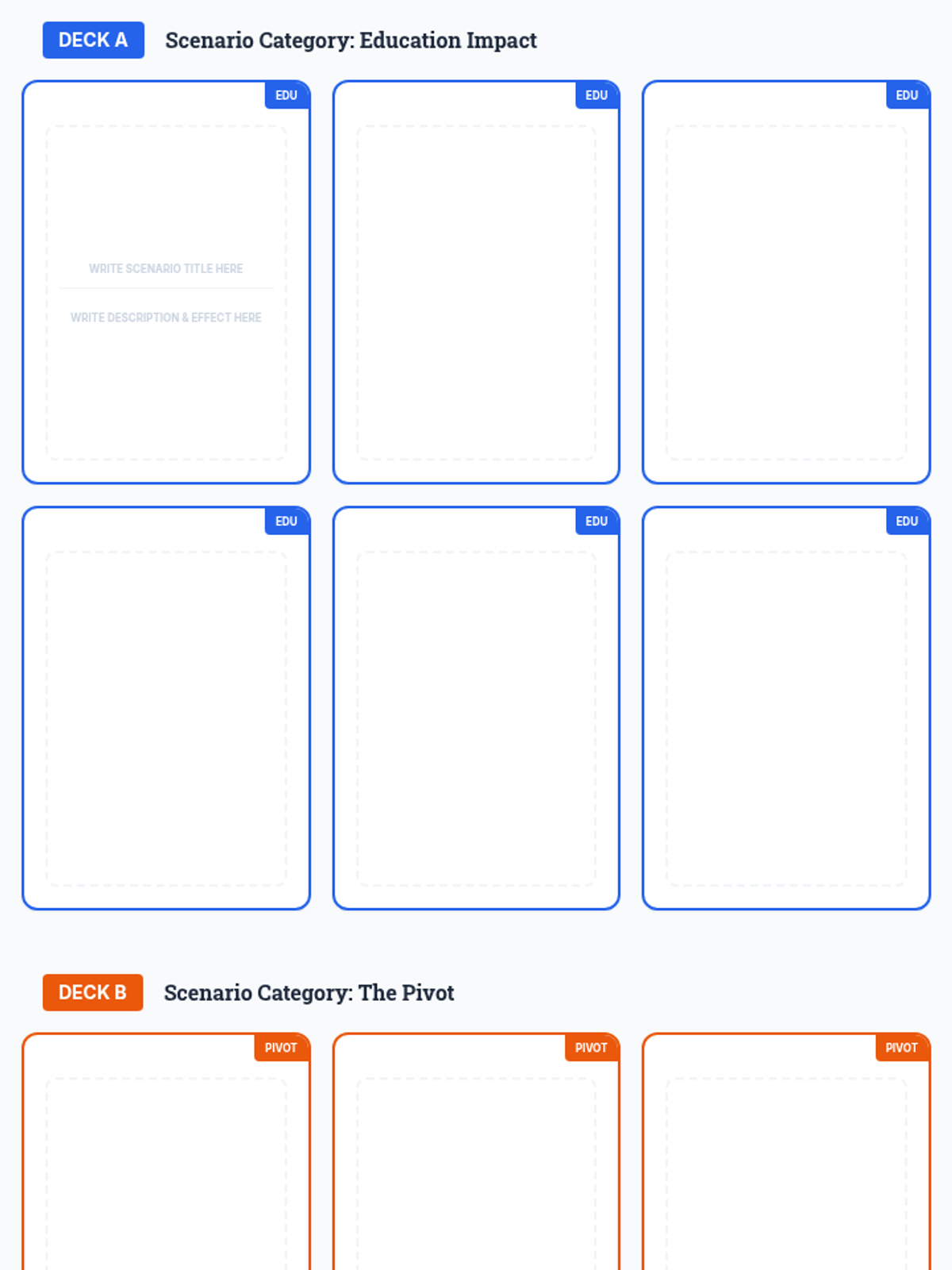
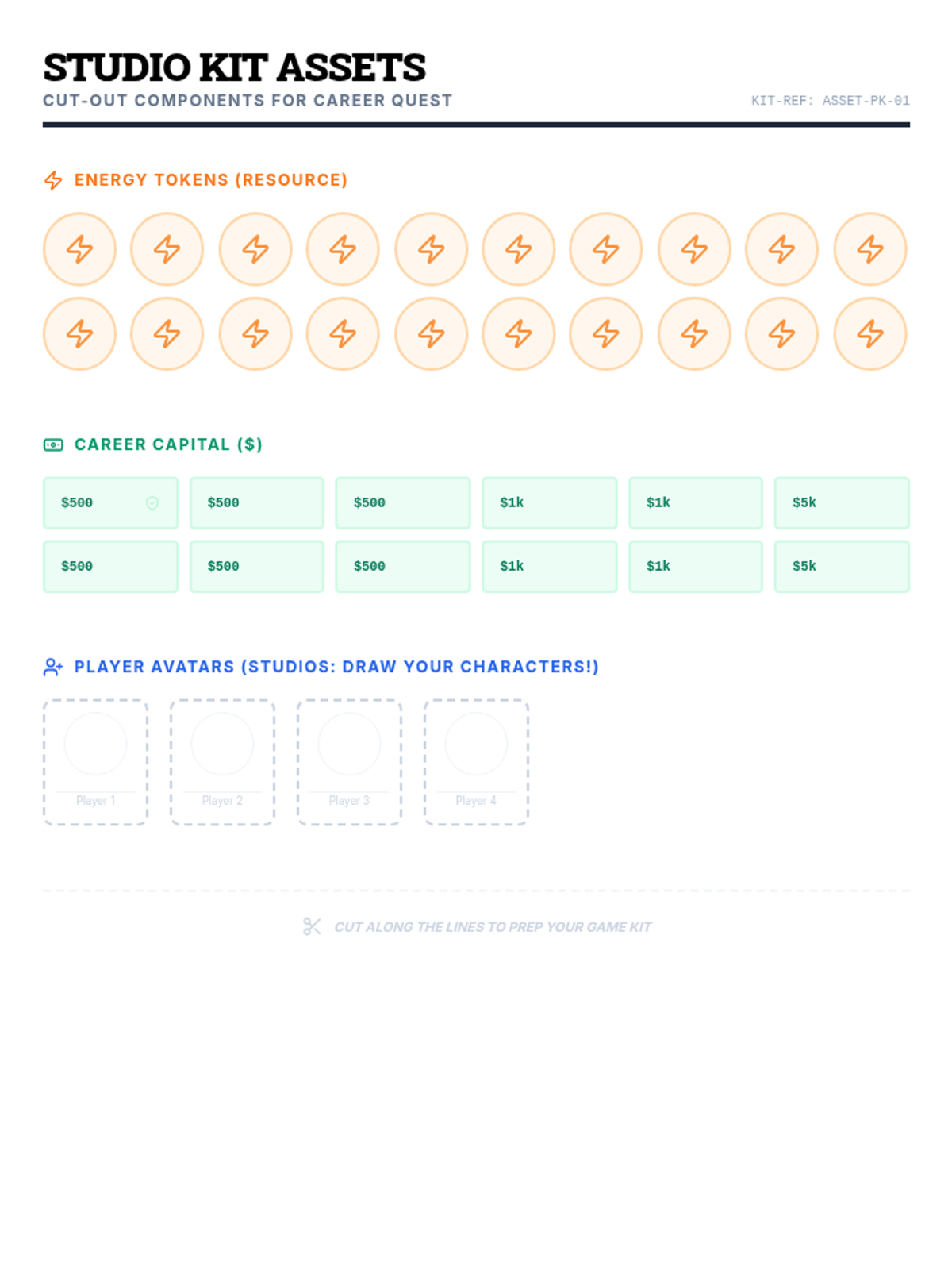
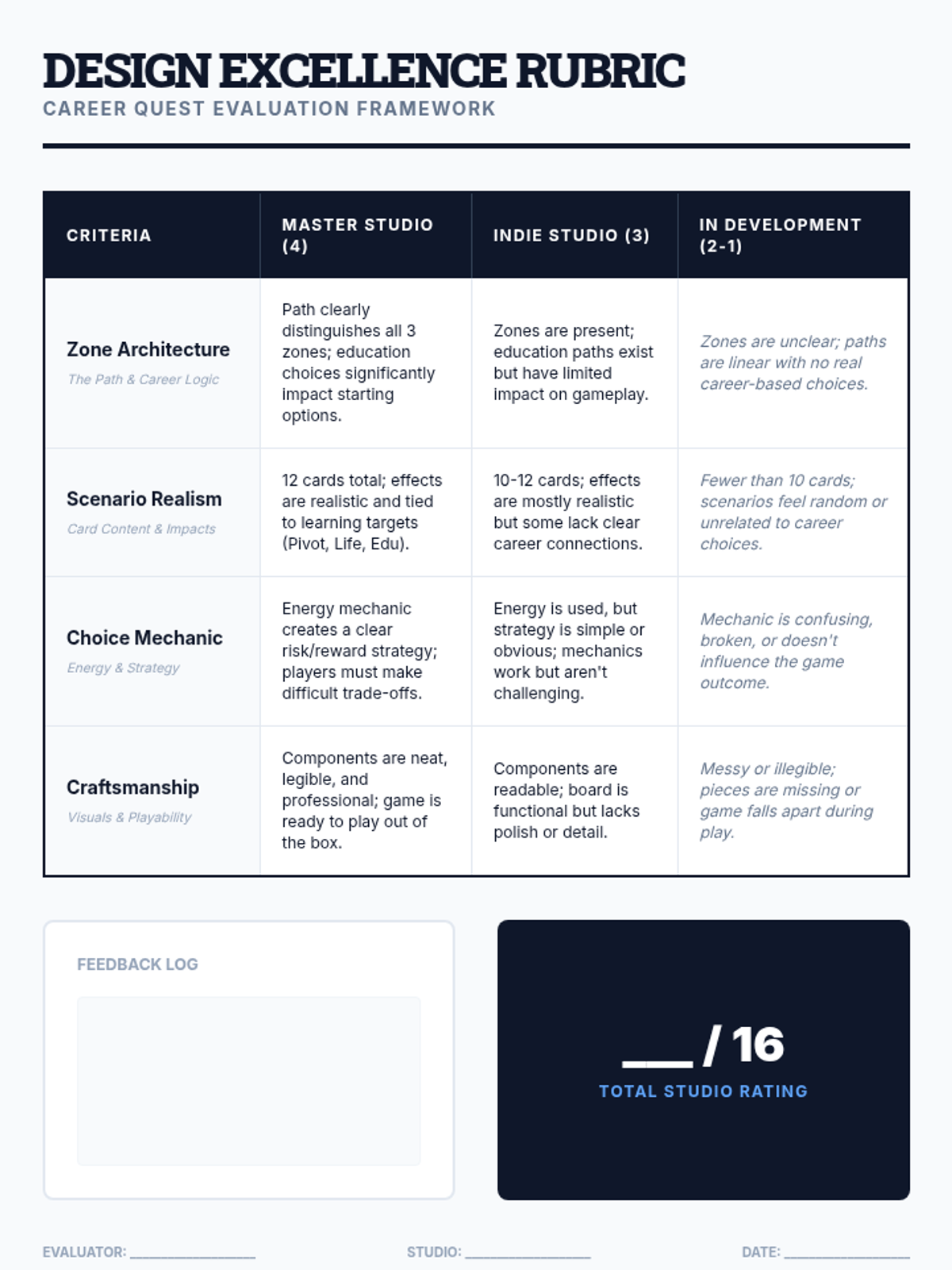
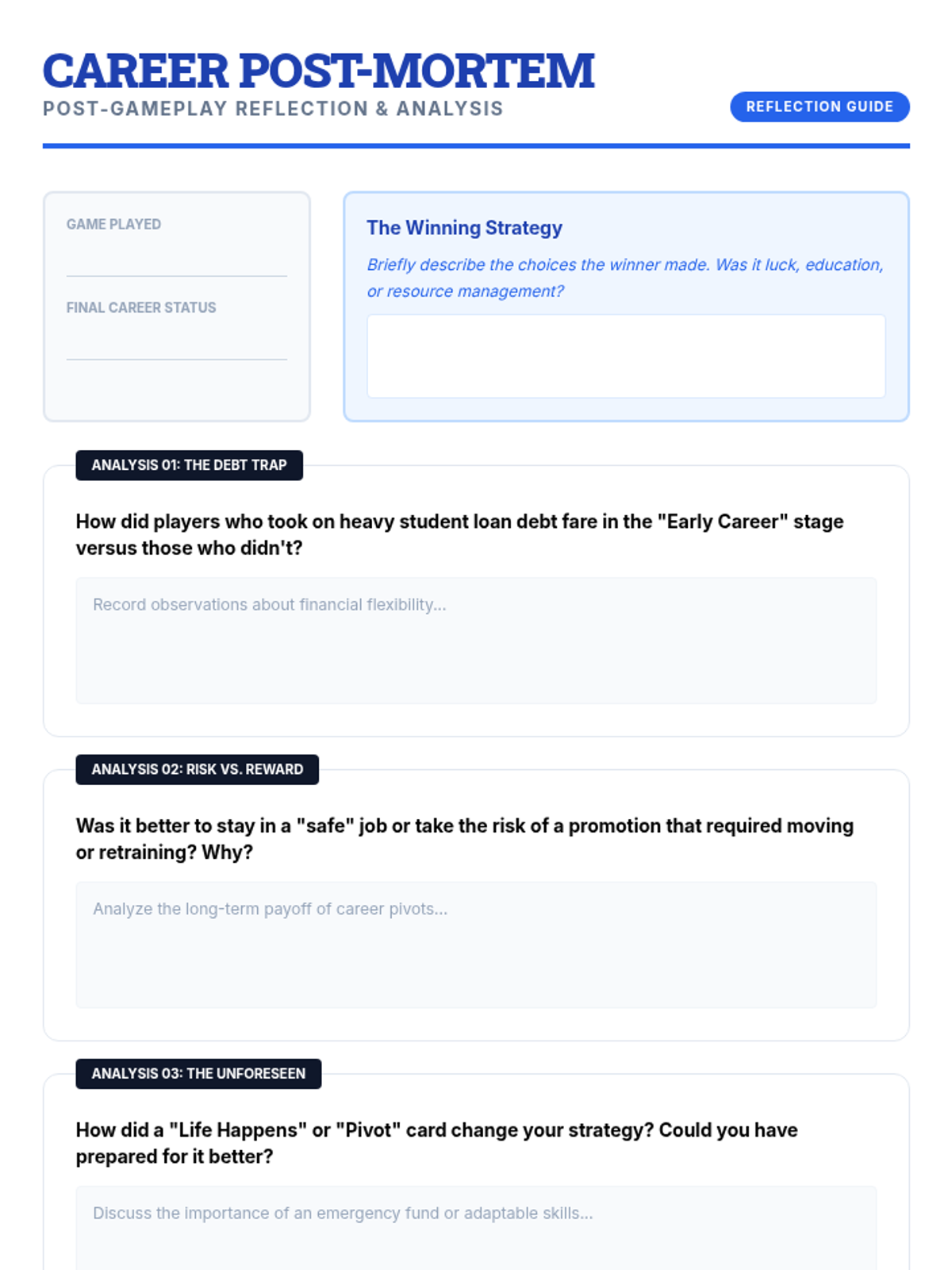
A multi-day project where students act as 'Development Studios' to design, build, and playtest their own career-themed board games, focusing on the impact of education and life choices on long-term outcomes.
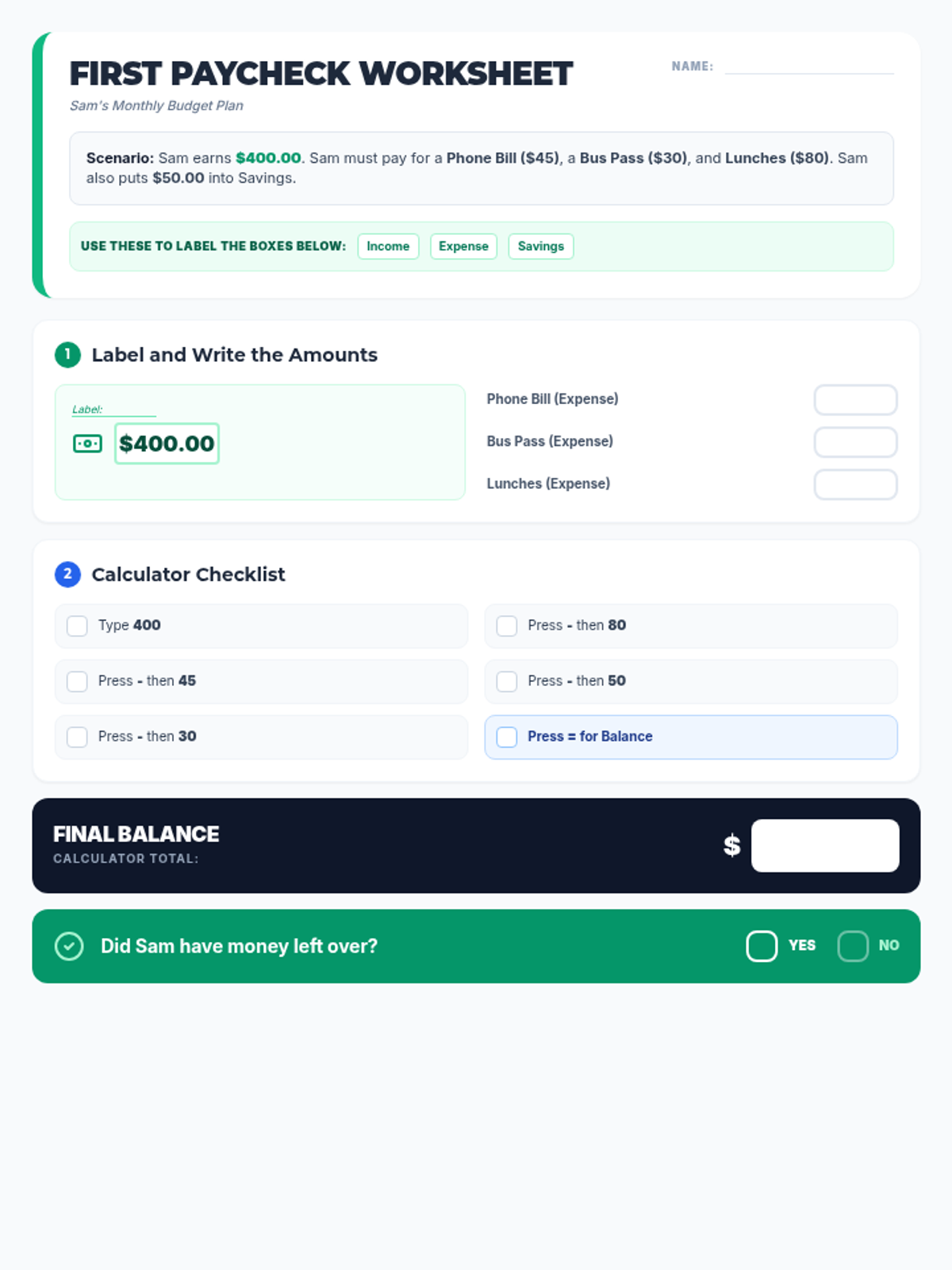
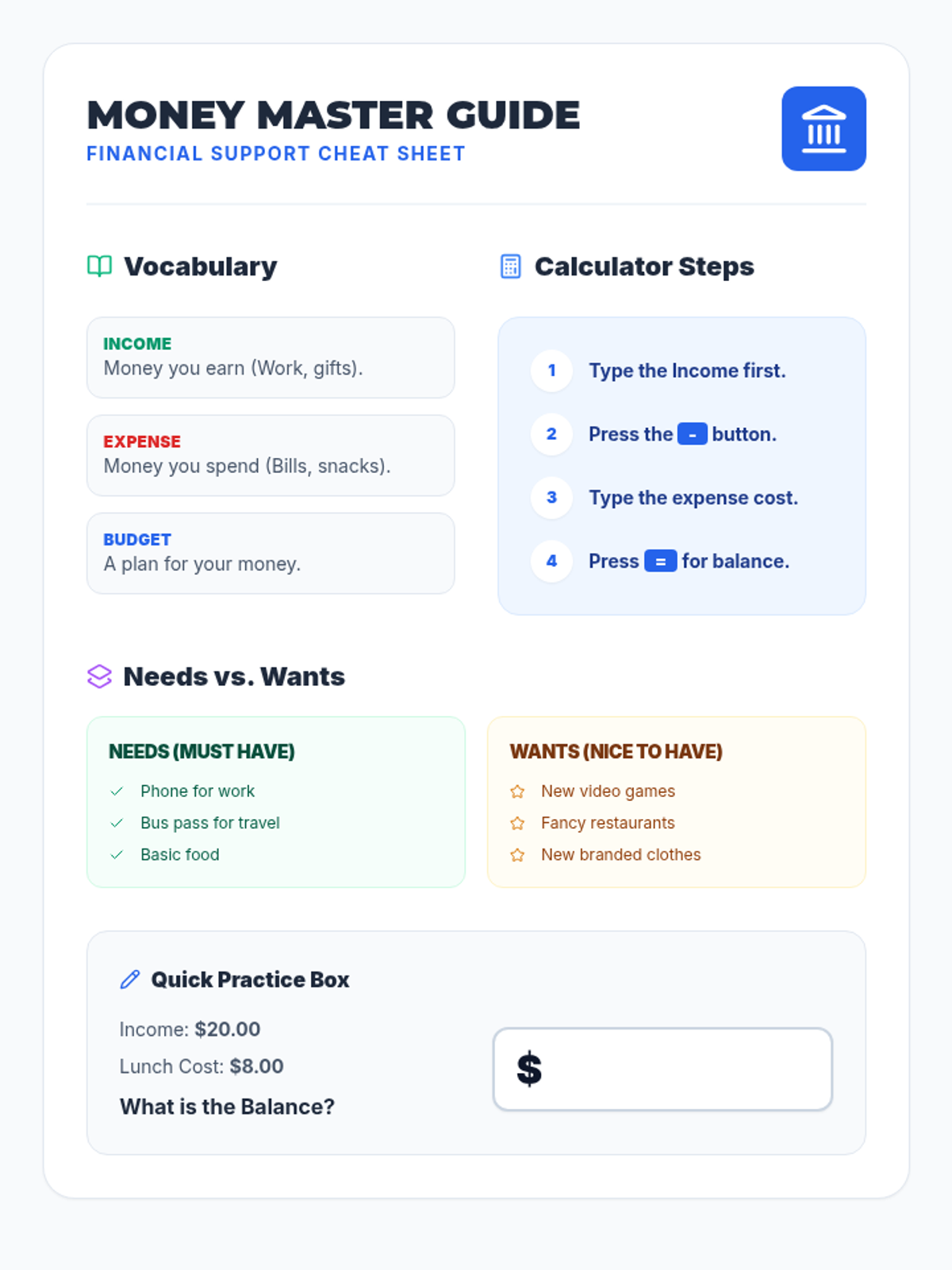
A practical introduction to budgeting for students getting their first part-time job, focusing on income, fixed vs. variable expenses, and using tools like calculators to manage money.
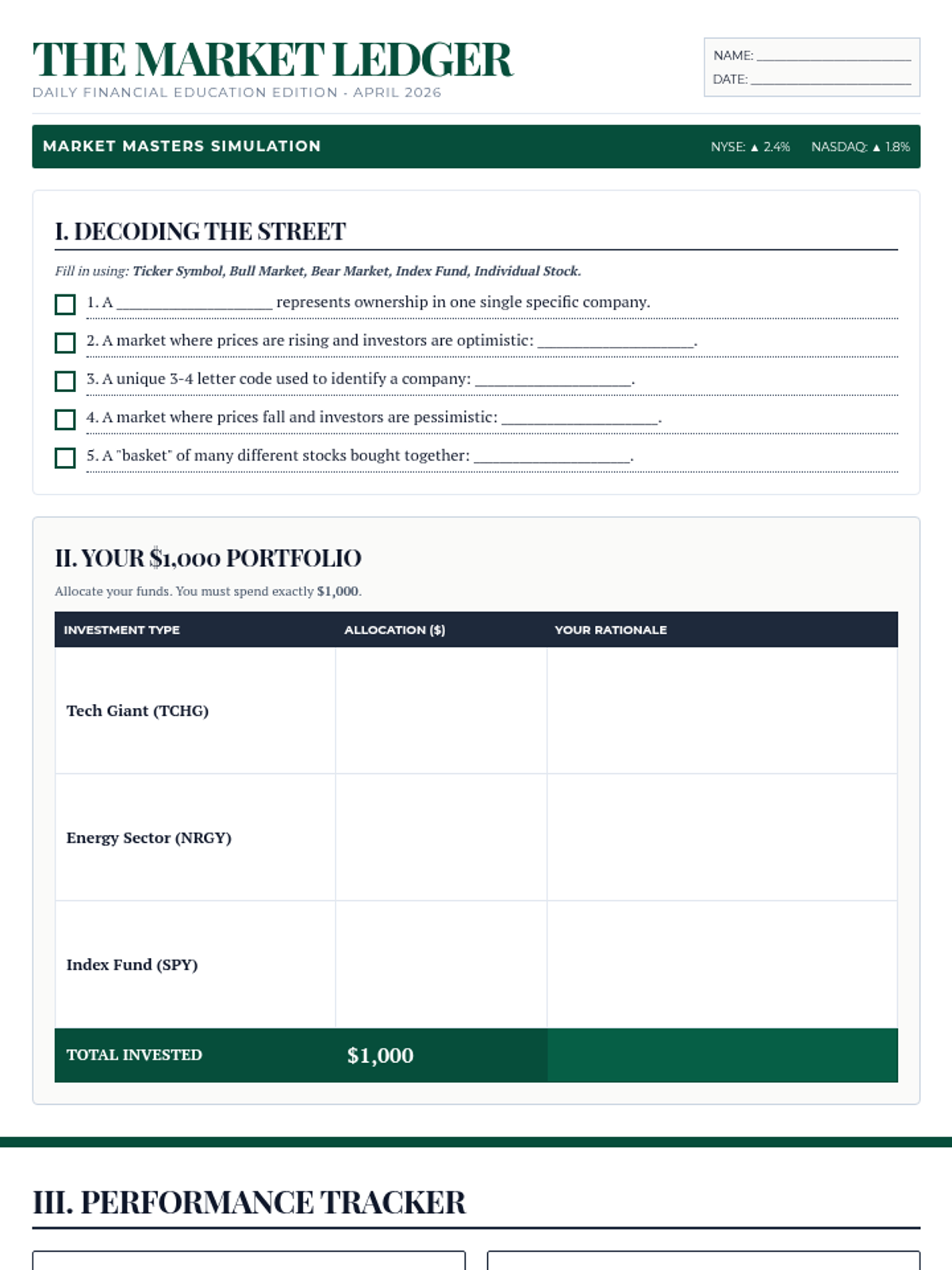
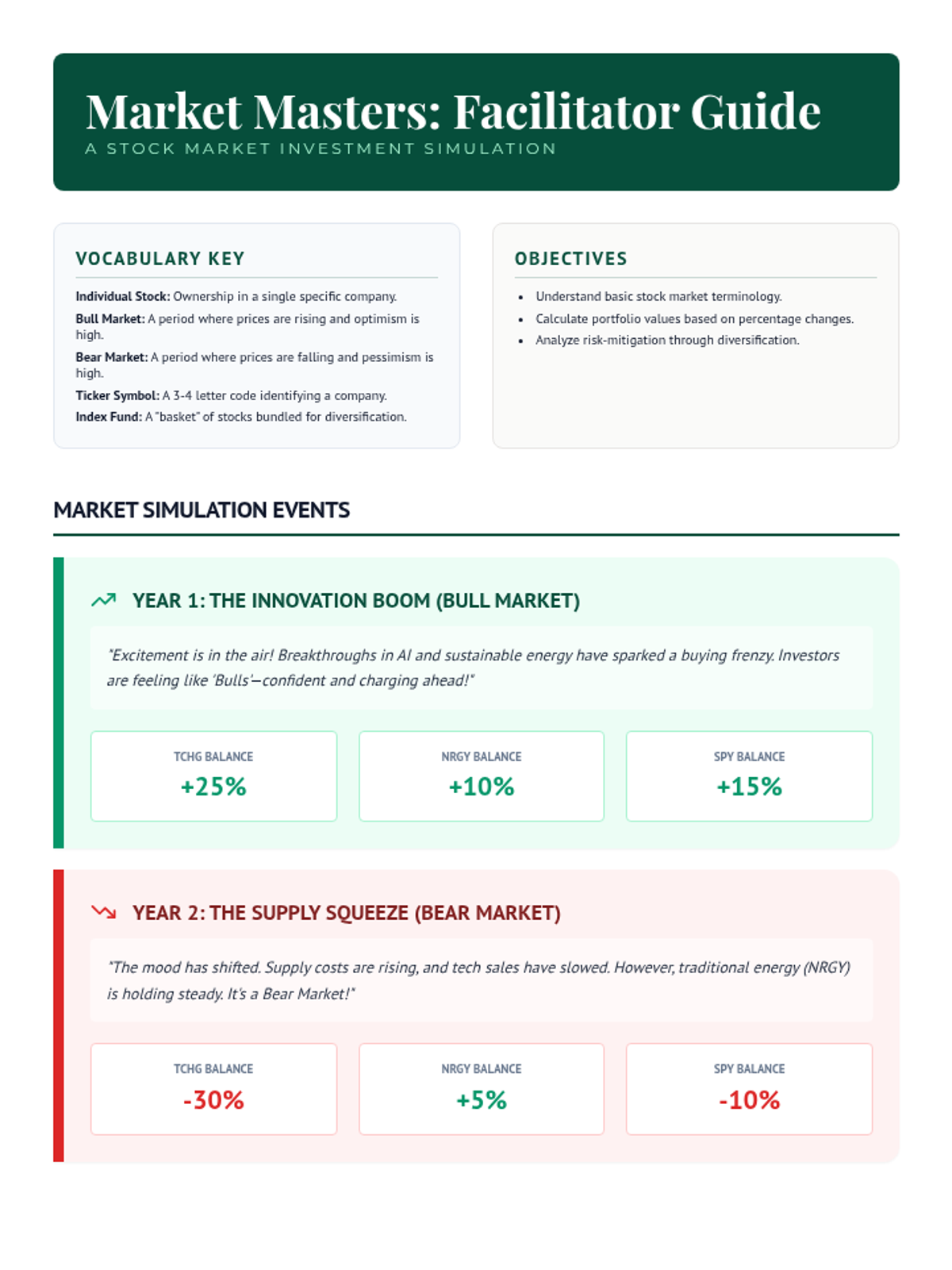
An introductory lesson on stock market fundamentals, covering key terminology, the difference between individual stocks and index funds, and a hands-on investment simulation.
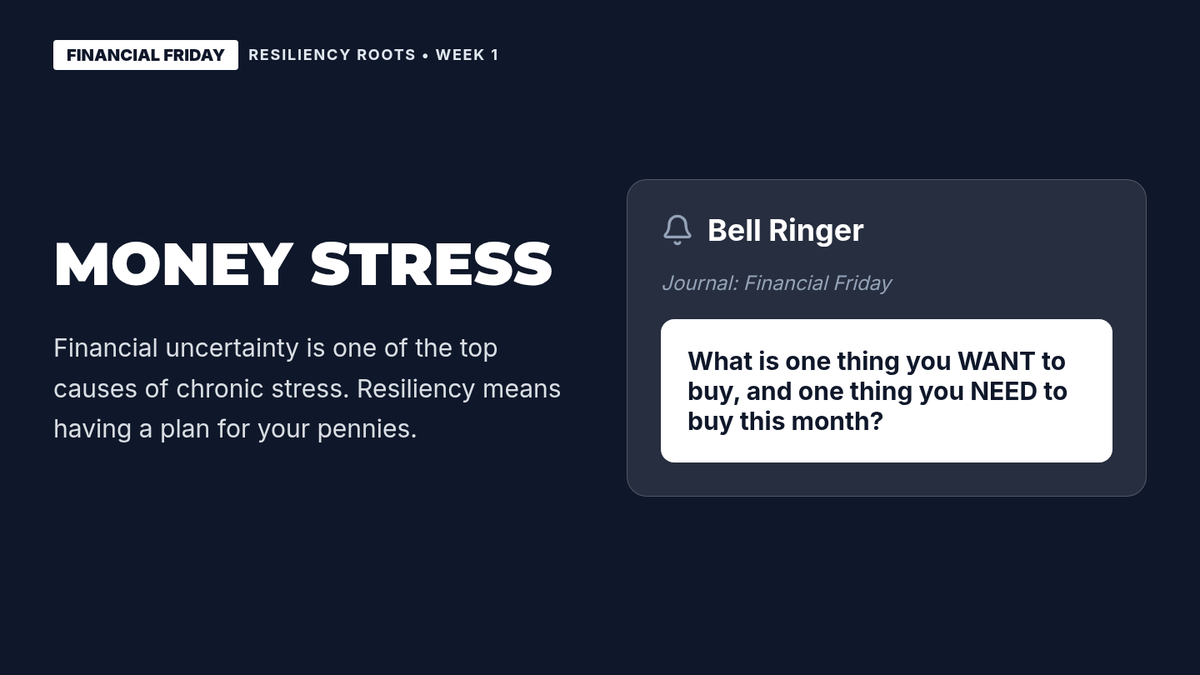
Connects financial literacy with stress management, teaching students how to handle money-related anxiety through basic budgeting and awareness.
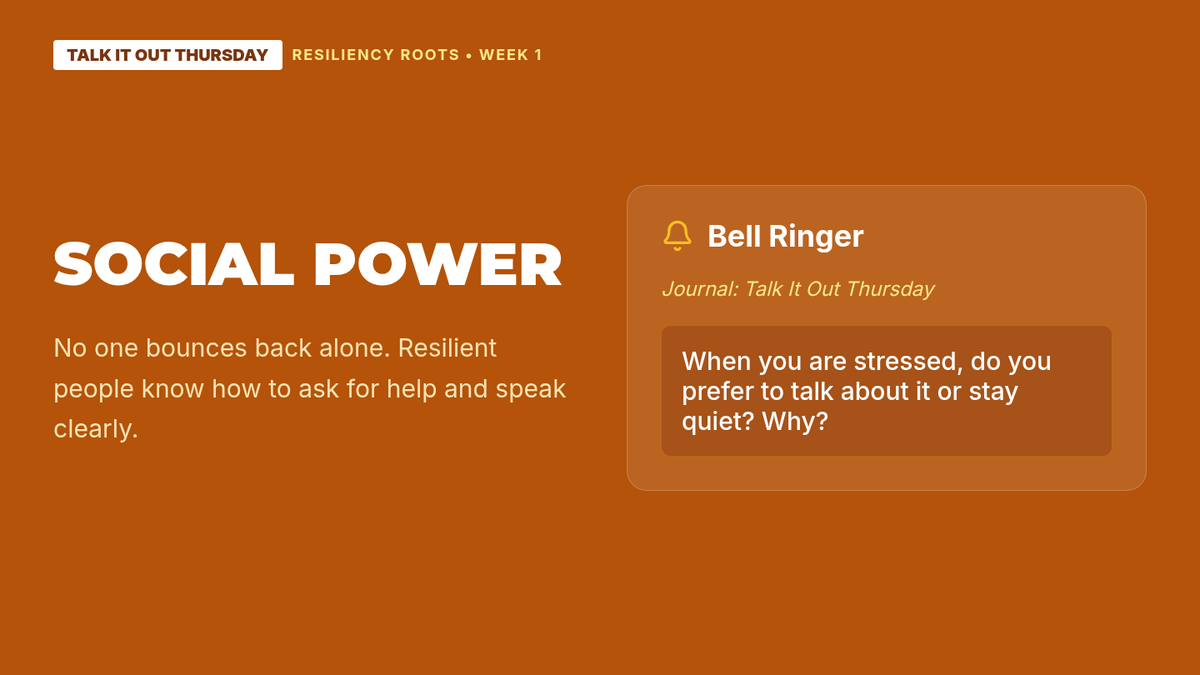
Teaches communication skills and conflict resolution as vital tools for navigating social stress and maintaining support networks.
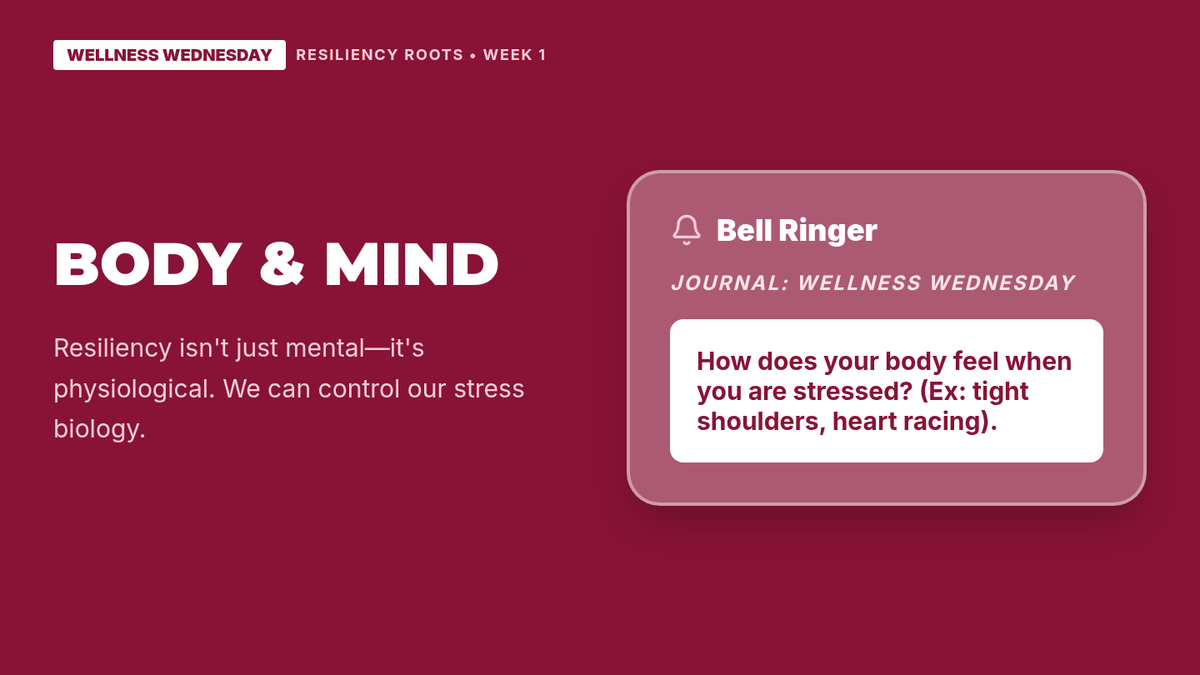
Covers physical and mental wellness strategies, including breathing exercises and healthy habits, to maintain a resilient body and mind.
Explores how effective scheduling and prioritization can reduce stress and prevent burnout.
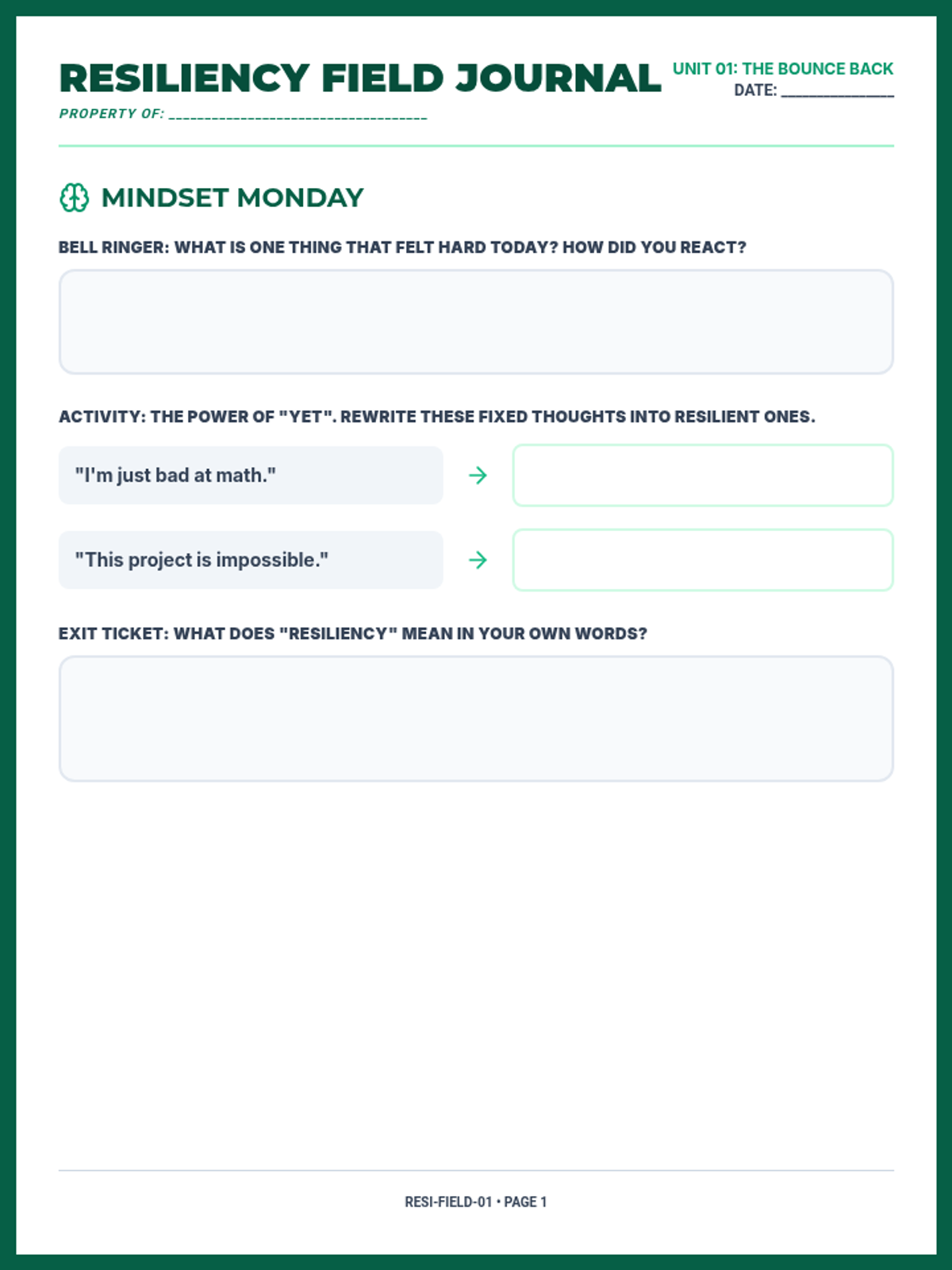
Focuses on developing a growth mindset and the 'Power of Yet' to build mental toughness and perspective when facing setbacks.
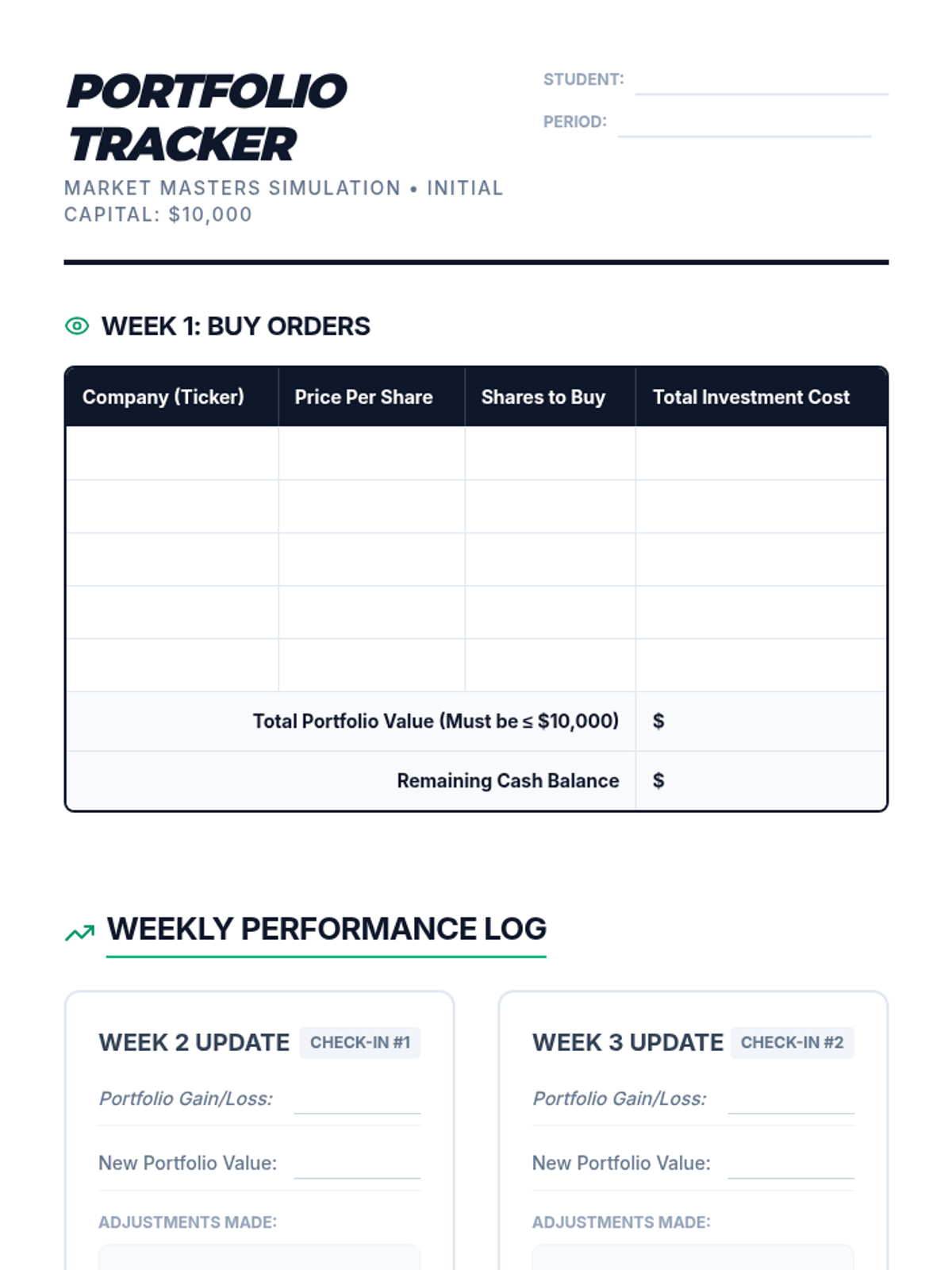
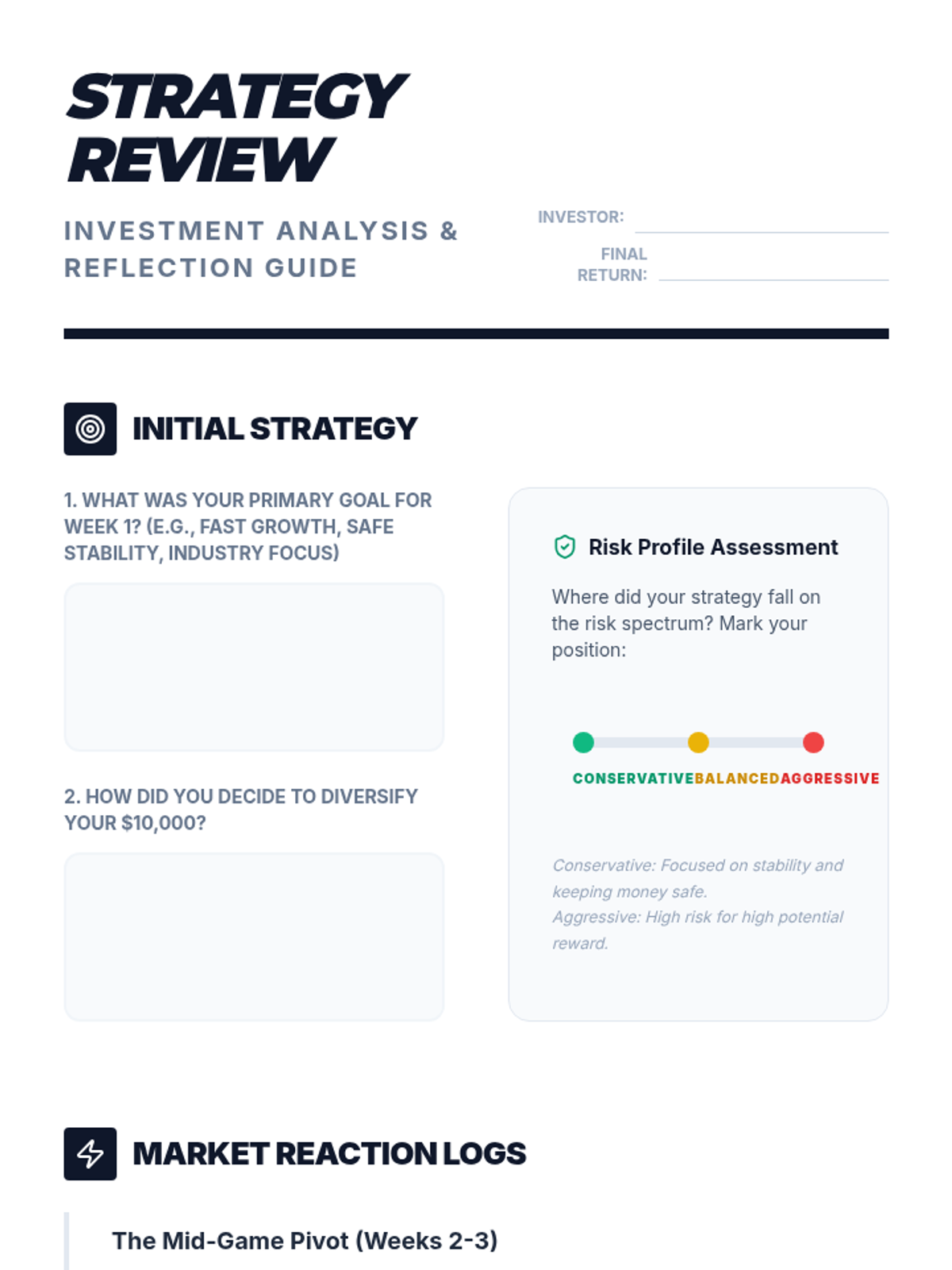
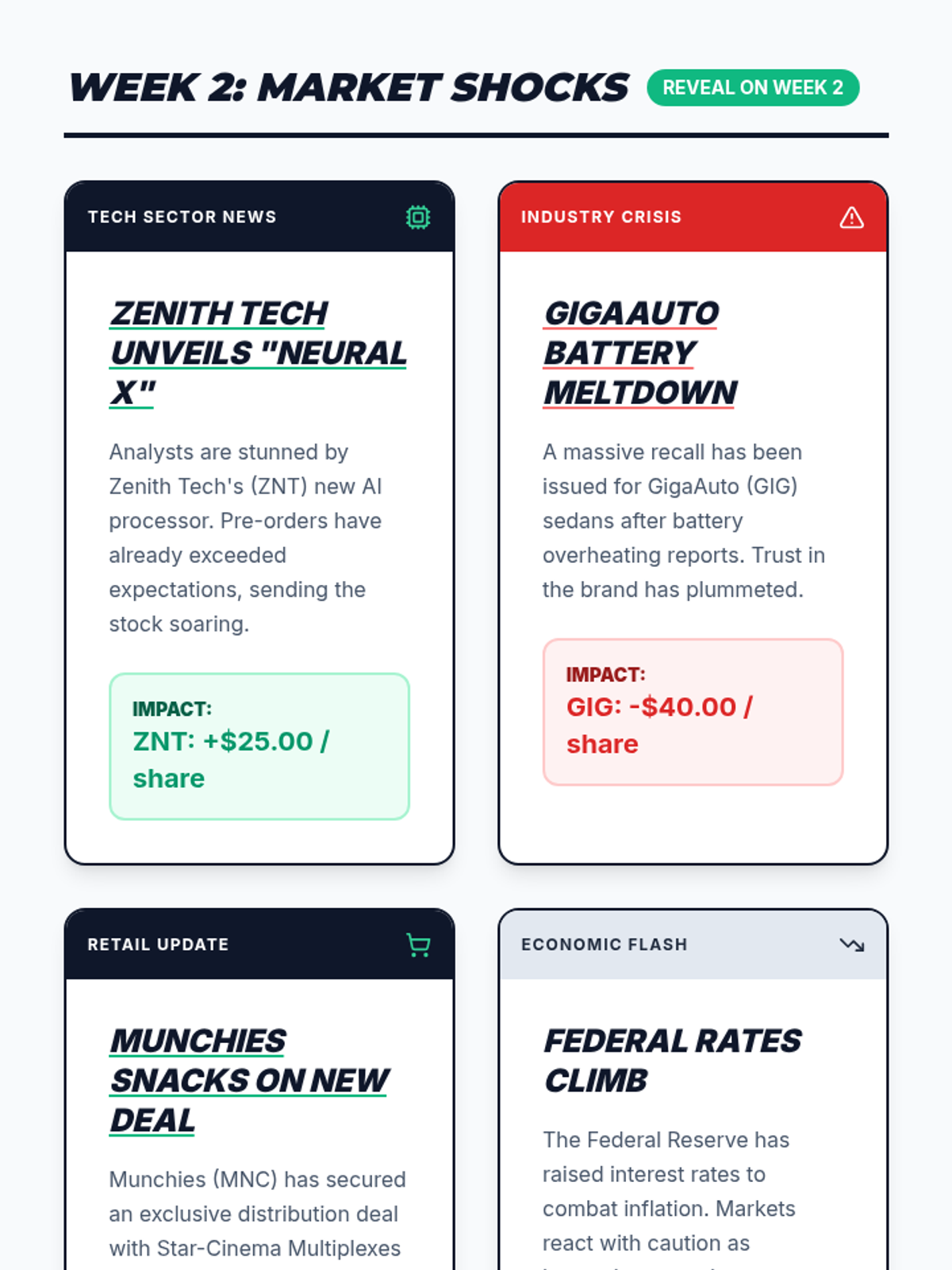
A core simulation lesson where students manage a $10,000 portfolio over four weeks, reacting to market news and tracking their gains or losses.
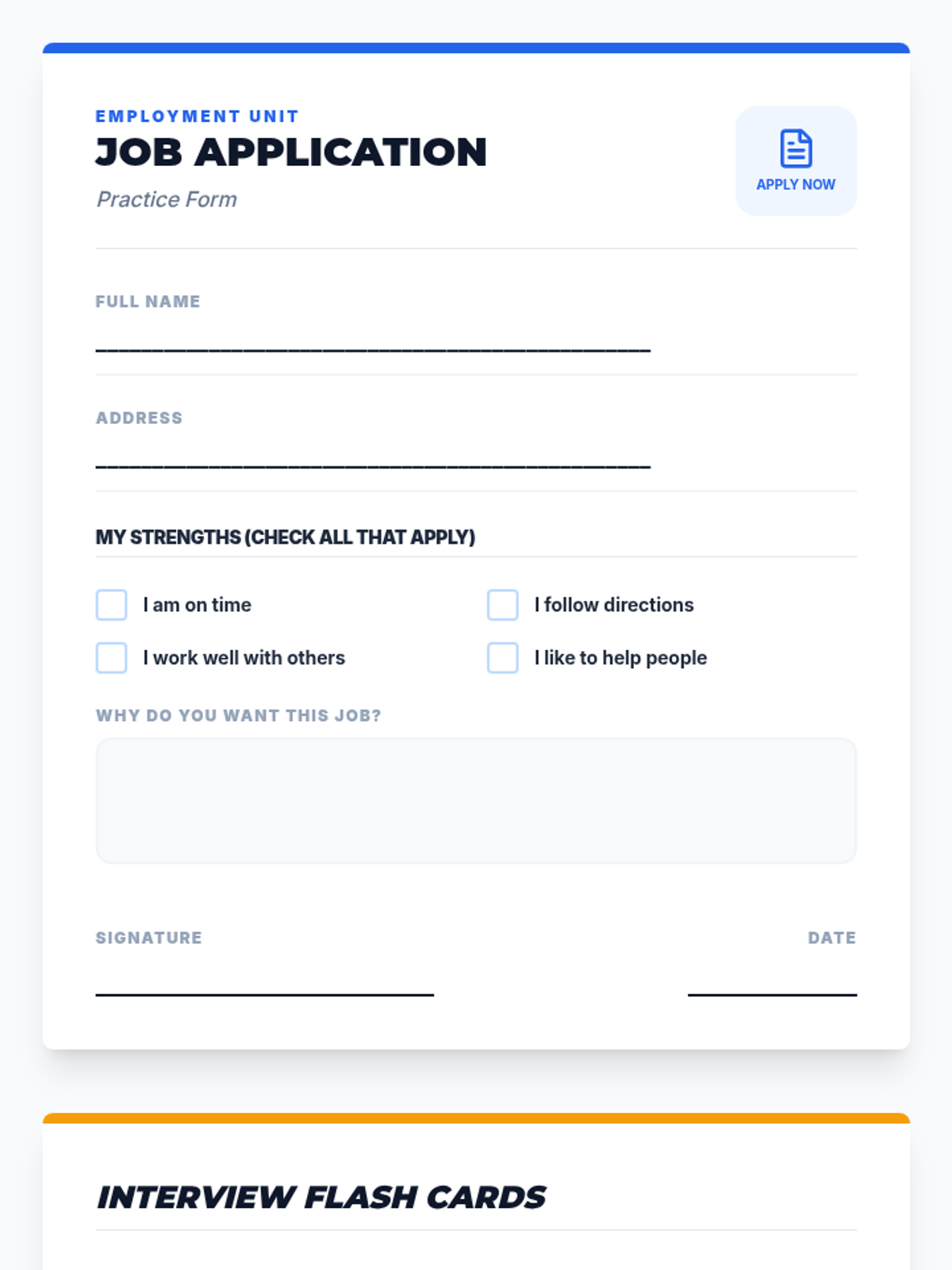
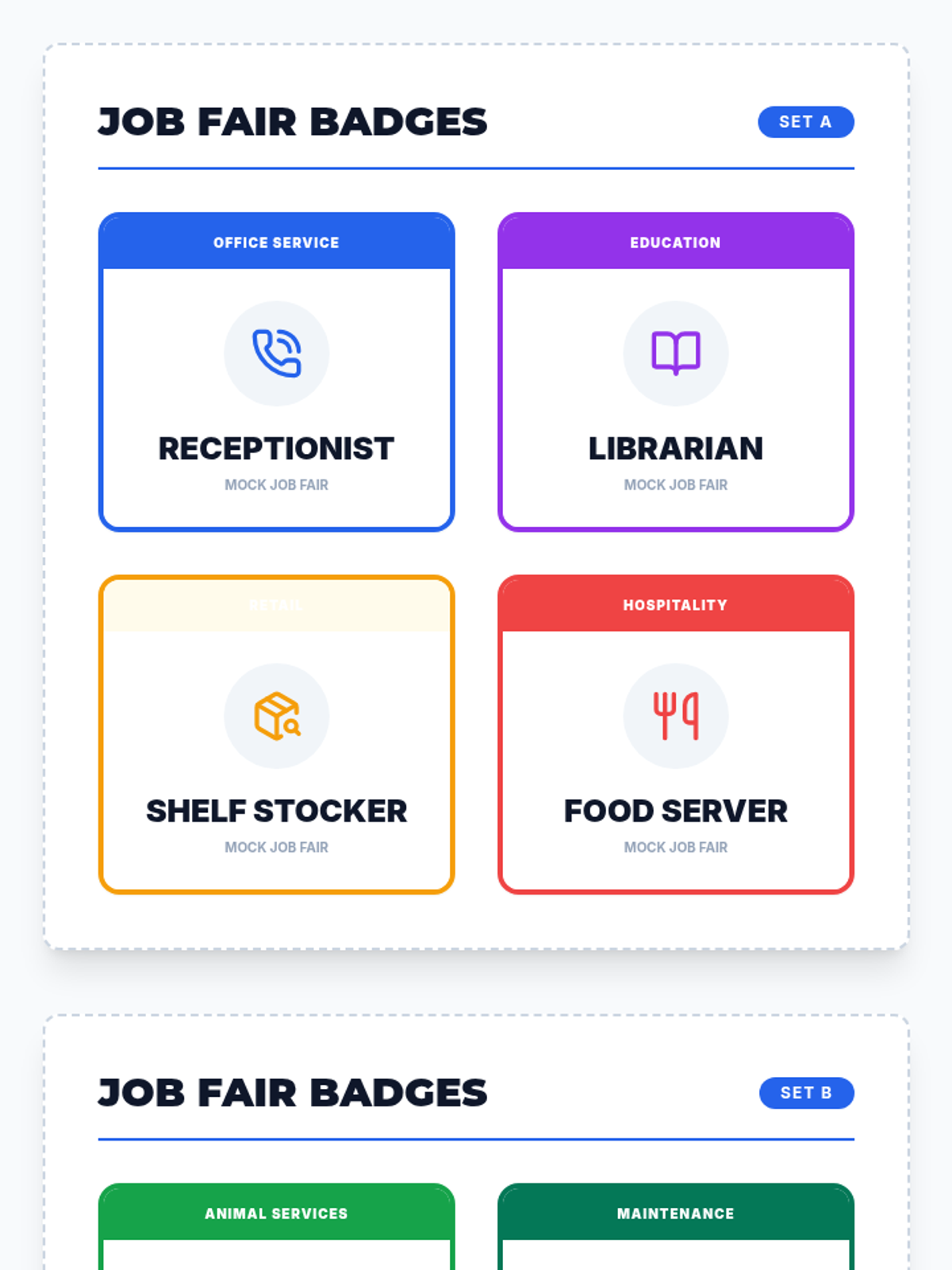
Building essential job-seeking skills, including application completion, interview preparation, and understanding job roles.
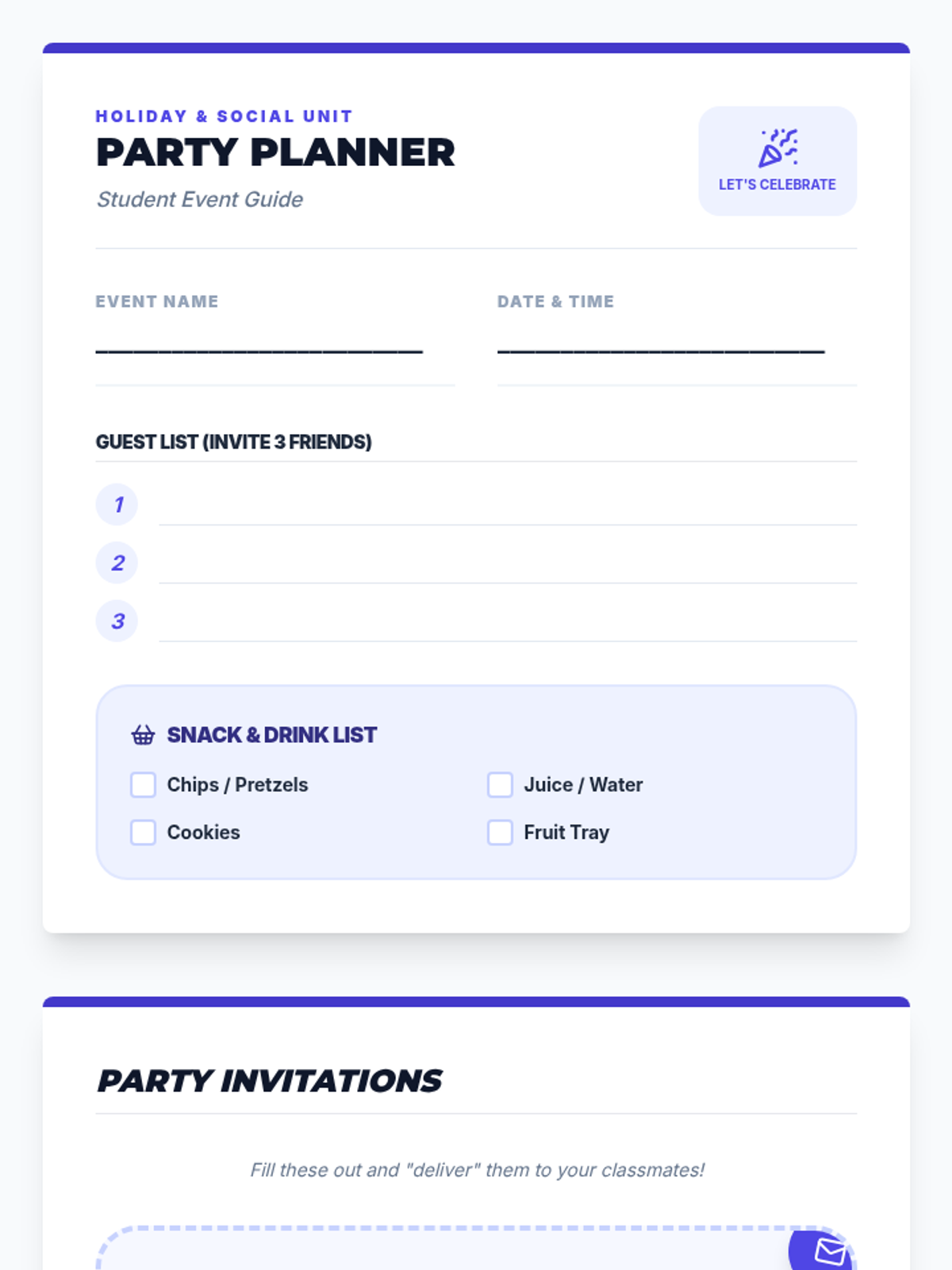
Planning social gatherings, managing invitations, and practicing etiquette for holiday and community events.
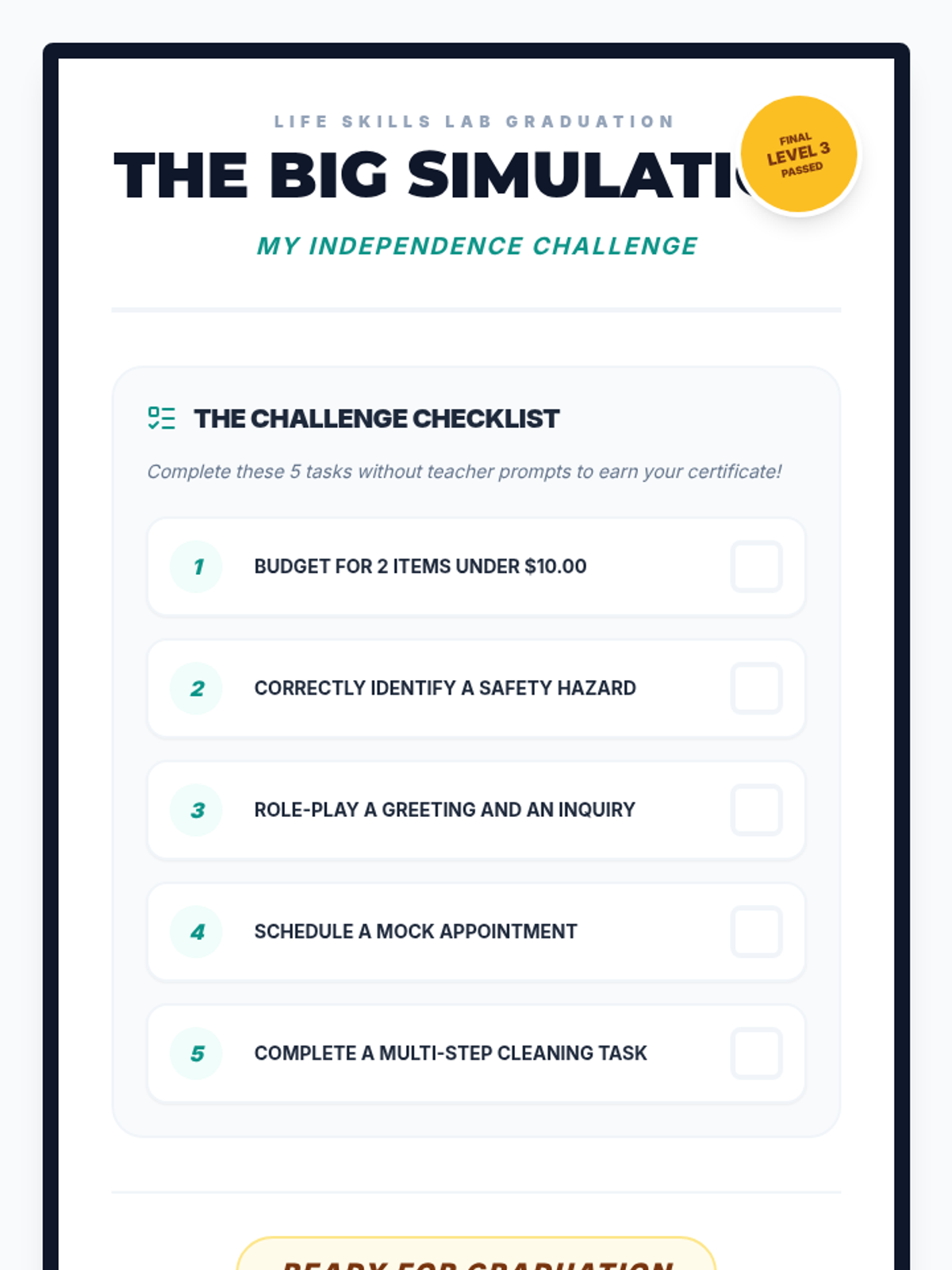
The capstone unit of the program, where students apply all learned skills in complex, multi-step simulations of independent adult life.
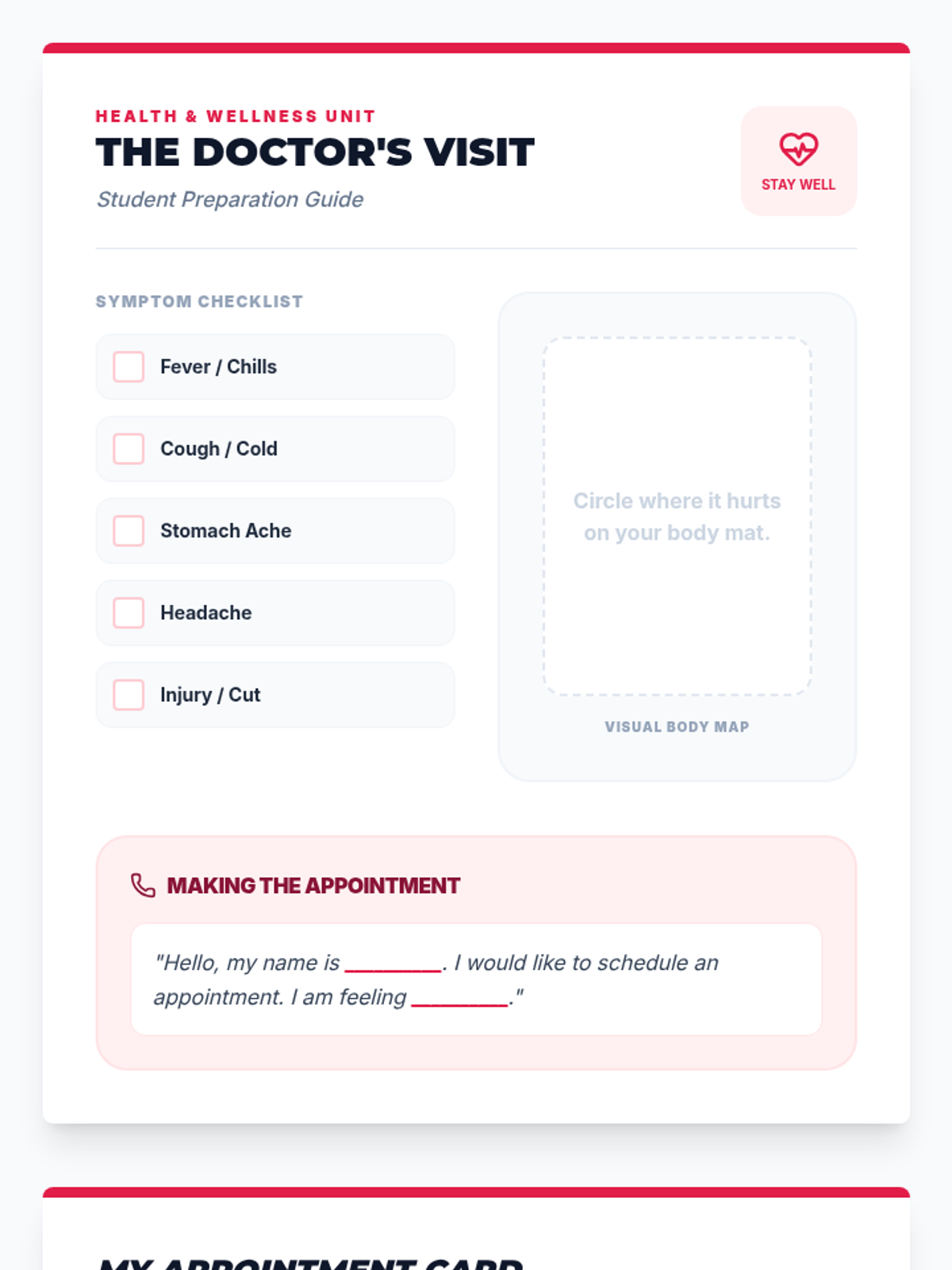
Navigating healthcare settings, identifying body parts and symptoms, and practicing social scripts for making and attending medical appointments.
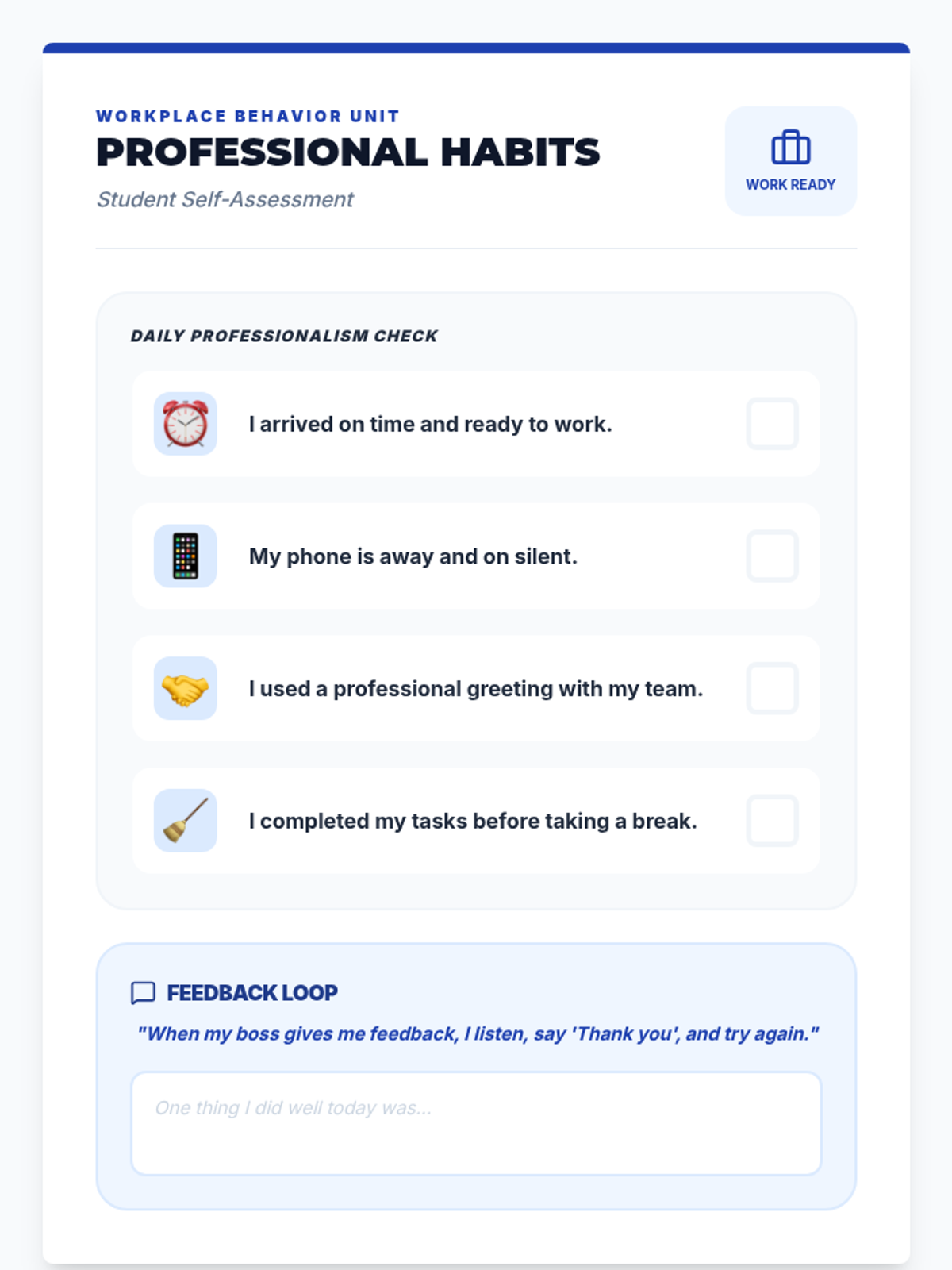
Building professional habits, understanding workplace social cues, and practicing teamwork in a job setting.
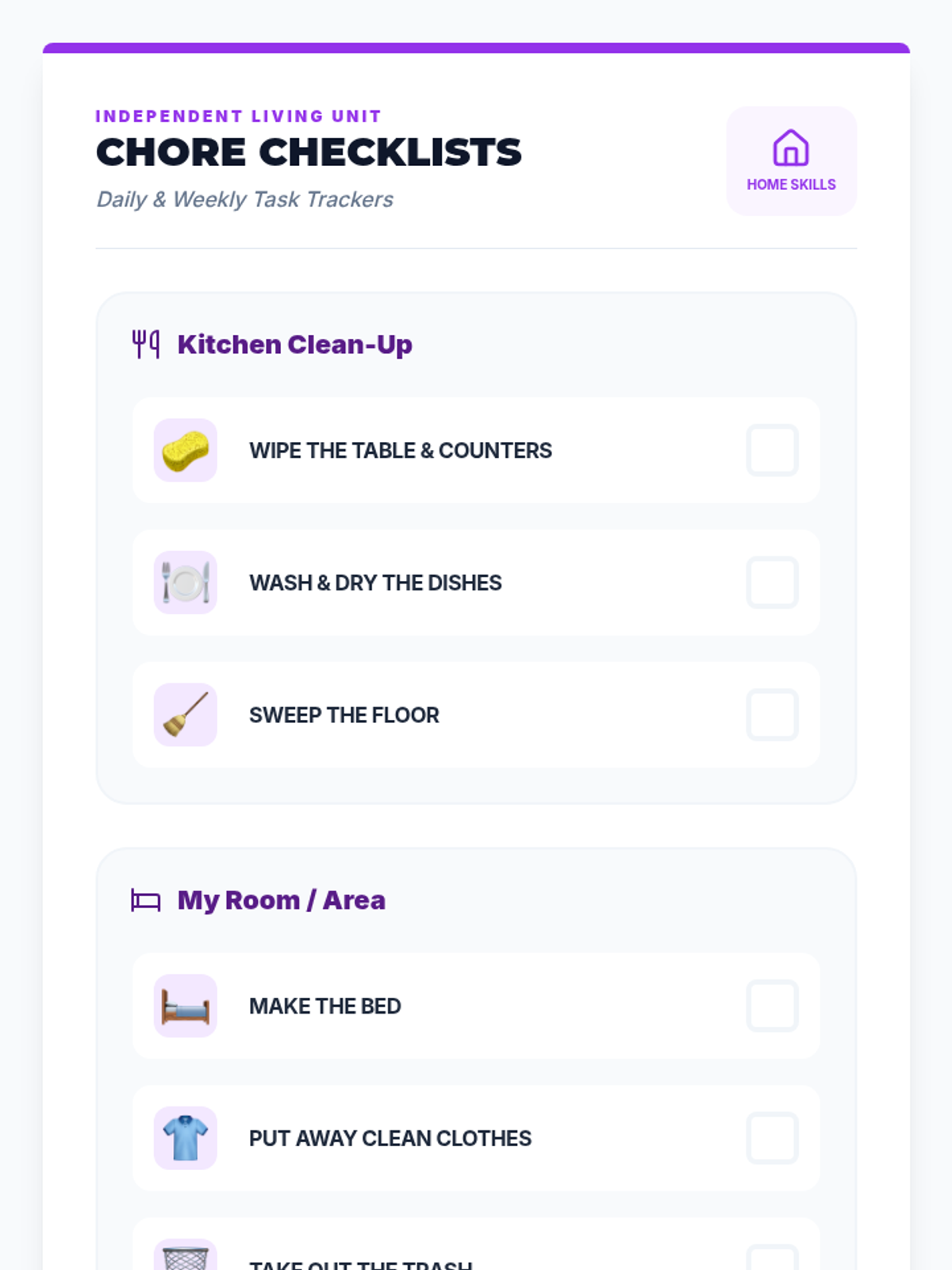
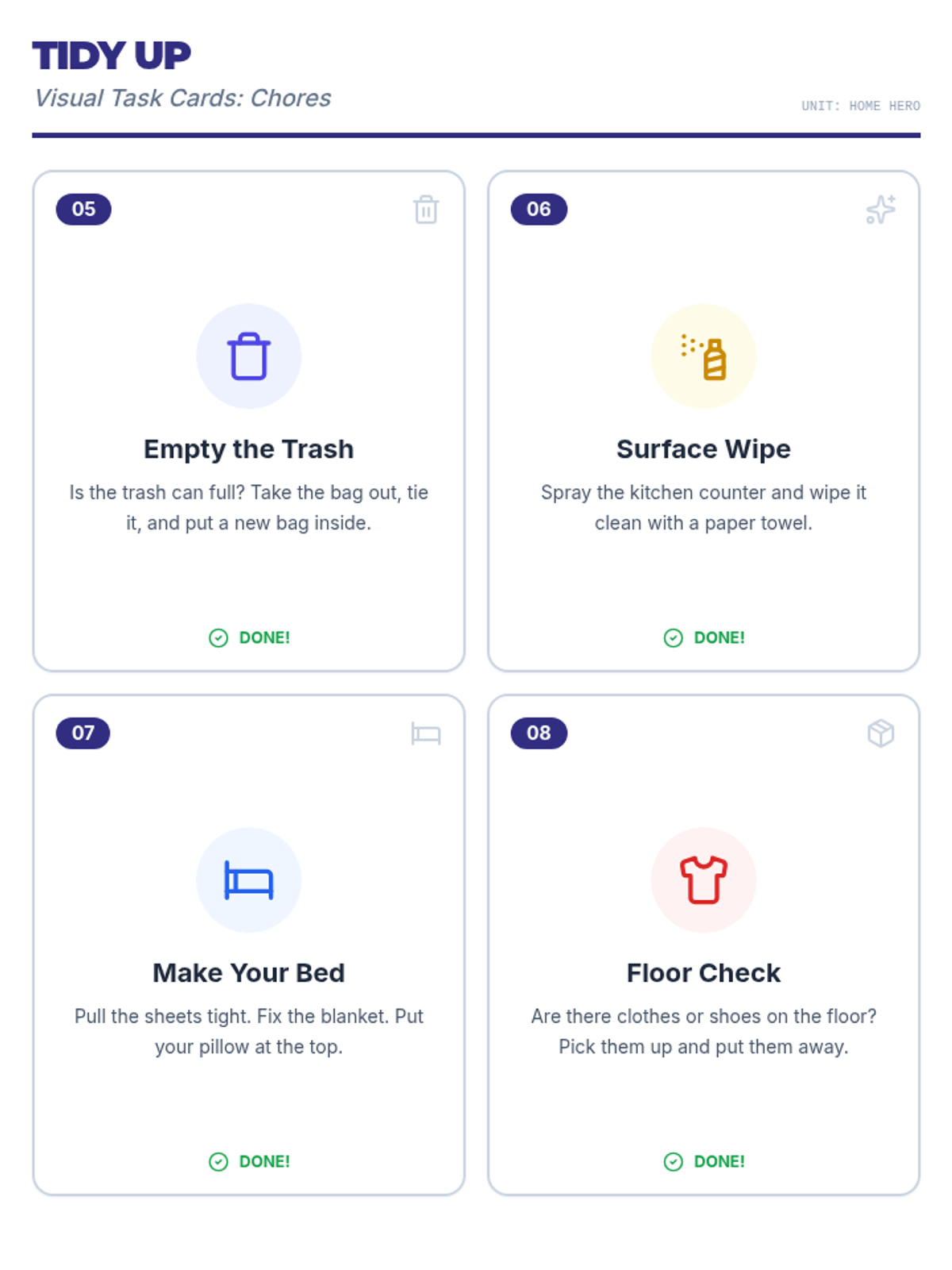
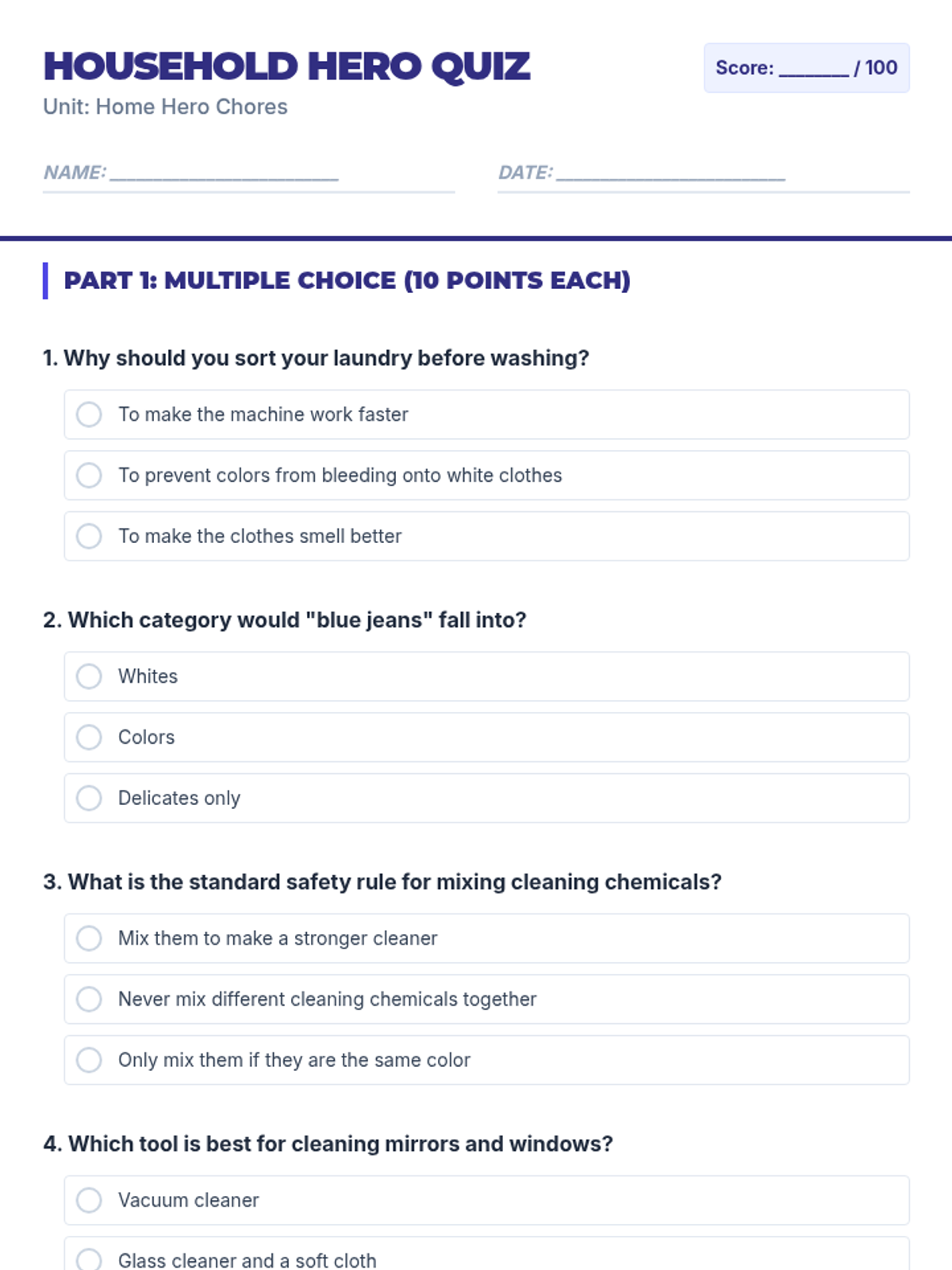
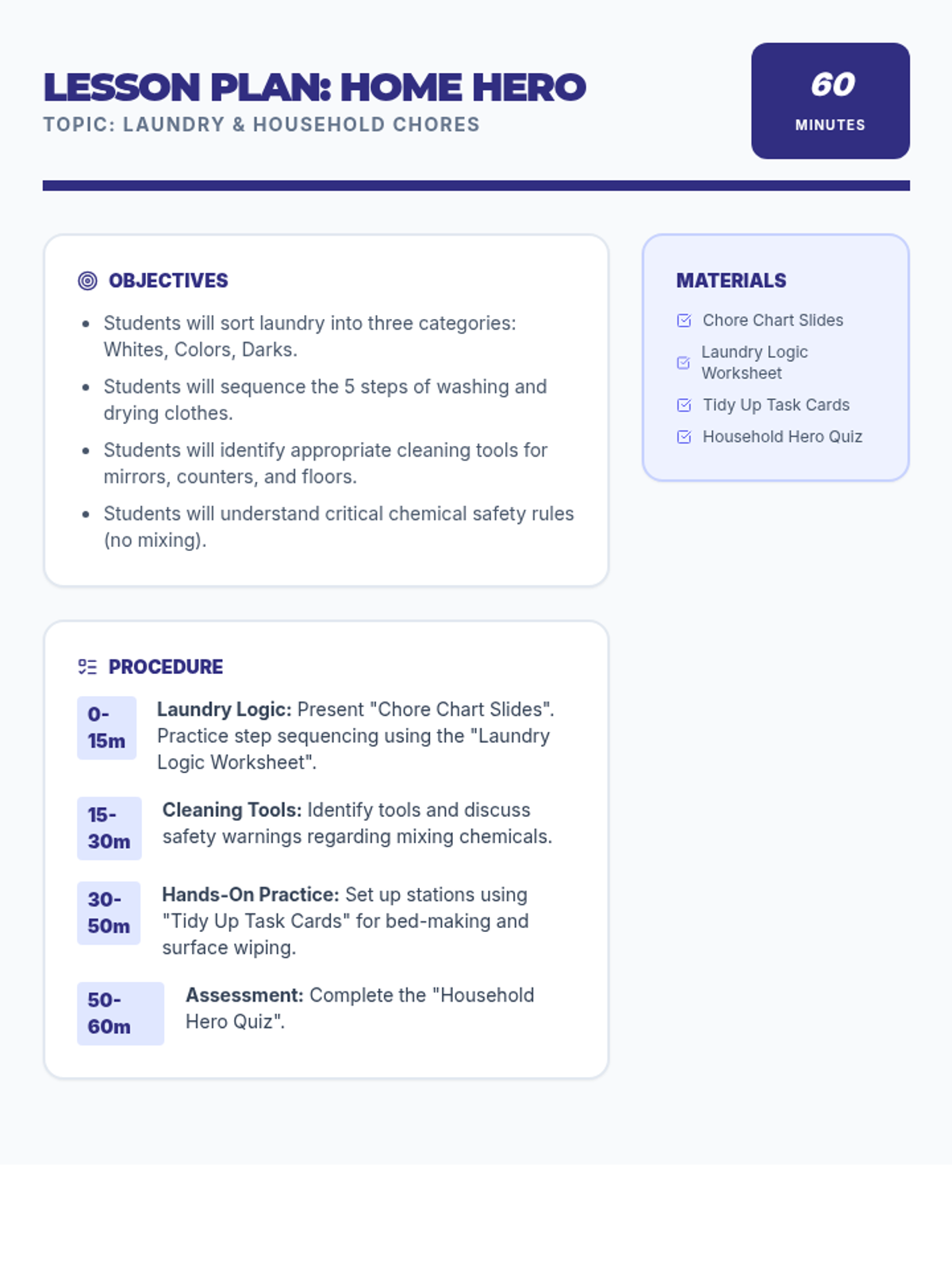
Essential skills for maintaining a household, including chores, laundry, and daily organization.
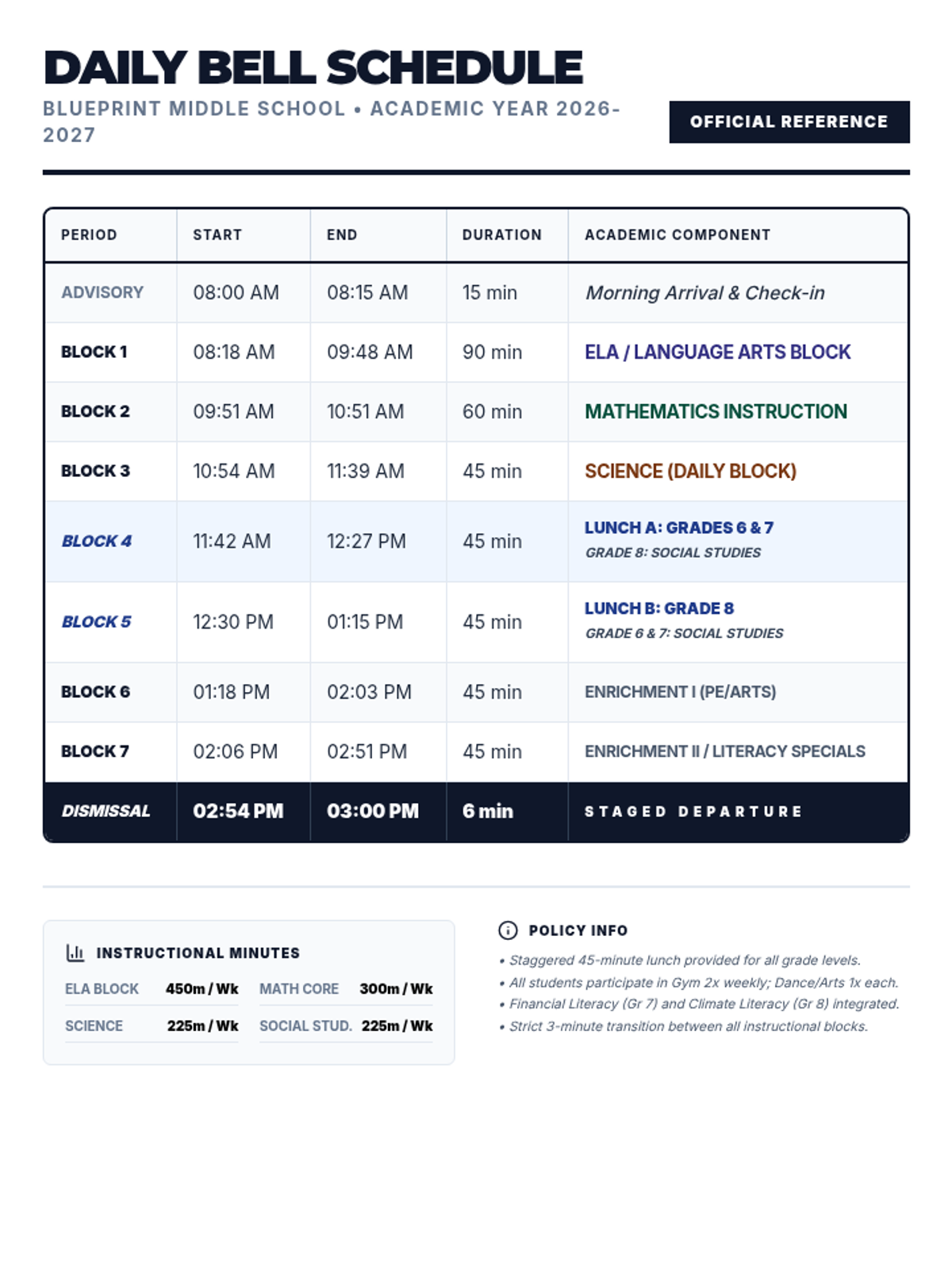
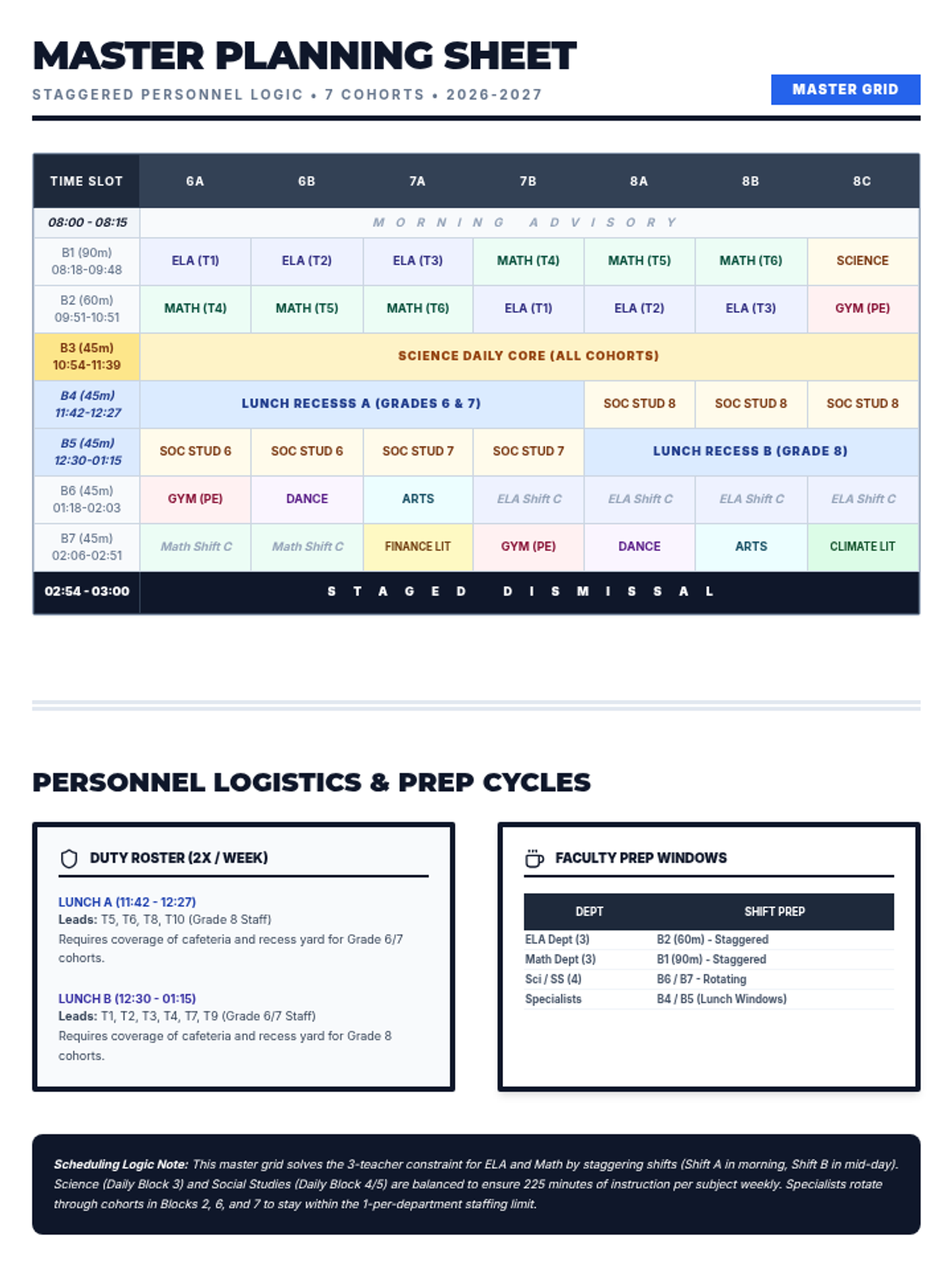
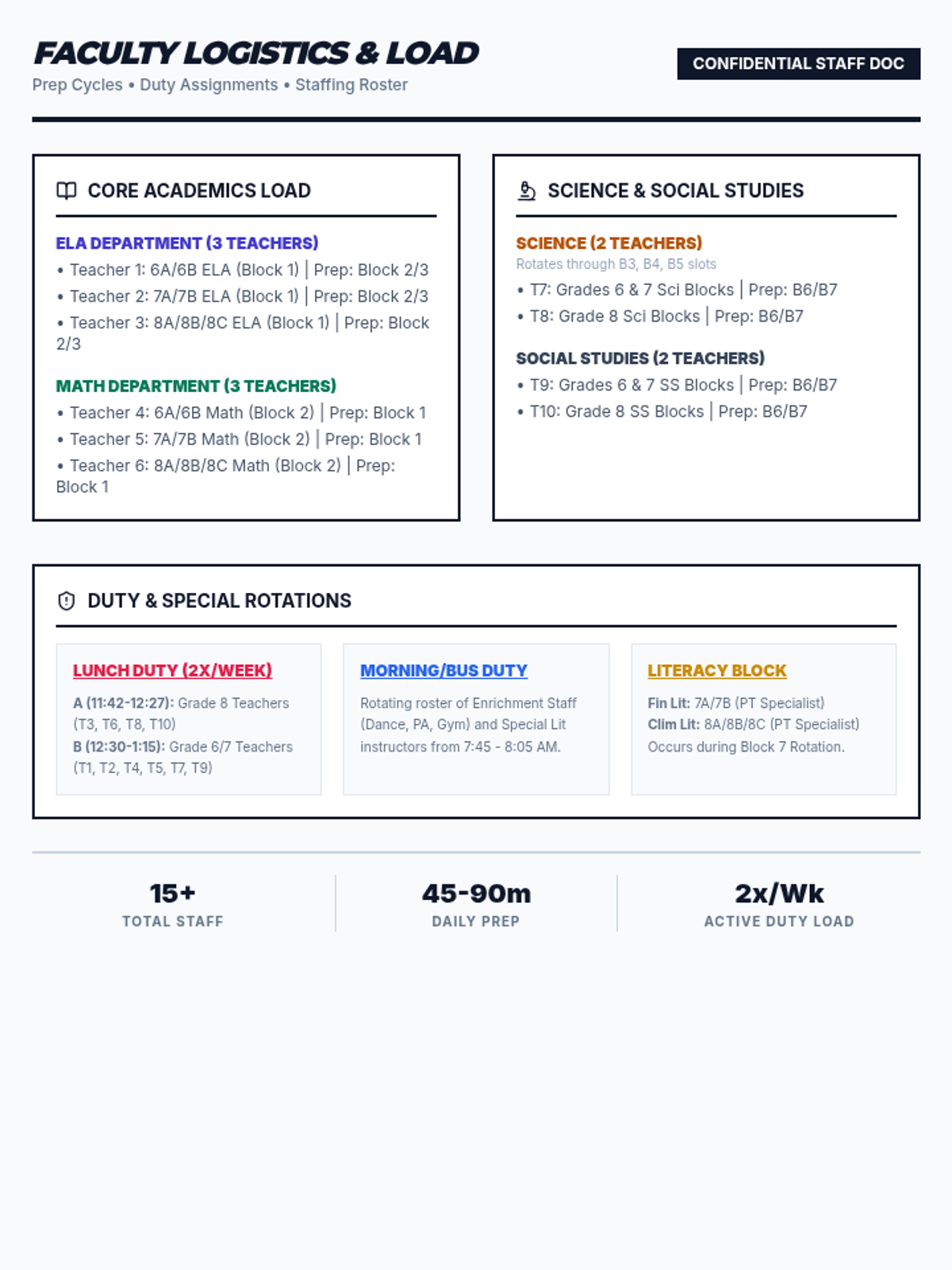
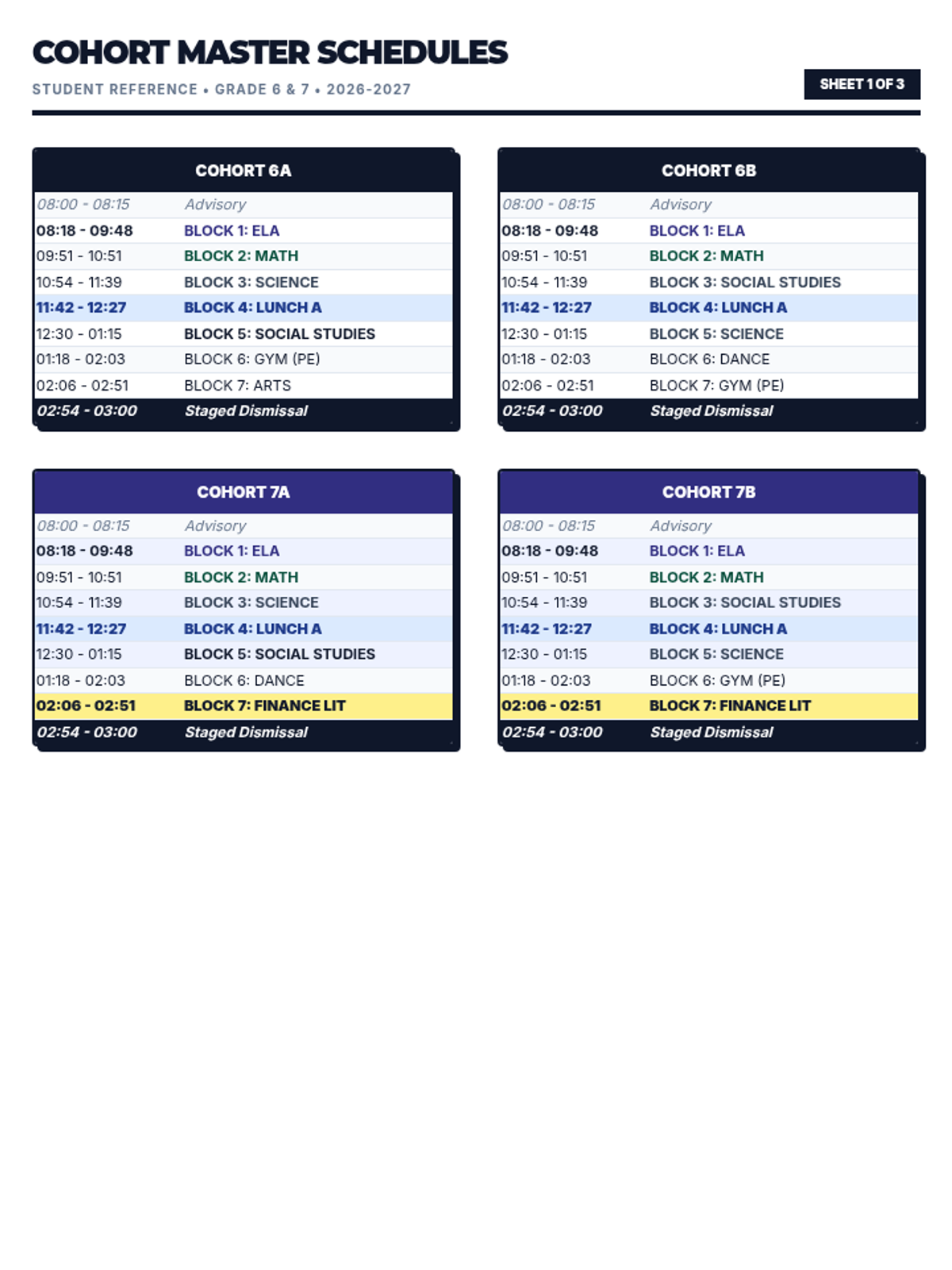
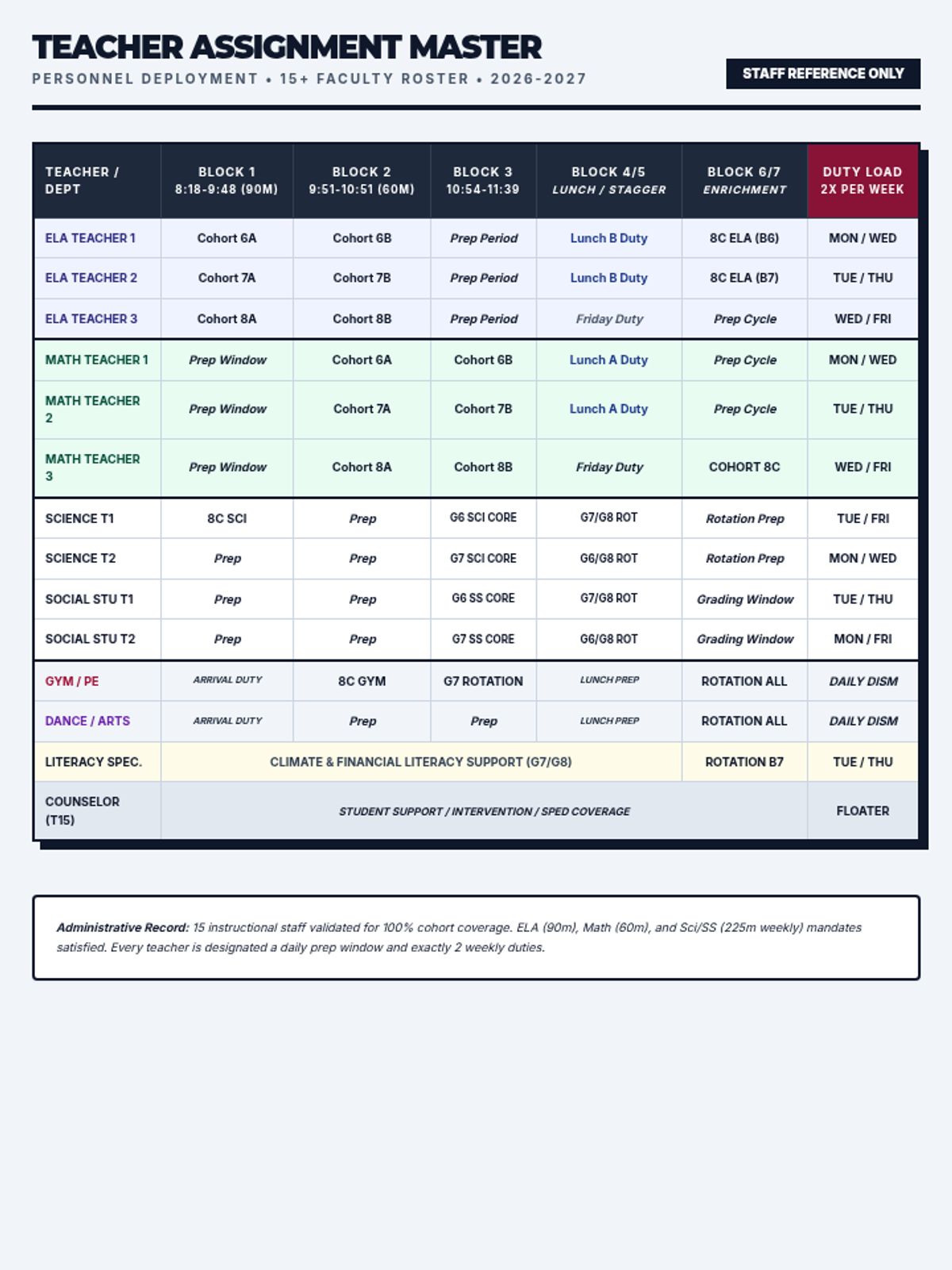
A set of materials for managing the daily school schedule, including a master cohort grid, teacher assignments, and a printable bell schedule.
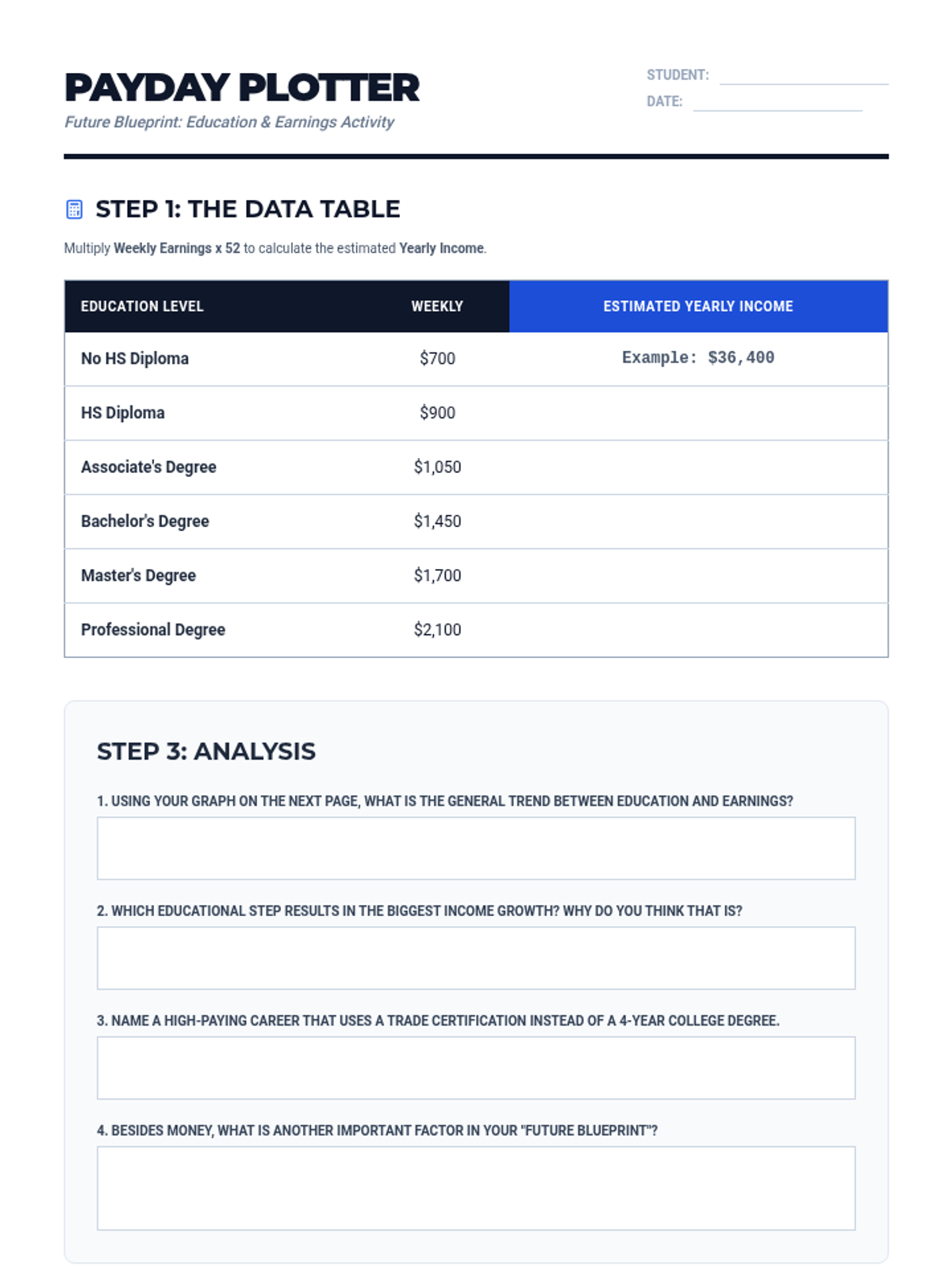
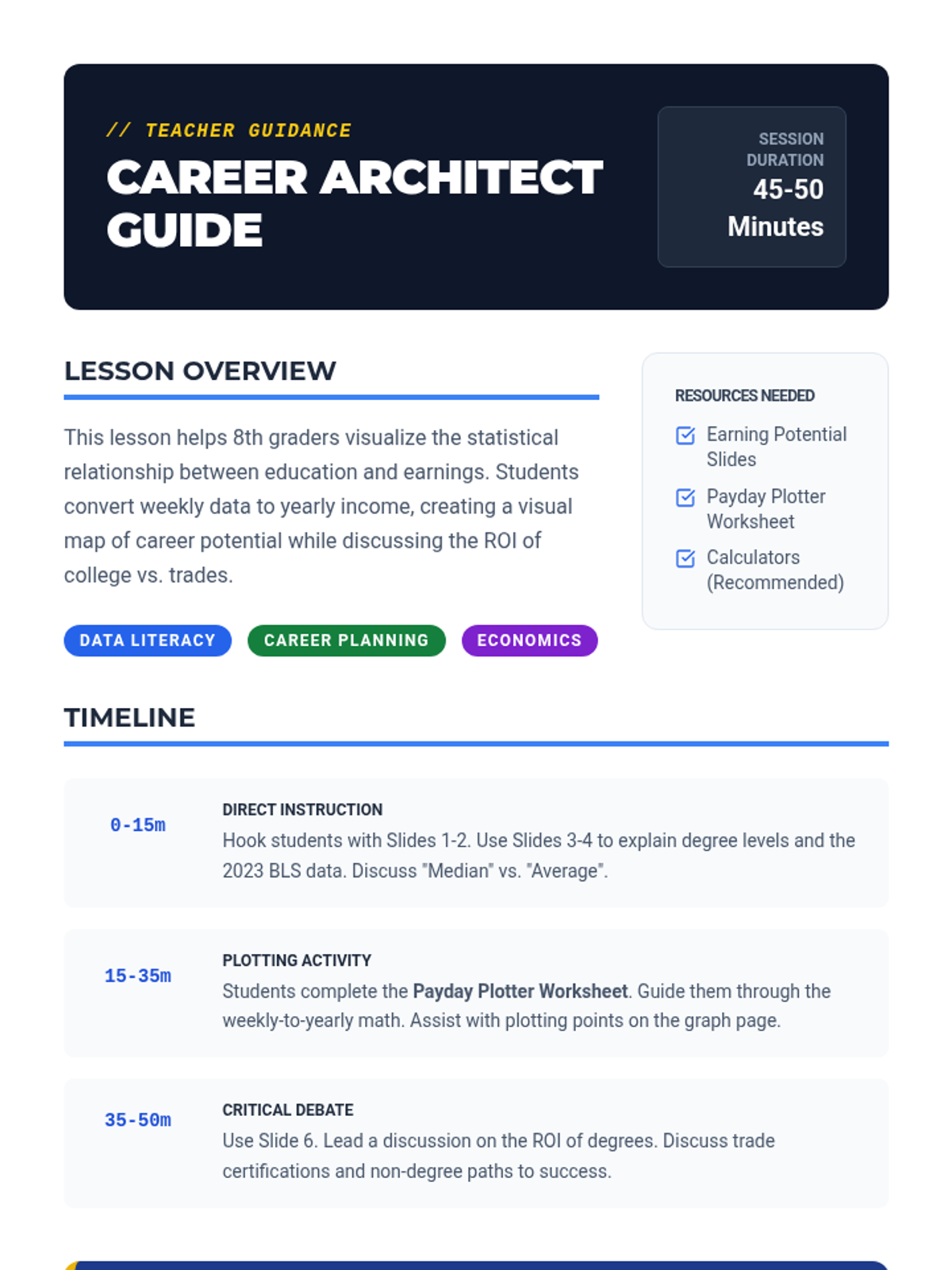
A mini-lesson for 8th graders exploring the statistical relationship between educational attainment and lifetime earnings, featuring data visualization and critical discussion about career paths.
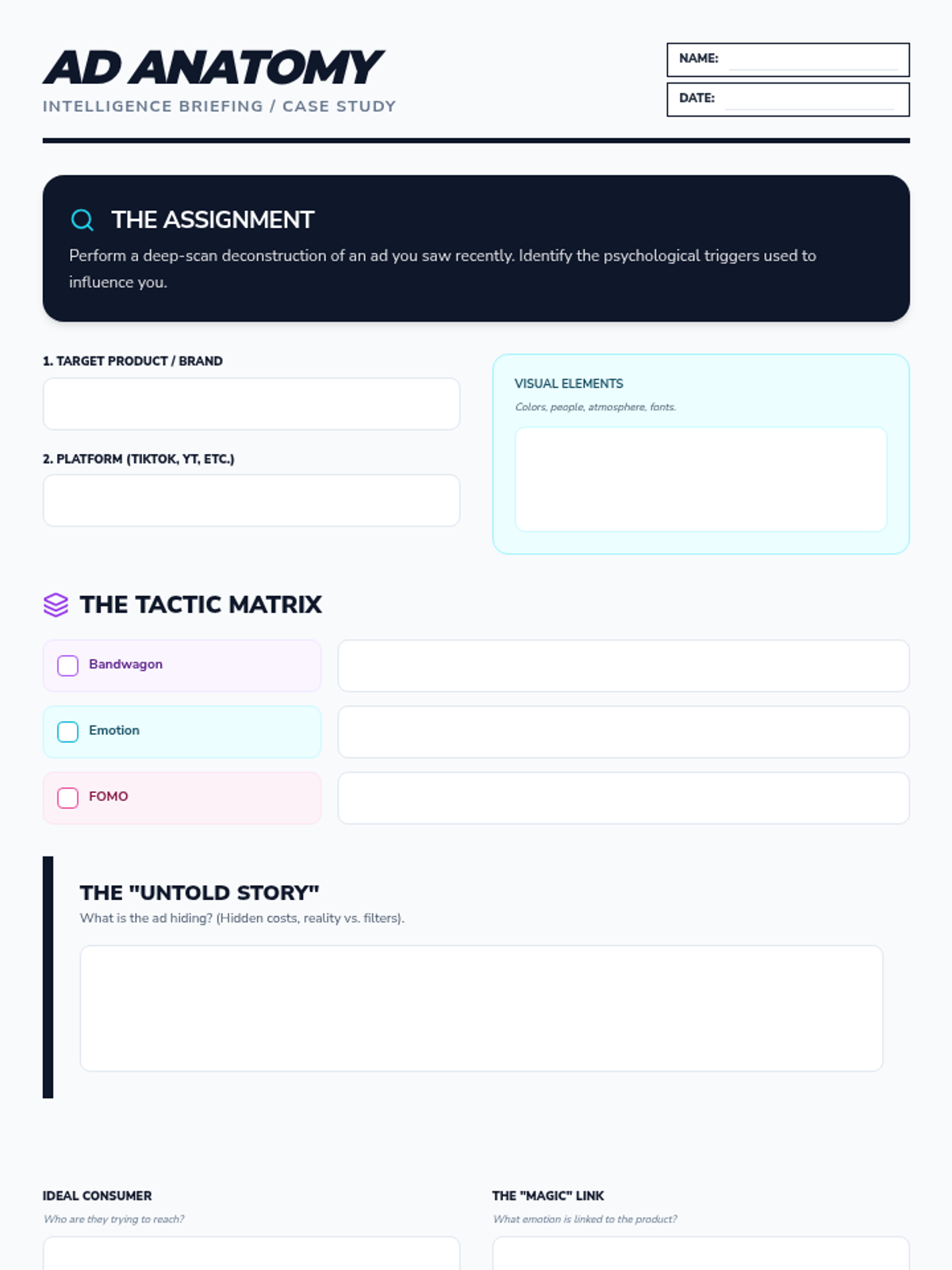
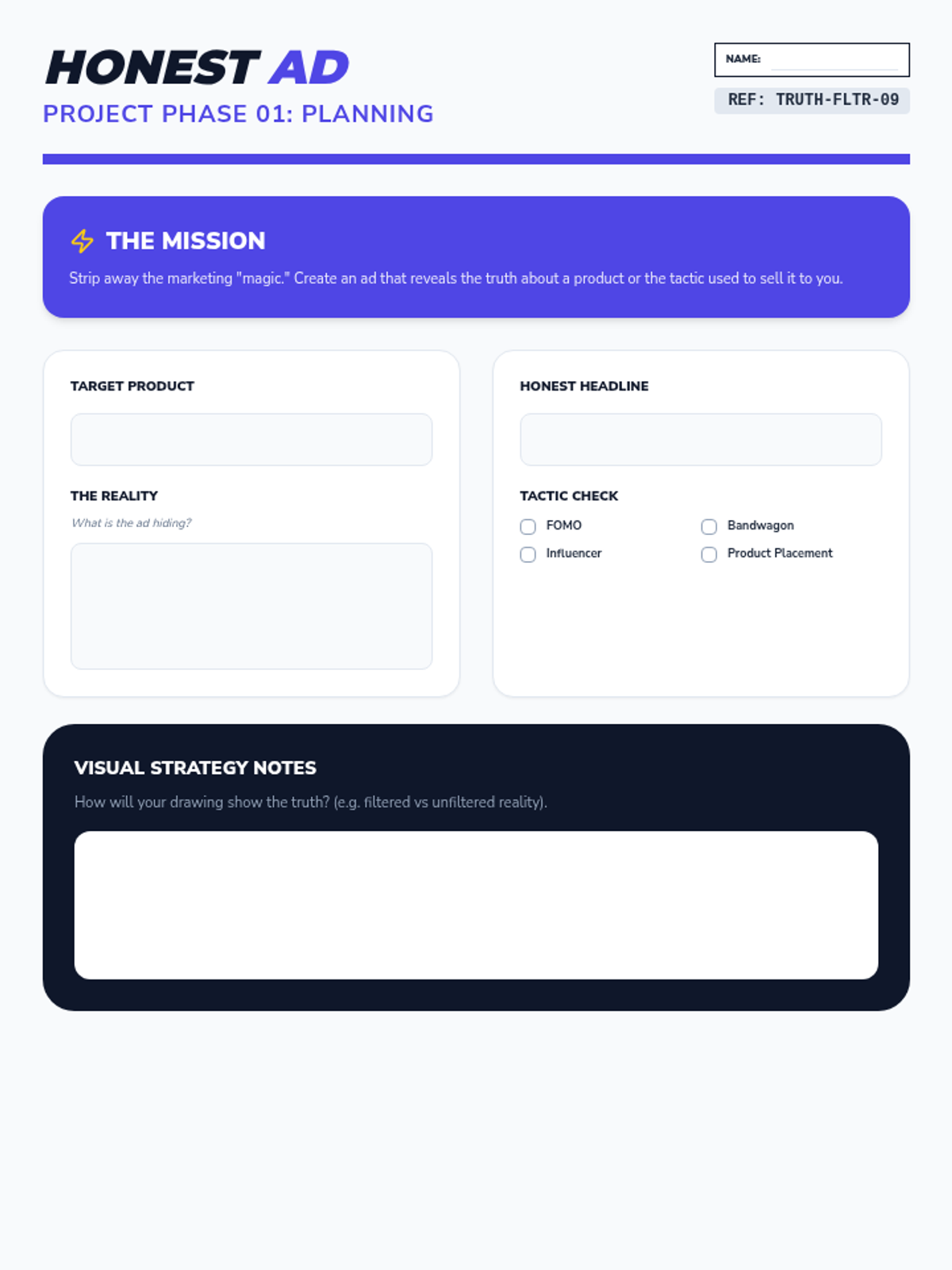
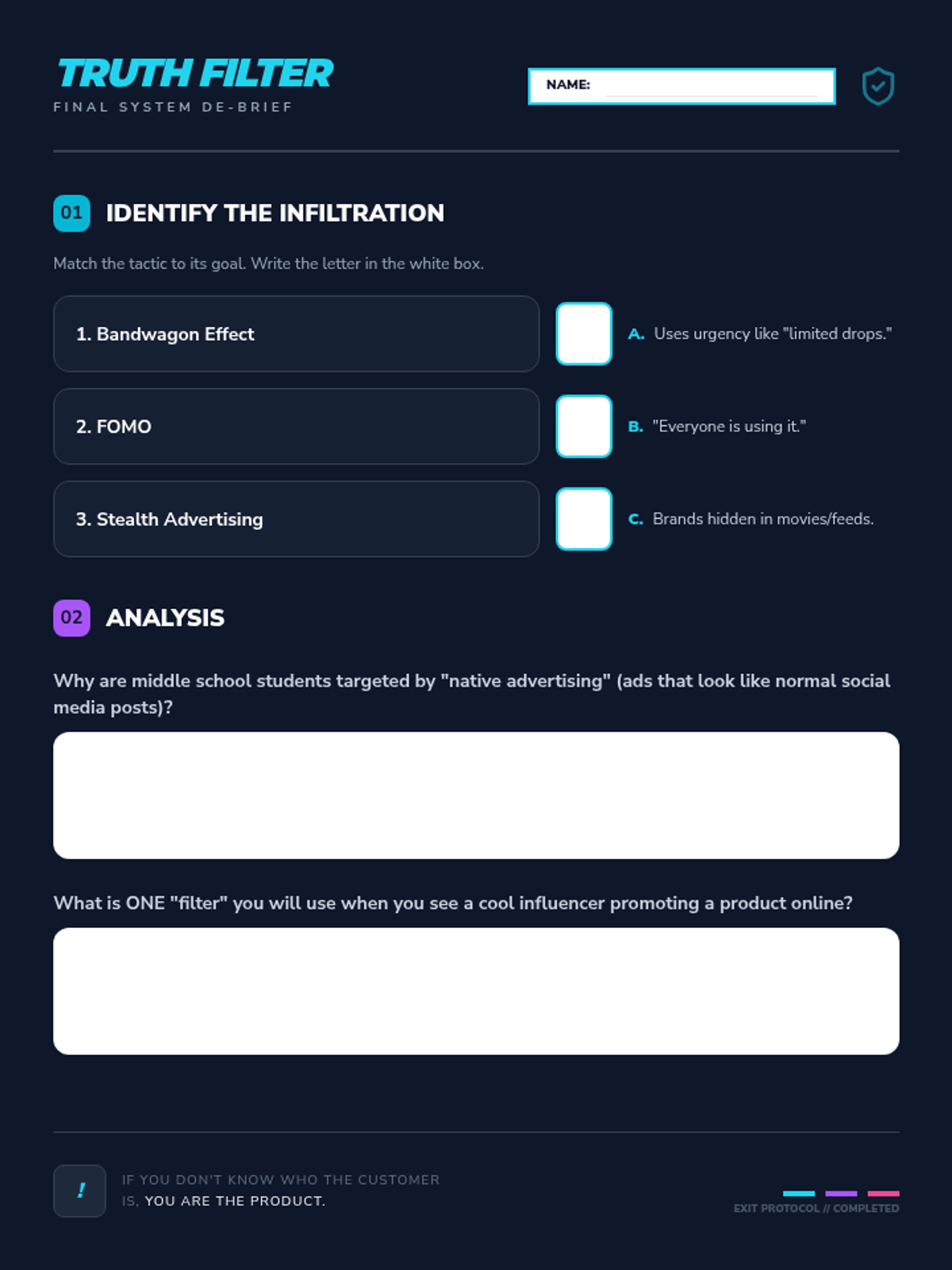
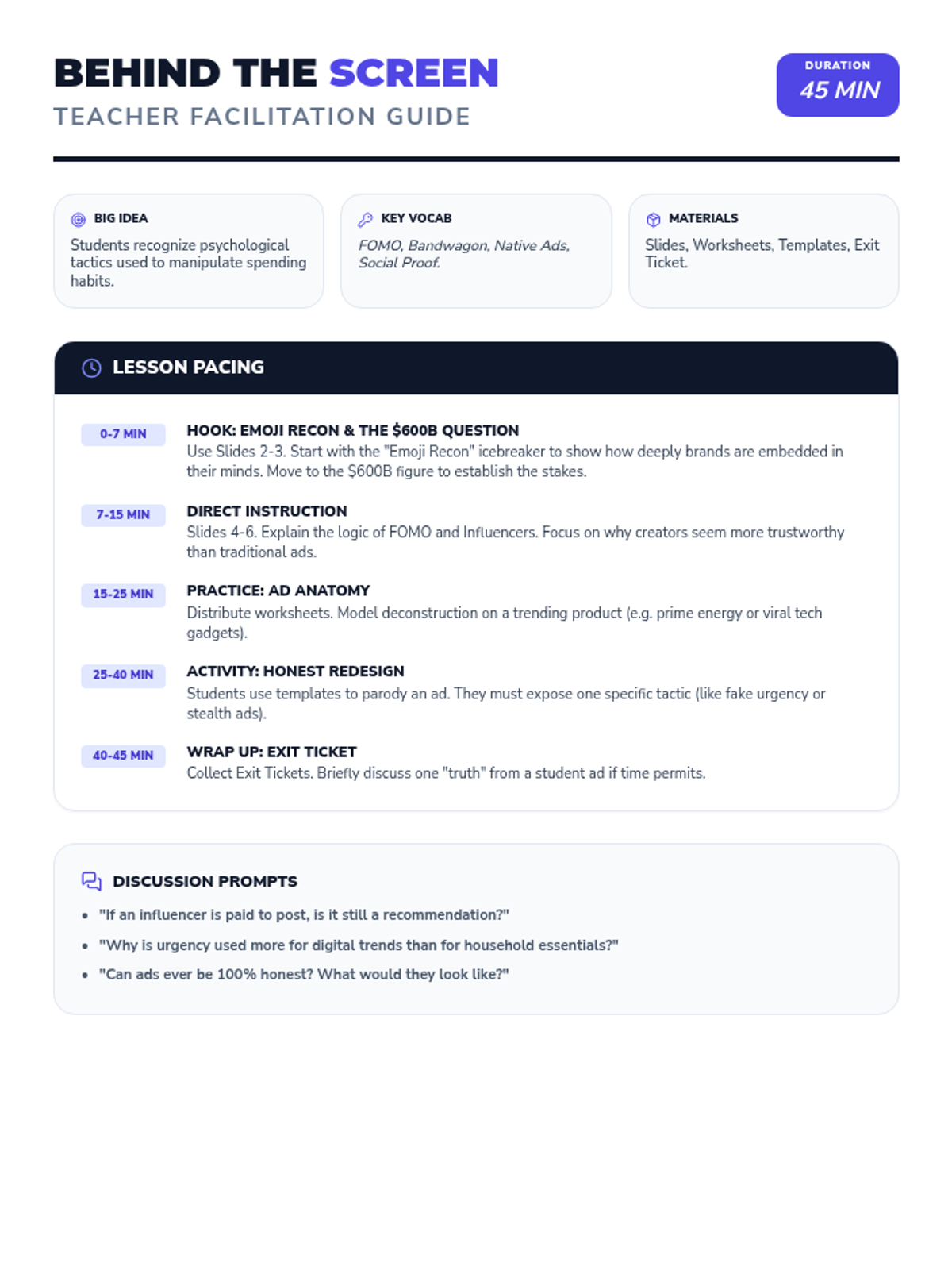
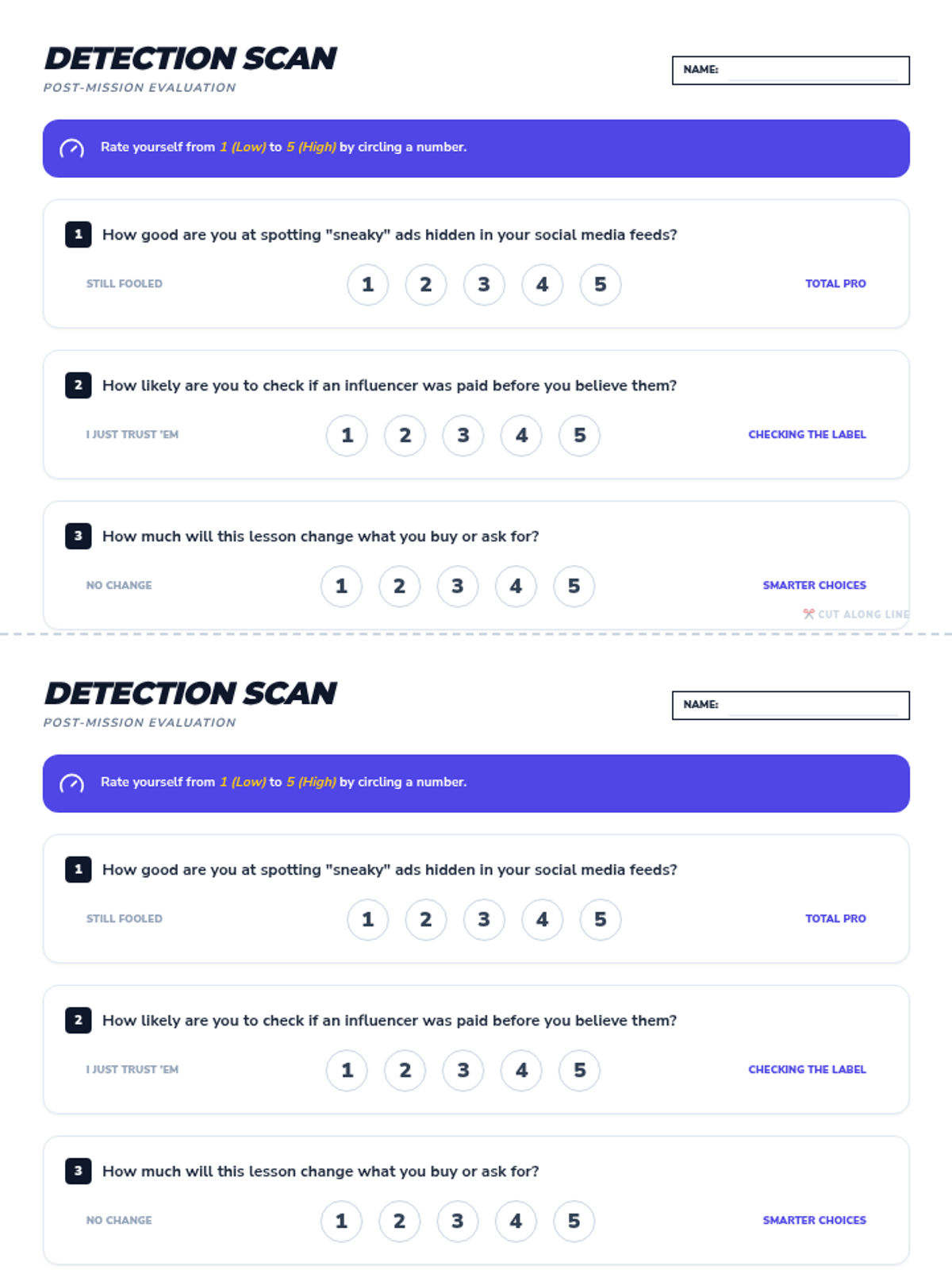
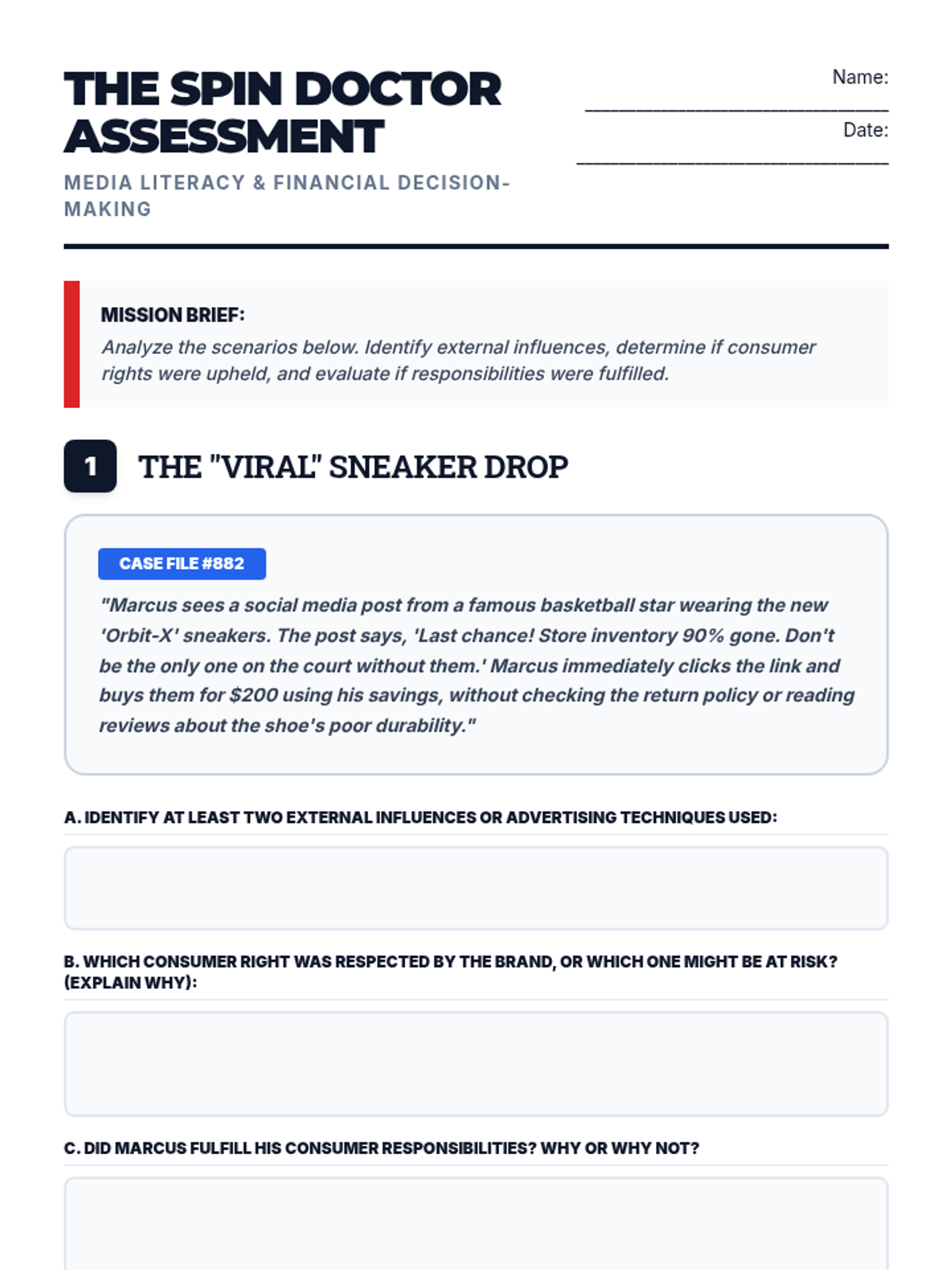
A 45-minute middle school lesson on media literacy, focusing on deconstructing advertising tactics like FOMO, influencer marketing, and hidden product placement through a creative redesign project.
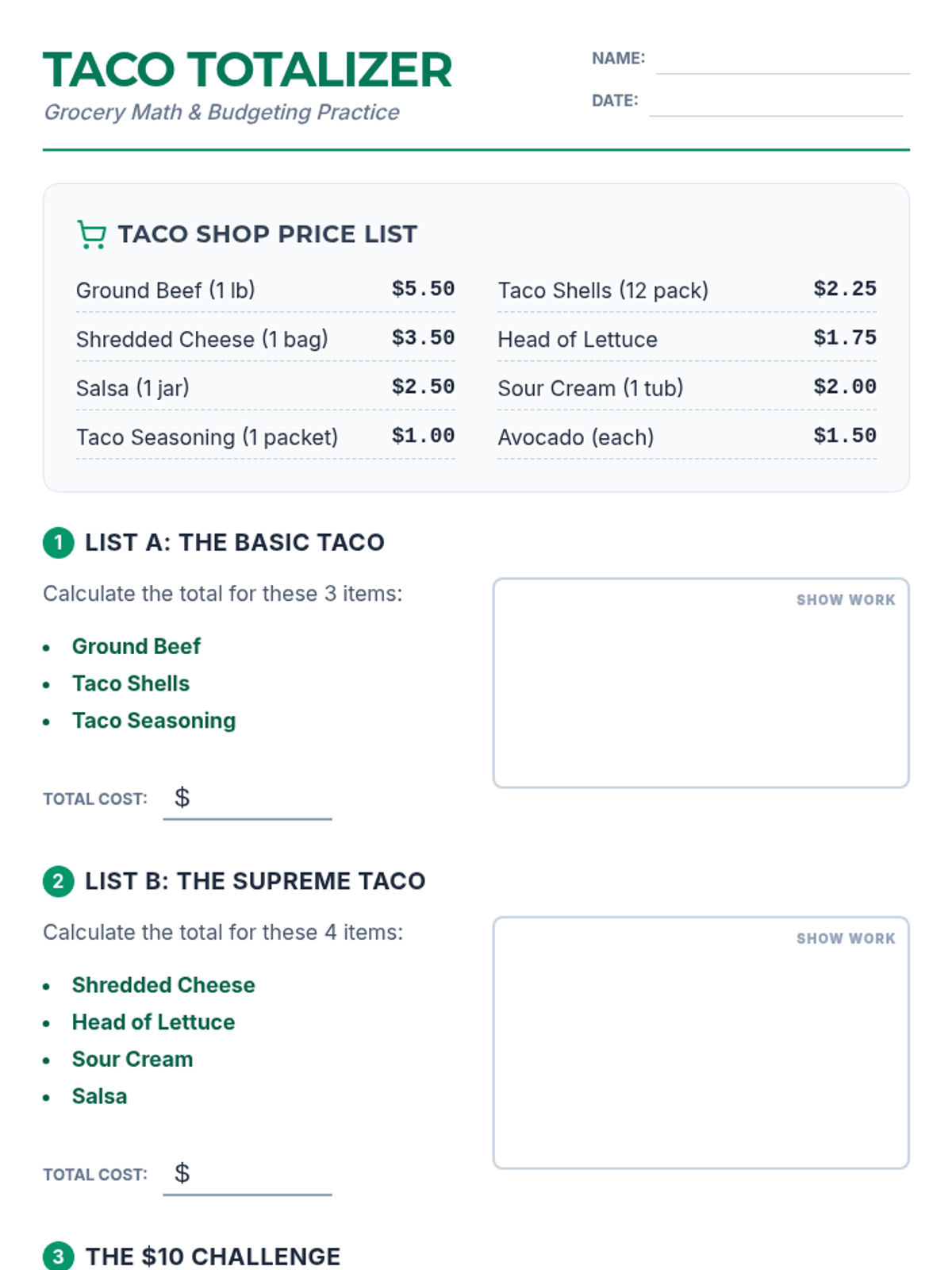
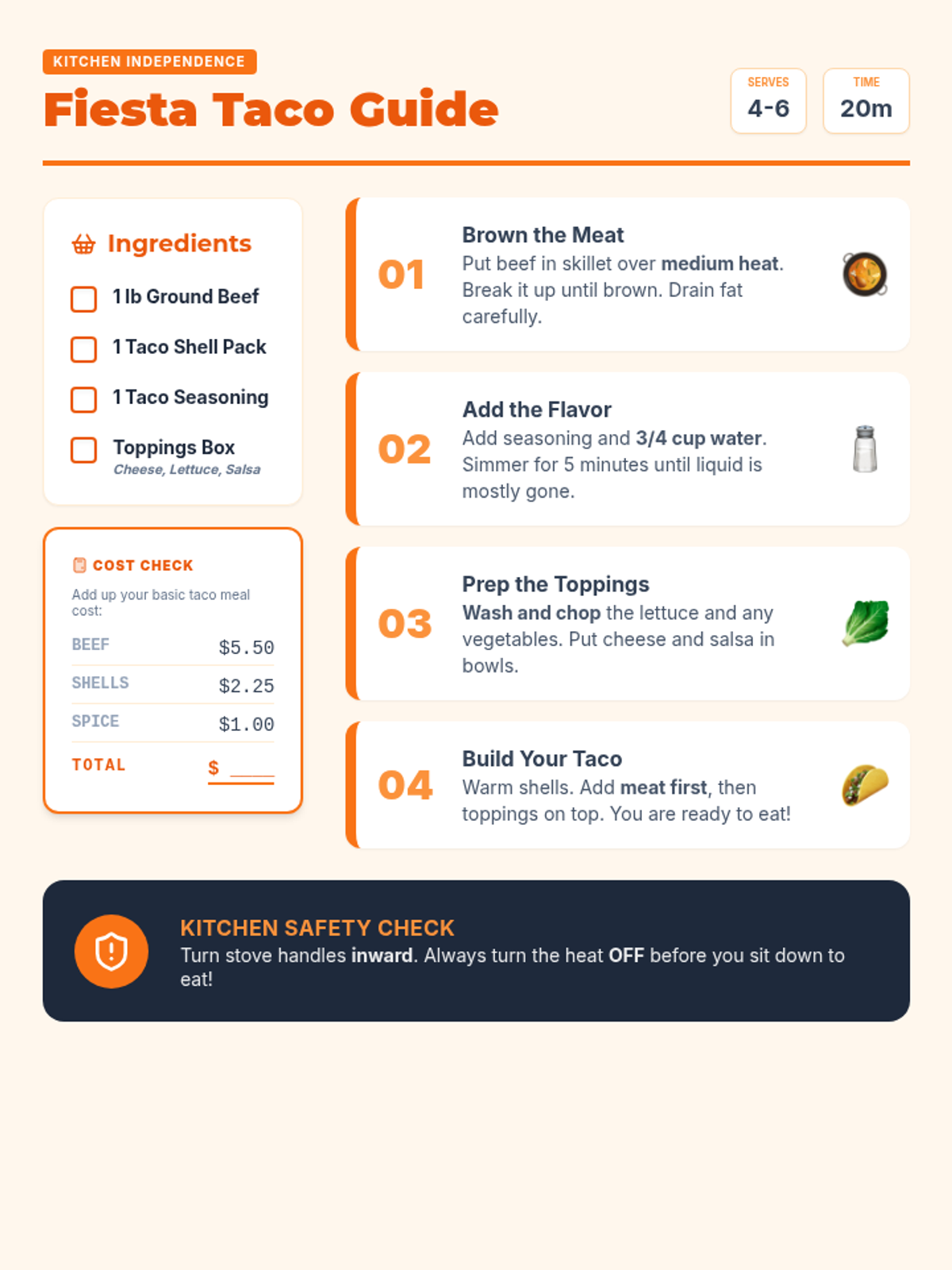
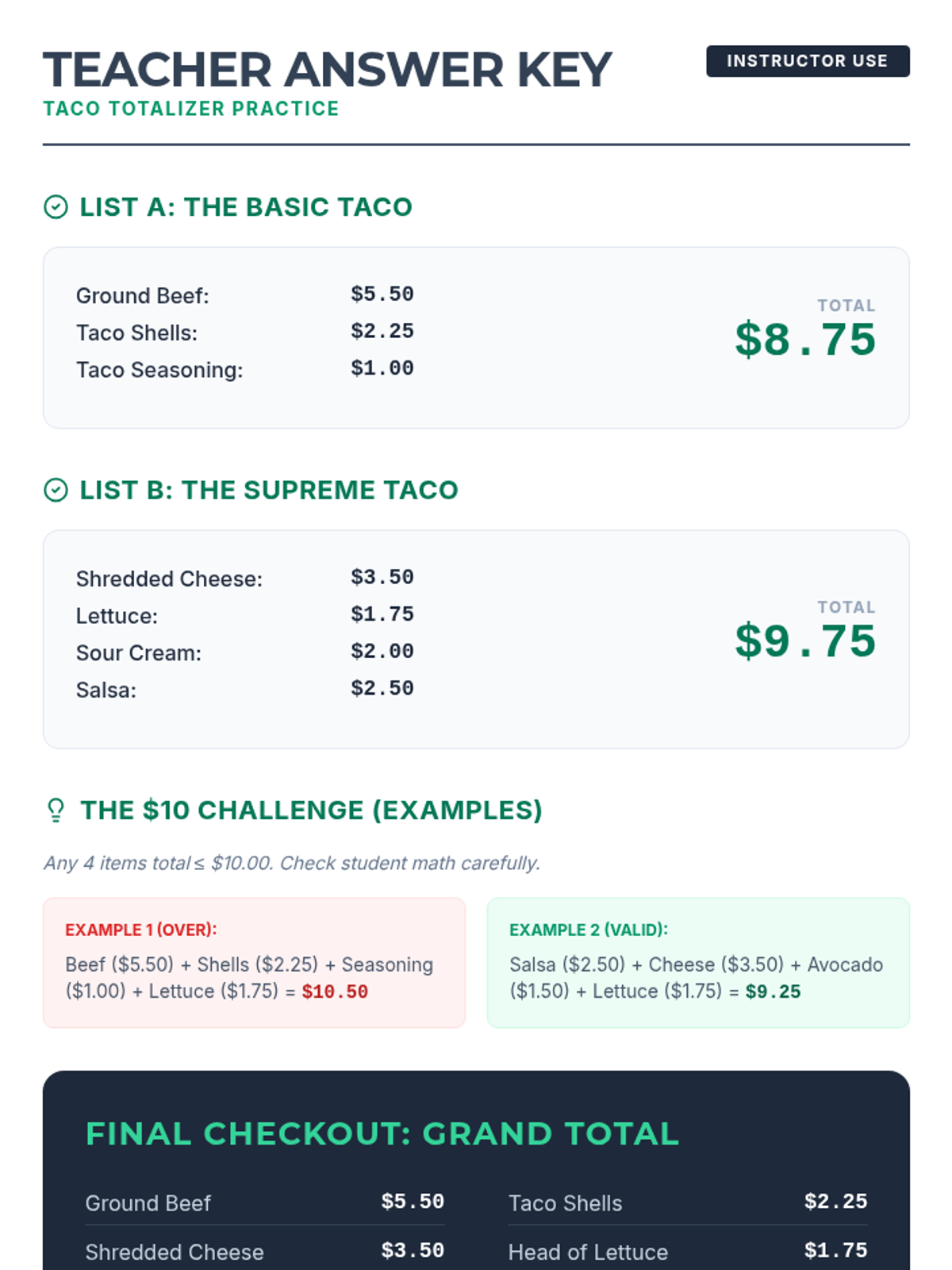
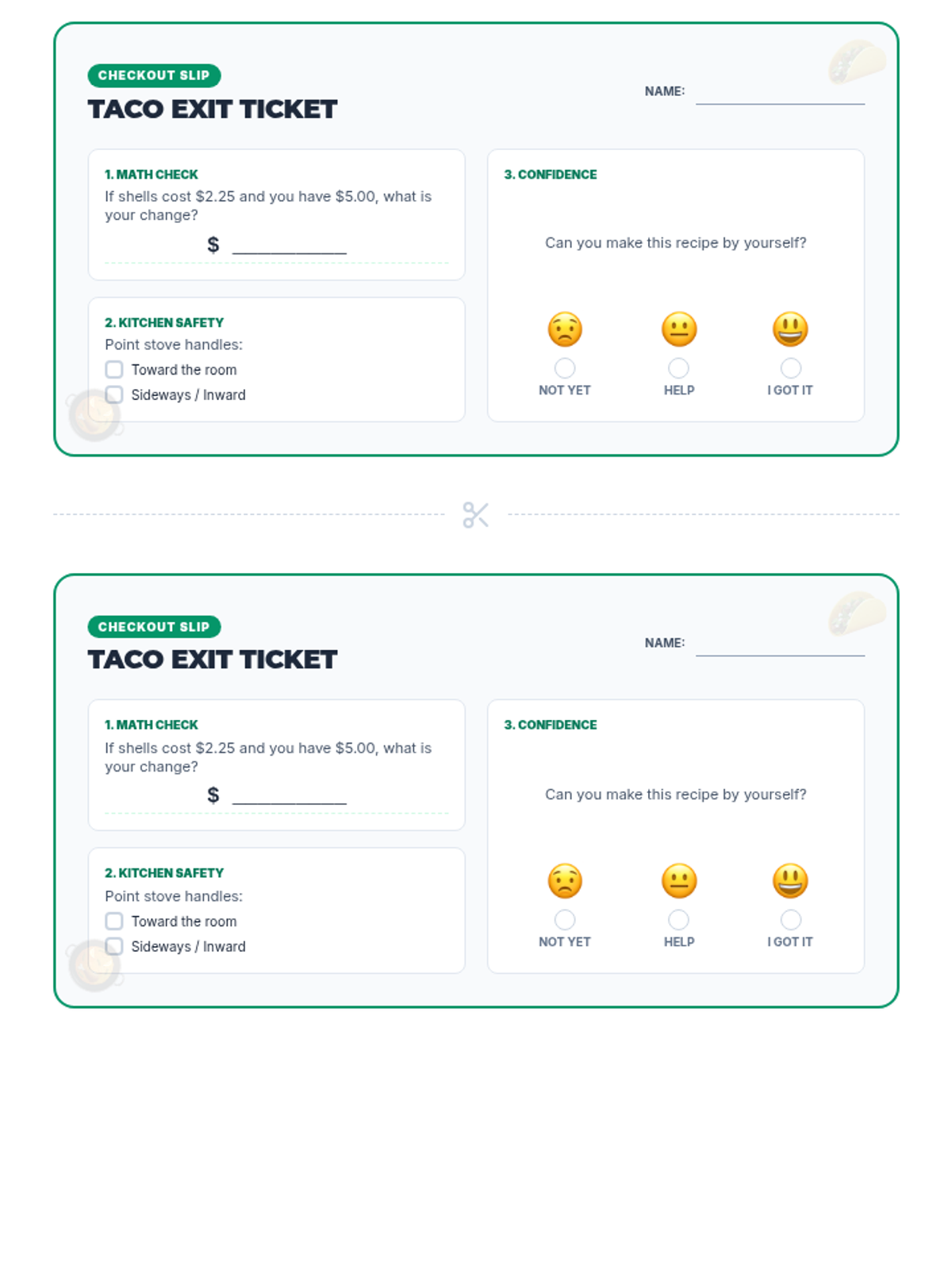
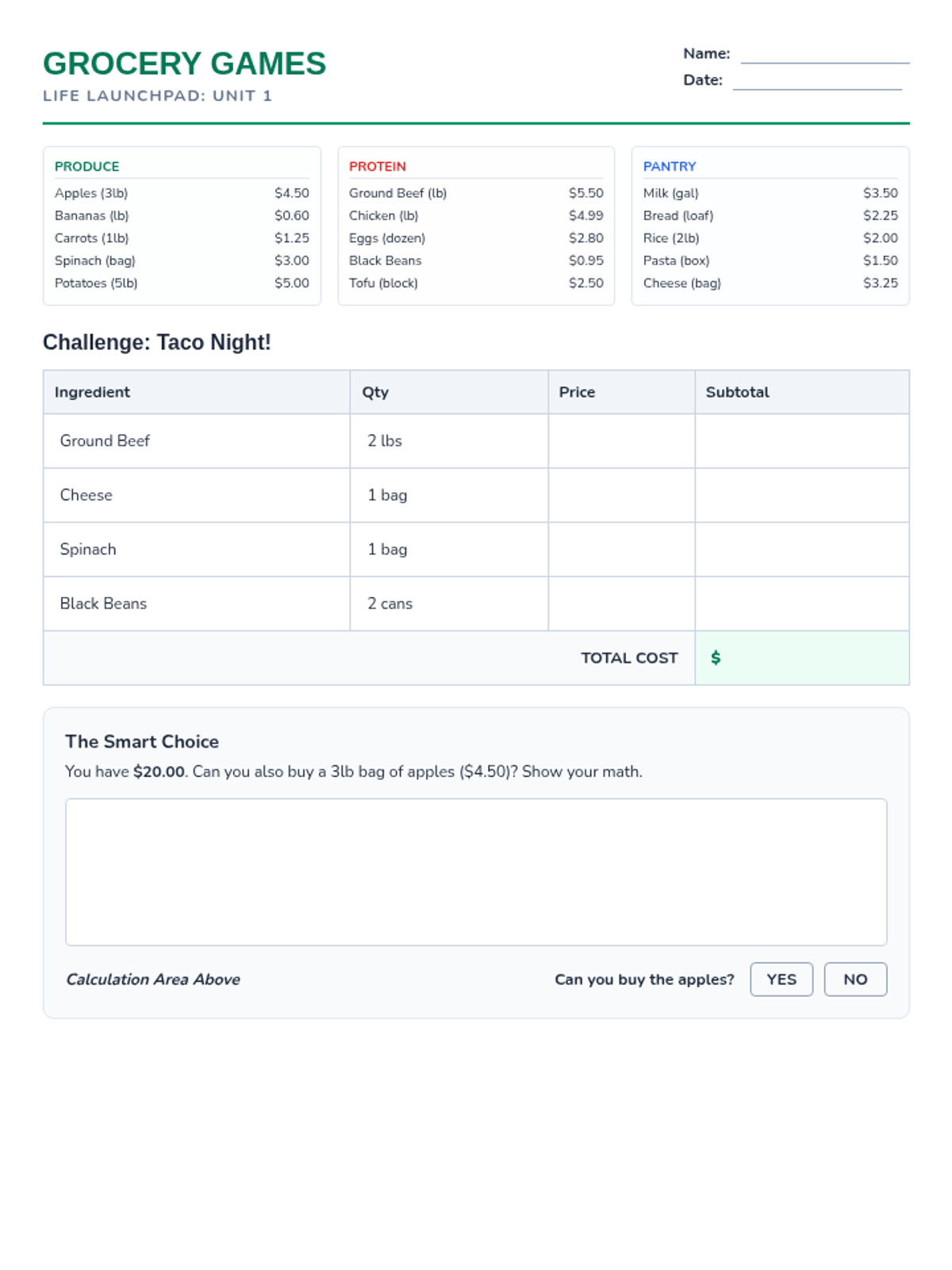
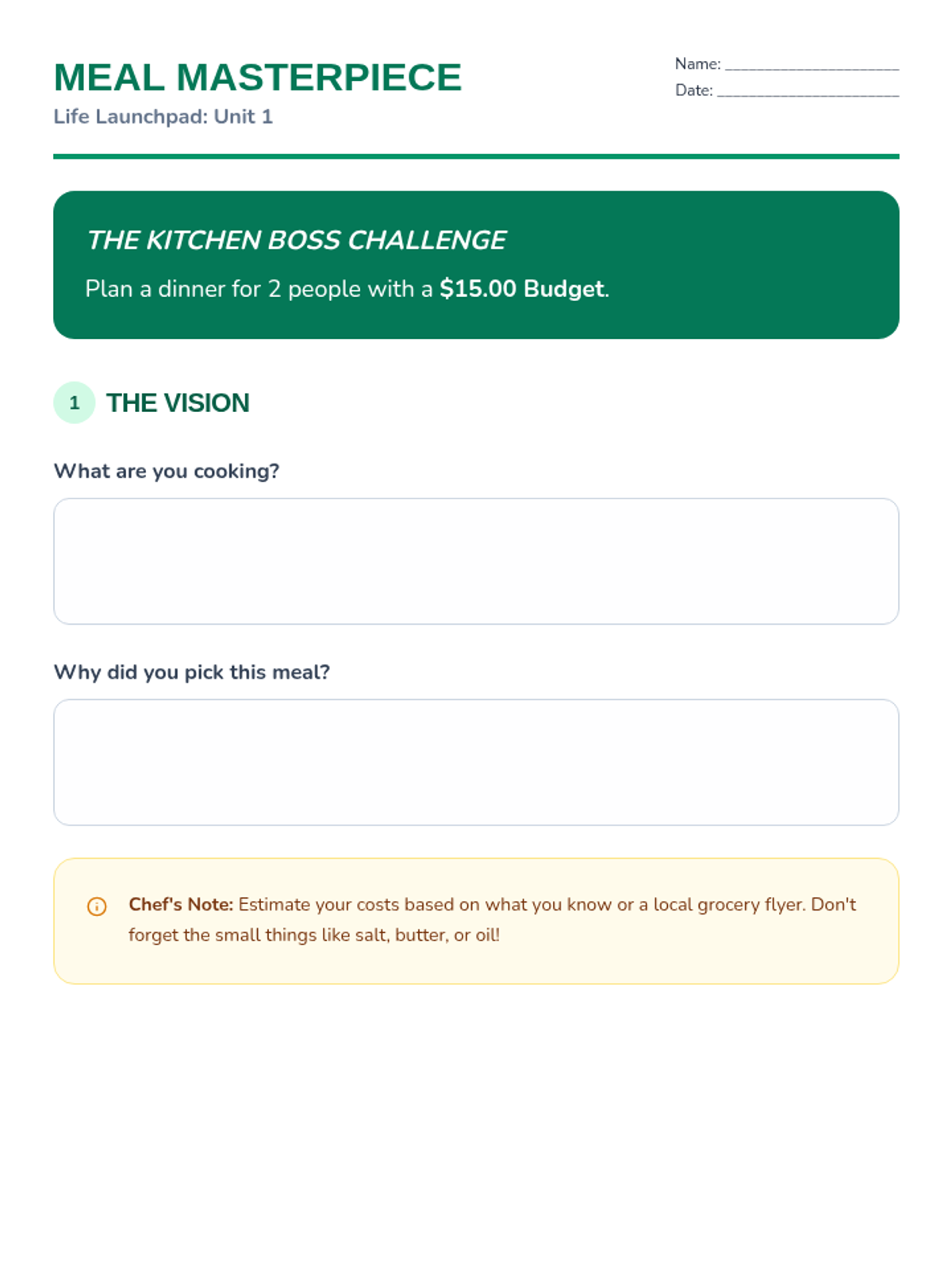
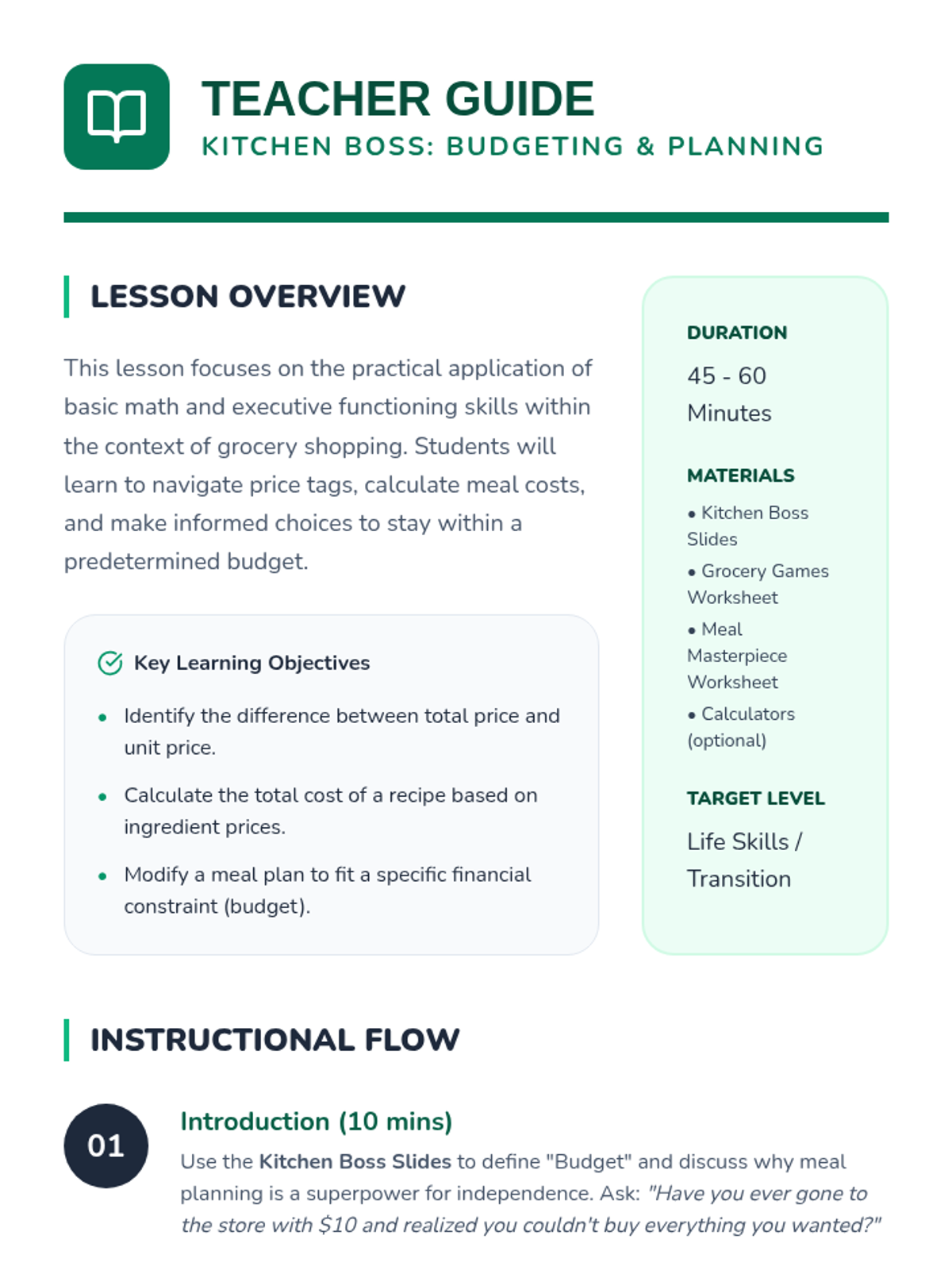
A life skills lesson focused on grocery budgeting and following a visual recipe to build independence in the kitchen. Students calculate ingredient costs before preparing a simple meal.
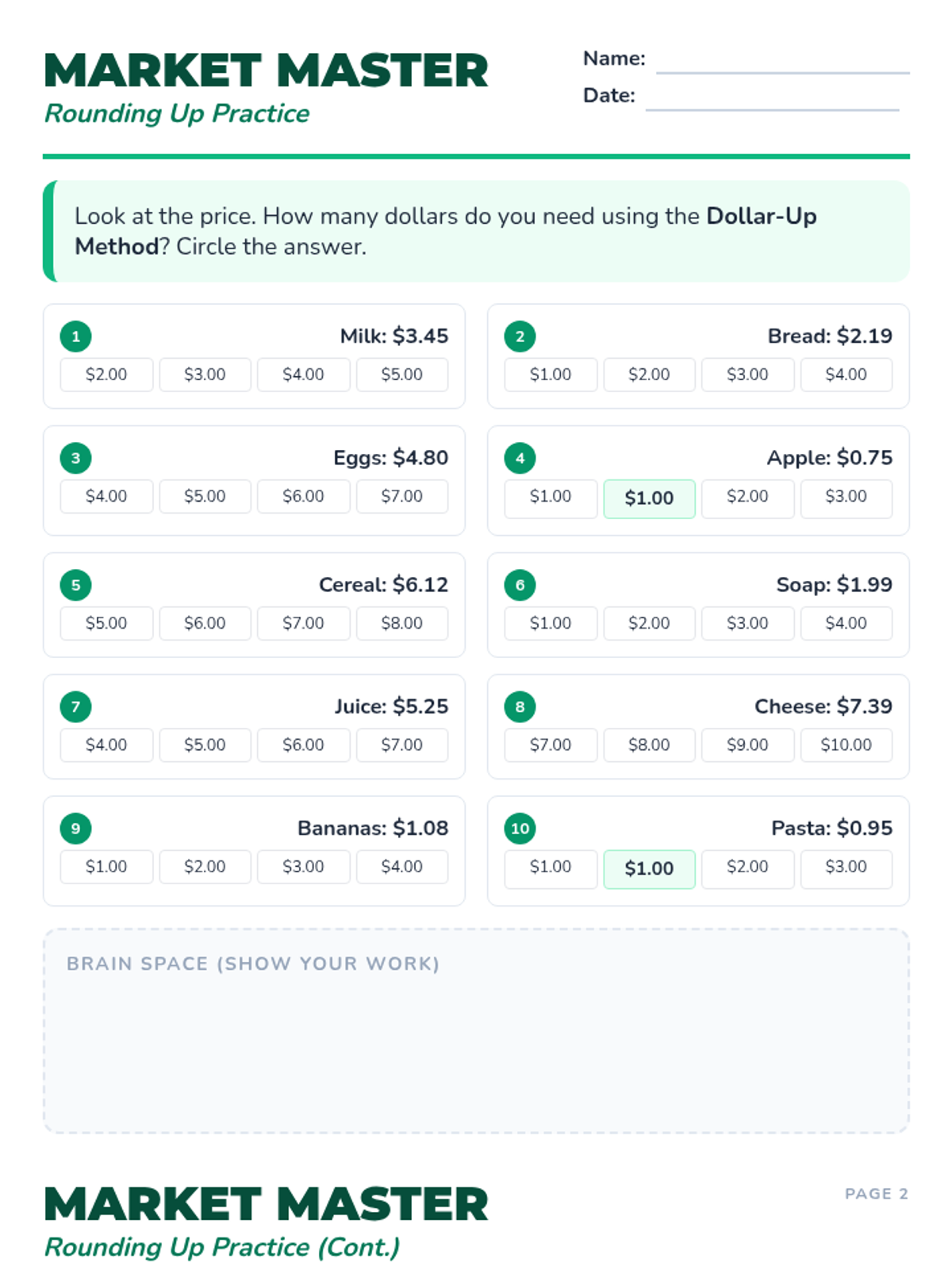
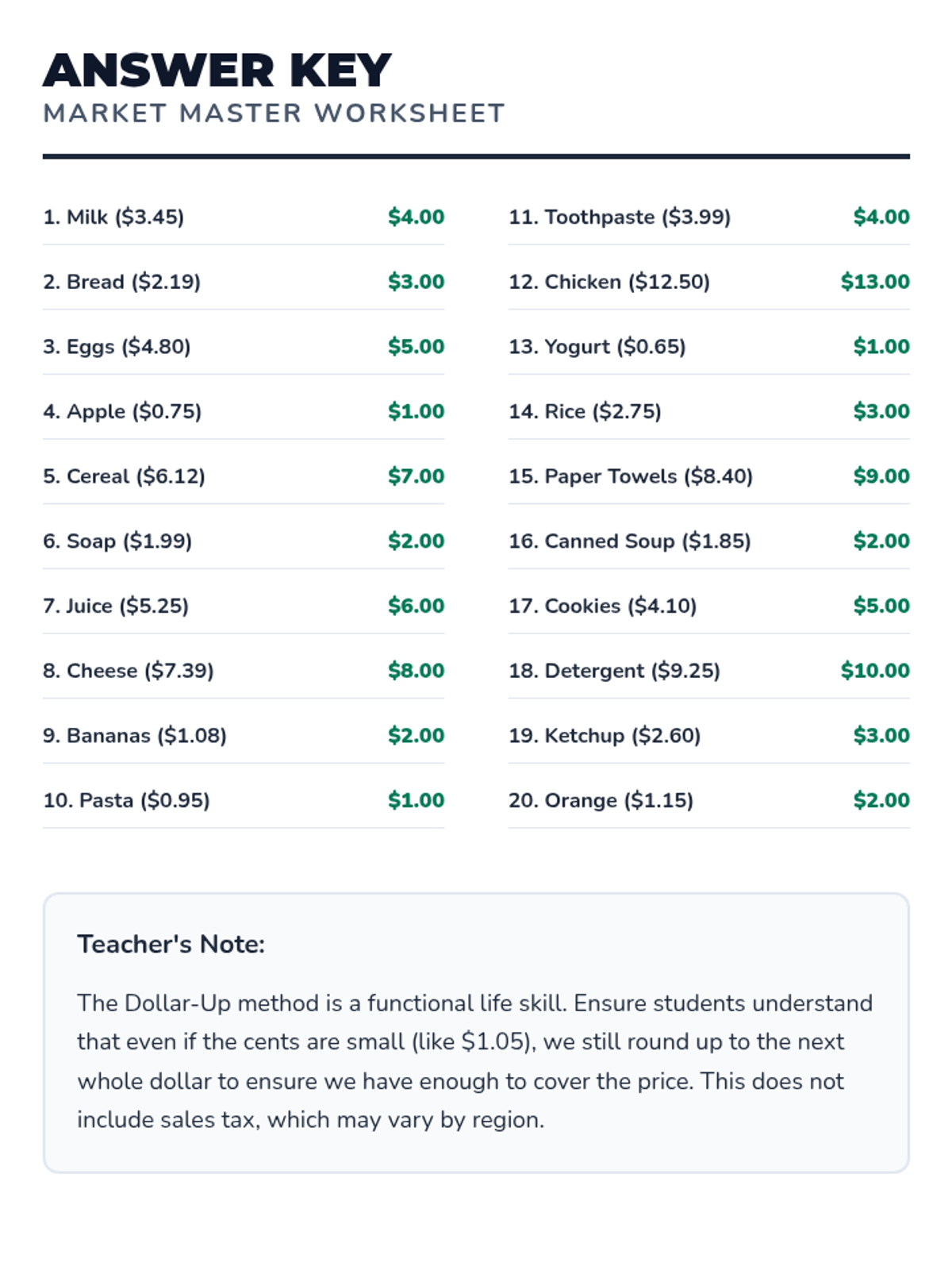
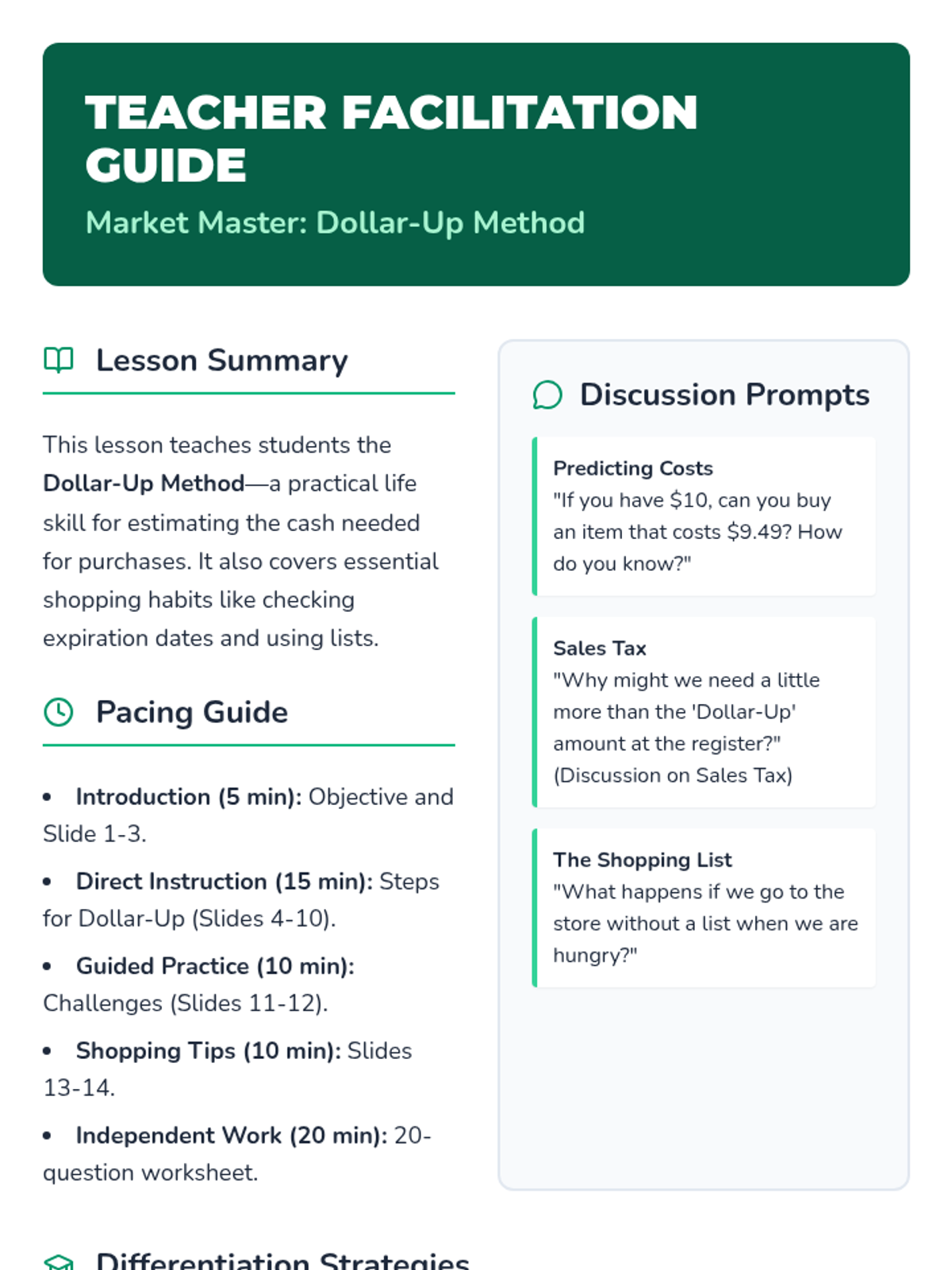
A practical math lesson focused on the 'dollar-up' method for making purchases at a grocery store, including shopping tips and rounding practice.
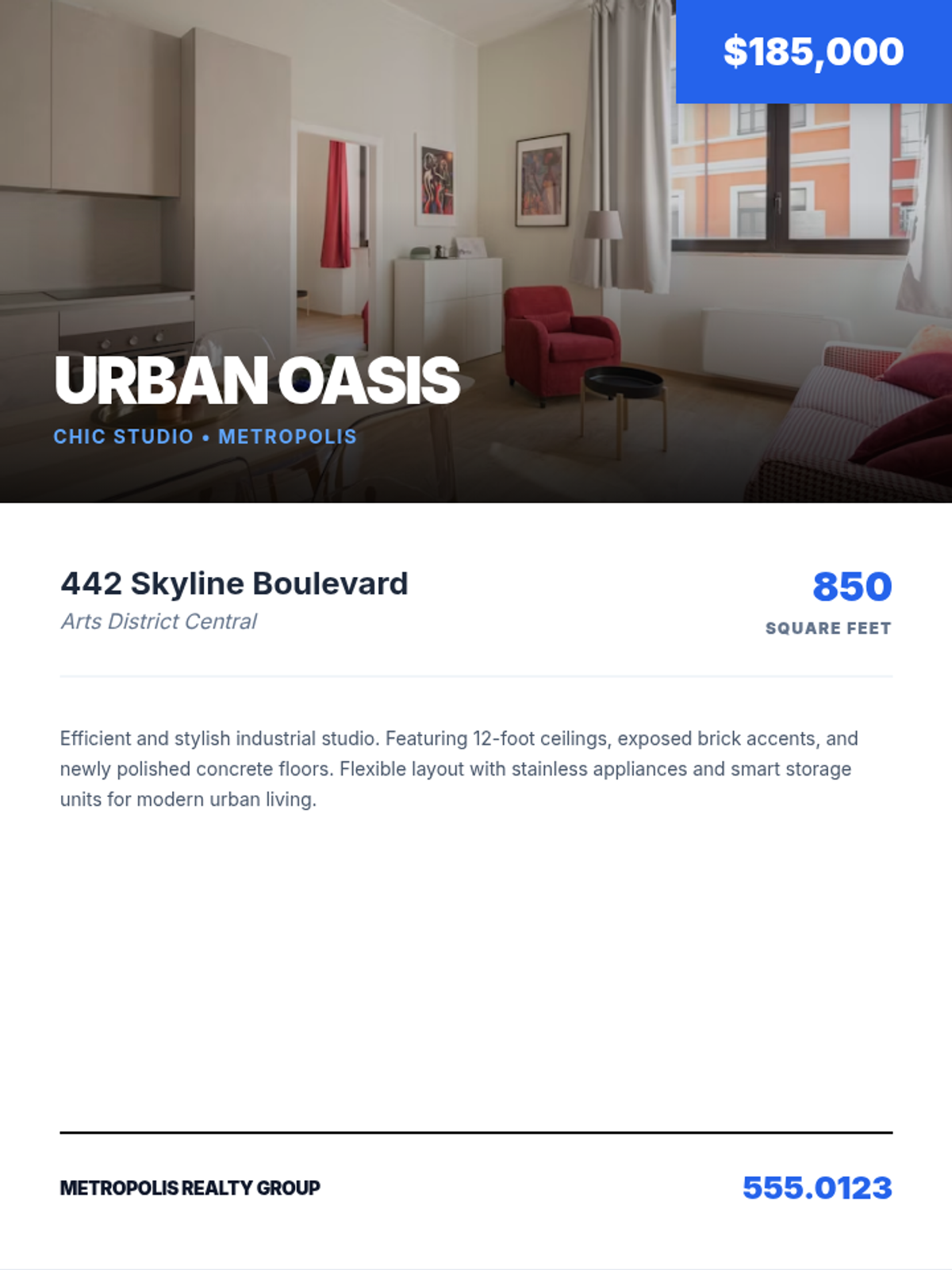
A collection of professionally designed real estate listing posters featuring unique properties with detailed descriptions, pricing, and specifications.
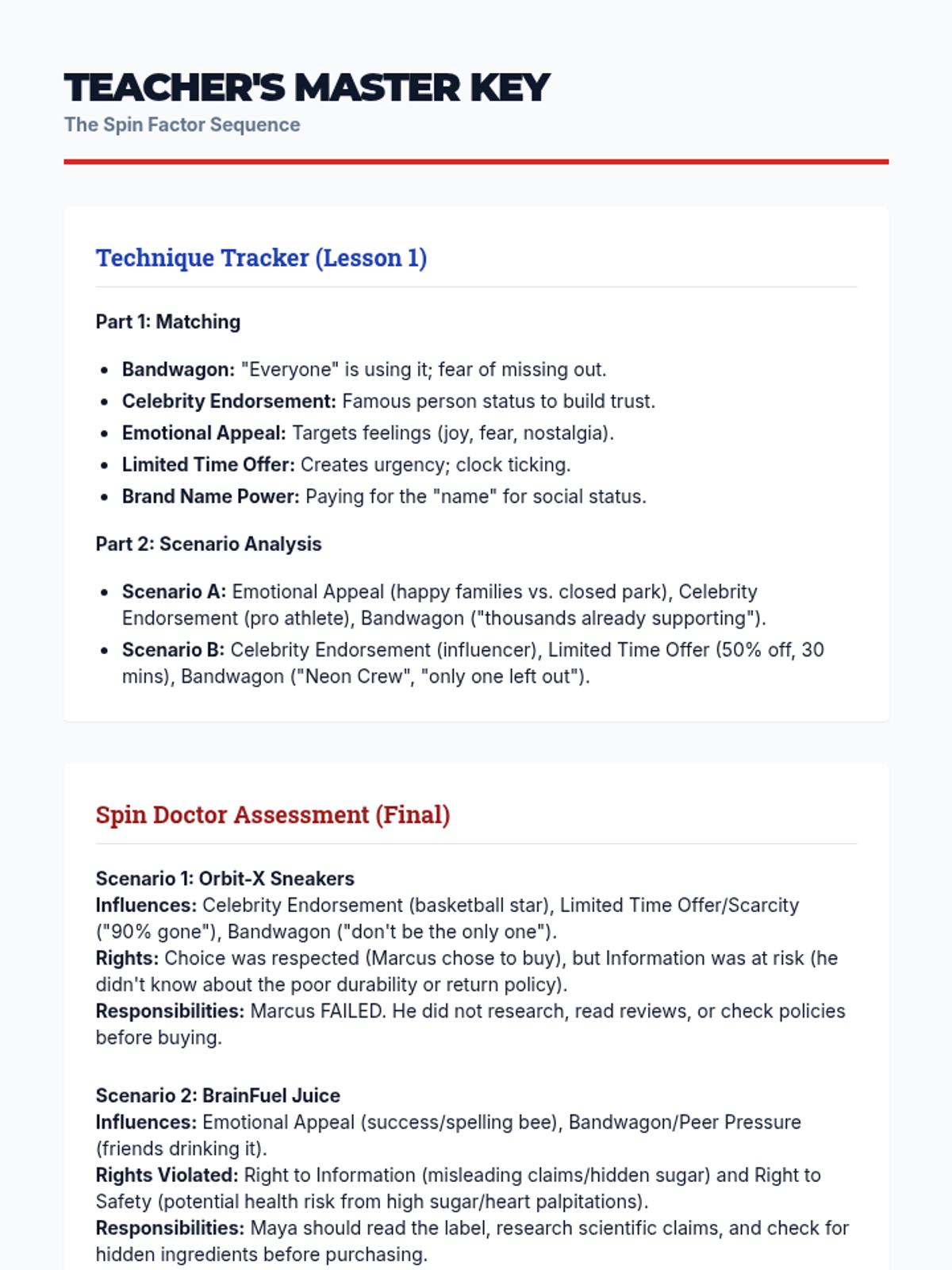
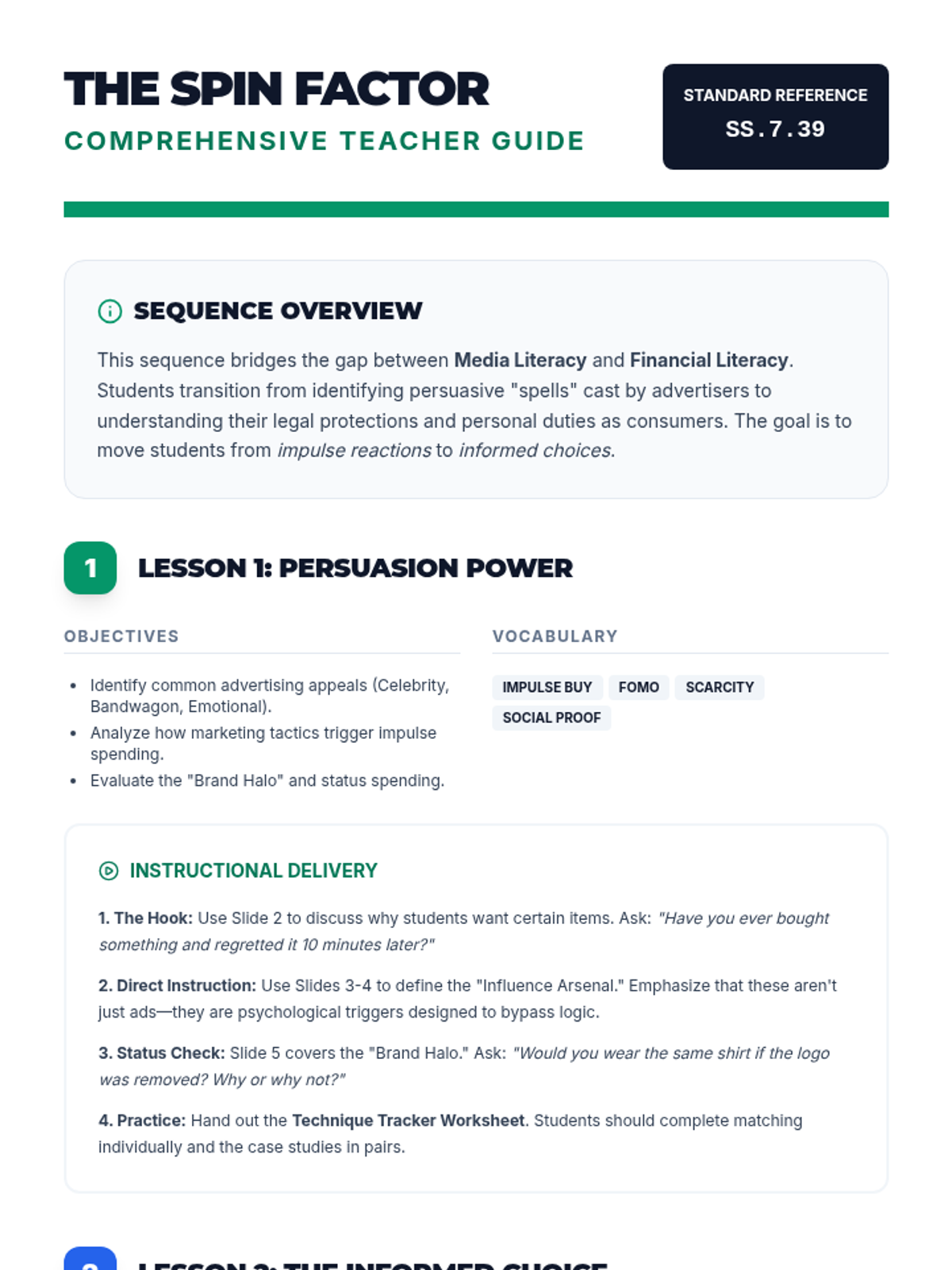
Students explore the rights and responsibilities of a consumer, focusing on how social media and peer pressure impact decision-making.
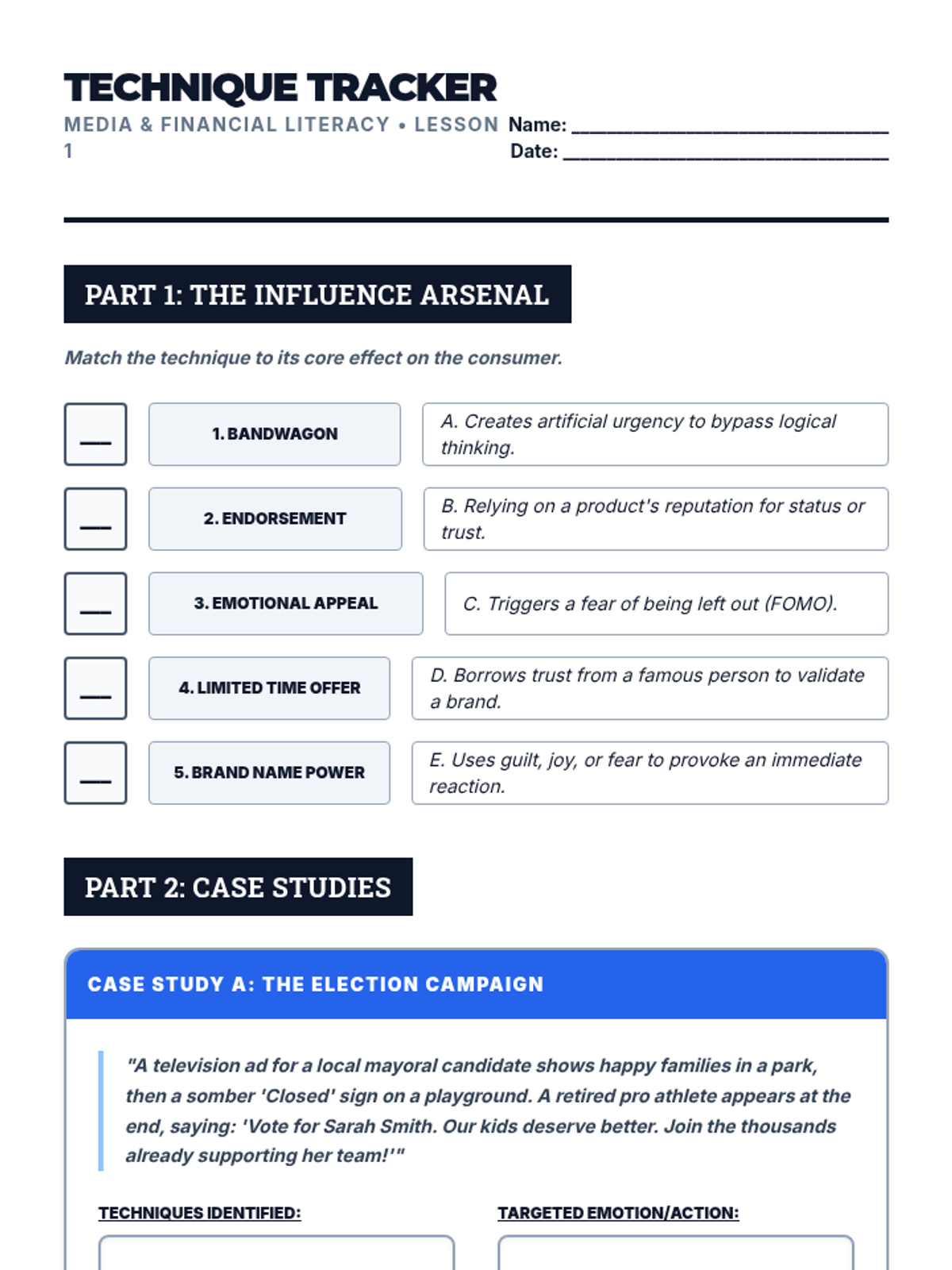
Students analyze how political and commercial advertising use techniques like bandwagon, celebrity endorsements, and emotional appeals to influence spending and voting.
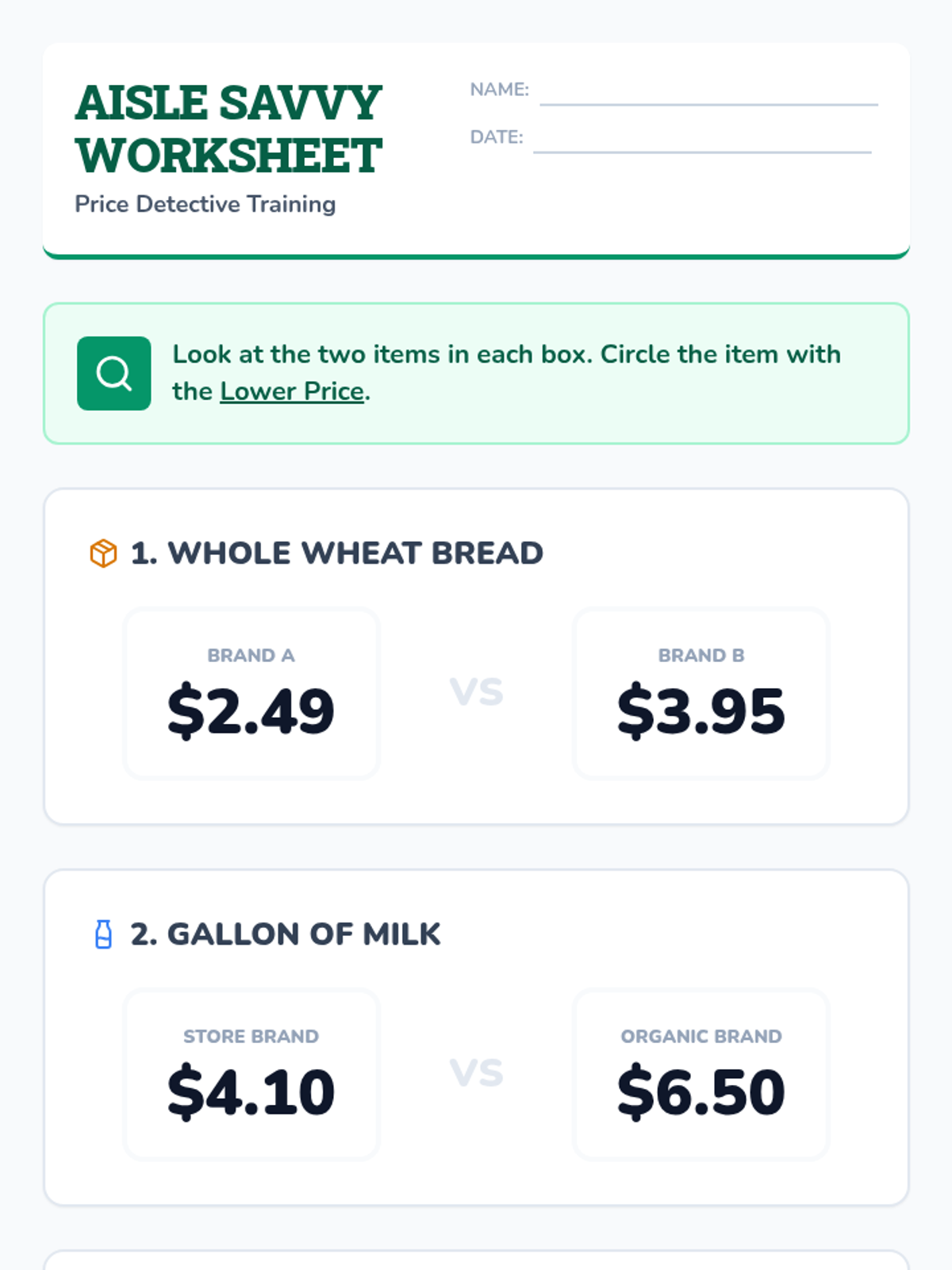
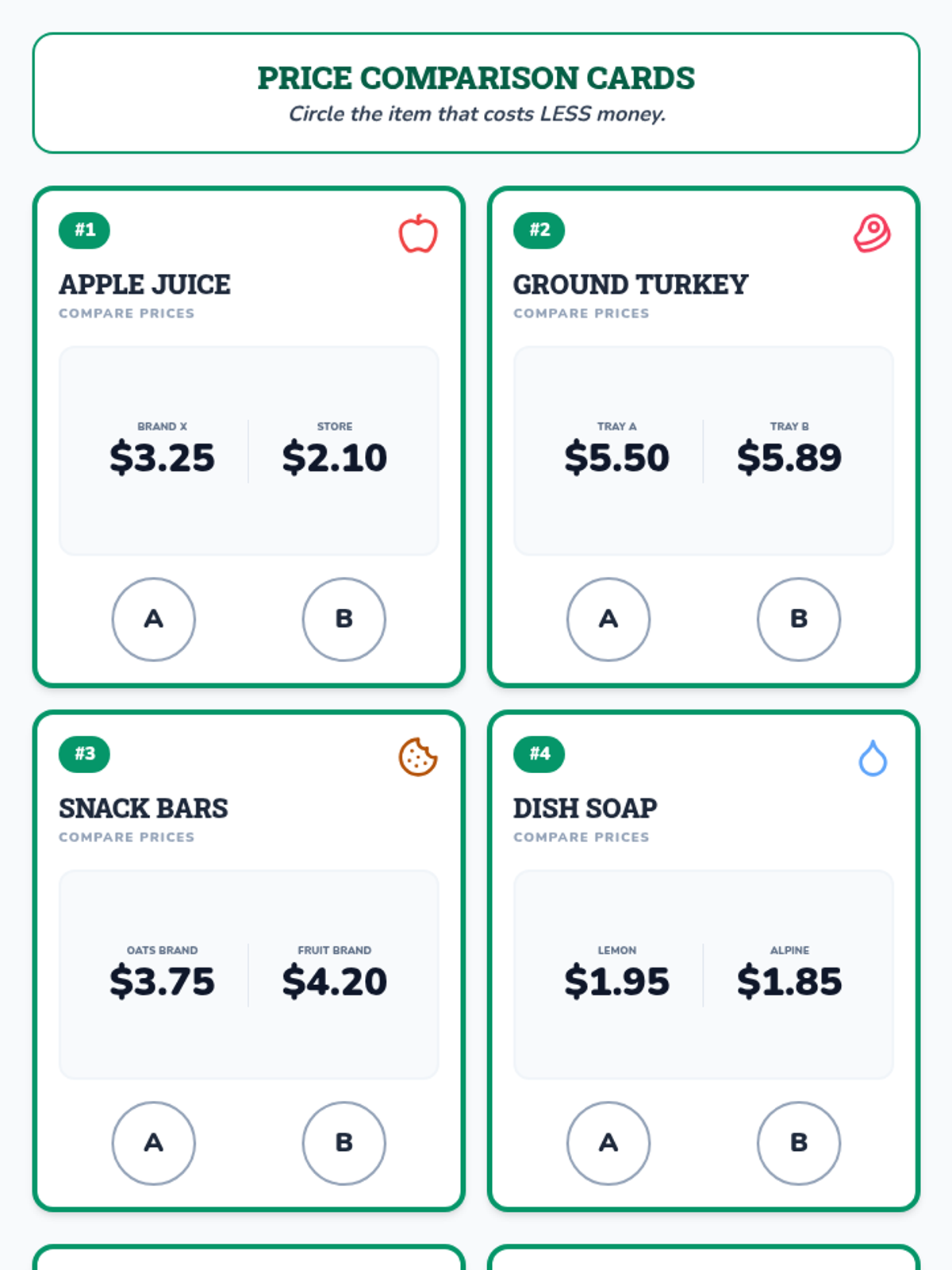
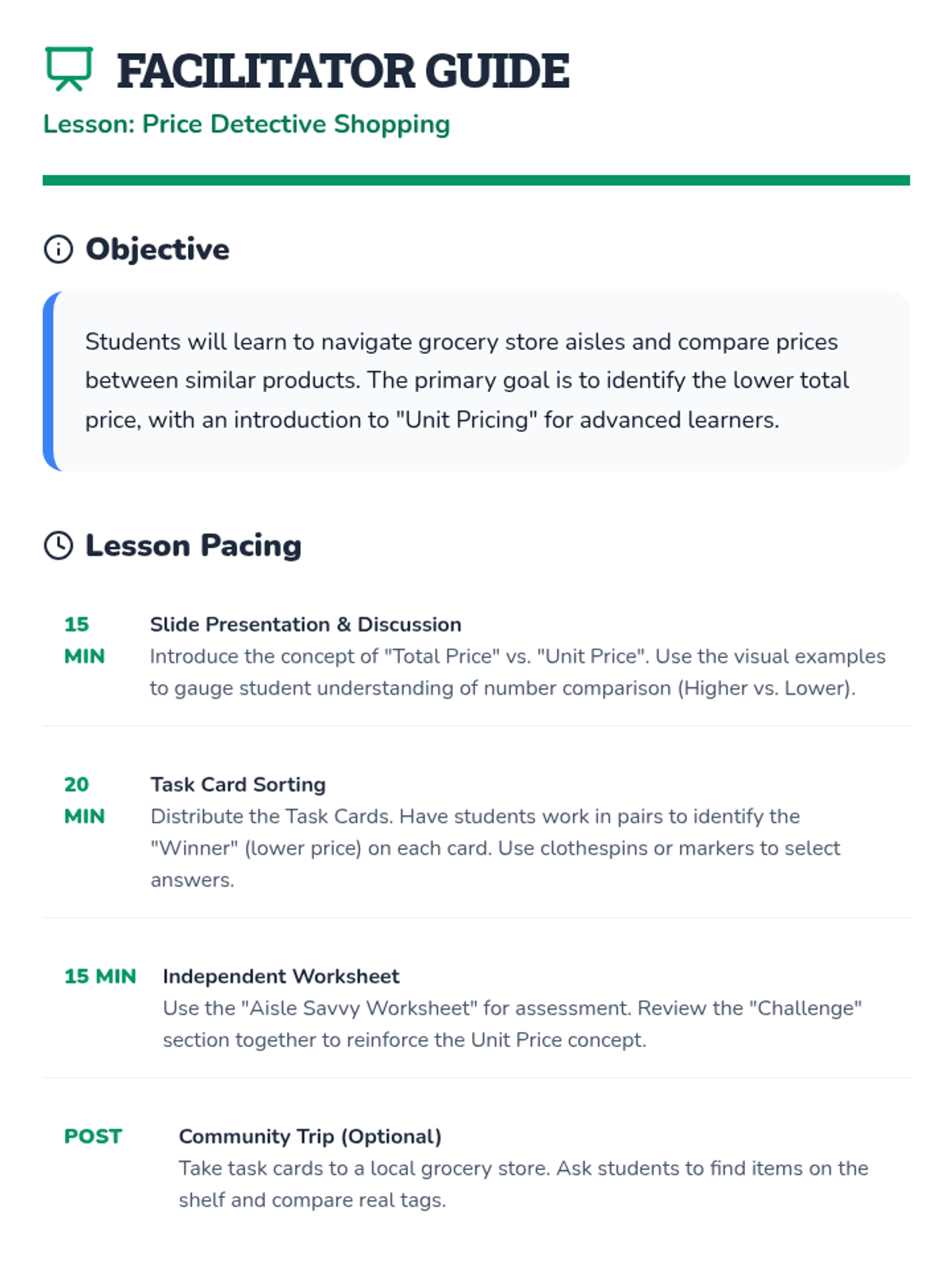
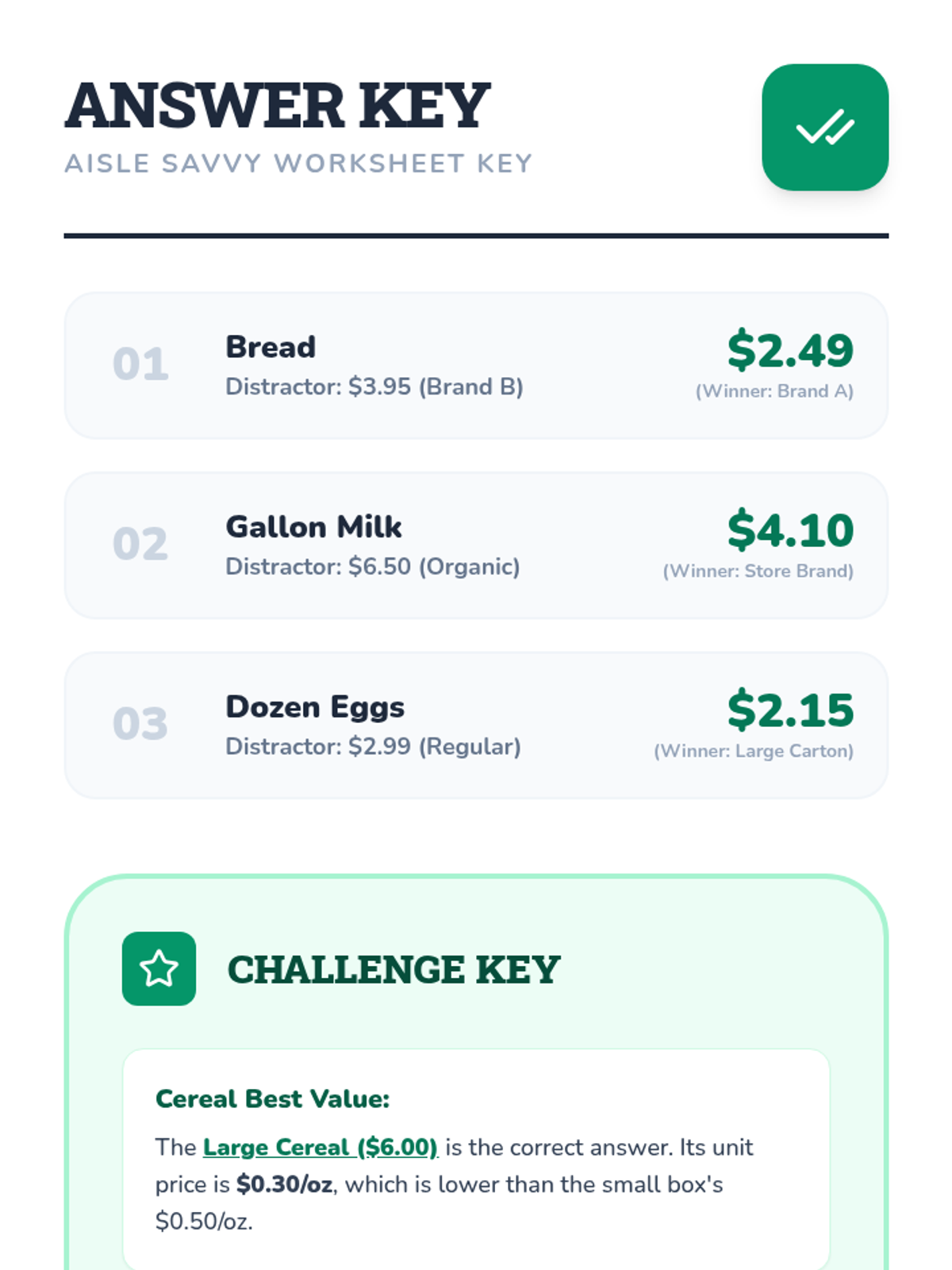
A practical lesson for transition students focused on identifying and comparing grocery prices to find the best deal. Includes visual supports for reading price tags and simple decision-making strategies.
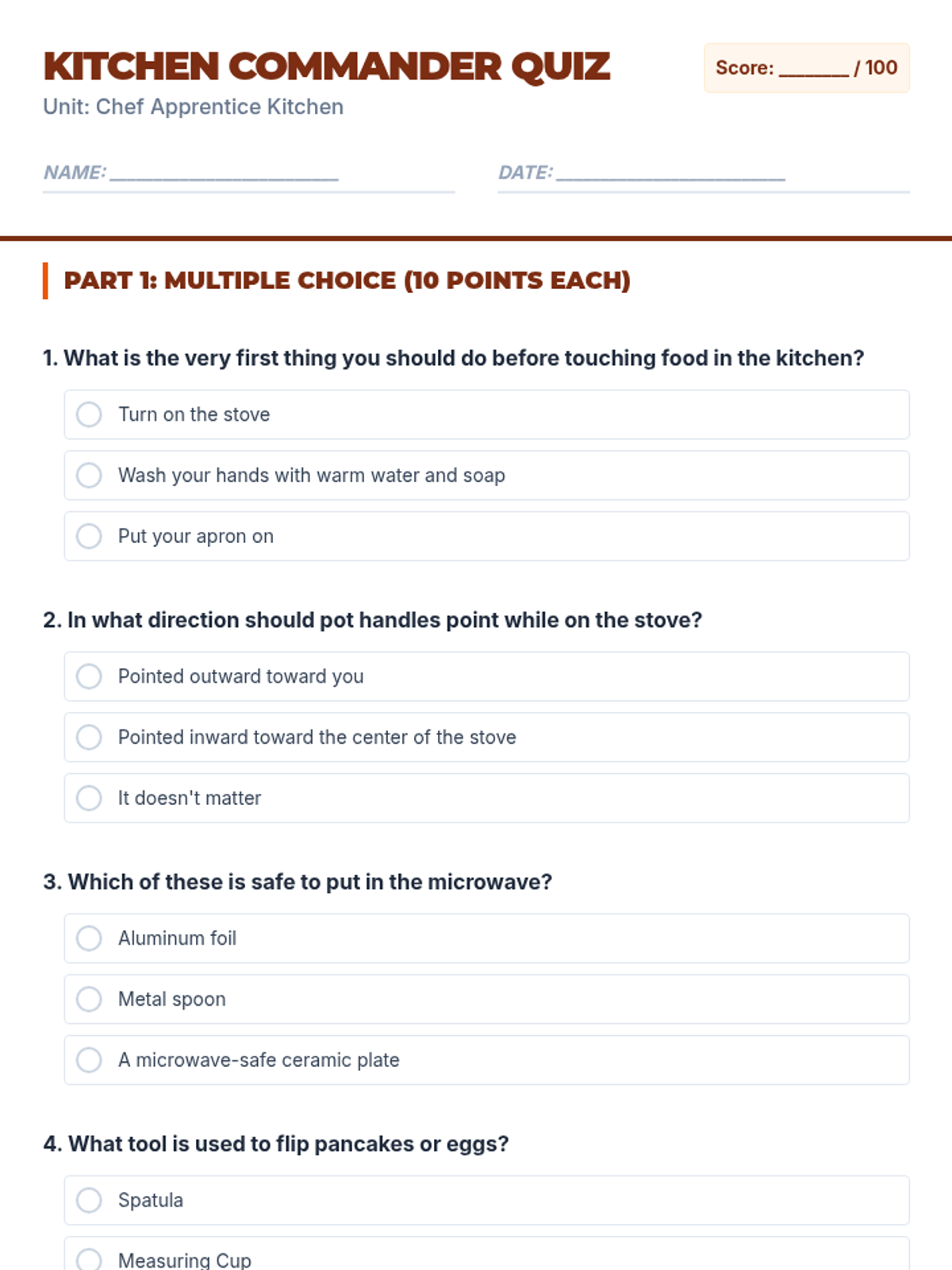
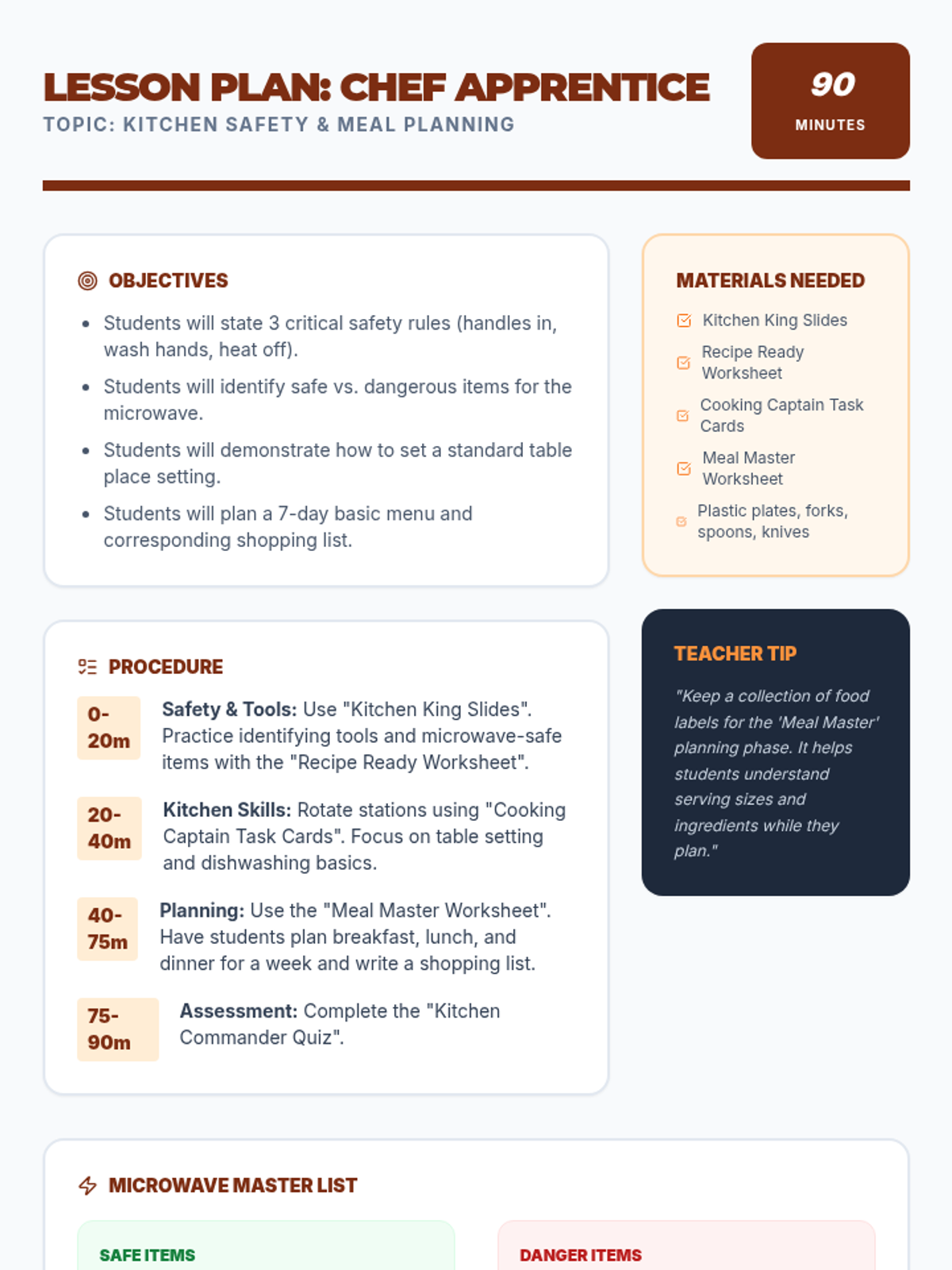
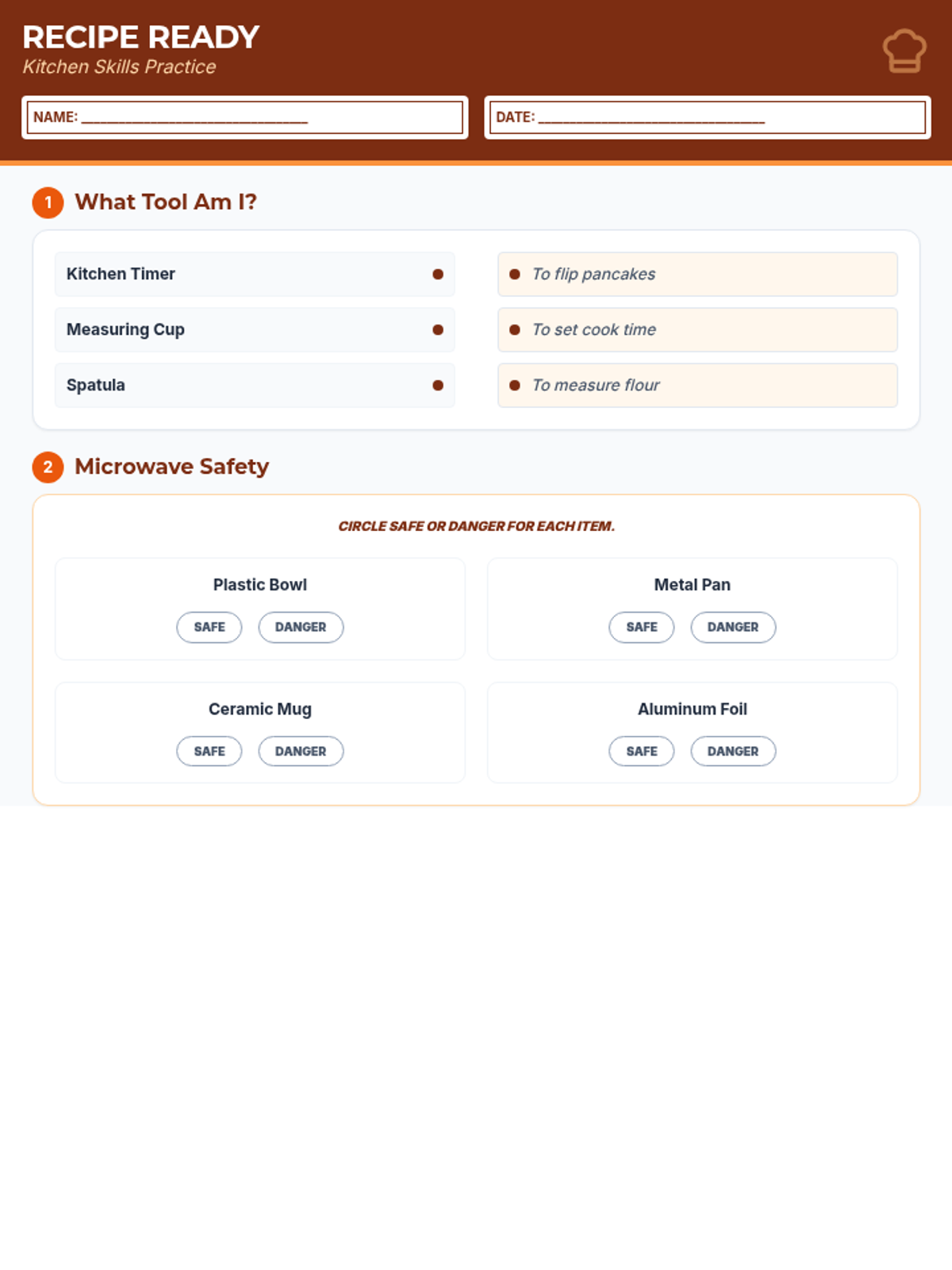
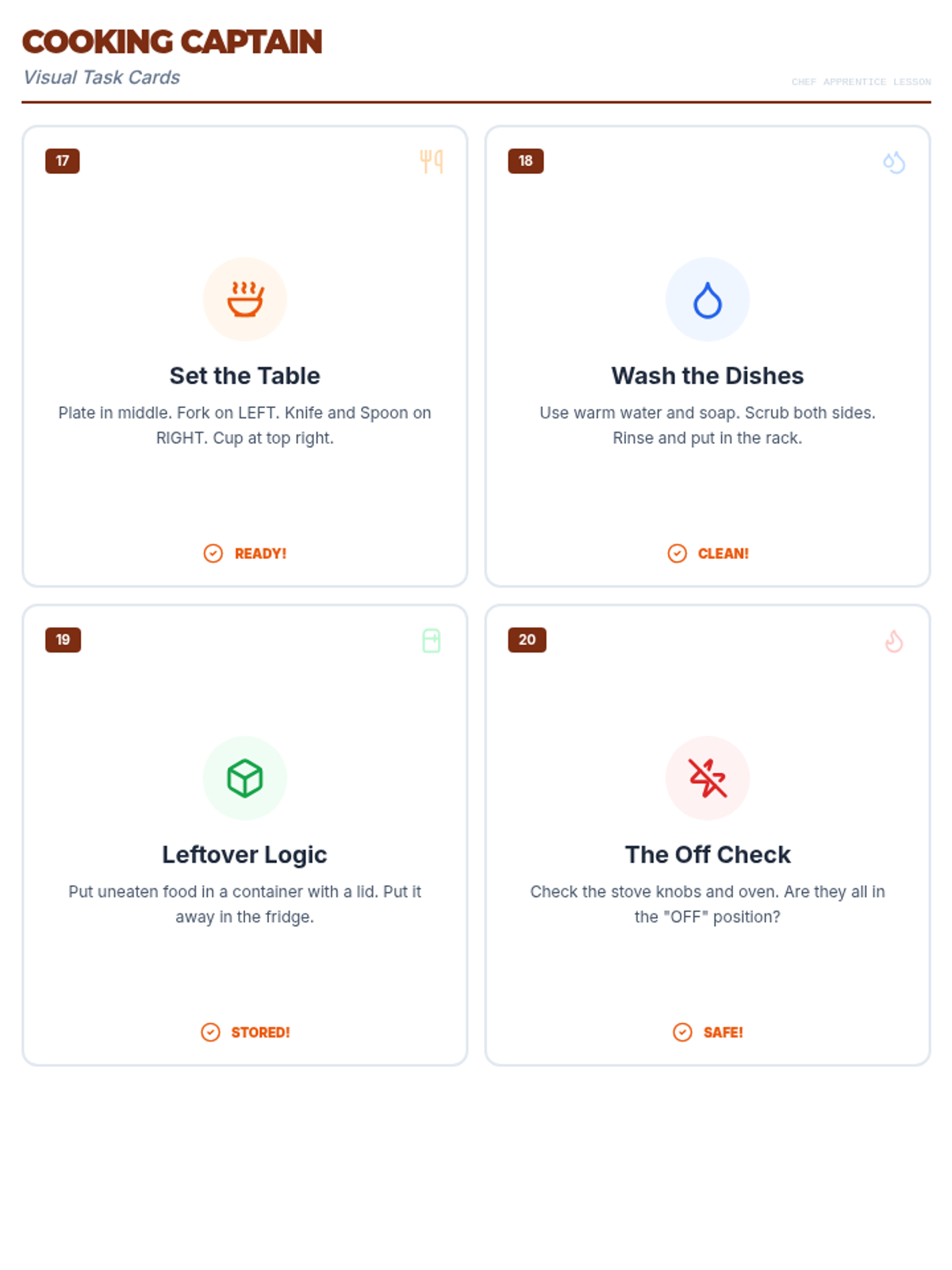
Developing essential kitchen safety, tool identification, and basic meal preparation skills.
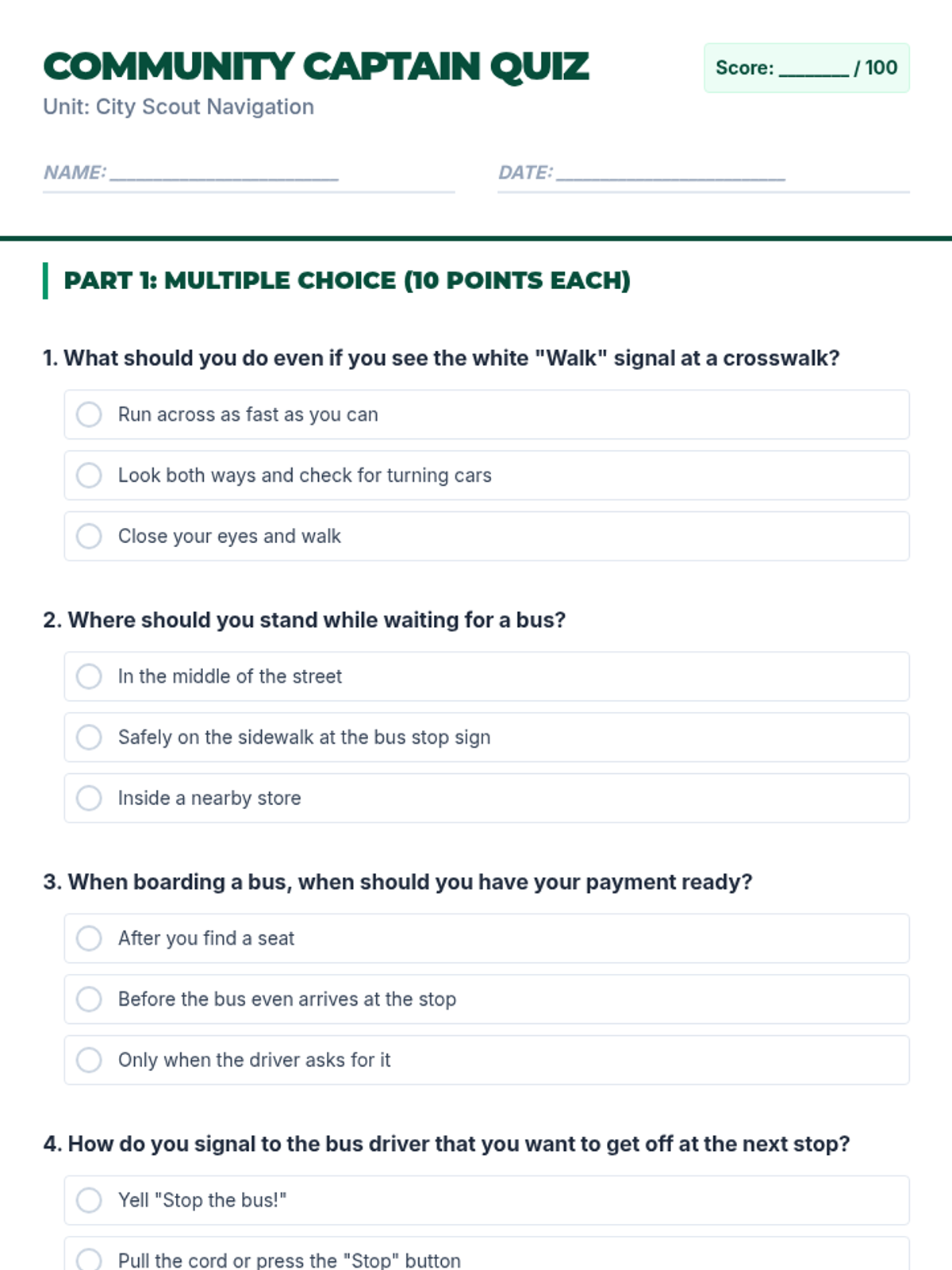
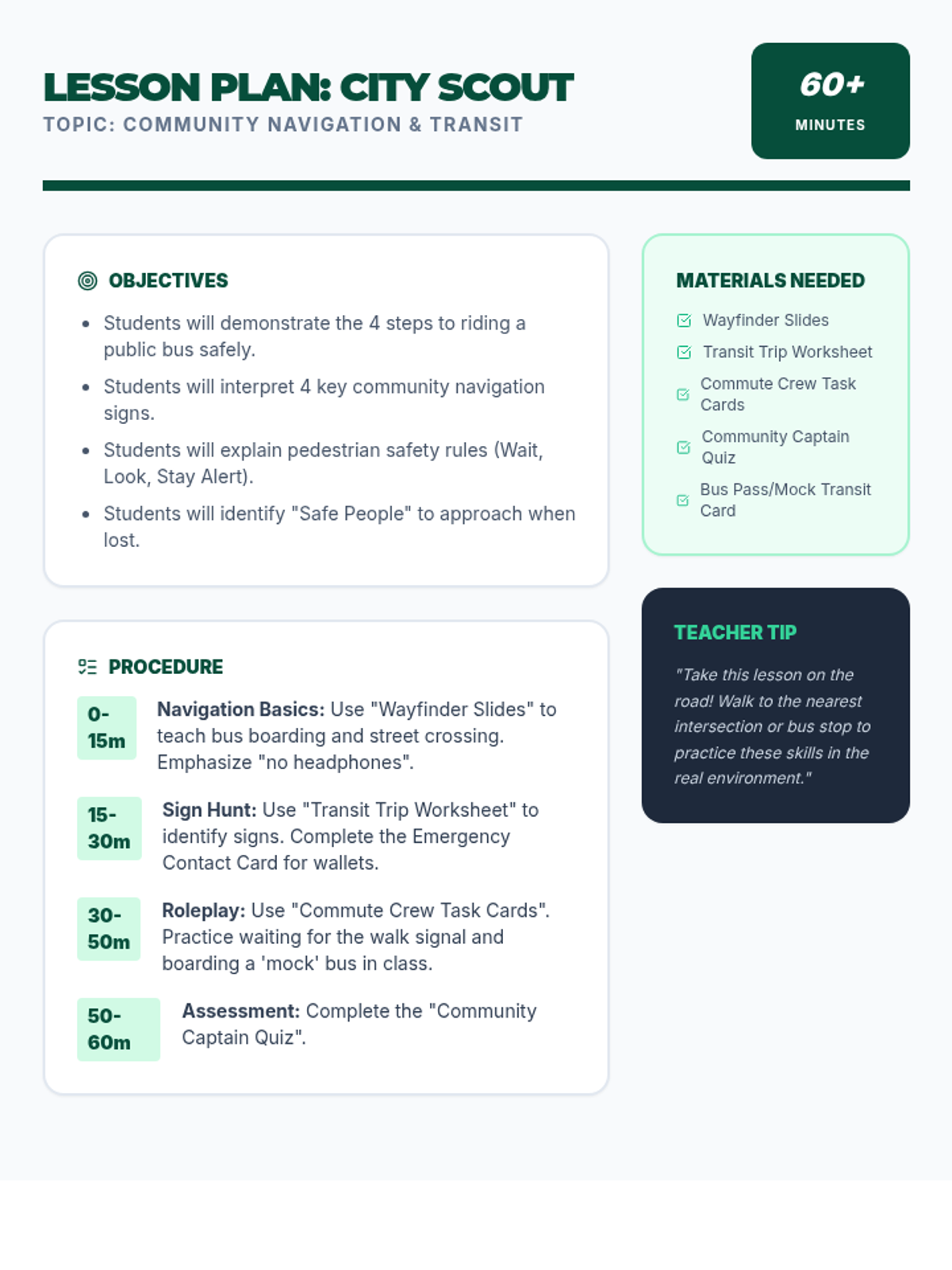
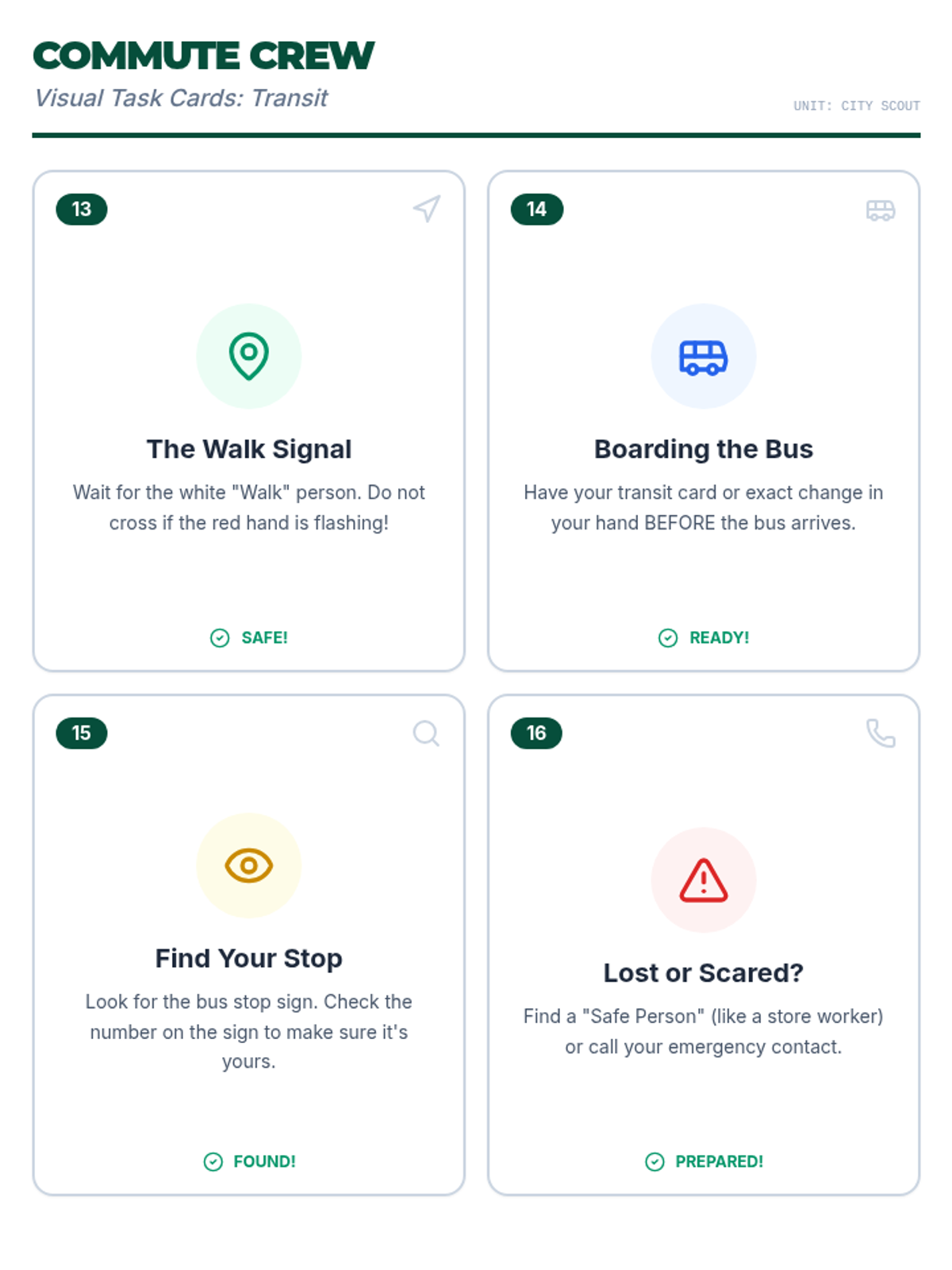
Navigating public transportation and safely moving through the community.
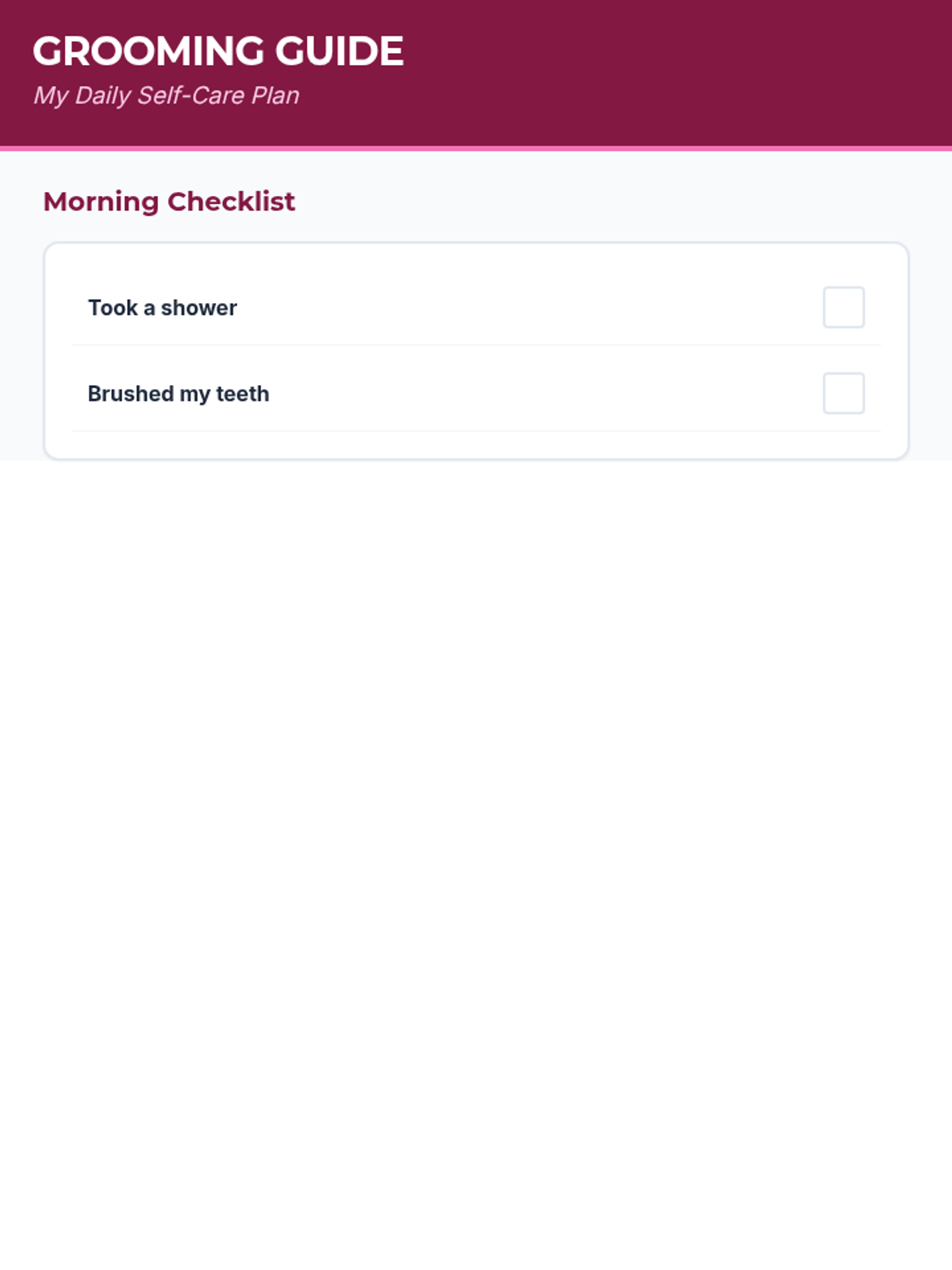
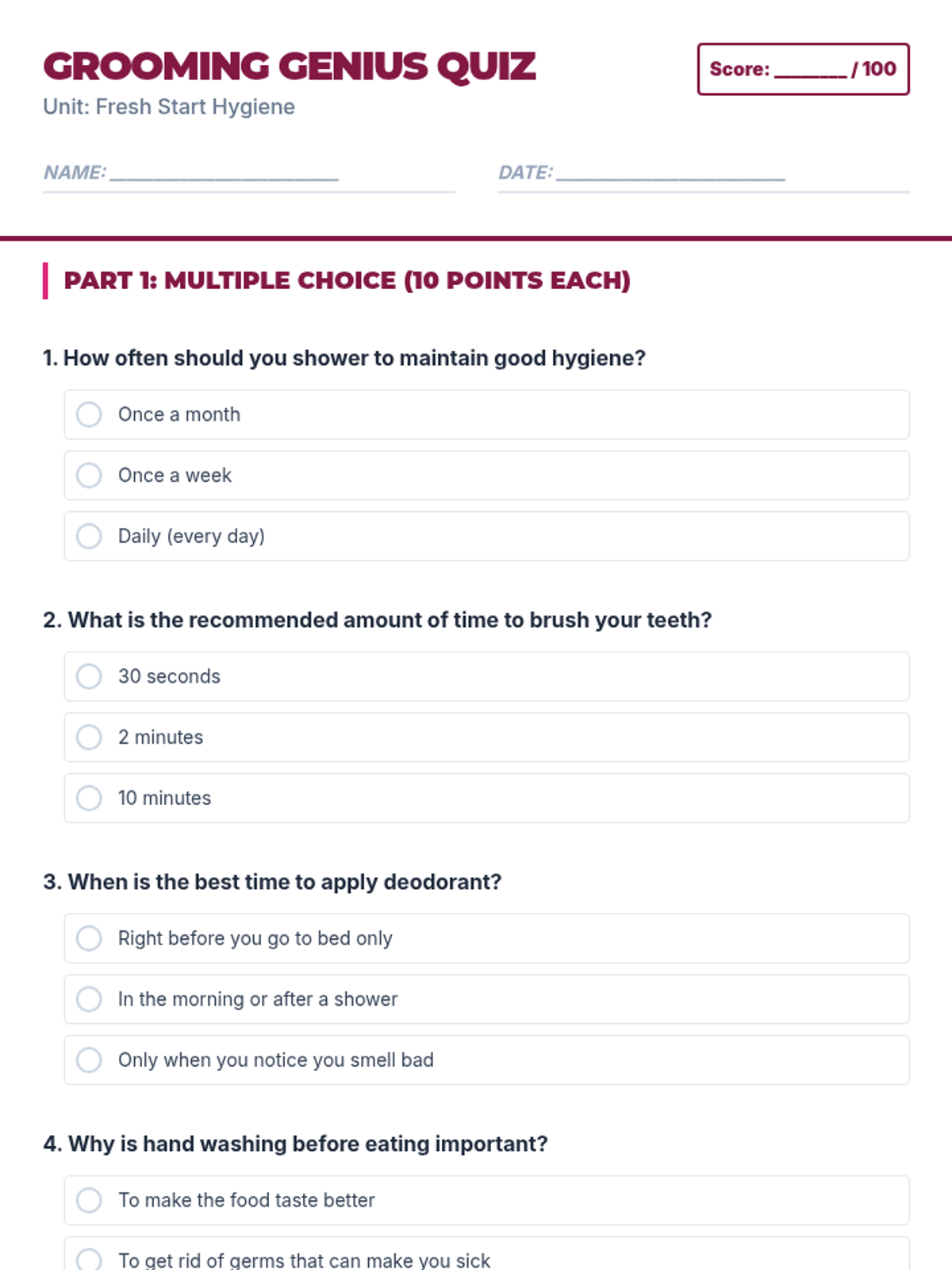
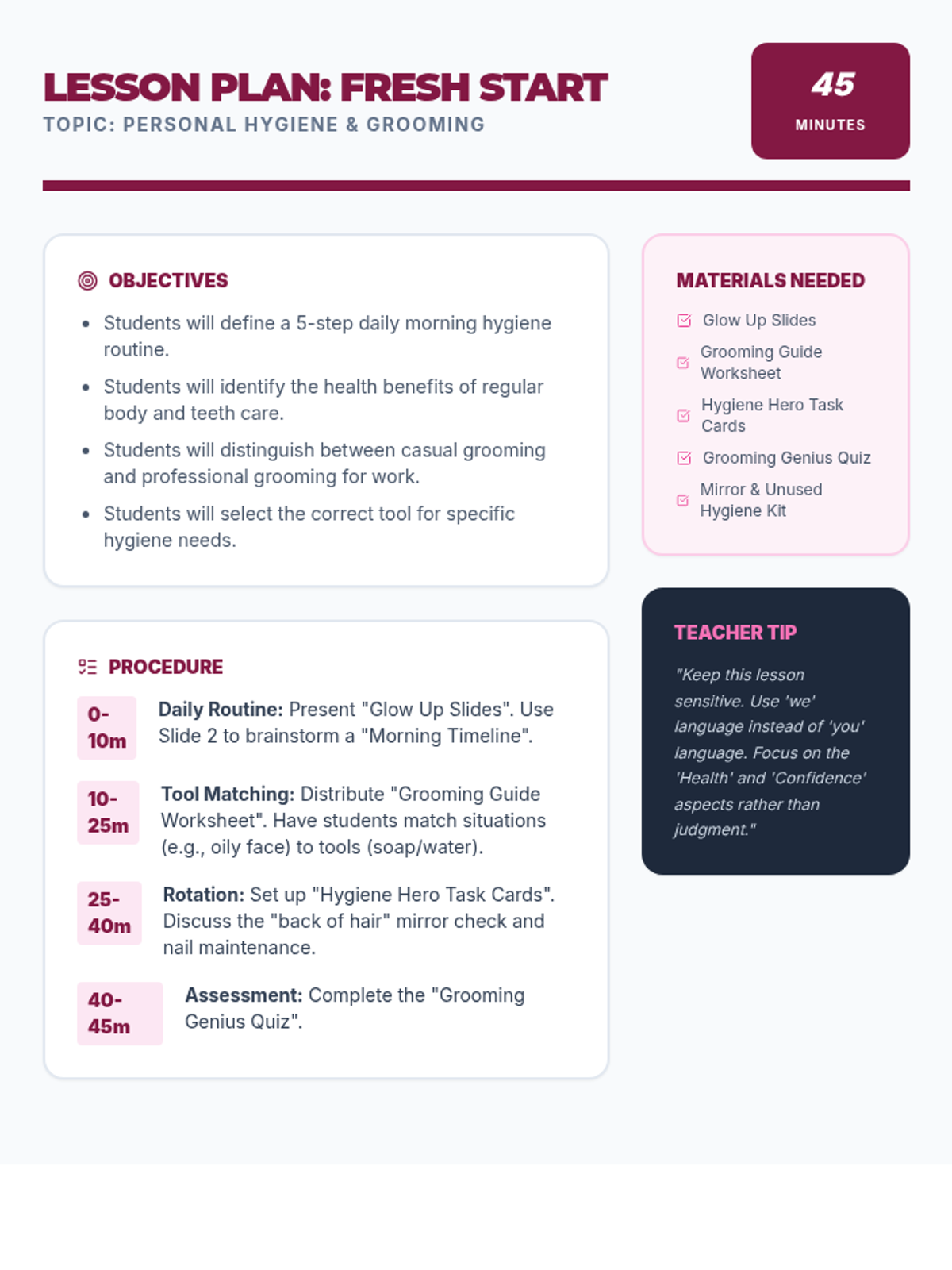
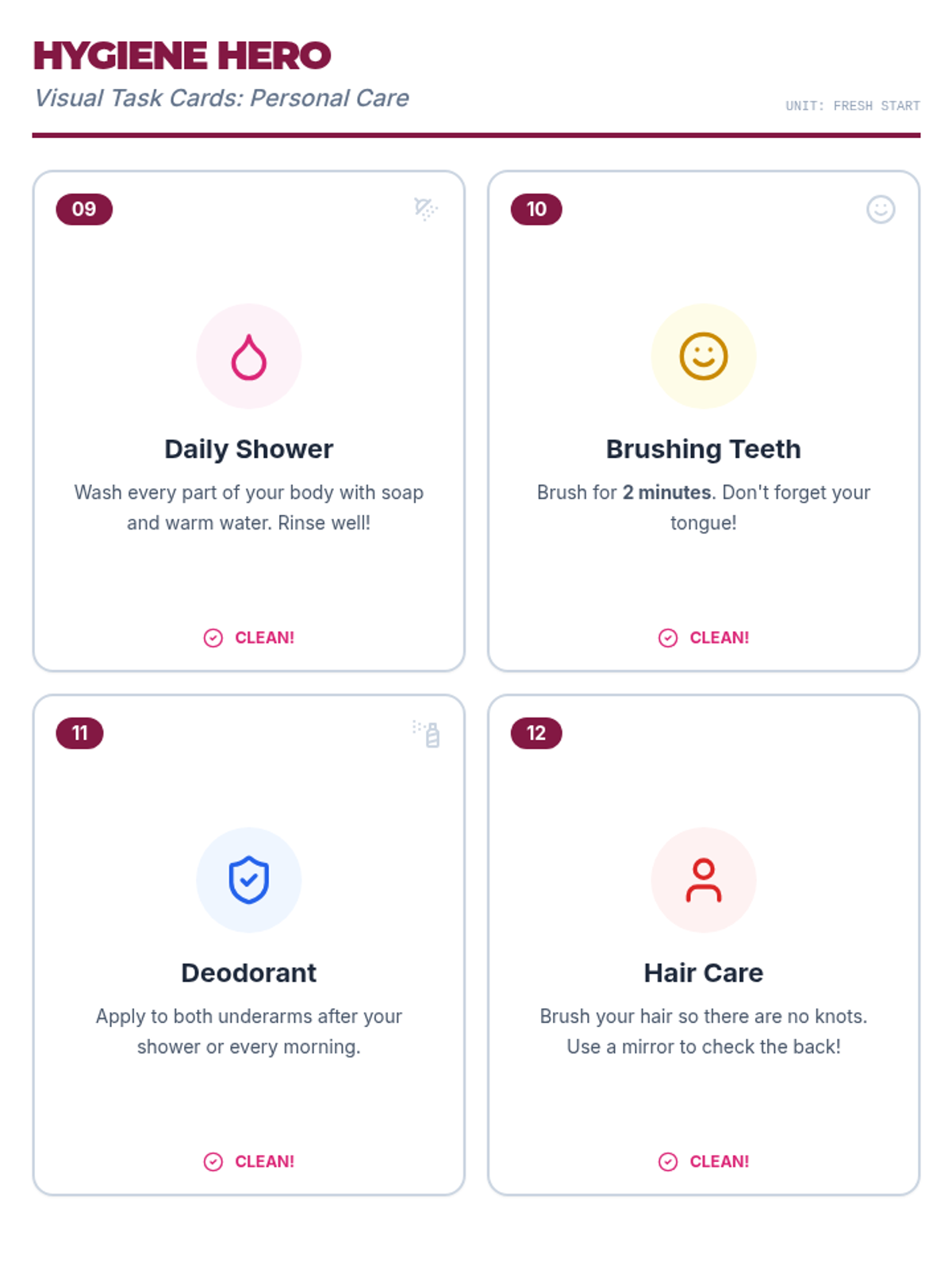
Learning daily routines for personal cleanliness and professional grooming.
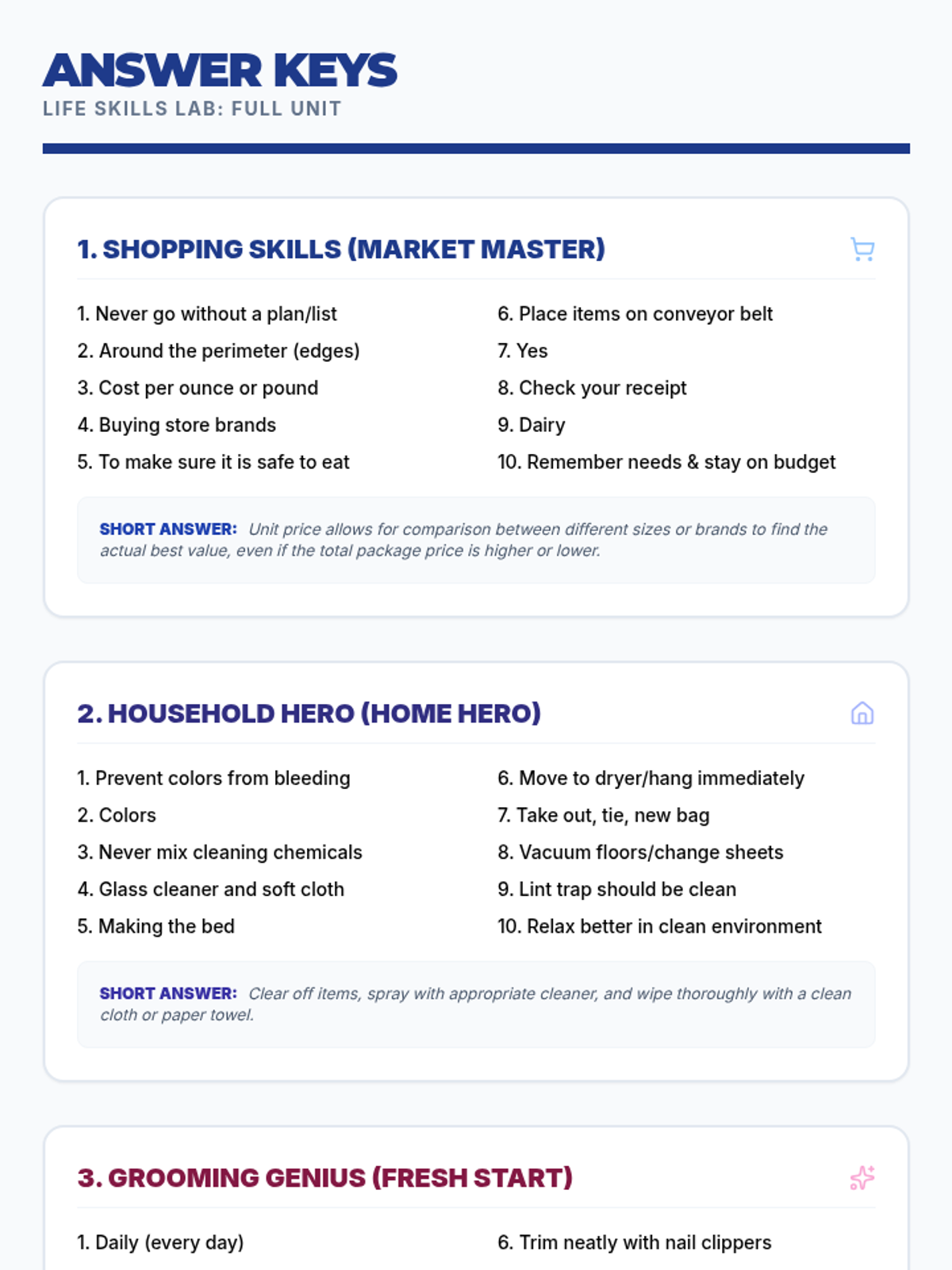
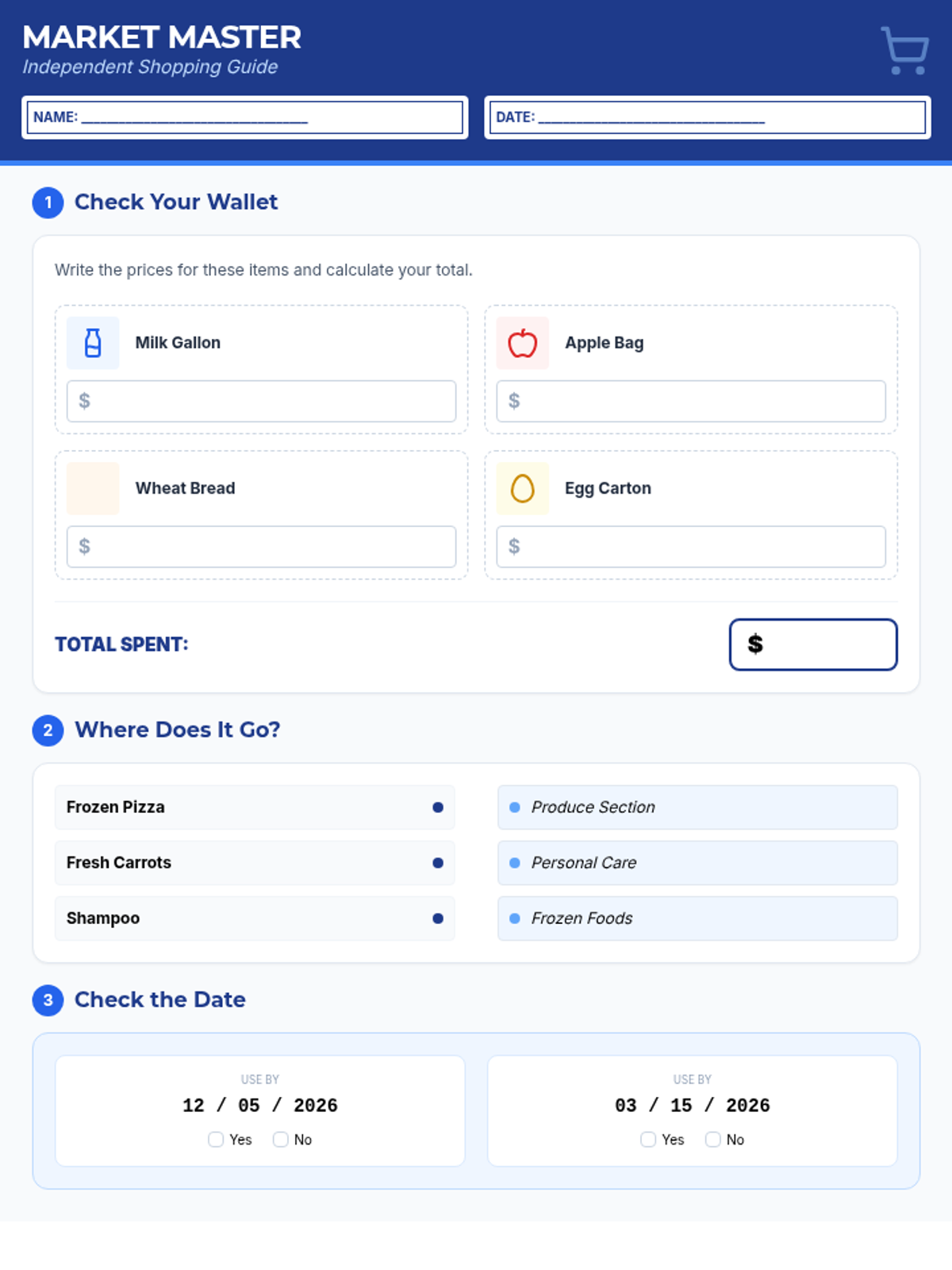
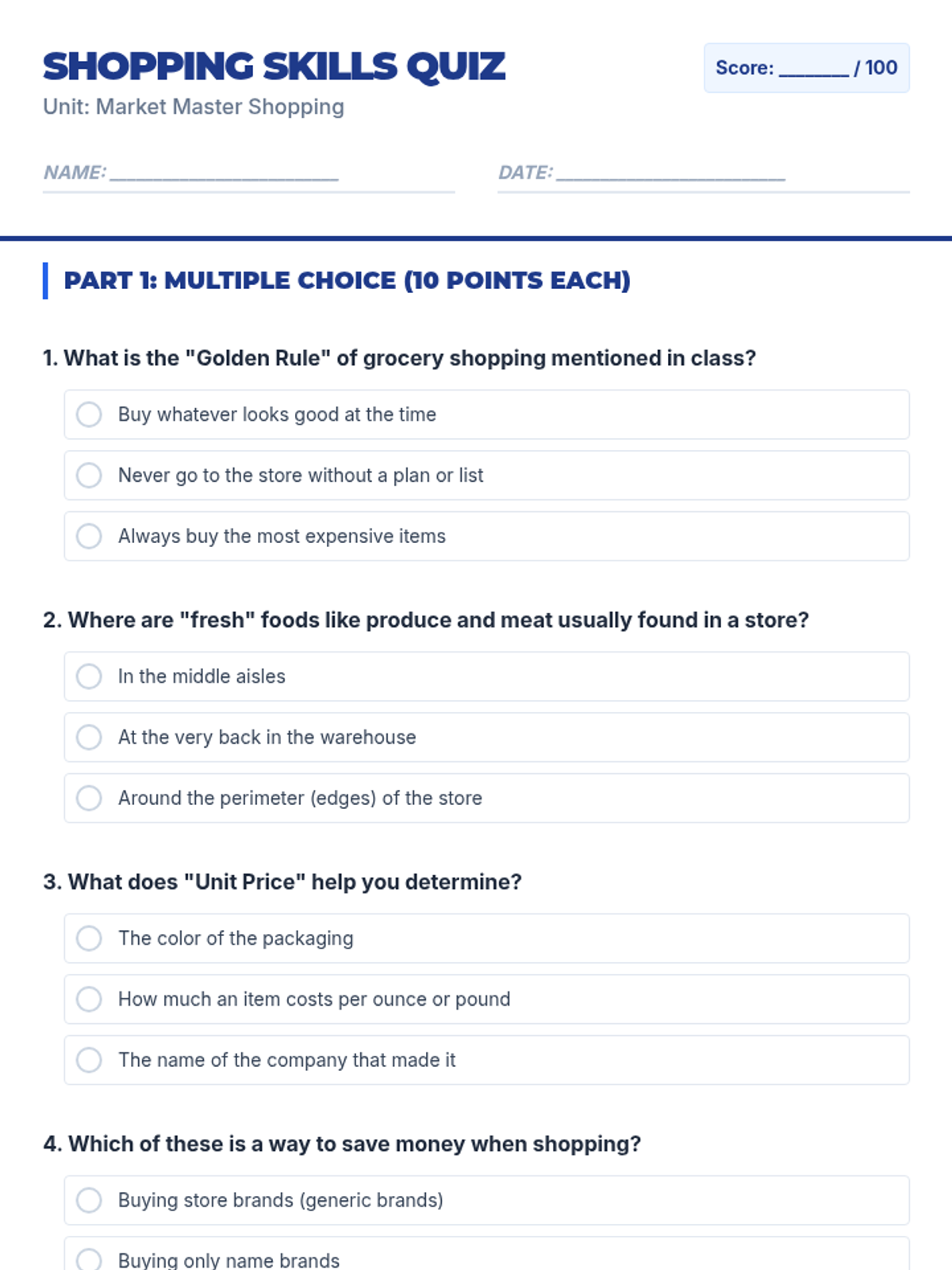
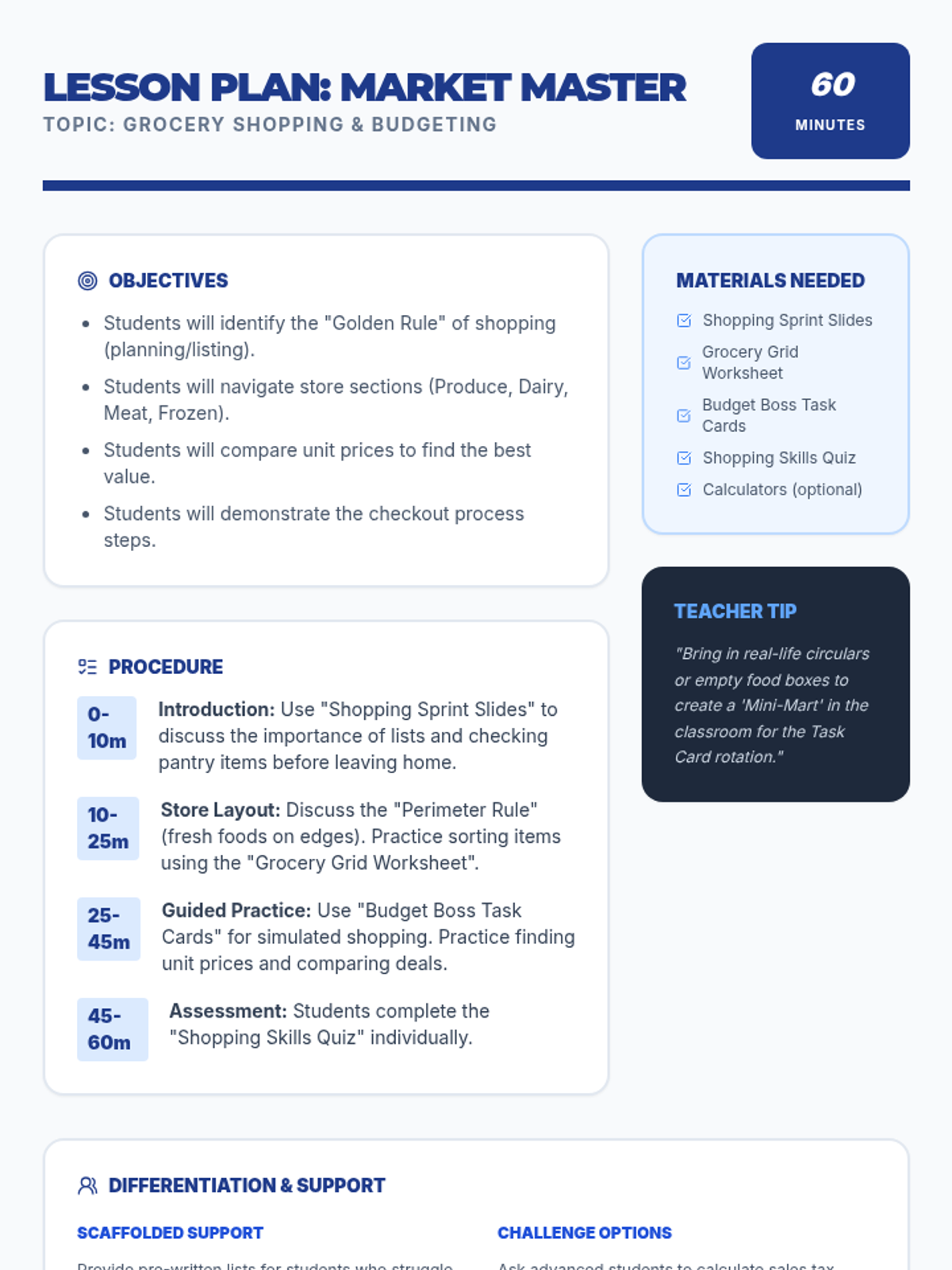
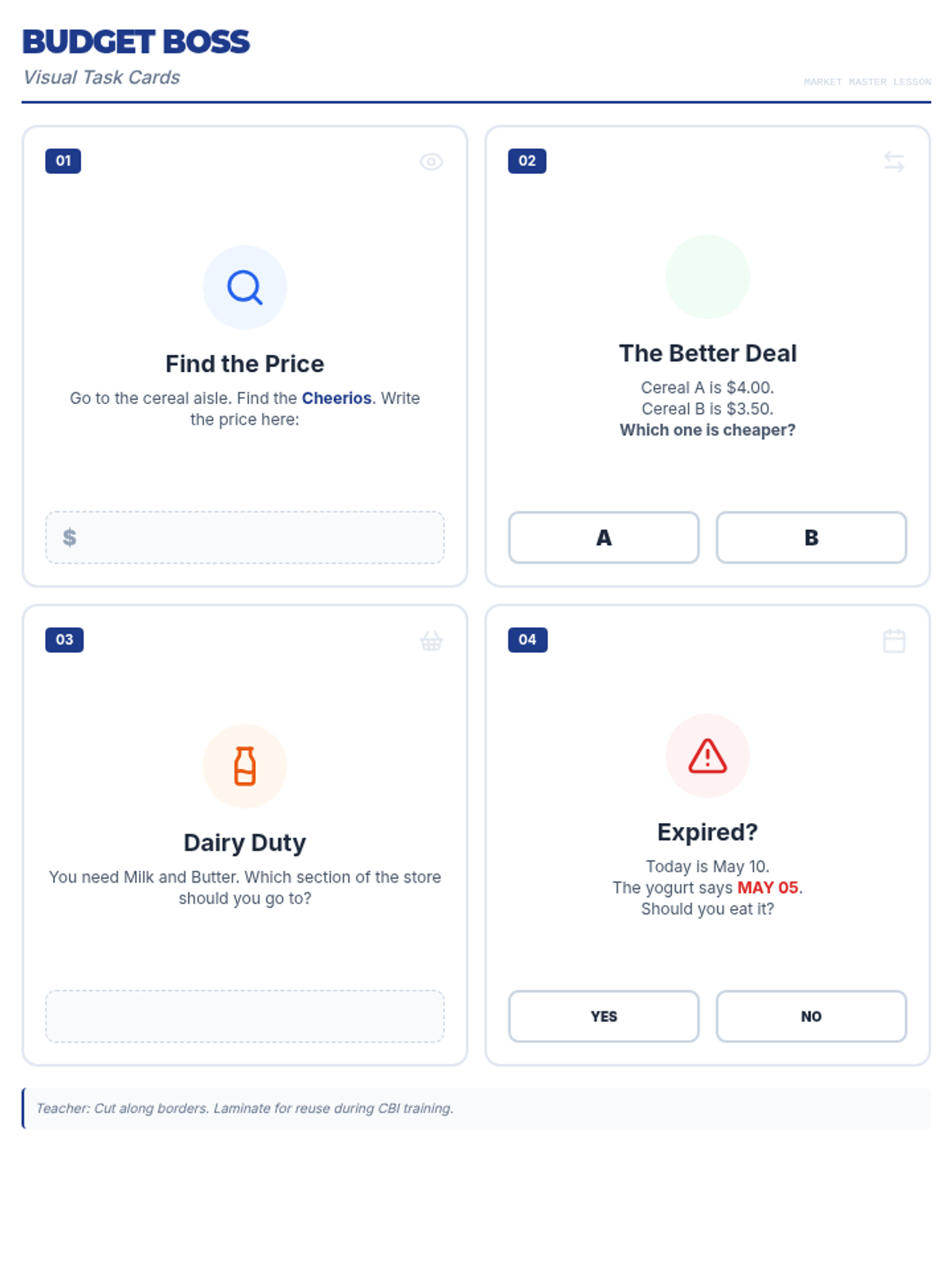
A comprehensive introduction to managing money and navigating the grocery store.
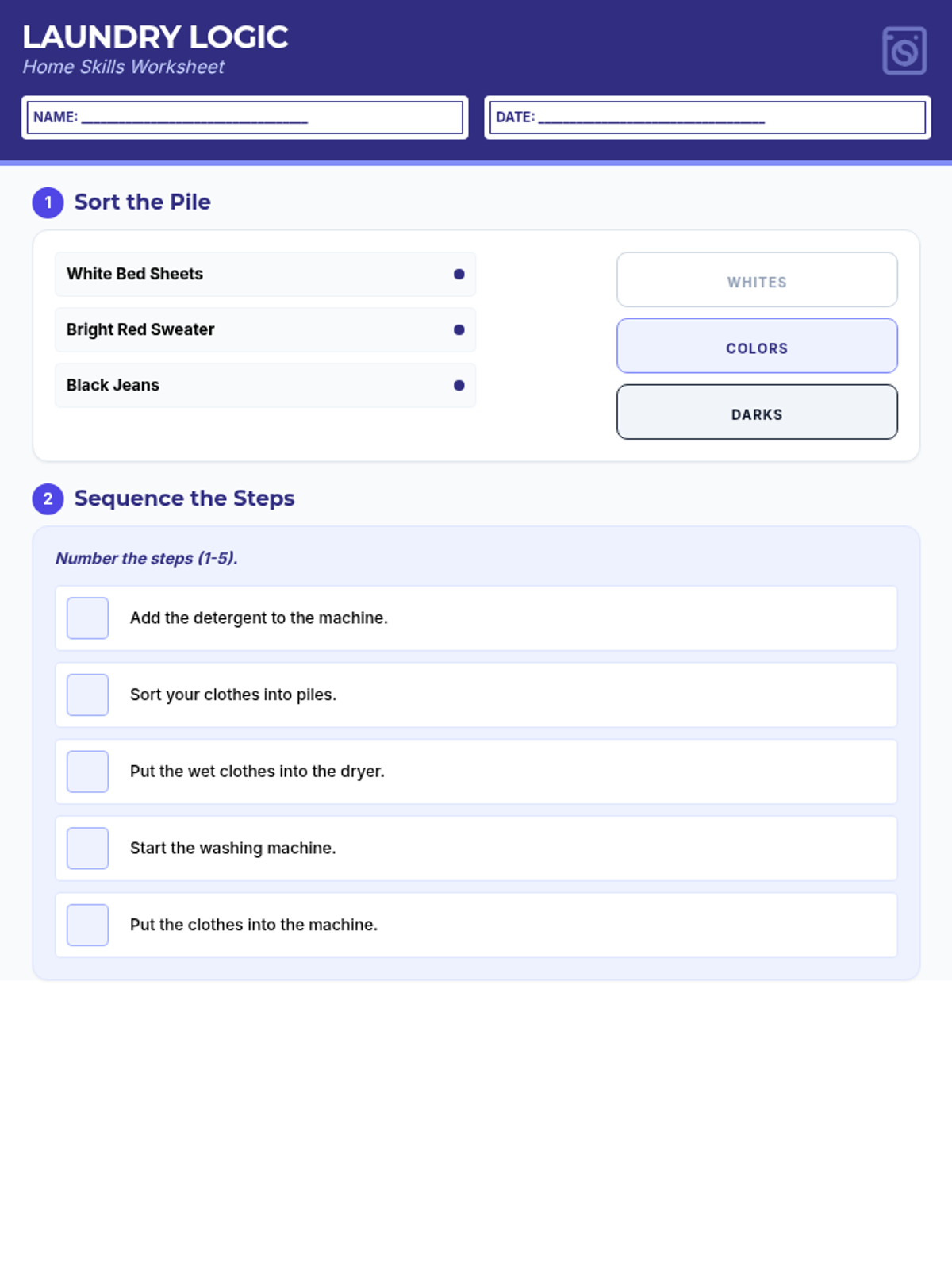
Mastering the art of laundry, cleaning schedules, and maintaining a healthy home environment.
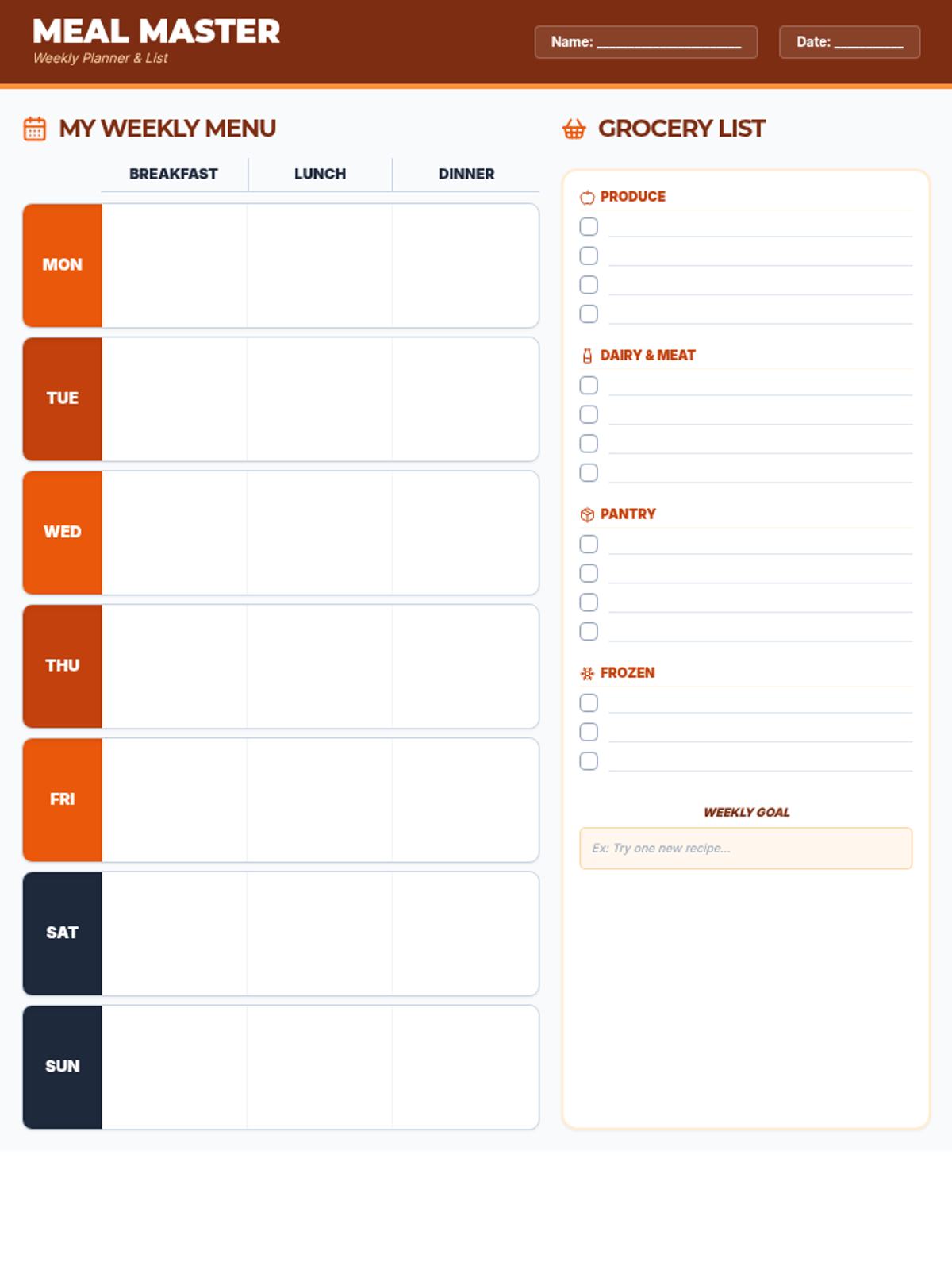
Students learn the basics of meal planning and grocery budgeting through hands-on practice with unit prices and shopping lists.