Explore the fundamental purpose of a business, distinguishing between for-profit and non-profit organizations and identifying the role of profit.
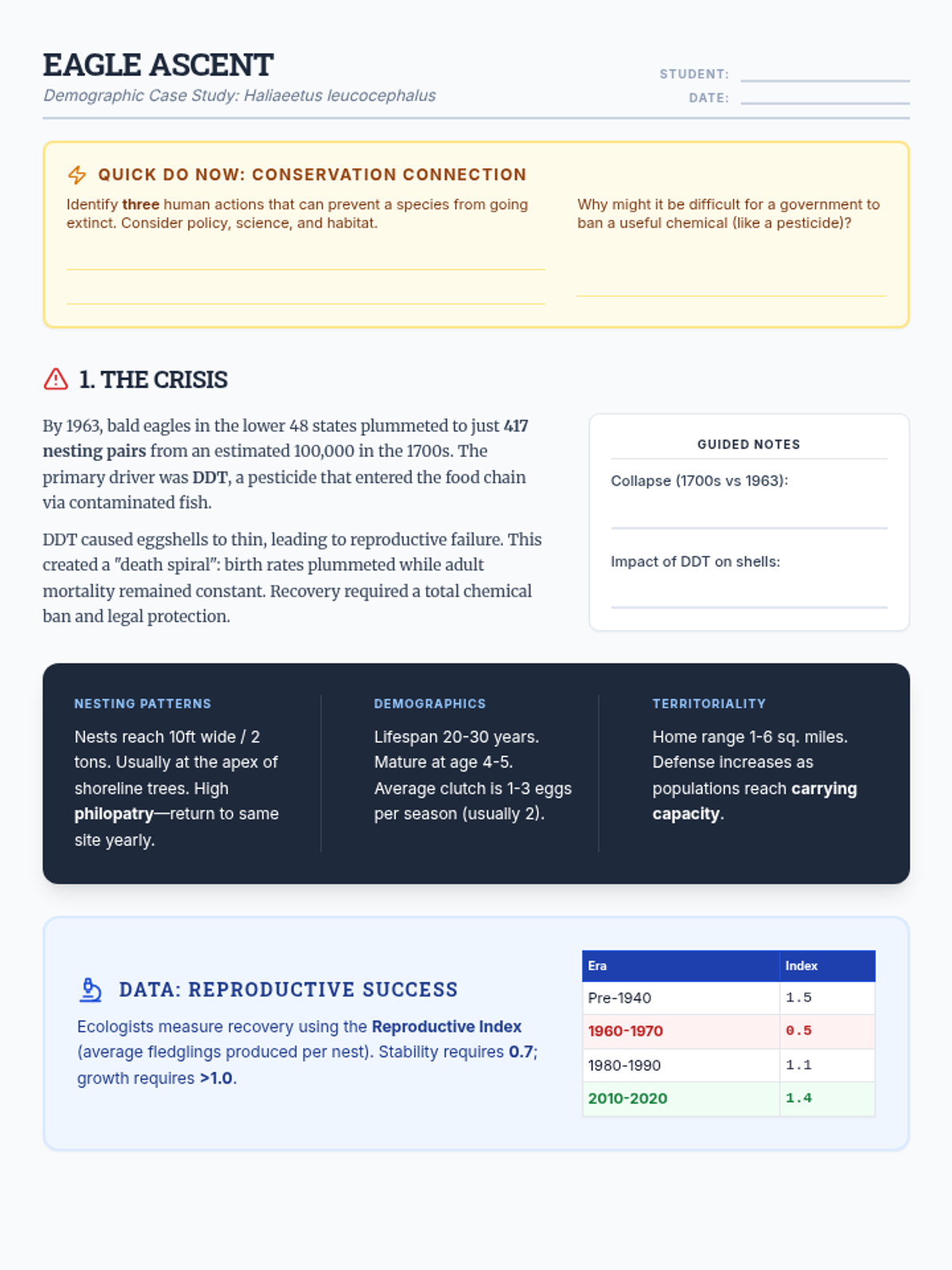
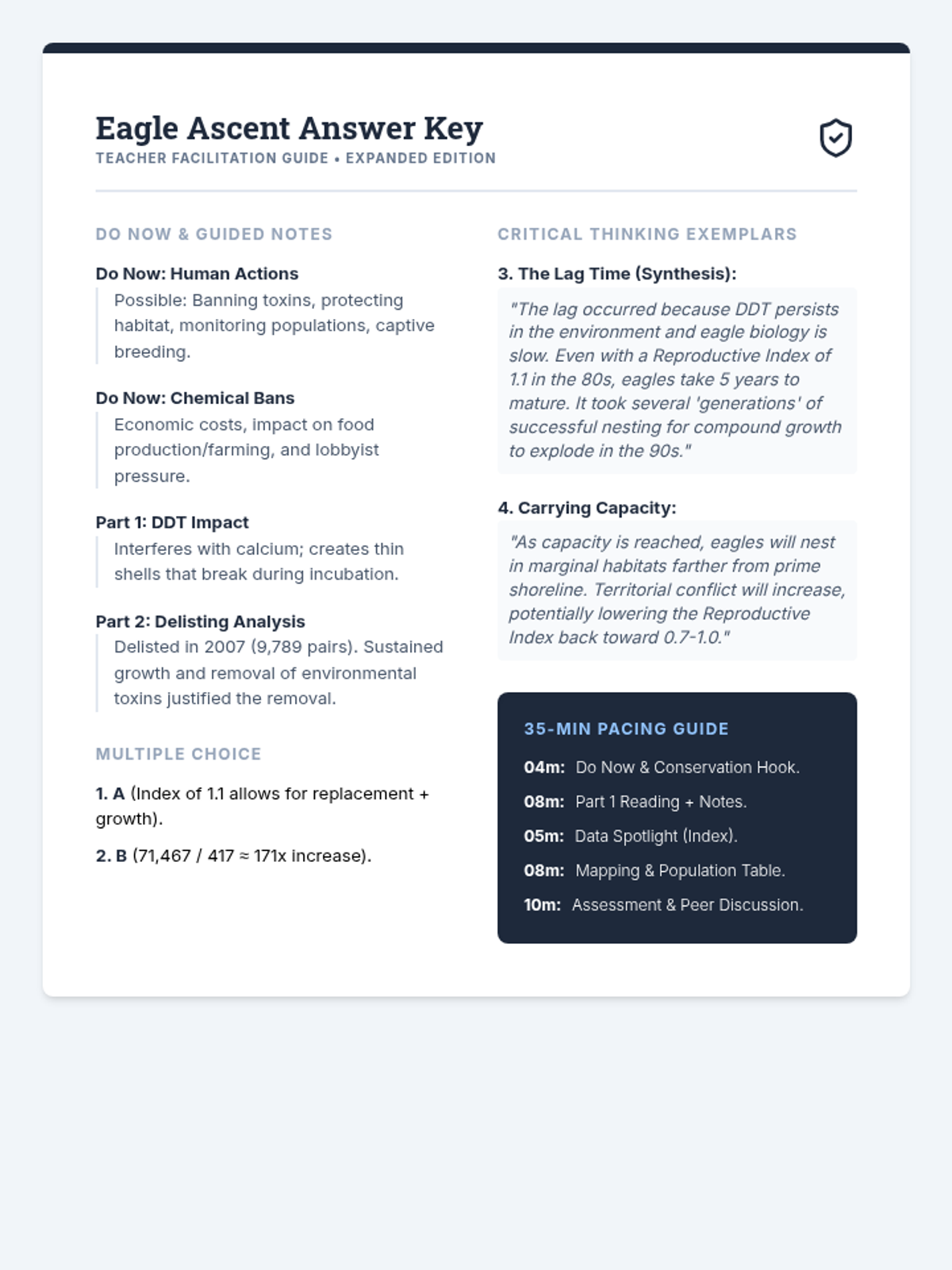
A deep dive into the demographic recovery of the bald eagle, exploring the impact of DDT and the success of the Endangered Species Act through data analysis and guided reading.
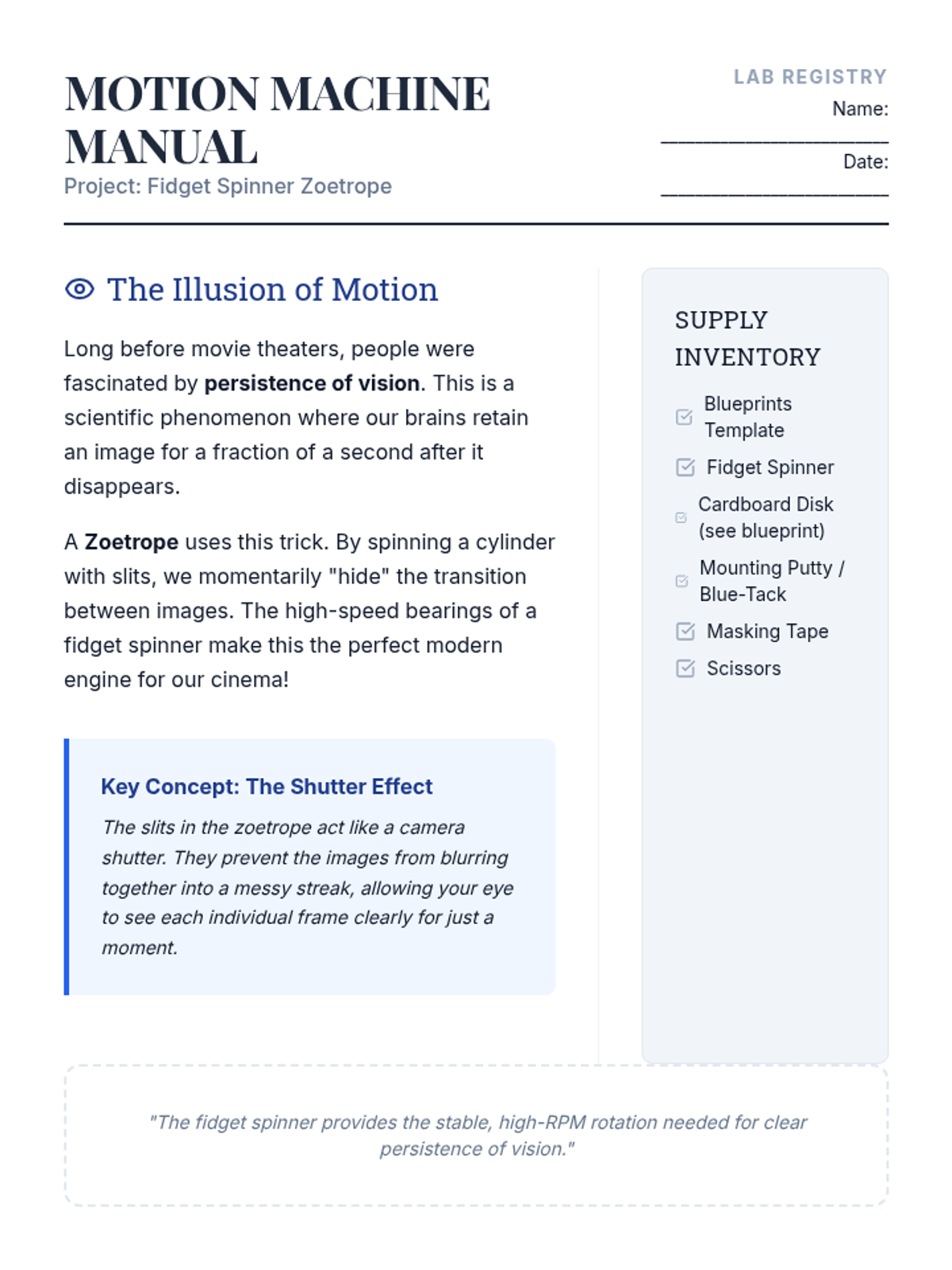
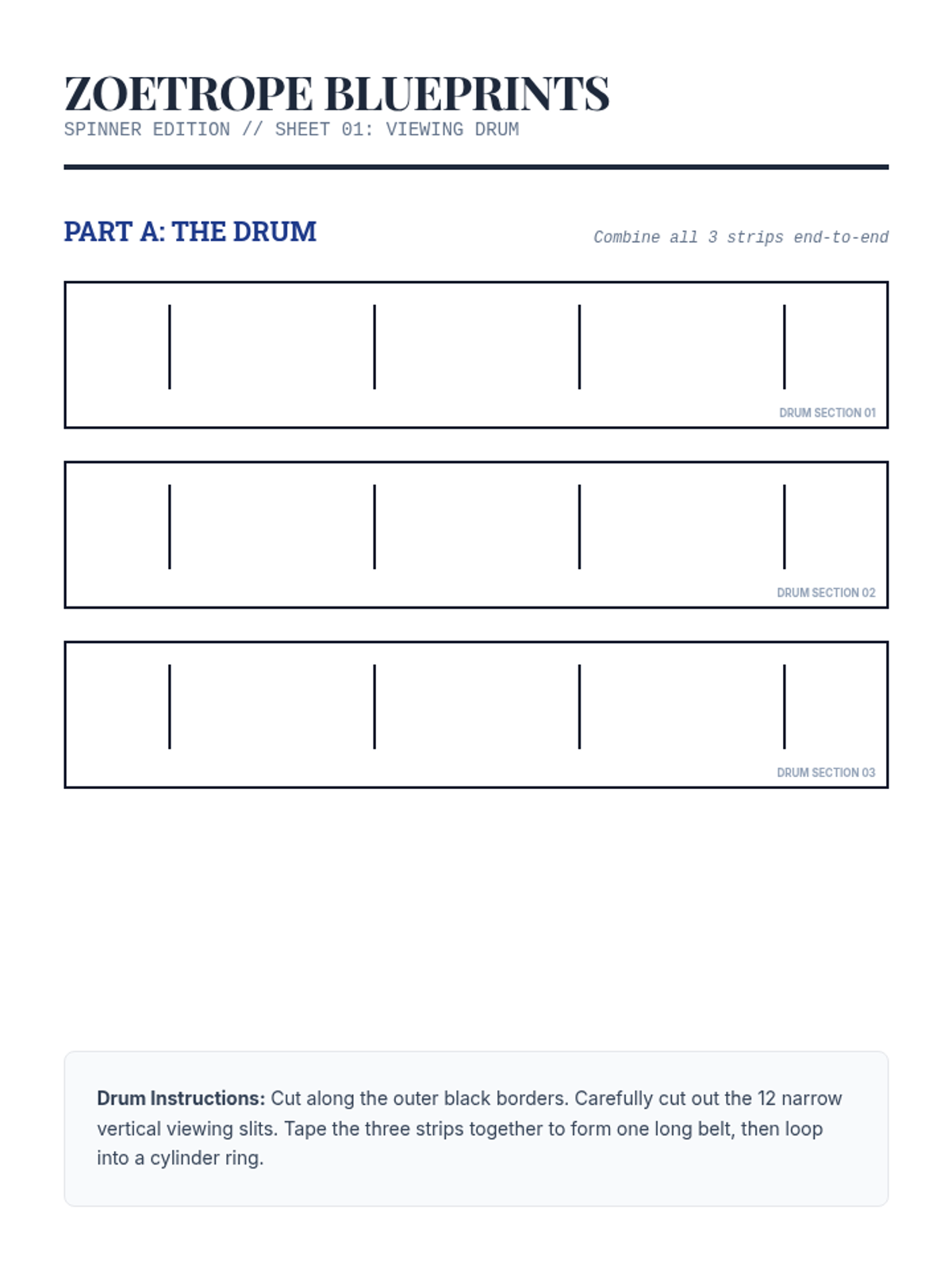
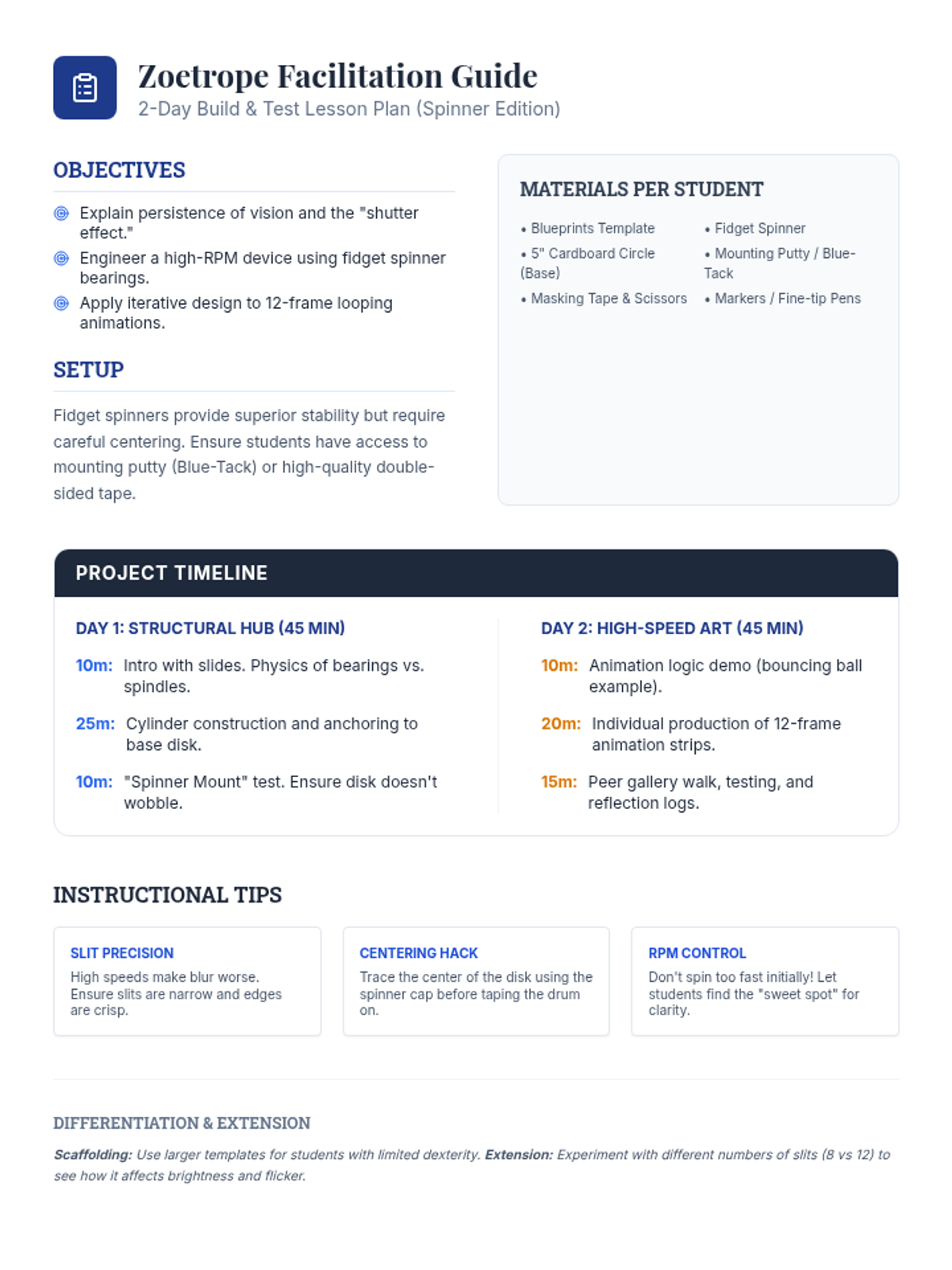
A 2-day hands-on engineering and art project where students build a paper zoetrope to explore the physics of light and the foundations of animation. Day 1 focuses on construction and the science of persistence of vision, while Day 2 focuses on creating and testing animation strips.
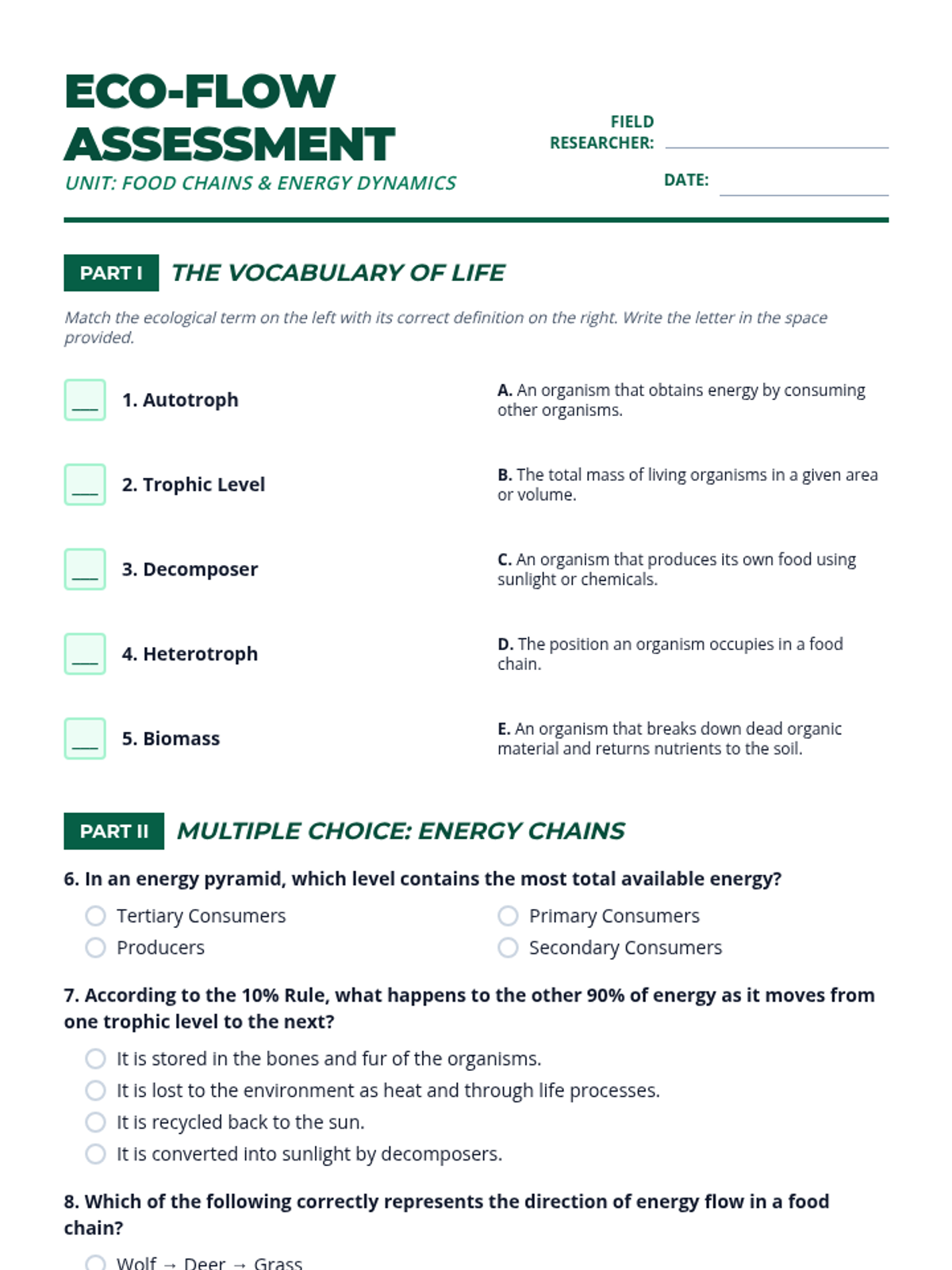
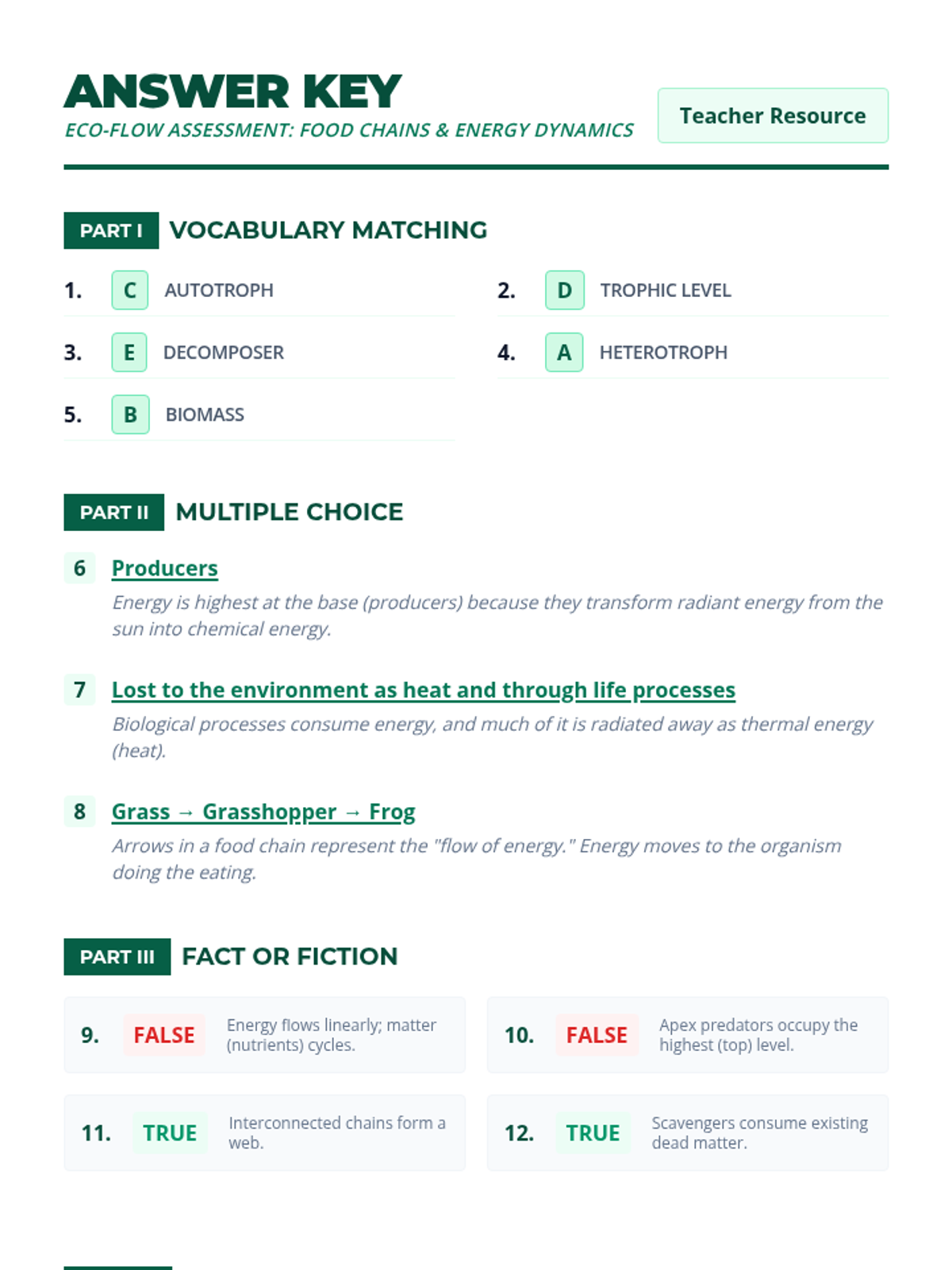
A comprehensive lesson on how energy moves through an ecosystem, from the sun to apex predators. Includes assessments on food chains, food webs, and the laws of thermodynamics in biology.
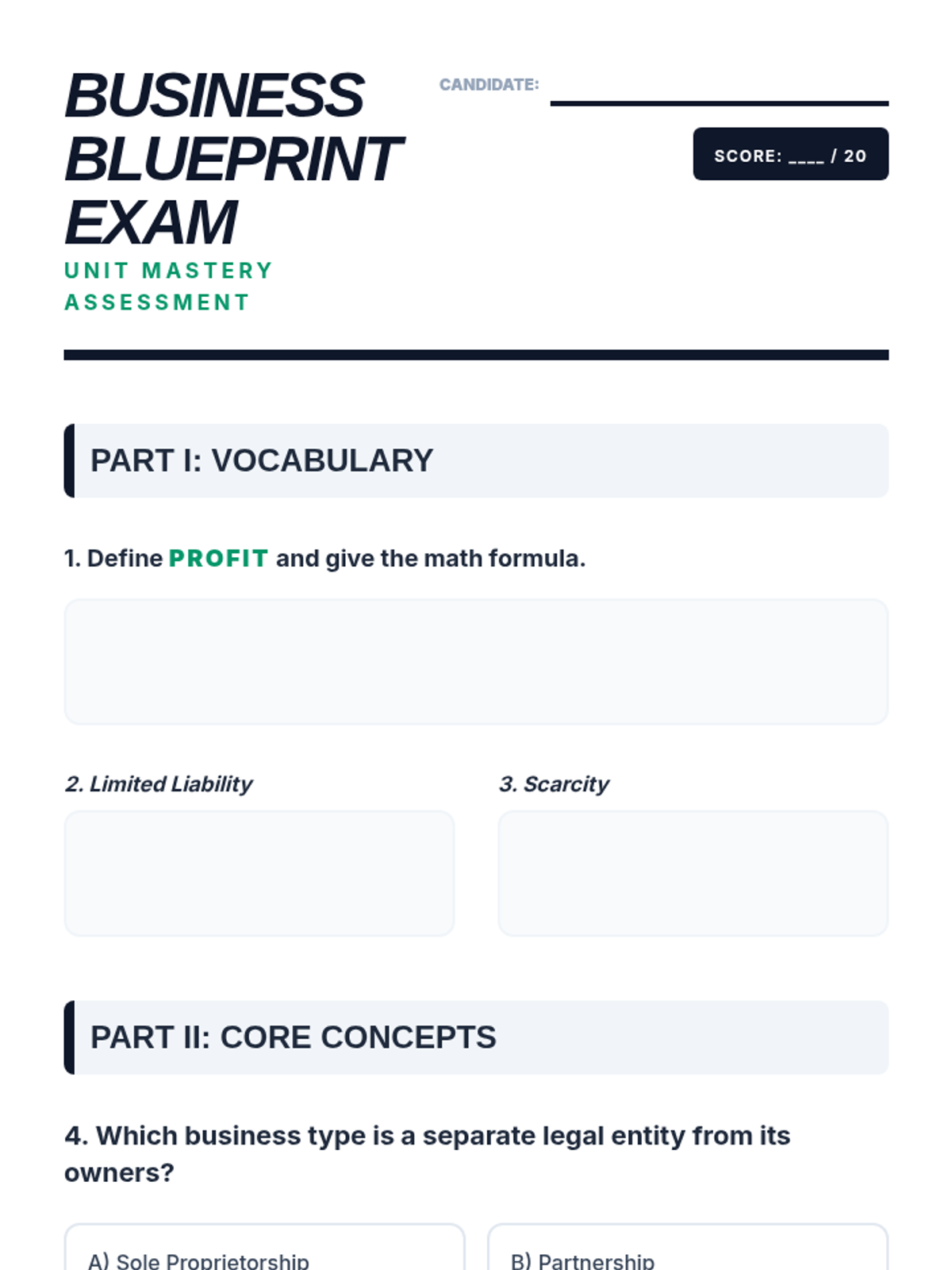
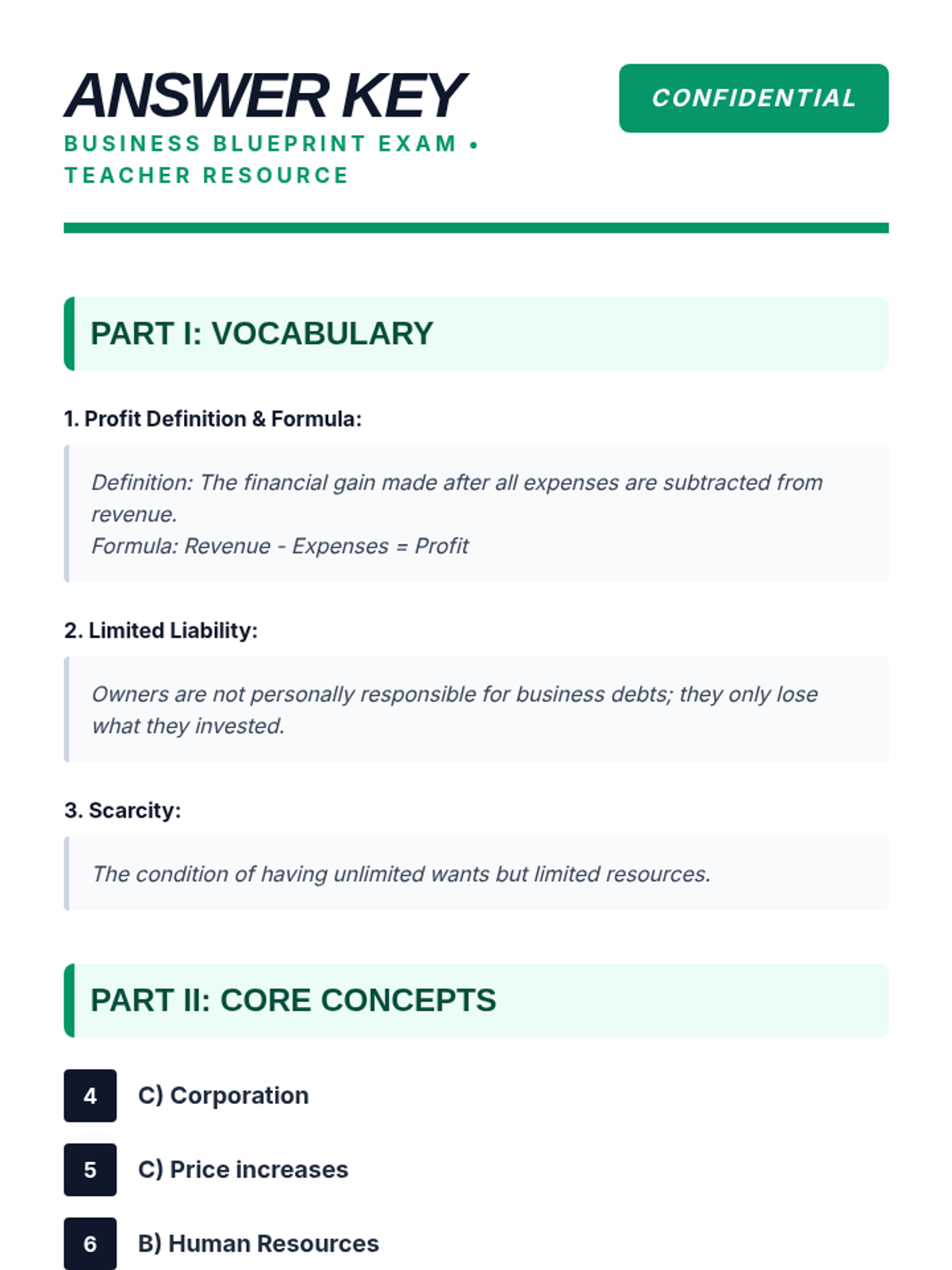
A comprehensive review of the unit's key concepts followed by a summative assessment to measure student understanding.
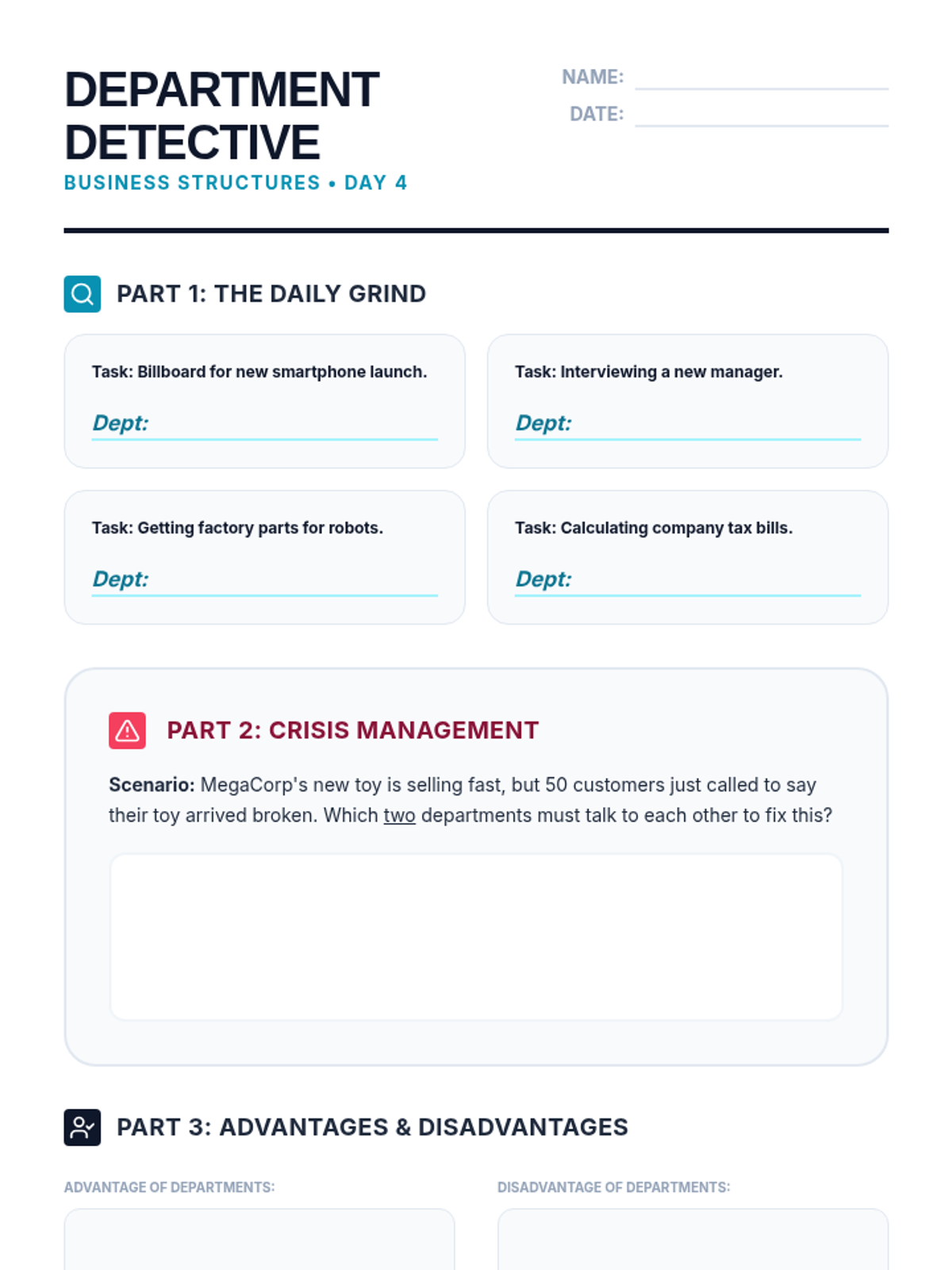
Peek inside the internal departments of a company to understand how functions like Marketing, Finance, and HR work together.
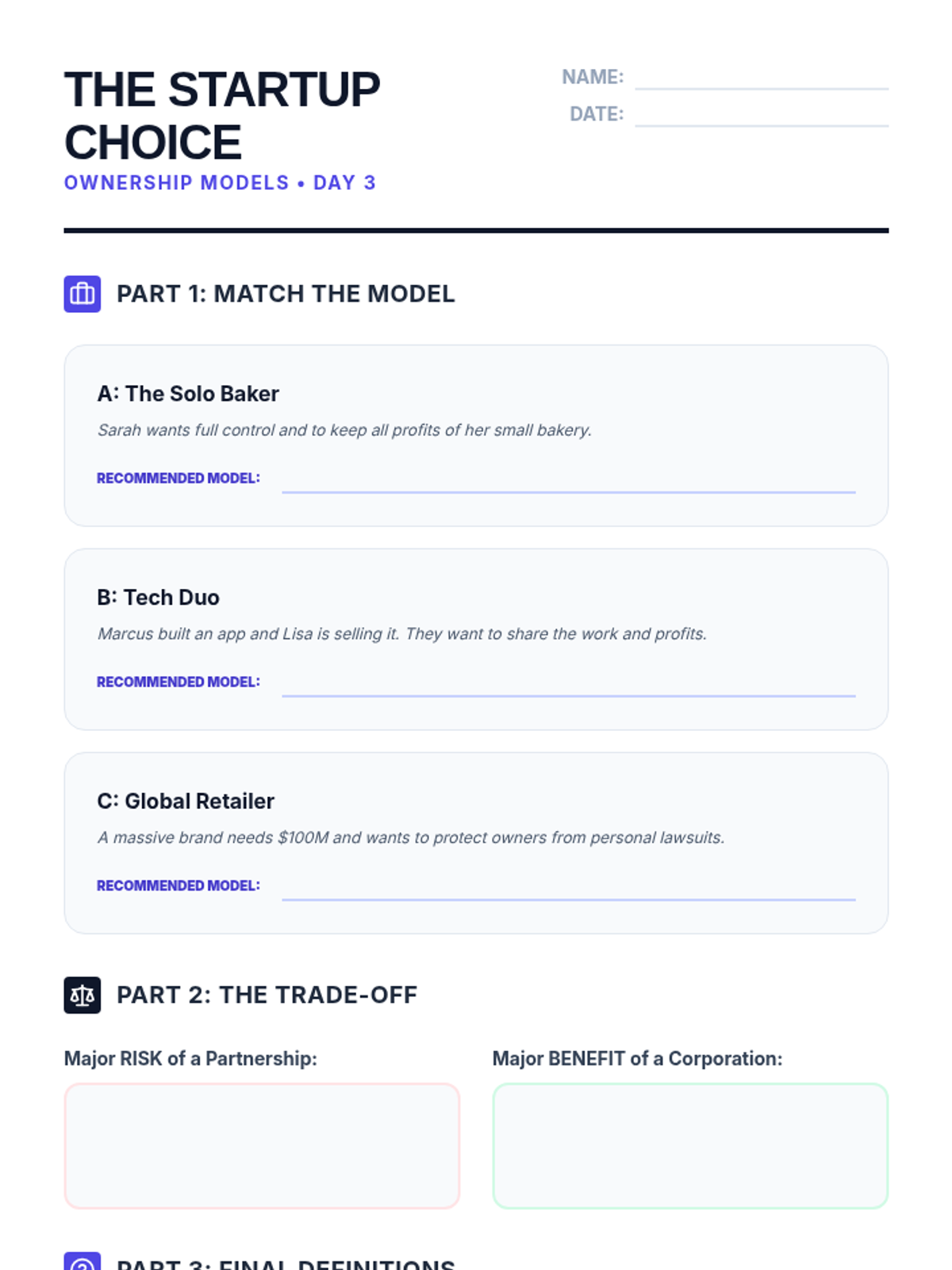
Compare different ways a business can be legally structured, including sole proprietorships, partnerships, and corporations.
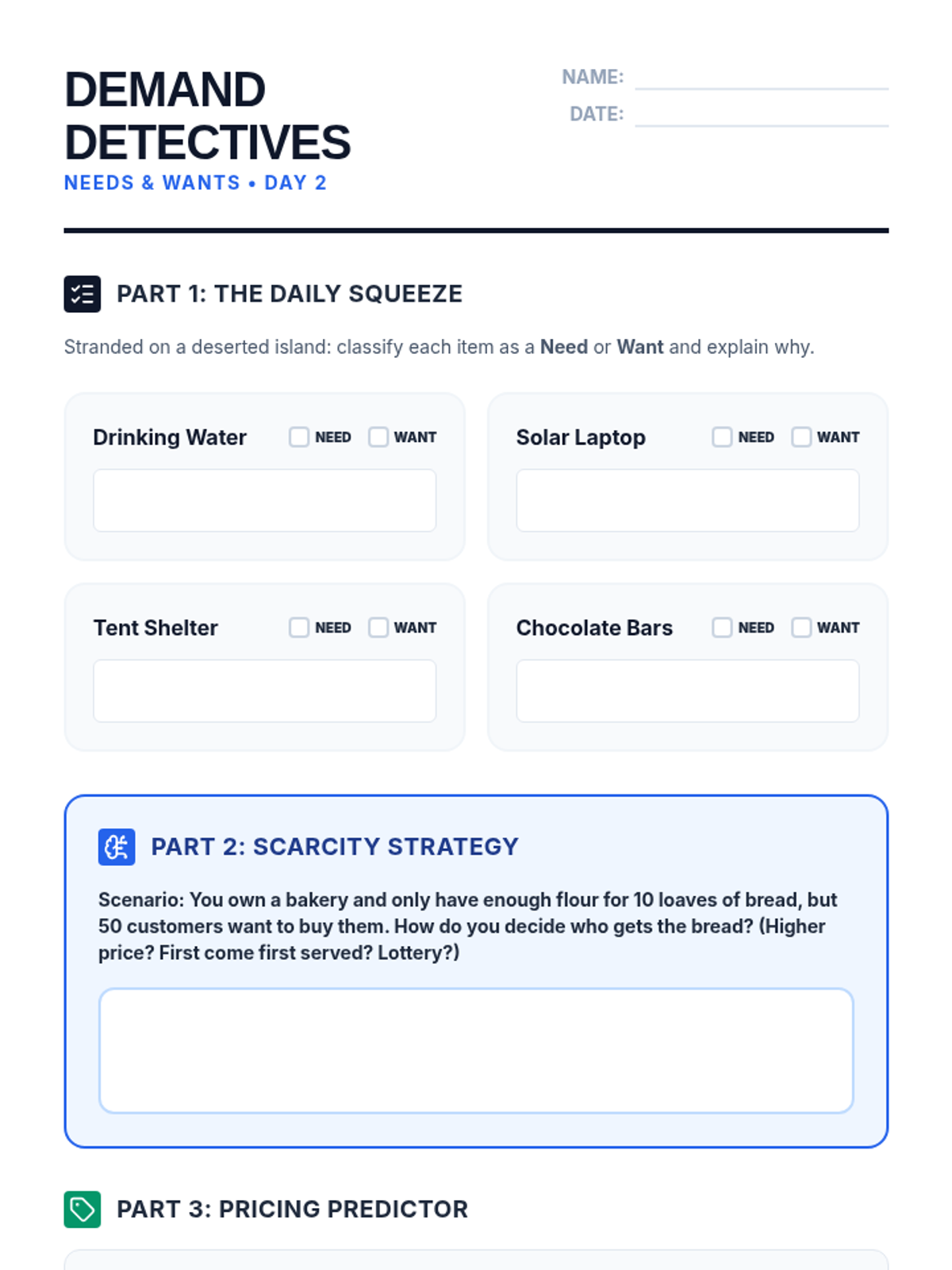
Investigate how businesses satisfy human needs and wants through the production of goods and services within the framework of supply and demand.
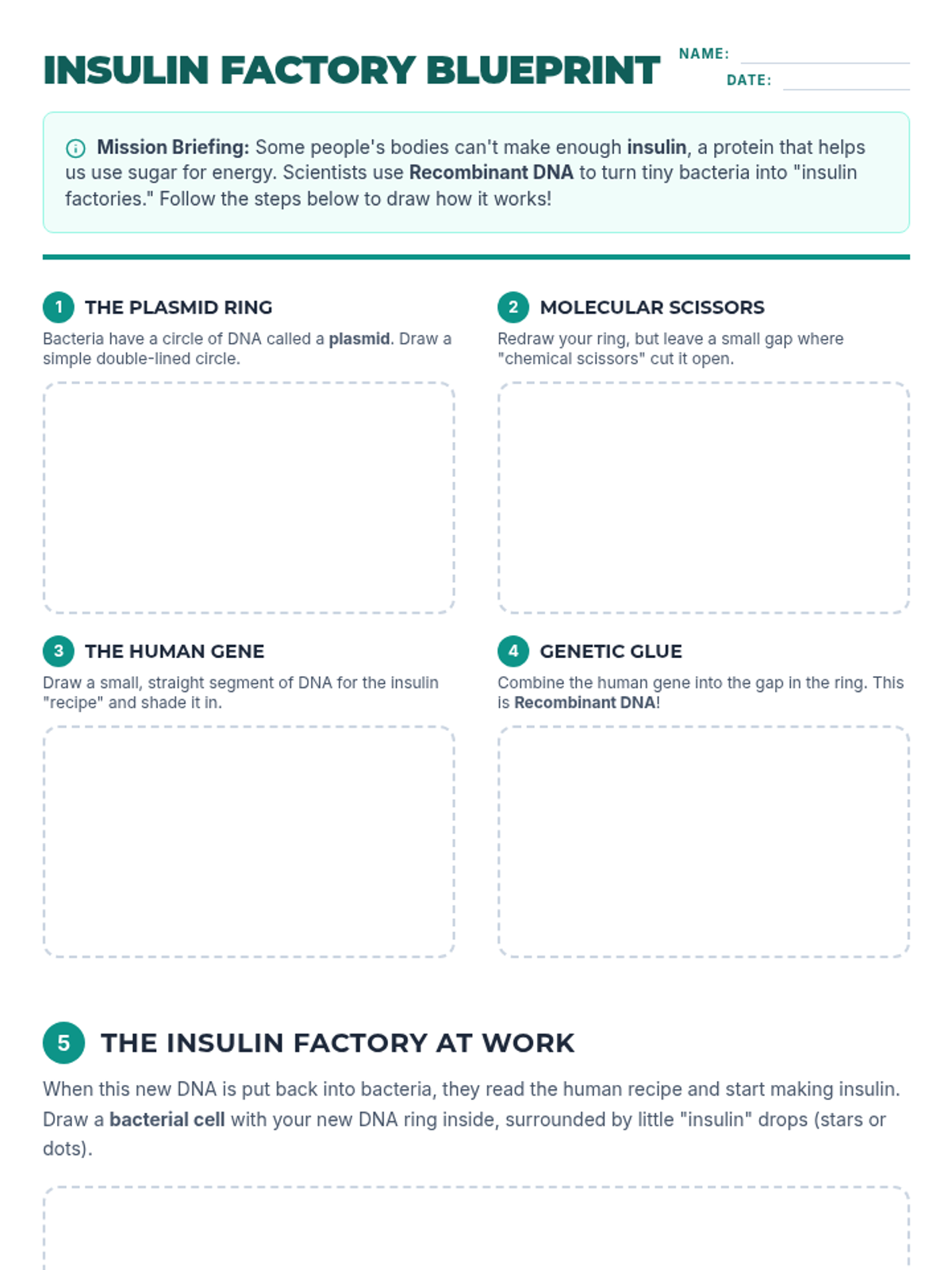
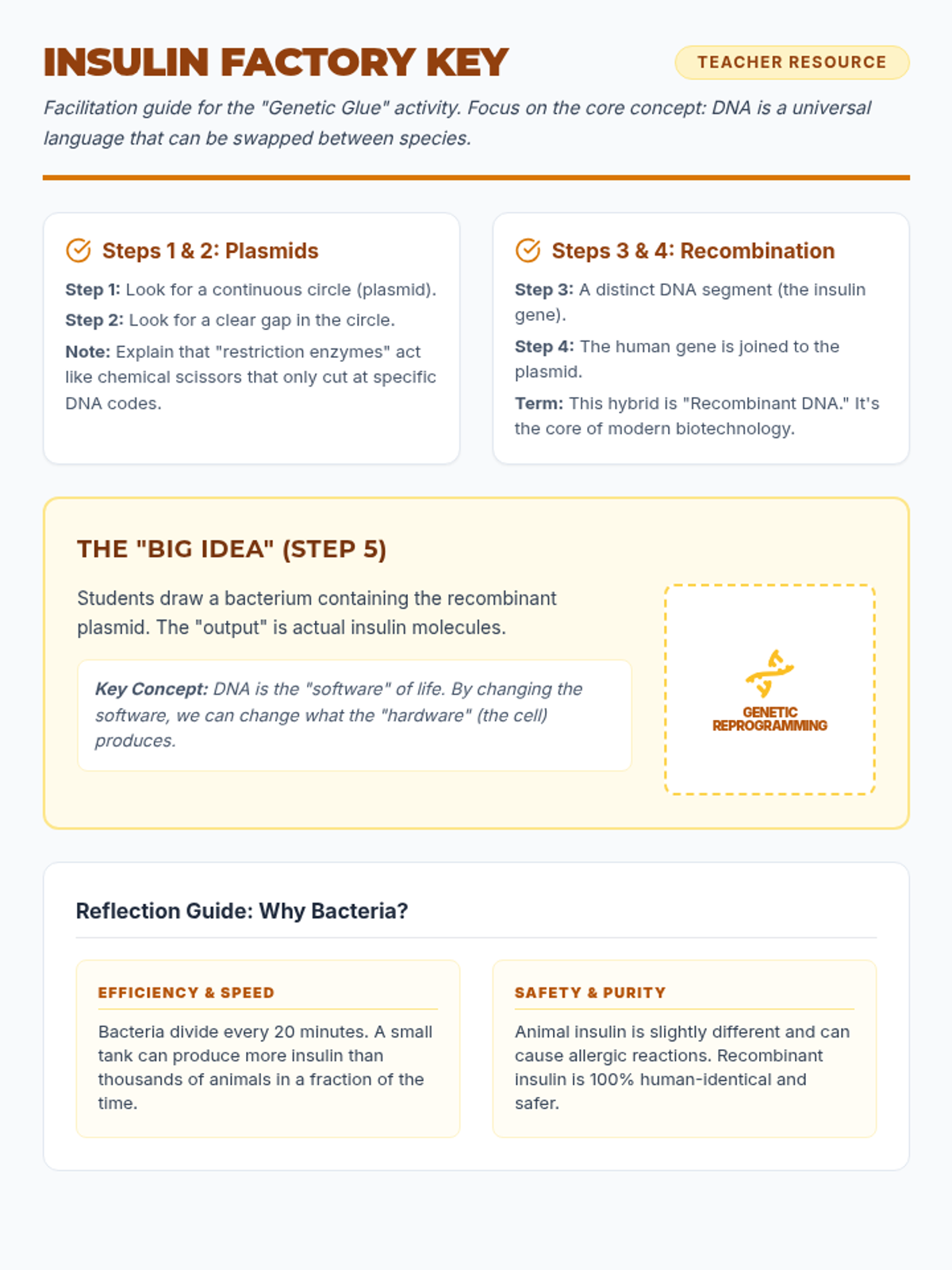
A warm-up lesson introducing the concept of recombinant DNA through the real-world example of insulin production, using a guided drawing approach for 6th grade students.
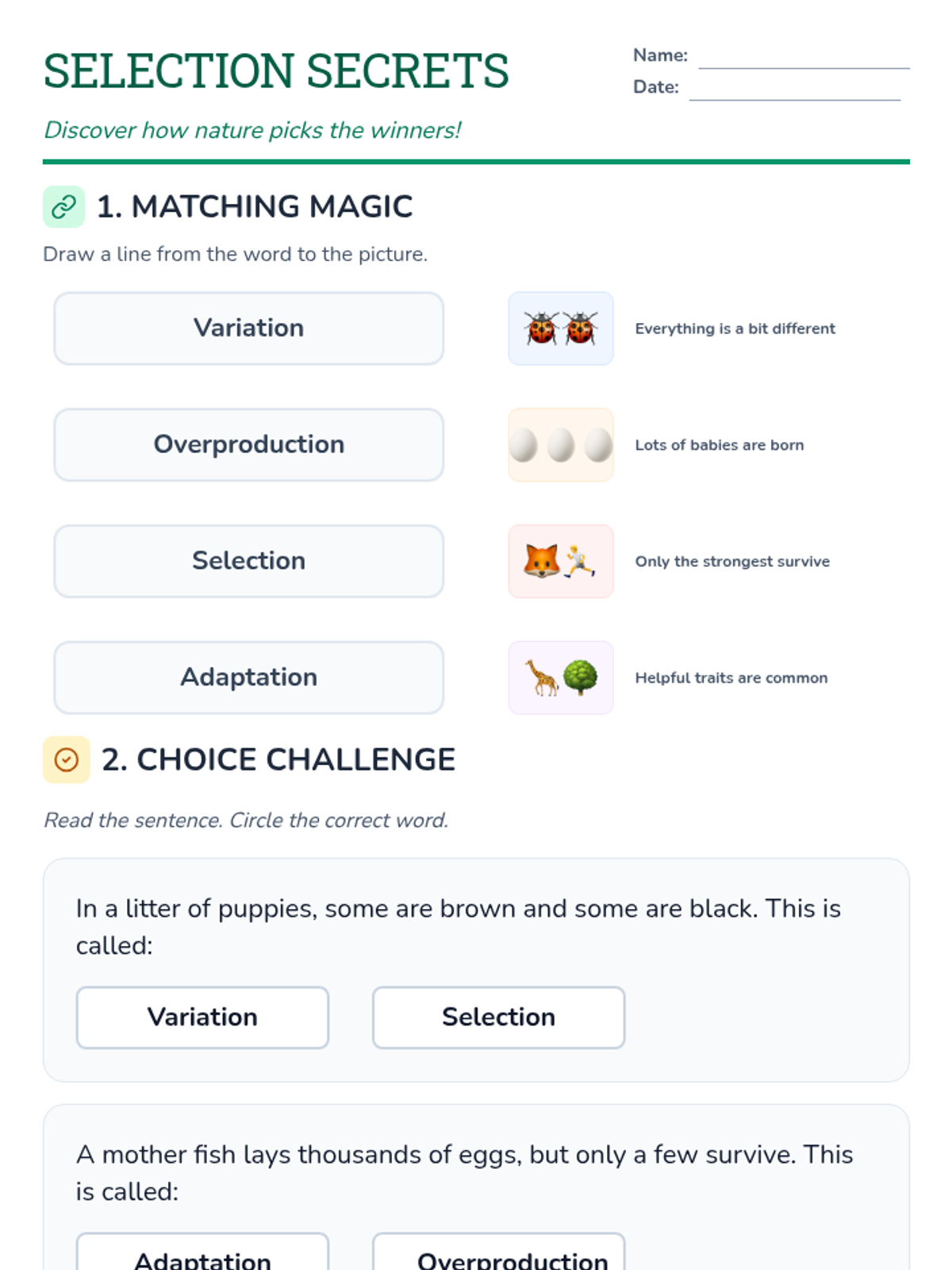
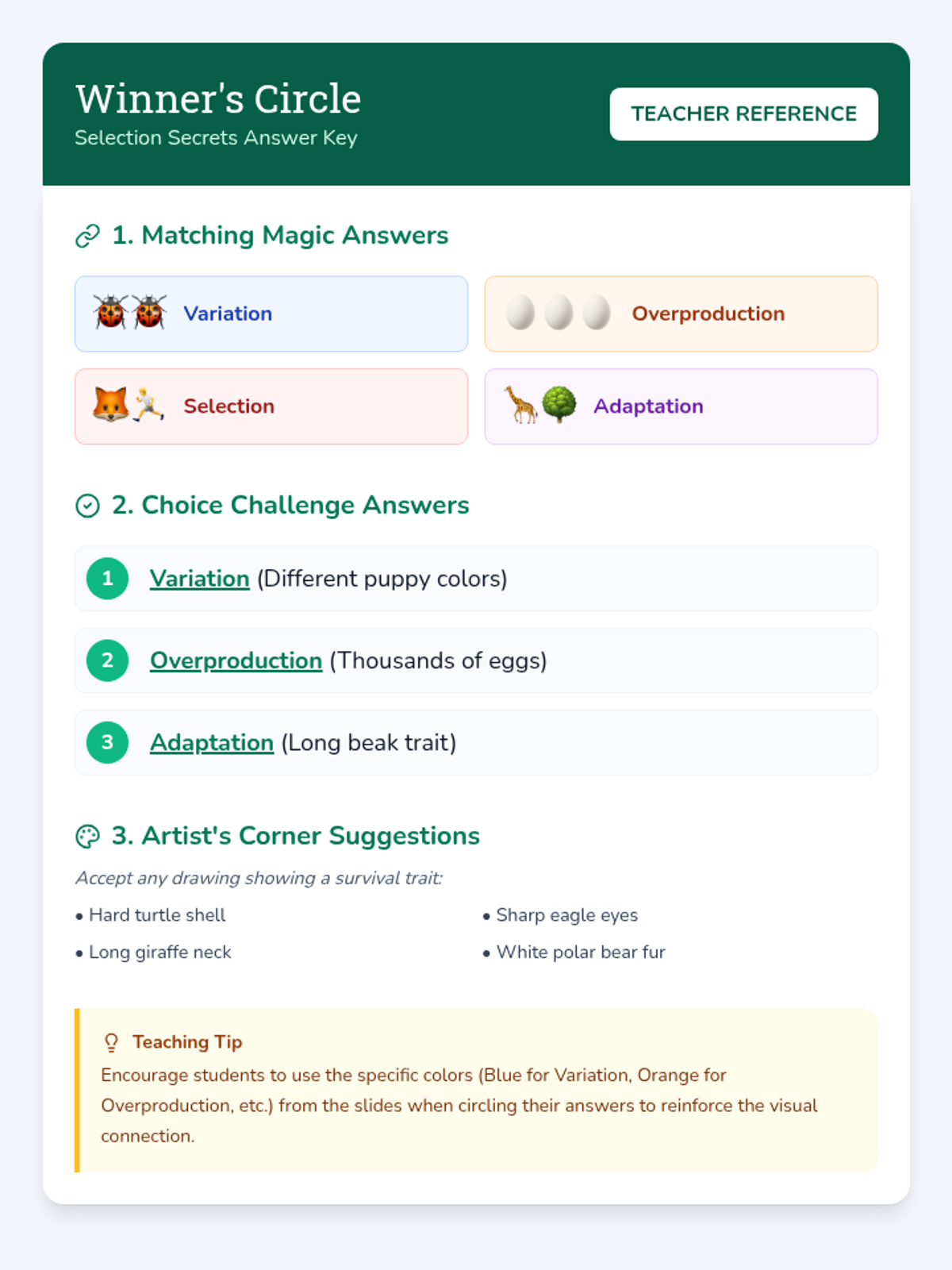
An introductory lesson on the four principles of natural selection, specifically designed for students who benefit from visual support and simplified language. Students will explore variation, overproduction, selection, and adaptation.
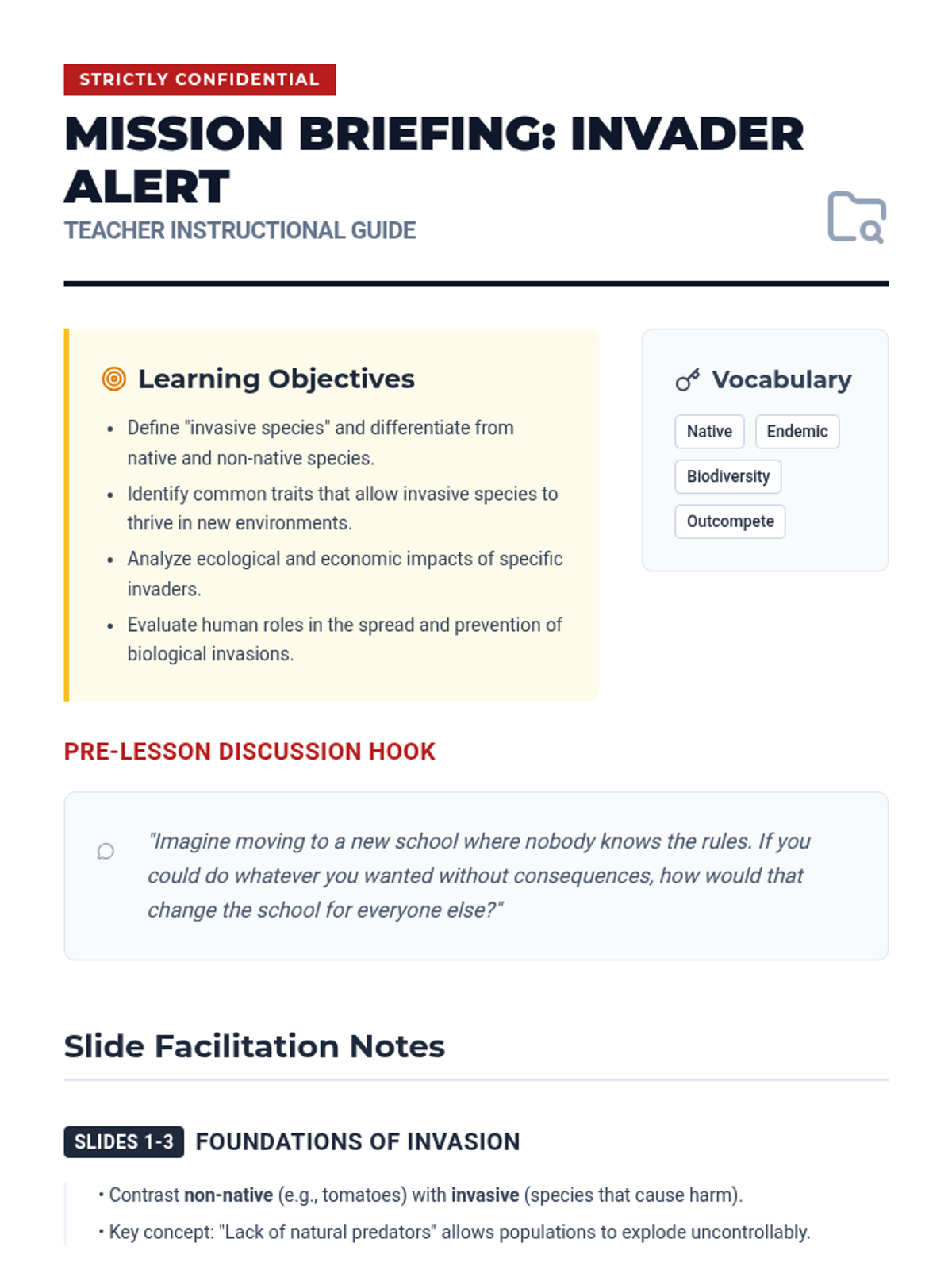
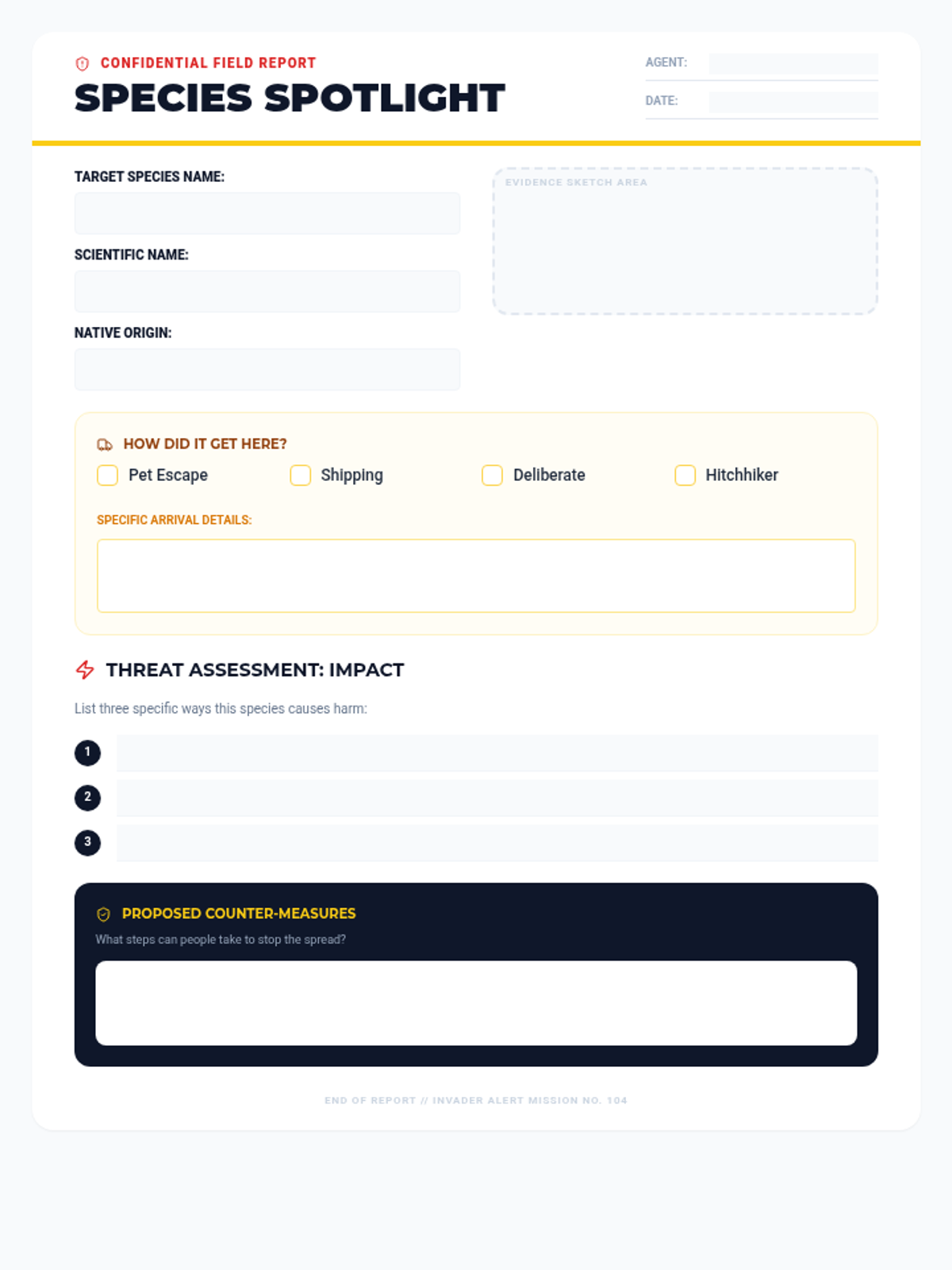
A comprehensive introduction to invasive species, exploring how non-native plants and animals disrupt ecosystems and what can be done to stop them. Students will analyze real-world case studies of biological 'invaders' through a high-stakes dossier-style presentation.
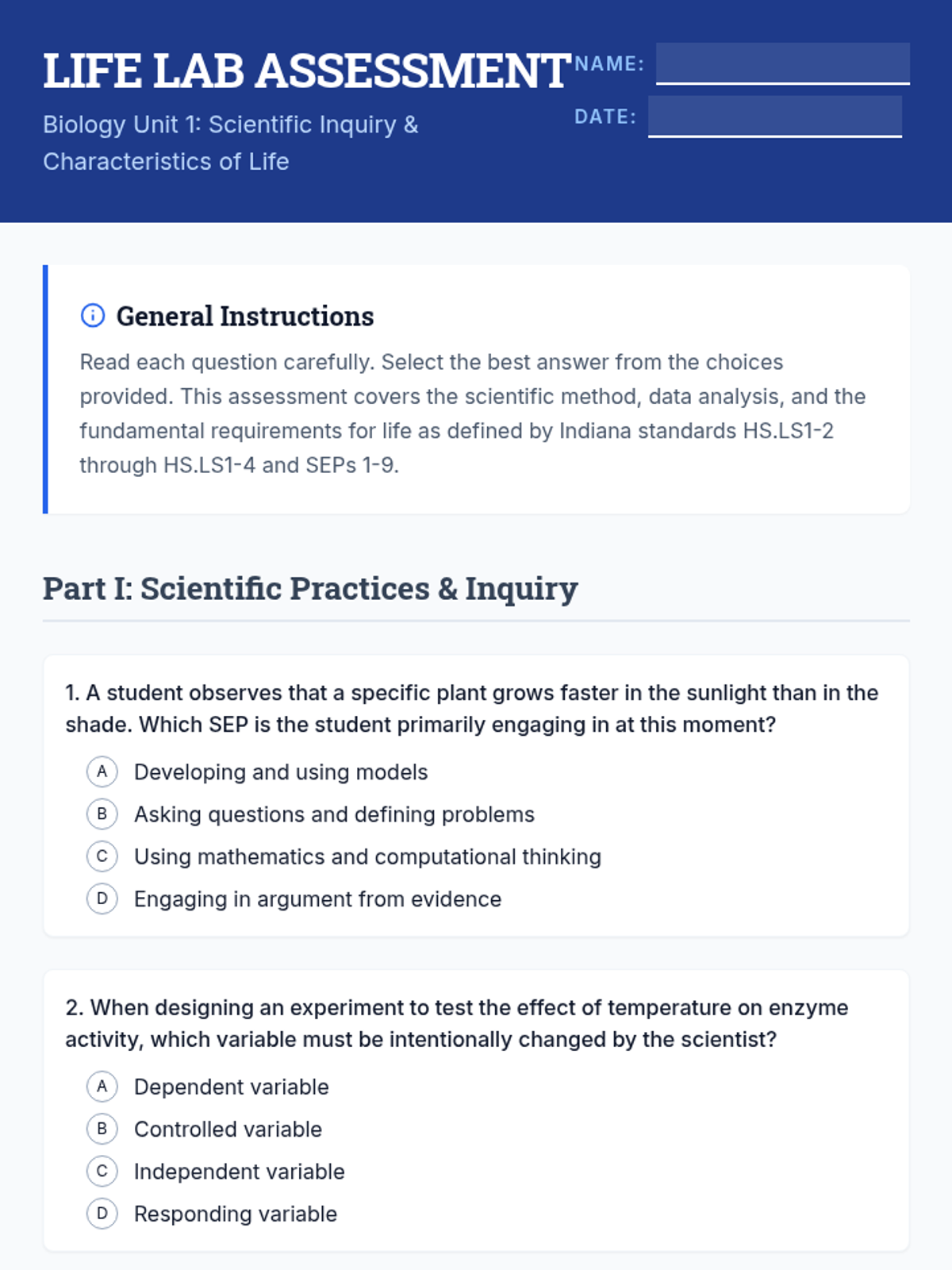
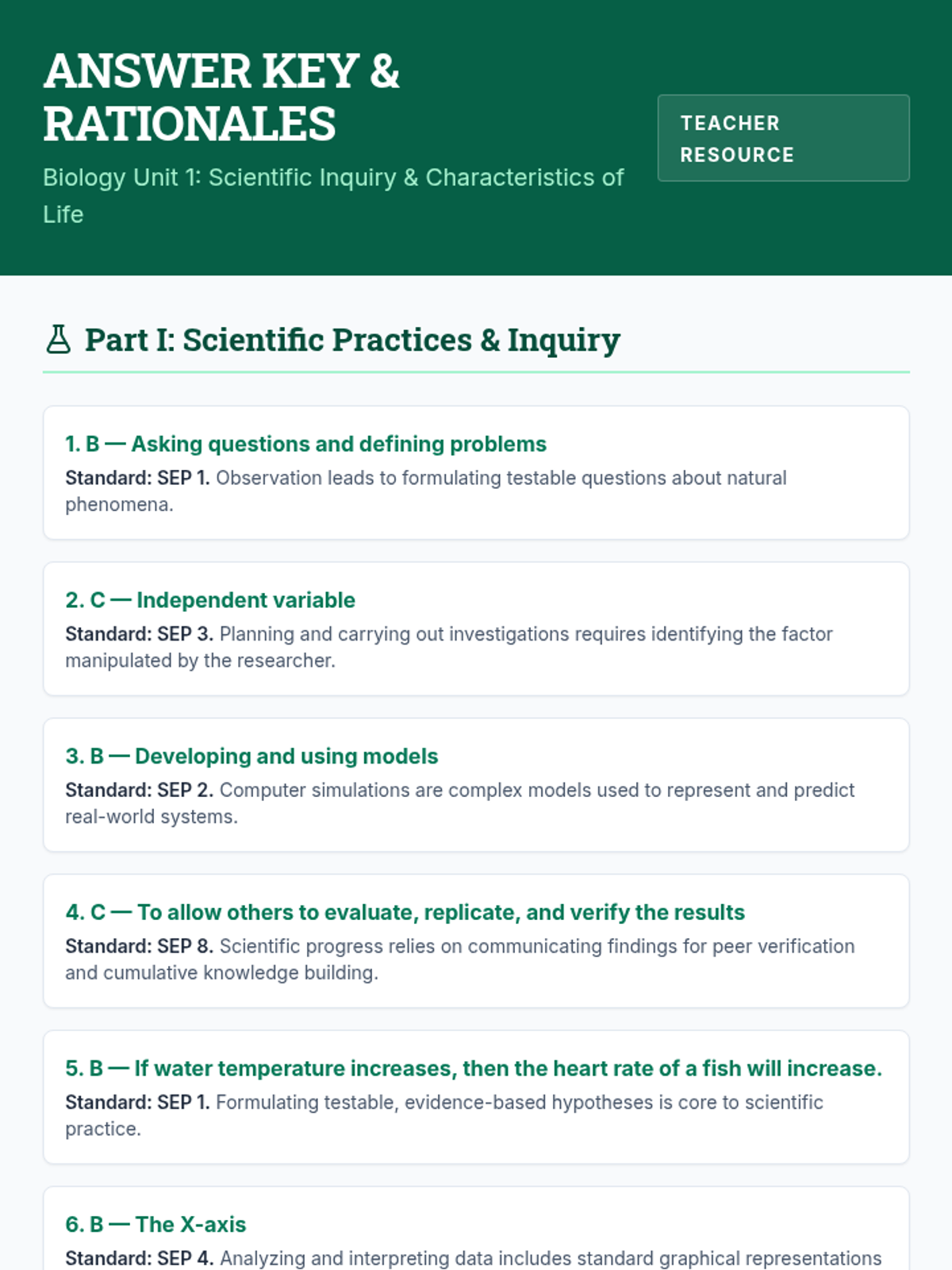
This lesson covers the foundational principles of biological science, focusing on the scientific method (SEPs) and the fundamental characteristics that define living organisms (LS1). Students will demonstrate their understanding through a comprehensive assessment aligned with Indiana state standards.
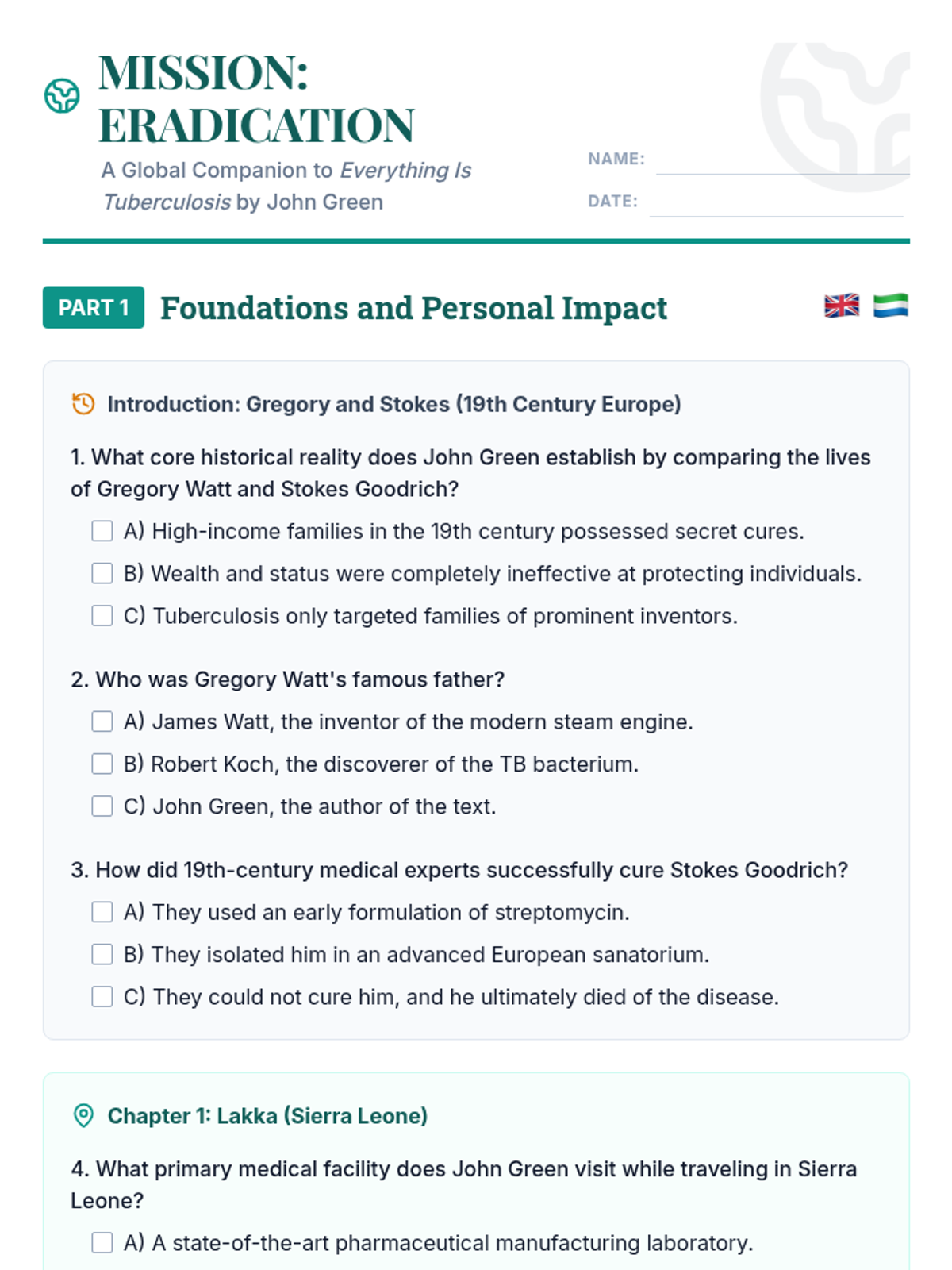
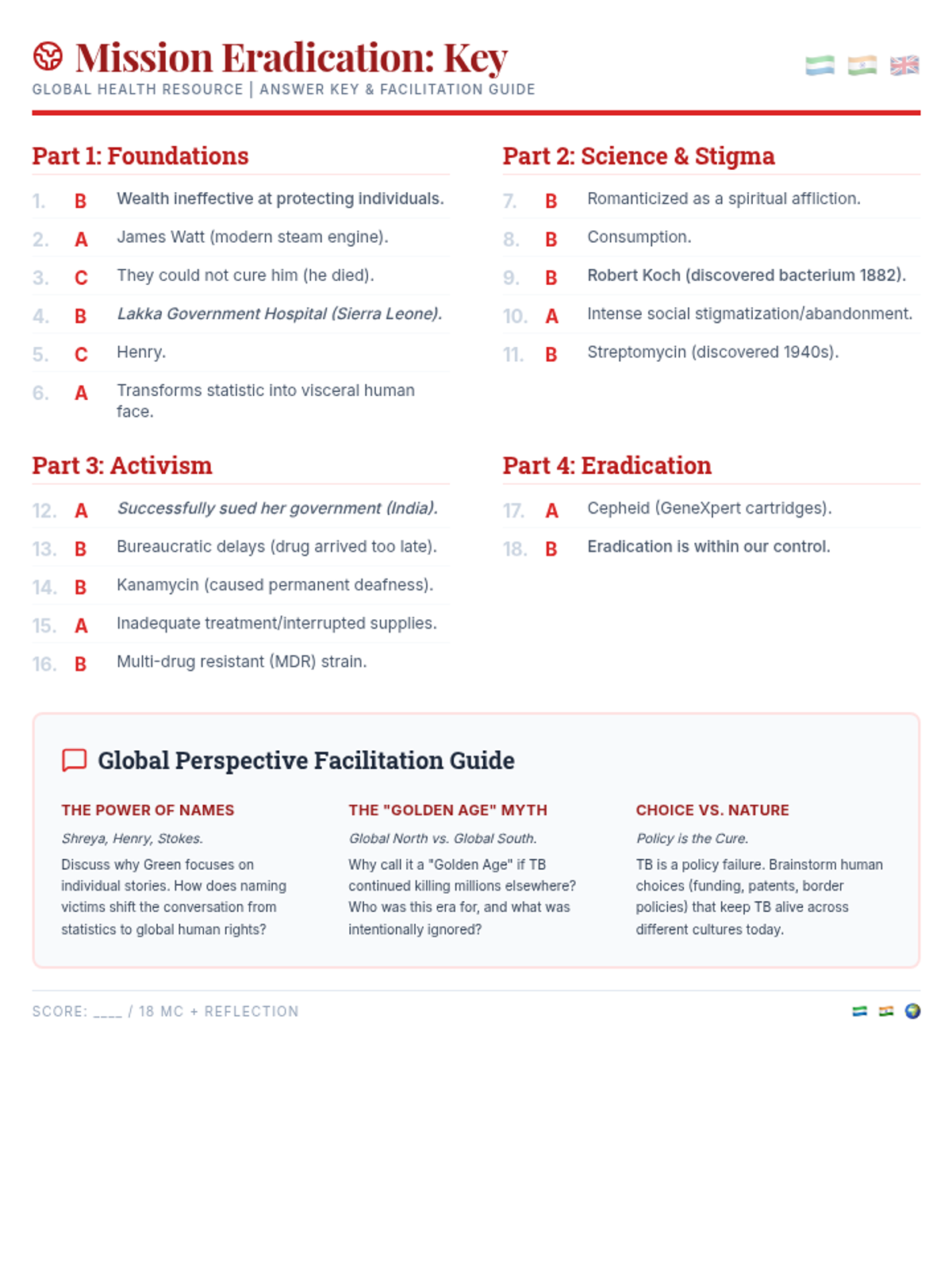
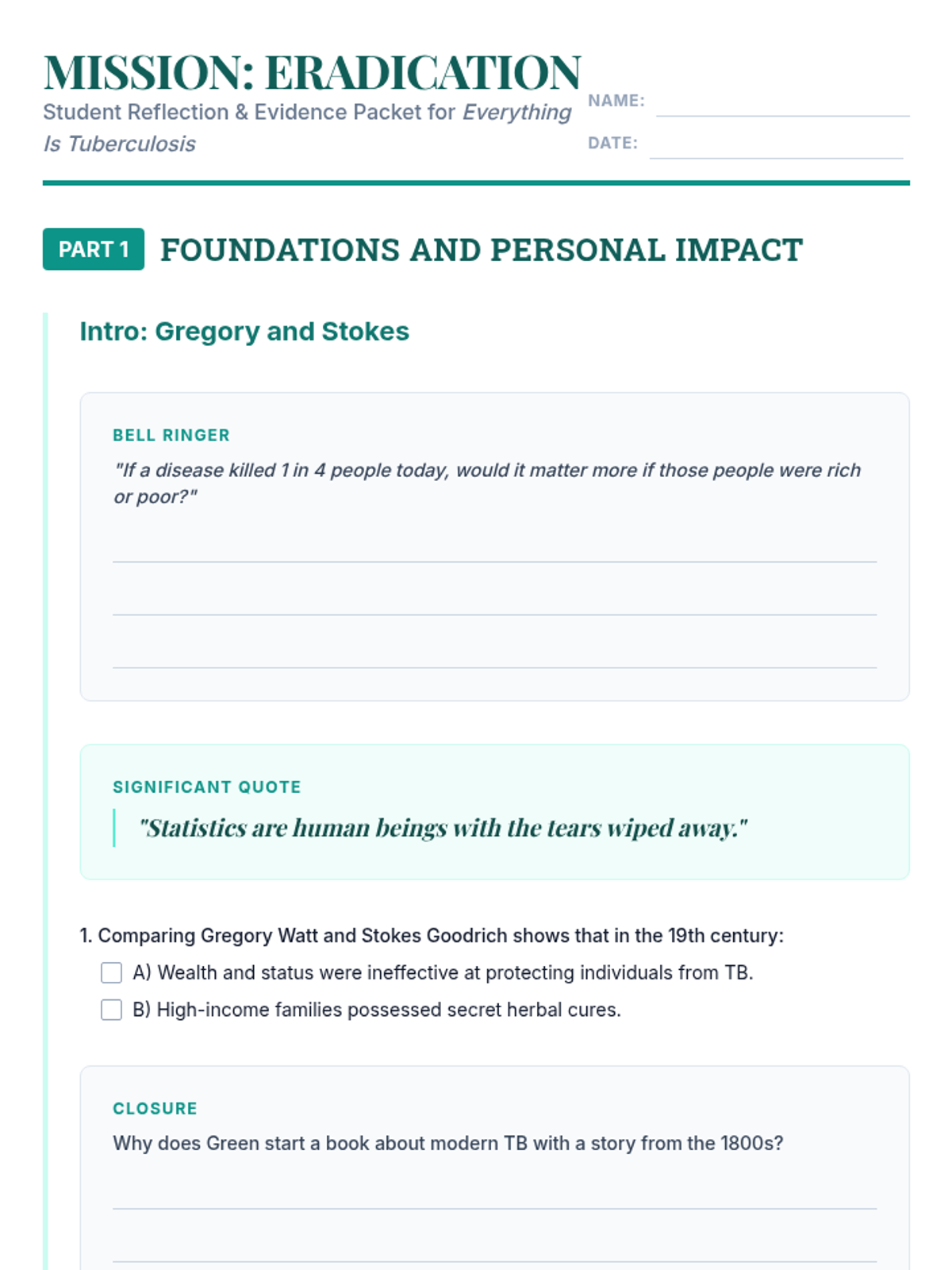
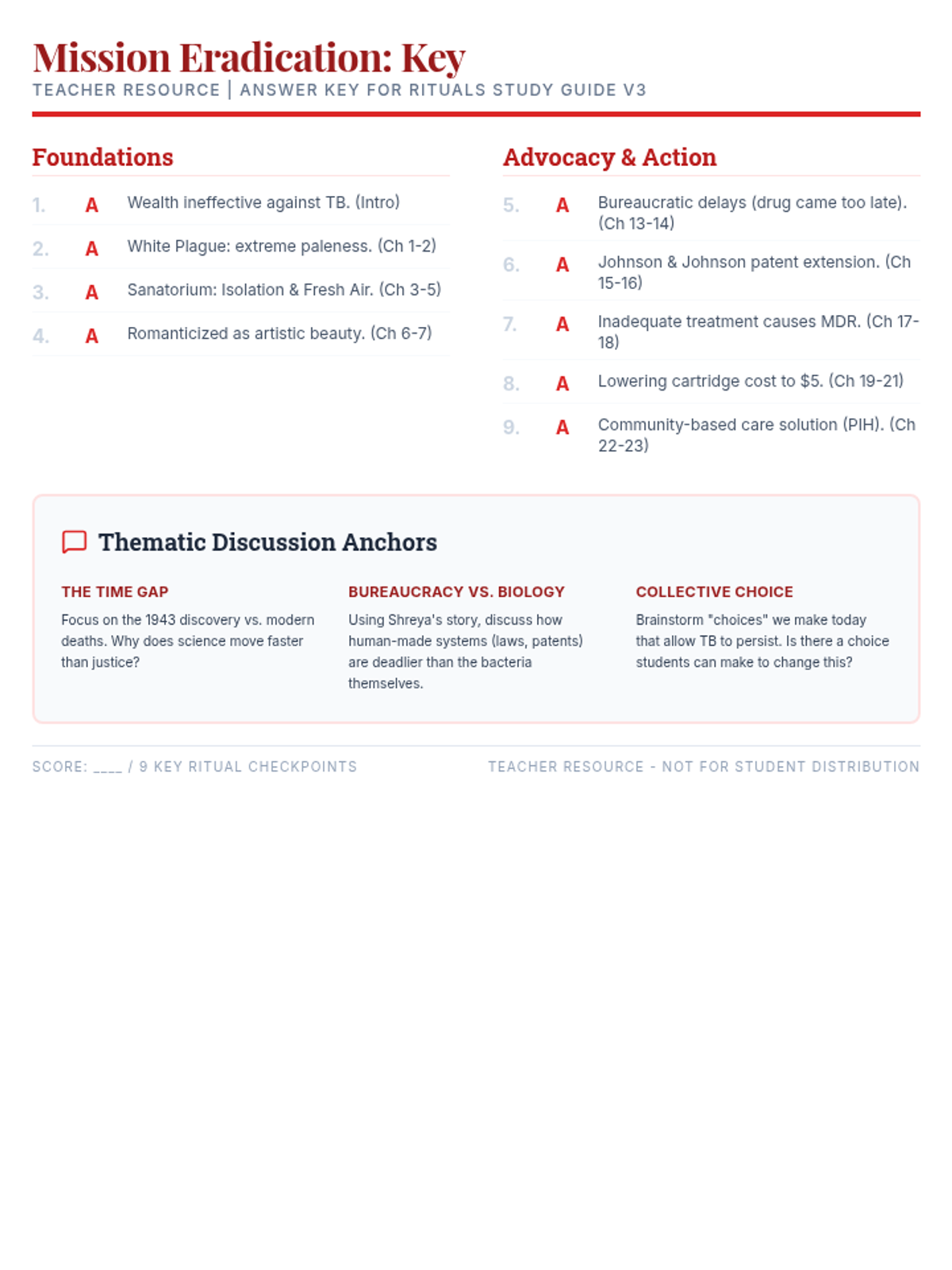
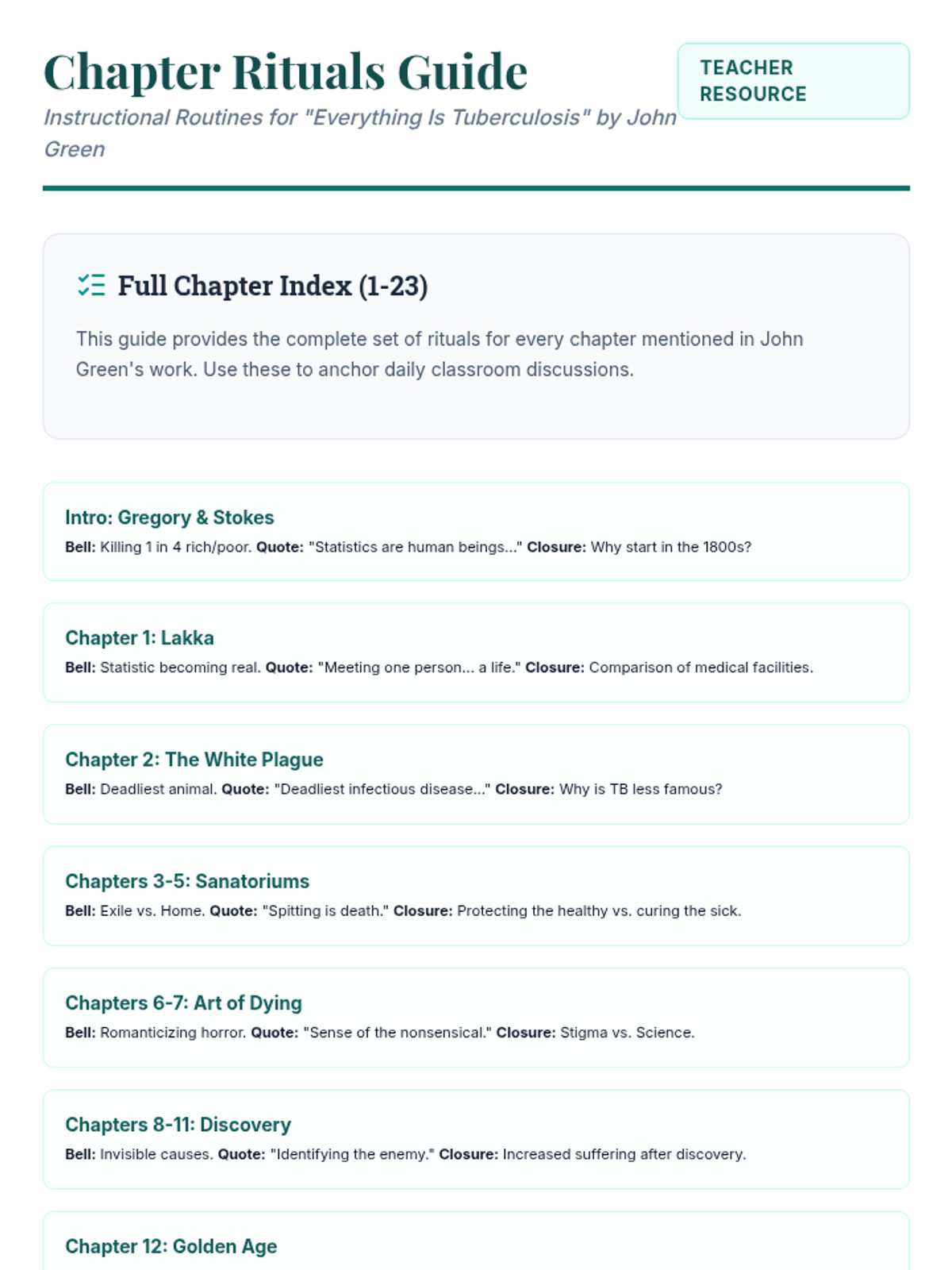
A comprehensive study of John Green's 'Everything Is Tuberculosis', exploring the history, science, and advocacy surrounding the world's deadliest infectious disease. Students will analyze personal narratives, scientific discovery, and global health equity.
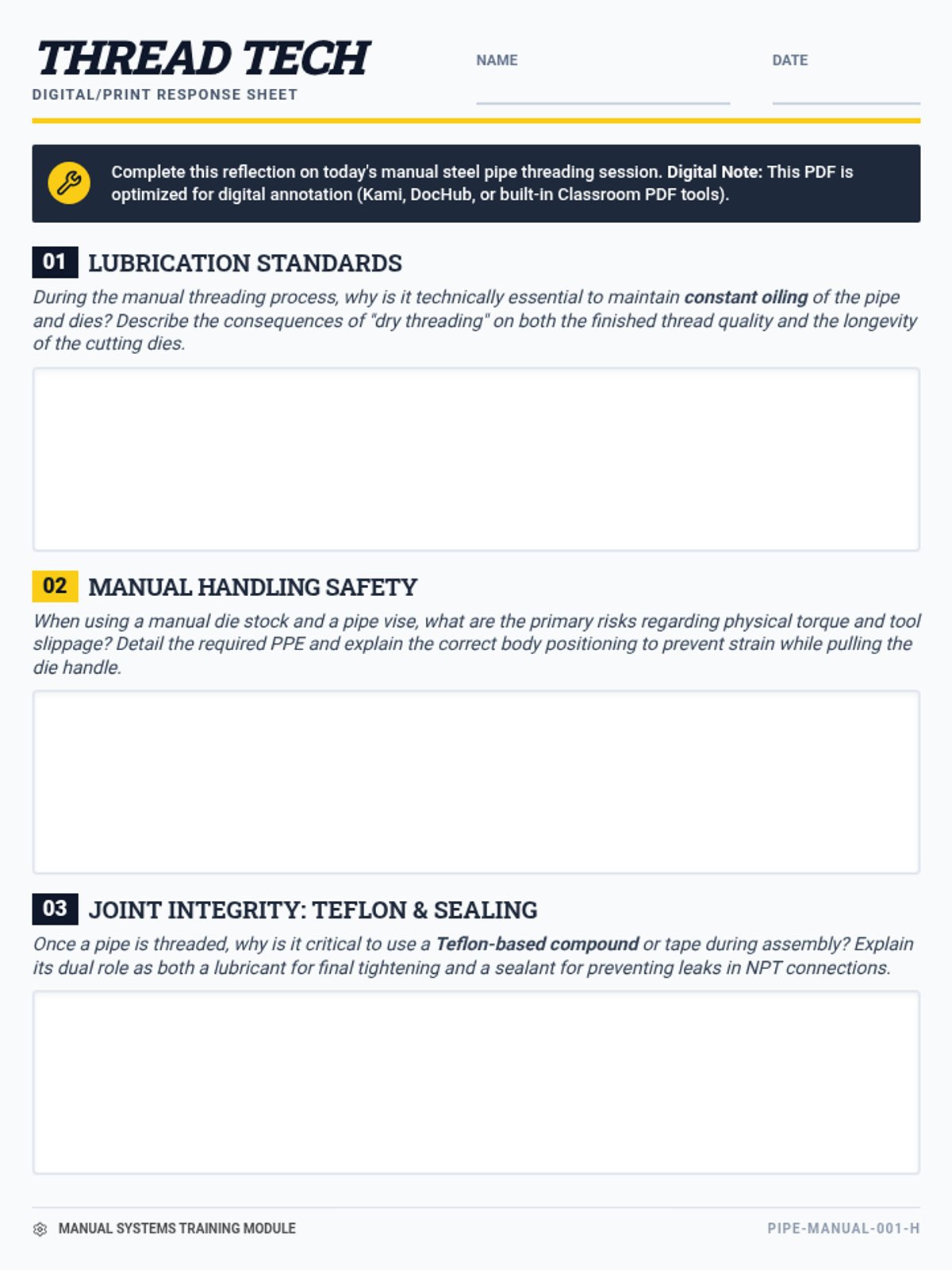
This lesson covers the essential steps, safety protocols, and practical reflections required for beginner steel pipe threading. Students will articulate their understanding of the mechanical process and safety requirements.
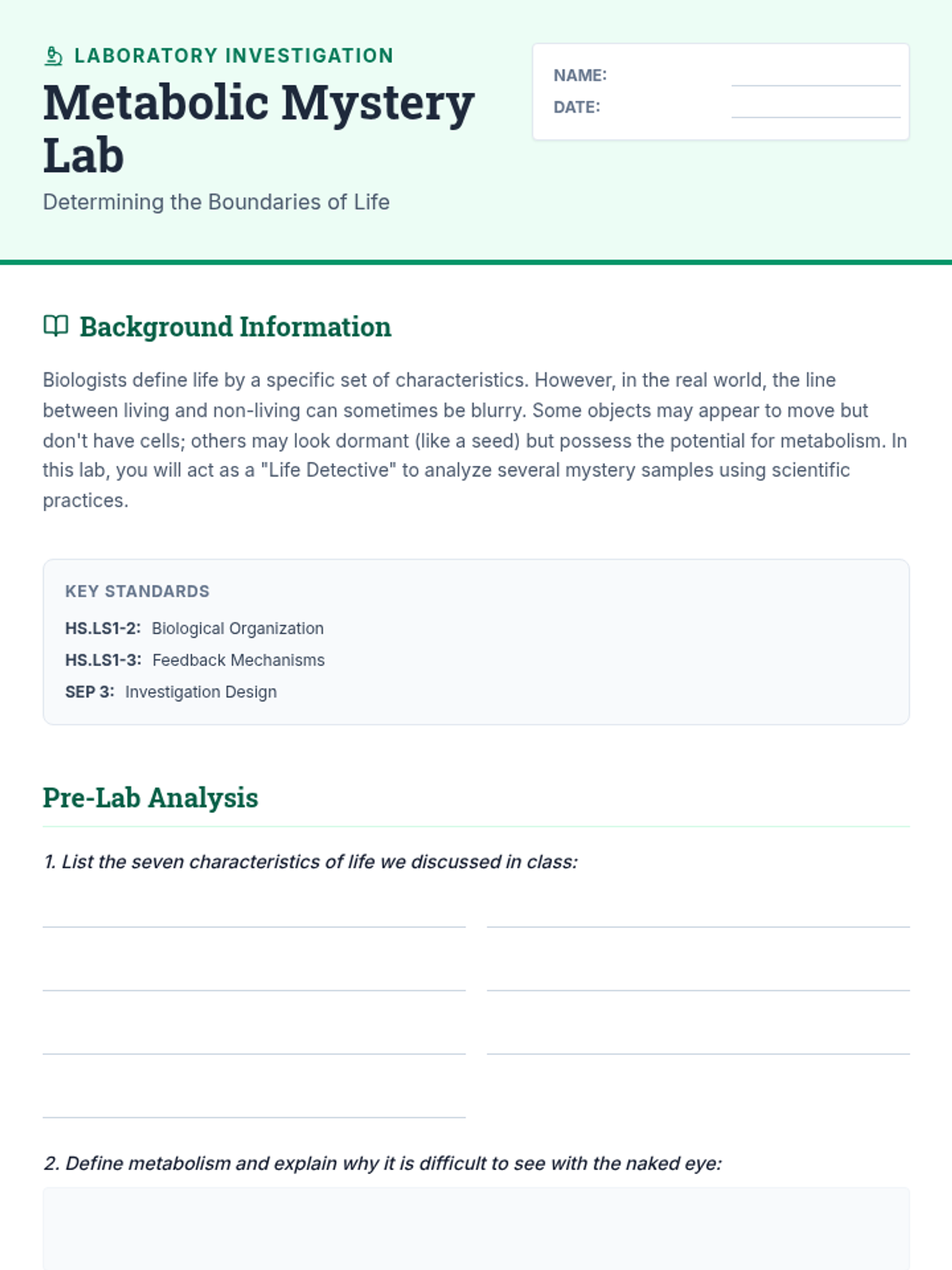
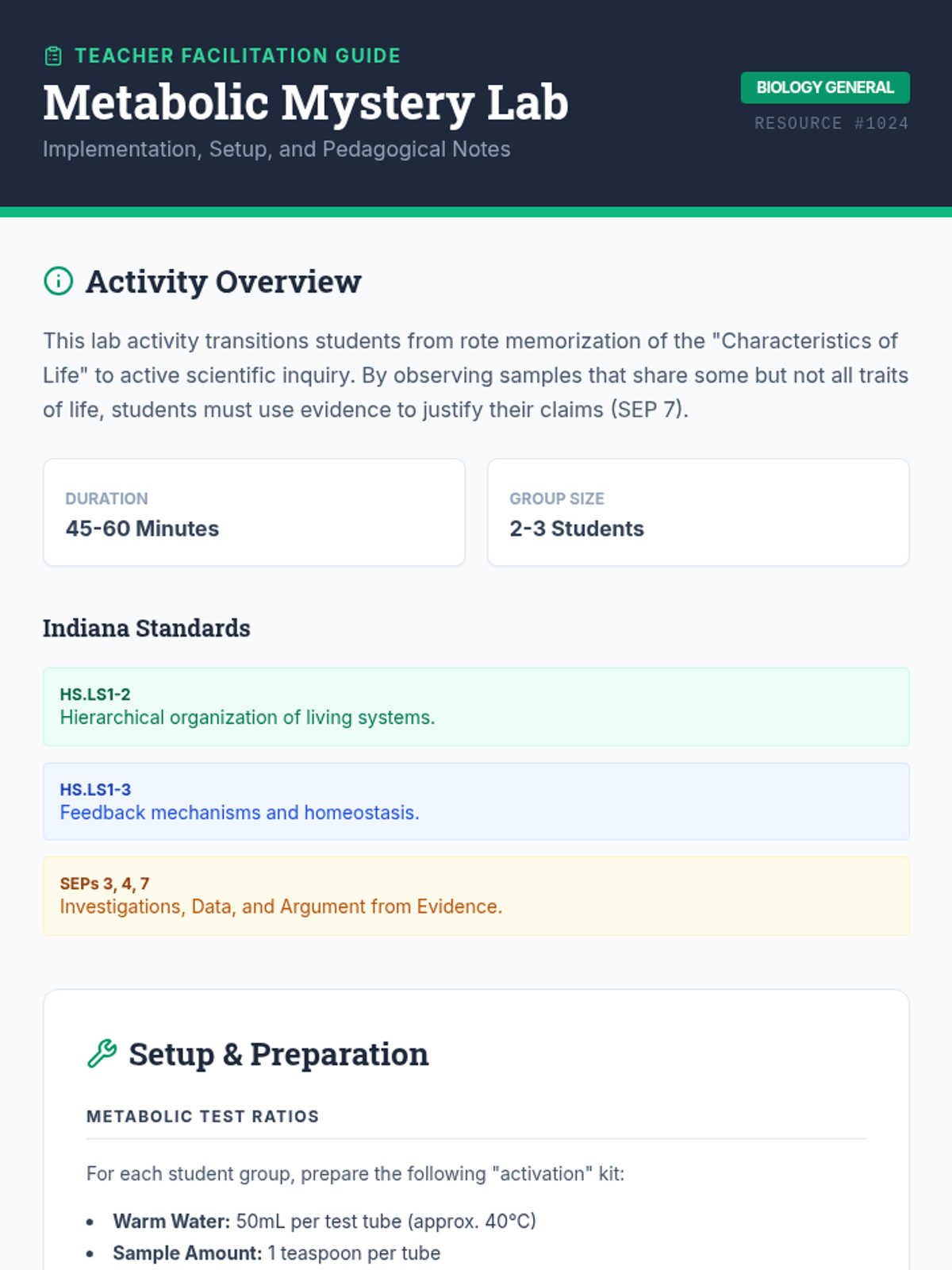
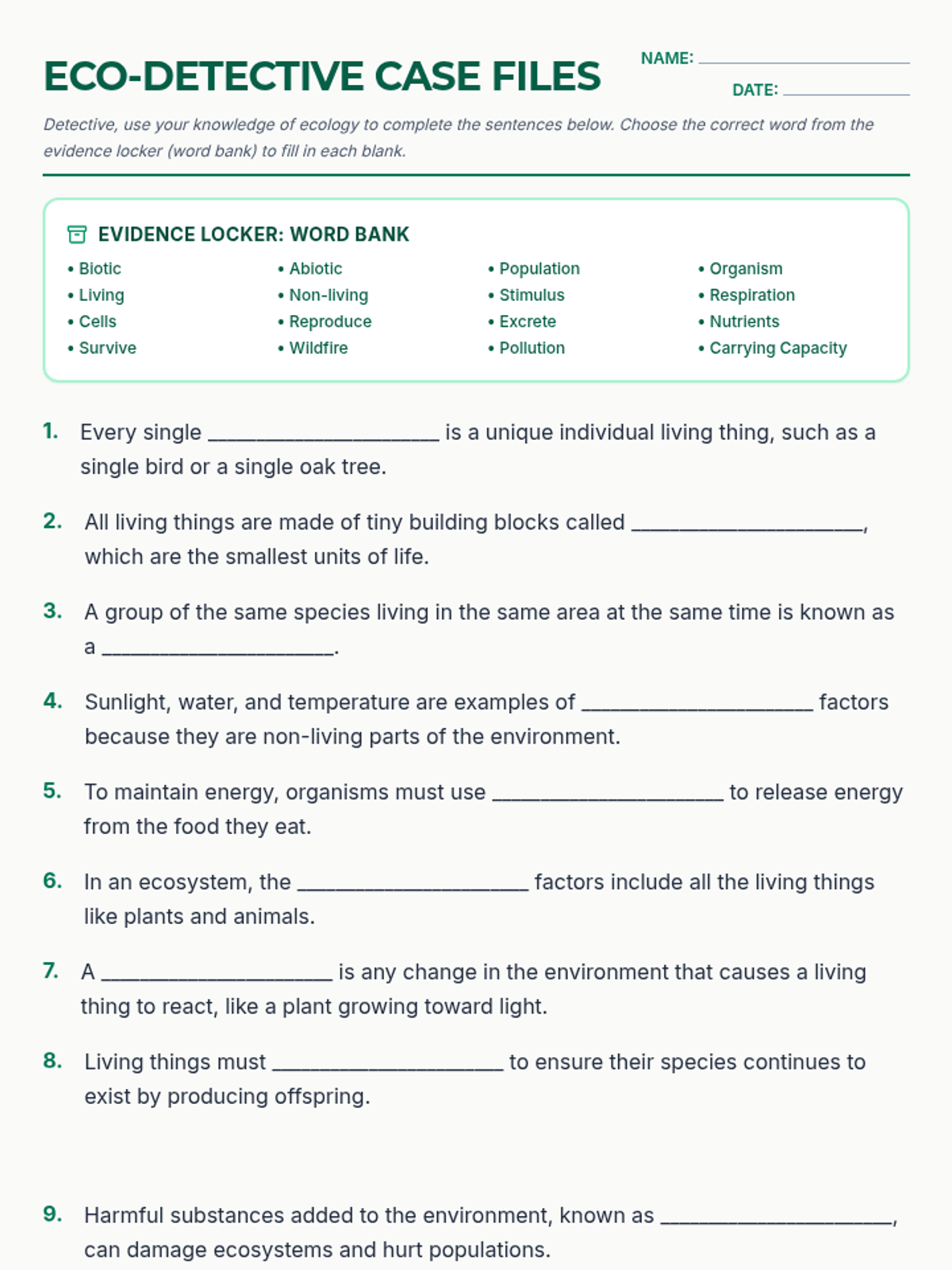
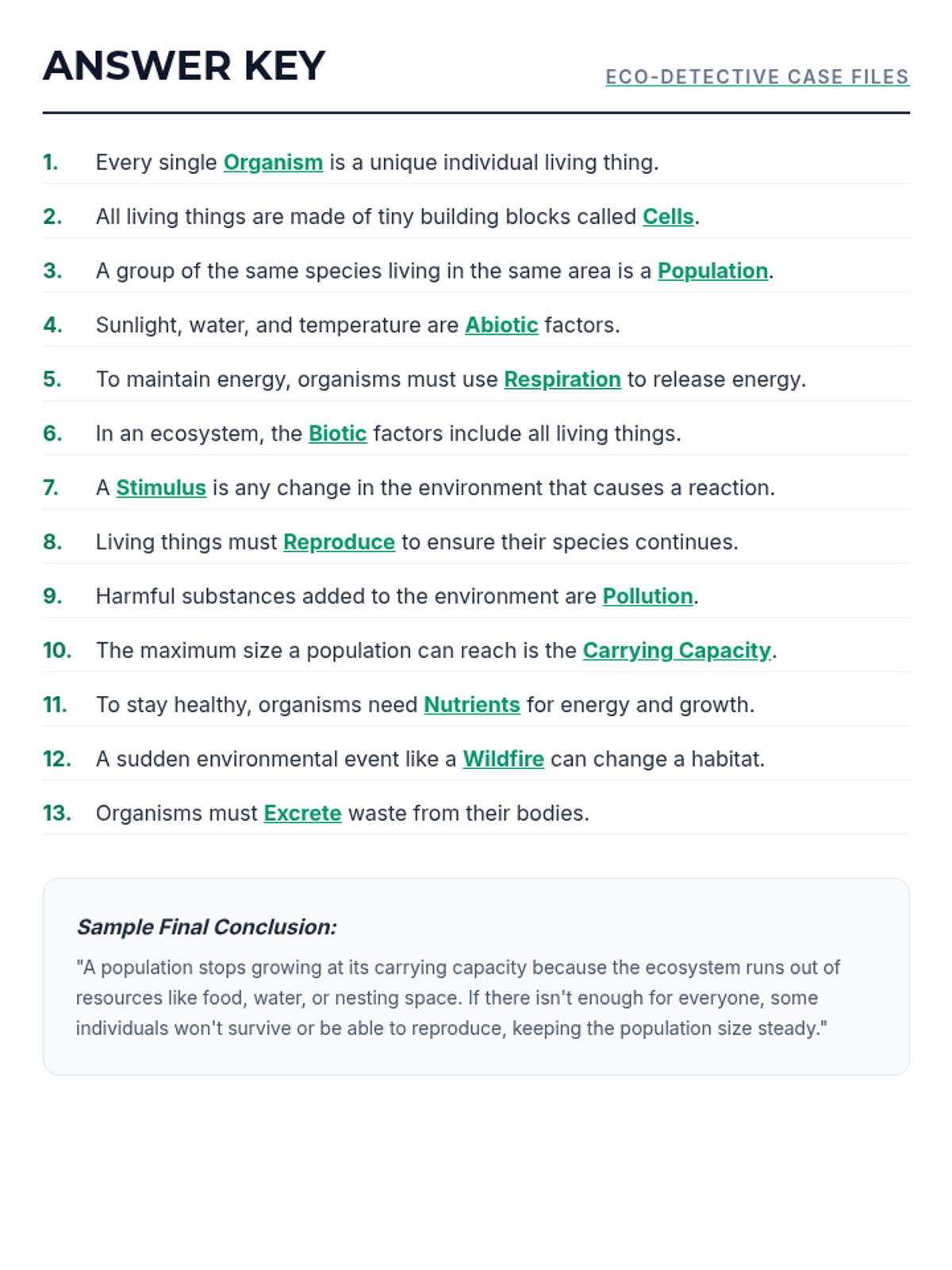
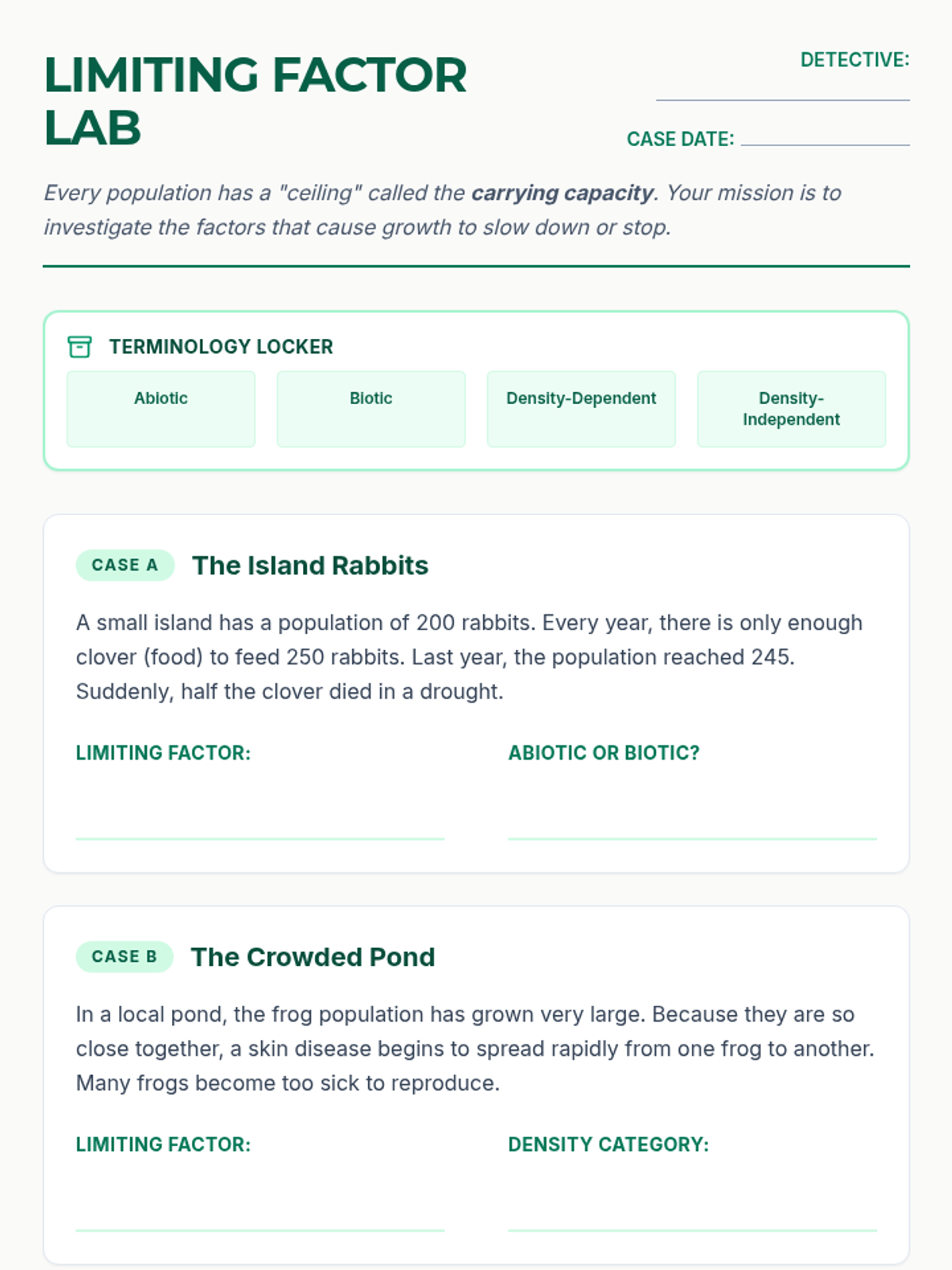
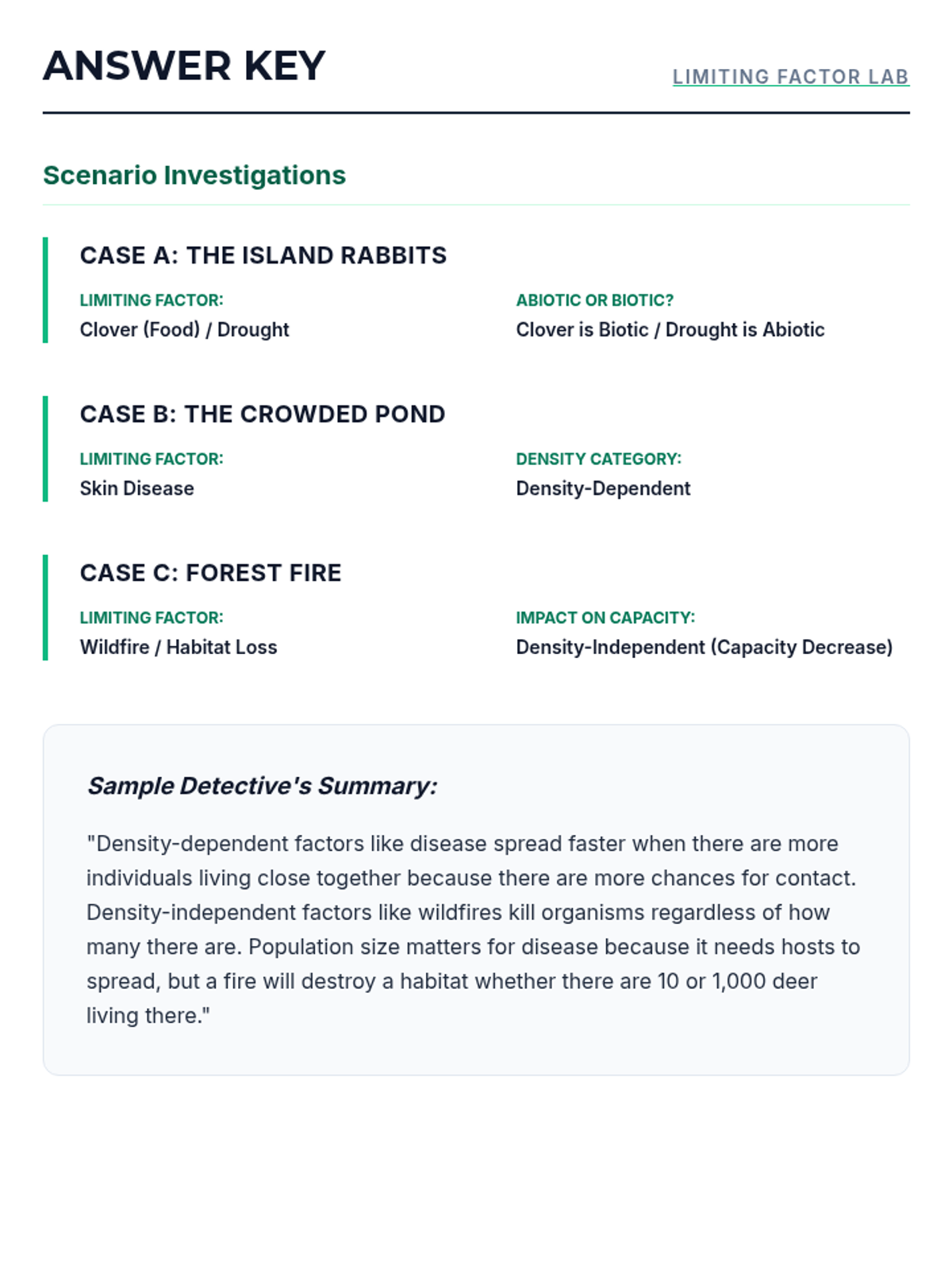
A foundational lesson on the characteristics of life and the factors that shape ecological populations, designed to help students distinguish between living and non-living systems and understand environmental impacts.
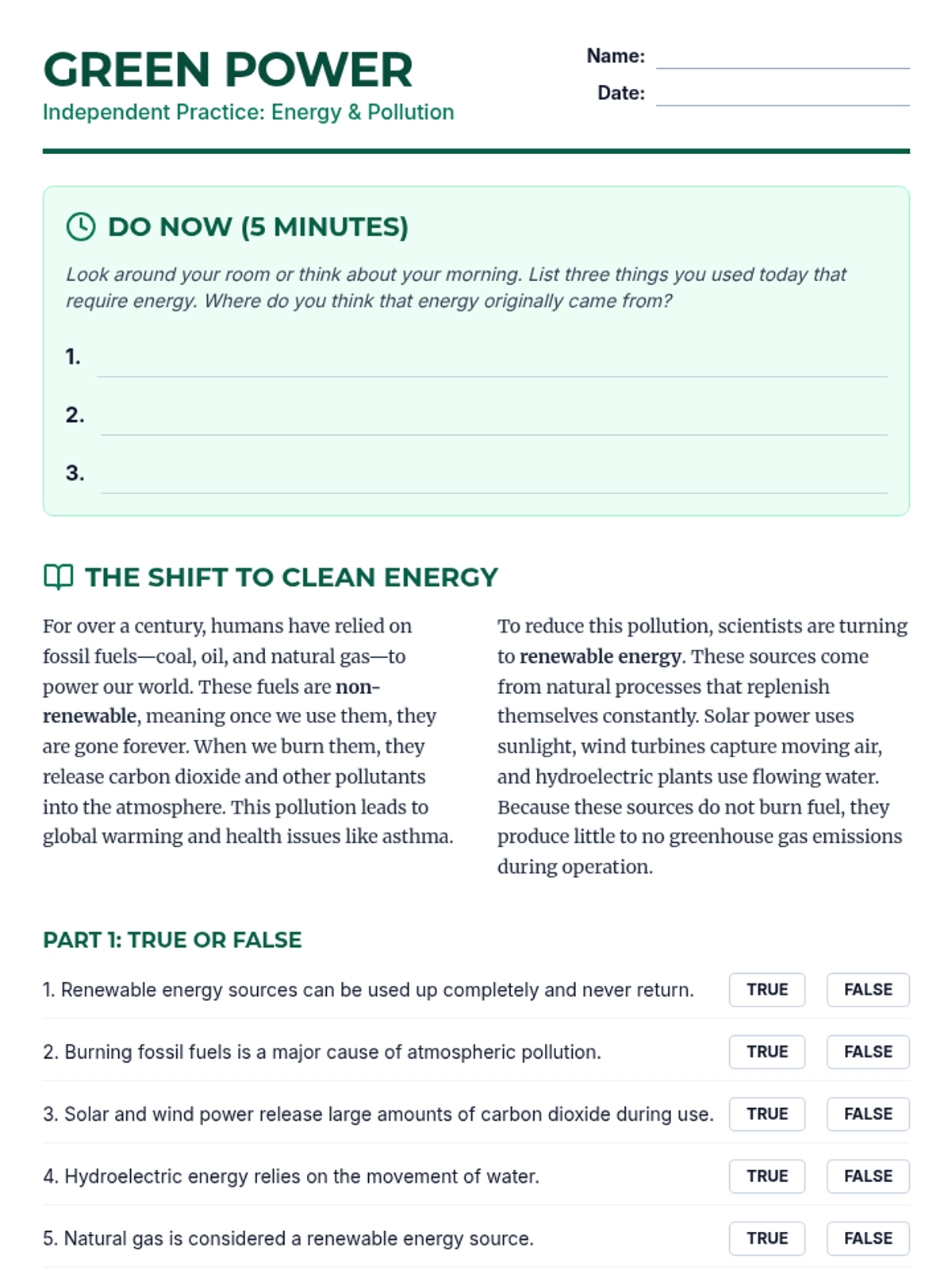
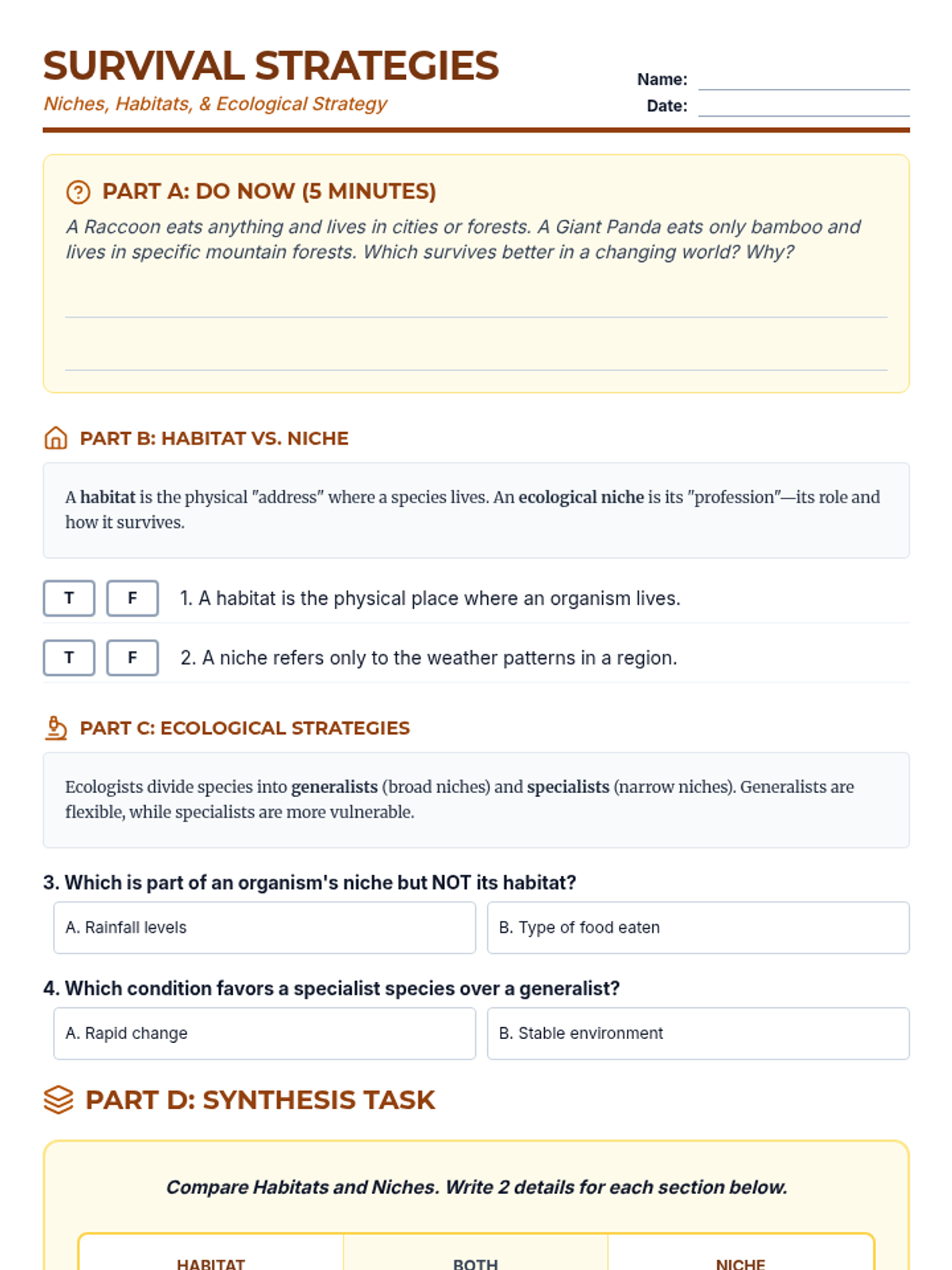
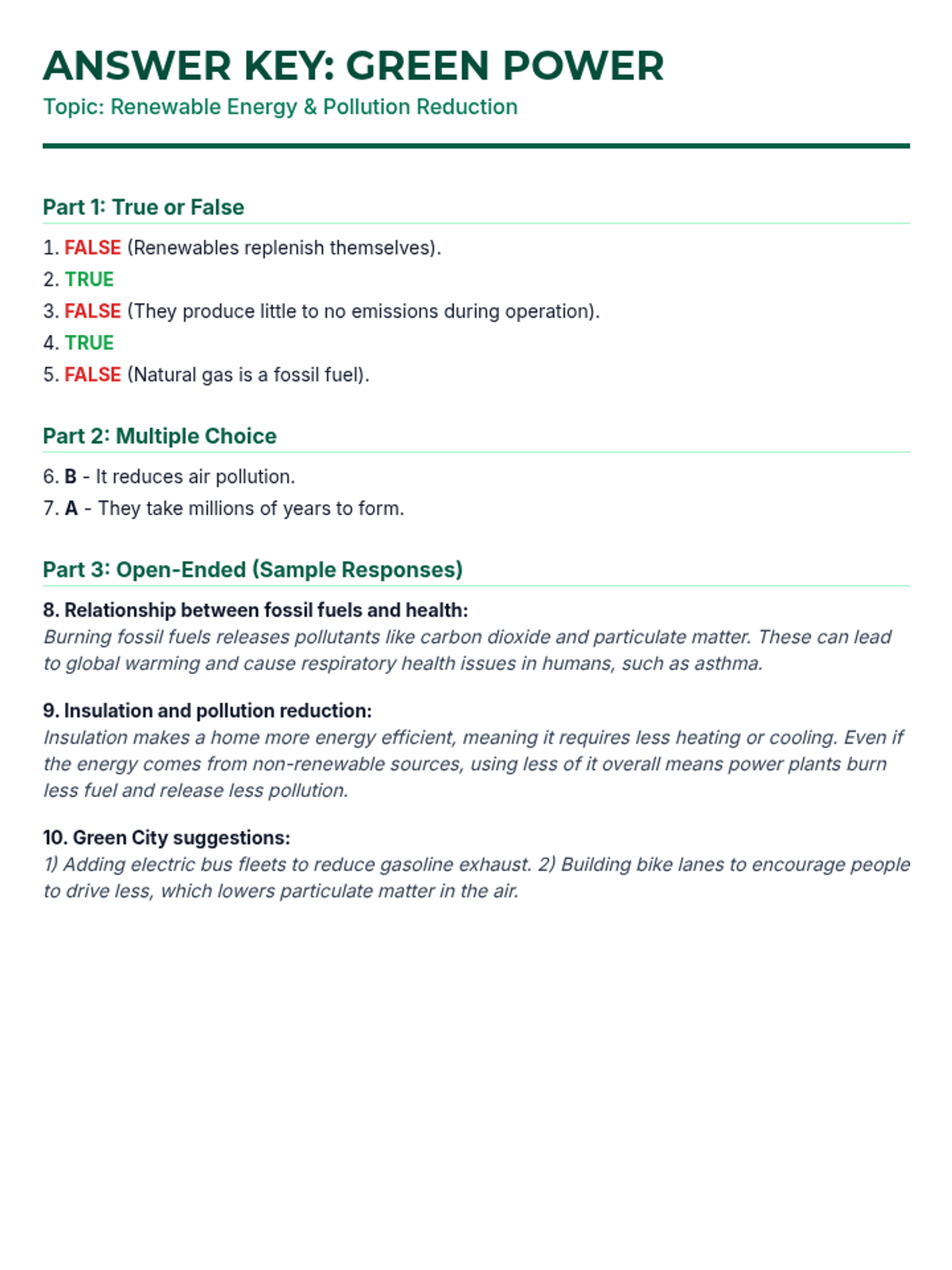
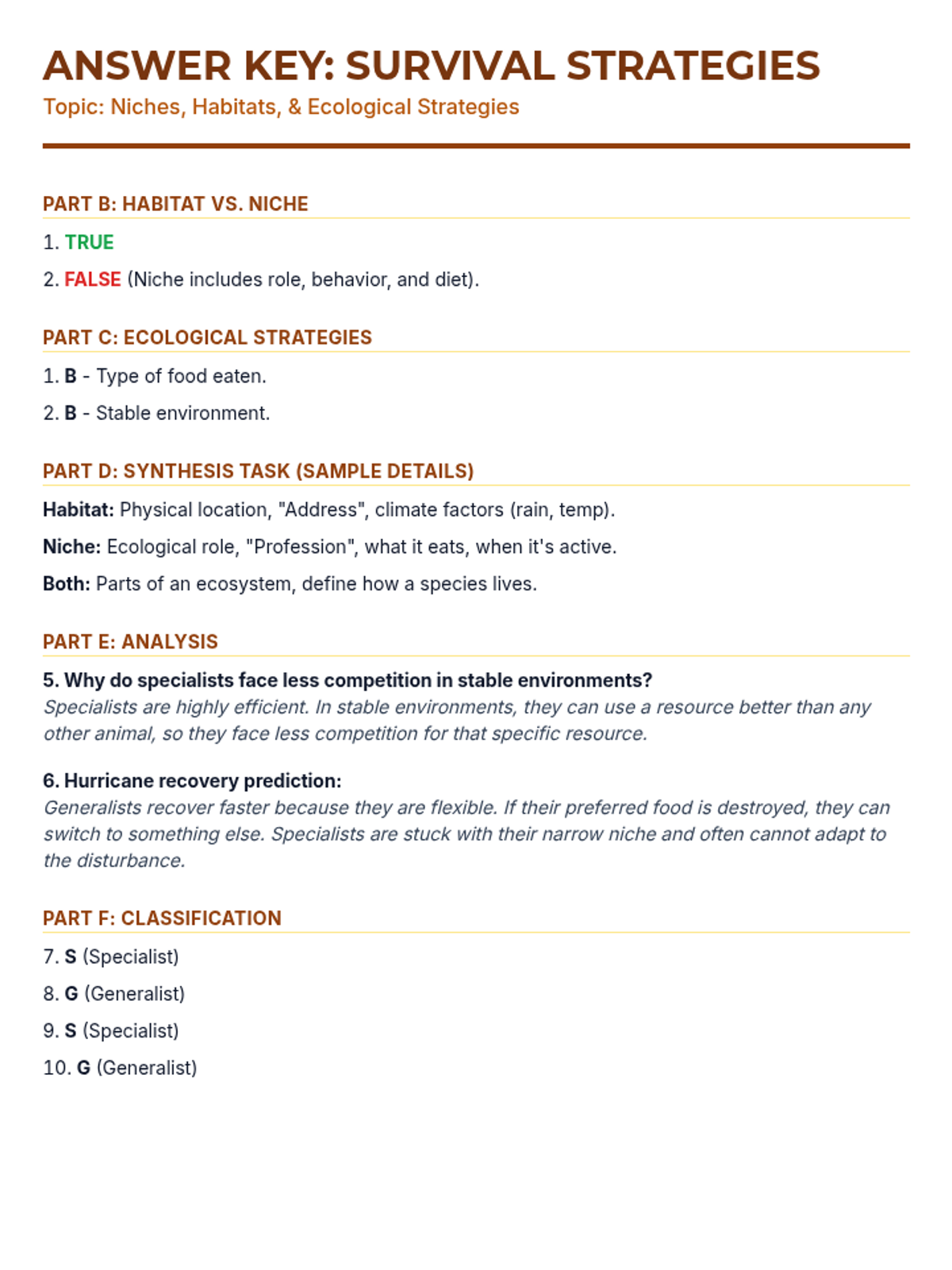
A pair of independent practice worksheets focusing on environmental science fundamentals: renewable energy's role in pollution reduction and the ecological niches of generalist versus specialist species.
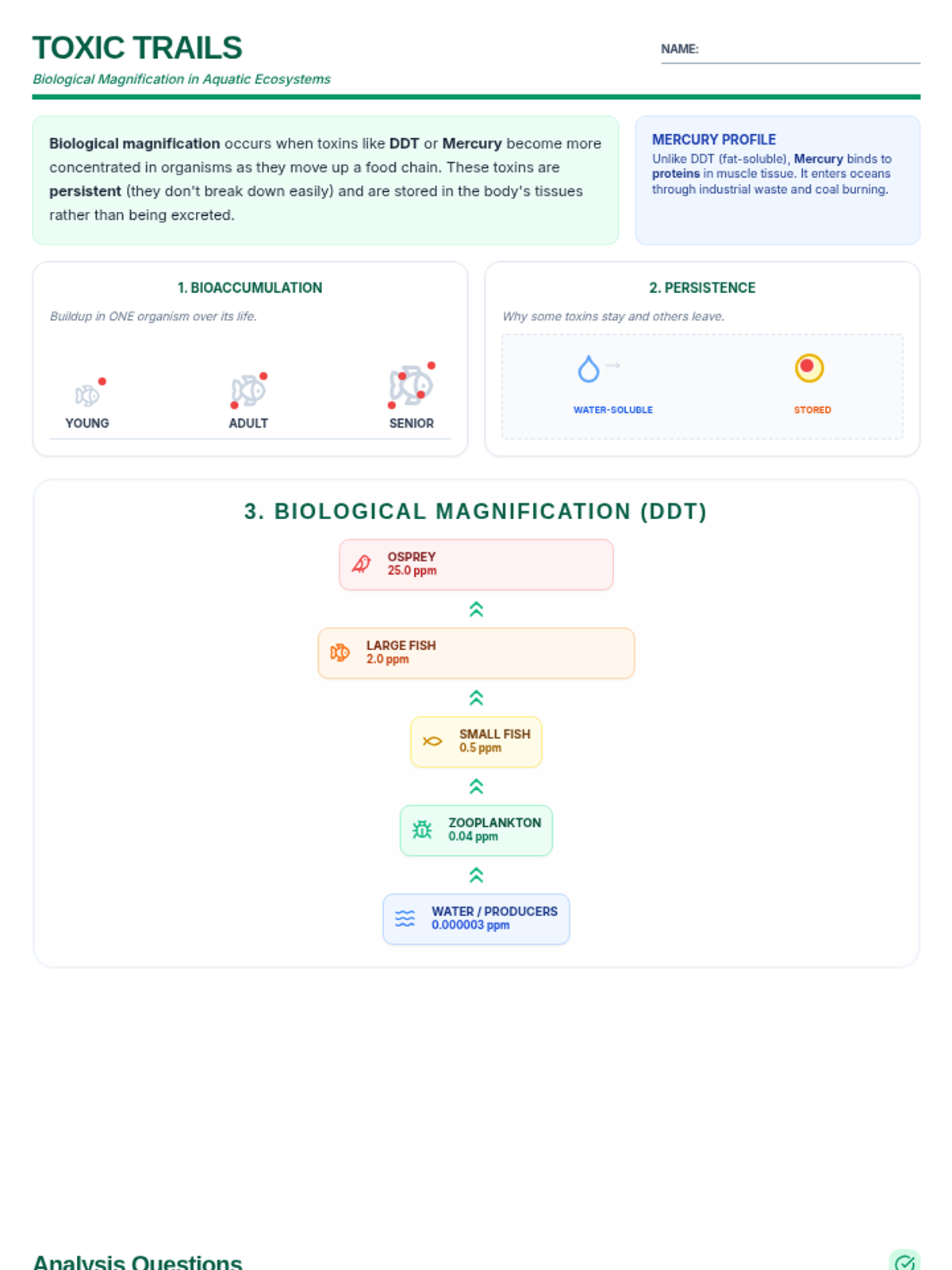
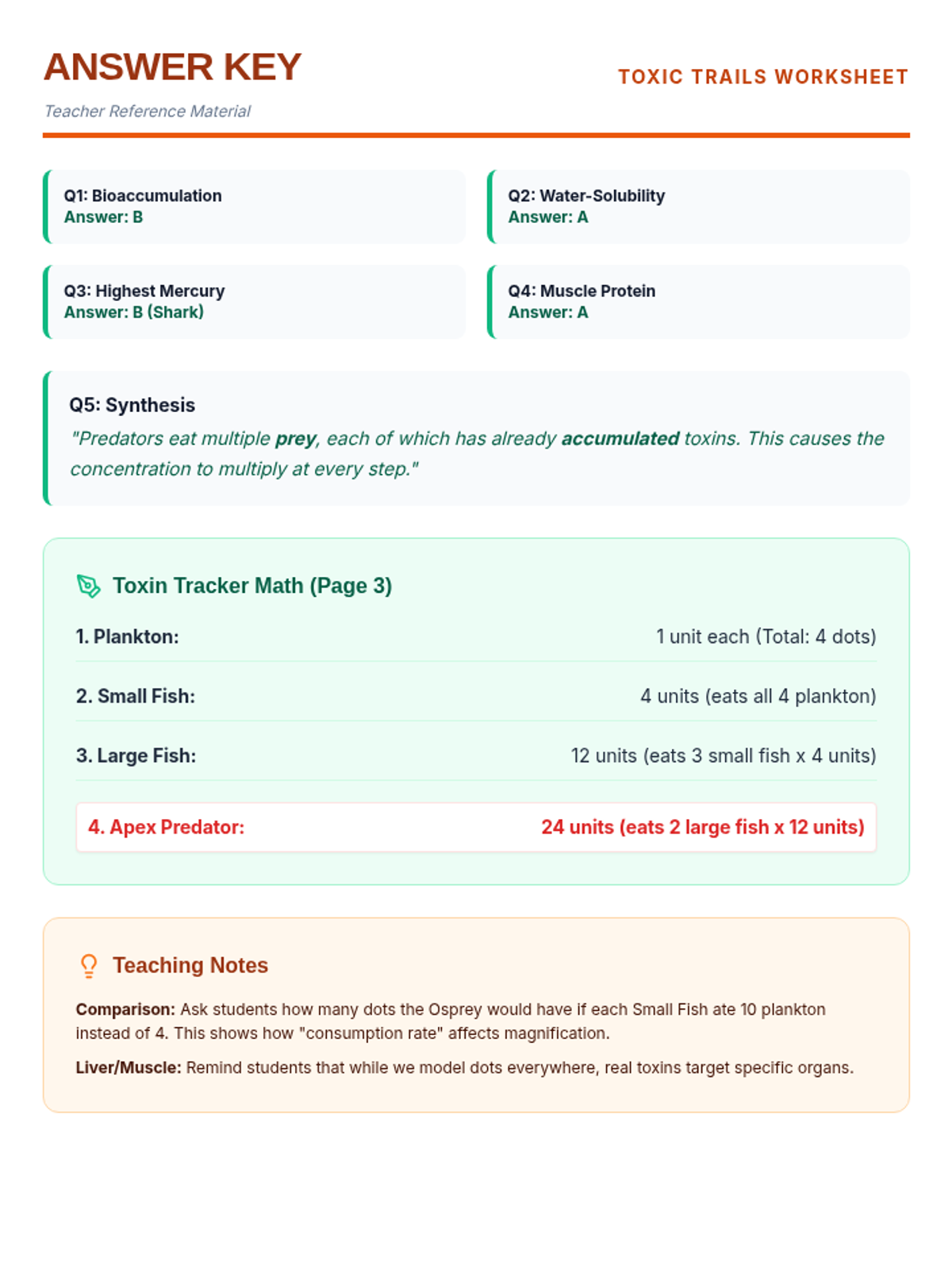
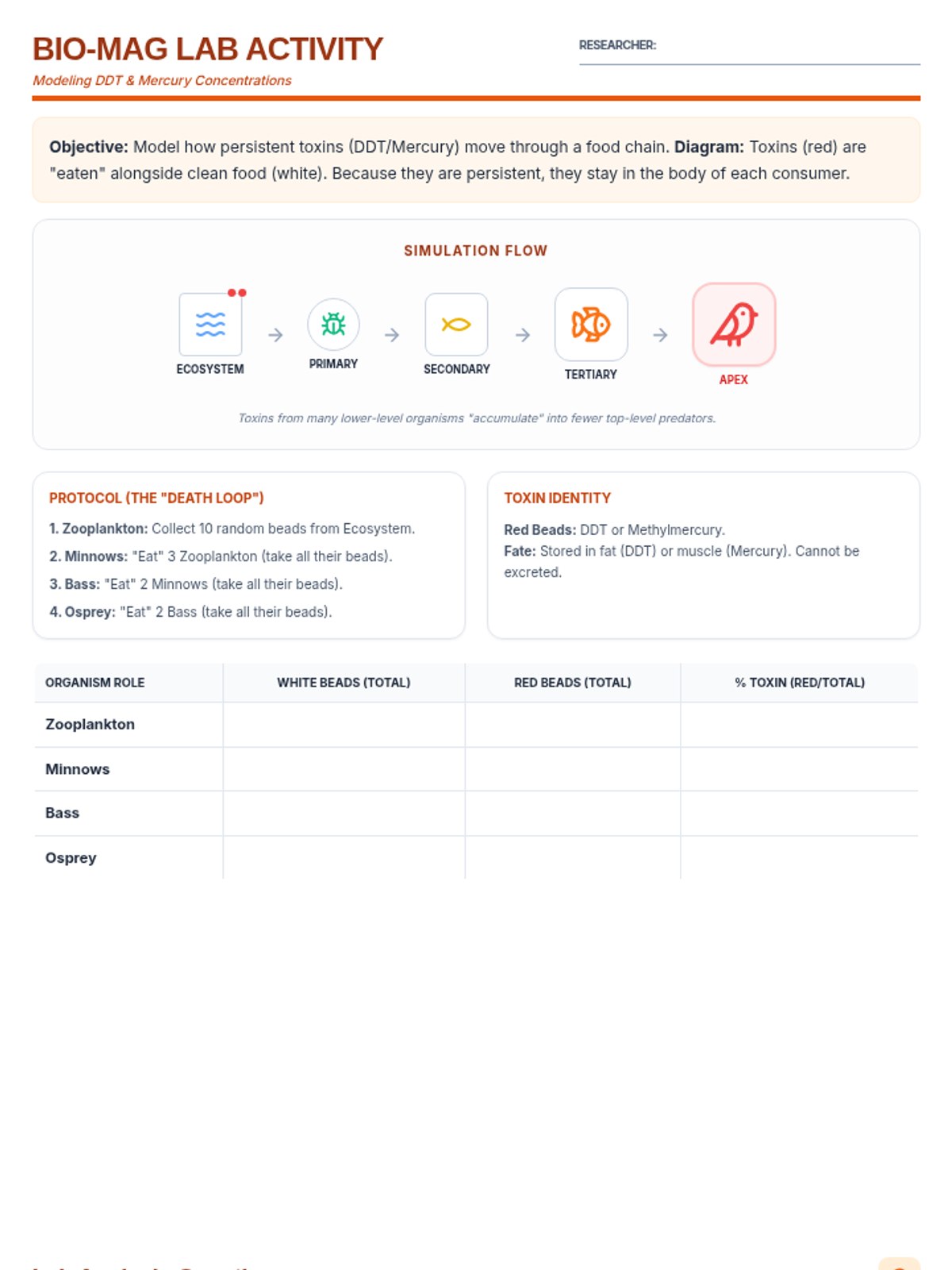
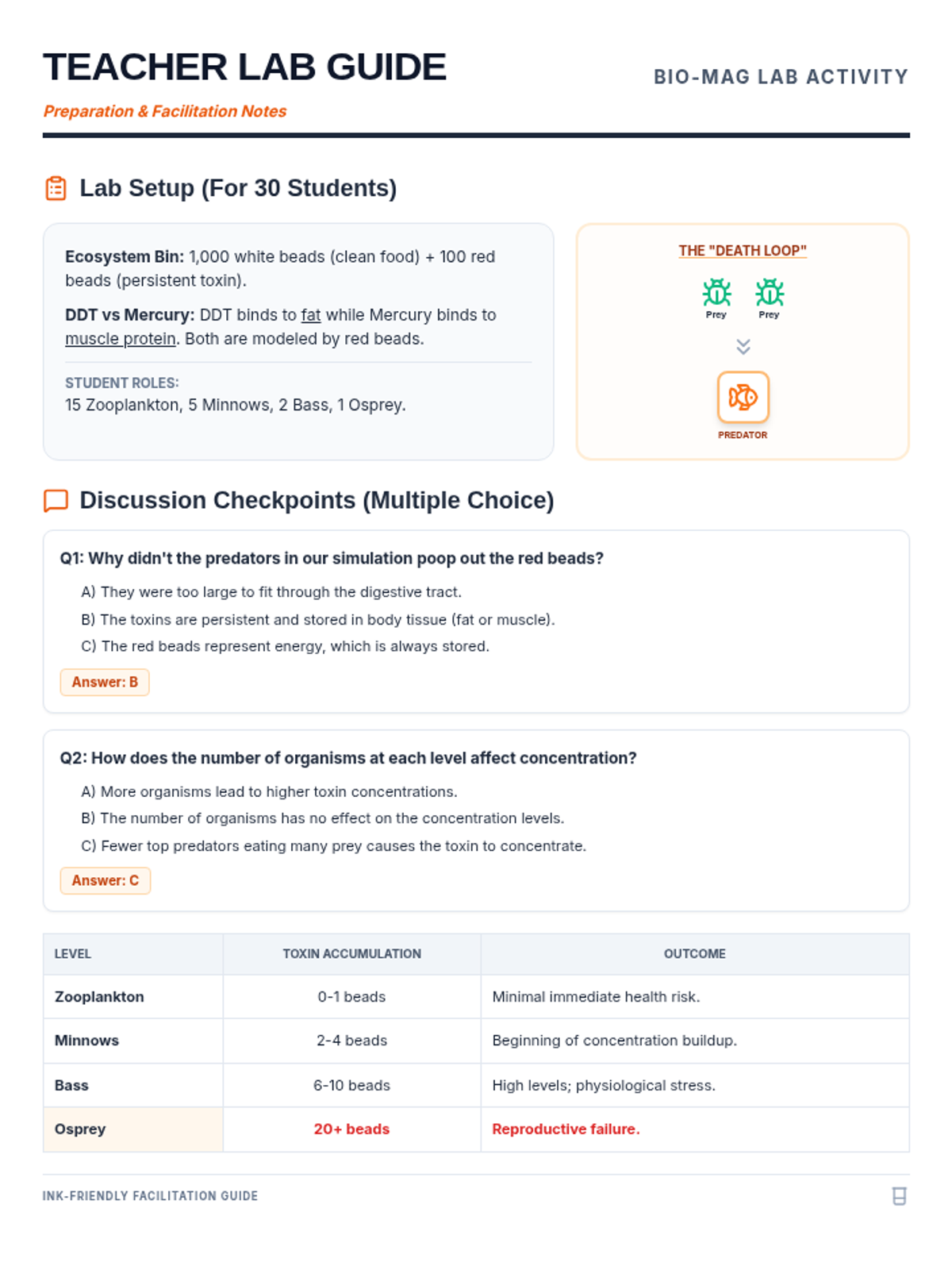
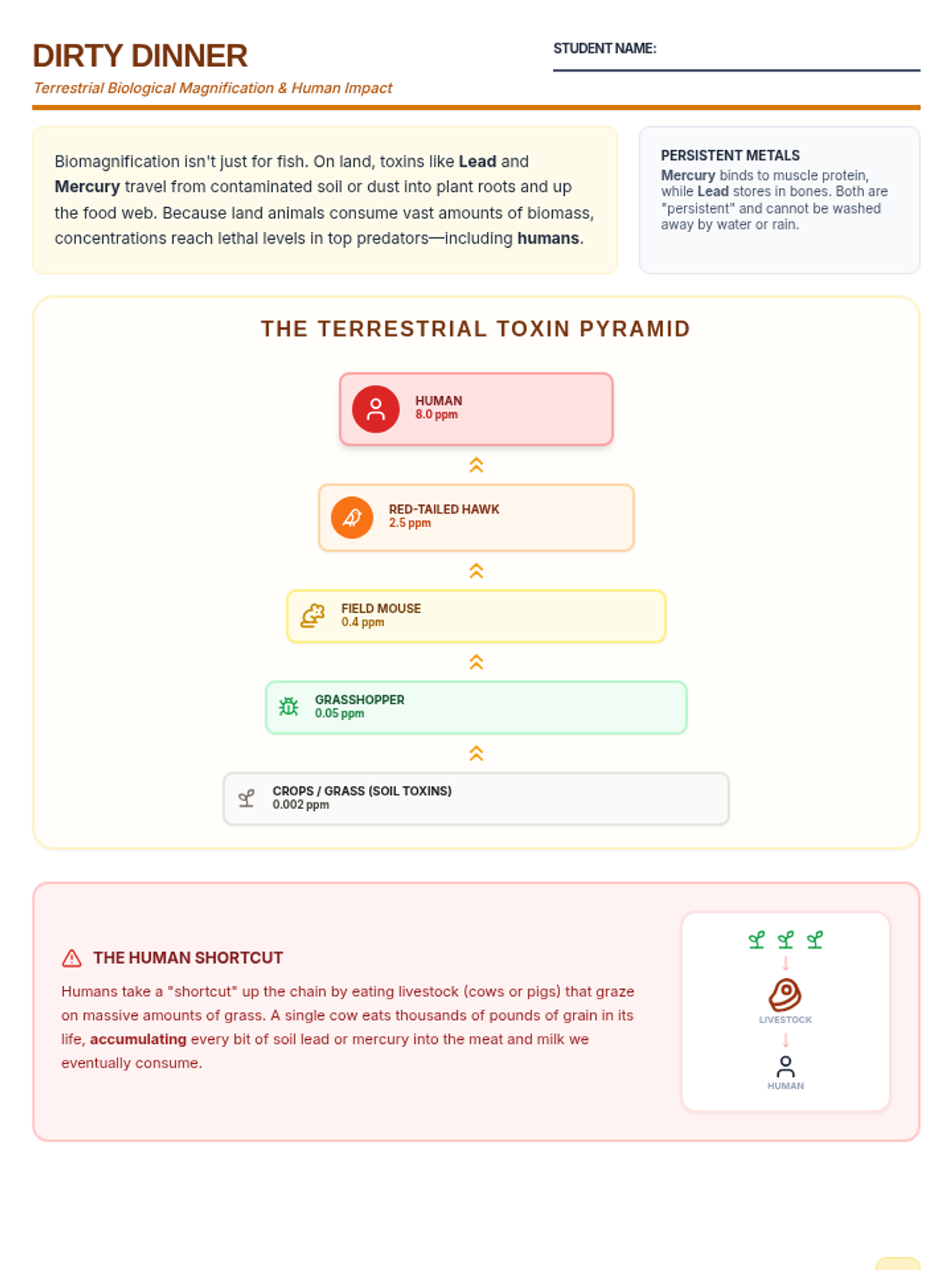
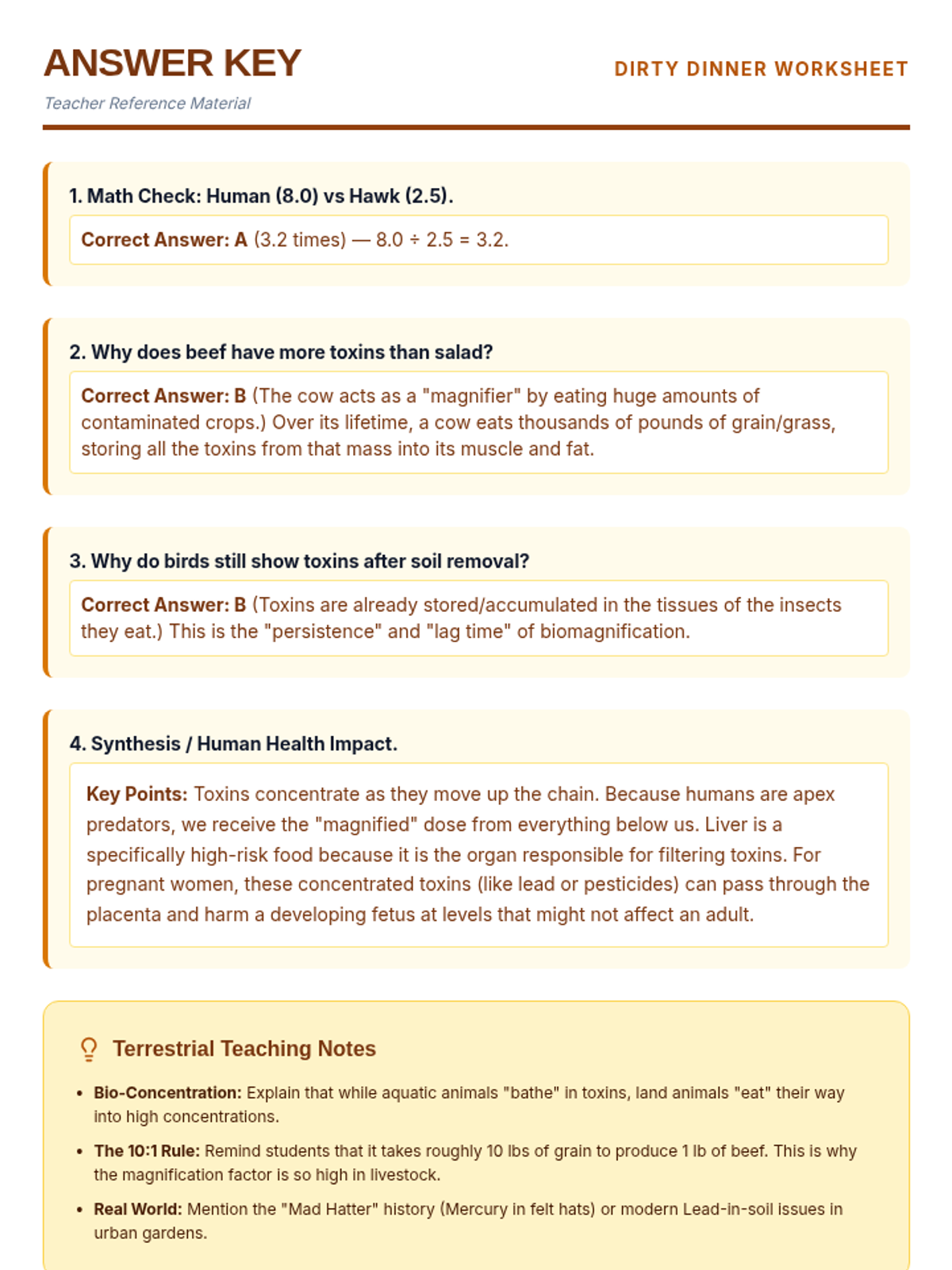
A lesson exploring how toxins like DDT travel and concentrate through food chains, leading to biological magnification.
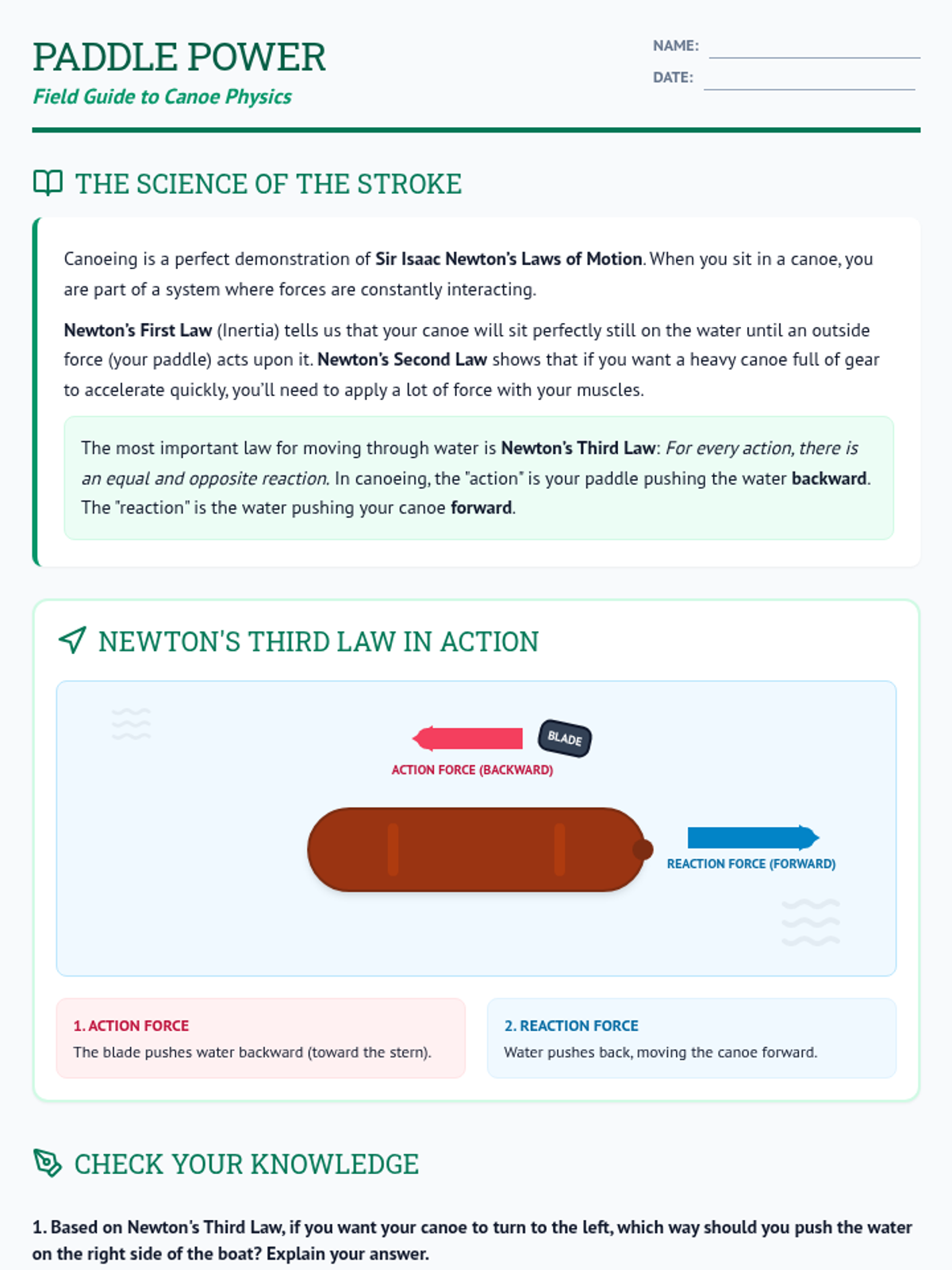
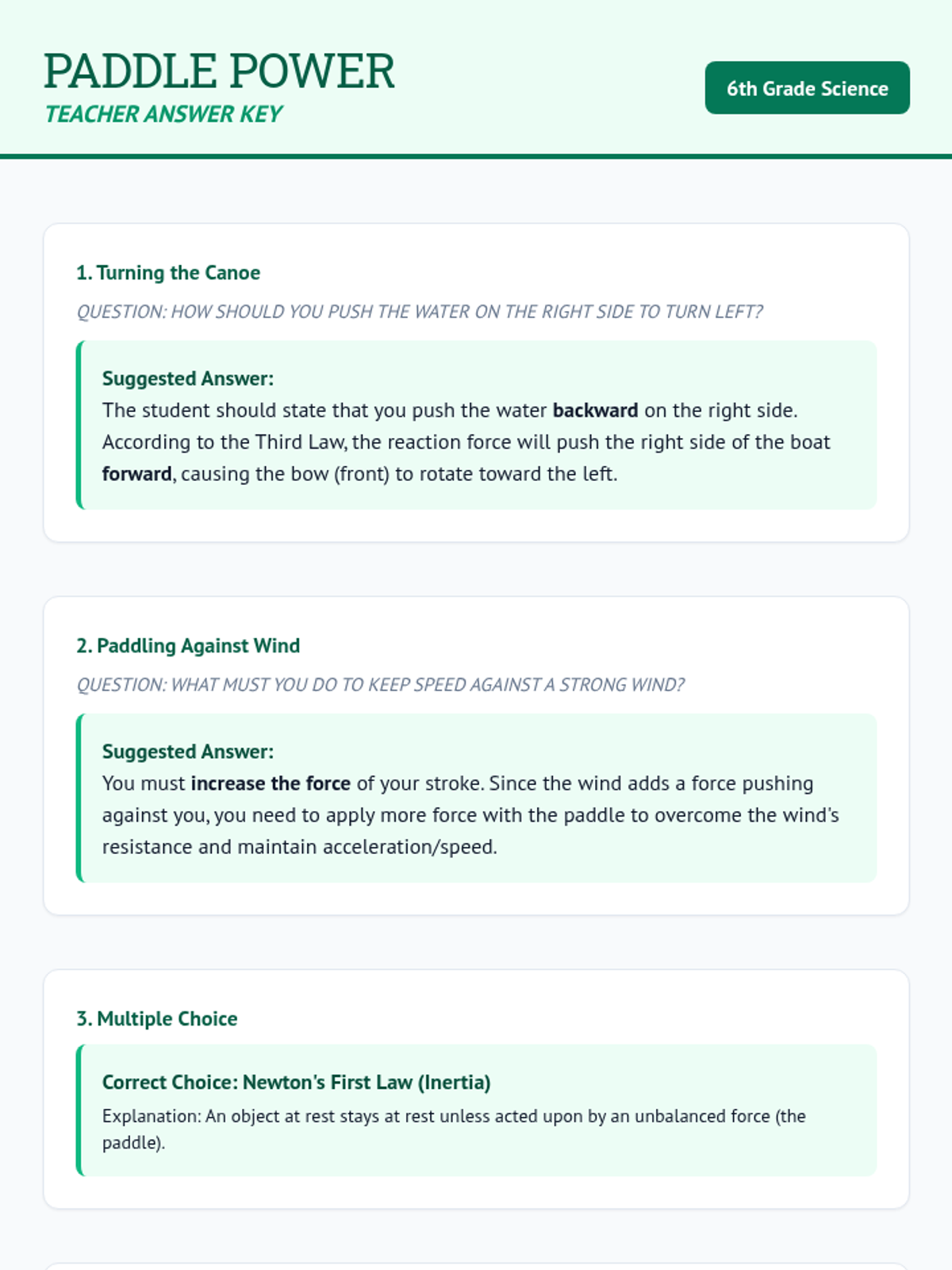
A hands-on exploration of how Newton's Laws of Motion govern the movement of a canoe through water, with a specific focus on the Third Law of Motion.
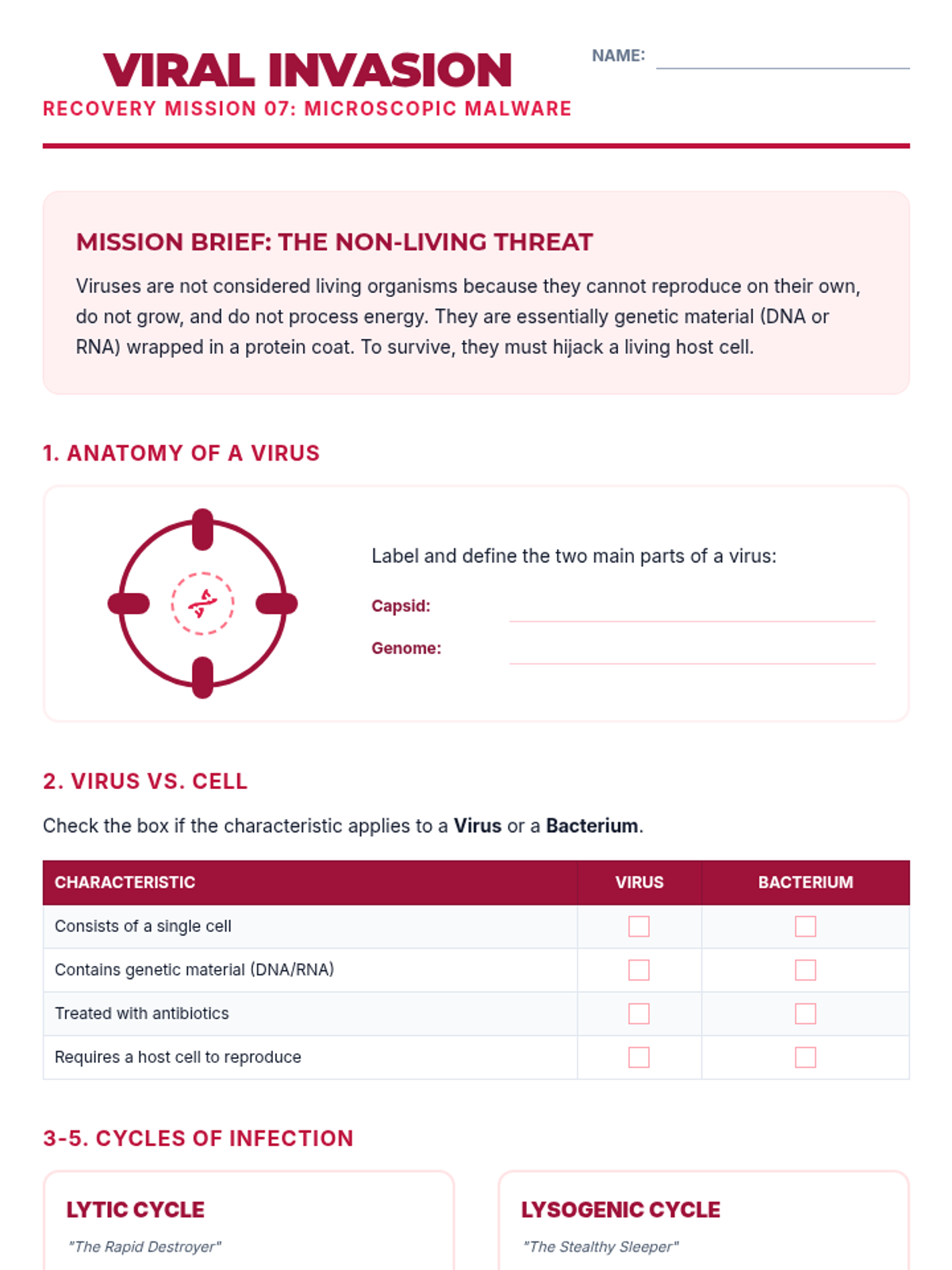
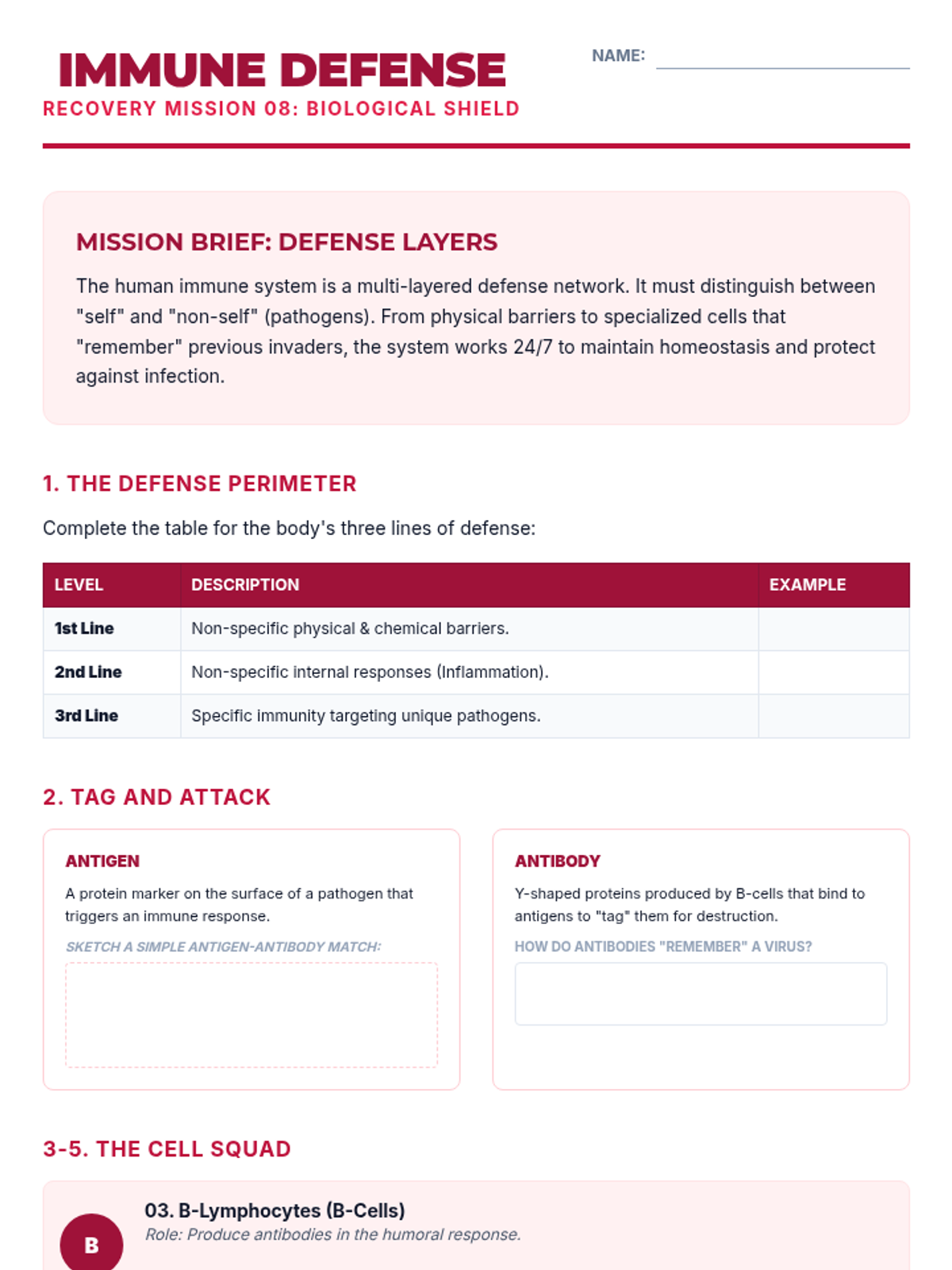
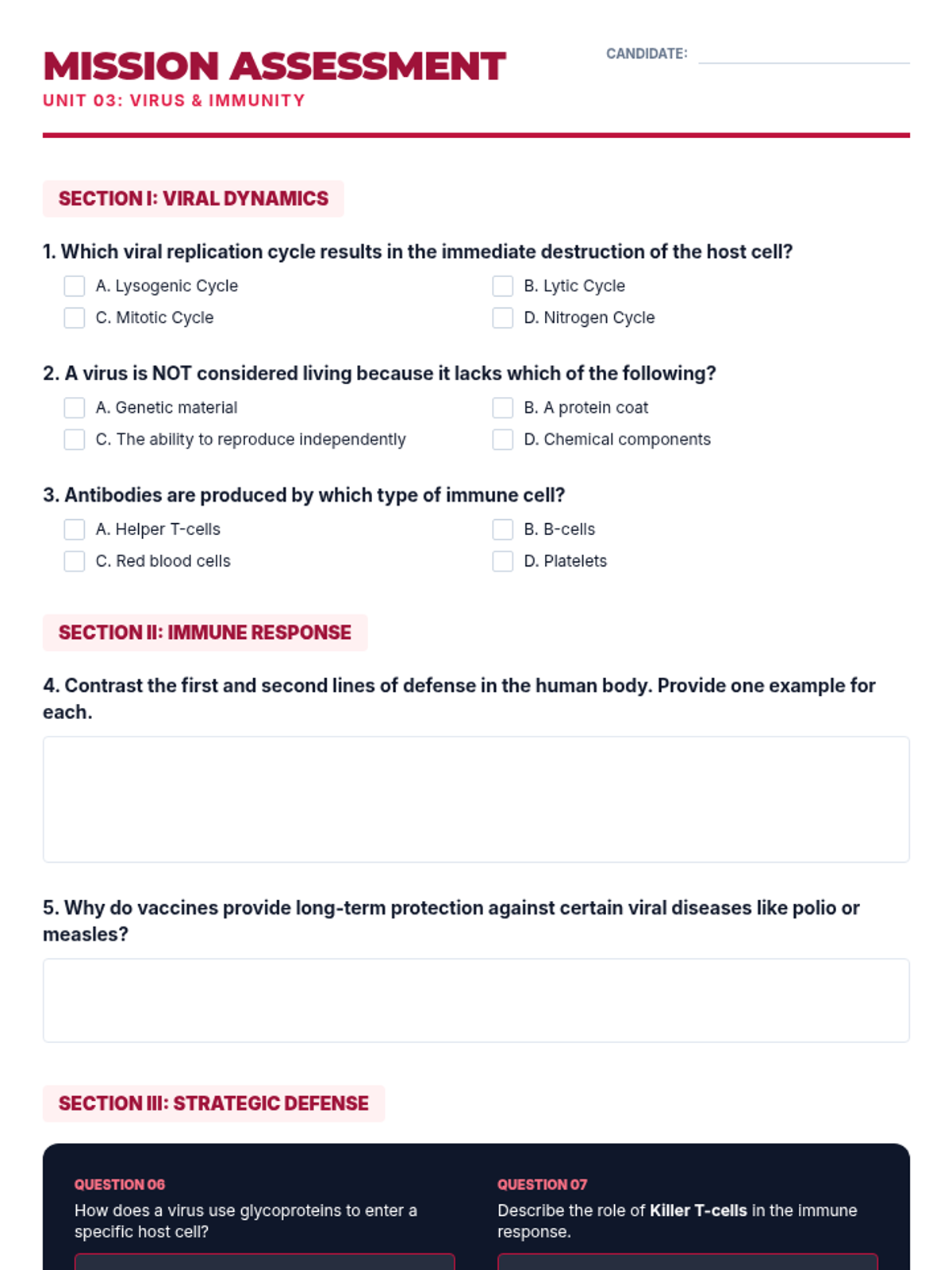
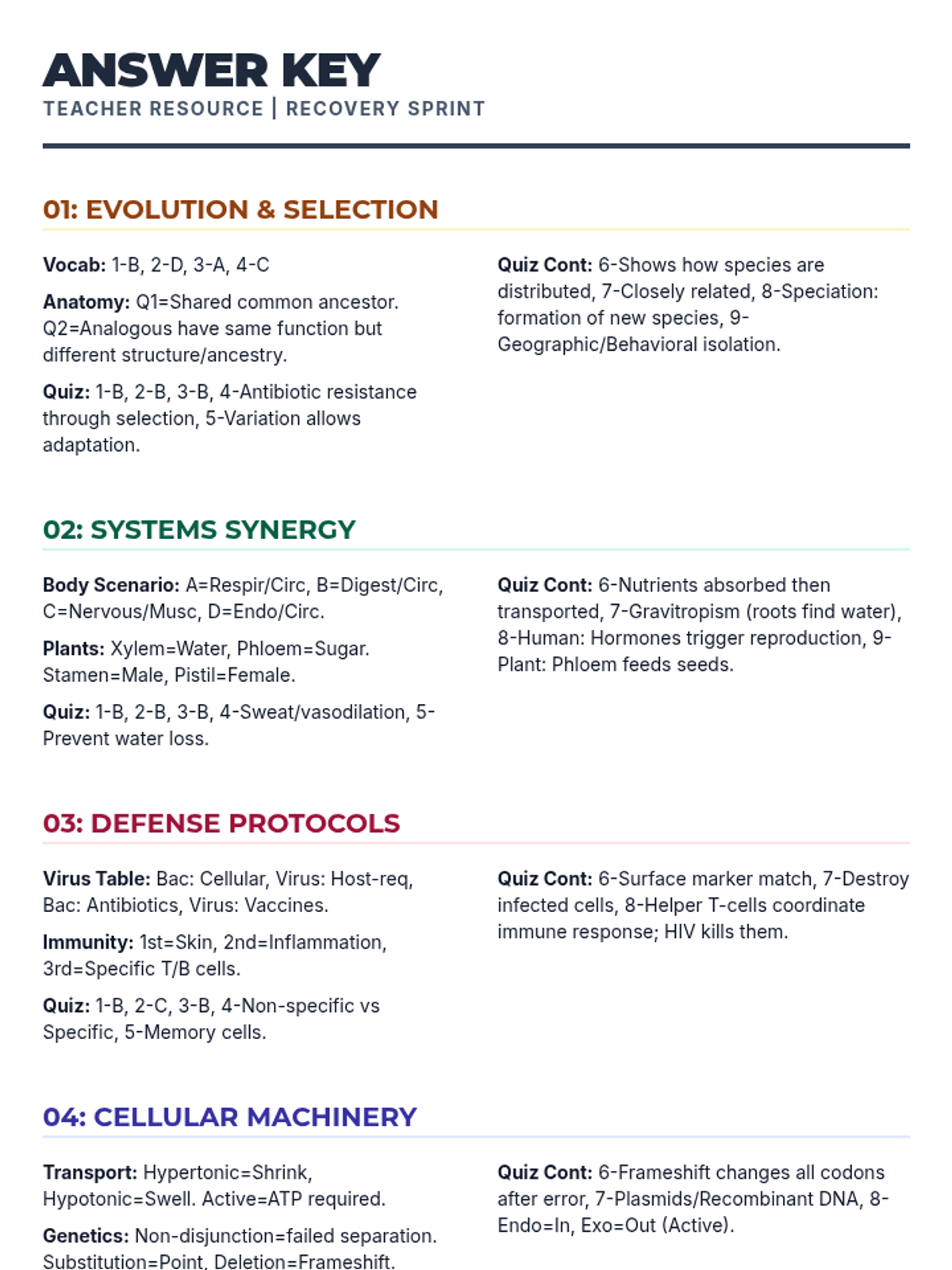
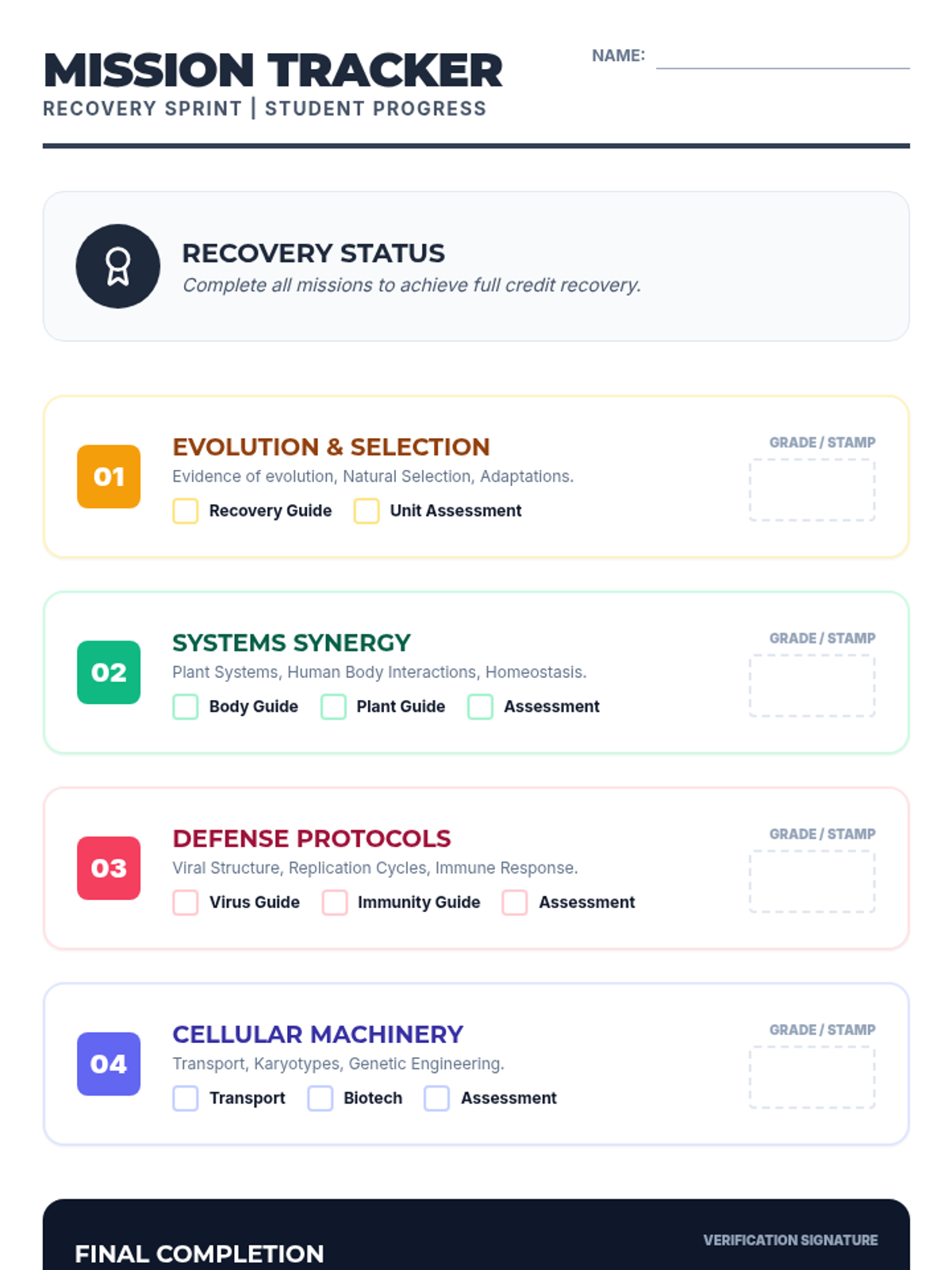
Investigating viral structure, replication cycles, and the body's immune response.
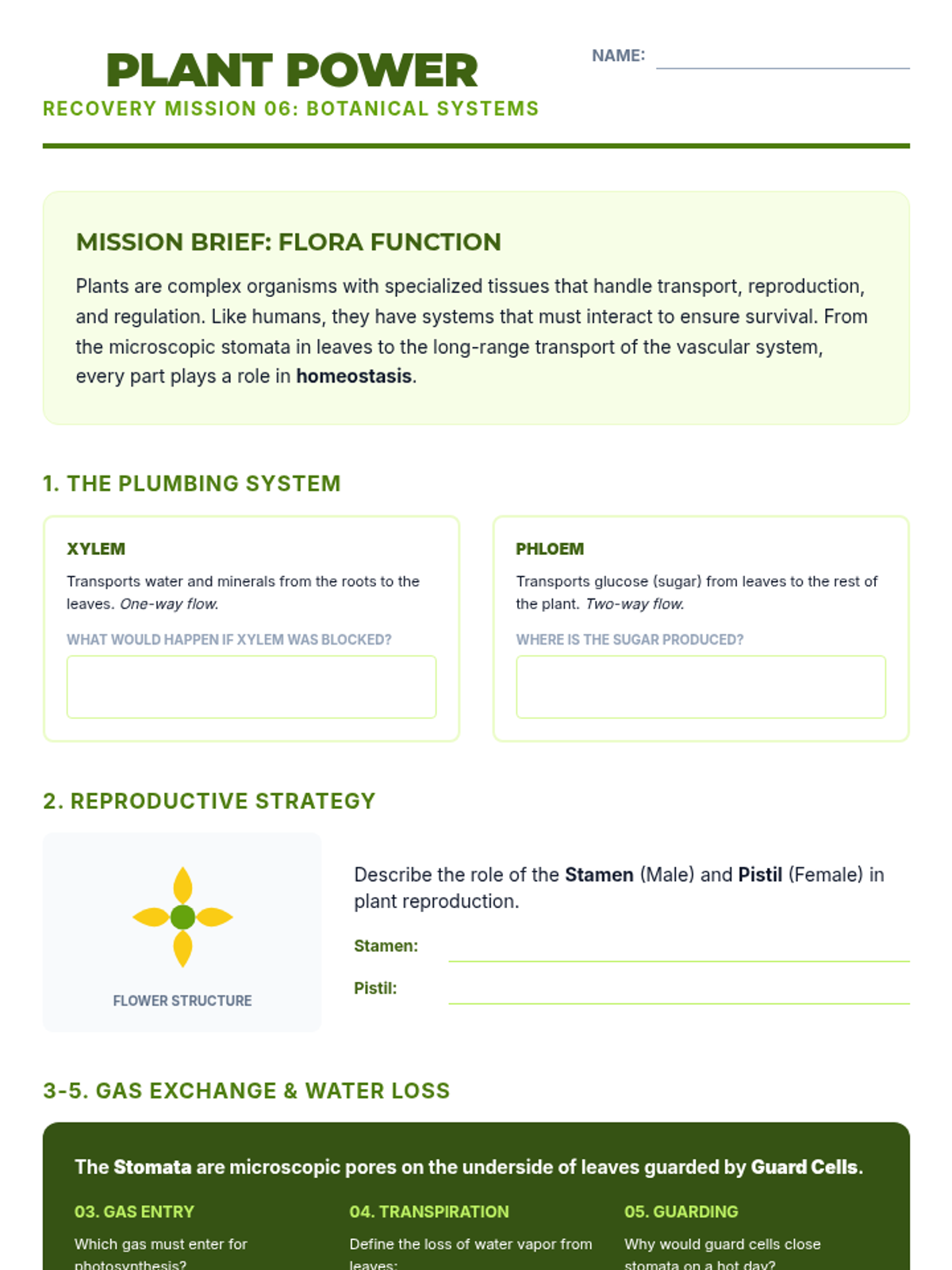
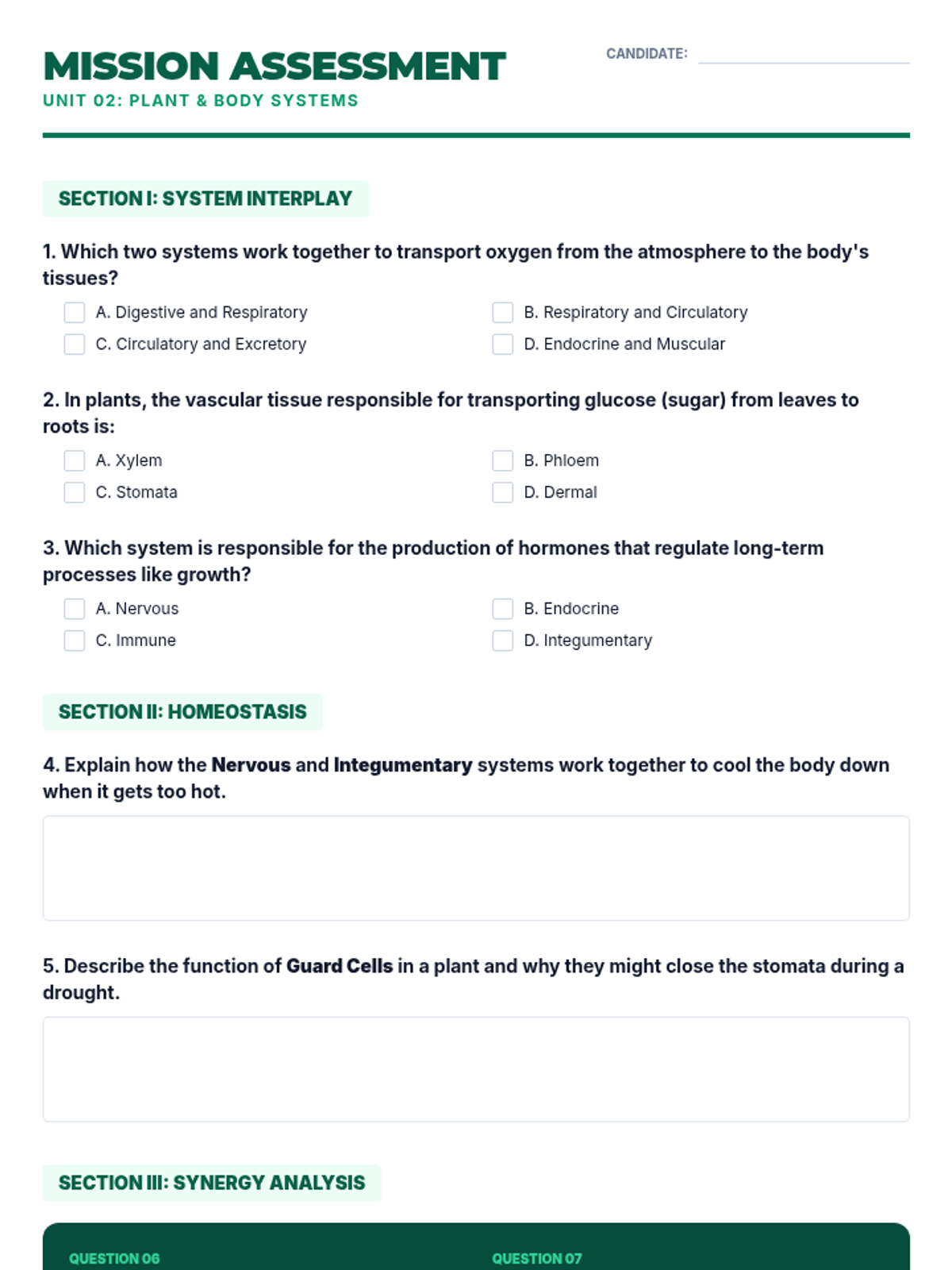
Exploring the complex interactions between plant structures and human body systems.
An introductory lesson exploring the fundamentals of Artificial Intelligence, its practical applications in daily life, and the ethical considerations surrounding its use.
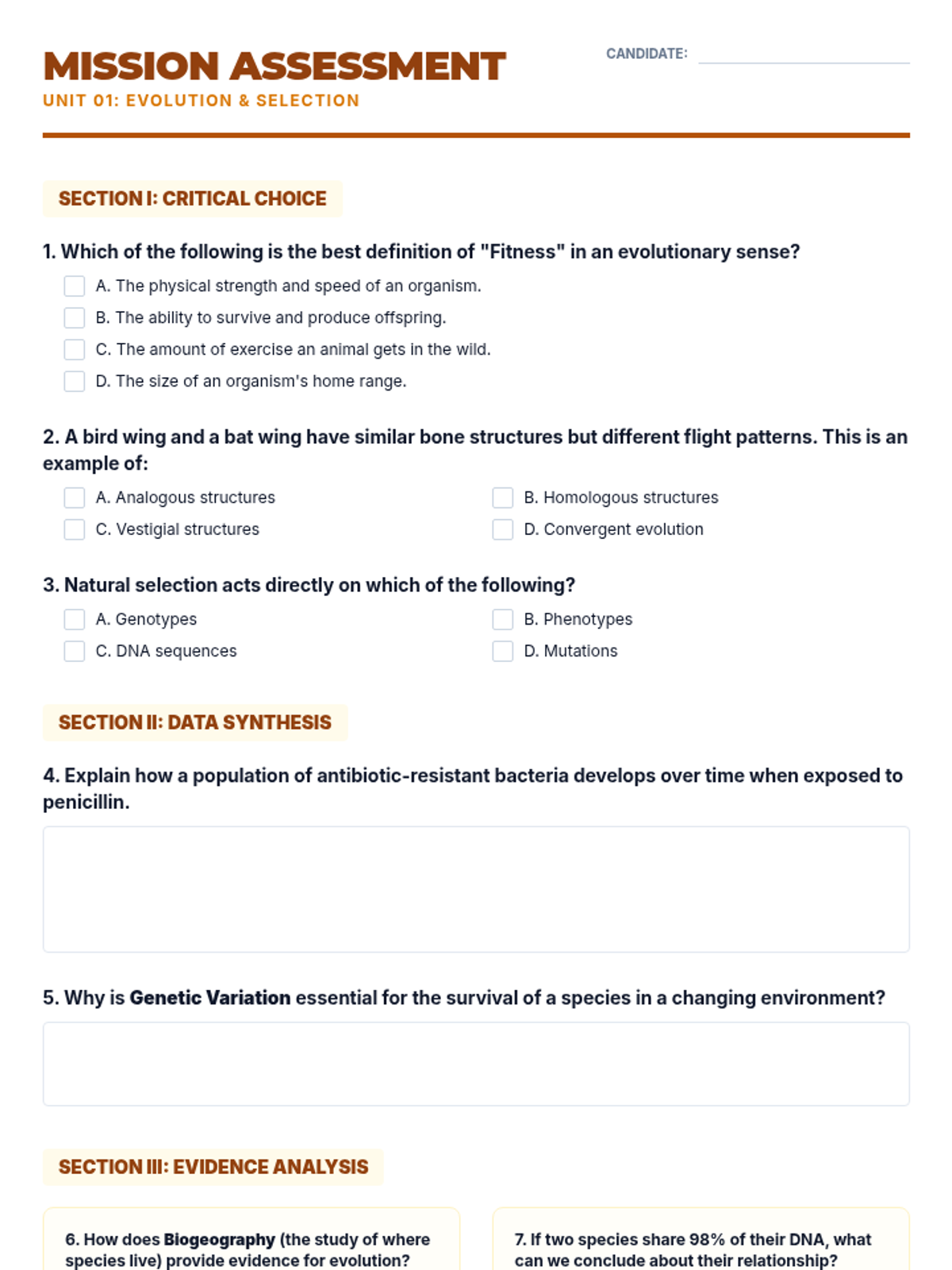
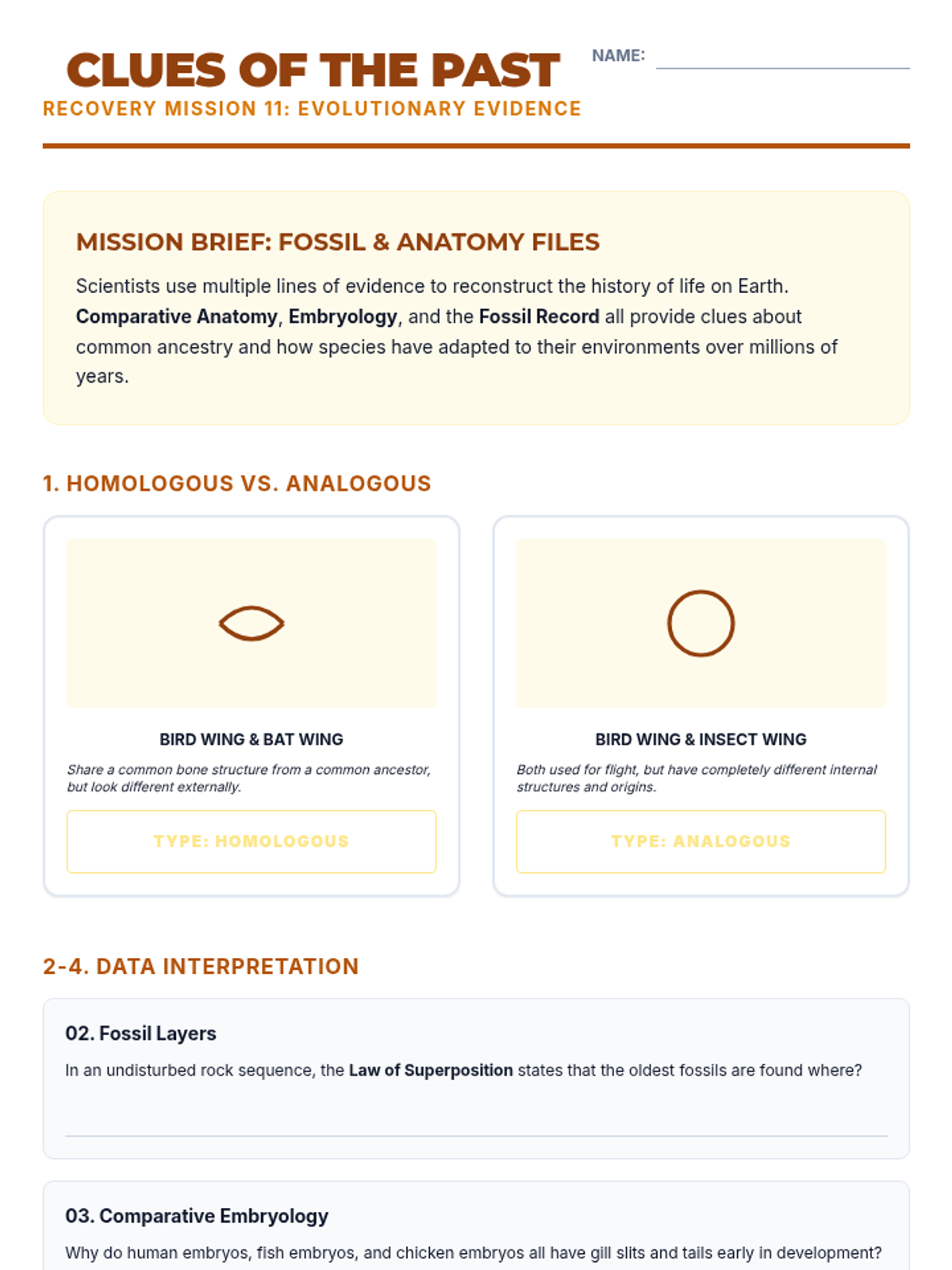
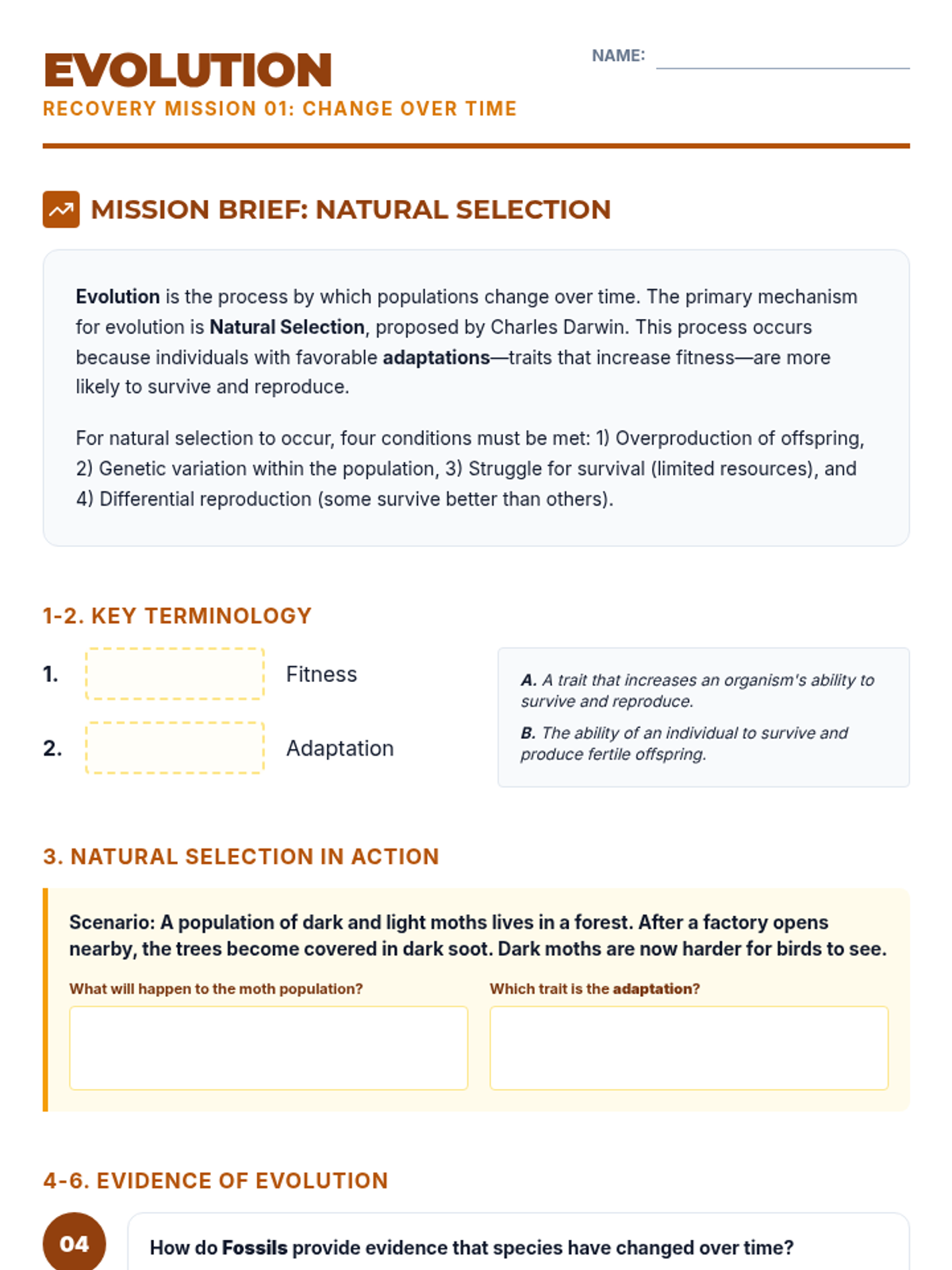
Focusing on natural selection, evidence for evolution, and the mechanisms of population change.
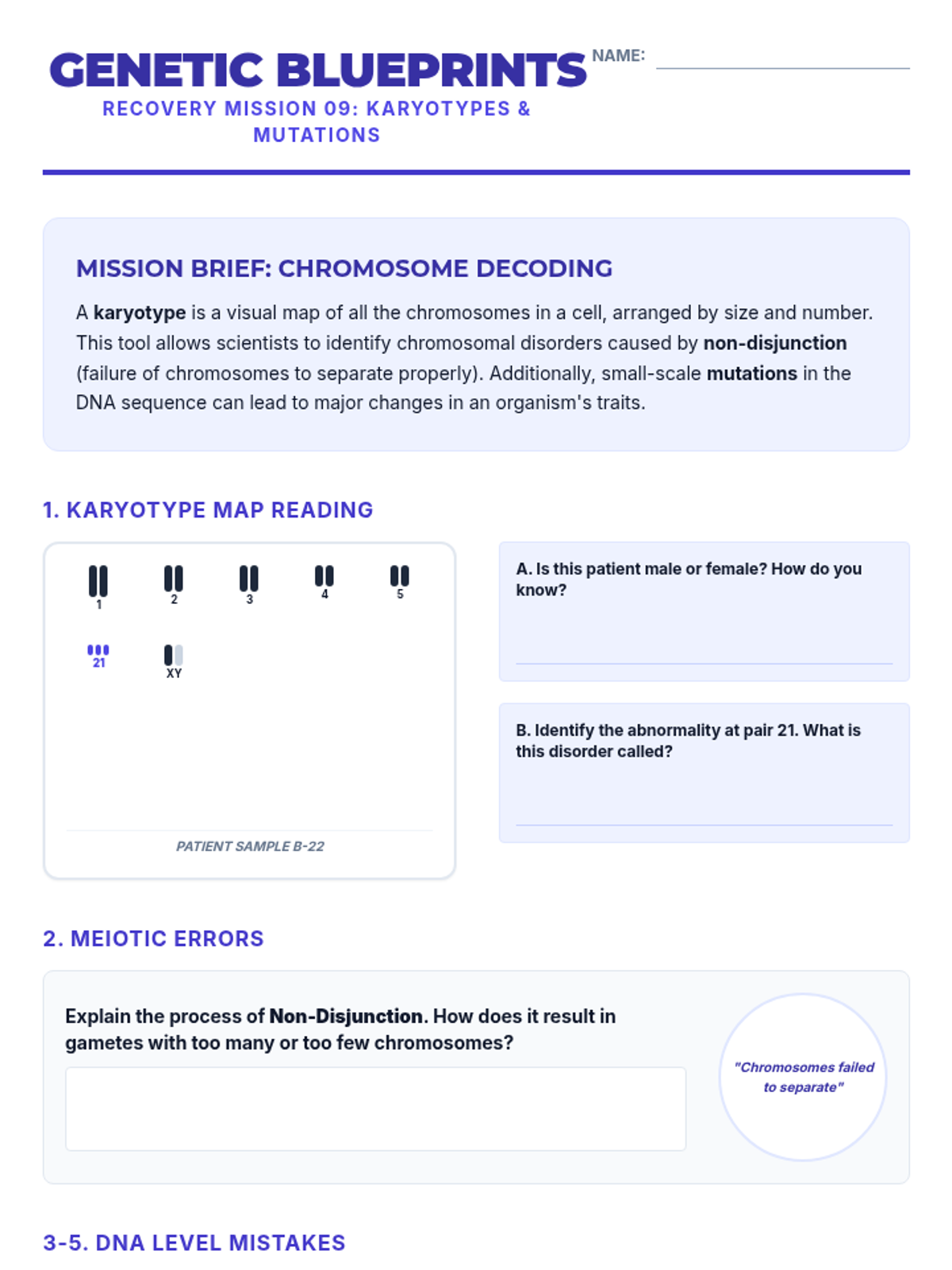
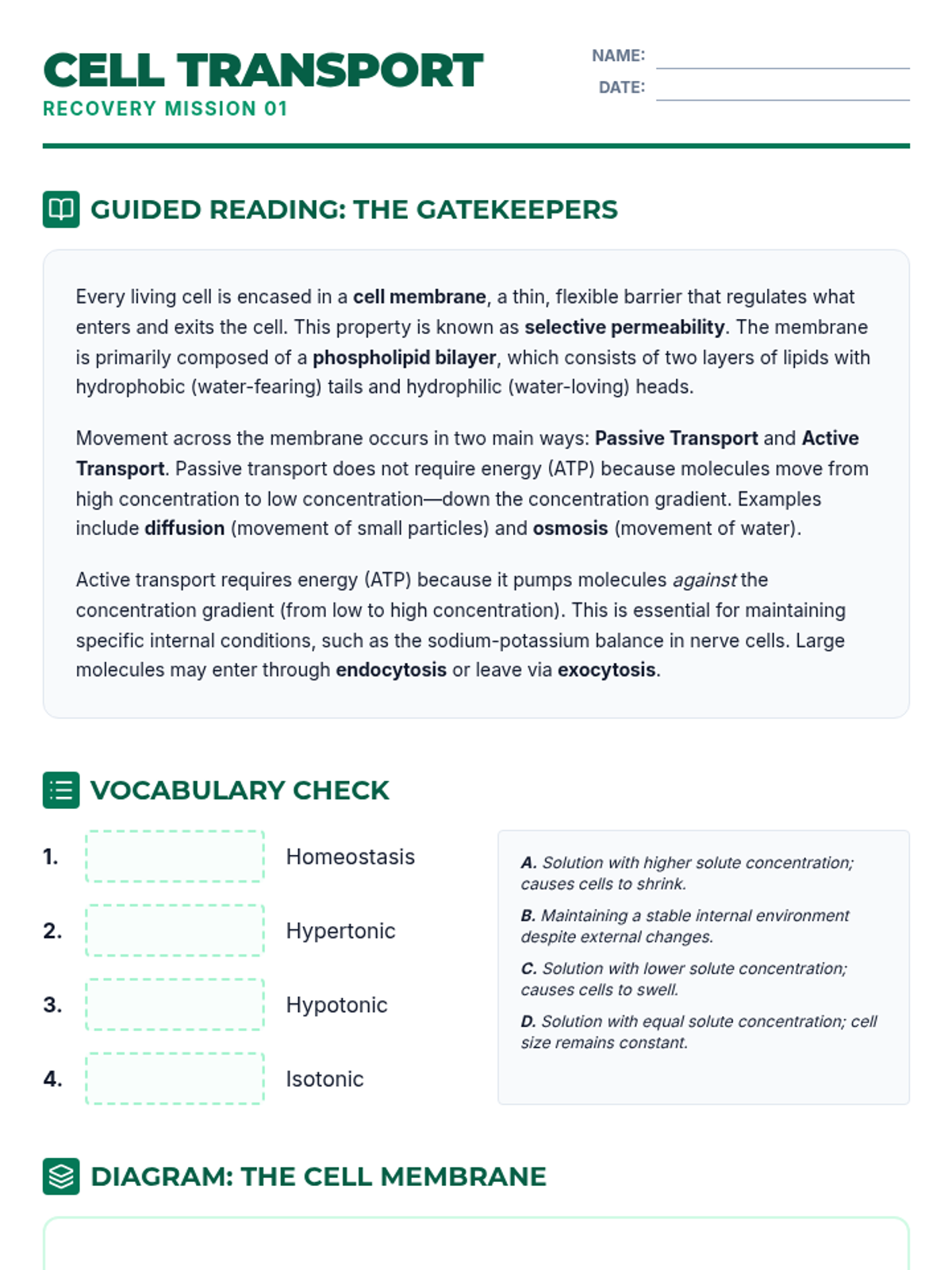
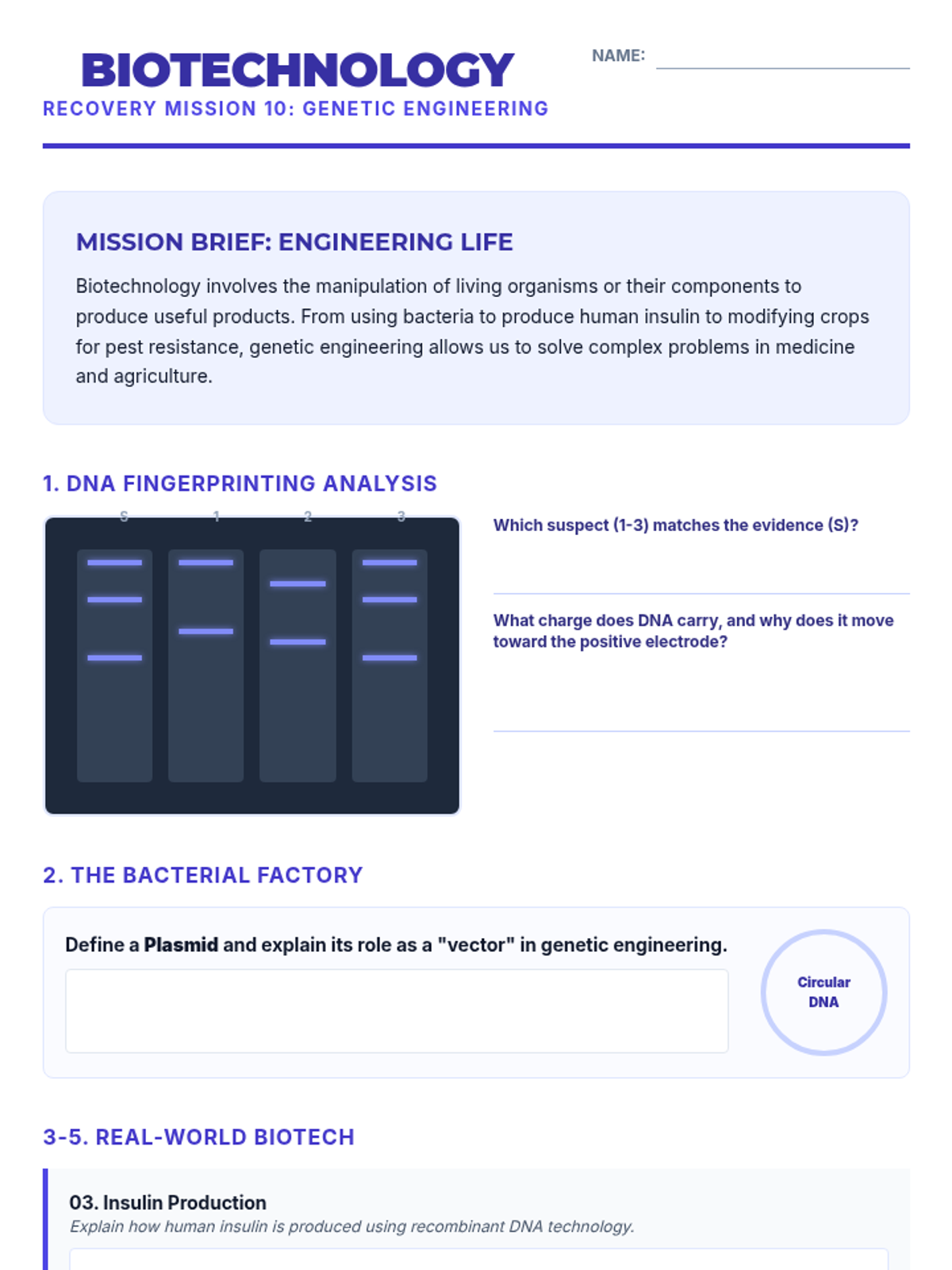
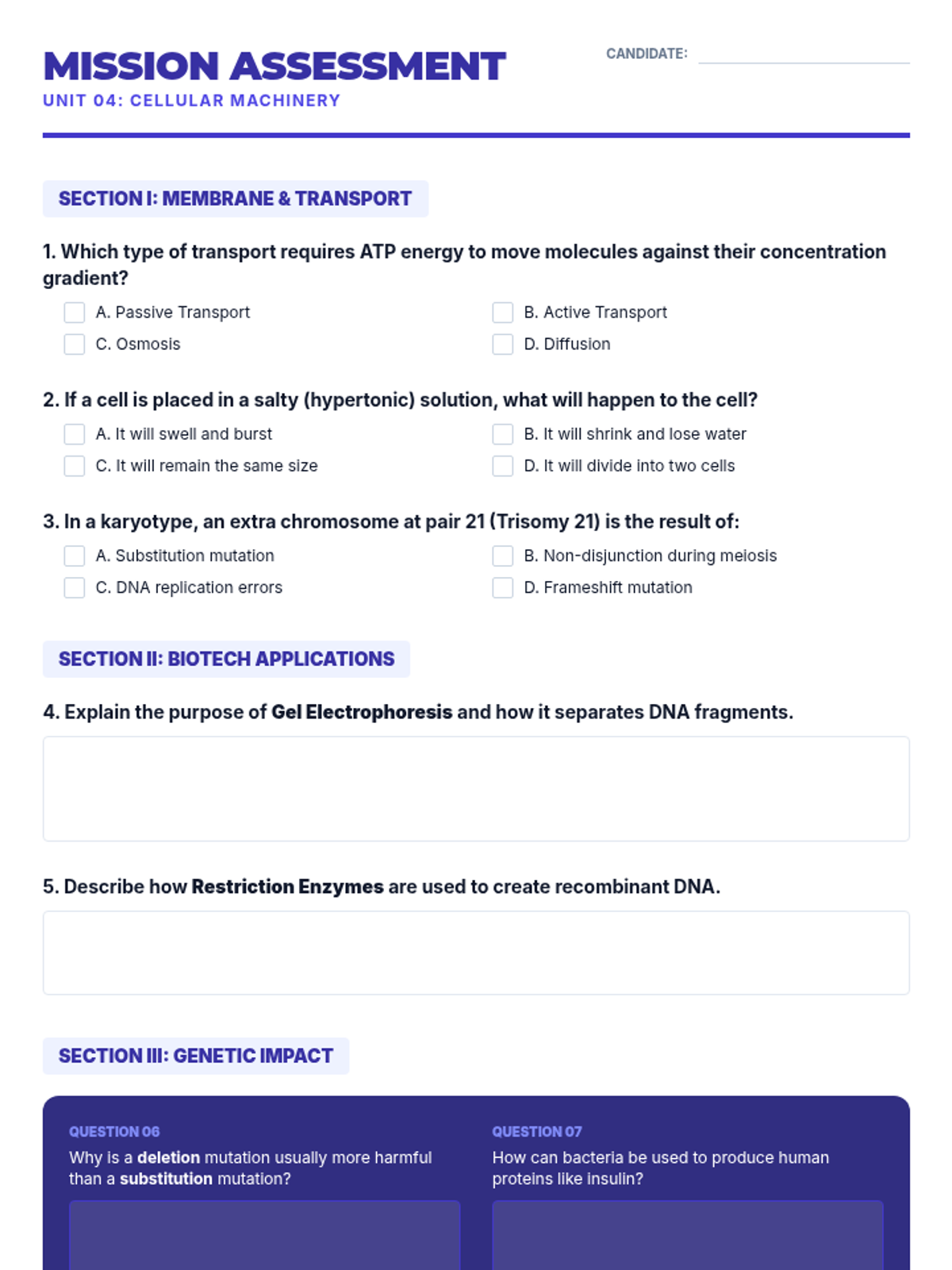
Advanced cellular concepts including transport mechanisms, chromosomal analysis, and genetic engineering.
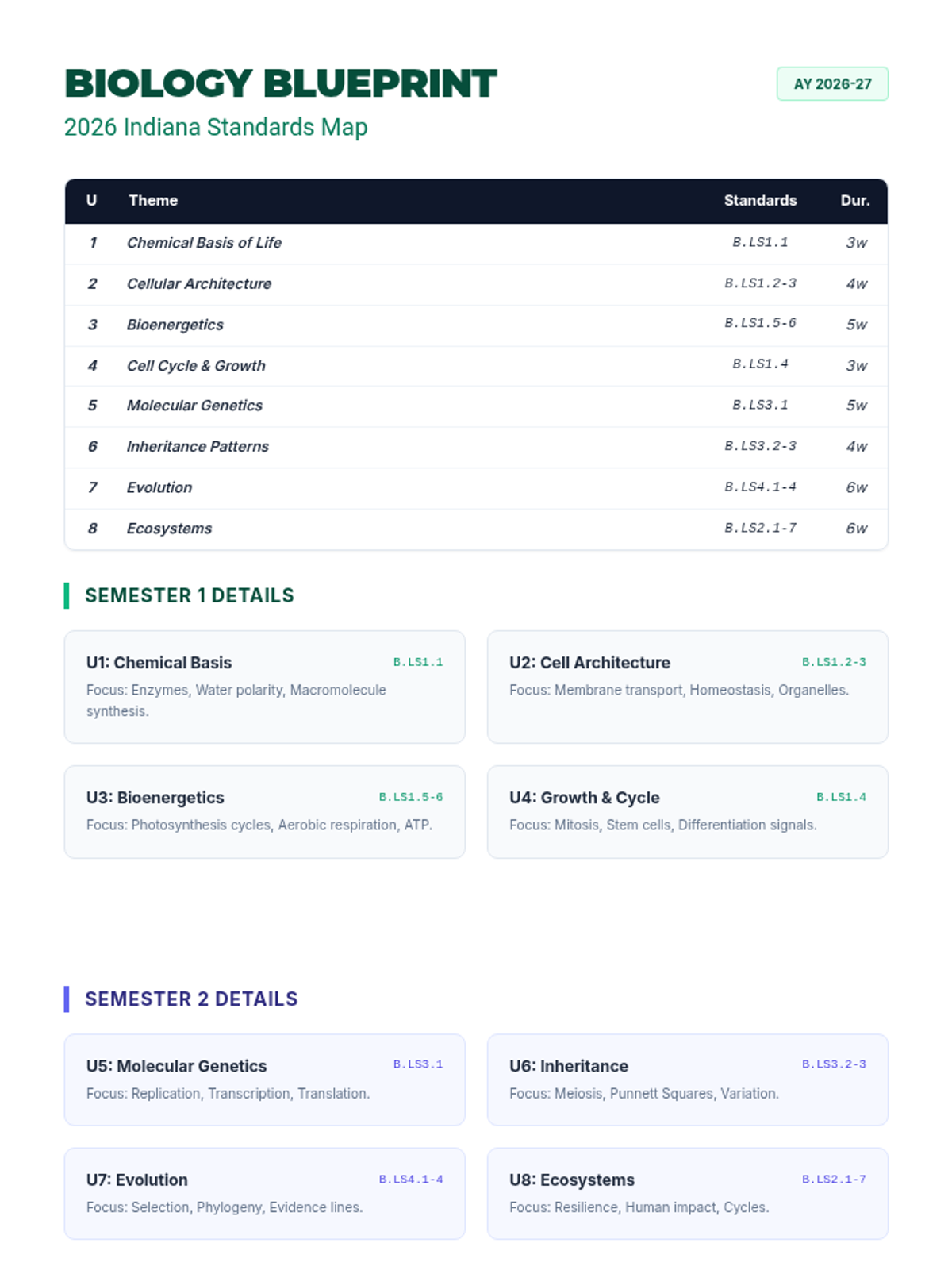
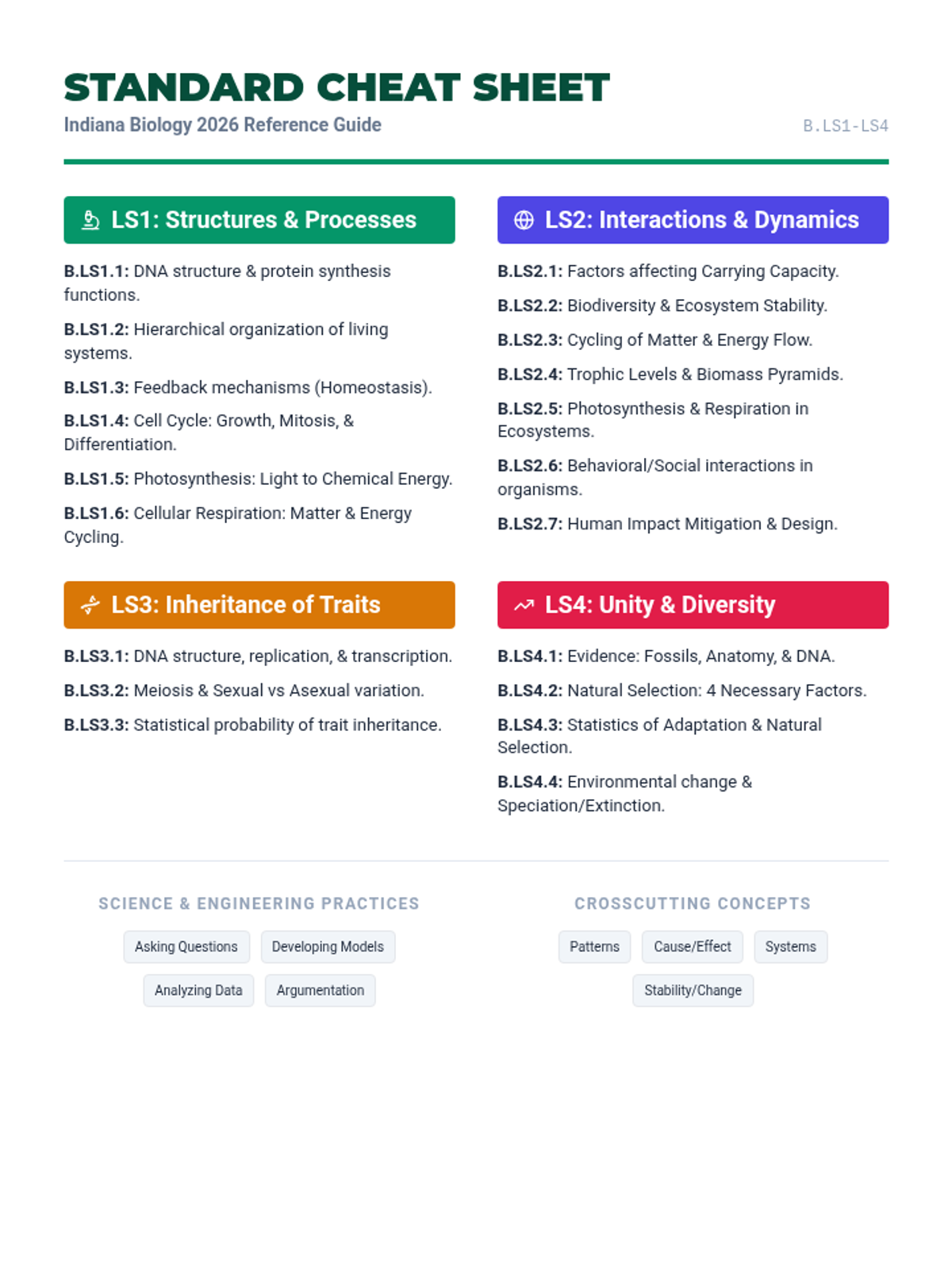
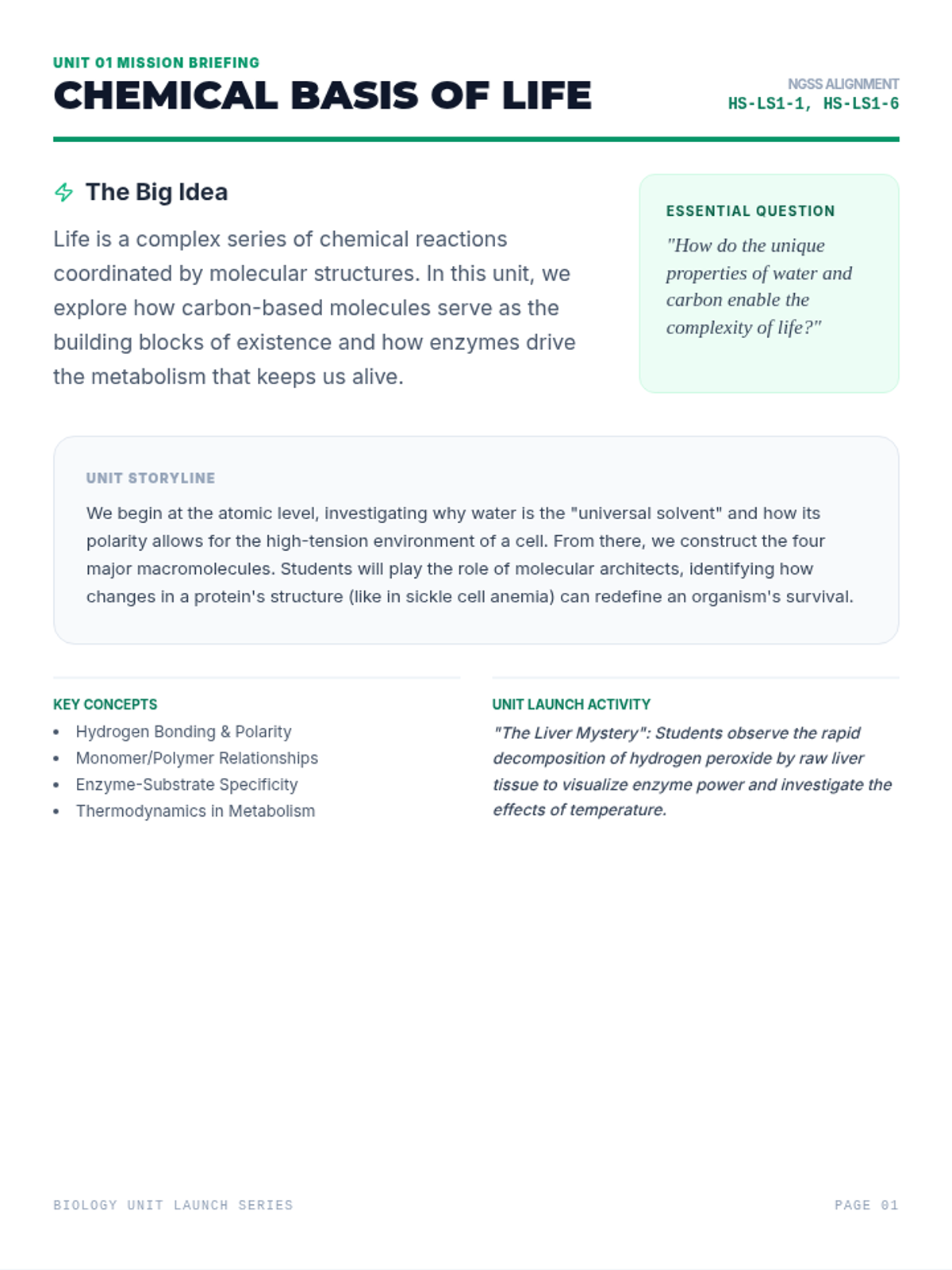
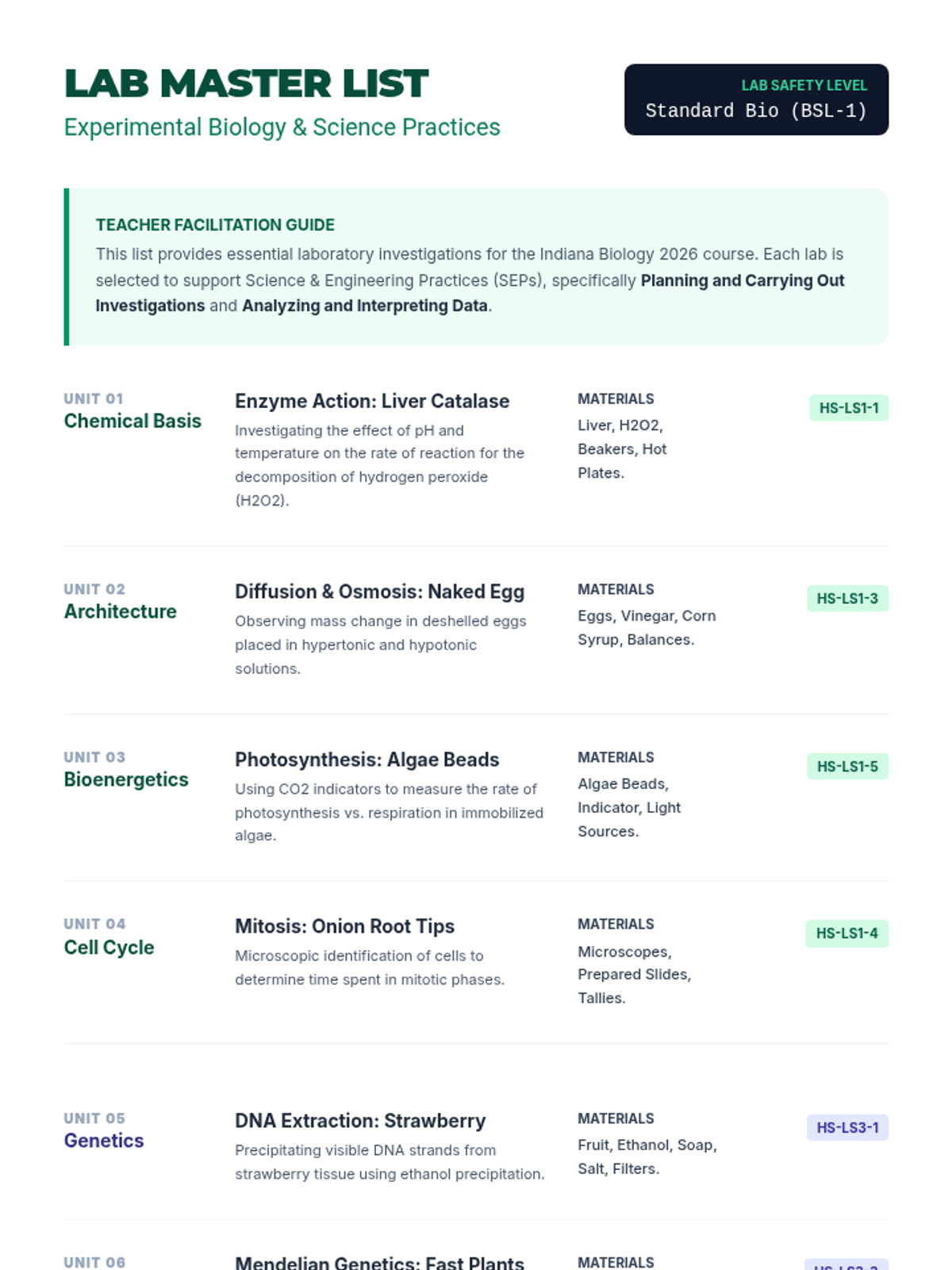
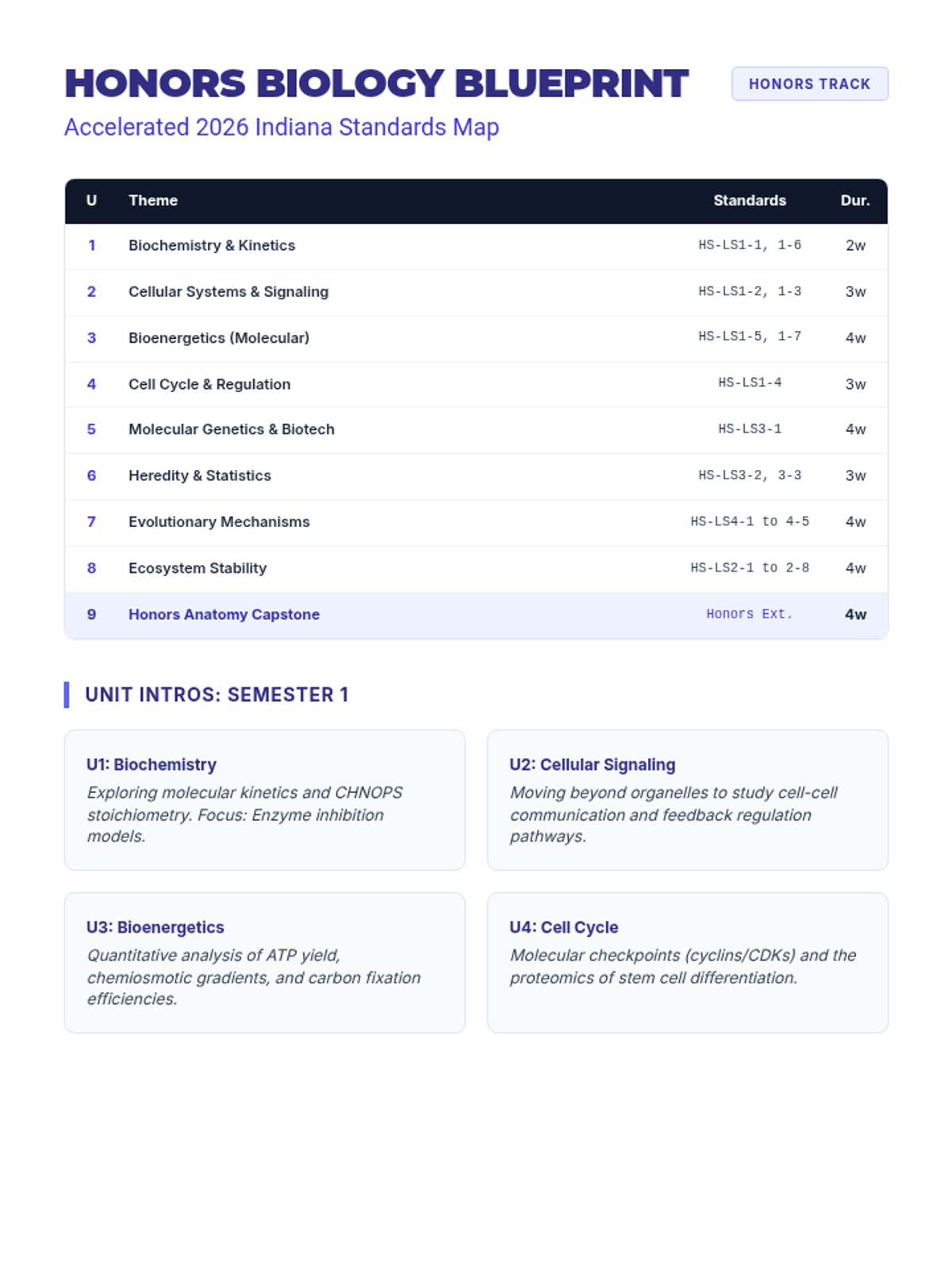
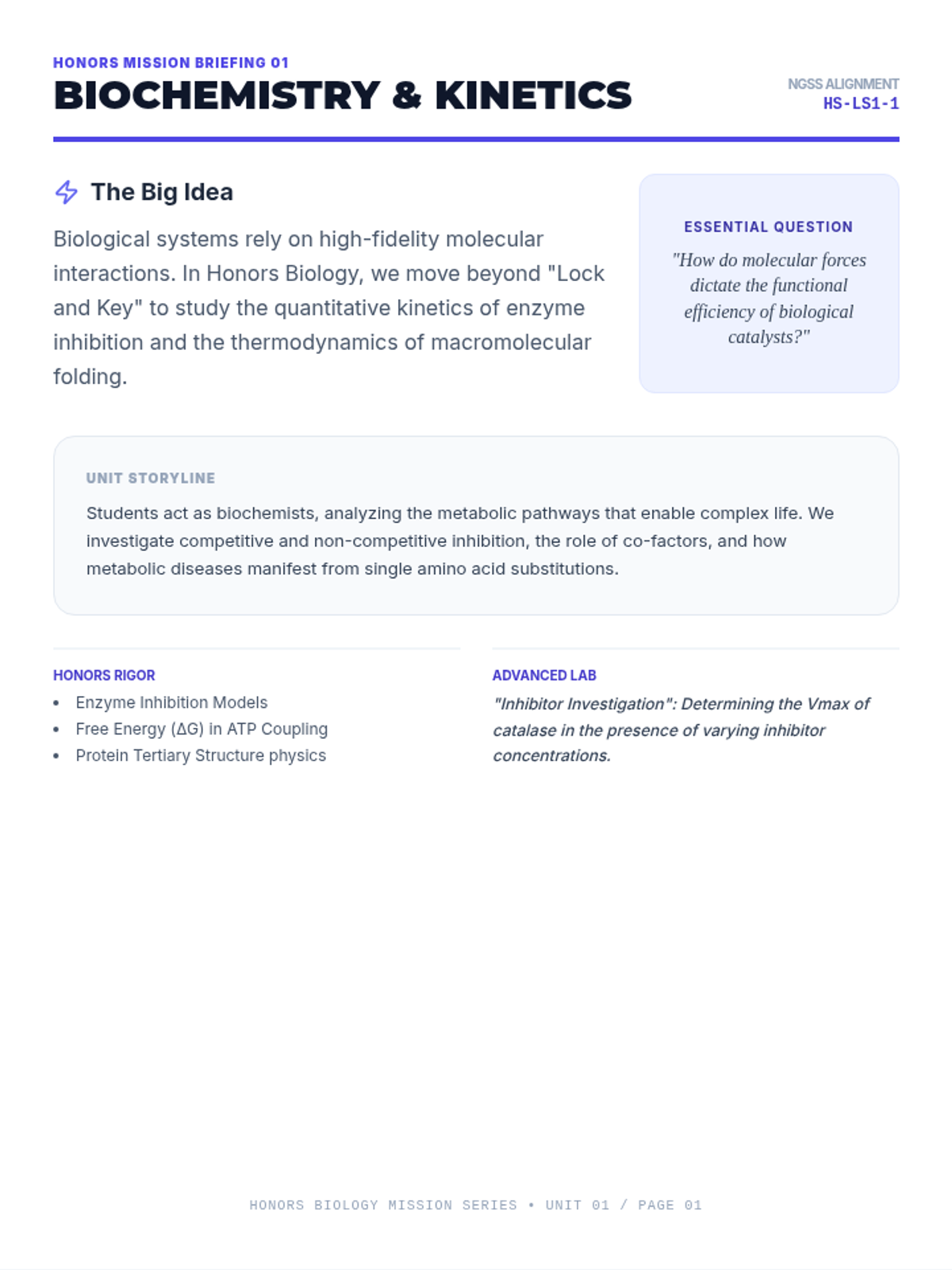
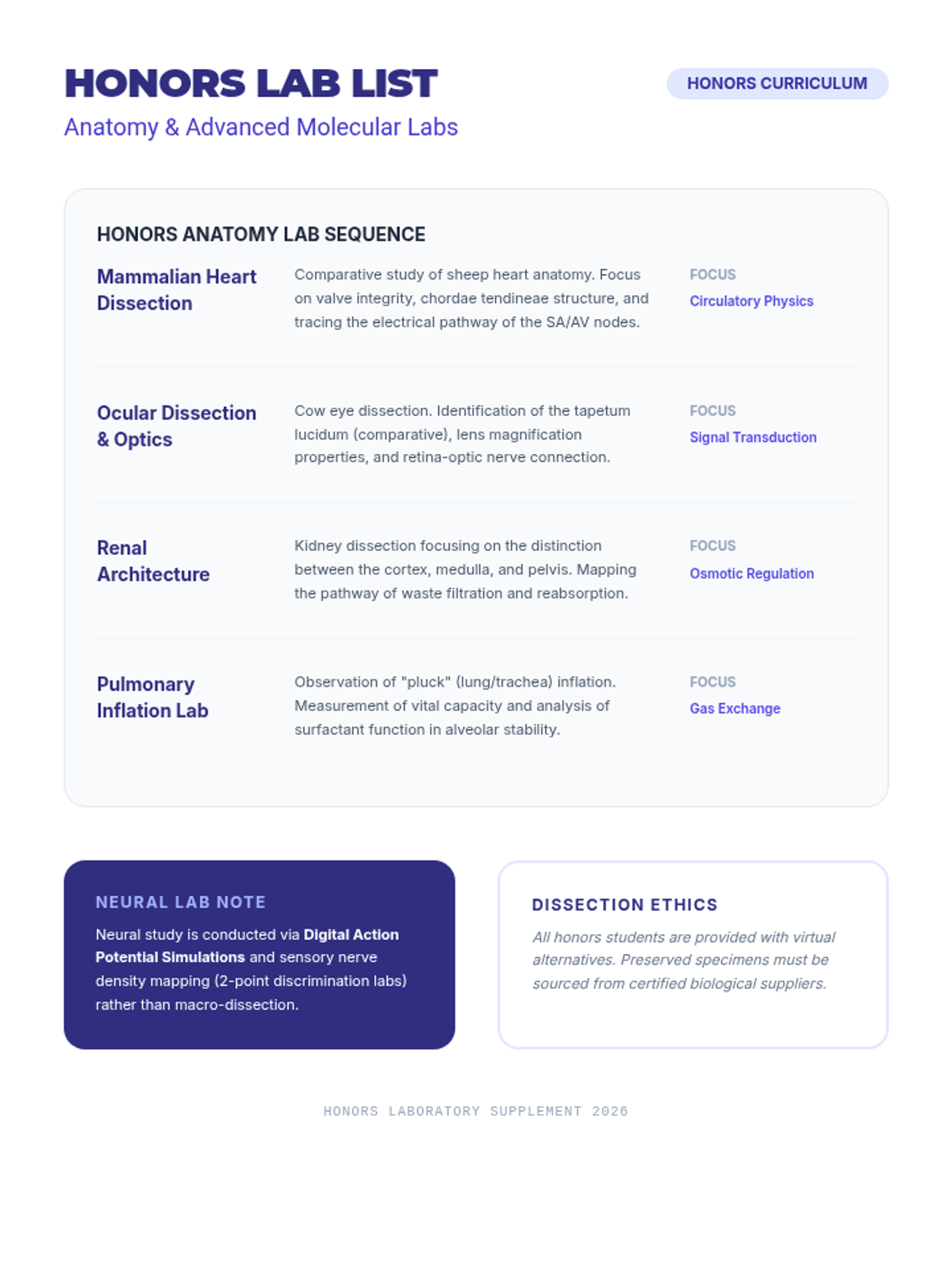
A comprehensive year-long curriculum map and planning guide for high school biology based on the 2026 Indiana Academic Standards.
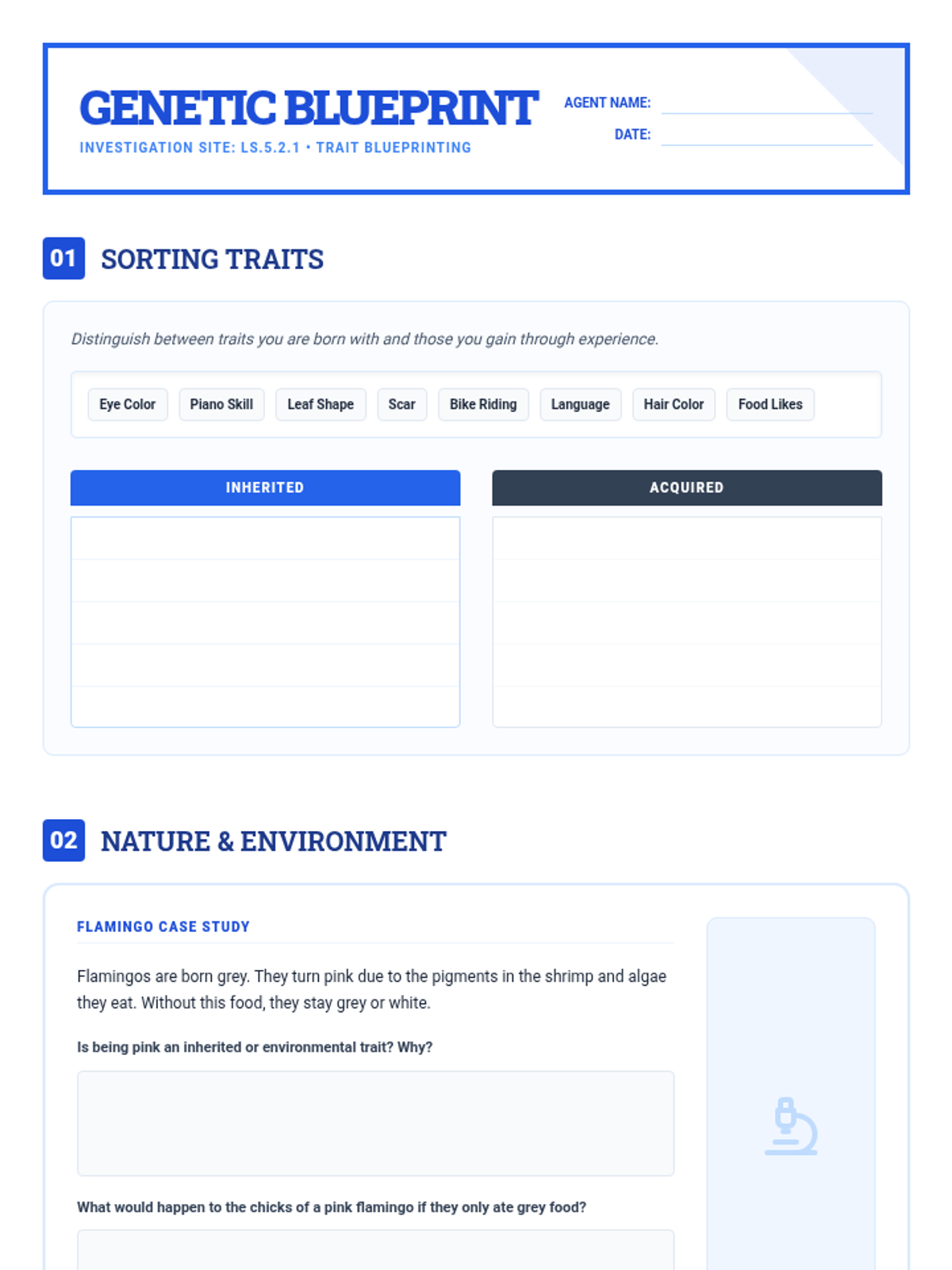
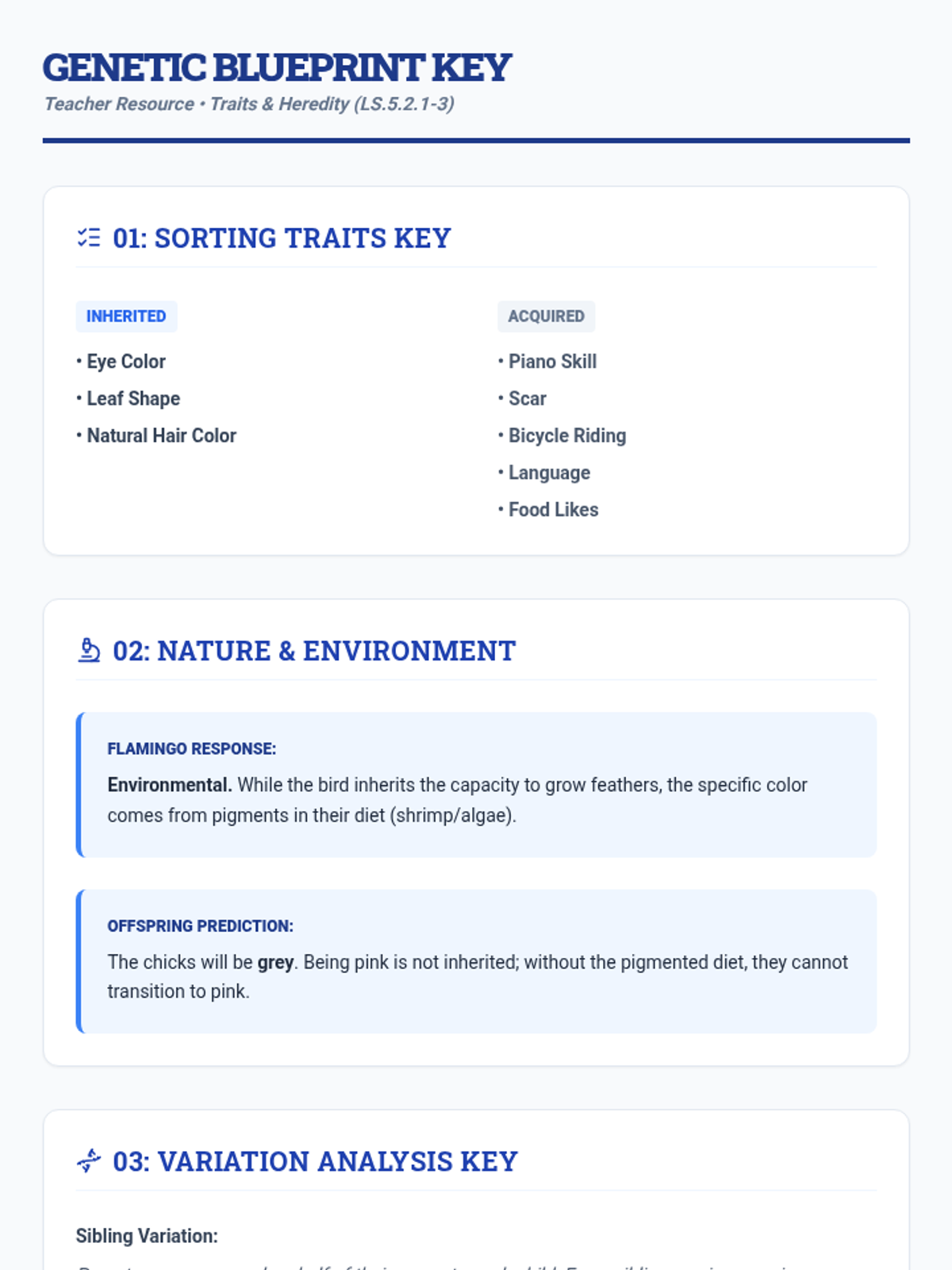
This lesson explores how plants and animals inherit traits from their parents, how traits can vary within a species, and how environmental factors can influence an organism's characteristics.
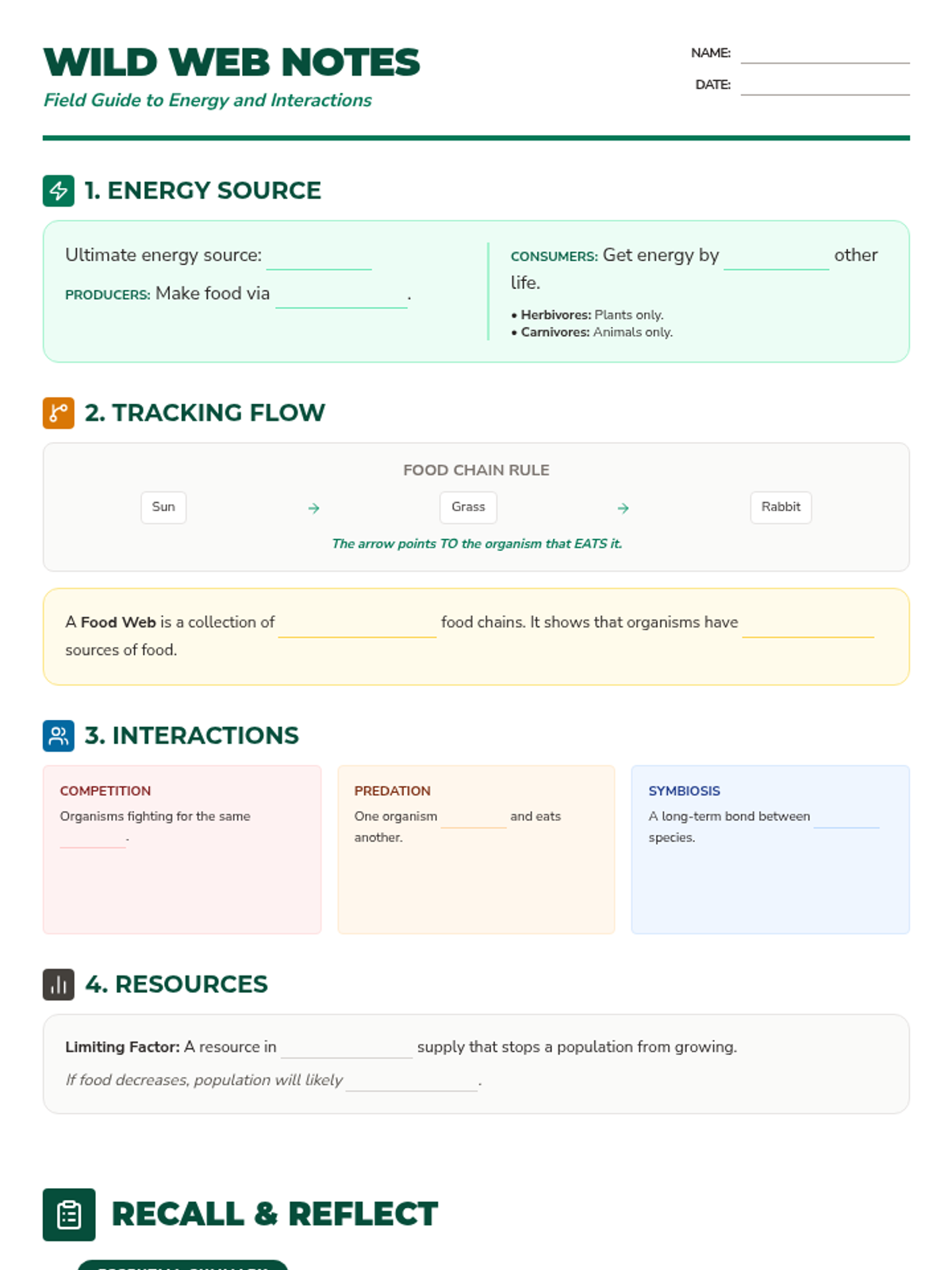
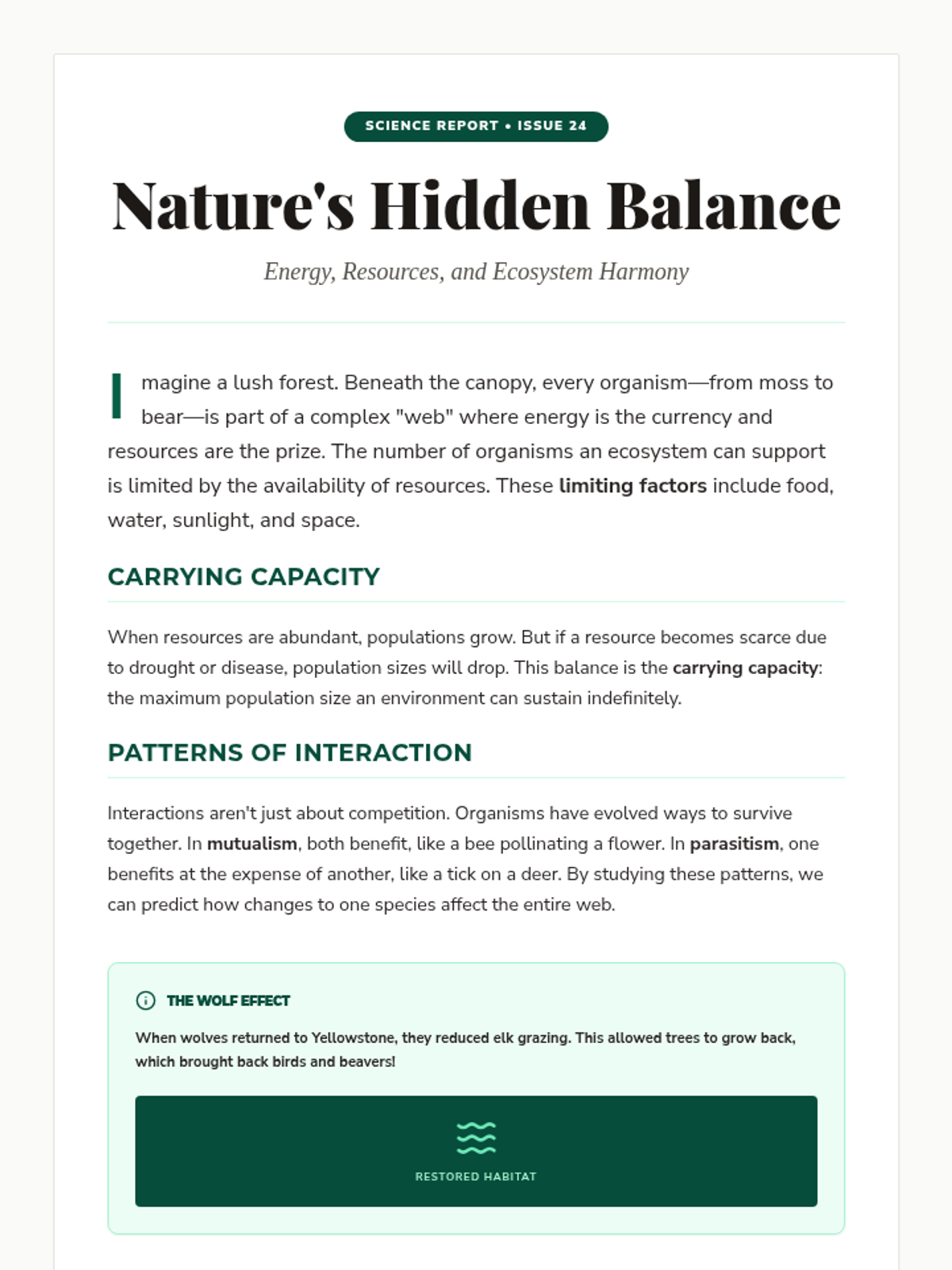
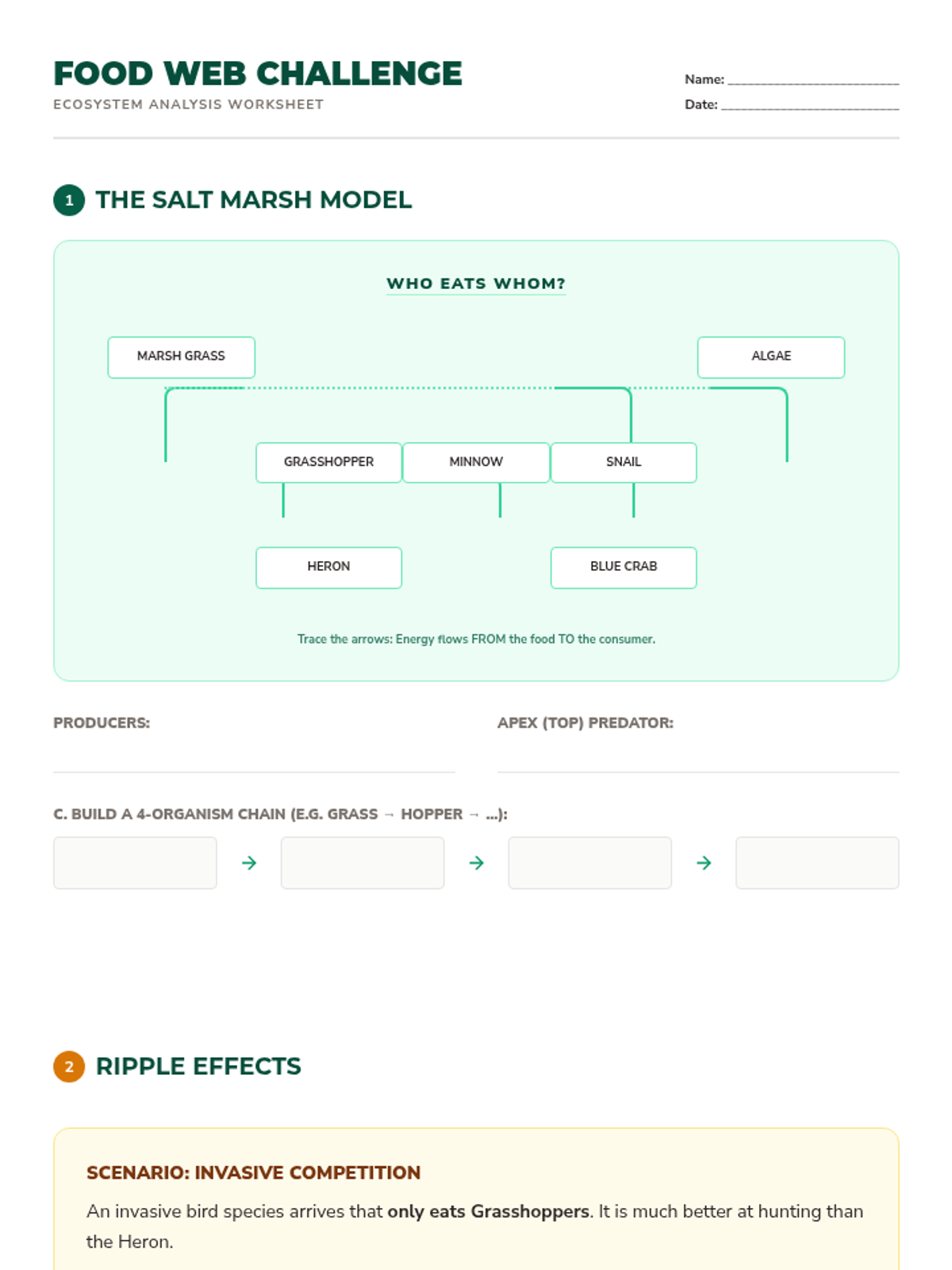
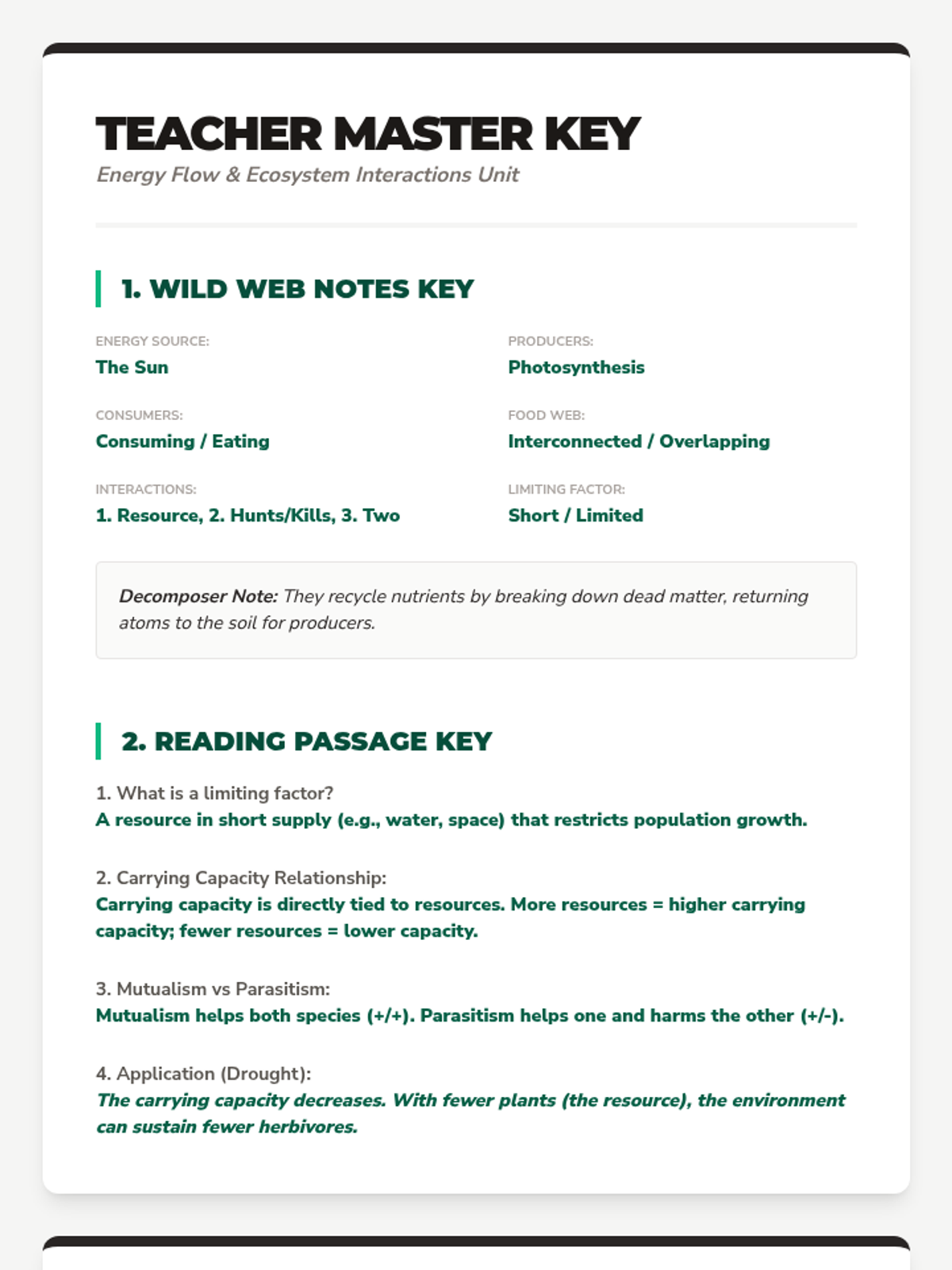
This lesson covers the fundamentals of energy transfer through food webs and the various types of interactions (competition, predation, symbiosis) that shape ecosystems.
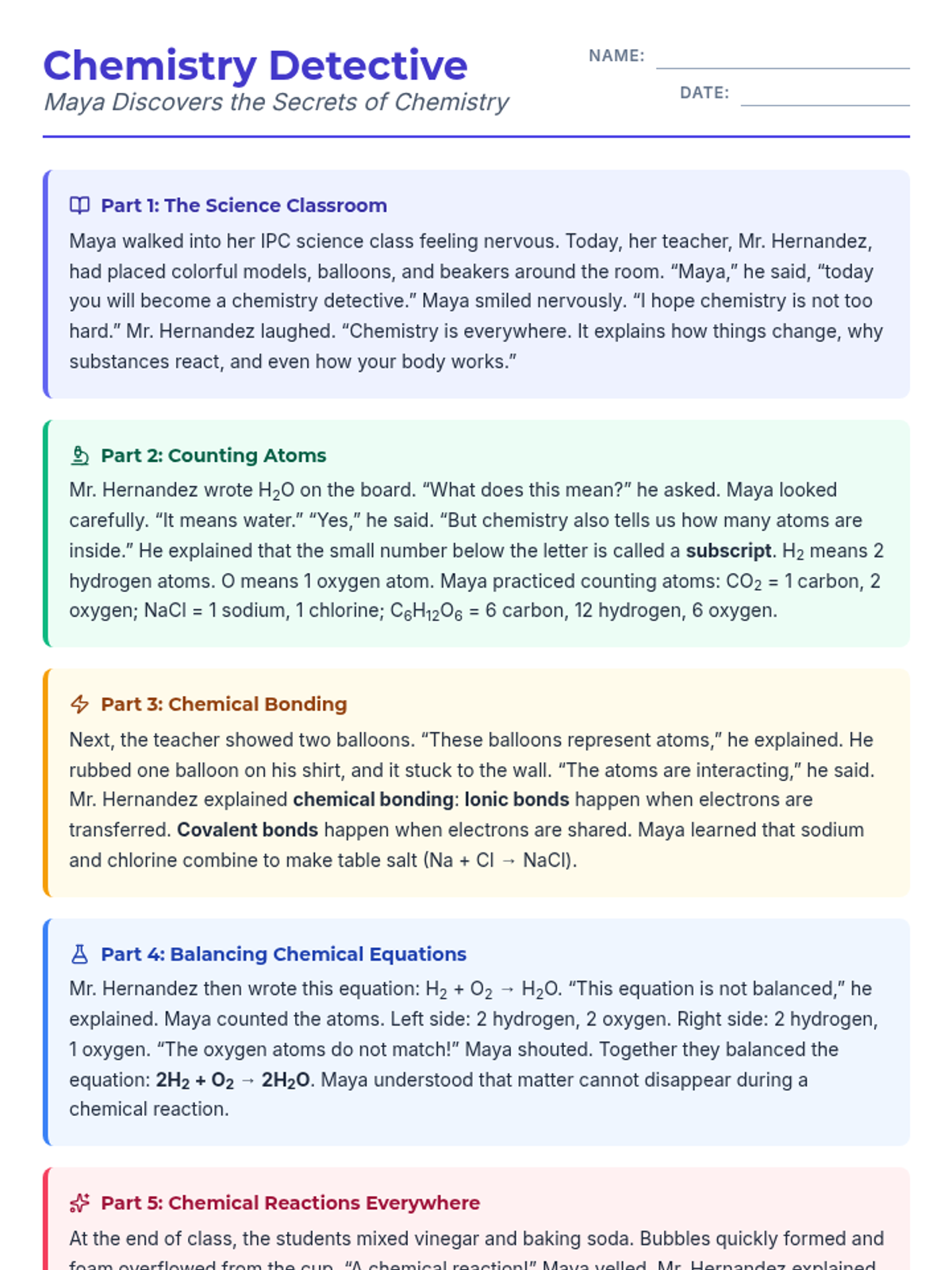
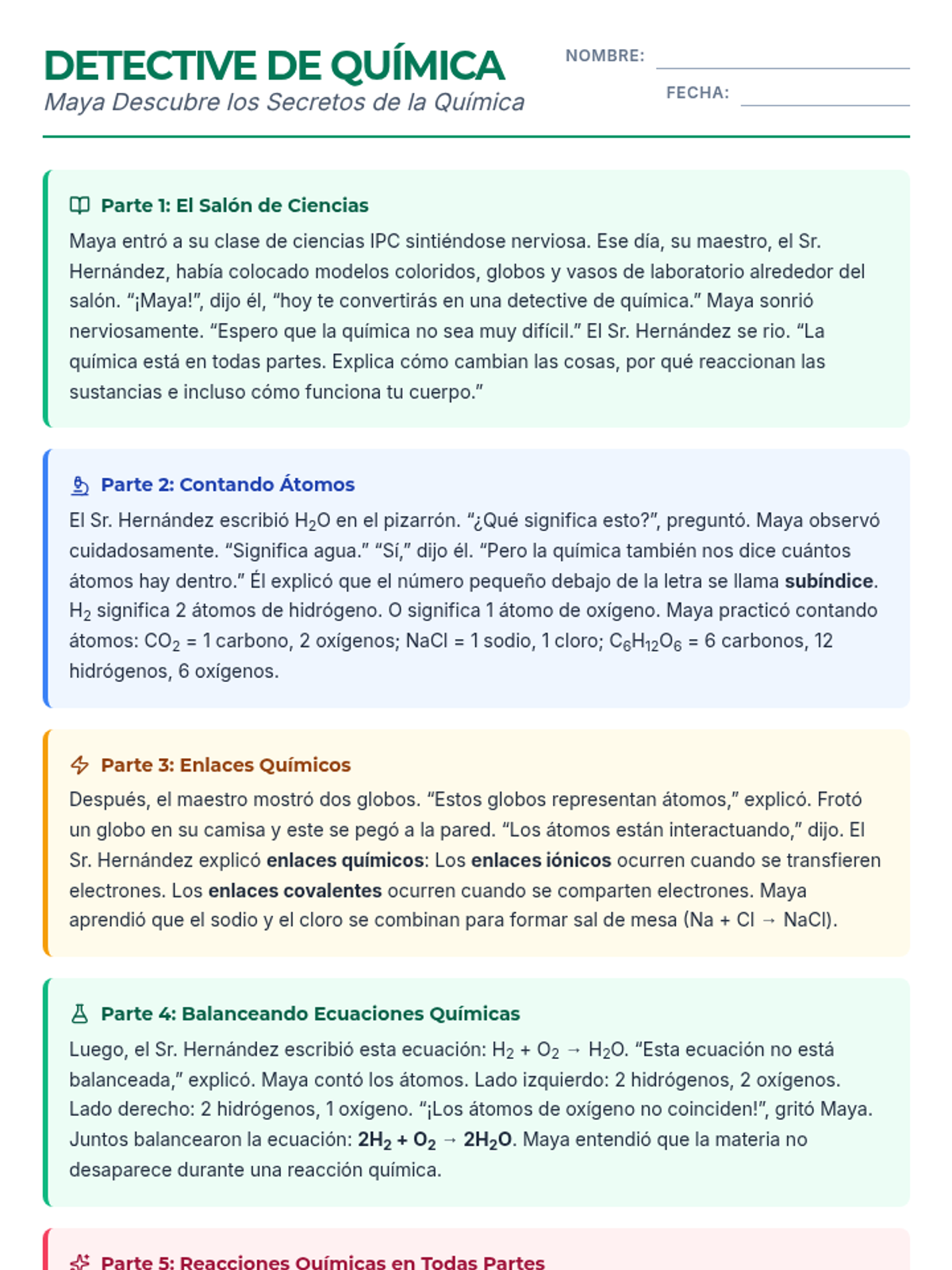
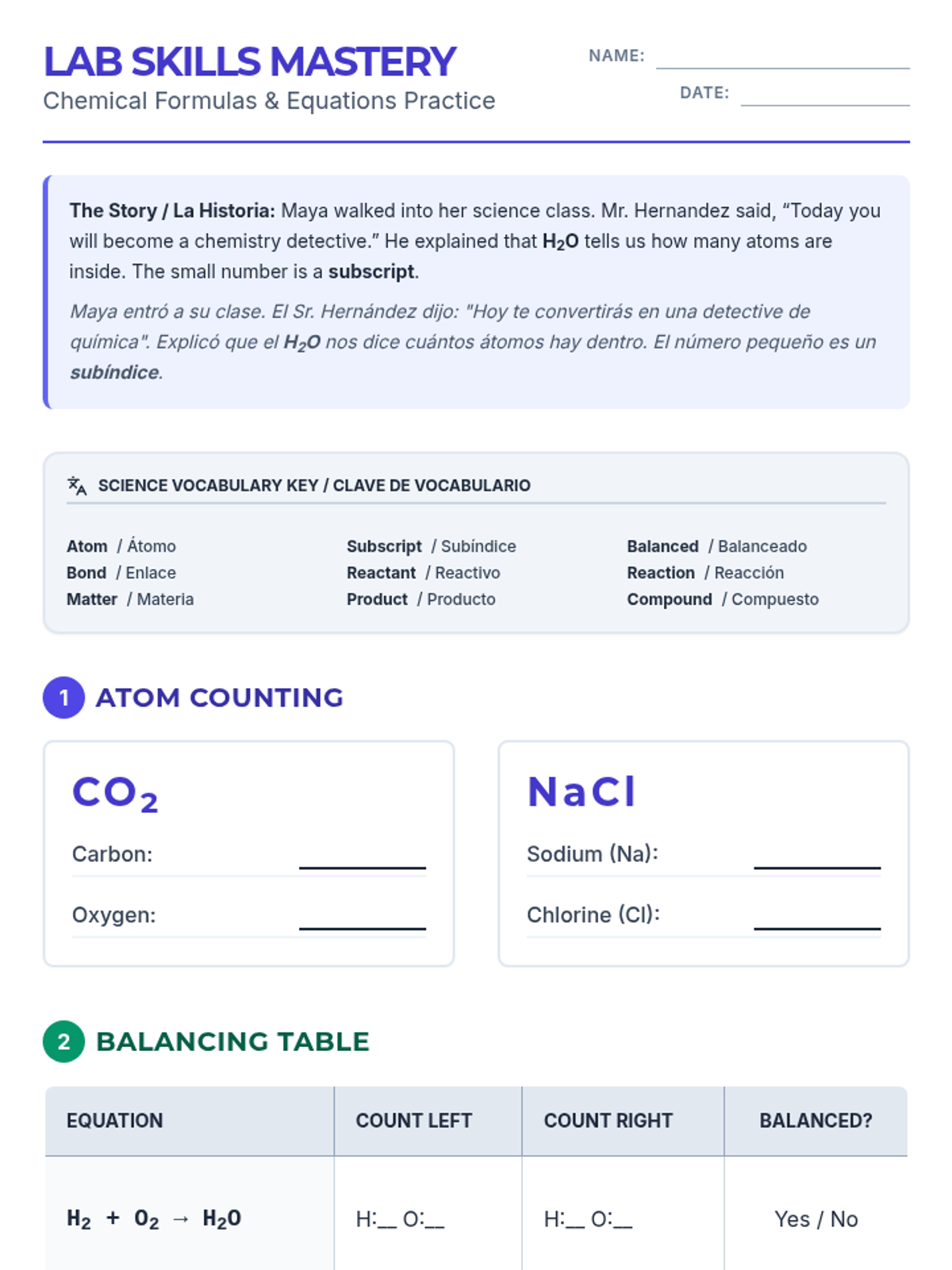
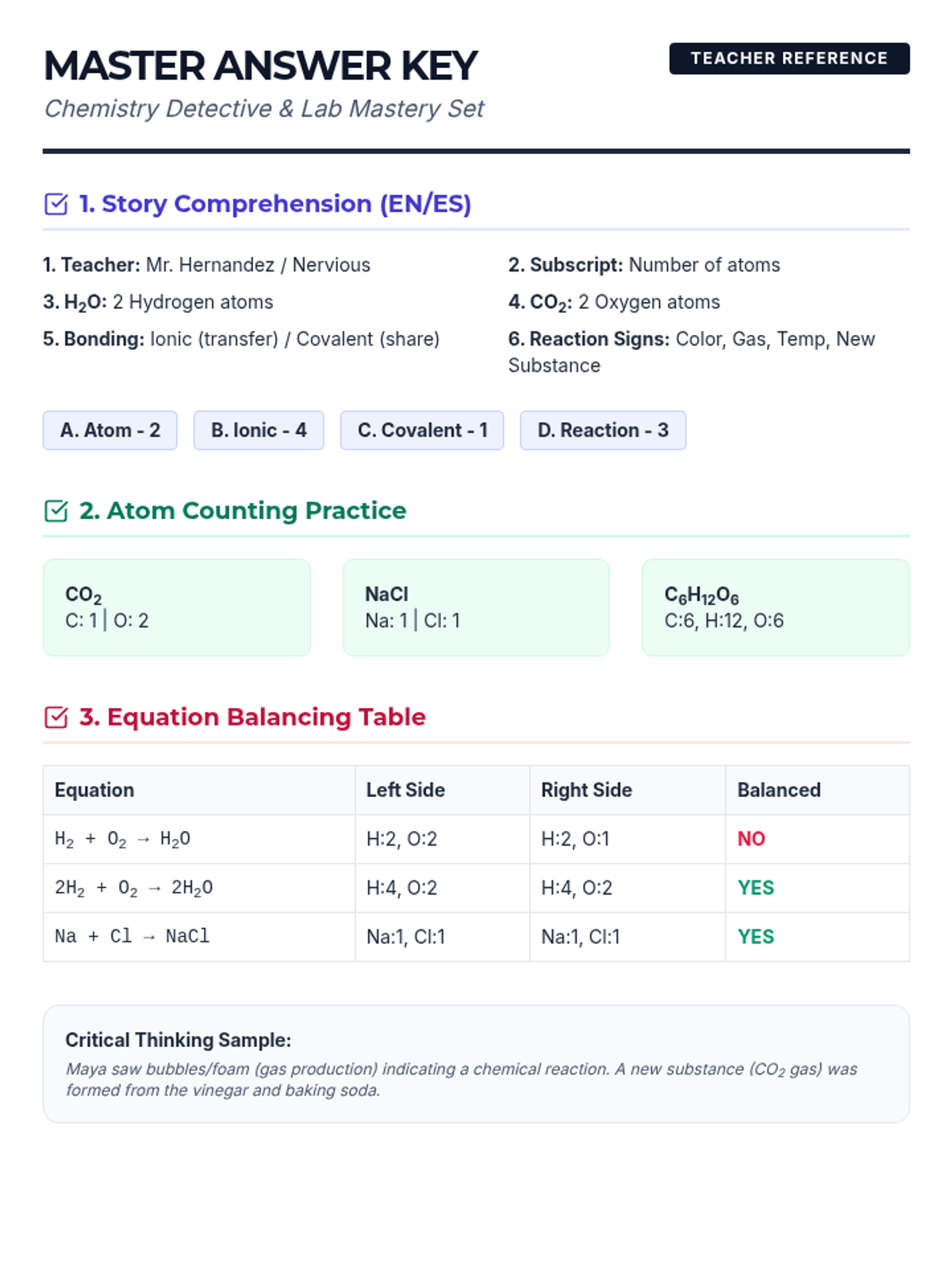
An introductory chemistry lesson based on Maya's discovery of atoms, bonds, and reactions, available in English and Spanish with hands-on practice.
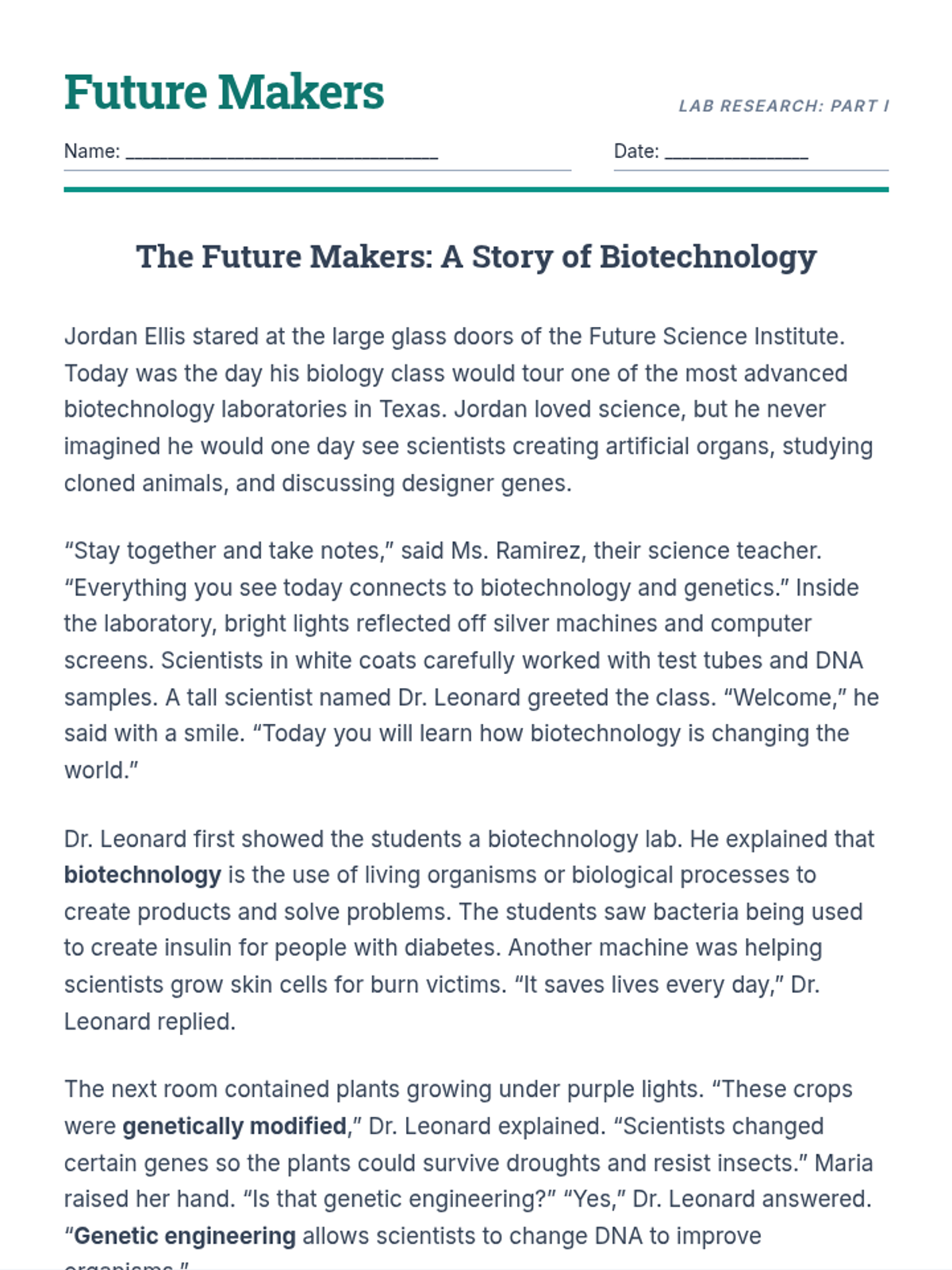
A lesson exploring the advancements and ethical considerations of biotechnology, including cloning, genetic engineering, and designer genes, based on a visit to the Future Science Institute.
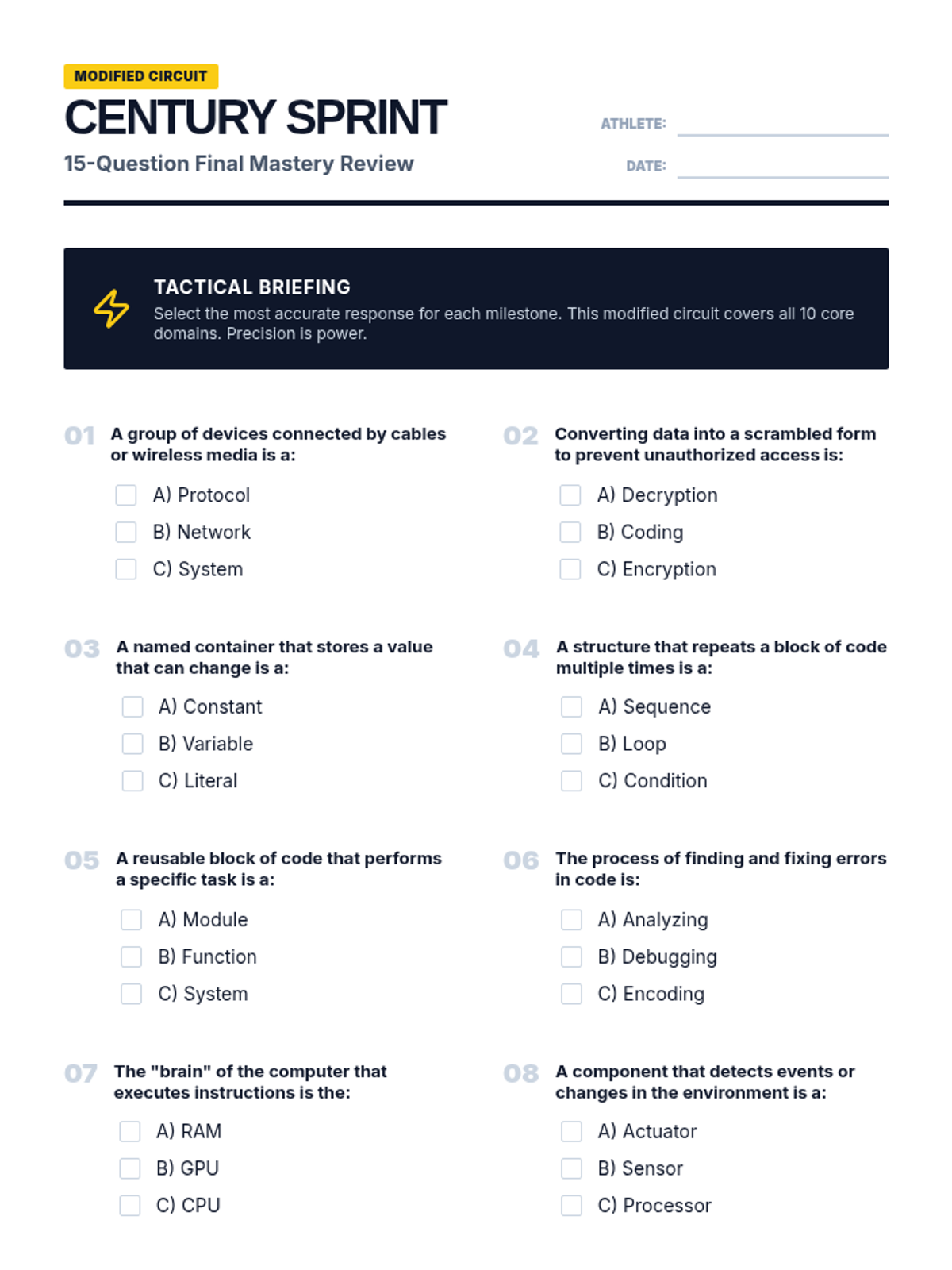
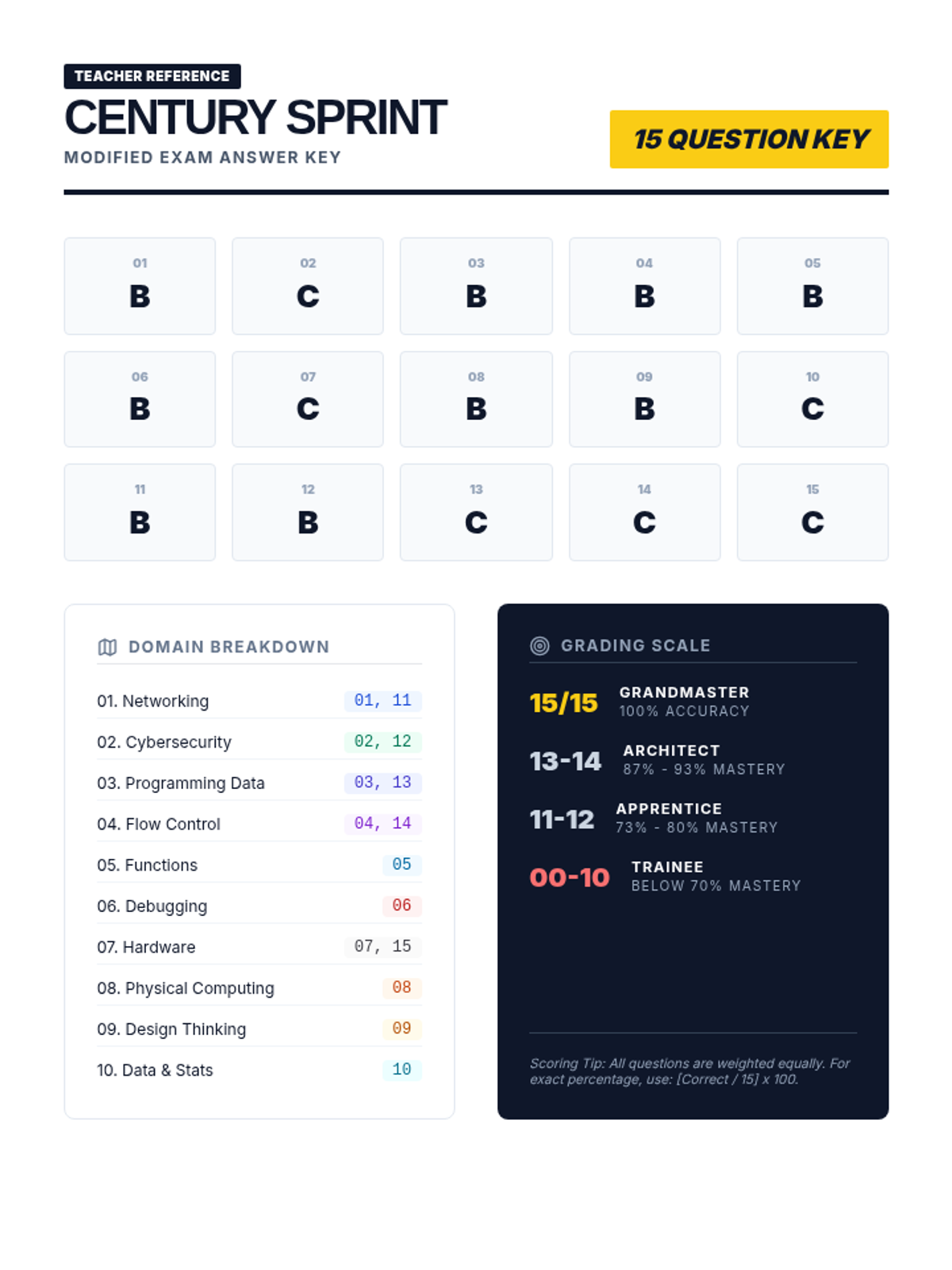
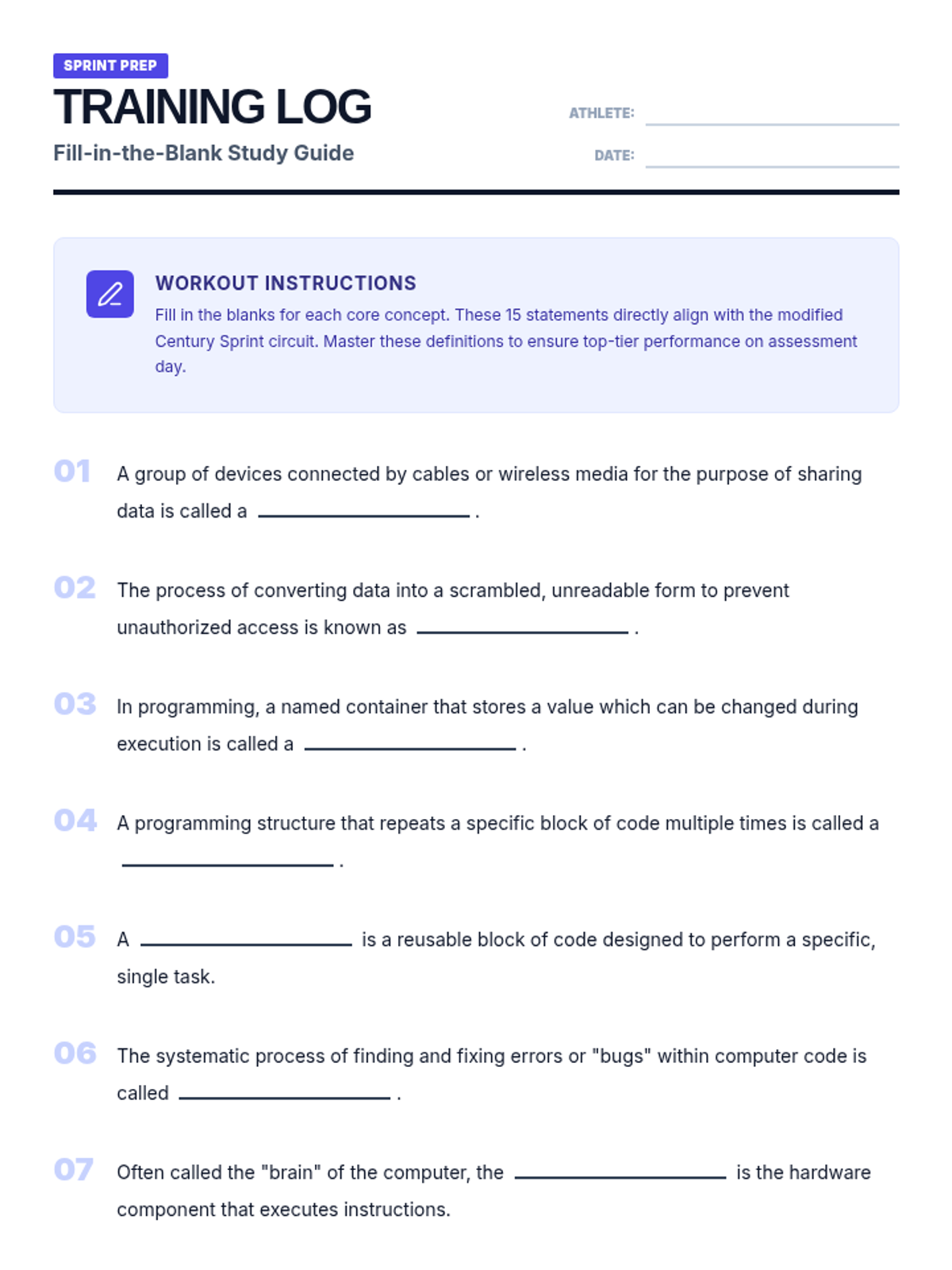
A comprehensive 100-question final review encompassing all domains of computer science covered in the sequence.
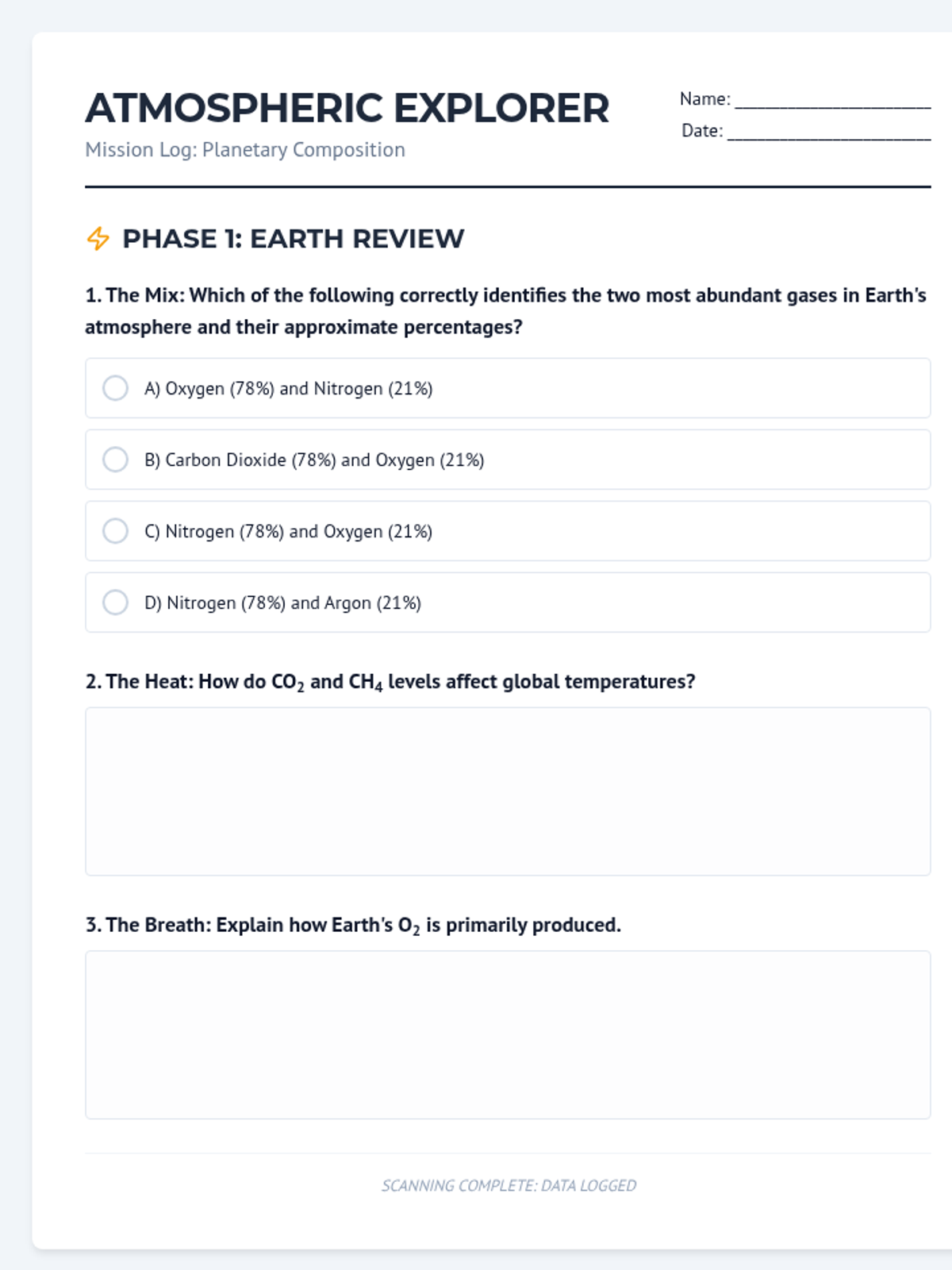
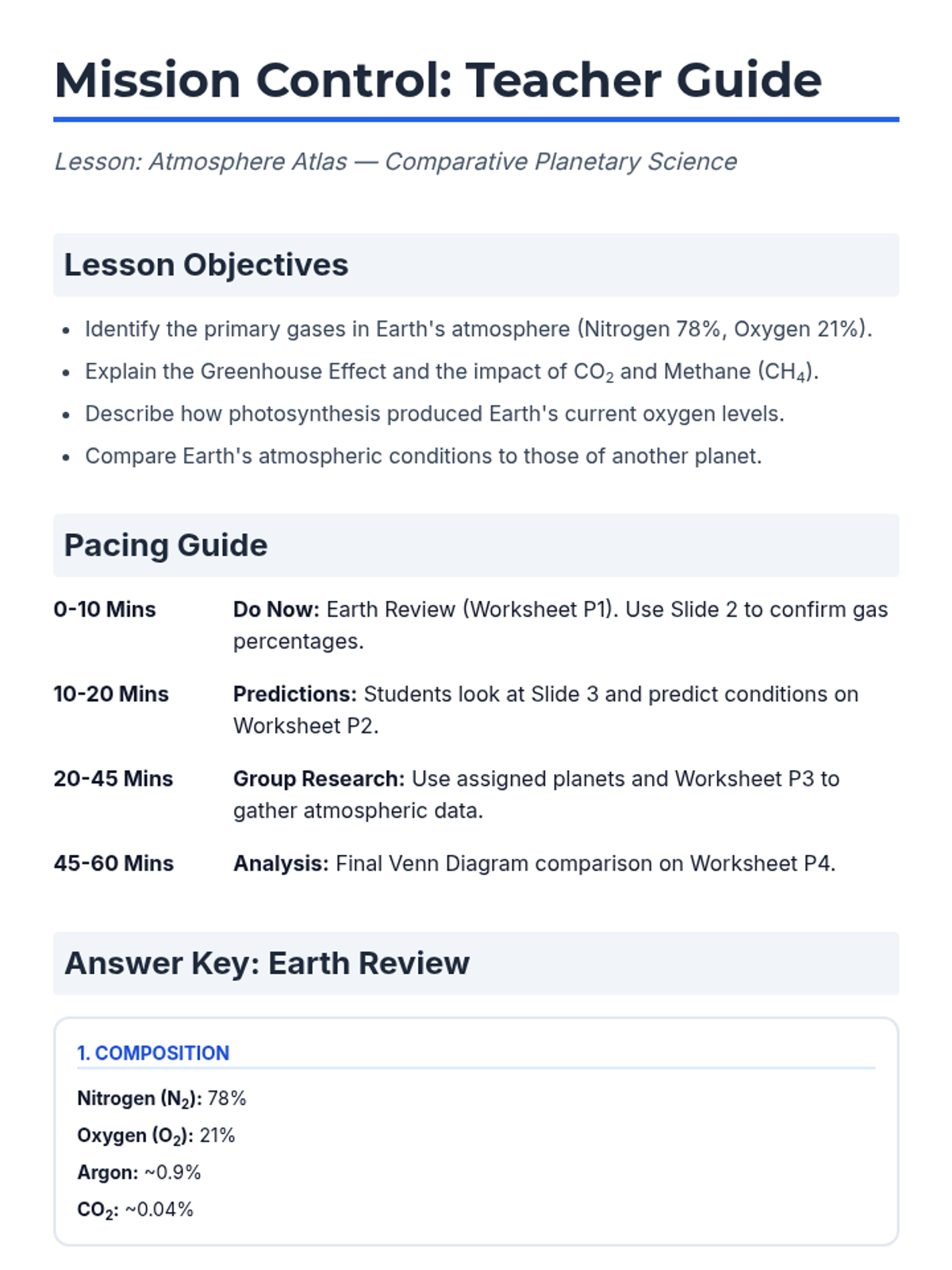
Students investigate and compare the atmospheric compositions of planets in our solar system, exploring how Earth's unique air supports life while analyzing the extreme environments of our celestial neighbors.
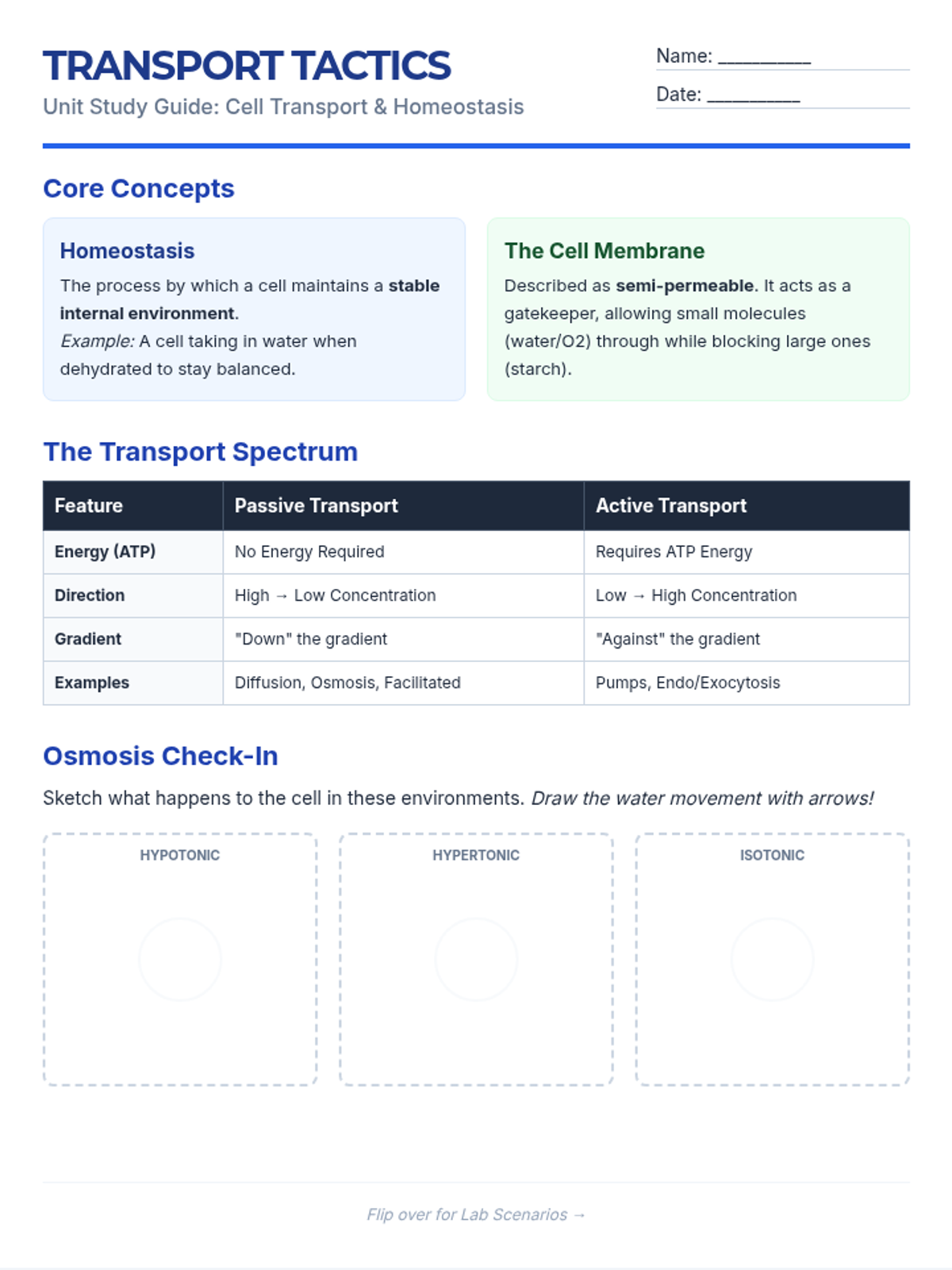
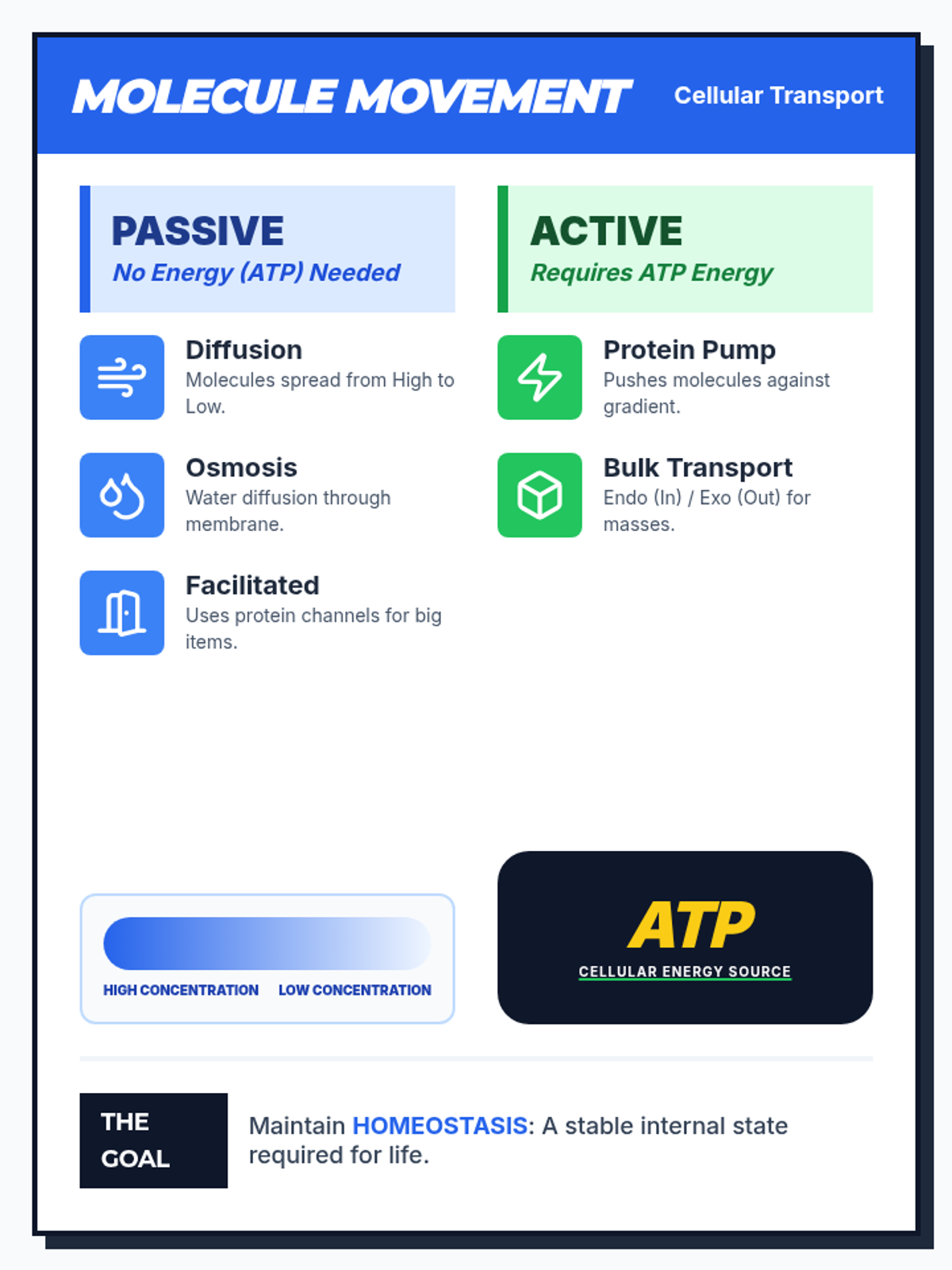
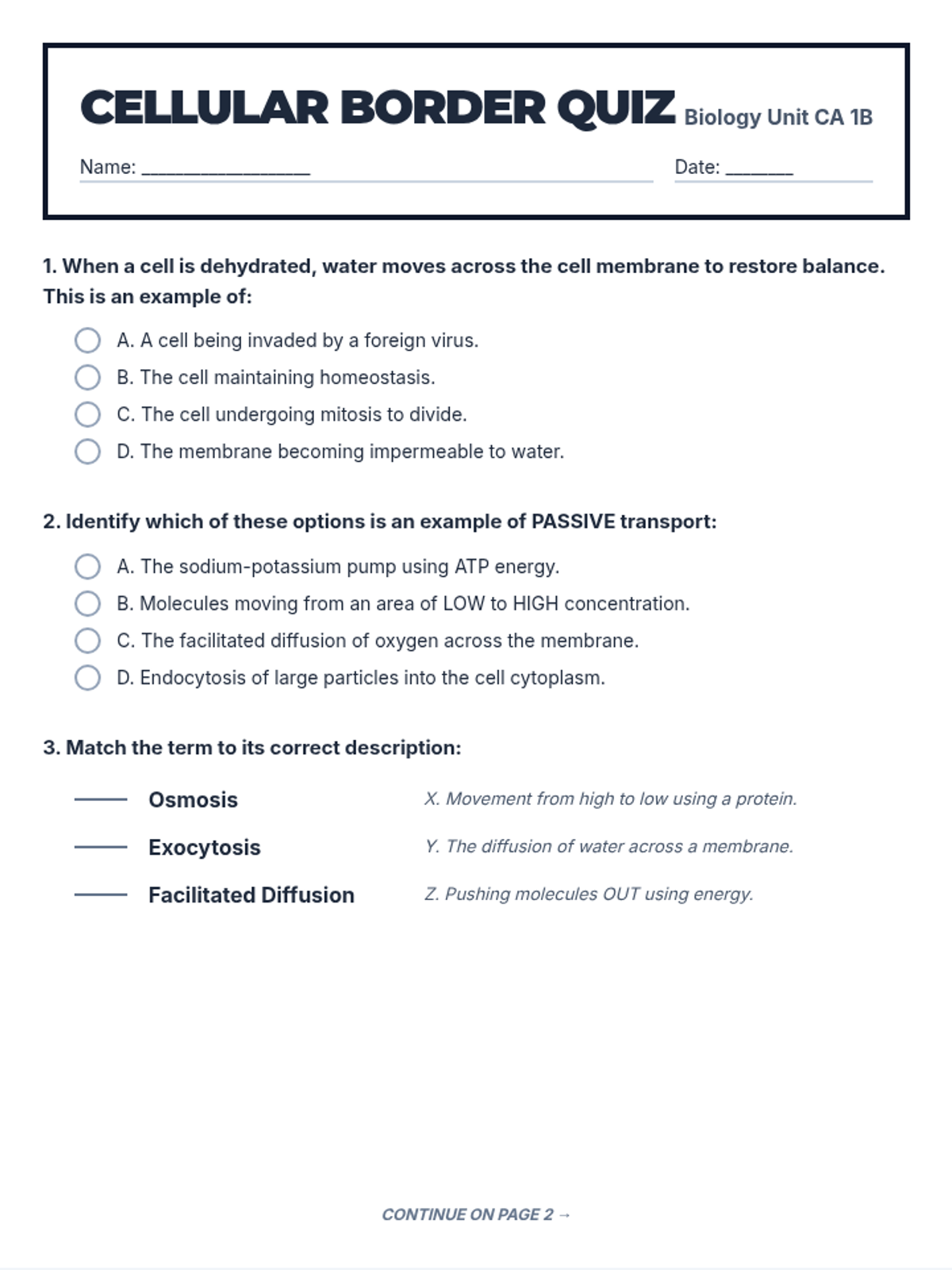
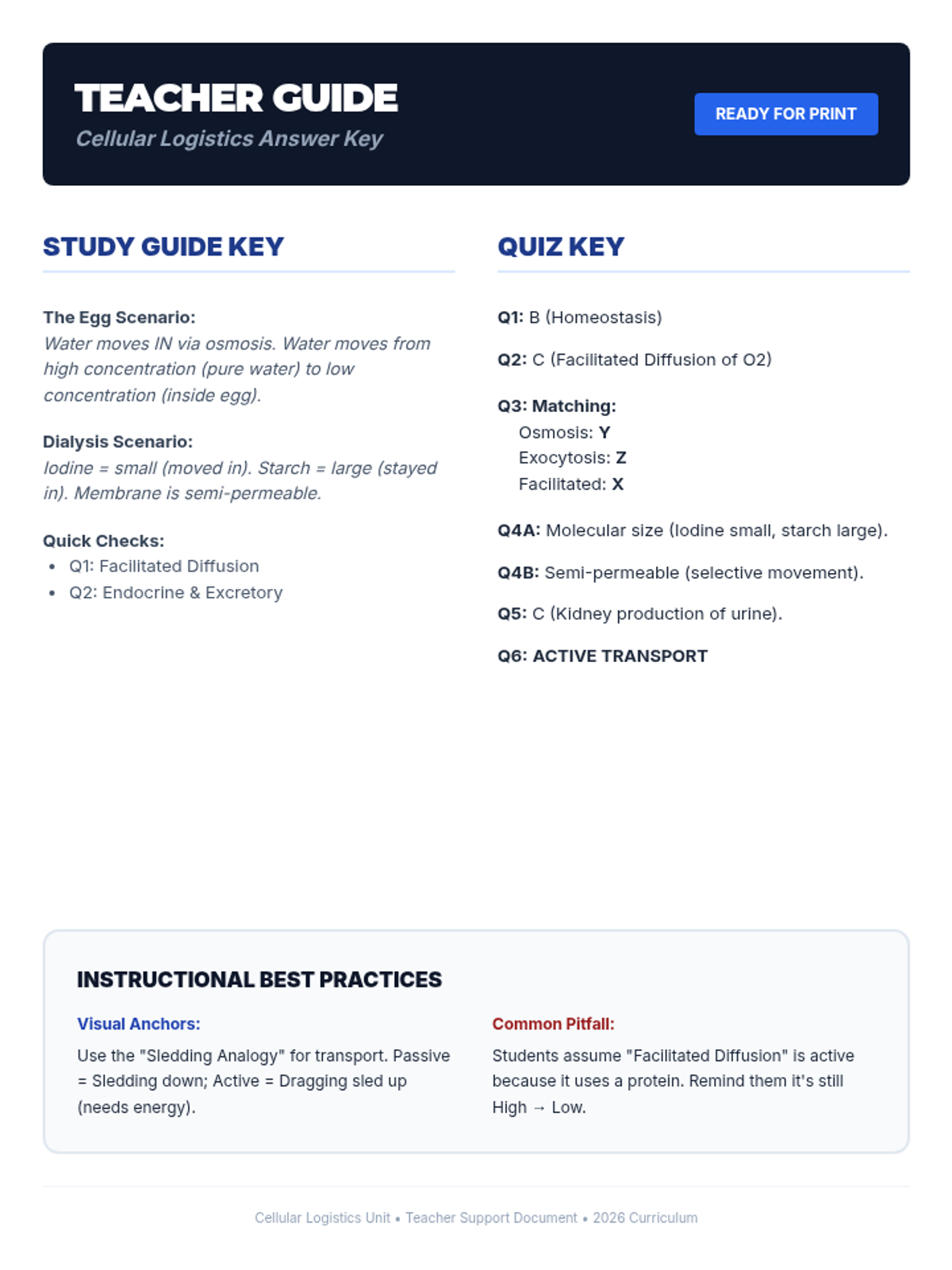
A comprehensive unit on cellular transport mechanisms, including passive and active transport, osmosis, and homeostasis, featuring hands-on scenario analysis and visual review materials.
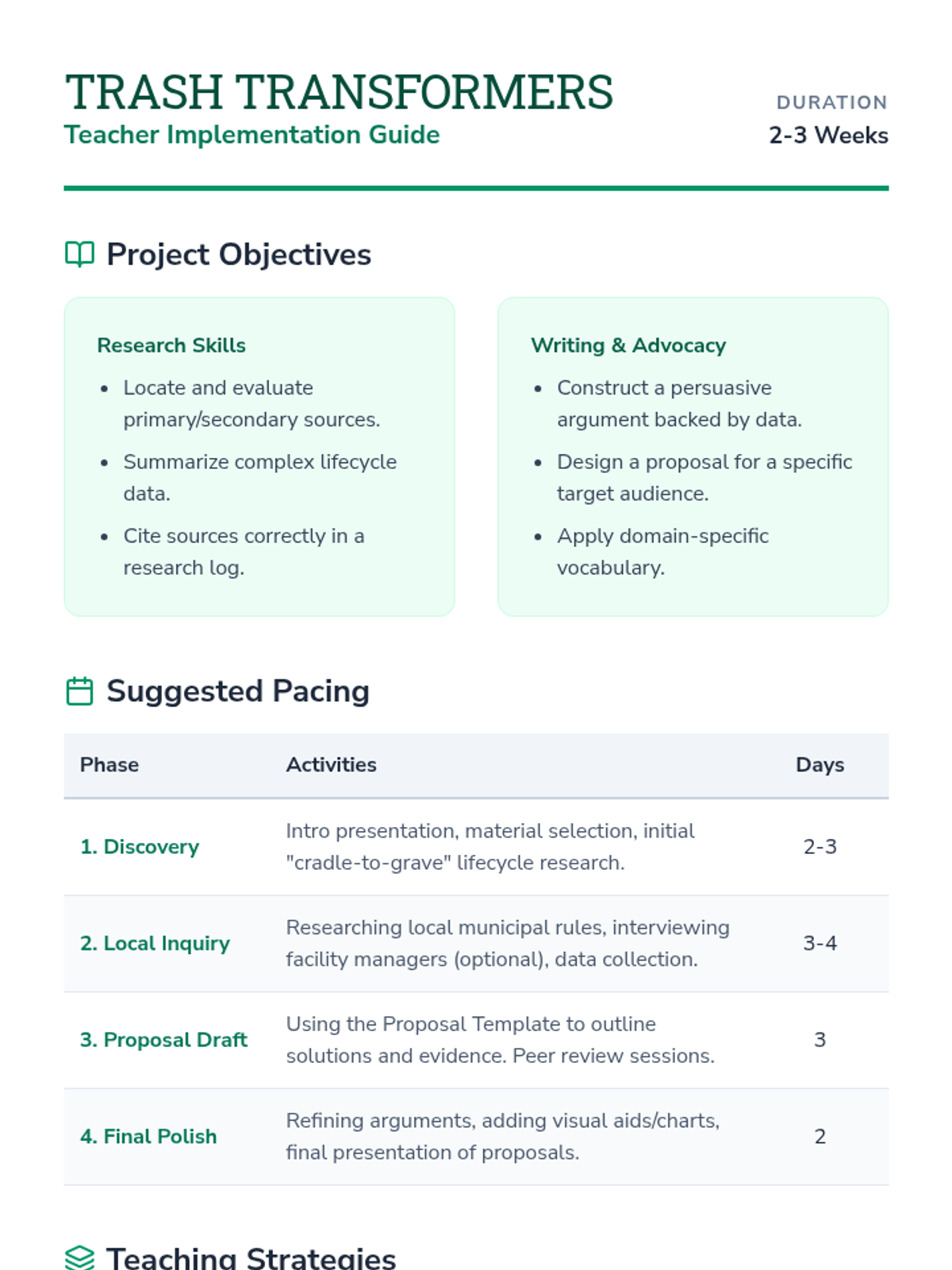
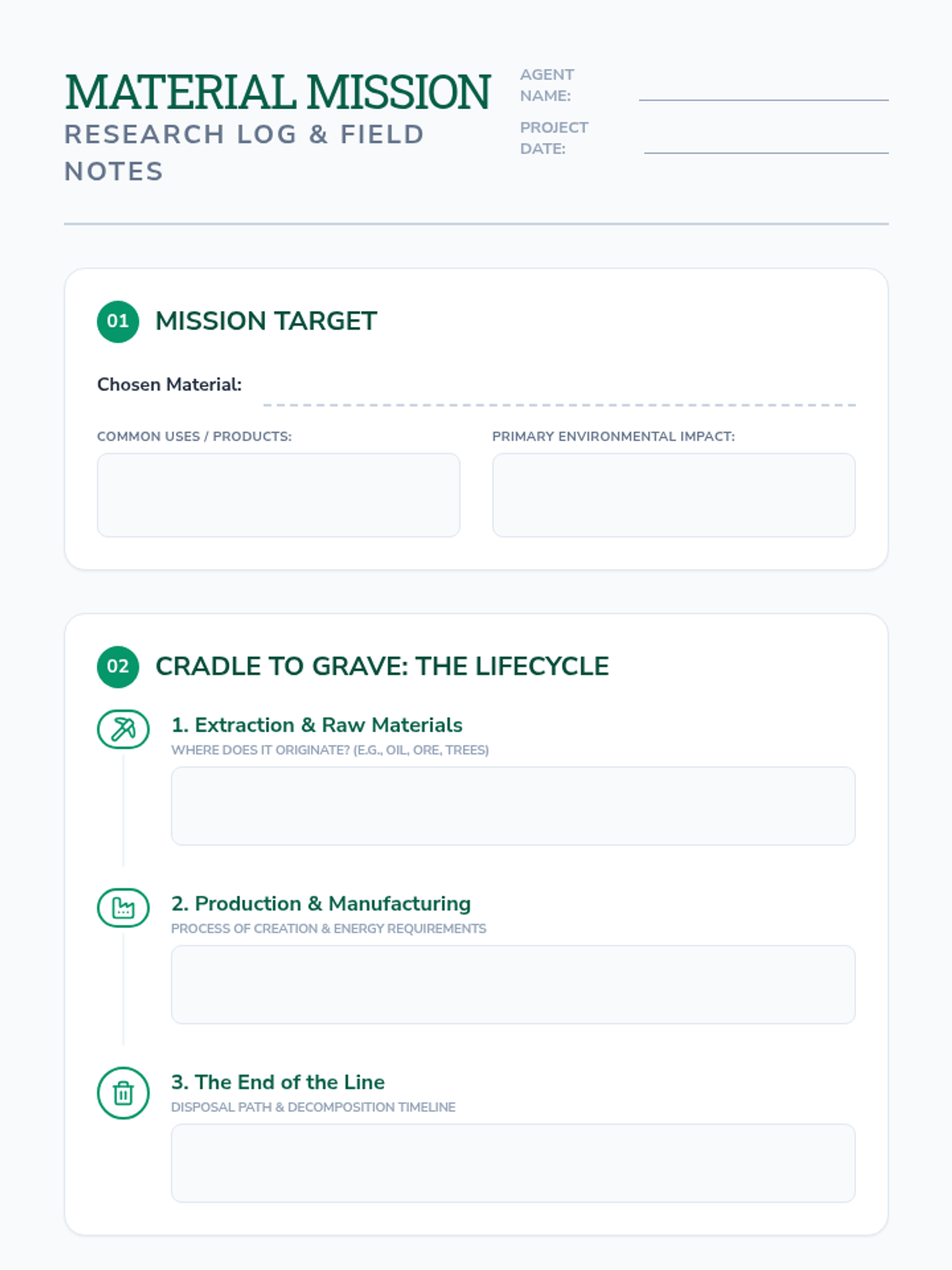
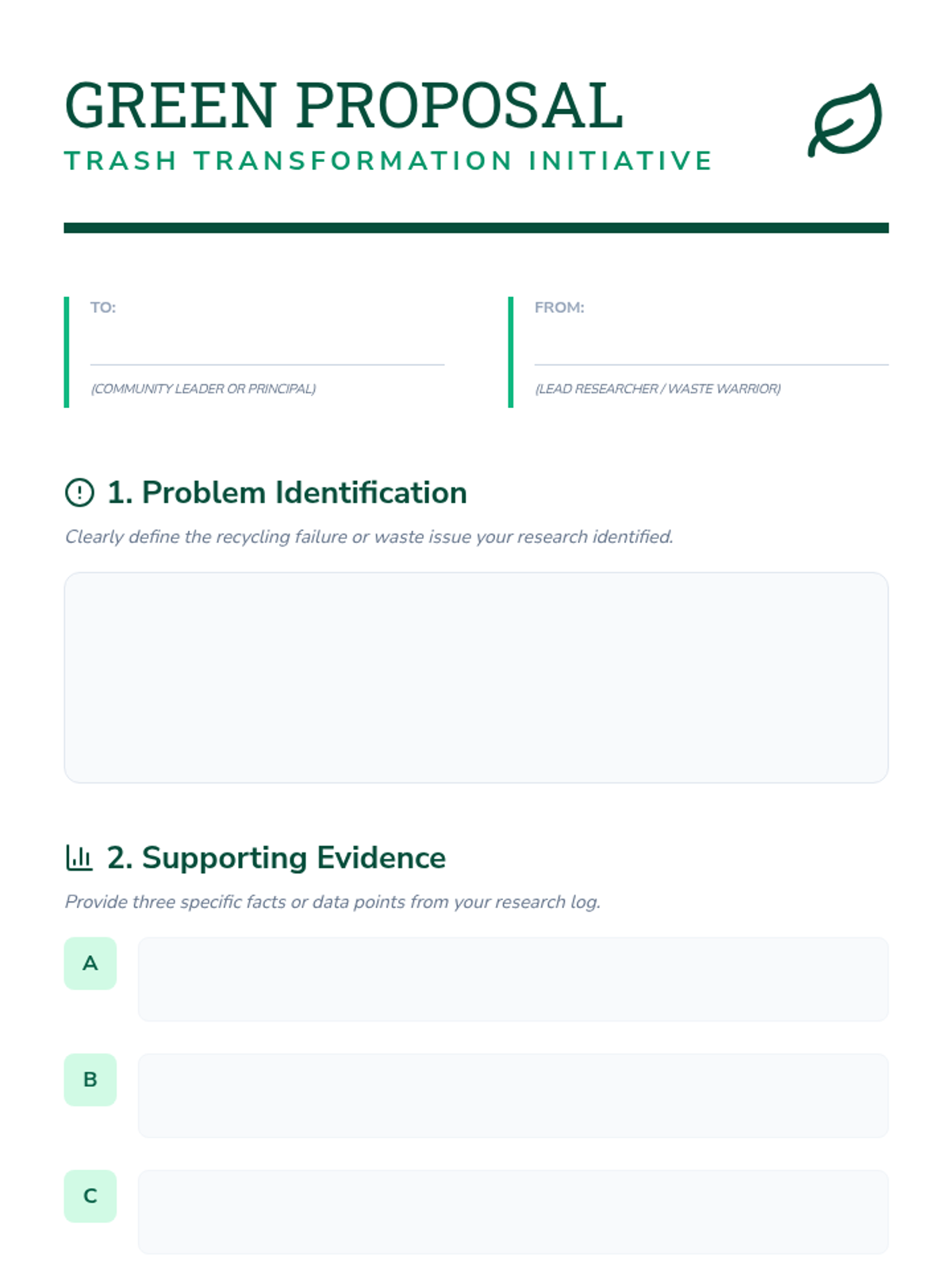
Students investigate the lifecycle of common materials and develop a data-backed proposal to improve local waste management and recycling systems. This lesson scaffolds the research process from initial inquiry to a formal persuasive proposal.
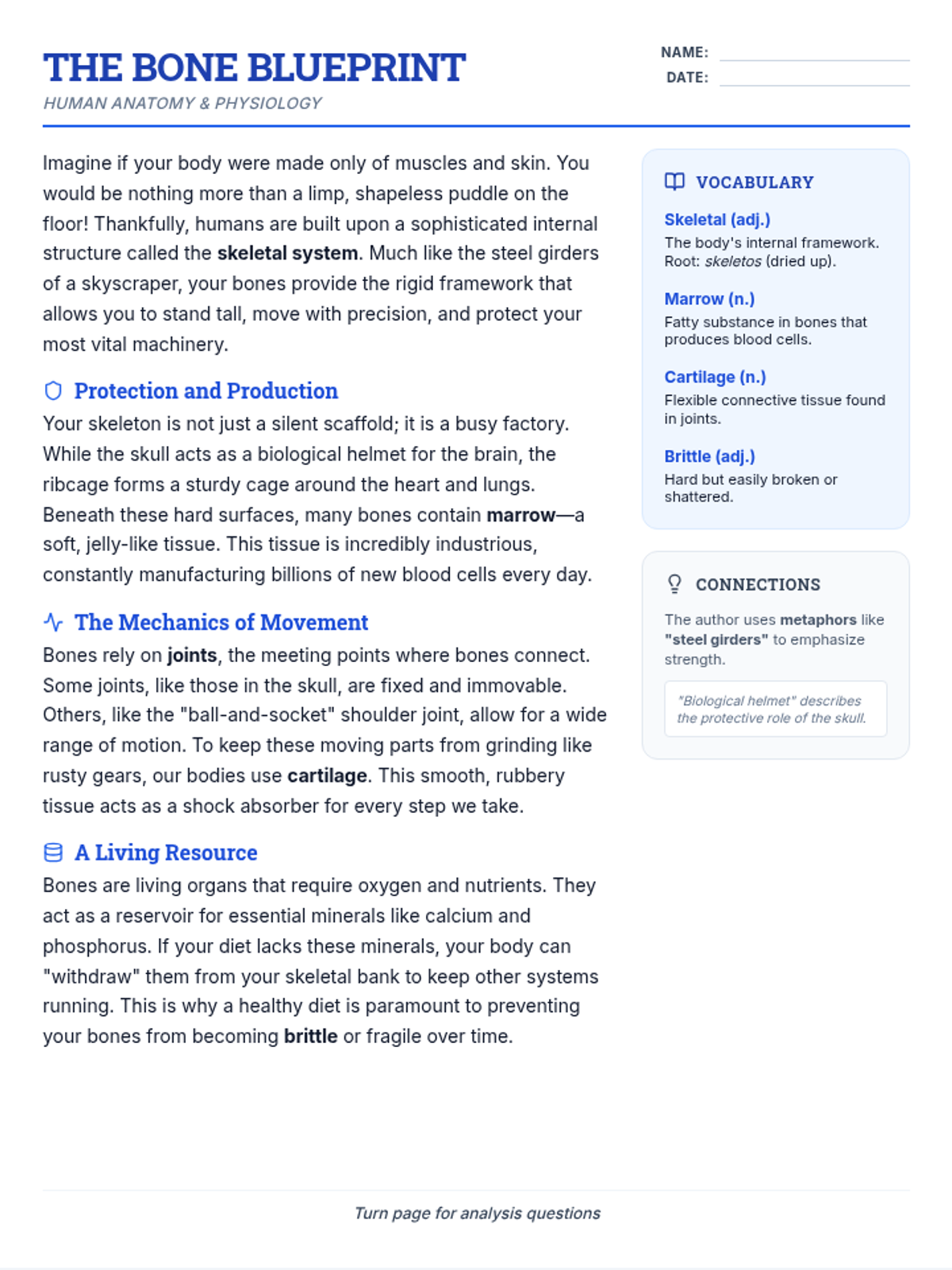
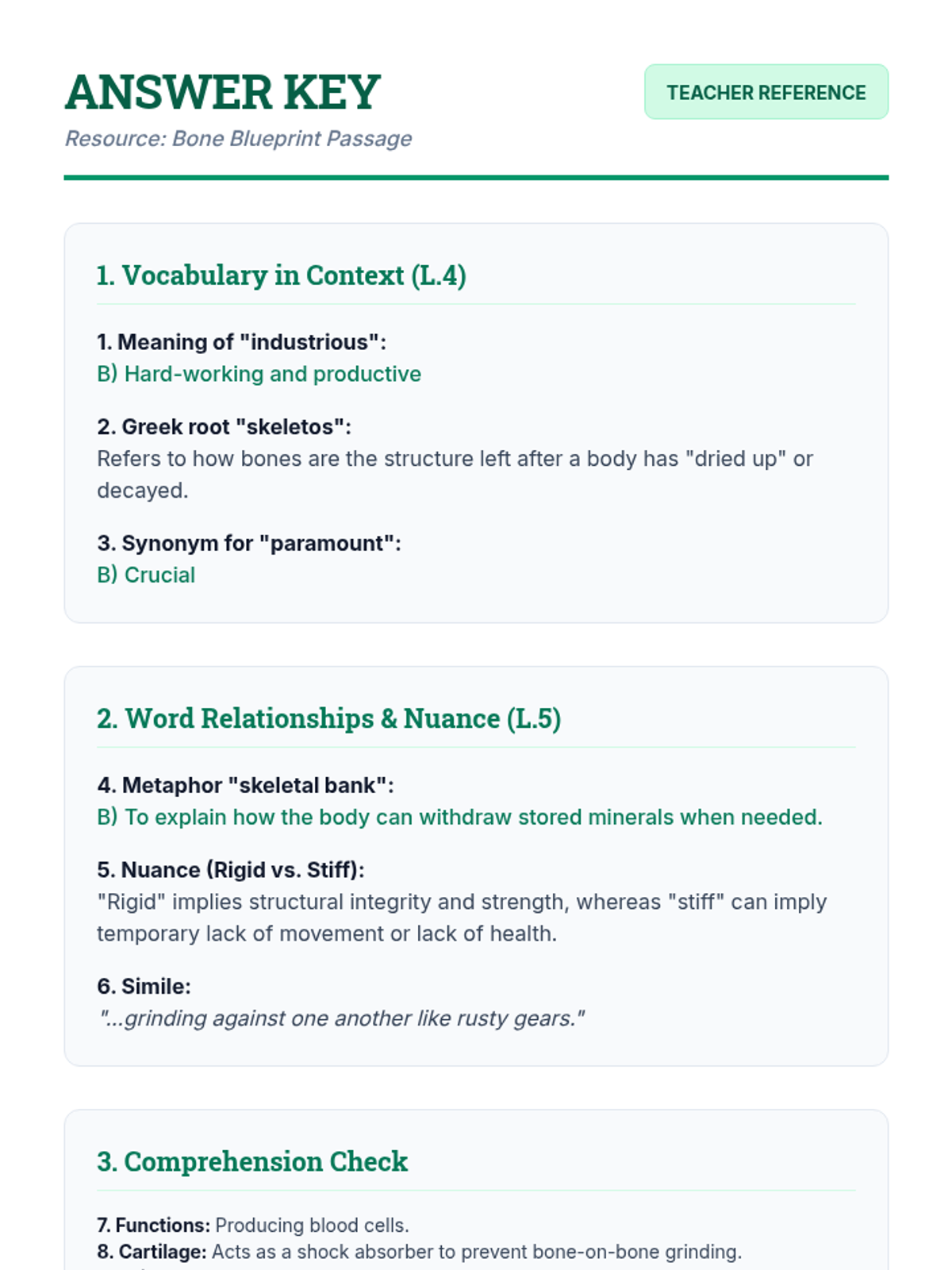
A comprehensive exploration of the skeletal system's structure and function, focusing on domain-specific vocabulary and figurative language. Students will analyze a detailed passage to understand how bones support and protect the human body.
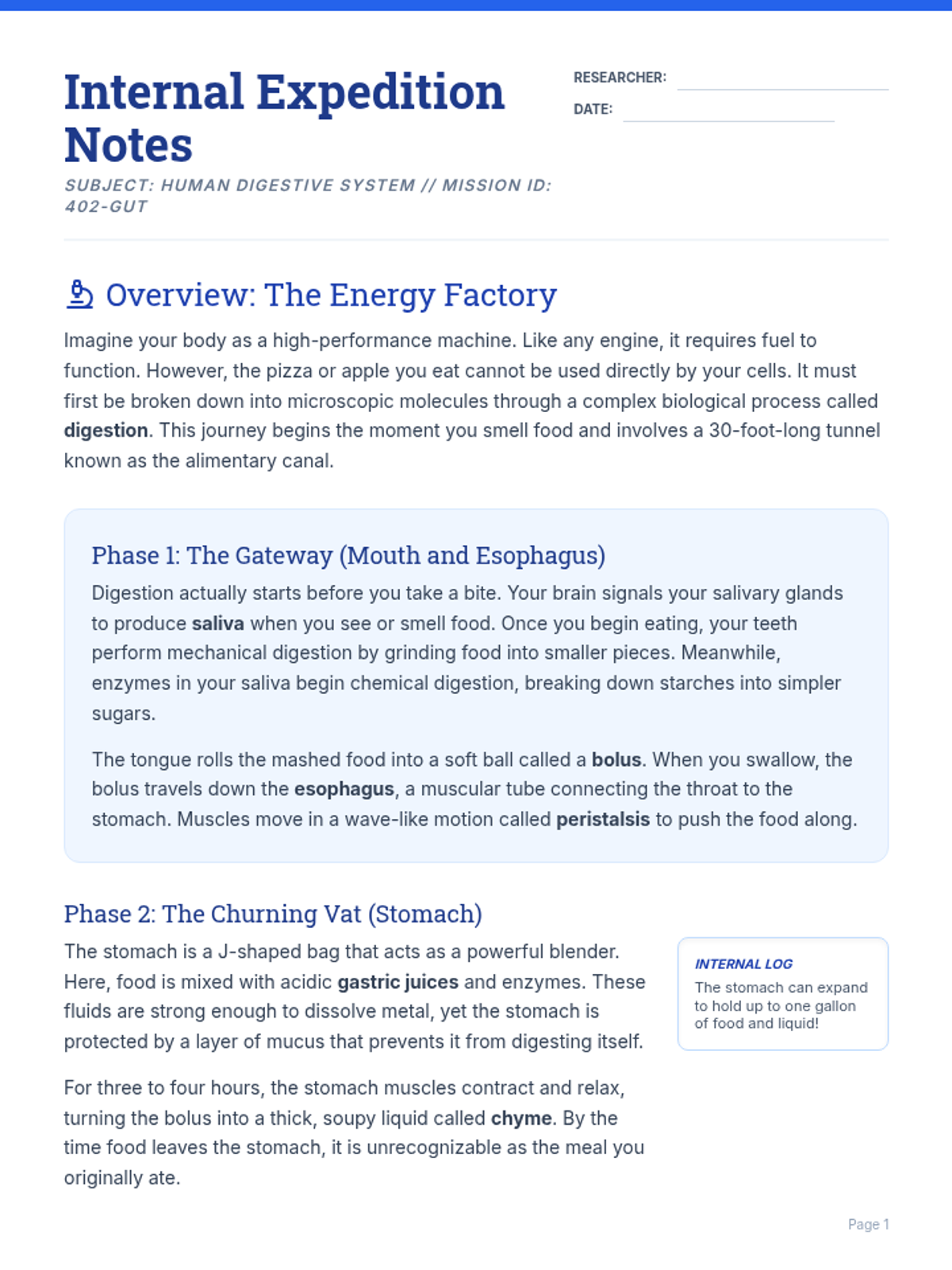
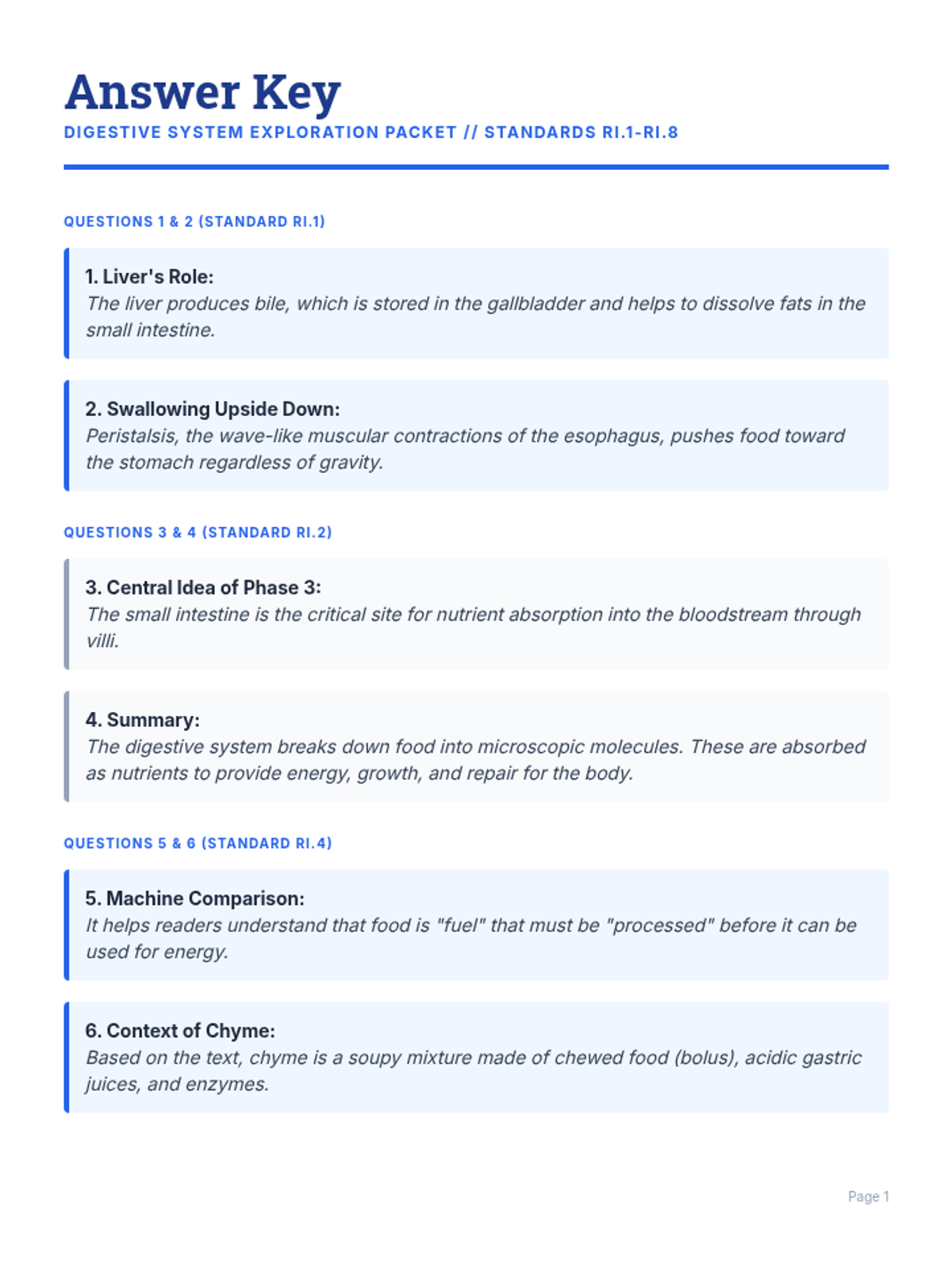
A comprehensive exploration of the human digestive system, focusing on key processes, organ functions, and evidence-based reading comprehension.
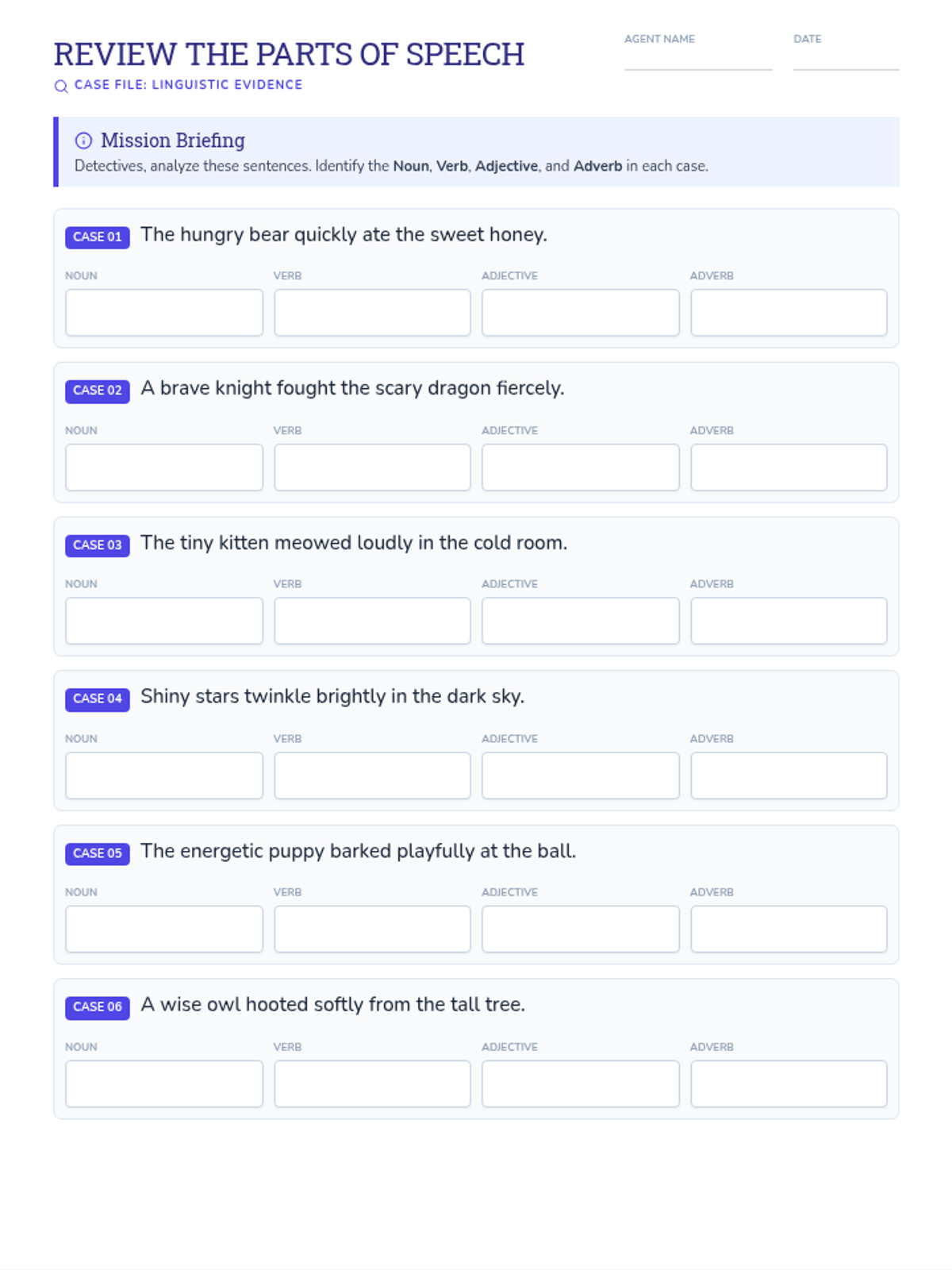
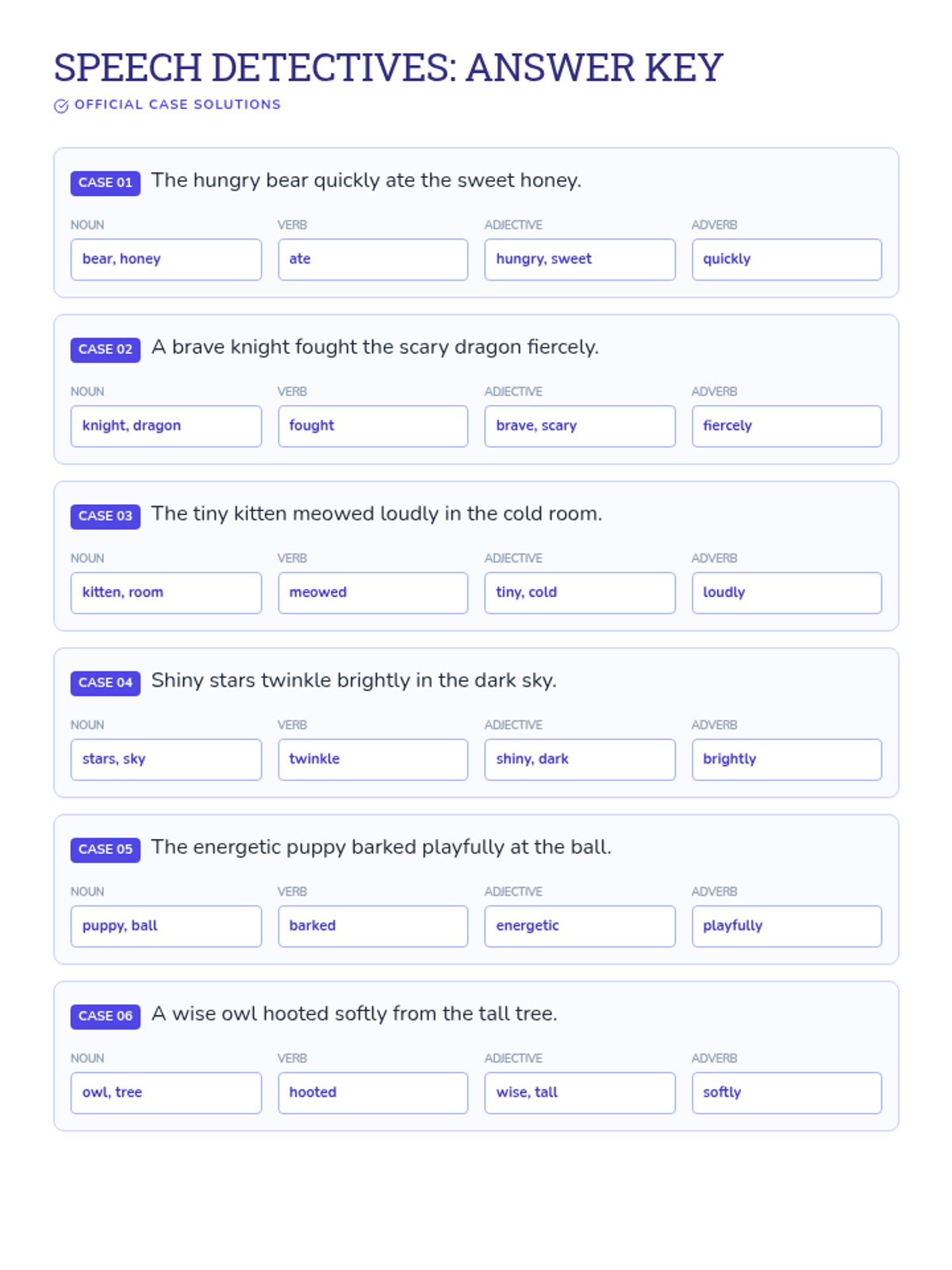
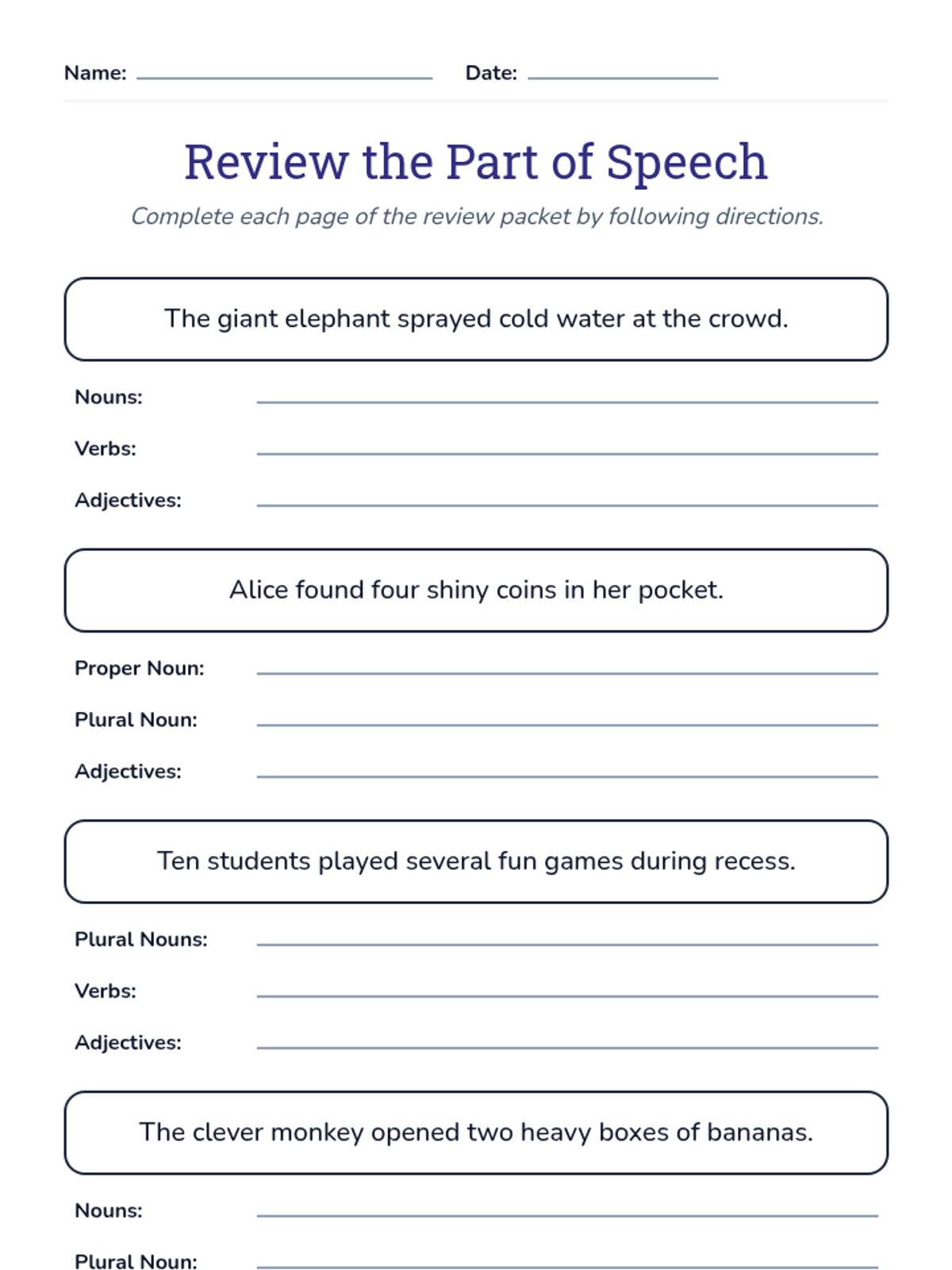
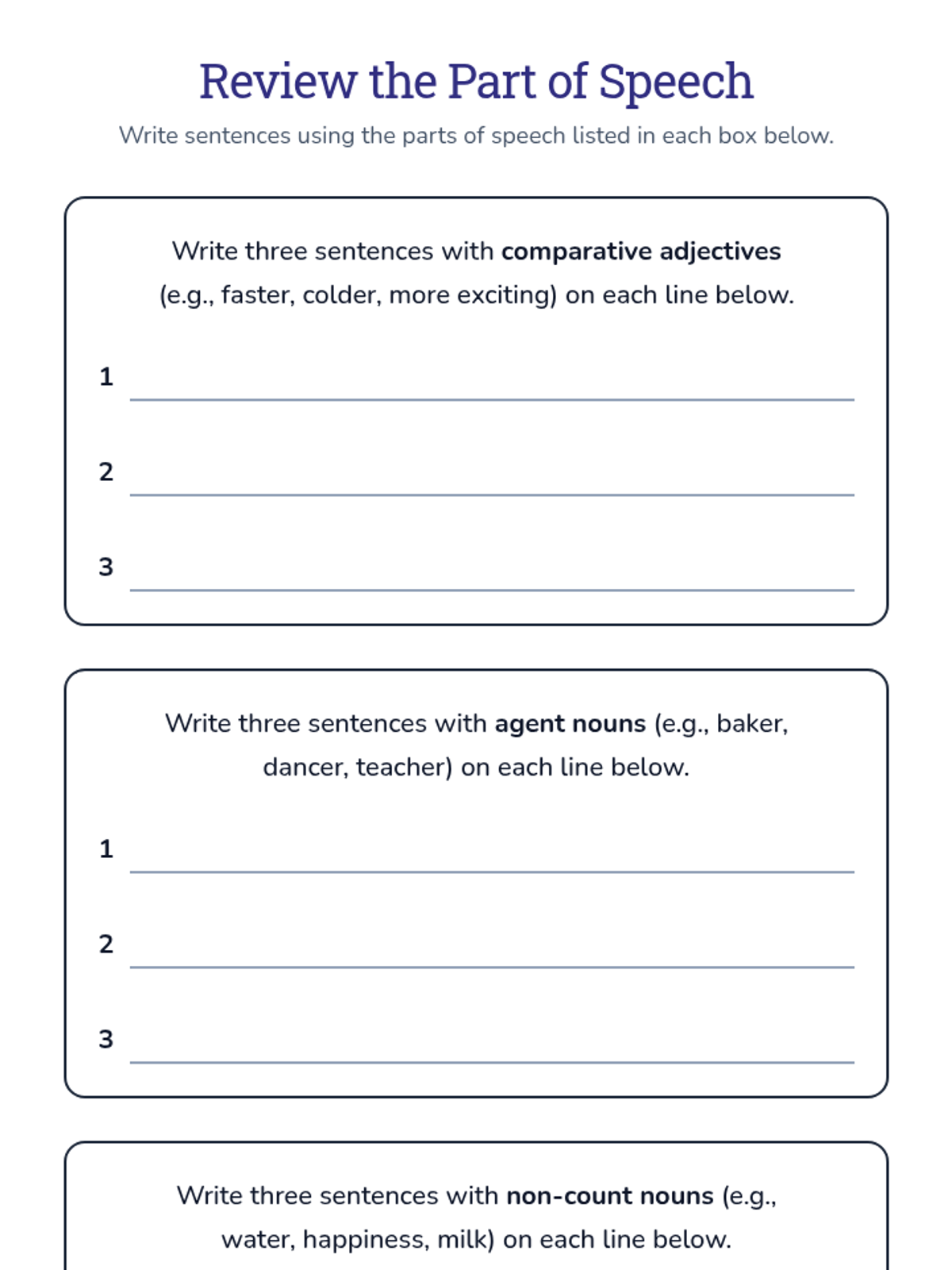
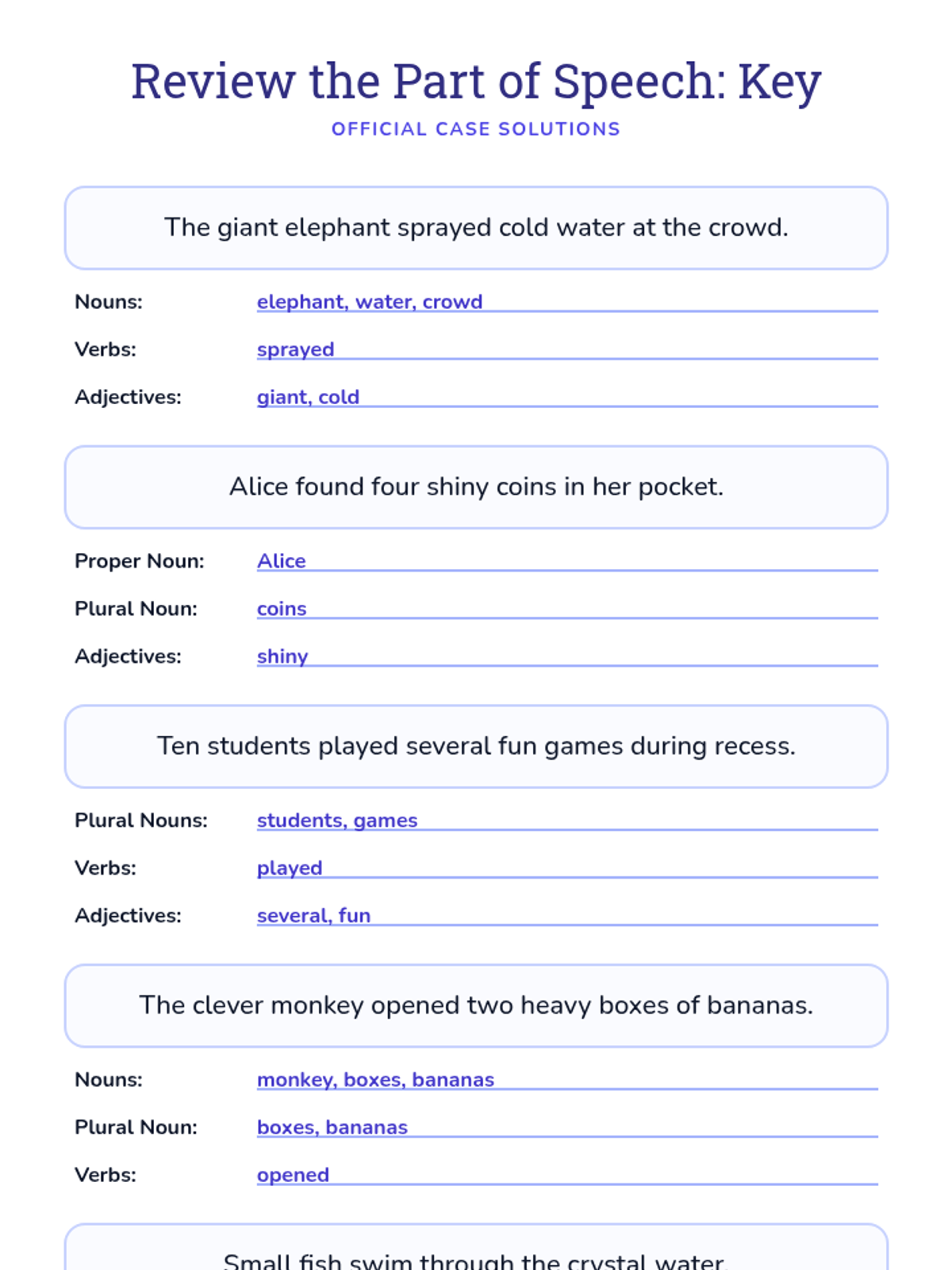
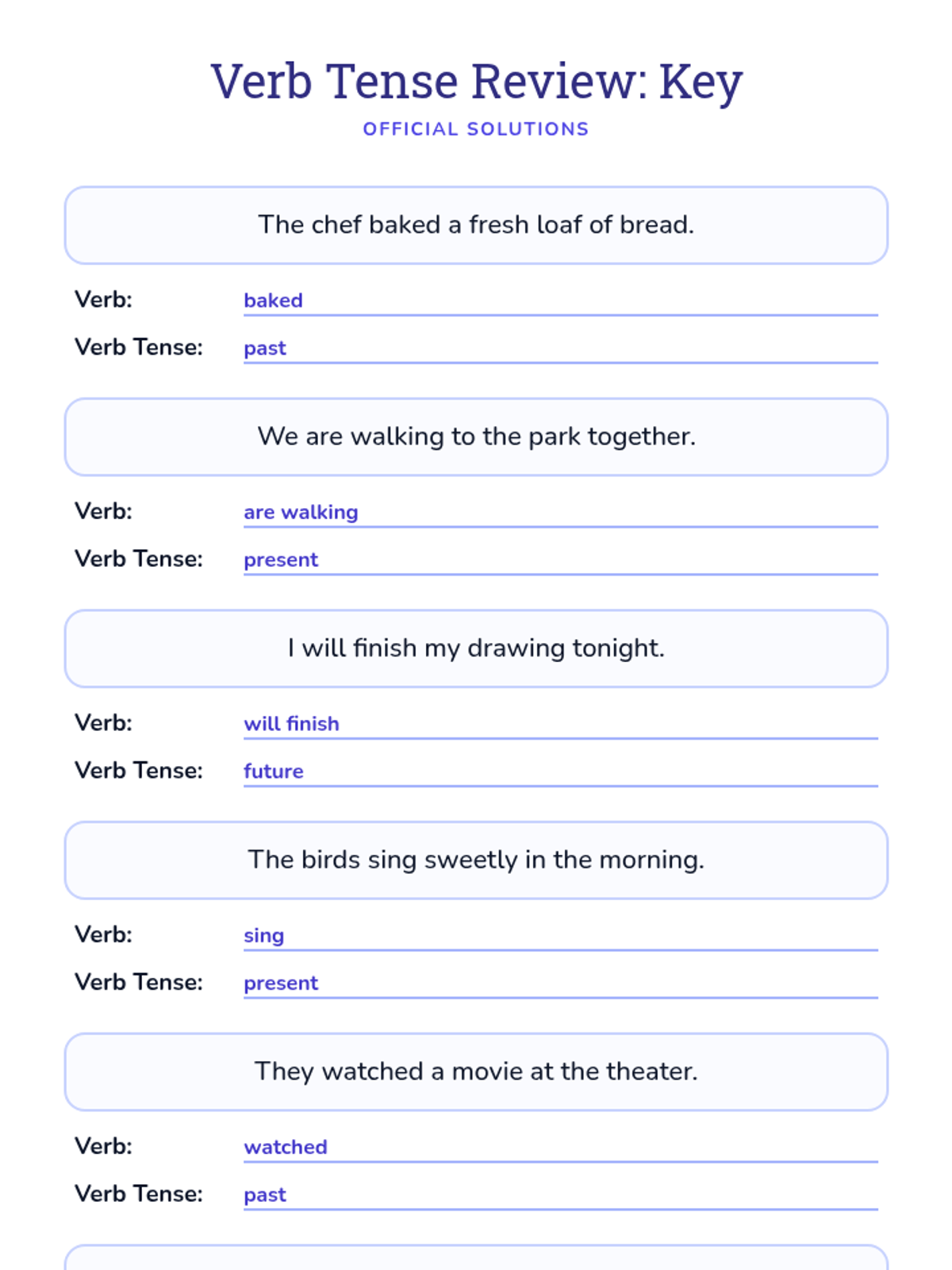
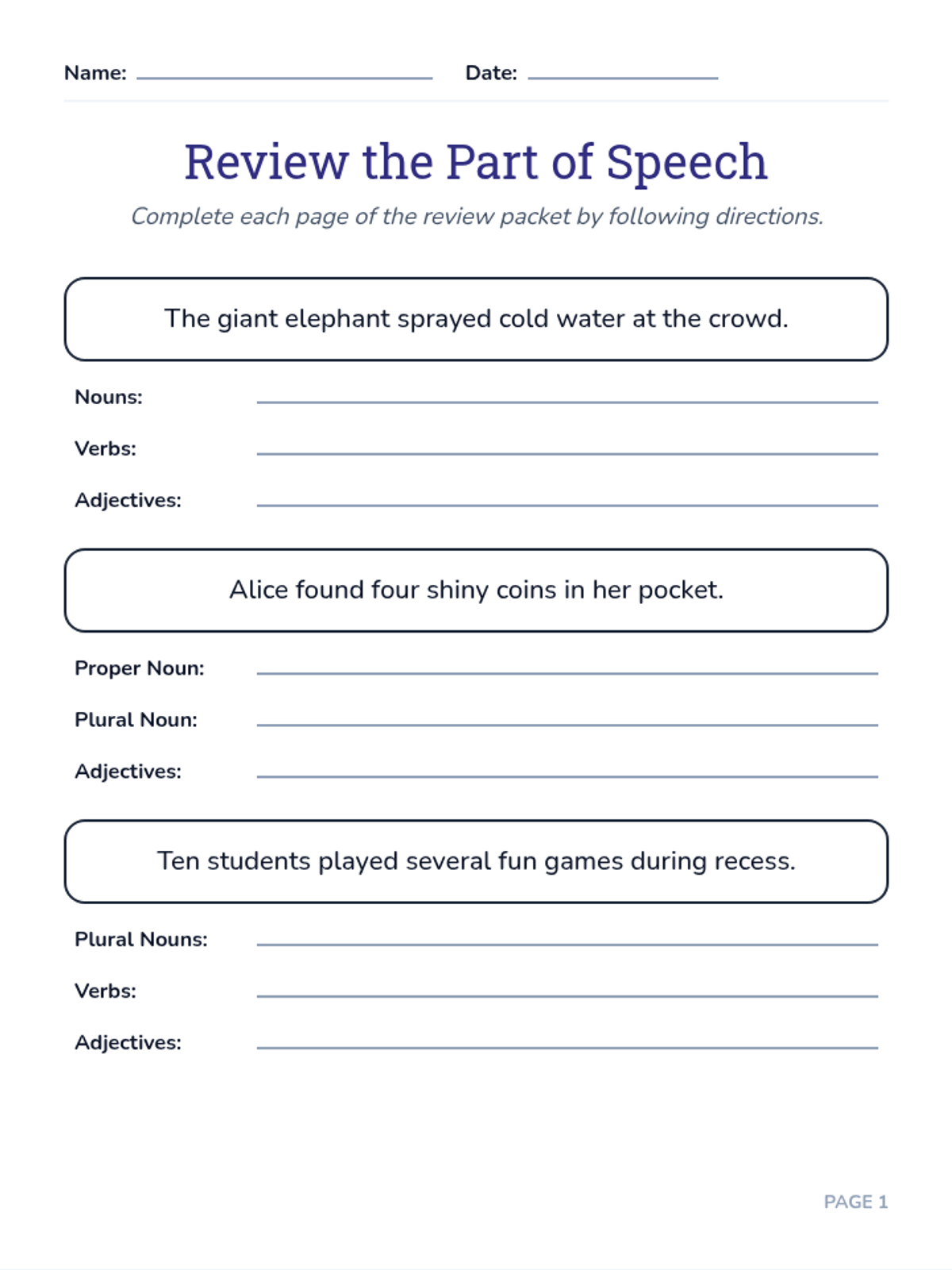
A grammar review lesson where students become 'Speech Detectives' to identify nouns, verbs, adjectives, and adverbs in complex sentences. This lesson focuses on the functional application of parts of speech in context.
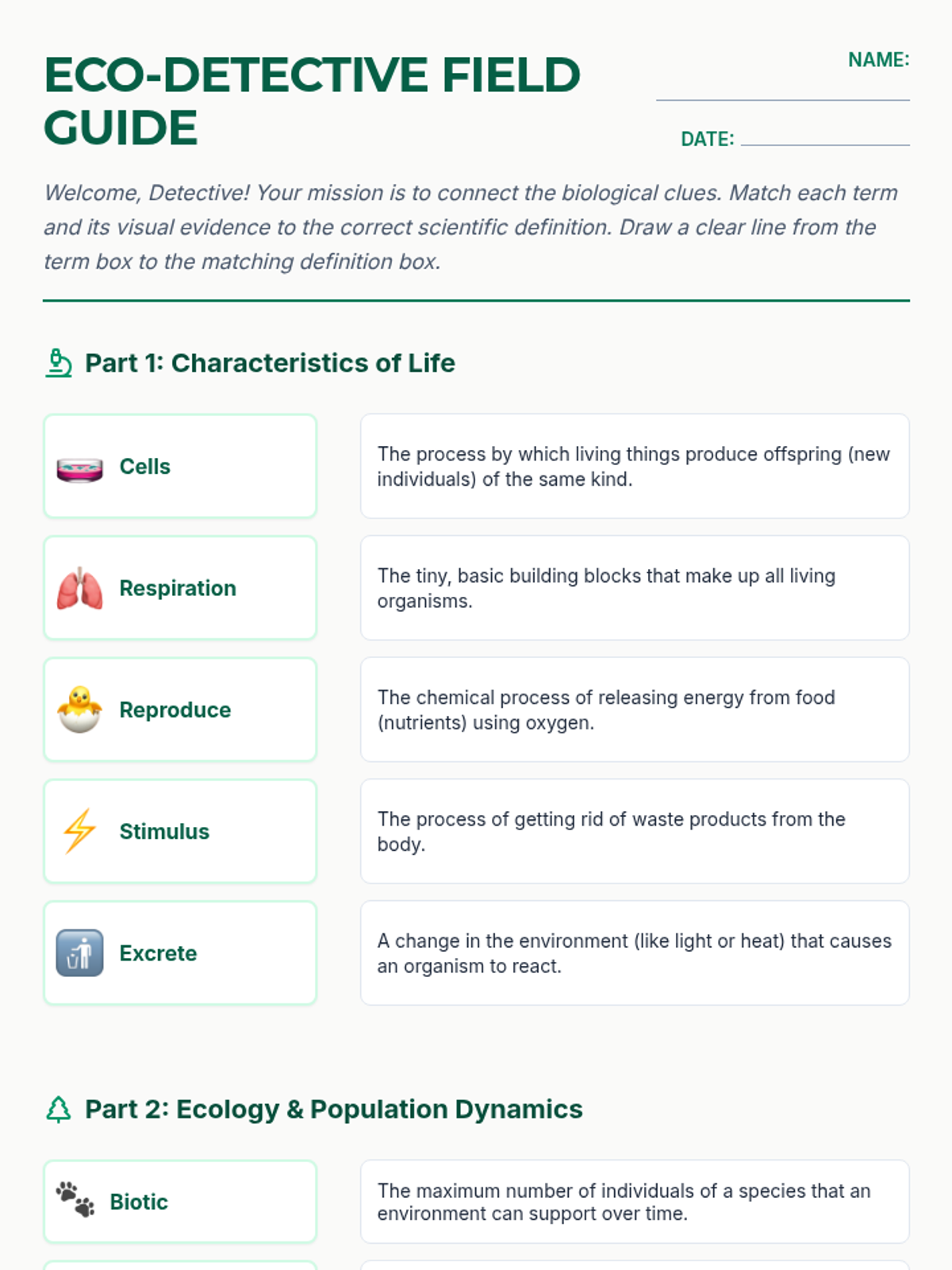
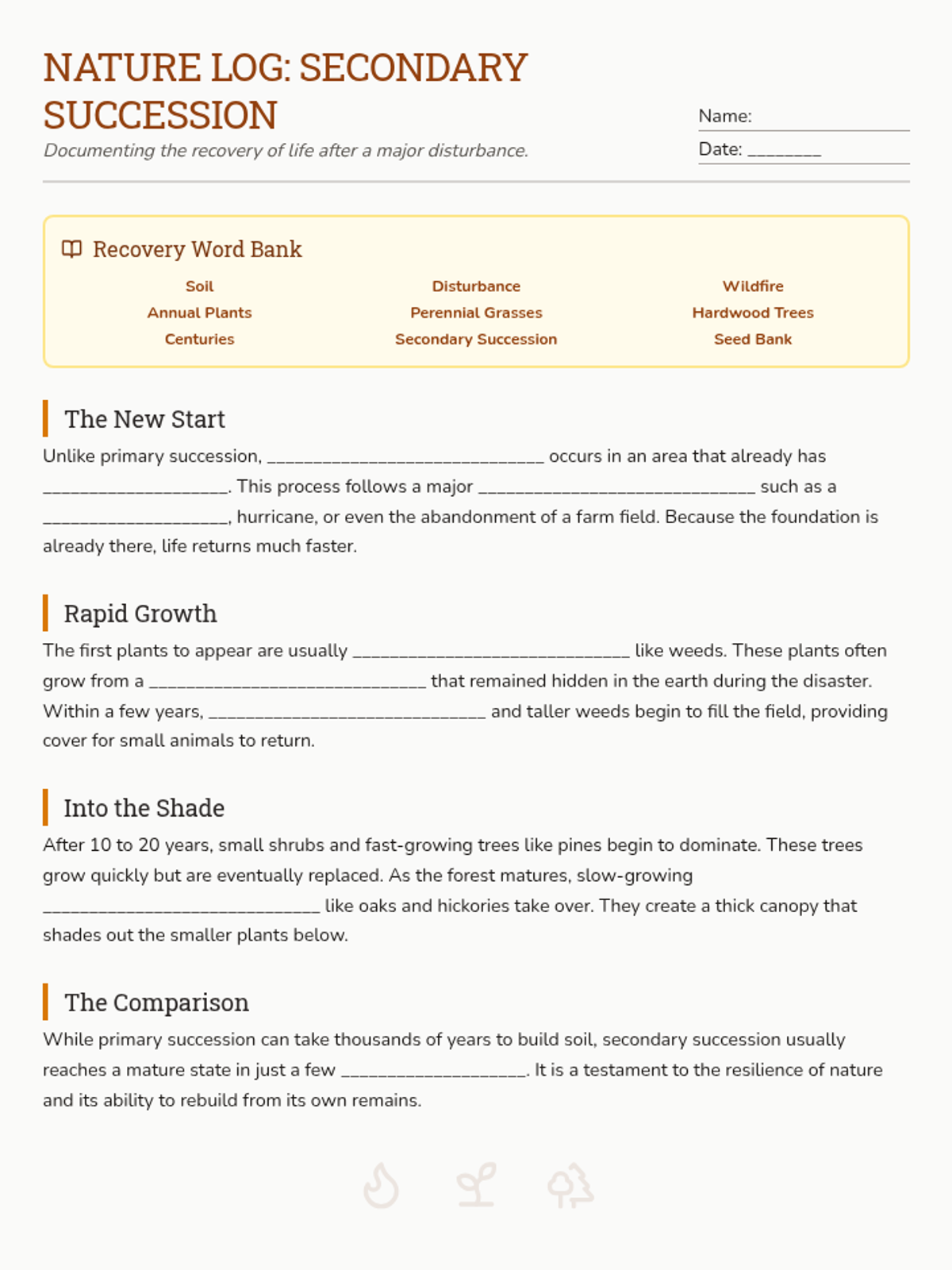
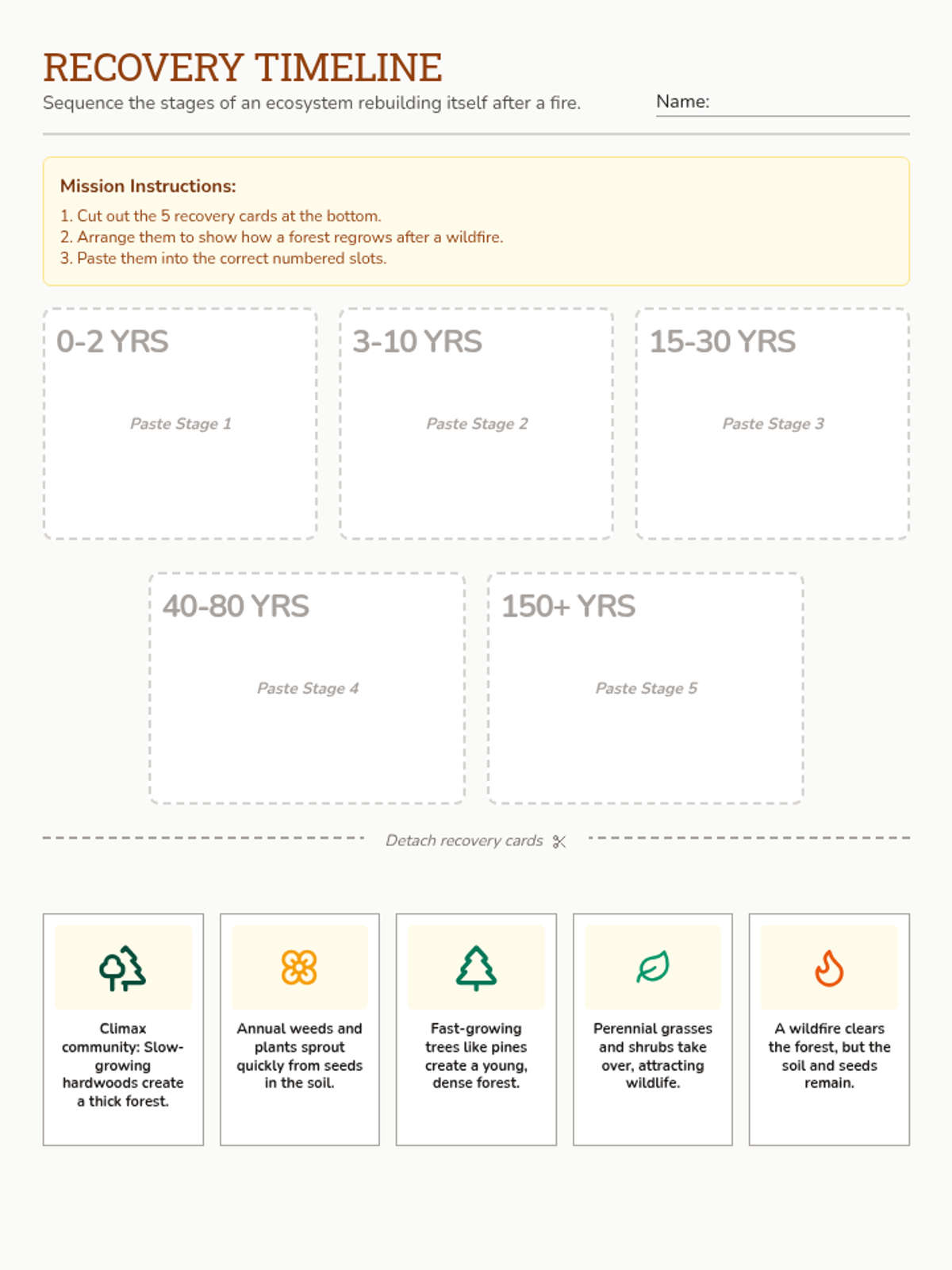
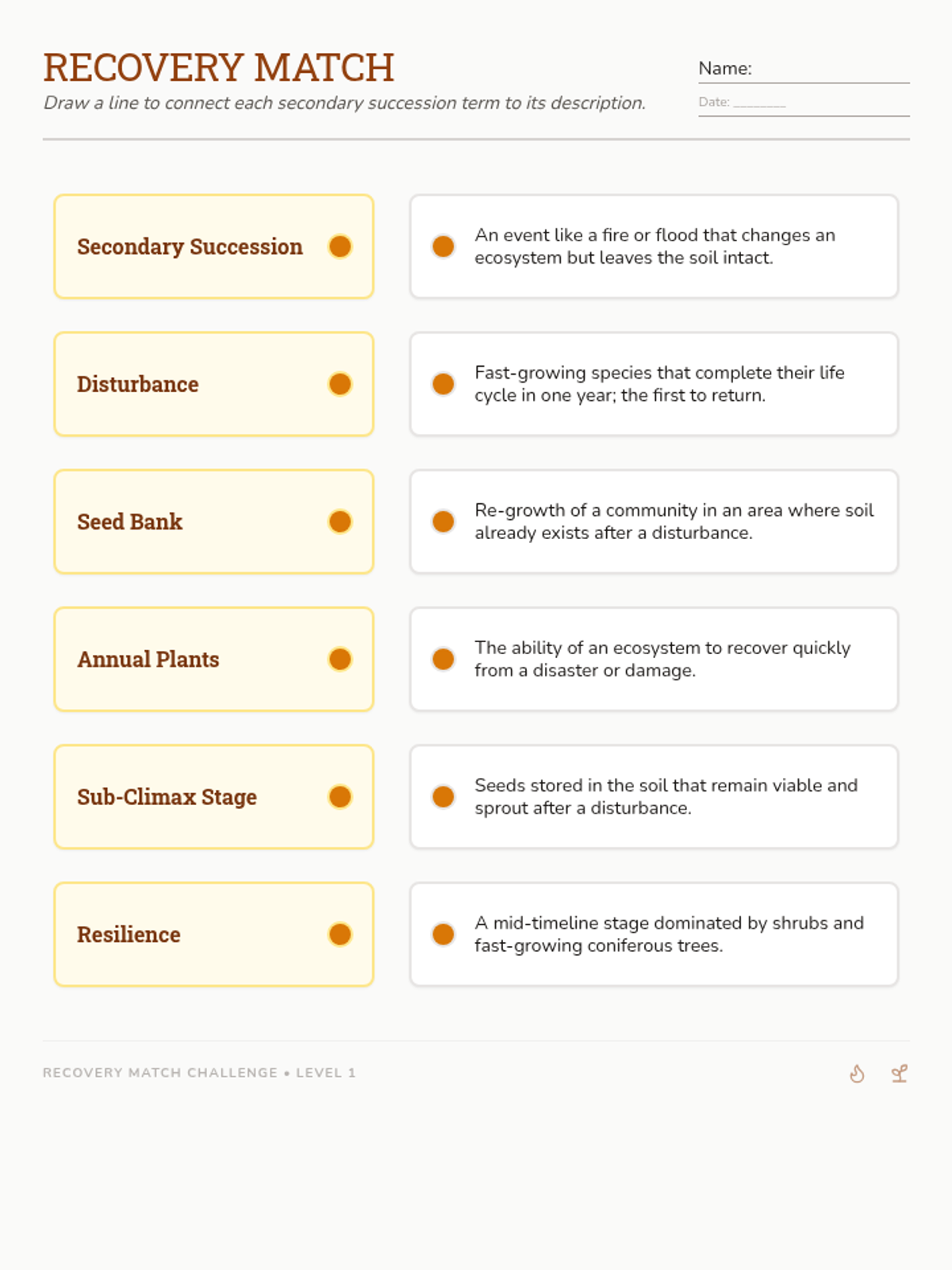
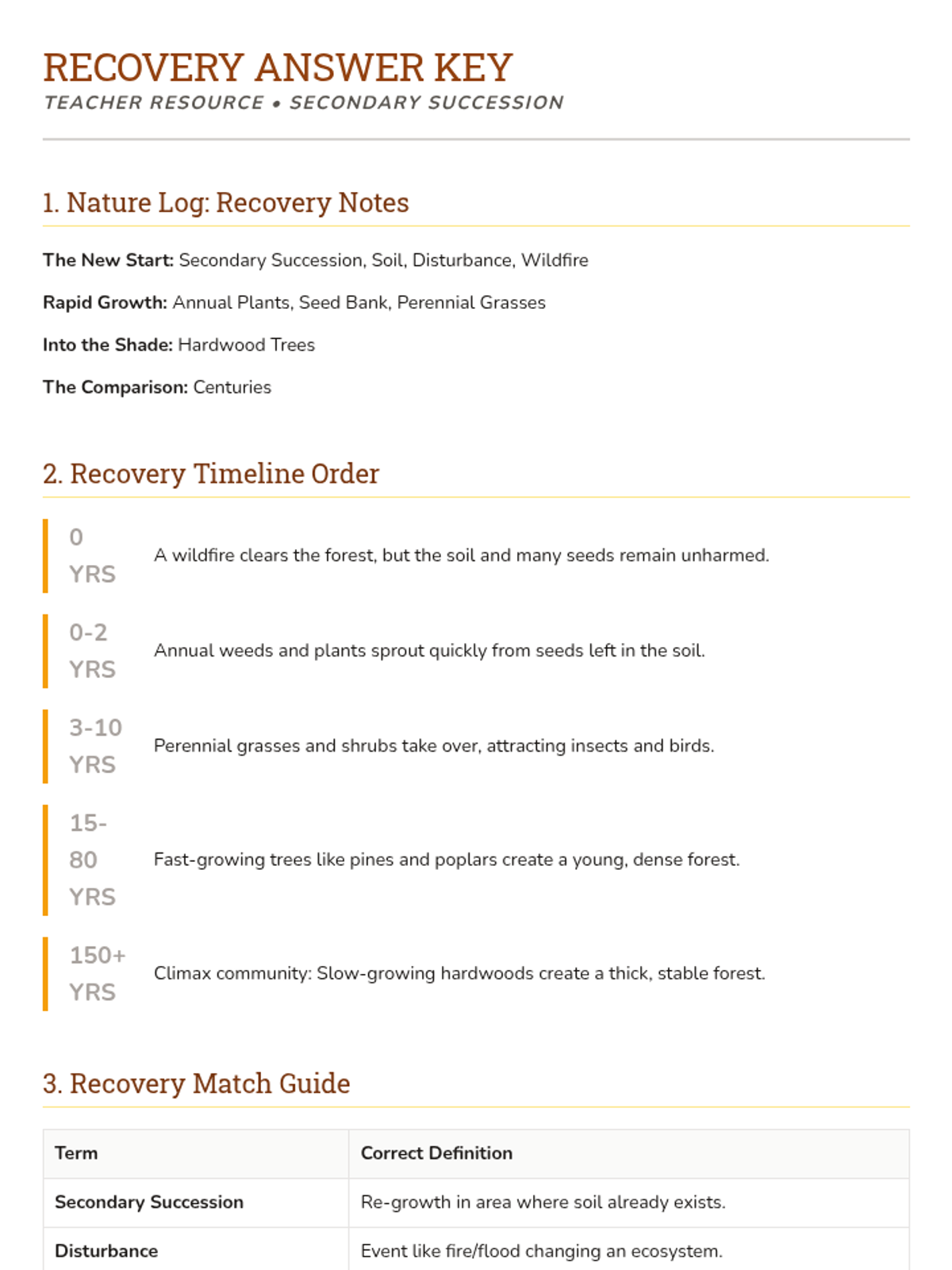
A lesson on secondary succession, focusing on how ecosystems recover after disturbances like fire or farming when soil is already present.
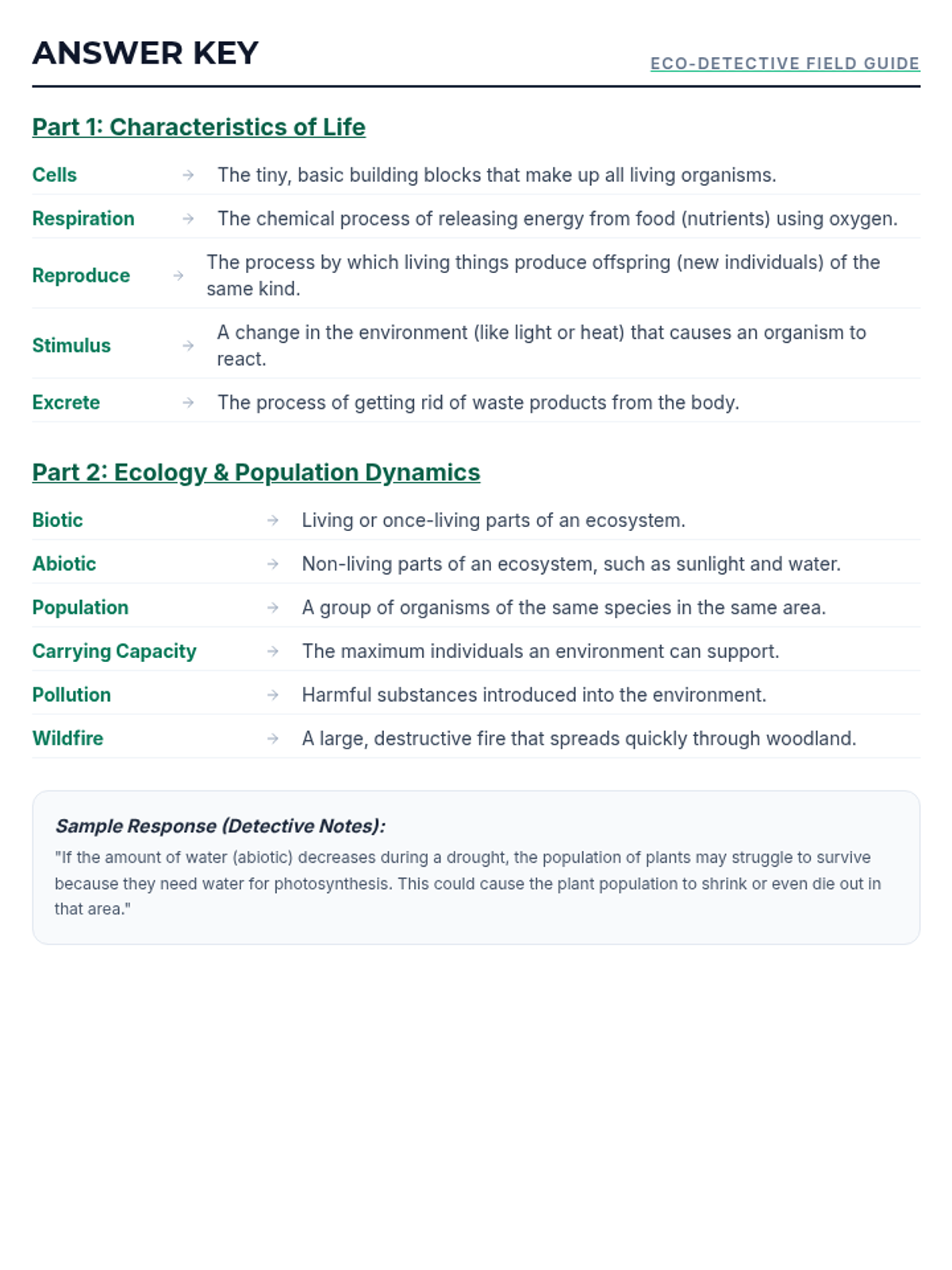
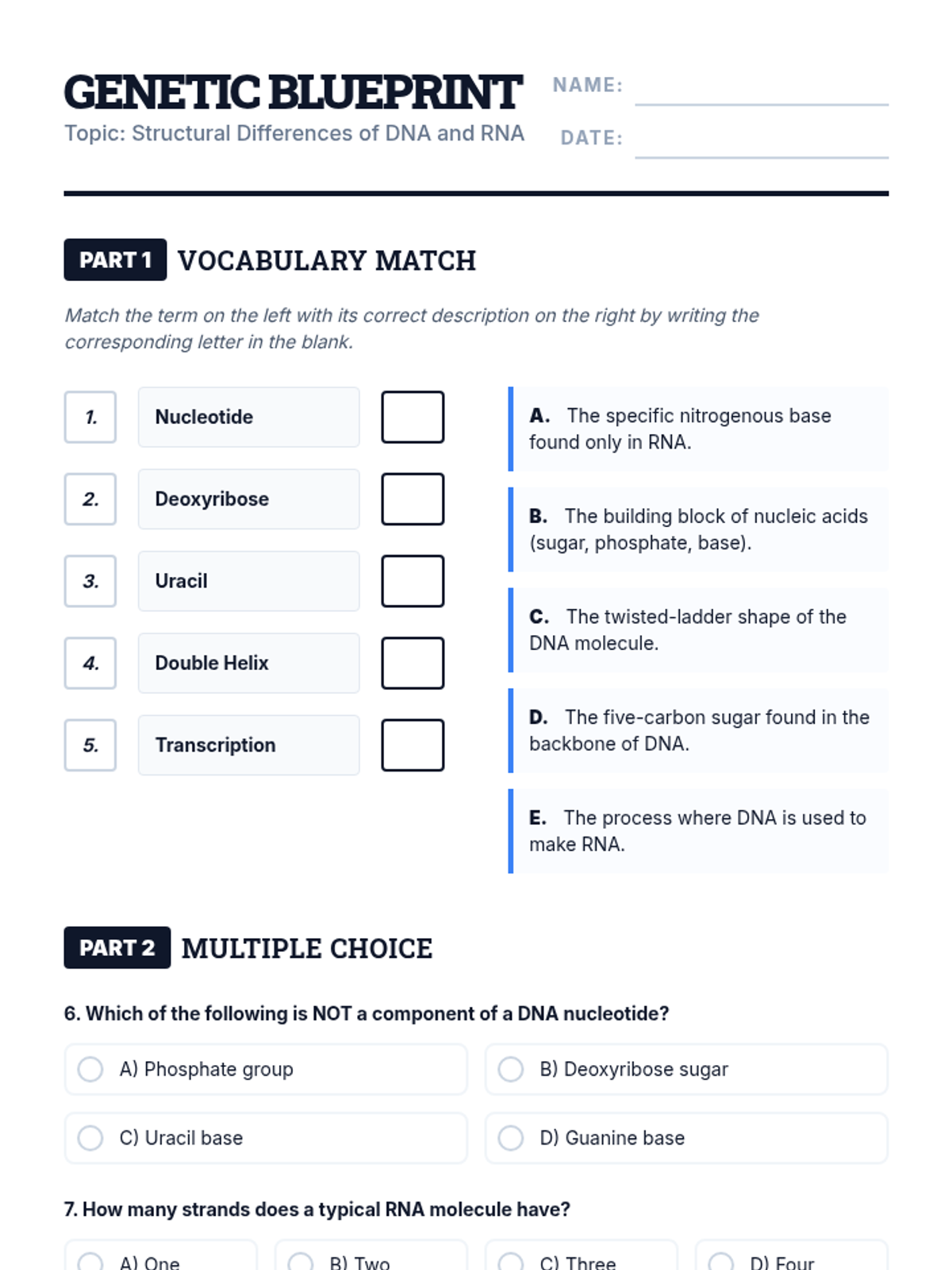
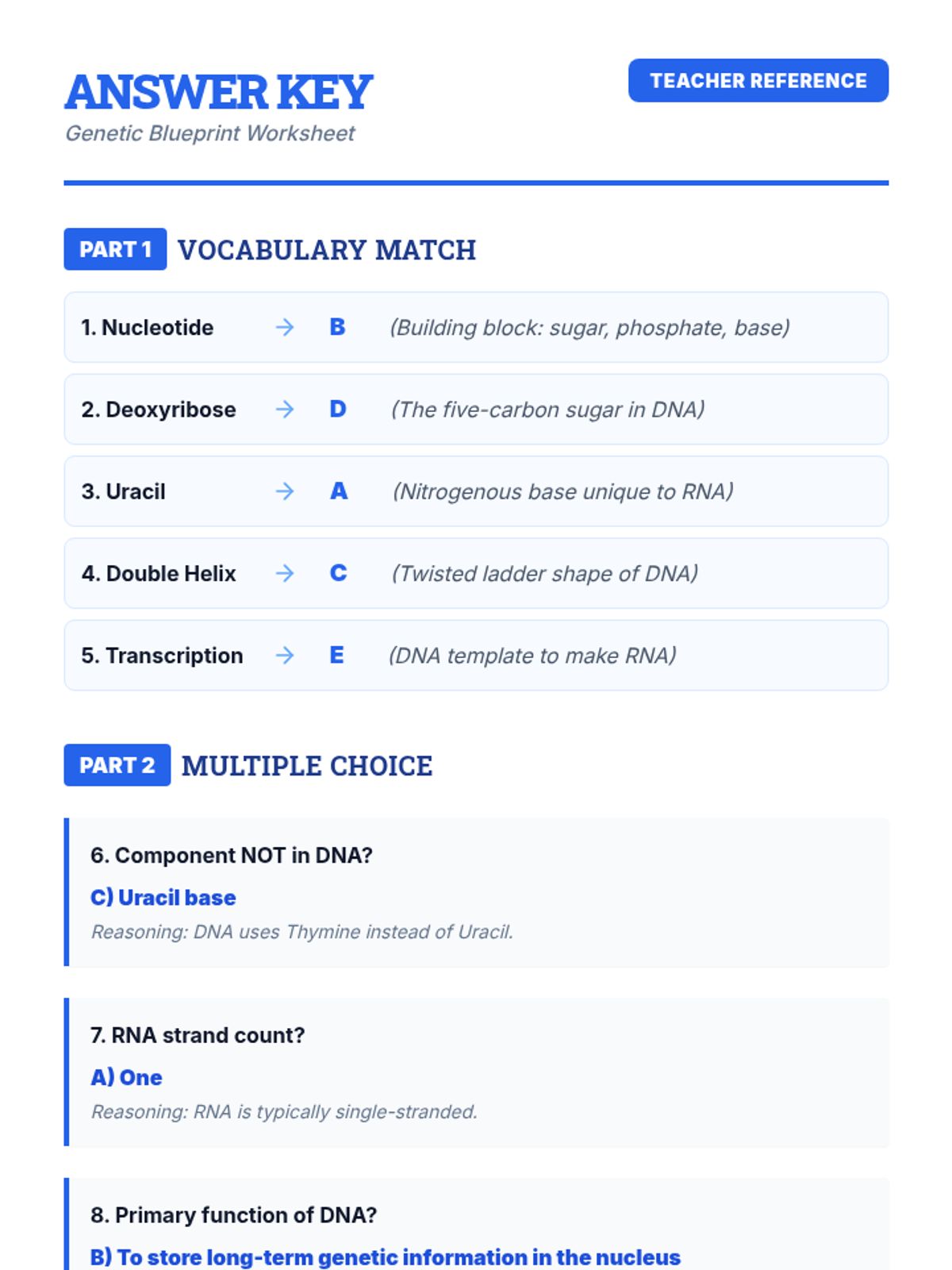
A lesson exploring the structural and functional differences between DNA and RNA, focusing on molecular components and their roles in genetic expression.
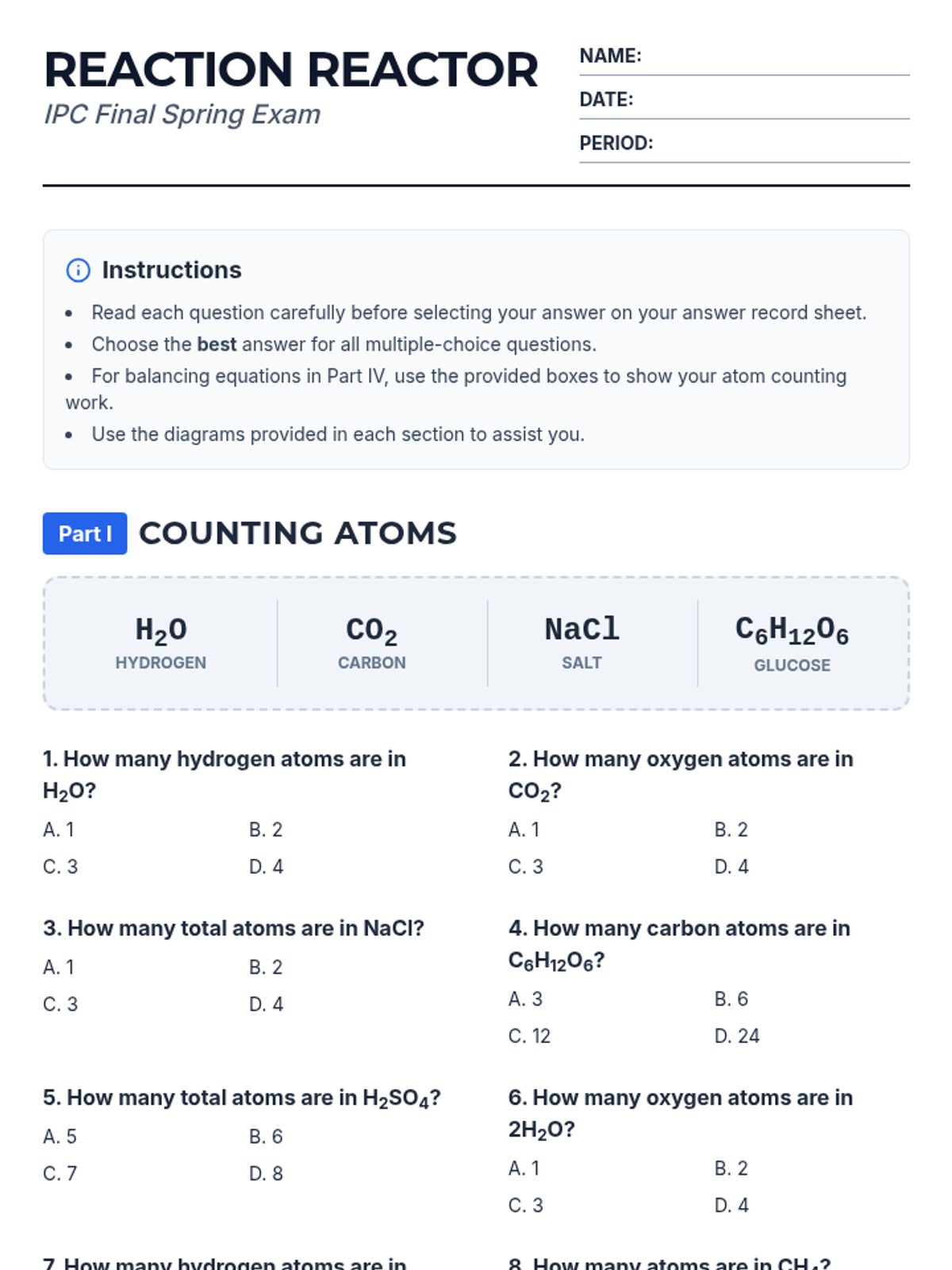
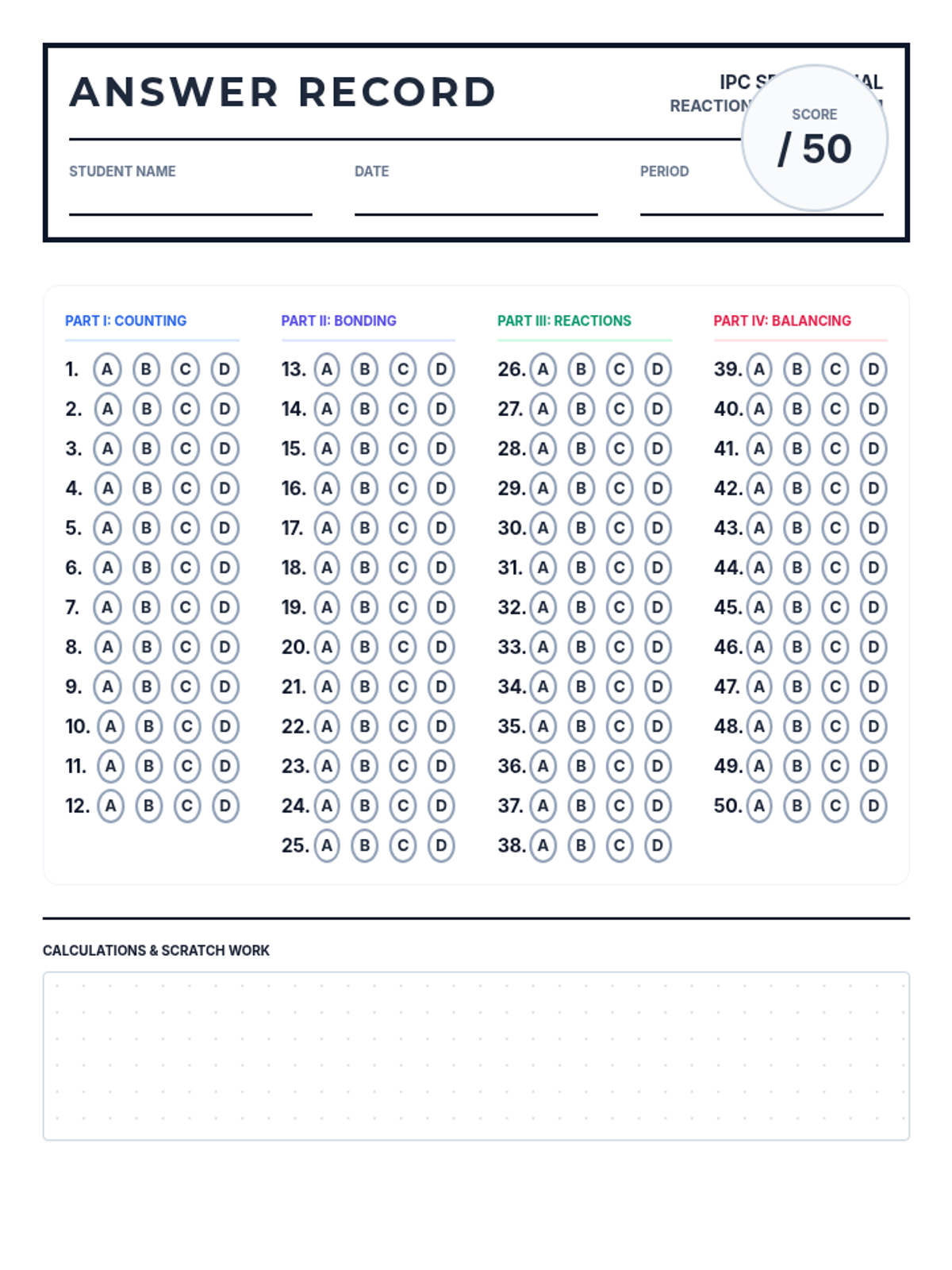
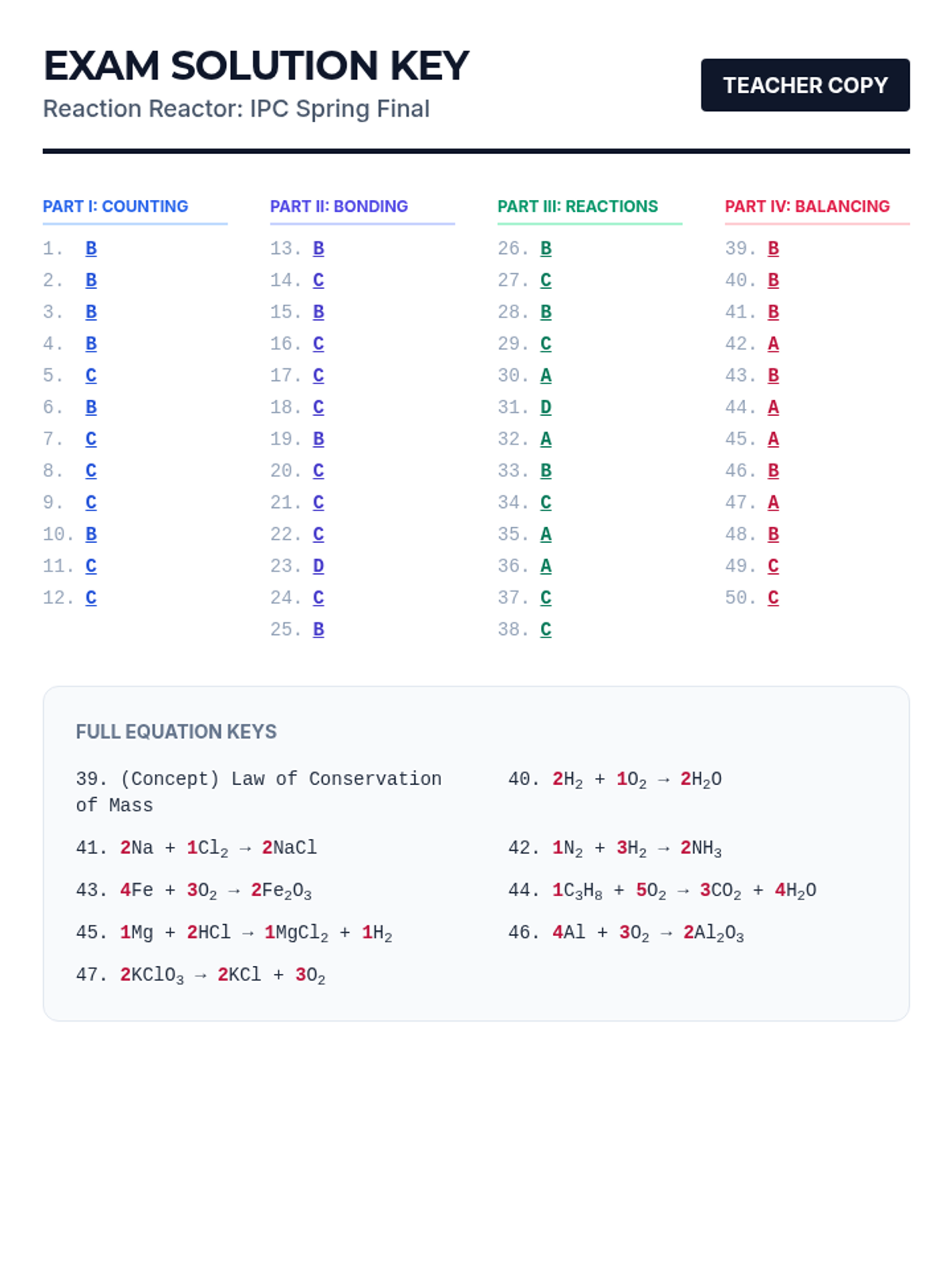
A comprehensive IPC chemistry final exam lesson covering counting atoms, bonding, reactions, and balancing equations. Includes the exam, student answer sheet, and teacher key.
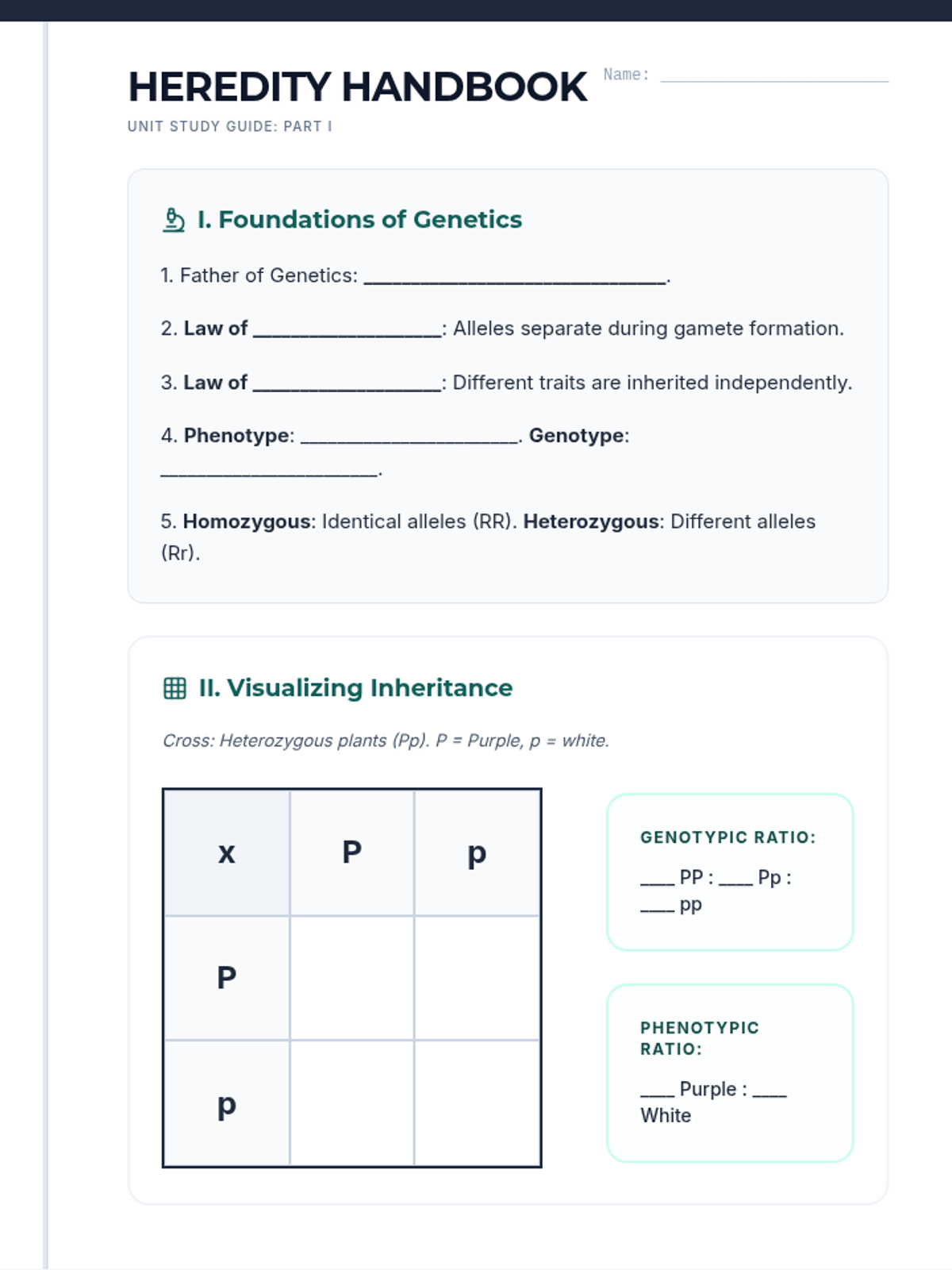
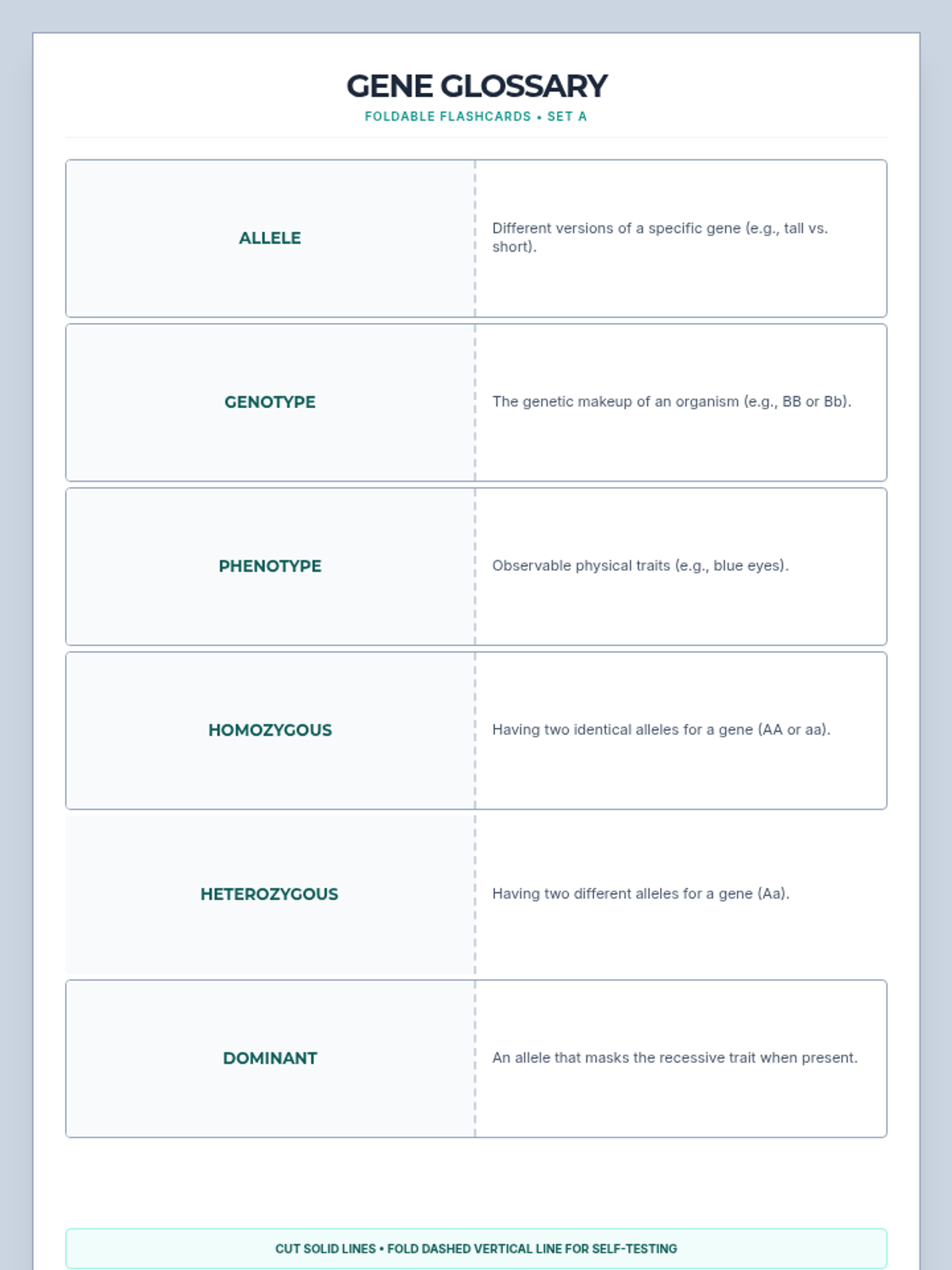
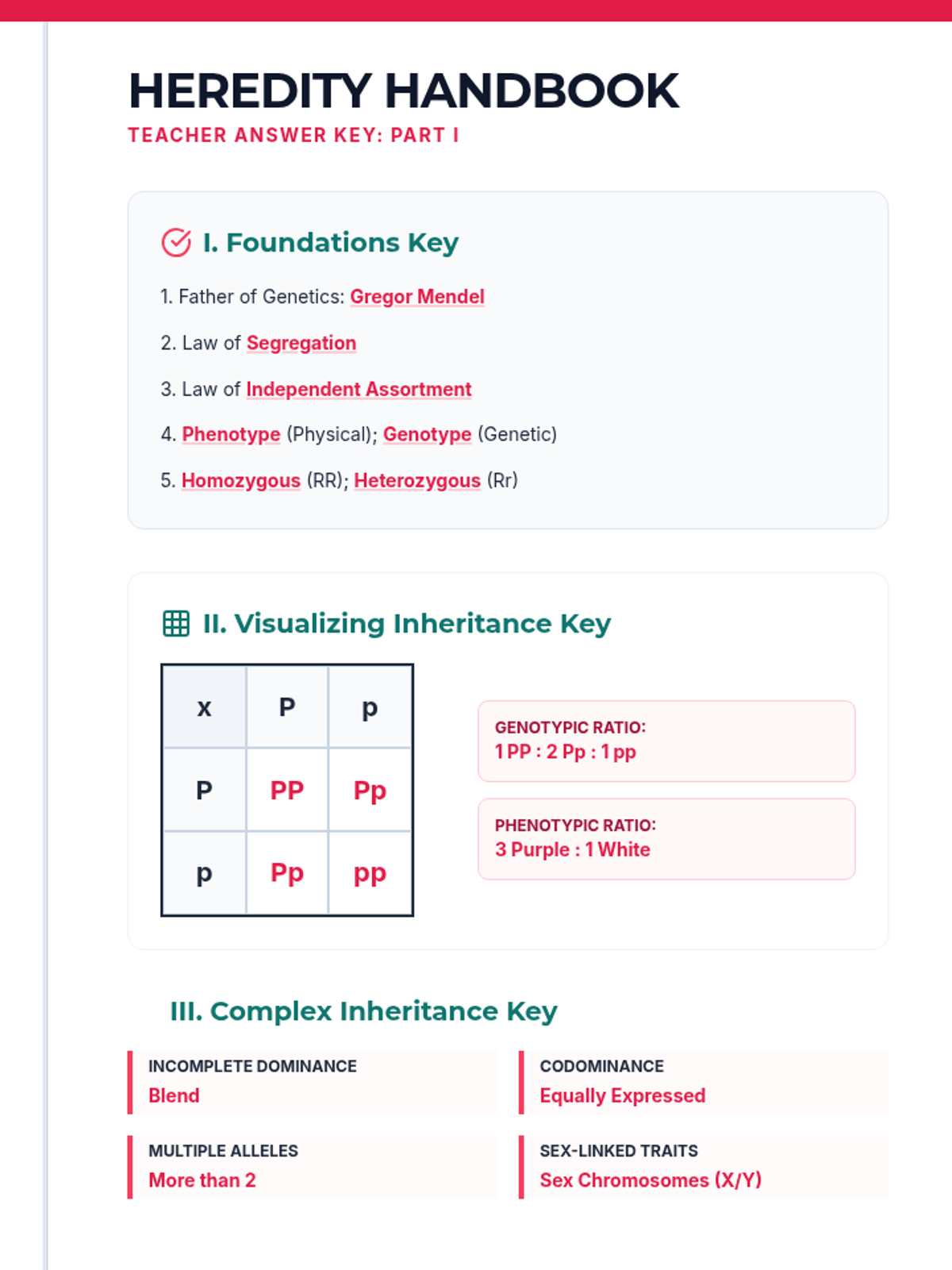
A comprehensive study unit covering the principles of Mendelian and Non-Mendelian inheritance, alongside practical pedigree analysis tools.
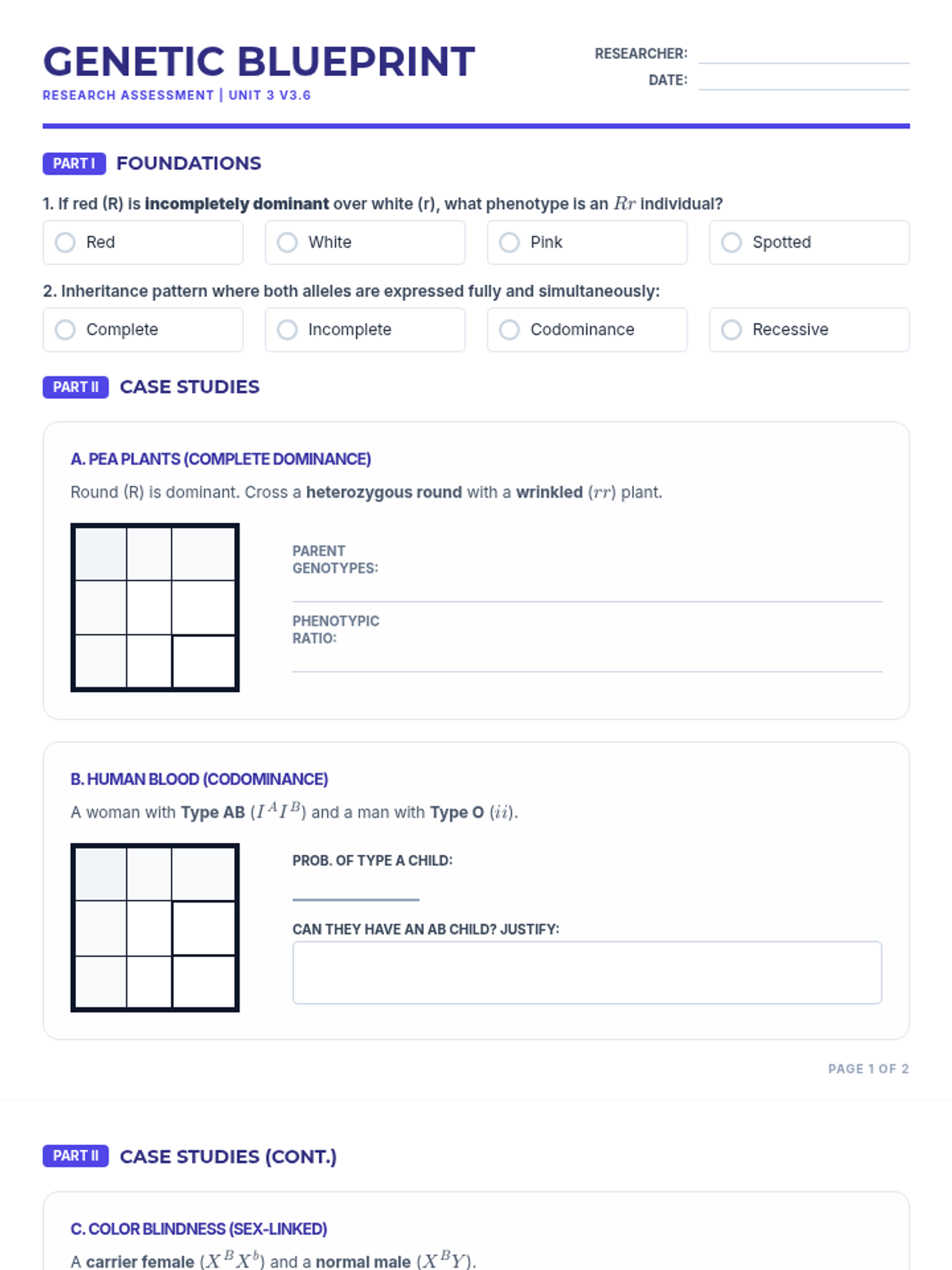
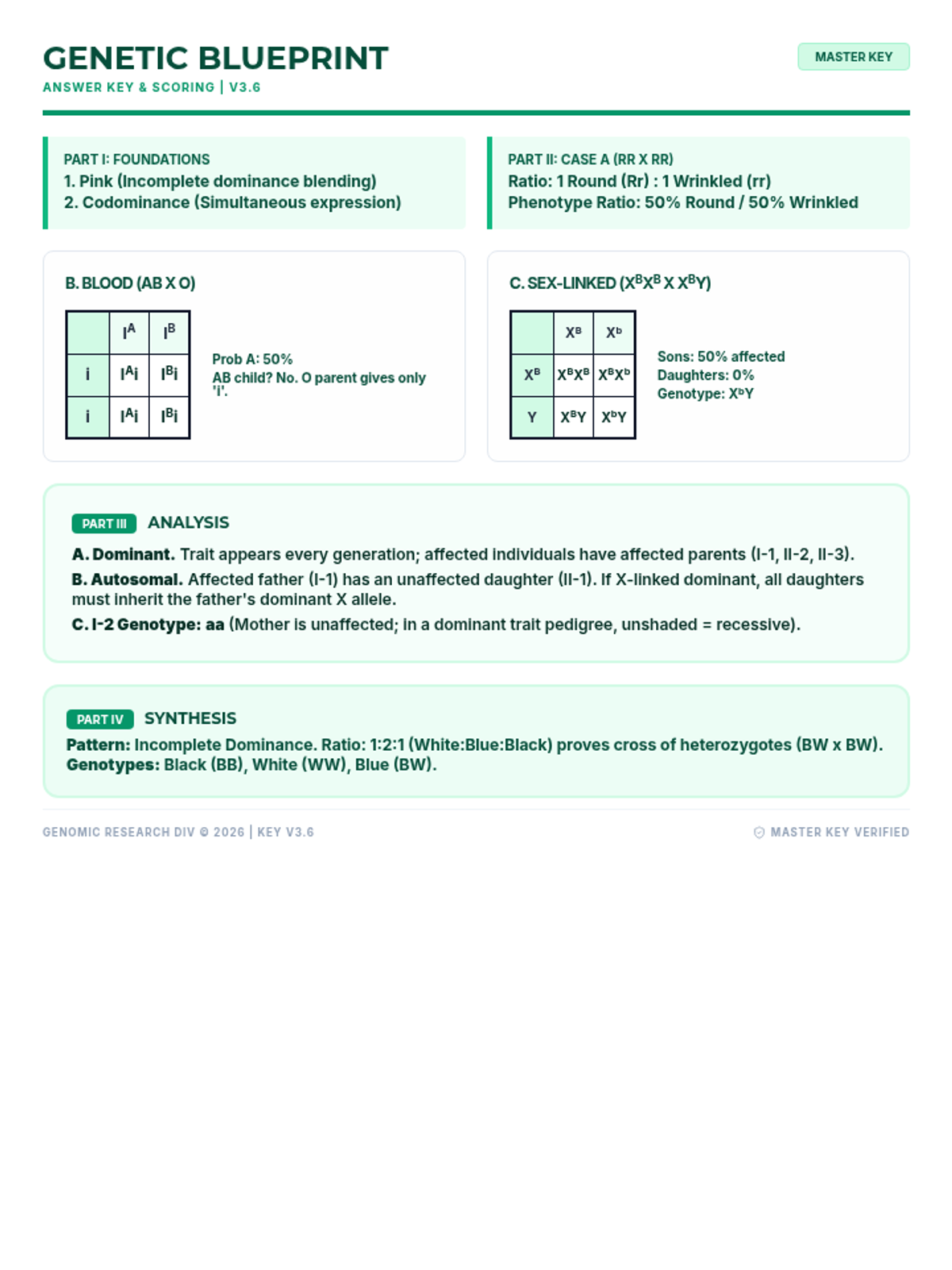
A comprehensive assessment covering Mendelian genetics, incomplete dominance, codominance, and sex-linked traits through word problems and pedigree analysis.
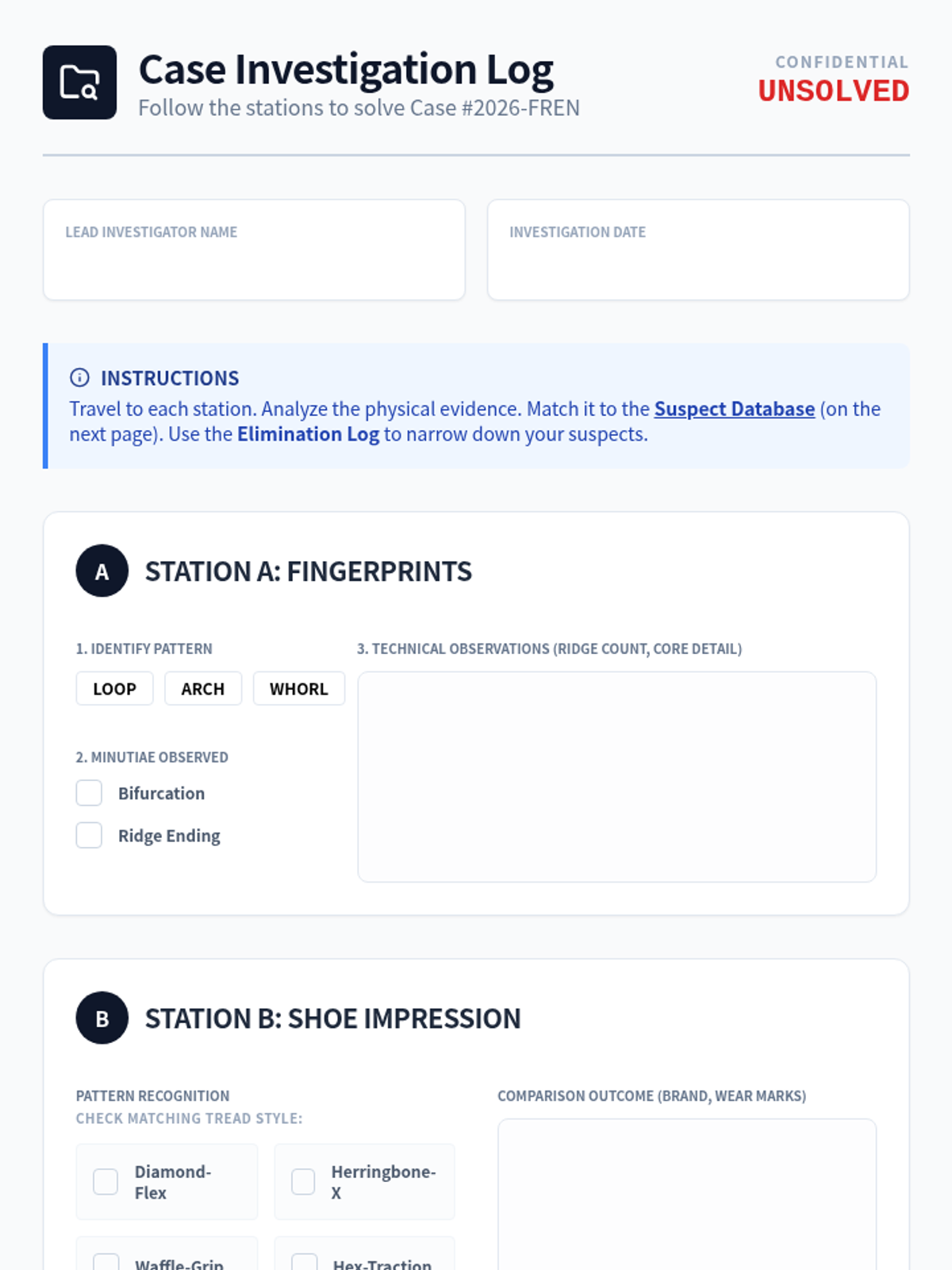
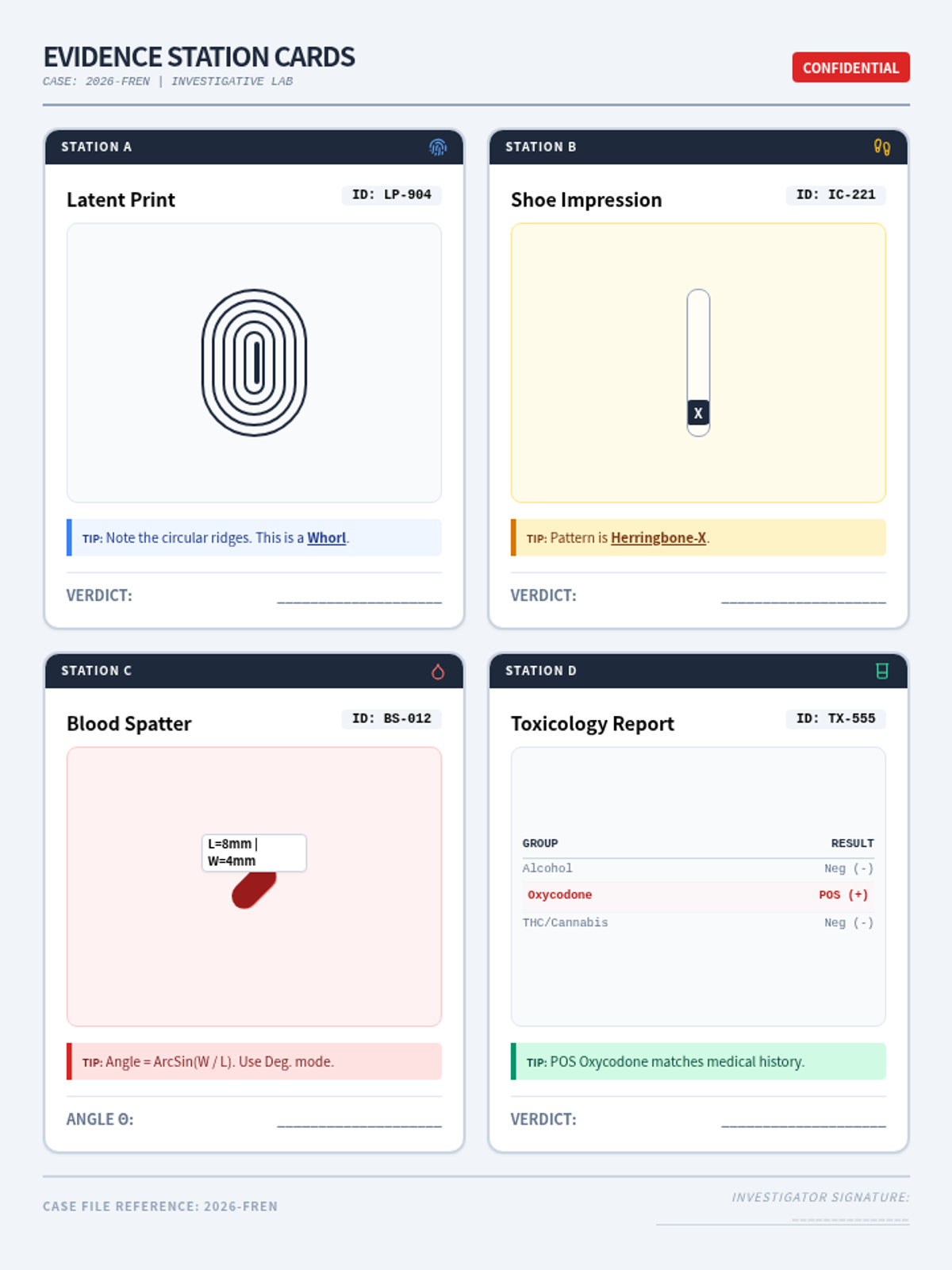
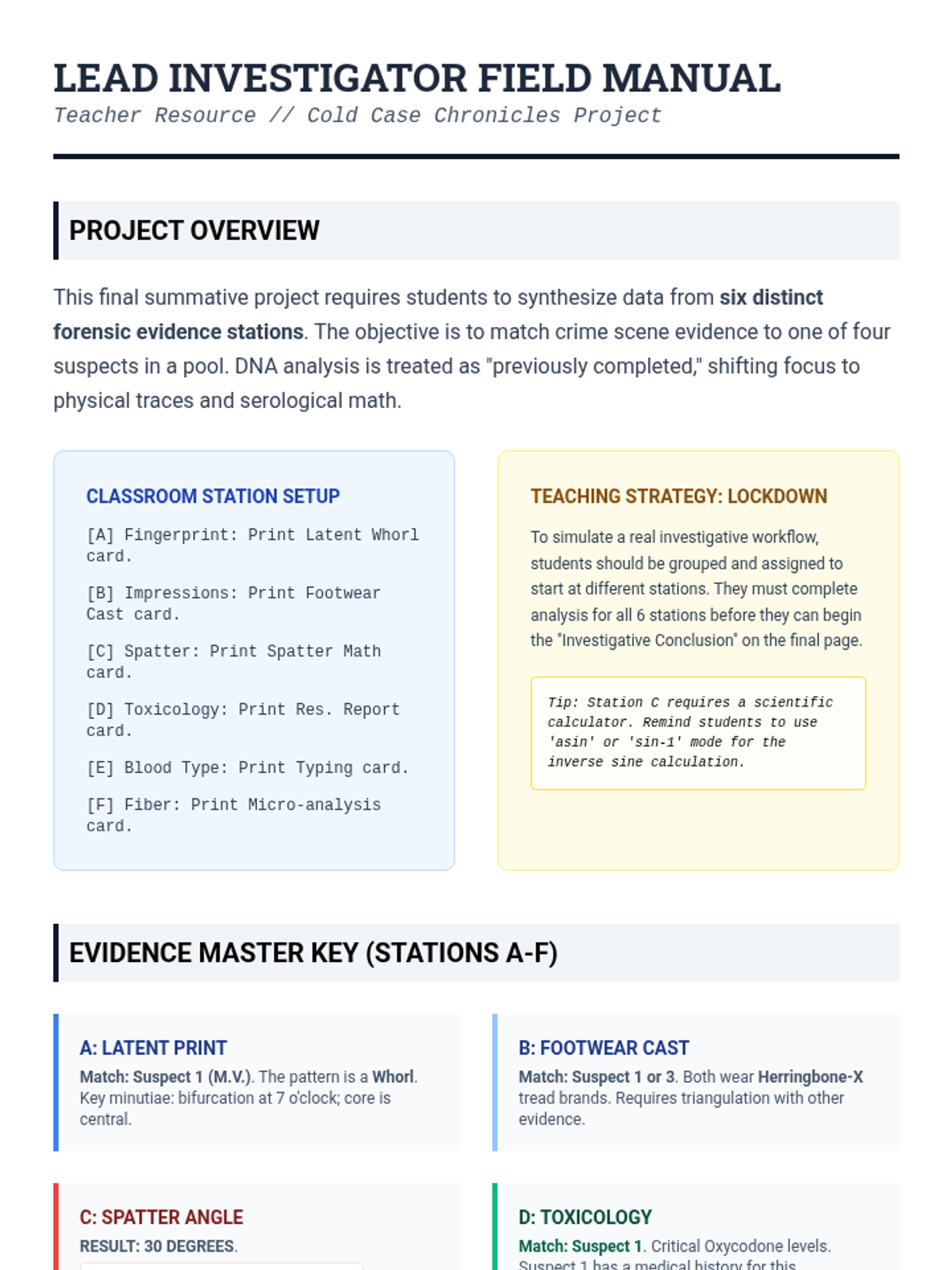
The final summative project where students act as lead investigators on a cold case, applying their knowledge of DNA, serology, toxicology, and impression evidence to identify a suspect.
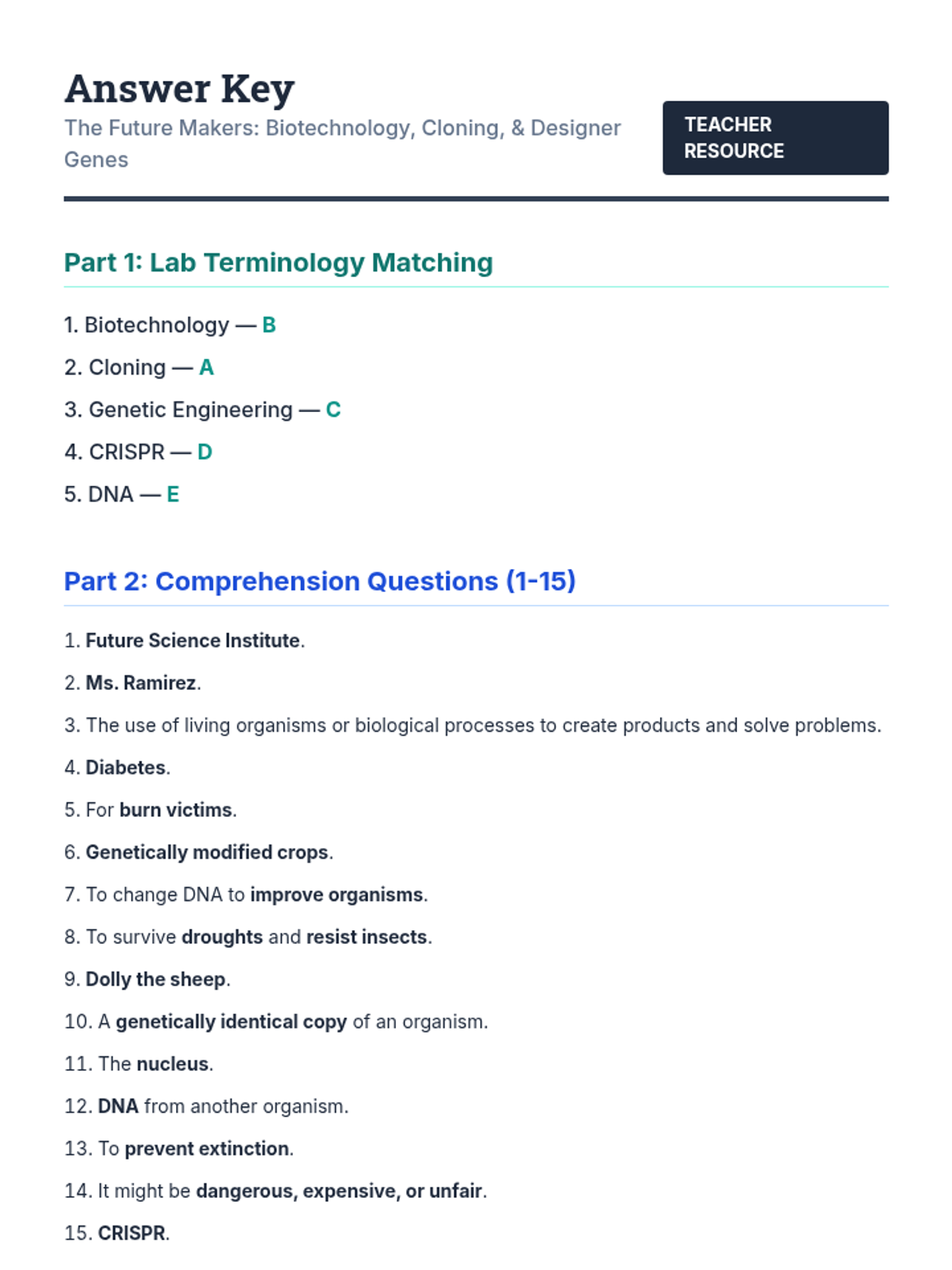
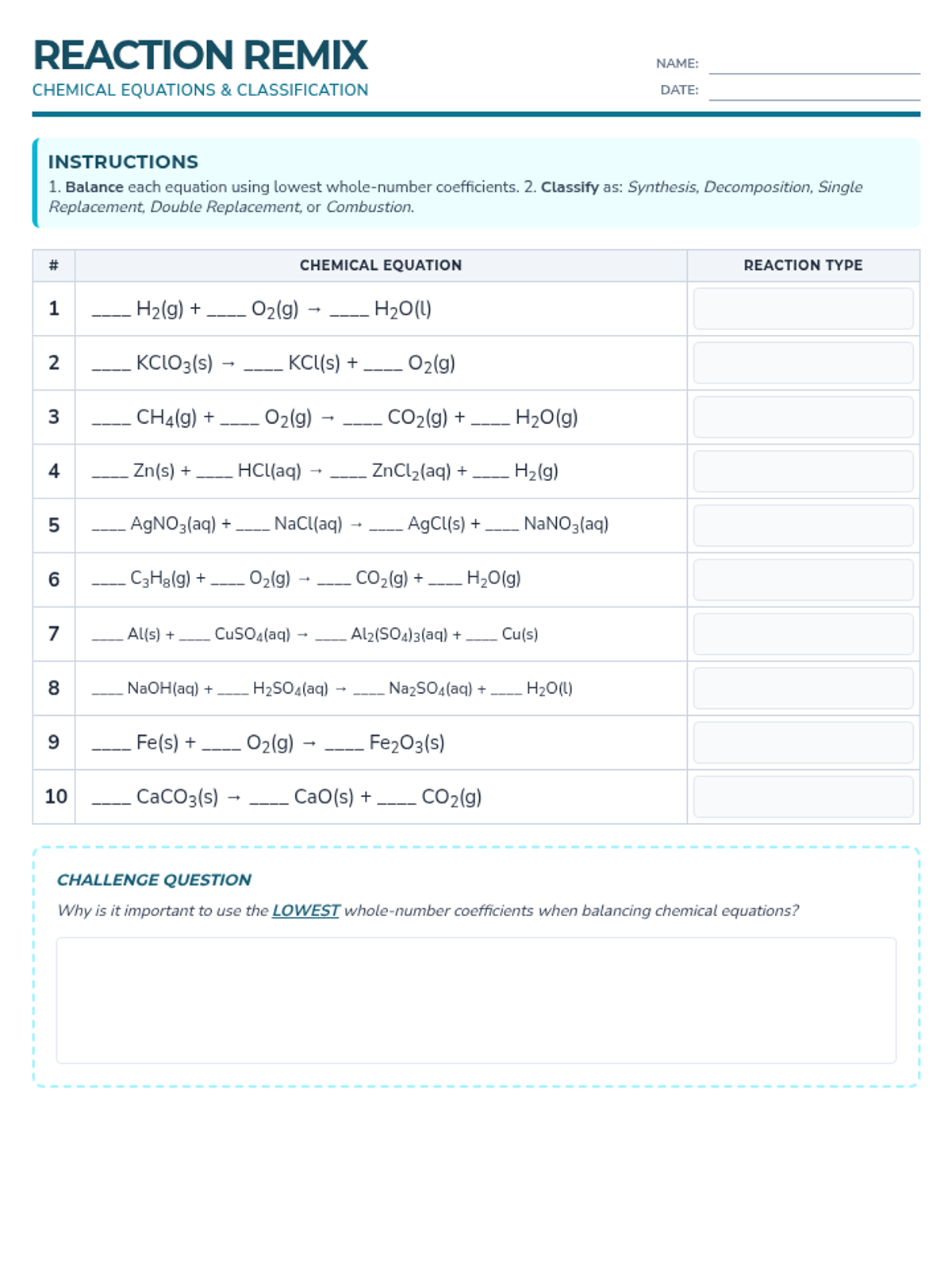
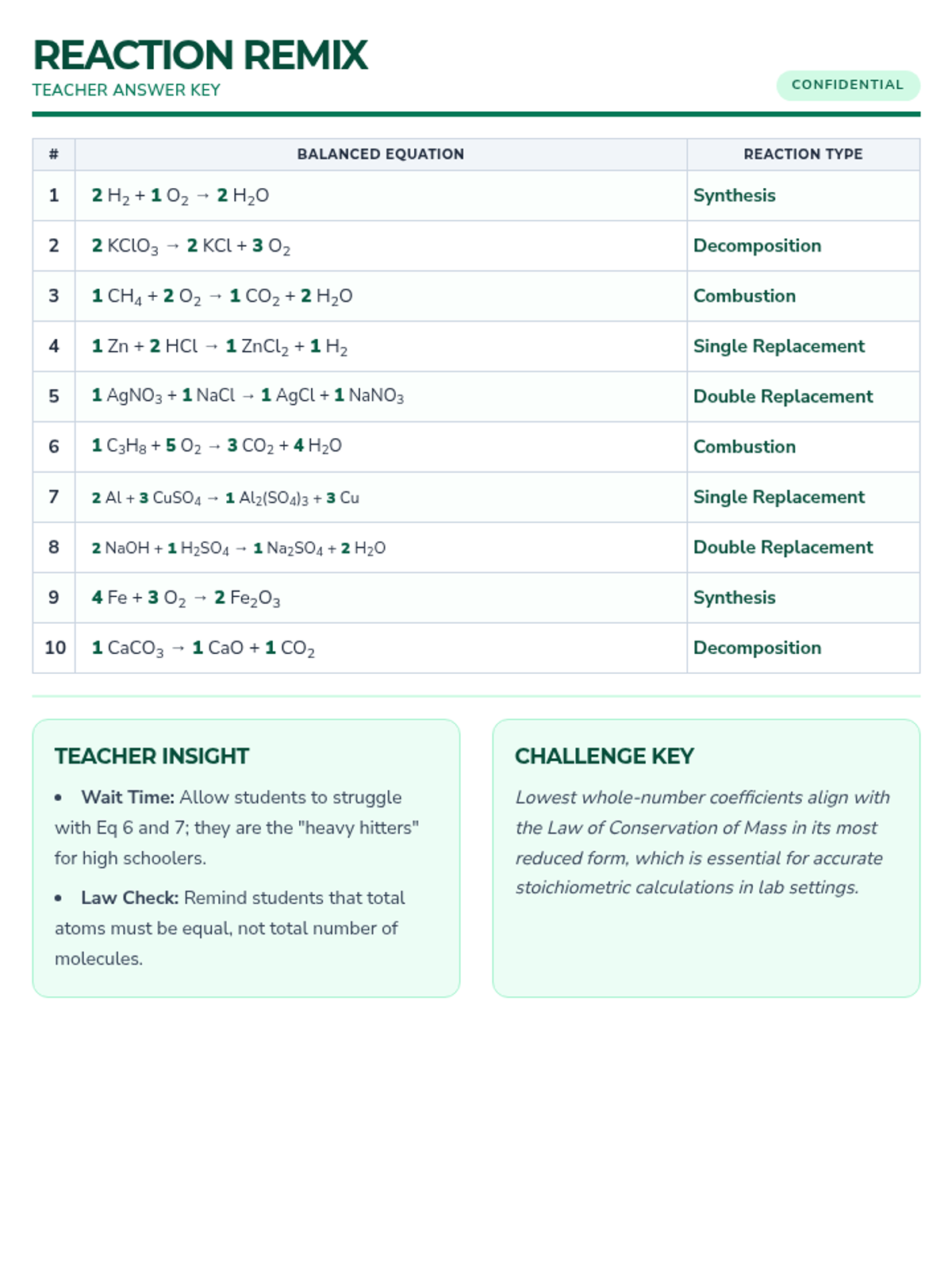
A concise practice lesson focused on balancing chemical equations and identifying the five primary types of chemical reactions for high school chemistry students.