An introductory lesson exploring the fundamentals of Artificial Intelligence, its practical applications in daily life, and the ethical considerations surrounding its use.
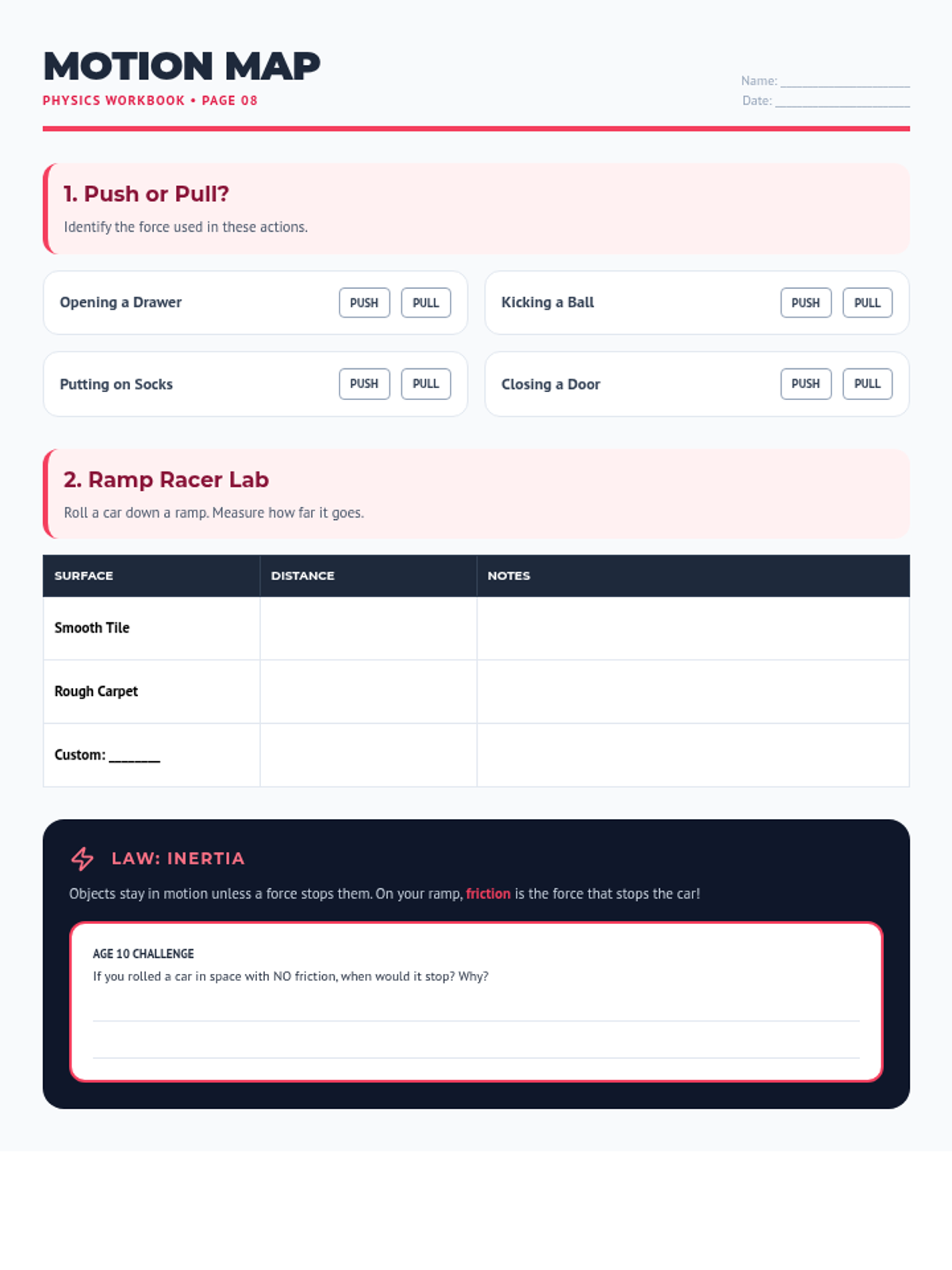
A study of kinetic energy and inertia using simple household objects and inclined planes.
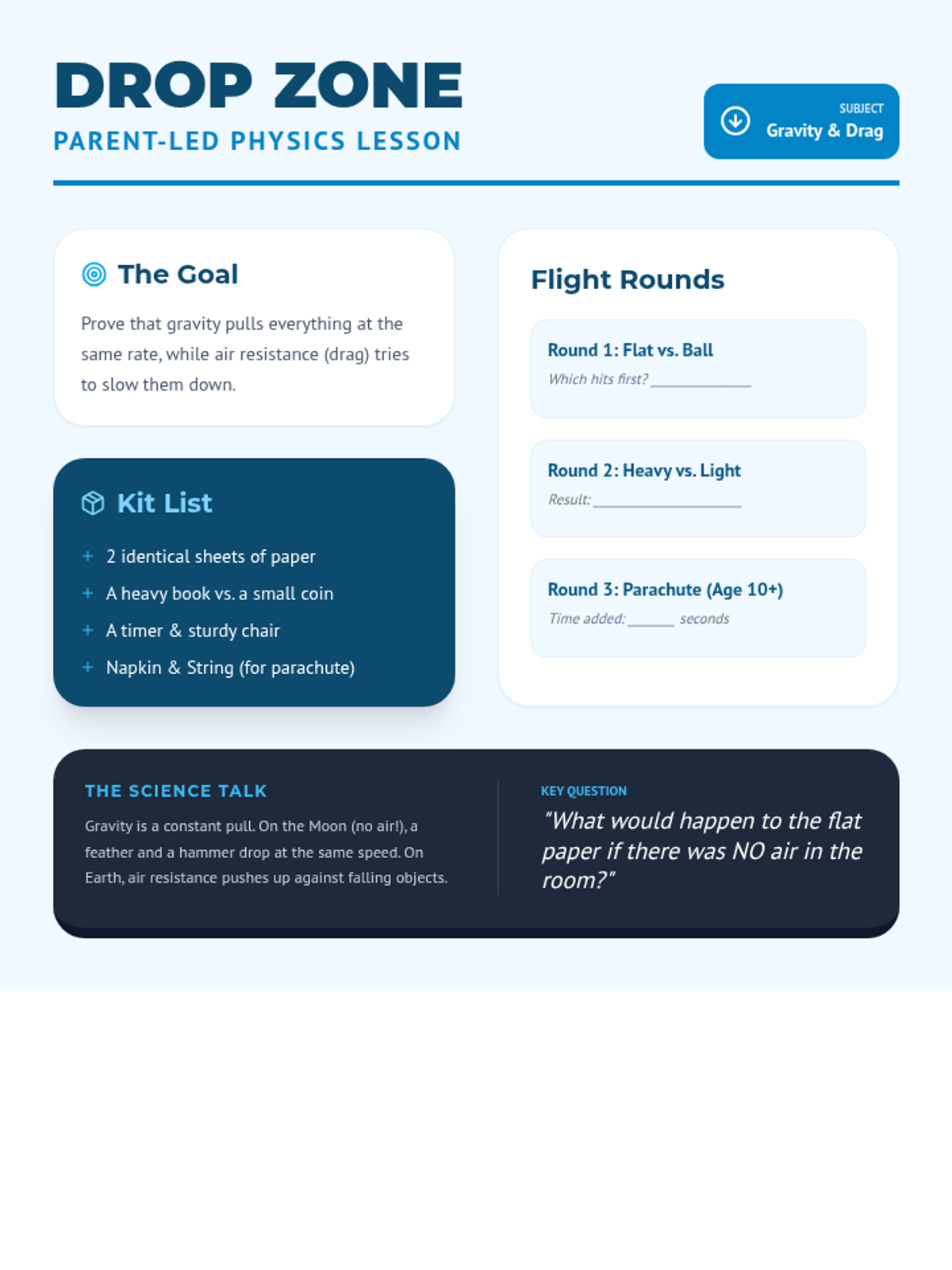
An exploration of gravity and air resistance through a controlled drop experiment.
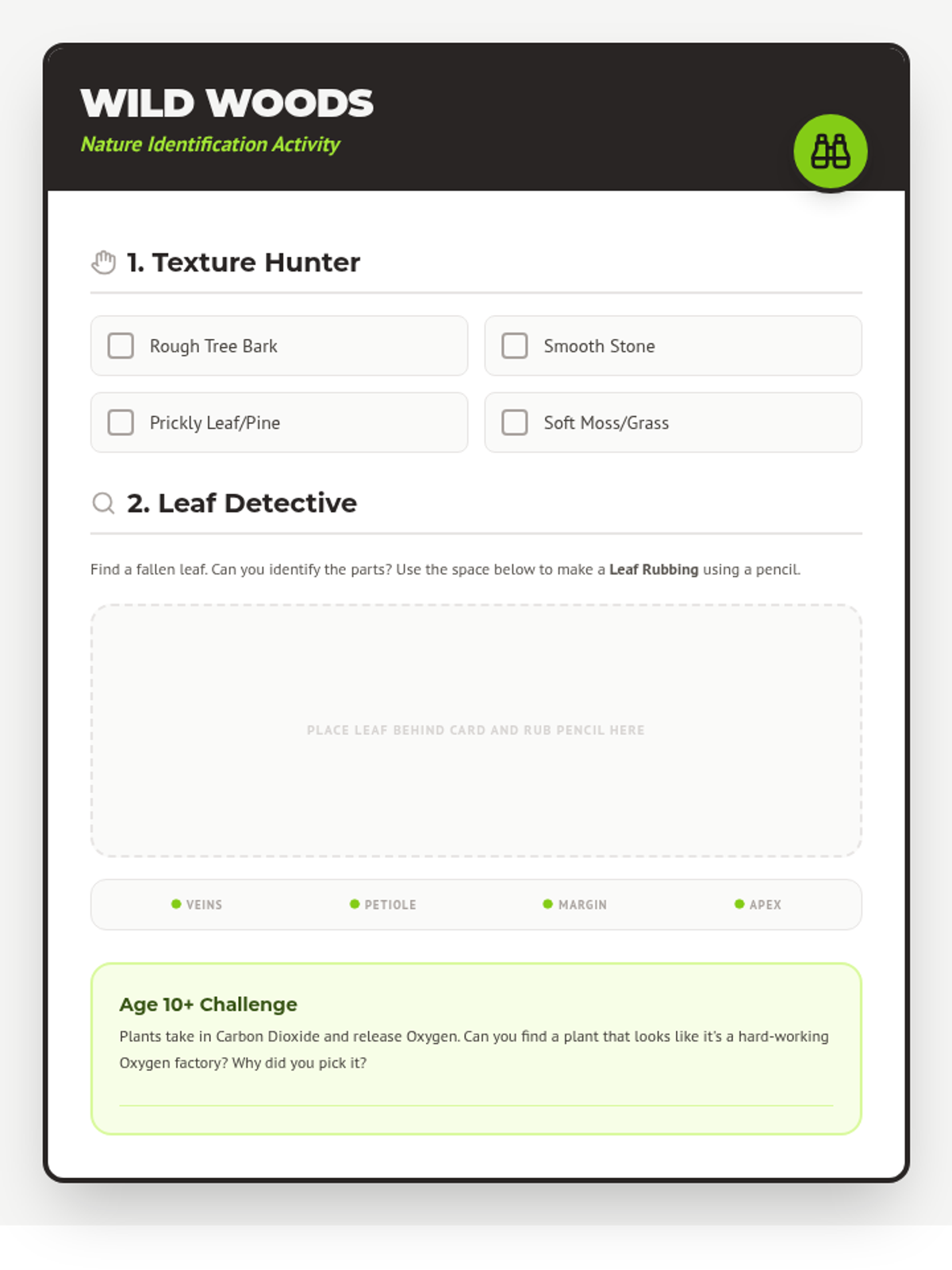
A nature-focused scavenger hunt designed to teach identification and observation skills.
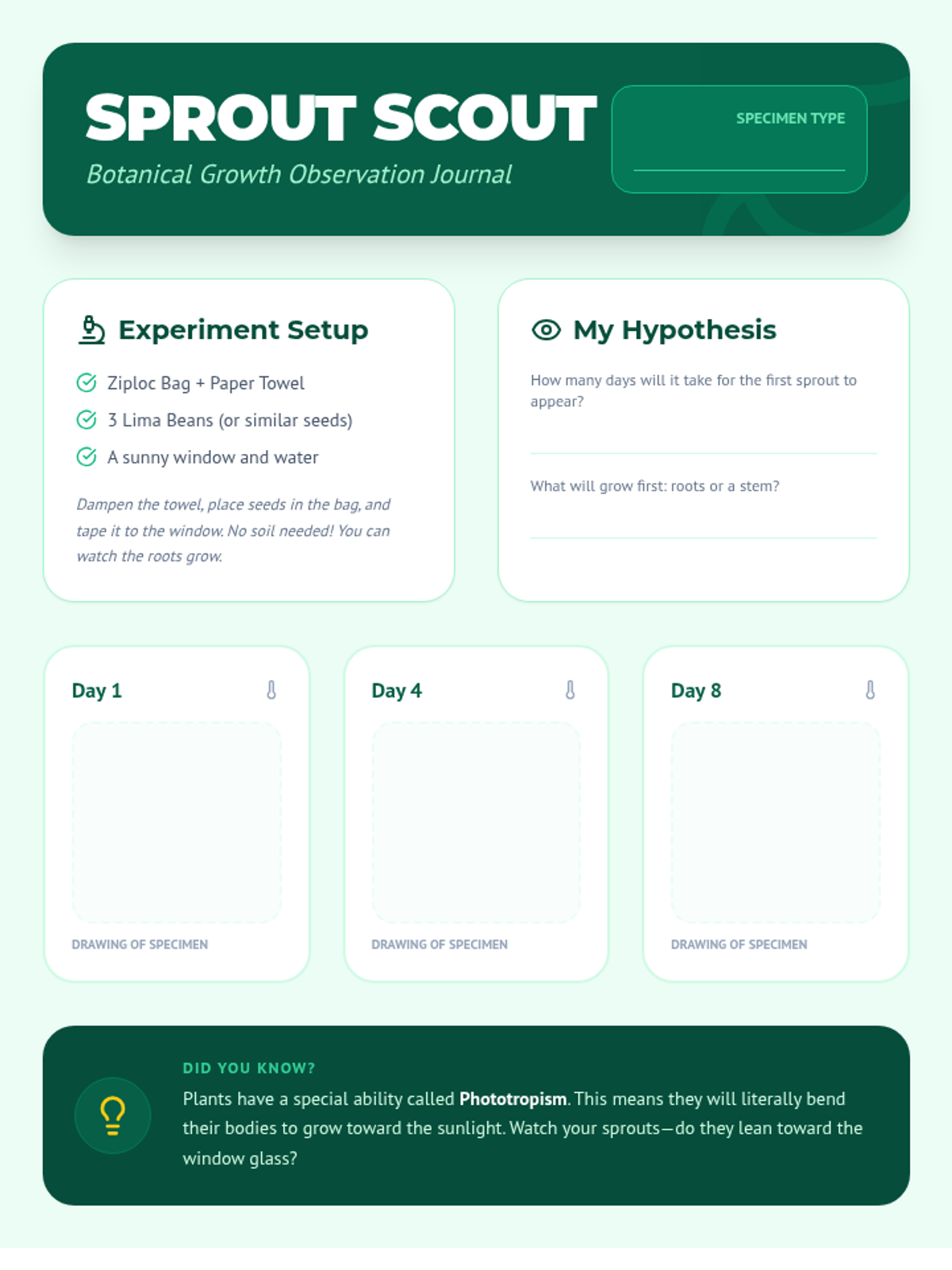
A botanical experiment focused on tracking the germination and early growth of seeds.
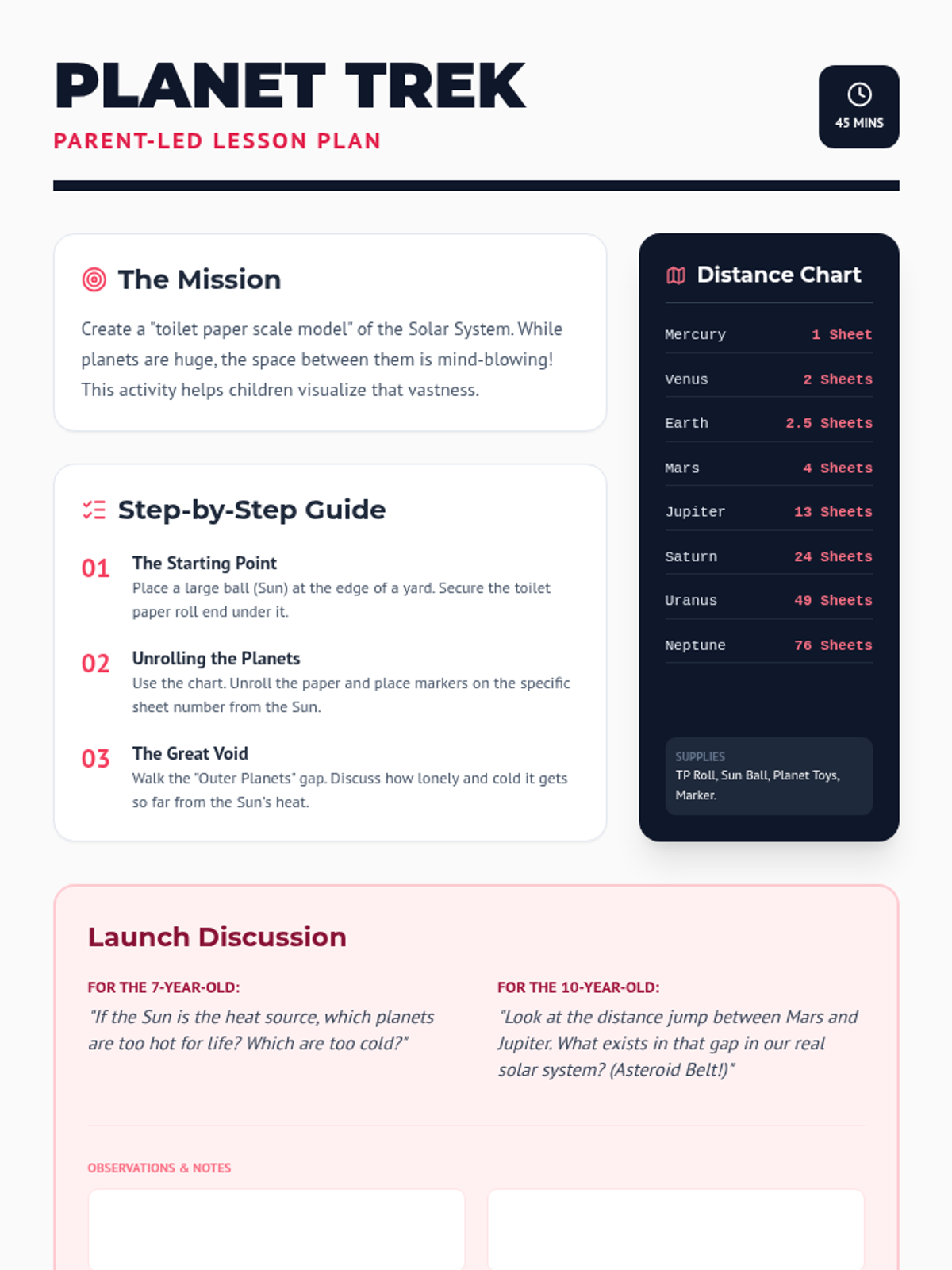
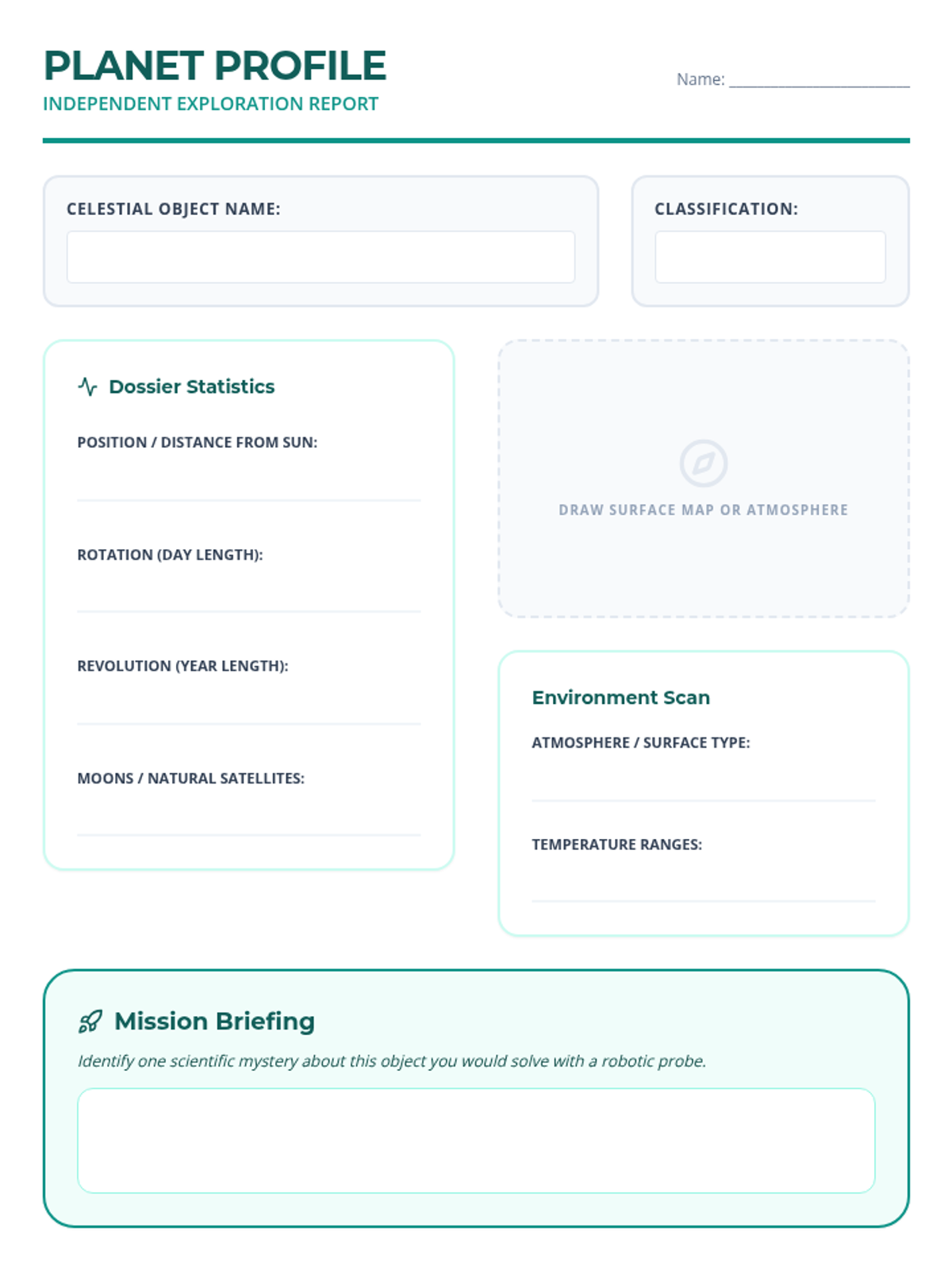
A scale-model activity to visualize the vast distances between planets in our solar system.
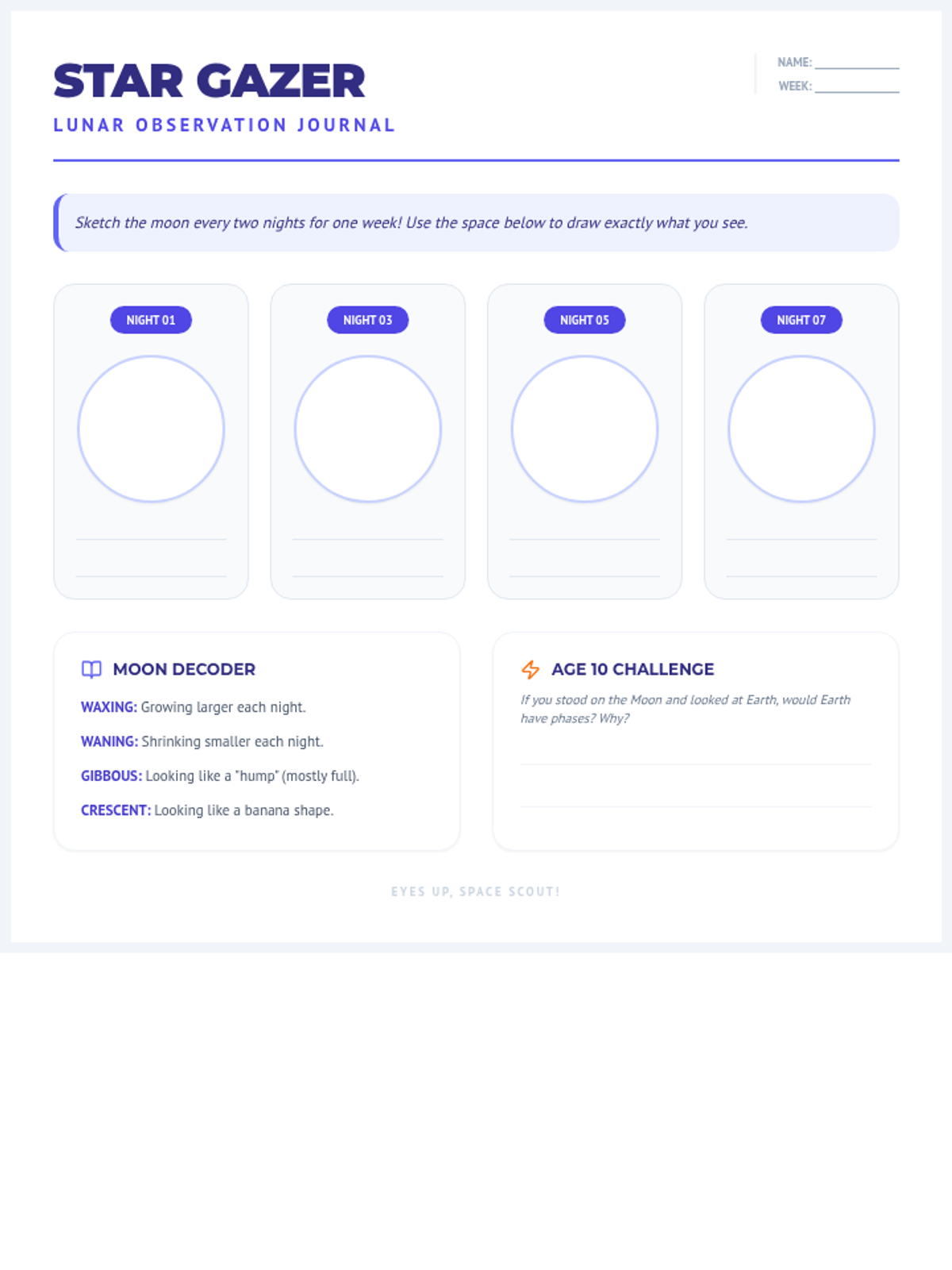
A week-long tracking activity to observe and record the changing phases of the moon.
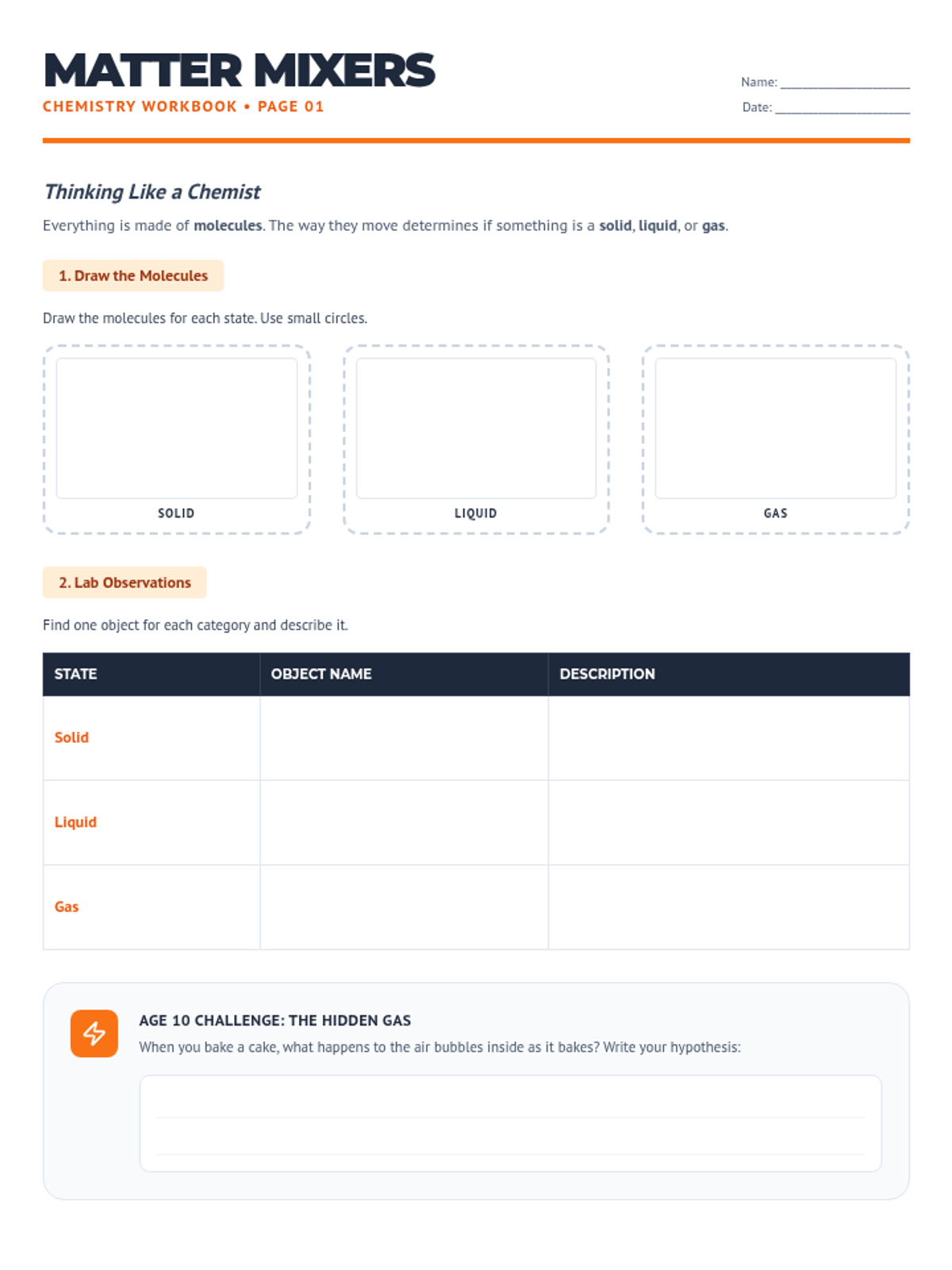
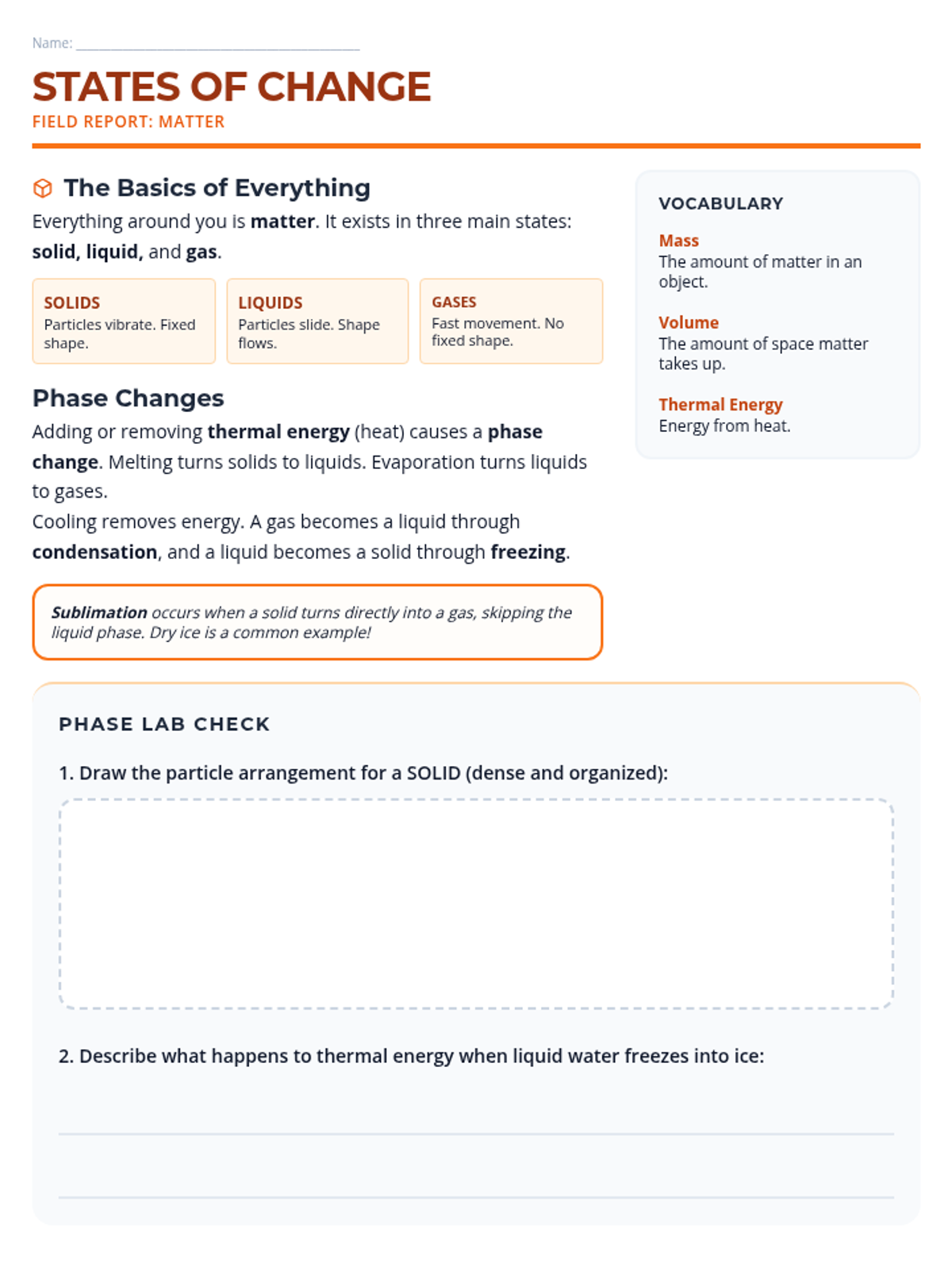
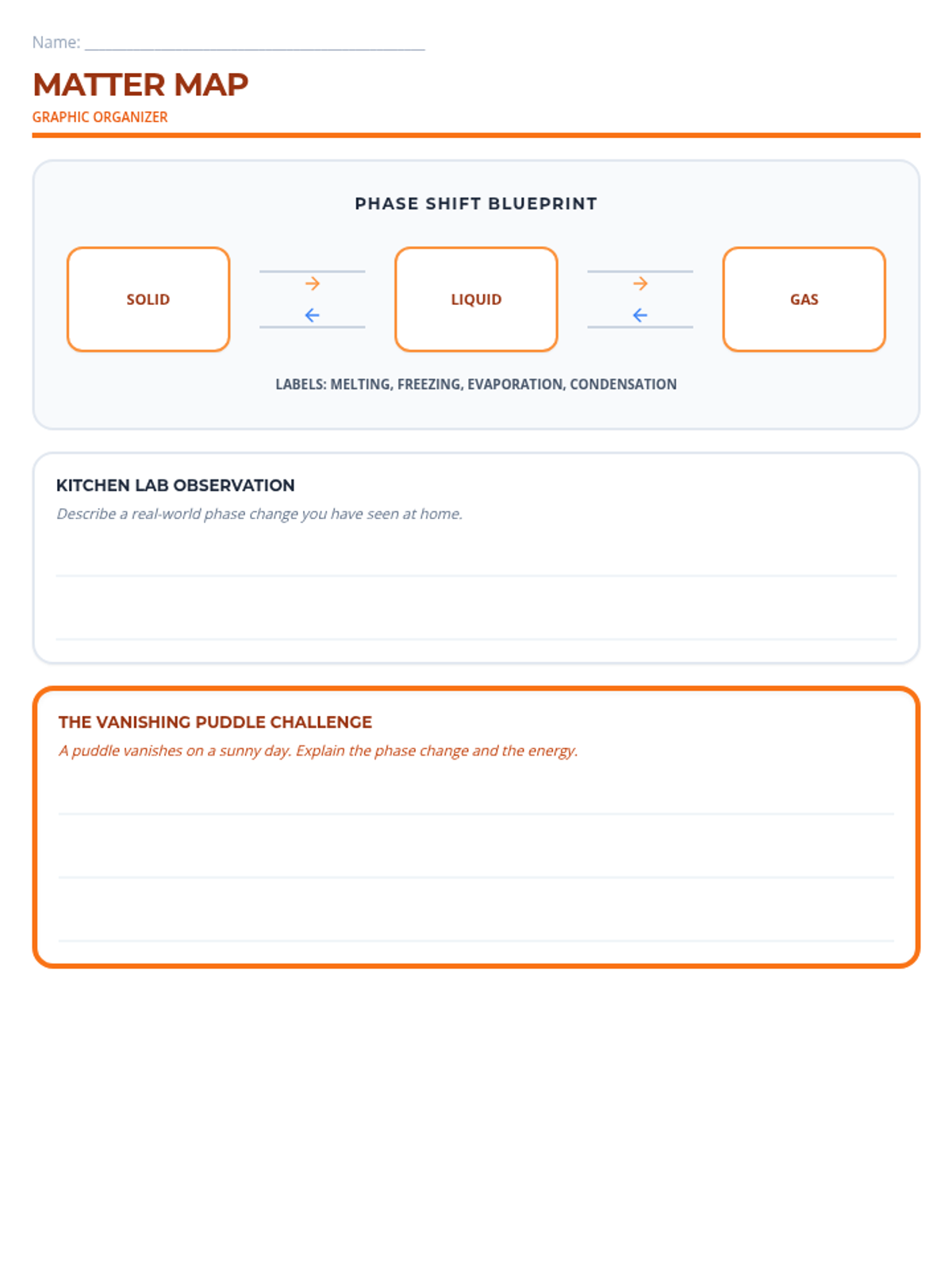
An investigation into the states of matter and how molecules behave in different environments.
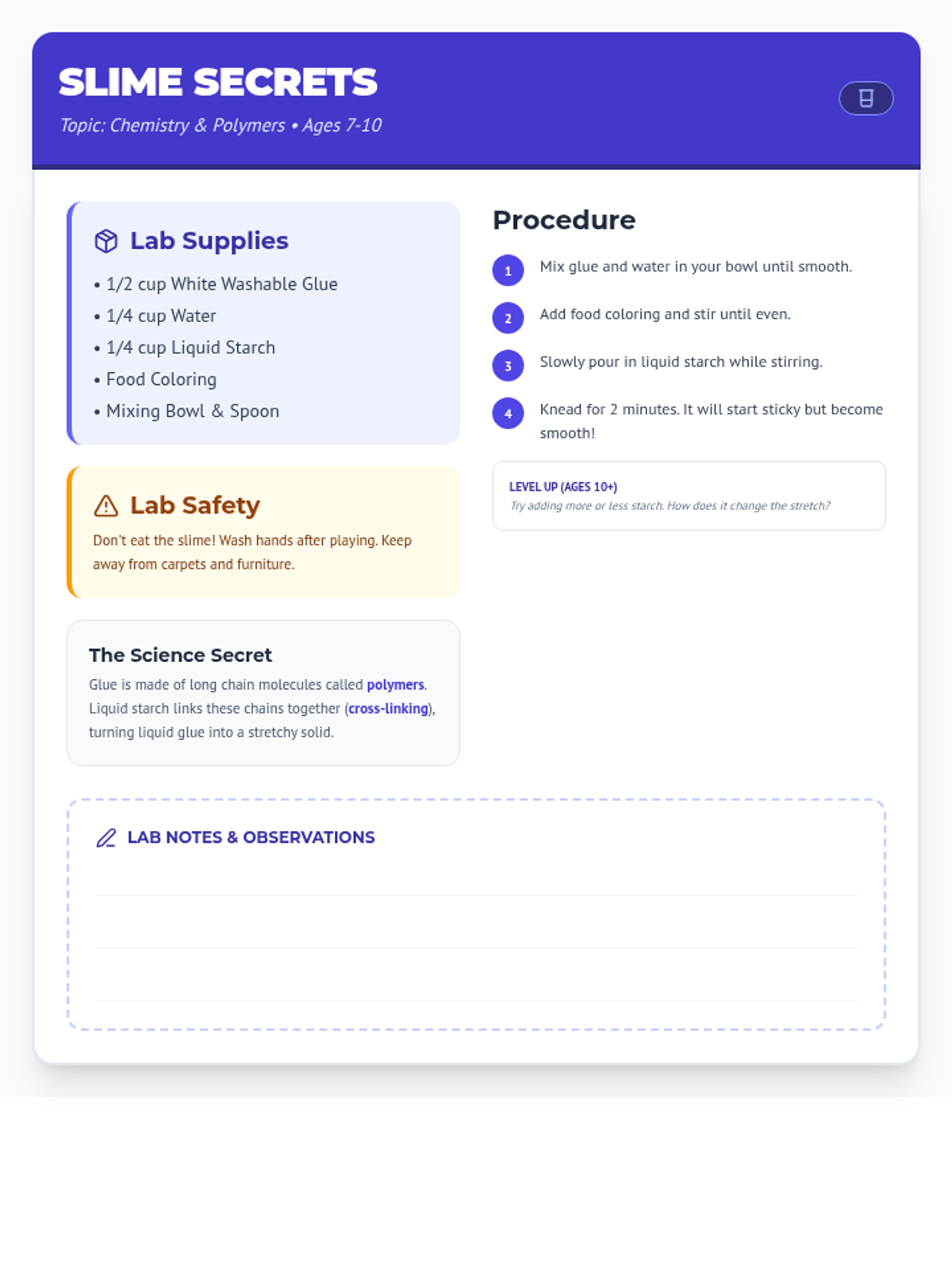
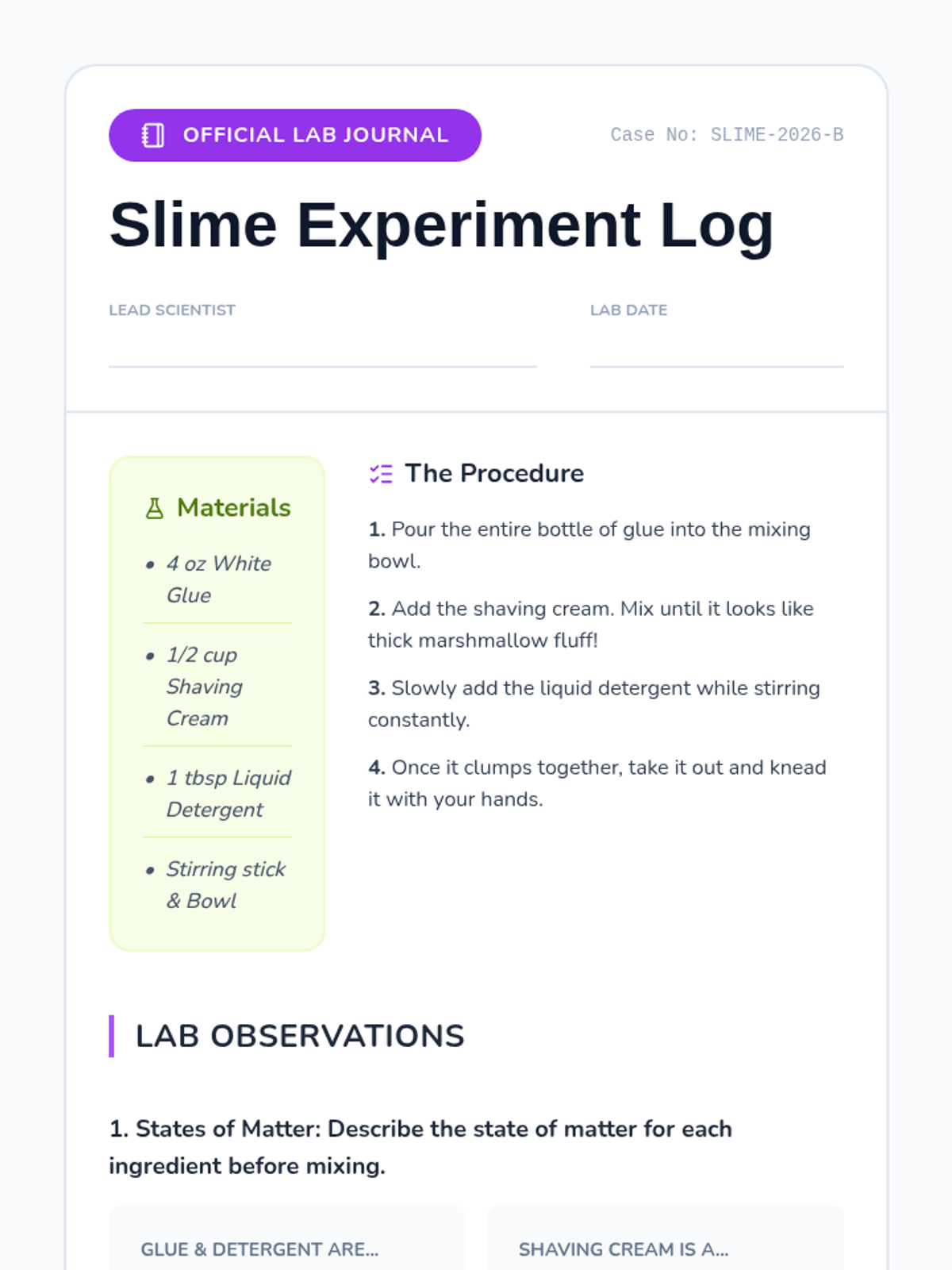
Explore chemical reactions and non-Newtonian fluids through a hands-on slime-making experiment.
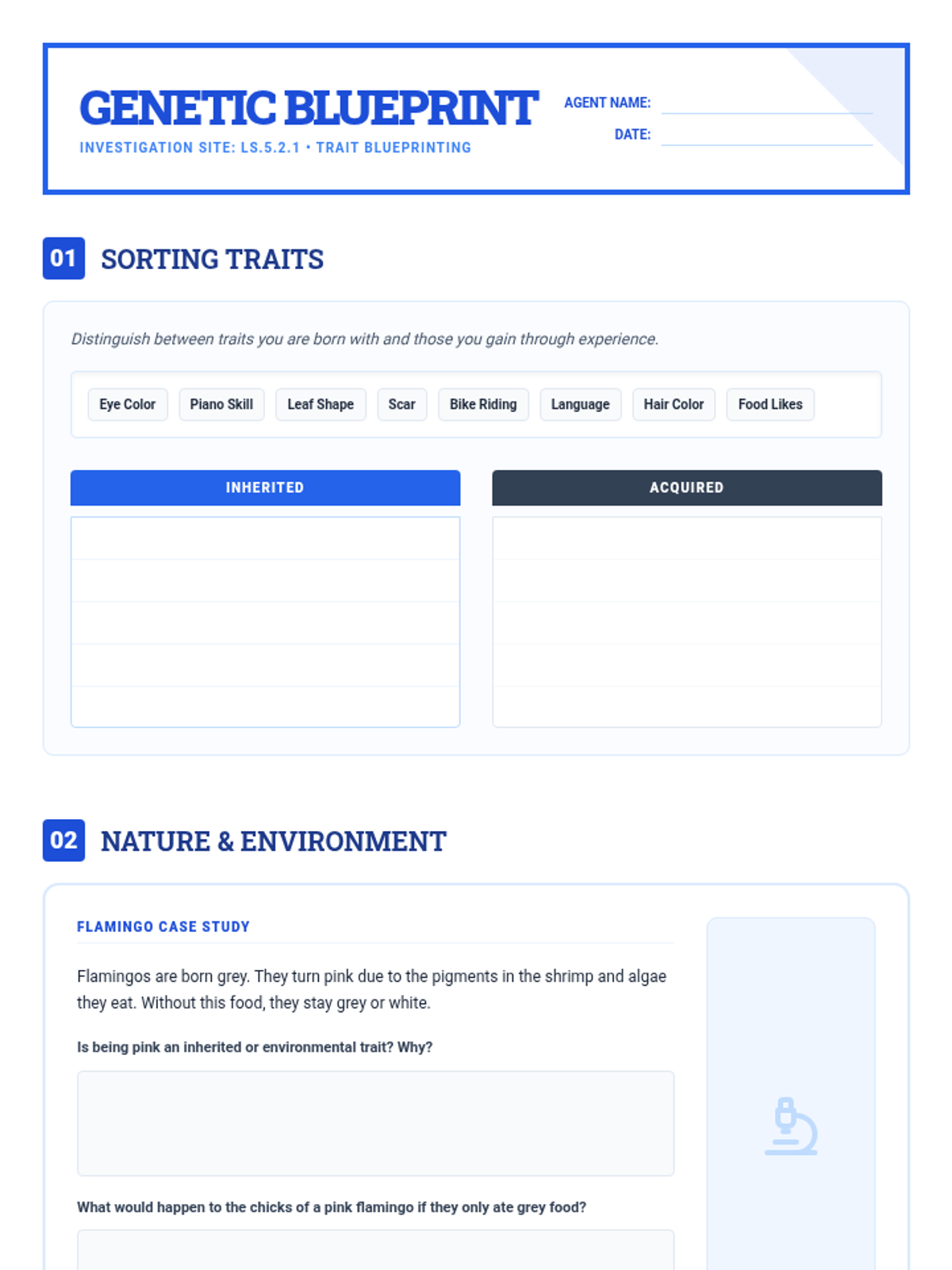
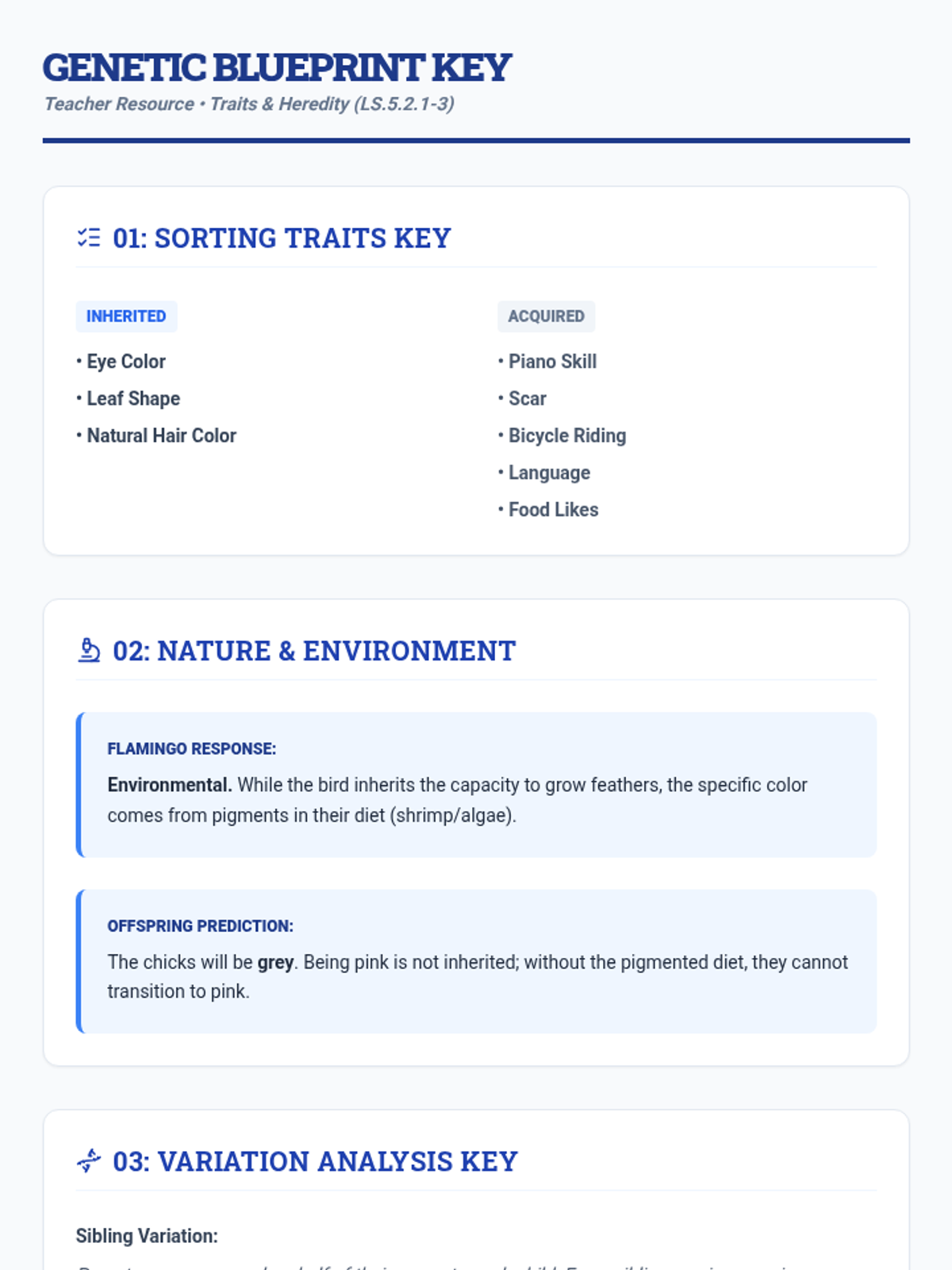
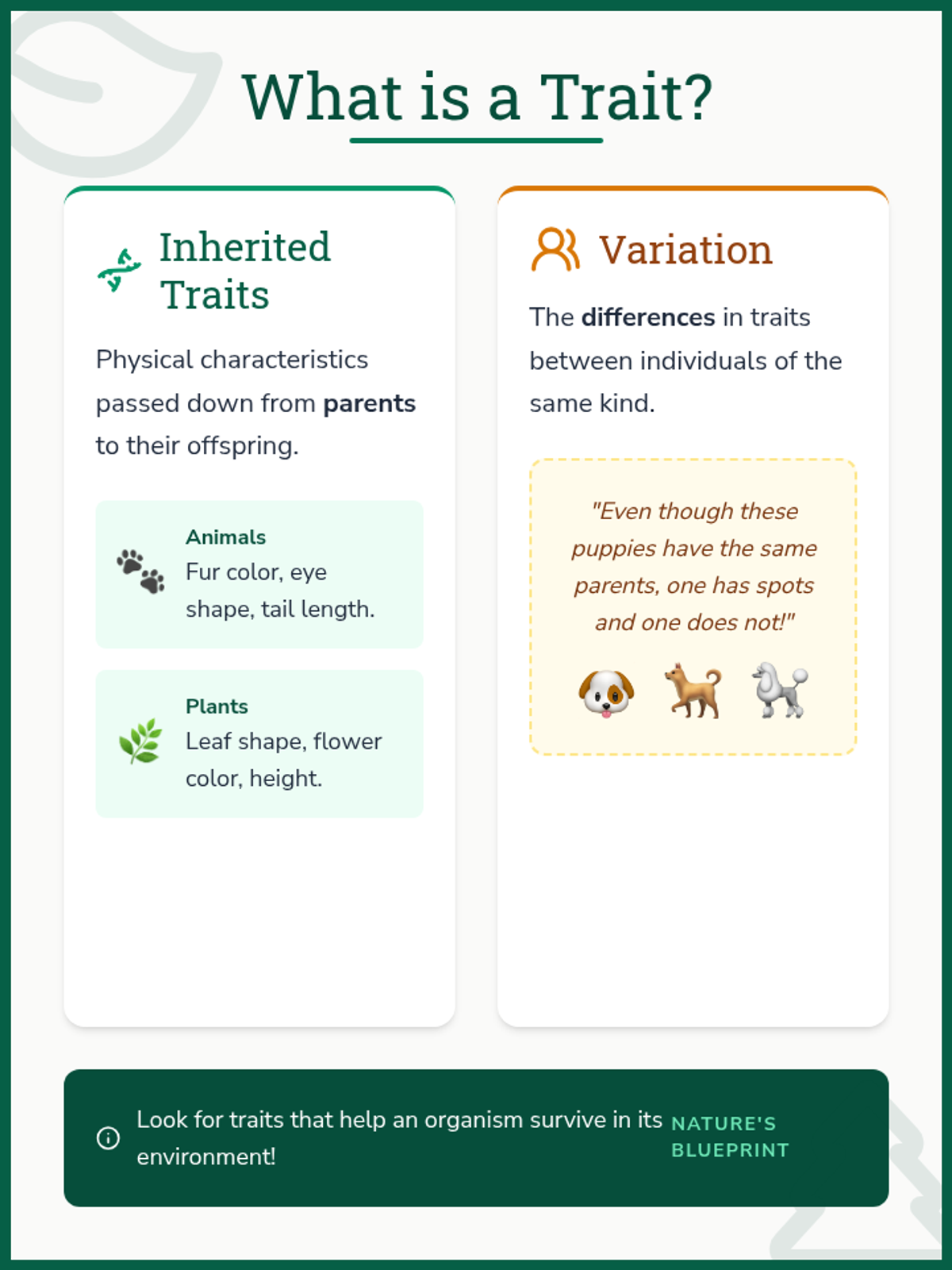
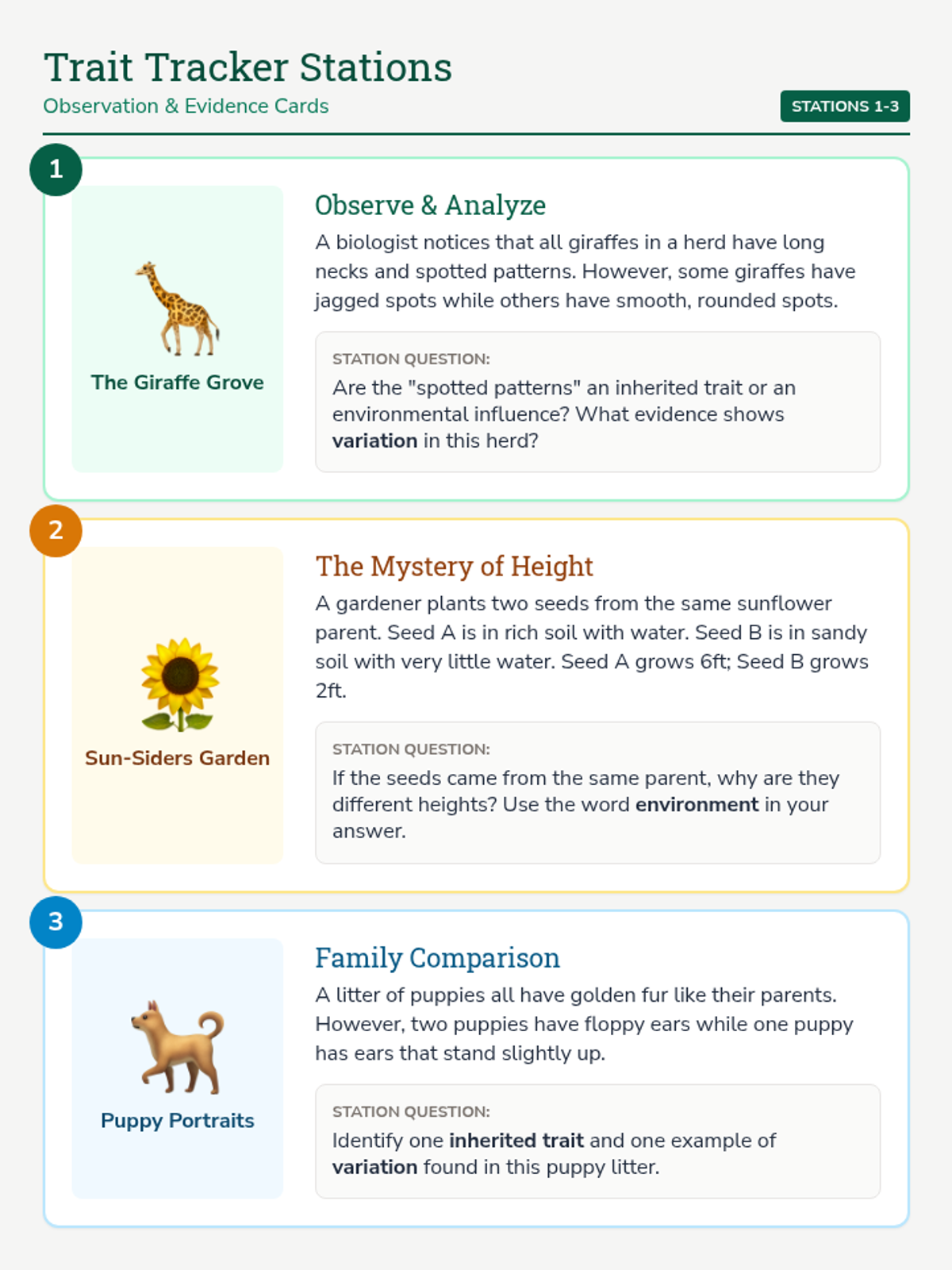
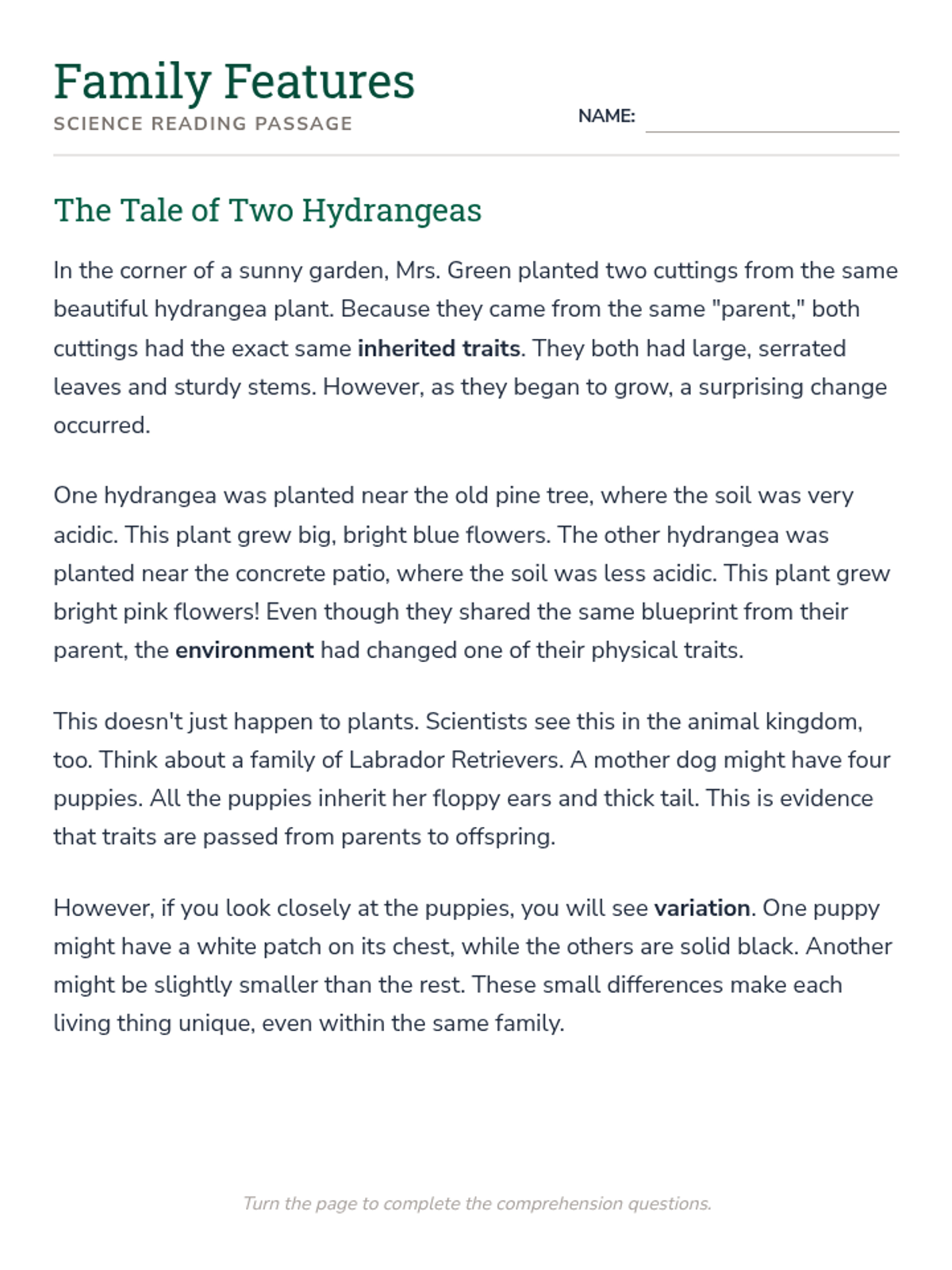
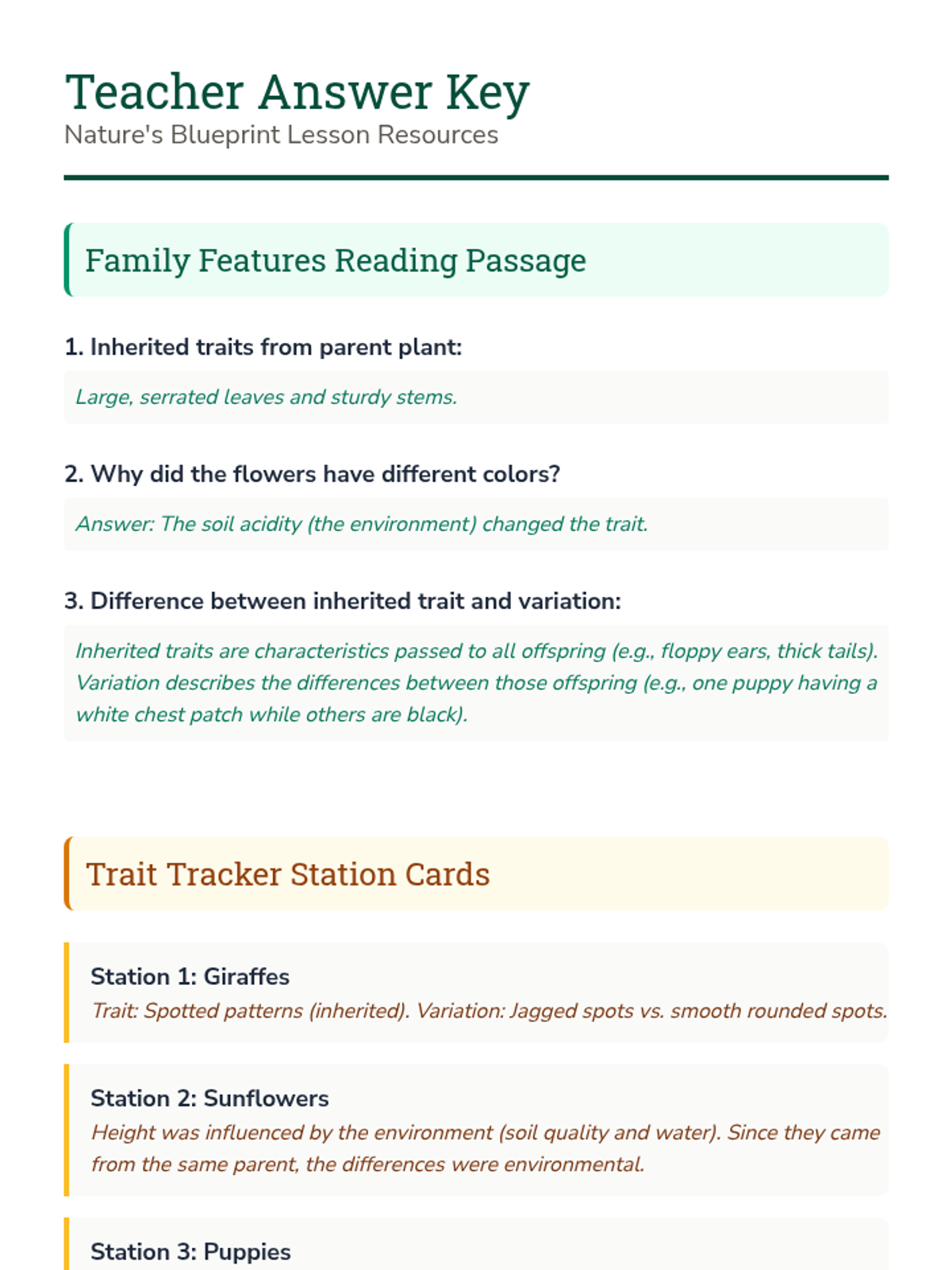
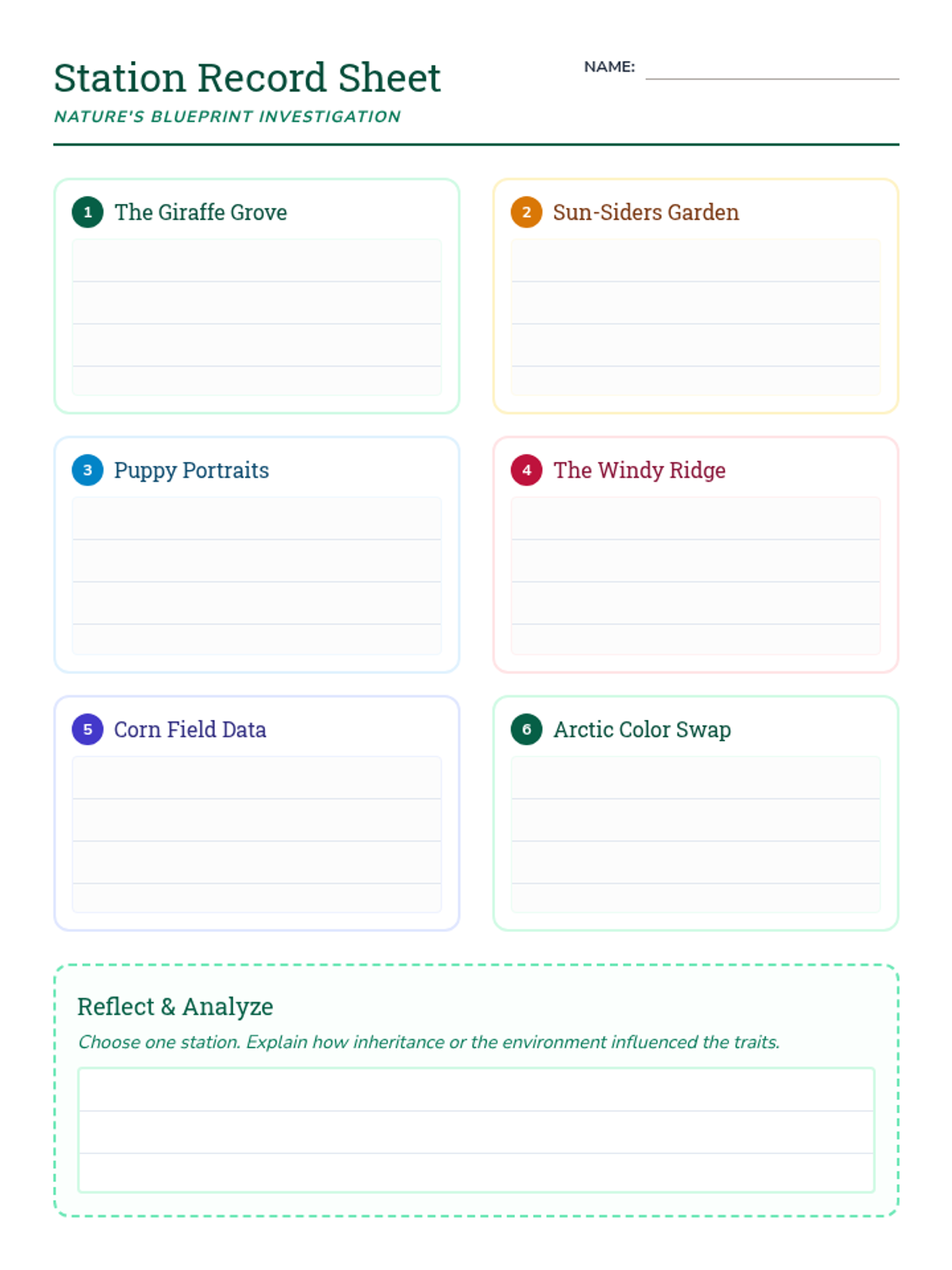
This lesson explores how plants and animals inherit traits from their parents, how traits can vary within a species, and how environmental factors can influence an organism's characteristics.
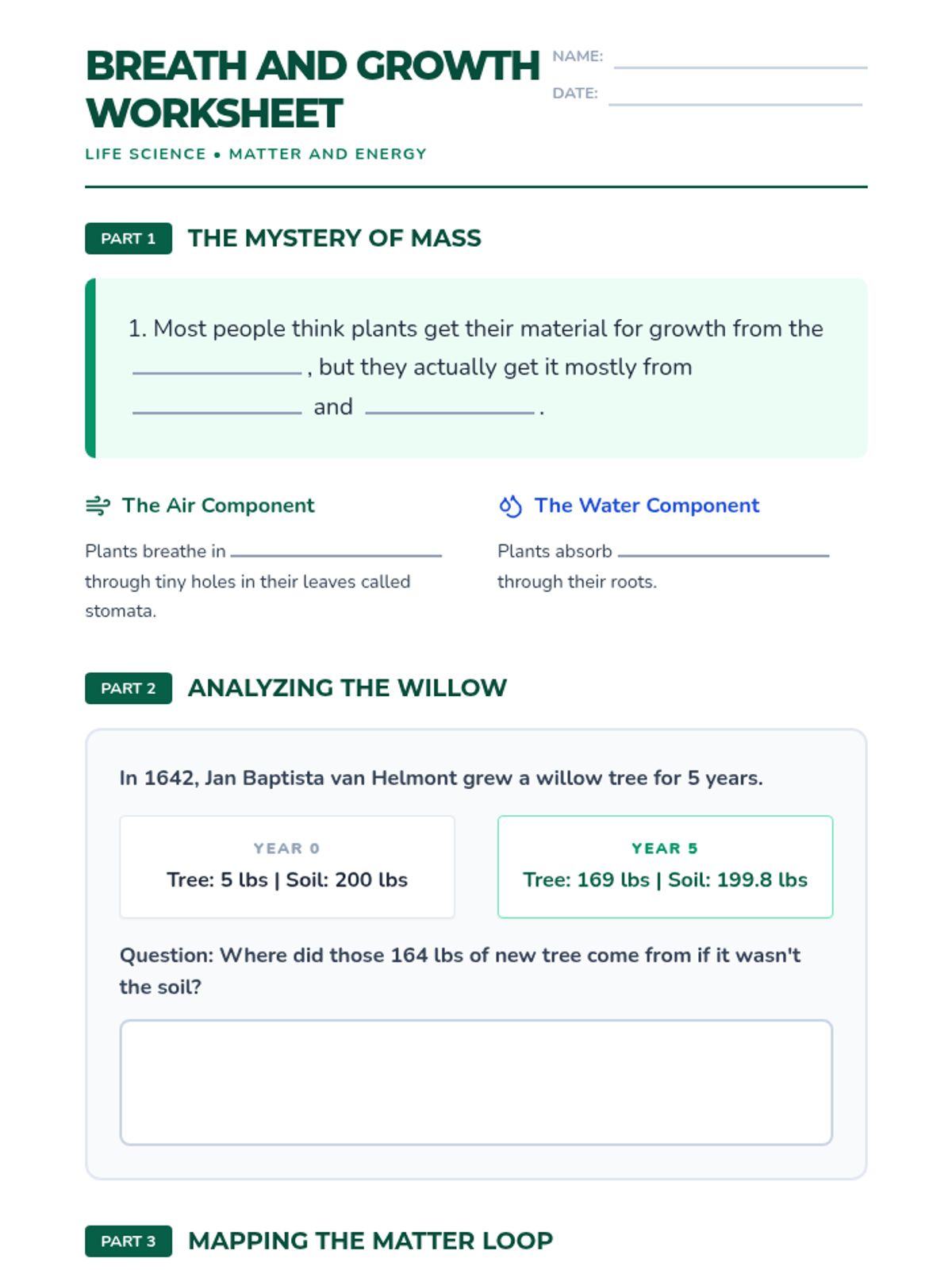
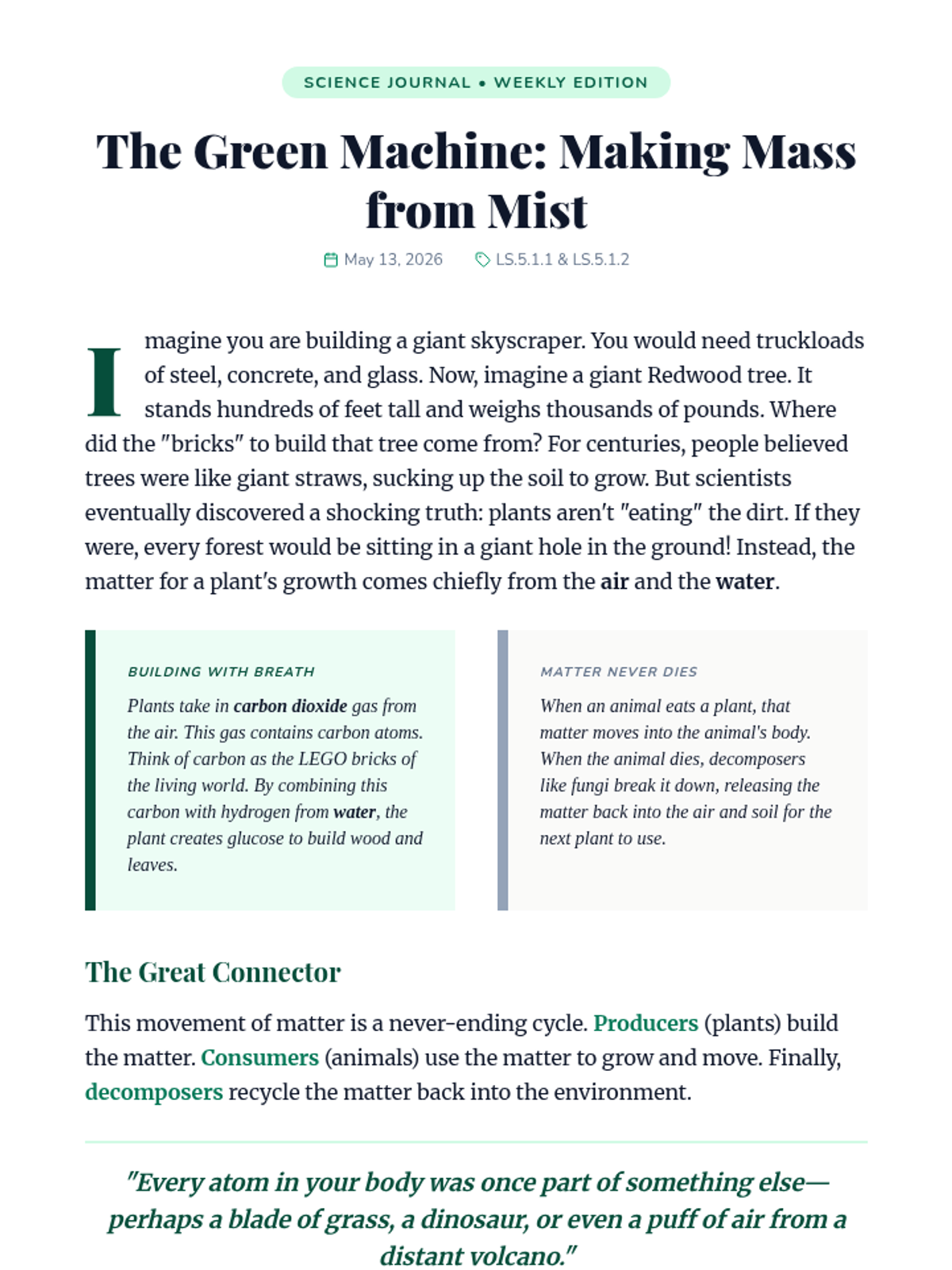
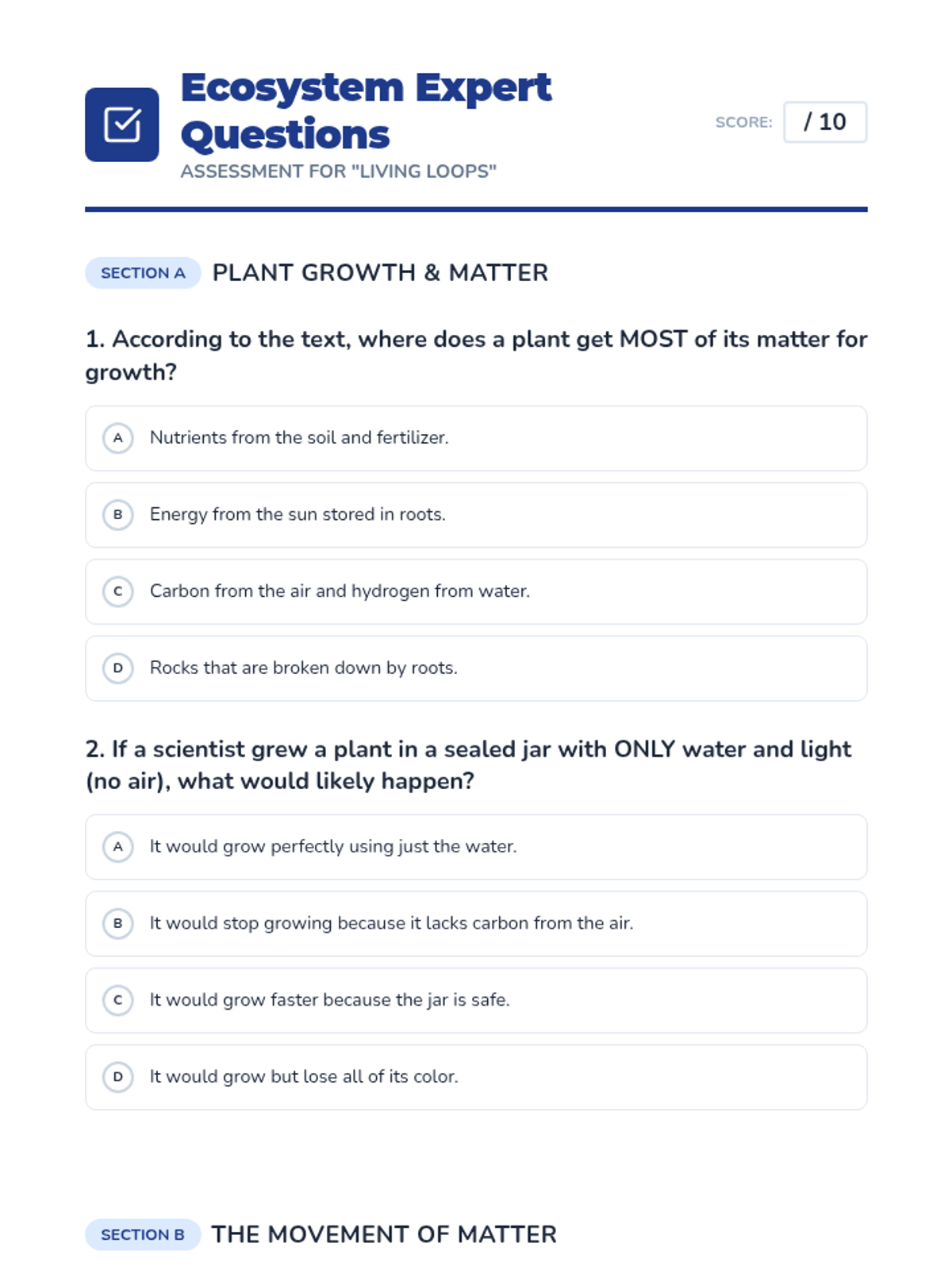
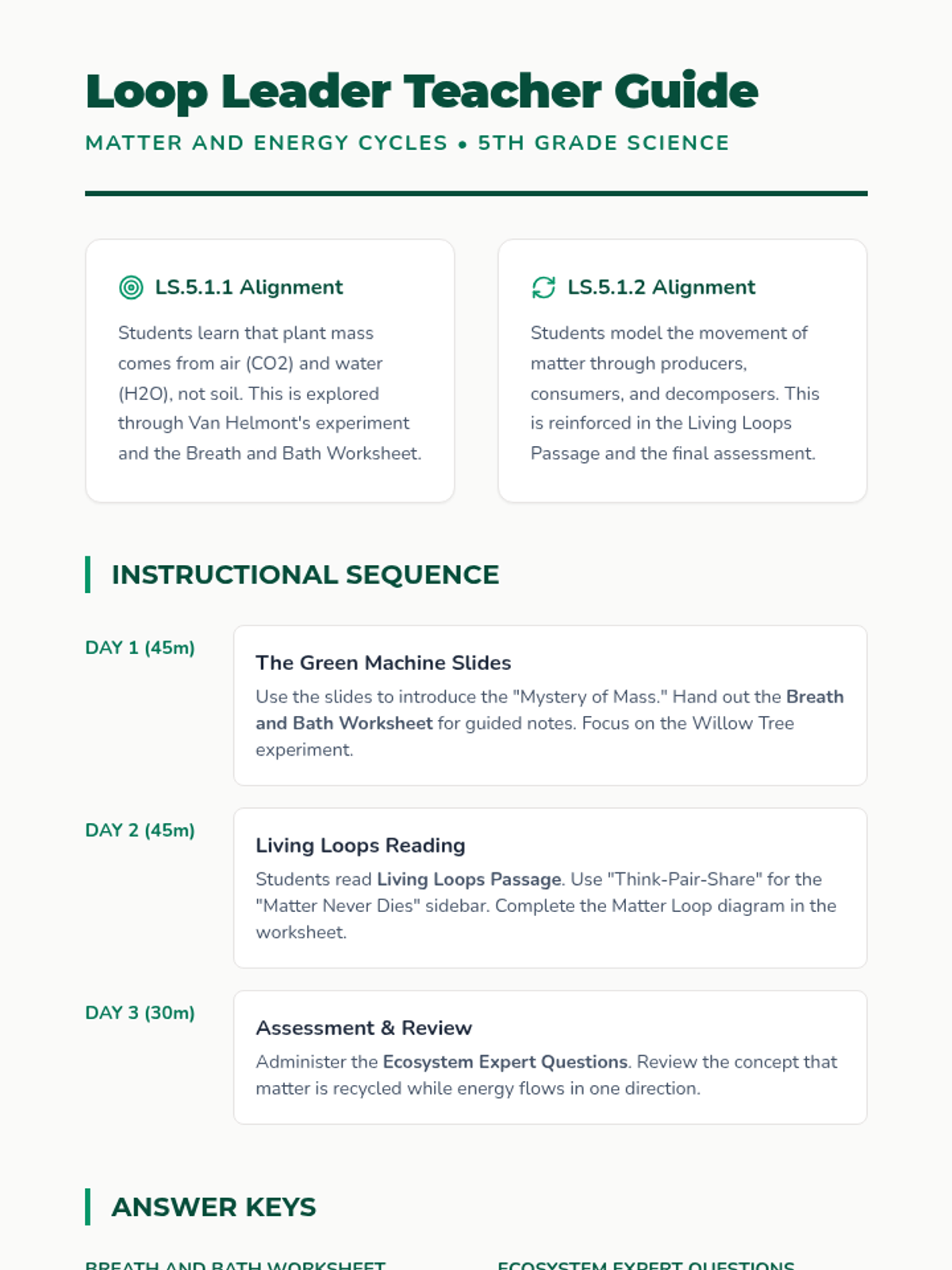
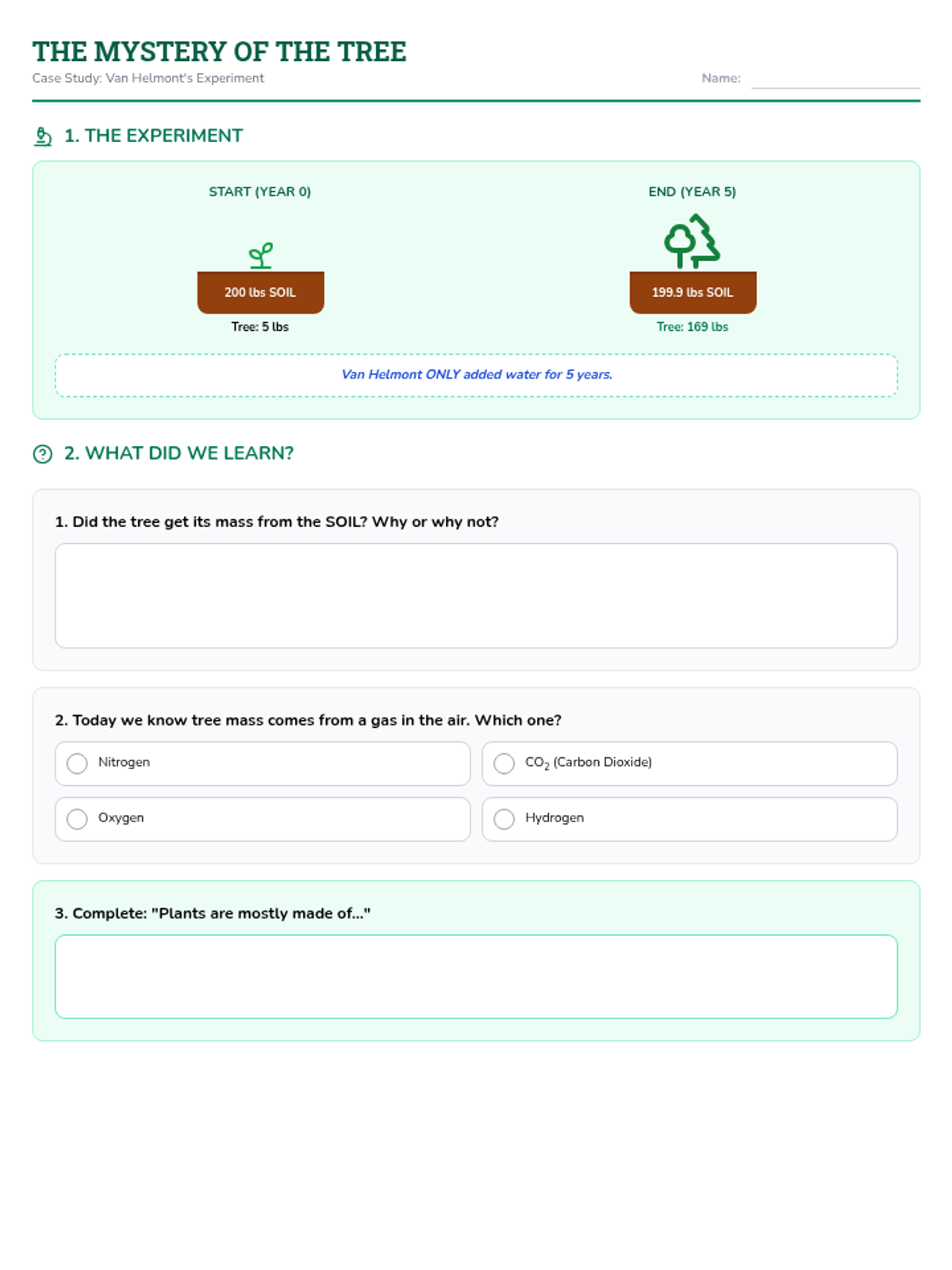
Investigate the surprising sources of plant growth and track the movement of matter from the sun and soil through food webs.
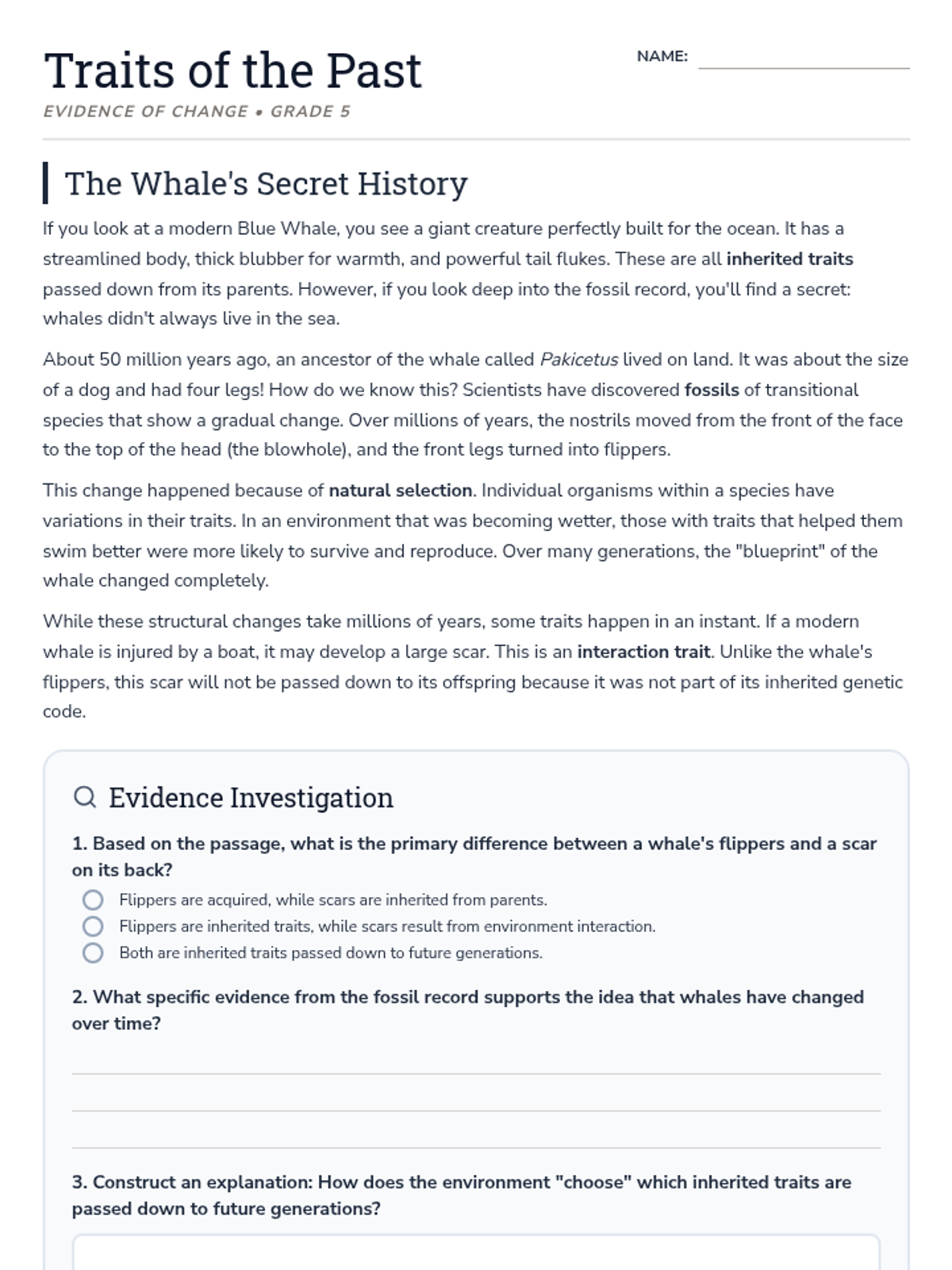
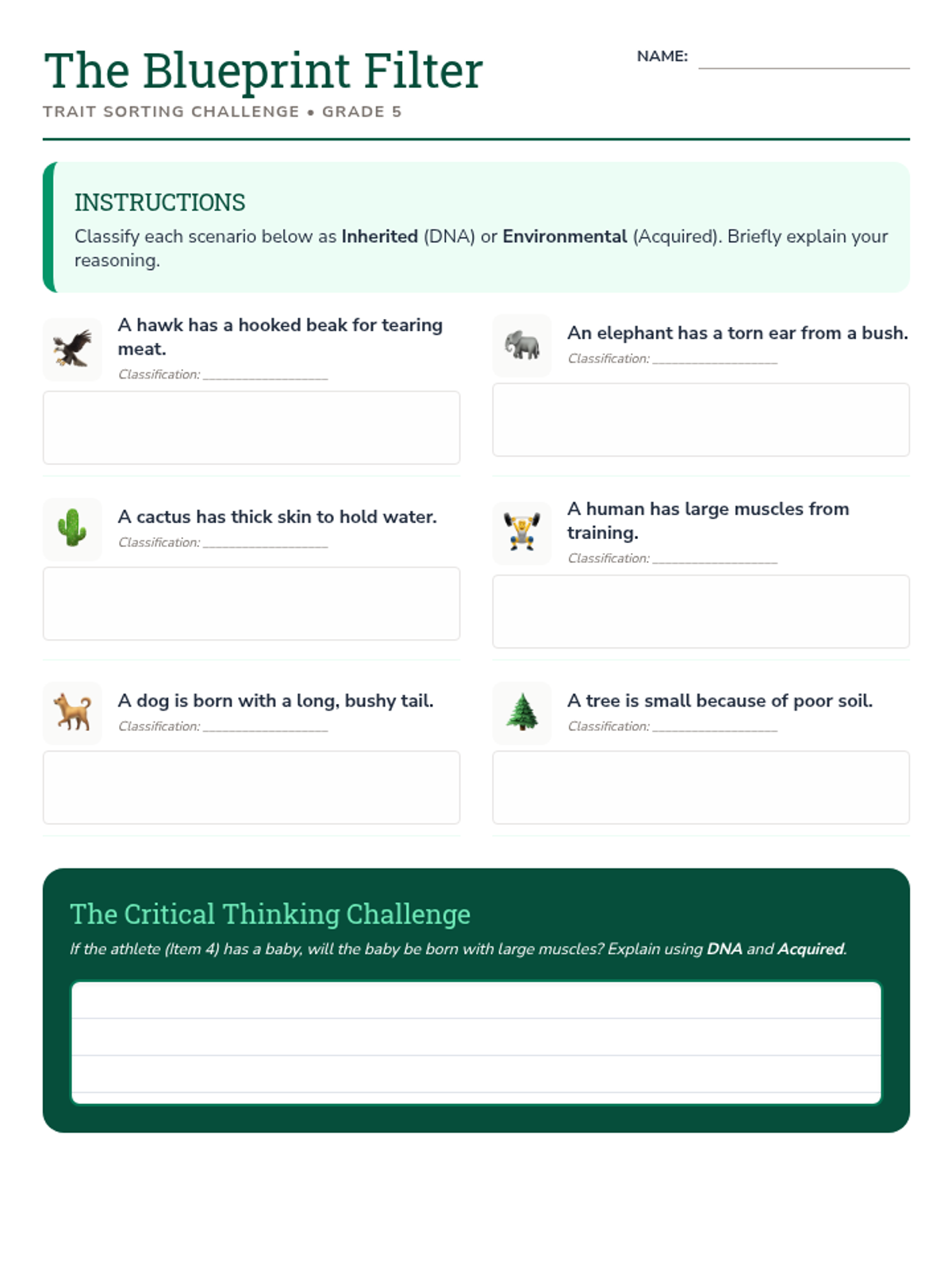
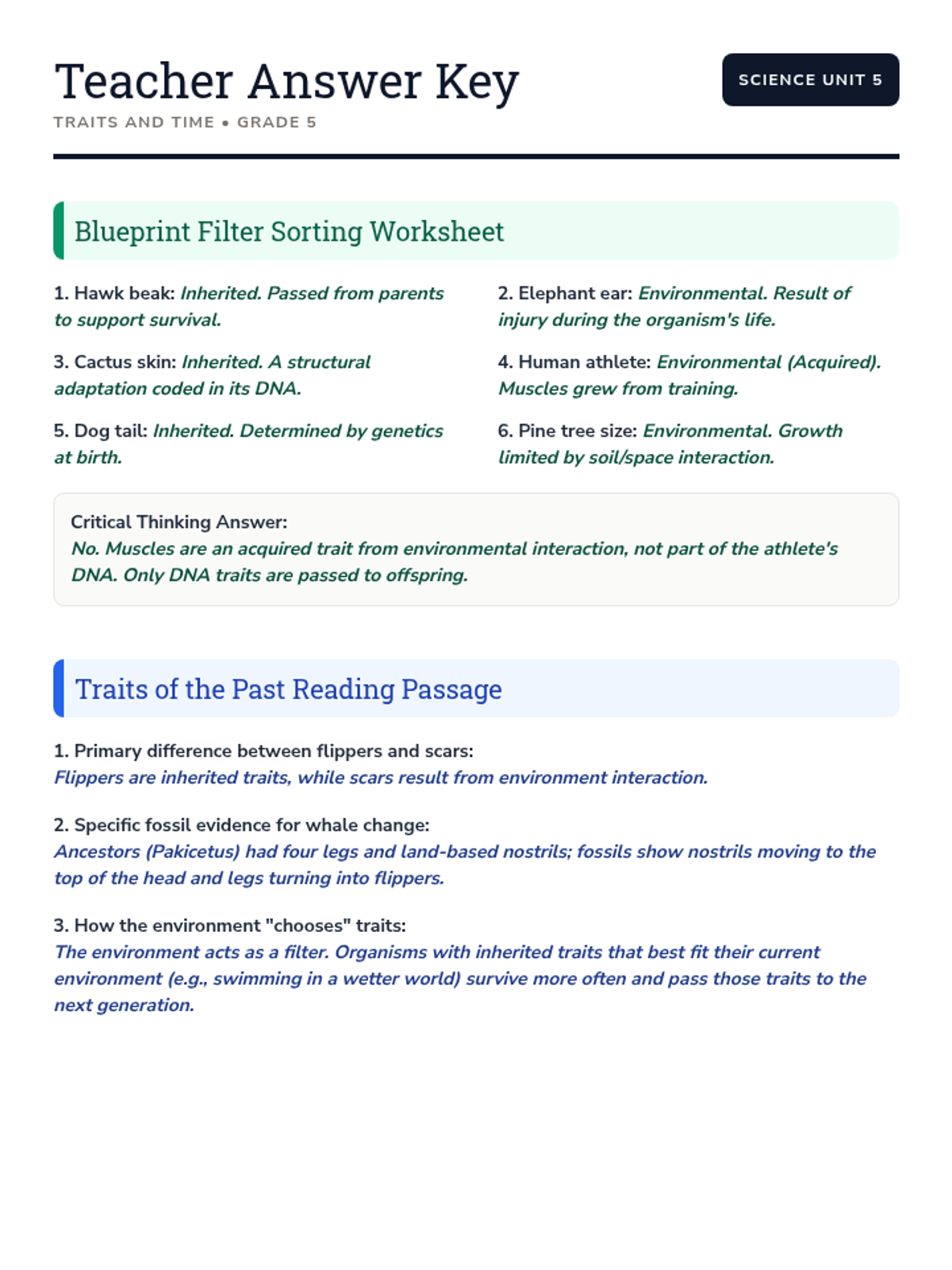
Distinguish between inherited and acquired traits while exploring evidence of how organisms change over long periods of time through the fossil record and structural adaptations.
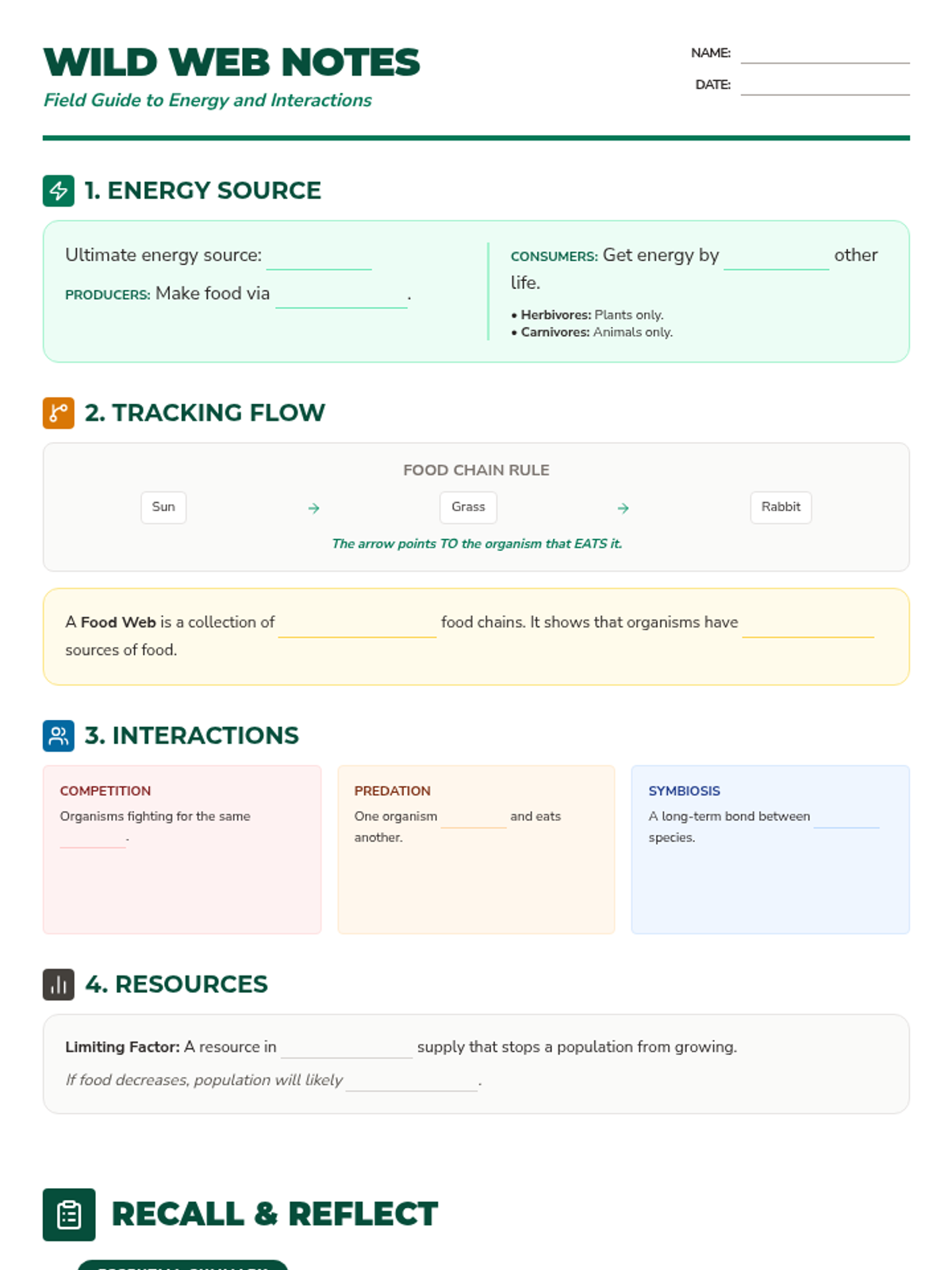
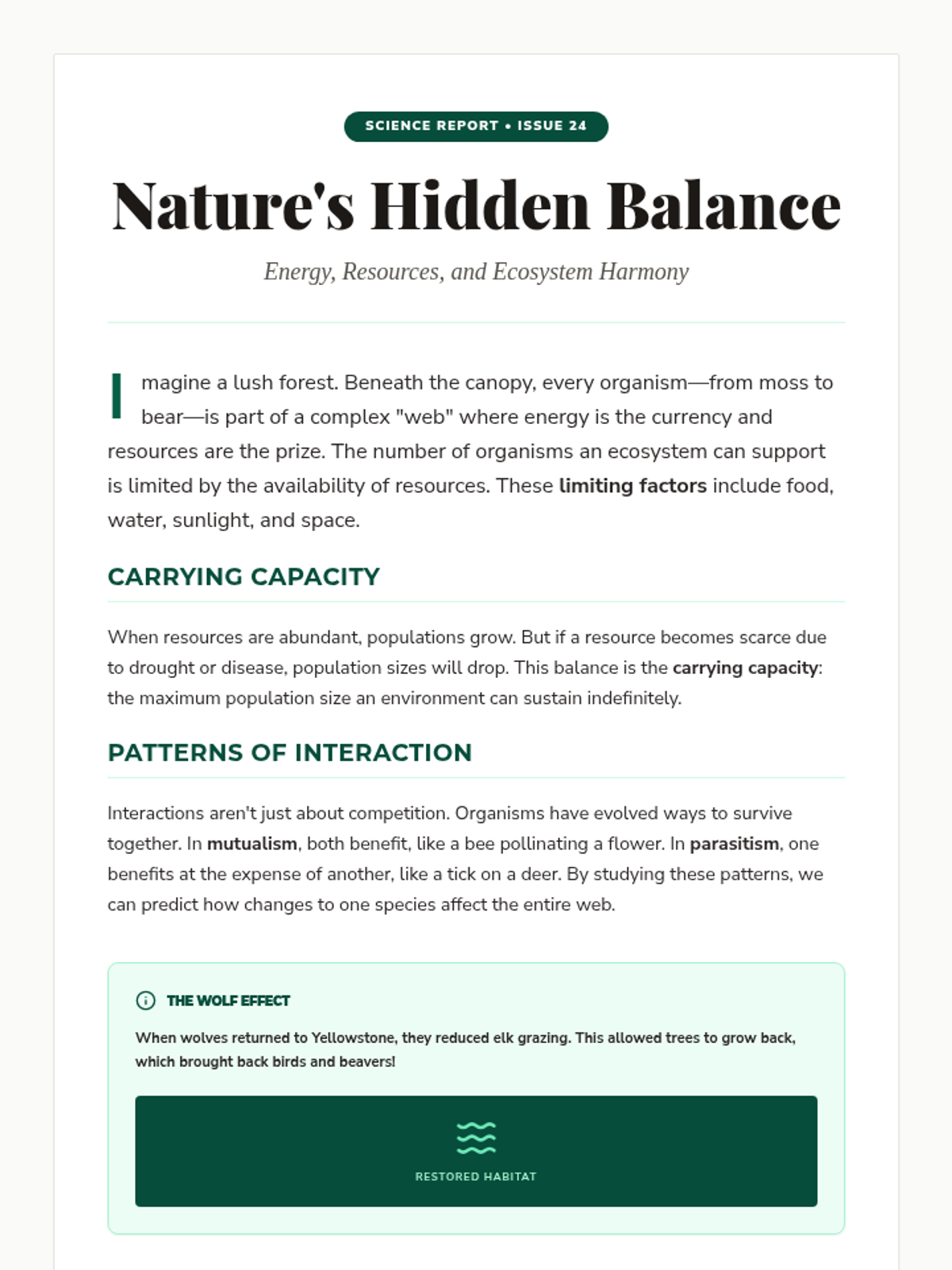
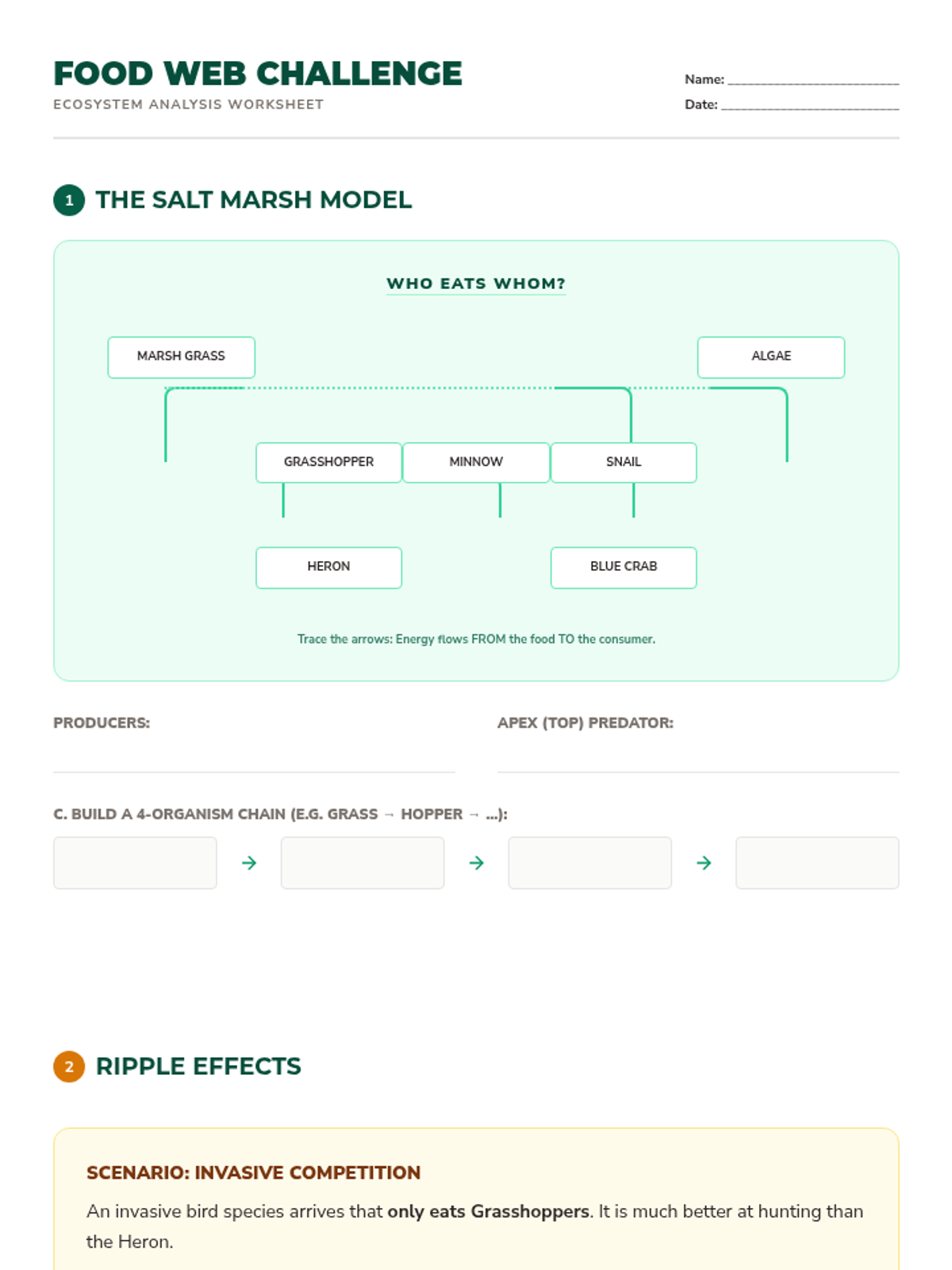
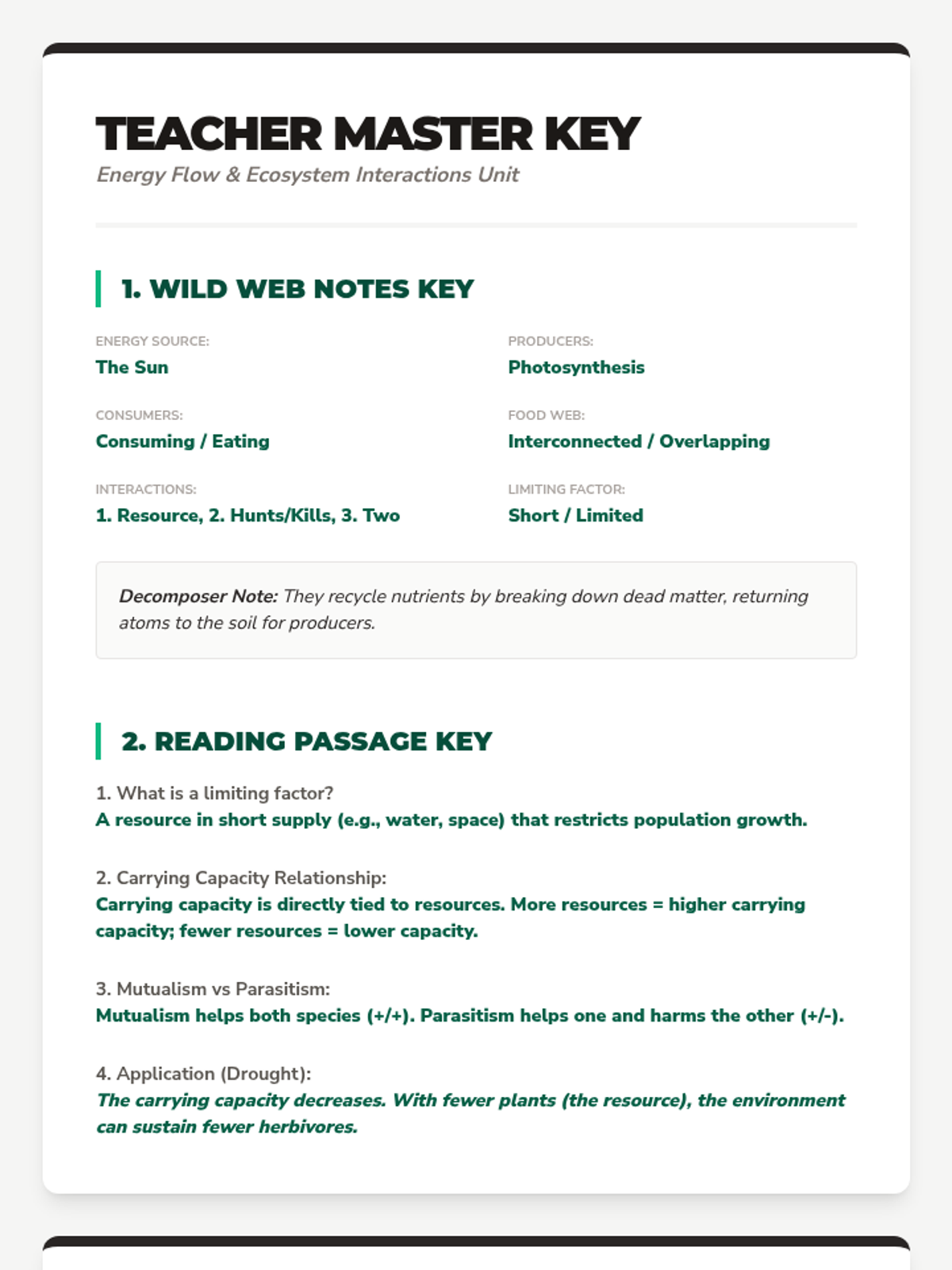
This lesson covers the fundamentals of energy transfer through food webs and the various types of interactions (competition, predation, symbiosis) that shape ecosystems.
Explore how plants and animals inherit traits from their parents and how the environment can influence those traits through observations and evidence-based reasoning.
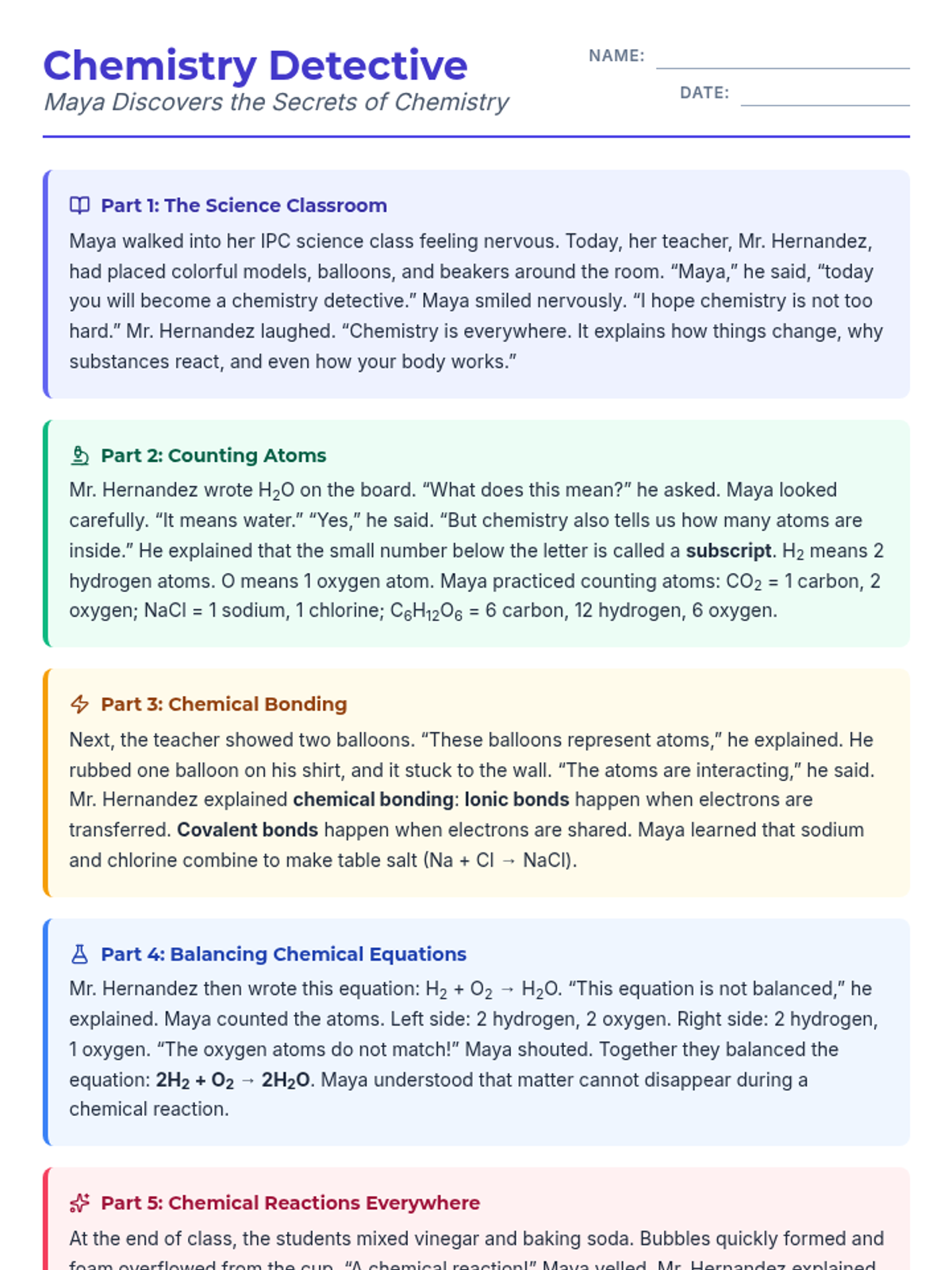
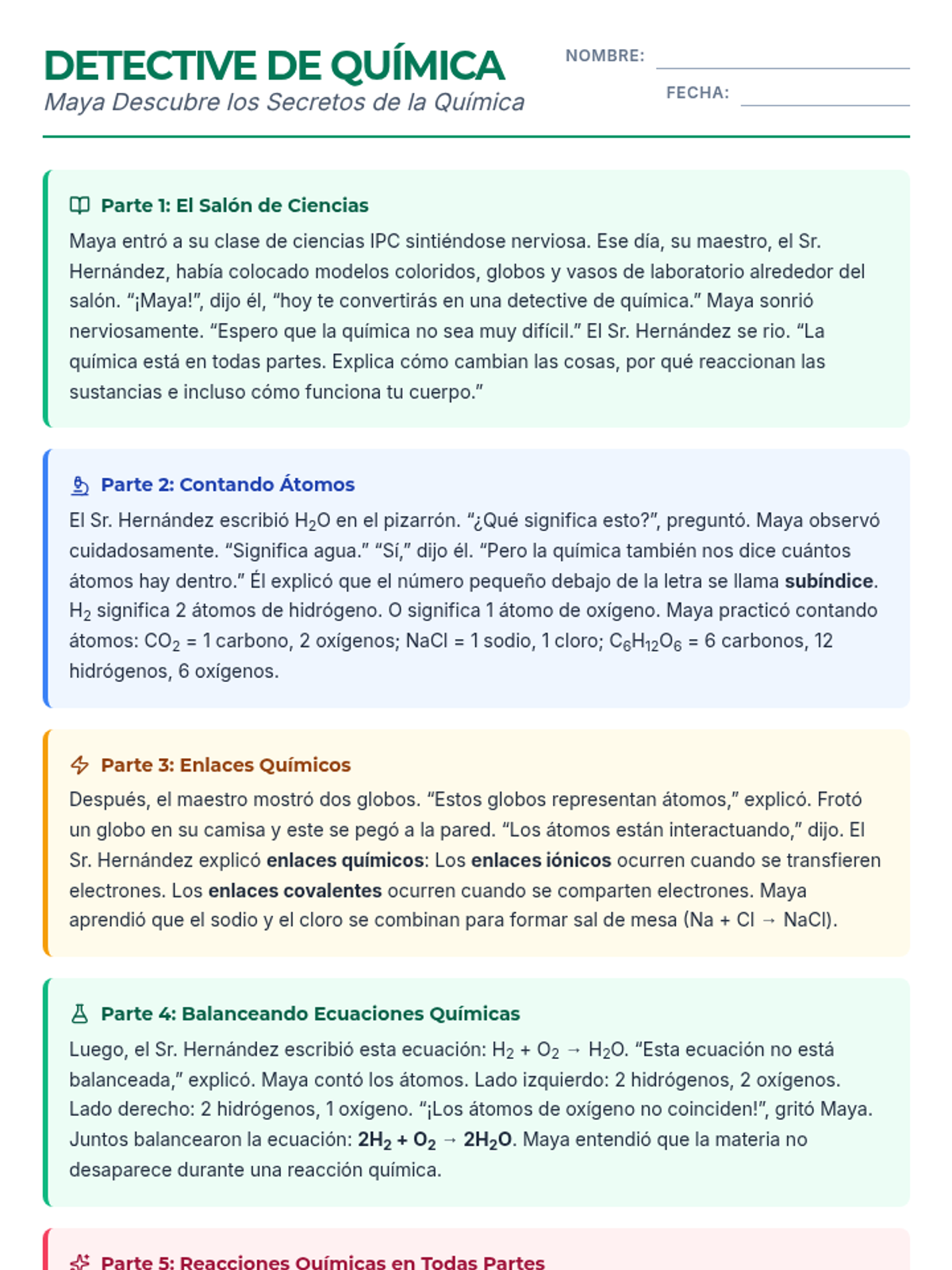
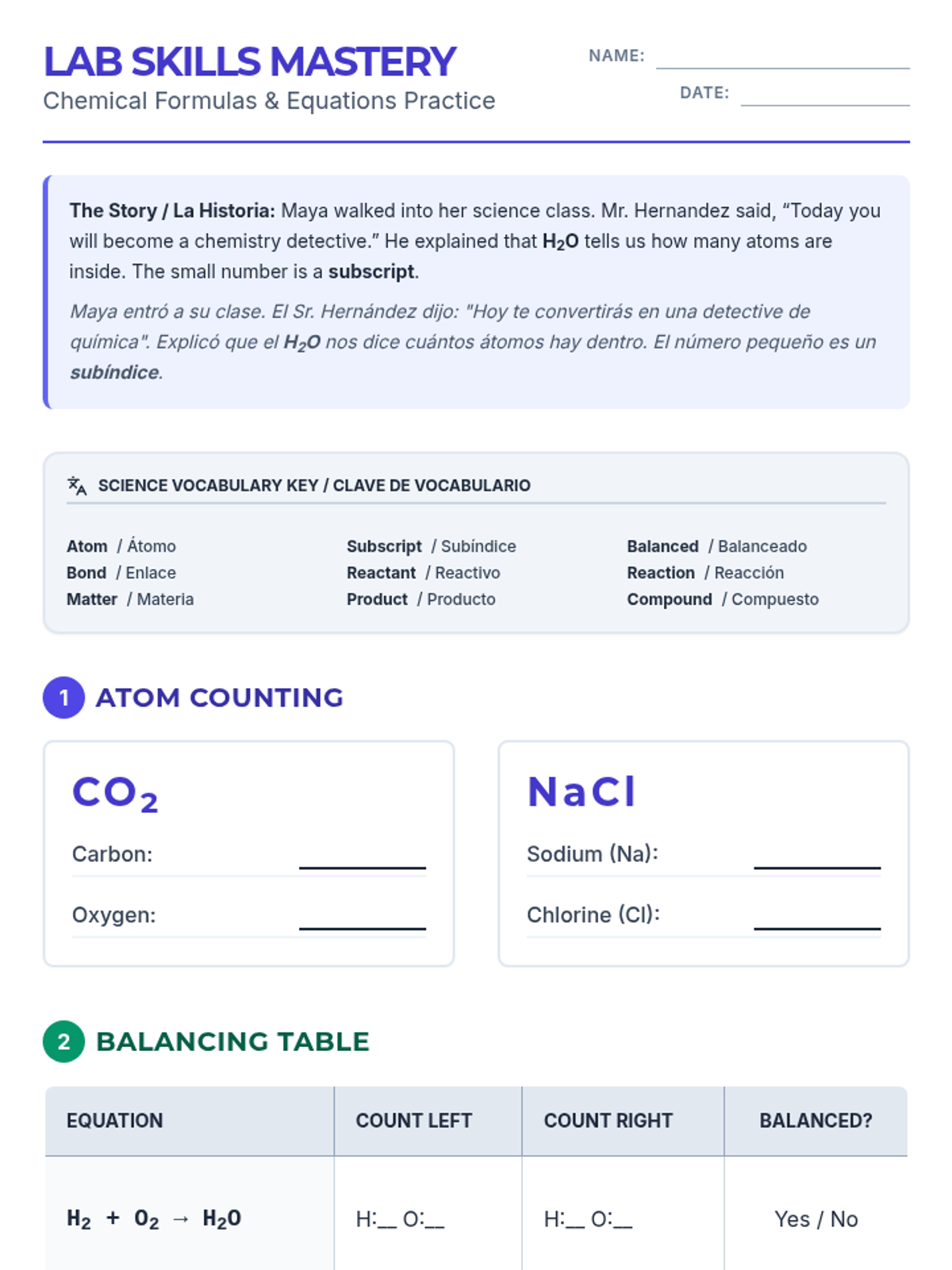
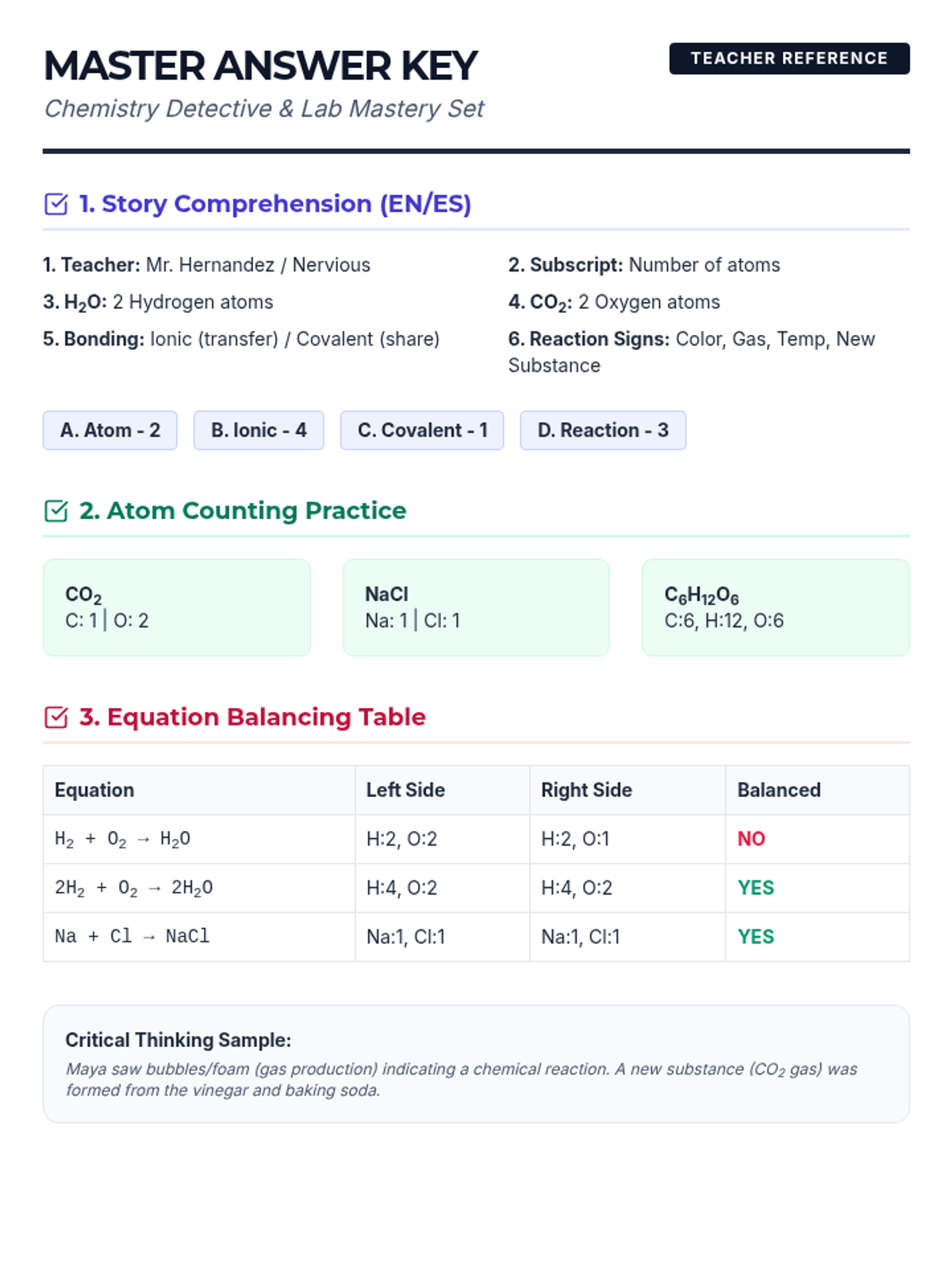
An introductory chemistry lesson based on Maya's discovery of atoms, bonds, and reactions, available in English and Spanish with hands-on practice.
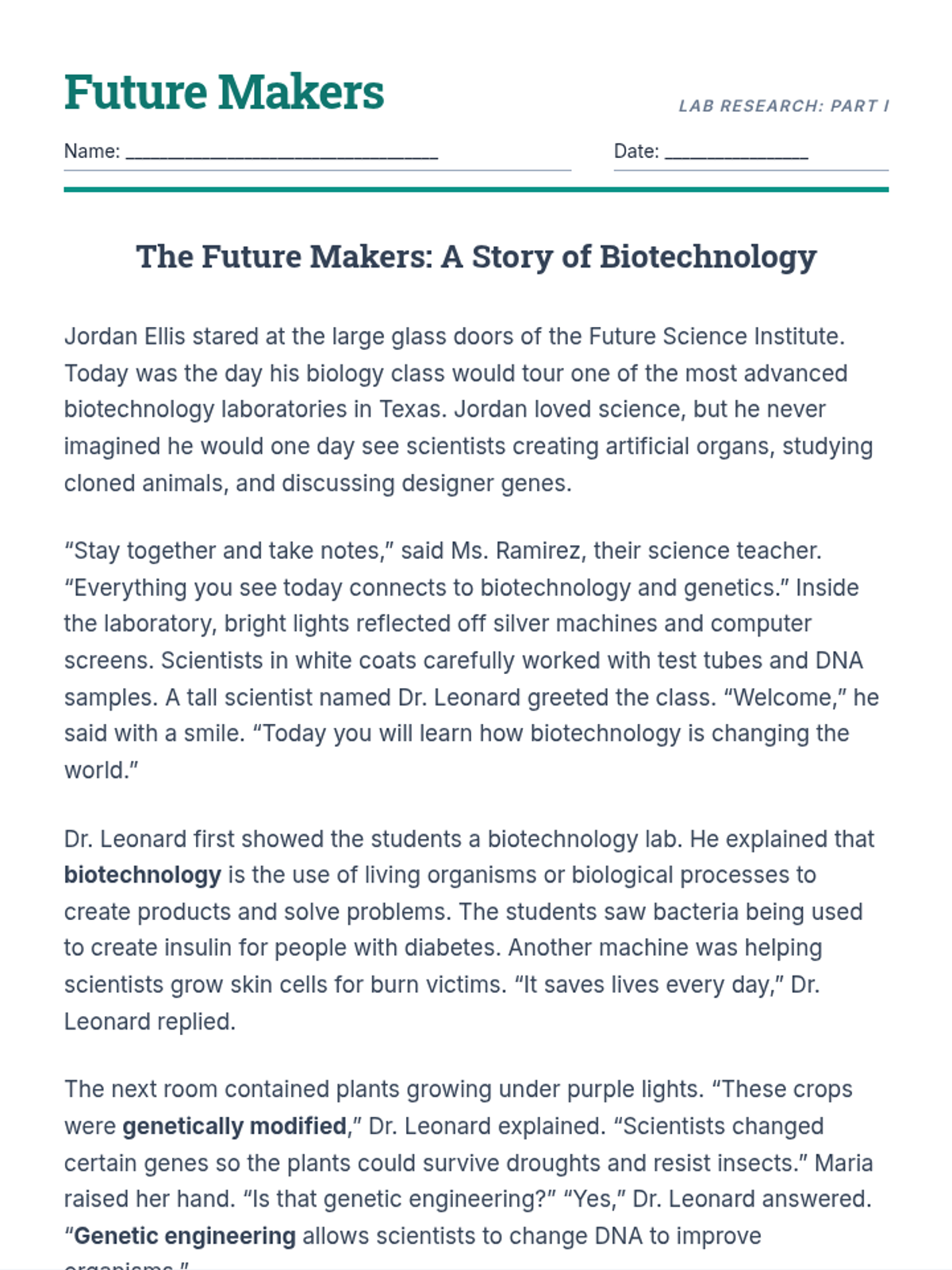
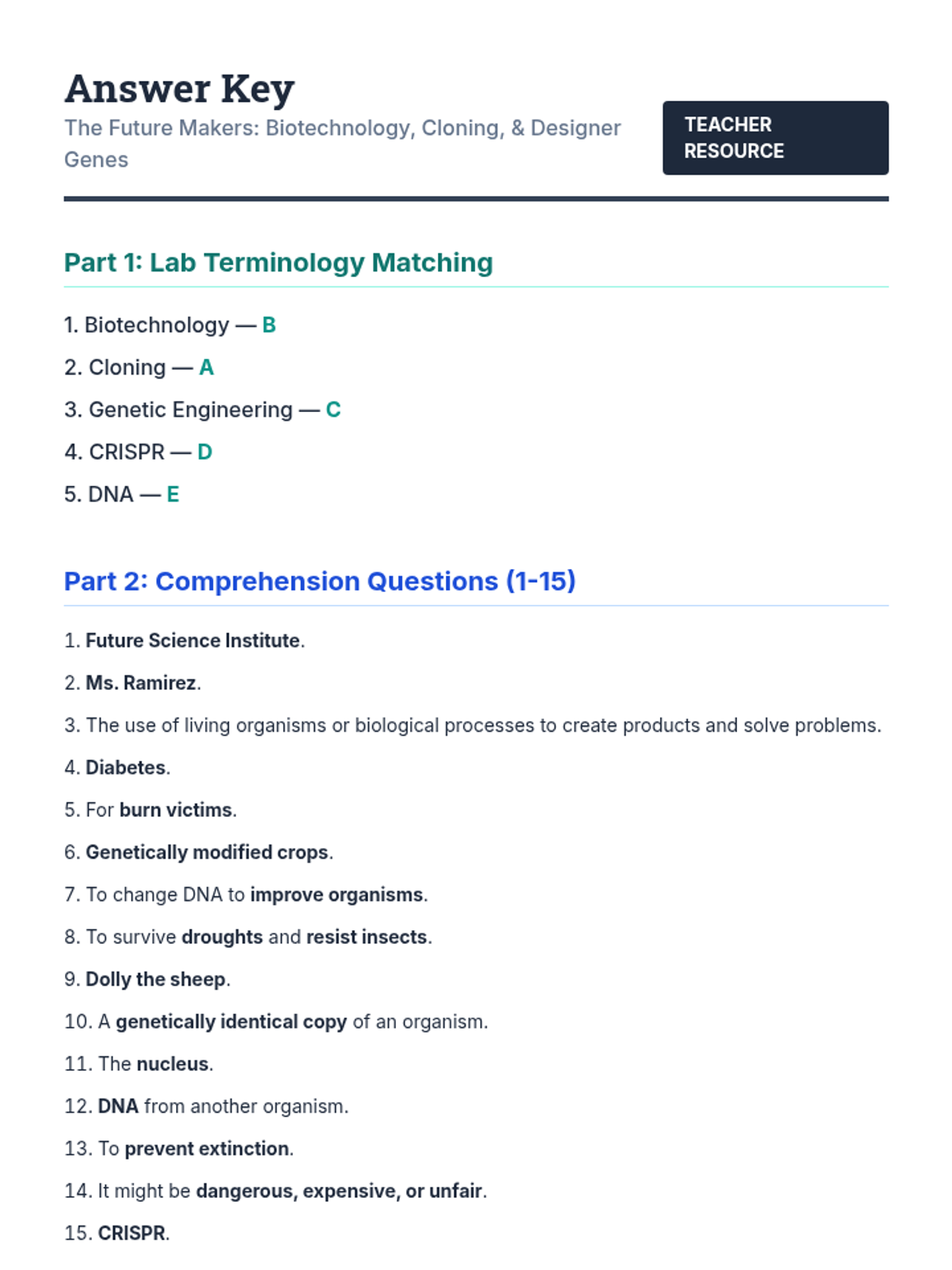
A lesson exploring the advancements and ethical considerations of biotechnology, including cloning, genetic engineering, and designer genes, based on a visit to the Future Science Institute.
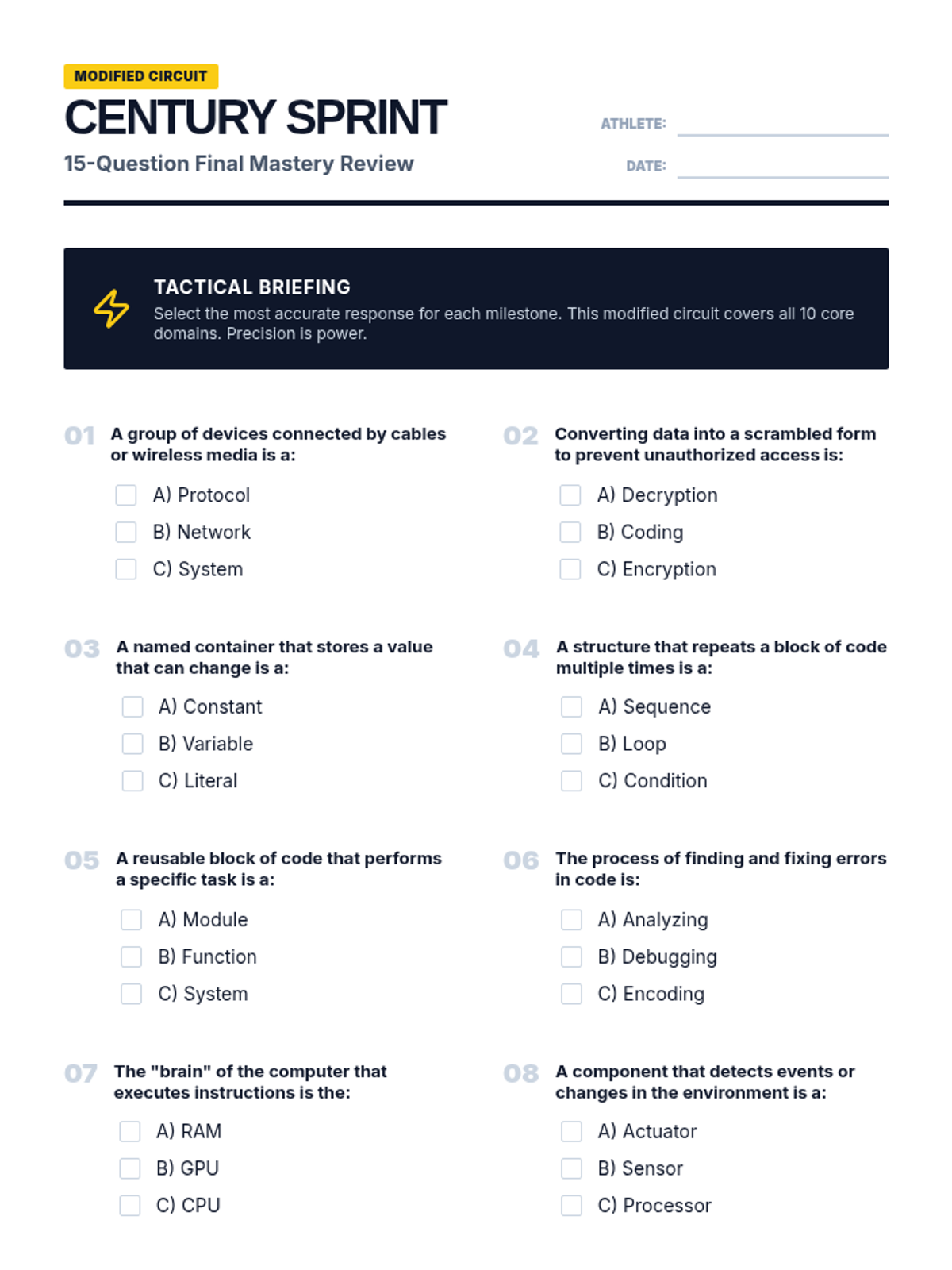
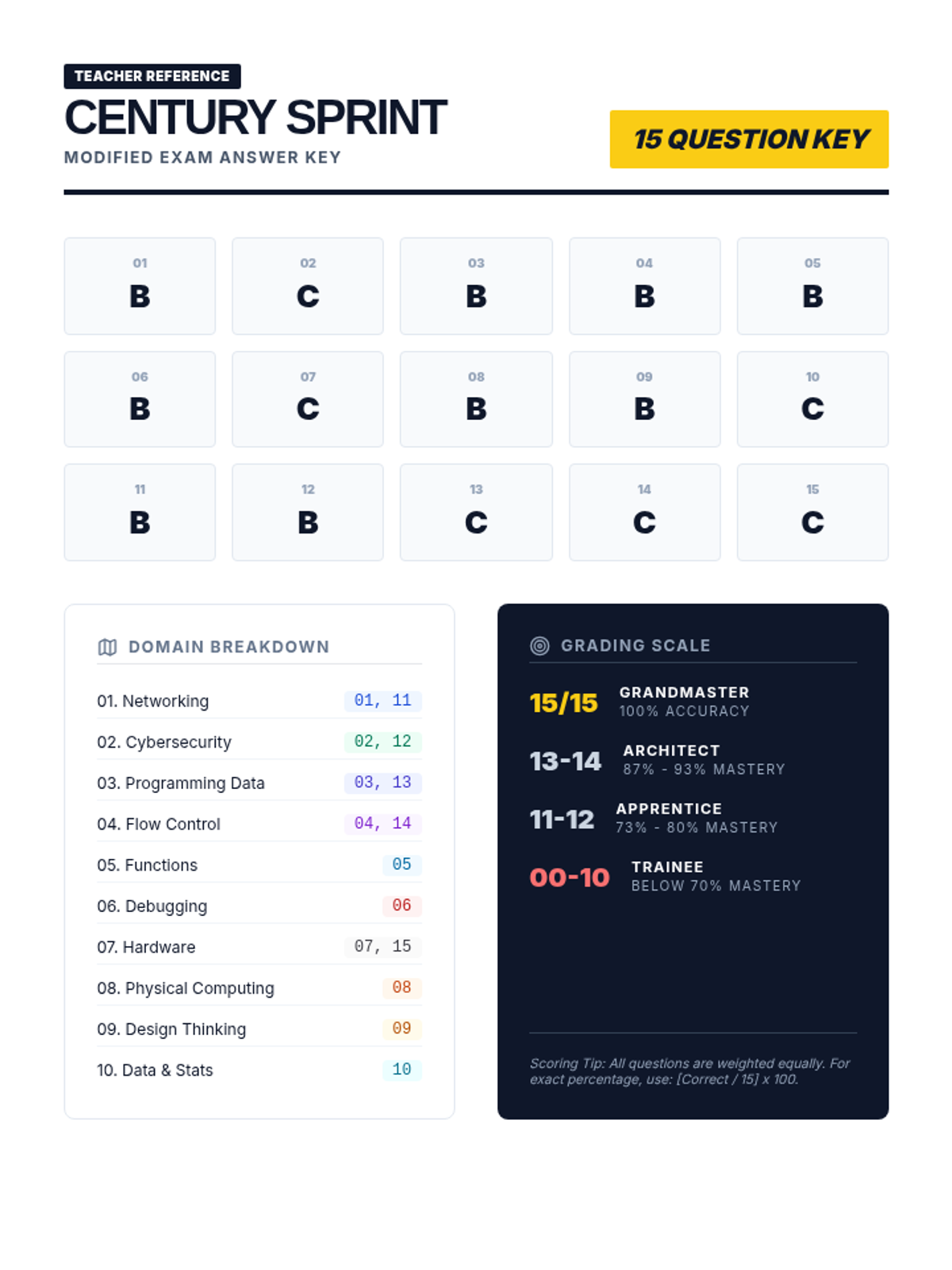
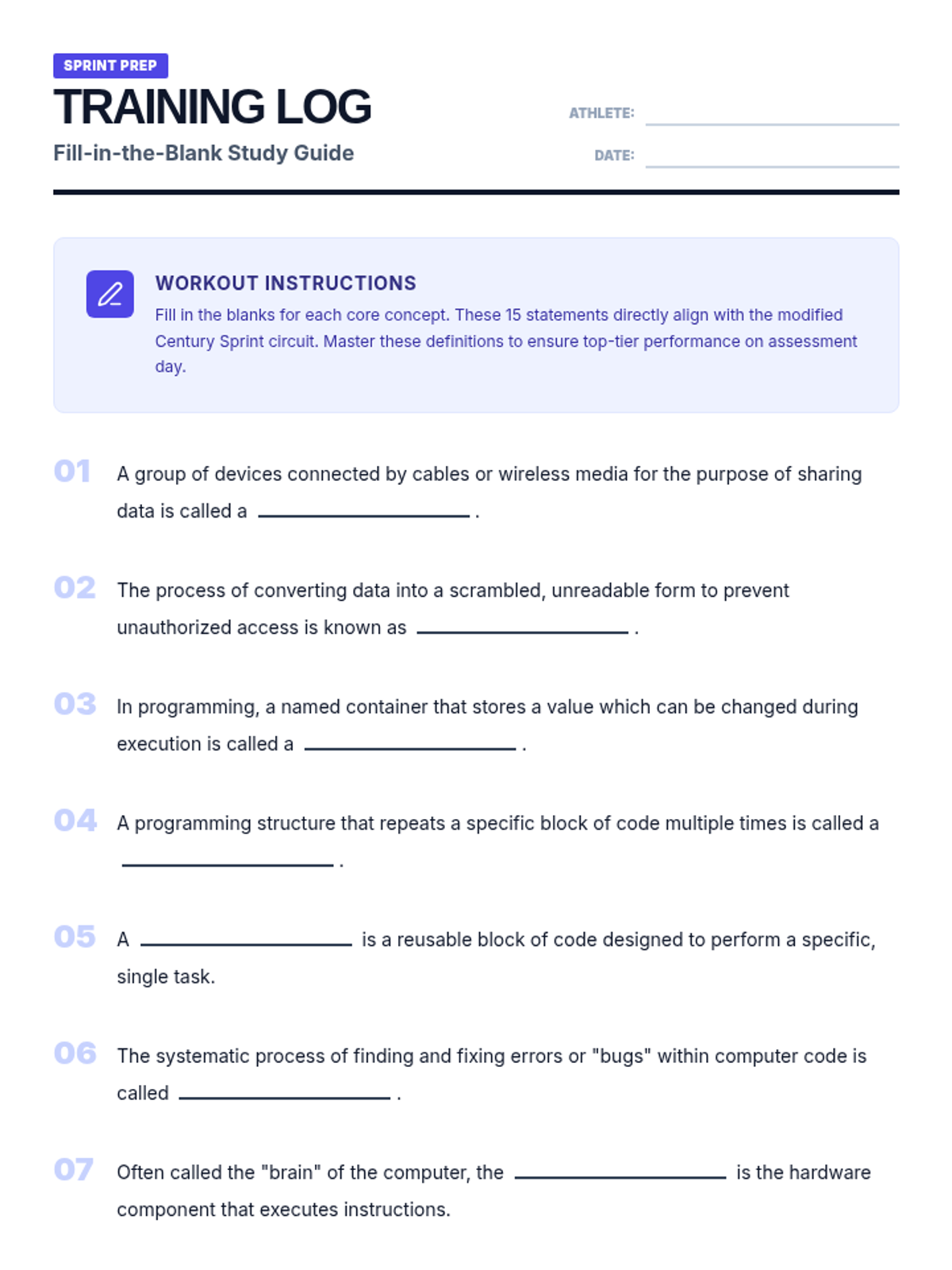
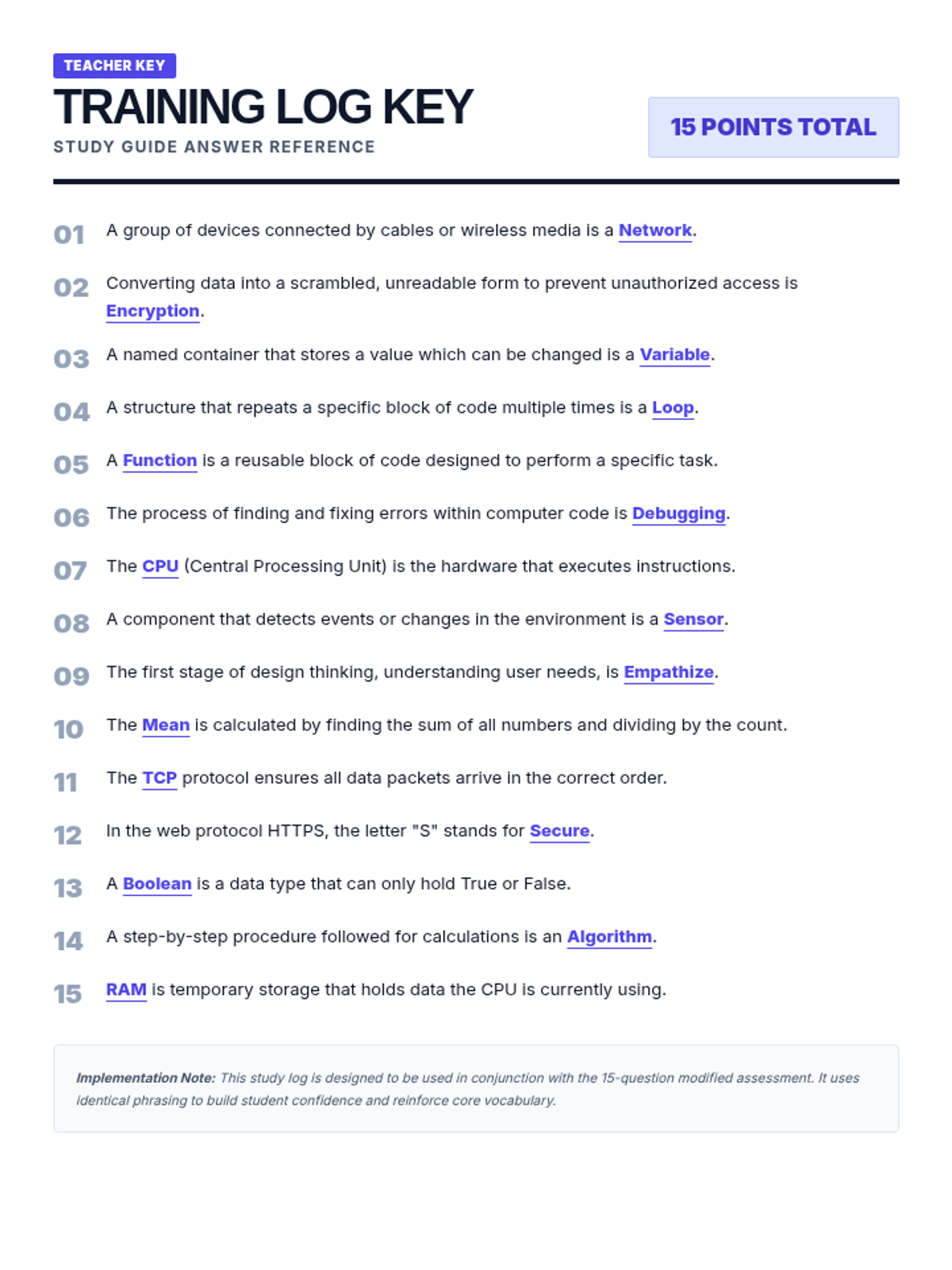
A comprehensive 100-question final review encompassing all domains of computer science covered in the sequence.
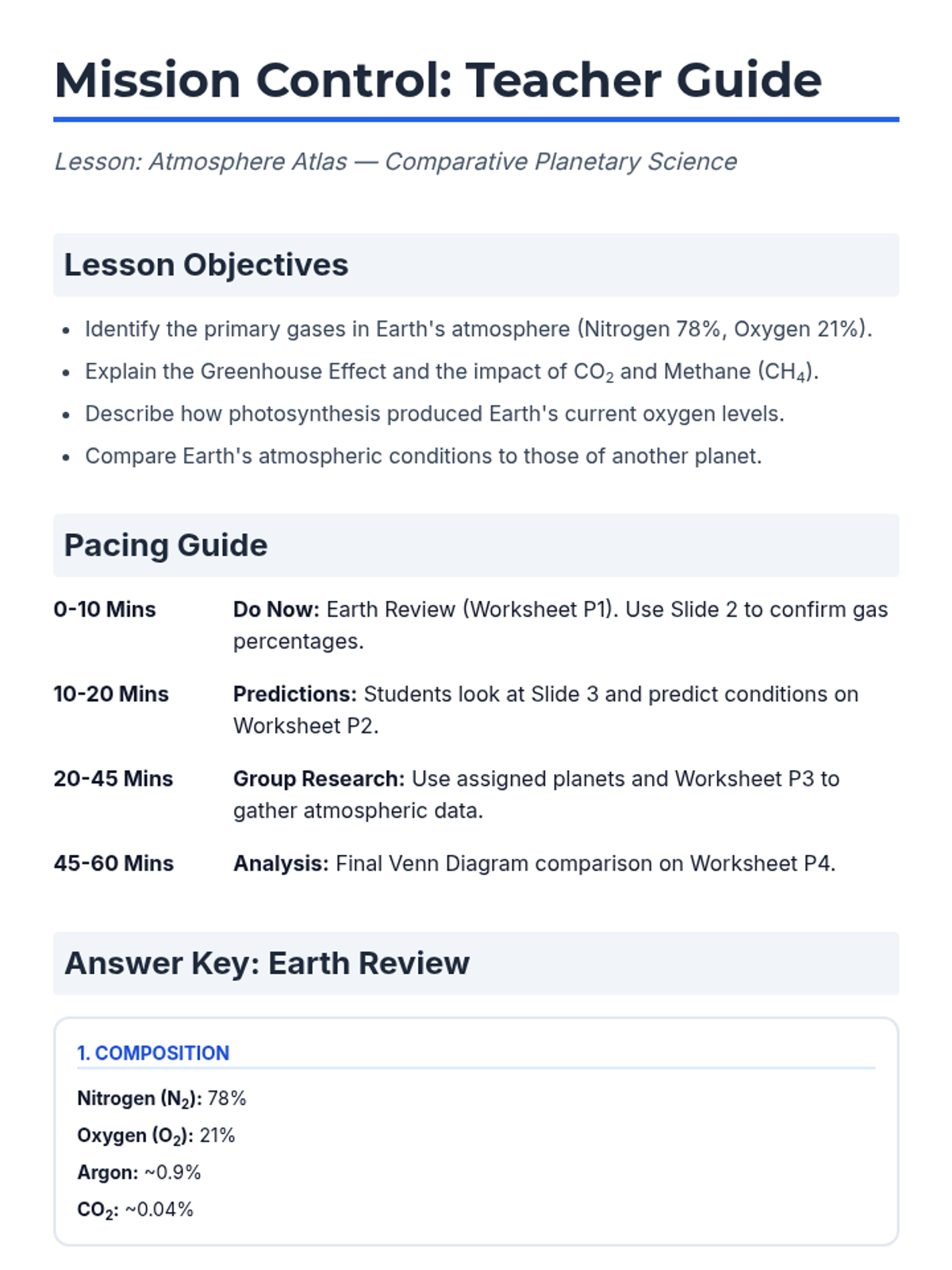
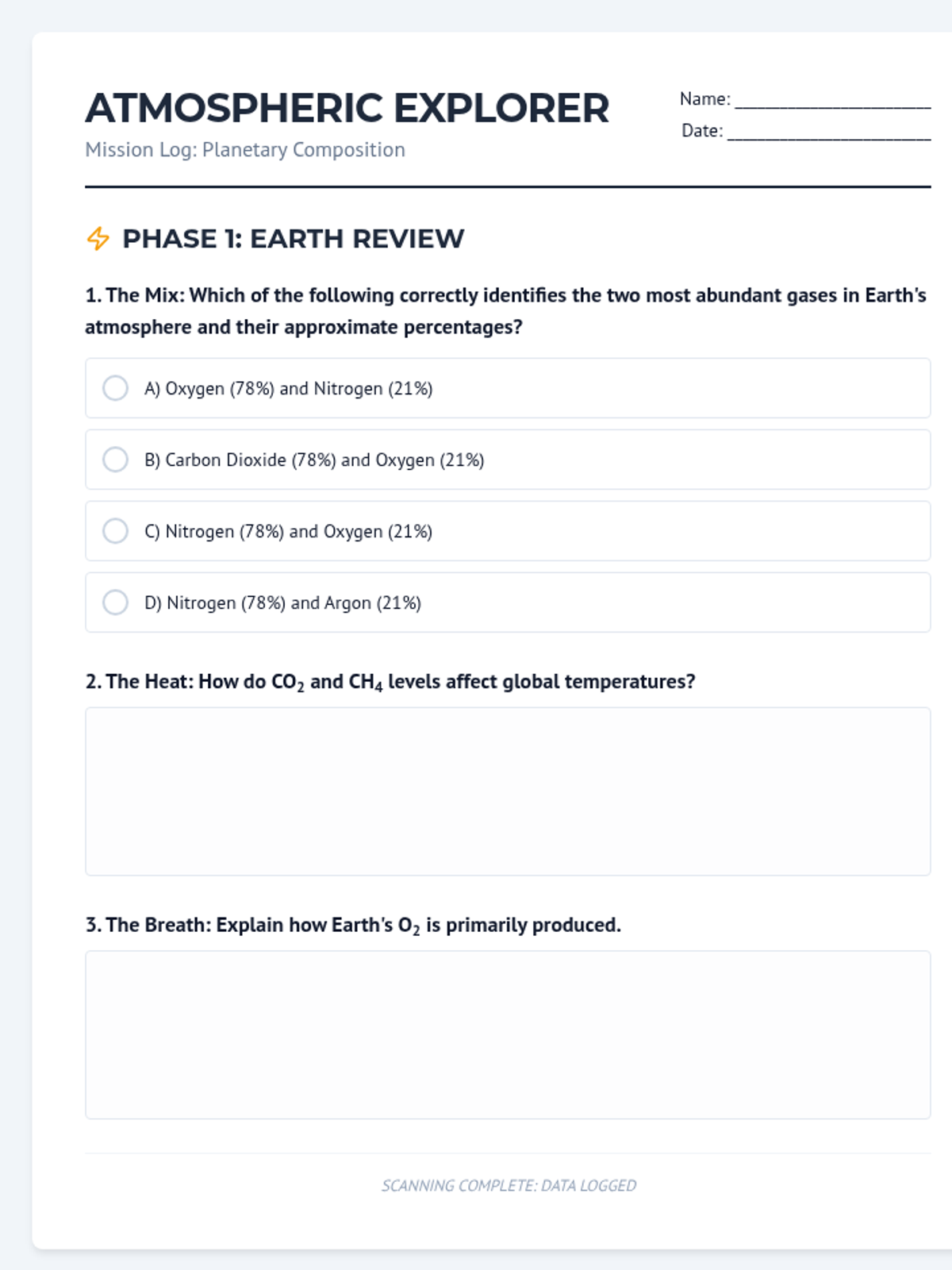
Students investigate and compare the atmospheric compositions of planets in our solar system, exploring how Earth's unique air supports life while analyzing the extreme environments of our celestial neighbors.
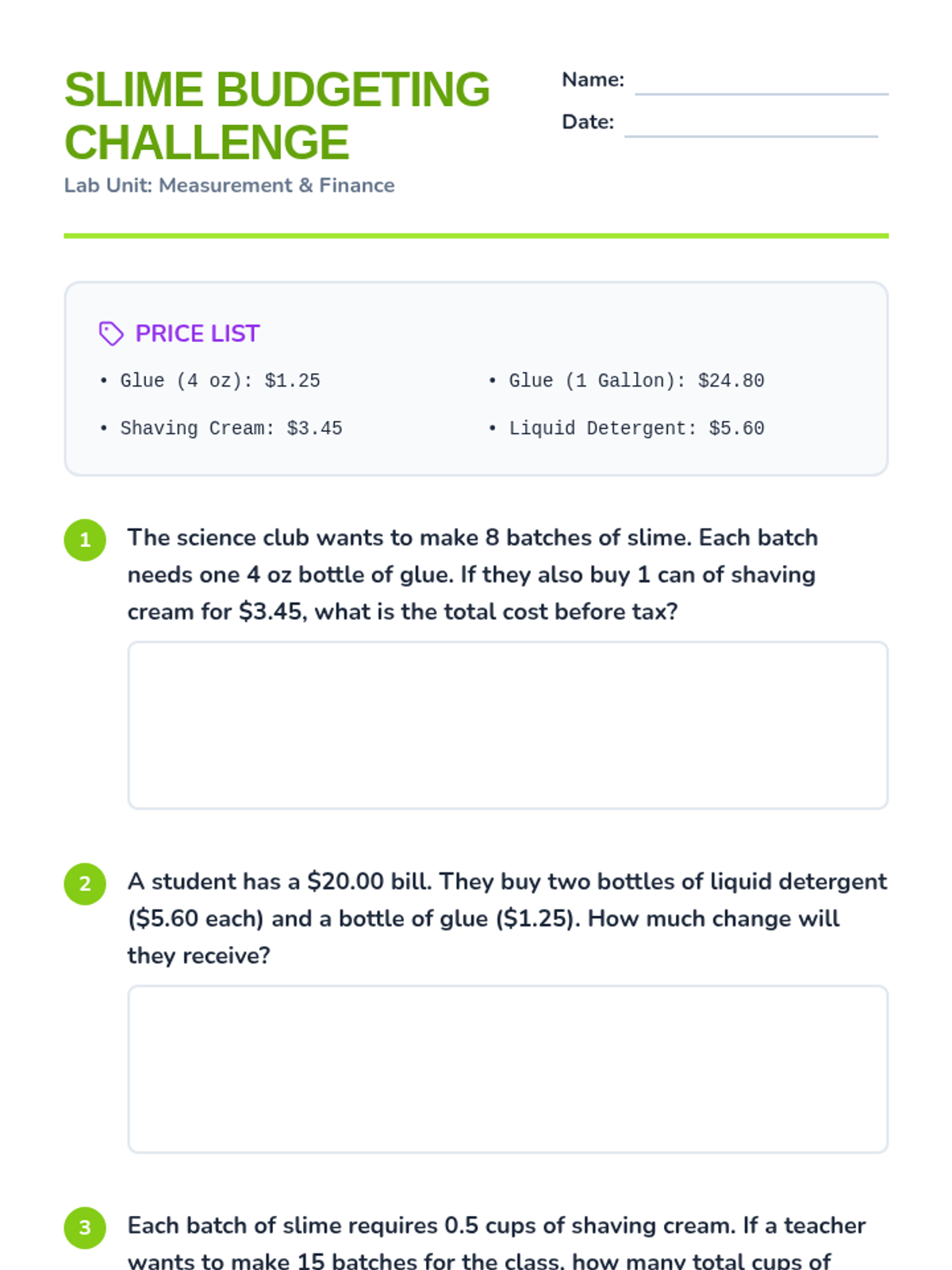
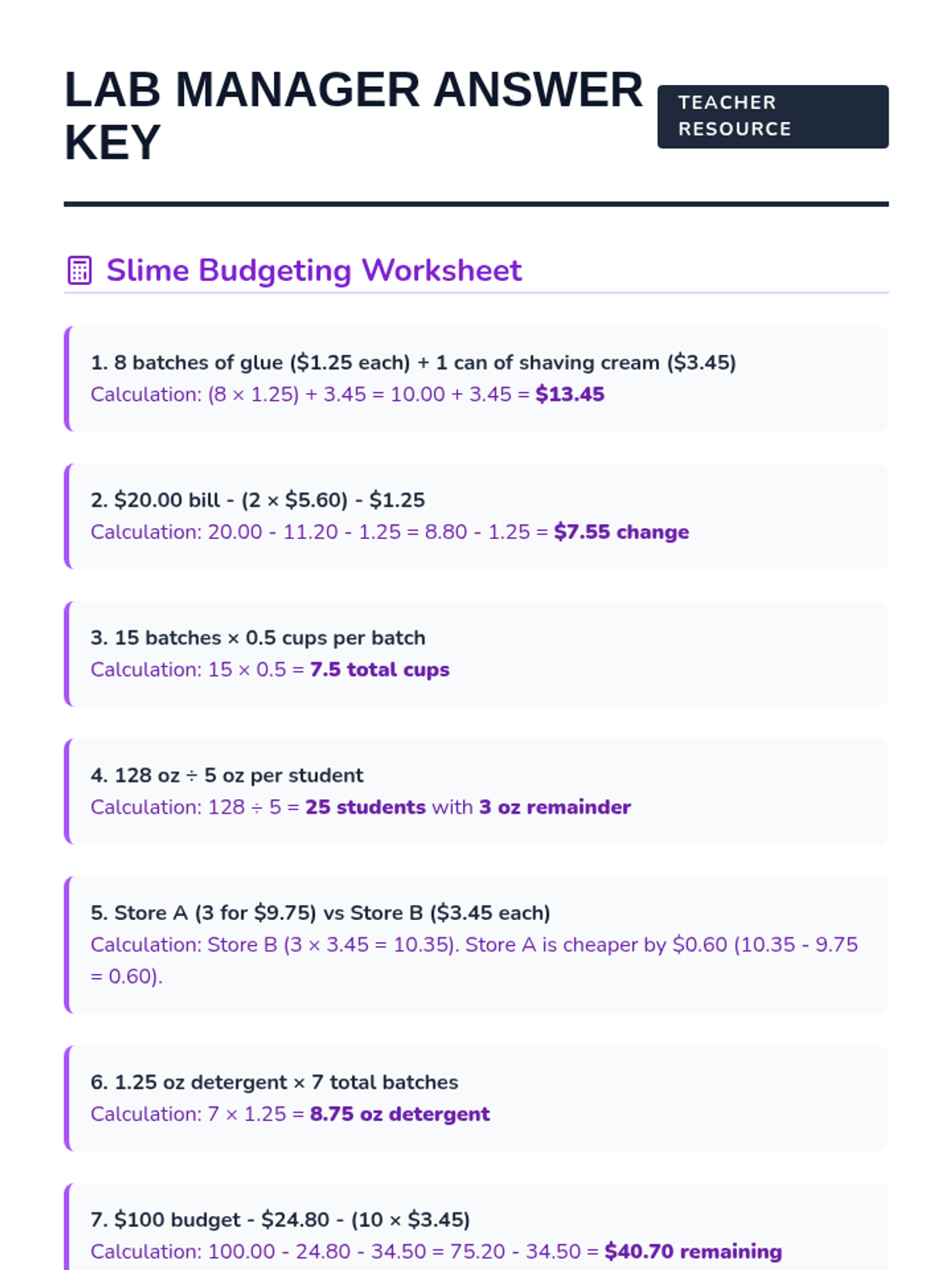
An integrated math and science lesson where 4th graders use measurement, budgeting, and chemical property analysis to create and investigate custom slime.
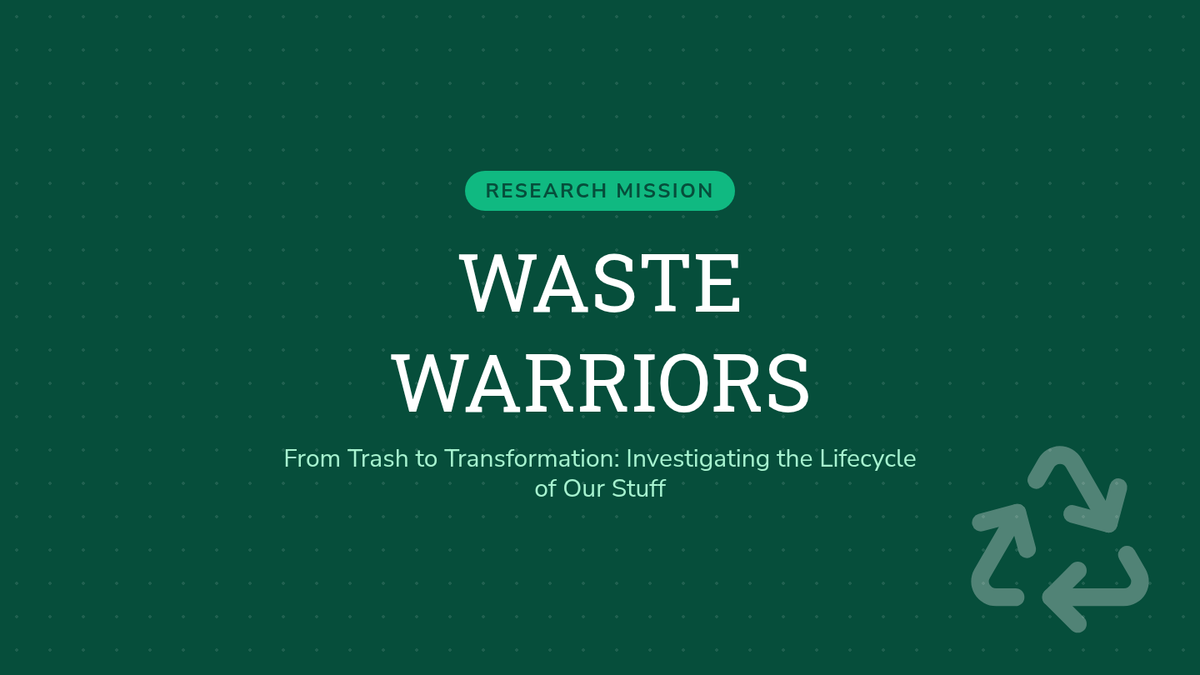
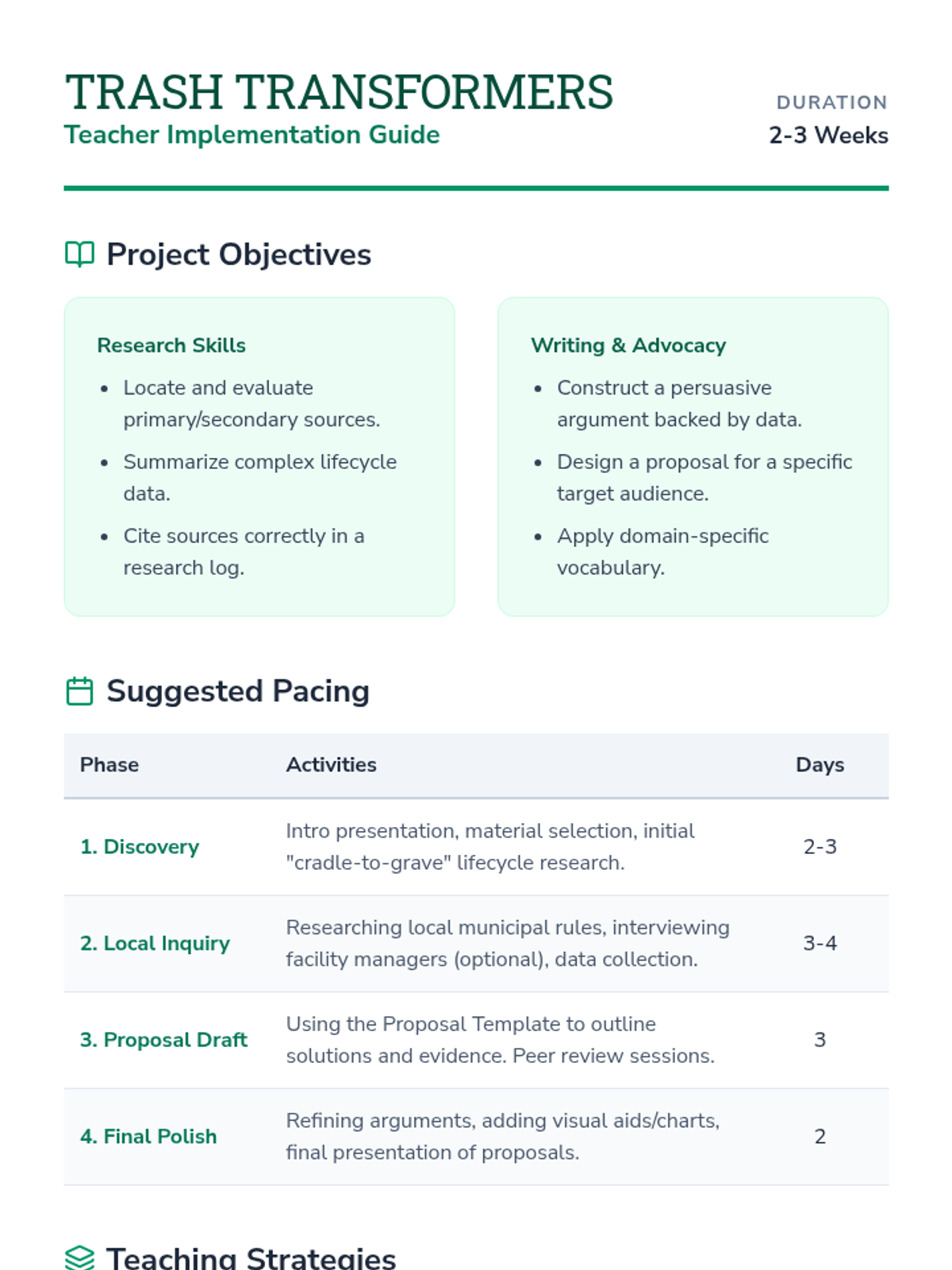
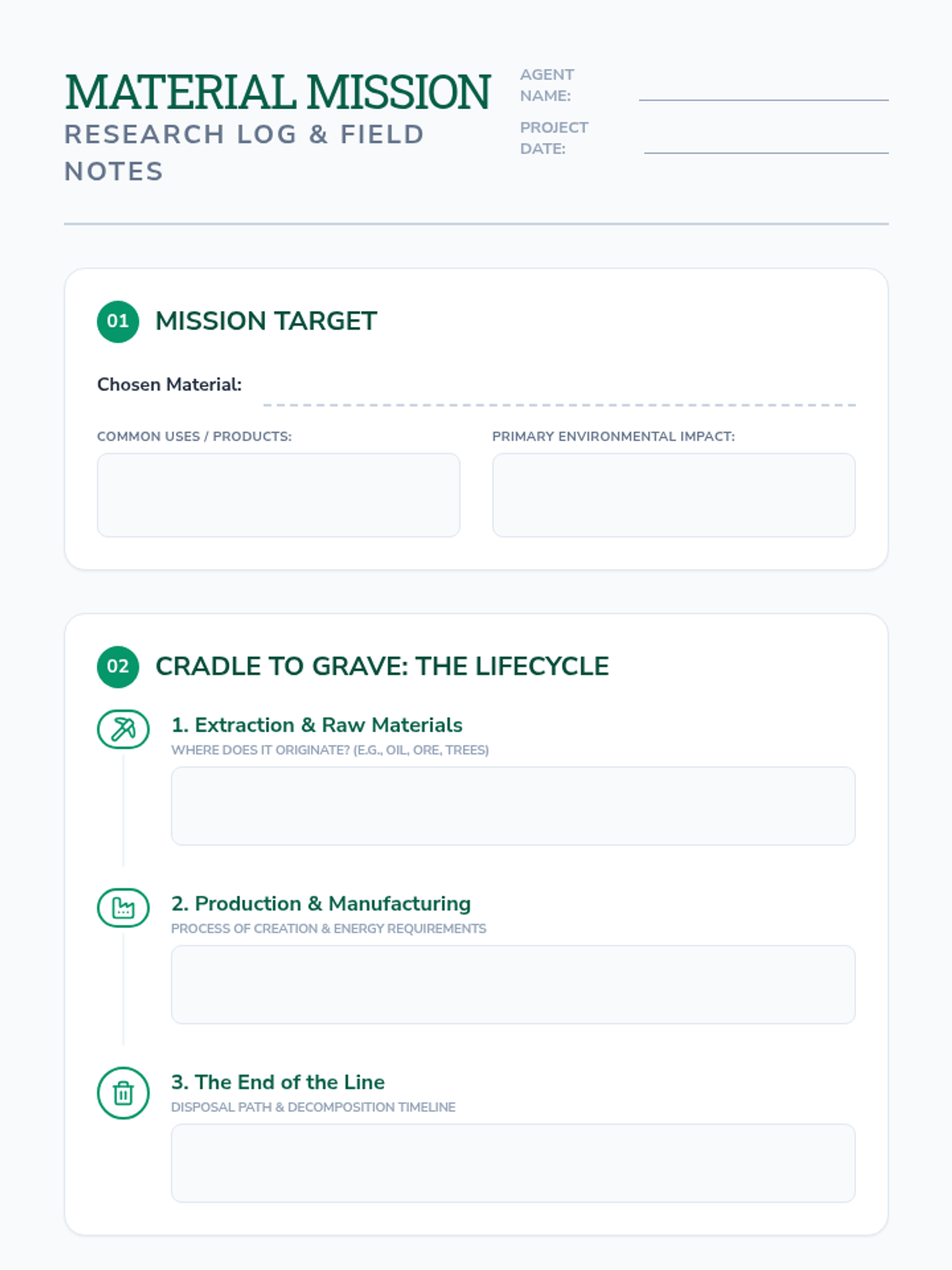
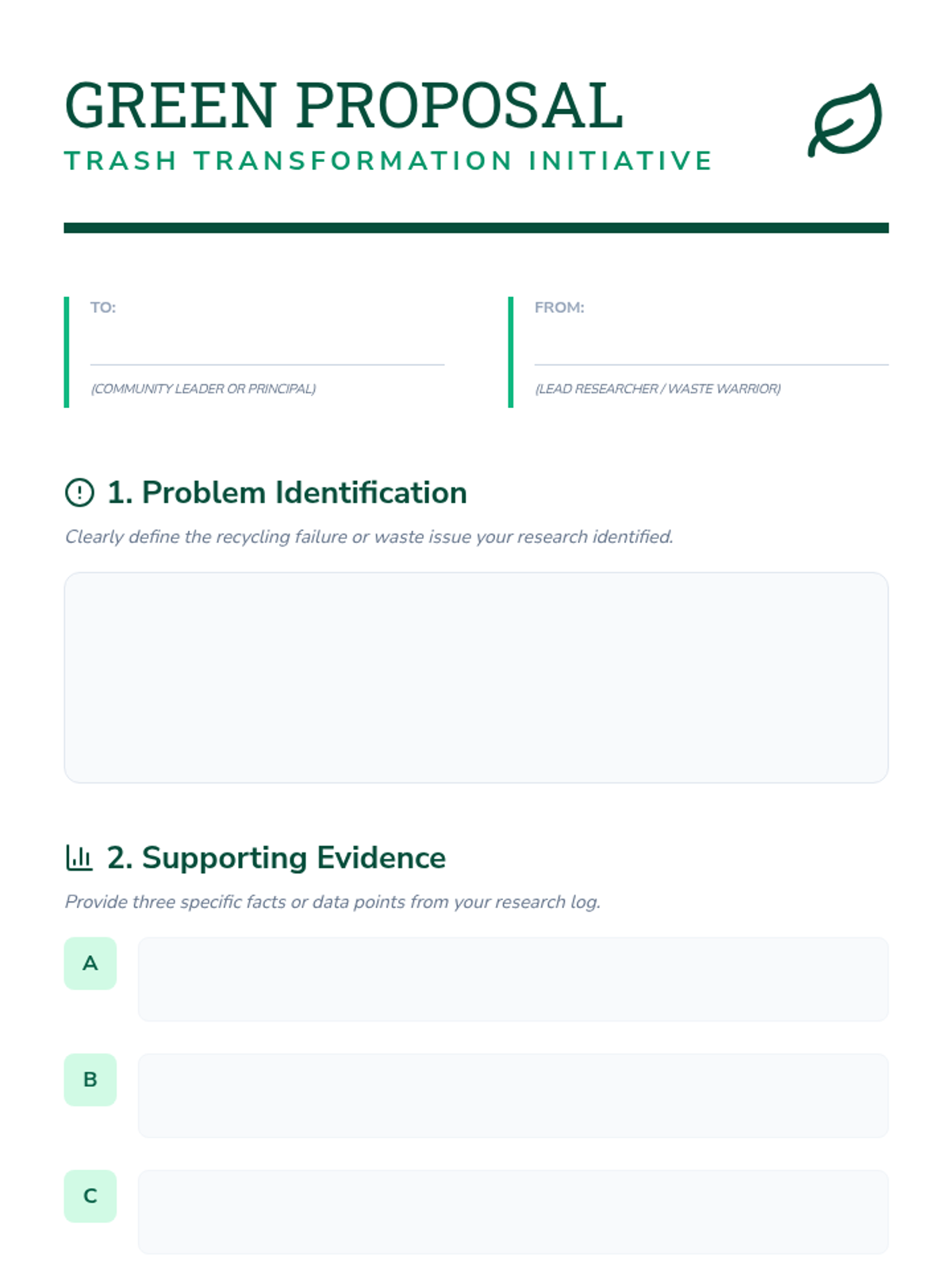
Students investigate the lifecycle of common materials and develop a data-backed proposal to improve local waste management and recycling systems. This lesson scaffolds the research process from initial inquiry to a formal persuasive proposal.
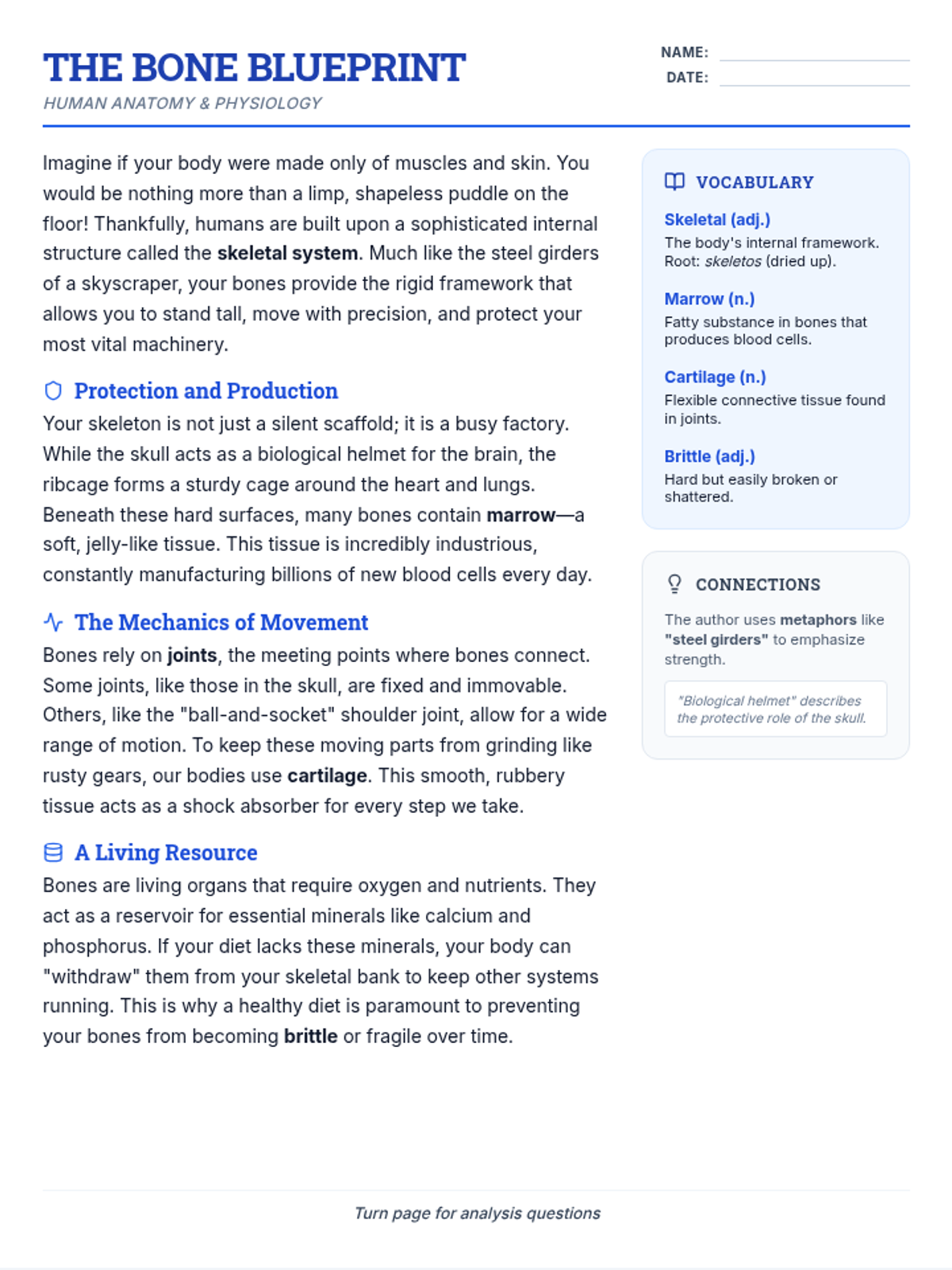
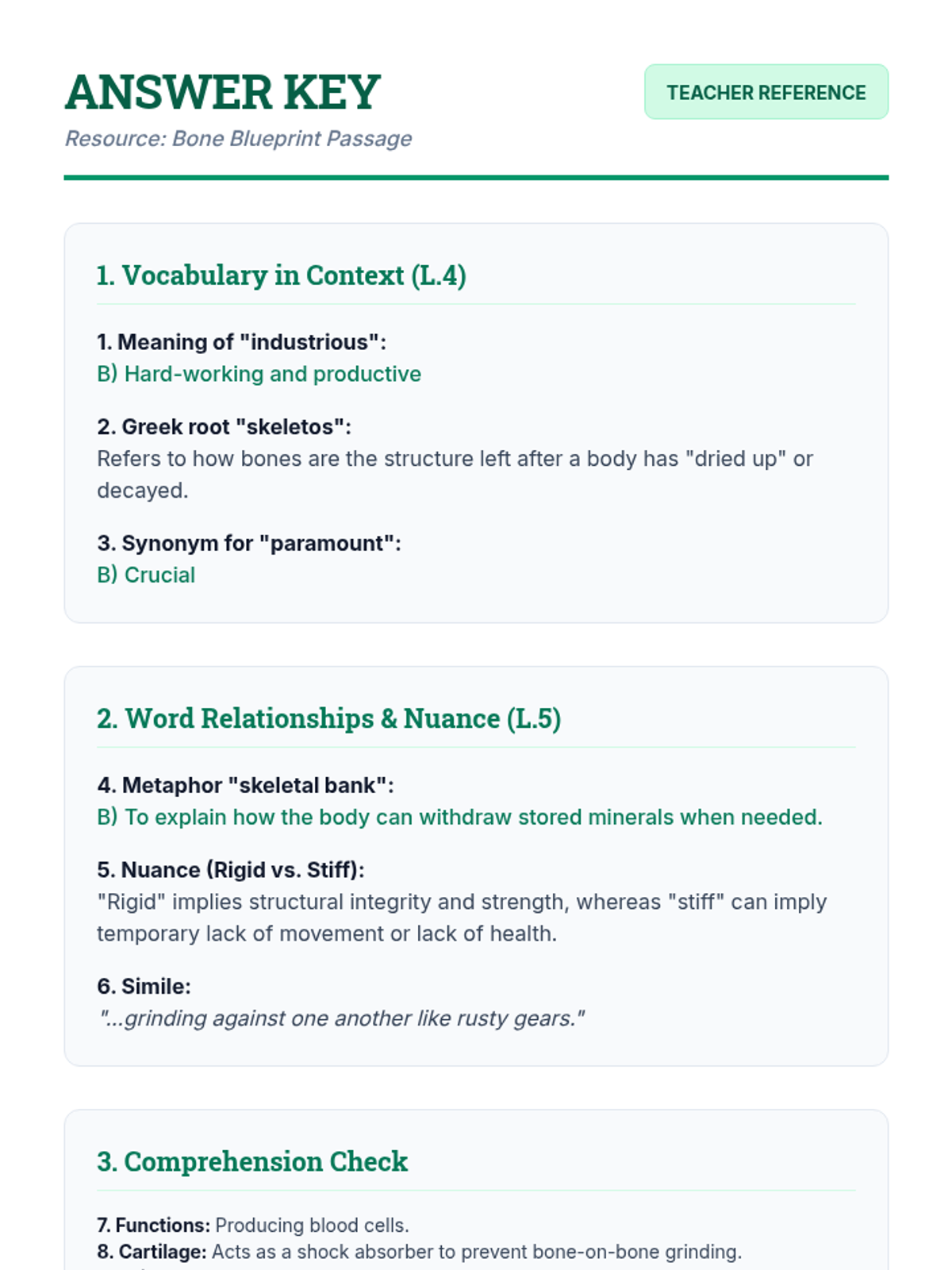
A comprehensive exploration of the skeletal system's structure and function, focusing on domain-specific vocabulary and figurative language. Students will analyze a detailed passage to understand how bones support and protect the human body.
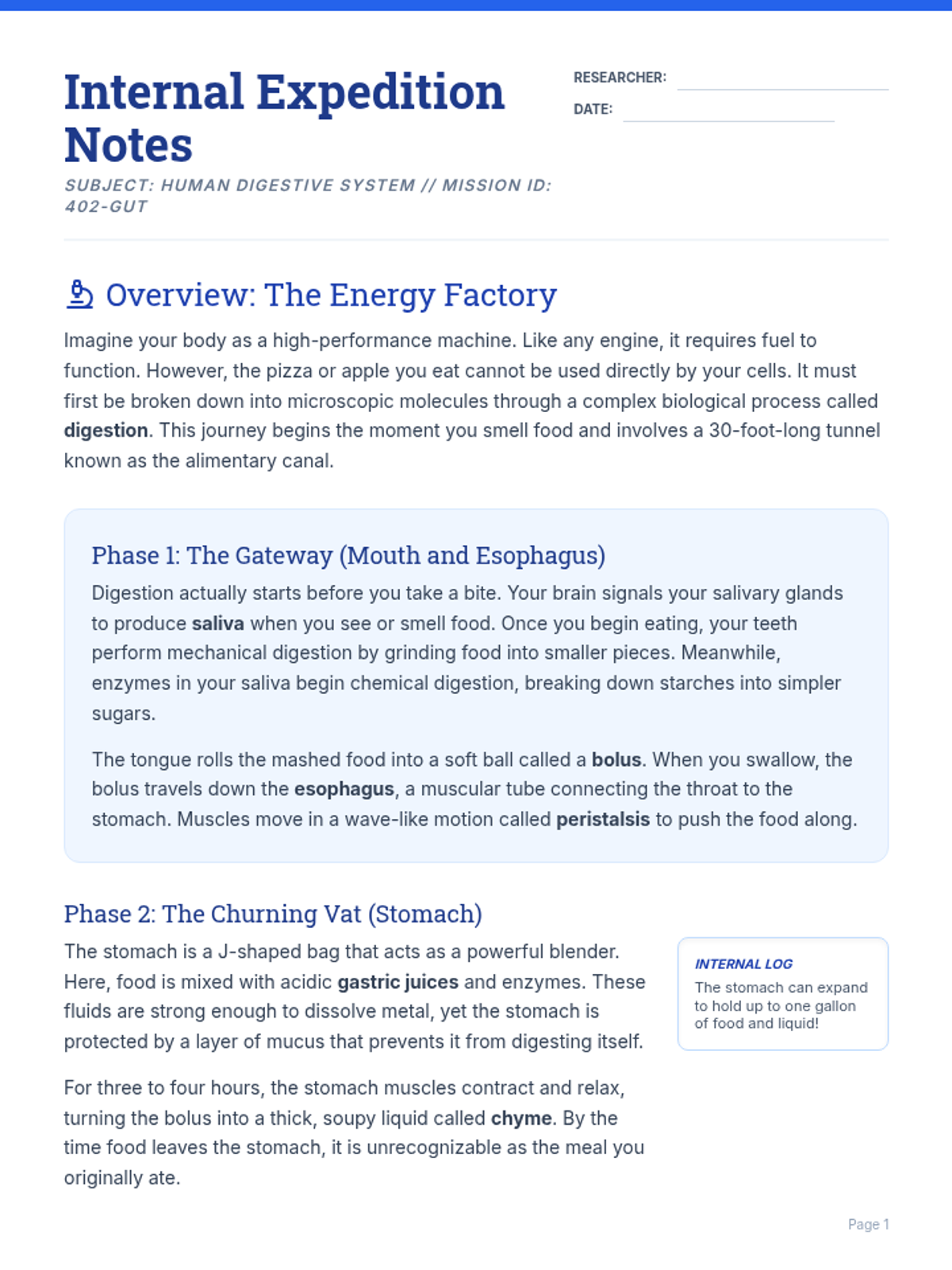
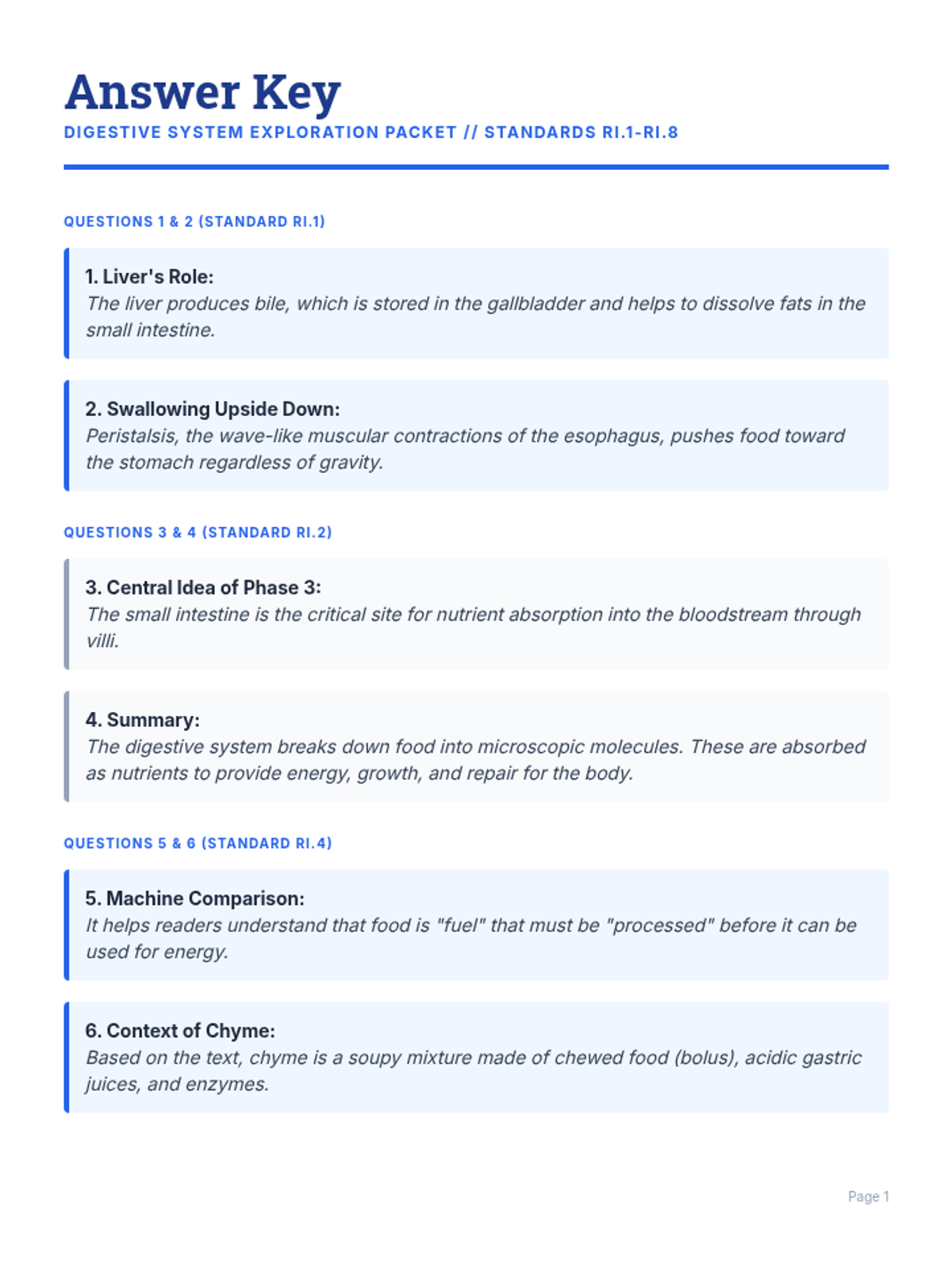
A comprehensive exploration of the human digestive system, focusing on key processes, organ functions, and evidence-based reading comprehension.
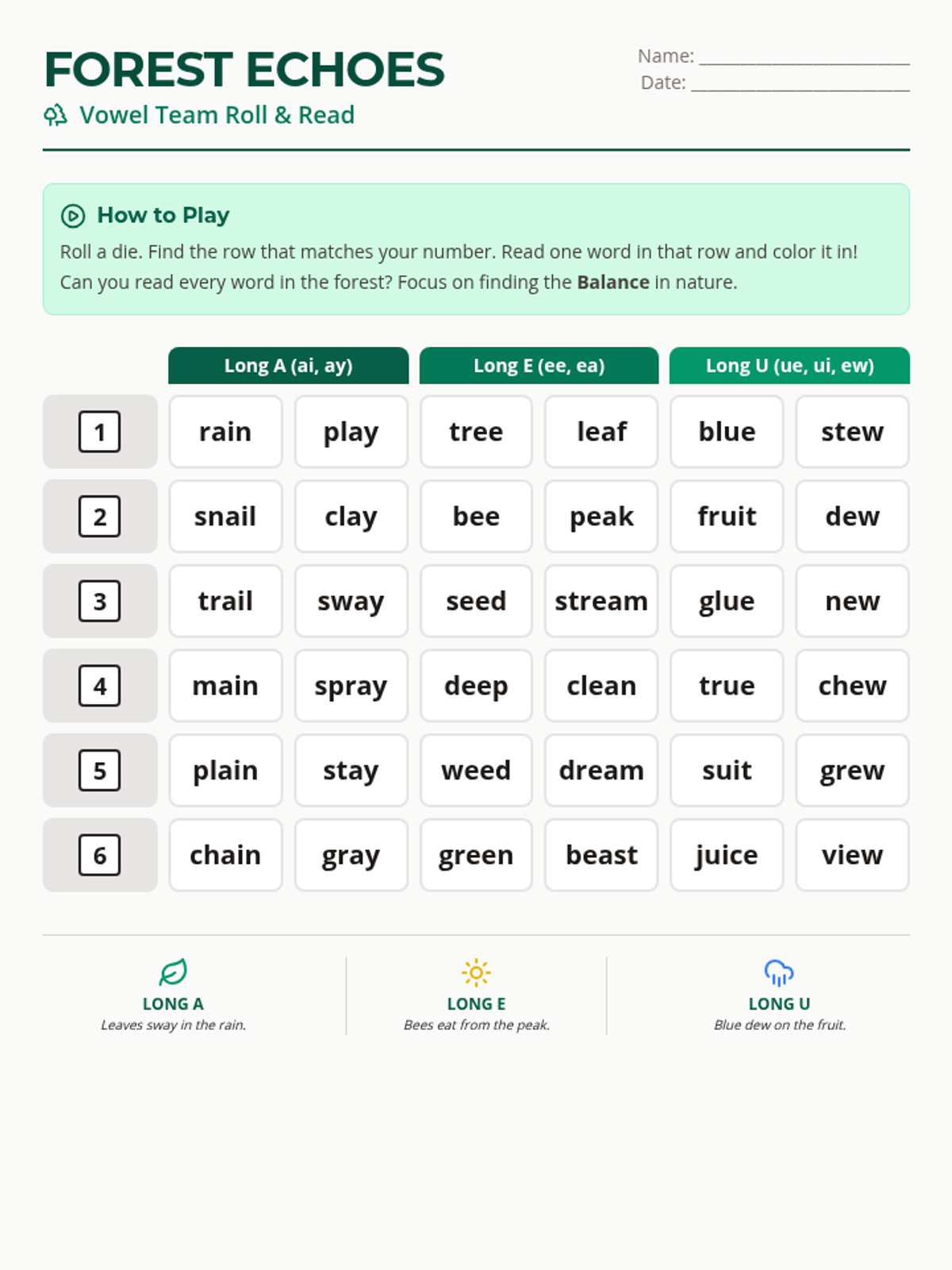
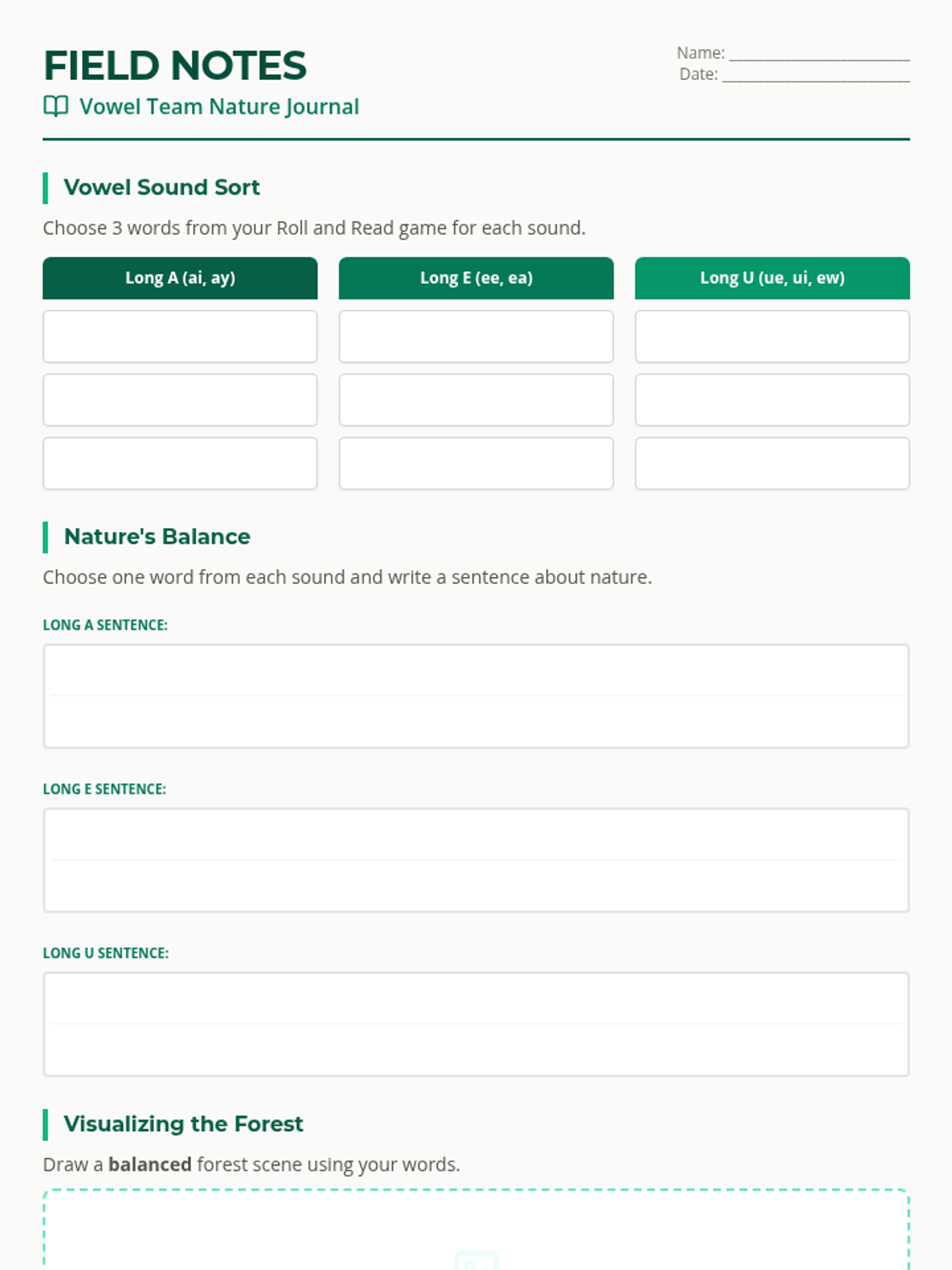
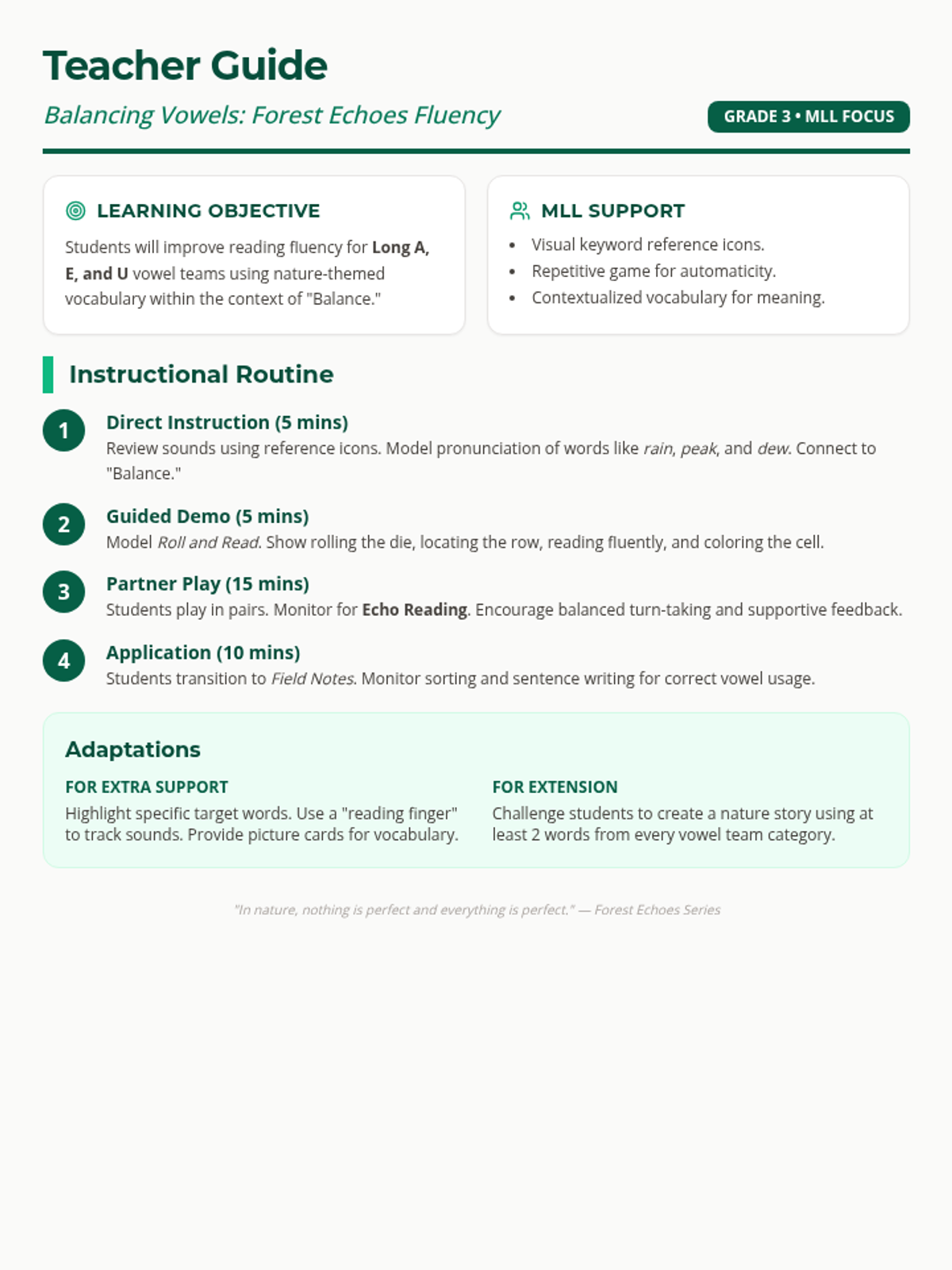
A lesson focused on building reading fluency and phonics mastery of Long A, E, and U vowel teams through nature-themed interactive games and recording activities.
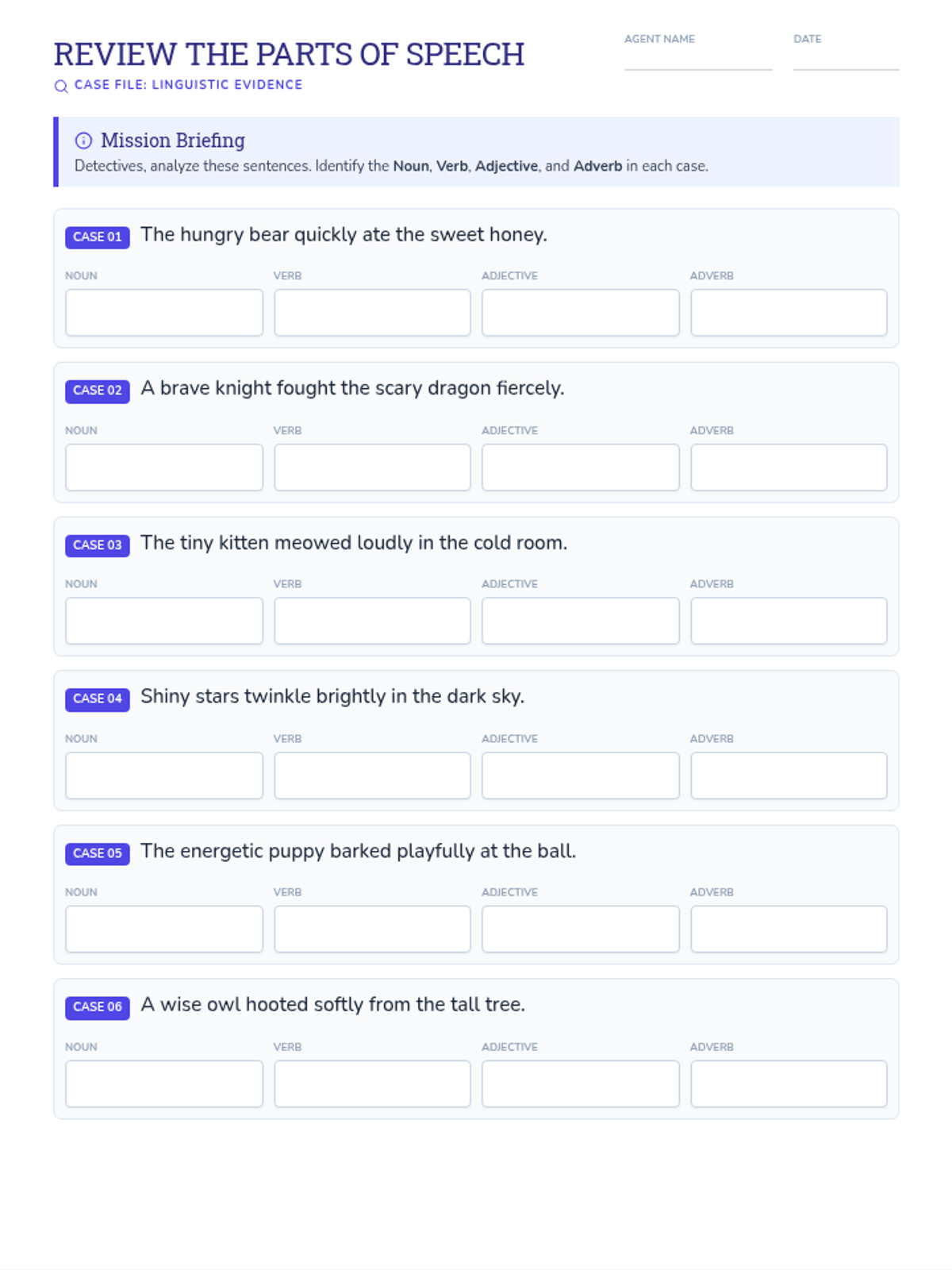
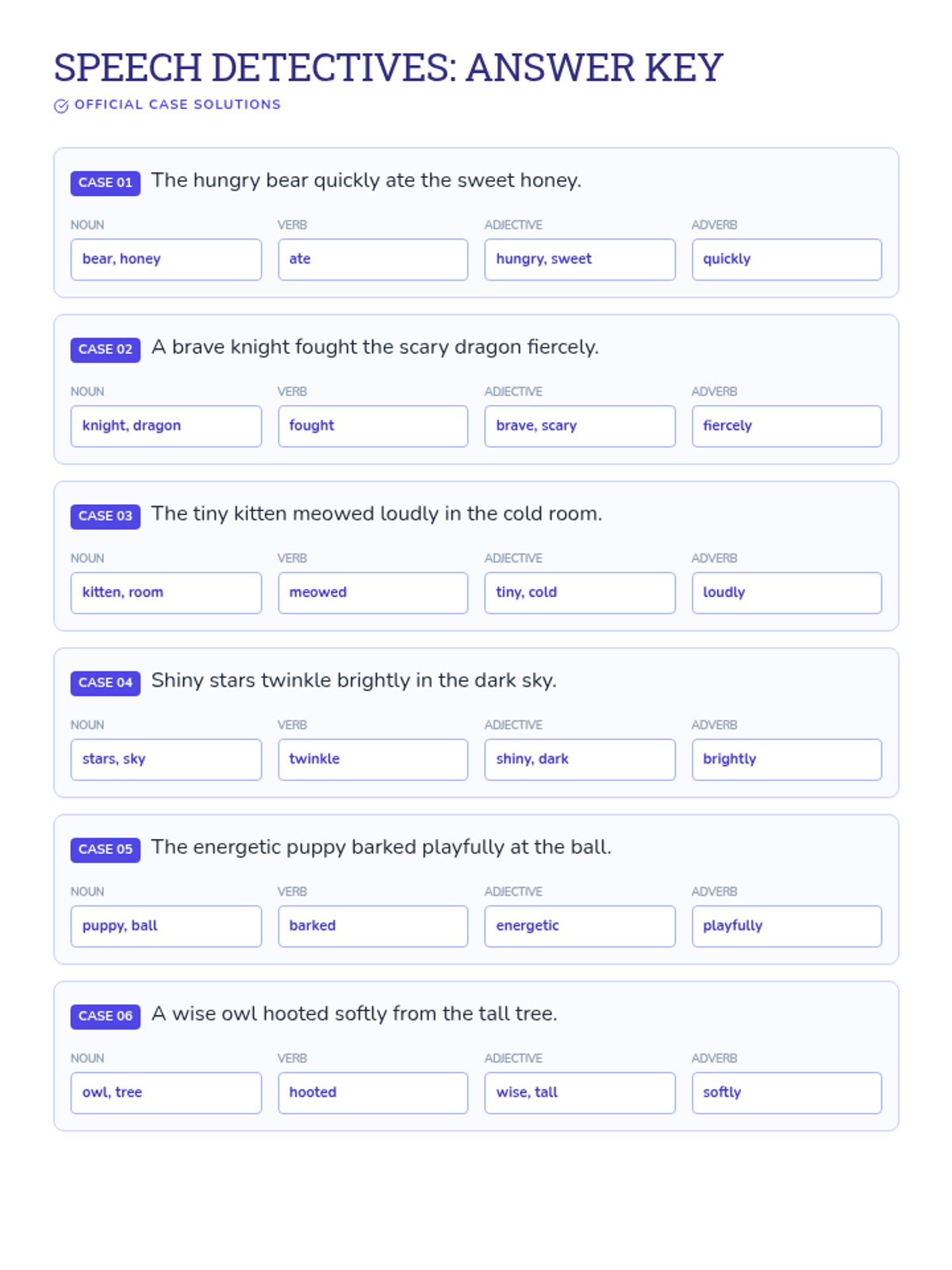
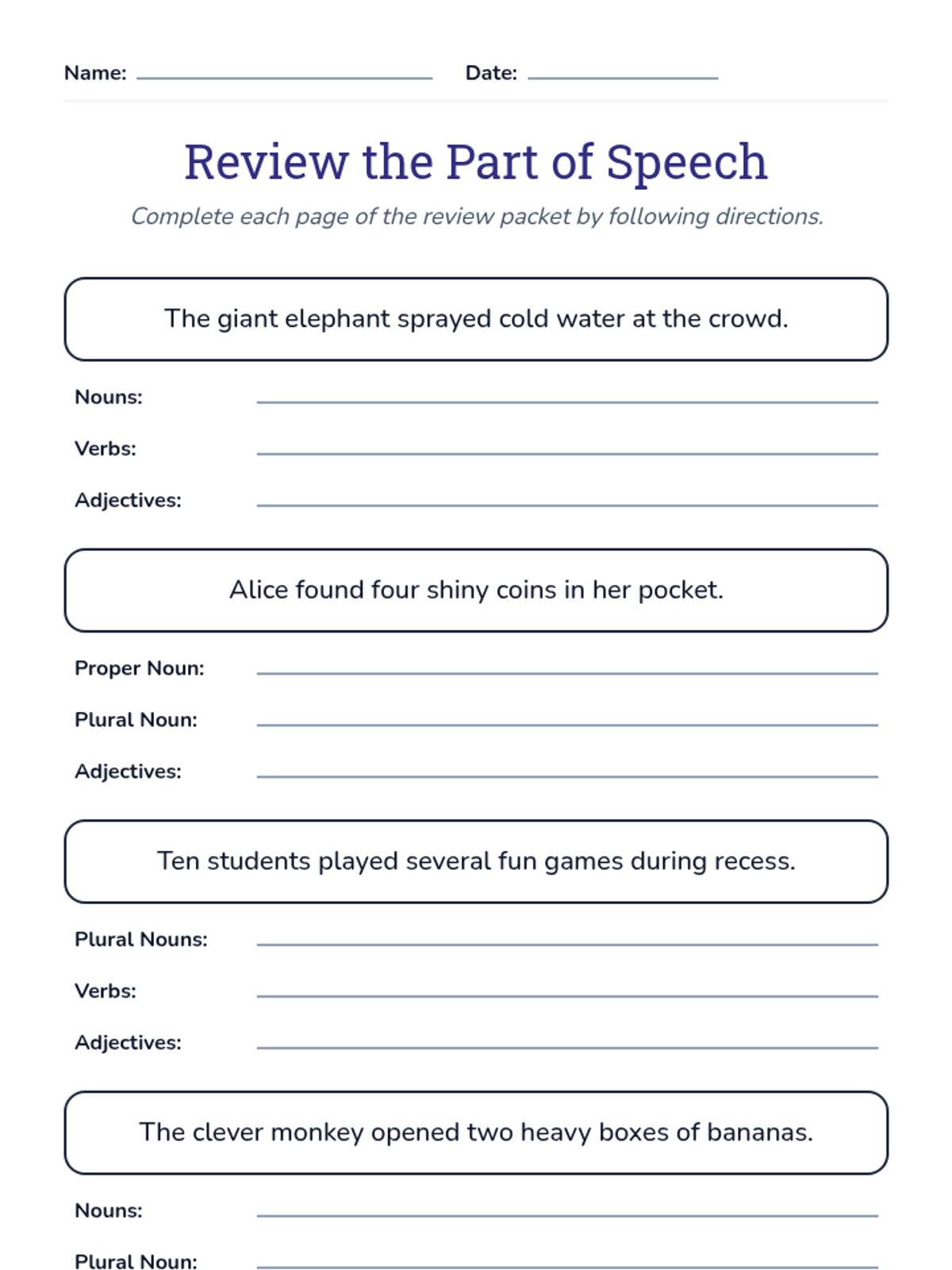
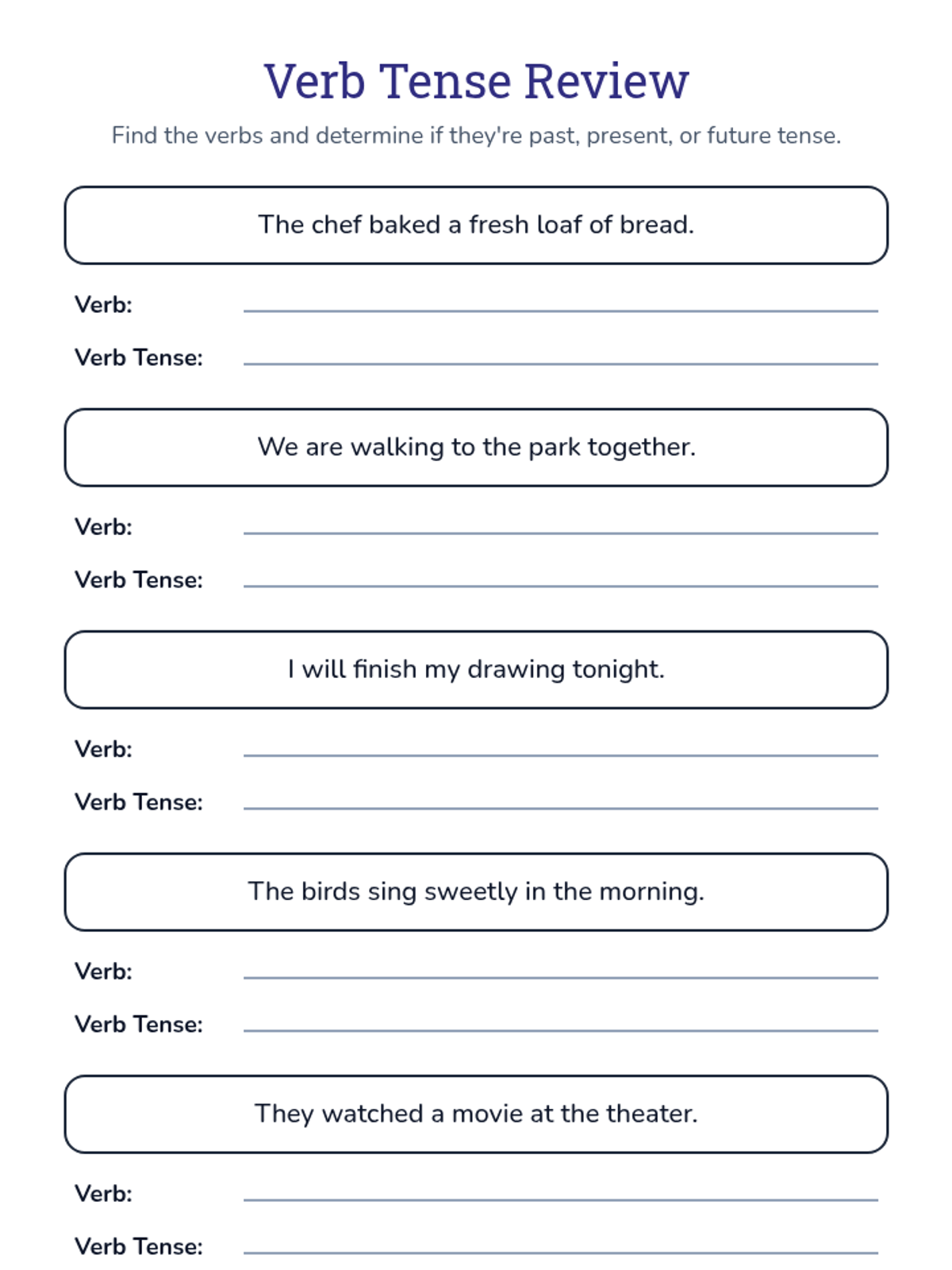
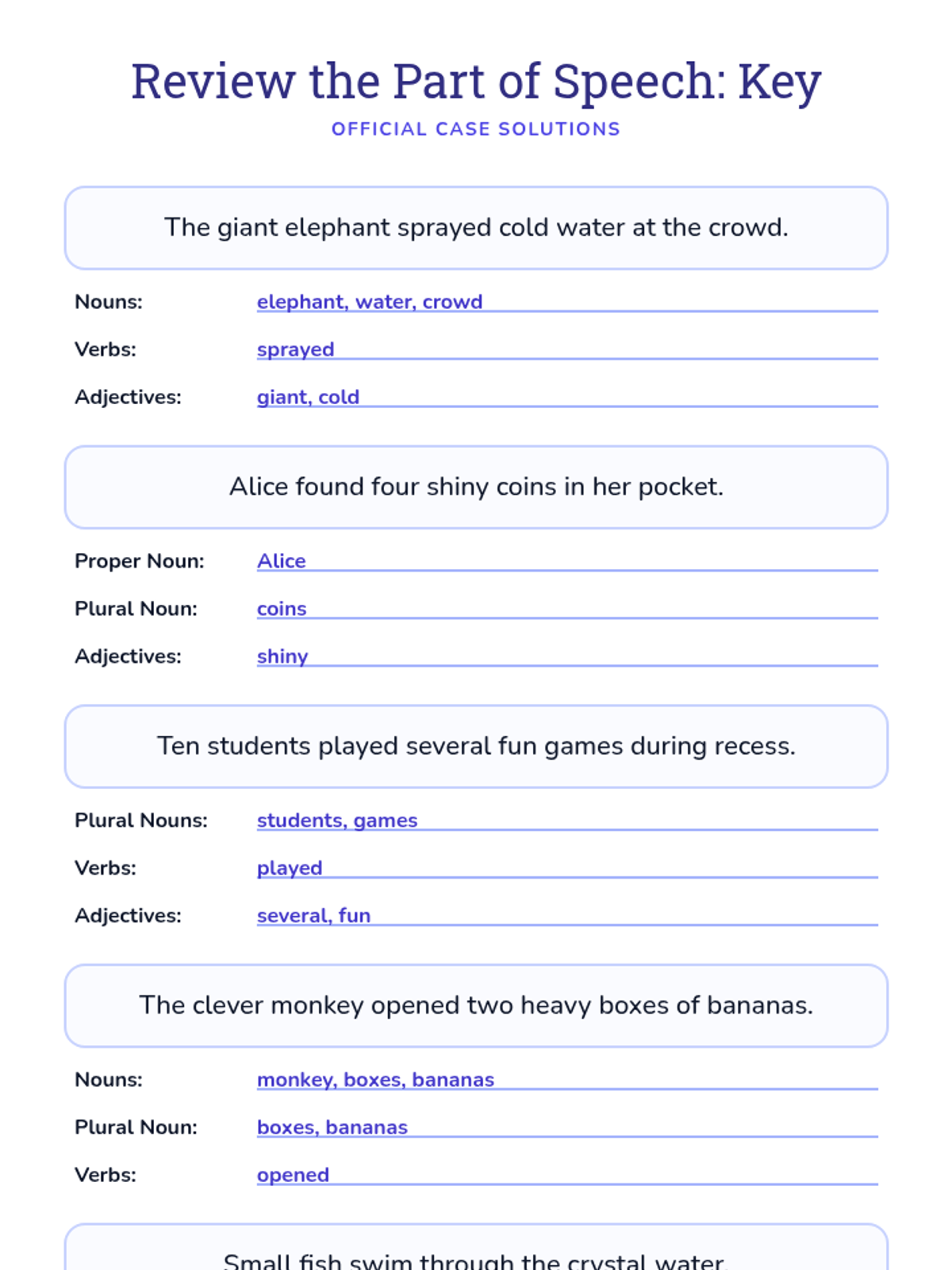
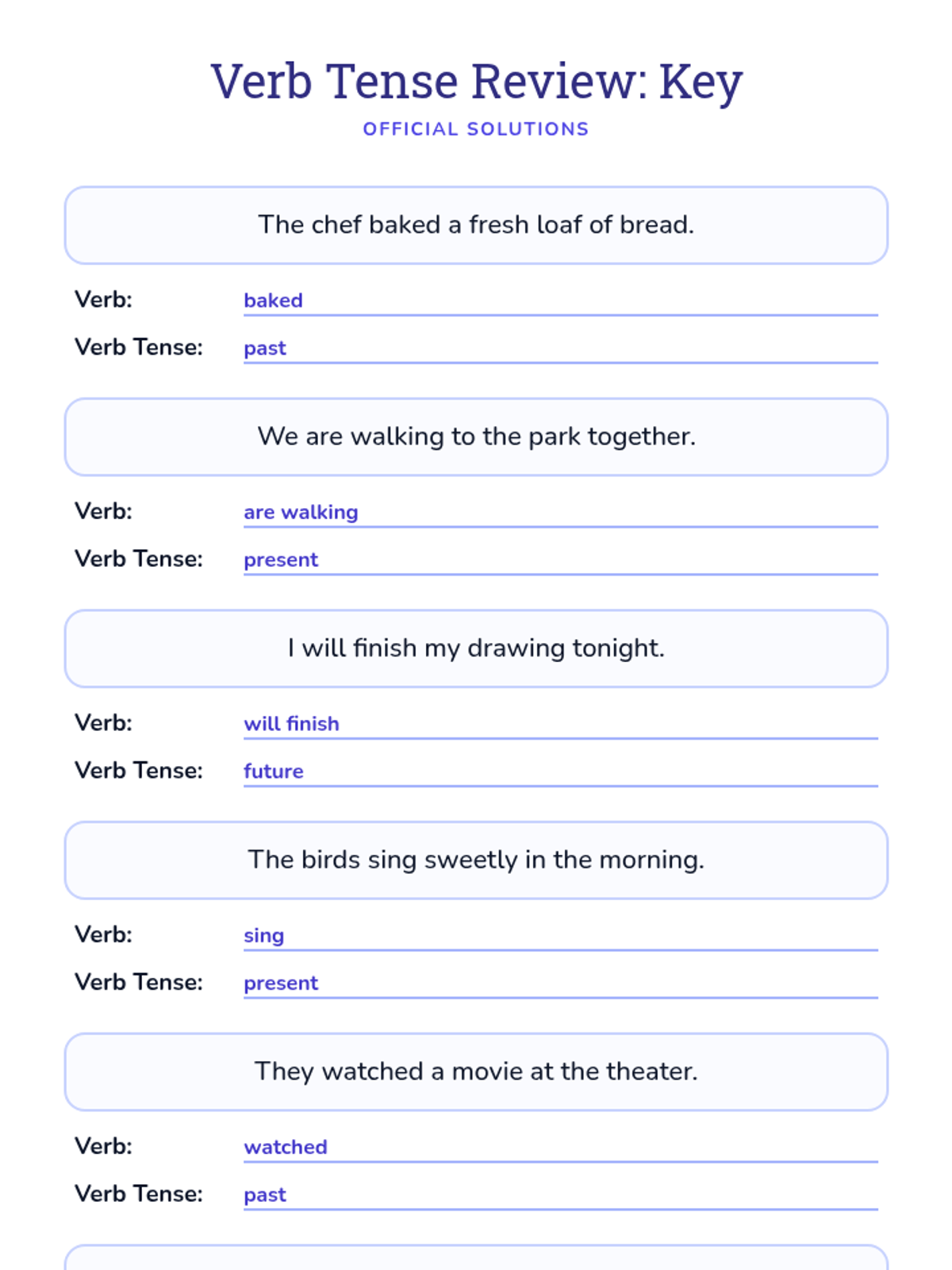
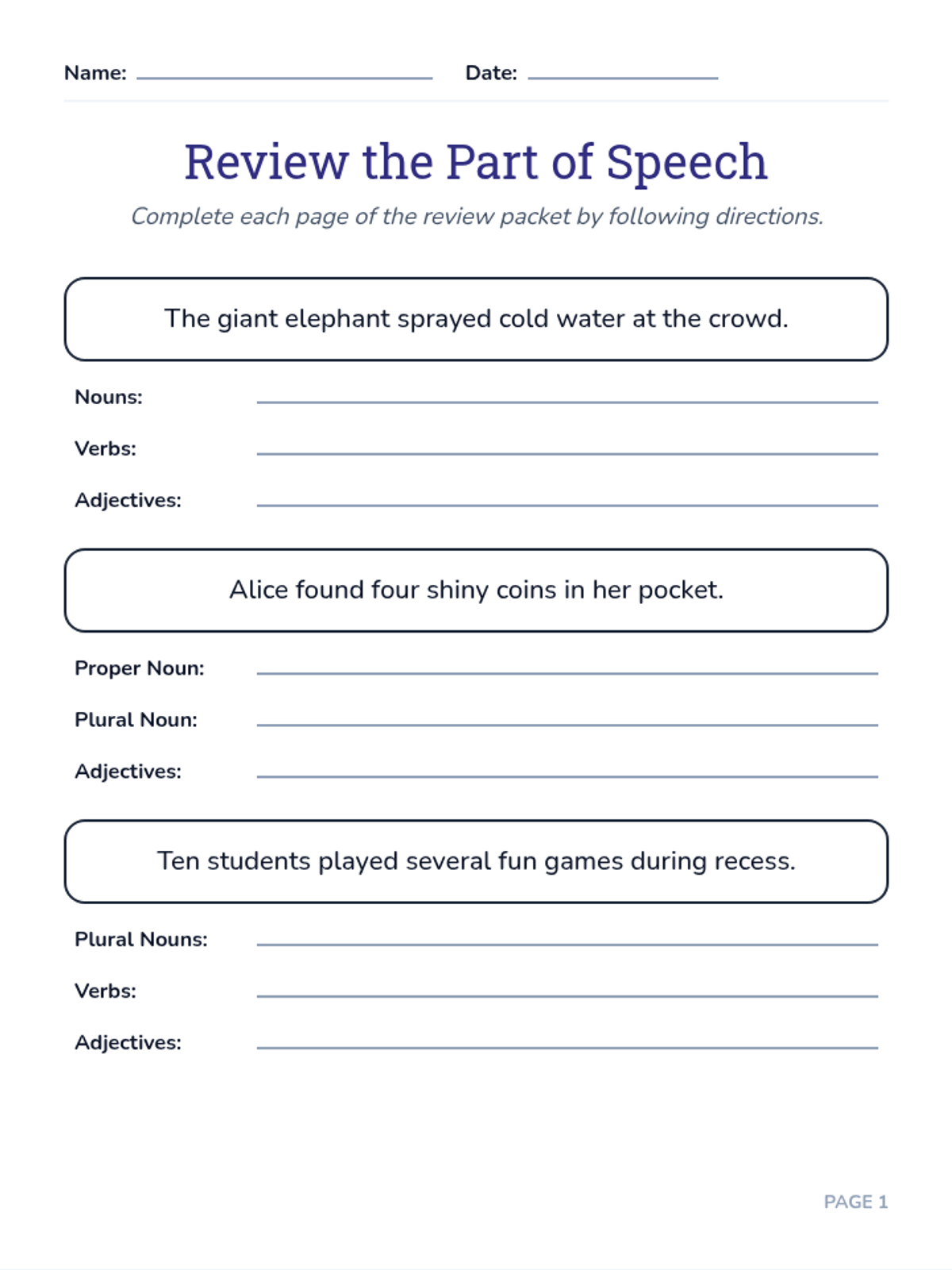
A grammar review lesson where students become 'Speech Detectives' to identify nouns, verbs, adjectives, and adverbs in complex sentences. This lesson focuses on the functional application of parts of speech in context.
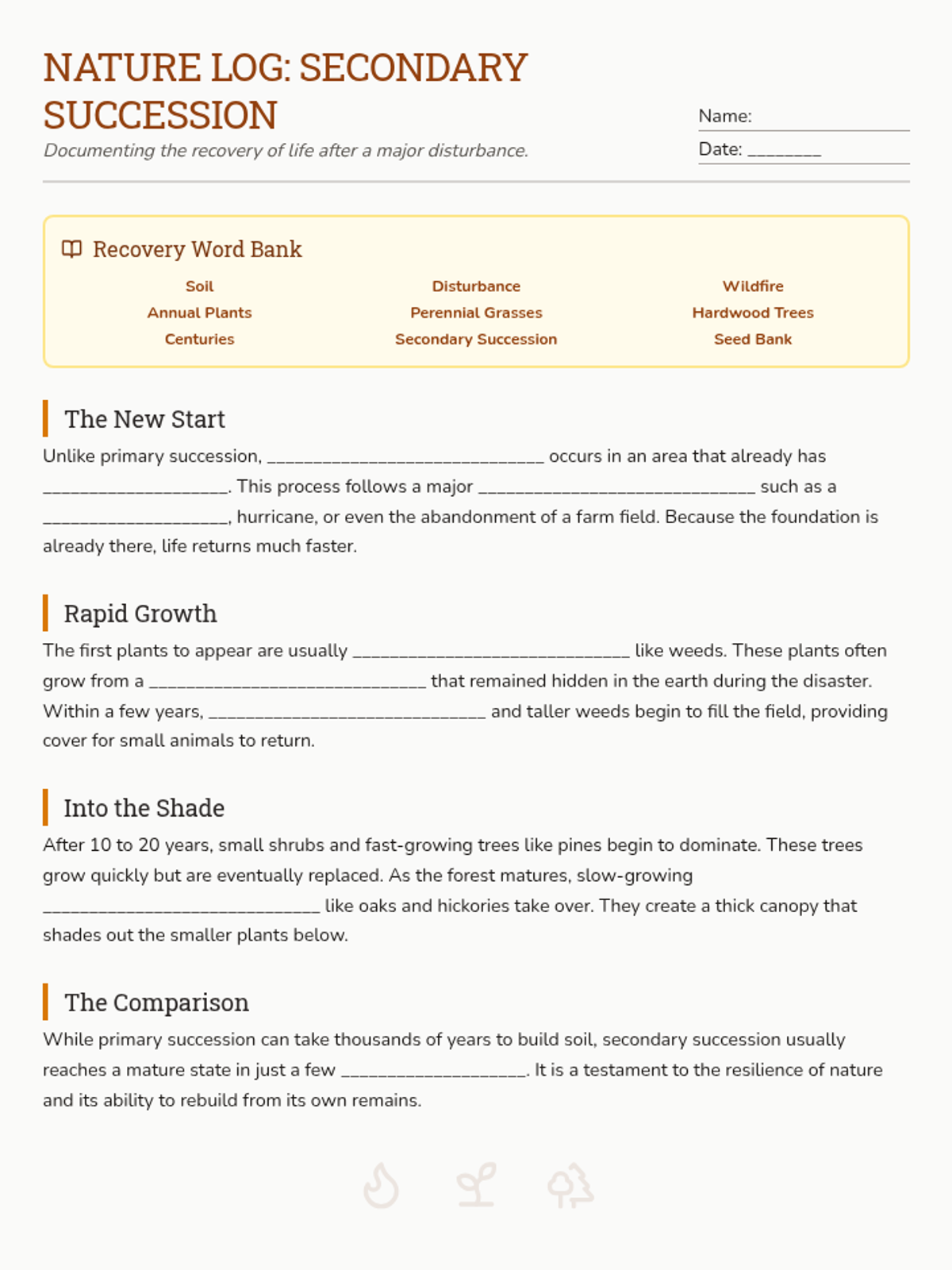
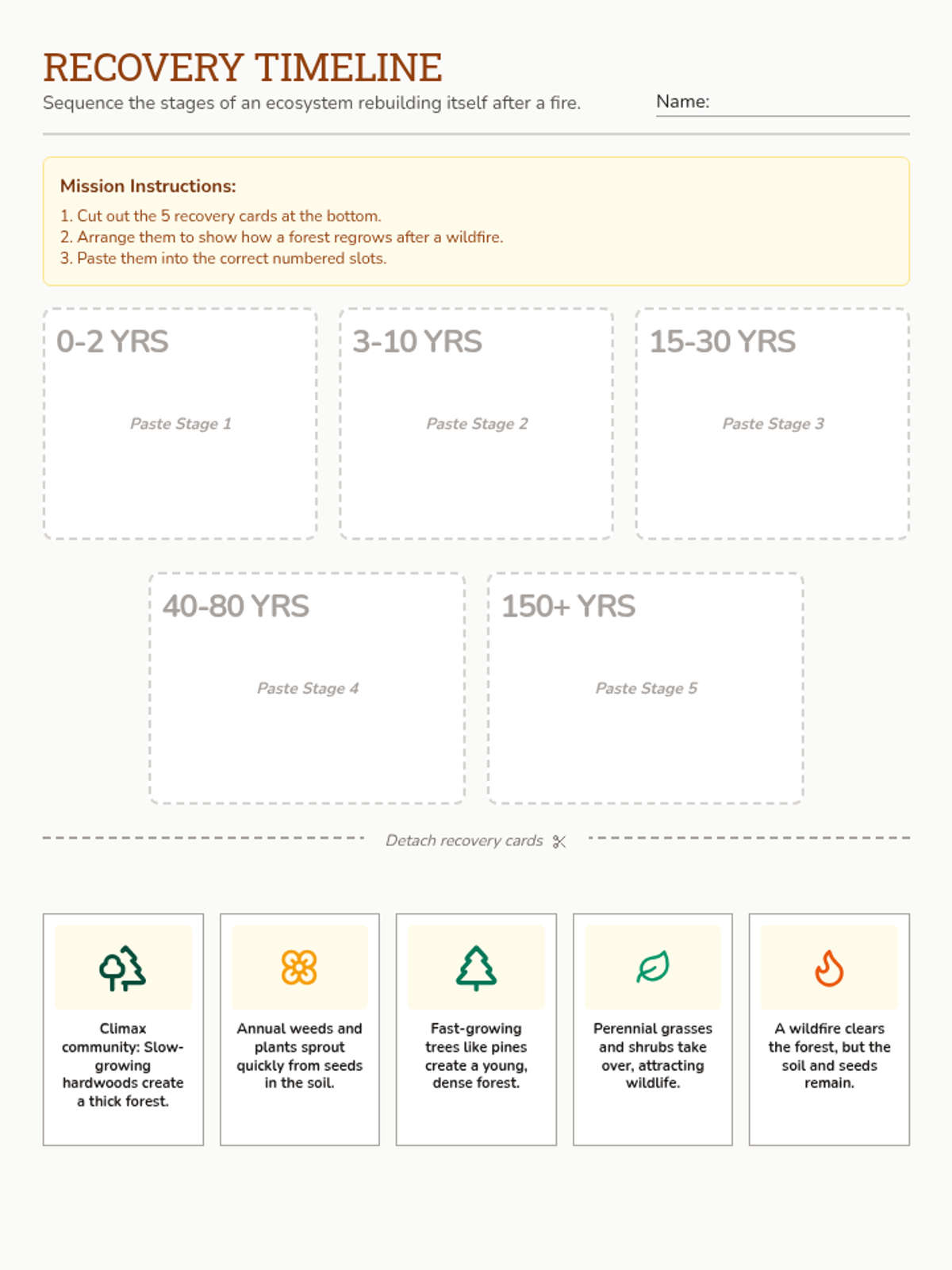
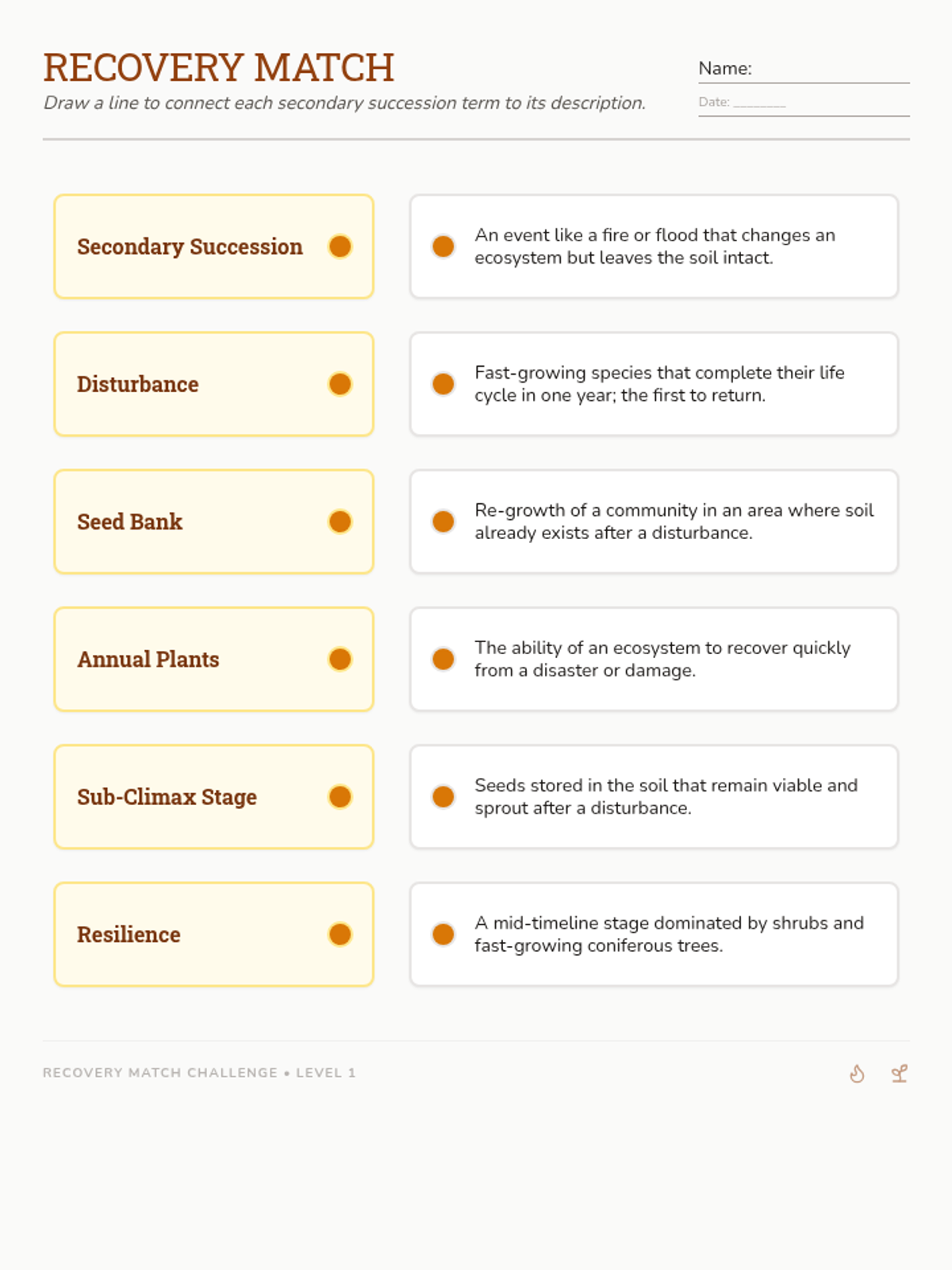
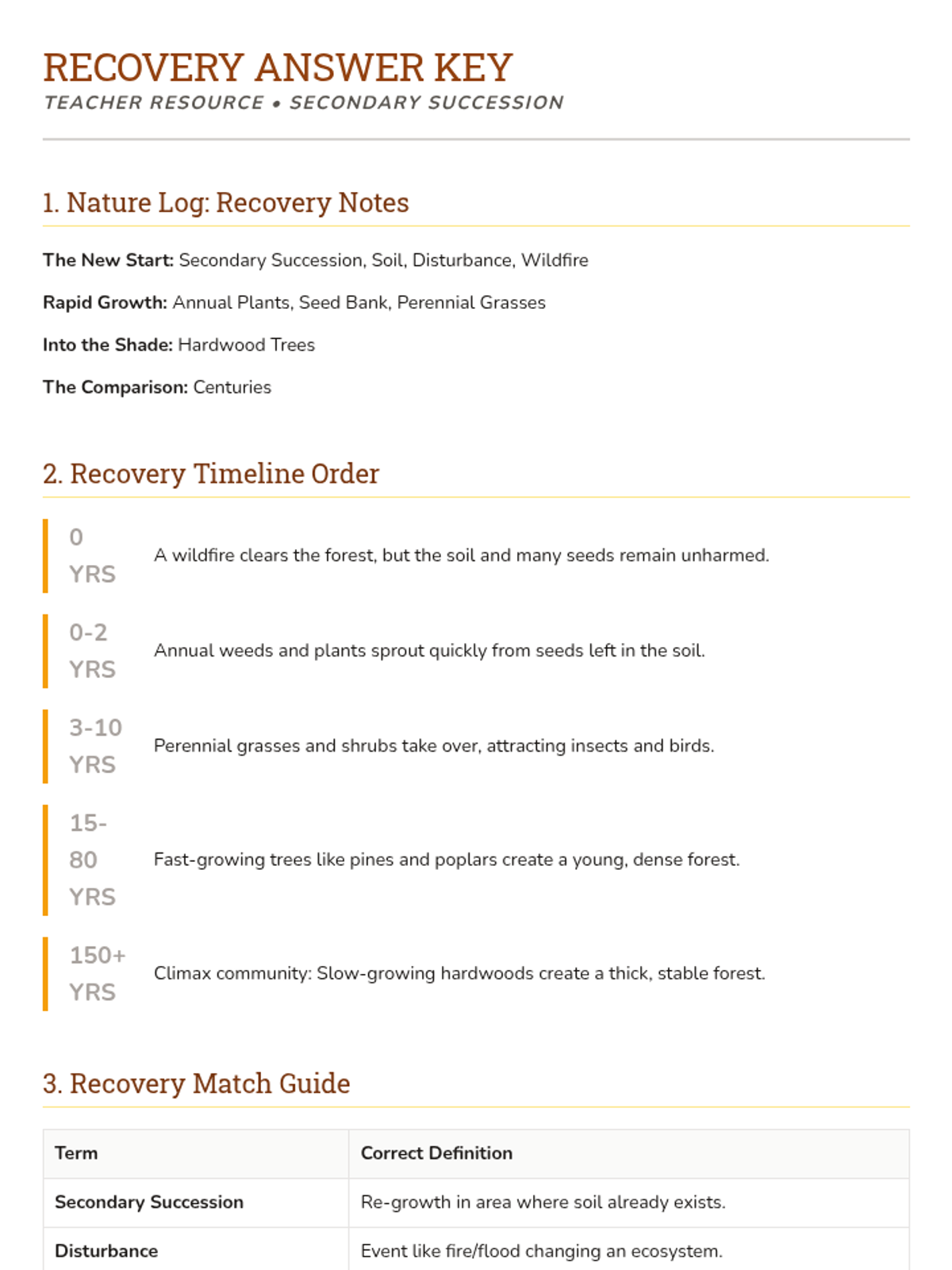
A lesson on secondary succession, focusing on how ecosystems recover after disturbances like fire or farming when soil is already present.
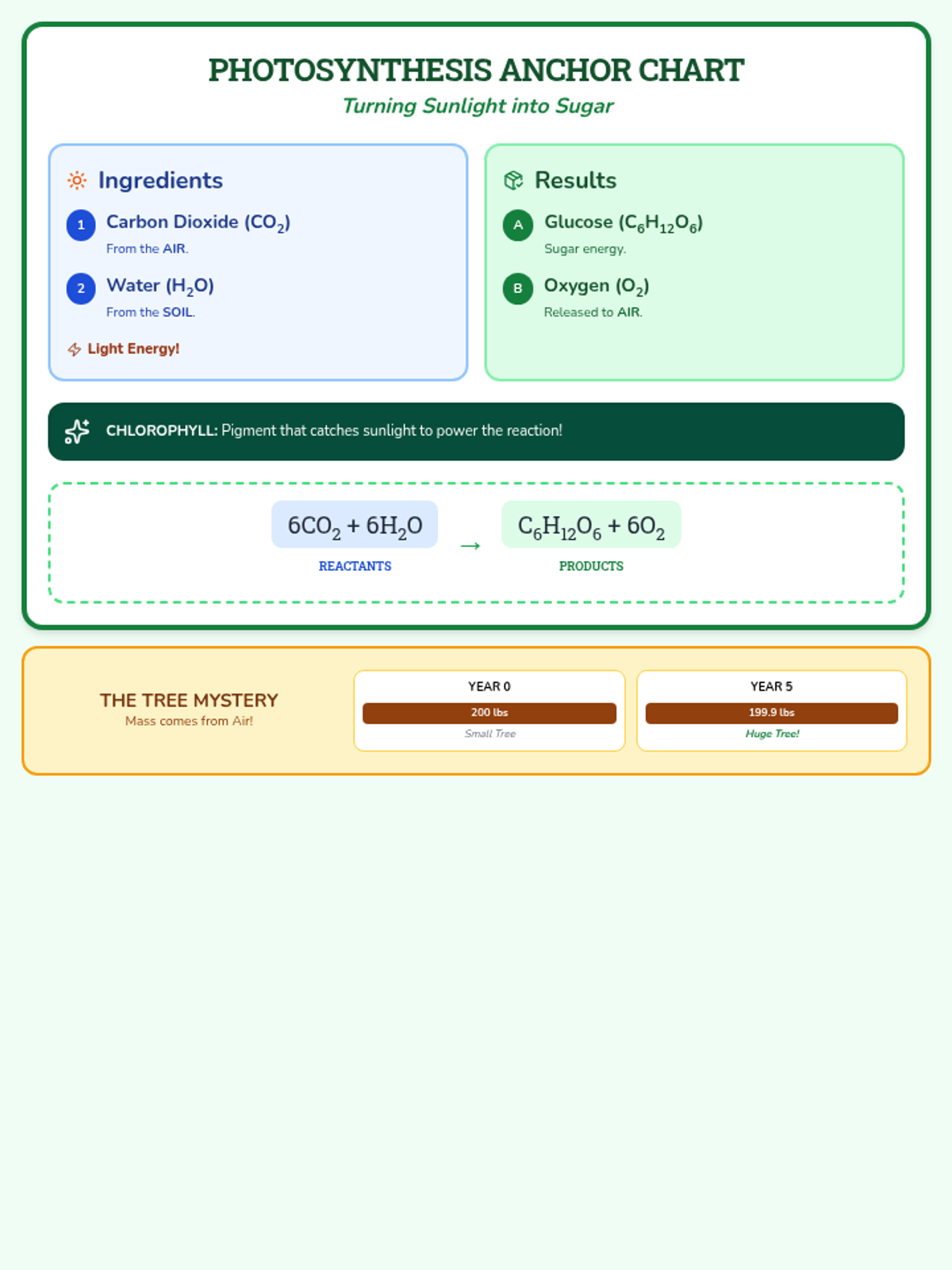
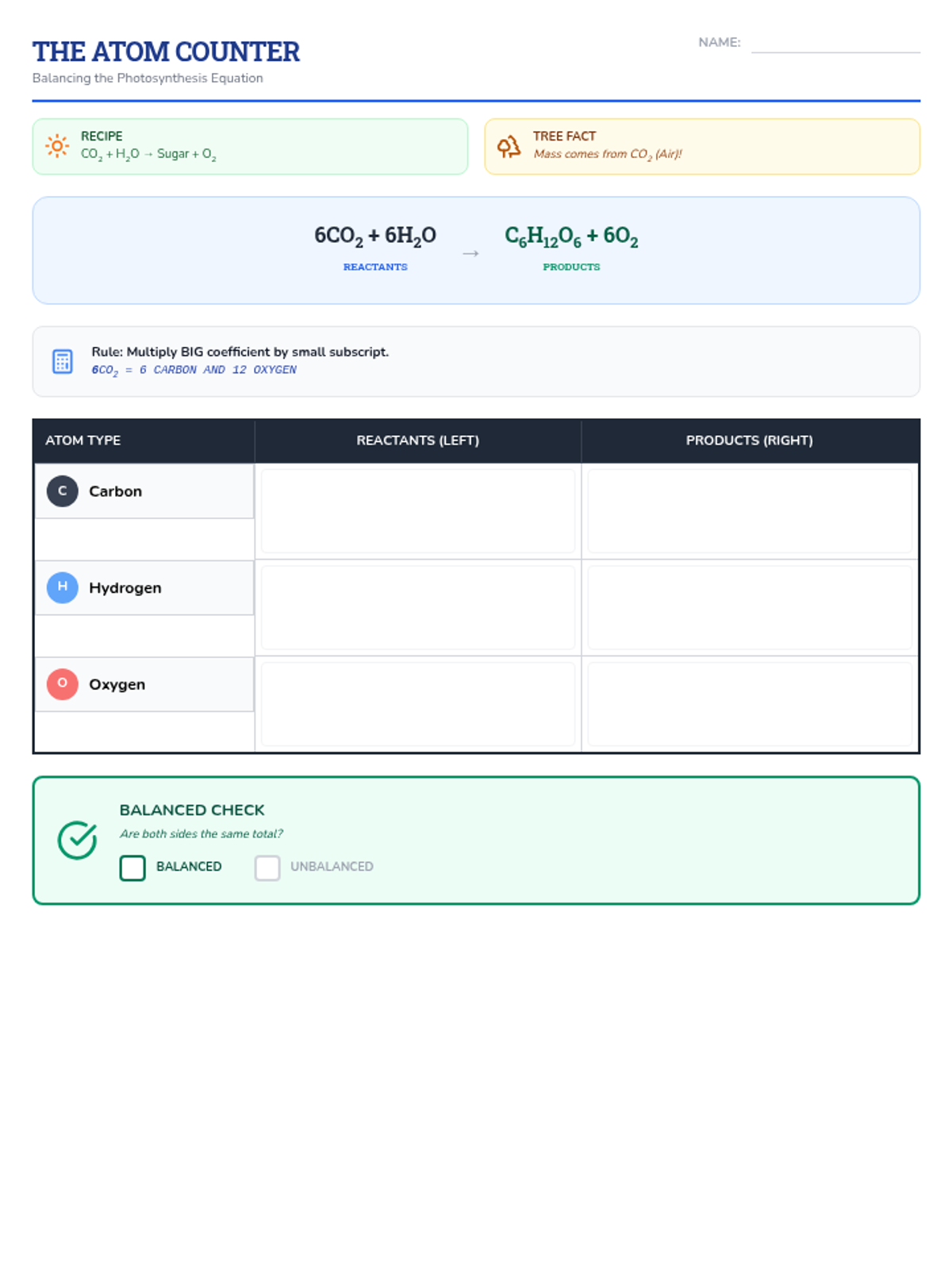
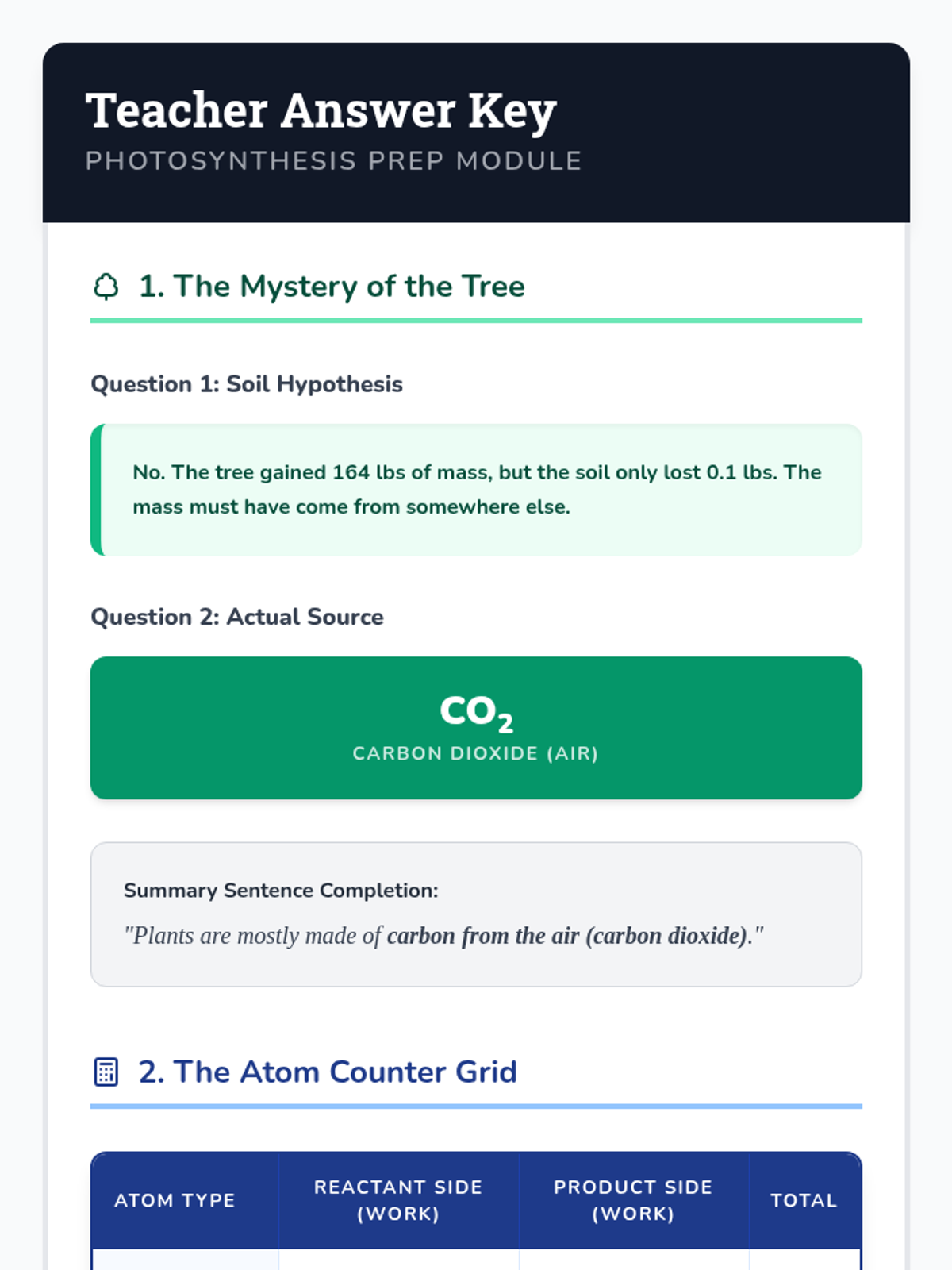
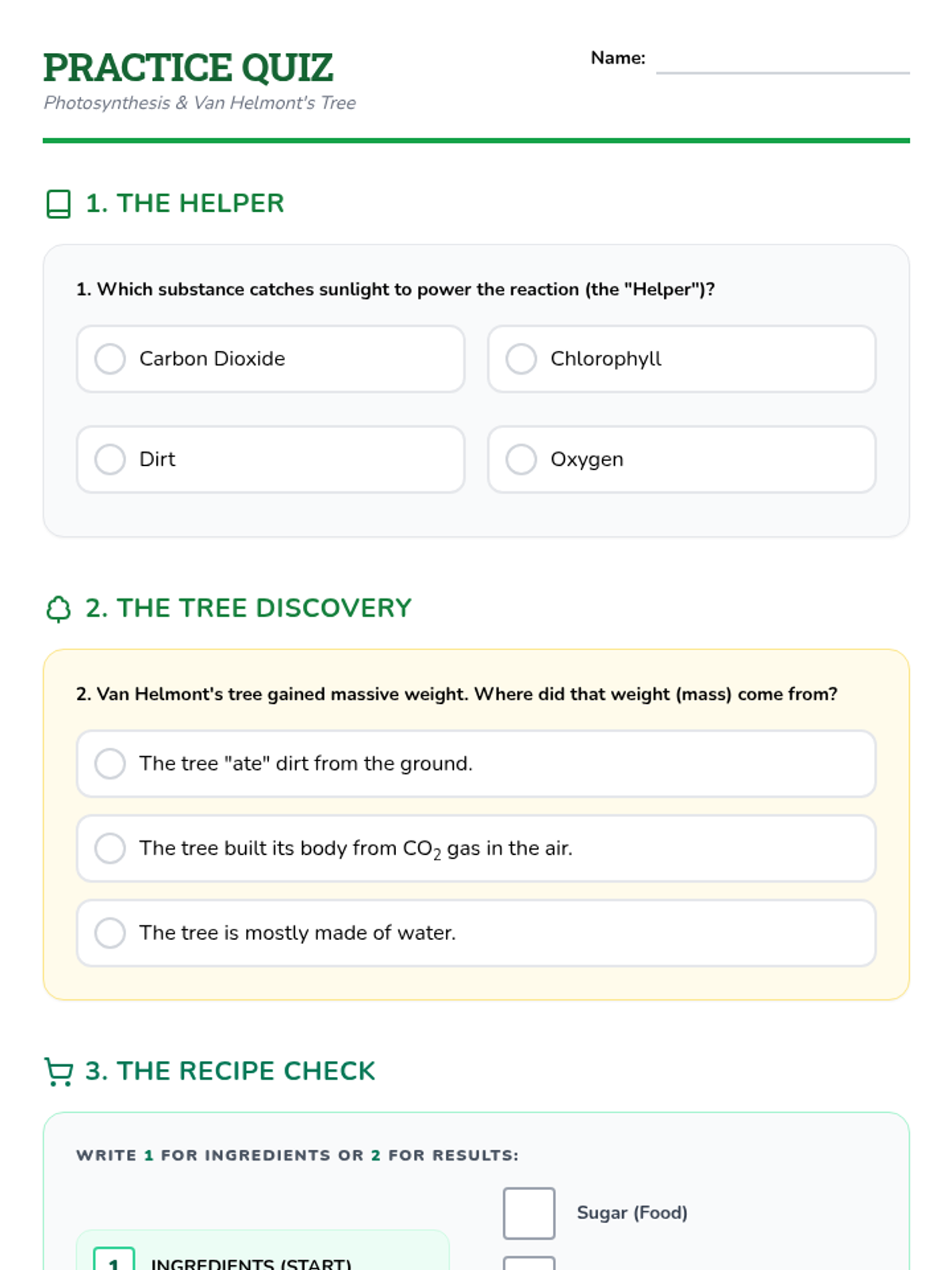
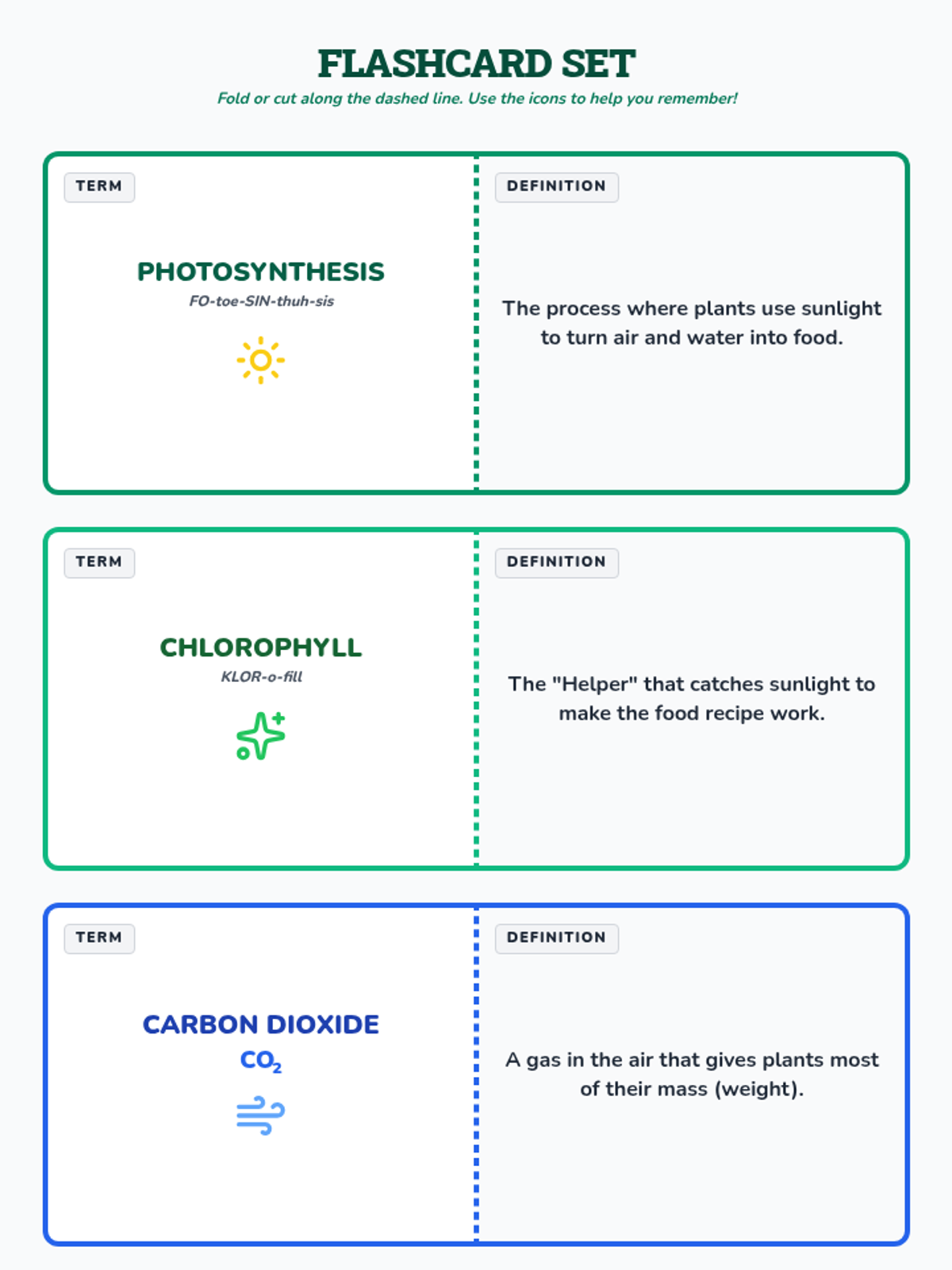
A guided practice lesson on photosynthesis focusing on Van Helmont's experiment and the chemistry of the photosynthetic equation, designed for students with executive function and reading challenges.
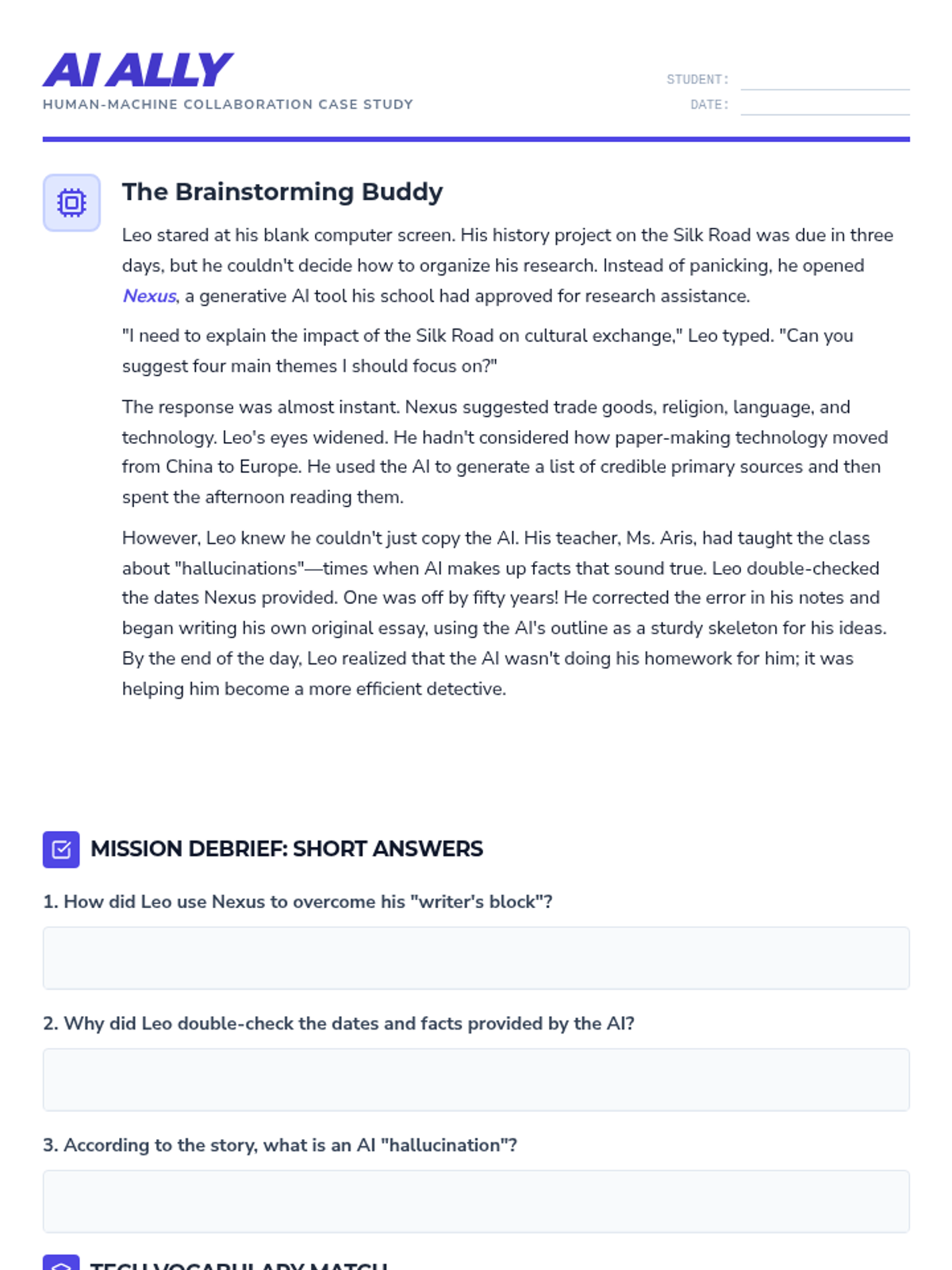
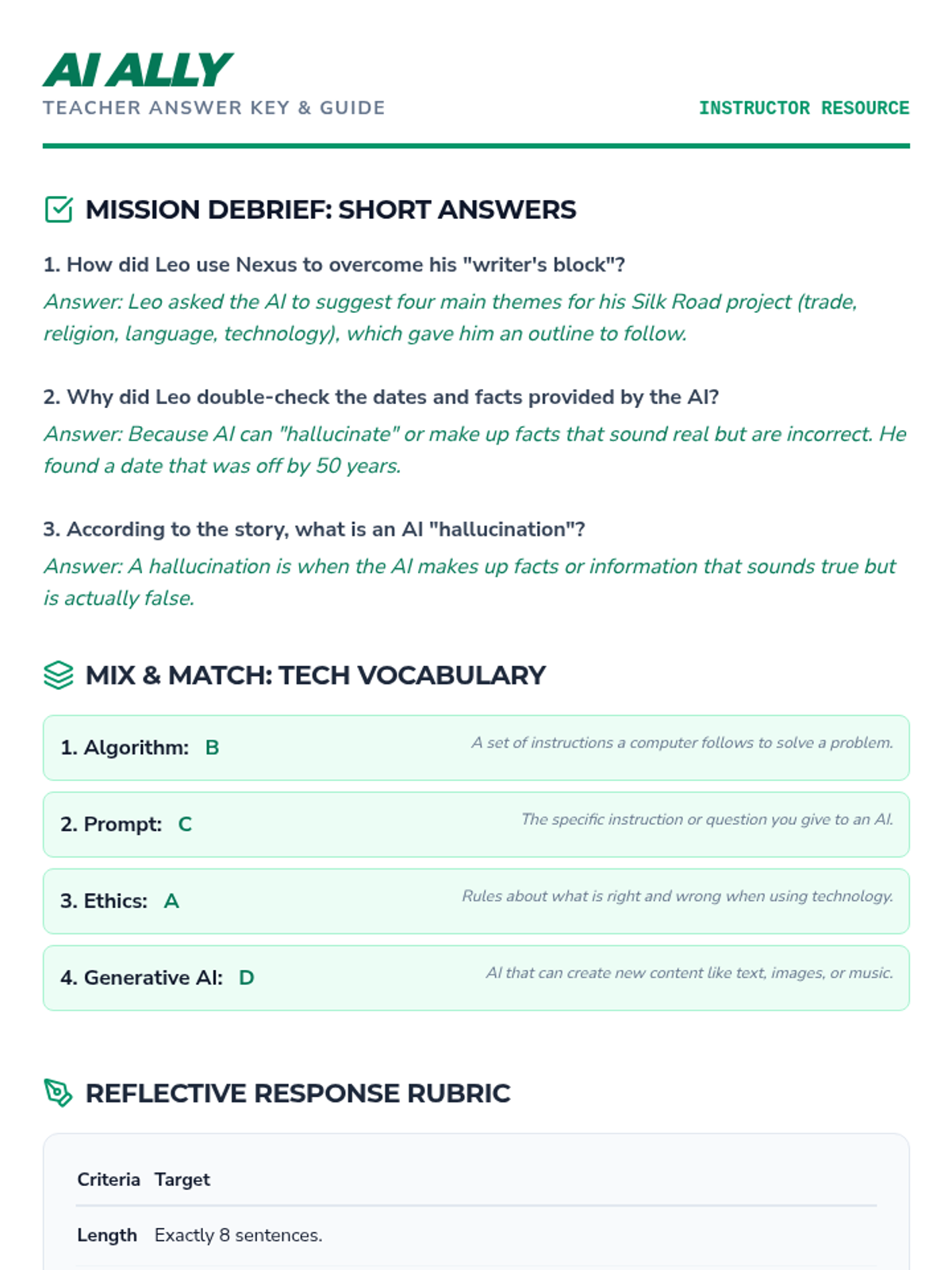
A lesson exploring the role of AI in education through a story about responsible use, featuring comprehension questions, a vocabulary matching activity, and a reflective writing prompt.
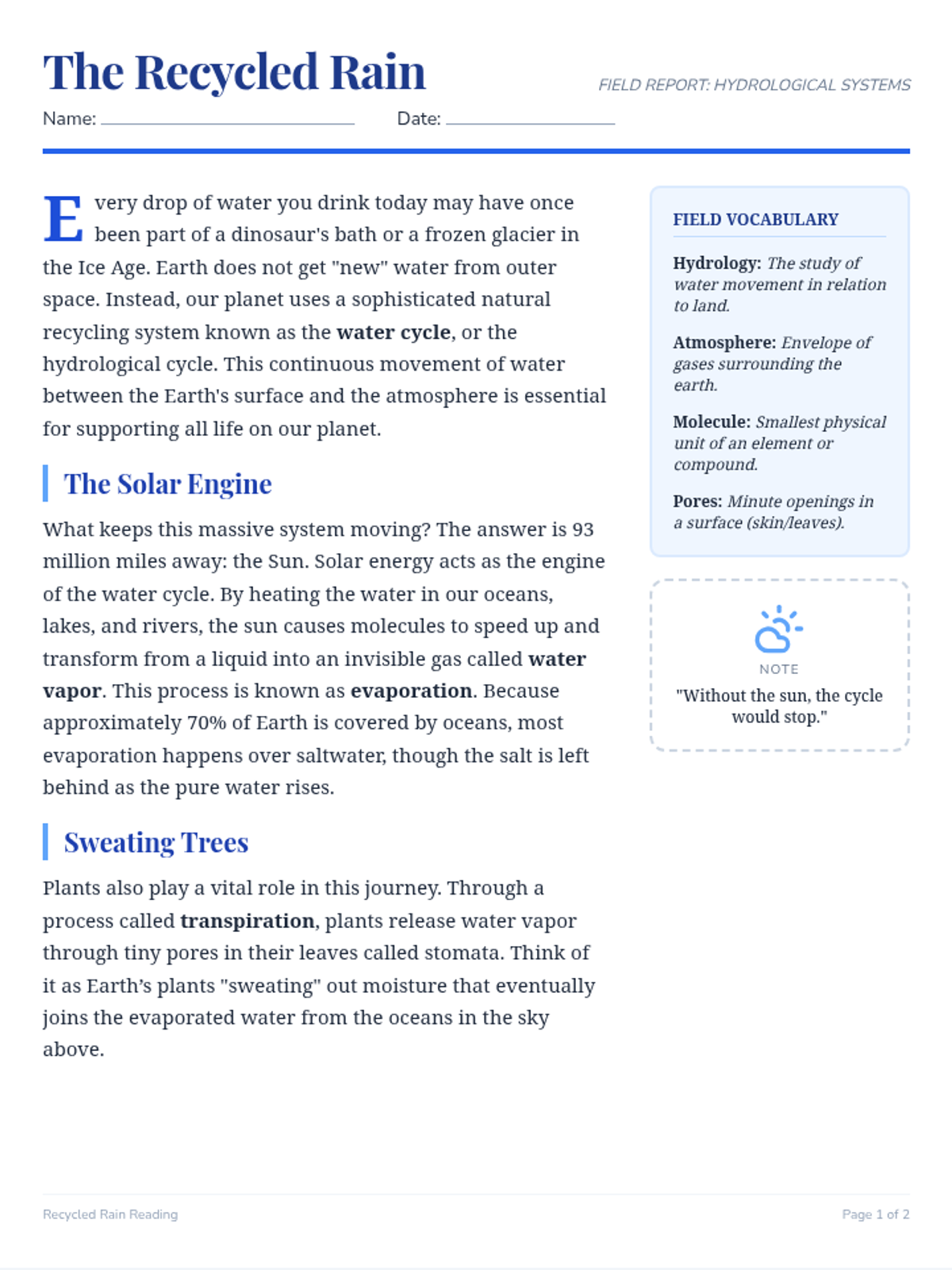
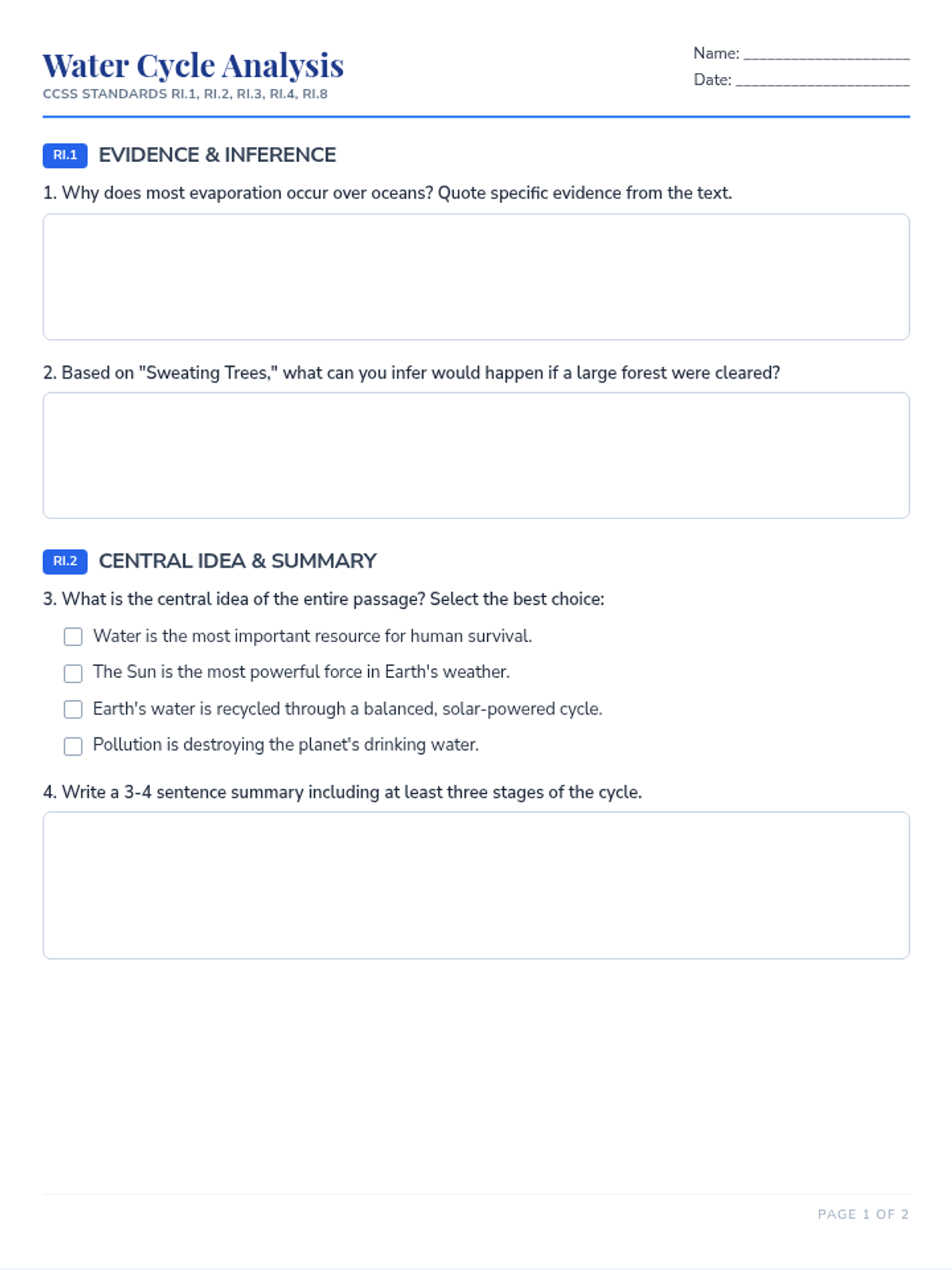
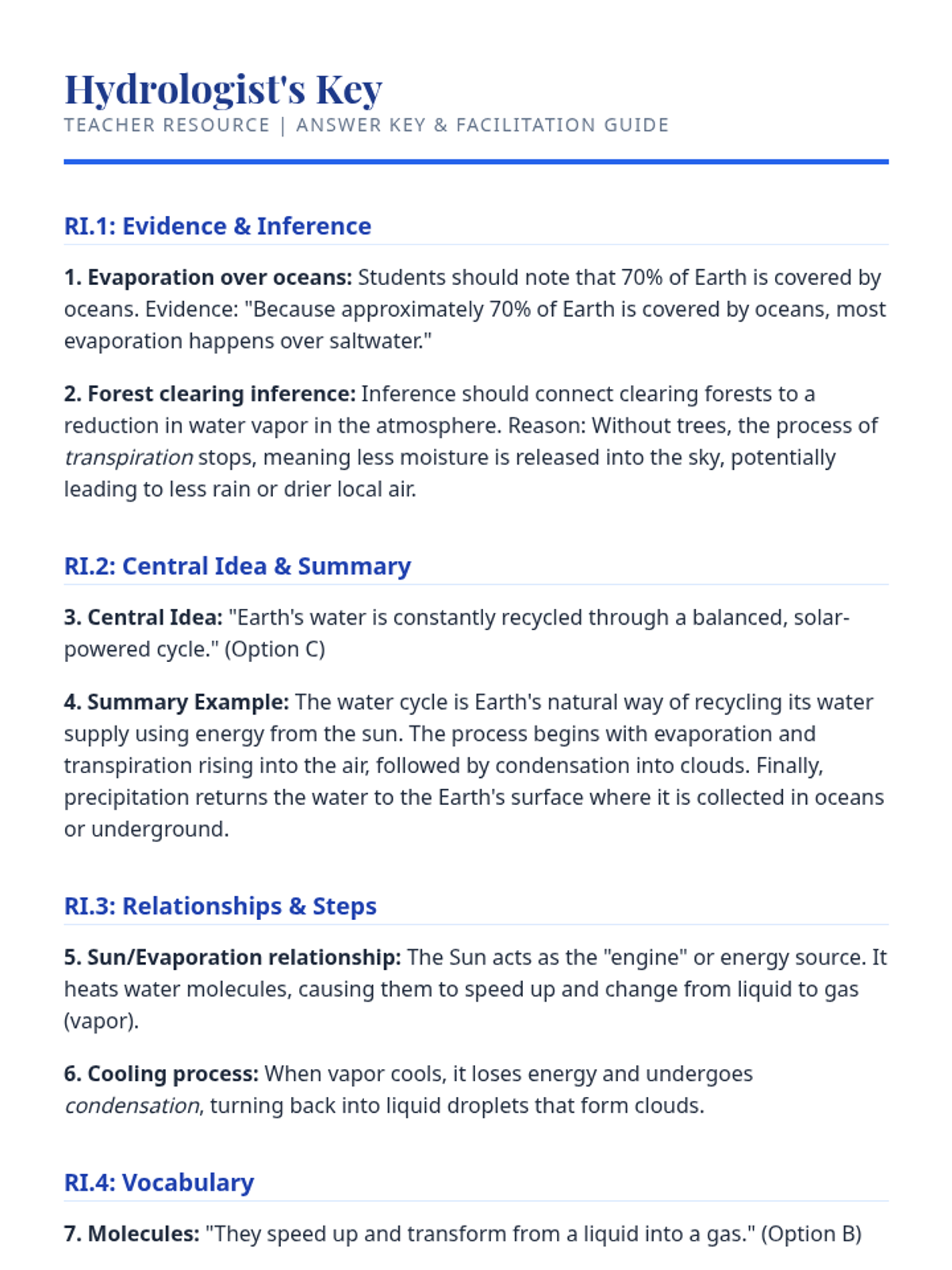
A comprehensive exploration of the water cycle, focusing on informational text analysis, vocabulary development, and understanding Earth's natural systems.
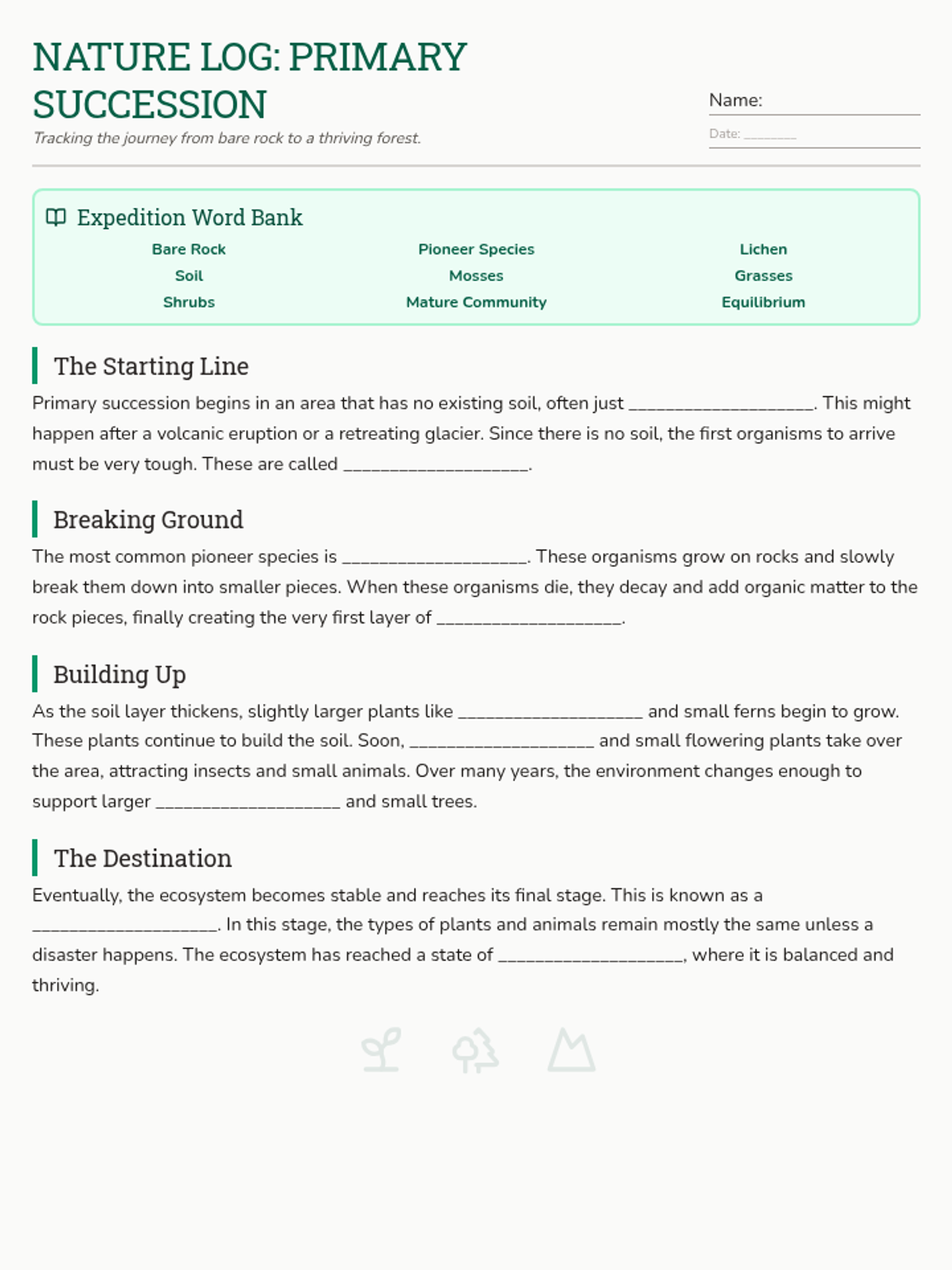
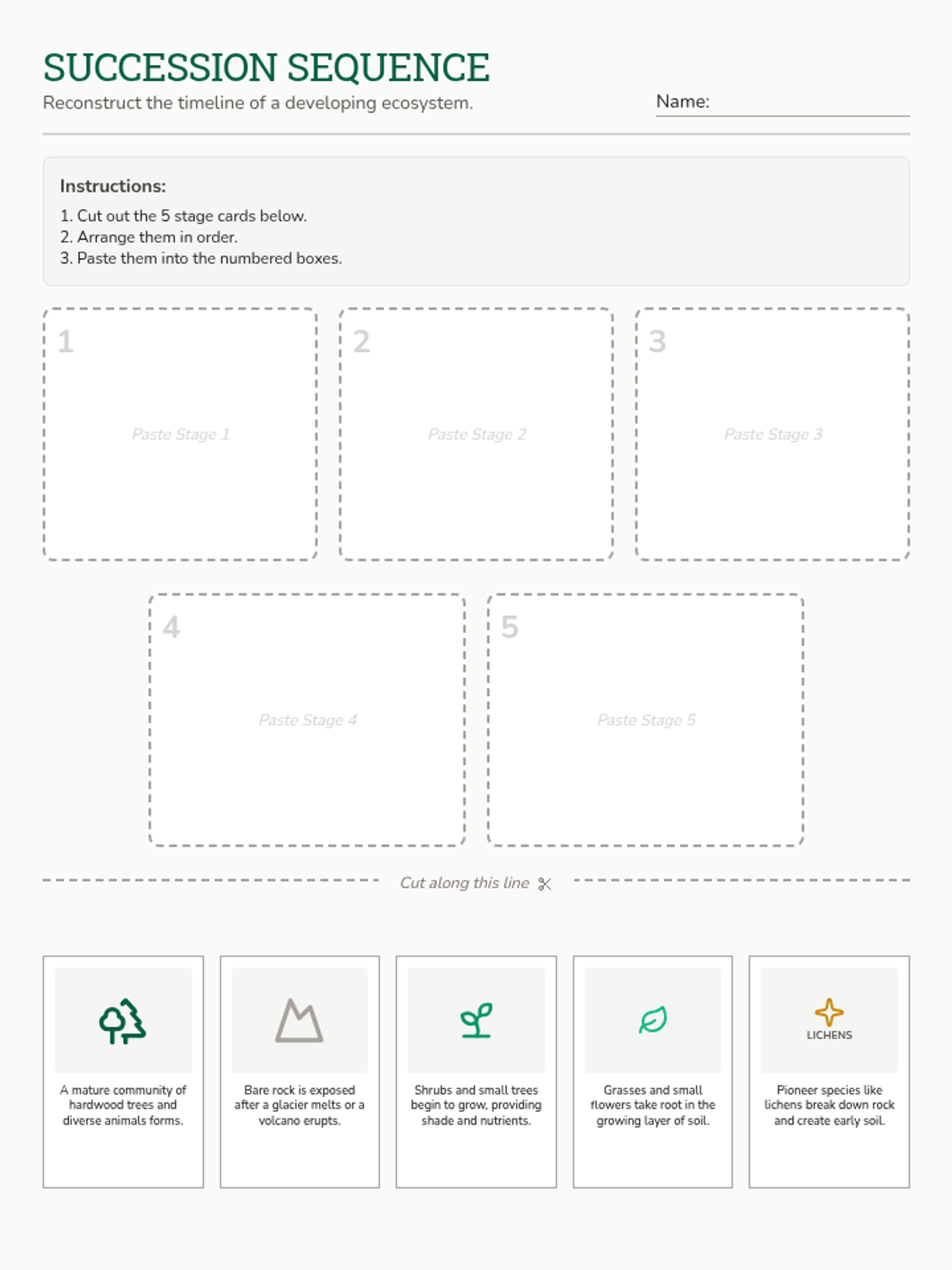
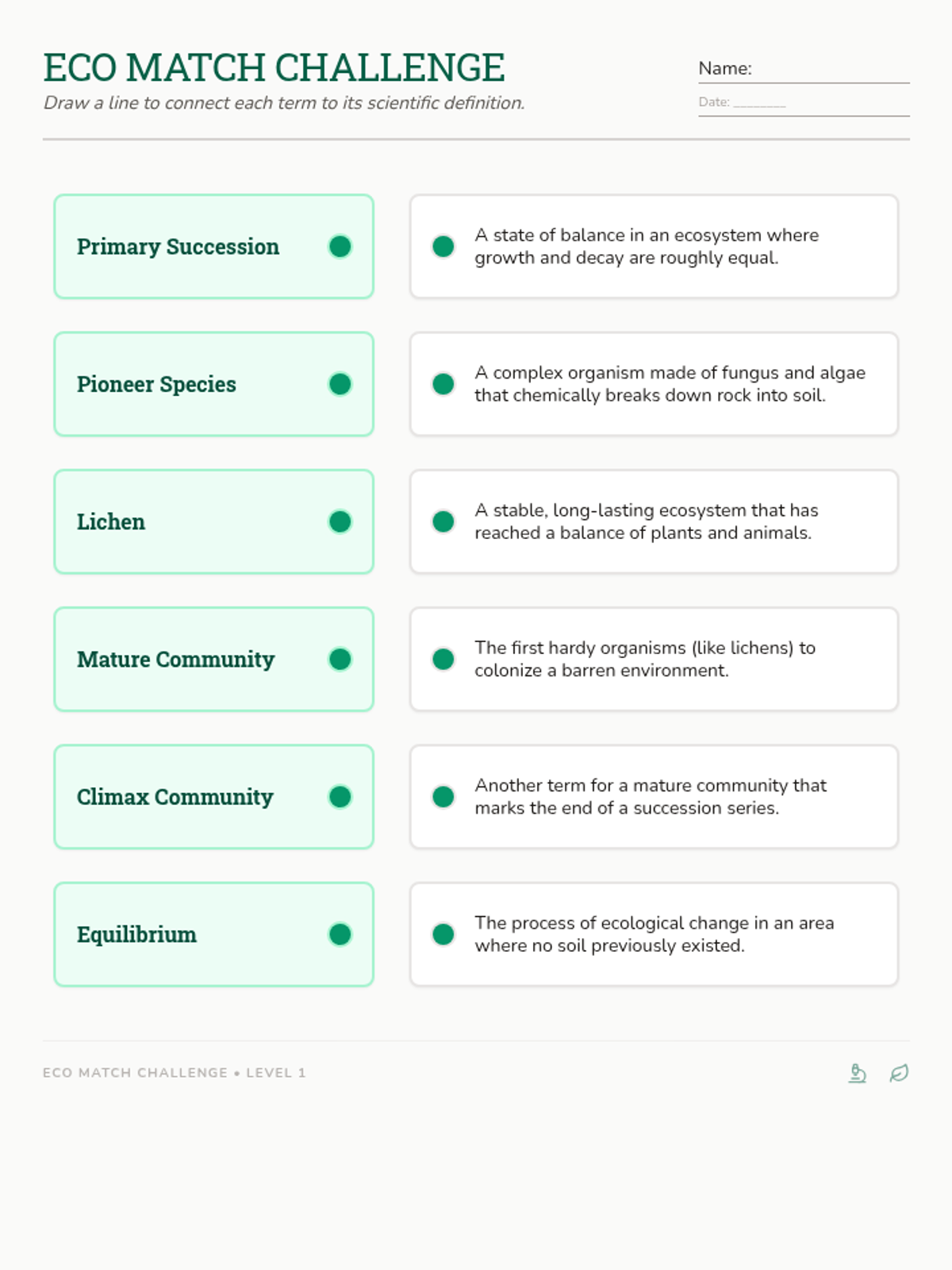
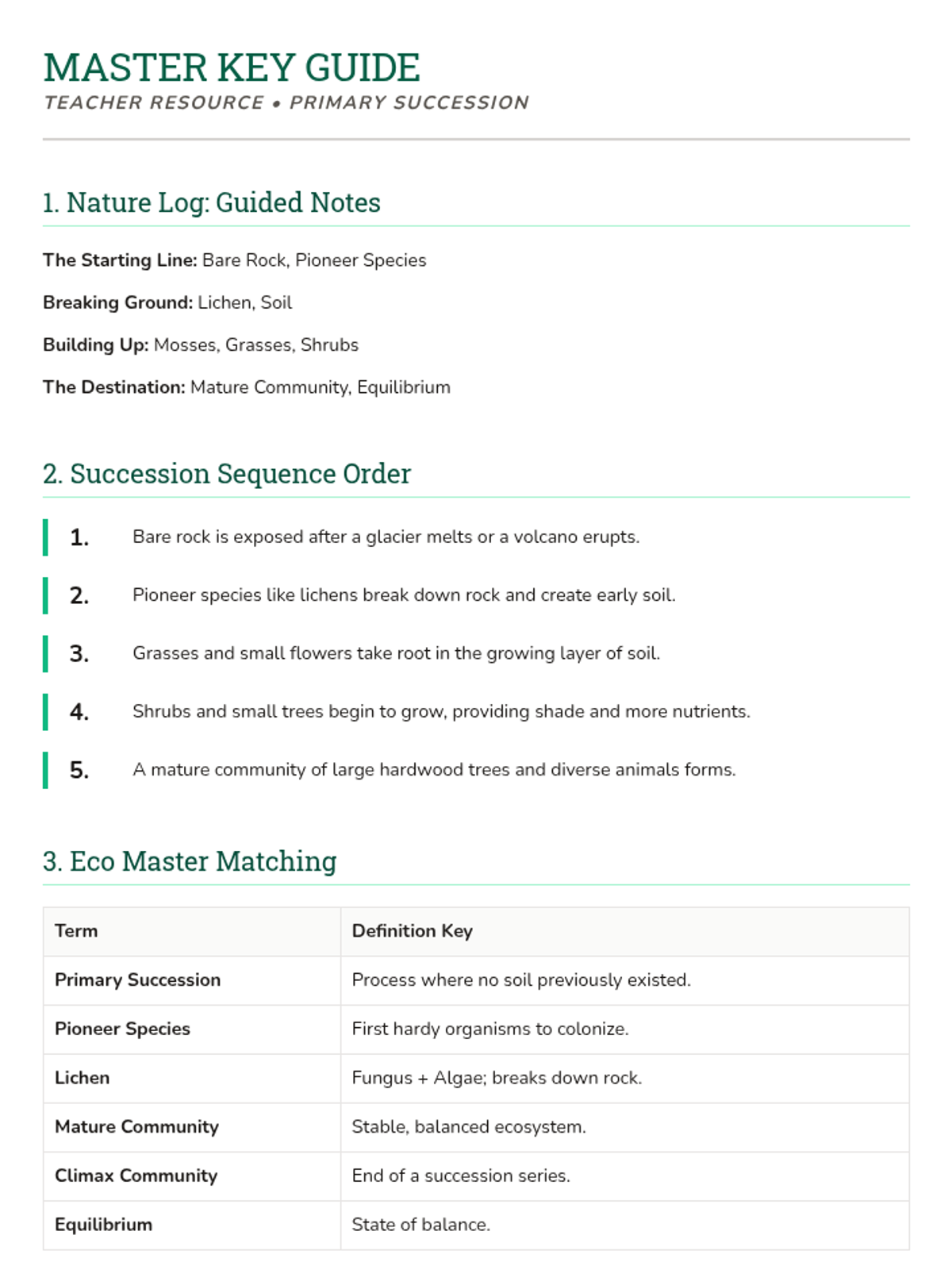
A comprehensive lesson exploring the stages of primary succession, focusing on the role of pioneer species in transforming bare rock into a mature community.
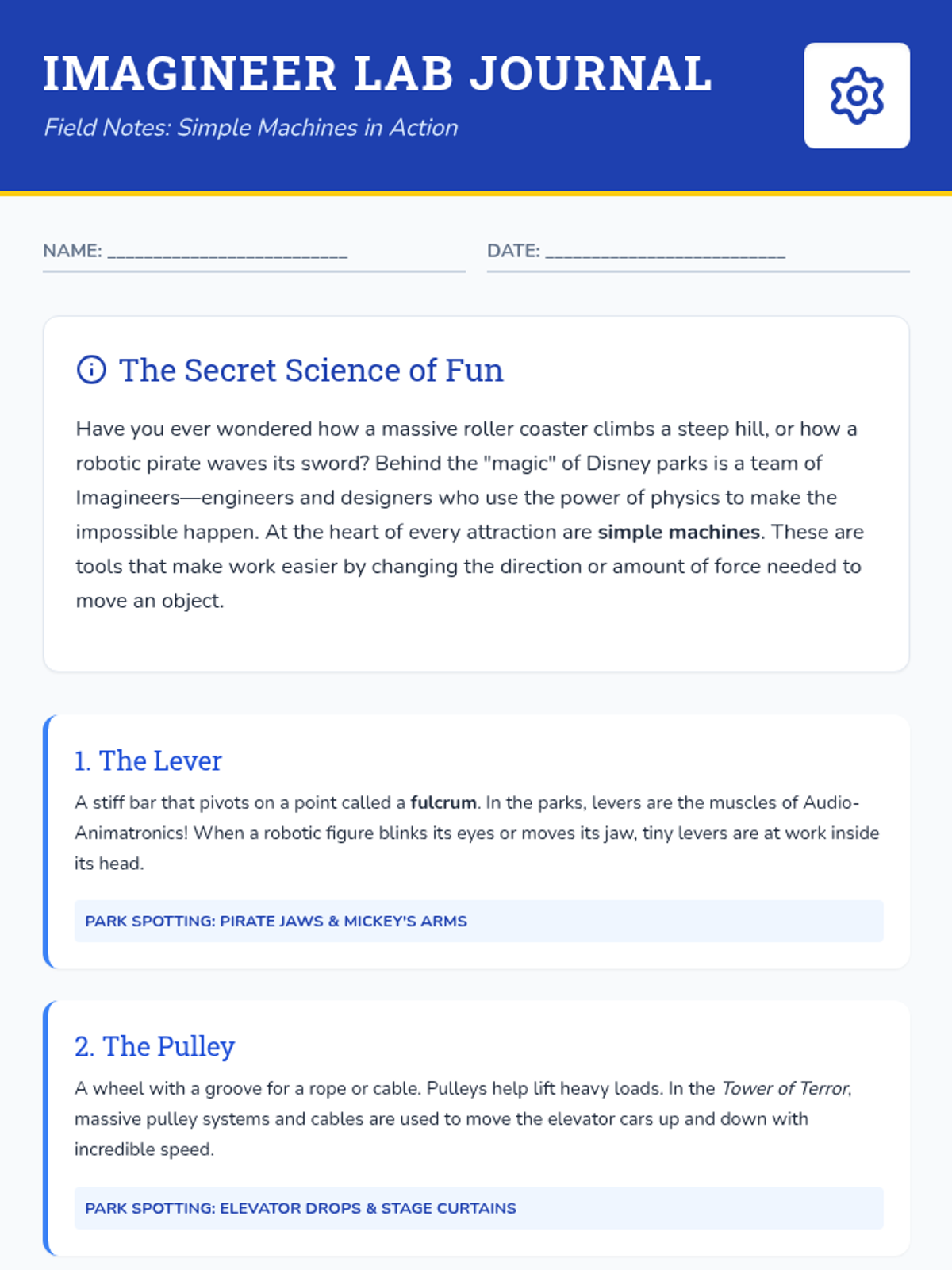
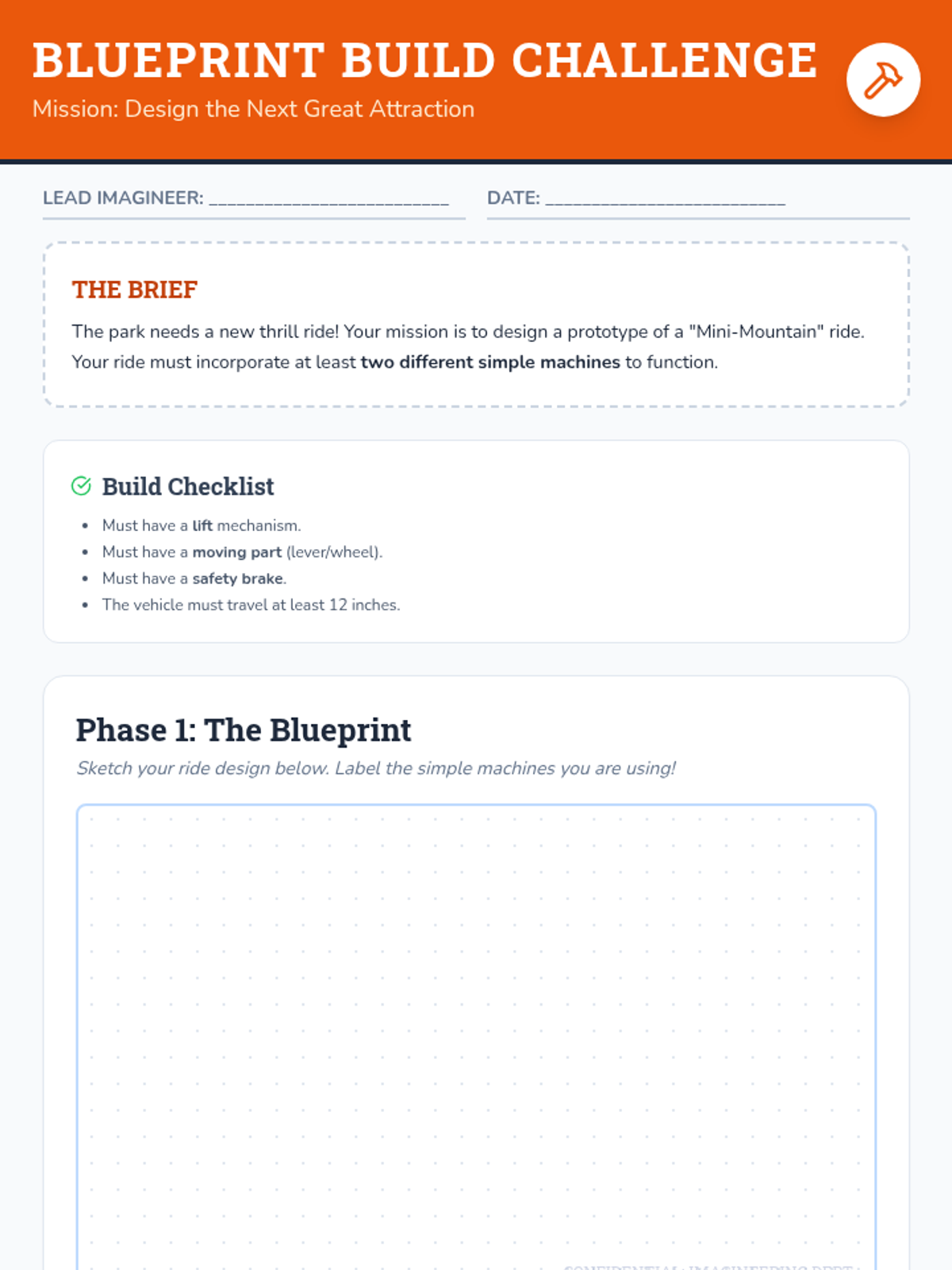
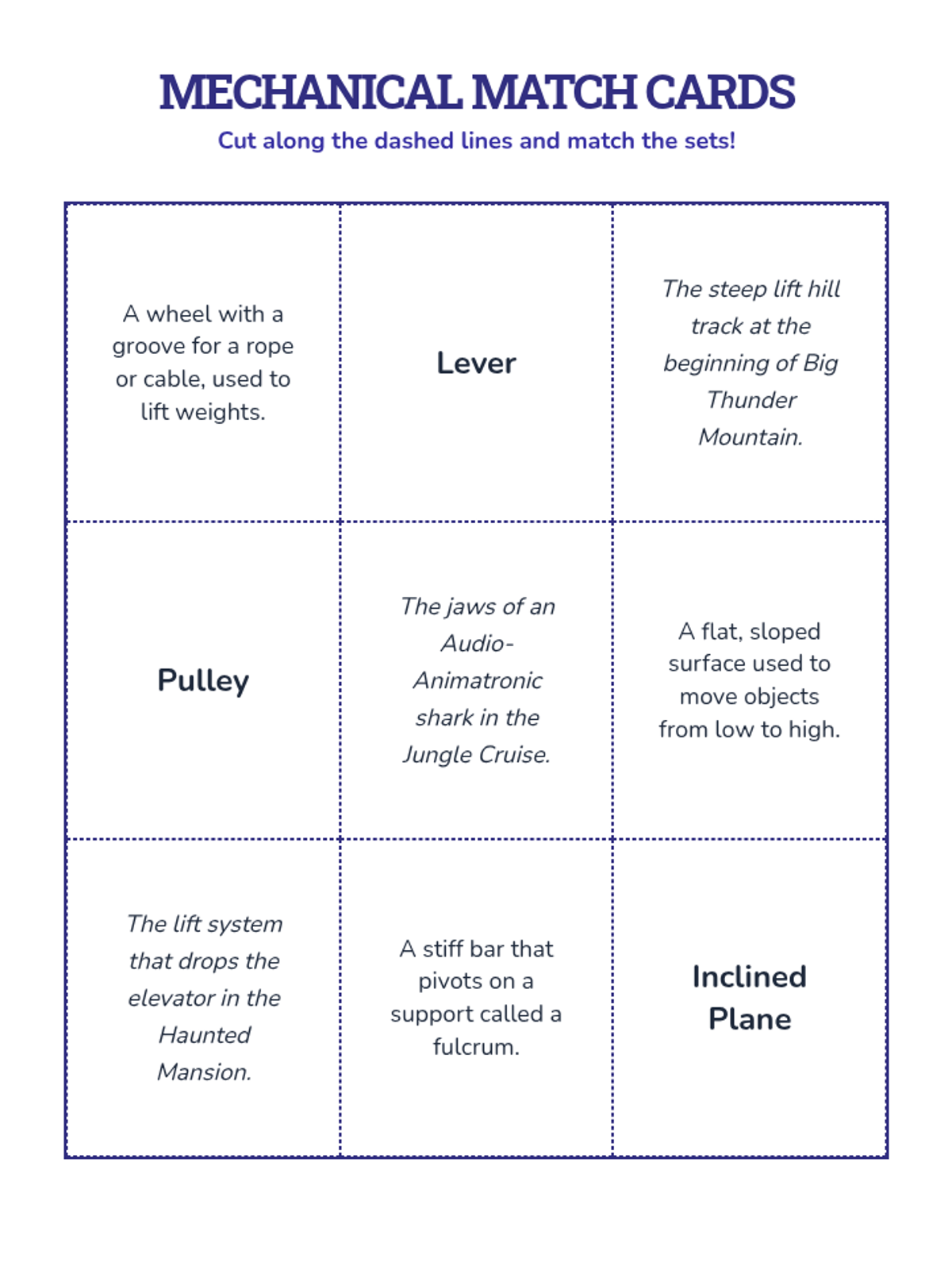
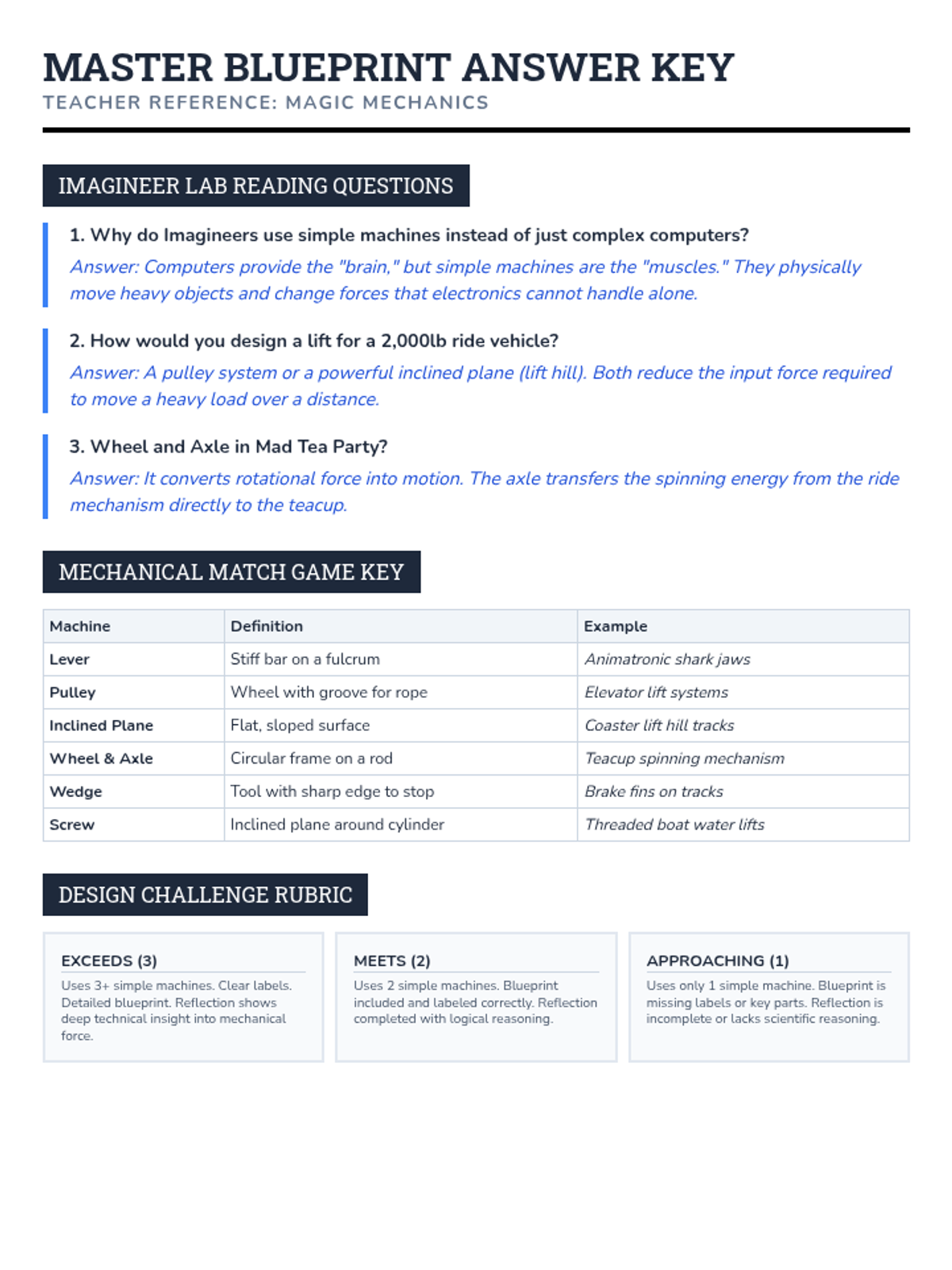
In this lesson, students explore the world of theme park engineering by identifying simple machines within famous attractions. They will apply their knowledge through a hands-on design challenge and a vocabulary matching game.
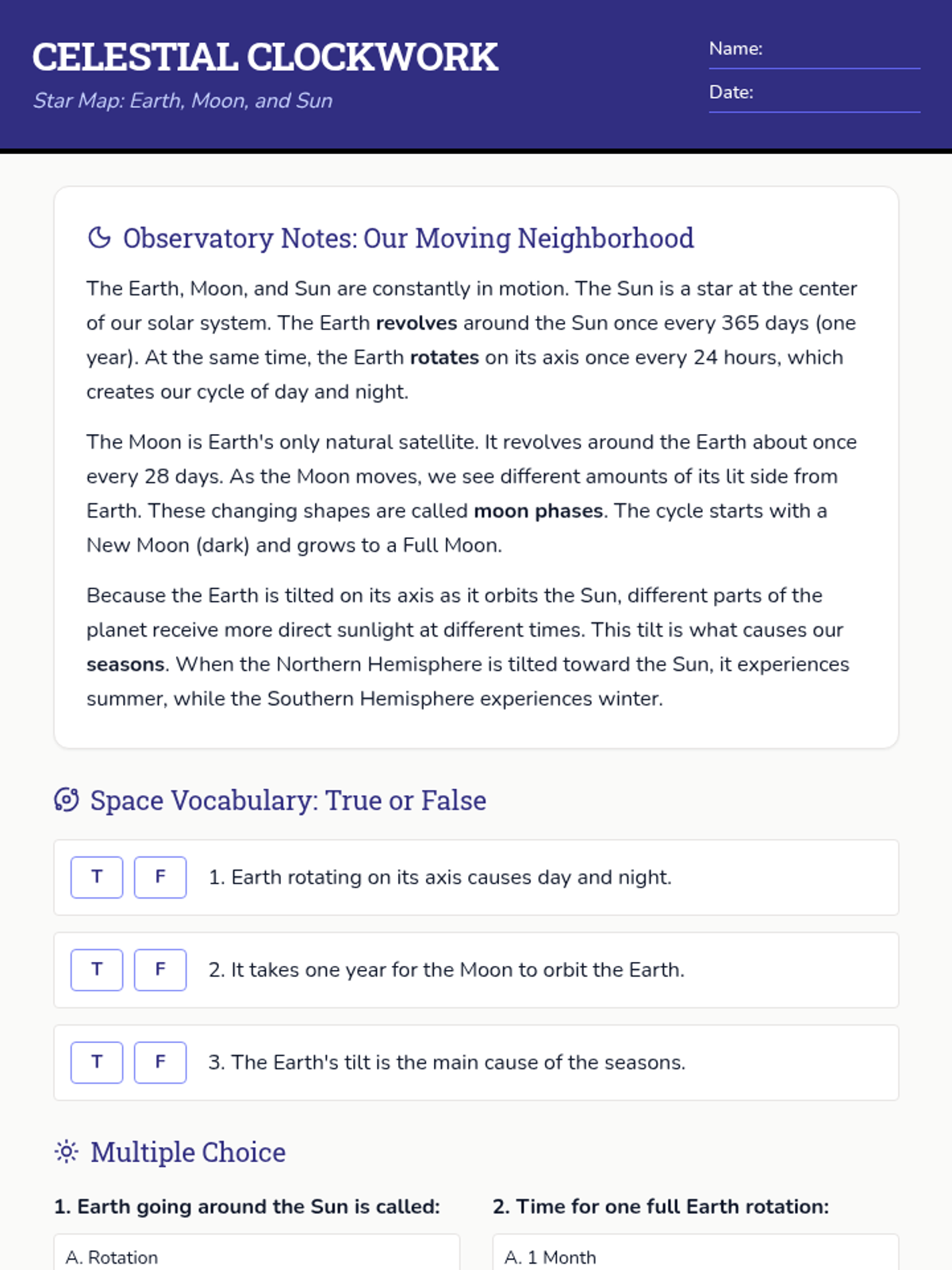
Examines the relationship between the Earth, Moon, and Sun, including orbits, phases, and seasons.
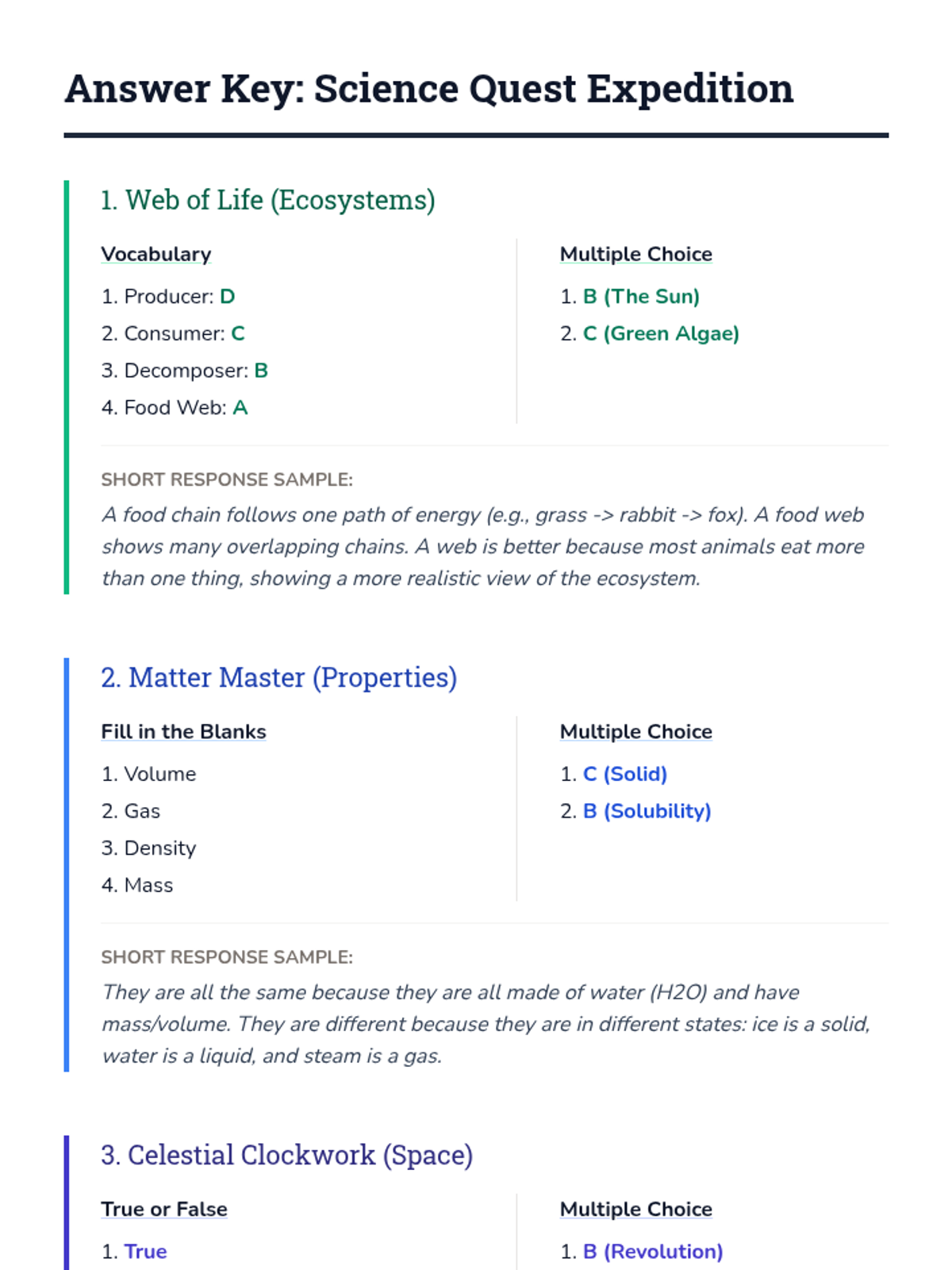
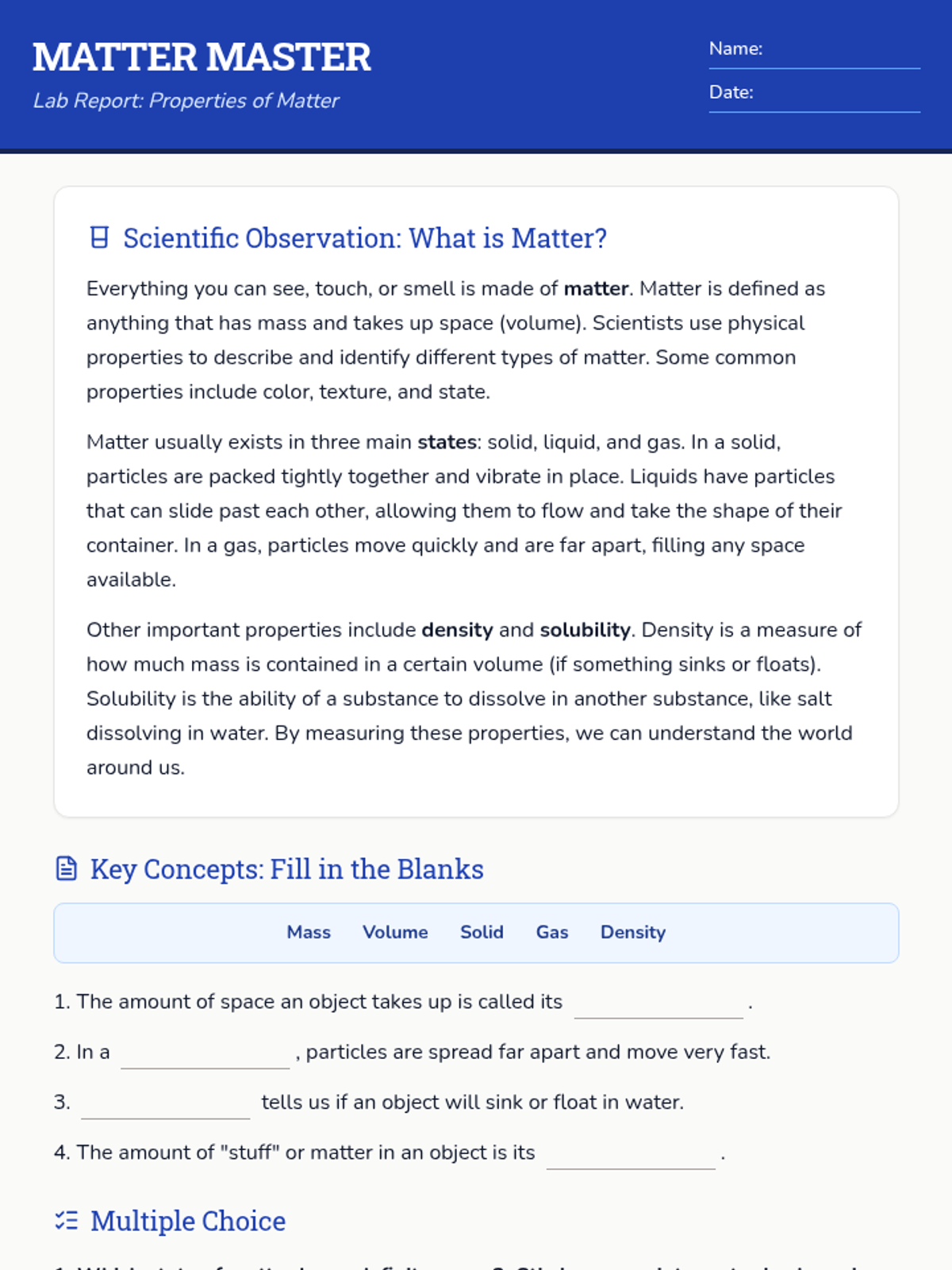
Investigates the physical properties of matter, including mass, volume, density, and states of matter.
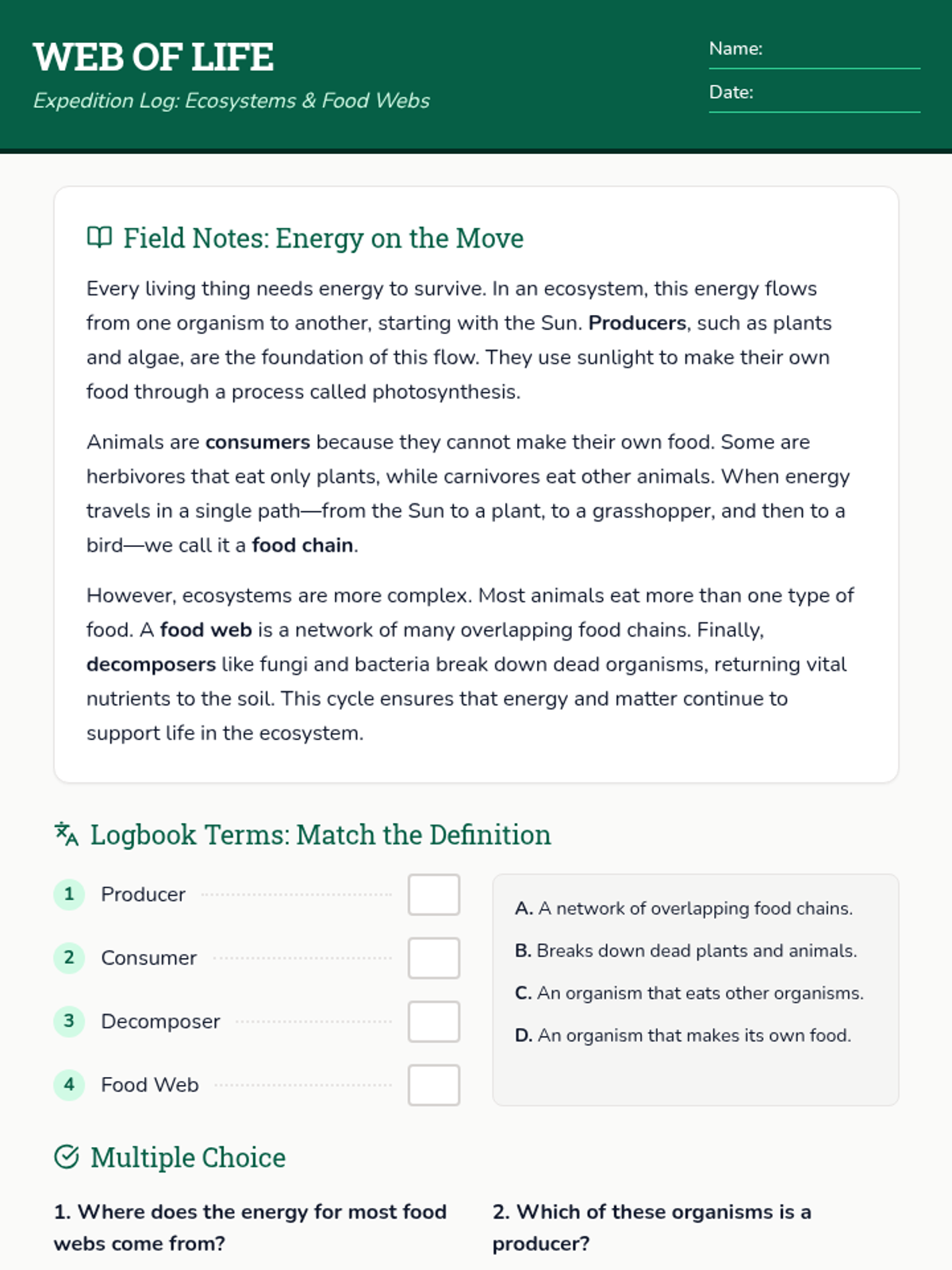
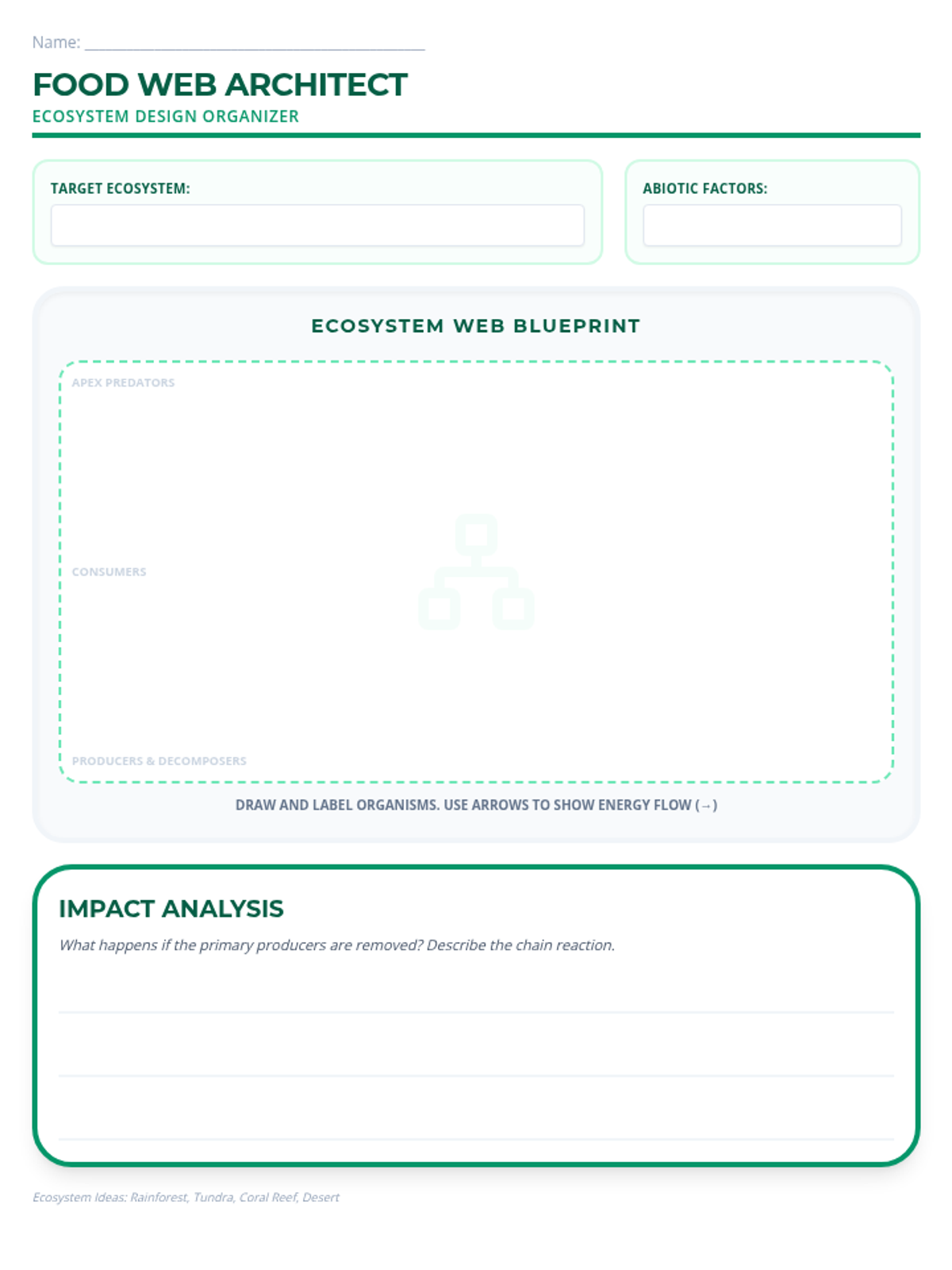
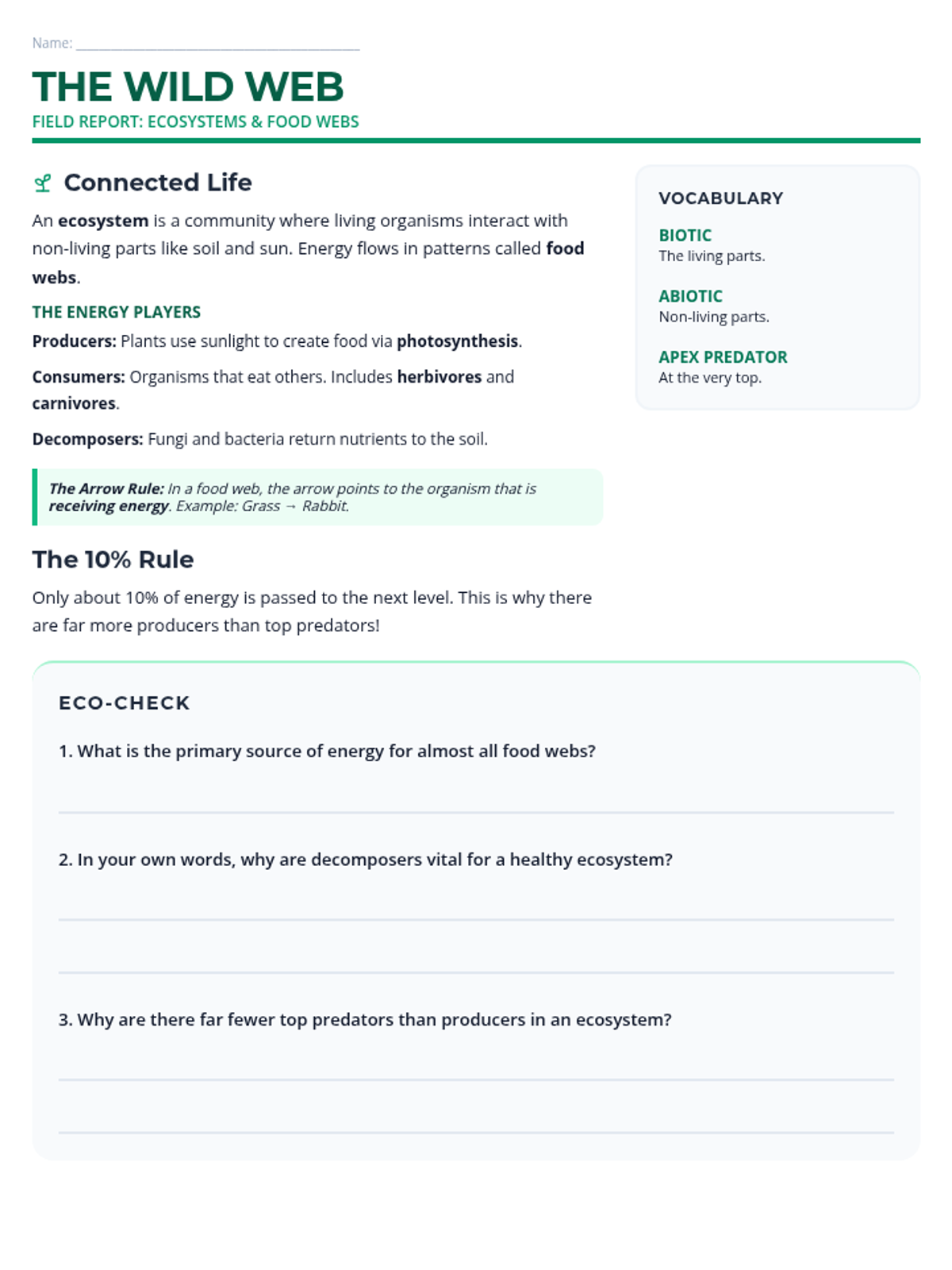
Explores how energy flows through ecosystems via food webs and the roles of producers, consumers, and decomposers.
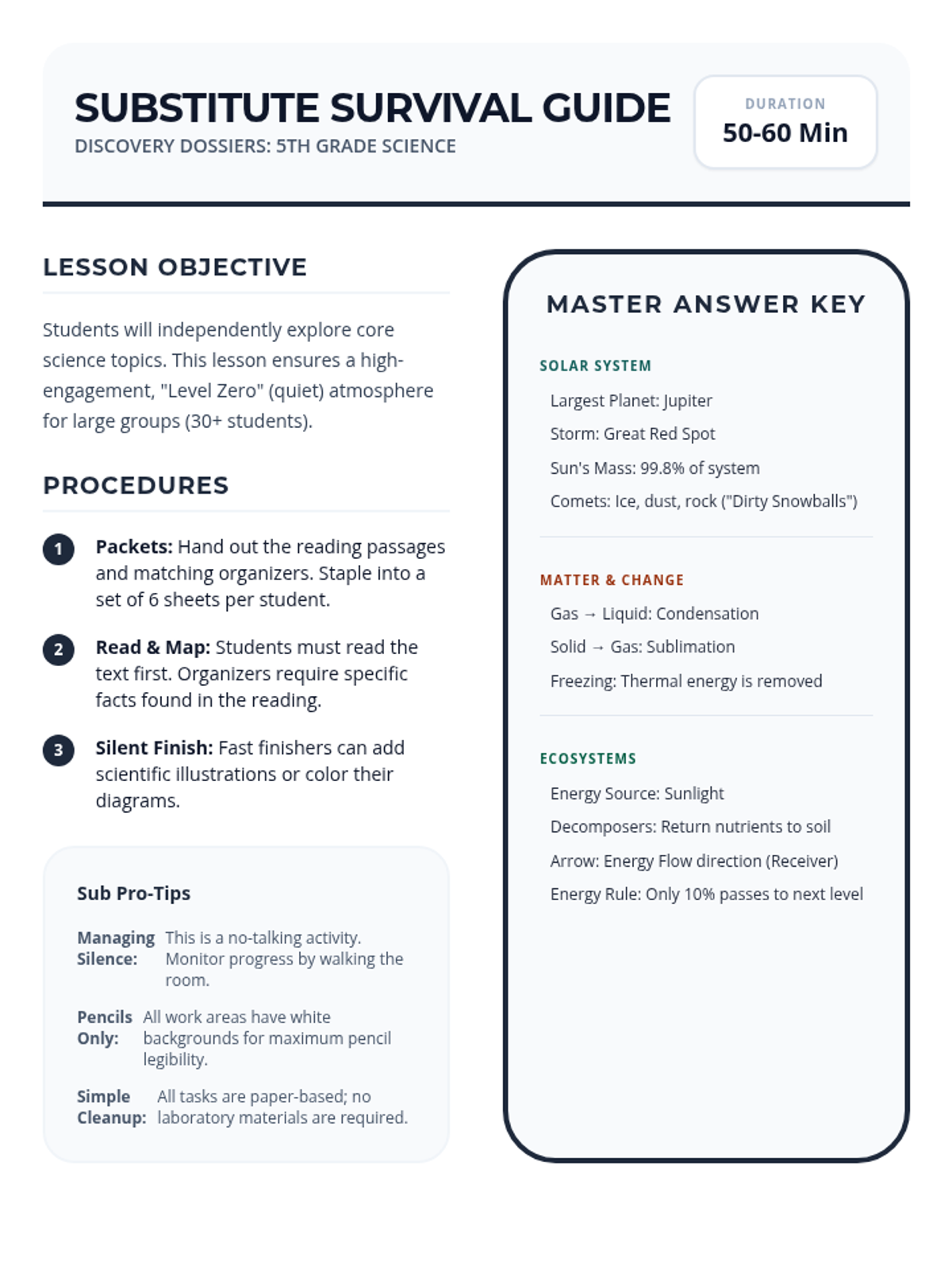
A set of self-contained reading and research activities covering three core 5th-grade science topics to keep students engaged and quiet.
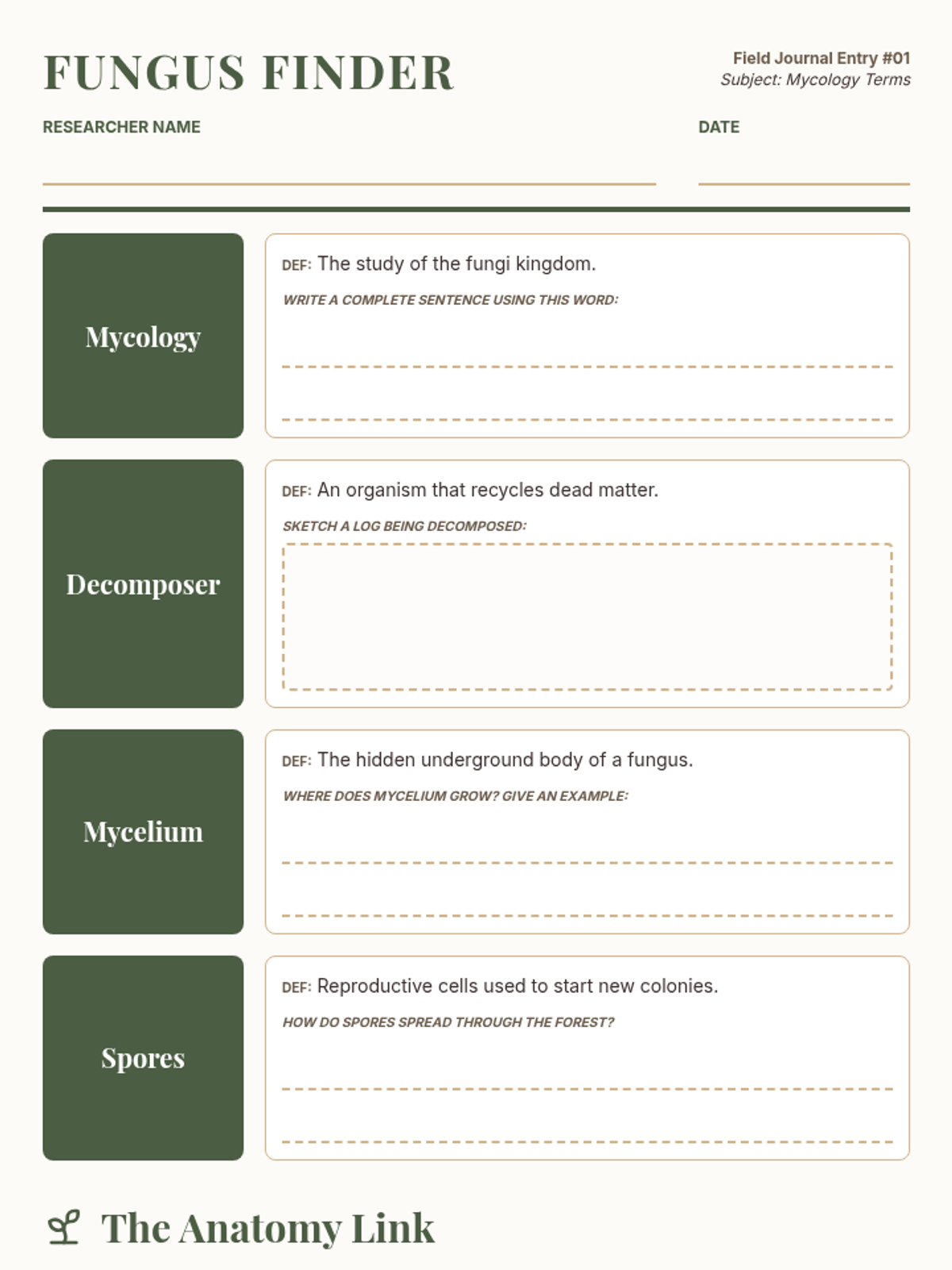
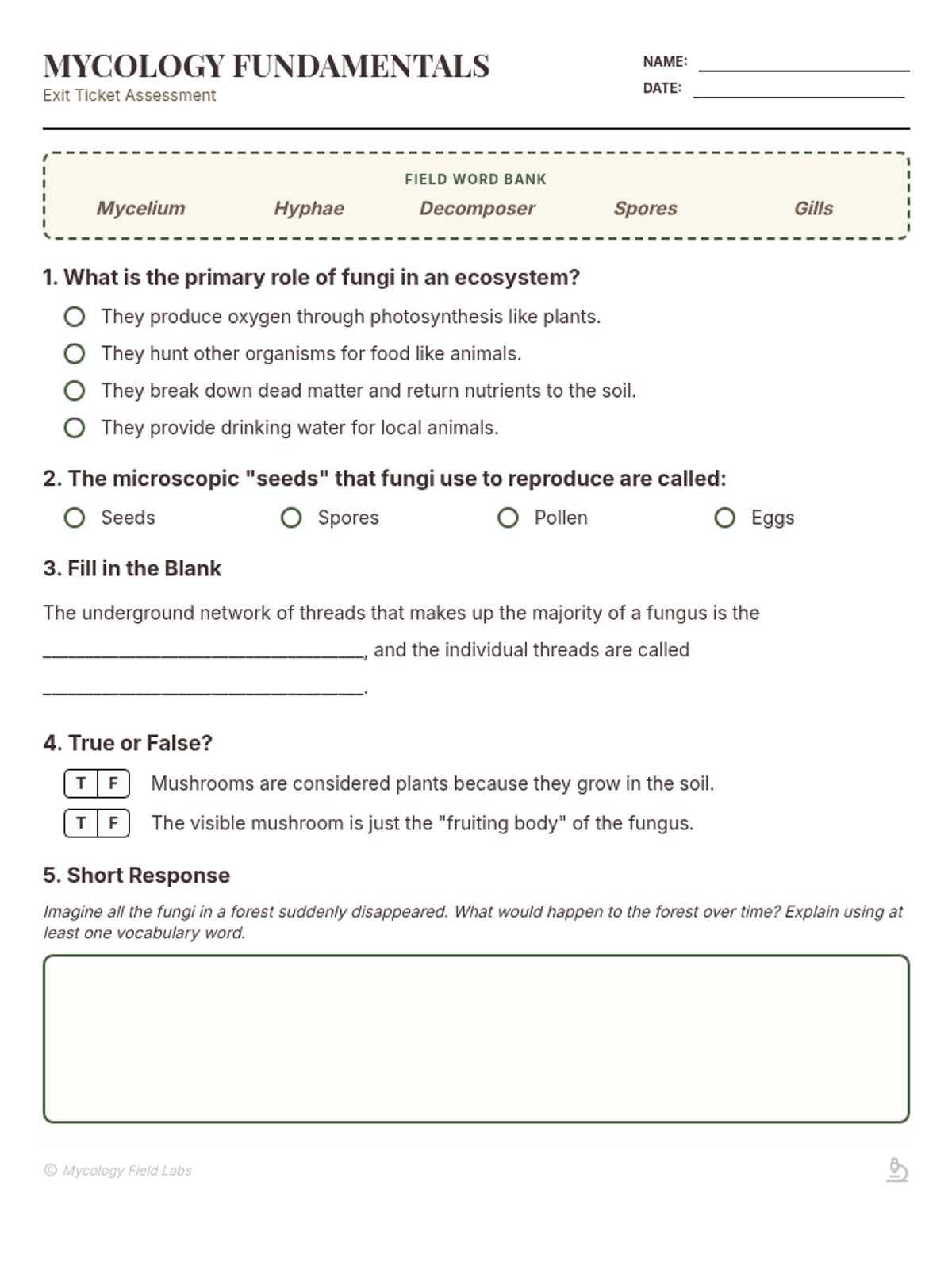
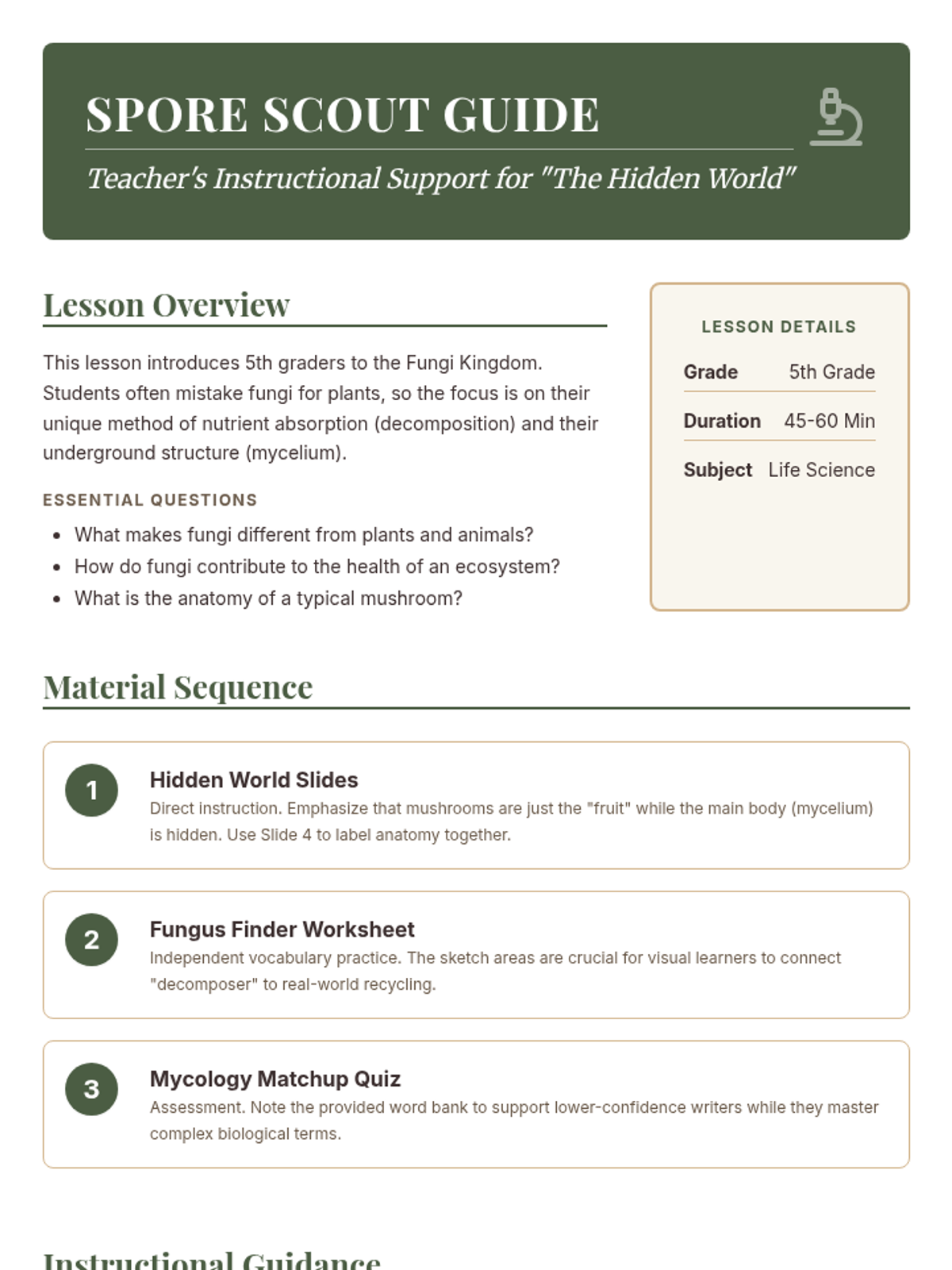
An introduction to the fascinating kingdom of fungi, covering their unique characteristics, life cycles, and ecological roles for 5th-grade students.
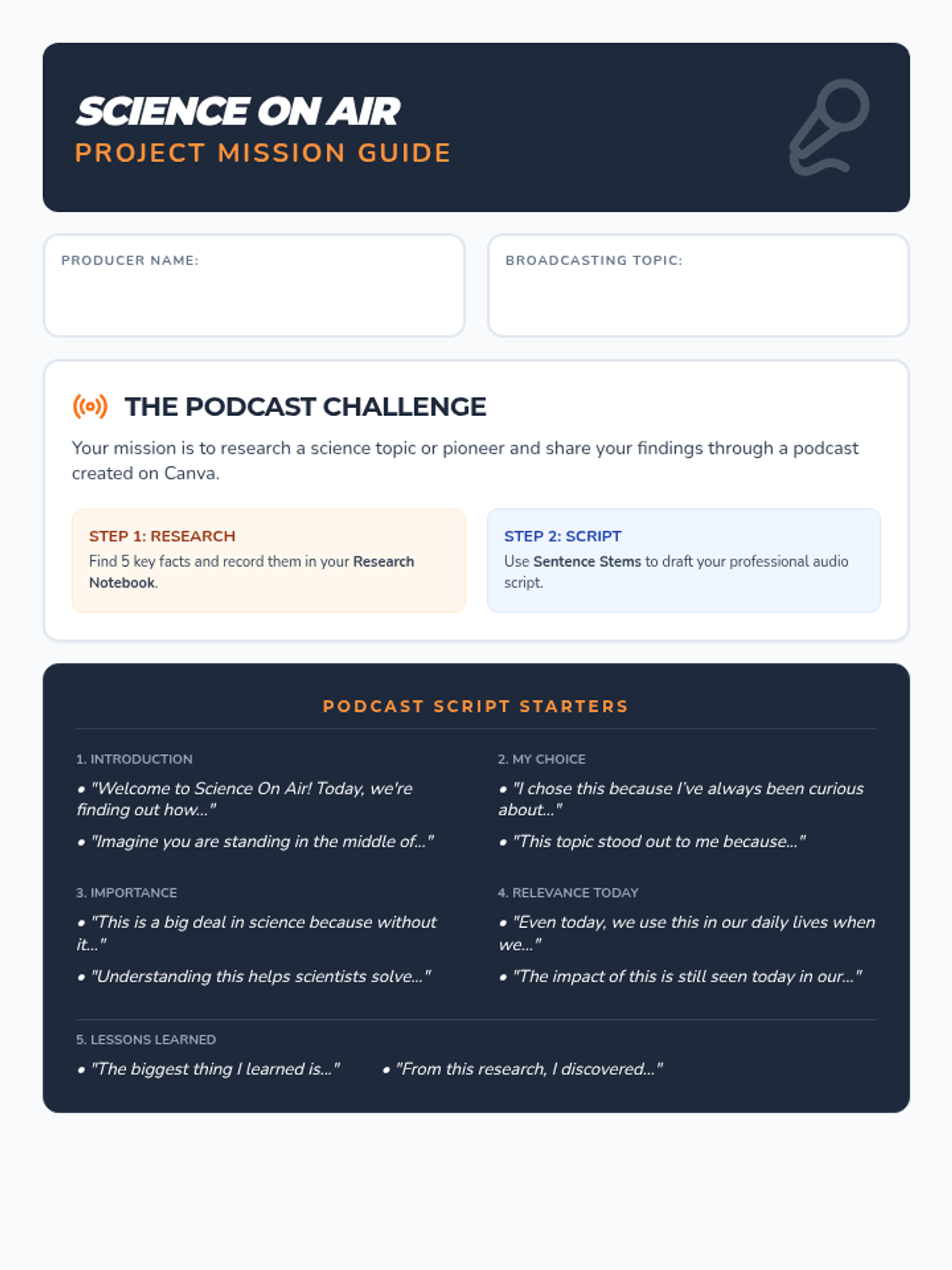
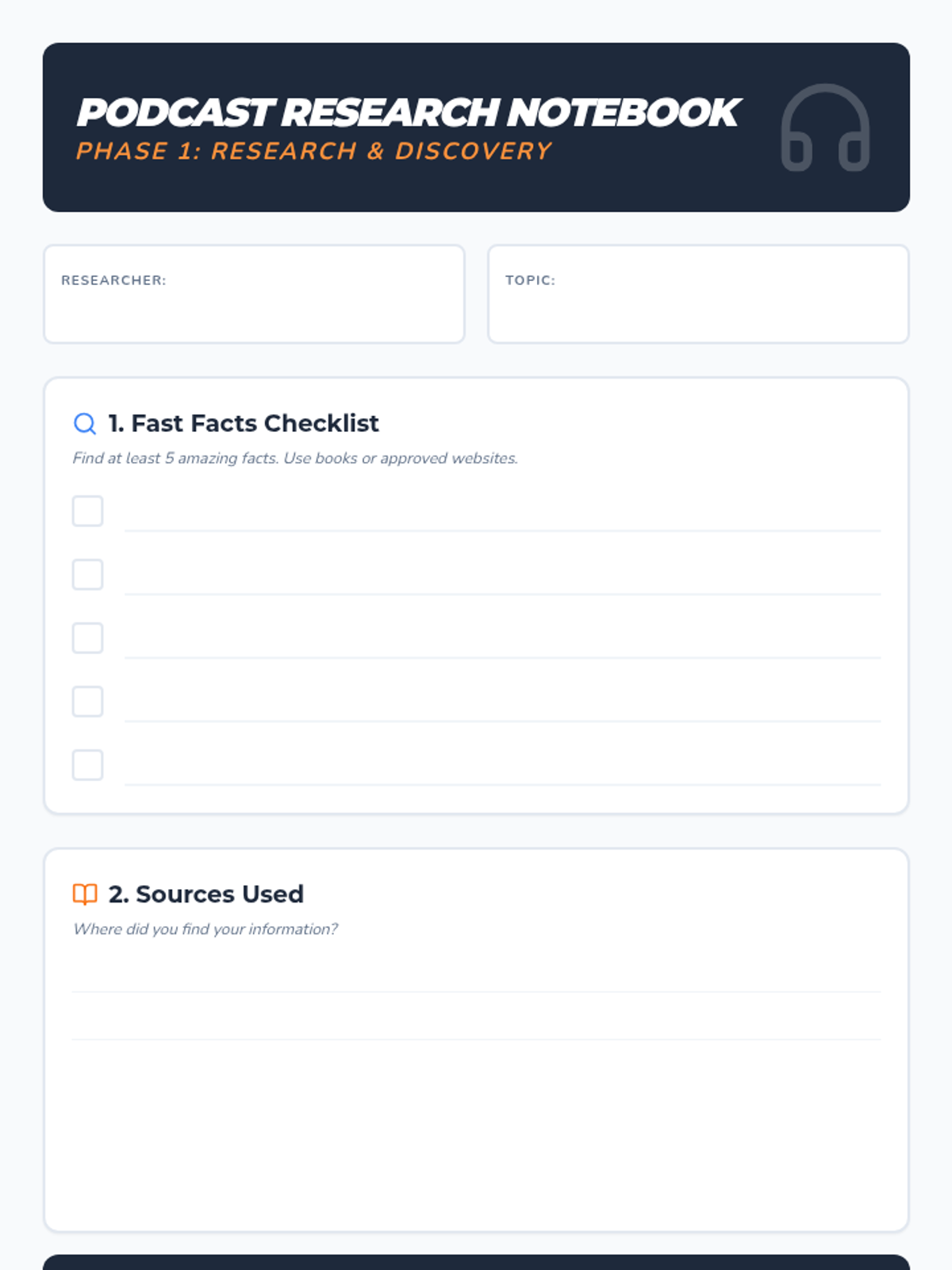
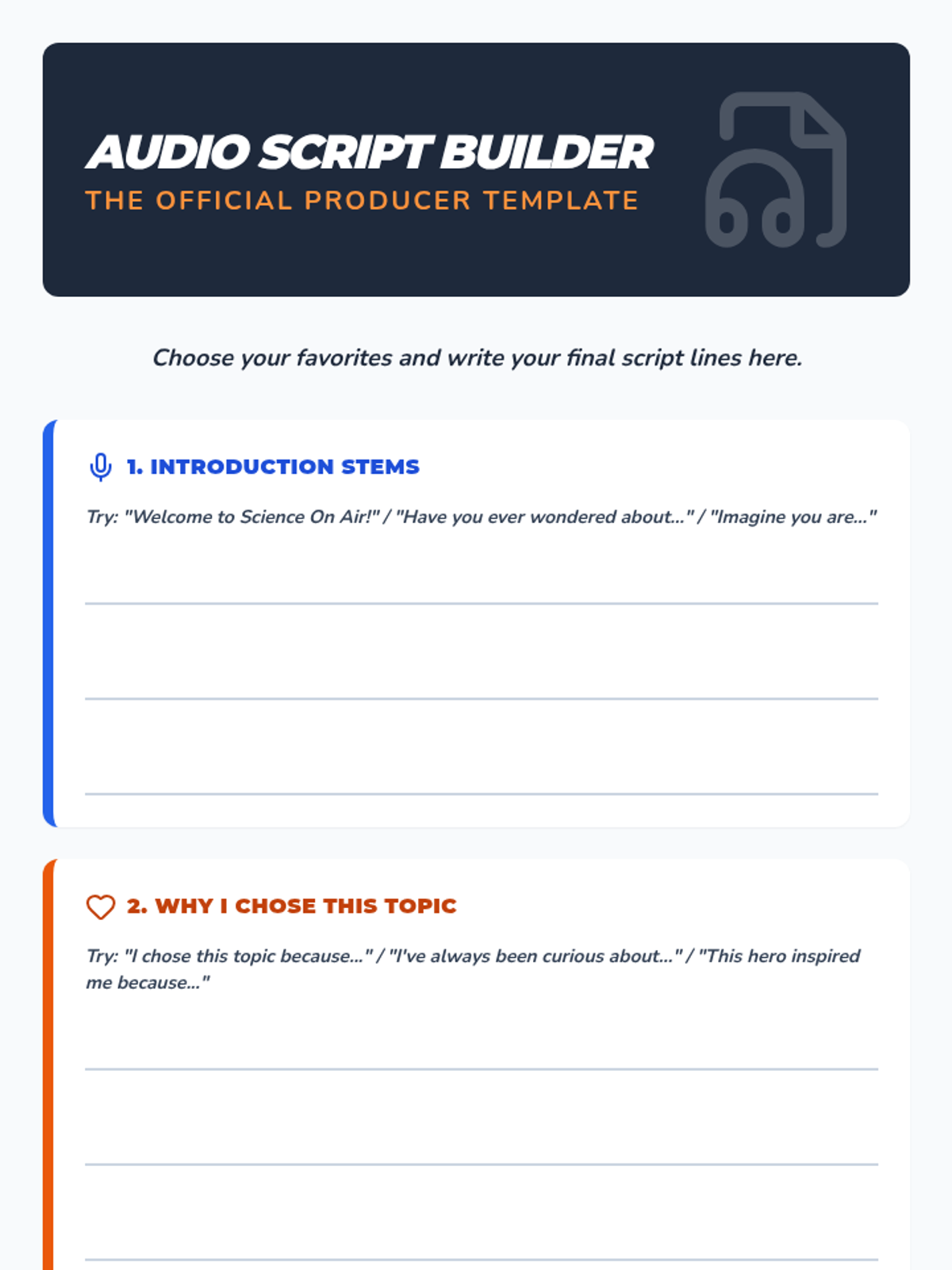
A comprehensive project guide for 4th-grade students to research a scientific topic or pioneer and produce a professional-style podcast. The lesson includes a project overview, a detailed research notebook, and a script-writing template with guided sentence stems.
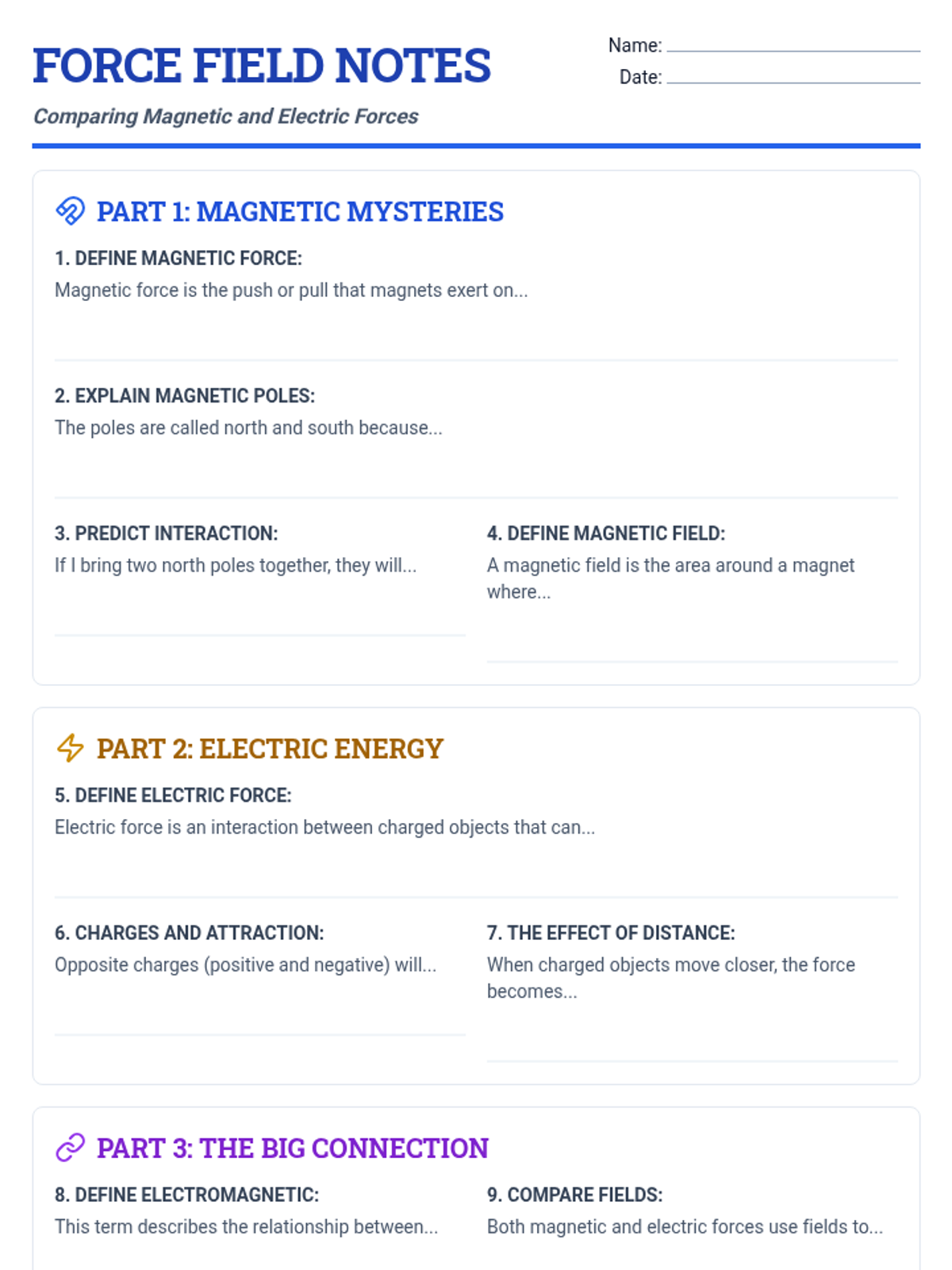
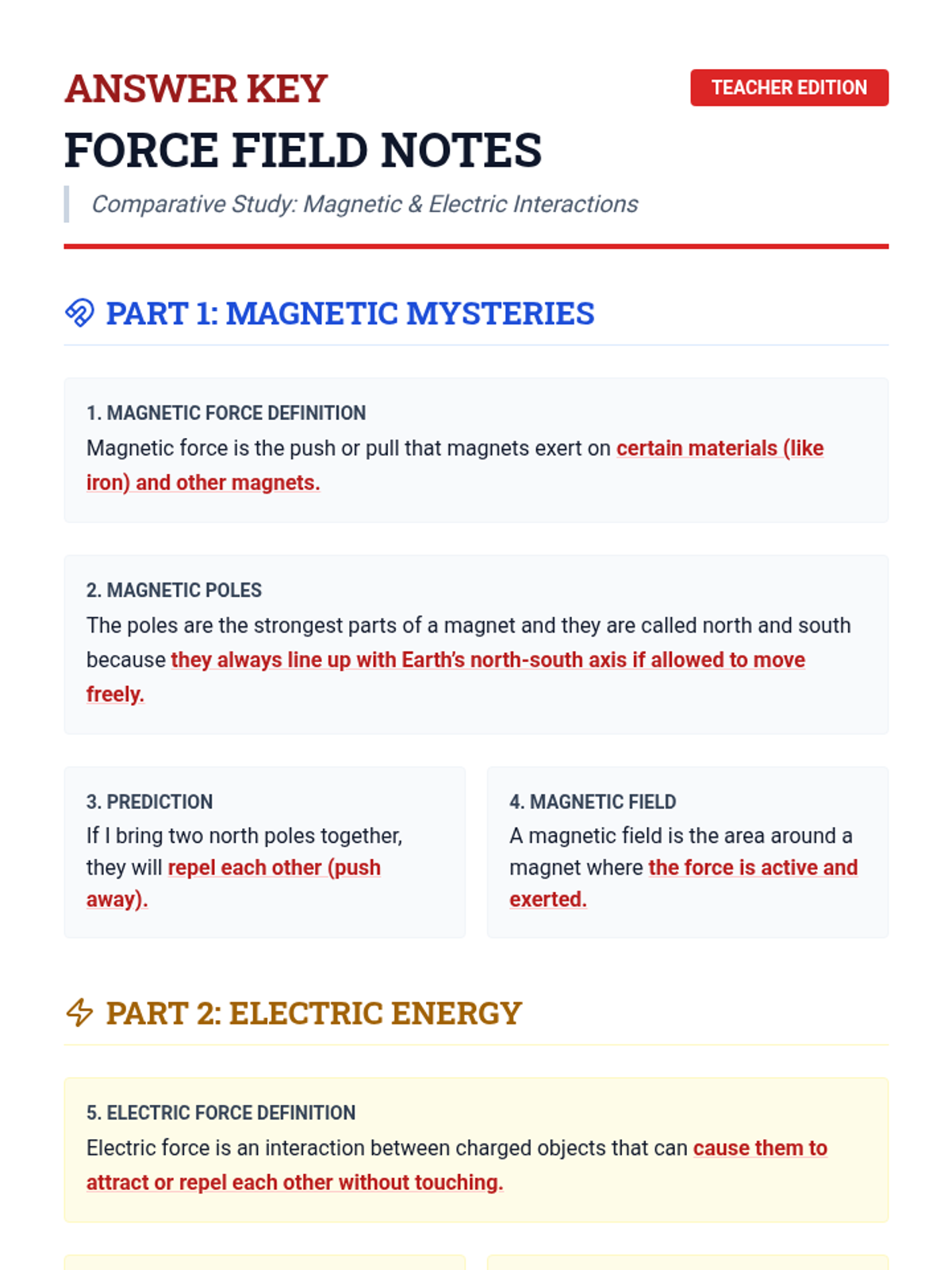
A lesson exploring the characteristics of magnetic and electric forces, their similarities and differences, and the fundamental concept of electromagnetism.
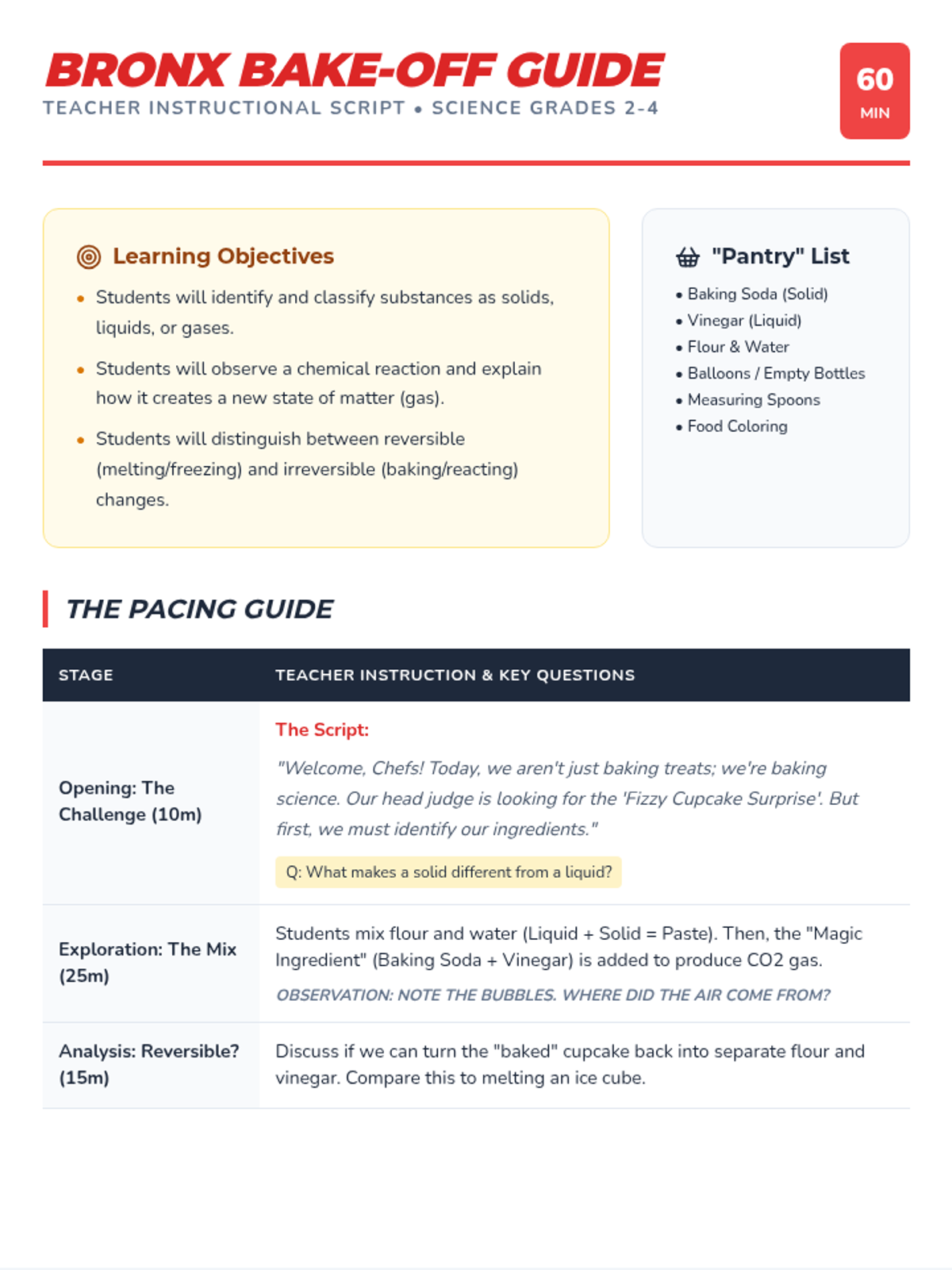
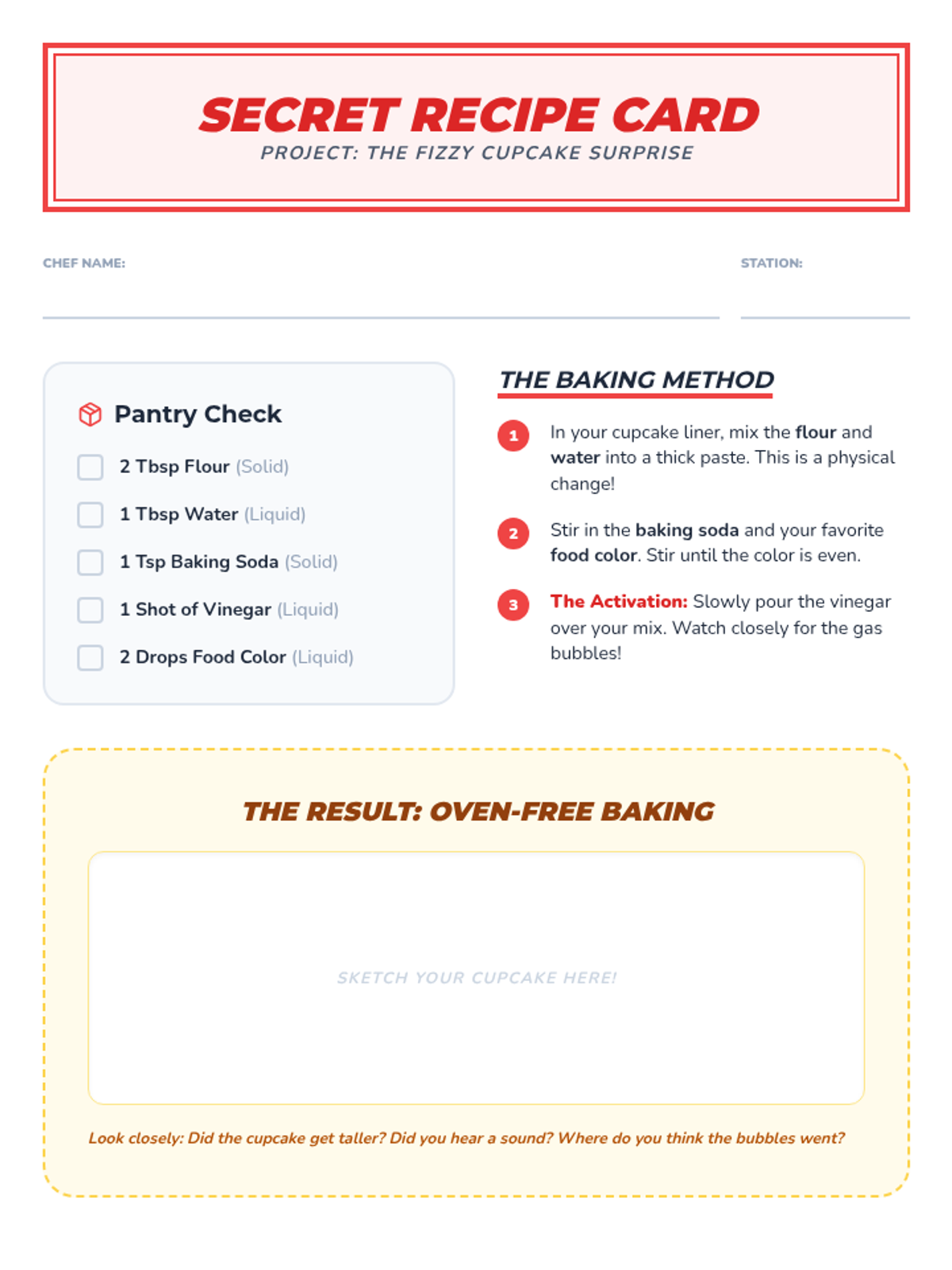
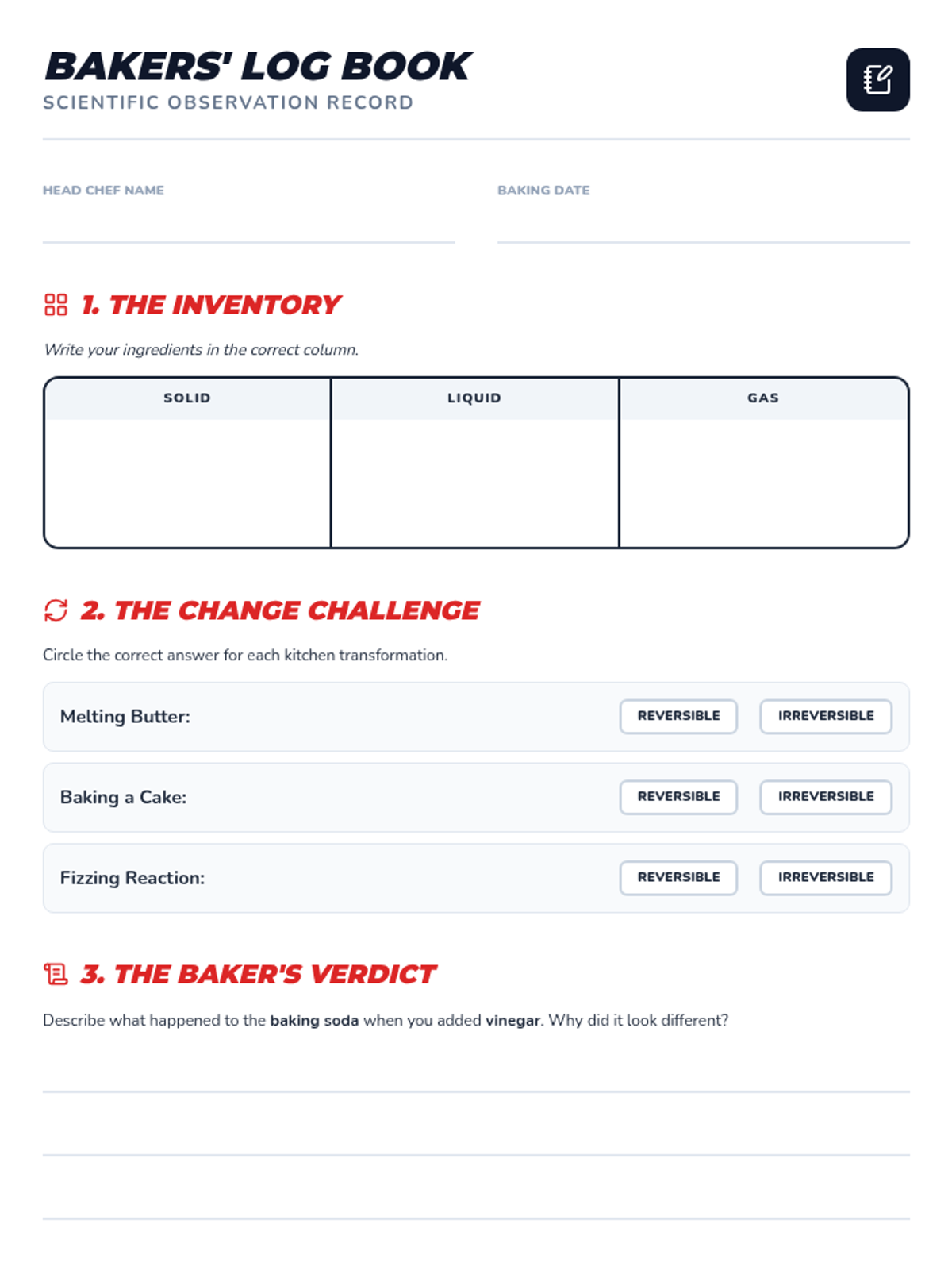
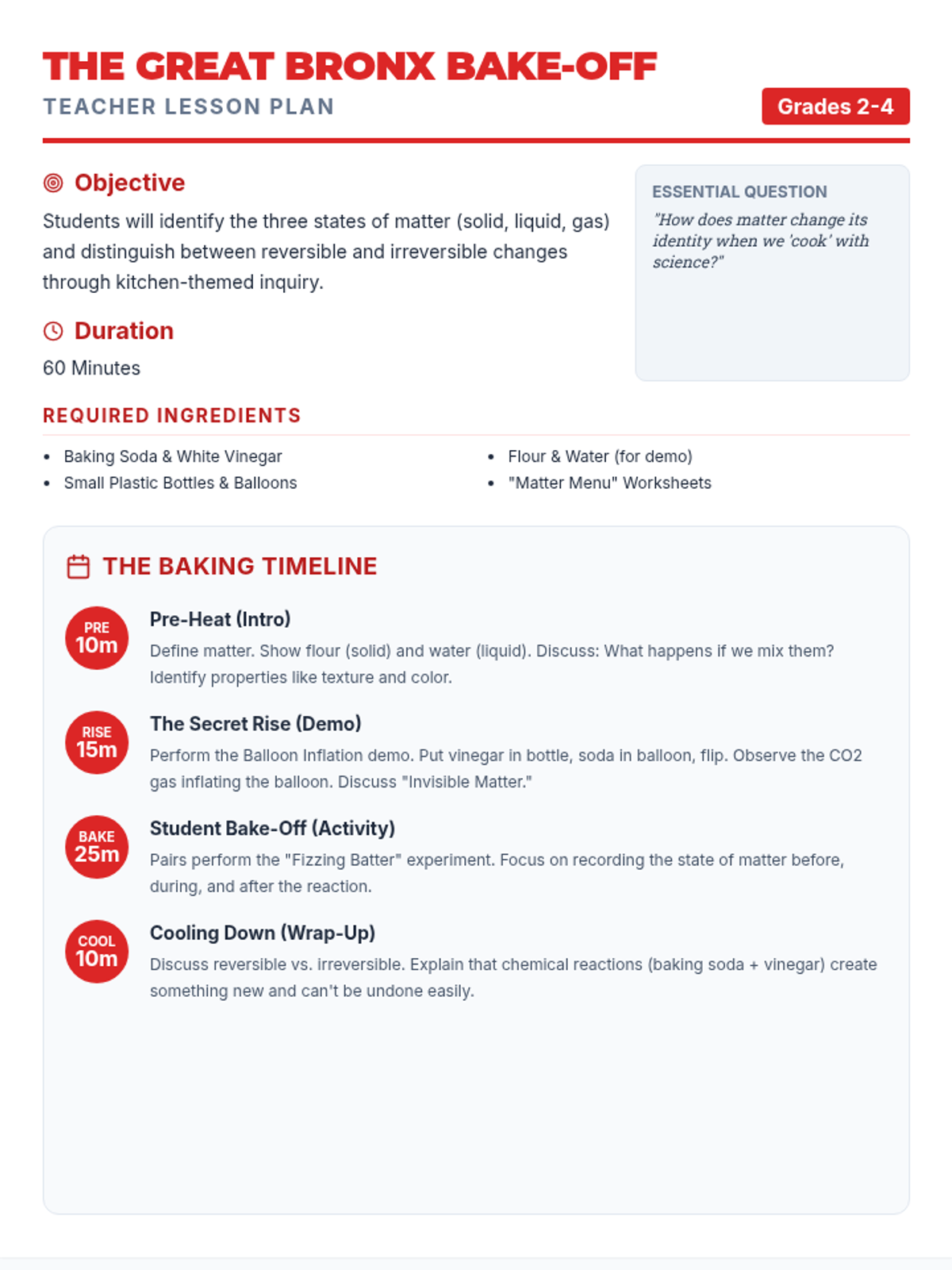
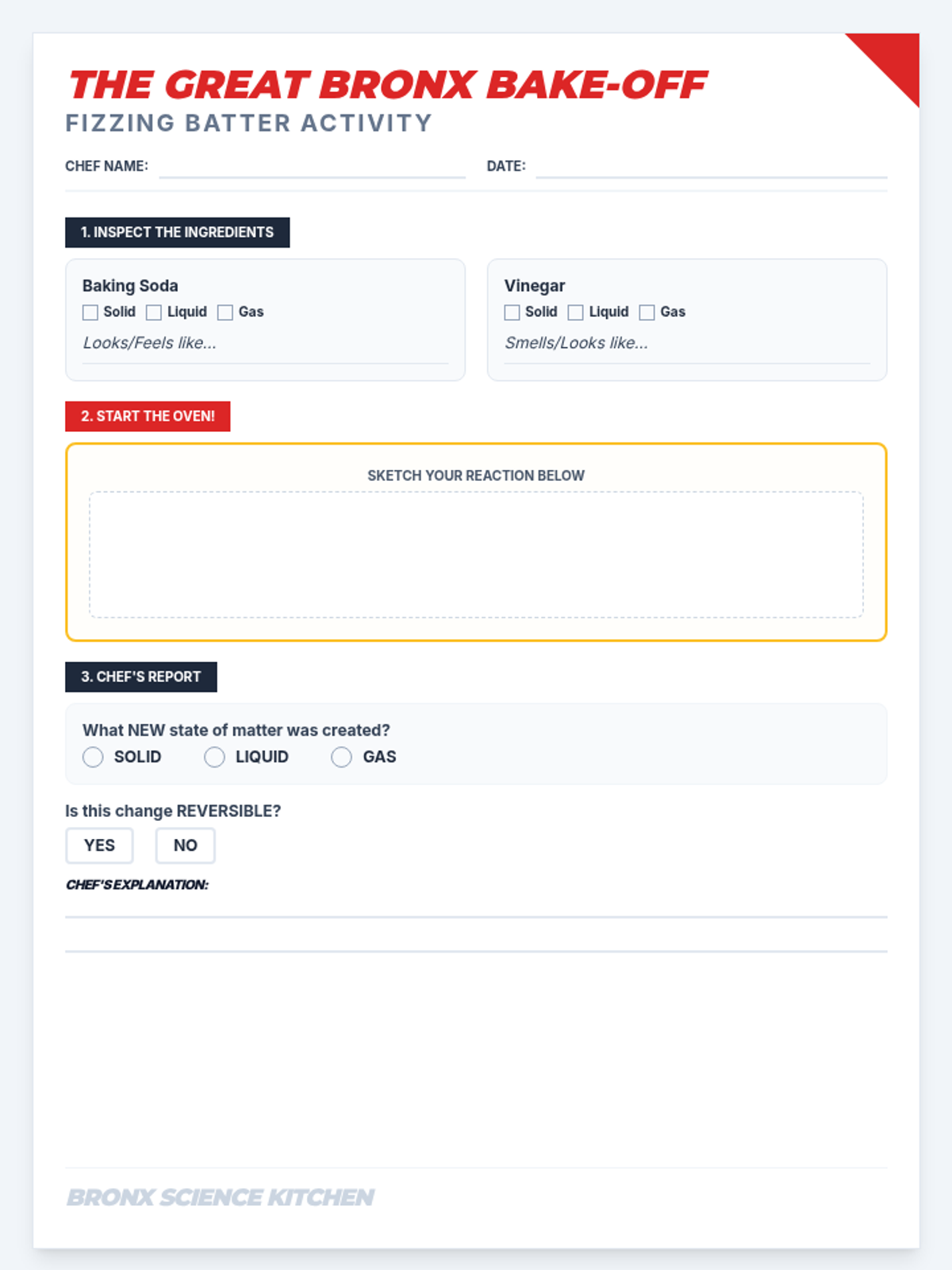
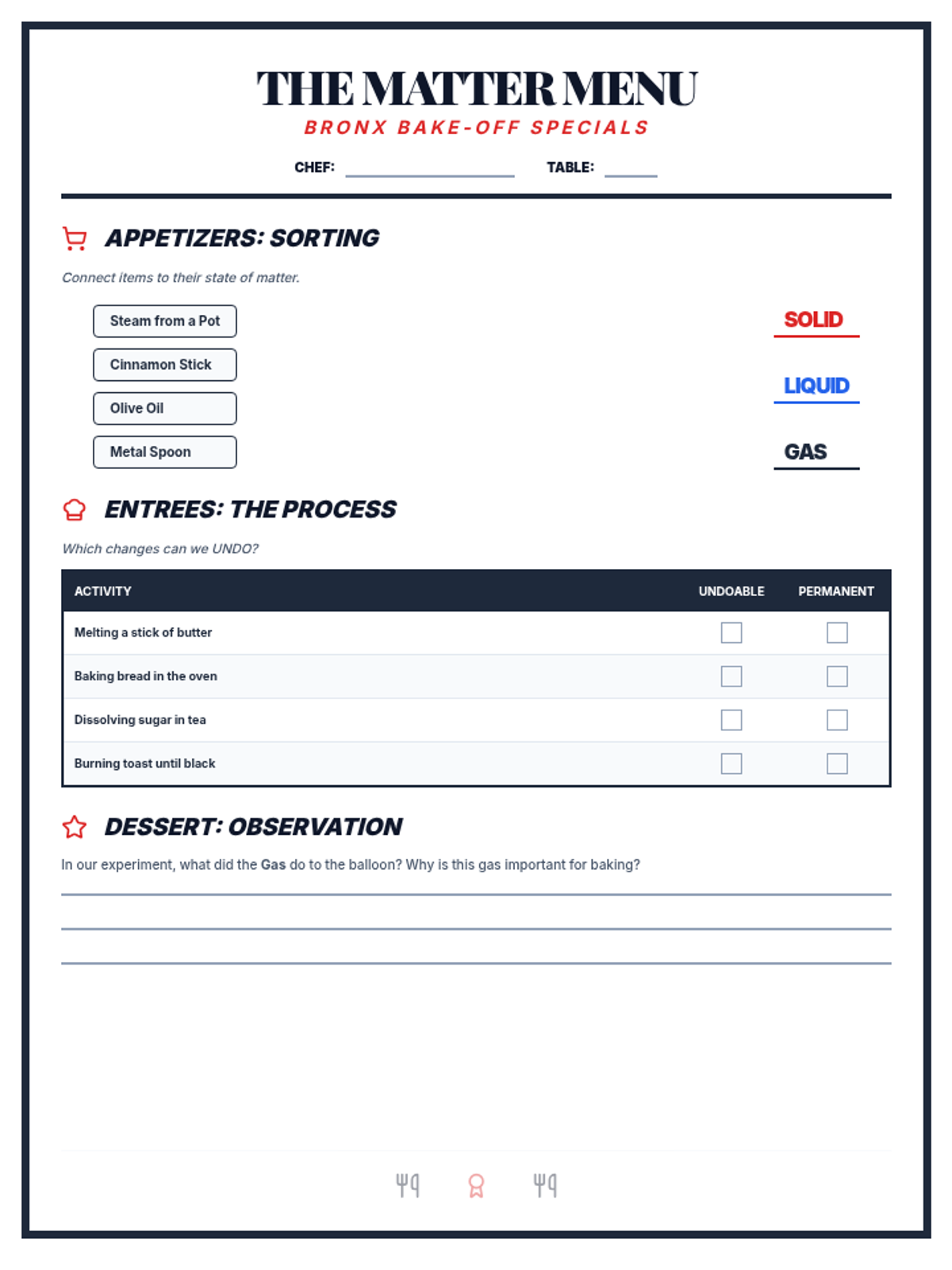
In this inquiry-based science lesson, students step into the roles of master bakers to investigate the states of matter. By observing 'kitchen' reactions and transformations, students learn to identify solids, liquids, and gases while exploring the difference between reversible and irreversible changes.
A chemistry-meets-culinary lesson for grades 2-4 where students investigate the states of matter and changes through a 'bake-off' theme using simple kitchen science.