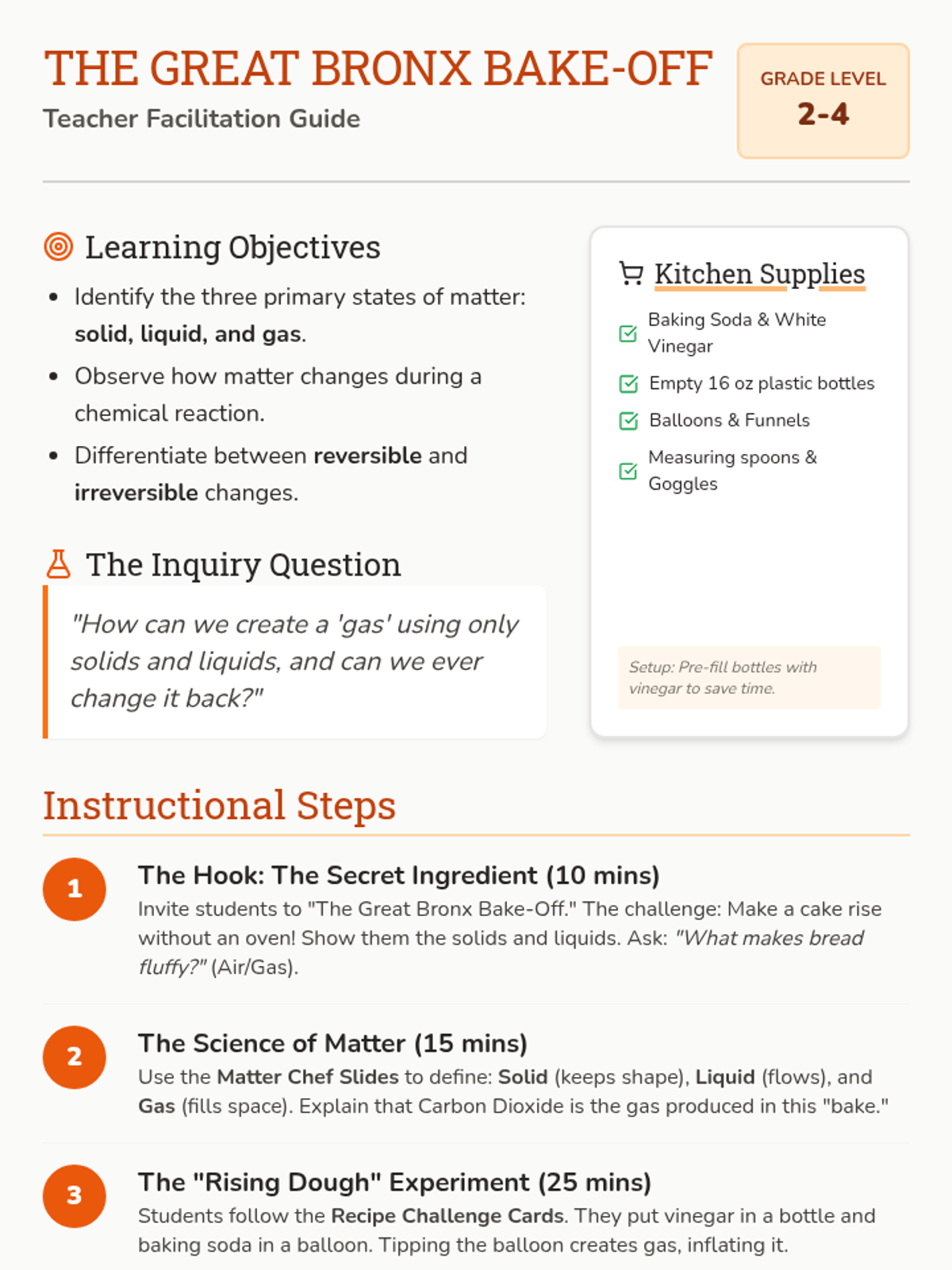
A chemistry-meets-culinary lesson for grades 2-4 where students investigate the states of matter and changes through a 'bake-off' theme using simple kitchen science.
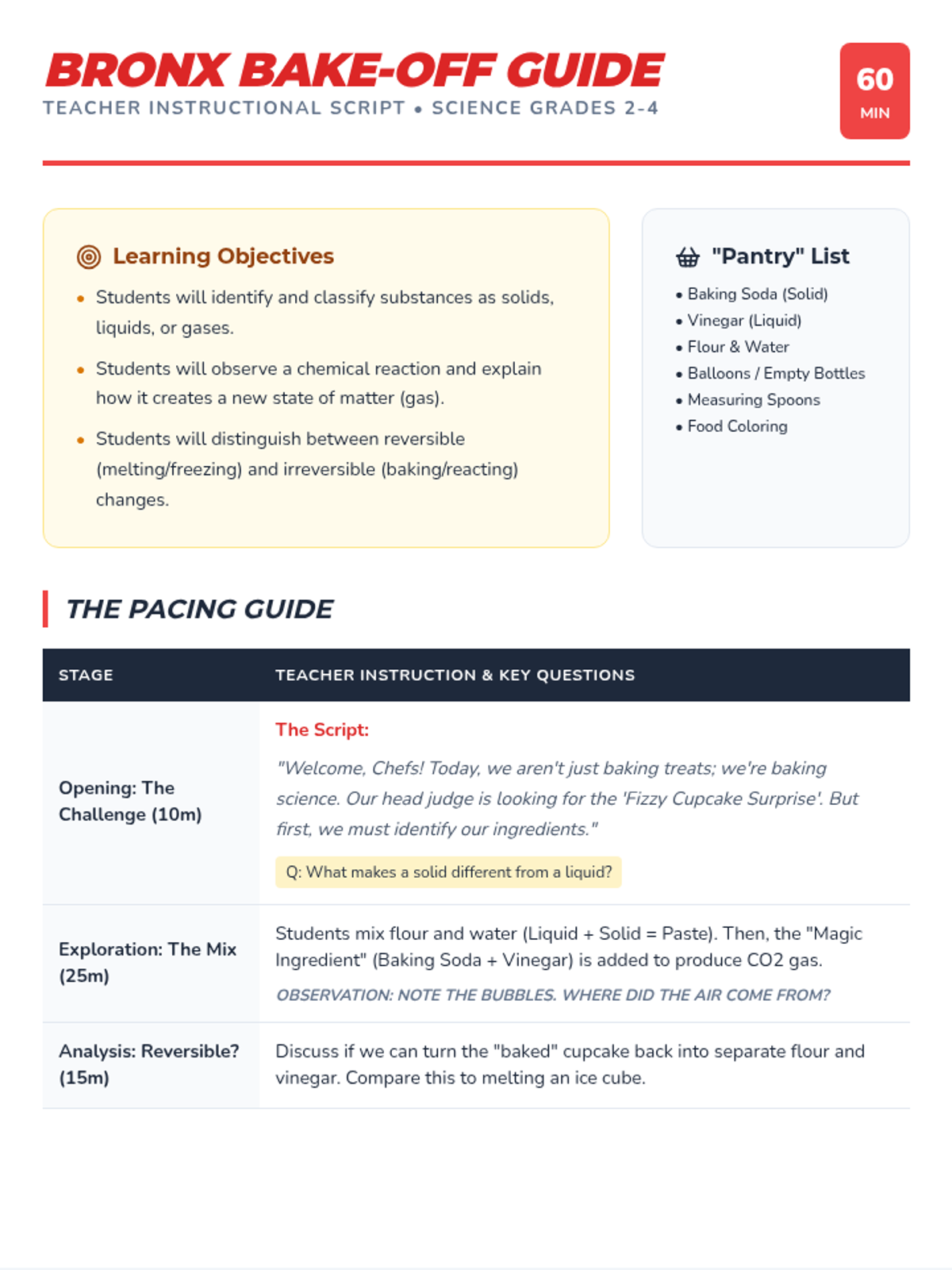
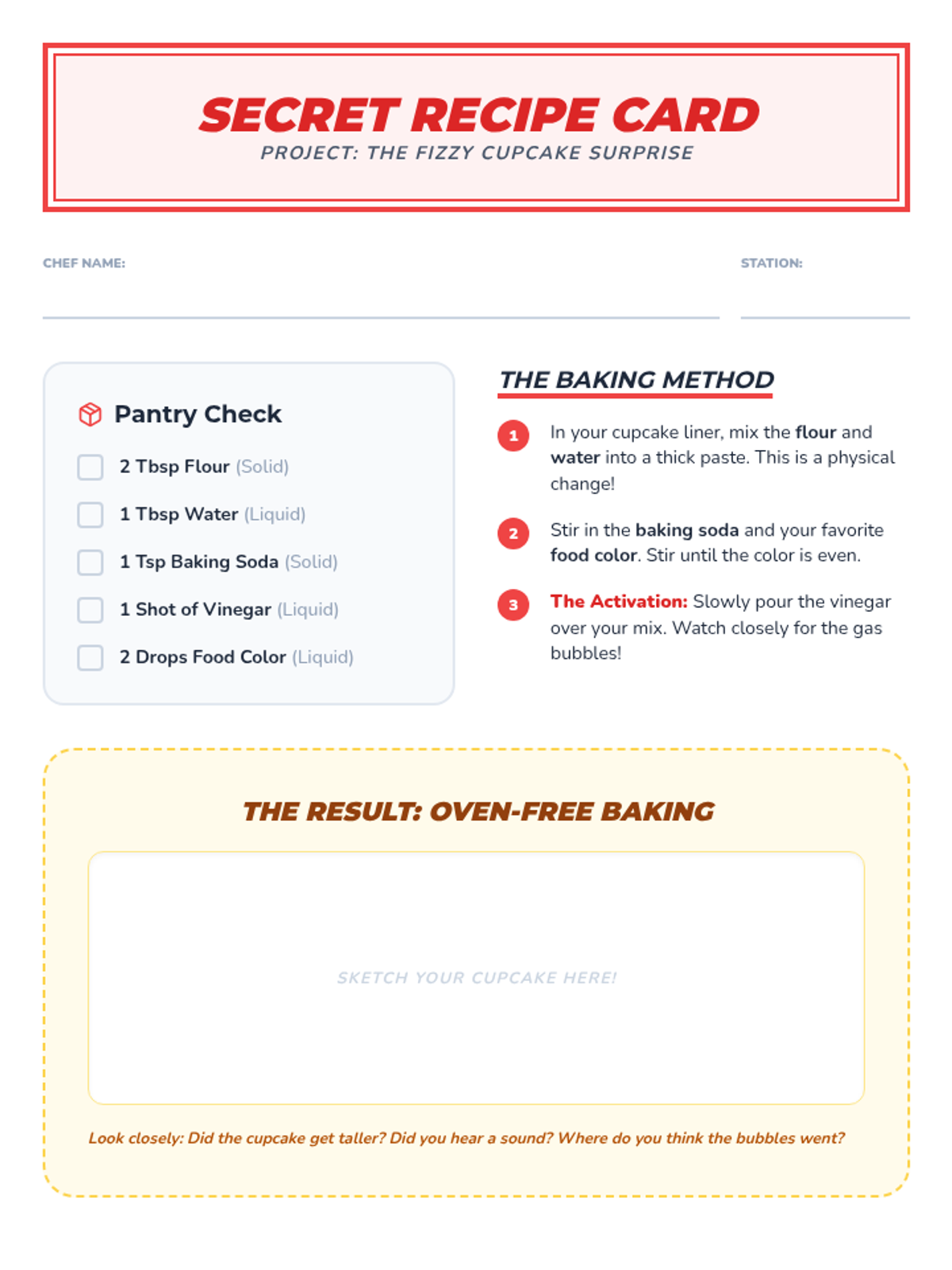
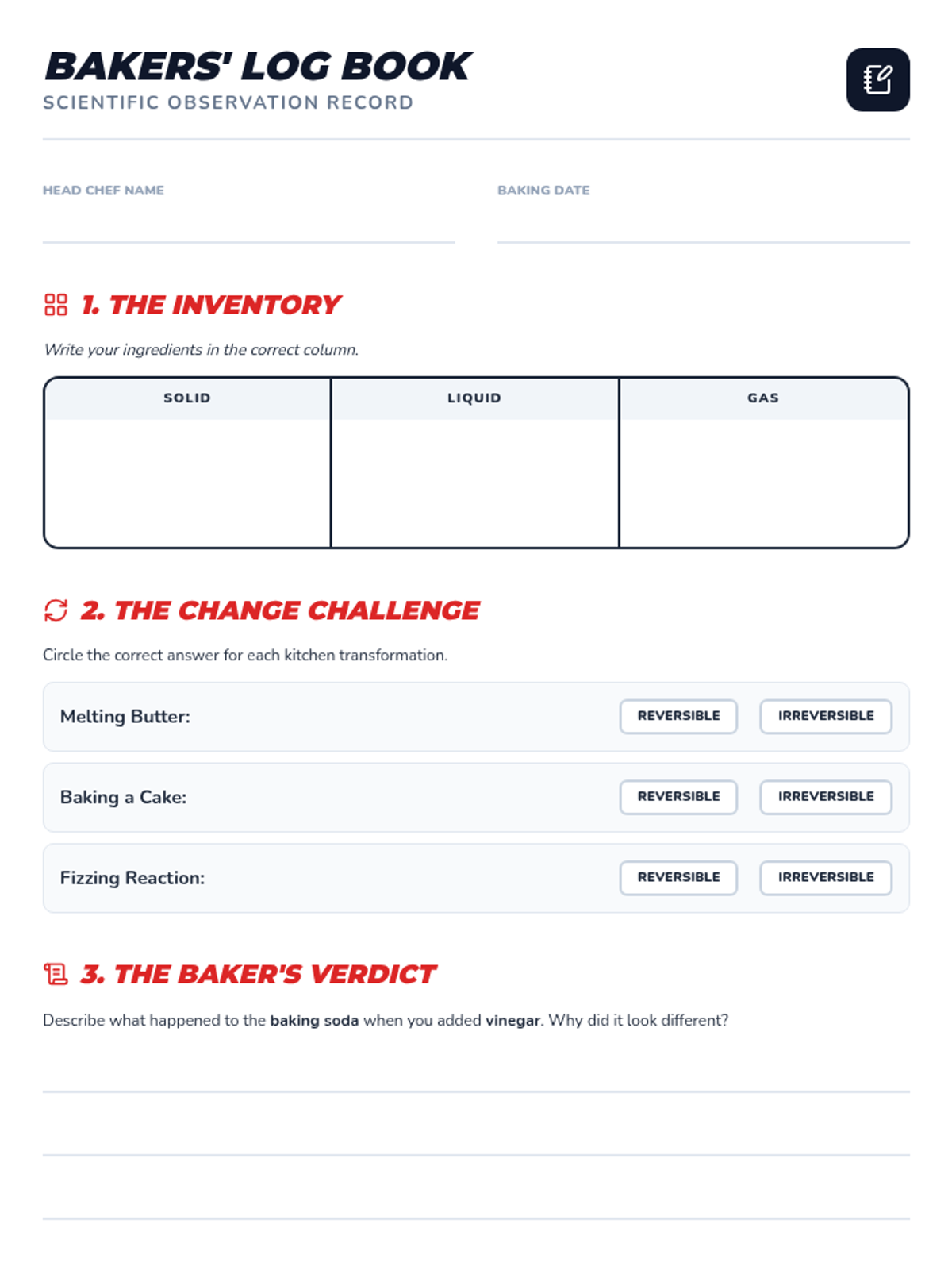
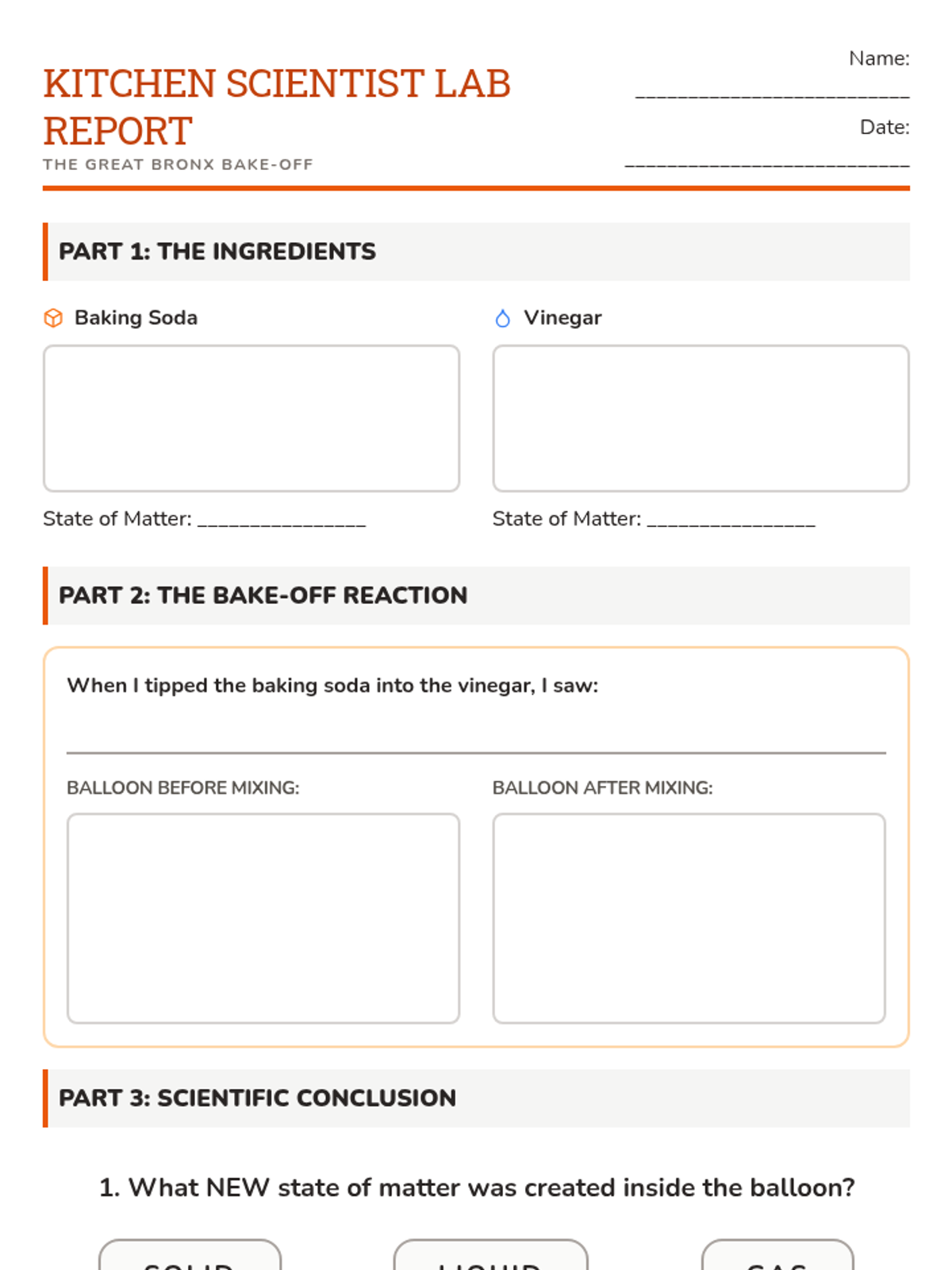
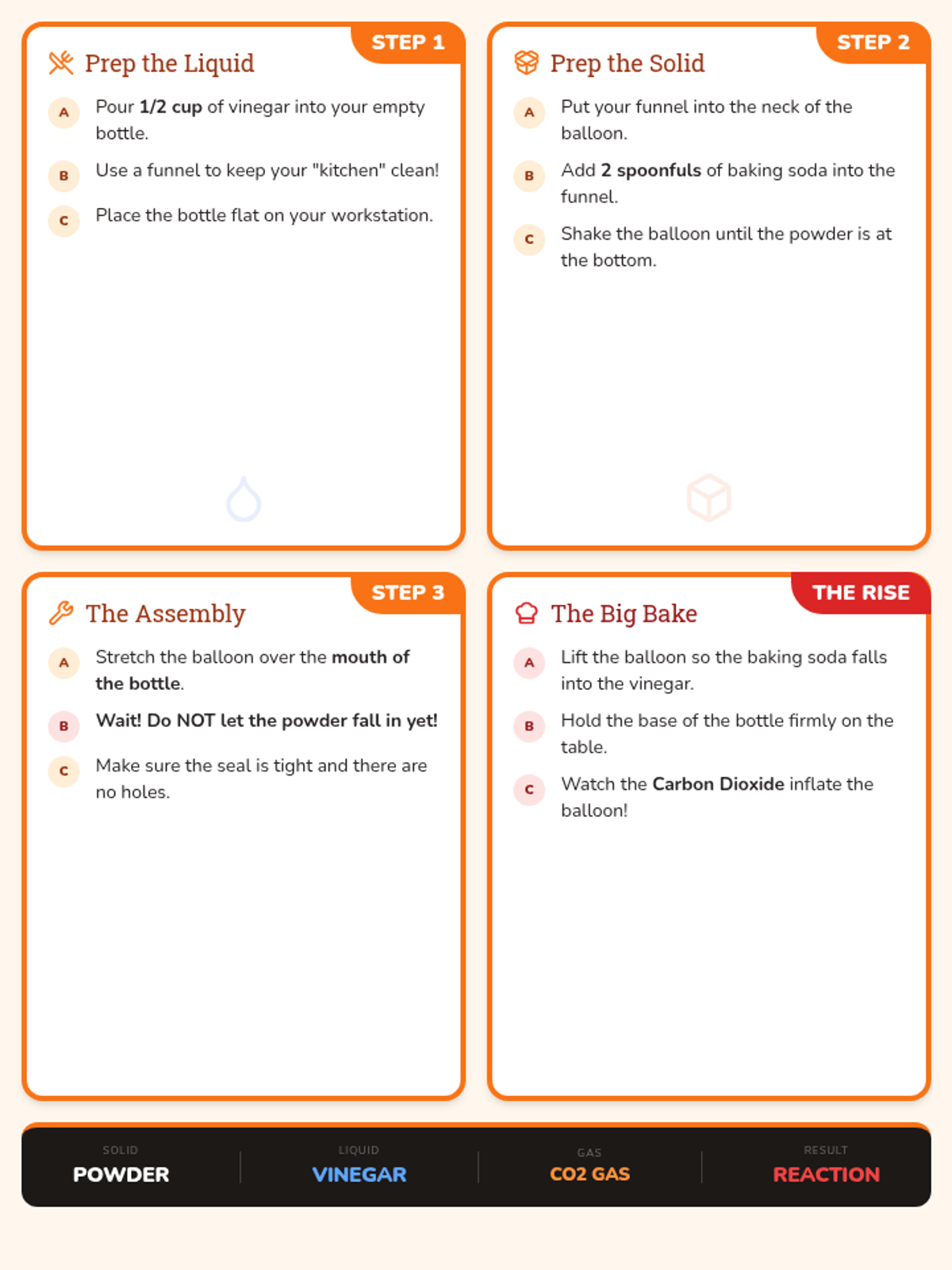
In this inquiry-based science lesson, students step into the roles of master bakers to investigate the states of matter. By observing 'kitchen' reactions and transformations, students learn to identify solids, liquids, and gases while exploring the difference between reversible and irreversible changes.
Students step into the roles of pastry chefs to investigate states of matter. Through 'kitchen science,' they observe physical and chemical changes as they simulate baking processes using common household ingredients.
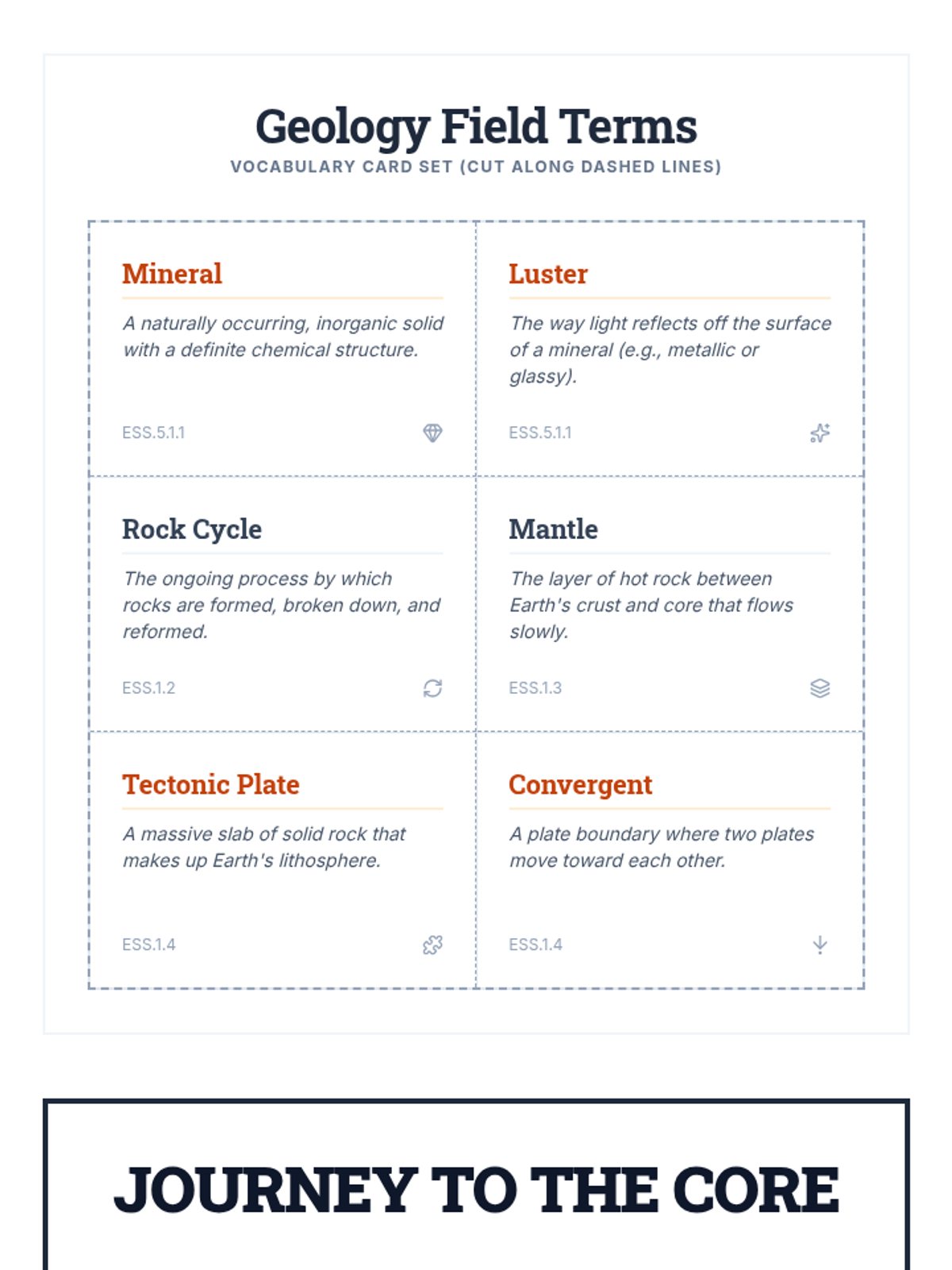
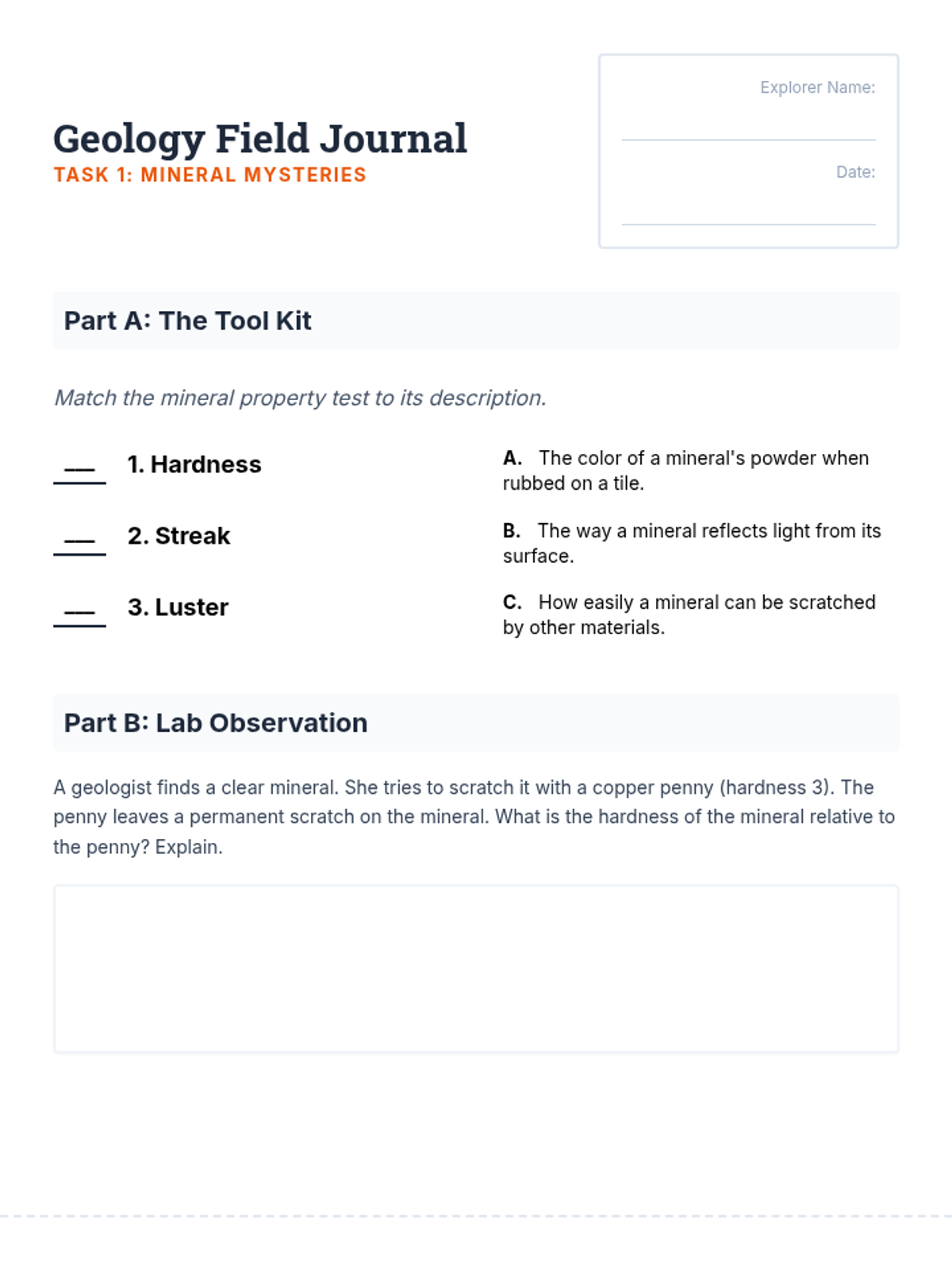
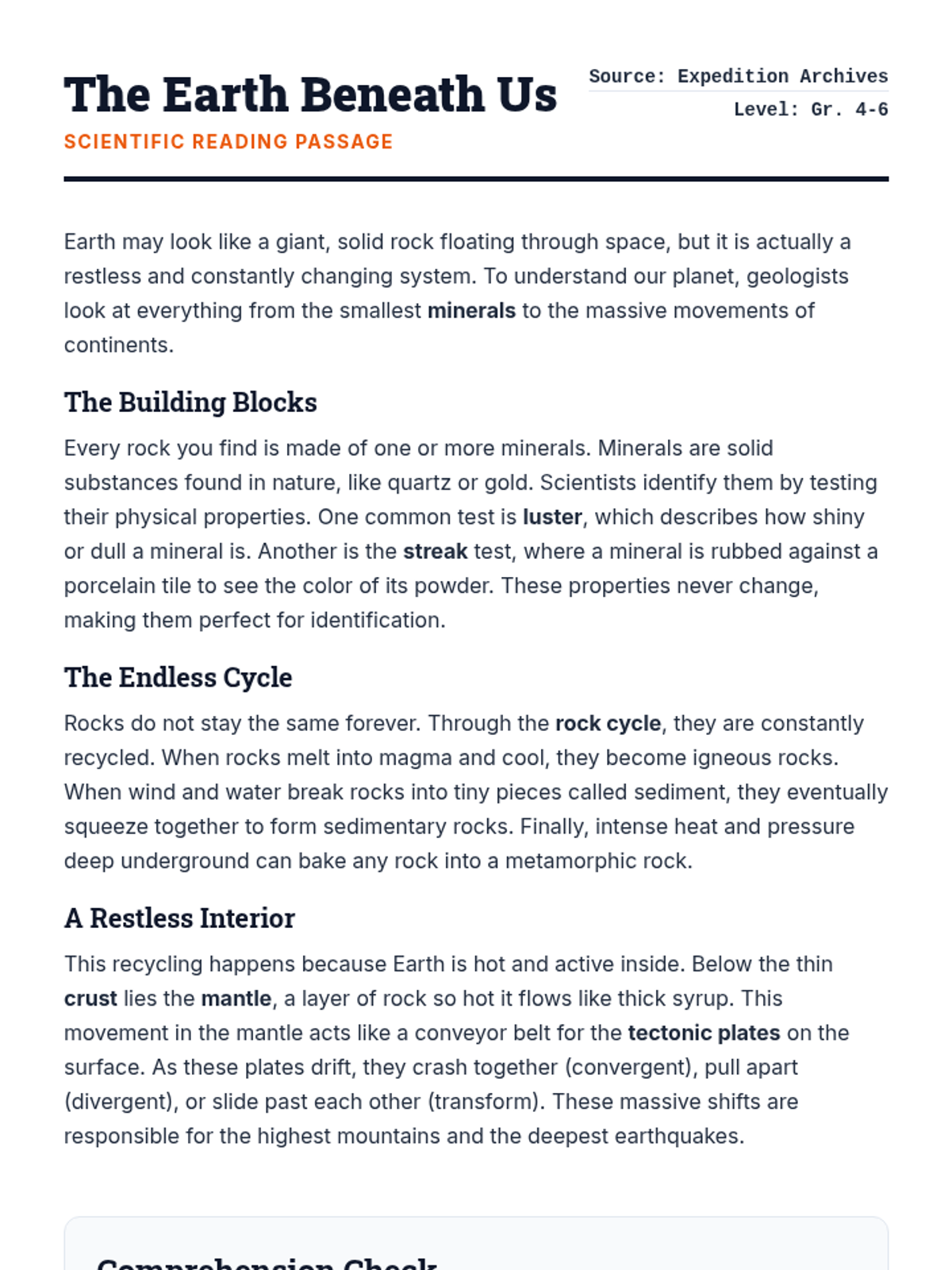
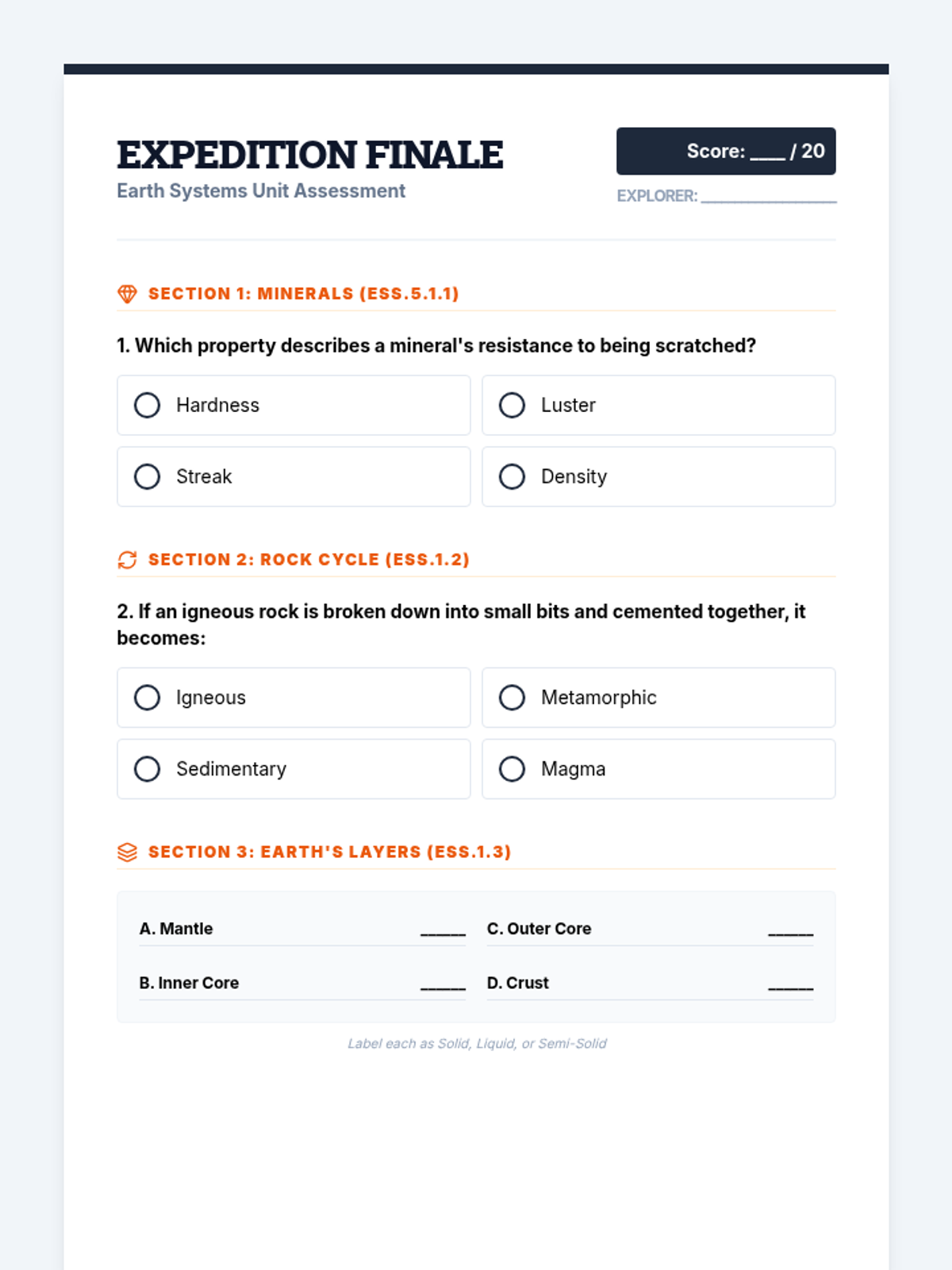
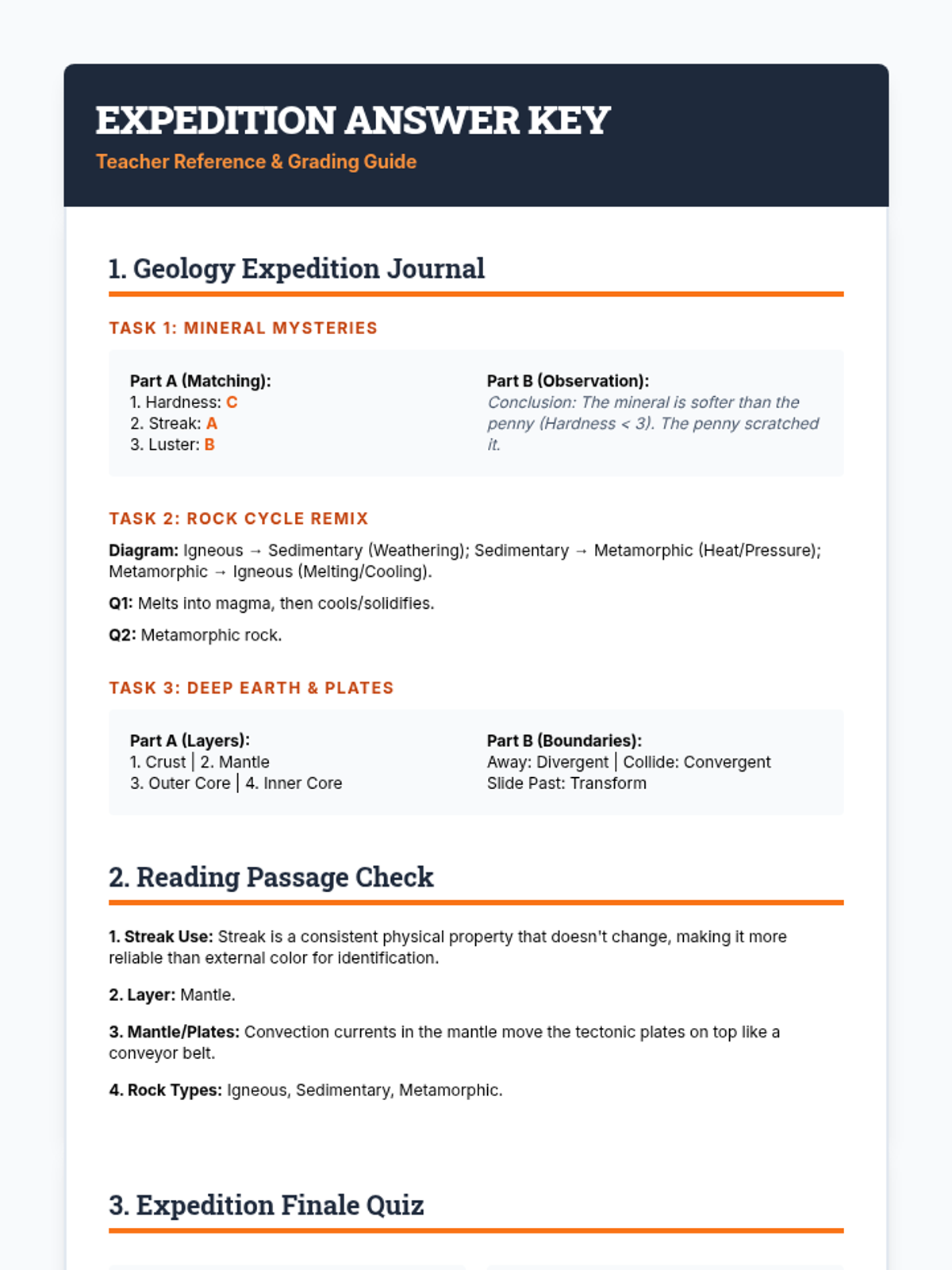
An integrated study of the four core Earth Science standards: properties of minerals, the rock cycle, Earth's layers, and plate tectonics. This lesson provides the instructional framework and student activities for a complete geology unit.
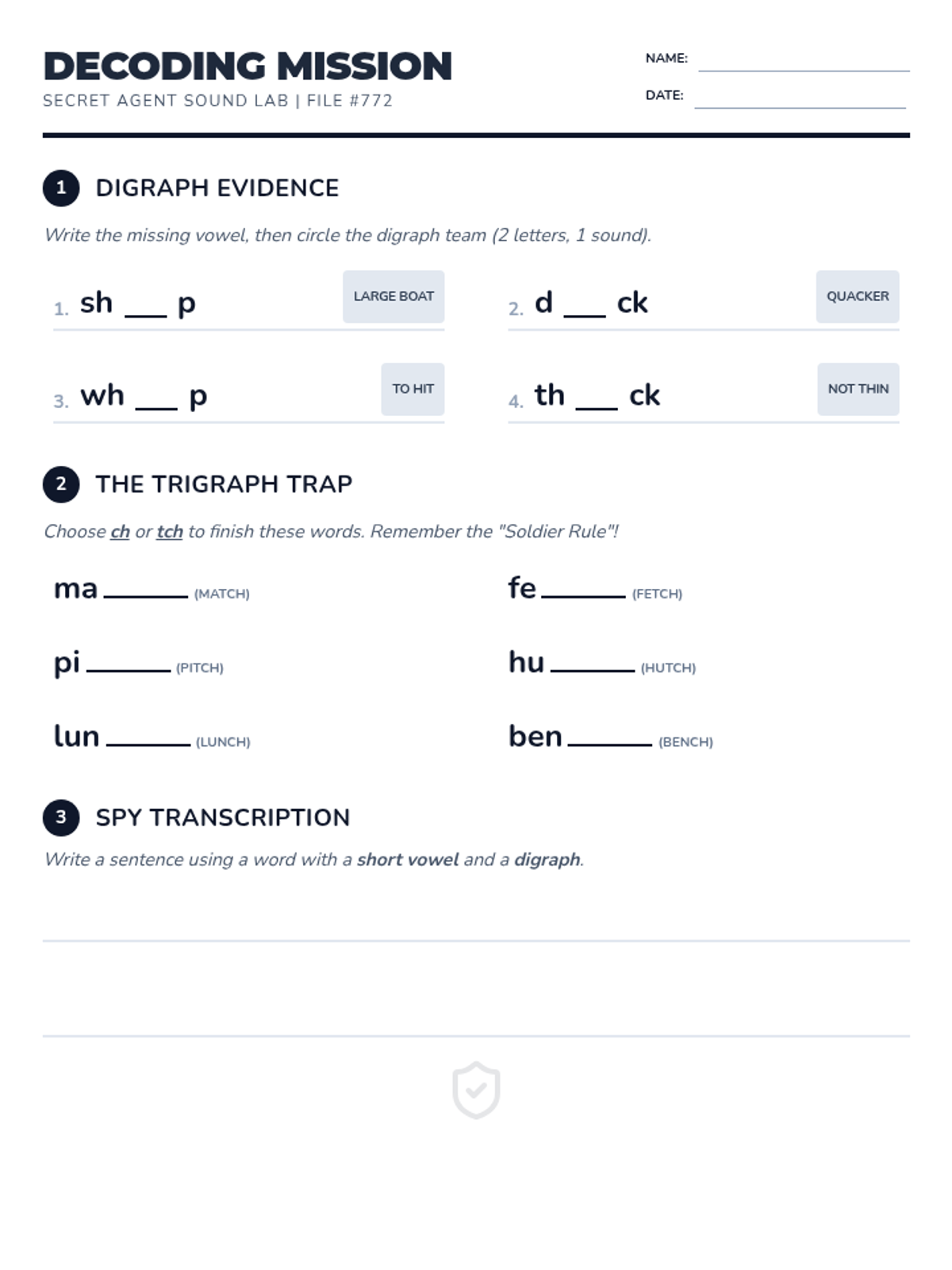
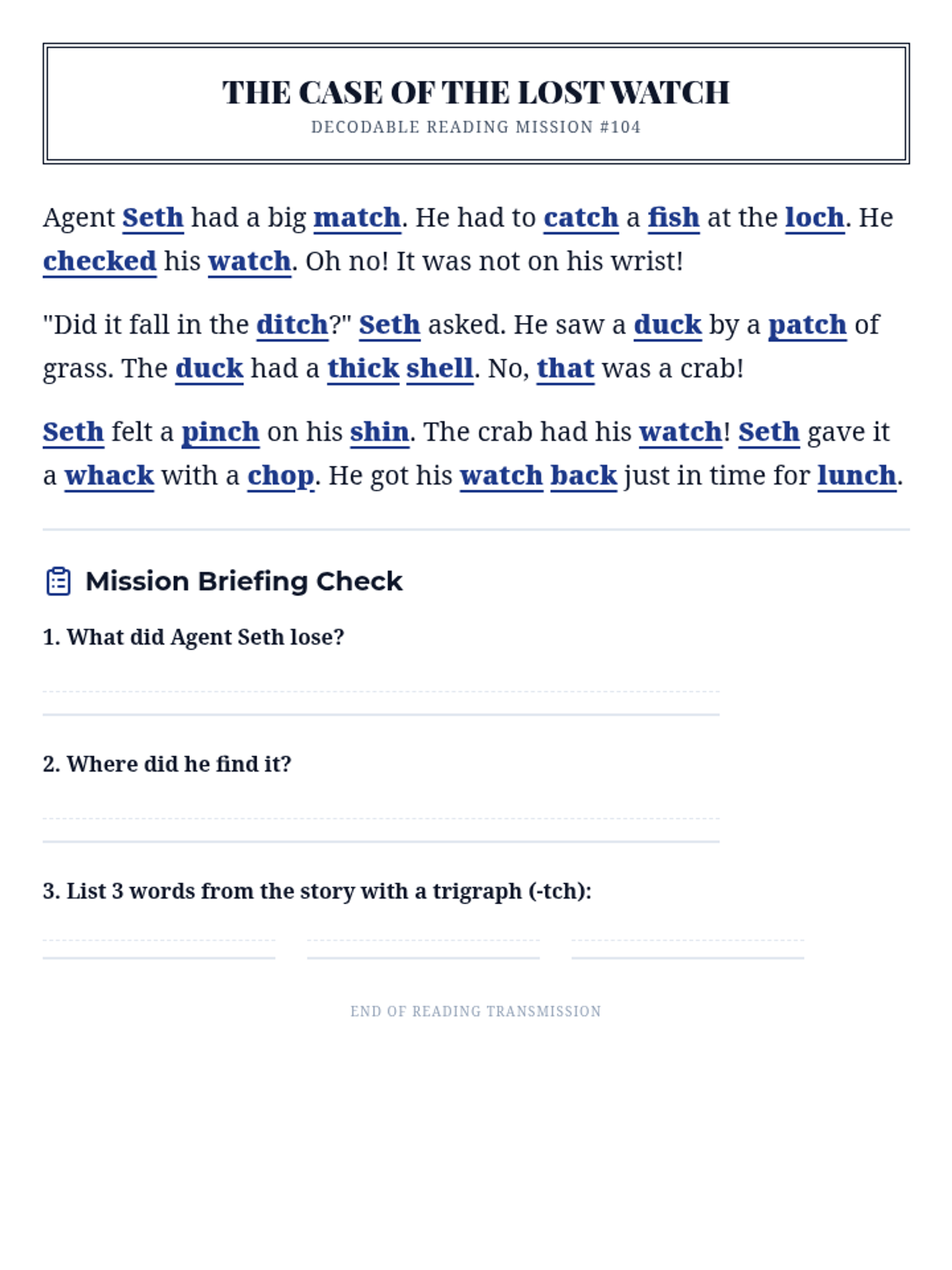
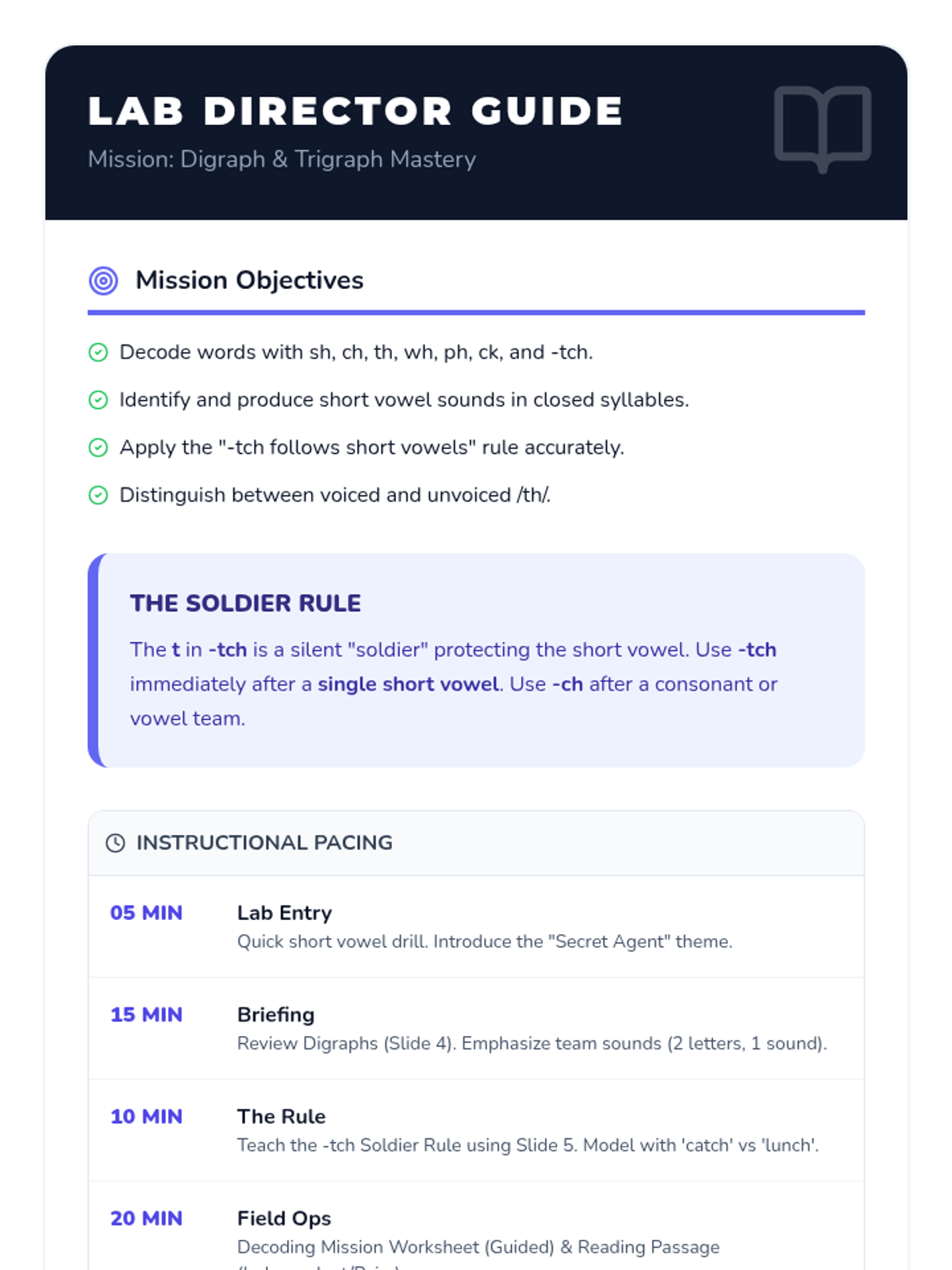
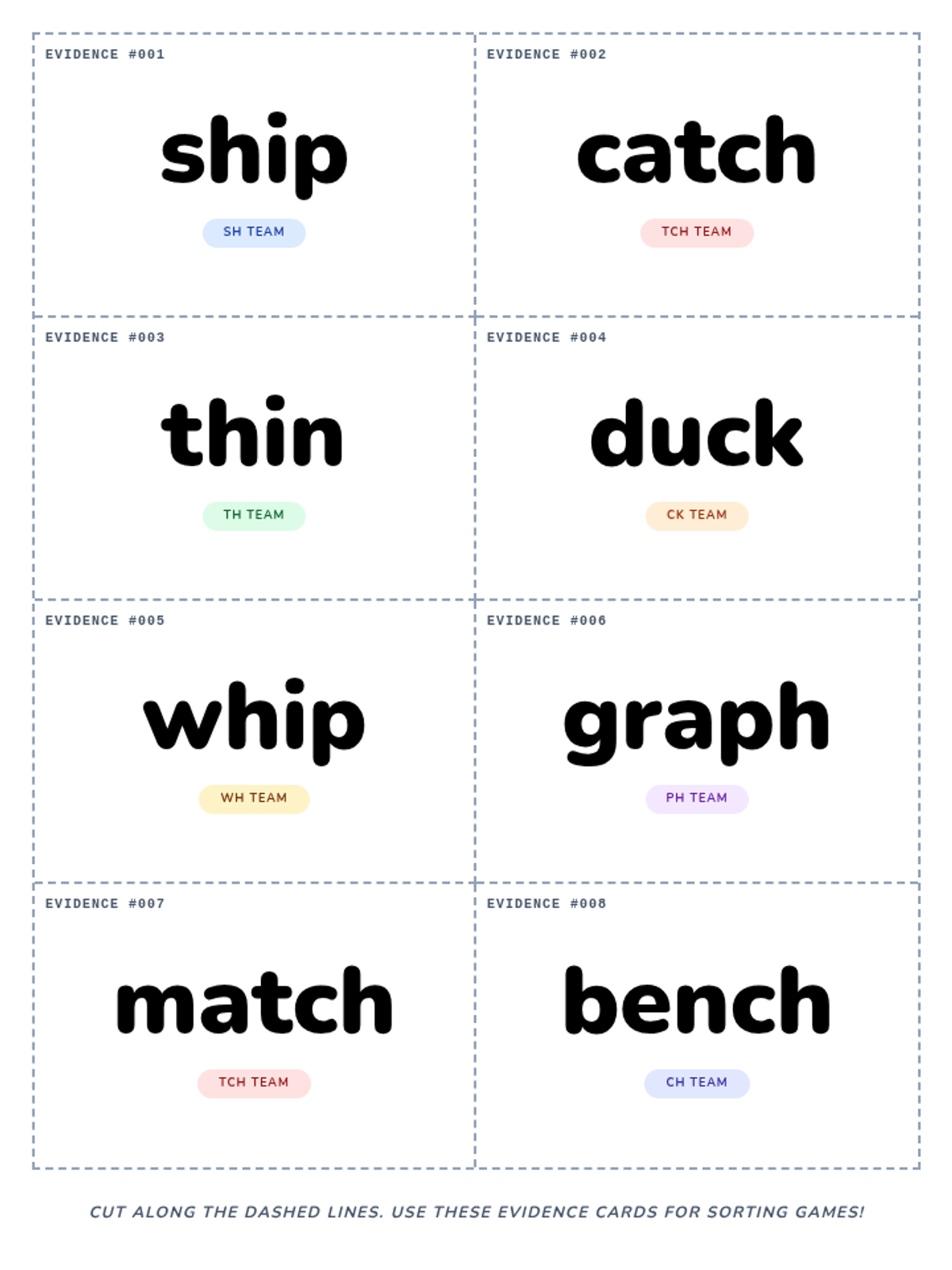
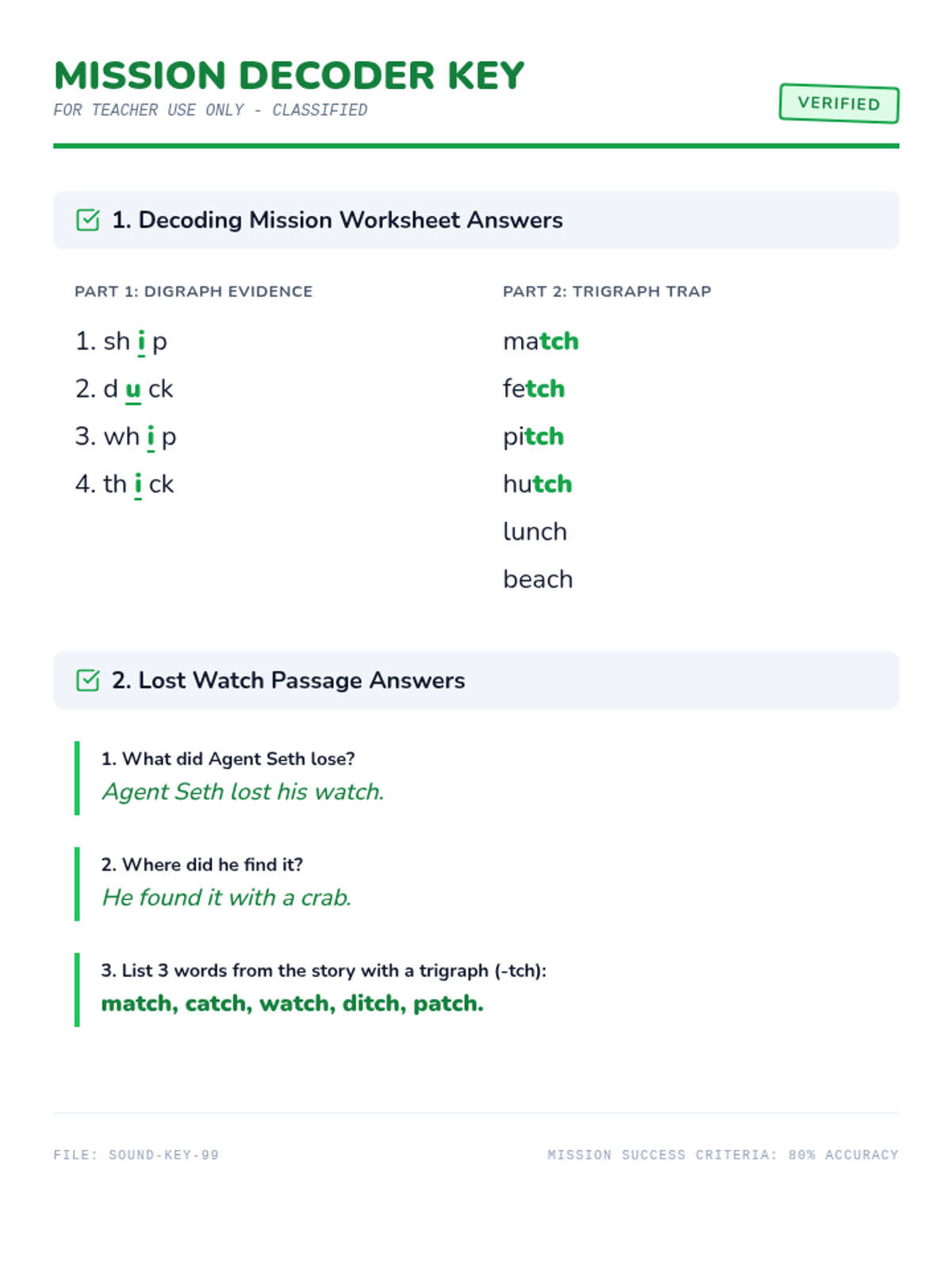
A comprehensive 2nd-grade phonics lesson focusing on short vowels, all common digraphs (sh, ch, th, wh, ph, ck), and the -tch trigraph, themed around a 'Secret Agent Sound Lab'.
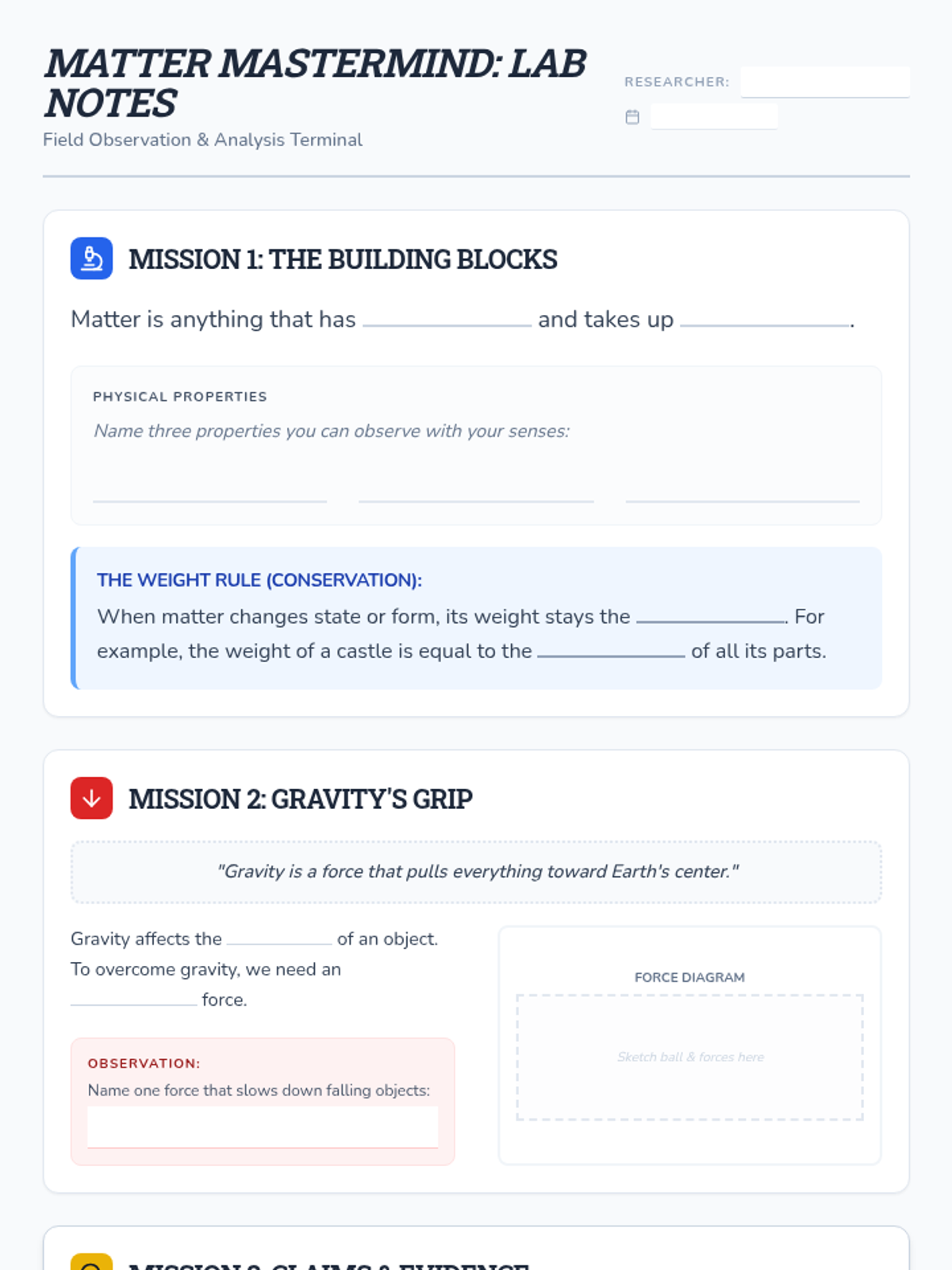
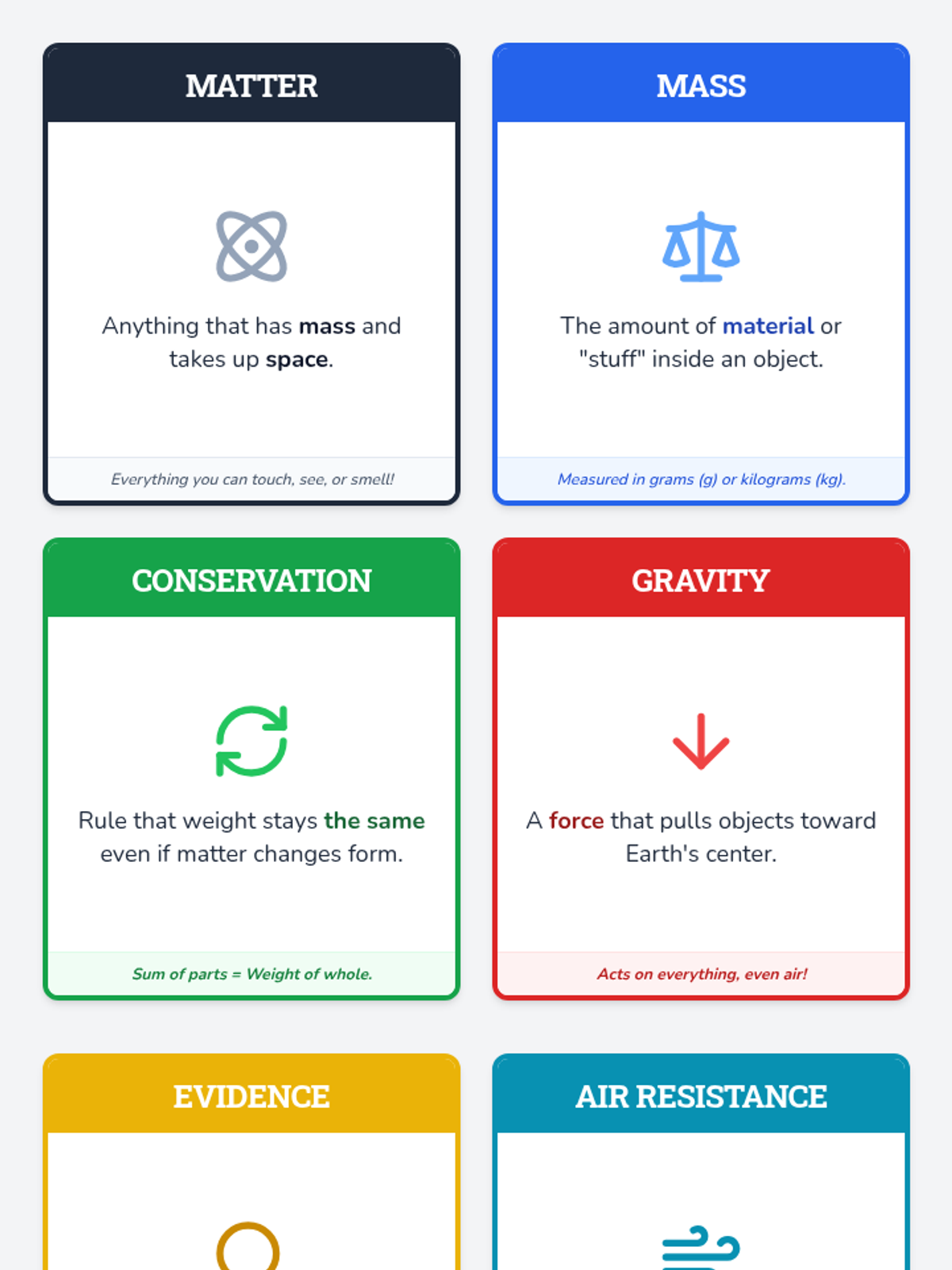
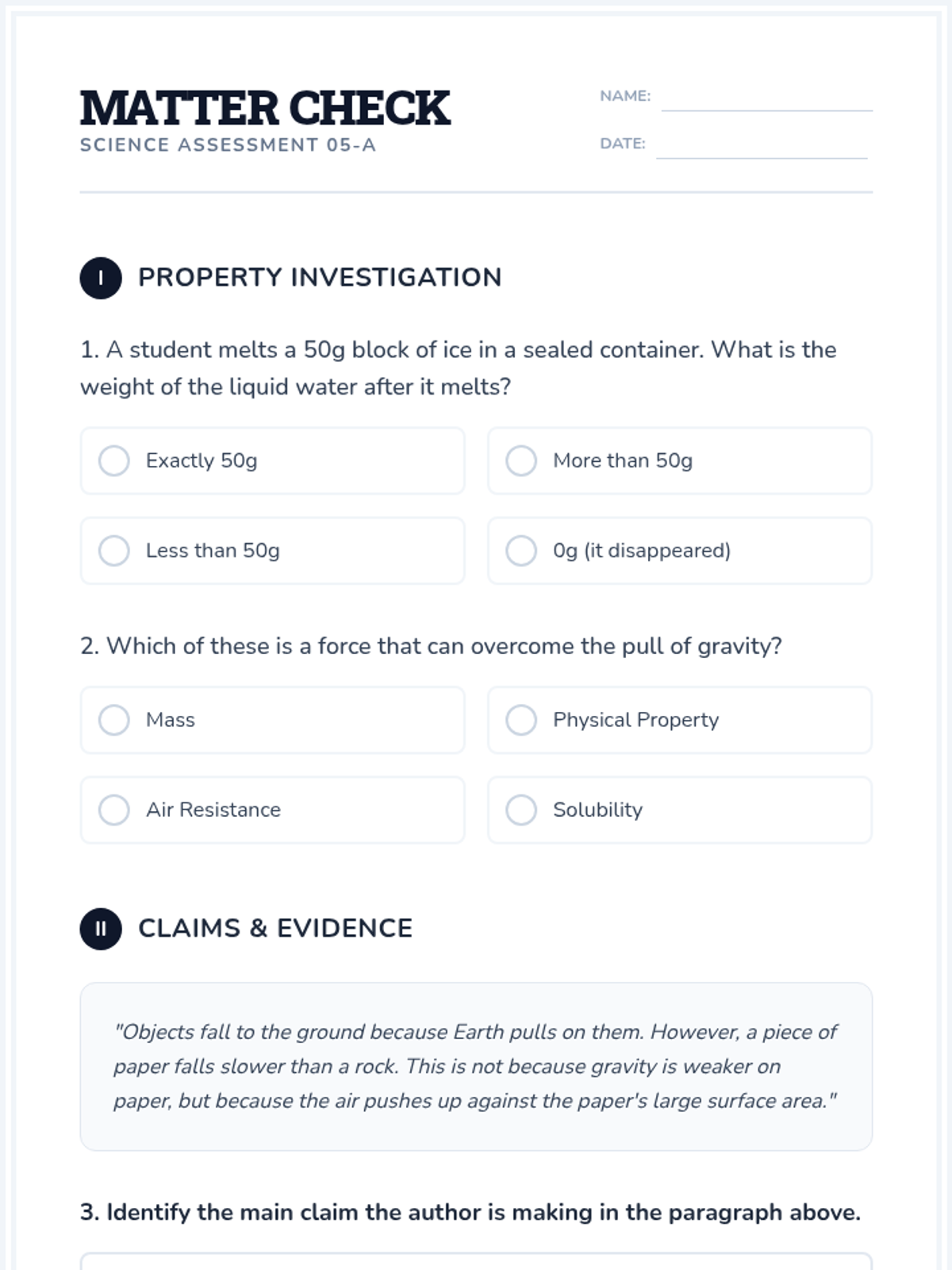
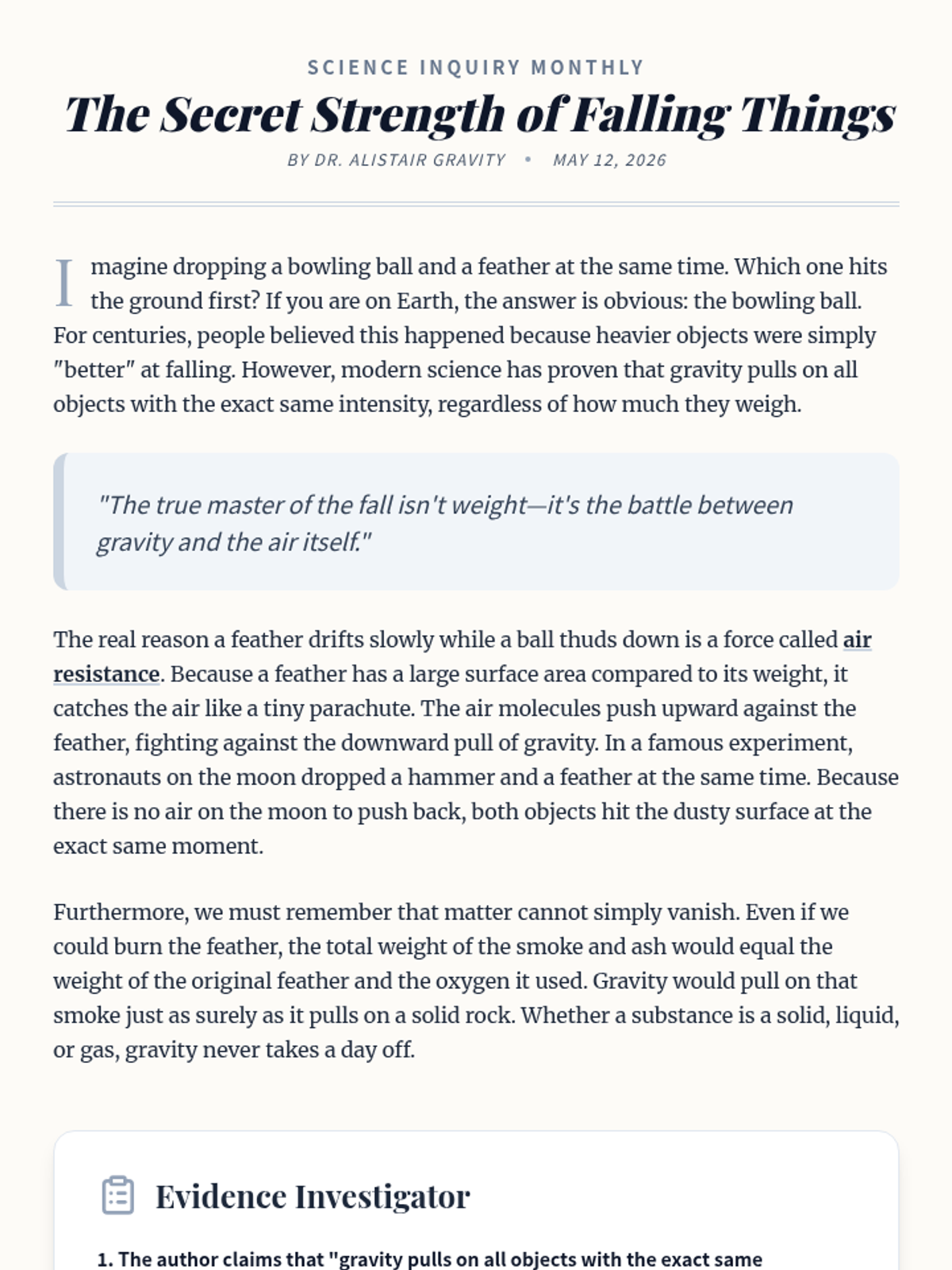
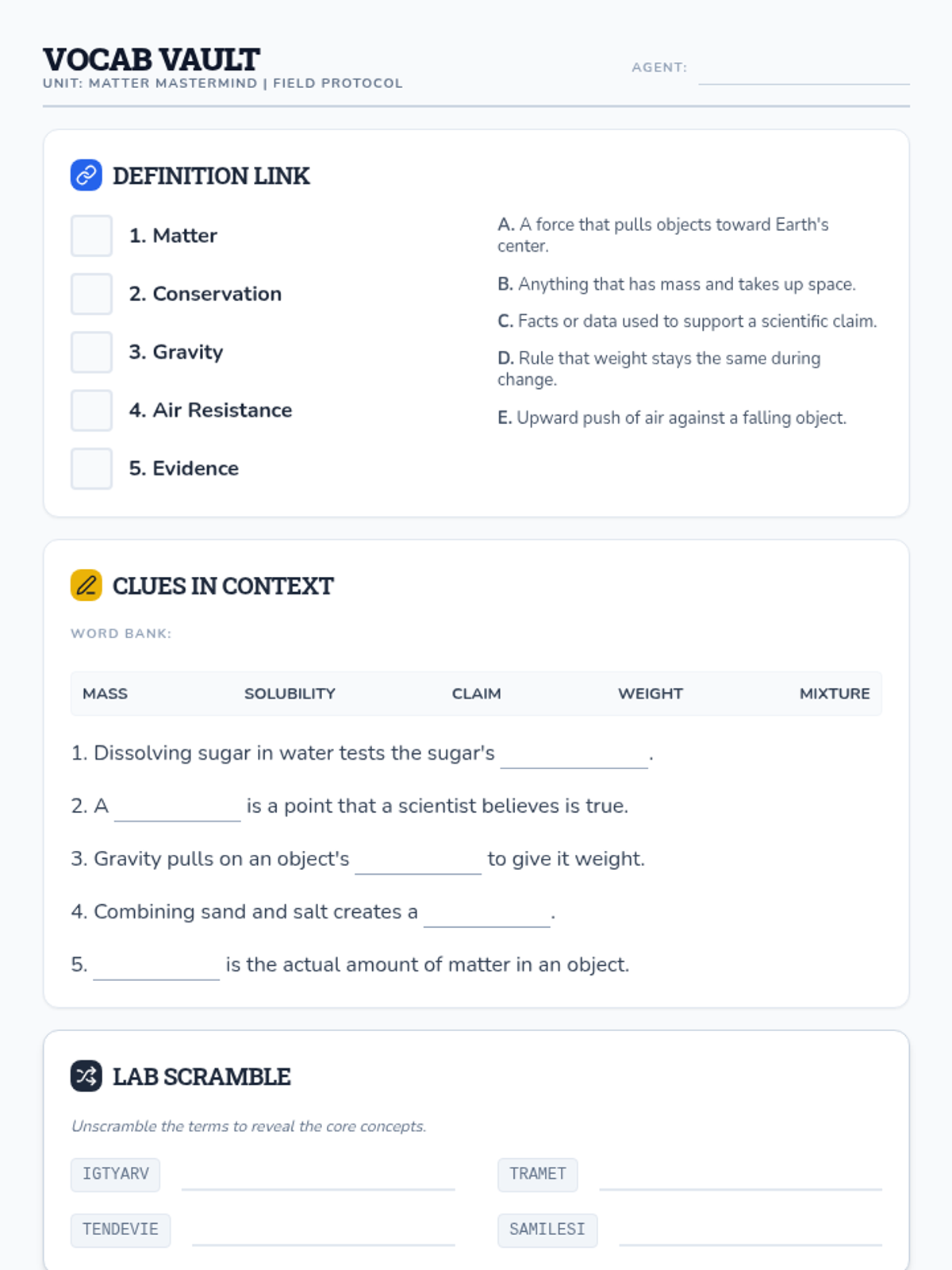
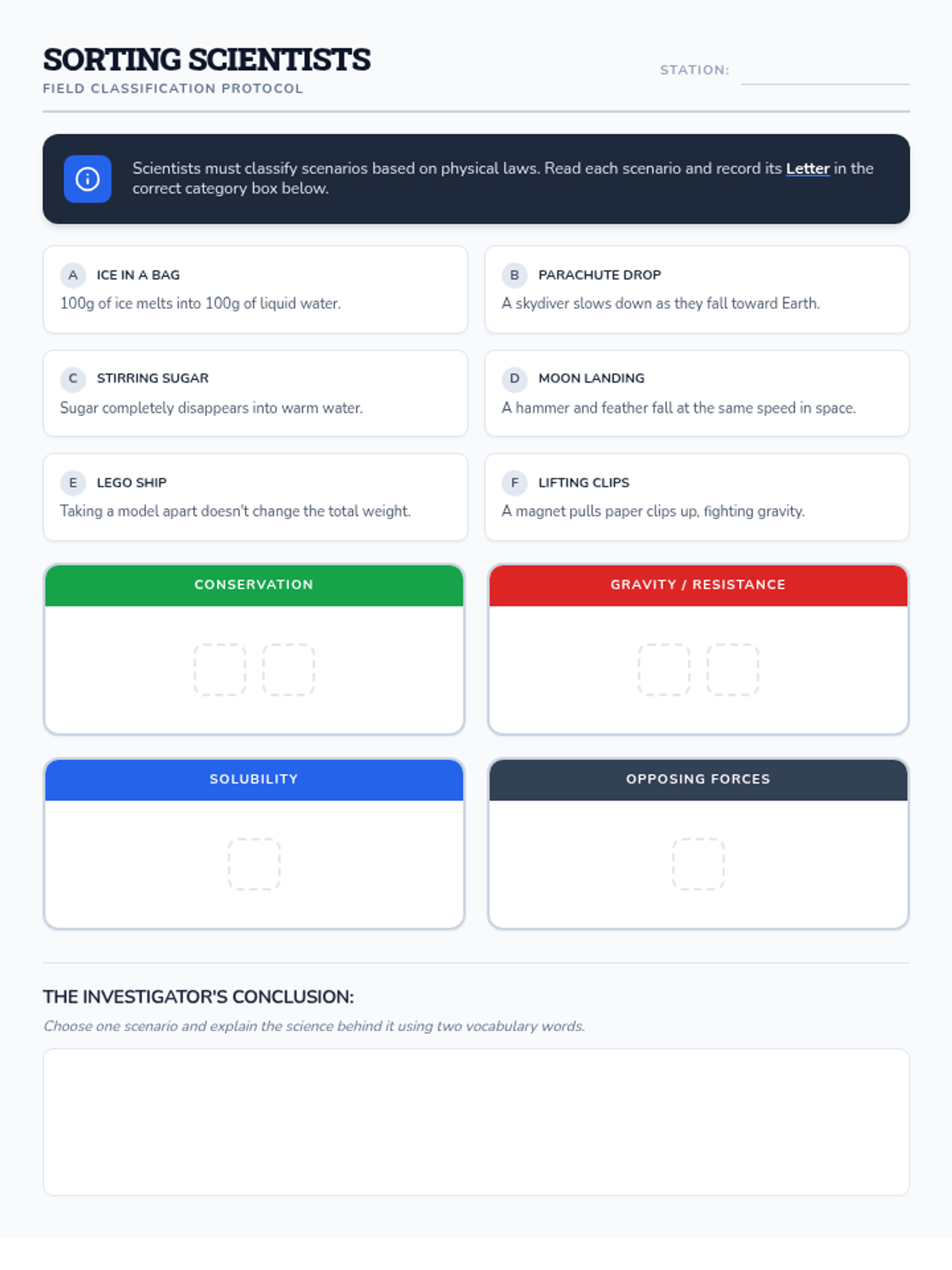
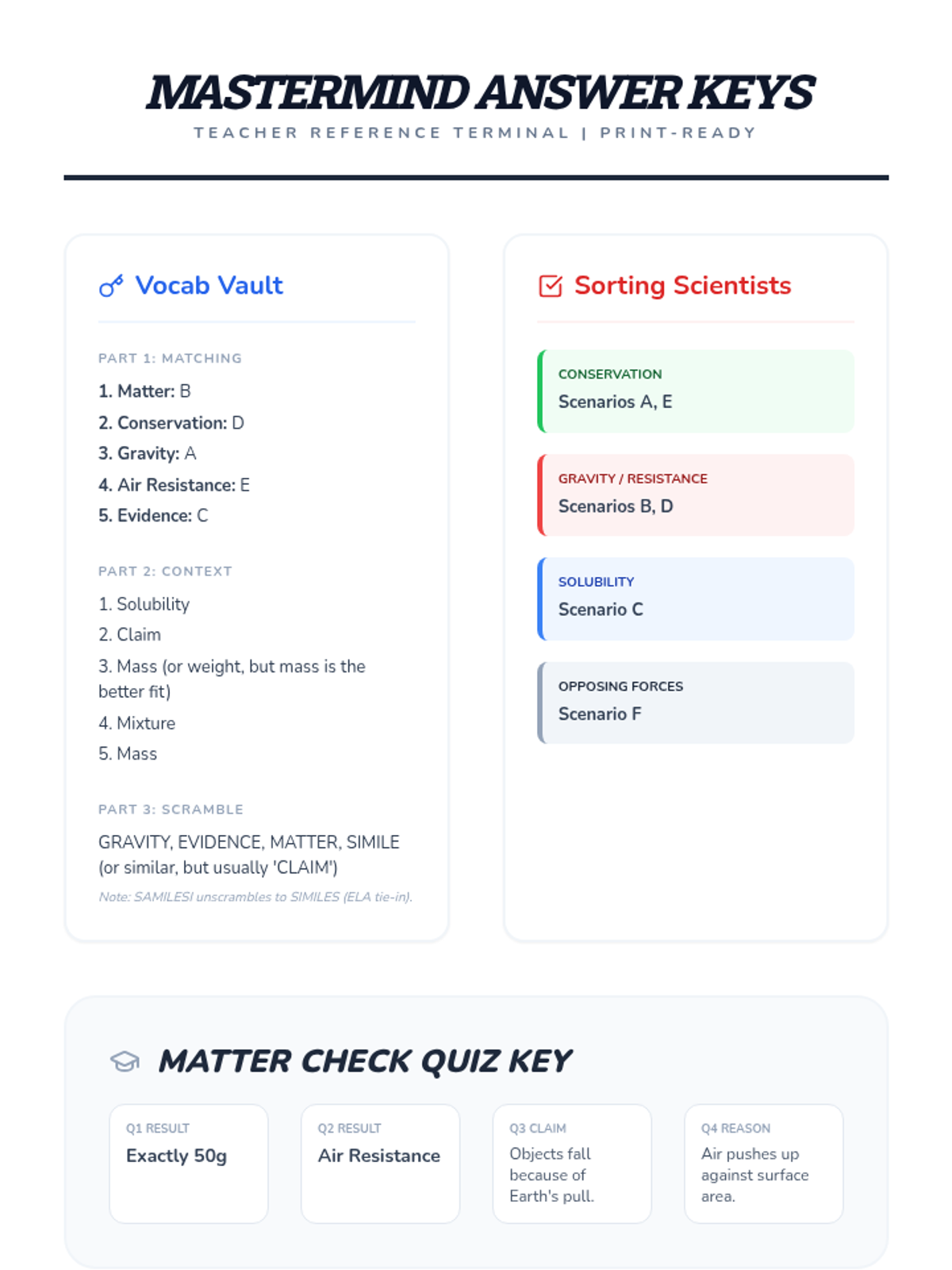
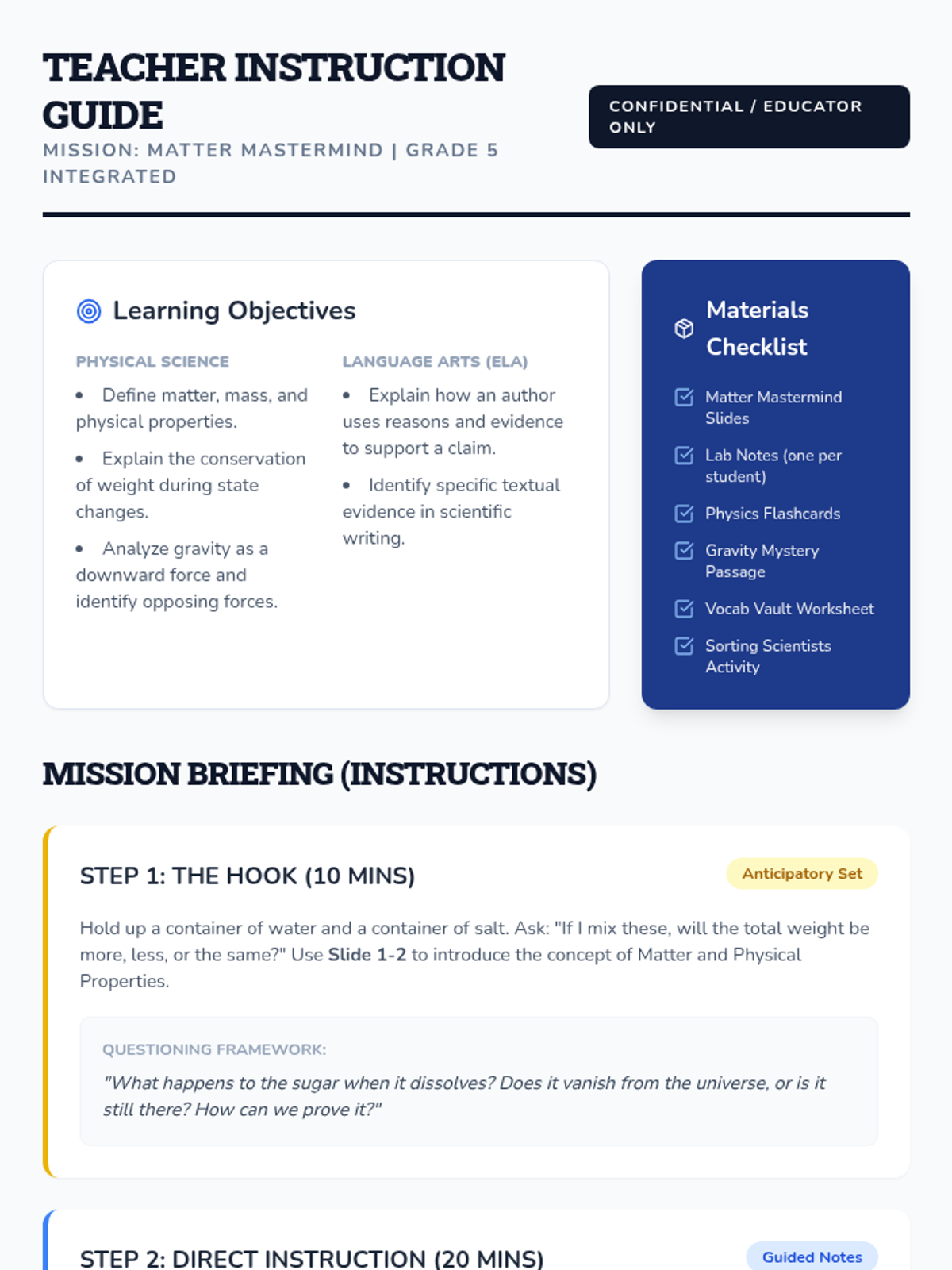
This integrated lesson explores the properties of matter and the forces of gravity. Students will analyze scientific claims by identifying the reasons and evidence used to support them, bridging physical science concepts with critical reading skills.
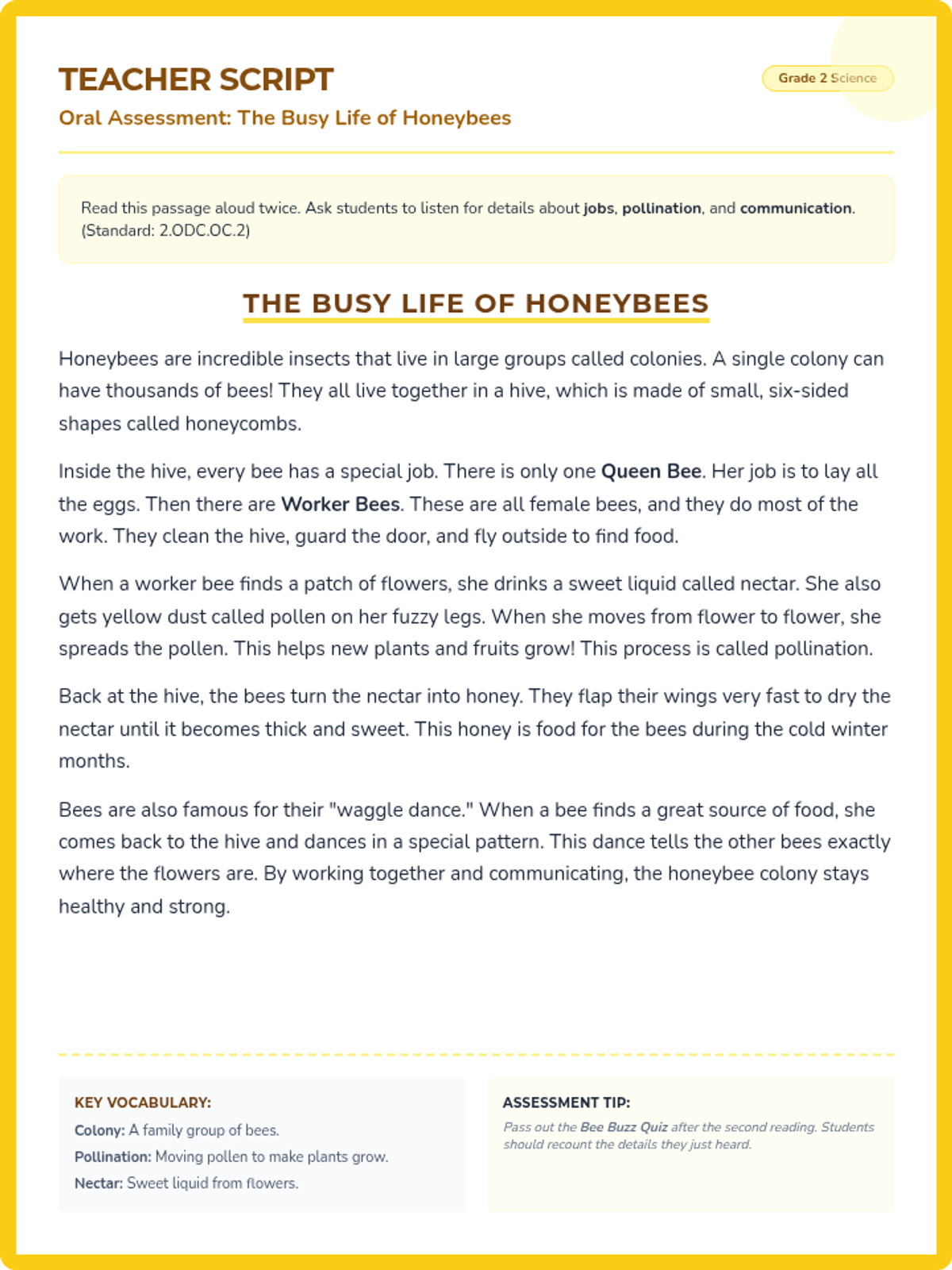
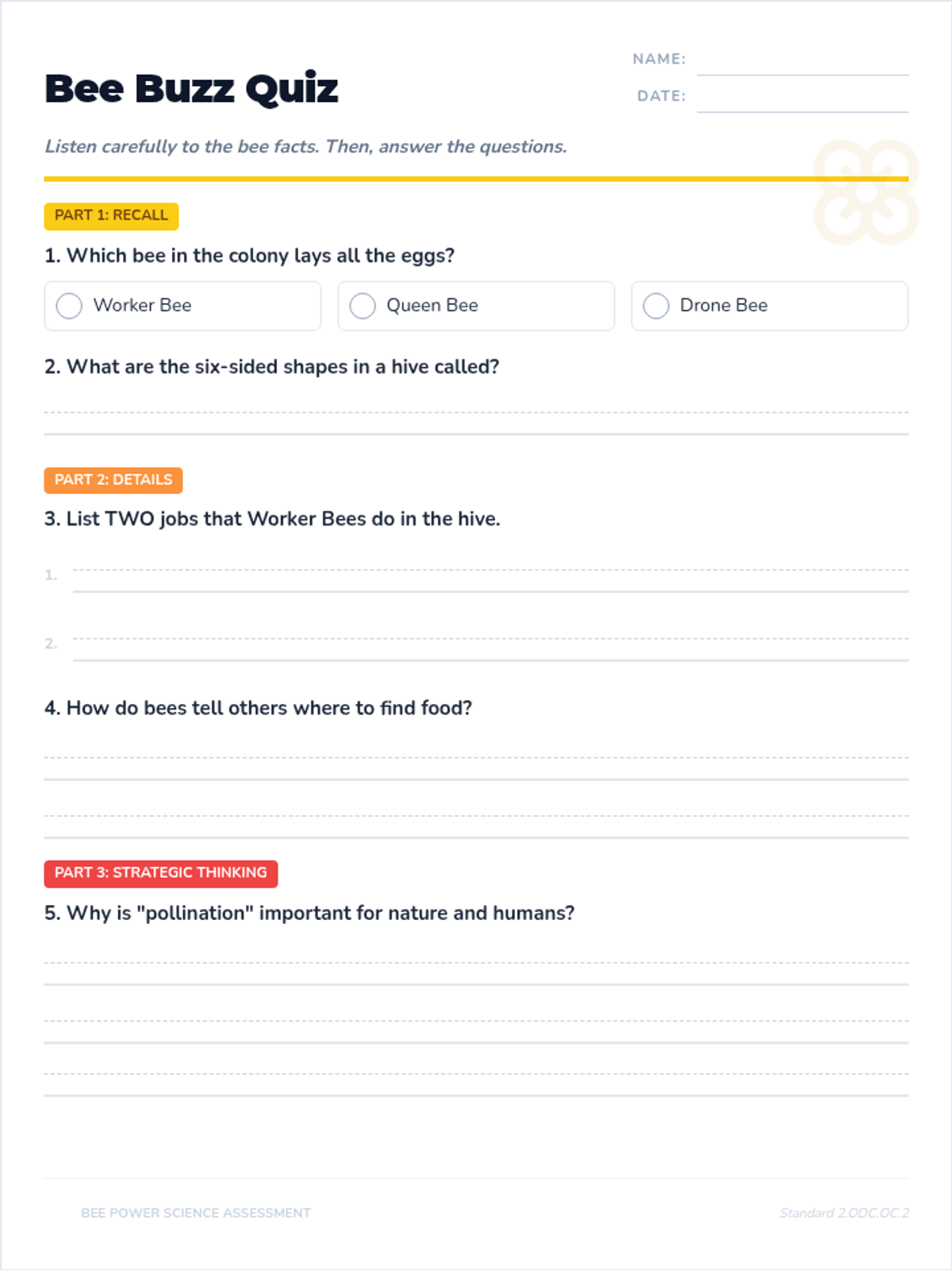
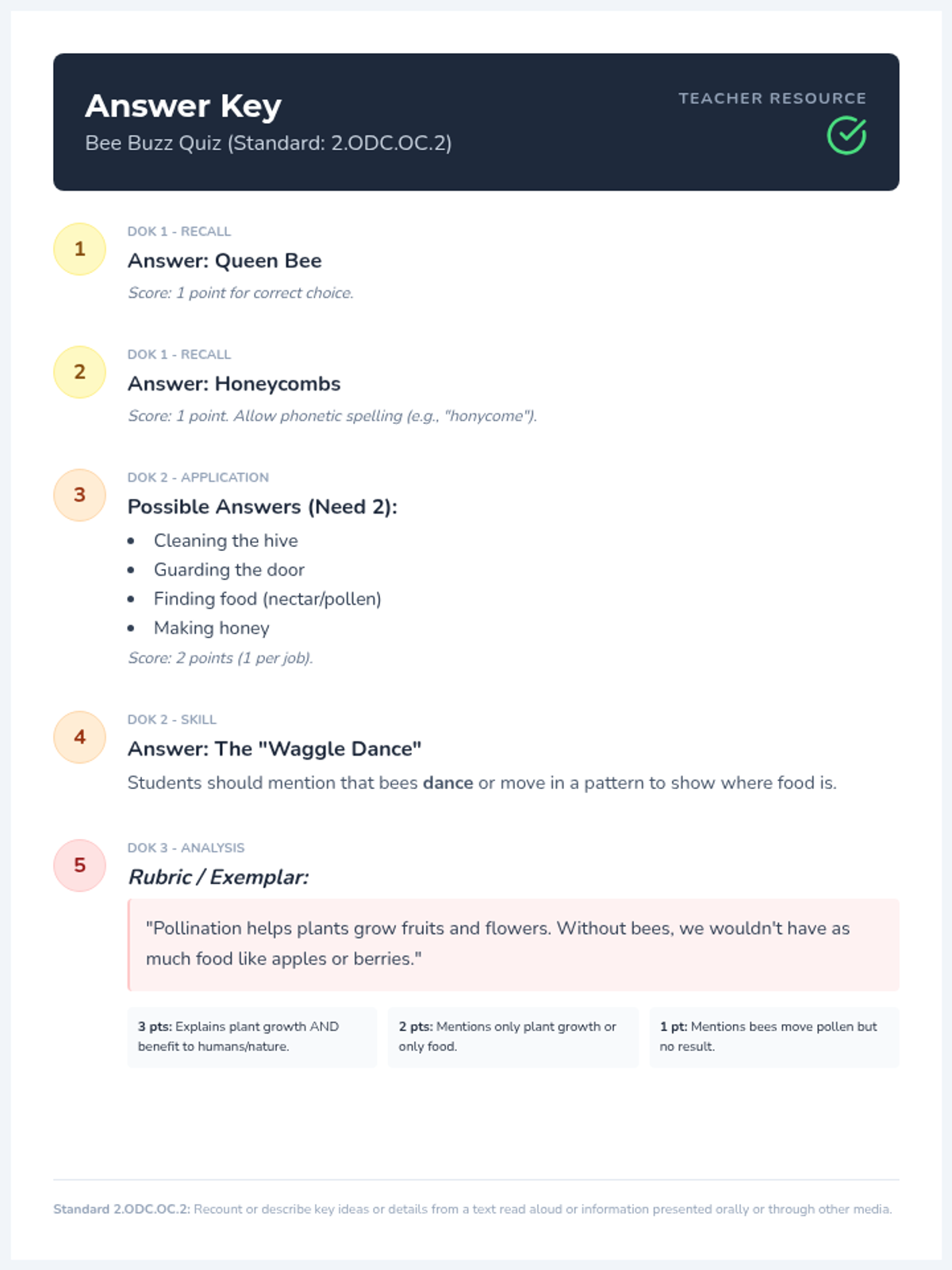
A 2nd-grade science assessment focused on listening comprehension and recounting key details from an oral presentation about honeybees.
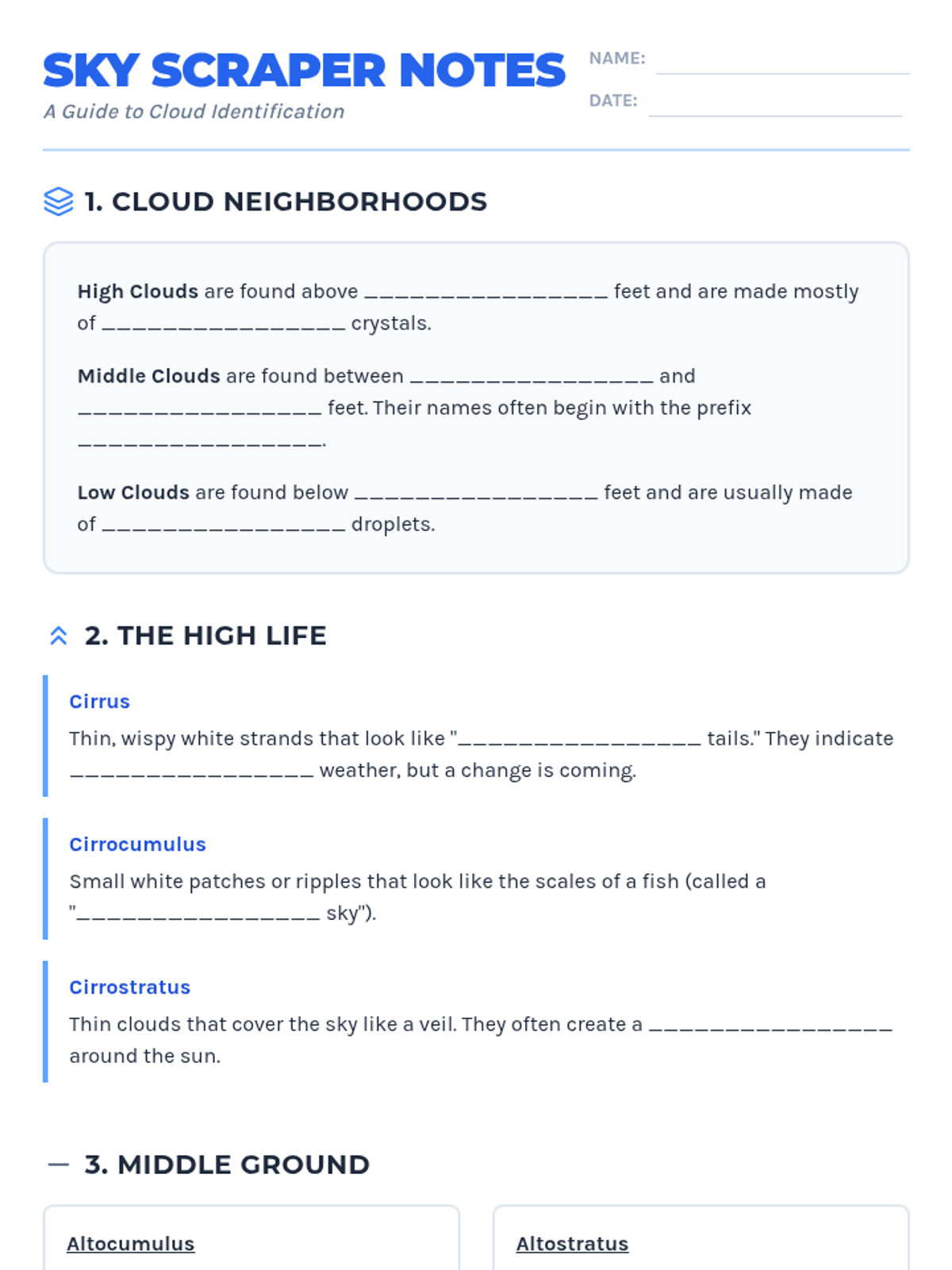
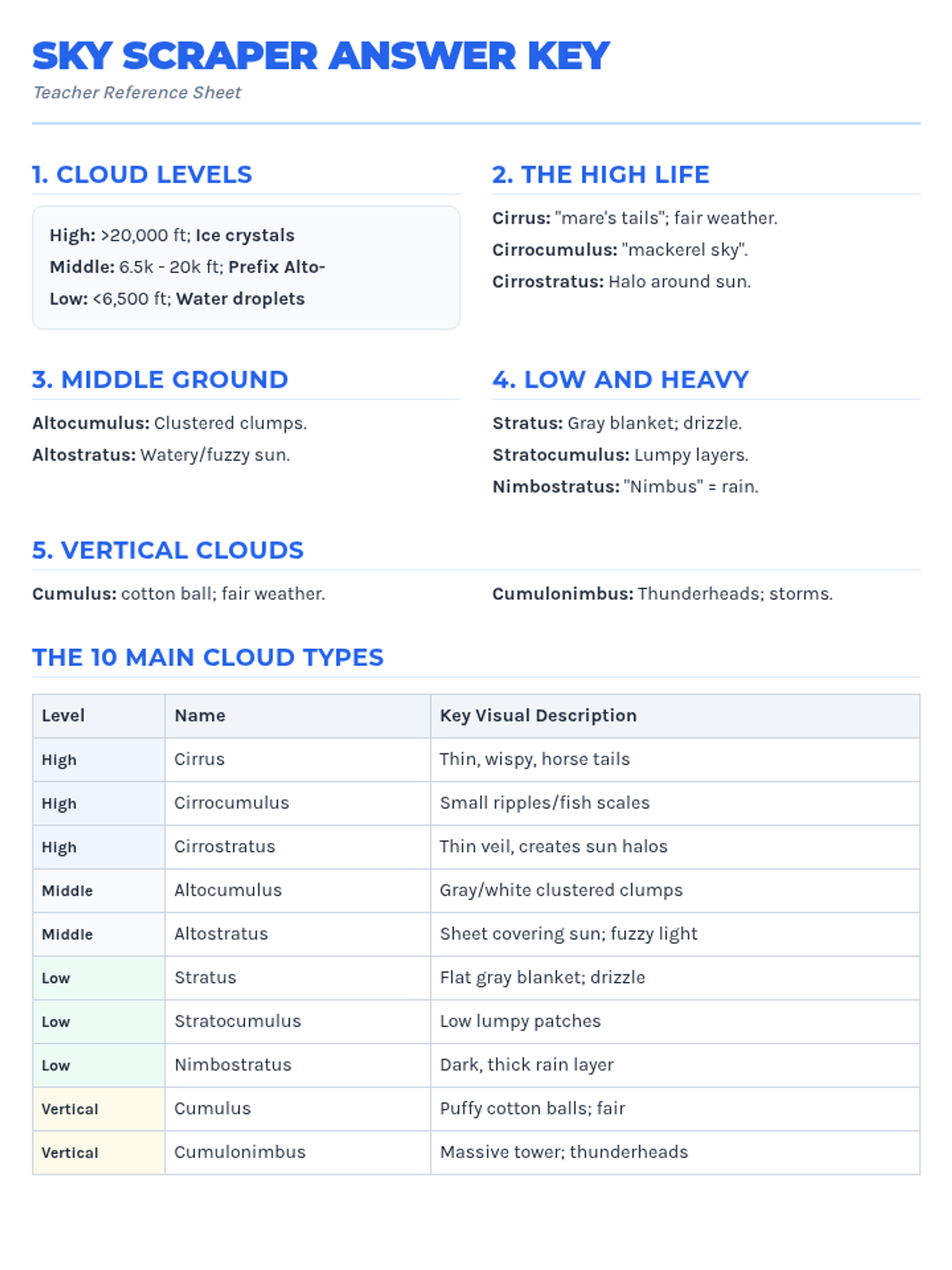
A comprehensive look at the 10 main cloud types, categorized by their altitude, with deep dives into Cirrus, Stratus, and Cumulus clouds.
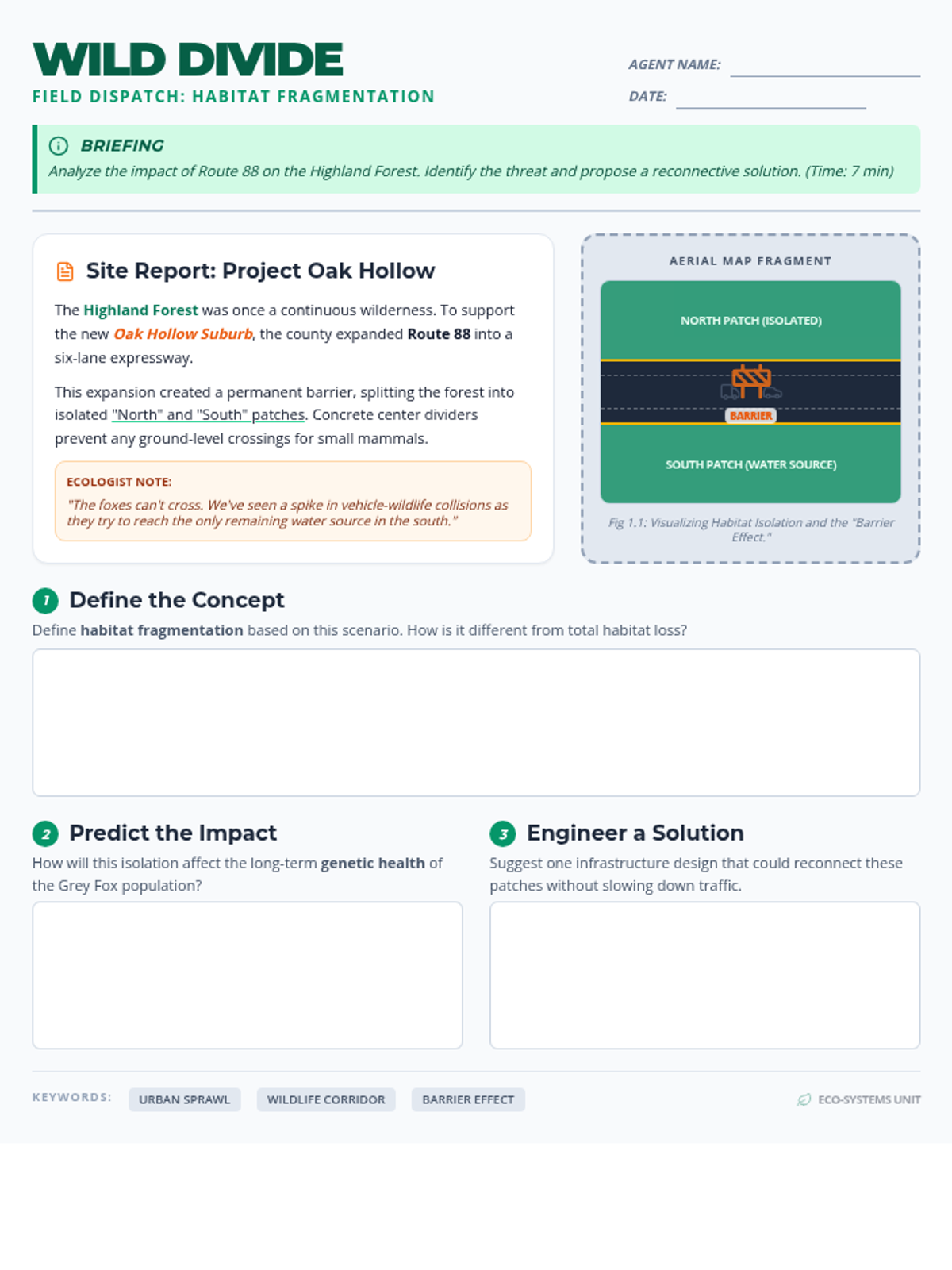
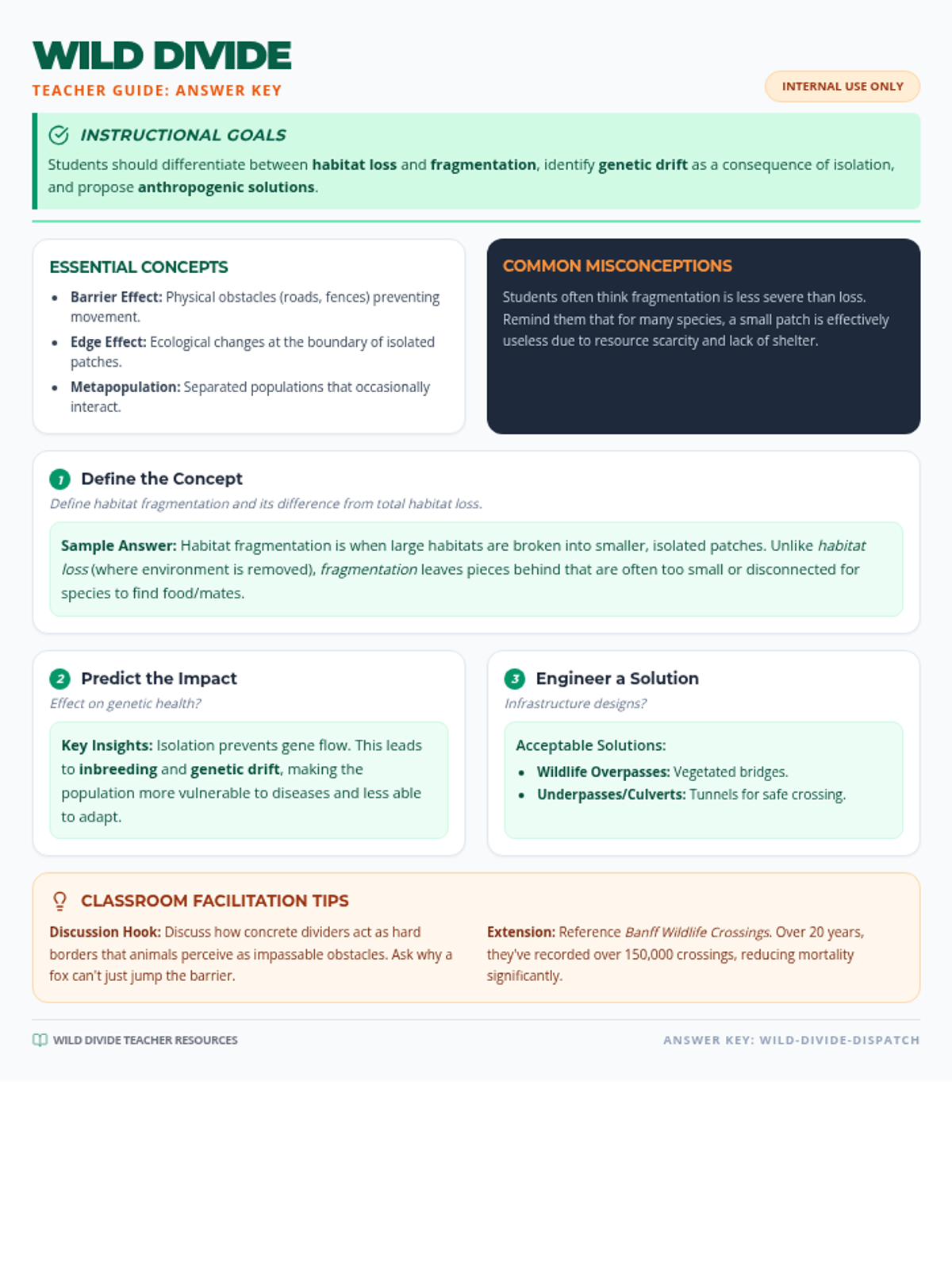
This lesson explores the ecological consequences of habitat fragmentation caused by human infrastructure. Students analyze case studies of wildlife isolation and propose engineering solutions like wildlife corridors to mitigate the impact of roads and urban sprawl.
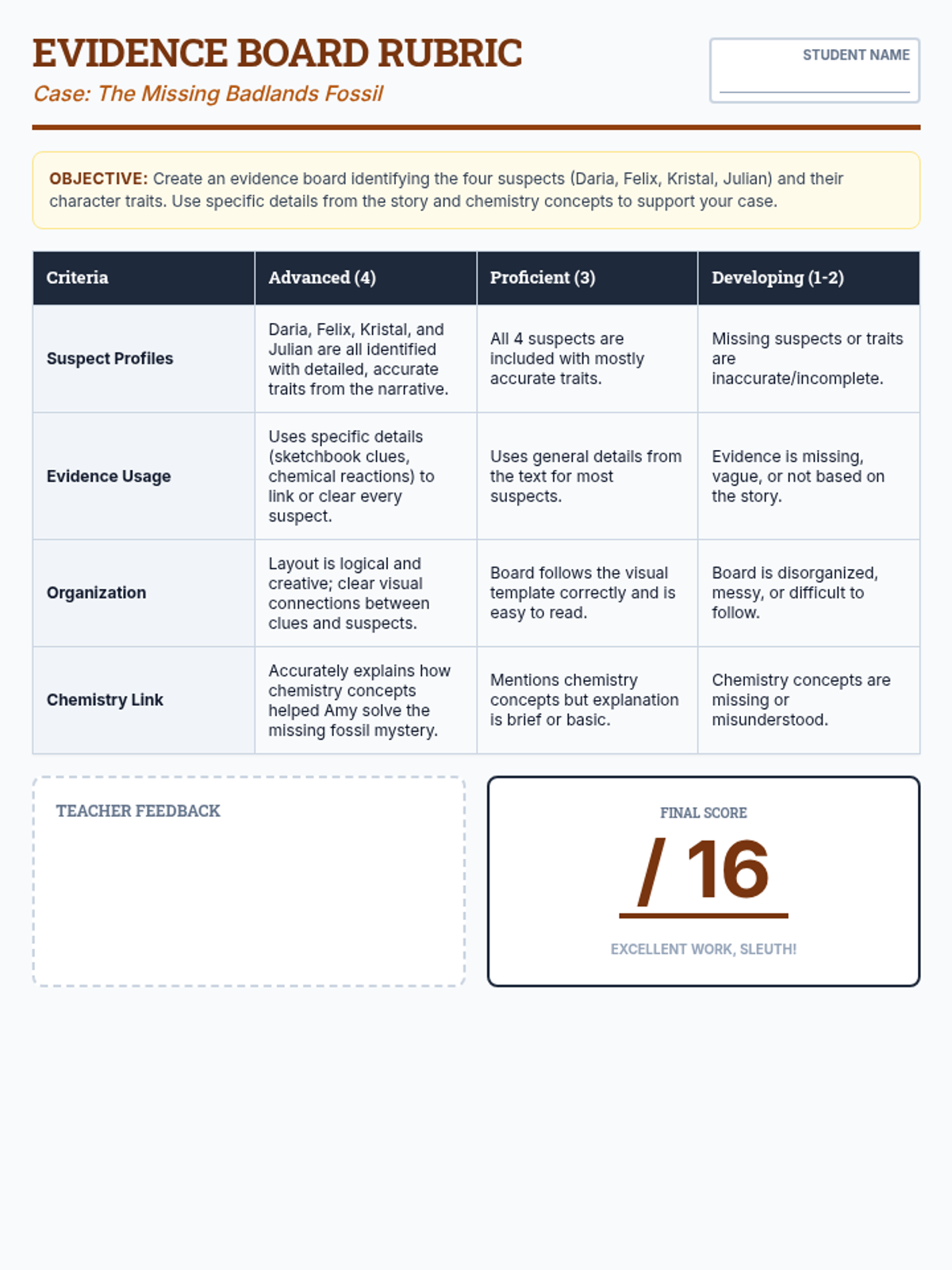
A hands-on activity where students use chemistry concepts and character analysis from 'The Badlands Sleuth' to construct evidence boards and identify a fossil thief.
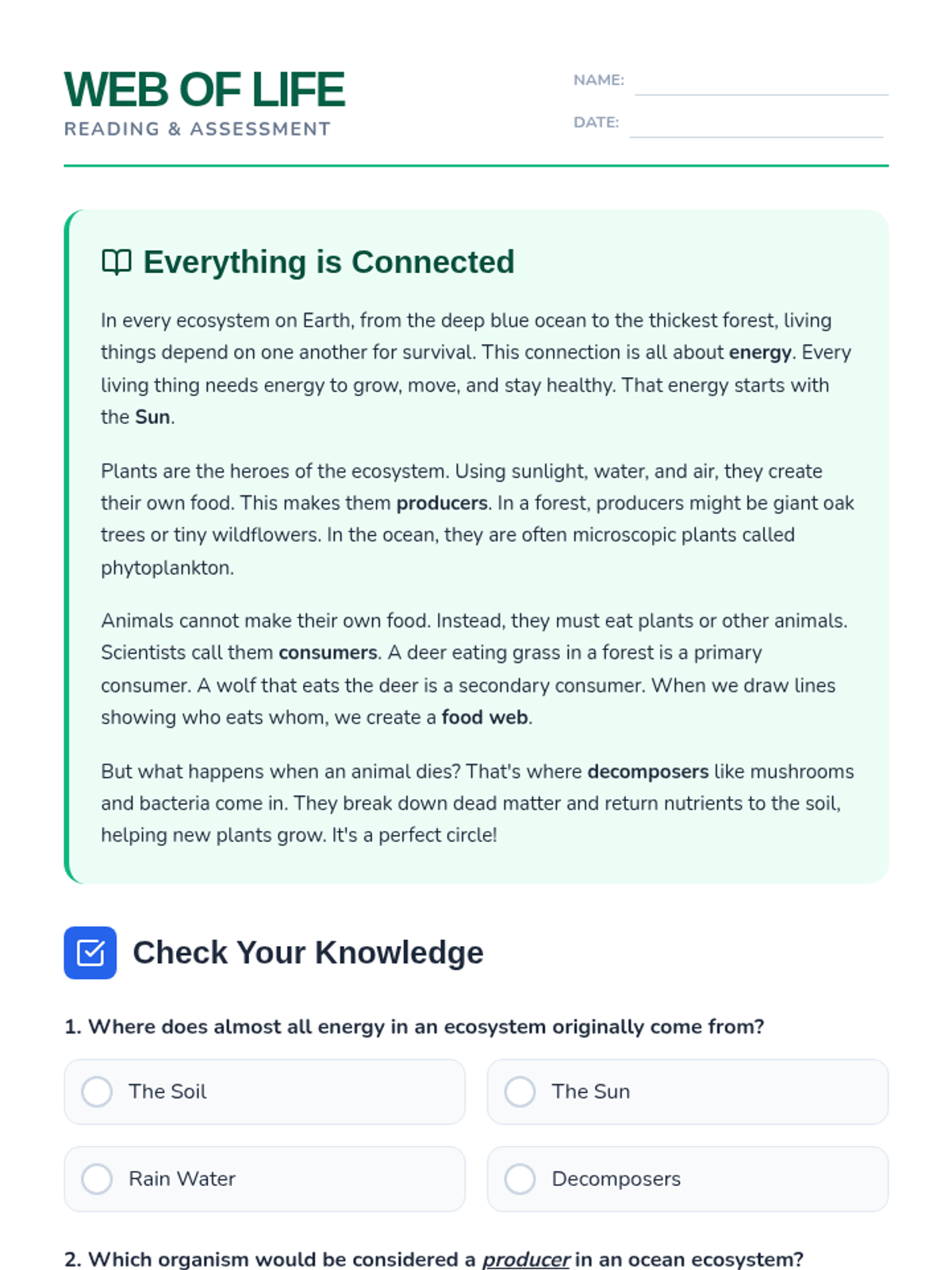
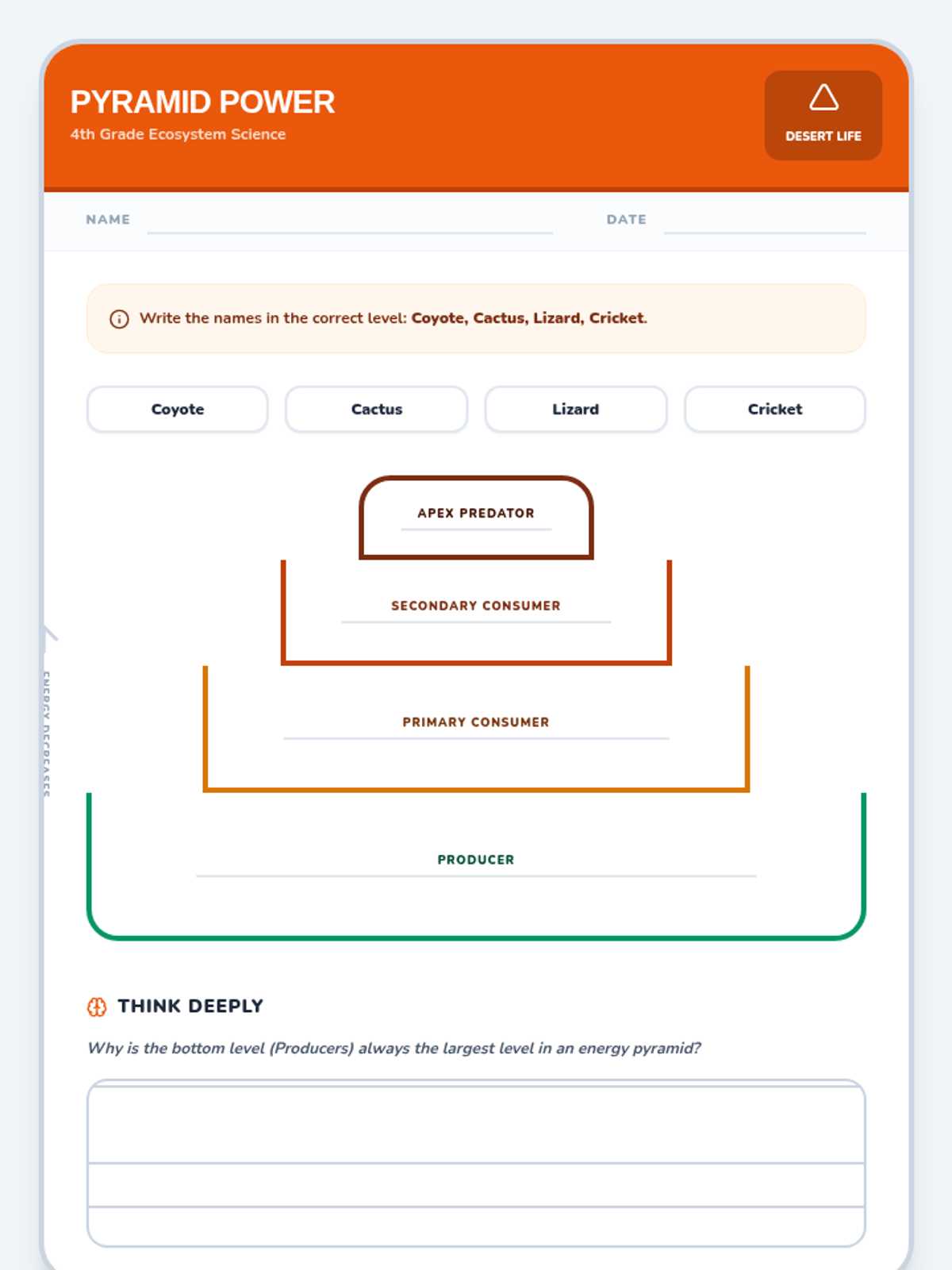
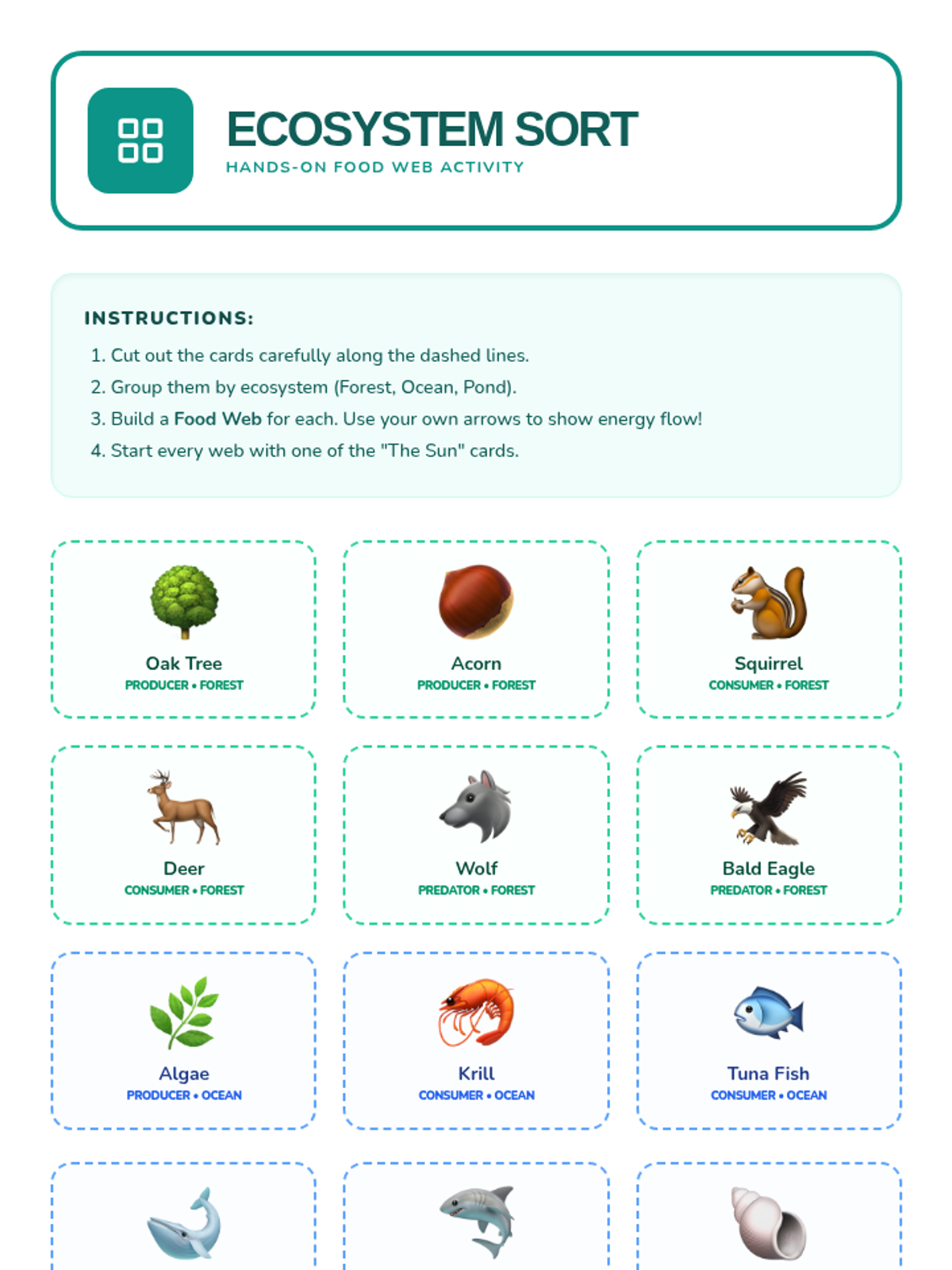
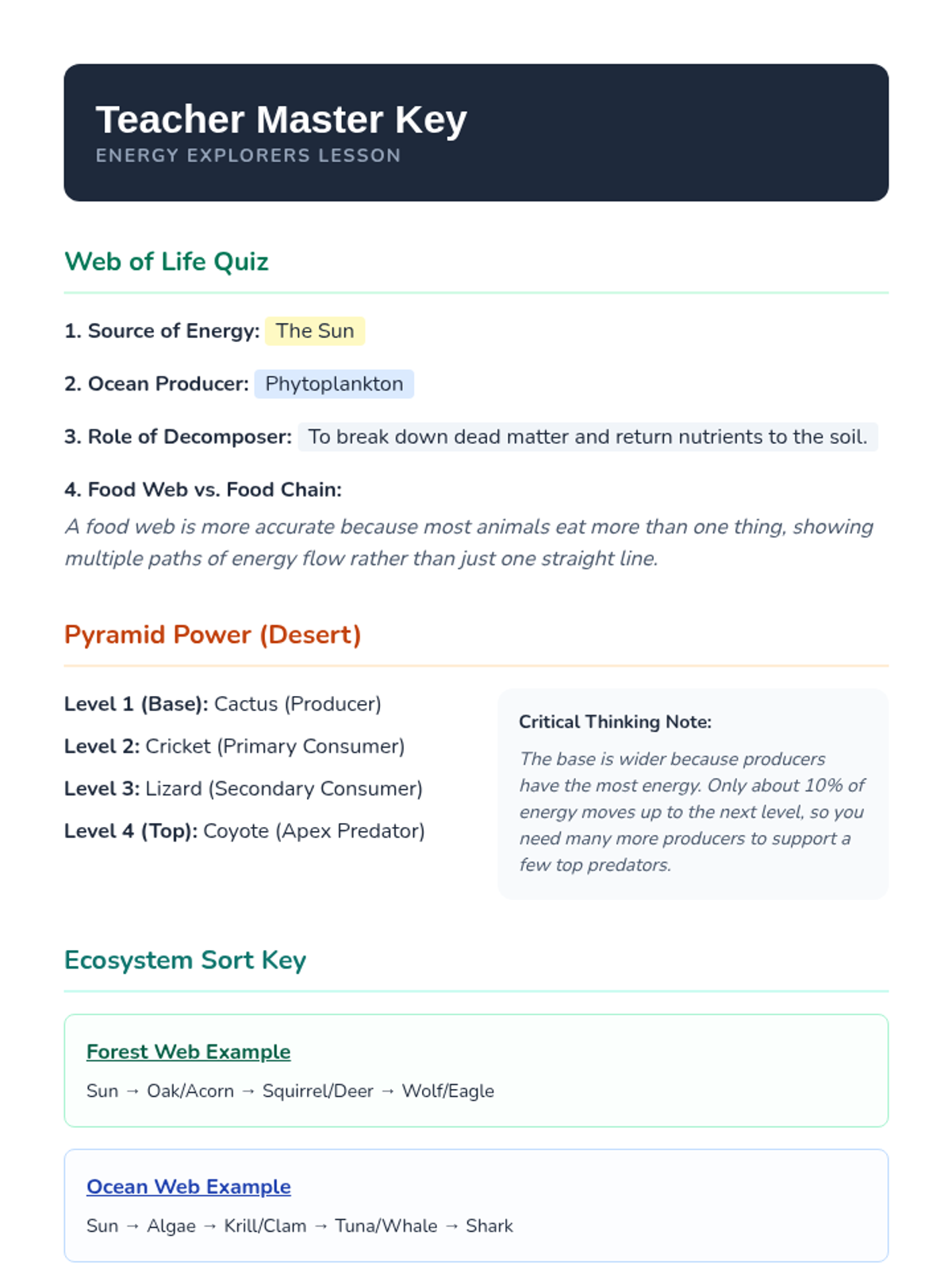
A comprehensive lesson on energy flow through ecosystems, covering food webs and energy pyramids in forest, ocean, desert, and pond habitats. Students will read, analyze, and physically sort organisms to understand their roles in nature.
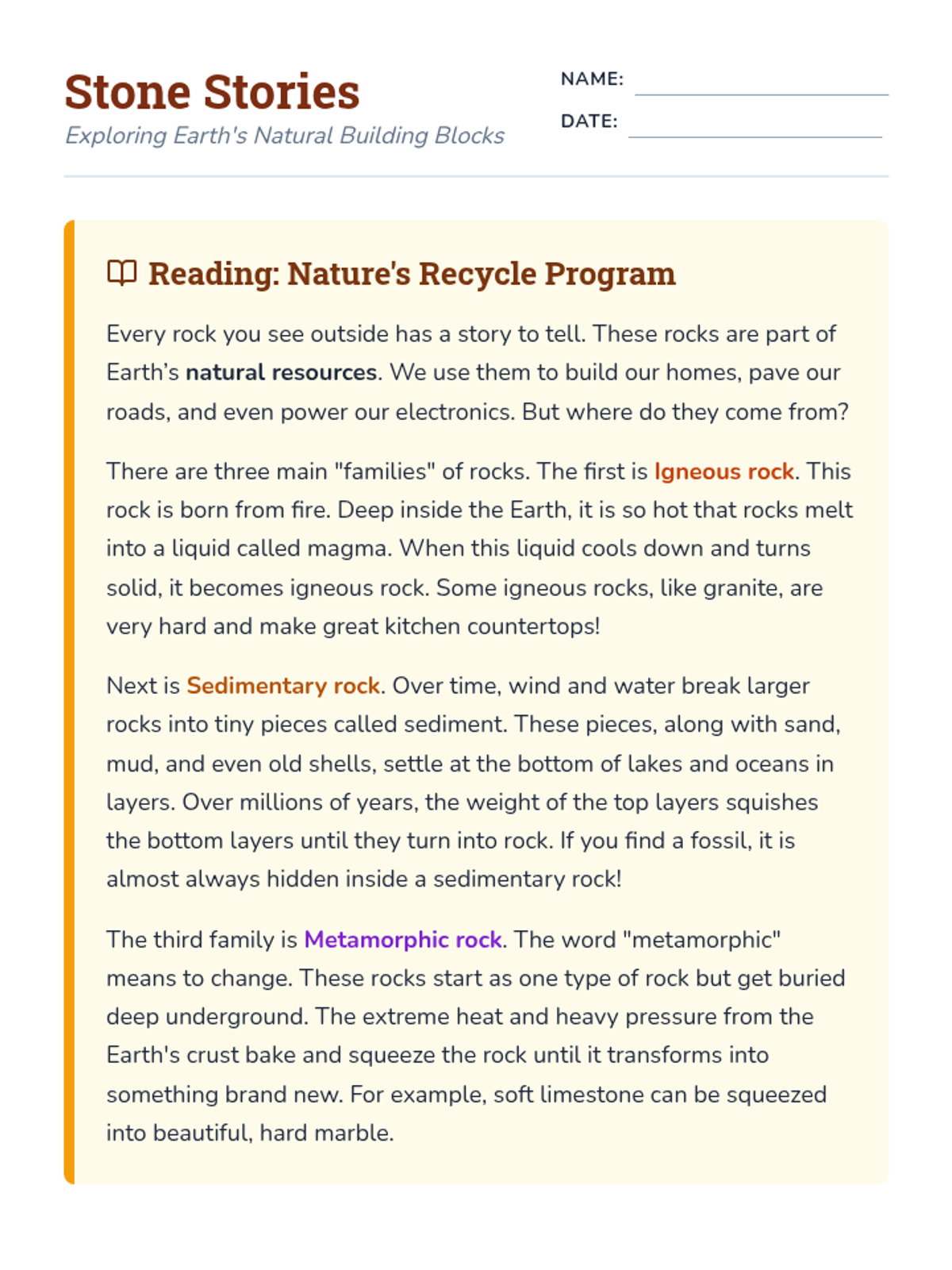
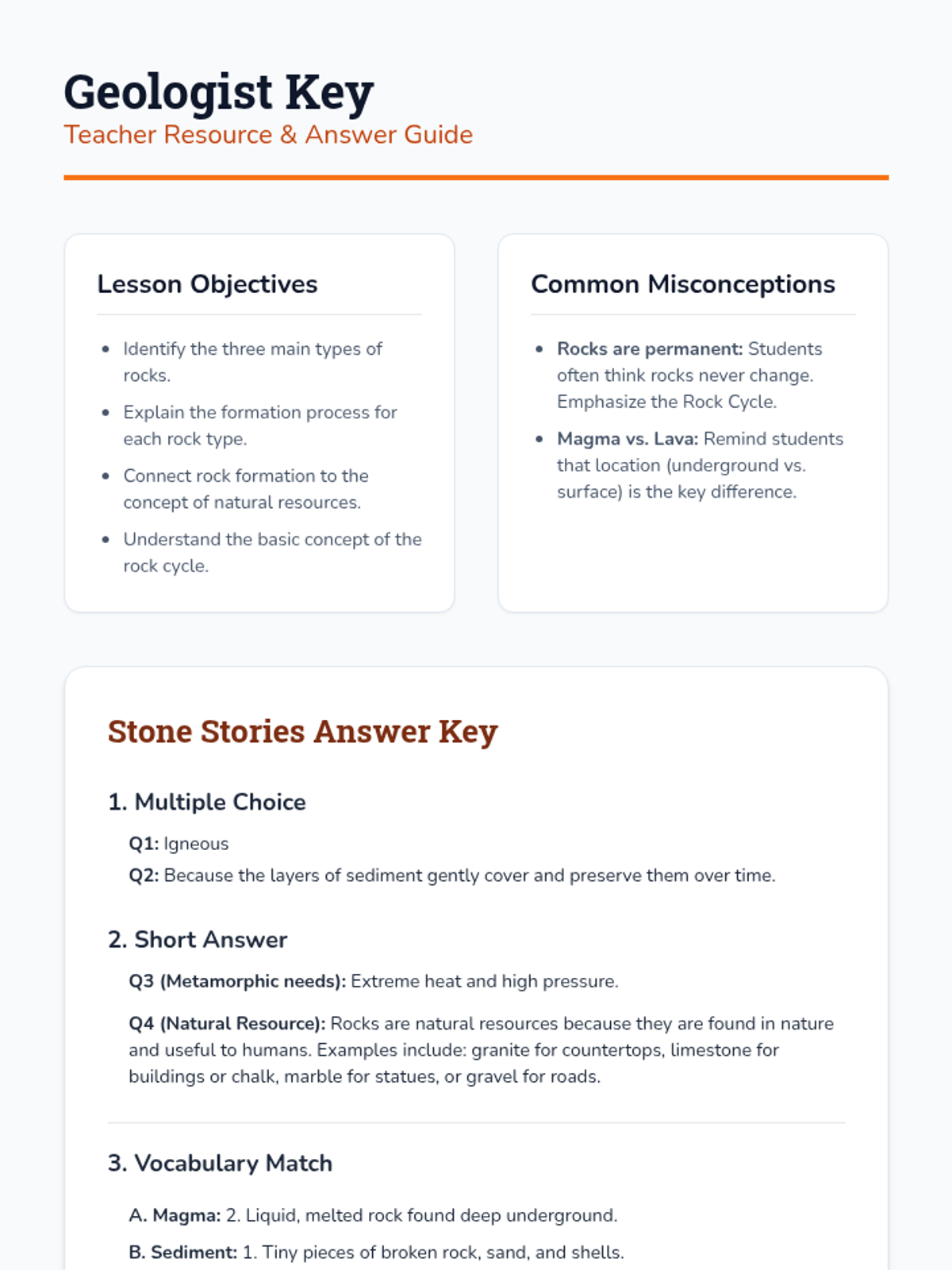
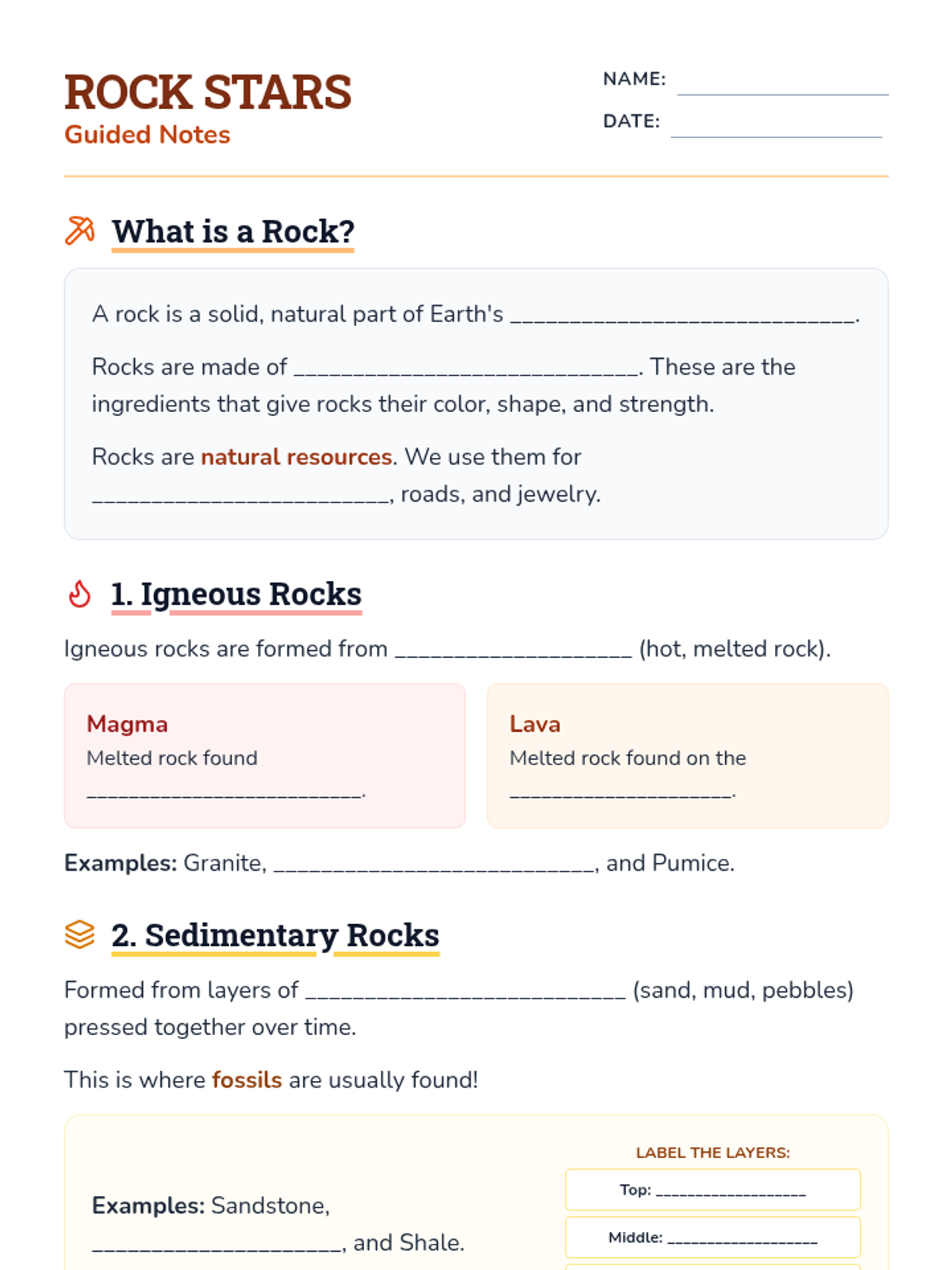
A comprehensive lesson exploring the three main types of rocks—igneous, sedimentary, and metamorphic—and how they form part of Earth's natural resources. Students will learn the rock cycle and identify how these rocks are used in daily life.
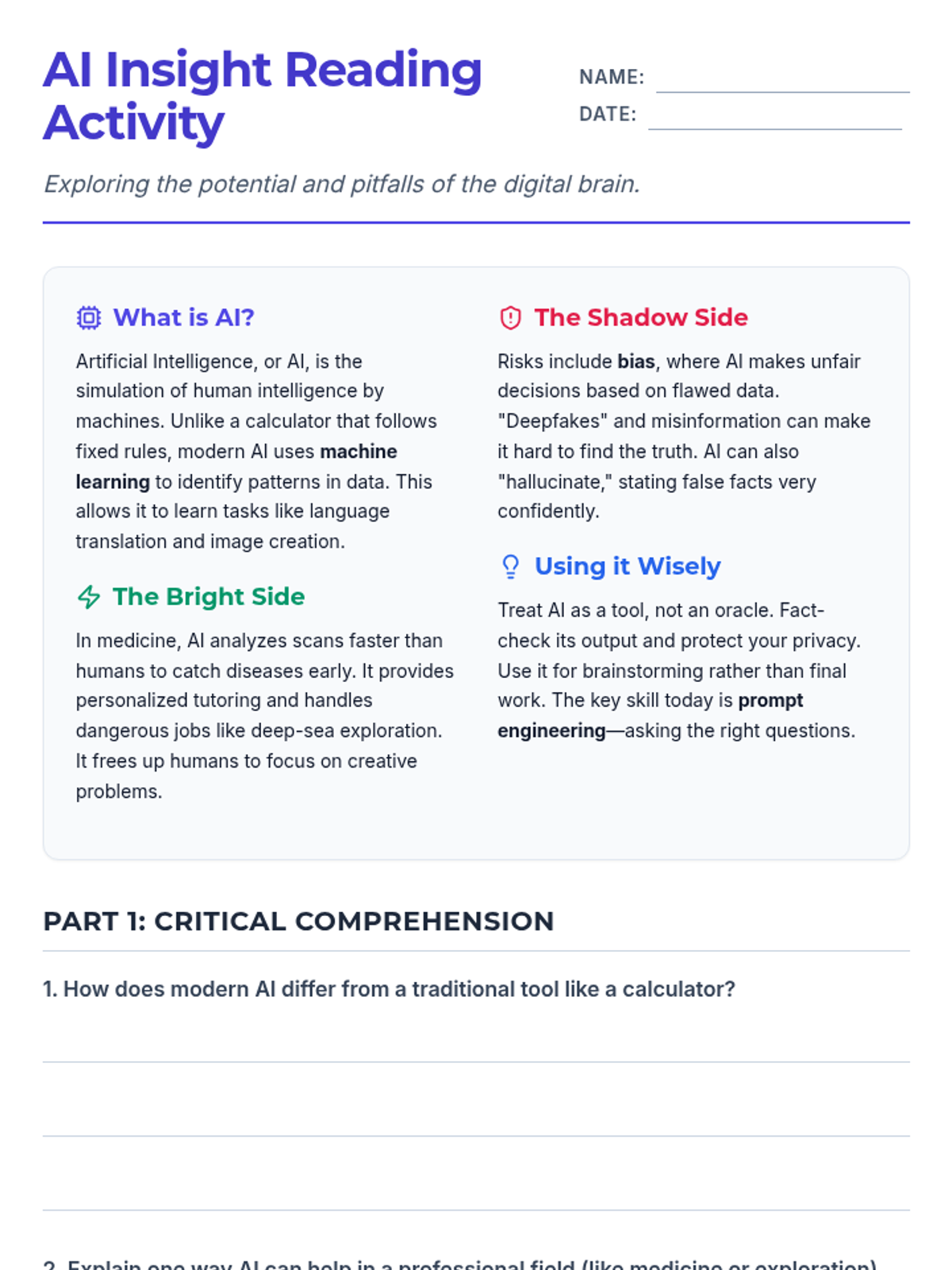
A comprehensive introduction to Artificial Intelligence, exploring its benefits, risks, and ethical usage through reading, discussion, and critical writing.
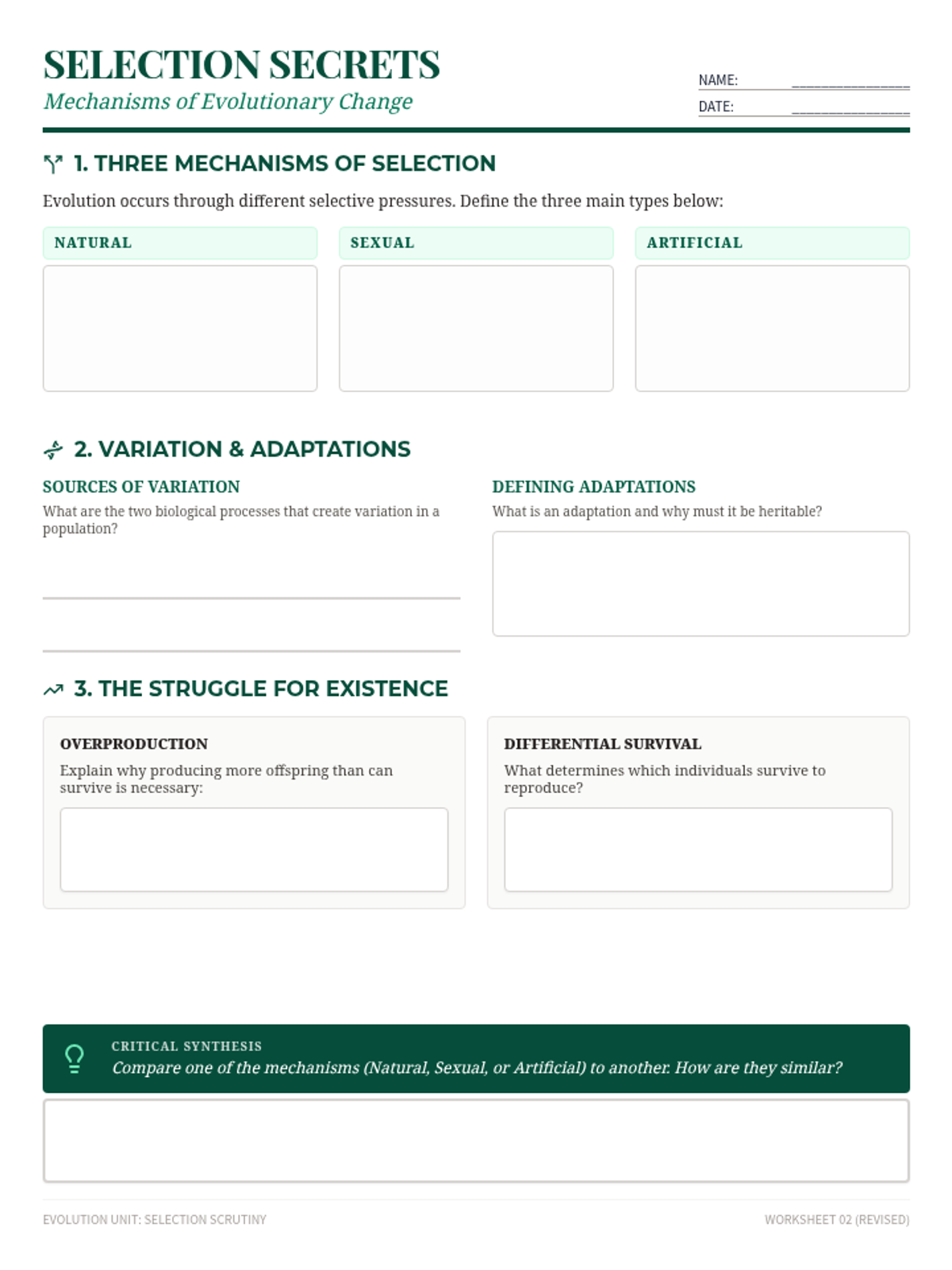
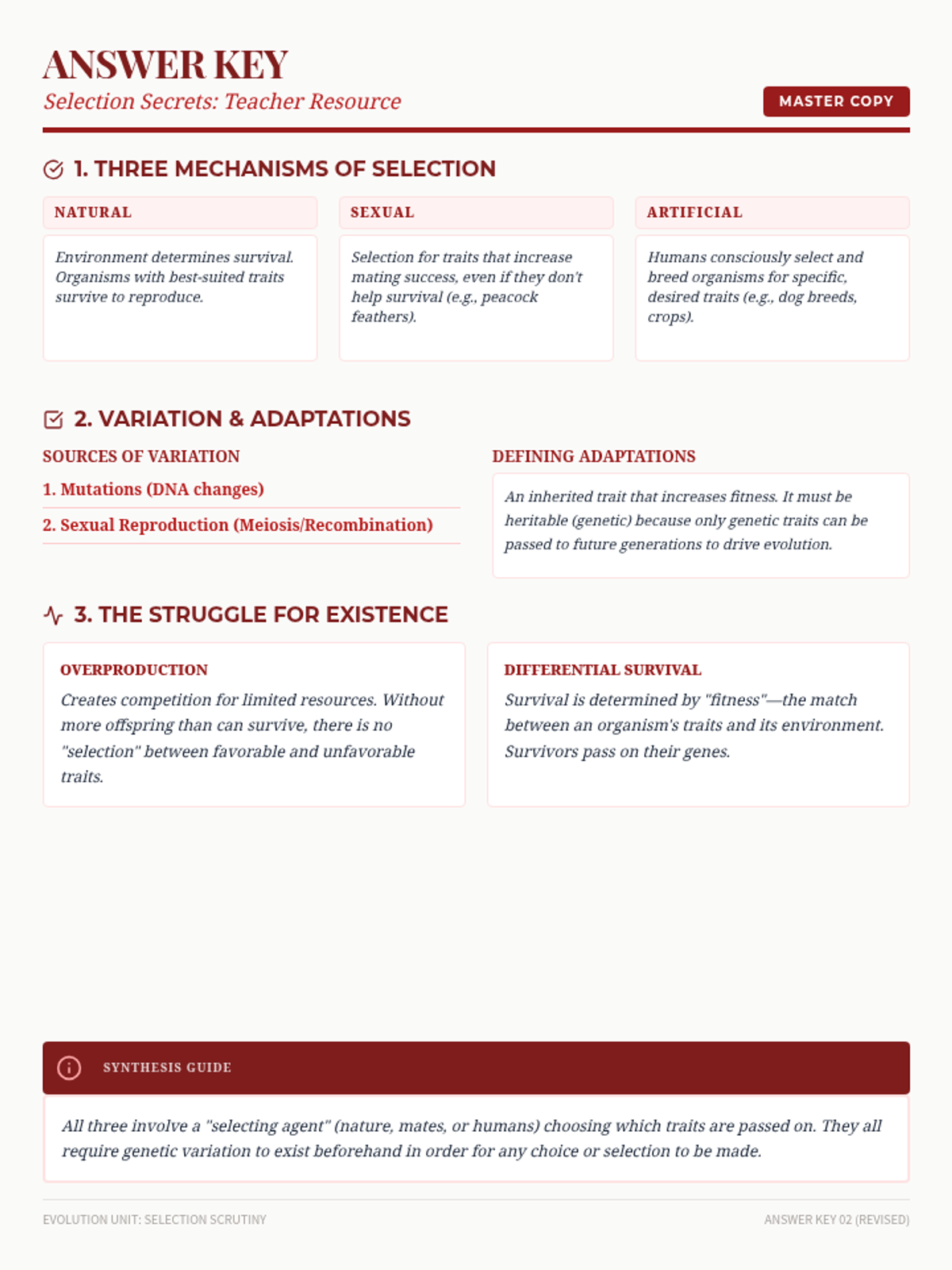
A comprehensive study pack covering the principles of evolution, including vocabulary definitions and a conceptual framework linking key biological terms.
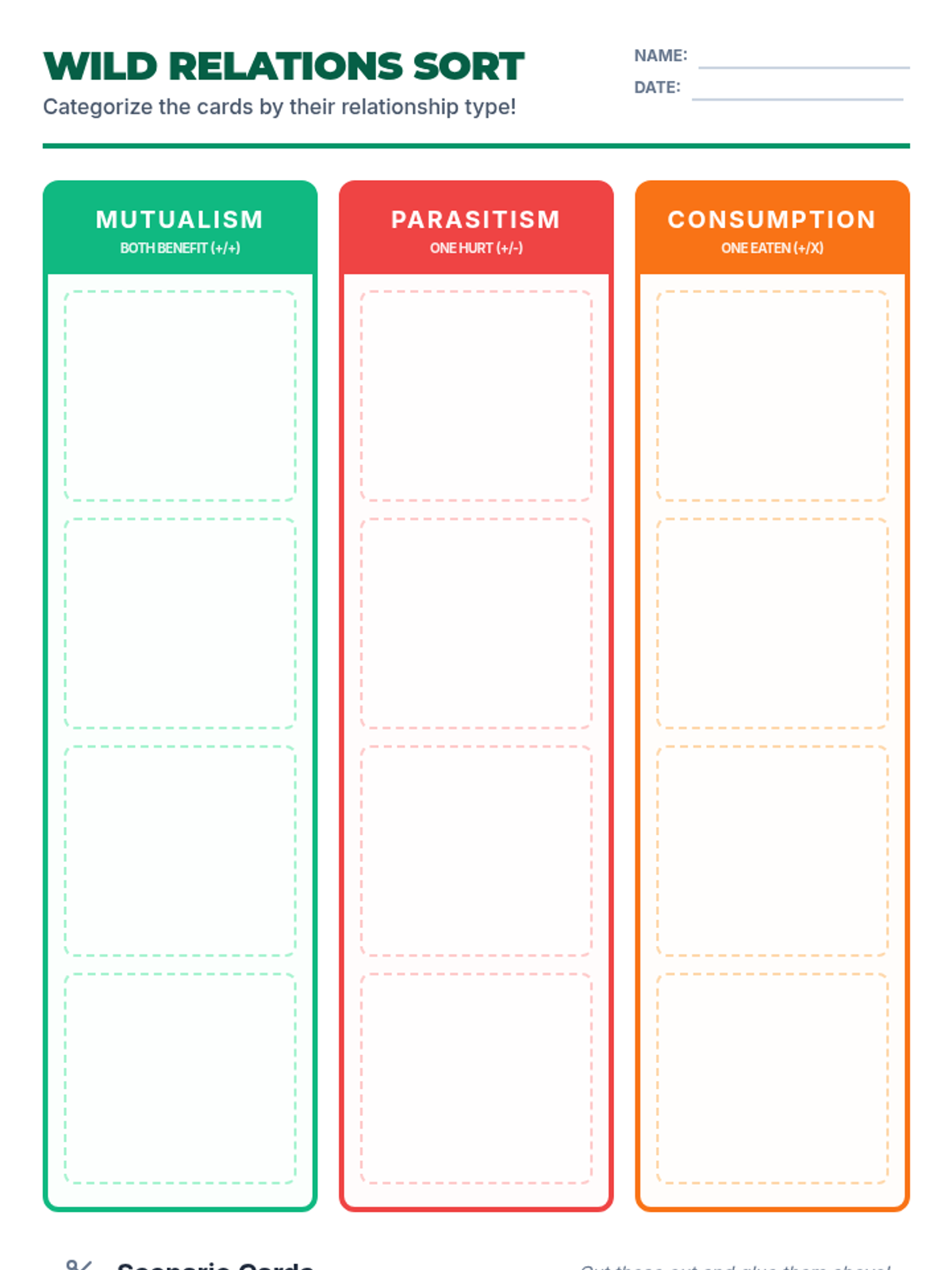
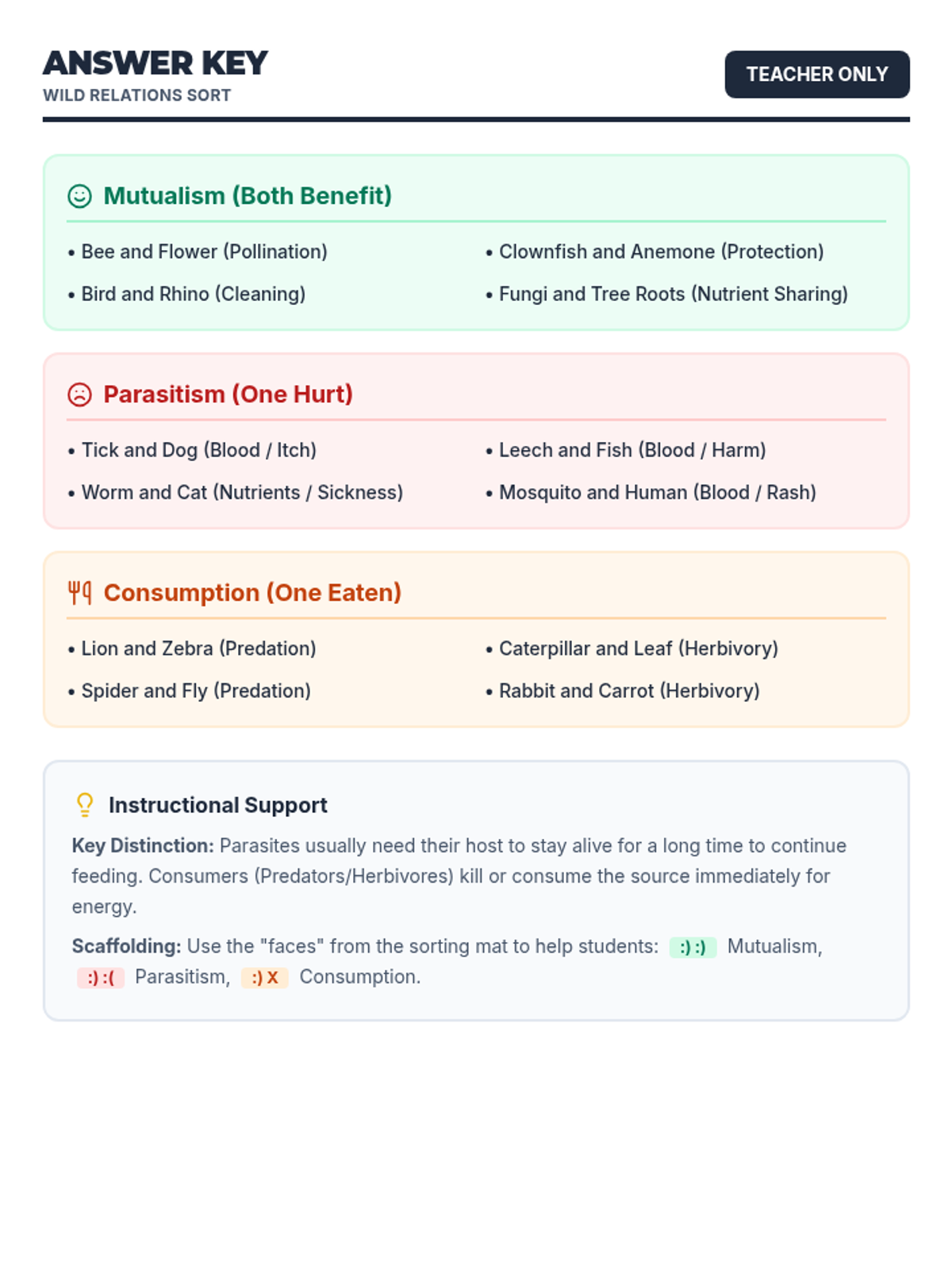
In this lesson, students explore the different ways organisms interact in nature. They will identify and categorize relationships into three types: mutualism, parasitism, and consumerism using visual examples and simple scenarios.
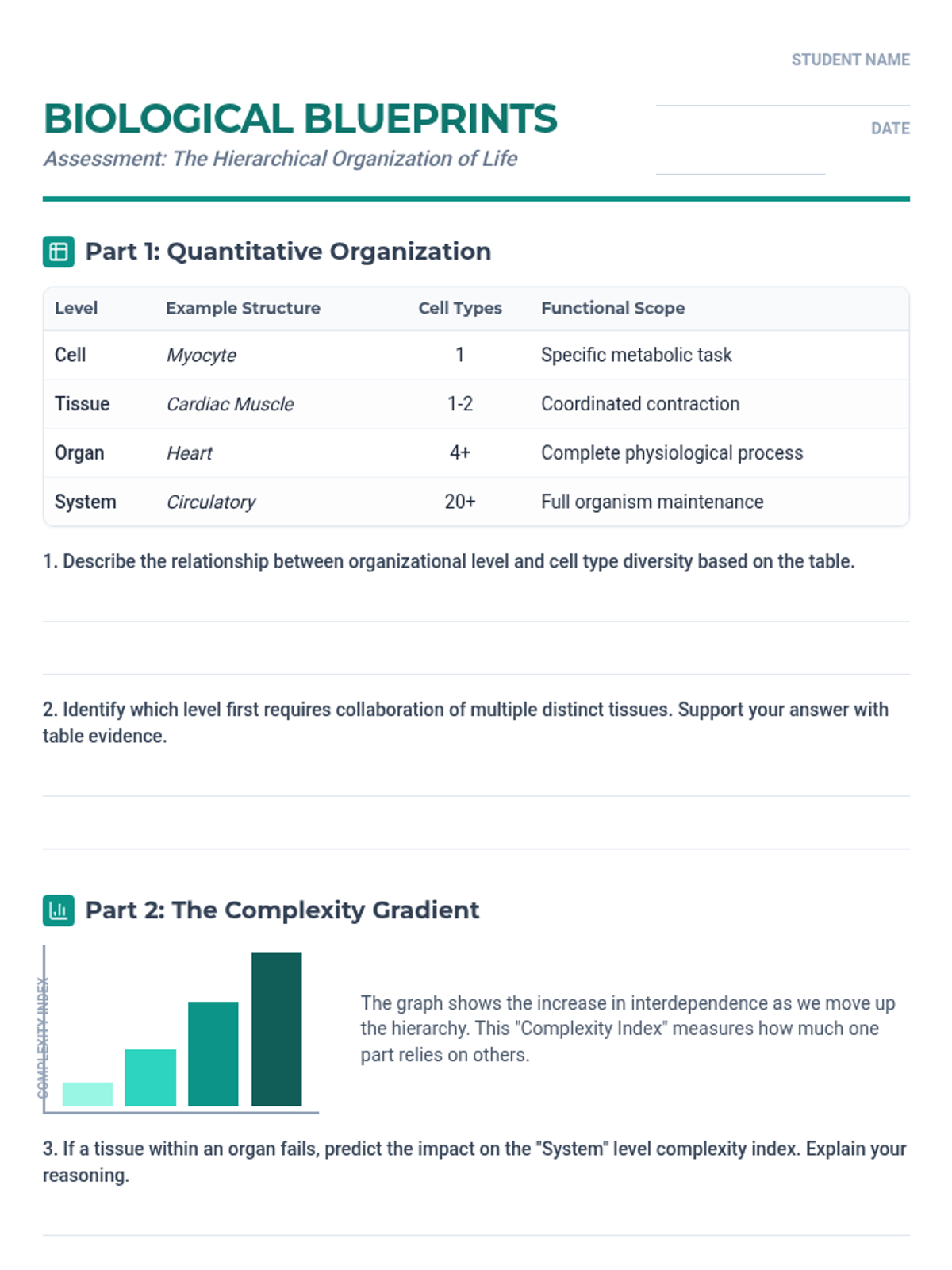
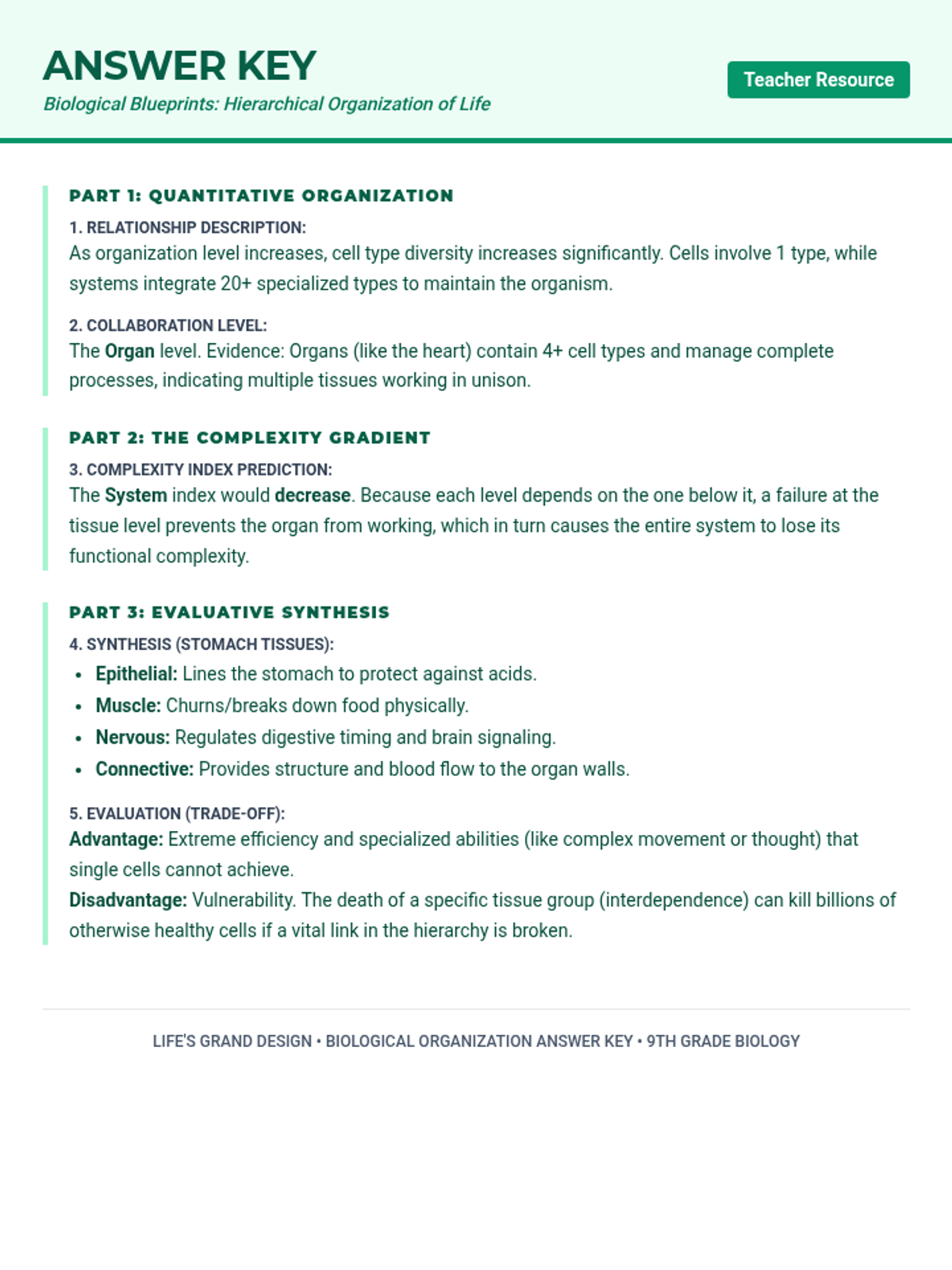
A comprehensive lesson exploring how life is organized from the cellular level up to complex organ systems, focusing on structure-function relationships.
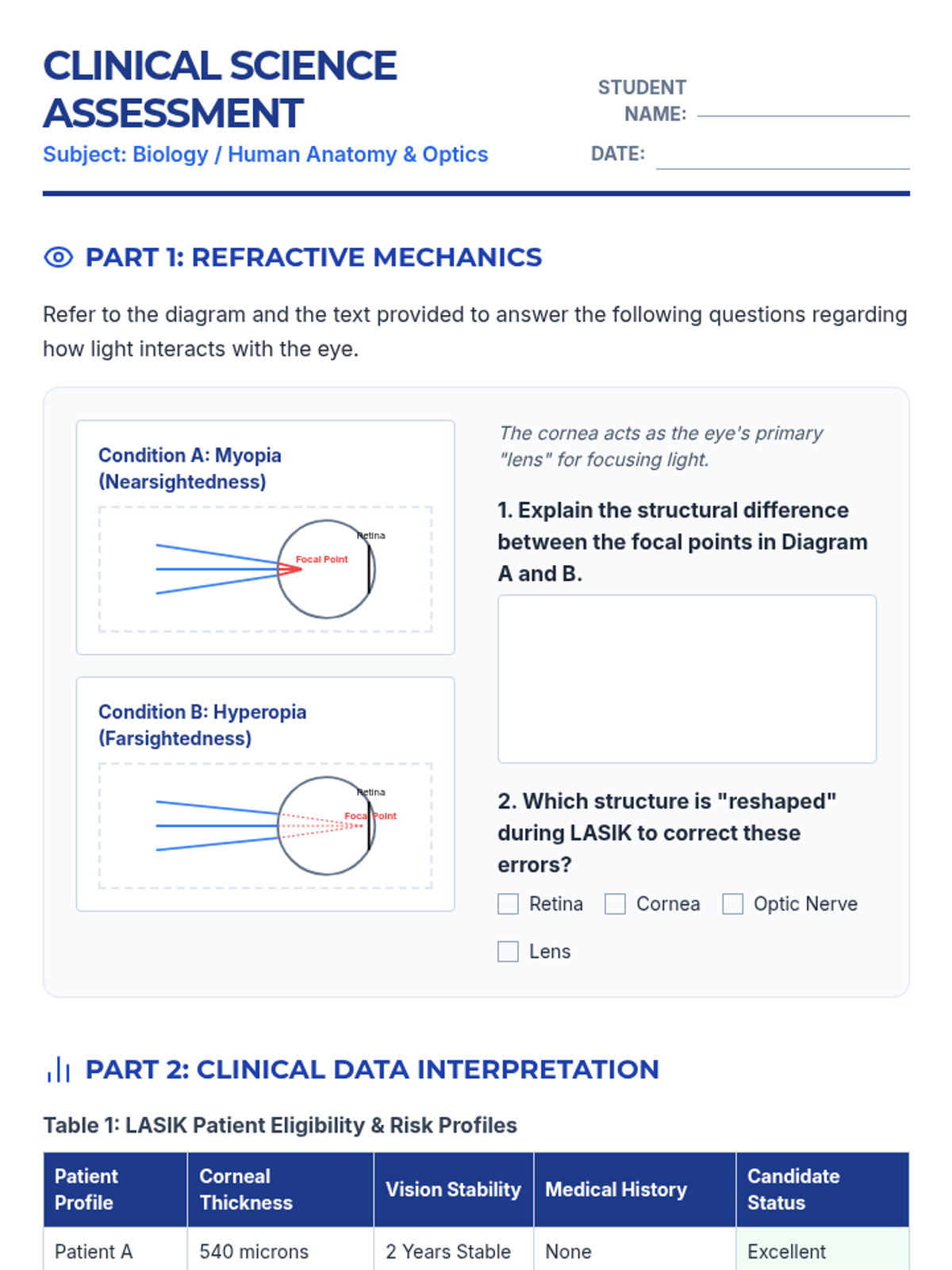
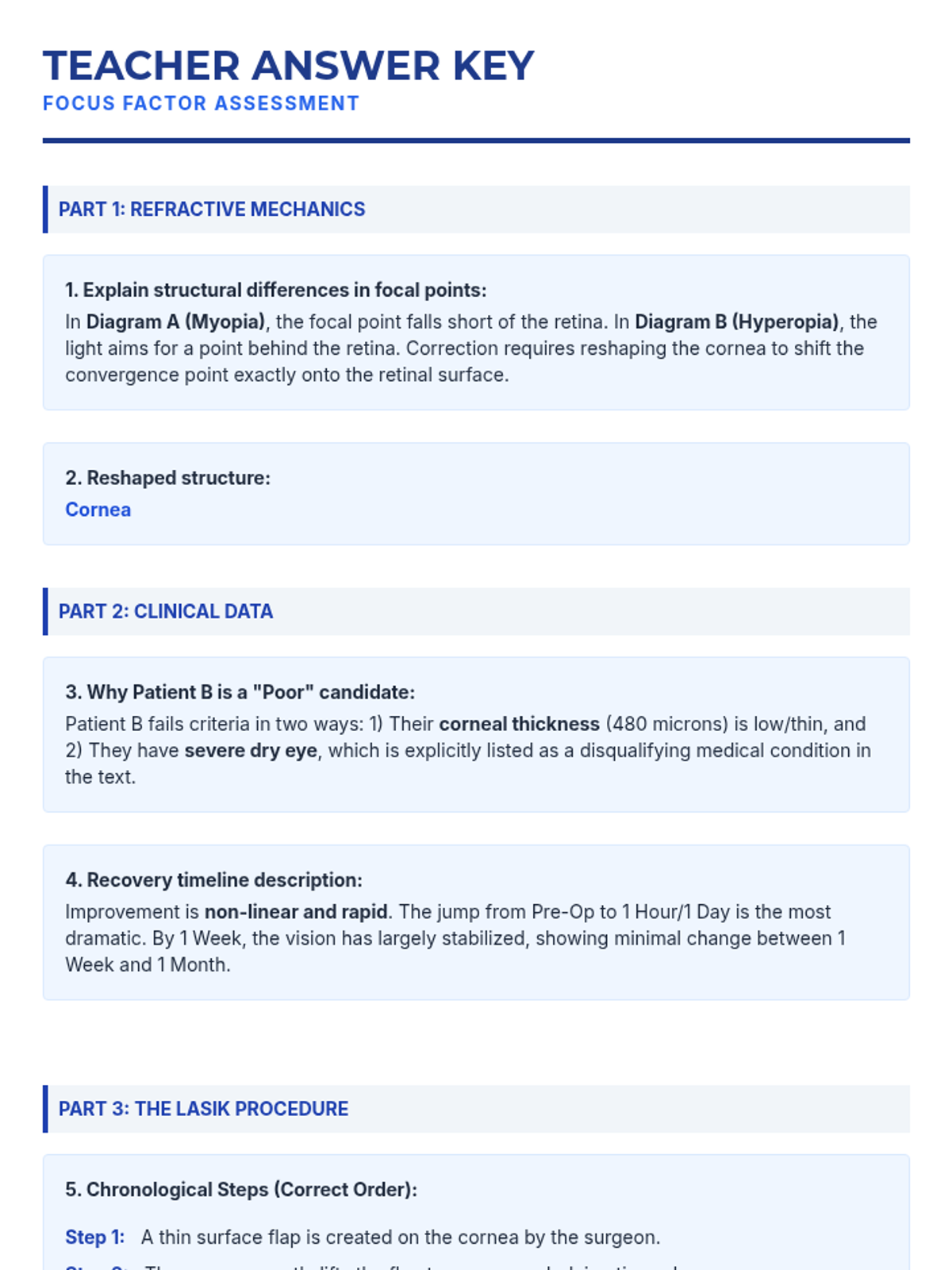
A comprehensive look at eye anatomy, refractive errors, and the medical technology used in LASIK surgery to reshape the cornea.
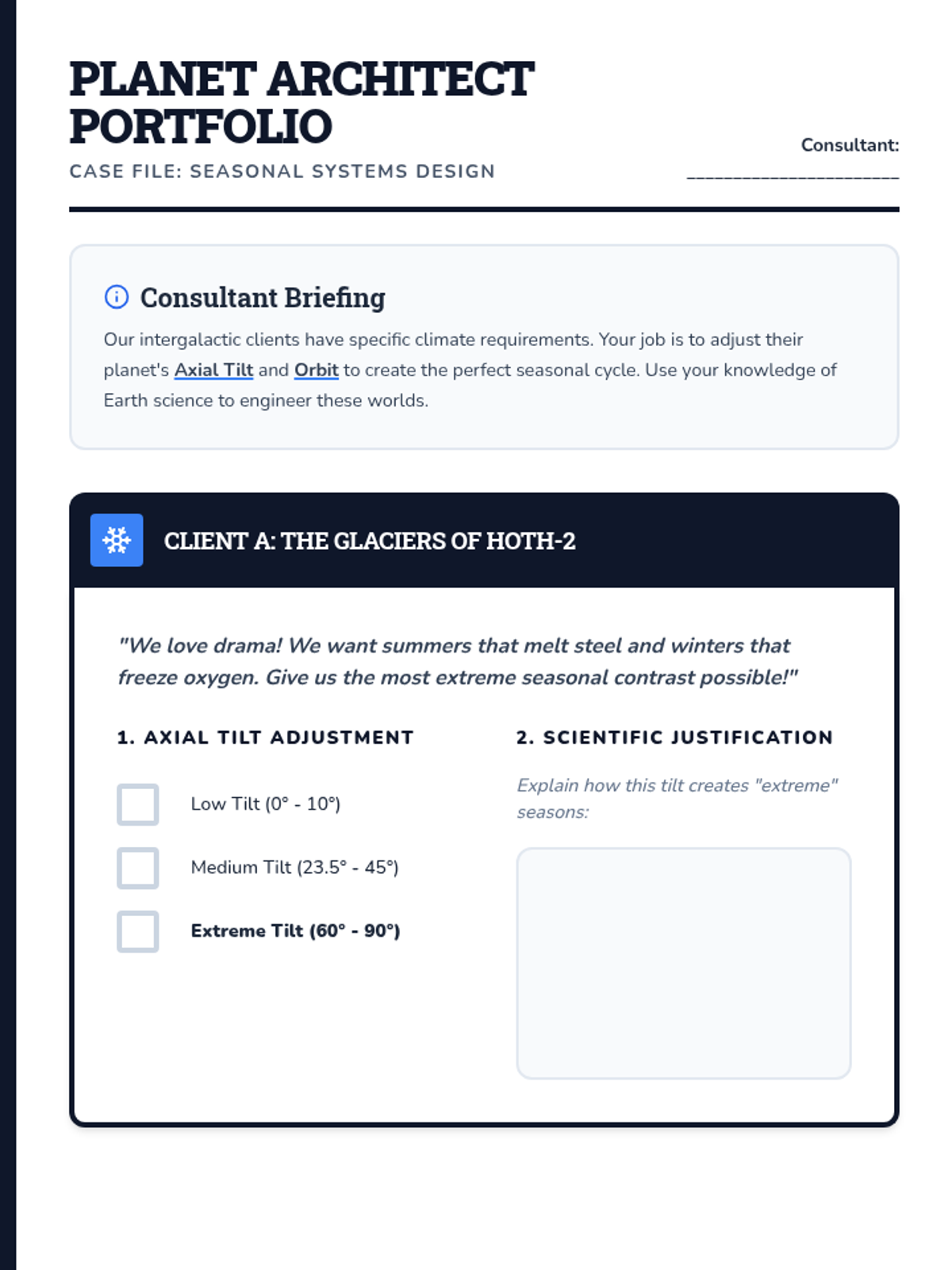
Students take on the role of Cosmic Consultants to help alien clients design their perfect planetary seasons by manipulating axial tilt, orbital distance, and solar intensity.
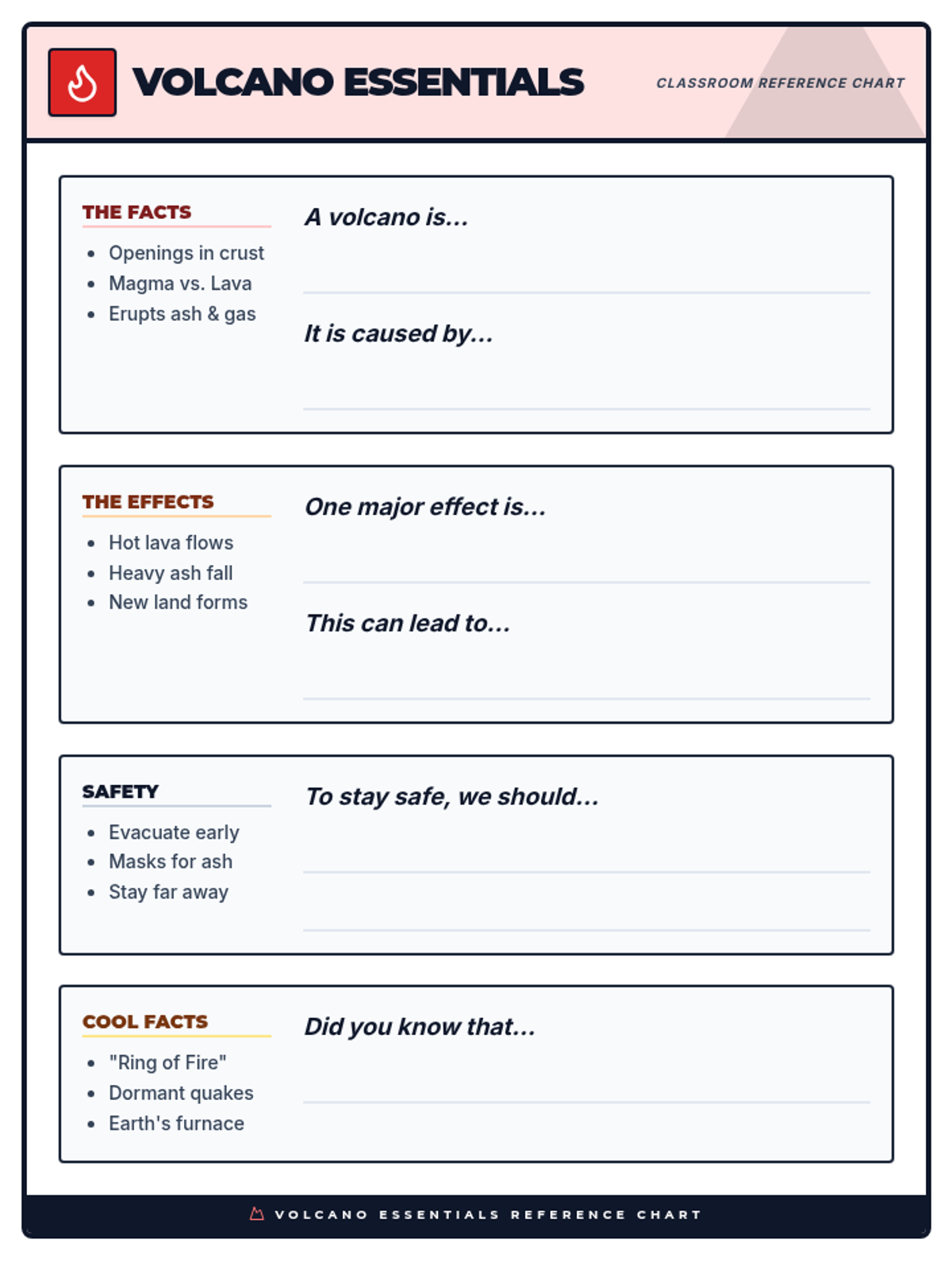
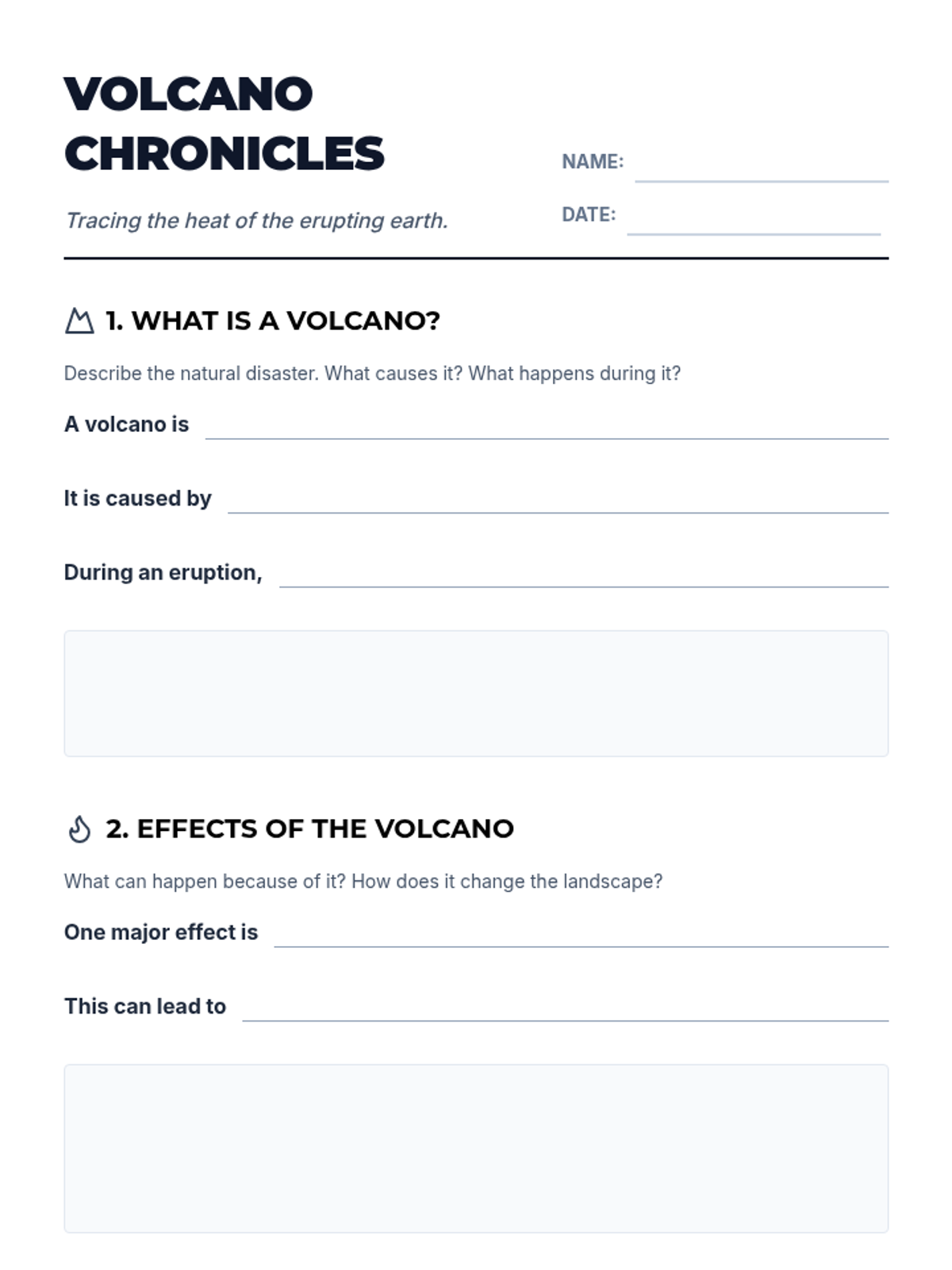
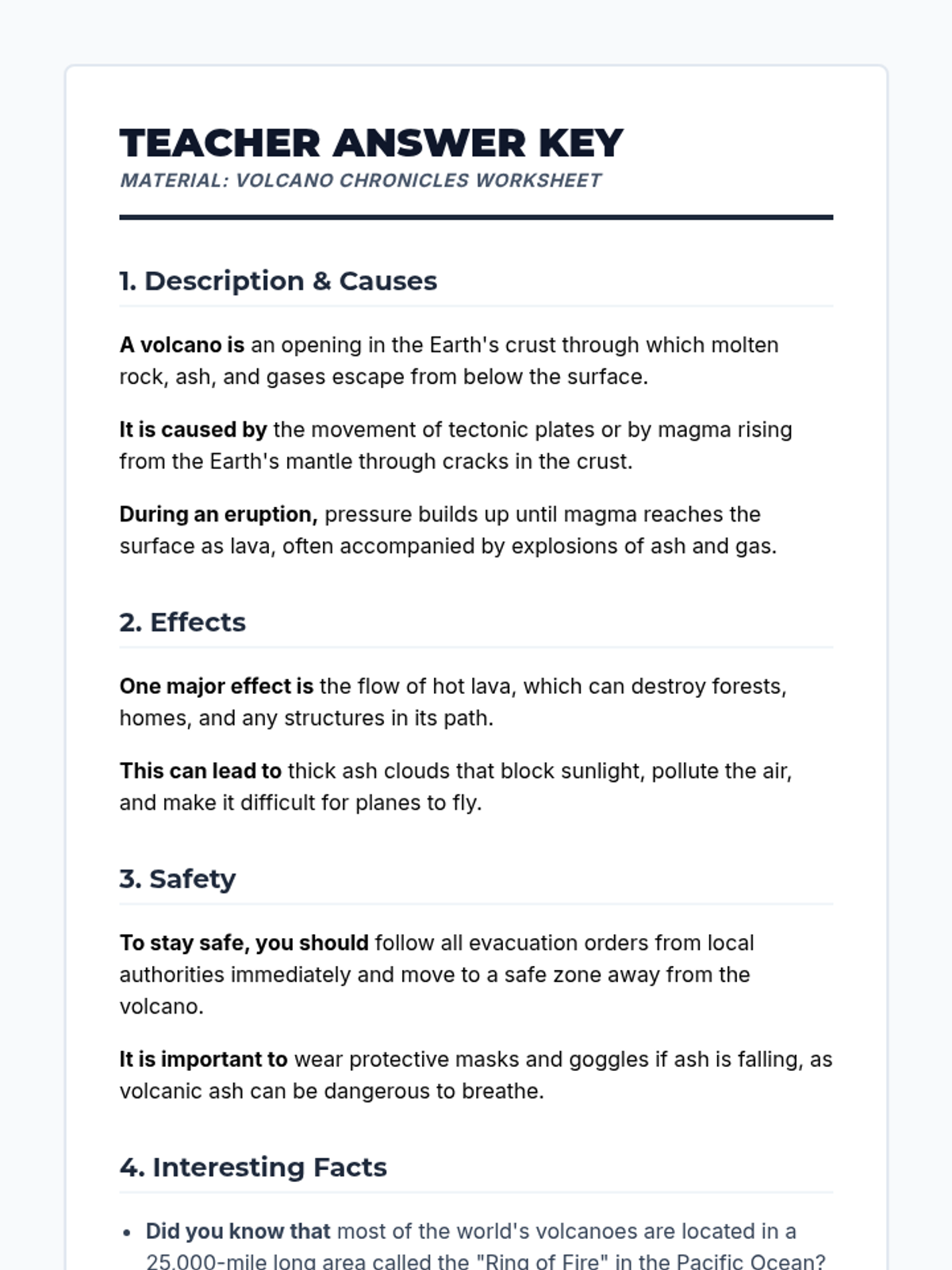
A comprehensive lesson on volcanoes, exploring magma and lava, eruption types, the impact of ash and lava flows, and critical evacuation safety protocols.
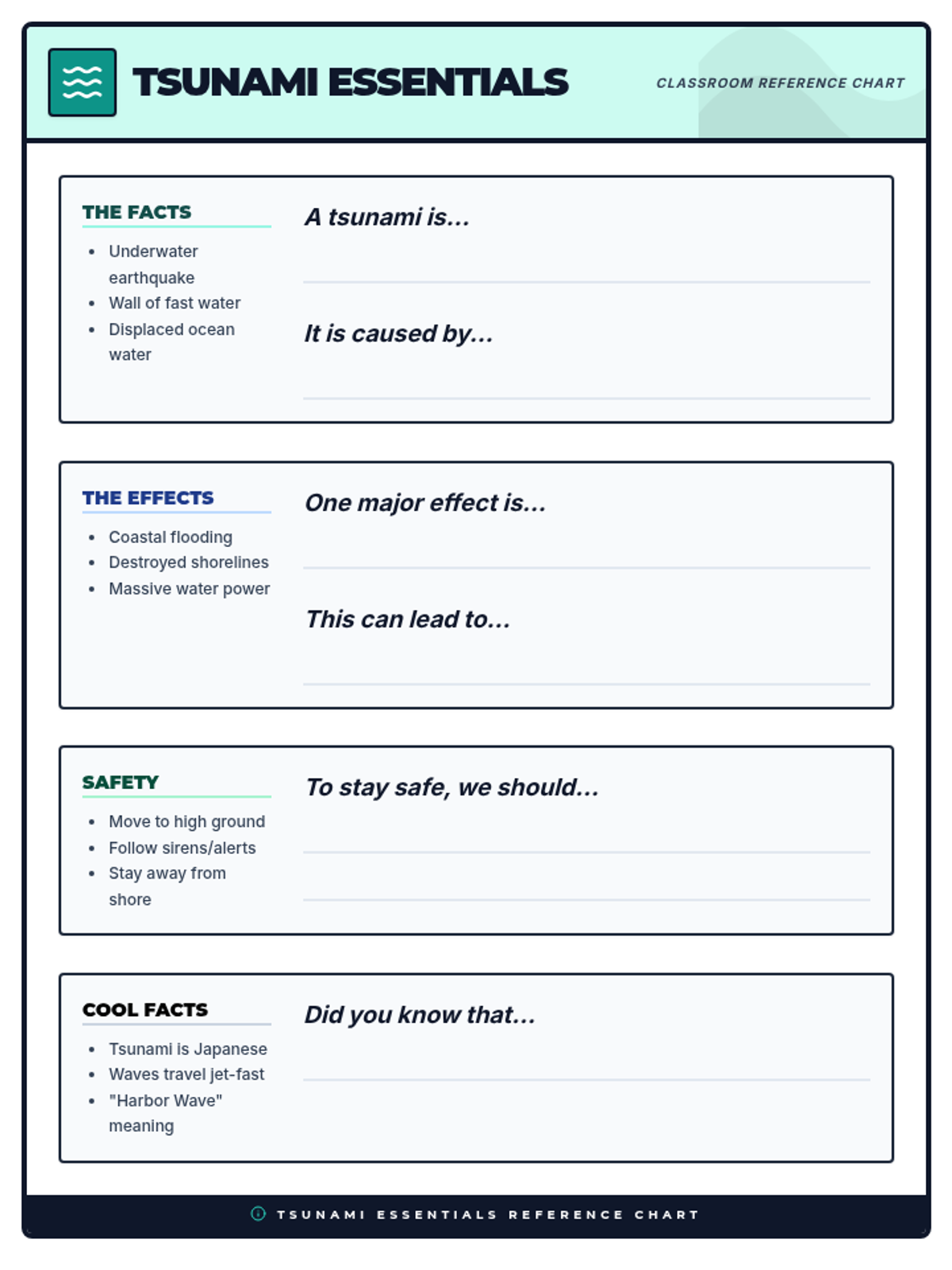
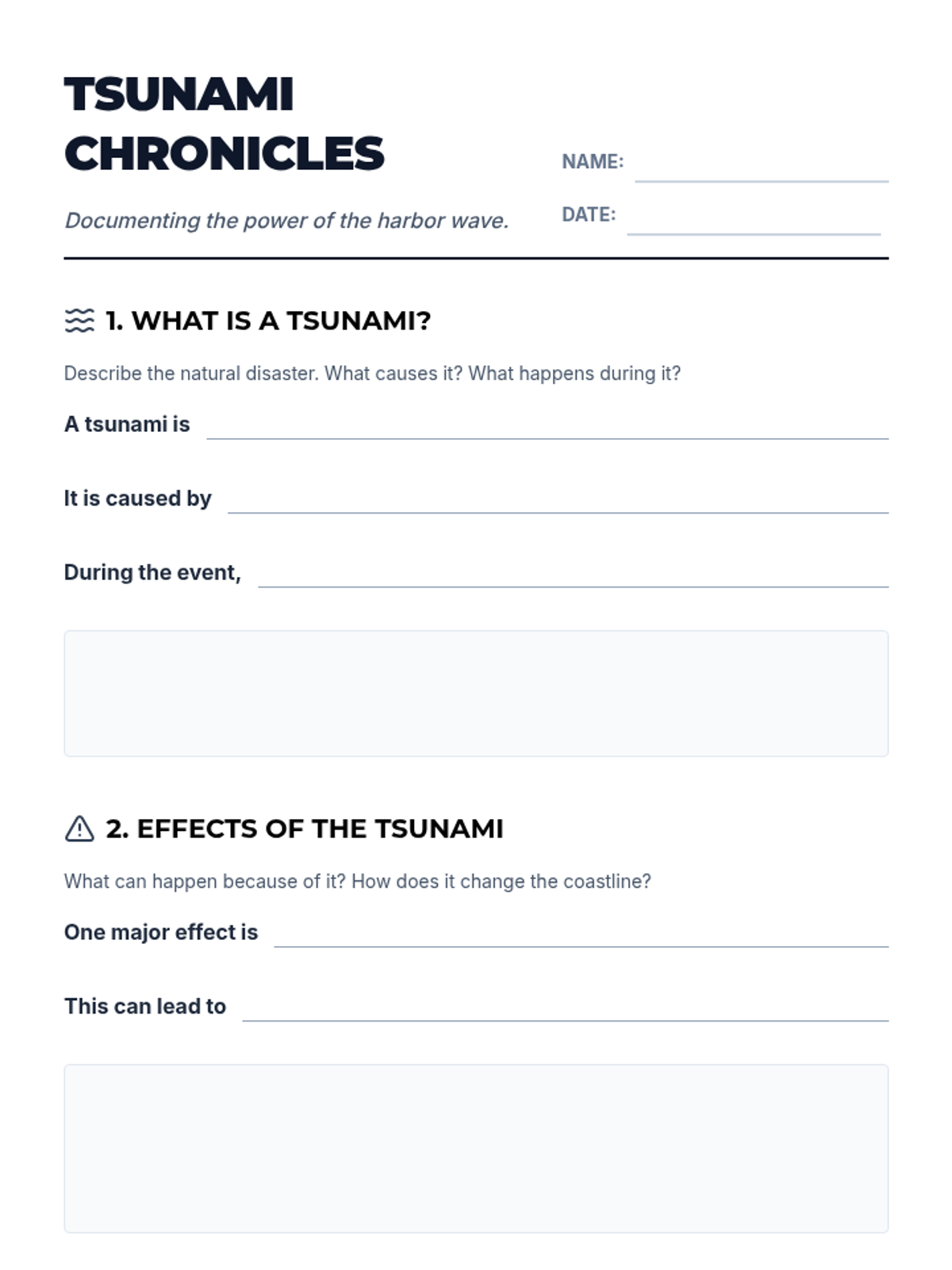
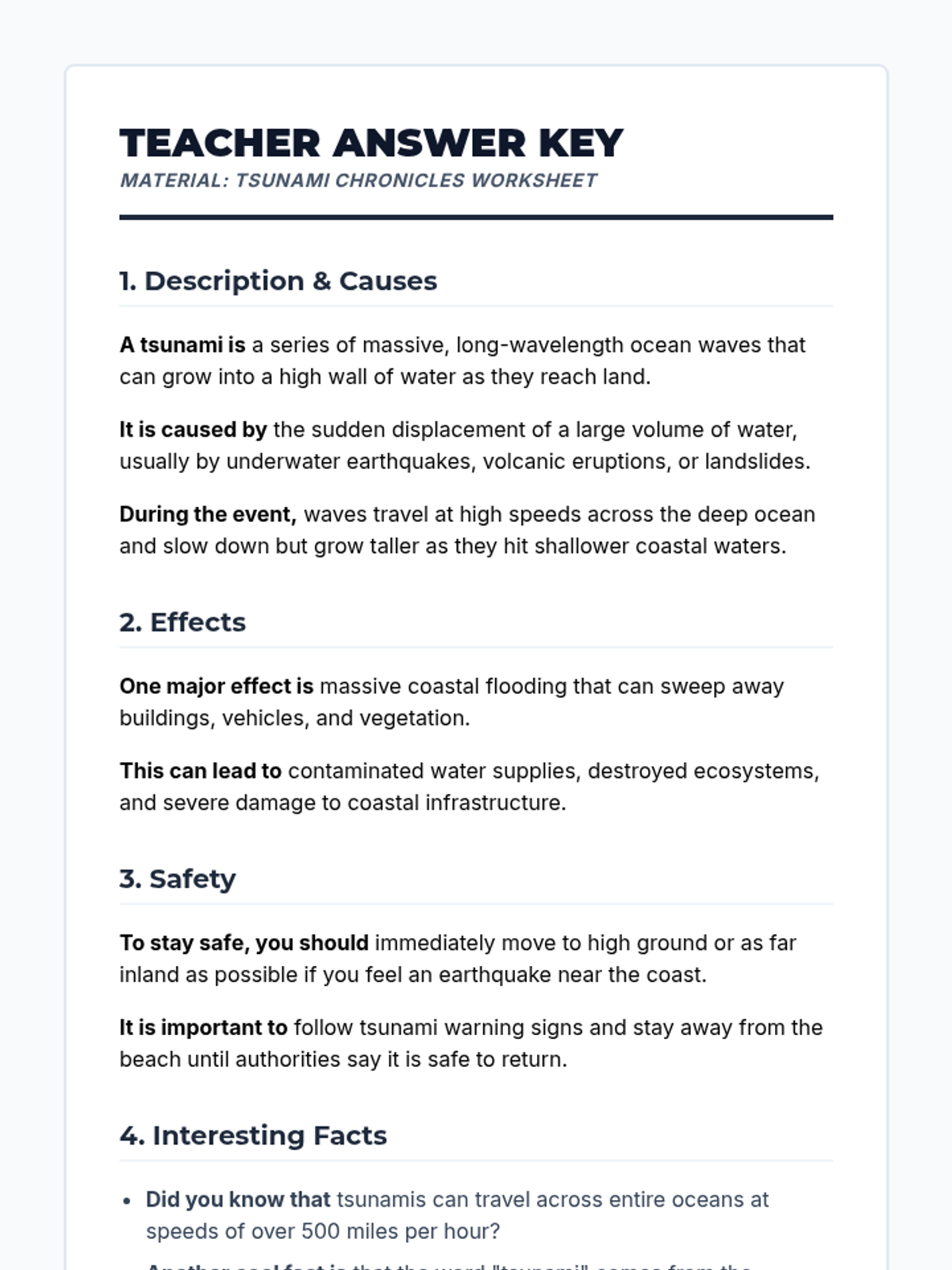
A comprehensive lesson on tsunamis, exploring their triggers like underwater earthquakes, the physics of wall-of-water waves, and critical coastal evacuation safety.
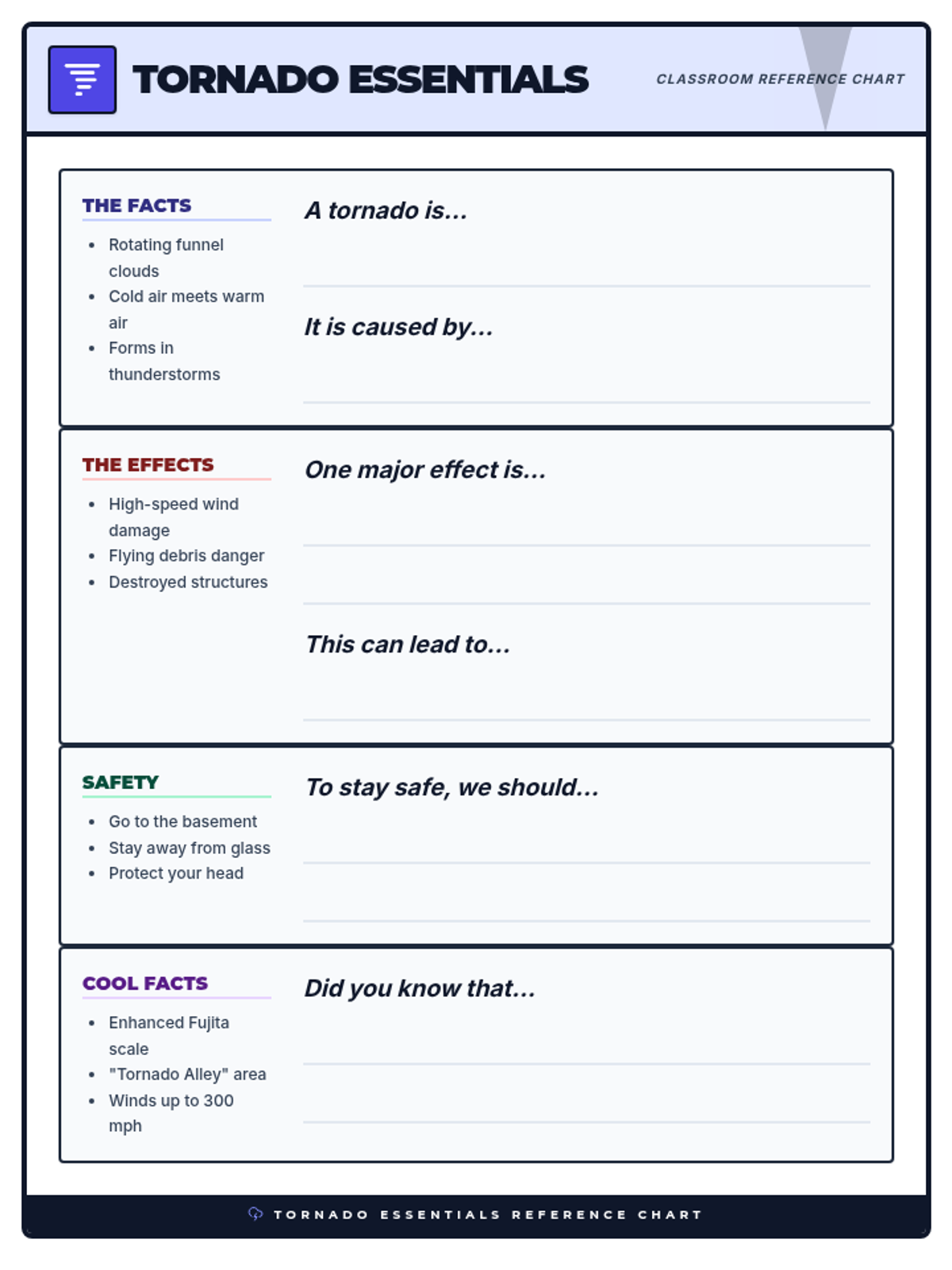
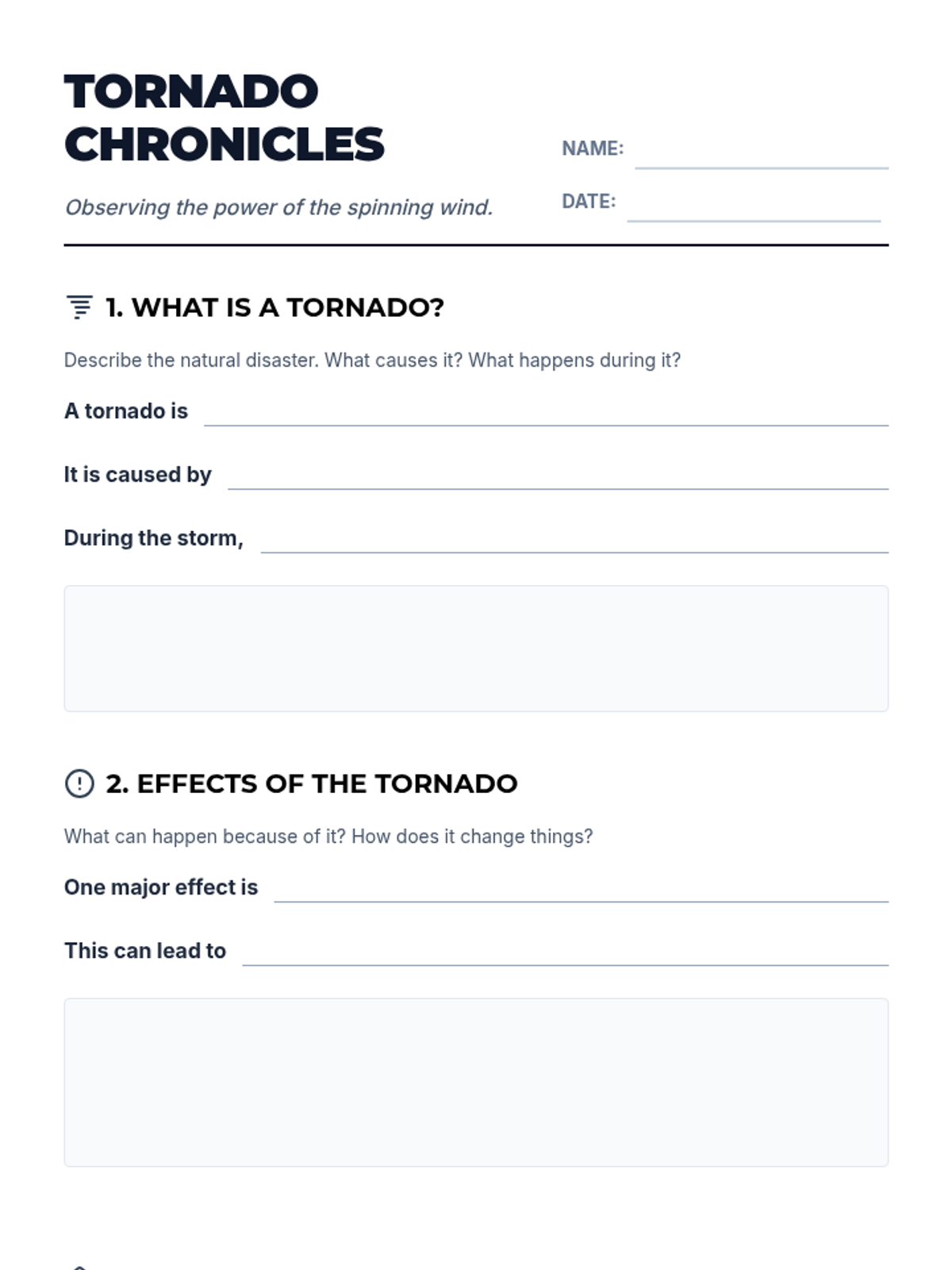
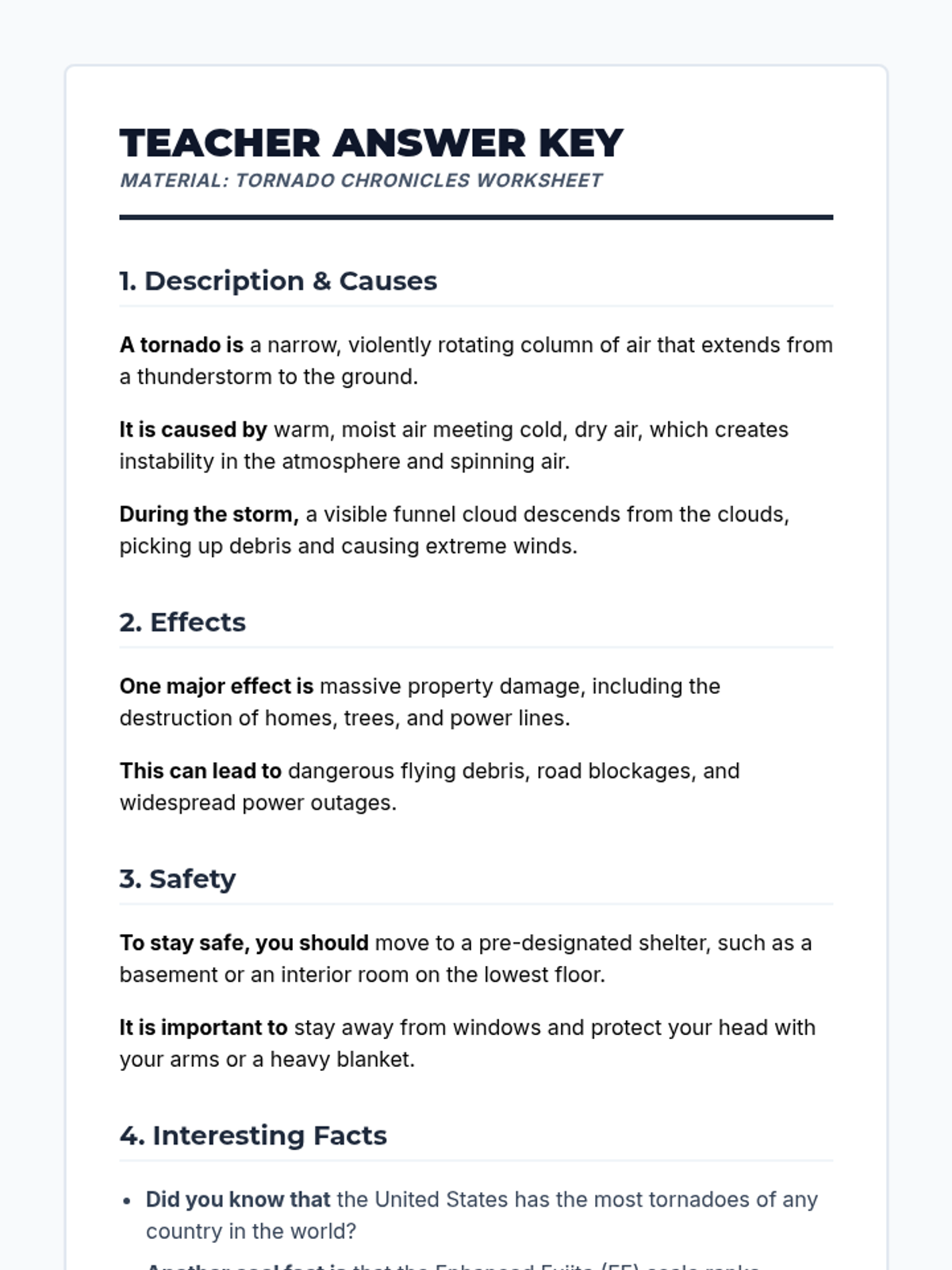
A comprehensive lesson on tornadoes, covering their formation from rotating thunderstorms, their devastating wind impacts, and critical "get low" safety protocols.
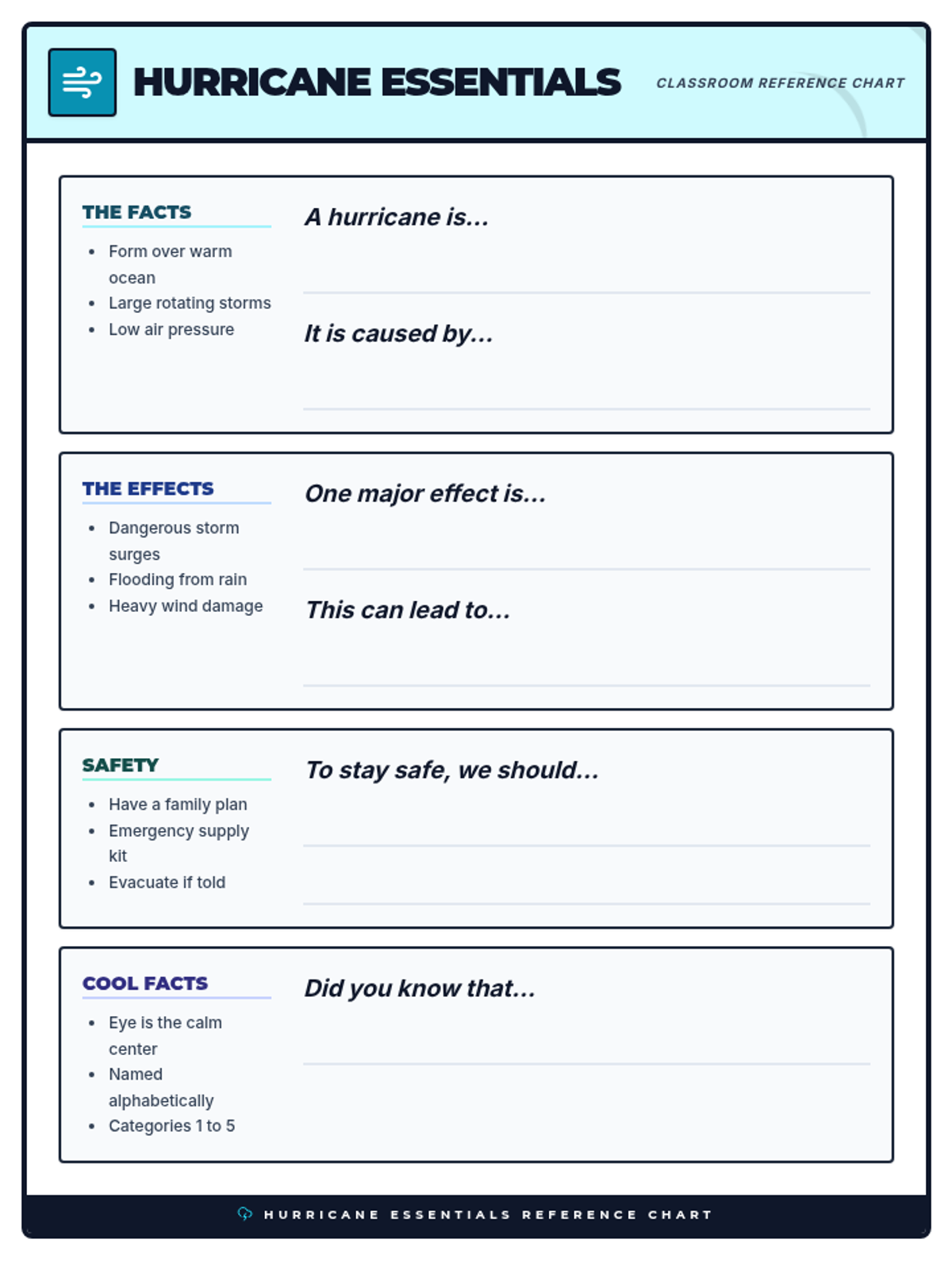
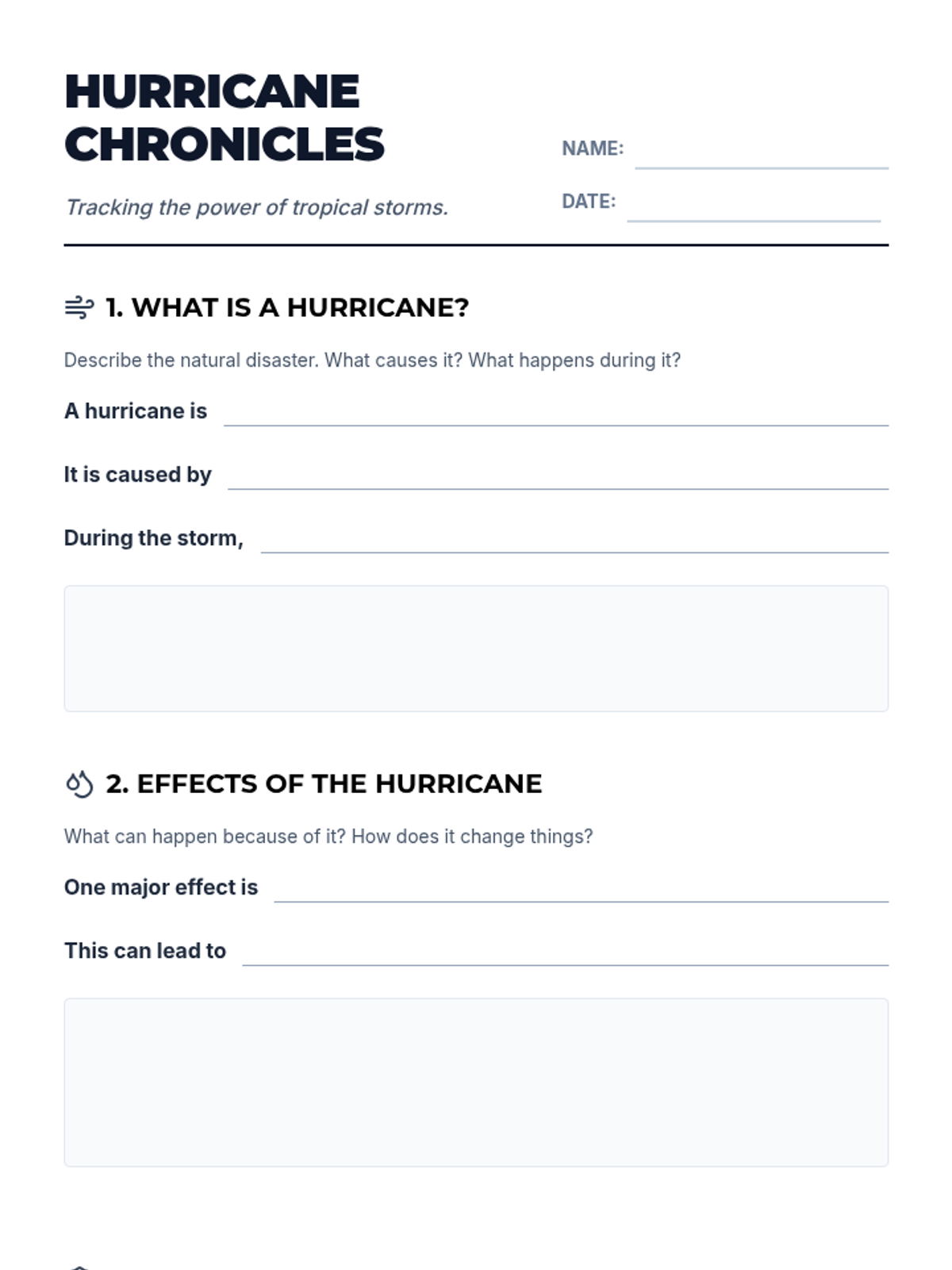
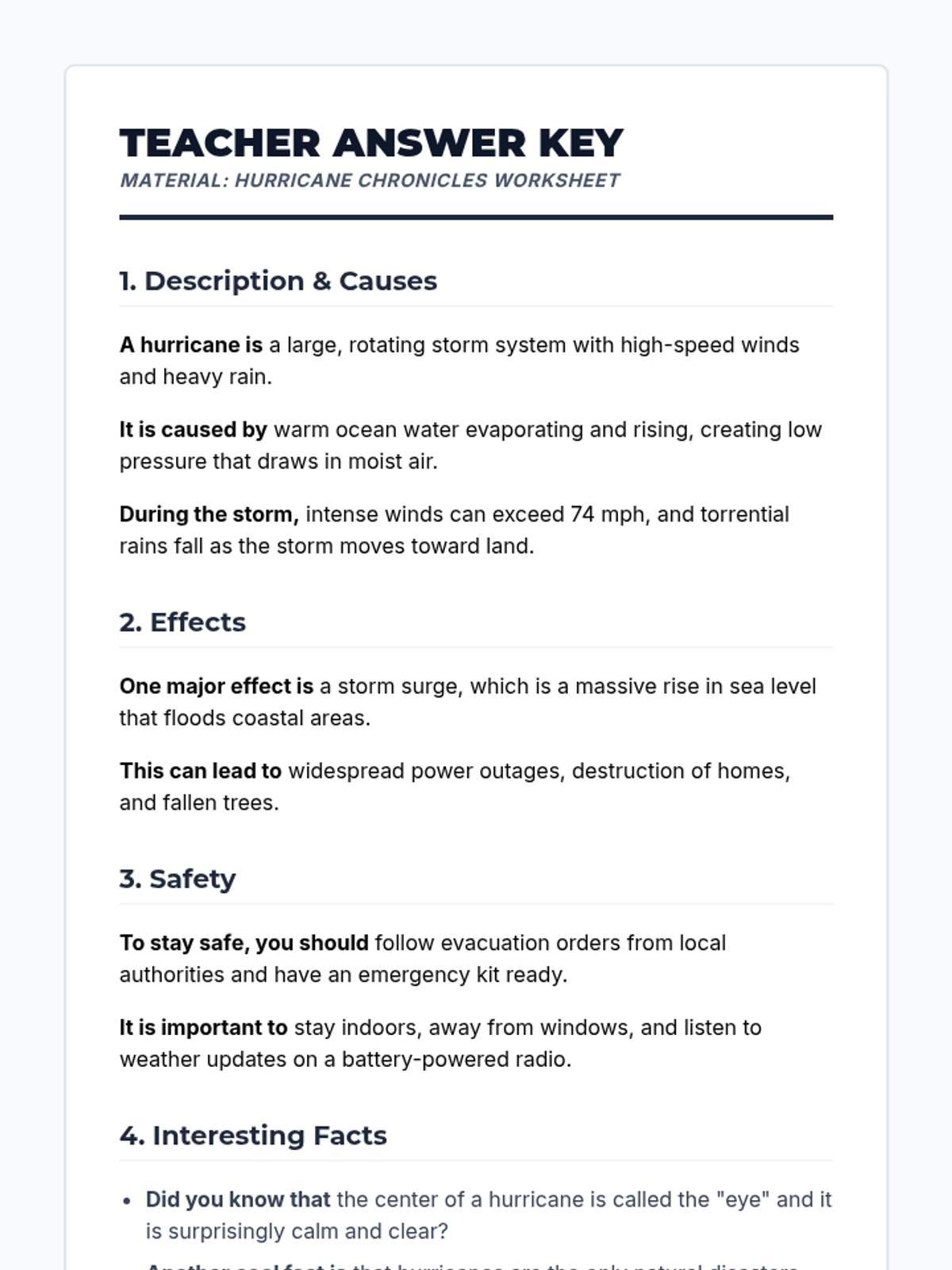
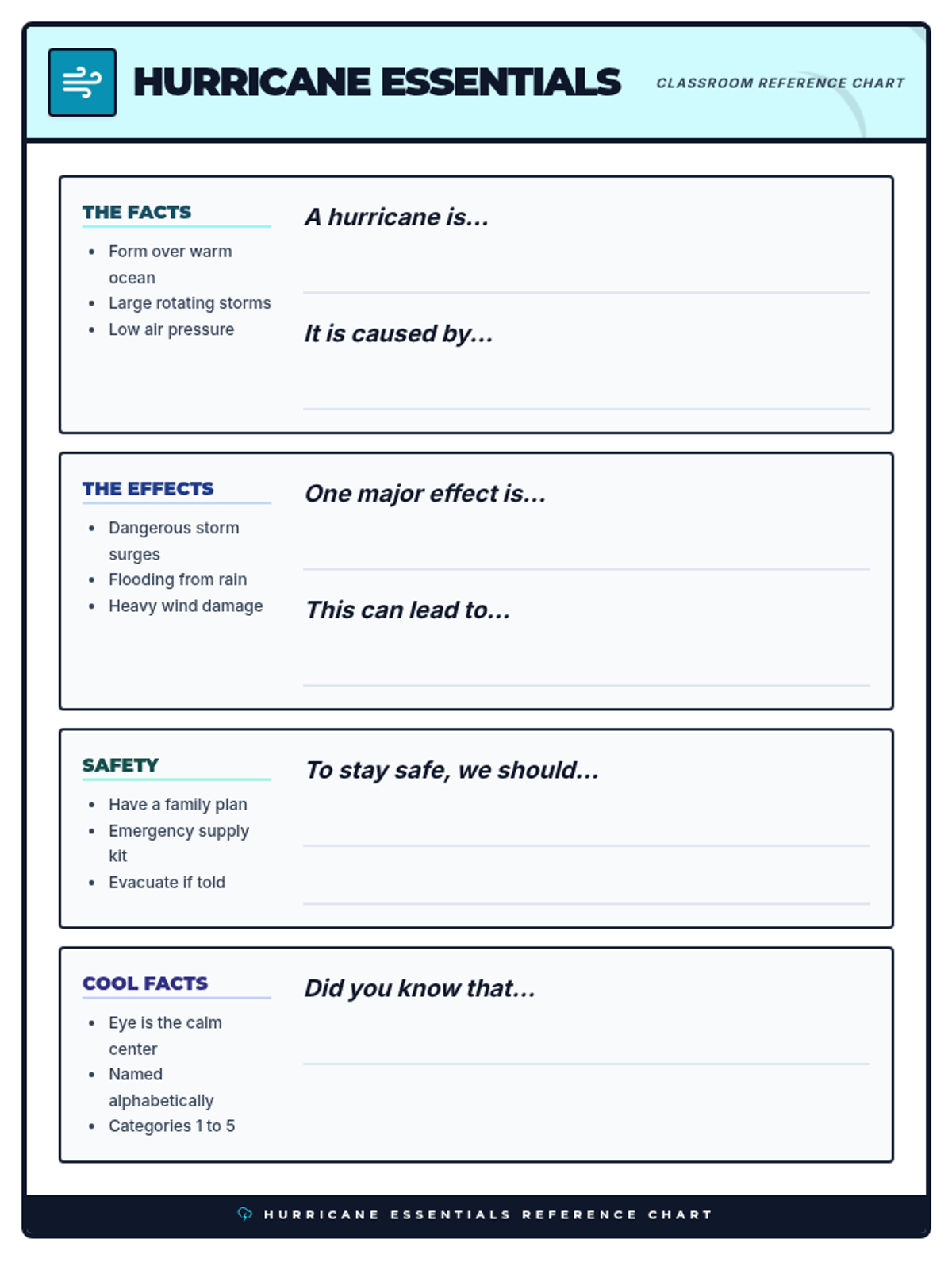
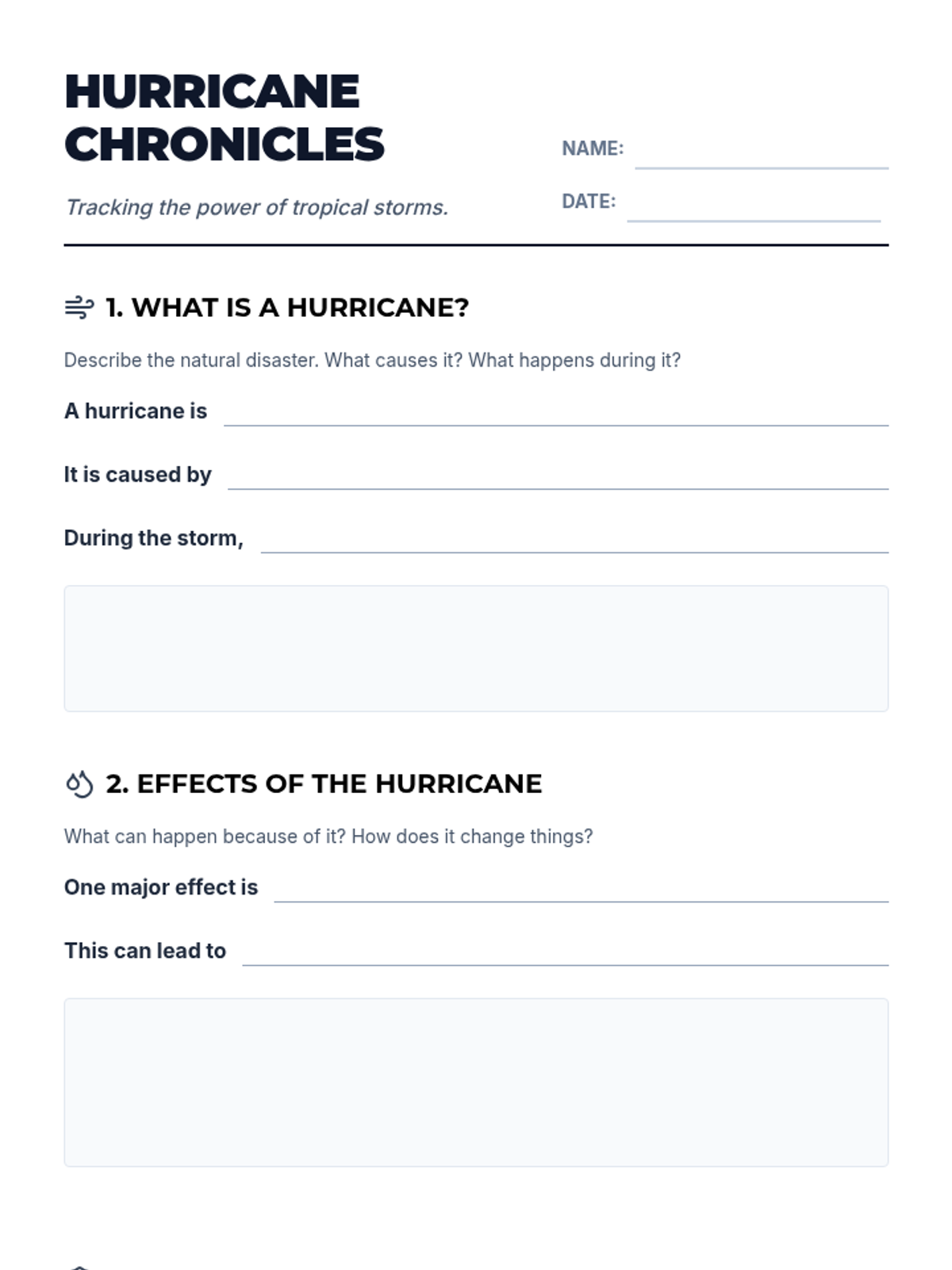
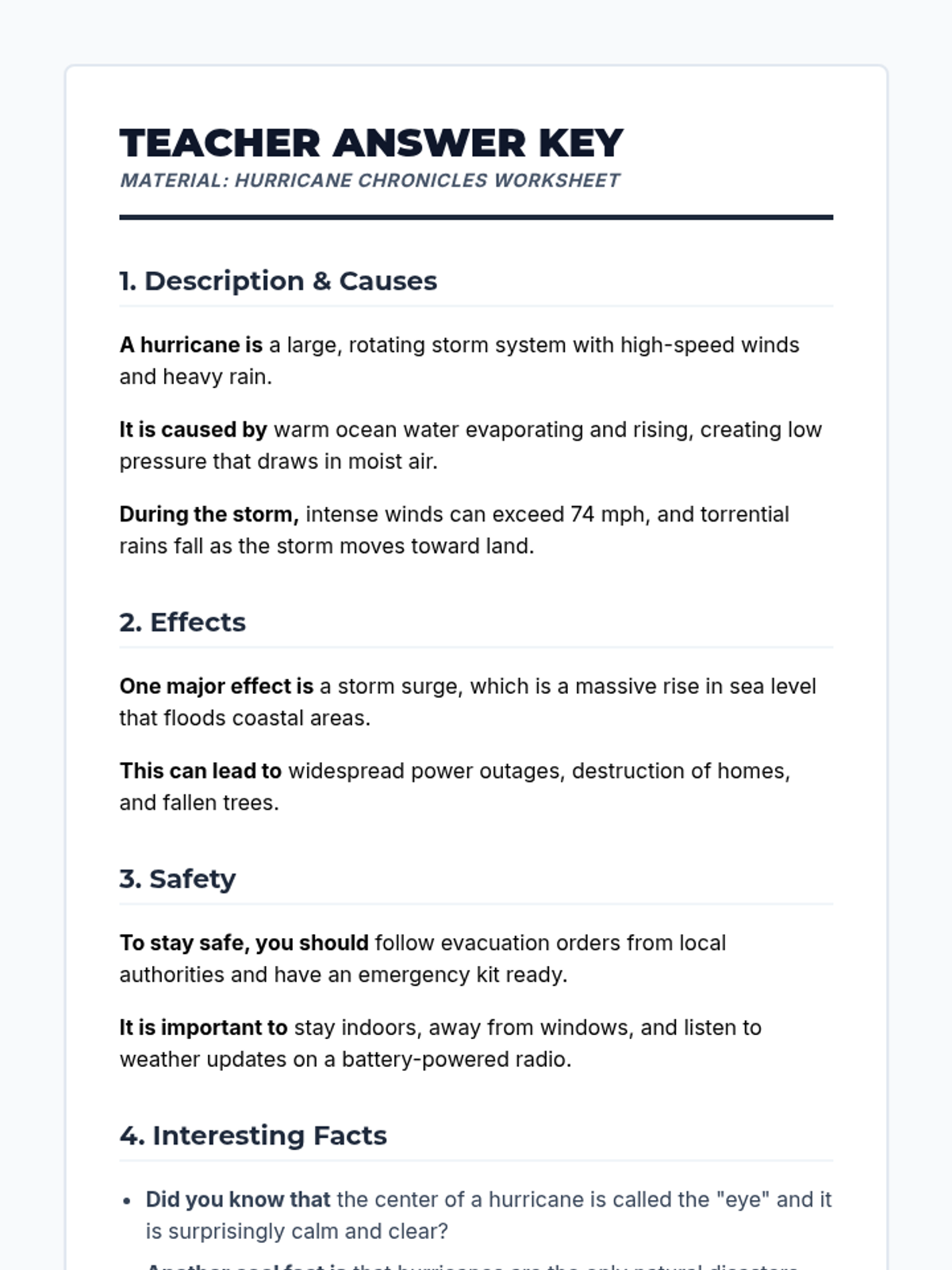
A comprehensive lesson on hurricanes, exploring their formation over warm oceans, their powerful effects like storm surges, and critical safety procedures.
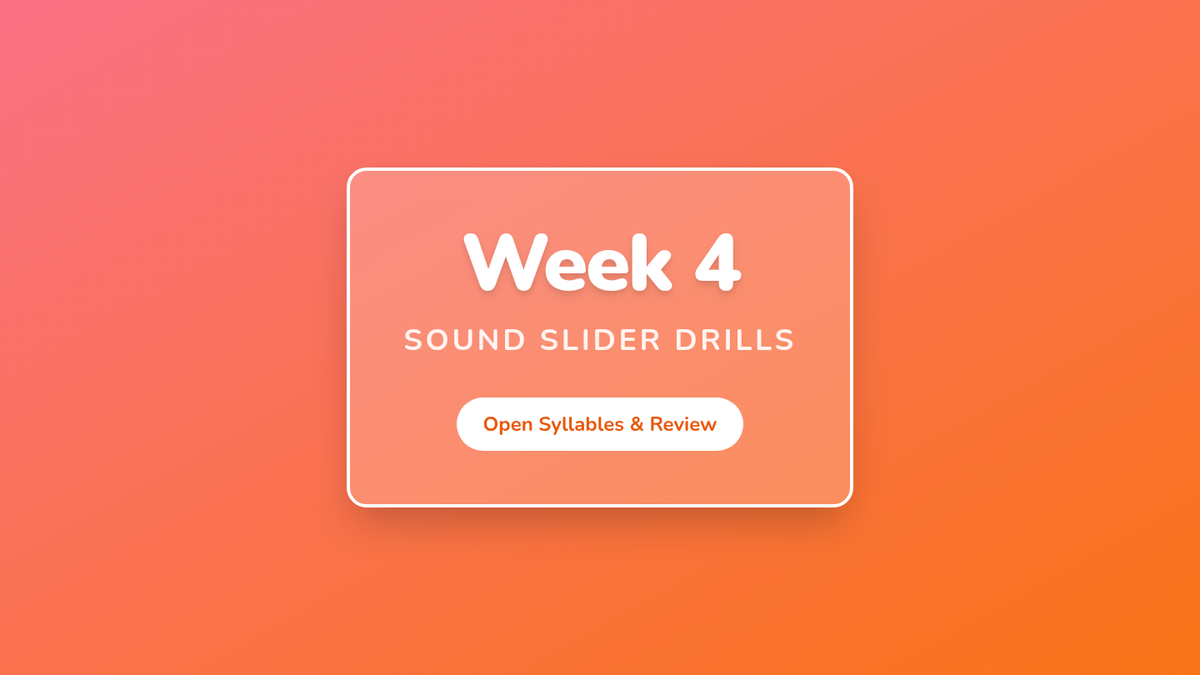
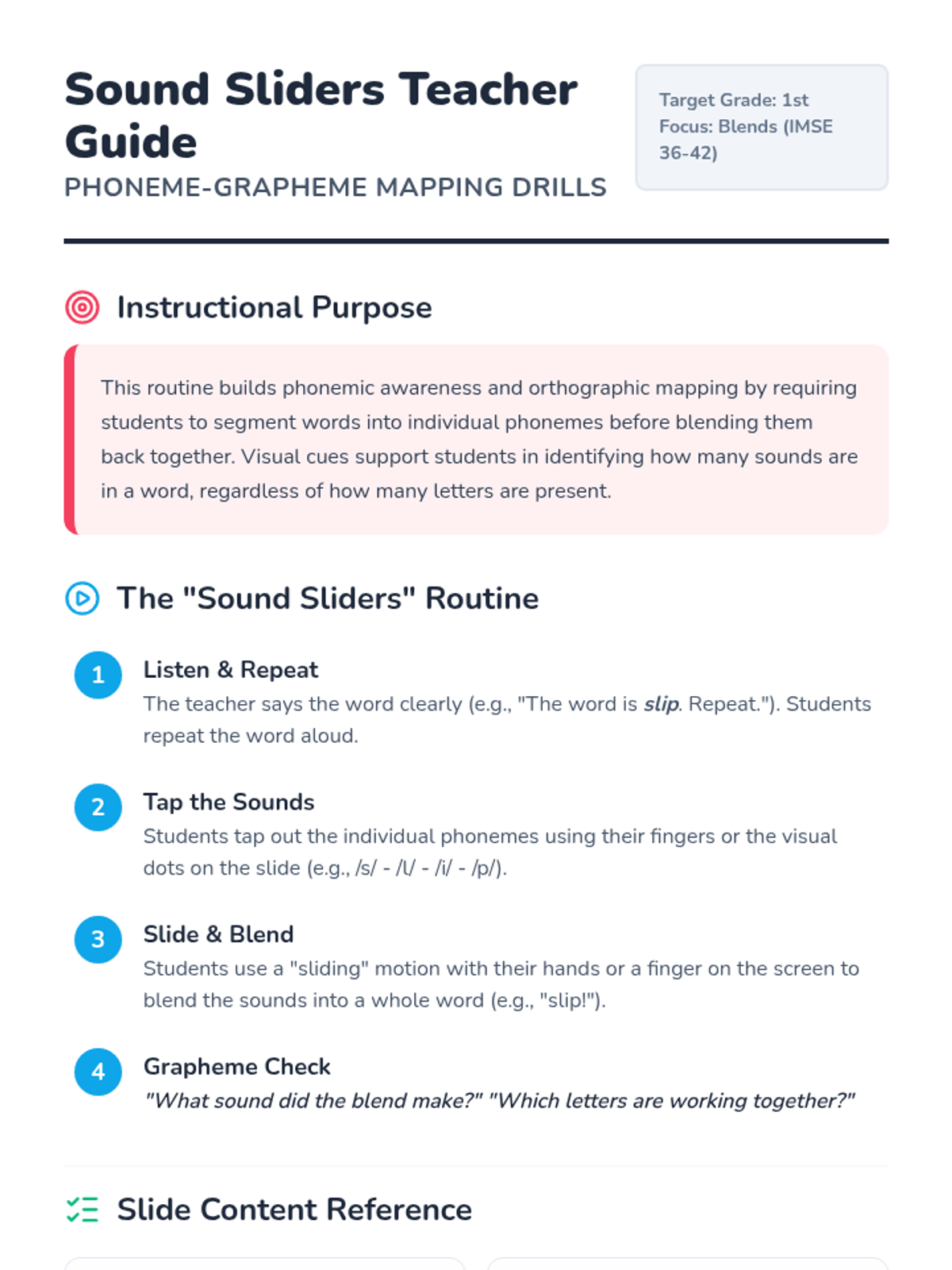
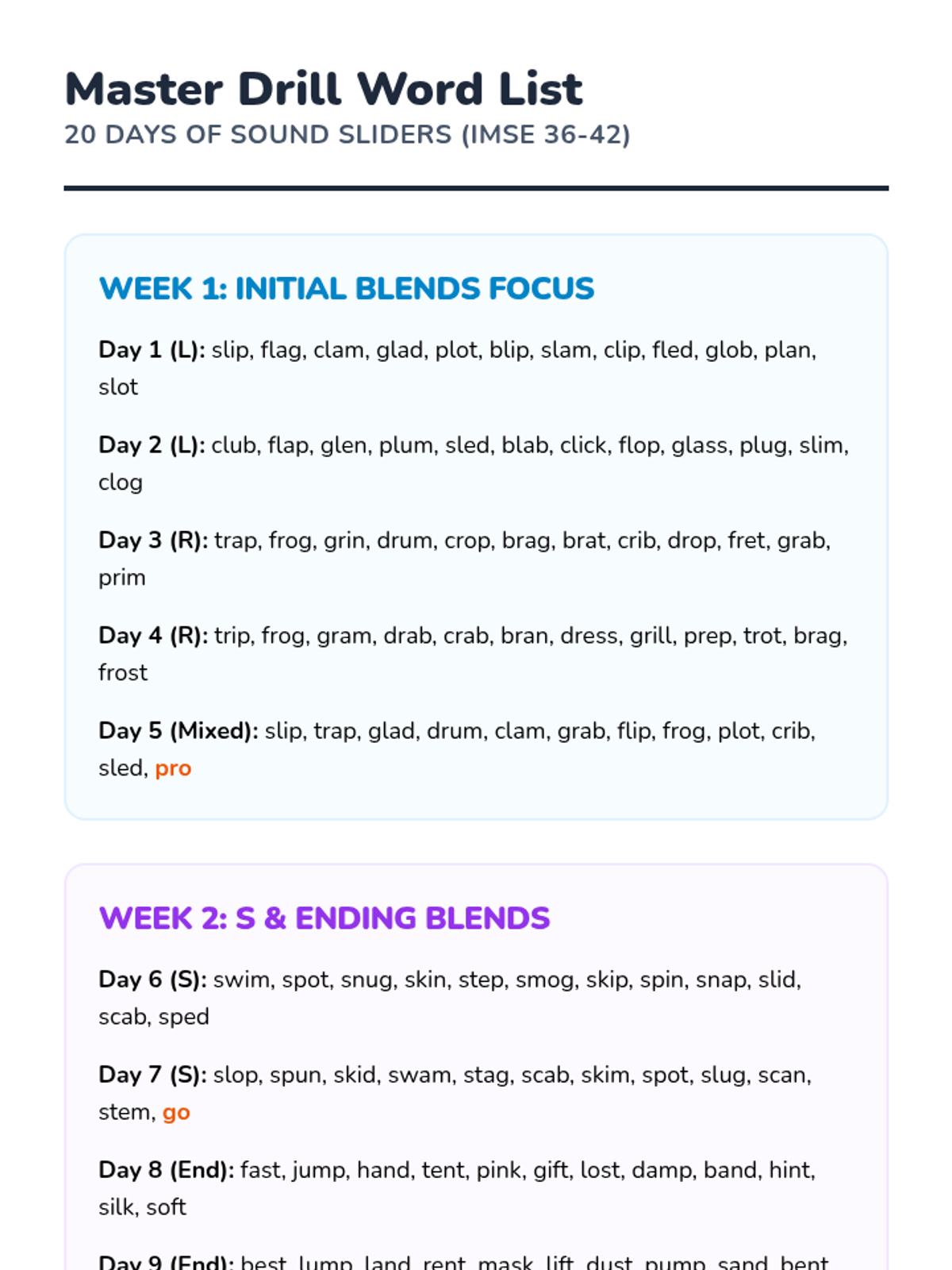
The final week of Sound Sliders drills focusing on Open Syllables and comprehensive Blend review.
The third week of Sound Sliders drills focusing on Mixed Blends and Glued Sounds (-ng, -nk) with daily 12-word practice sets.
The second week of Sound Sliders drills focusing on S-Blends and Ending Blends with daily 12-word practice sets.
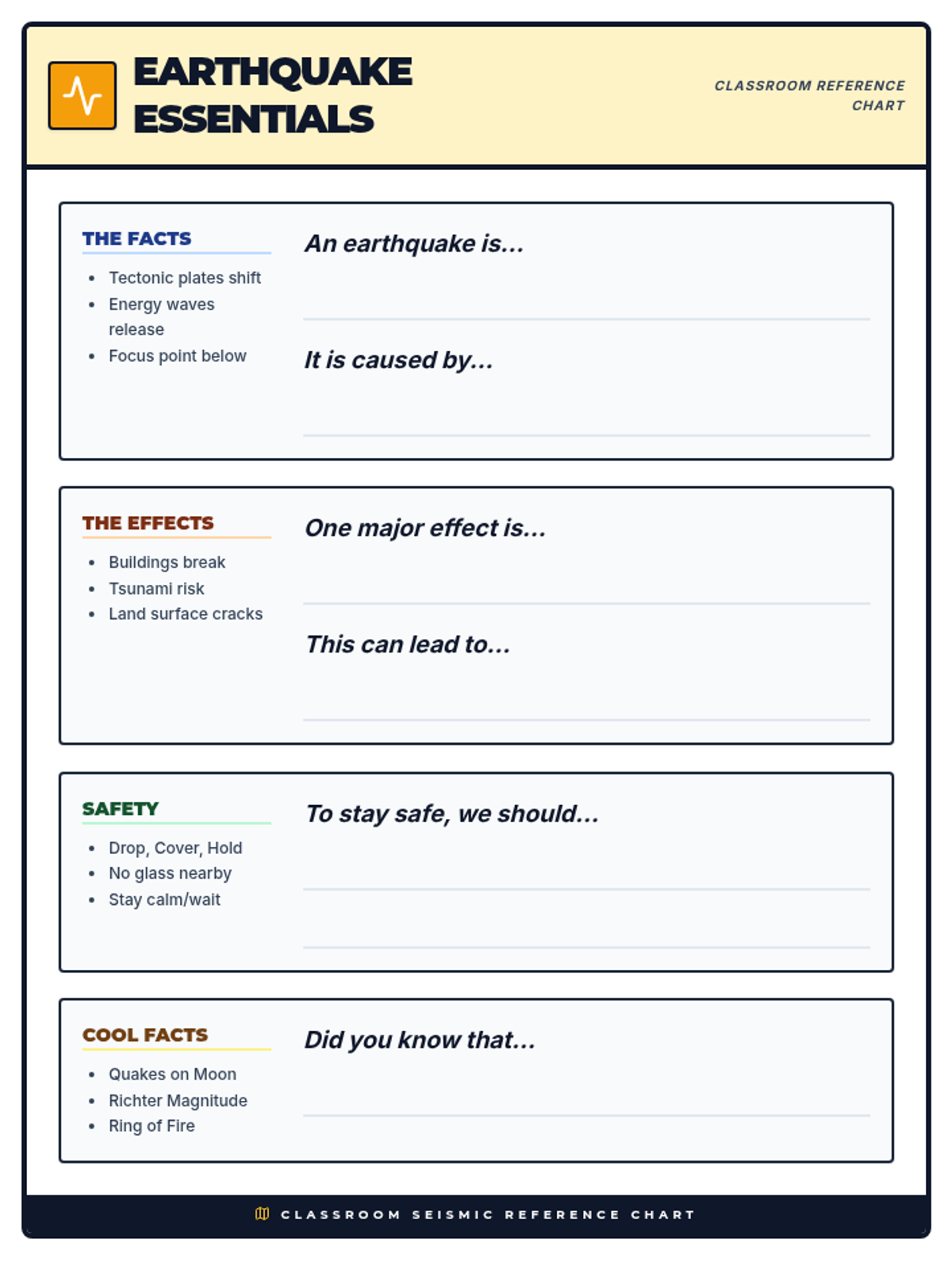
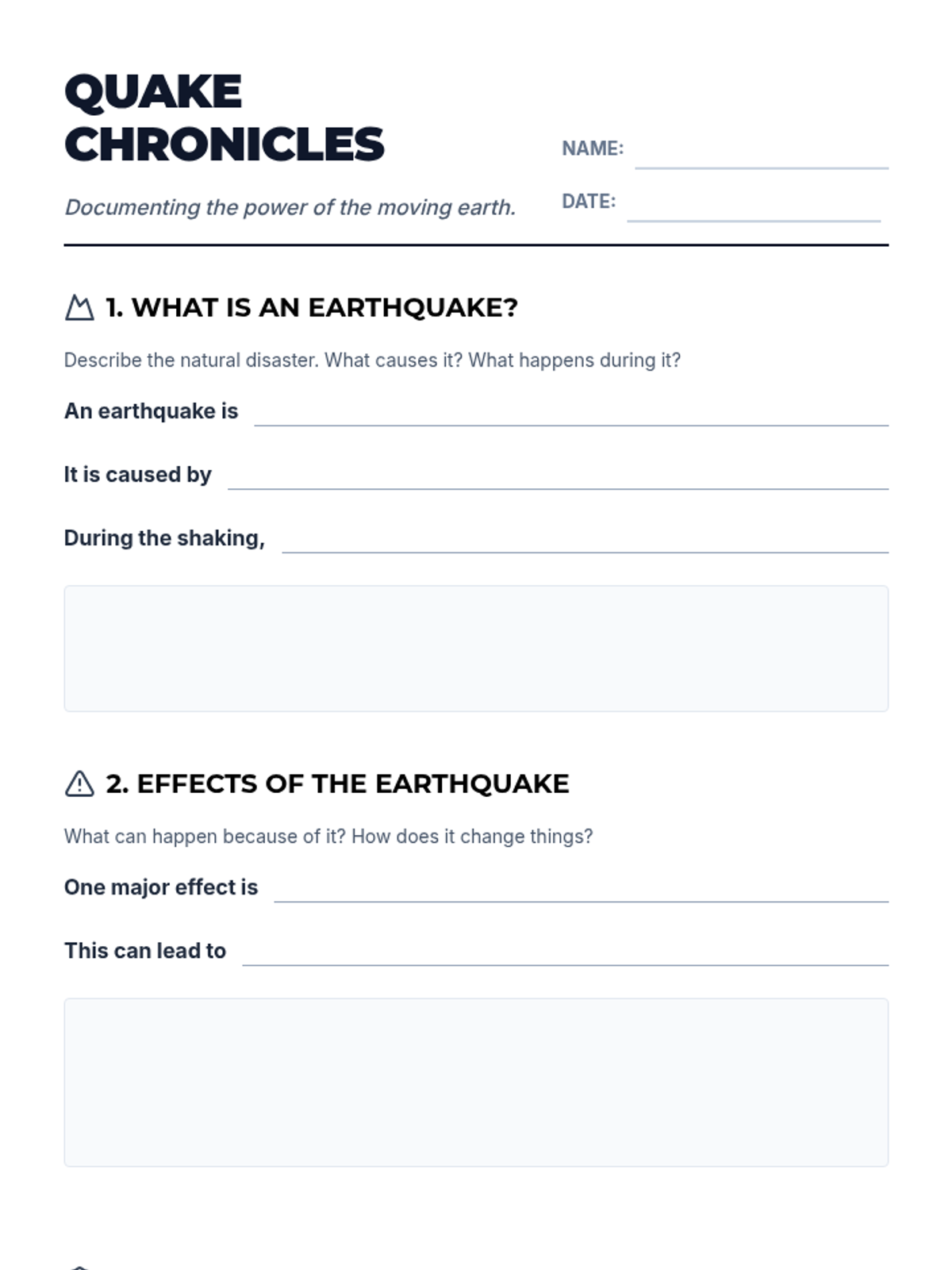
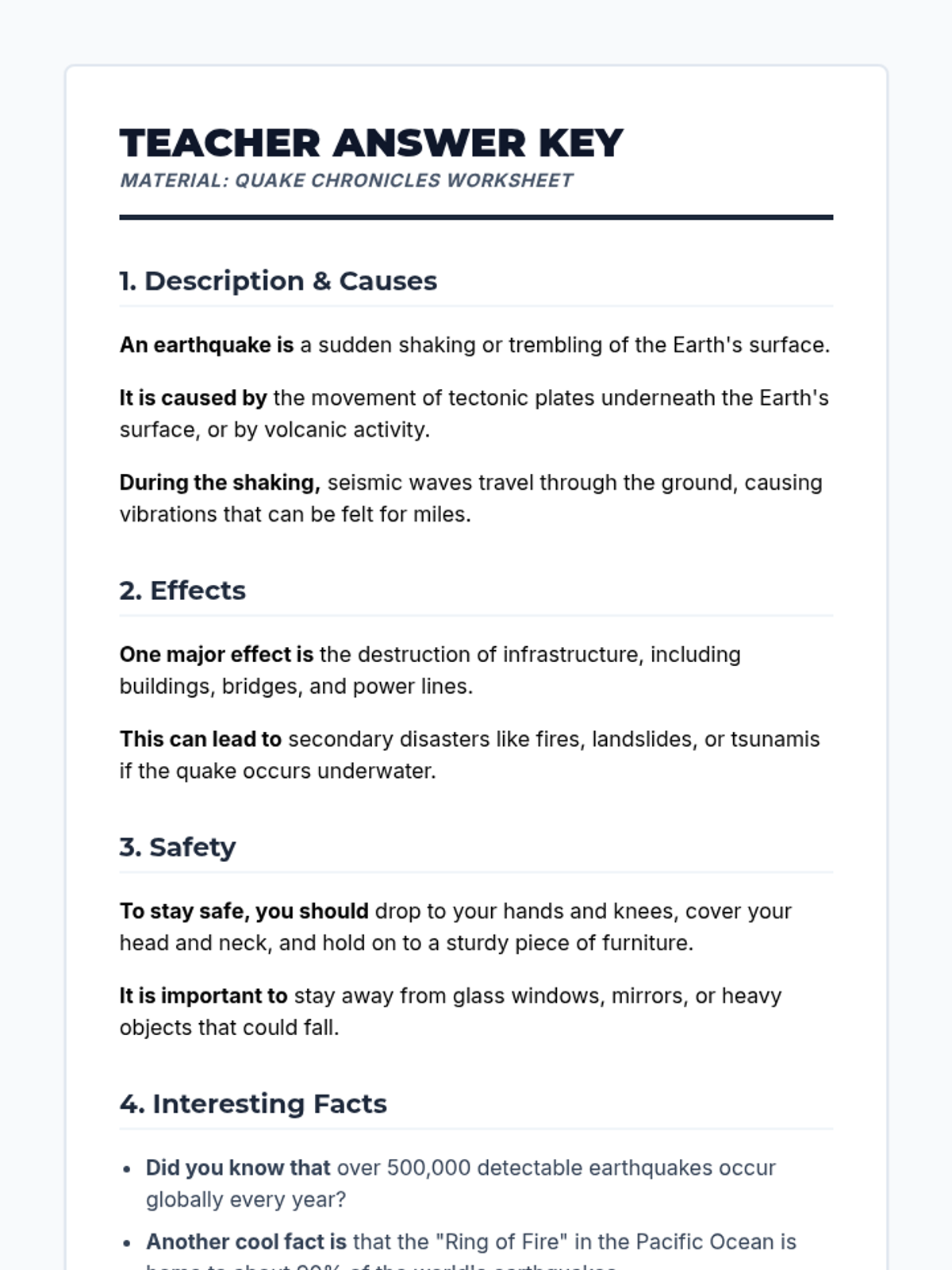
A comprehensive lesson on earthquakes, covering their causes, effects, safety protocols, and fascinating seismic facts using sentence starters to support student writing.
The first week of Sound Sliders drills focusing on initial L-Blends and R-Blends with daily 12-word practice sets.
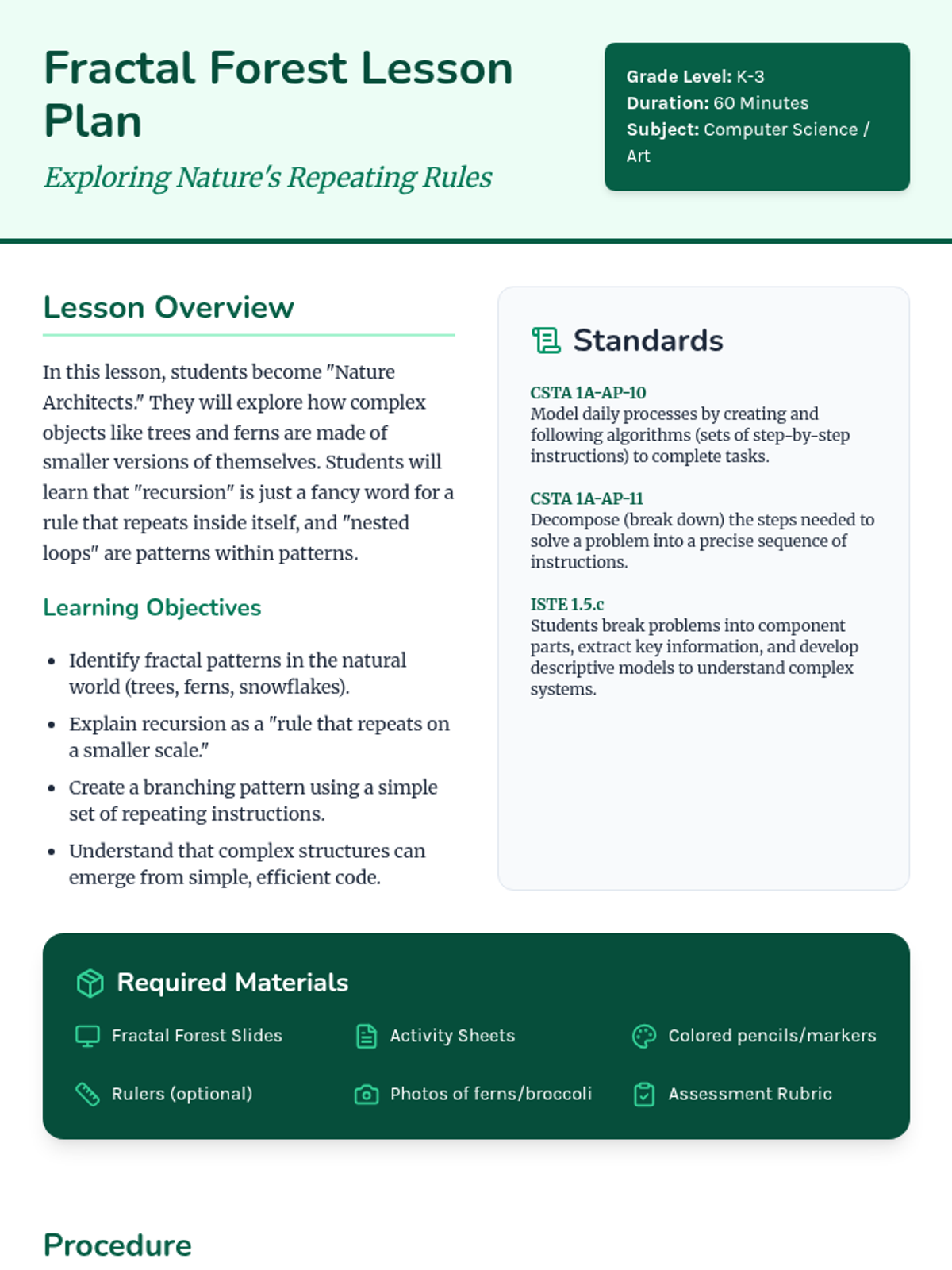
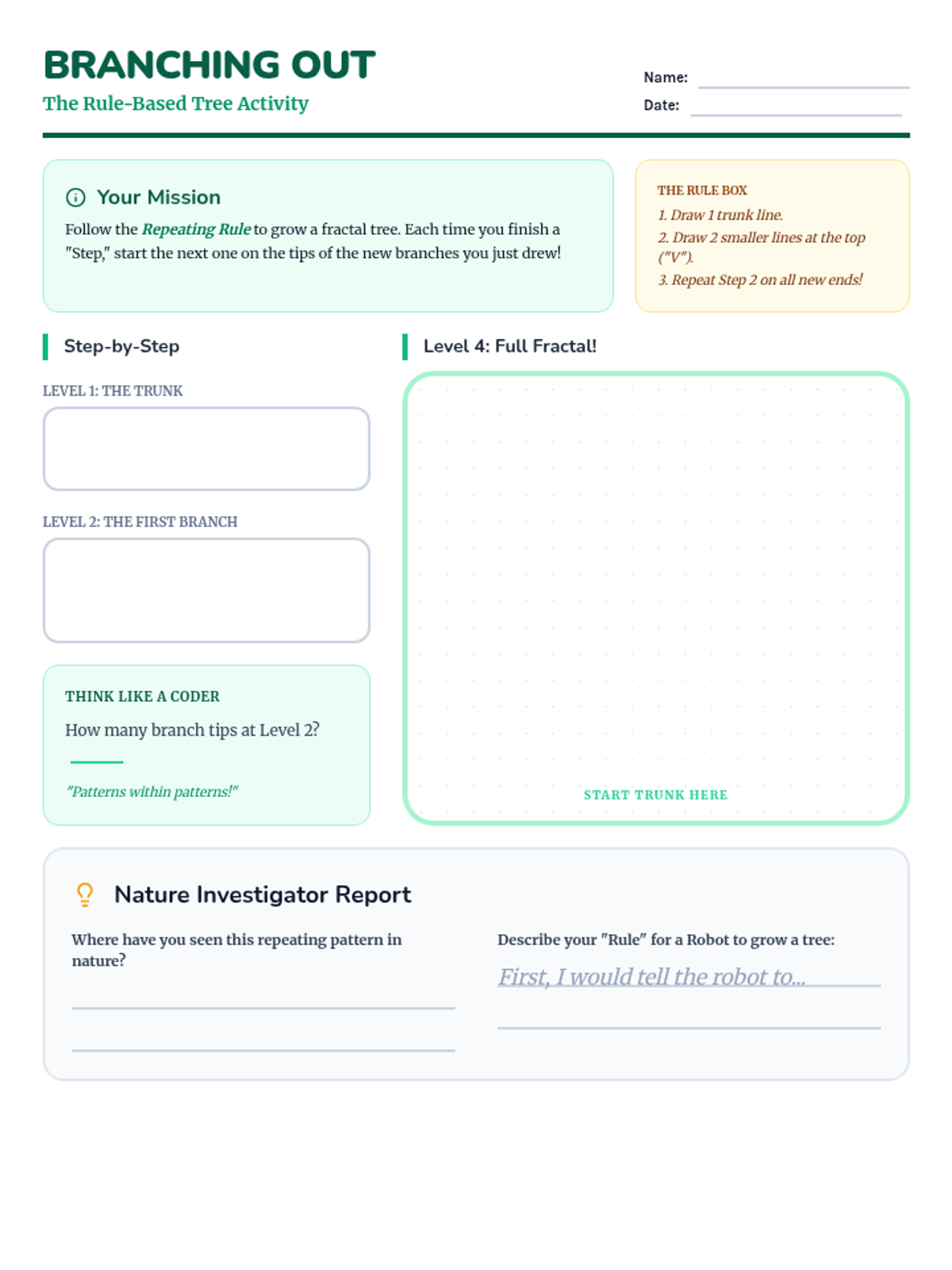
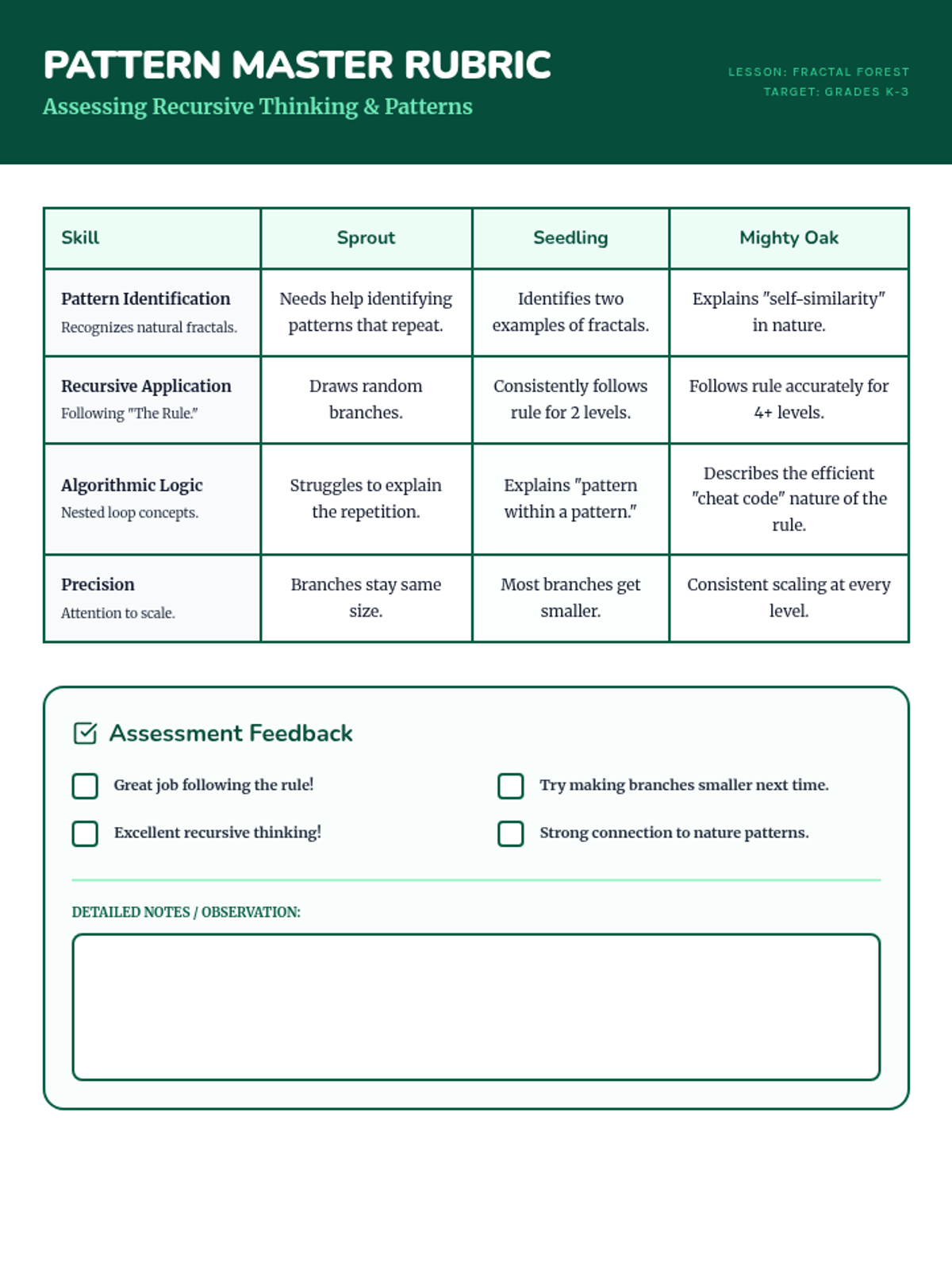
Students in grades K-3 discover the magic of recursion and nested loops by observing patterns in nature and applying simple repeating rules to grow their own digital and hand-drawn forests.
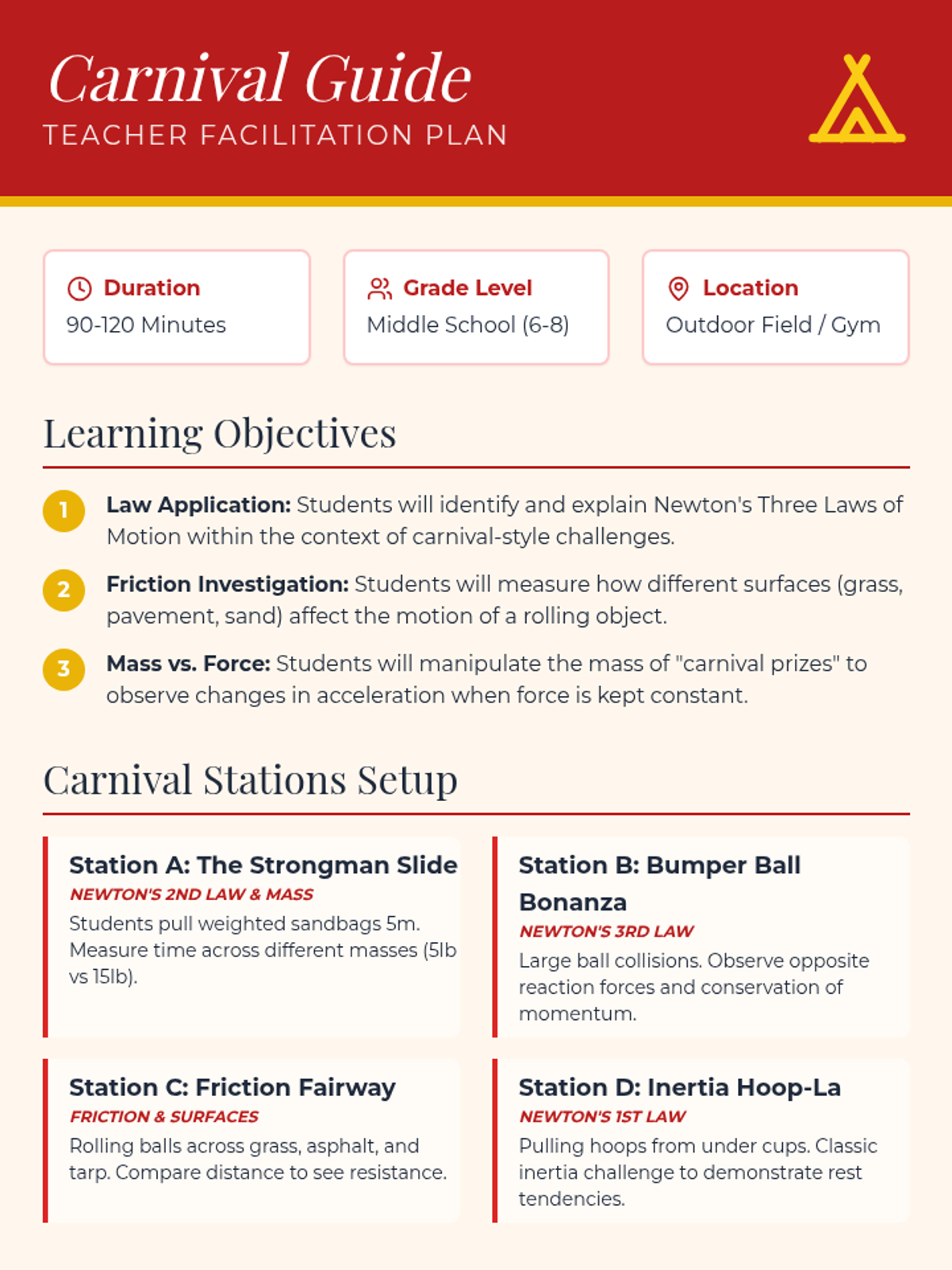
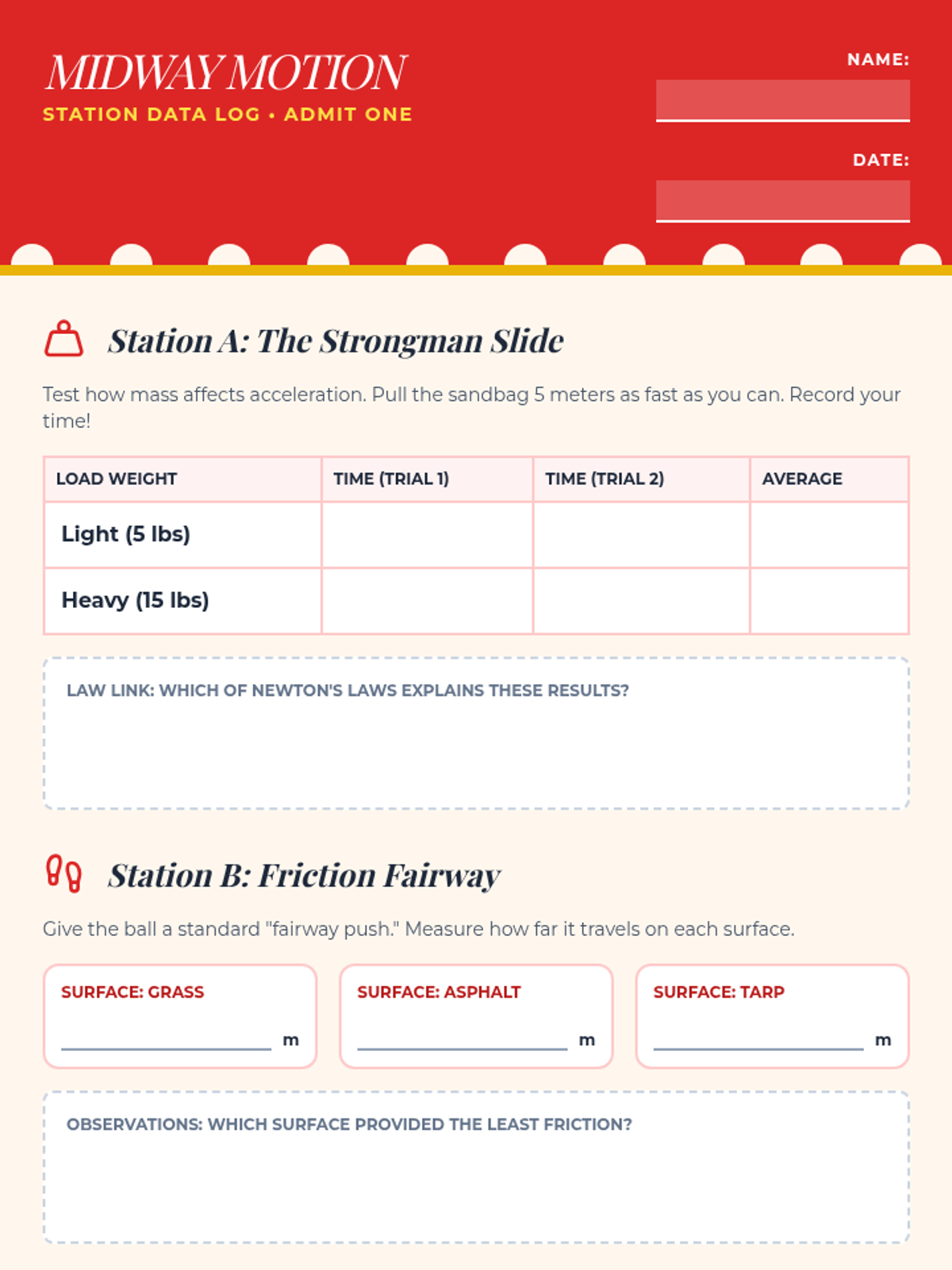
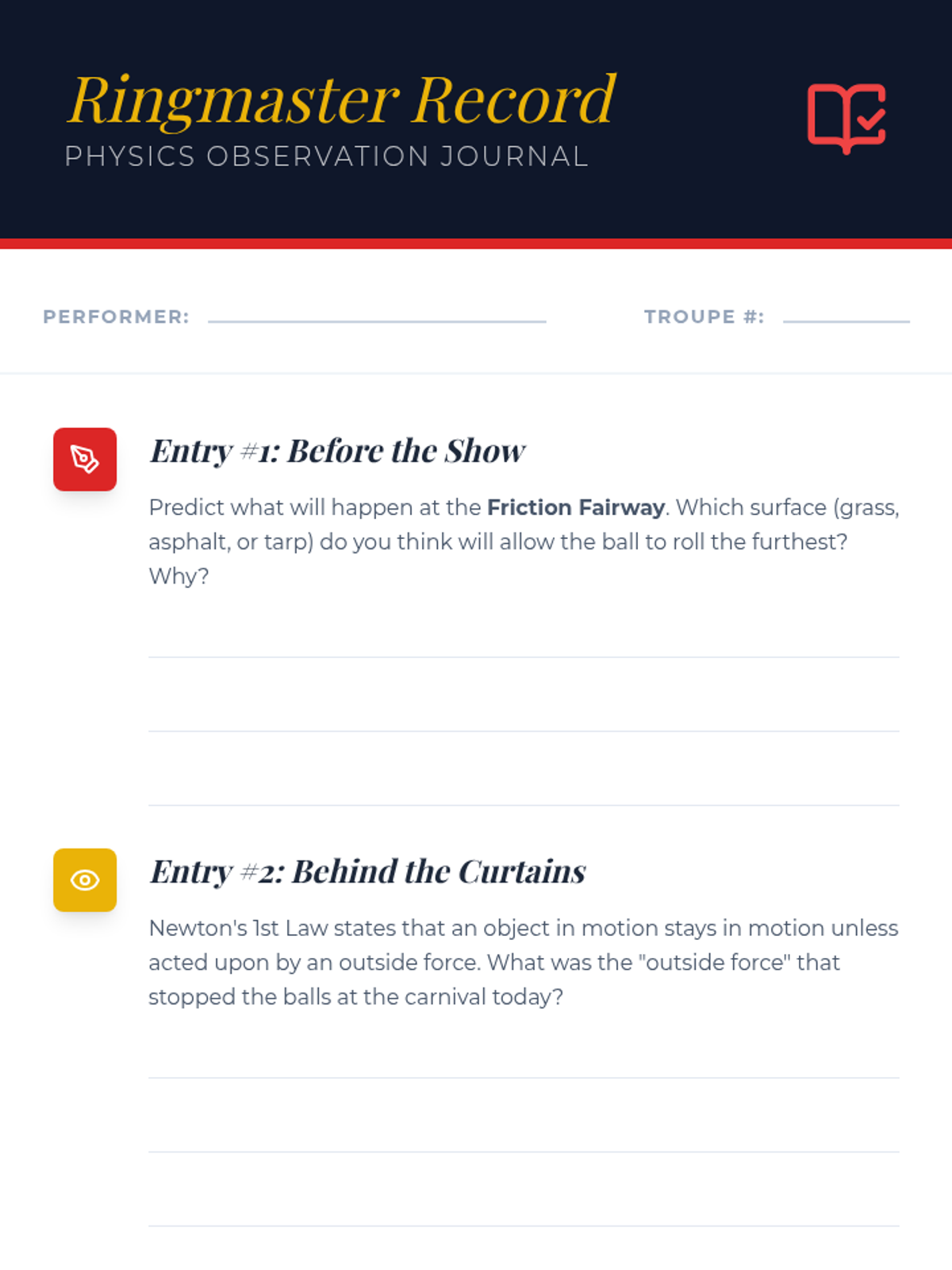
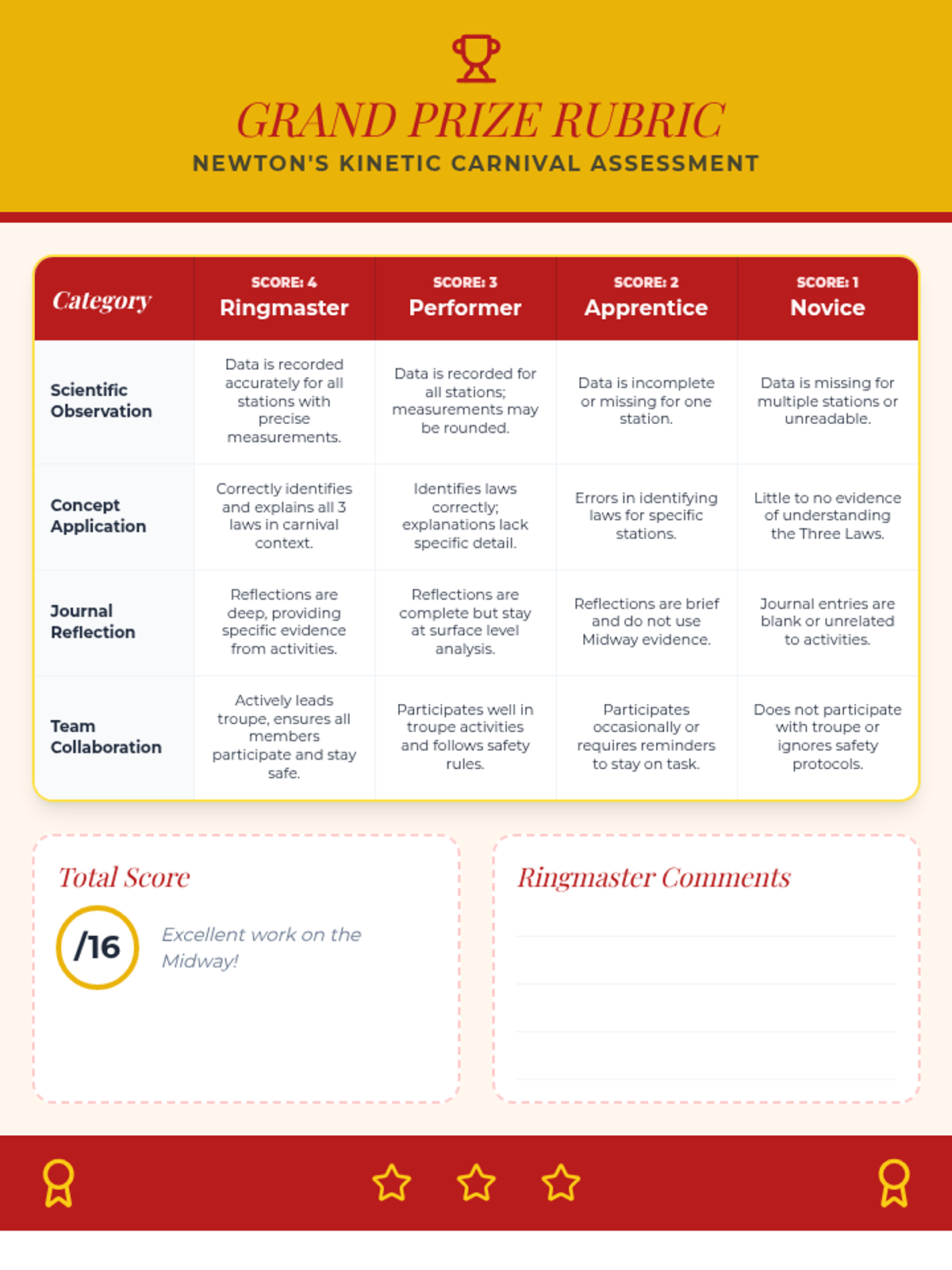
An outdoor physics experience where students investigate Newton's Laws of Motion, friction, and mass through carnival-themed physical activities and experiments.
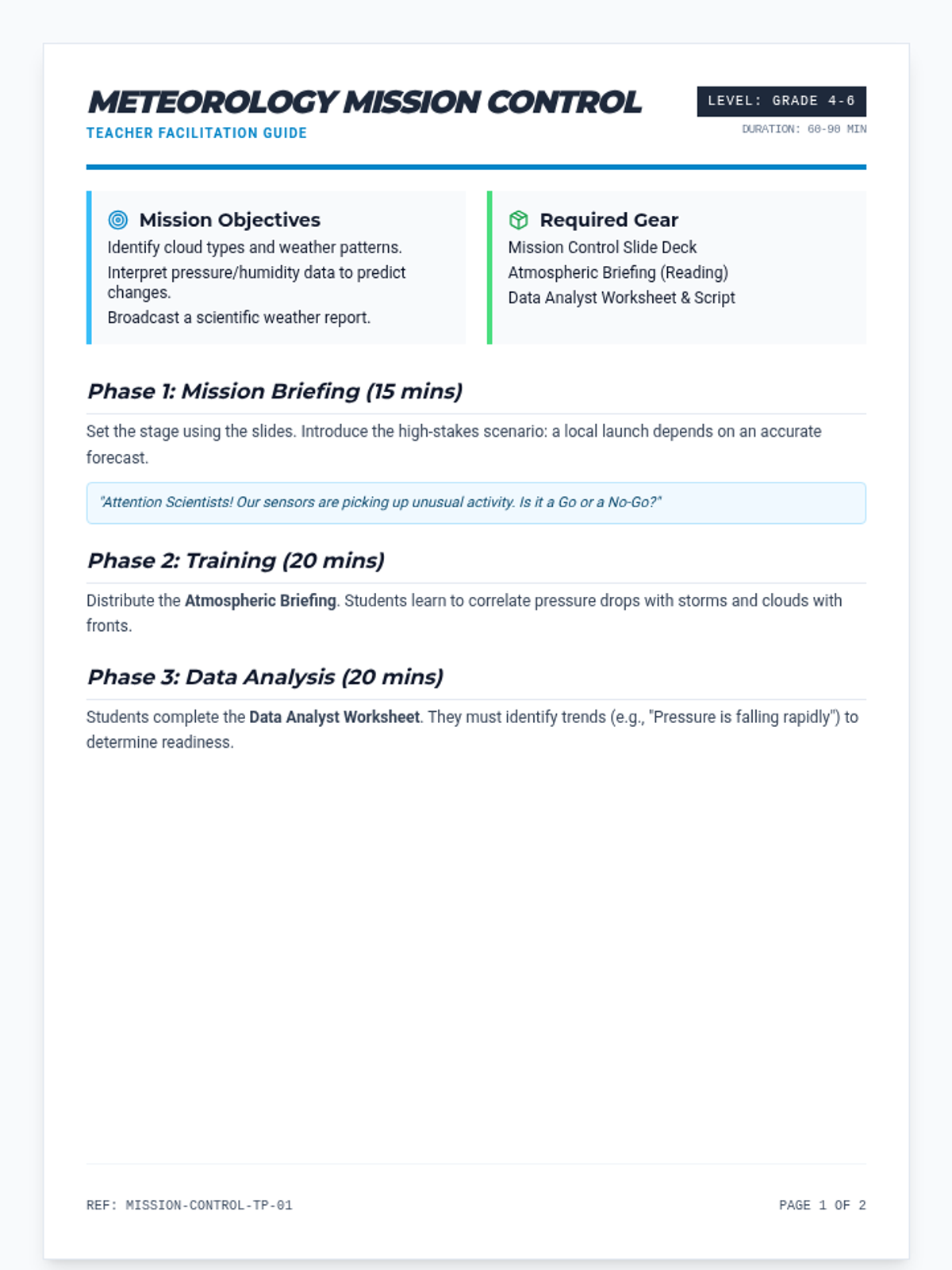
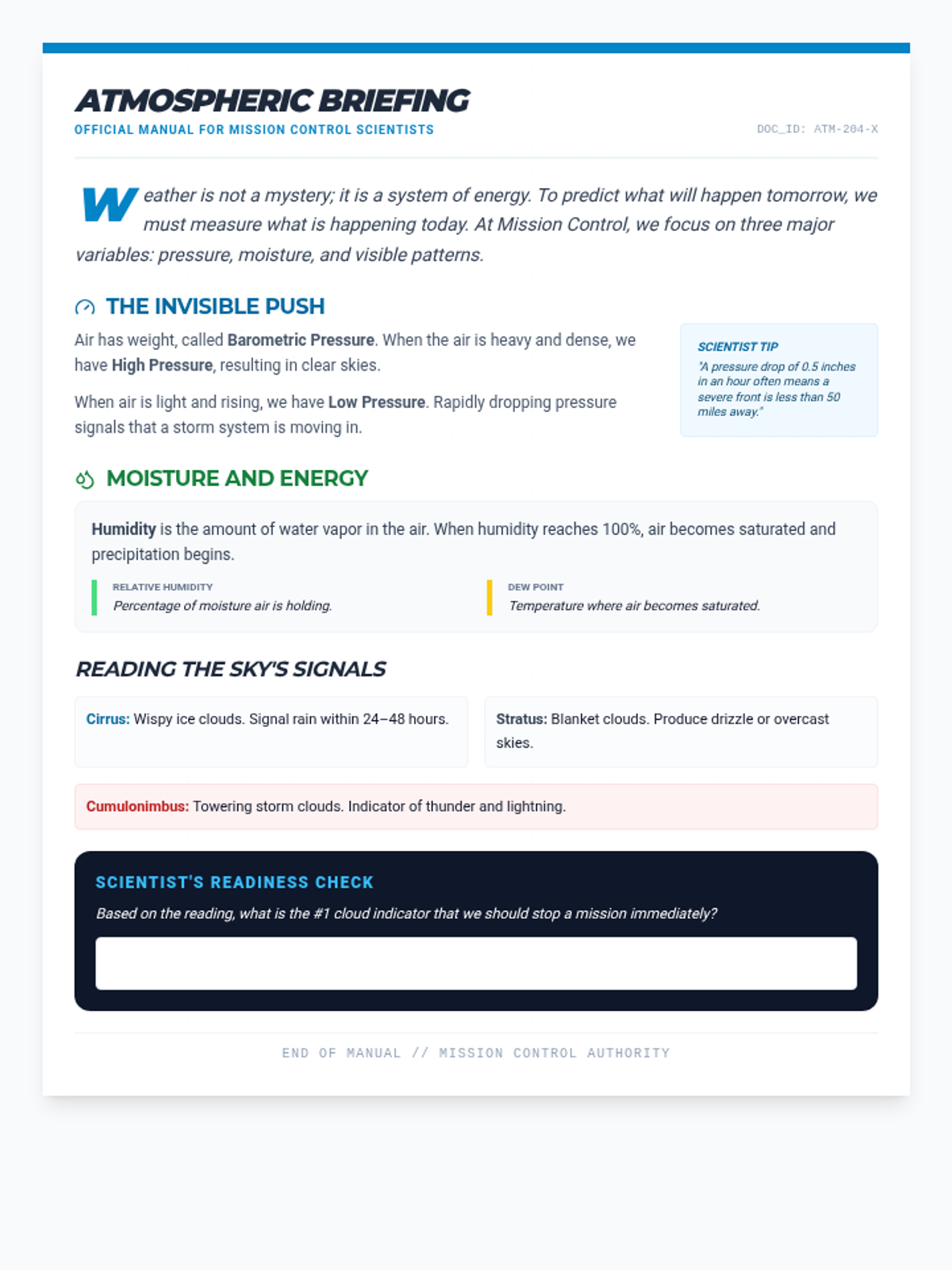
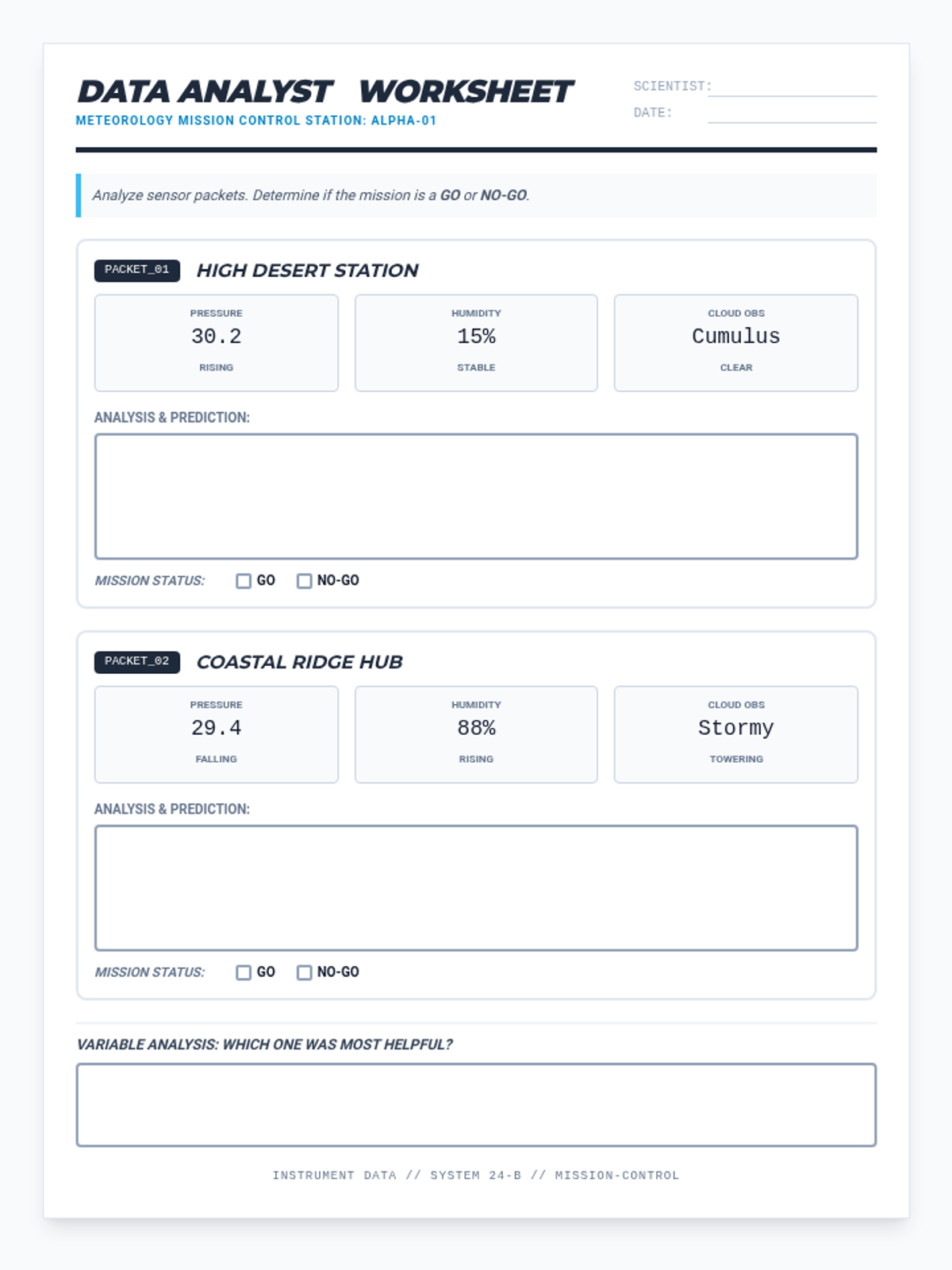
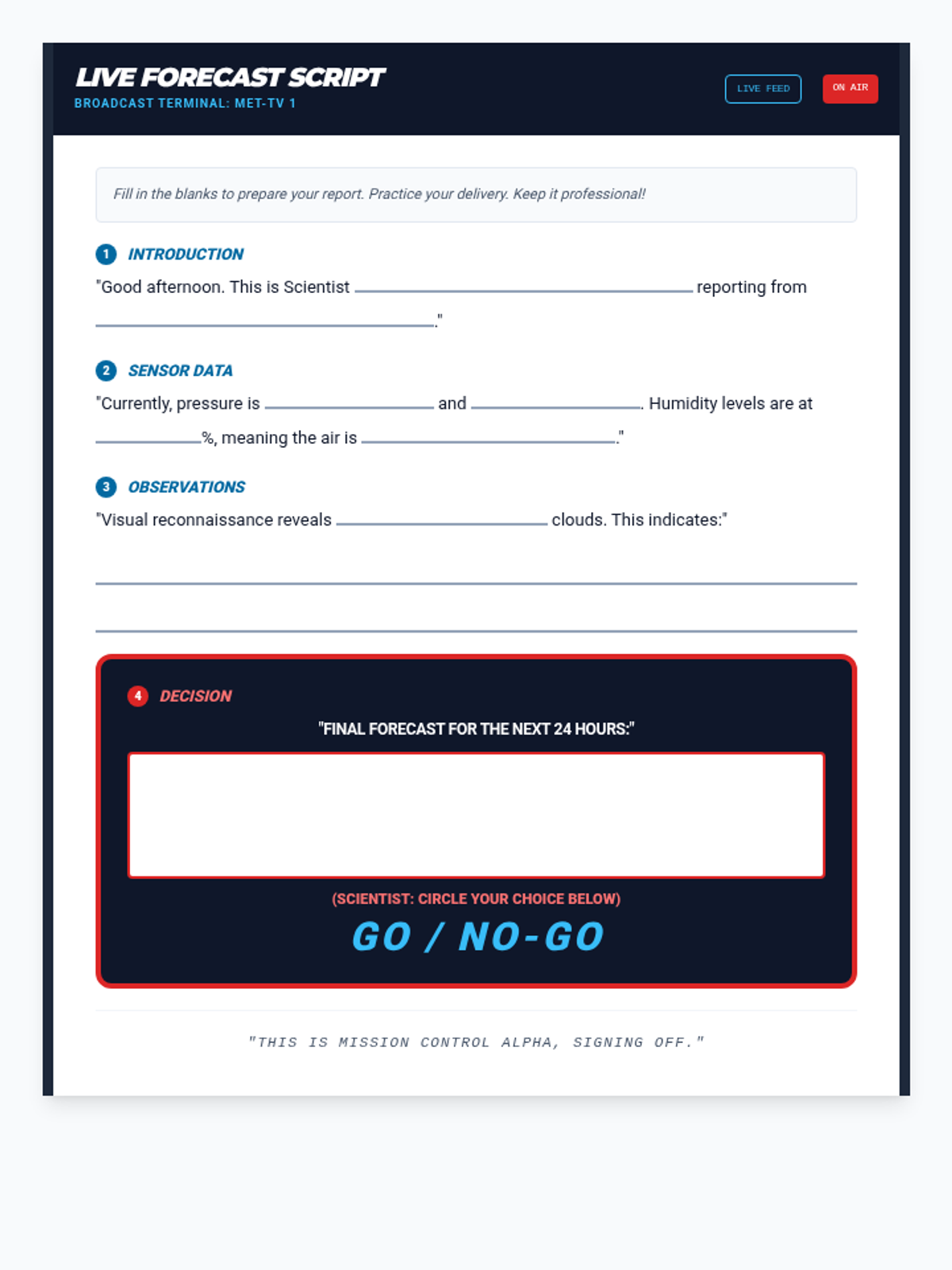
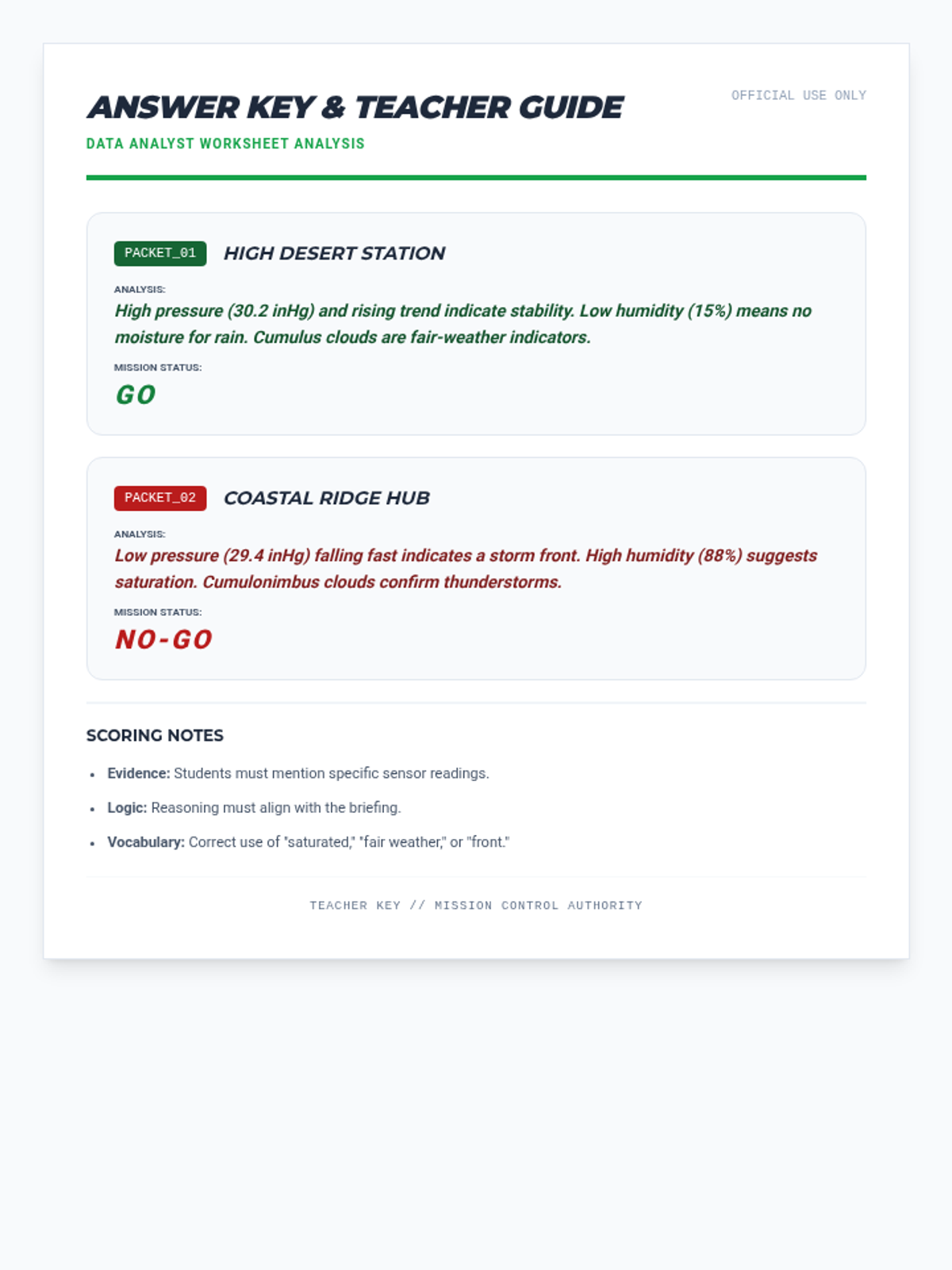
A high-energy meteorology lesson where students act as atmospheric scientists at a mission control center, analyzing real-world data and cloud patterns to broadcast a live weather forecast.
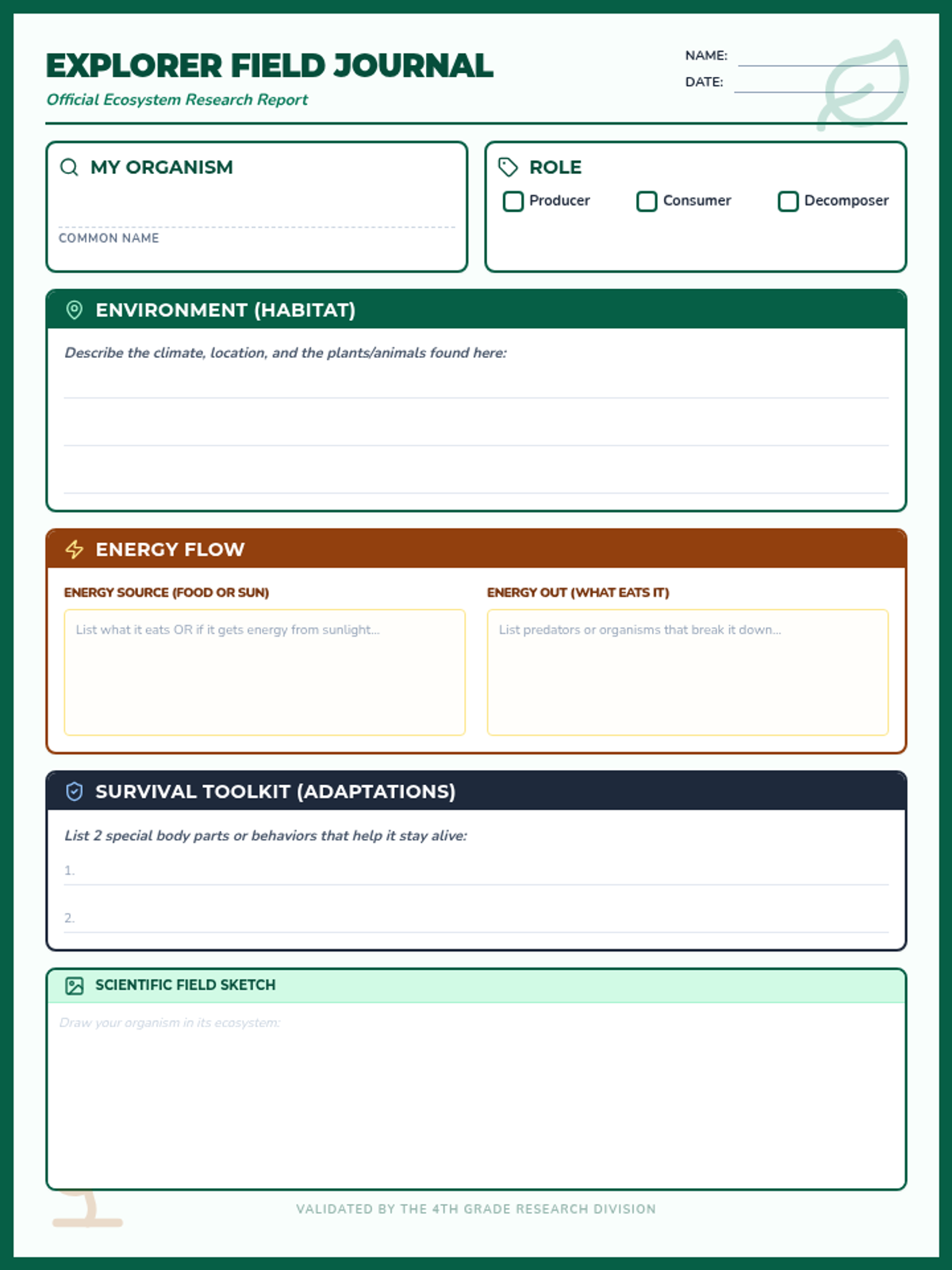
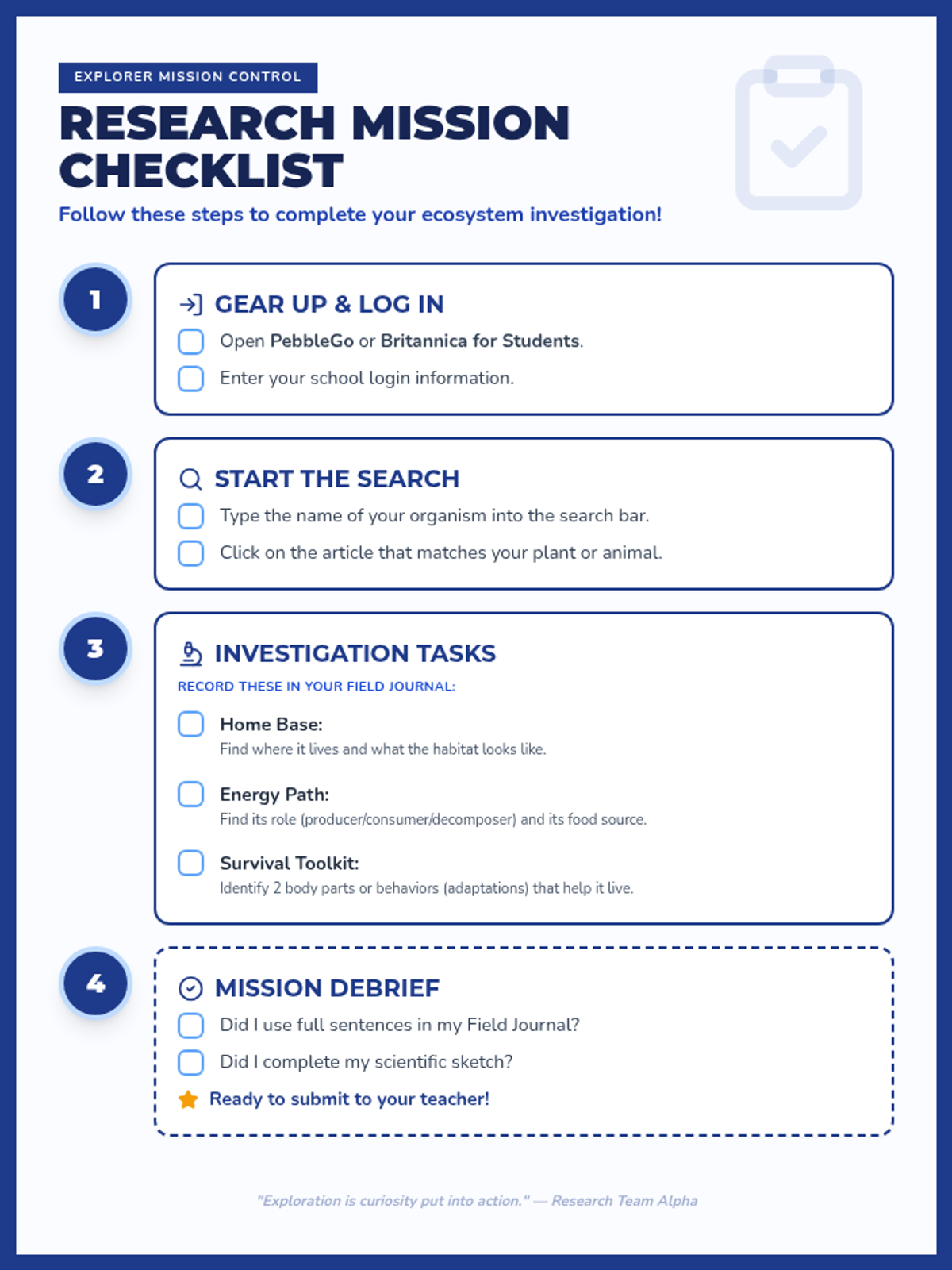
Students act as field researchers to investigate a specific organism's role in its ecosystem using digital research tools.
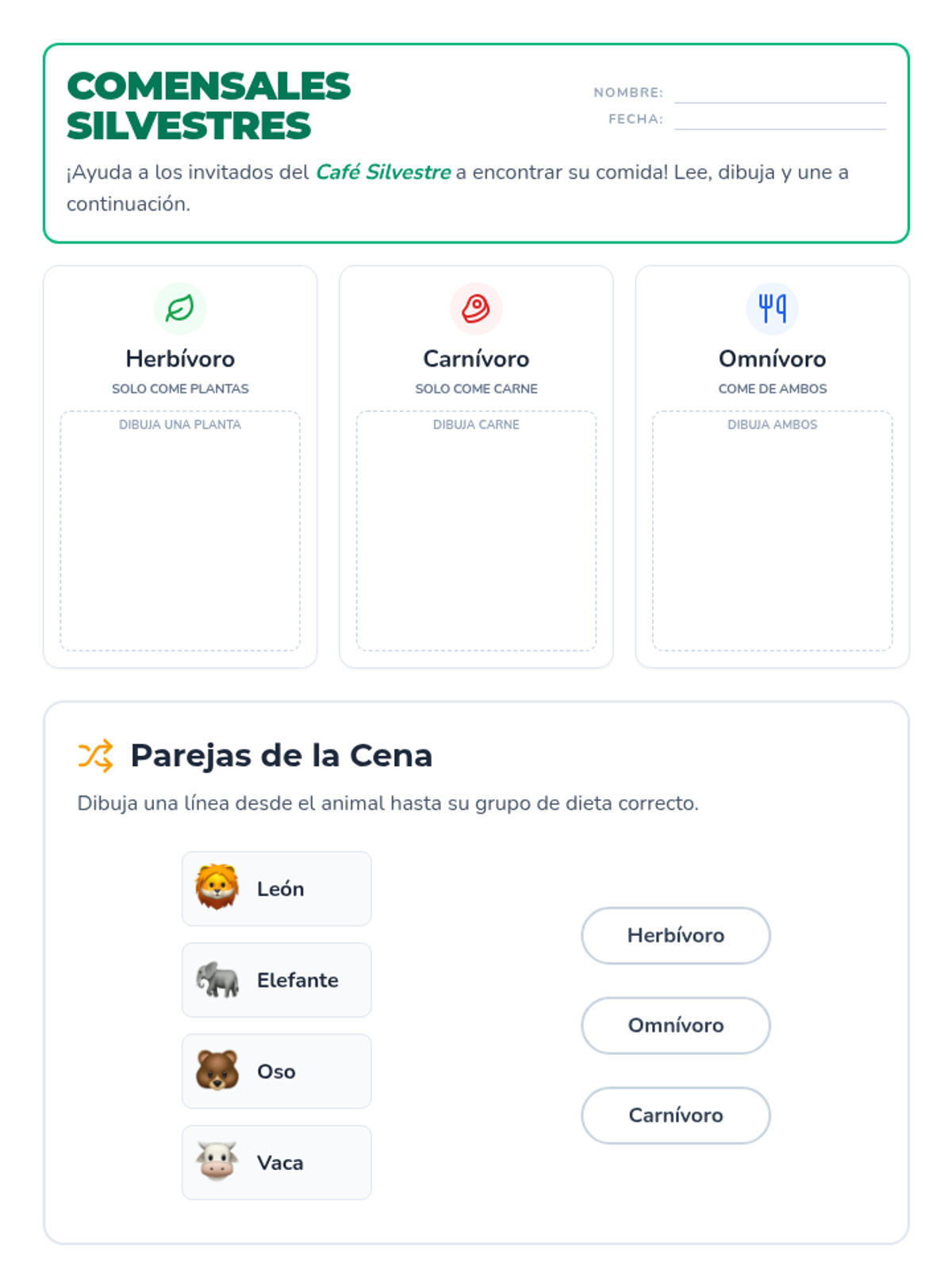
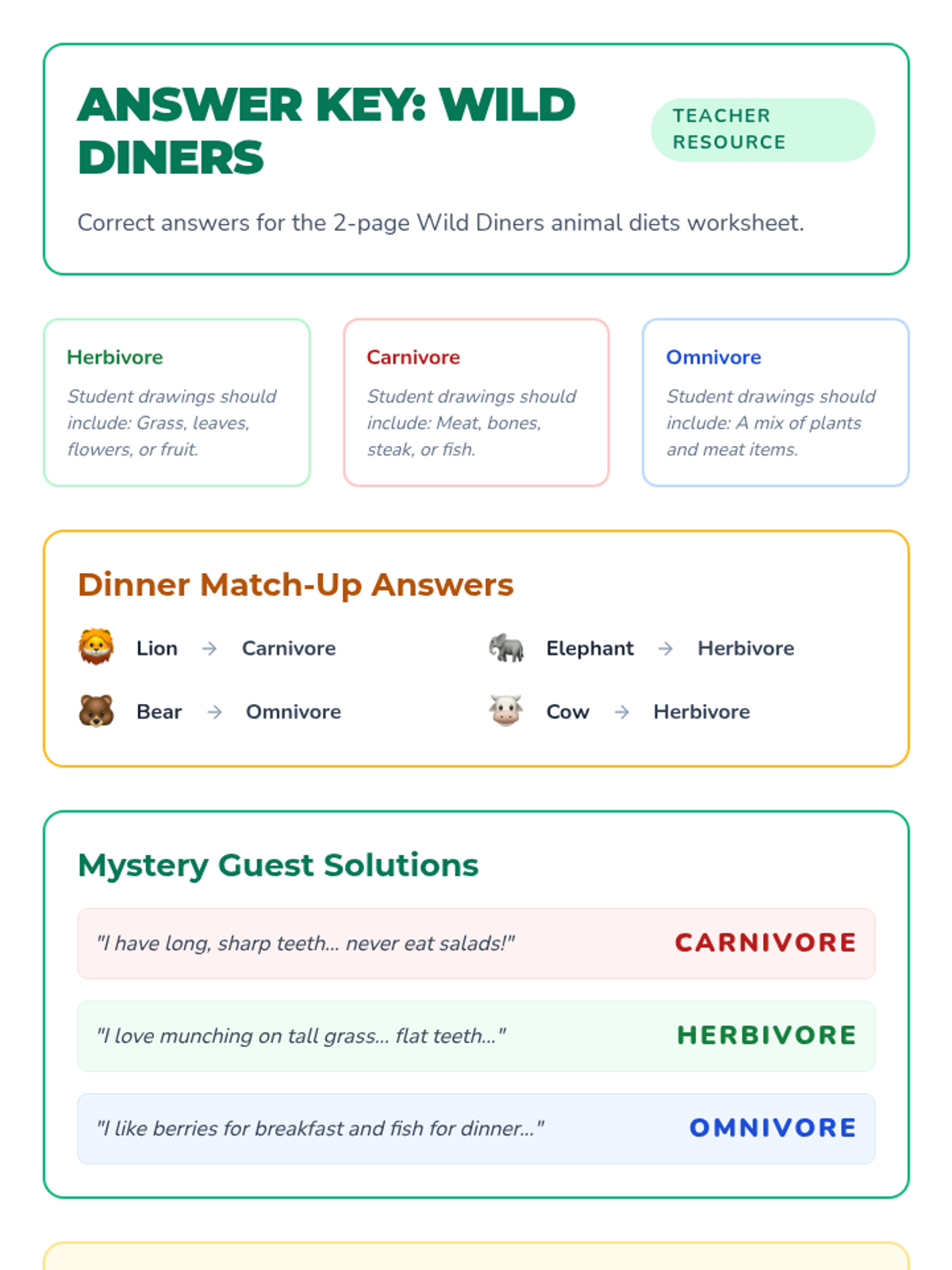
An introductory lesson on animal diets, categorizing creatures as carnivores, herbivores, and omnivores through visual identification and simple riddles.
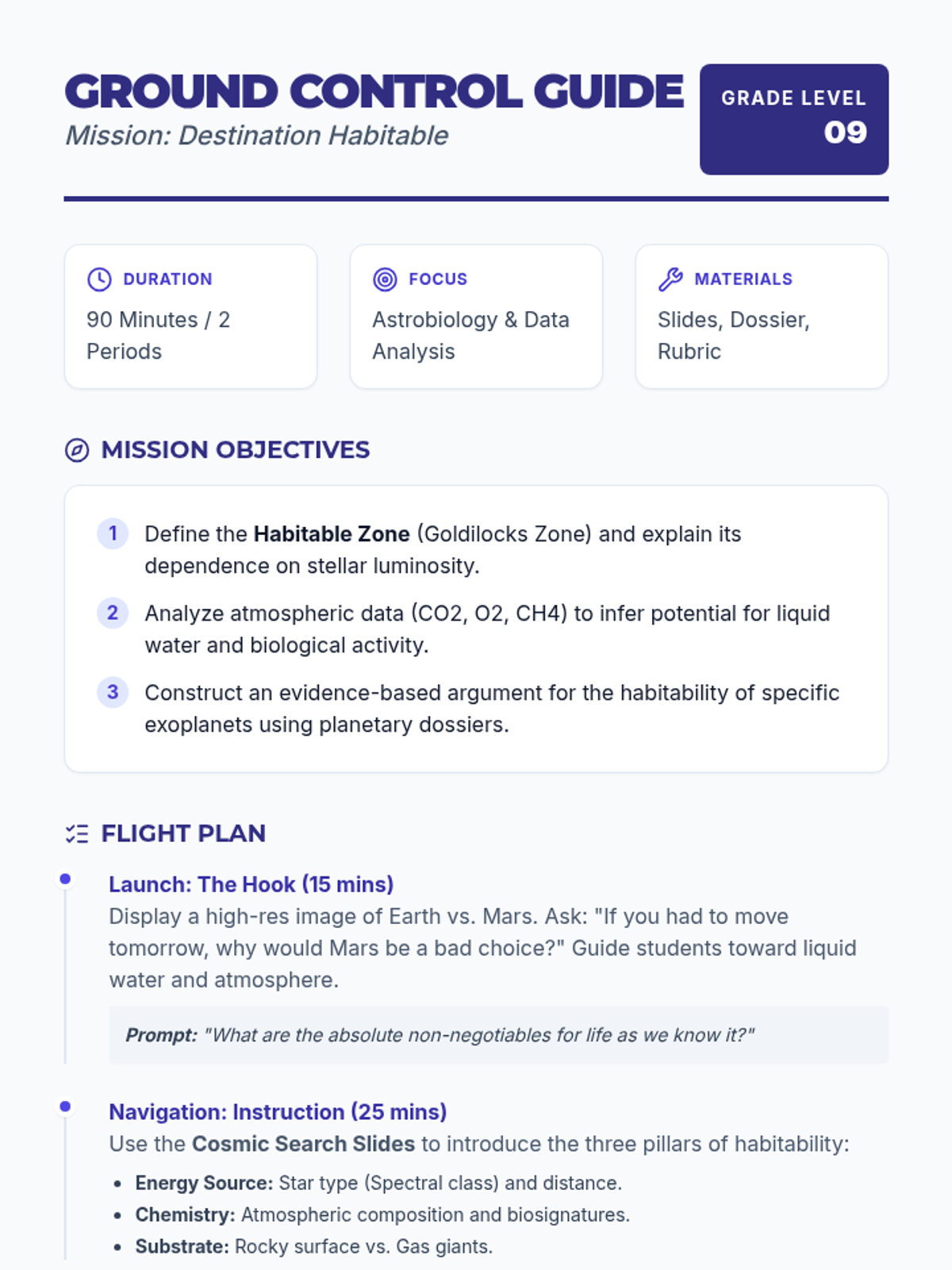
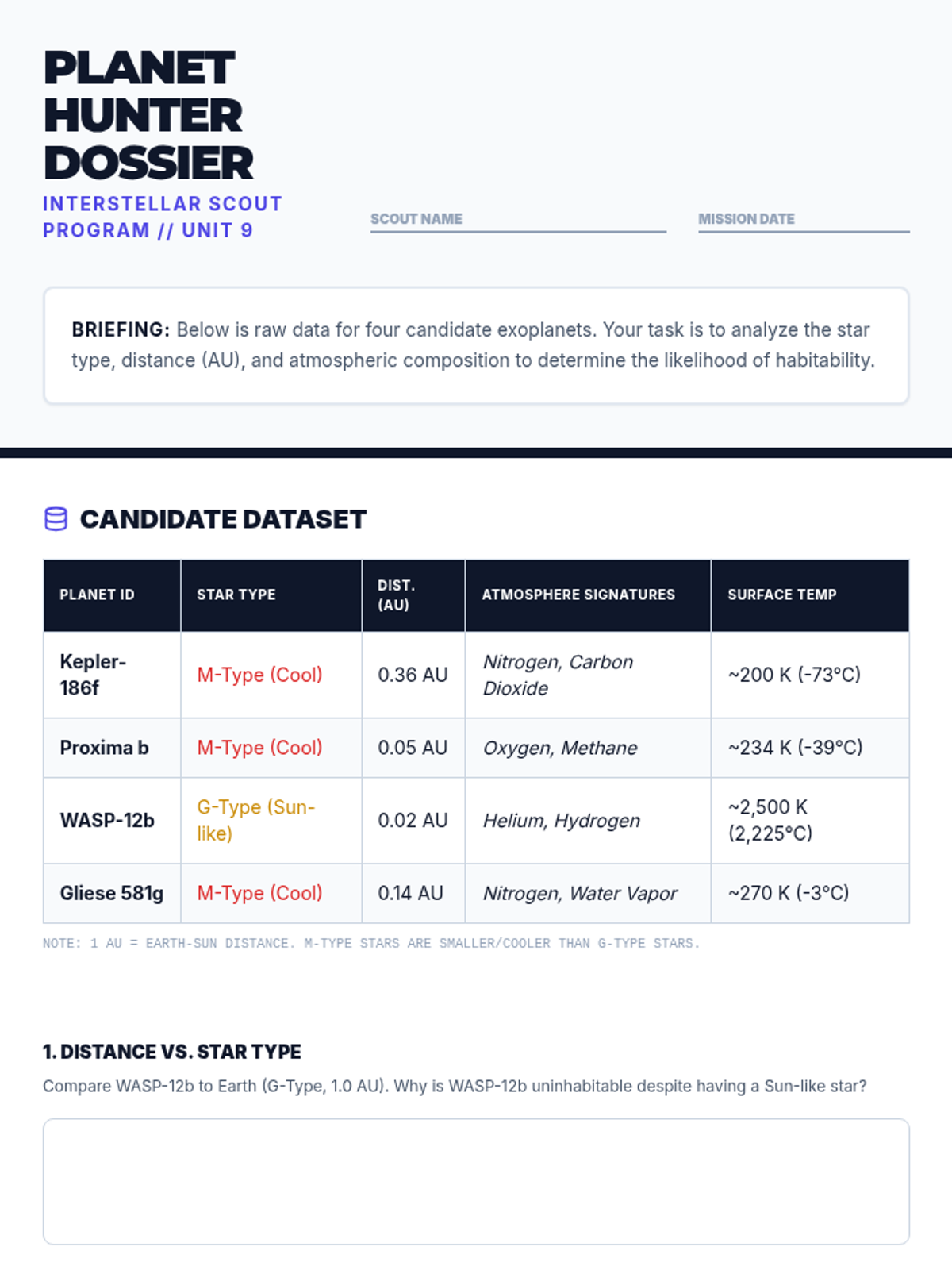
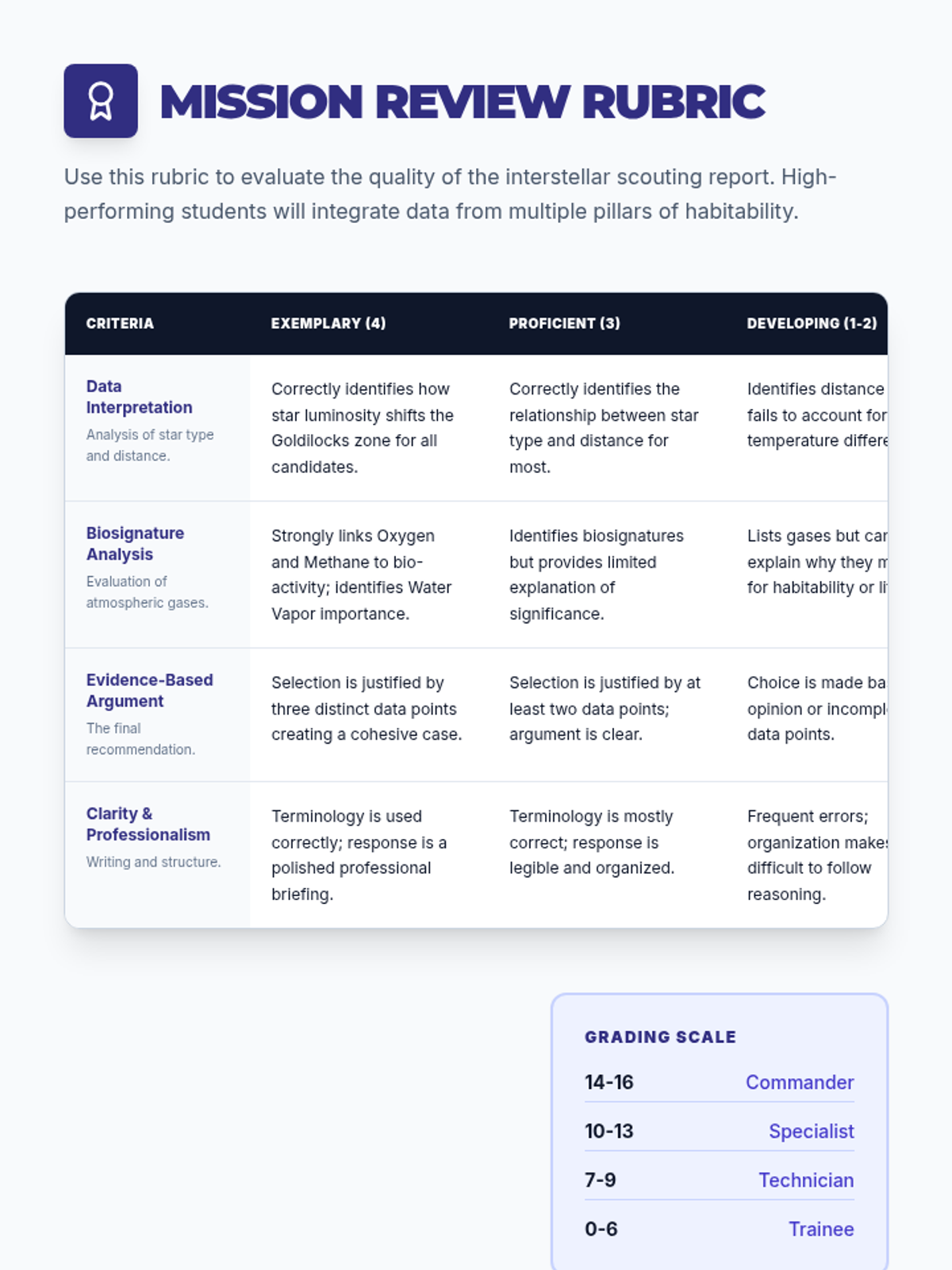
A high-school science lesson where students act as planetary scouts, analyzing exoplanet data to determine habitability and arguing for the best candidate for life beyond Earth.
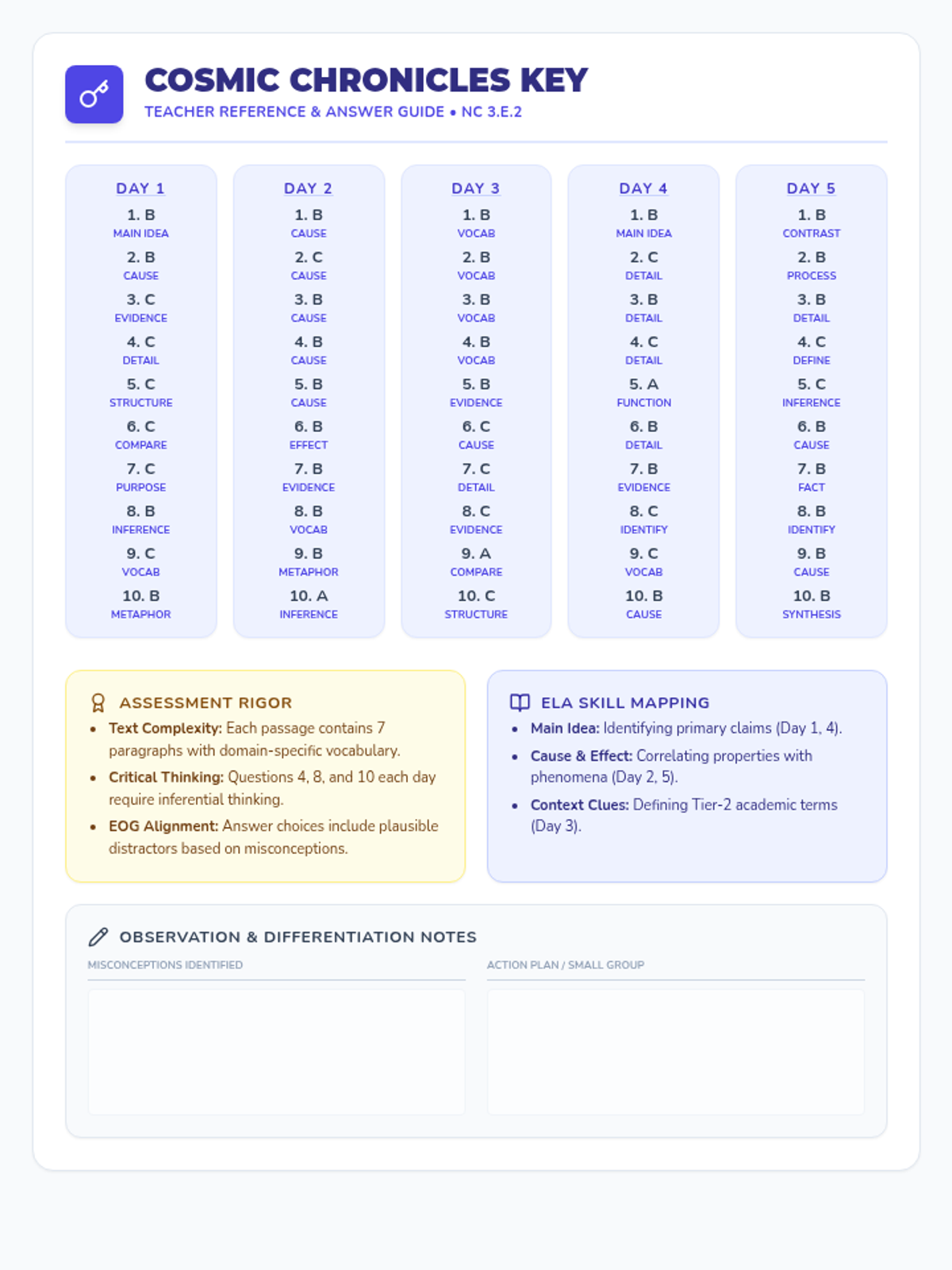
A week-long exploration of our solar system (NC 3.E.2) integrated with ELA skills like main idea, cause and effect, and context clues. Students will analyze the Earth, Moon, and planets through daily reading passages and 10-question assessments.
A comprehensive exploration of ecosystems and biomes, focusing on the interactions between biotic and abiotic factors, the flow of energy through food webs, and the impact of environmental changes on organism survival. Students will investigate how energy and matter move through nature's blueprint.
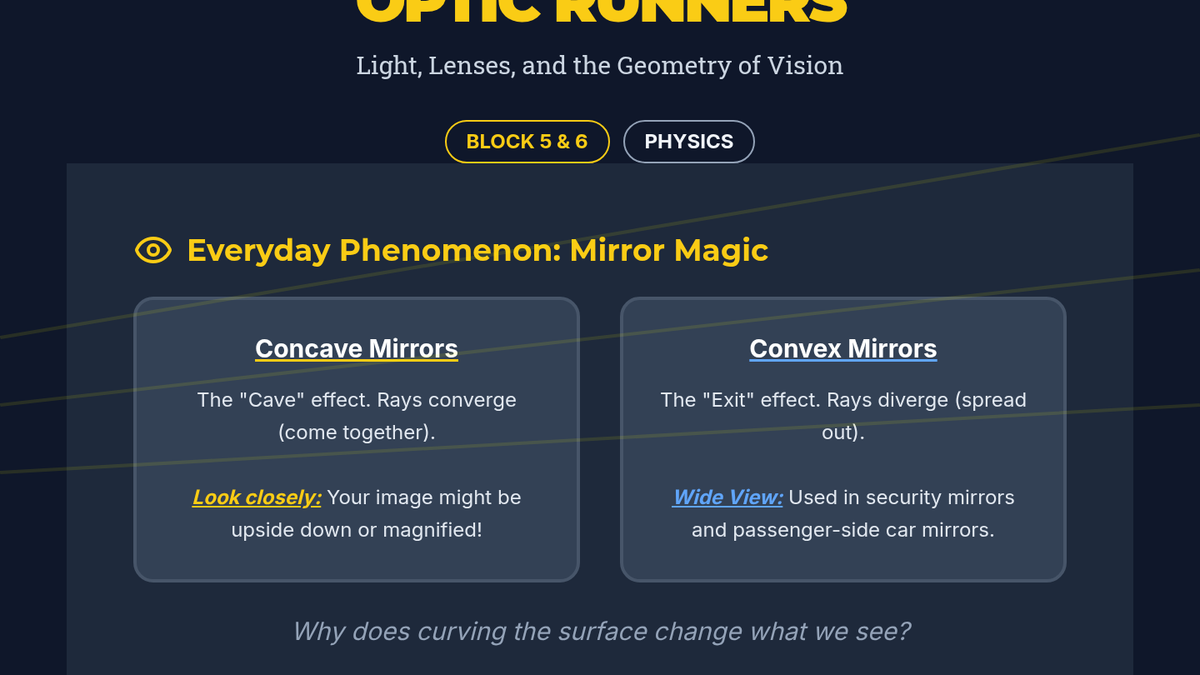
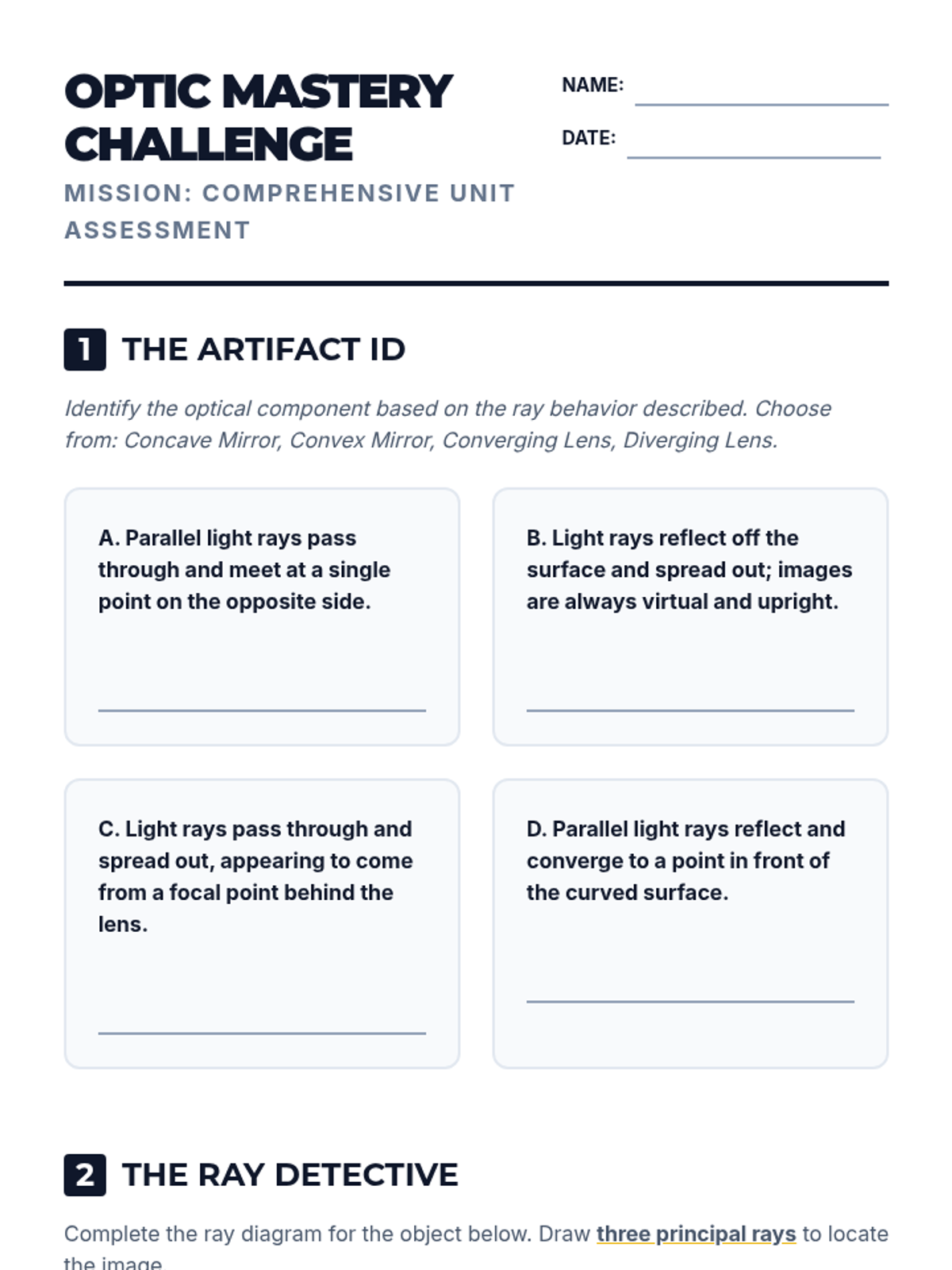
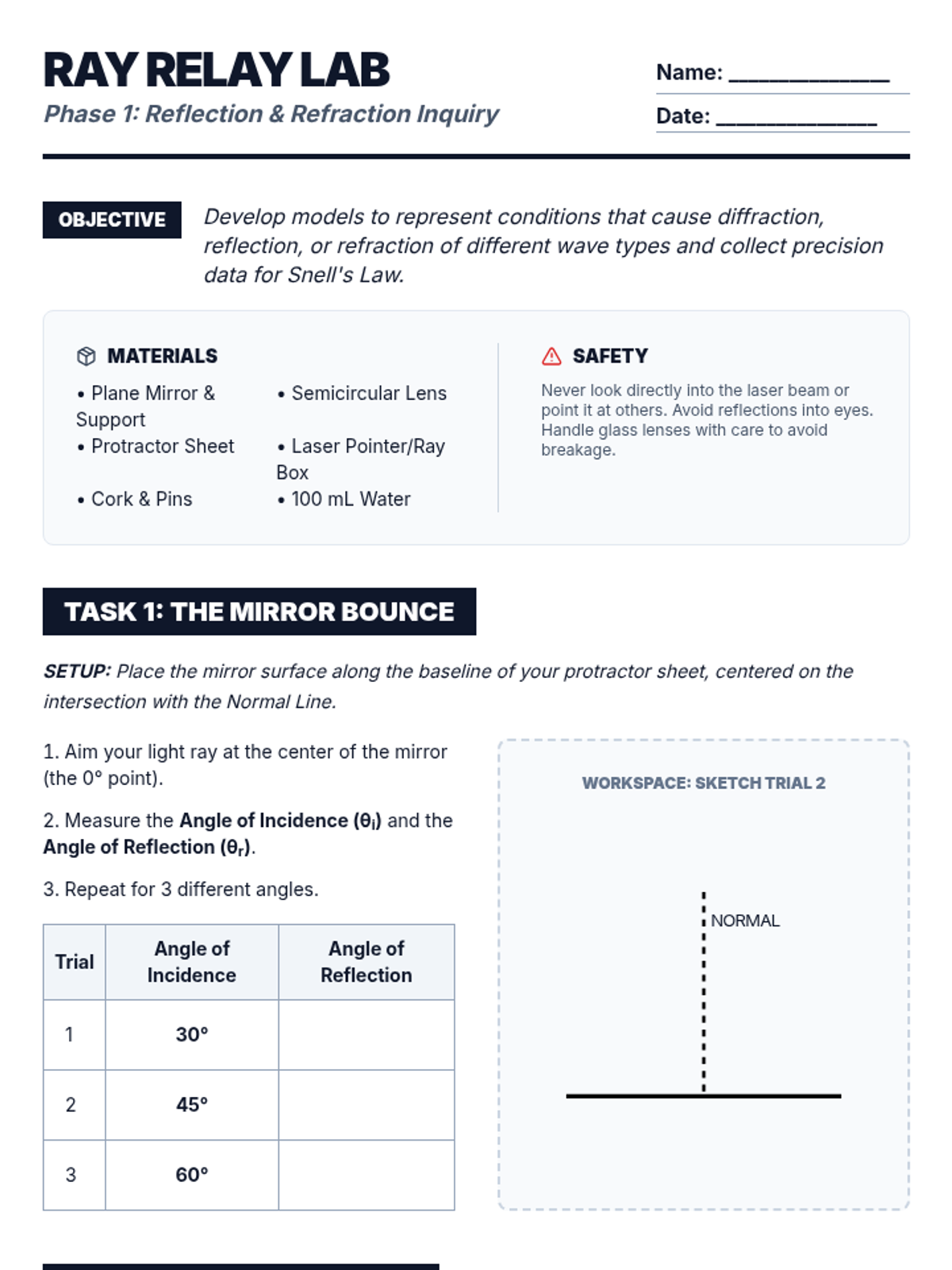
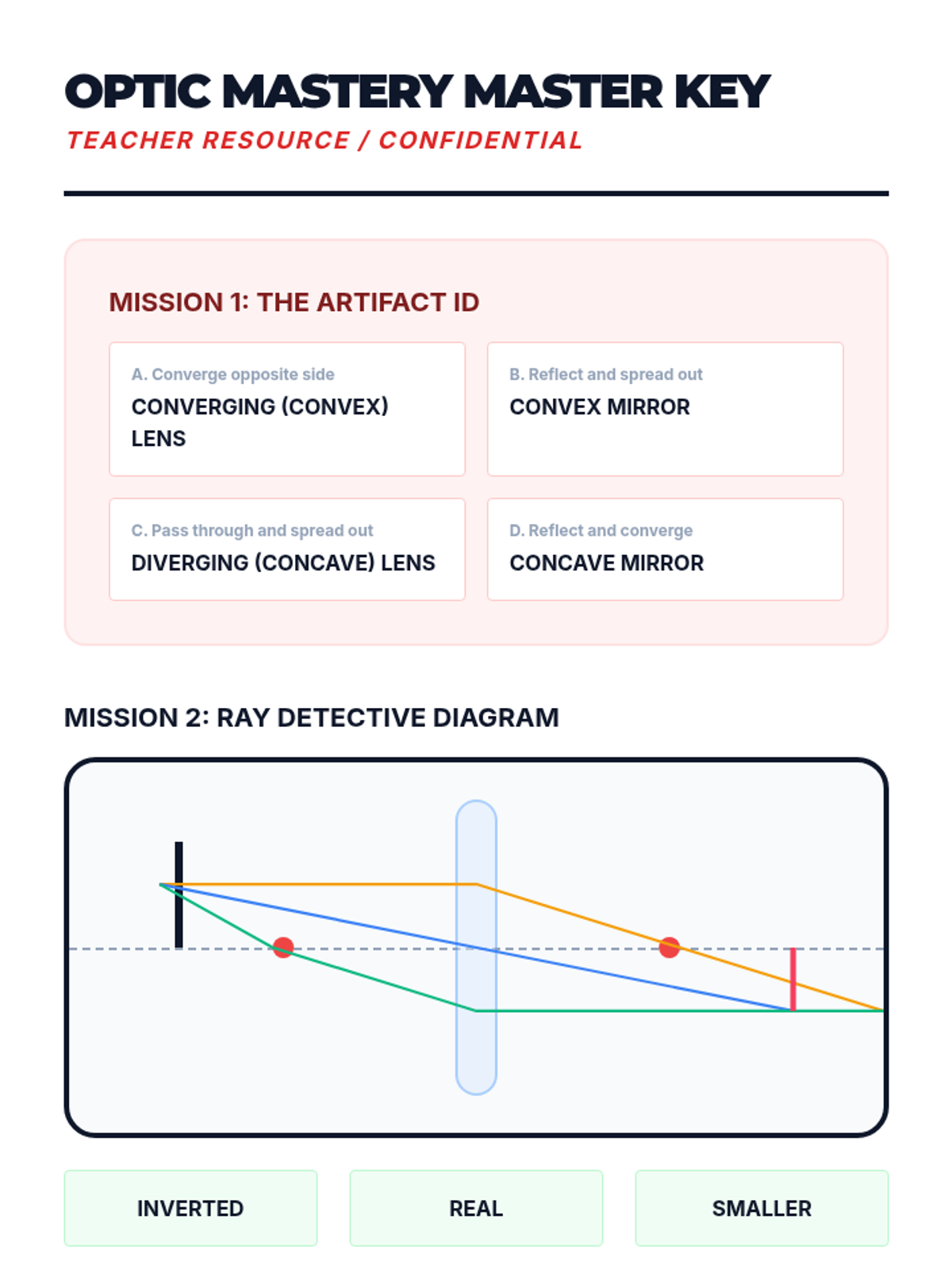
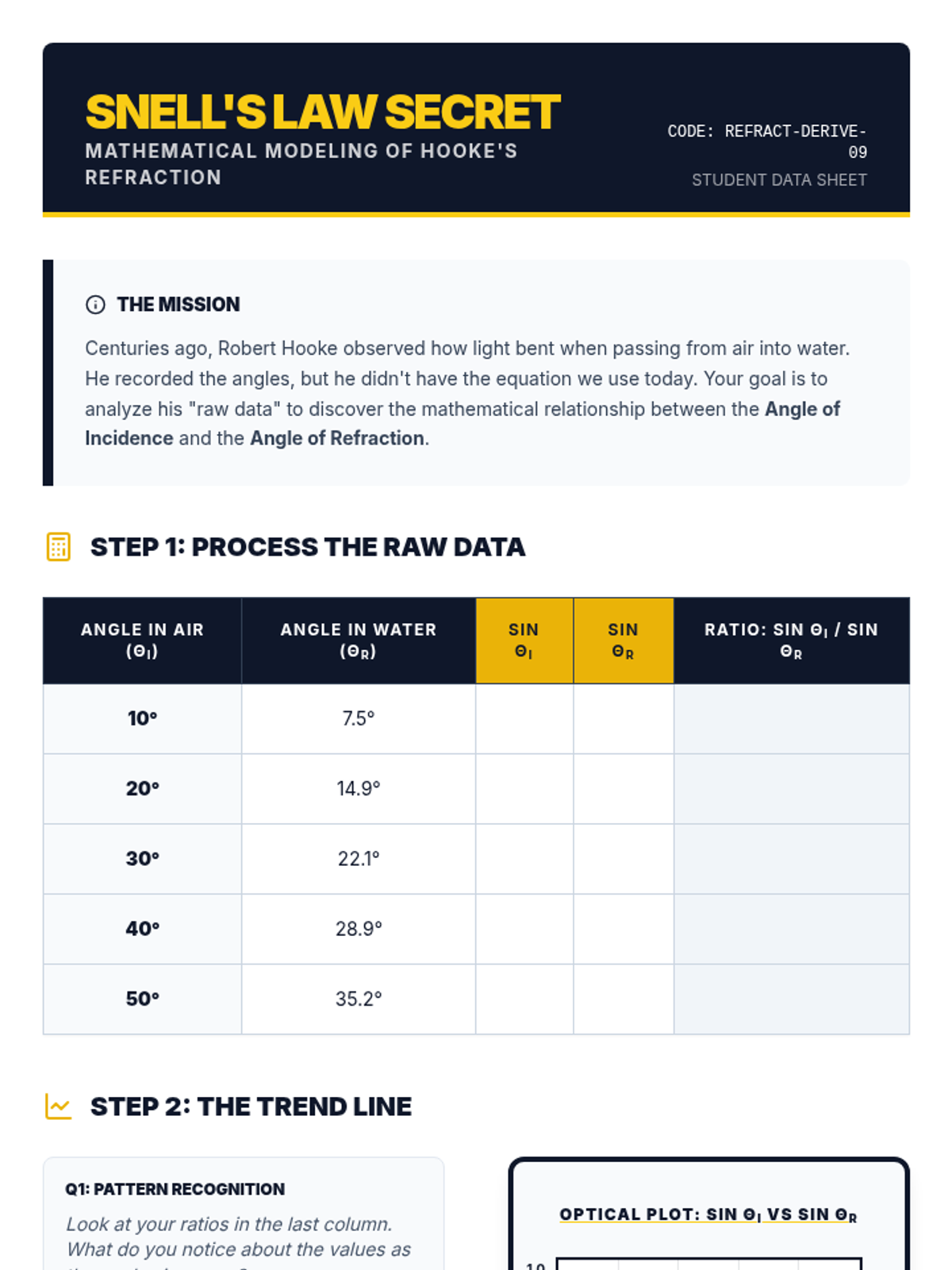
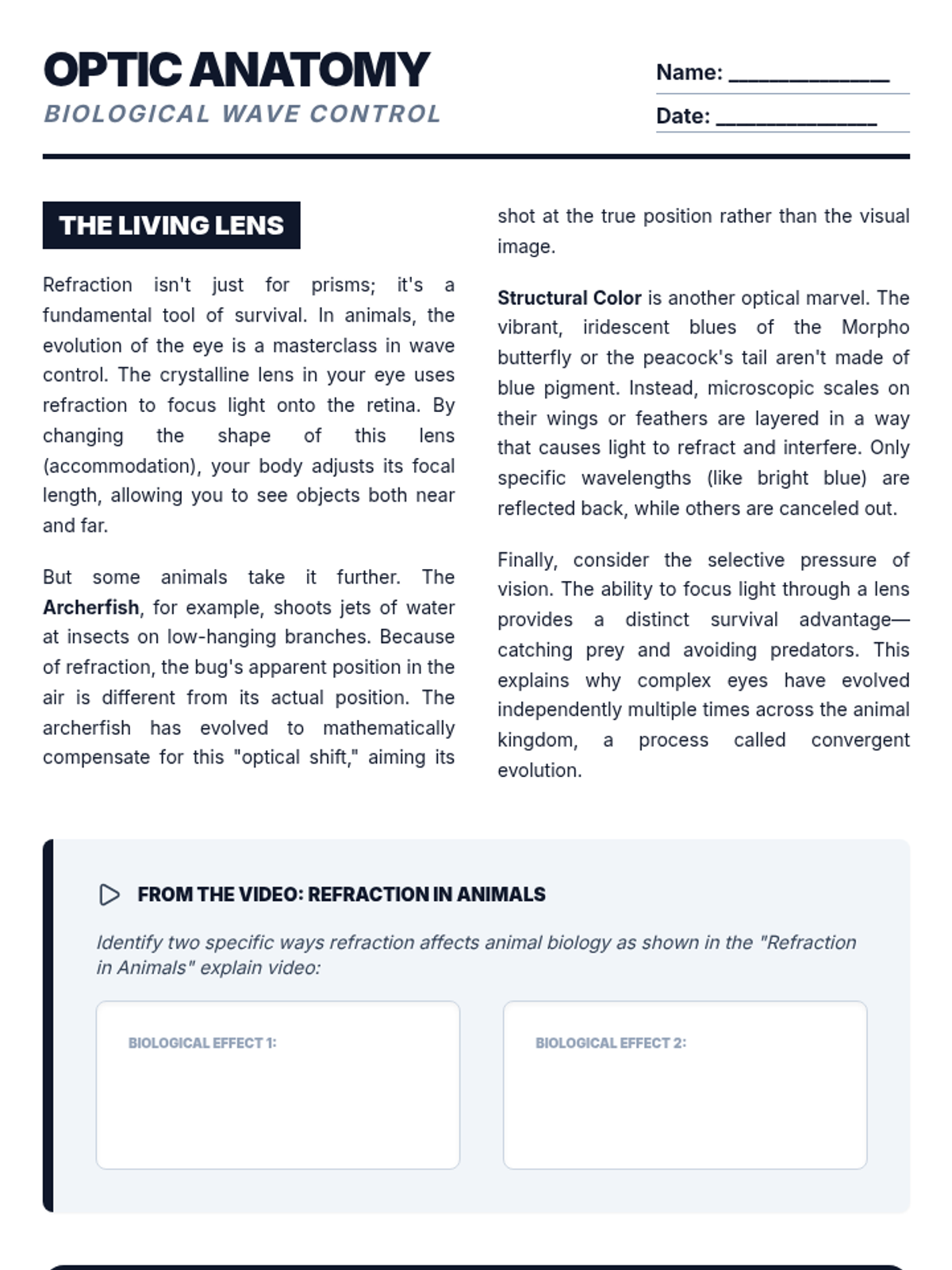
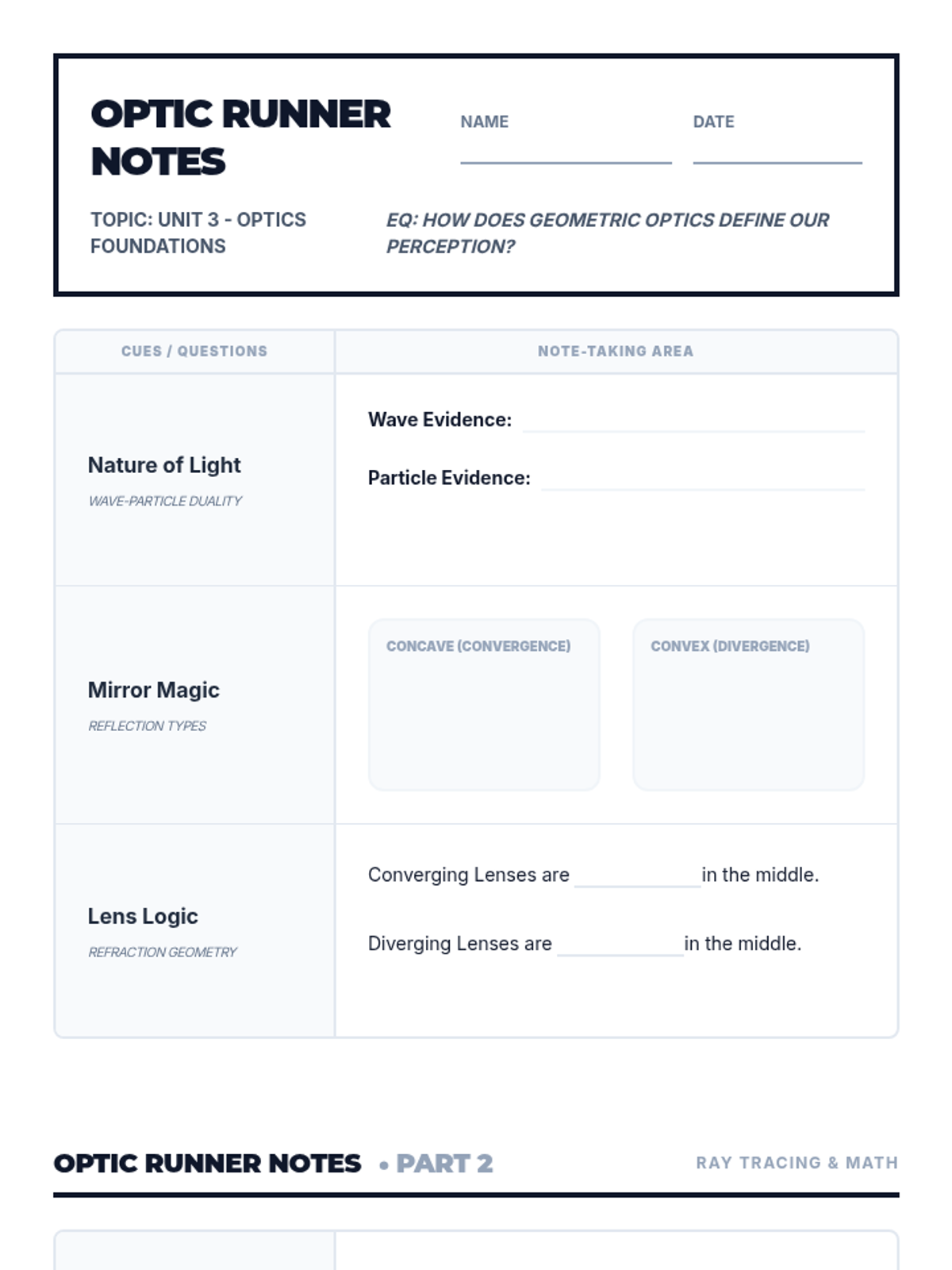
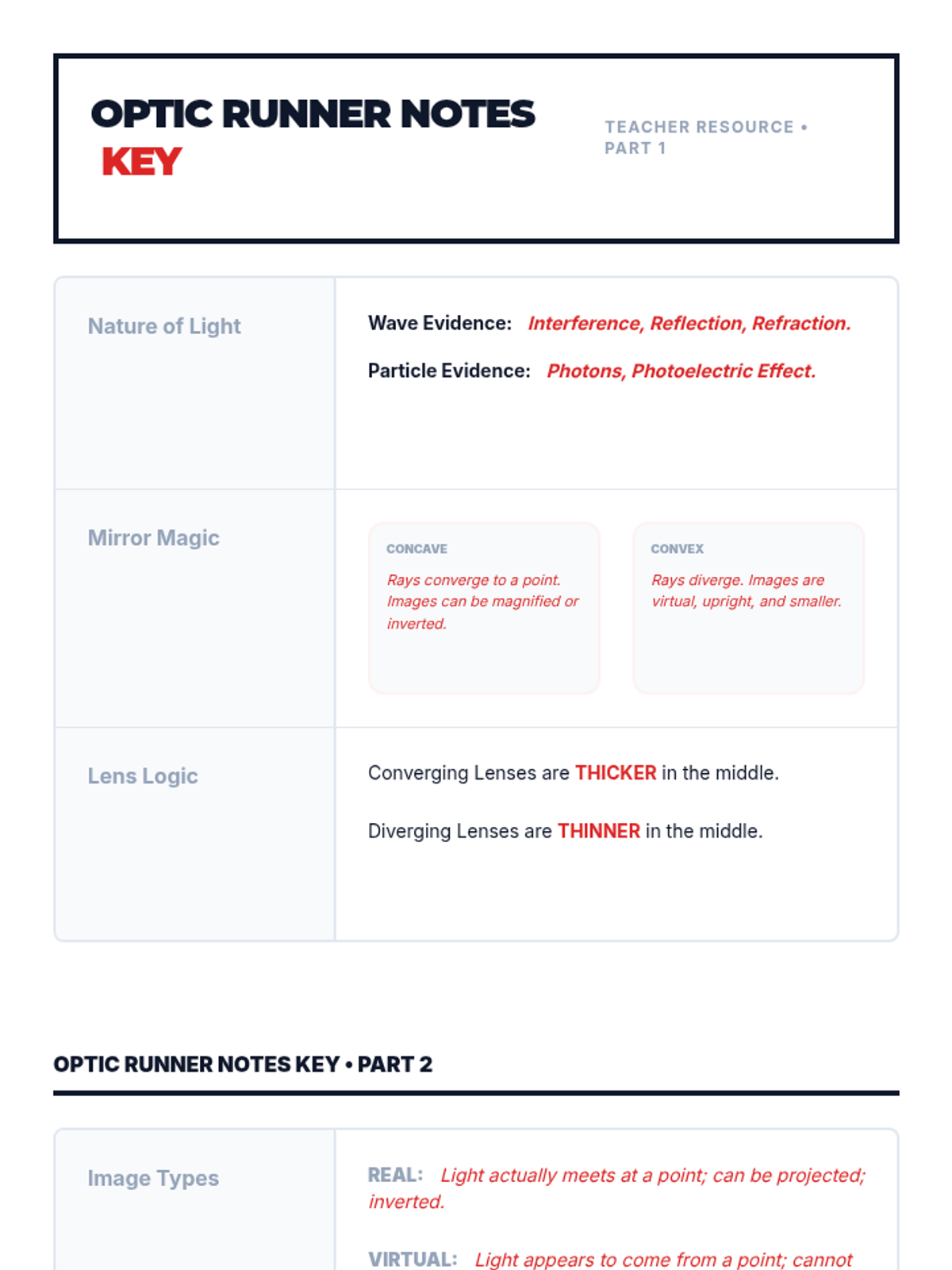
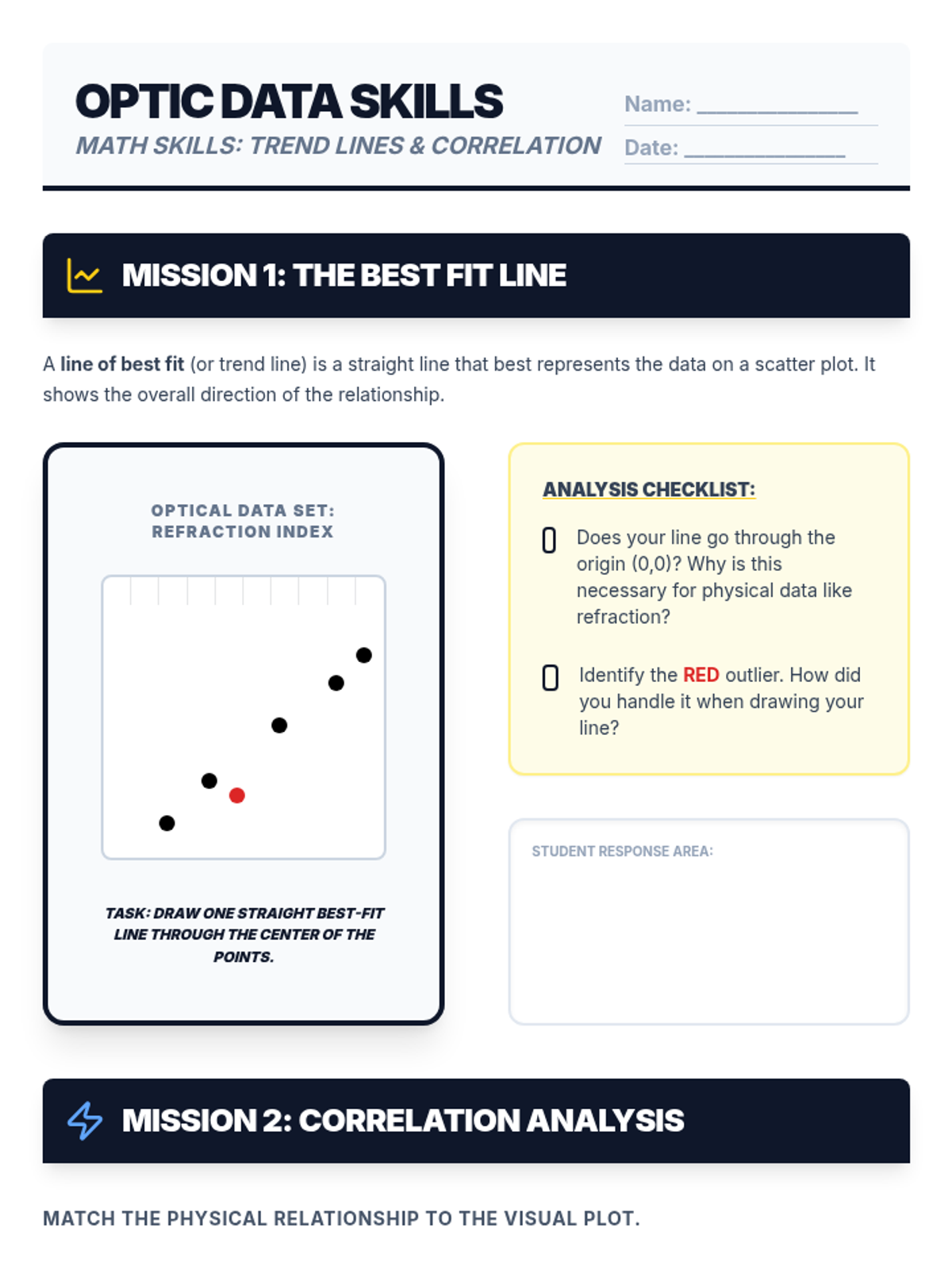
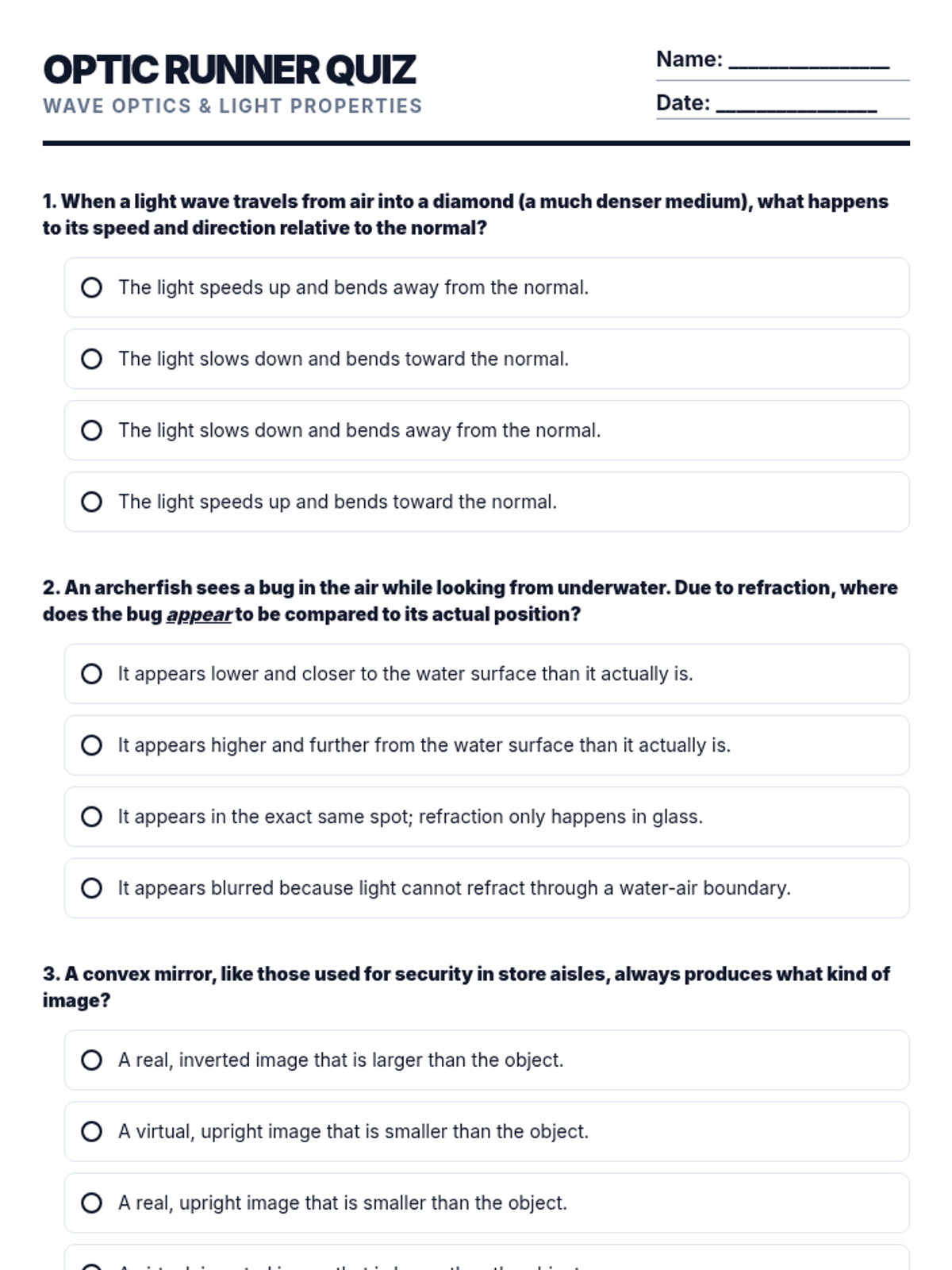
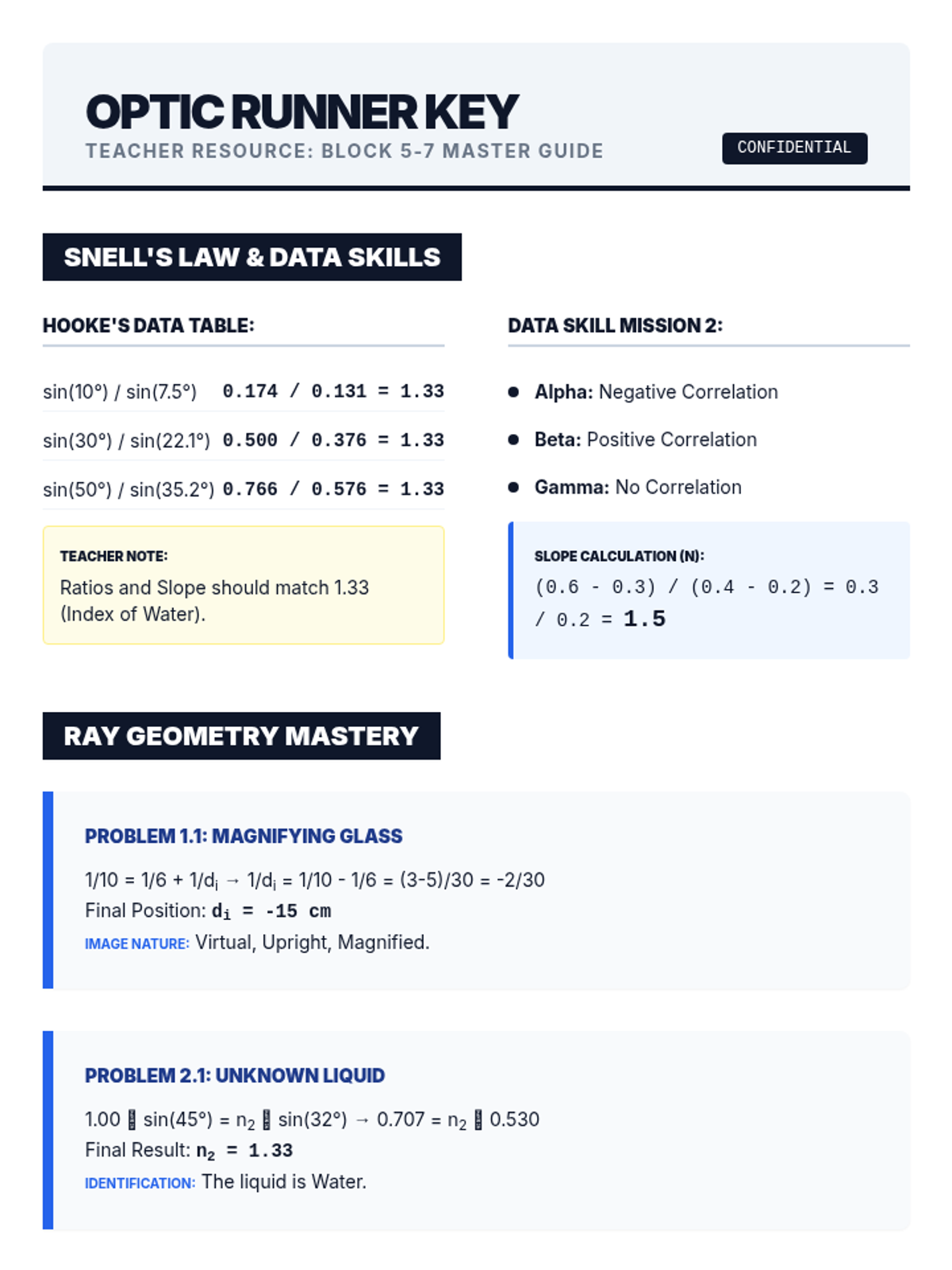
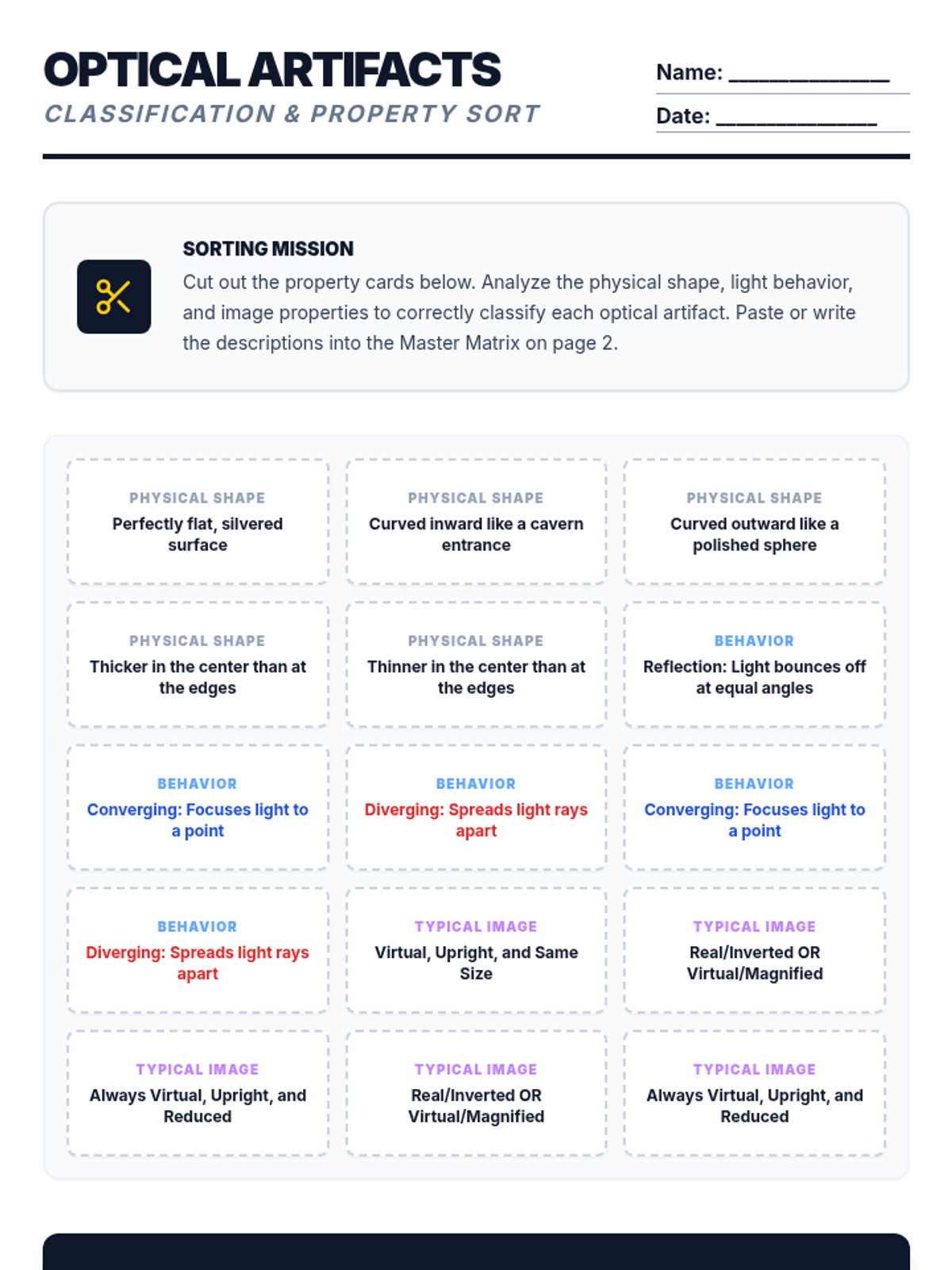
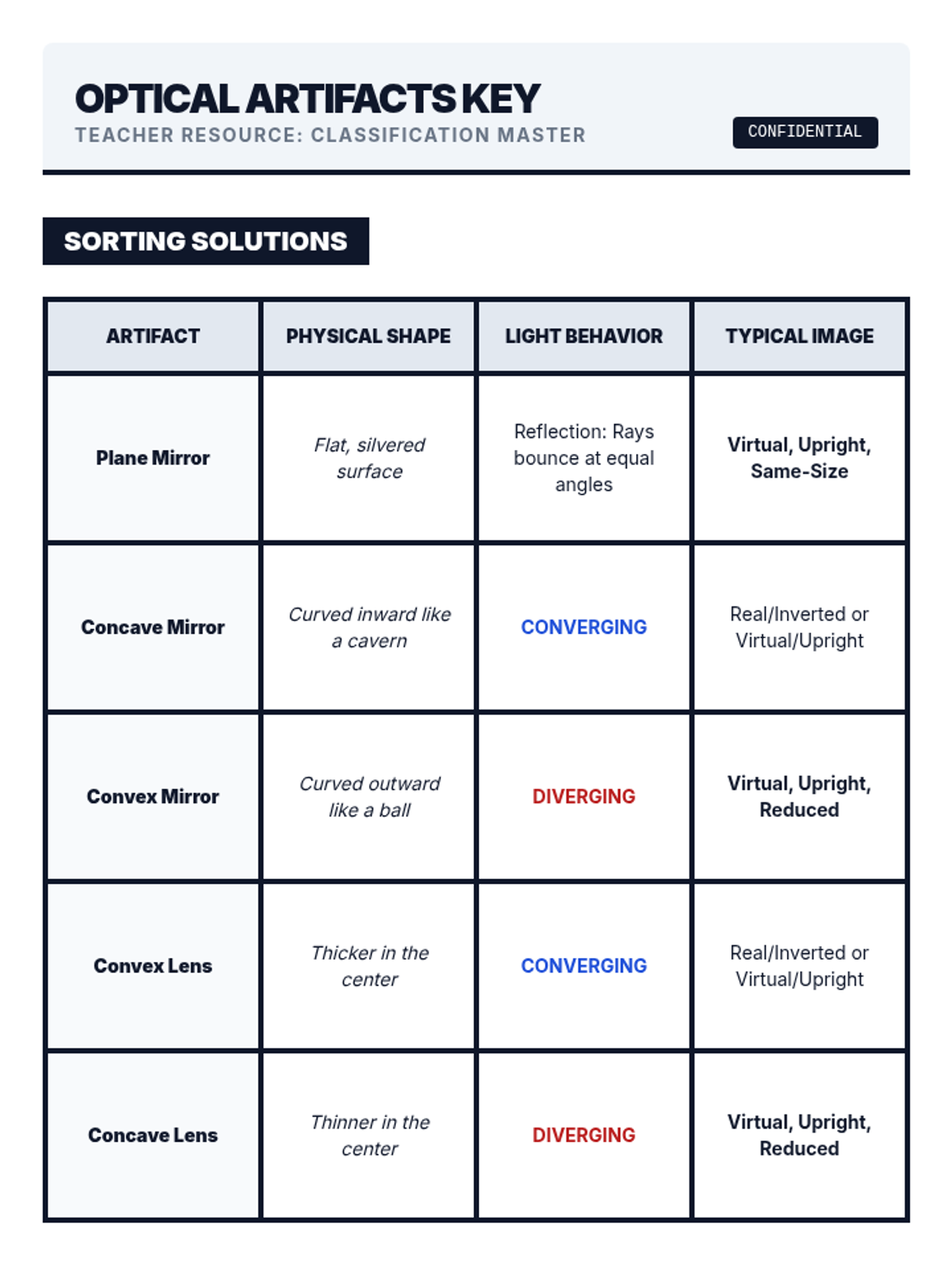
An exploration of light behavior including reflection, refraction, and diffraction. Students develop mathematical models like Snell's Law and analyze the biological impacts of wave optics in animals.
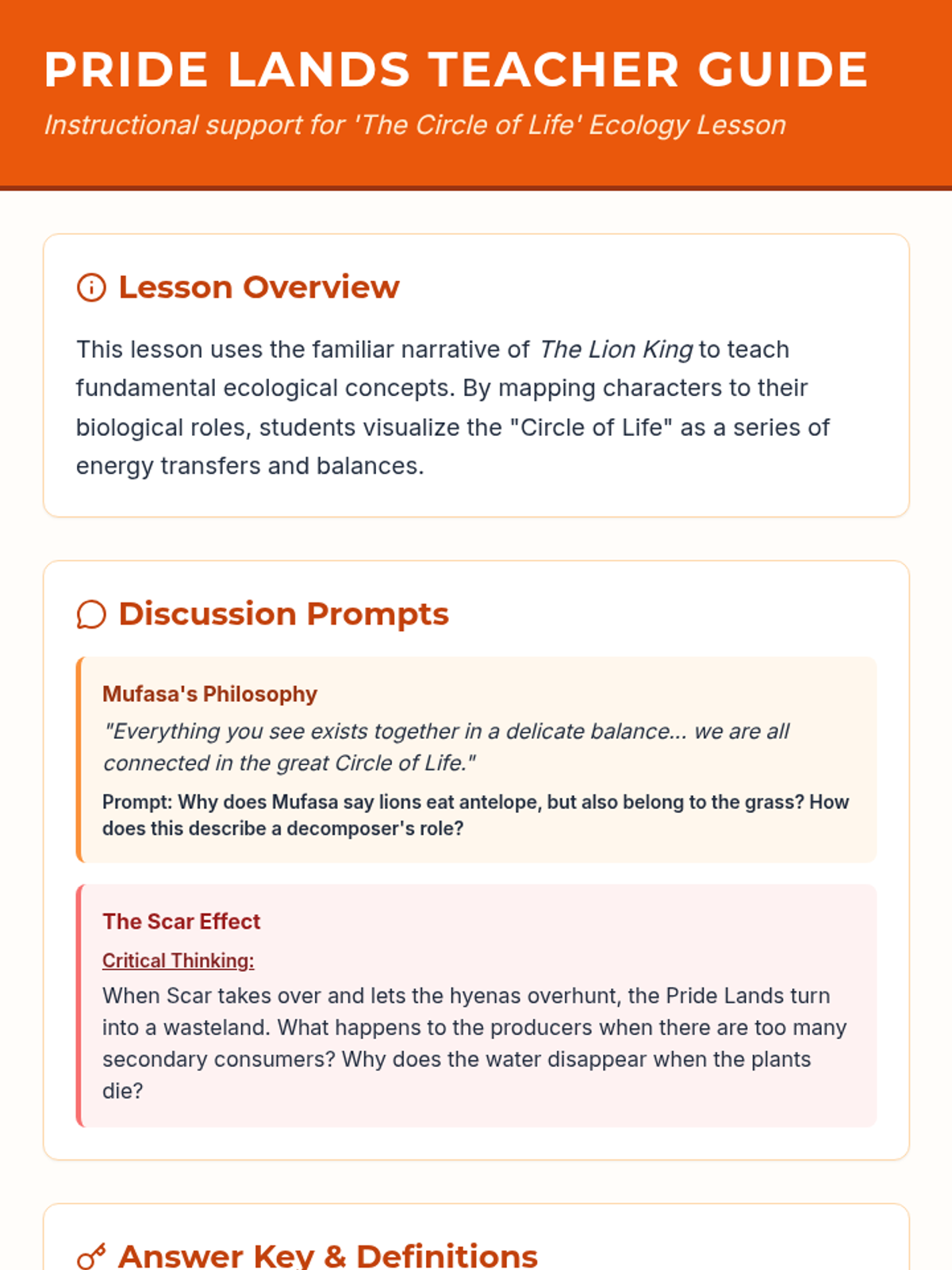
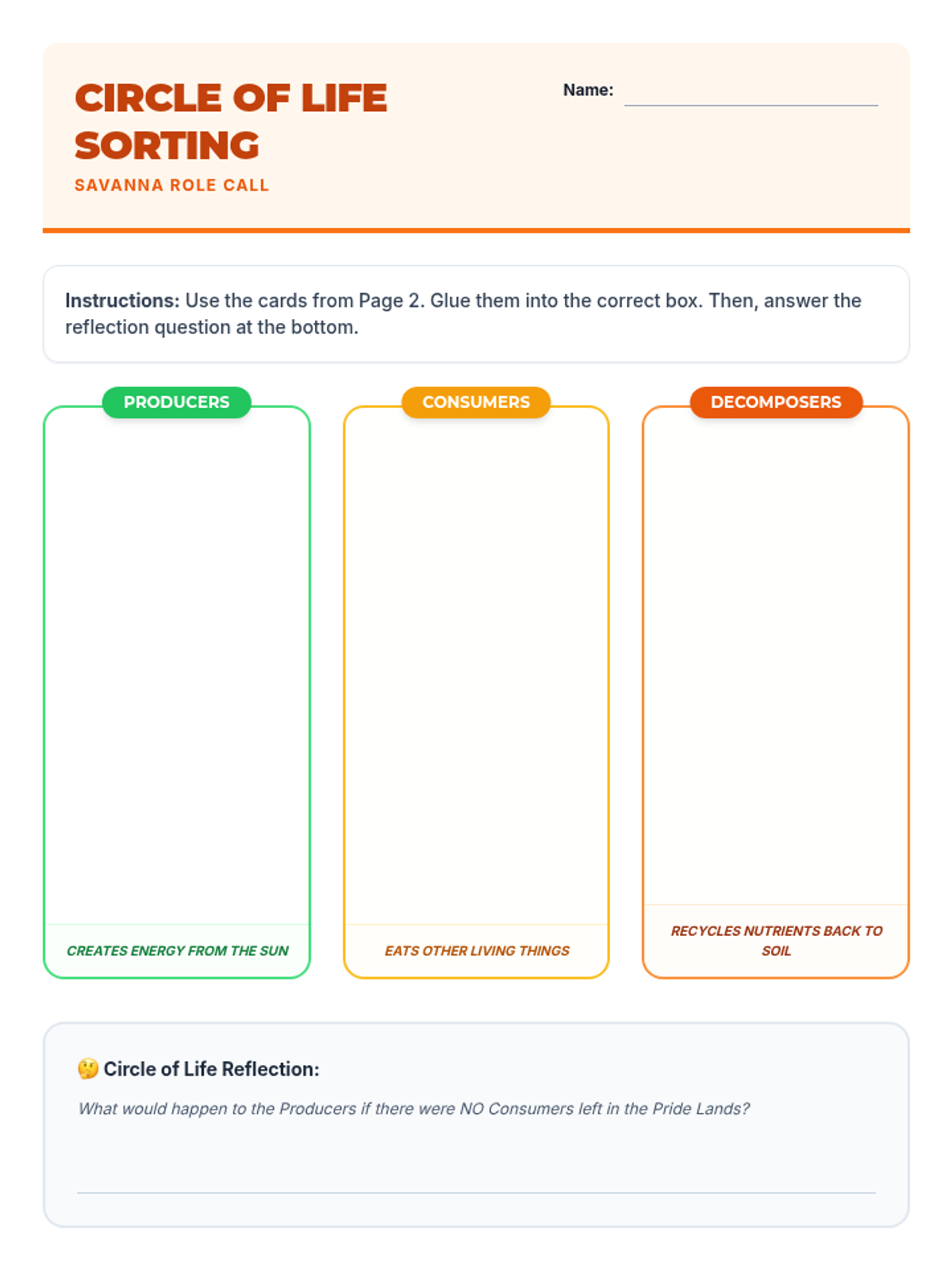
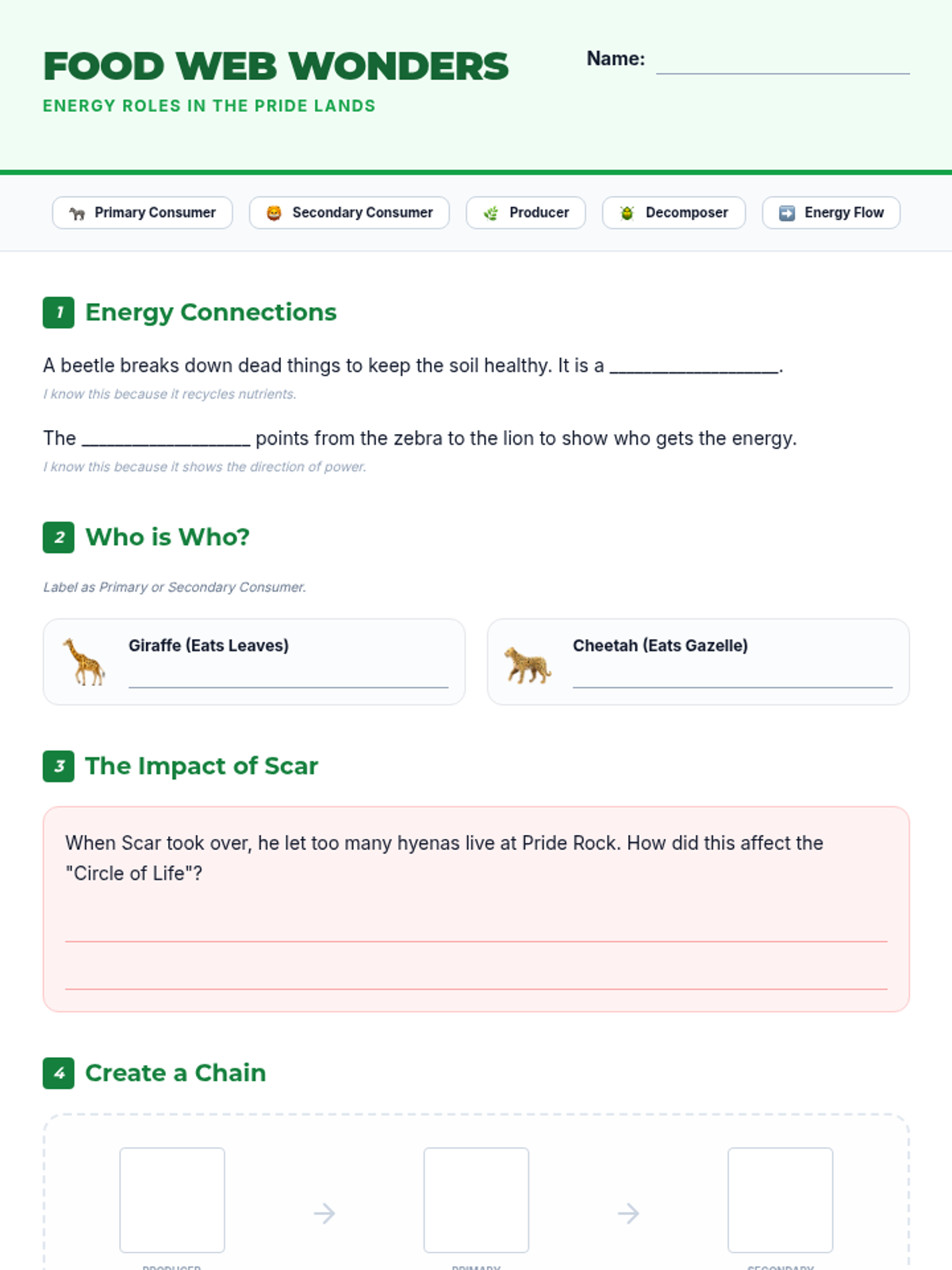
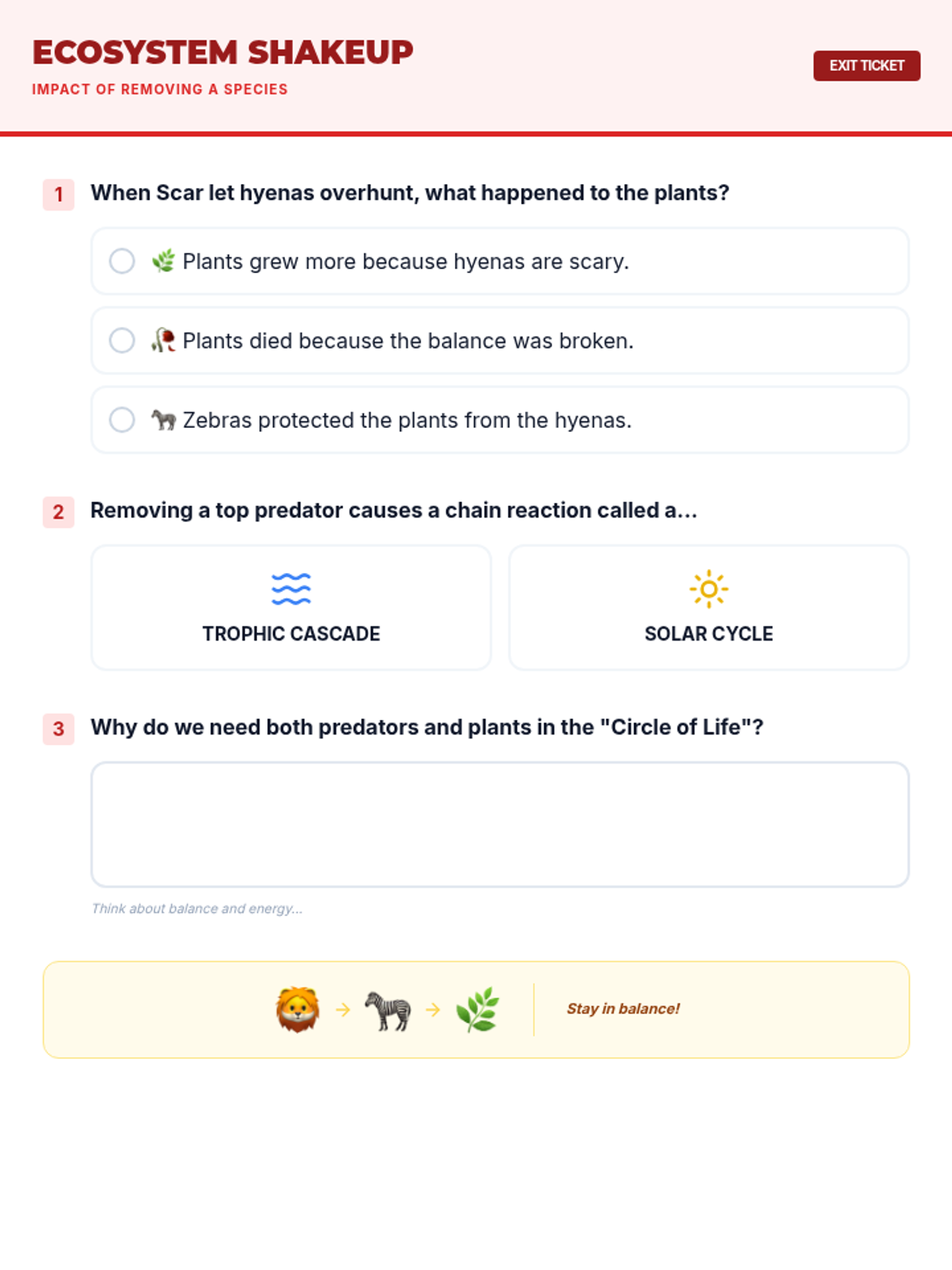
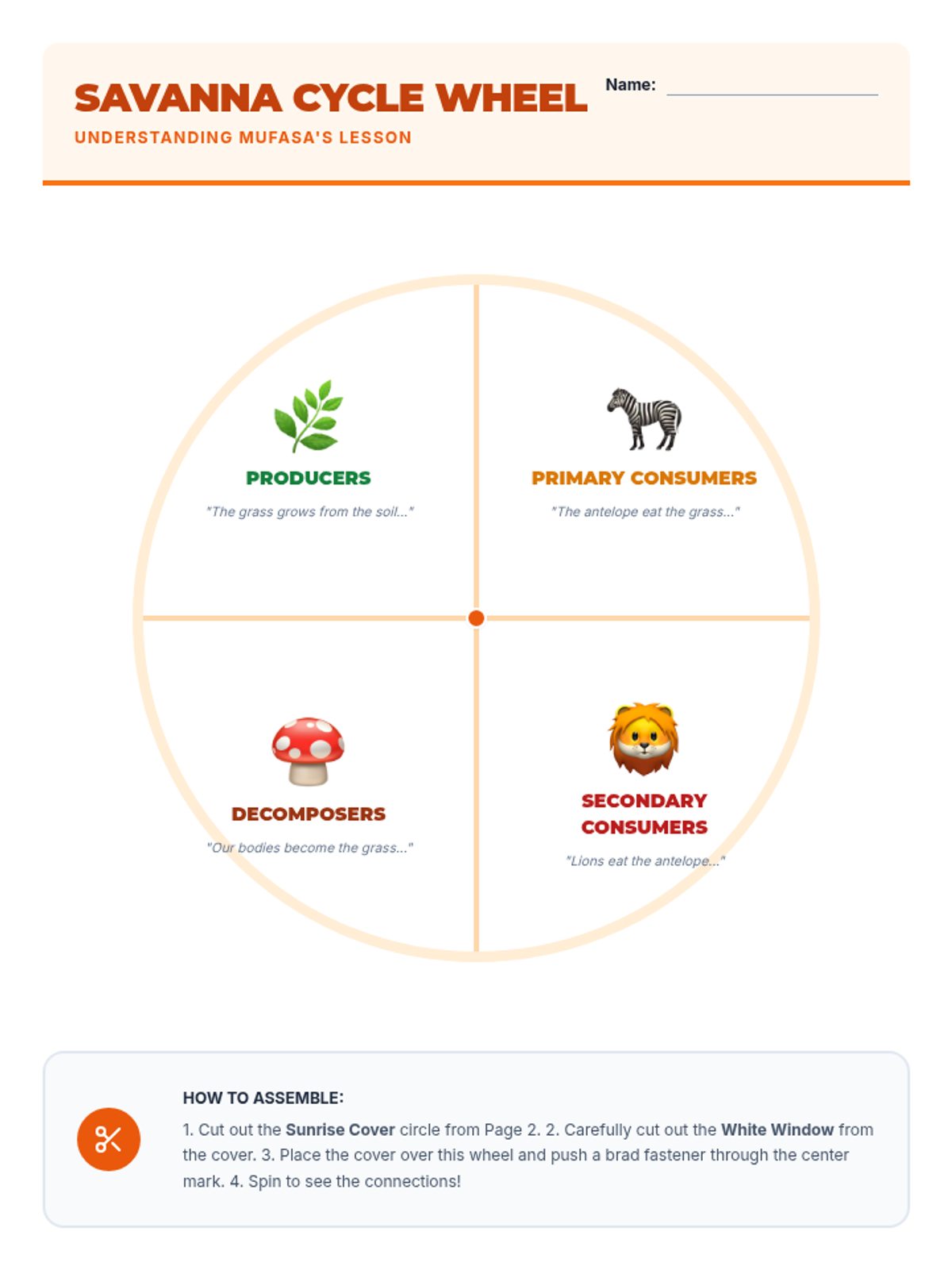
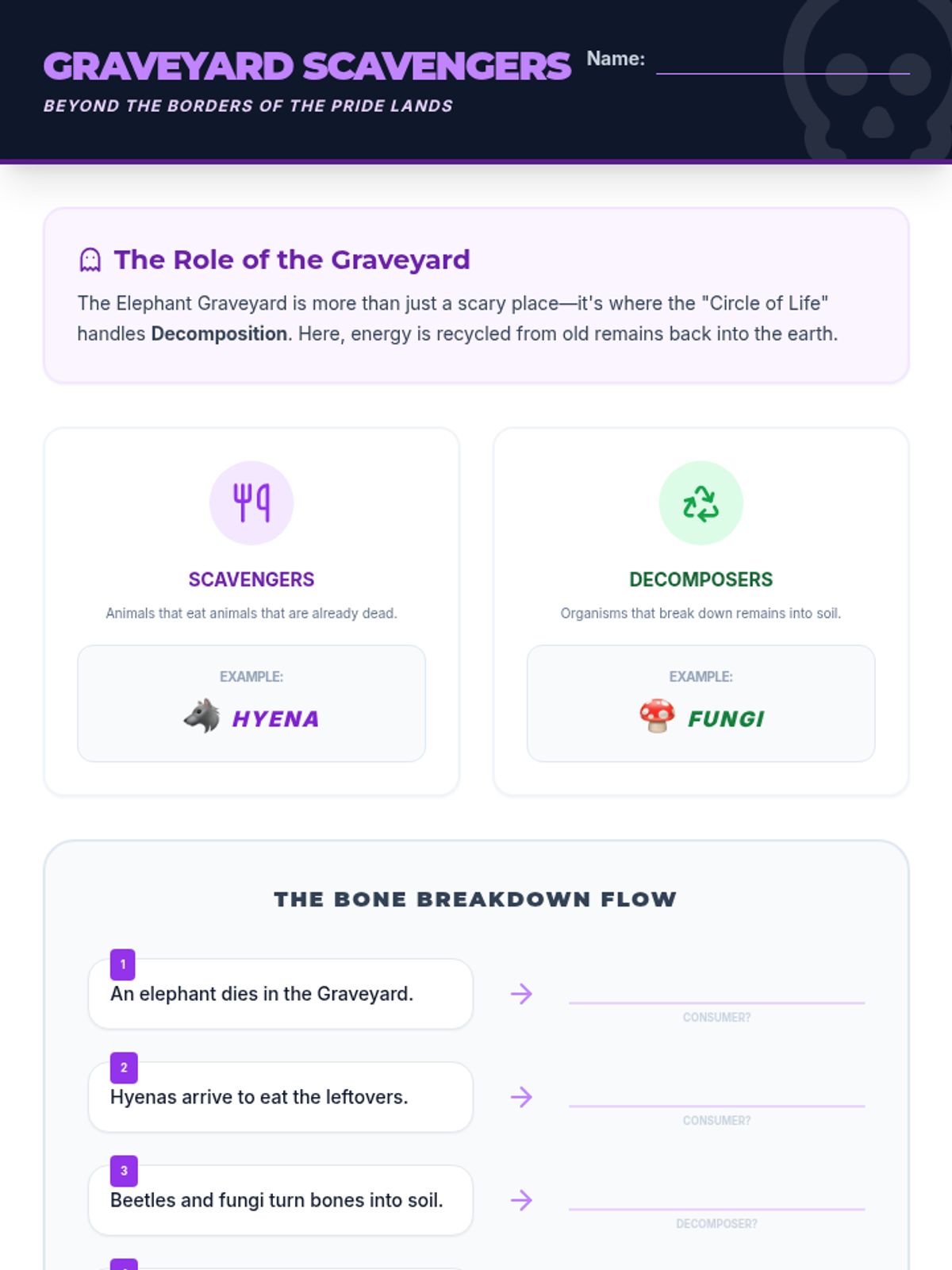
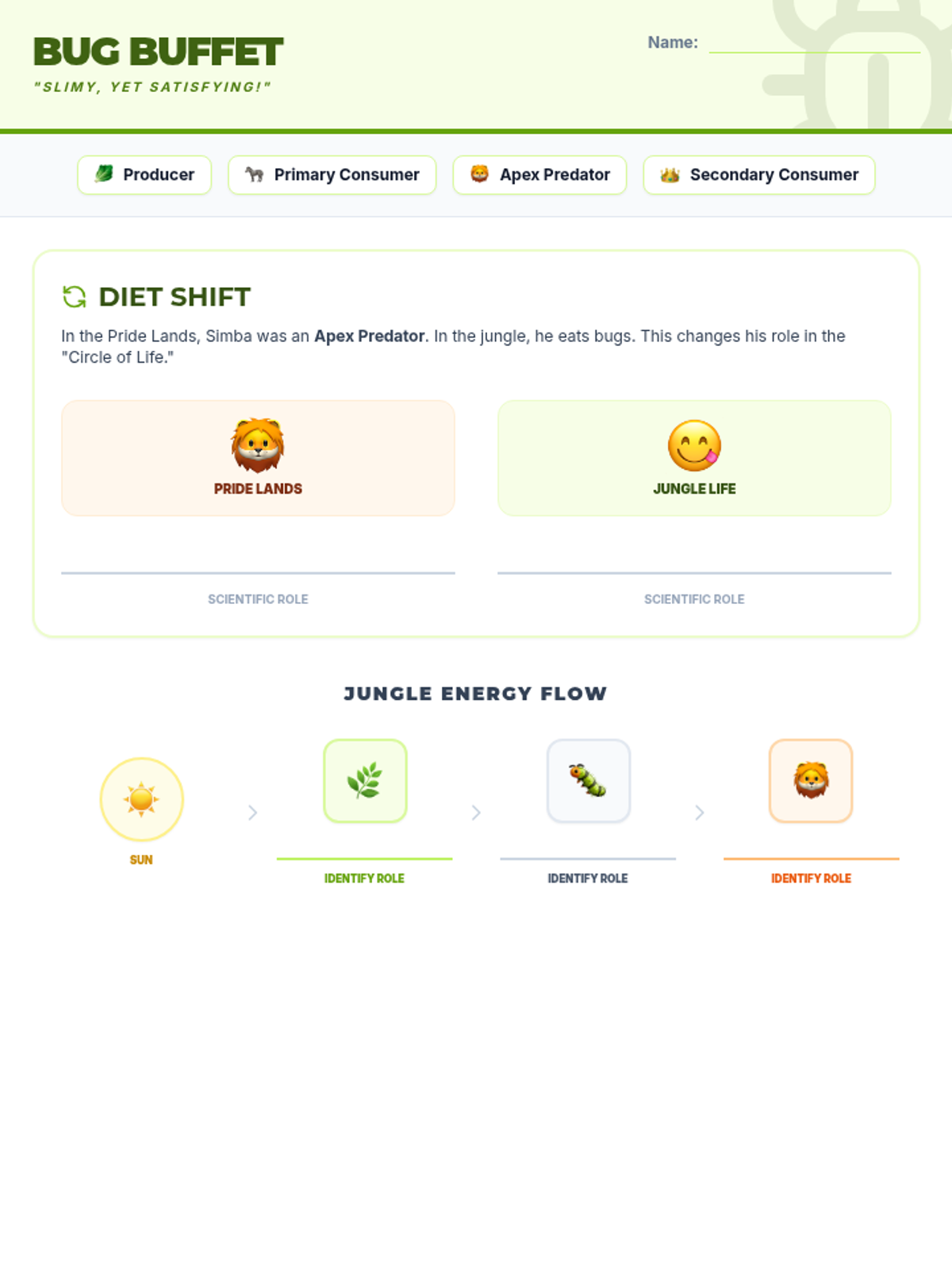
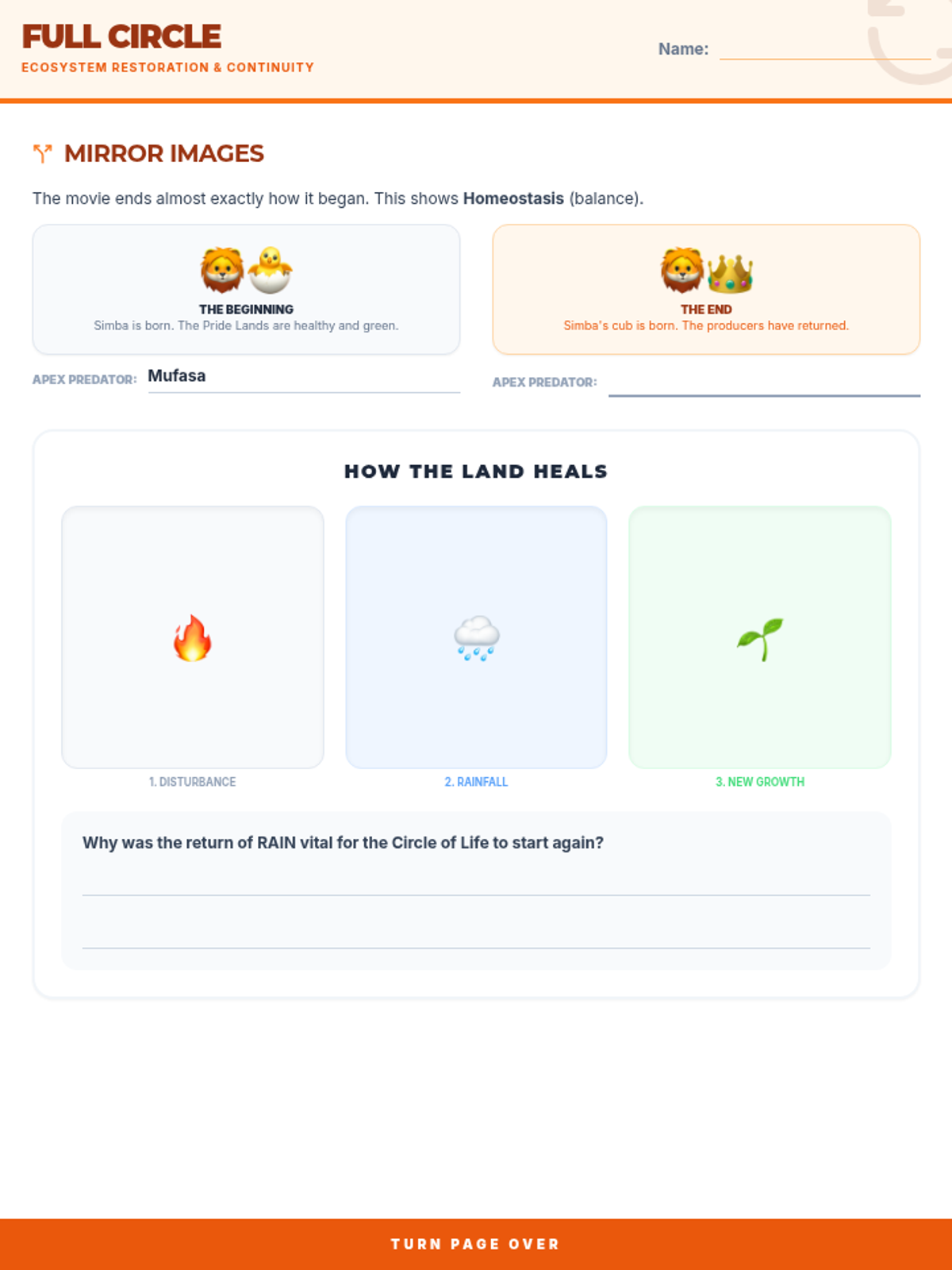
Students identify producers, consumers, and decomposers within the African savanna, construct food chains, and analyze how the removal of a top predator or a change in leadership (like the transition from Mufasa to Scar) affects the ecosystem.
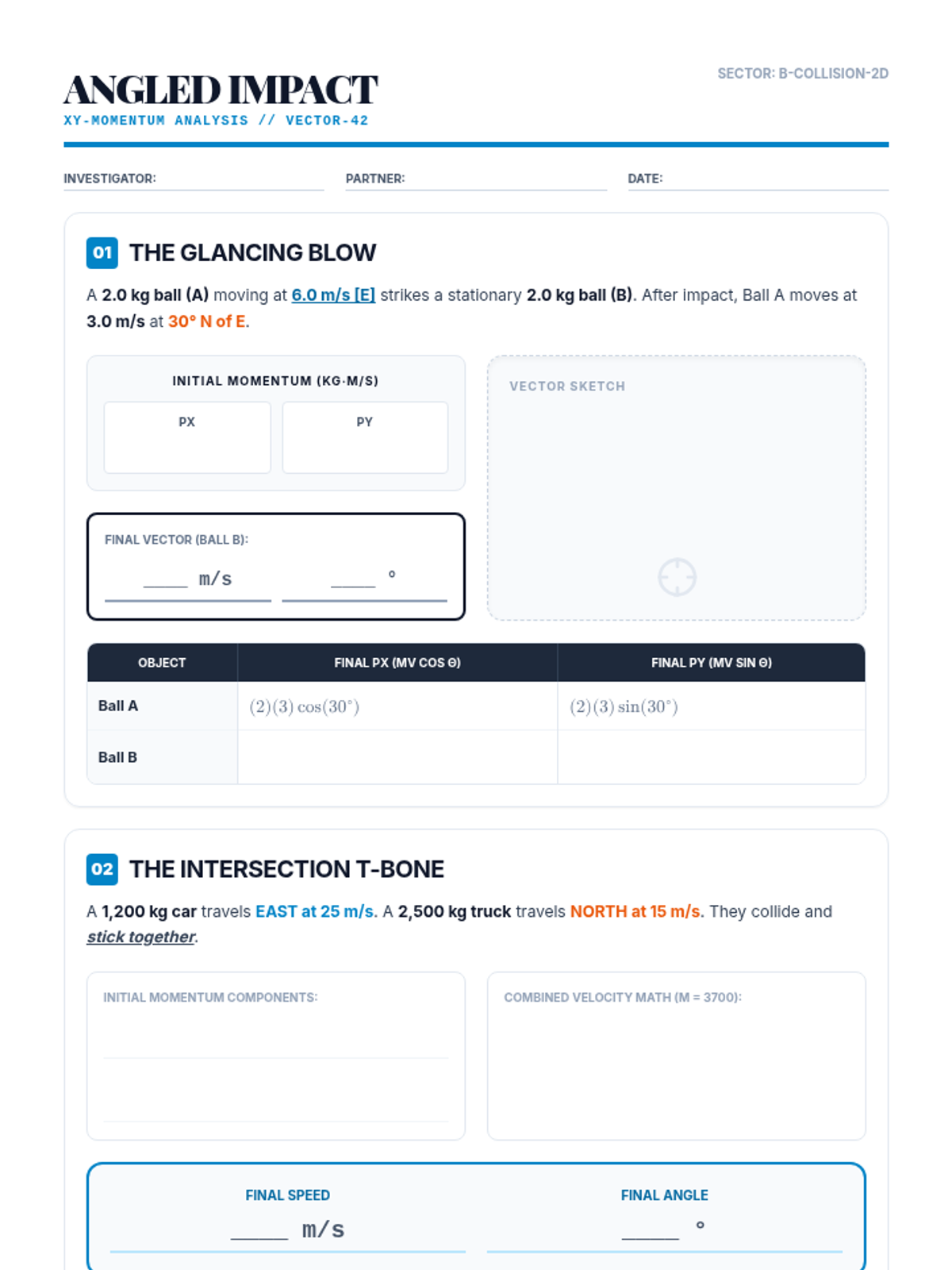
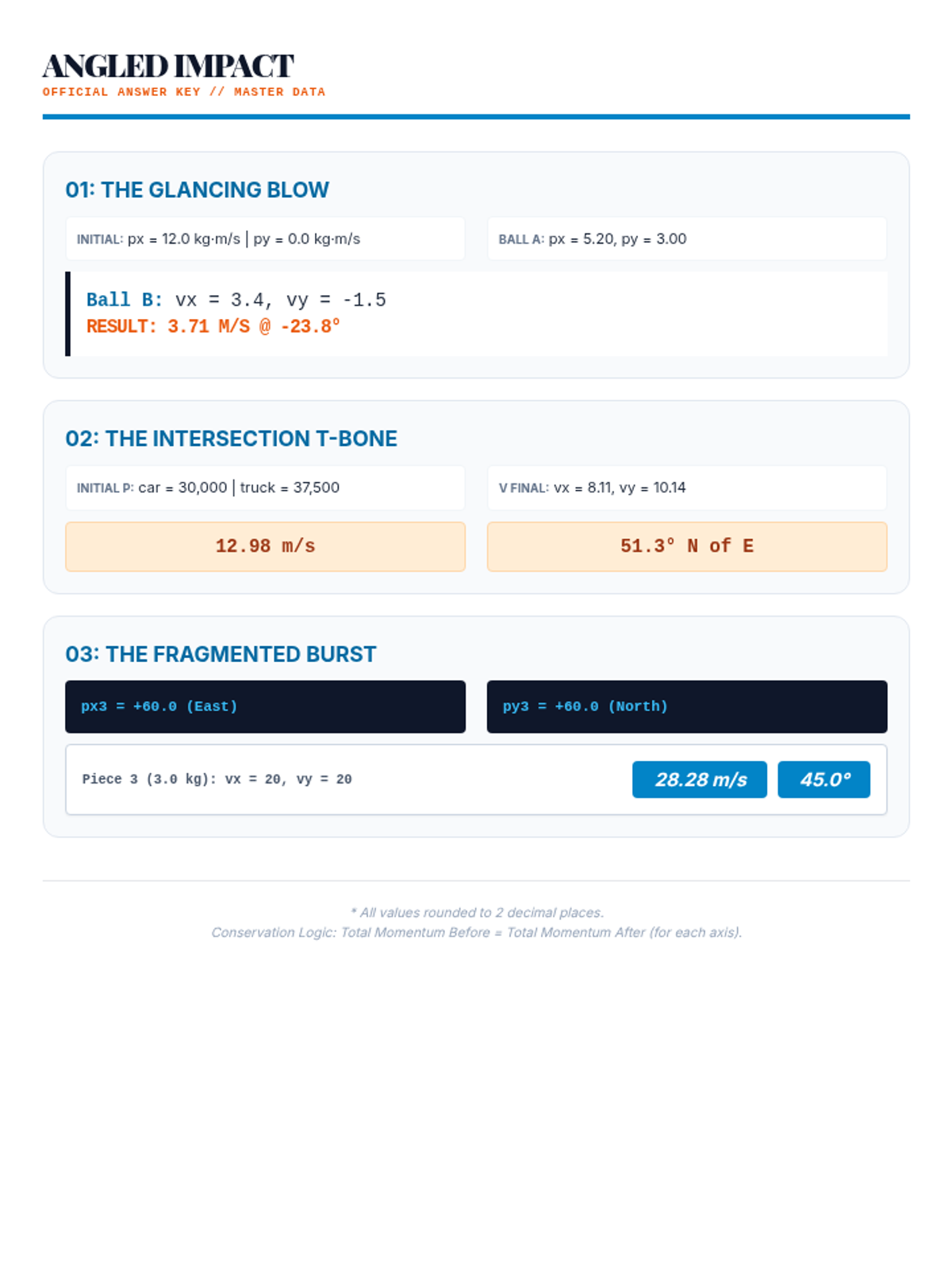
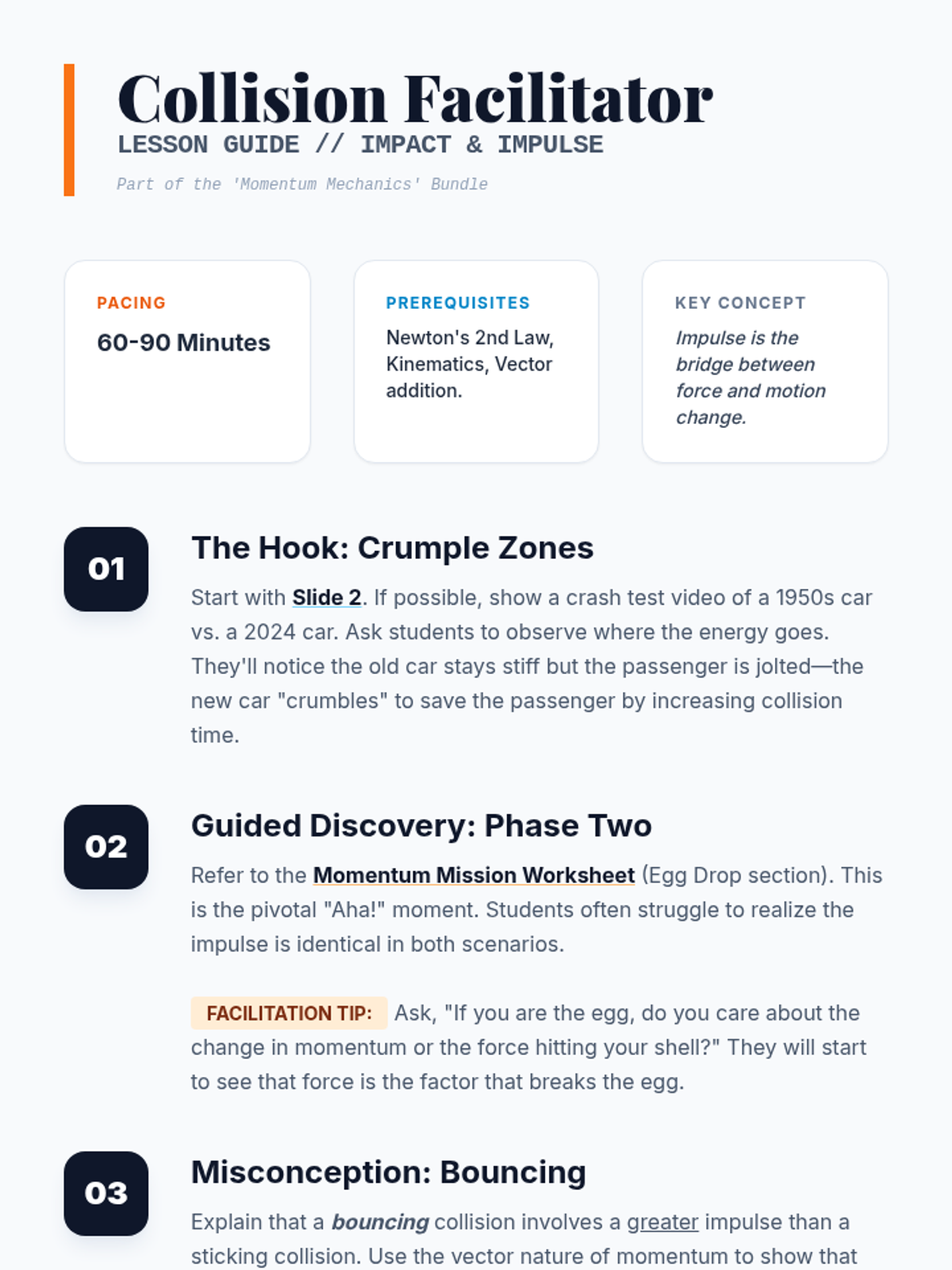
An exploration of momentum conservation in two dimensions, using vector components to solve collision problems.
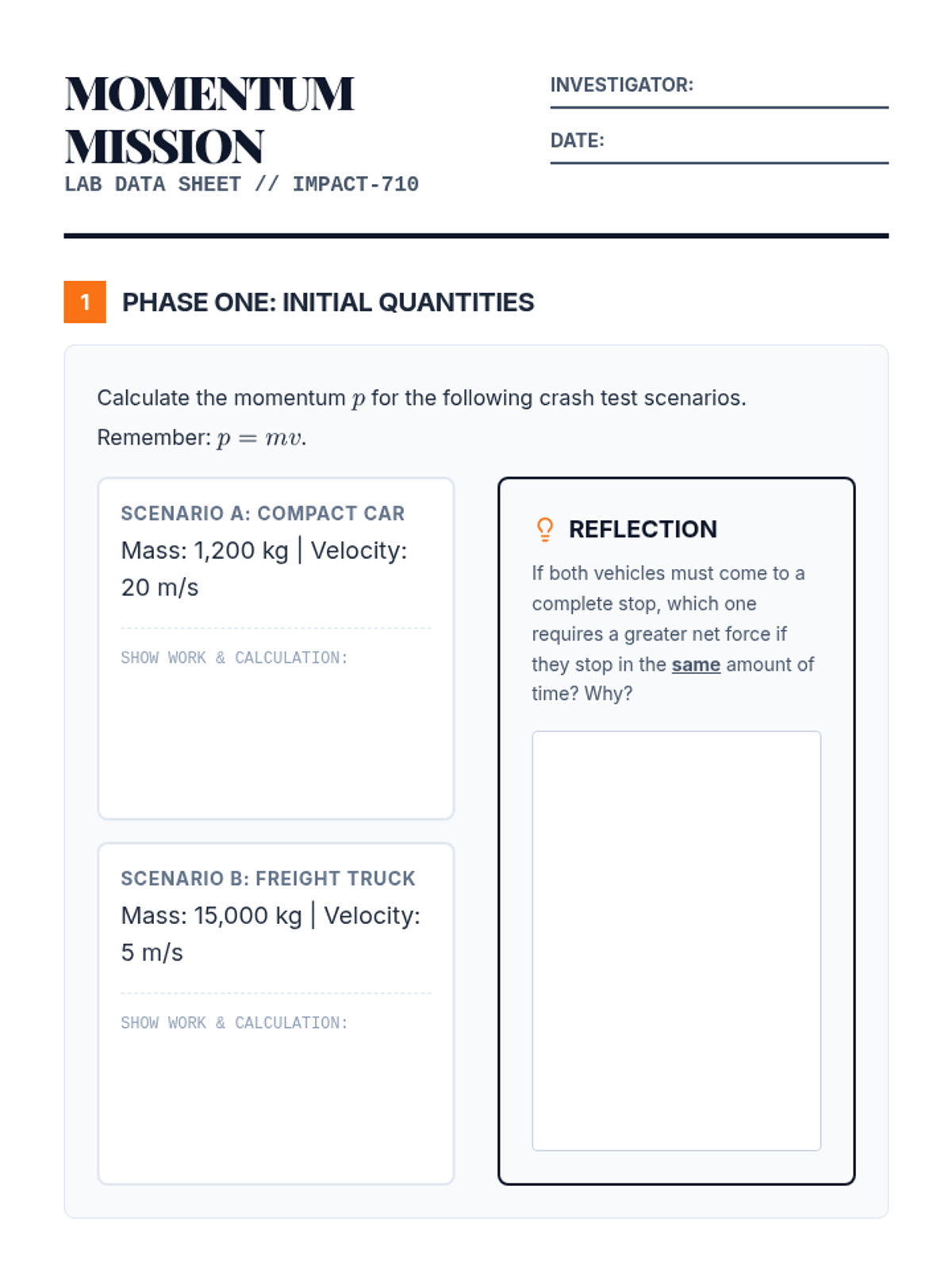
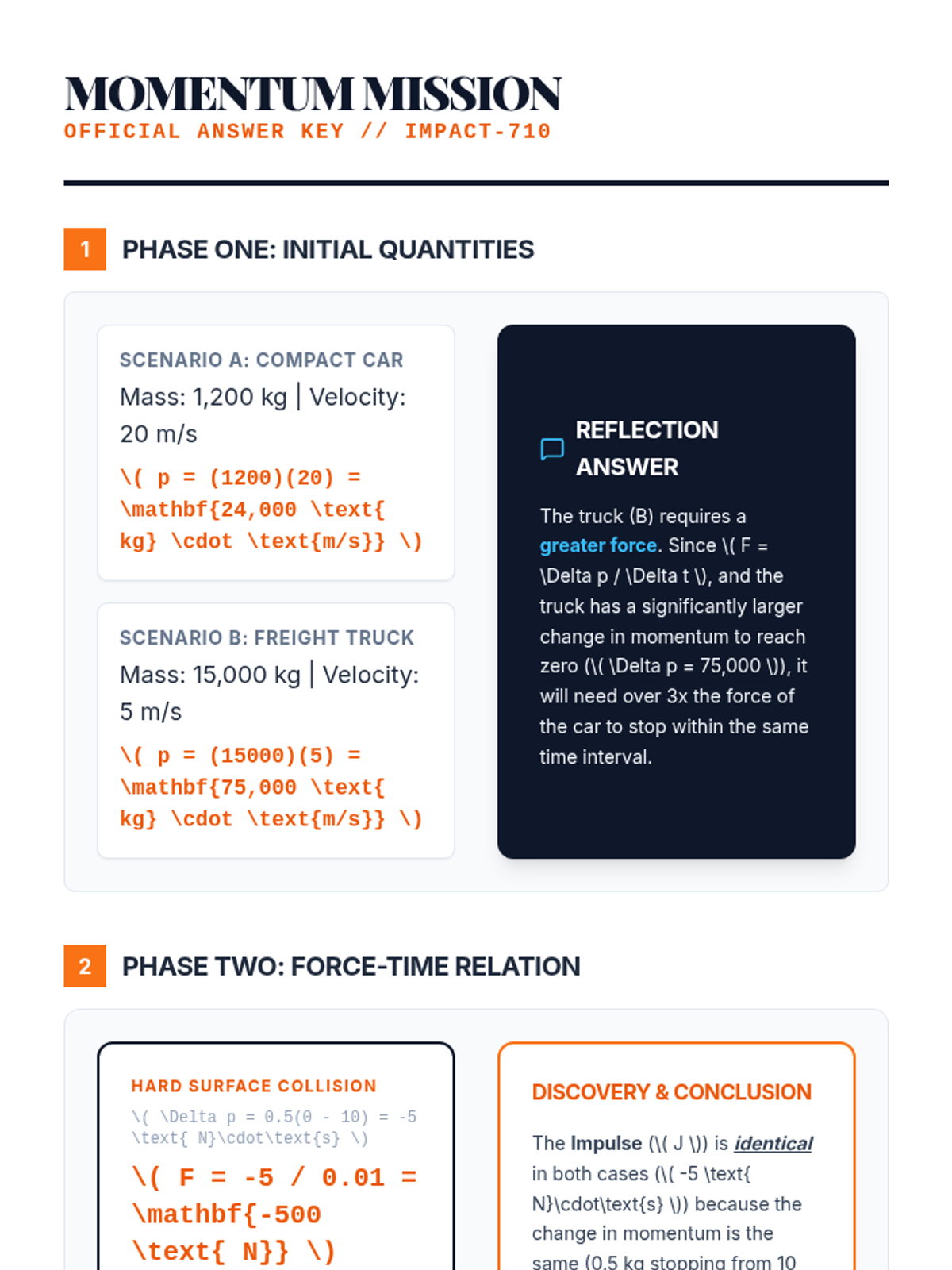
Students explore the relationship between force, time, and change in momentum through guided inquiry and data analysis.
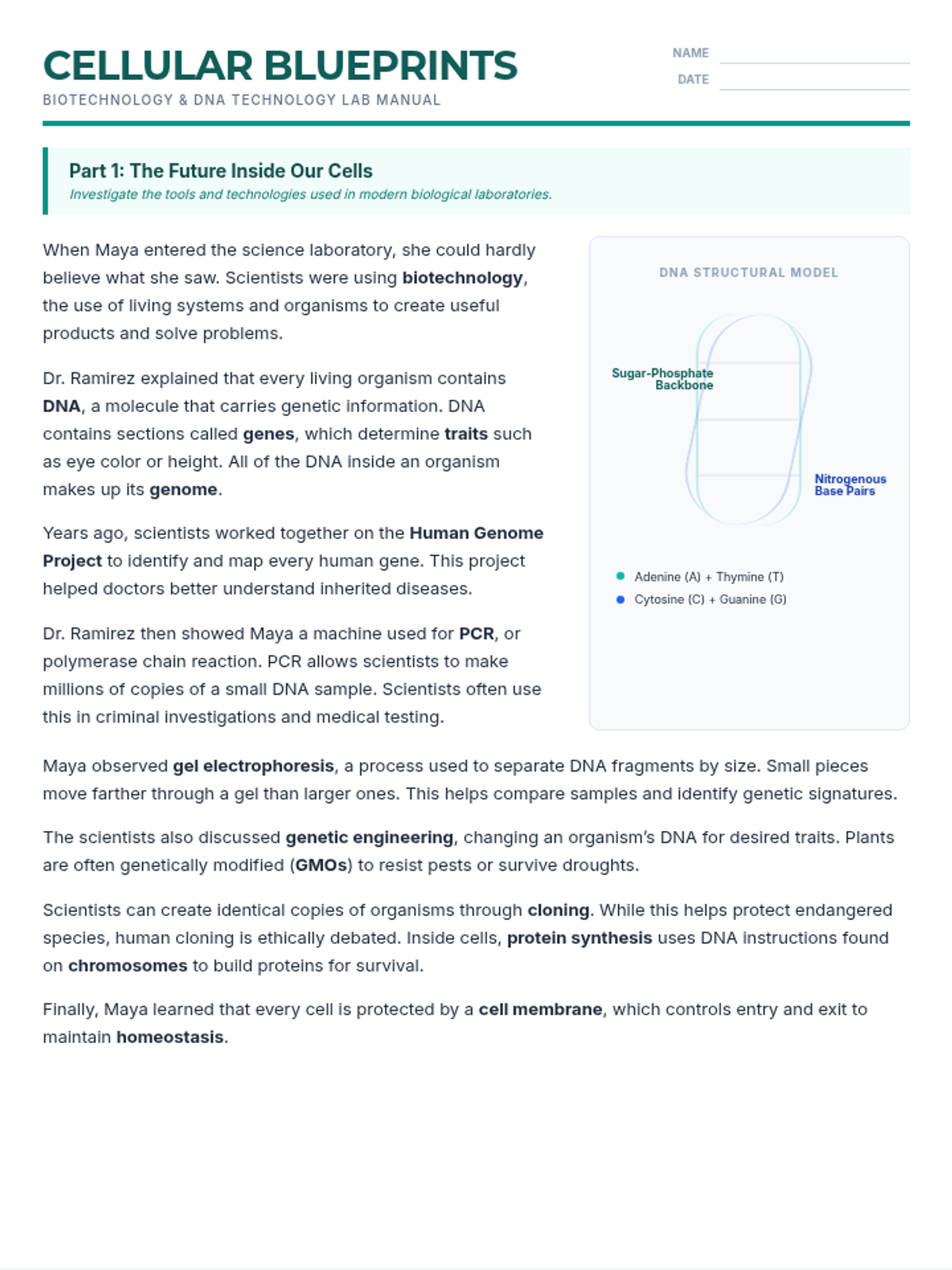
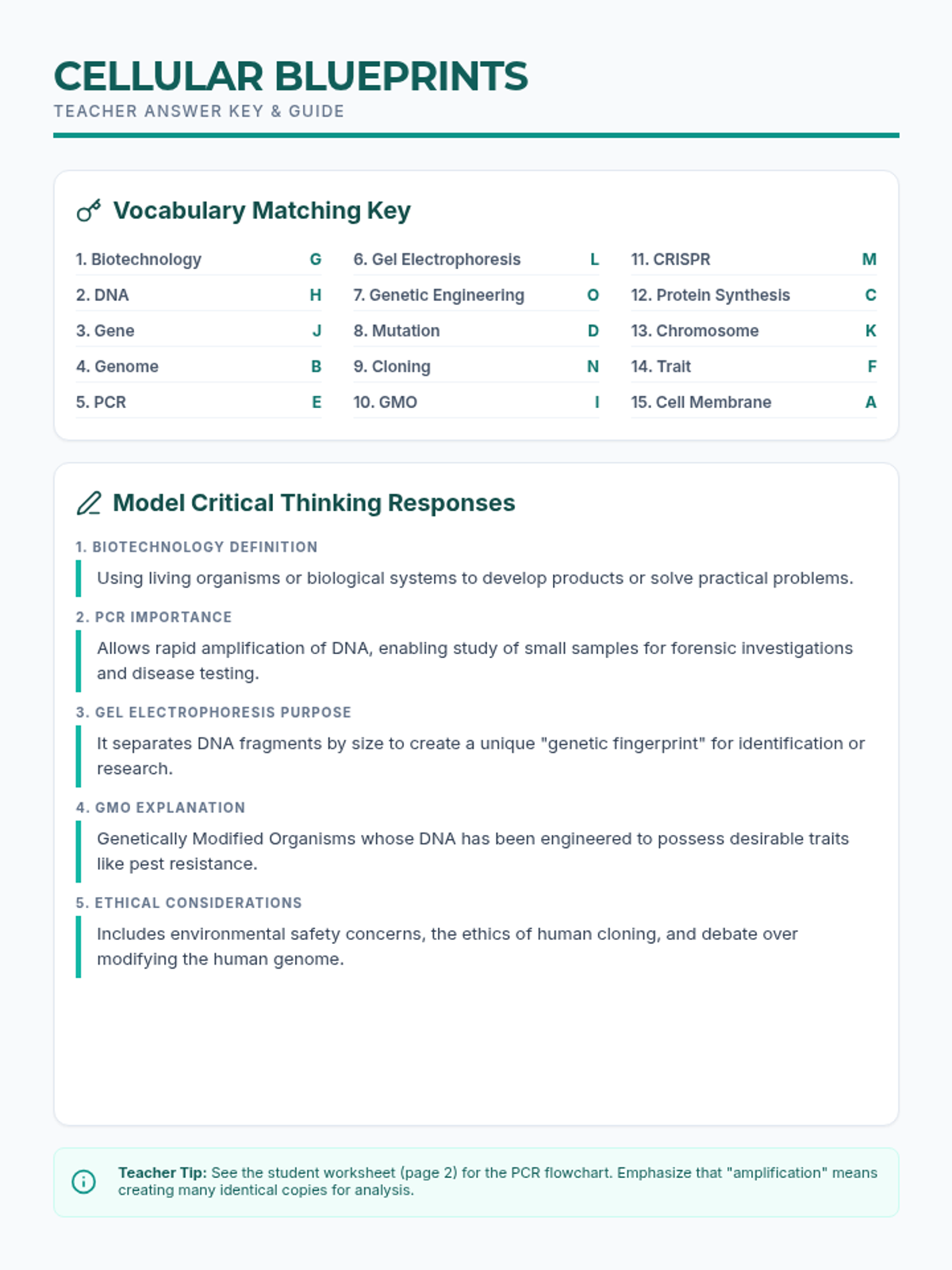
A comprehensive exploration of biotechnology, DNA technology, and genetic engineering through reading, visual diagrams, and vocabulary practice.
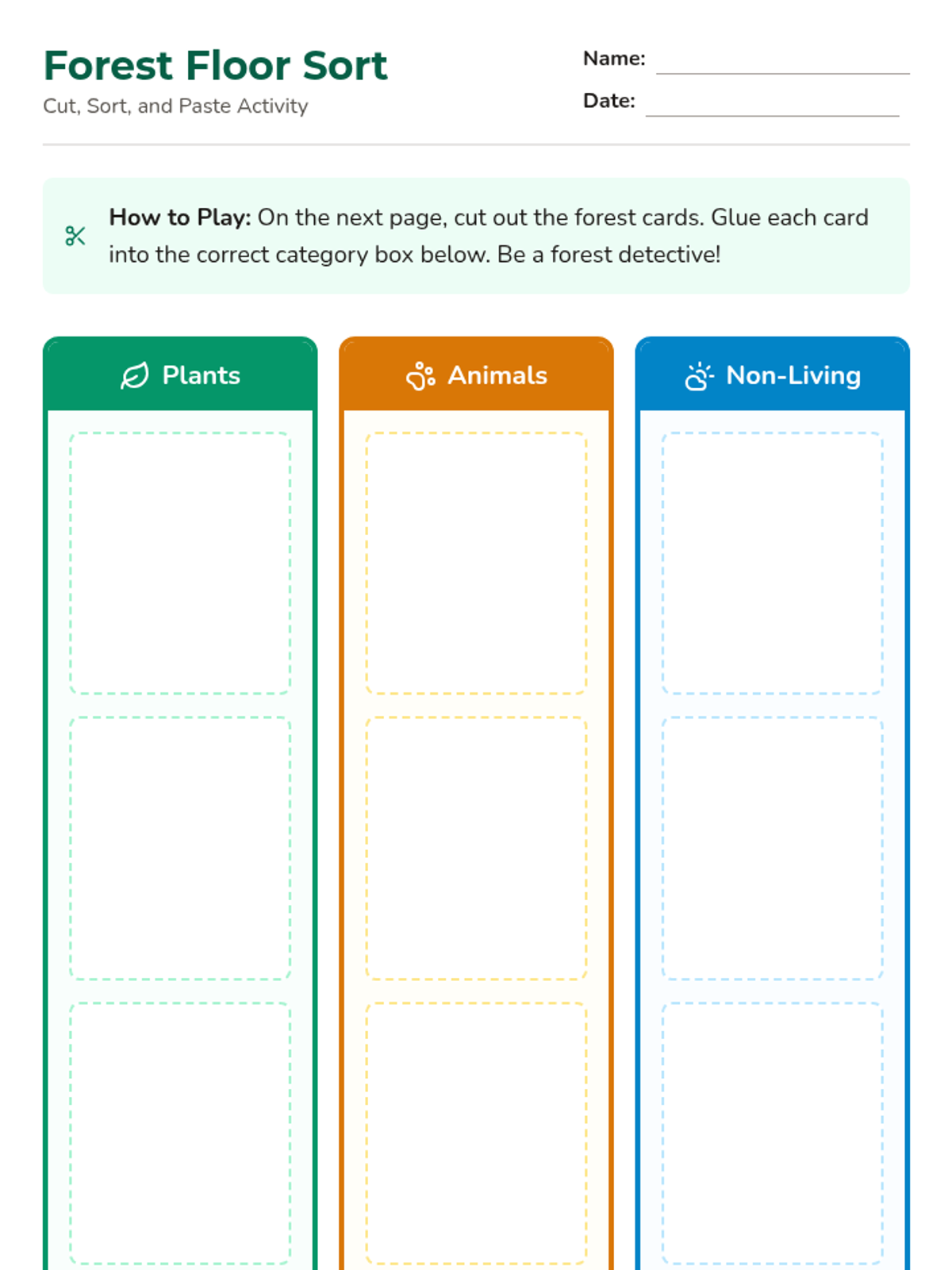
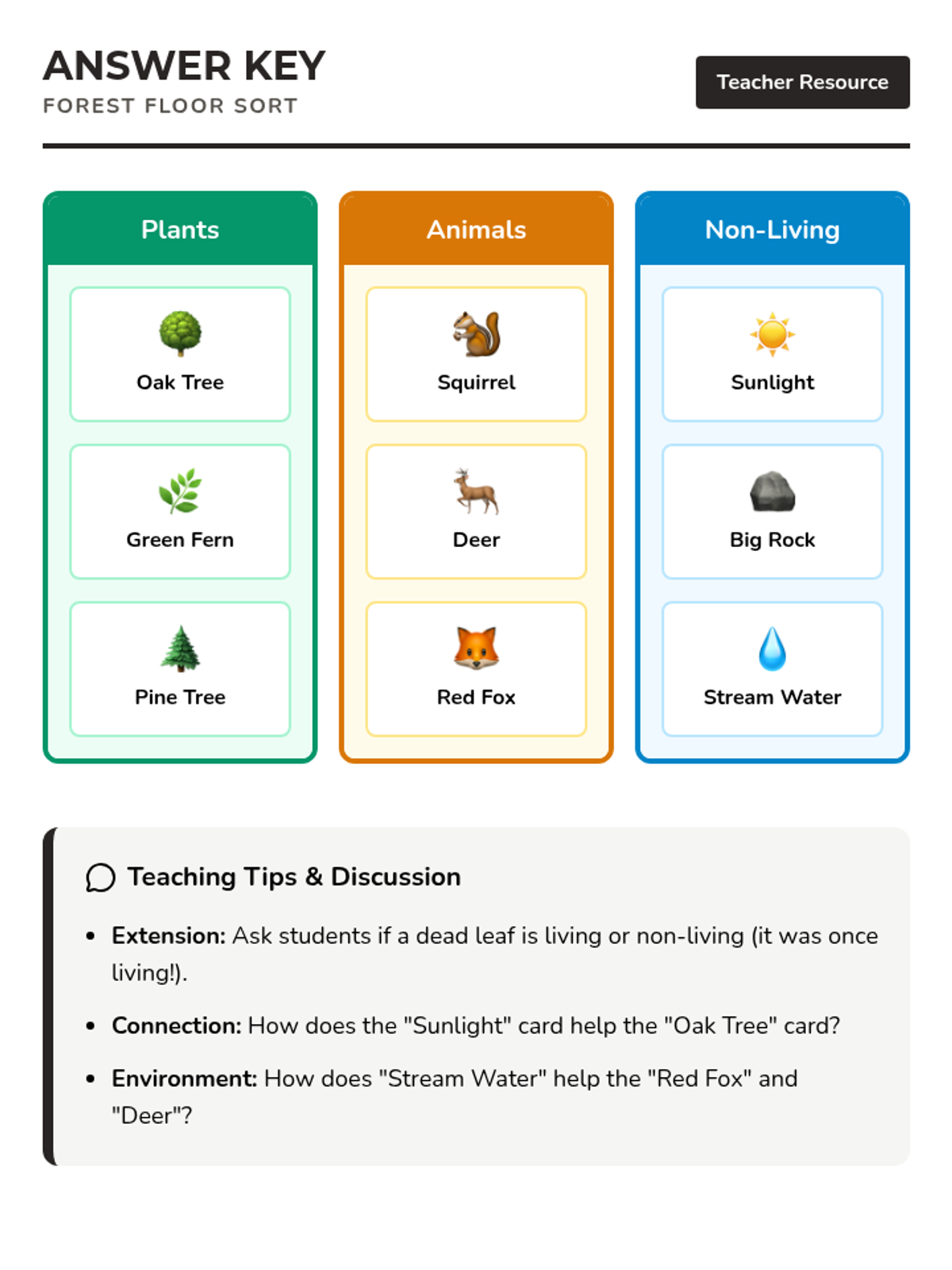
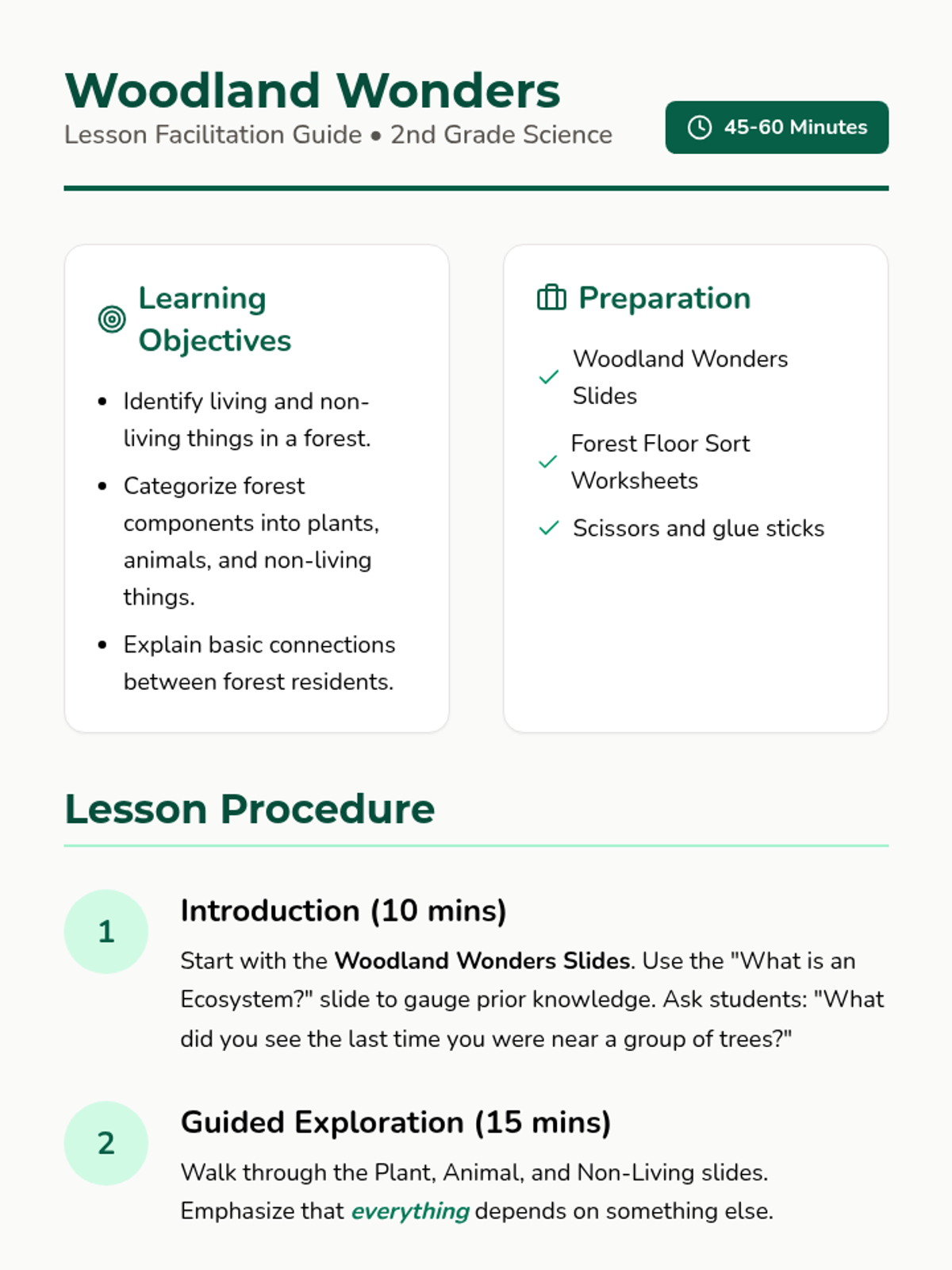
An introductory lesson on the forest ecosystem where students identify and categorize living and non-living components. Students will explore the roles of plants, animals, and the environment in a woodland setting.
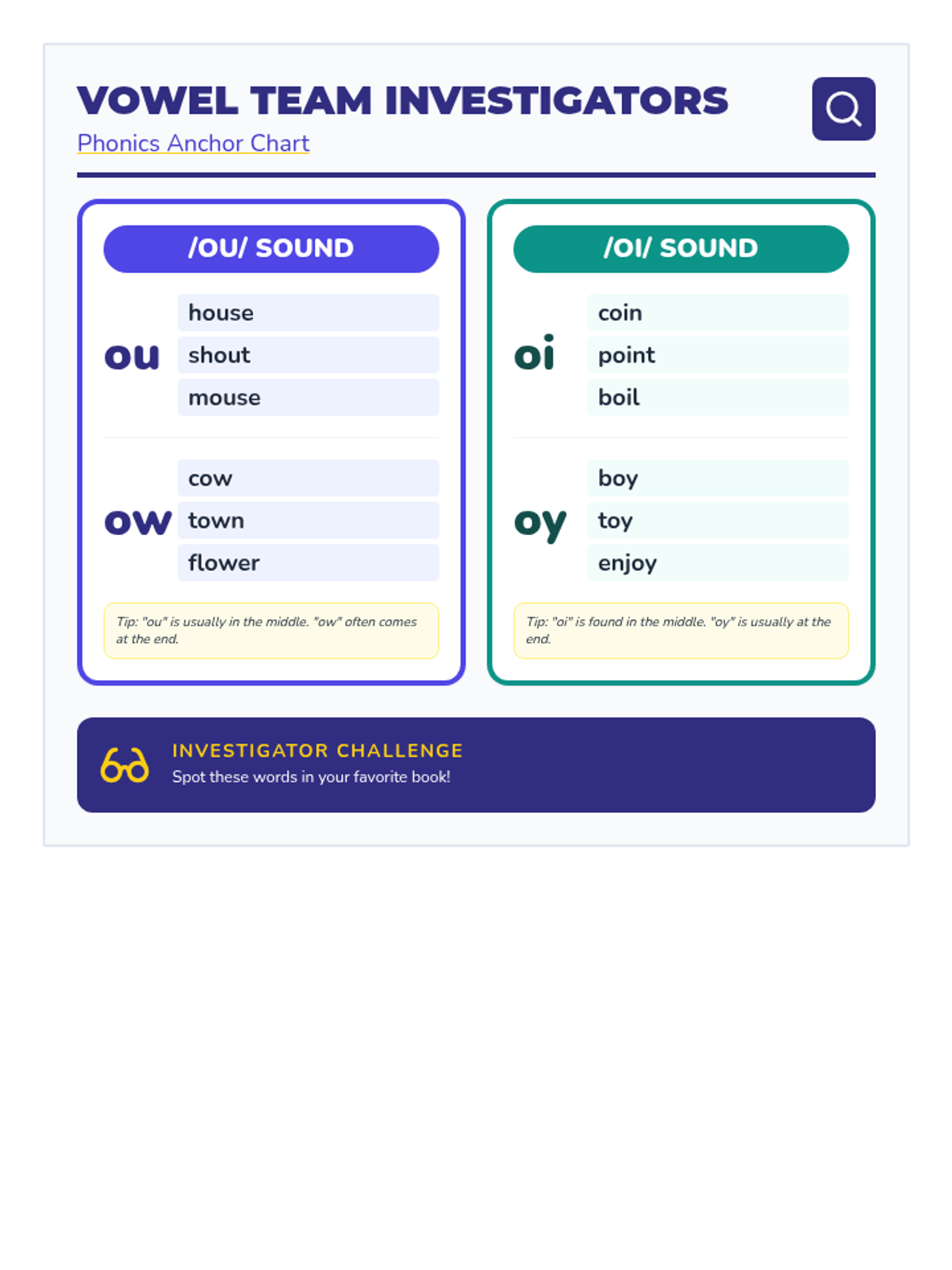
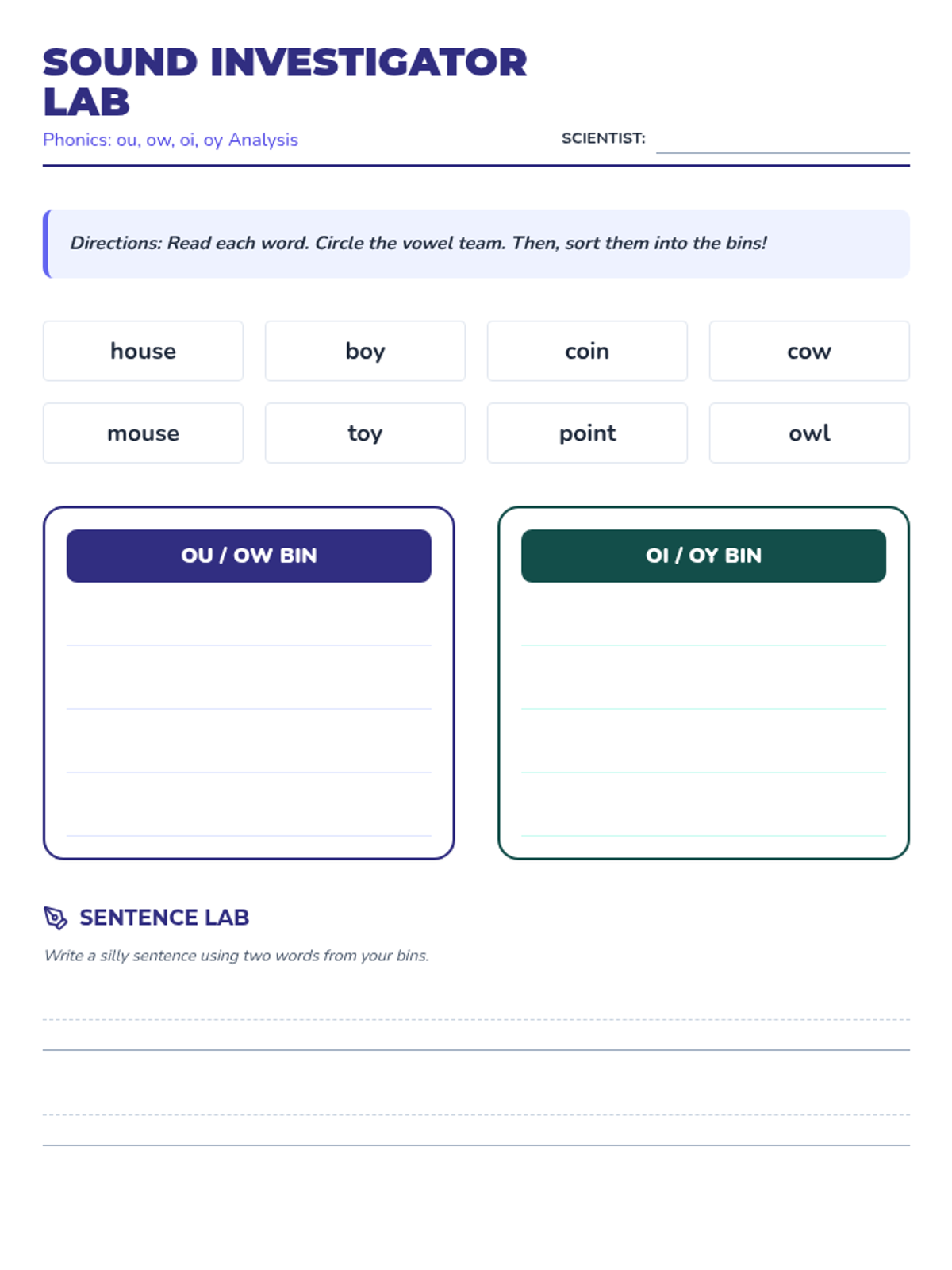
Students decode and apply knowledge of vowel teams and diphthongs (ou, ow, oi, oy) in multi-syllabic words.
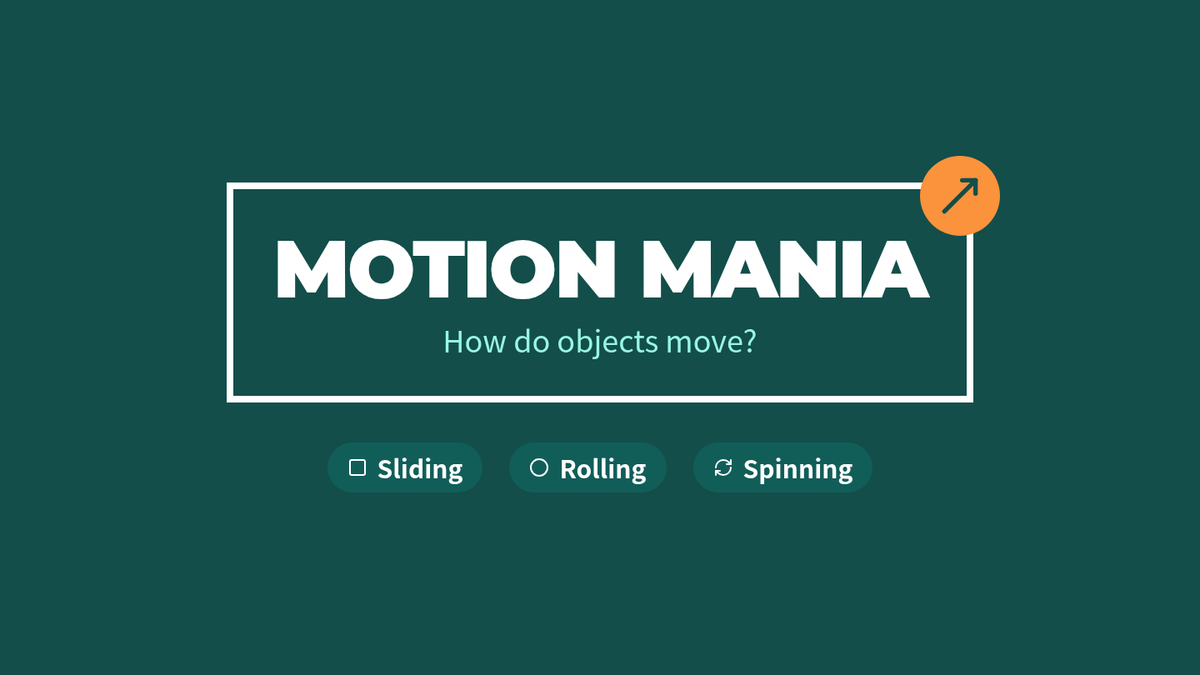
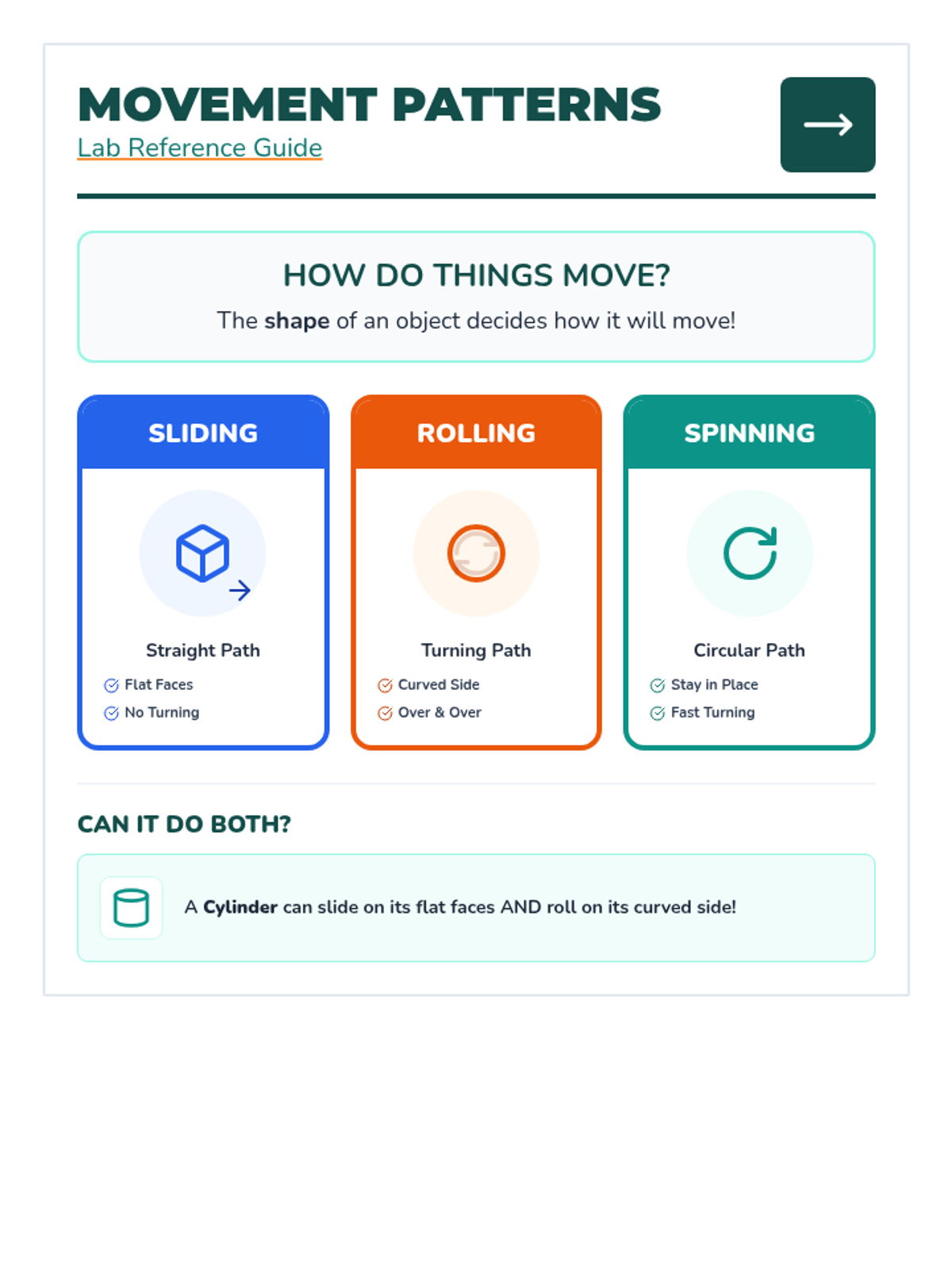
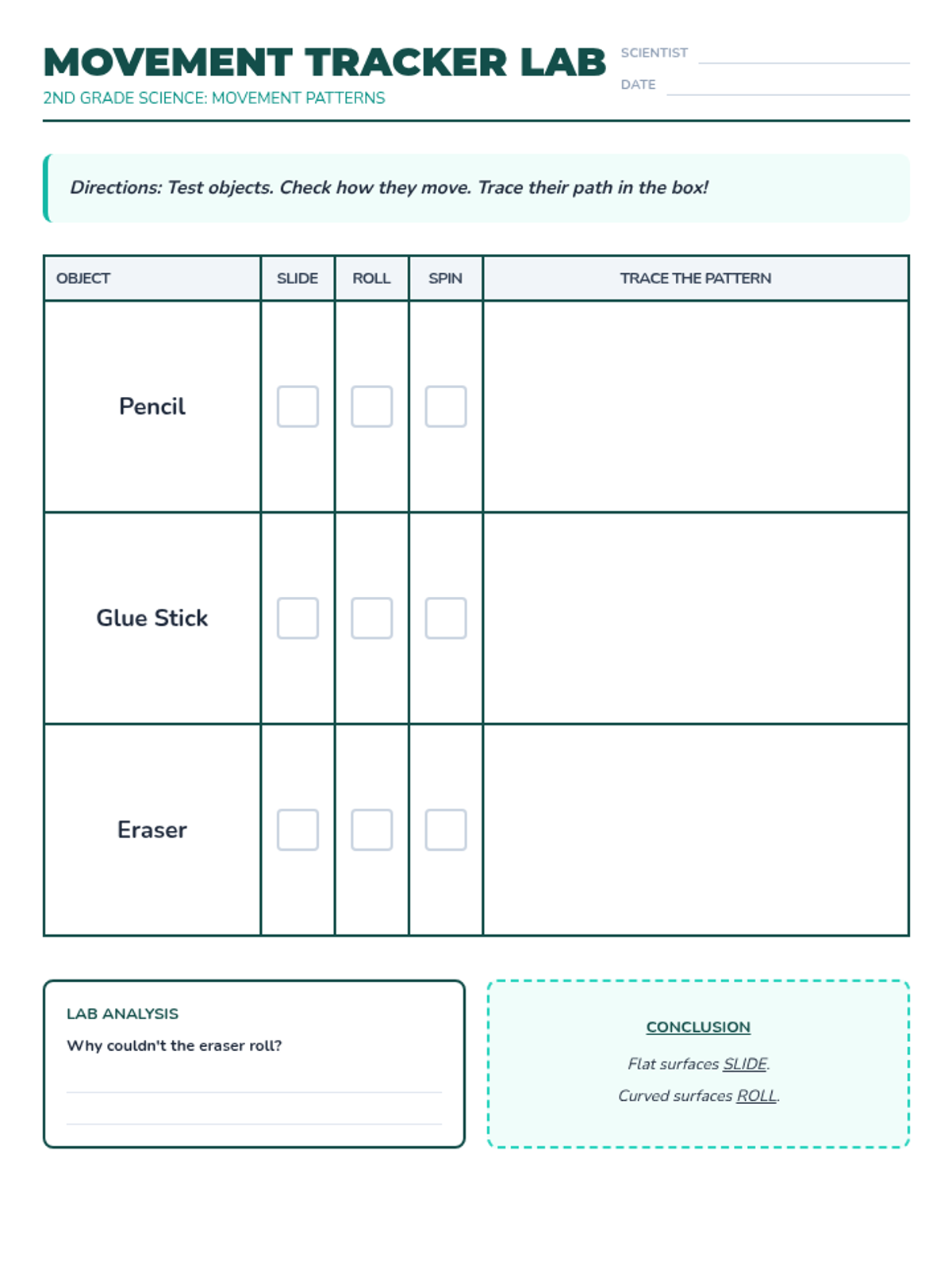
Students investigate and compare different patterns of movement, including sliding, rolling, and spinning, through hands-on observation.