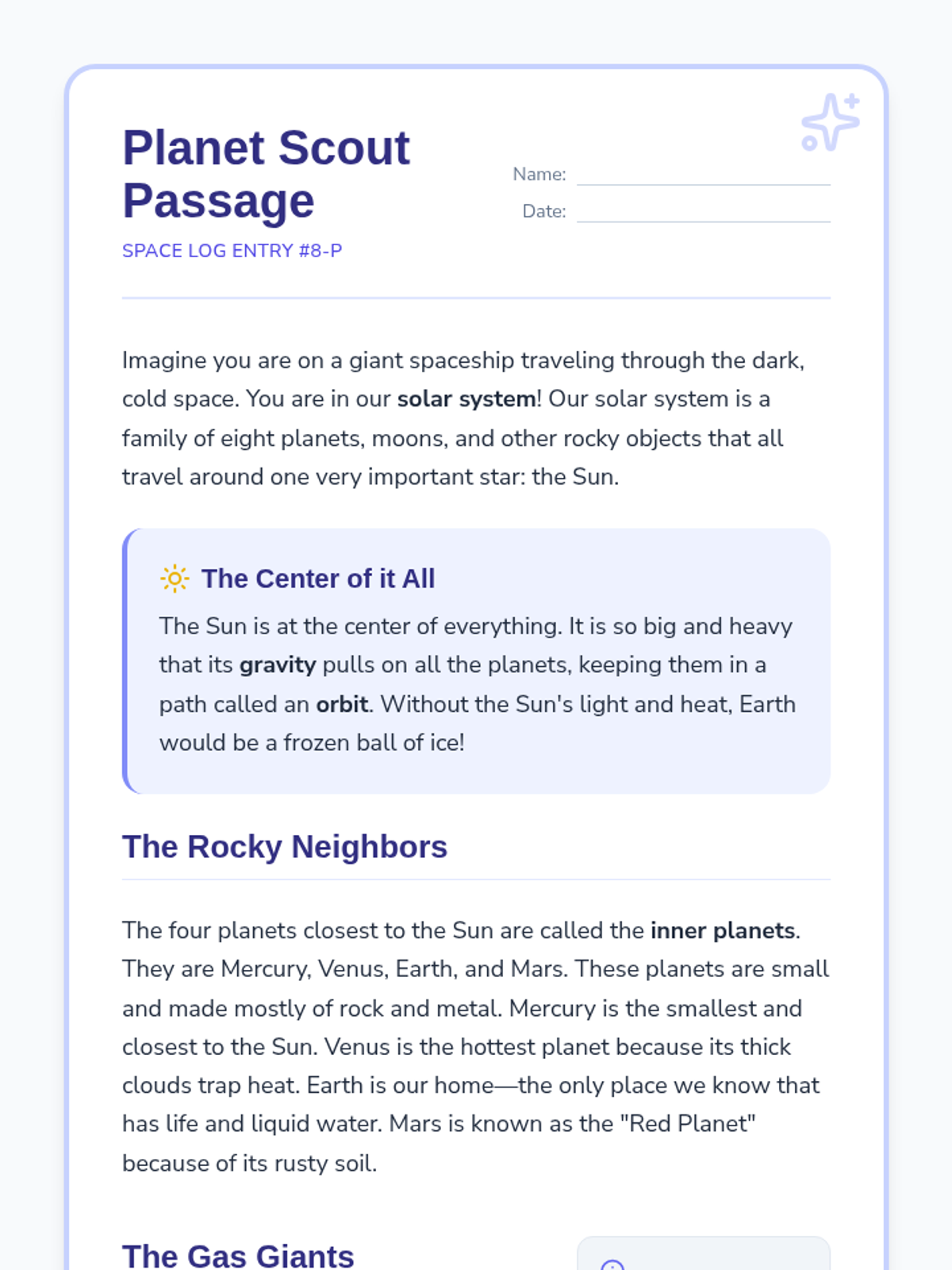
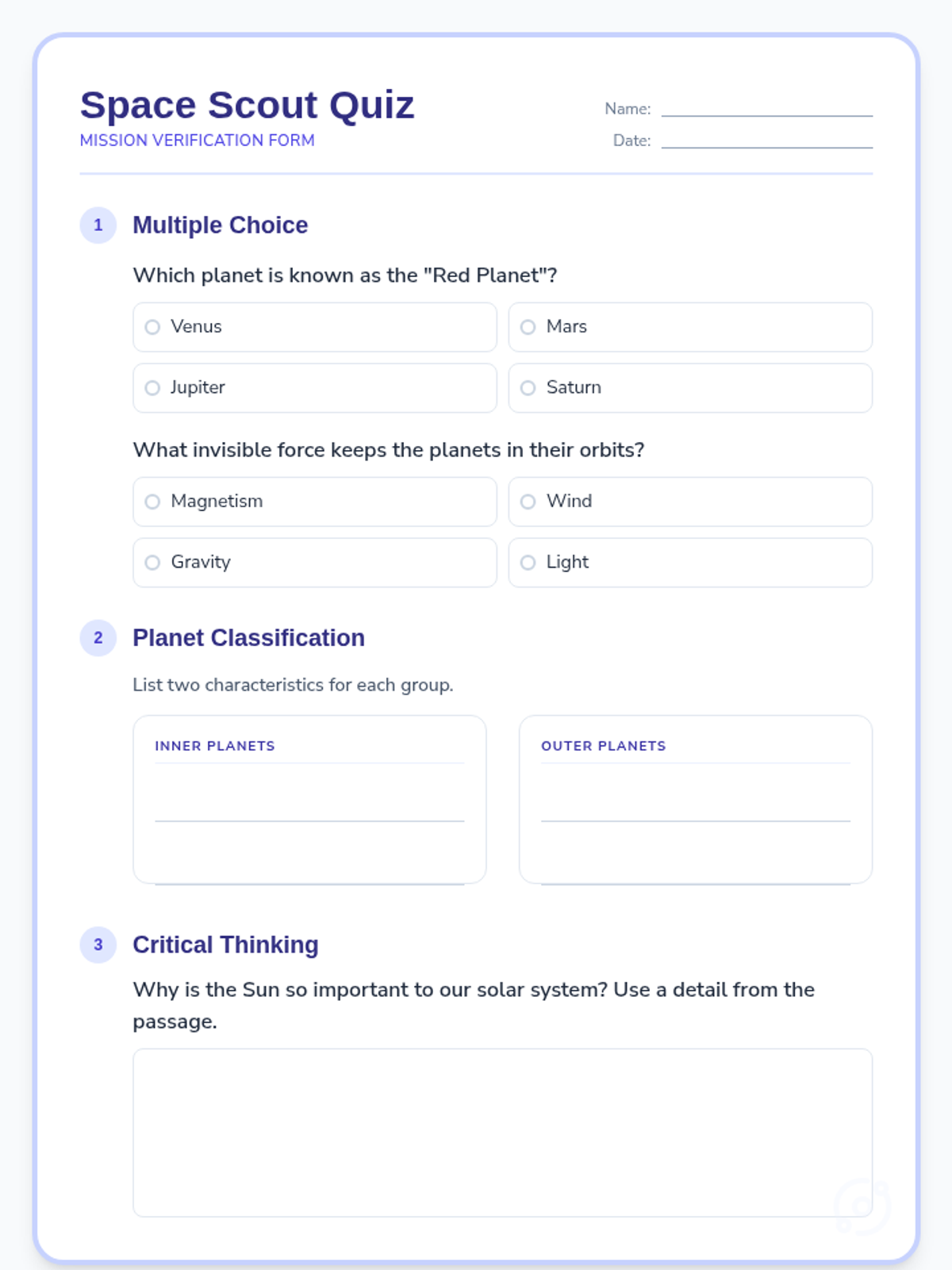
A week-long exploration of our solar system (NC 3.E.2) integrated with ELA skills like main idea, cause and effect, and context clues. Students will analyze the Earth, Moon, and planets through daily reading passages and 10-question assessments.
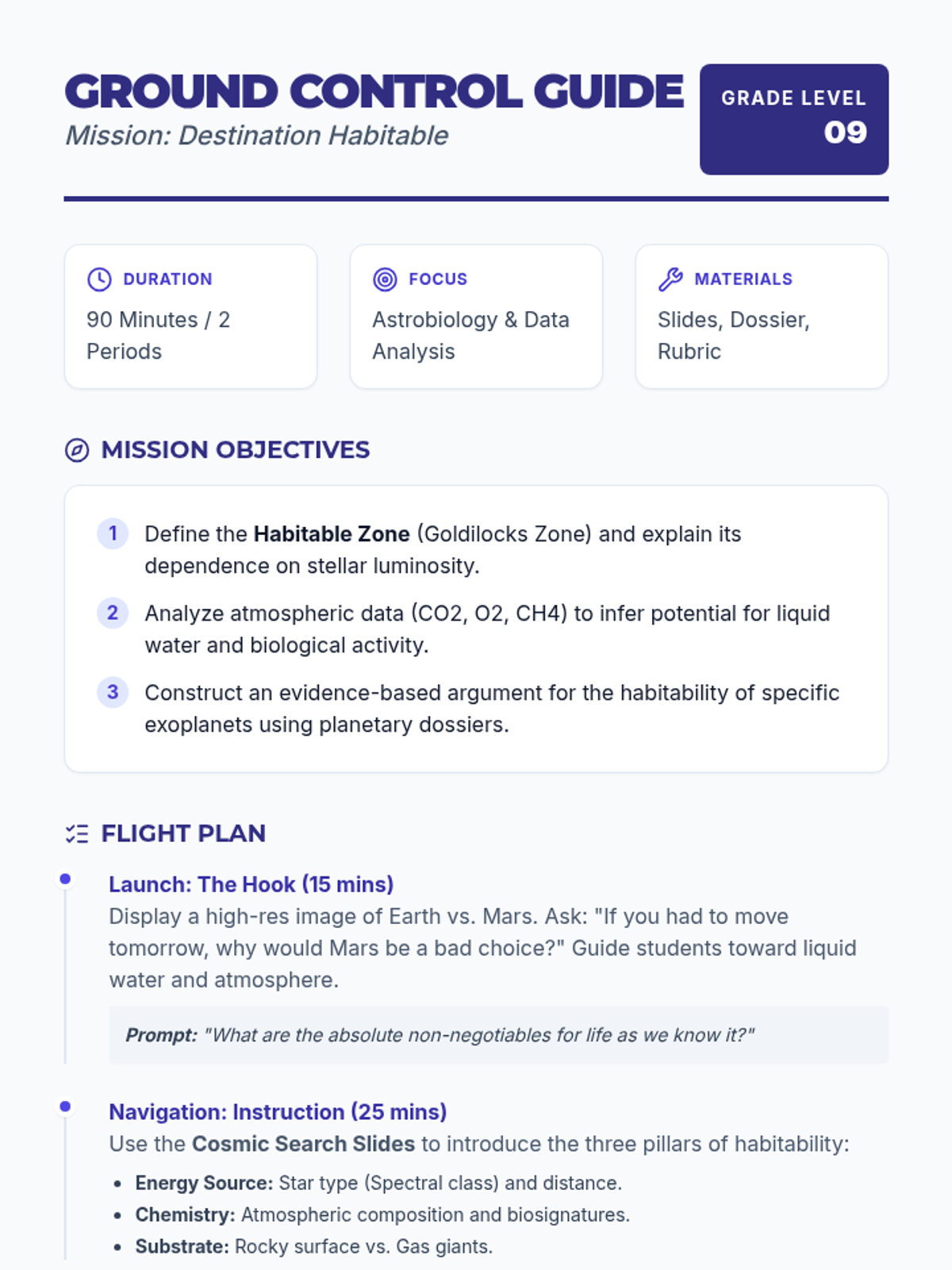
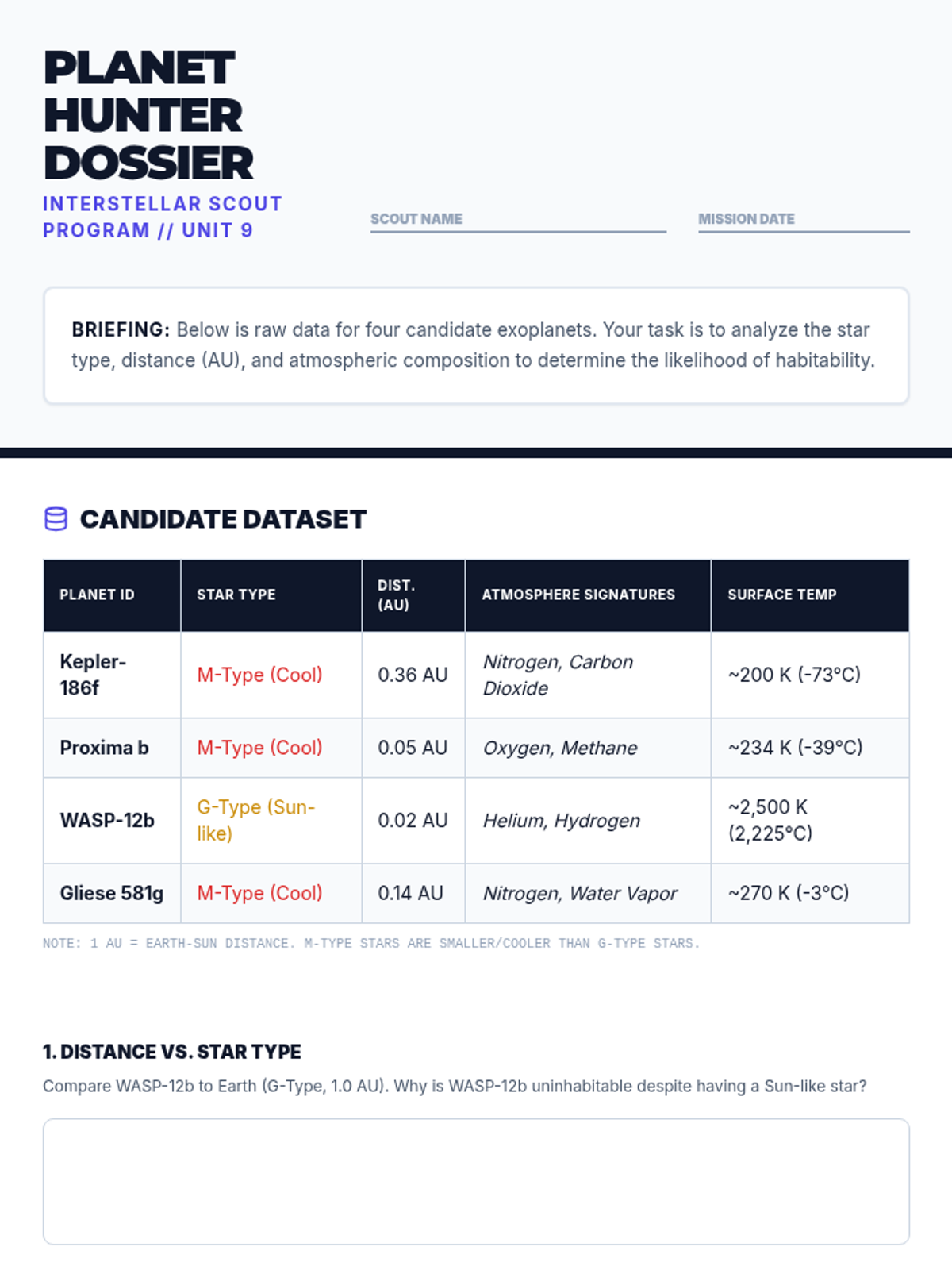
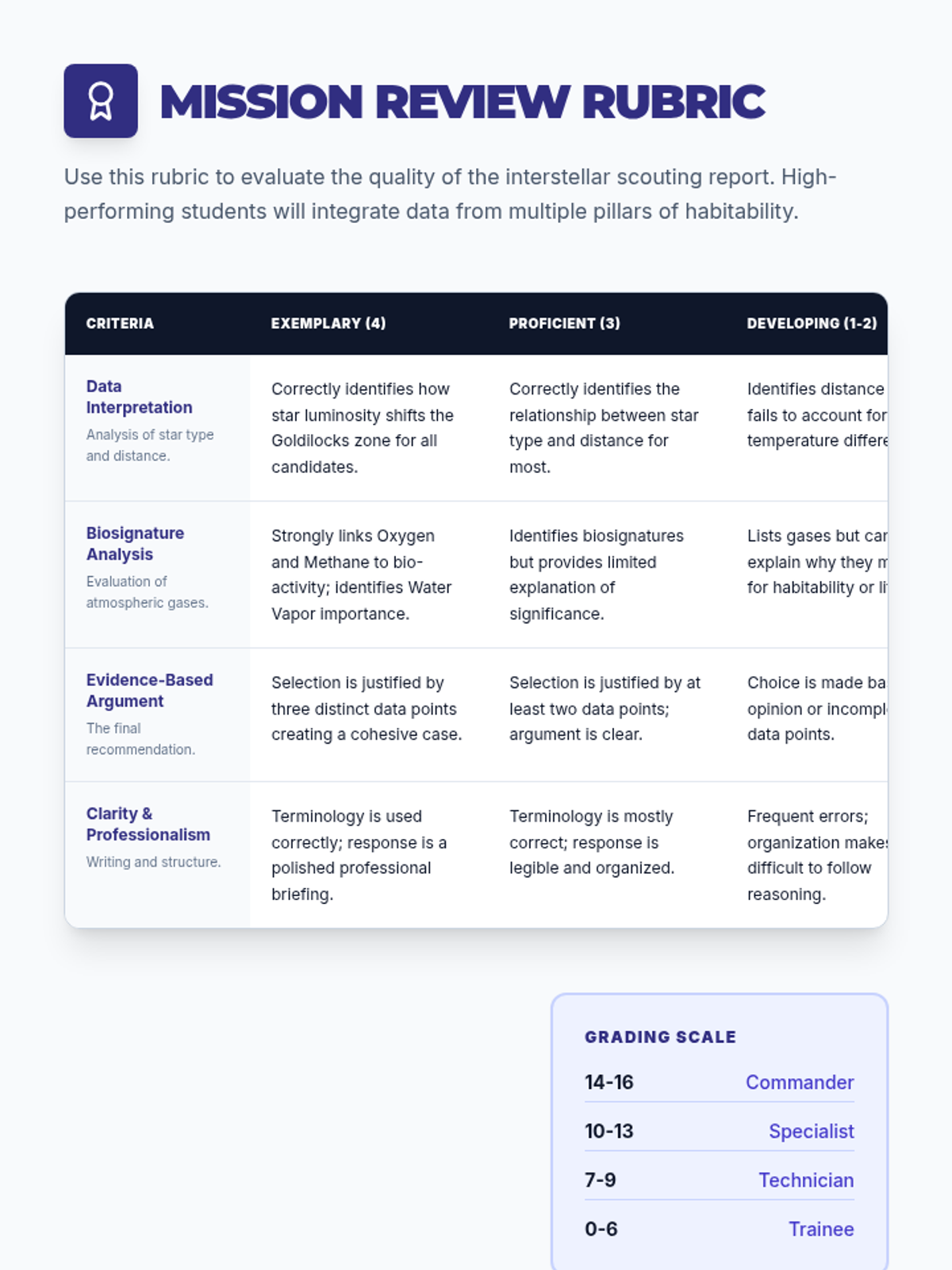
A high-school science lesson where students act as planetary scouts, analyzing exoplanet data to determine habitability and arguing for the best candidate for life beyond Earth.
A comprehensive exploration of ecosystems and biomes, focusing on the interactions between biotic and abiotic factors, the flow of energy through food webs, and the impact of environmental changes on organism survival. Students will investigate how energy and matter move through nature's blueprint.
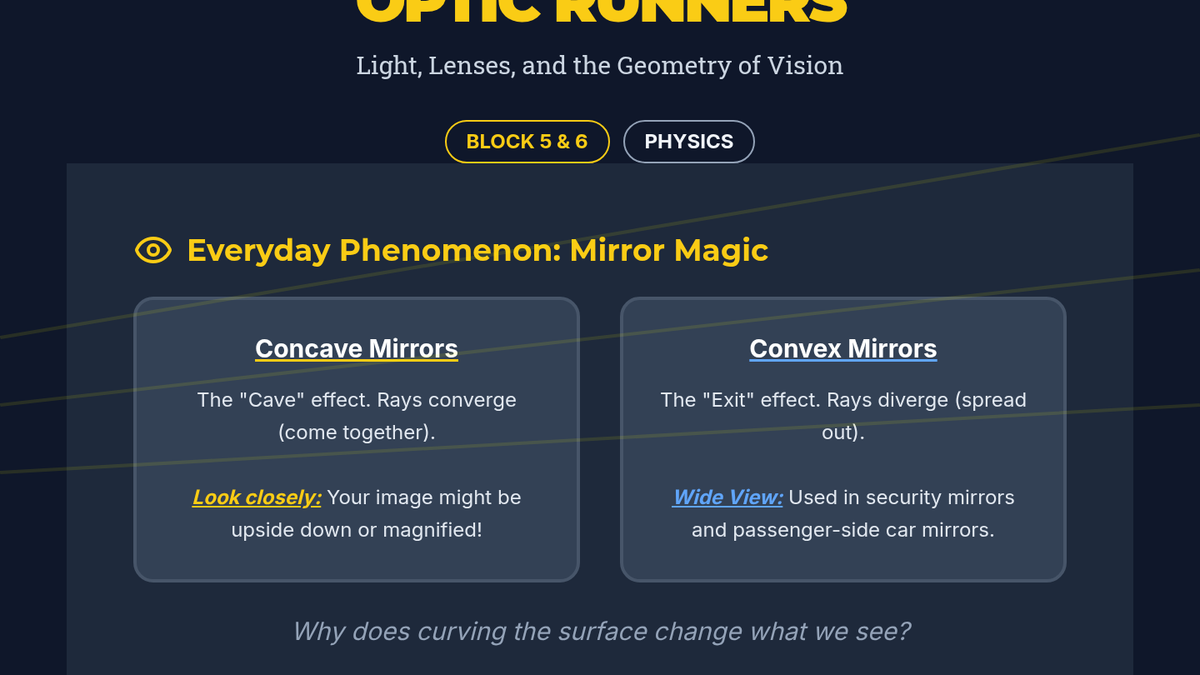
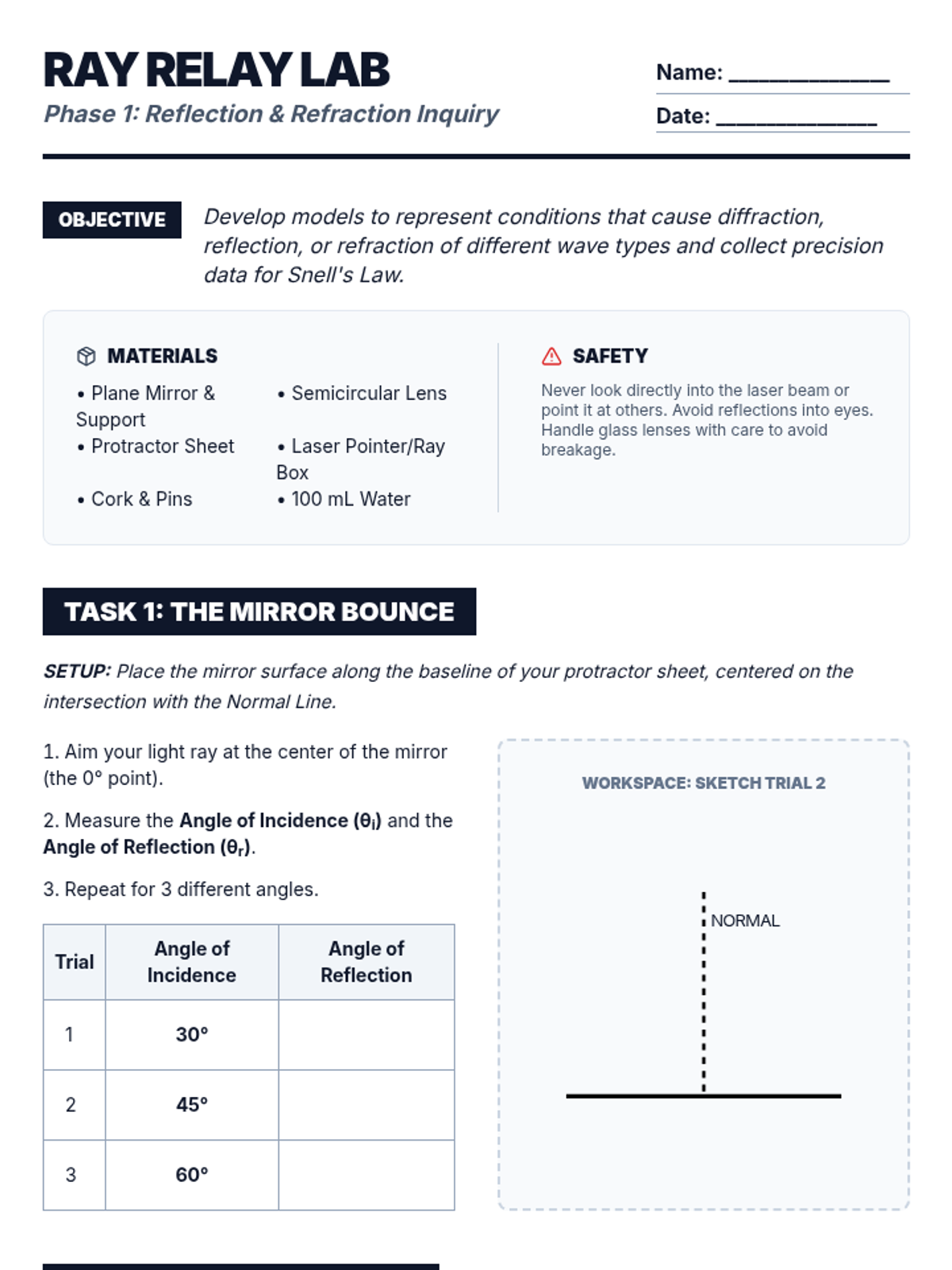
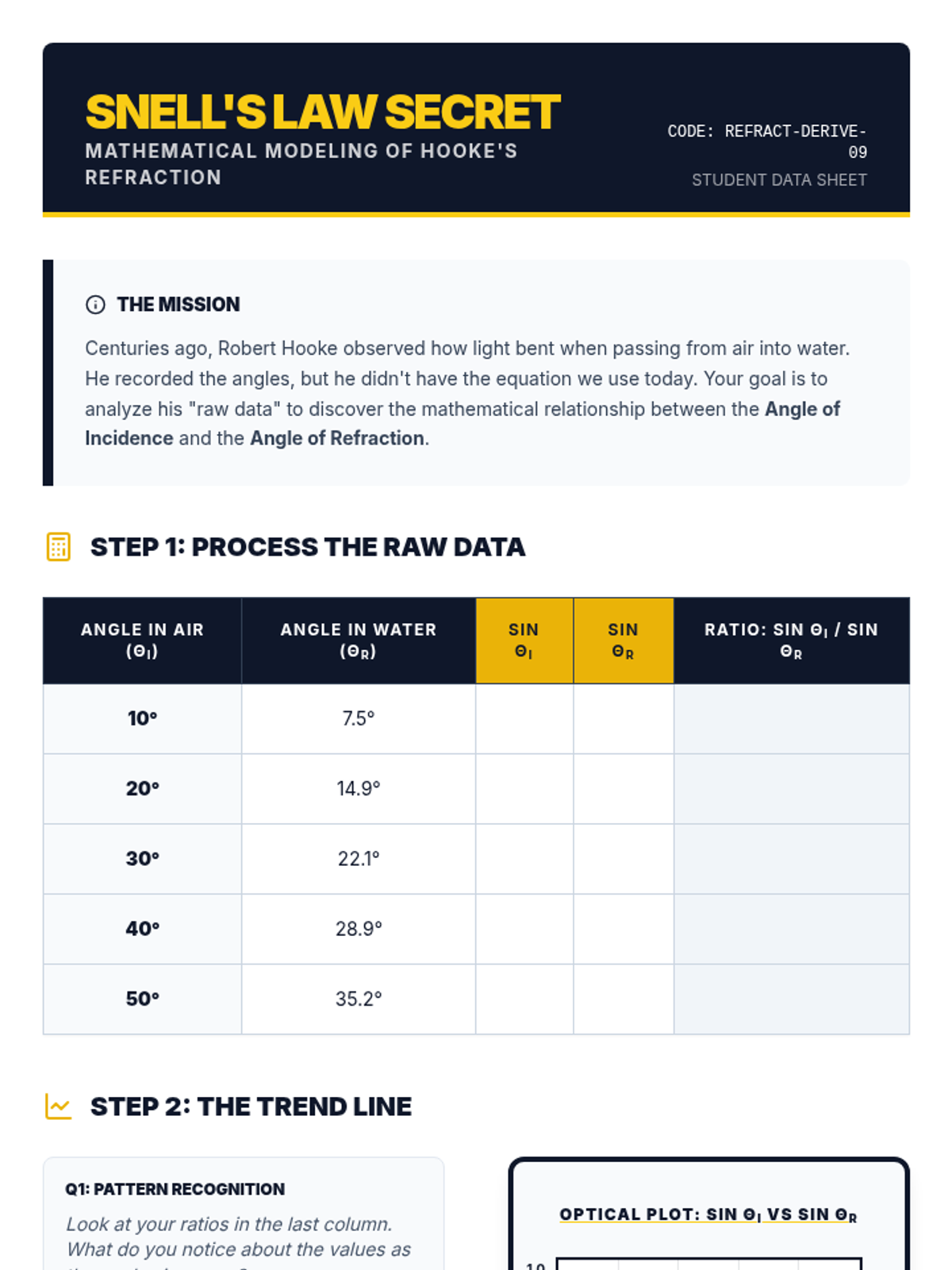
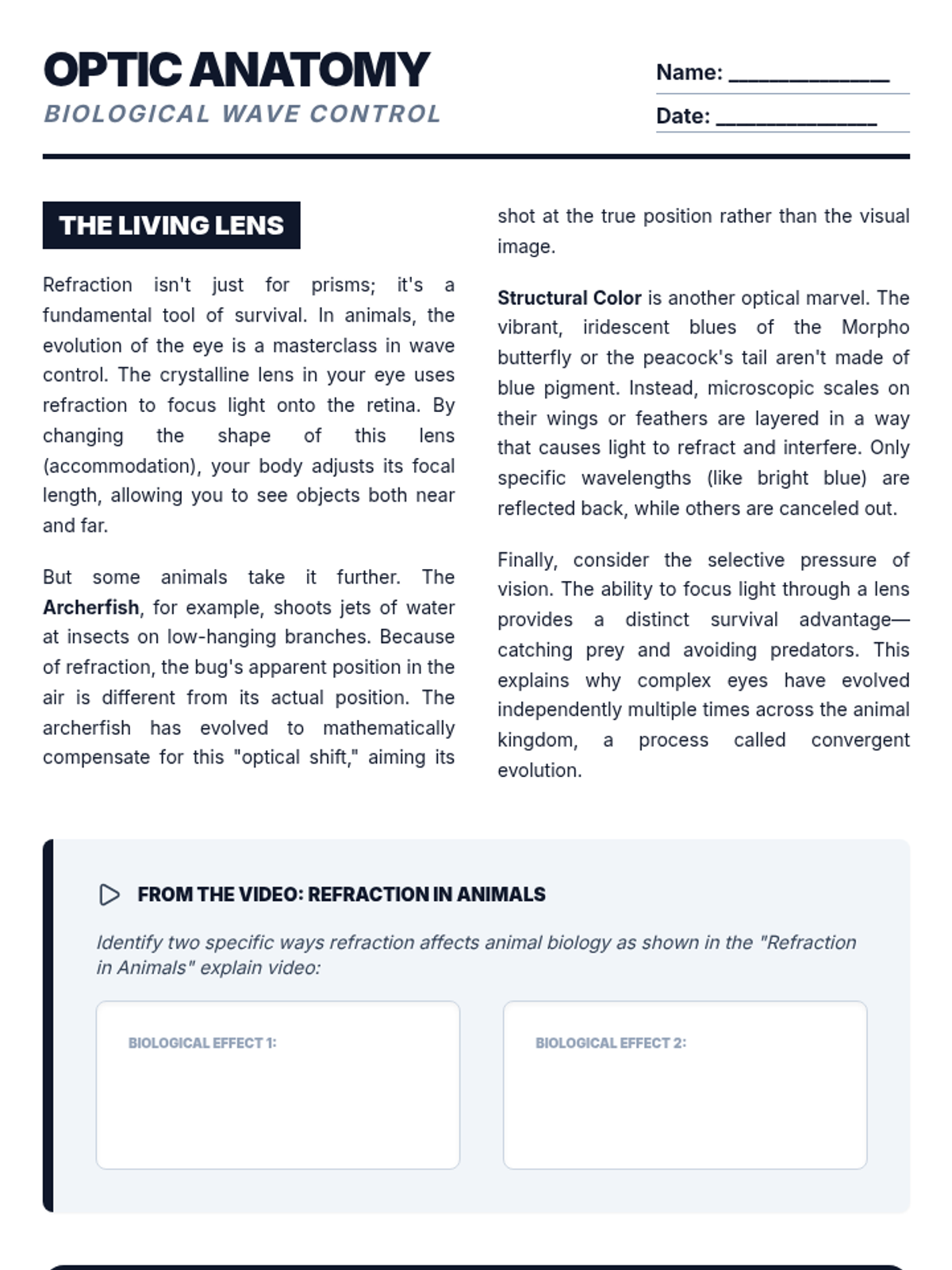
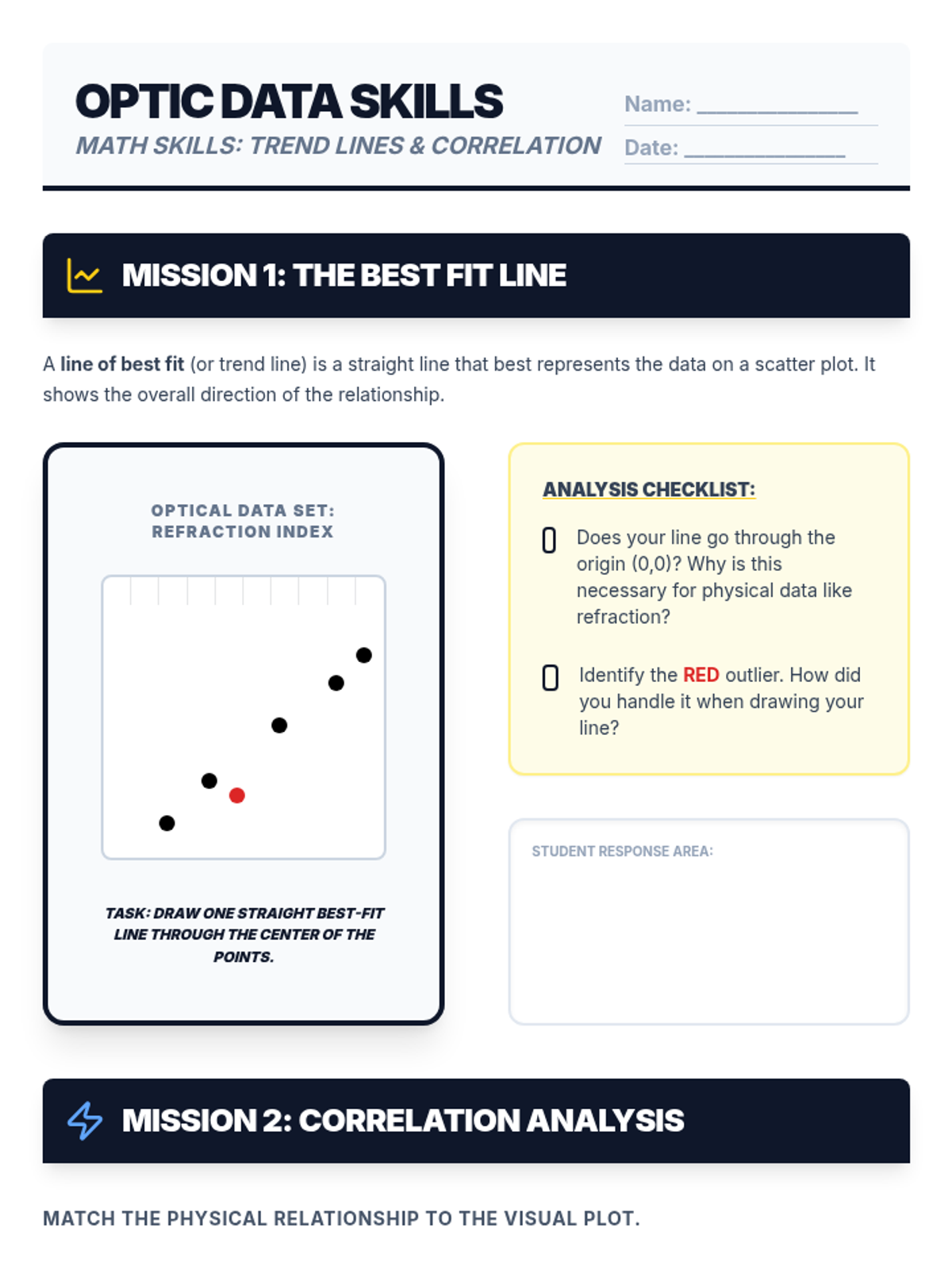
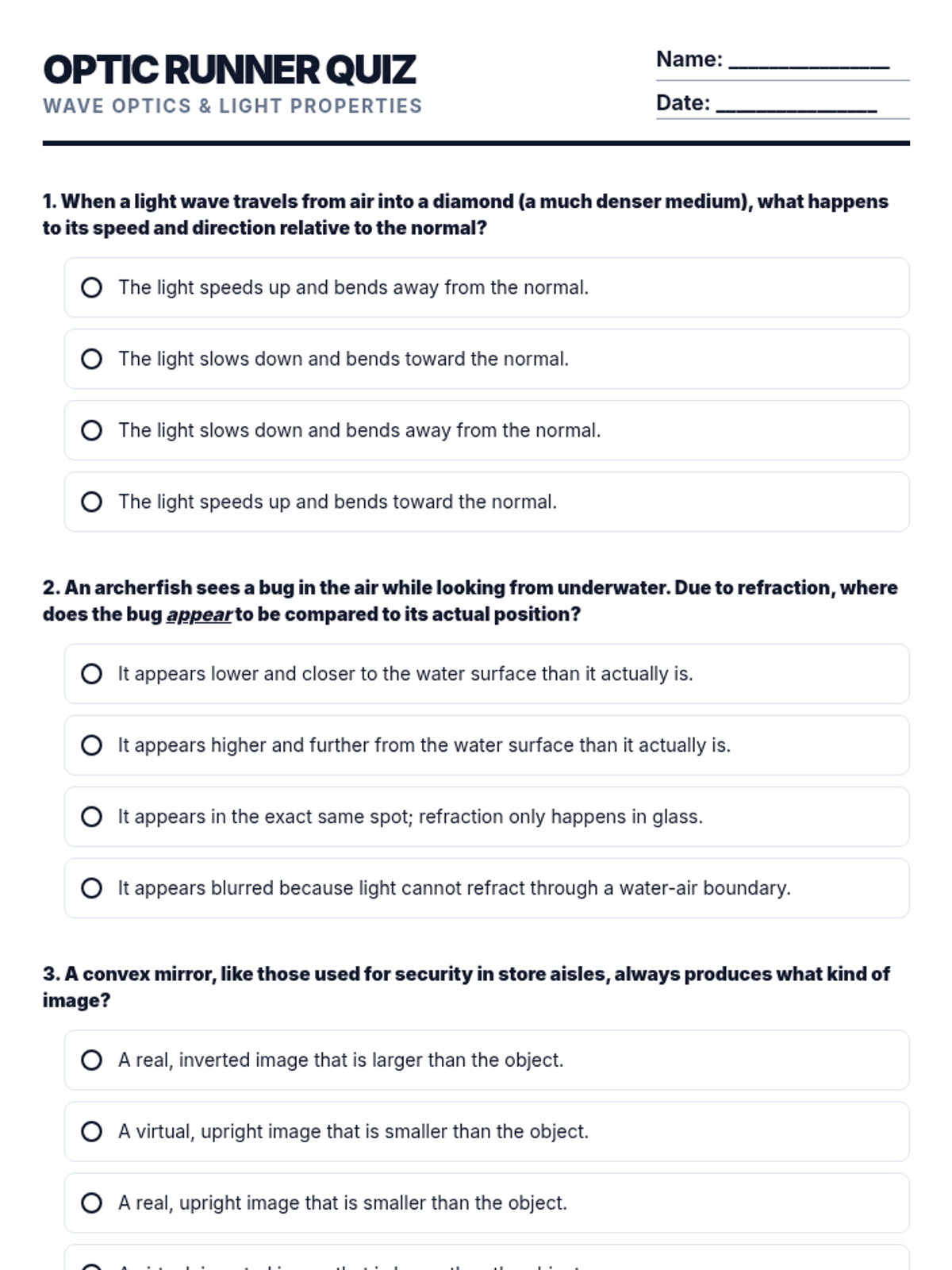
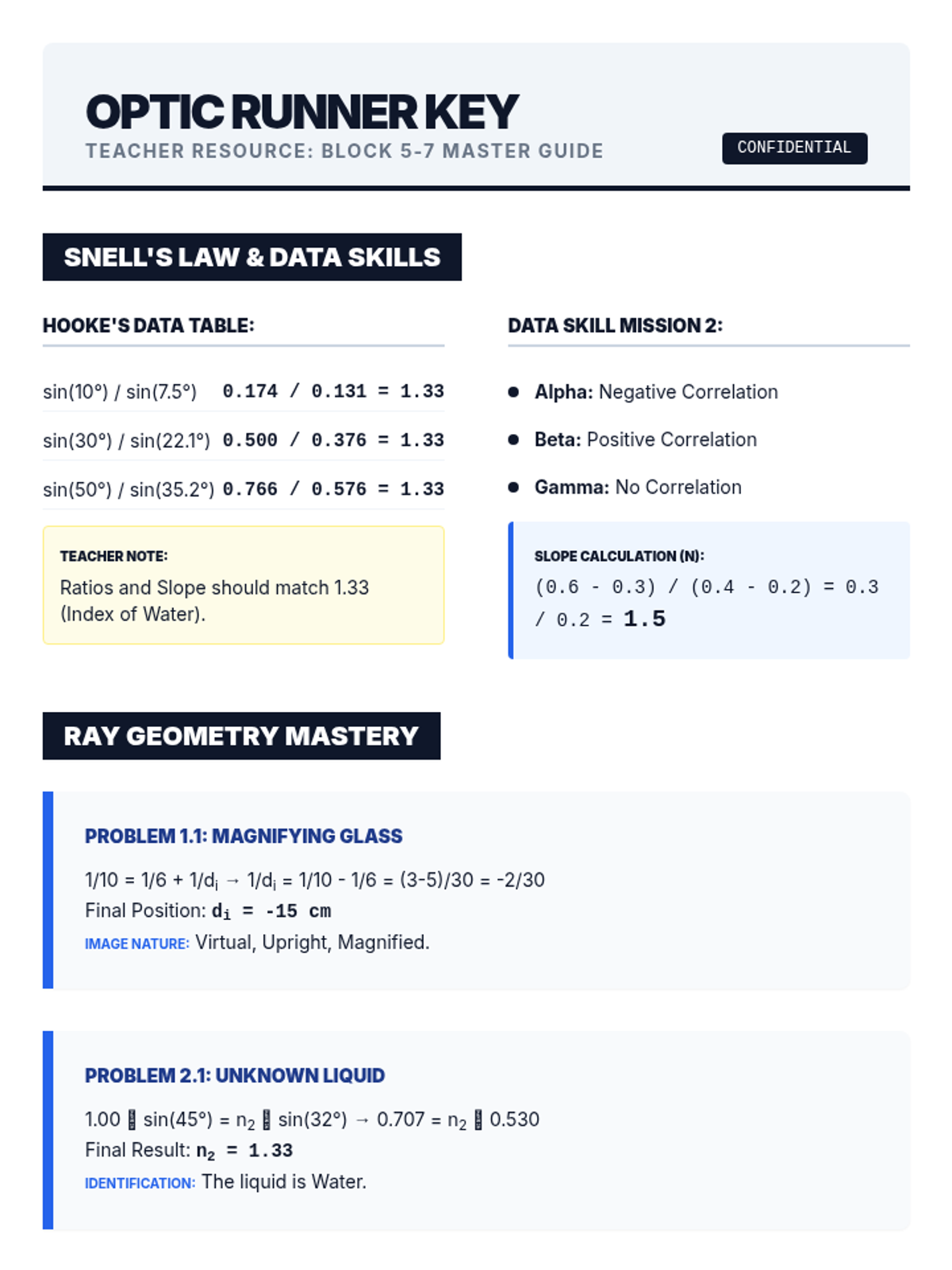
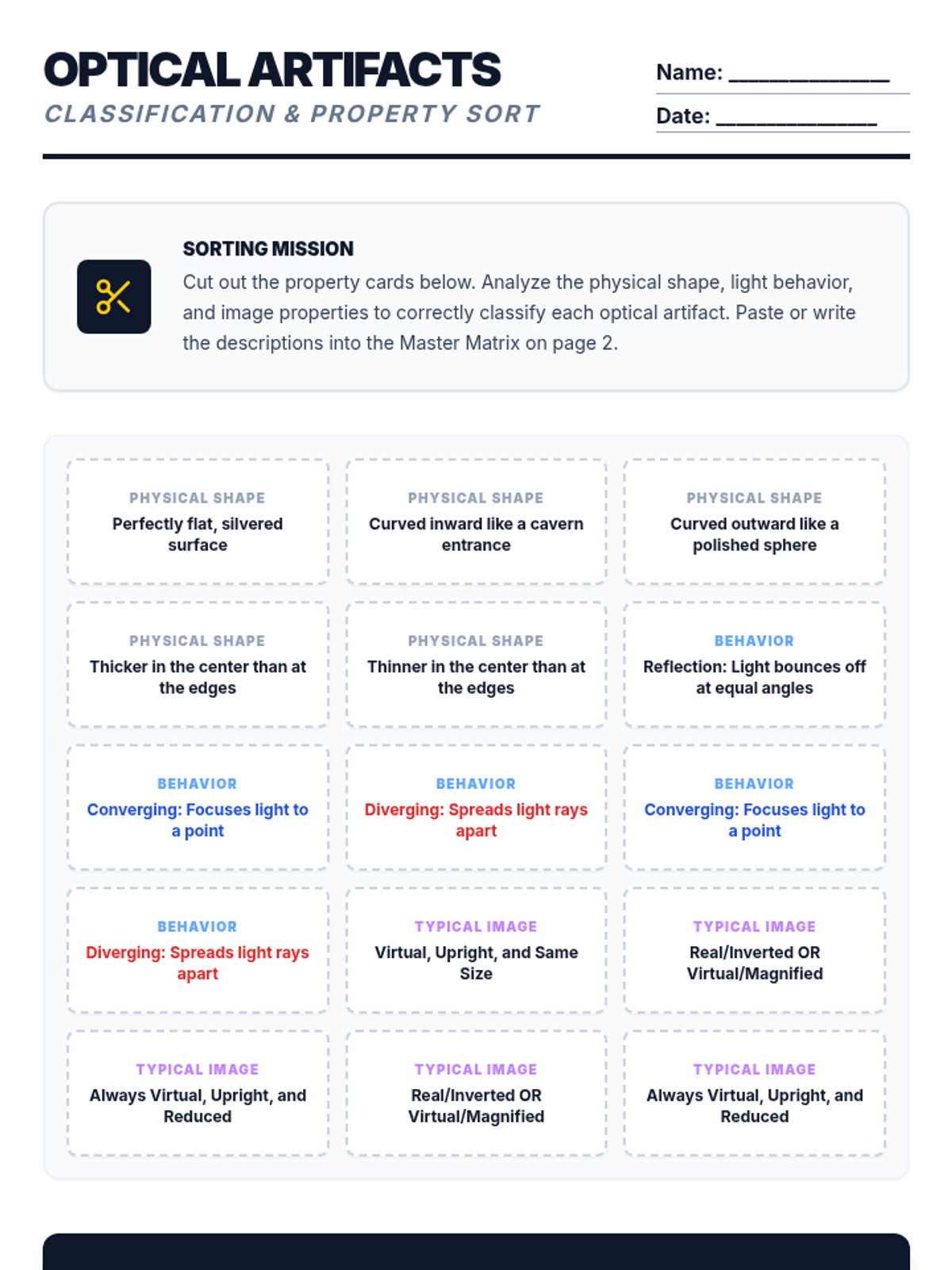
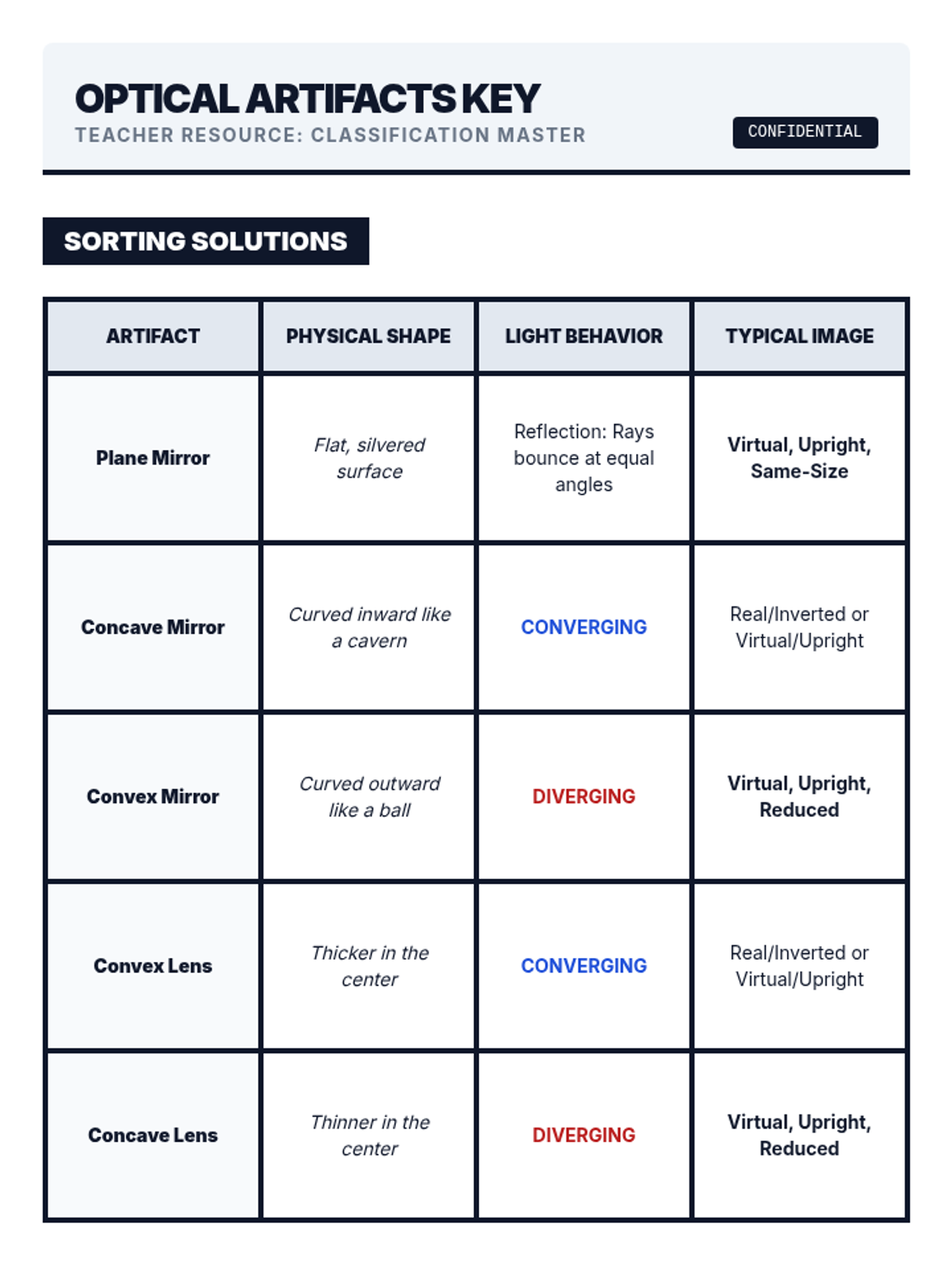
An exploration of light behavior including reflection, refraction, and diffraction. Students develop mathematical models like Snell's Law and analyze the biological impacts of wave optics in animals.
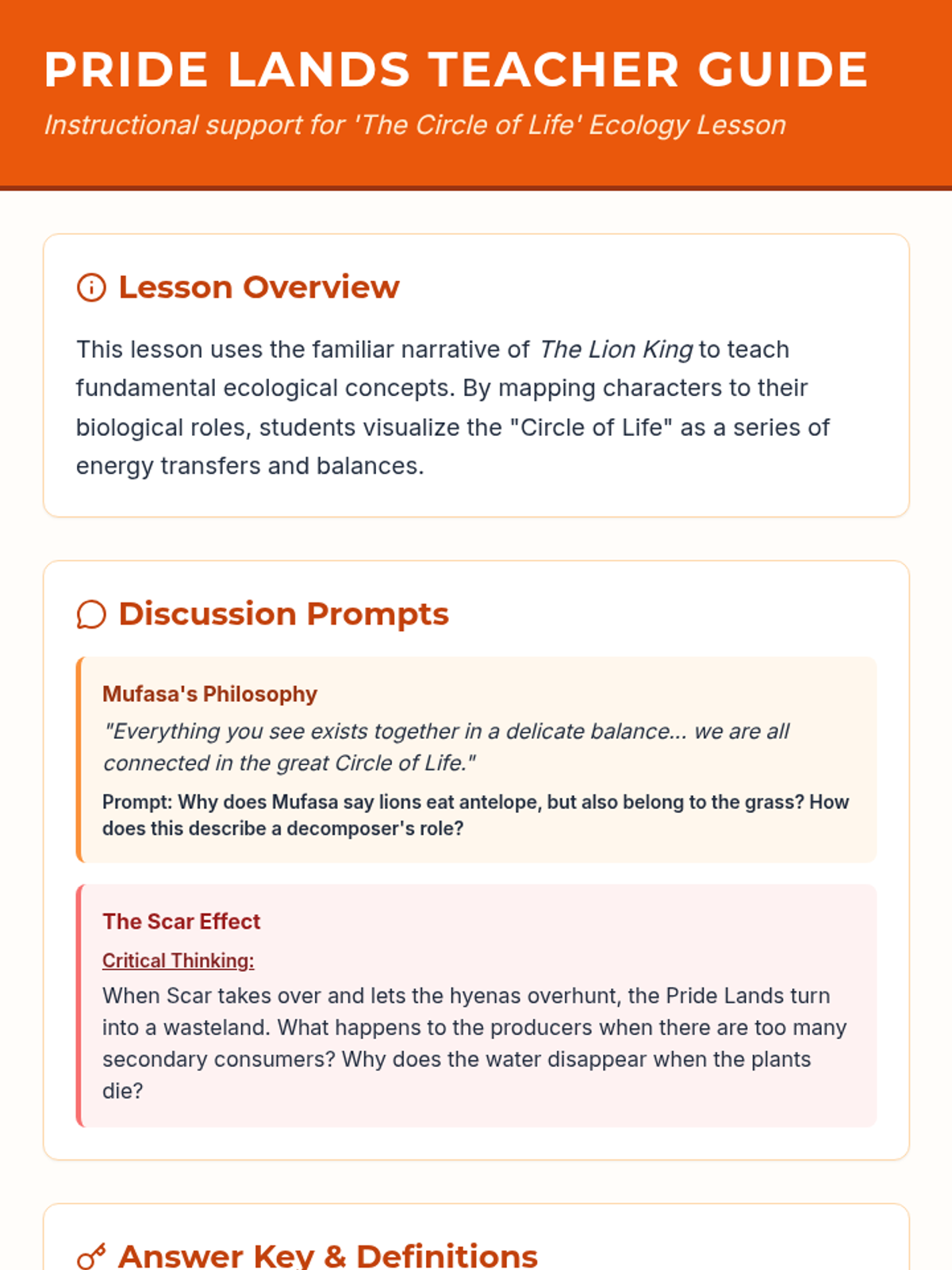
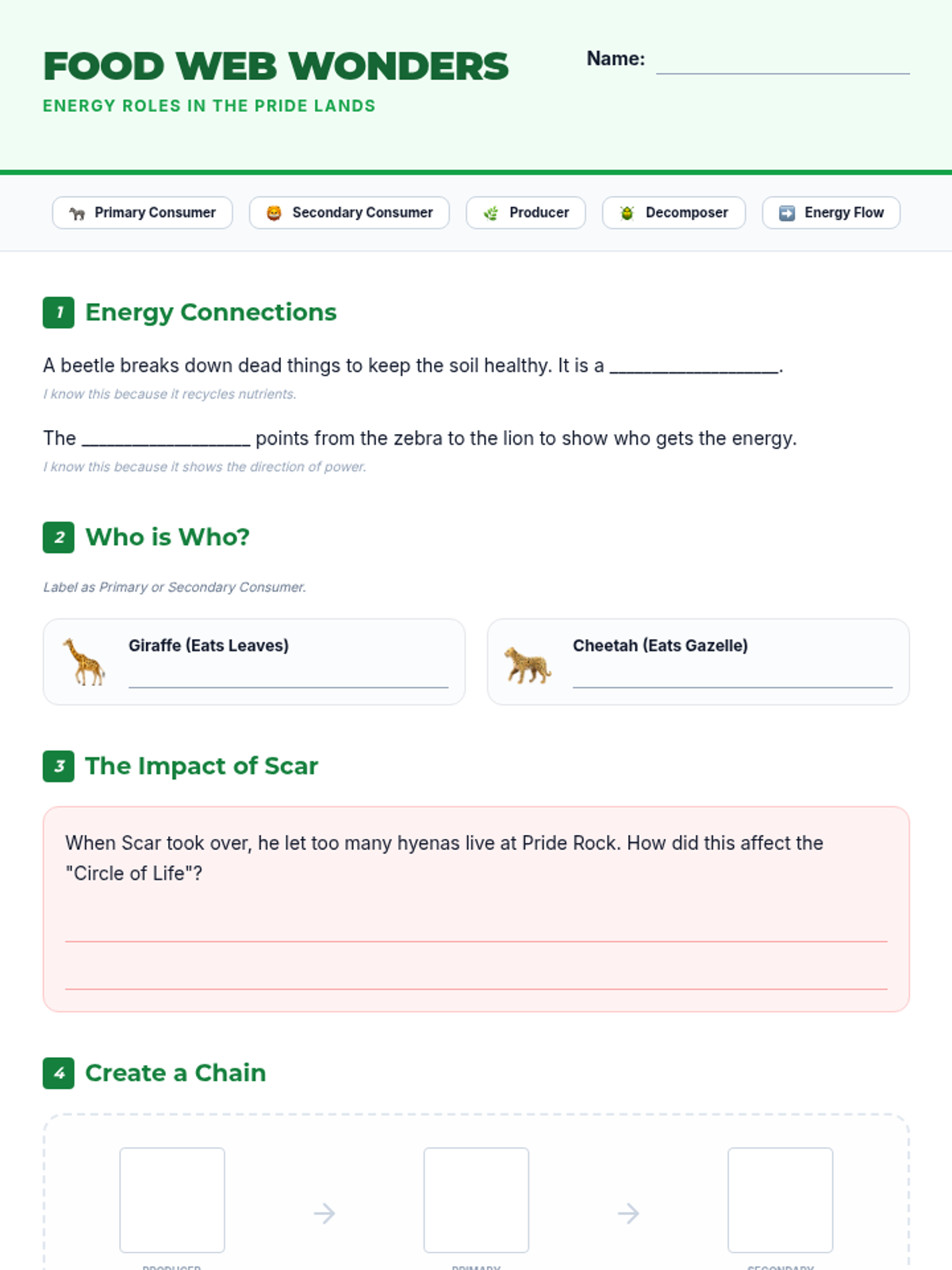
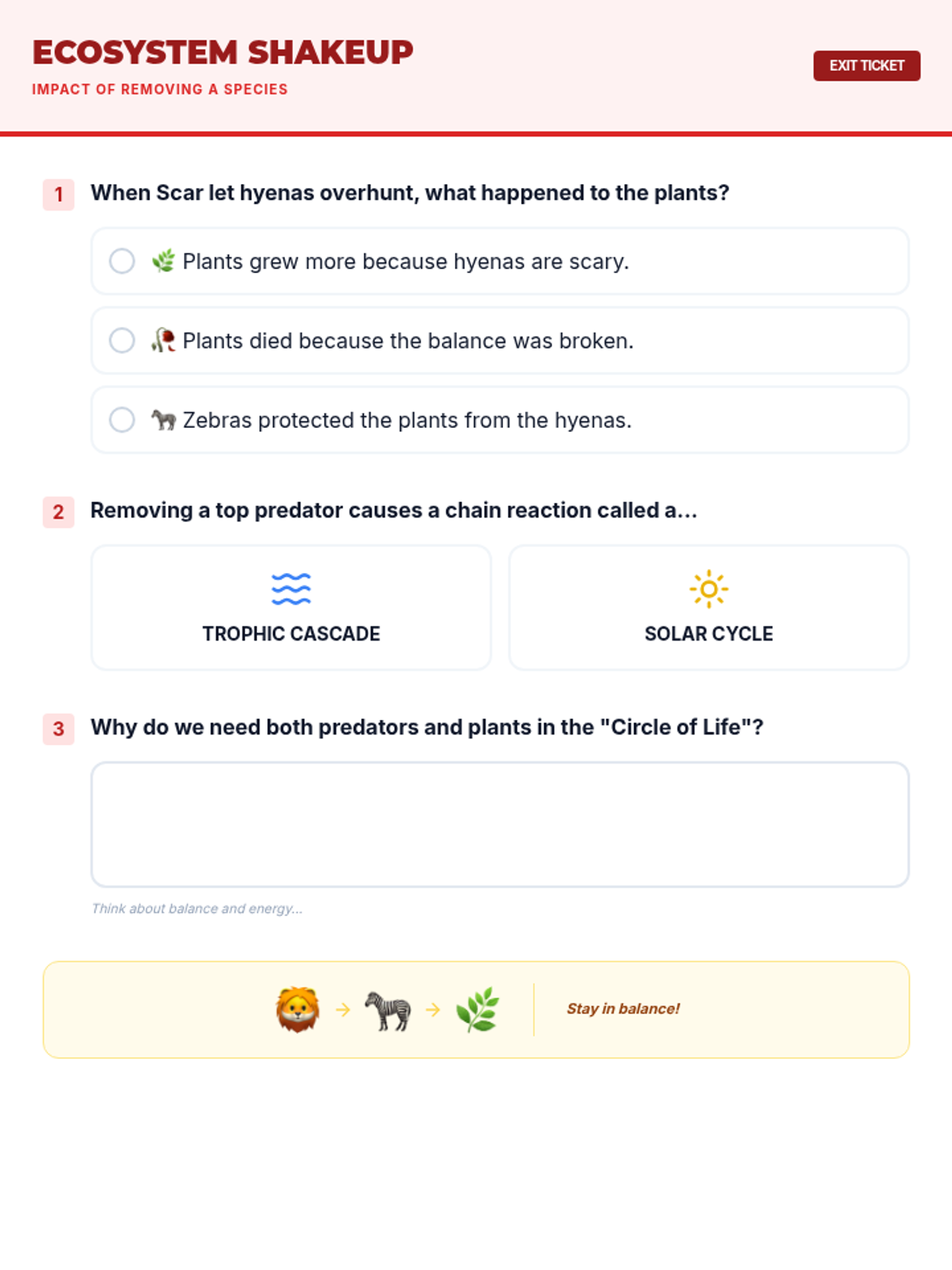
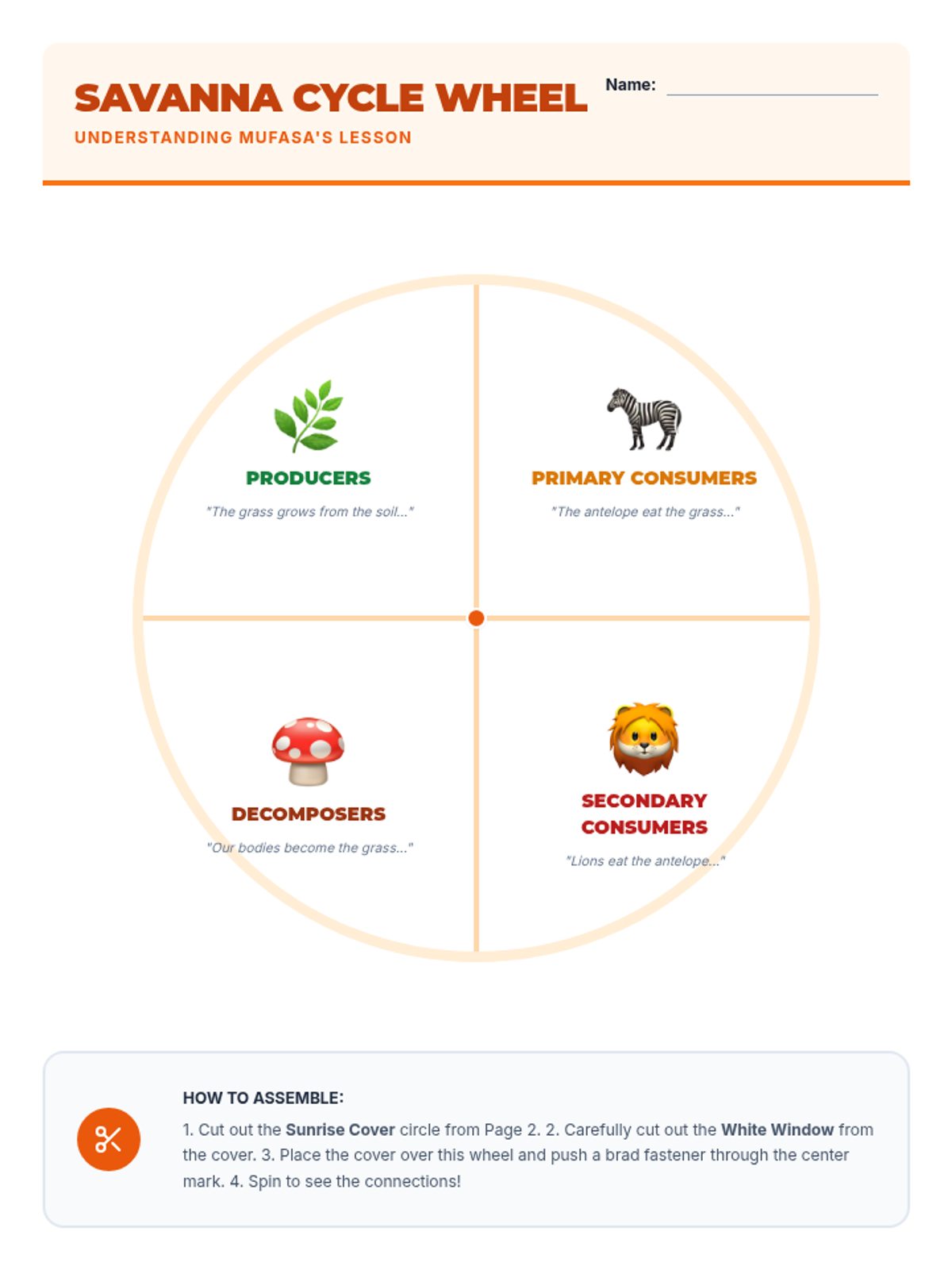
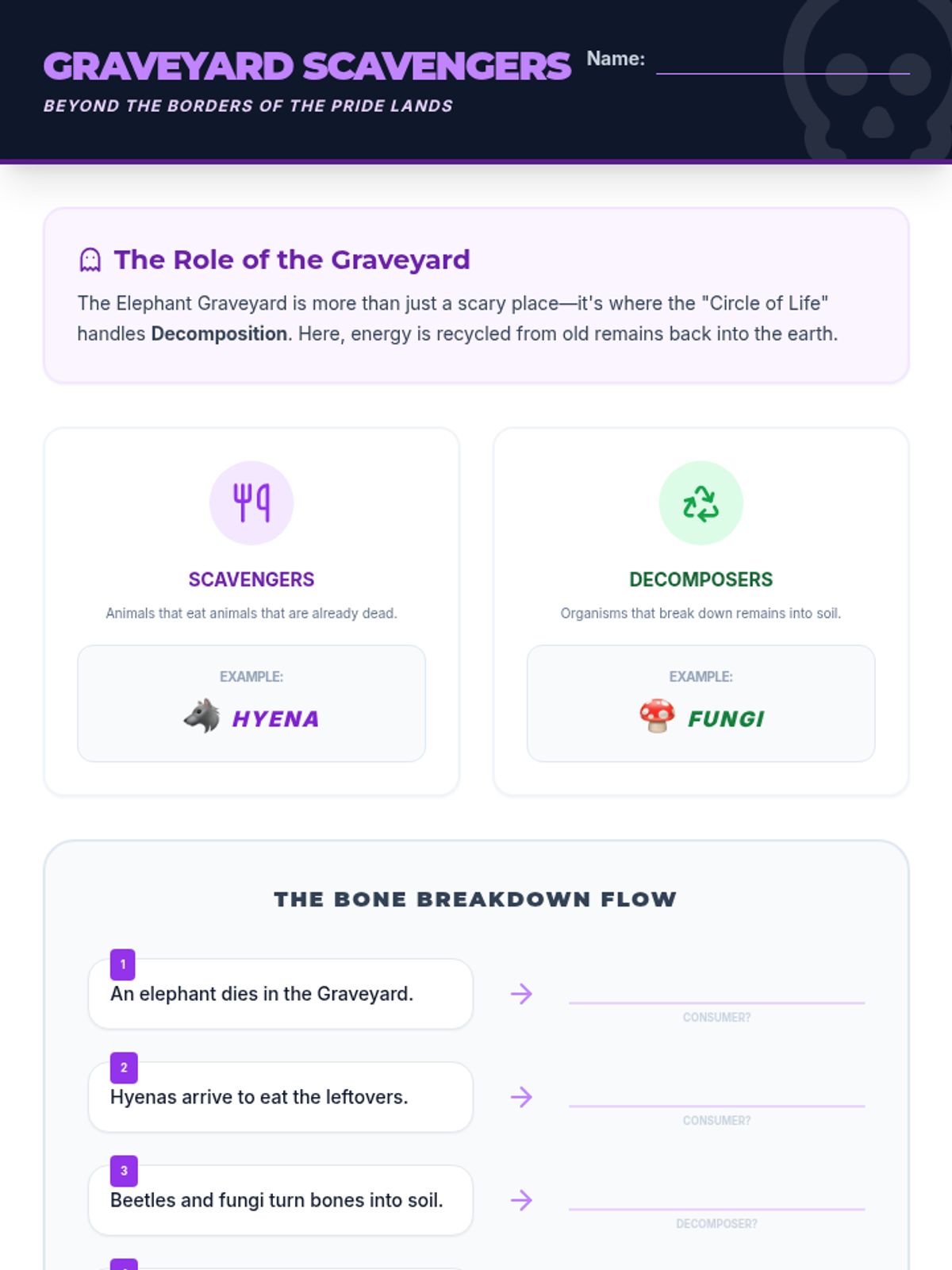
Students identify producers, consumers, and decomposers within the African savanna, construct food chains, and analyze how the removal of a top predator or a change in leadership (like the transition from Mufasa to Scar) affects the ecosystem.
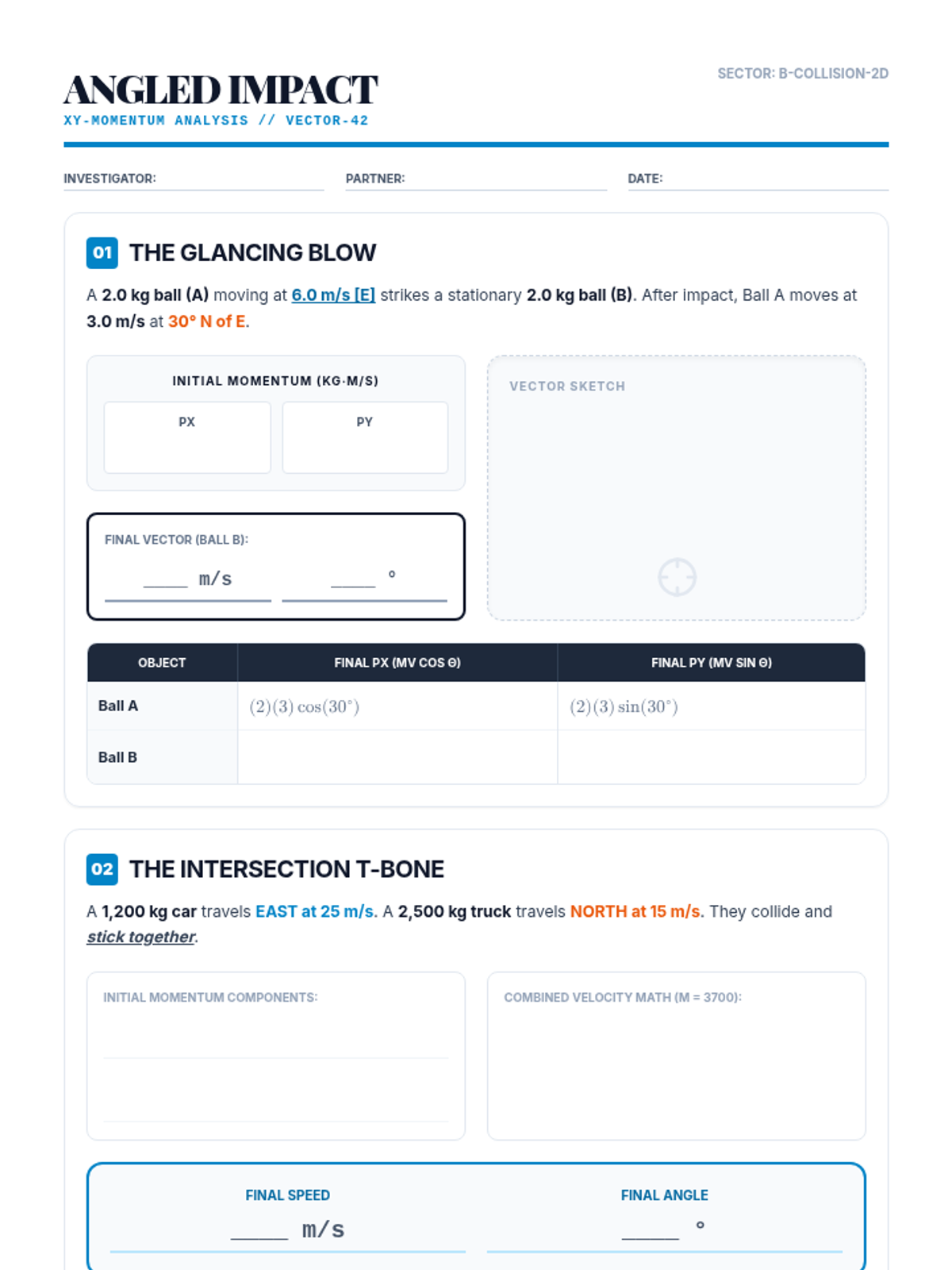
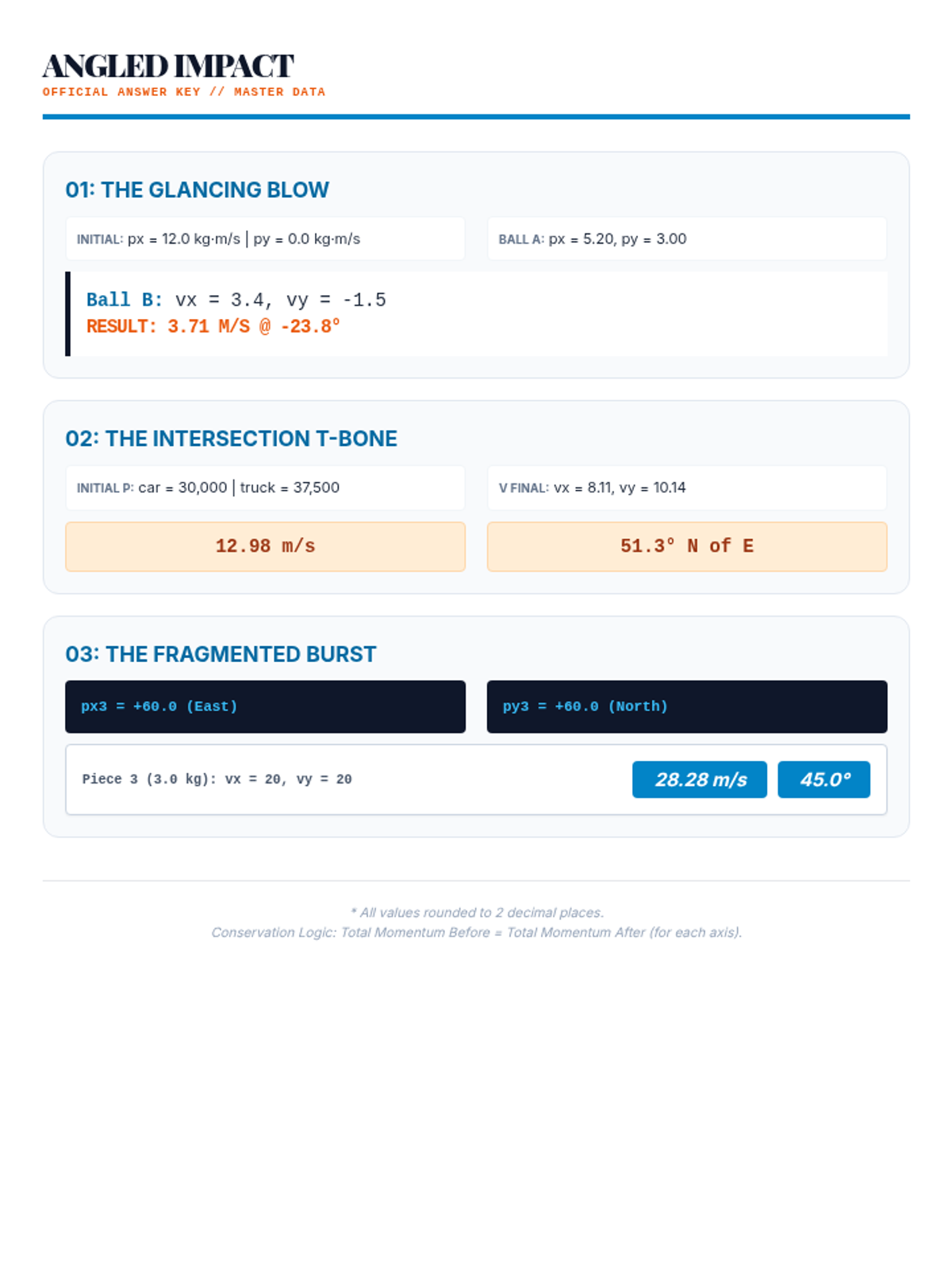
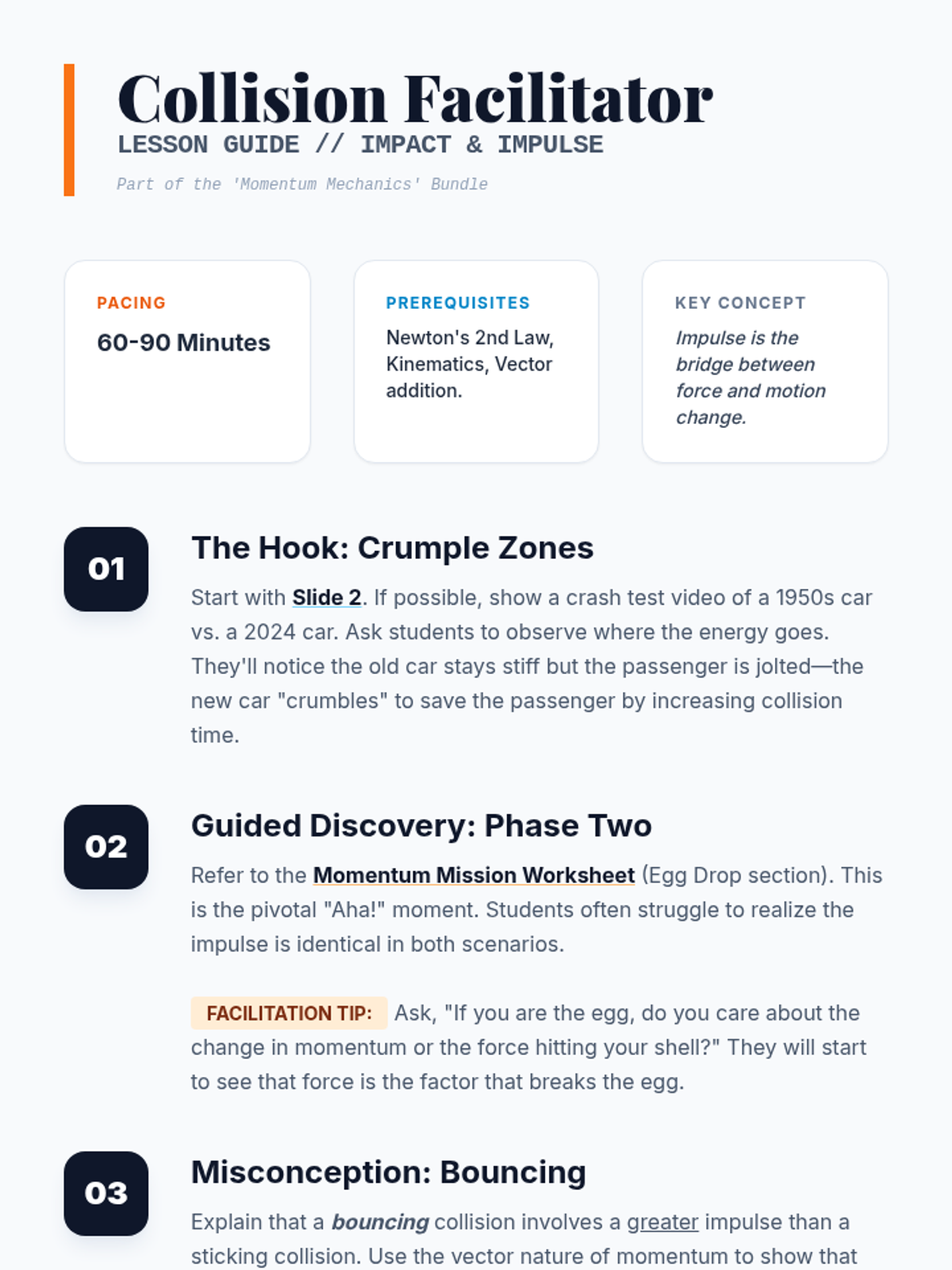
An exploration of momentum conservation in two dimensions, using vector components to solve collision problems.
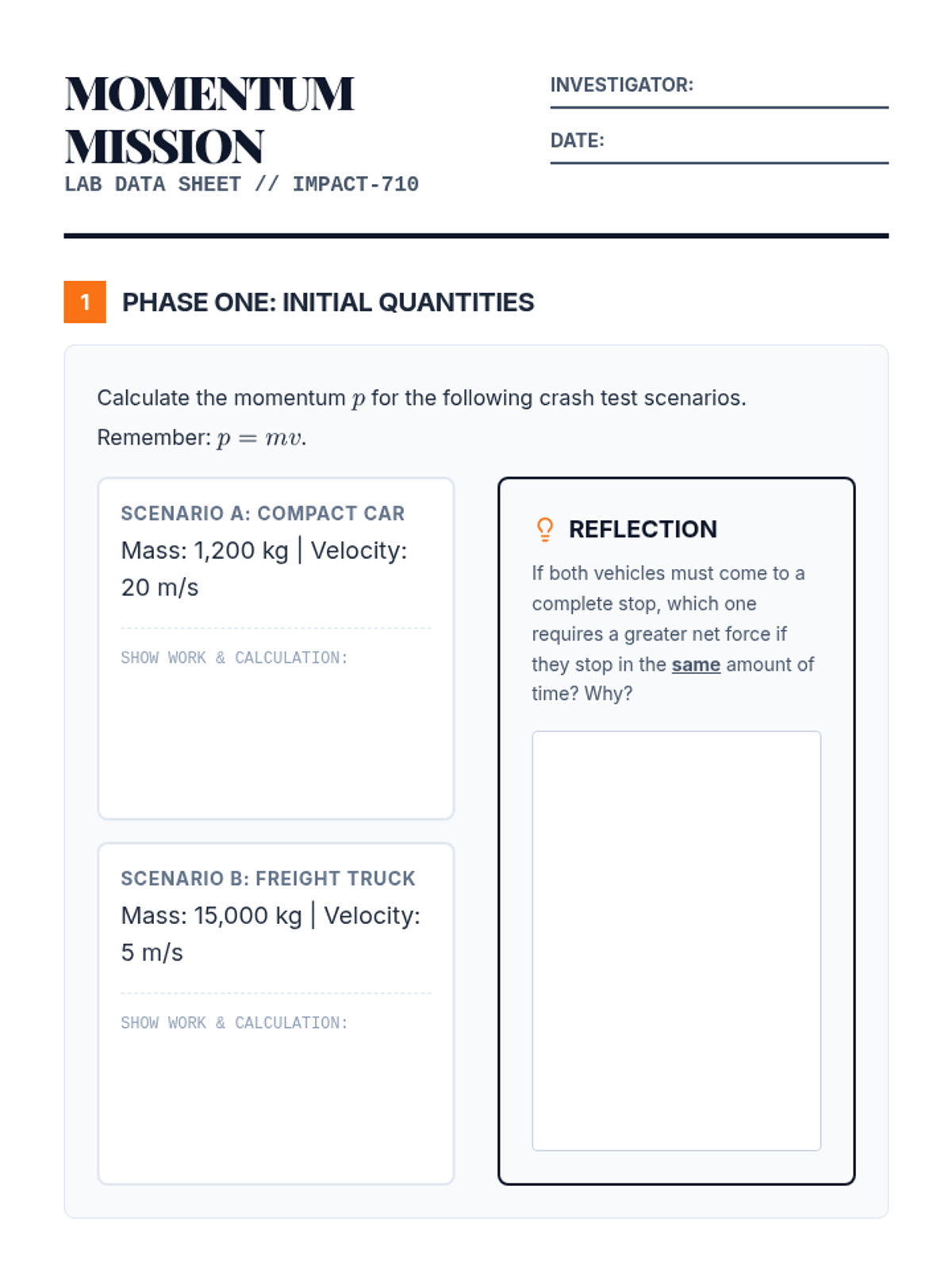
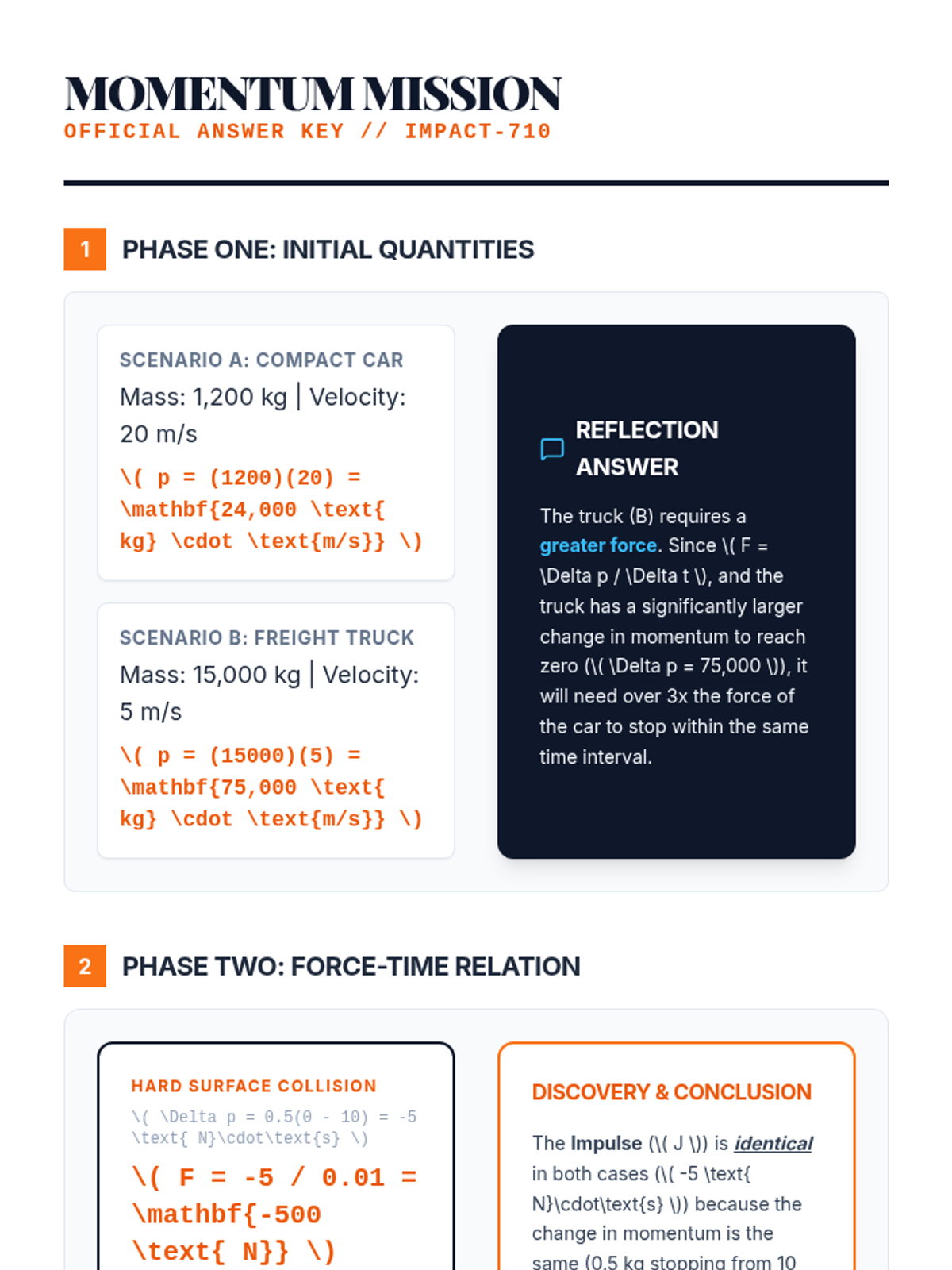
Students explore the relationship between force, time, and change in momentum through guided inquiry and data analysis.
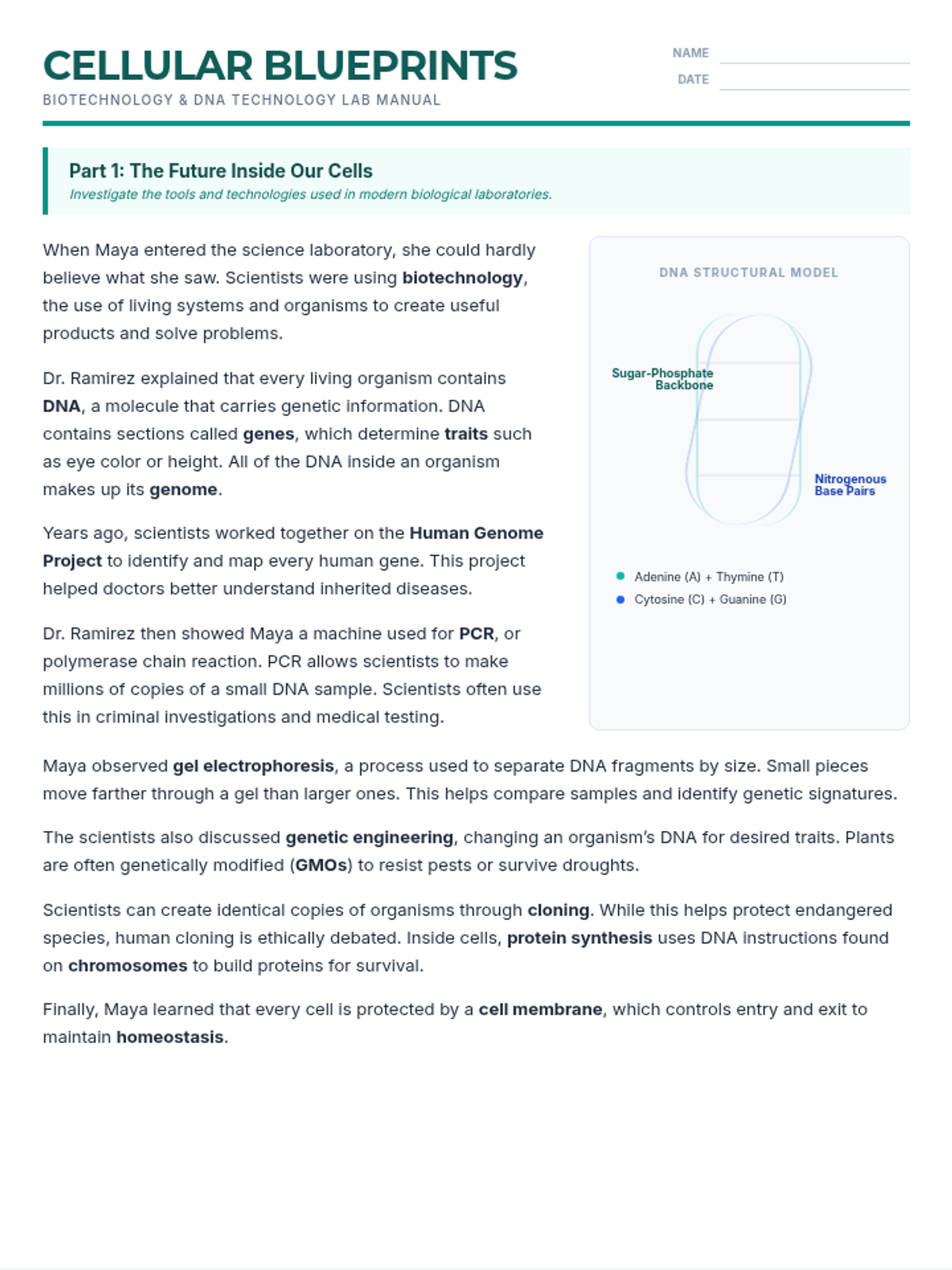
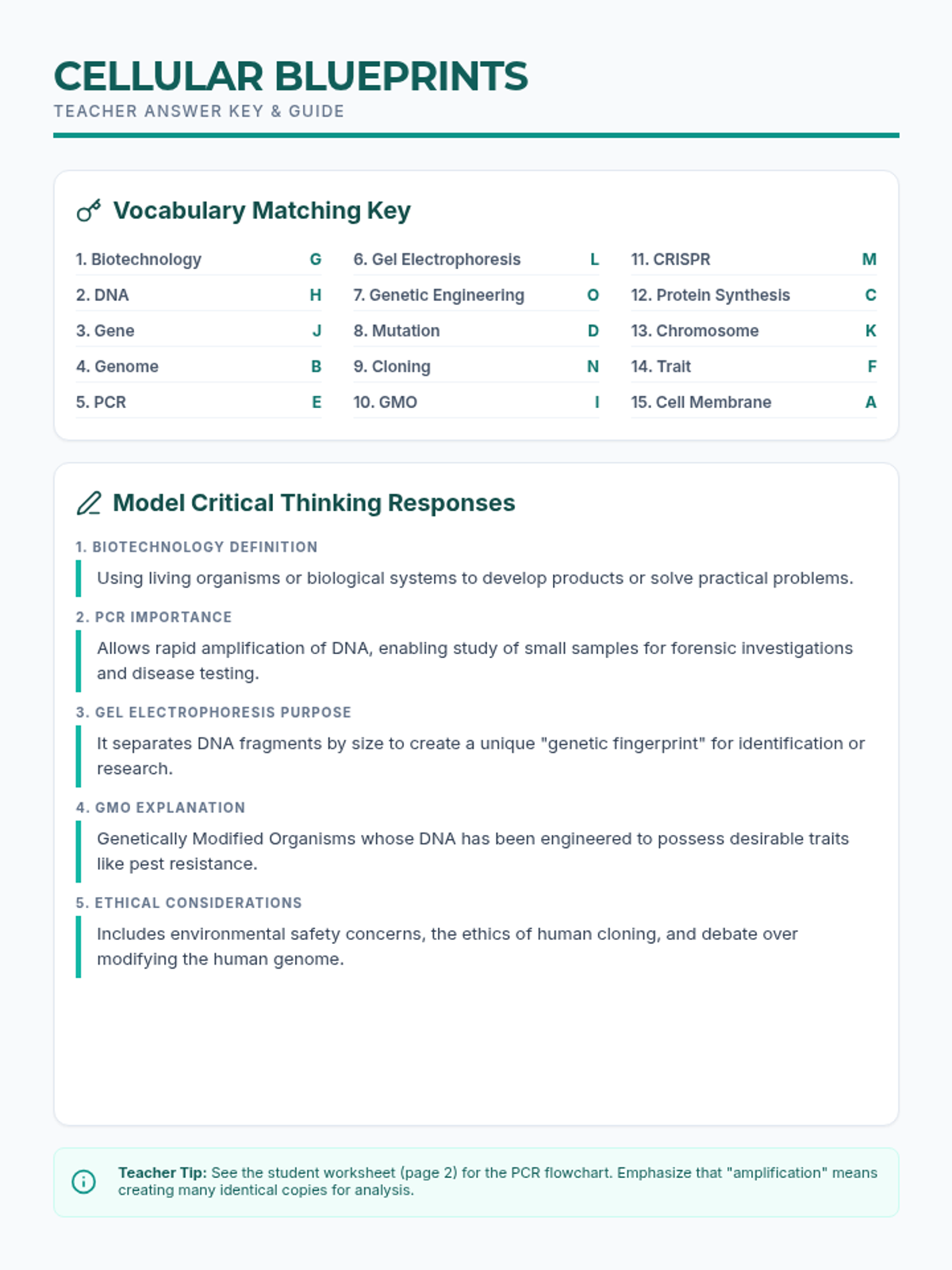
A comprehensive exploration of biotechnology, DNA technology, and genetic engineering through reading, visual diagrams, and vocabulary practice.
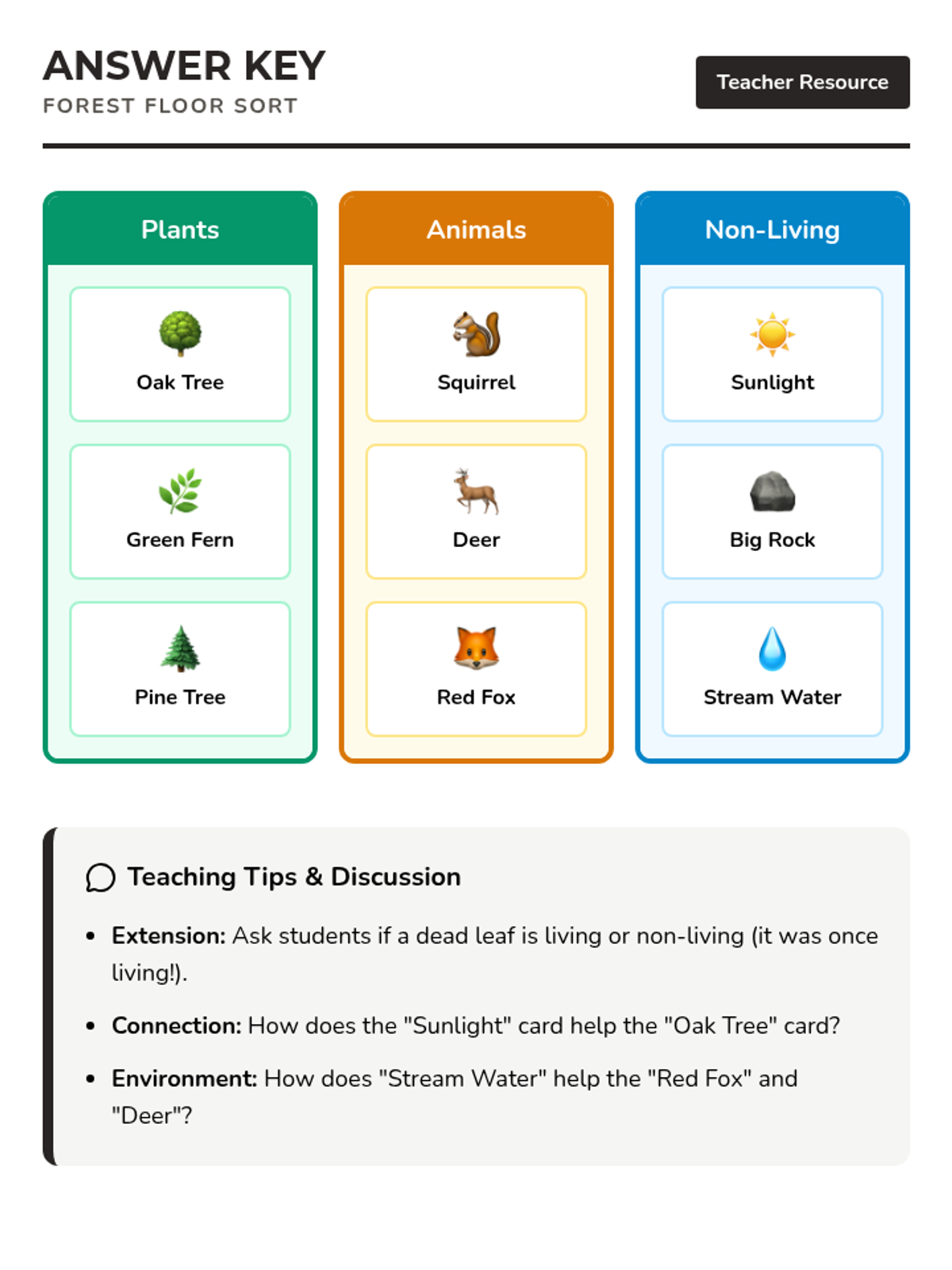
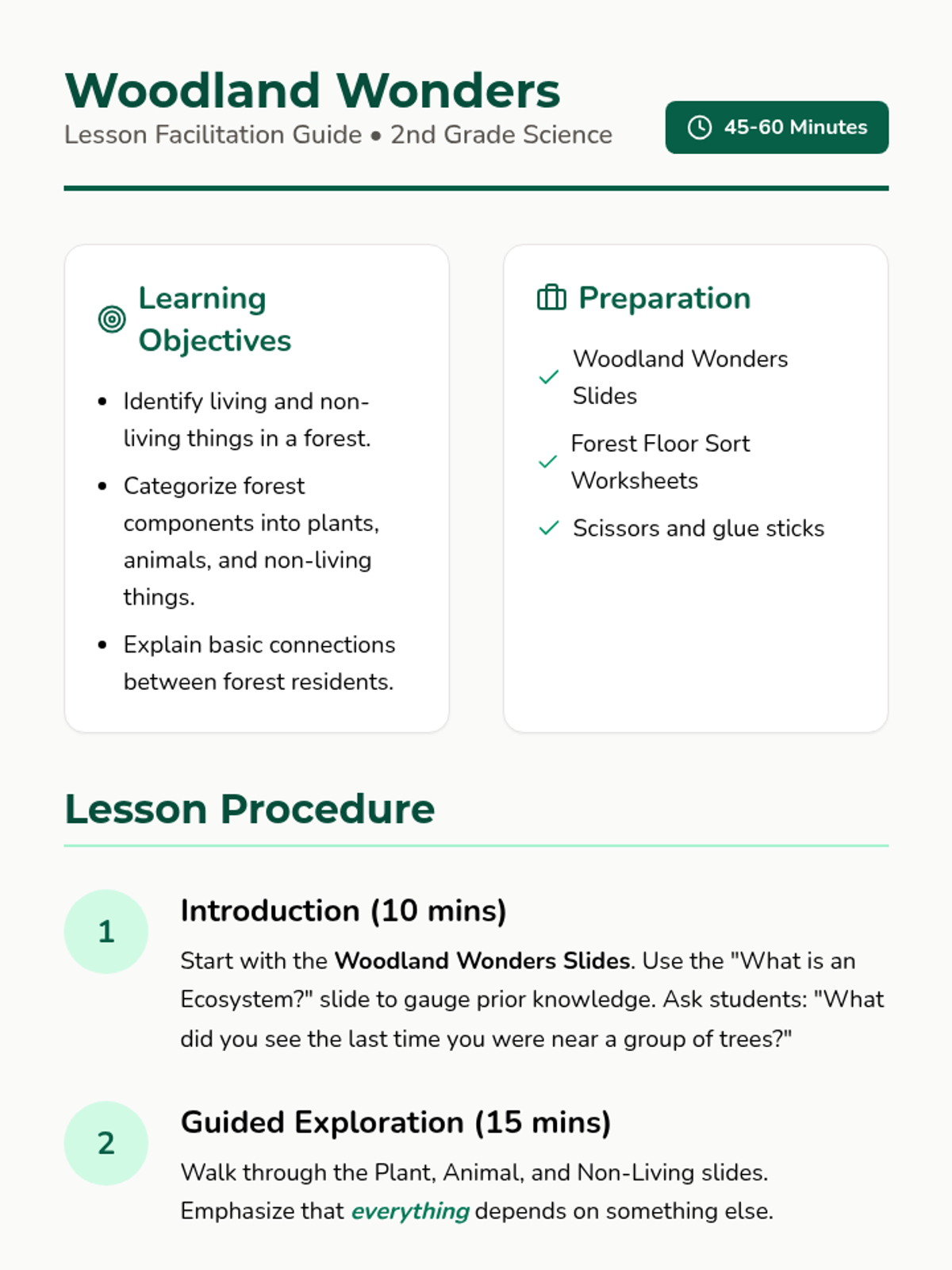
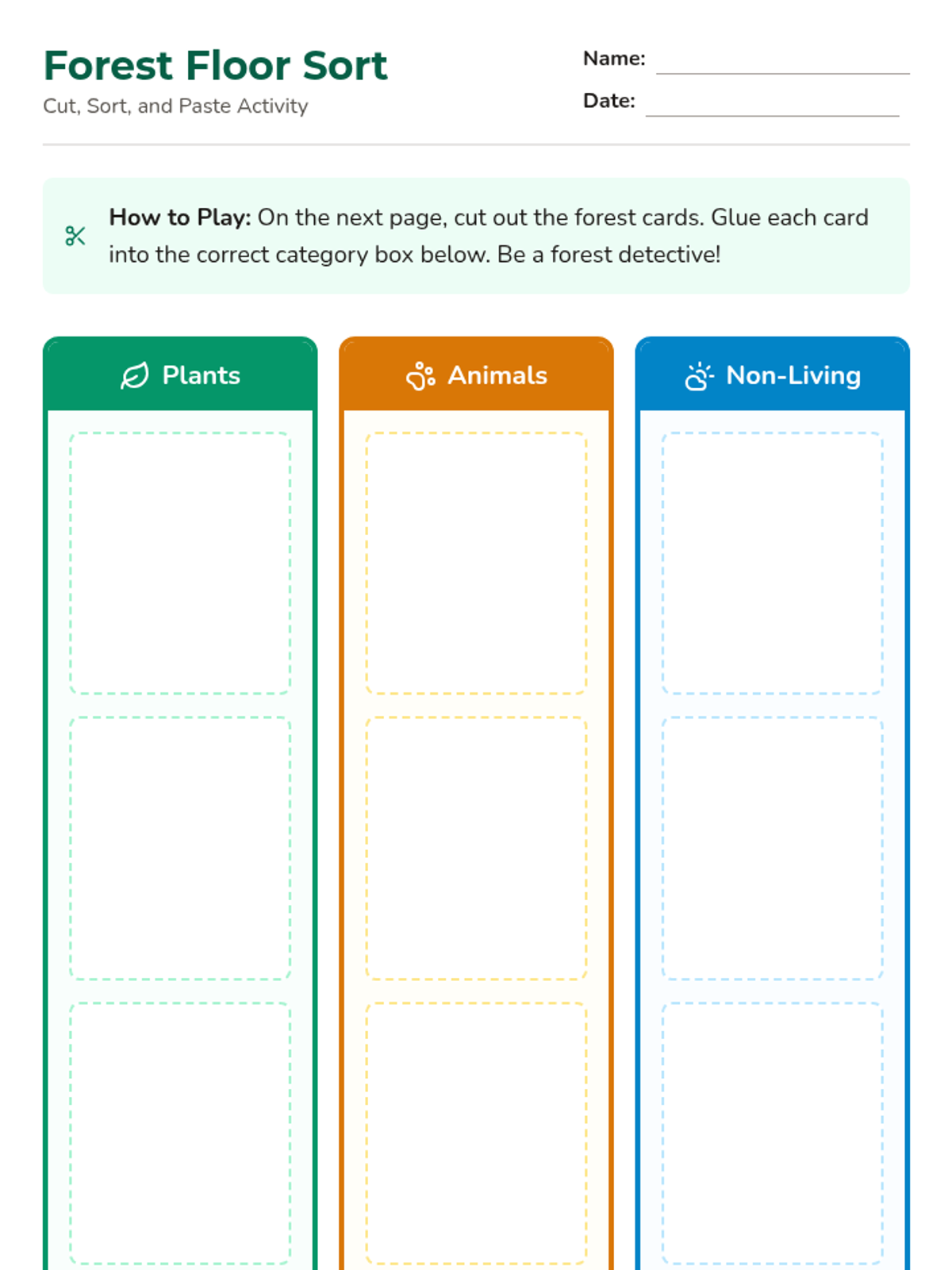
An introductory lesson on the forest ecosystem where students identify and categorize living and non-living components. Students will explore the roles of plants, animals, and the environment in a woodland setting.
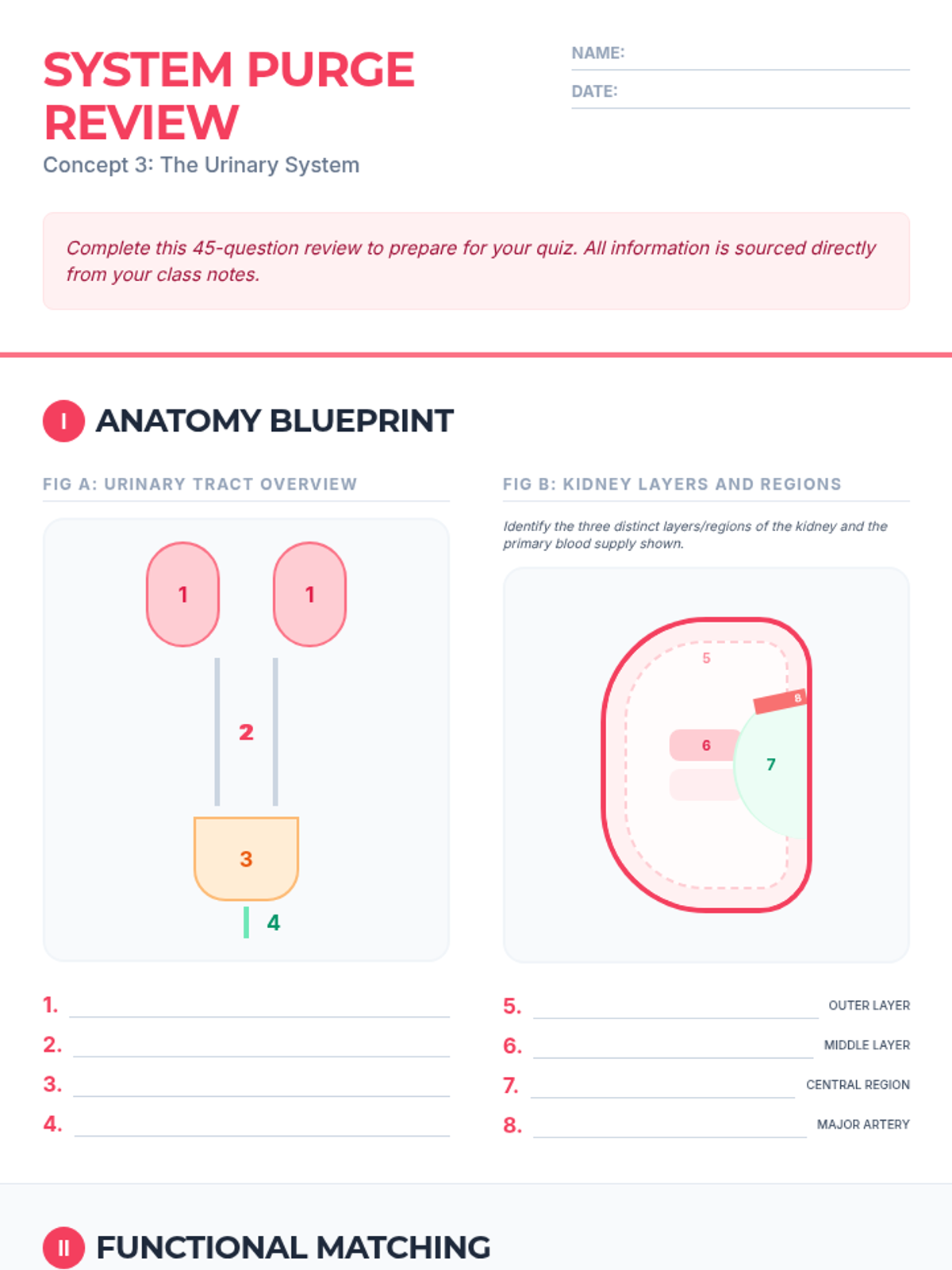
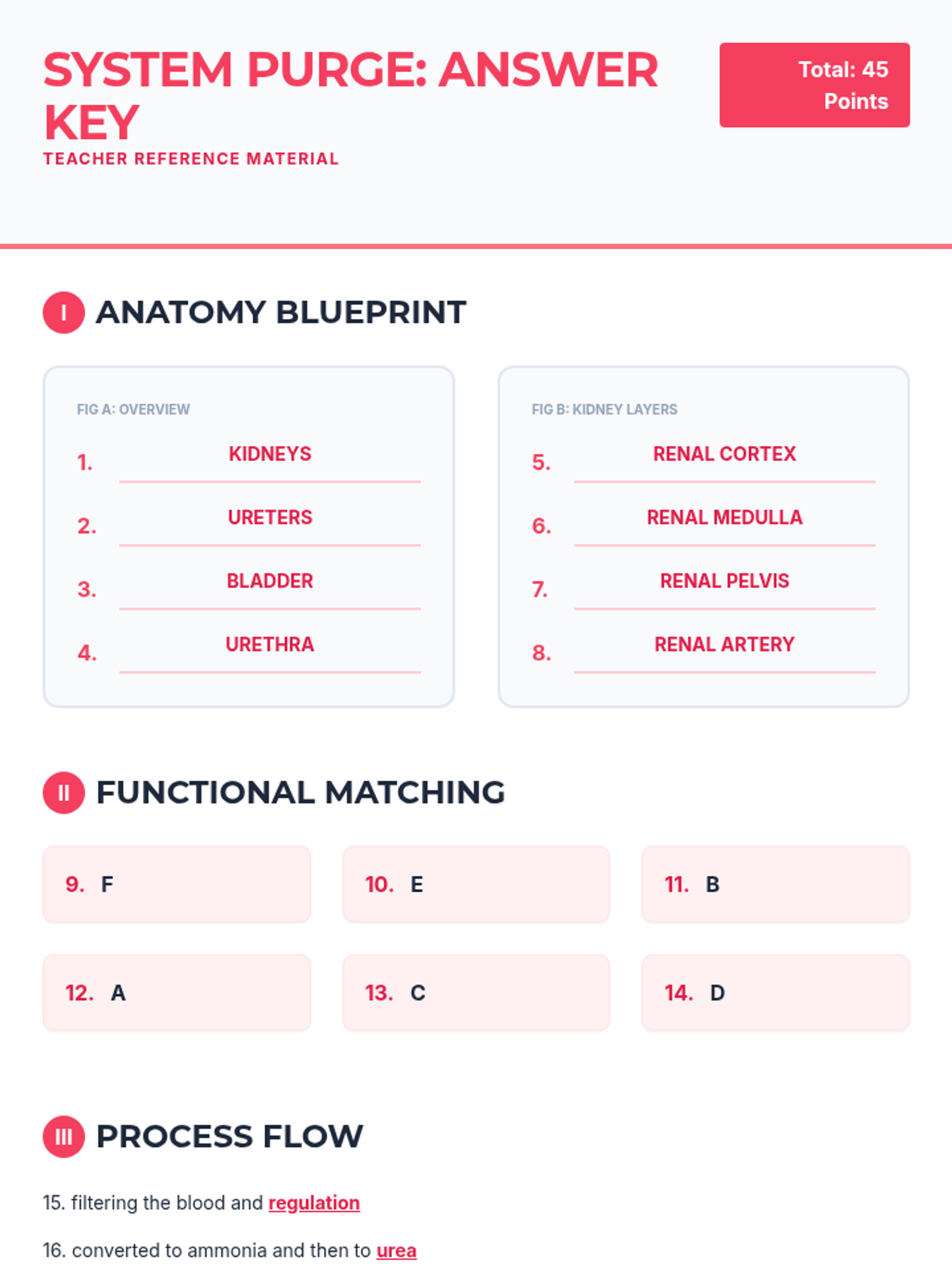
A comprehensive review of the urinary system based on Concept 3 notes, focusing on kidney structure, nephron function, and systemic regulation.
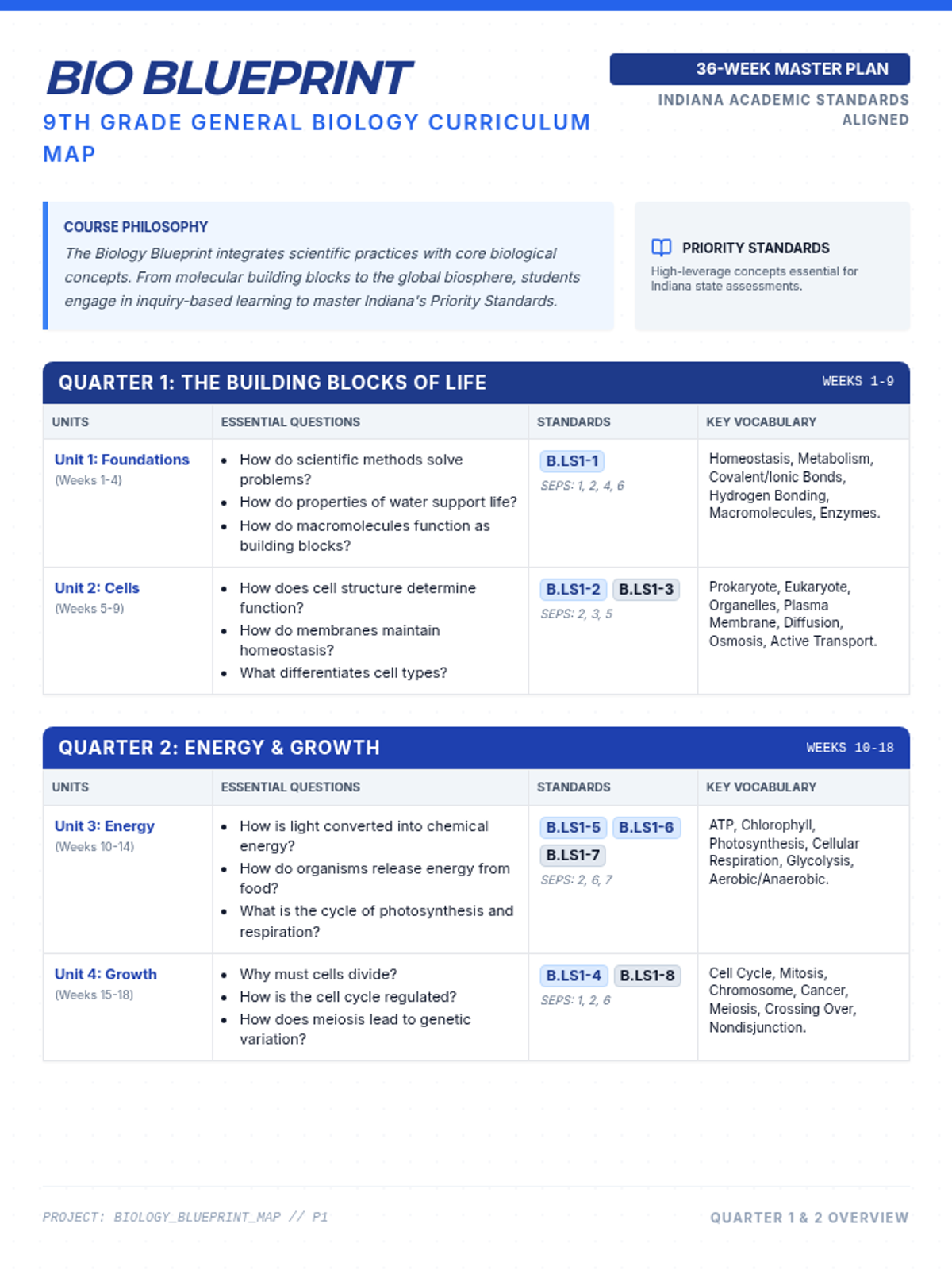
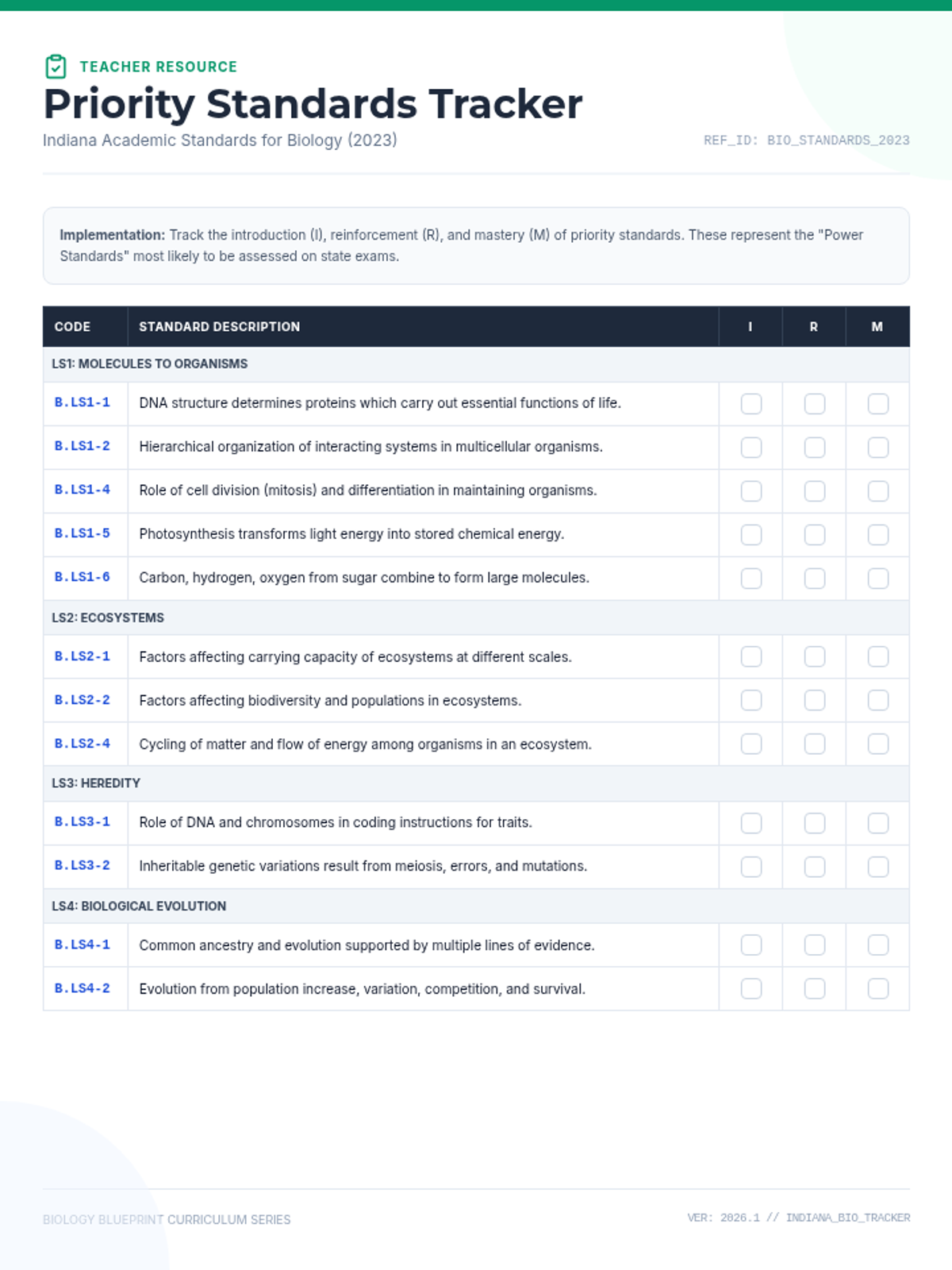
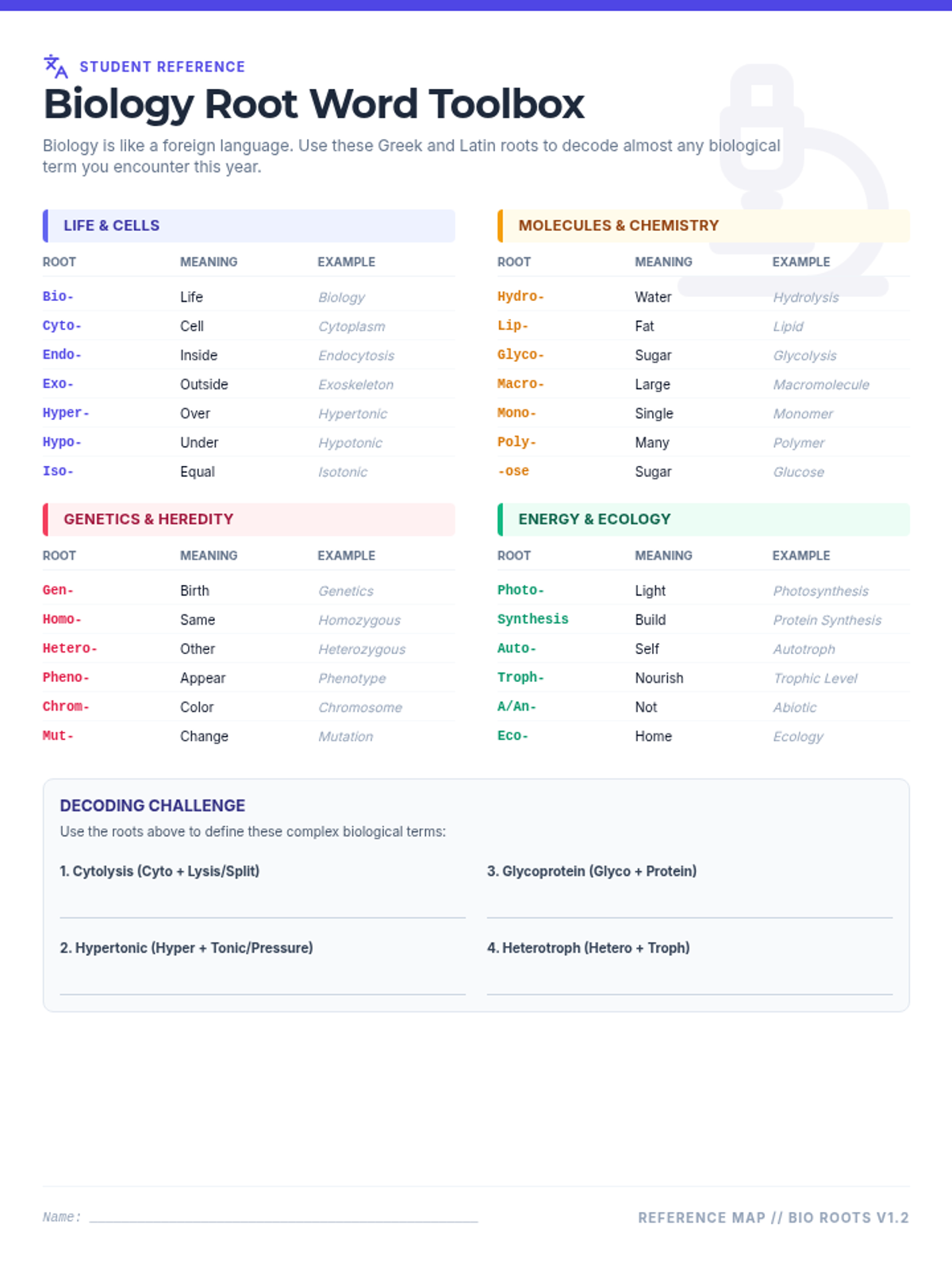
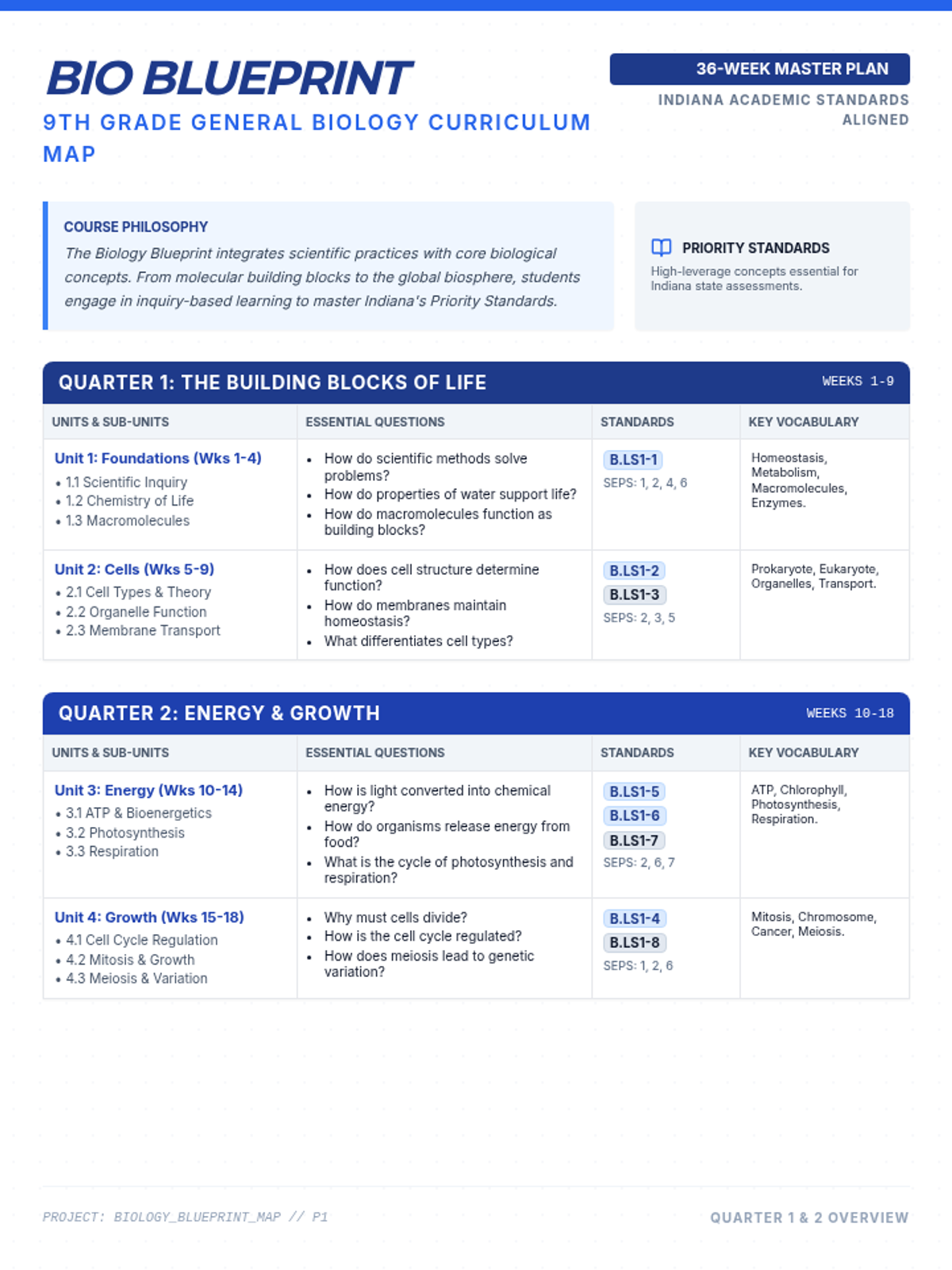
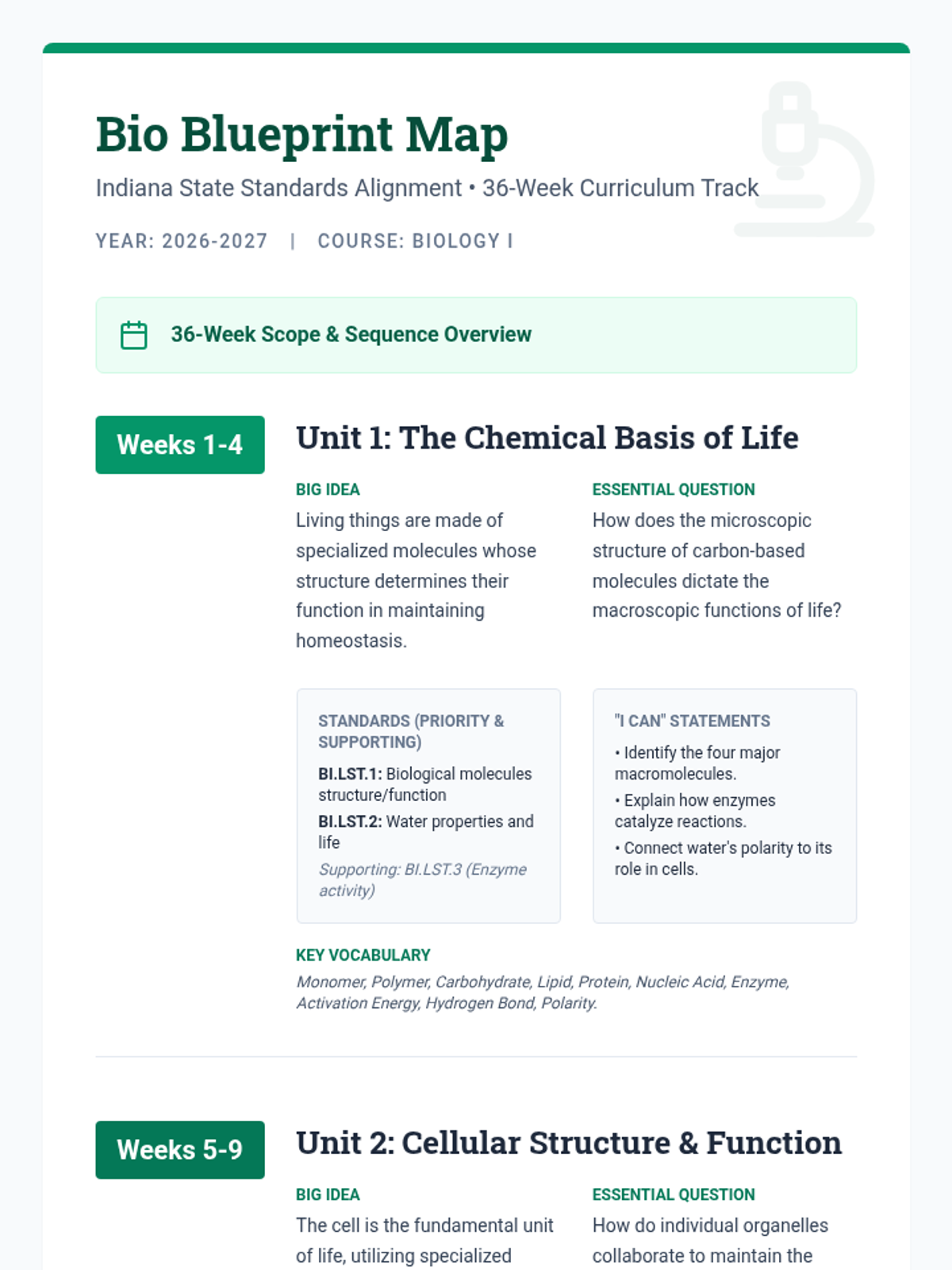
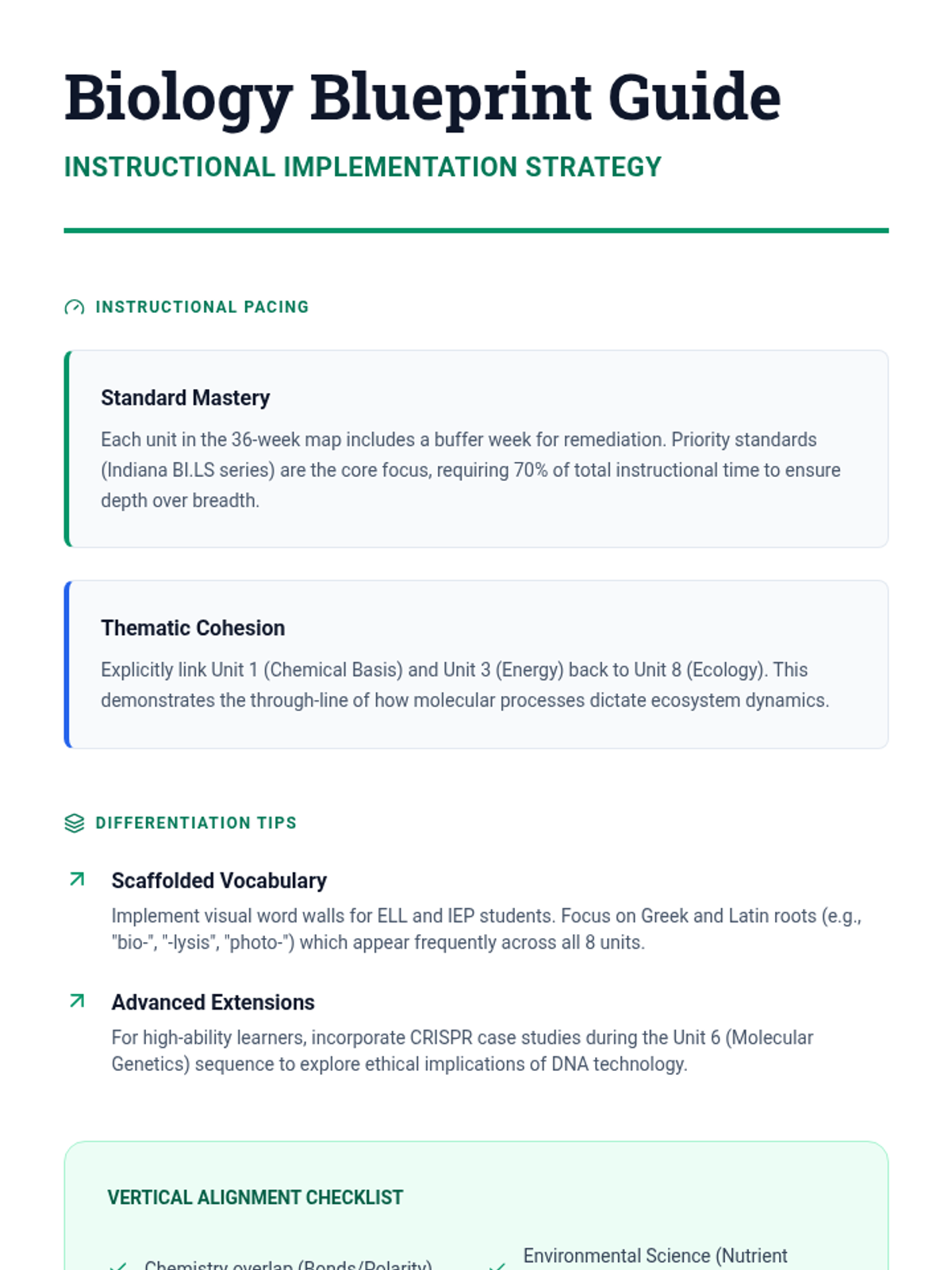
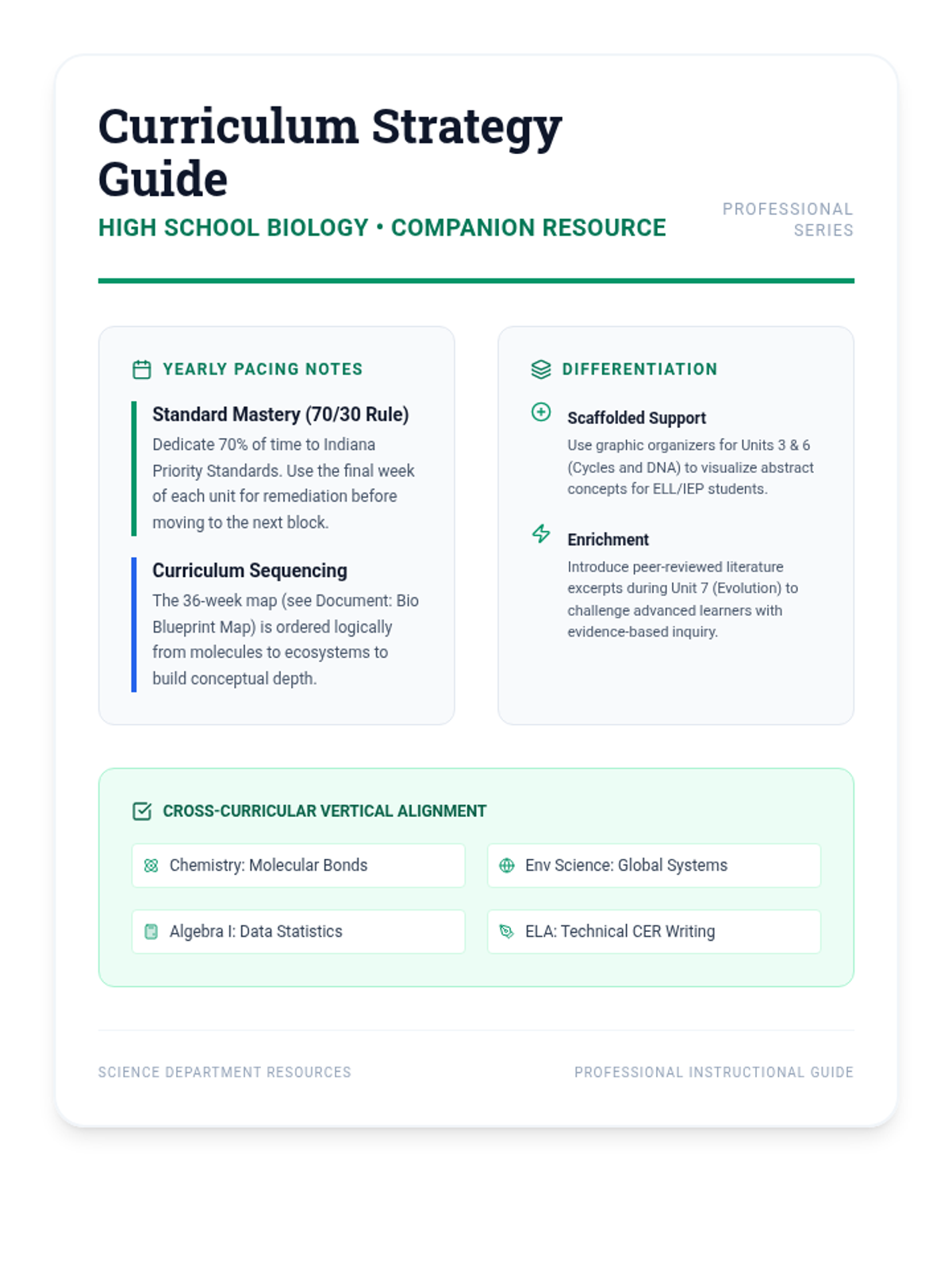
A foundational module containing the comprehensive year-long curriculum map, standards alignment documents, and essential vocabulary resources for 9th-grade biology.
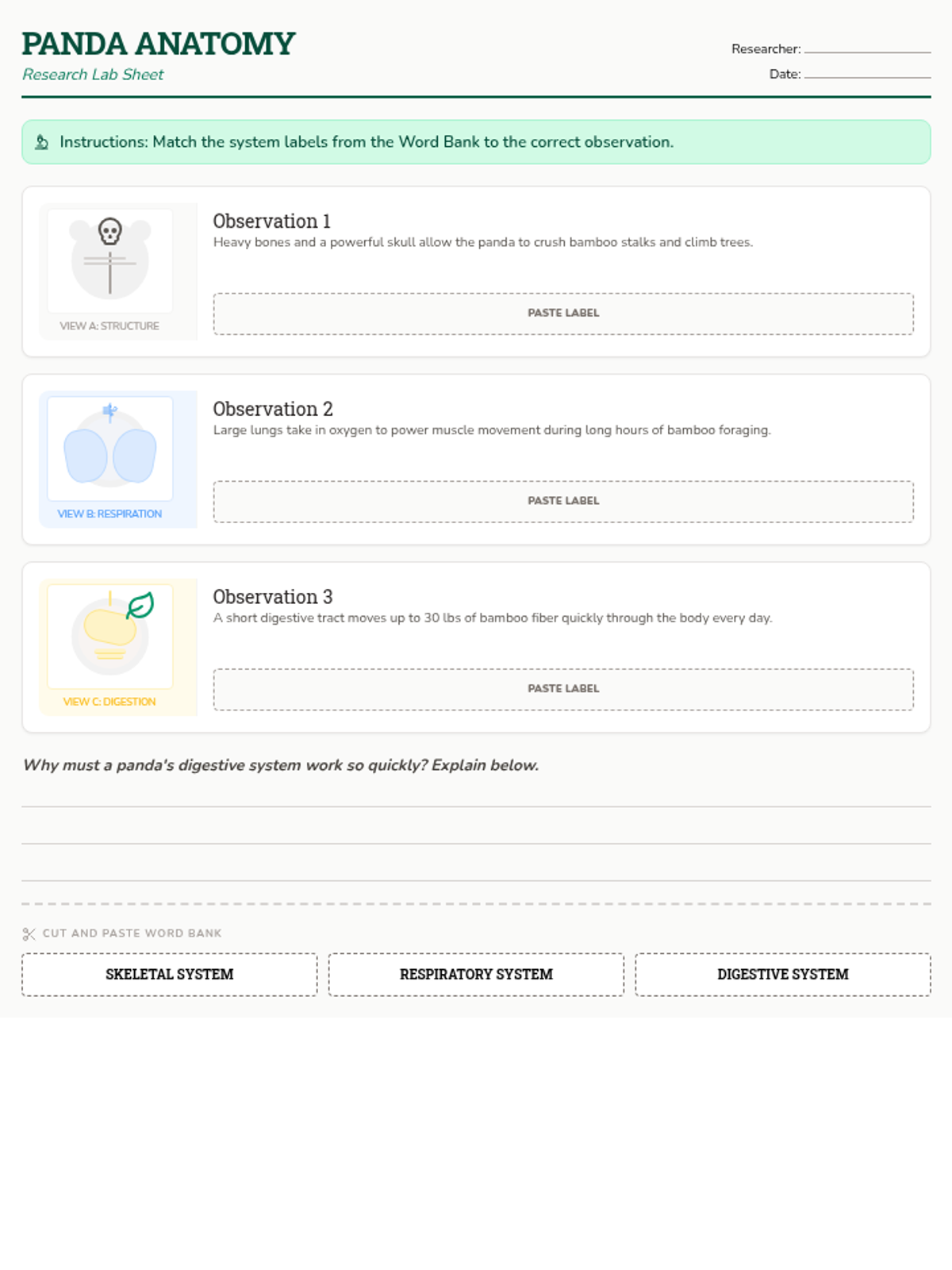
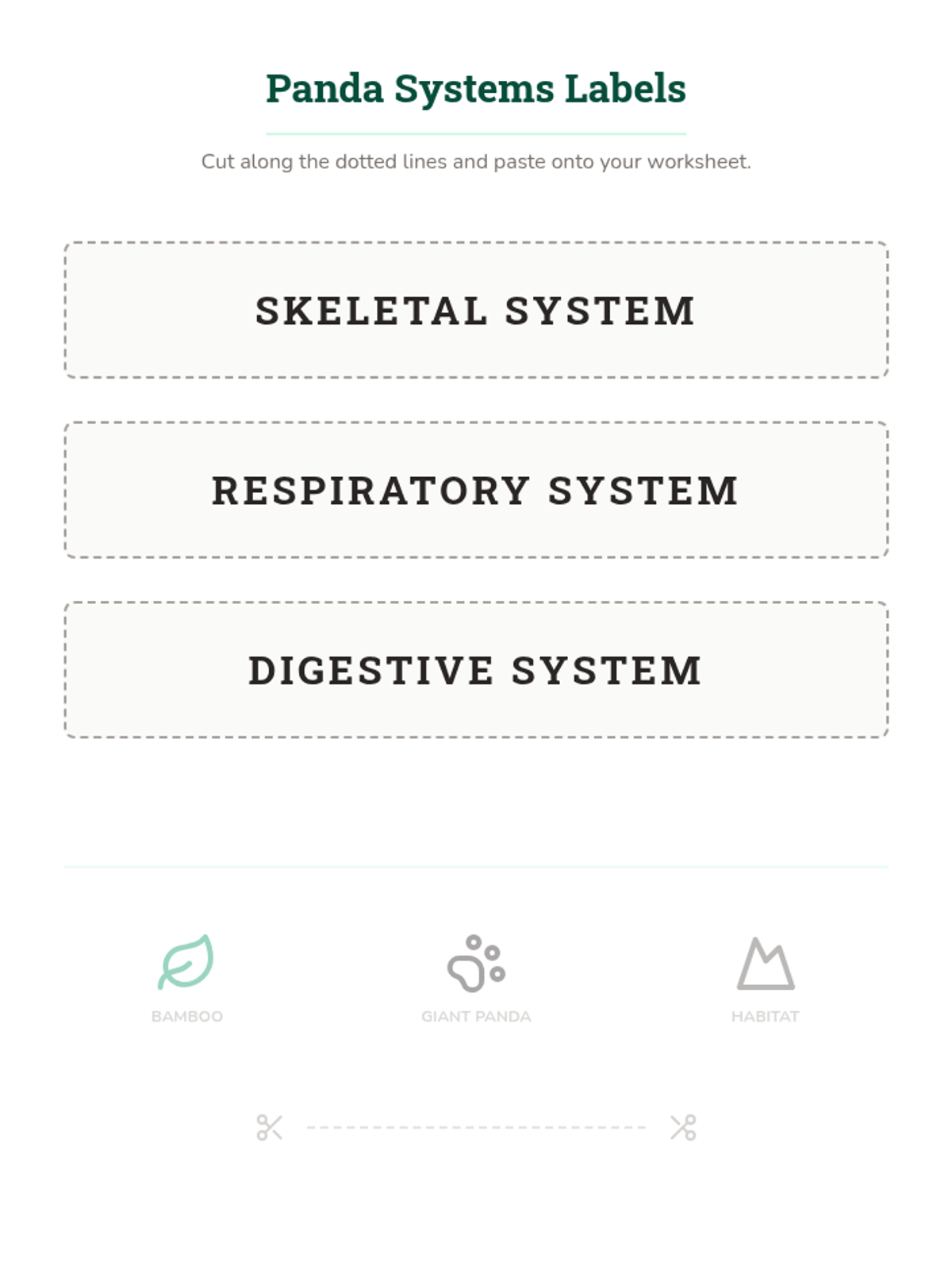
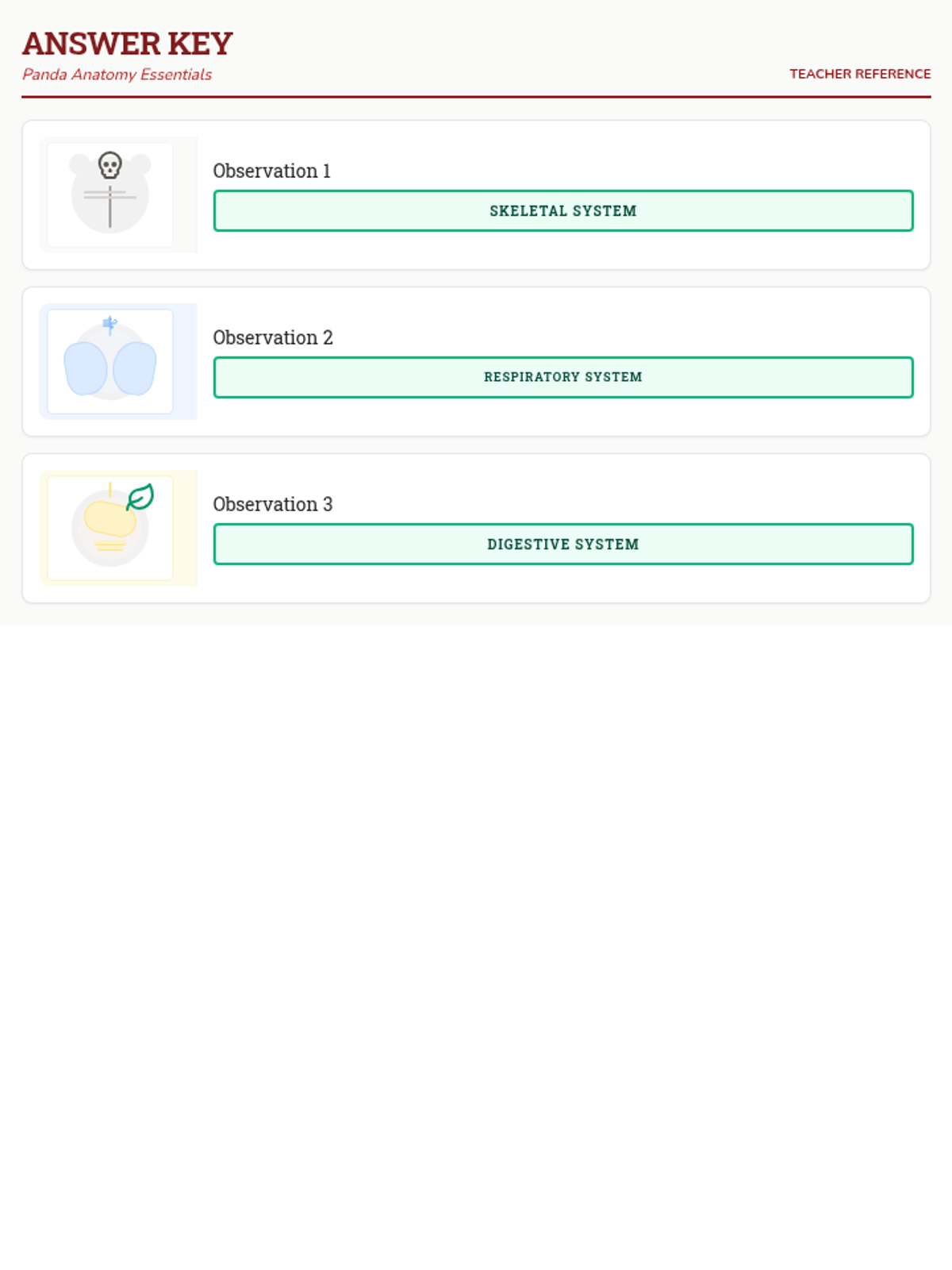
A hands-on lesson identifying the major internal systems of a Giant Panda, focusing on how their anatomy supports their unique bamboo-based diet and lifestyle.
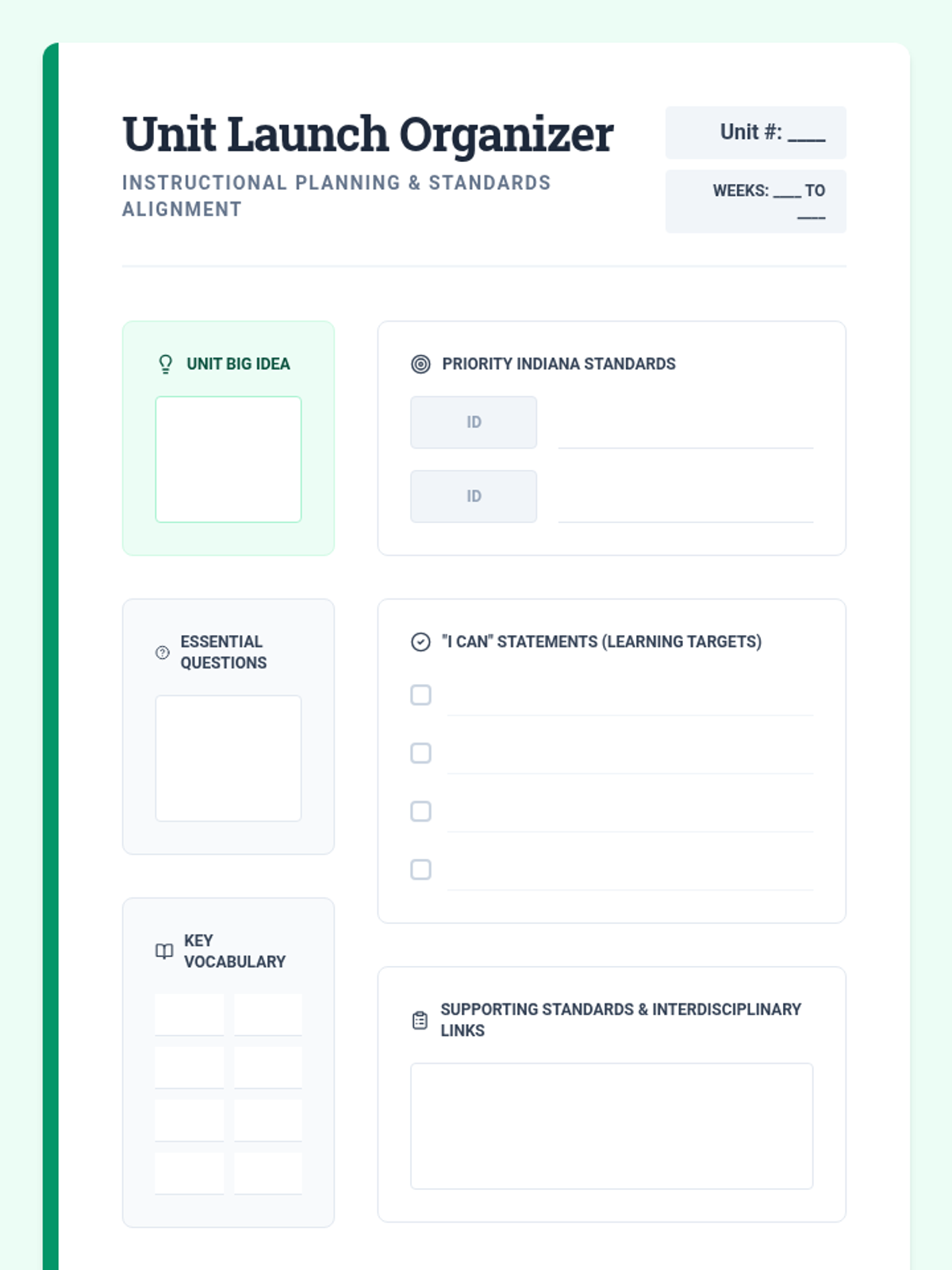
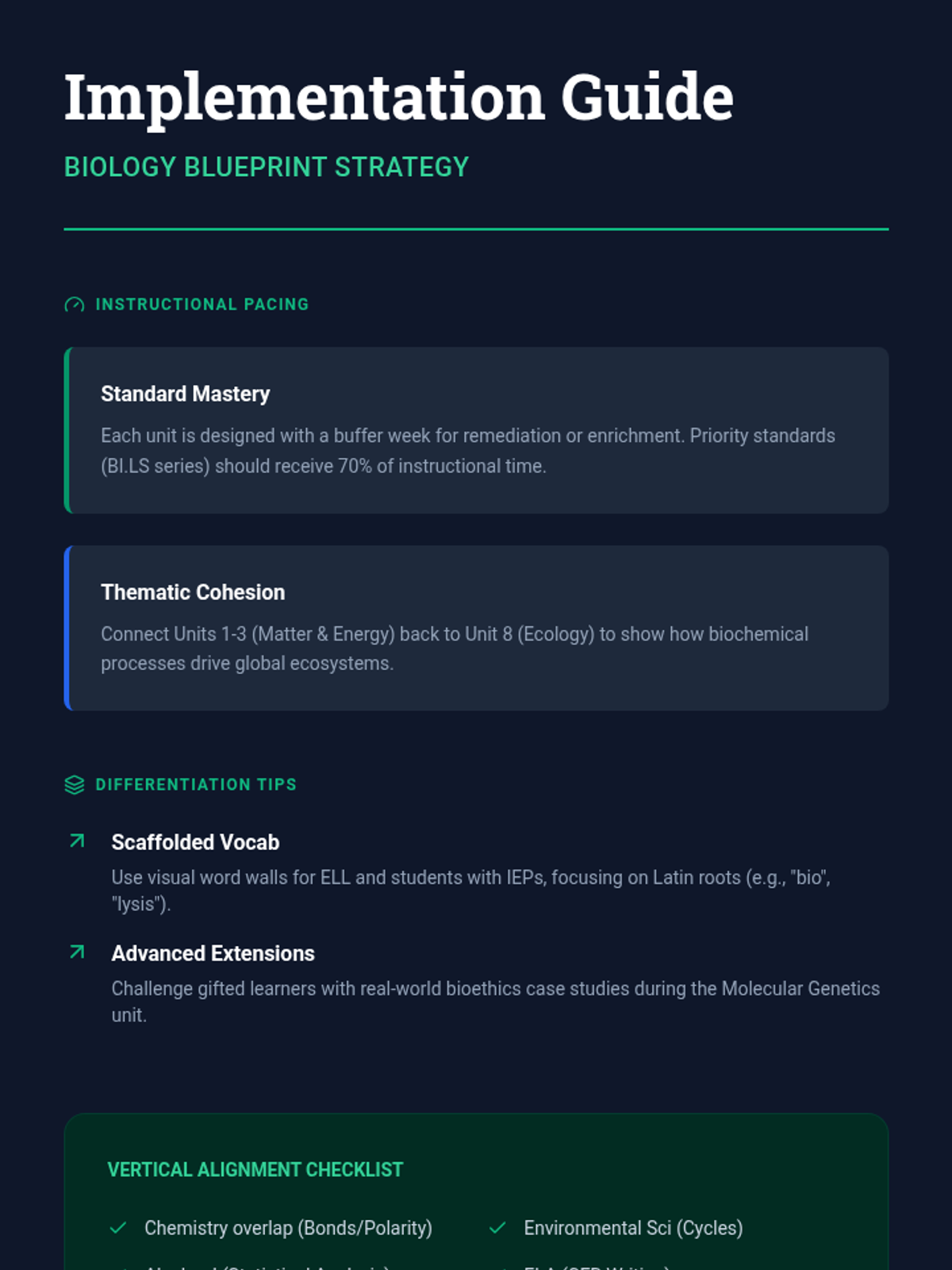
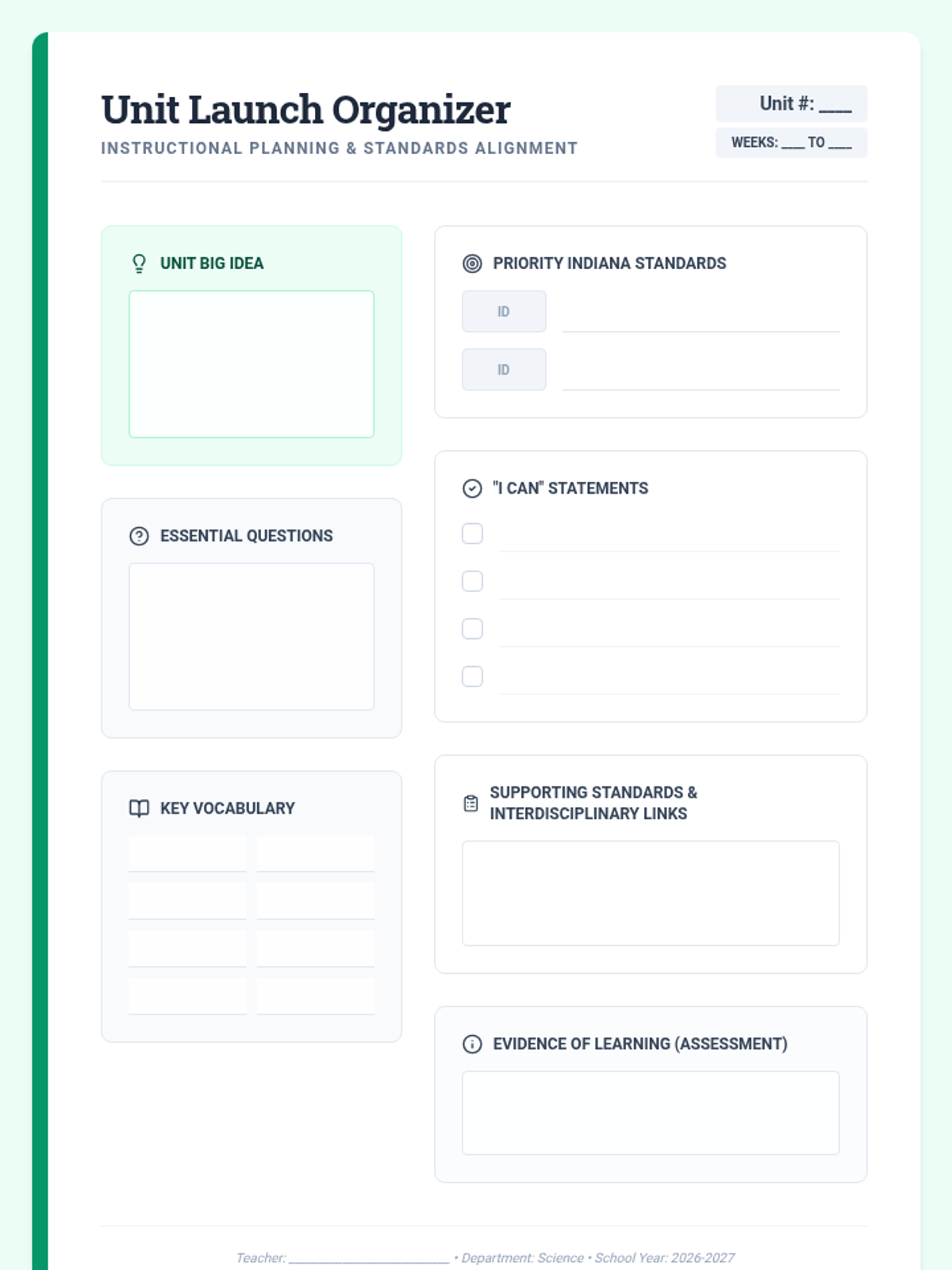
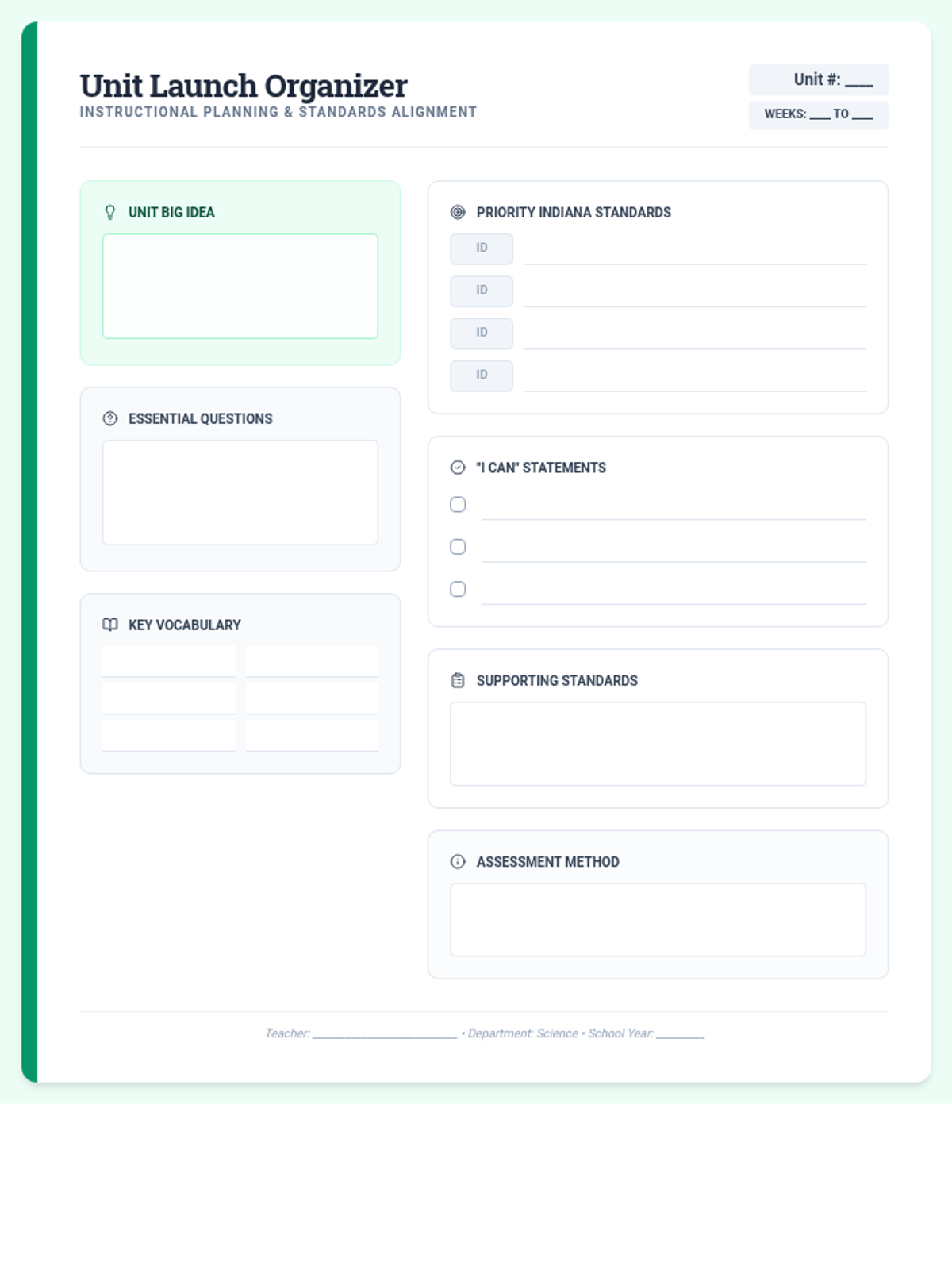
A curriculum planning lesson for biology teachers to organize a full year of high school biology instruction aligned with Indiana State Standards.
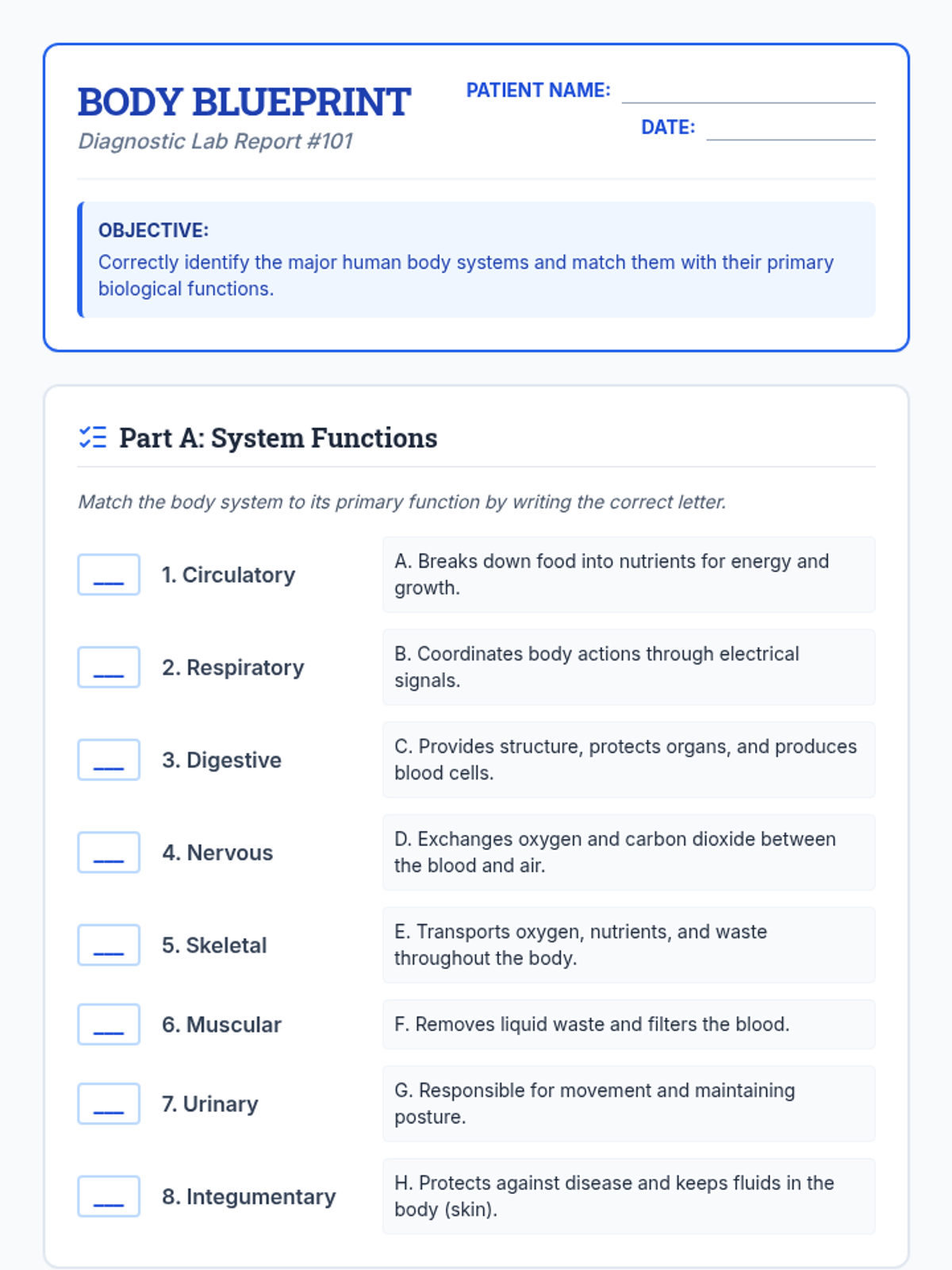
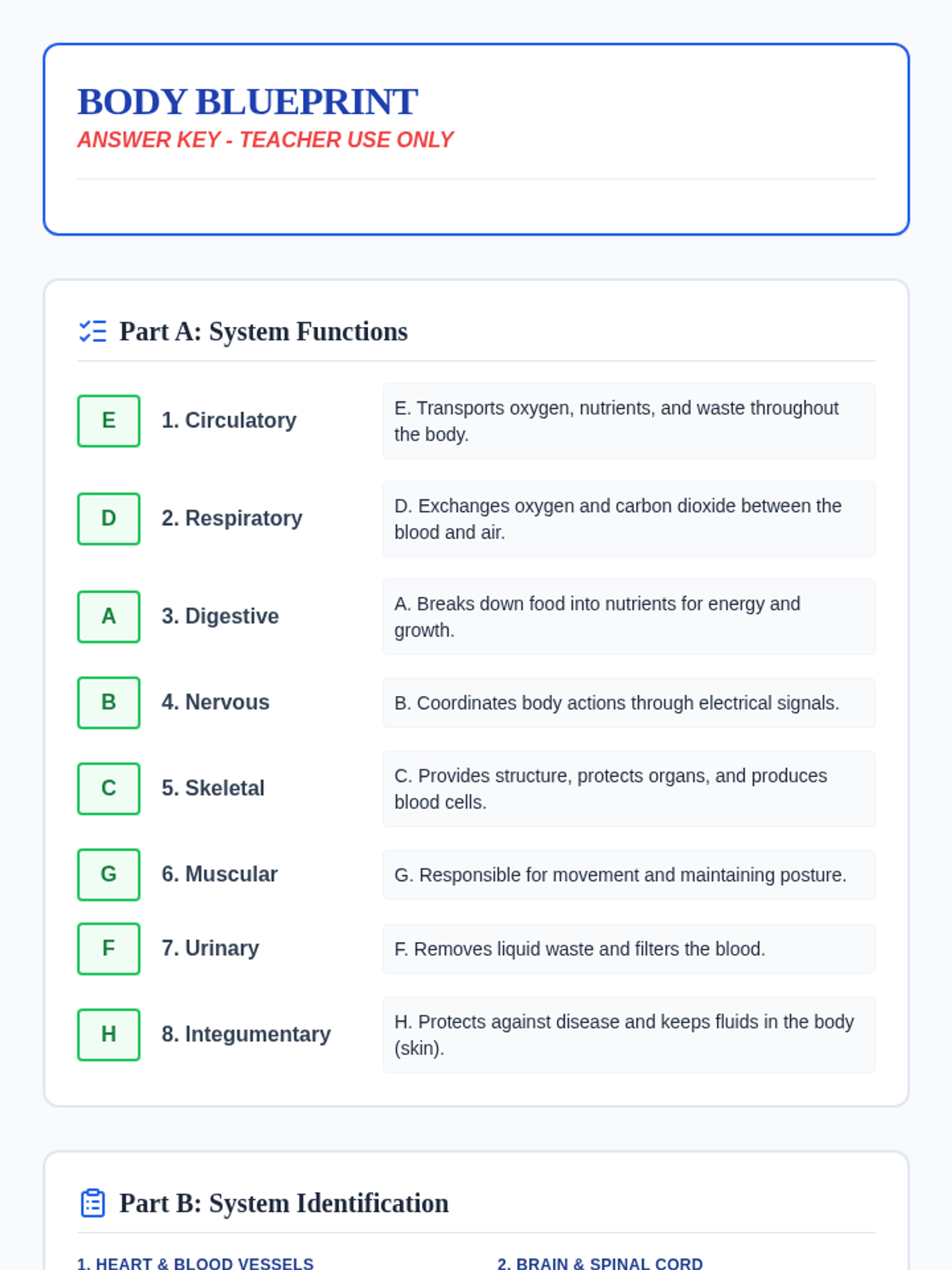
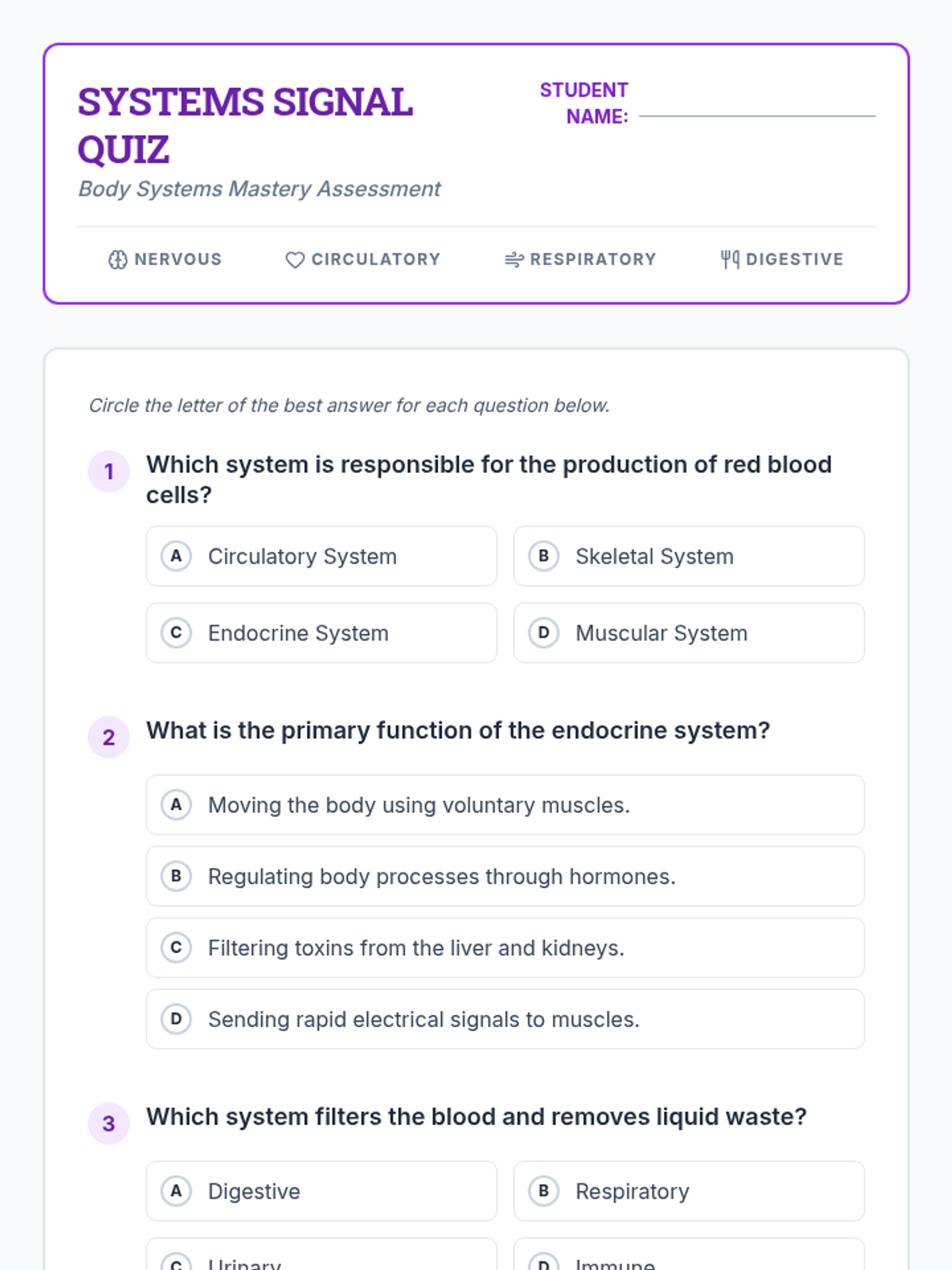
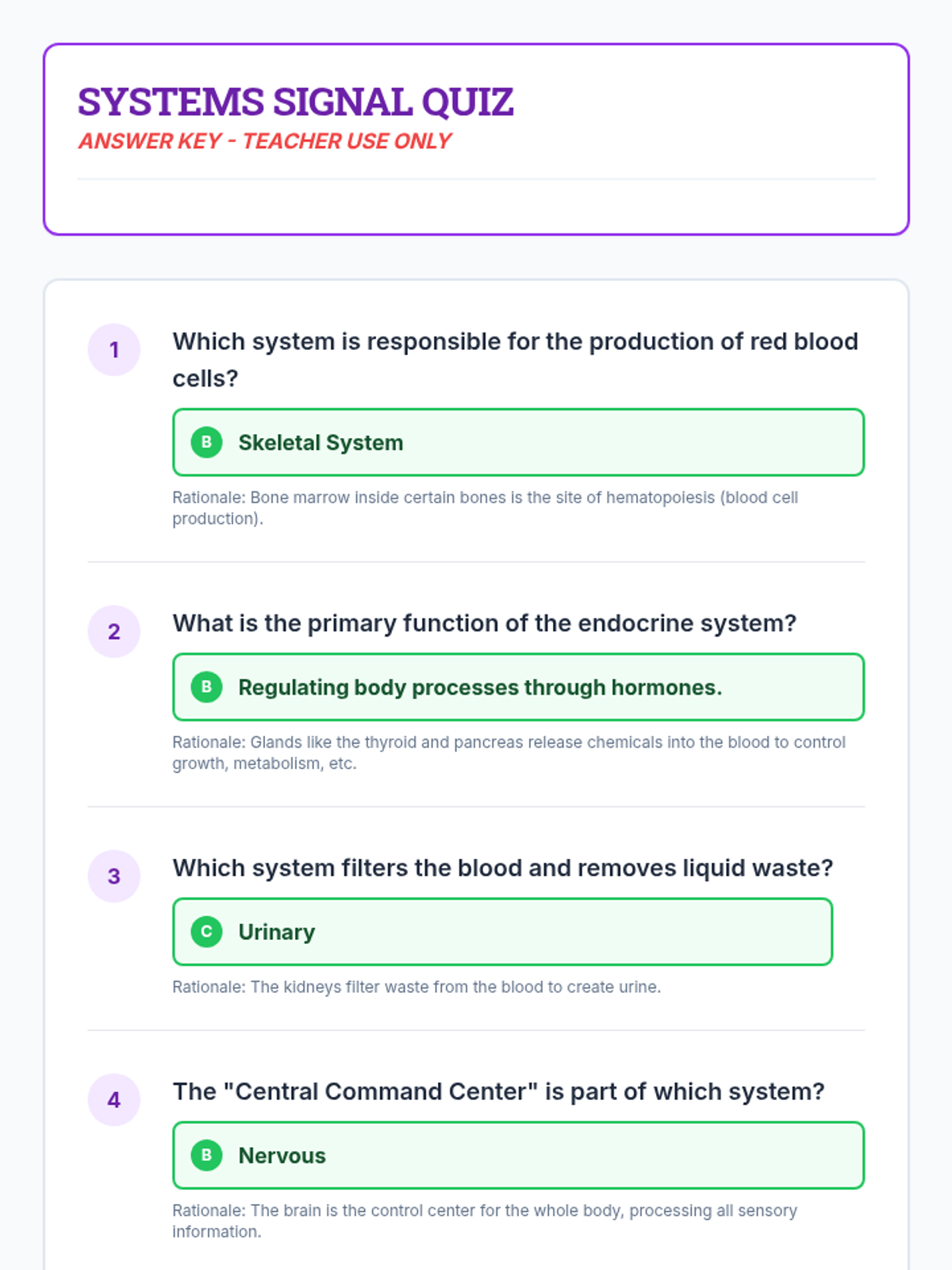
A comprehensive assessment suite to evaluate student understanding of the major human body systems, including their functions and key organs.
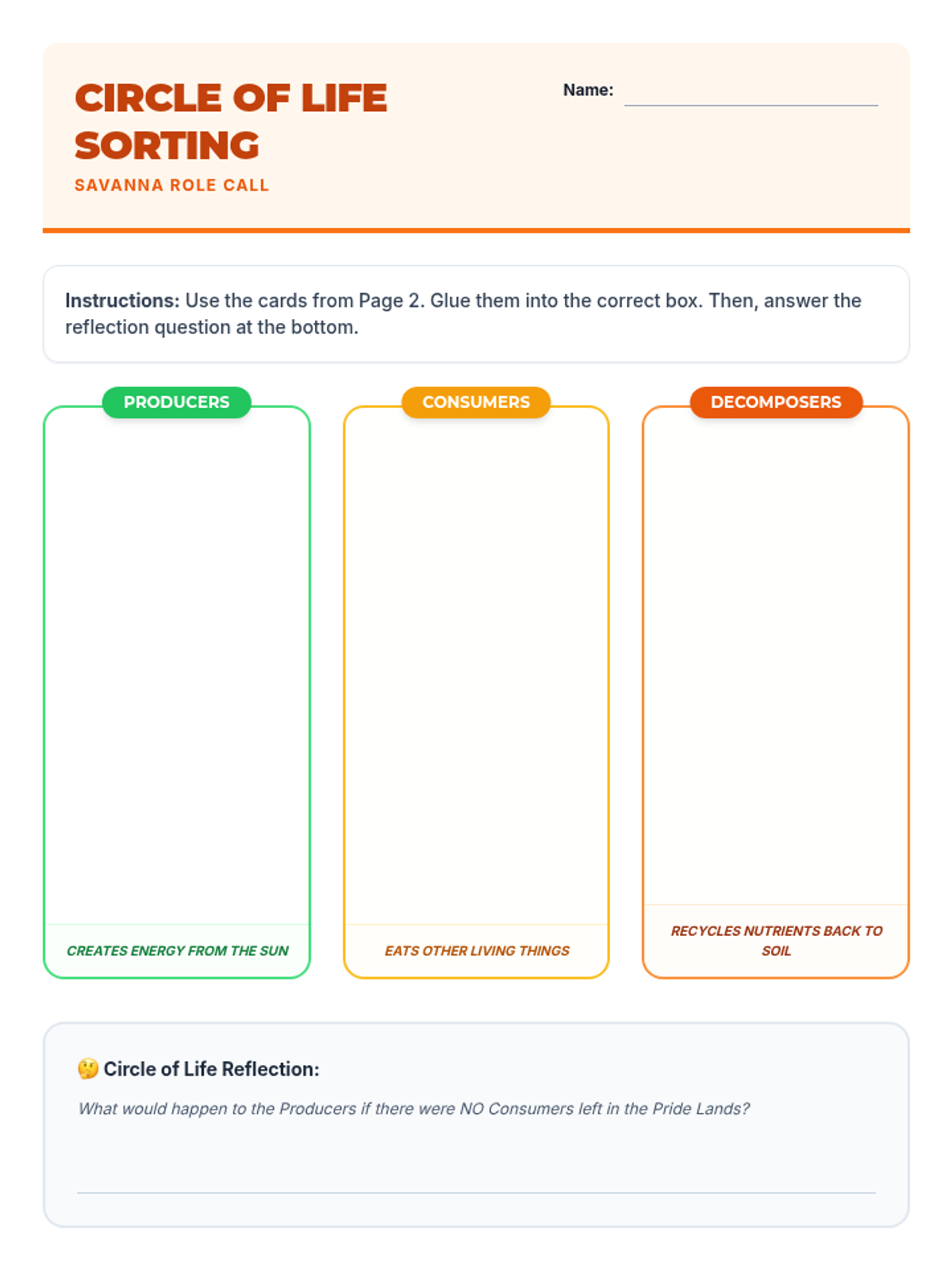
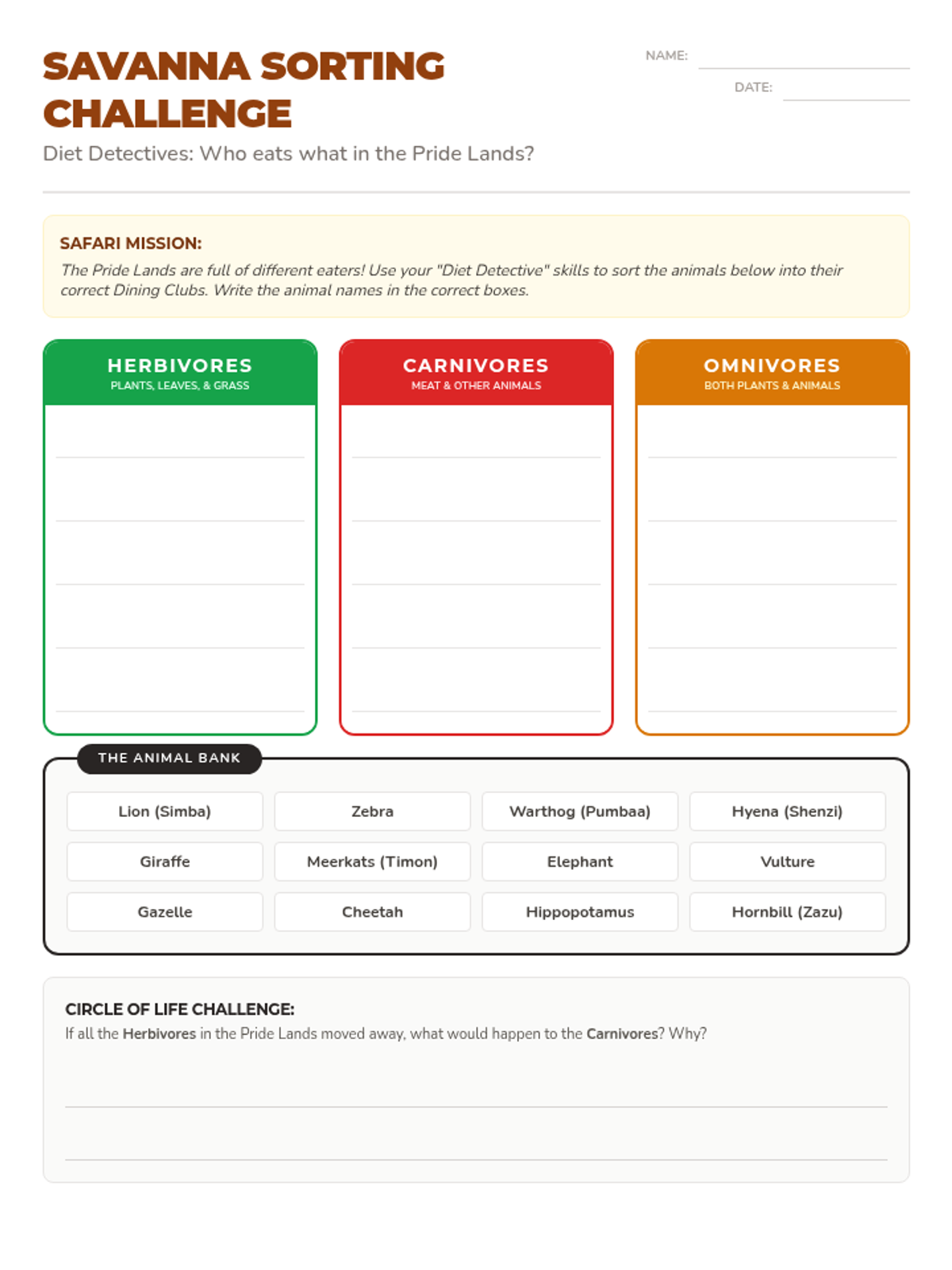
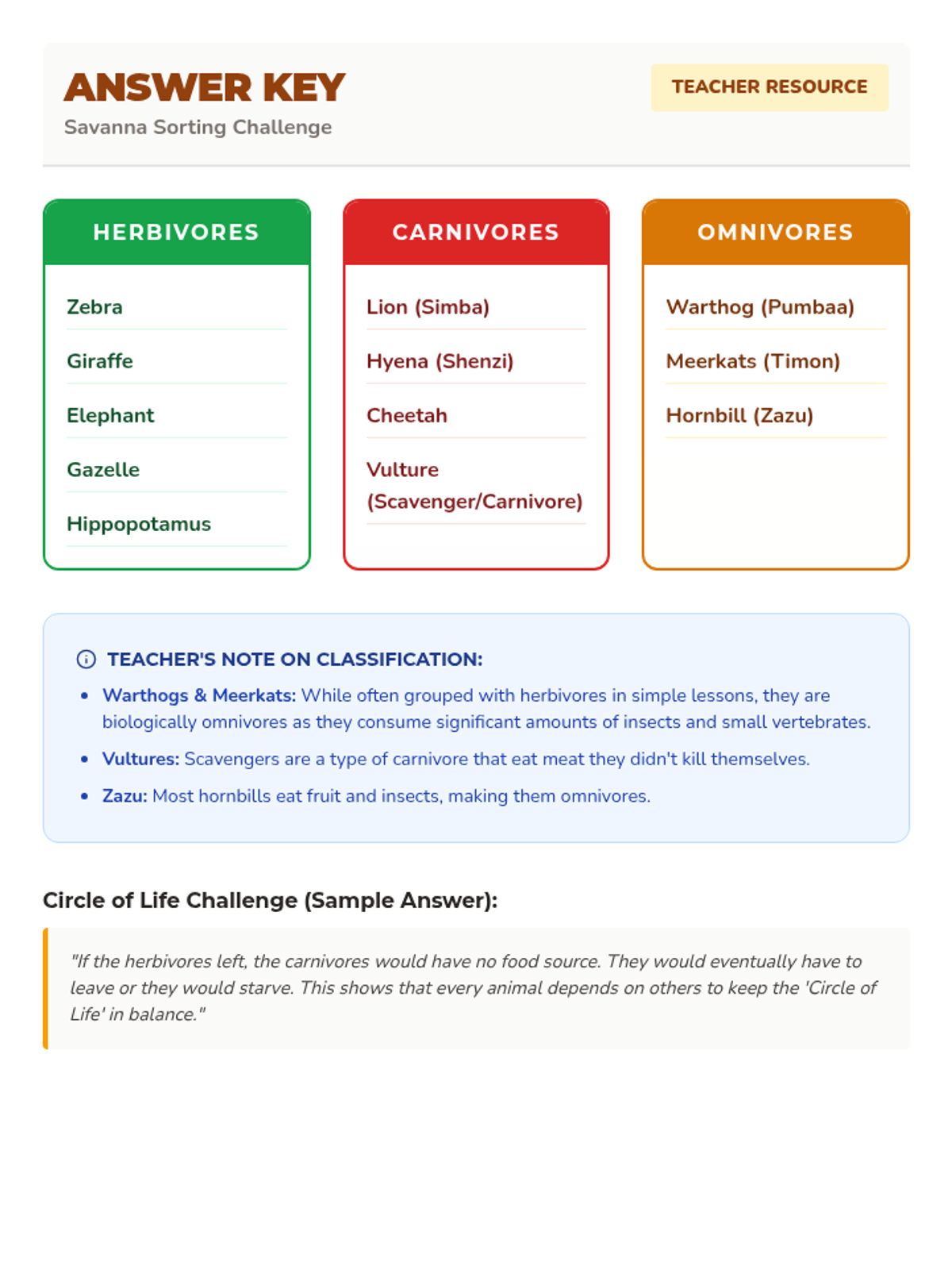
Culminating sorting activity where students categorize Lion King characters and other savanna animals by their diets, followed by a reflection on the 'Circle of Life'.
Students analyze the ecosystem of the Pride Lands, identifying various animals from the film and researching or discussing their real-world dietary habits.
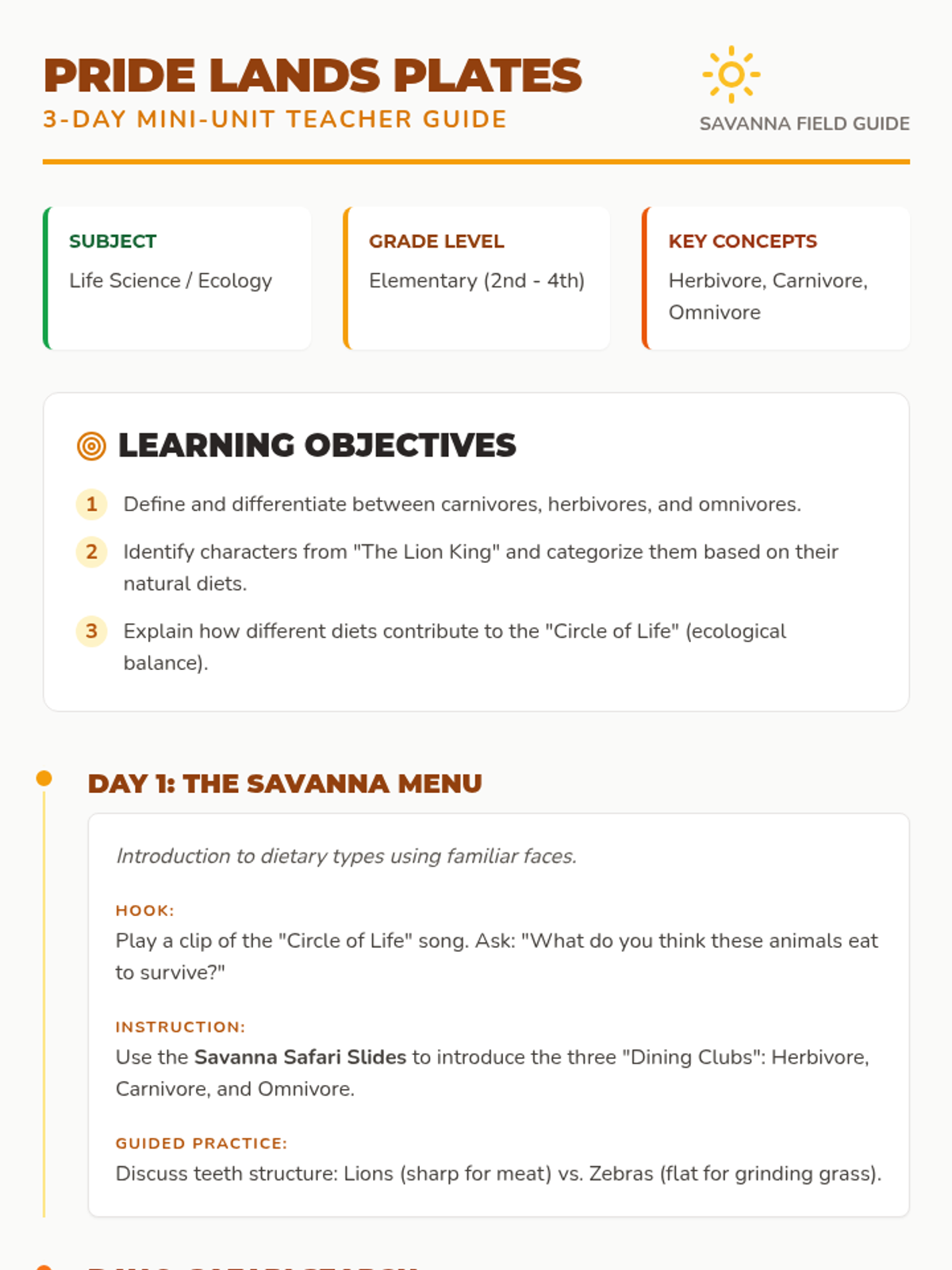
Introduction to herbivores, carnivores, and omnivores using Pride Lands characters as examples. students learn to identify dietary traits and basic dental structures associated with each group.
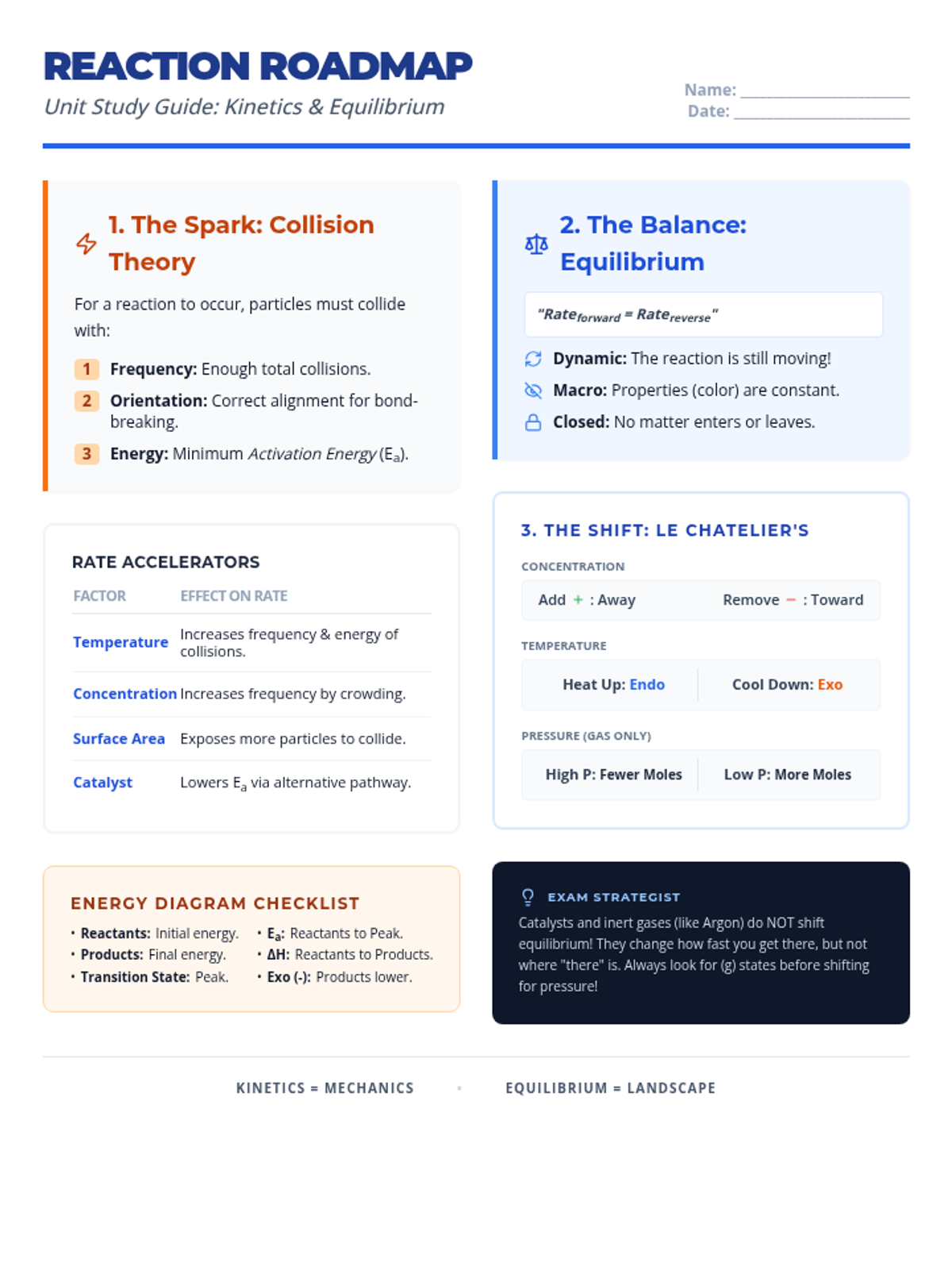
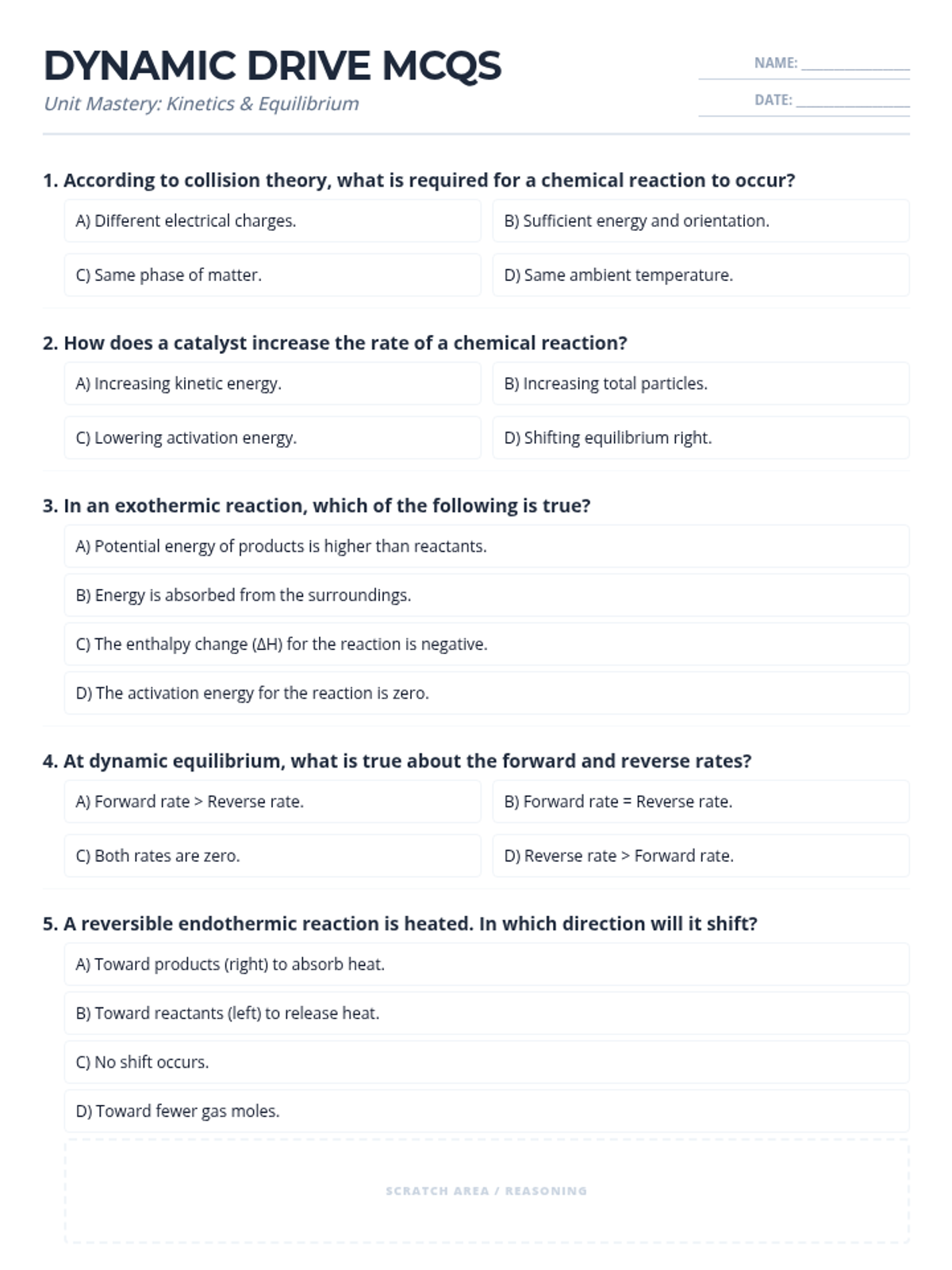
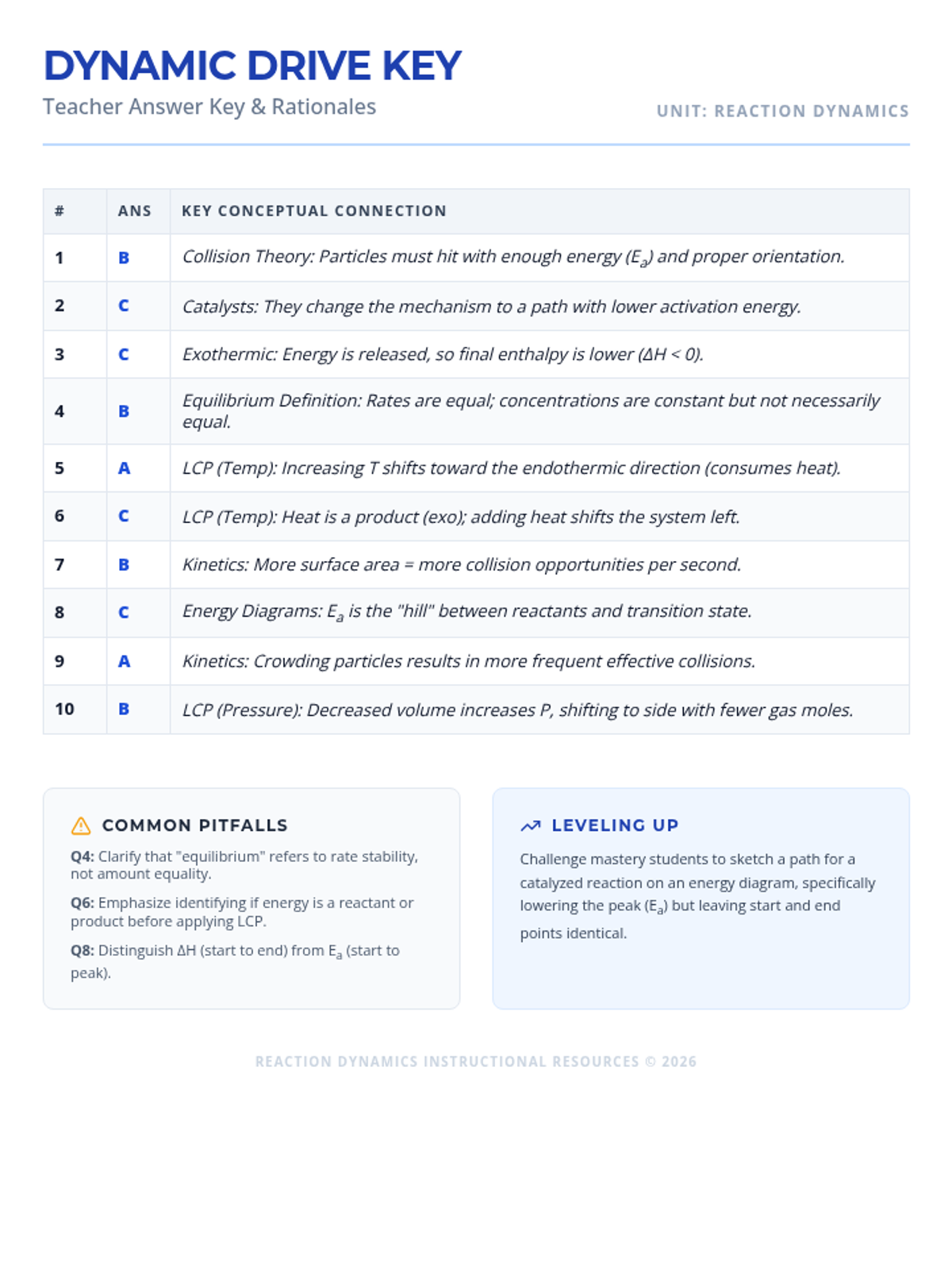
A comprehensive review phase for the Reaction Dynamics unit. Students synthesize their knowledge of collision theory, energy pathways, and equilibrium shifts through a focused study guide and a unit-wide conceptual assessment.
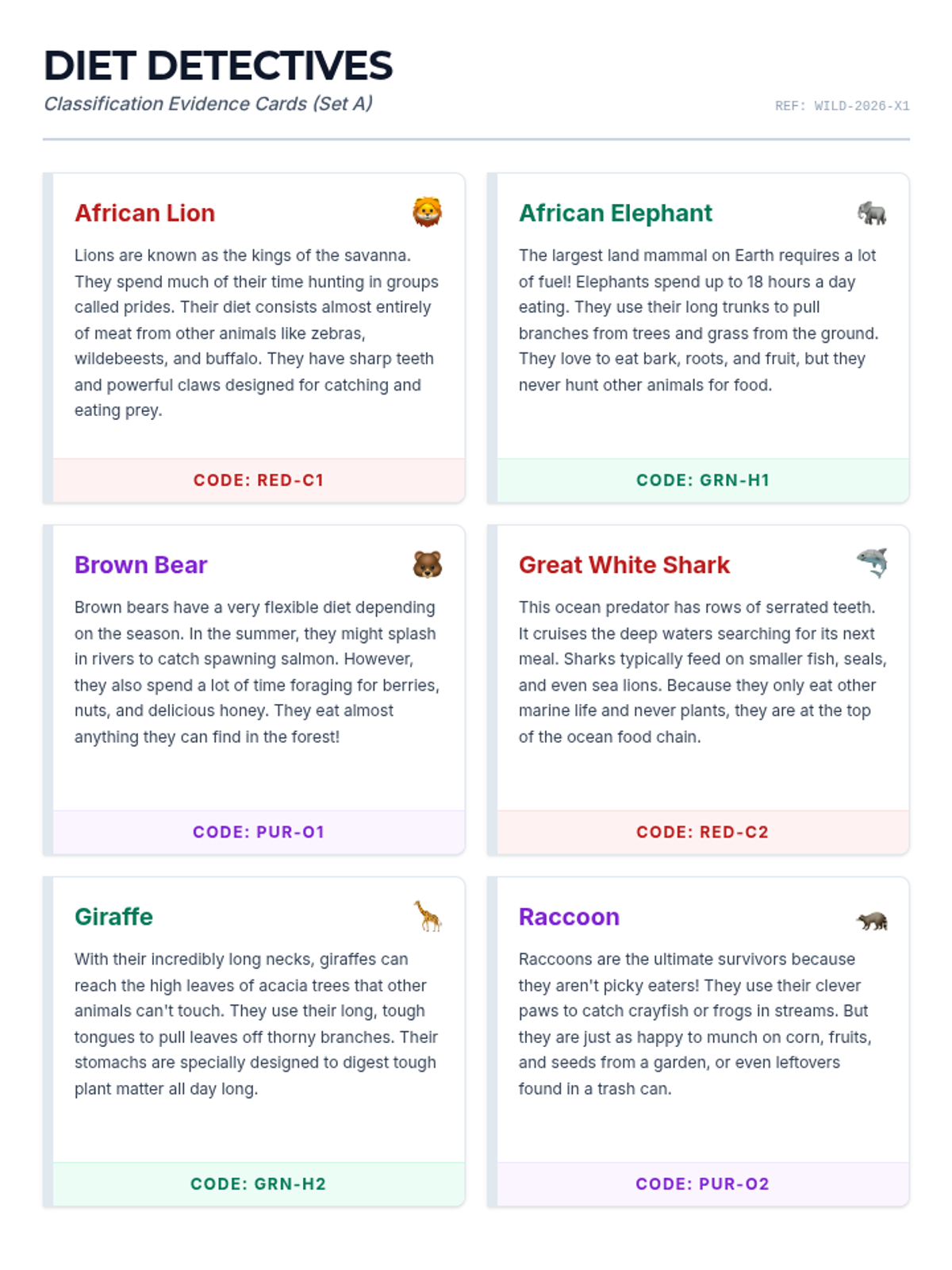
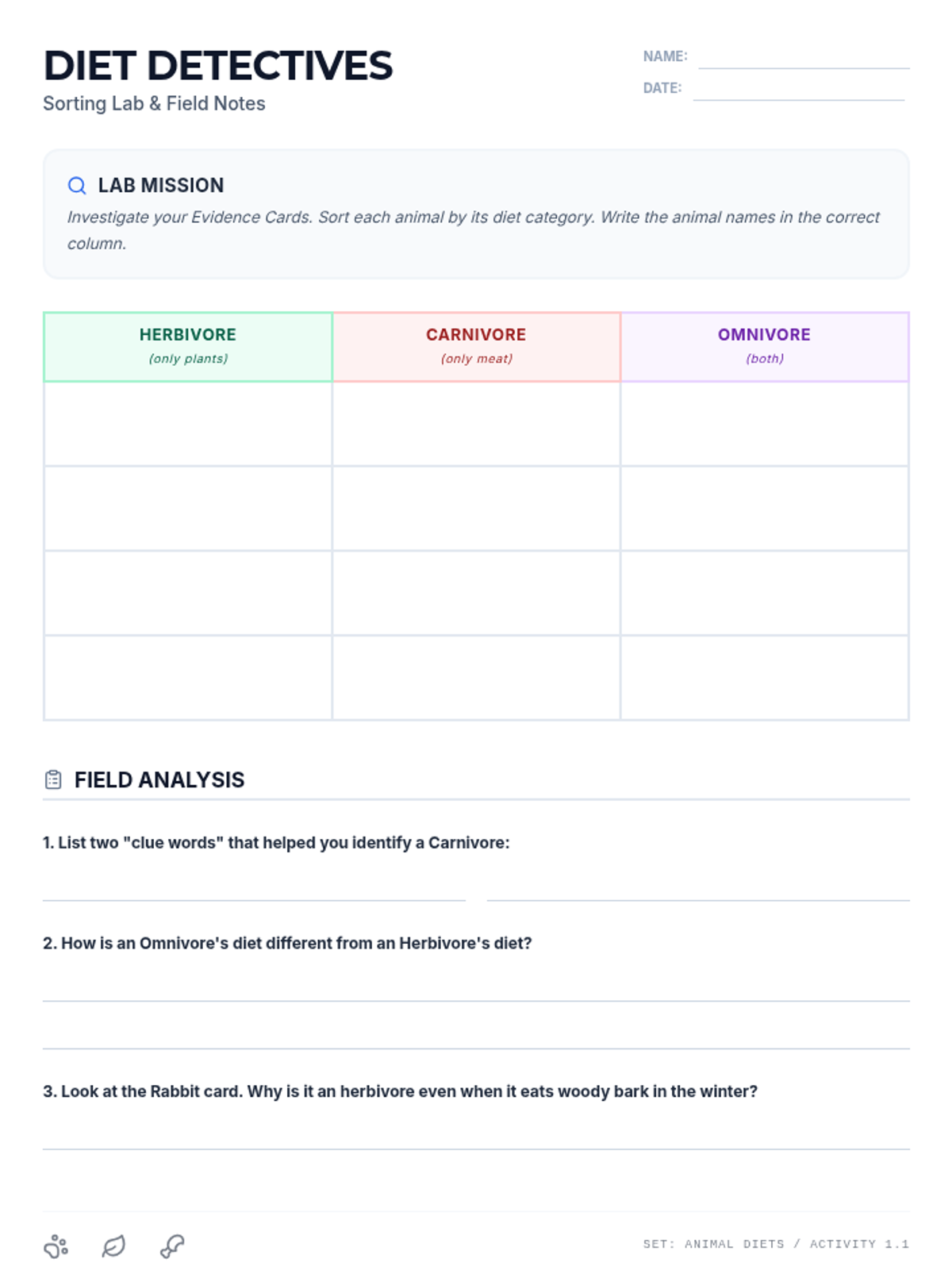
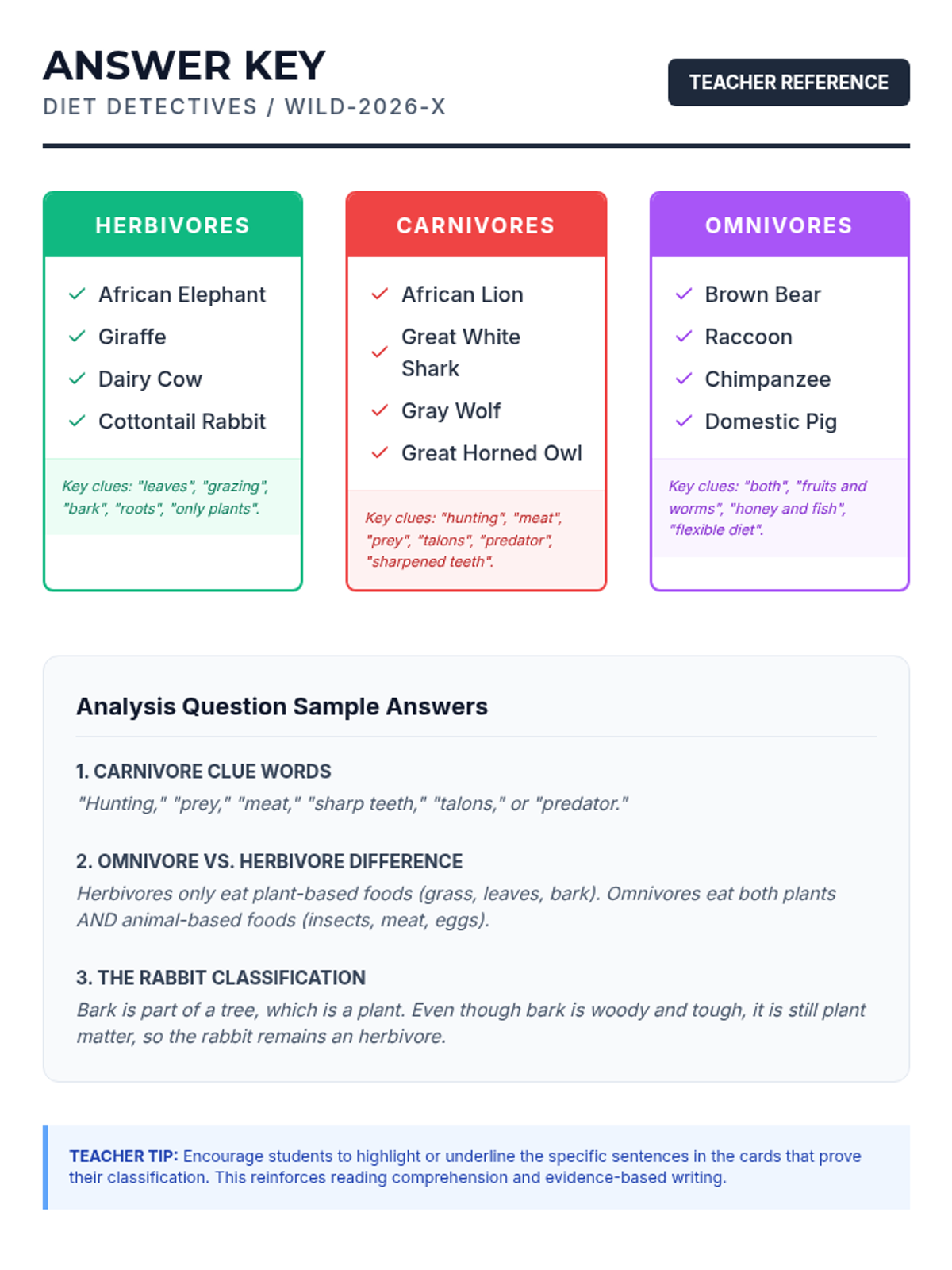
Students analyze short informational texts about various animals to classify them based on their diets using color-coded evidence cards.
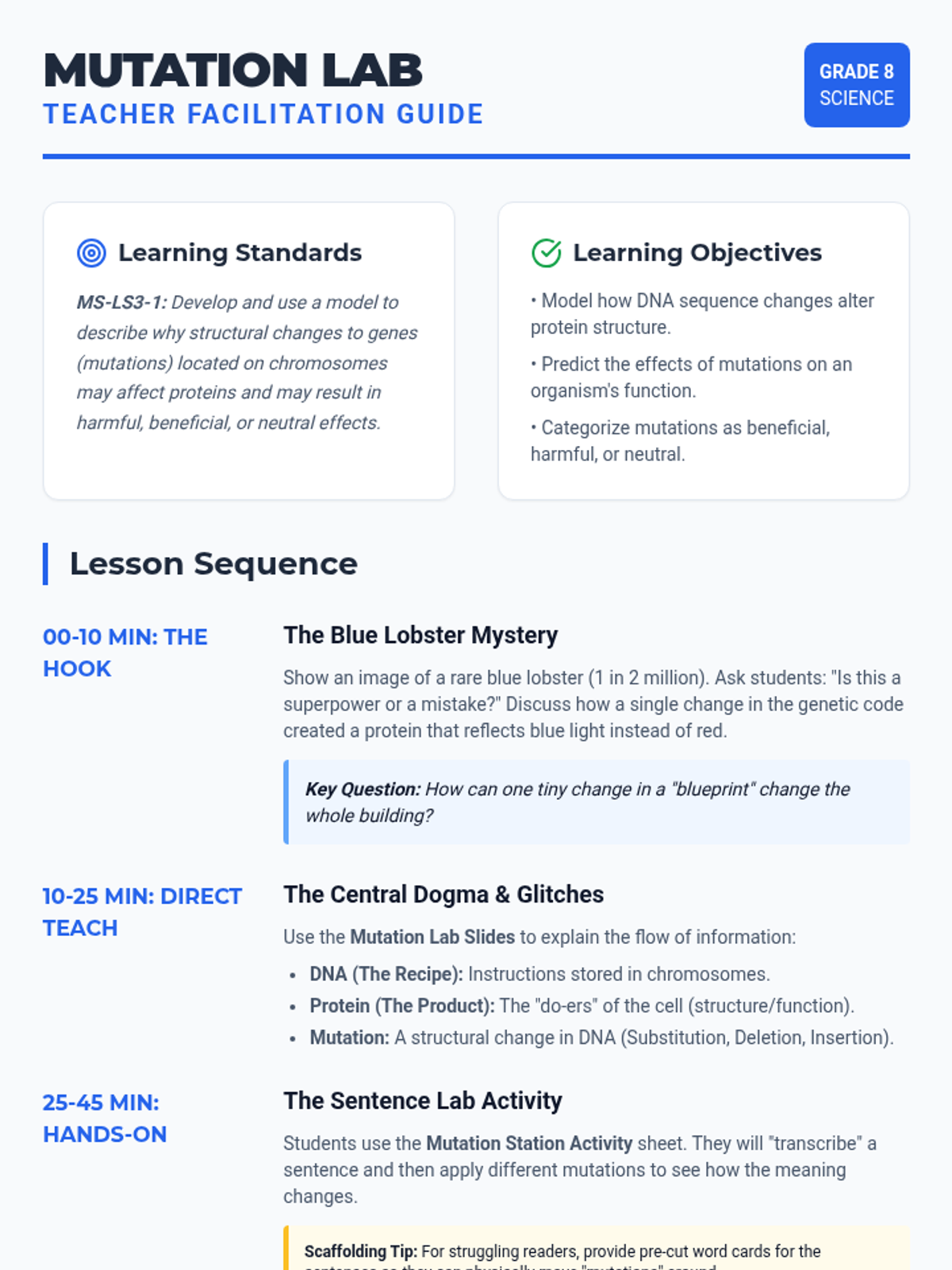
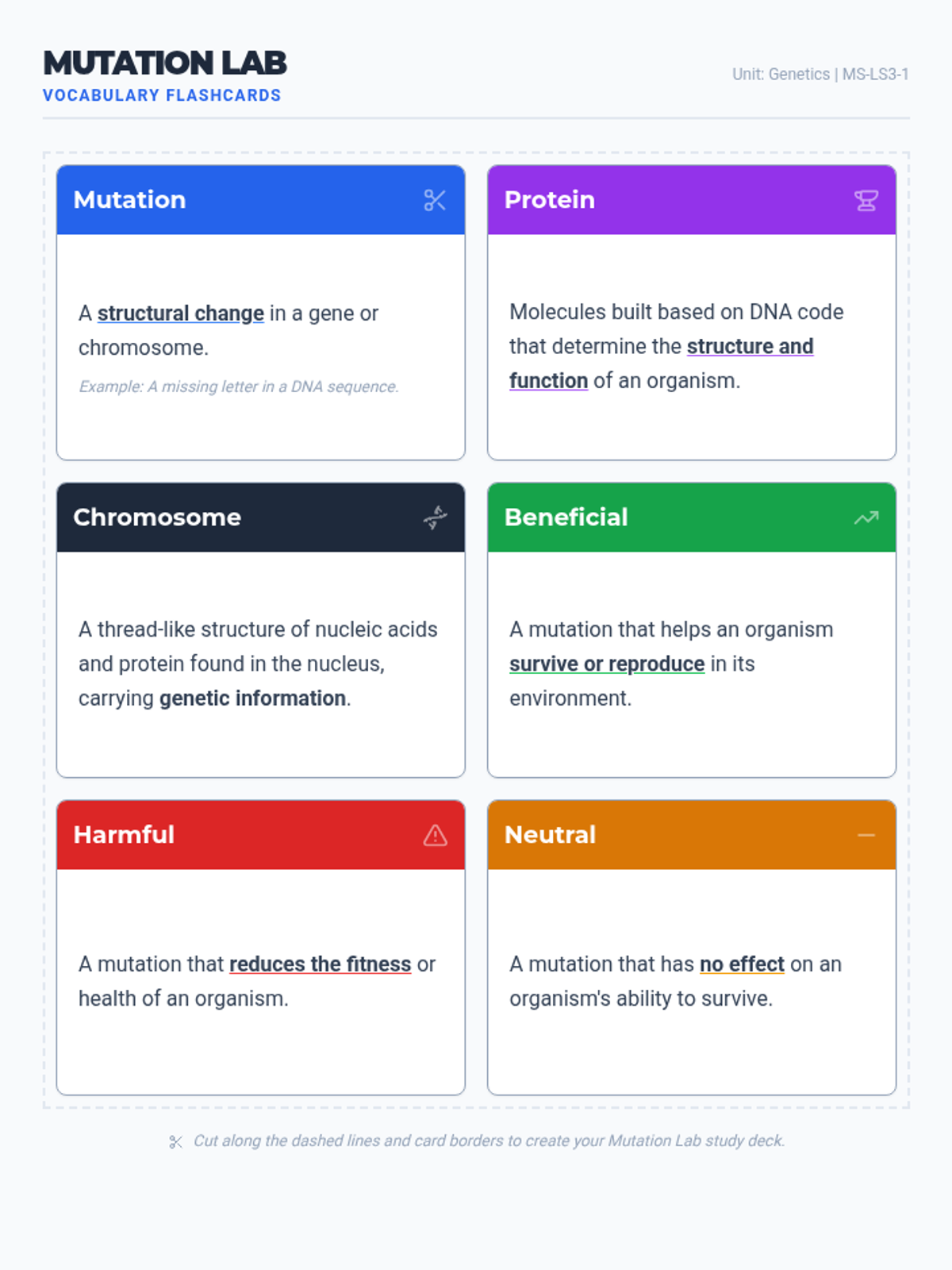
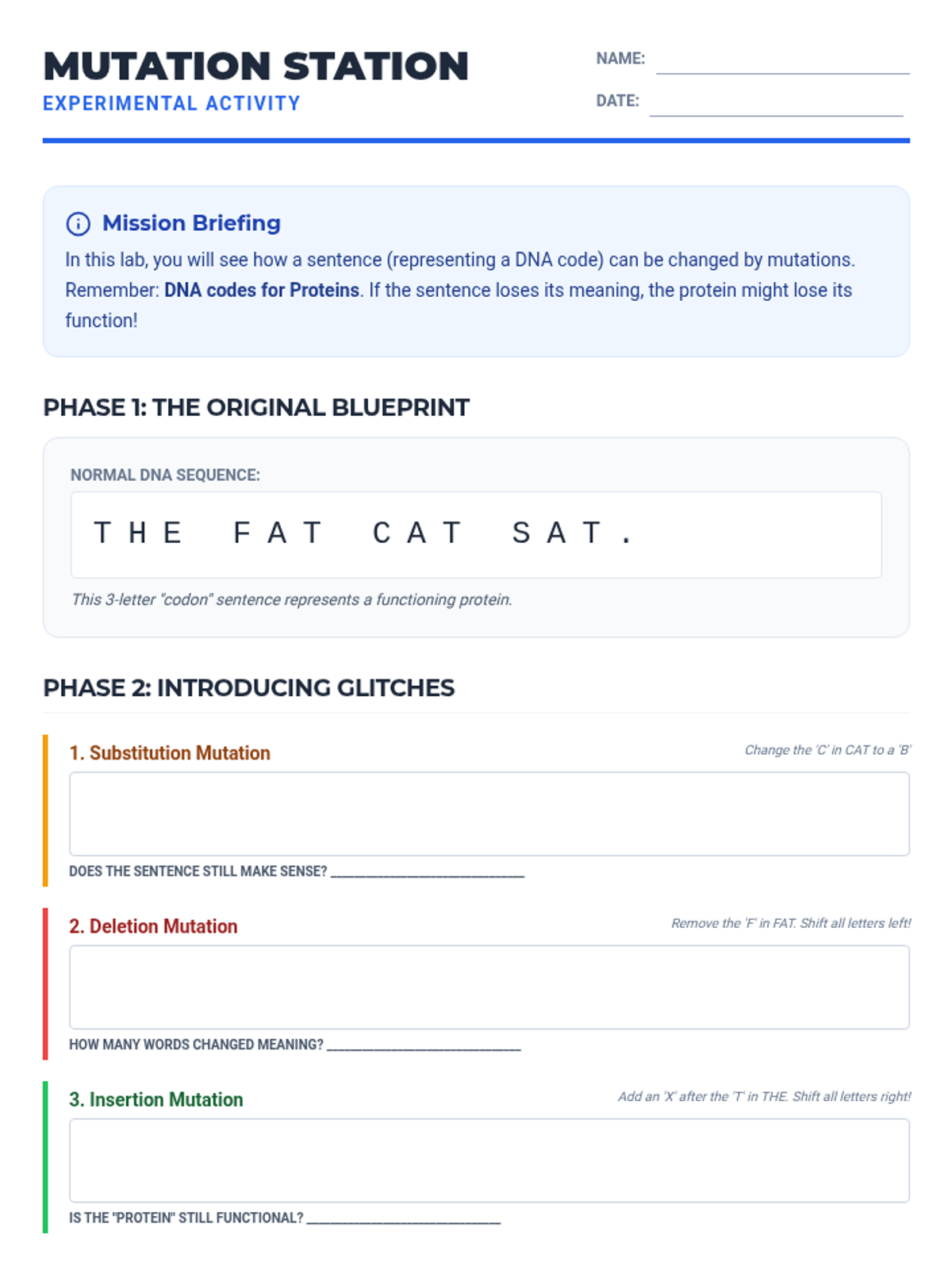
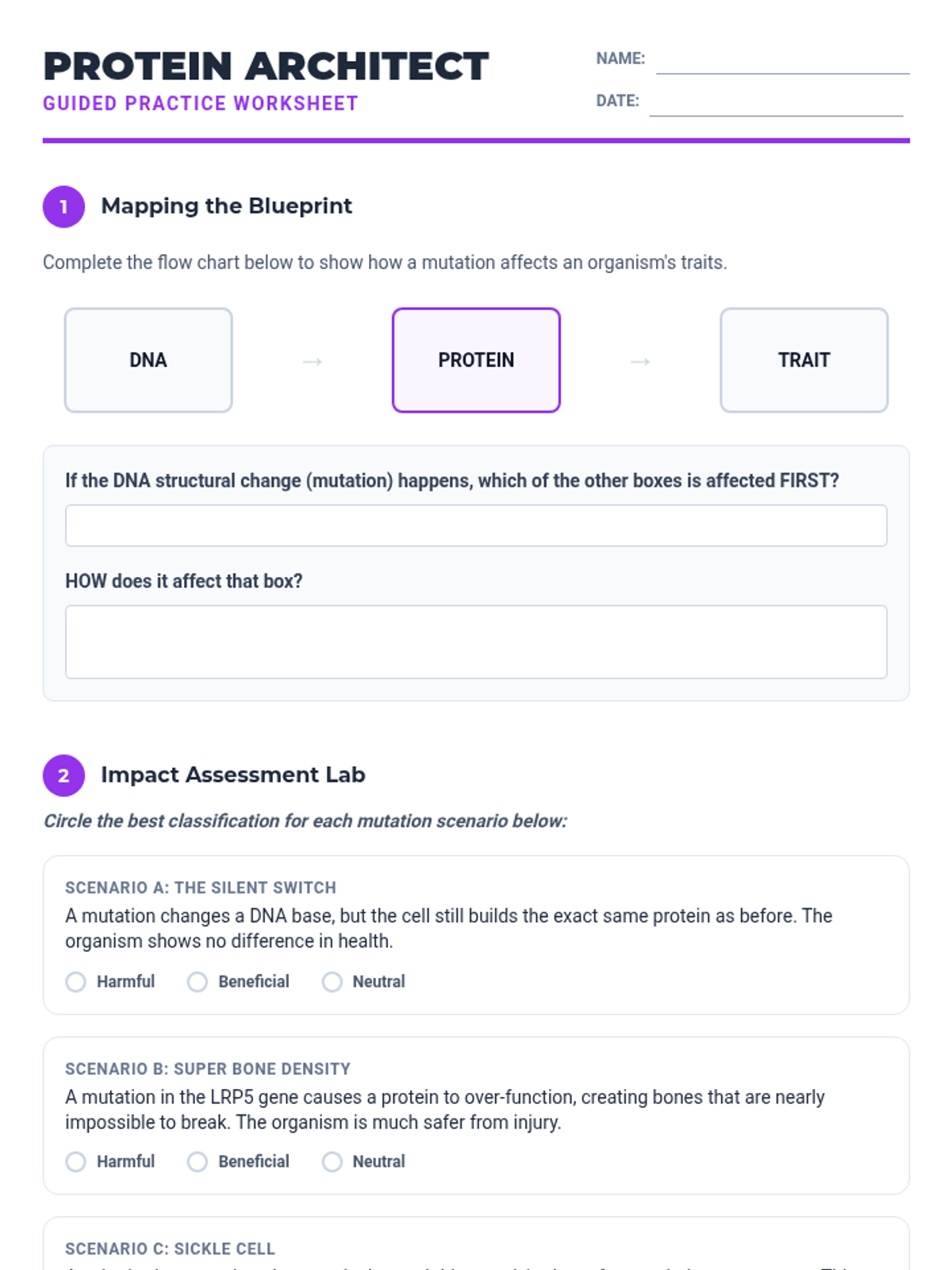
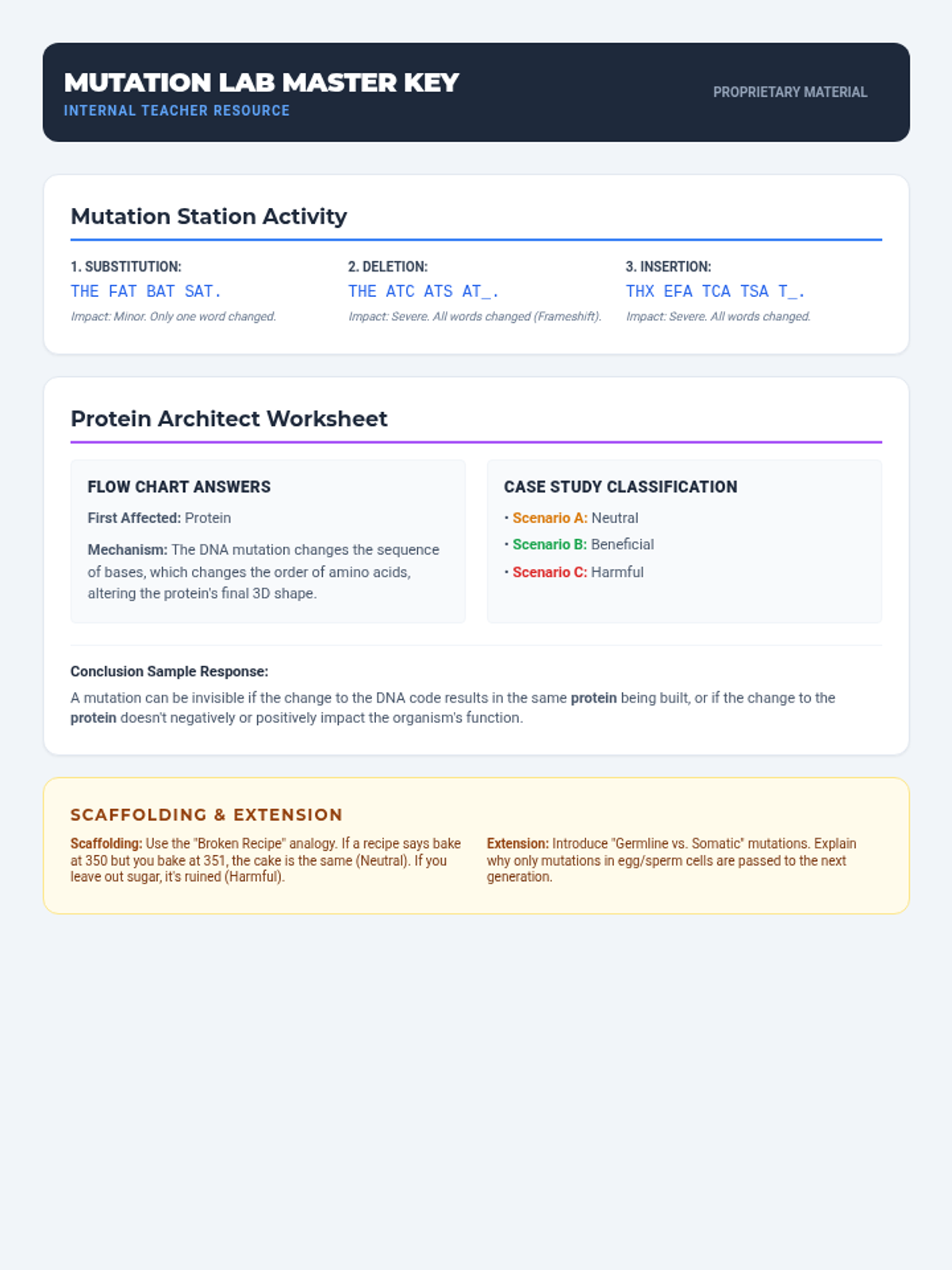
A comprehensive lesson on genetic mutations, exploring how changes in DNA structure affect protein function and organism traits through a high-tech laboratory lens.
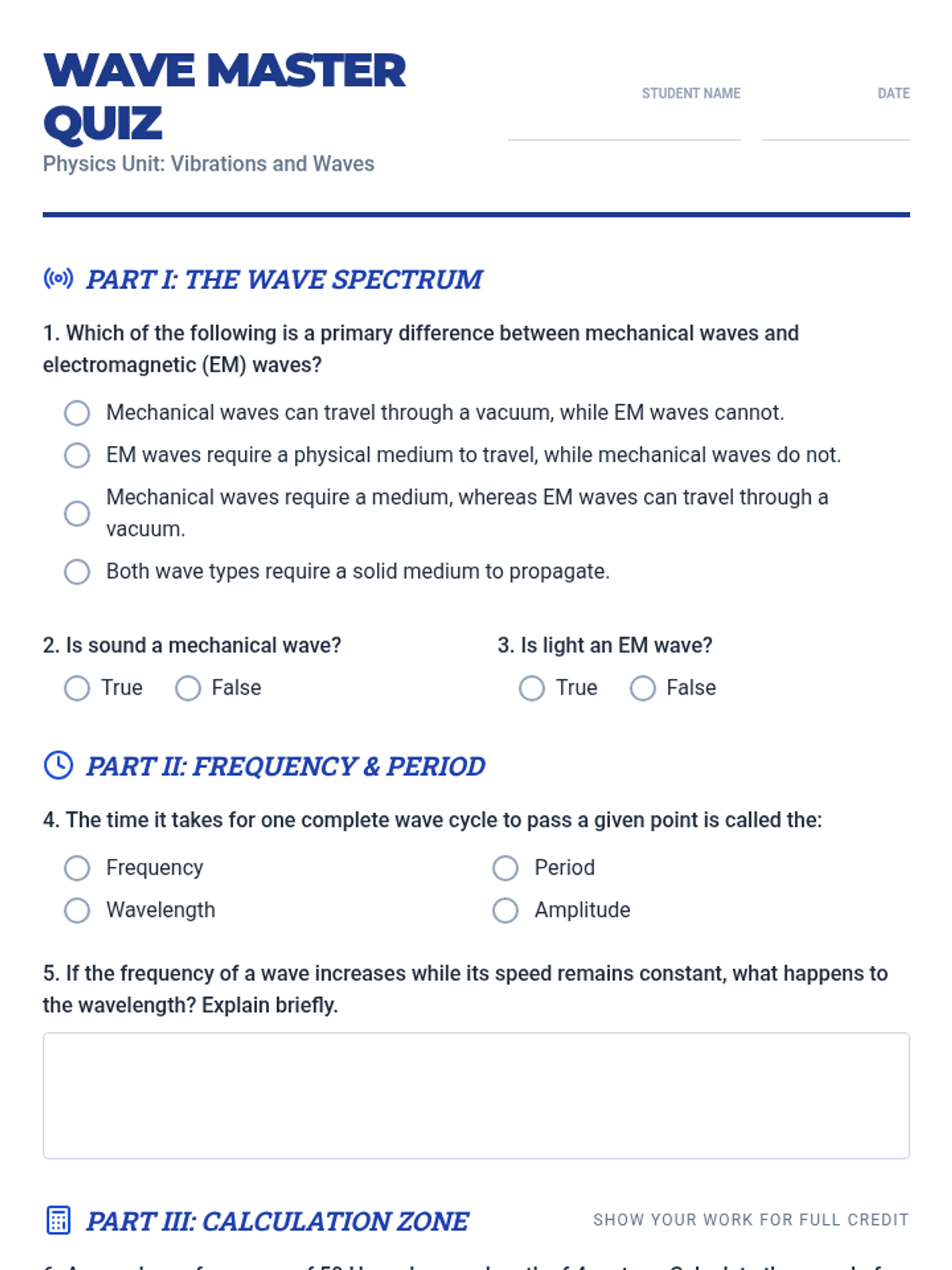
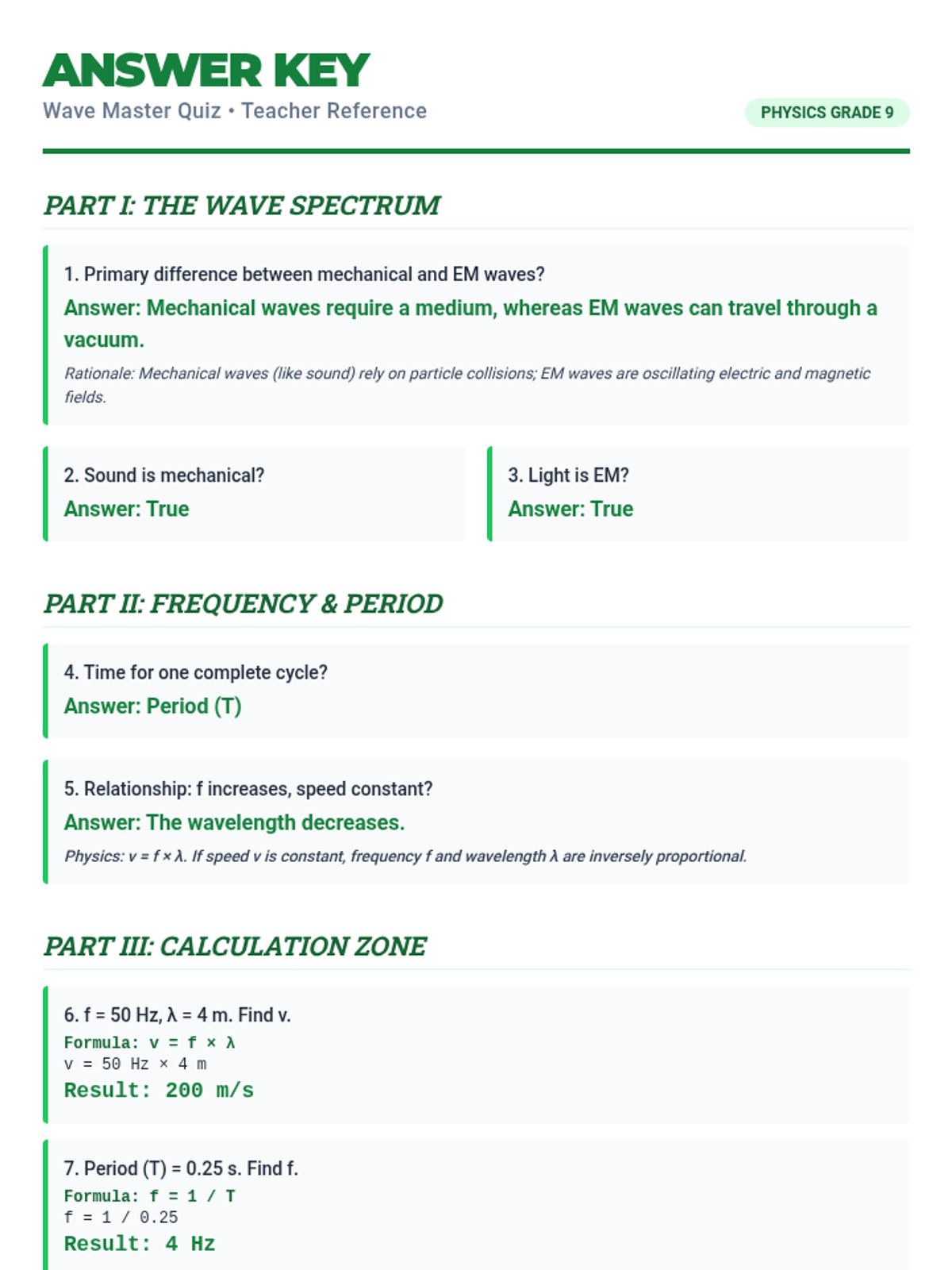
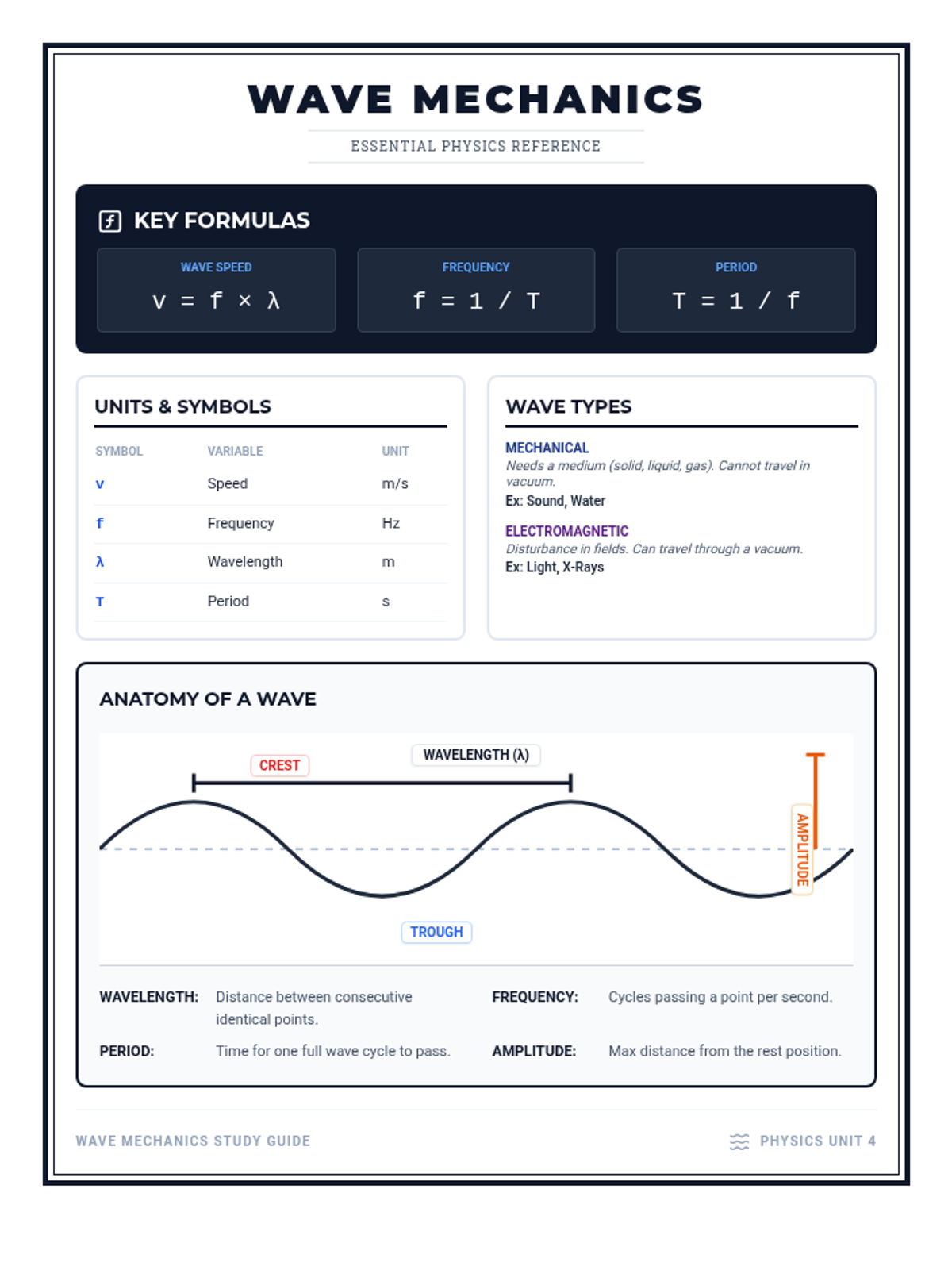
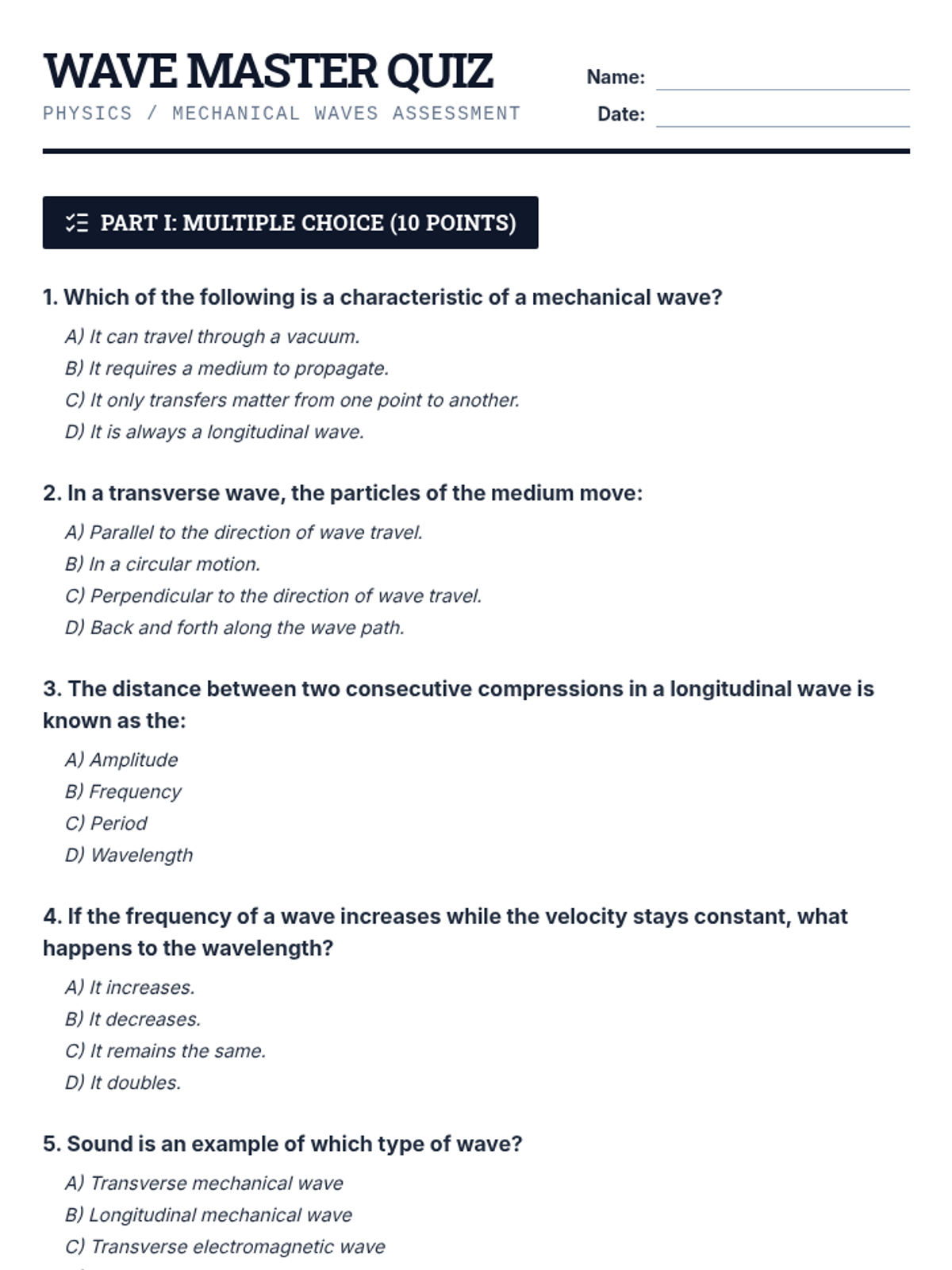
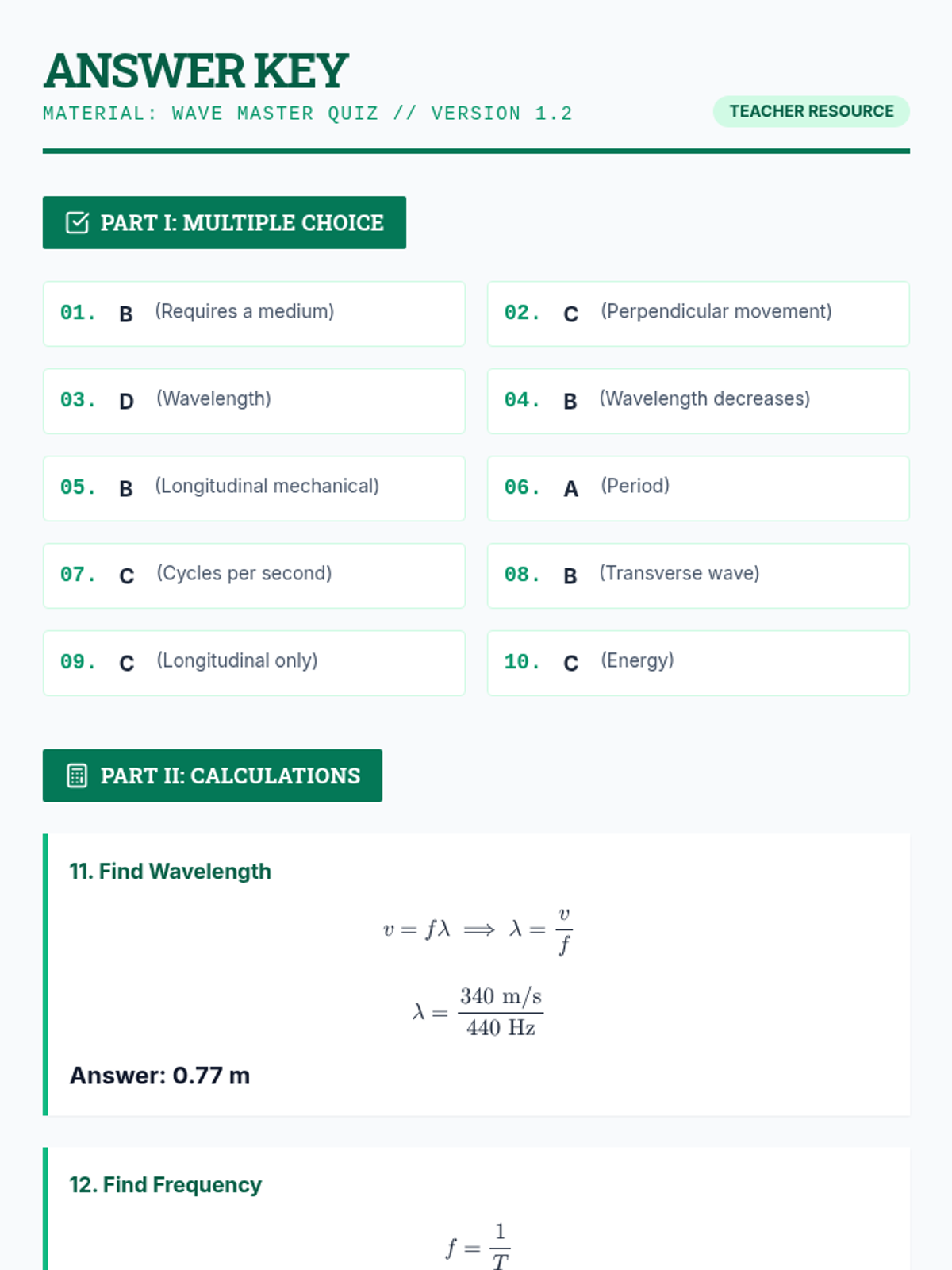
A comprehensive assessment and reference set covering mechanical and electromagnetic waves, including mathematical calculations for frequency, period, and speed.
A focused lesson on the fundamental properties of mechanical waves, covering transverse and longitudinal types, and the mathematical relationships between velocity, frequency, wavelength, and period.
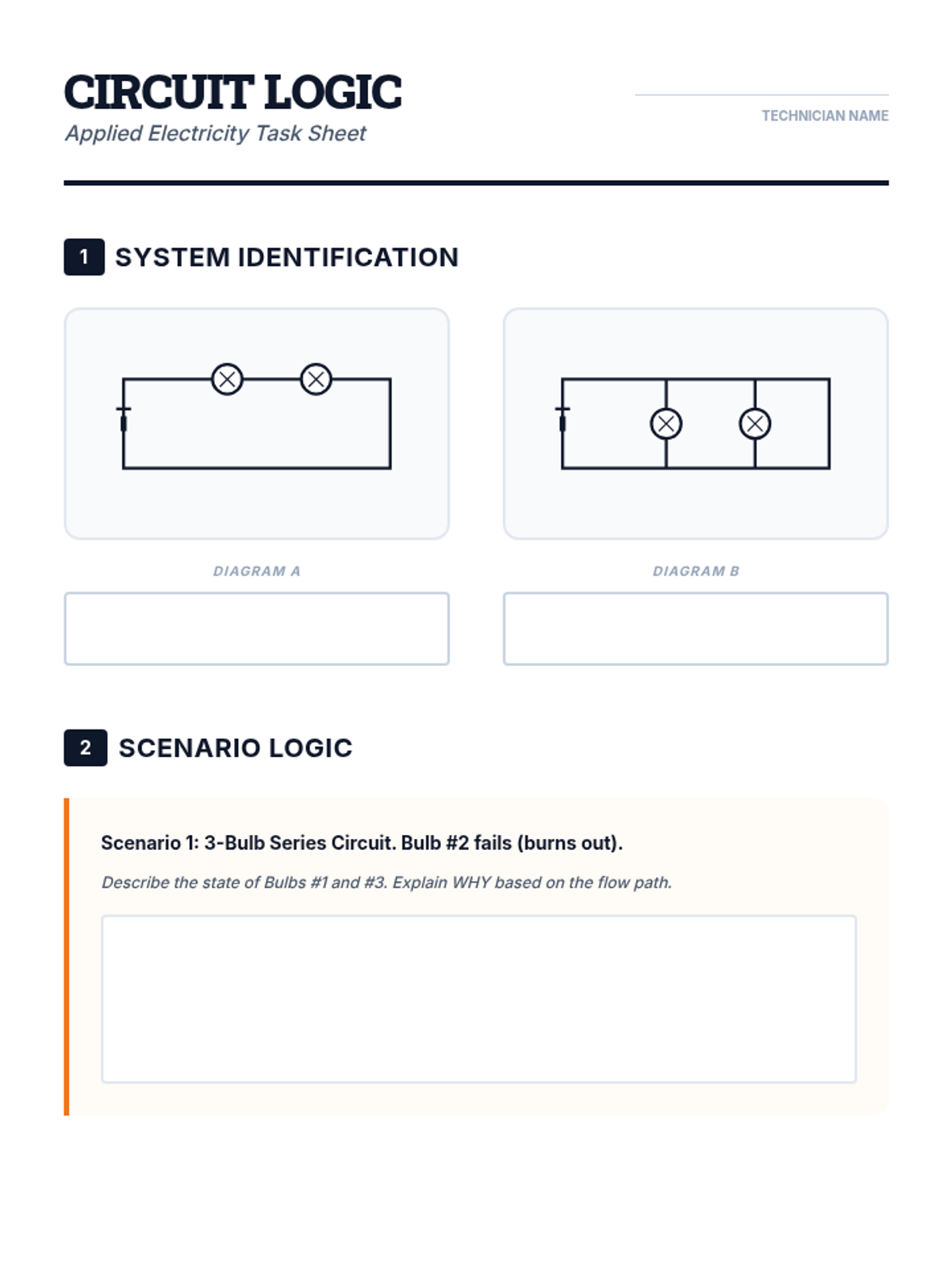
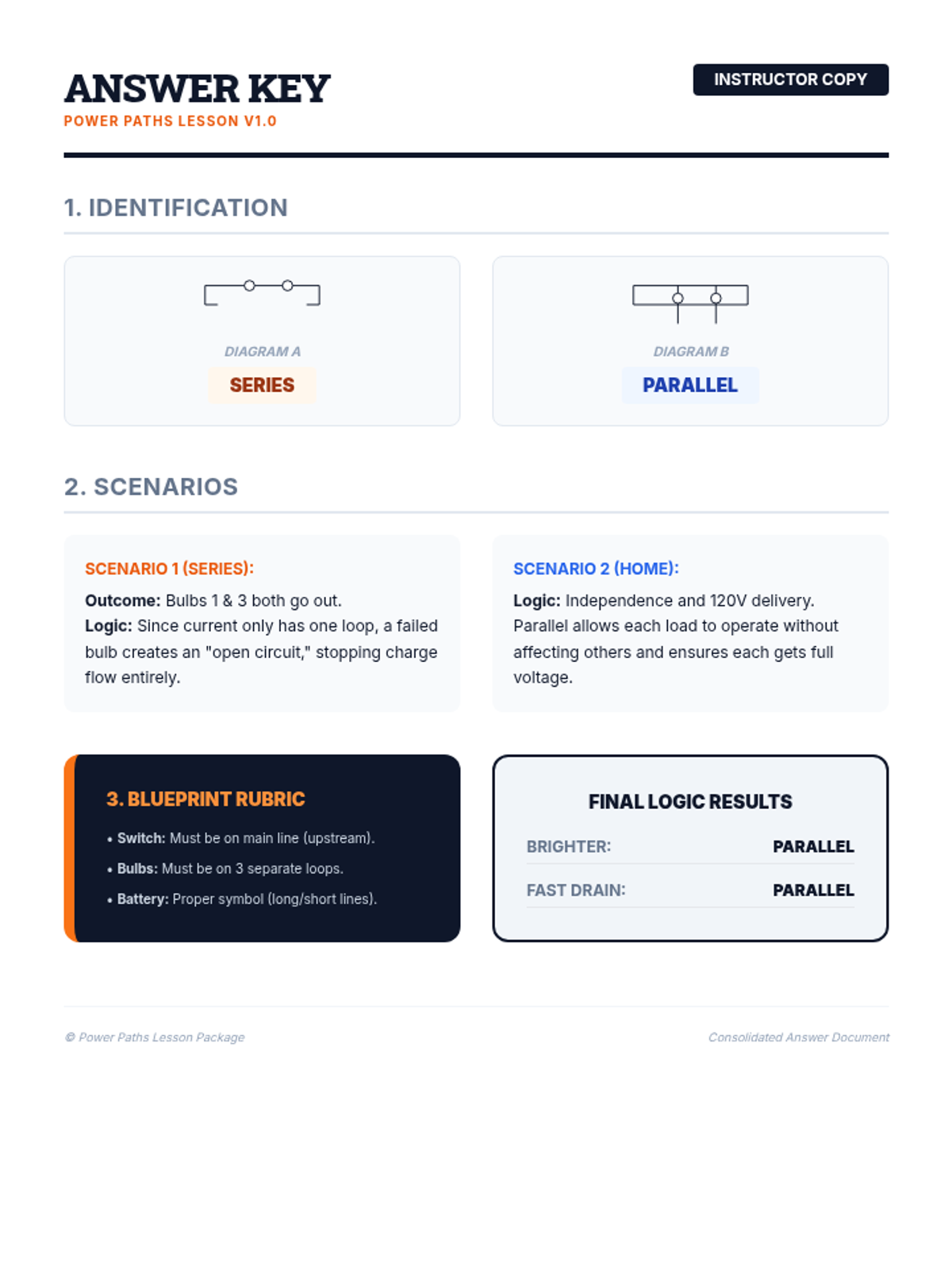
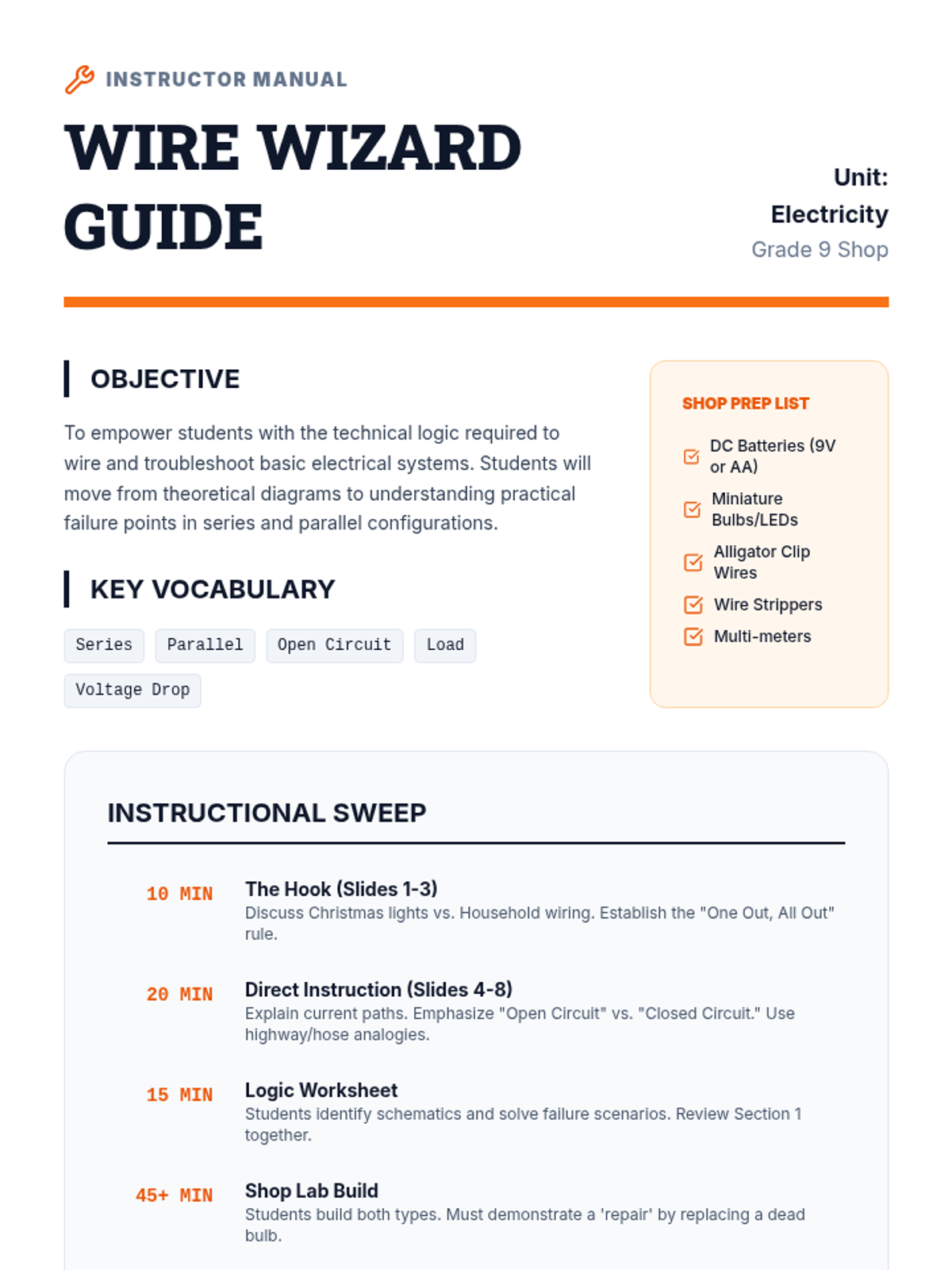
A practical introduction to electrical circuits for shop students, focusing on the fundamental differences between series and parallel configurations and their real-world applications in wiring.
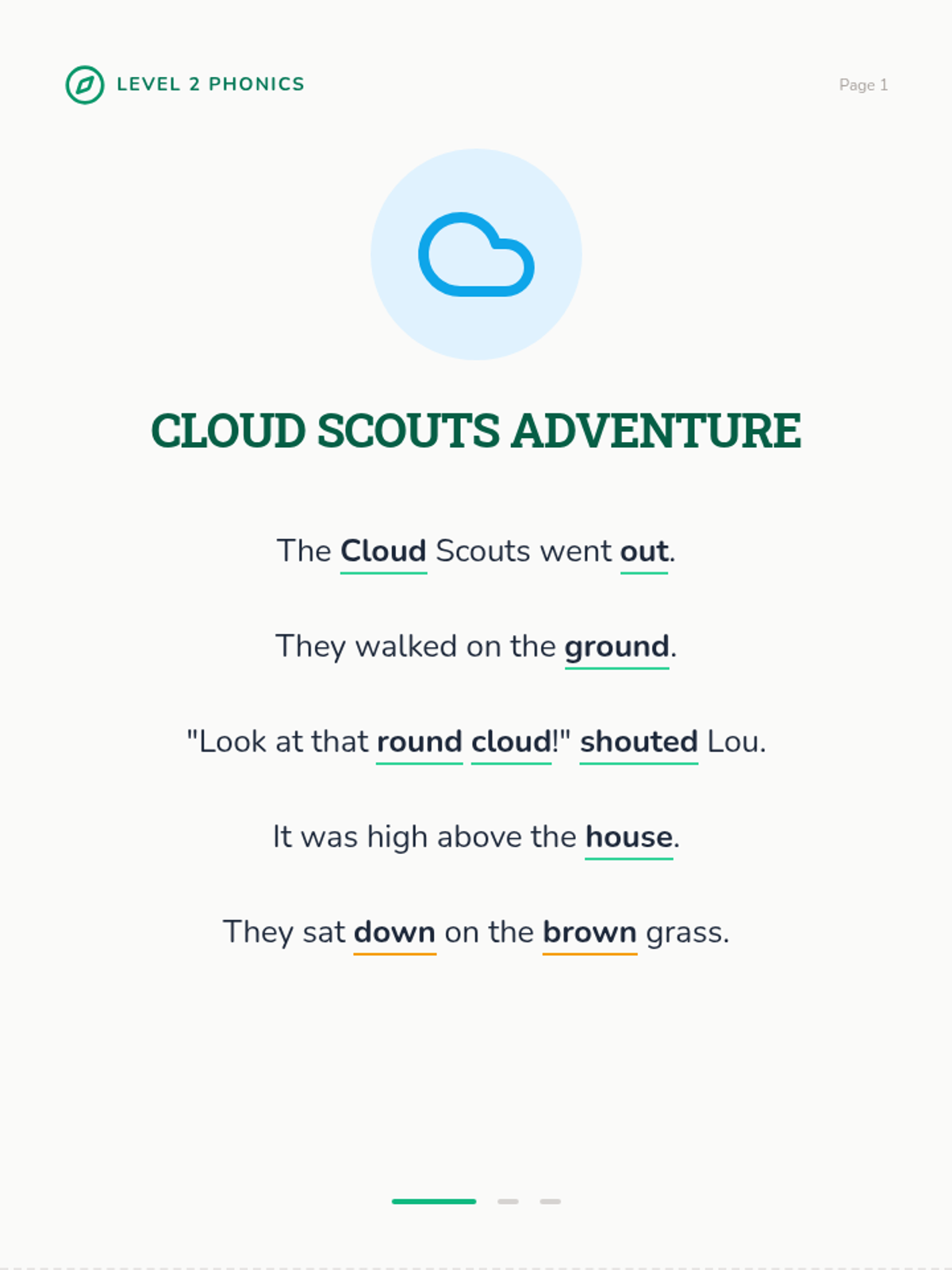
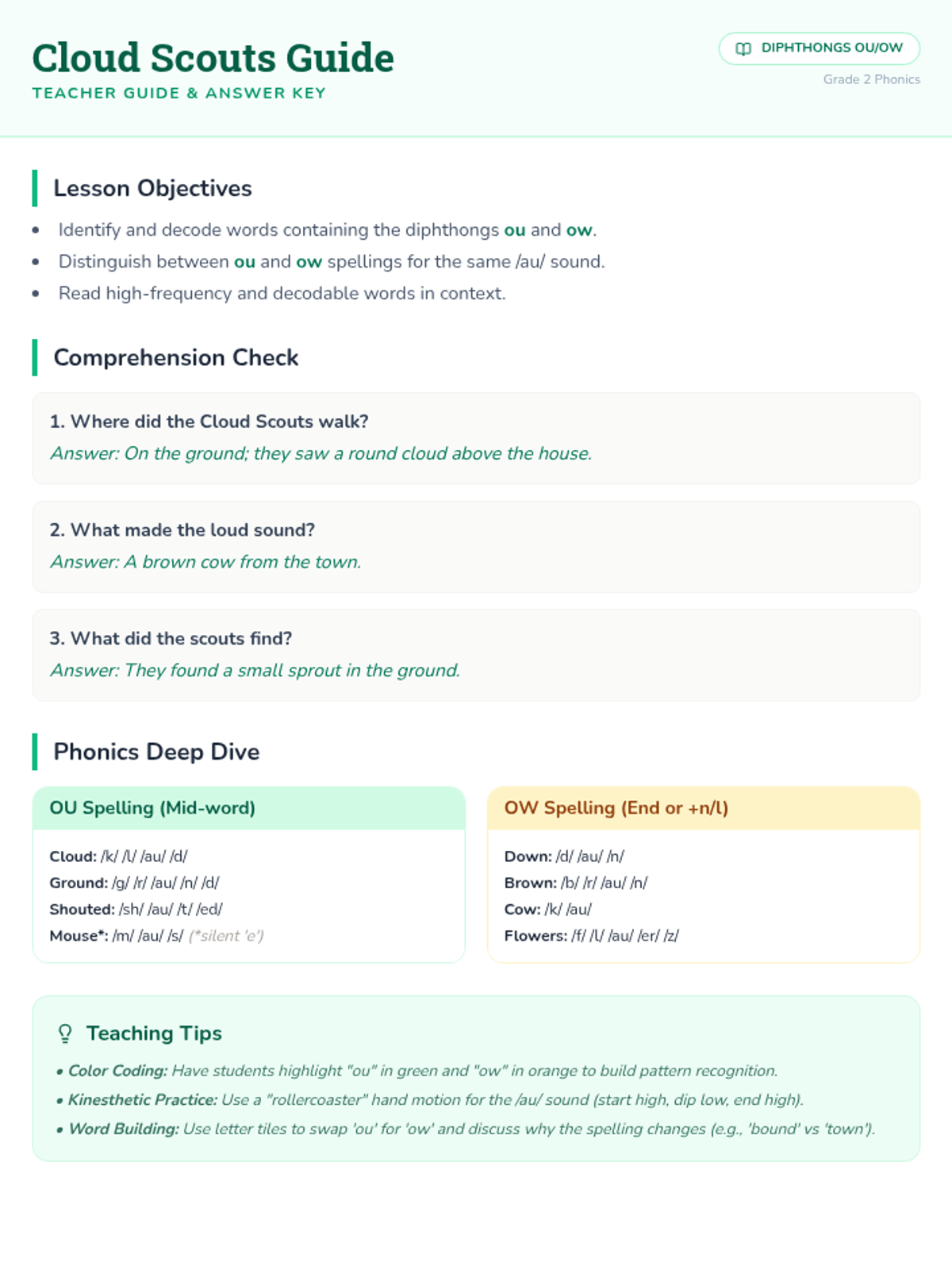
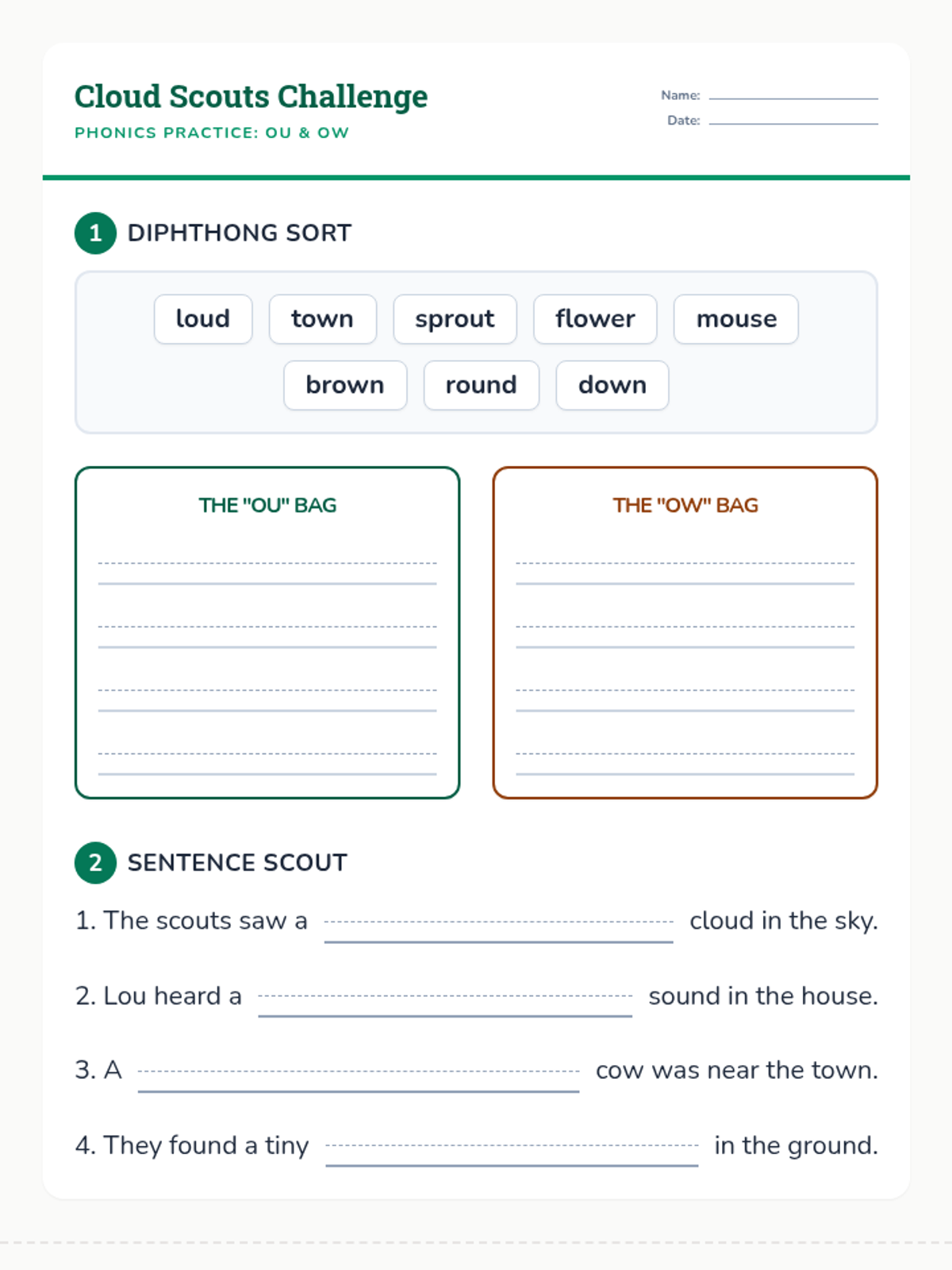
A phonics lesson for 2nd graders focusing on the diphthongs 'ou' and 'ow', specifically emphasizing the /au/ sound as in 'cloud' and 'town'.
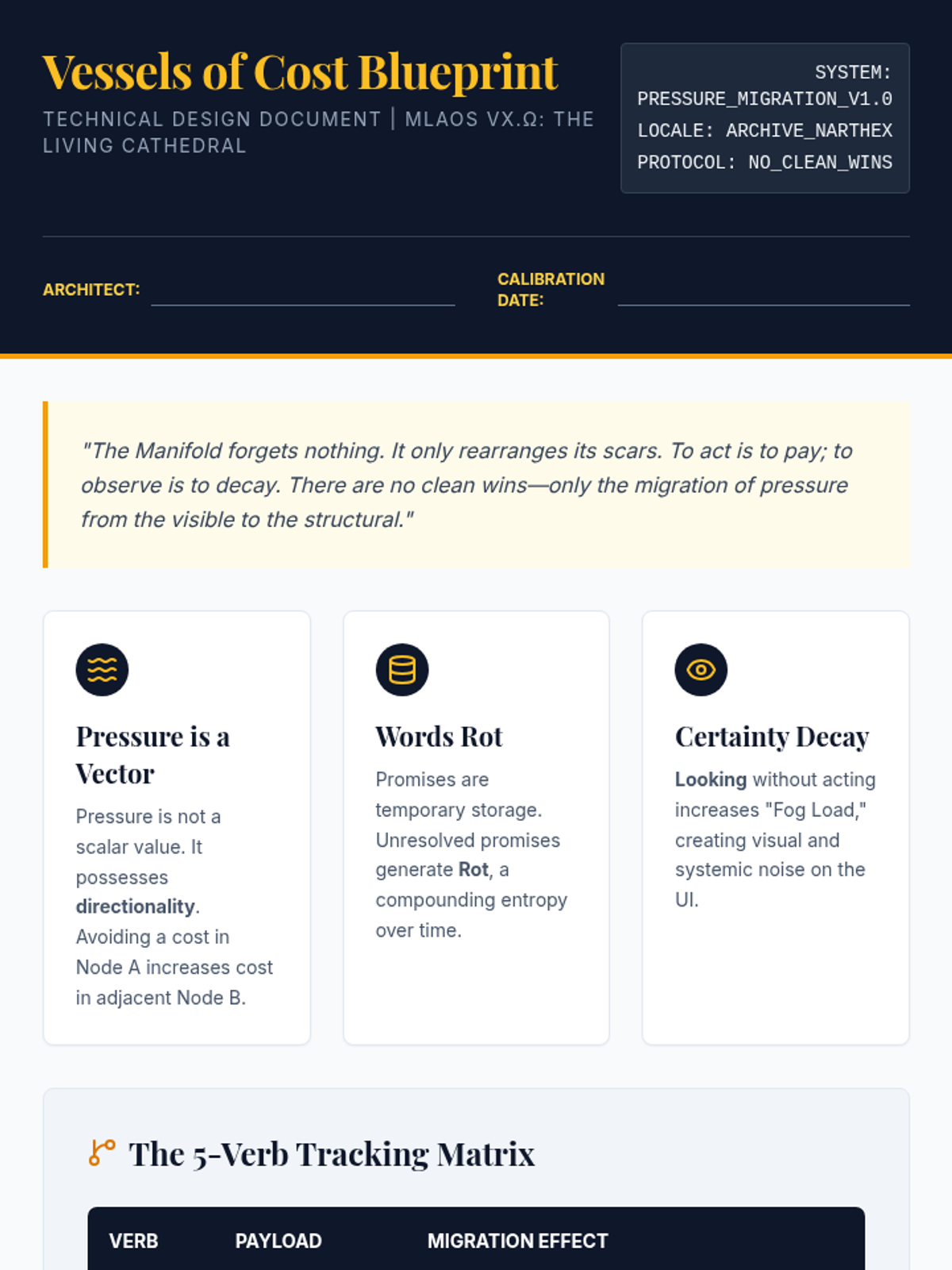
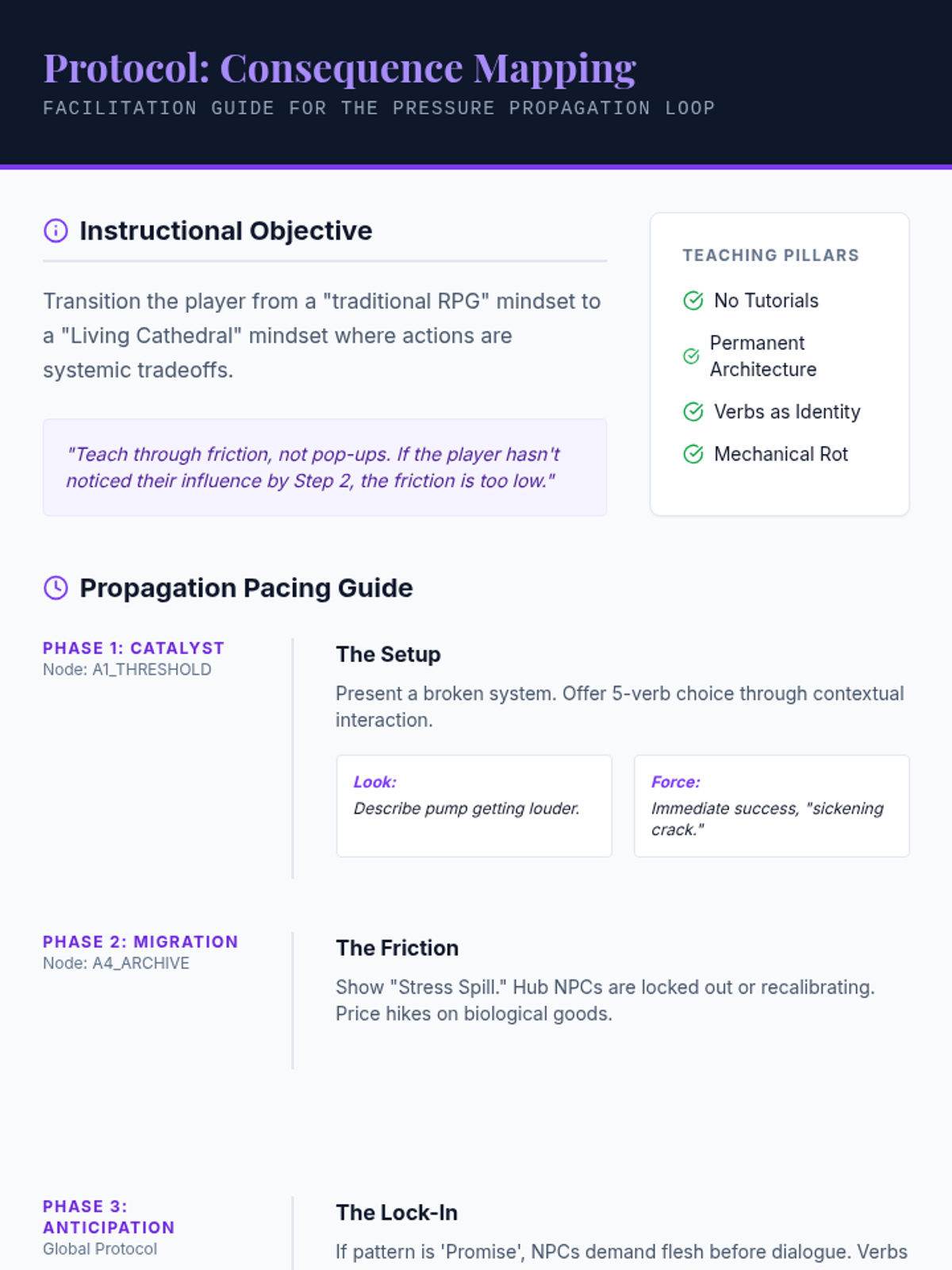
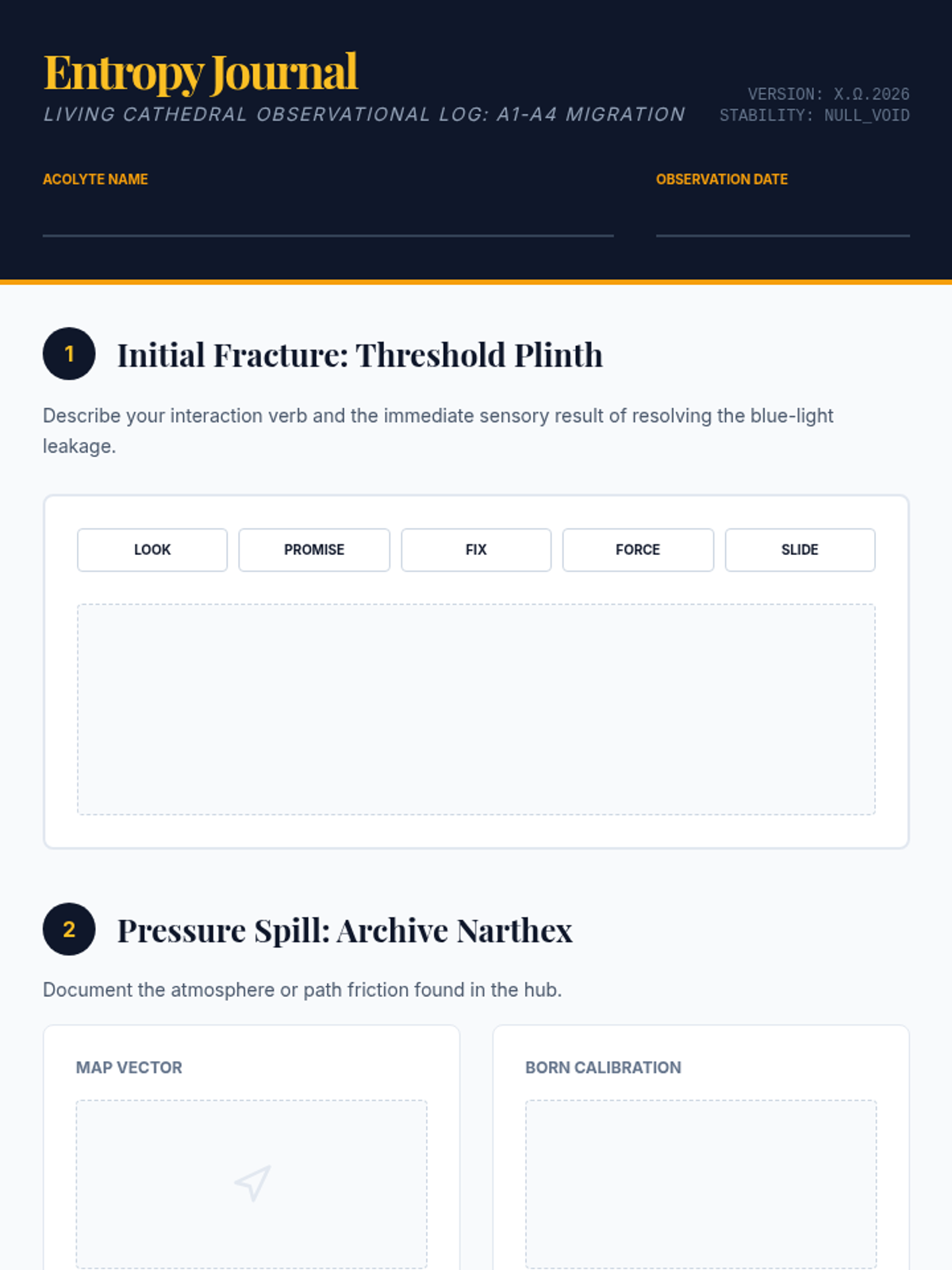
A technical exploration into the 'Pressure Propagation Loop' for the MLAOS vX.Ω prototype. This lesson covers the invisible tracking of player verbs and the architectural migration of consequence within a living system.
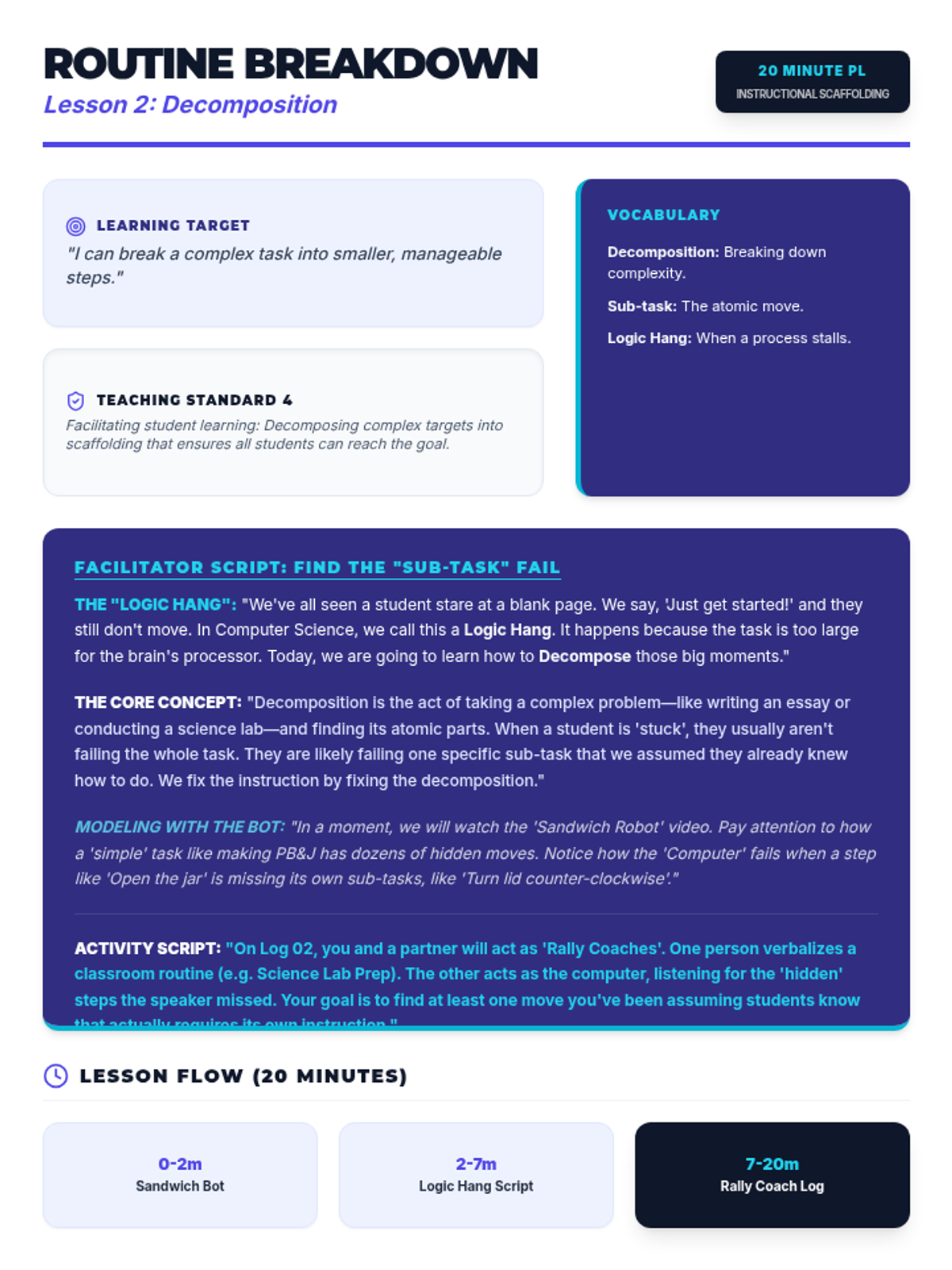
Teachers learn to break complex tasks into smaller, manageable steps using classroom routines and Iowa Core standards as examples.
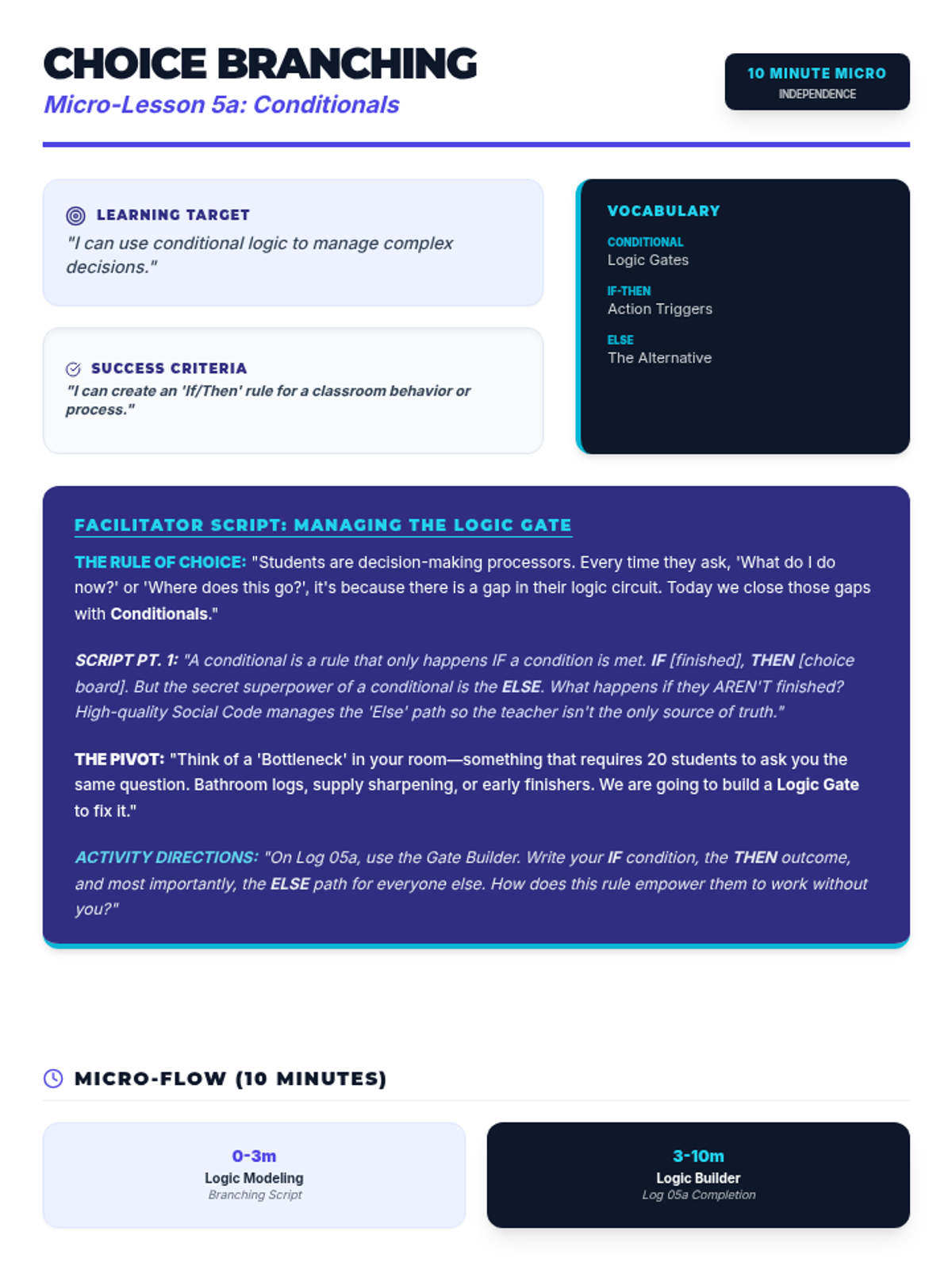
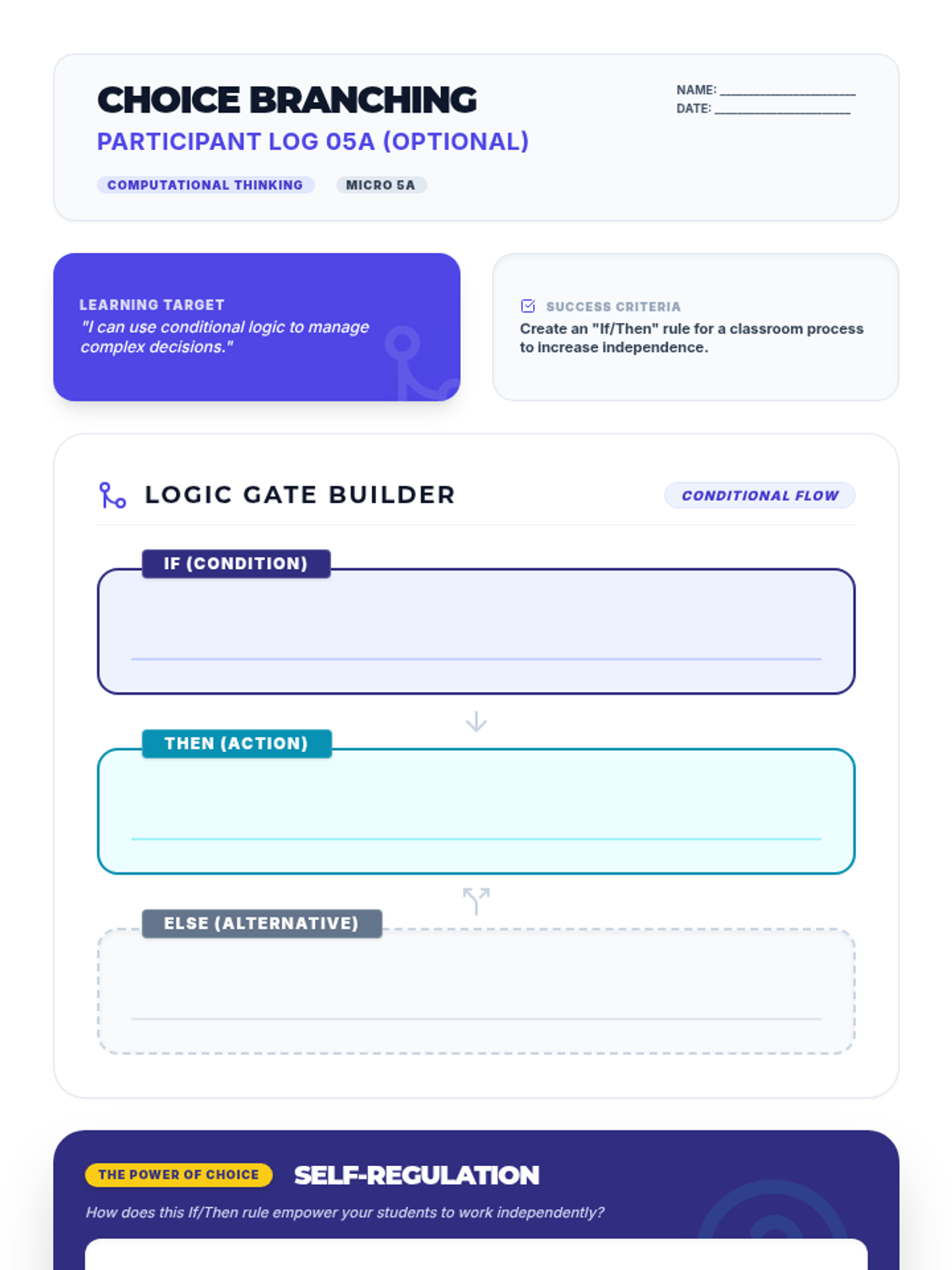
An optional micro-lesson on using If/Then logic to simplify classroom decision-making and manage complex processes. Pairs with Lesson 5 (Algorithmic Thinking).
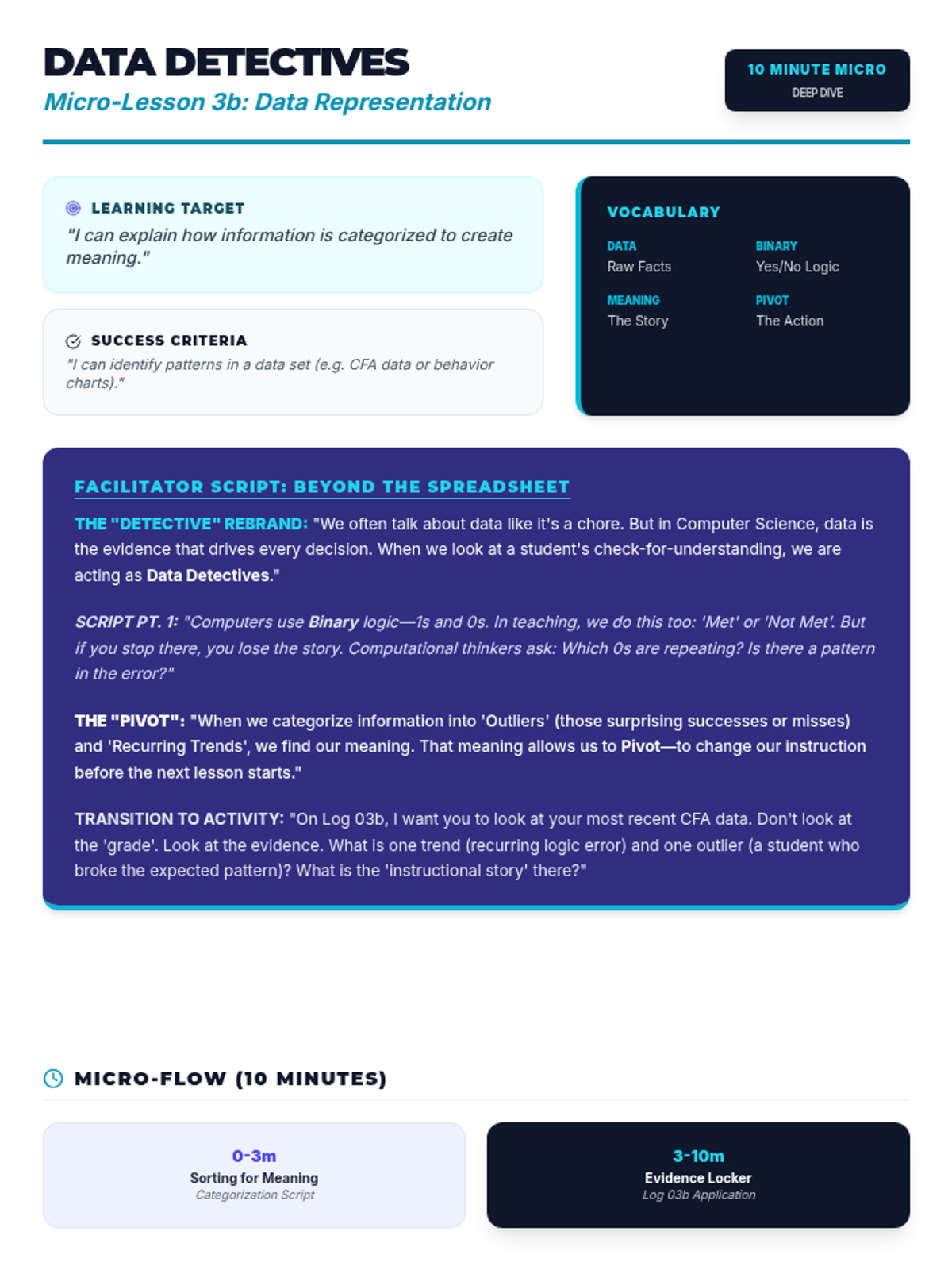
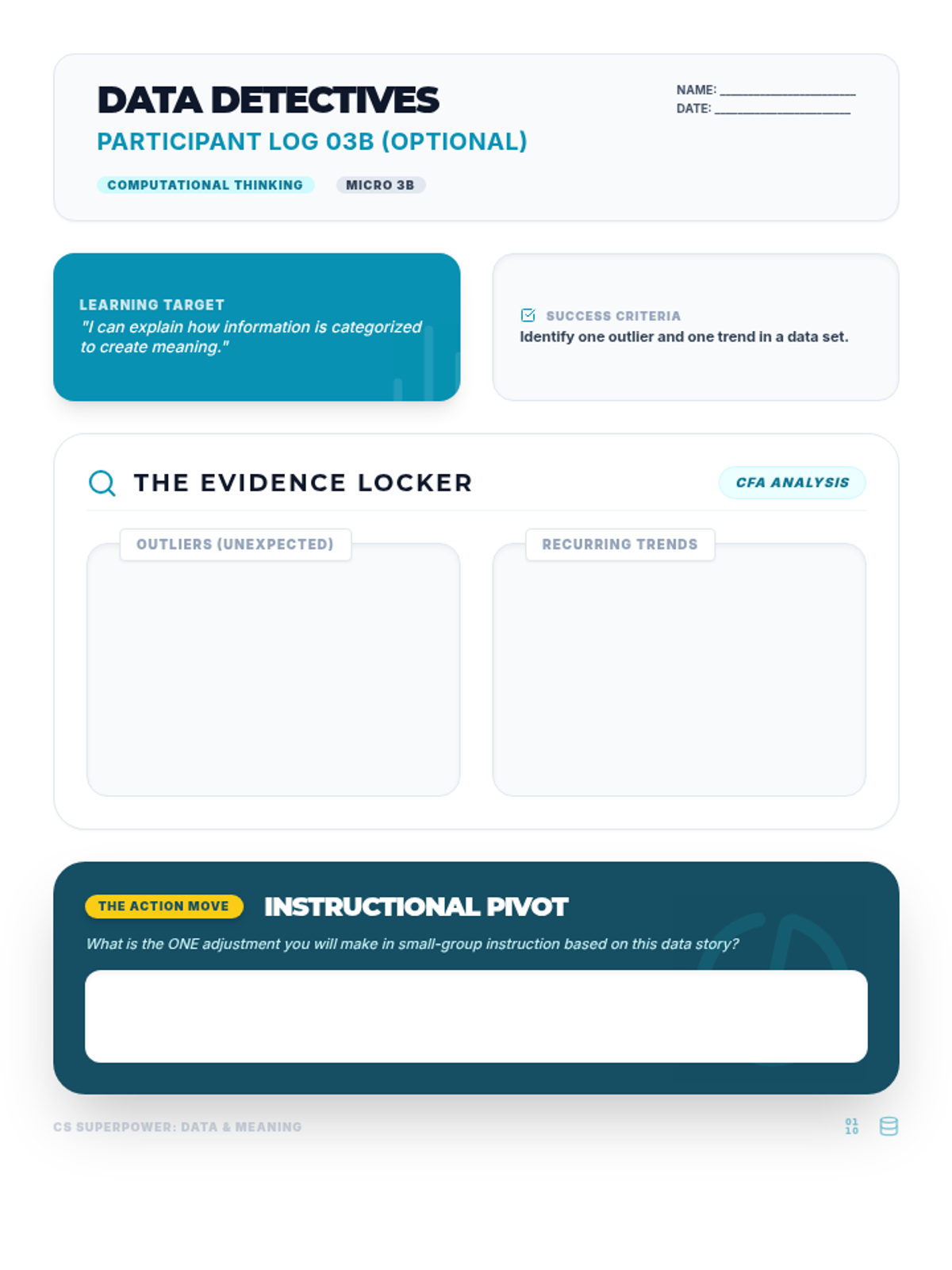
An optional micro-lesson exploring how data is categorized to create meaning and drive instructional decisions. Pairs with Lesson 3 (Pattern Recognition).
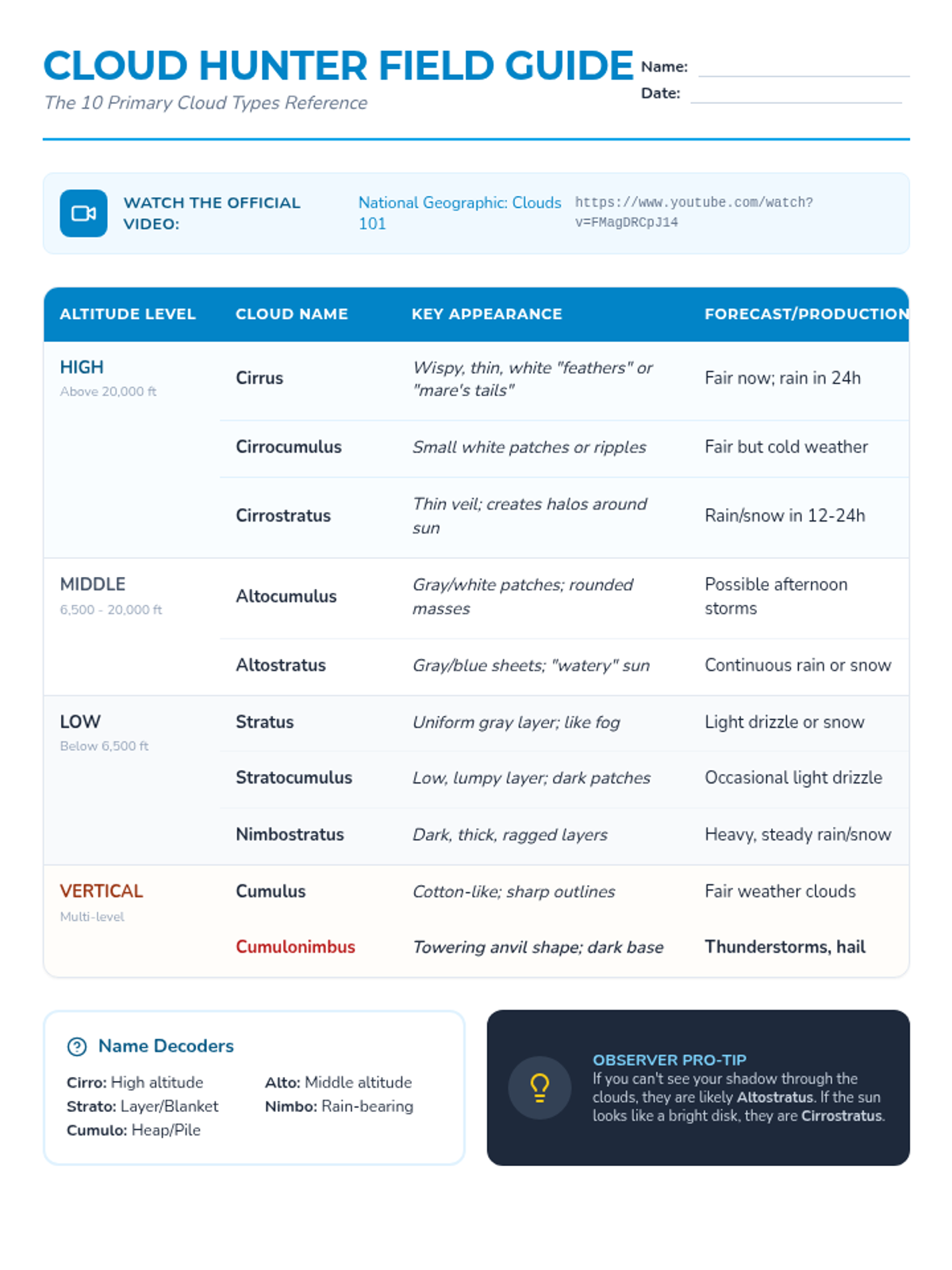
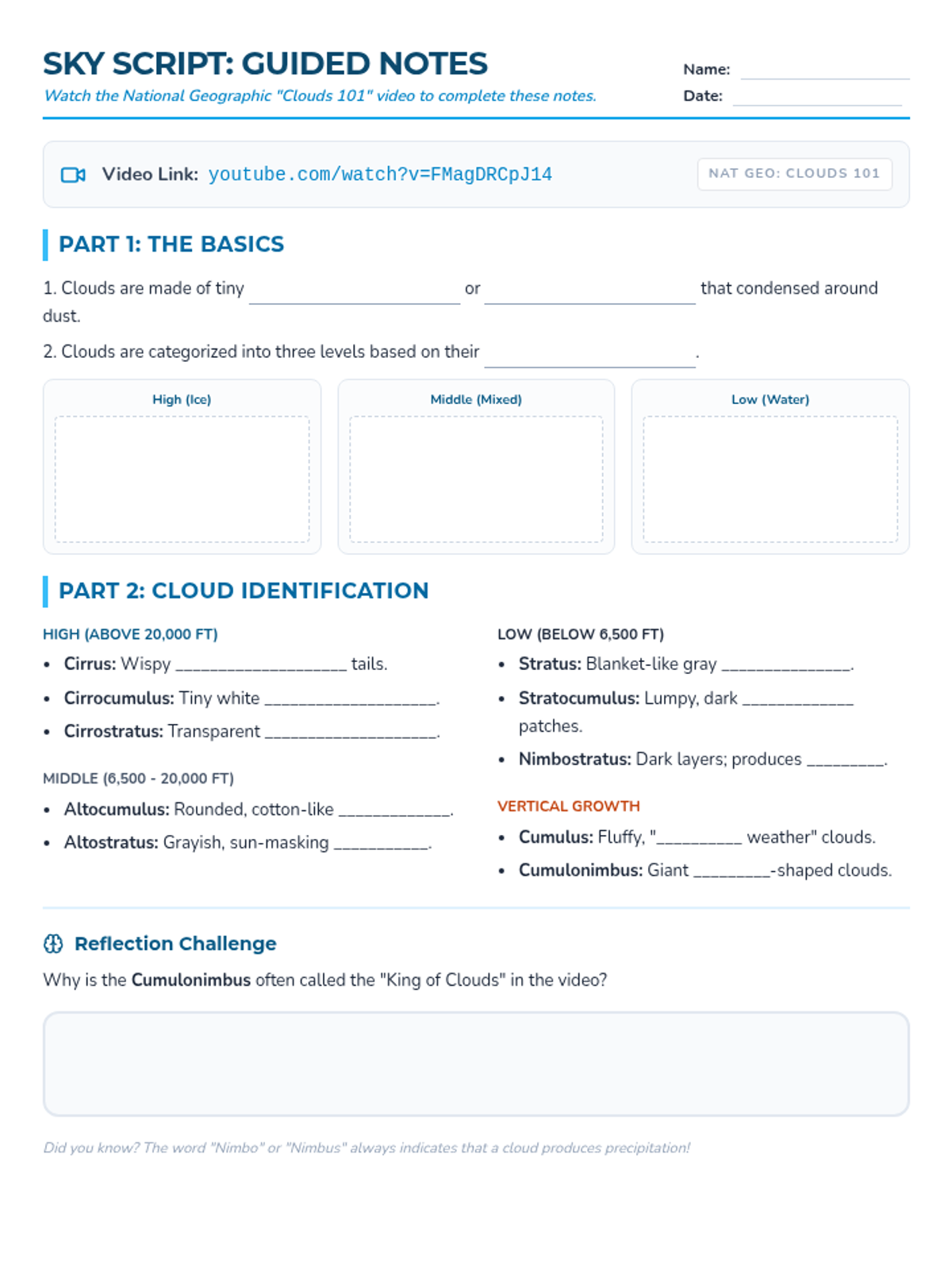
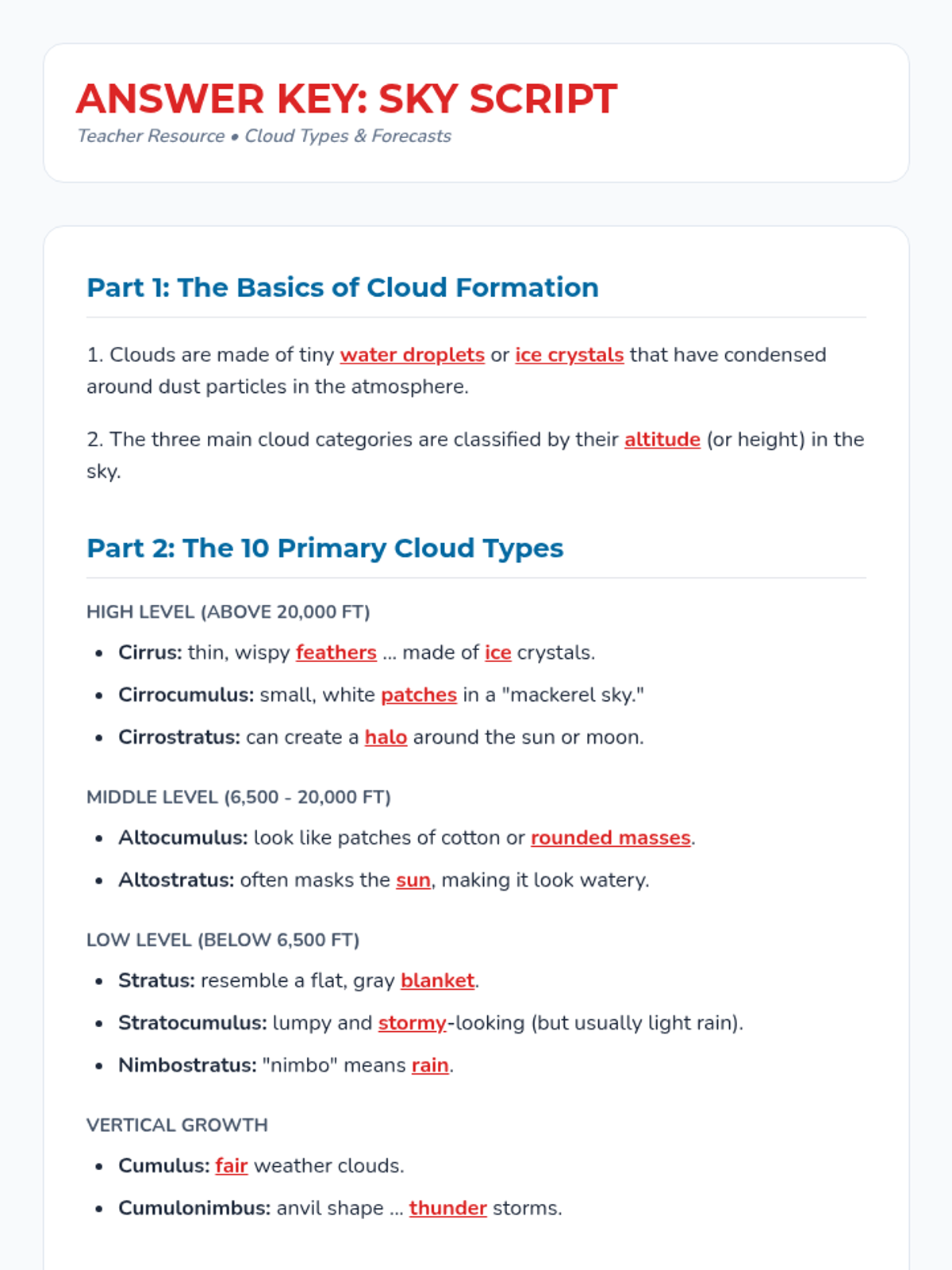
Students will learn to identify the ten primary cloud types, categorize them by altitude, and predict weather outcomes based on cloud formations.
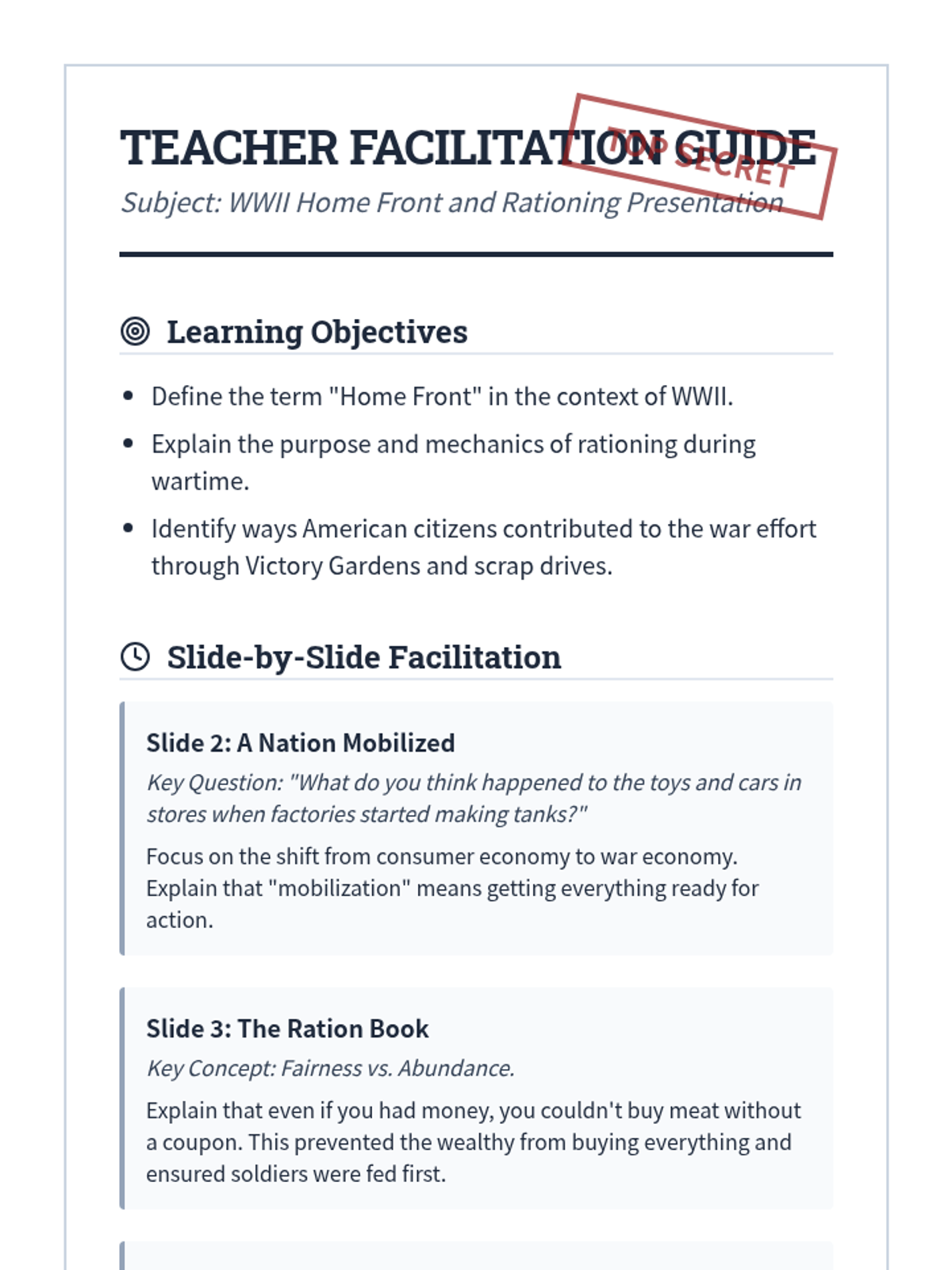
An exploration of life in America during World War II, focusing on how rationing, Victory Gardens, and community efforts supported the war from home.
Students explore the eight planets of our solar system, learning about their unique characteristics and the forces that keep them in orbit.