An introduction to the fascinating kingdom of fungi, covering their unique characteristics, life cycles, and ecological roles for 5th-grade students.
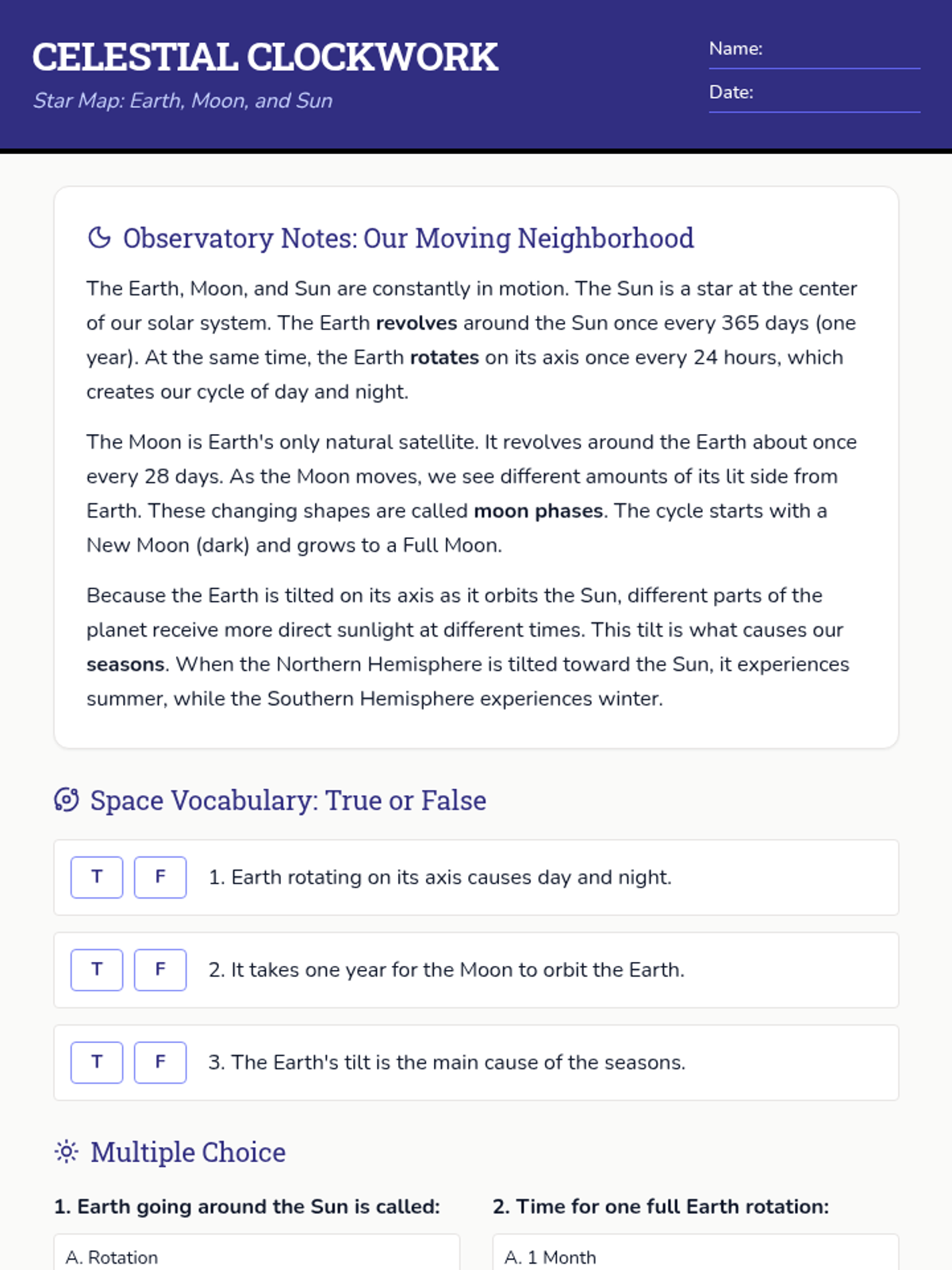
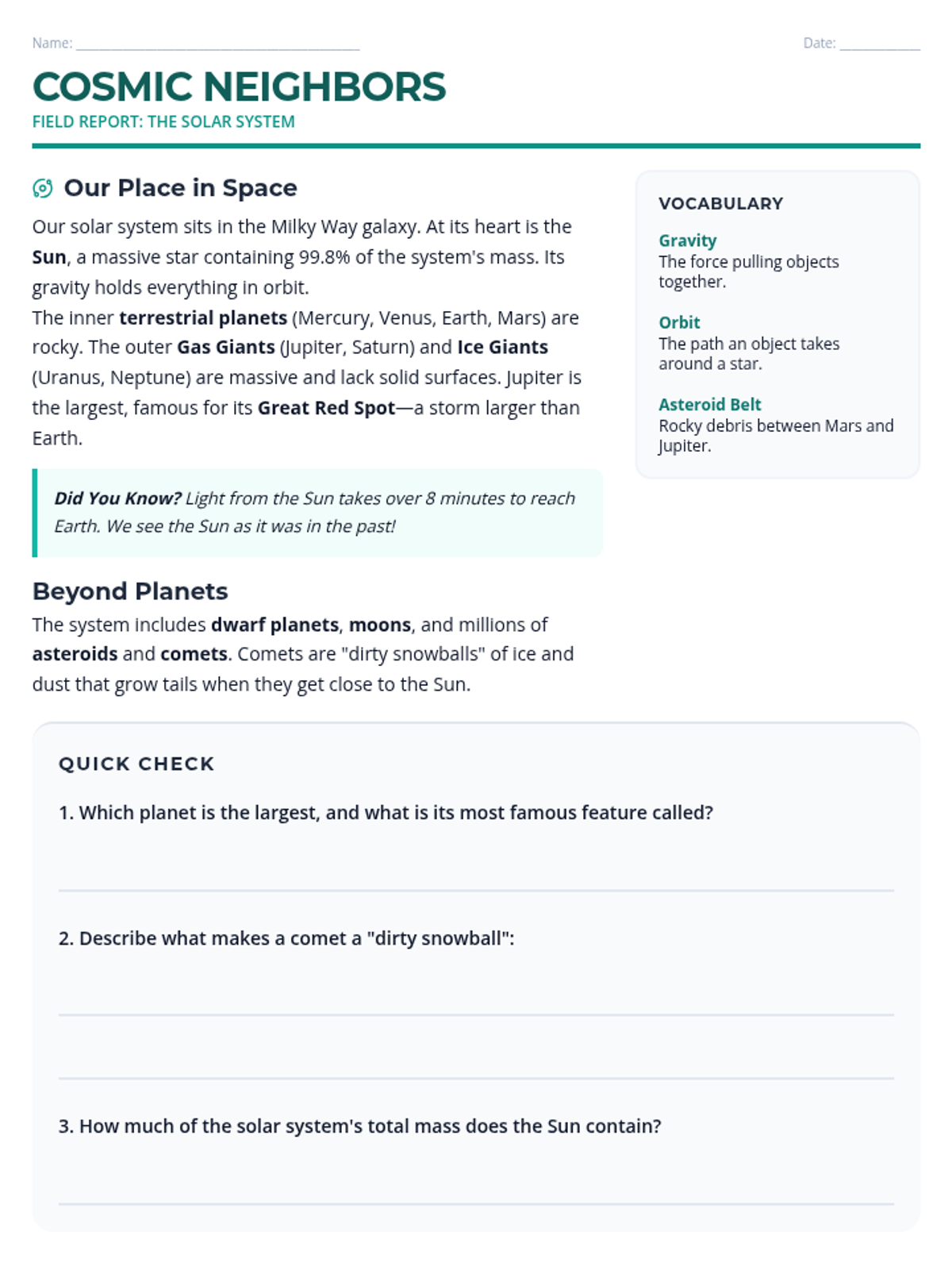
Examines the relationship between the Earth, Moon, and Sun, including orbits, phases, and seasons.
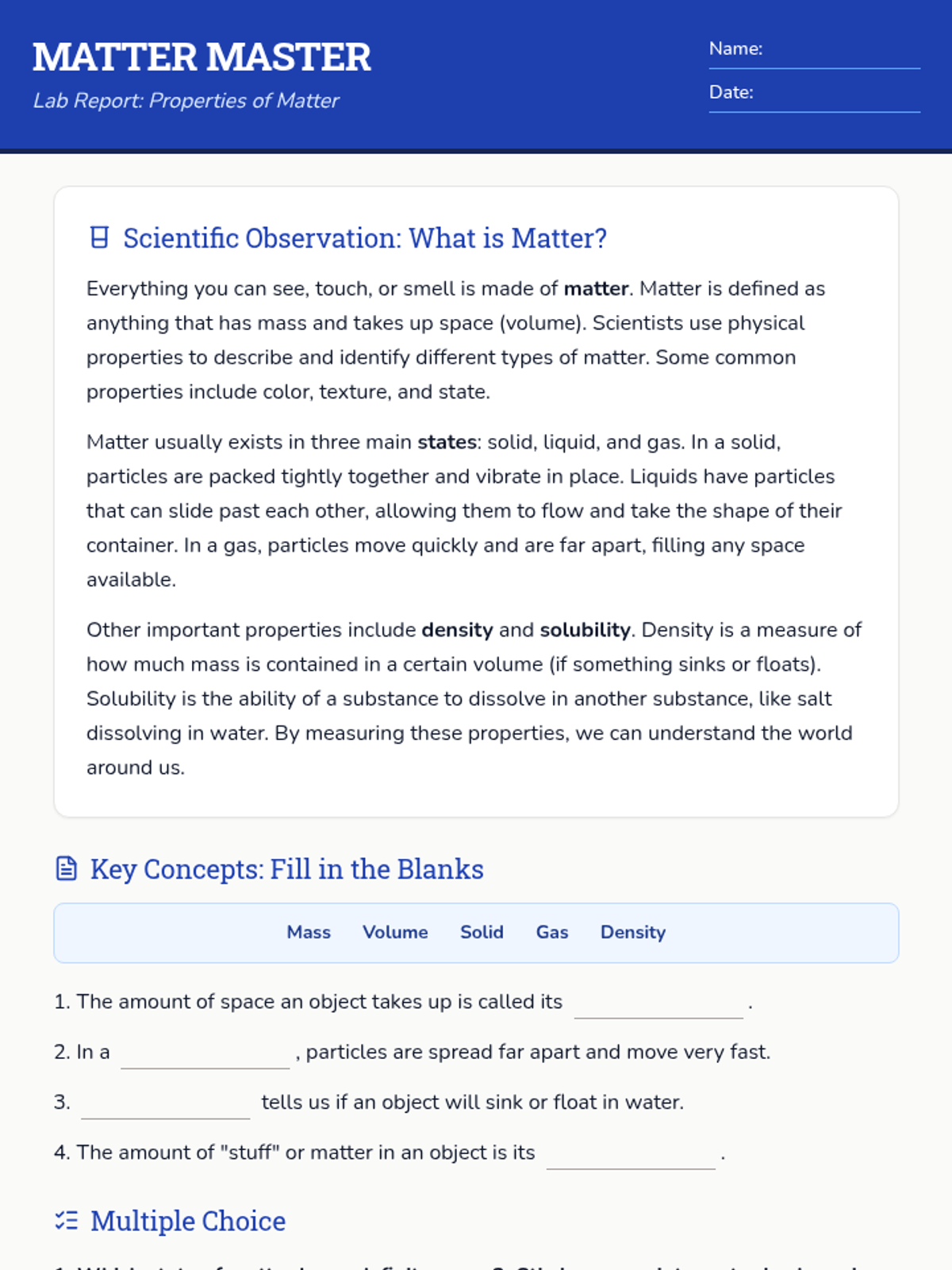
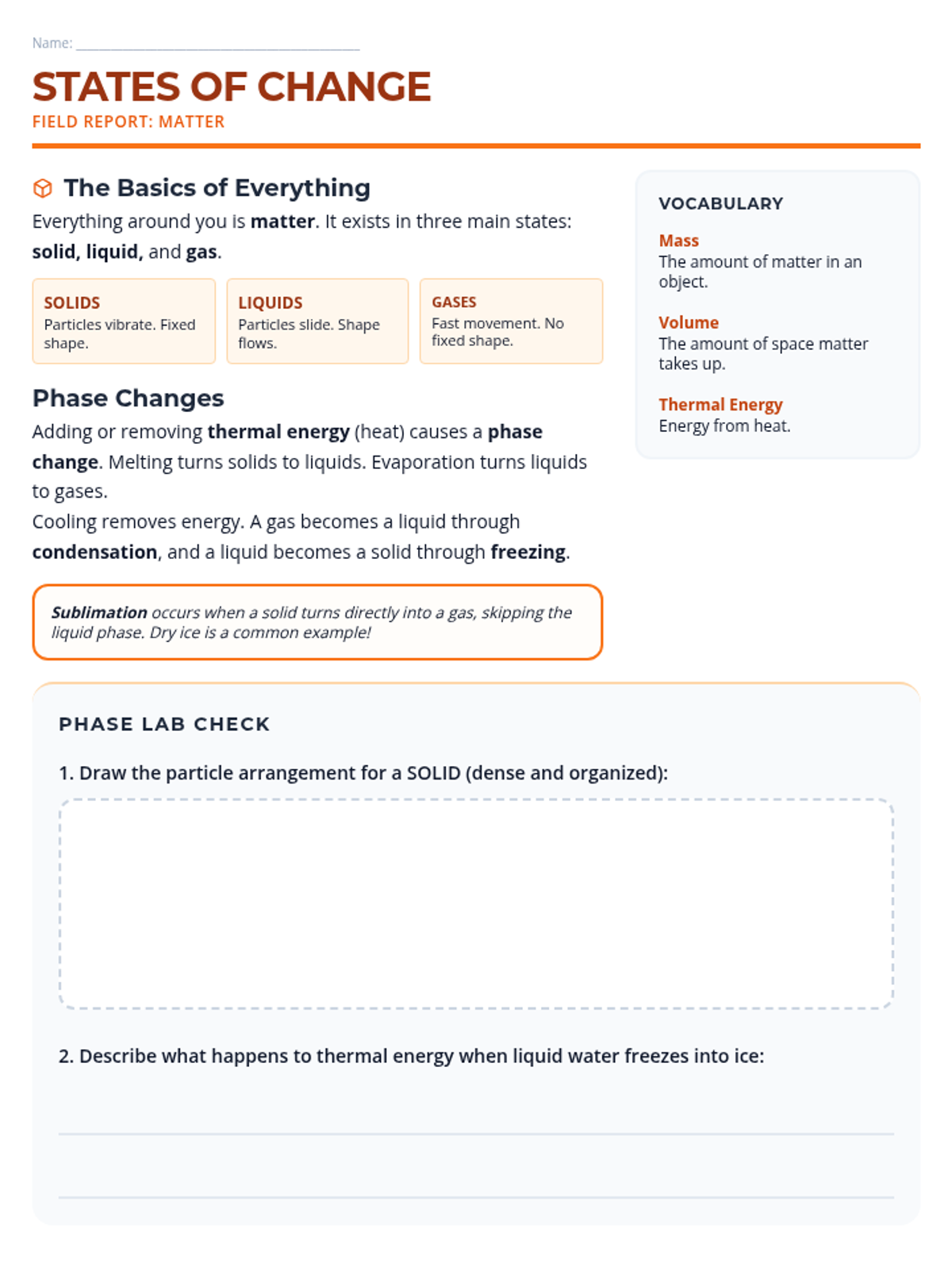
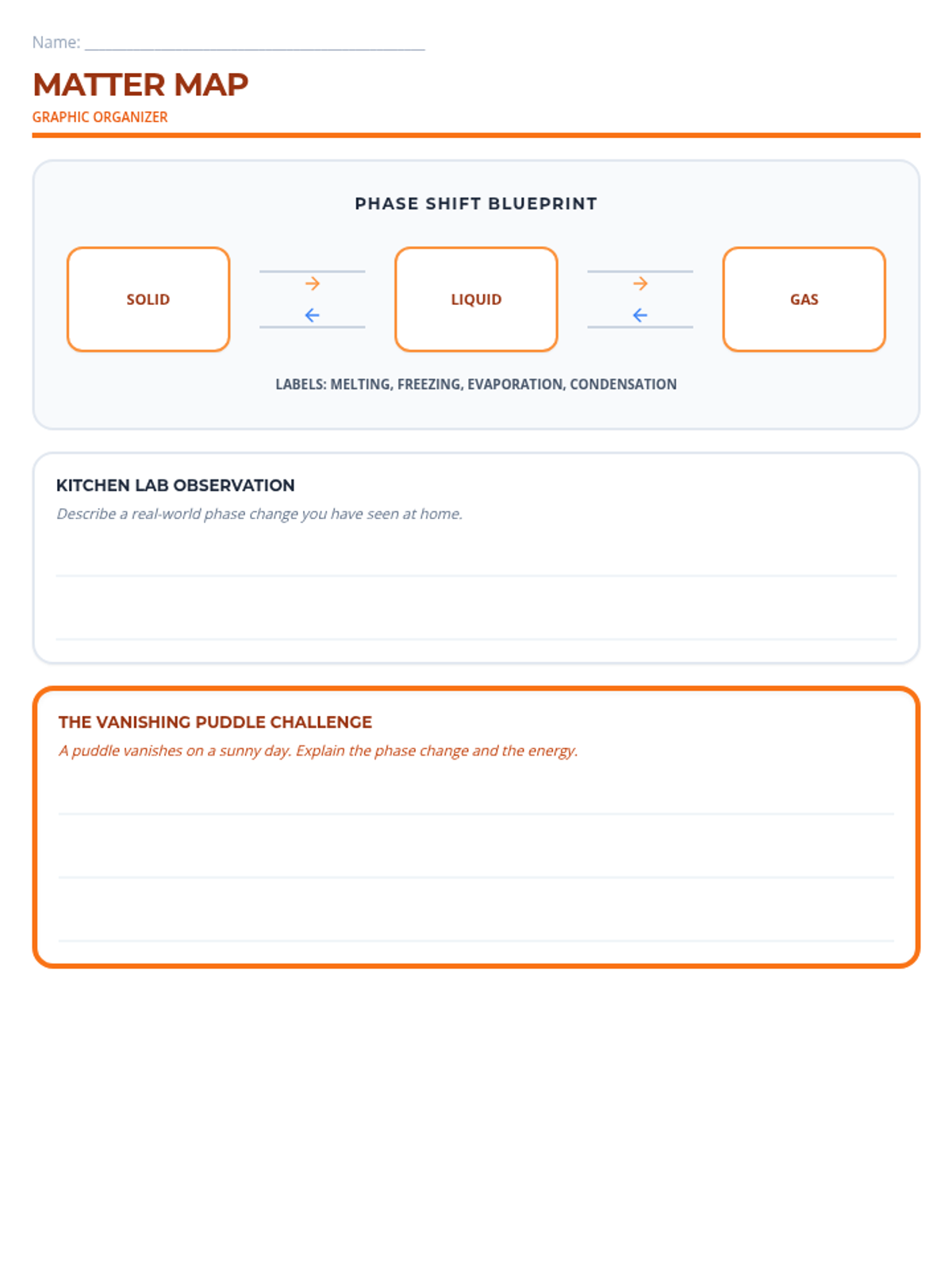
Investigates the physical properties of matter, including mass, volume, density, and states of matter.
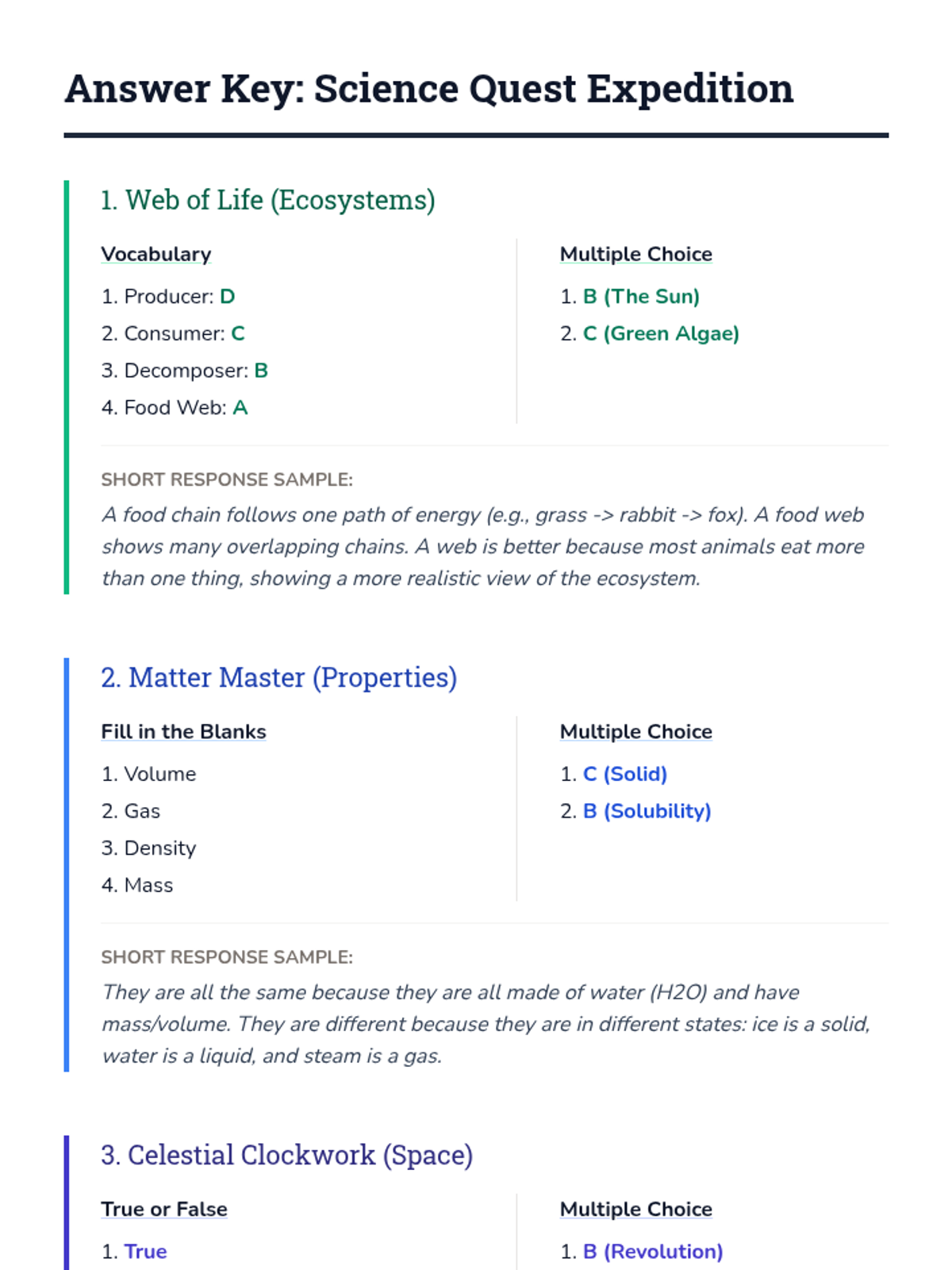
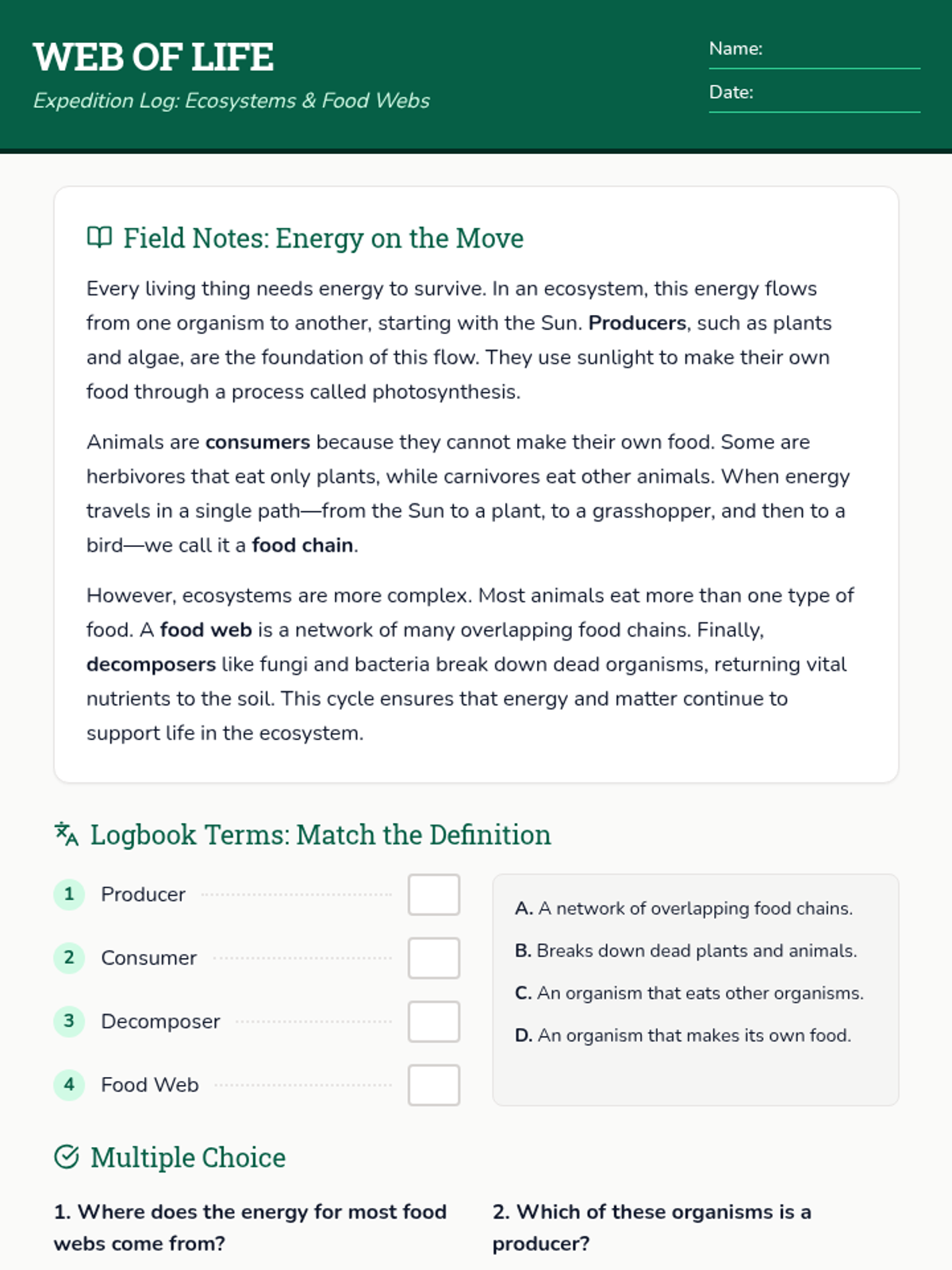
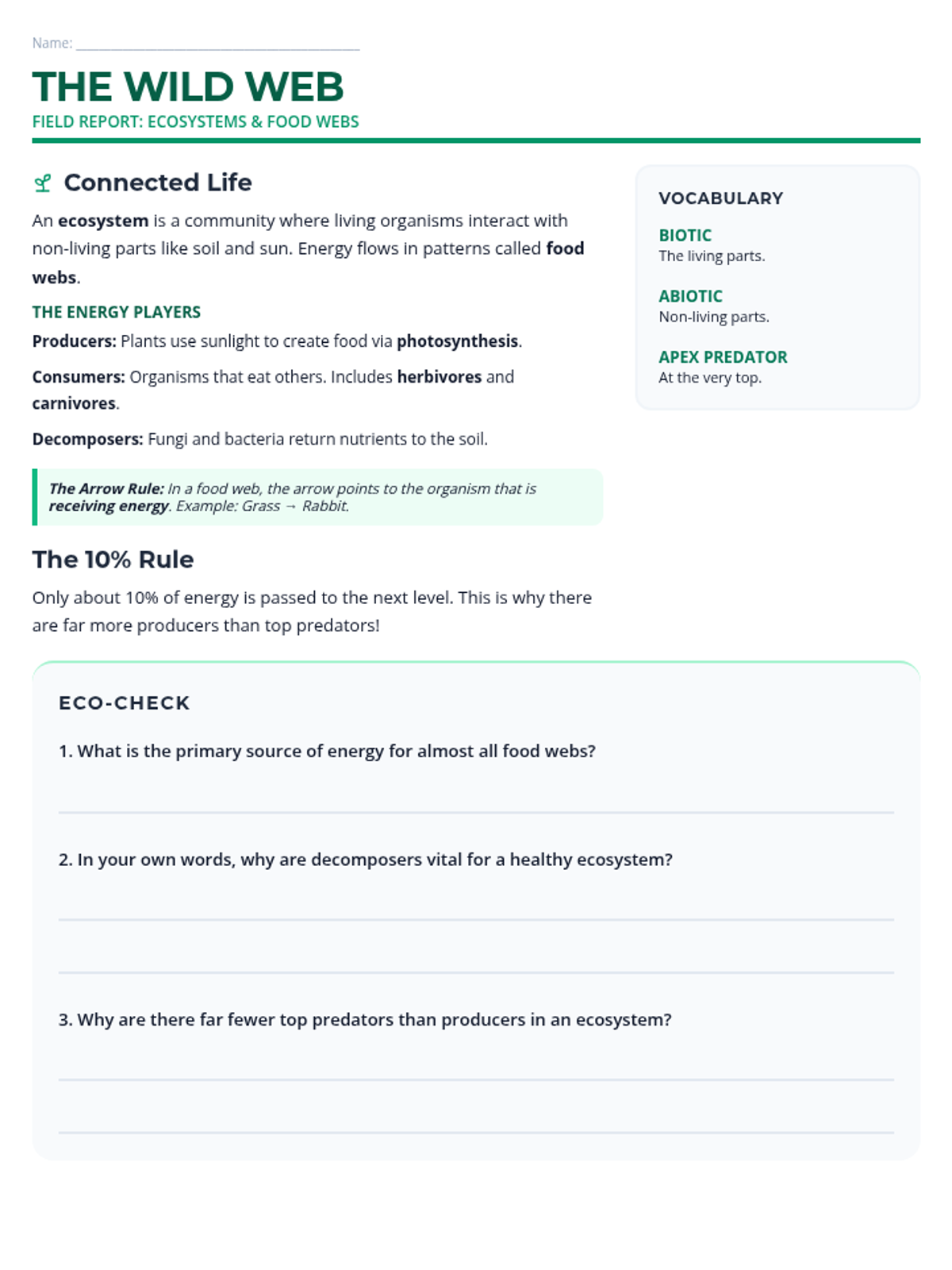
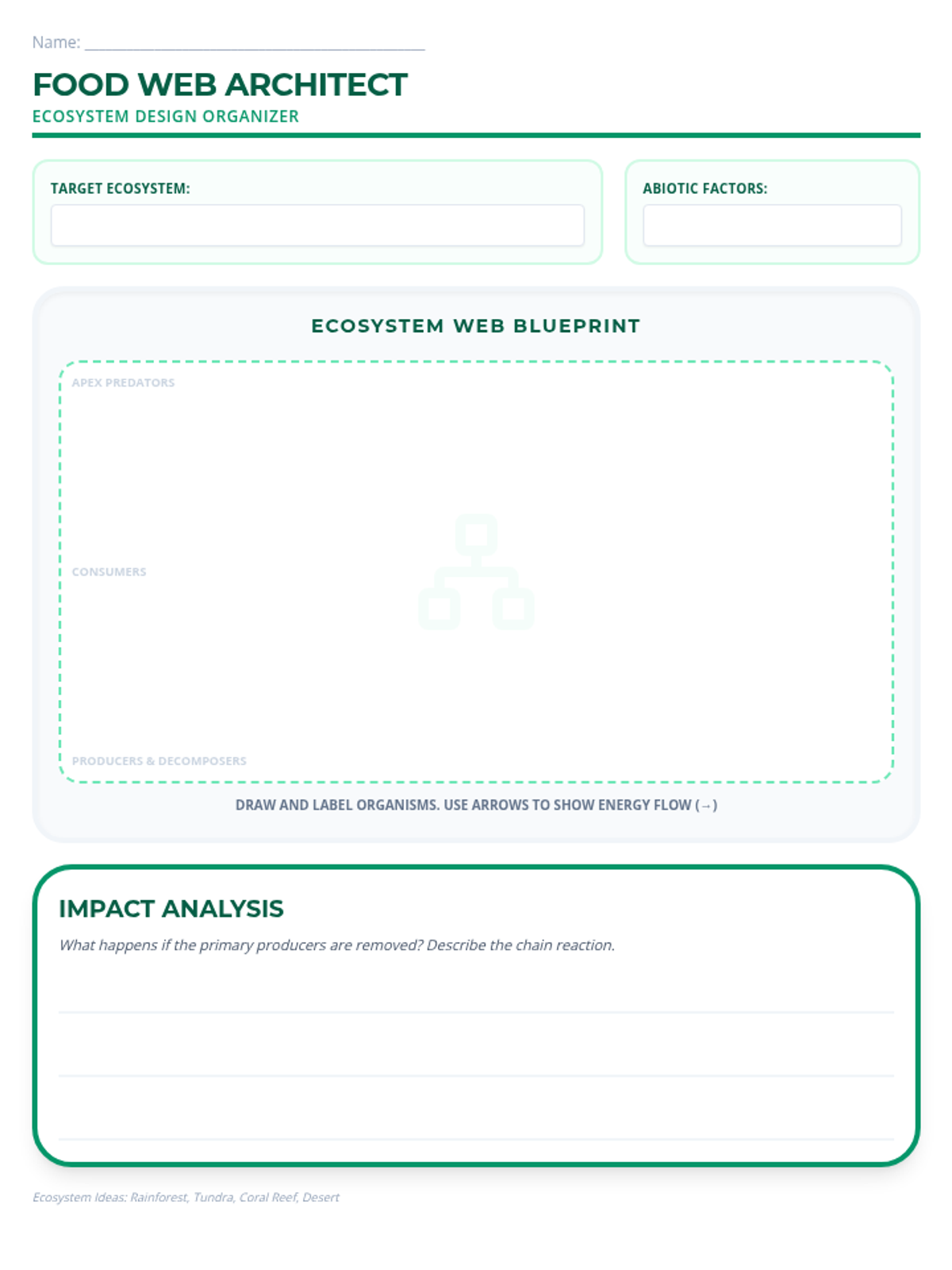
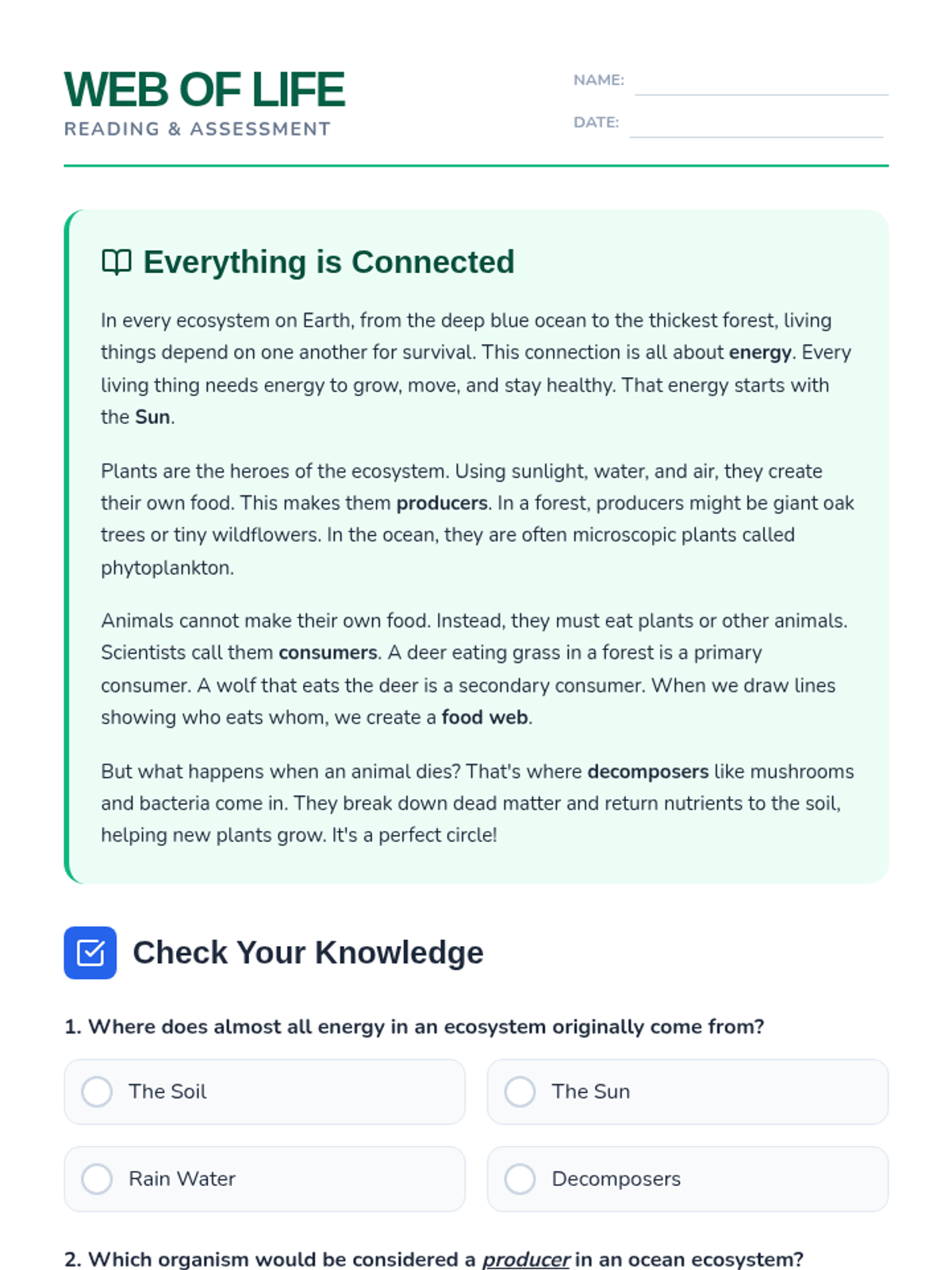
Explores how energy flows through ecosystems via food webs and the roles of producers, consumers, and decomposers.
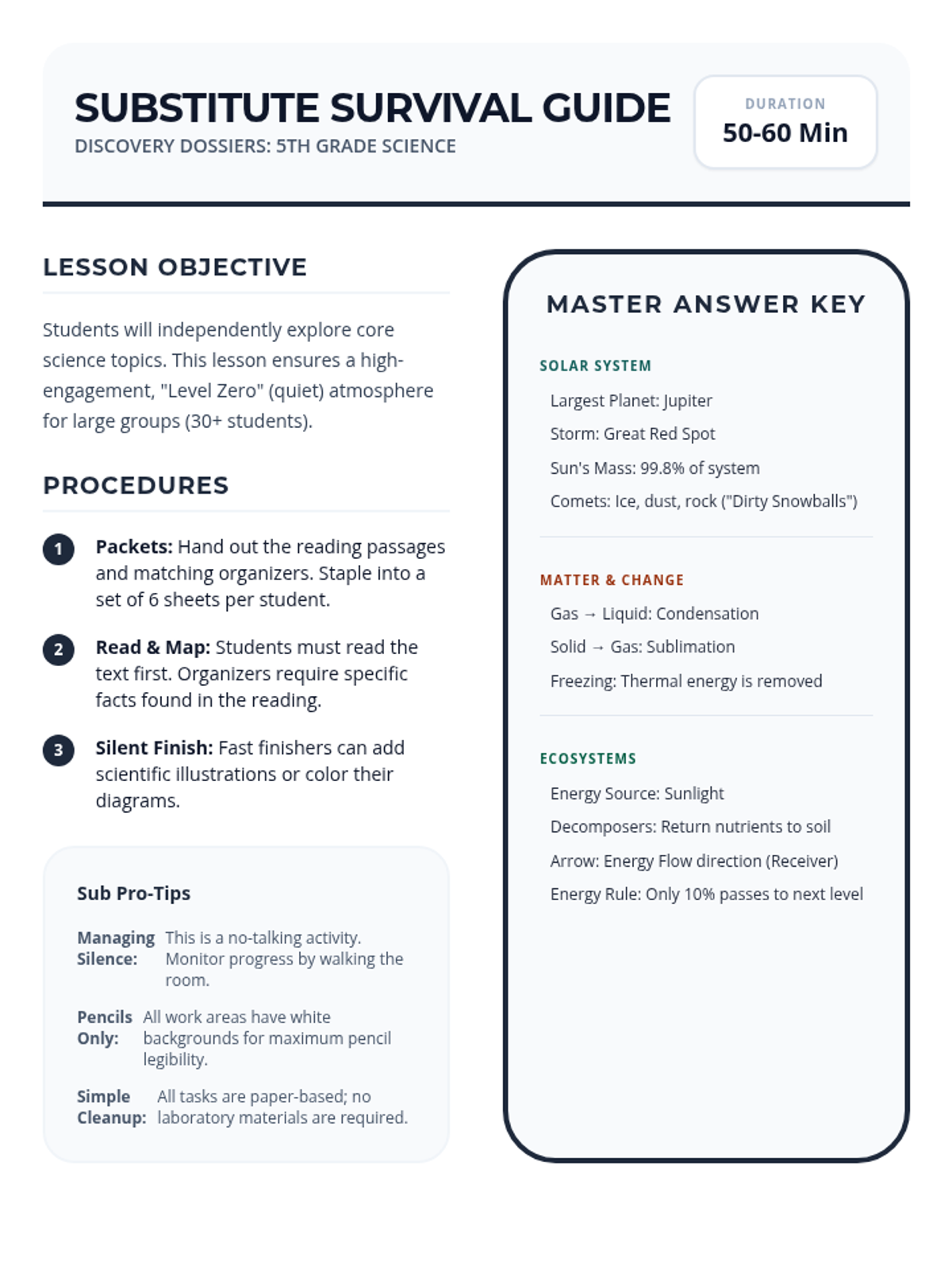
A set of self-contained reading and research activities covering three core 5th-grade science topics to keep students engaged and quiet.
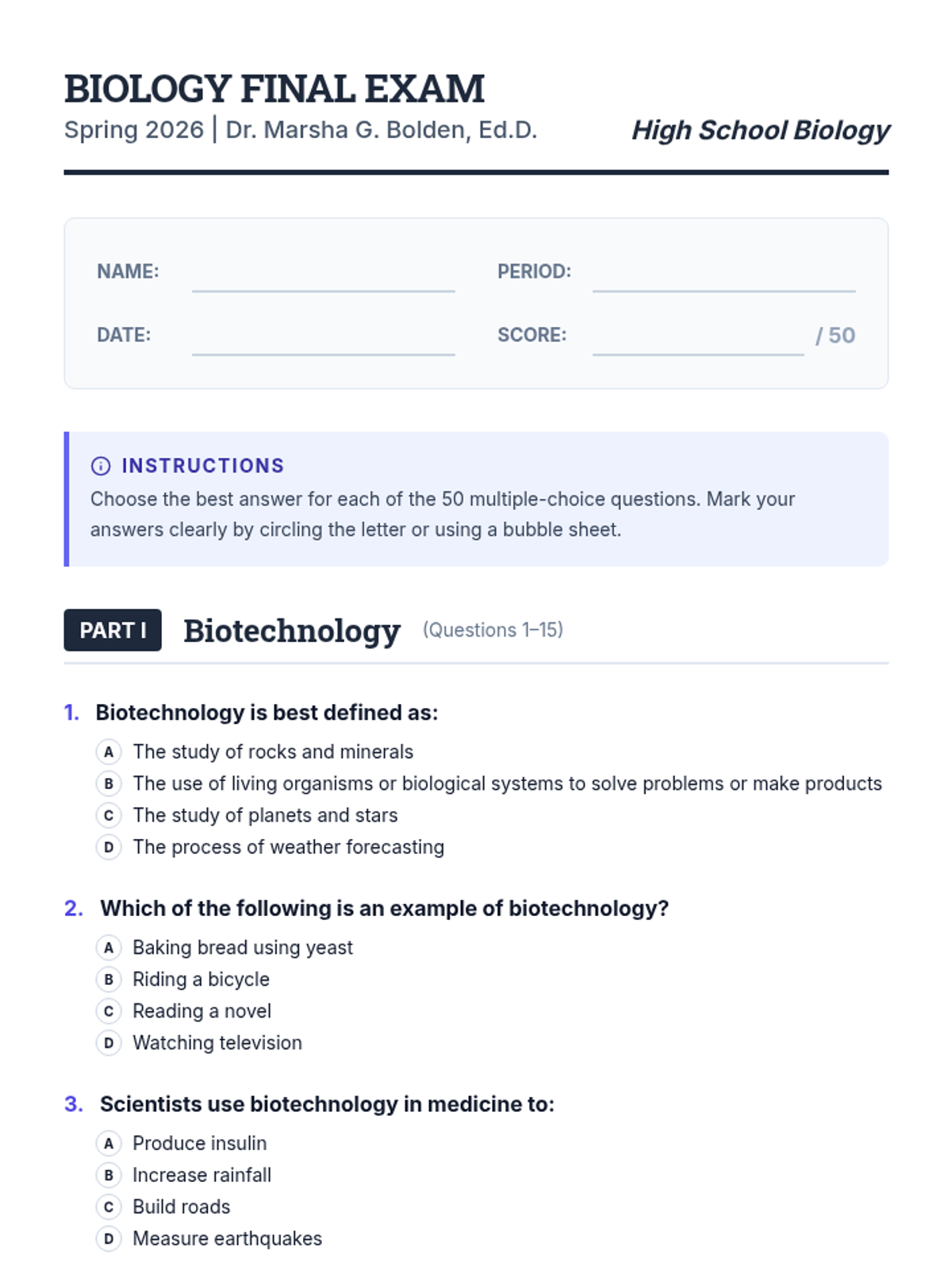
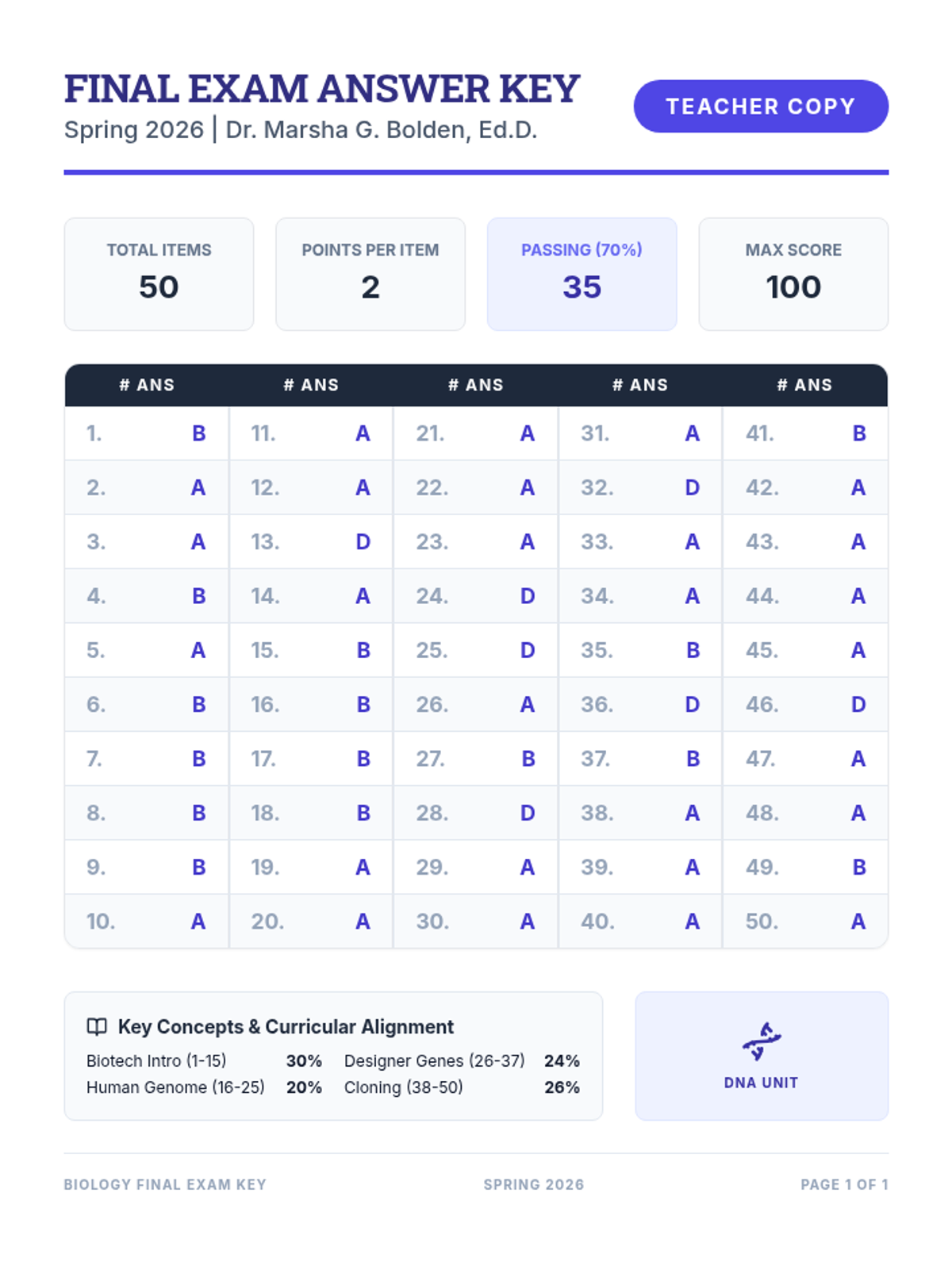
A comprehensive final examination covering biotechnology, the Human Genome Project, genetic engineering, and cloning for high school biology students.
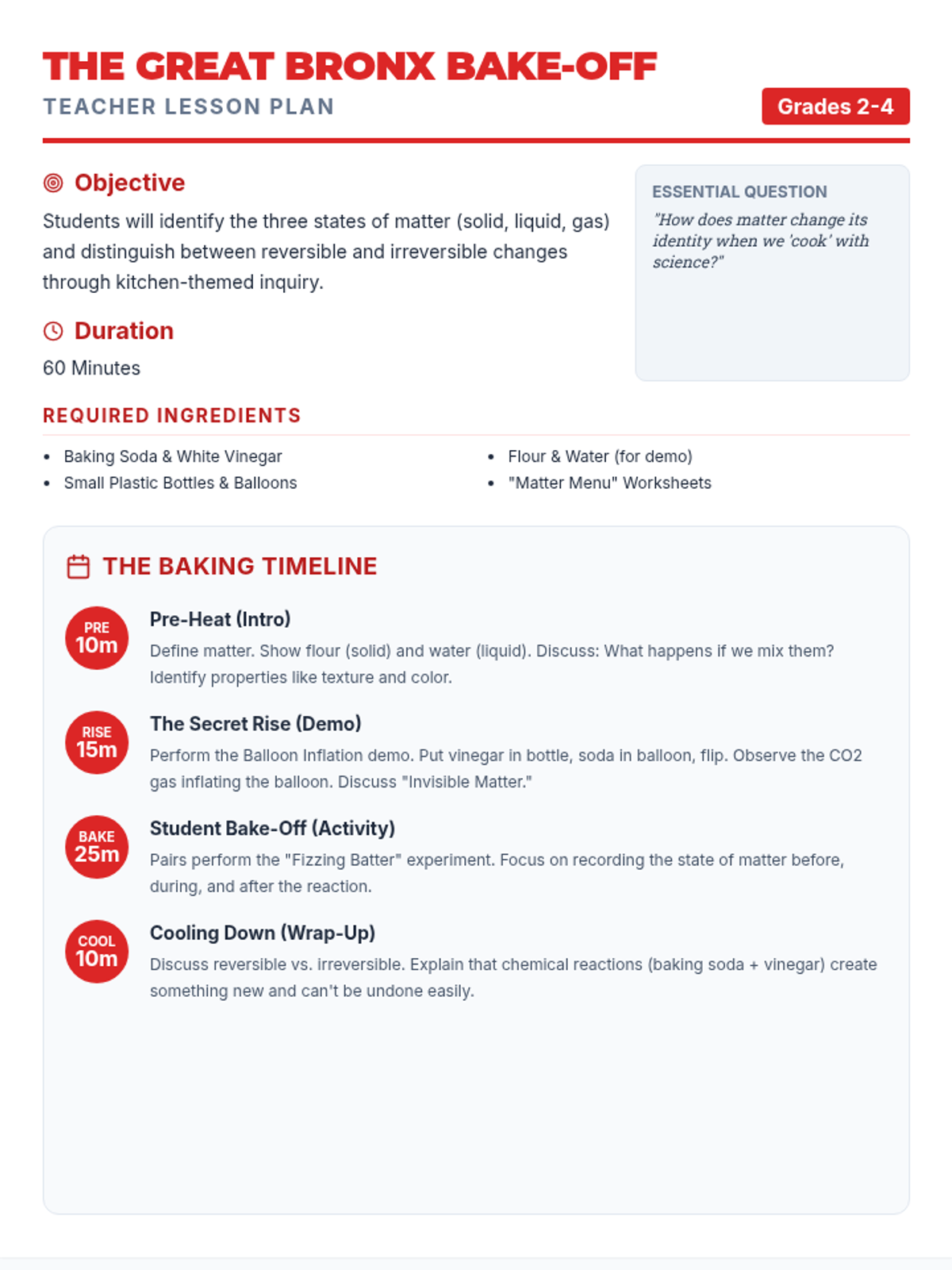
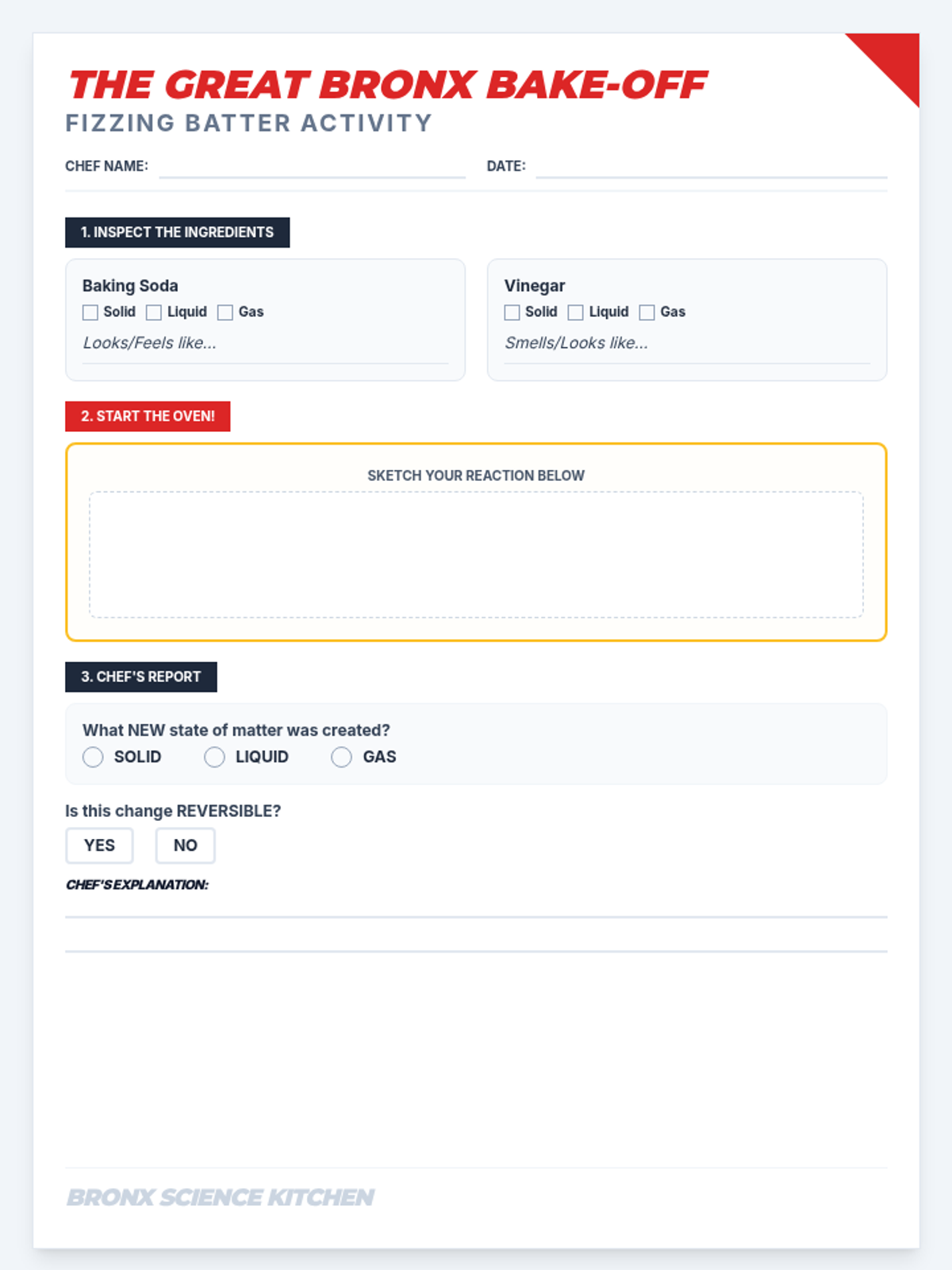
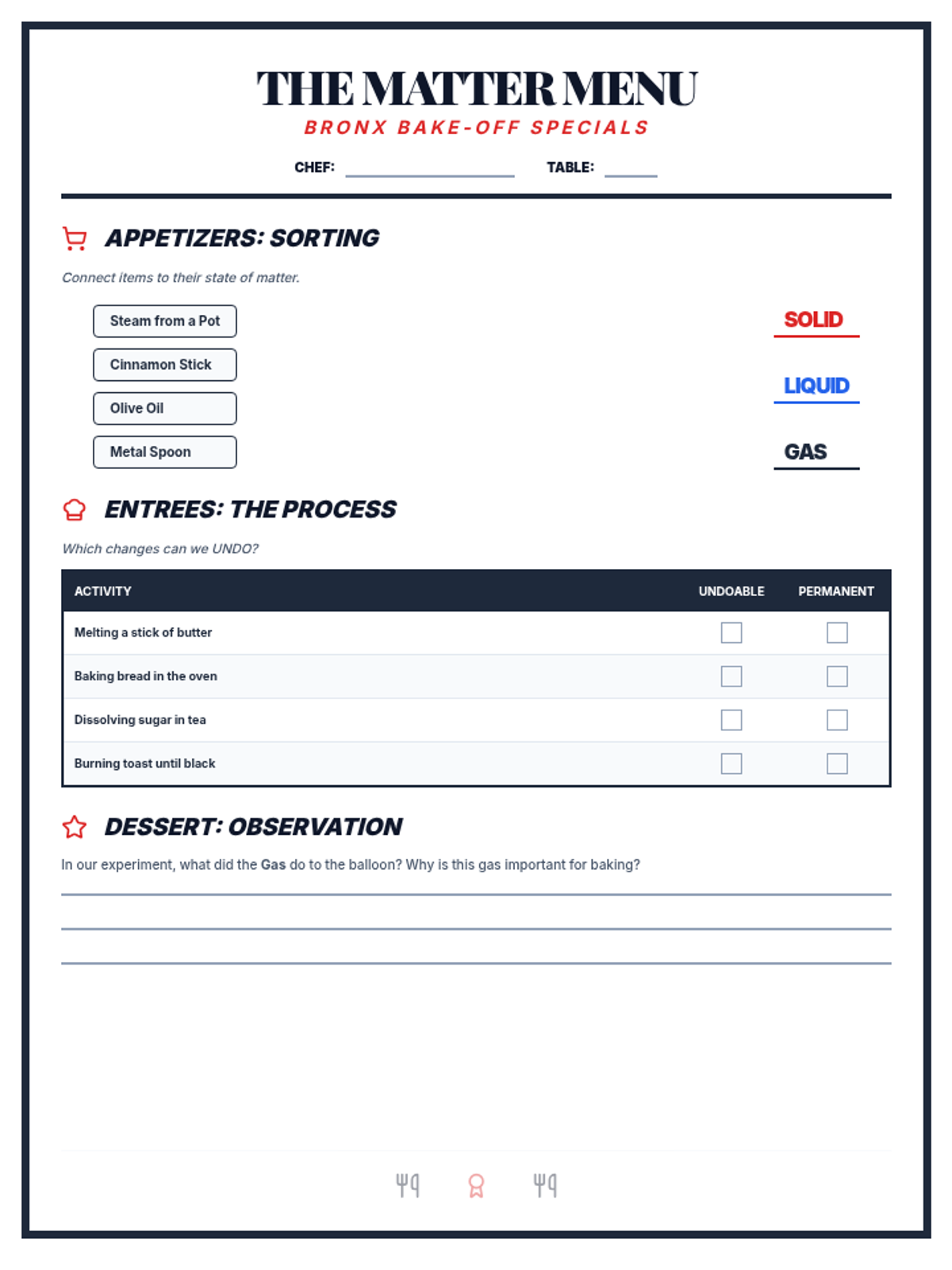
A chemistry-meets-culinary lesson for grades 2-4 where students investigate the states of matter and changes through a 'bake-off' theme using simple kitchen science.
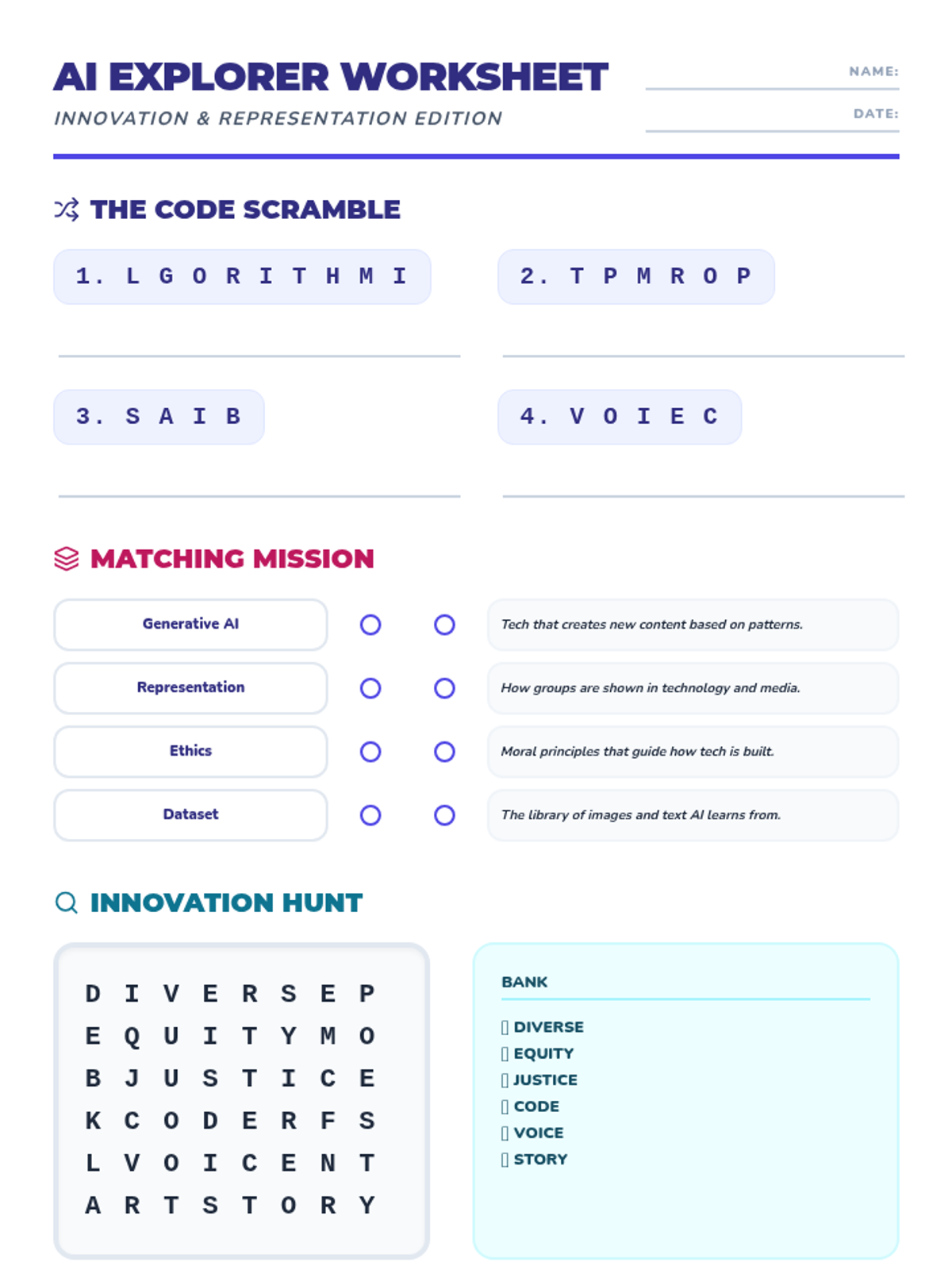
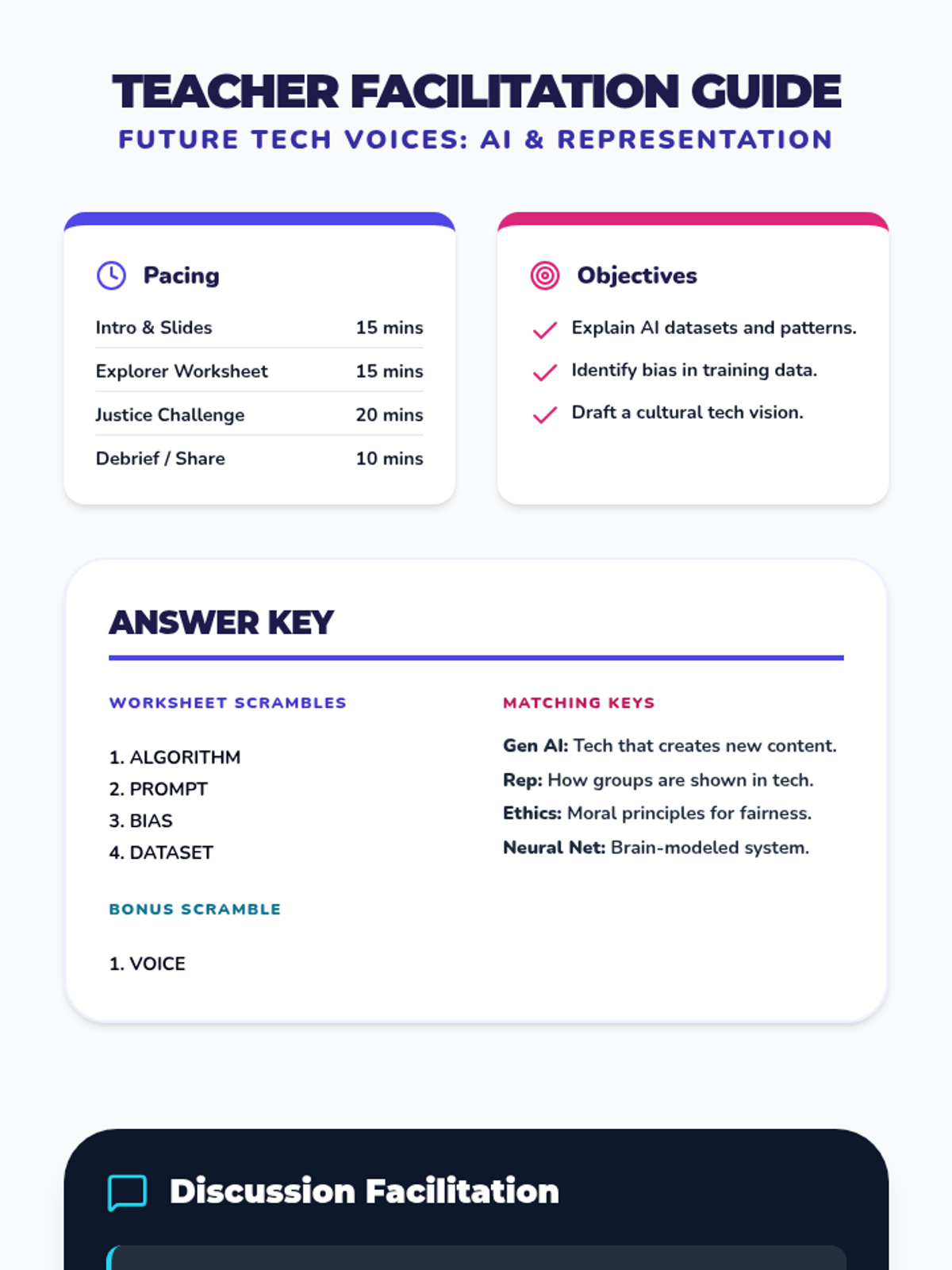
A lesson exploring the mechanics of AI generators and their social impact, specifically focusing on the experiences of young African Americans in tech and representation.
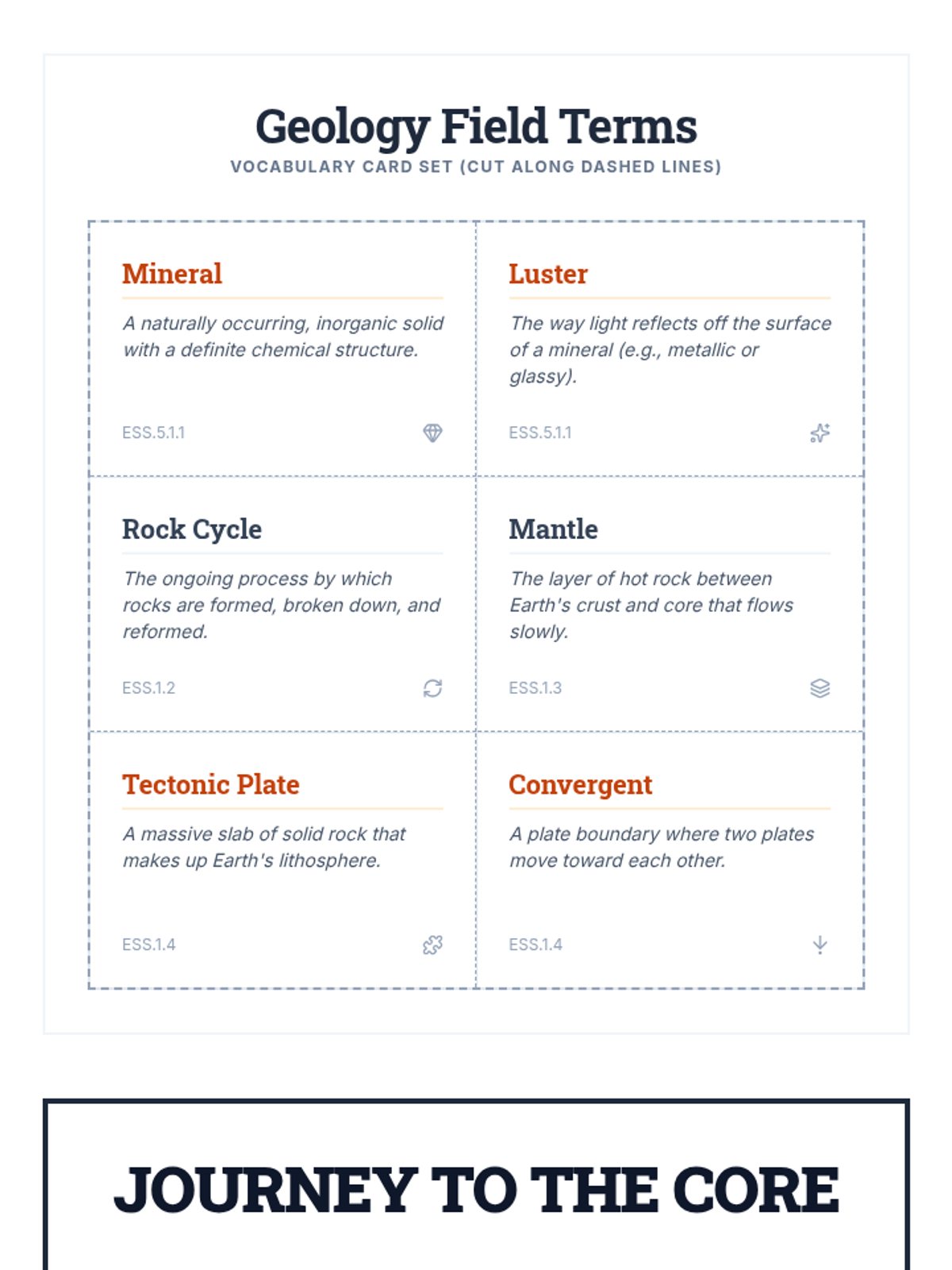
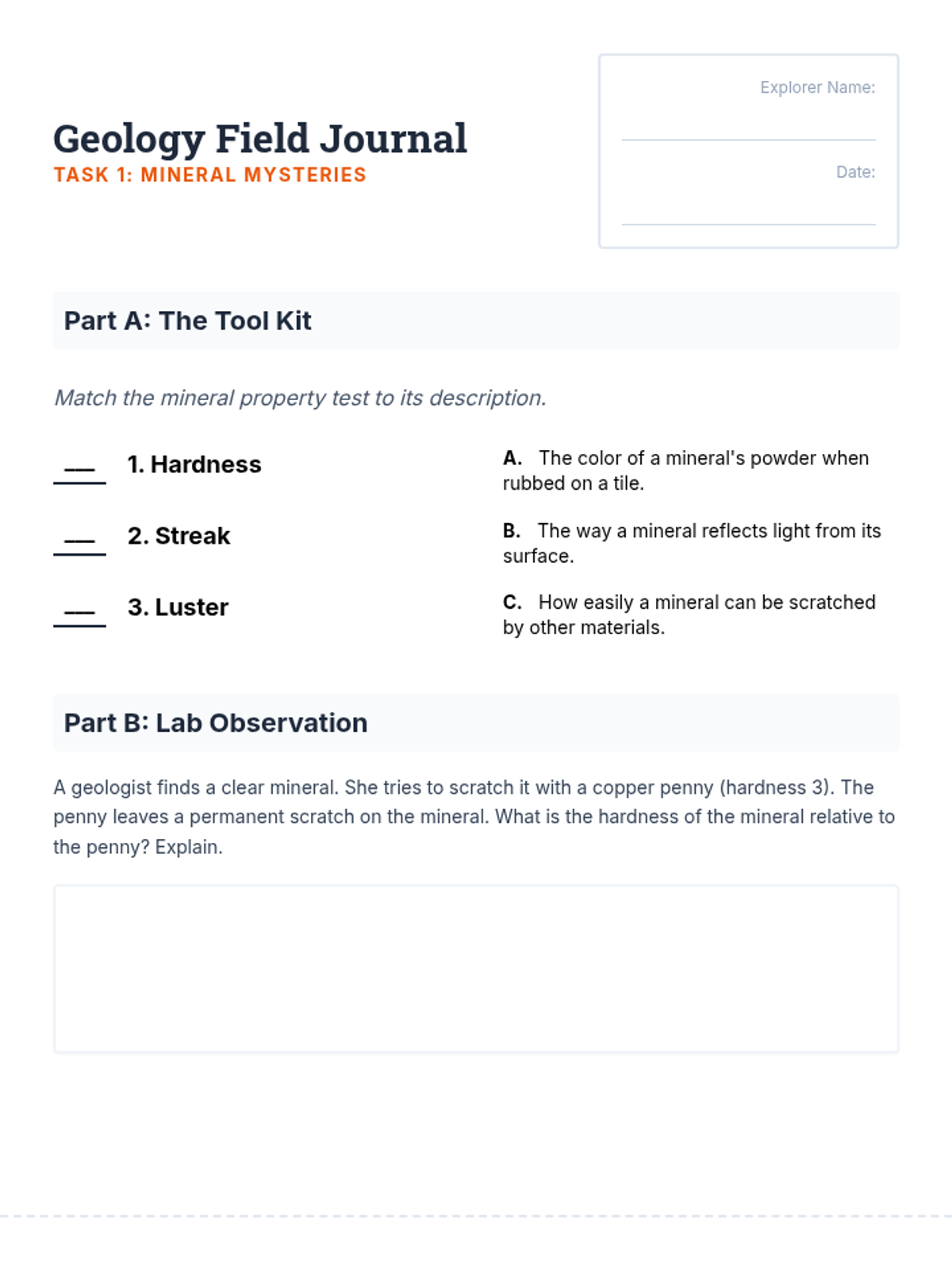
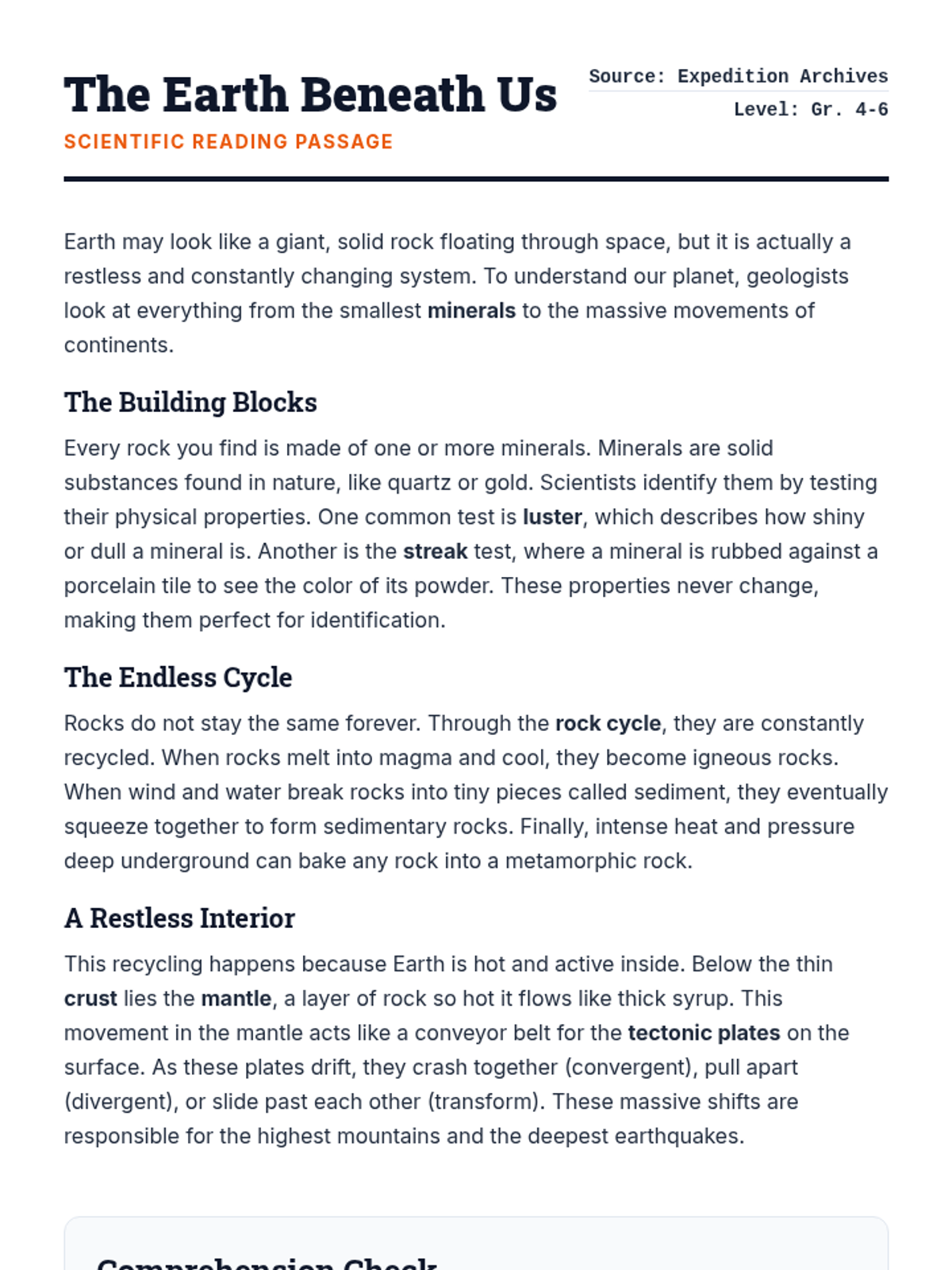
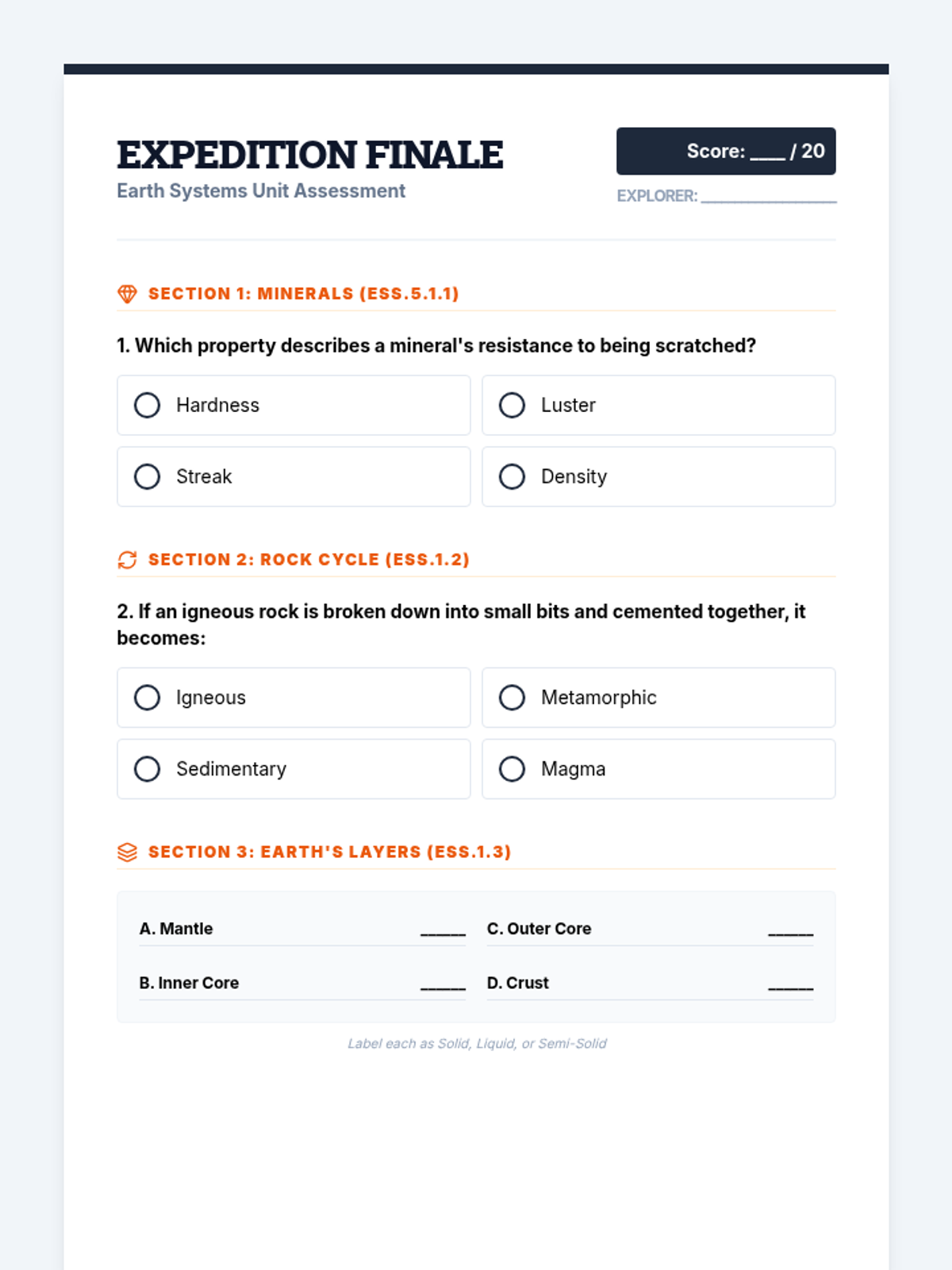
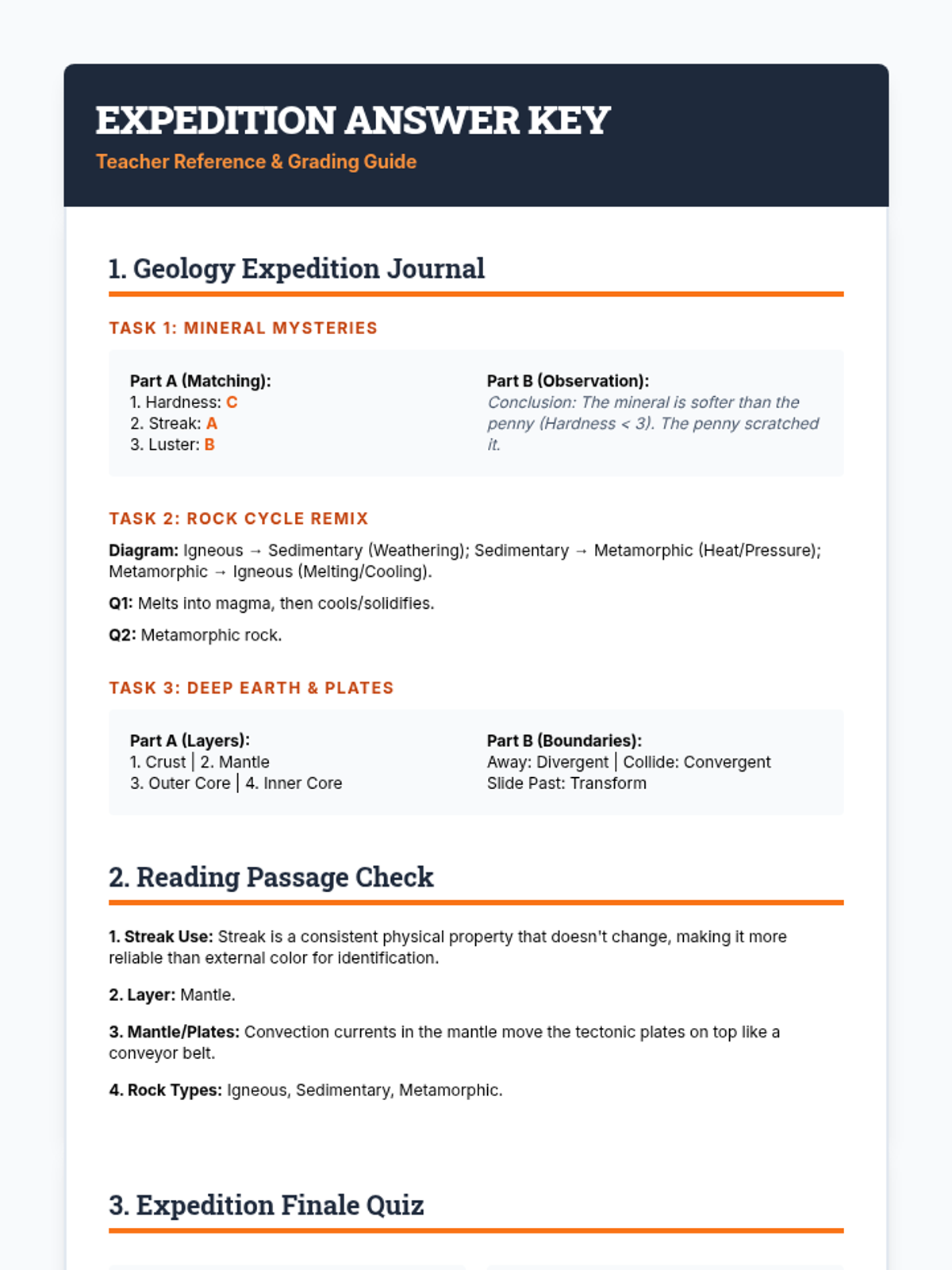
An integrated study of the four core Earth Science standards: properties of minerals, the rock cycle, Earth's layers, and plate tectonics. This lesson provides the instructional framework and student activities for a complete geology unit.
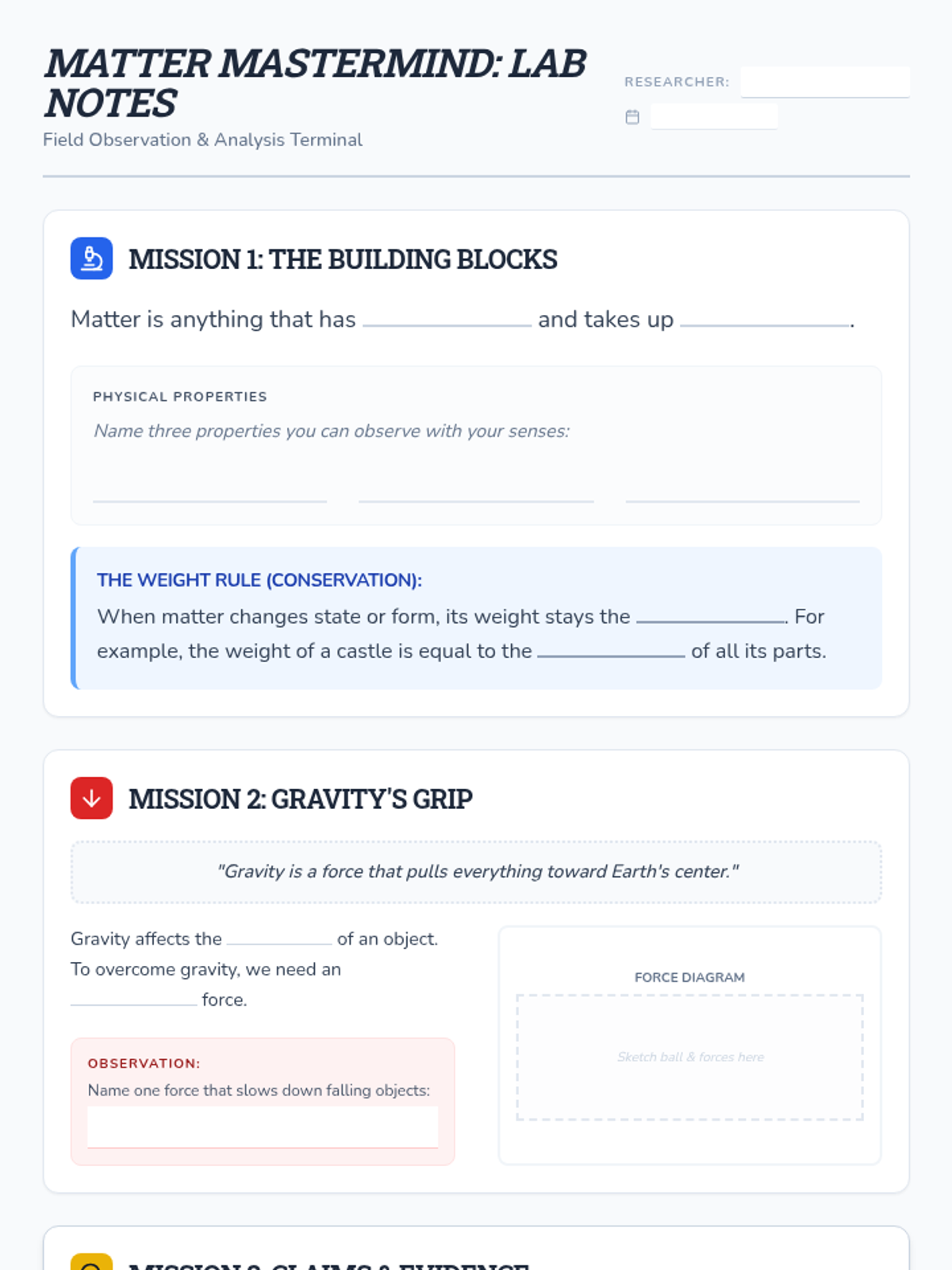
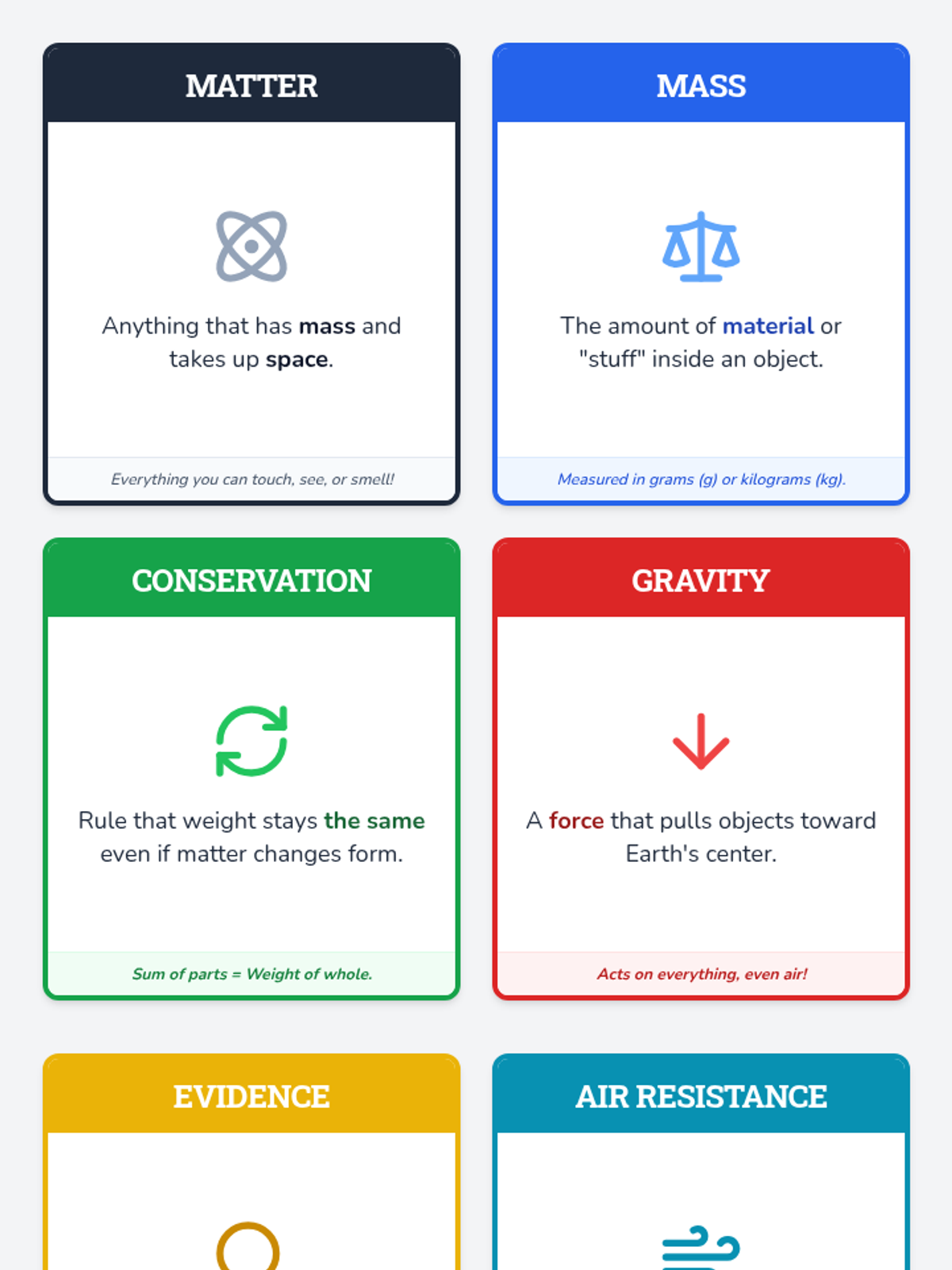
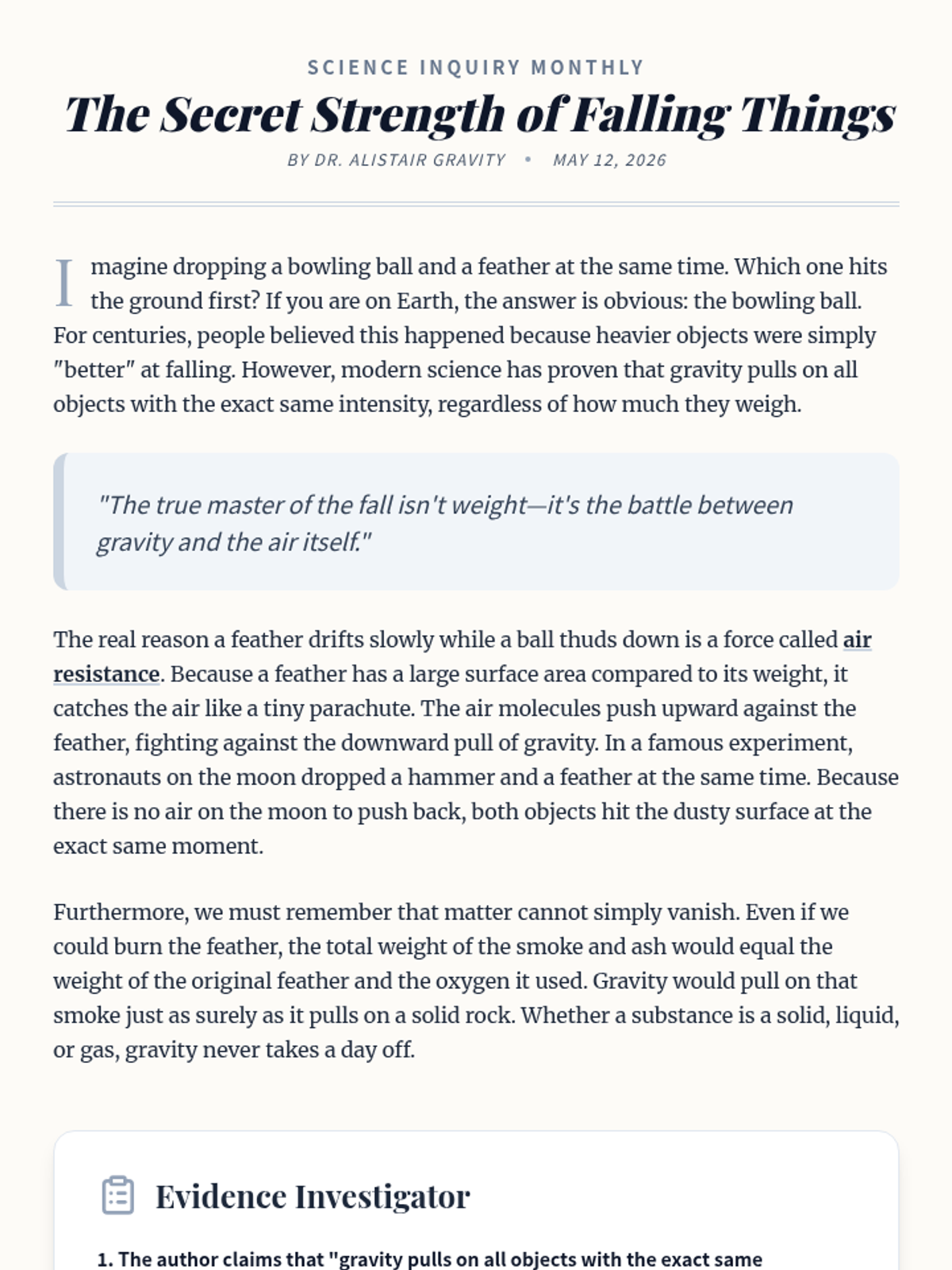
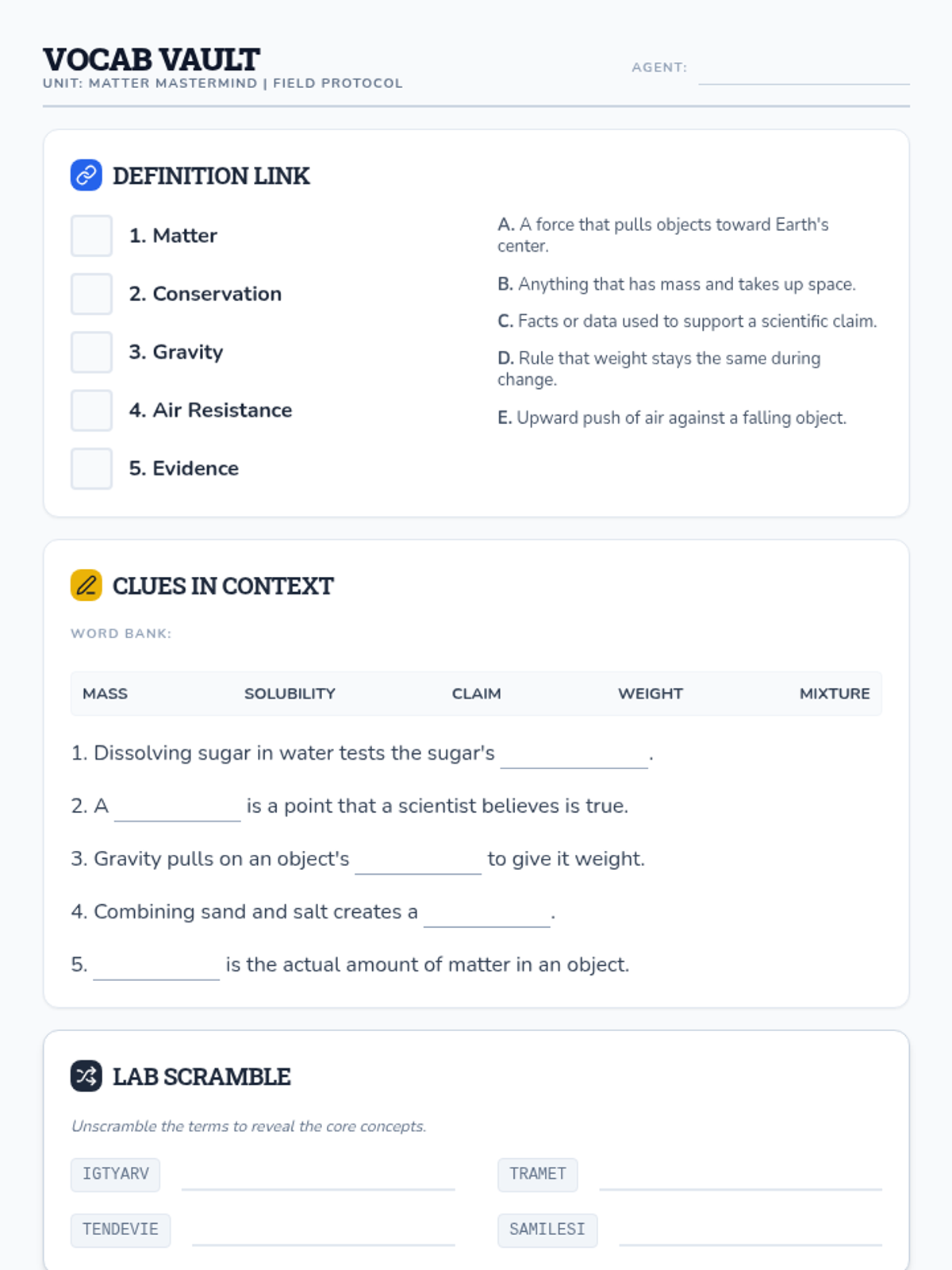
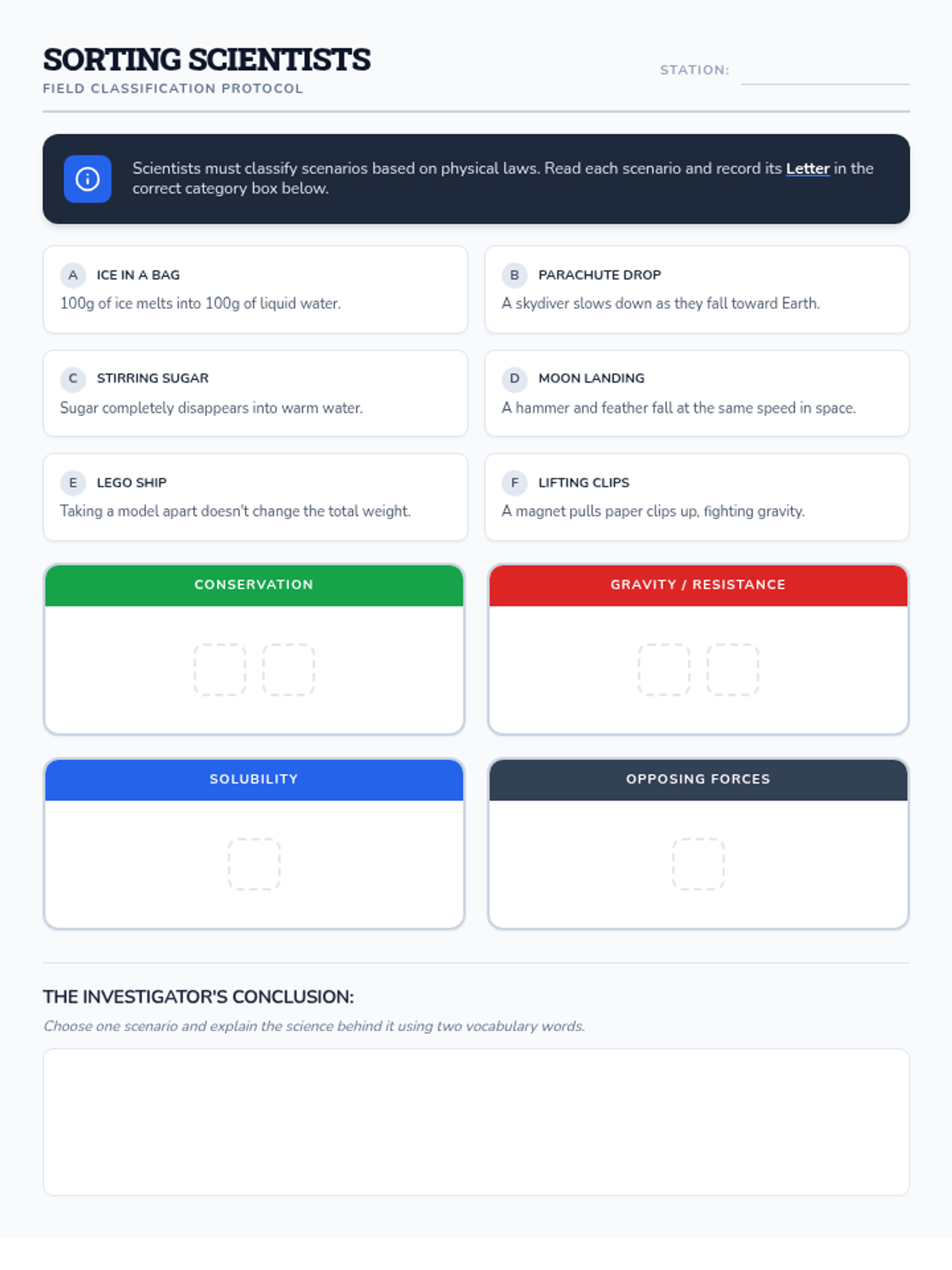
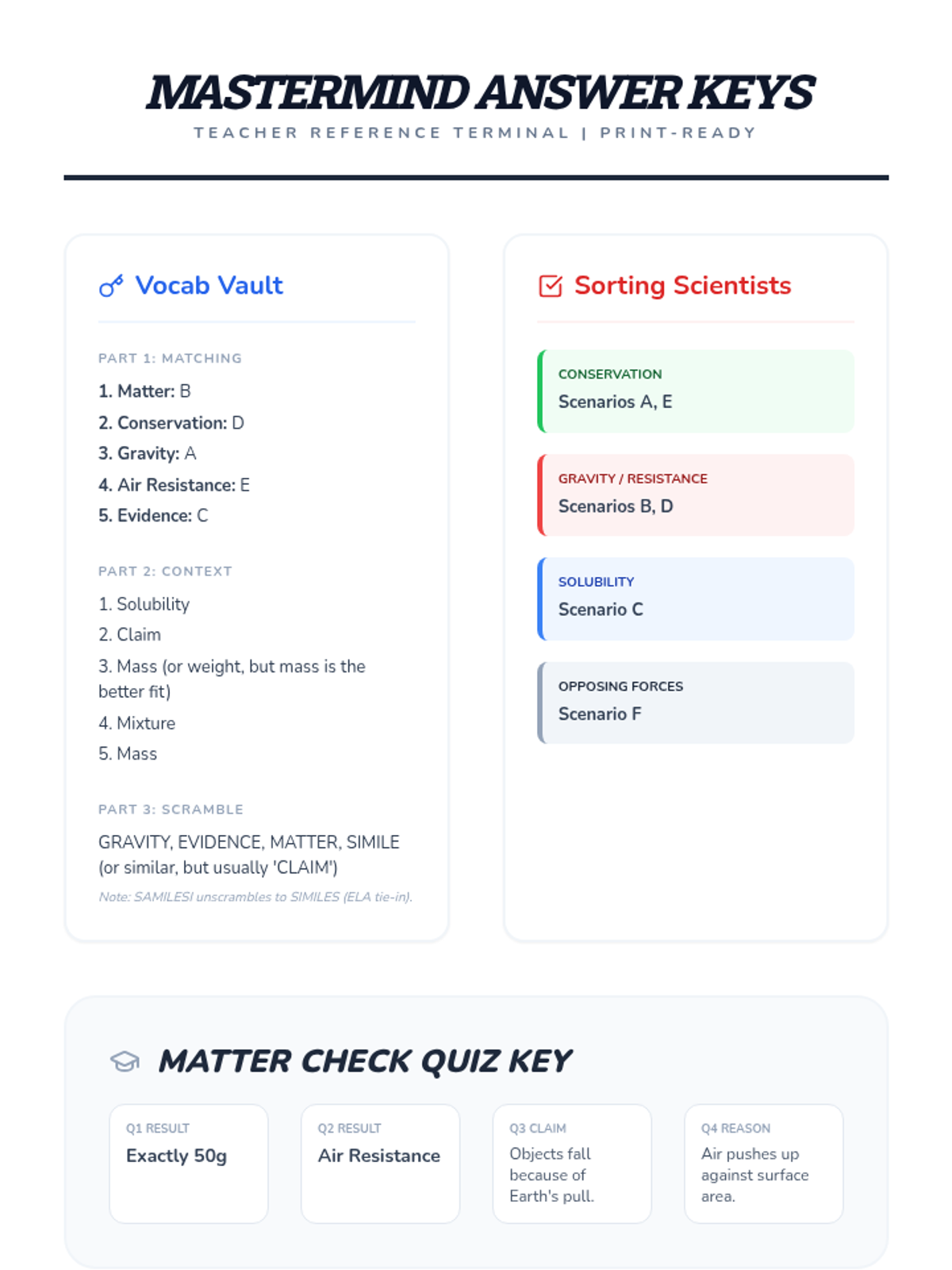
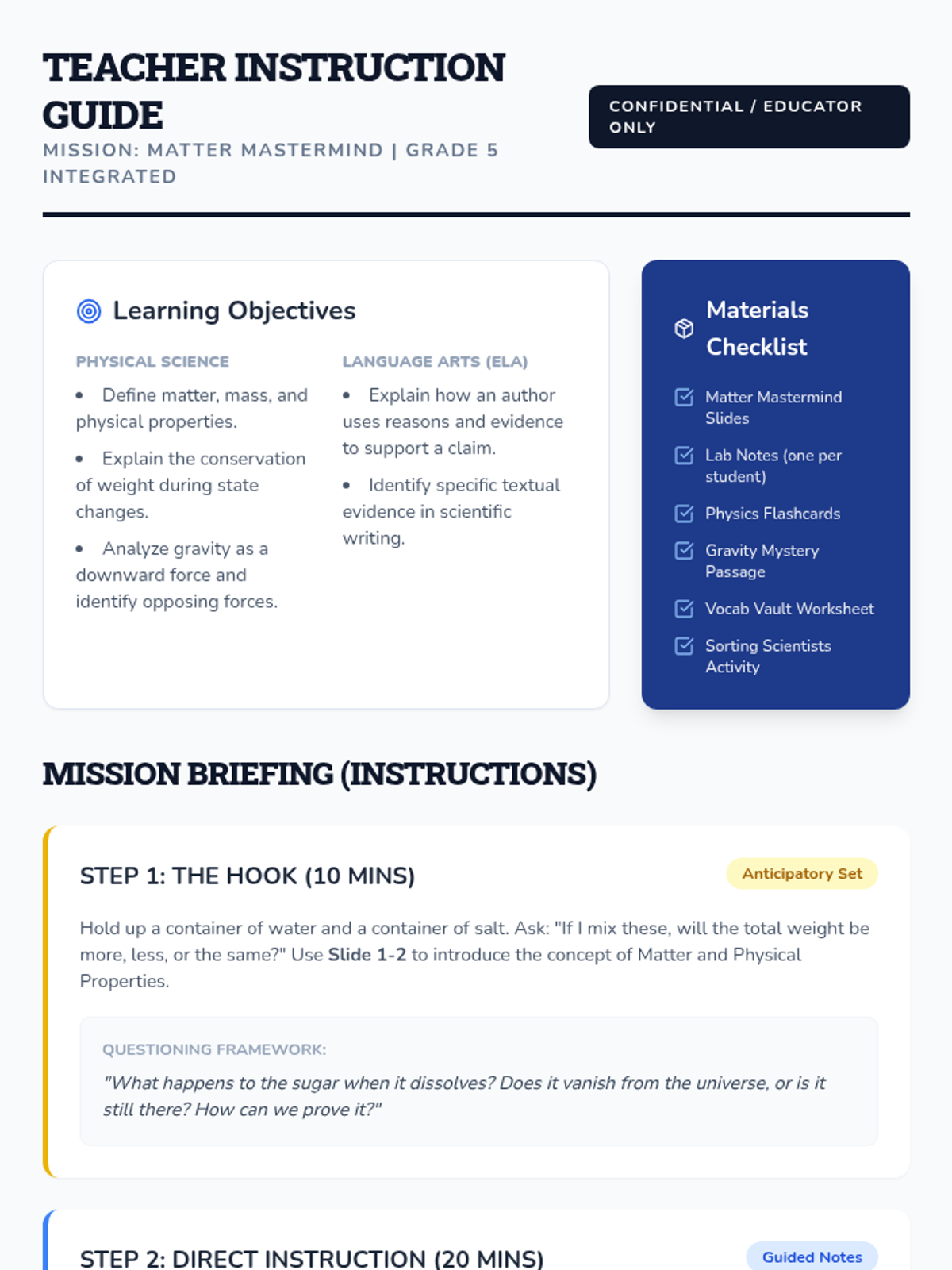
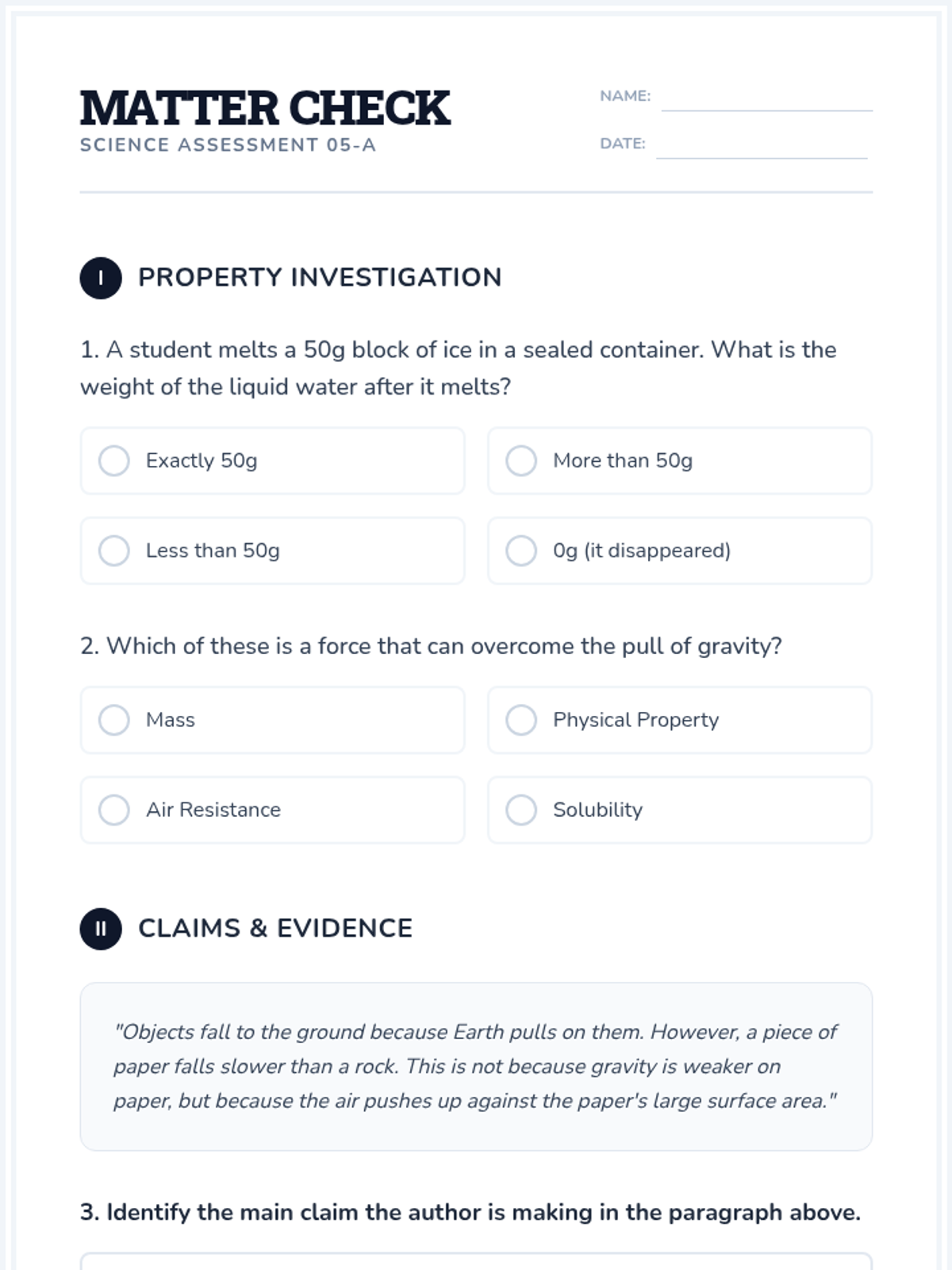
This integrated lesson explores the properties of matter and the forces of gravity. Students will analyze scientific claims by identifying the reasons and evidence used to support them, bridging physical science concepts with critical reading skills.
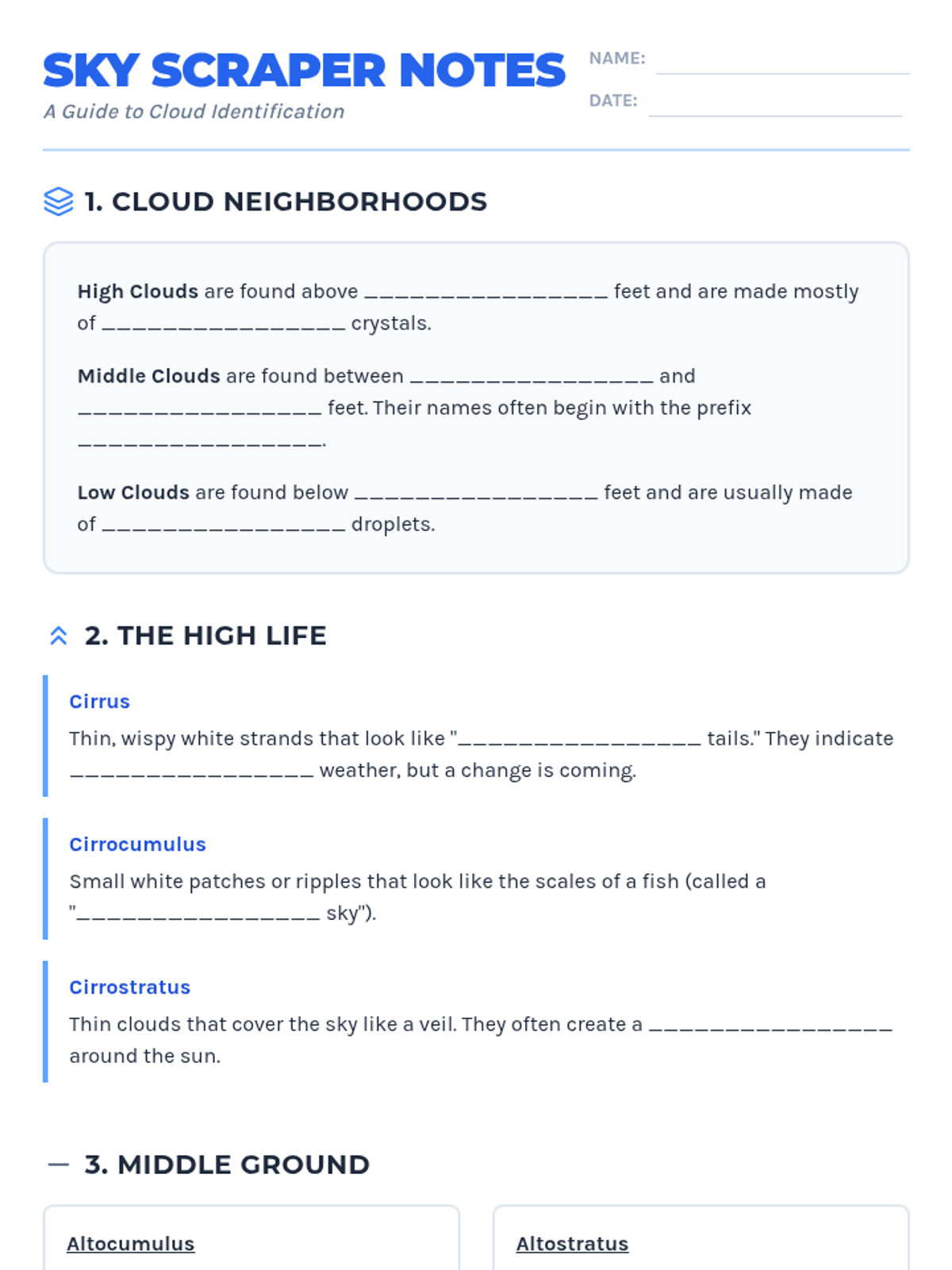
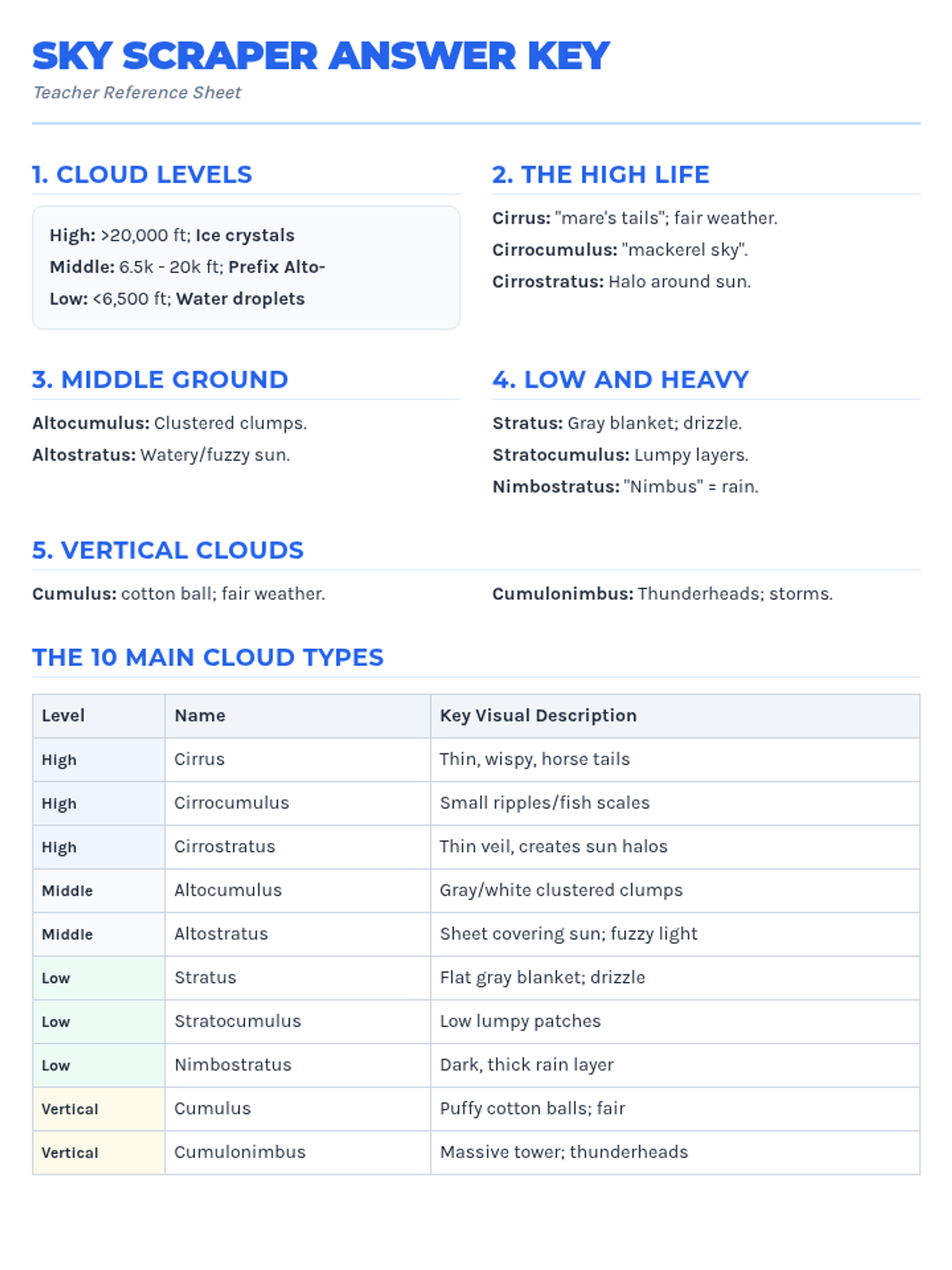
A comprehensive look at the 10 main cloud types, categorized by their altitude, with deep dives into Cirrus, Stratus, and Cumulus clouds.
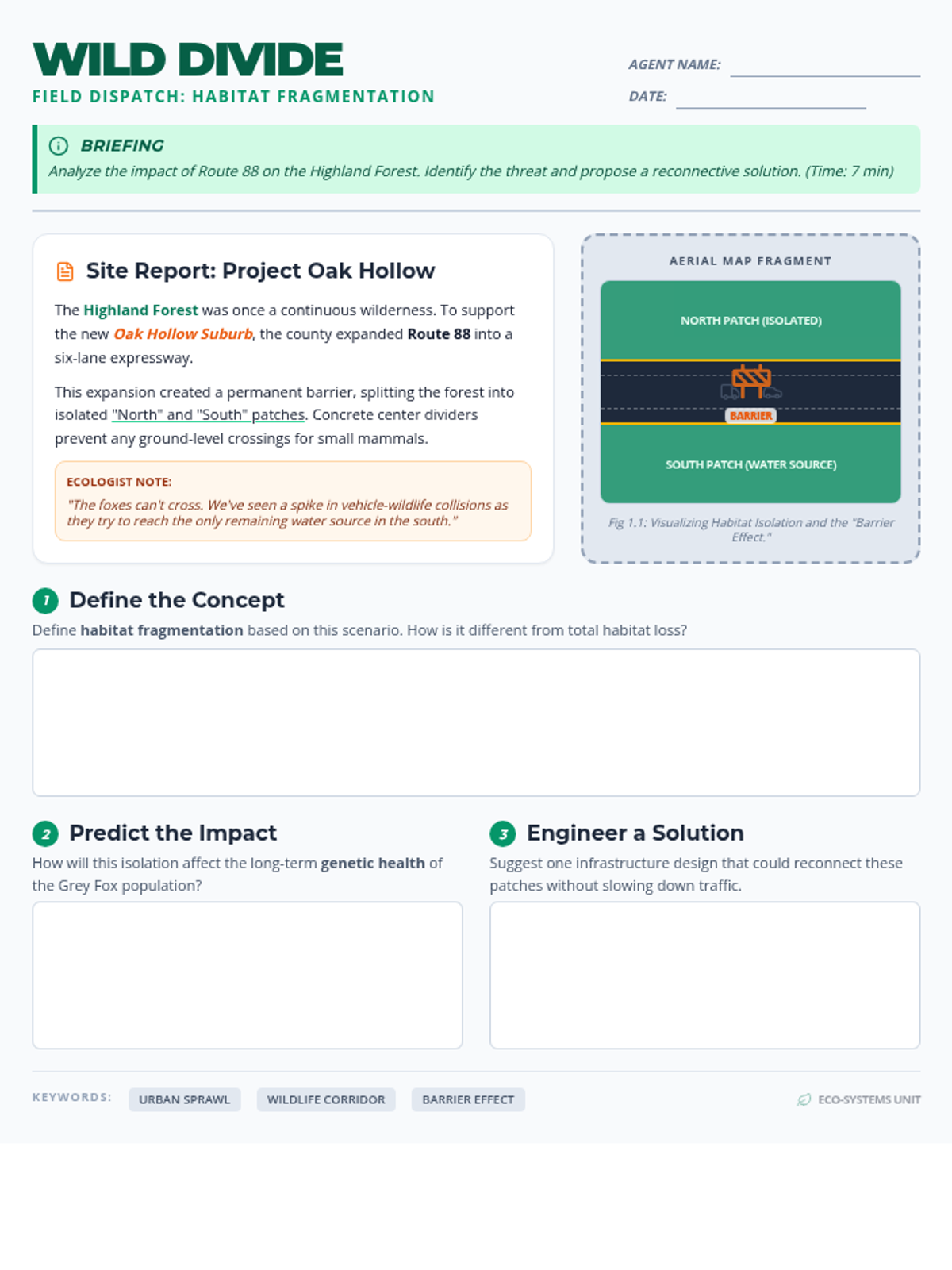
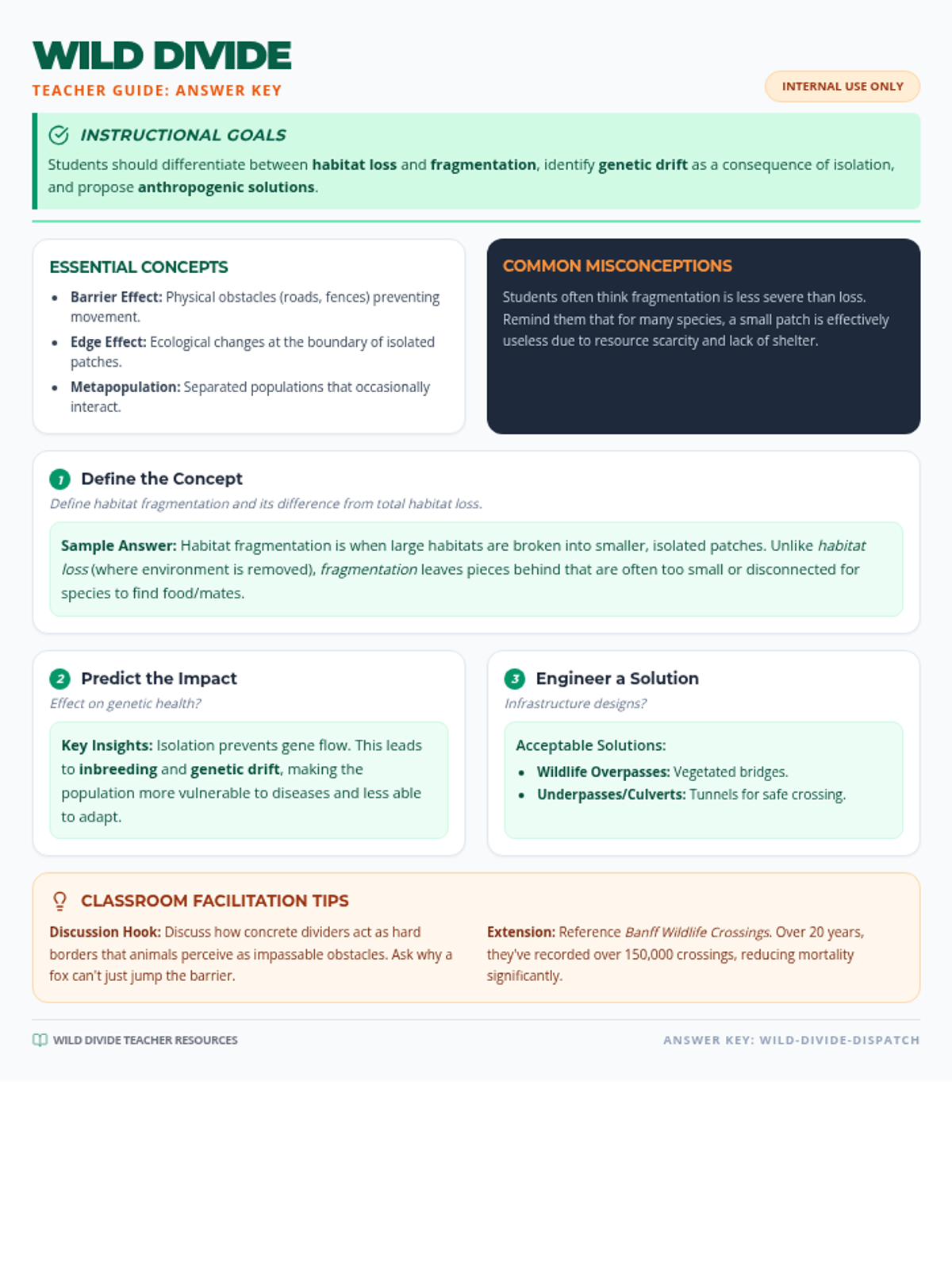
This lesson explores the ecological consequences of habitat fragmentation caused by human infrastructure. Students analyze case studies of wildlife isolation and propose engineering solutions like wildlife corridors to mitigate the impact of roads and urban sprawl.
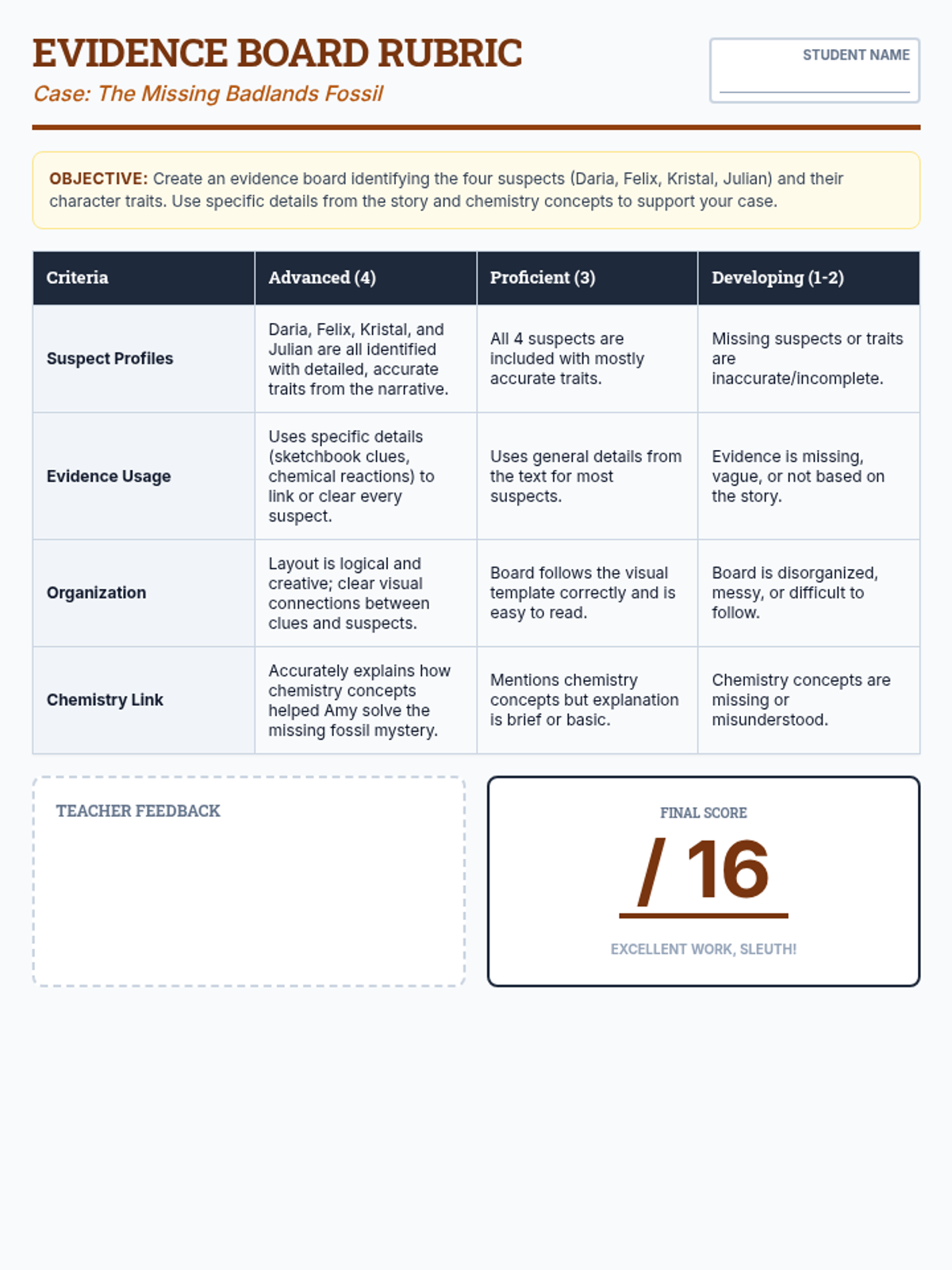
A hands-on activity where students use chemistry concepts and character analysis from 'The Badlands Sleuth' to construct evidence boards and identify a fossil thief.
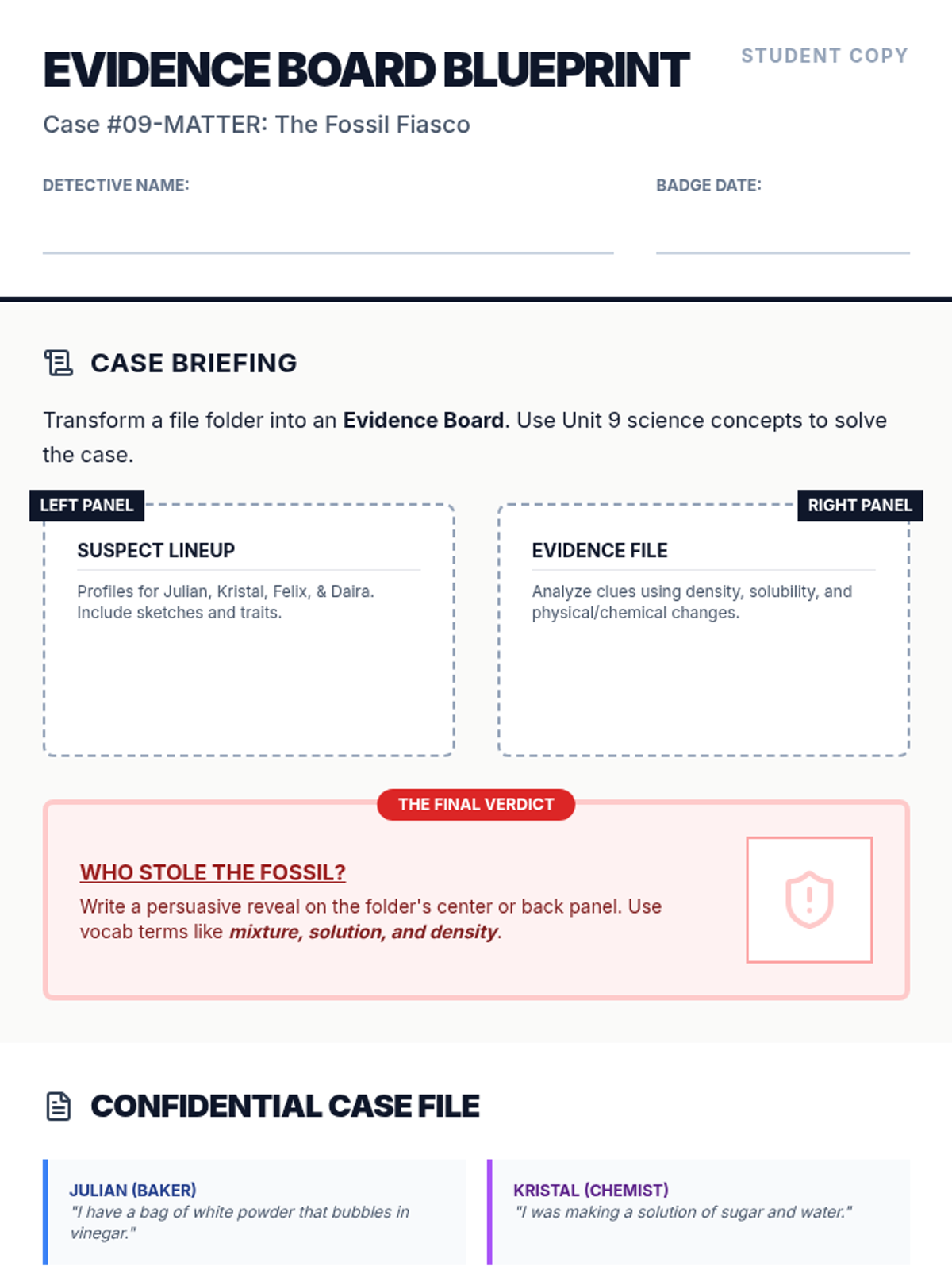
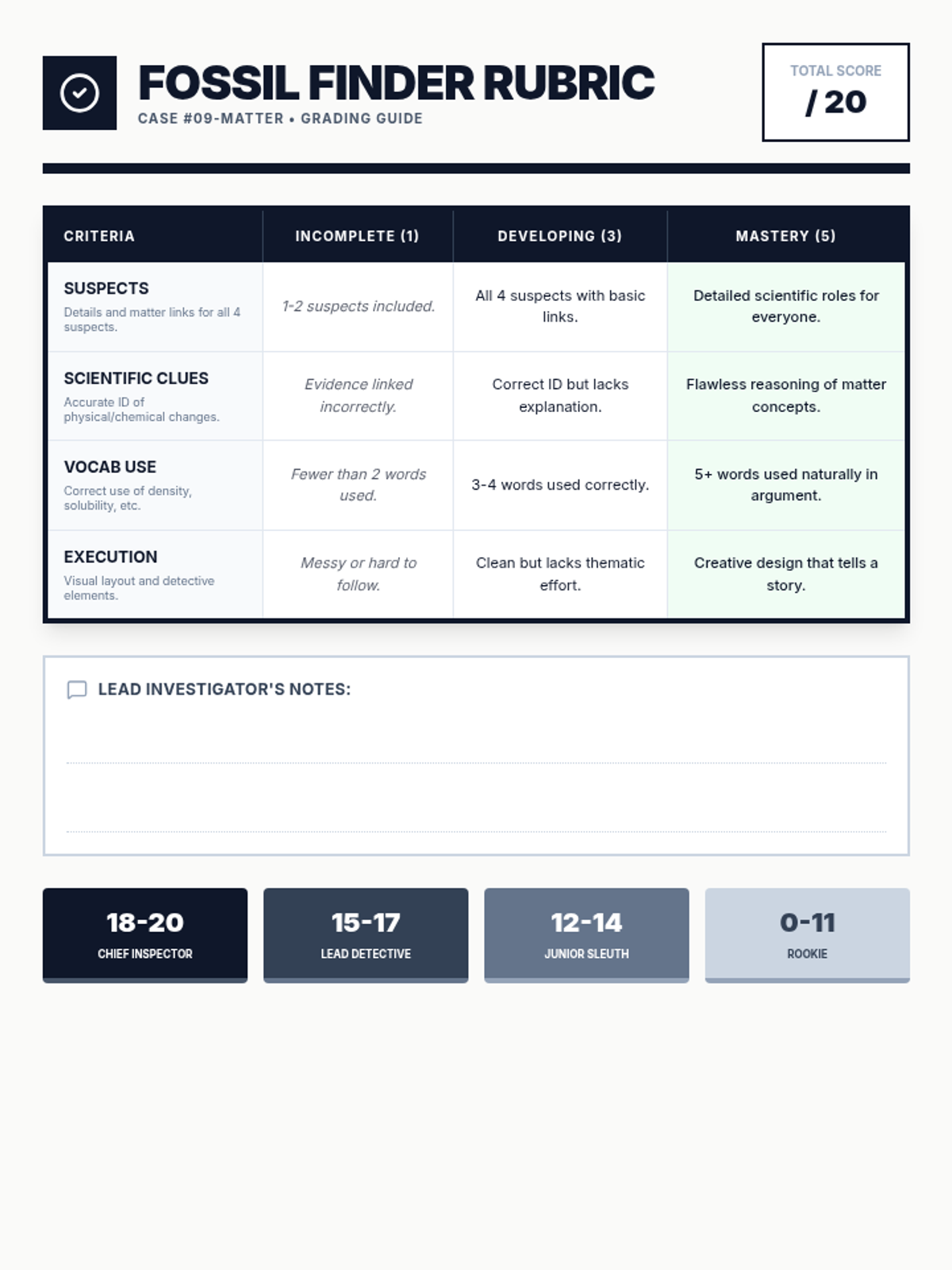
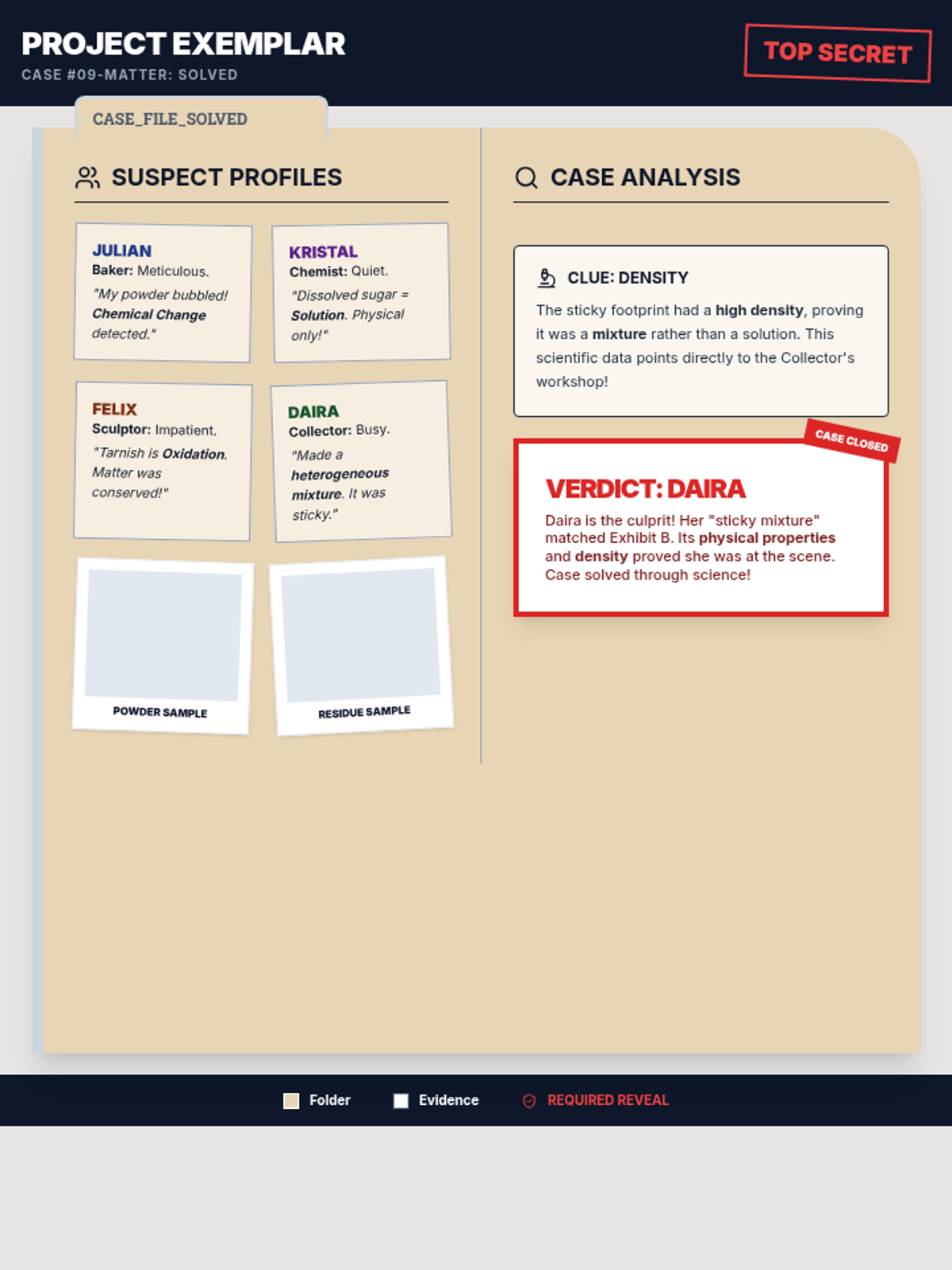
A detective-themed final project where students use their knowledge of chemical matter to solve the mystery of a missing fossil. Students create evidence boards on file folders to analyze suspects and identify the culprit using scientific evidence.
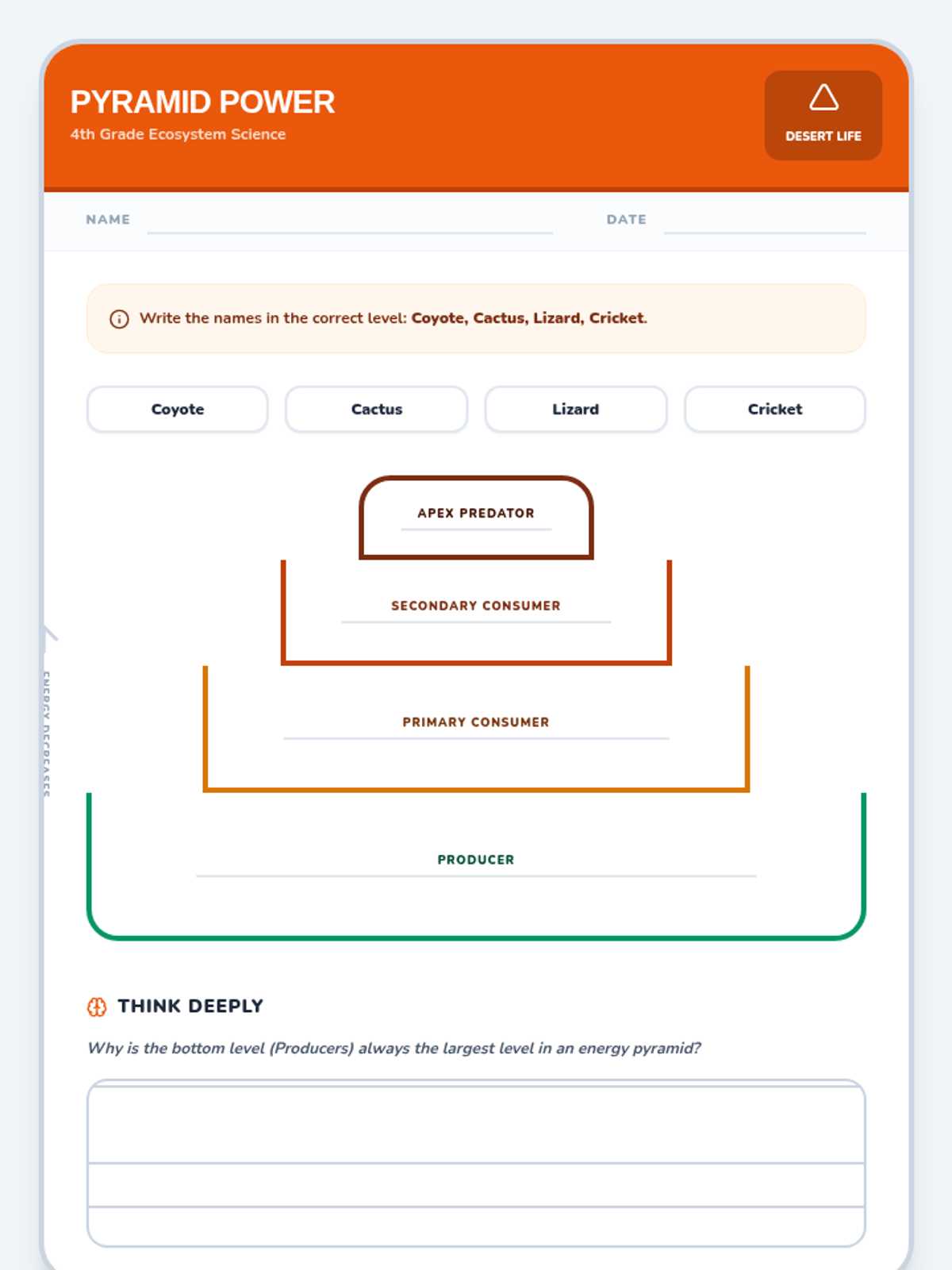
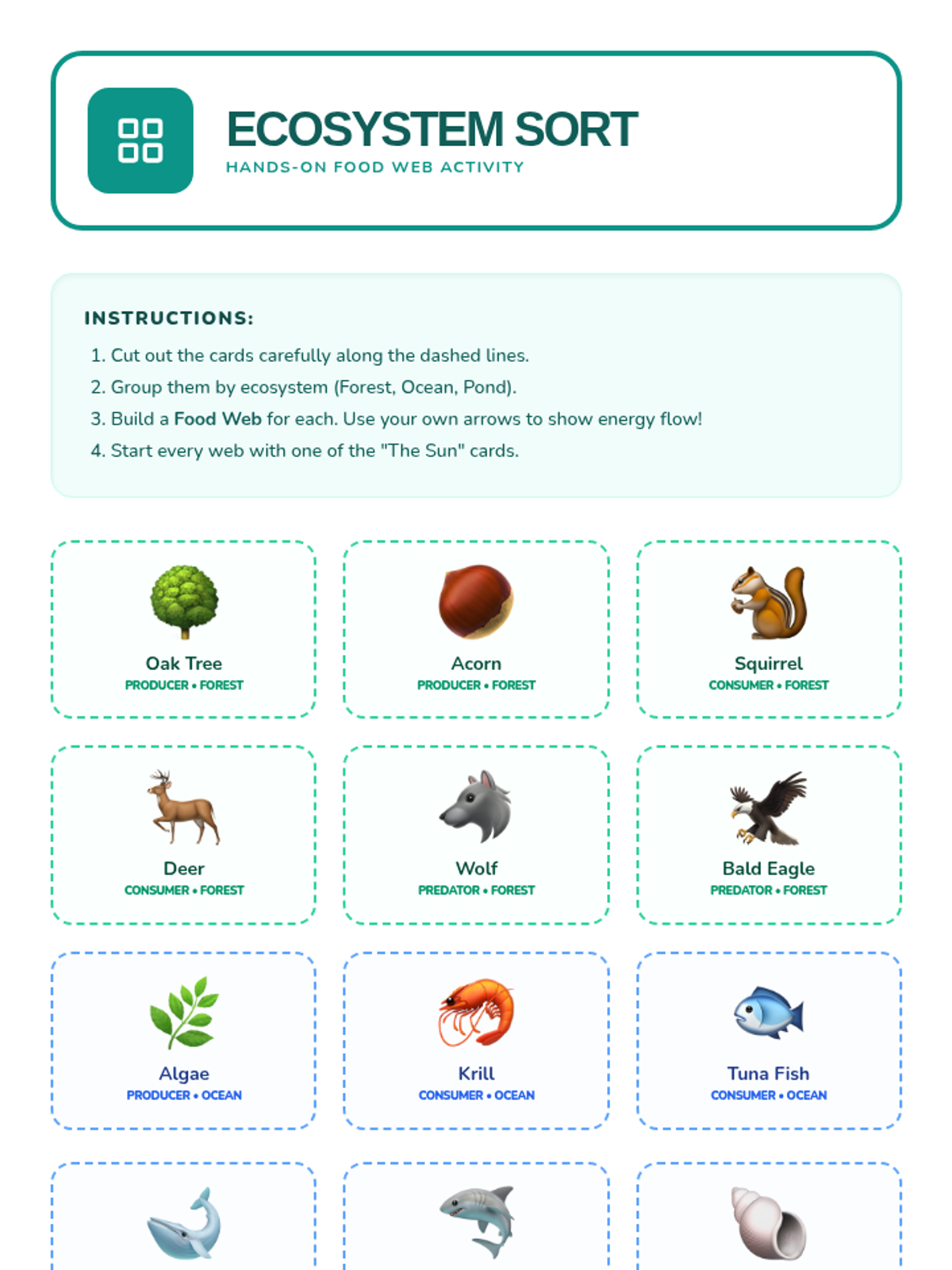
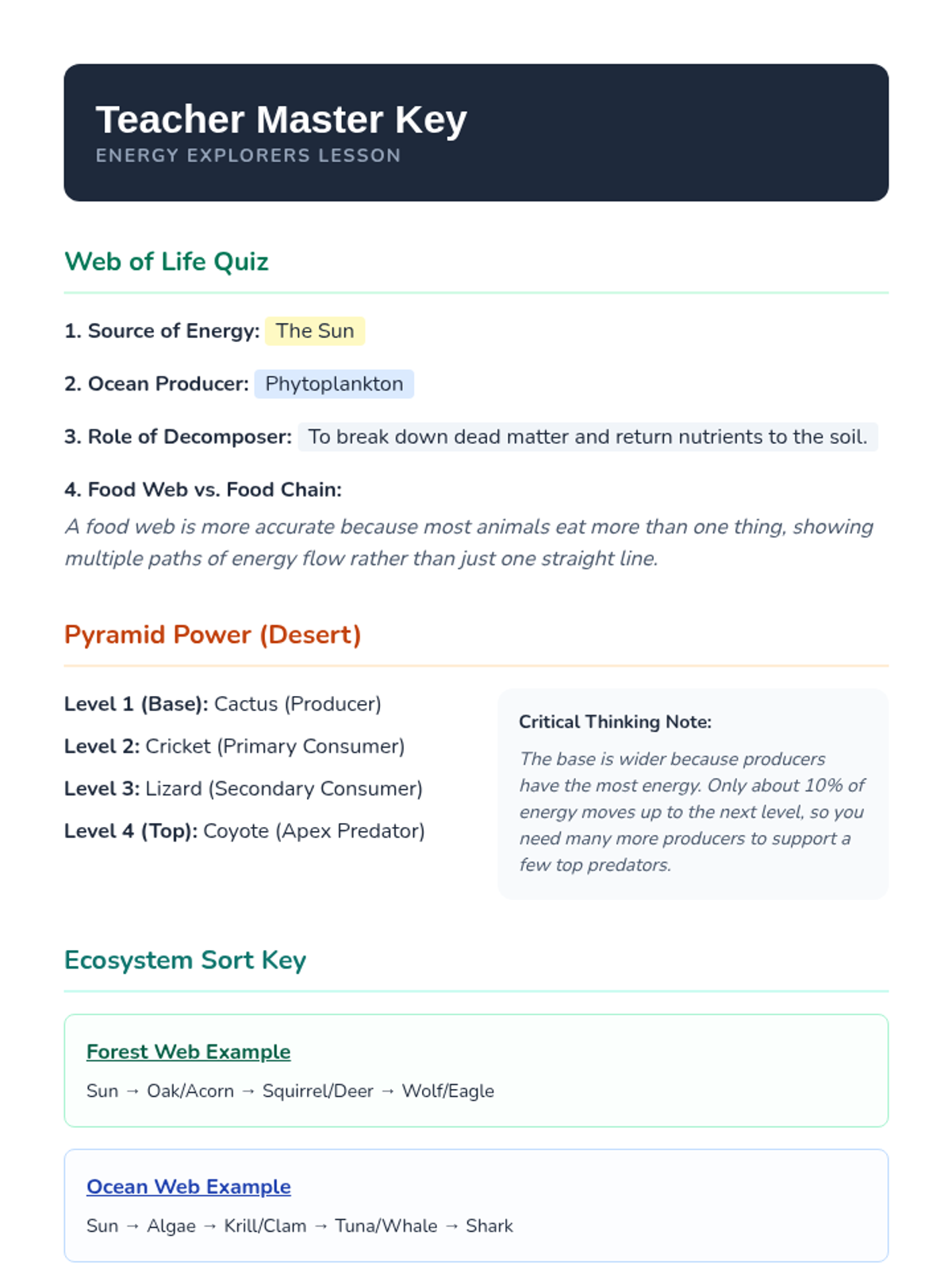
A comprehensive lesson on energy flow through ecosystems, covering food webs and energy pyramids in forest, ocean, desert, and pond habitats. Students will read, analyze, and physically sort organisms to understand their roles in nature.
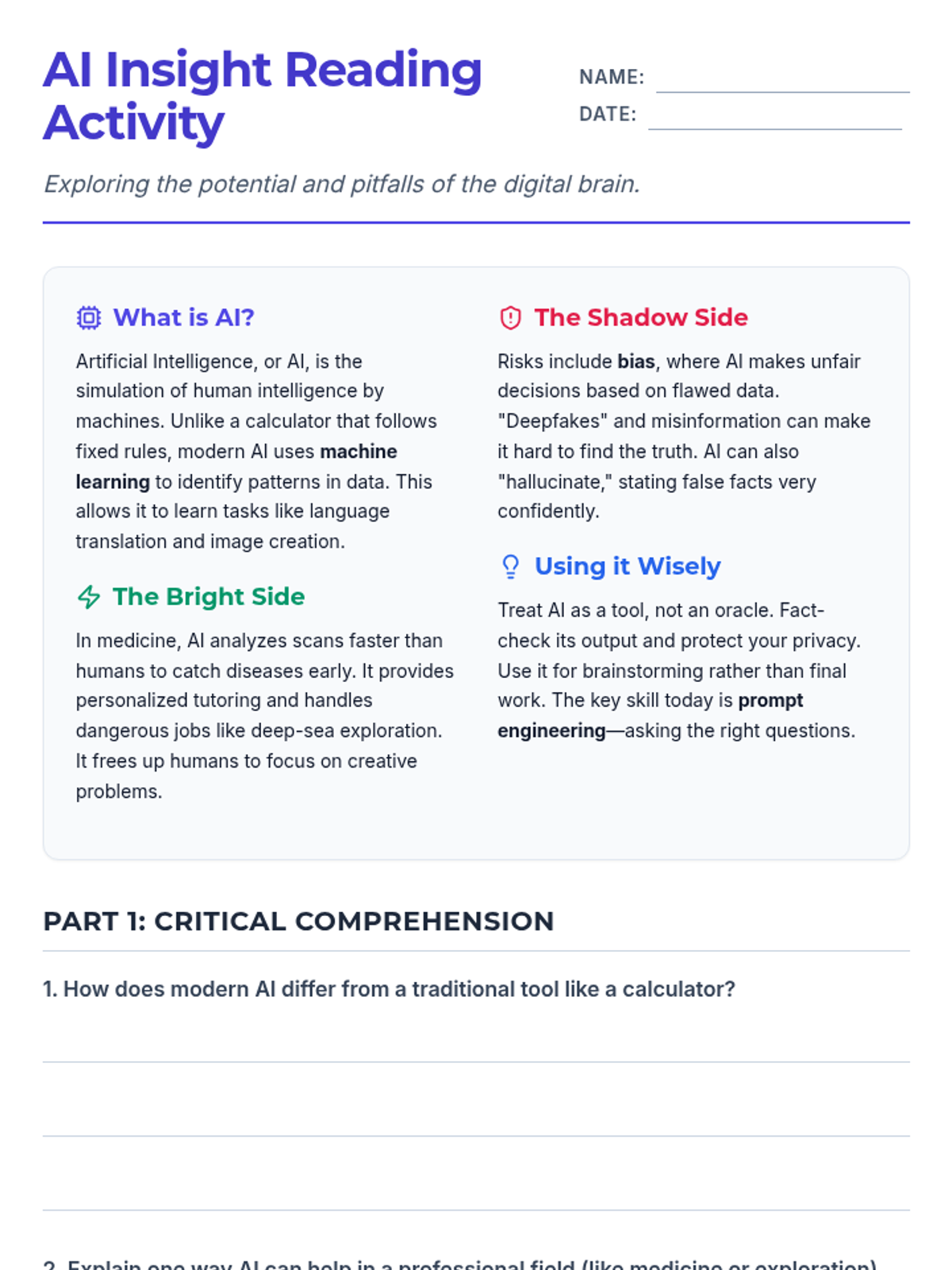
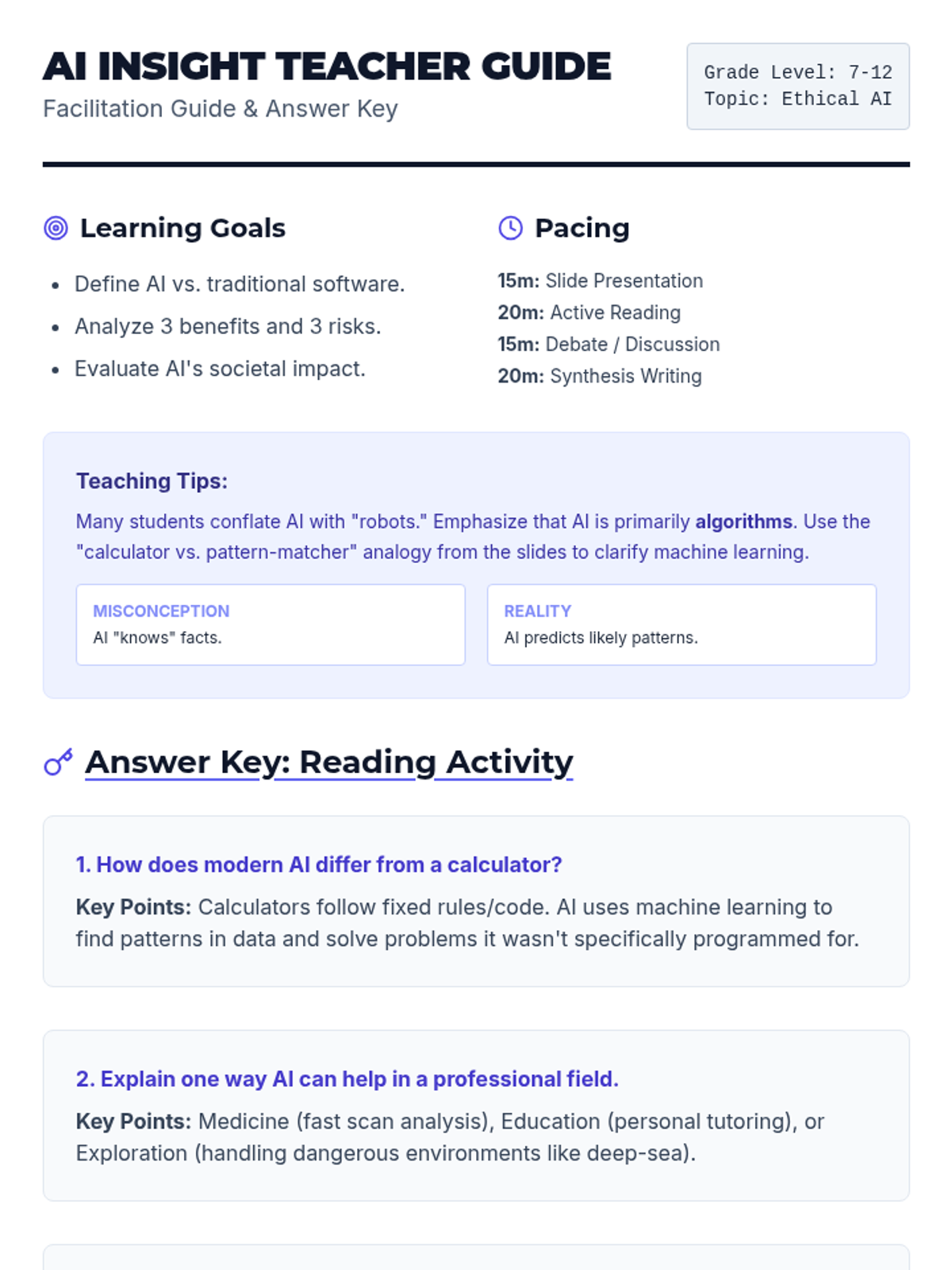
A comprehensive introduction to Artificial Intelligence, exploring its benefits, risks, and ethical usage through reading, discussion, and critical writing.
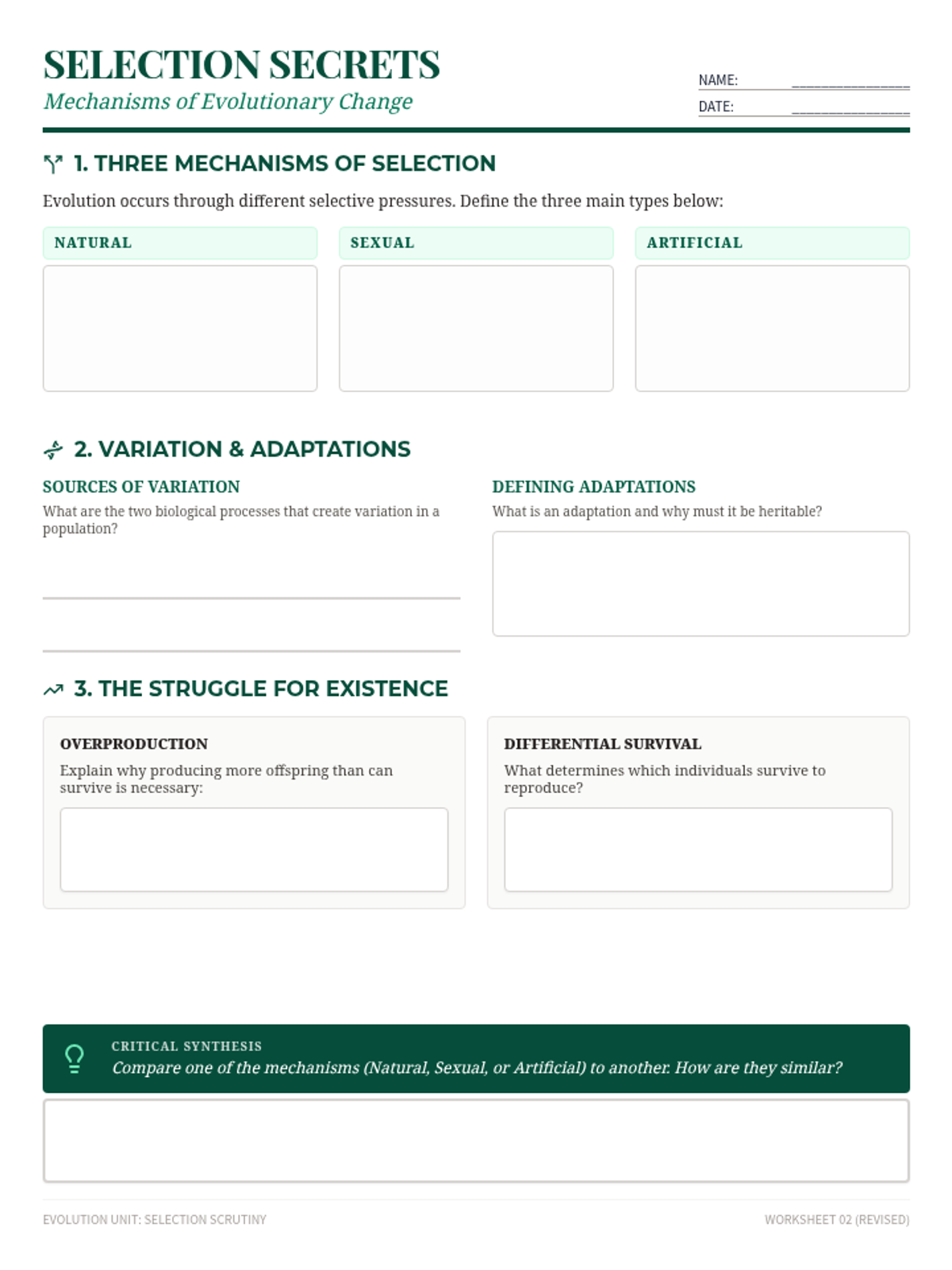
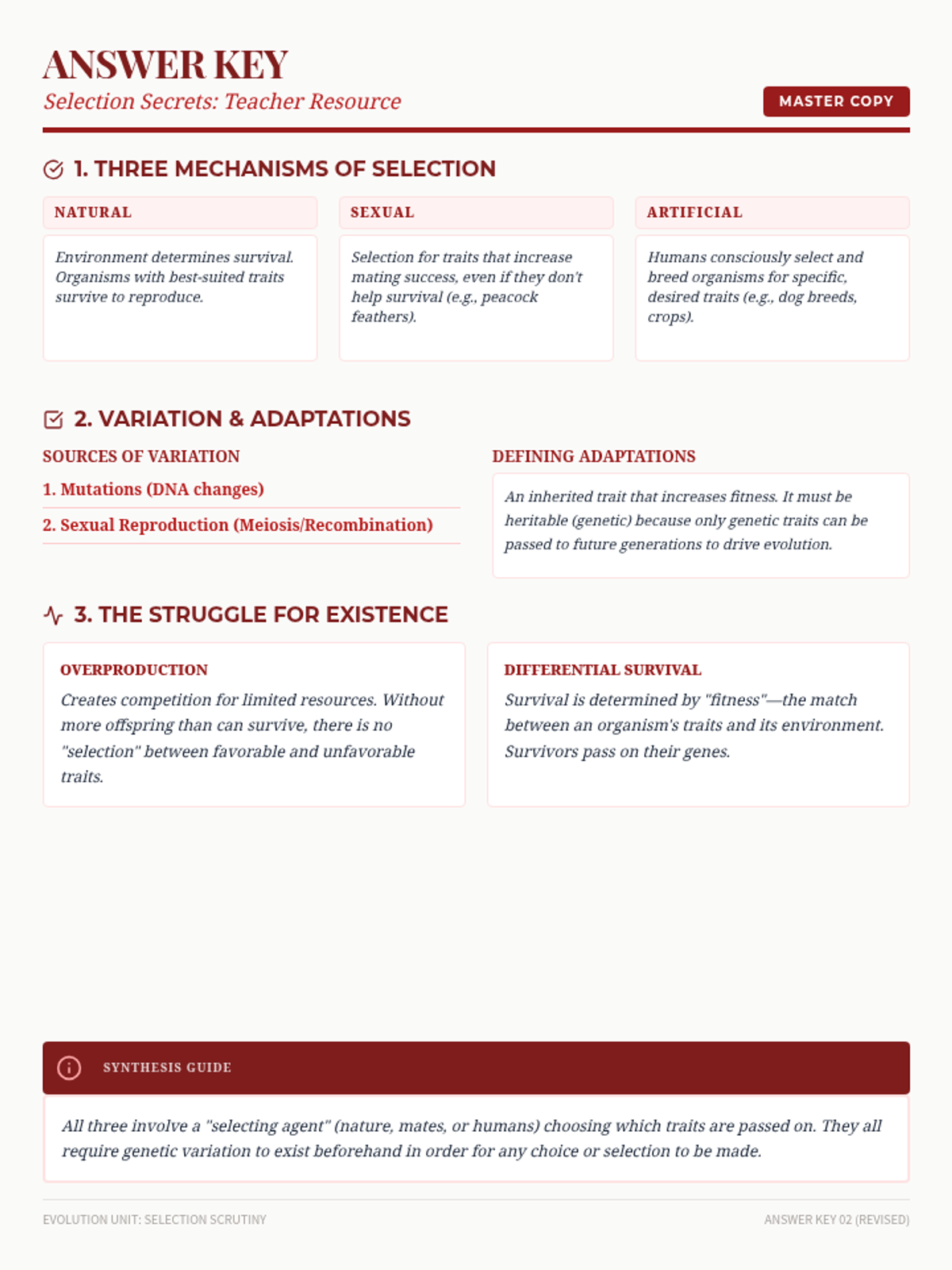
A comprehensive study pack covering the principles of evolution, including vocabulary definitions and a conceptual framework linking key biological terms.
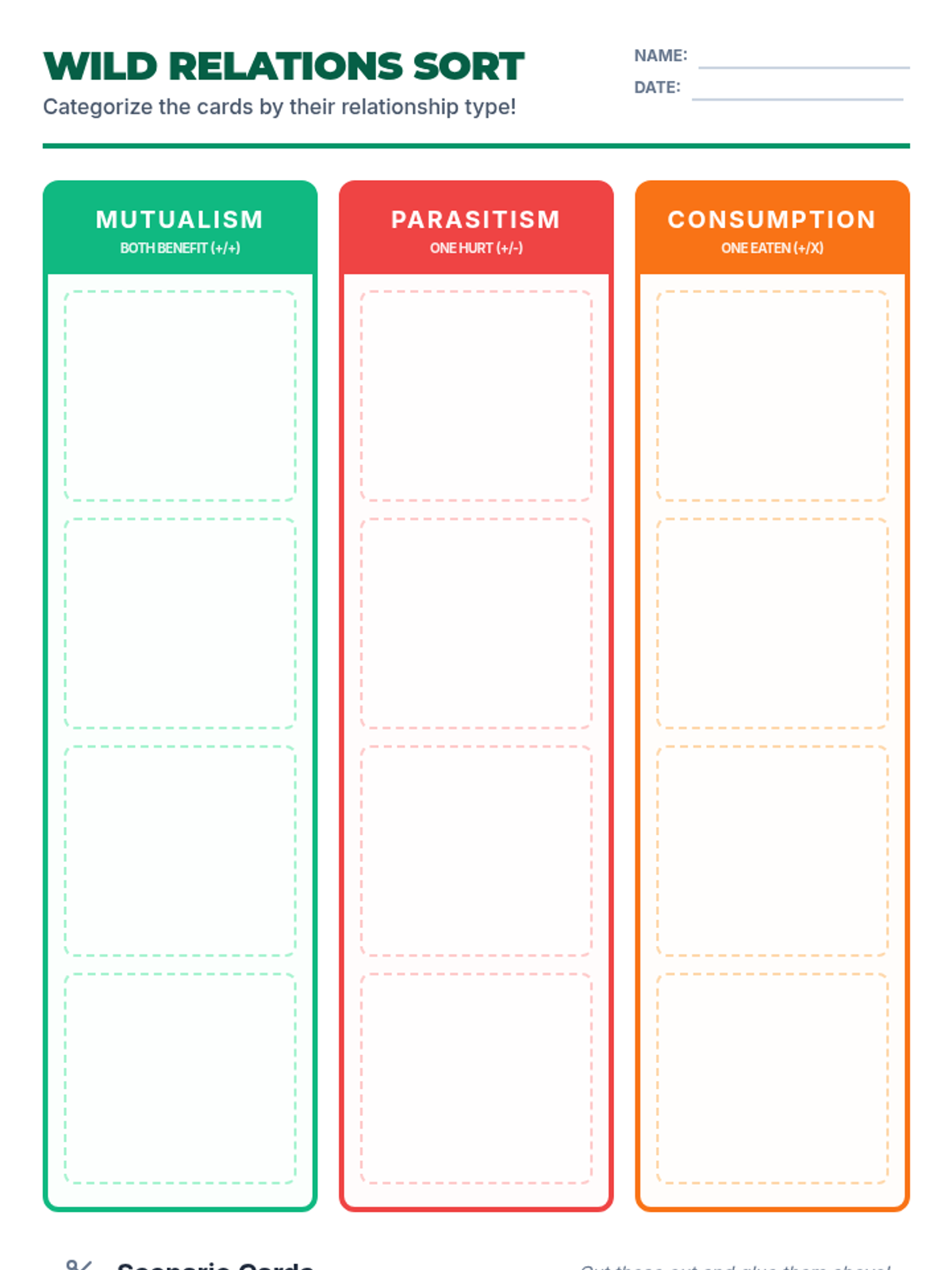
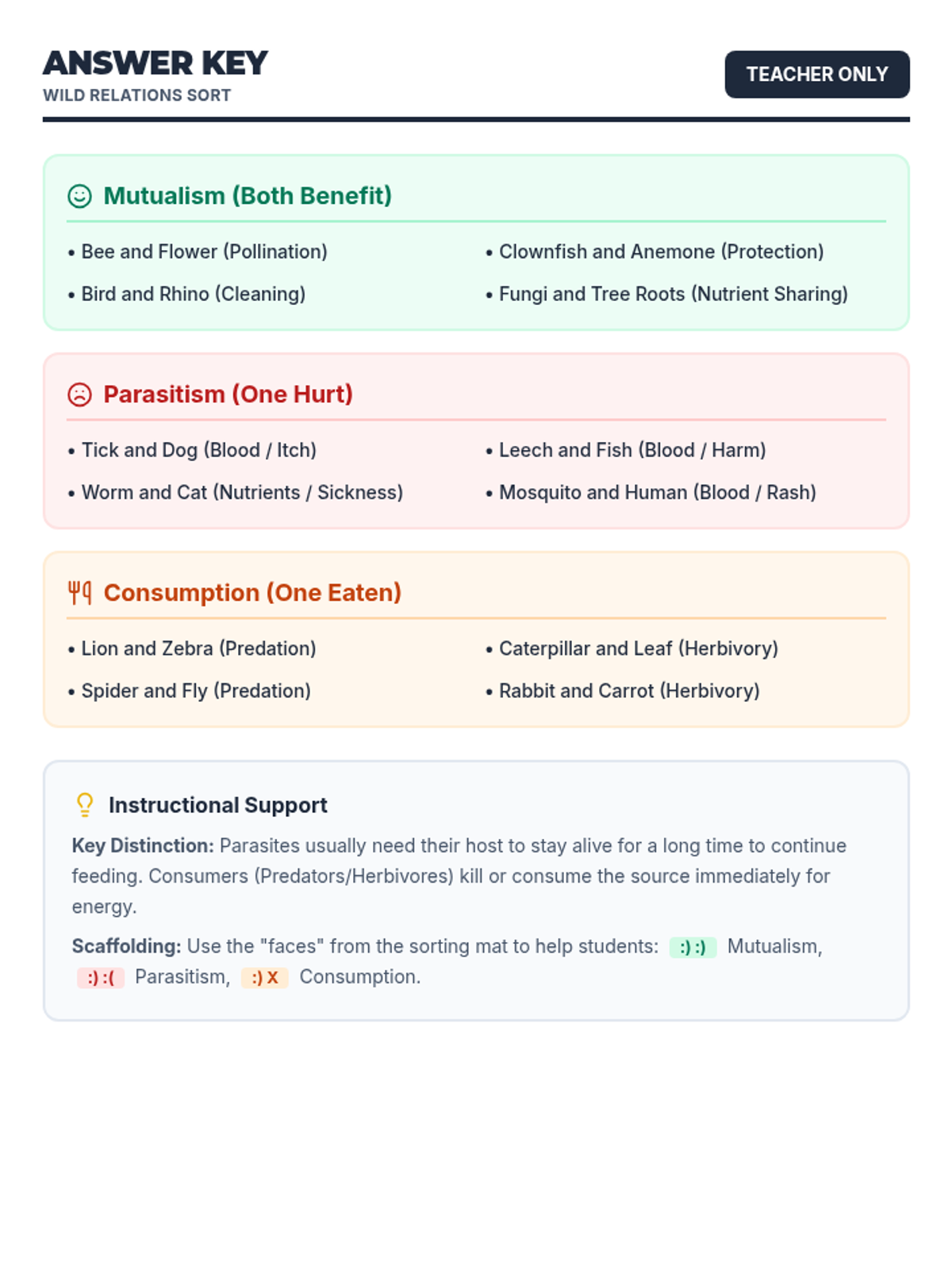
In this lesson, students explore the different ways organisms interact in nature. They will identify and categorize relationships into three types: mutualism, parasitism, and consumerism using visual examples and simple scenarios.