Investigate the surprising sources of plant growth and track the movement of matter from the sun and soil through food webs.
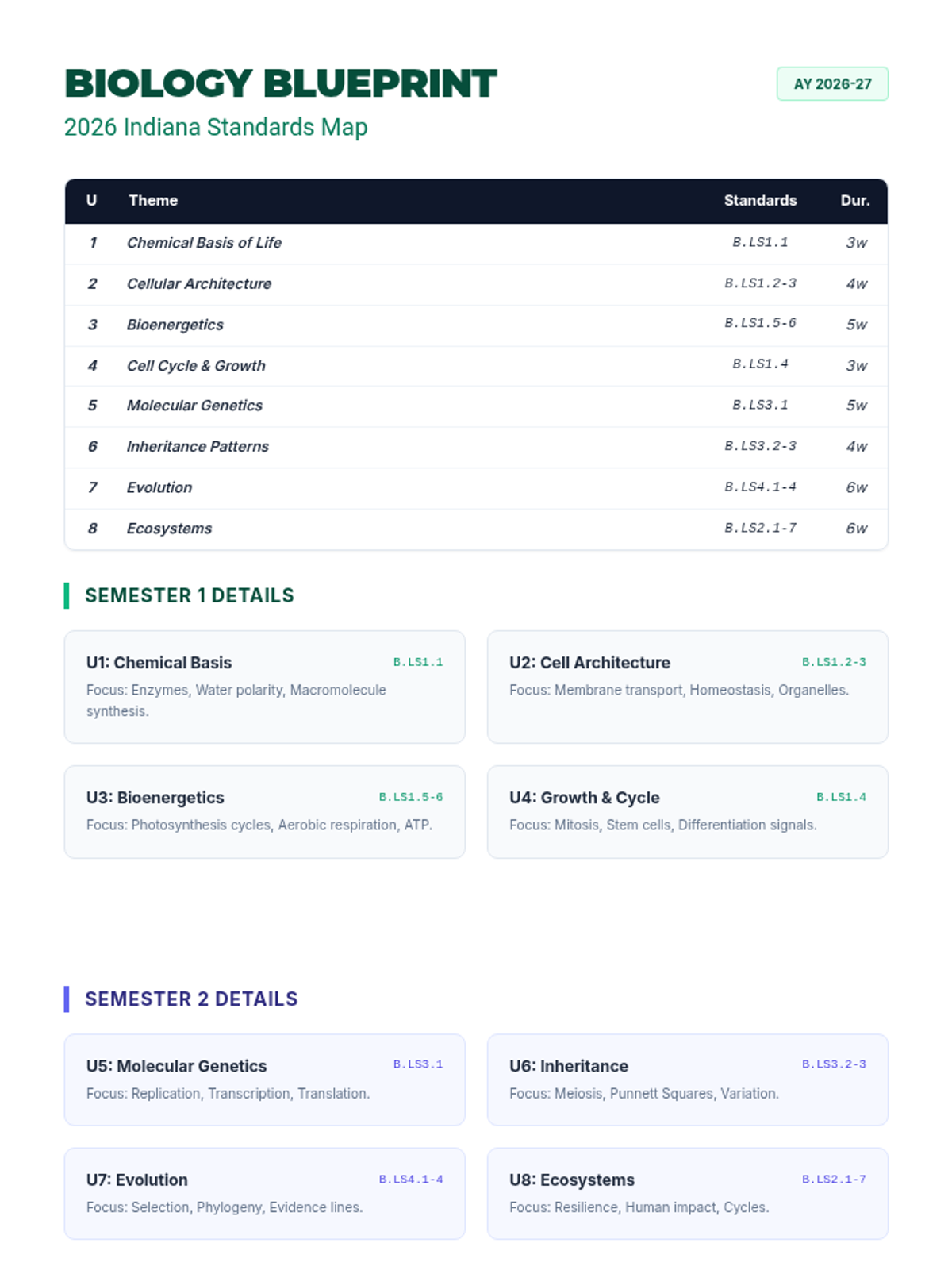
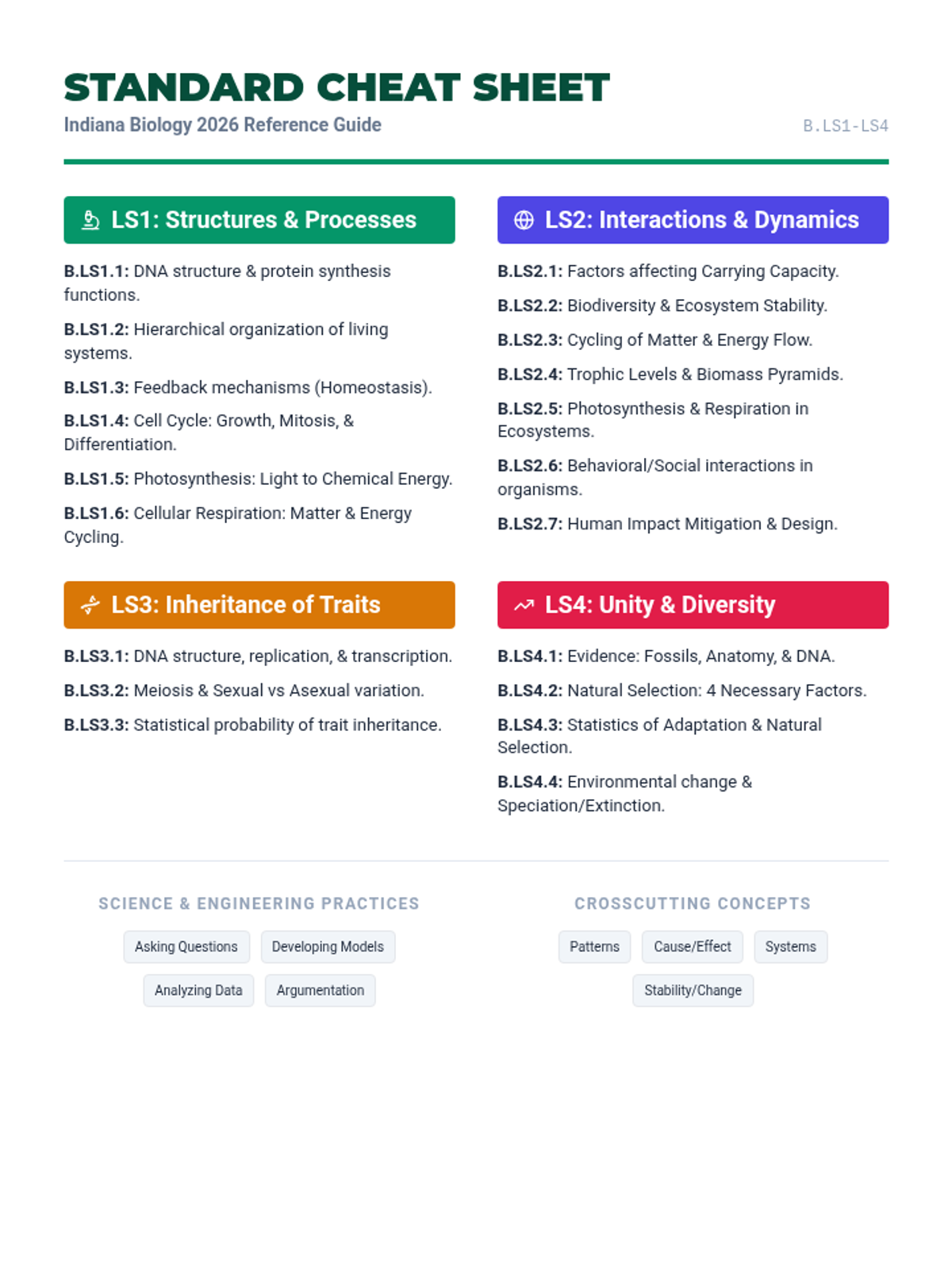
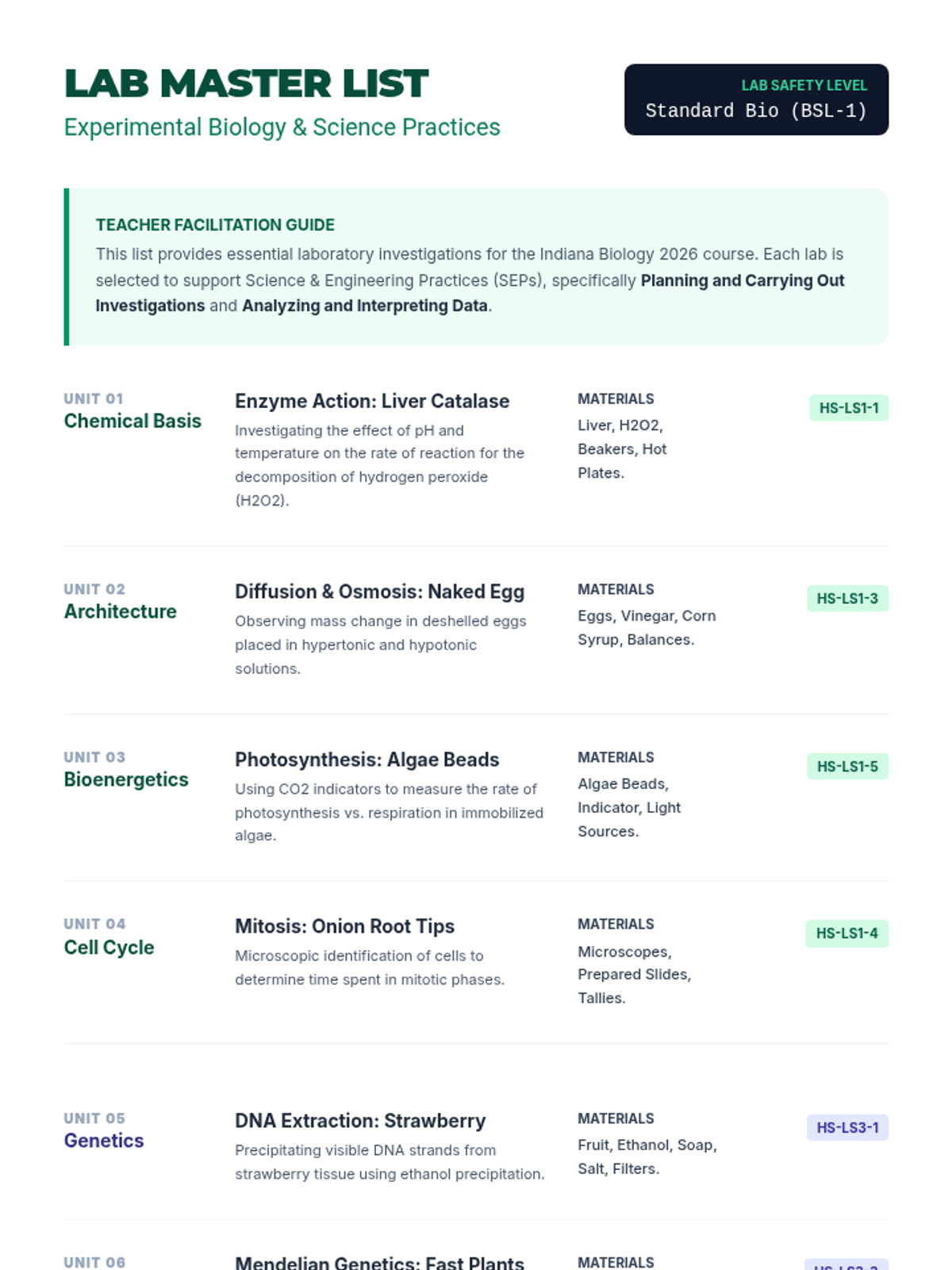
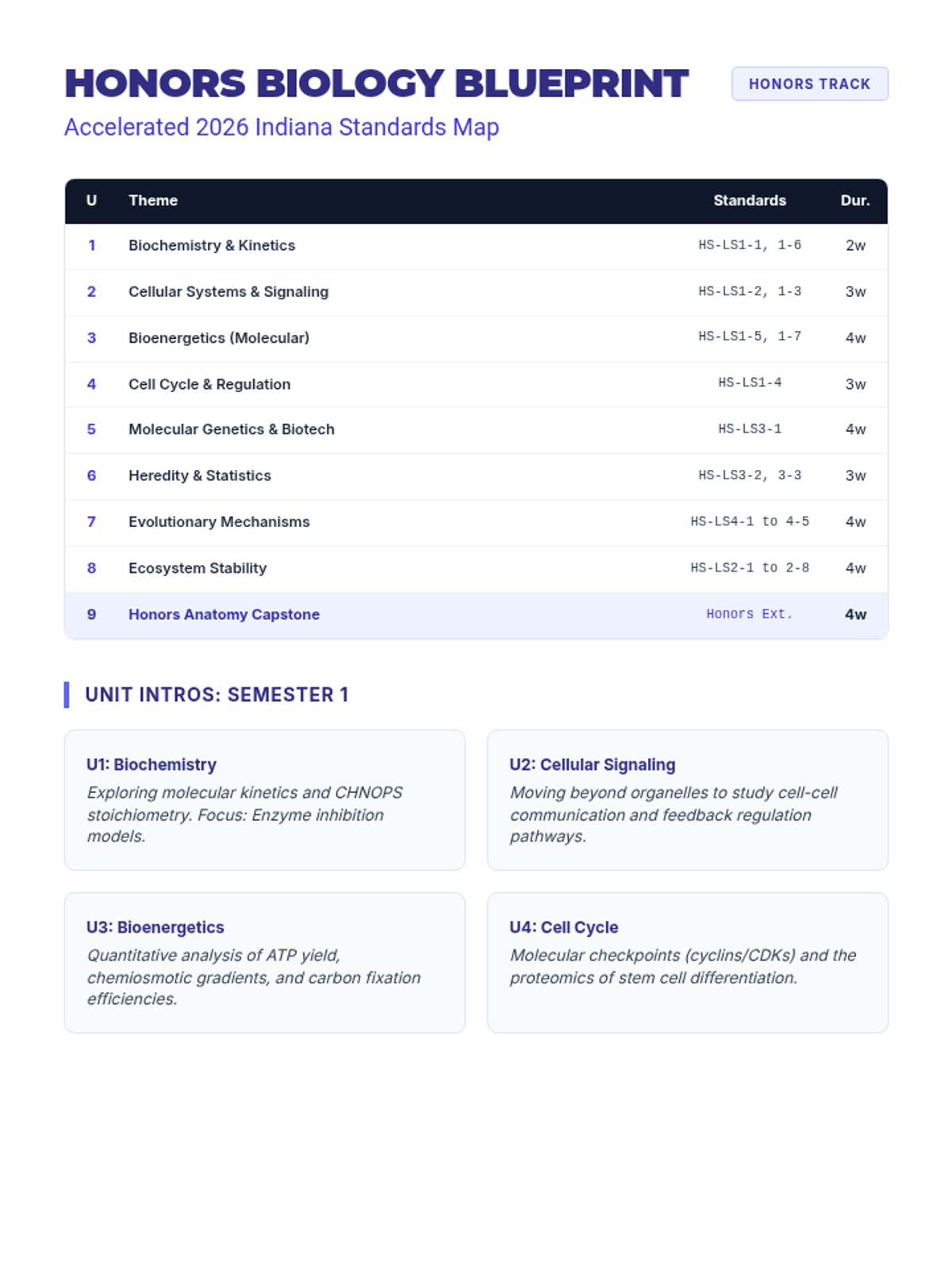
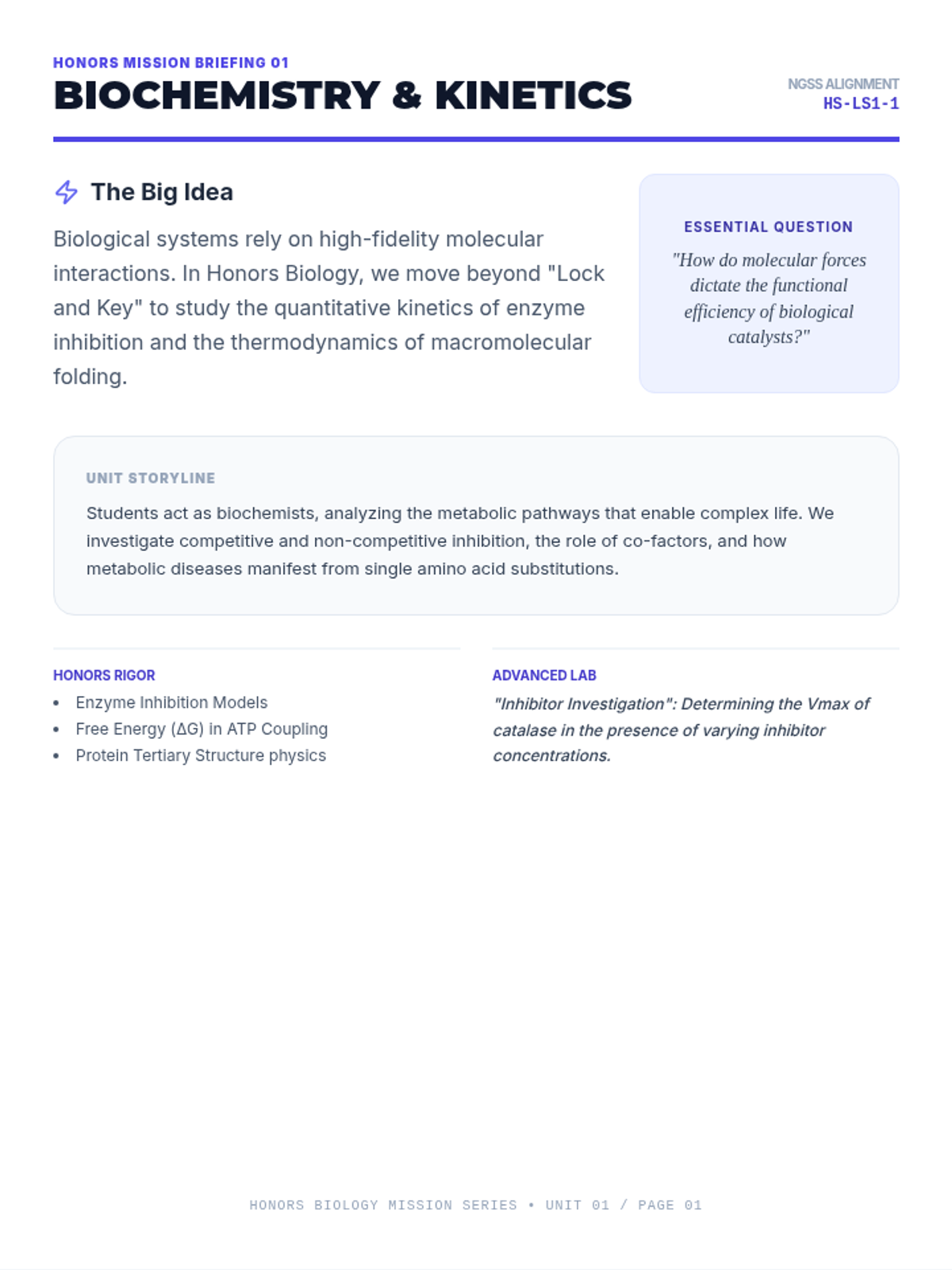
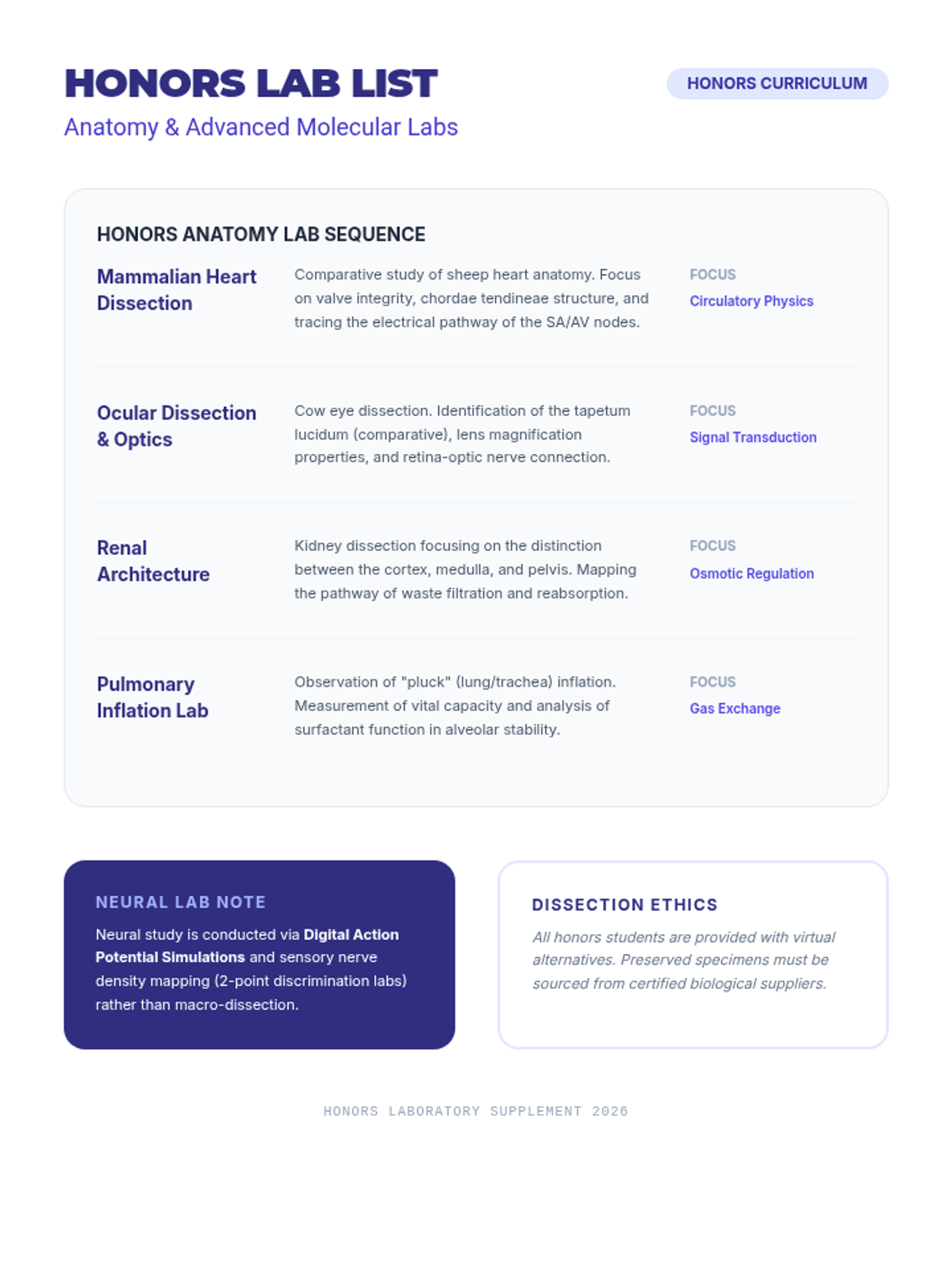
A comprehensive year-long curriculum map and planning guide for high school biology based on the 2026 Indiana Academic Standards.
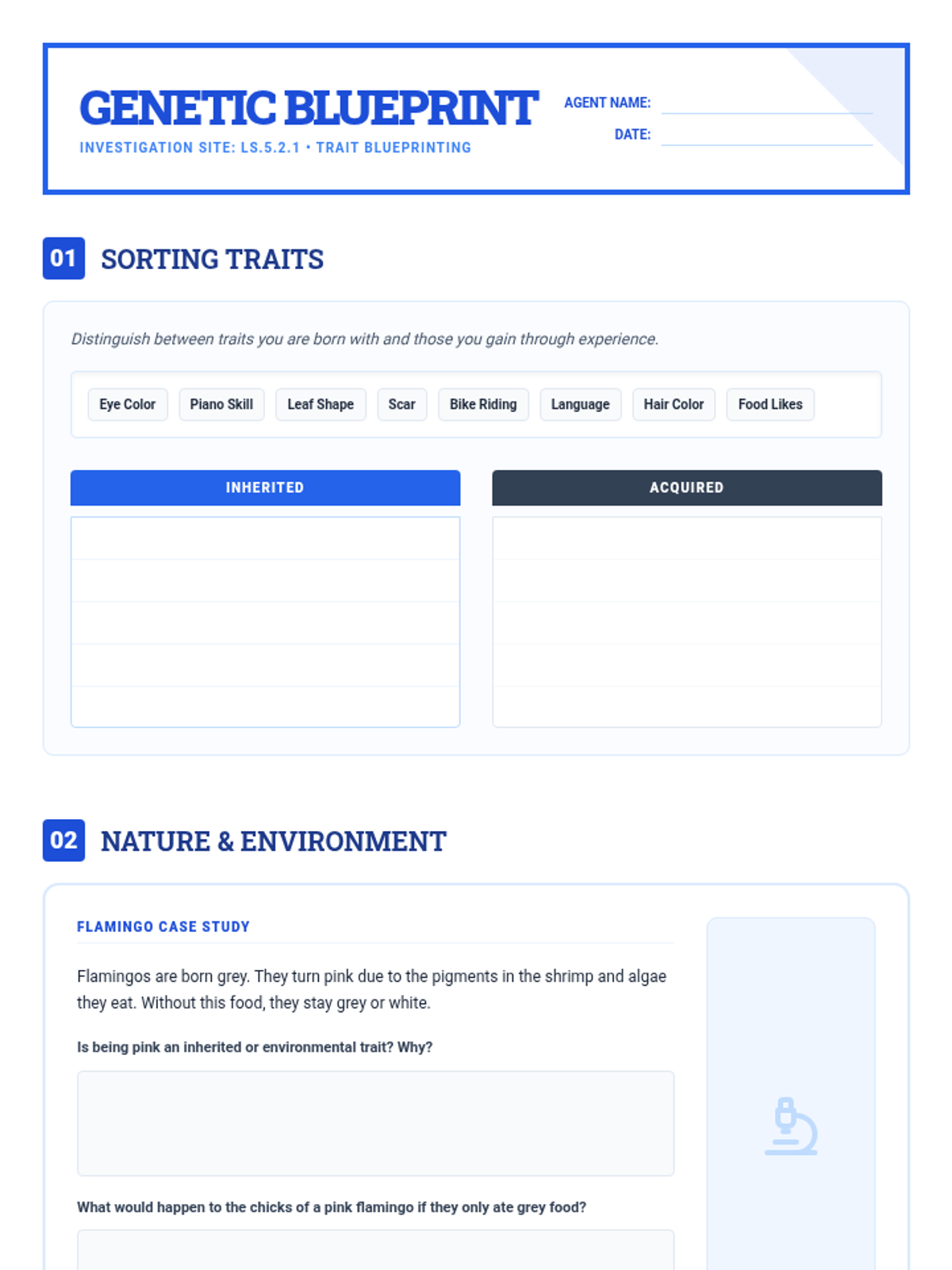
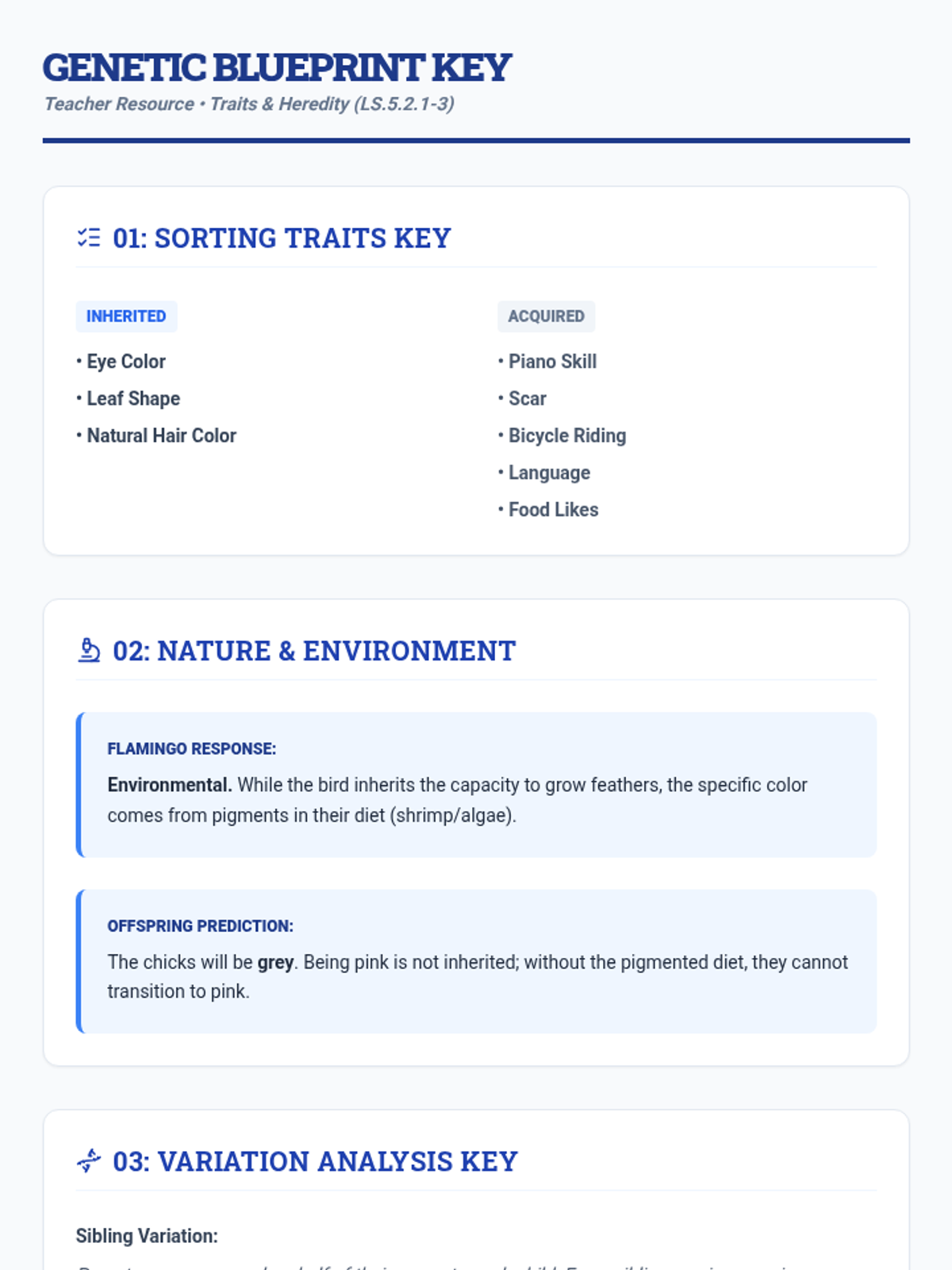
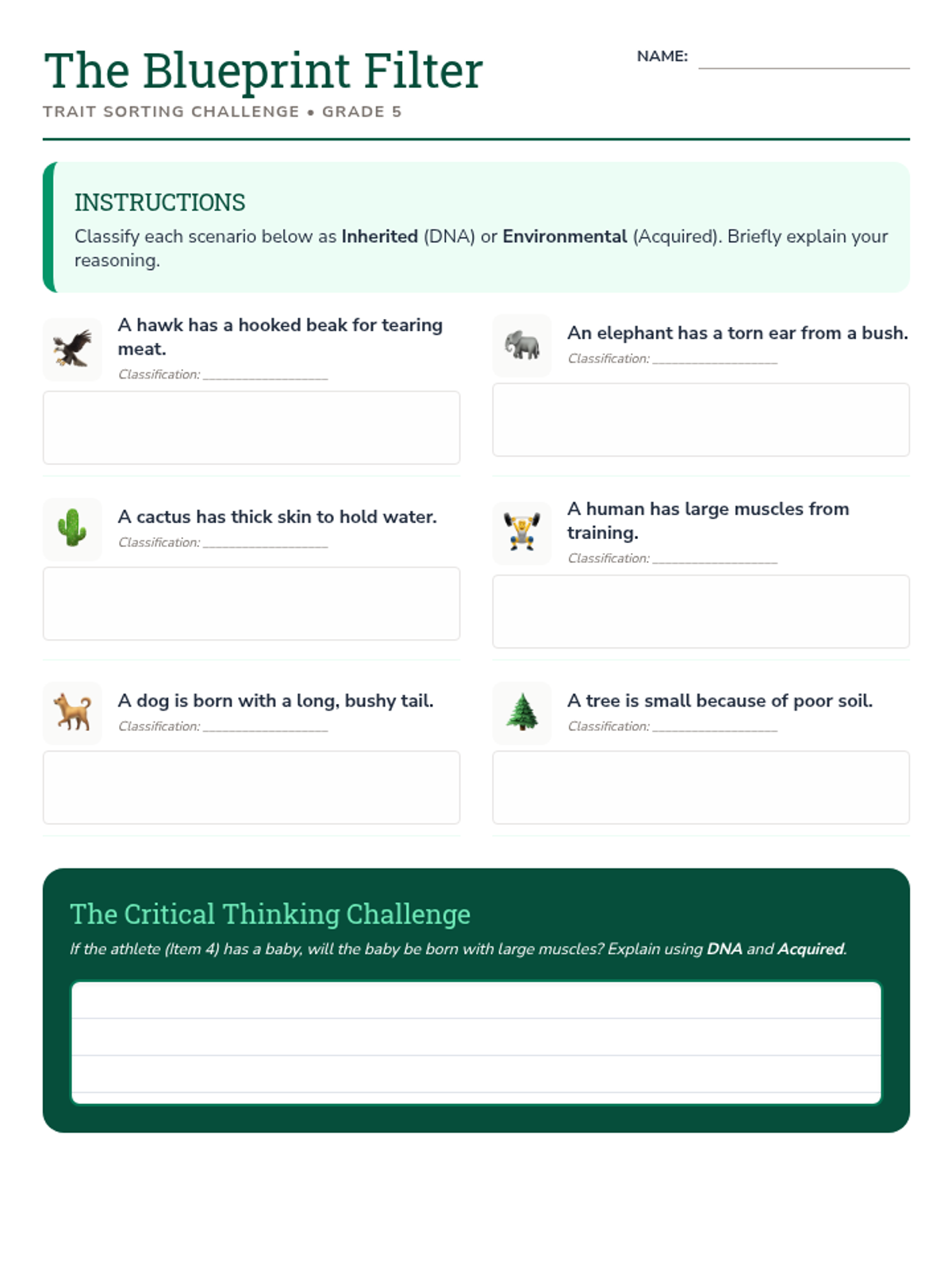
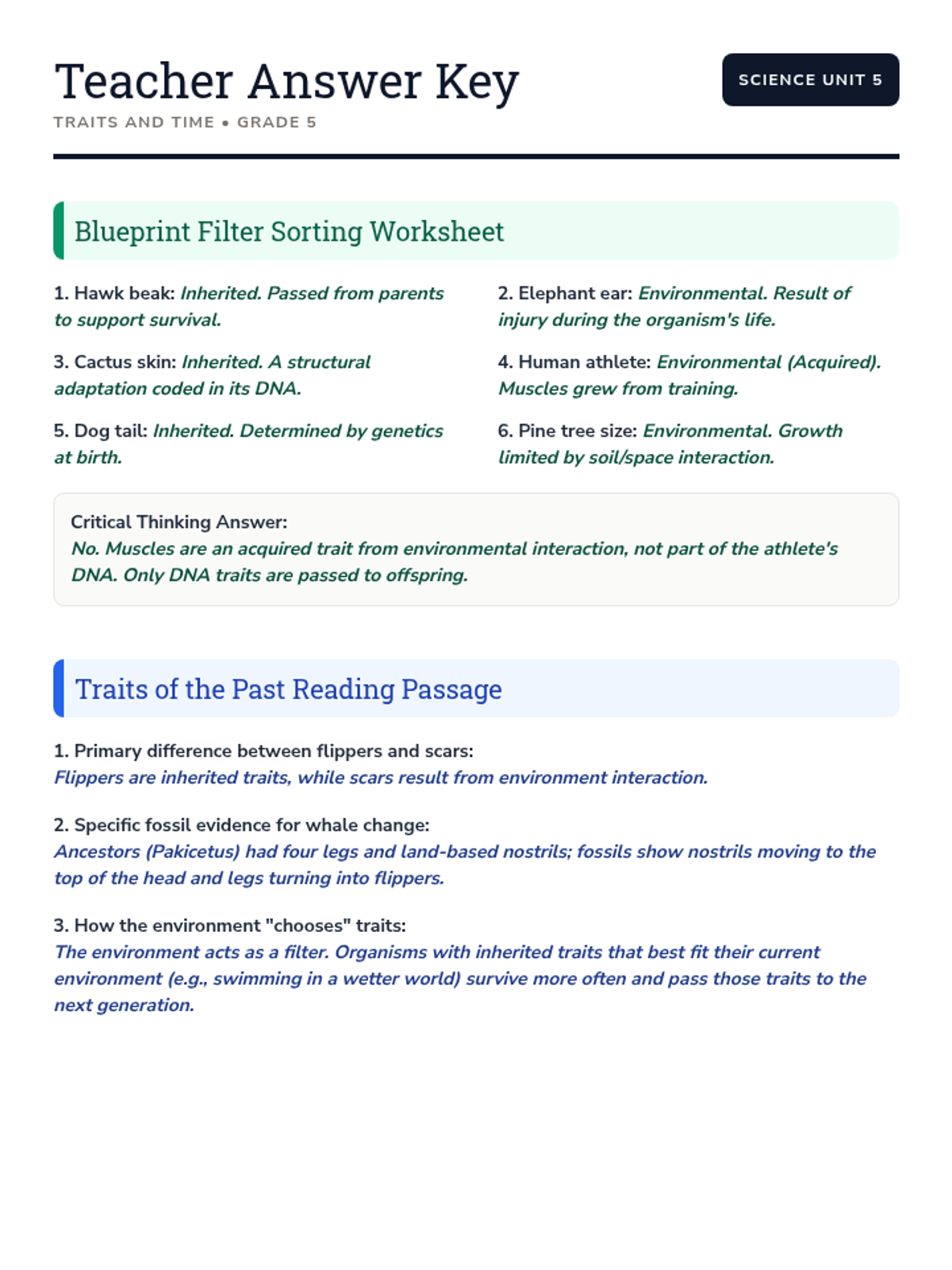
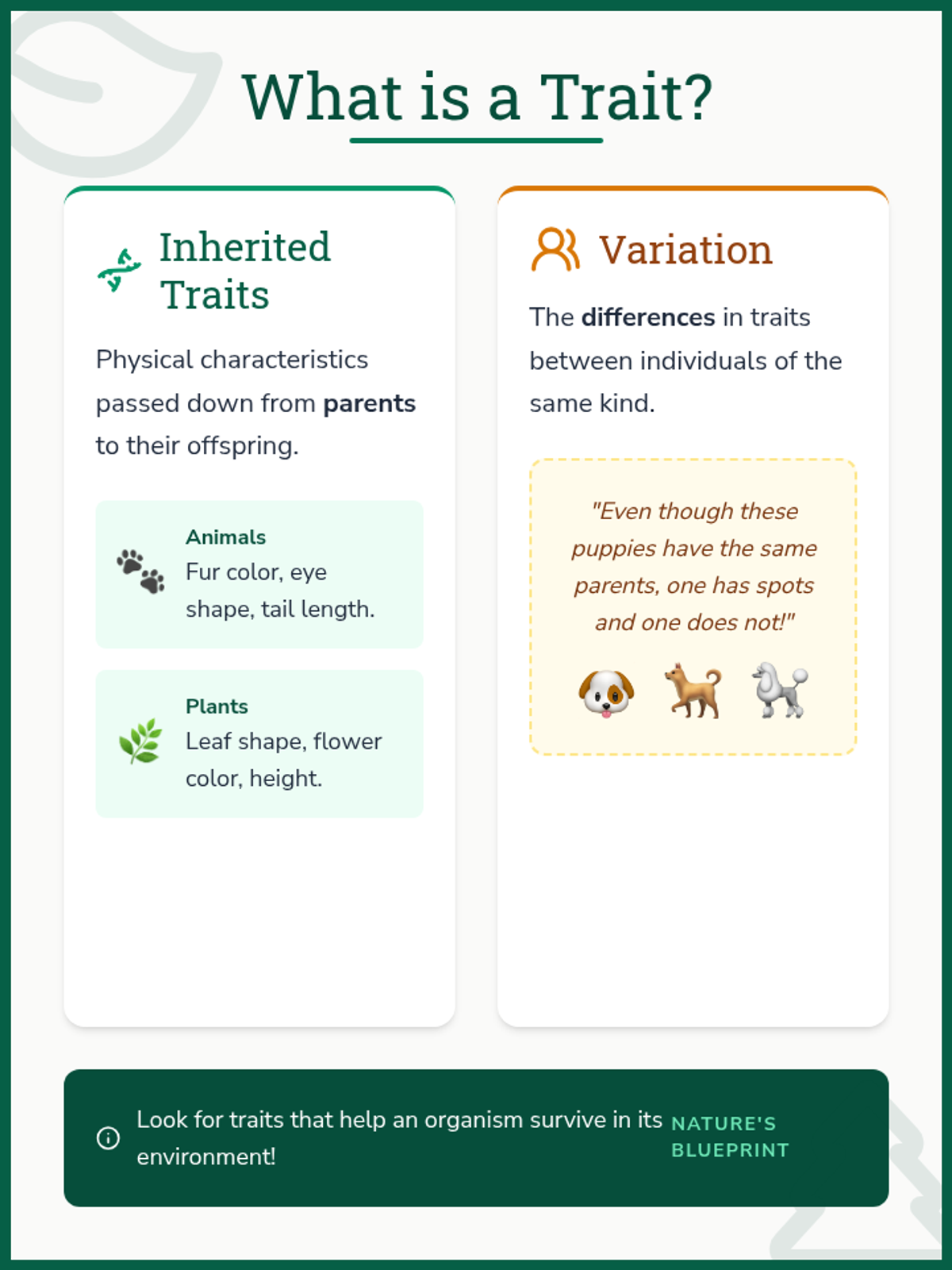
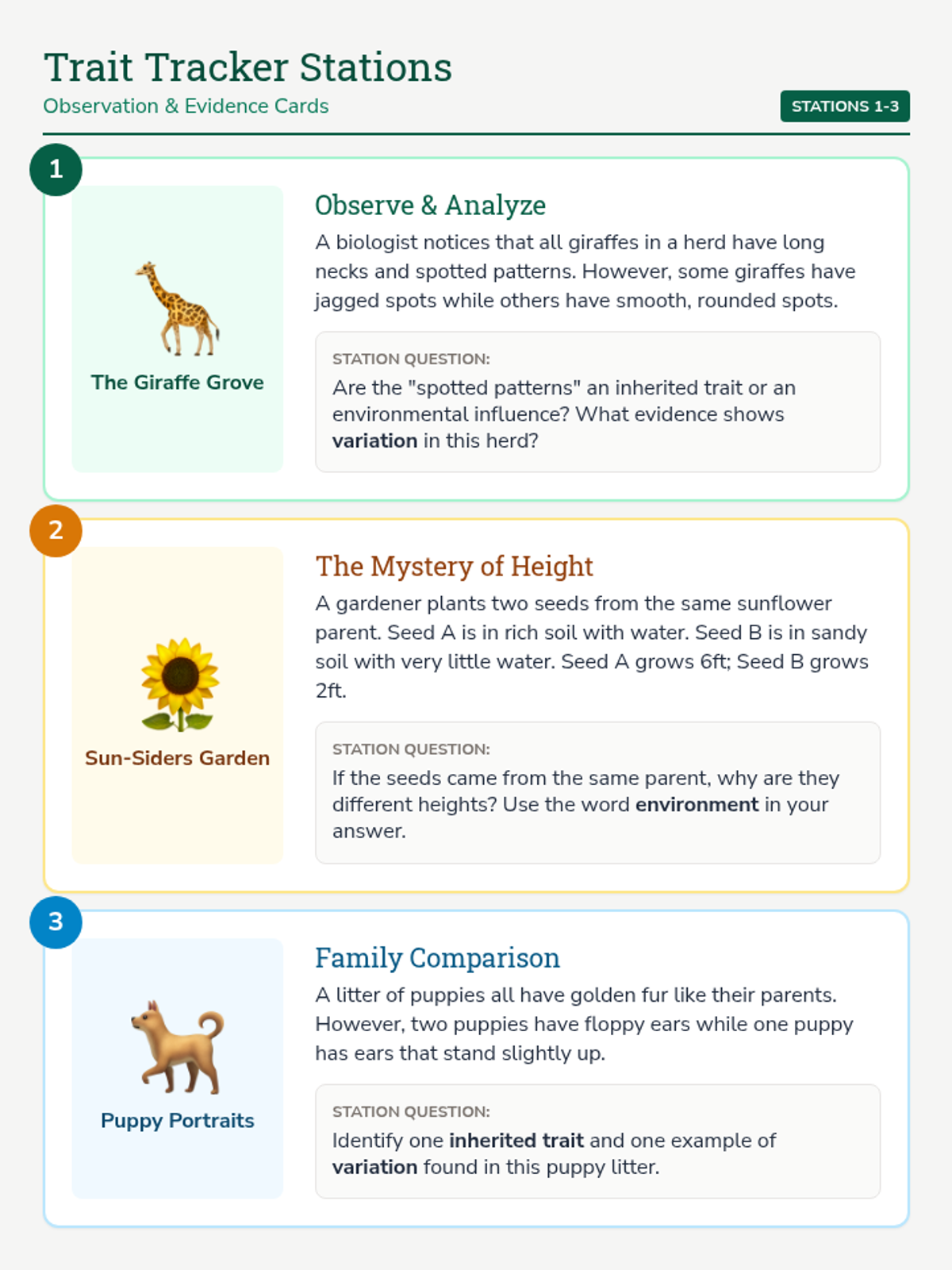
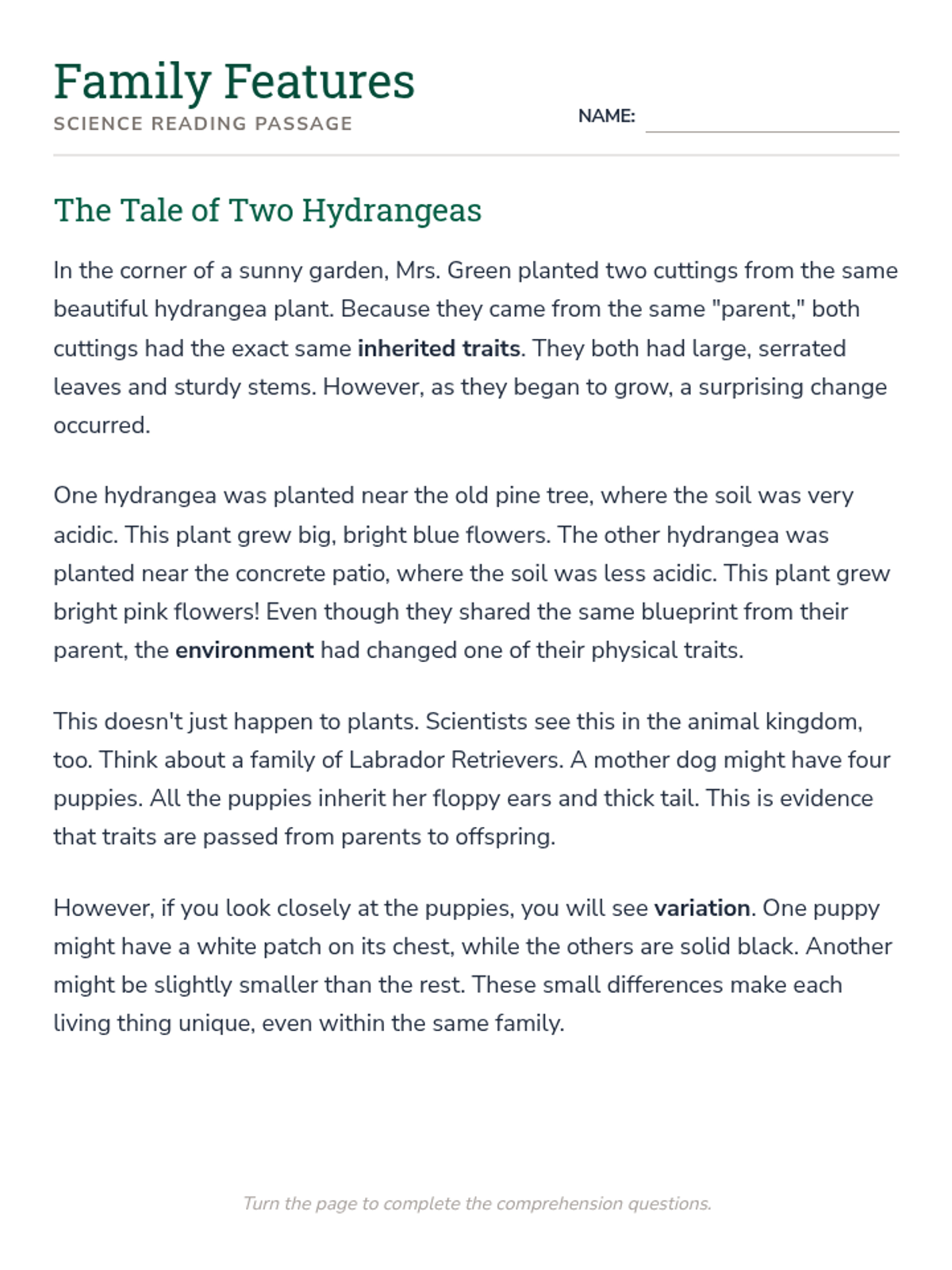
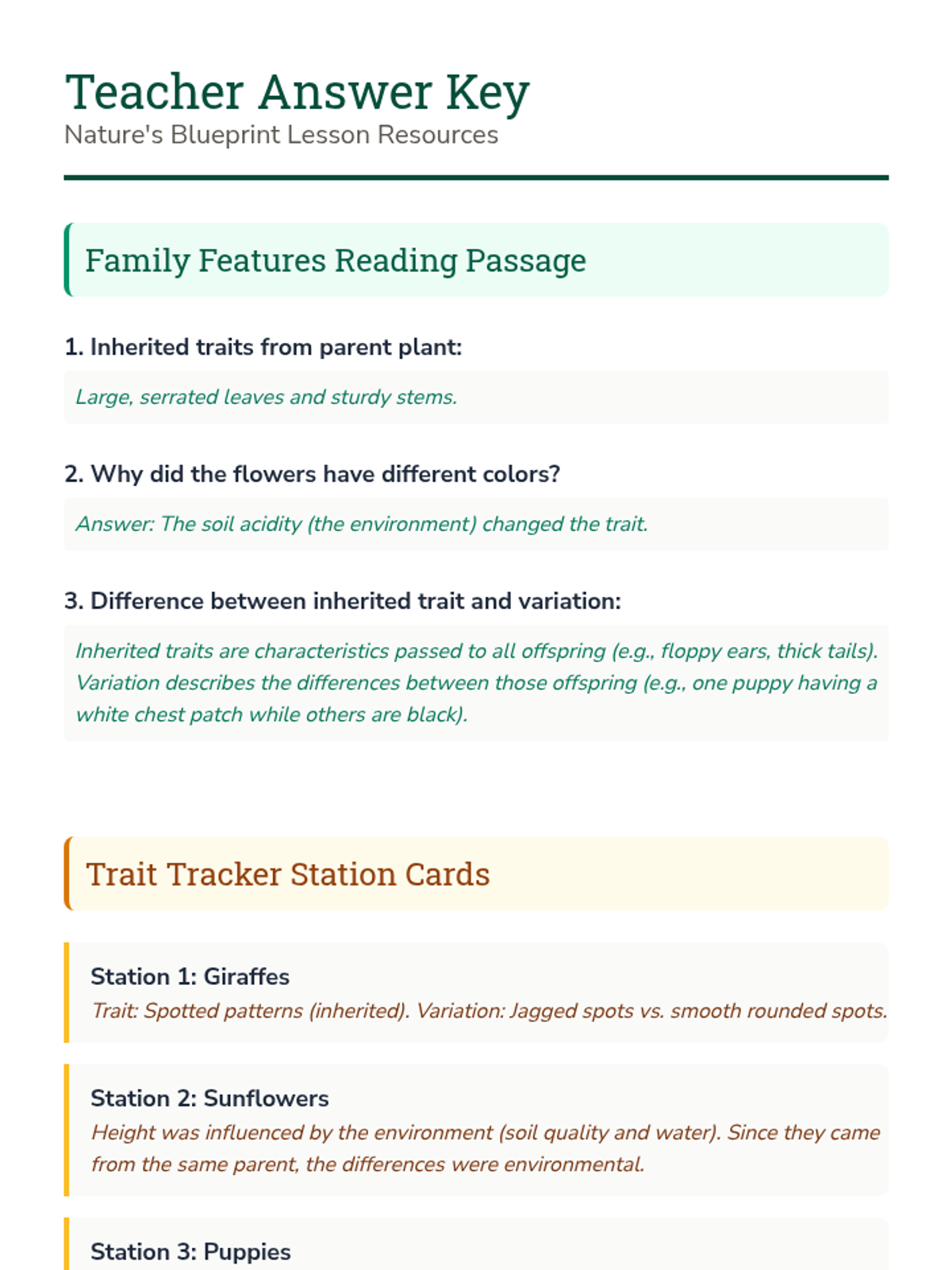
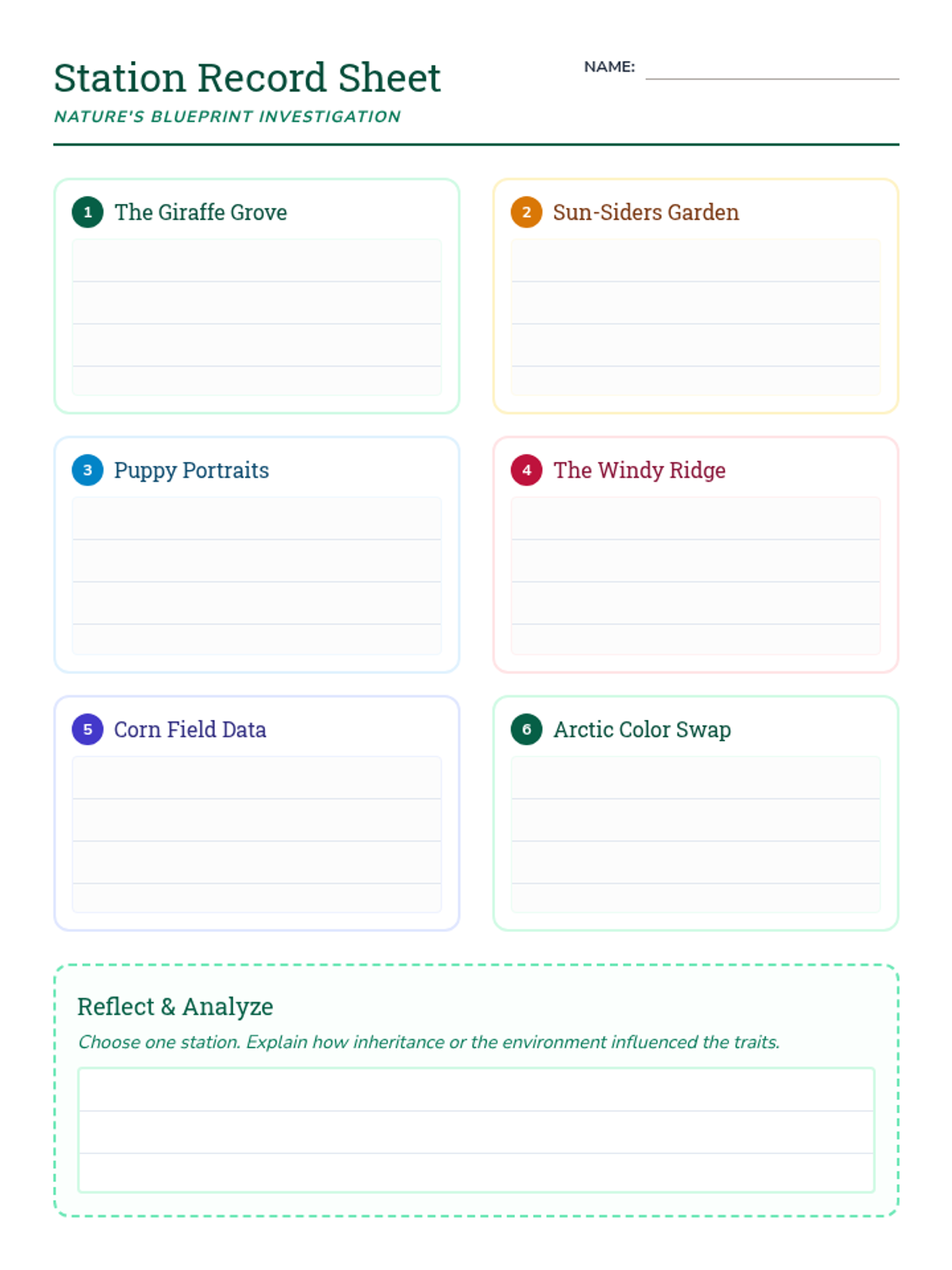
This lesson explores how plants and animals inherit traits from their parents, how traits can vary within a species, and how environmental factors can influence an organism's characteristics.
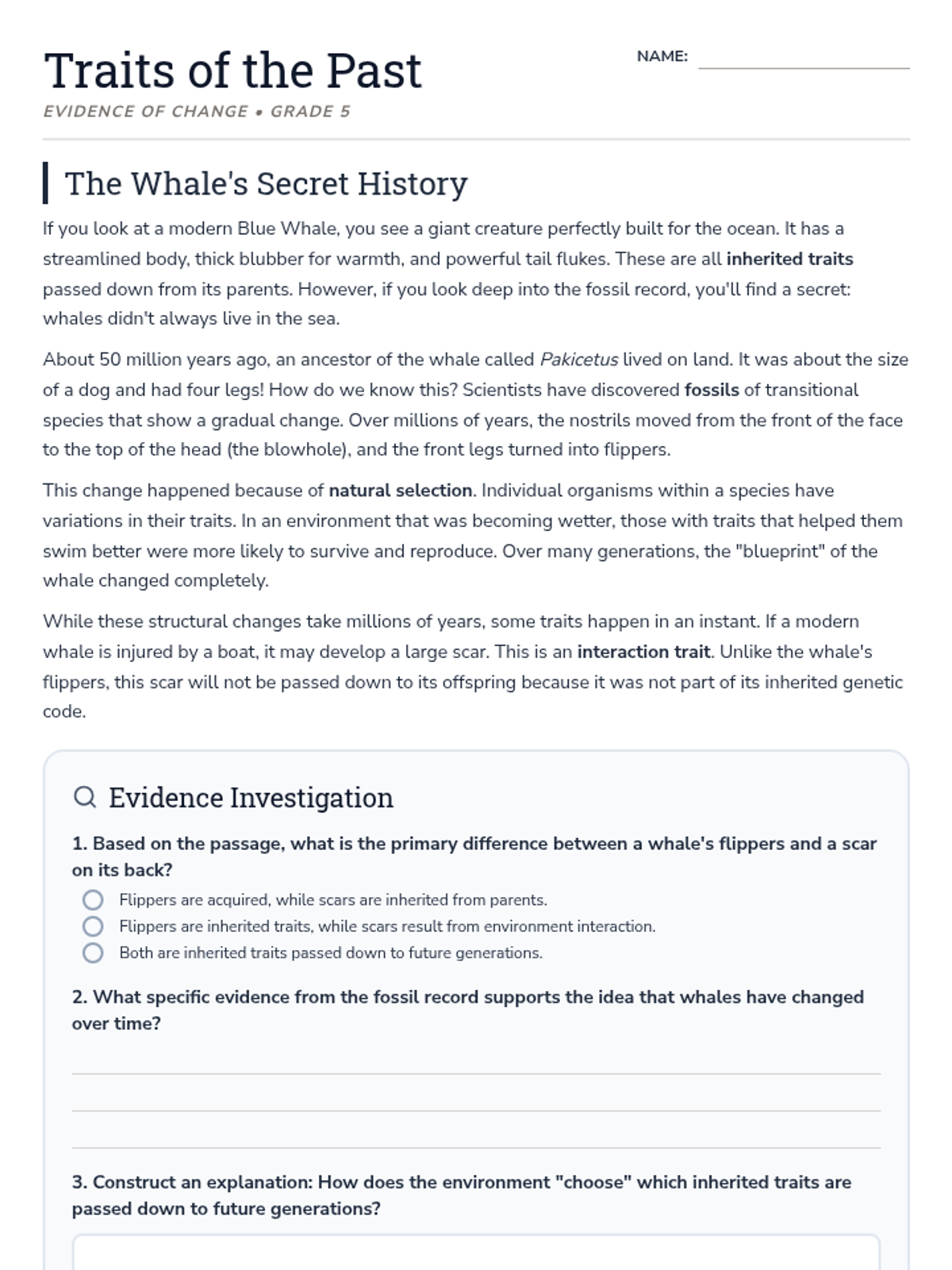
Distinguish between inherited and acquired traits while exploring evidence of how organisms change over long periods of time through the fossil record and structural adaptations.
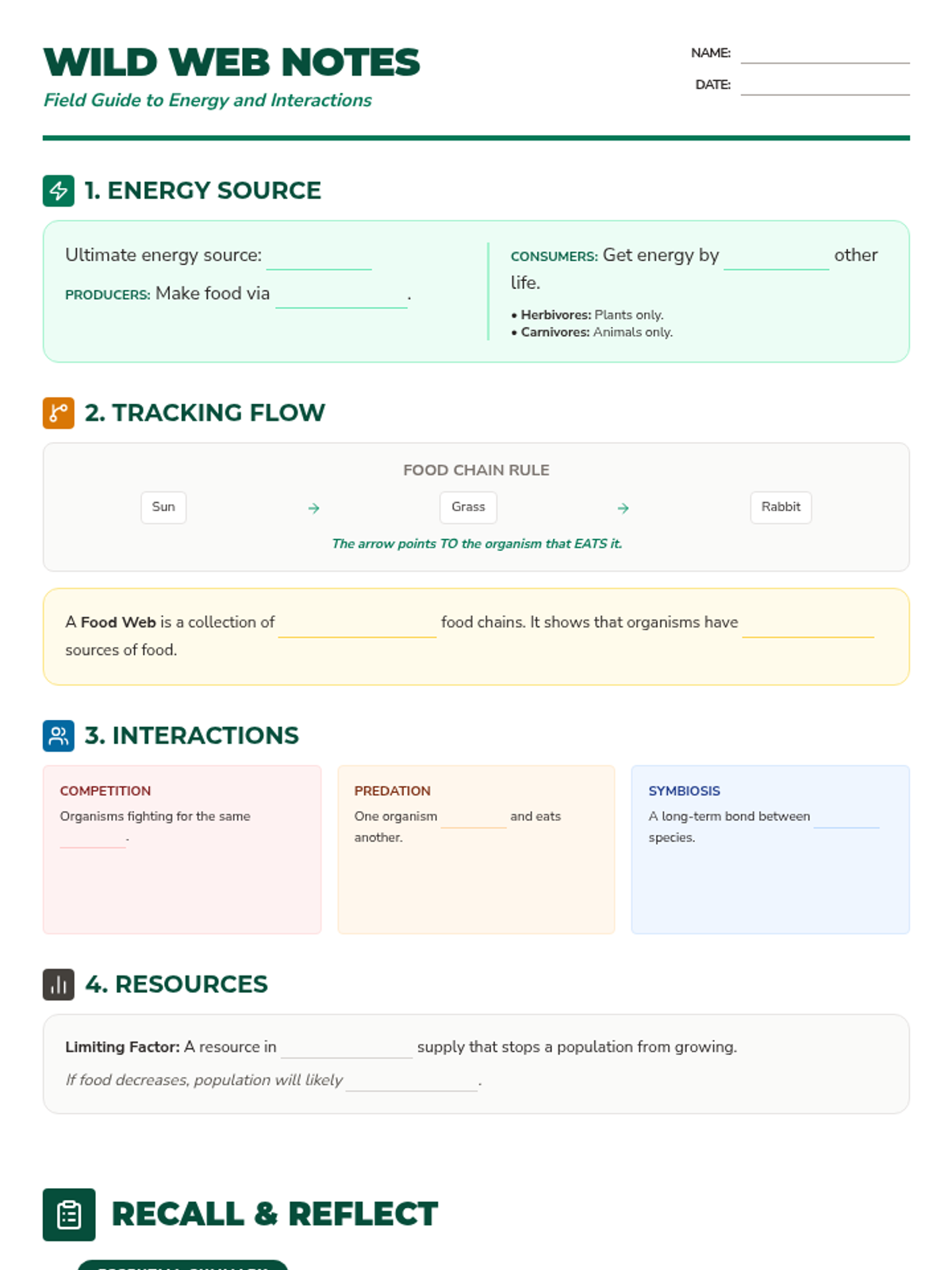
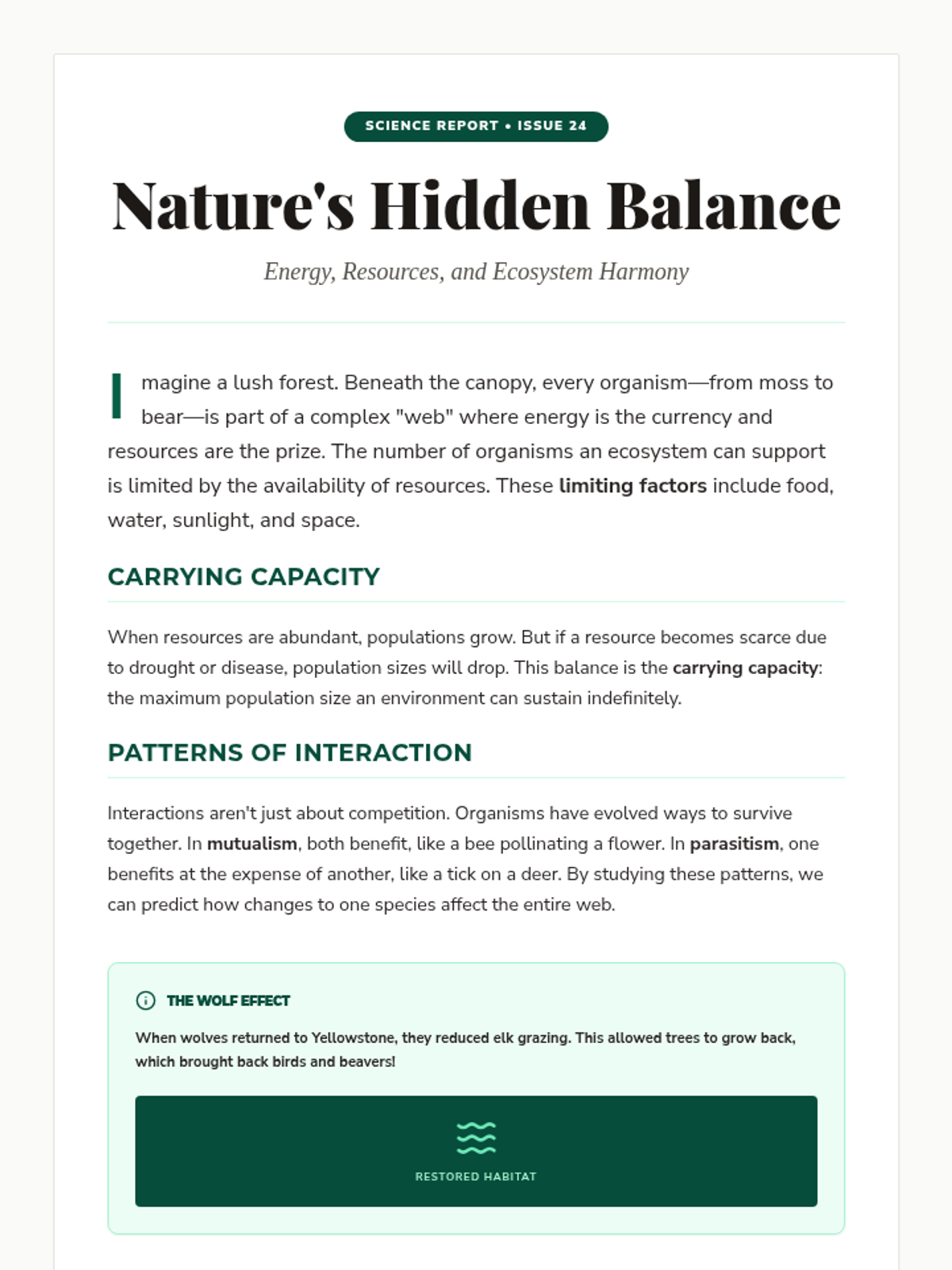
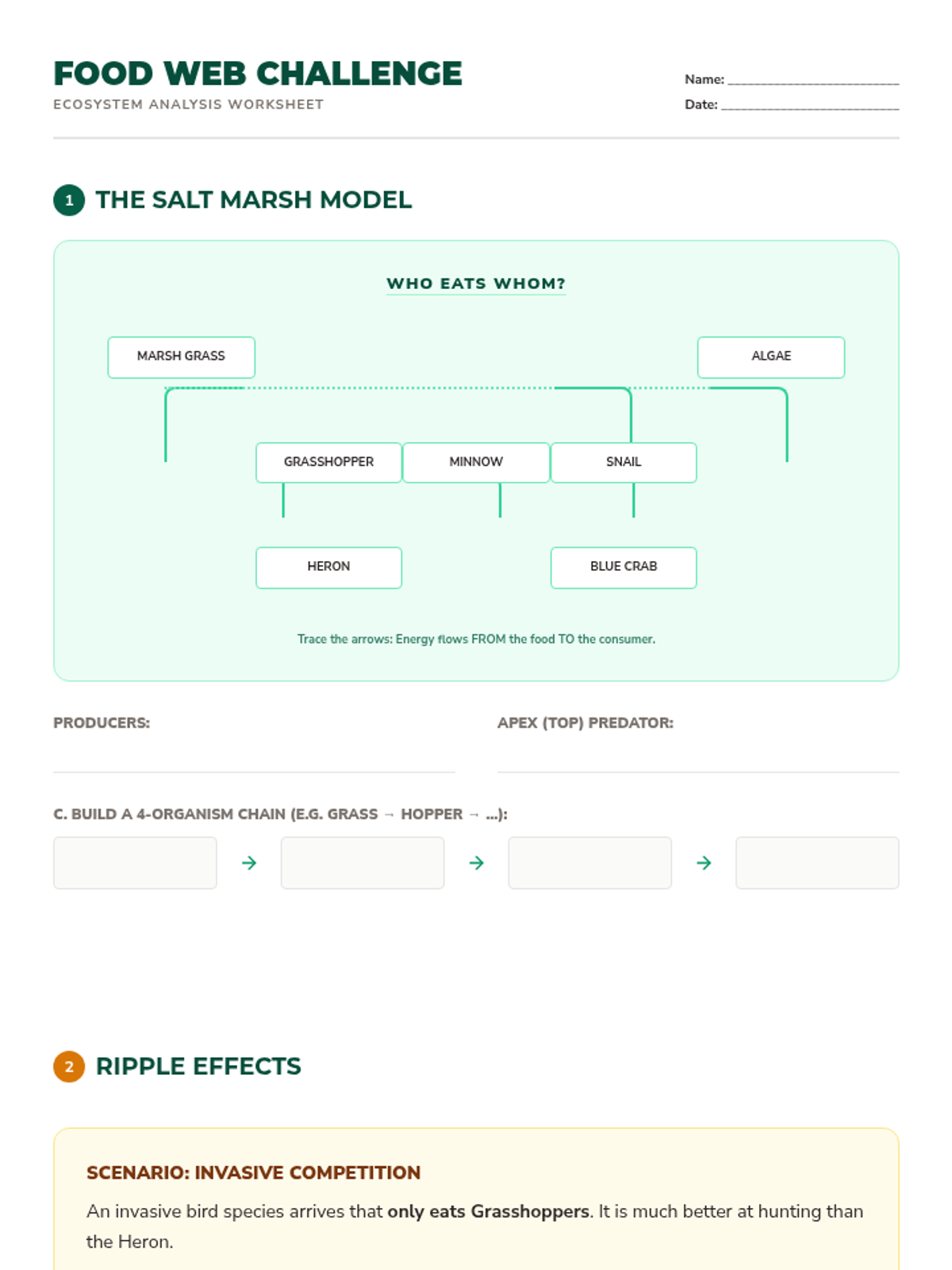
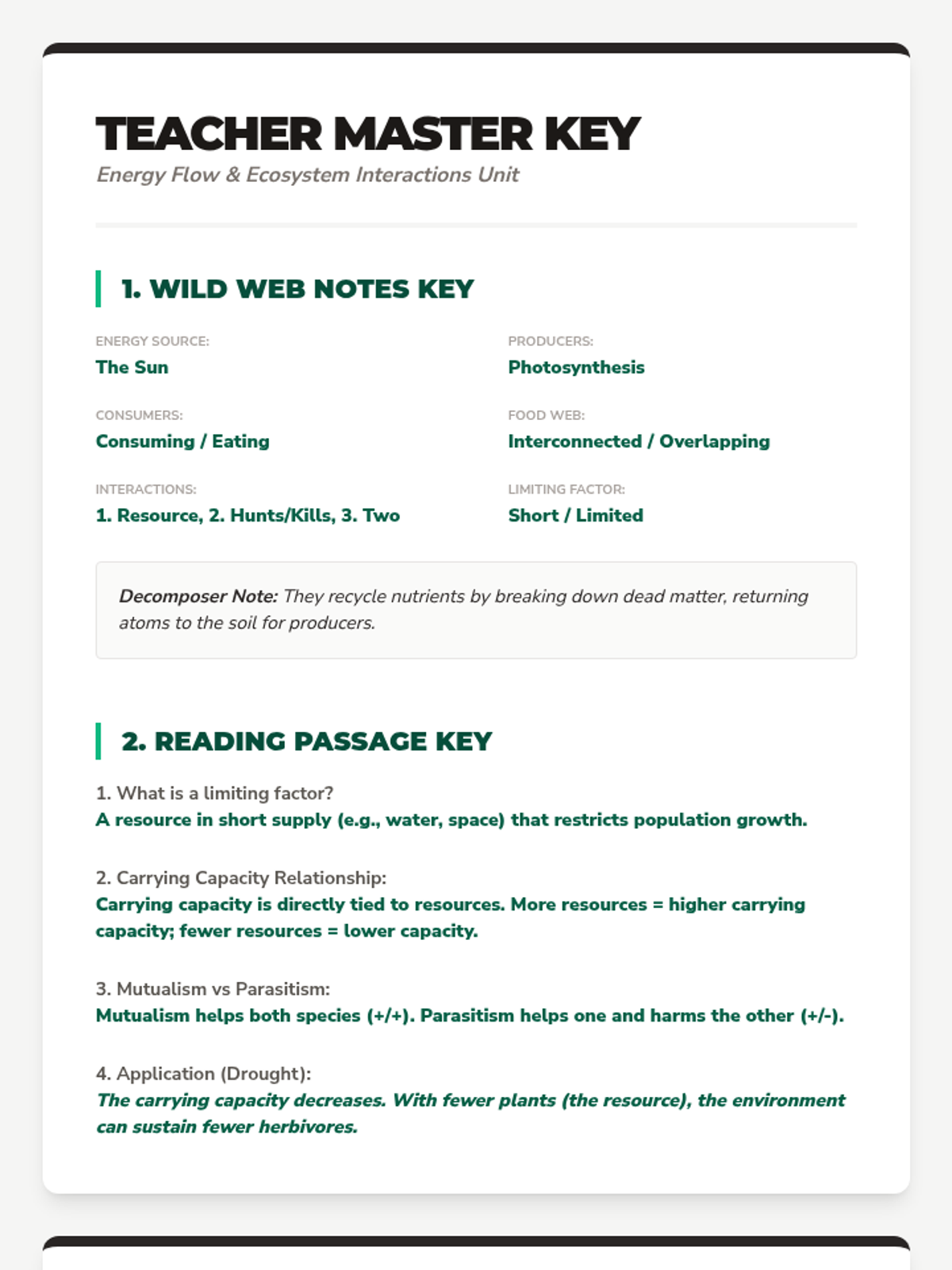
This lesson covers the fundamentals of energy transfer through food webs and the various types of interactions (competition, predation, symbiosis) that shape ecosystems.
Explore how plants and animals inherit traits from their parents and how the environment can influence those traits through observations and evidence-based reasoning.
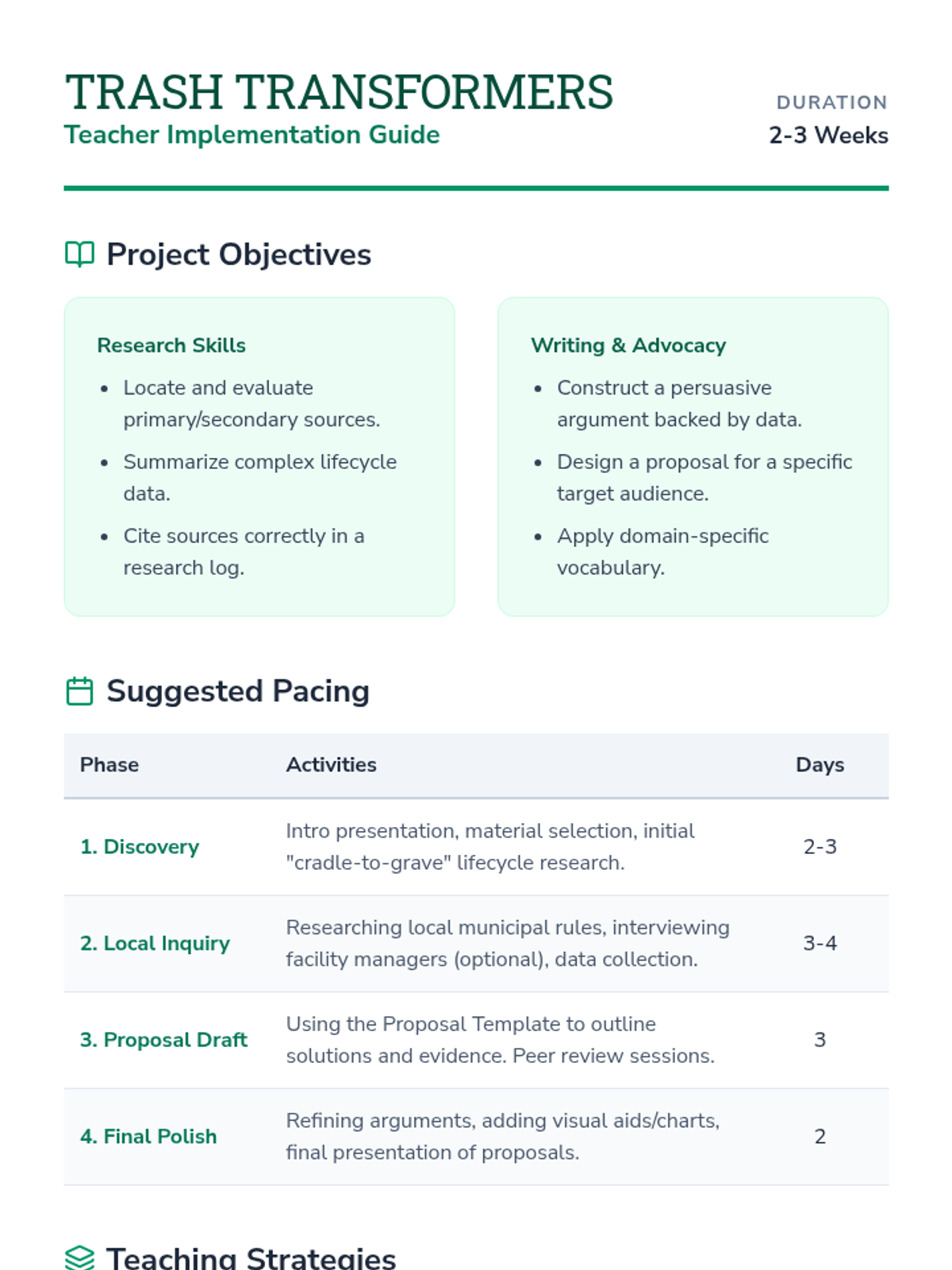
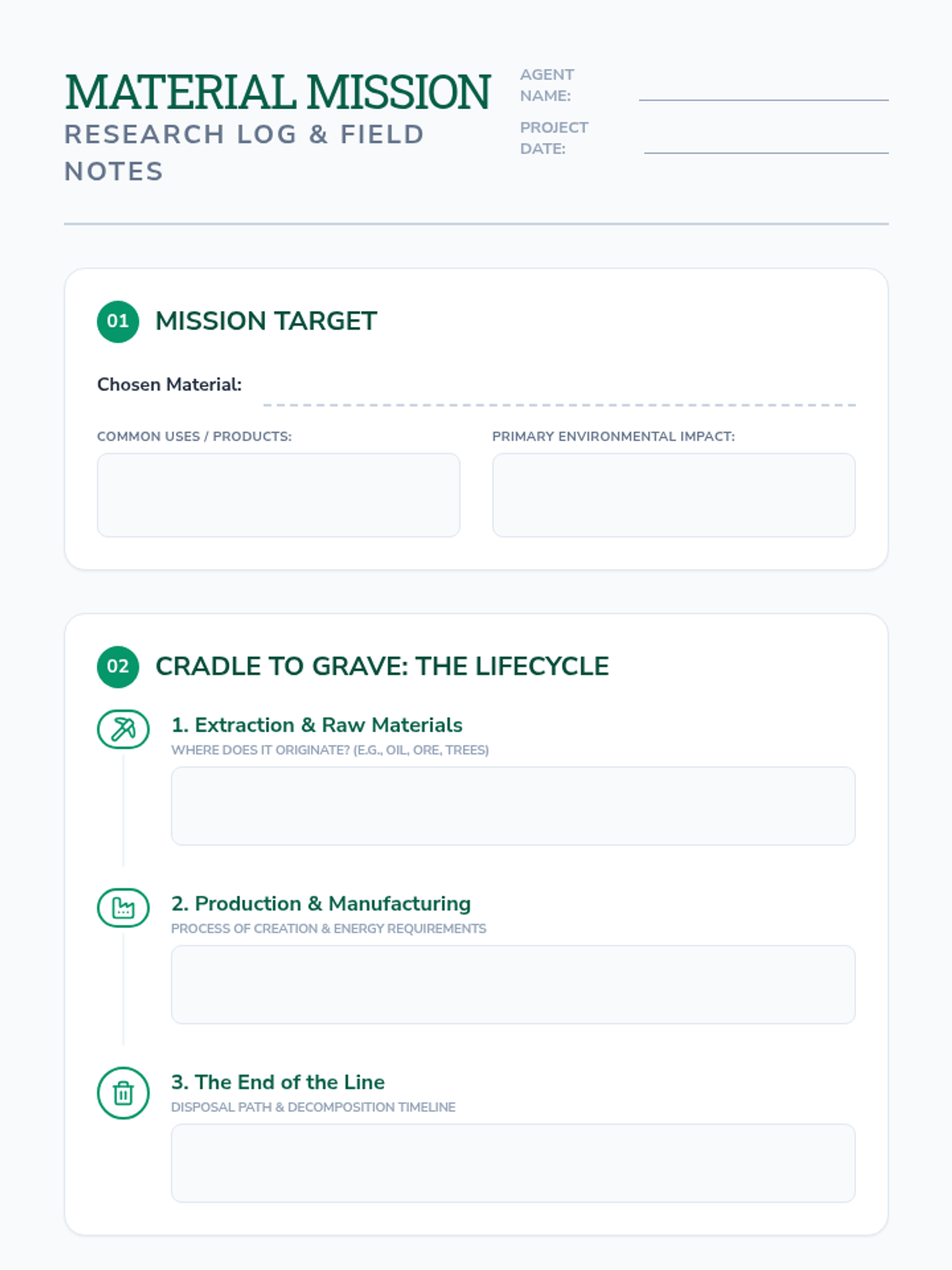
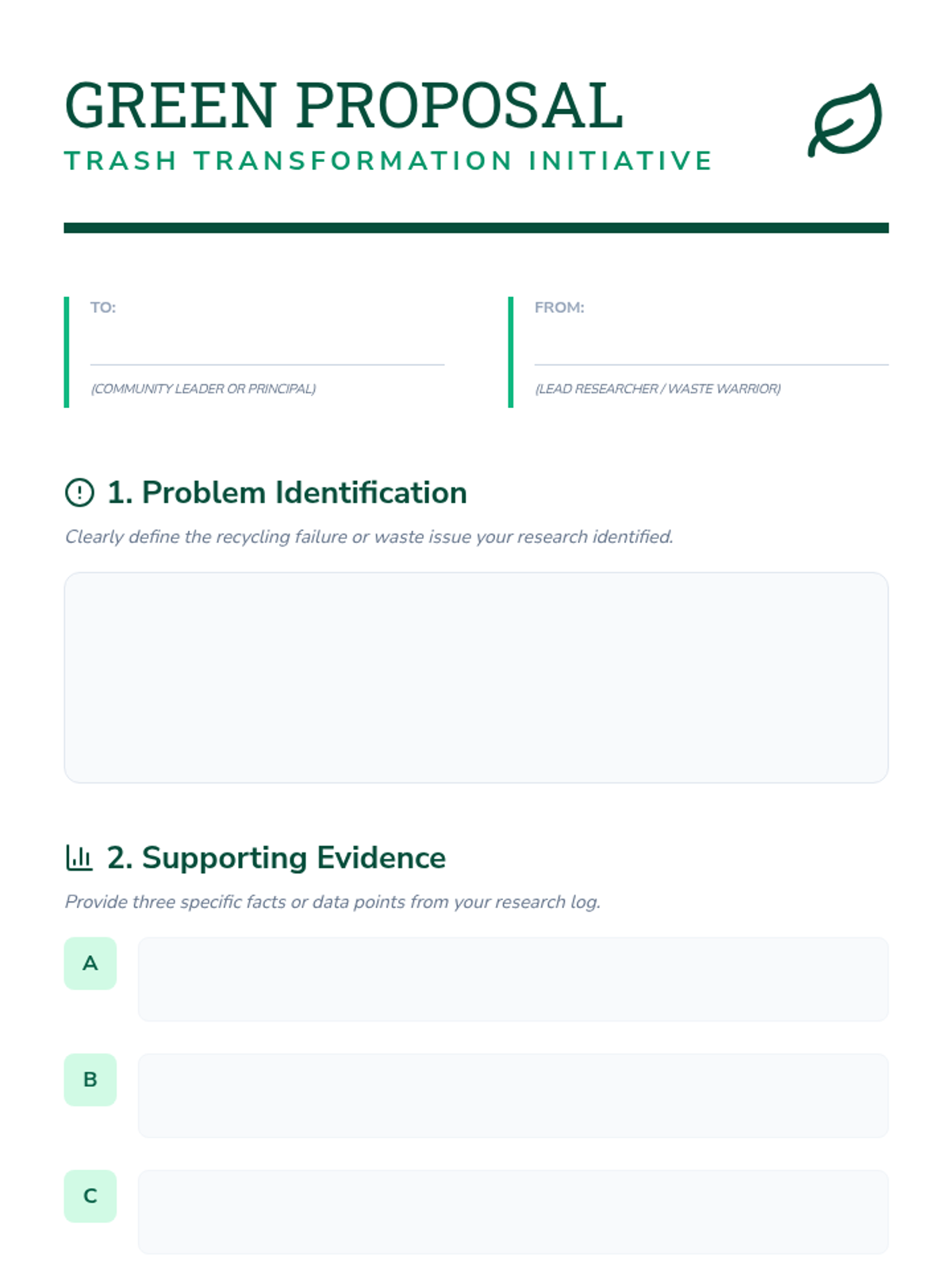
Students investigate the lifecycle of common materials and develop a data-backed proposal to improve local waste management and recycling systems. This lesson scaffolds the research process from initial inquiry to a formal persuasive proposal.
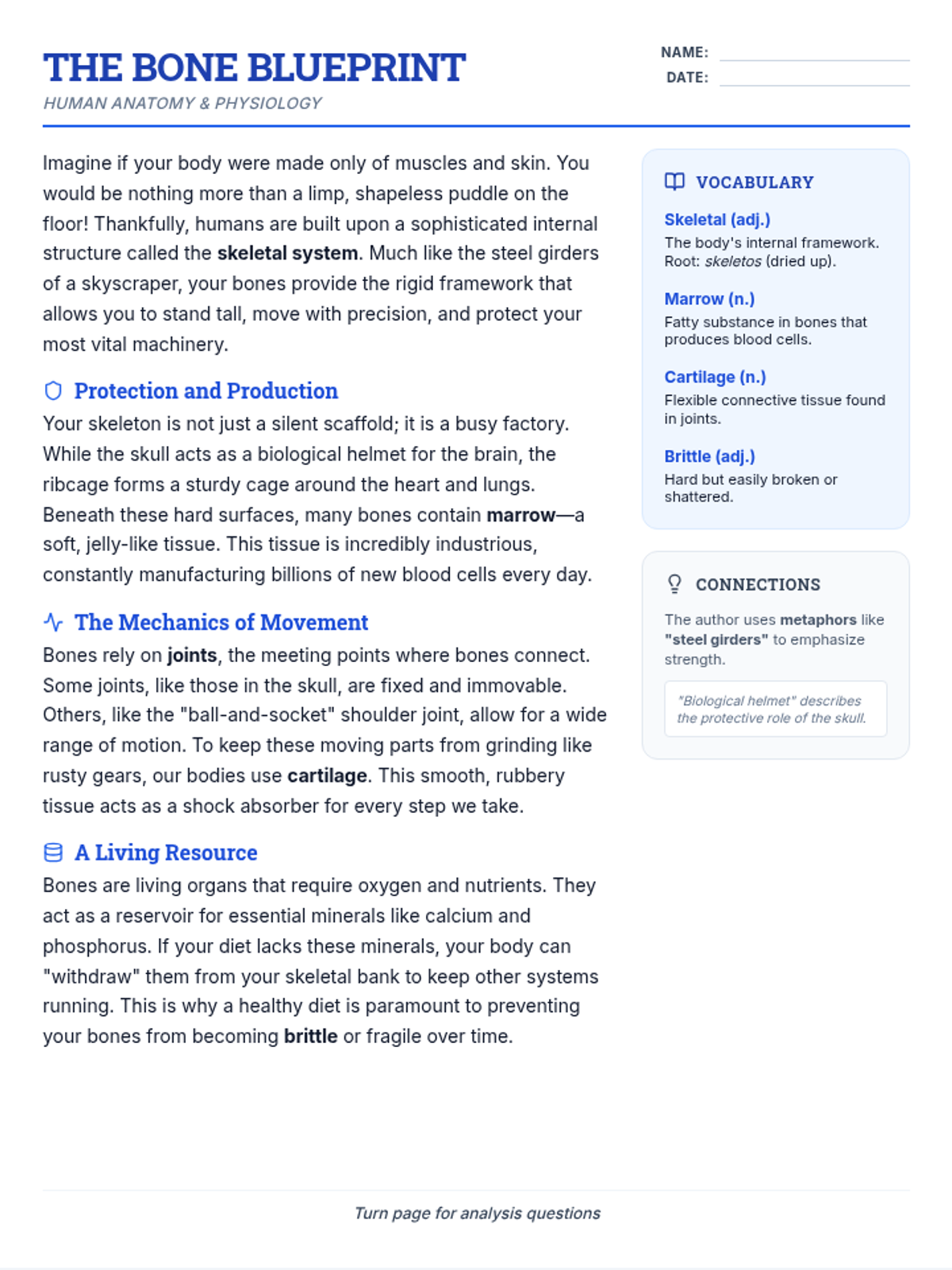
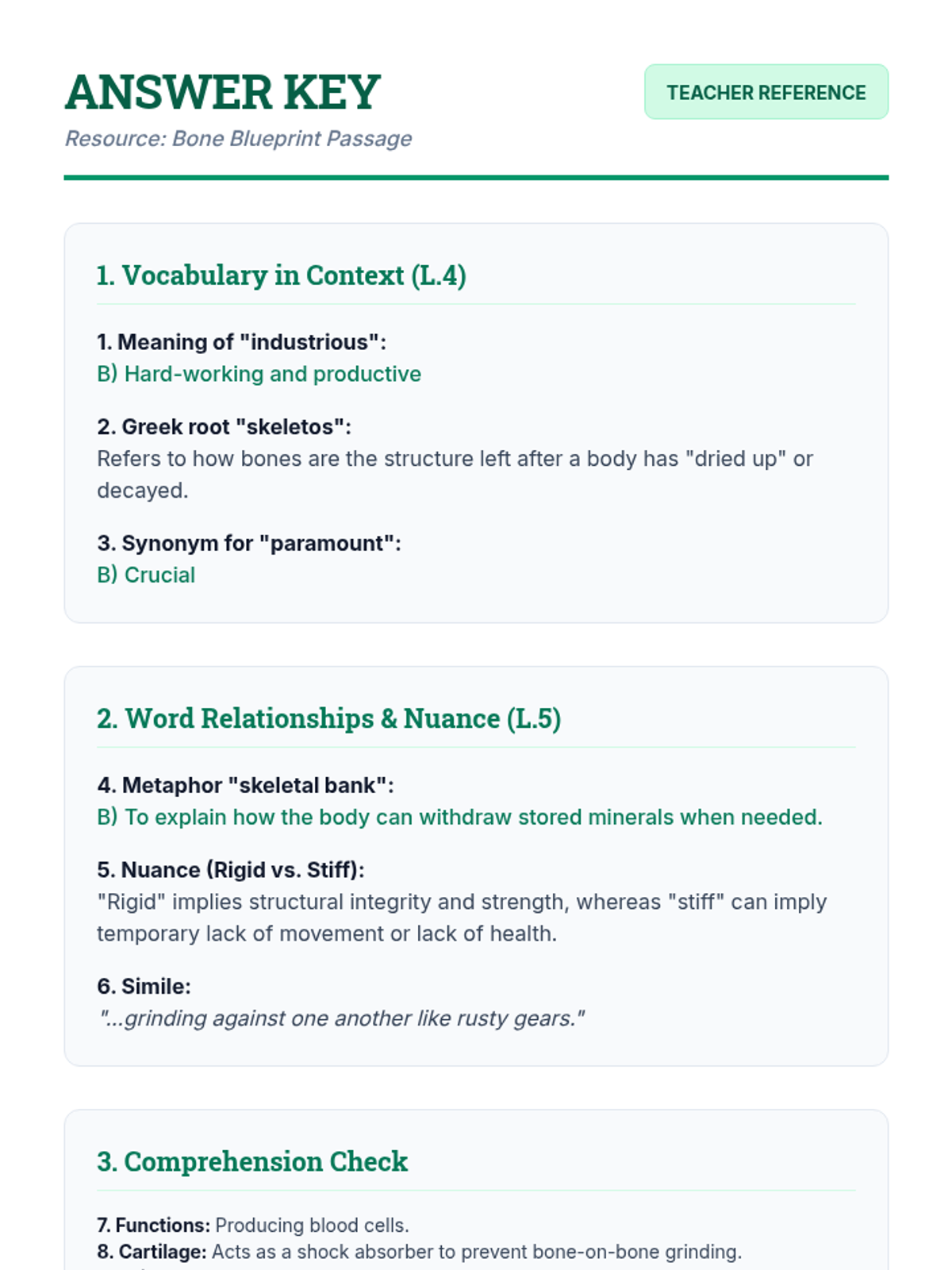
A comprehensive exploration of the skeletal system's structure and function, focusing on domain-specific vocabulary and figurative language. Students will analyze a detailed passage to understand how bones support and protect the human body.
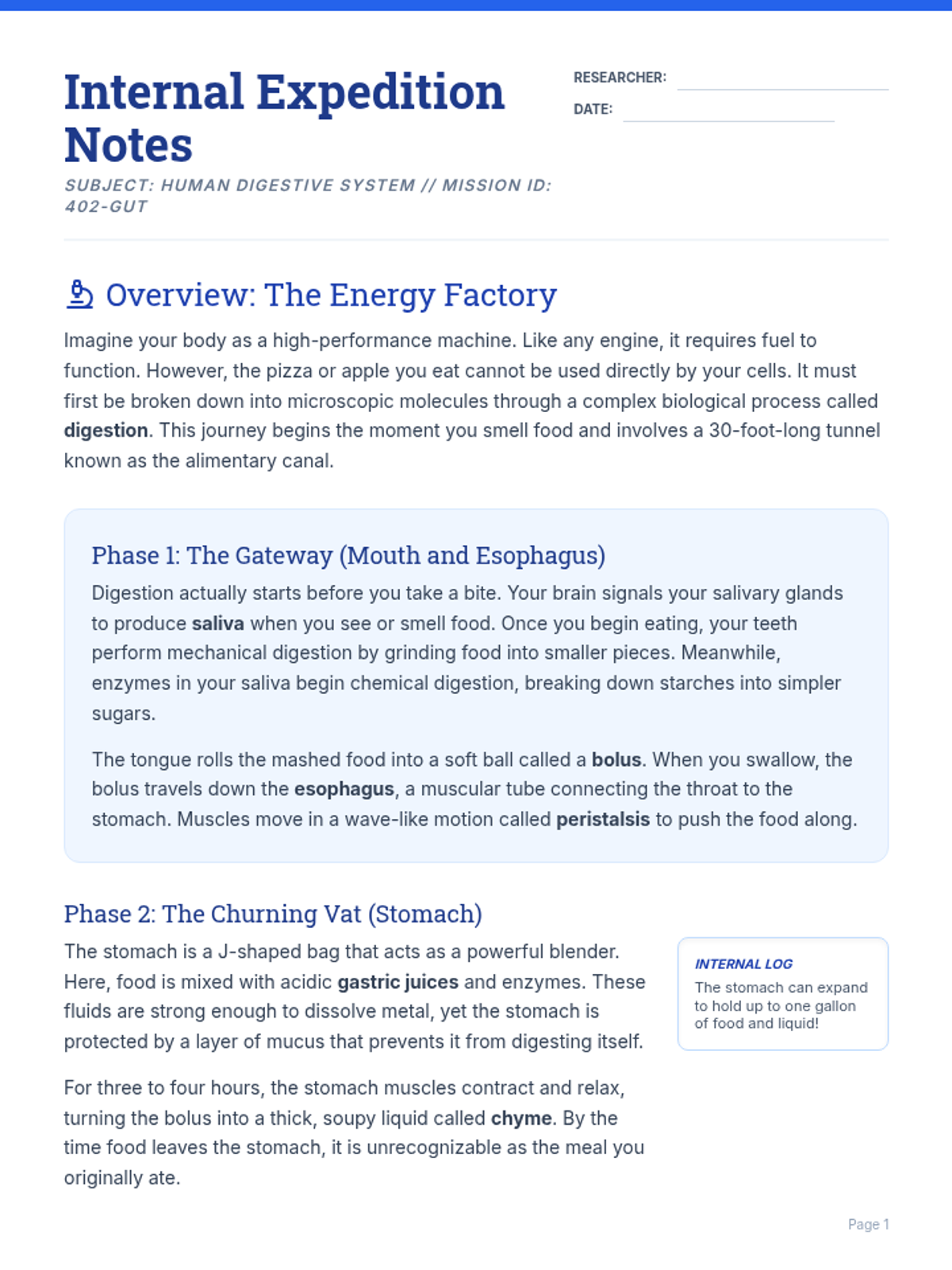
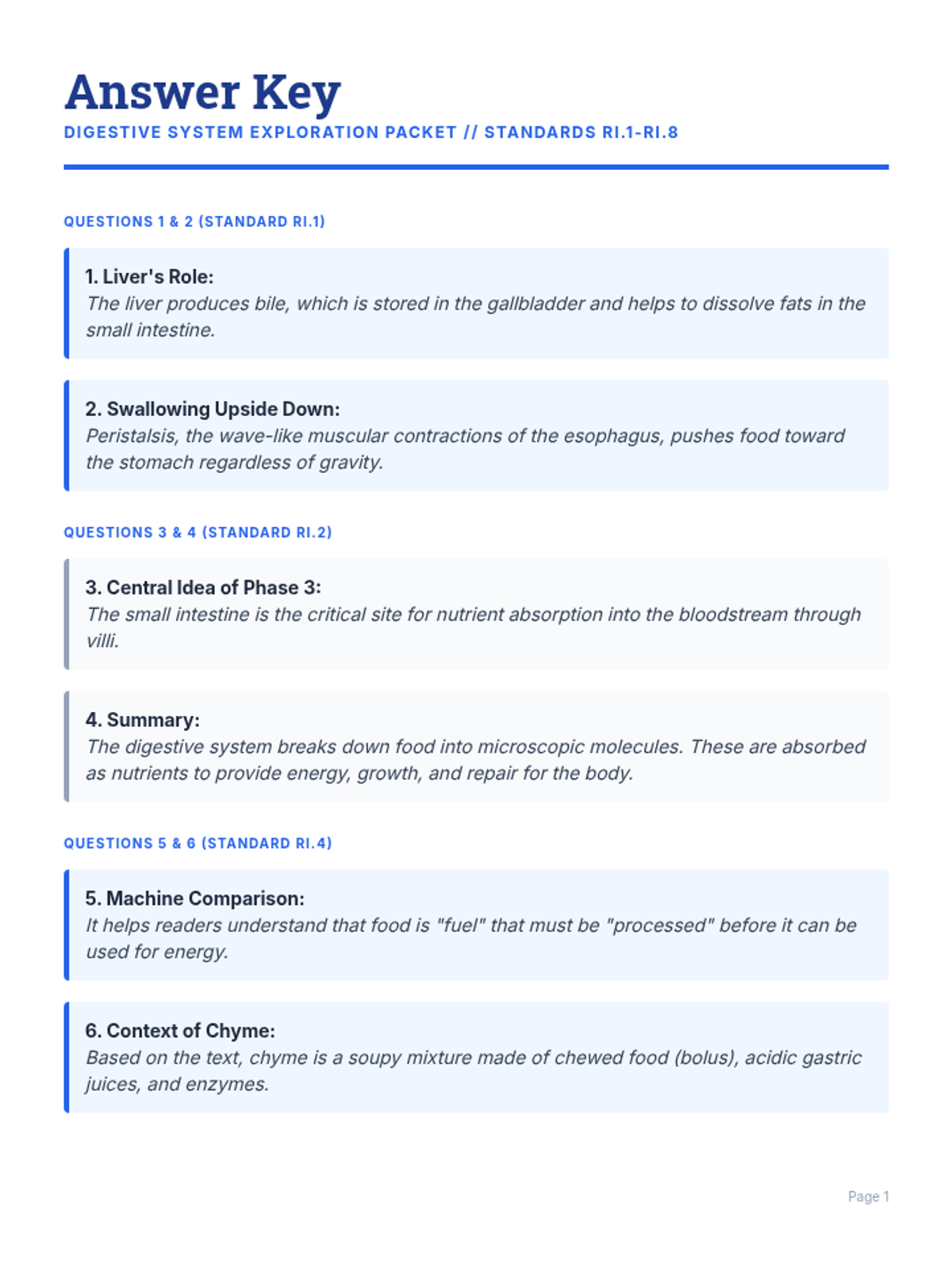
A comprehensive exploration of the human digestive system, focusing on key processes, organ functions, and evidence-based reading comprehension.
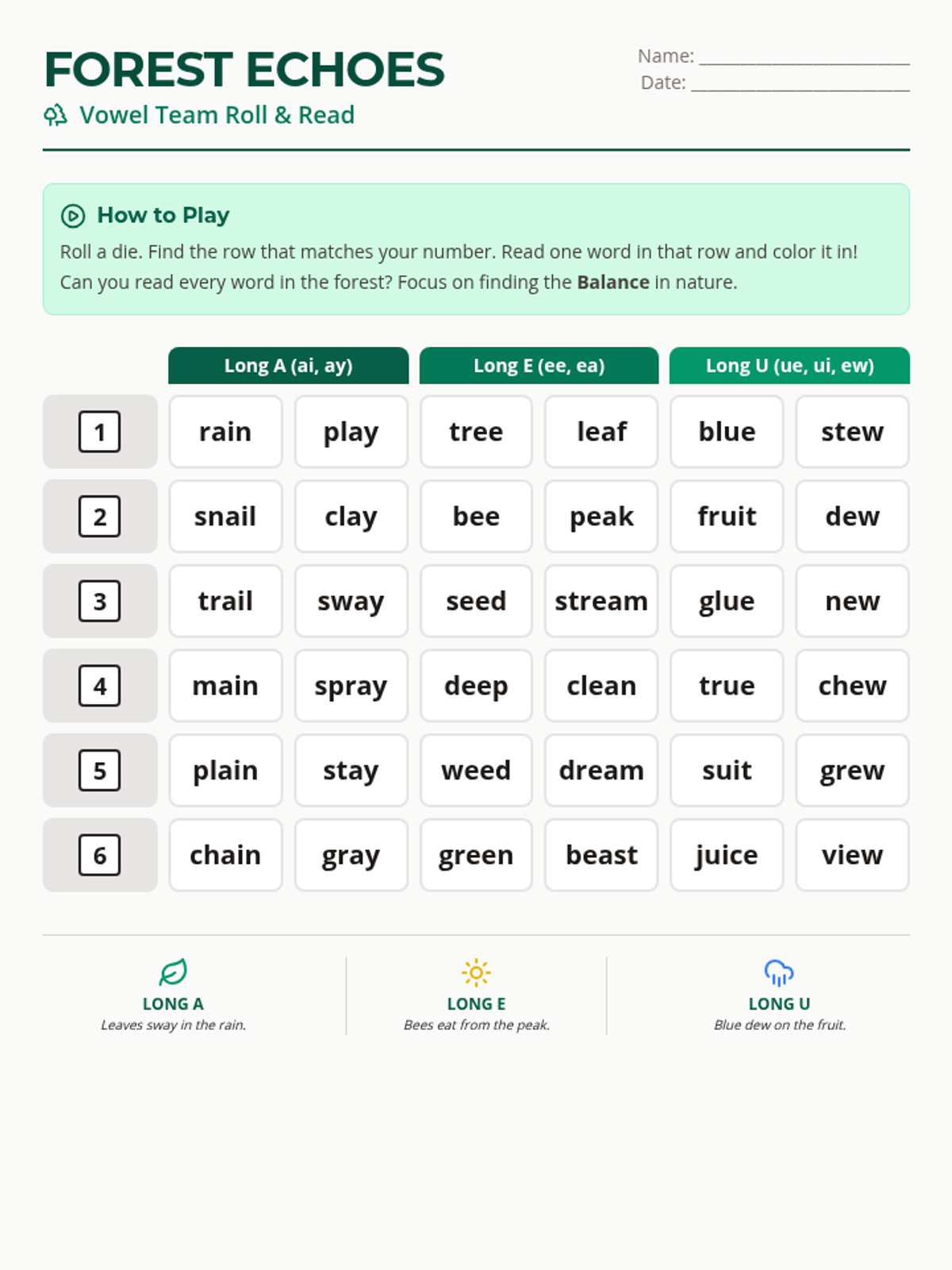
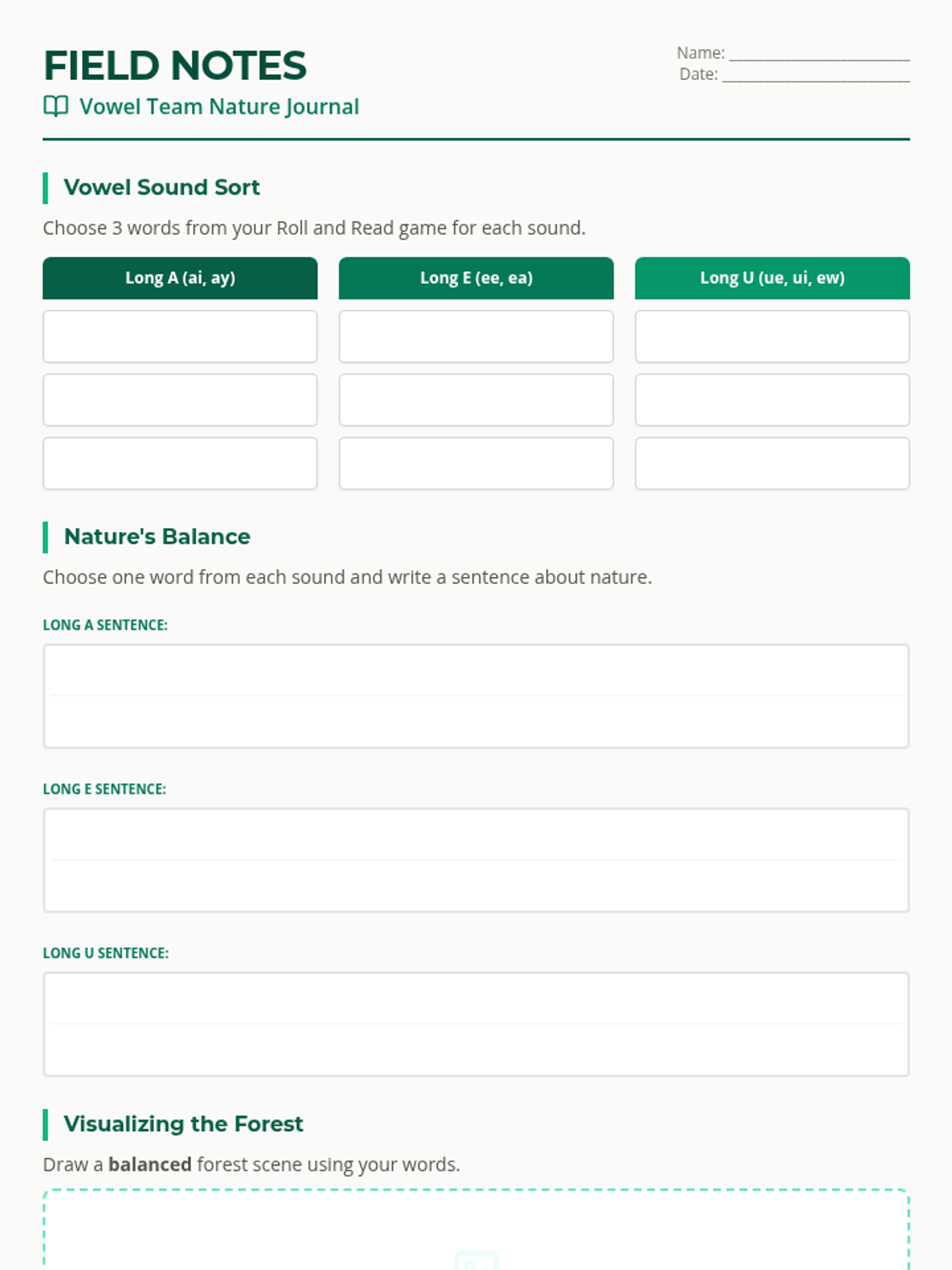
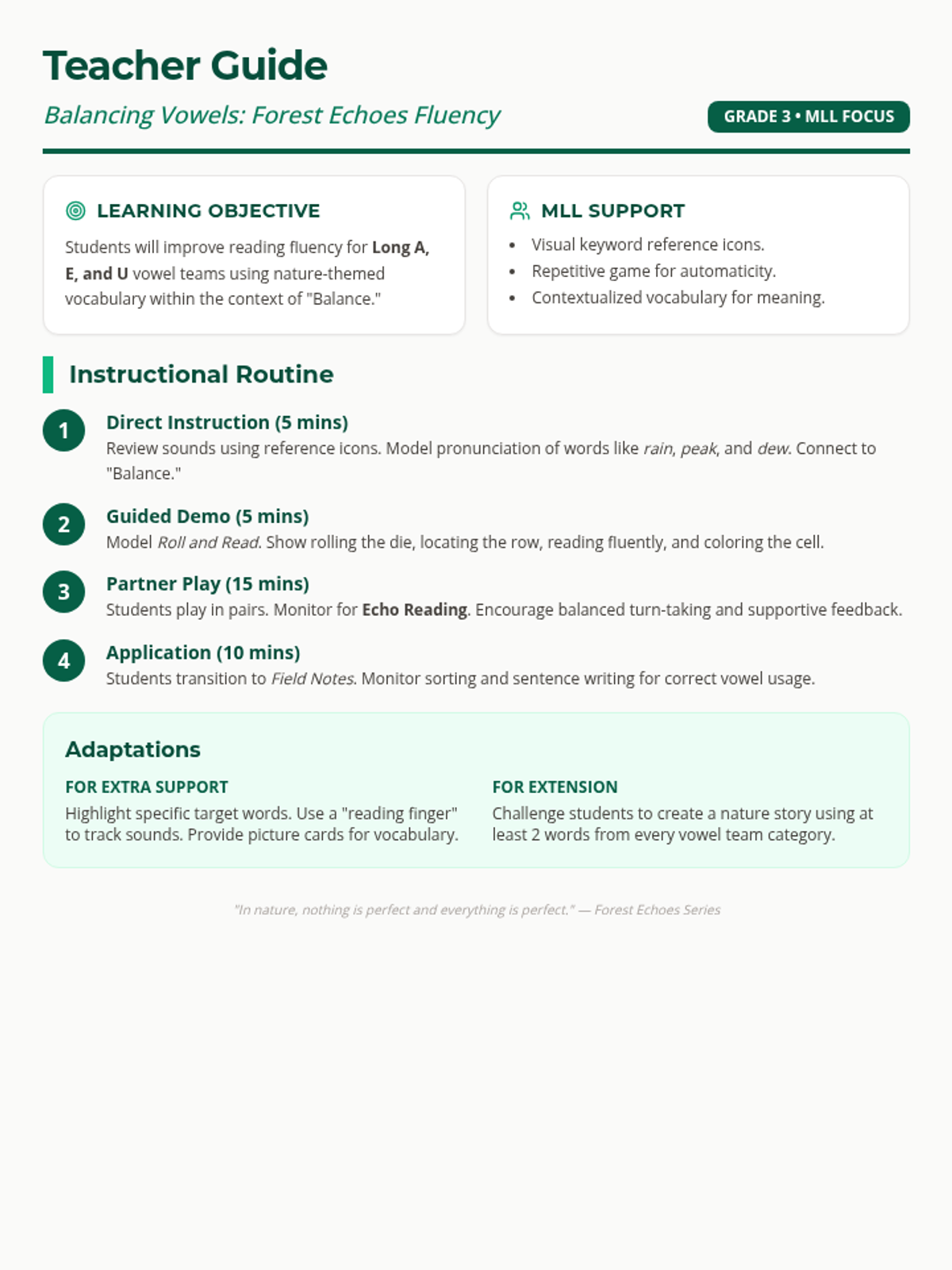
A lesson focused on building reading fluency and phonics mastery of Long A, E, and U vowel teams through nature-themed interactive games and recording activities.
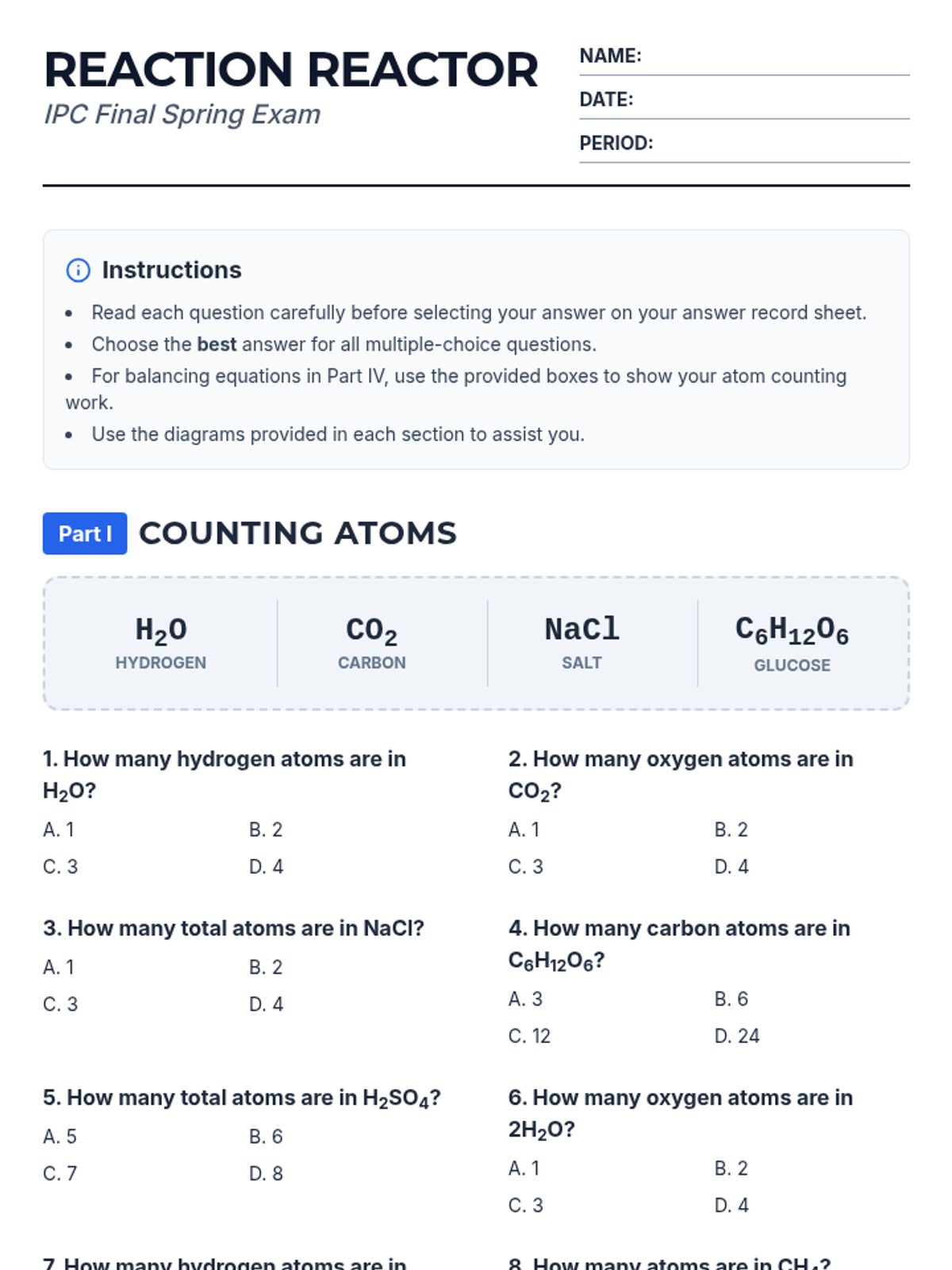
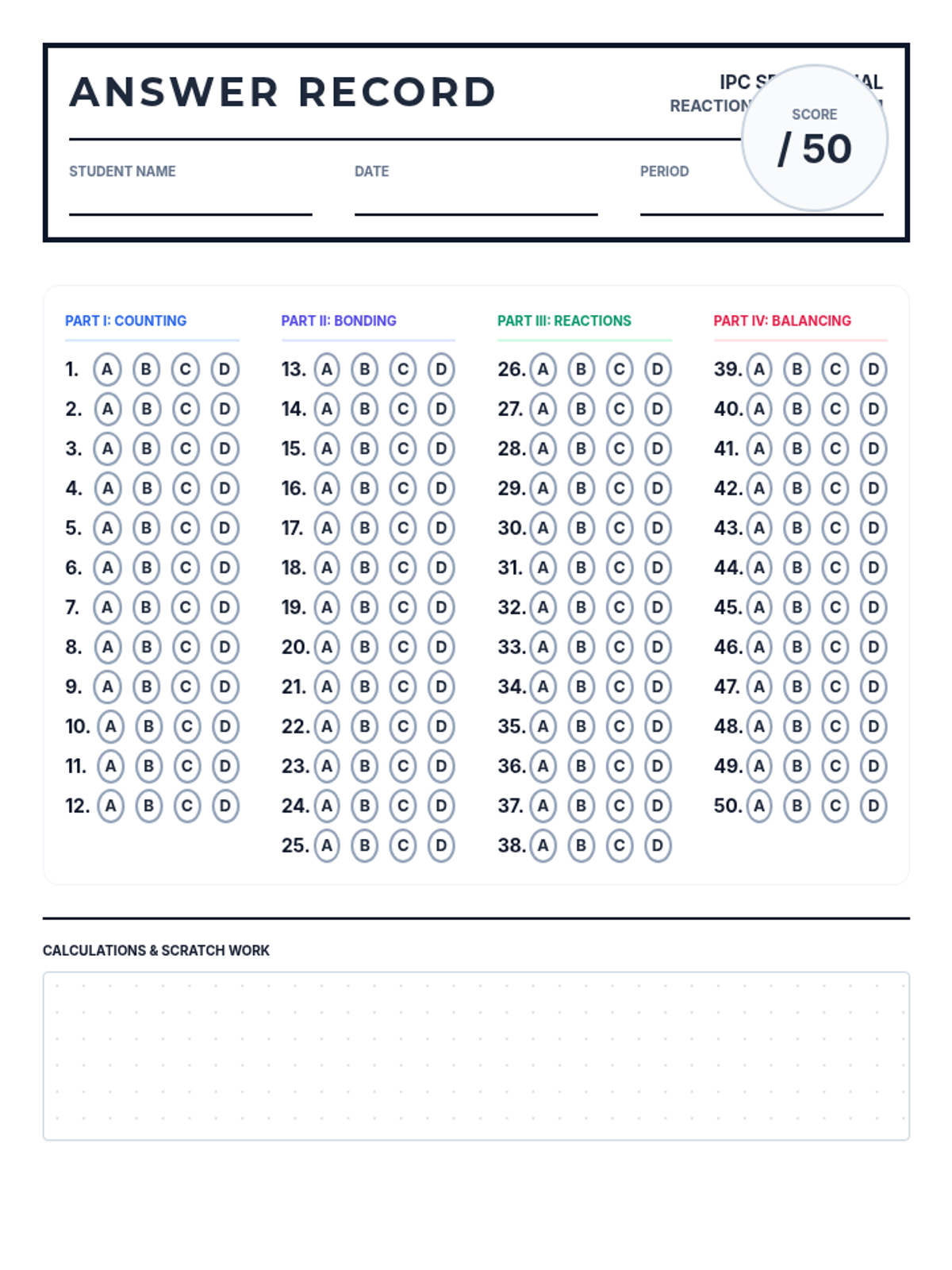
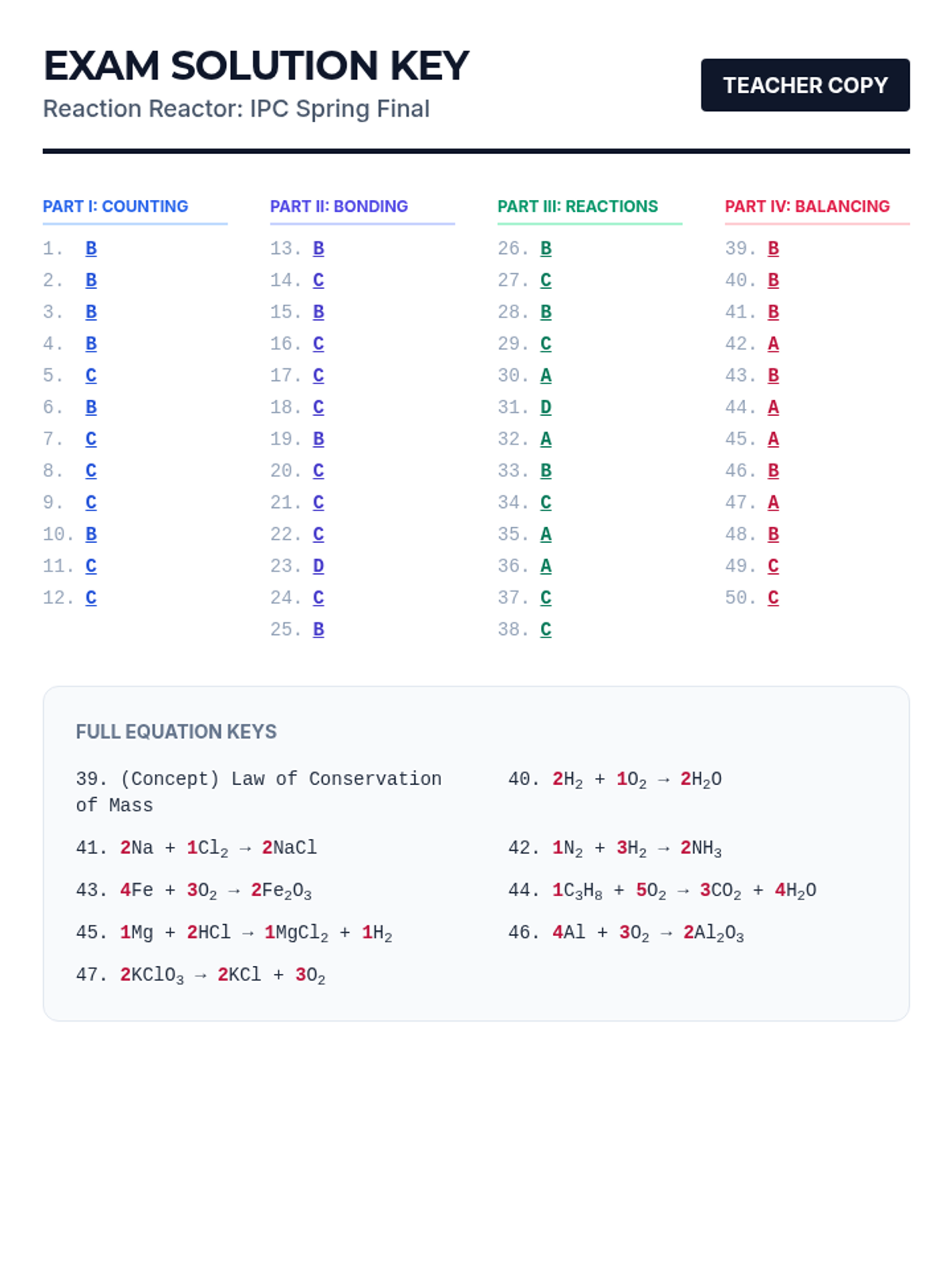
A comprehensive IPC chemistry final exam lesson covering counting atoms, bonding, reactions, and balancing equations. Includes the exam, student answer sheet, and teacher key.
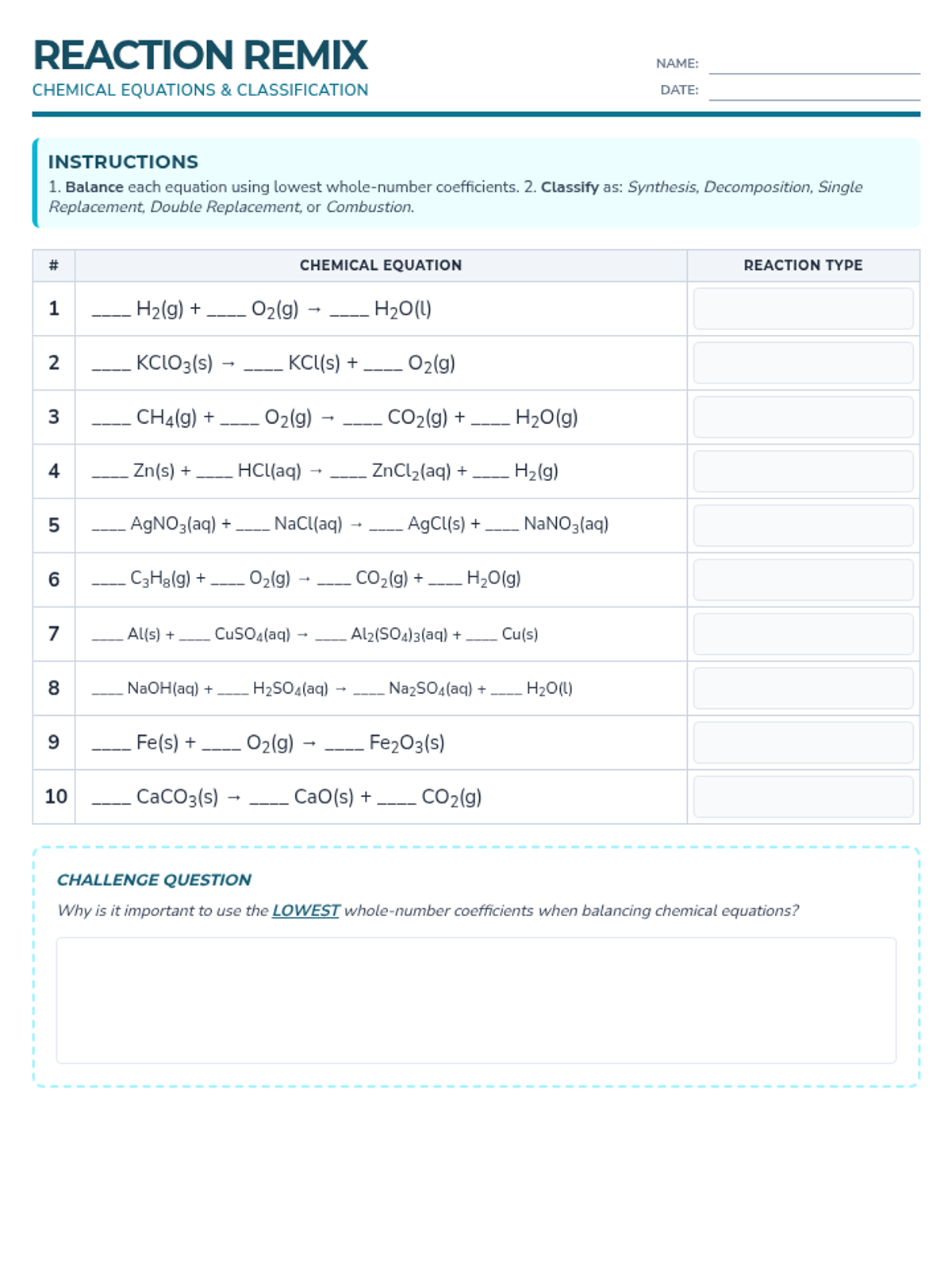
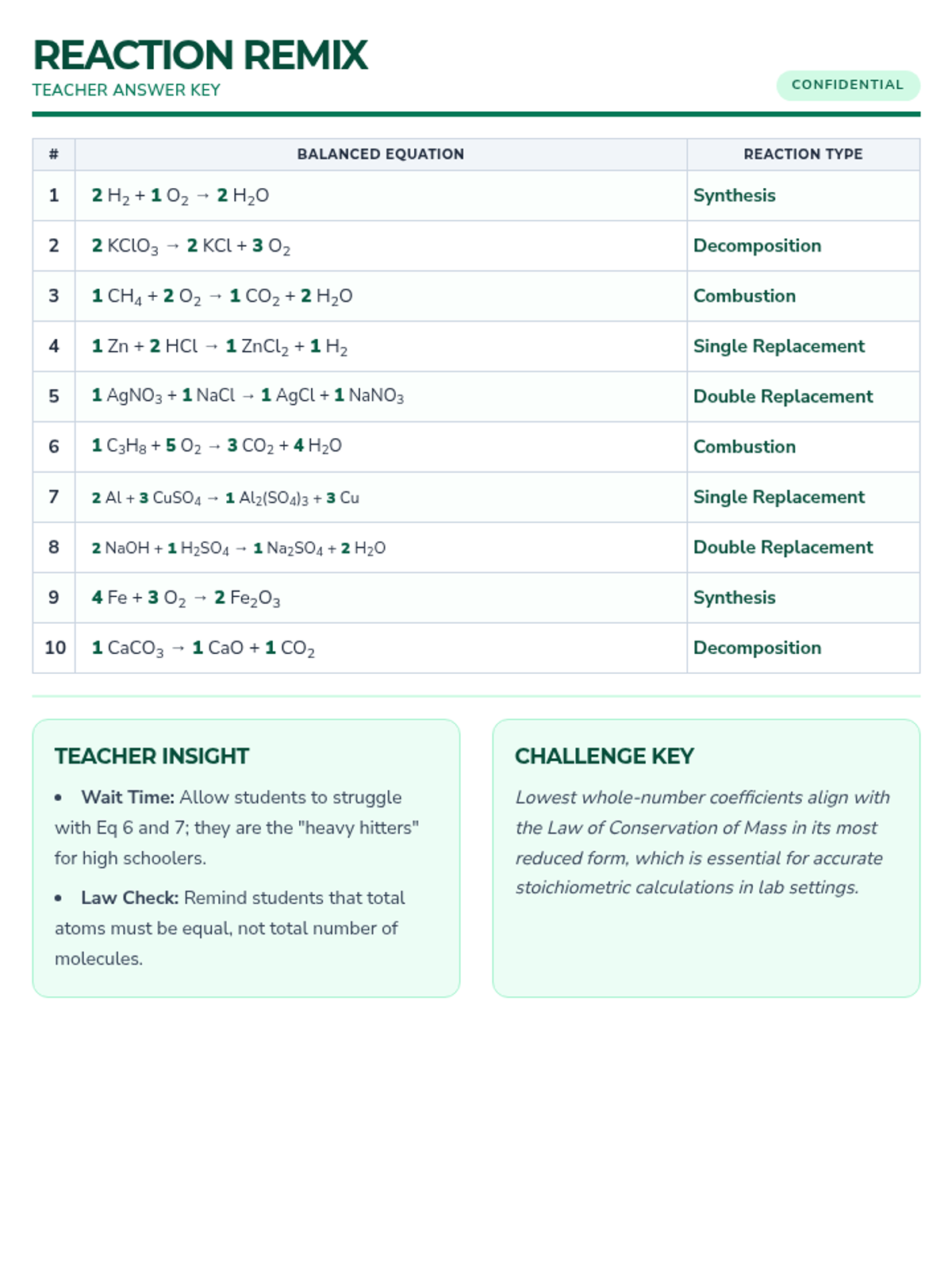
A concise practice lesson focused on balancing chemical equations and identifying the five primary types of chemical reactions for high school chemistry students.