A lesson exploring the characteristics of magnetic and electric forces, their similarities and differences, and the fundamental concept of electromagnetism.
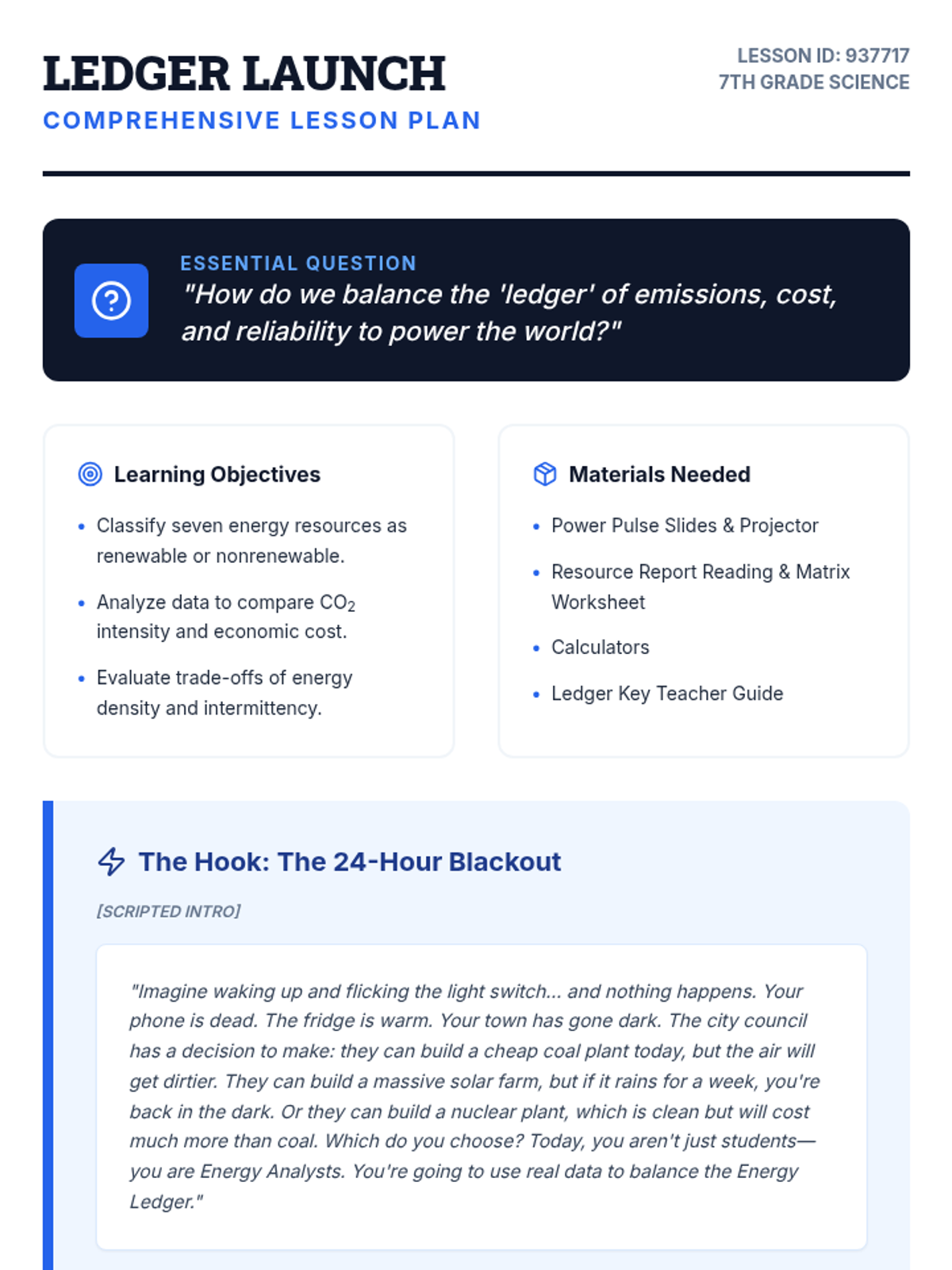
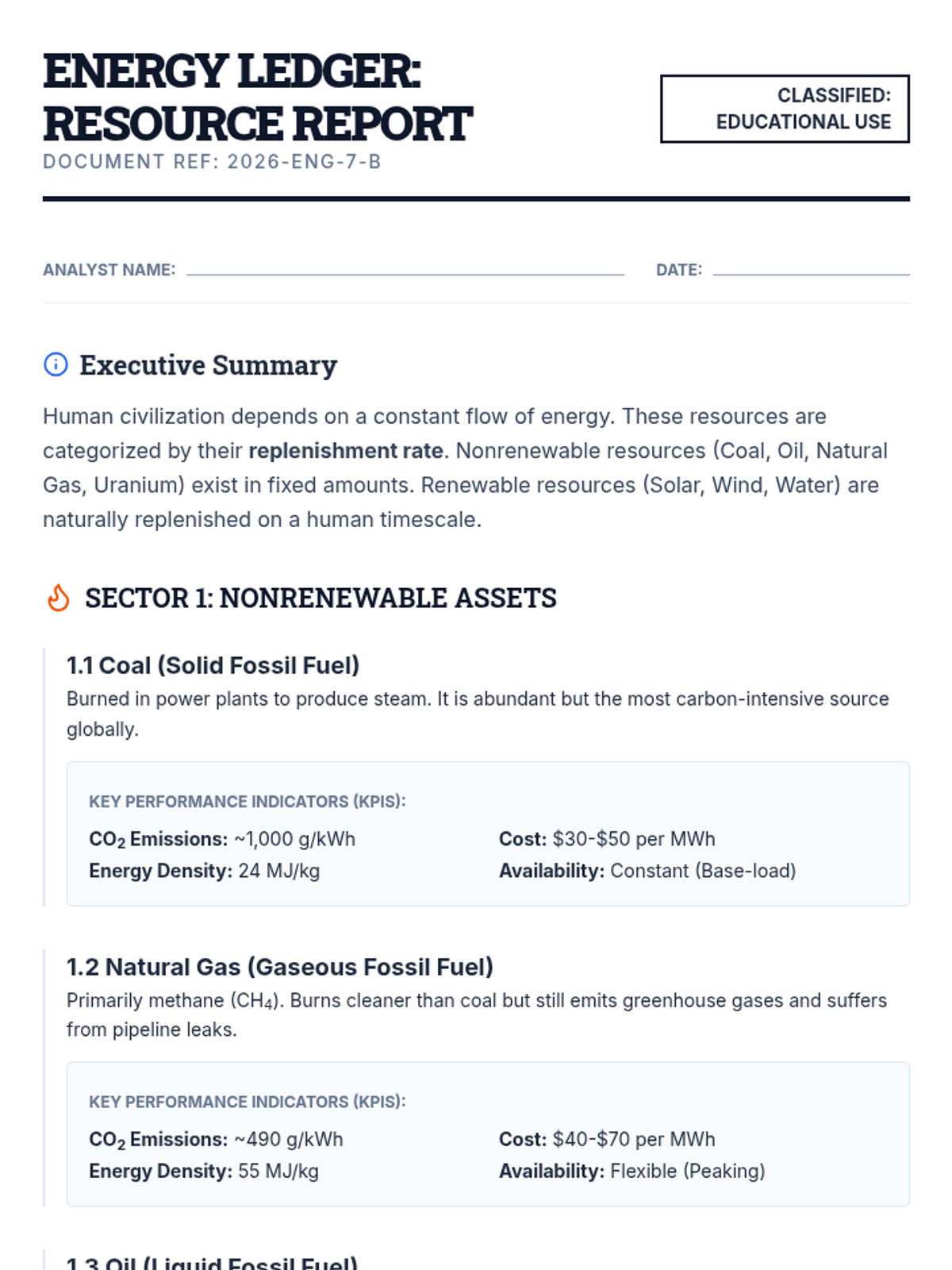
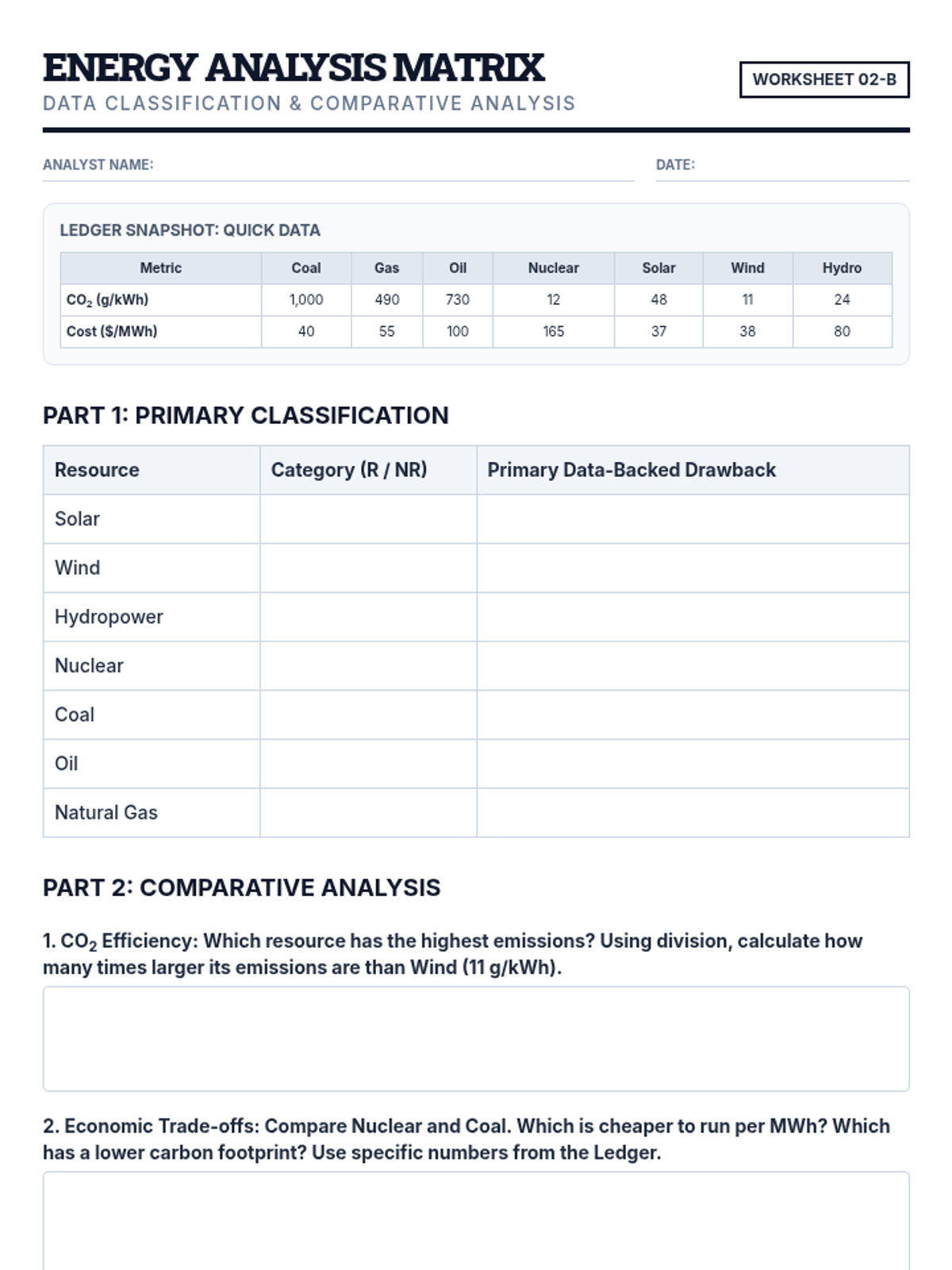
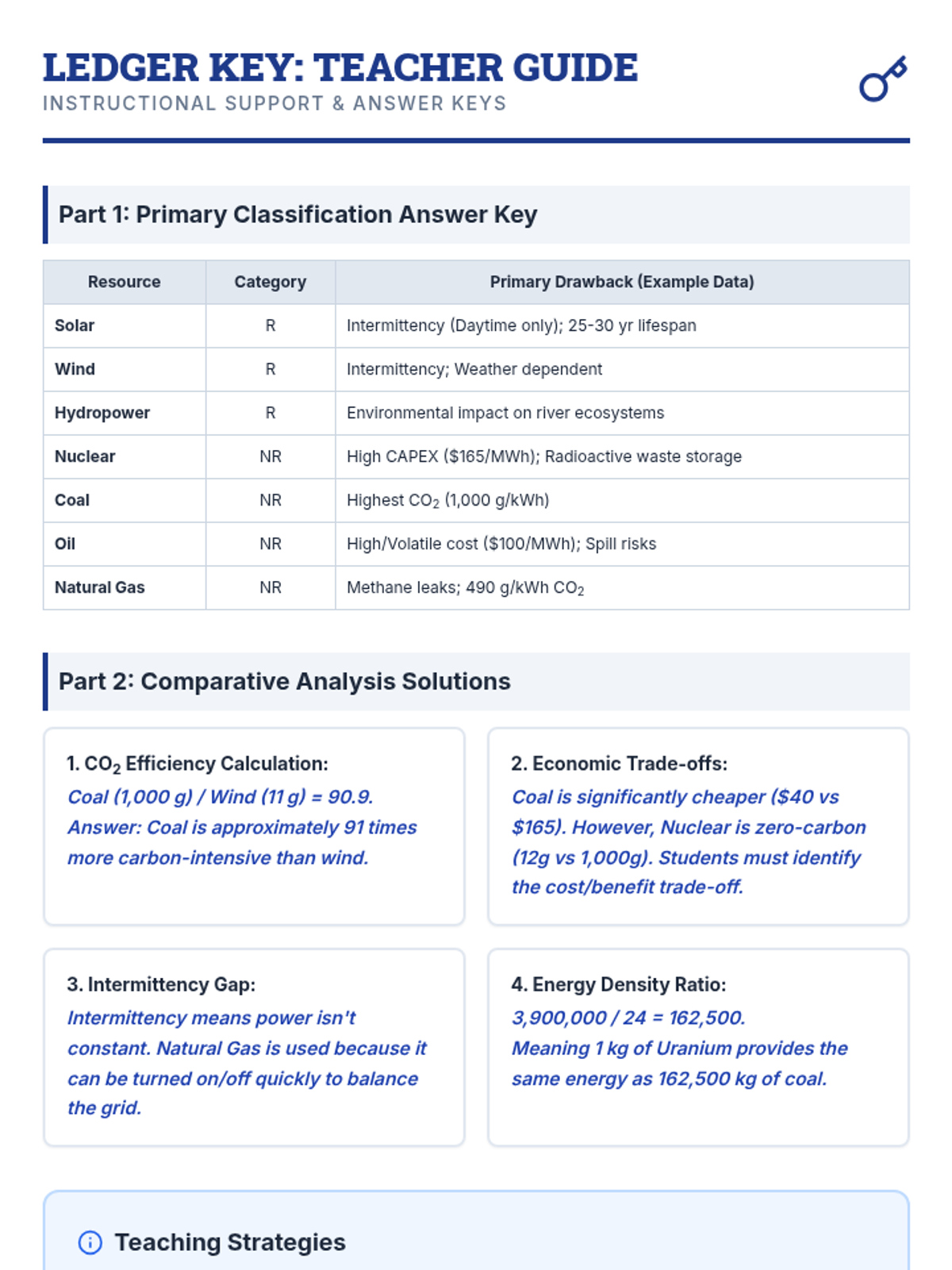
A data-driven investigation into renewable and nonrenewable energy sources, focusing on efficiency, cost, and environmental impact for 7th-grade students.
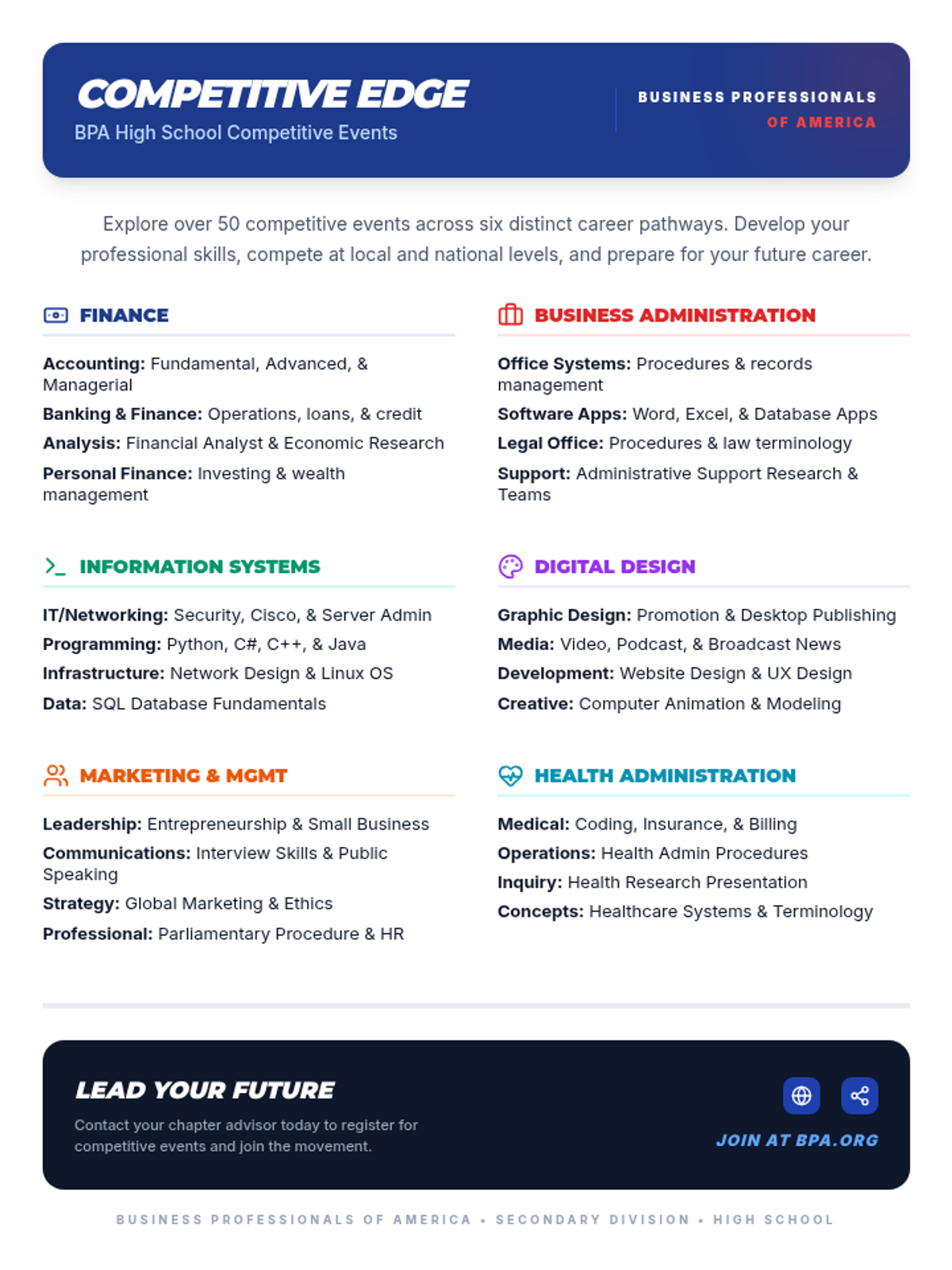
A comprehensive set of materials to introduce high school students to the diverse competitive events offered by Business Professionals of America (BPA). Includes a visual flyer and a detailed event directory.
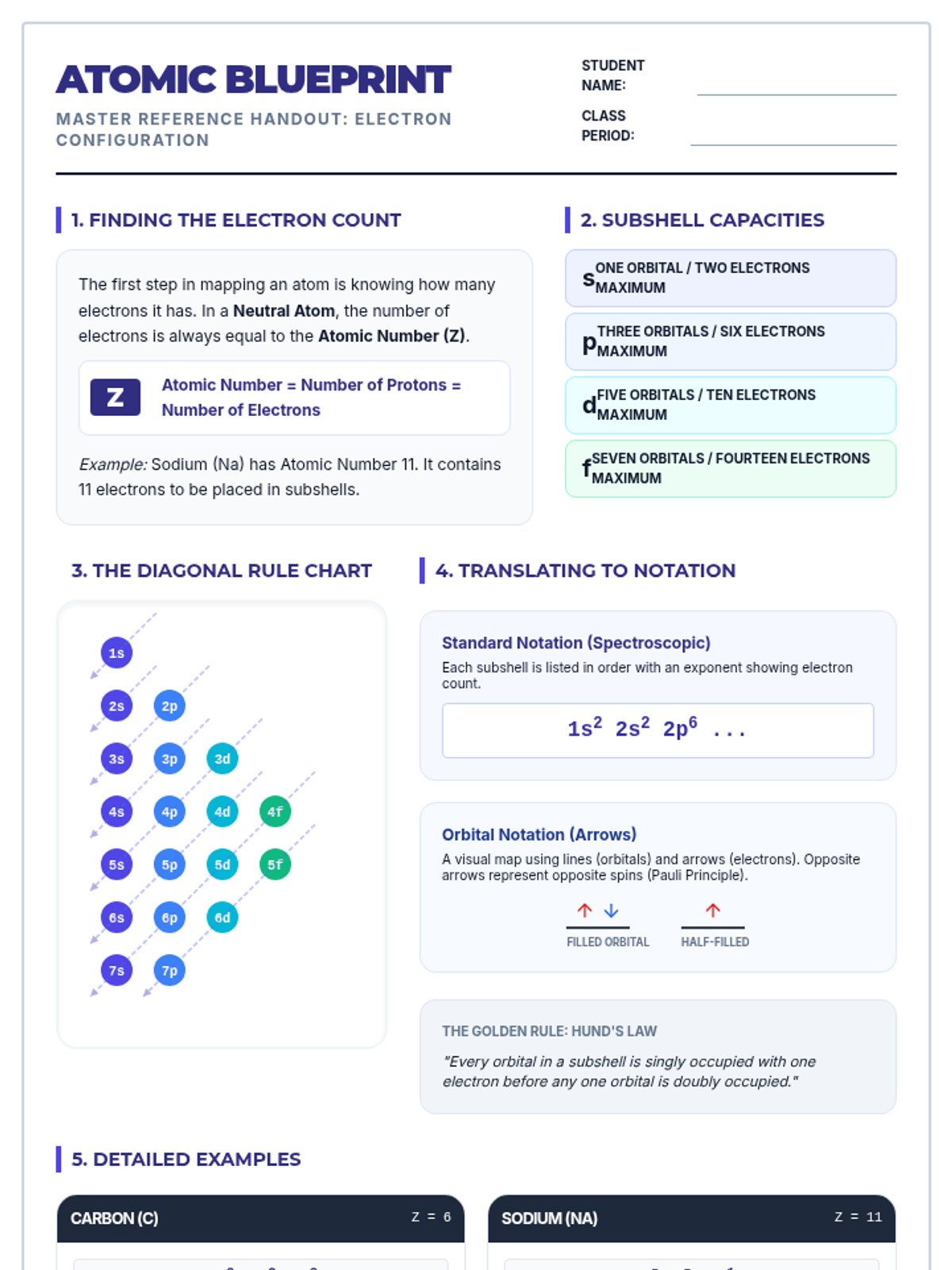
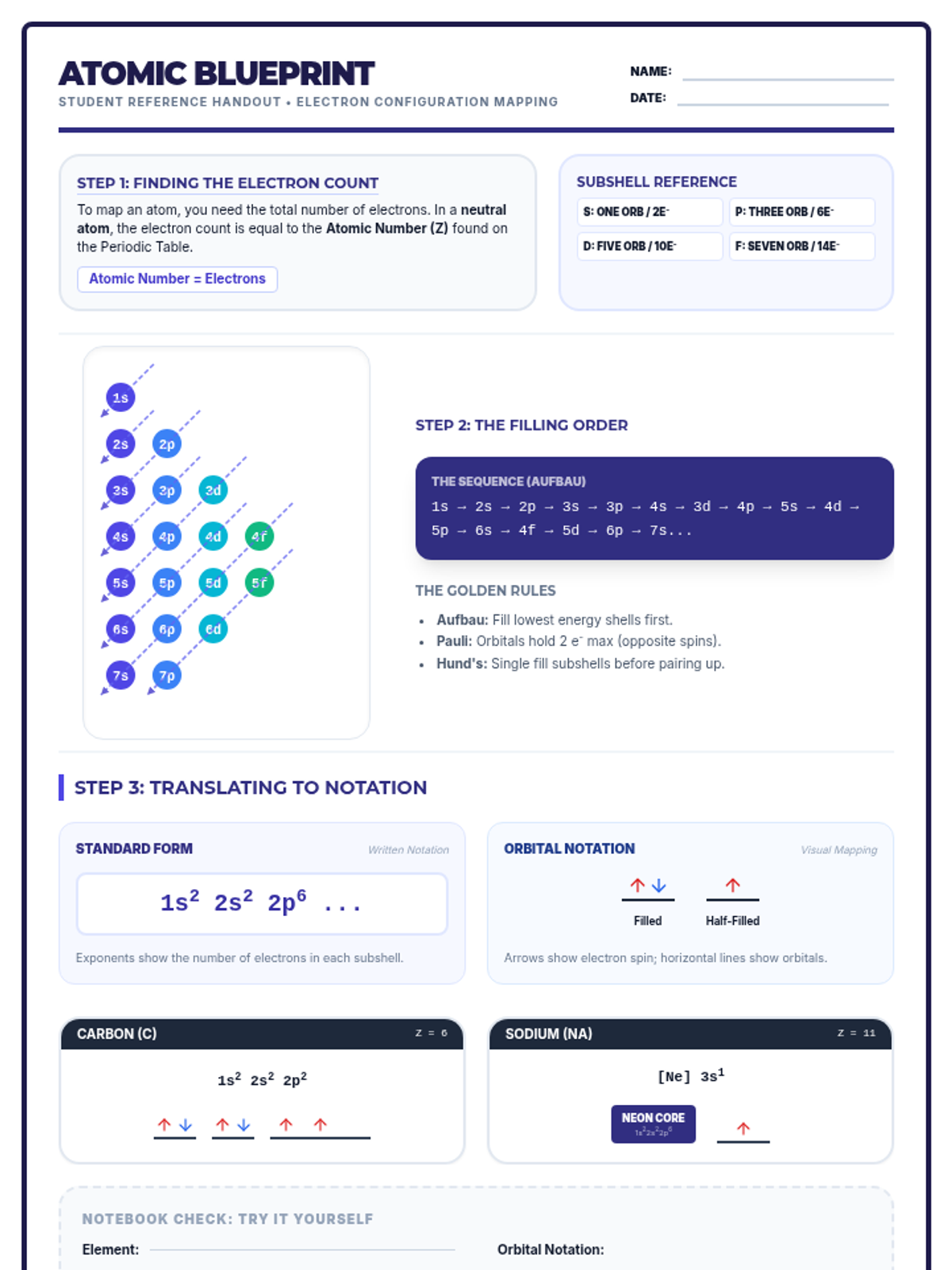
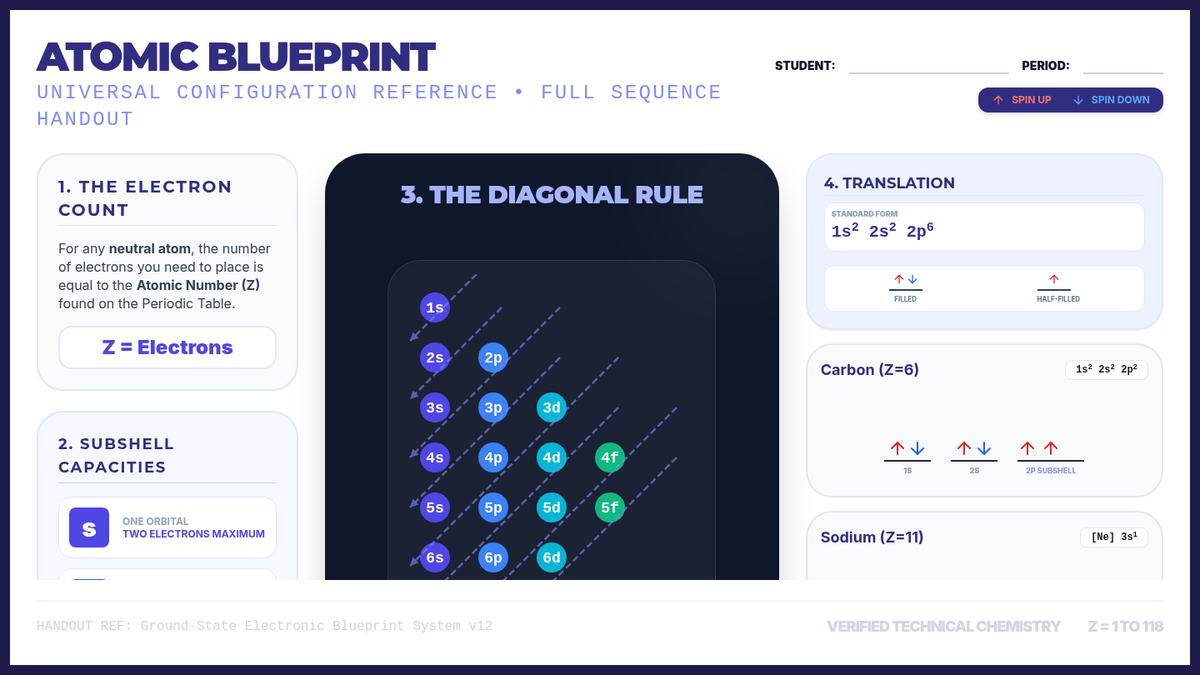
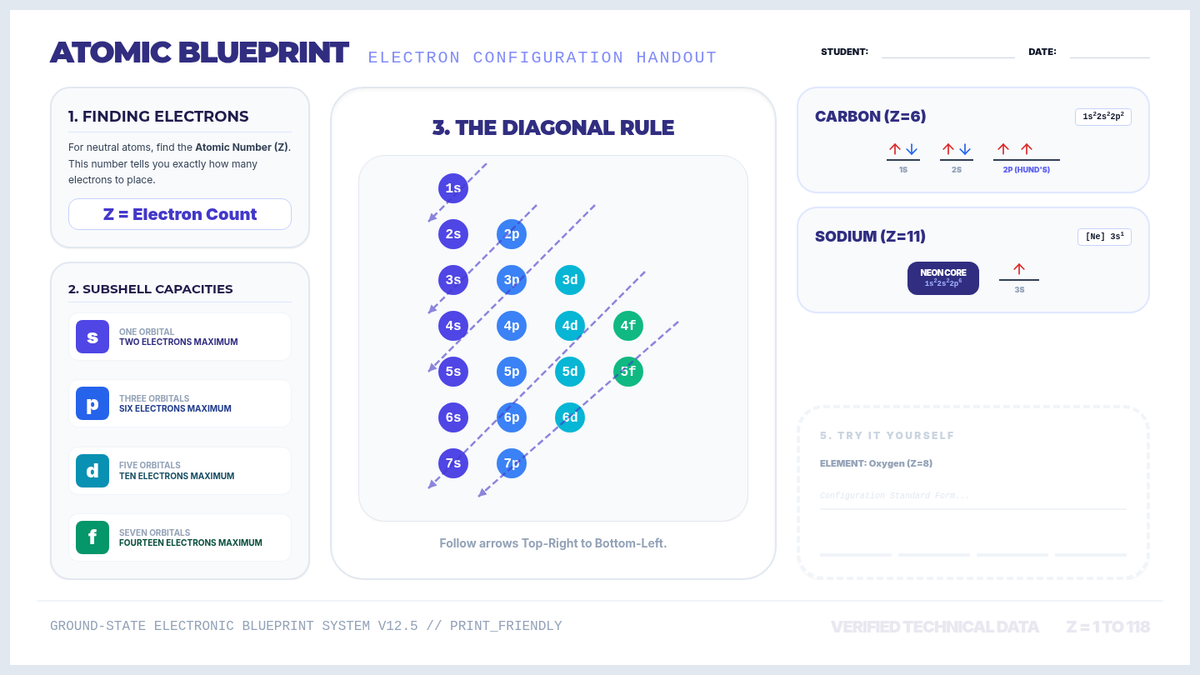
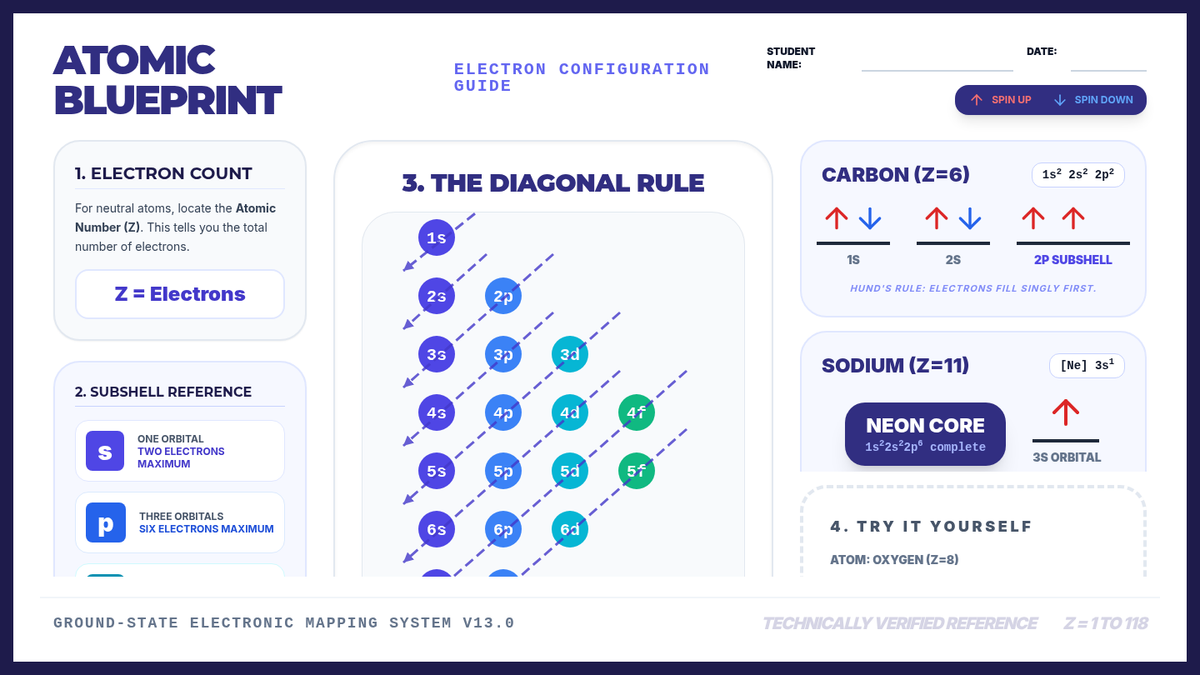
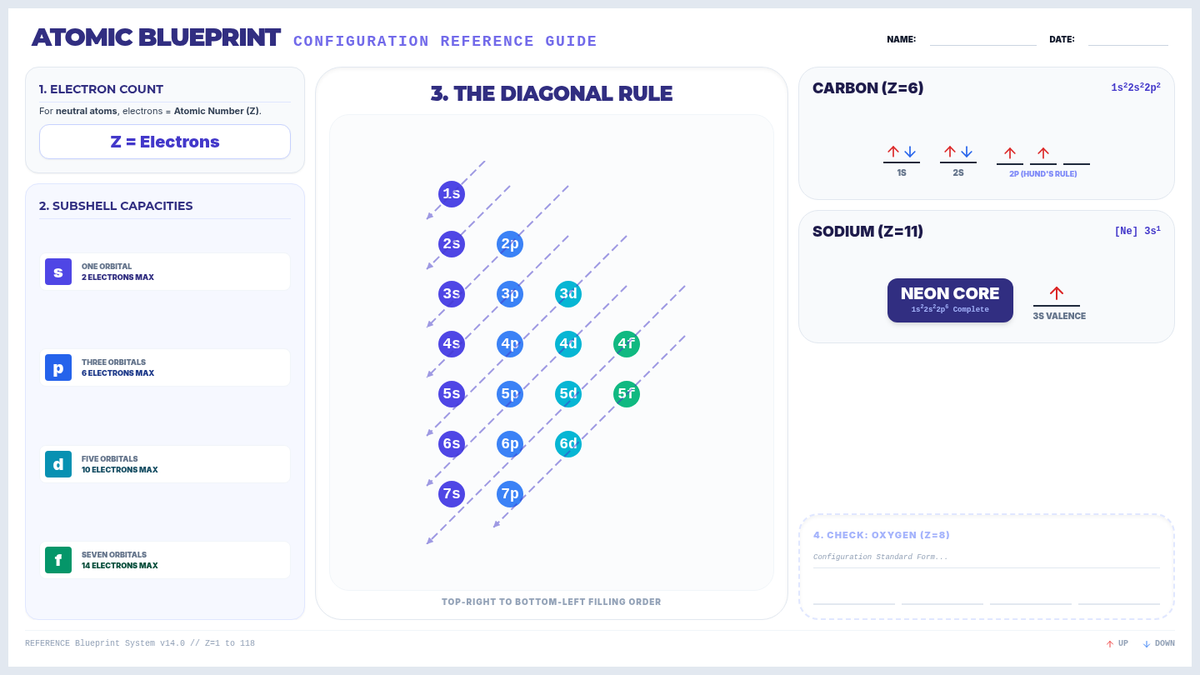
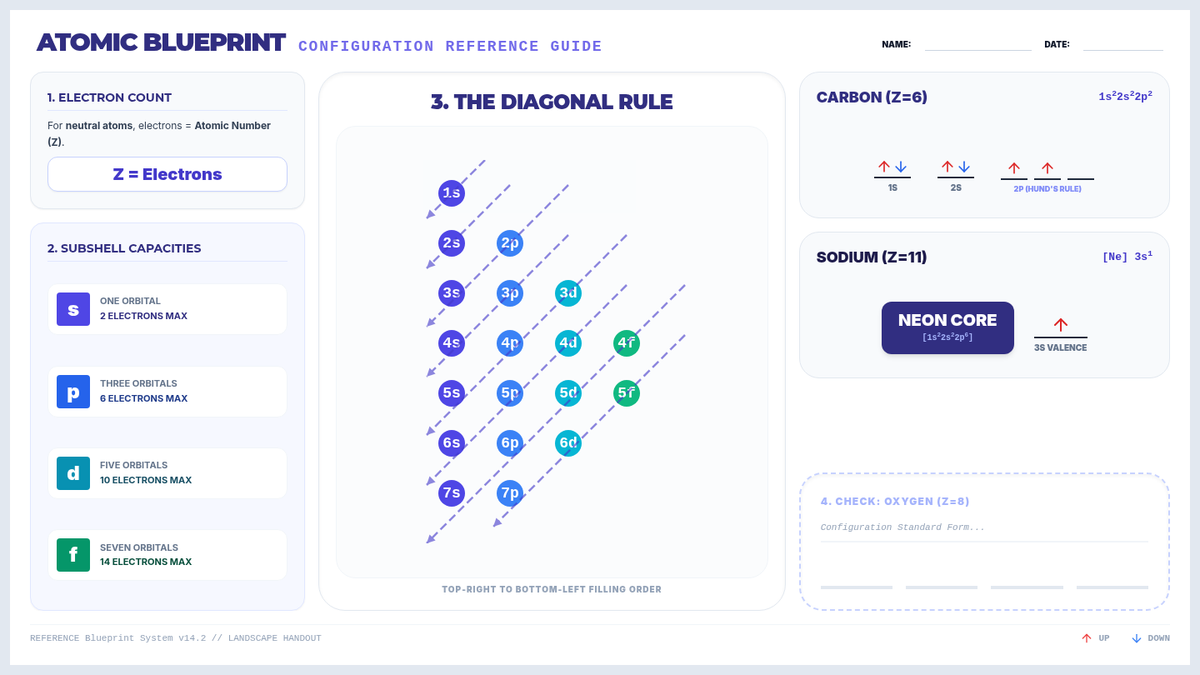
A foundational lesson on electron configurations, covering subshell filling orders, orbital notation, and specific examples to visualize how electrons occupy atomic space.
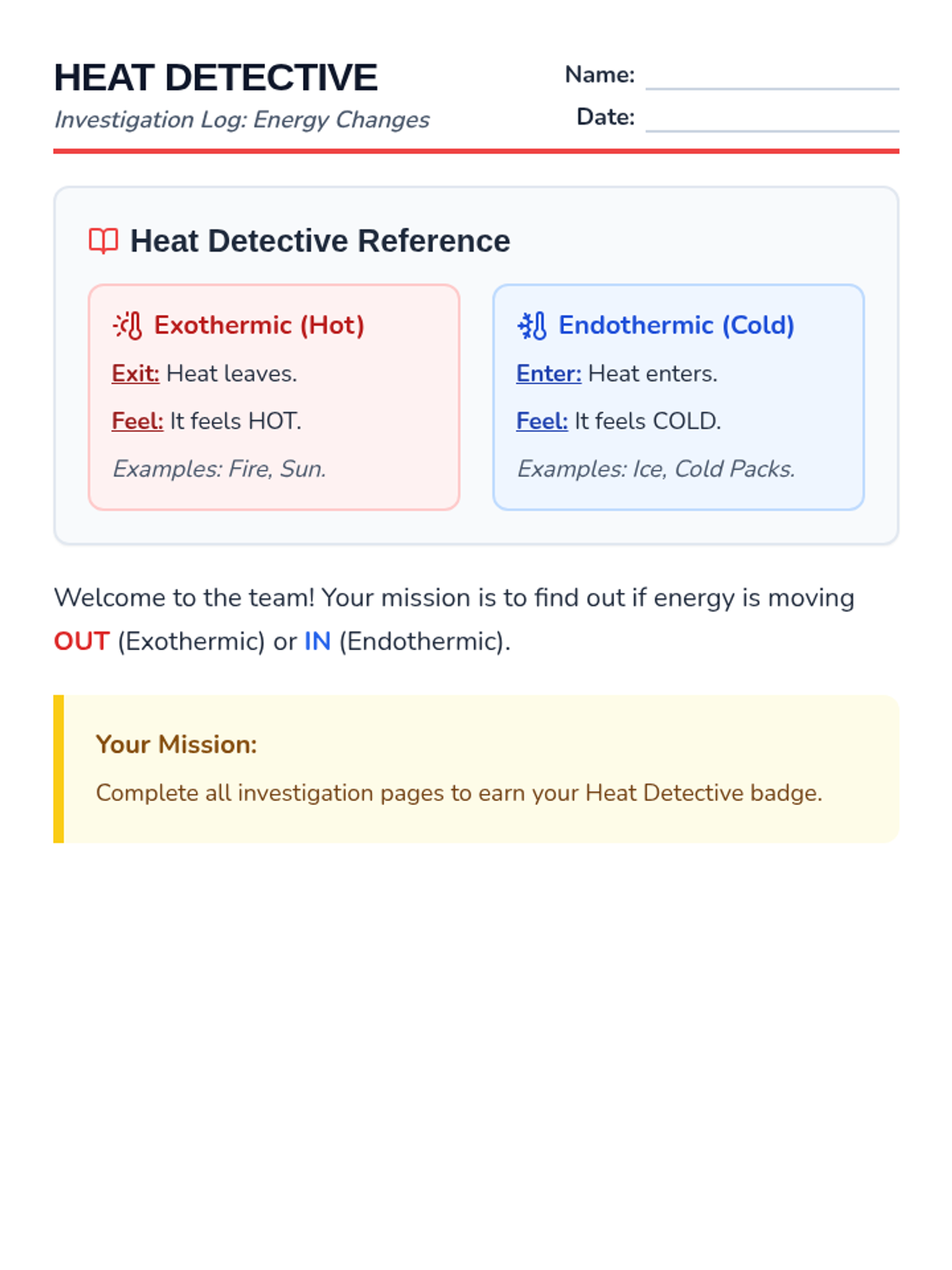
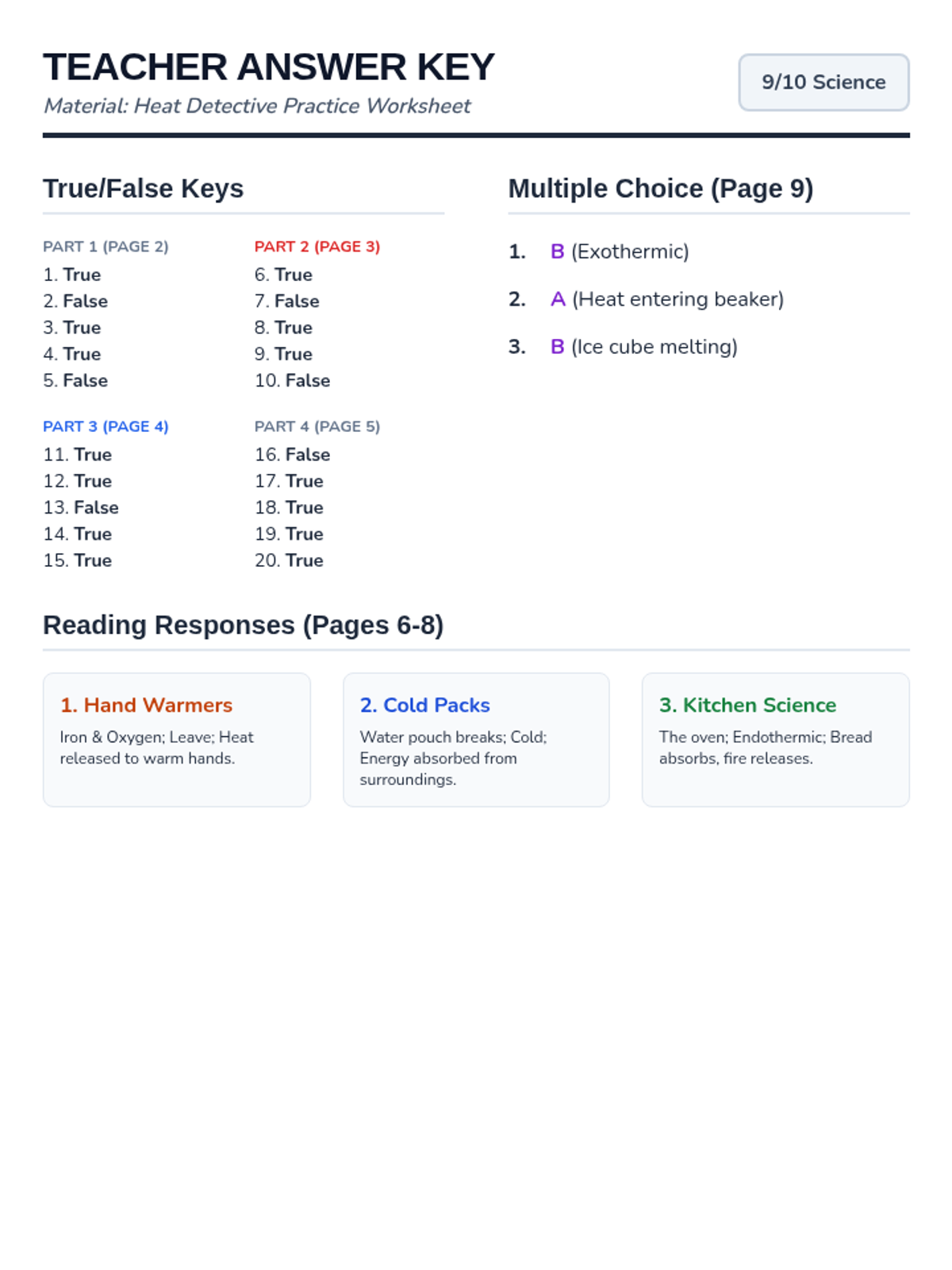
A highly scaffolded exploration of endothermic and exothermic reactions designed for high school special education students, focusing on energy flow and temperature changes.
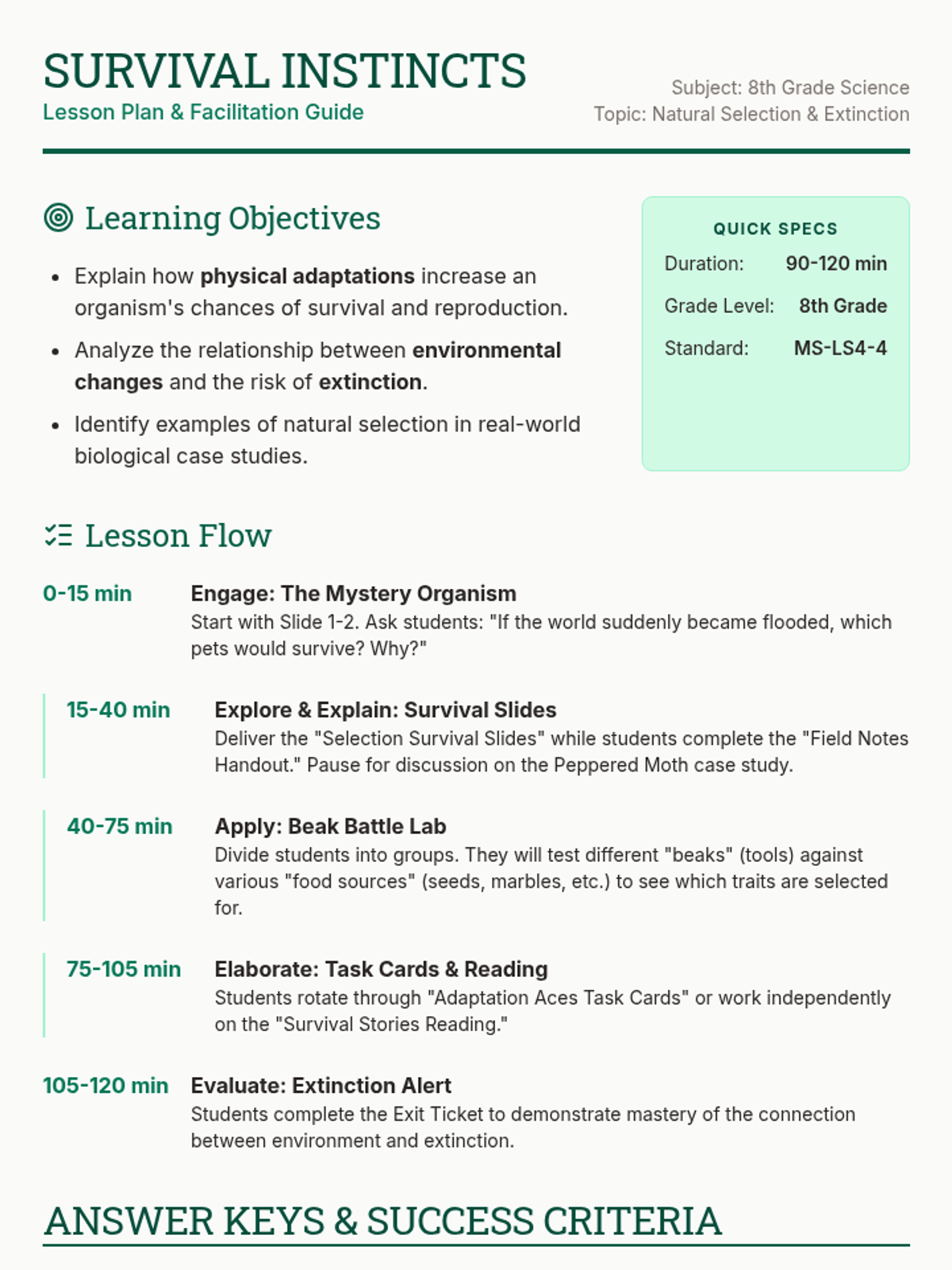
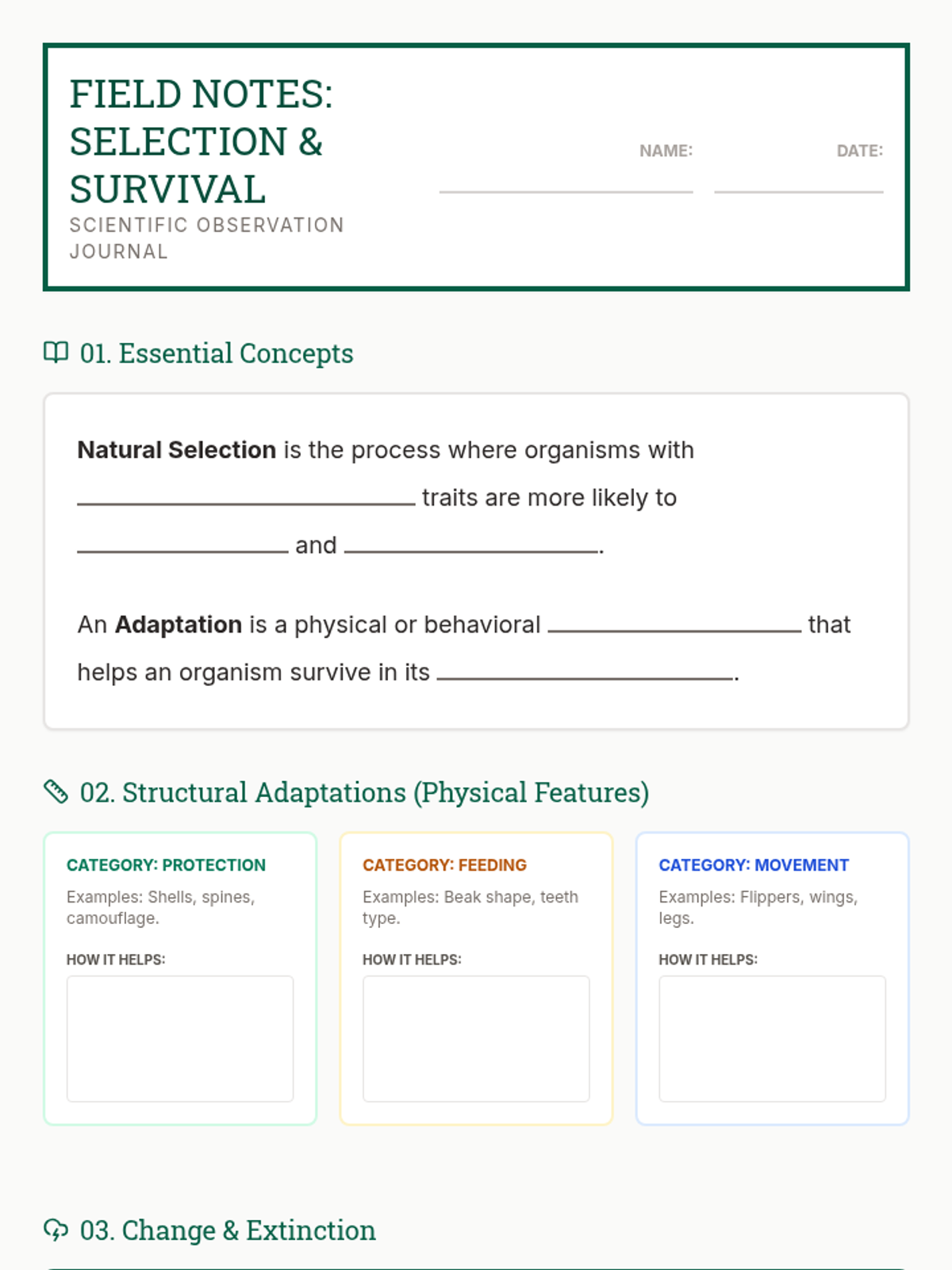
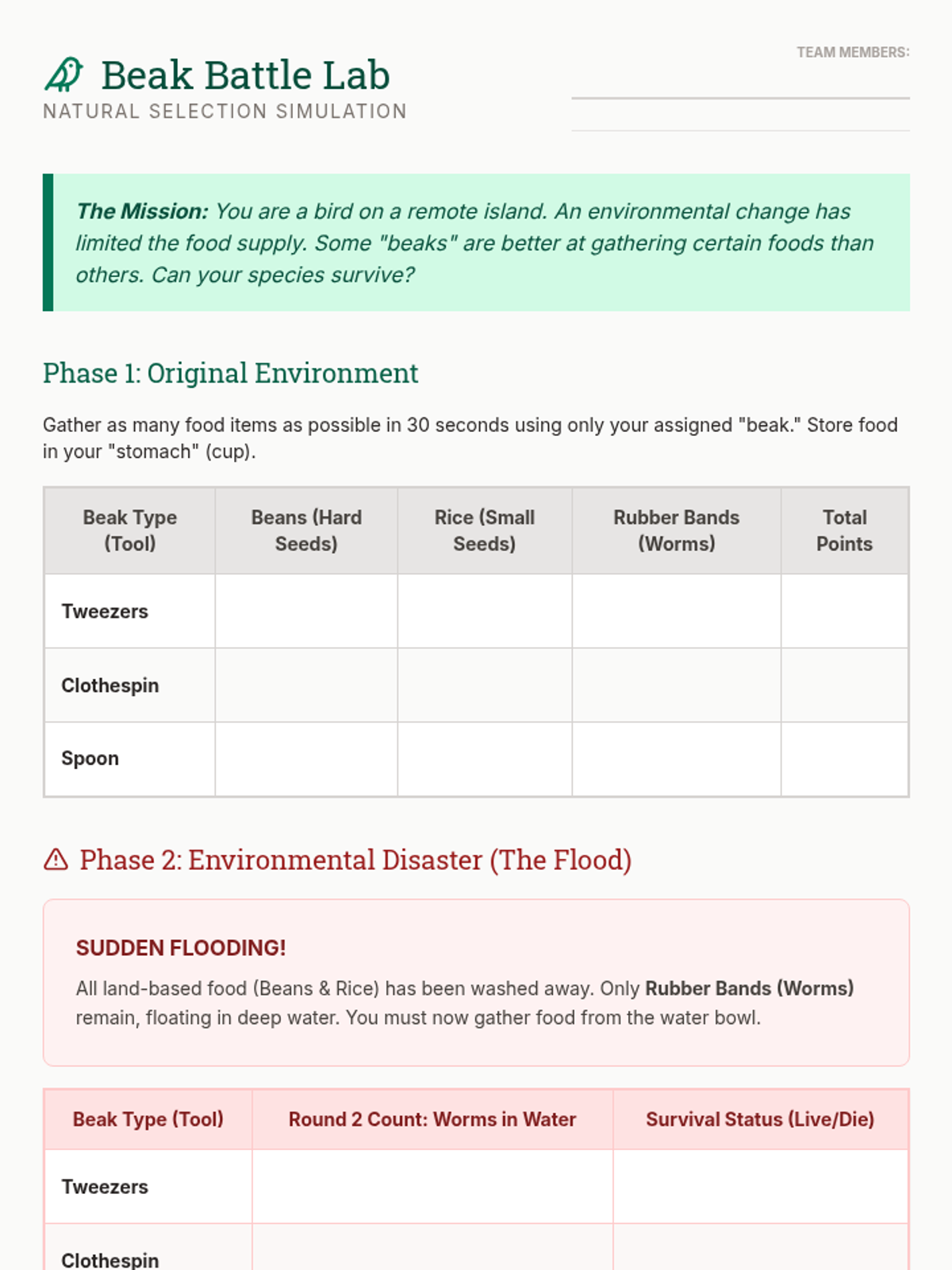
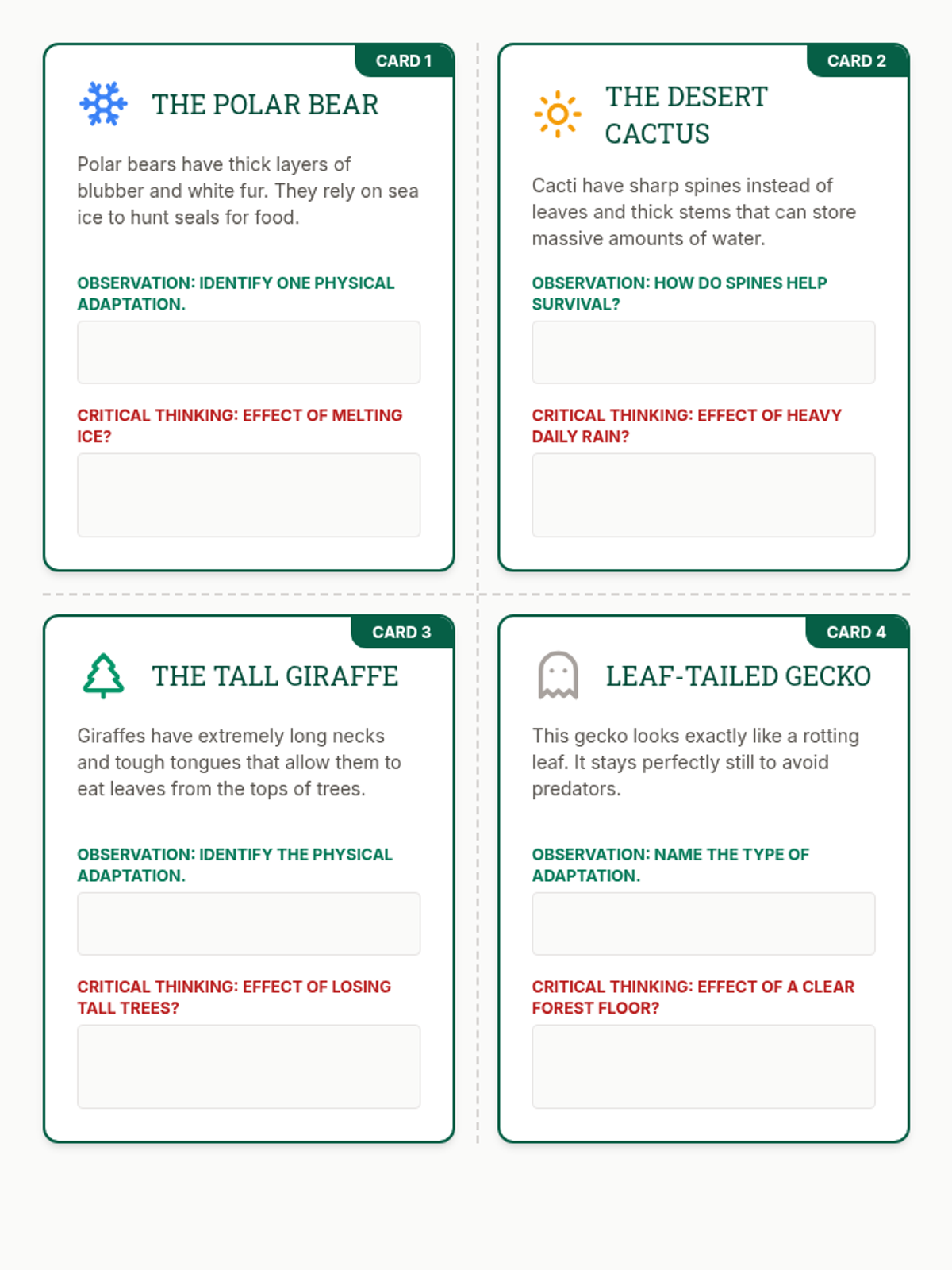
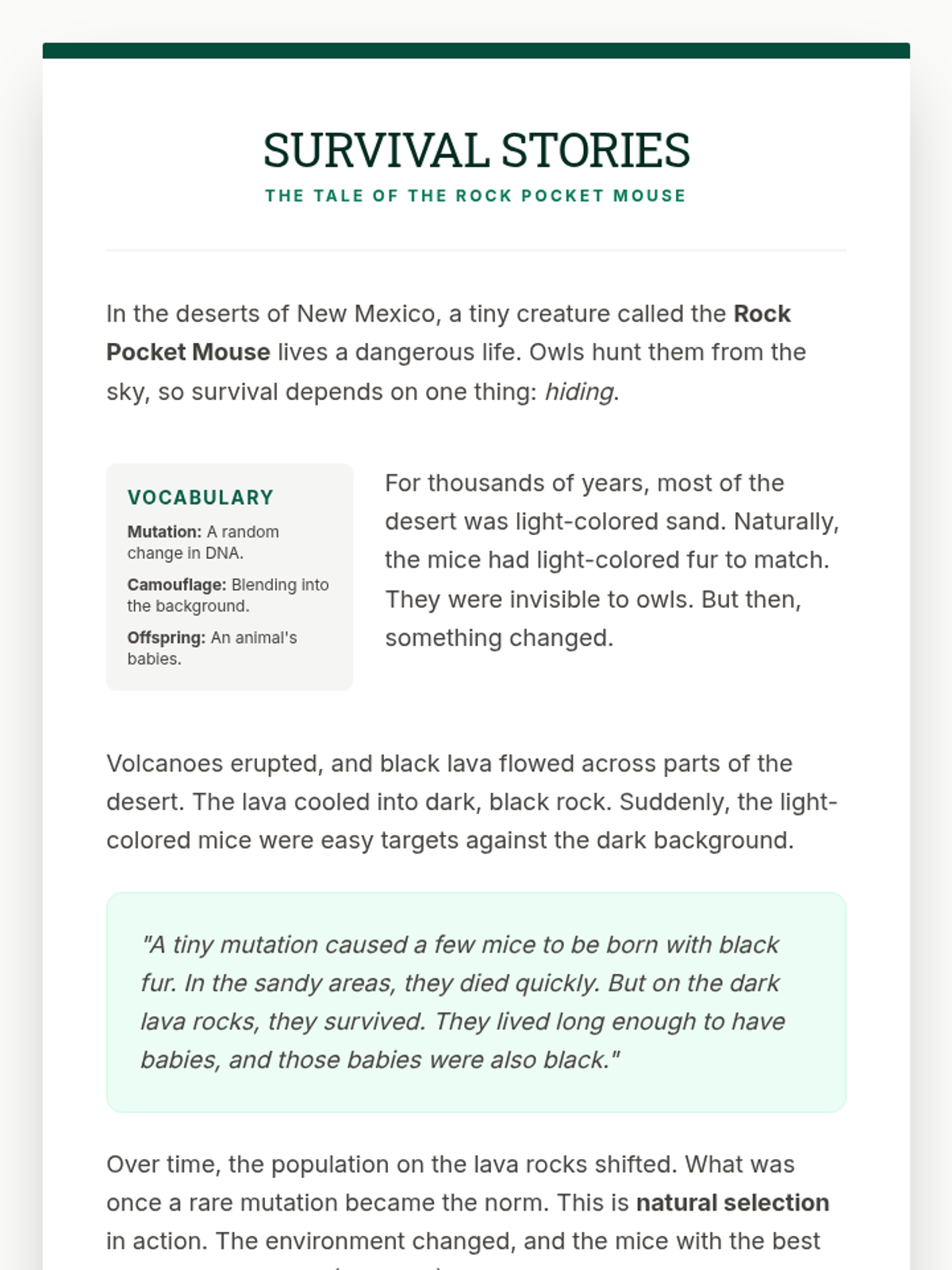
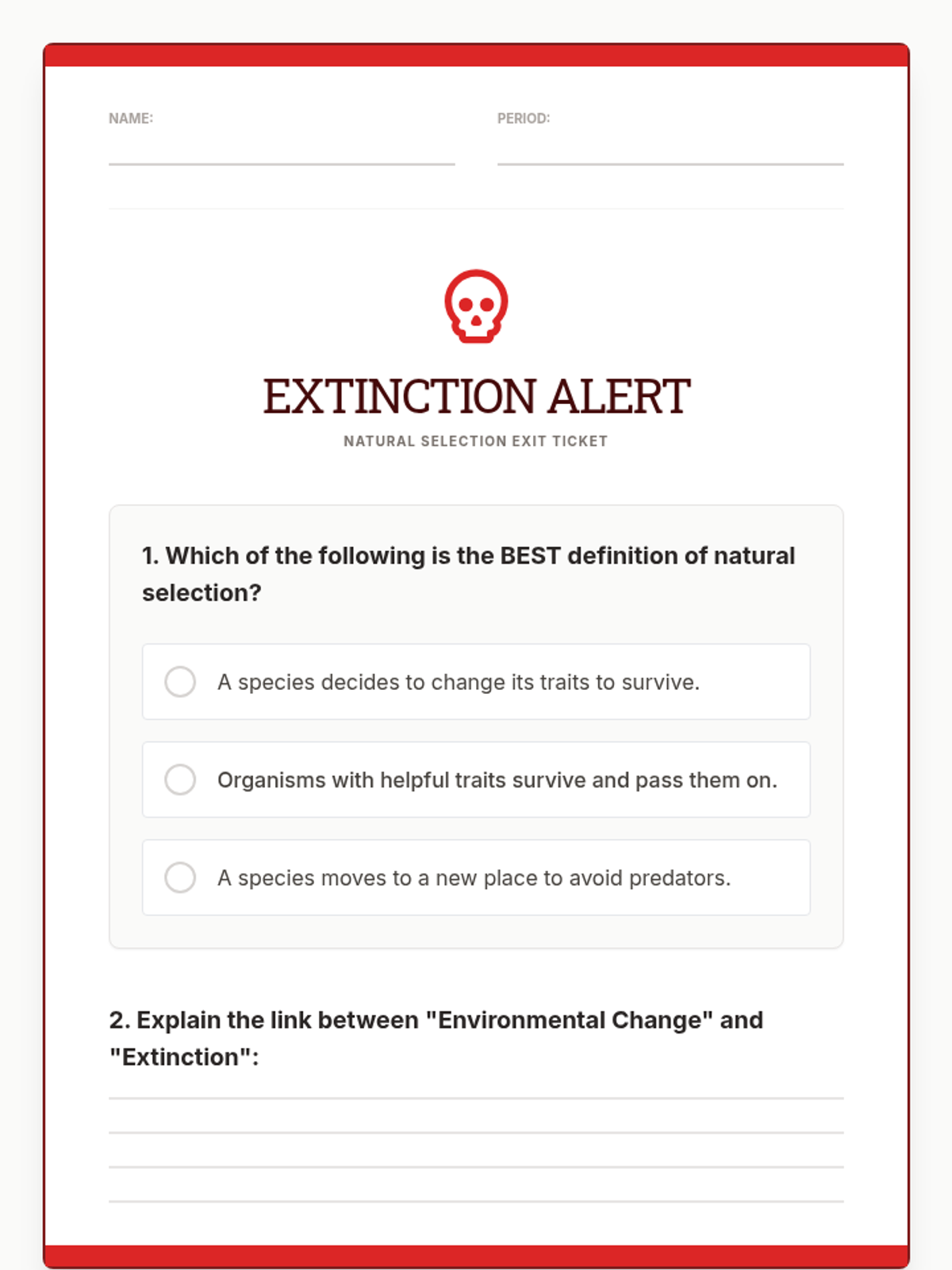
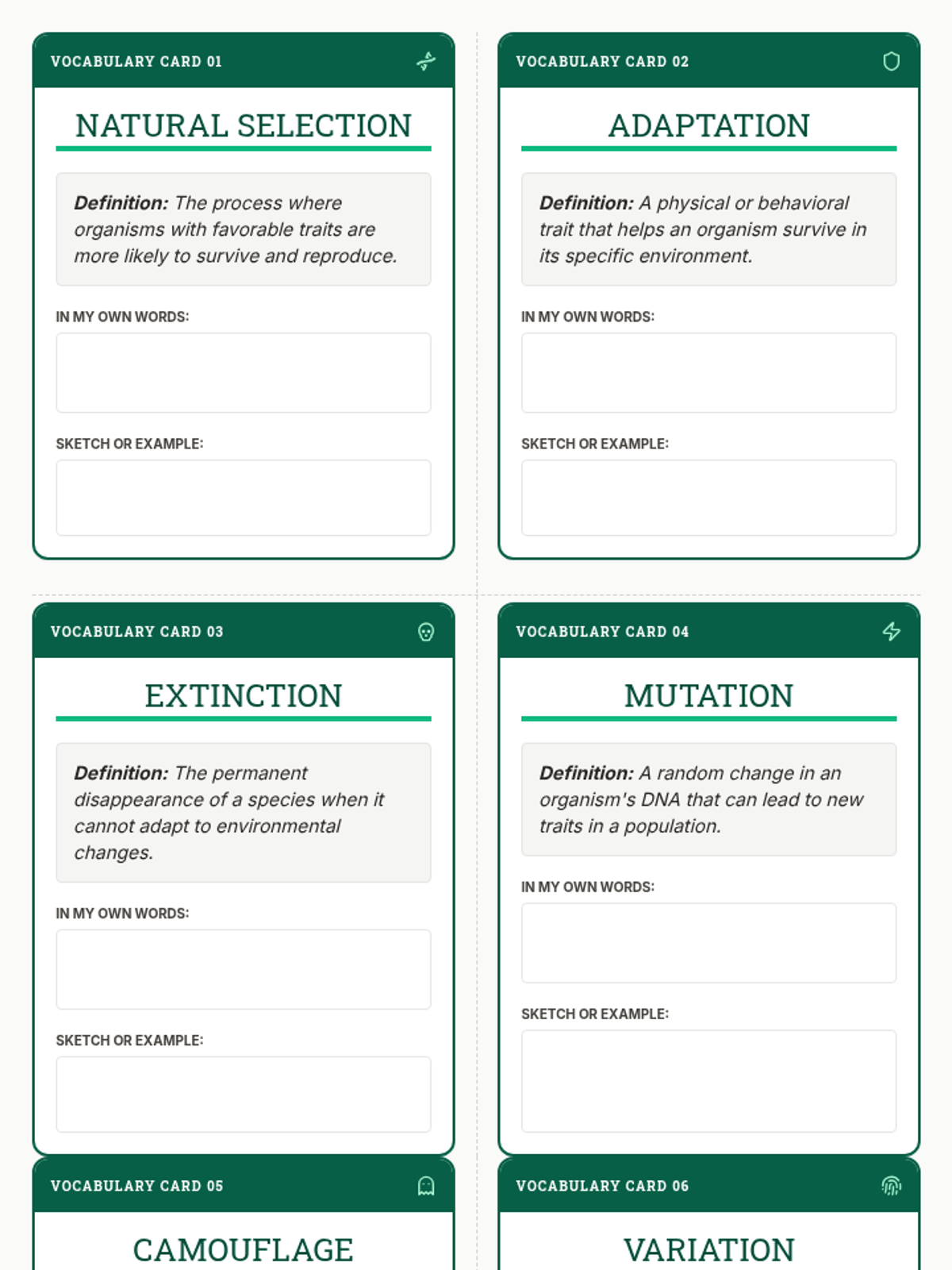
An 8th-grade science lesson exploring how physical adaptations drive survival and how environmental shifts lead to extinction. Students will engage with a slide presentation, guided notes, a hands-on beak simulation, and visual task cards.
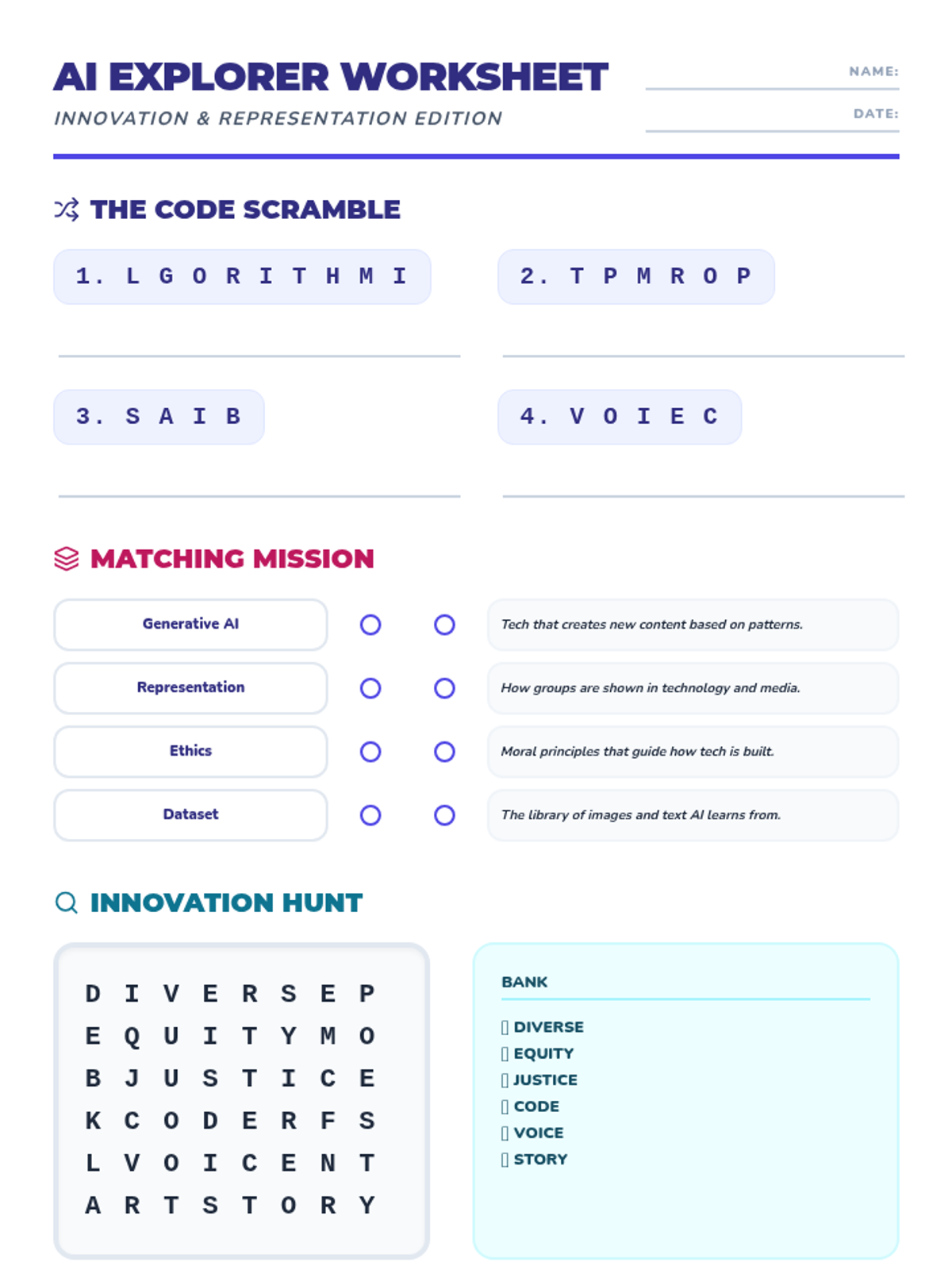
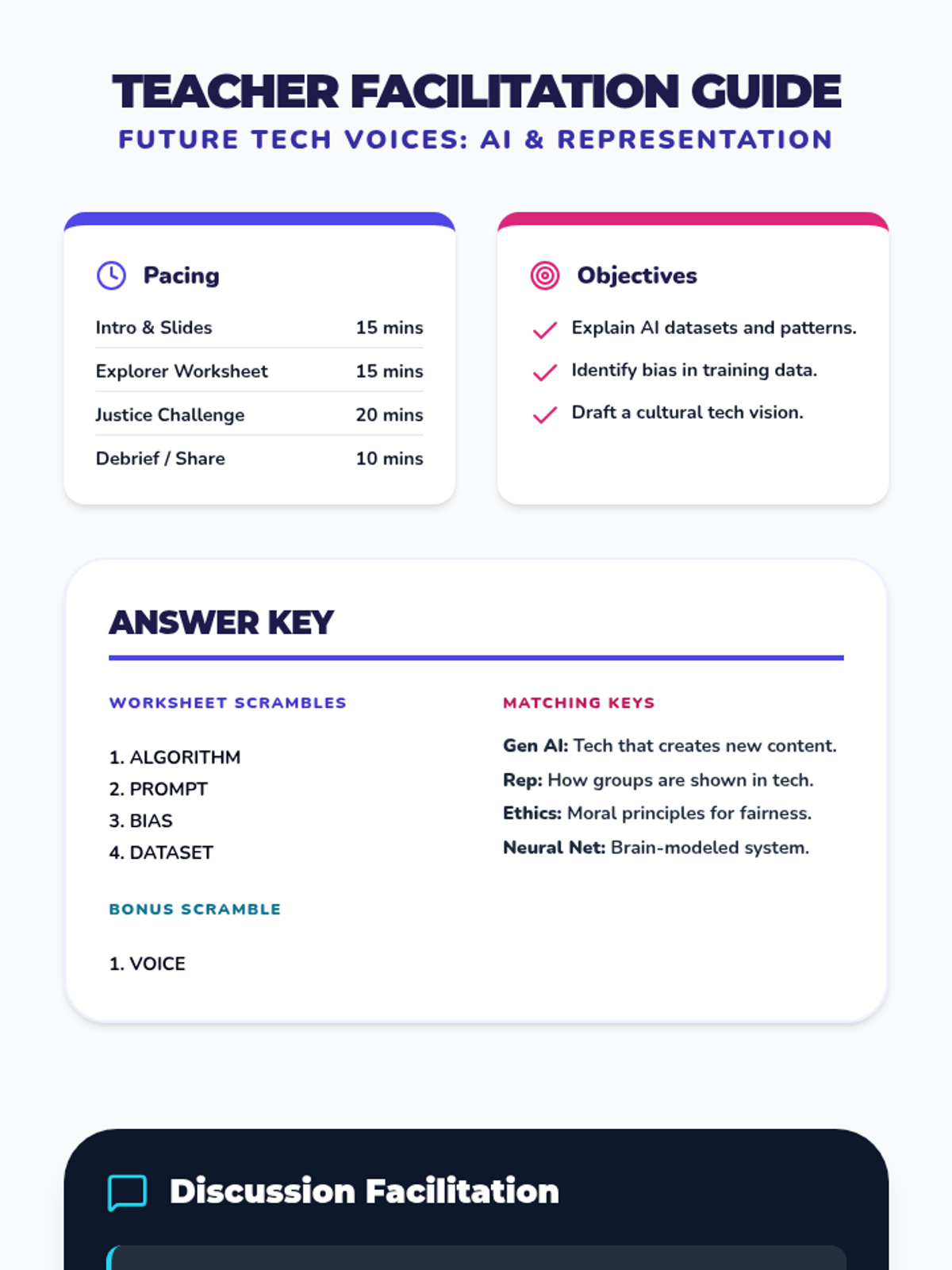
A lesson exploring the mechanics of AI generators and their social impact, specifically focusing on the experiences of young African Americans in tech and representation.
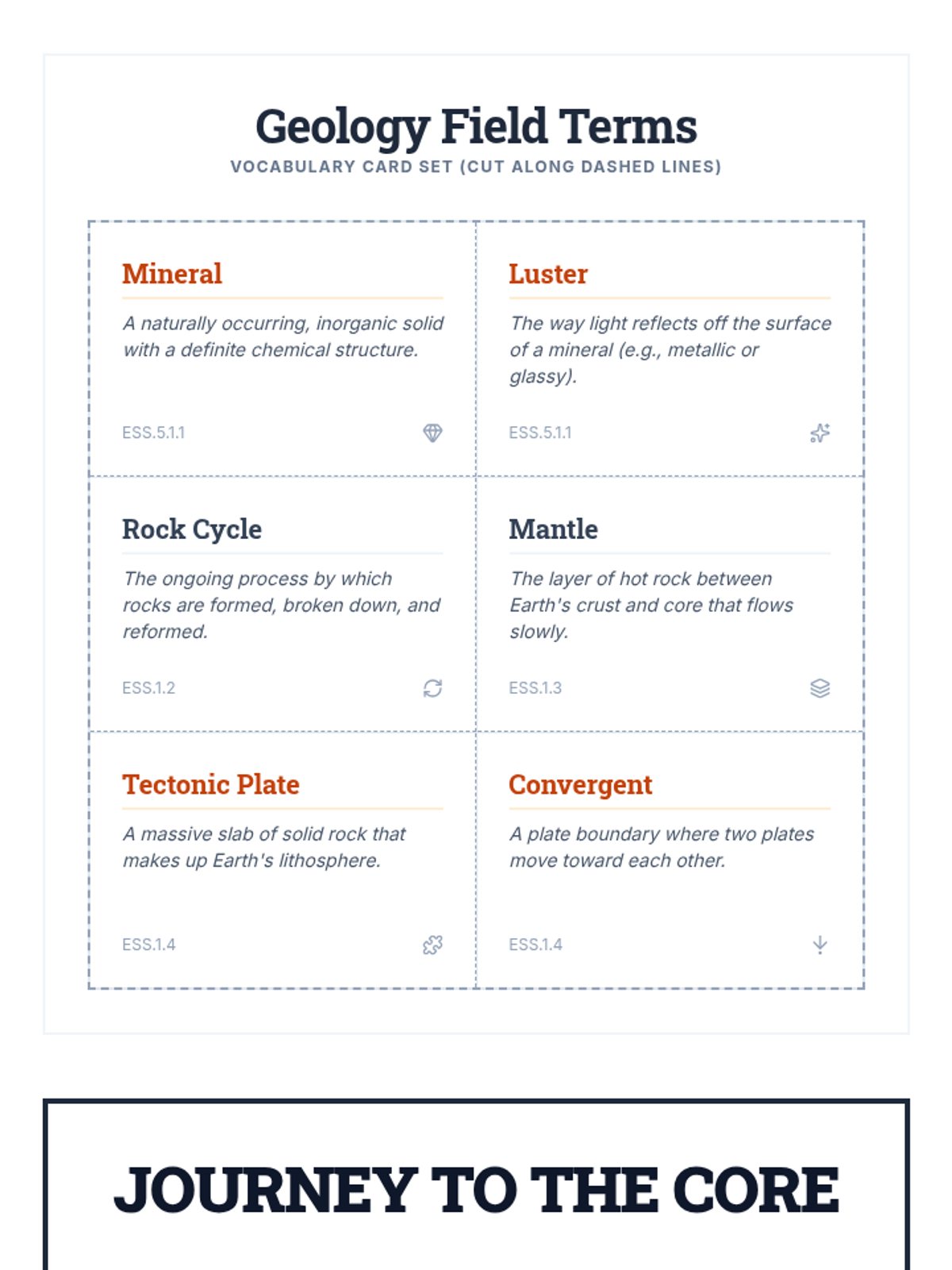
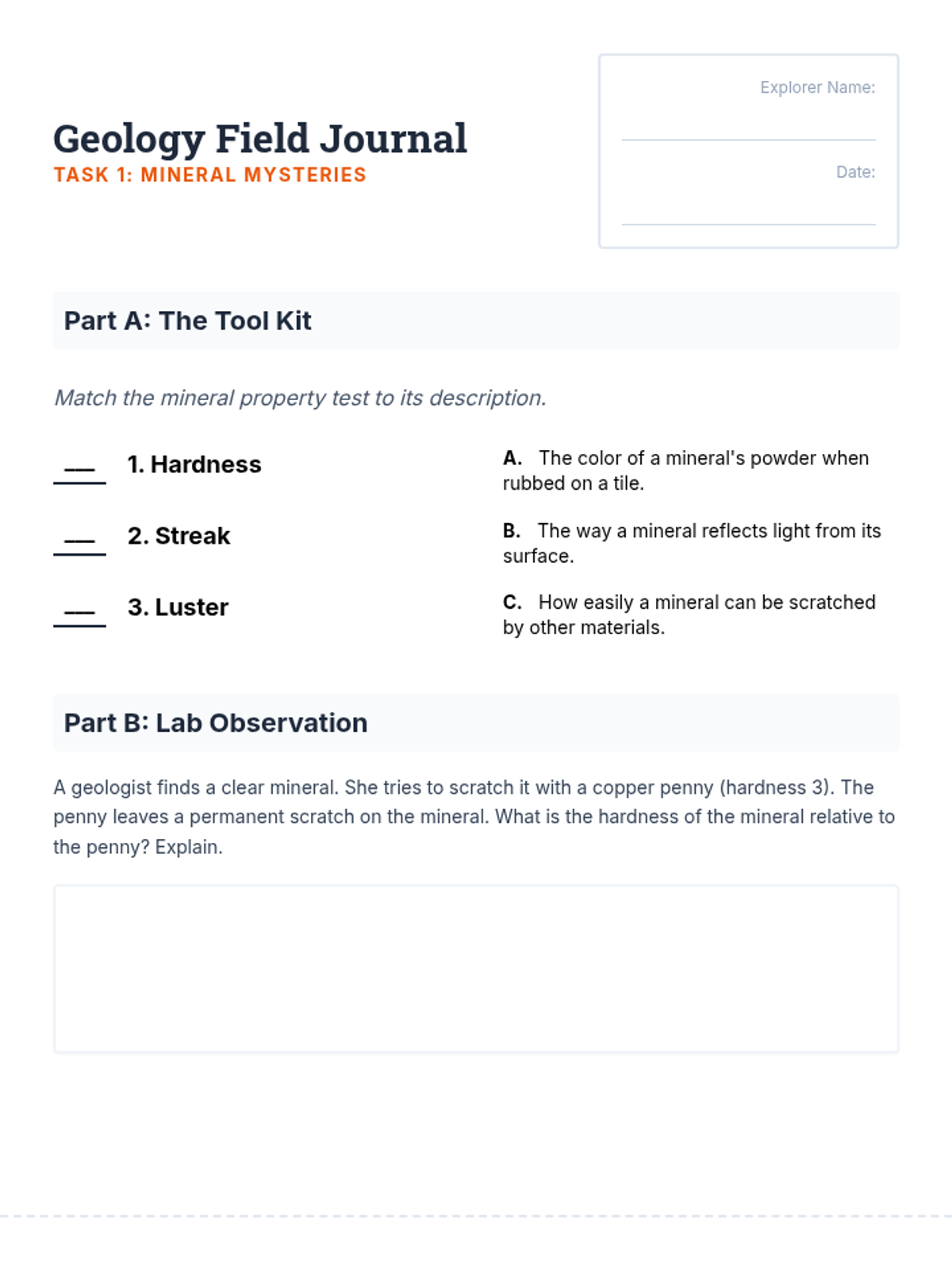
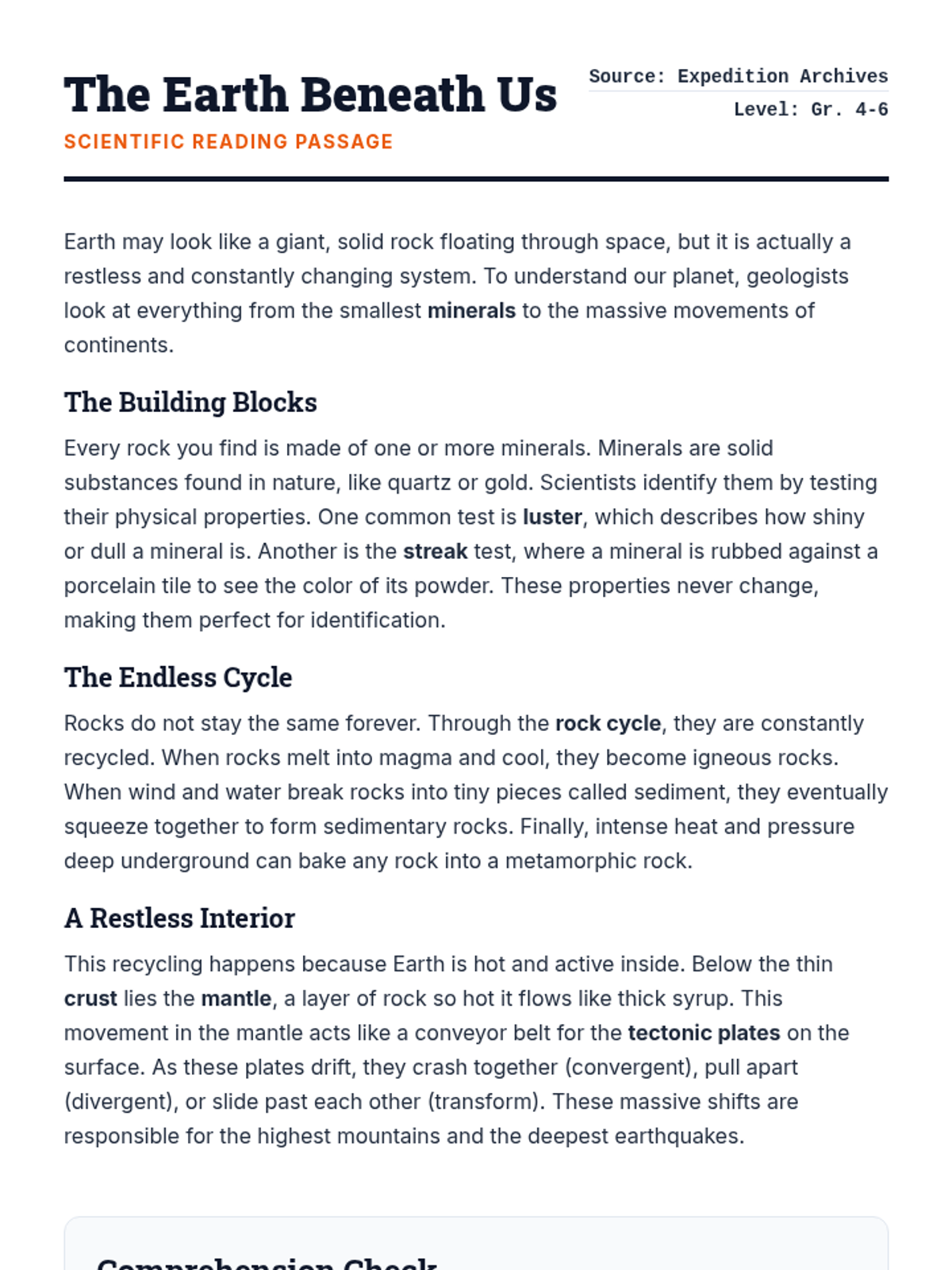
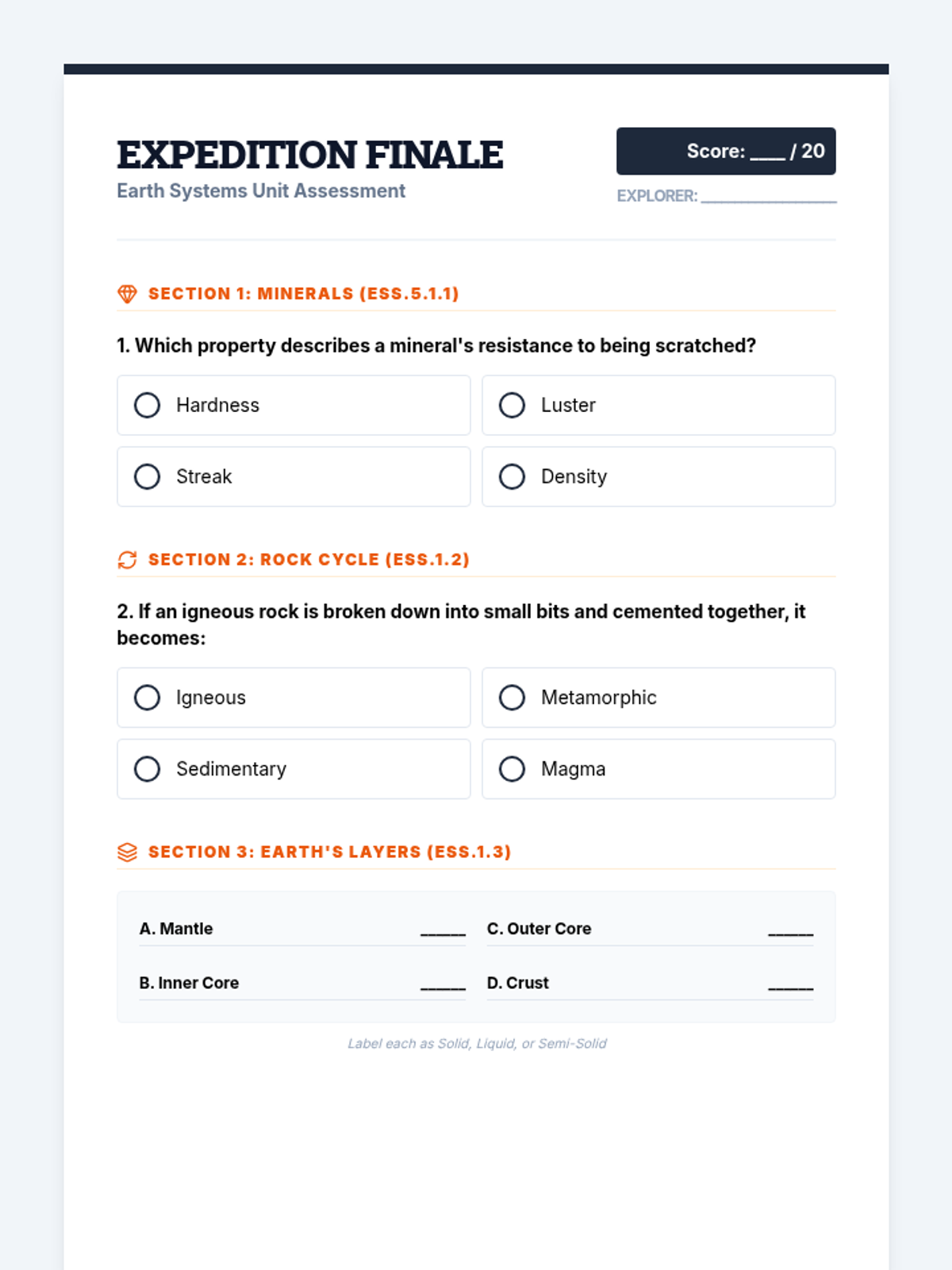
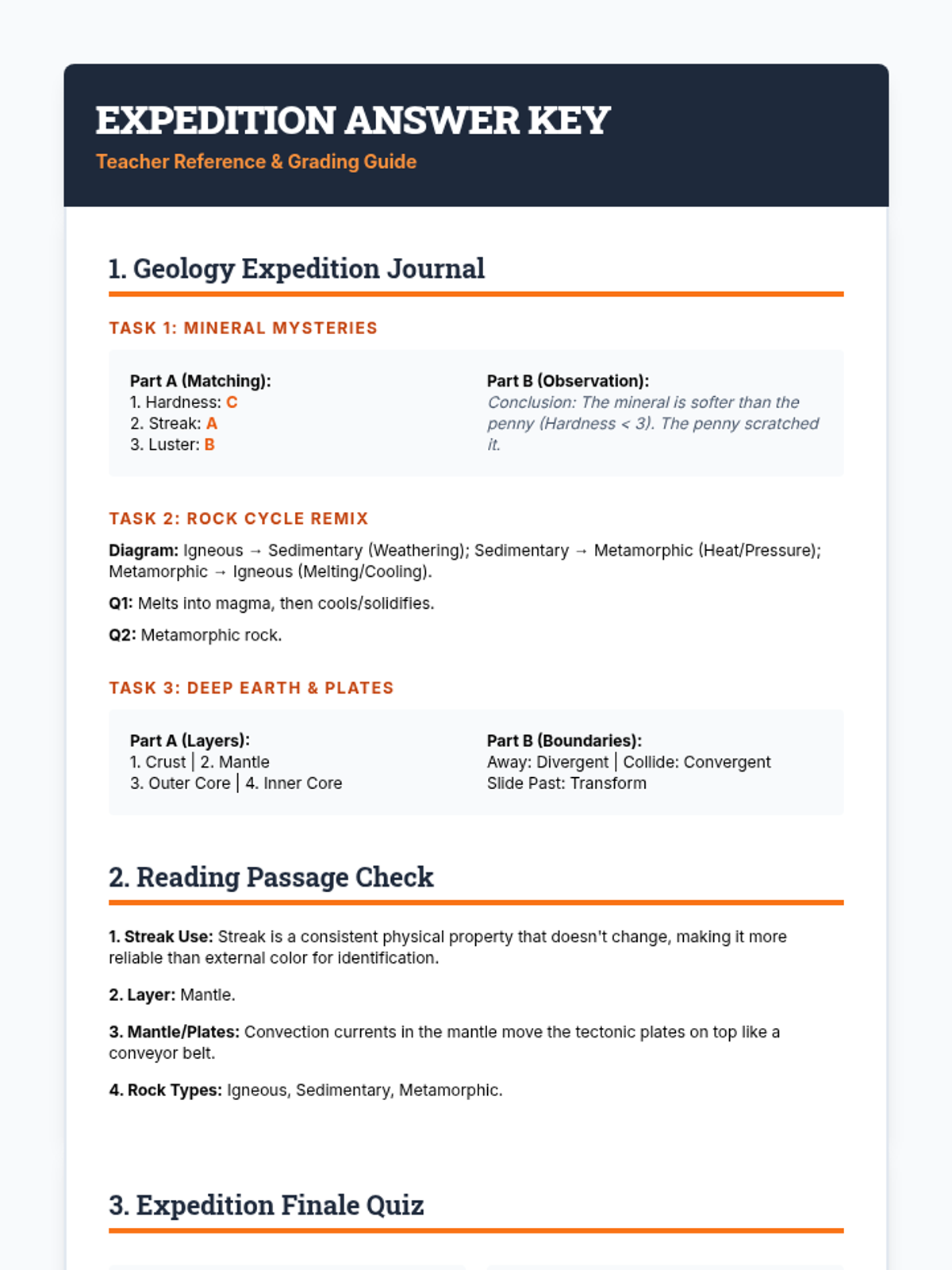
An integrated study of the four core Earth Science standards: properties of minerals, the rock cycle, Earth's layers, and plate tectonics. This lesson provides the instructional framework and student activities for a complete geology unit.
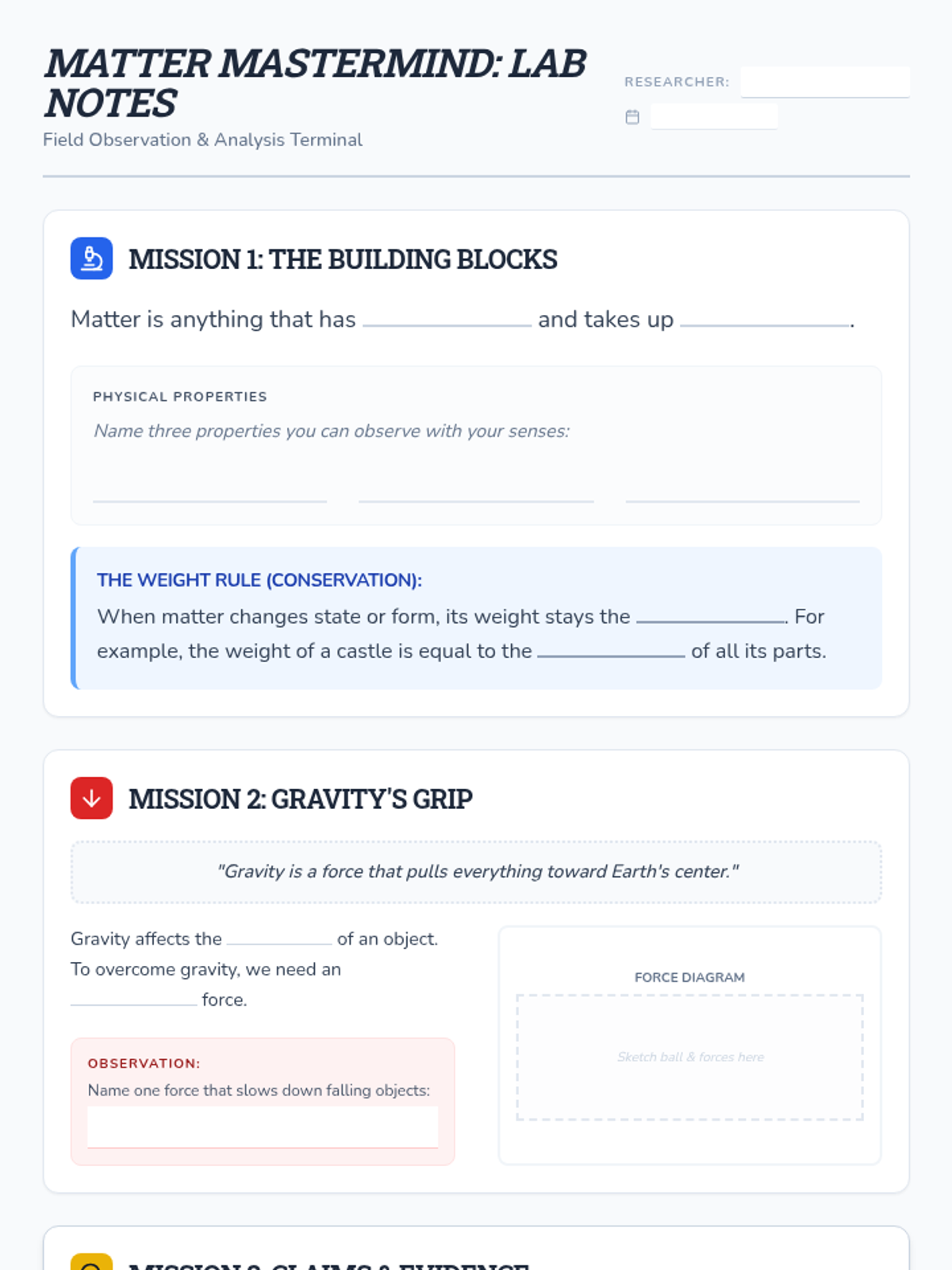
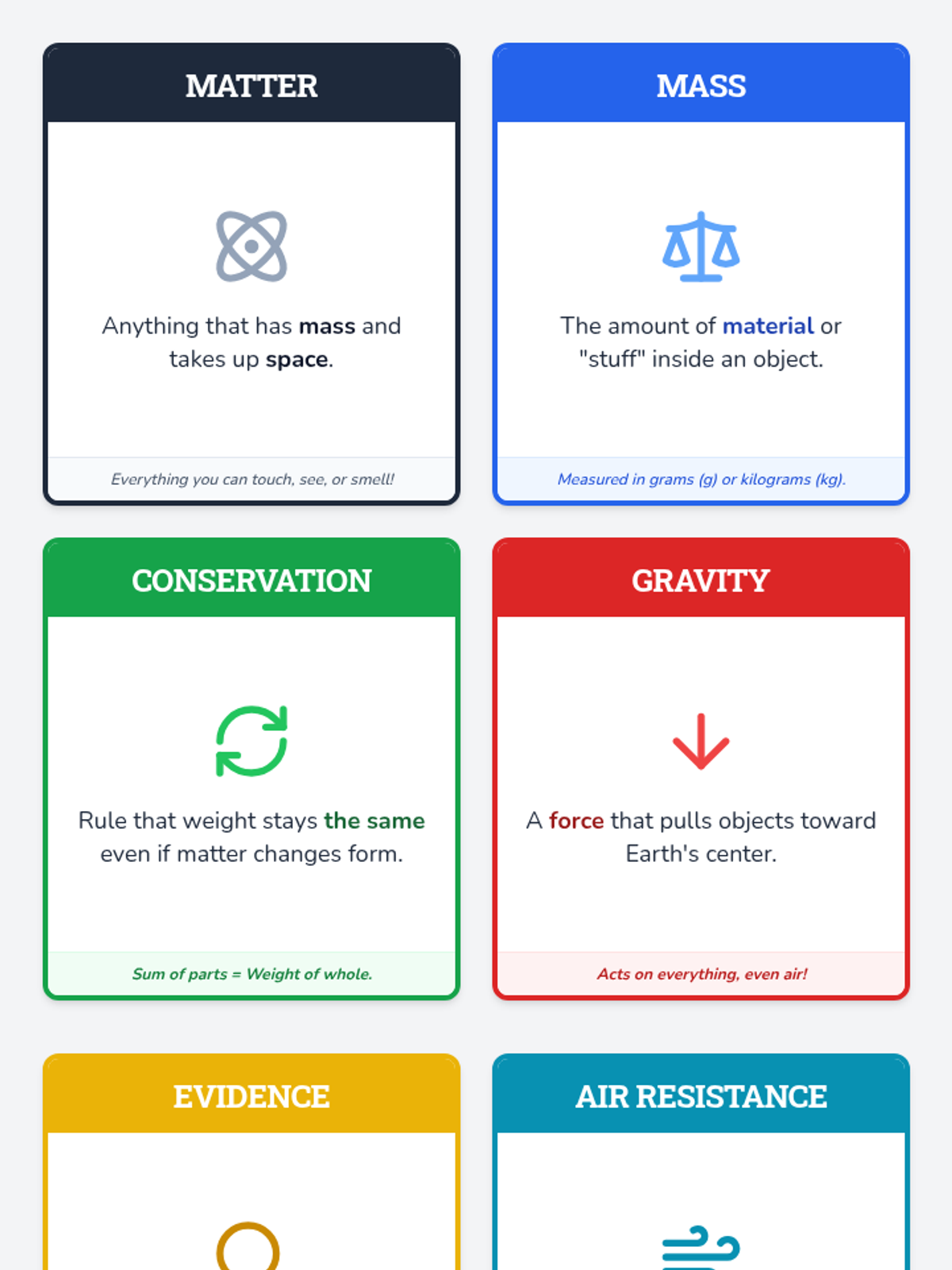
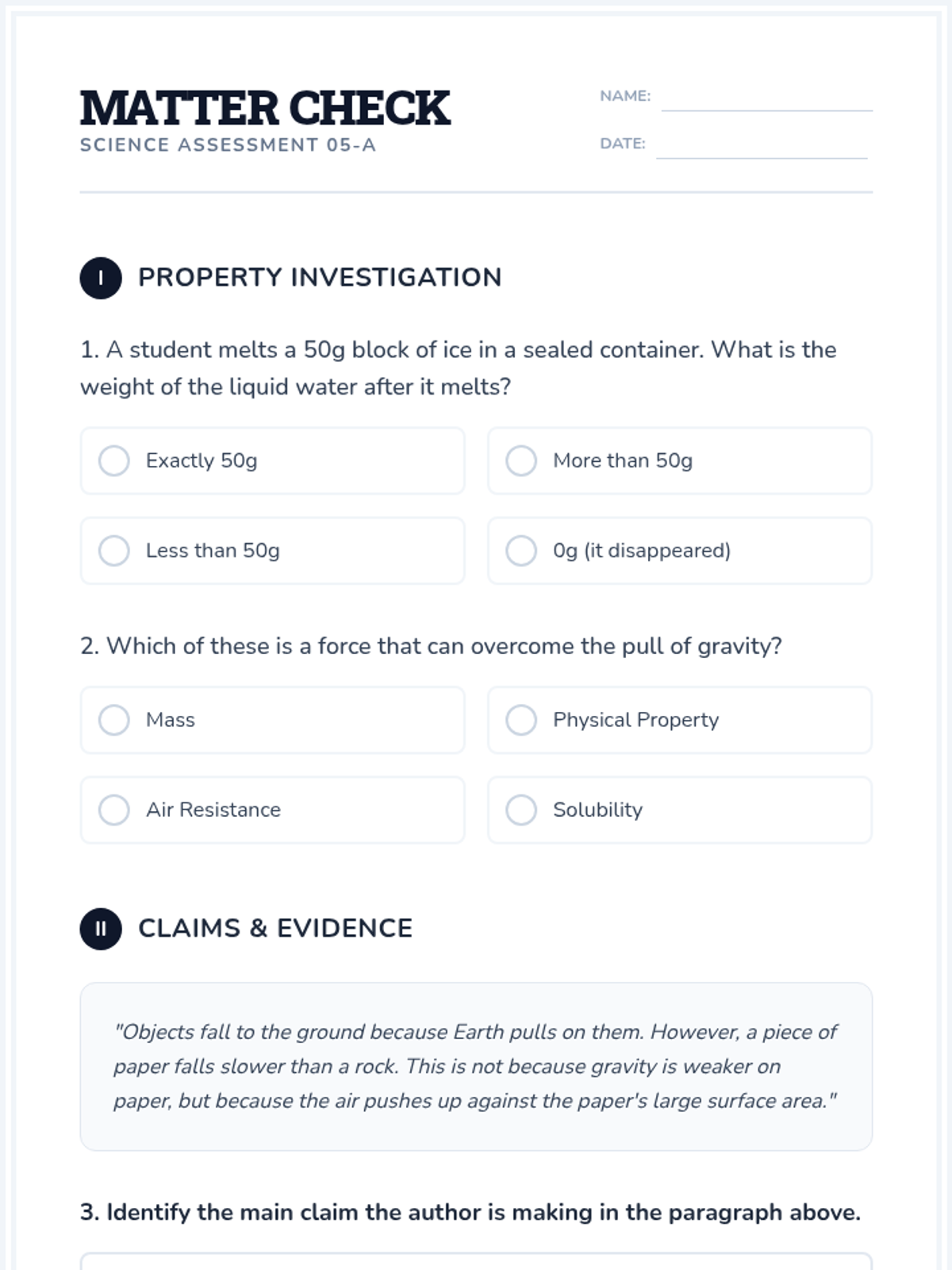
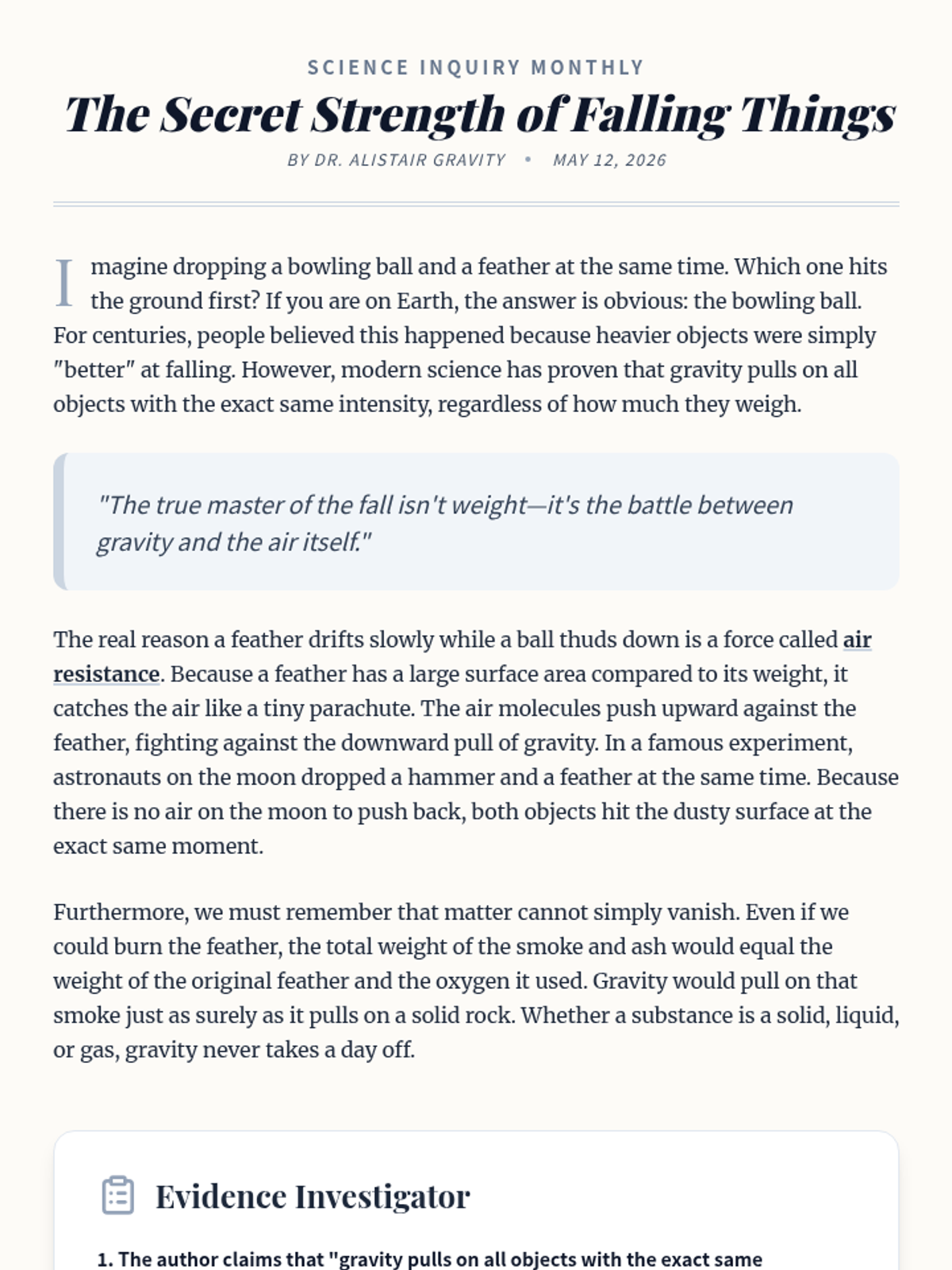
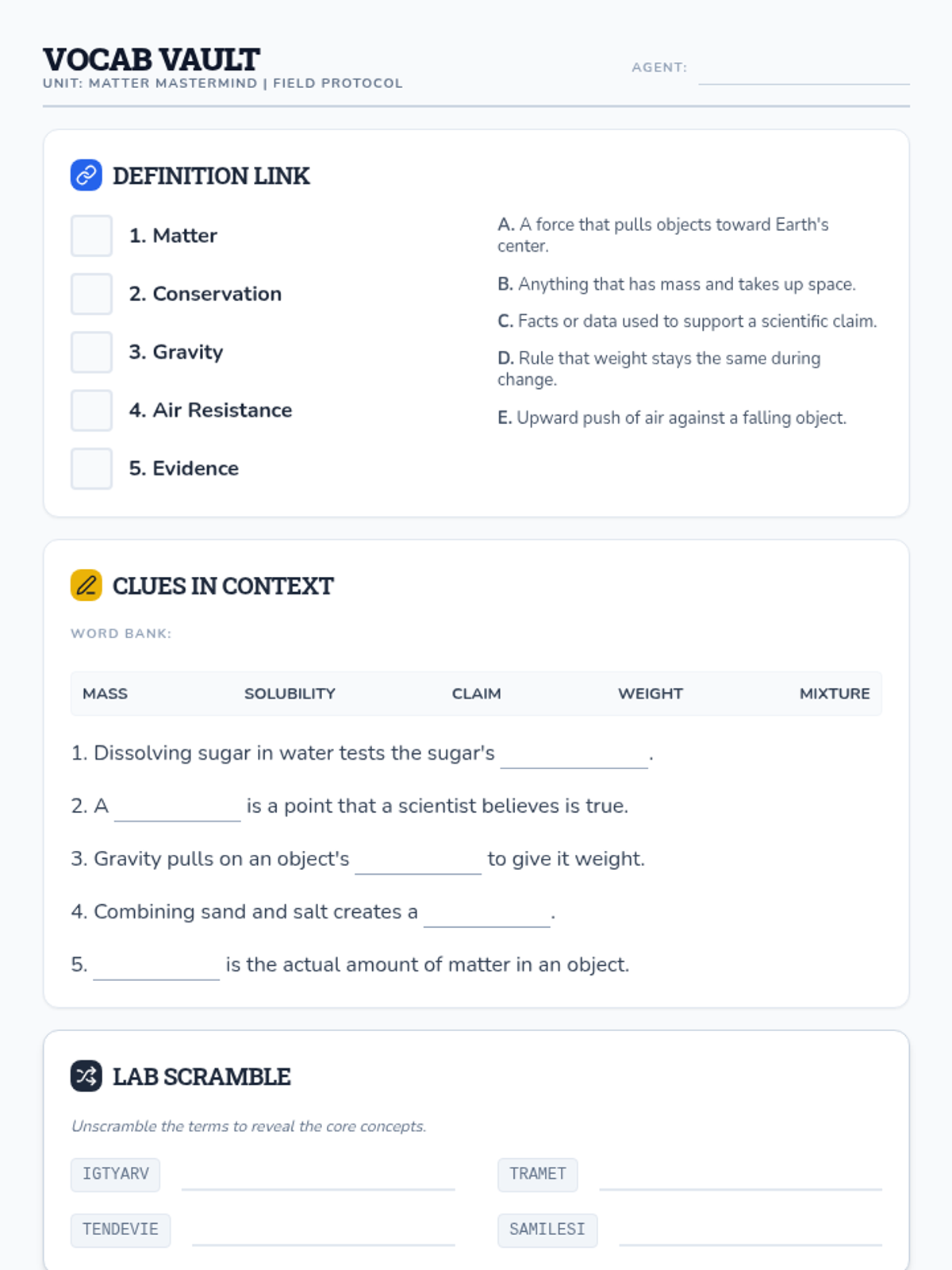
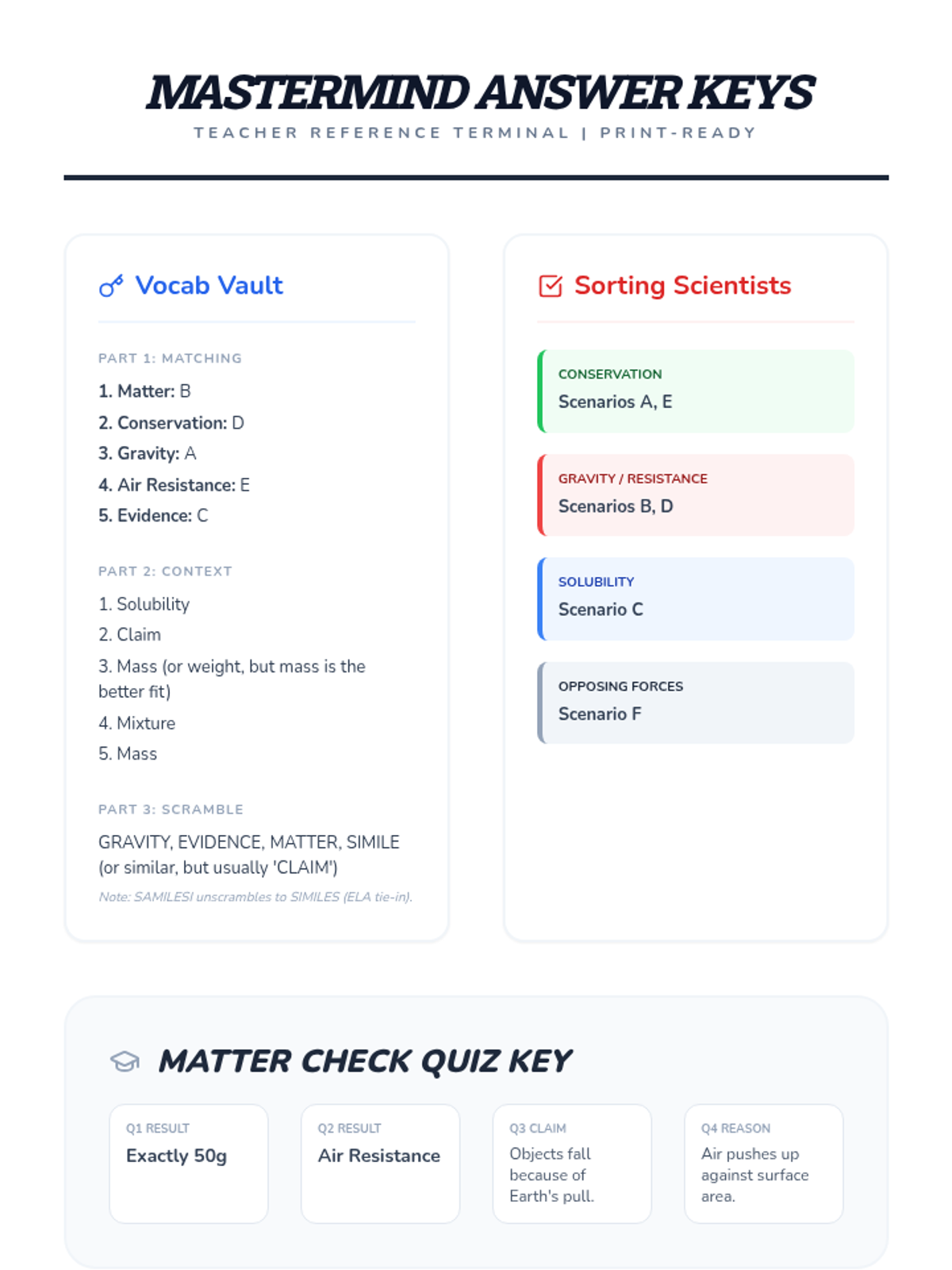
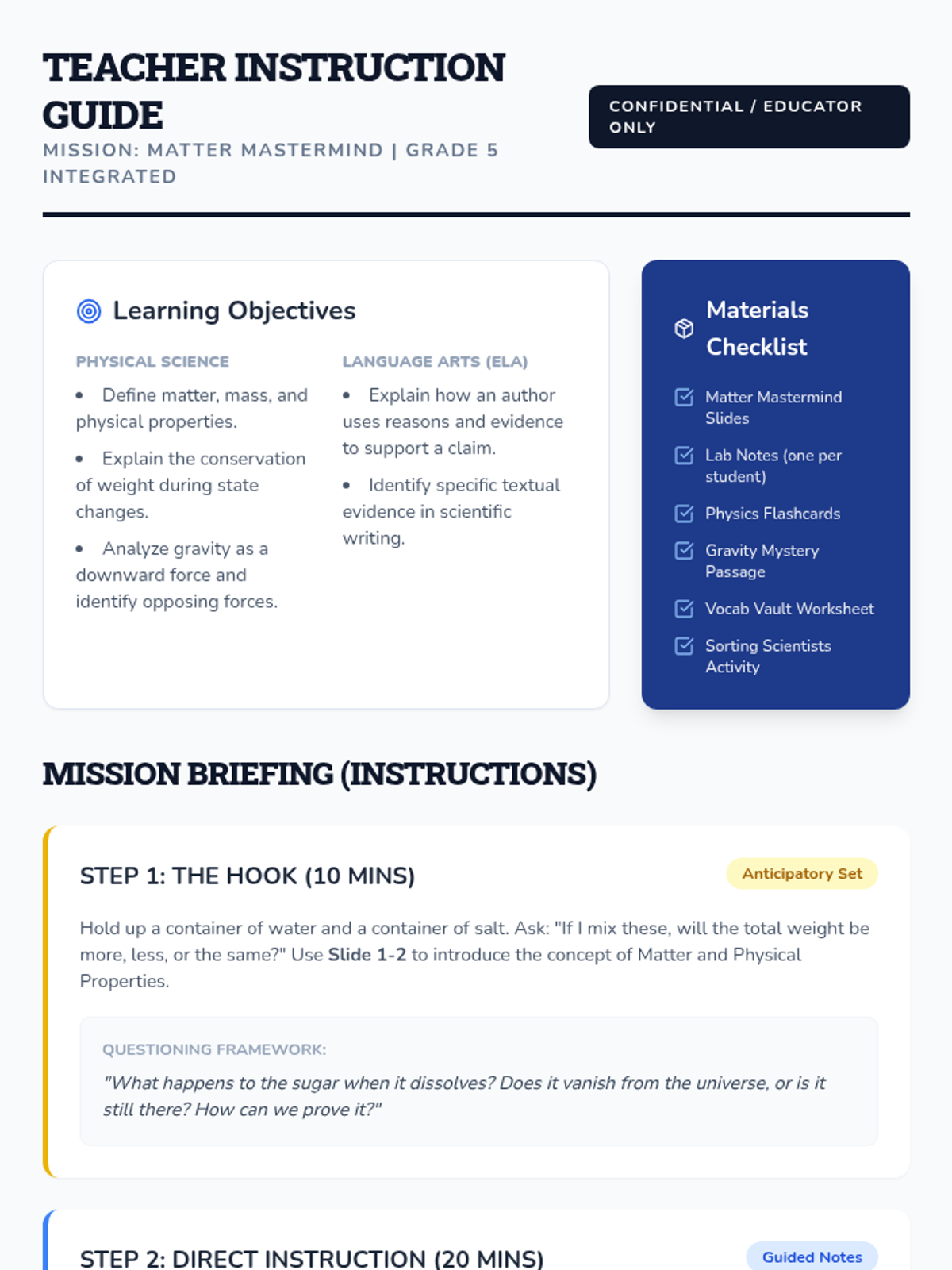
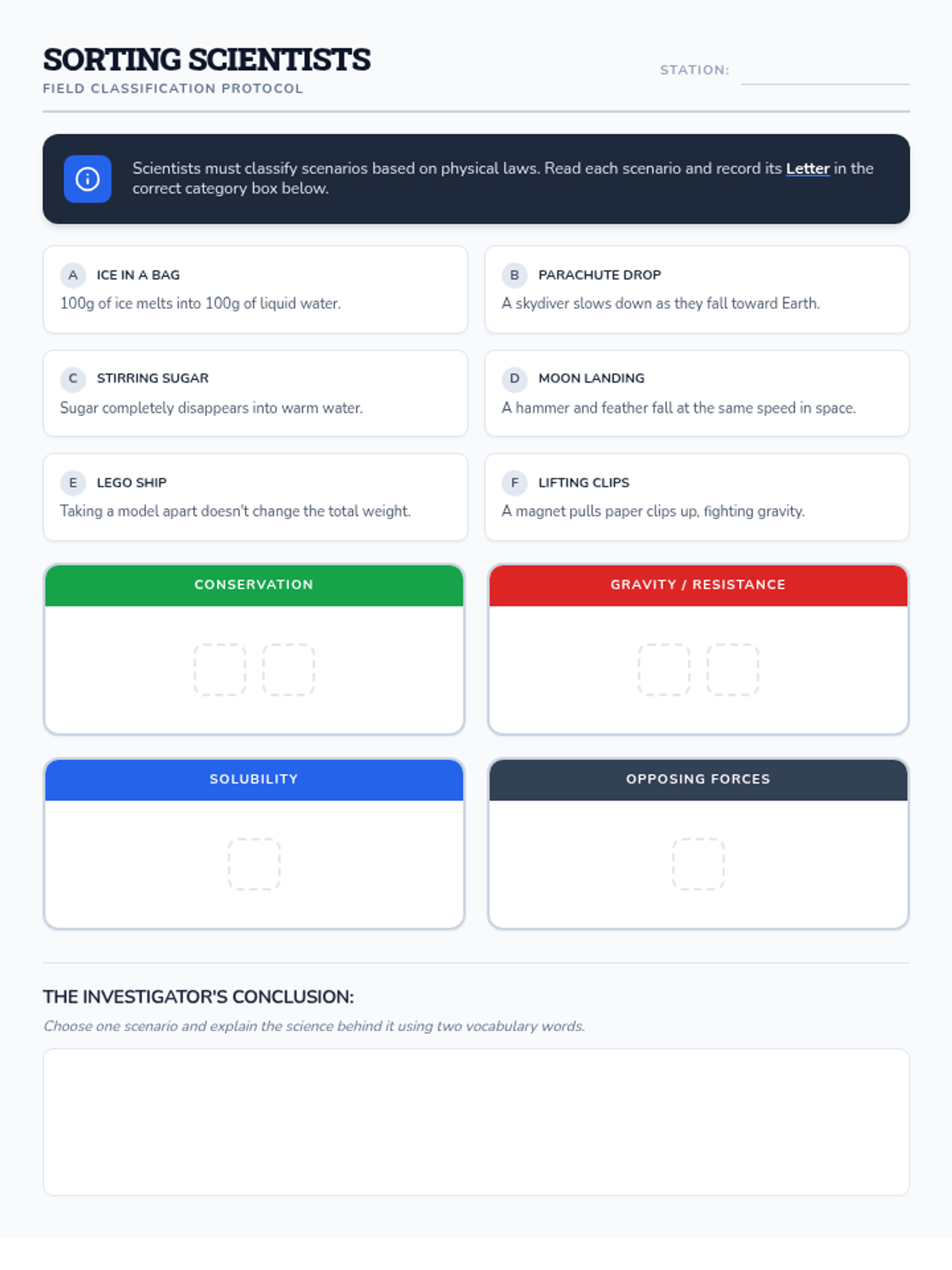
This integrated lesson explores the properties of matter and the forces of gravity. Students will analyze scientific claims by identifying the reasons and evidence used to support them, bridging physical science concepts with critical reading skills.
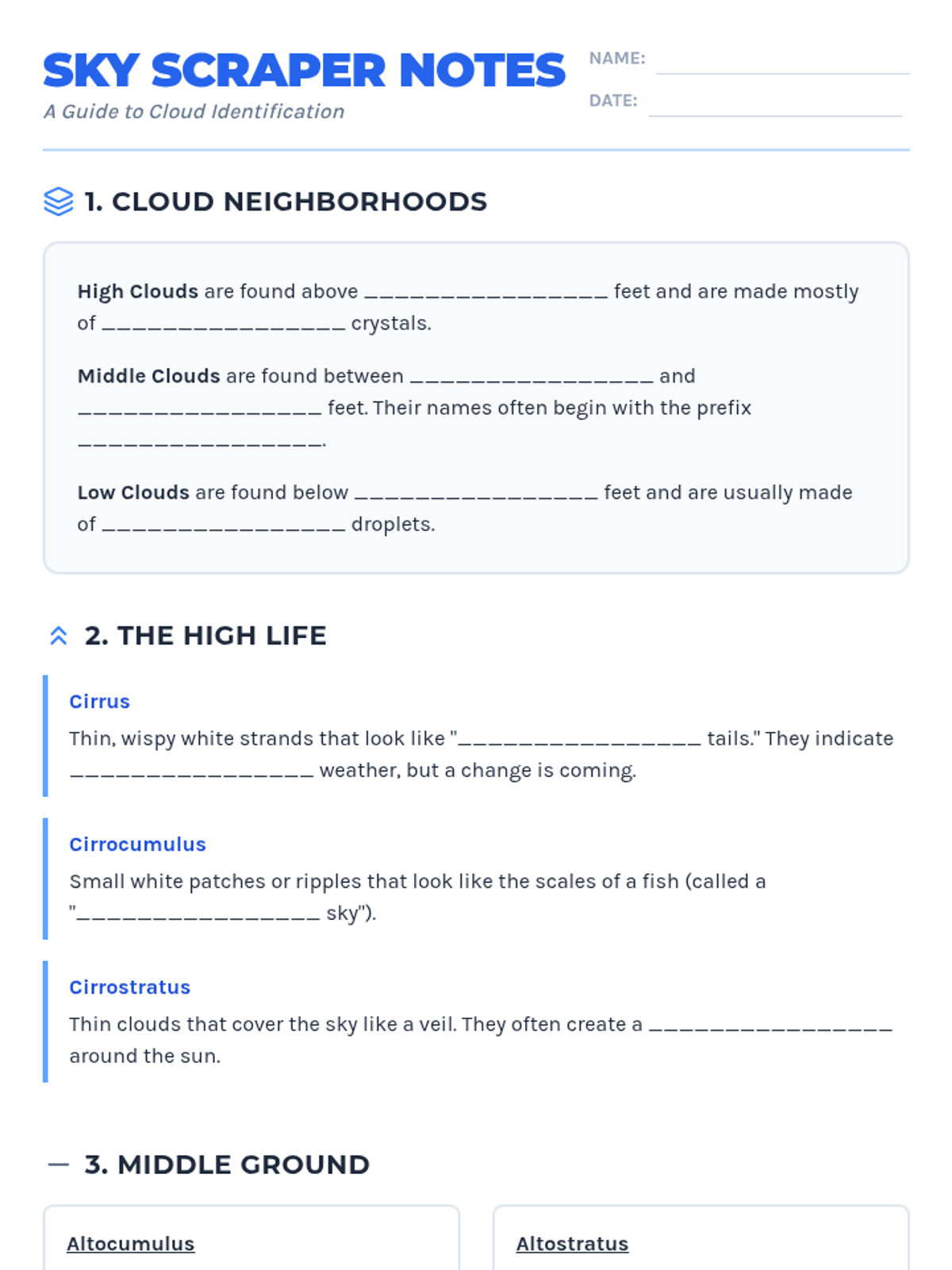
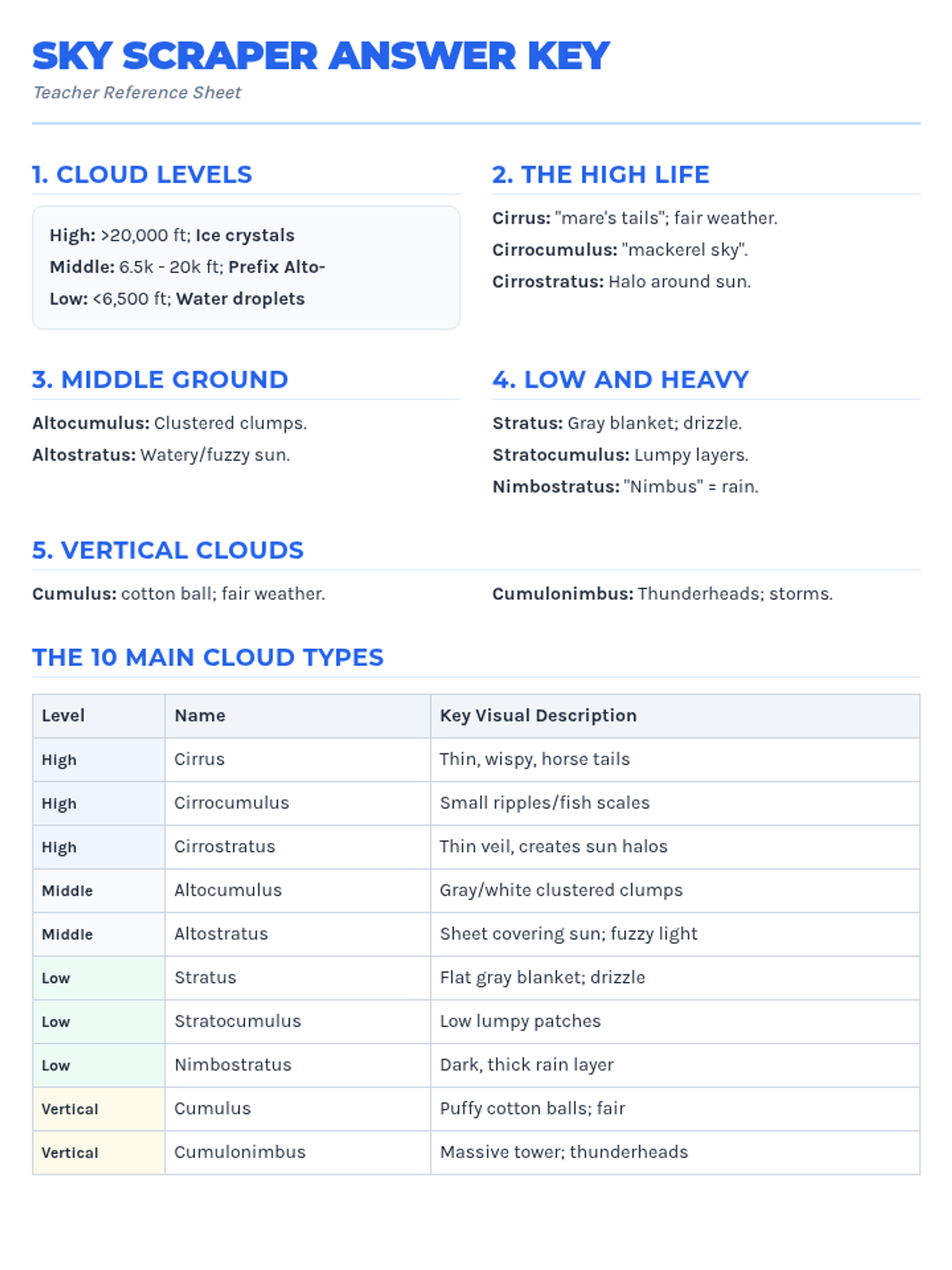
A comprehensive look at the 10 main cloud types, categorized by their altitude, with deep dives into Cirrus, Stratus, and Cumulus clouds.
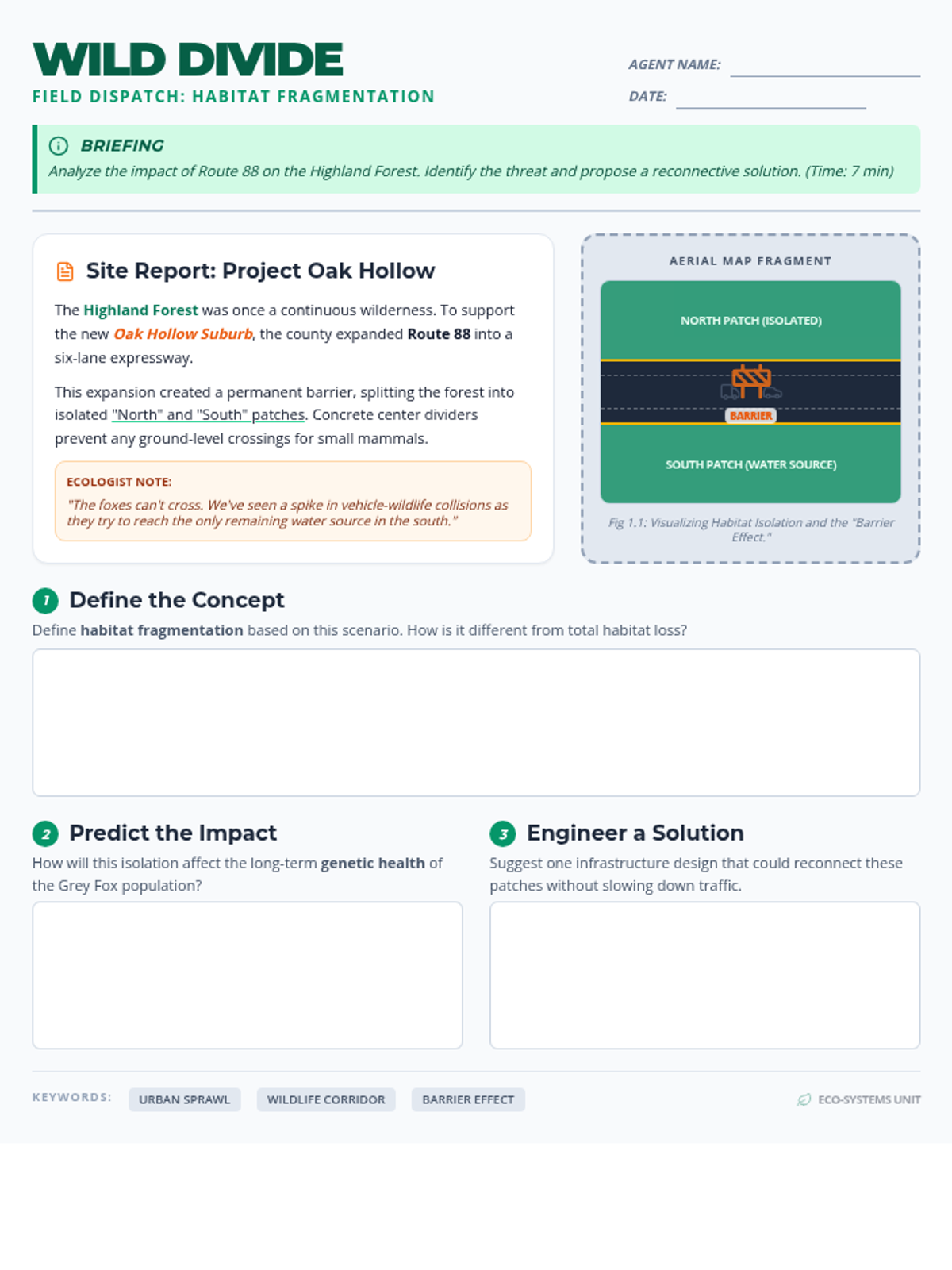
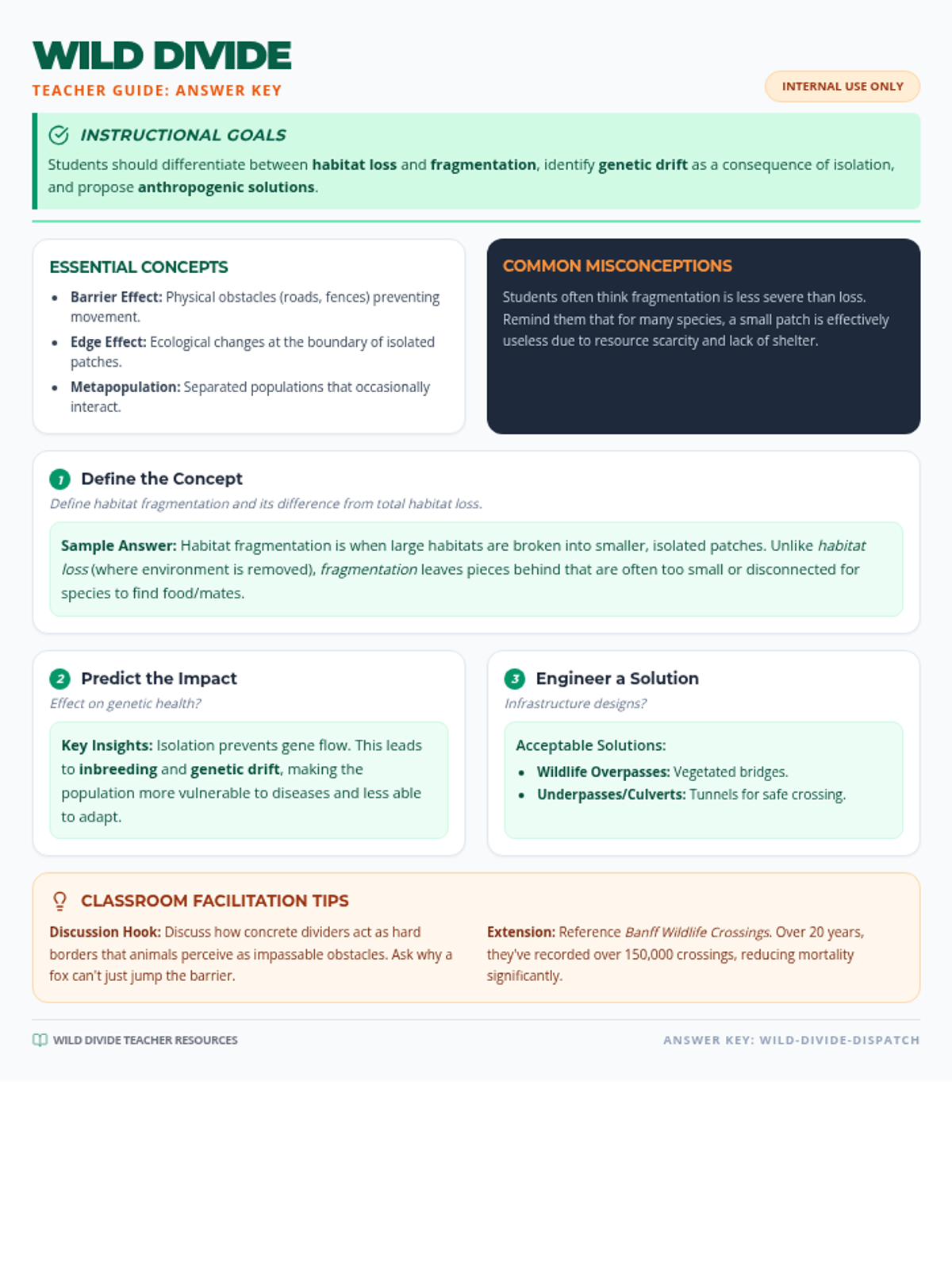
This lesson explores the ecological consequences of habitat fragmentation caused by human infrastructure. Students analyze case studies of wildlife isolation and propose engineering solutions like wildlife corridors to mitigate the impact of roads and urban sprawl.
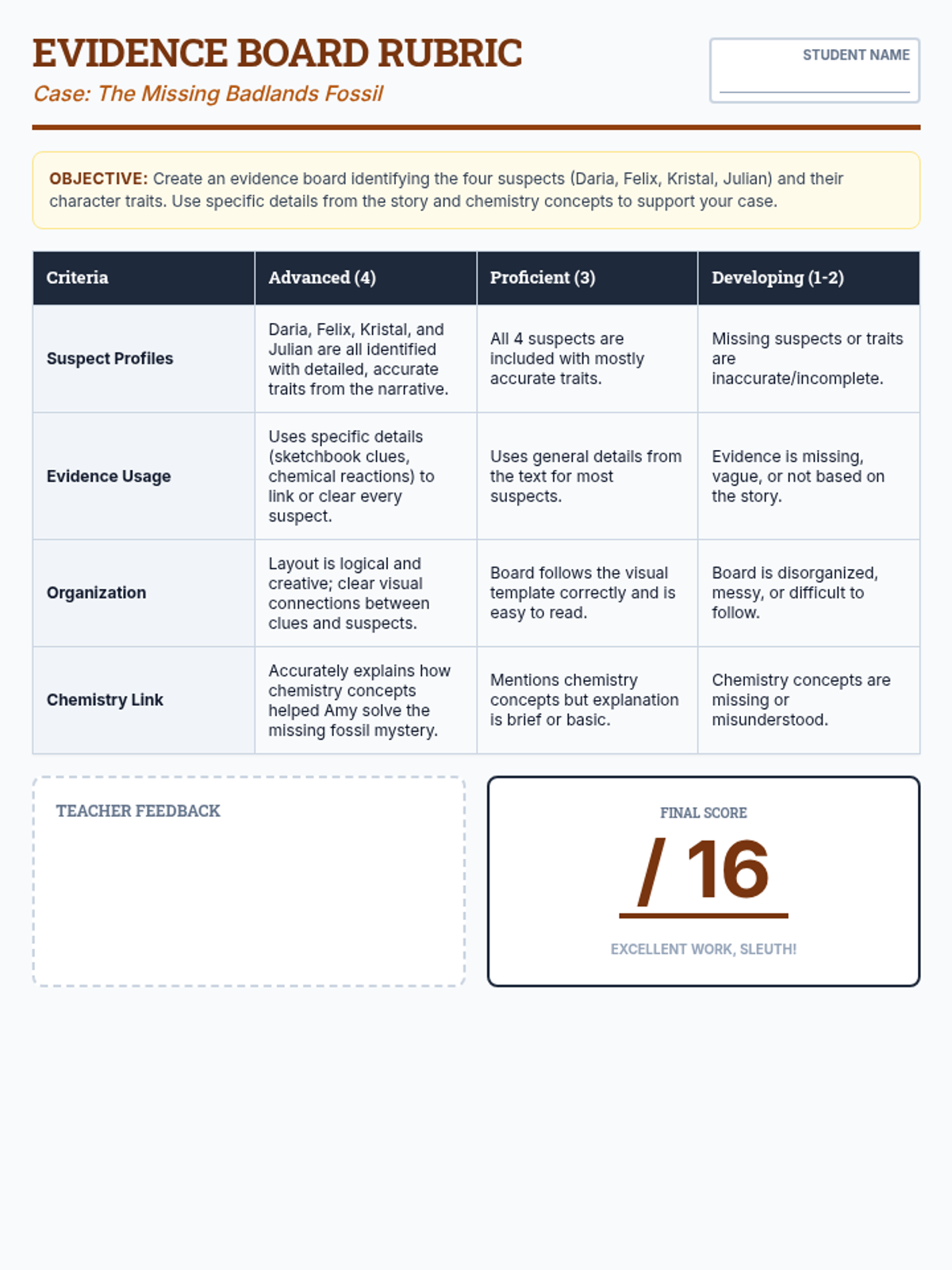
A hands-on activity where students use chemistry concepts and character analysis from 'The Badlands Sleuth' to construct evidence boards and identify a fossil thief.
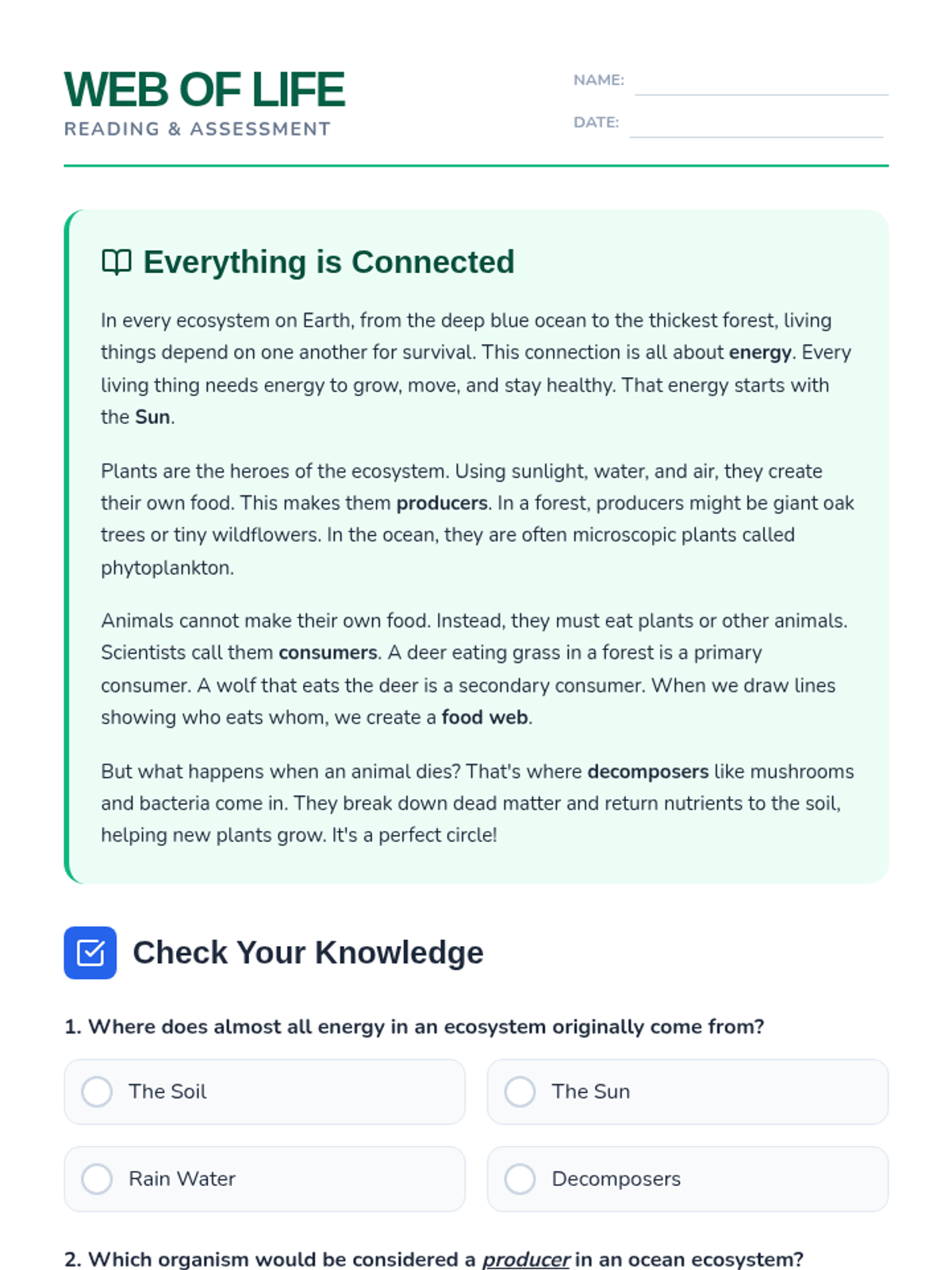
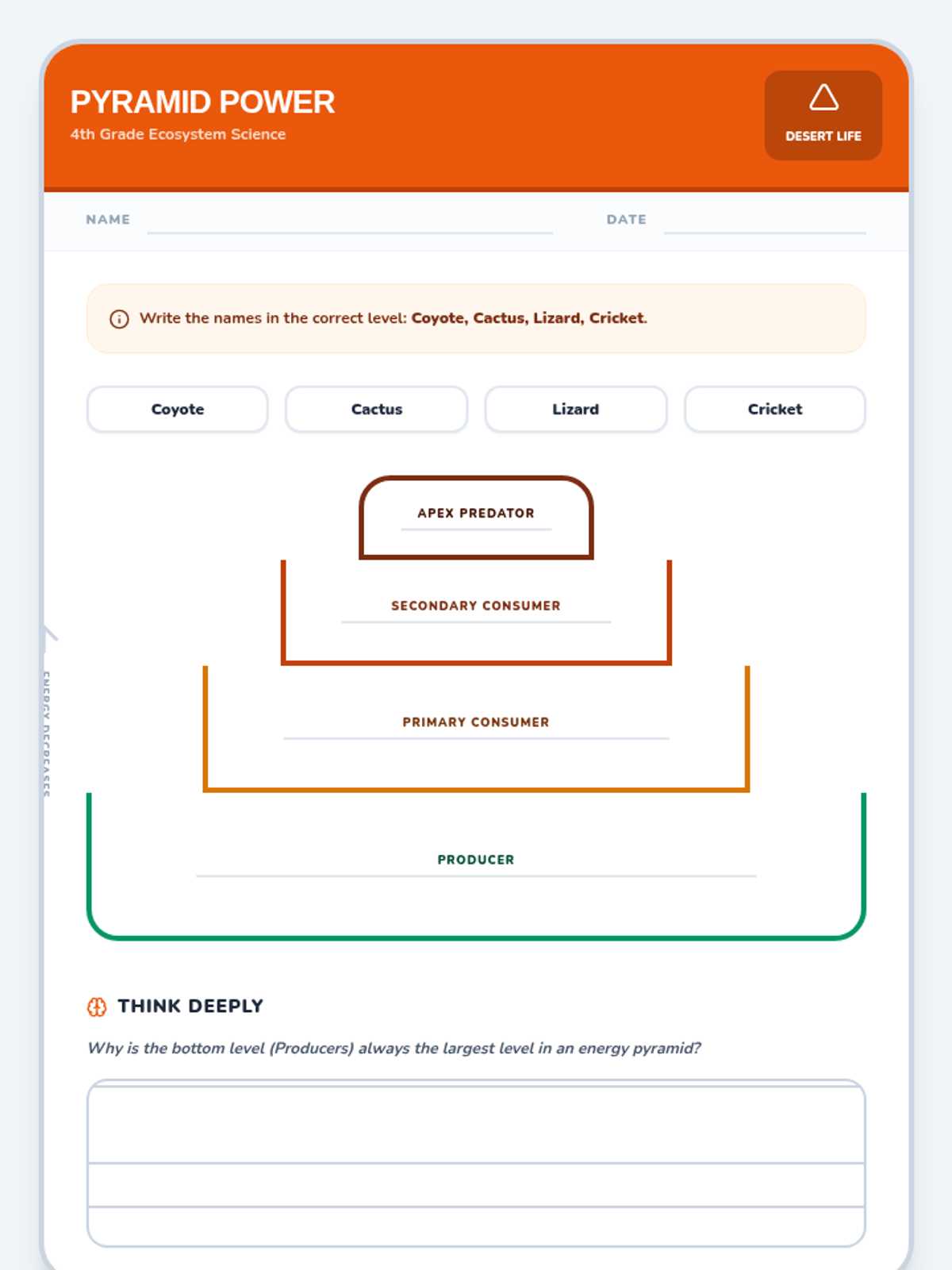
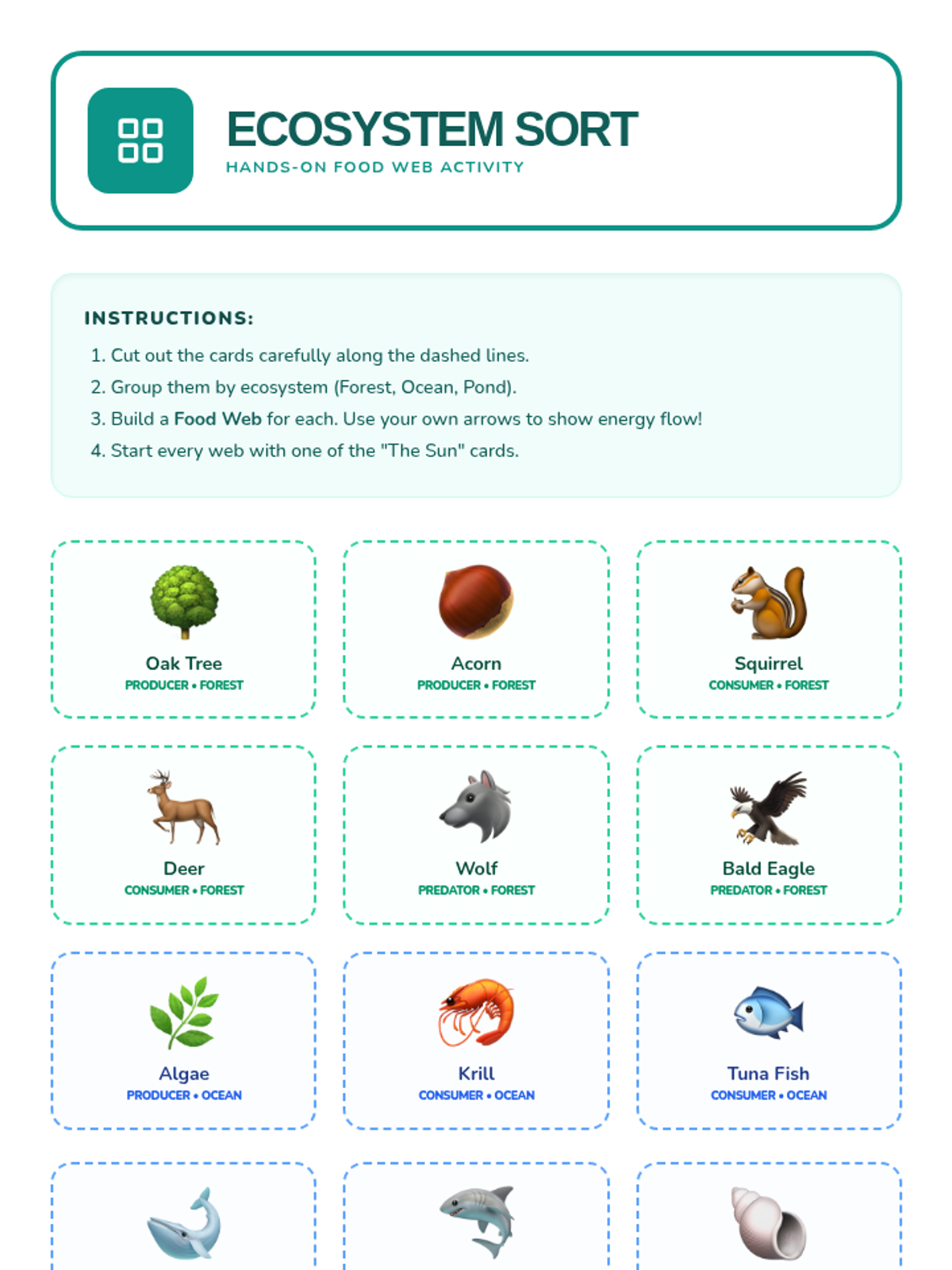
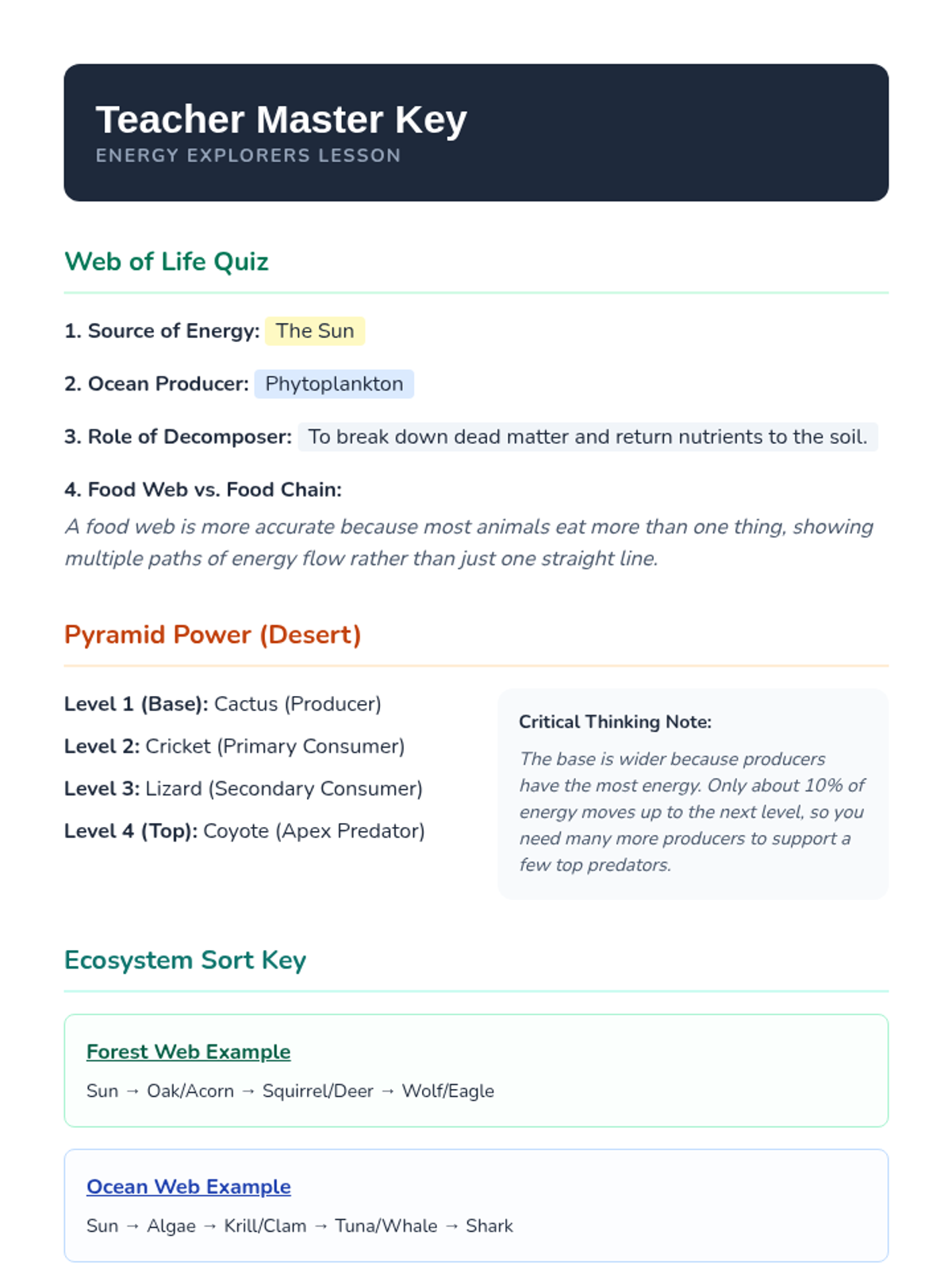
A comprehensive lesson on energy flow through ecosystems, covering food webs and energy pyramids in forest, ocean, desert, and pond habitats. Students will read, analyze, and physically sort organisms to understand their roles in nature.
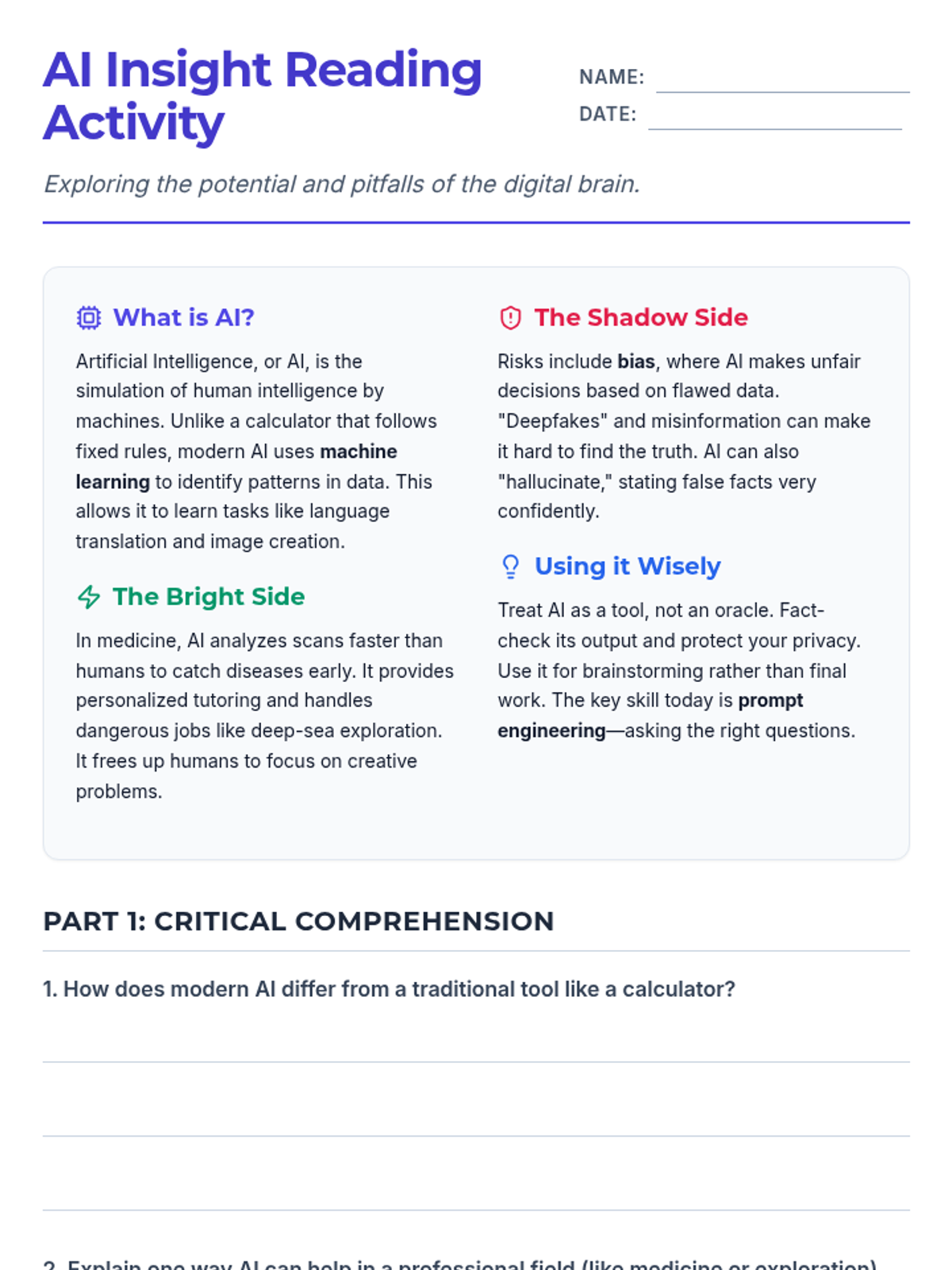
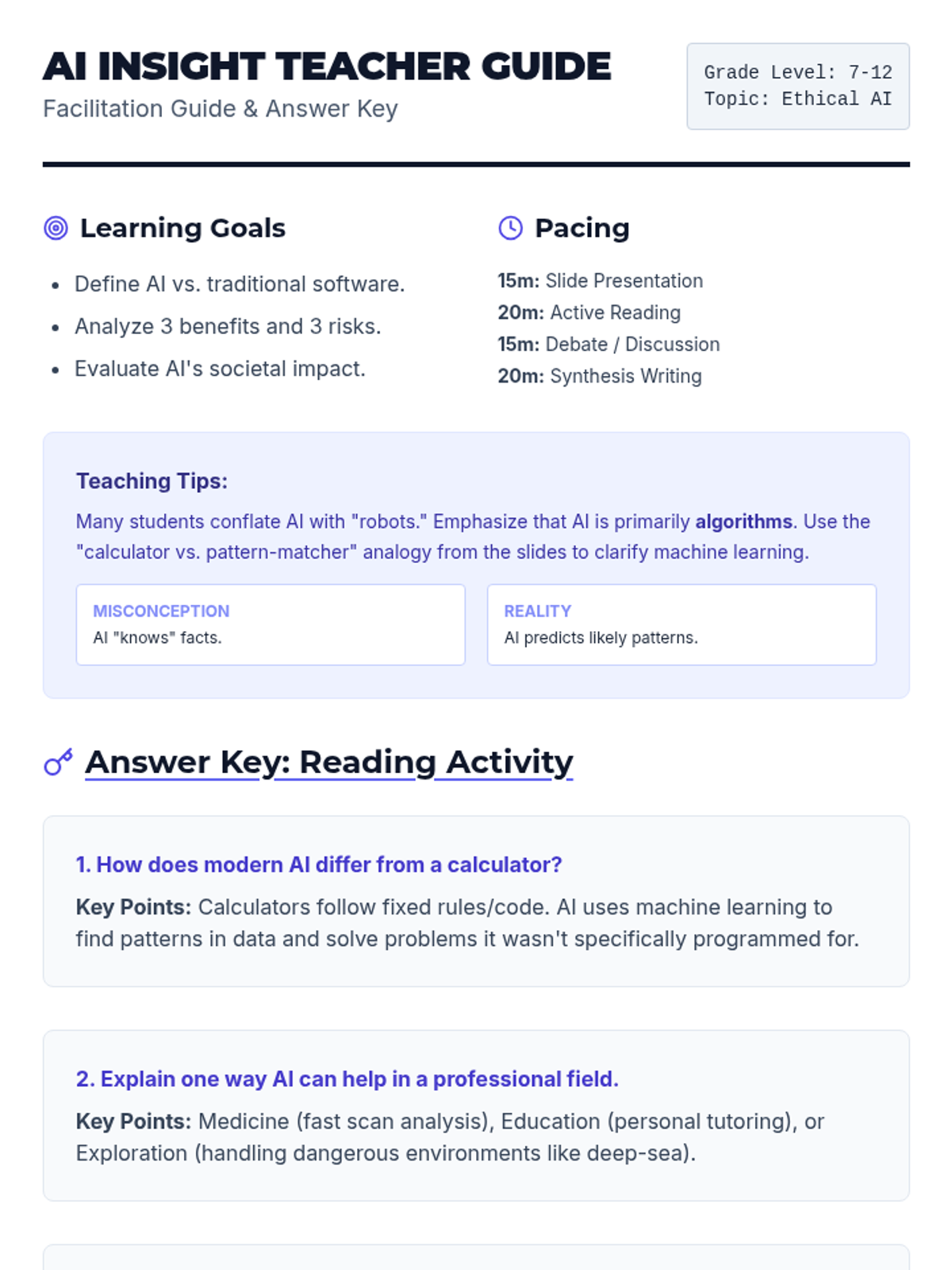
A comprehensive introduction to Artificial Intelligence, exploring its benefits, risks, and ethical usage through reading, discussion, and critical writing.
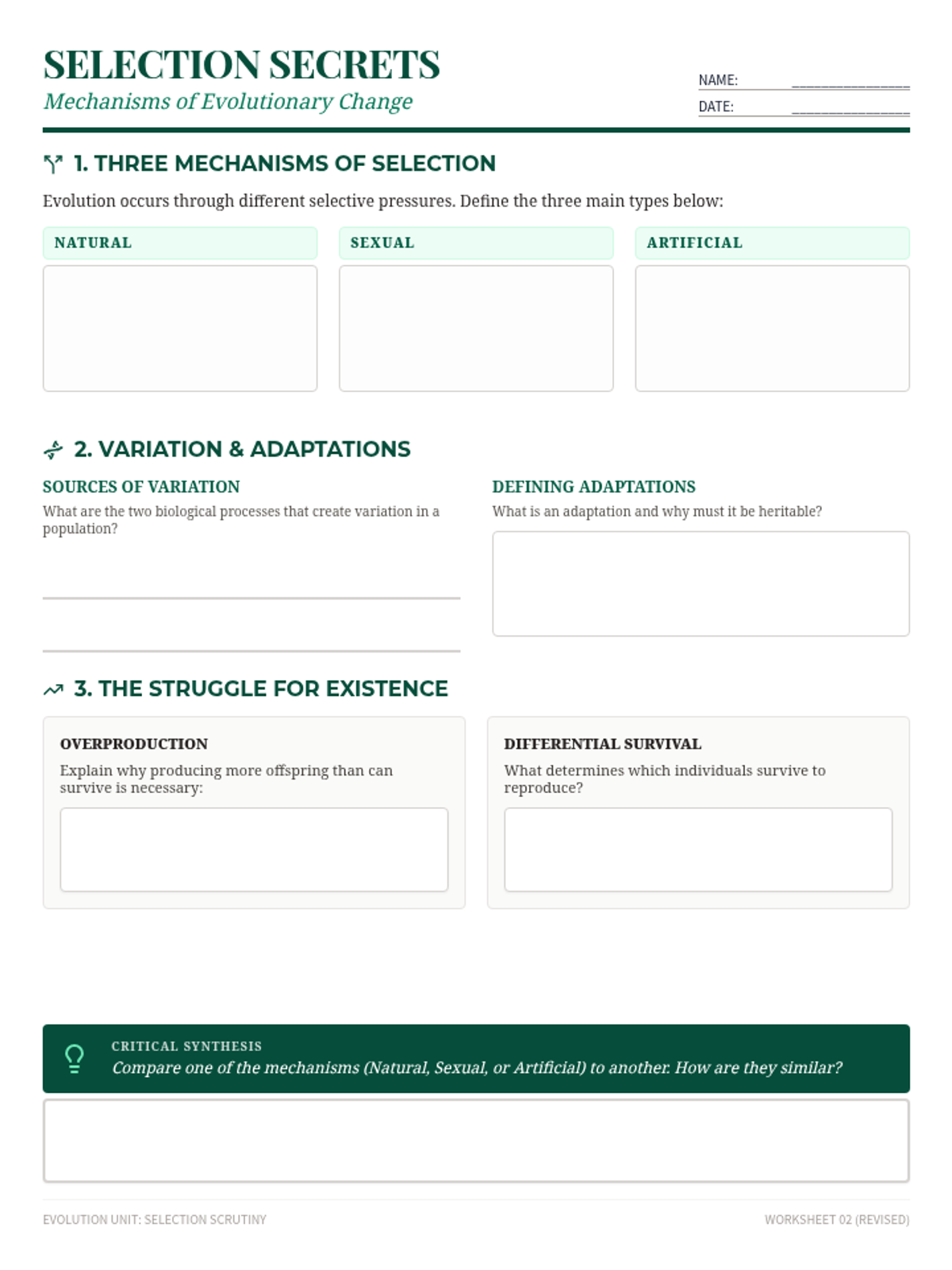
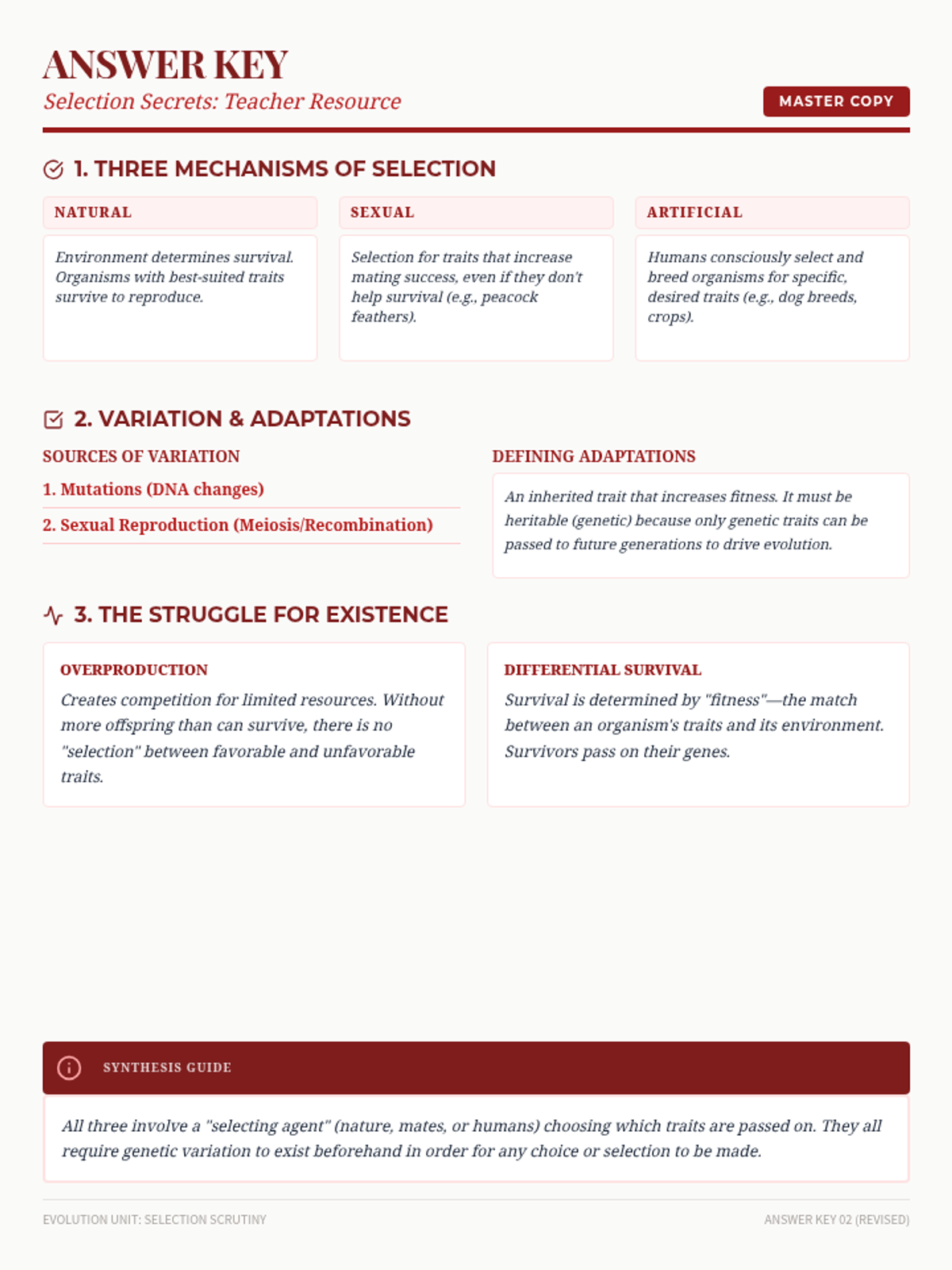
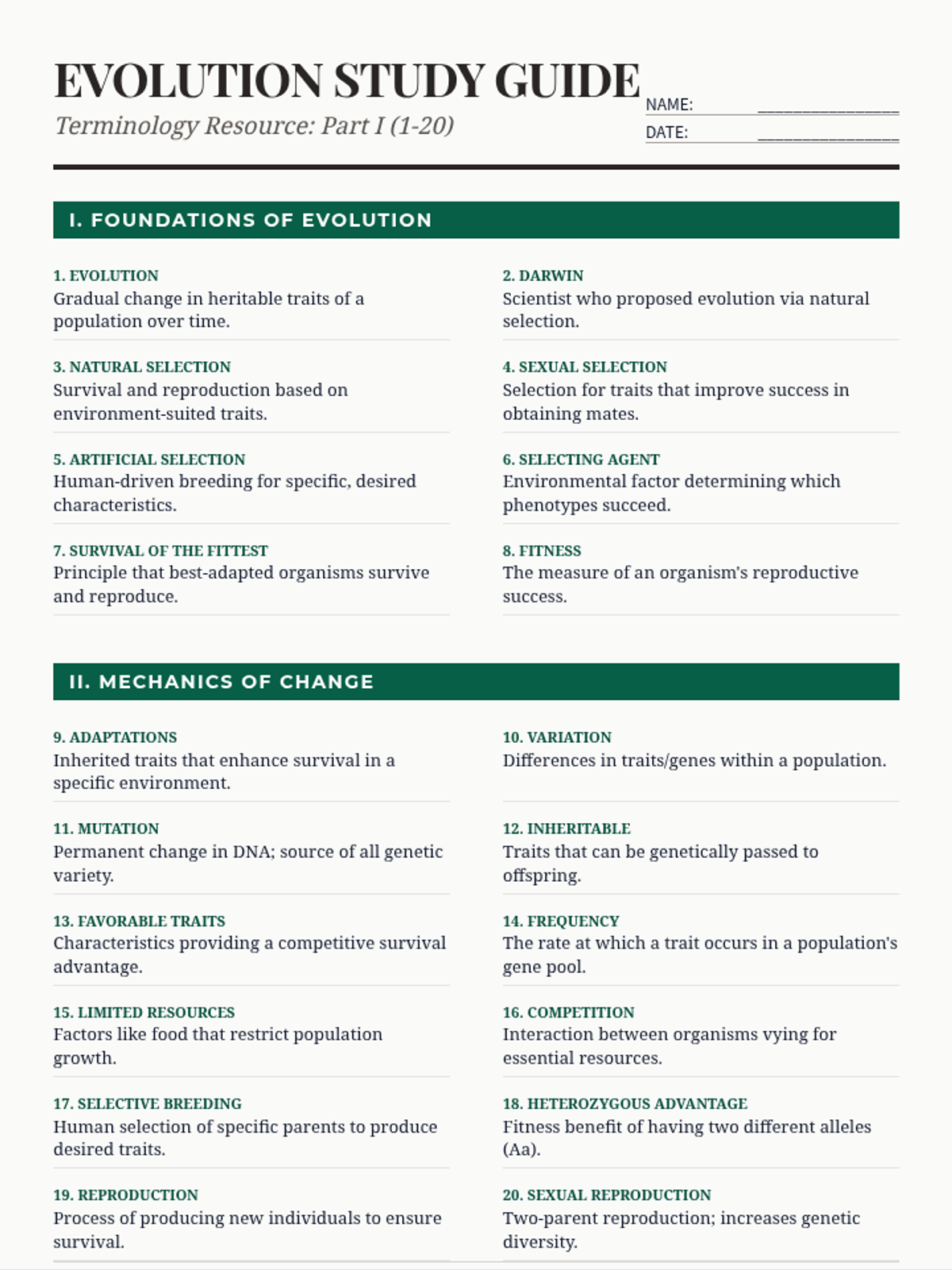
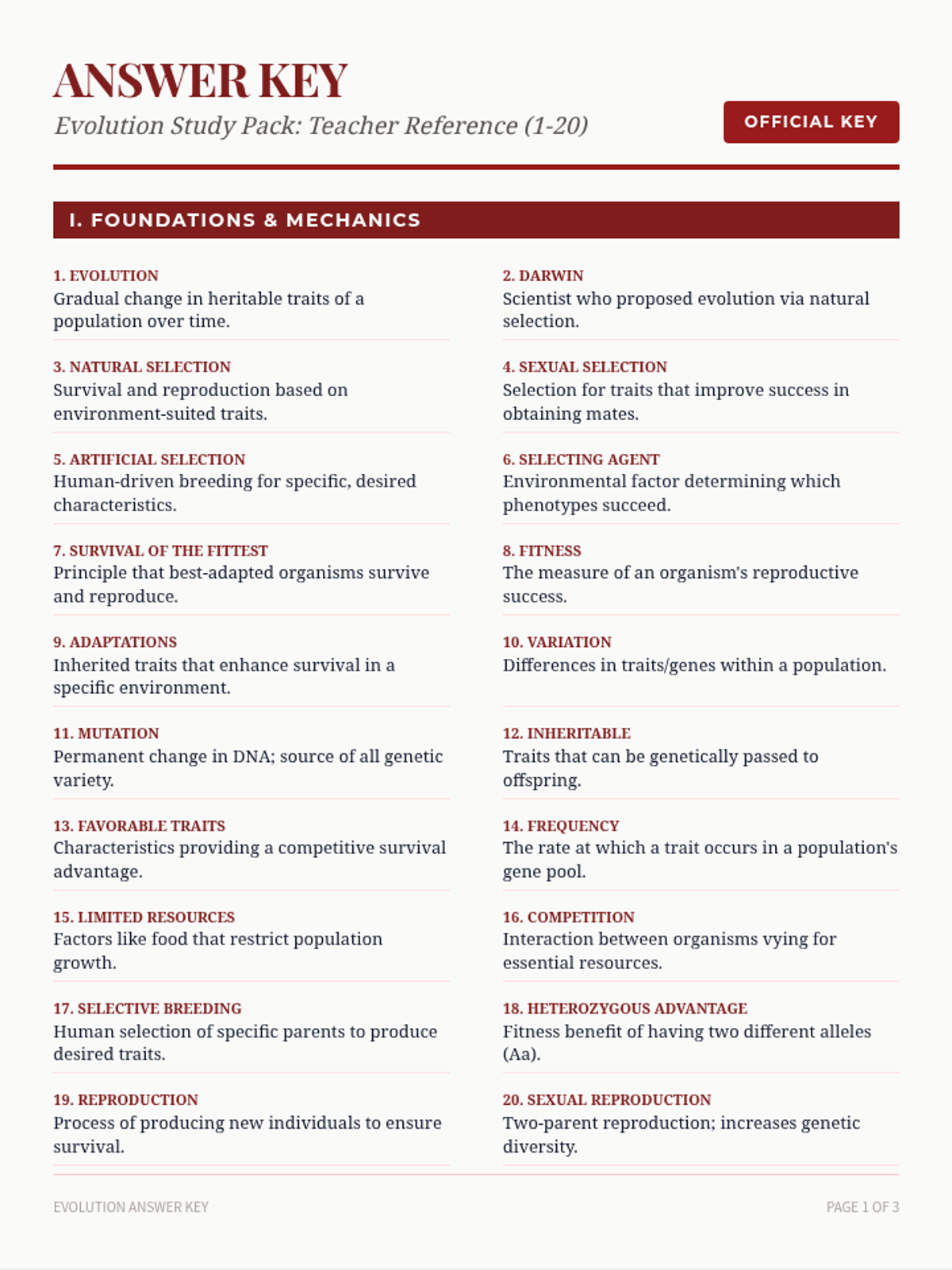
A comprehensive study pack covering the principles of evolution, including vocabulary definitions and a conceptual framework linking key biological terms.
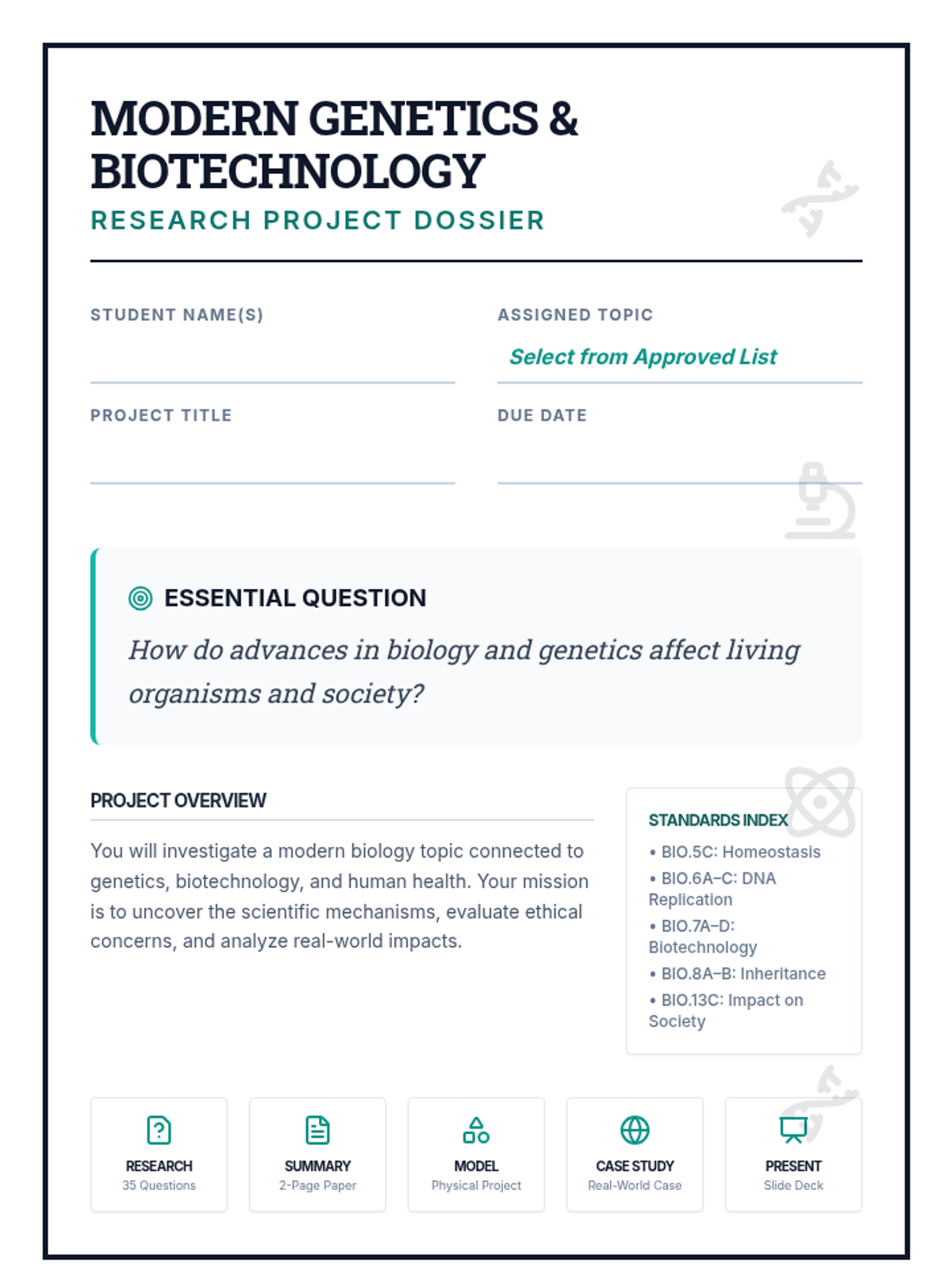
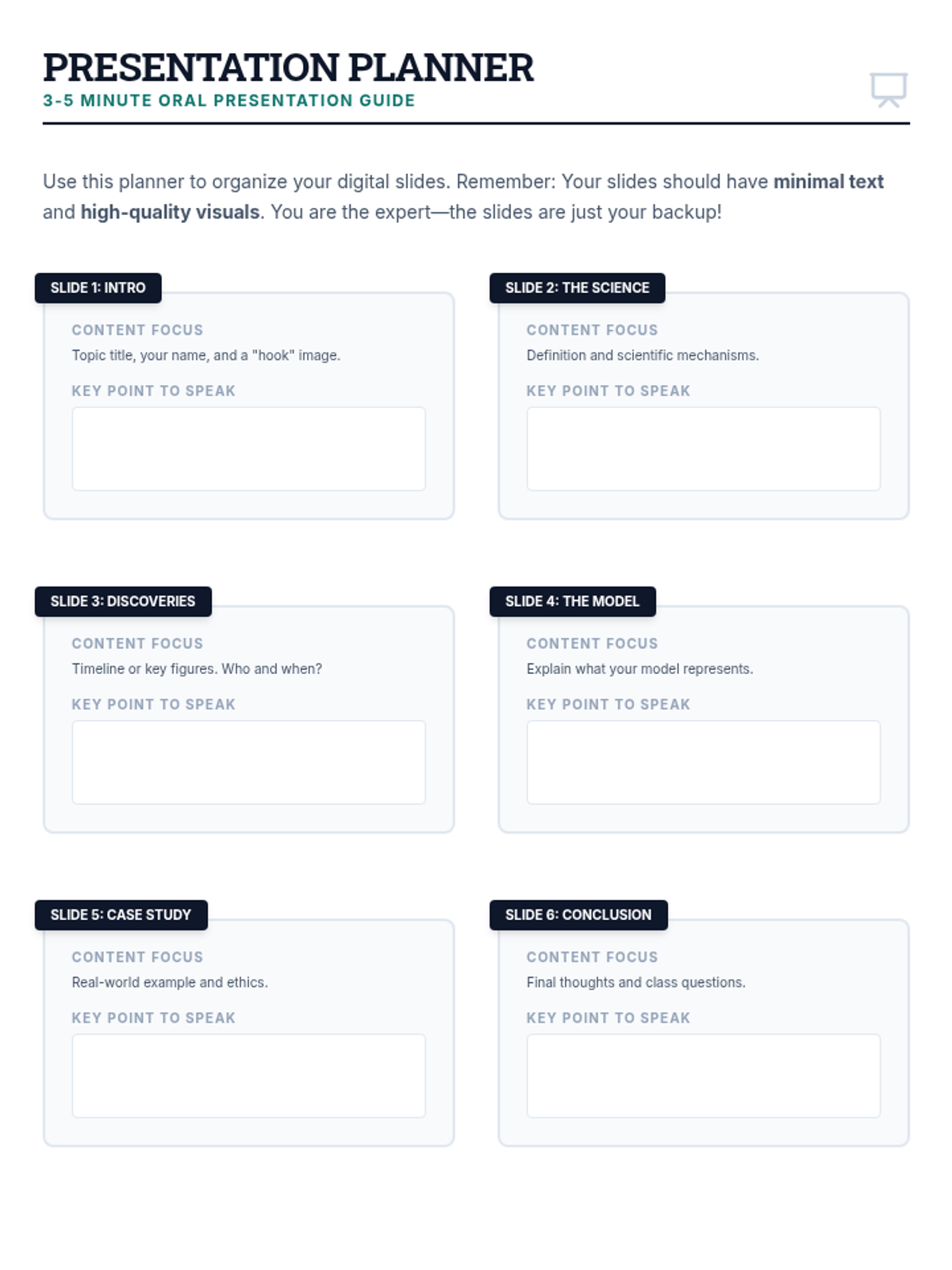
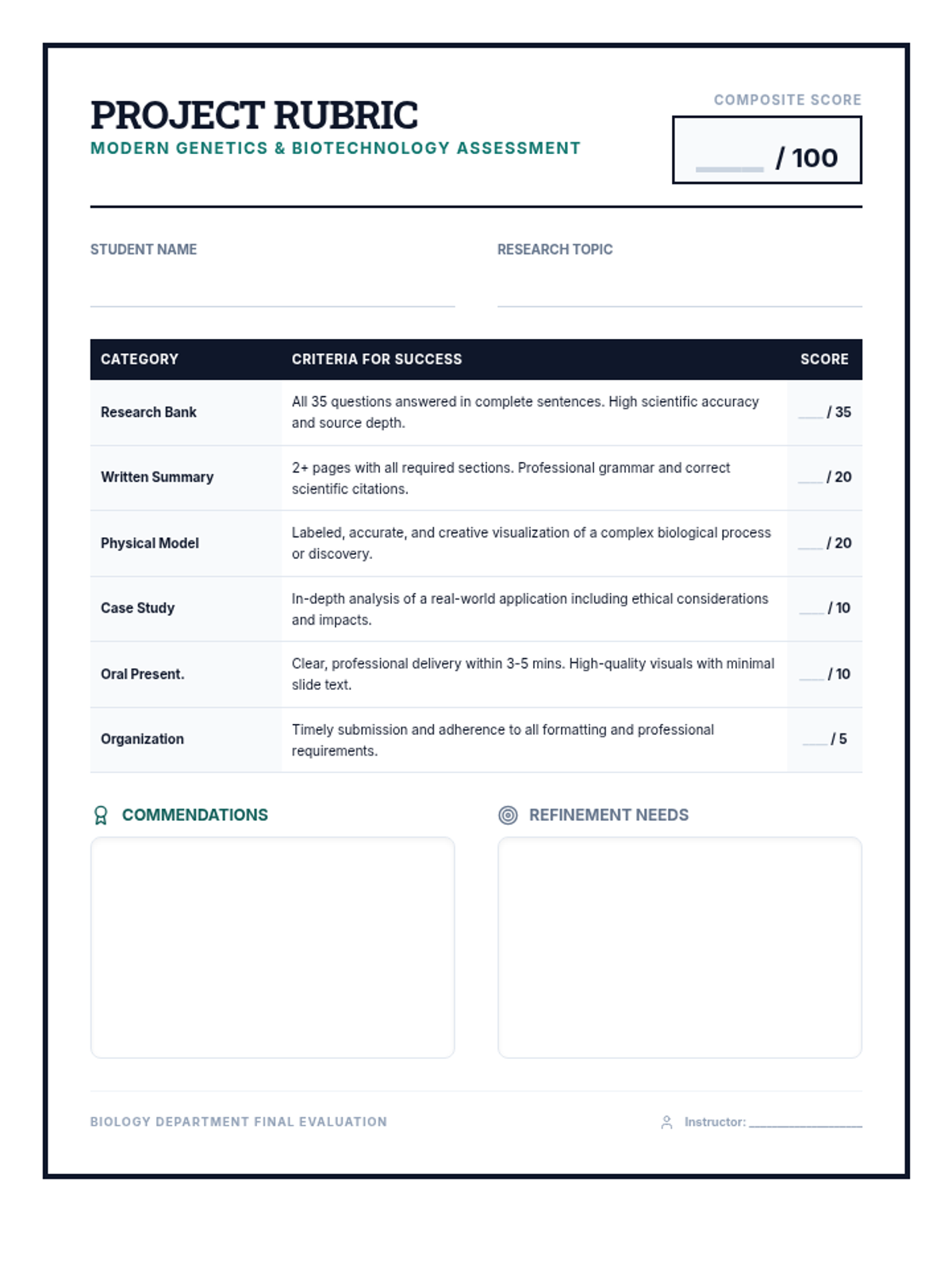
A comprehensive two-week research project exploring modern genetics, biotechnology, and ethical impacts on society. Students investigate topics like cloning, CRISPR, and the Human Genome Project through research, writing, and model-building.
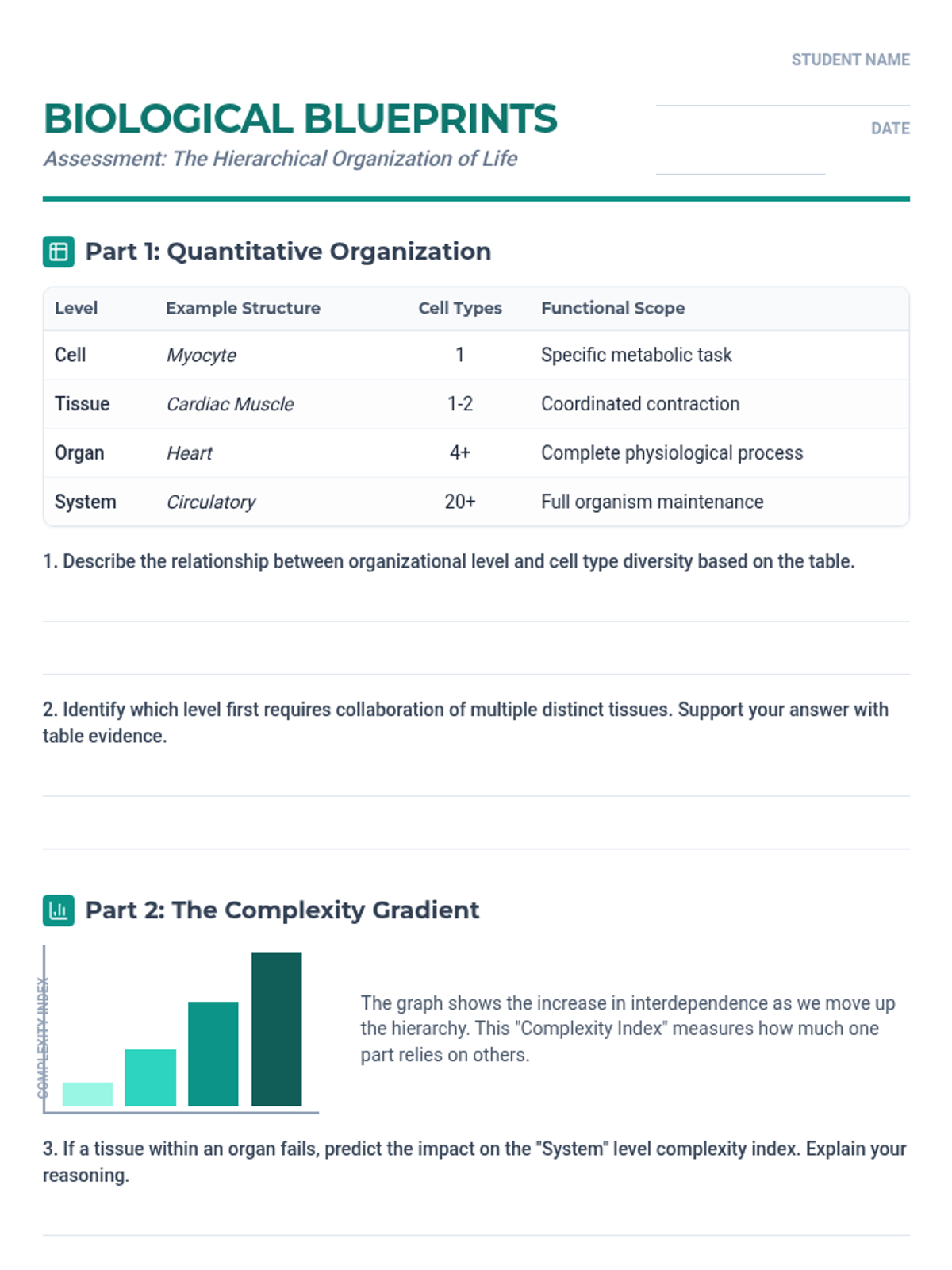
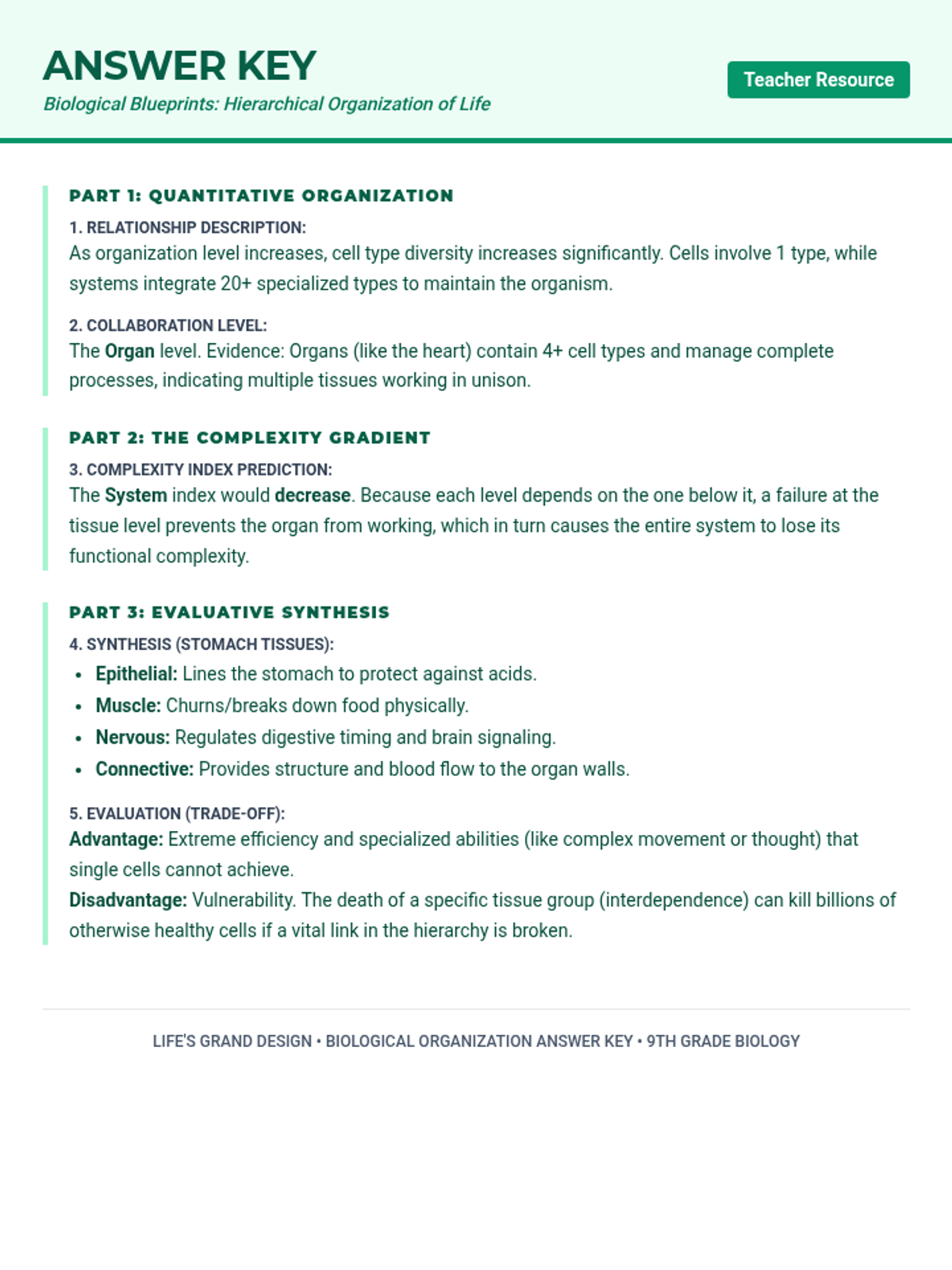
A comprehensive lesson exploring how life is organized from the cellular level up to complex organ systems, focusing on structure-function relationships.
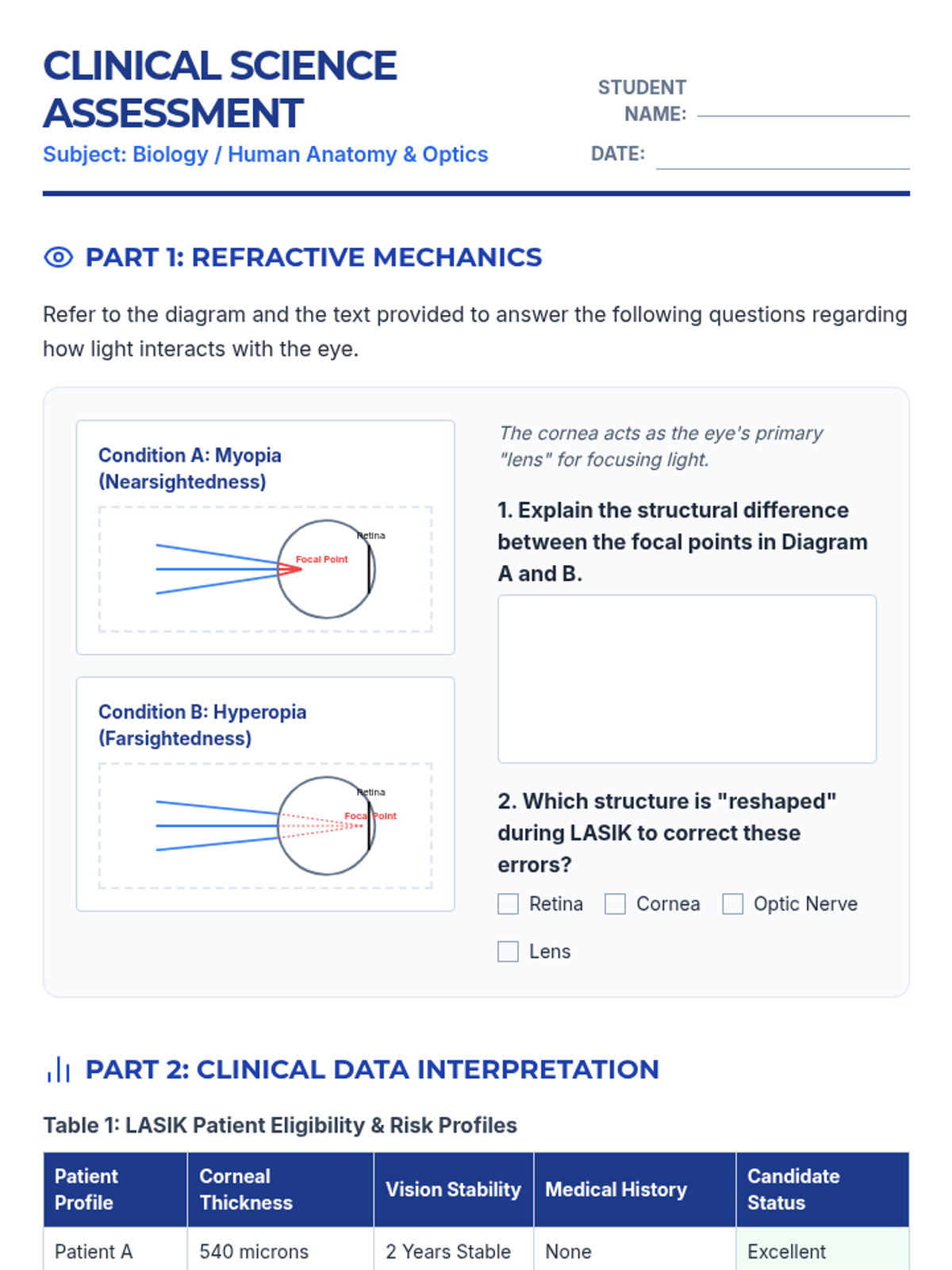
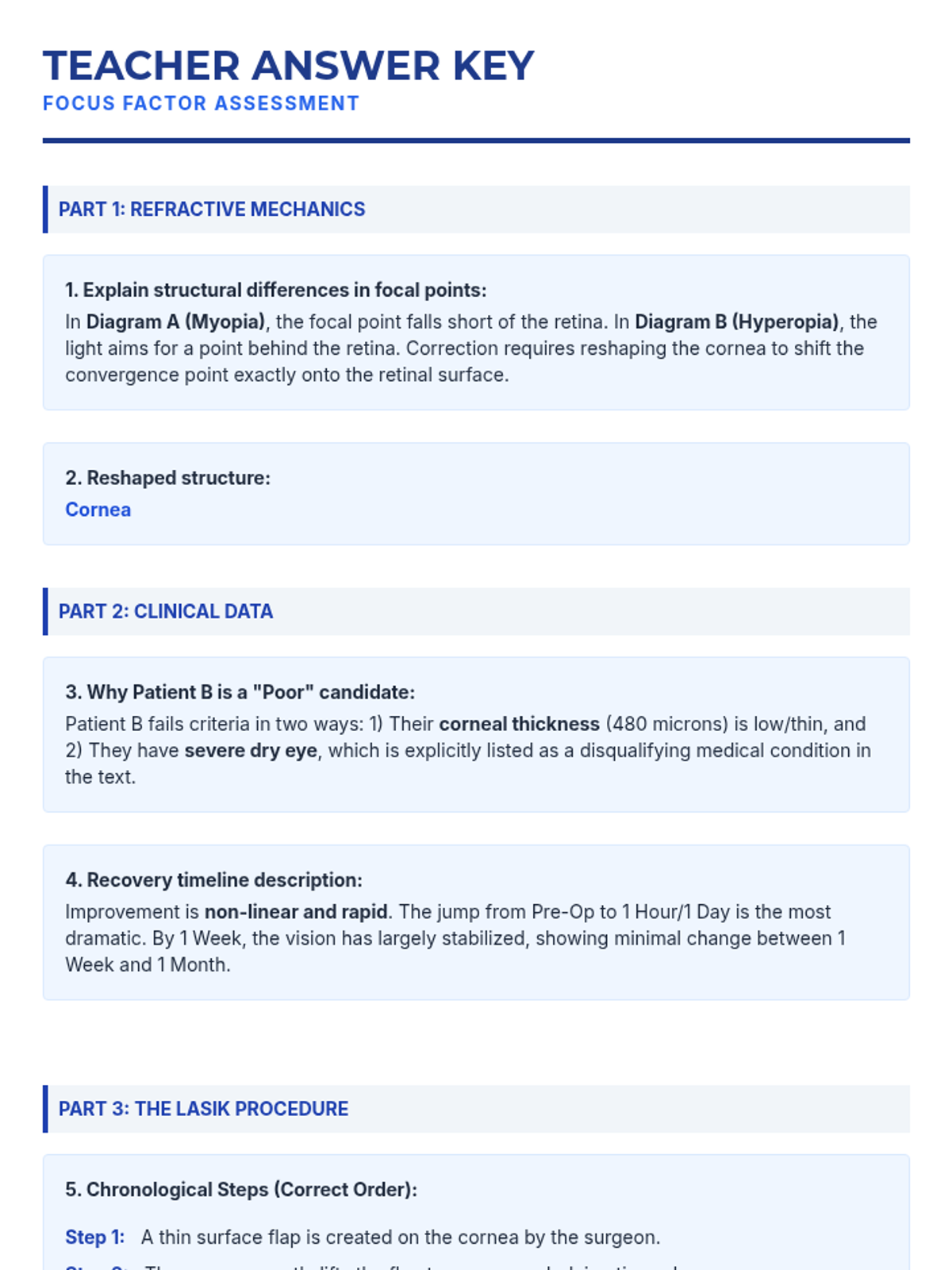
A comprehensive look at eye anatomy, refractive errors, and the medical technology used in LASIK surgery to reshape the cornea.
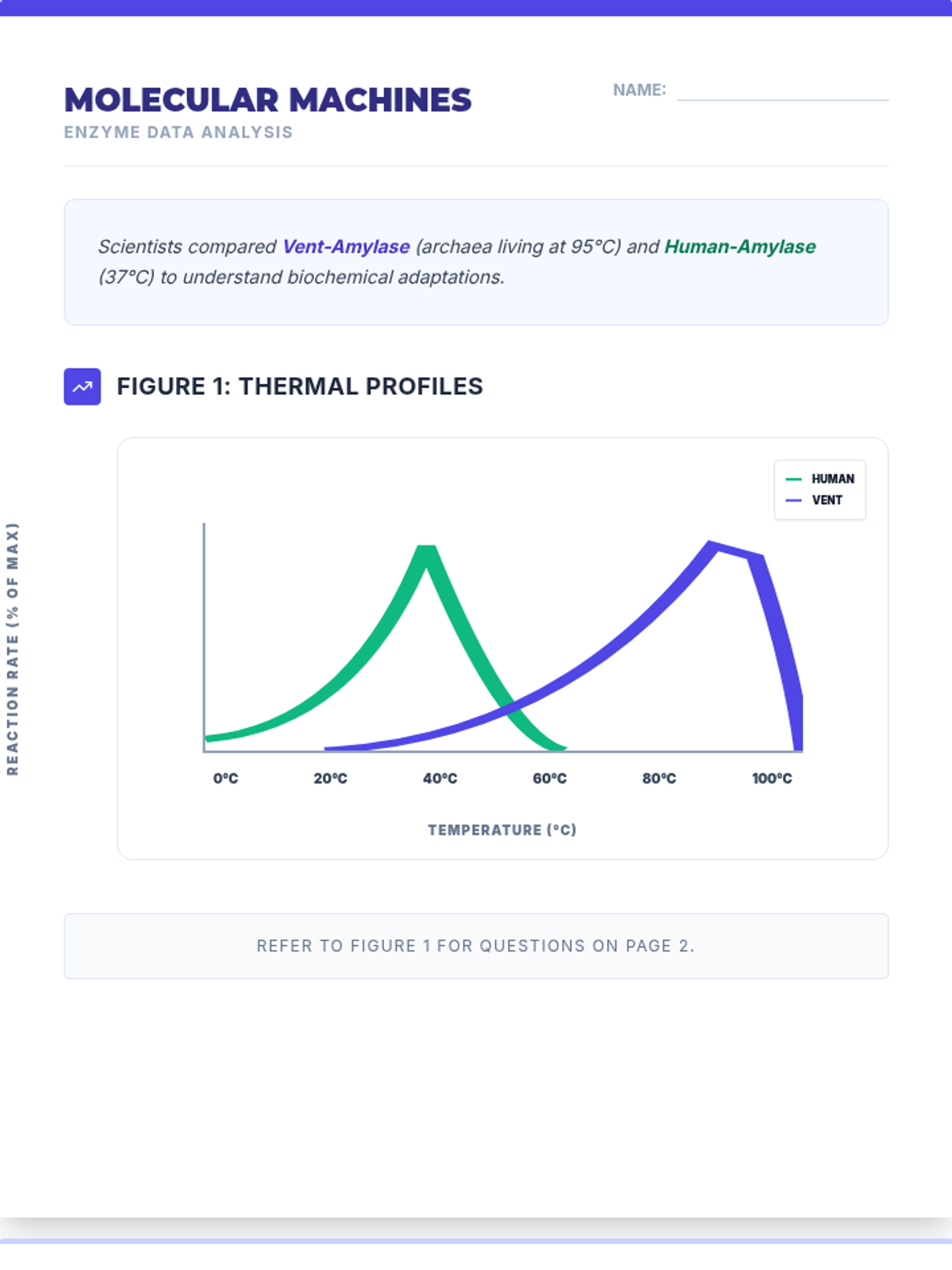
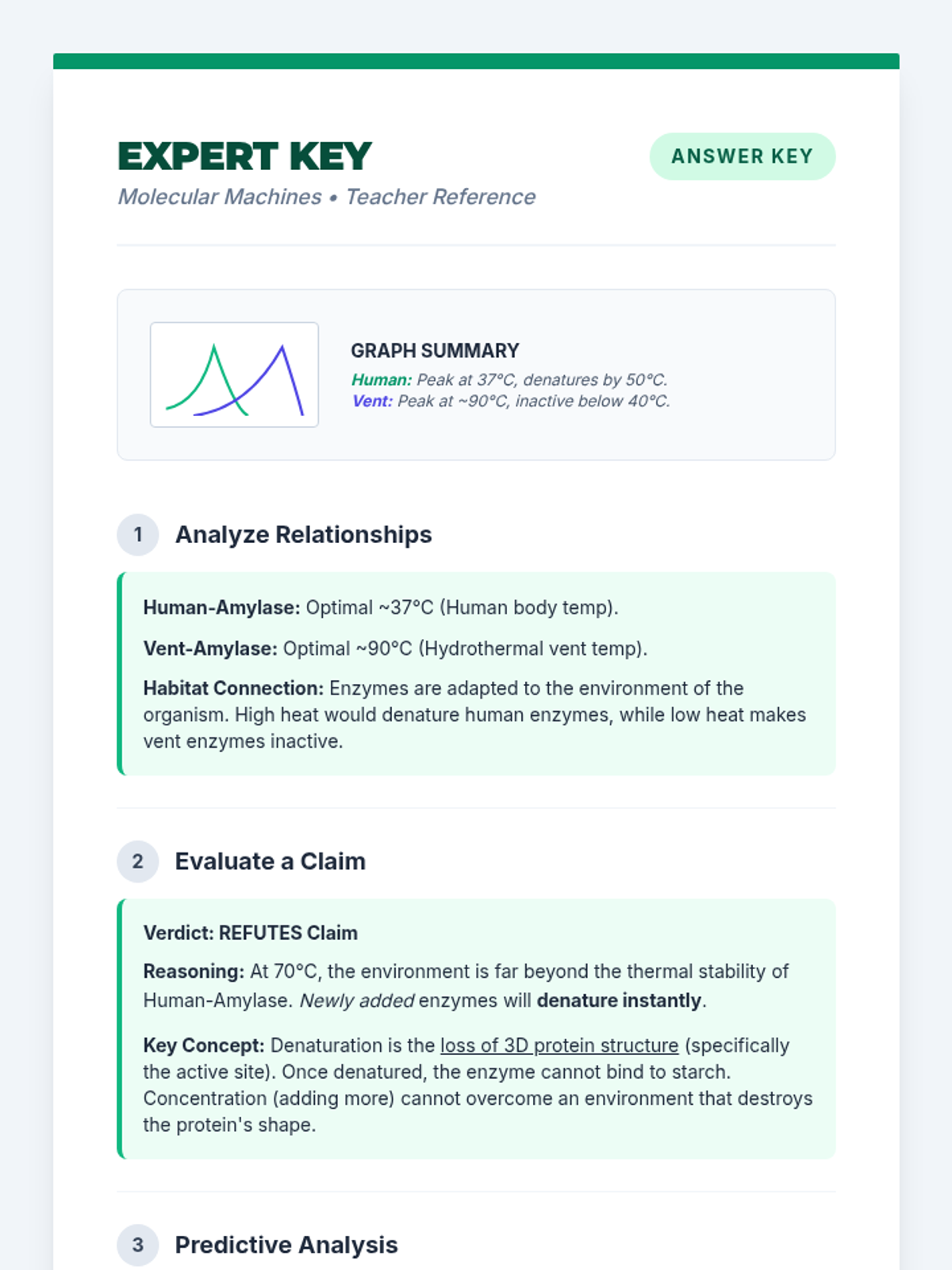
In this lesson, students analyze the relationship between environmental factors and enzyme activity. They will use real-world data and graphical representations to evaluate scientific claims and understand the concept of protein denaturation.
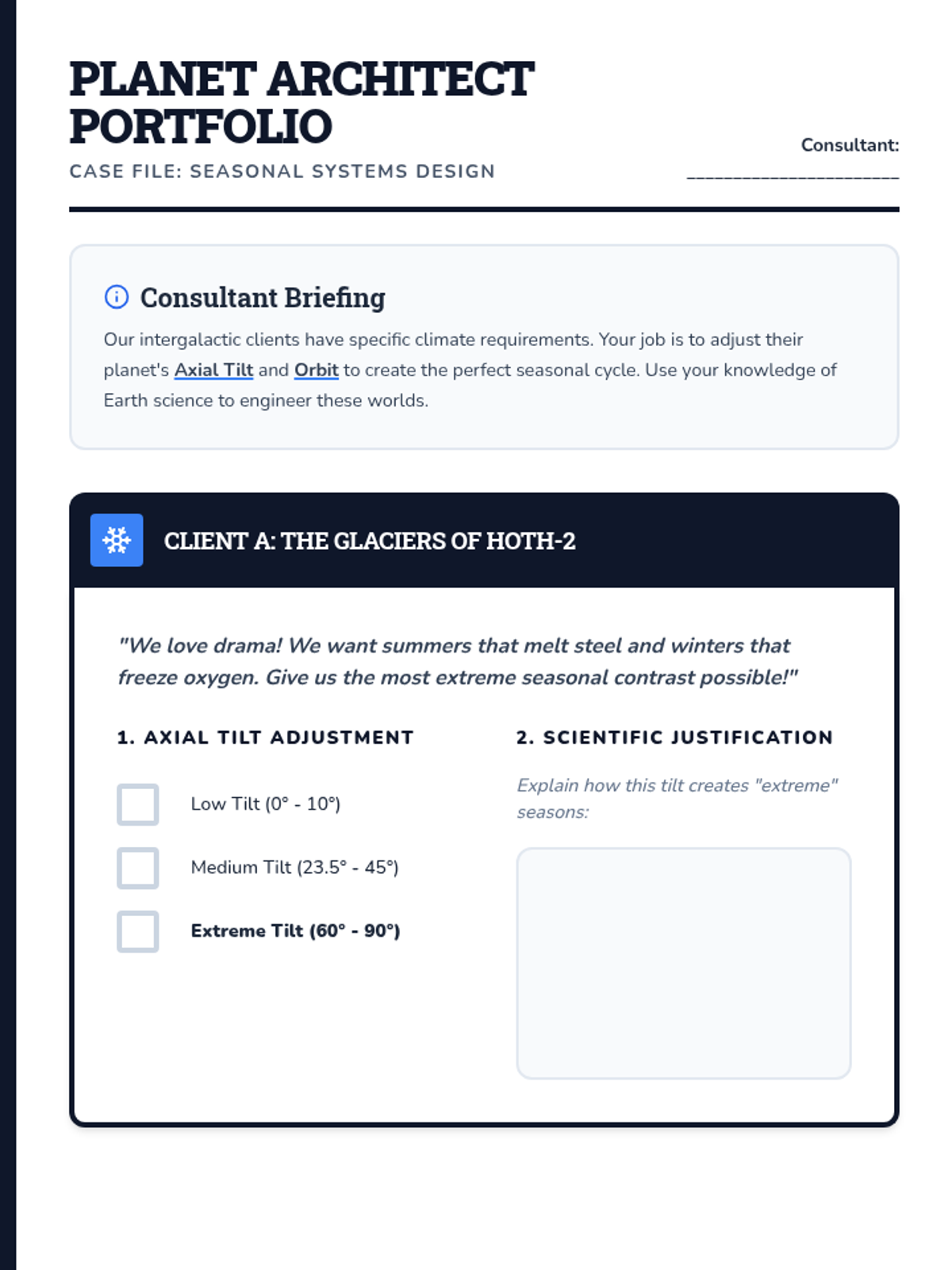
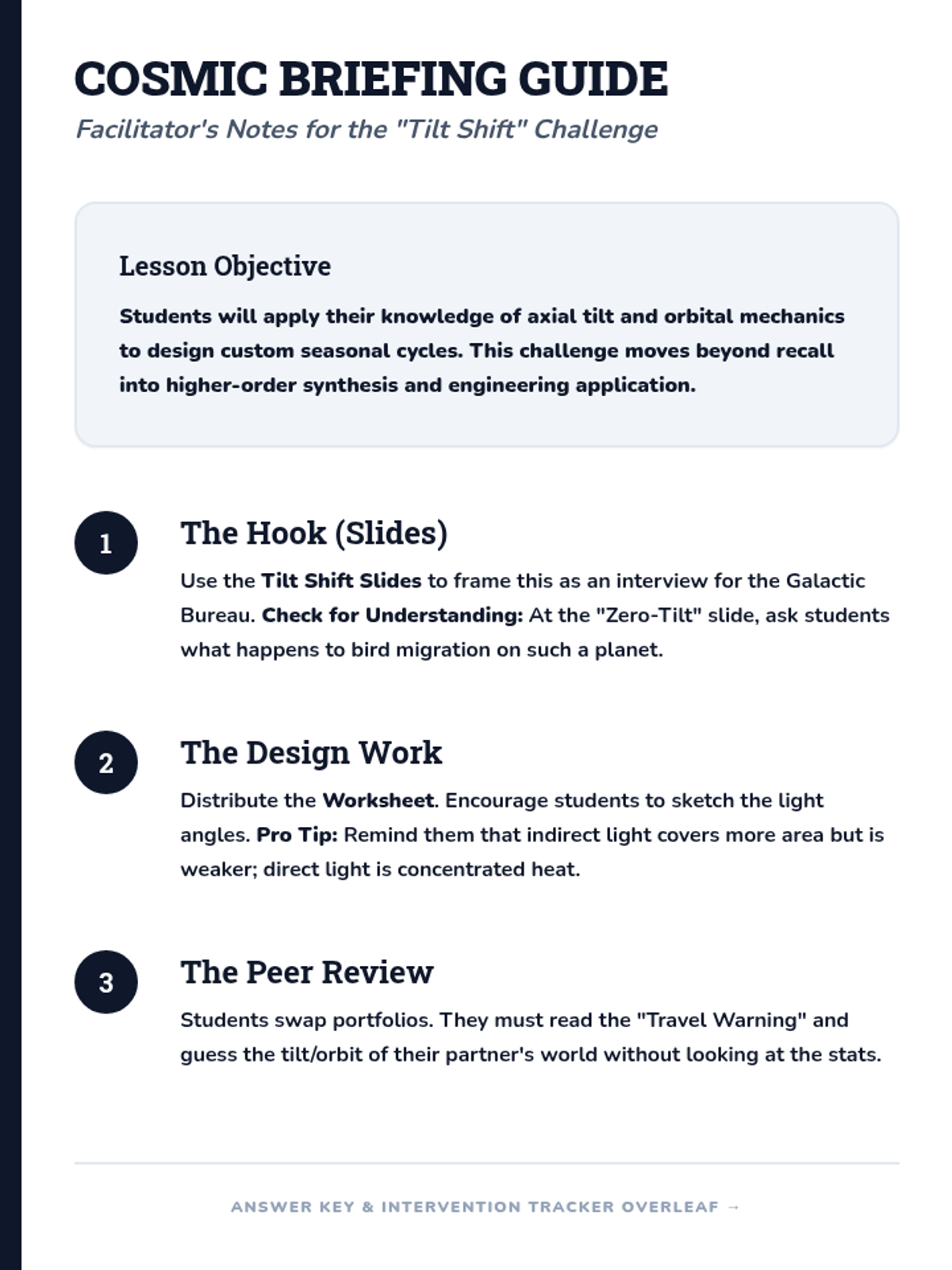
Students take on the role of Cosmic Consultants to help alien clients design their perfect planetary seasons by manipulating axial tilt, orbital distance, and solar intensity.
A deep dive into how plants convert light into life, covering the chemical formula, chloroplast anatomy, and the flow of energy.
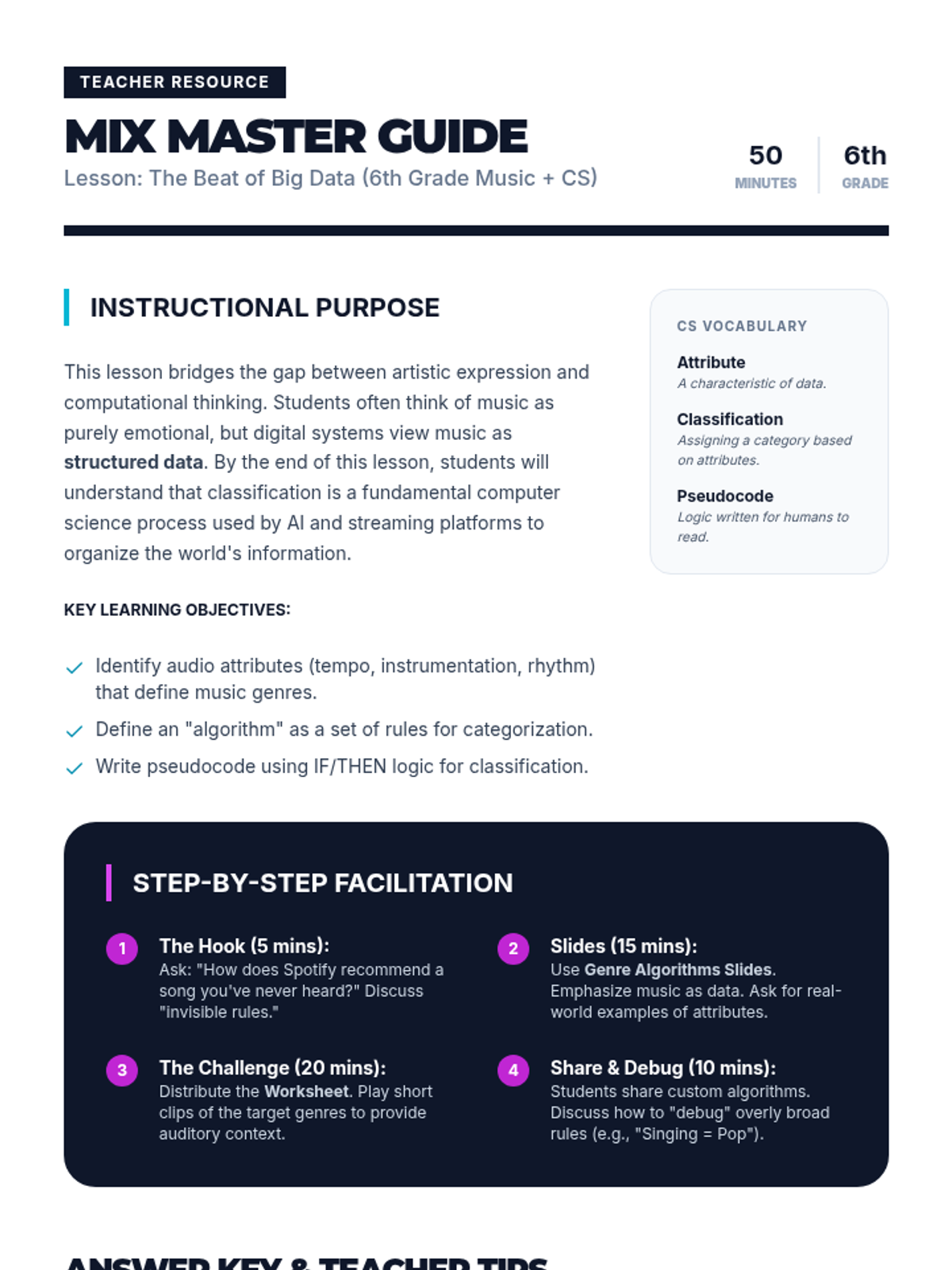
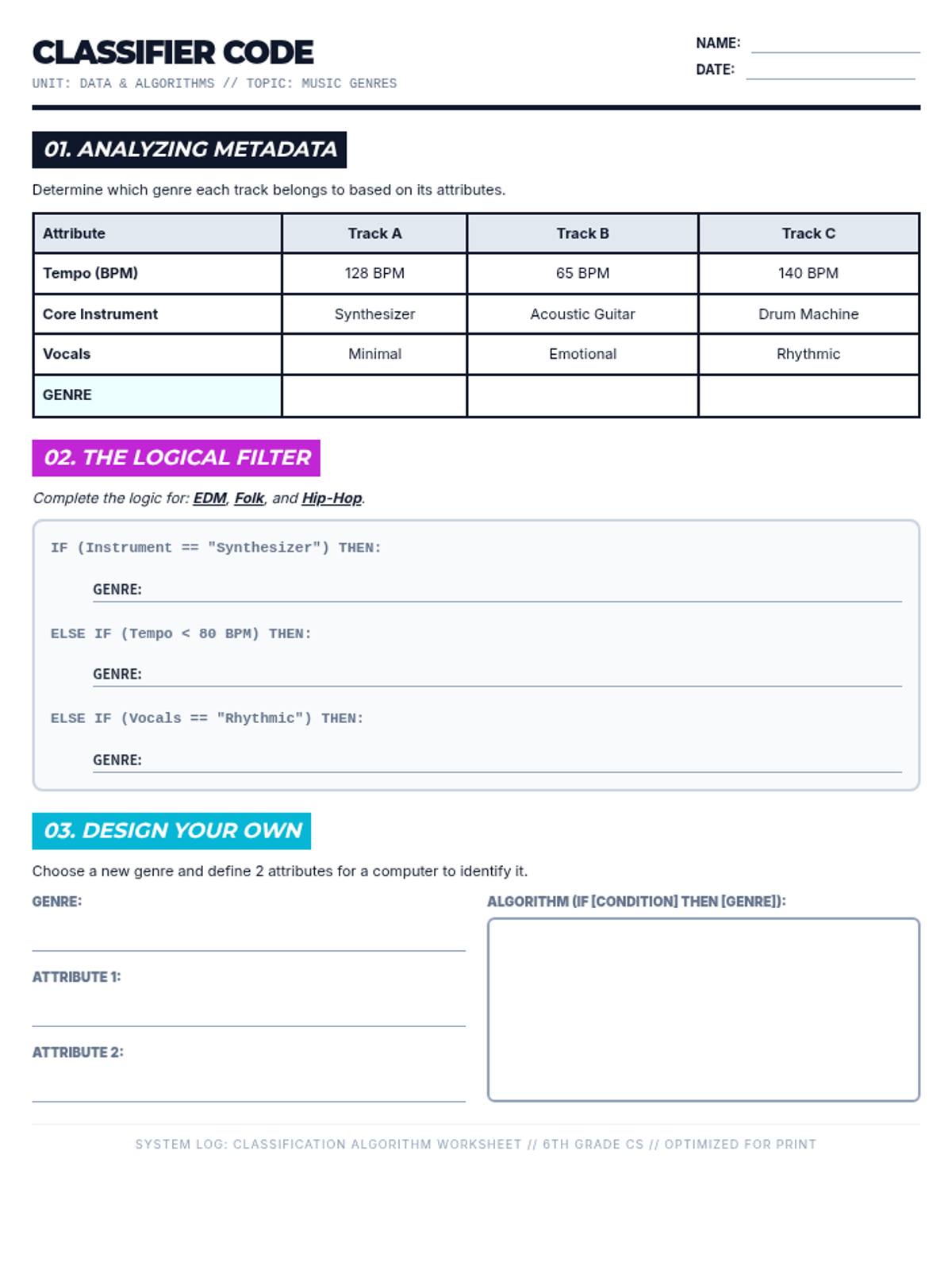
A cross-curricular lesson where 6th grade students explore music genres through the lens of classification algorithms and data attributes. Students will learn to identify genres based on specific criteria and design their own logic-based sorting systems.
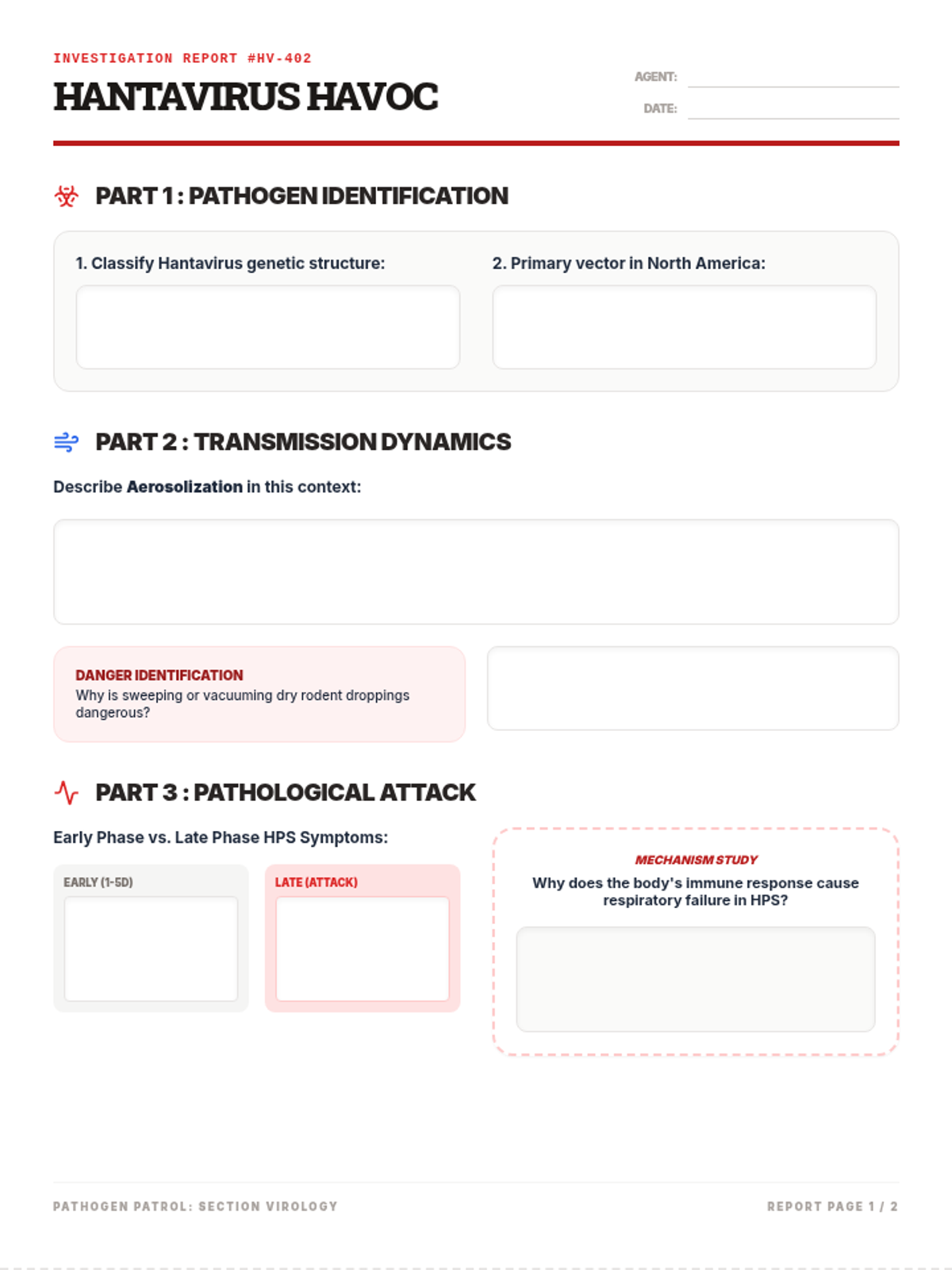
An investigation into the transmission, symptoms, and pathology of Hantavirus, emphasizing the role of rodent vectors and prevention strategies for high-school students.
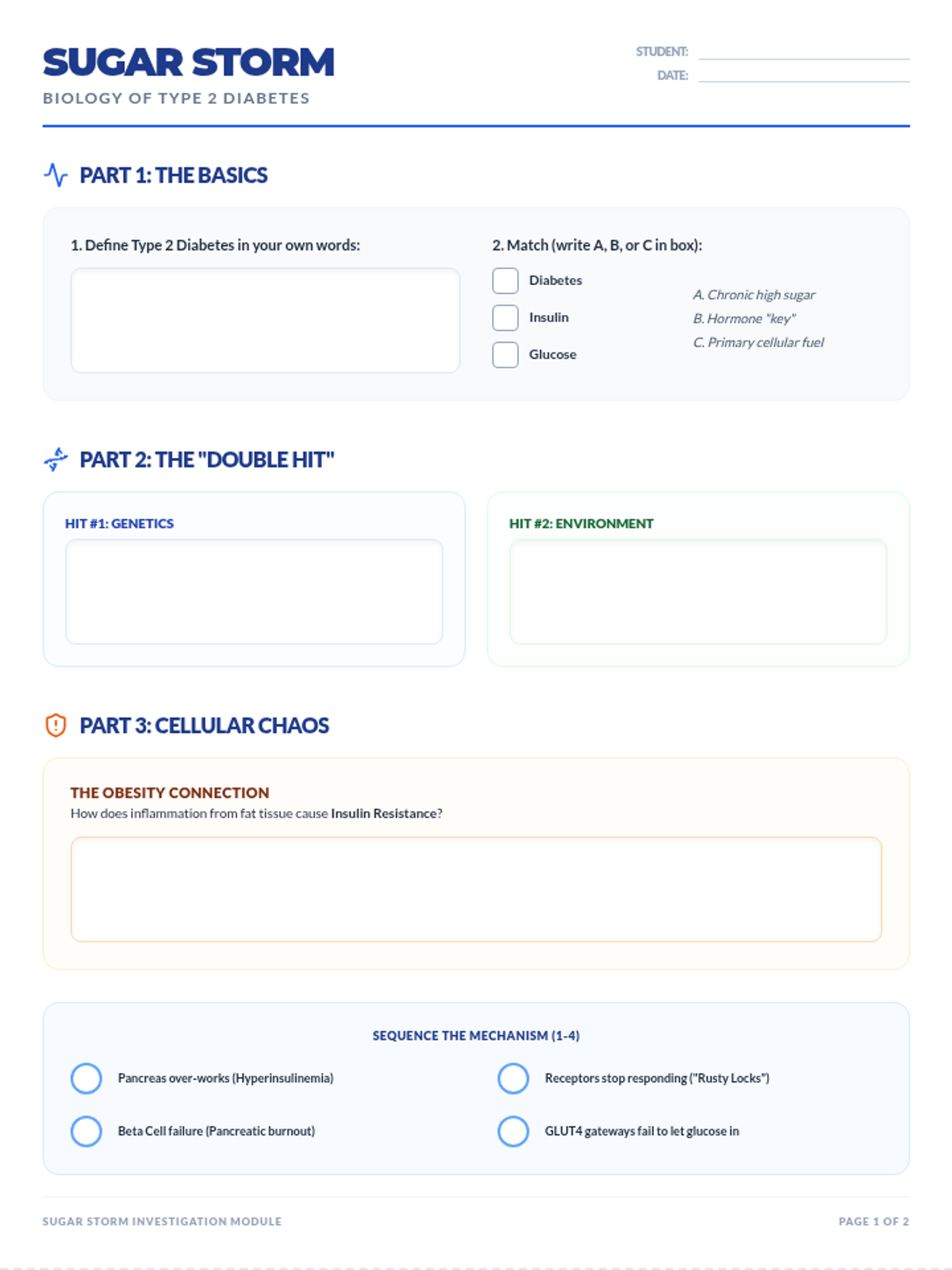
A deep dive into the biological mechanisms, pathology, and global socioeconomic impact of Type 2 Diabetes, specifically designed for 9th-grade biology students.
An 11-day series of class starters focused on forensic reasoning, case synthesis, and professional communication of findings.
A 10-day series of class starters covering biological evidence, blood patterns, DNA analysis, and ethics in genetics.
An 11-day series of class starters exploring physical and trace evidence, including fingerprints, hair, fibers, and soil.
A 10-day series of class starters focused on observation skills, documentation, ethics, and the history of forensic science.
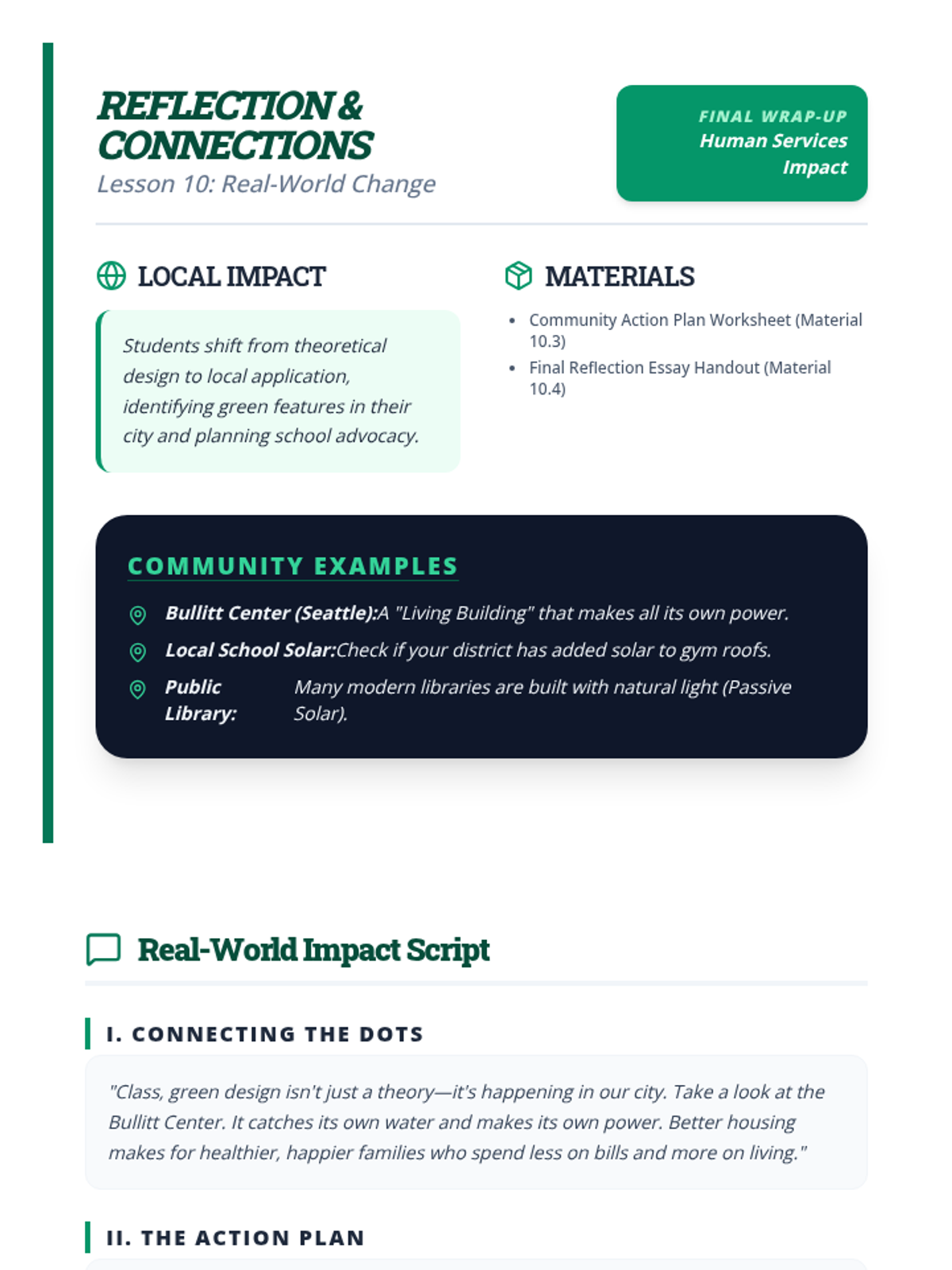
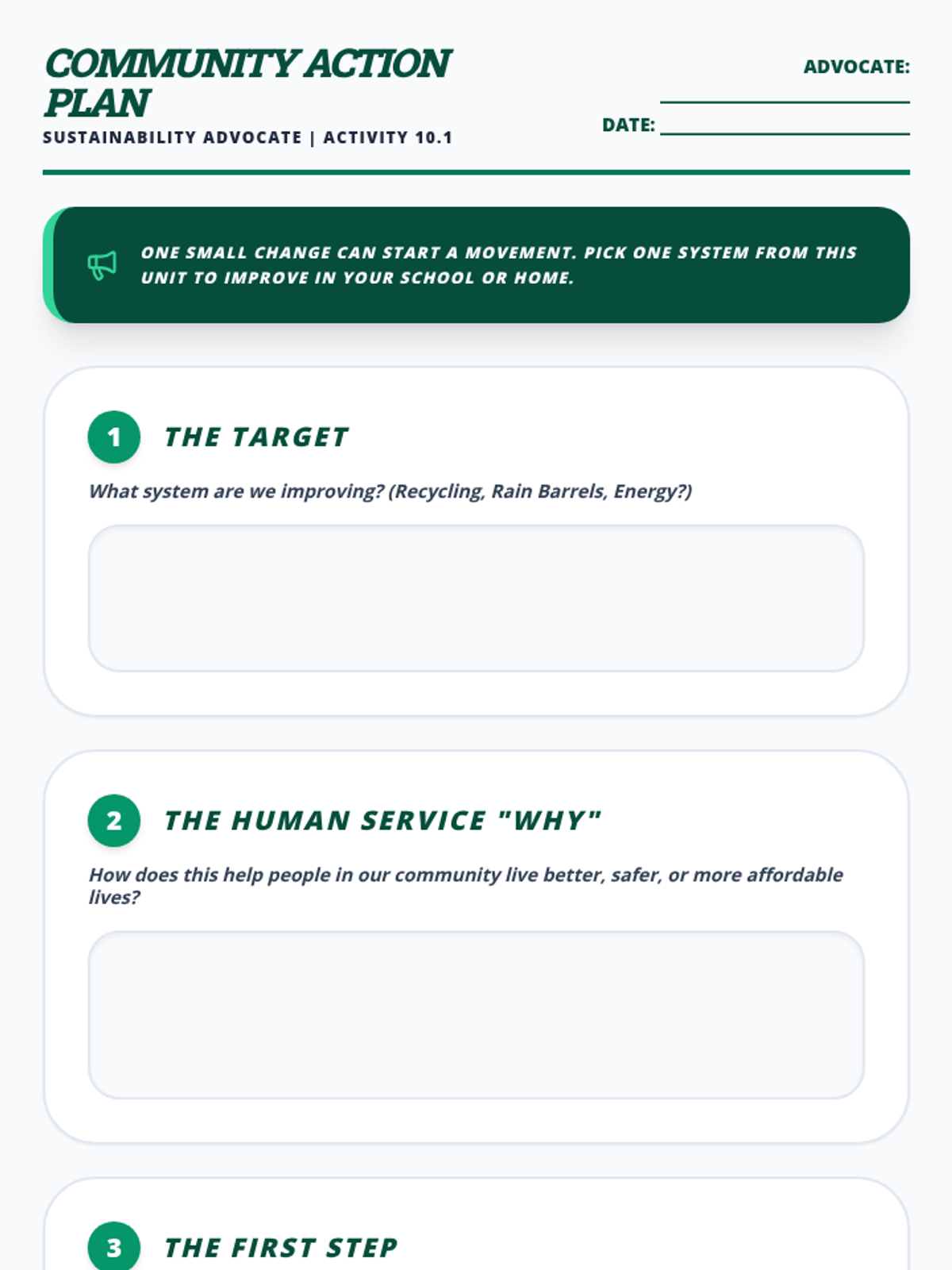
Final reflection on the unit. Students explore real-world green buildings in their community and create an action plan for one sustainable change.
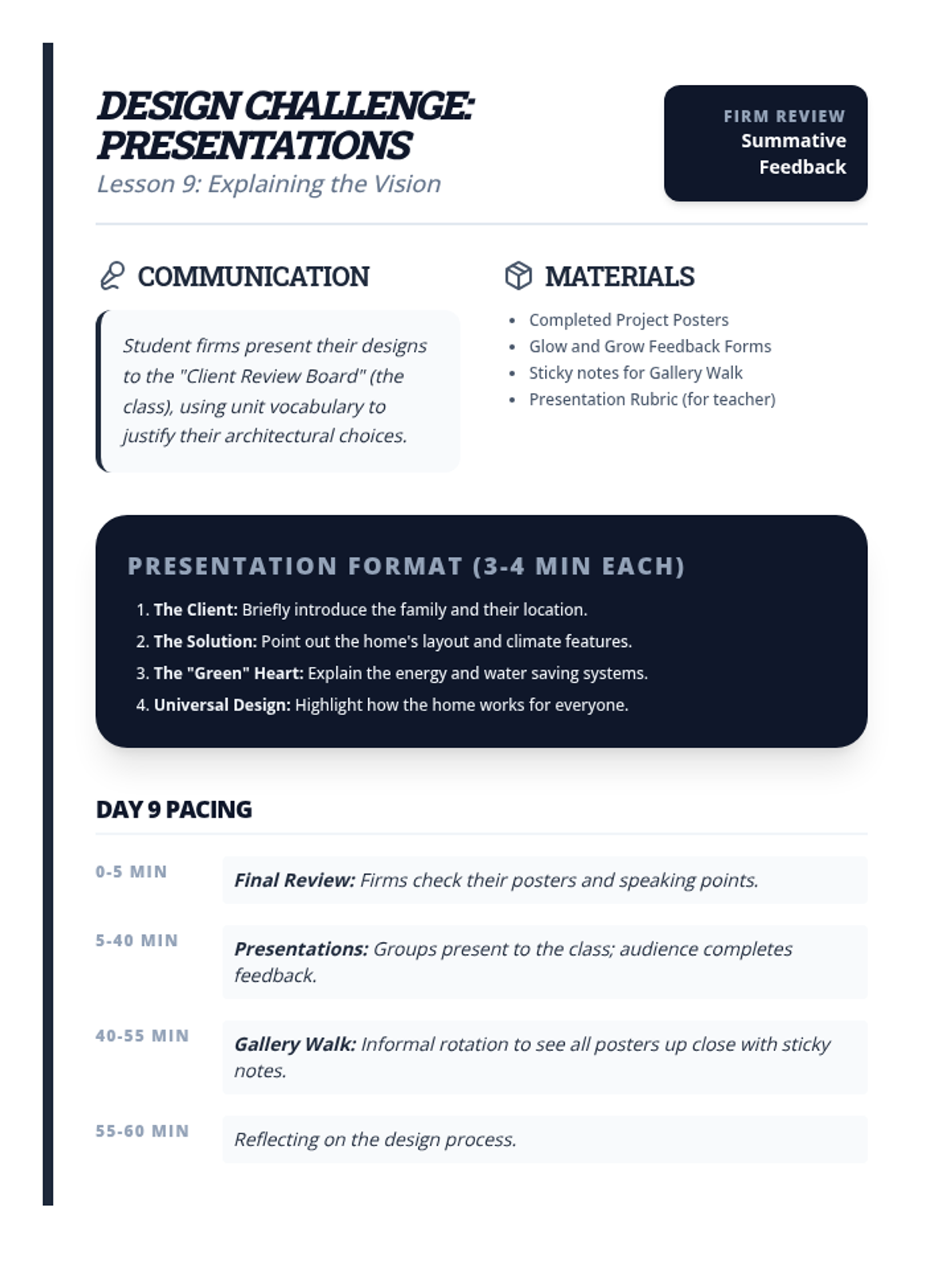
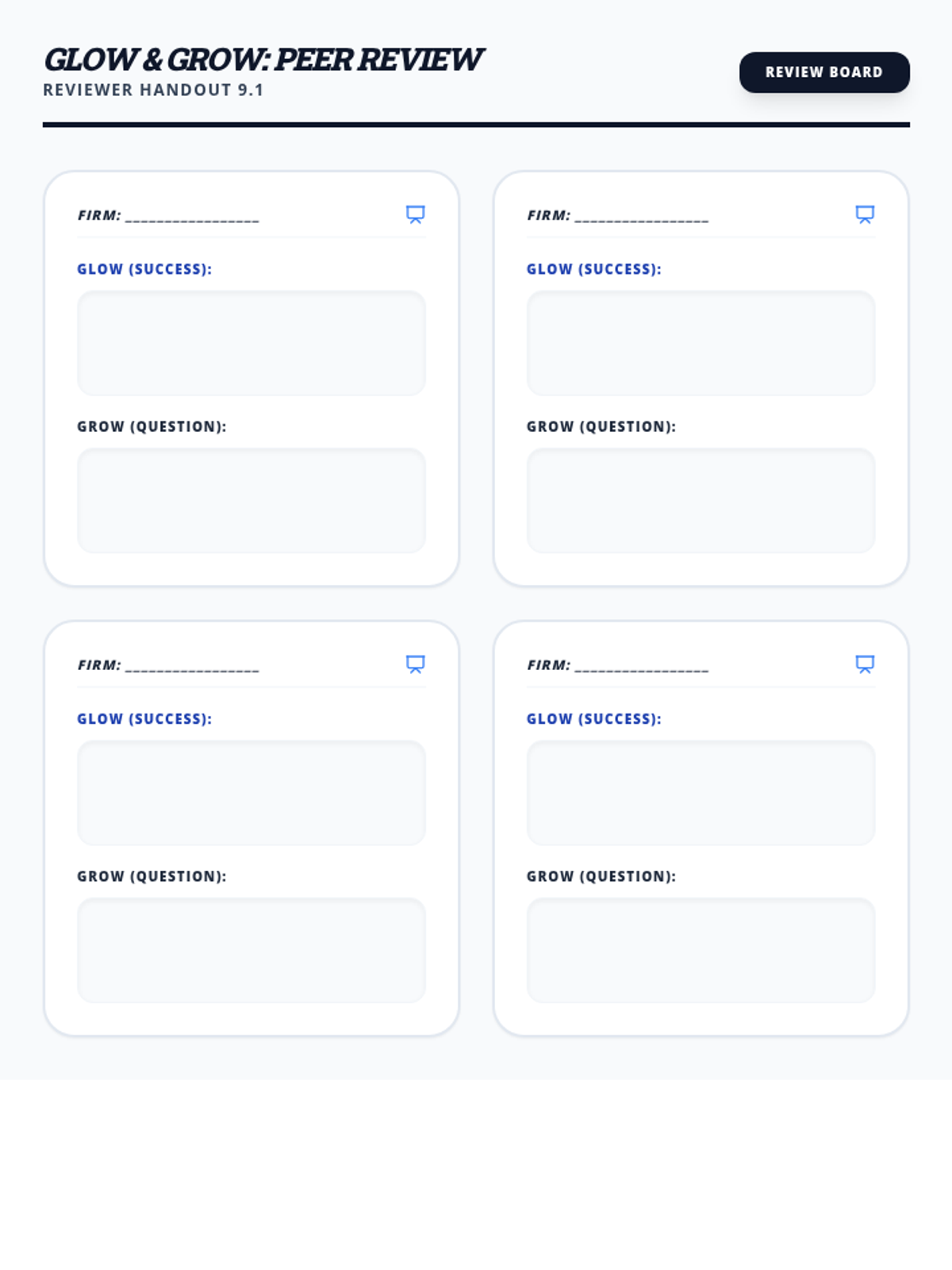
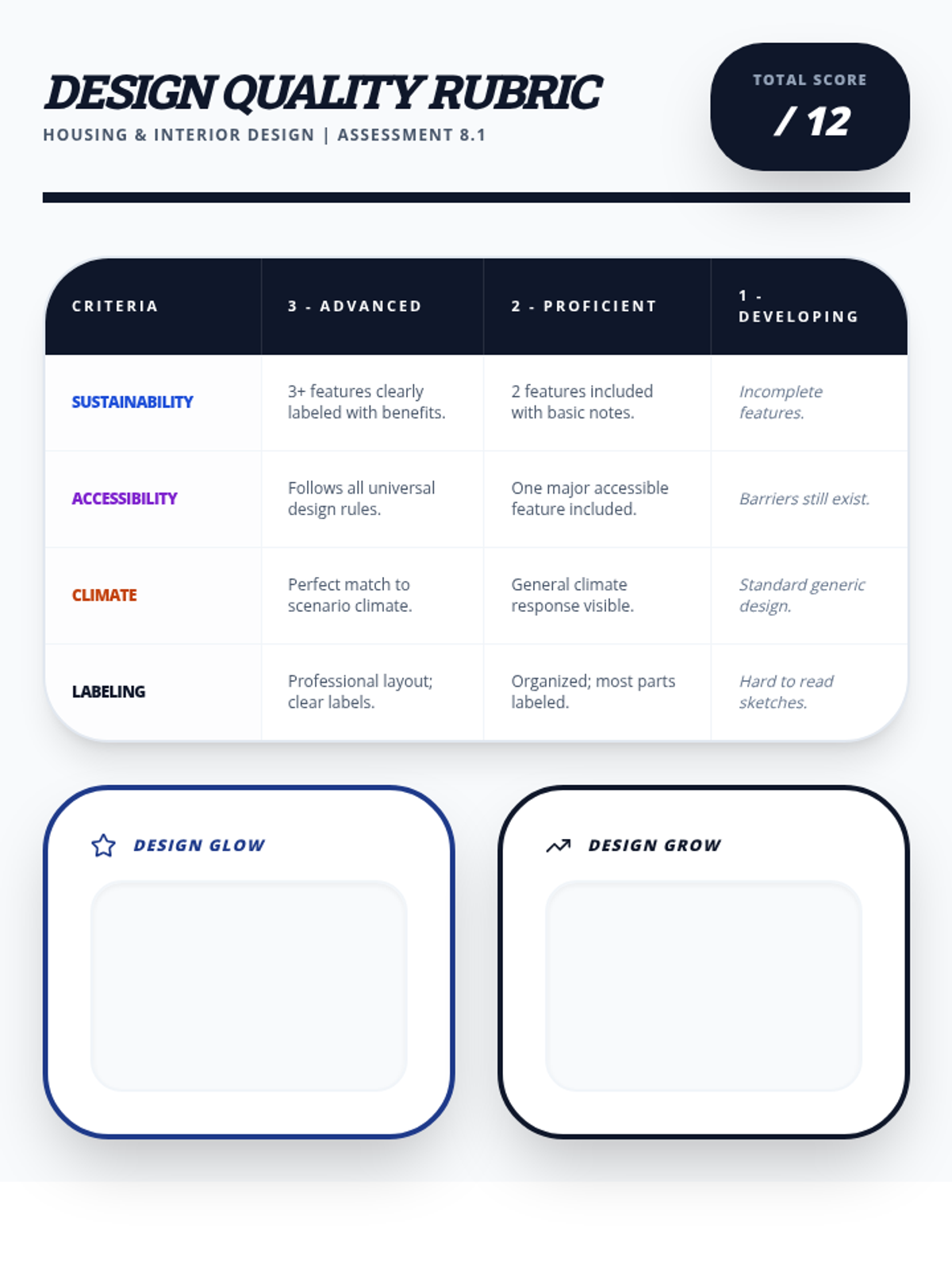
Teams present their final home designs to the class, providing constructive feedback using the 'Glow and Grow' format and participating in a gallery walk.
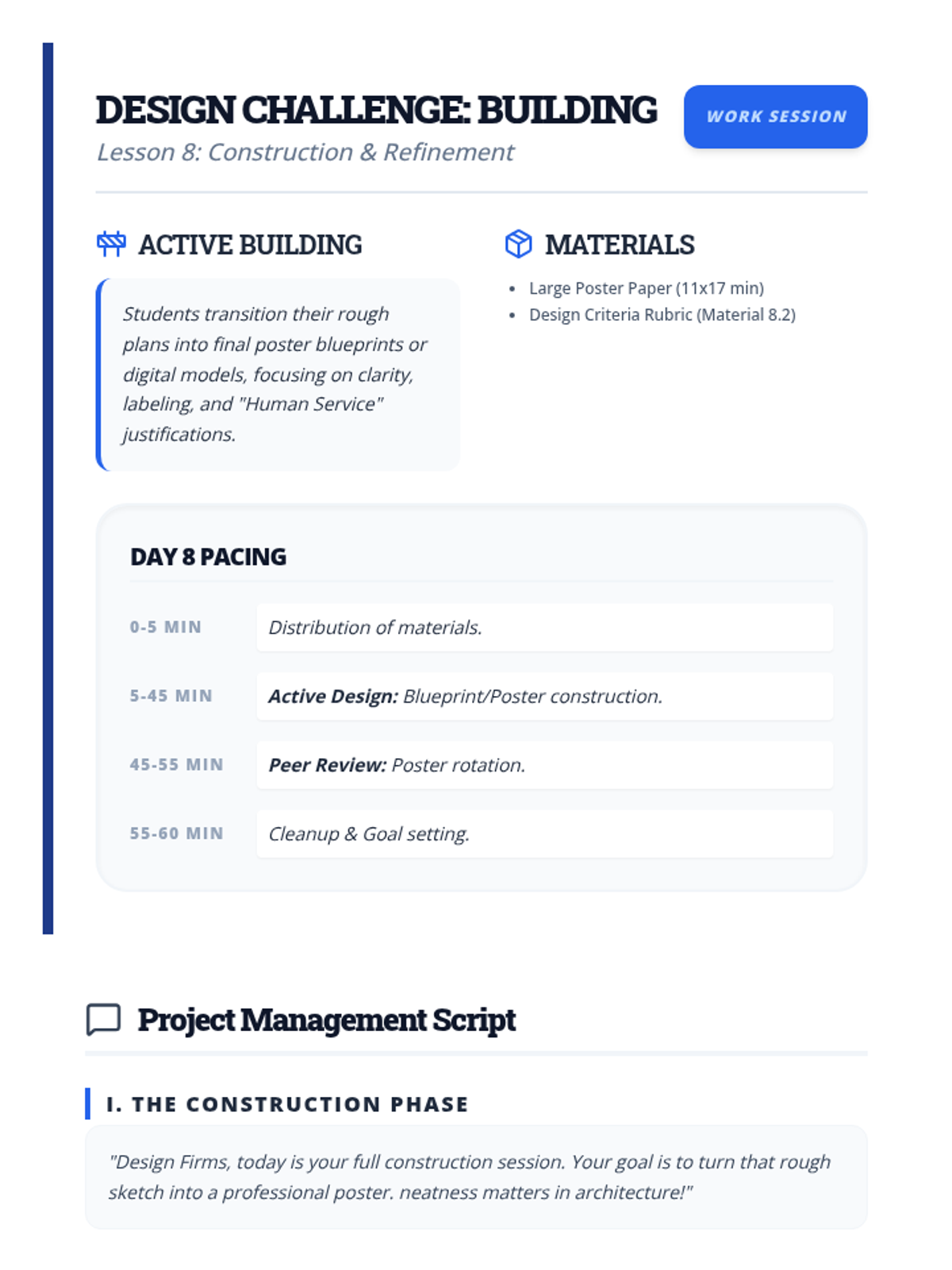
Students work in teams to create their home designs through posters or digital models, receiving teacher and peer feedback to refine their solutions.
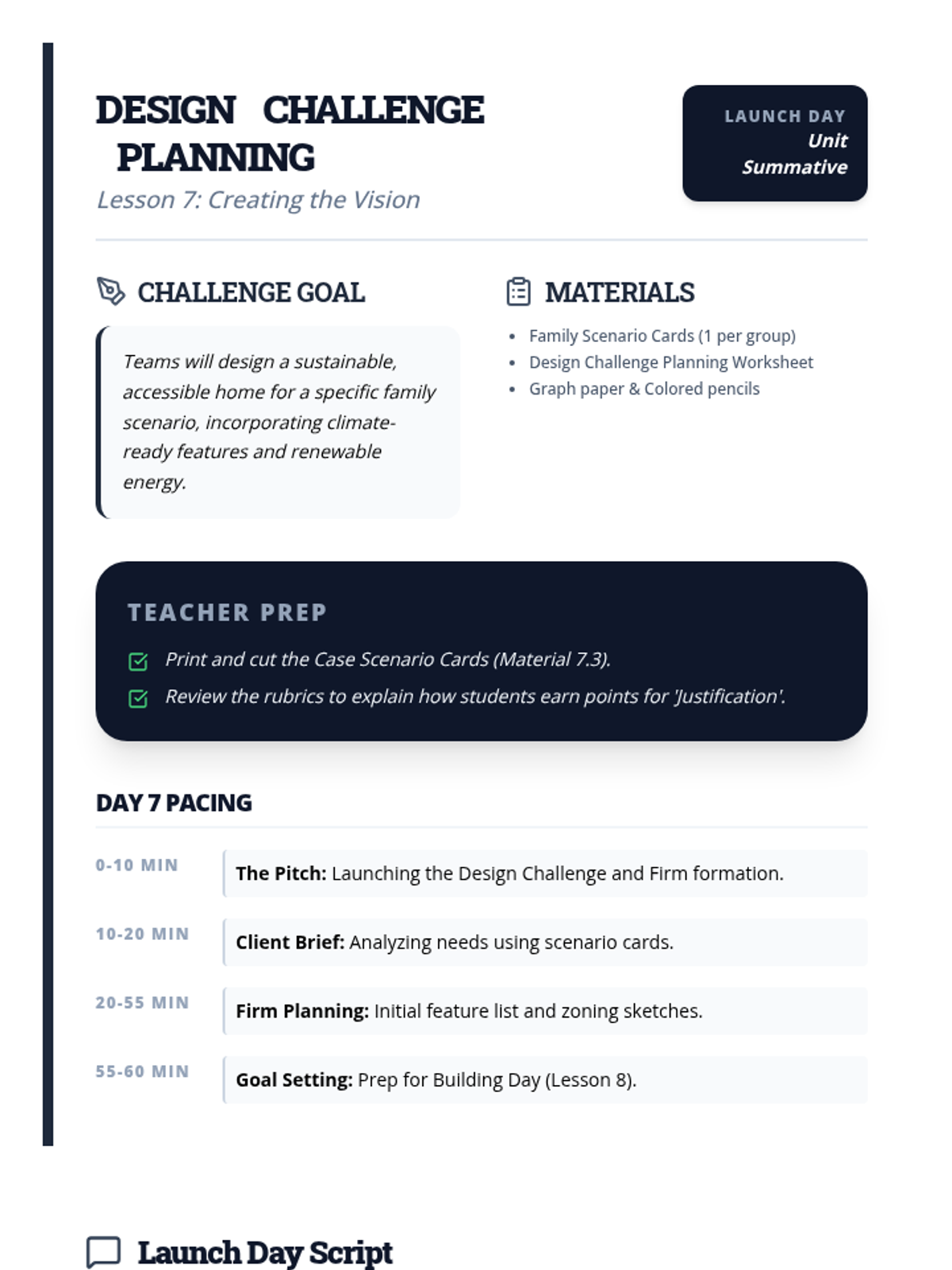
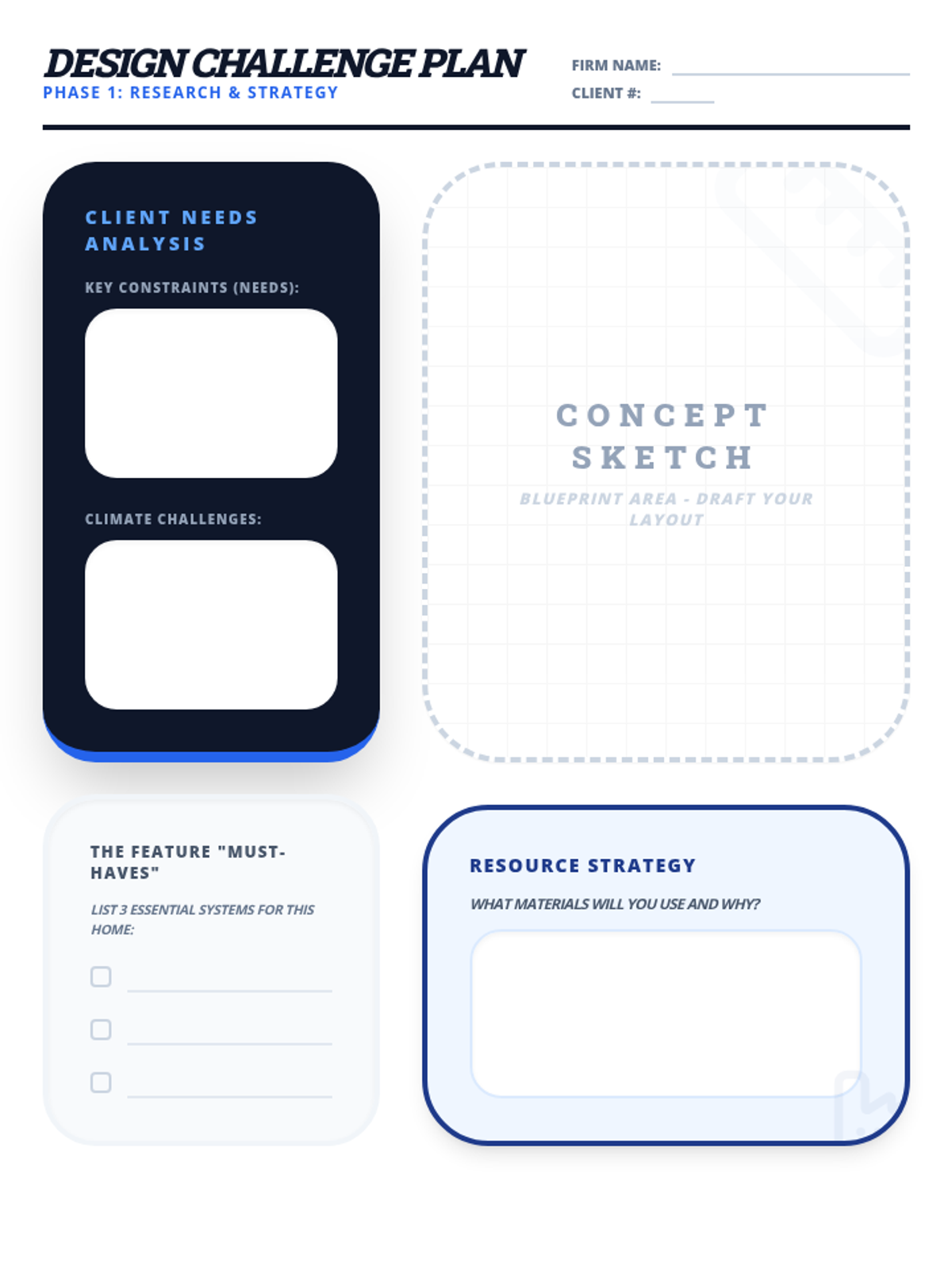
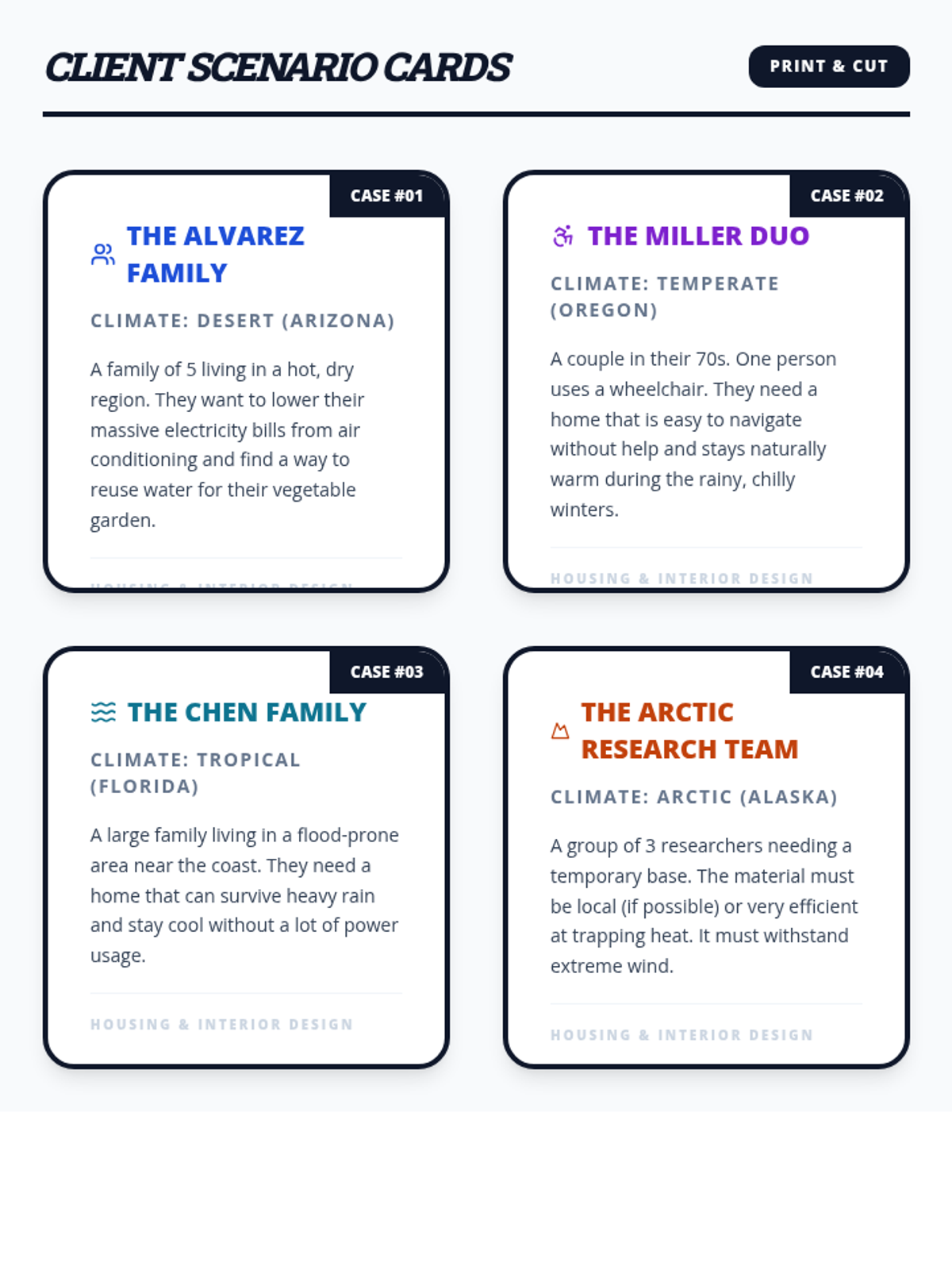
Introduce the final Design Challenge. Students receive family scenario cards and begin planning a home that incorporates sustainability, accessibility, and climate-specific features.
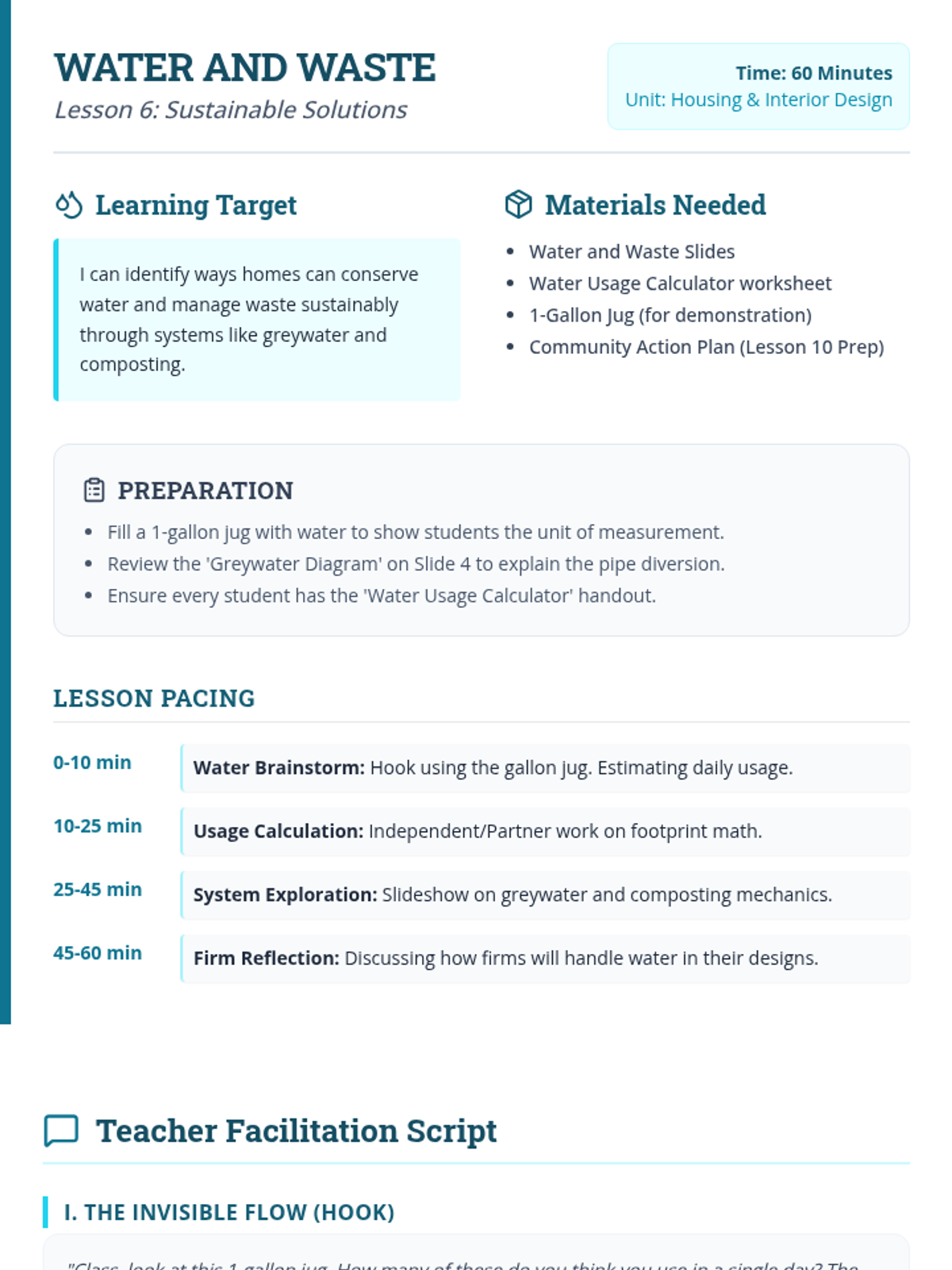
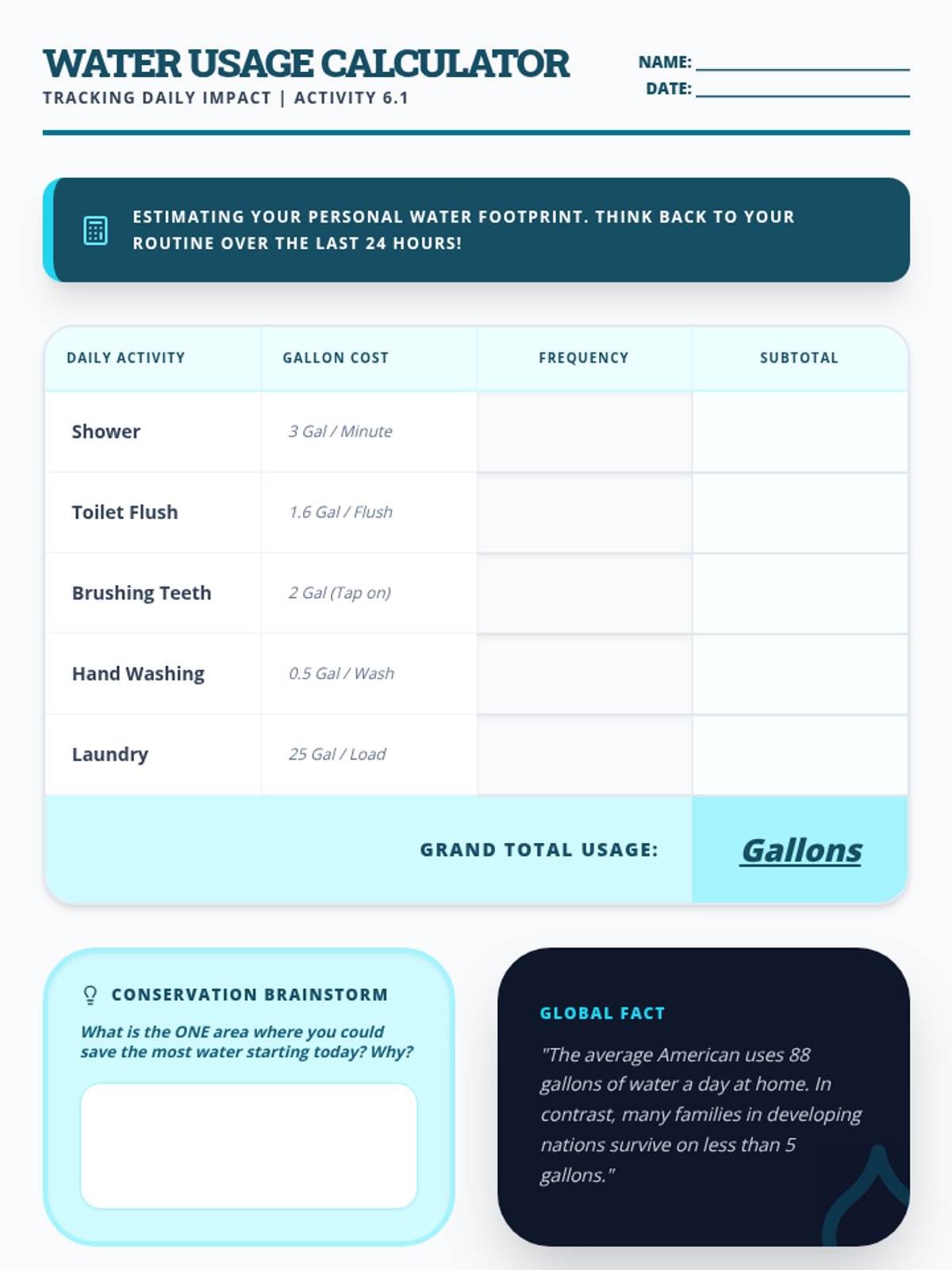
Identify ways homes can conserve water and manage waste sustainably. Students will explore greywater systems and calculate daily water usage for a typical family.
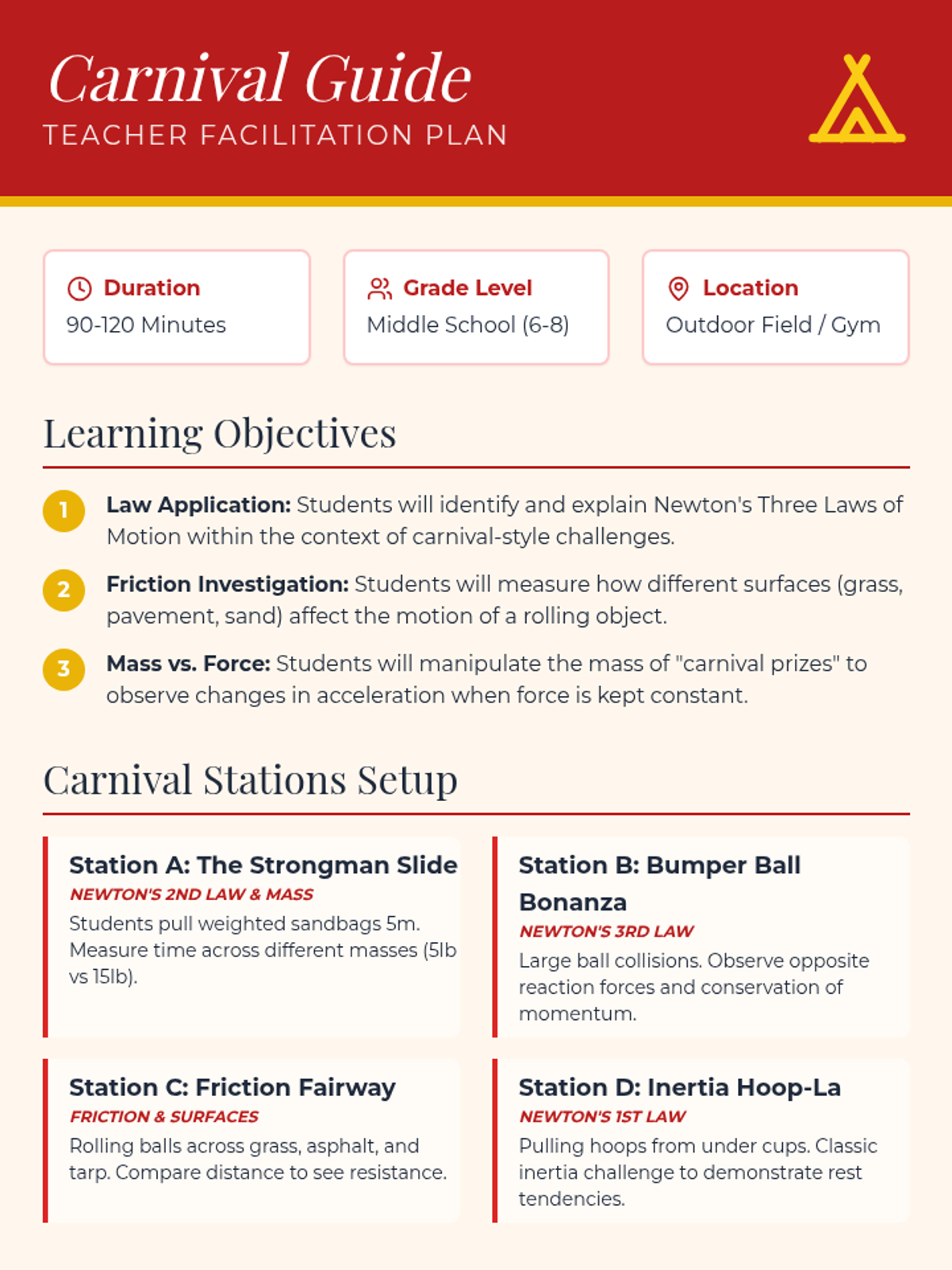
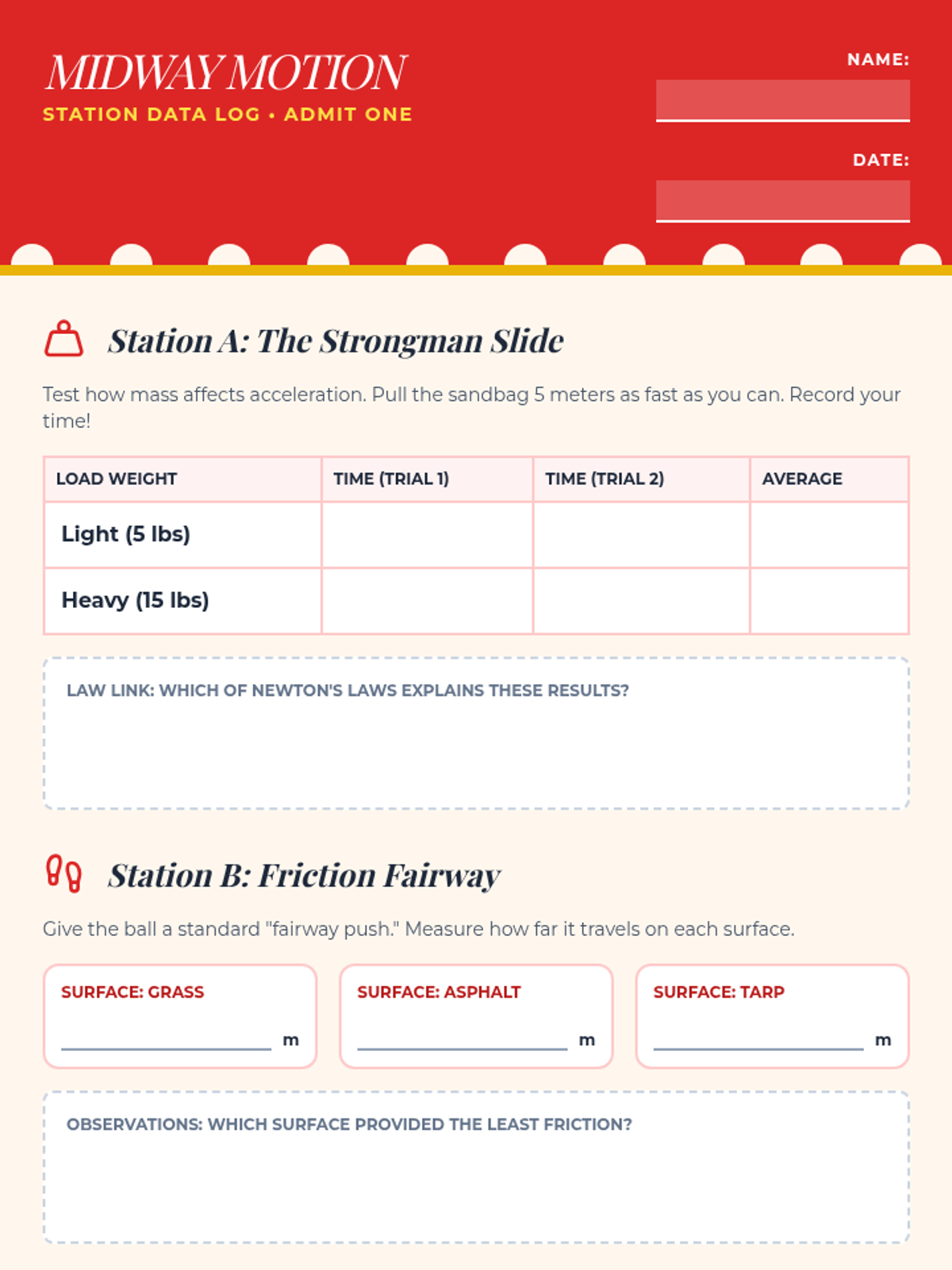
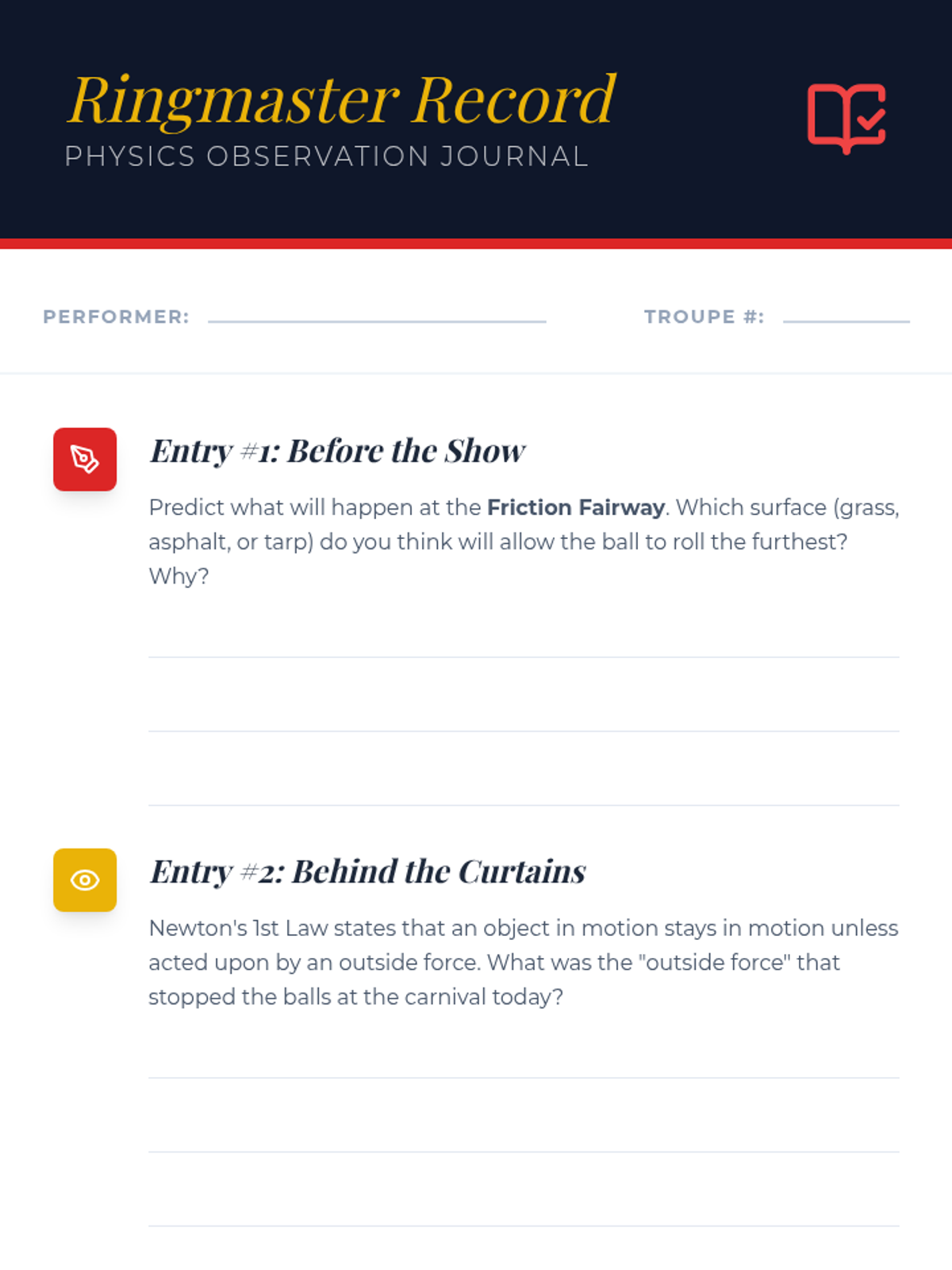
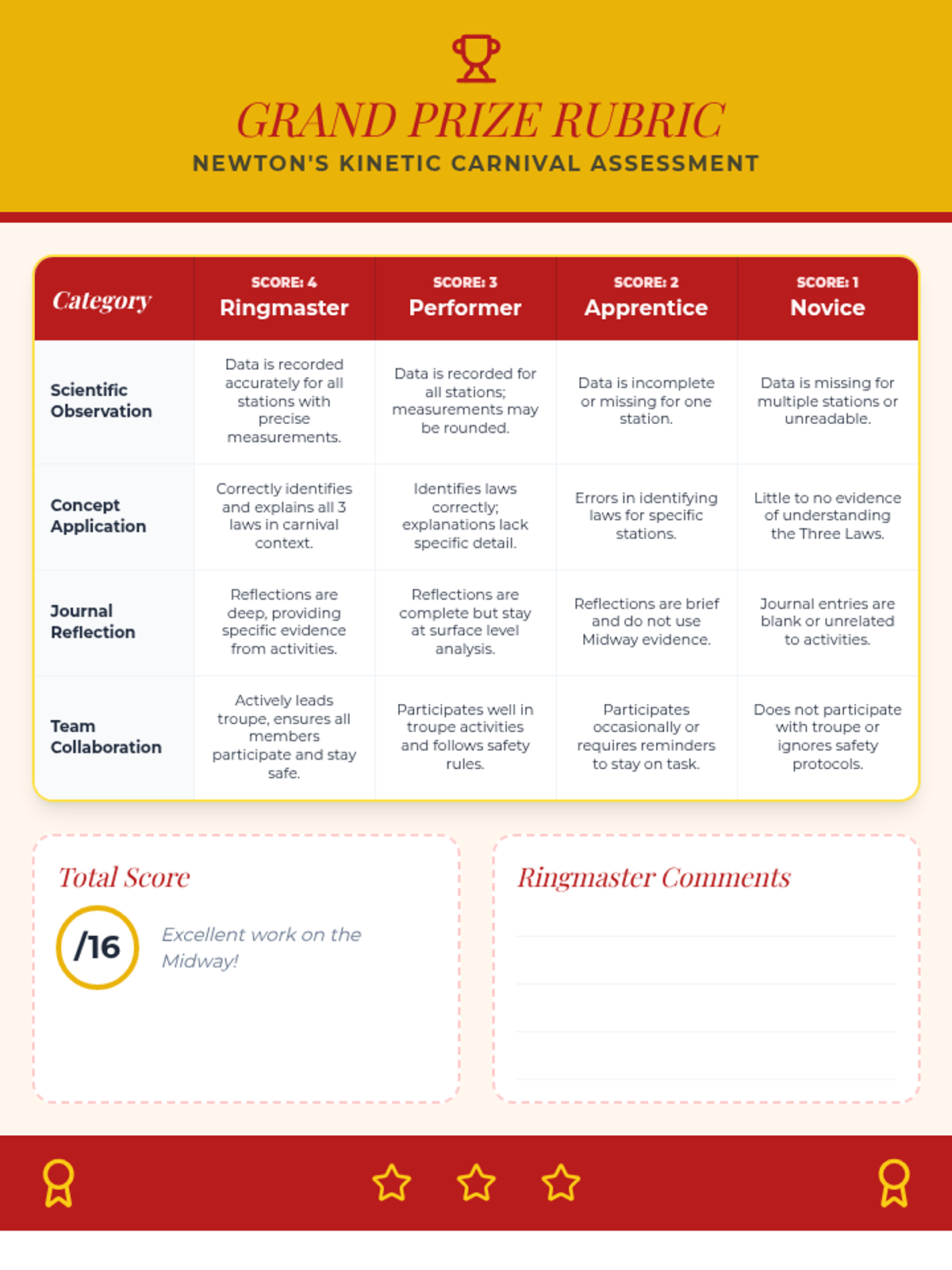
An outdoor physics experience where students investigate Newton's Laws of Motion, friction, and mass through carnival-themed physical activities and experiments.