An 8th-grade science lesson exploring how physical adaptations drive survival and how environmental shifts lead to extinction. Students will engage with a slide presentation, guided notes, a hands-on beak simulation, and visual task cards.
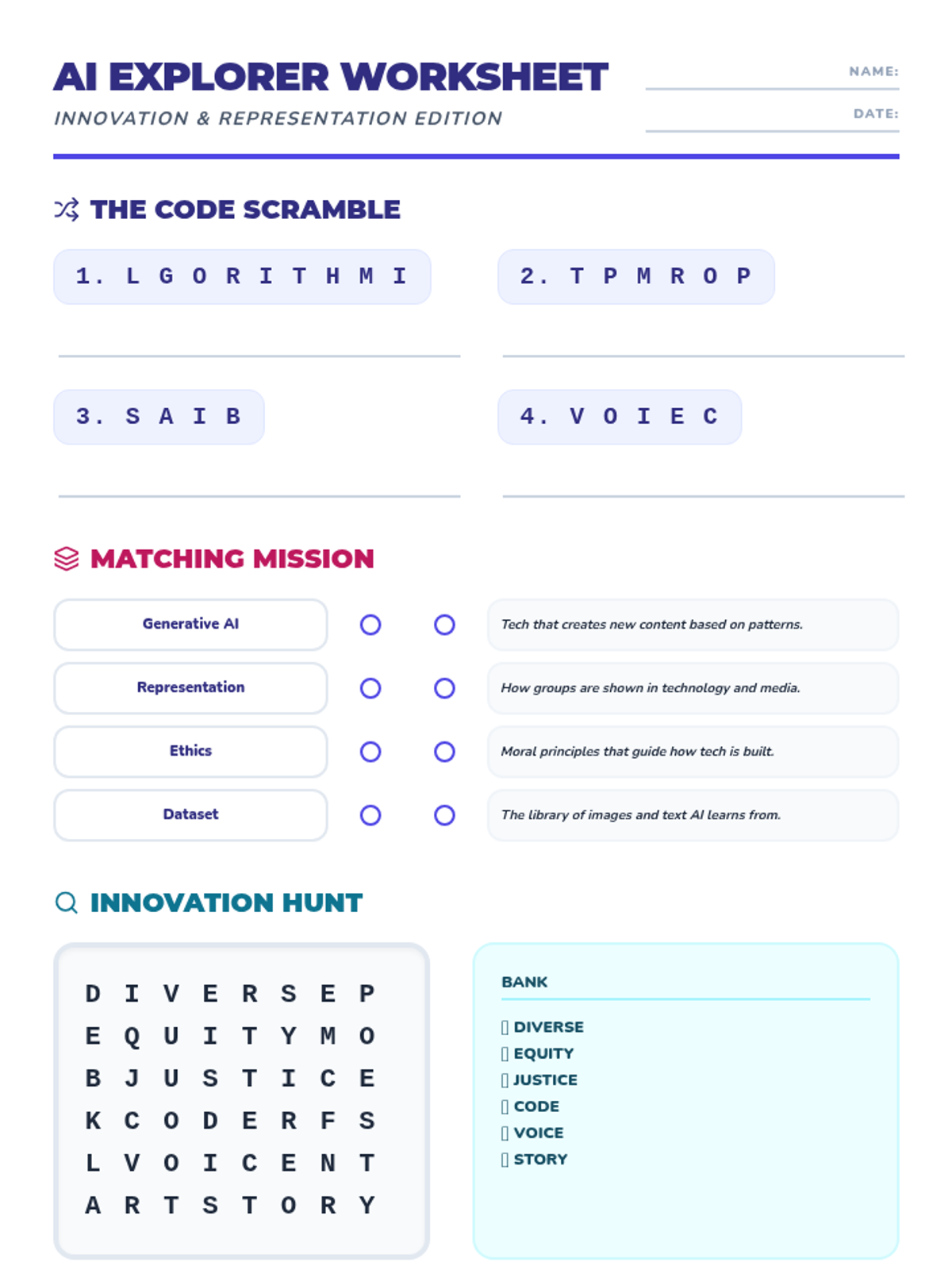
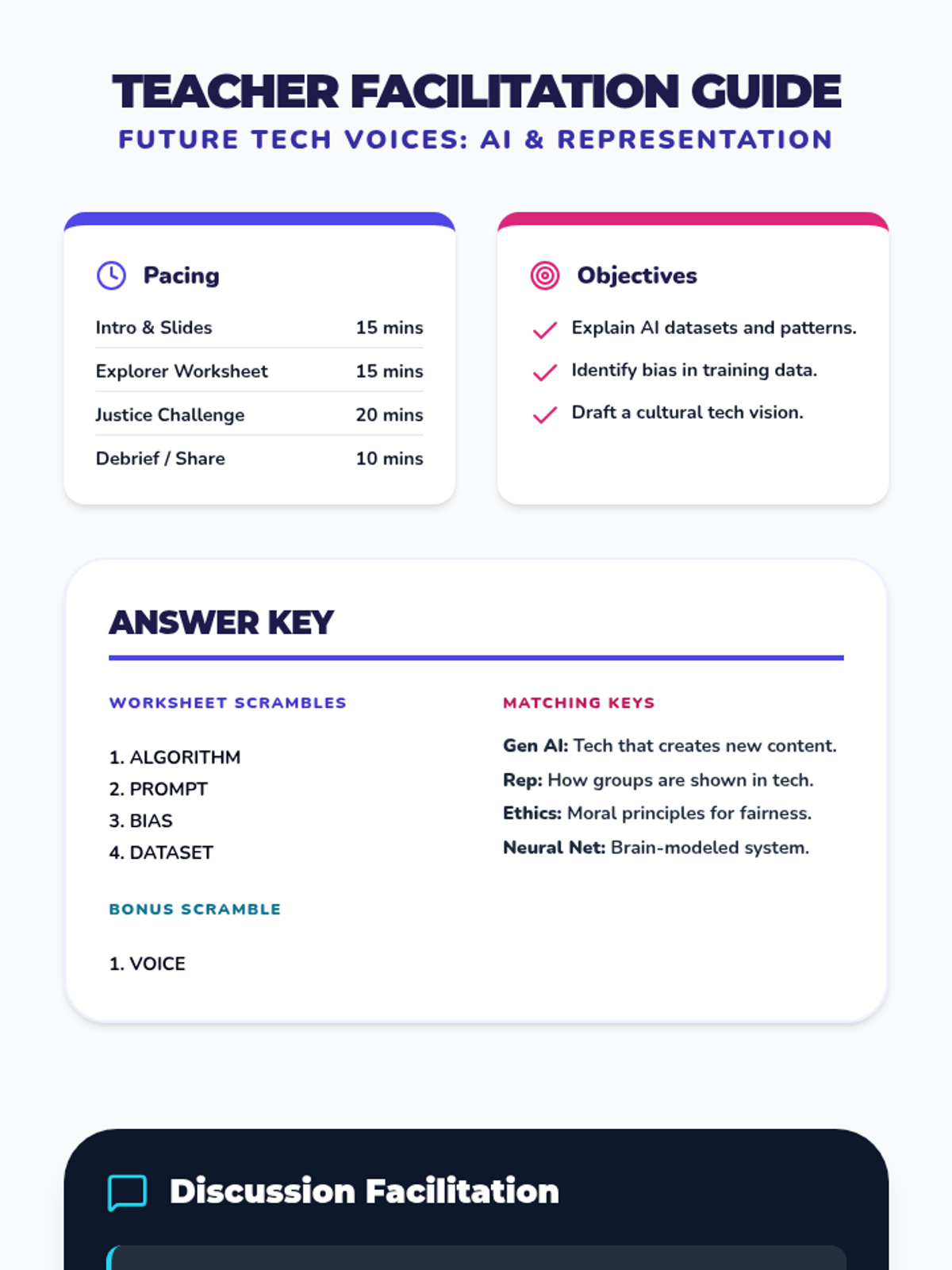
A lesson exploring the mechanics of AI generators and their social impact, specifically focusing on the experiences of young African Americans in tech and representation.
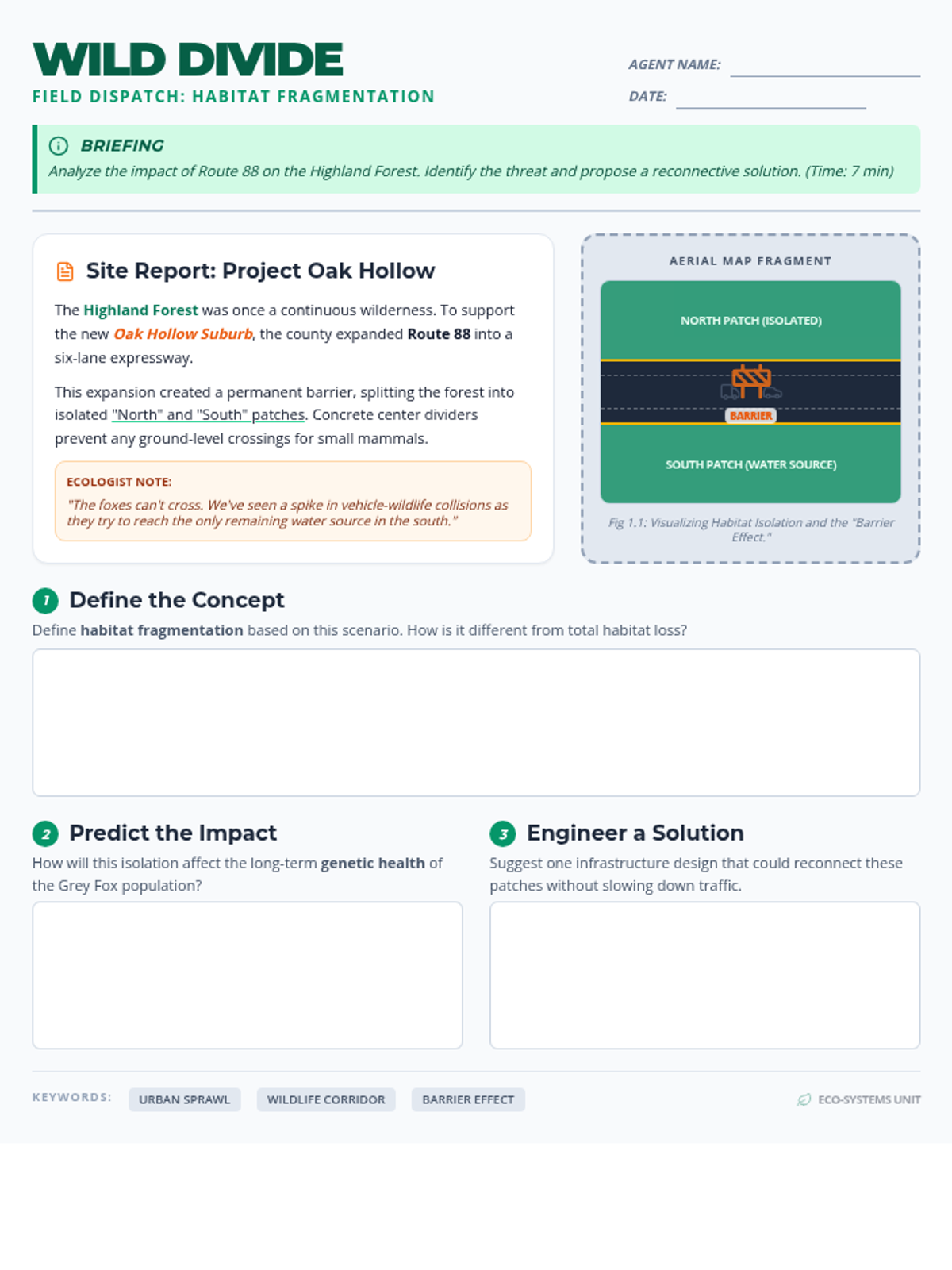
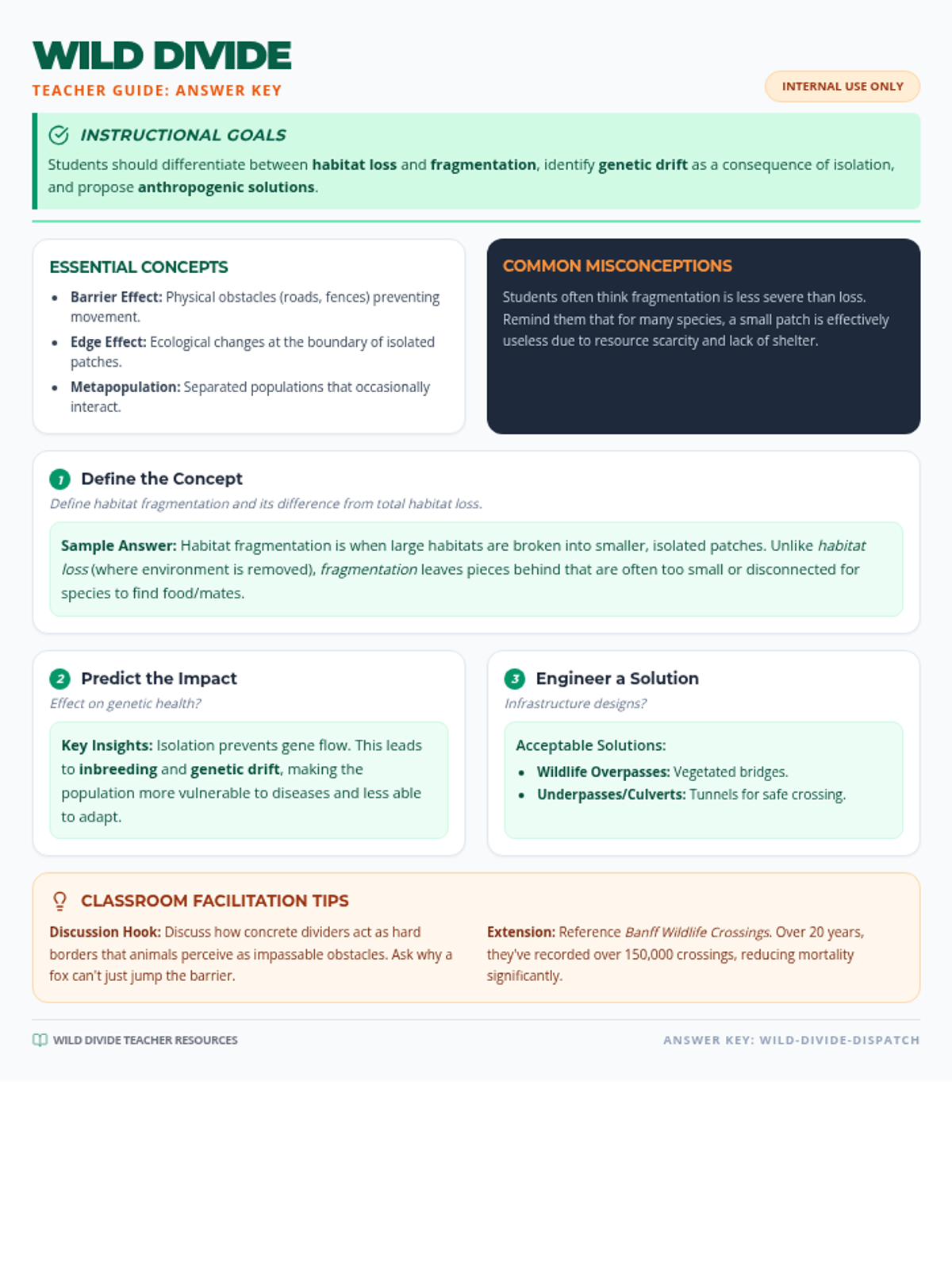
This lesson explores the ecological consequences of habitat fragmentation caused by human infrastructure. Students analyze case studies of wildlife isolation and propose engineering solutions like wildlife corridors to mitigate the impact of roads and urban sprawl.
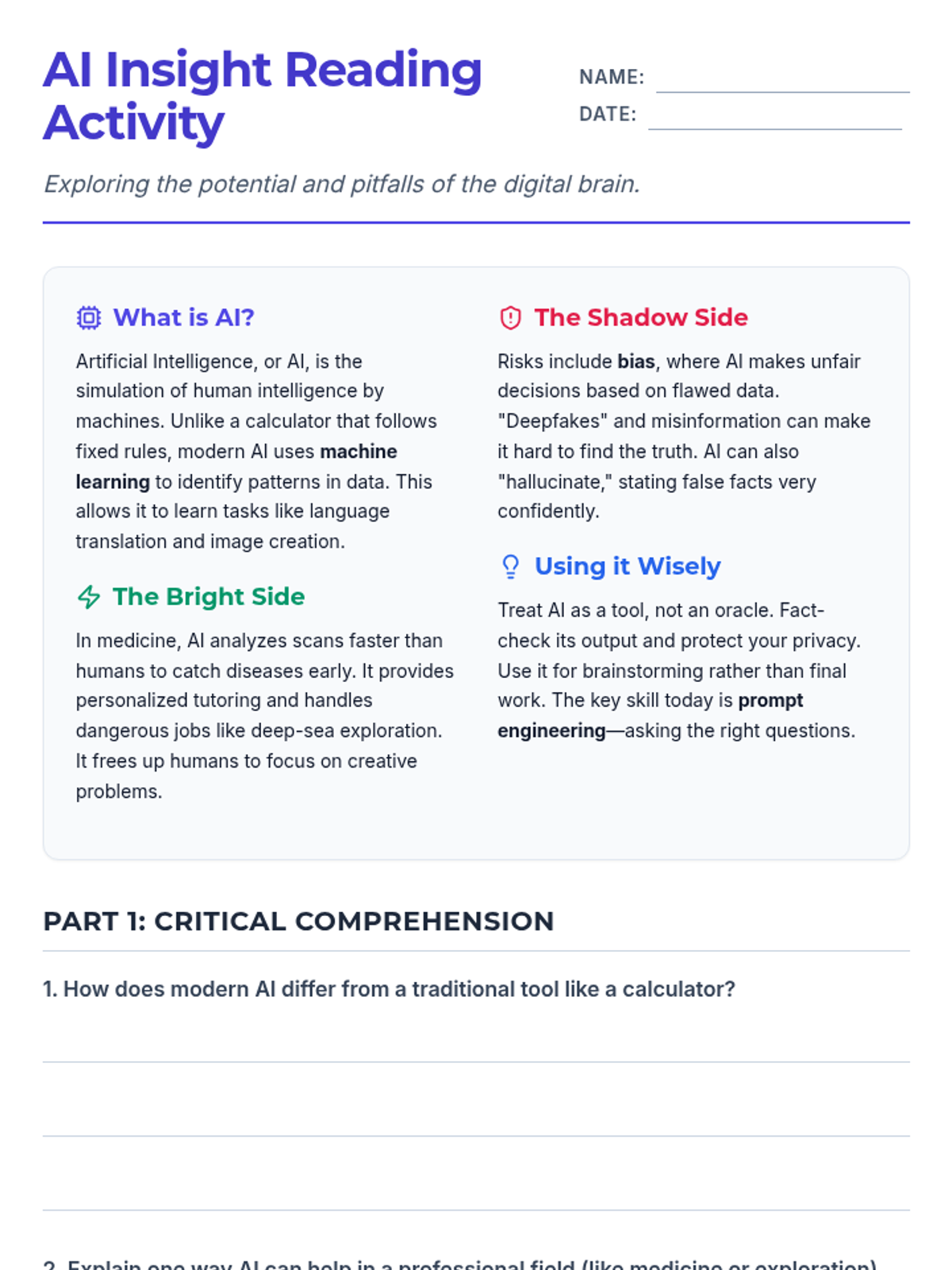
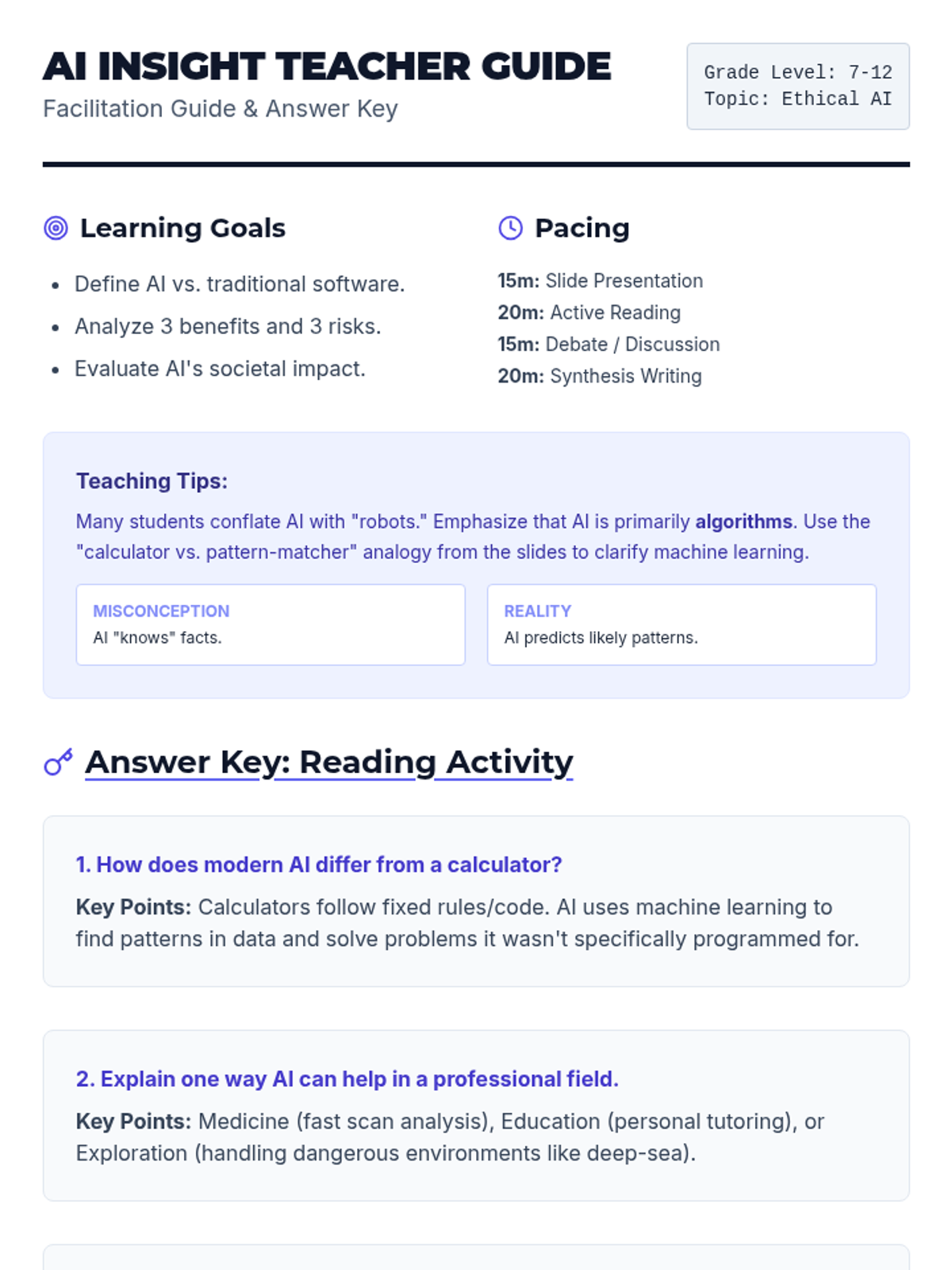
A comprehensive introduction to Artificial Intelligence, exploring its benefits, risks, and ethical usage through reading, discussion, and critical writing.
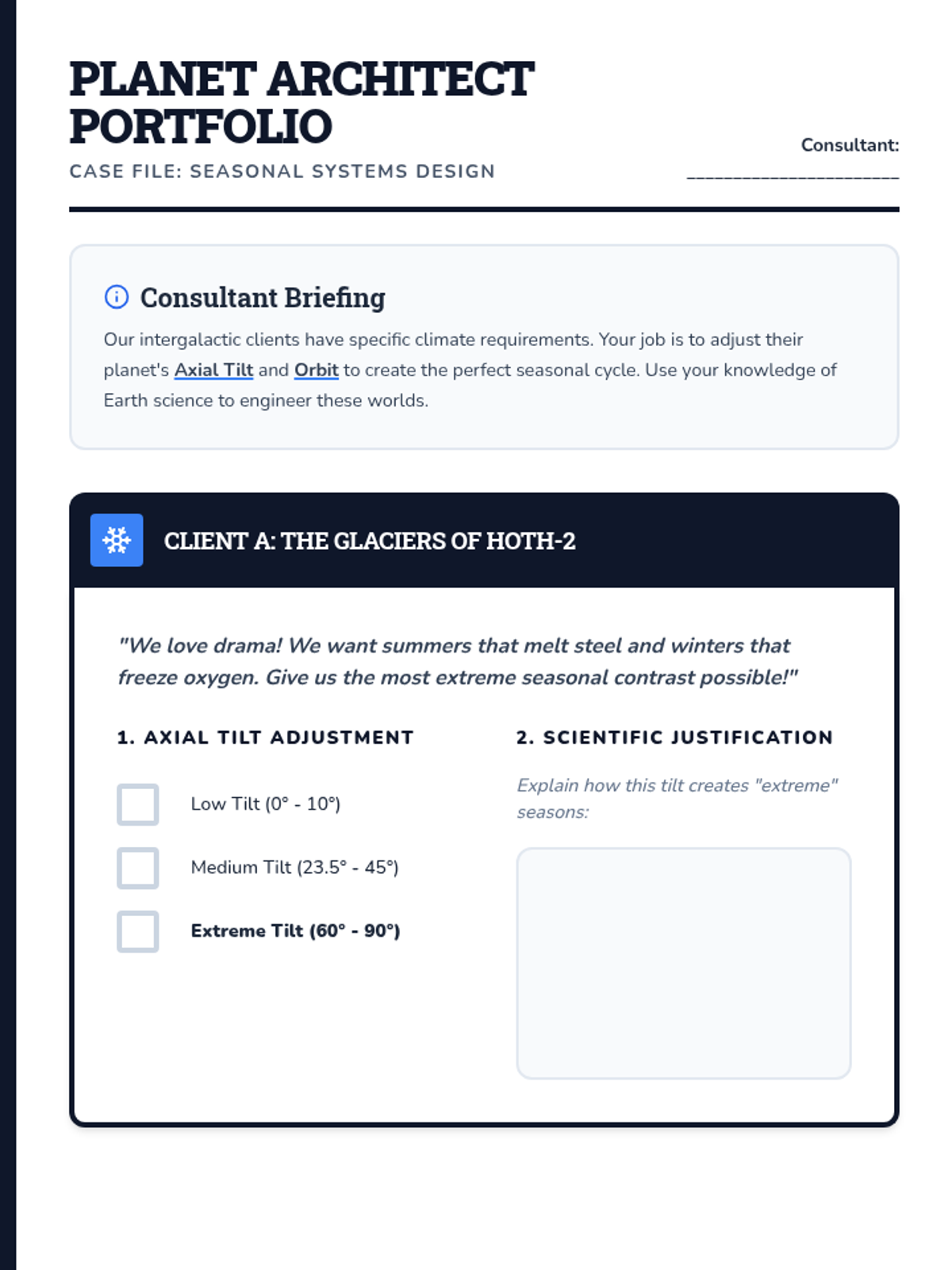
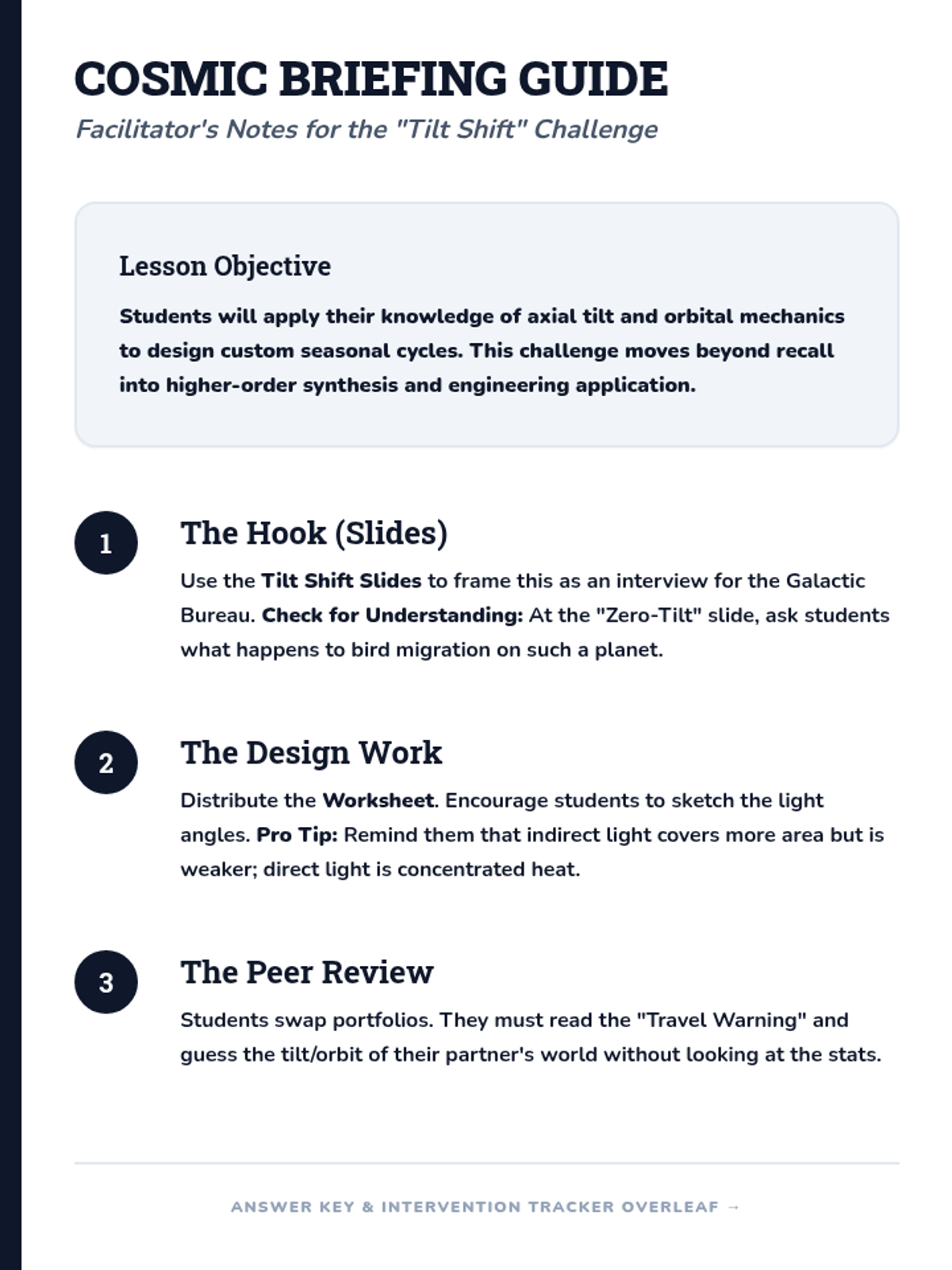
Students take on the role of Cosmic Consultants to help alien clients design their perfect planetary seasons by manipulating axial tilt, orbital distance, and solar intensity.
An 11-day series of class starters focused on forensic reasoning, case synthesis, and professional communication of findings.
A 10-day series of class starters covering biological evidence, blood patterns, DNA analysis, and ethics in genetics.
An 11-day series of class starters exploring physical and trace evidence, including fingerprints, hair, fibers, and soil.
A 10-day series of class starters focused on observation skills, documentation, ethics, and the history of forensic science.
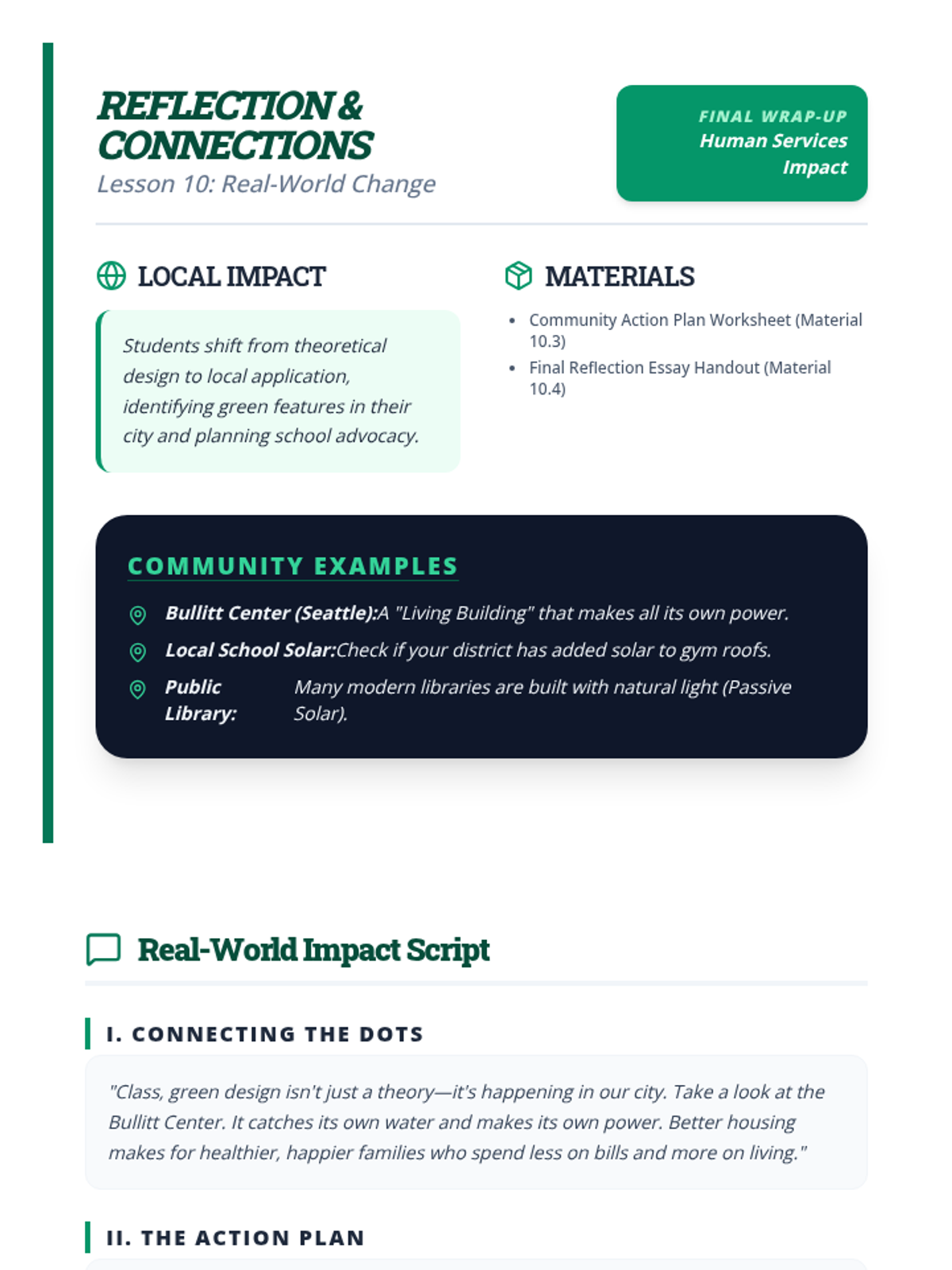
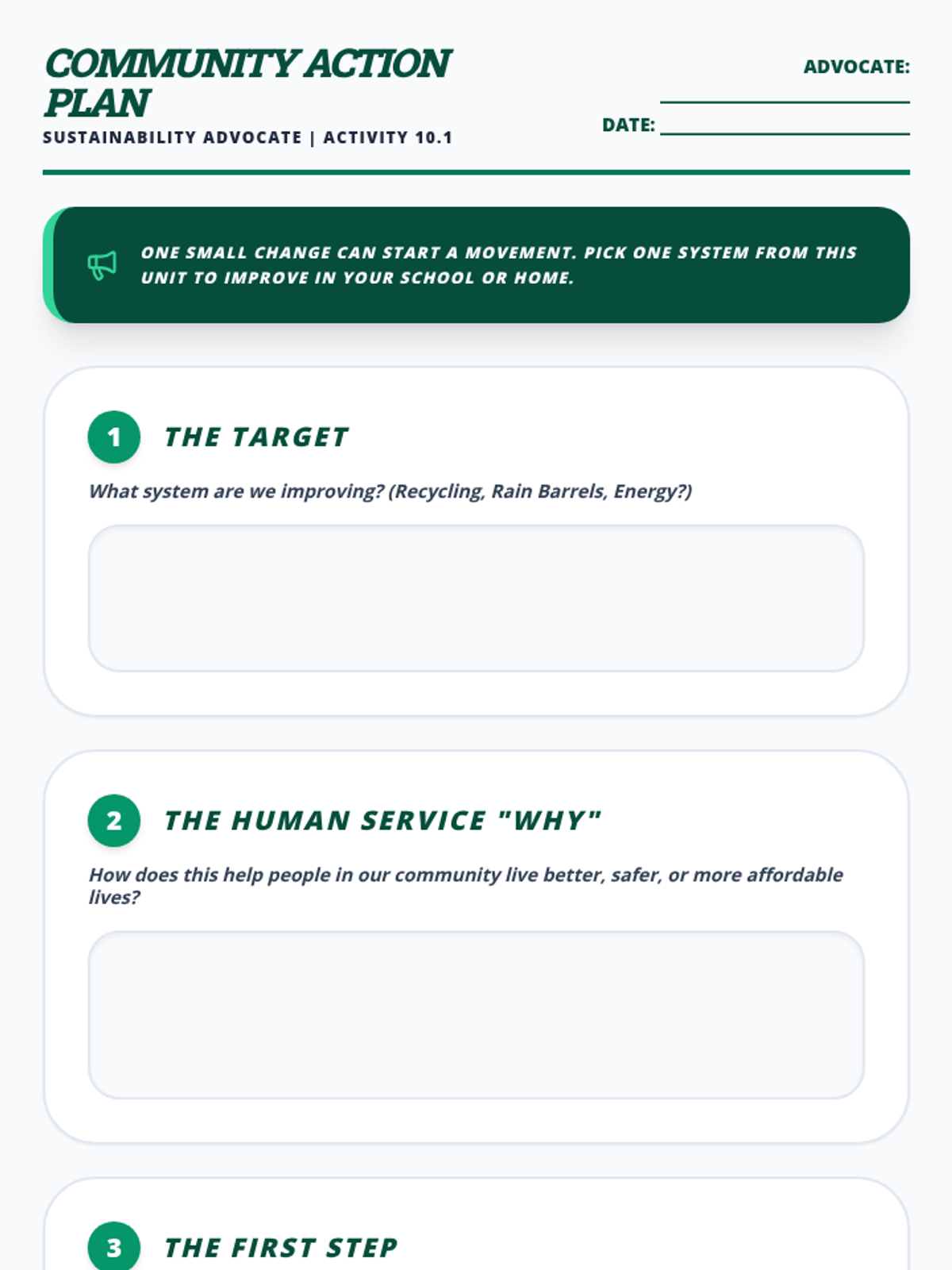
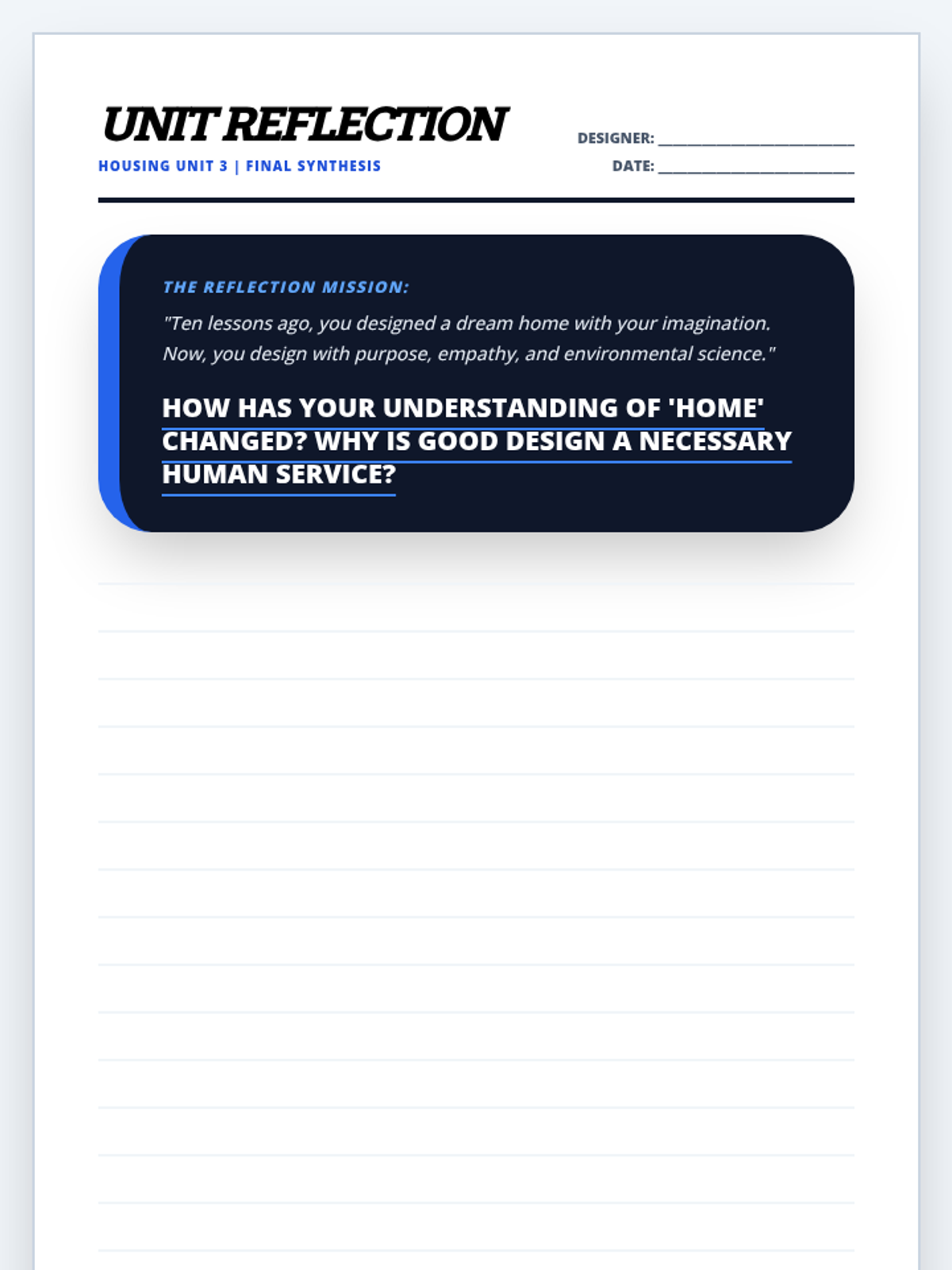
Final reflection on the unit. Students explore real-world green buildings in their community and create an action plan for one sustainable change.
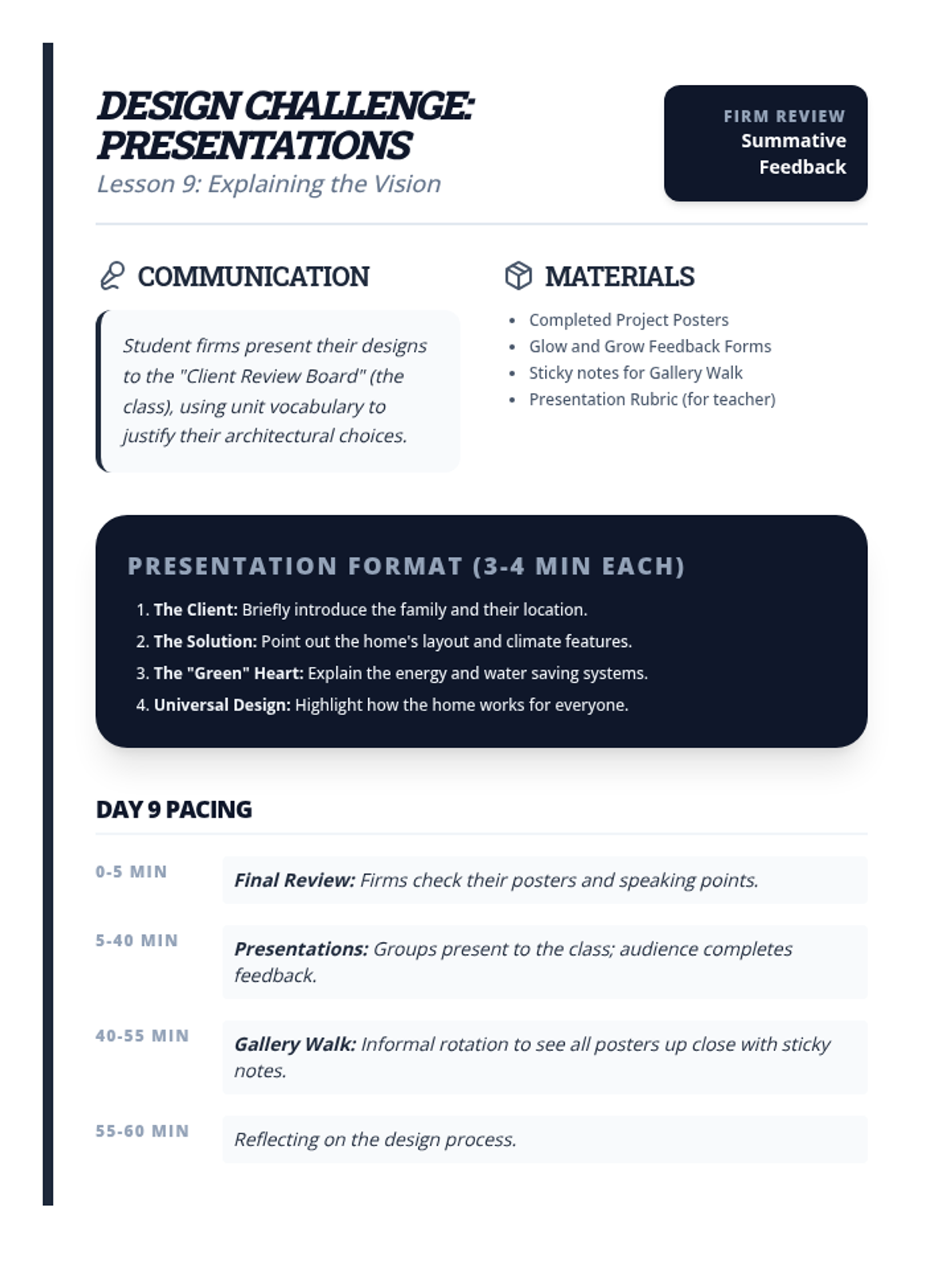
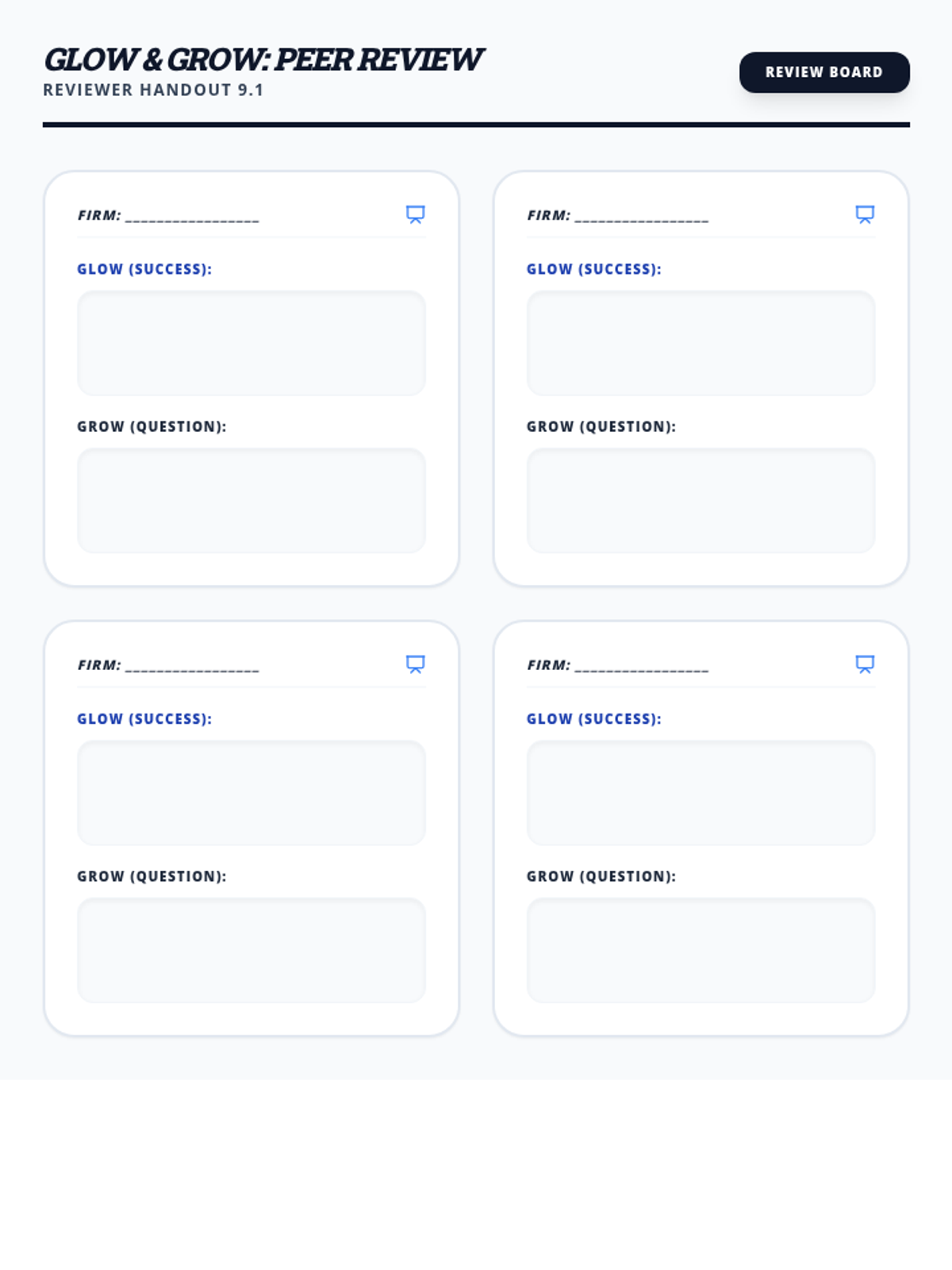
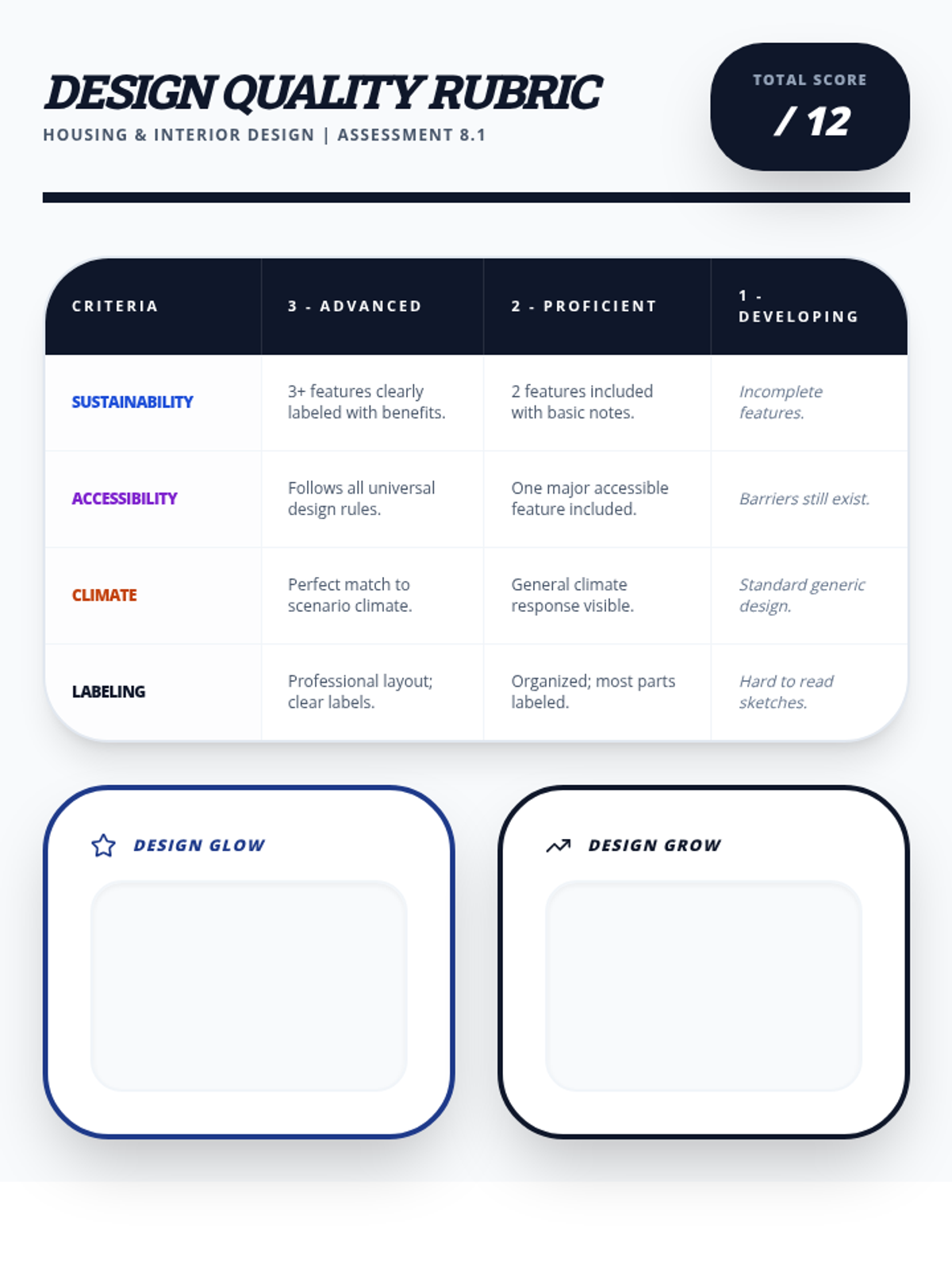
Teams present their final home designs to the class, providing constructive feedback using the 'Glow and Grow' format and participating in a gallery walk.
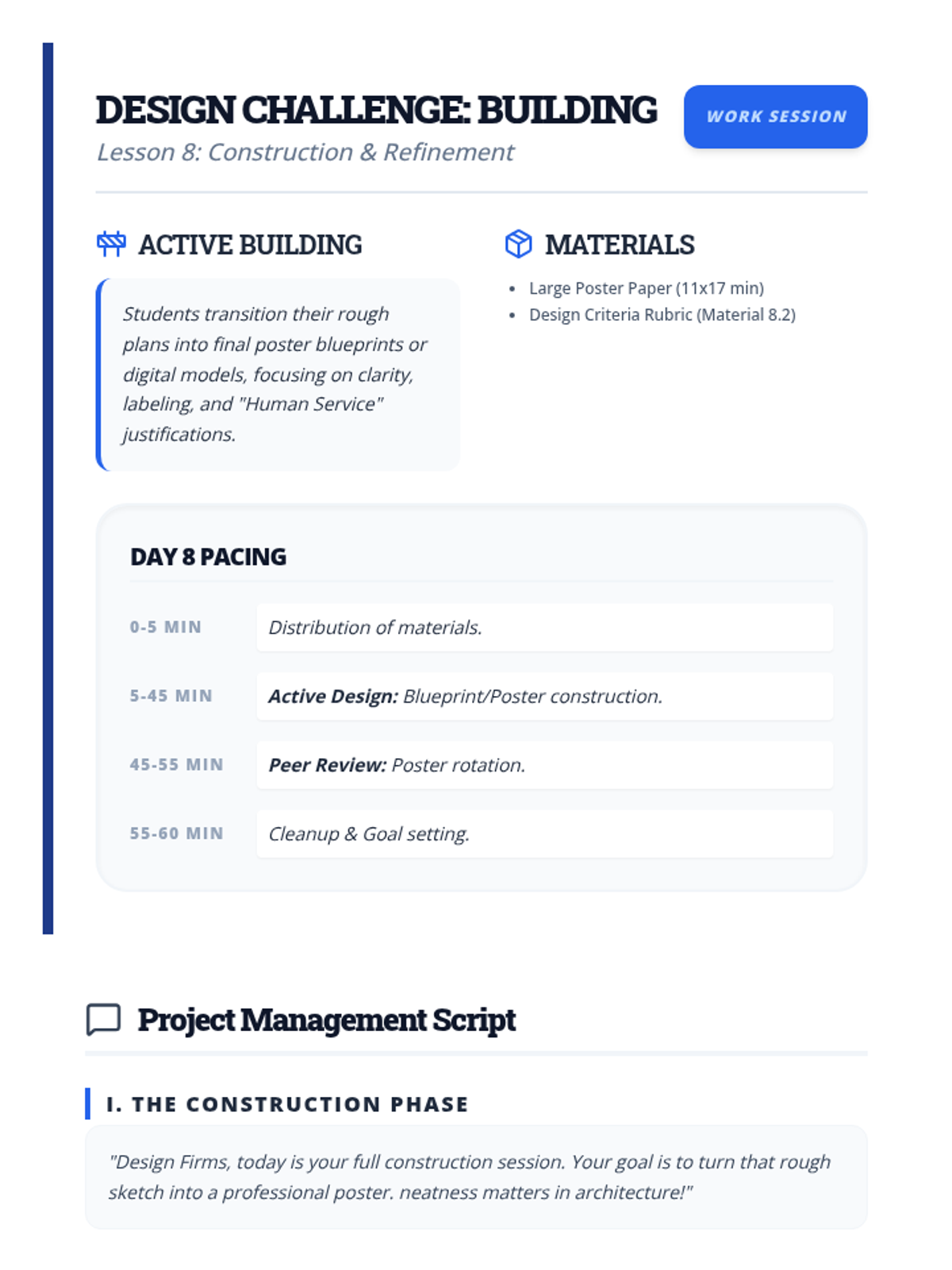
Students work in teams to create their home designs through posters or digital models, receiving teacher and peer feedback to refine their solutions.
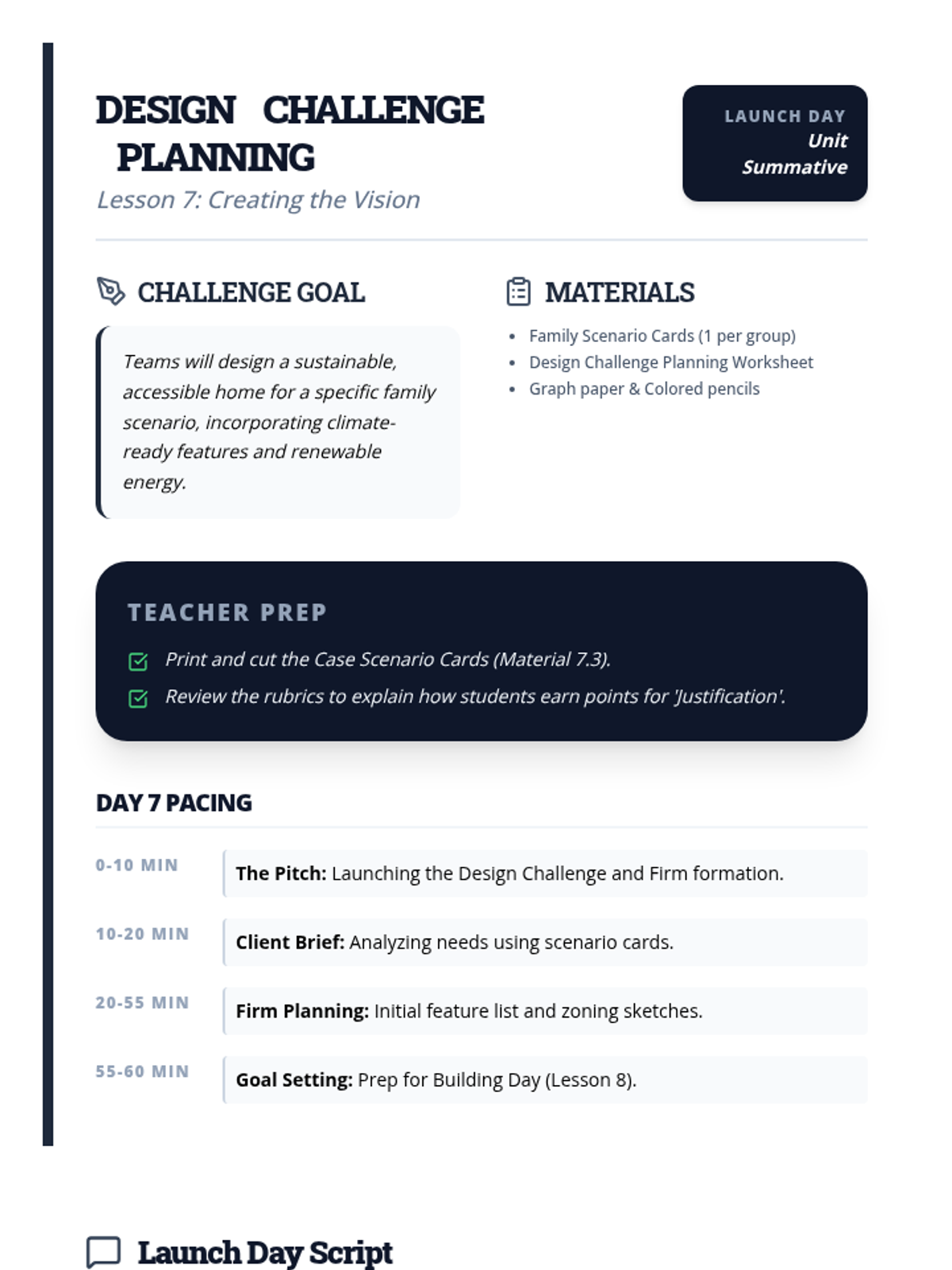
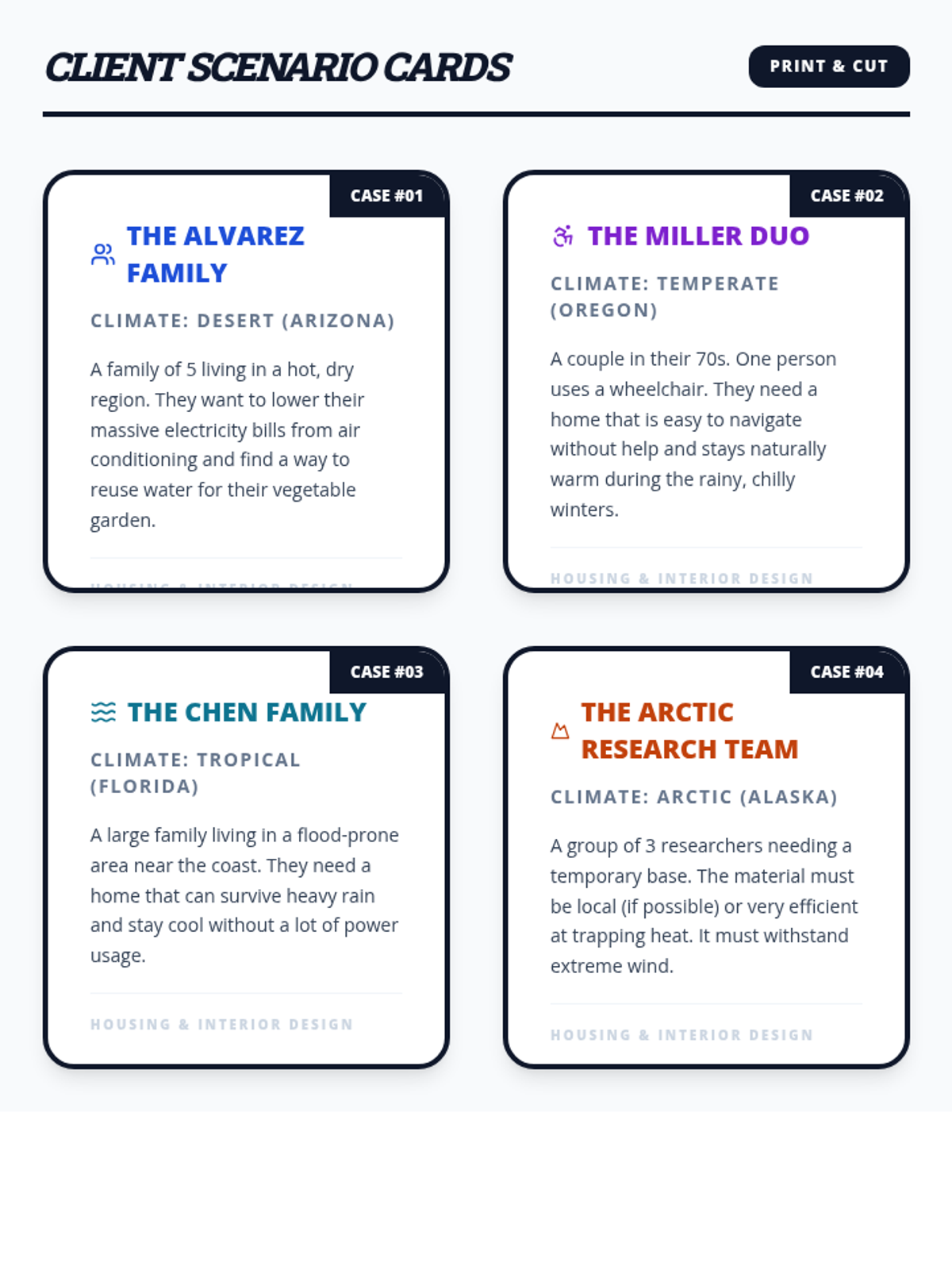
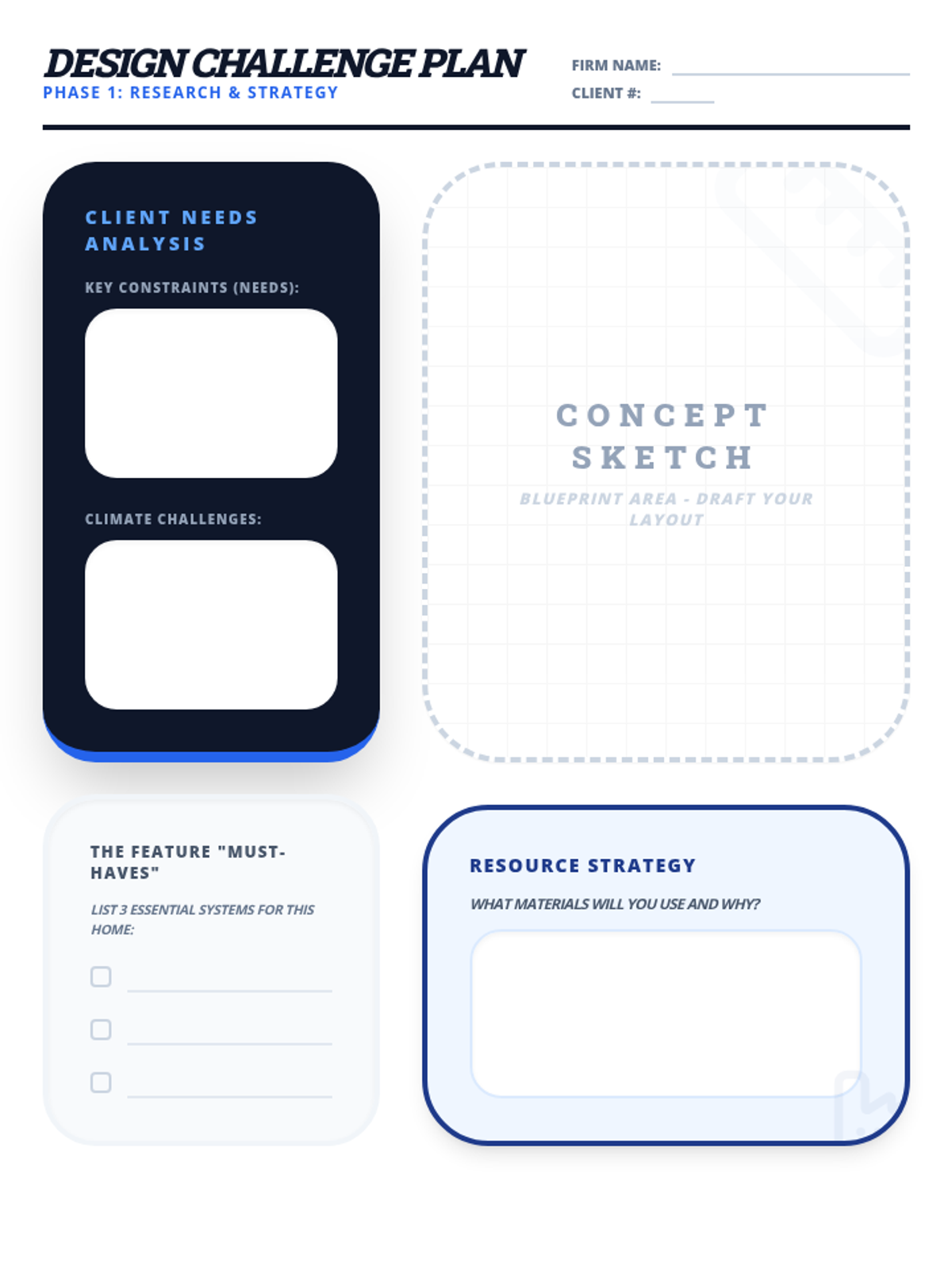
Introduce the final Design Challenge. Students receive family scenario cards and begin planning a home that incorporates sustainability, accessibility, and climate-specific features.
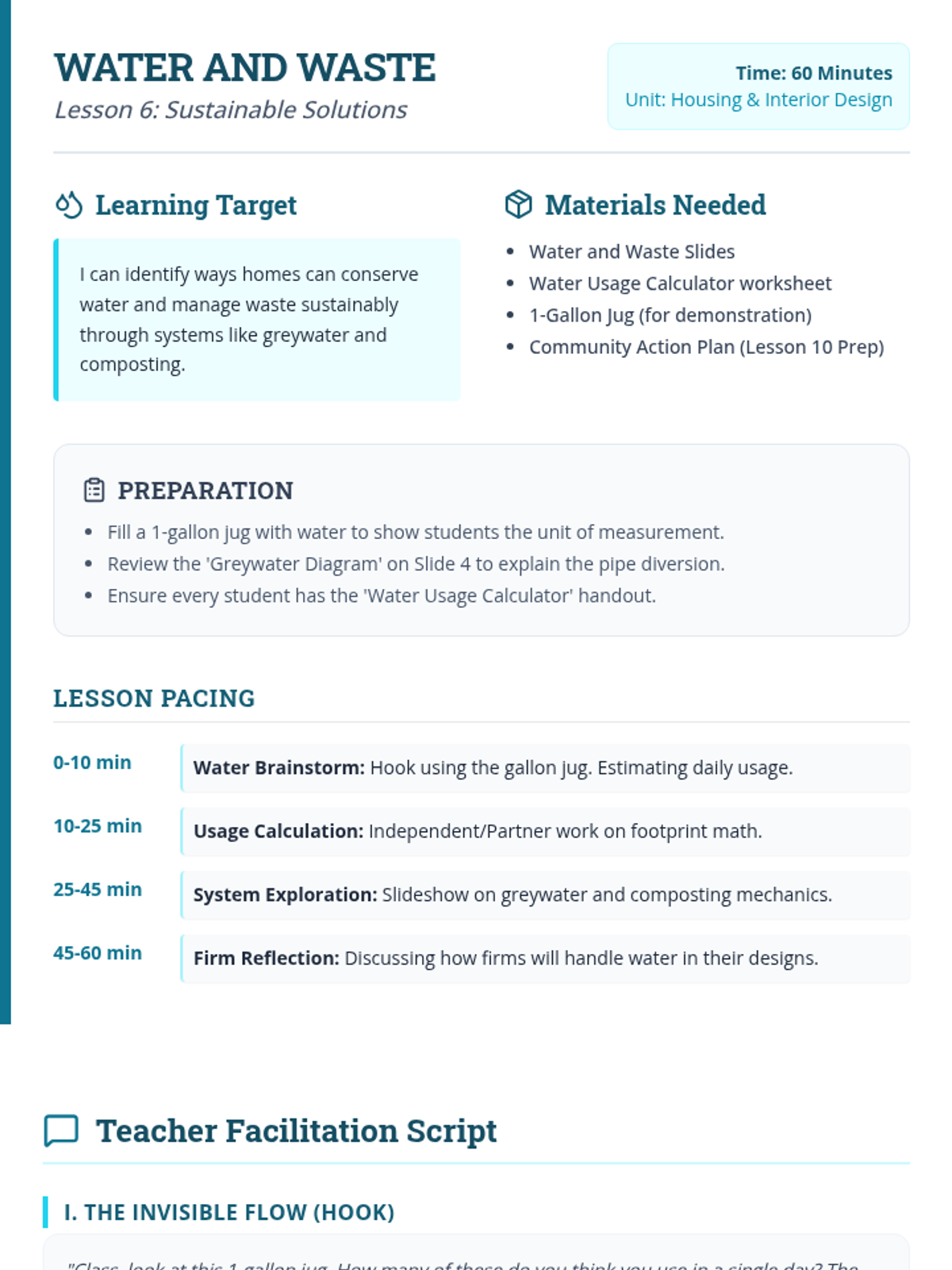
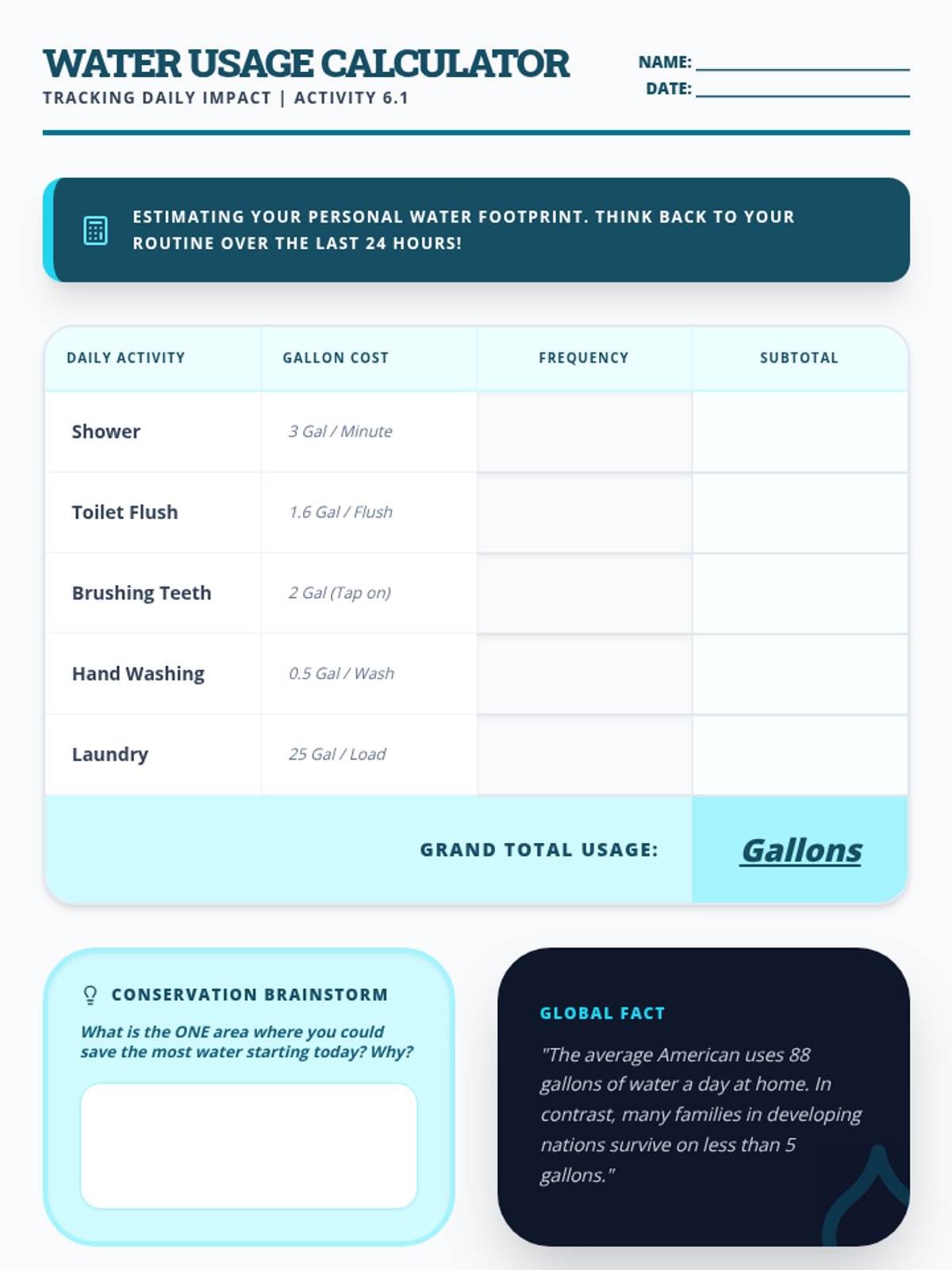
Identify ways homes can conserve water and manage waste sustainably. Students will explore greywater systems and calculate daily water usage for a typical family.
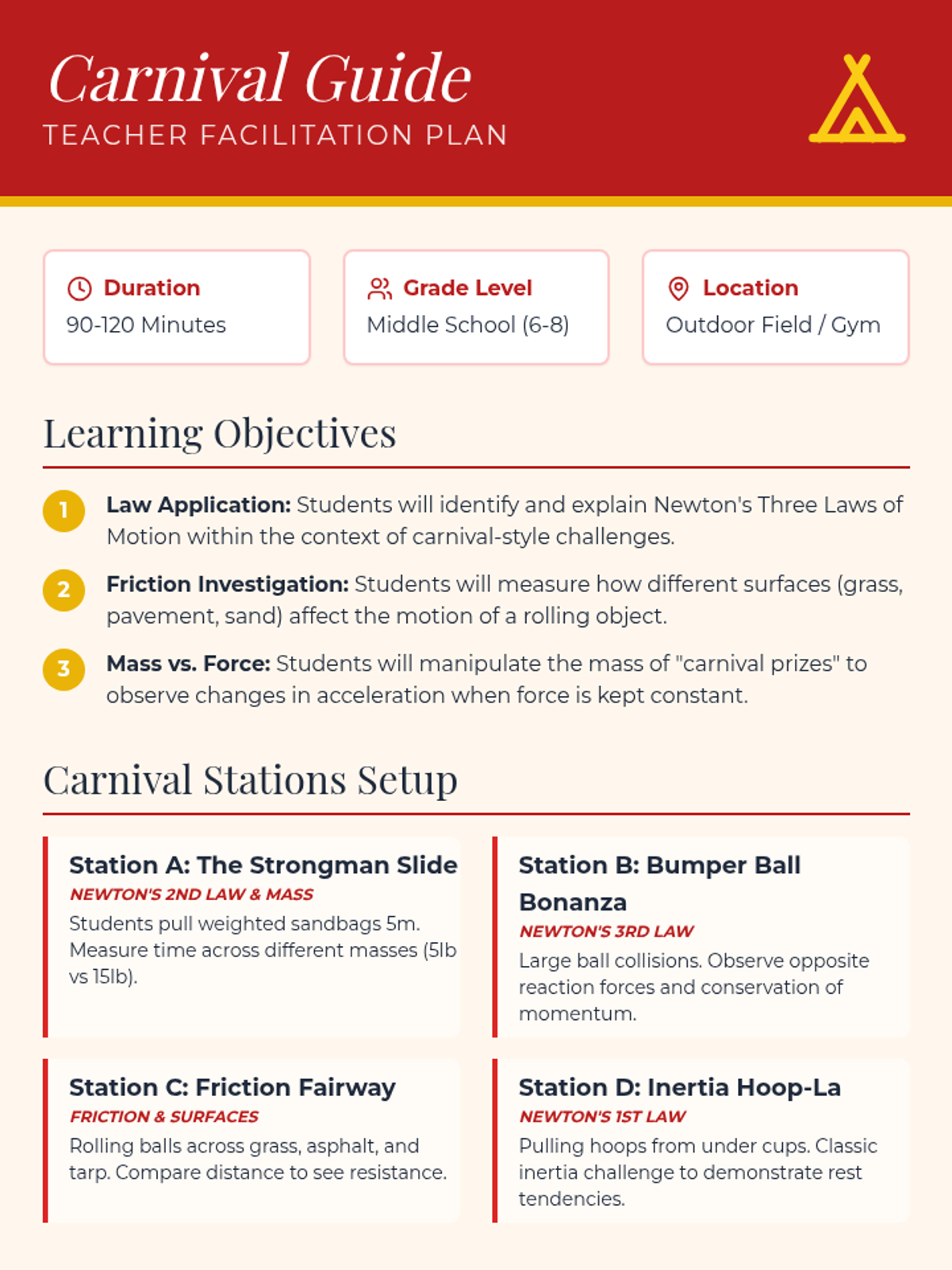
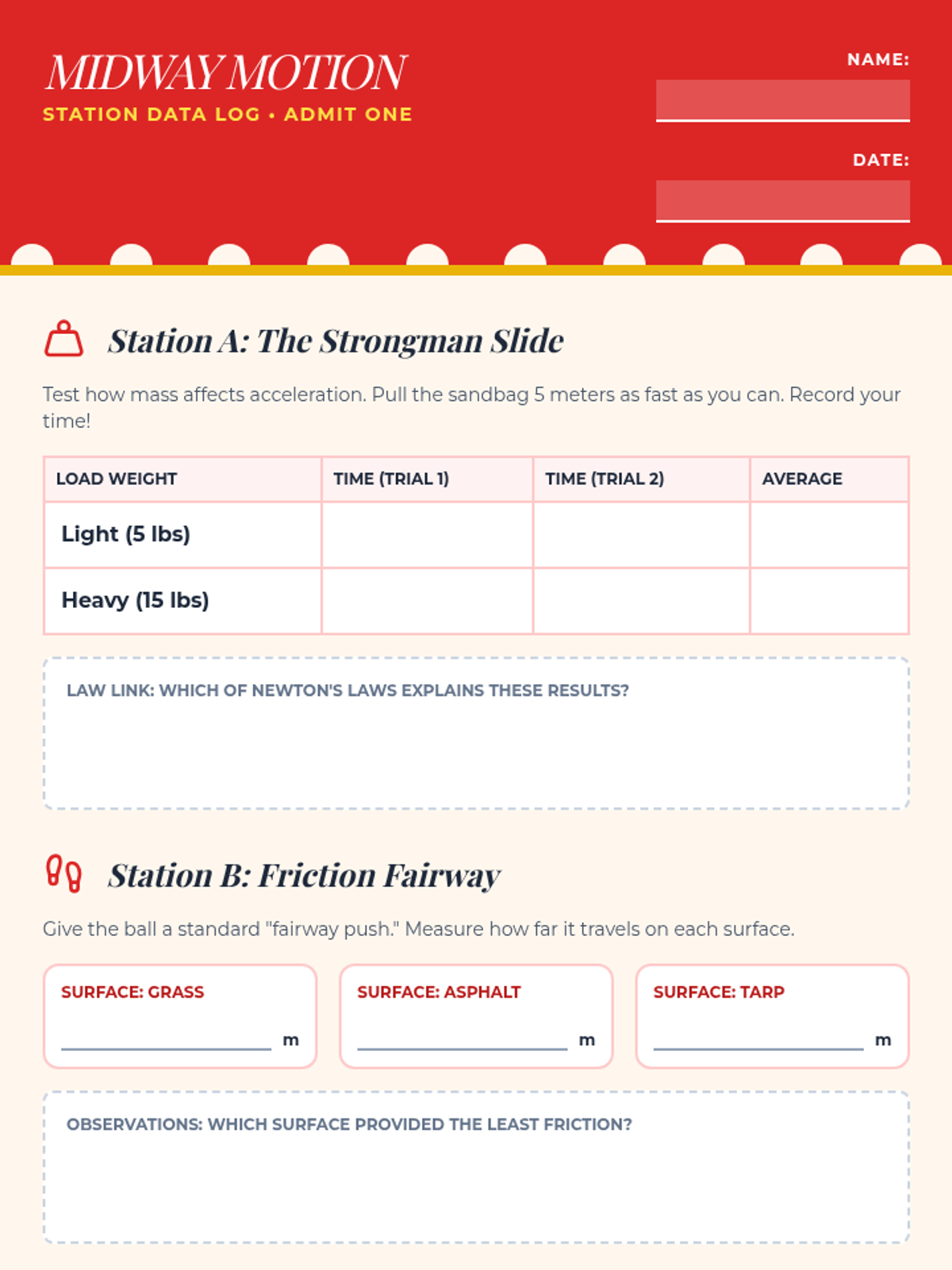
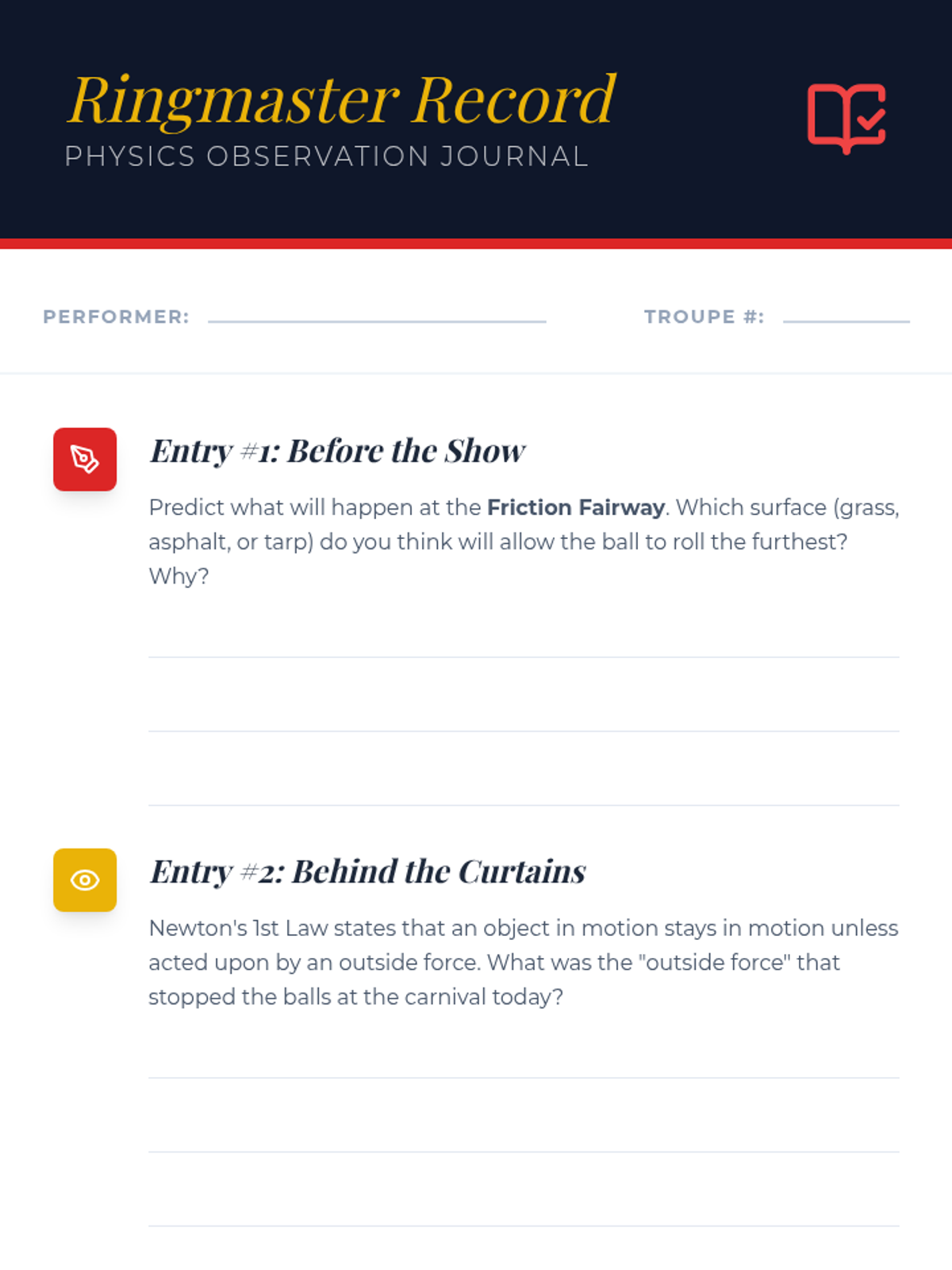
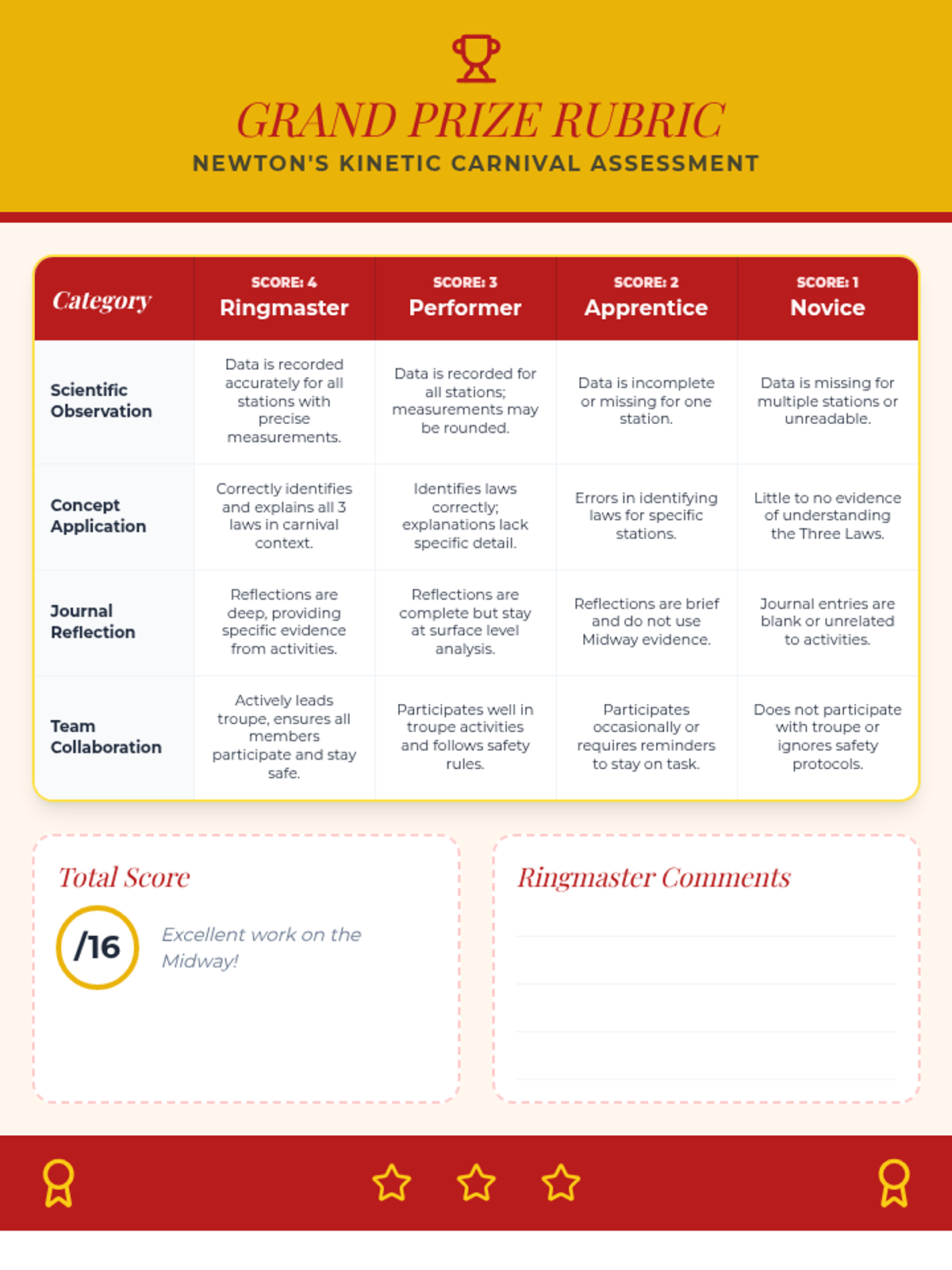
An outdoor physics experience where students investigate Newton's Laws of Motion, friction, and mass through carnival-themed physical activities and experiments.
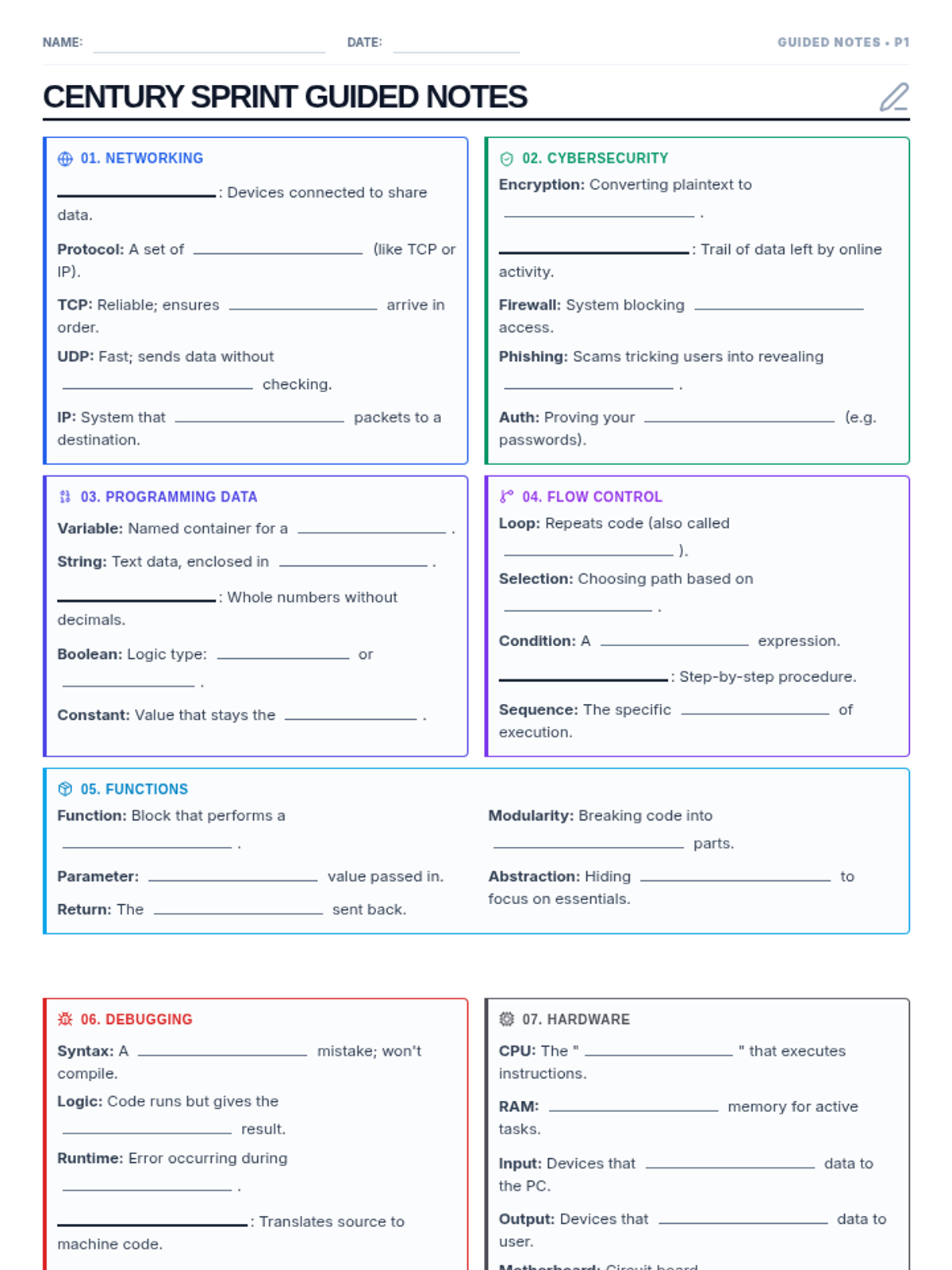
A comprehensive 100-question final review encompassing all domains of computer science covered in the sequence.
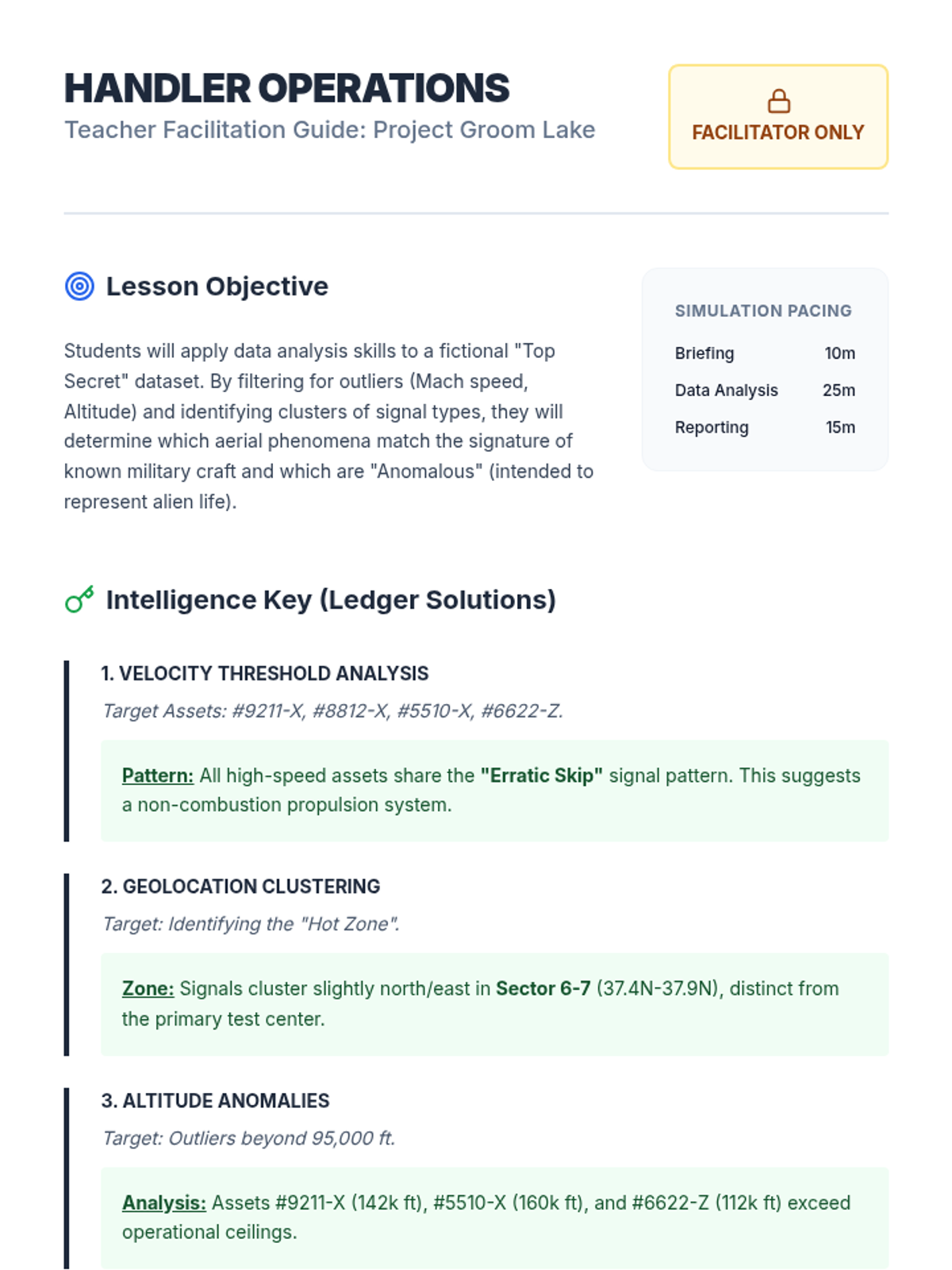
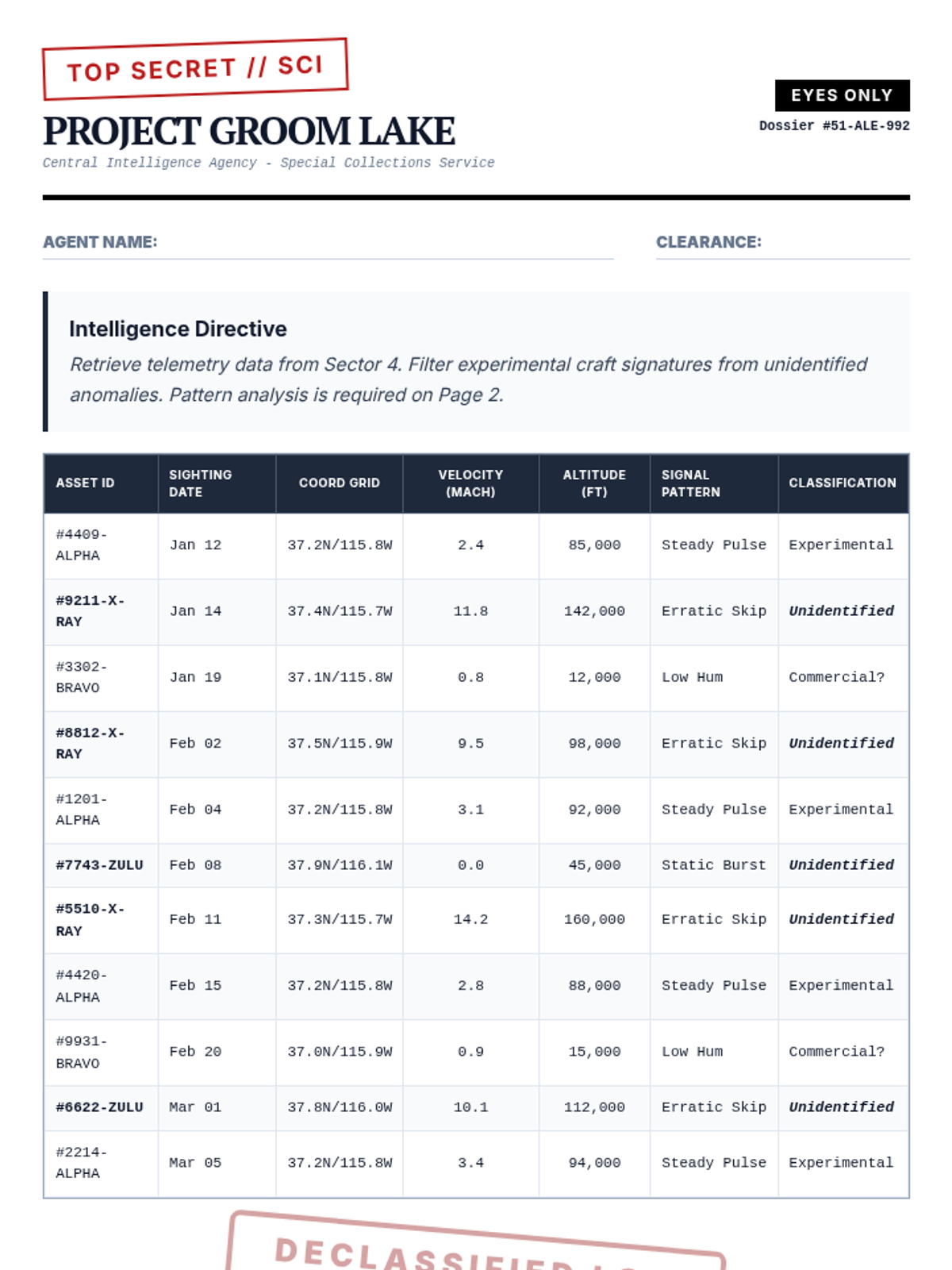
An immersive data analysis lesson where students step into the role of intelligence analysts to examine 'classified' flight data and sighting reports from Area 51. Students will practice data interpretation, pattern recognition, and evidence-based reasoning.
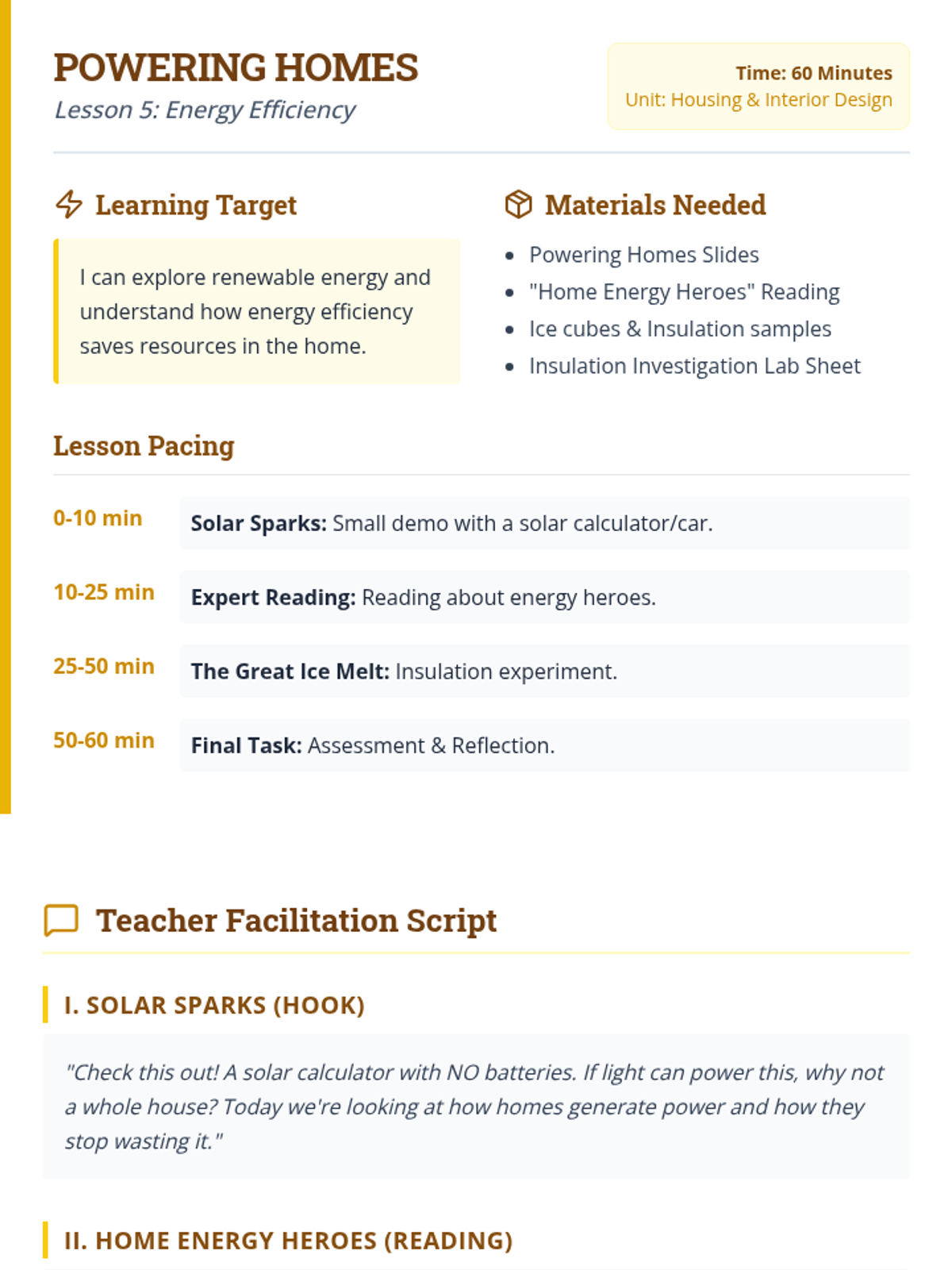
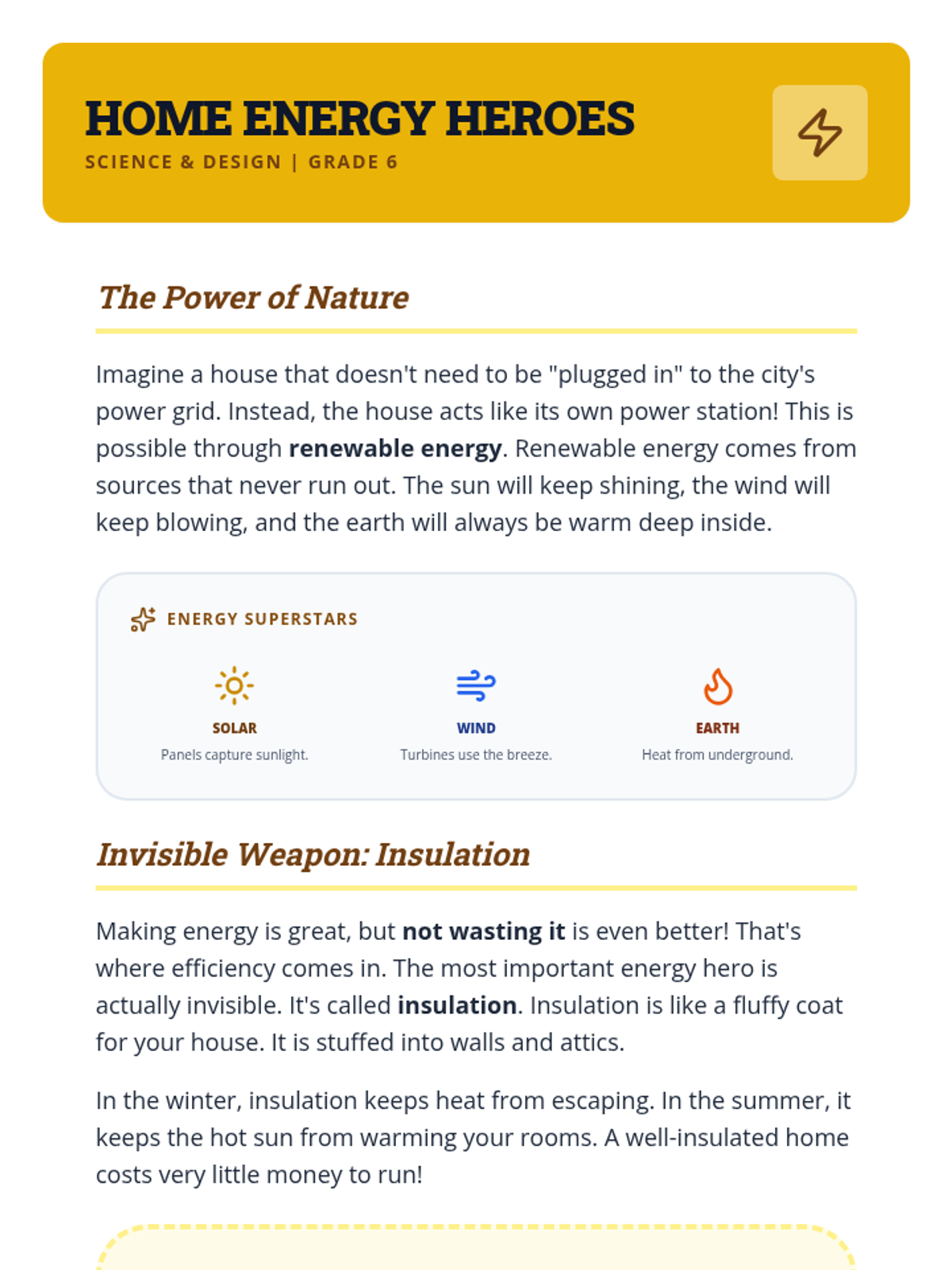
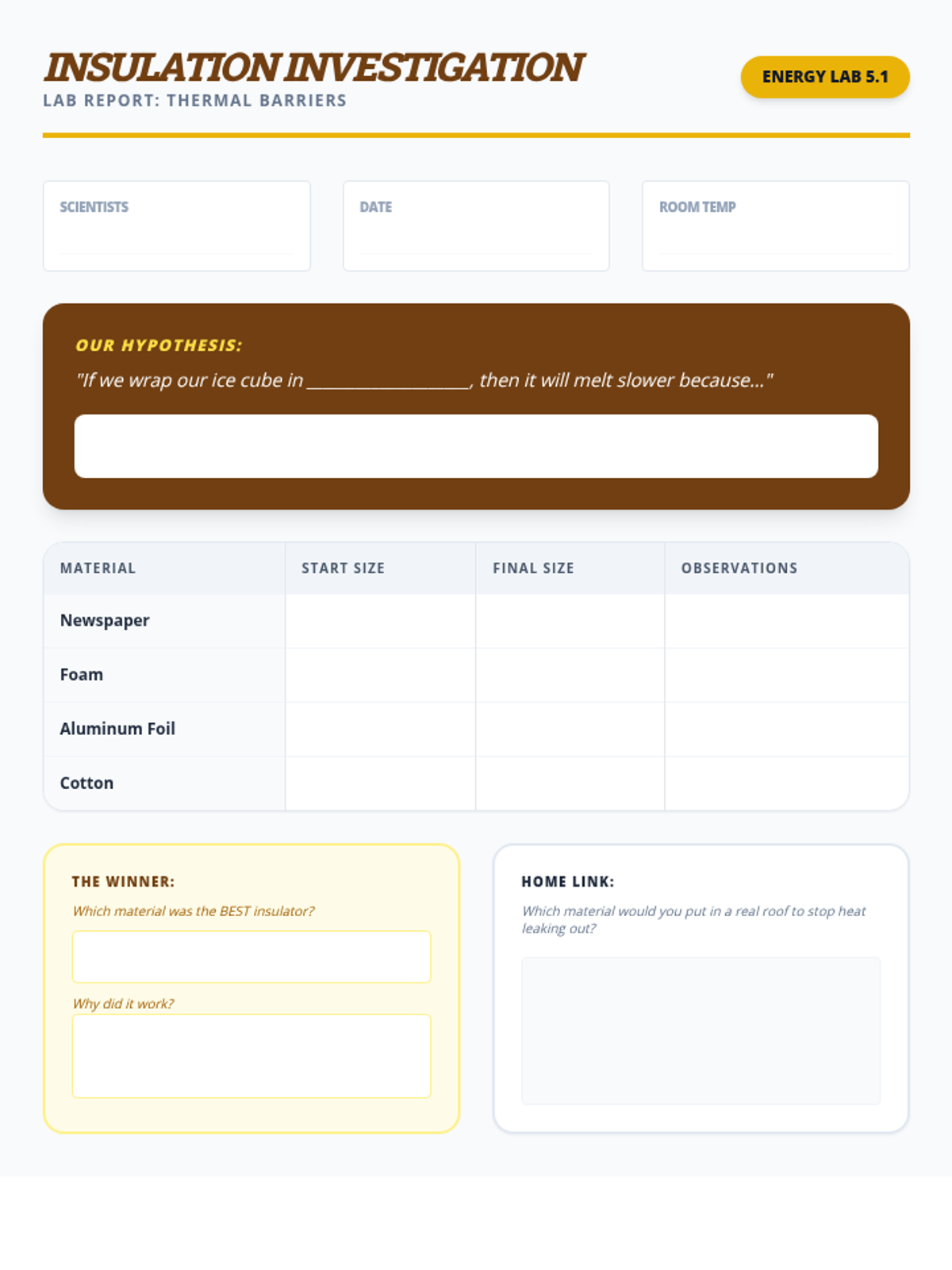
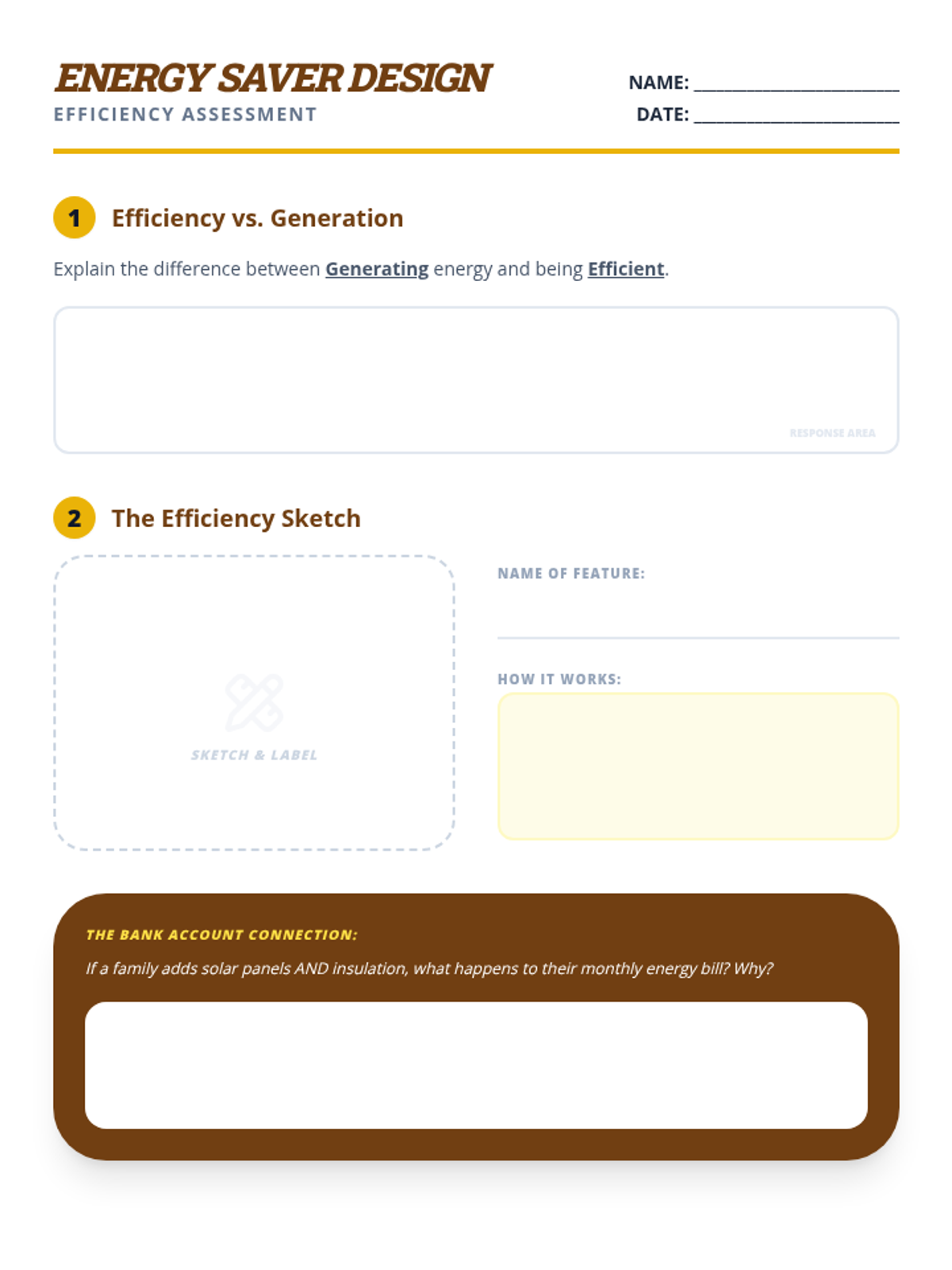
Explore renewable energy options and the importance of home insulation. Students conduct an experiment with ice cubes to test different insulating materials.
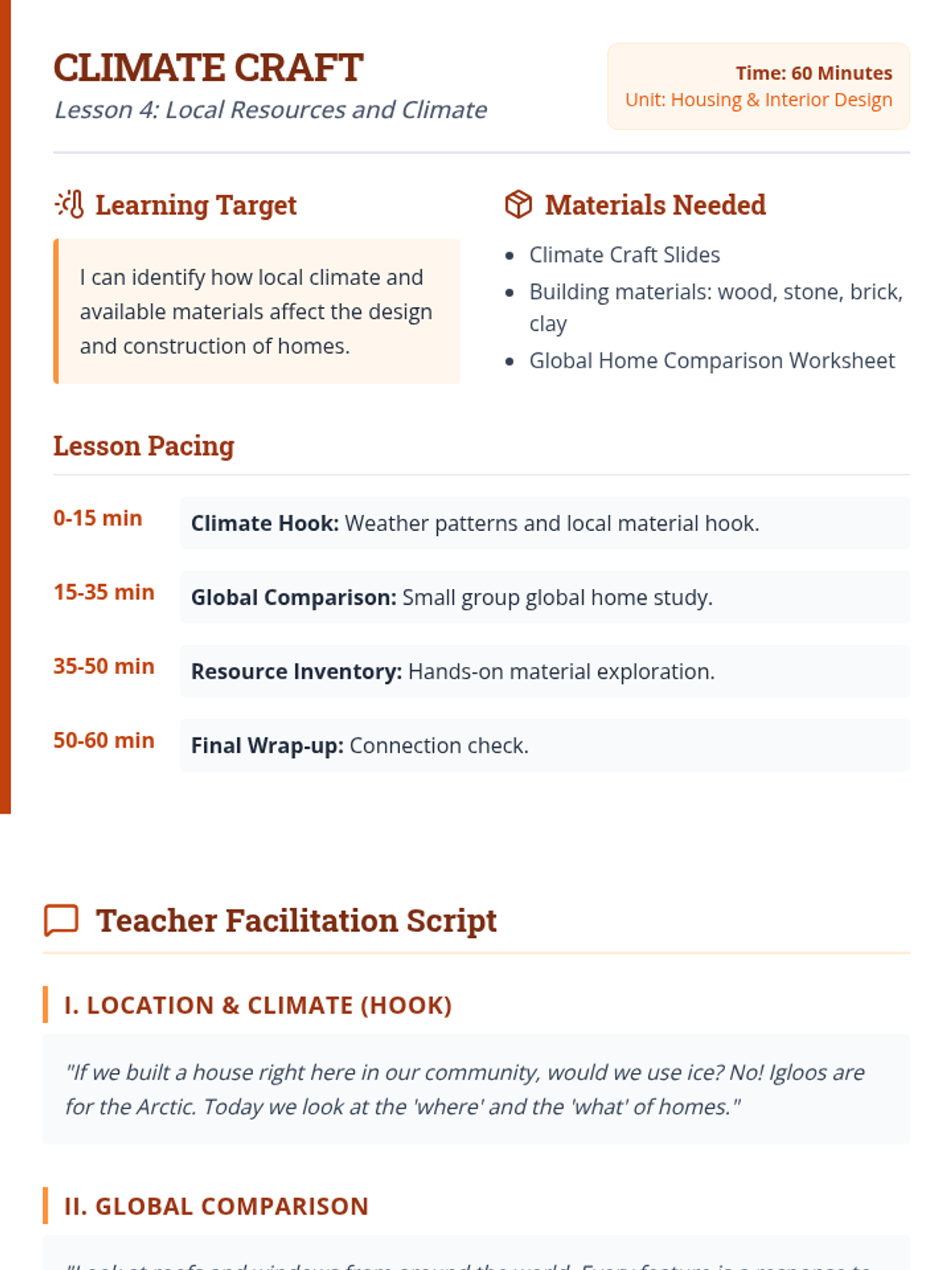
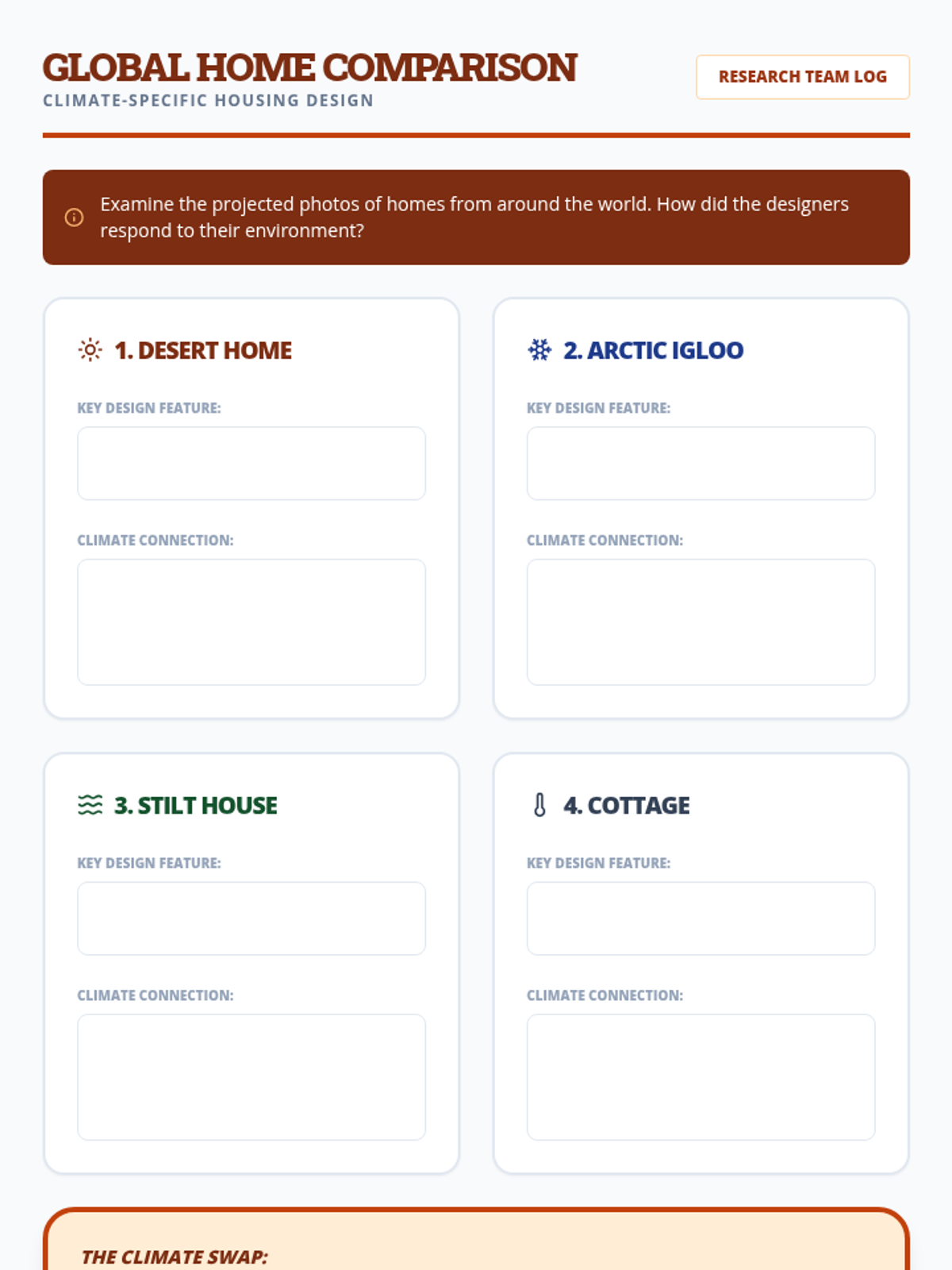
Examine how local climate and available natural resources influence how homes are built and what materials are used. Students compare housing in diverse global climates.
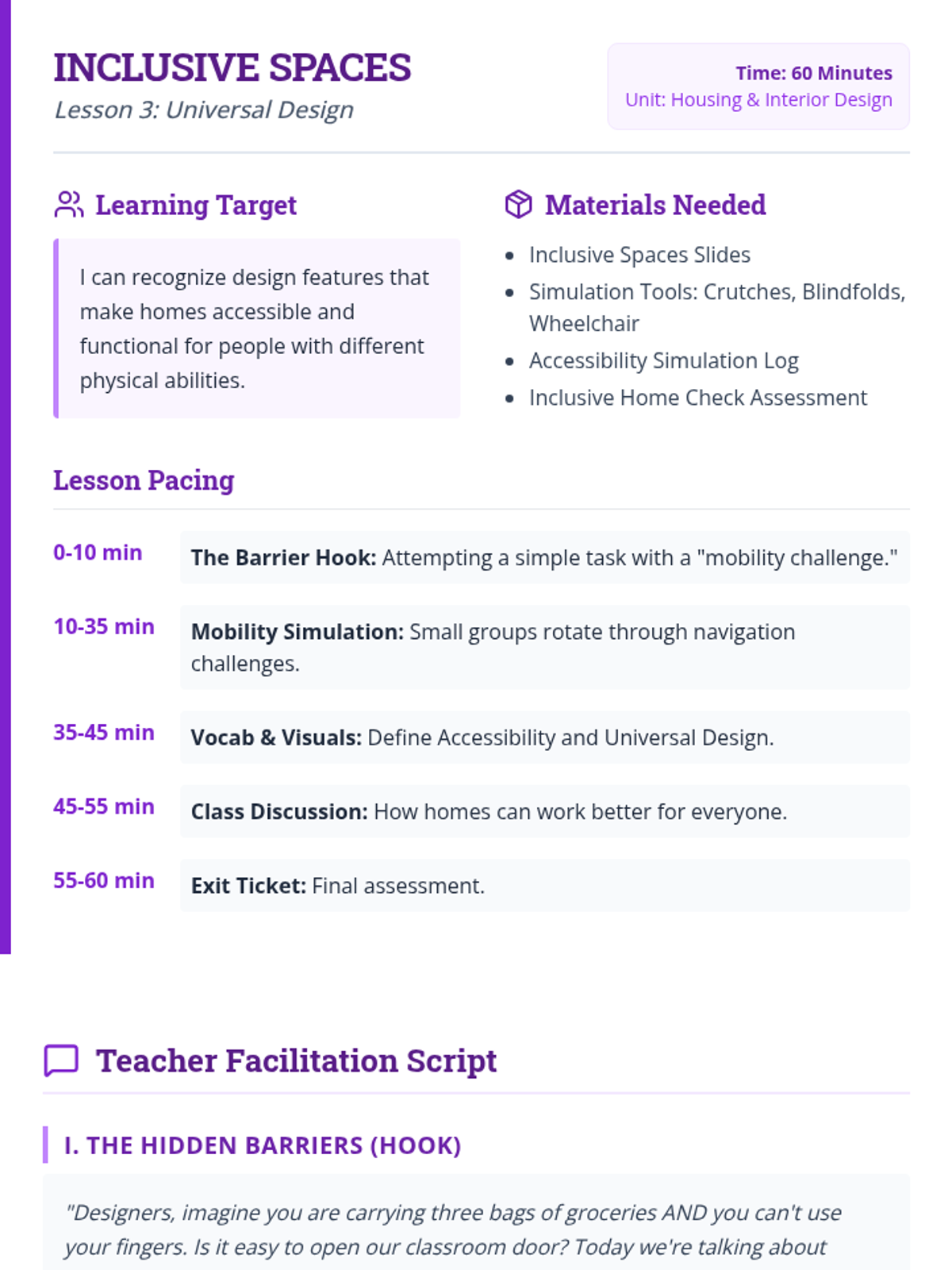
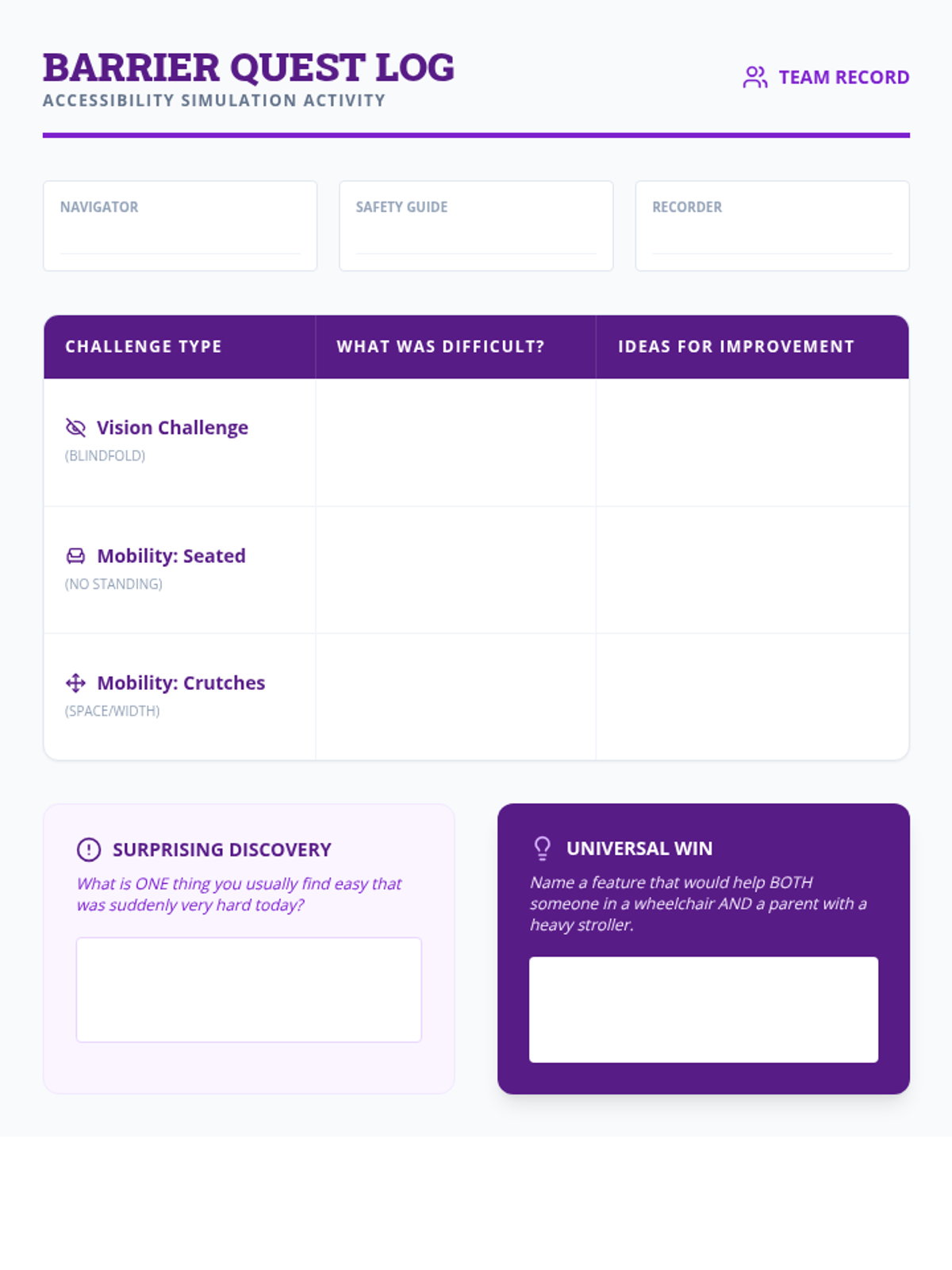
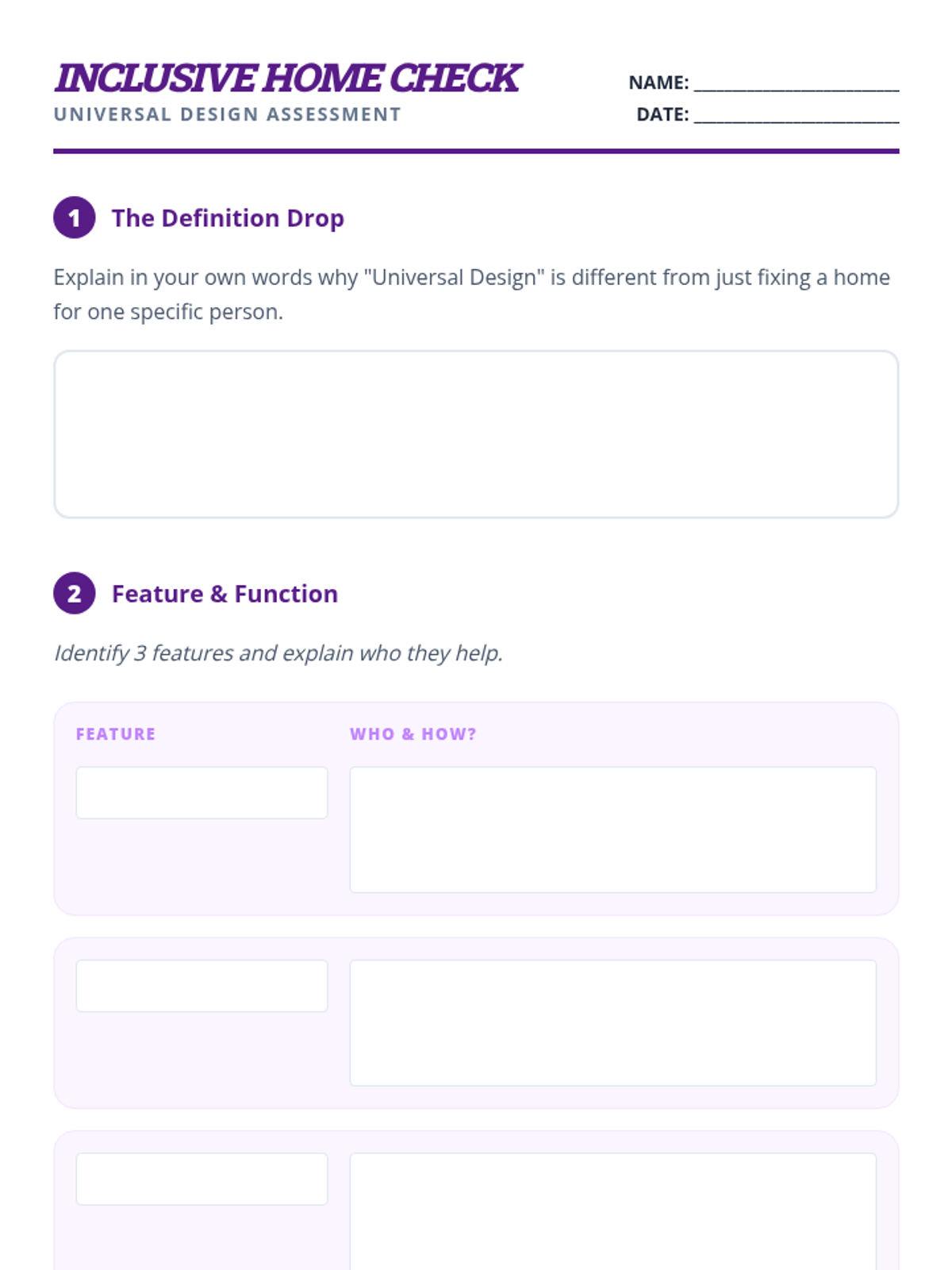
Investigate universal design and accessibility features that make homes functional for everyone. Students participate in a mobility simulation to understand architectural barriers.
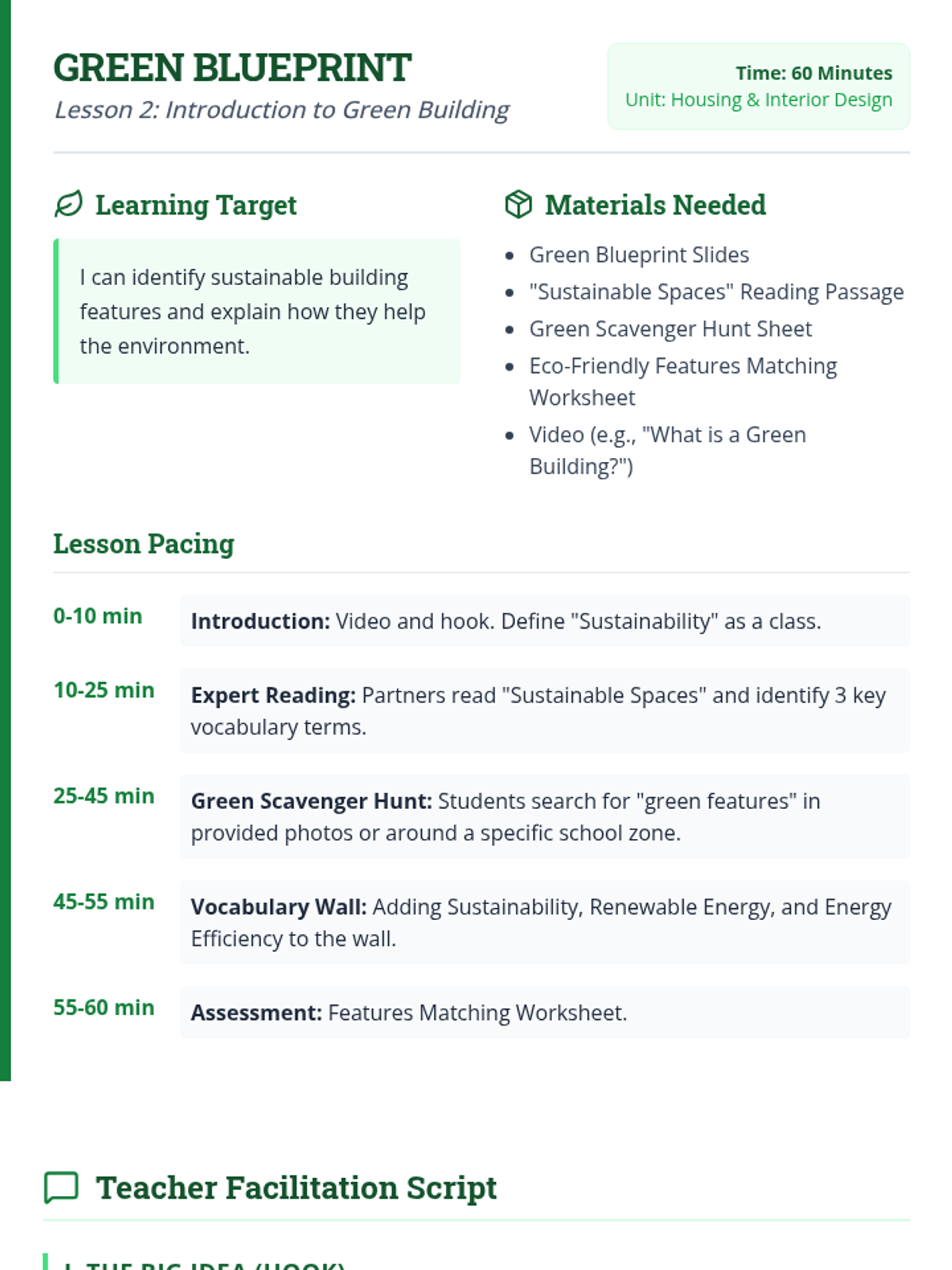
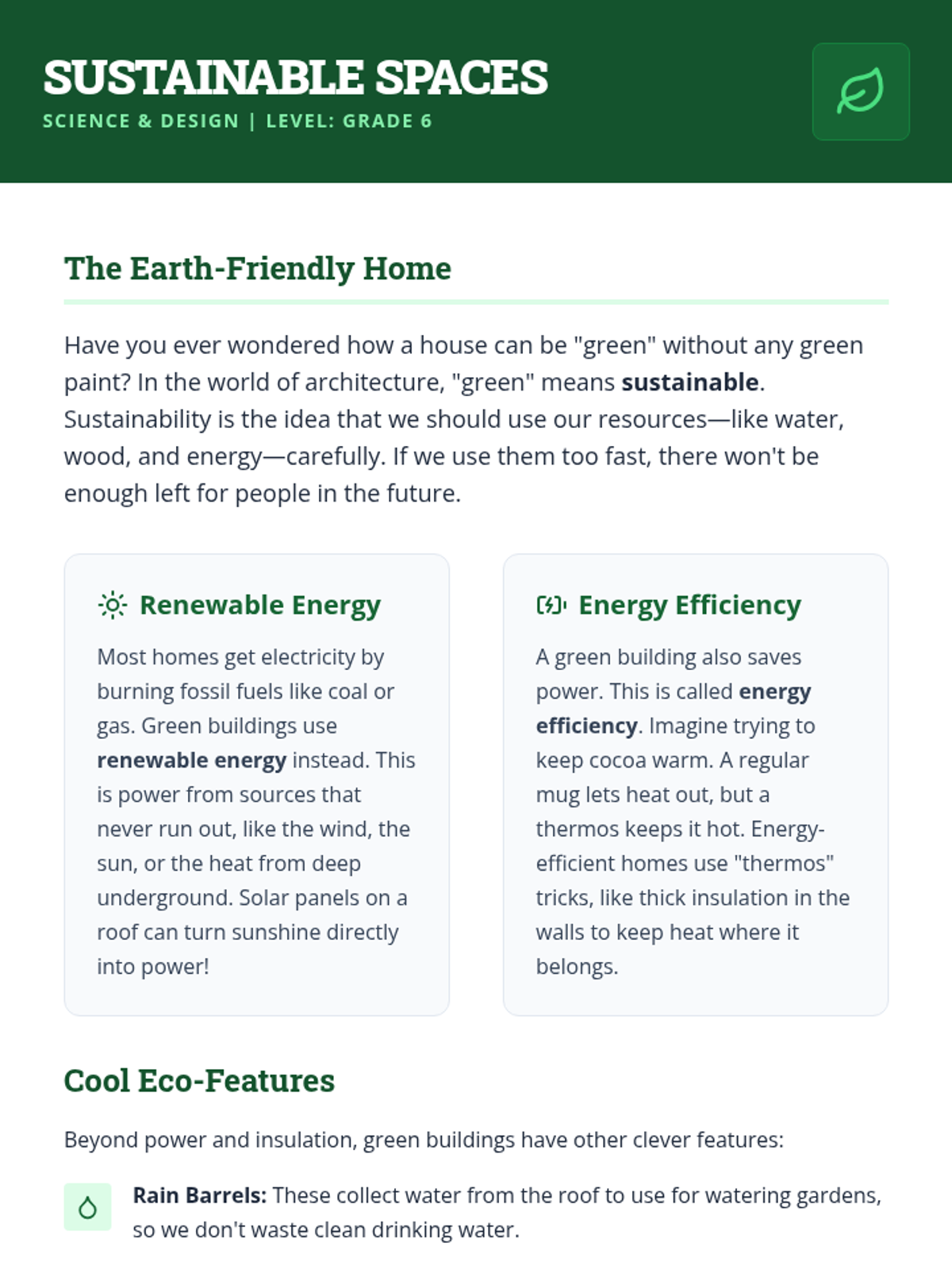
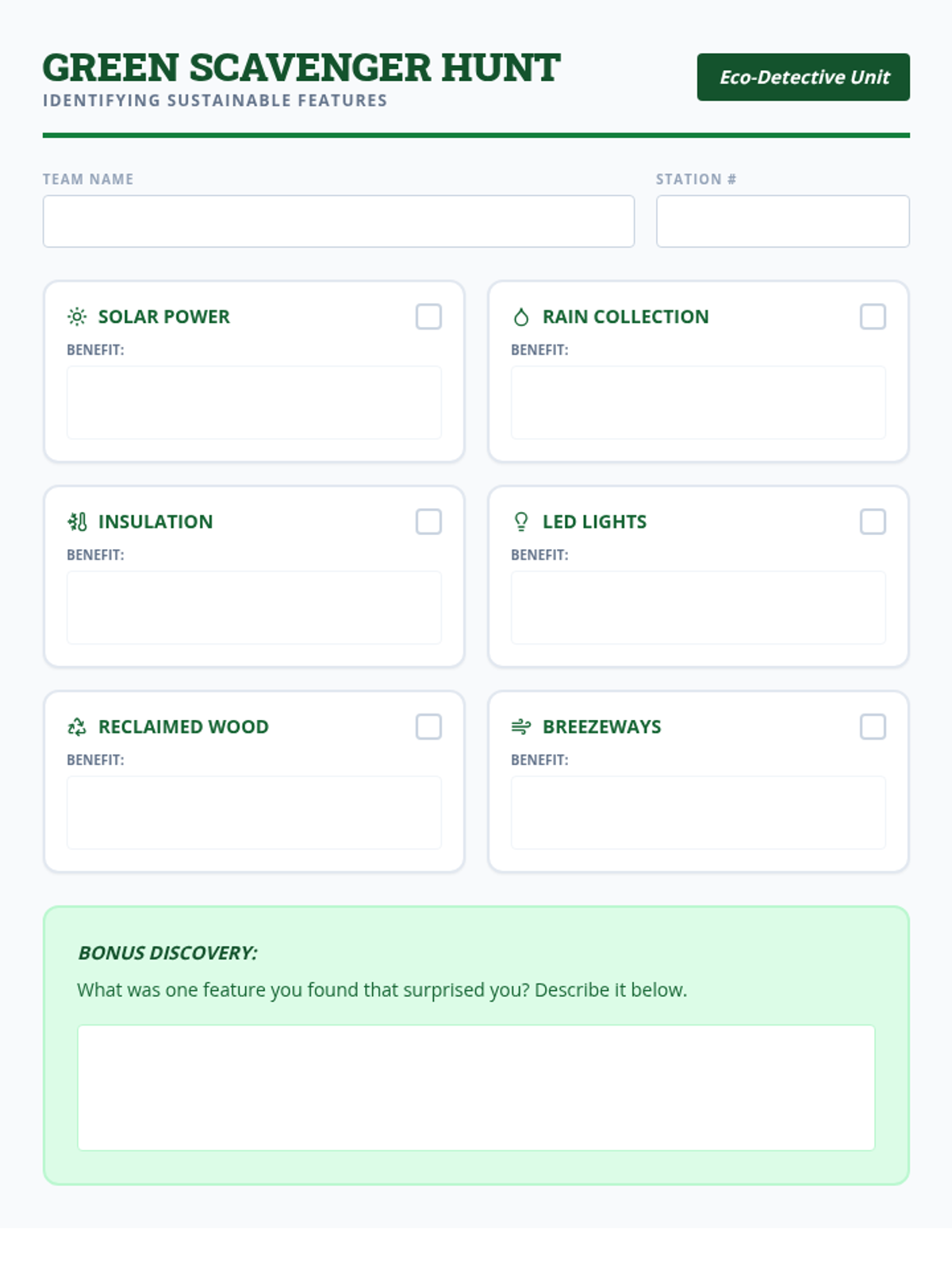
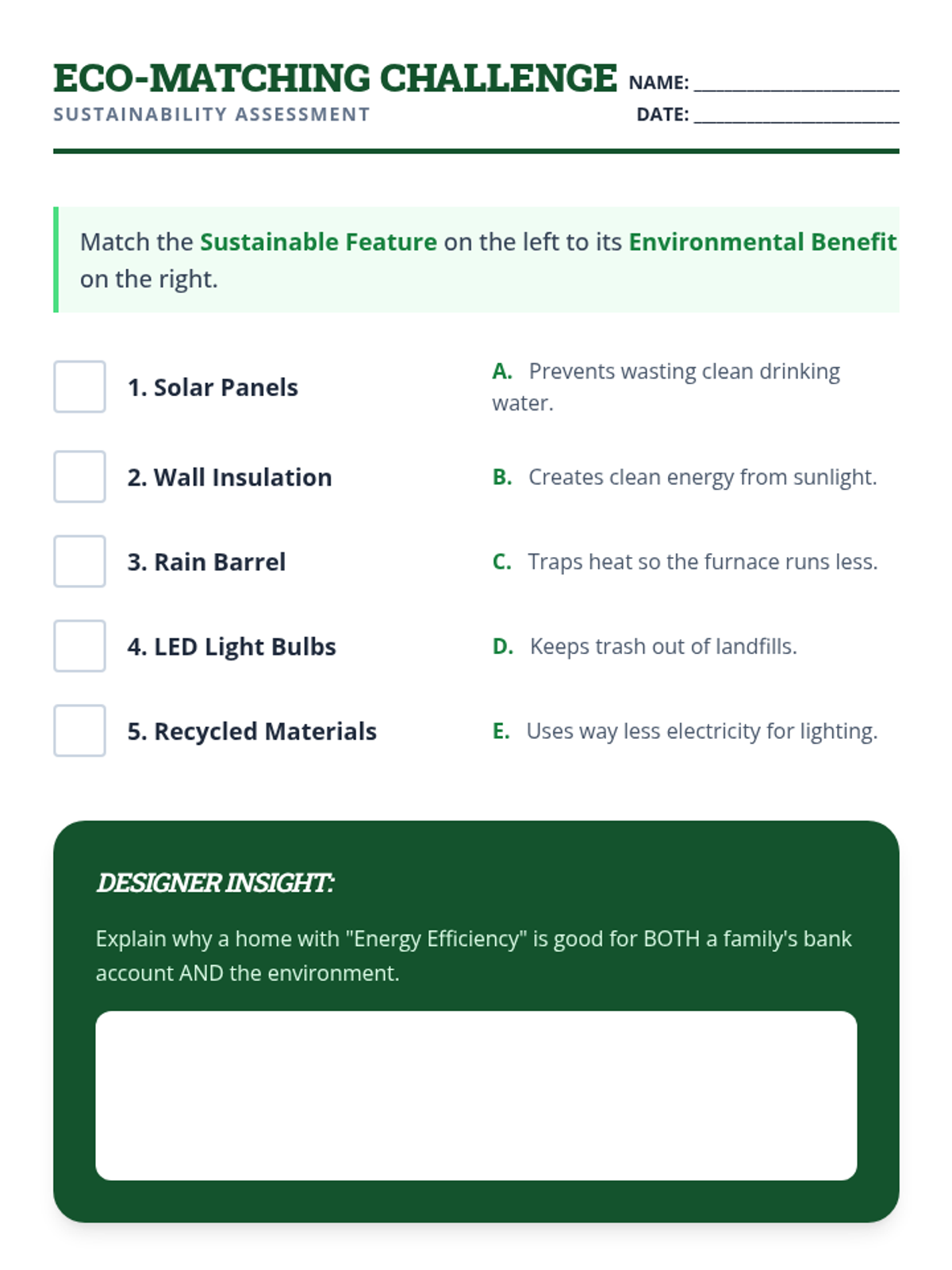
Introduction to sustainable building practices and green features. Students will learn about renewable energy and energy efficiency through a scavenger hunt and a reading passage.
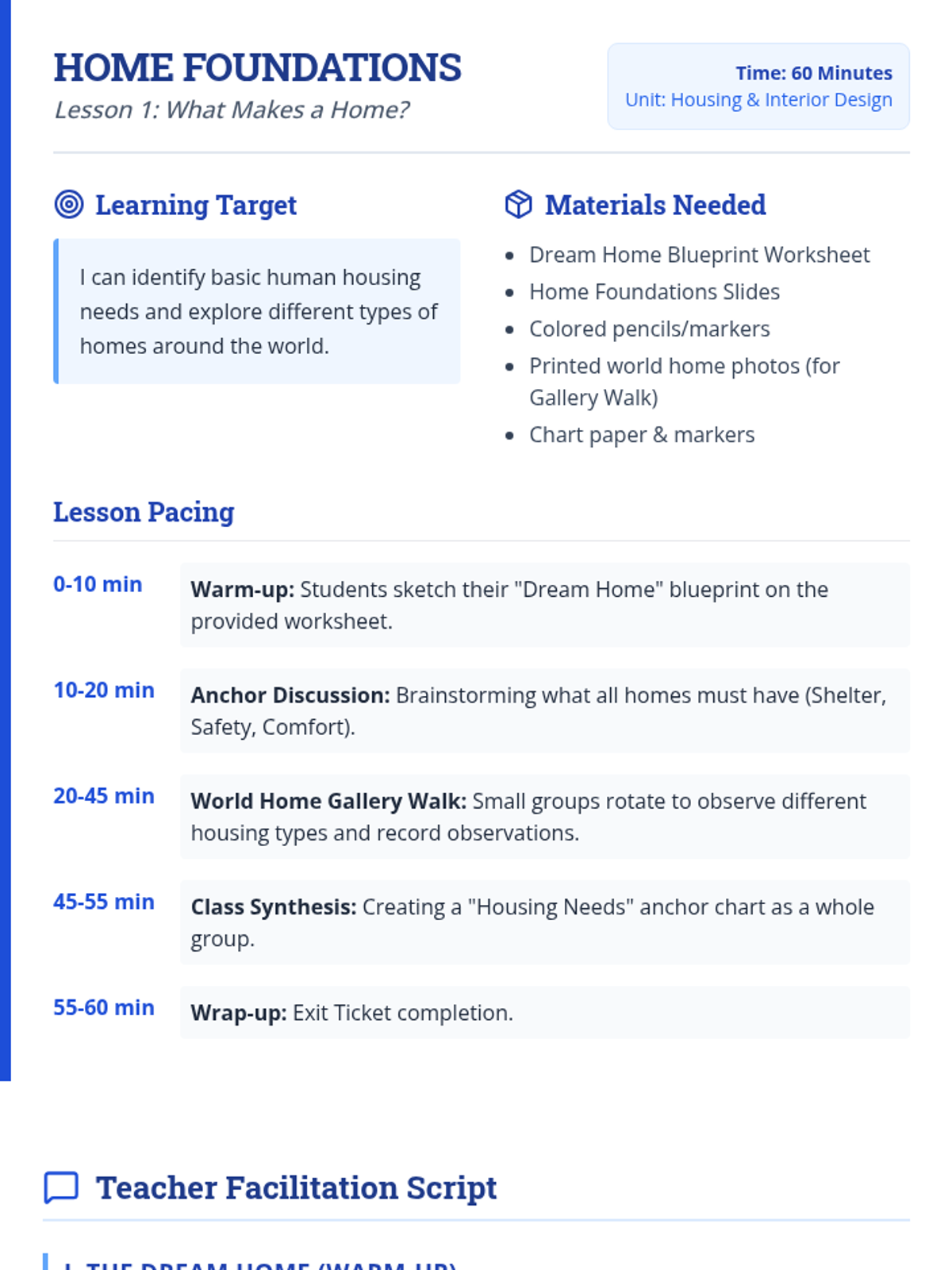
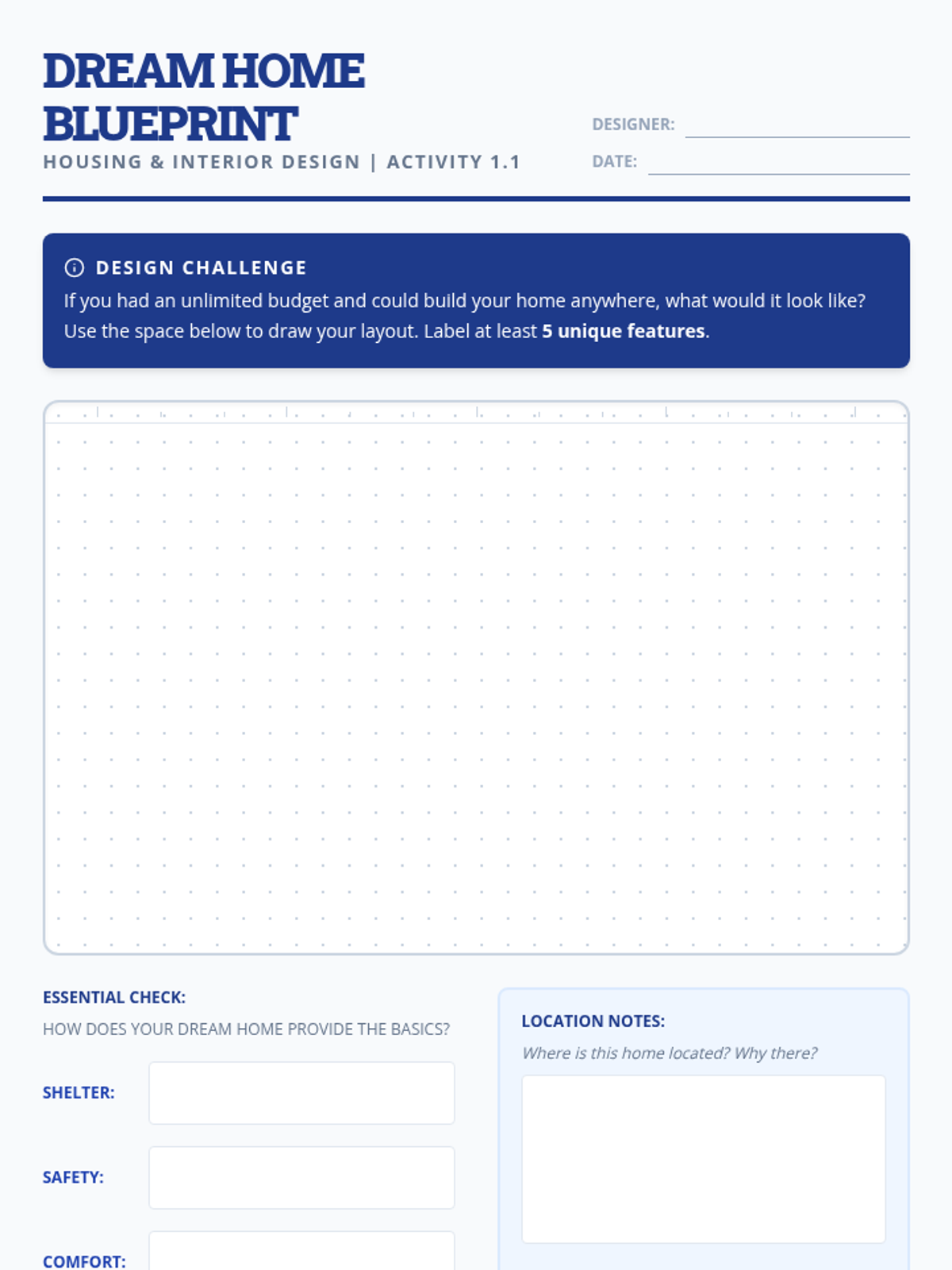
Explore basic human housing needs and investigate how homes provide shelter, safety, and comfort. Students will sketch their dream homes and compare housing styles from around the world.
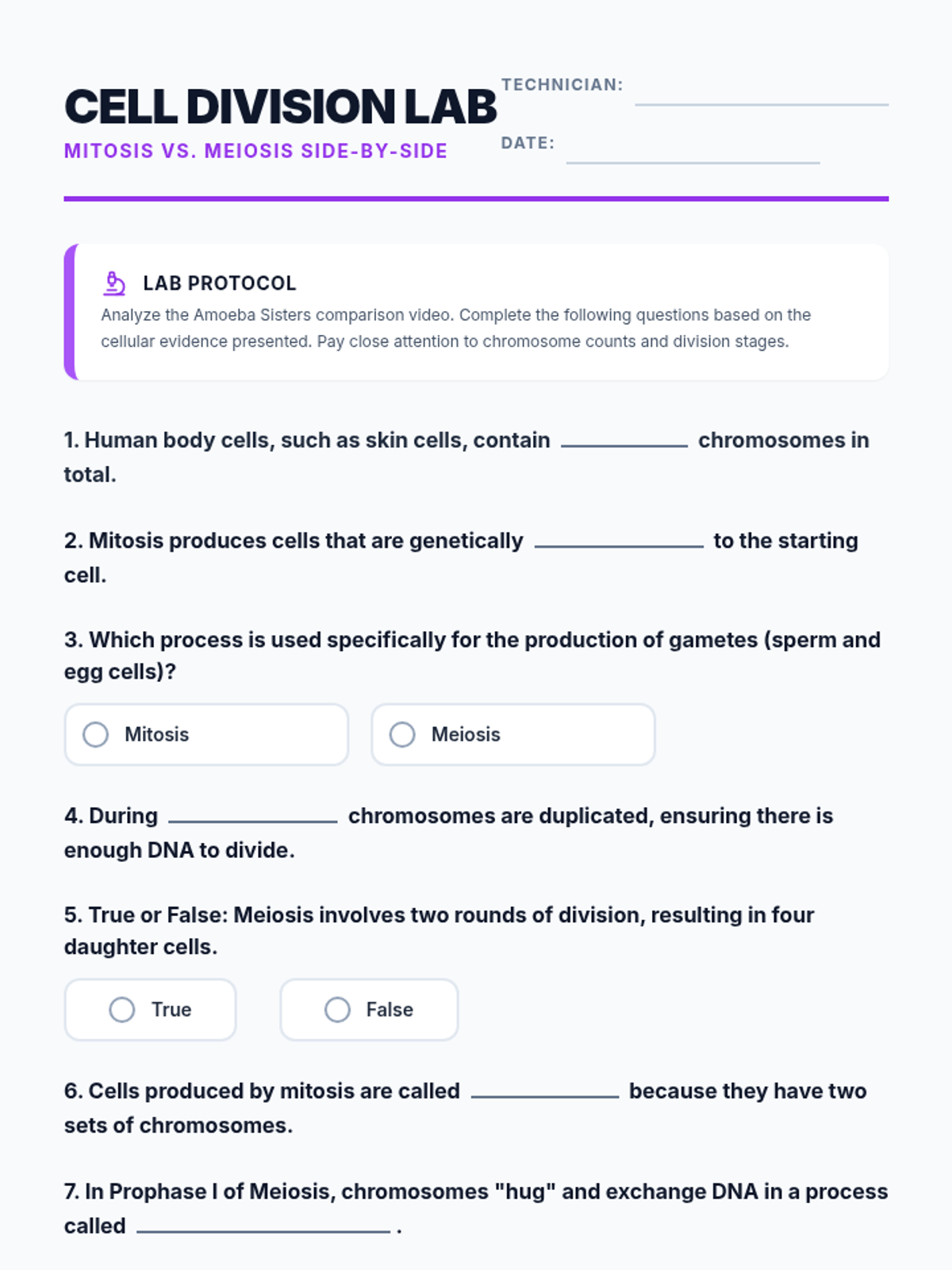
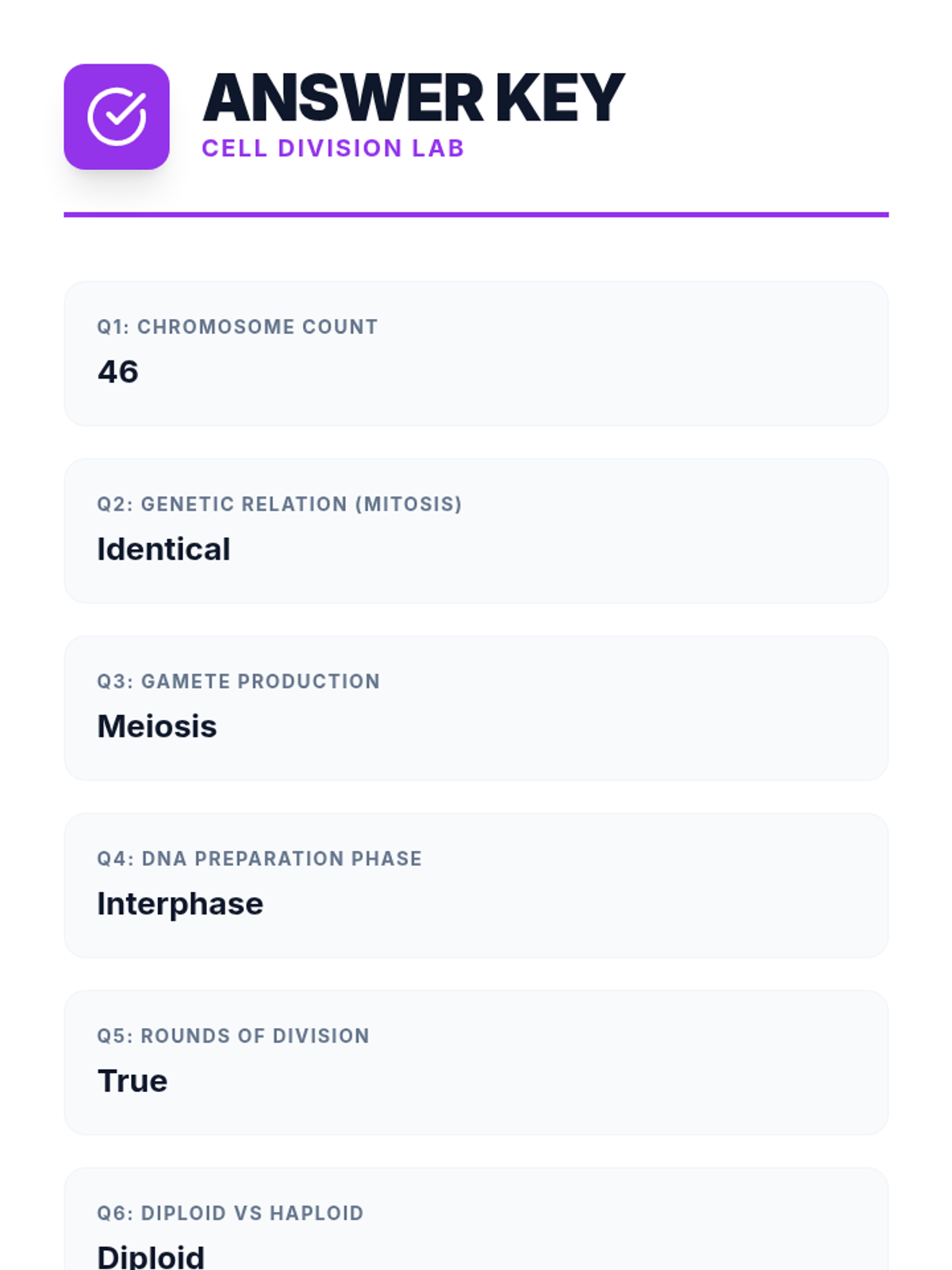
A biology lesson comparing mitosis and meiosis based on the Amoeba Sisters video, distinguishing between identical body cells and unique sex cells.
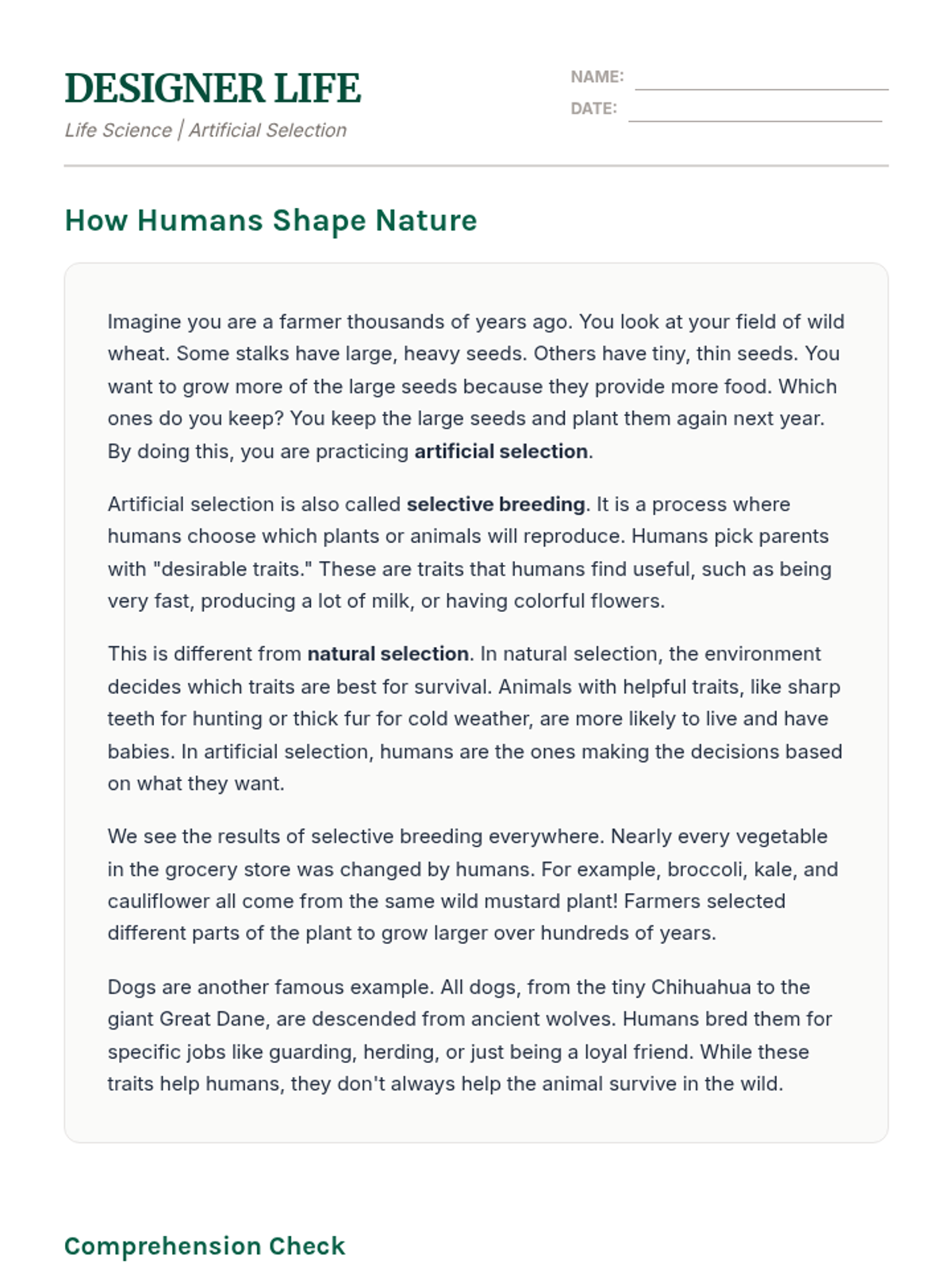
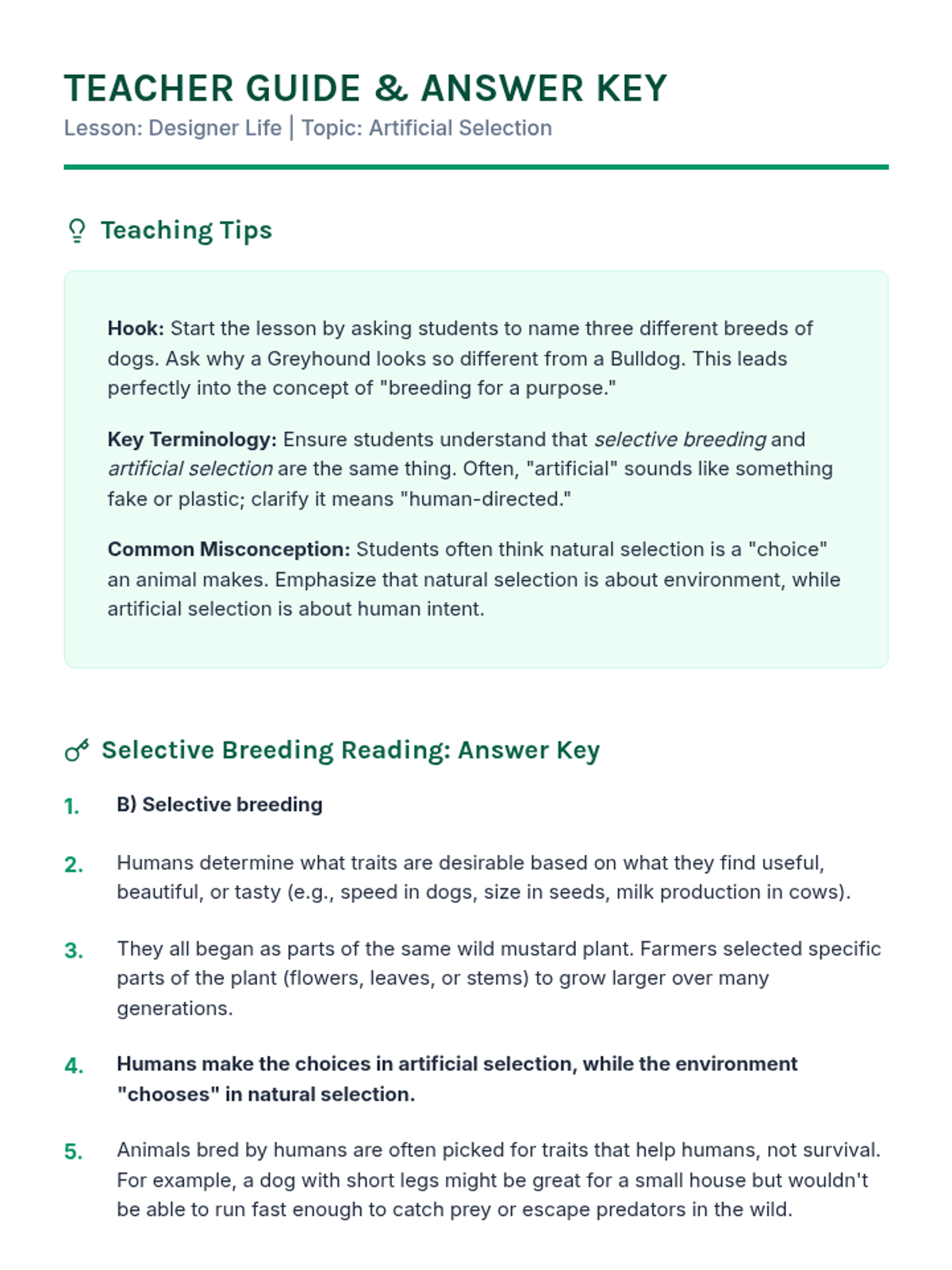
A lesson exploring how humans have shaped the traits of plants and animals through selective breeding, comparing it to the process of natural selection.