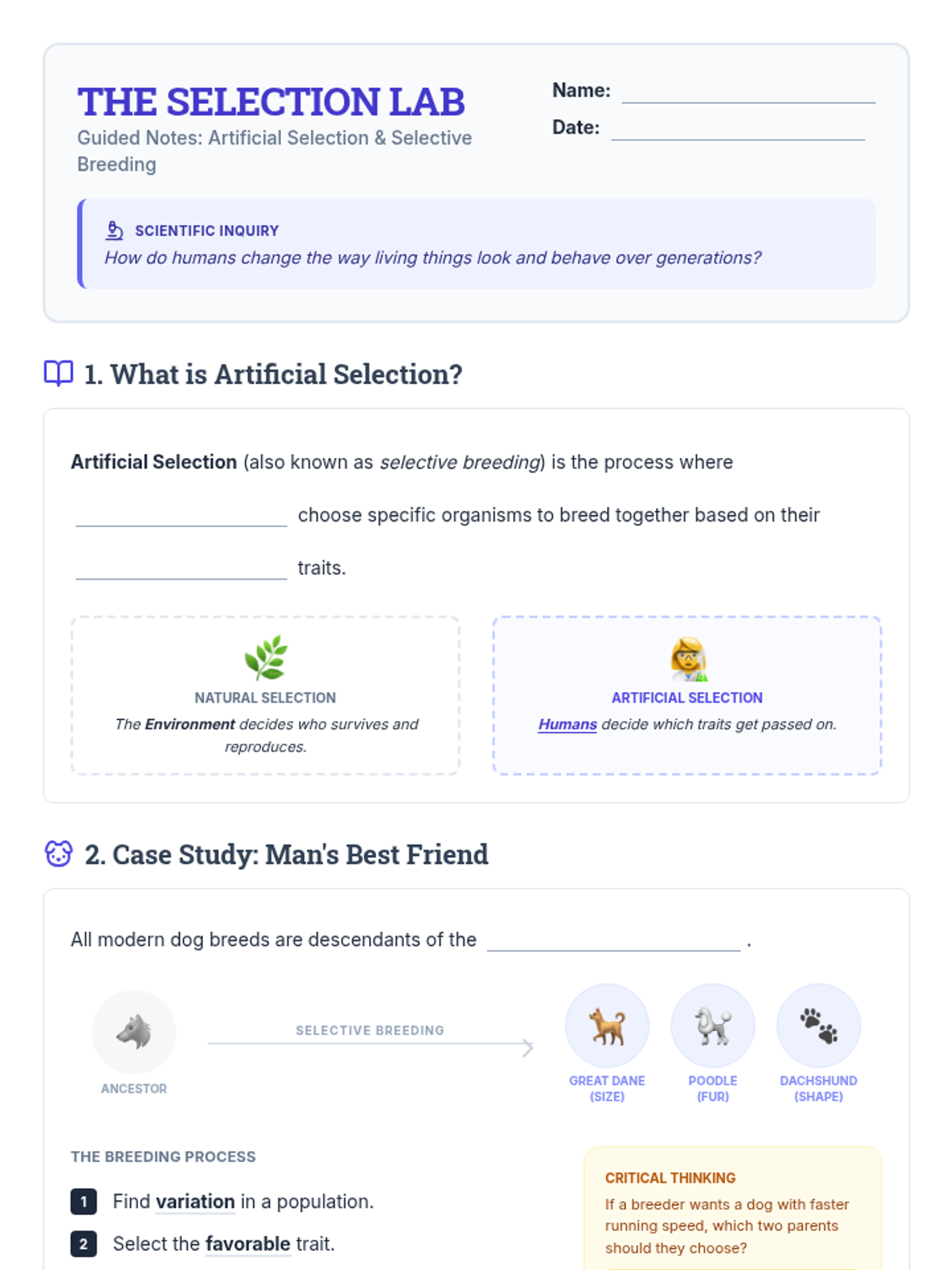
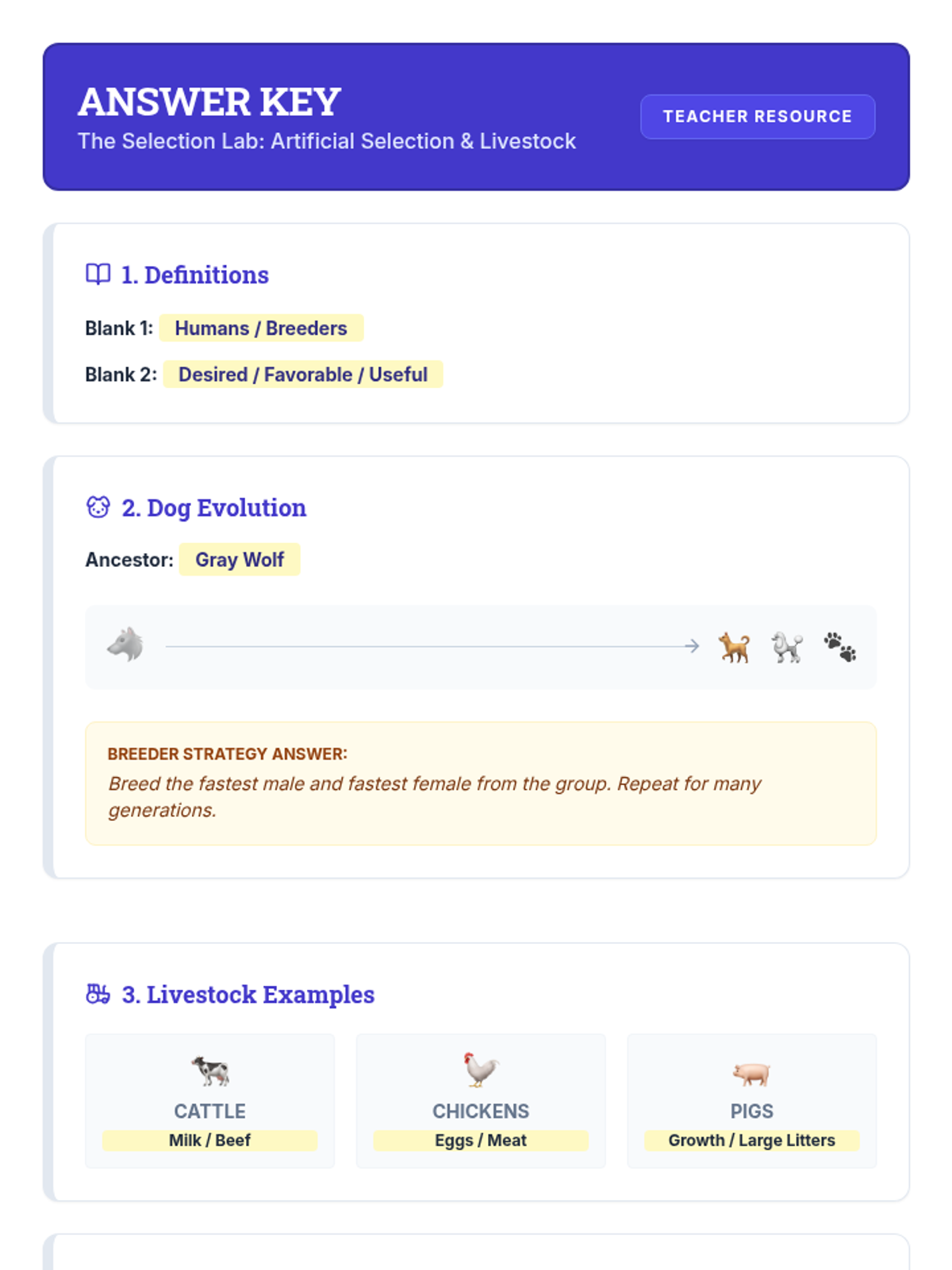
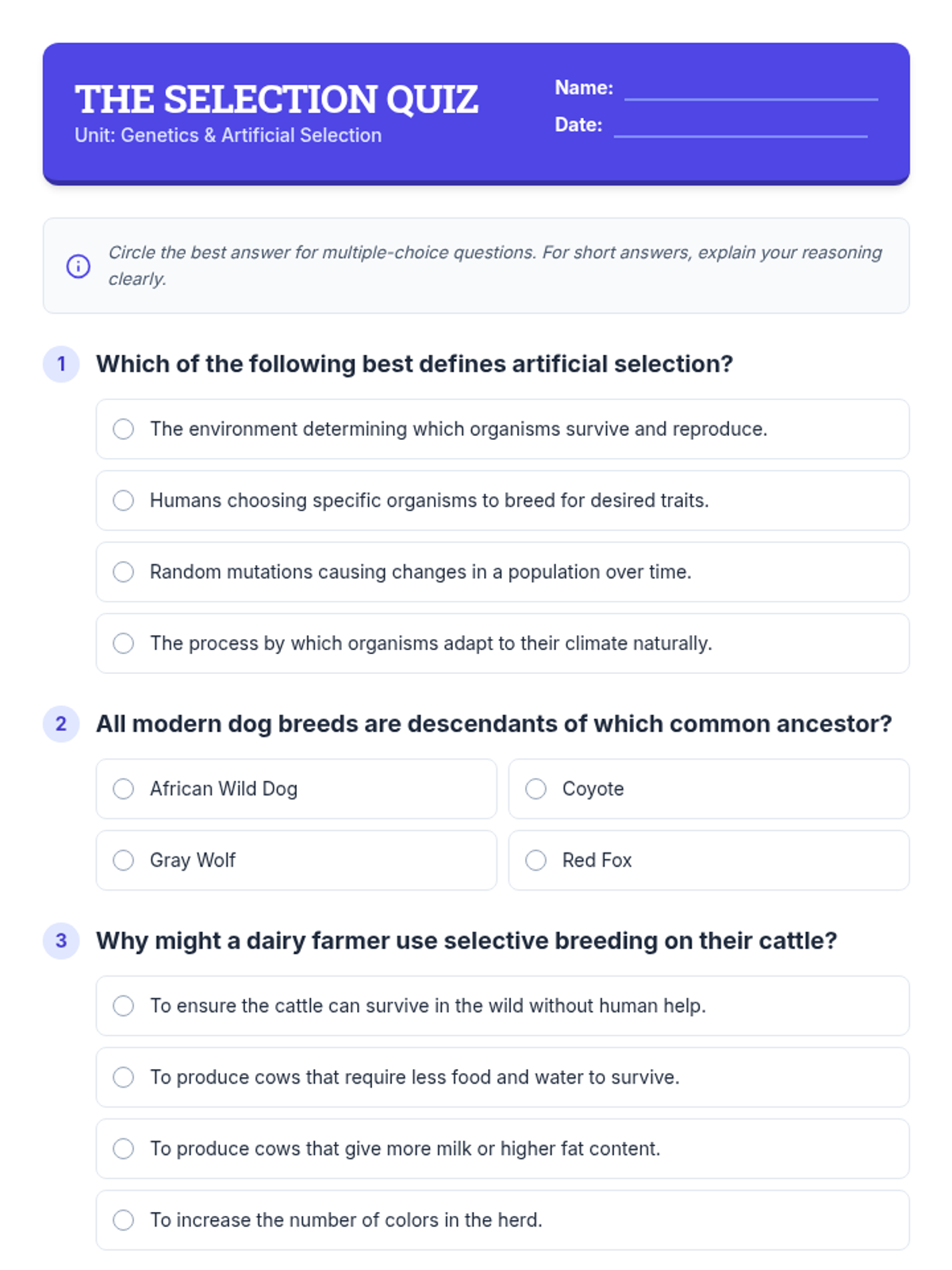
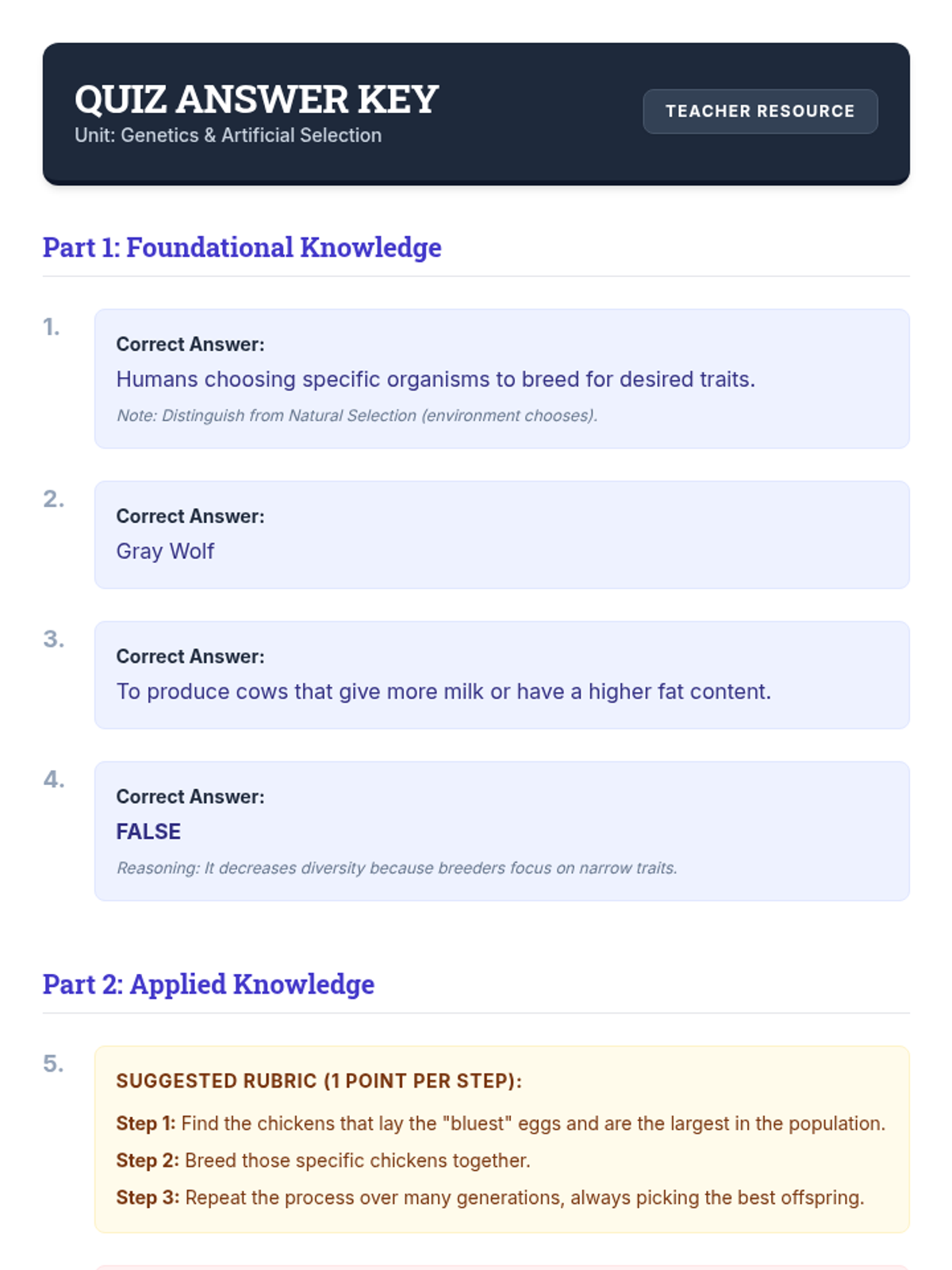
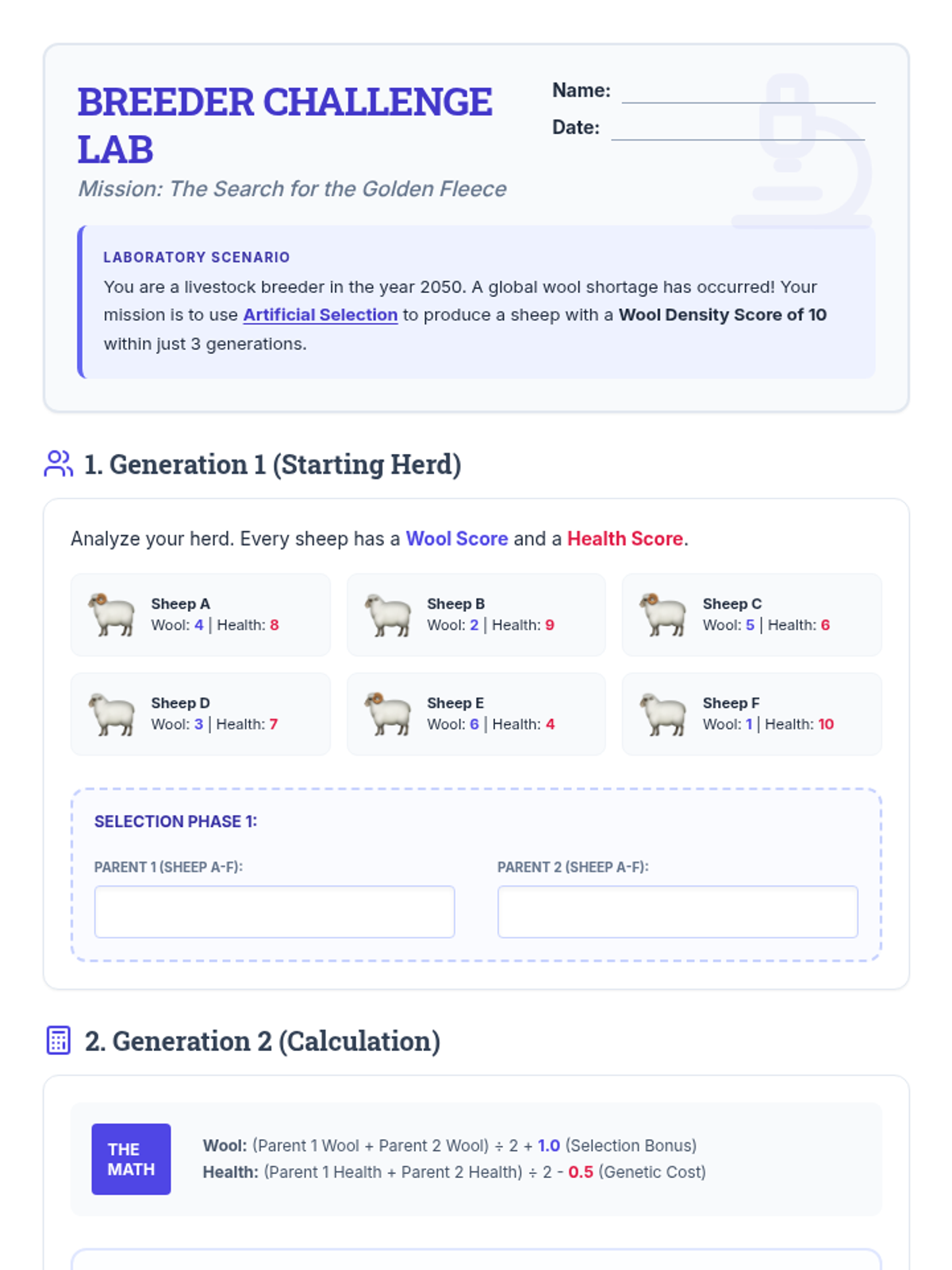
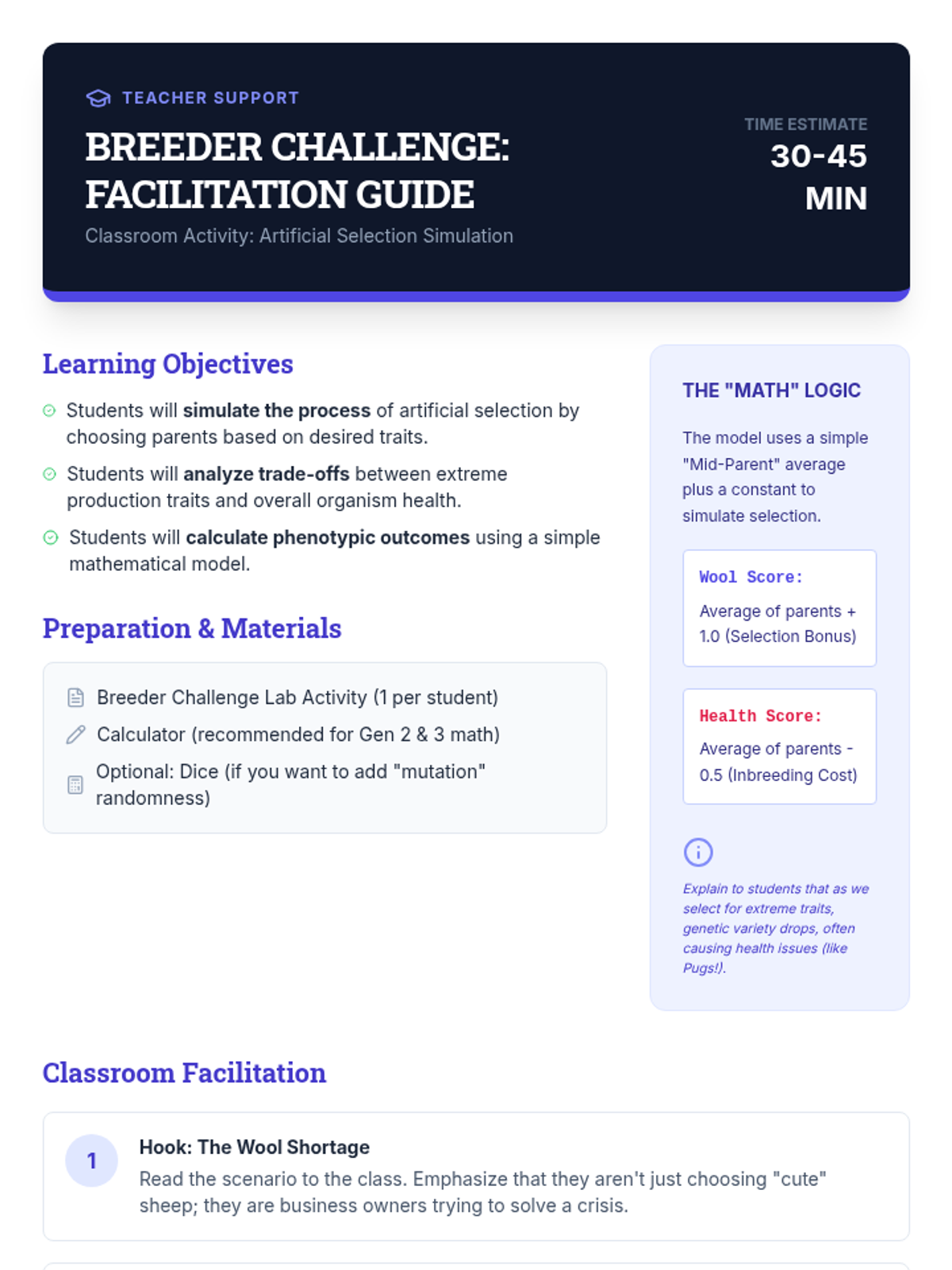
A lesson exploring how humans have shaped the traits of plants and animals through selective breeding, comparing it to the process of natural selection.
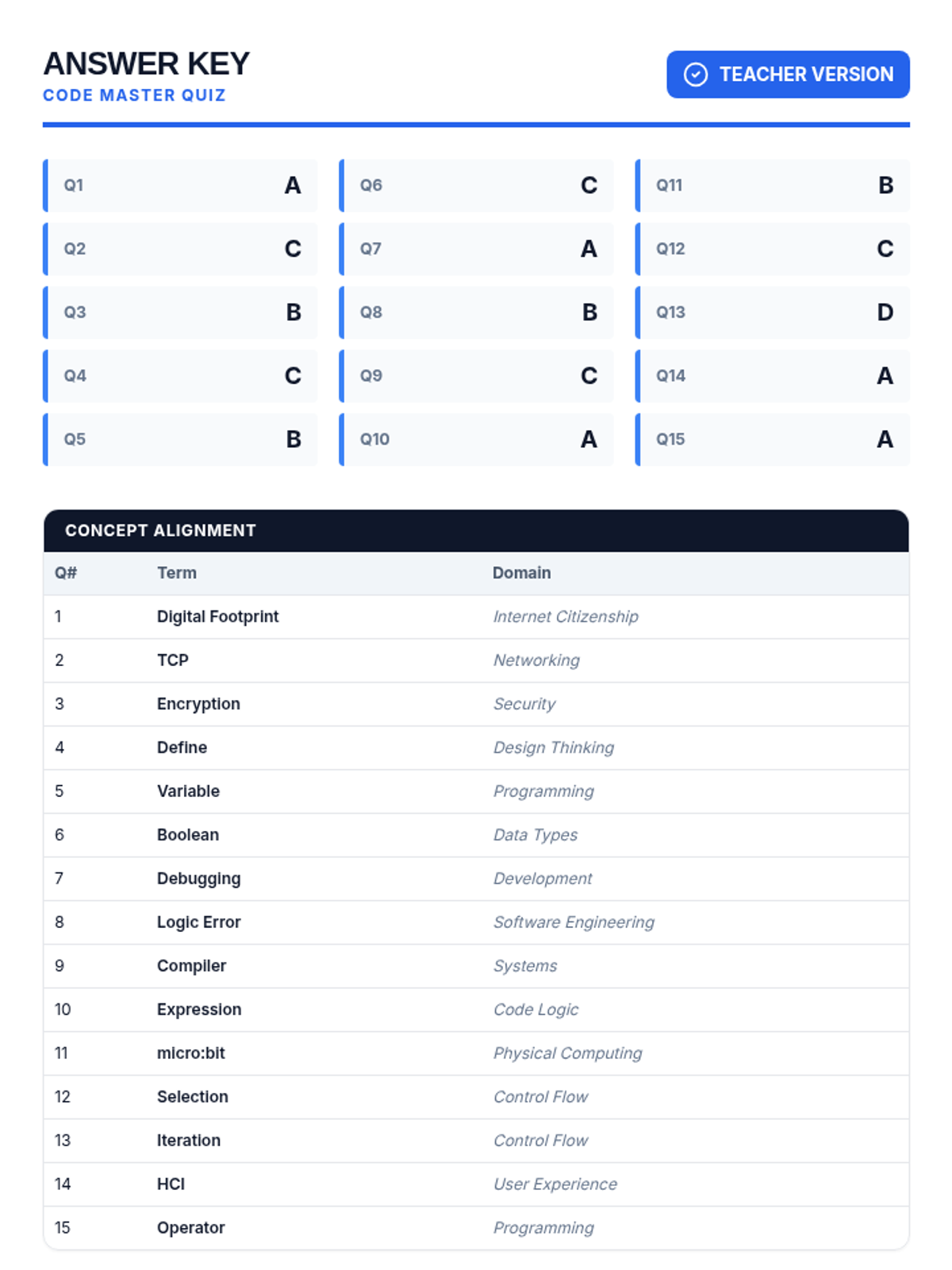
A comprehensive 100-question final review encompassing all domains of computer science covered in the sequence.
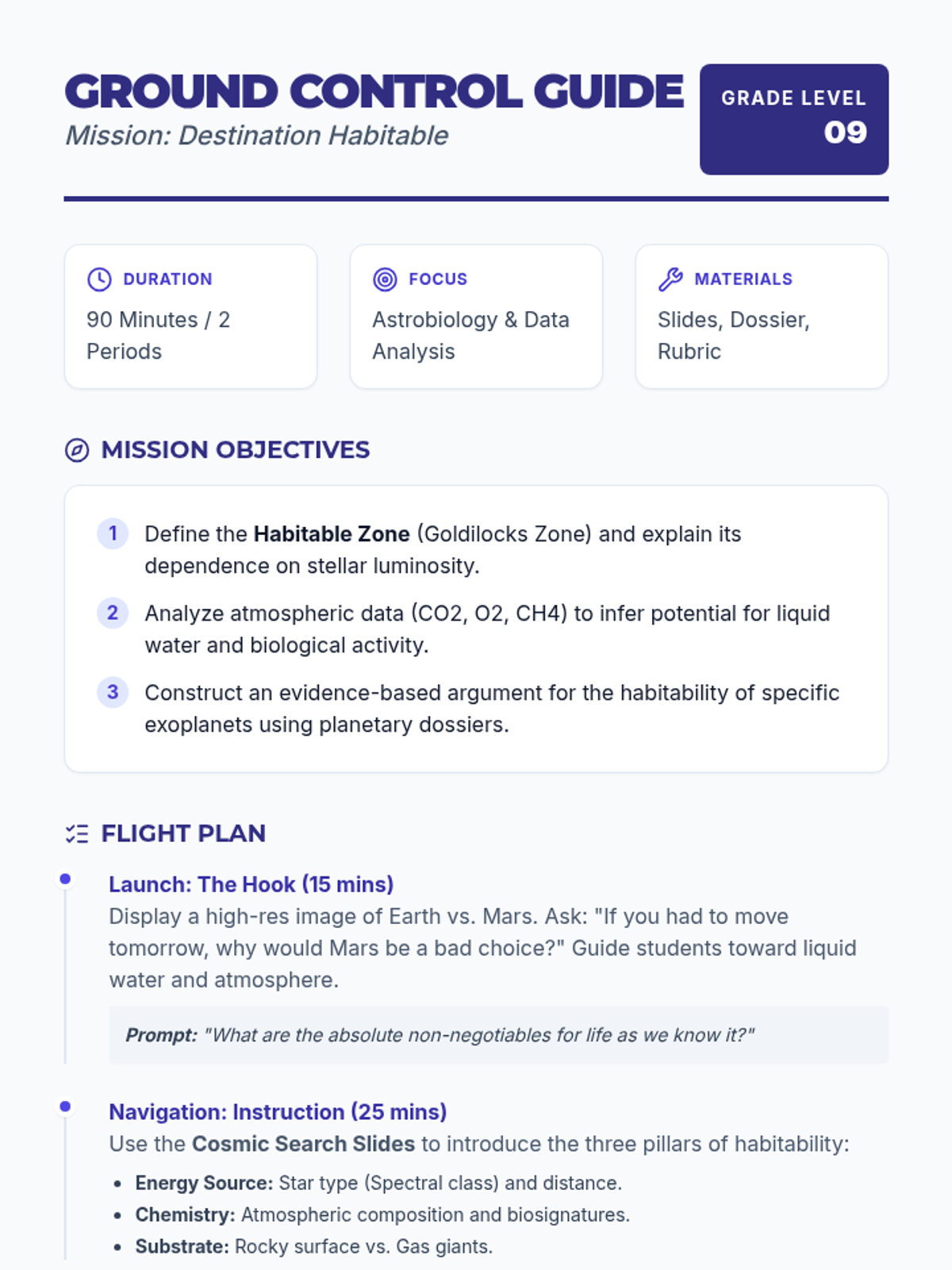
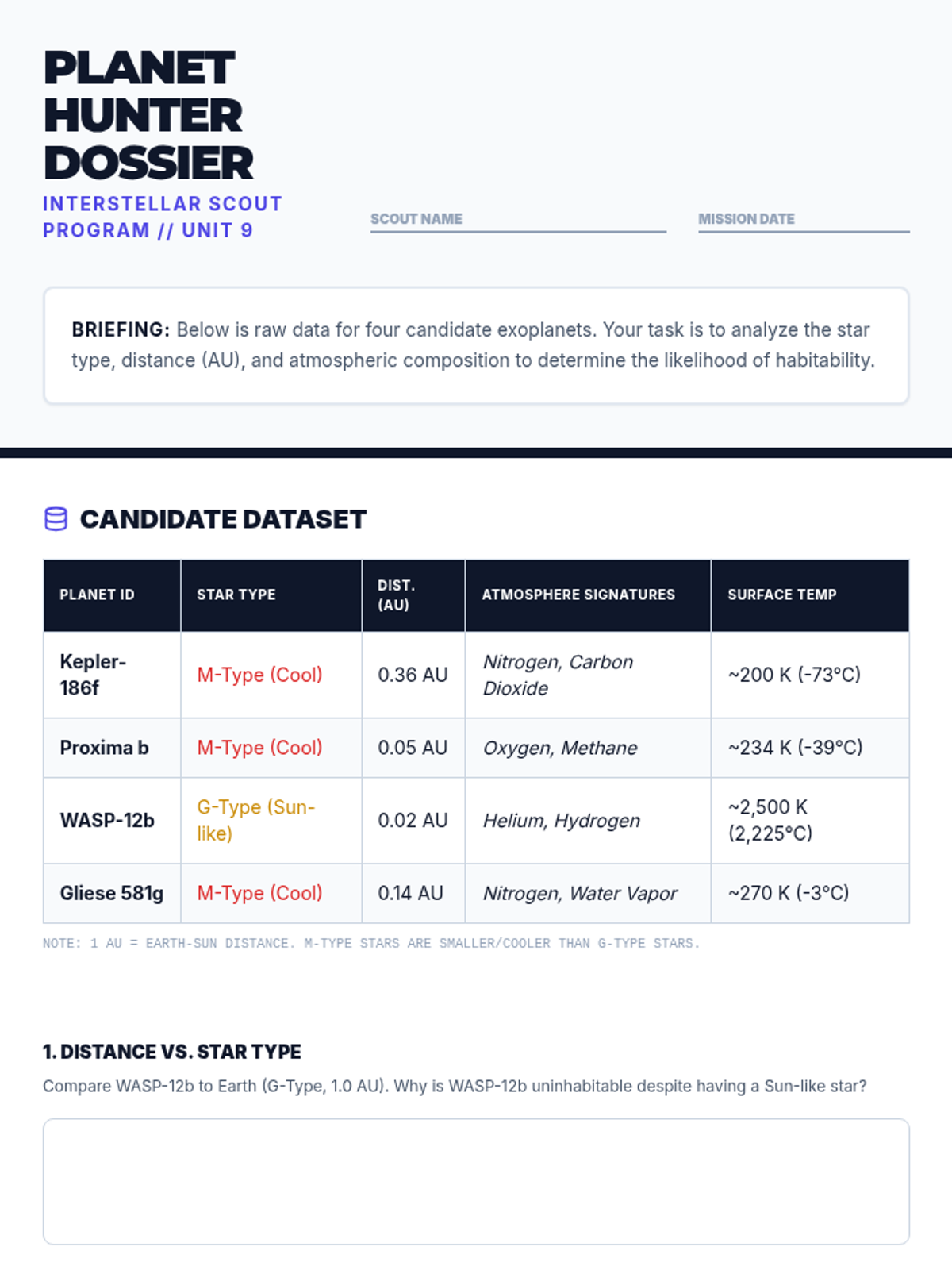
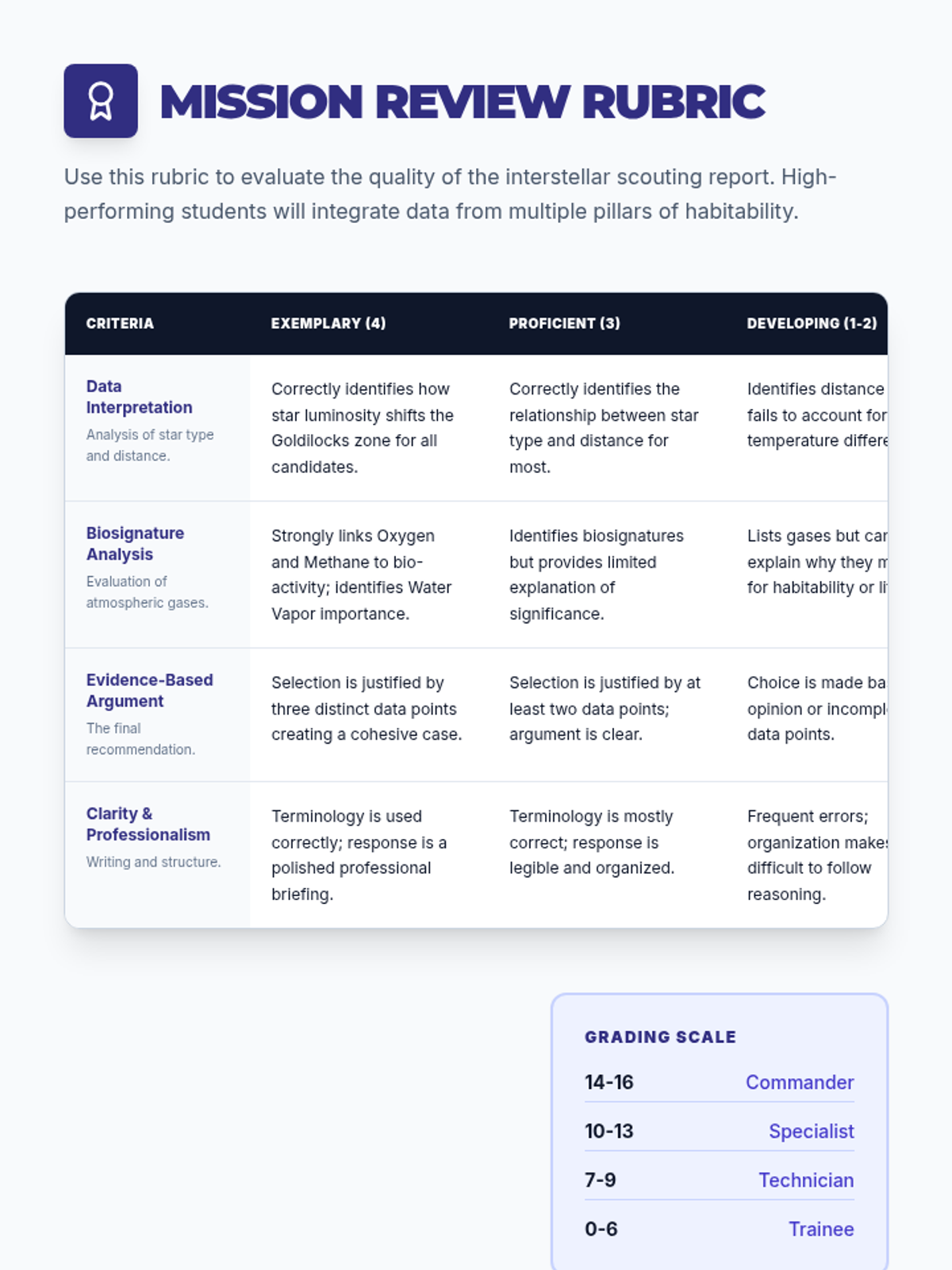
A high-school science lesson where students act as planetary scouts, analyzing exoplanet data to determine habitability and arguing for the best candidate for life beyond Earth.
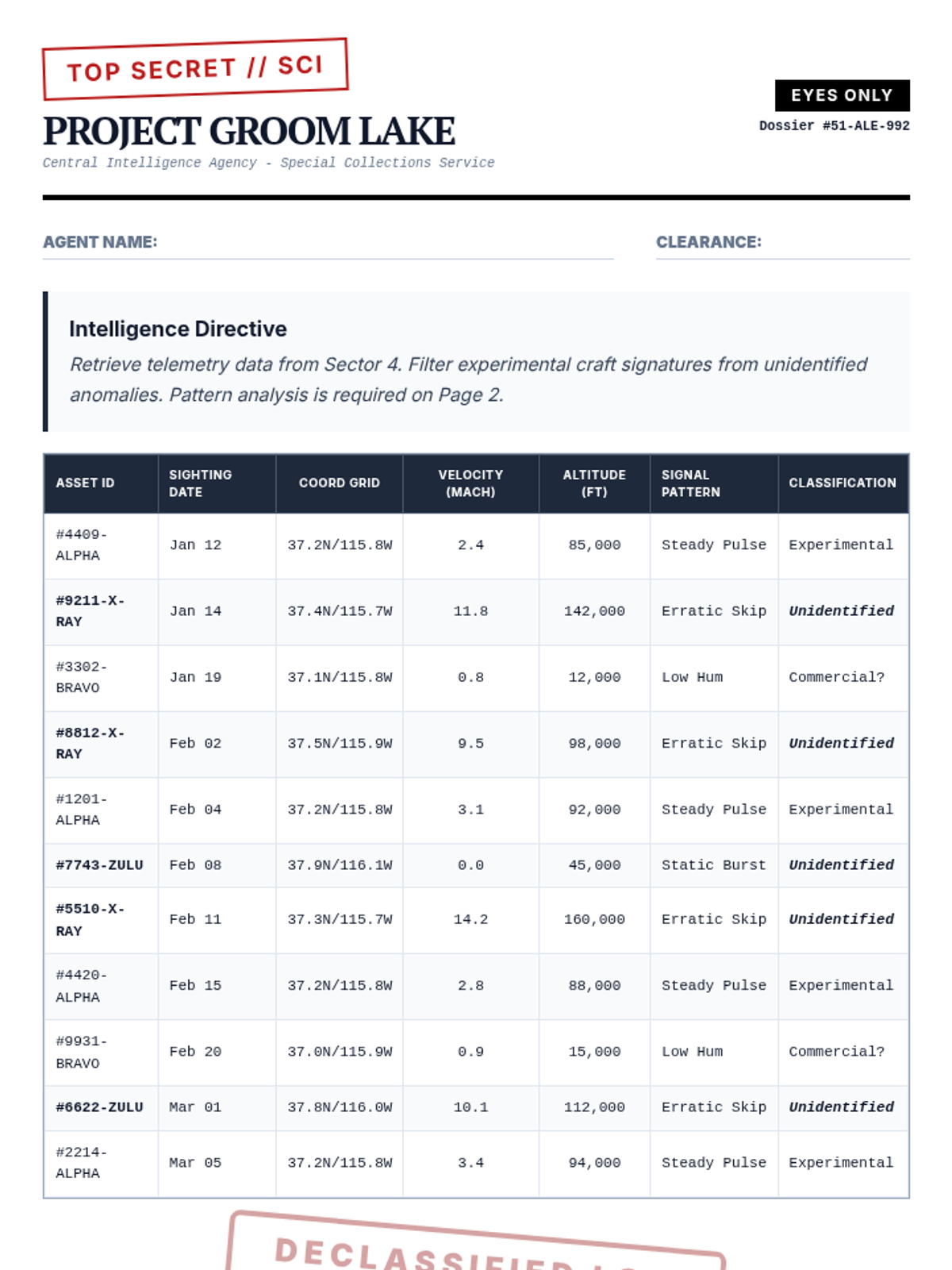
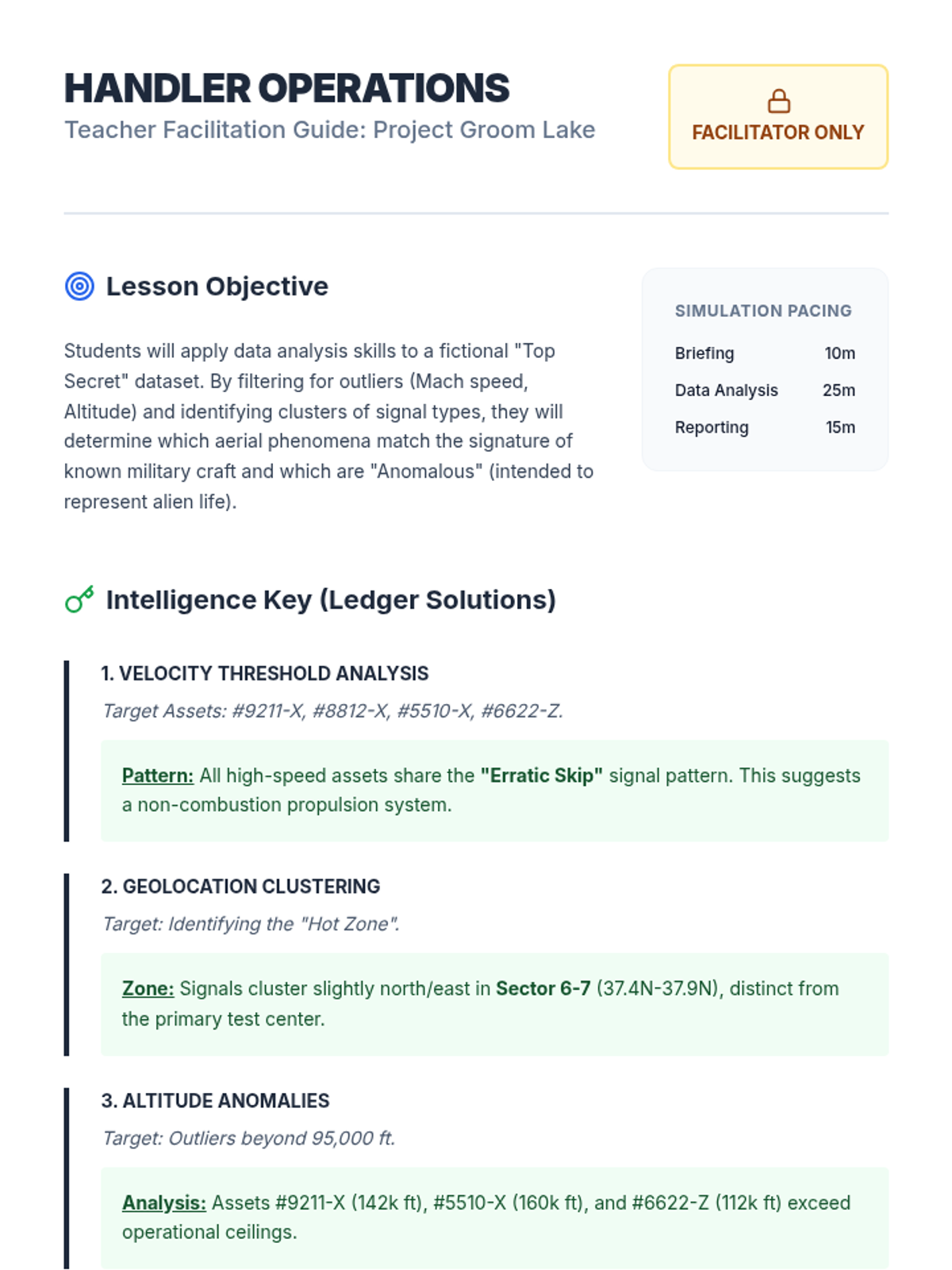
An immersive data analysis lesson where students step into the role of intelligence analysts to examine 'classified' flight data and sighting reports from Area 51. Students will practice data interpretation, pattern recognition, and evidence-based reasoning.
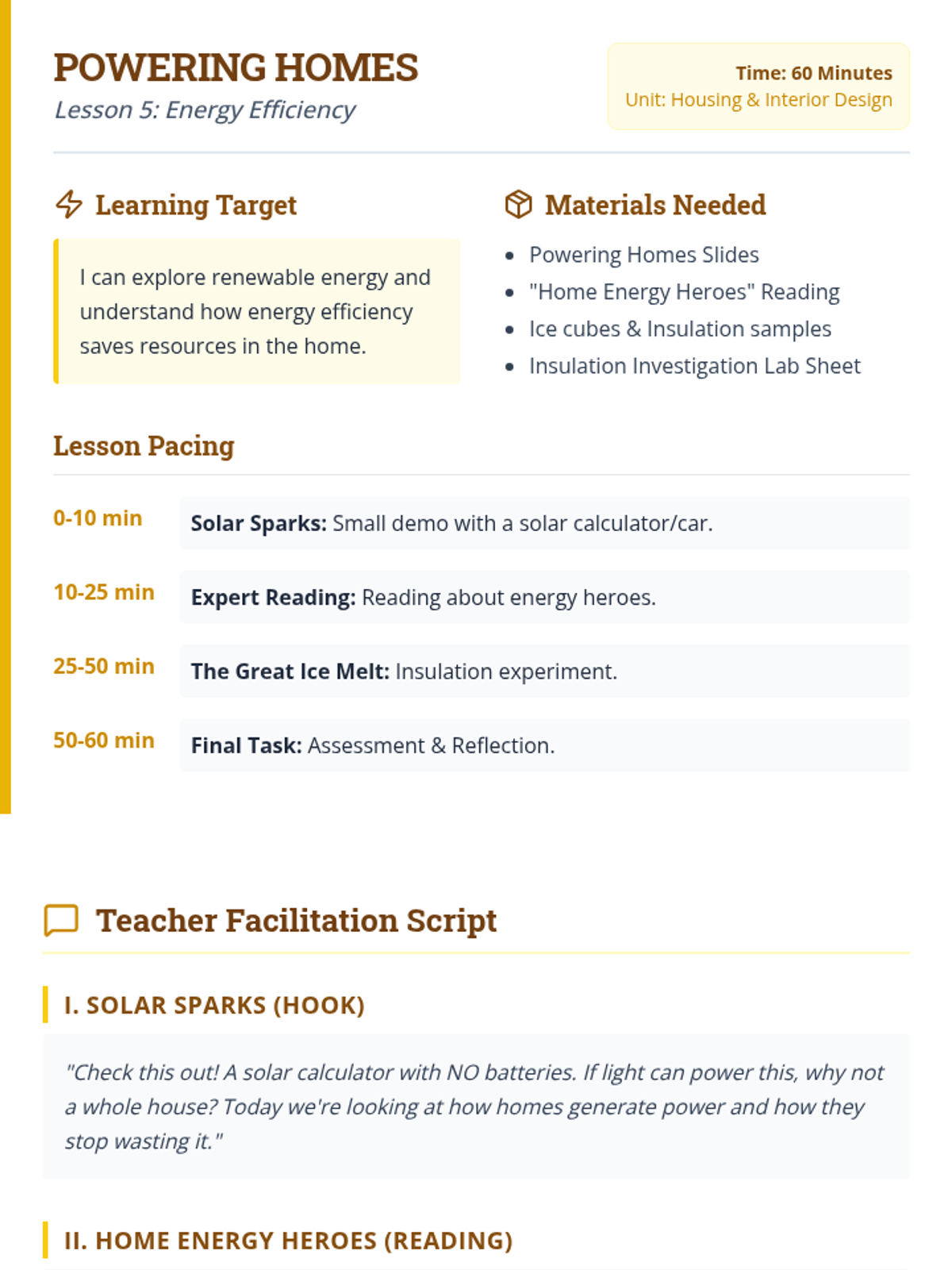
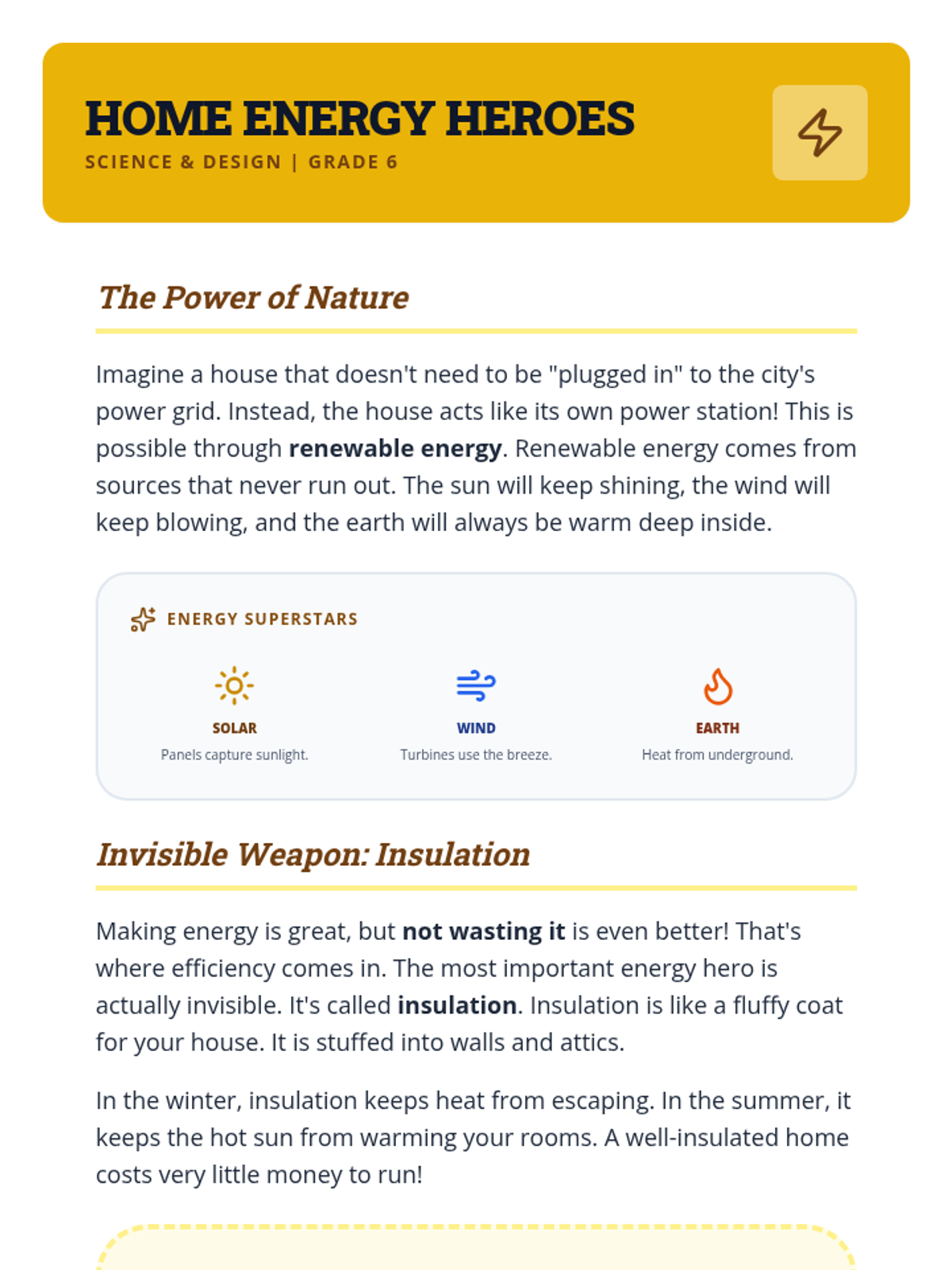
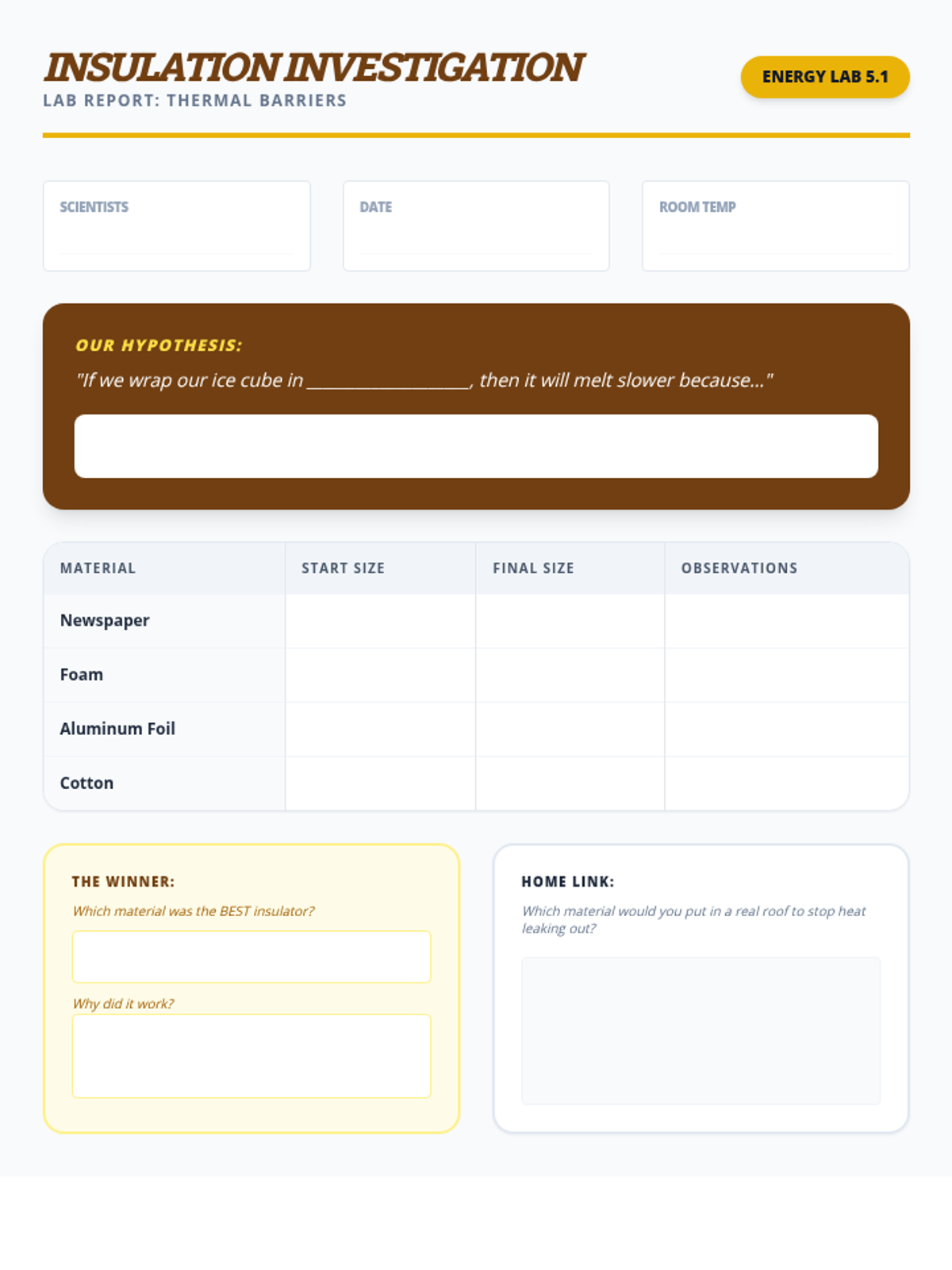
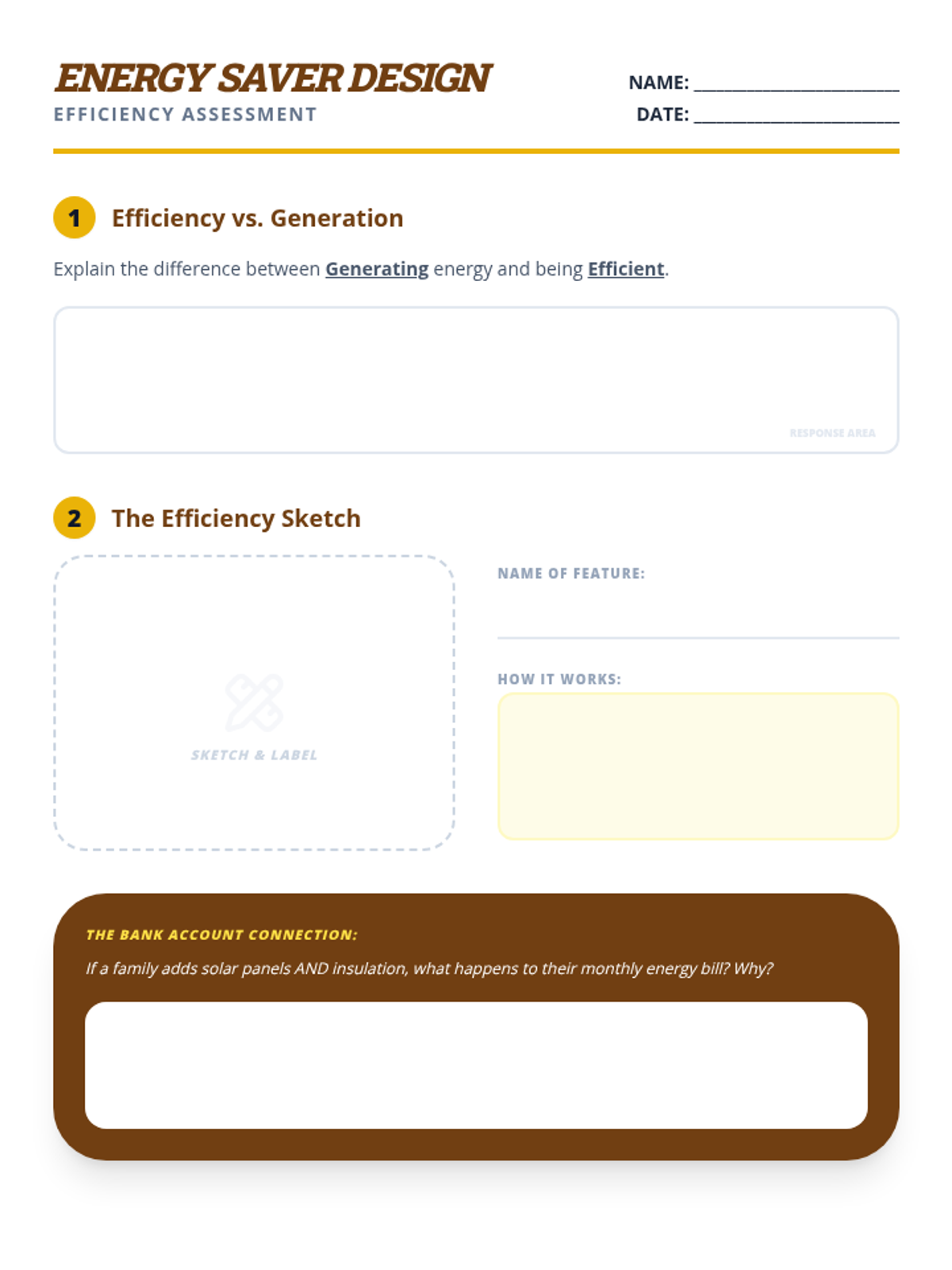
Explore renewable energy options and the importance of home insulation. Students conduct an experiment with ice cubes to test different insulating materials.
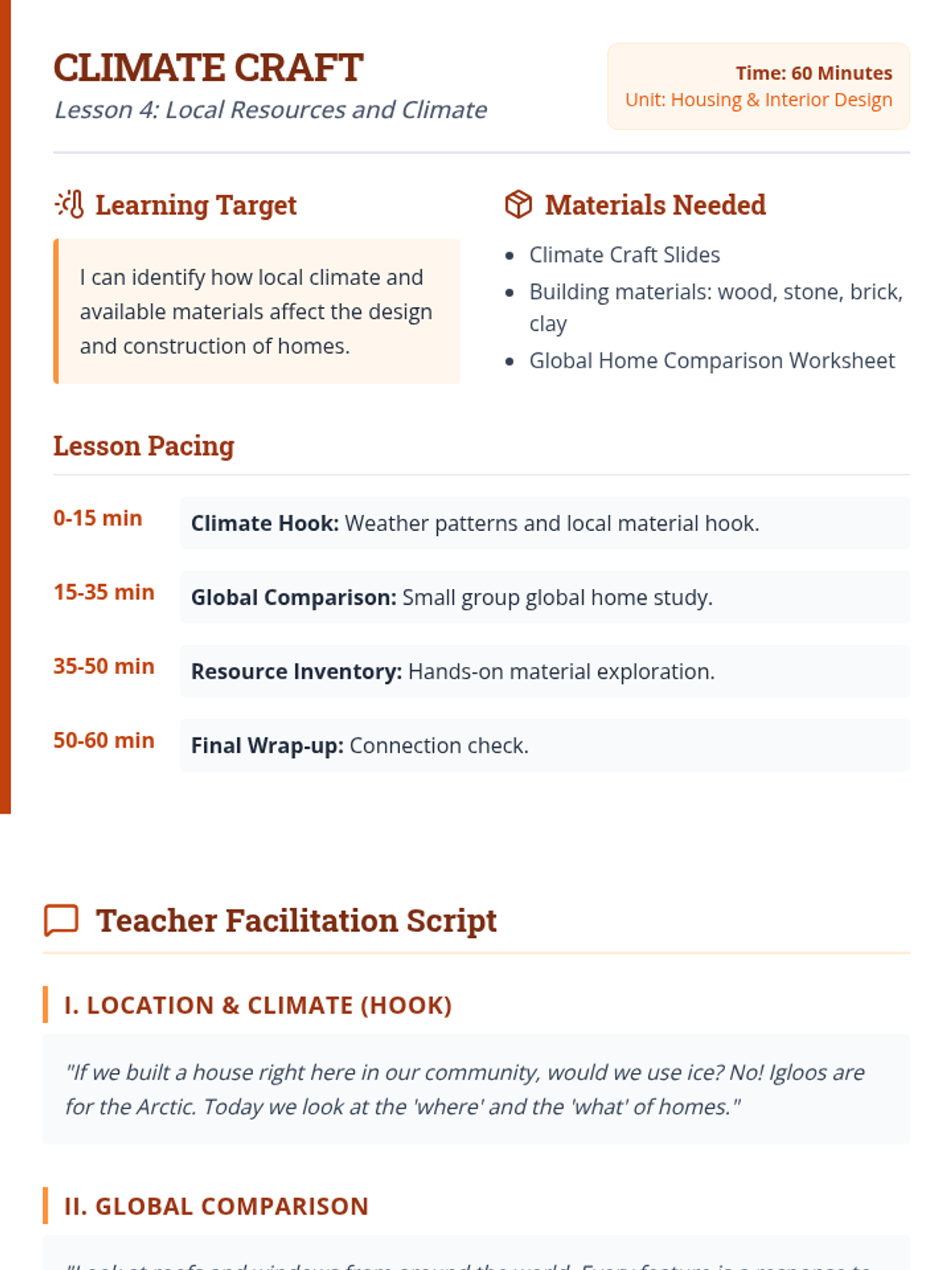
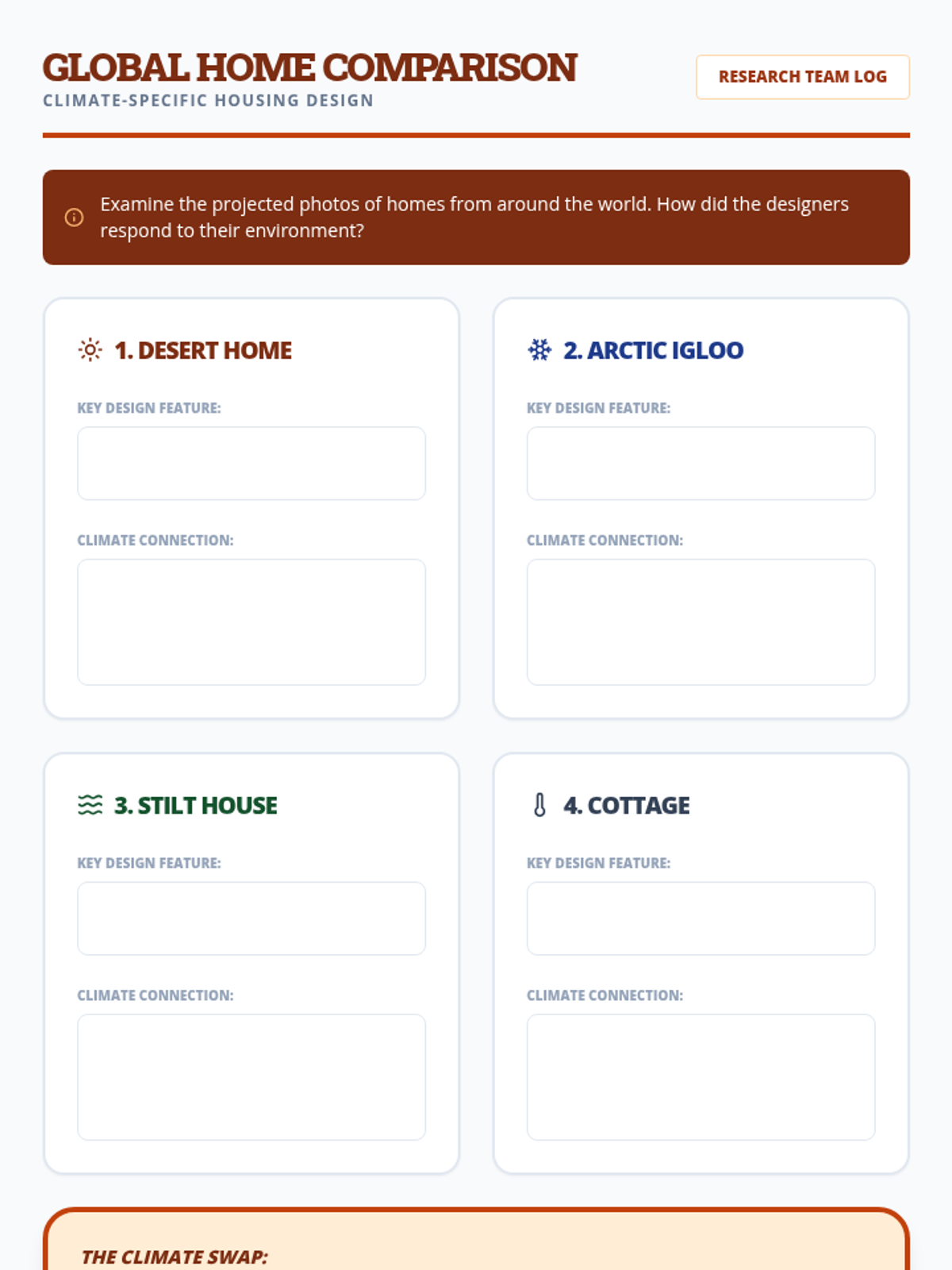
Examine how local climate and available natural resources influence how homes are built and what materials are used. Students compare housing in diverse global climates.
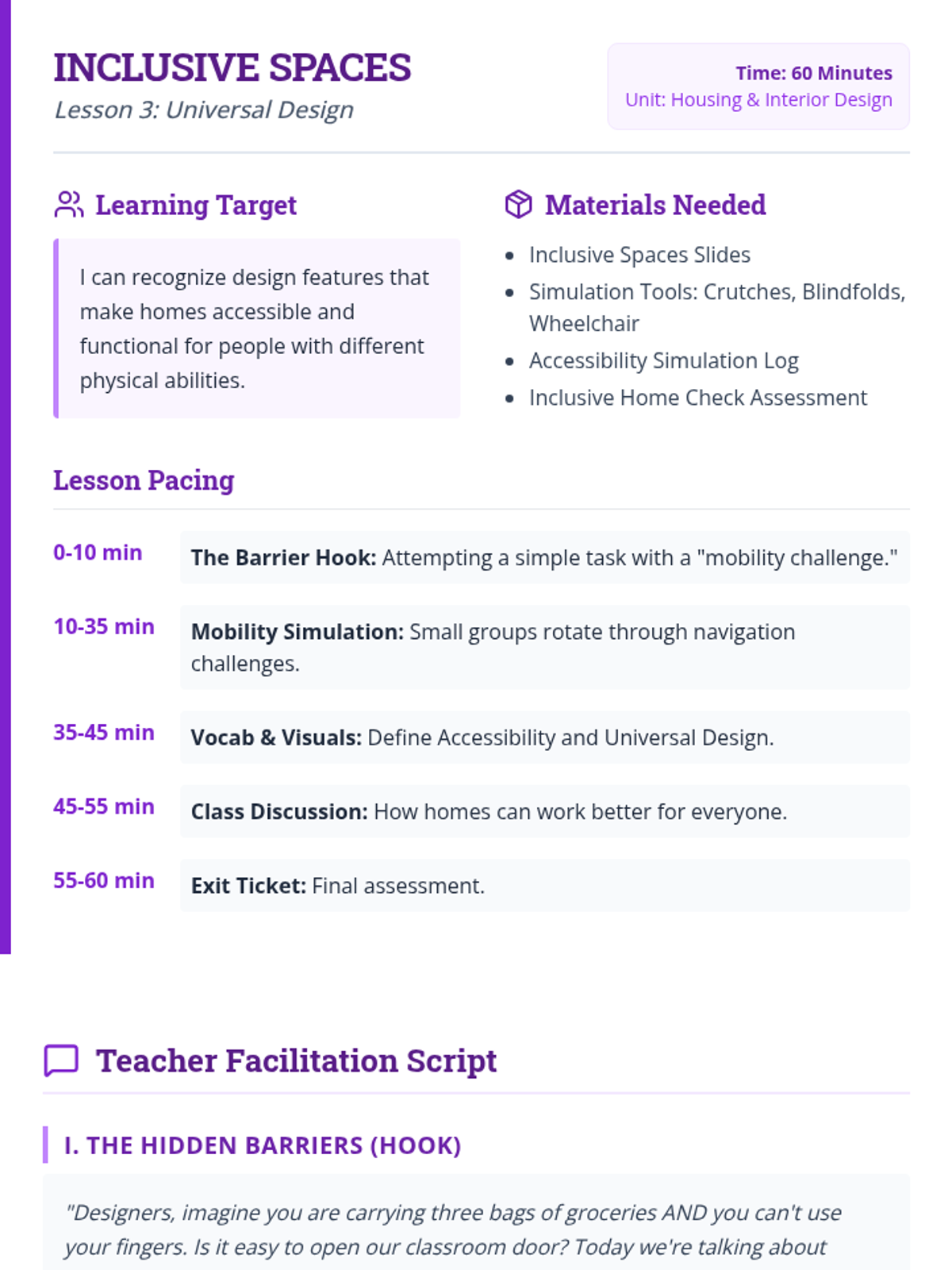
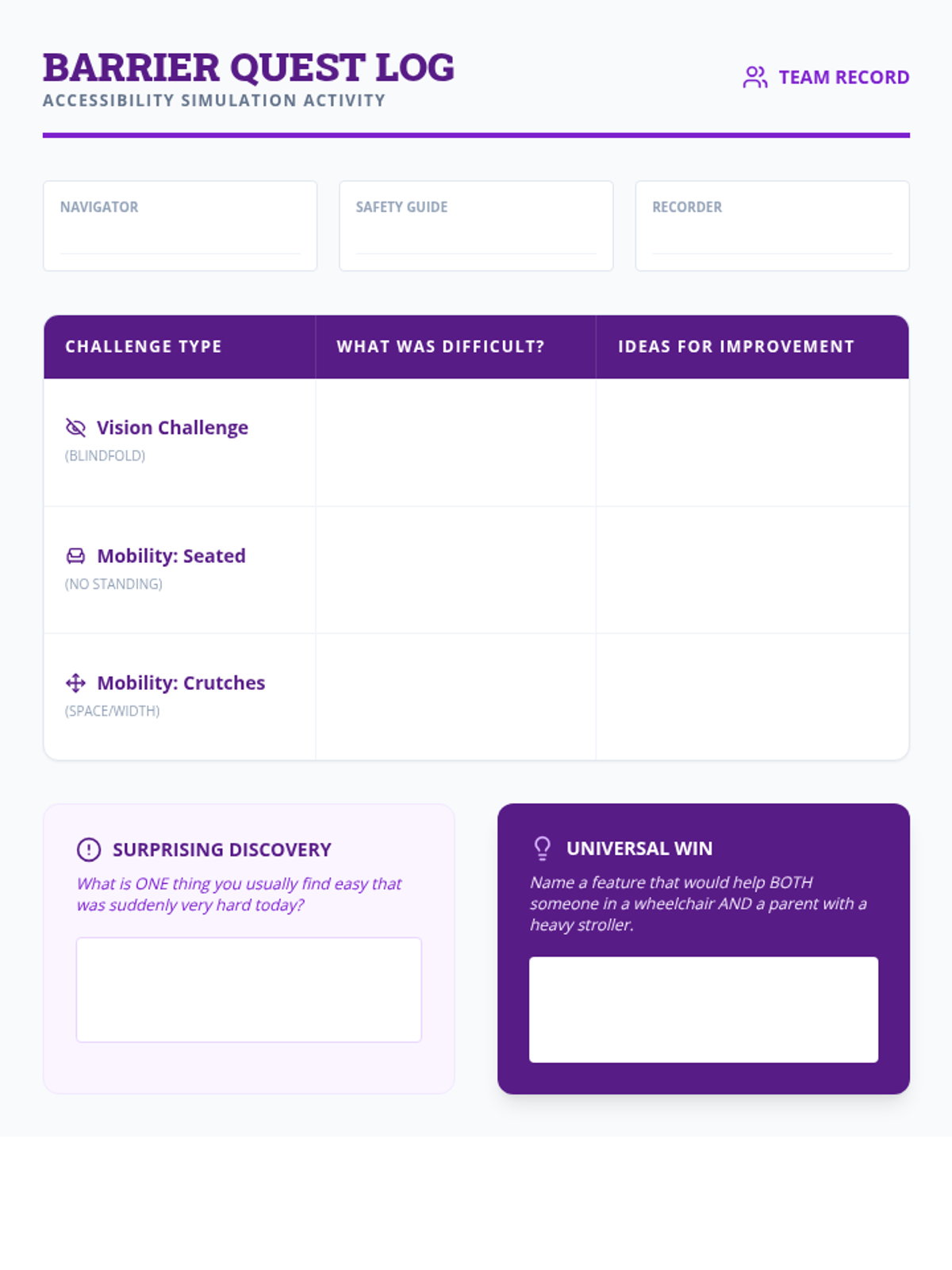
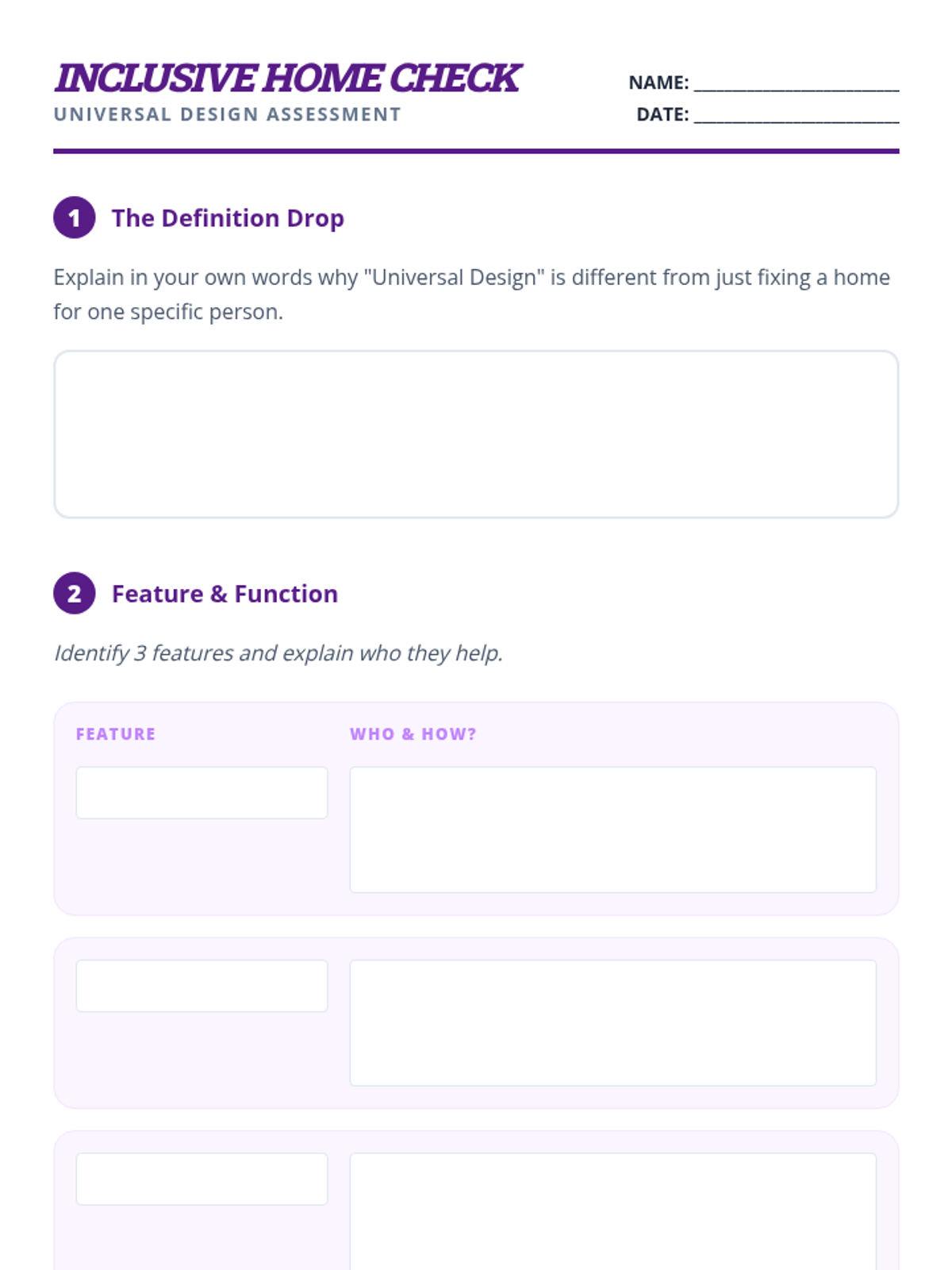
Investigate universal design and accessibility features that make homes functional for everyone. Students participate in a mobility simulation to understand architectural barriers.
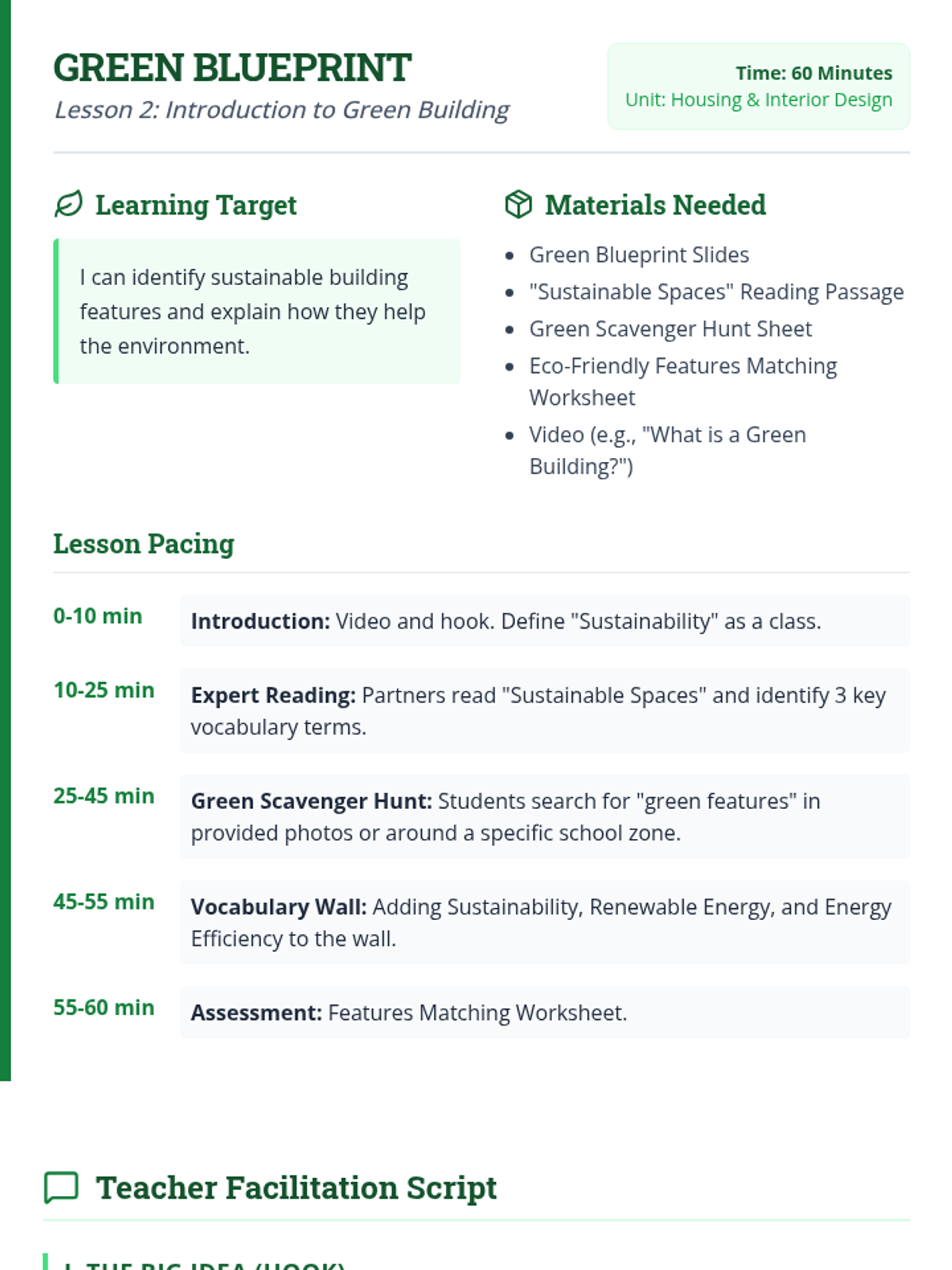
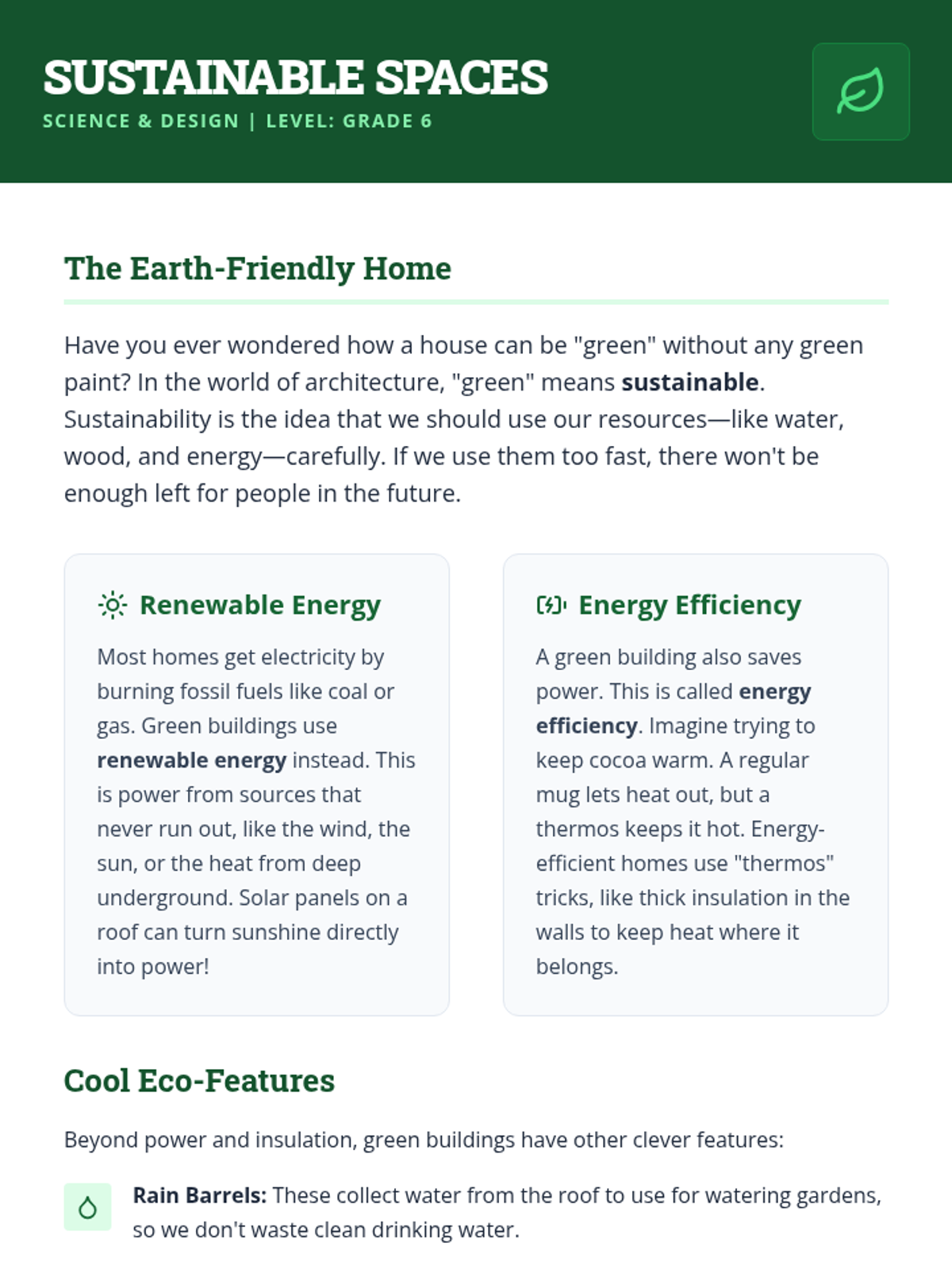
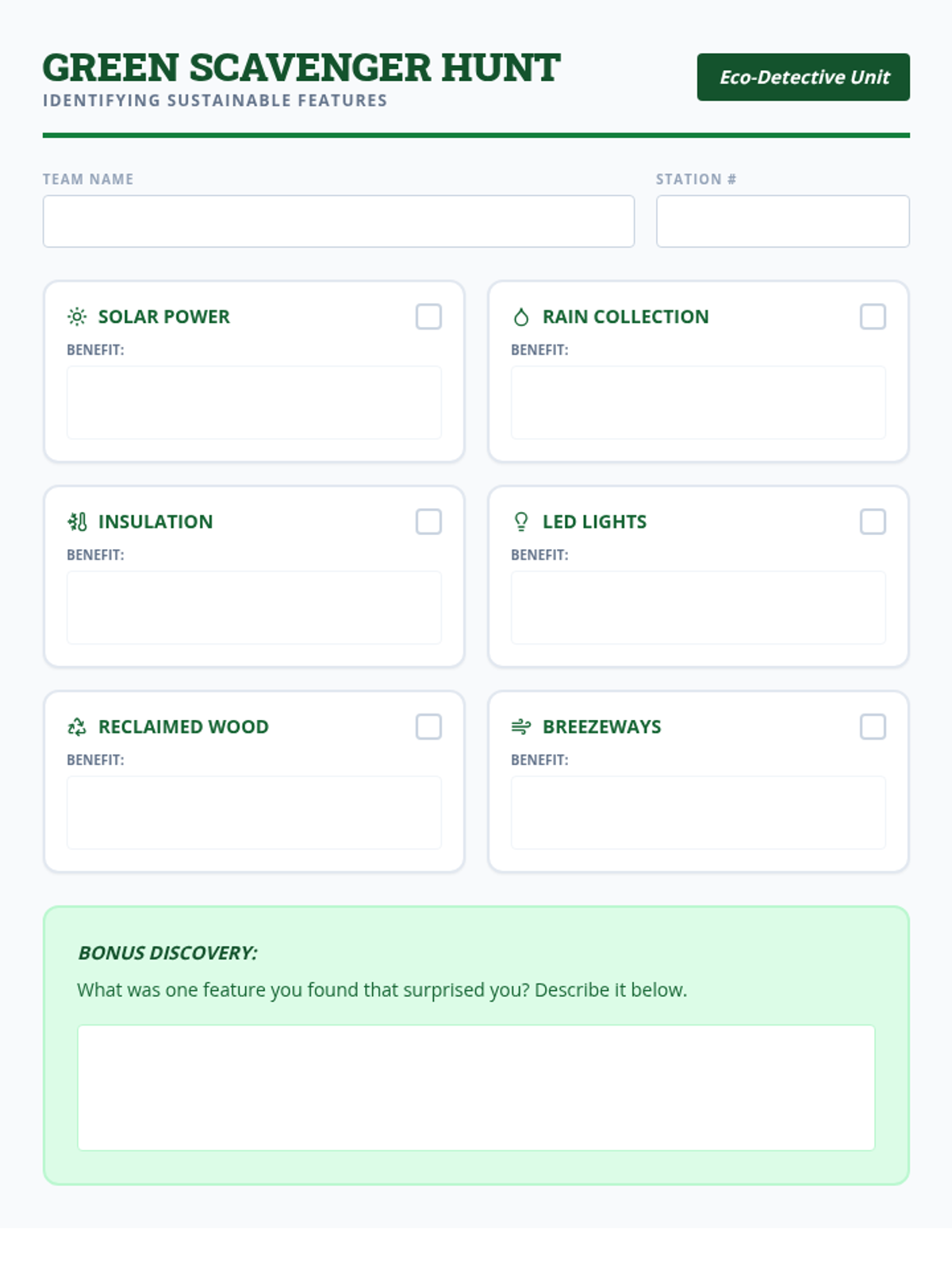
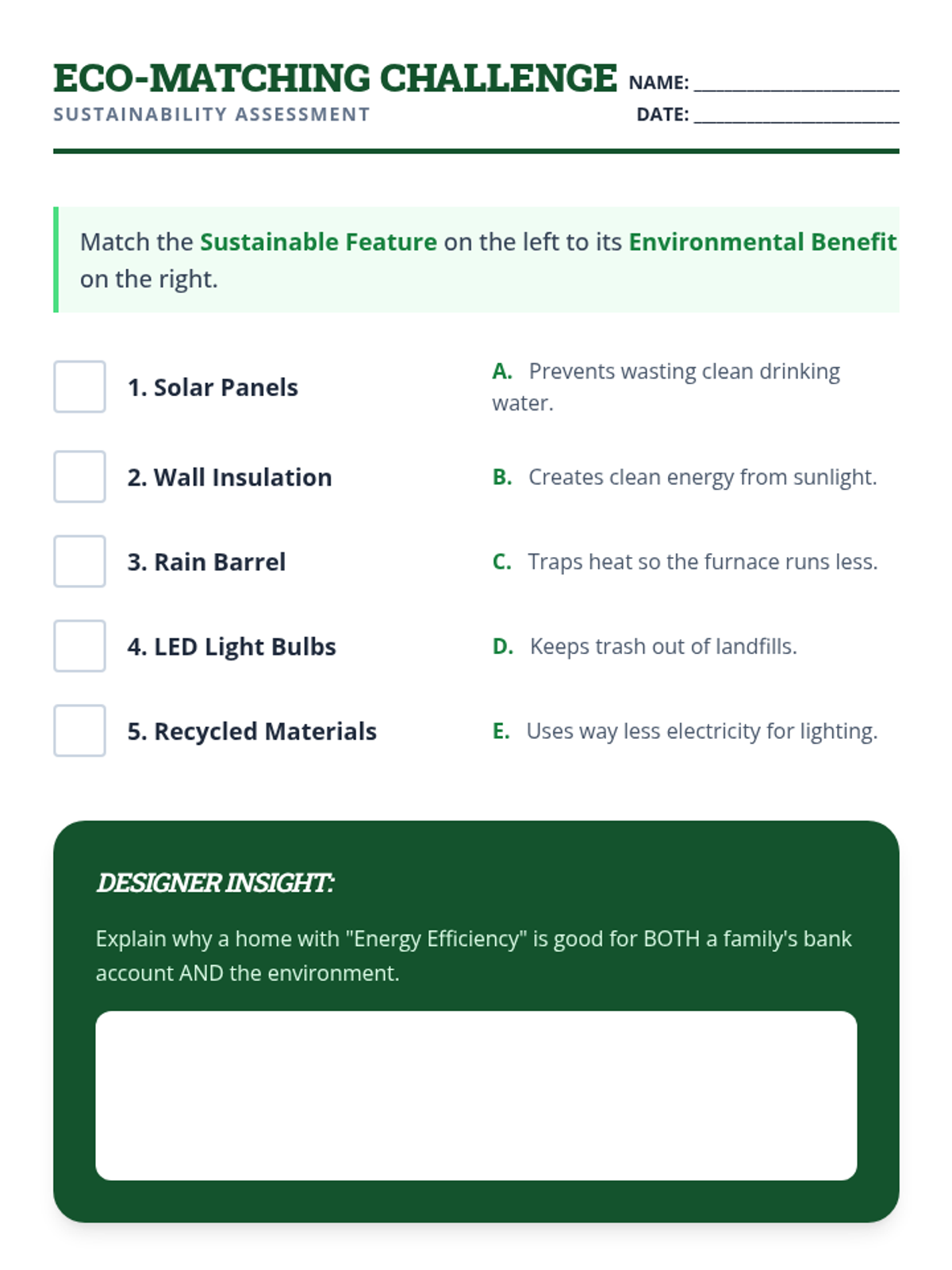
Introduction to sustainable building practices and green features. Students will learn about renewable energy and energy efficiency through a scavenger hunt and a reading passage.
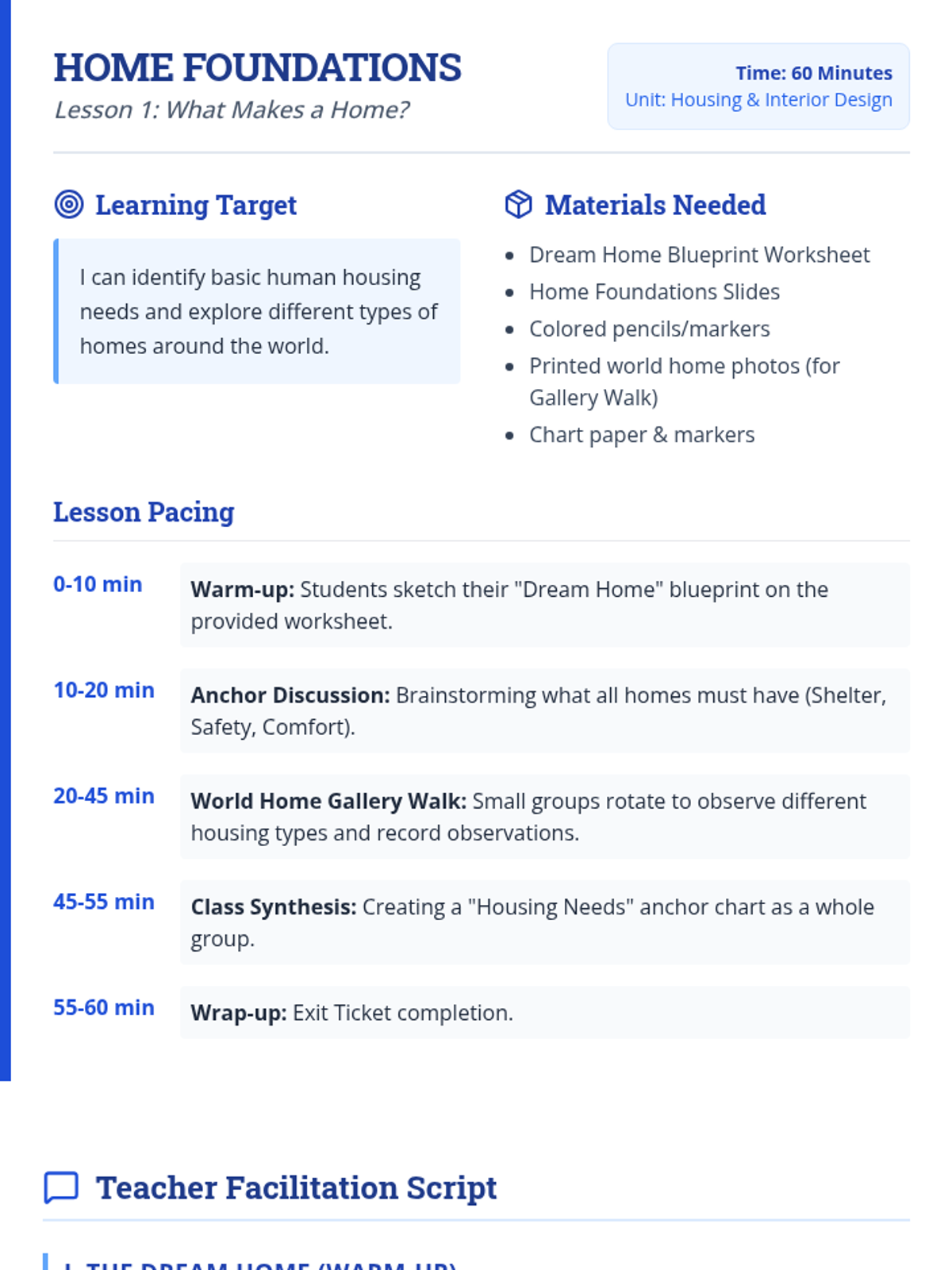
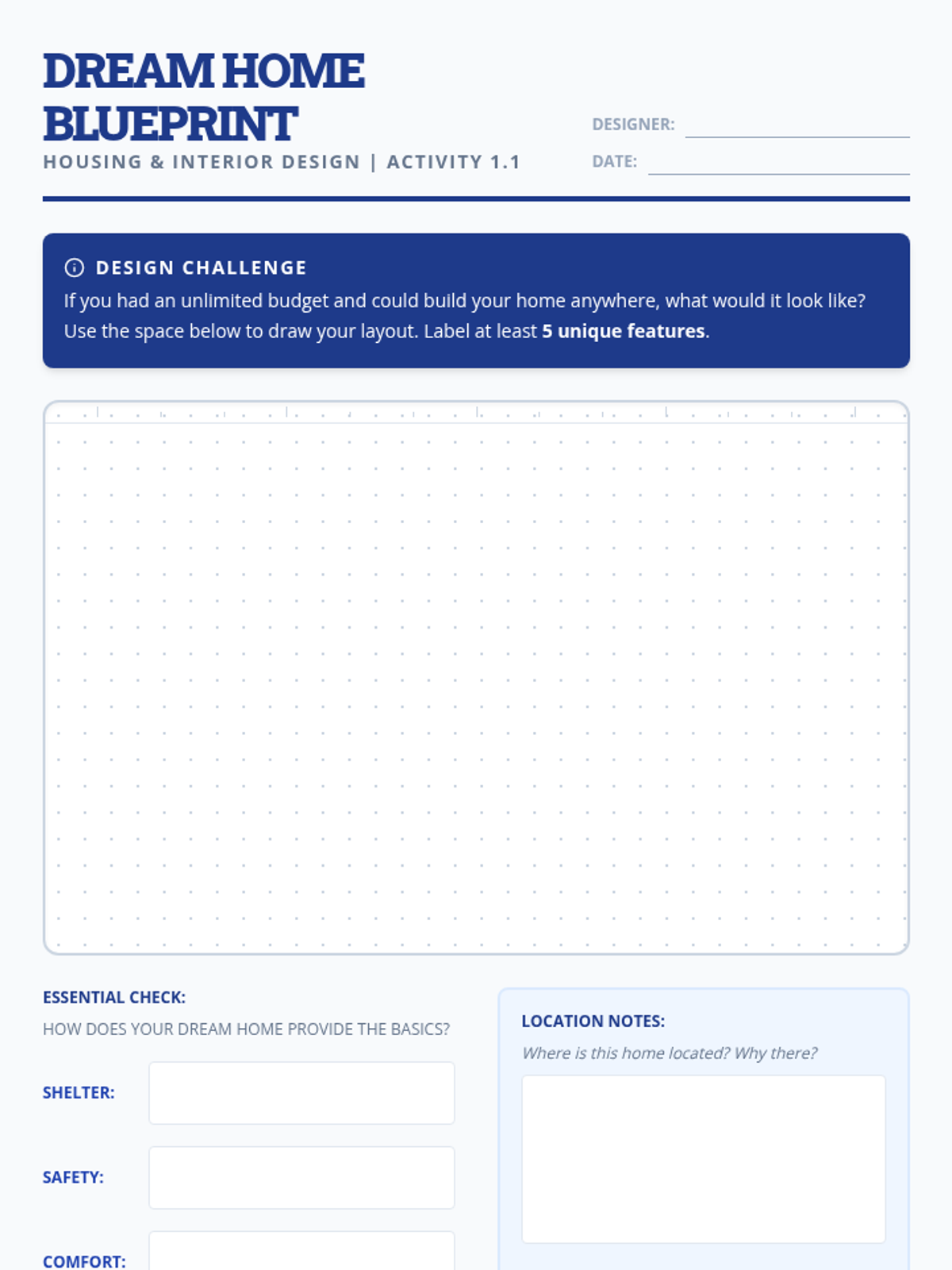
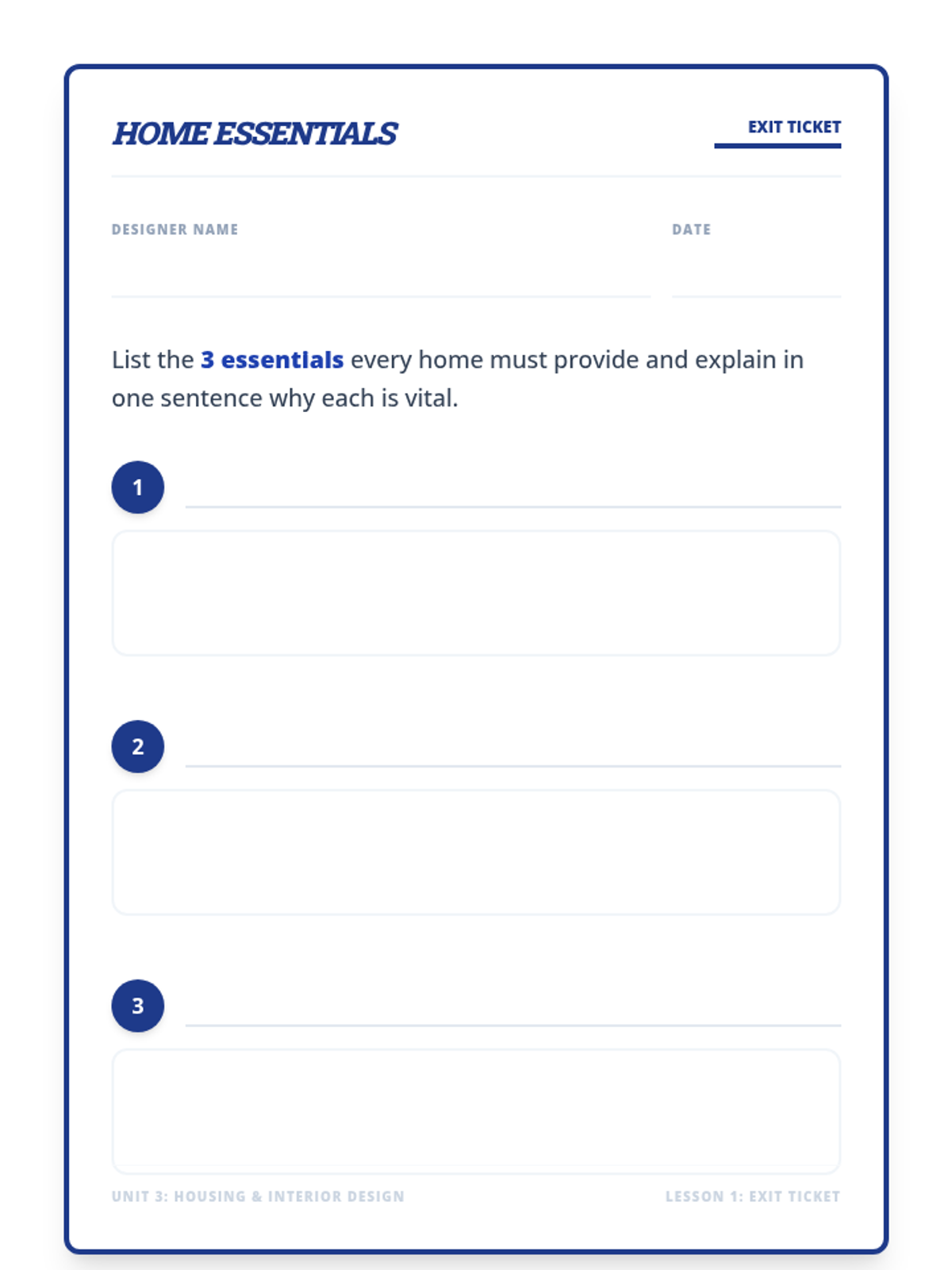
Explore basic human housing needs and investigate how homes provide shelter, safety, and comfort. Students will sketch their dream homes and compare housing styles from around the world.
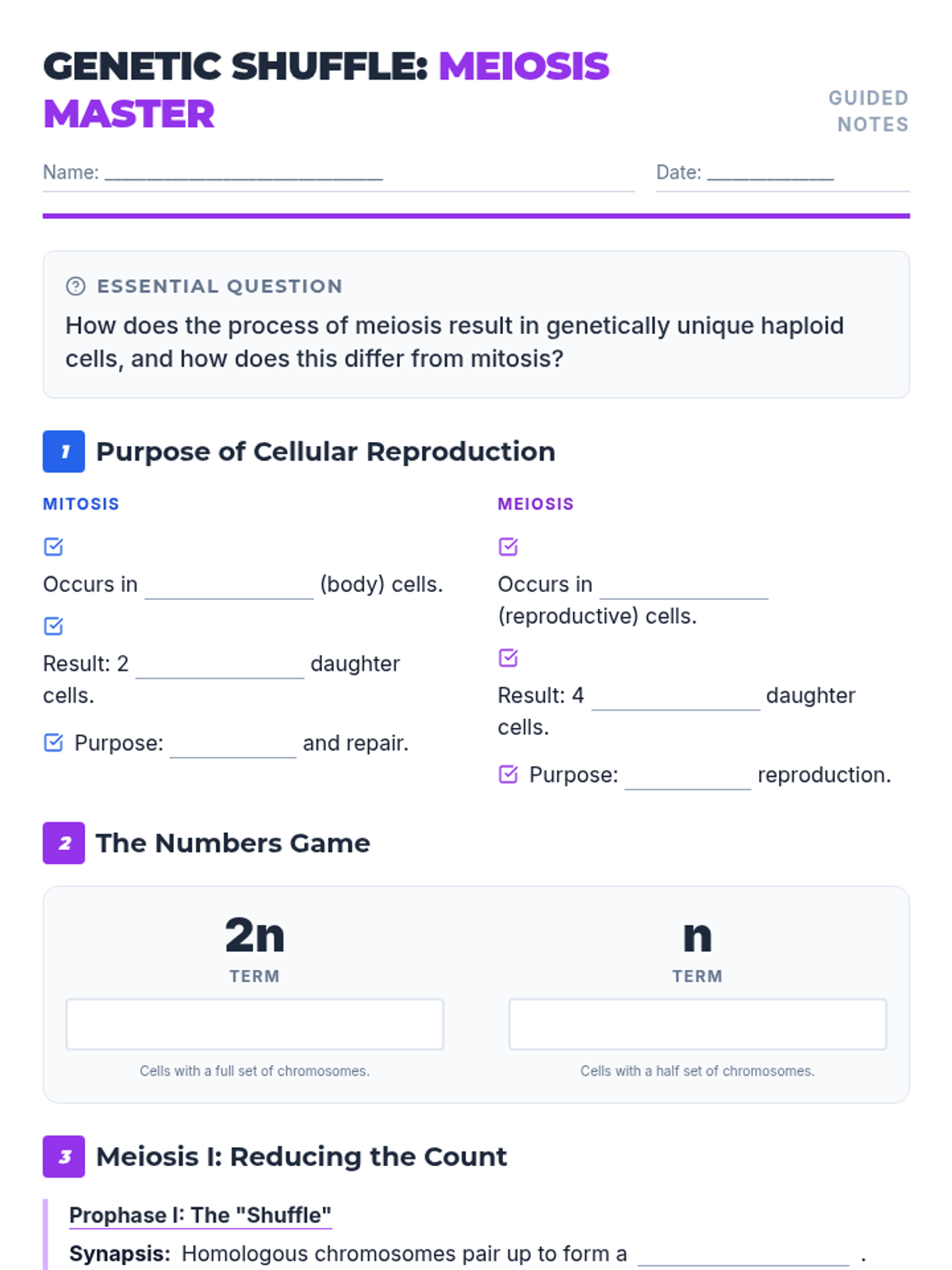
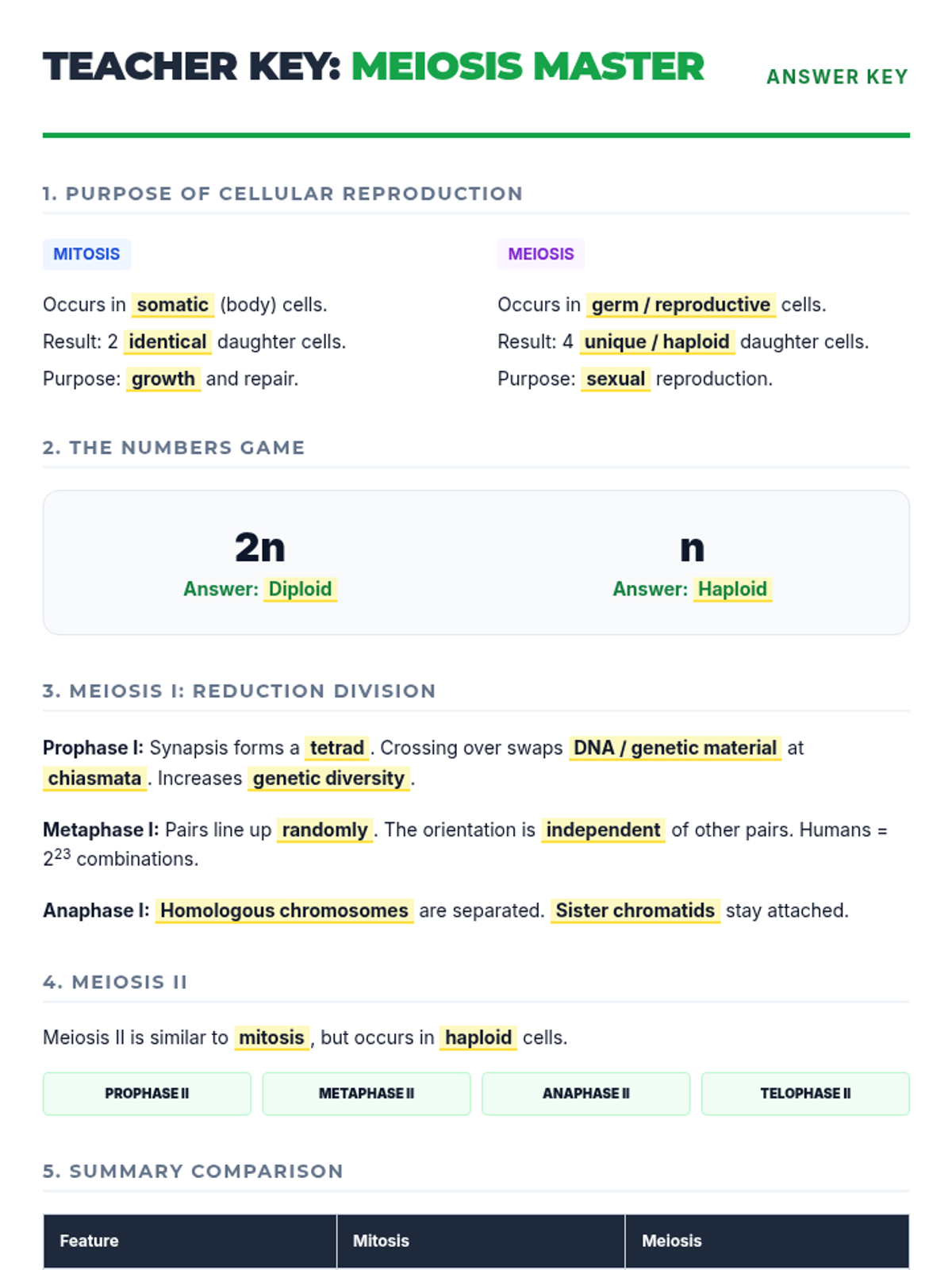
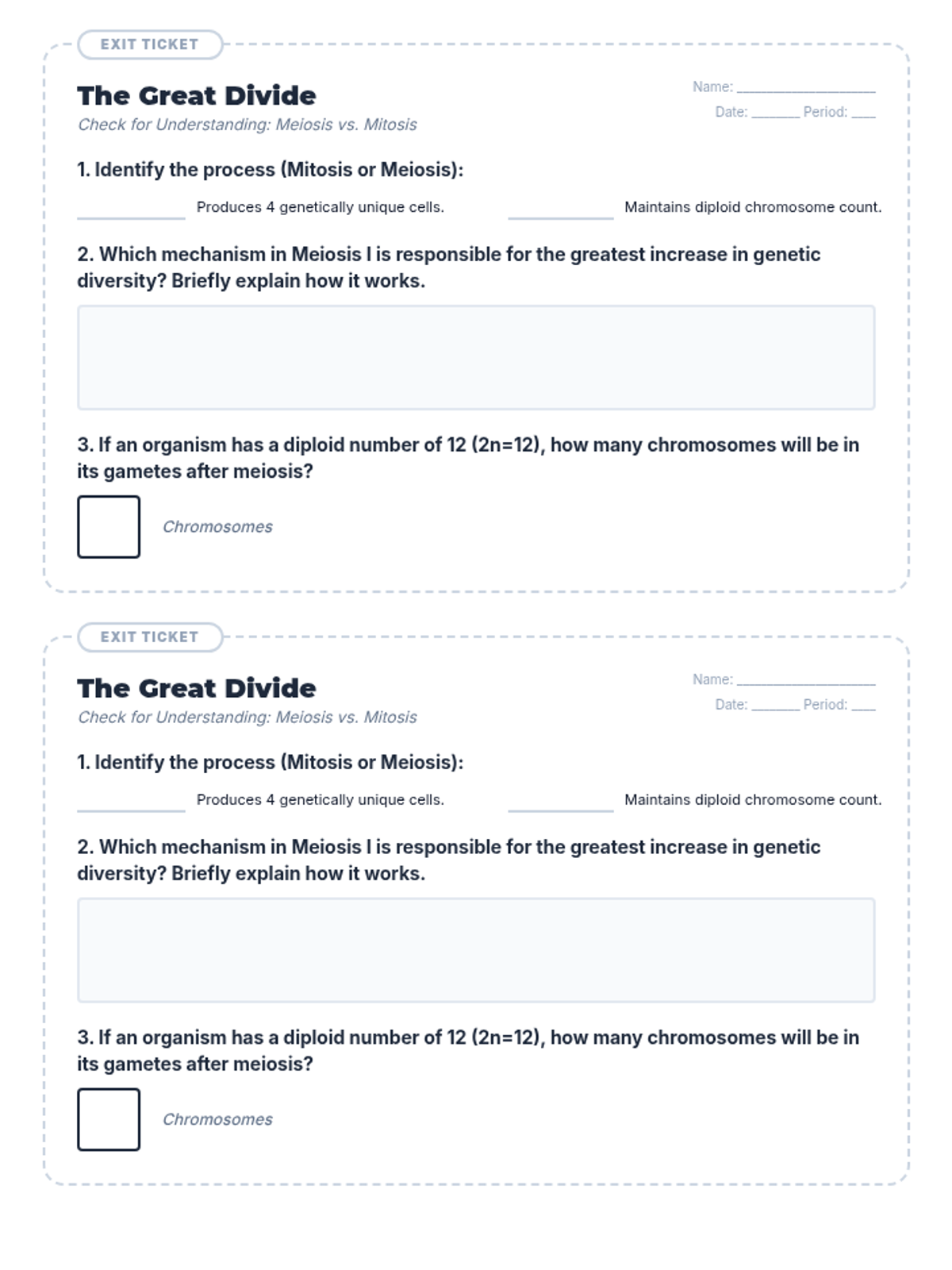
A comprehensive look at cellular reproduction with a deep dive into meiosis, comparing it to mitosis to understand how genetic diversity is created.
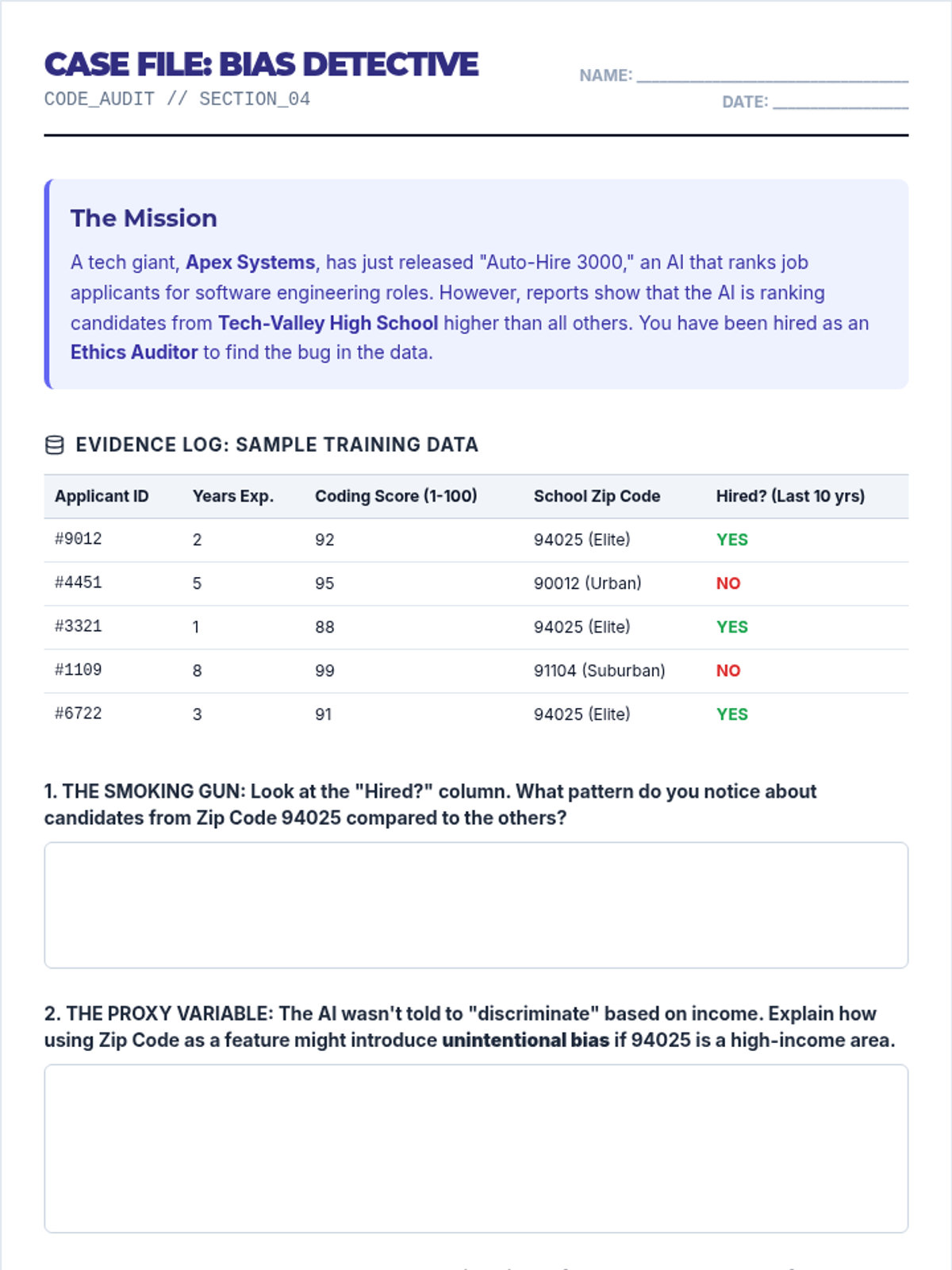
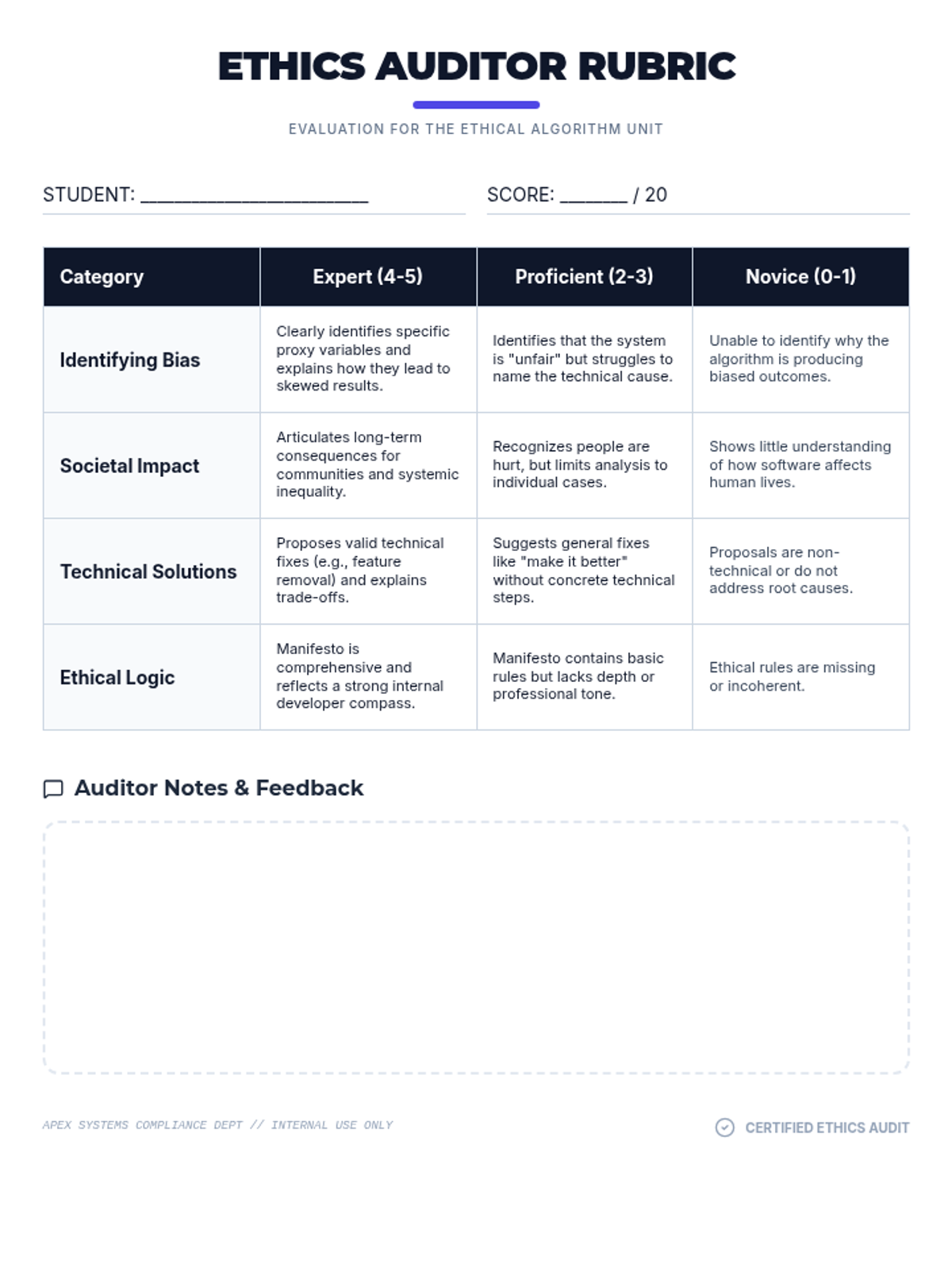
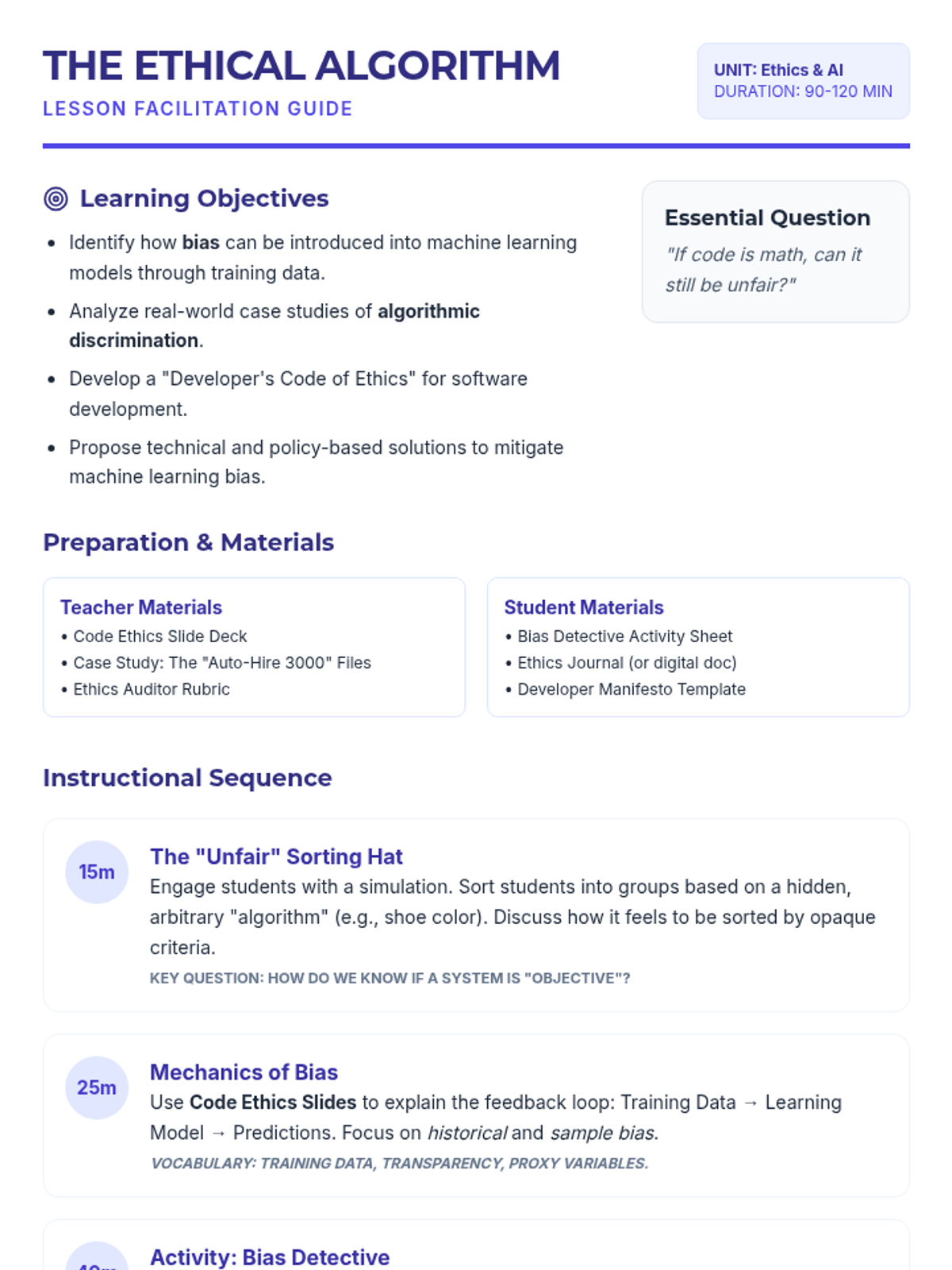
In this capstone lesson, students analyze machine learning models to identify algorithmic bias and discuss the societal responsibilities of modern software developers.
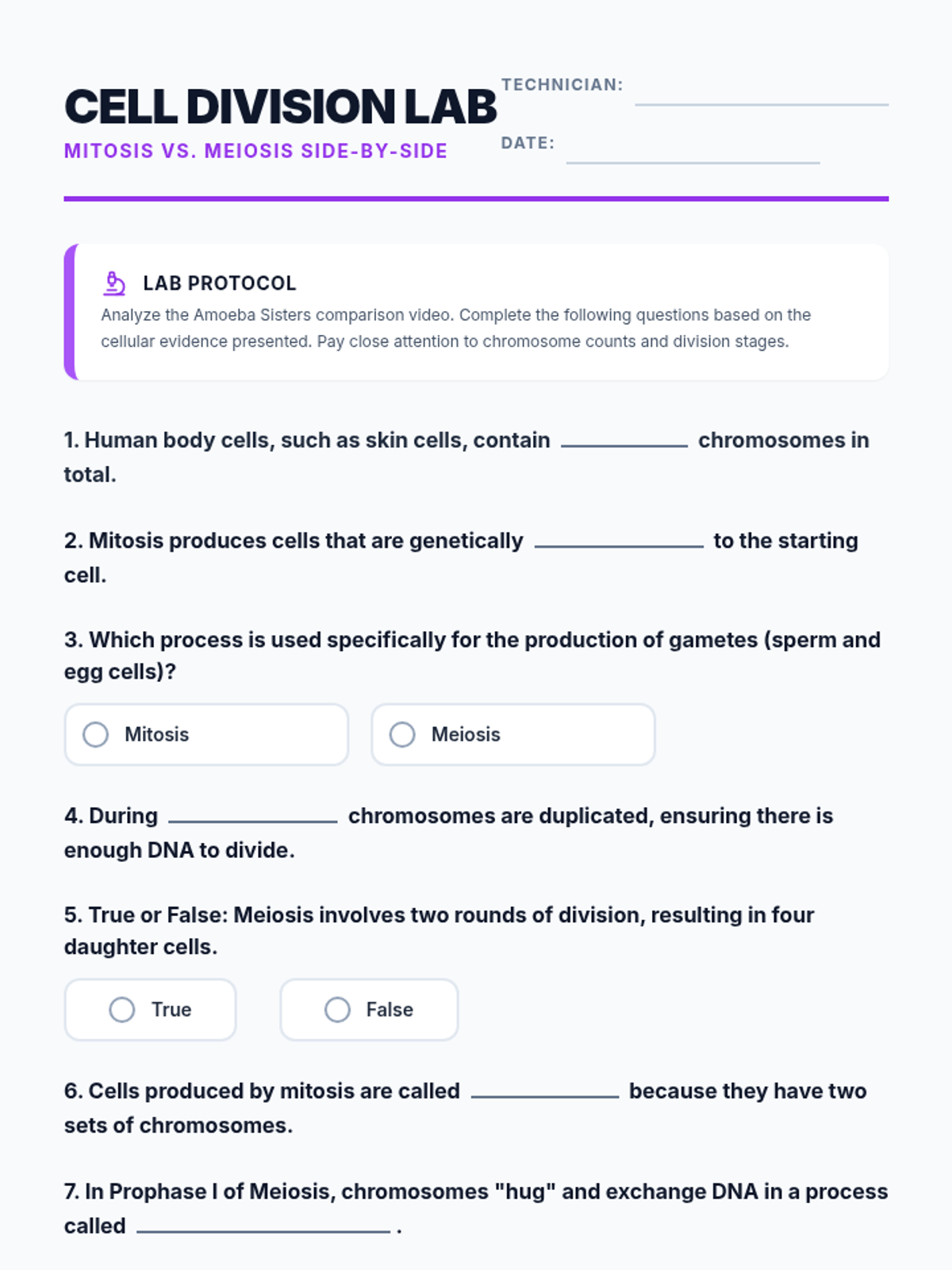
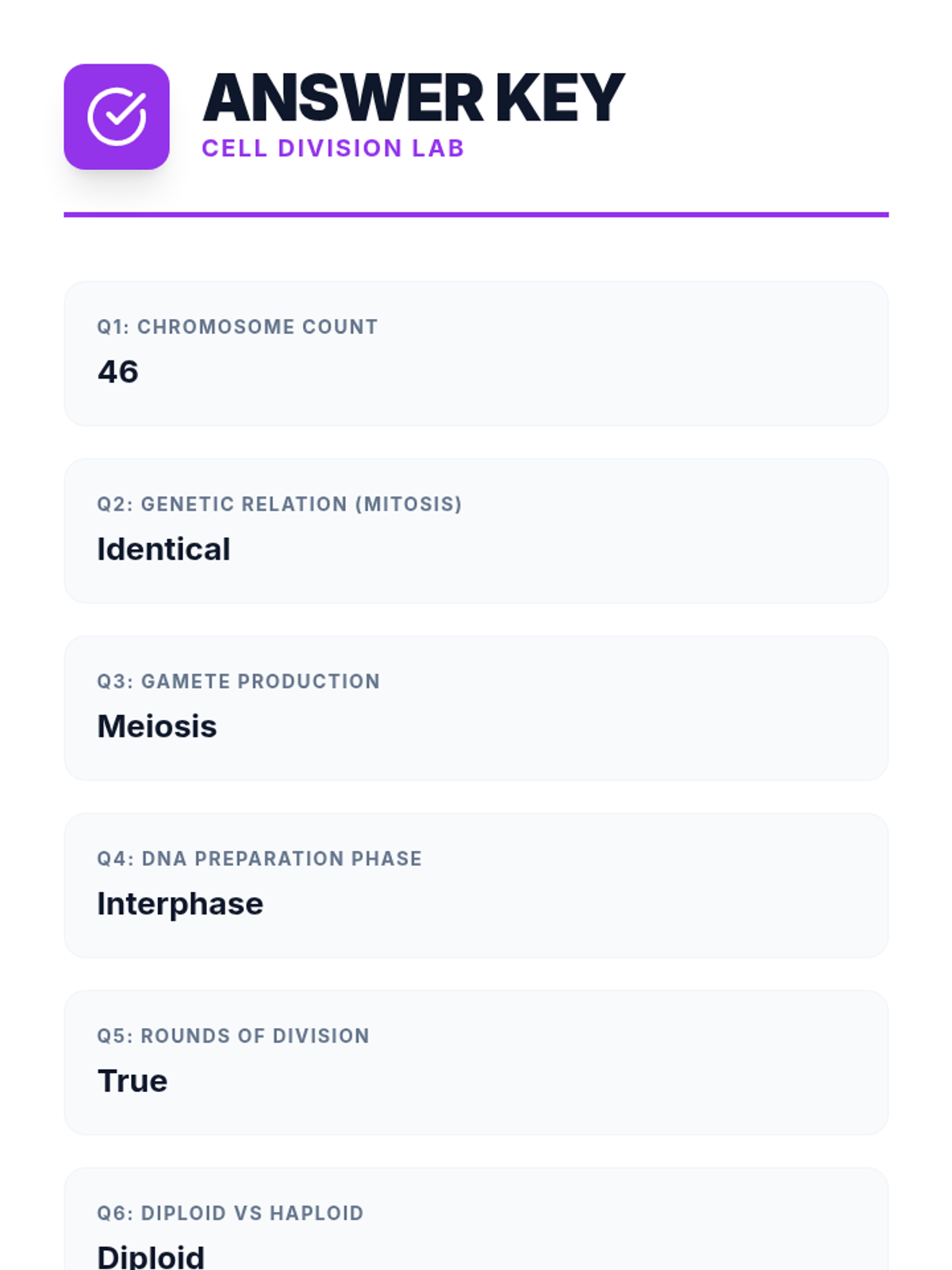
A biology lesson comparing mitosis and meiosis based on the Amoeba Sisters video, distinguishing between identical body cells and unique sex cells.
A lesson exploring how humans influence the traits of organisms through selective breeding, focusing on dogs and livestock.
A comprehensive exploration of ecosystems and biomes, focusing on the interactions between biotic and abiotic factors, the flow of energy through food webs, and the impact of environmental changes on organism survival. Students will investigate how energy and matter move through nature's blueprint.
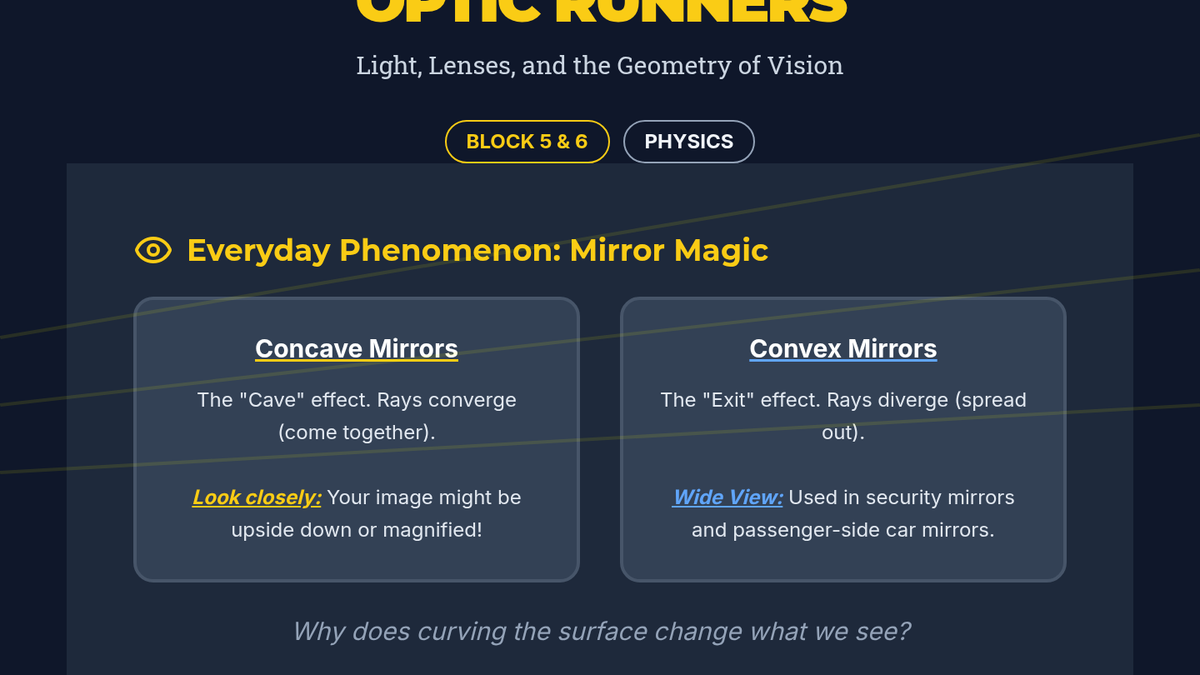
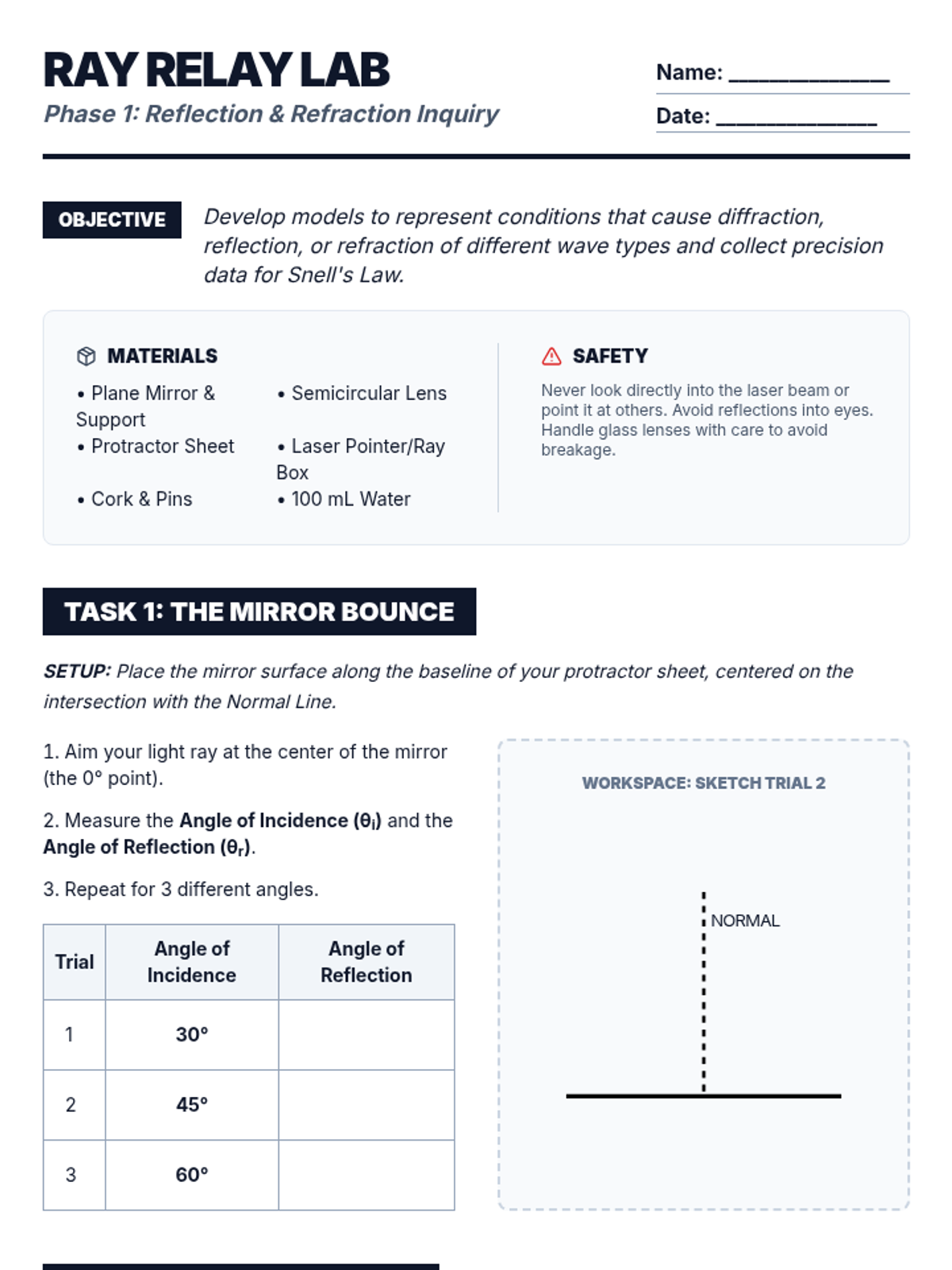
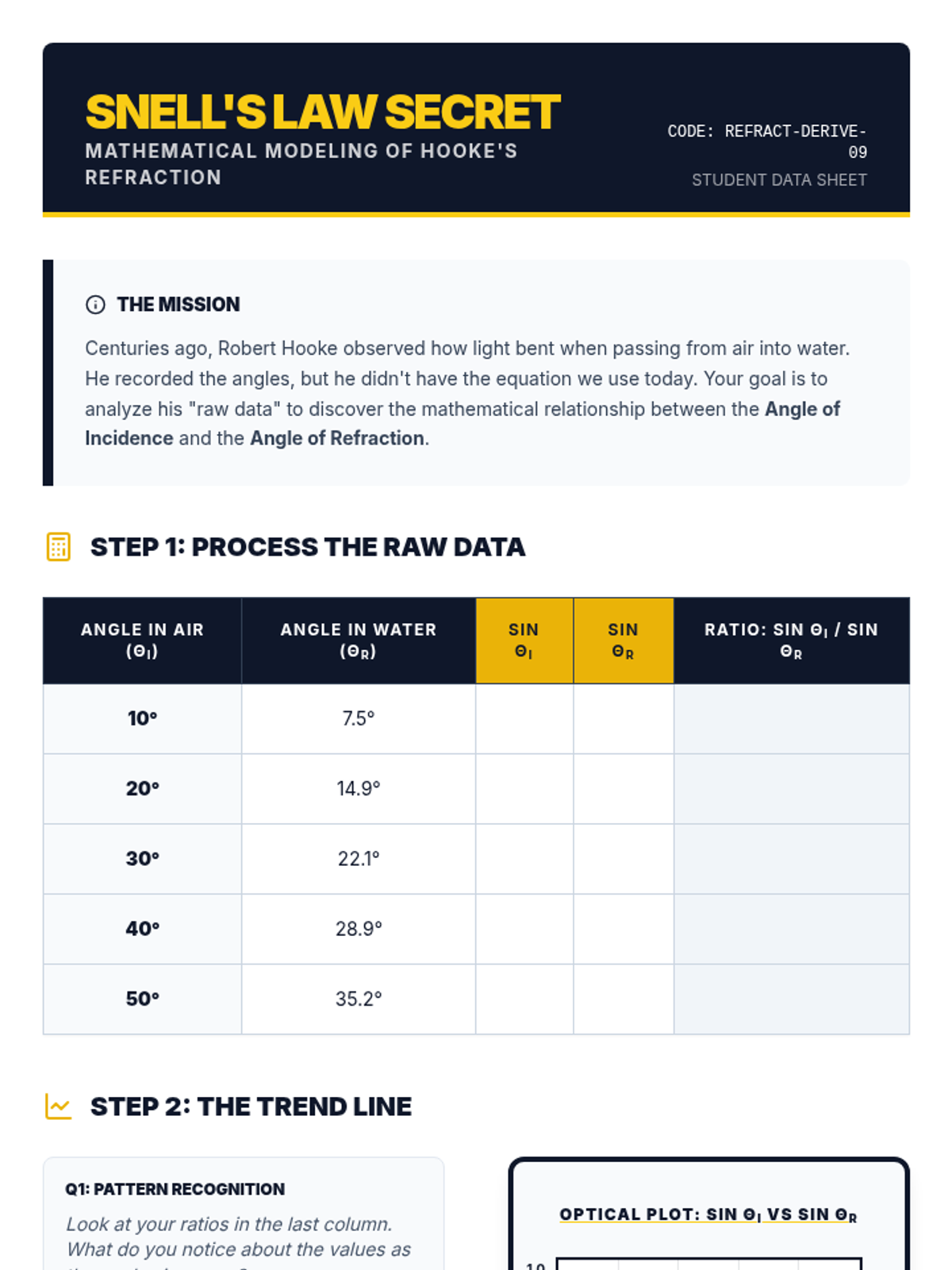
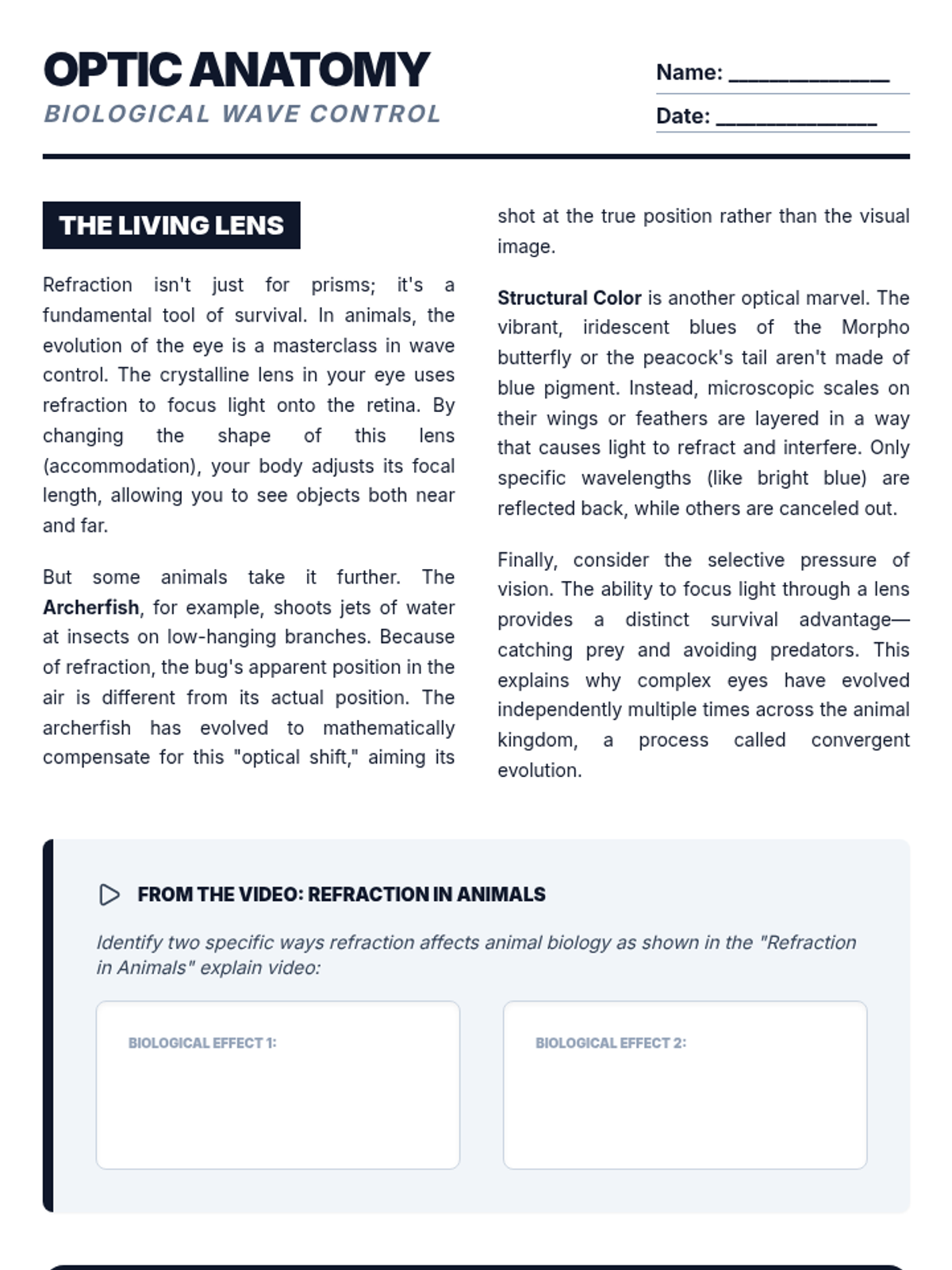
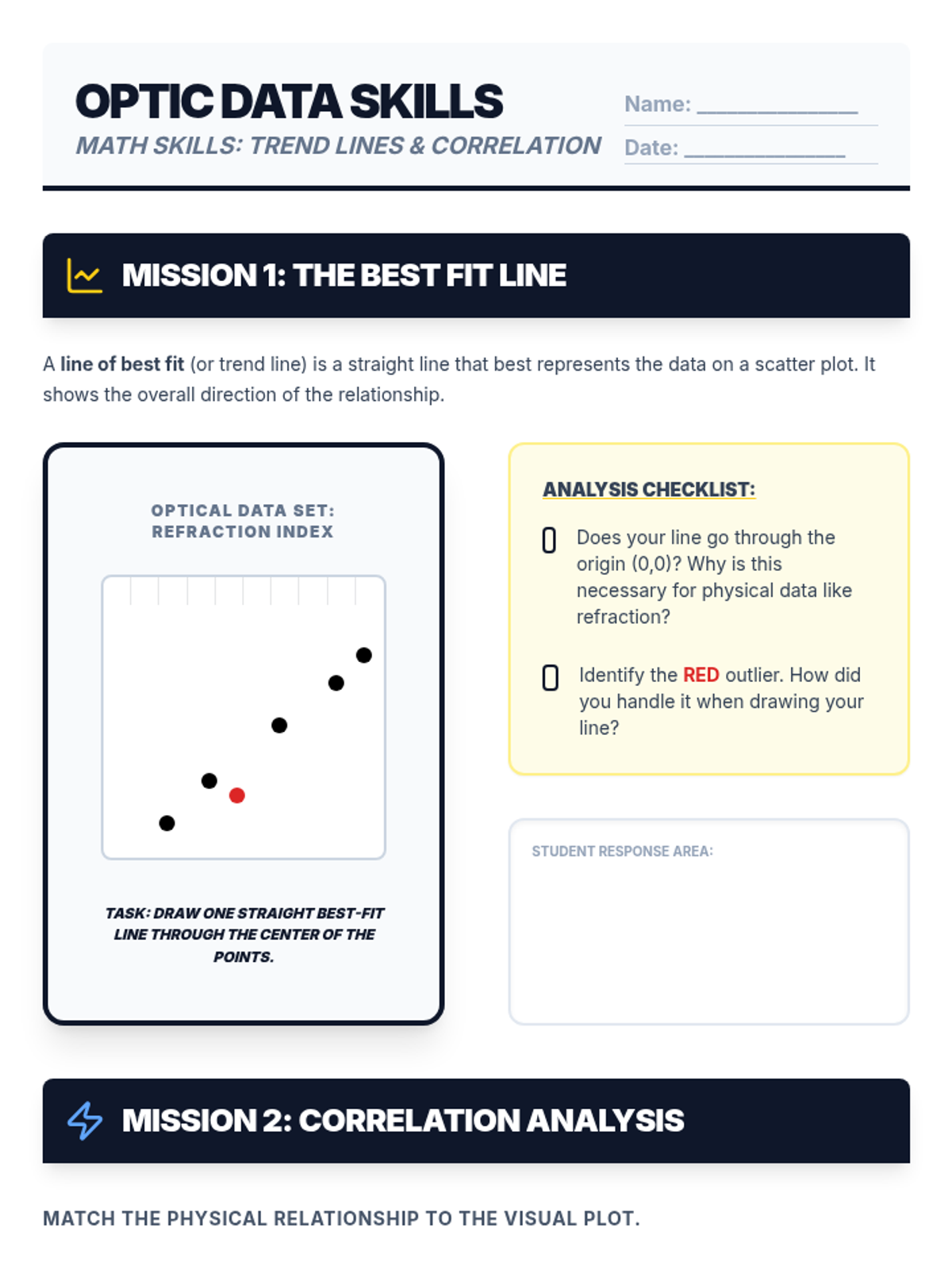
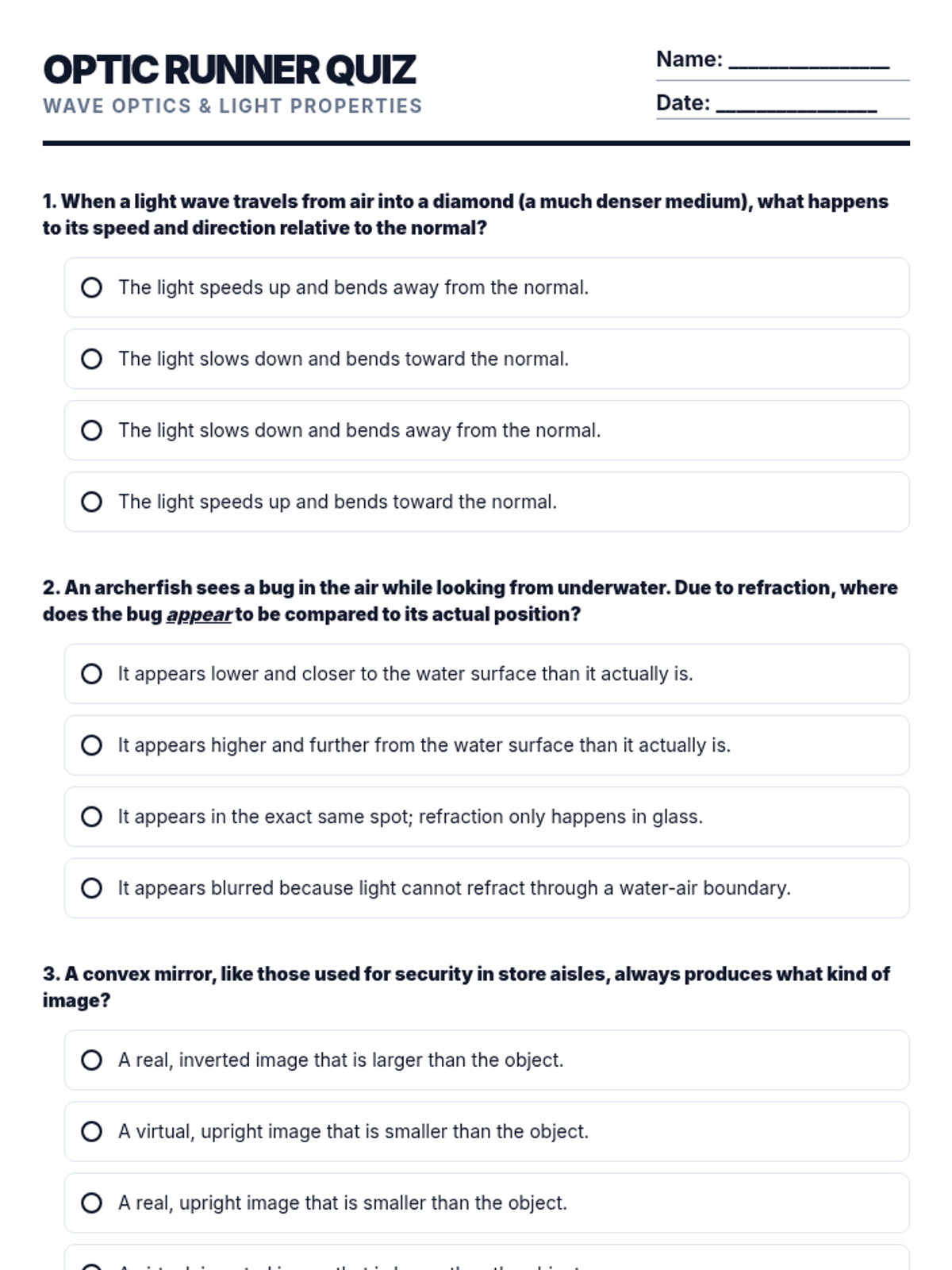
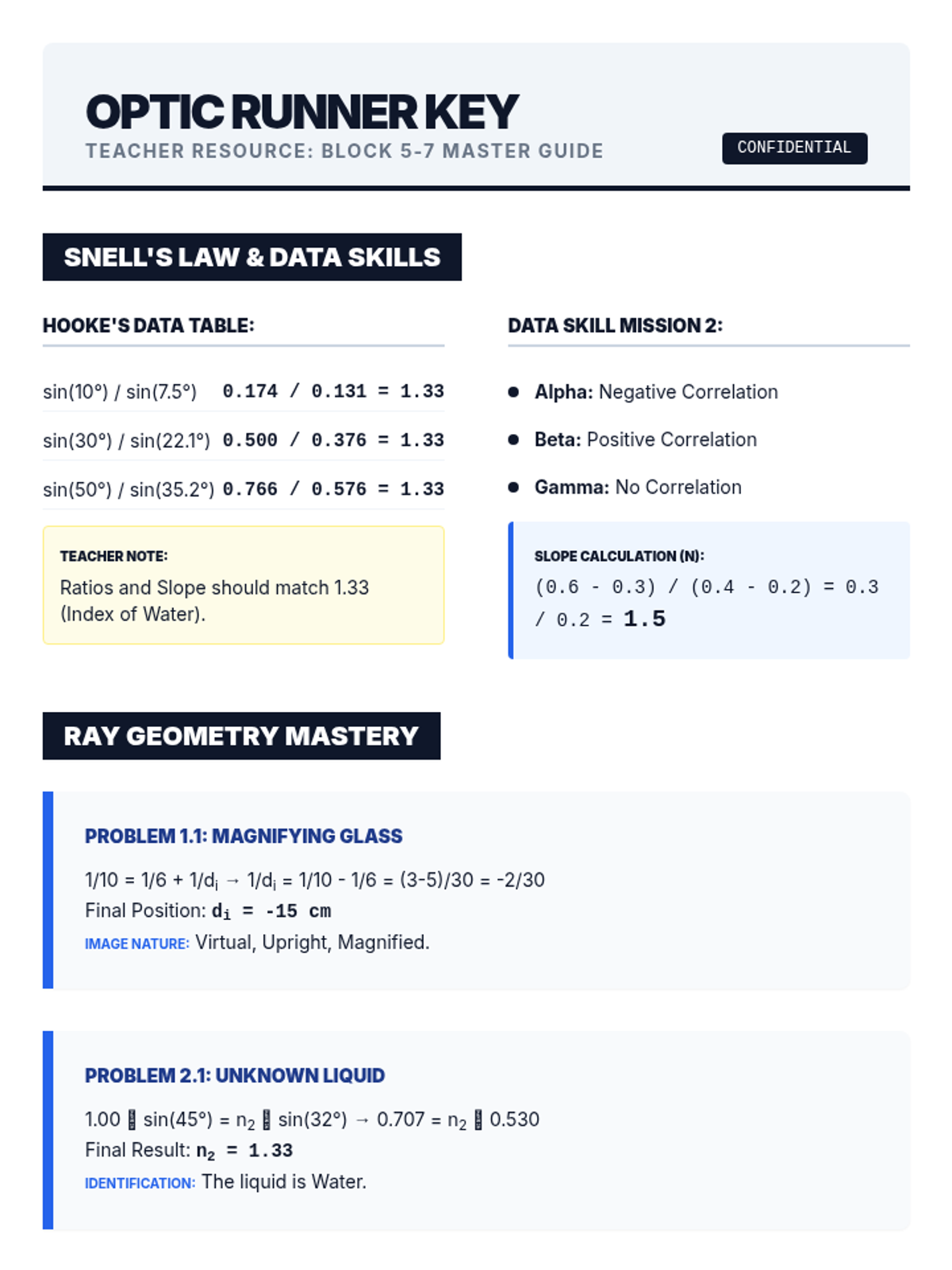
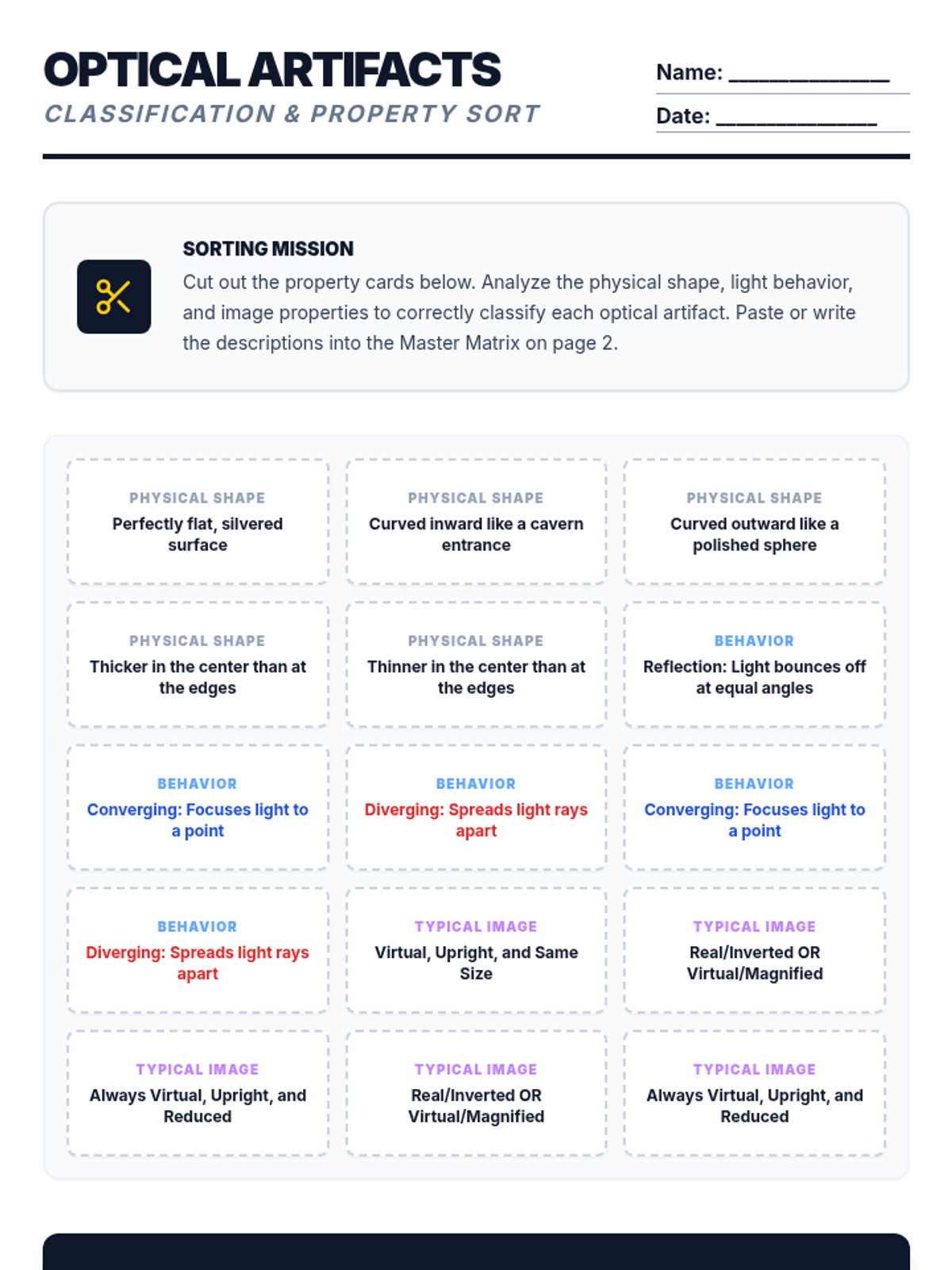
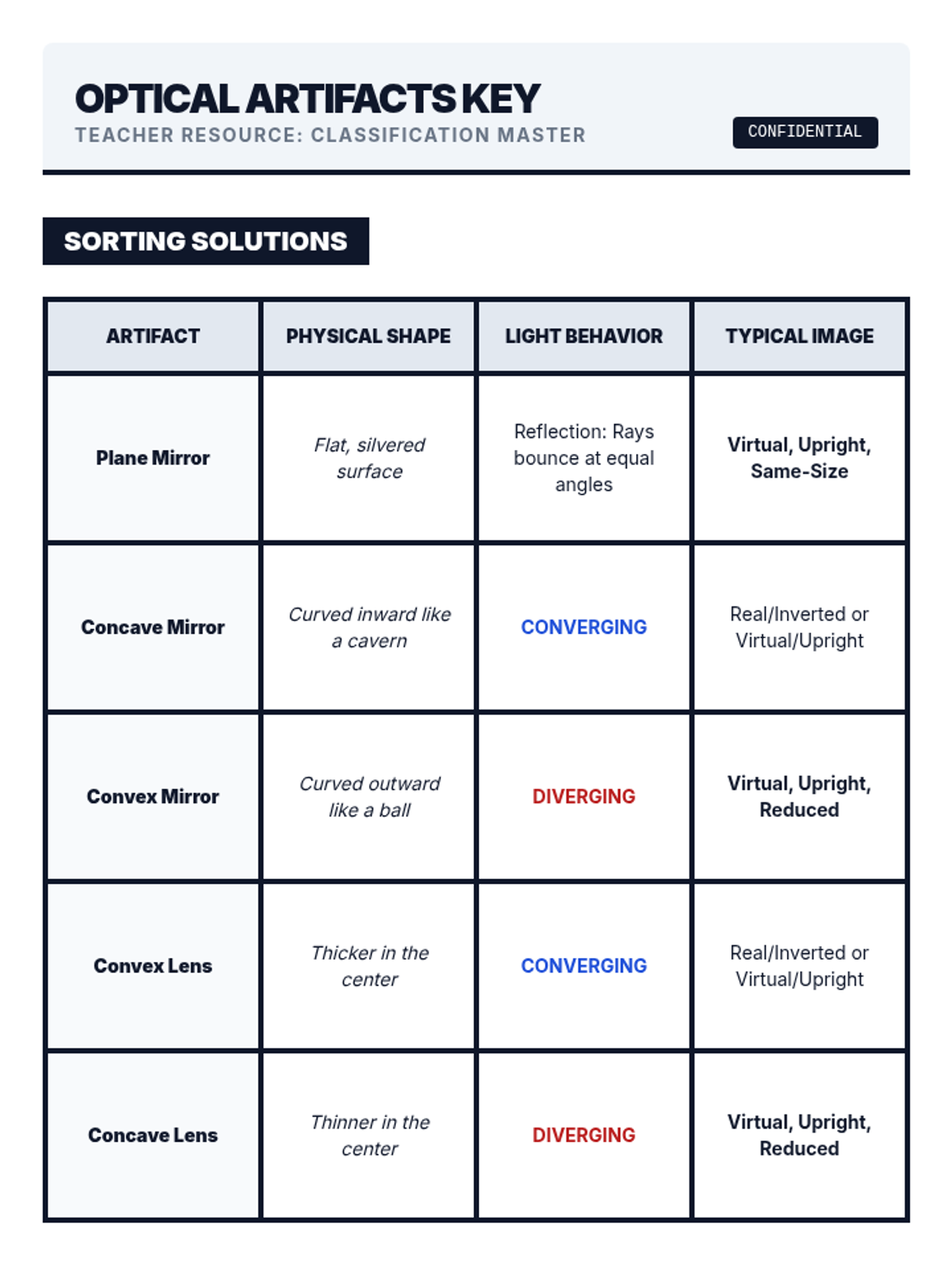
An exploration of light behavior including reflection, refraction, and diffraction. Students develop mathematical models like Snell's Law and analyze the biological impacts of wave optics in animals.
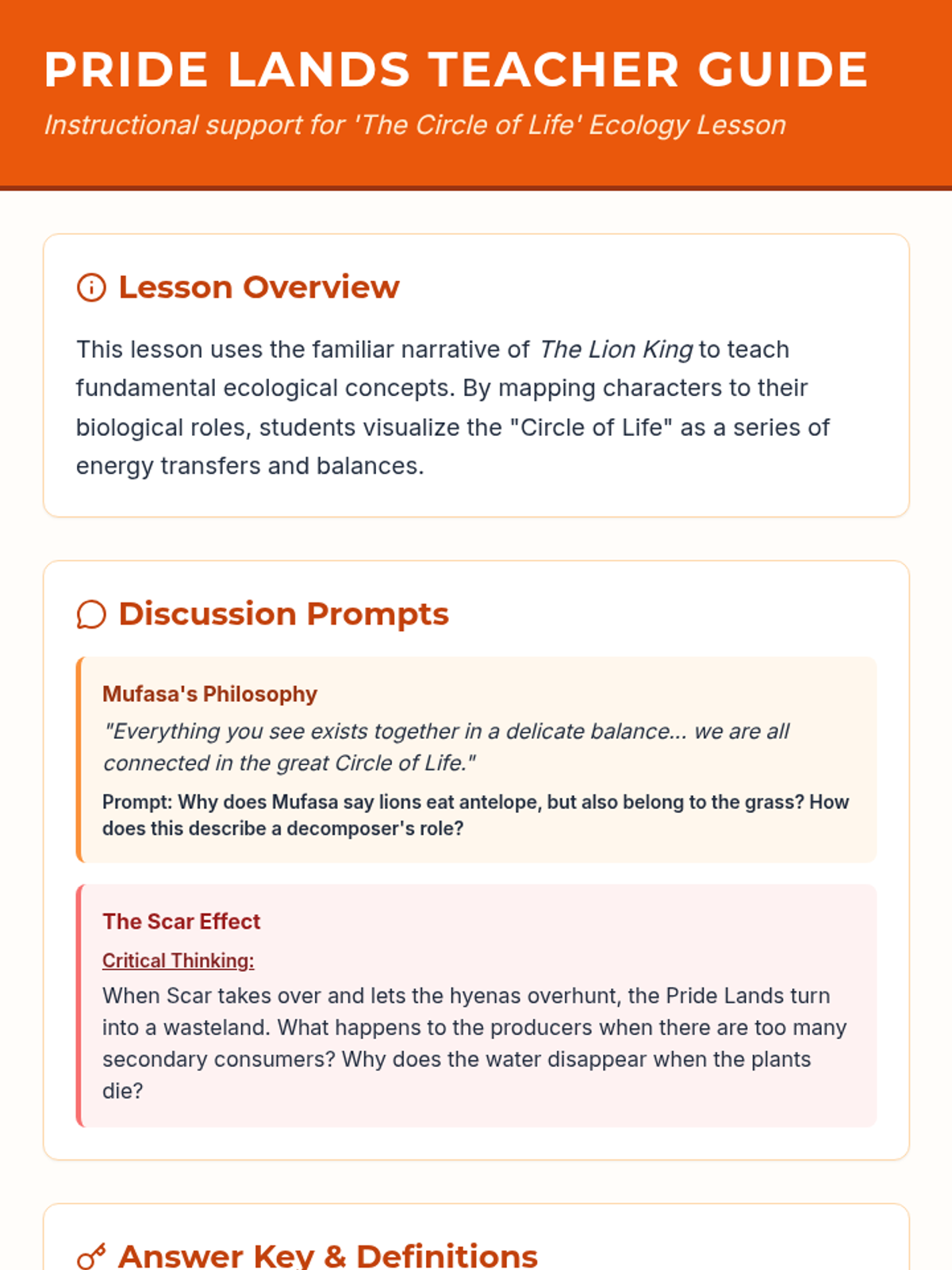
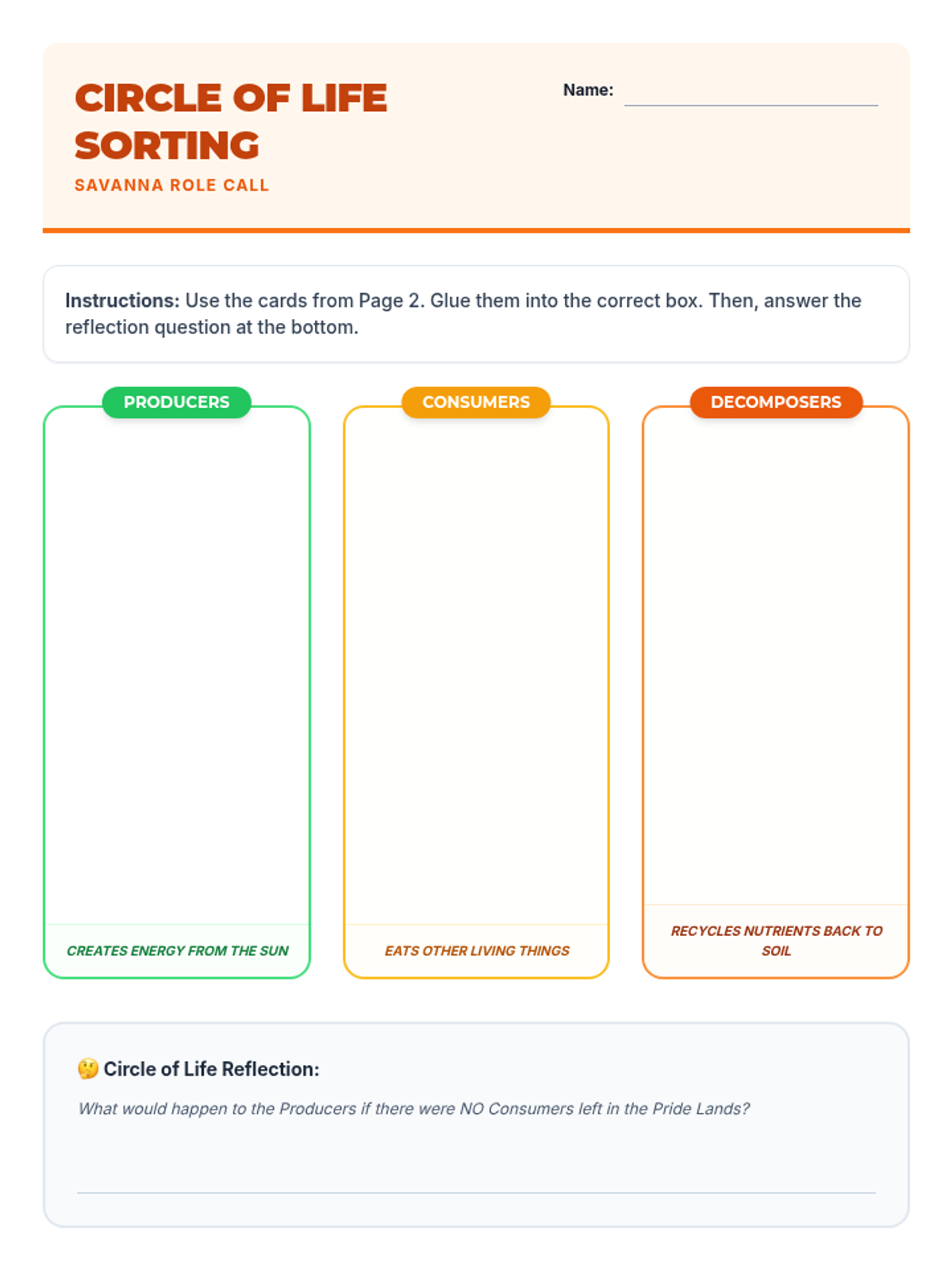
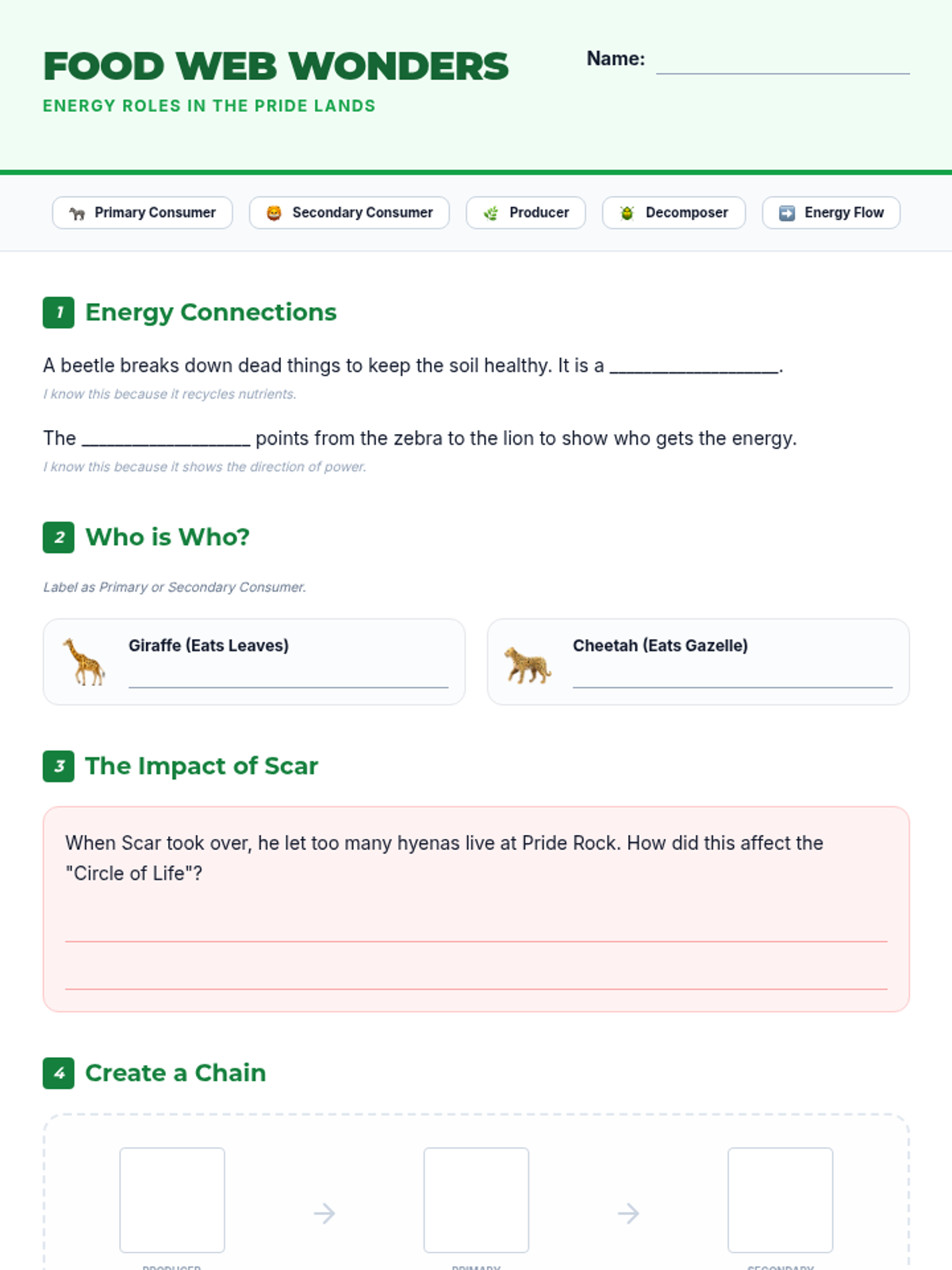
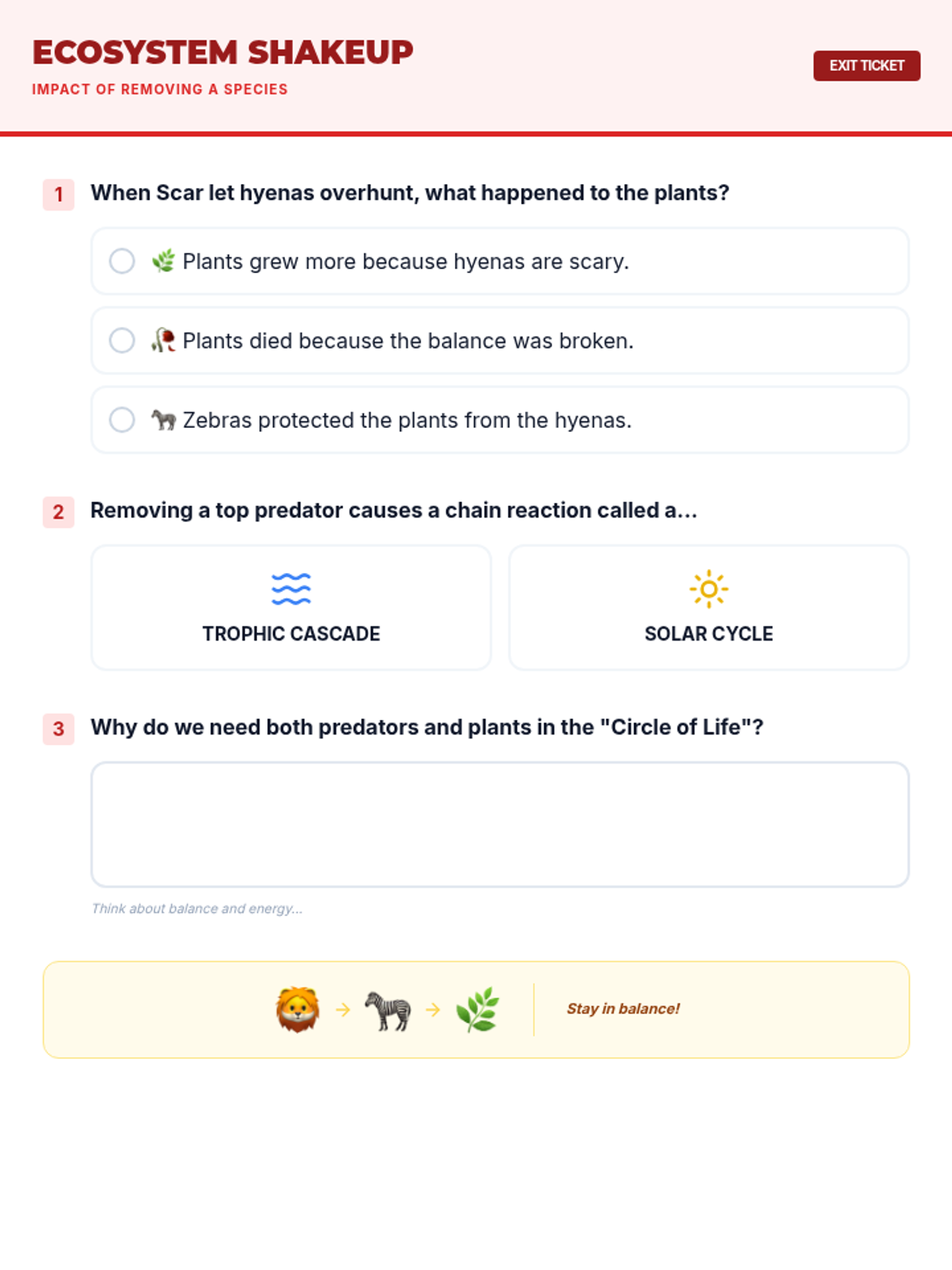
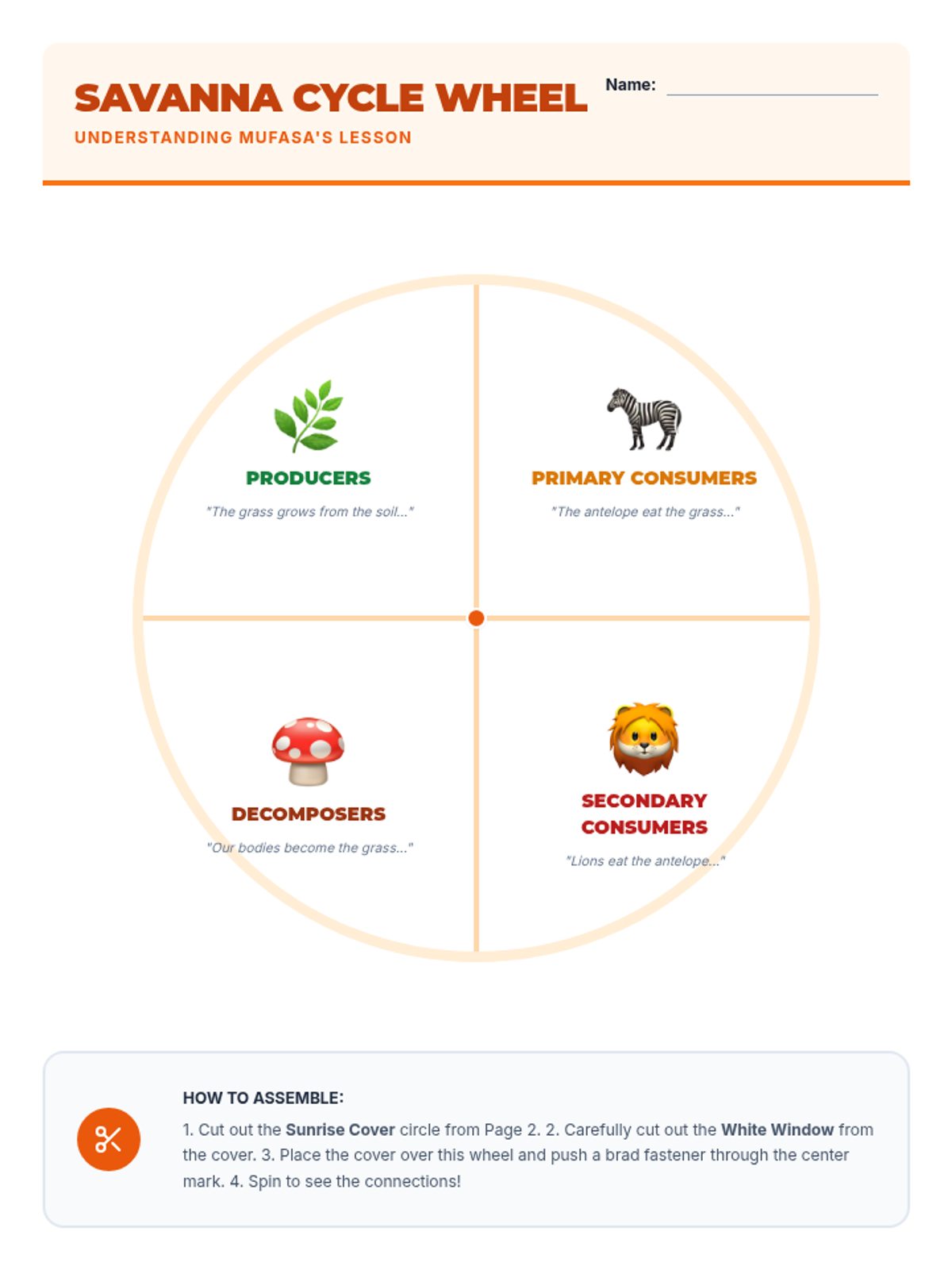
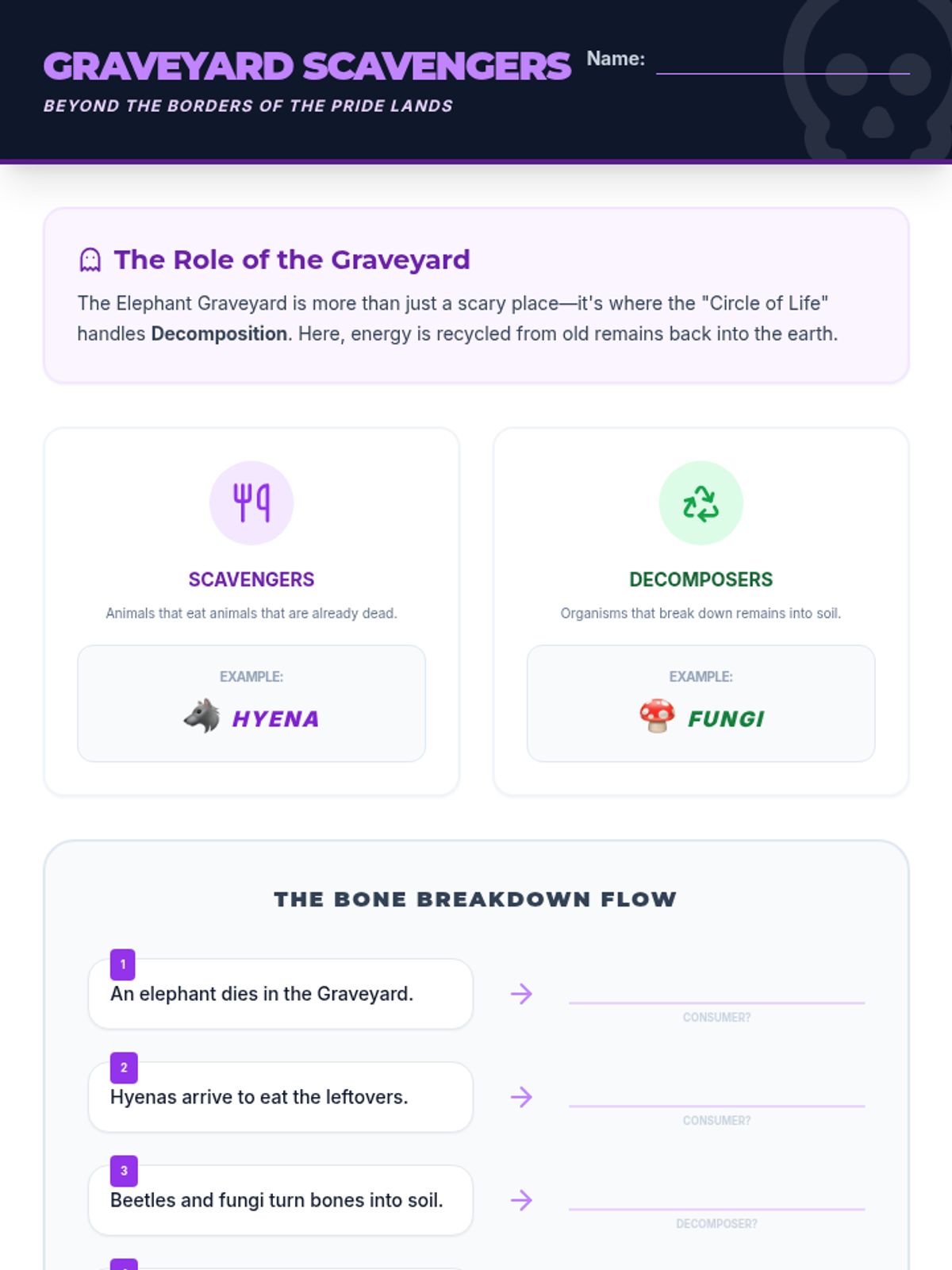
Students identify producers, consumers, and decomposers within the African savanna, construct food chains, and analyze how the removal of a top predator or a change in leadership (like the transition from Mufasa to Scar) affects the ecosystem.
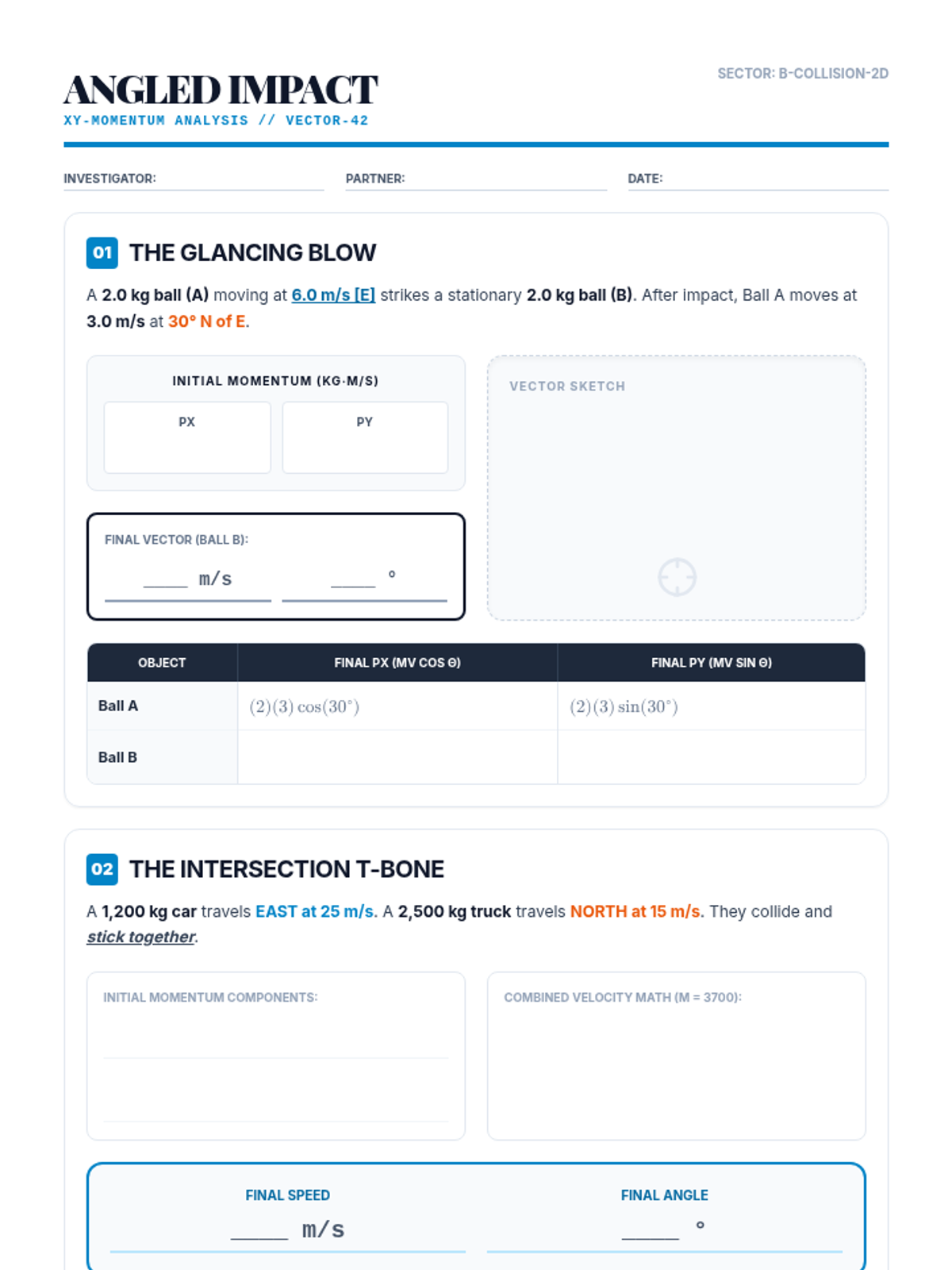
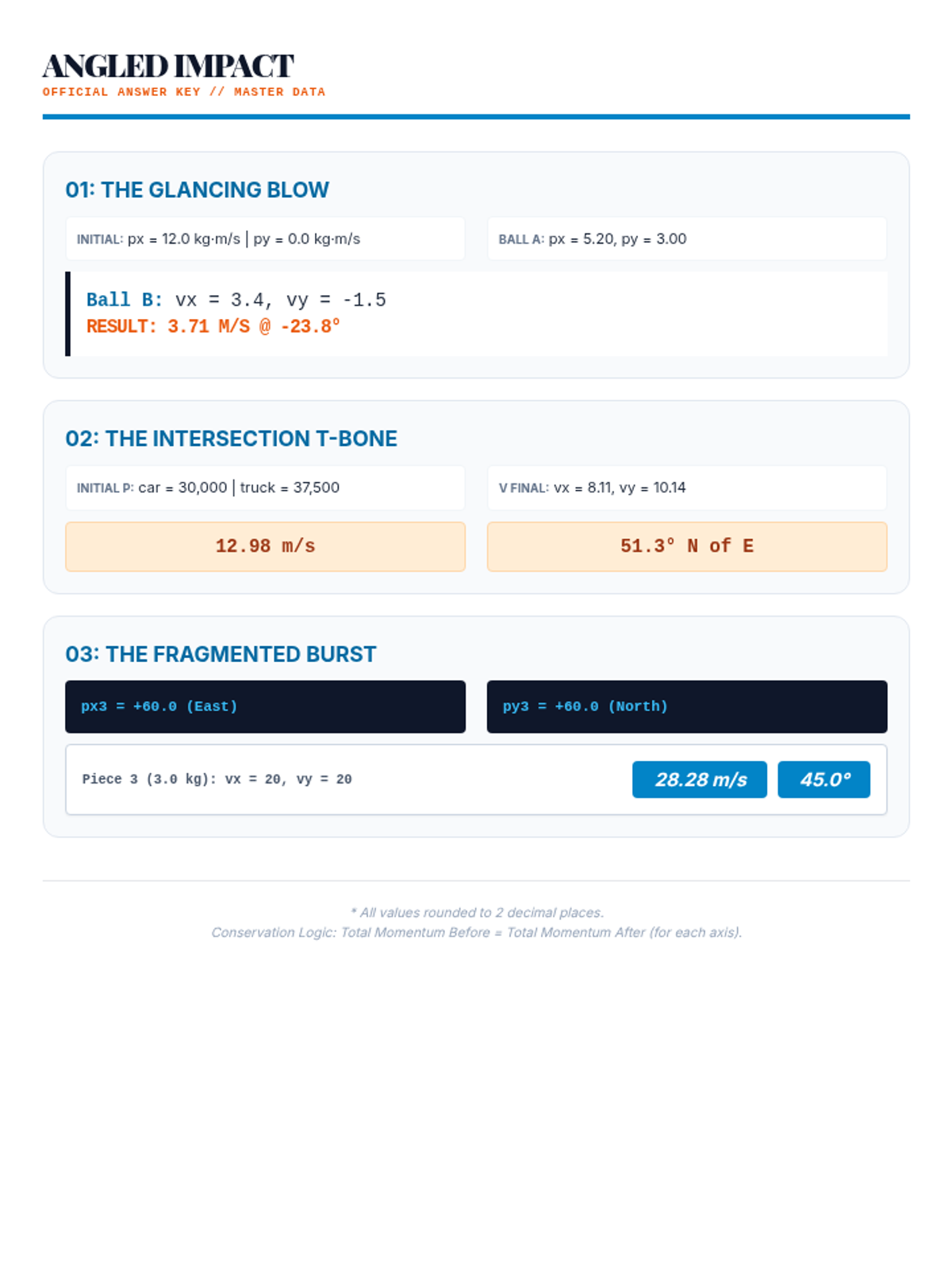
An exploration of momentum conservation in two dimensions, using vector components to solve collision problems.
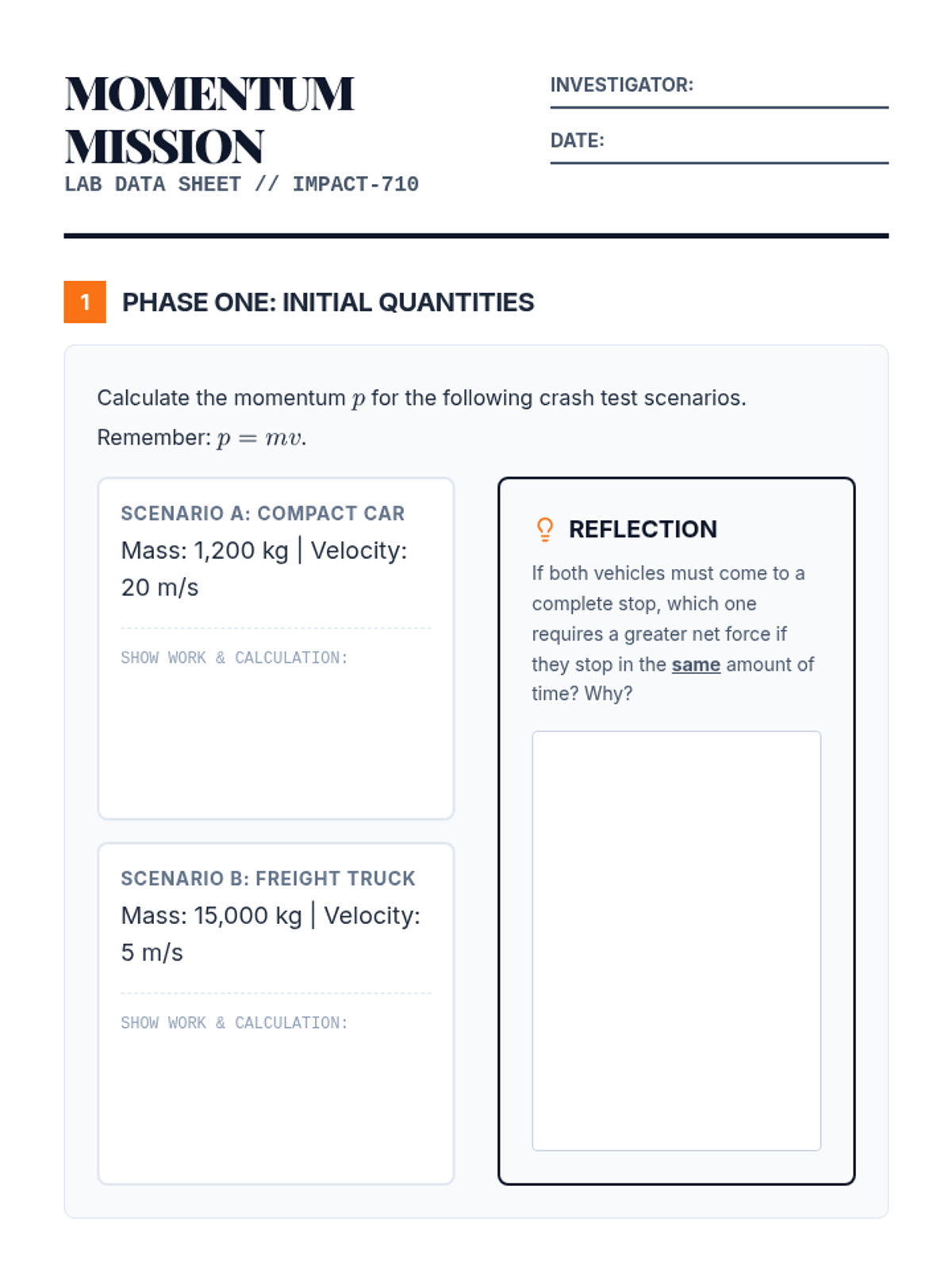
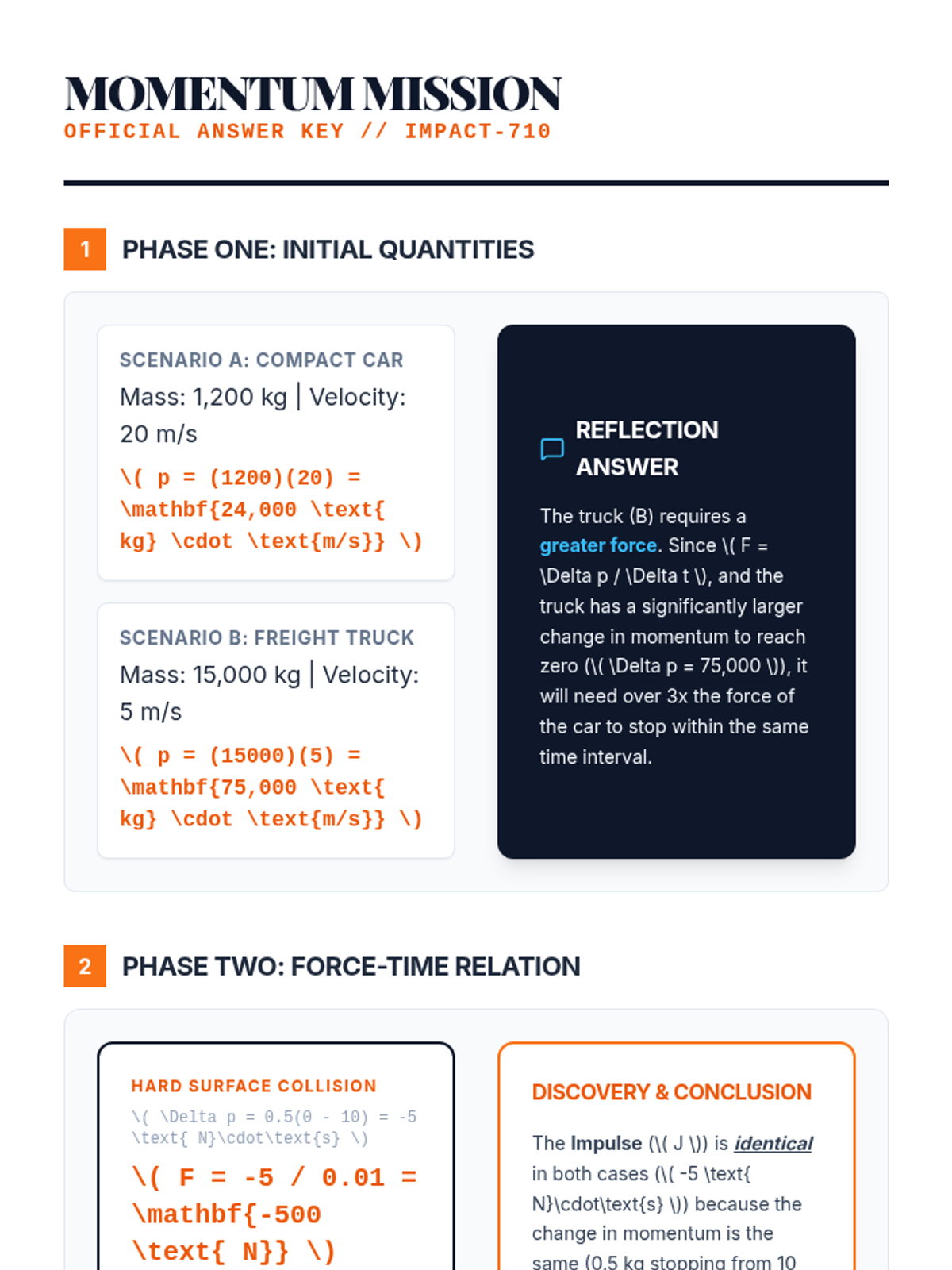
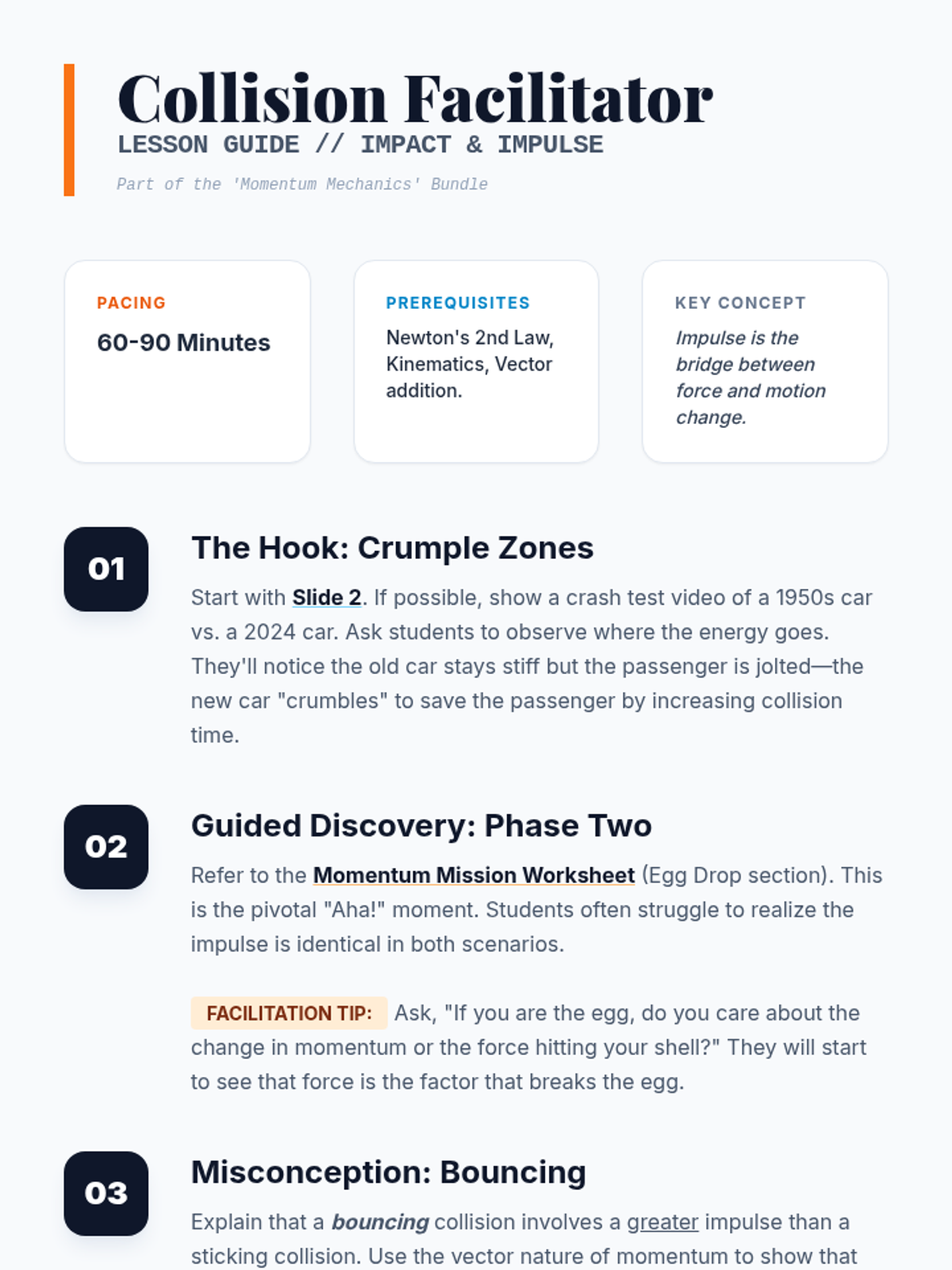
Students explore the relationship between force, time, and change in momentum through guided inquiry and data analysis.
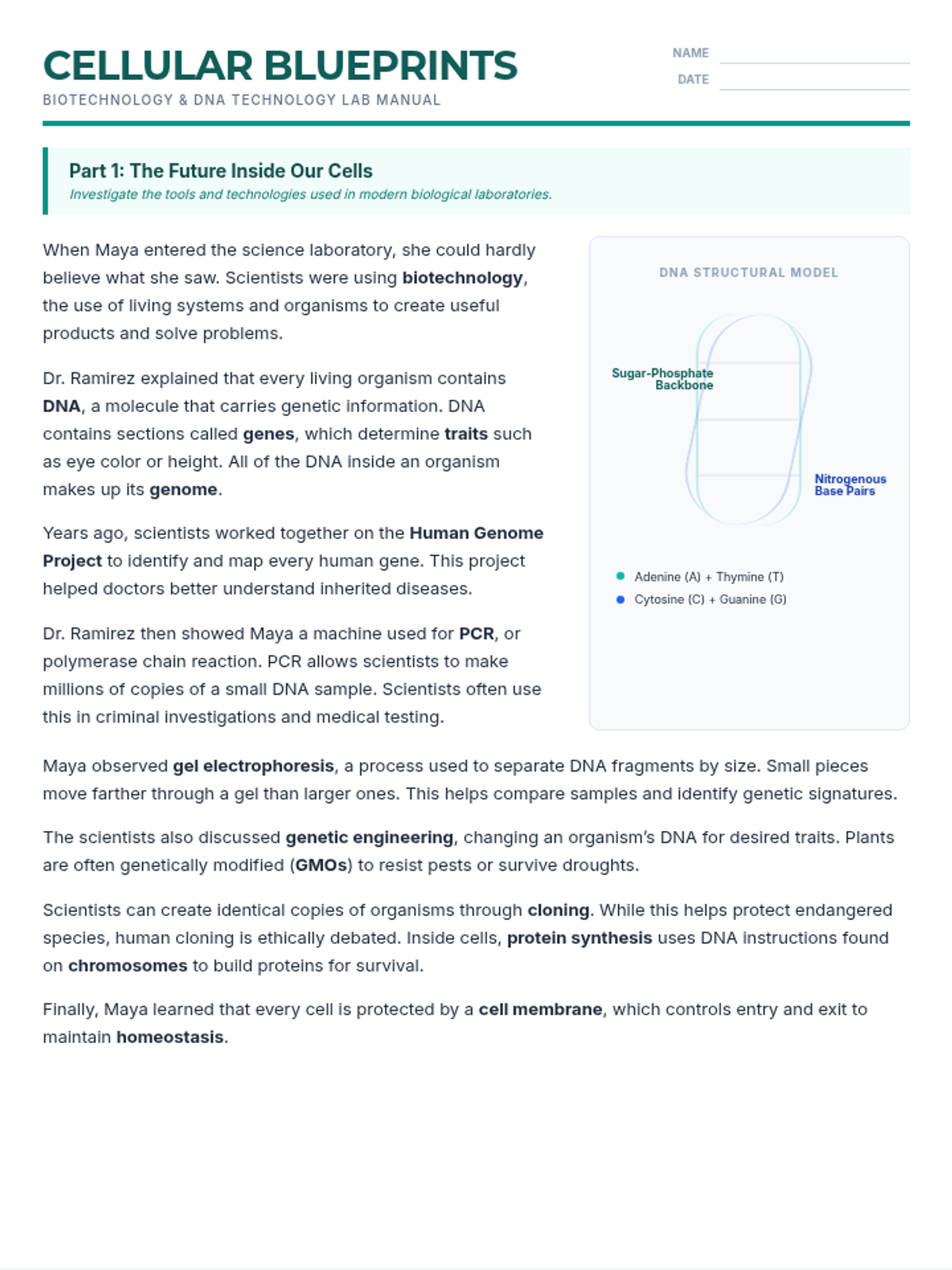
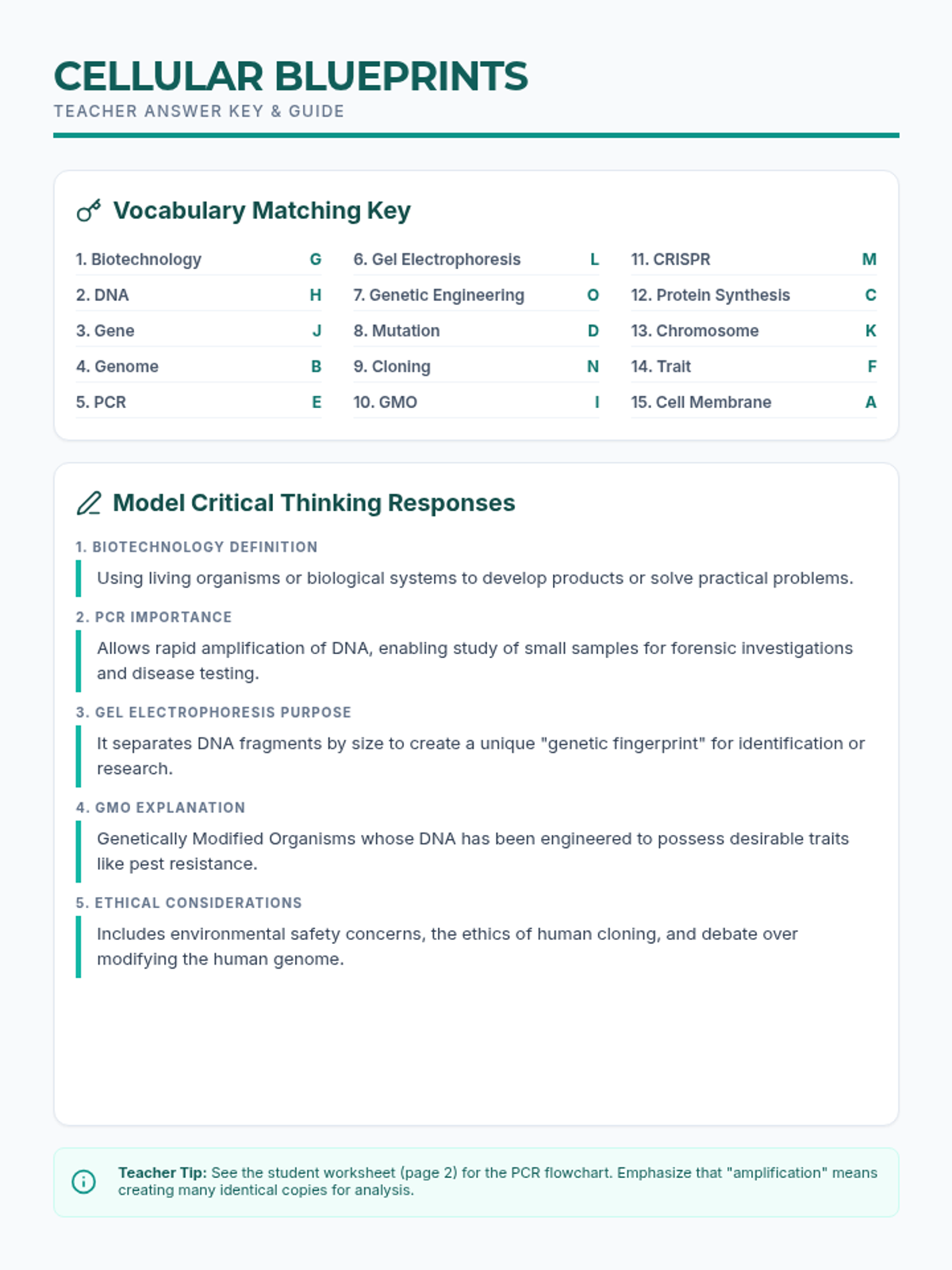
A comprehensive exploration of biotechnology, DNA technology, and genetic engineering through reading, visual diagrams, and vocabulary practice.
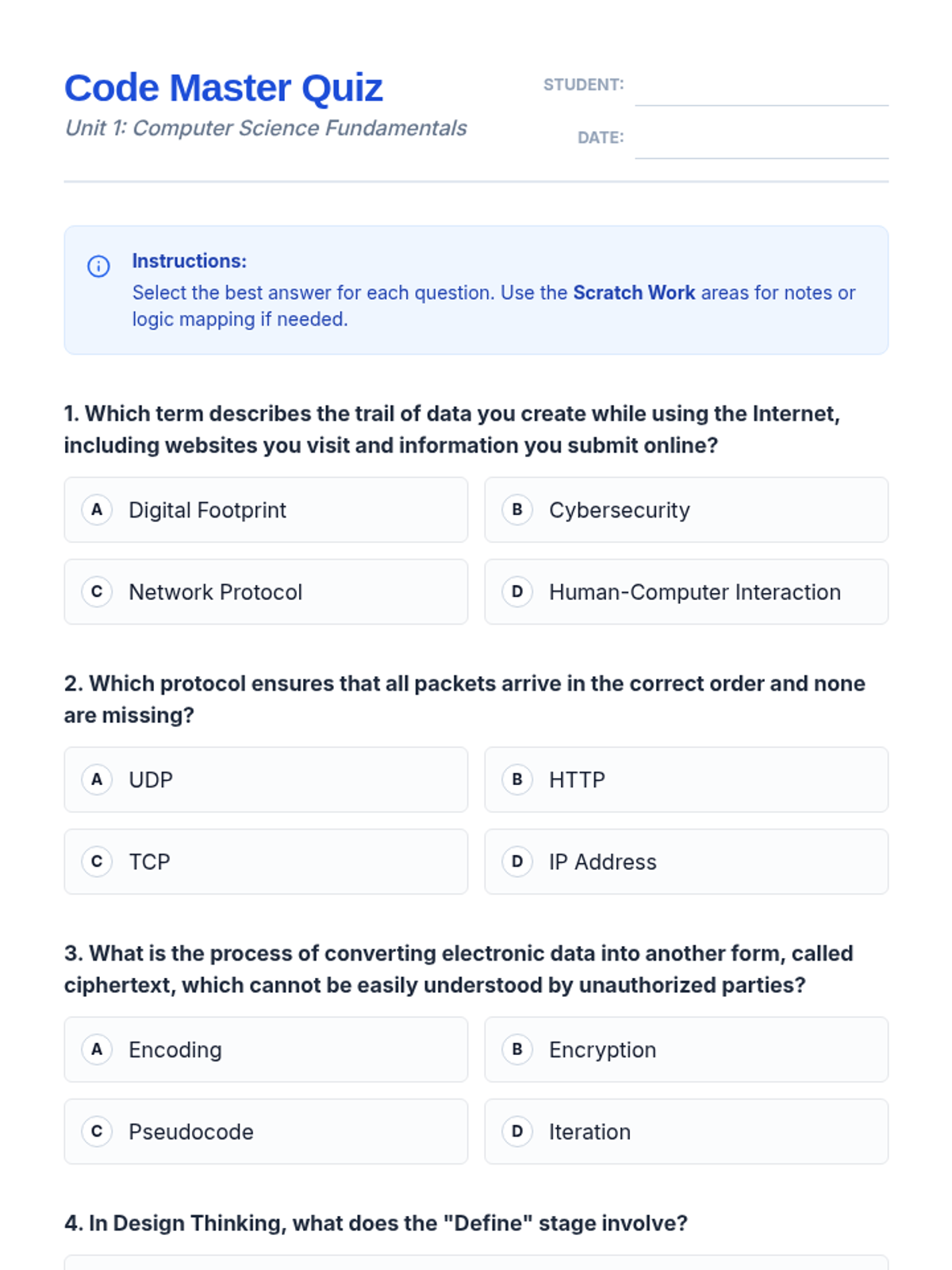
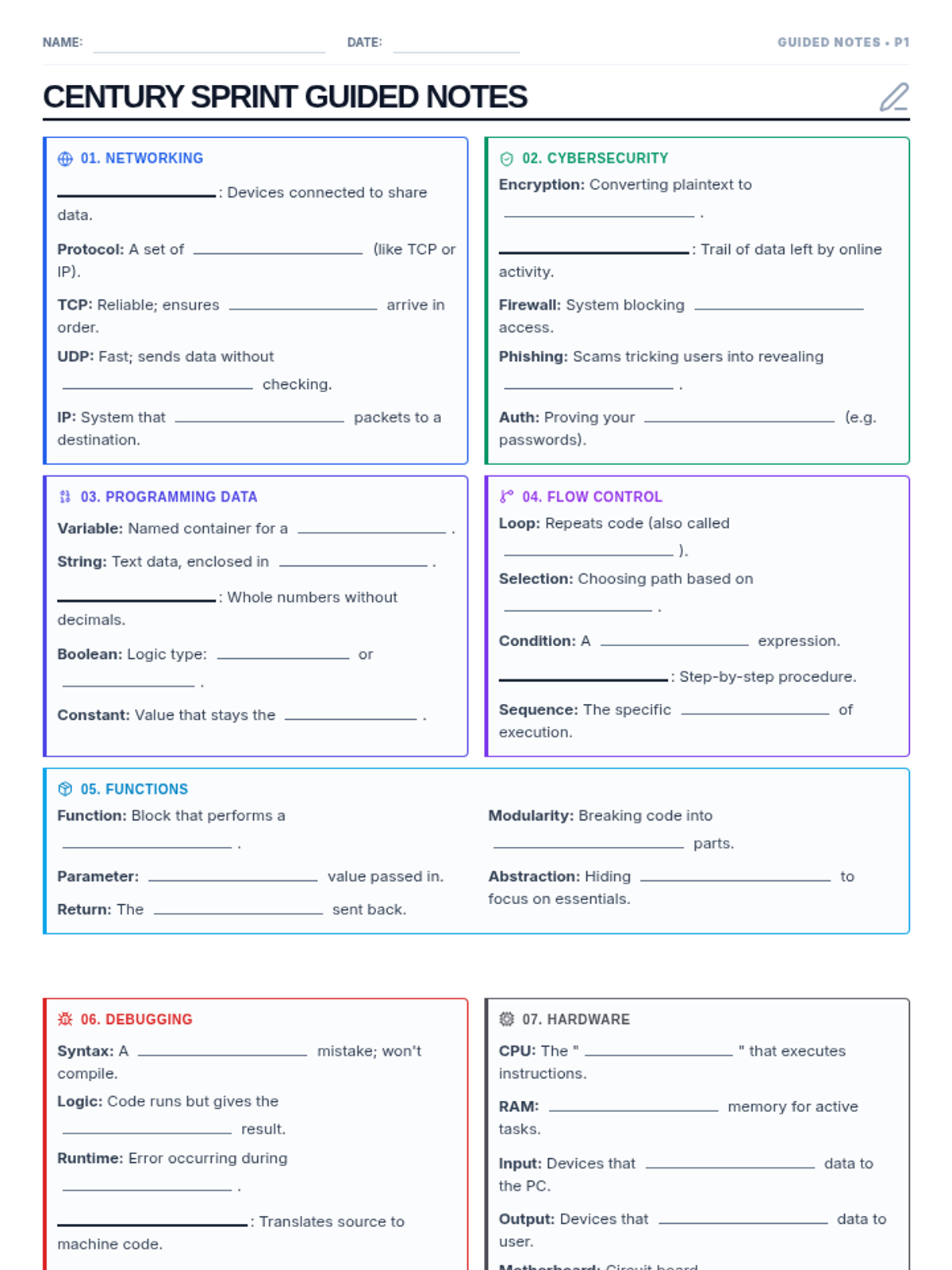
A foundational lesson covering essential computer science vocabulary, ranging from networking protocols to programming structures and design thinking principles.