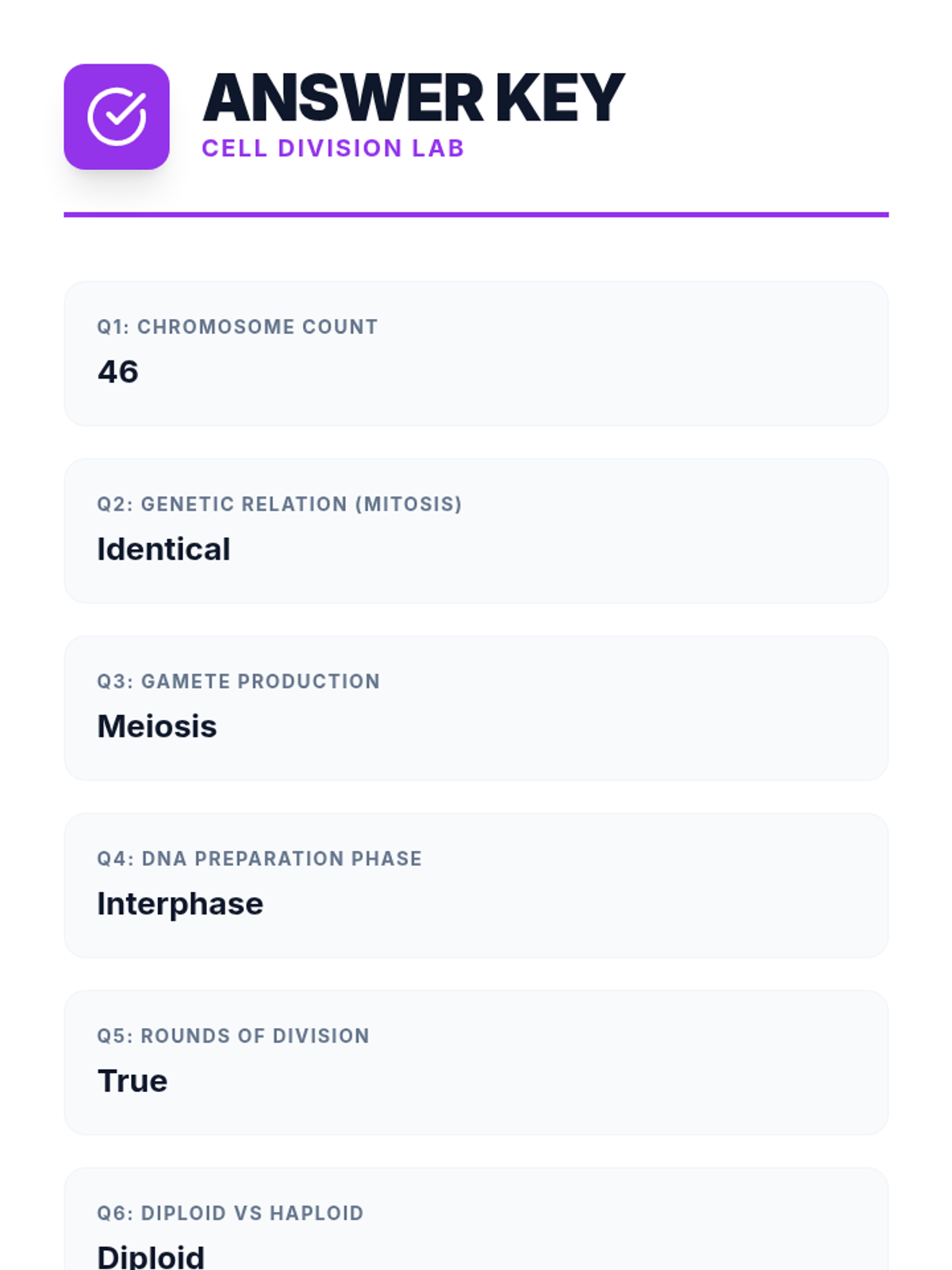
A comprehensive look at cellular reproduction with a deep dive into meiosis, comparing it to mitosis to understand how genetic diversity is created.
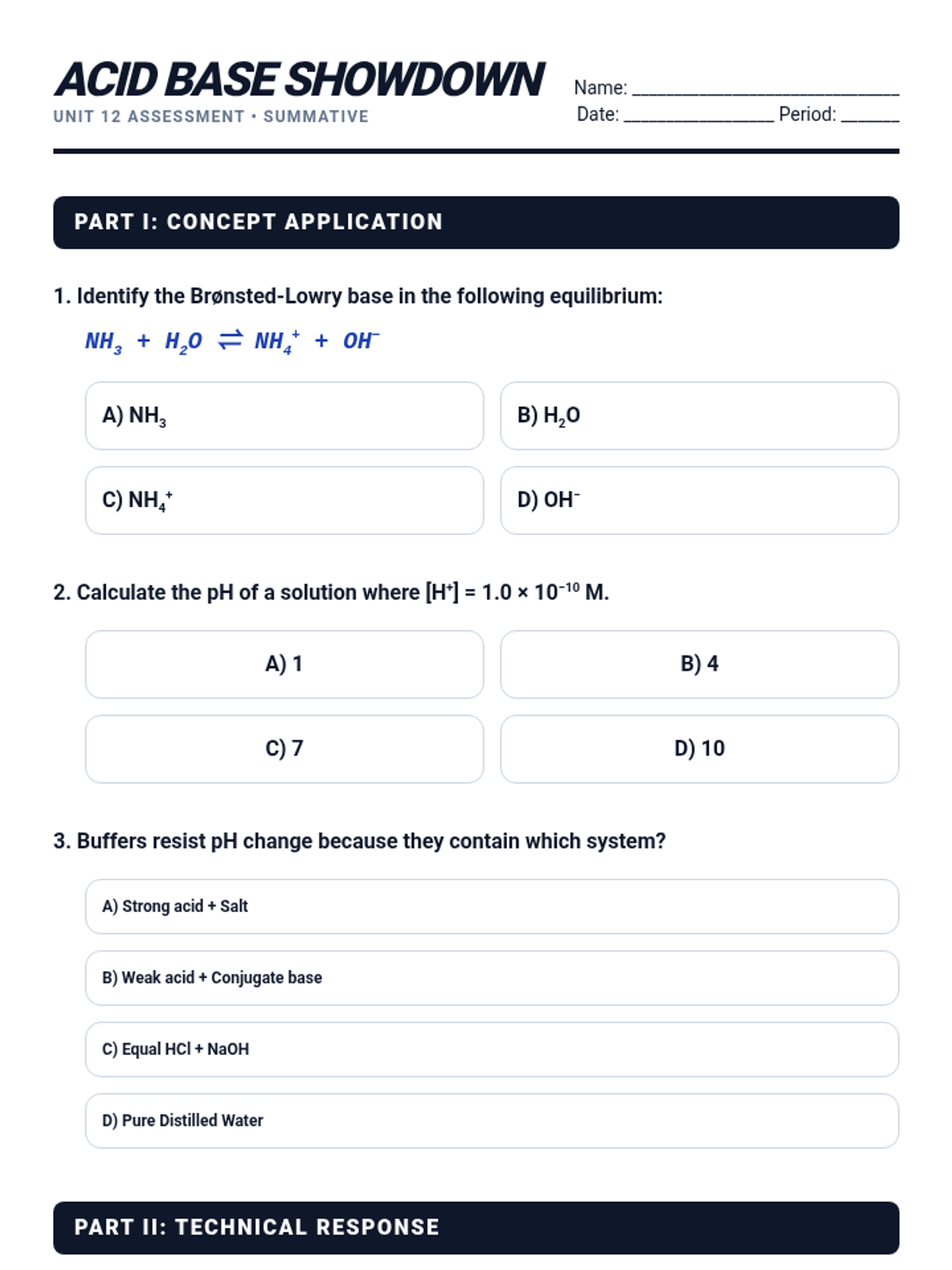
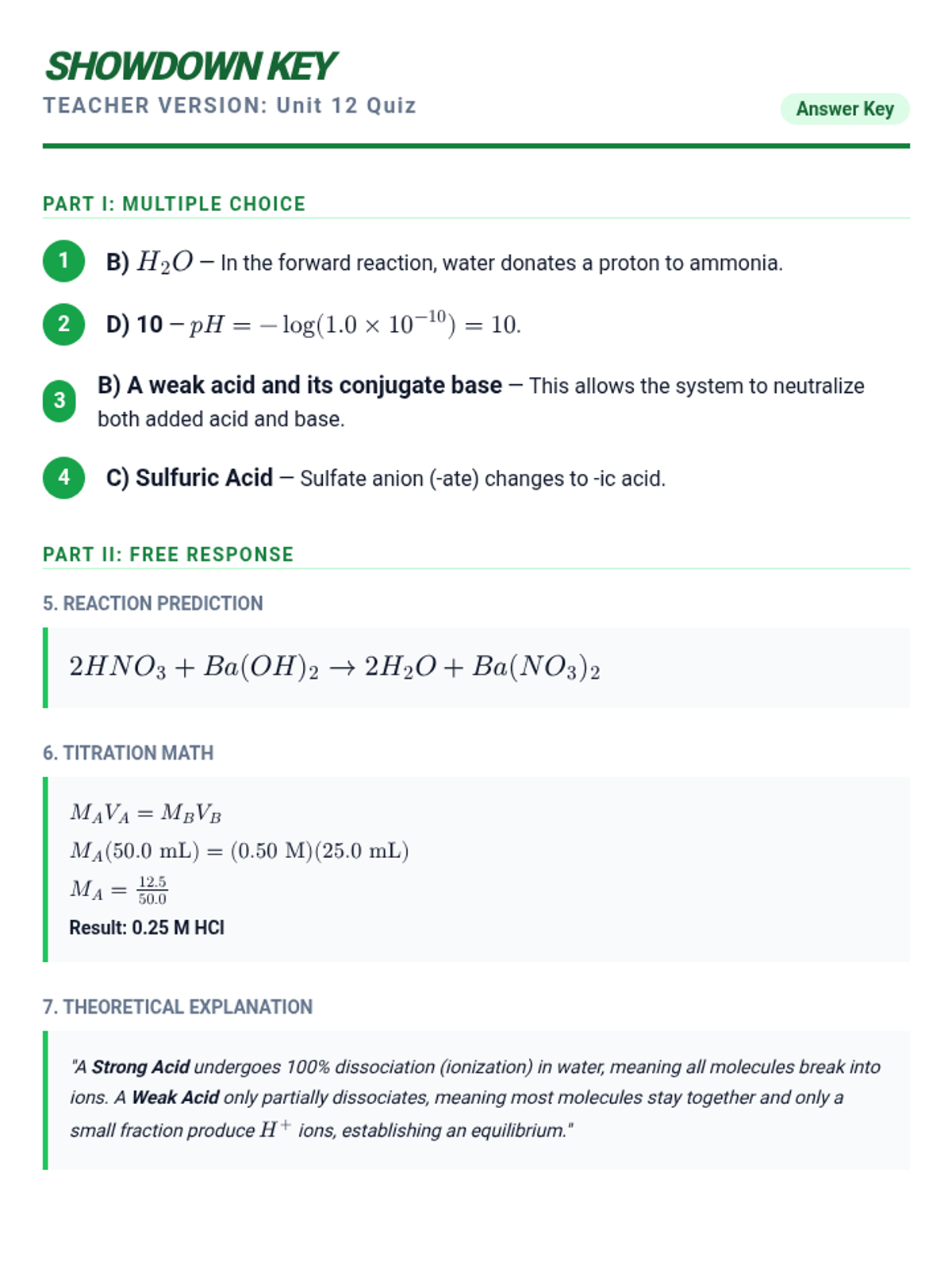
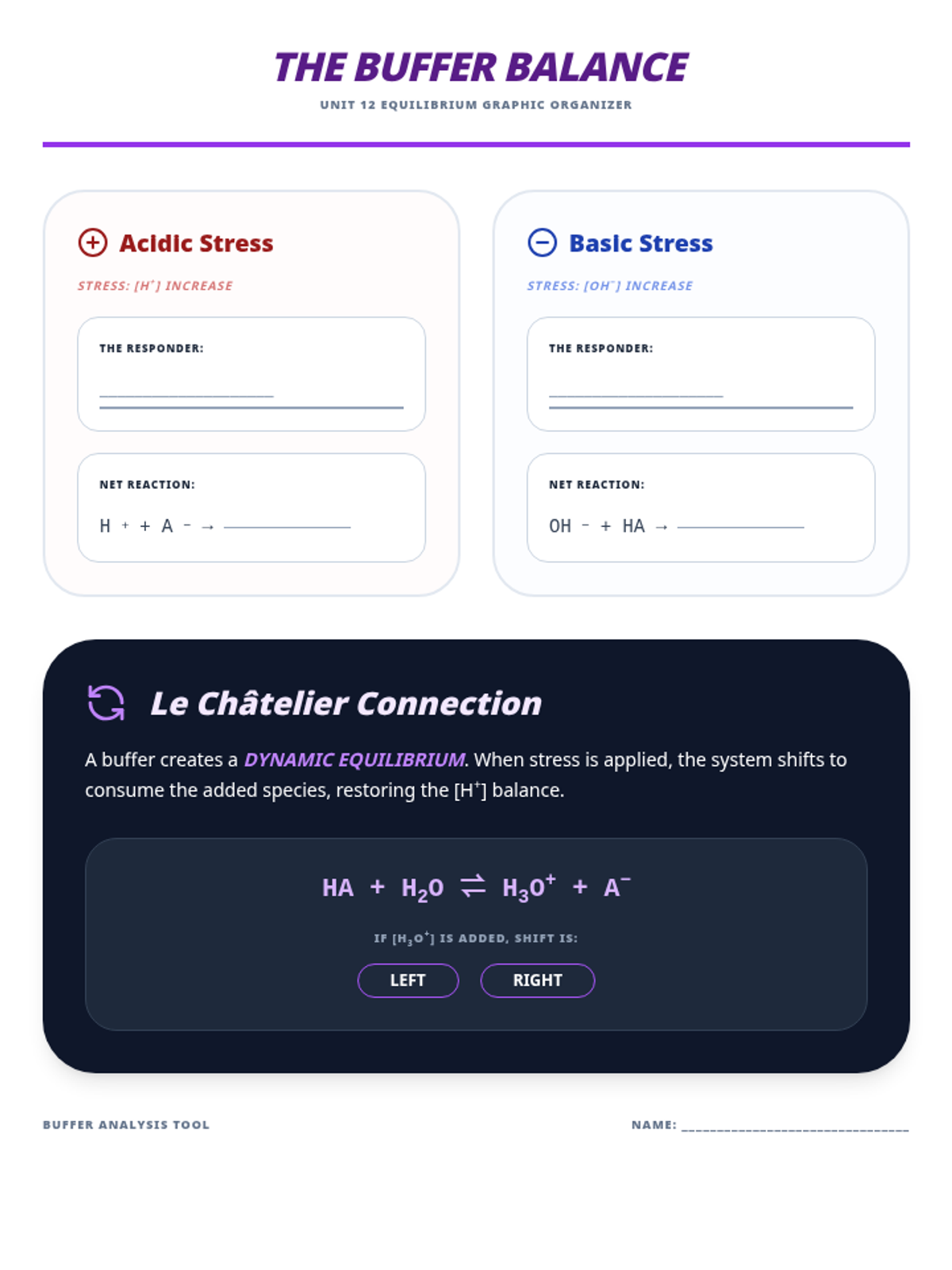
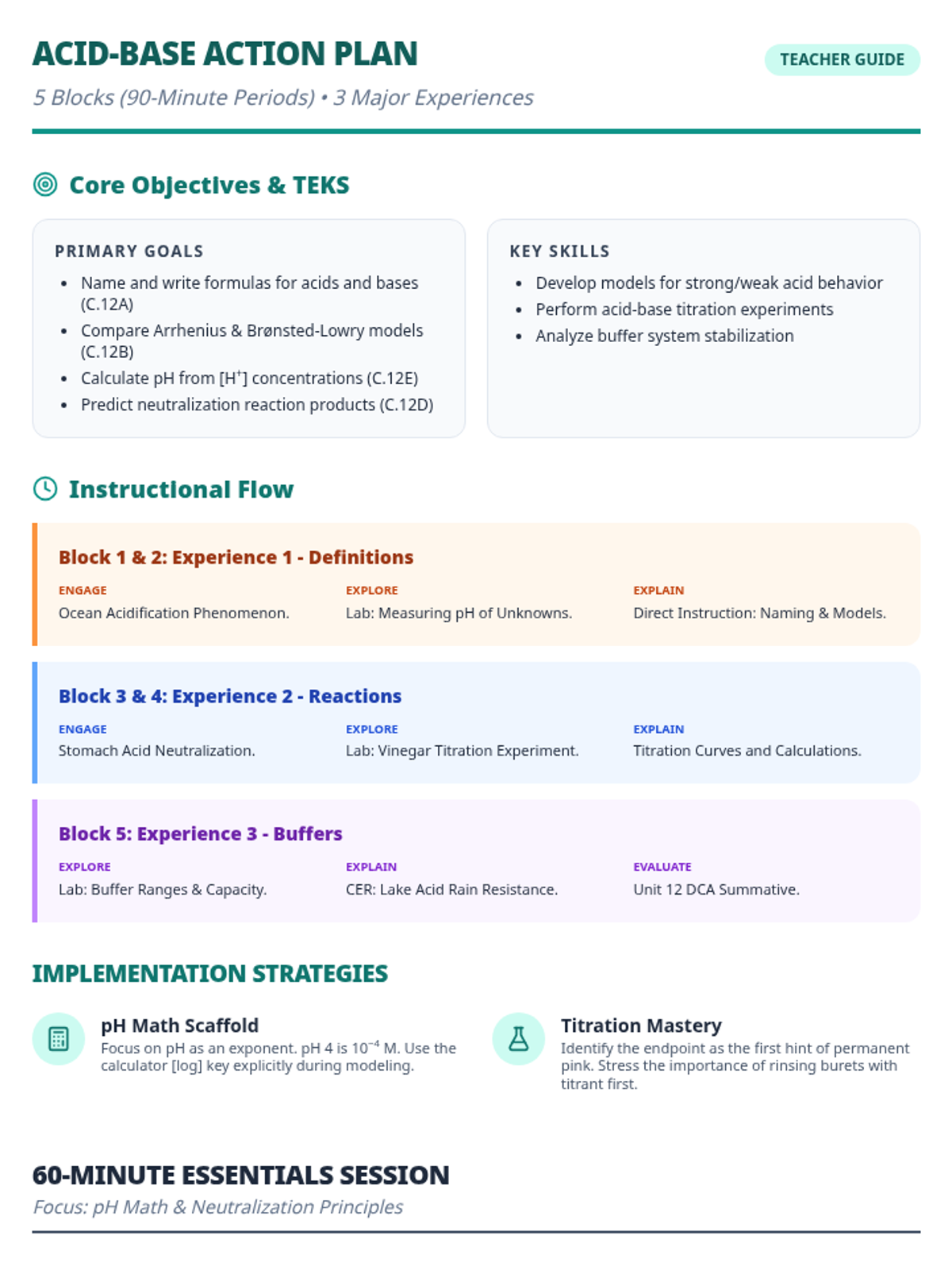
Explores the equilibrium of buffer solutions and concludes with a summative assessment of the unit.
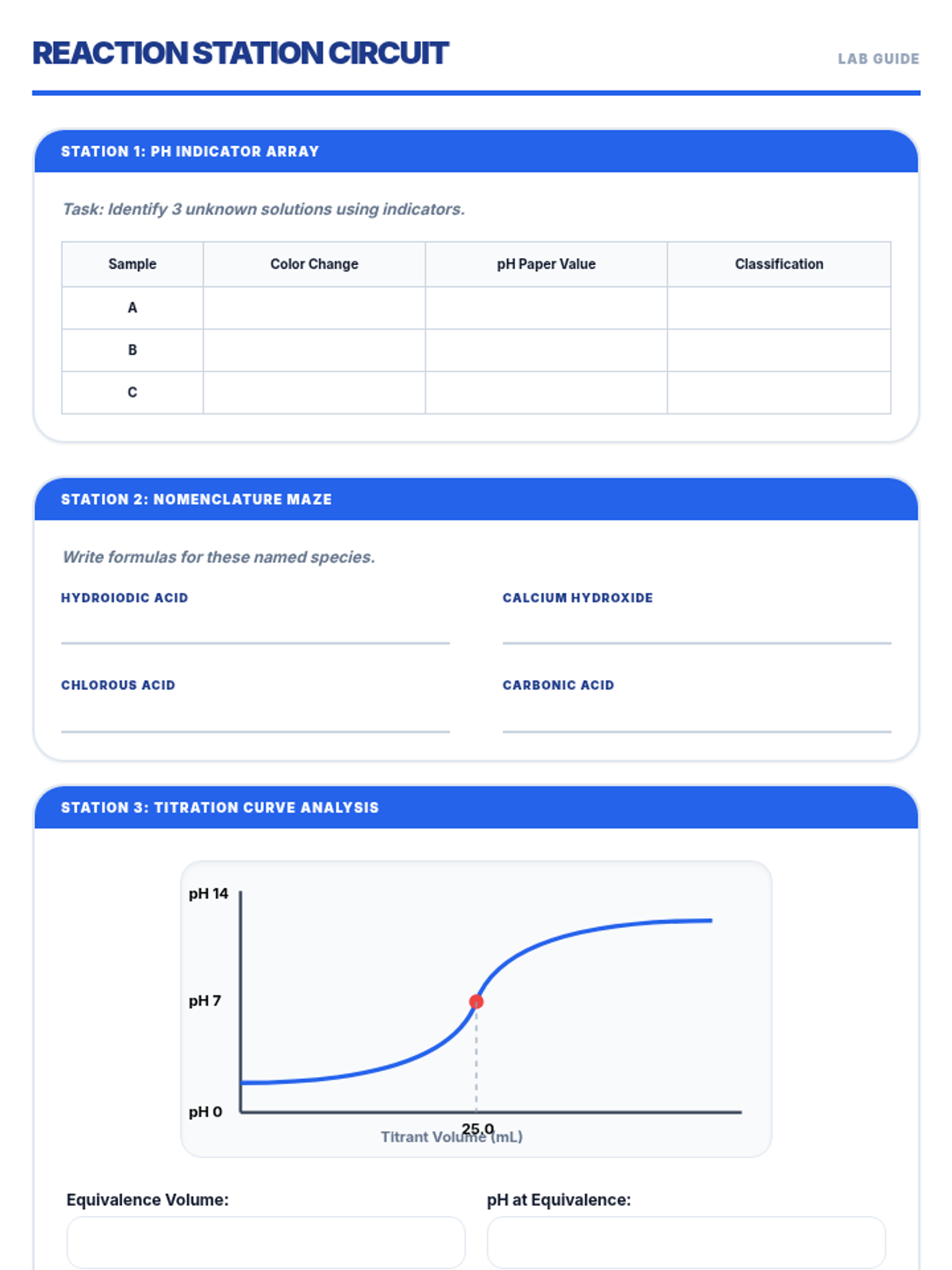
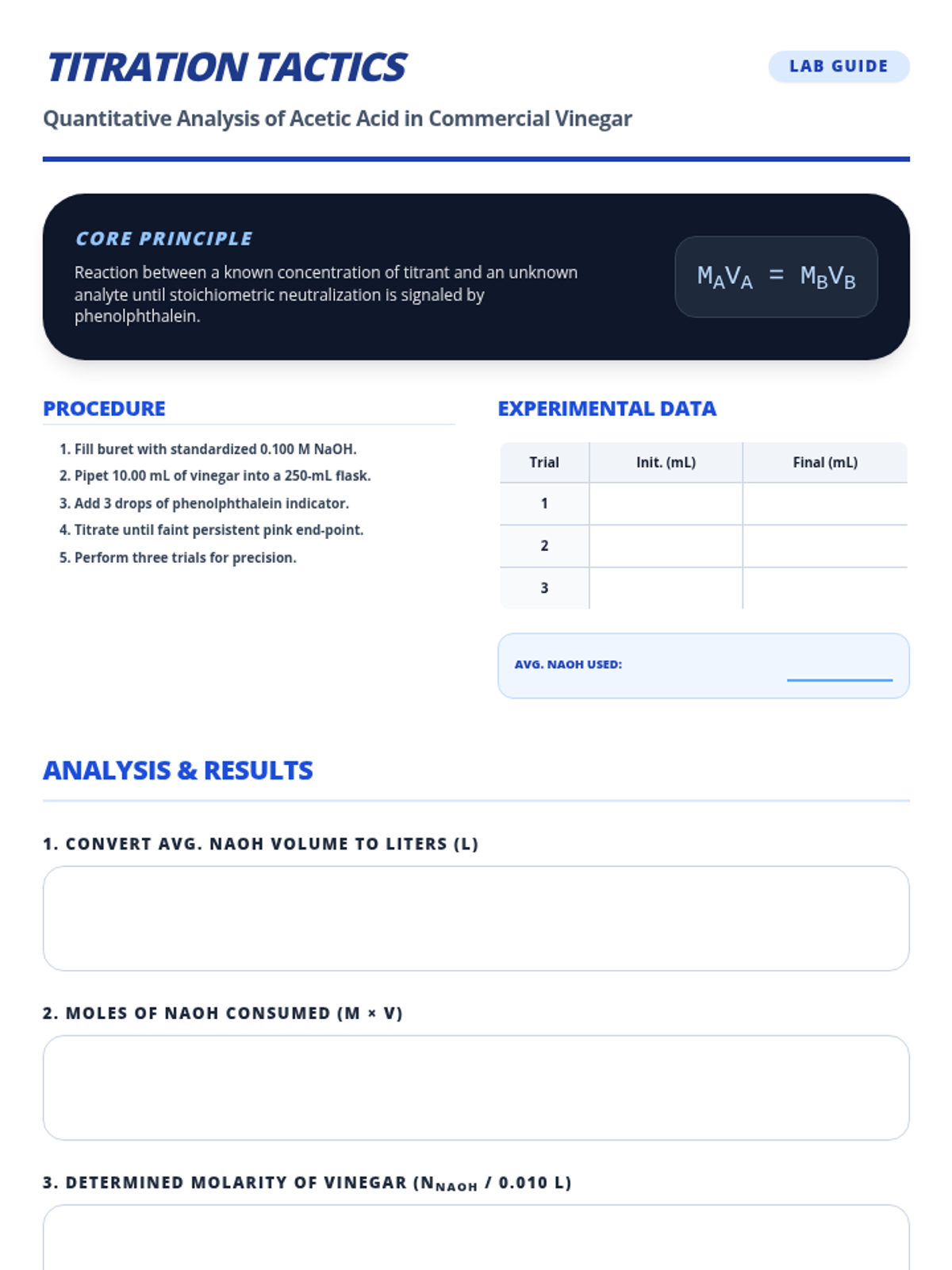
Focuses on neutralization reactions, predicting products, and performing titration experiments to determine unknown concentrations.
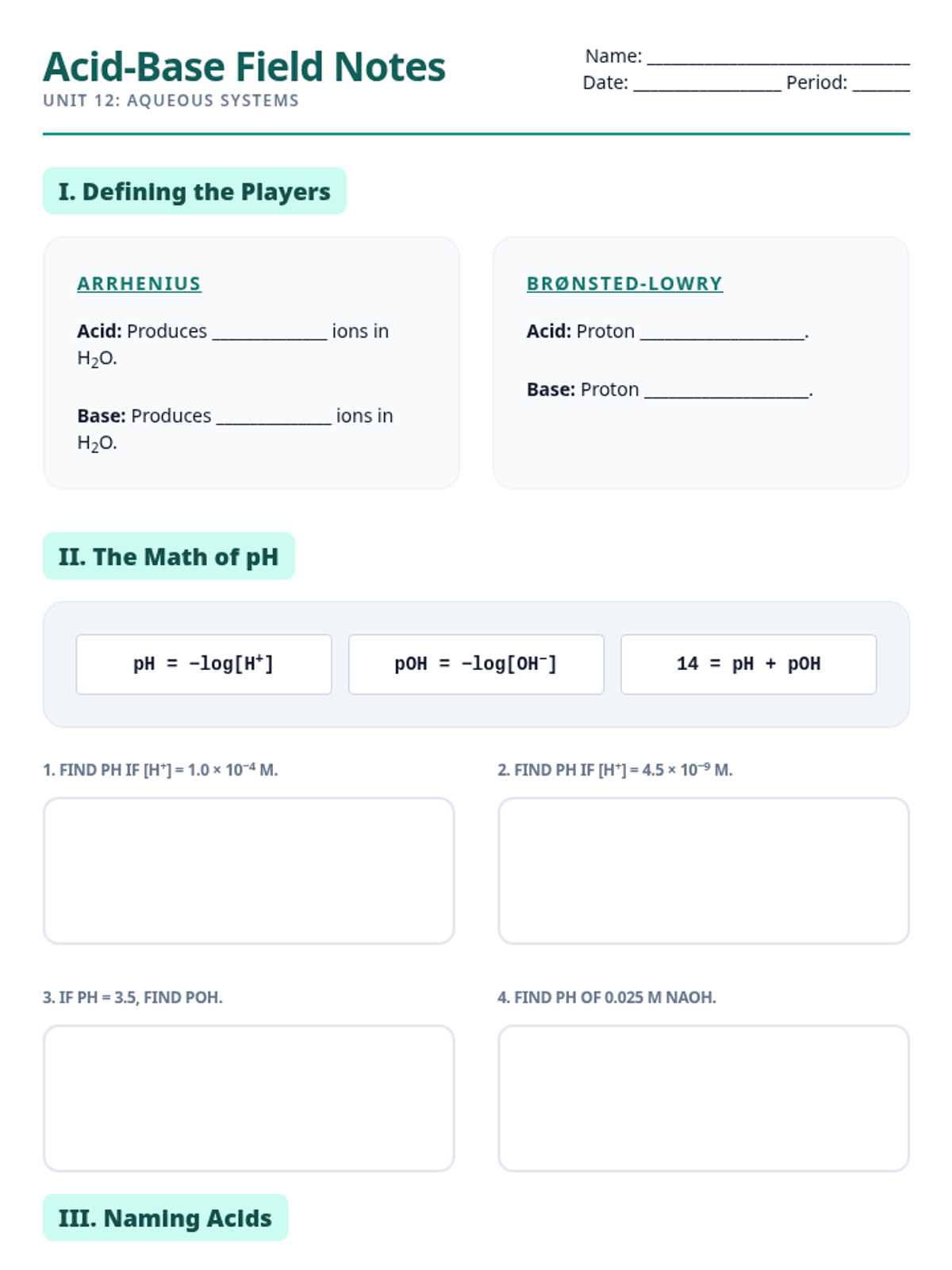
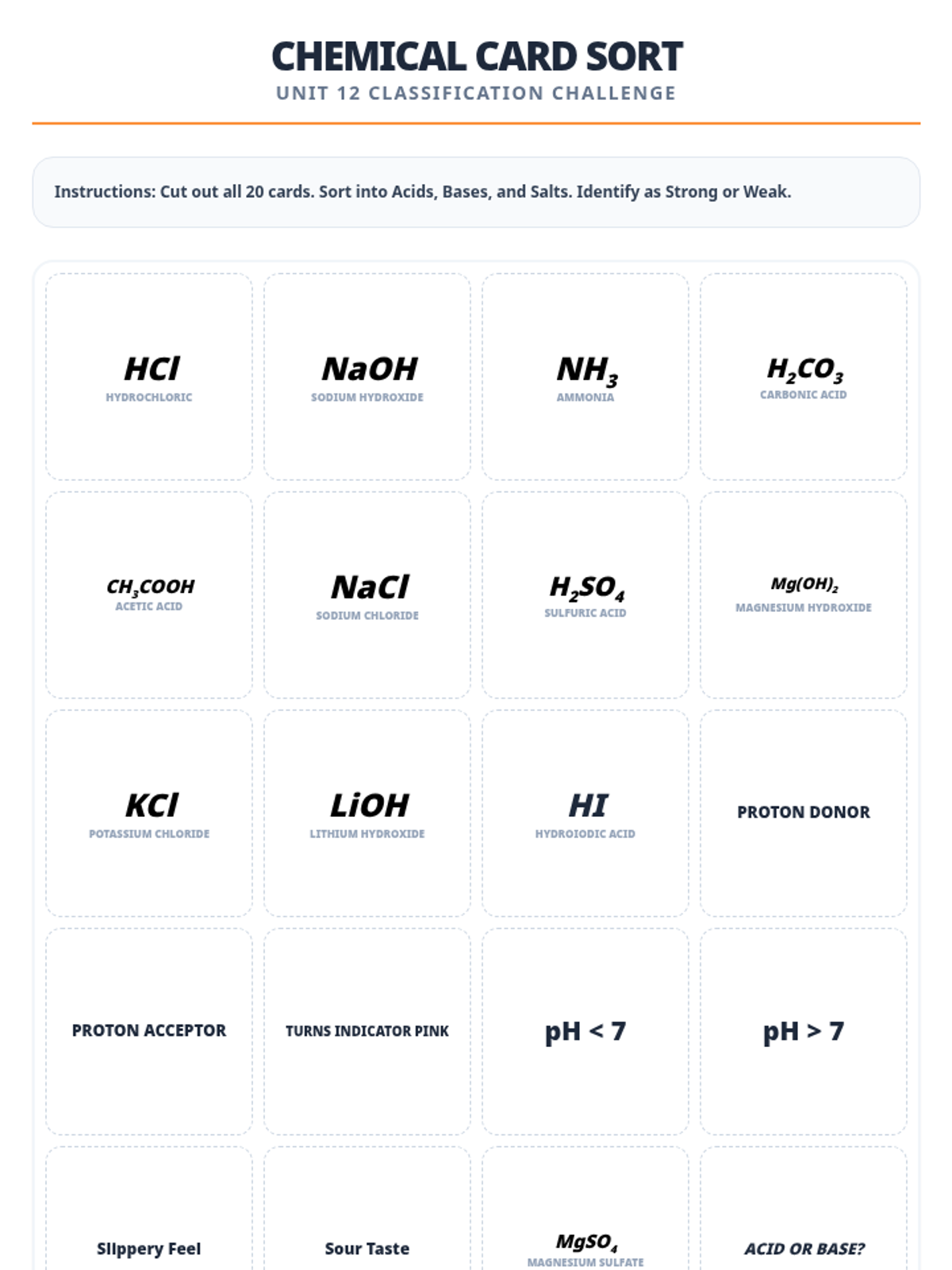
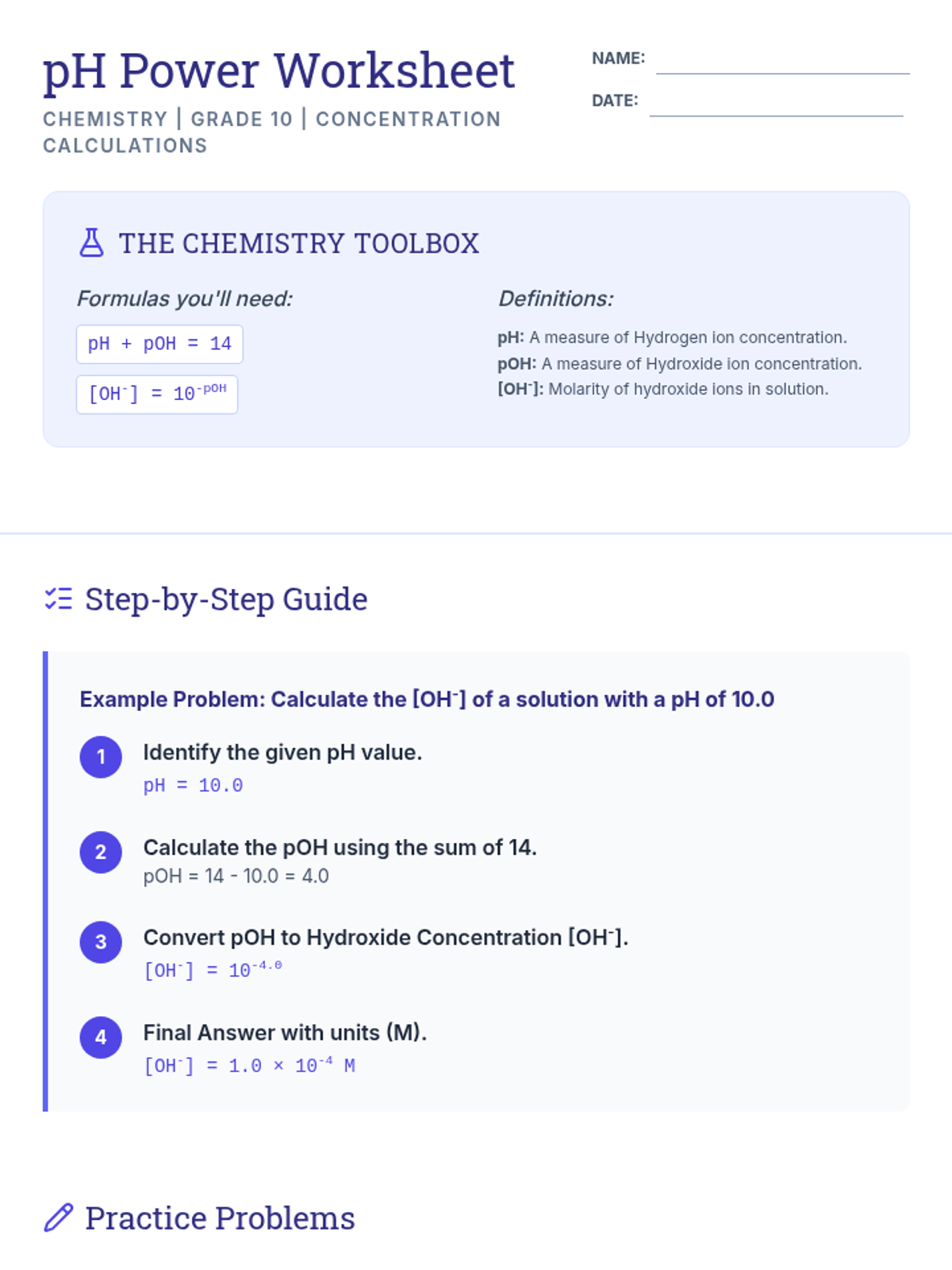
Students define acids and bases using Arrhenius and Brønsted-Lowry models, learn naming conventions, and master pH/pOH calculations.
A comprehensive 100-question final review encompassing all domains of computer science covered in the sequence.
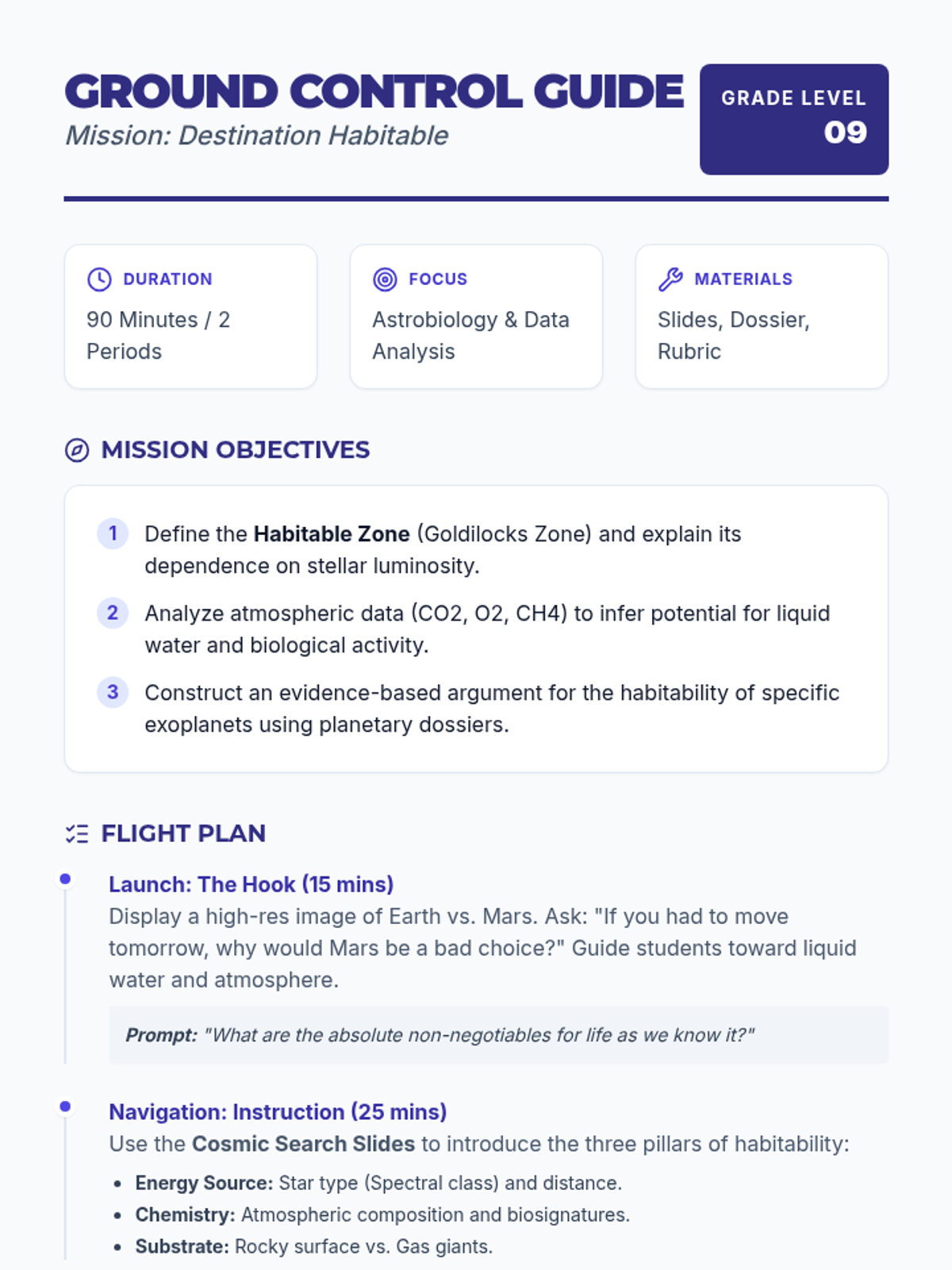
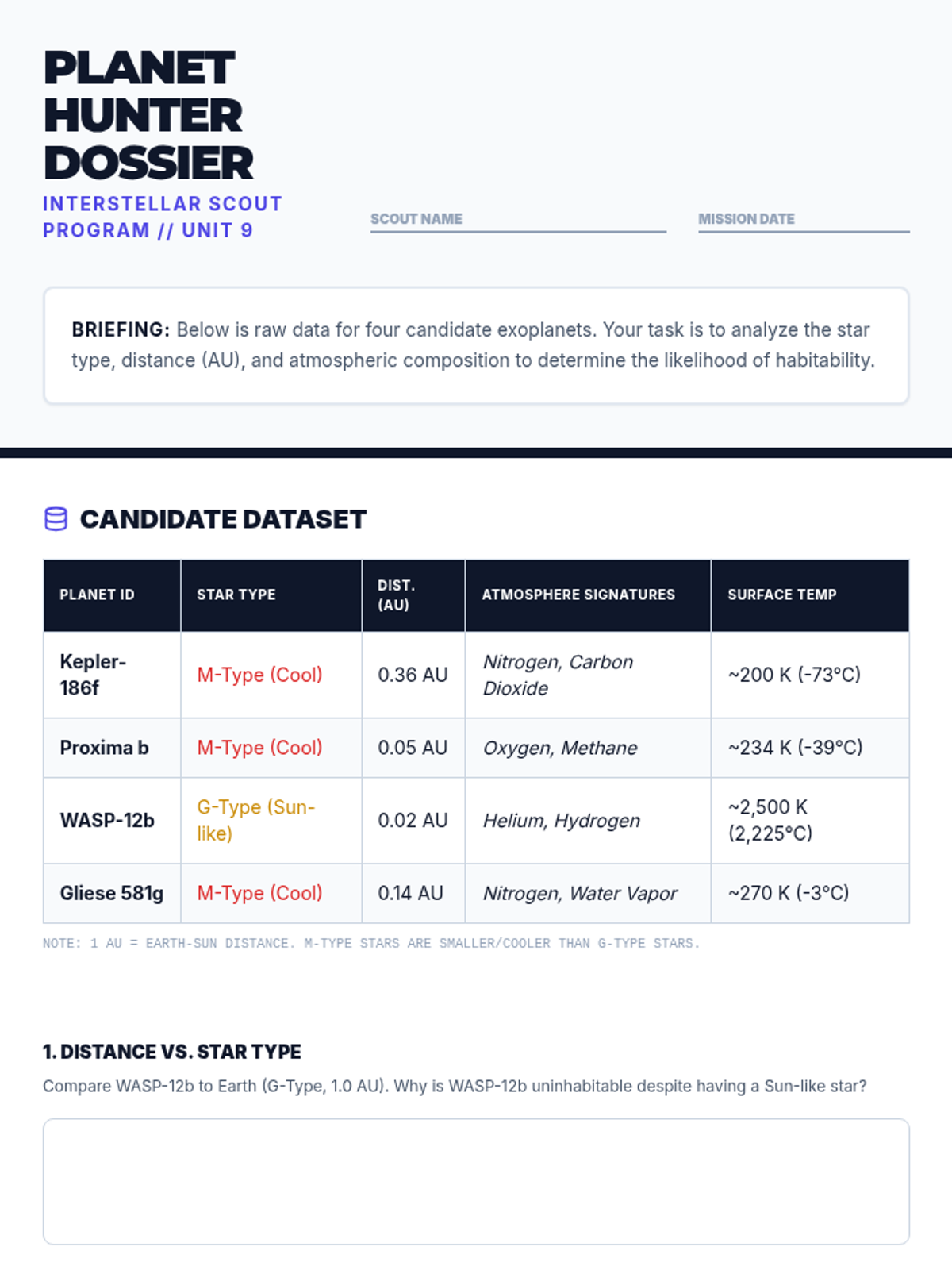
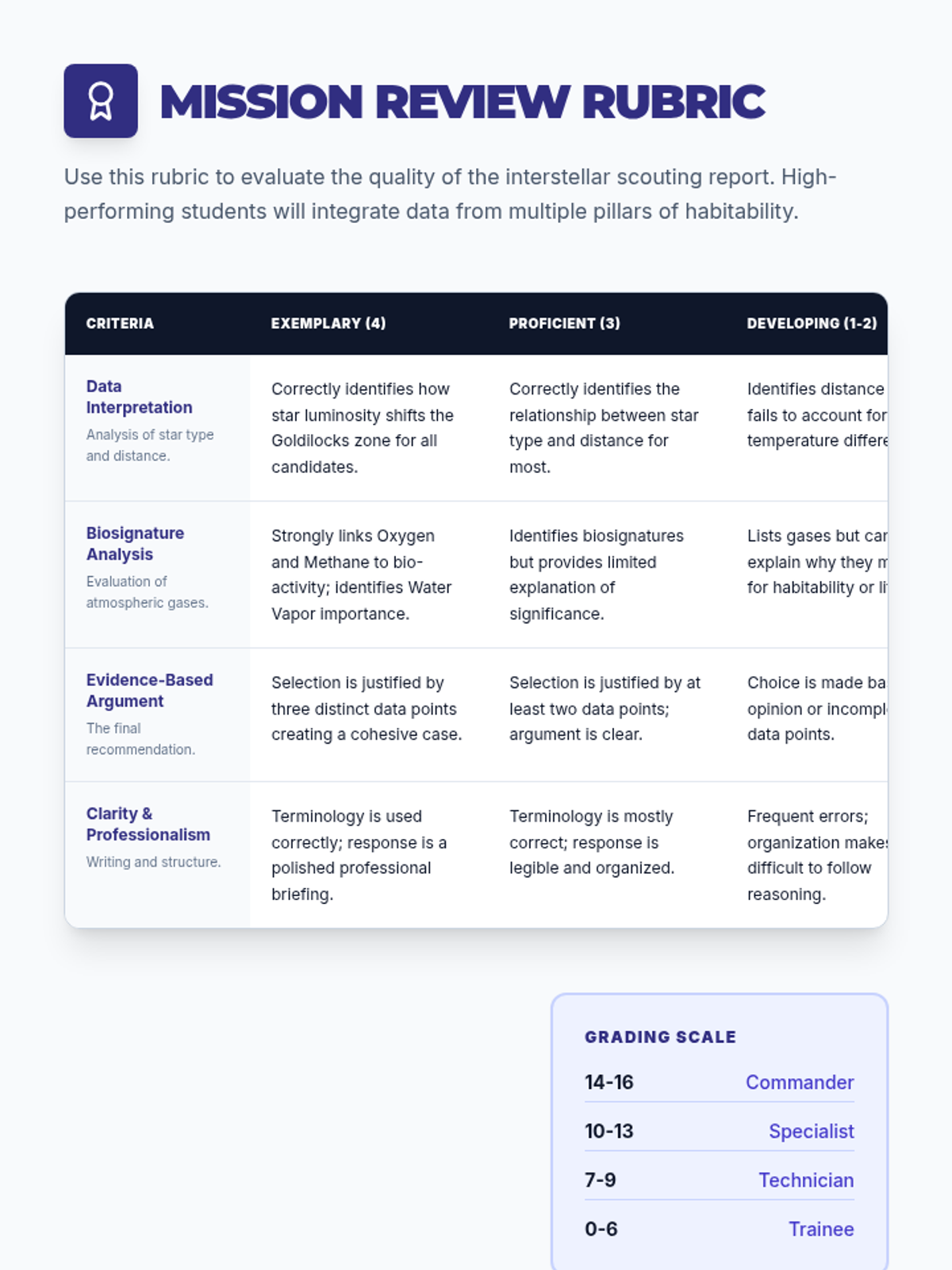
A high-school science lesson where students act as planetary scouts, analyzing exoplanet data to determine habitability and arguing for the best candidate for life beyond Earth.
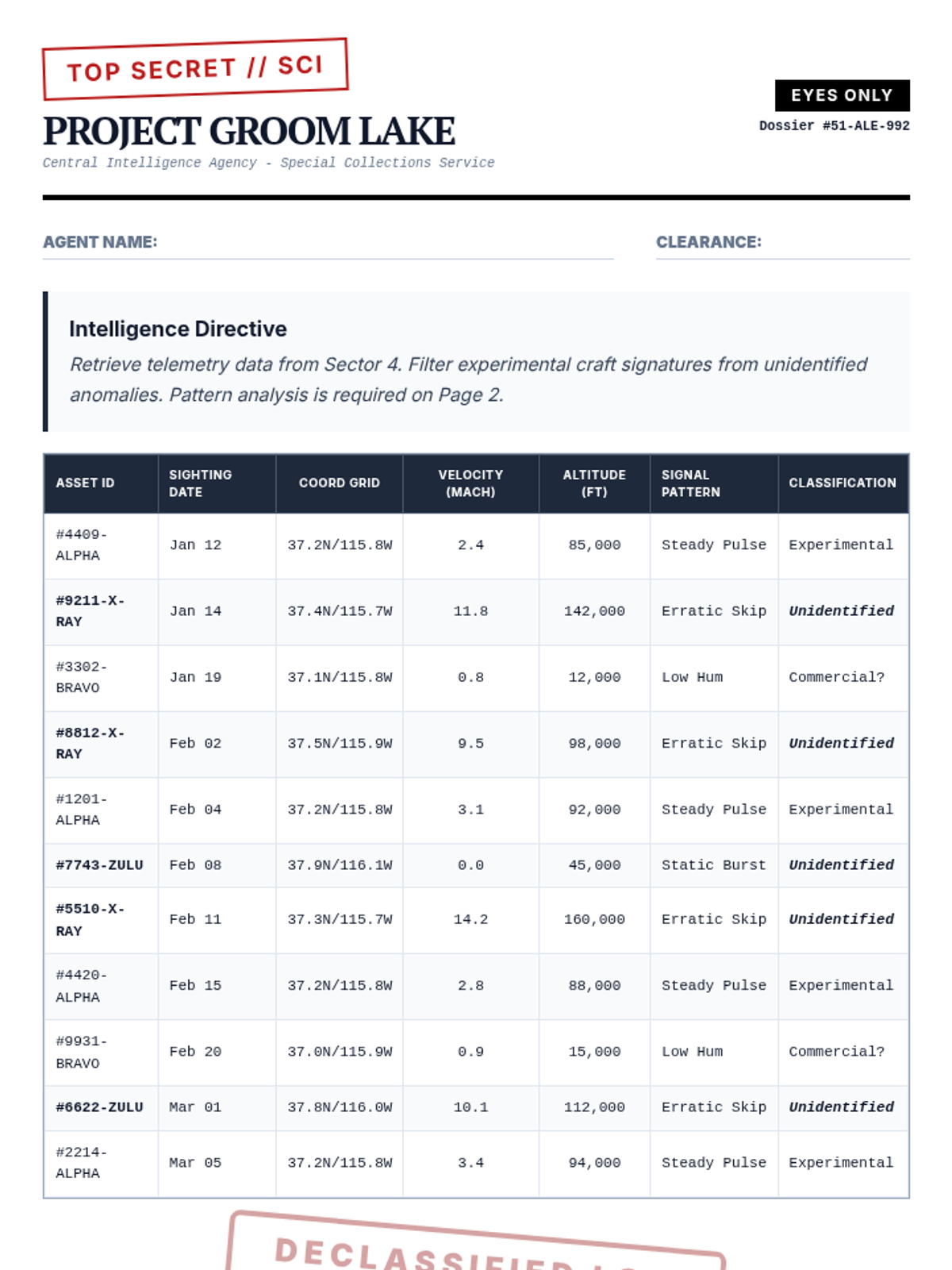
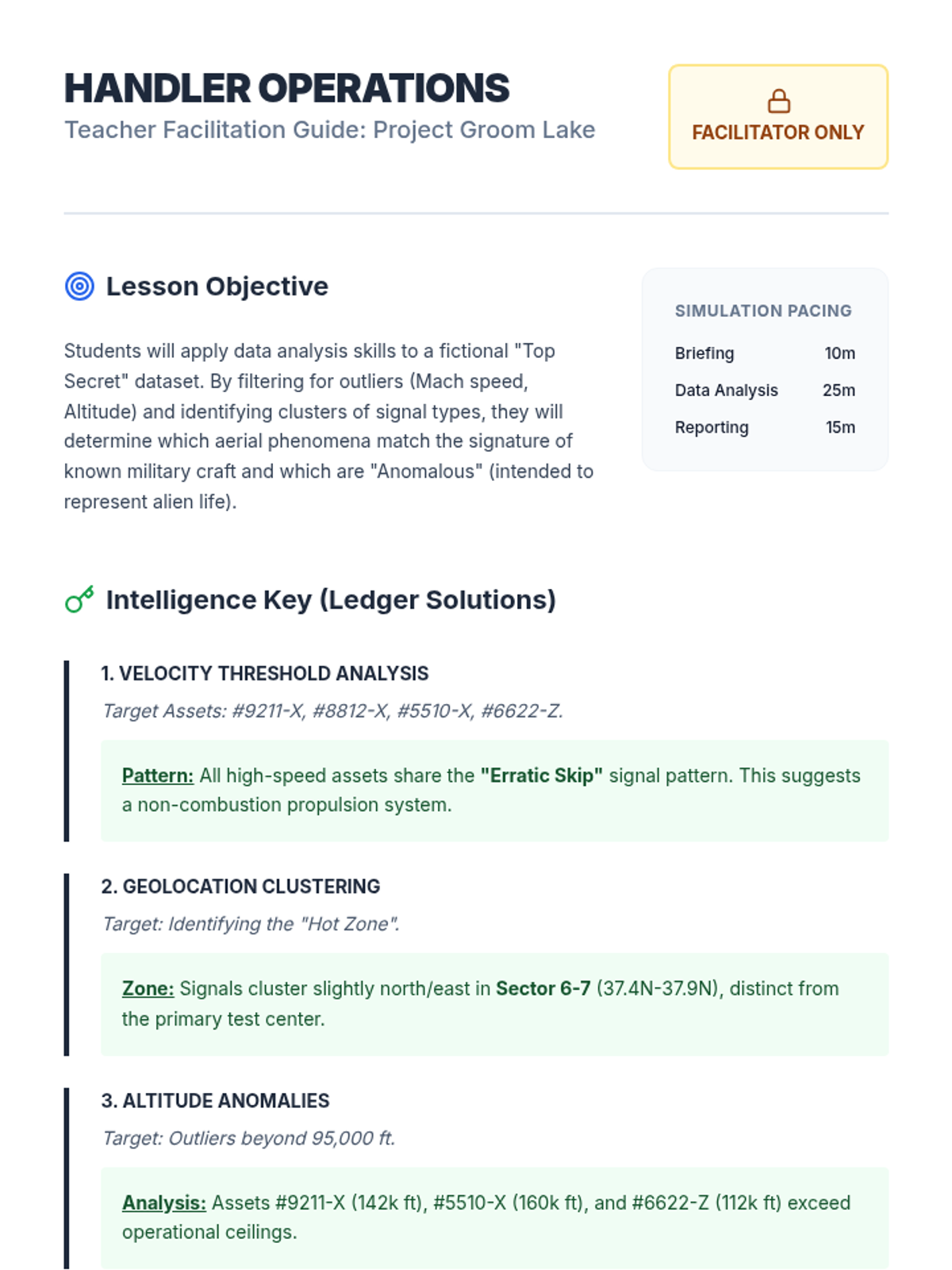
An immersive data analysis lesson where students step into the role of intelligence analysts to examine 'classified' flight data and sighting reports from Area 51. Students will practice data interpretation, pattern recognition, and evidence-based reasoning.
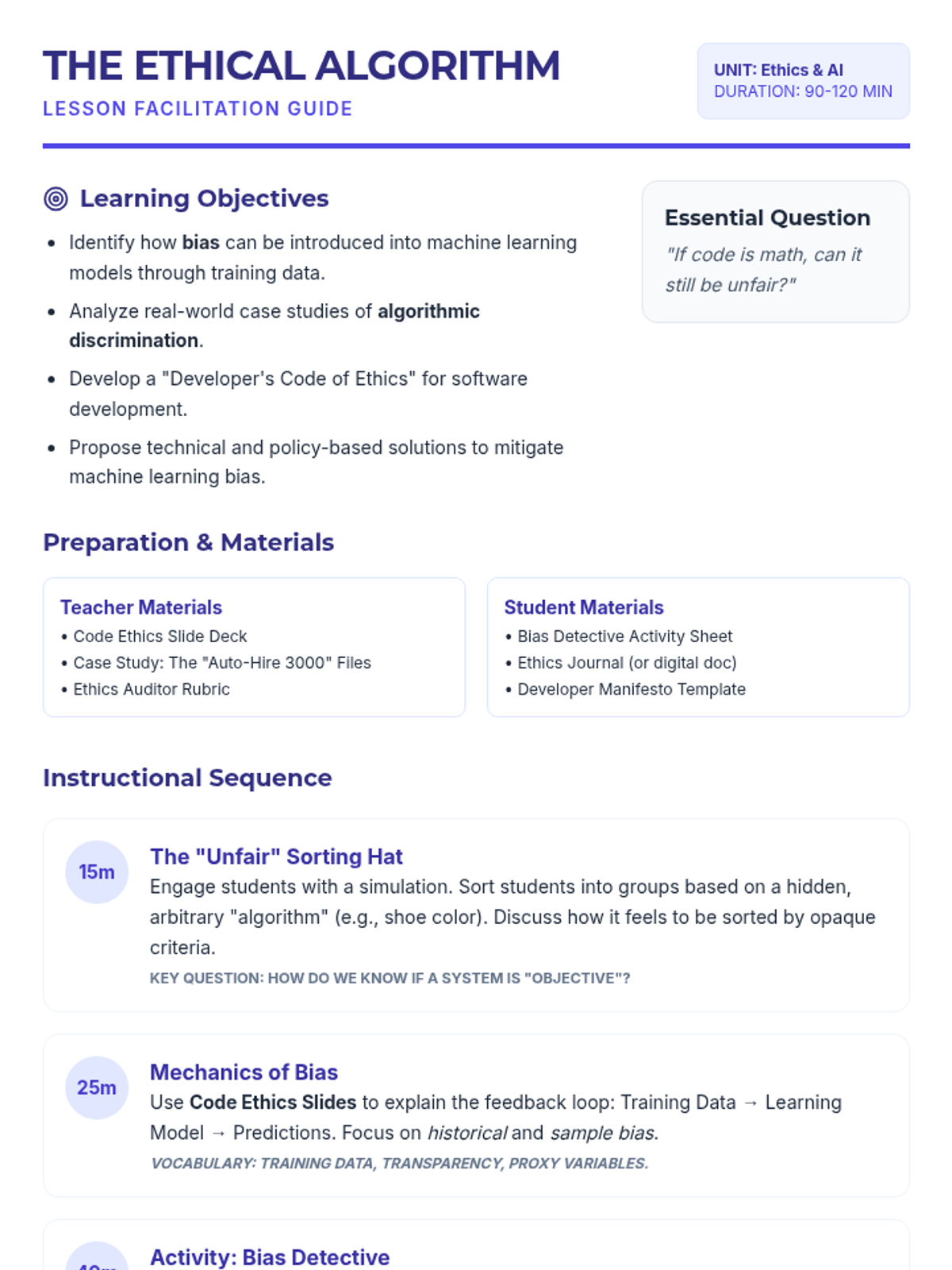
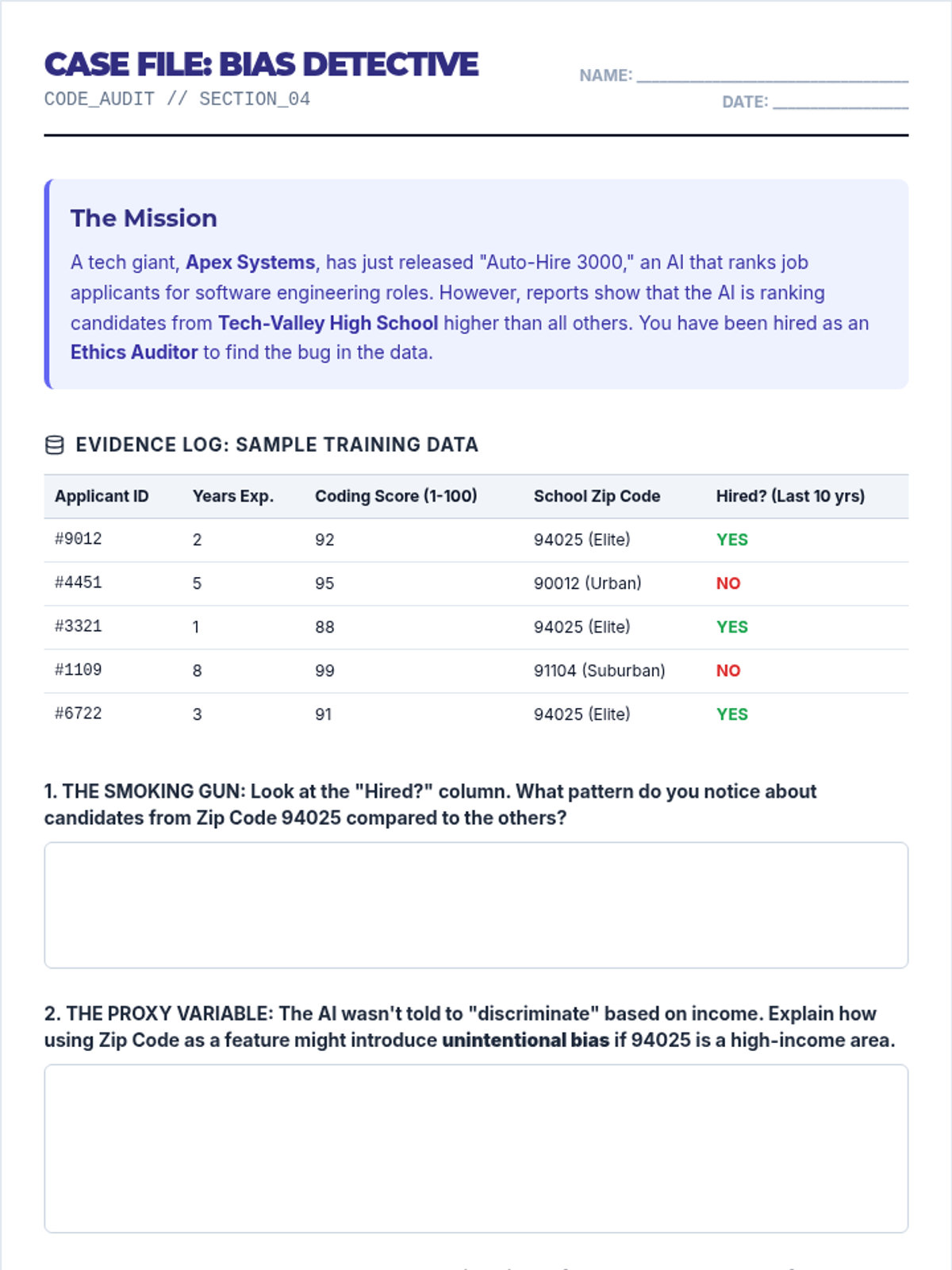
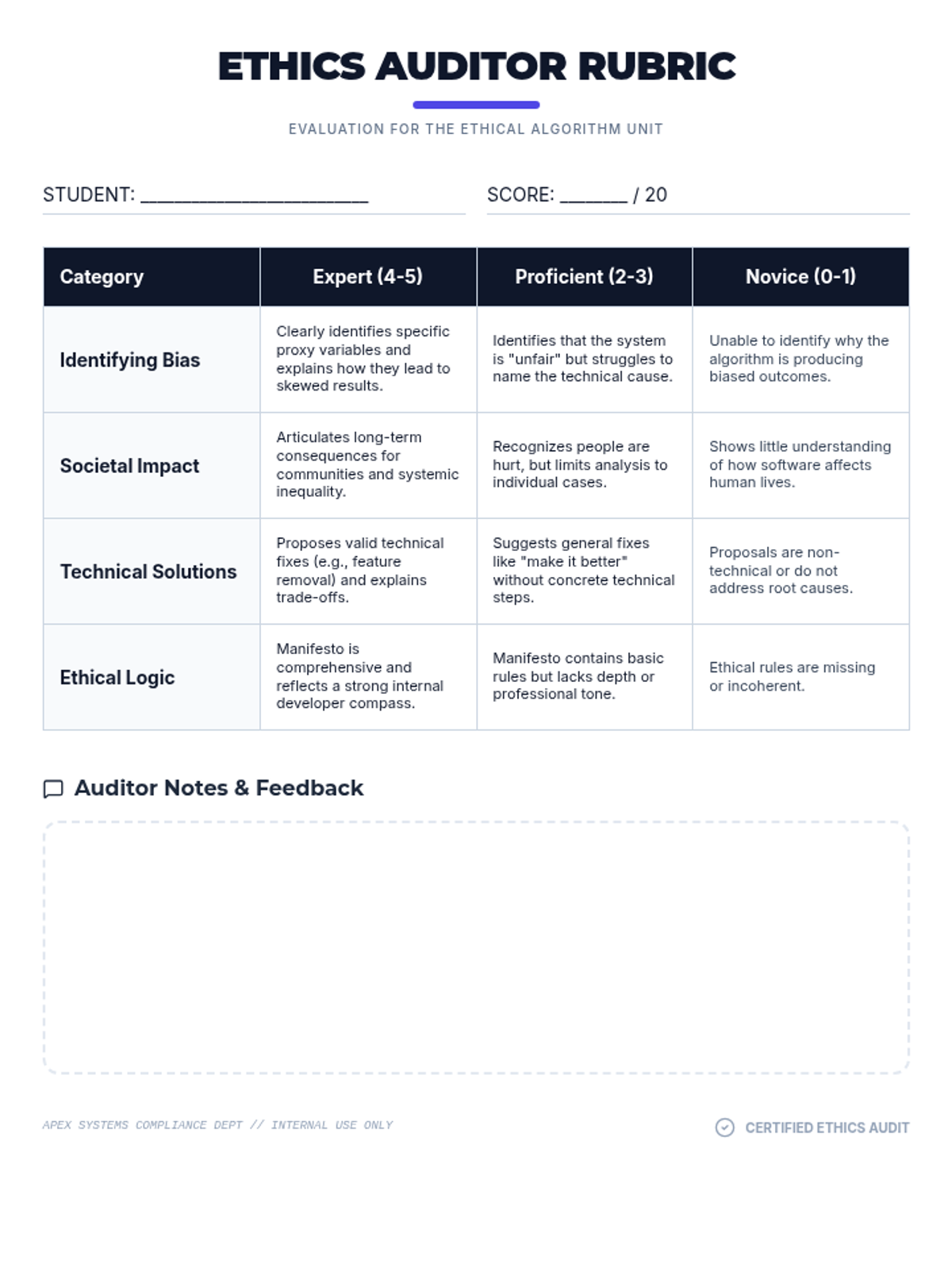
In this capstone lesson, students analyze machine learning models to identify algorithmic bias and discuss the societal responsibilities of modern software developers.
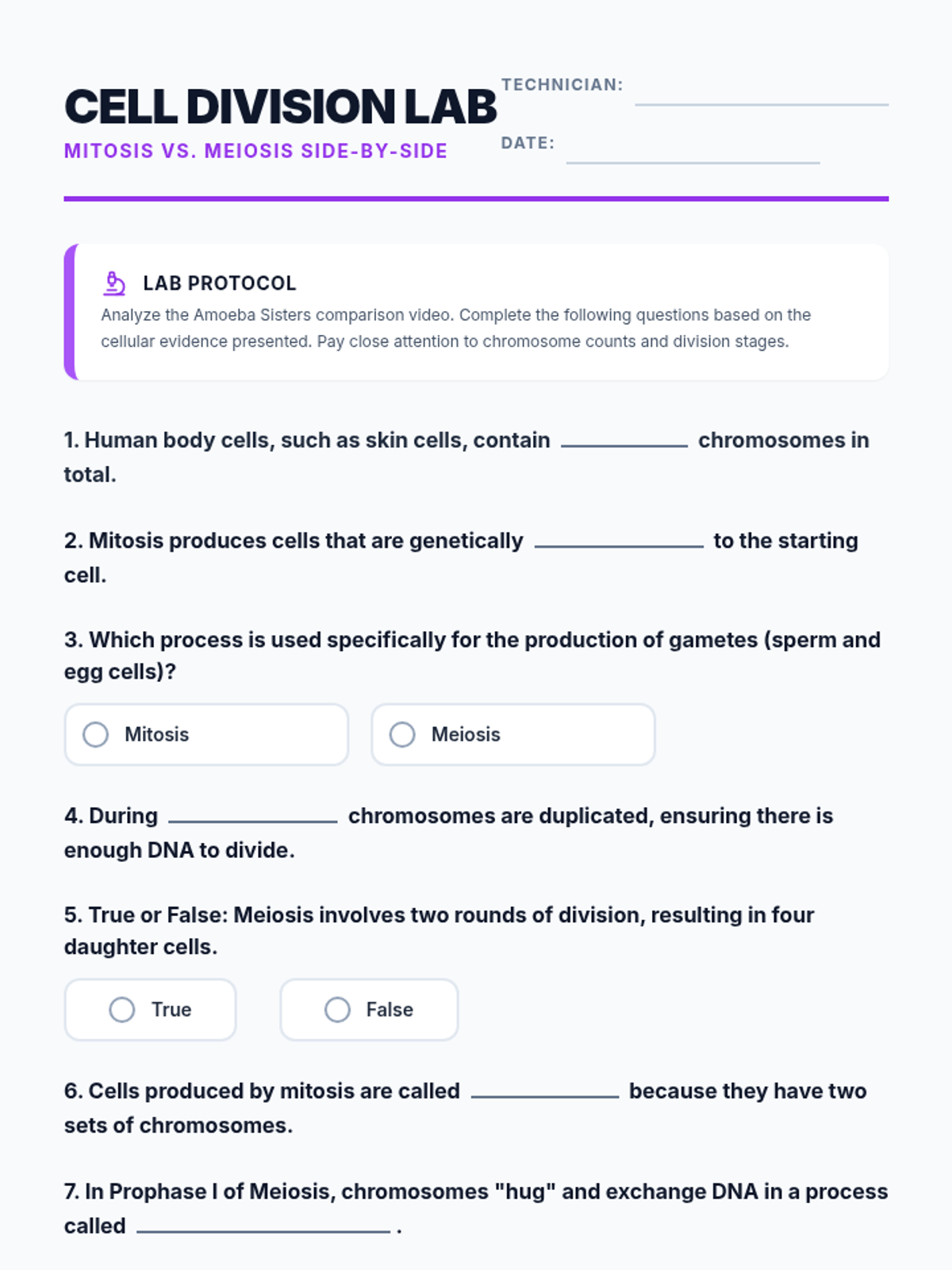
A biology lesson comparing mitosis and meiosis based on the Amoeba Sisters video, distinguishing between identical body cells and unique sex cells.
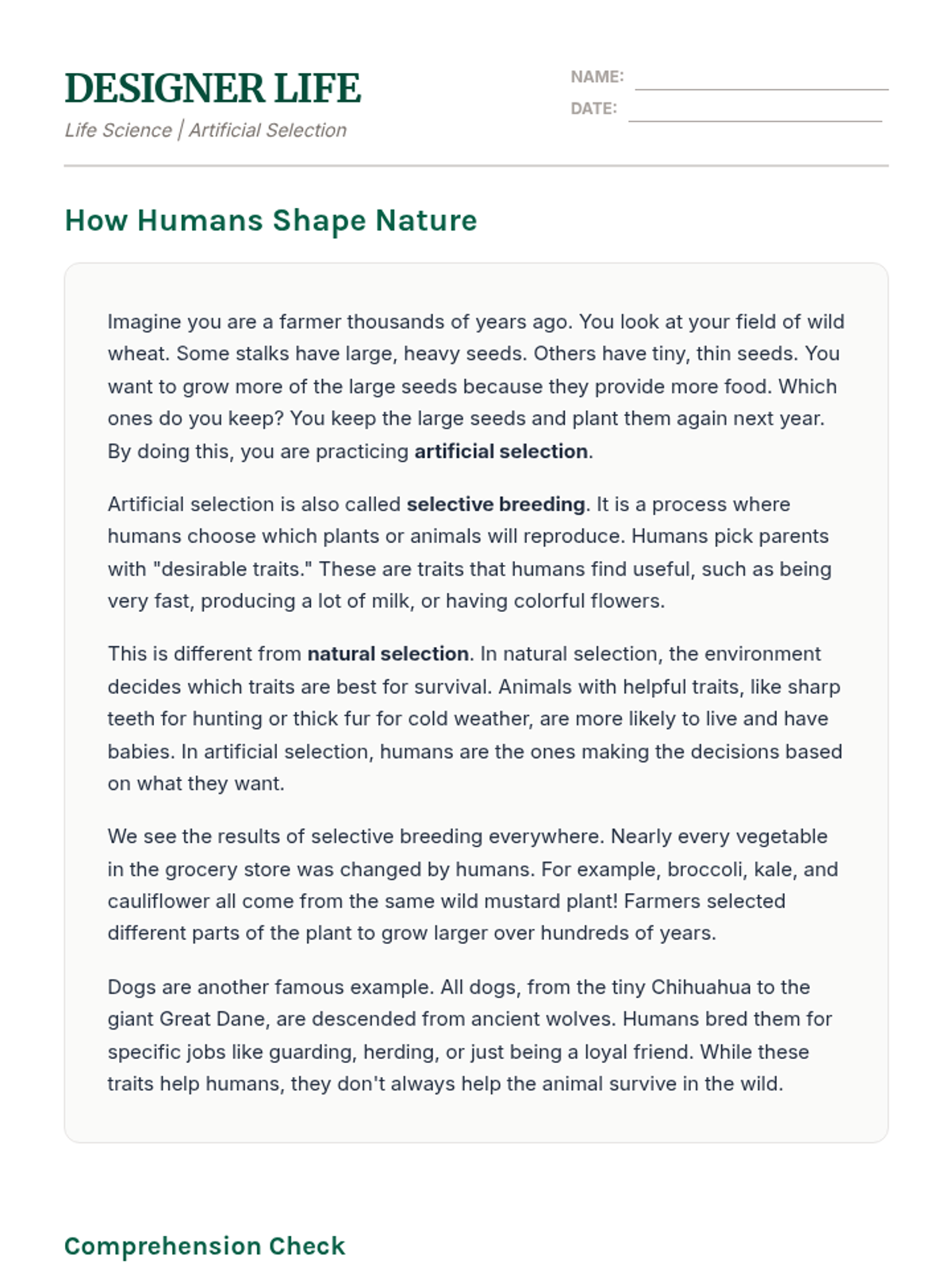
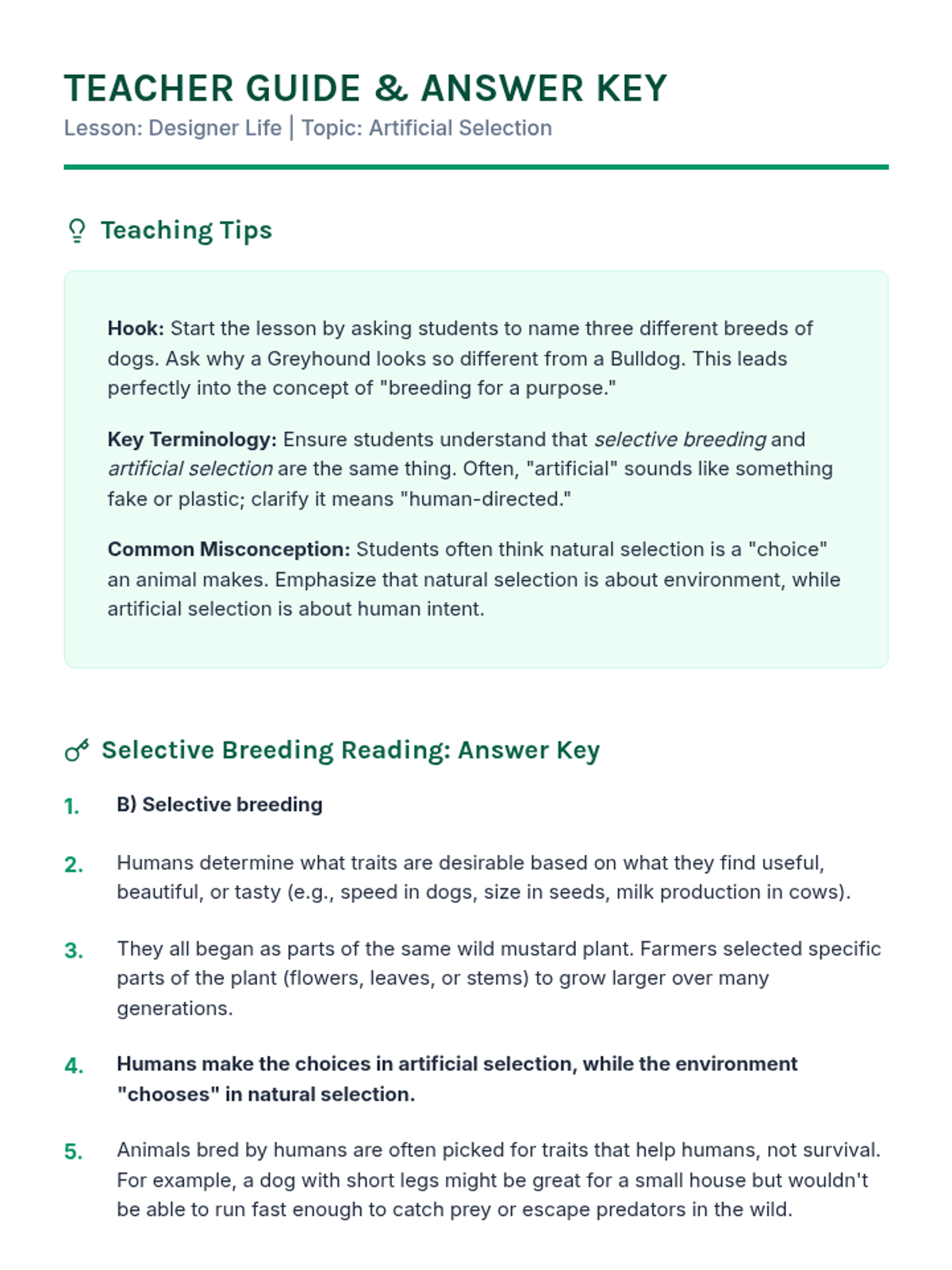
A lesson exploring how humans have shaped the traits of plants and animals through selective breeding, comparing it to the process of natural selection.
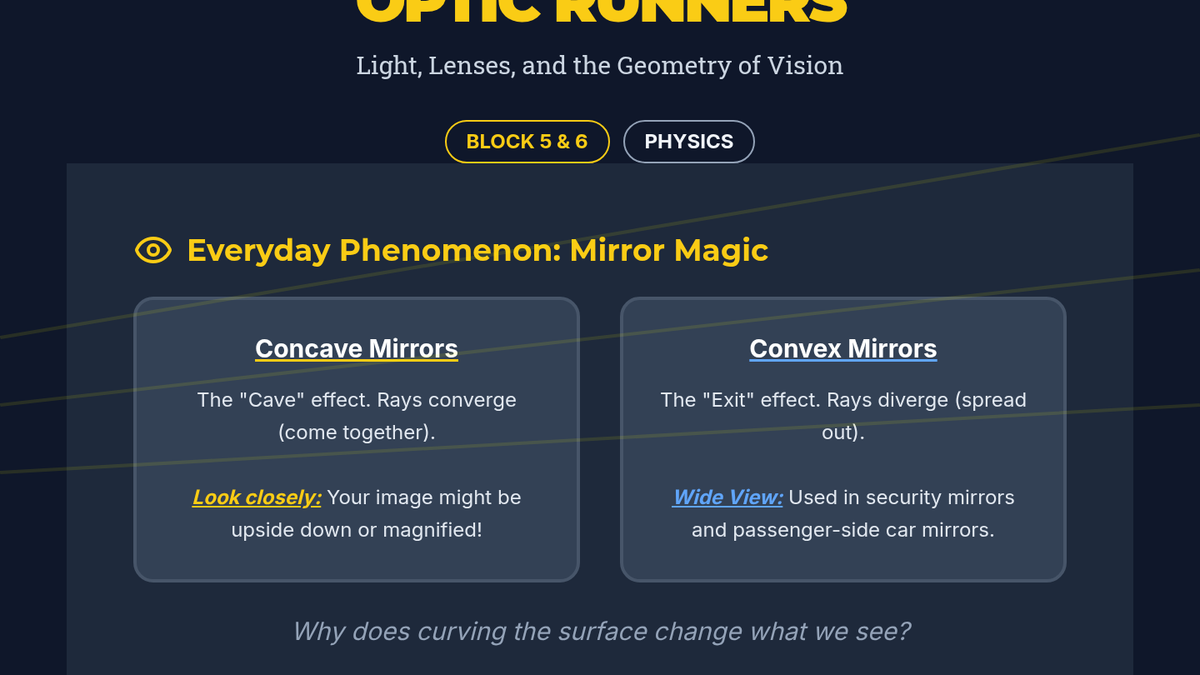
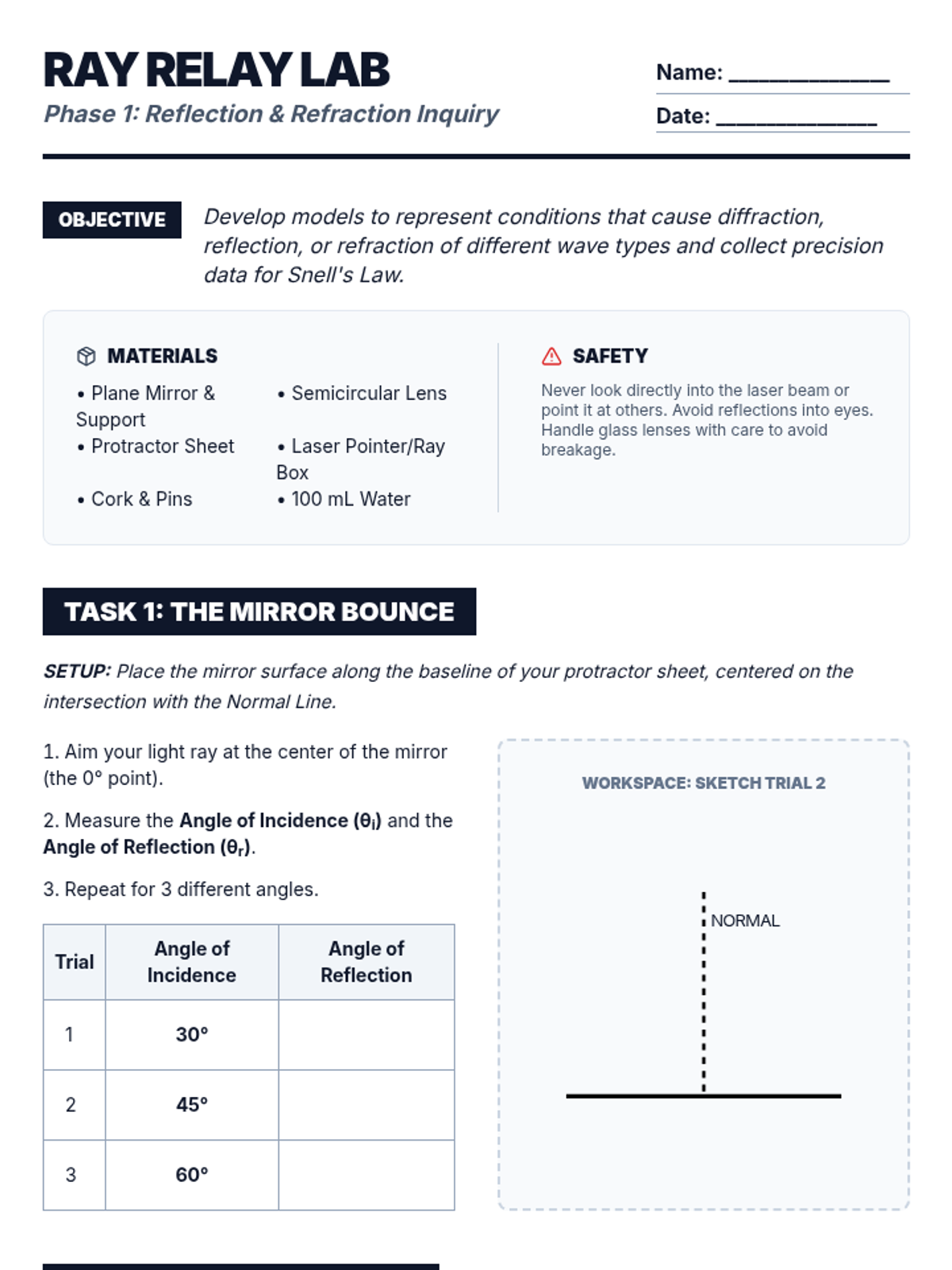
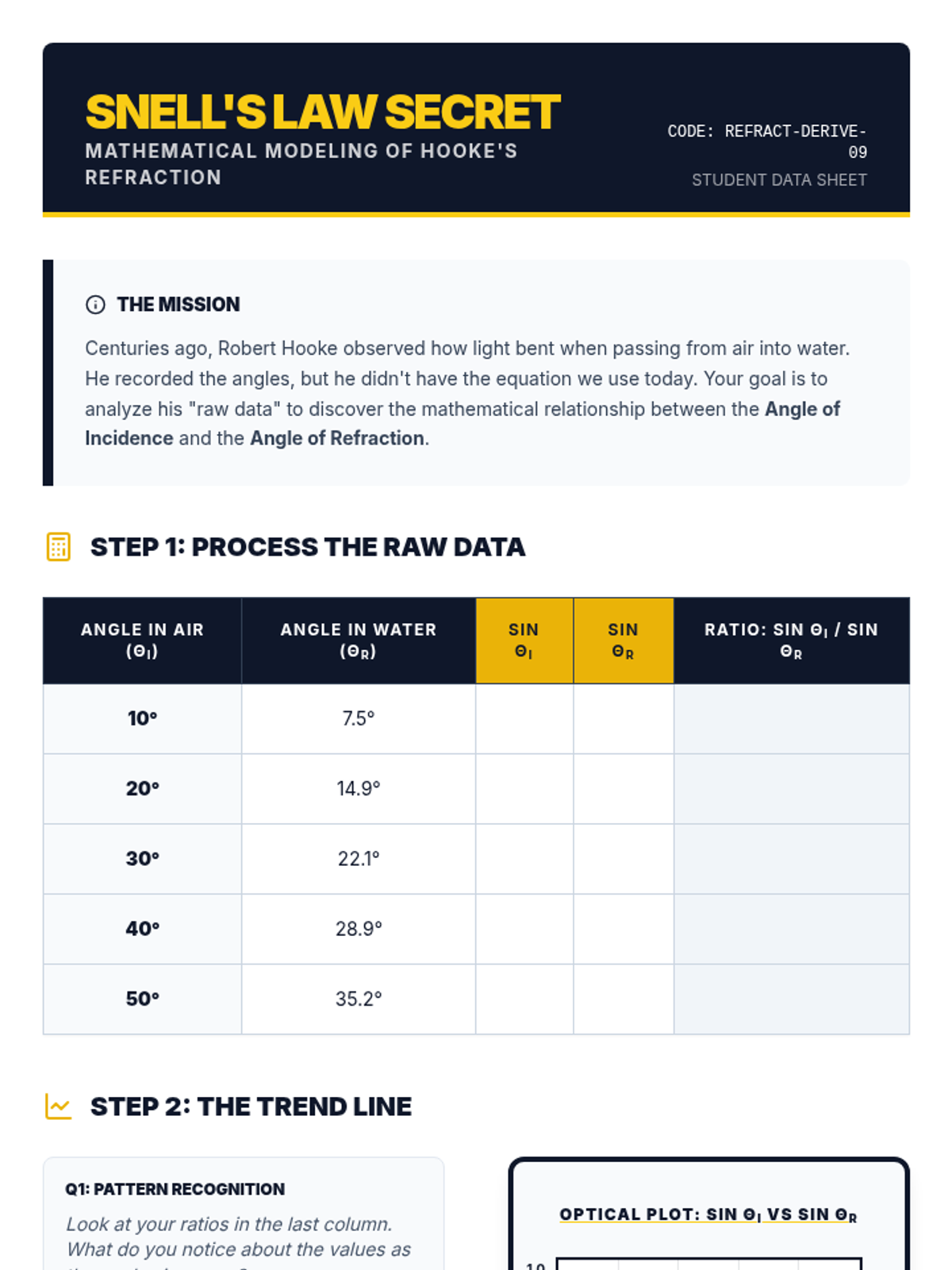
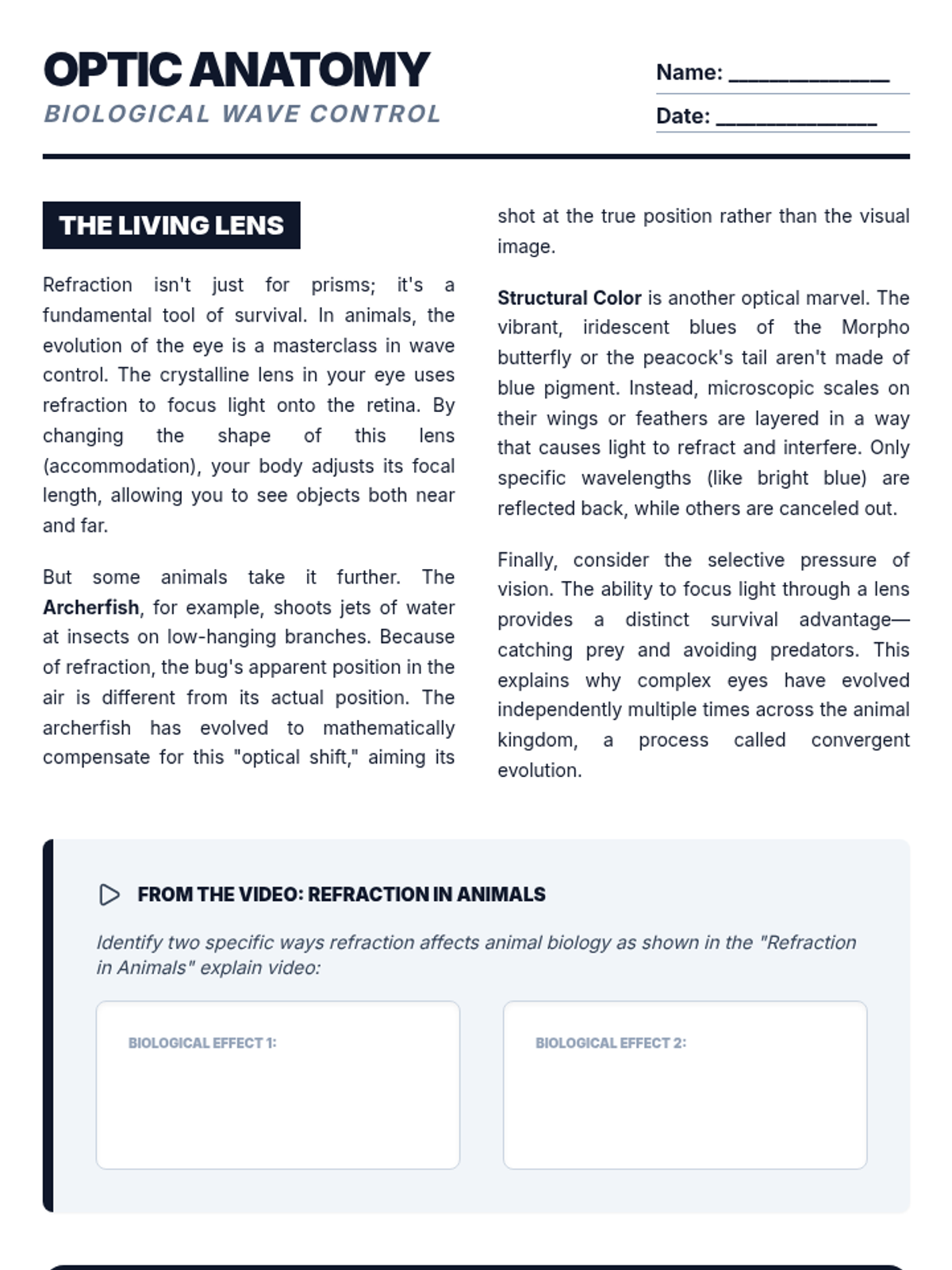
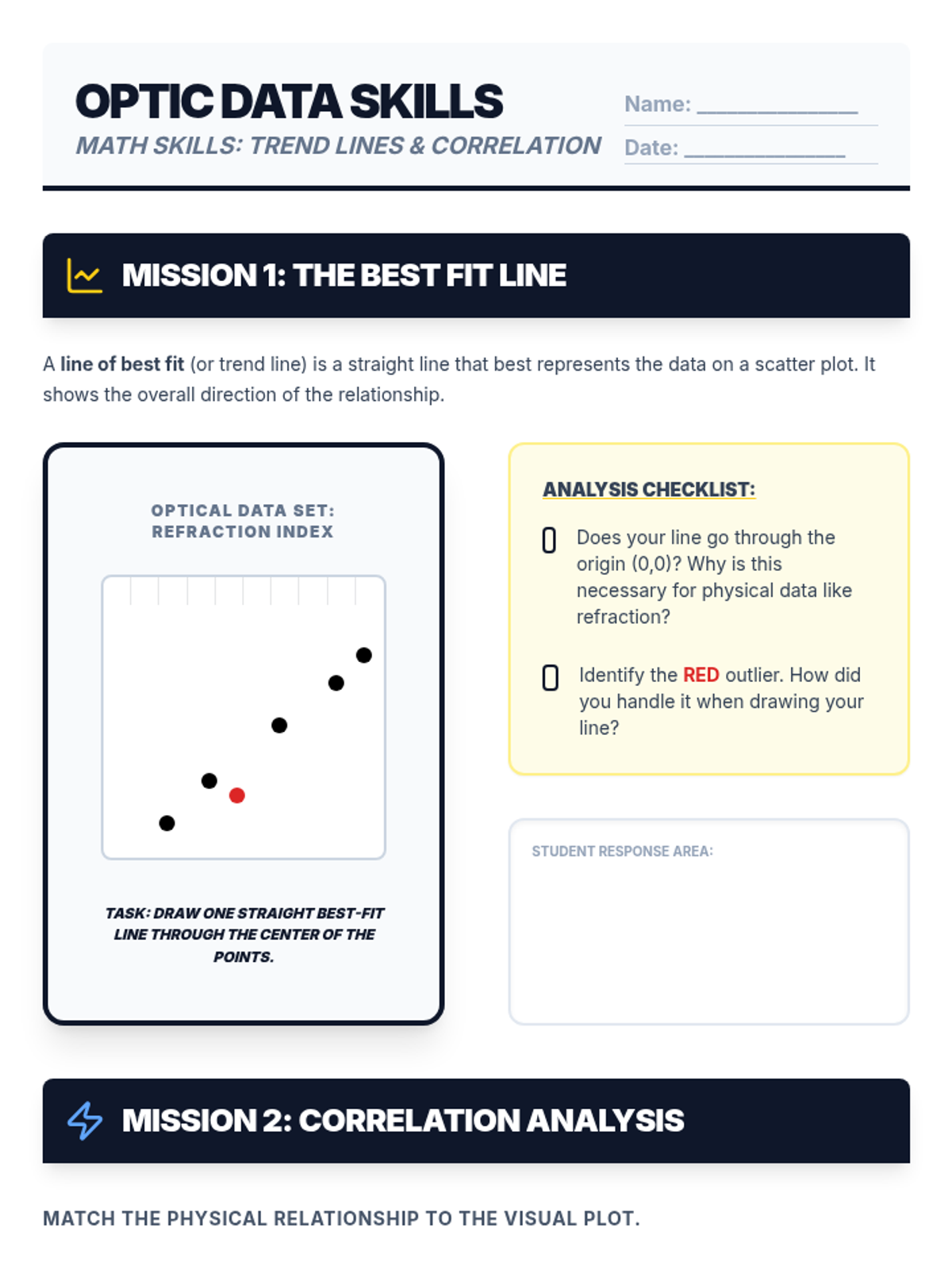
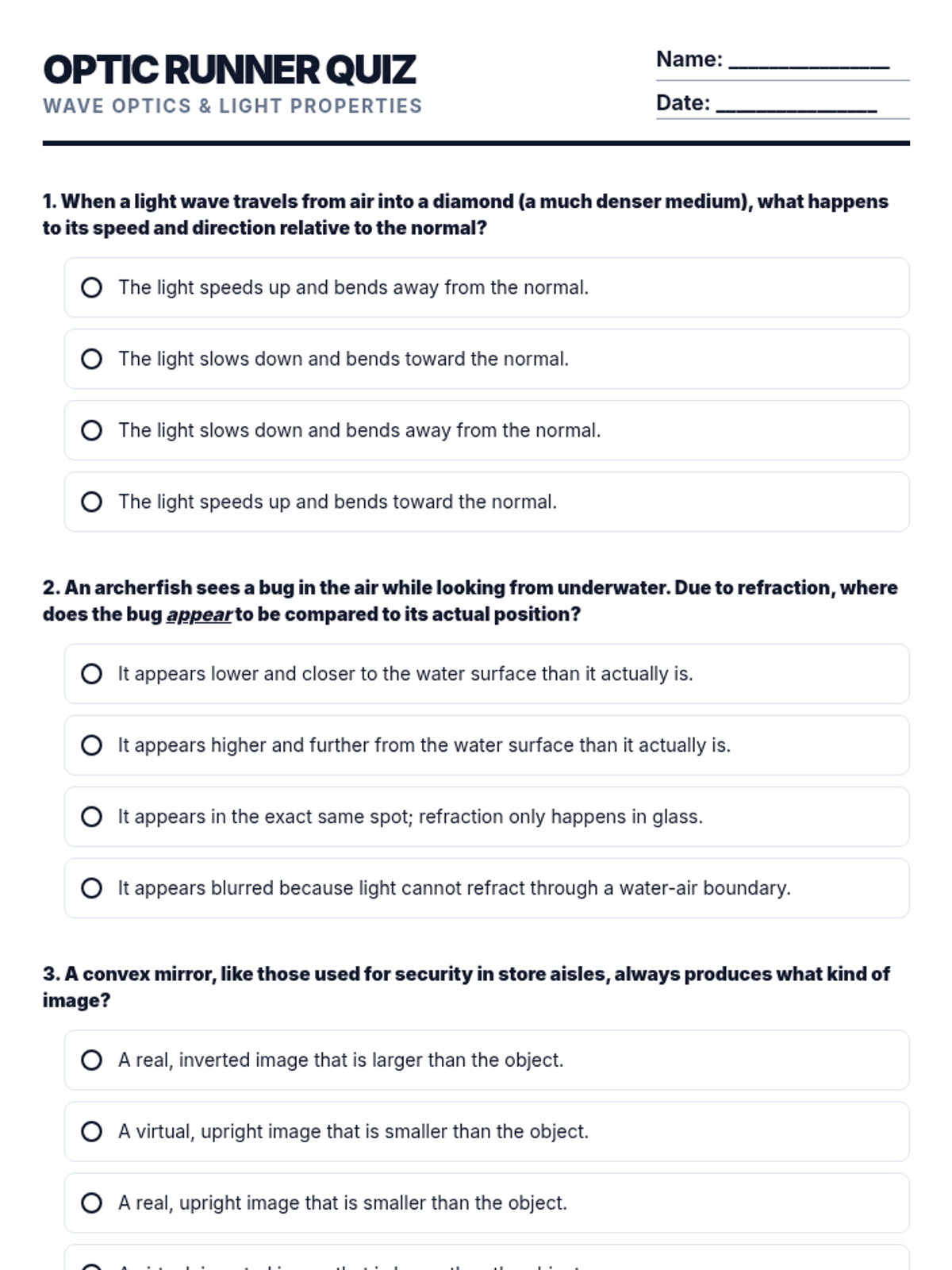
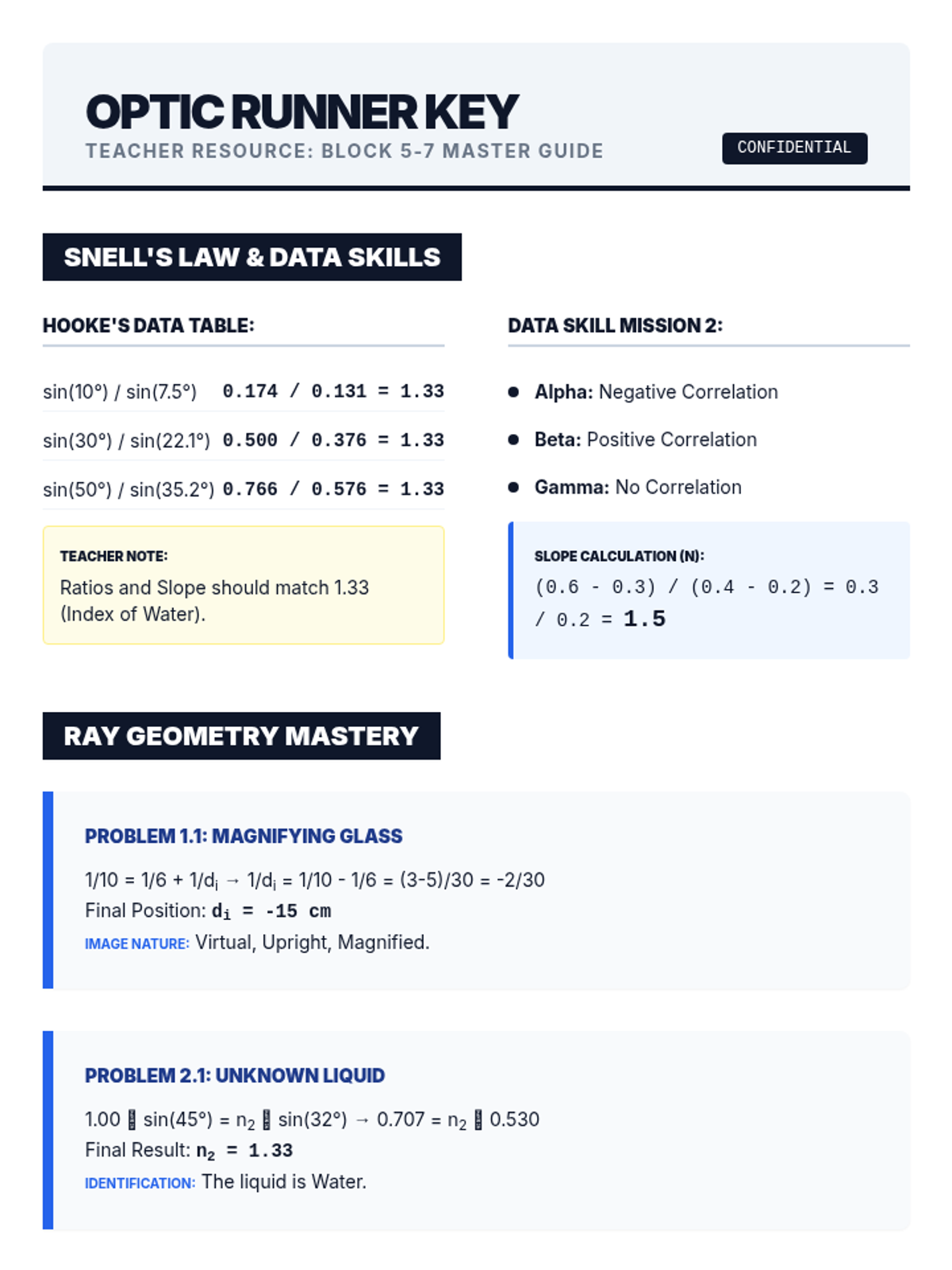
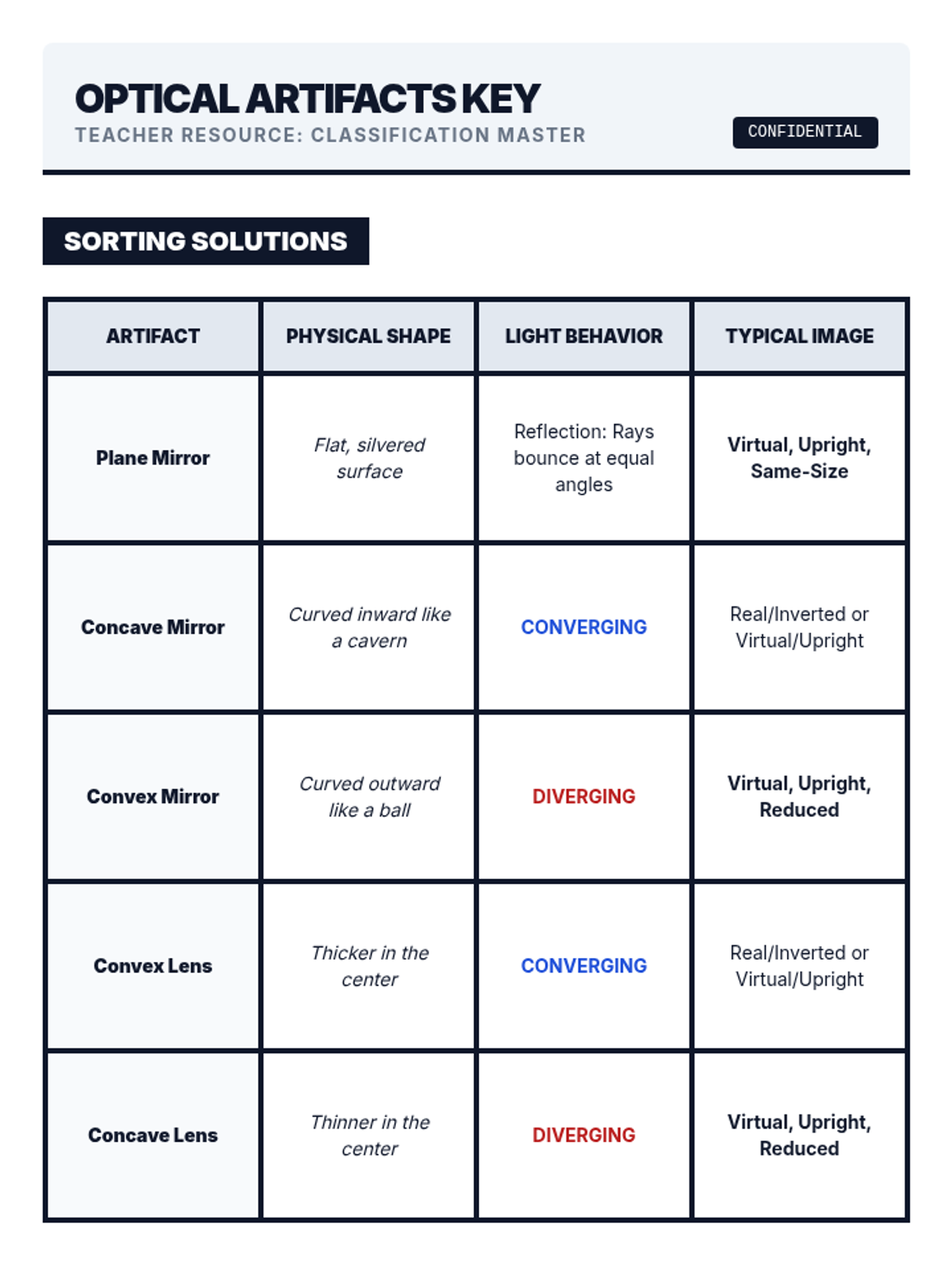
An exploration of light behavior including reflection, refraction, and diffraction. Students develop mathematical models like Snell's Law and analyze the biological impacts of wave optics in animals.
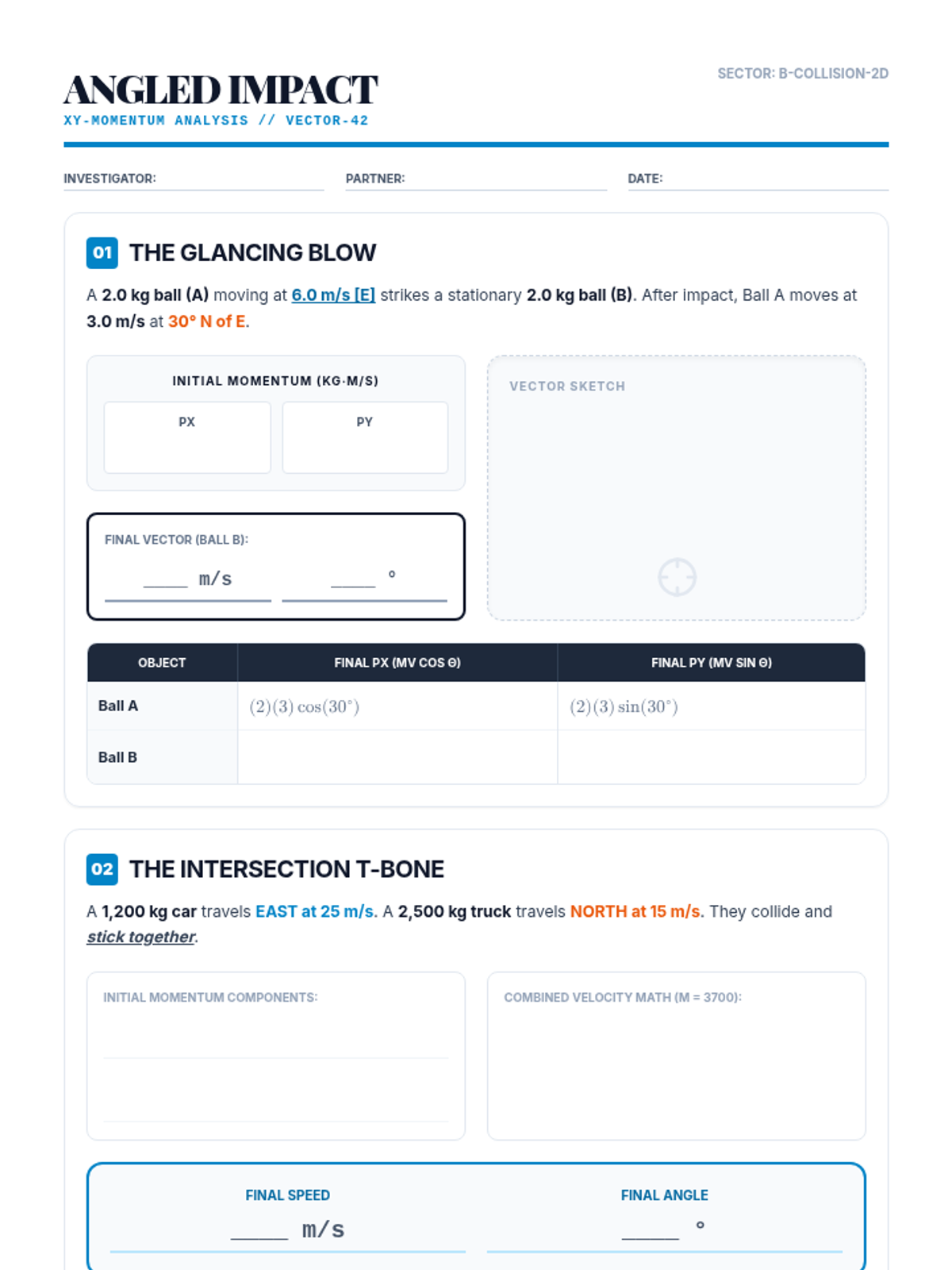
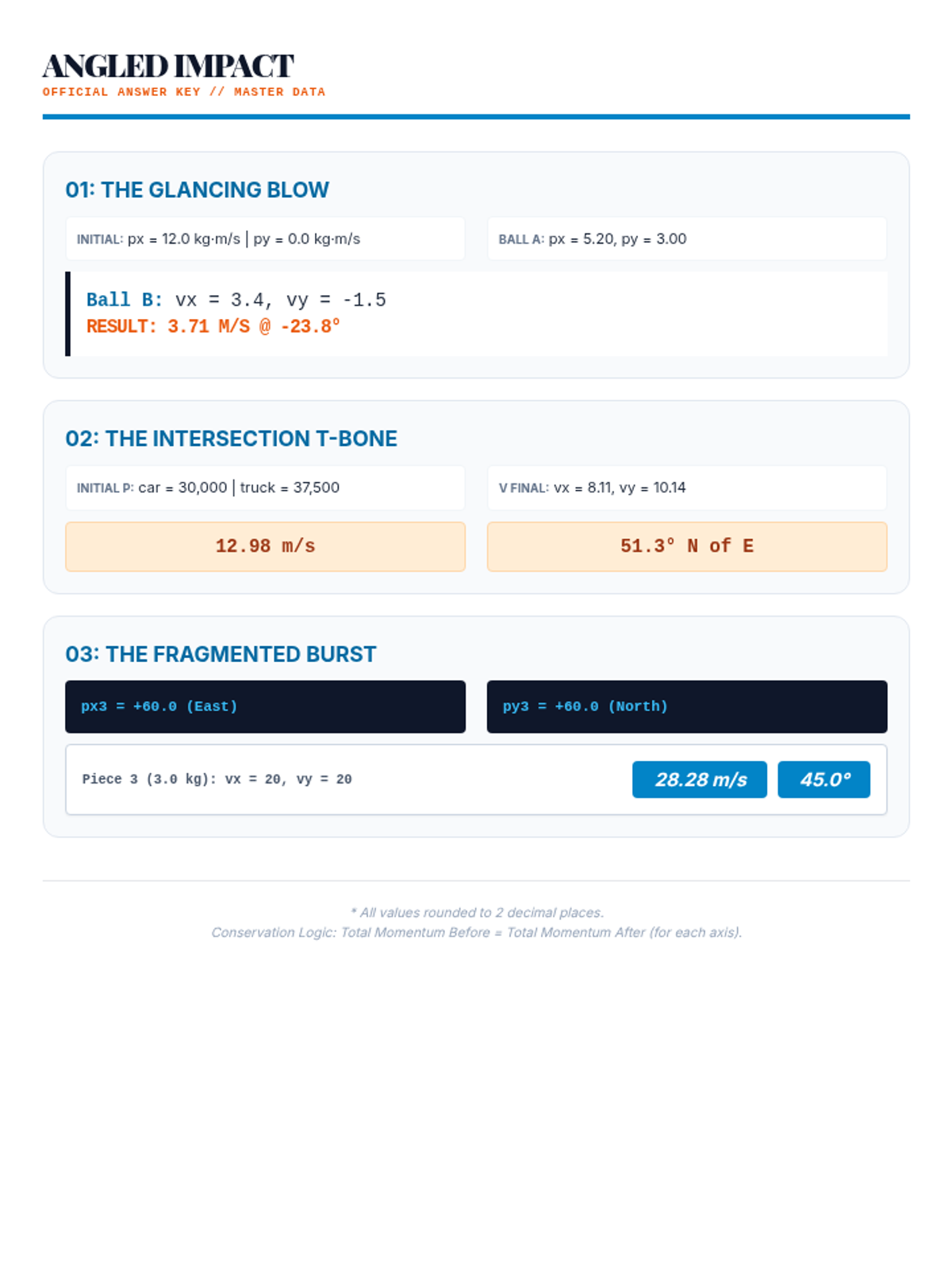
An exploration of momentum conservation in two dimensions, using vector components to solve collision problems.
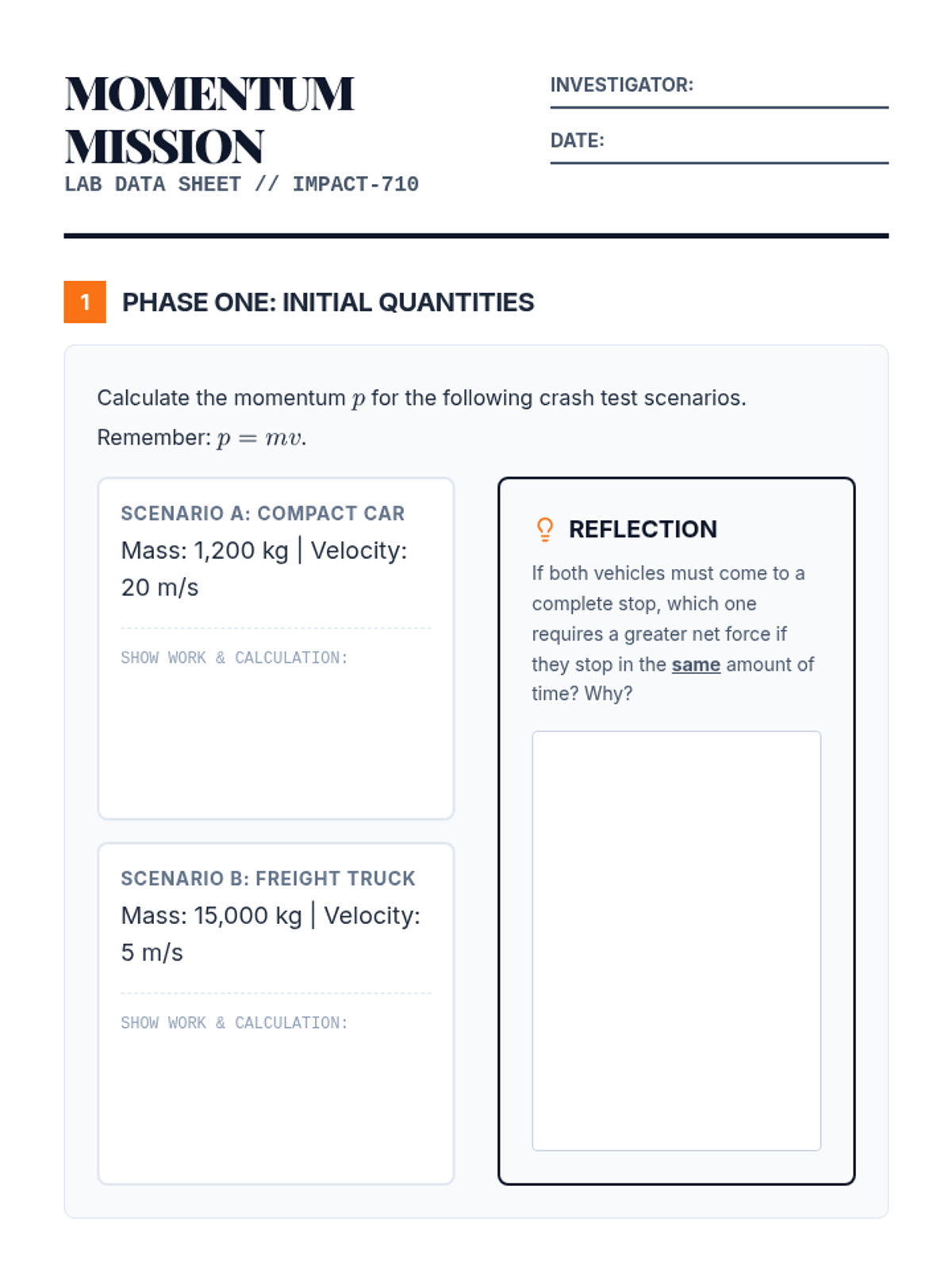
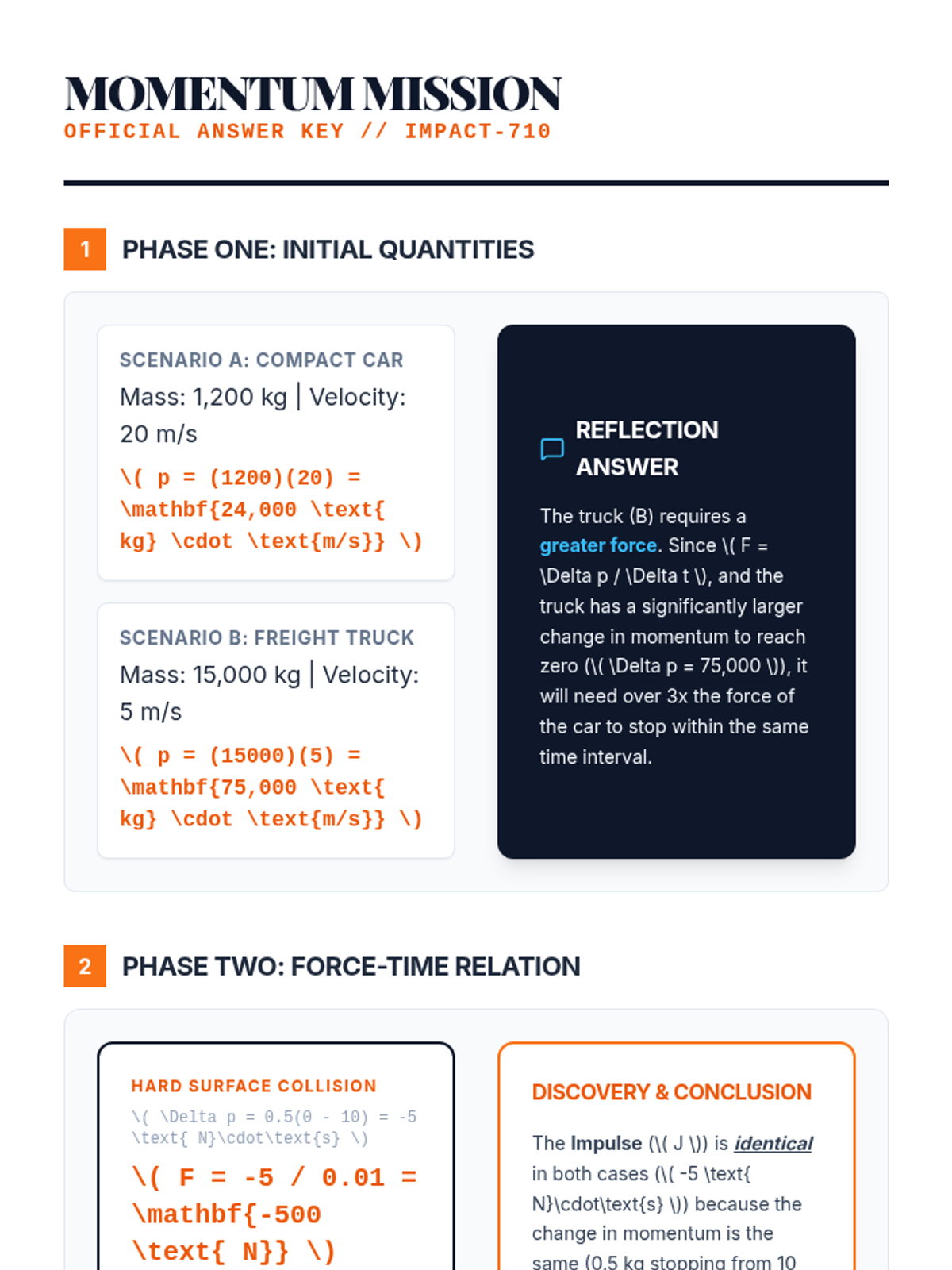
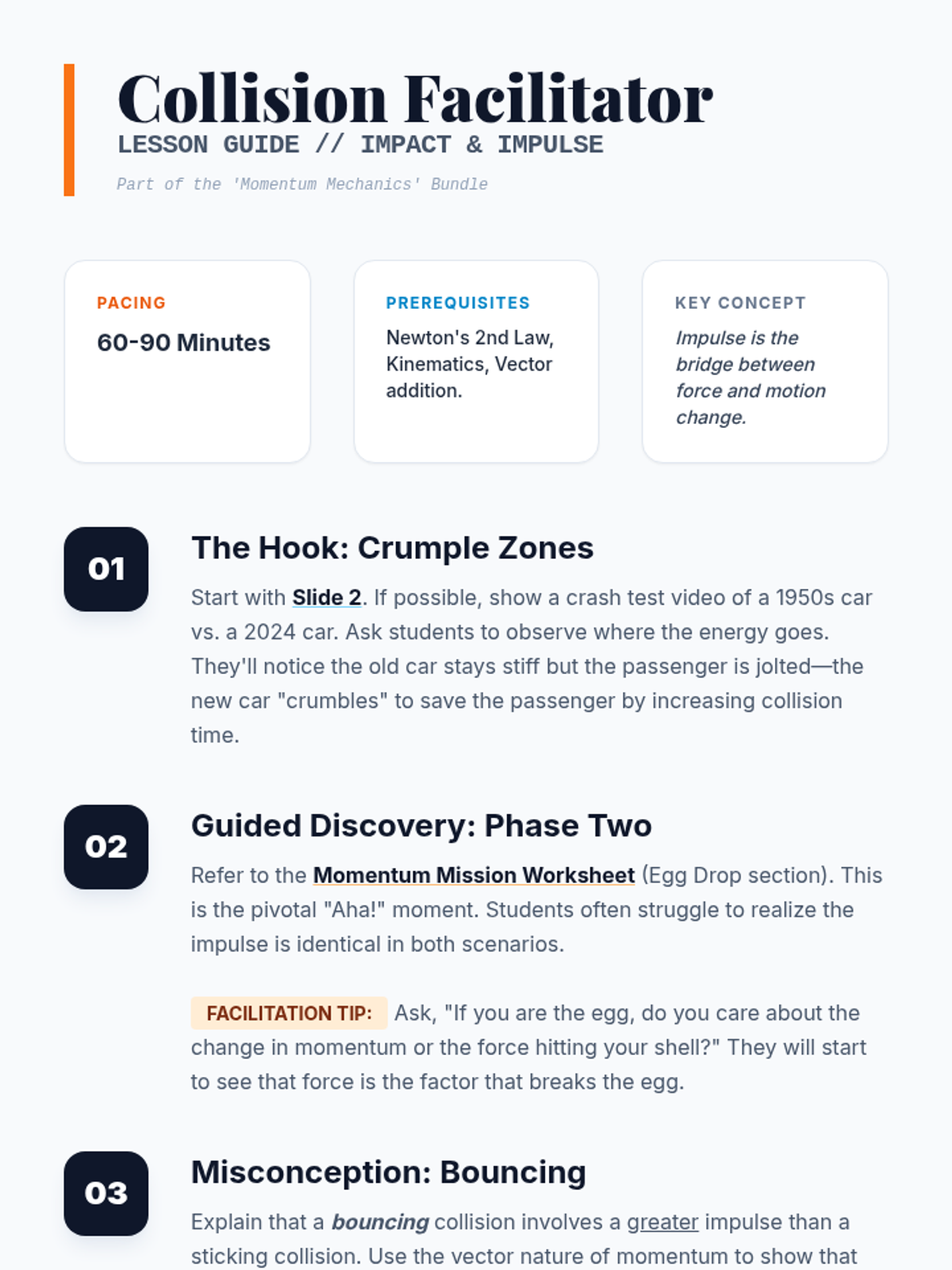
Students explore the relationship between force, time, and change in momentum through guided inquiry and data analysis.
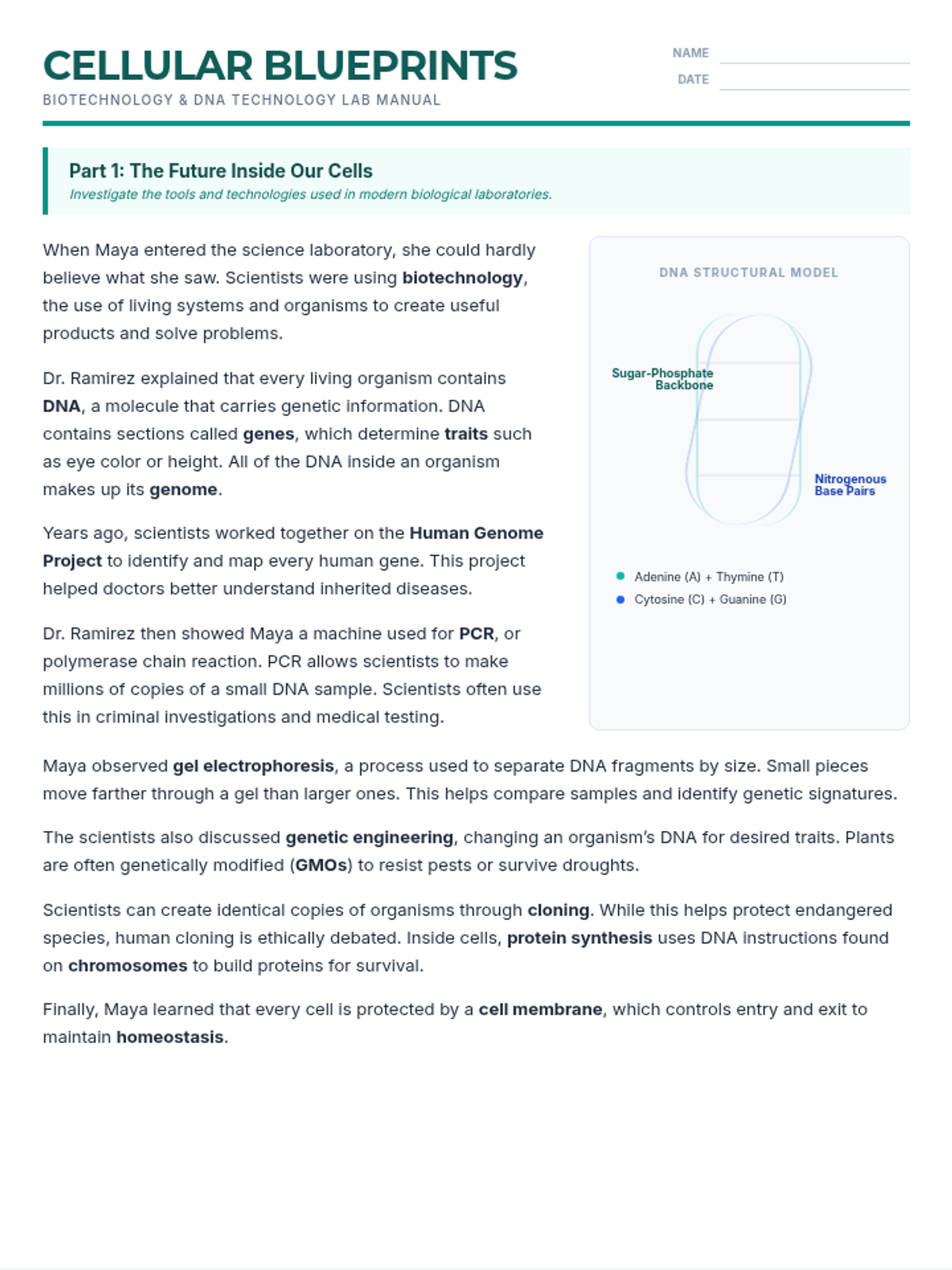
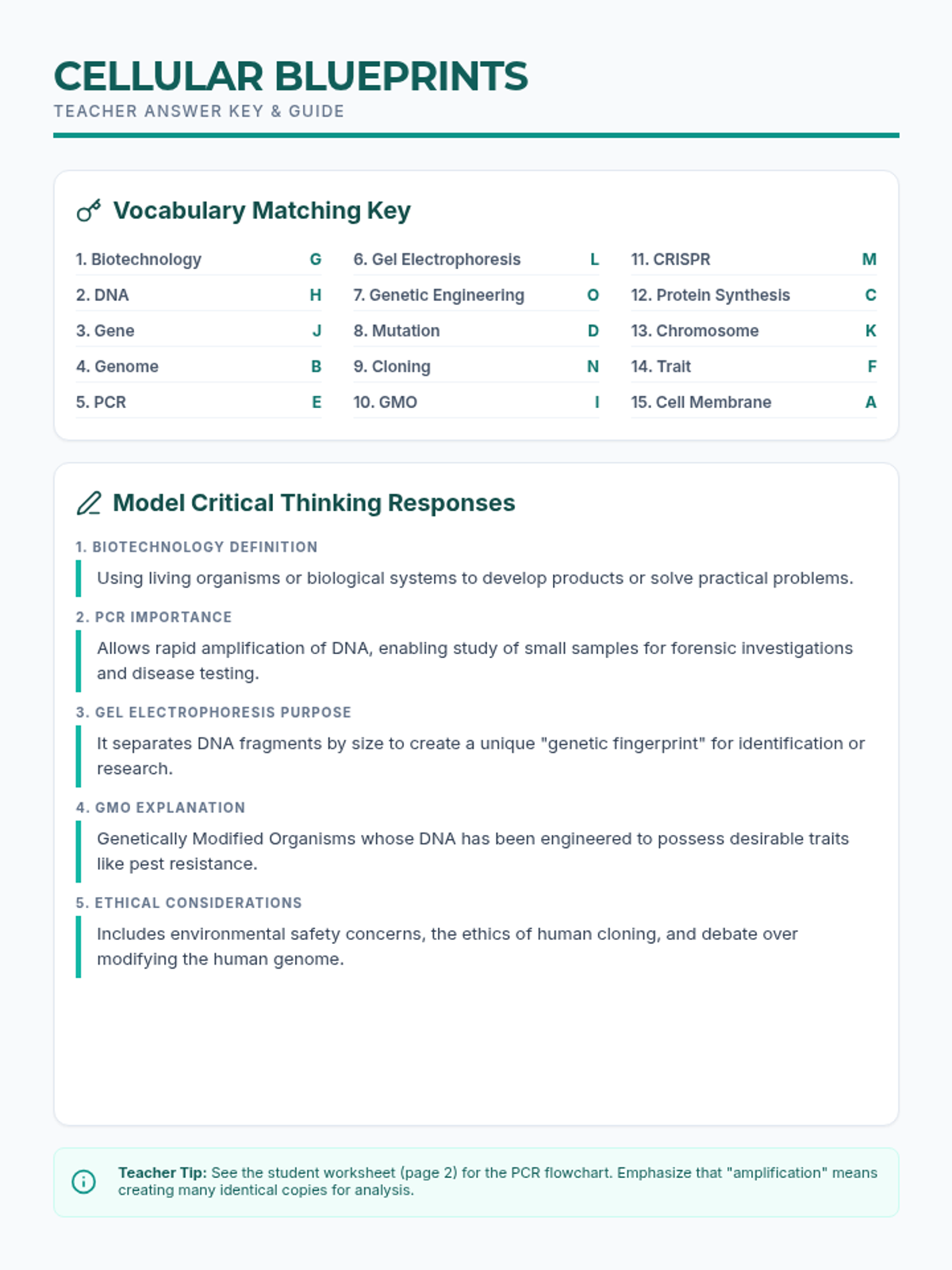
A comprehensive exploration of biotechnology, DNA technology, and genetic engineering through reading, visual diagrams, and vocabulary practice.
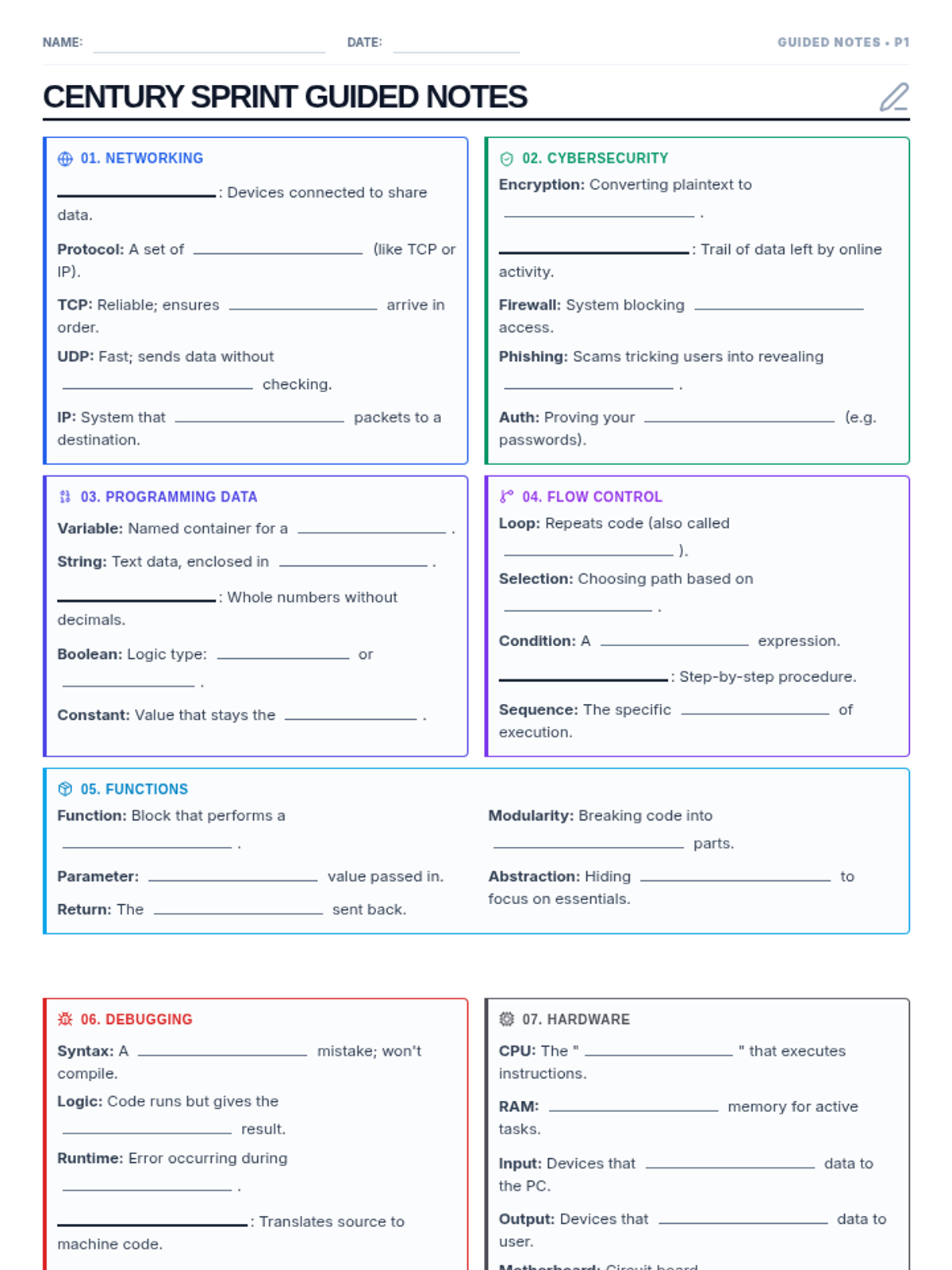
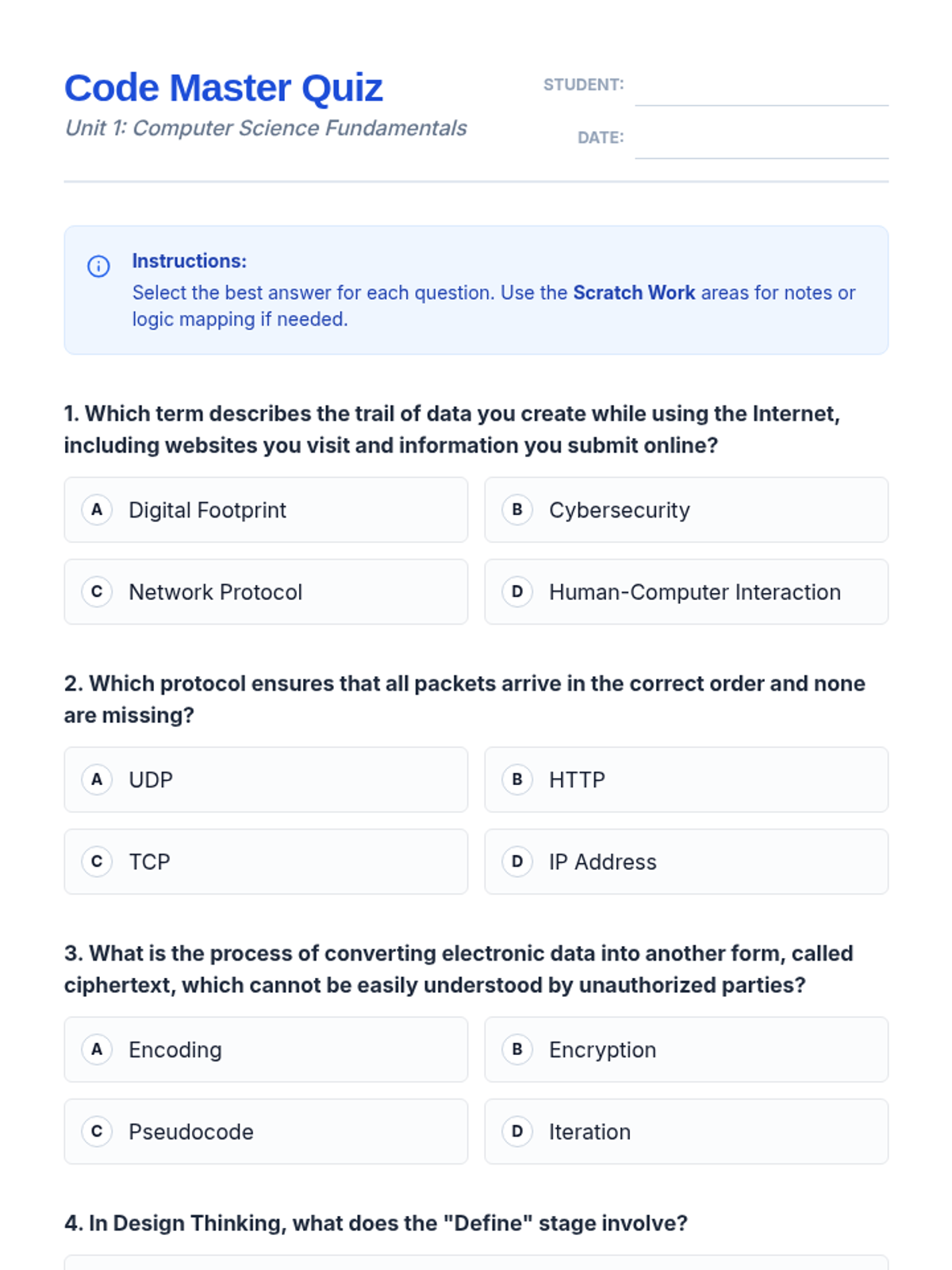
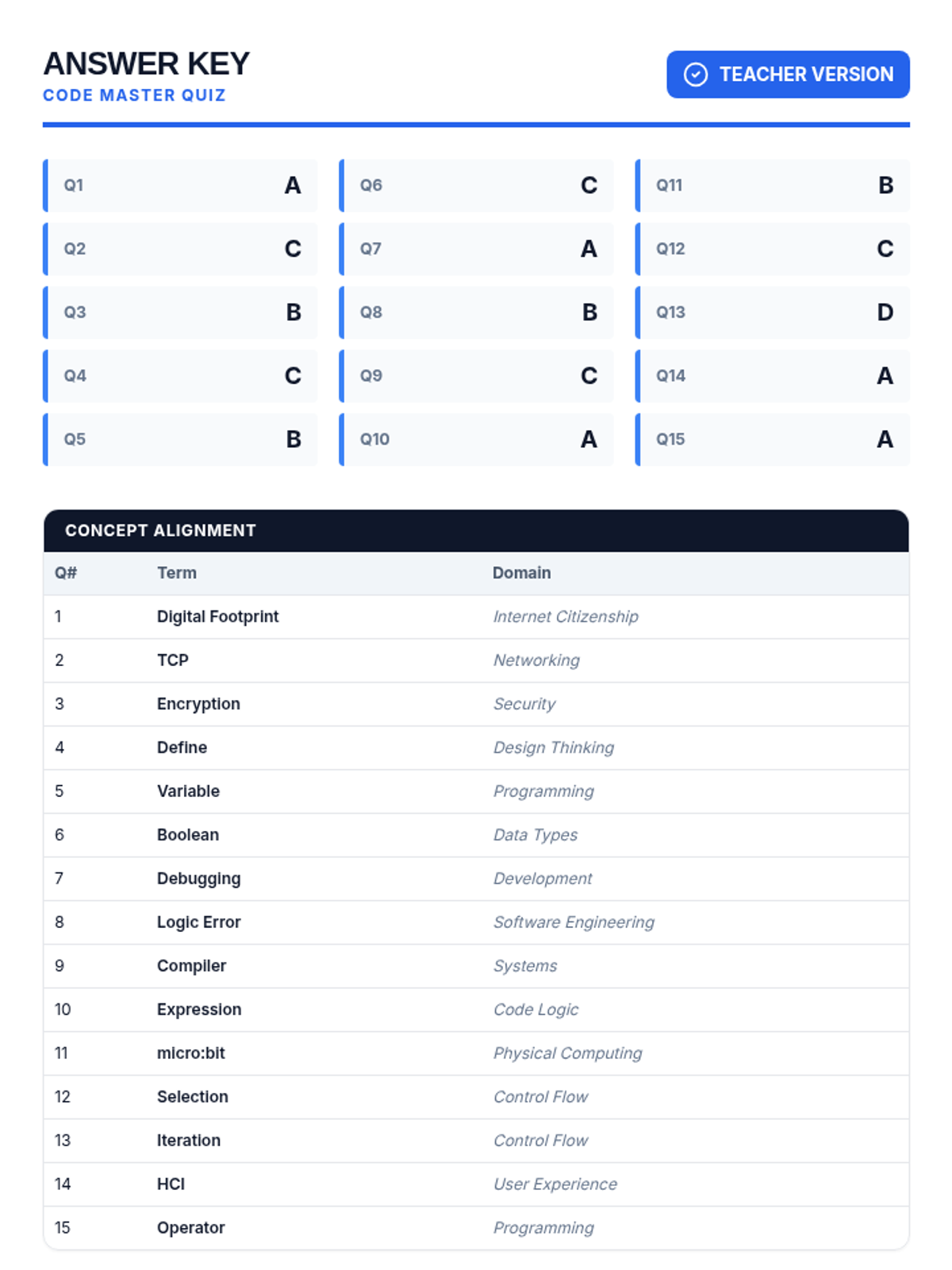
A foundational lesson covering essential computer science vocabulary, ranging from networking protocols to programming structures and design thinking principles.
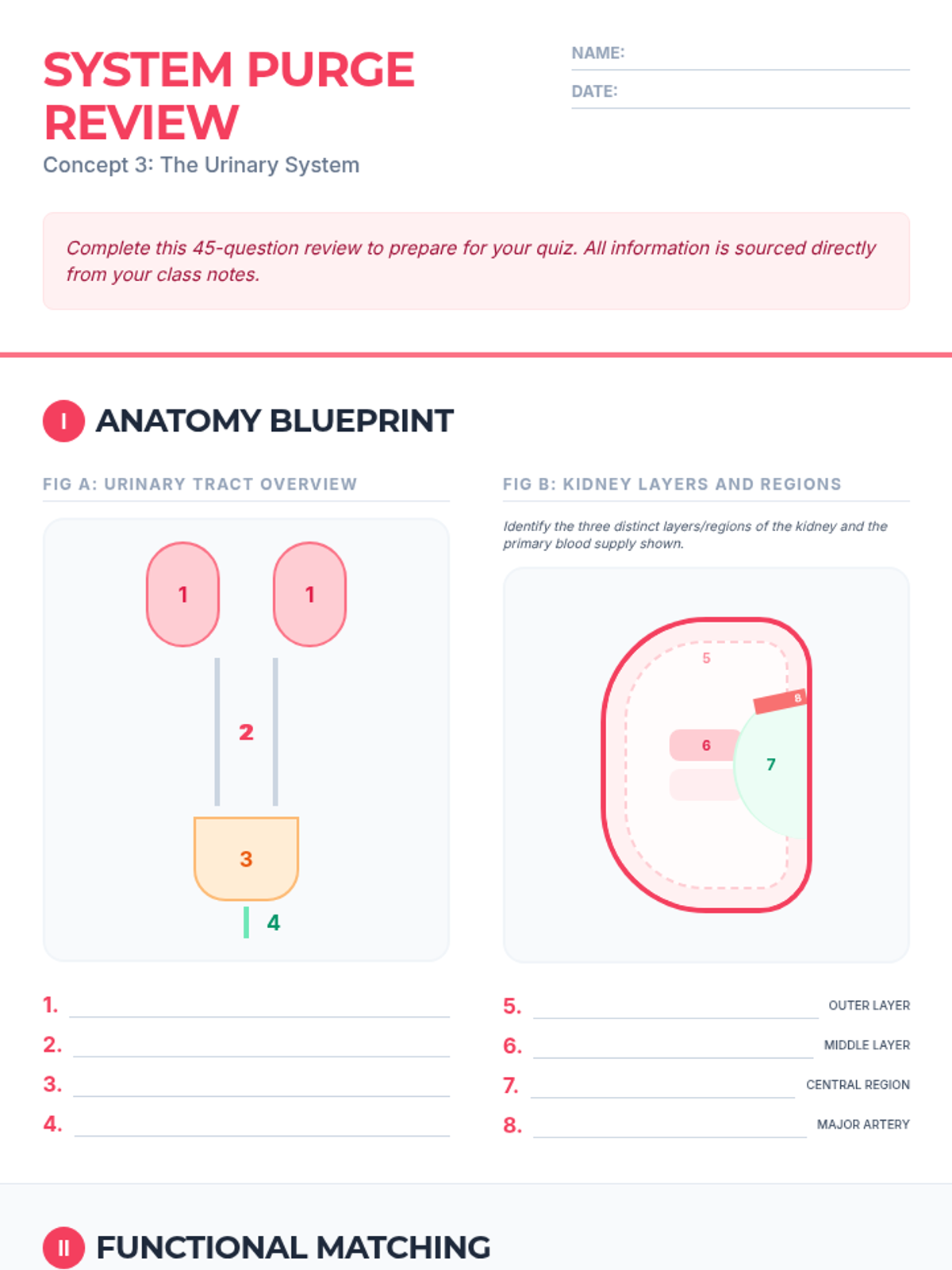
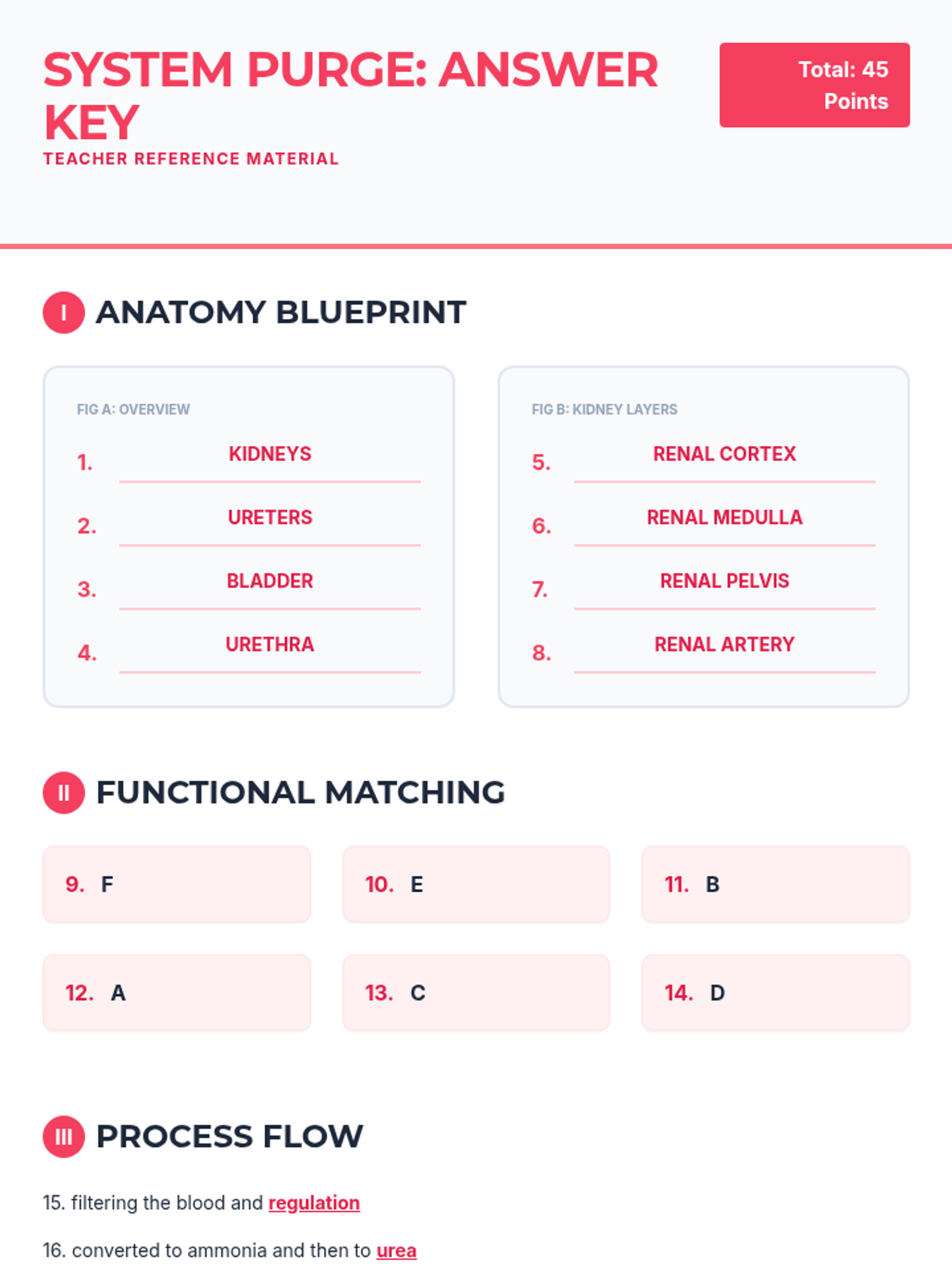
A comprehensive review of the urinary system based on Concept 3 notes, focusing on kidney structure, nephron function, and systemic regulation.
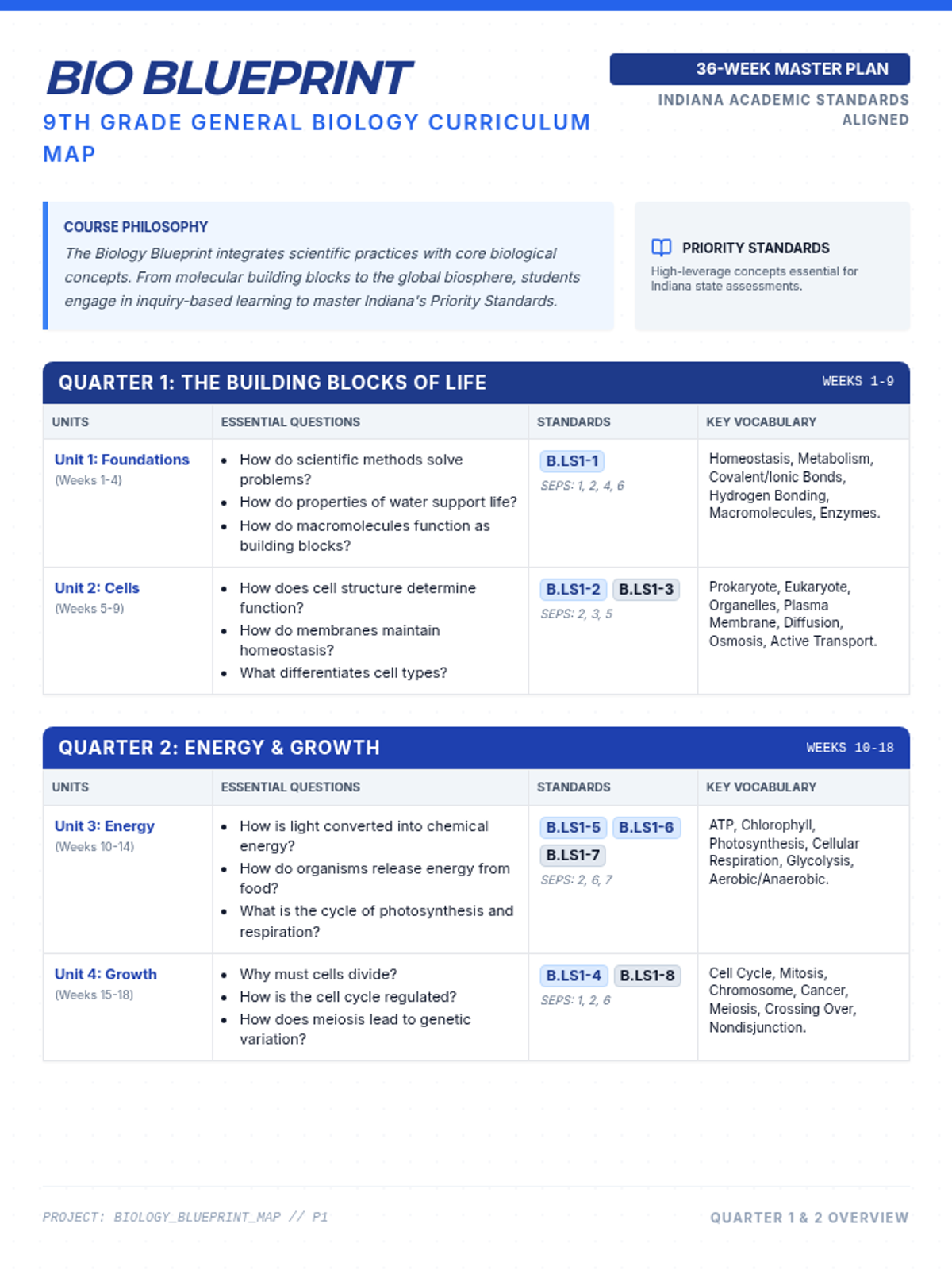
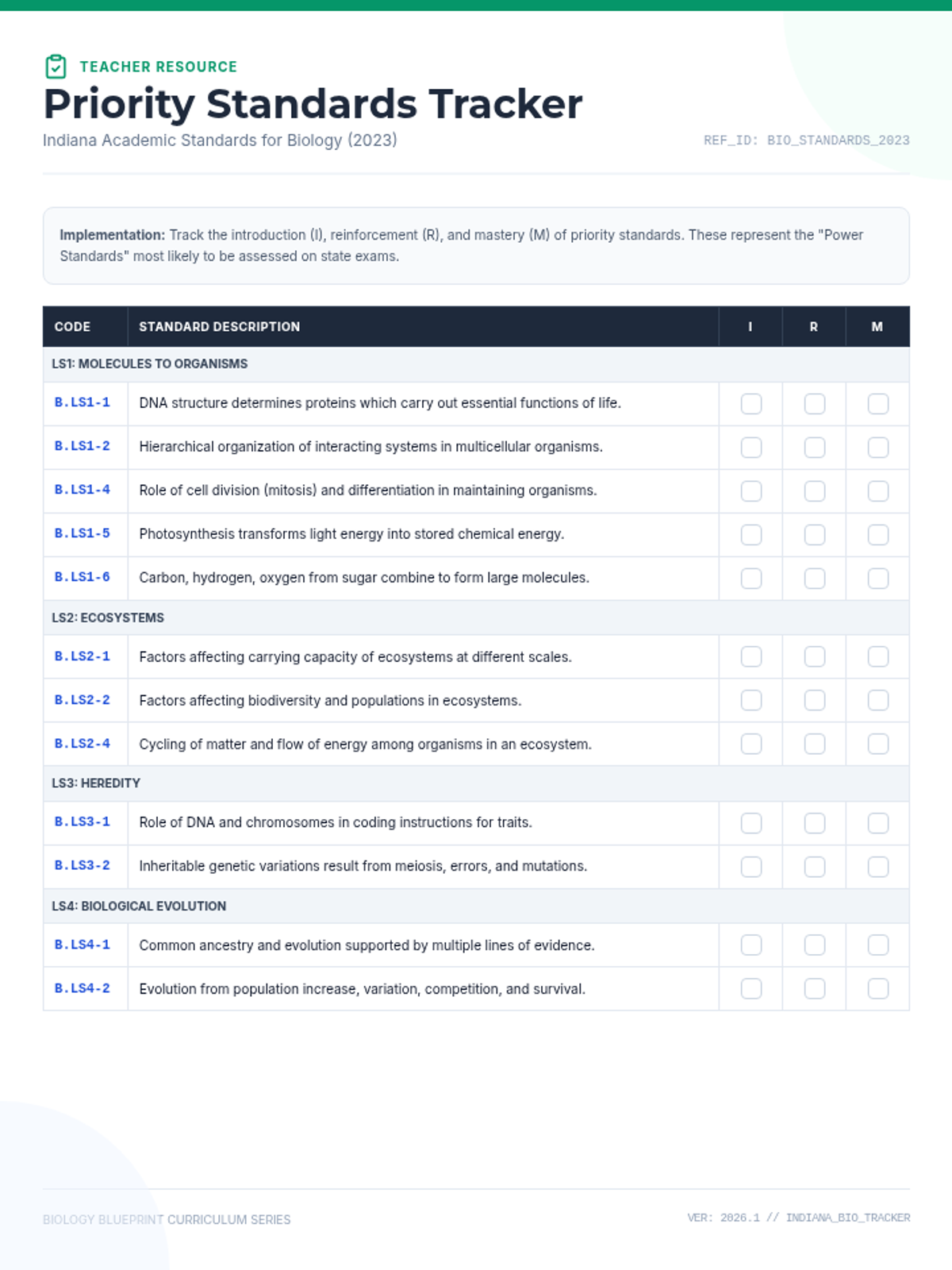
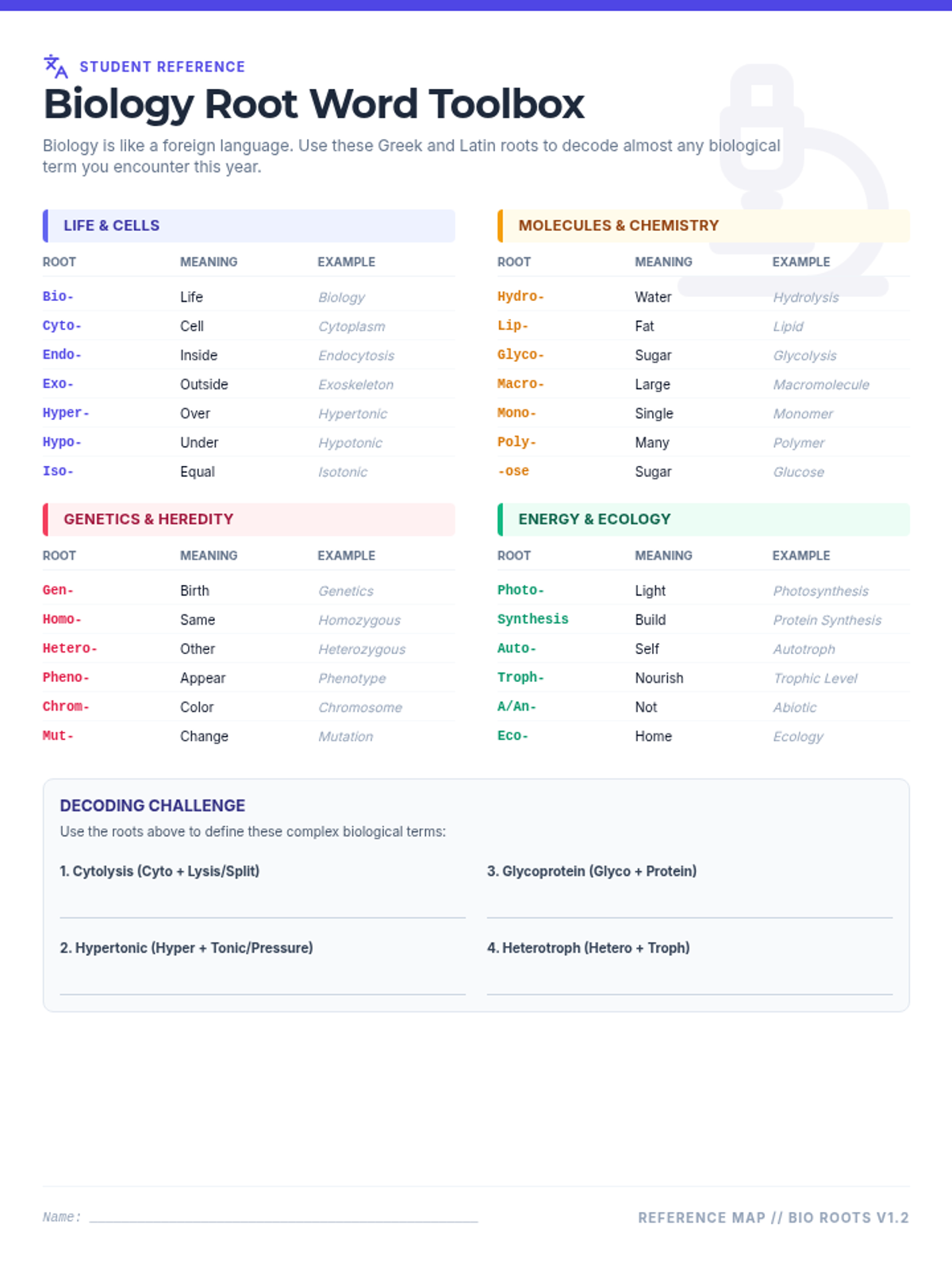
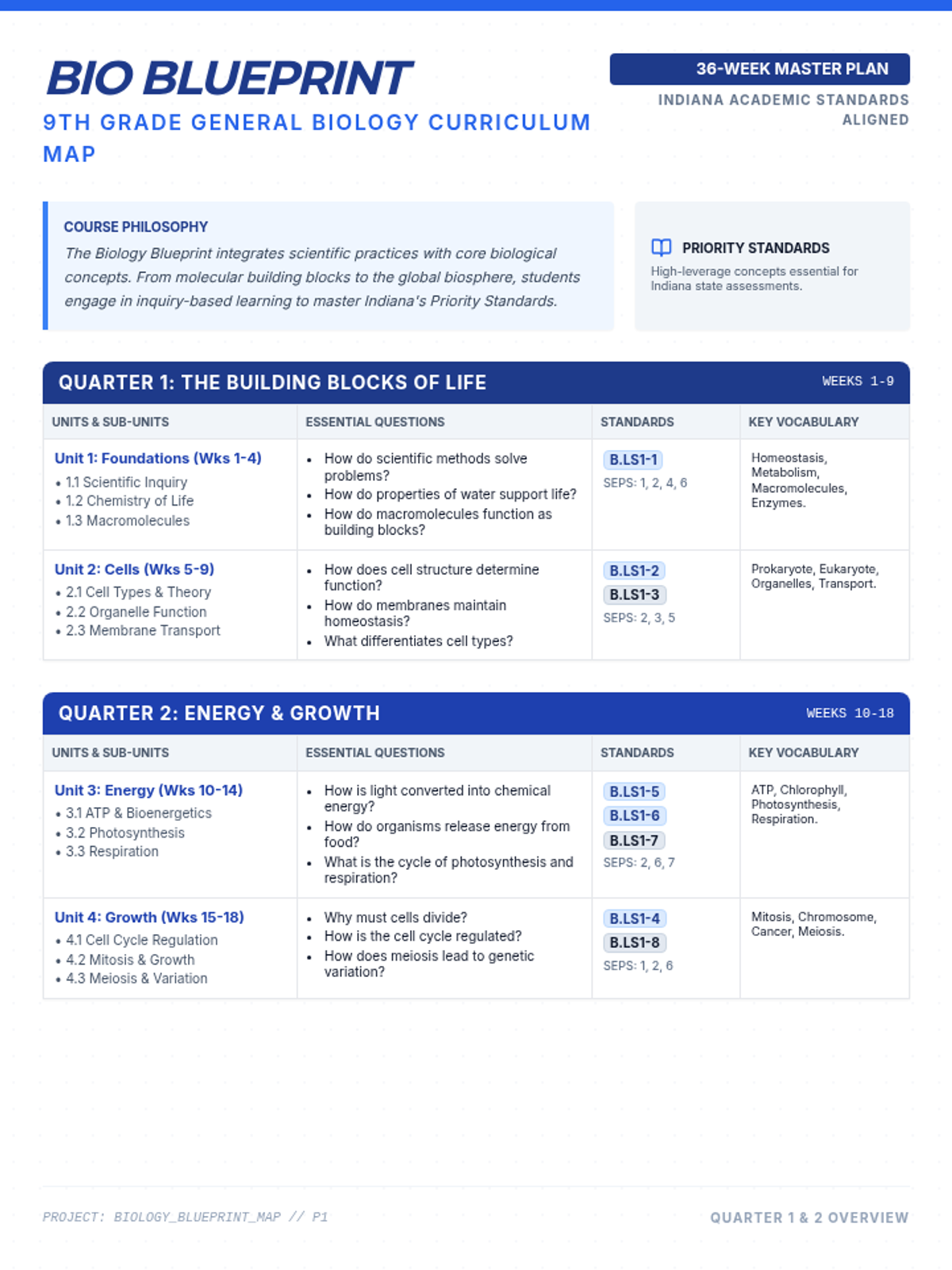
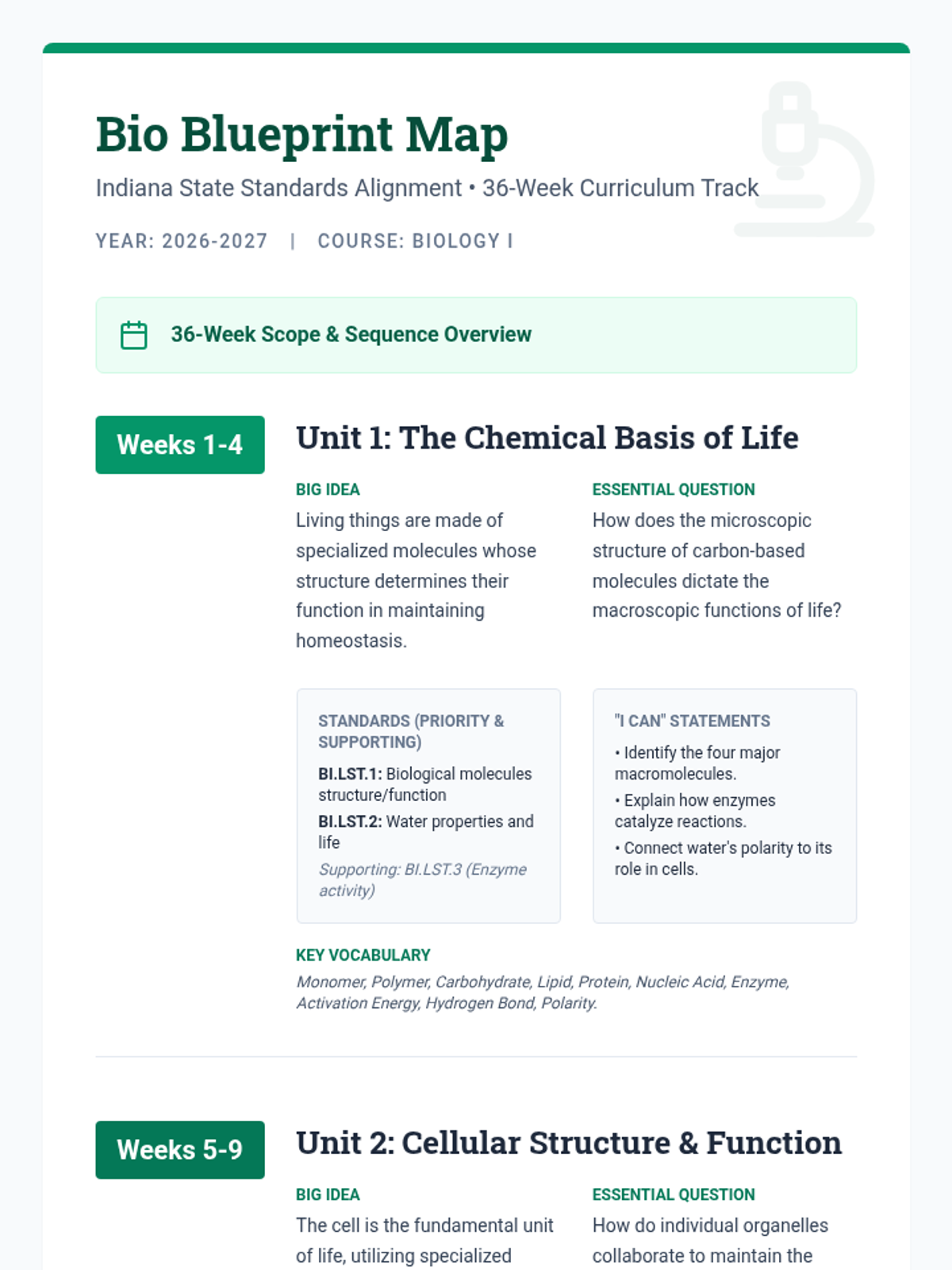
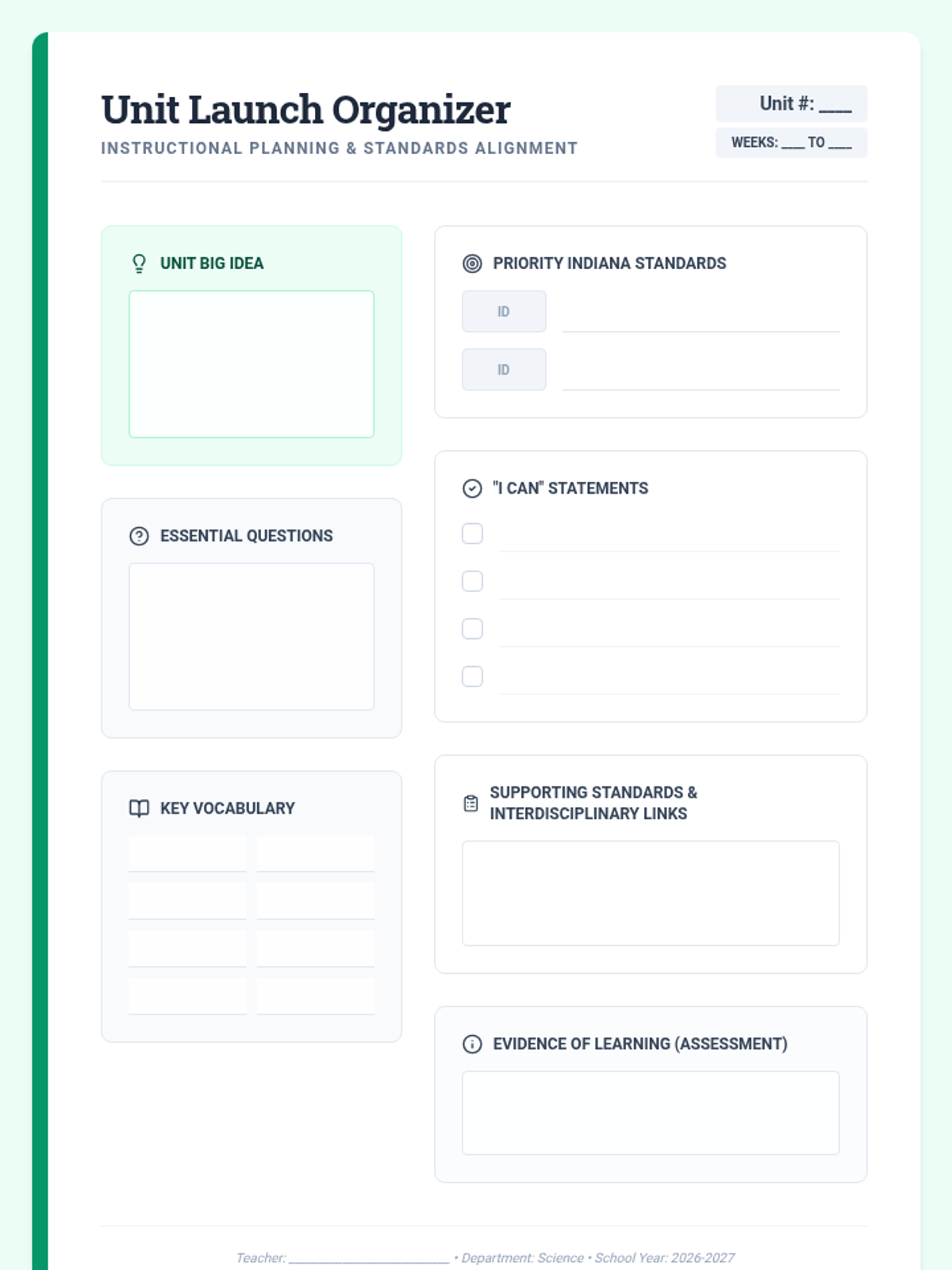
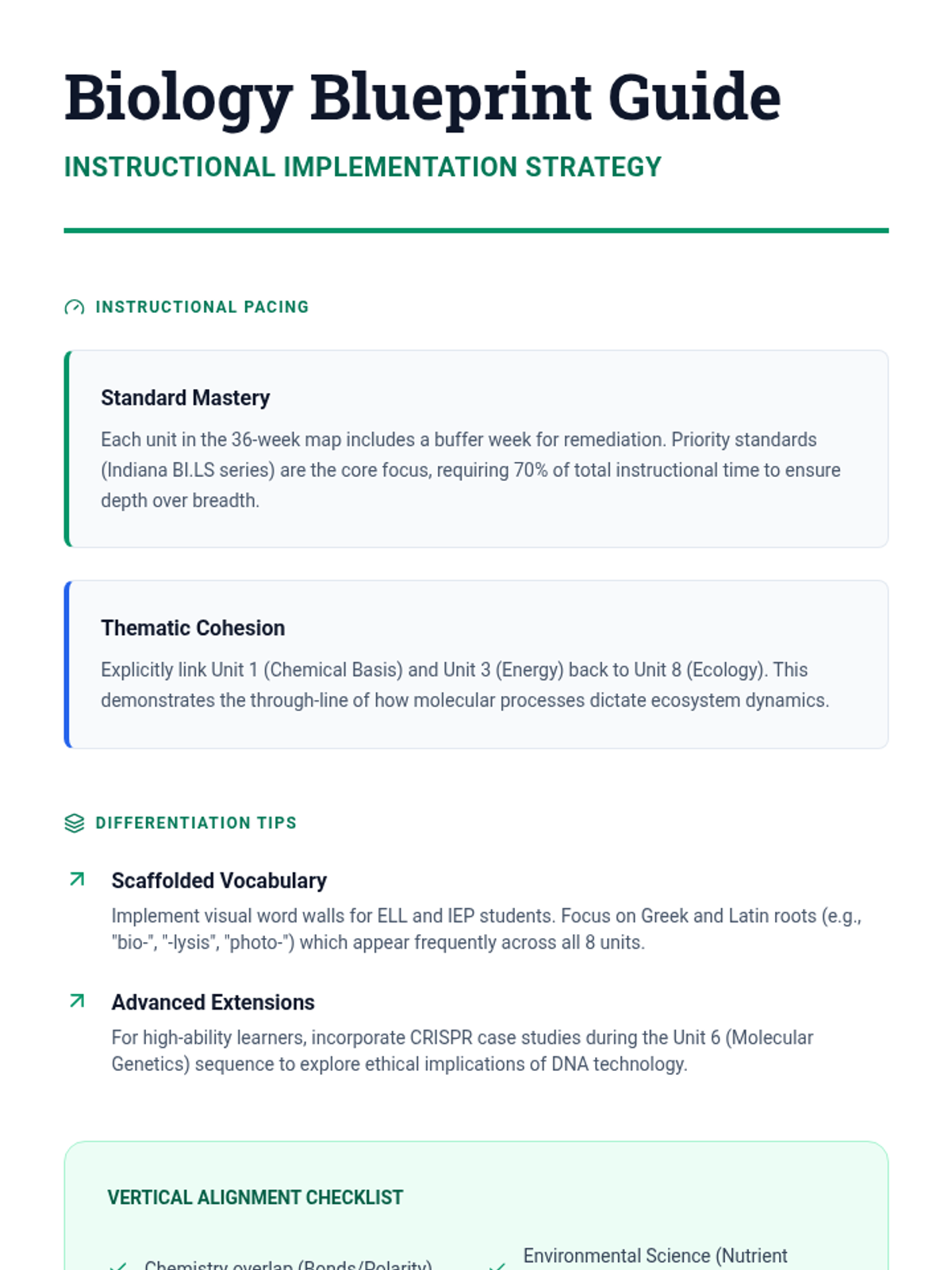
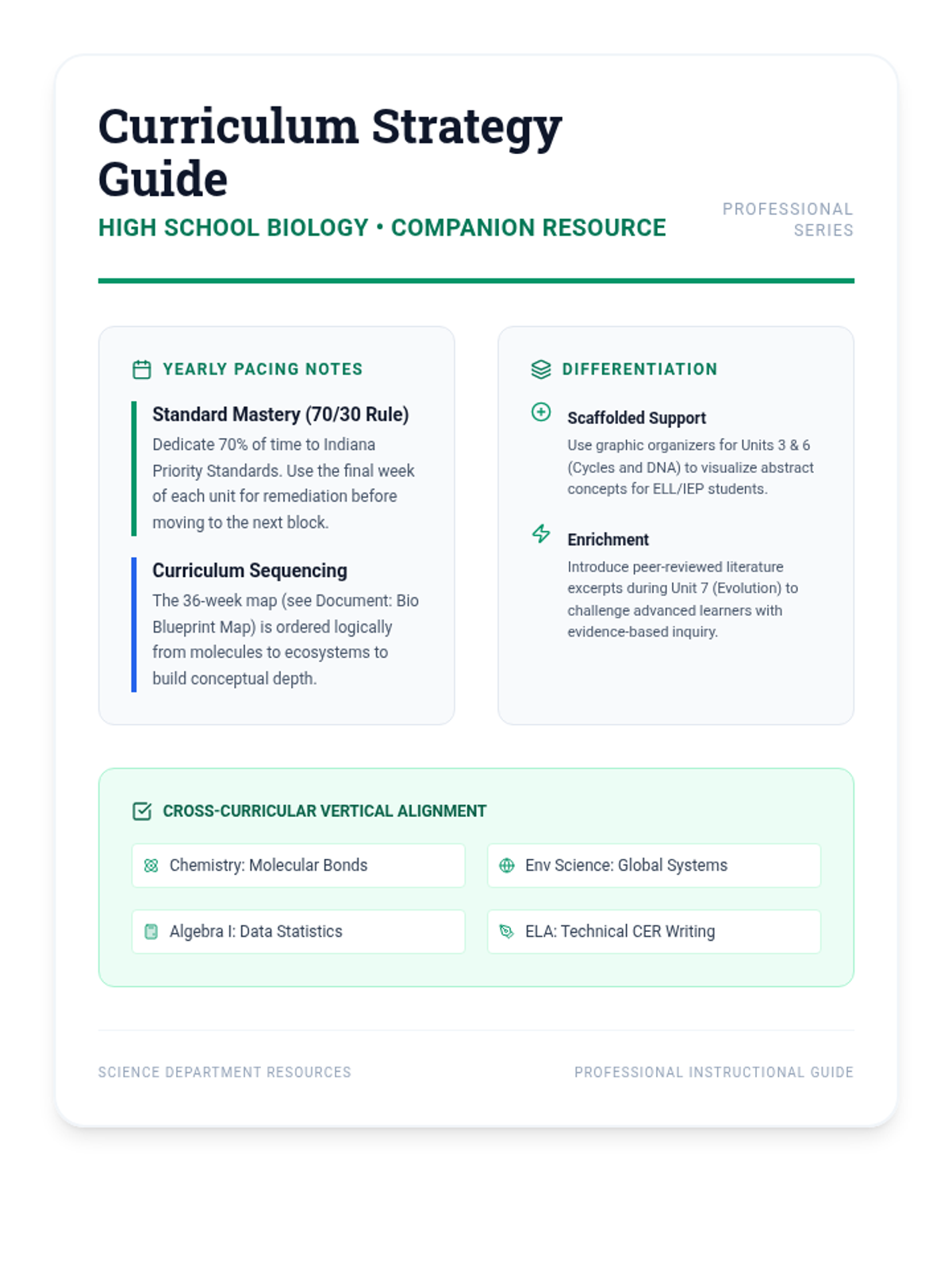
A foundational module containing the comprehensive year-long curriculum map, standards alignment documents, and essential vocabulary resources for 9th-grade biology.
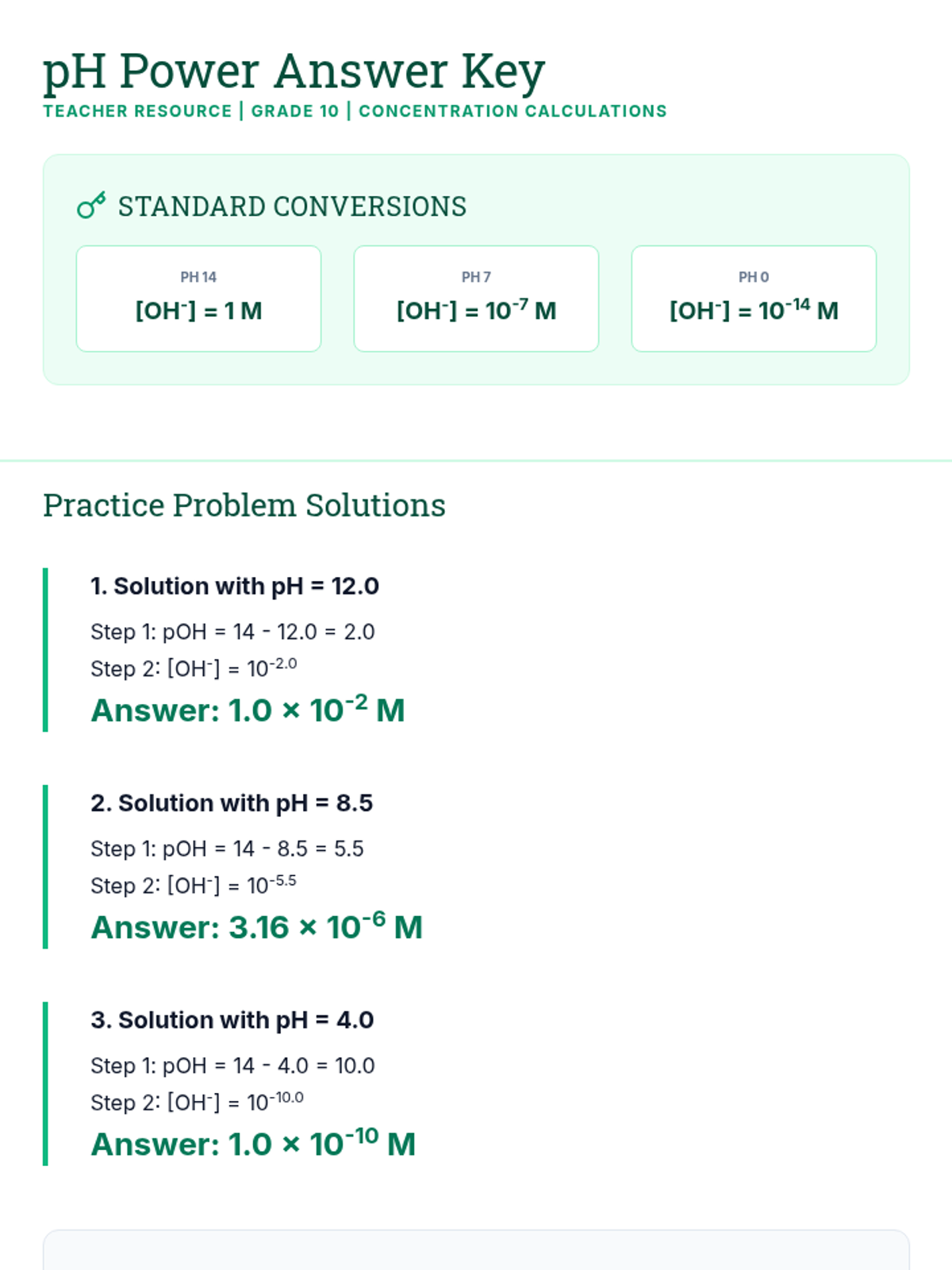
A lesson focused on the relationship between pH, pOH, and ion concentrations, featuring step-by-step methods for converting between them.
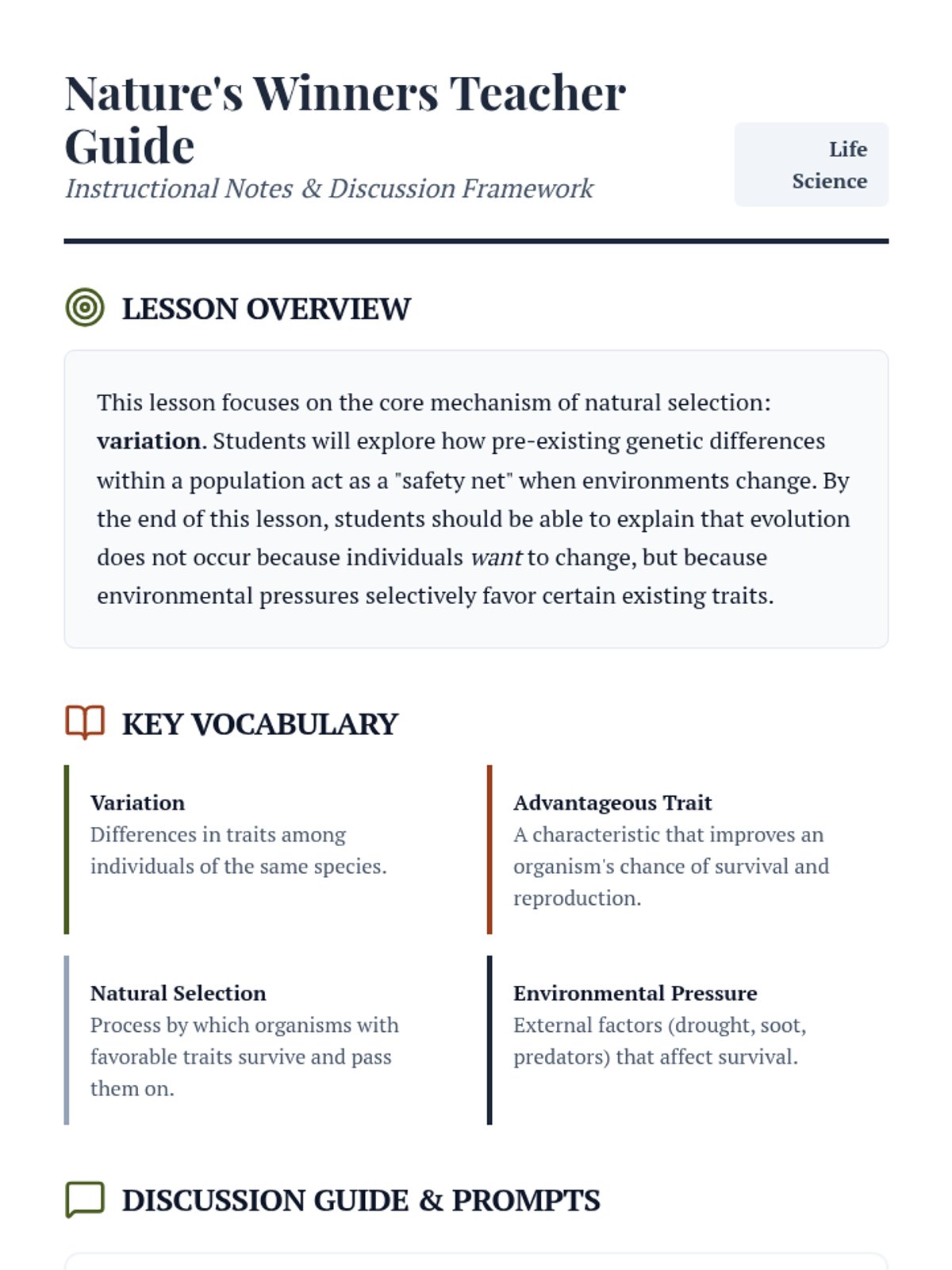
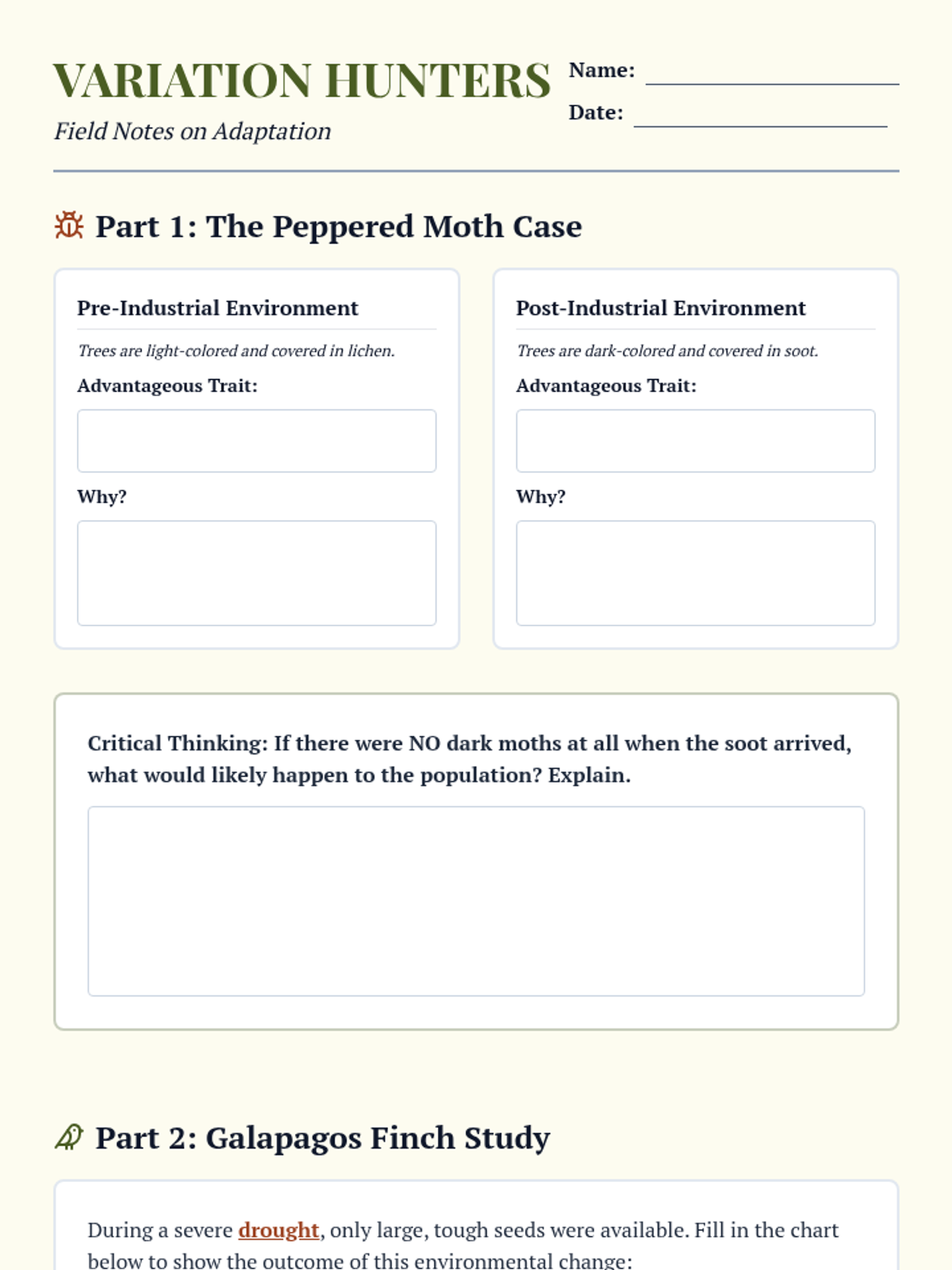
This lesson explores how genetic variation within a population influences survival during environmental changes, using peppered moths and Darwin's finches as primary case studies.
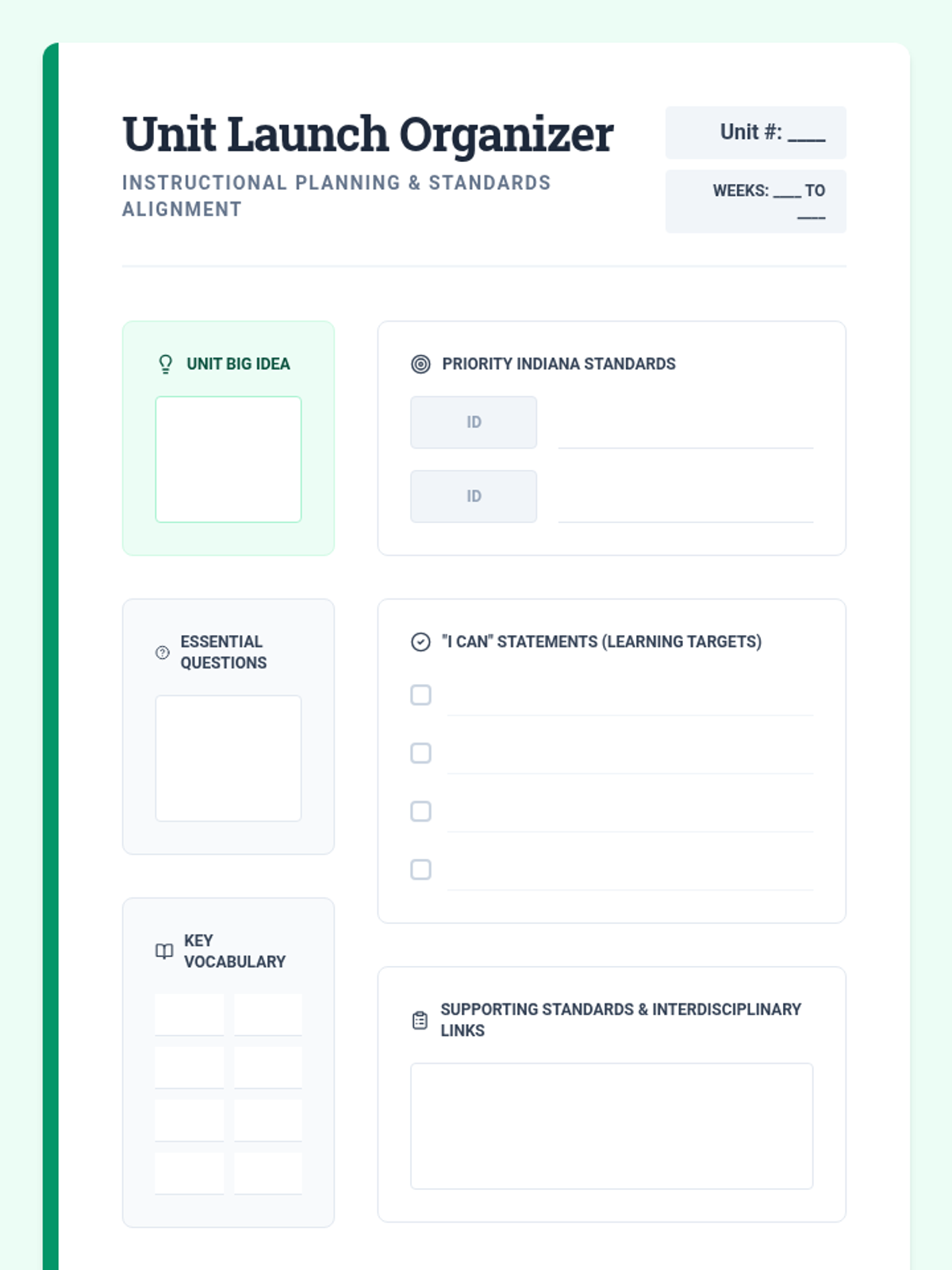
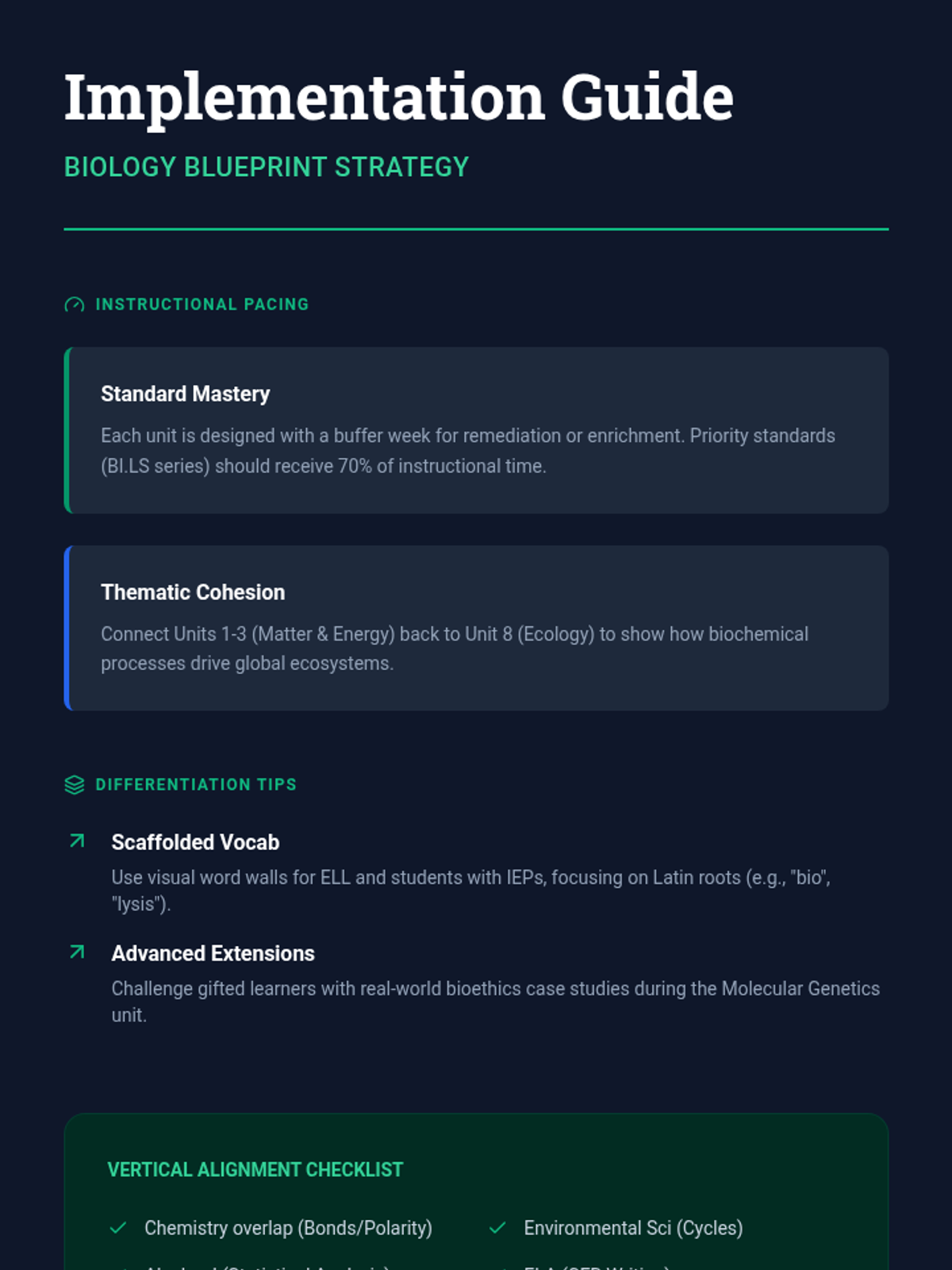
A curriculum planning lesson for biology teachers to organize a full year of high school biology instruction aligned with Indiana State Standards.