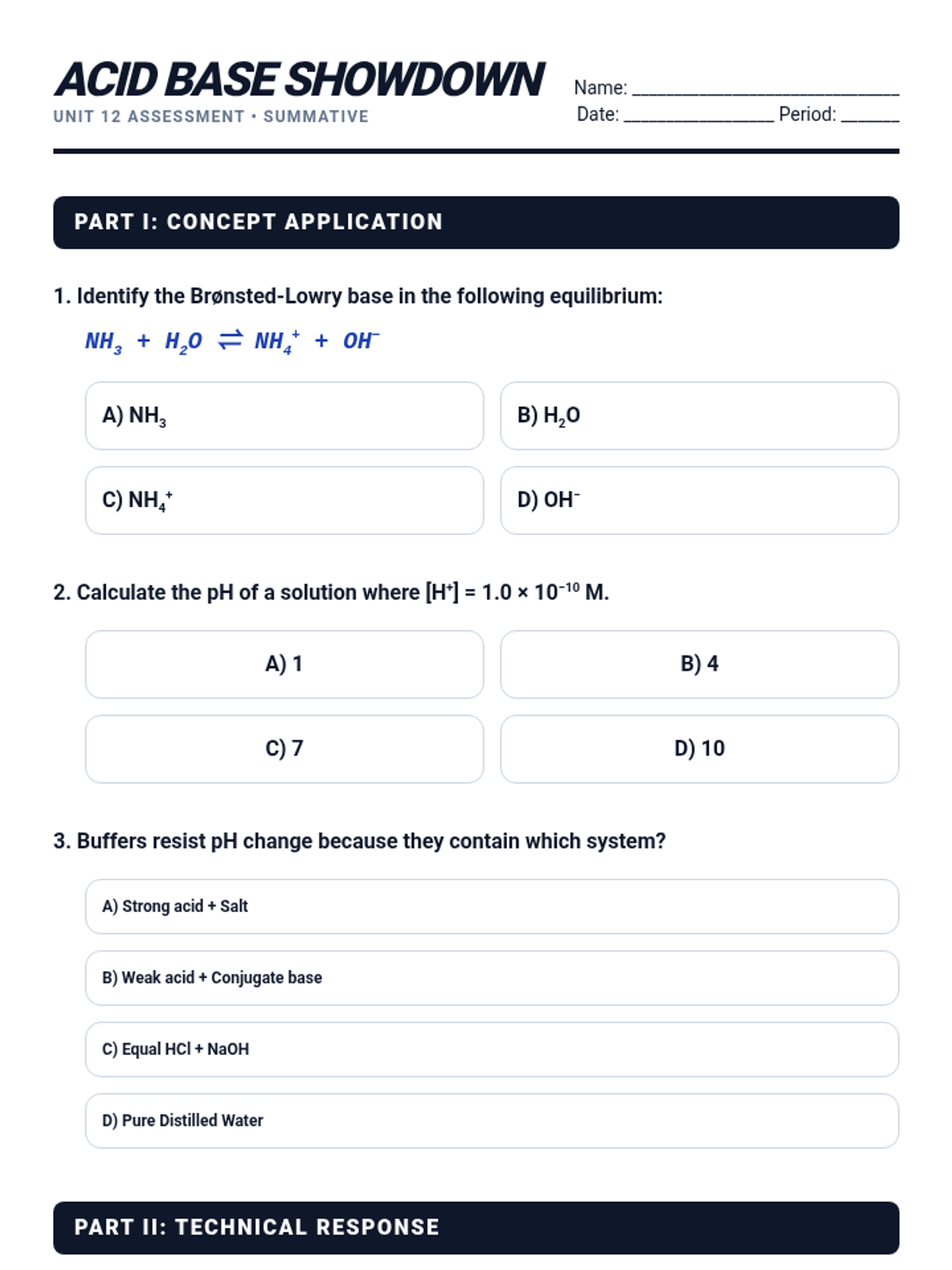
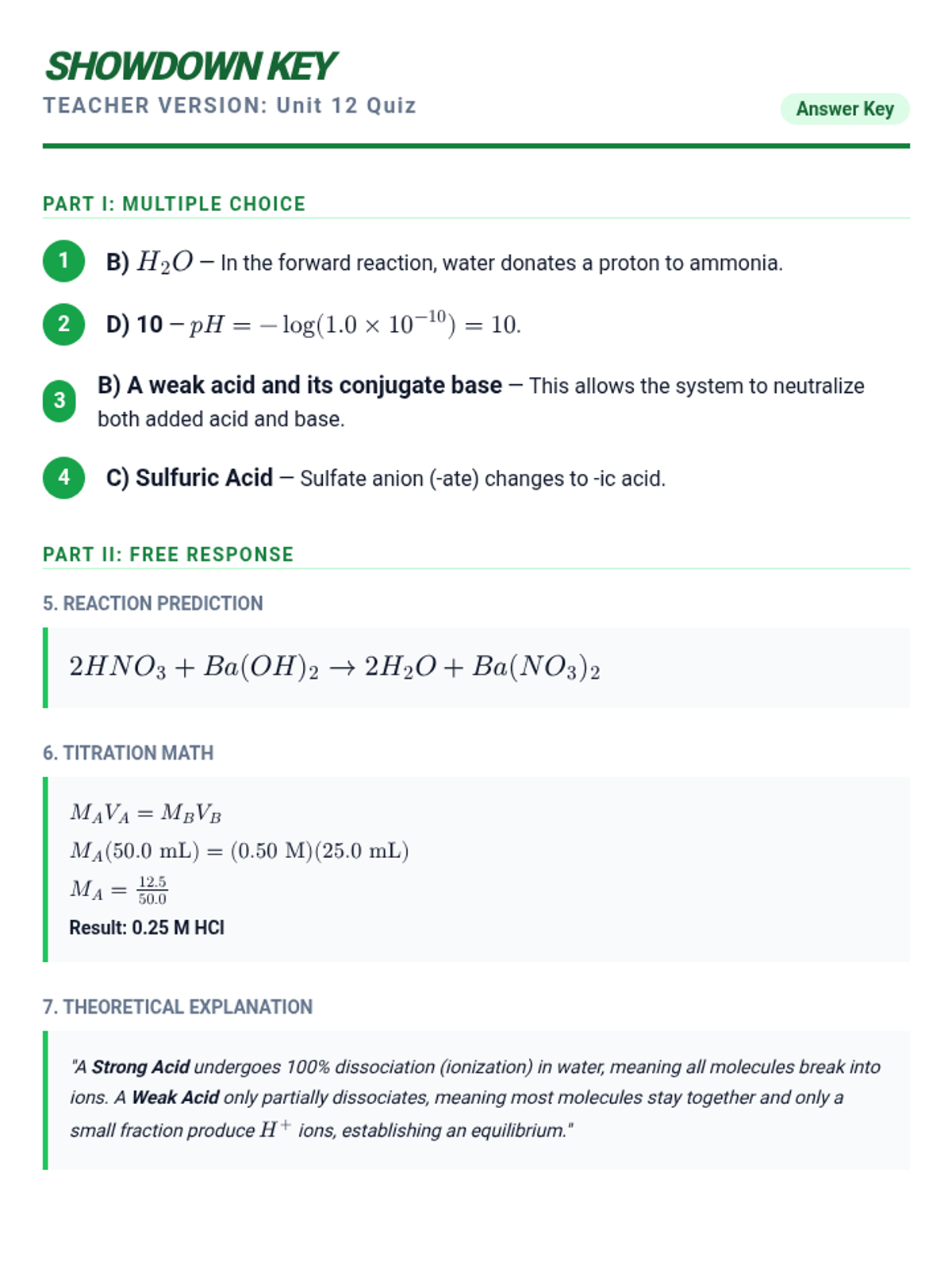
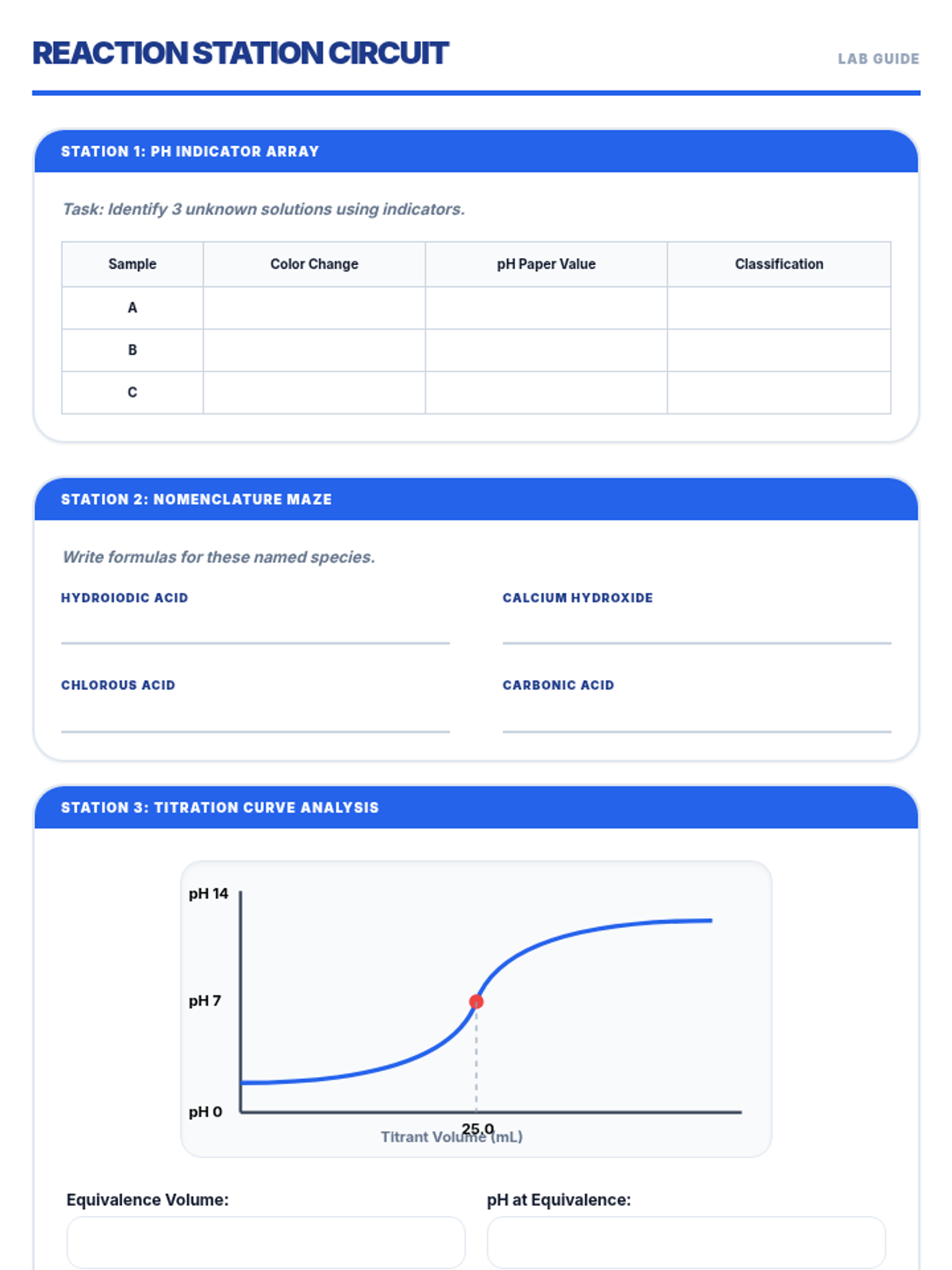
Students define acids and bases using Arrhenius and Brønsted-Lowry models, learn naming conventions, and master pH/pOH calculations.
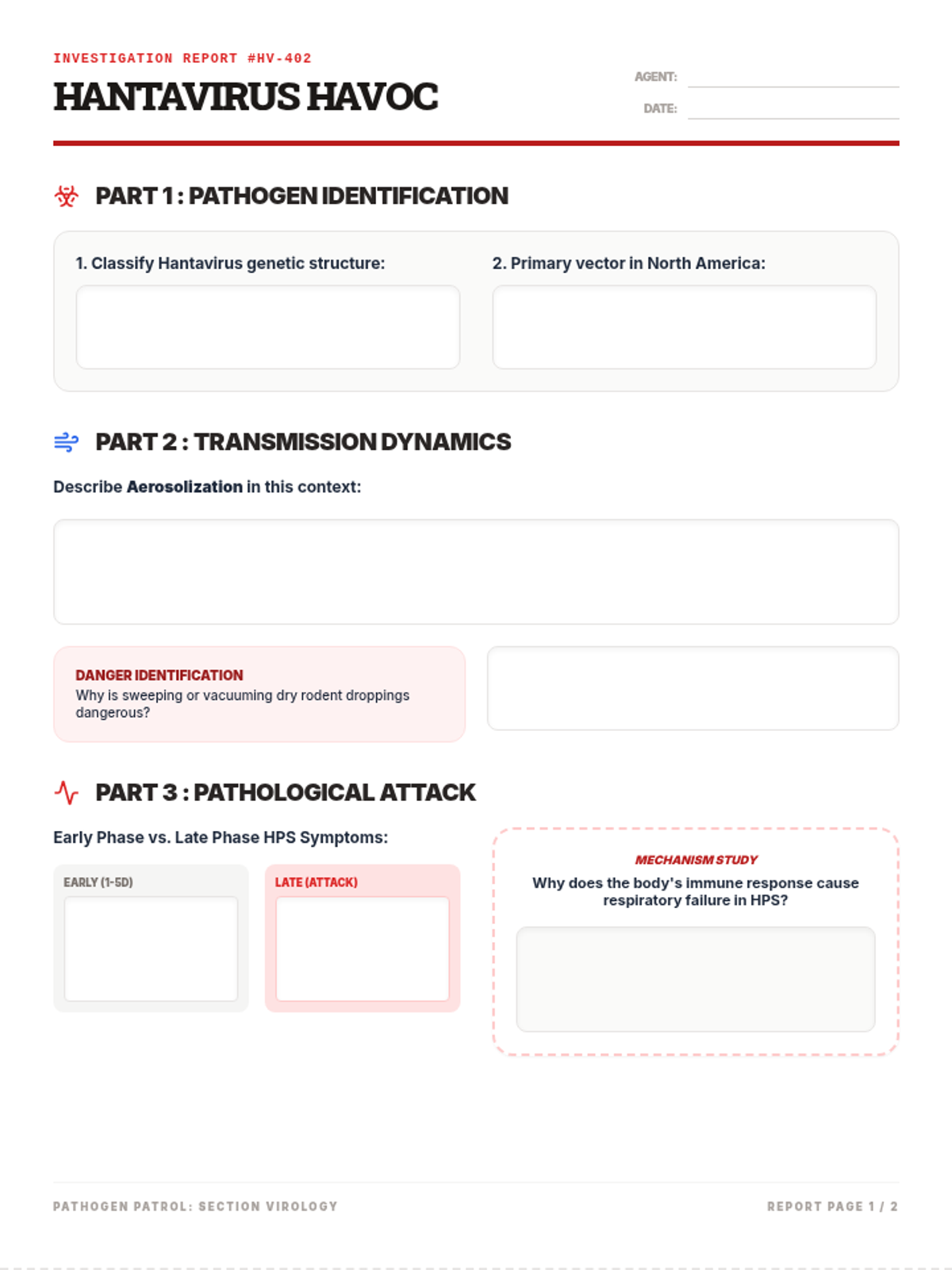
An investigation into the transmission, symptoms, and pathology of Hantavirus, emphasizing the role of rodent vectors and prevention strategies for high-school students.
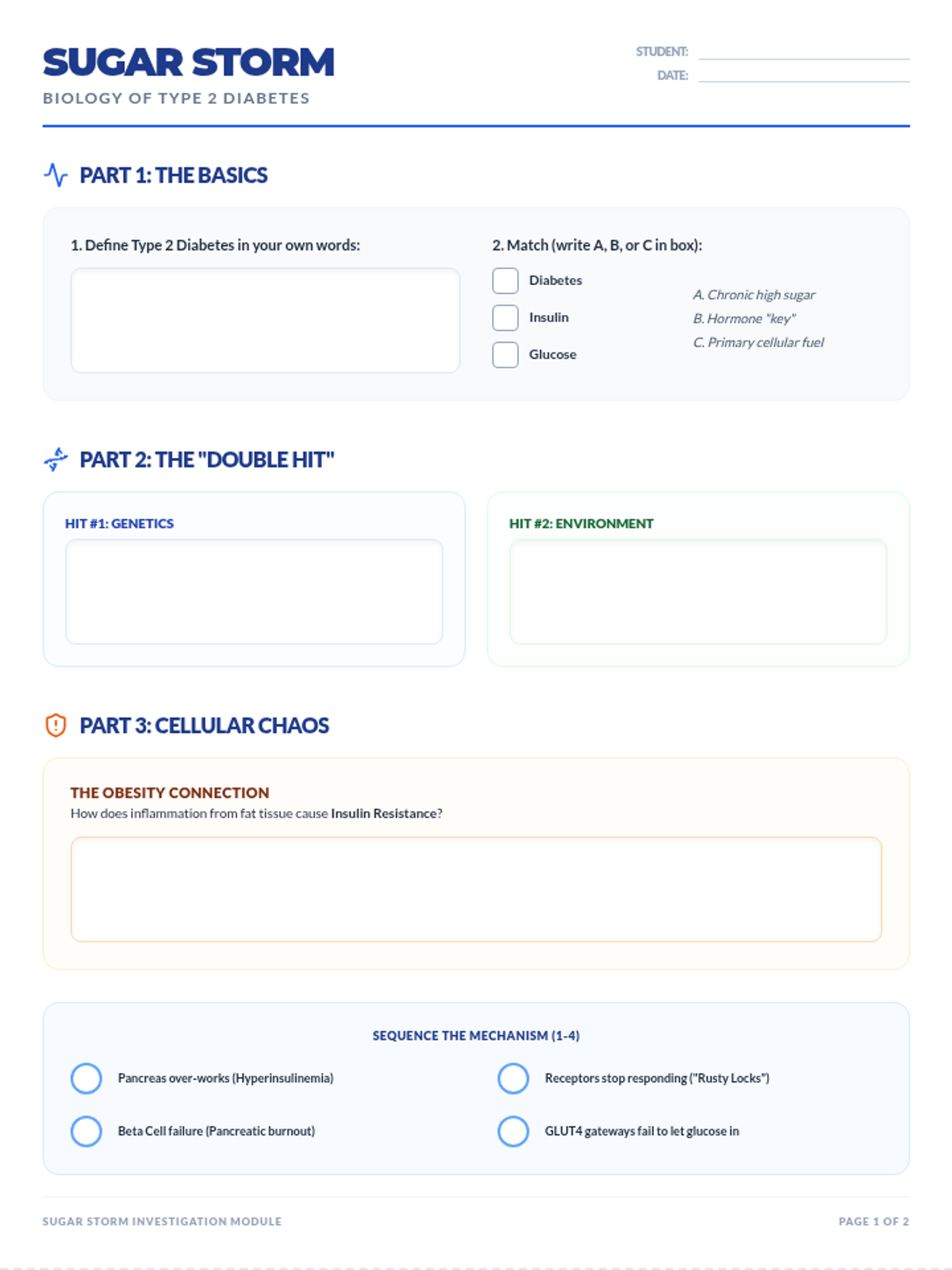
A deep dive into the biological mechanisms, pathology, and global socioeconomic impact of Type 2 Diabetes, specifically designed for 9th-grade biology students.
The final week of Sound Sliders drills focusing on Open Syllables and comprehensive Blend review.
The third week of Sound Sliders drills focusing on Mixed Blends and Glued Sounds (-ng, -nk) with daily 12-word practice sets.
The second week of Sound Sliders drills focusing on S-Blends and Ending Blends with daily 12-word practice sets.
An 11-day series of class starters focused on forensic reasoning, case synthesis, and professional communication of findings.
A 10-day series of class starters covering biological evidence, blood patterns, DNA analysis, and ethics in genetics.
An 11-day series of class starters exploring physical and trace evidence, including fingerprints, hair, fibers, and soil.
A 10-day series of class starters focused on observation skills, documentation, ethics, and the history of forensic science.
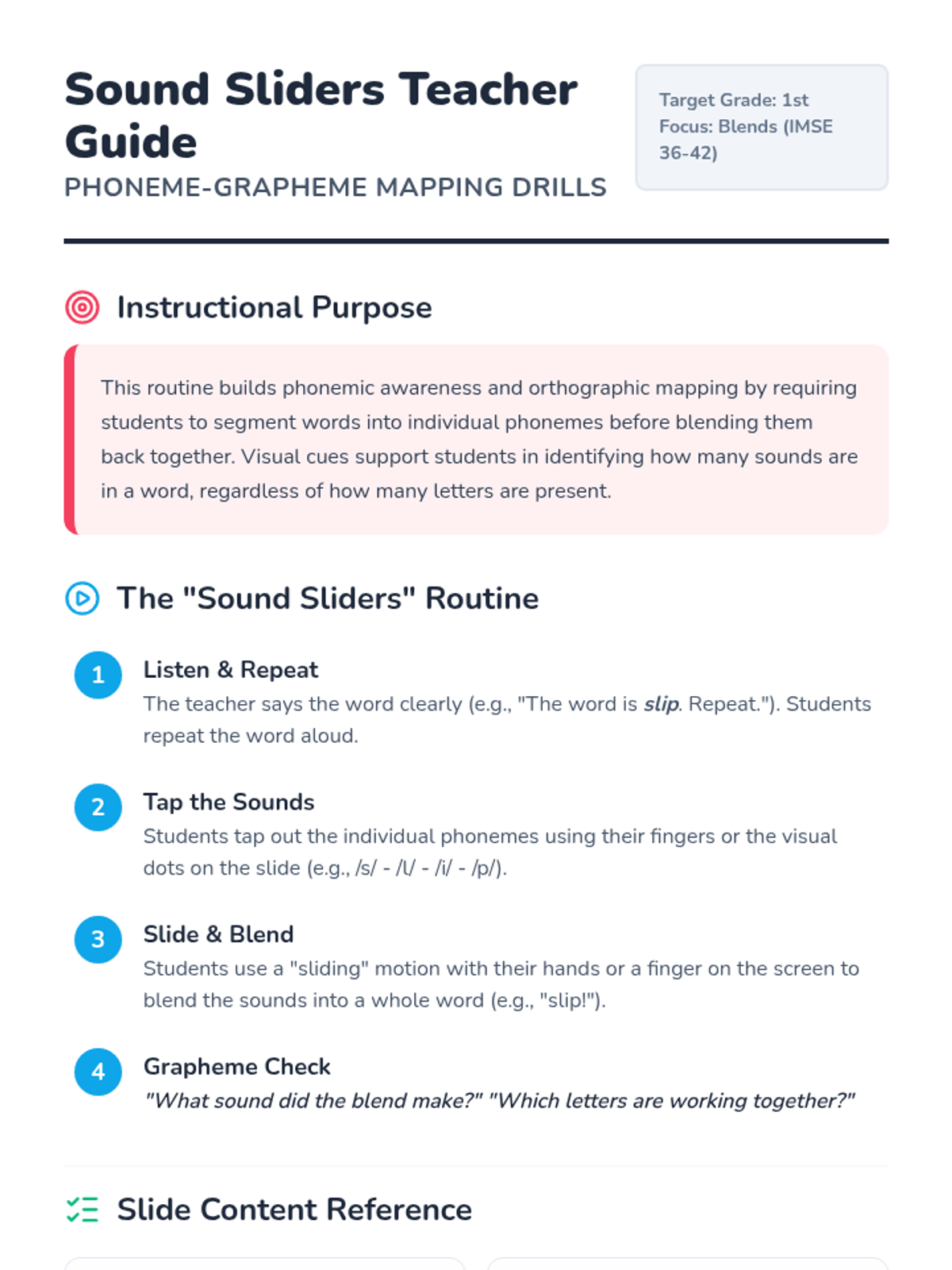
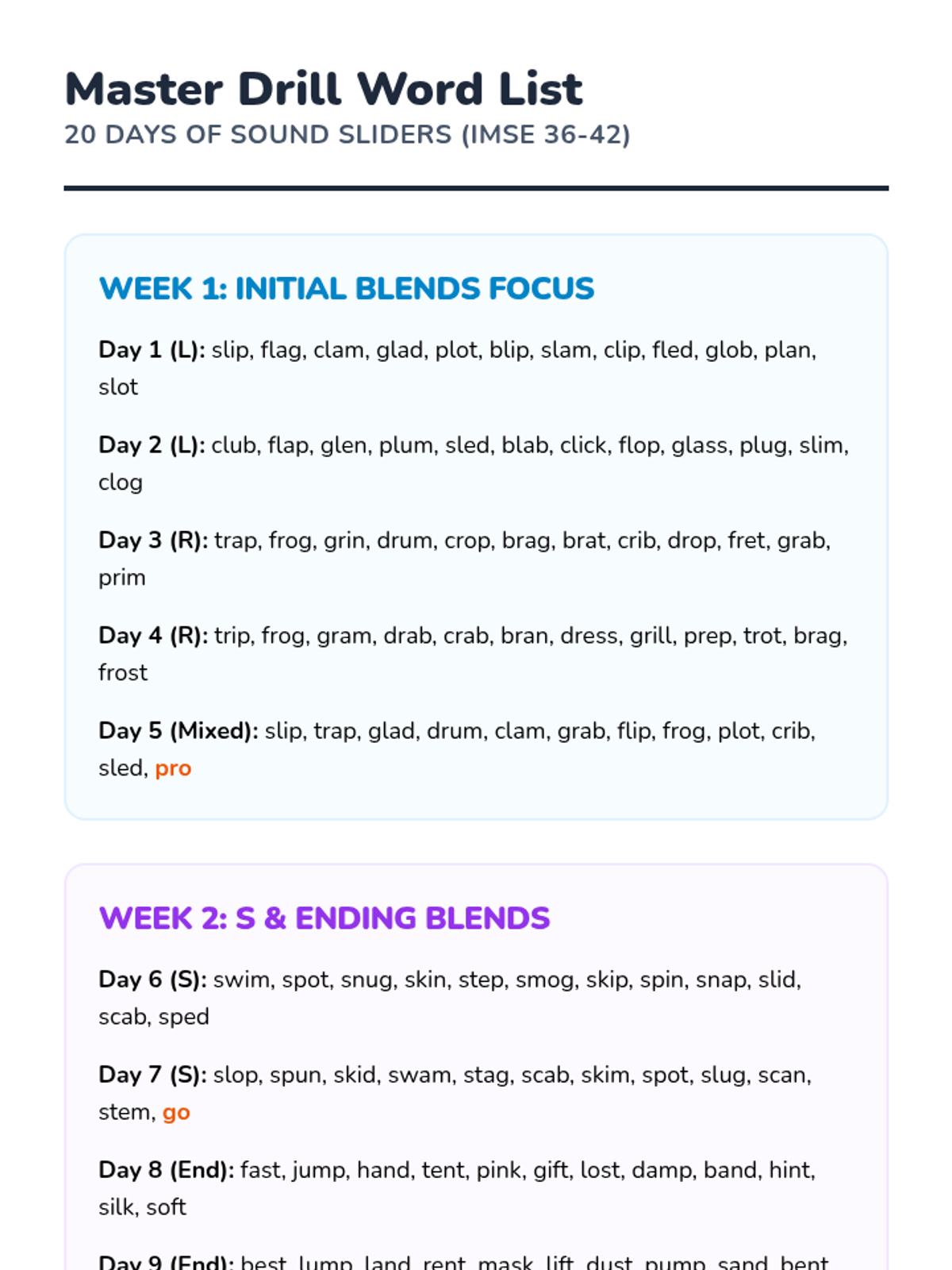
The first week of Sound Sliders drills focusing on initial L-Blends and R-Blends with daily 12-word practice sets.
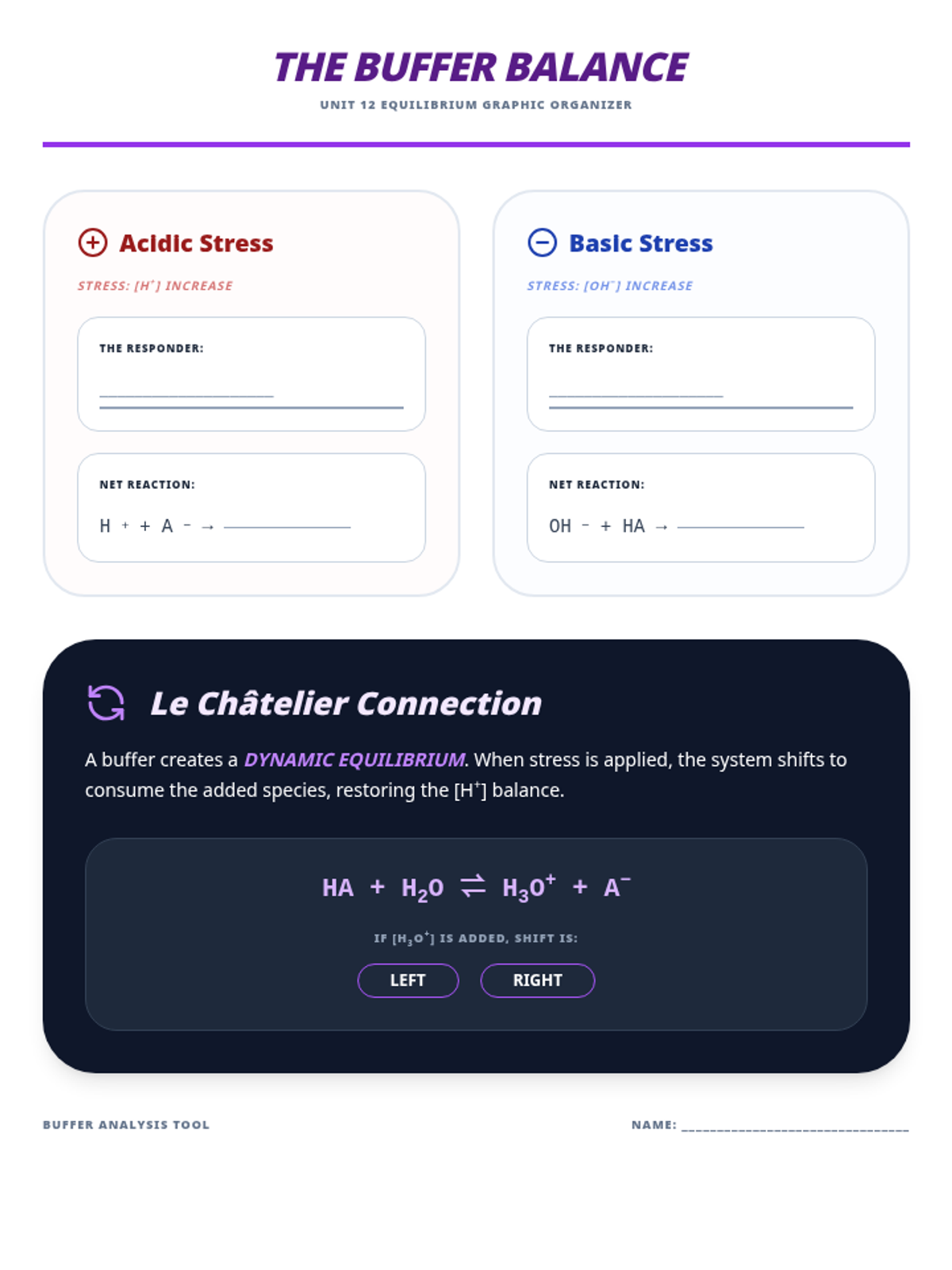
Explores the equilibrium of buffer solutions and concludes with a summative assessment of the unit.
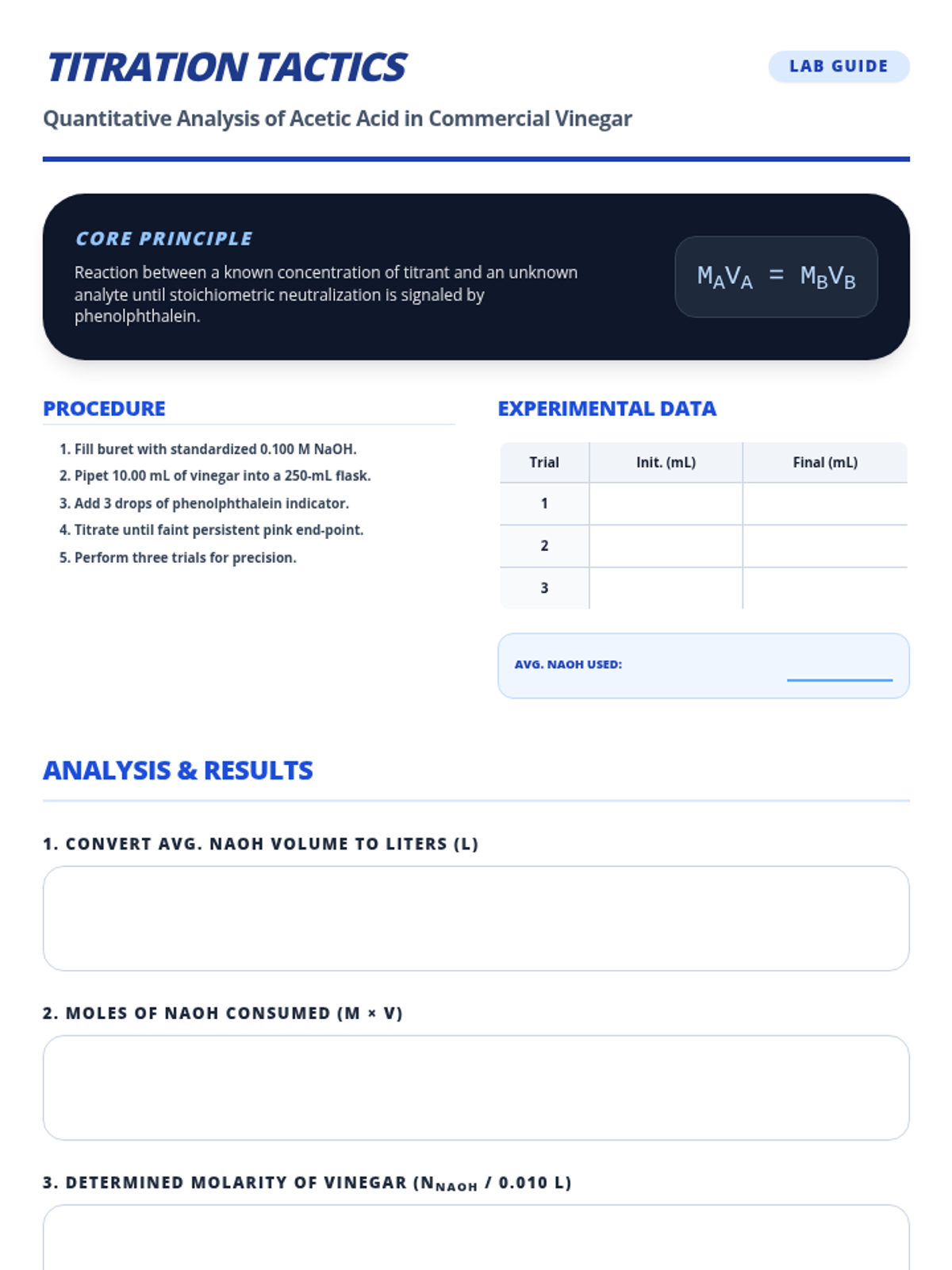
Focuses on neutralization reactions, predicting products, and performing titration experiments to determine unknown concentrations.
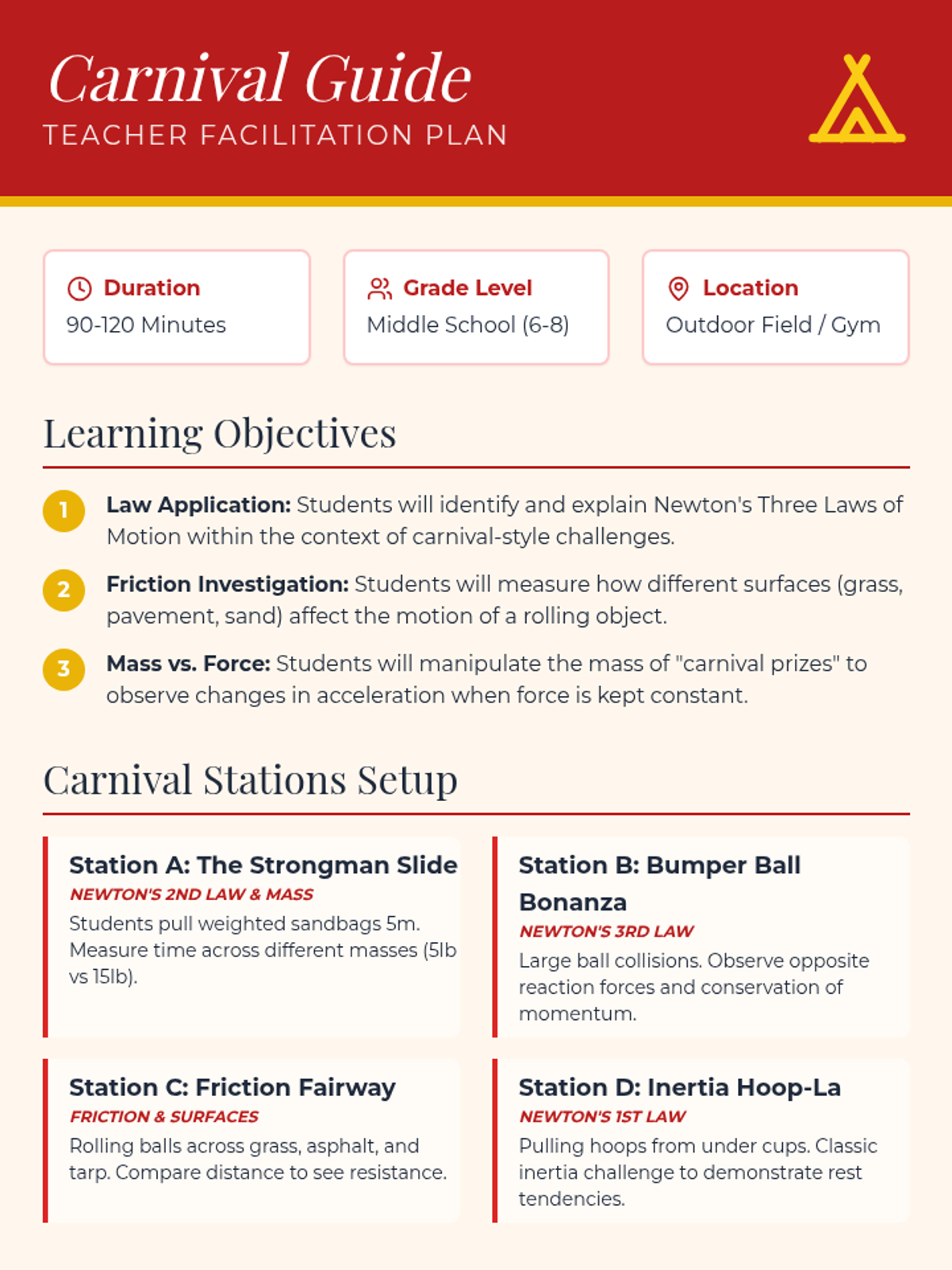
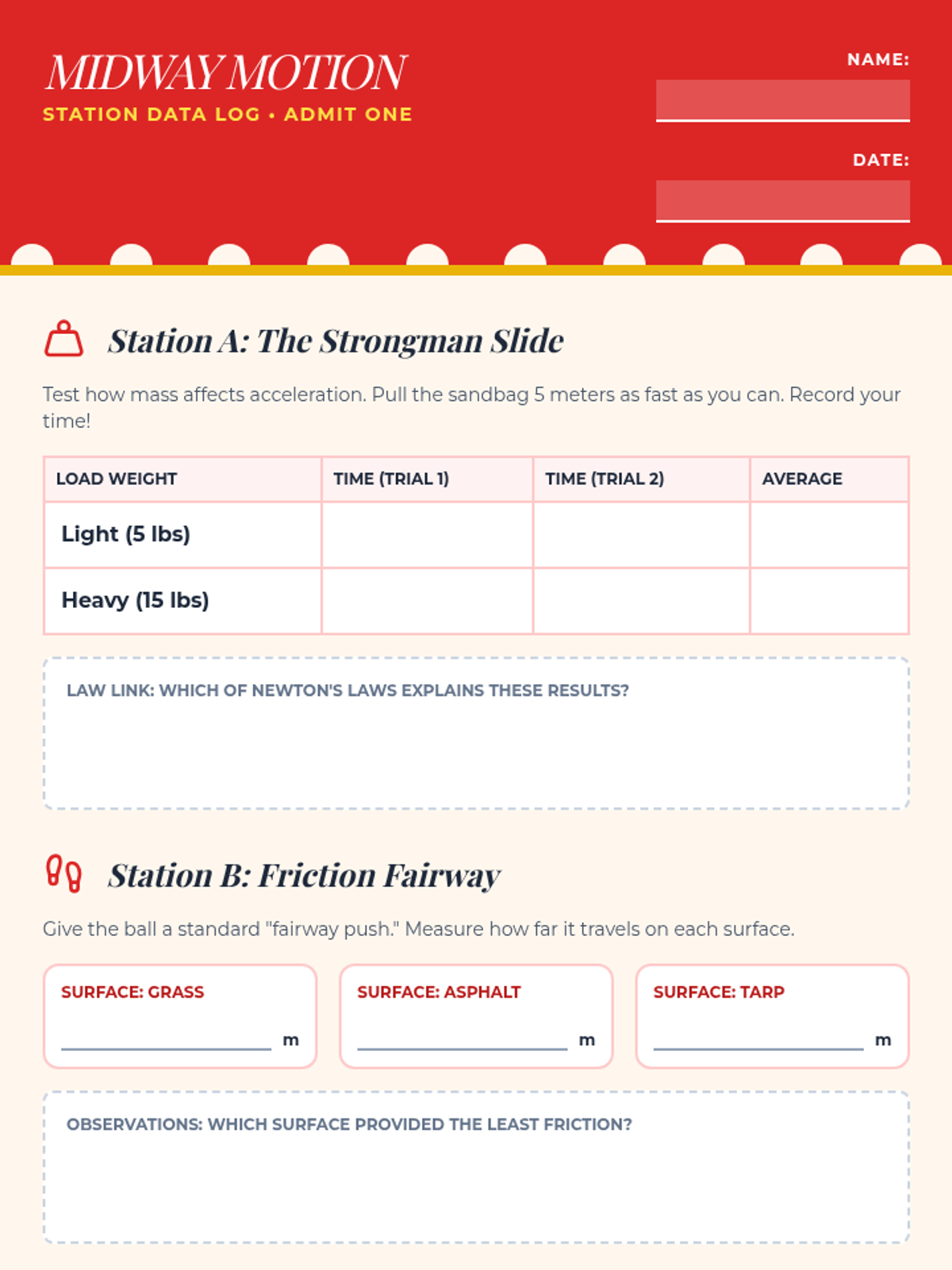
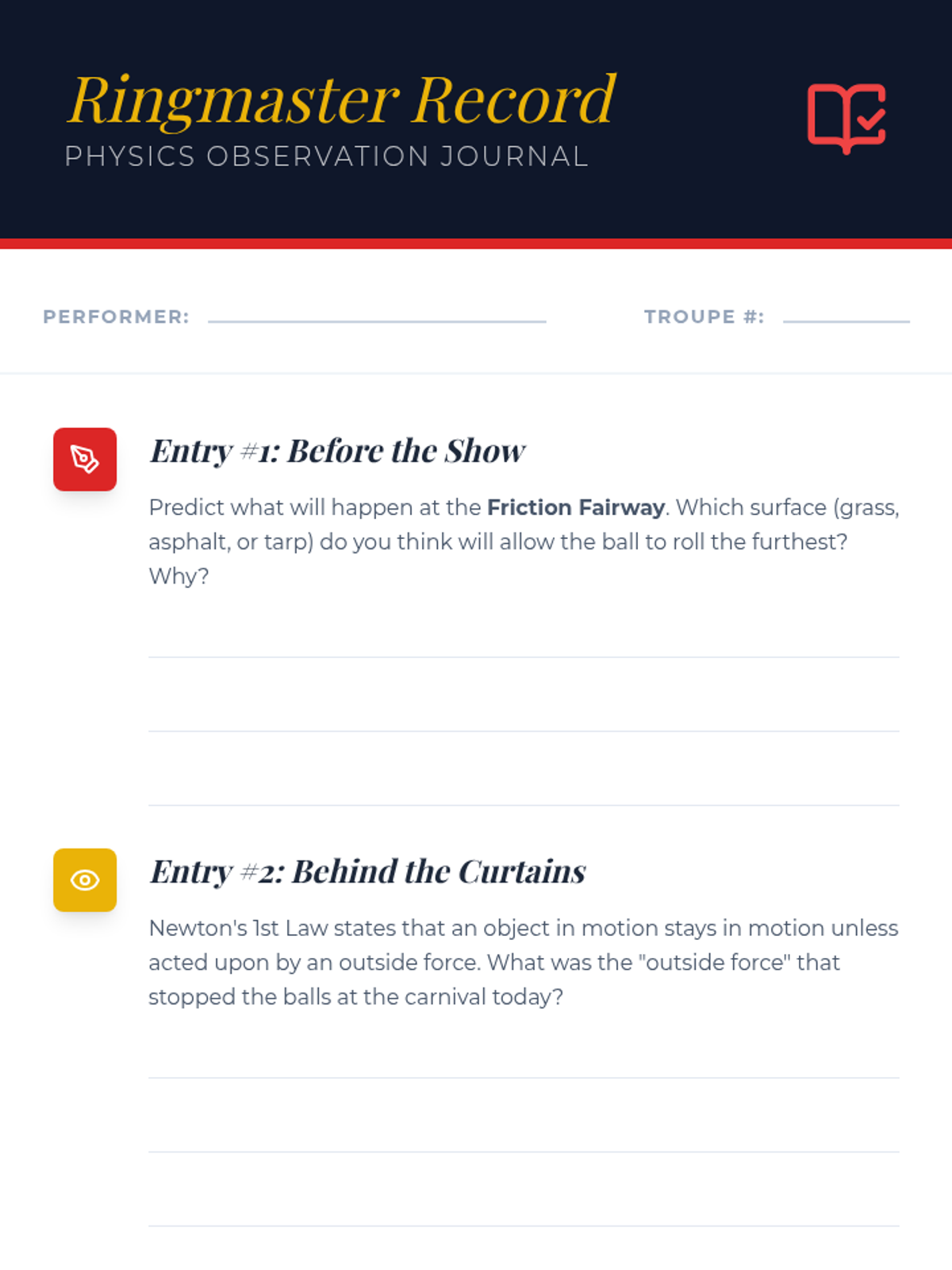
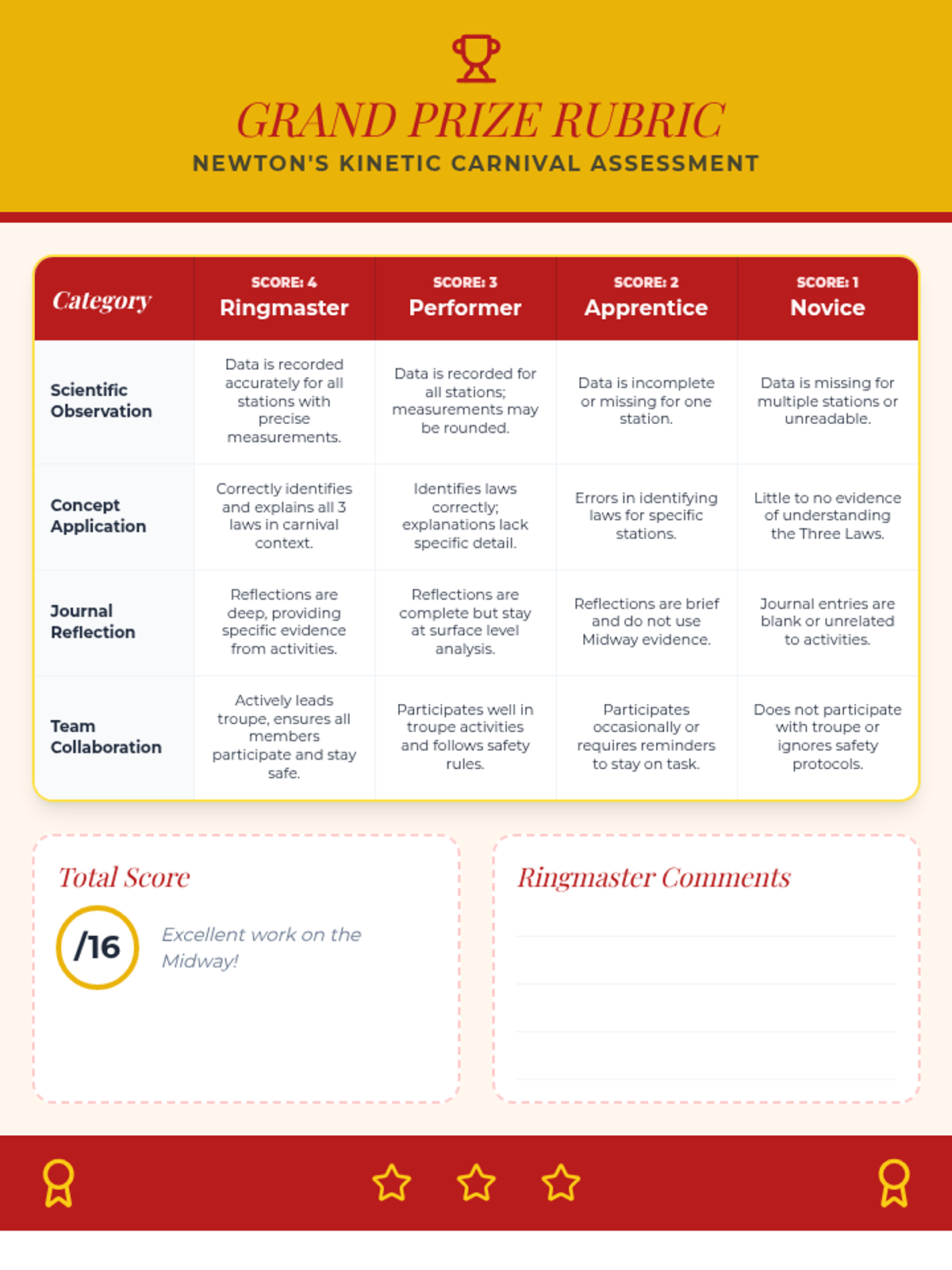
An outdoor physics experience where students investigate Newton's Laws of Motion, friction, and mass through carnival-themed physical activities and experiments.
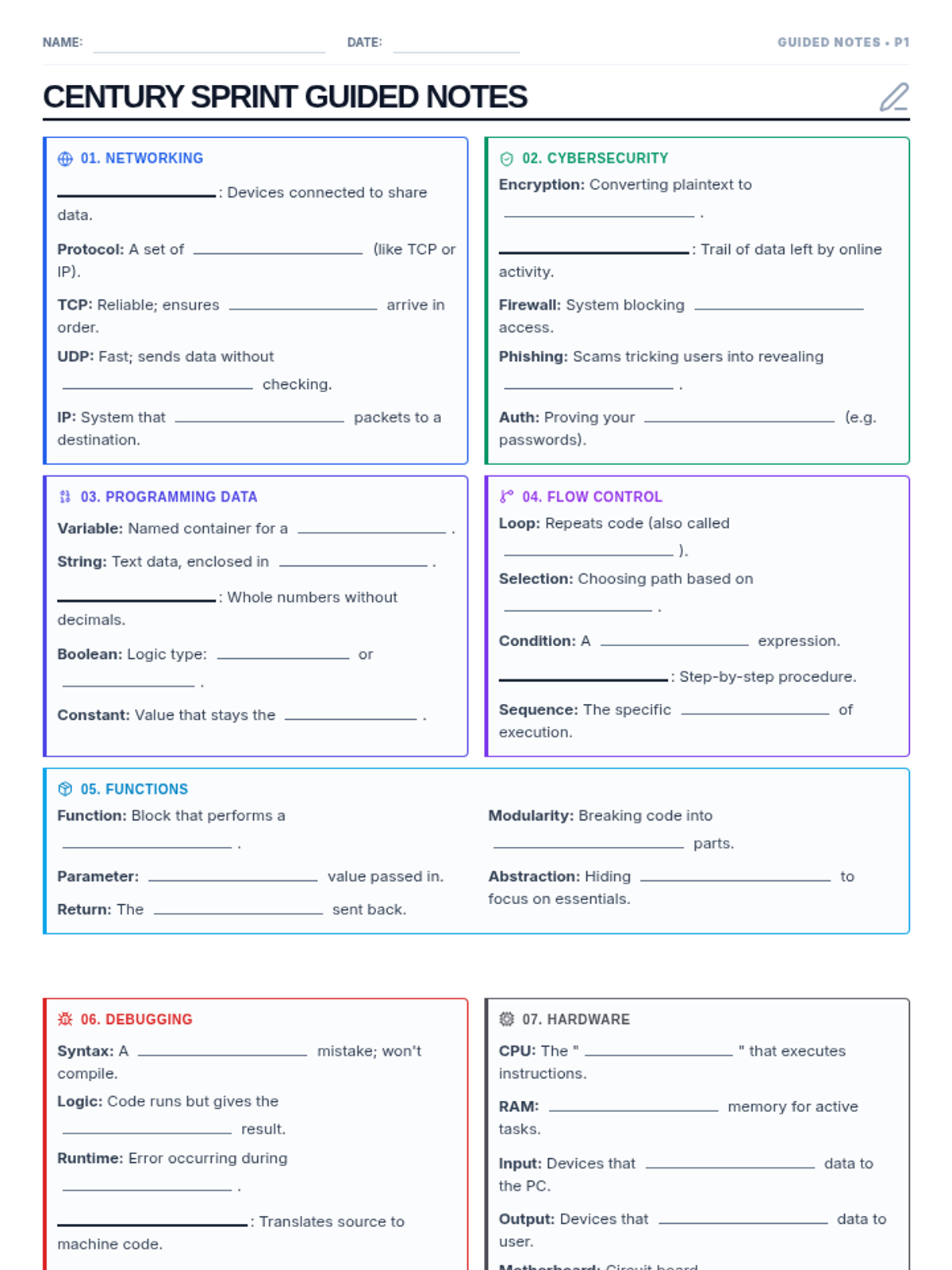
A comprehensive 100-question final review encompassing all domains of computer science covered in the sequence.
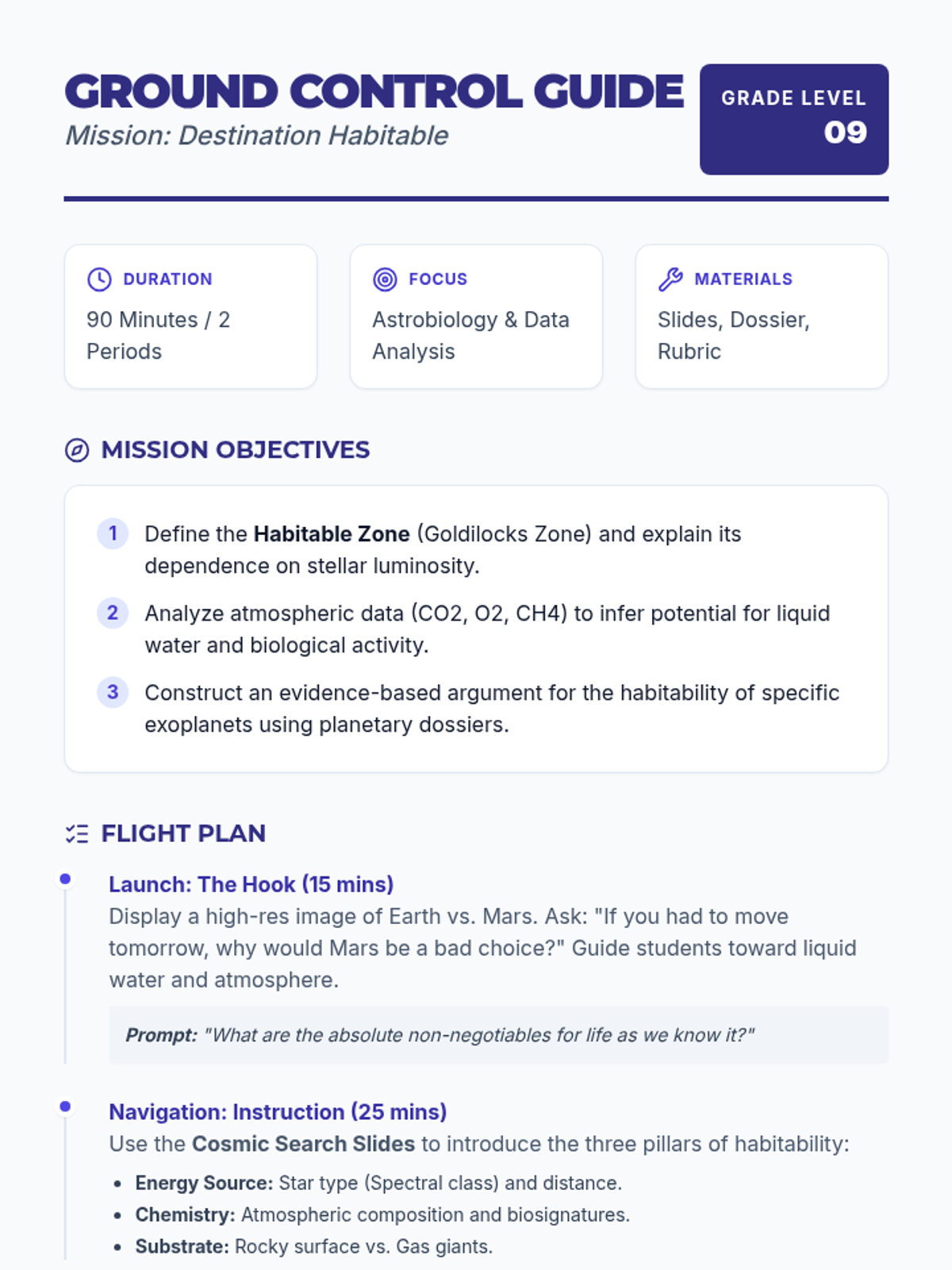
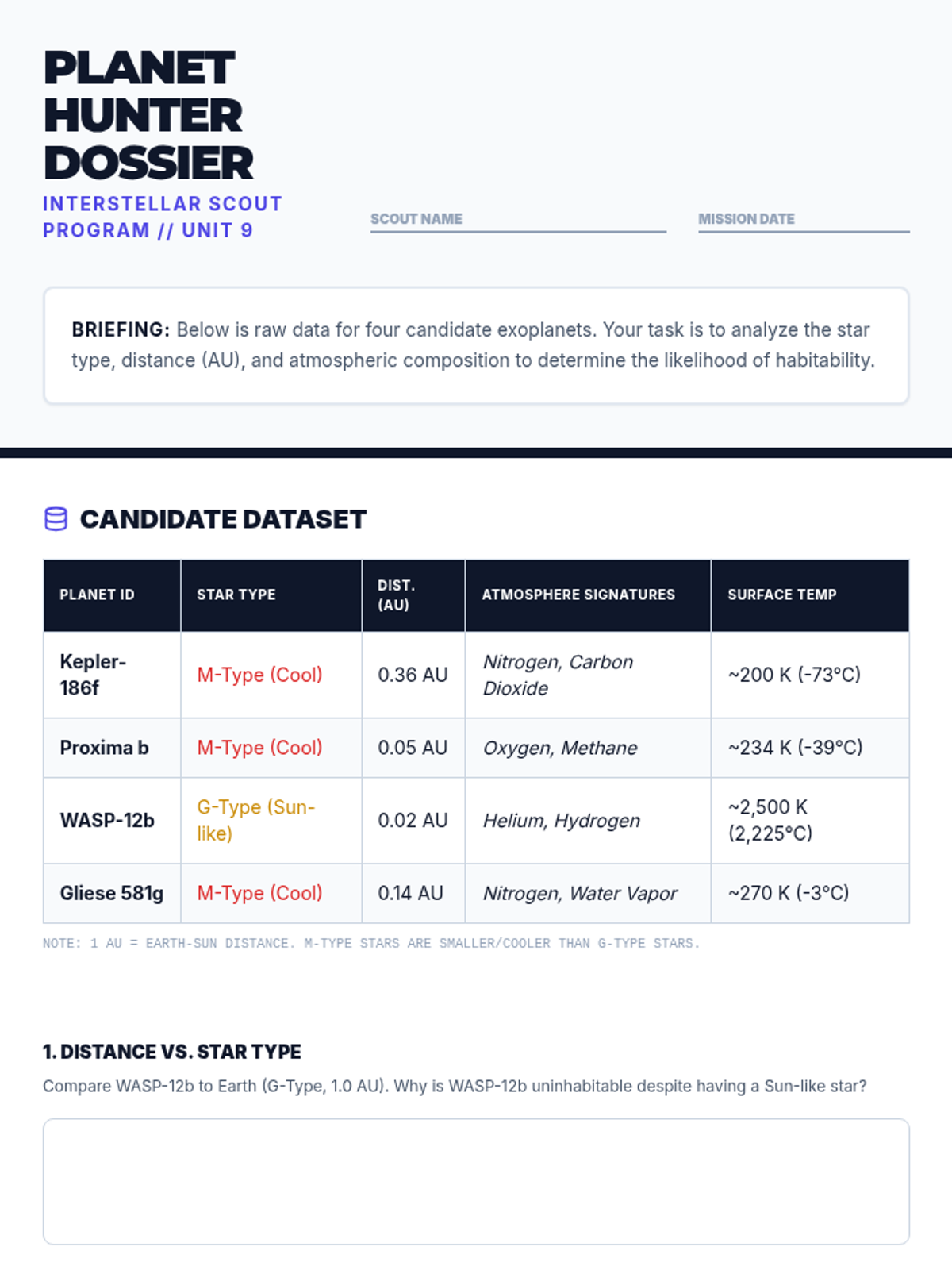
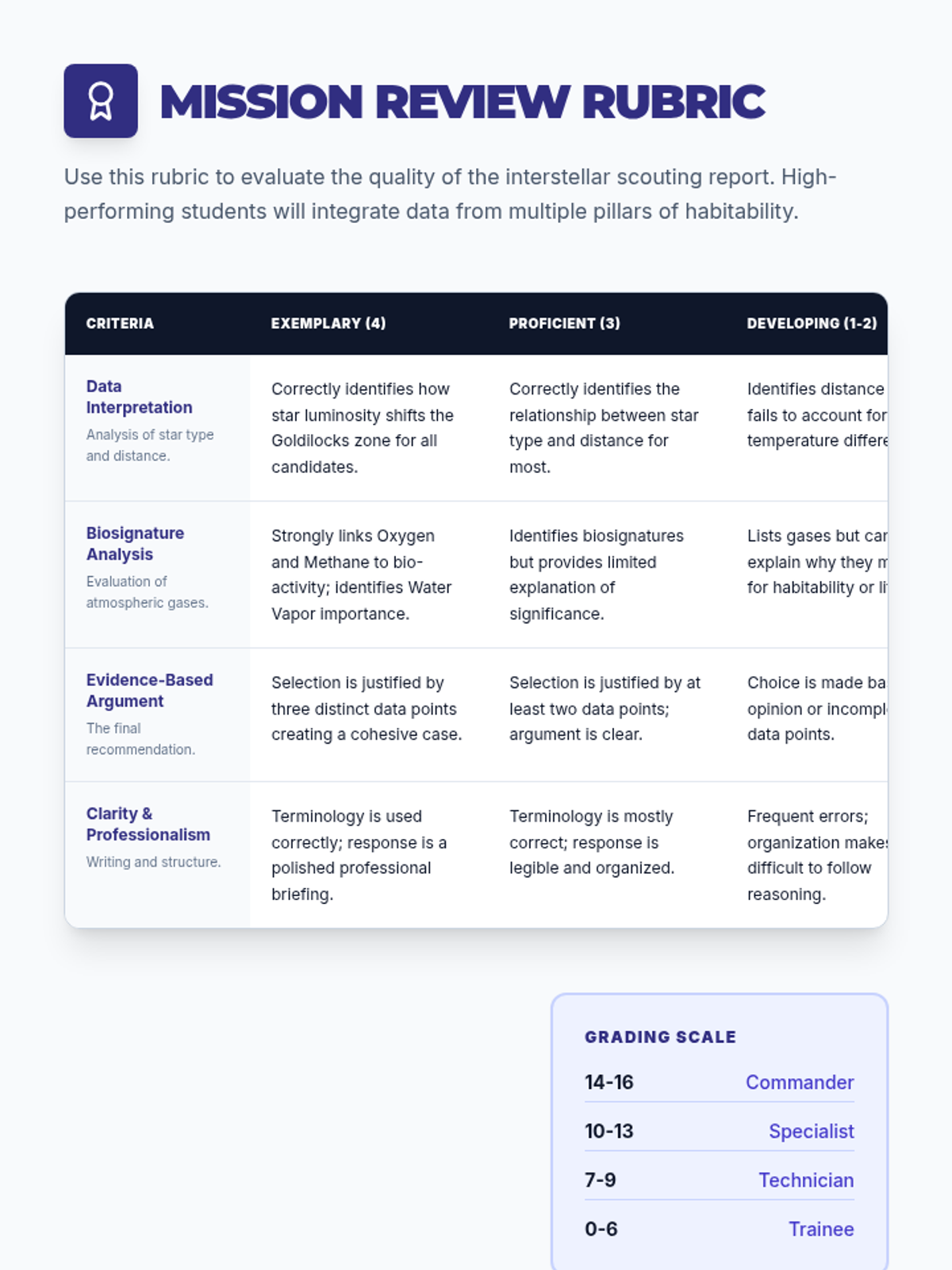
A high-school science lesson where students act as planetary scouts, analyzing exoplanet data to determine habitability and arguing for the best candidate for life beyond Earth.
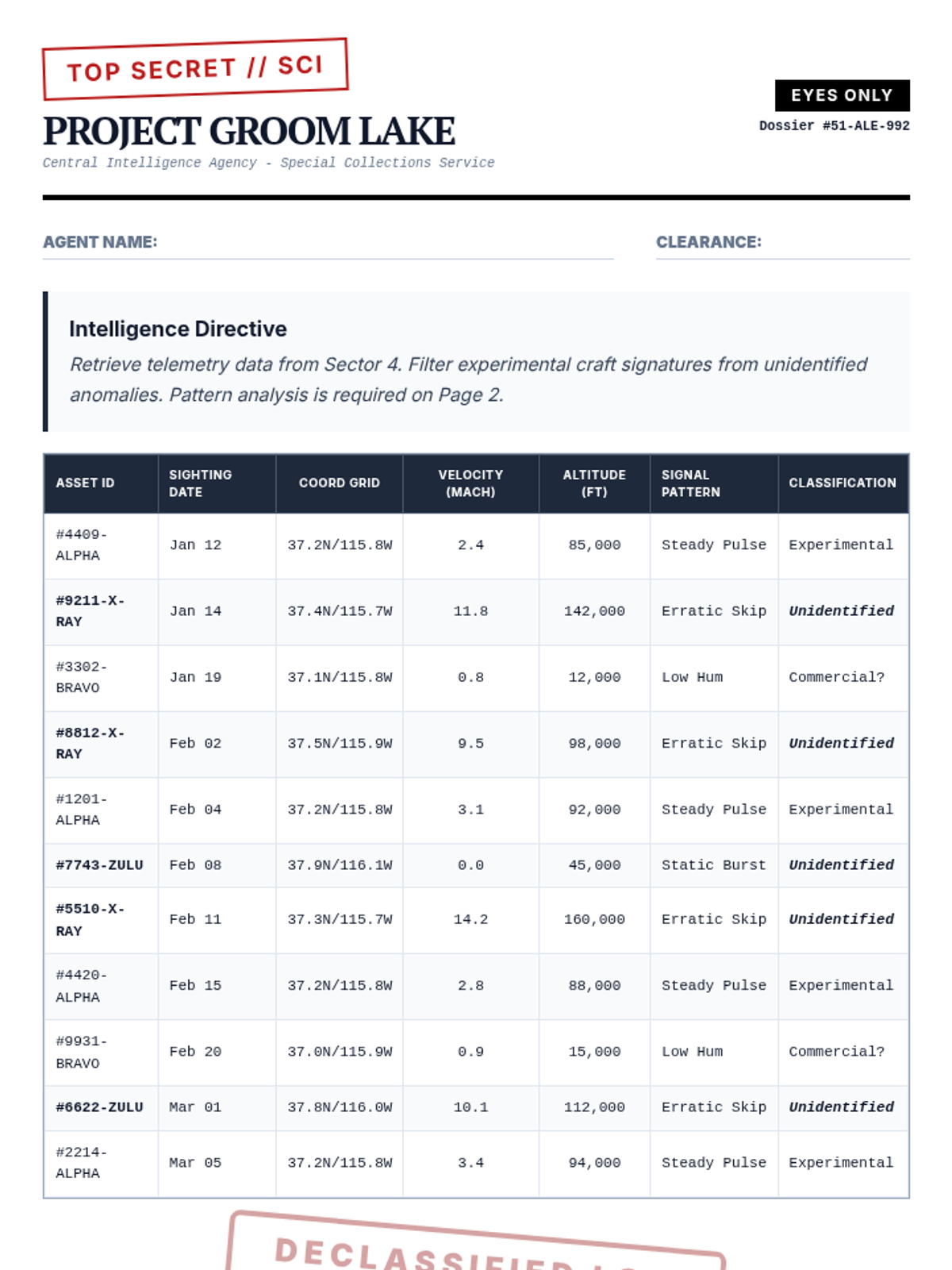
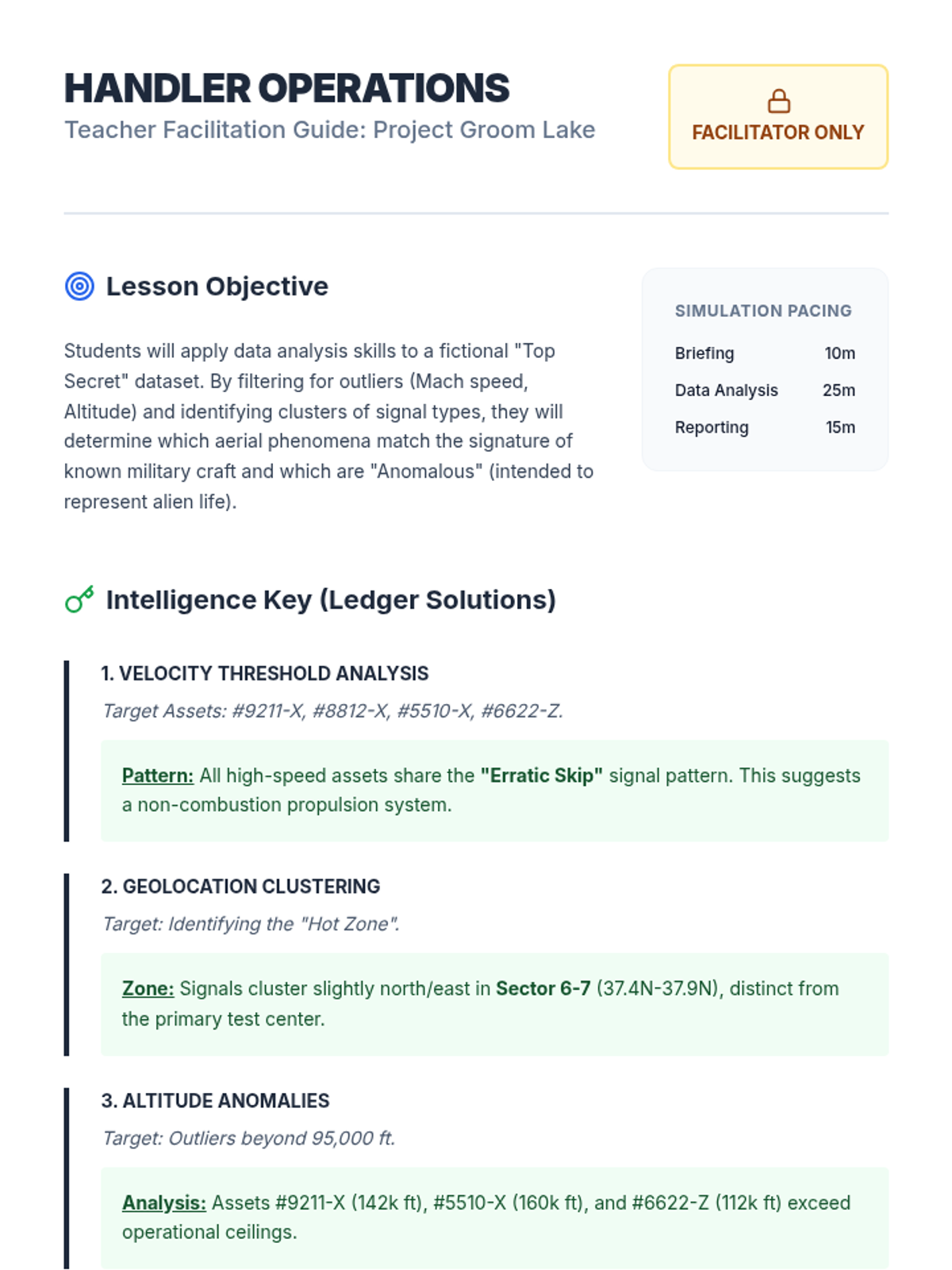
An immersive data analysis lesson where students step into the role of intelligence analysts to examine 'classified' flight data and sighting reports from Area 51. Students will practice data interpretation, pattern recognition, and evidence-based reasoning.
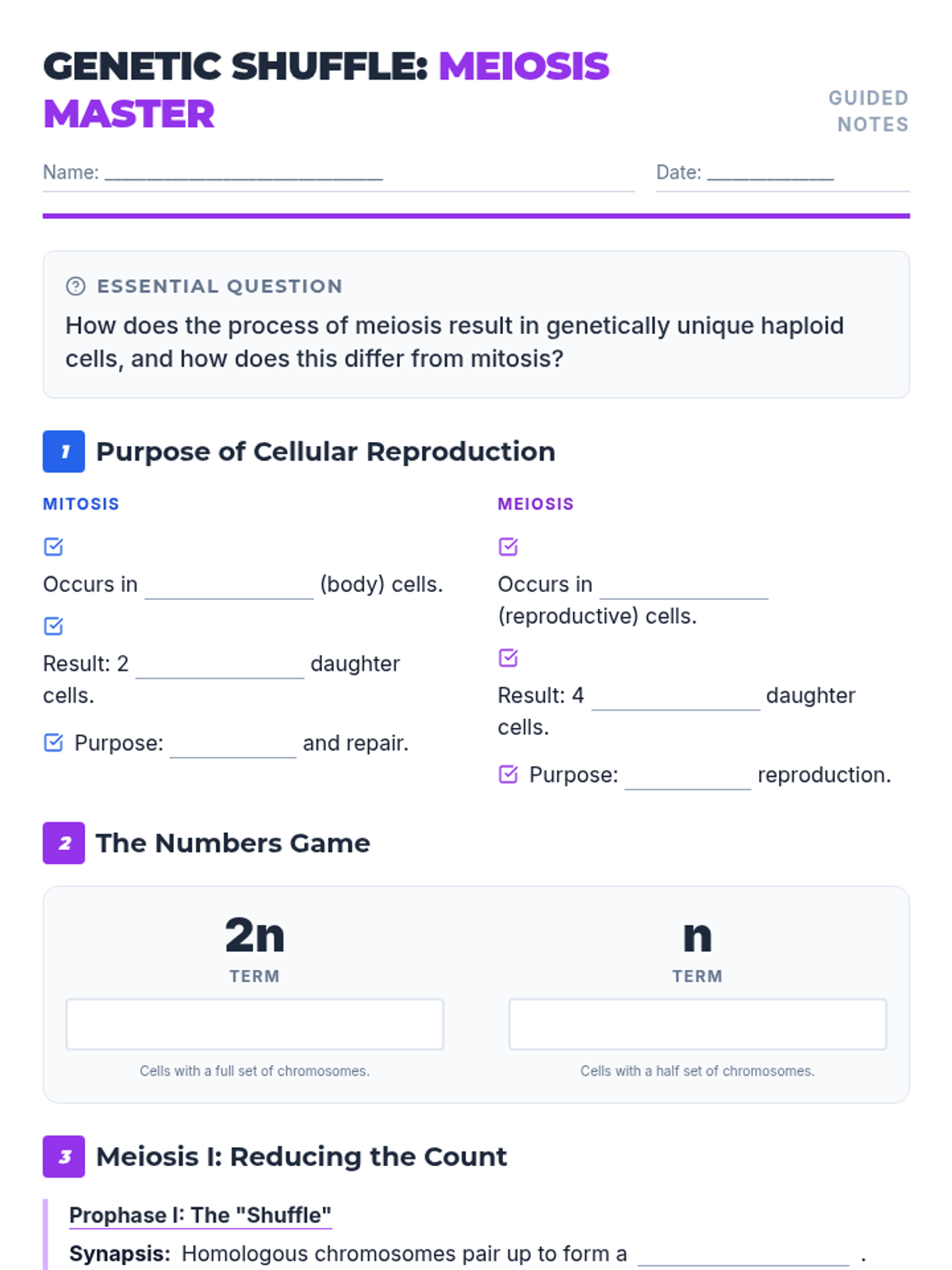
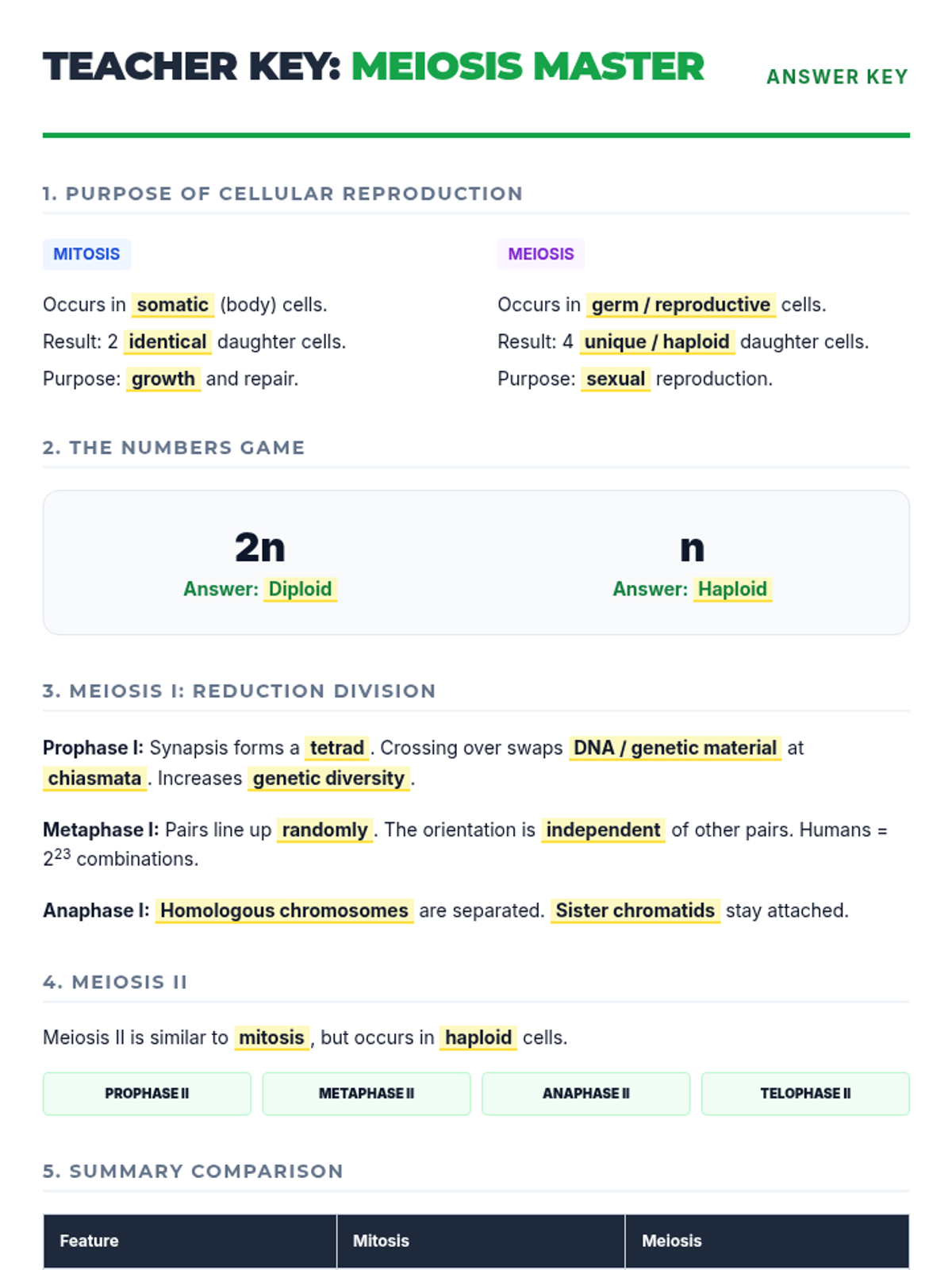
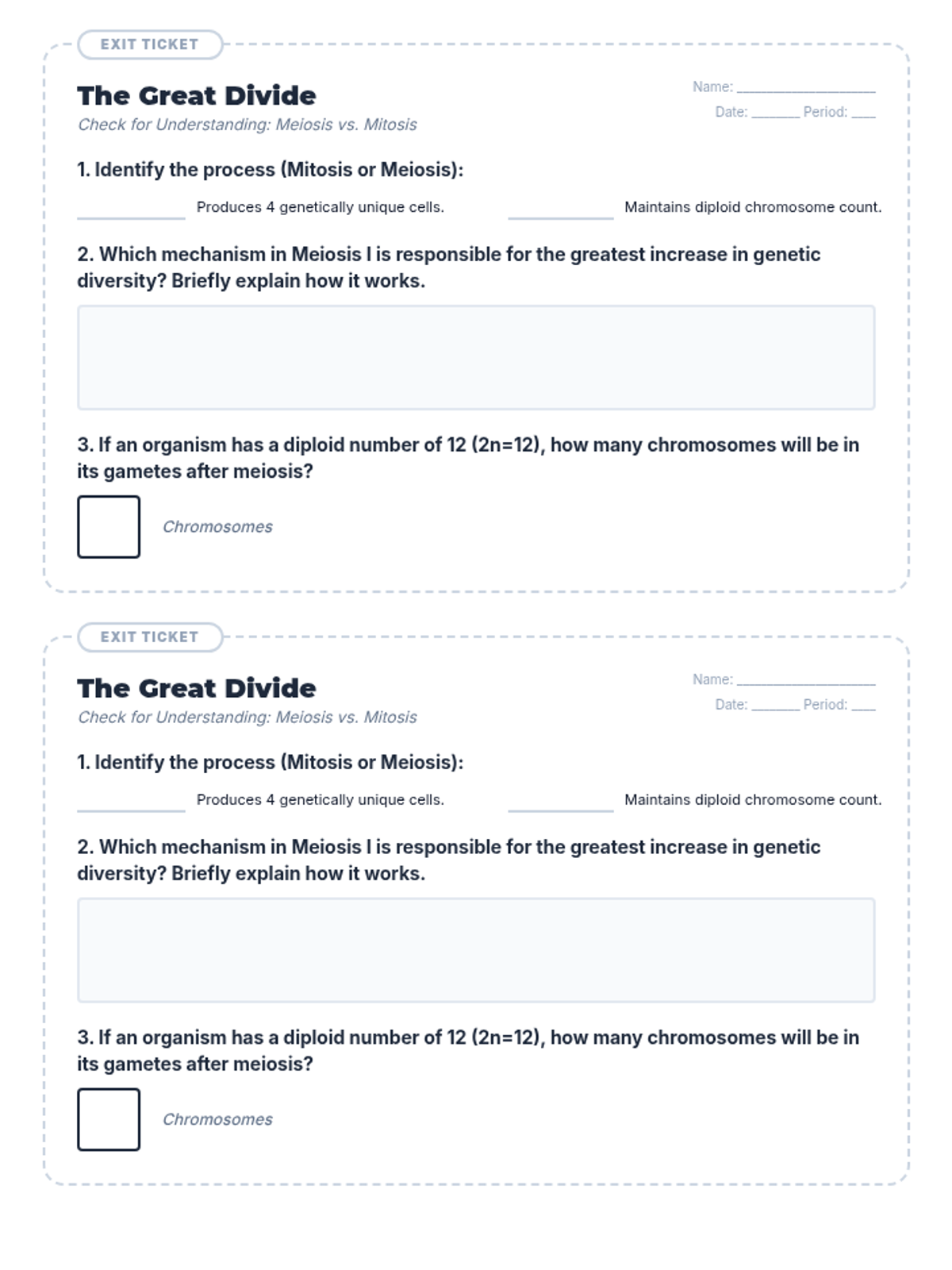
A comprehensive look at cellular reproduction with a deep dive into meiosis, comparing it to mitosis to understand how genetic diversity is created.
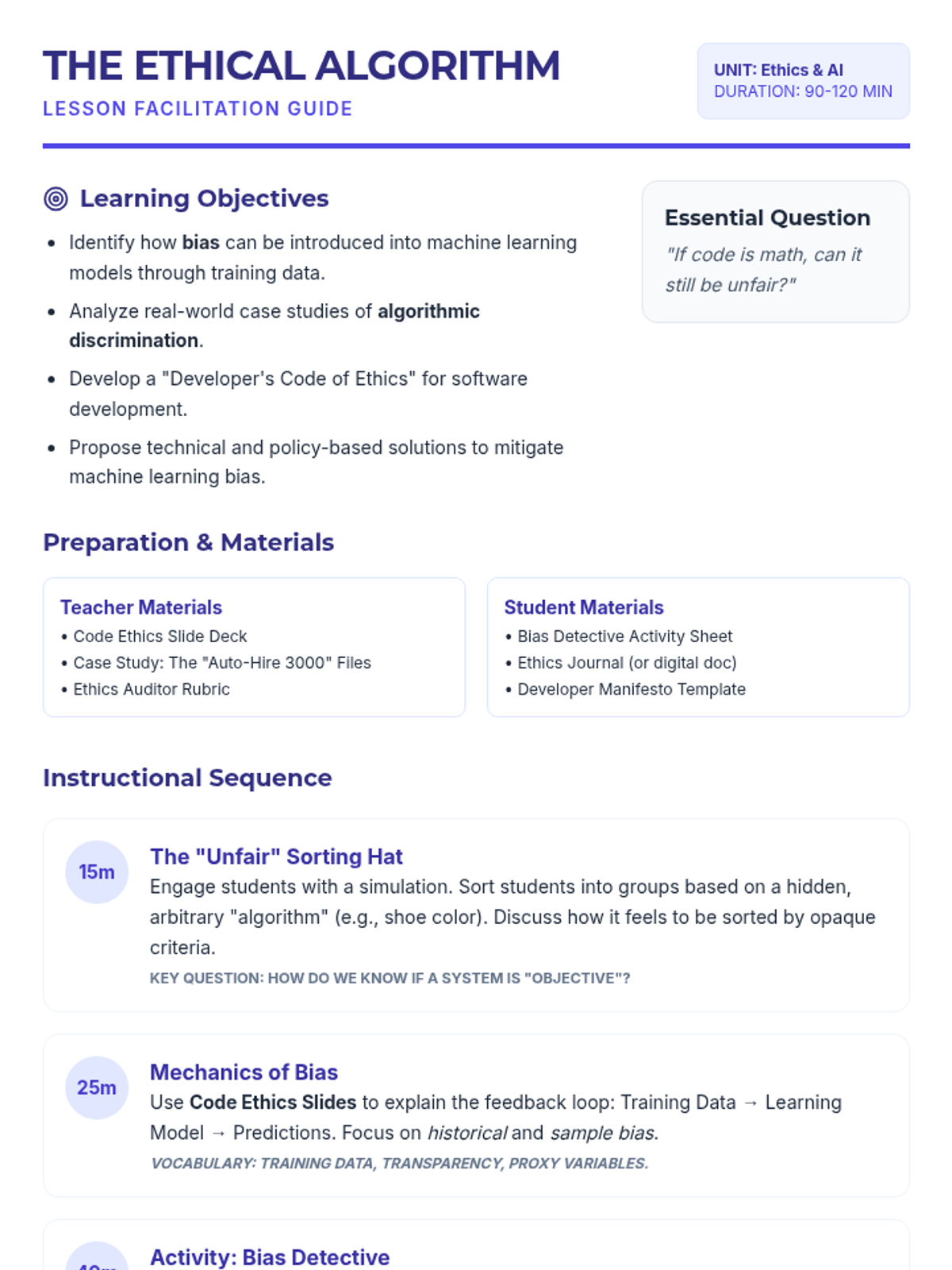
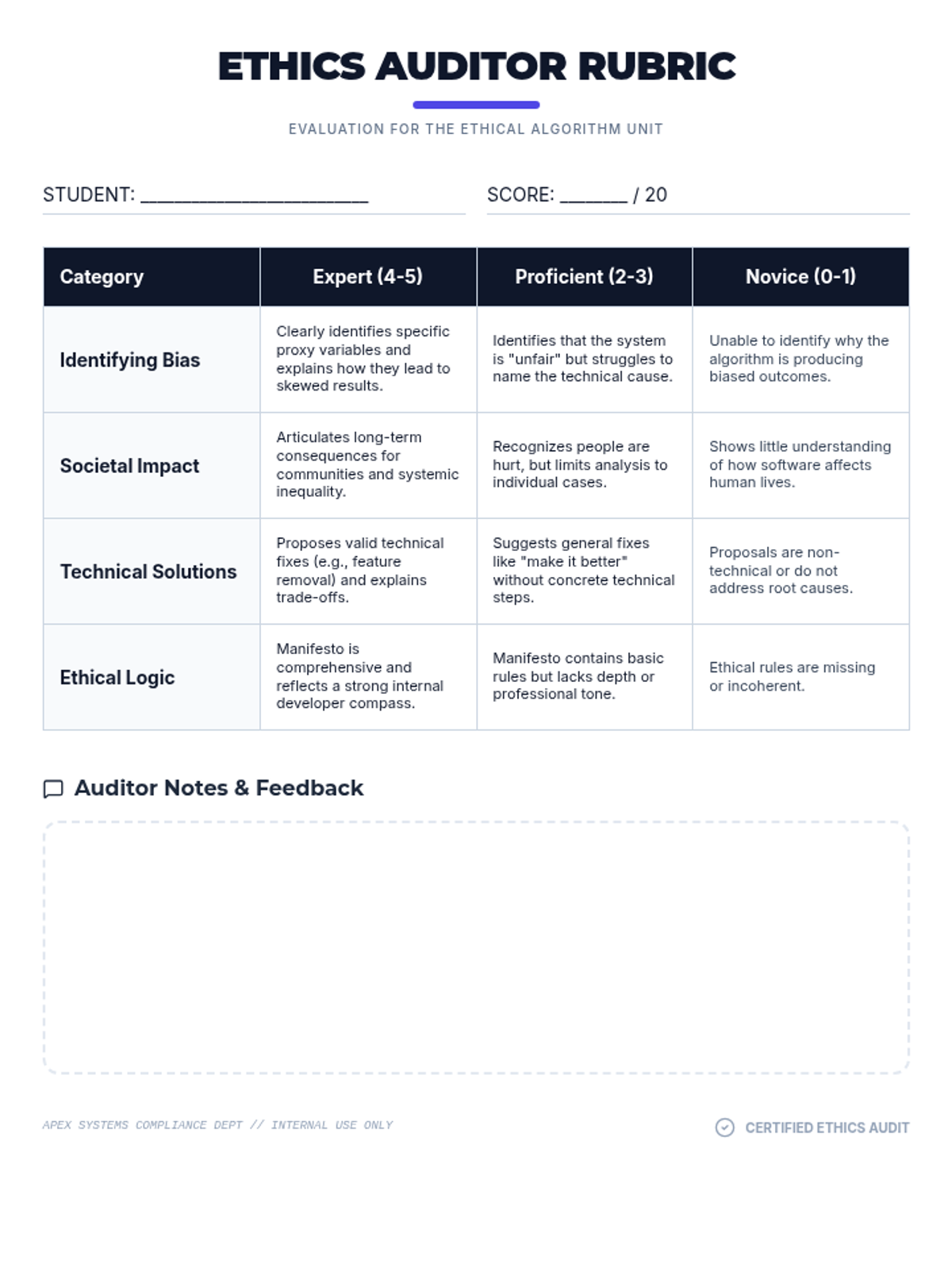
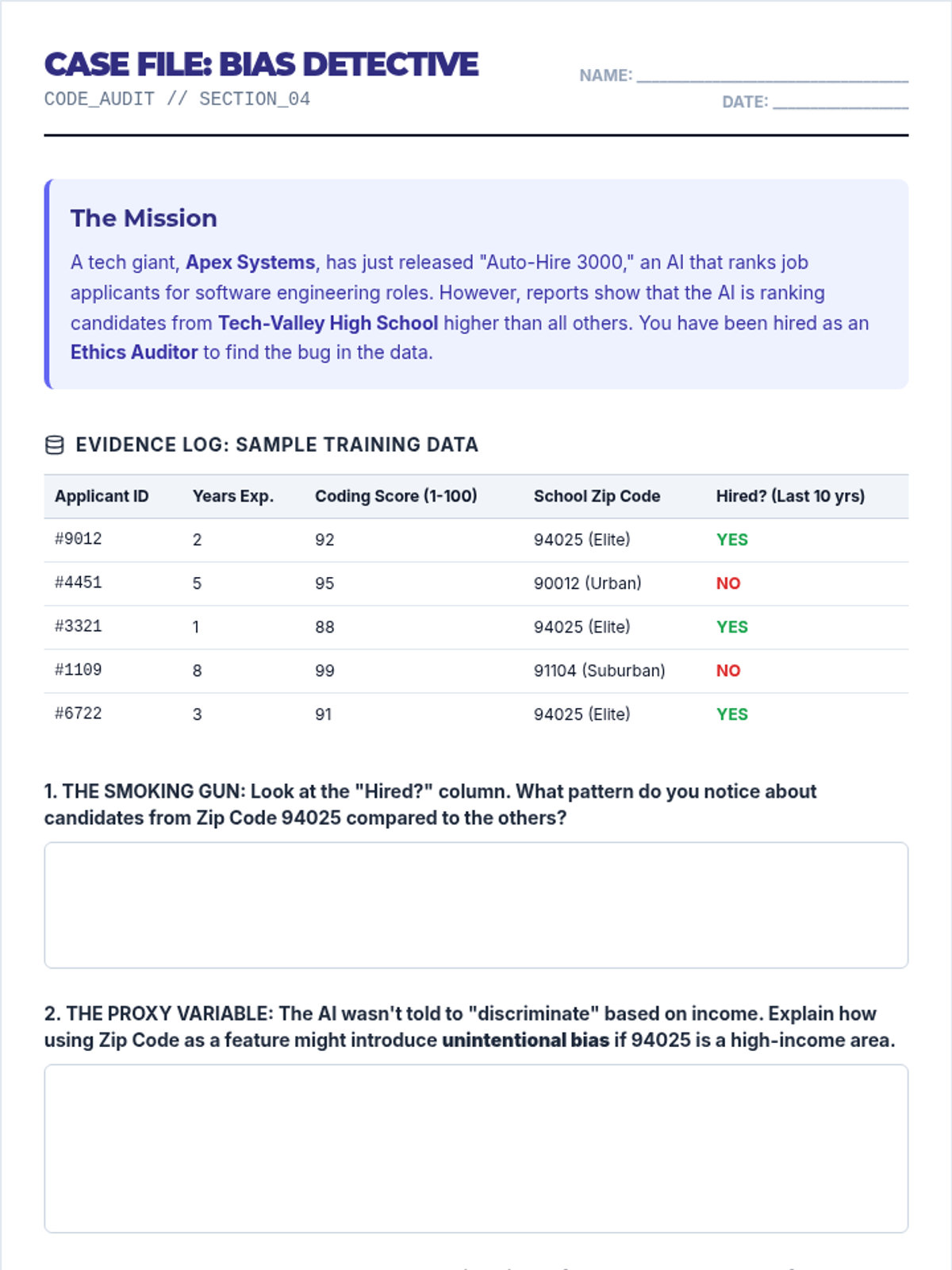
In this capstone lesson, students analyze machine learning models to identify algorithmic bias and discuss the societal responsibilities of modern software developers.
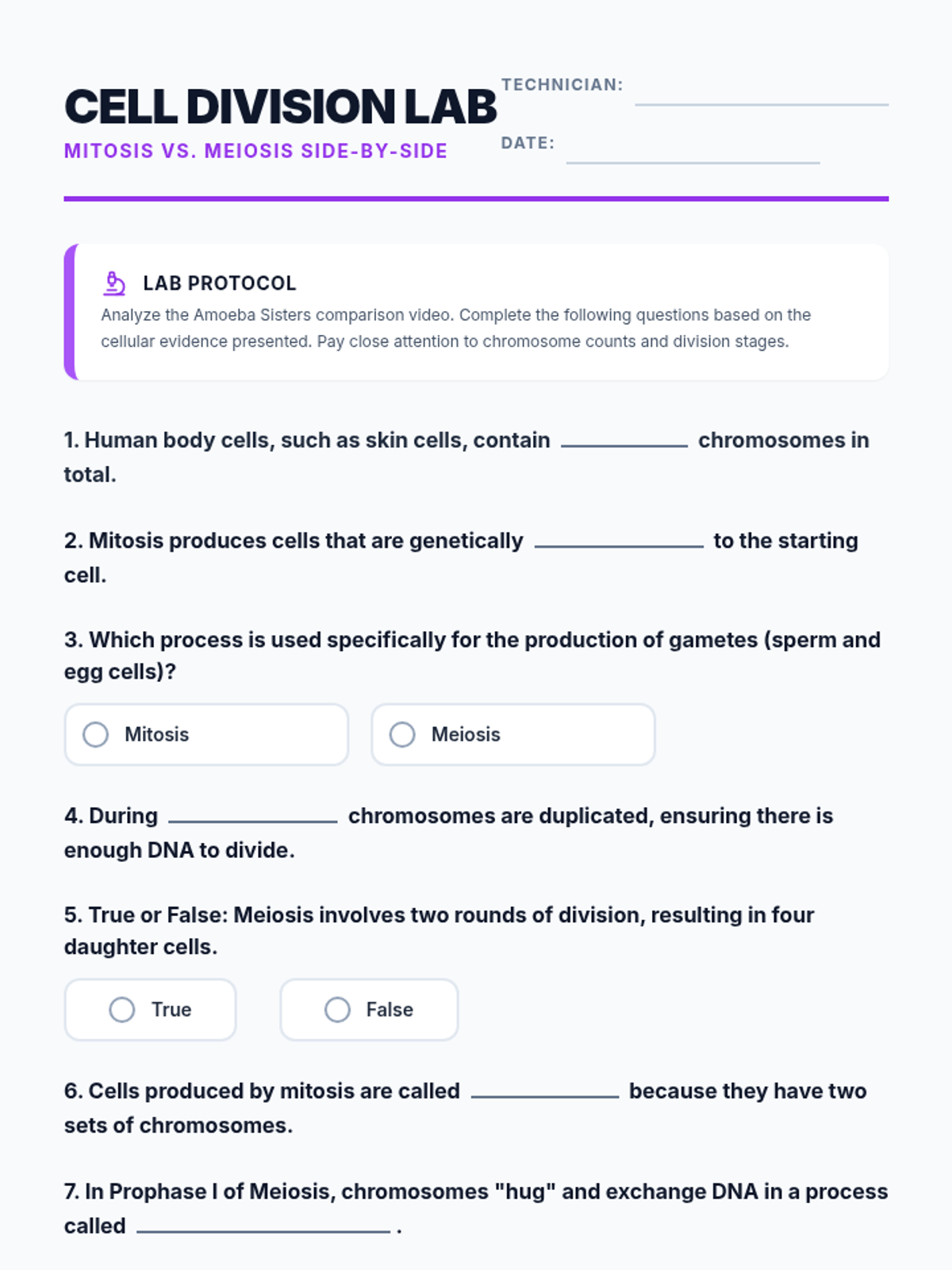
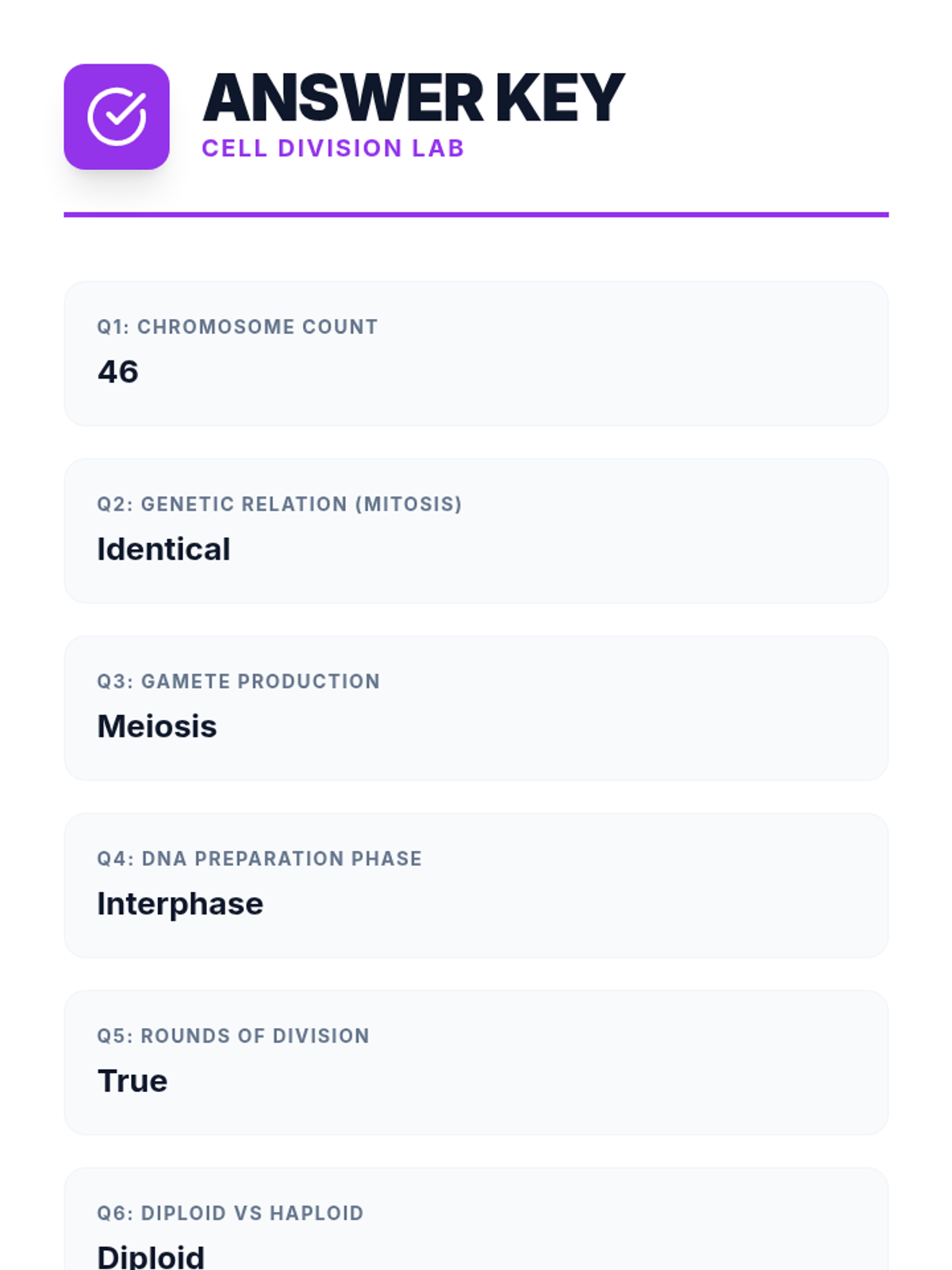
A biology lesson comparing mitosis and meiosis based on the Amoeba Sisters video, distinguishing between identical body cells and unique sex cells.
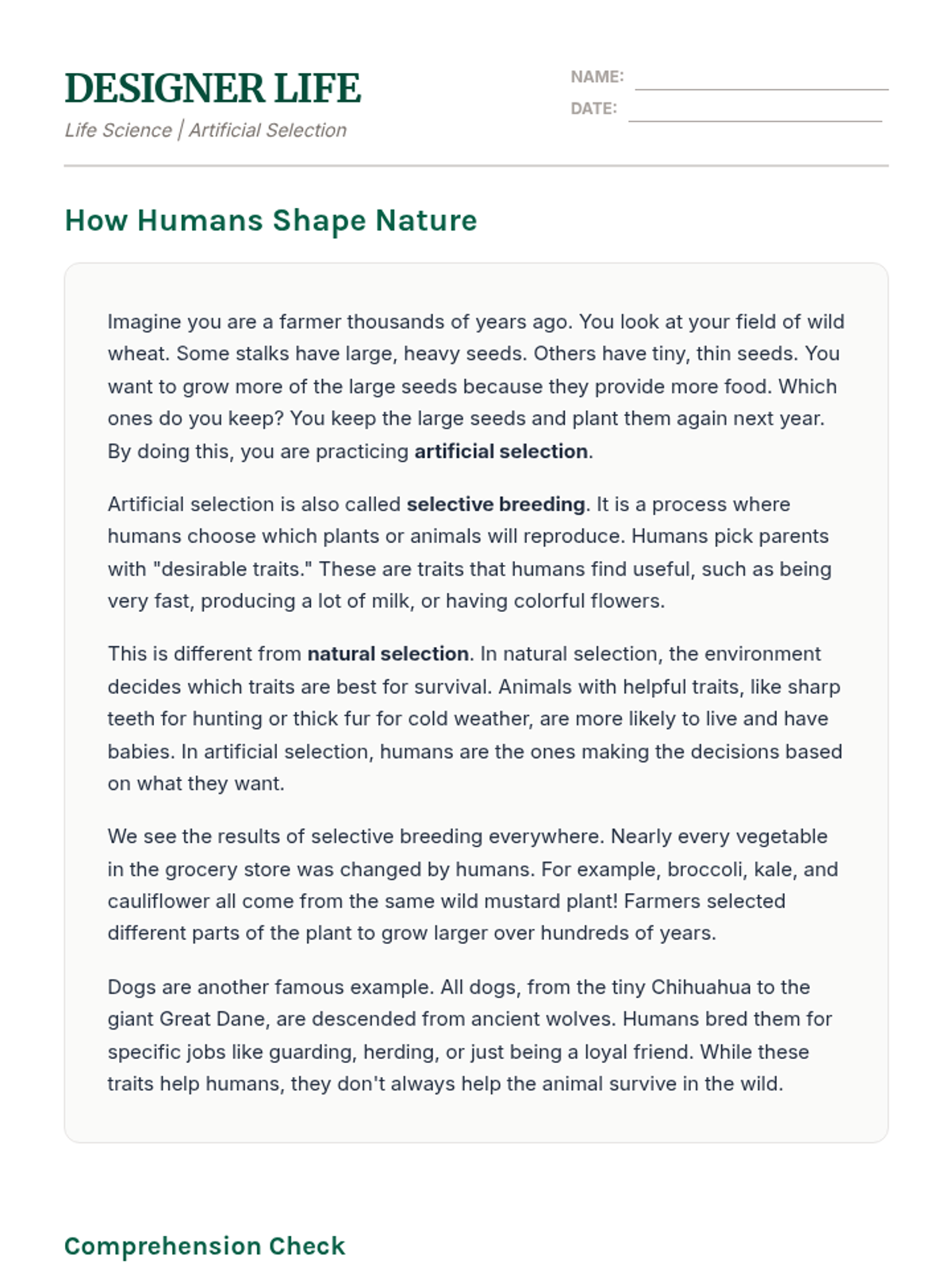
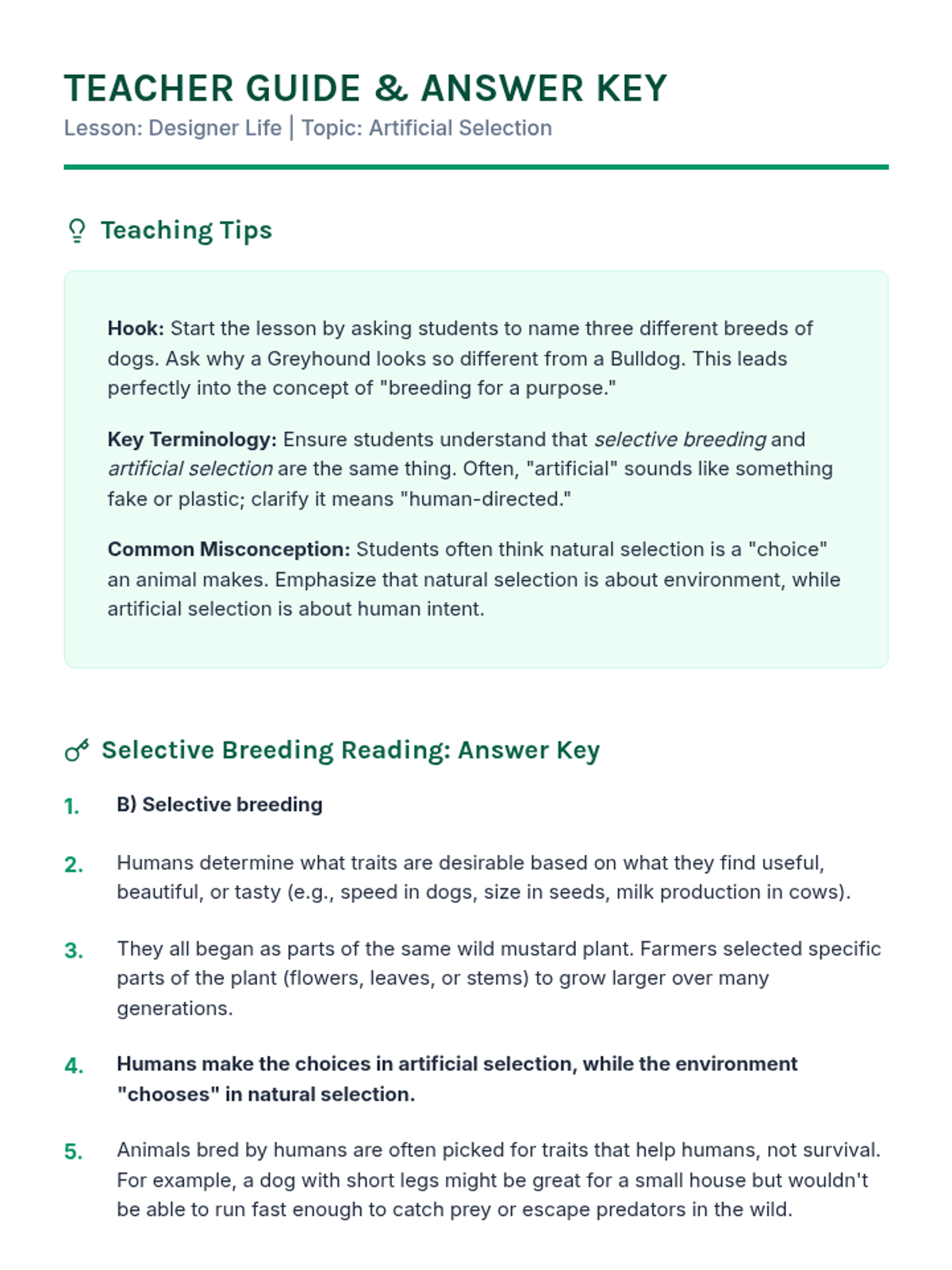
A lesson exploring how humans have shaped the traits of plants and animals through selective breeding, comparing it to the process of natural selection.
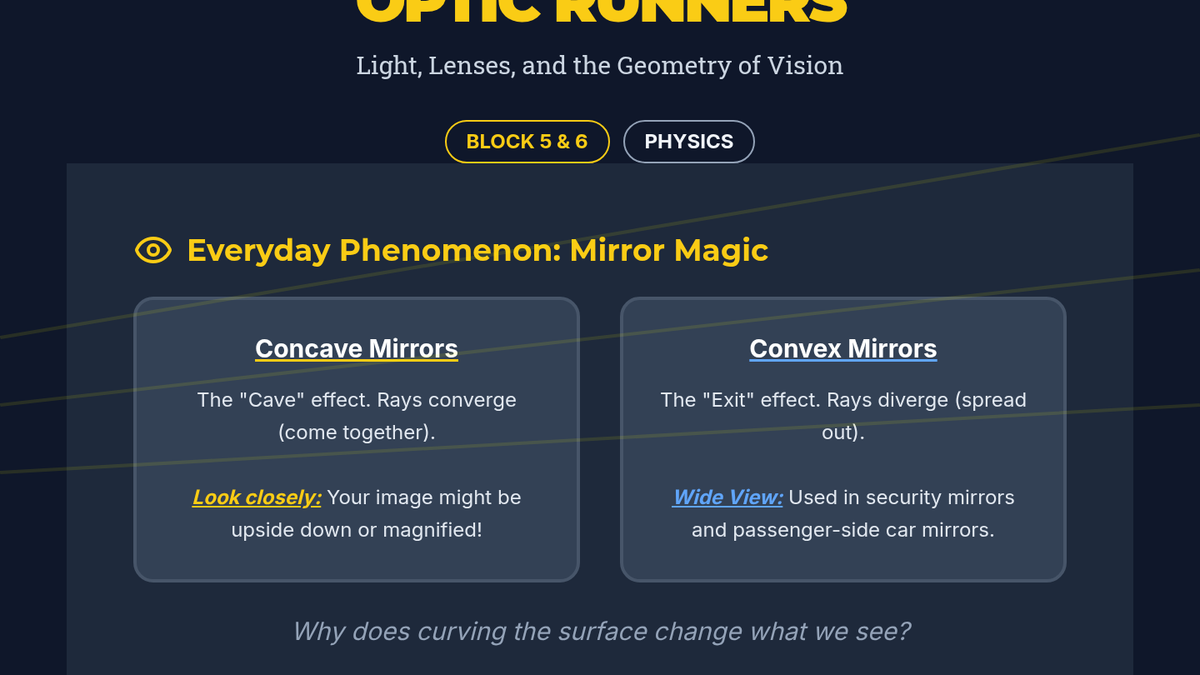
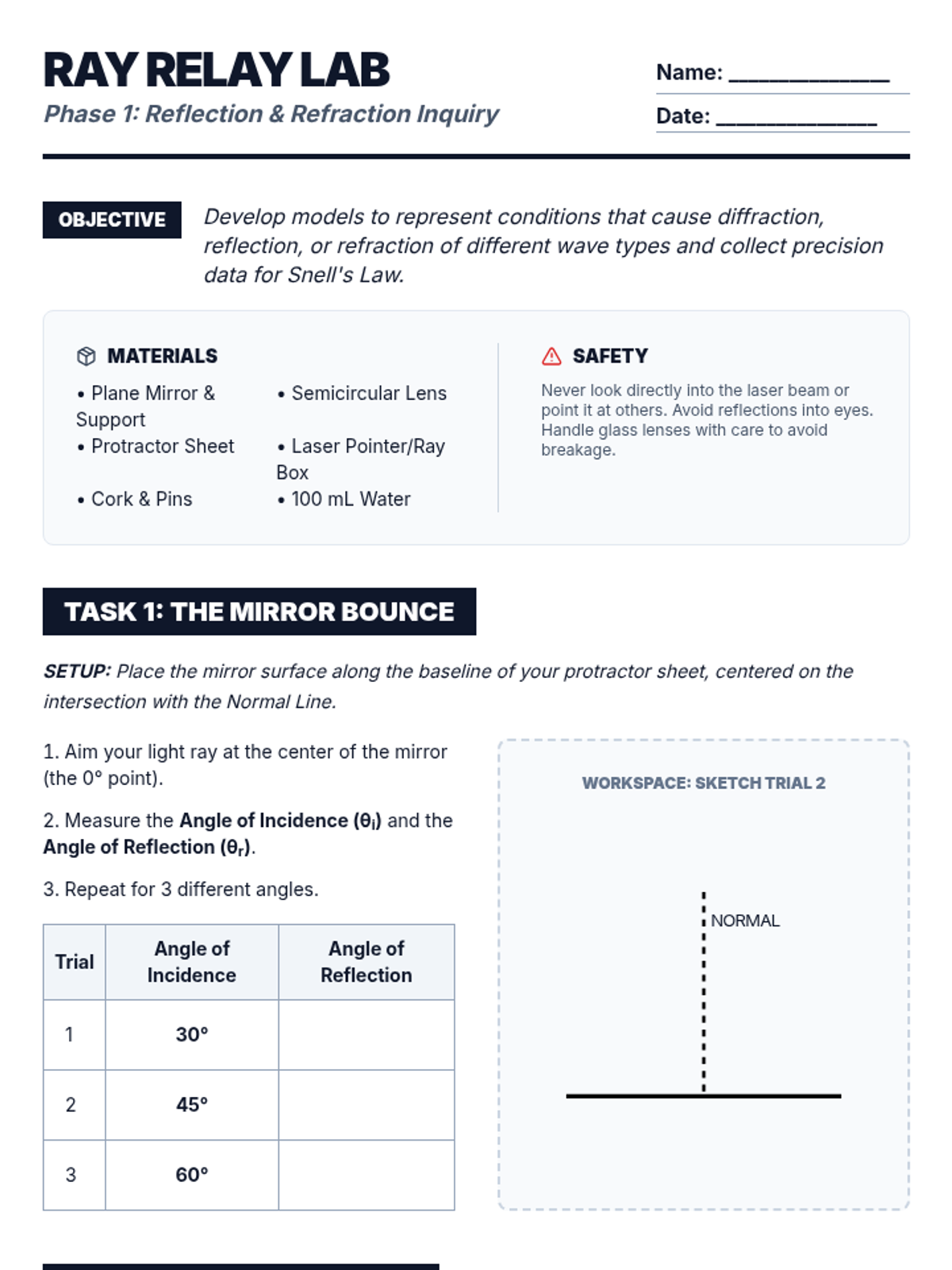
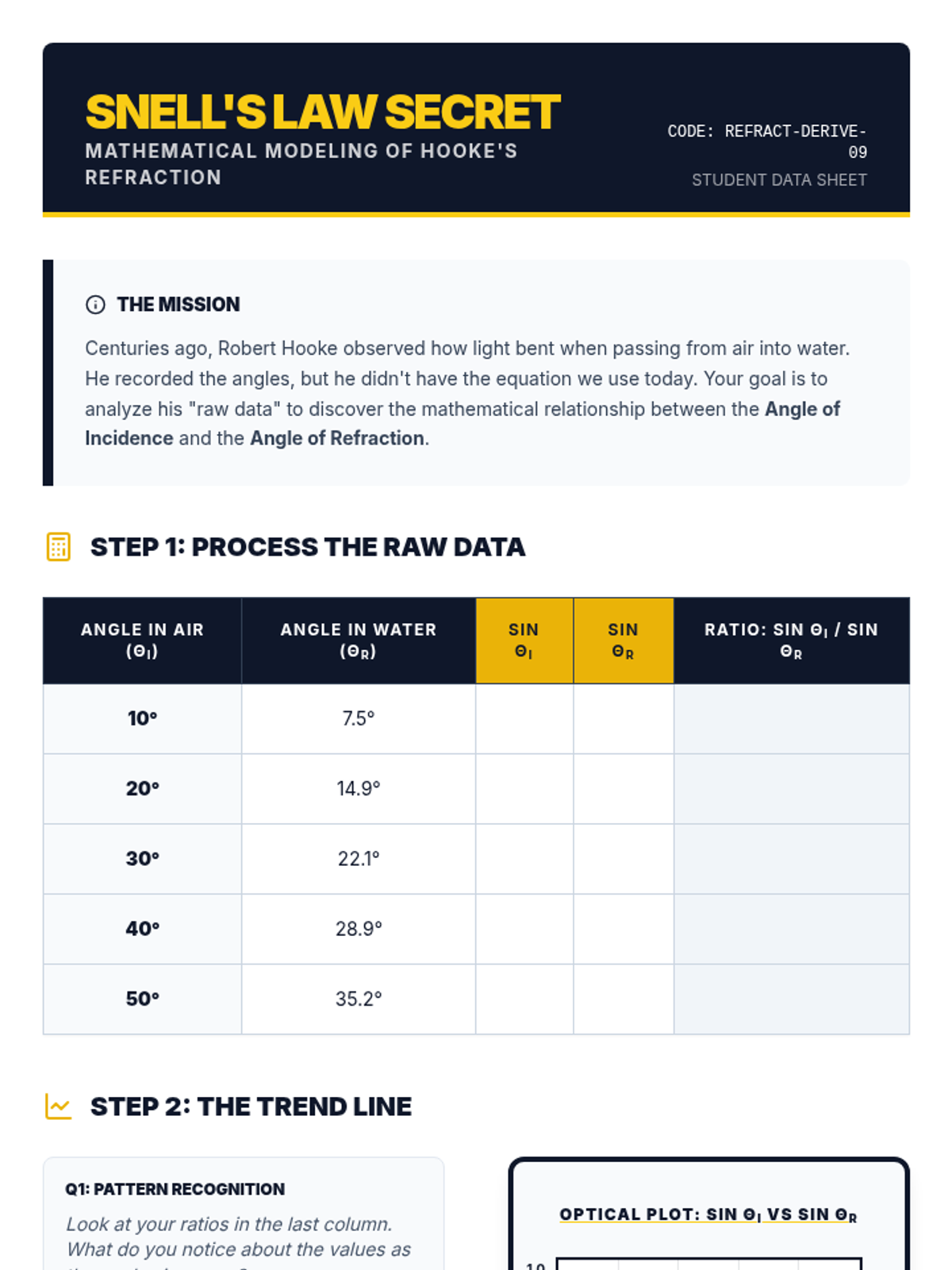
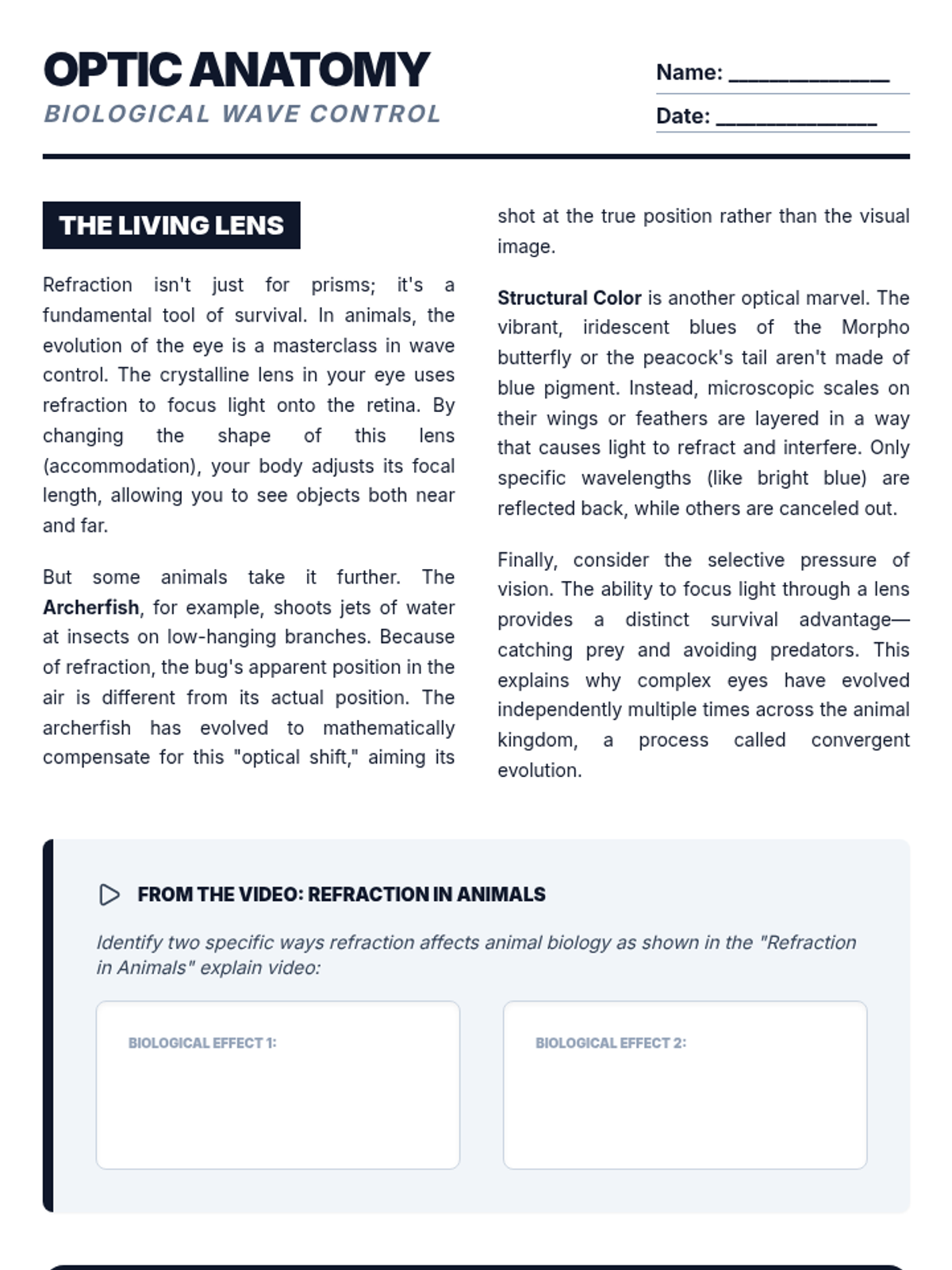
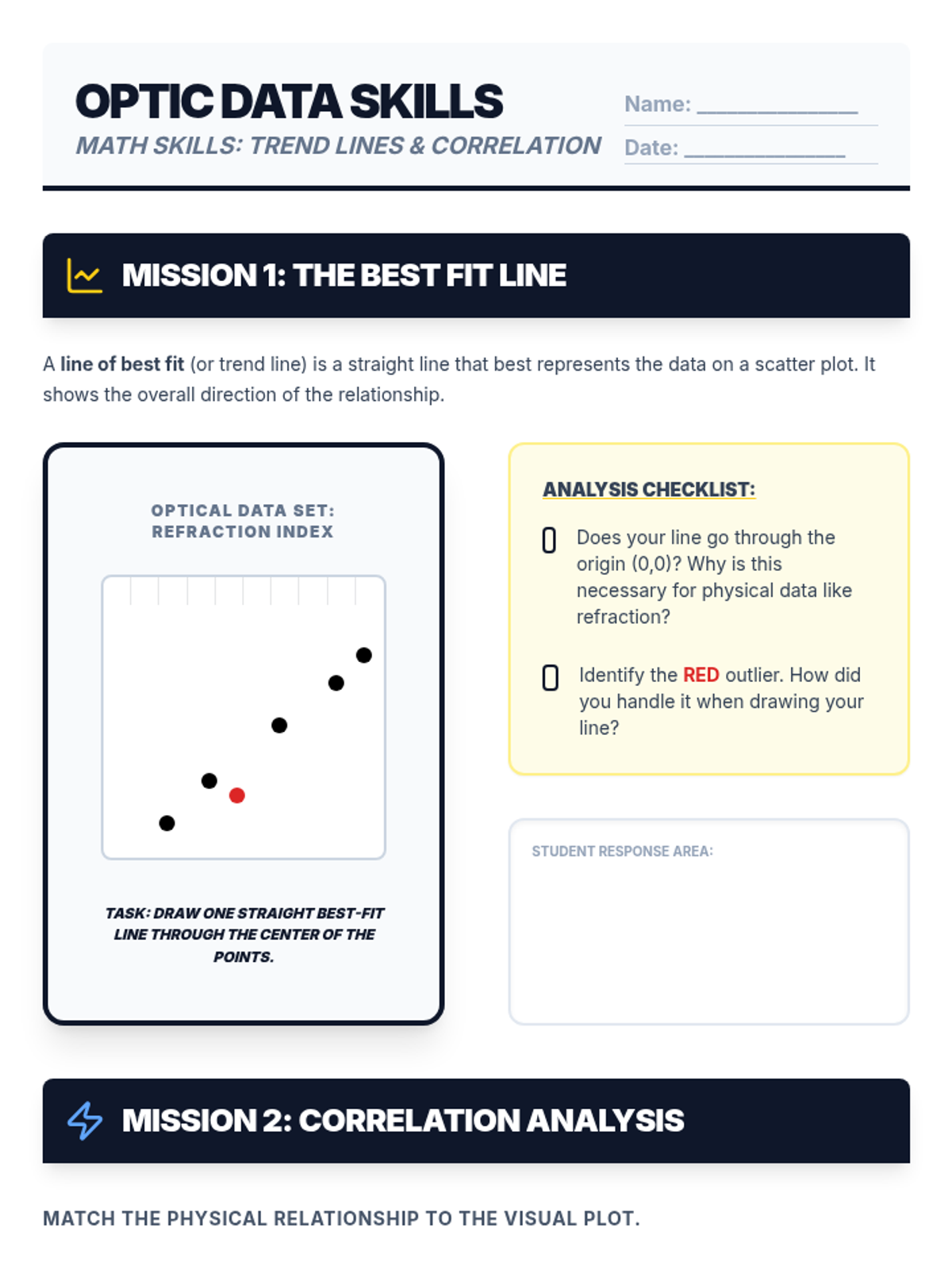
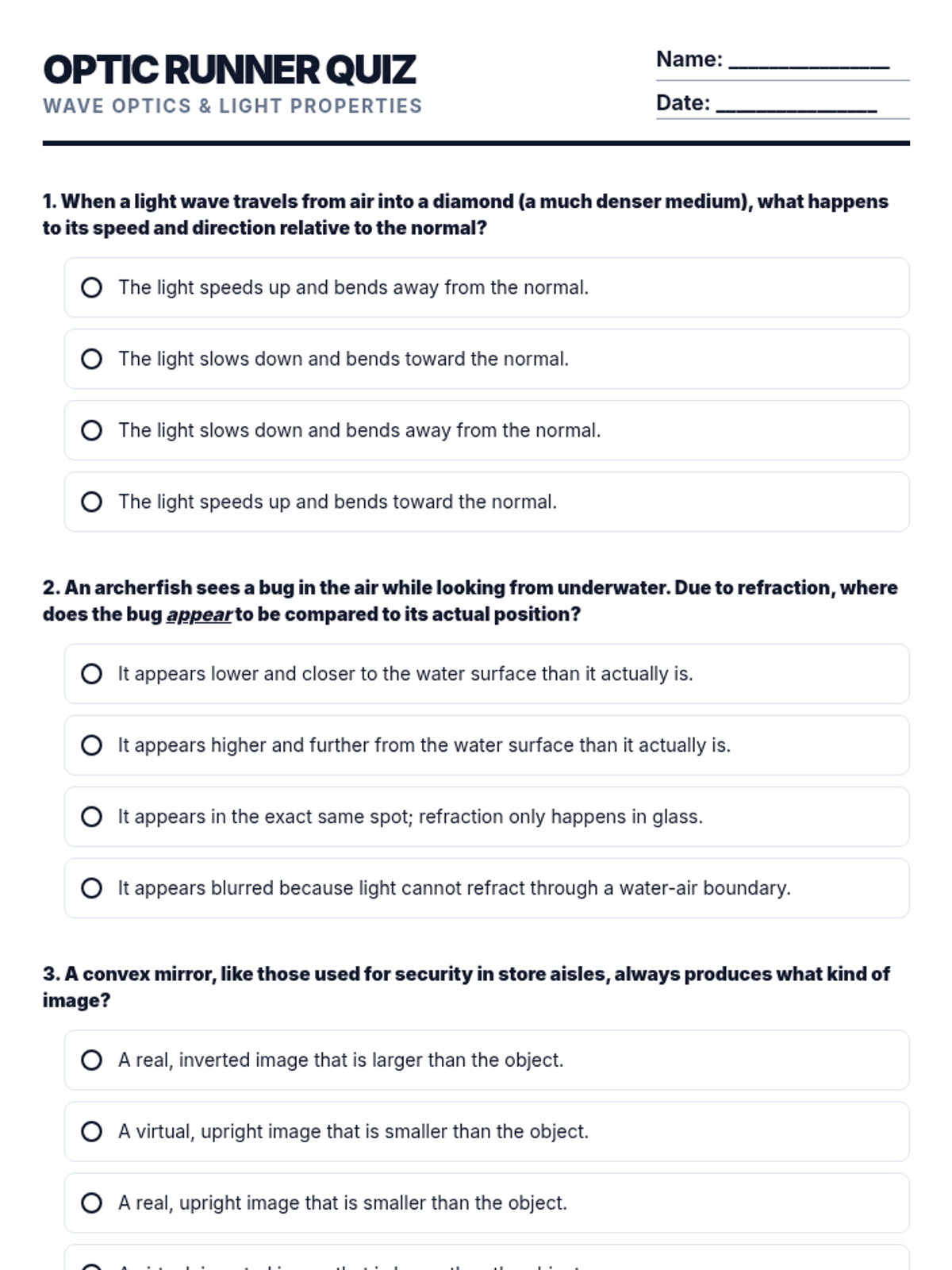
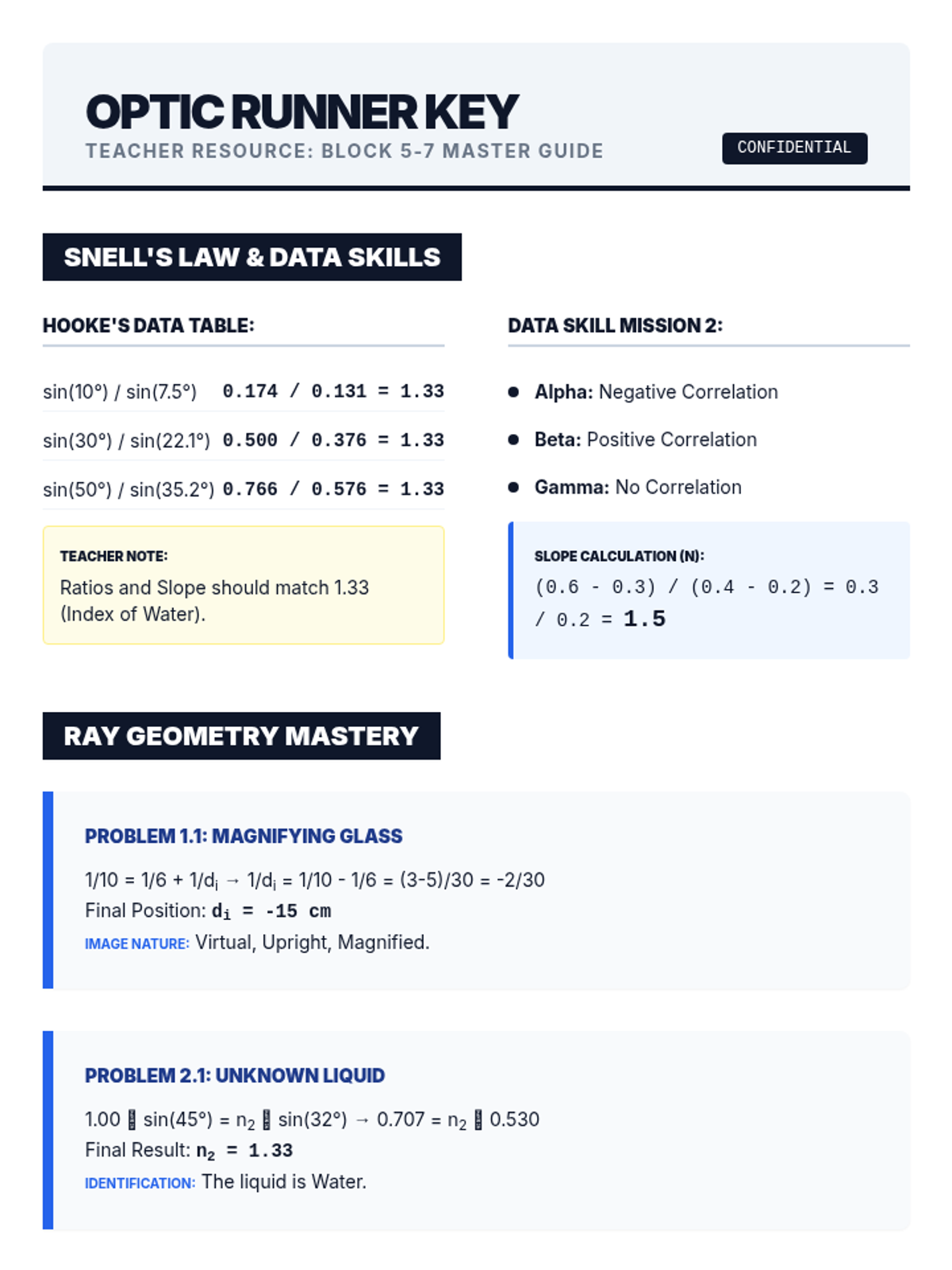
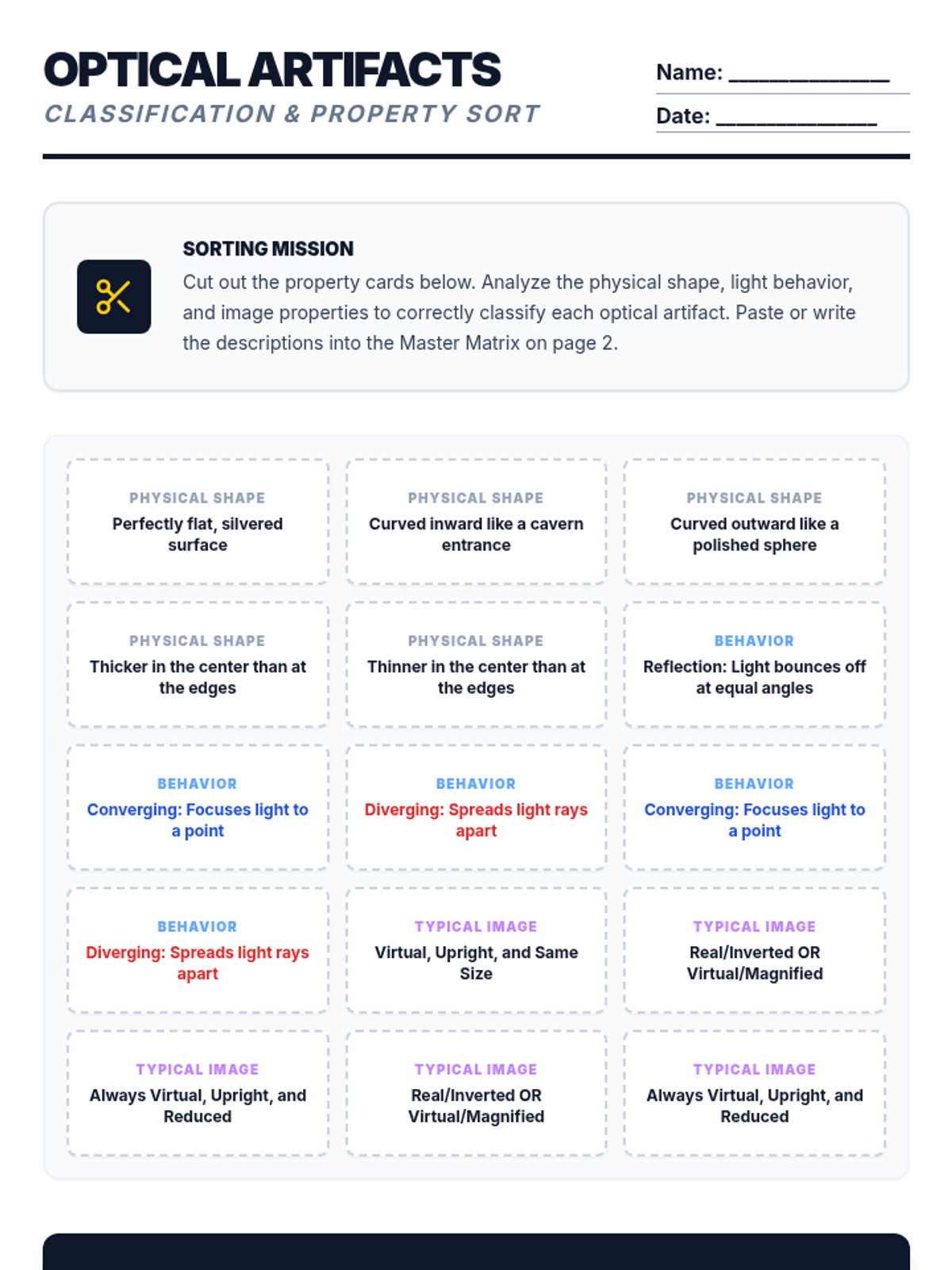
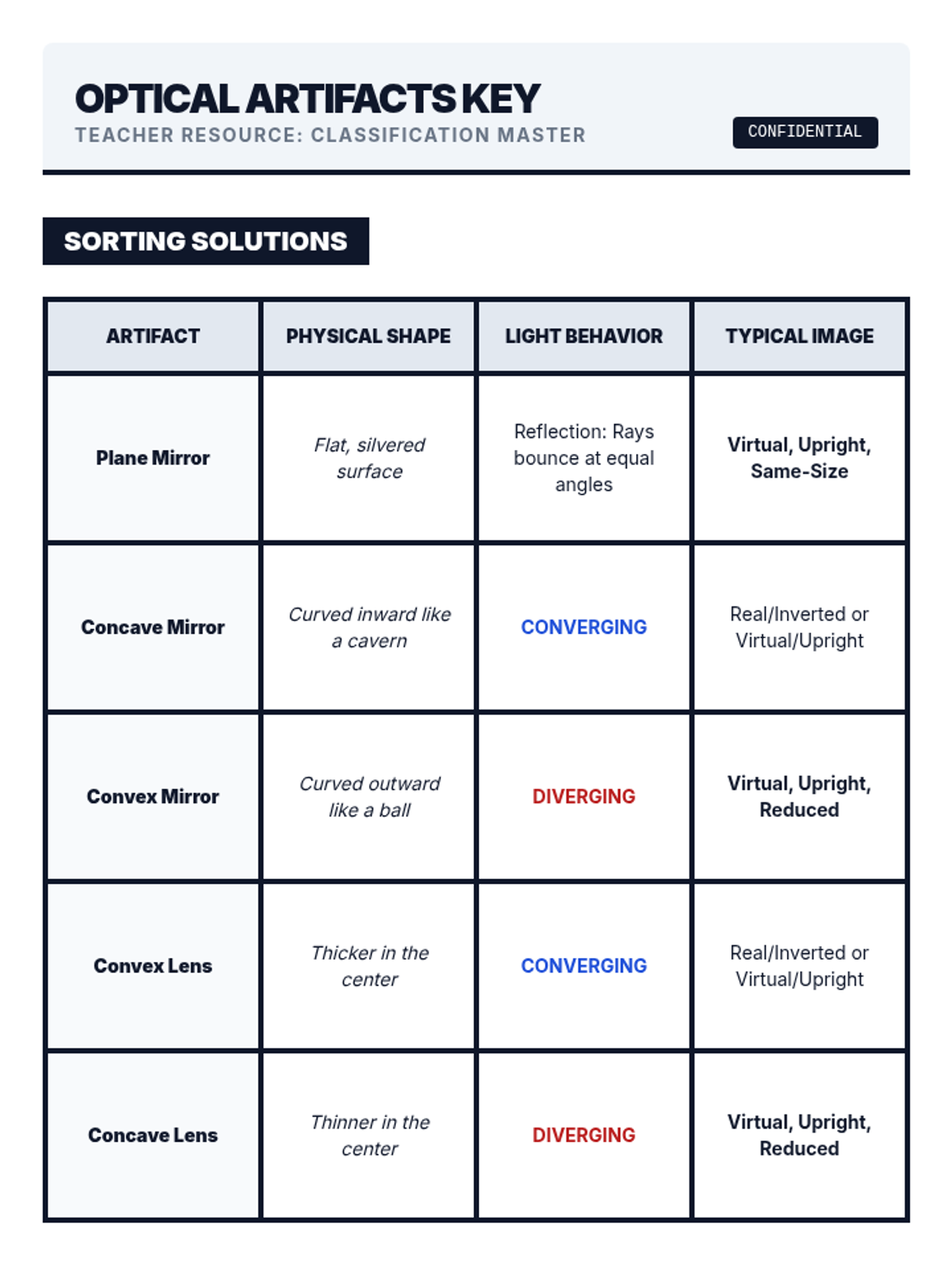
An exploration of light behavior including reflection, refraction, and diffraction. Students develop mathematical models like Snell's Law and analyze the biological impacts of wave optics in animals.
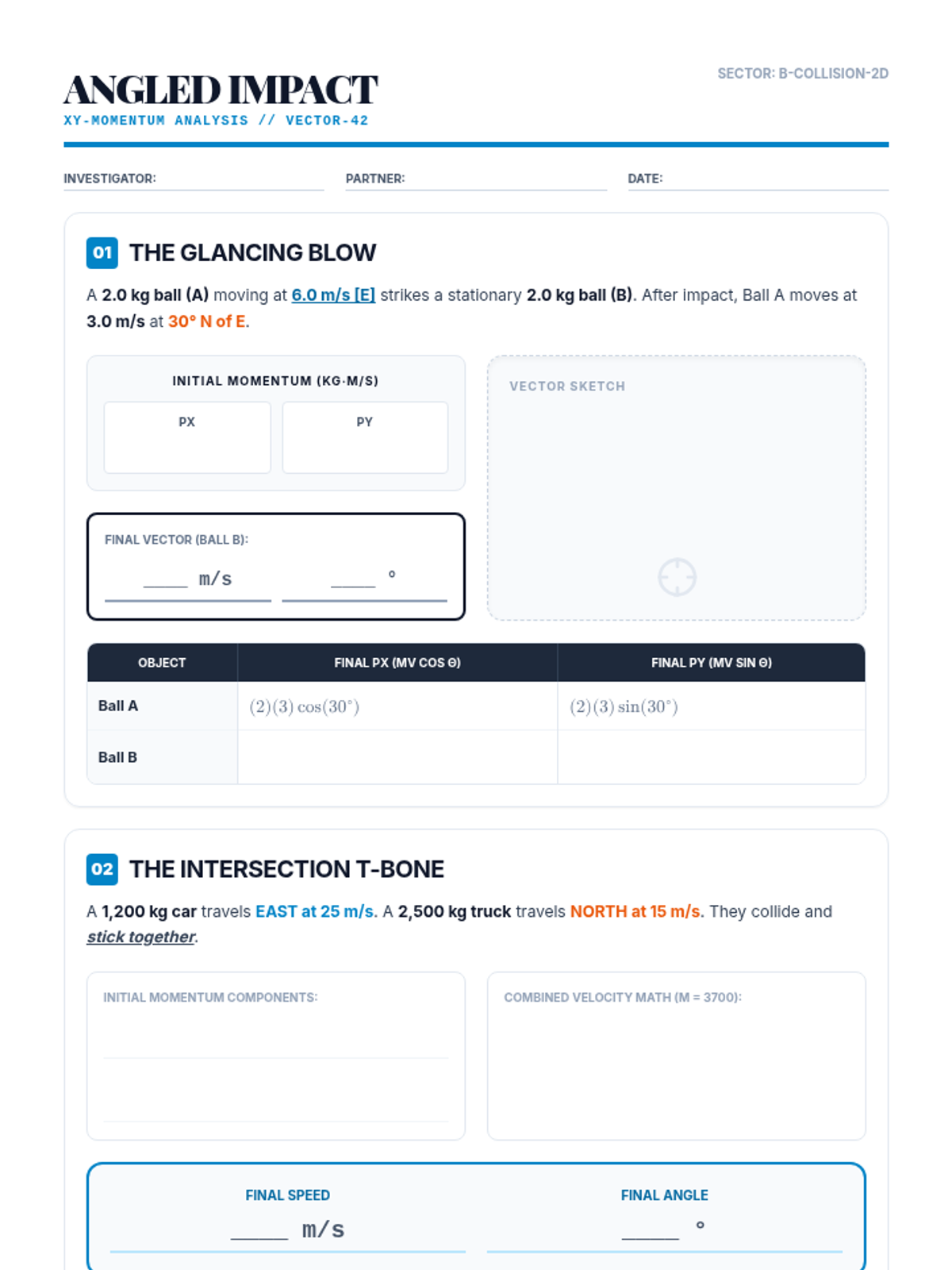
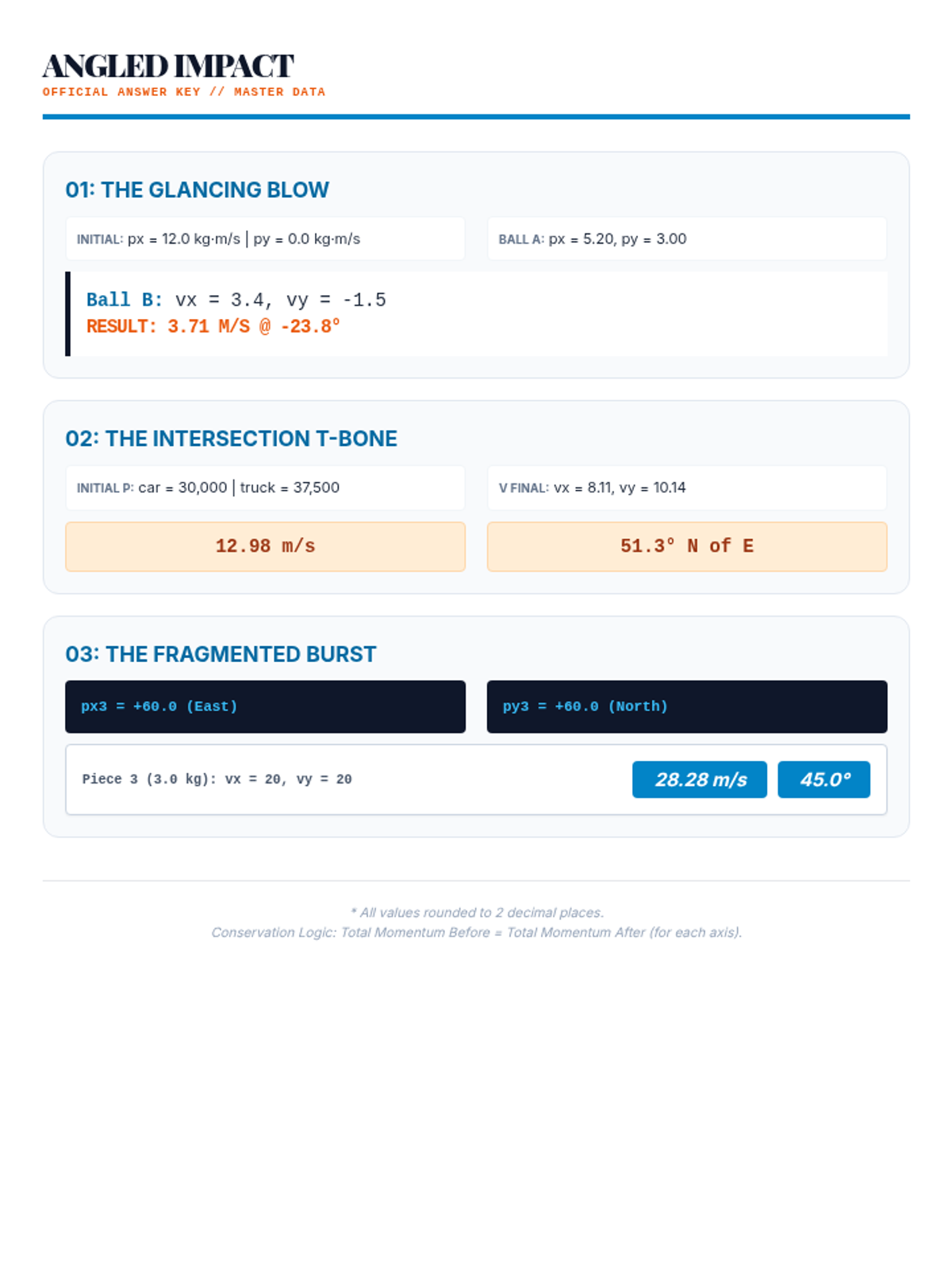
An exploration of momentum conservation in two dimensions, using vector components to solve collision problems.