A grammar review lesson where students become 'Speech Detectives' to identify nouns, verbs, adjectives, and adverbs in complex sentences. This lesson focuses on the functional application of parts of speech in context.
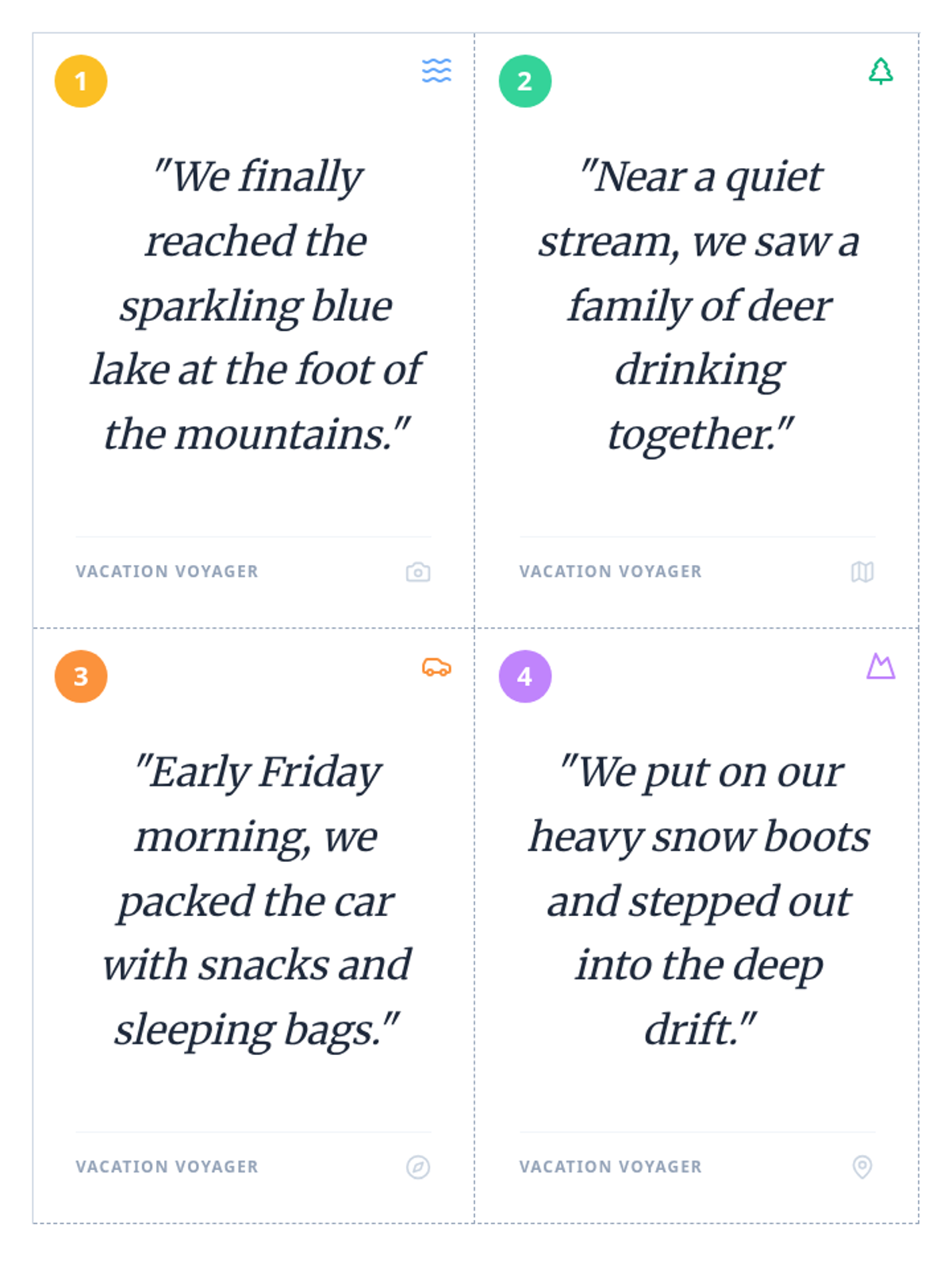
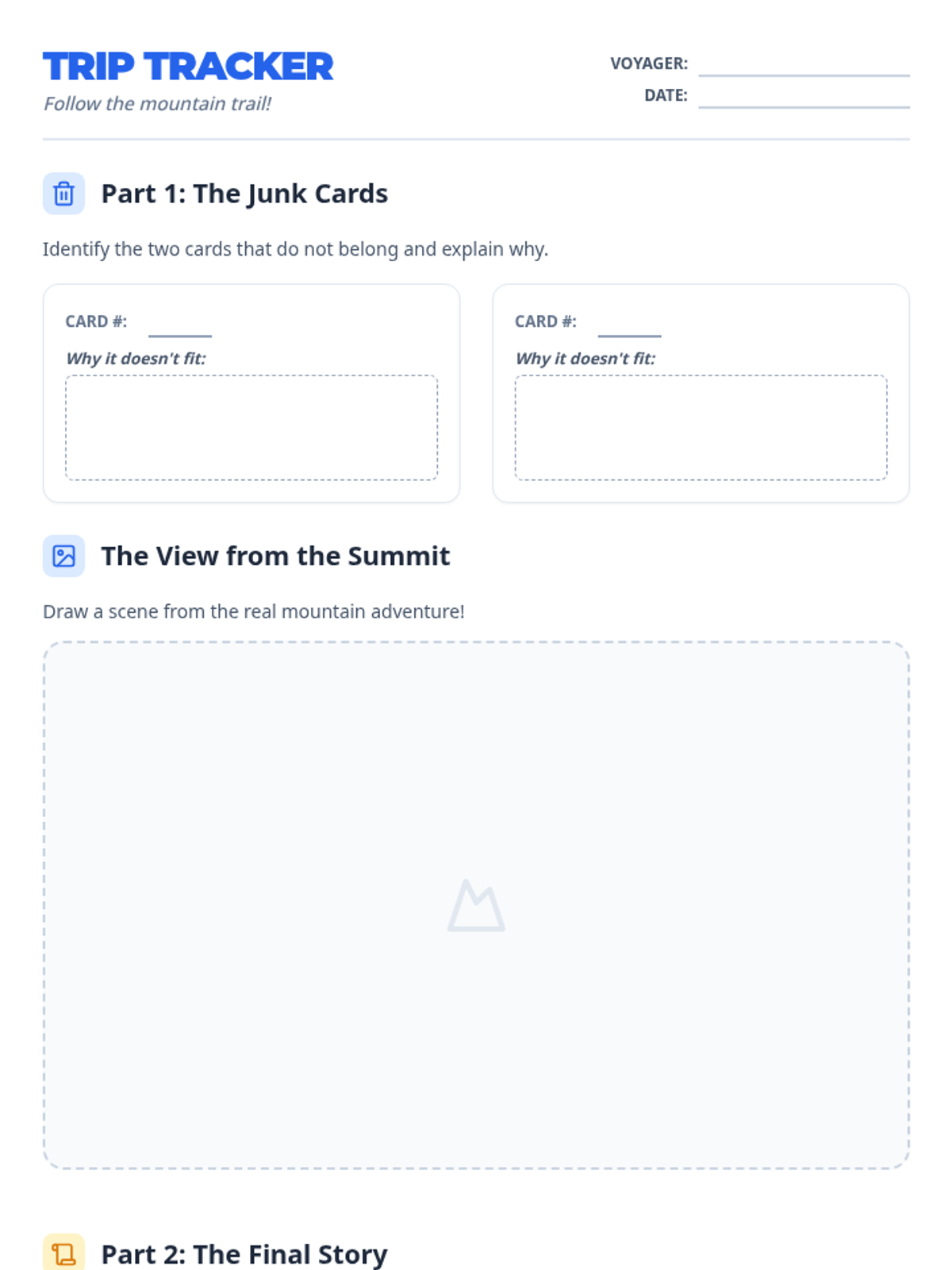
A hands-on literacy lesson where students identify and sequence sentences to build a cohesive narrative about a summer mountain trip. Students must distinguish between relevant plot points and distracting 'out-of-place' sentences.
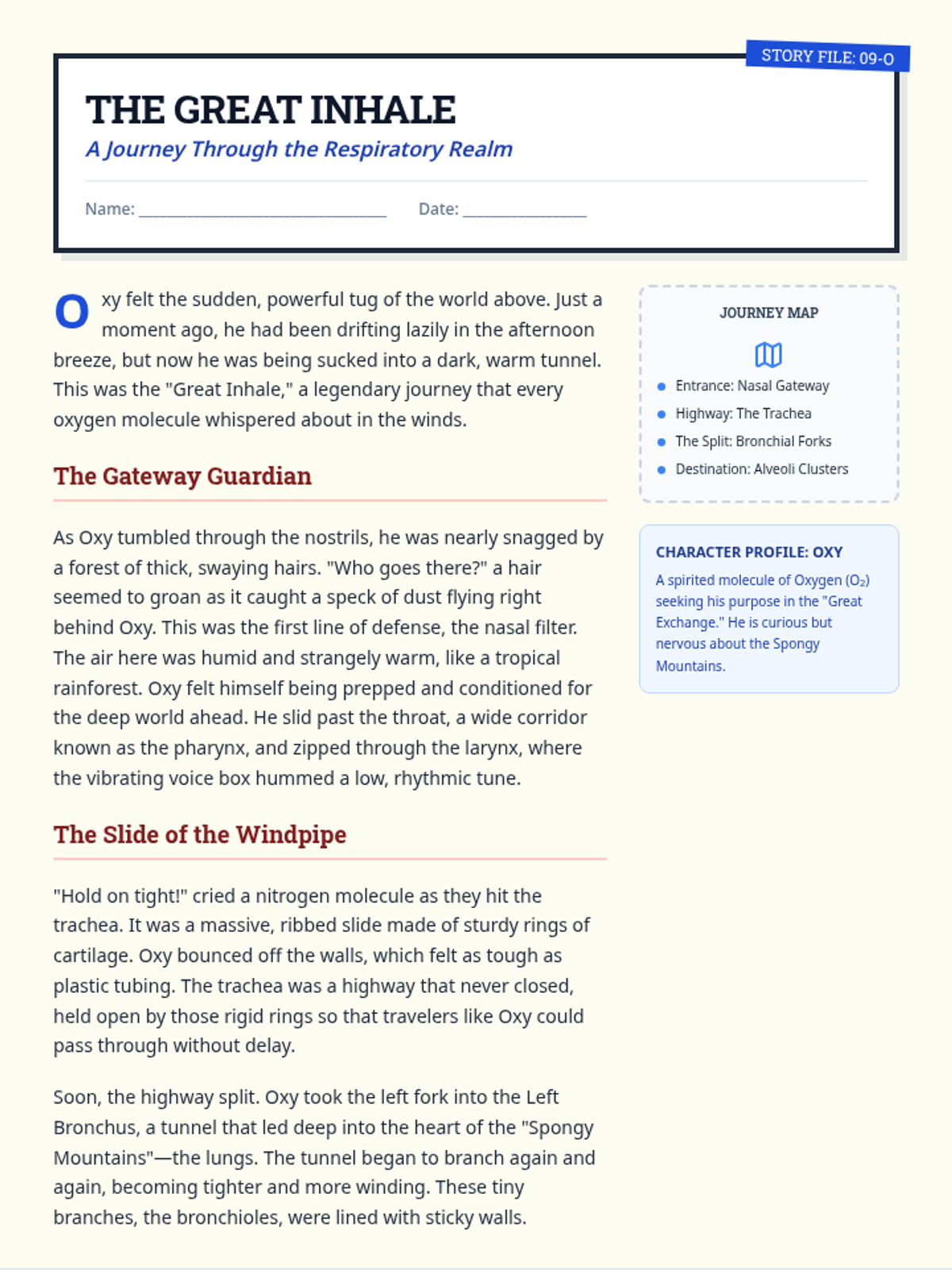
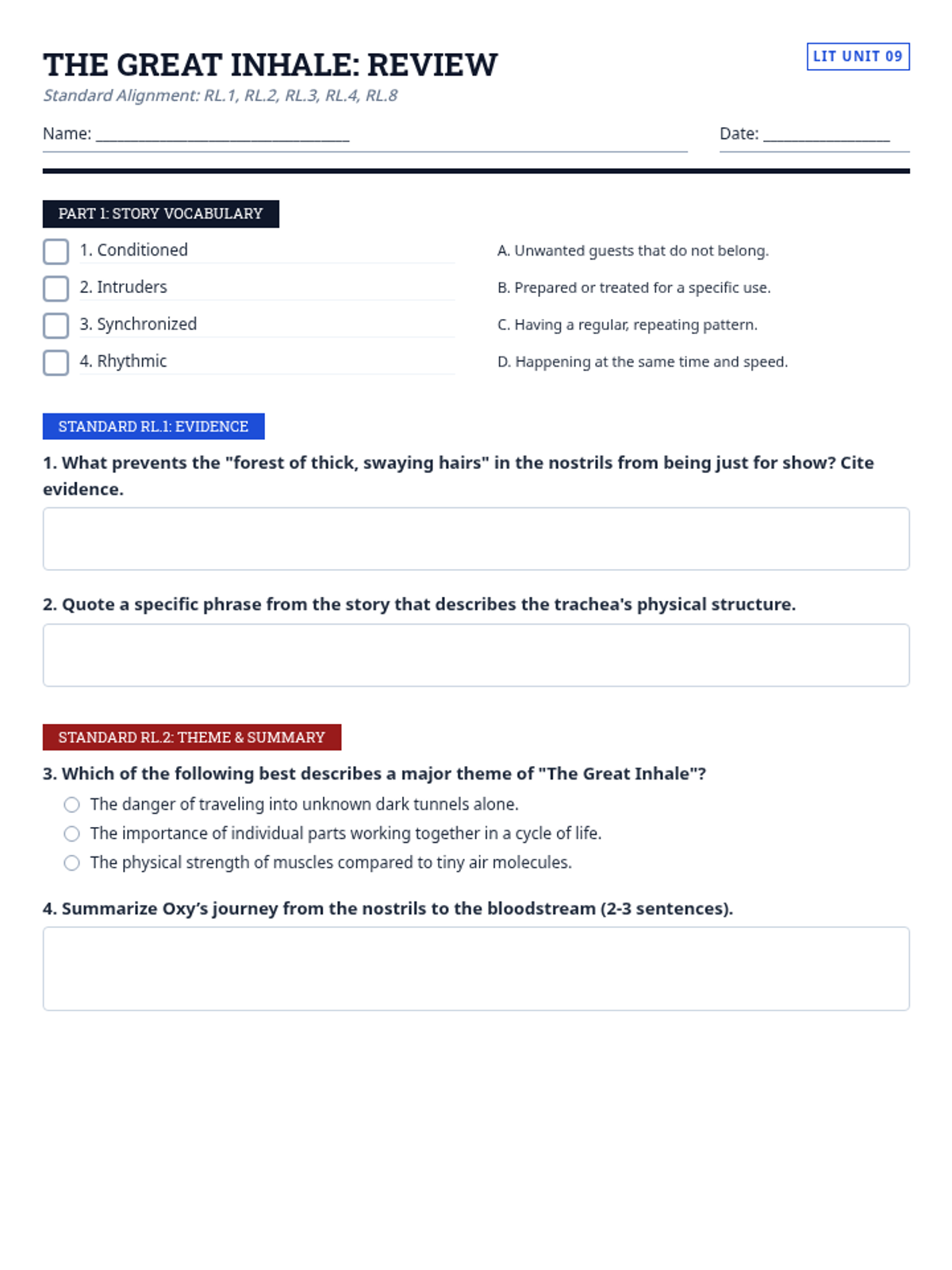
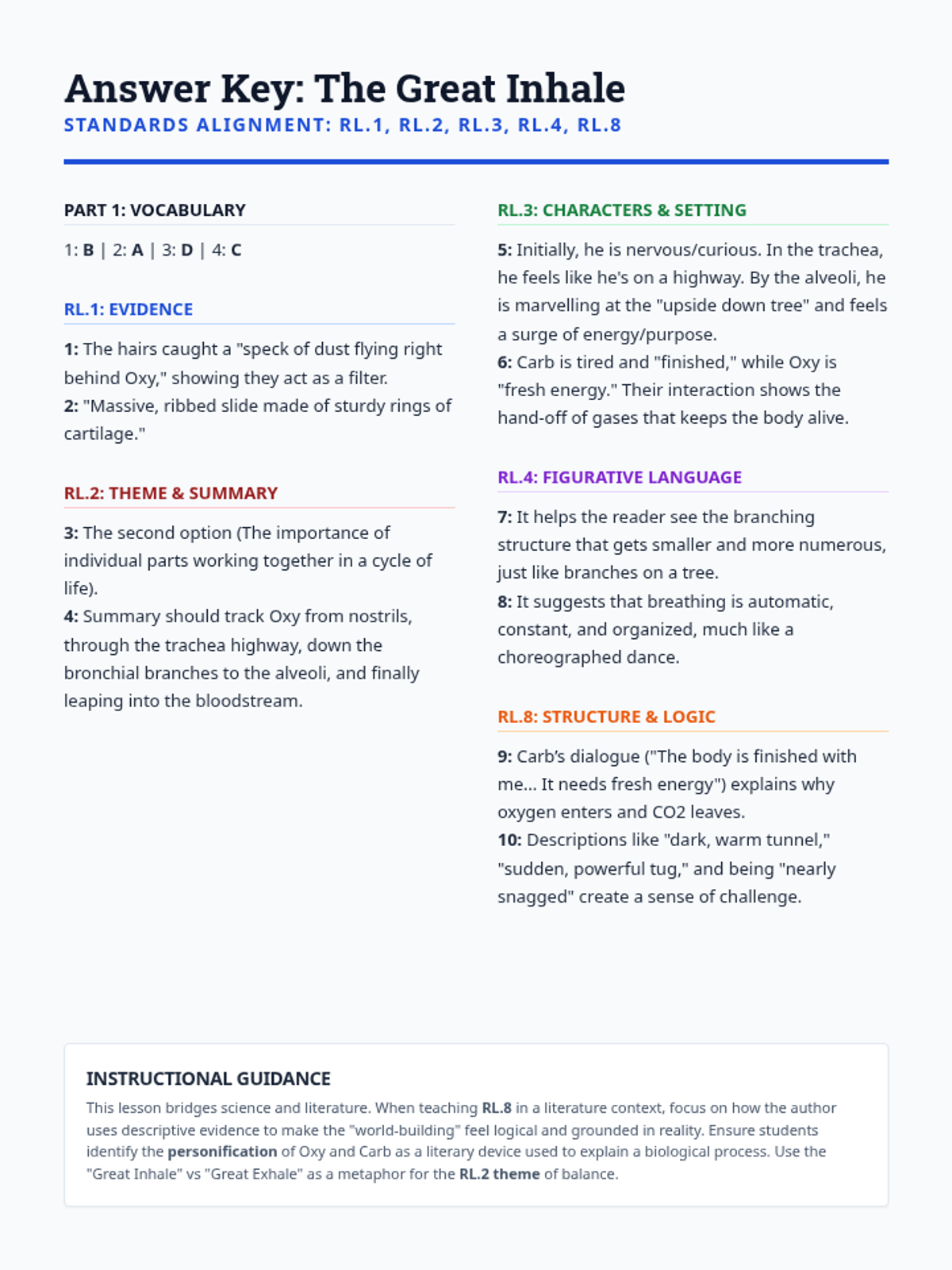
A comprehensive reading and assessment unit covering the respiratory system. Students explore the mechanics of breathing through a detailed two-page narrative passage and demonstrate mastery of RL.1, RL.2, RL.3, RL.4, and RL.8 standards.
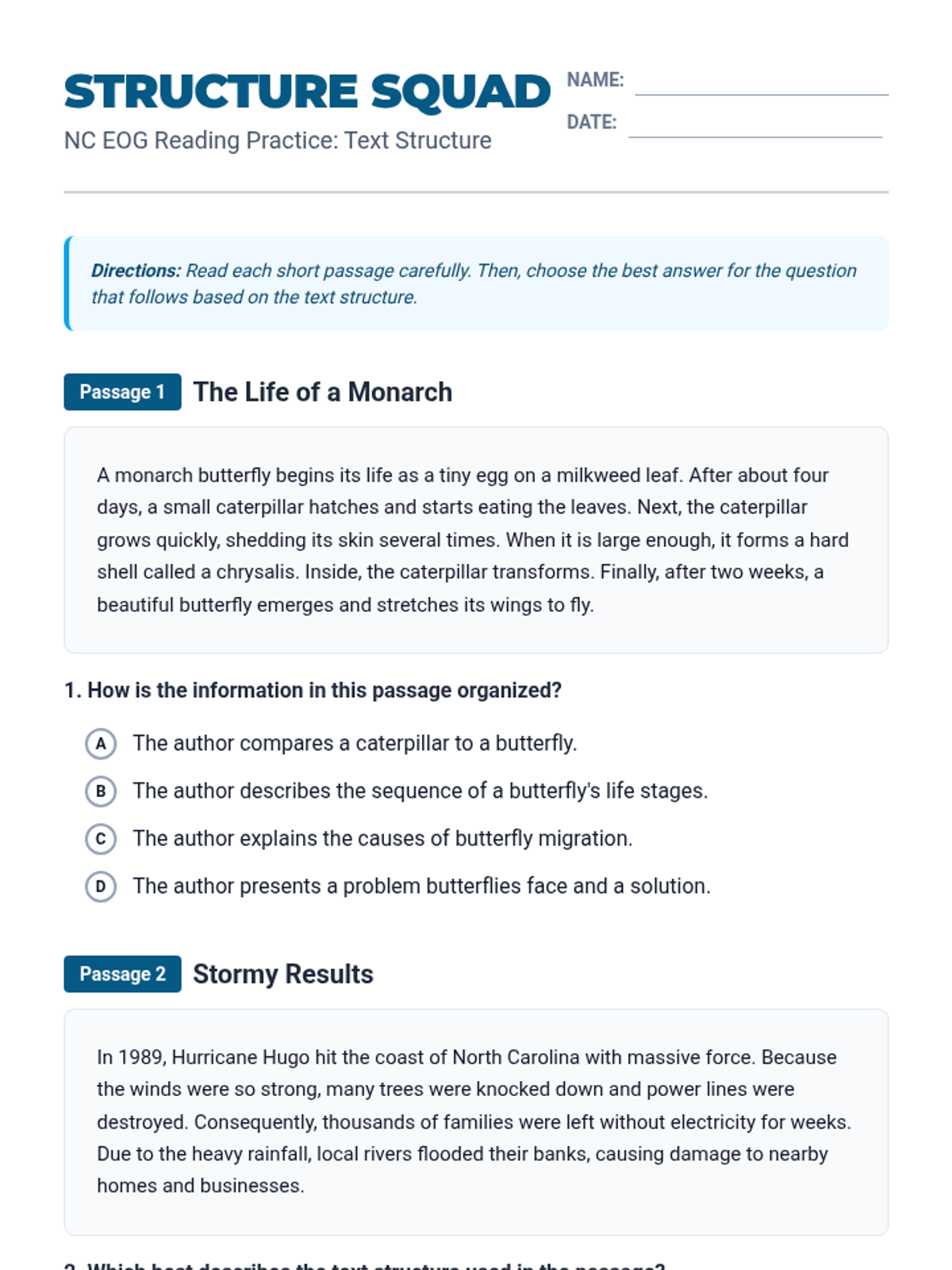
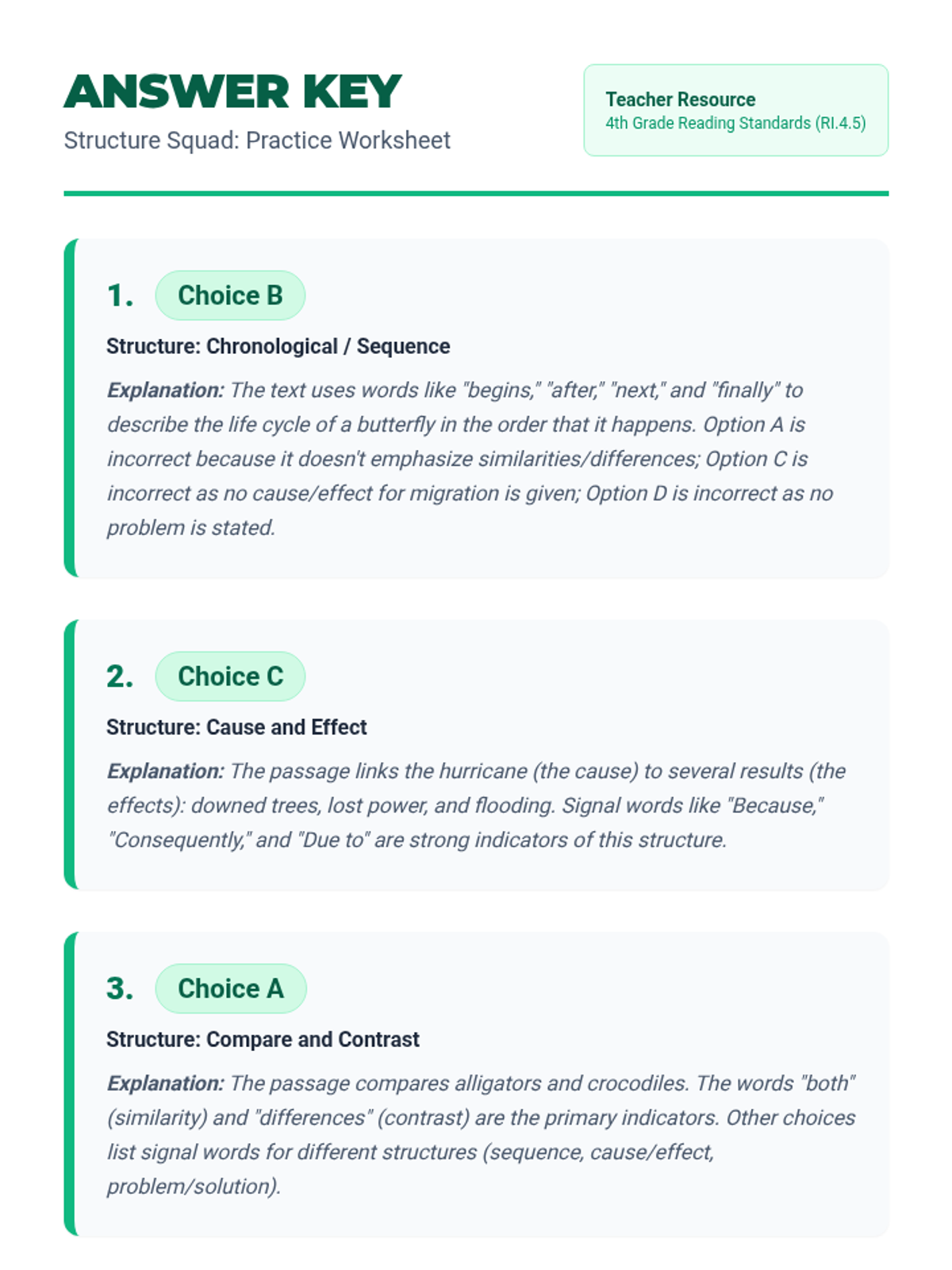
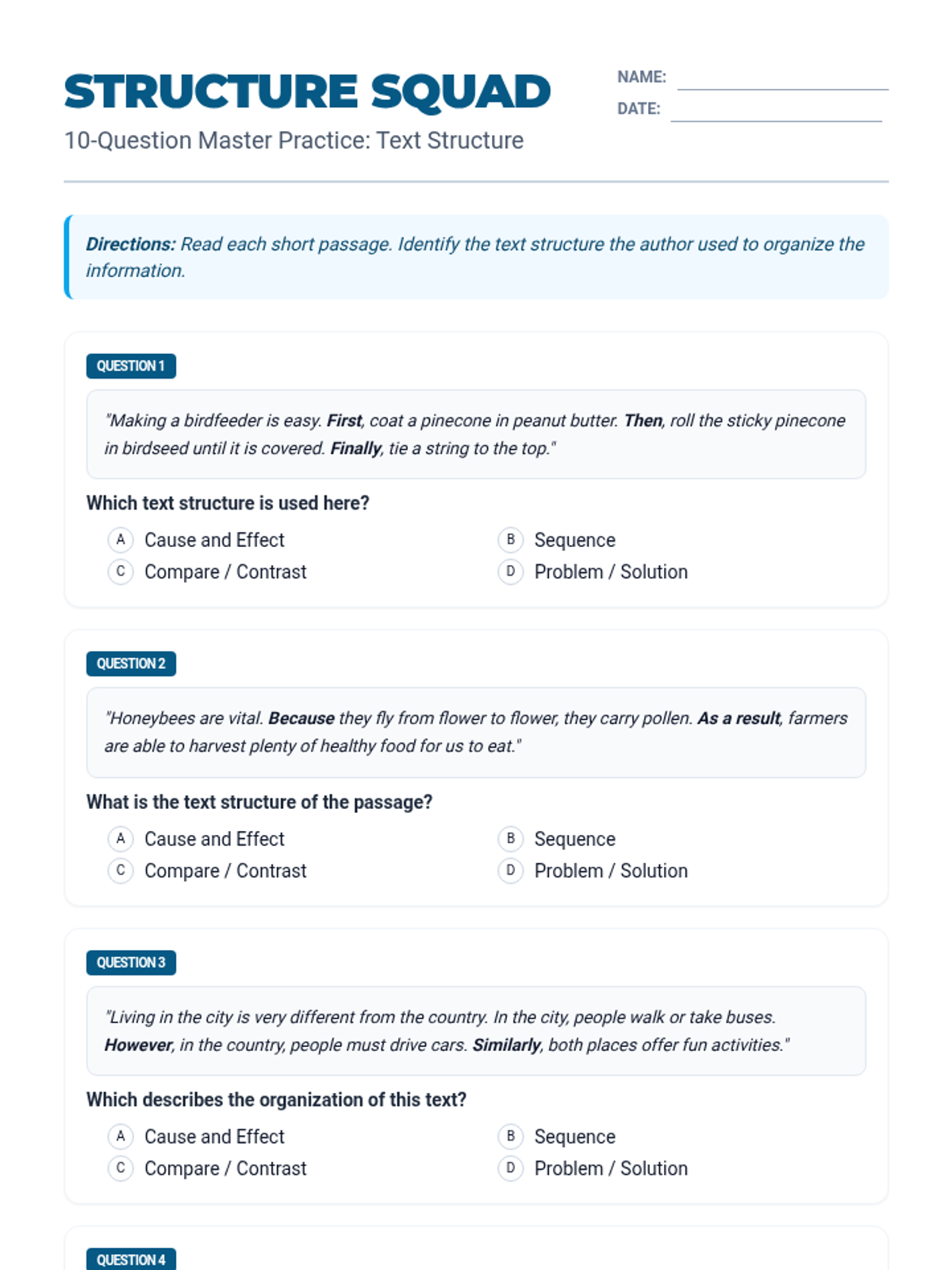
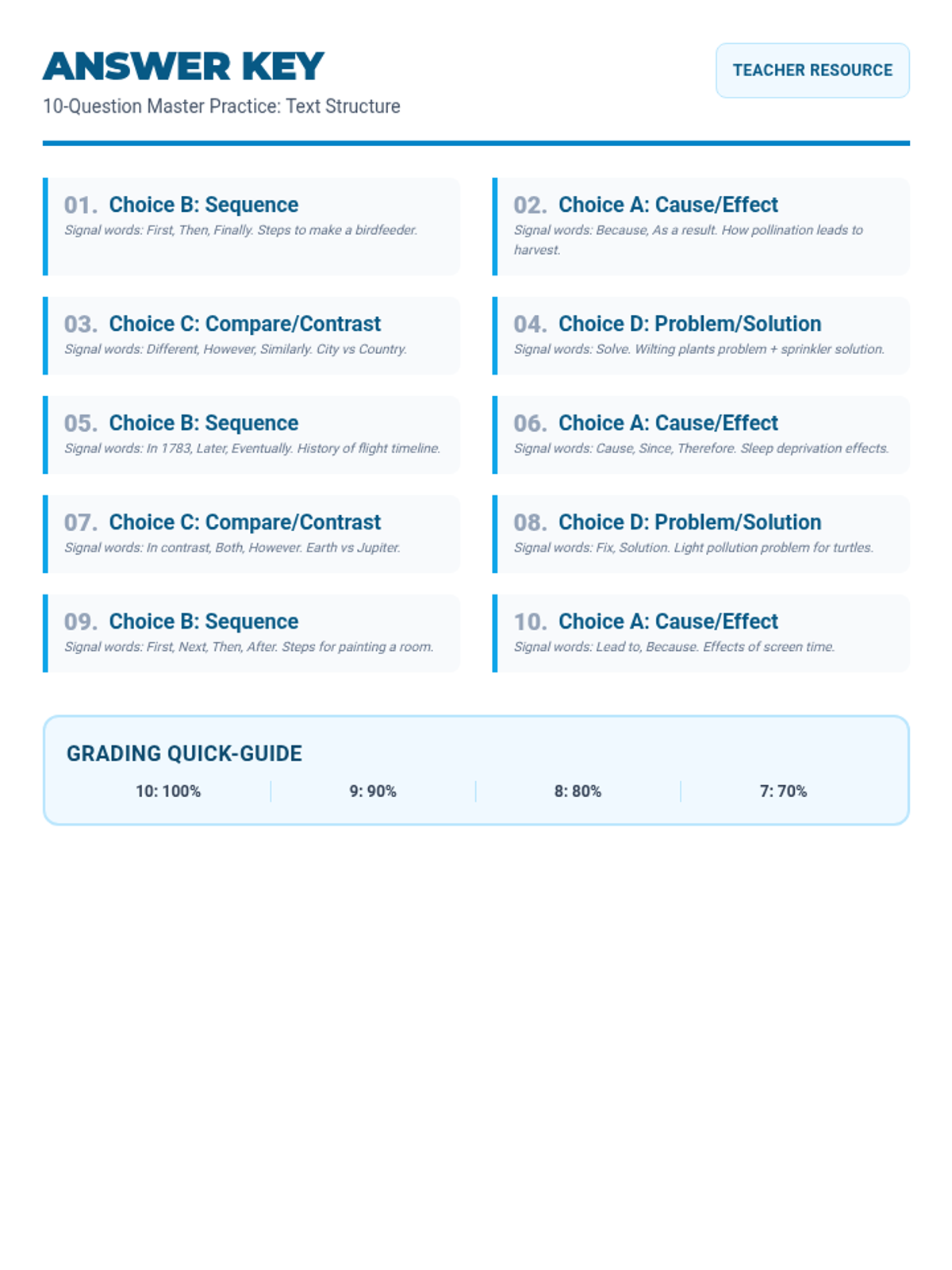
A lesson focused on identifying and analyzing four key text structures (Cause and Effect, Compare and Contrast, Chronological/Sequence, and Problem and Solution) using NC EOG-style short passages and questions.
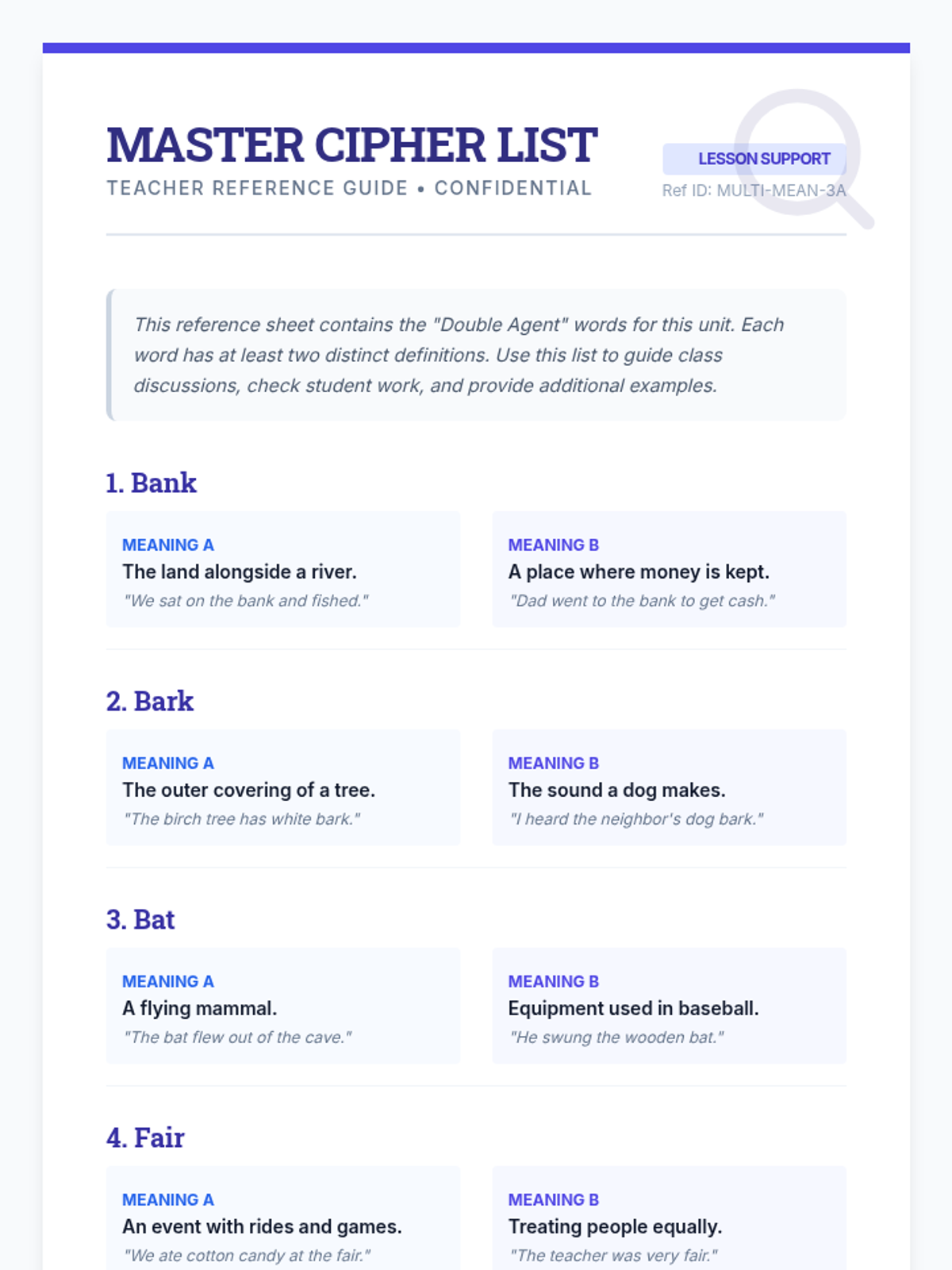
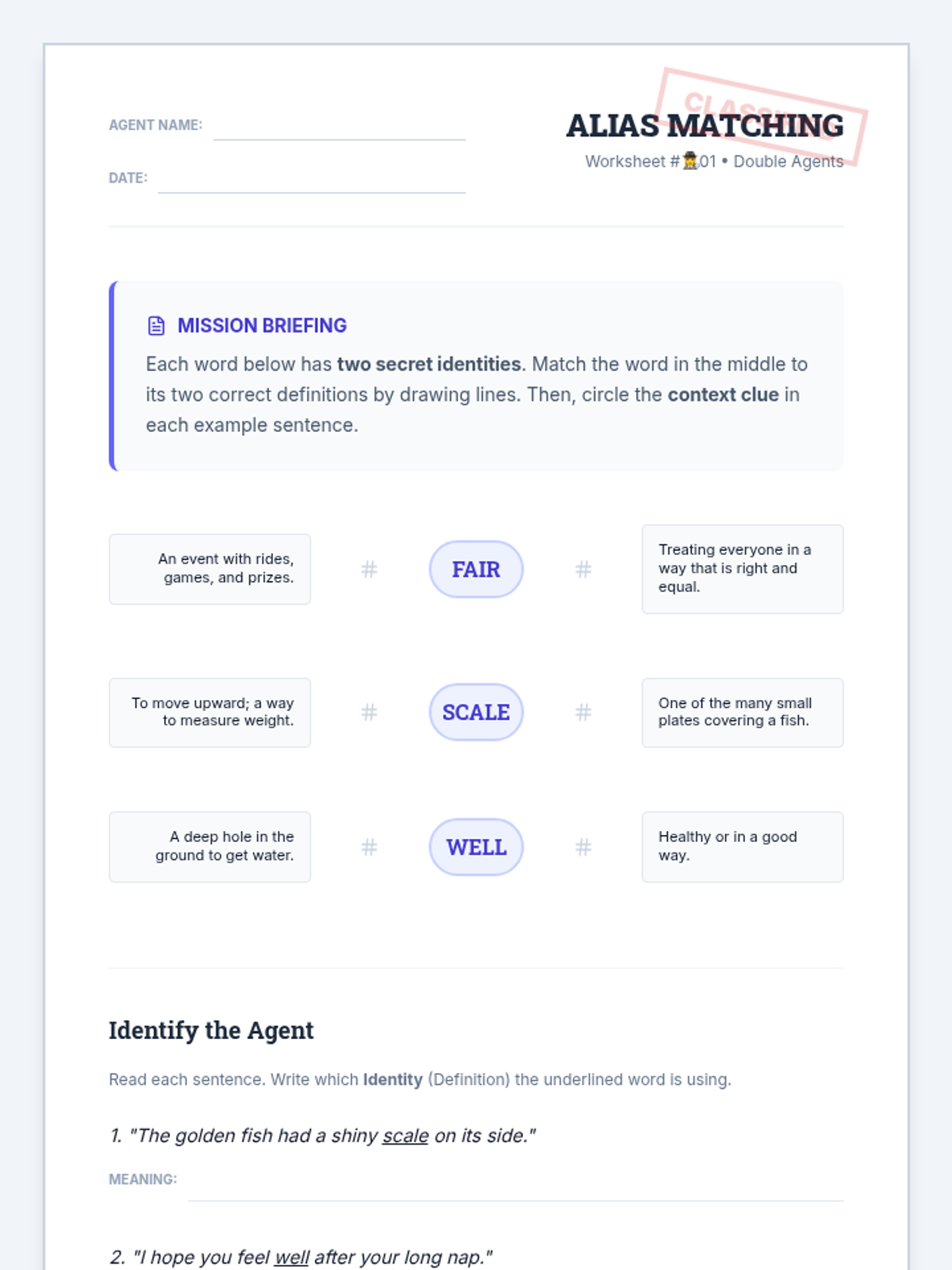
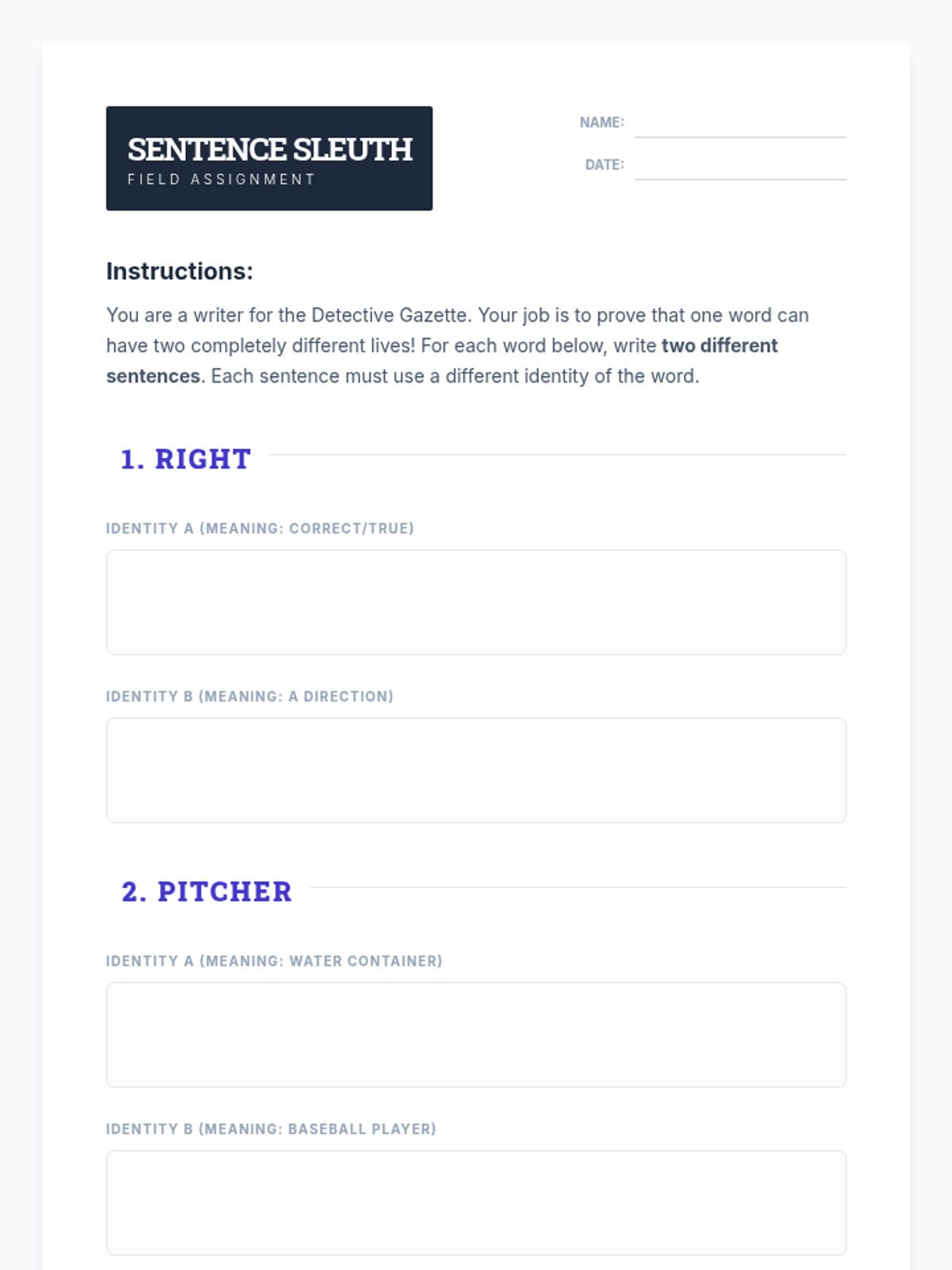
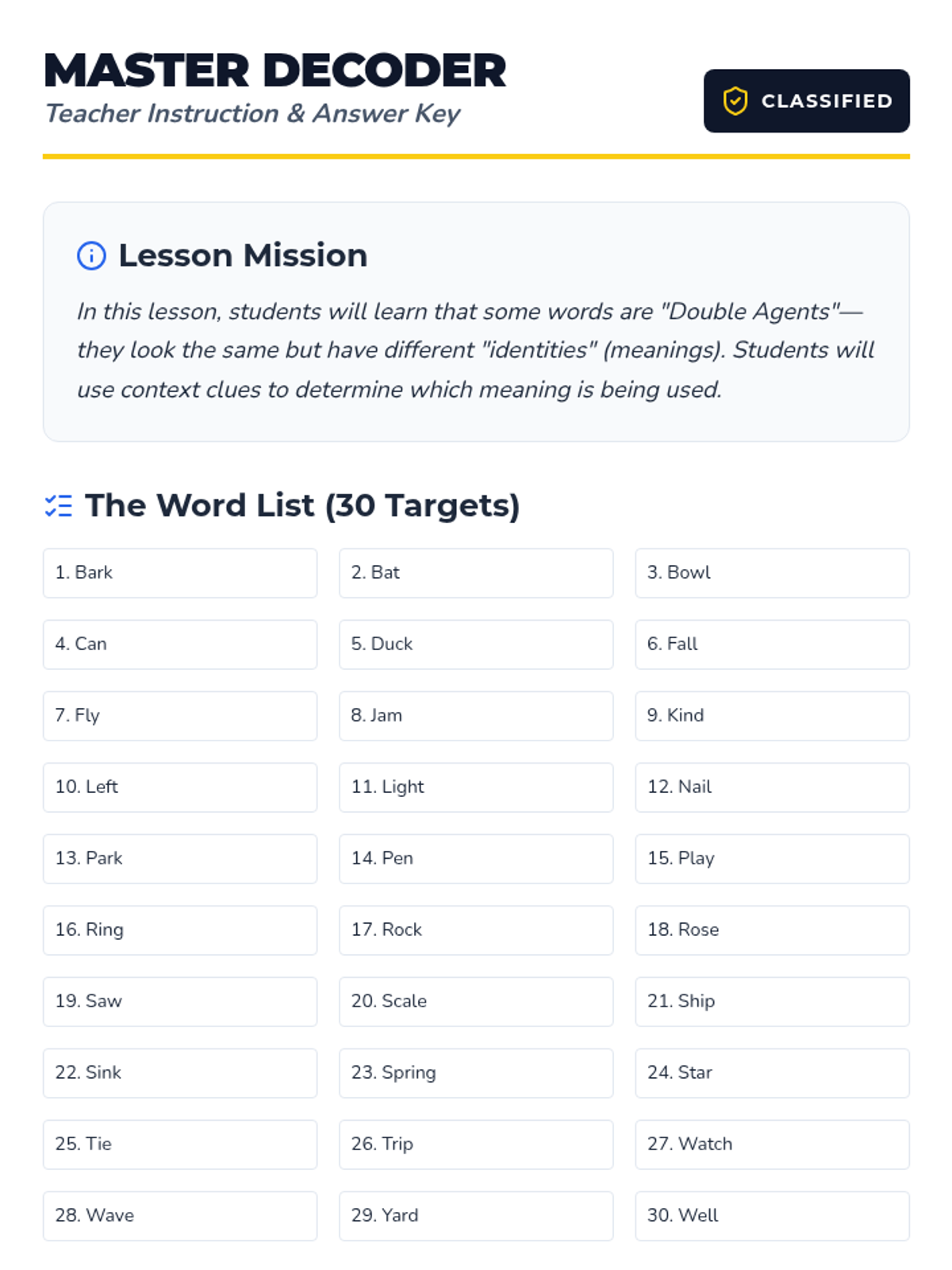
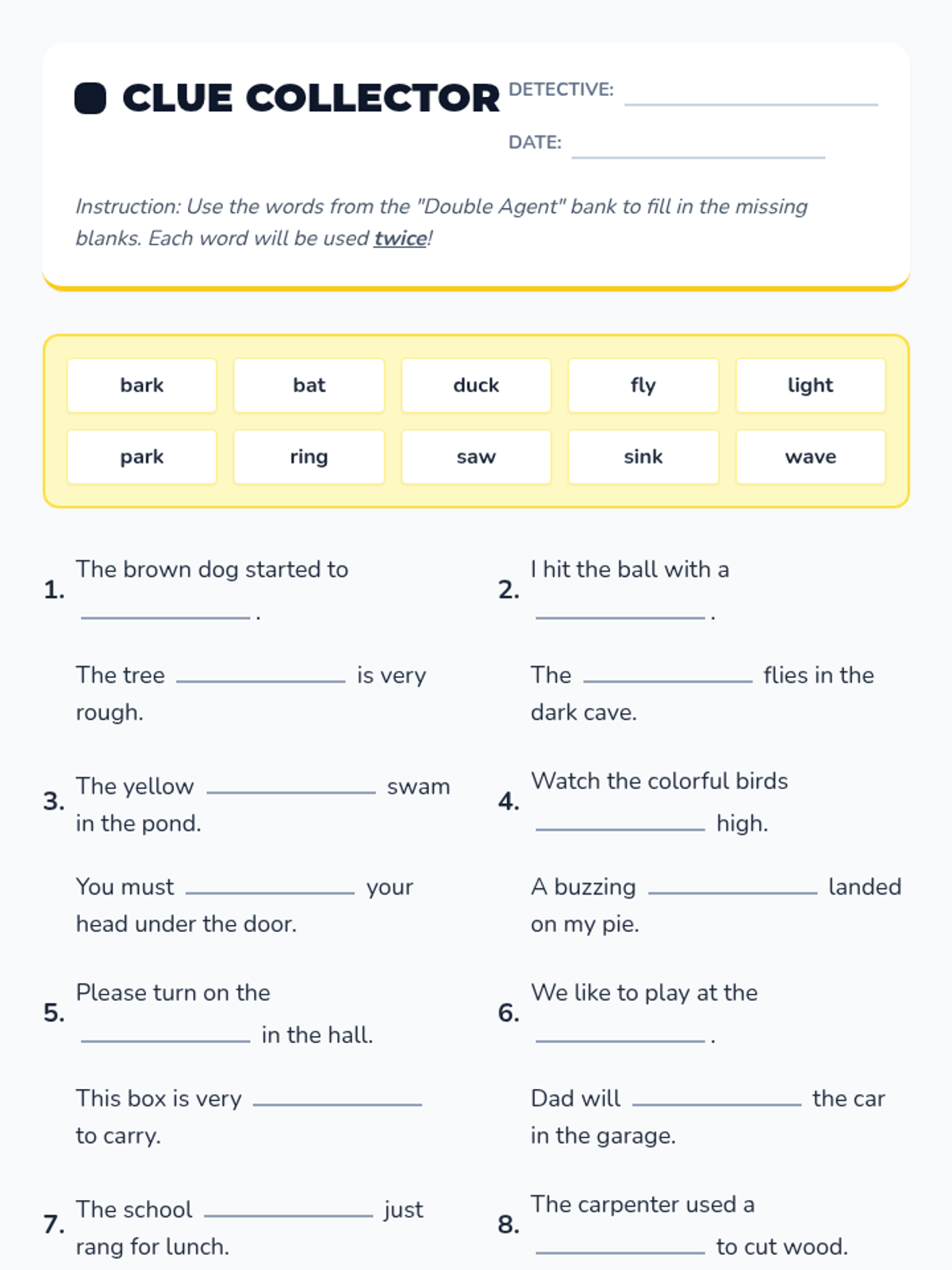
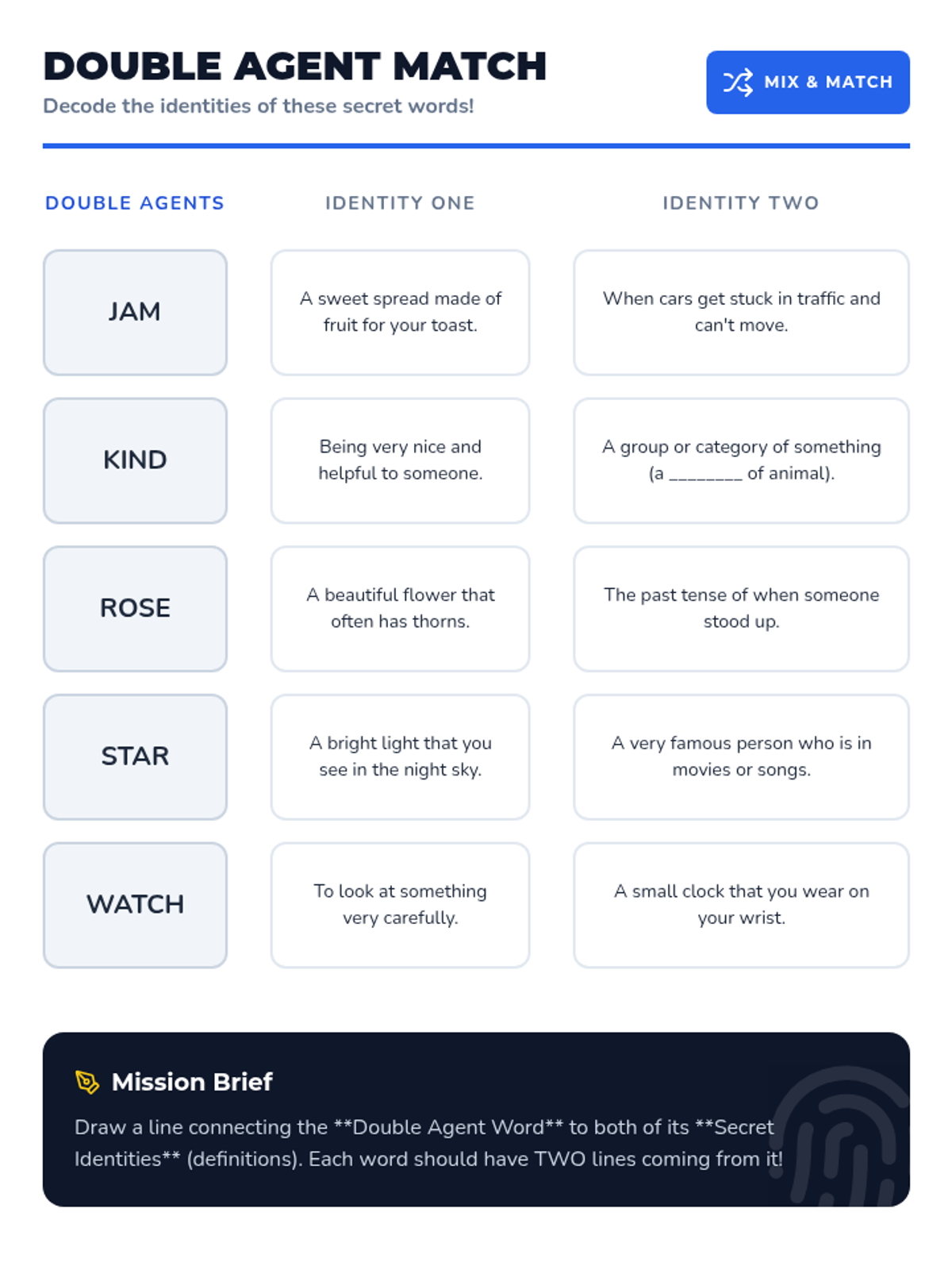
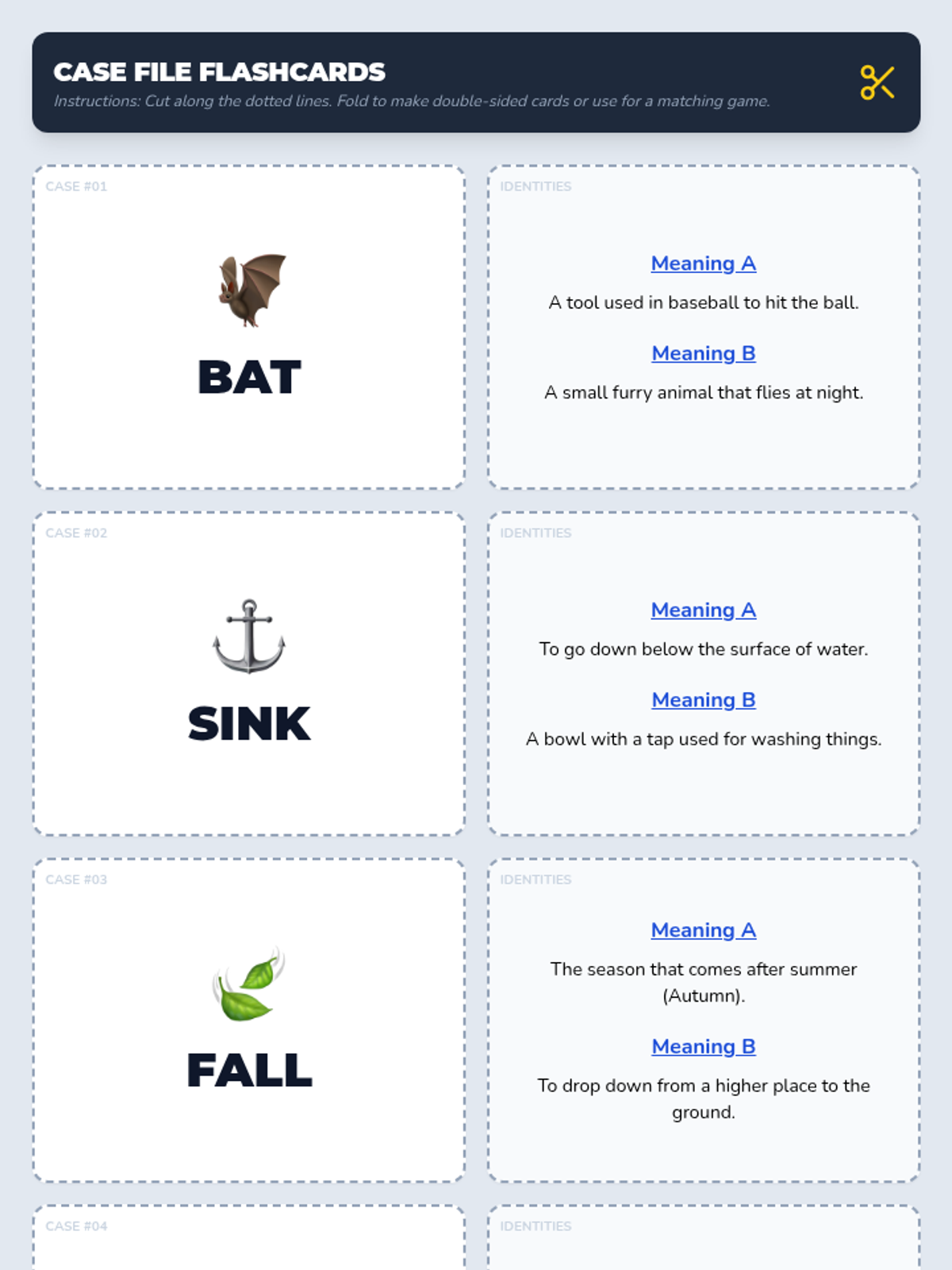
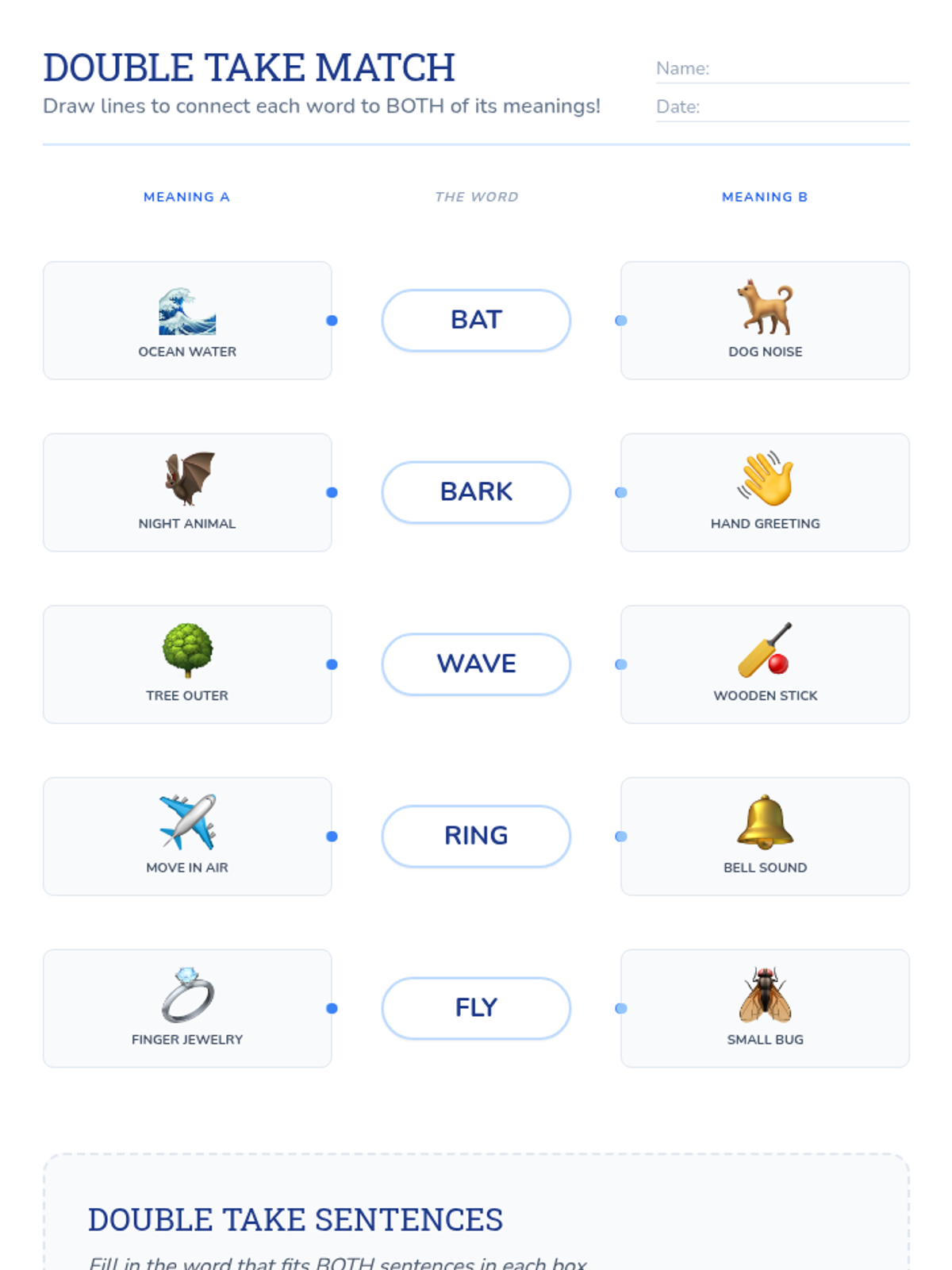
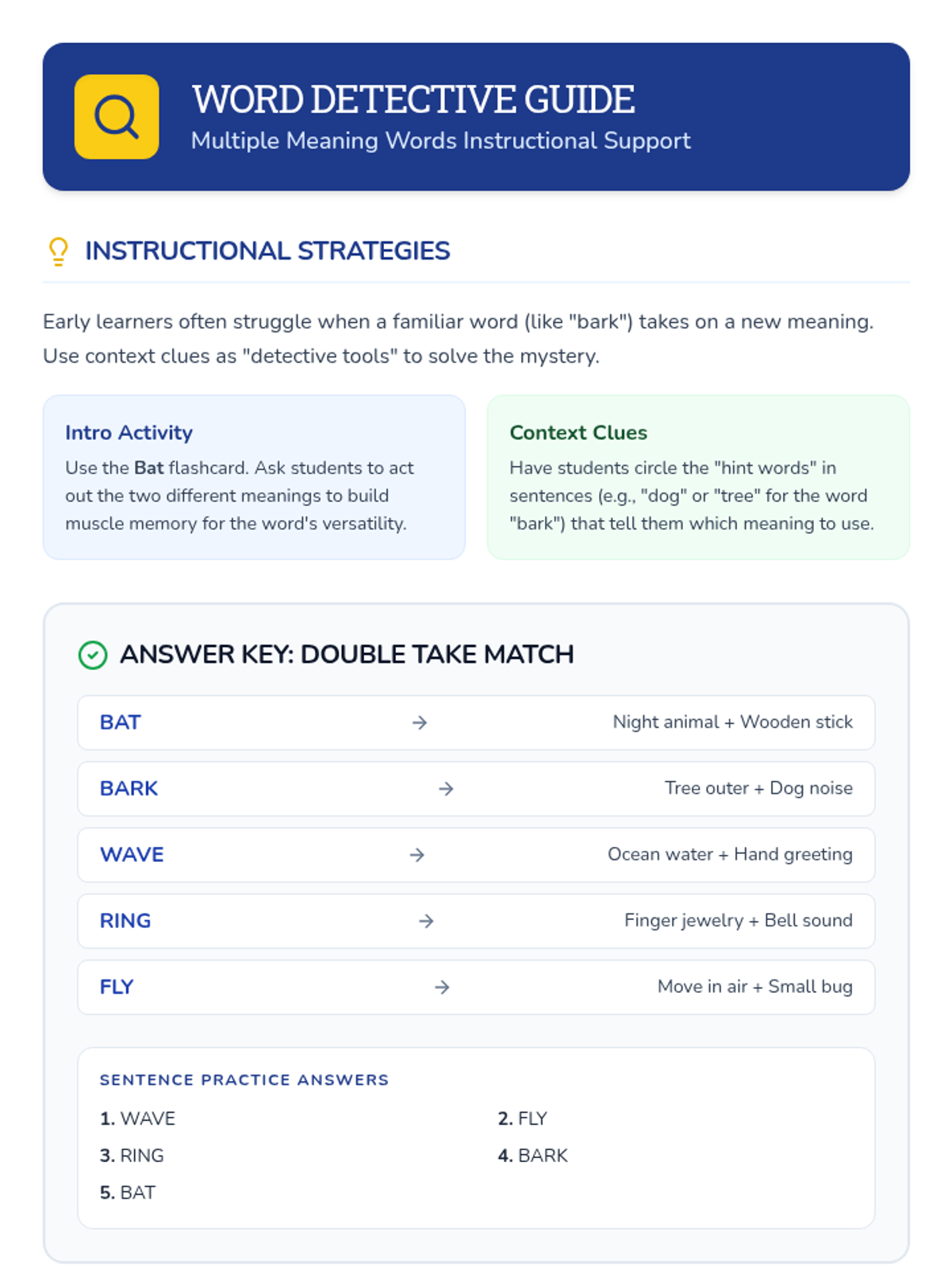
A detective-themed lesson where students investigate words with multiple meanings, uncovering their 'secret identities' through context clues and sentence building.
An introductory lesson on identifying and using multiple-meaning words in context. Students explore 30 common homonyms through visual aids, practice exercises, and collaborative activities.
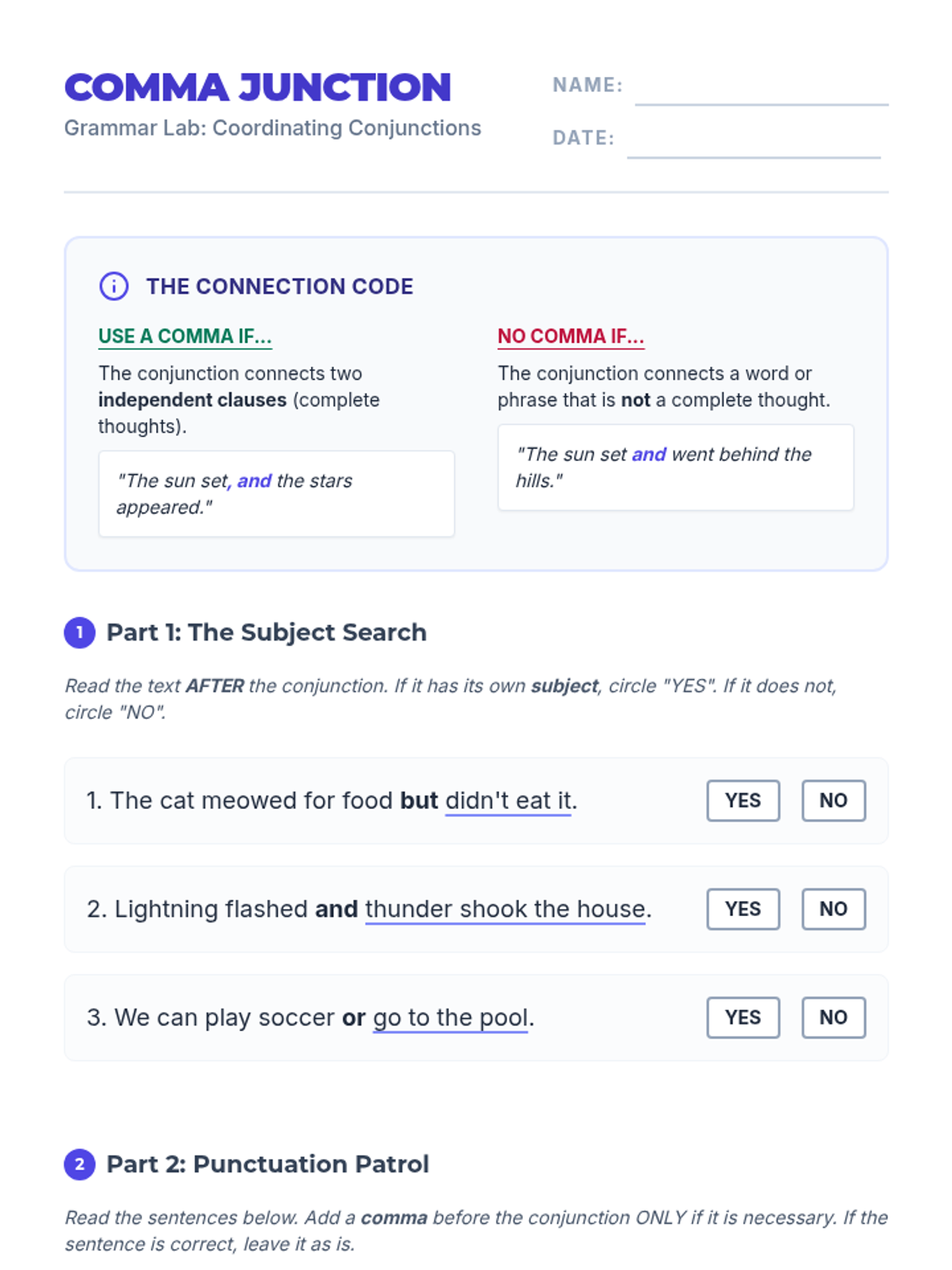
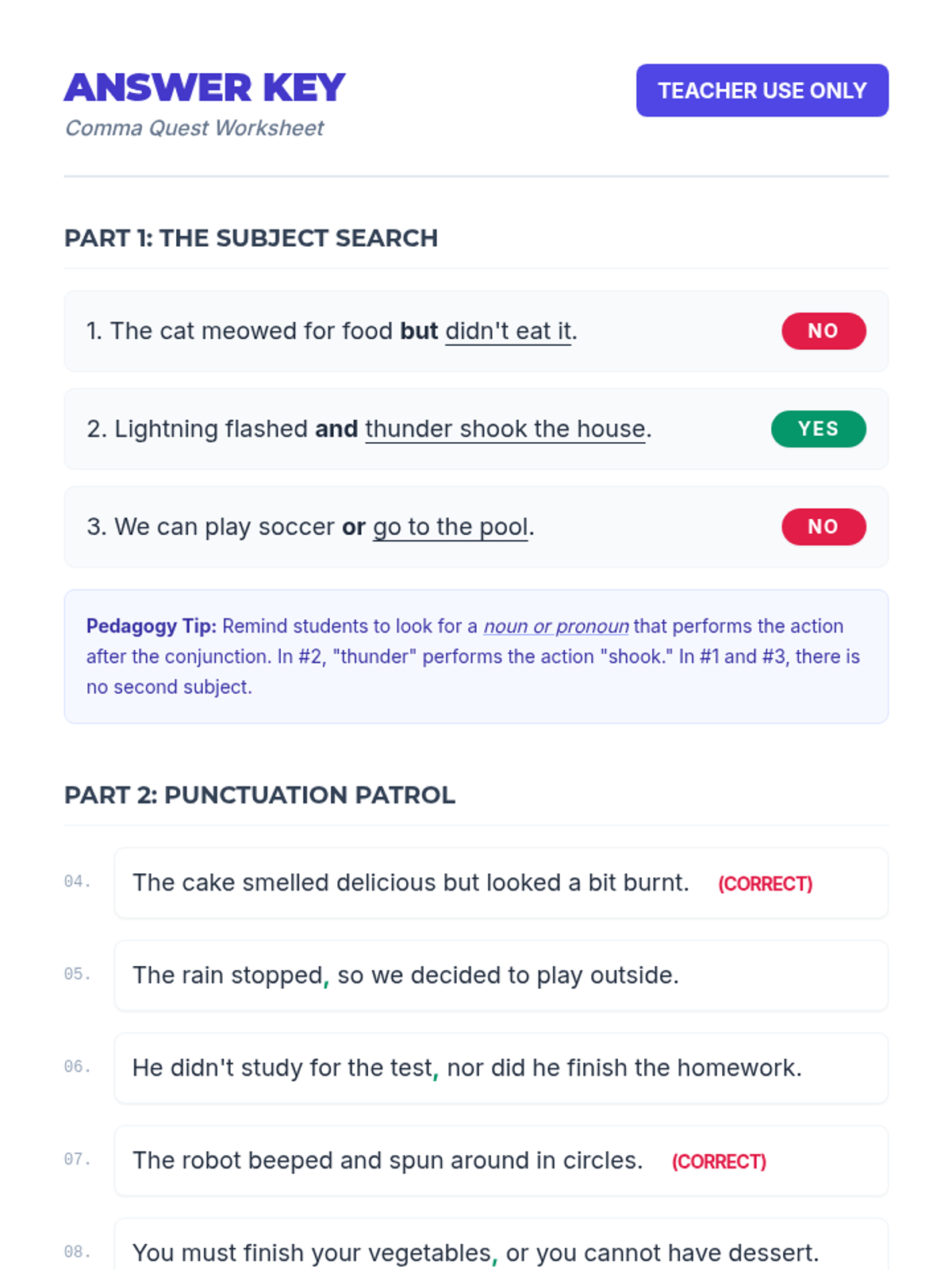
This lesson teaches students to distinguish between compound sentences that require a comma before a coordinating conjunction and simple sentences with compound parts that do not.
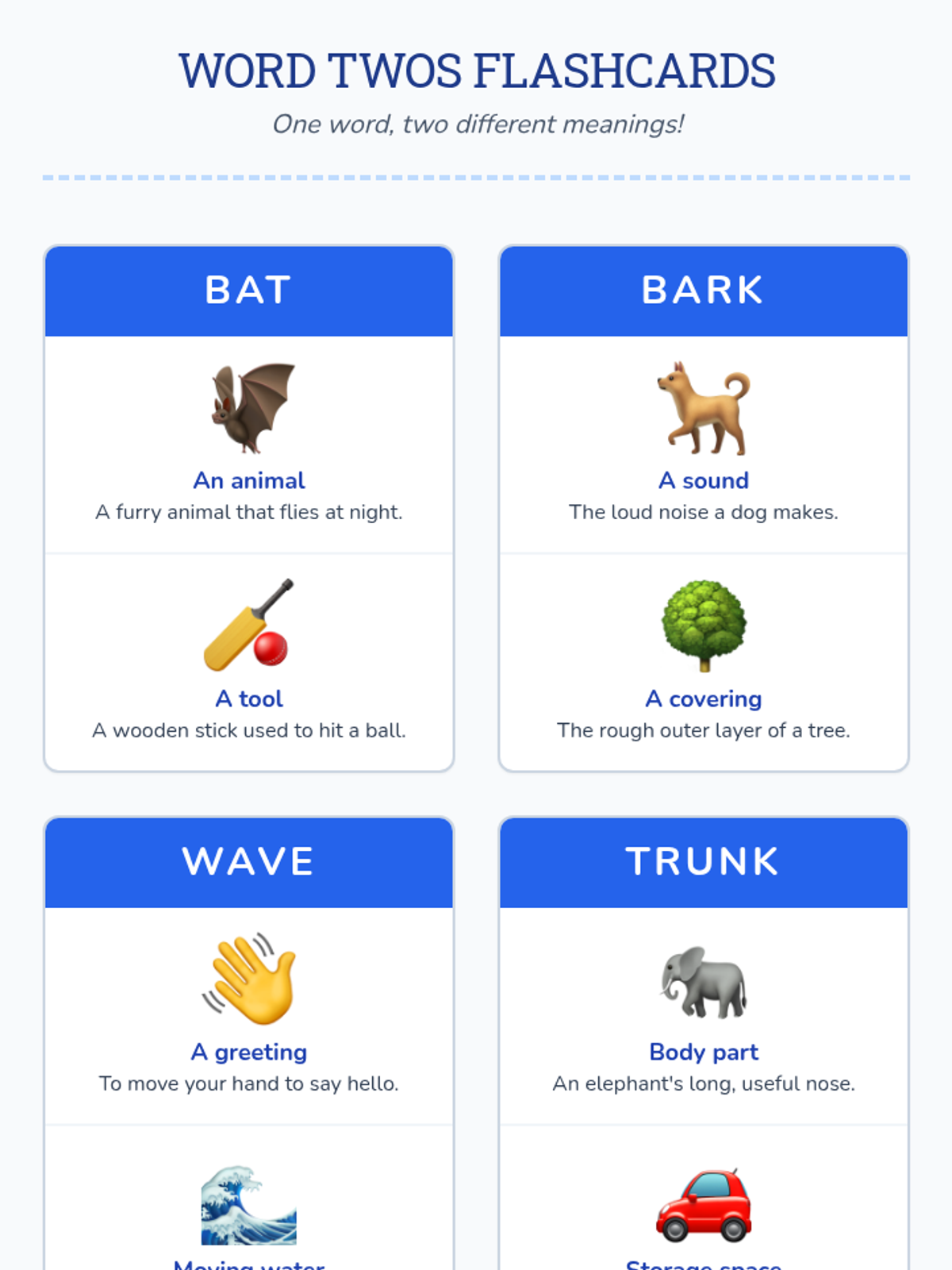
A lesson focused on identifying and understanding common multiple-meaning words for early elementary students through visual aids and matching activities.
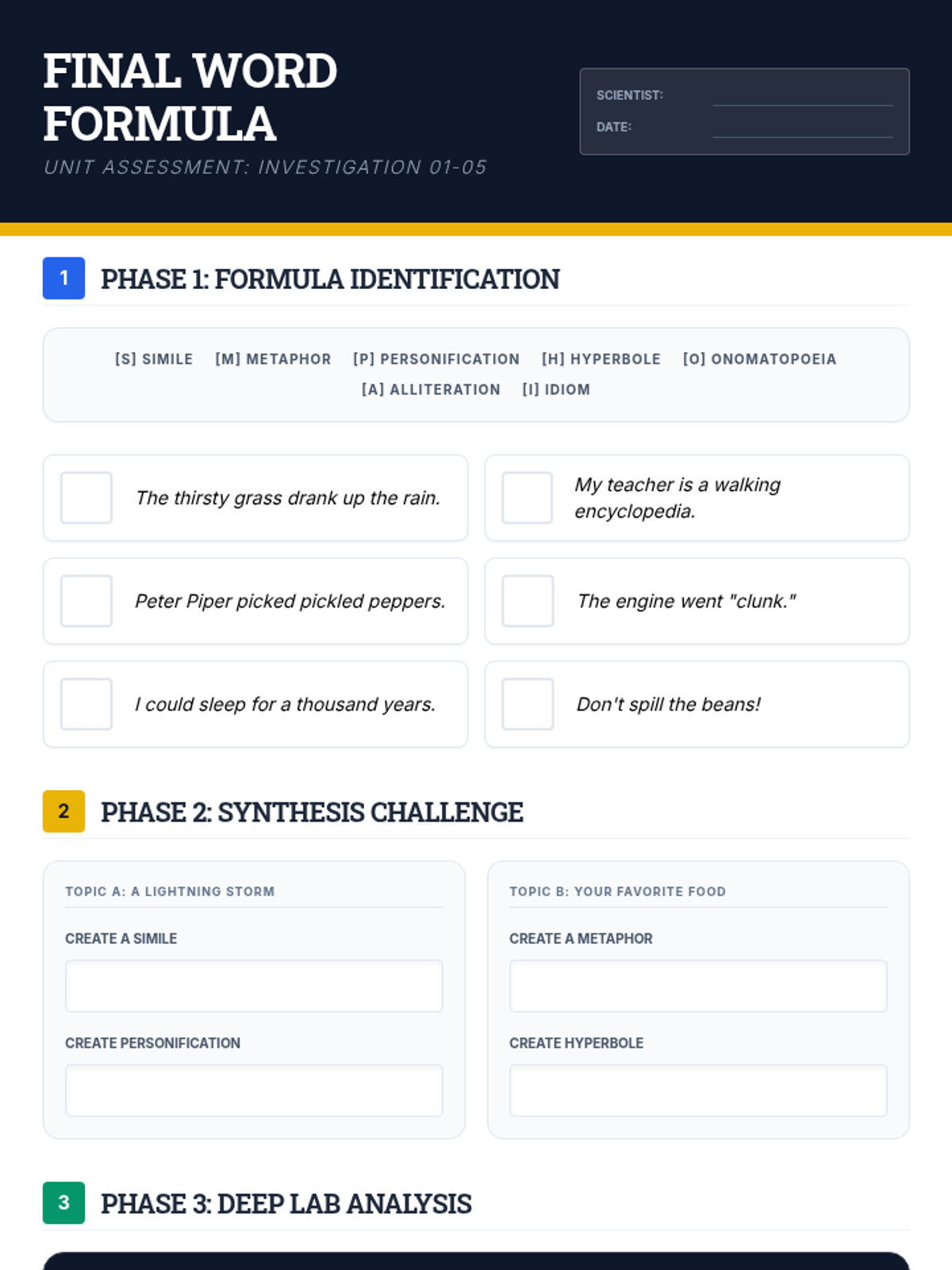
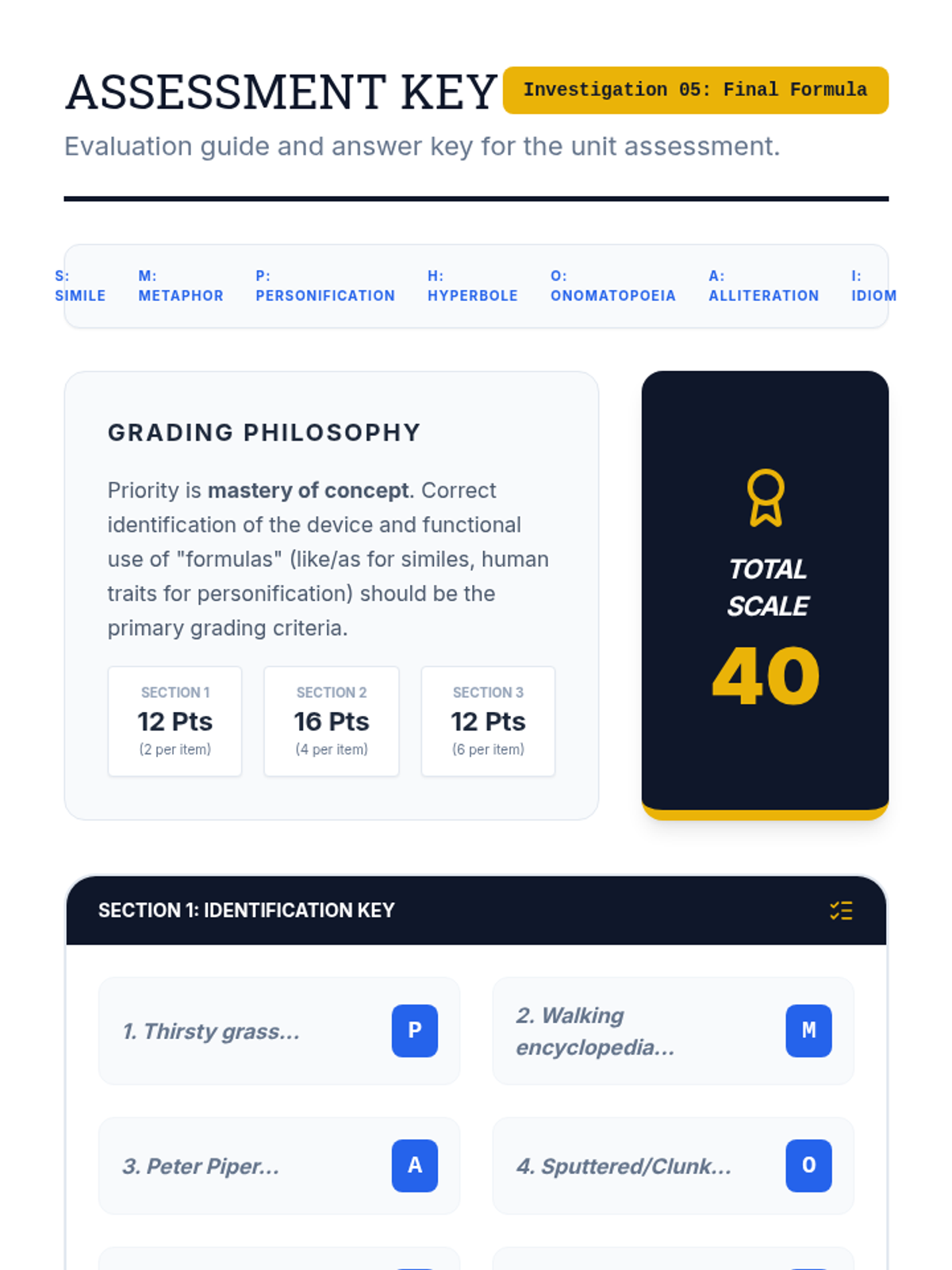
A cumulative review and final assessment of all figurative language types covered during the week-long investigation.
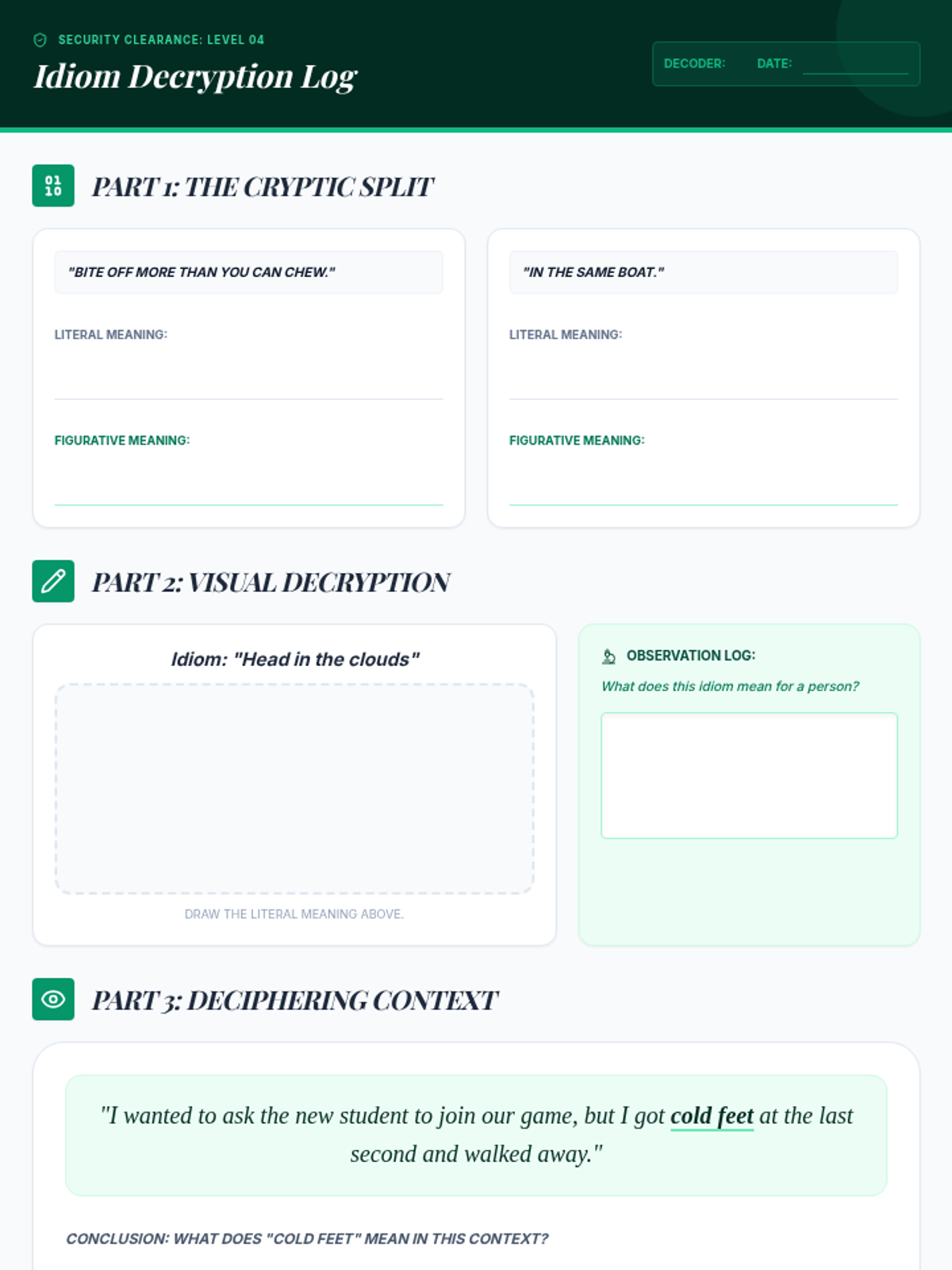
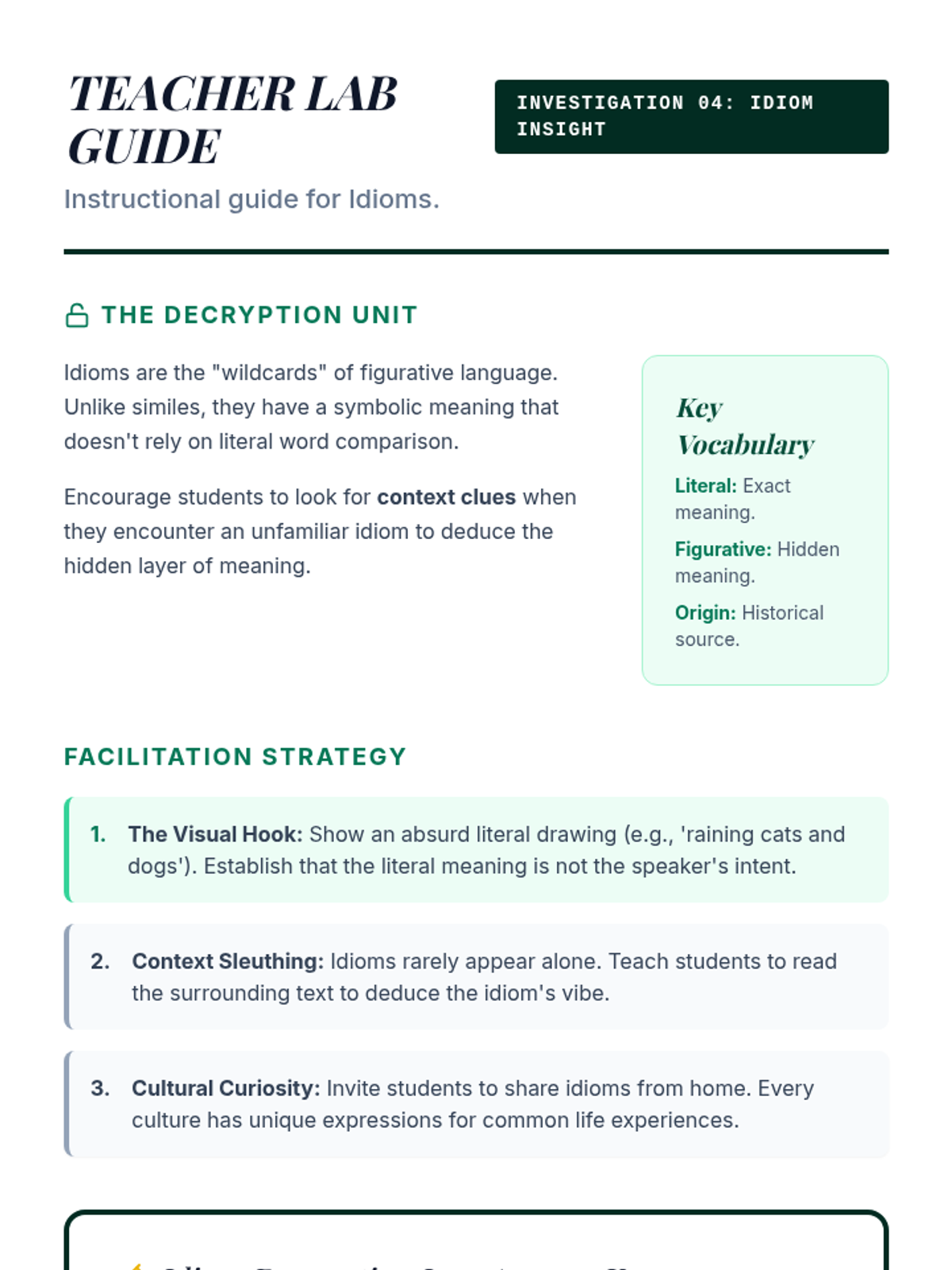
Students decode the strange and quirky world of idioms, learning to interpret figurative meanings rather than literal definitions.
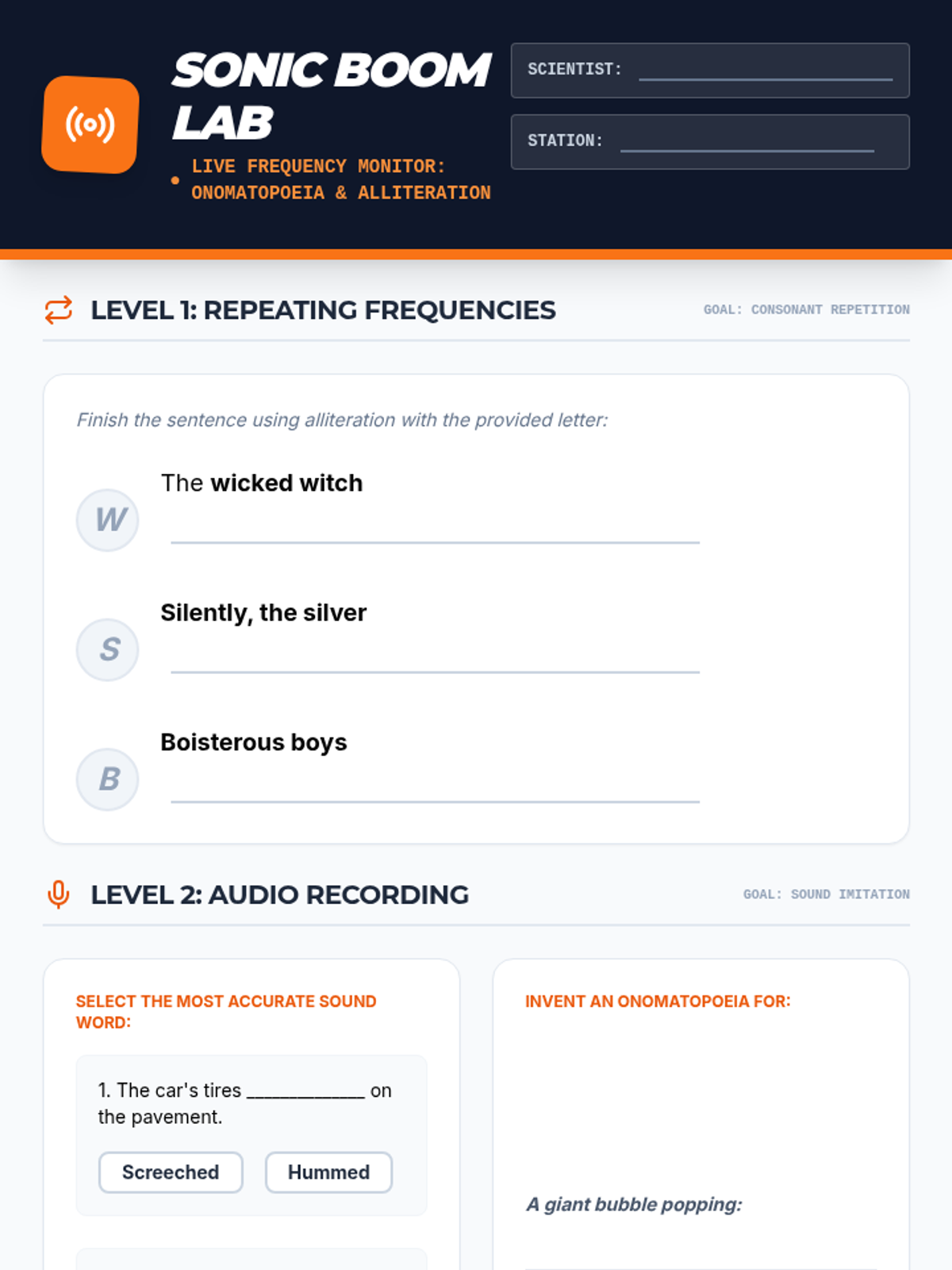
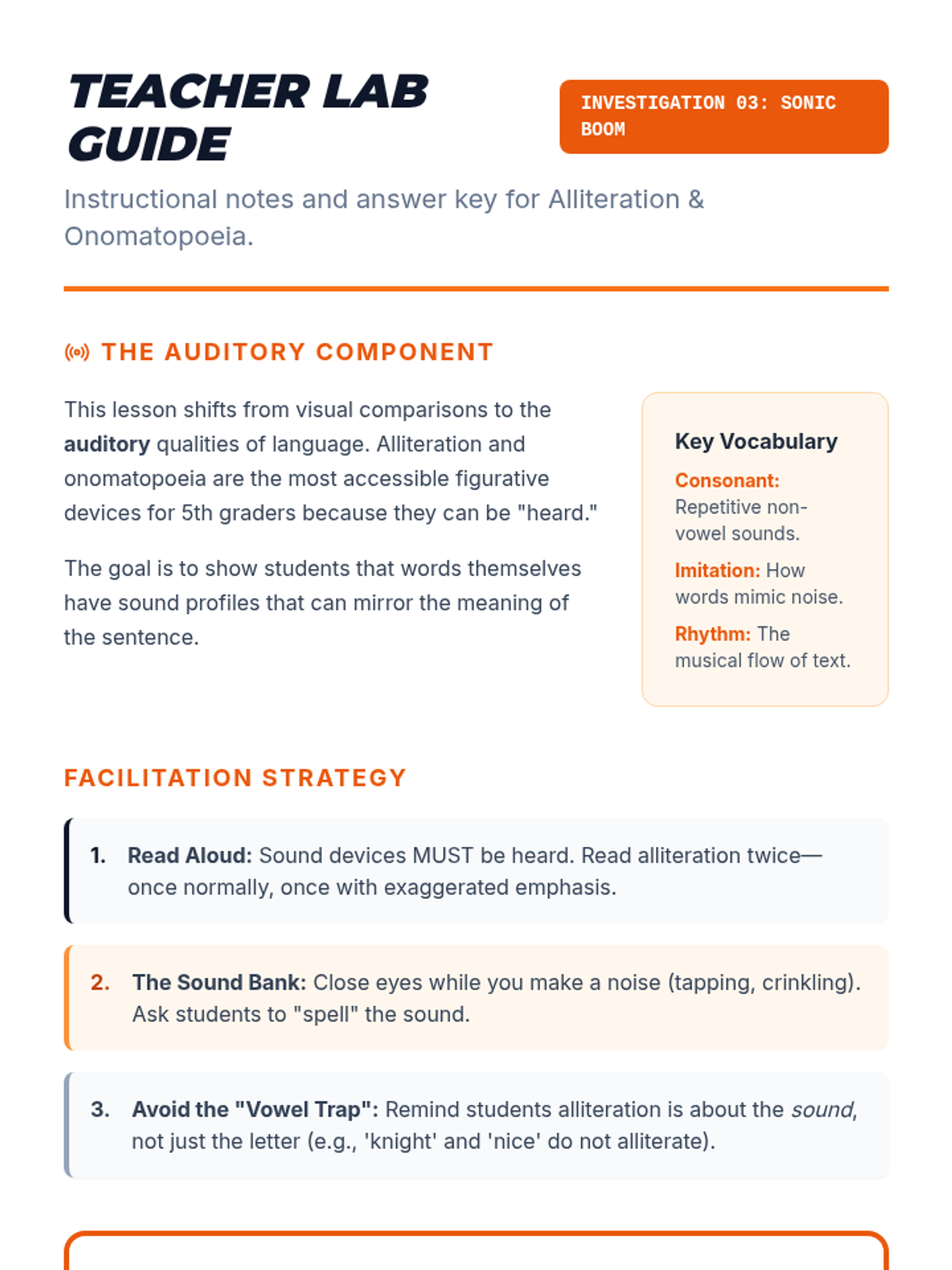
A focus on the auditory elements of figurative language, investigating how onomatopoeia and alliteration create 'sound-waves' in poetry and prose.
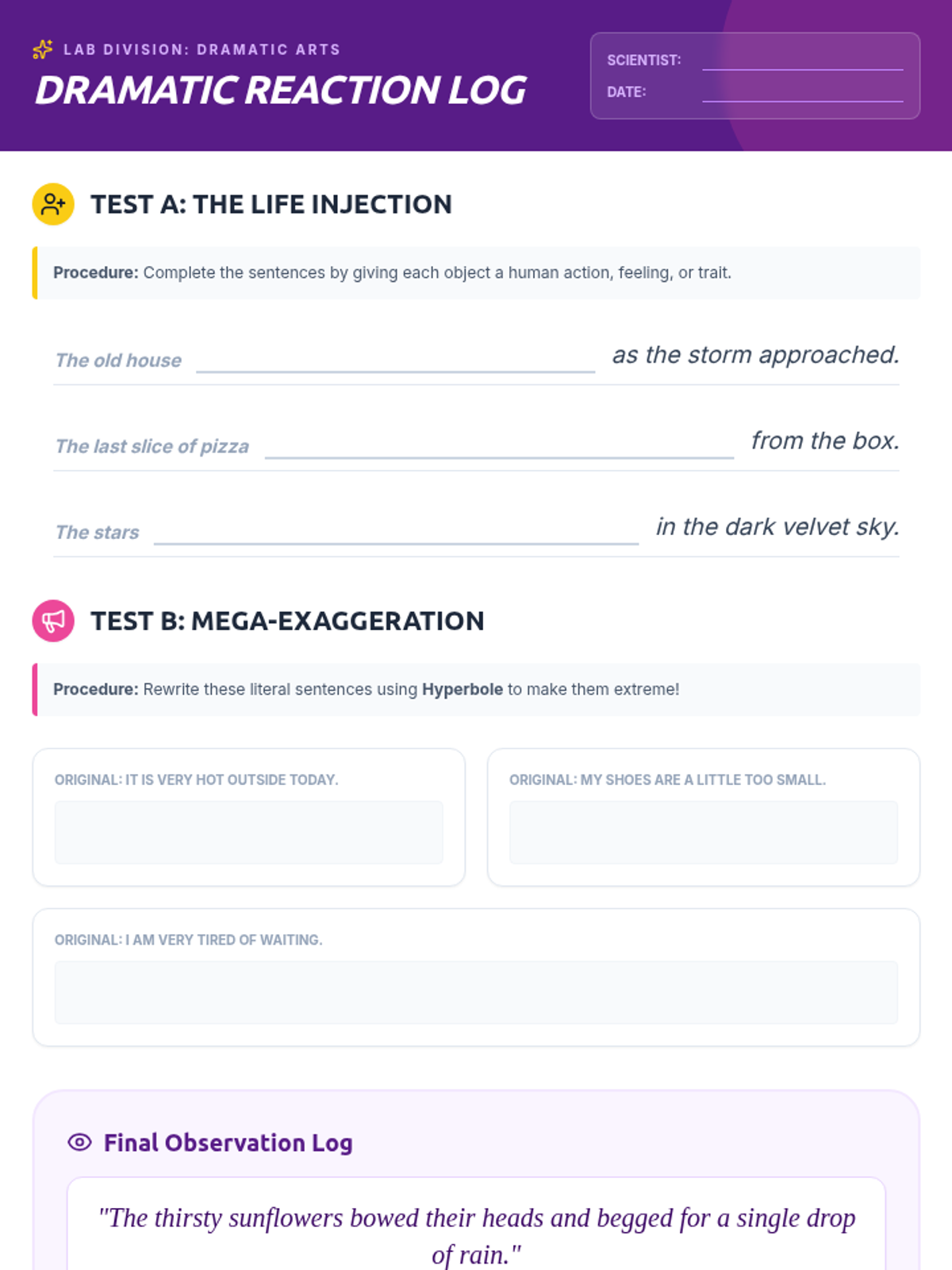
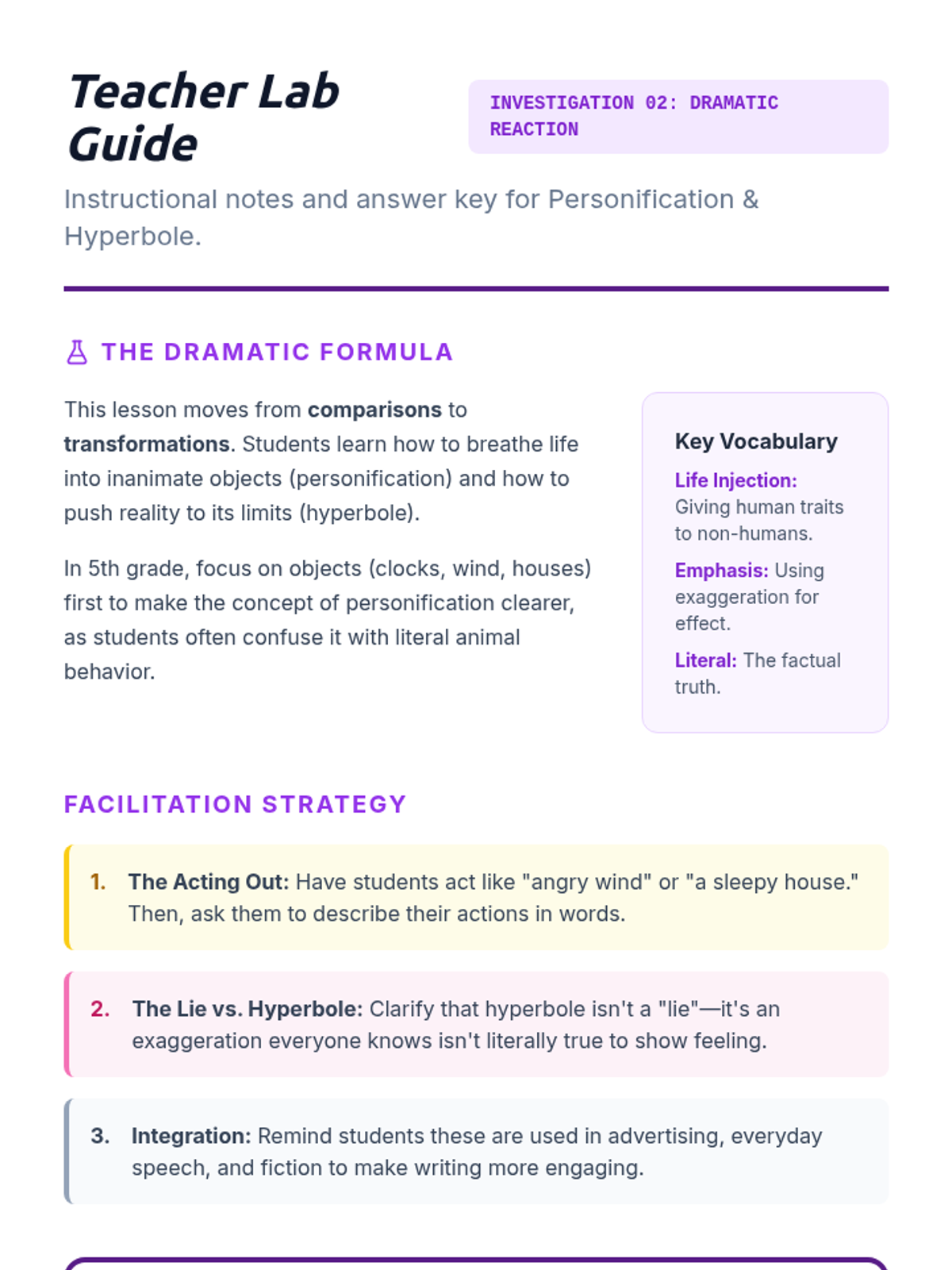
Students experiment with personification and hyperbole to add dramatic flair and personality to their writing, testing the limits of exaggeration.
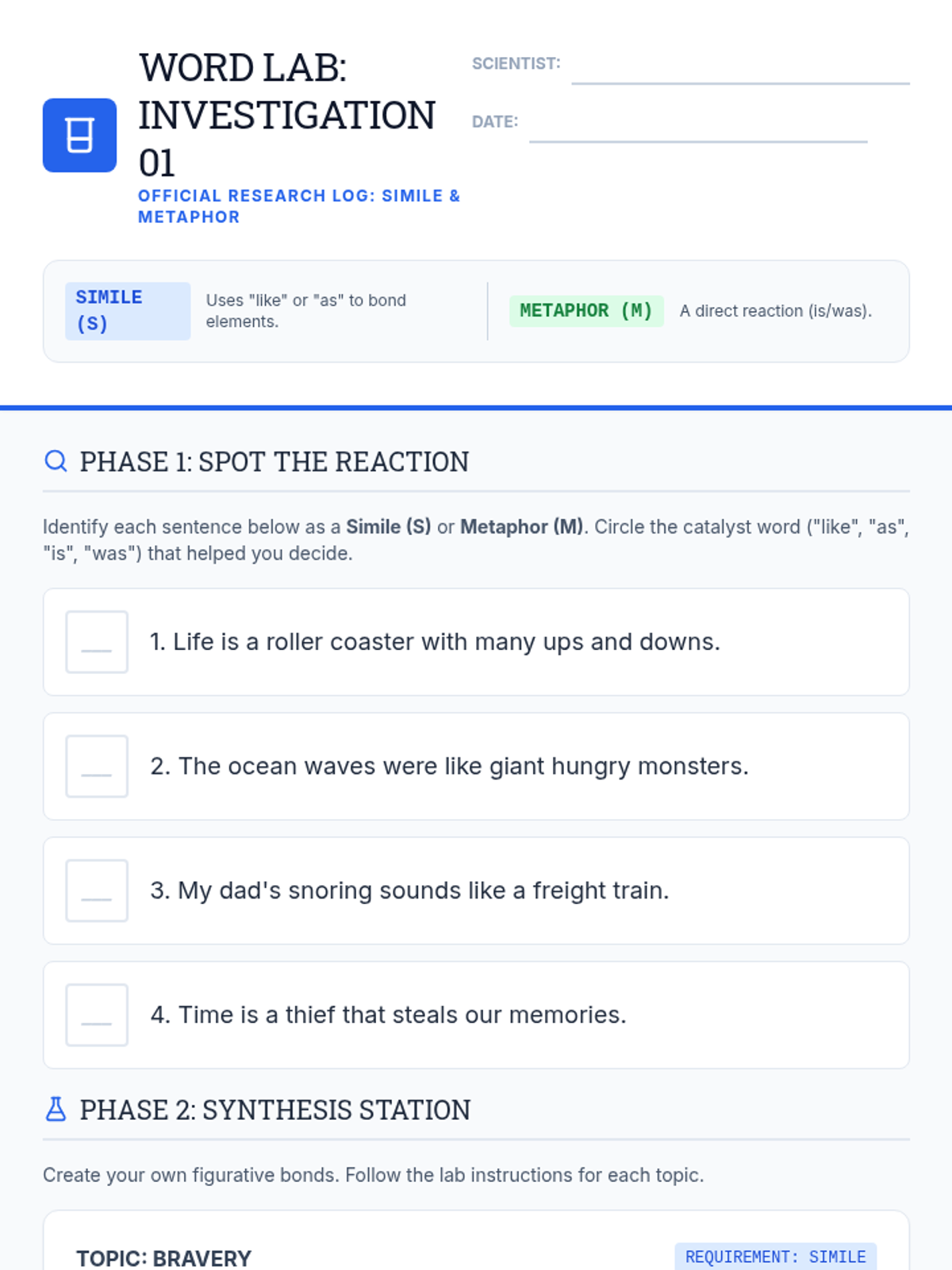
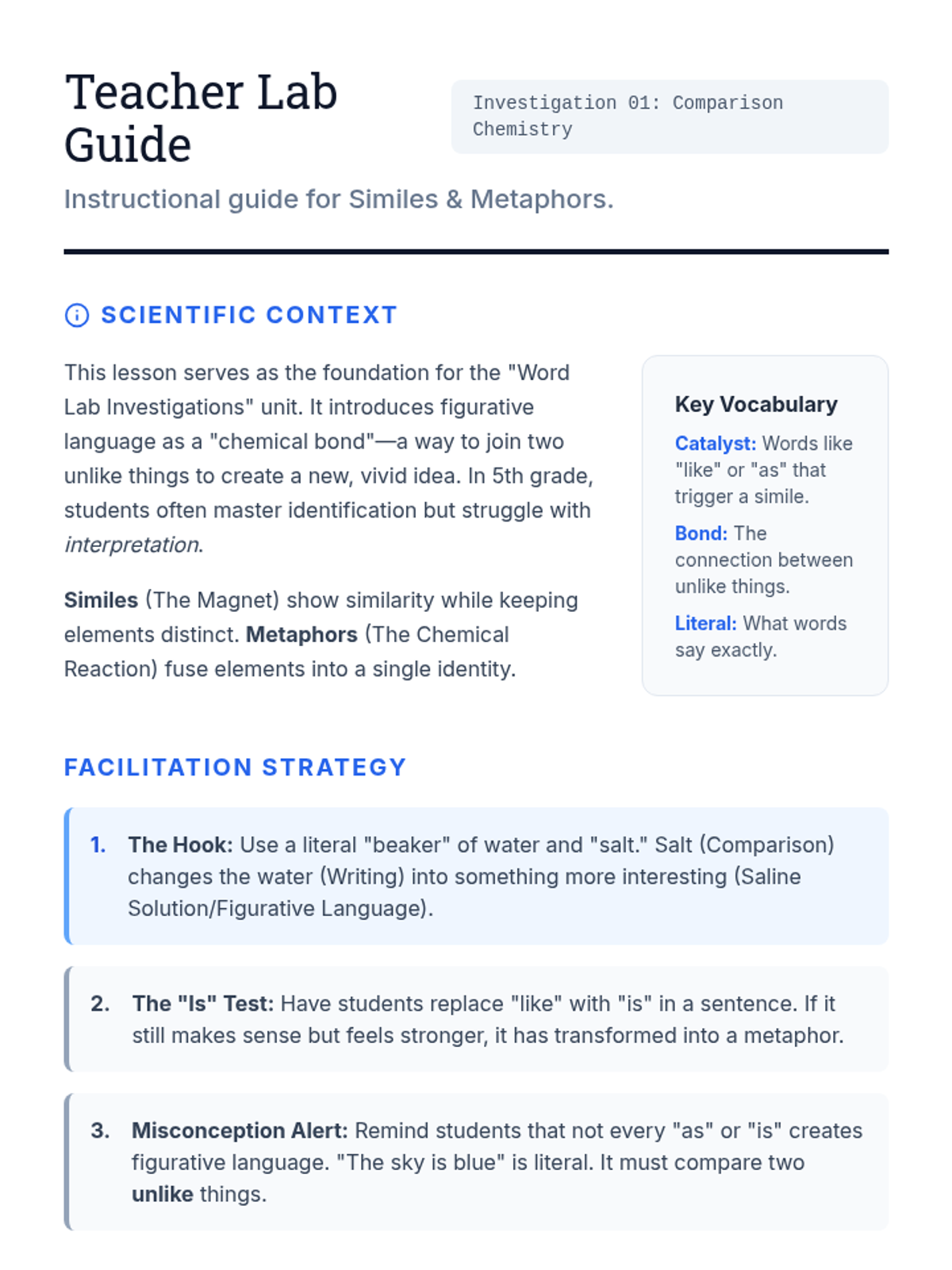
Students explore the building blocks of comparison by investigating similes and metaphors, learning to identify the differences and create their own scientific 'comparisons.'
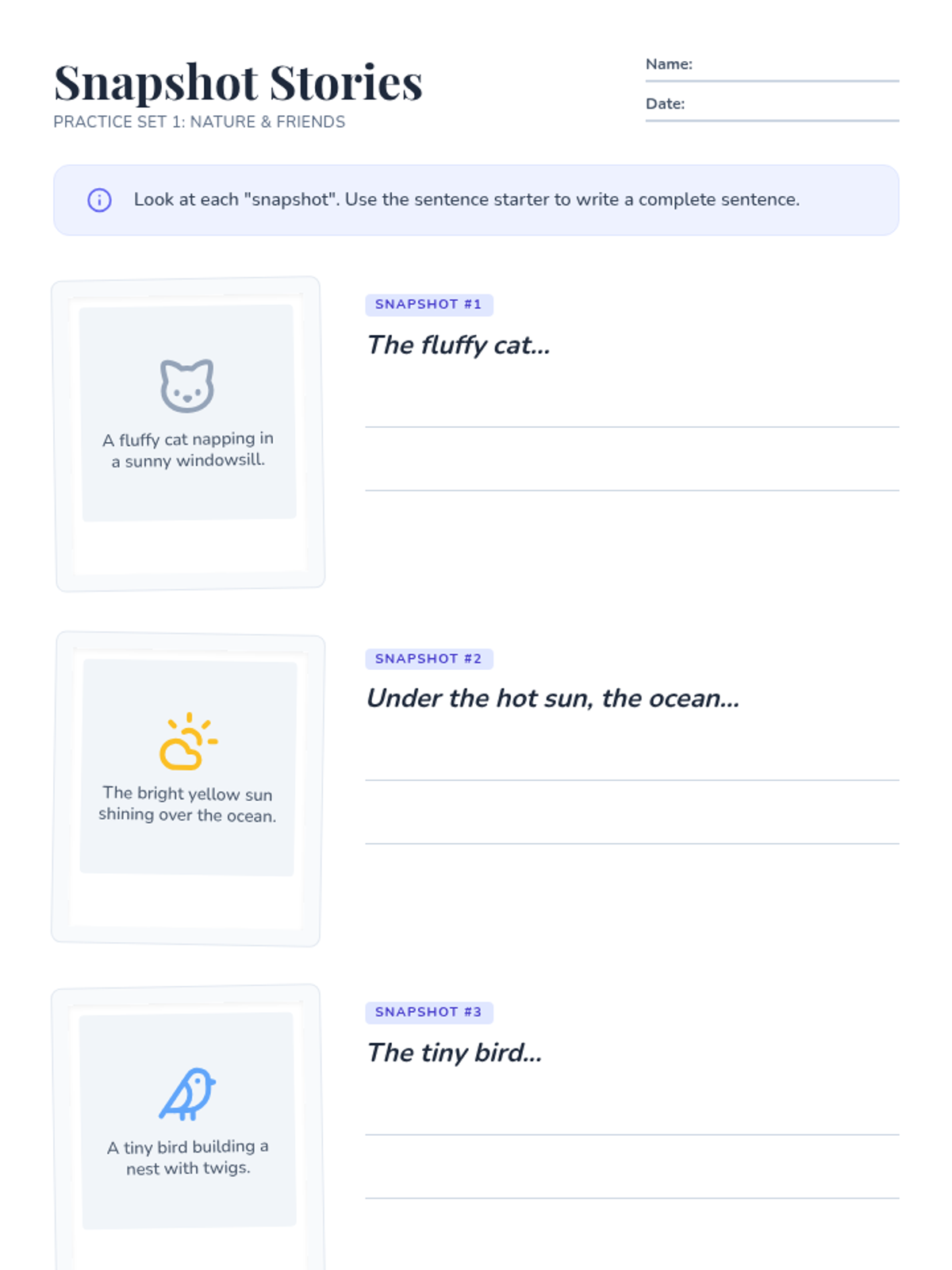
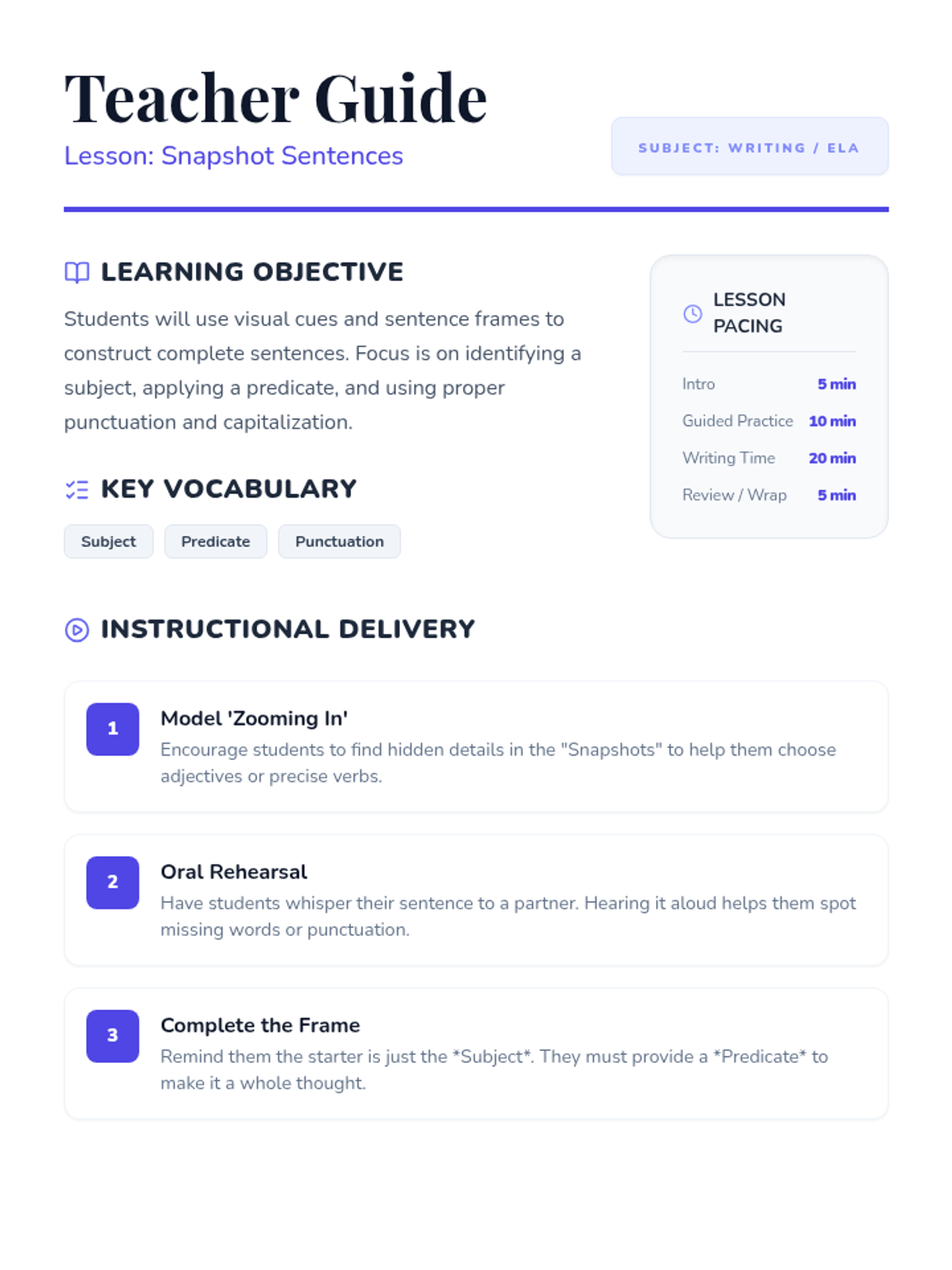
A foundational writing lesson that uses engaging visual prompts and sentence starters to help students construct complete, descriptive sentences. Students observe details in 'snapshots' and use provided frames to ensure their sentences have a clear subject and action.
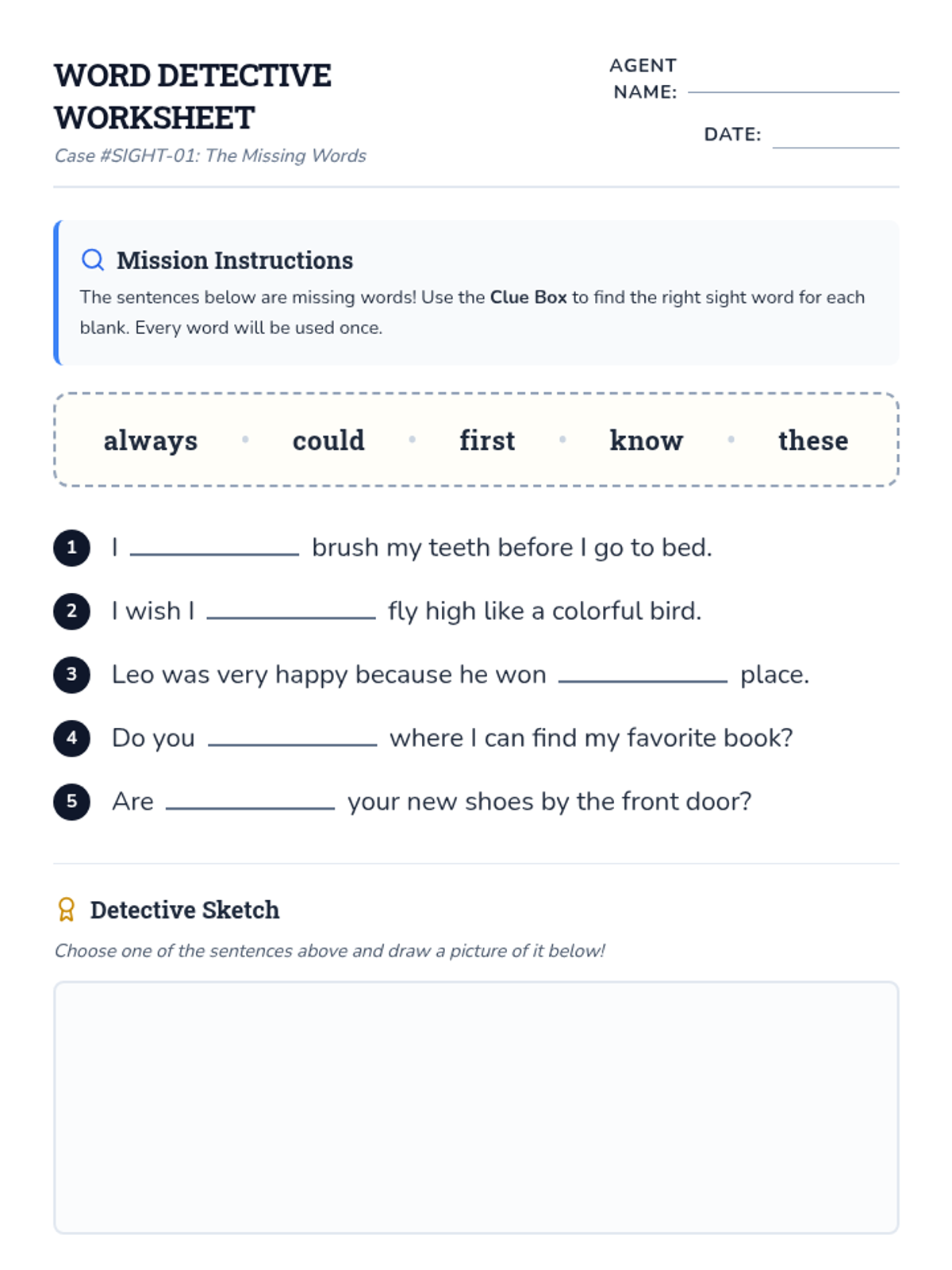
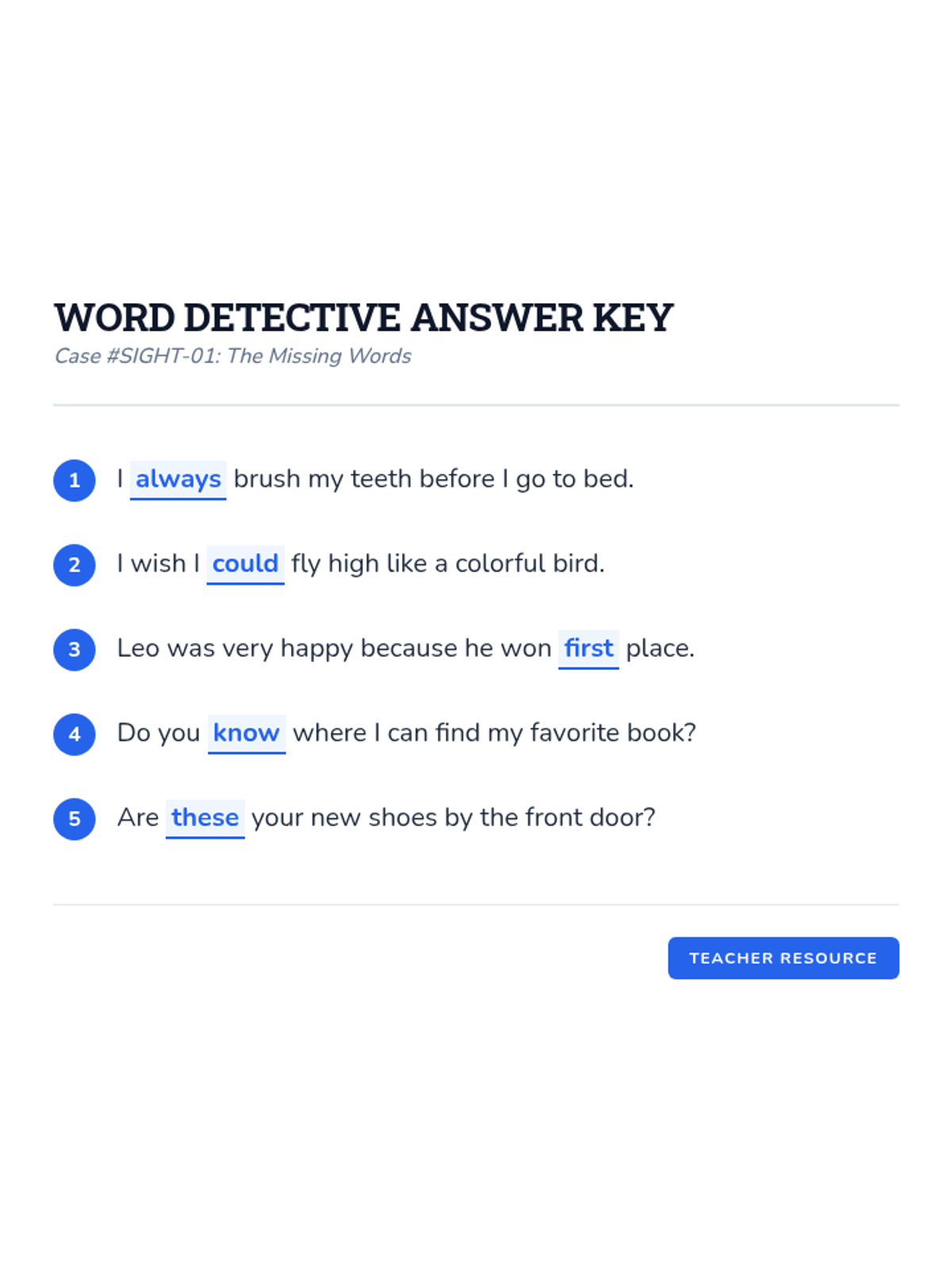
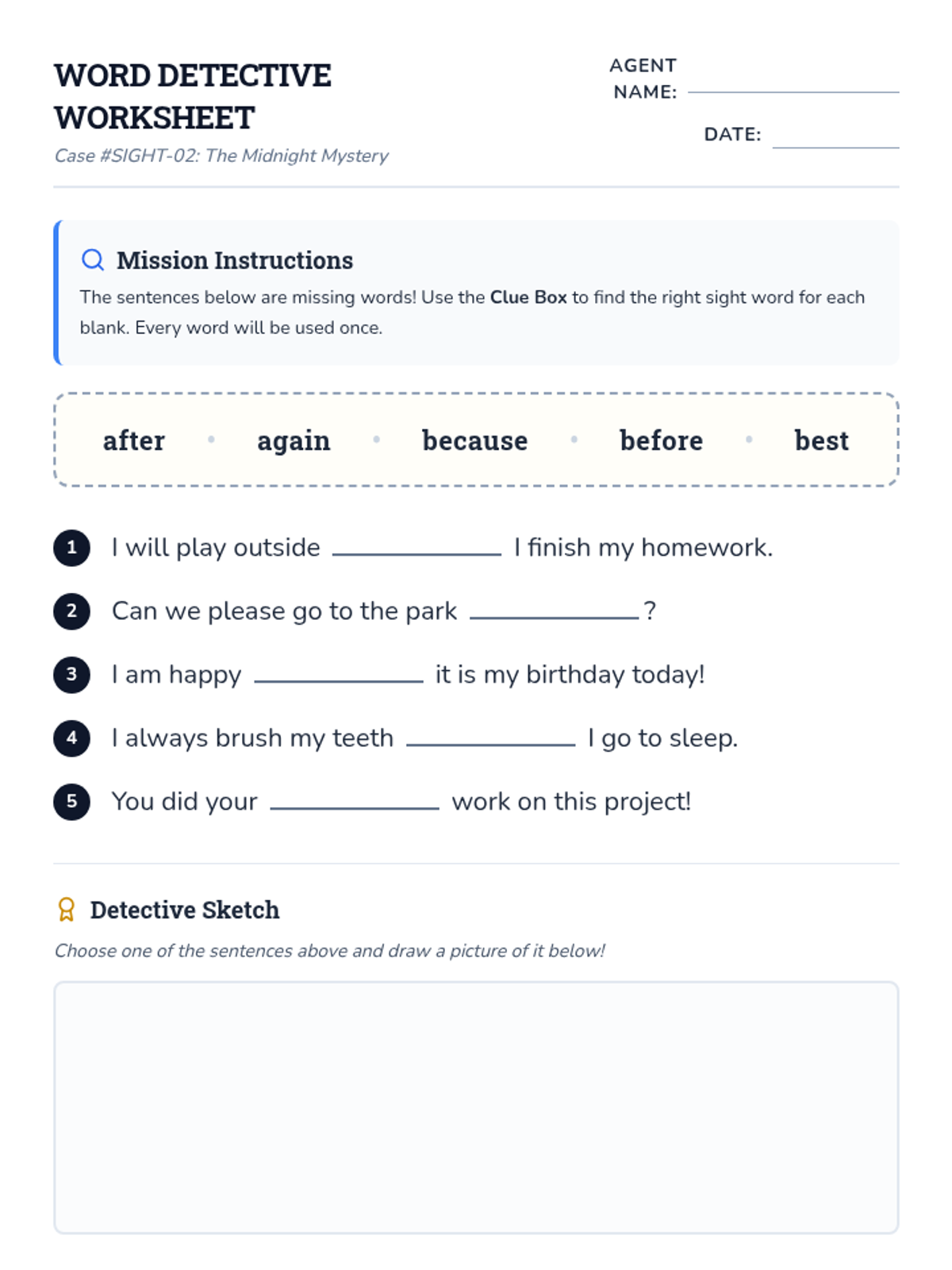
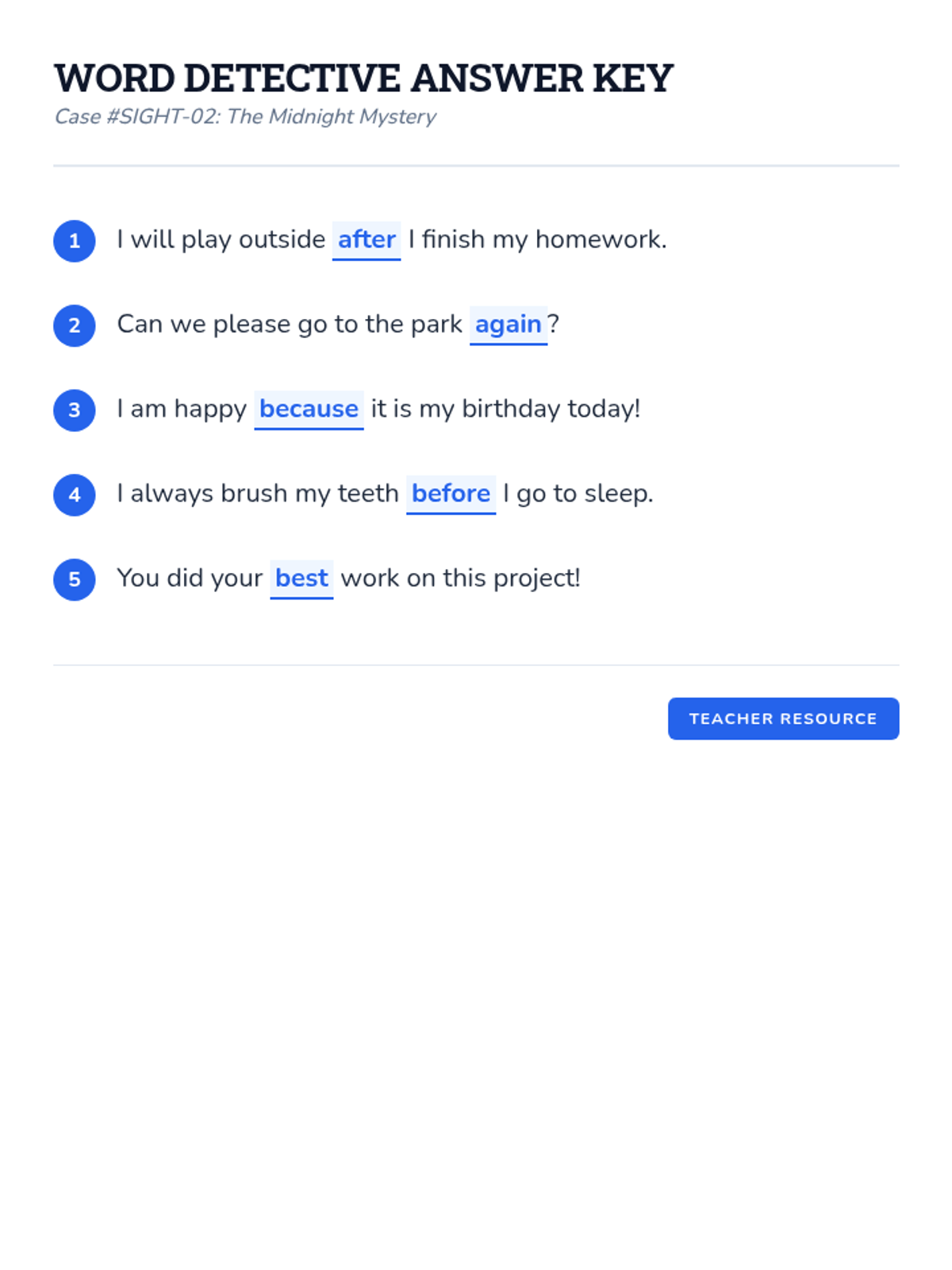
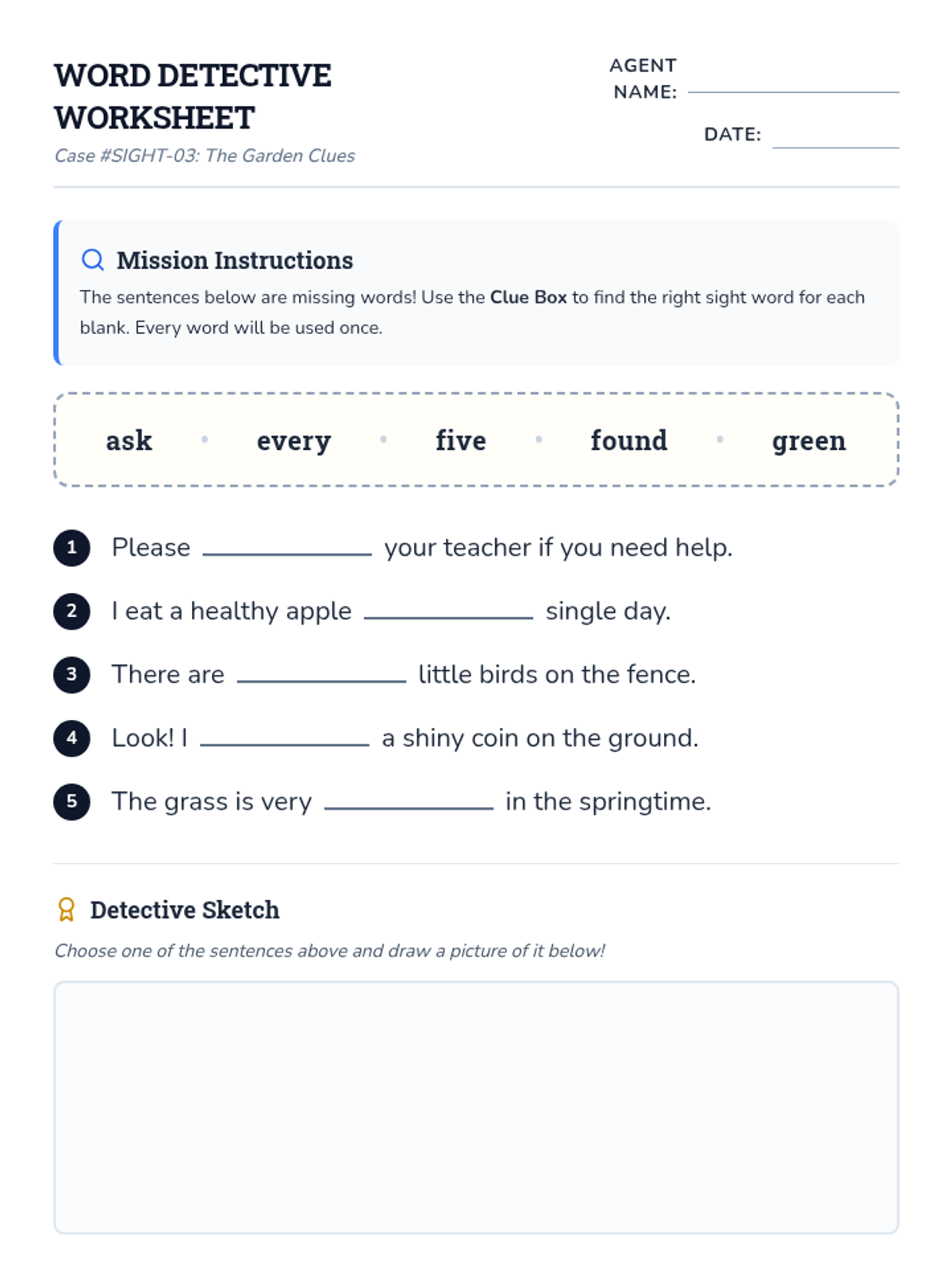
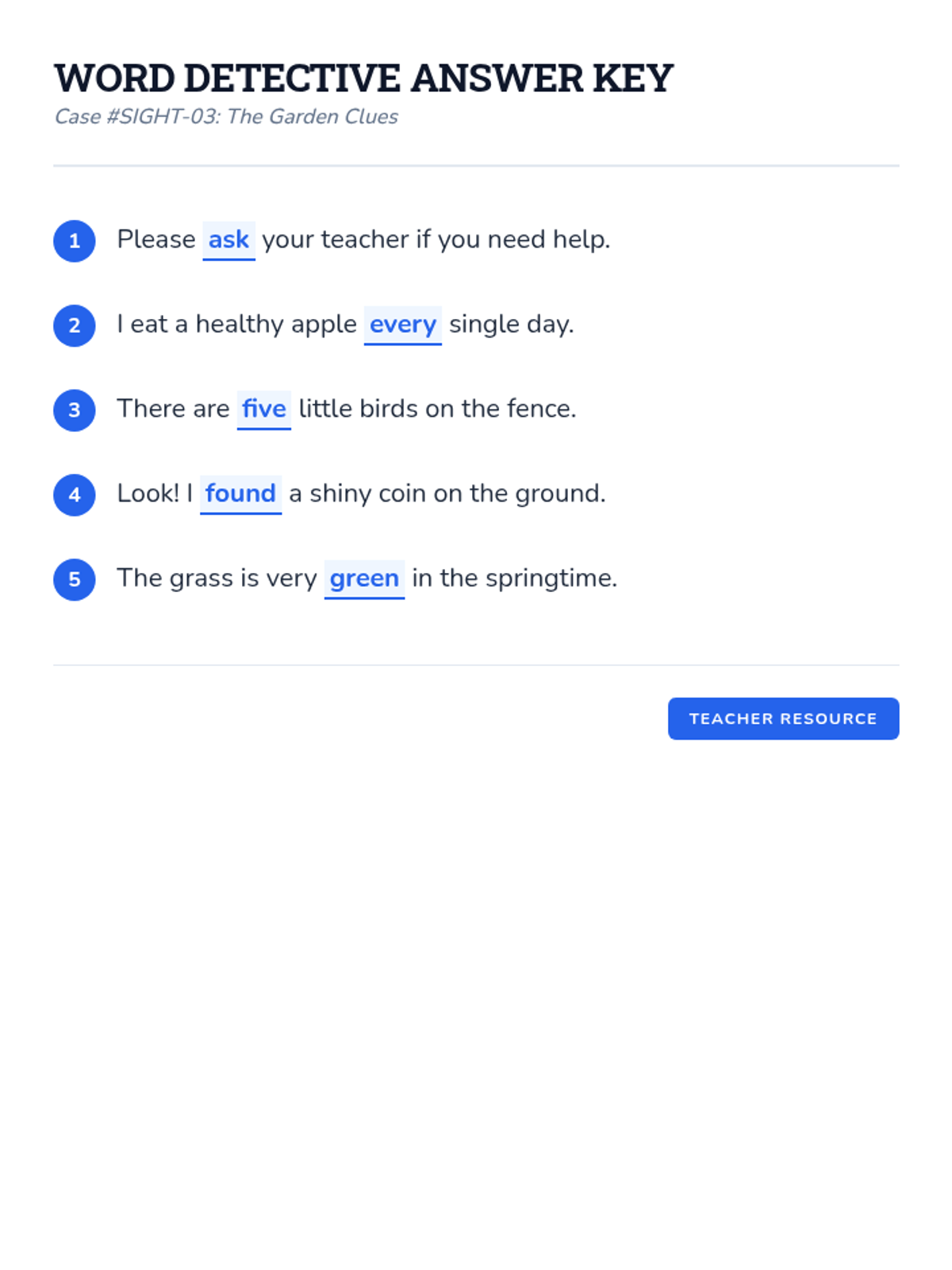
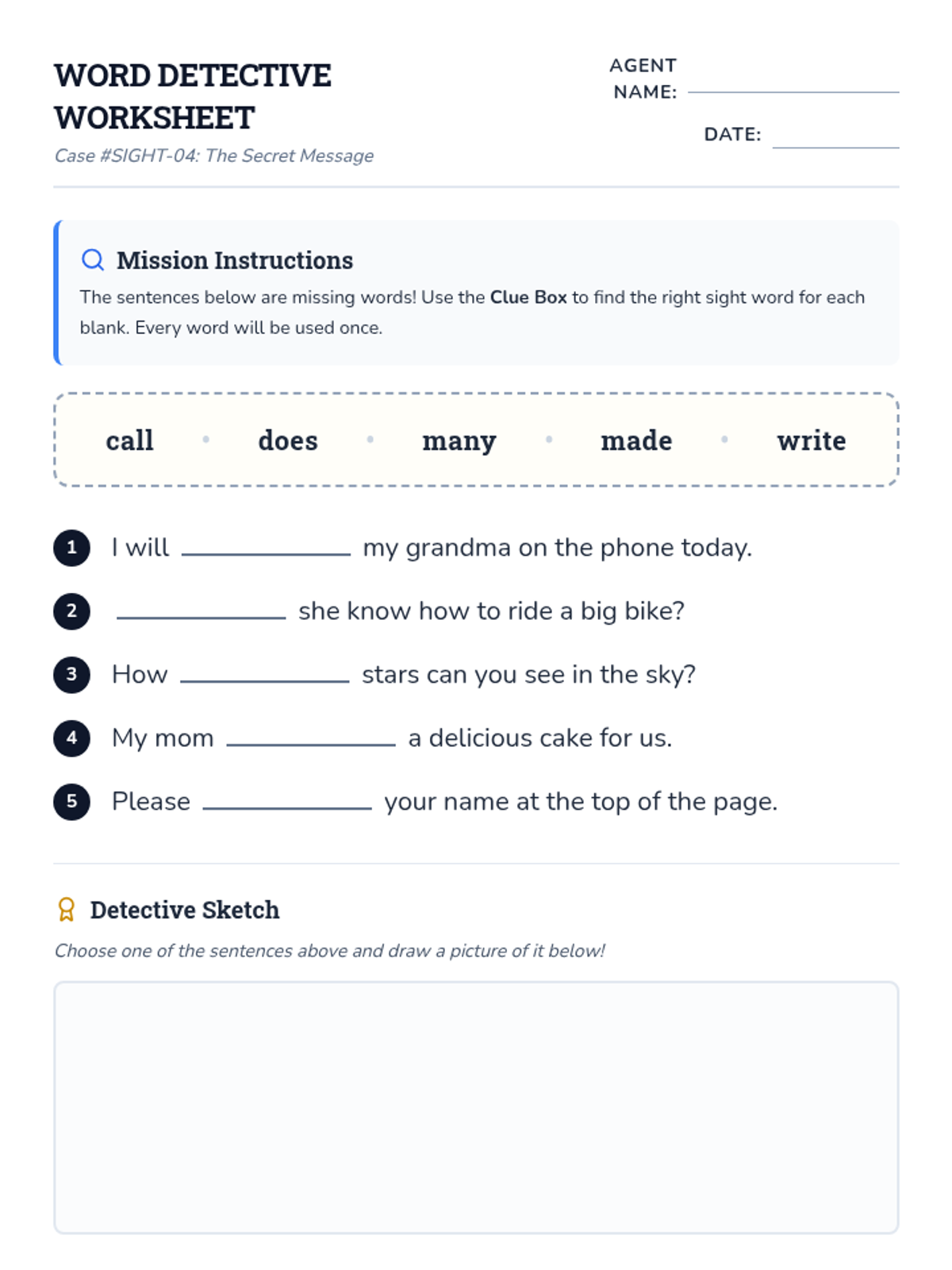
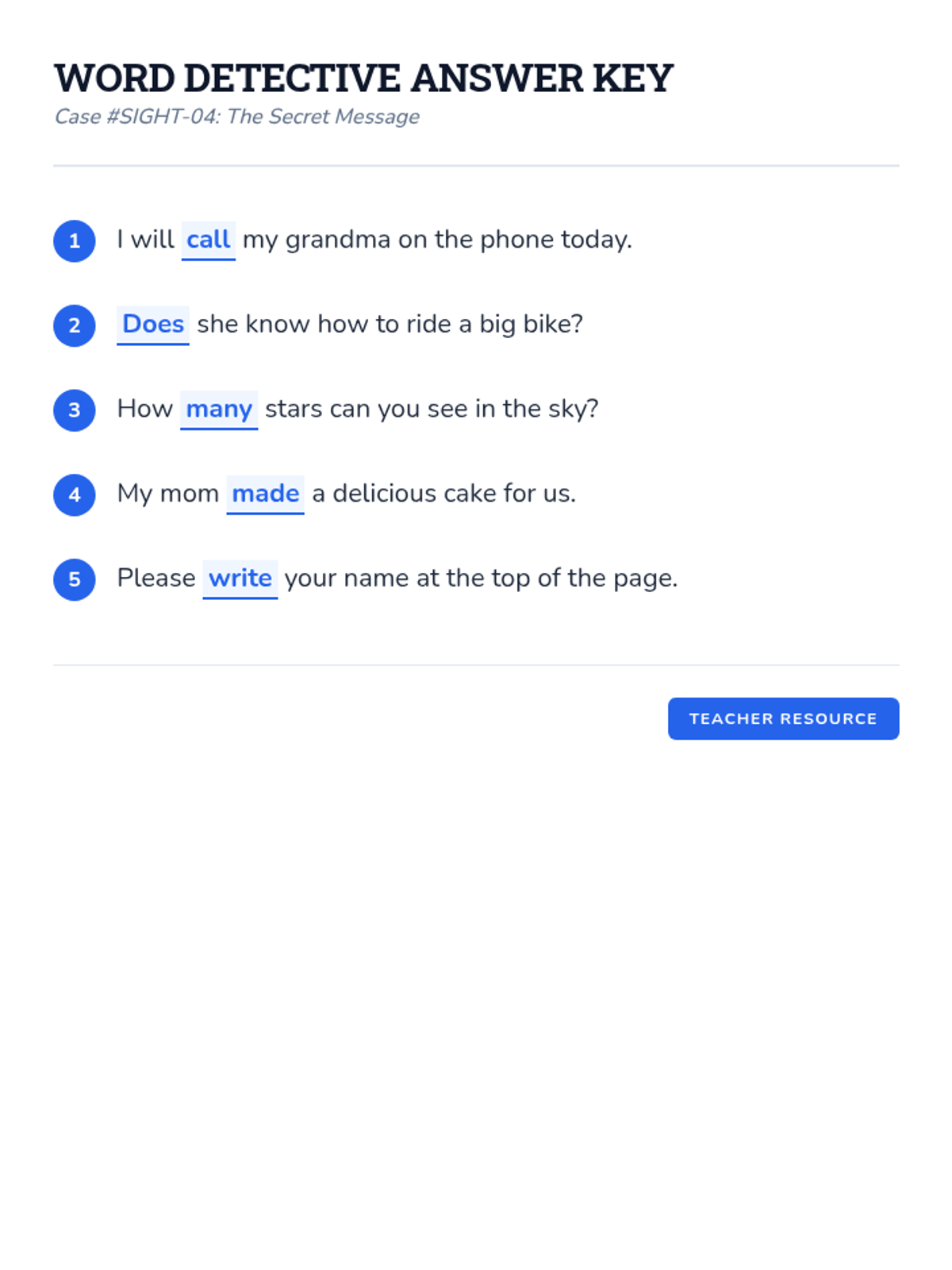
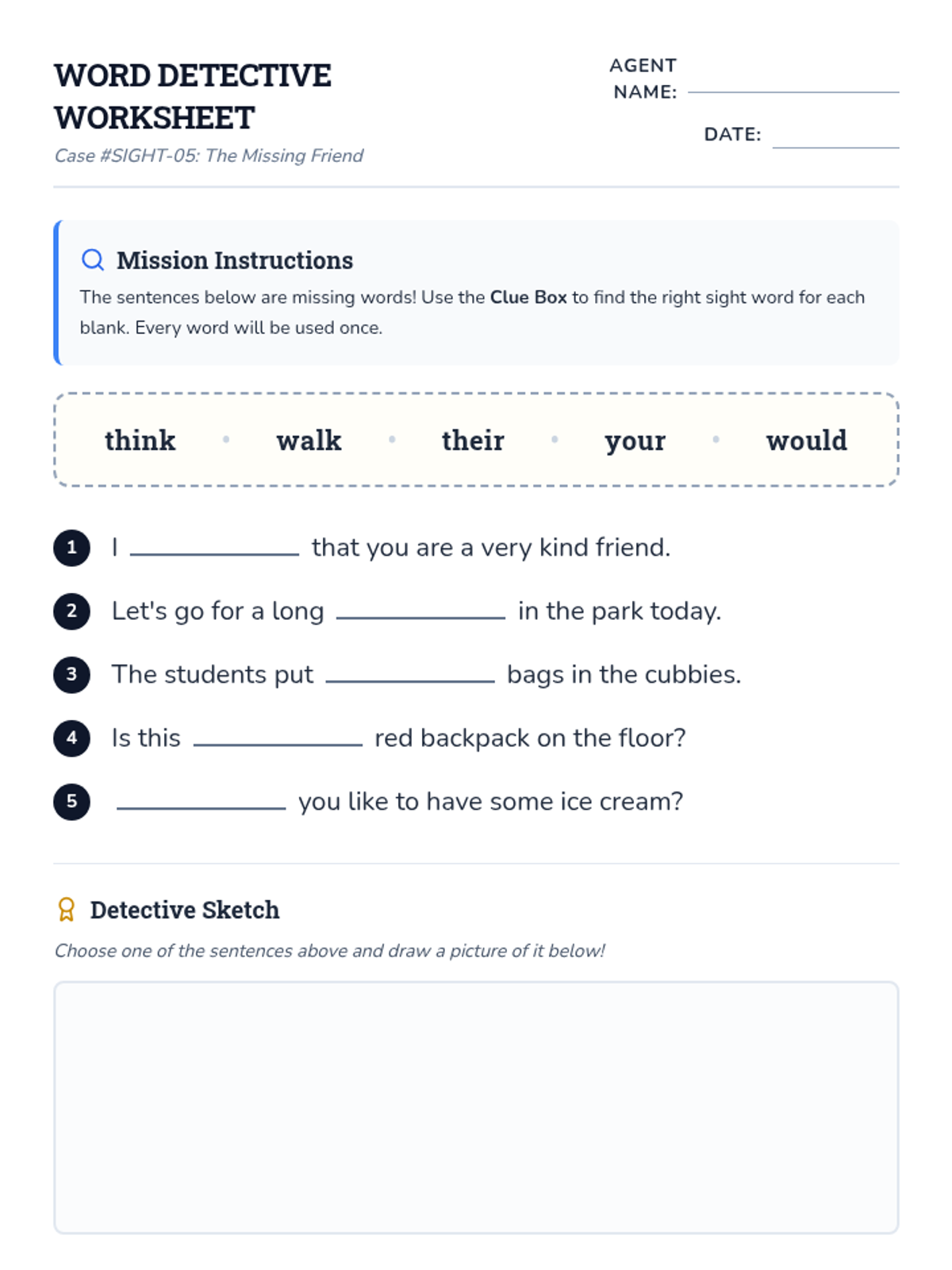
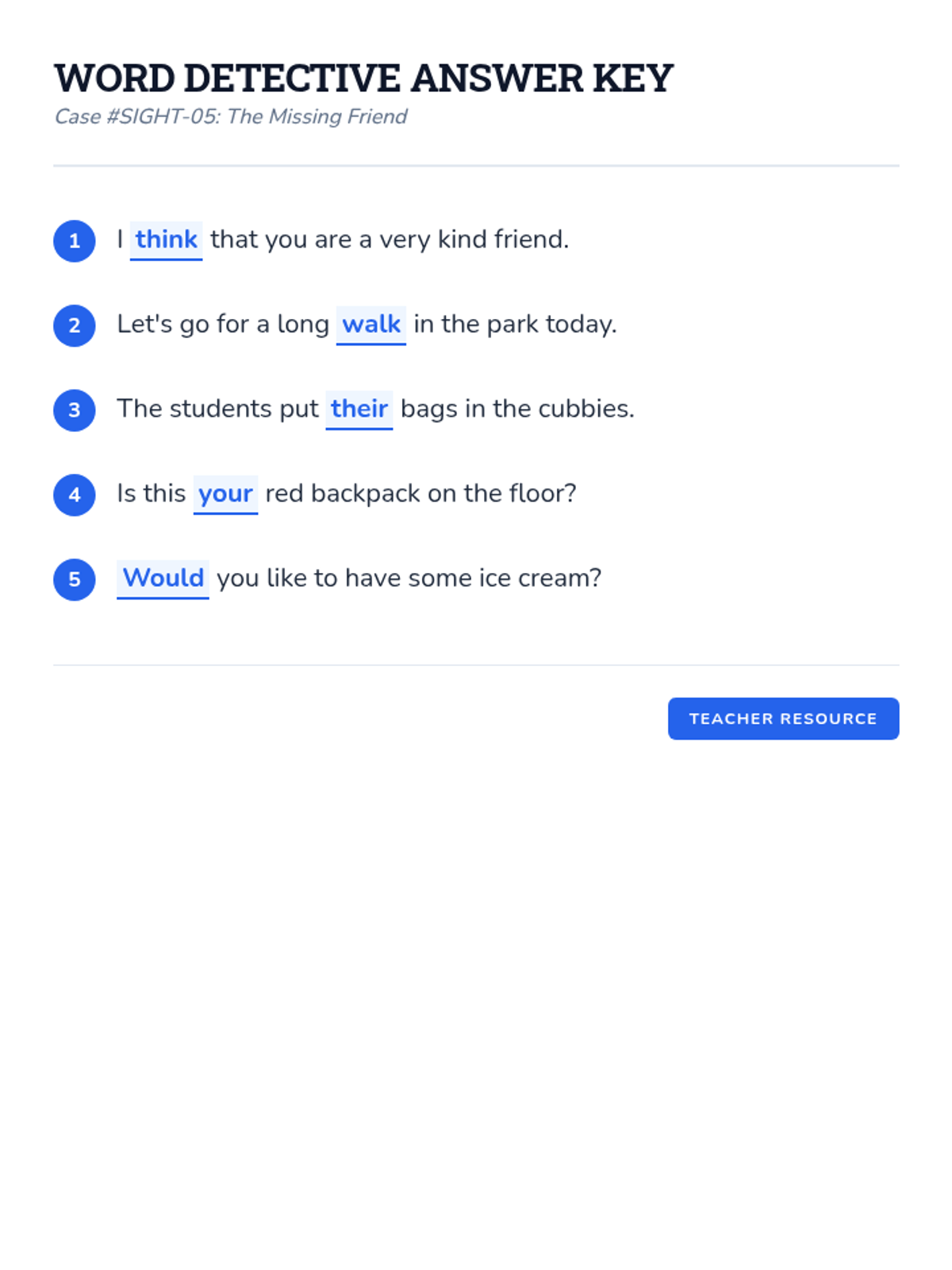
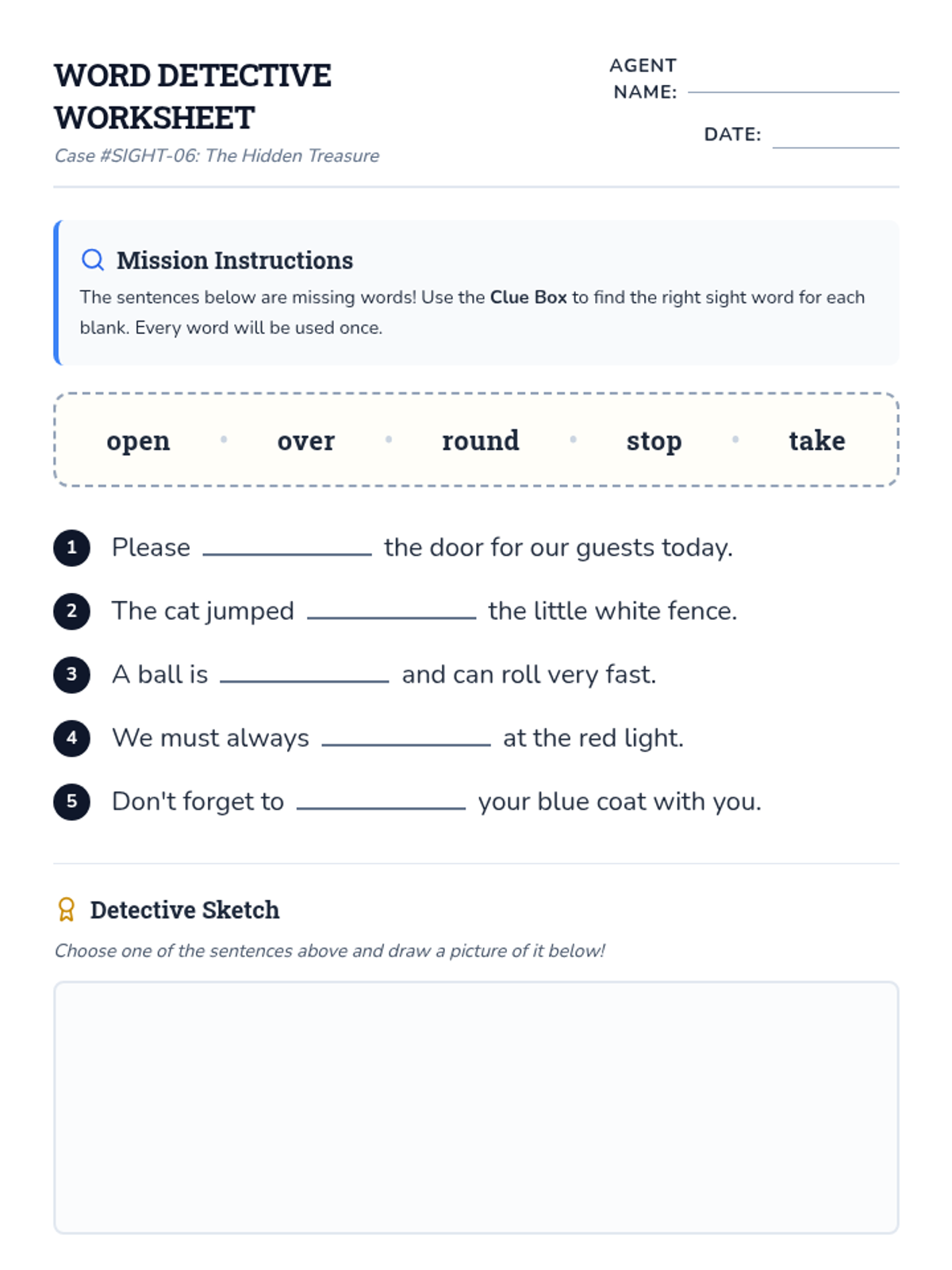
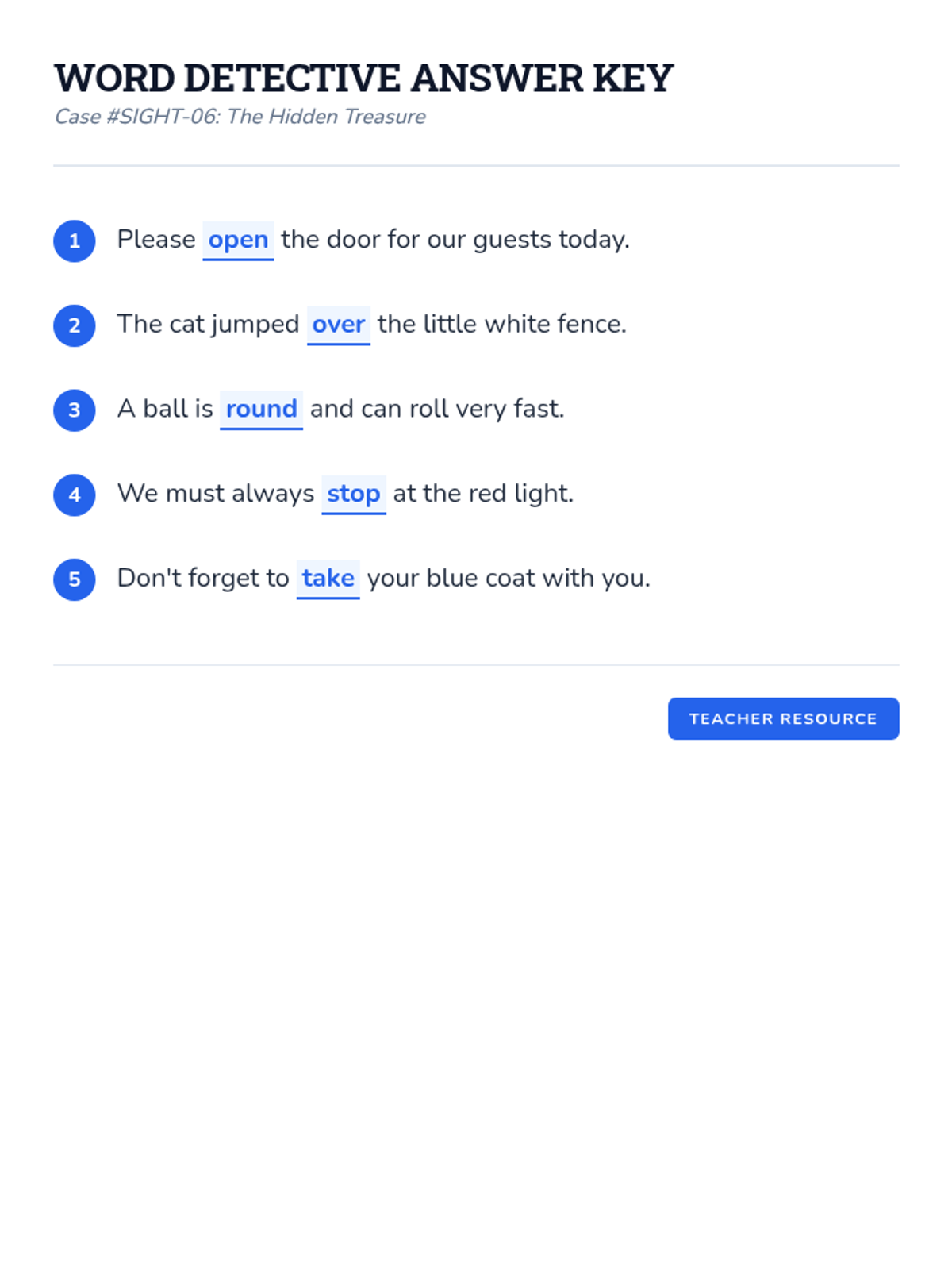
Students act as "Word Detectives" to identify and use Dolch 1st and 2nd grade sight words in context through investigation-themed activities.
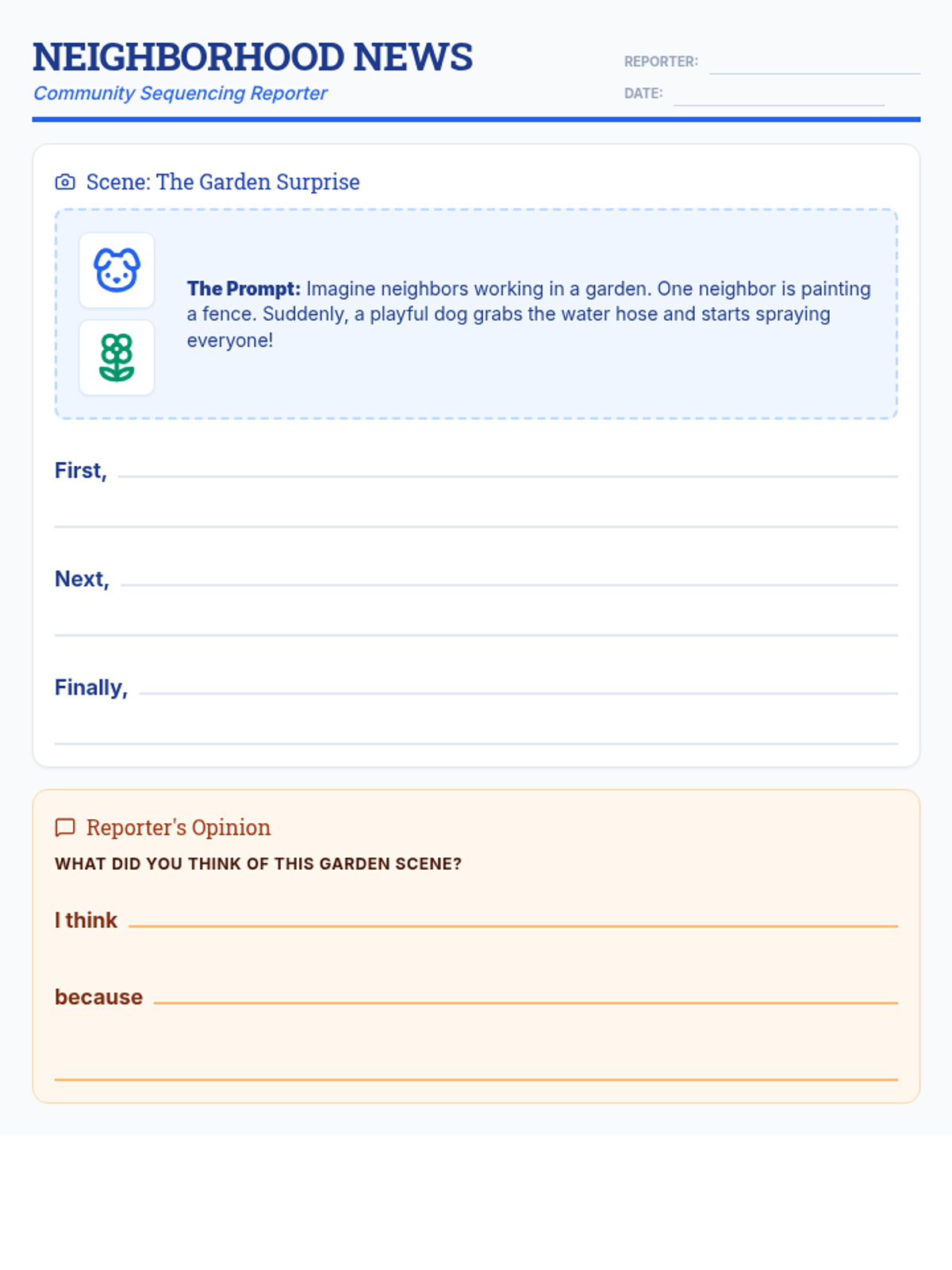
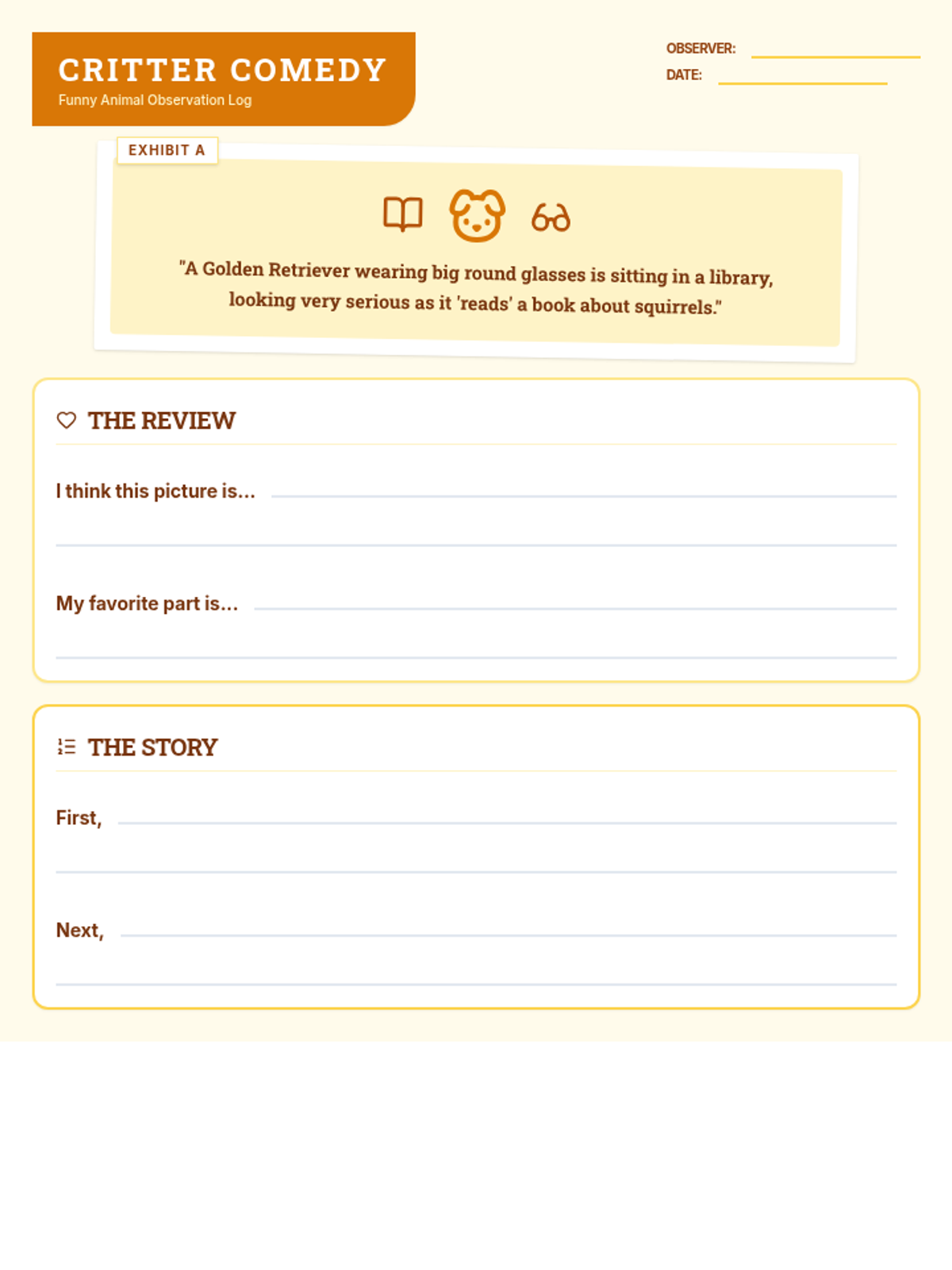
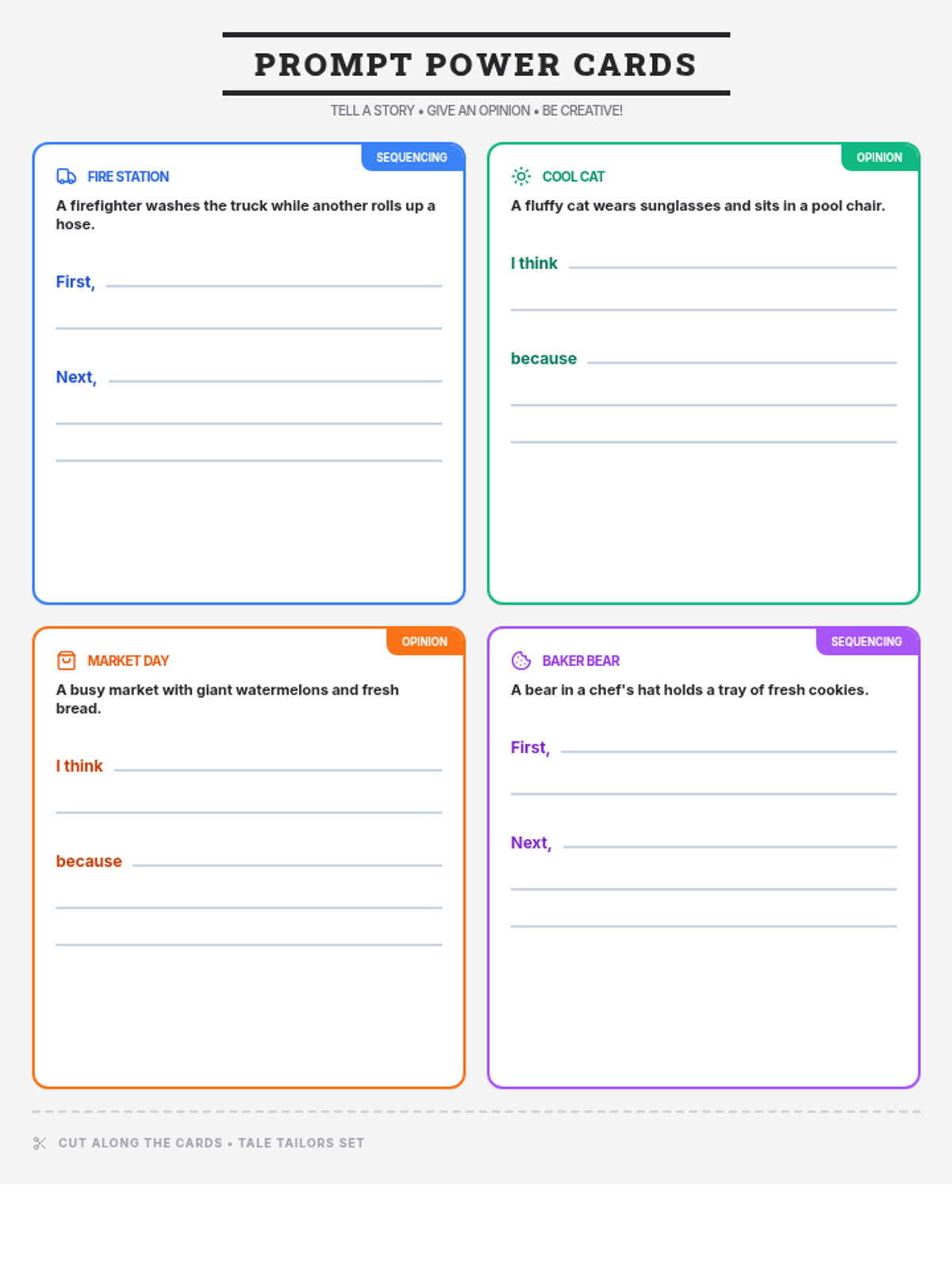
A collection of writing prompts designed to develop narrative sequencing and opinion-based writing skills using community and animal themes.
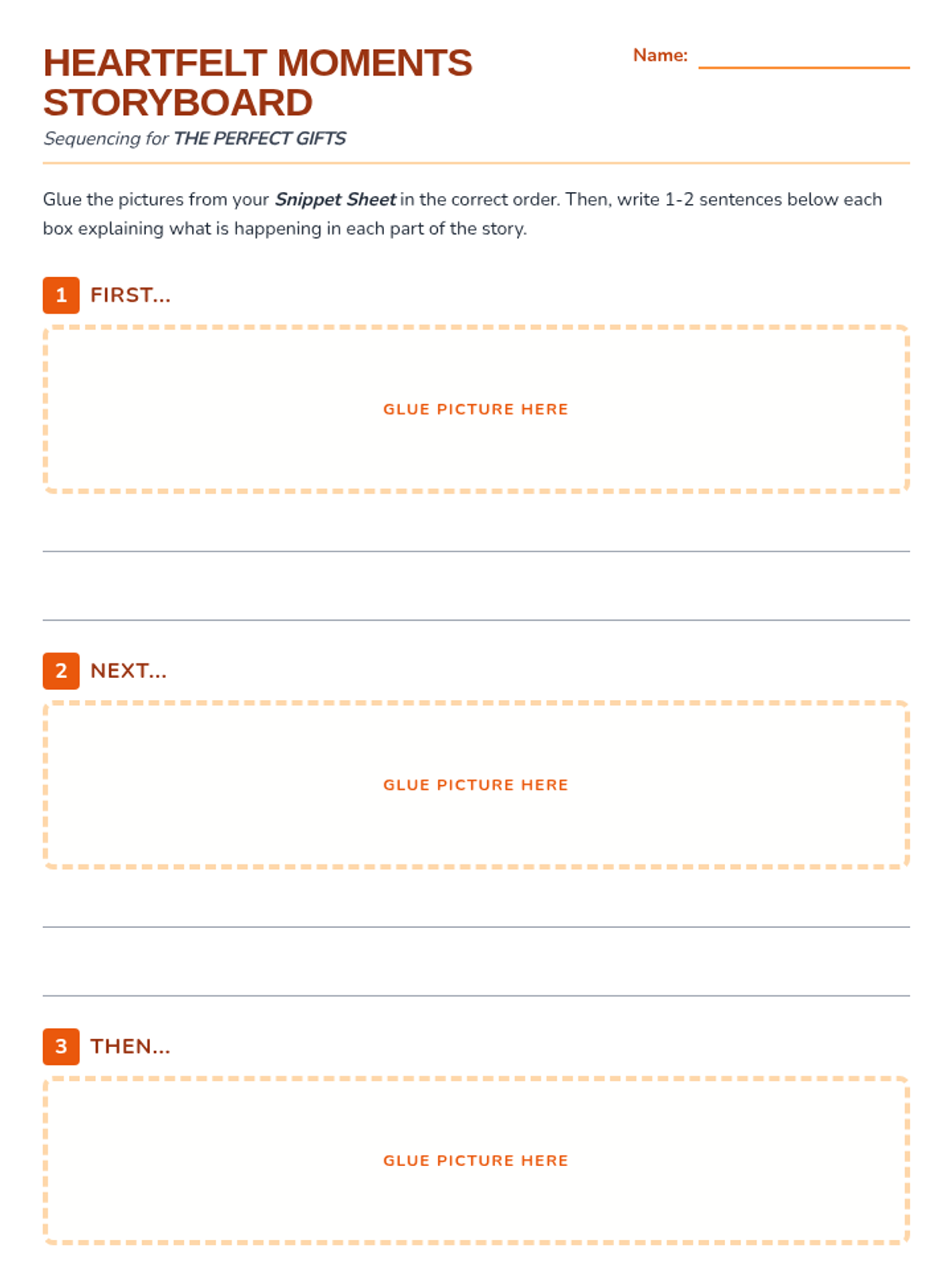
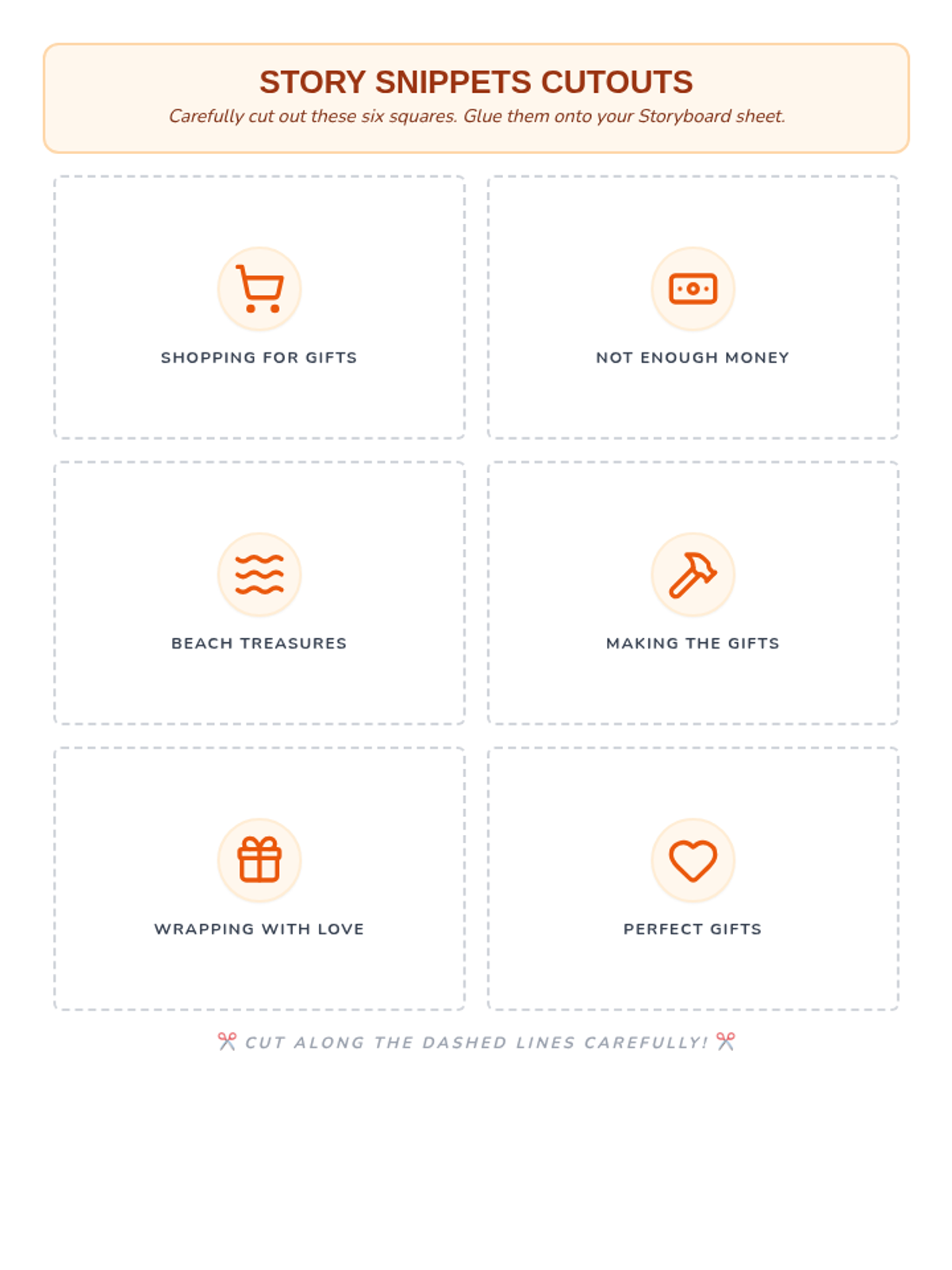
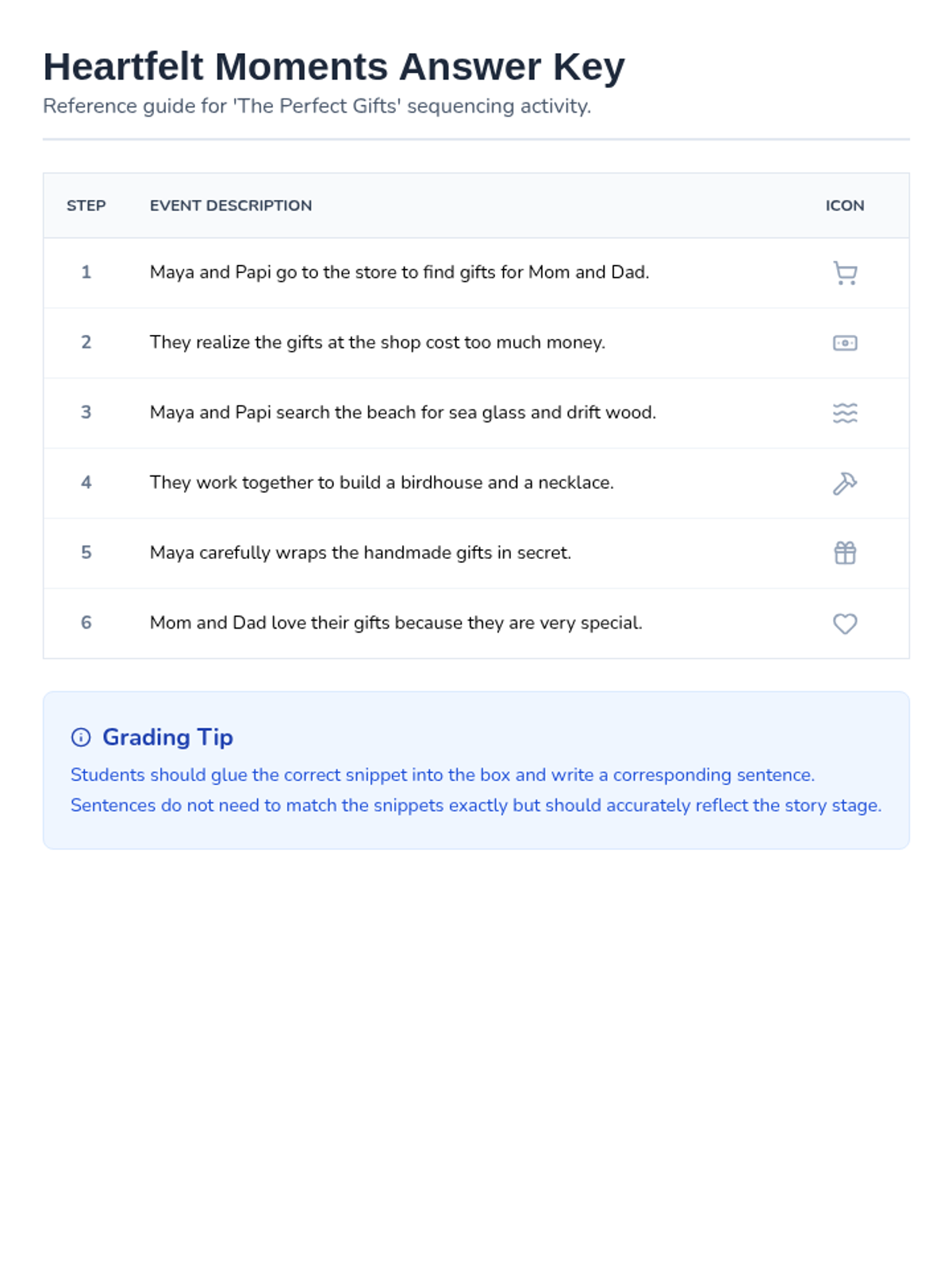
A collection of materials to help students sequence the key events of the story 'The Perfect Gifts' by Terry Miller Shannon, focusing on the theme of thoughtful gift-giving.
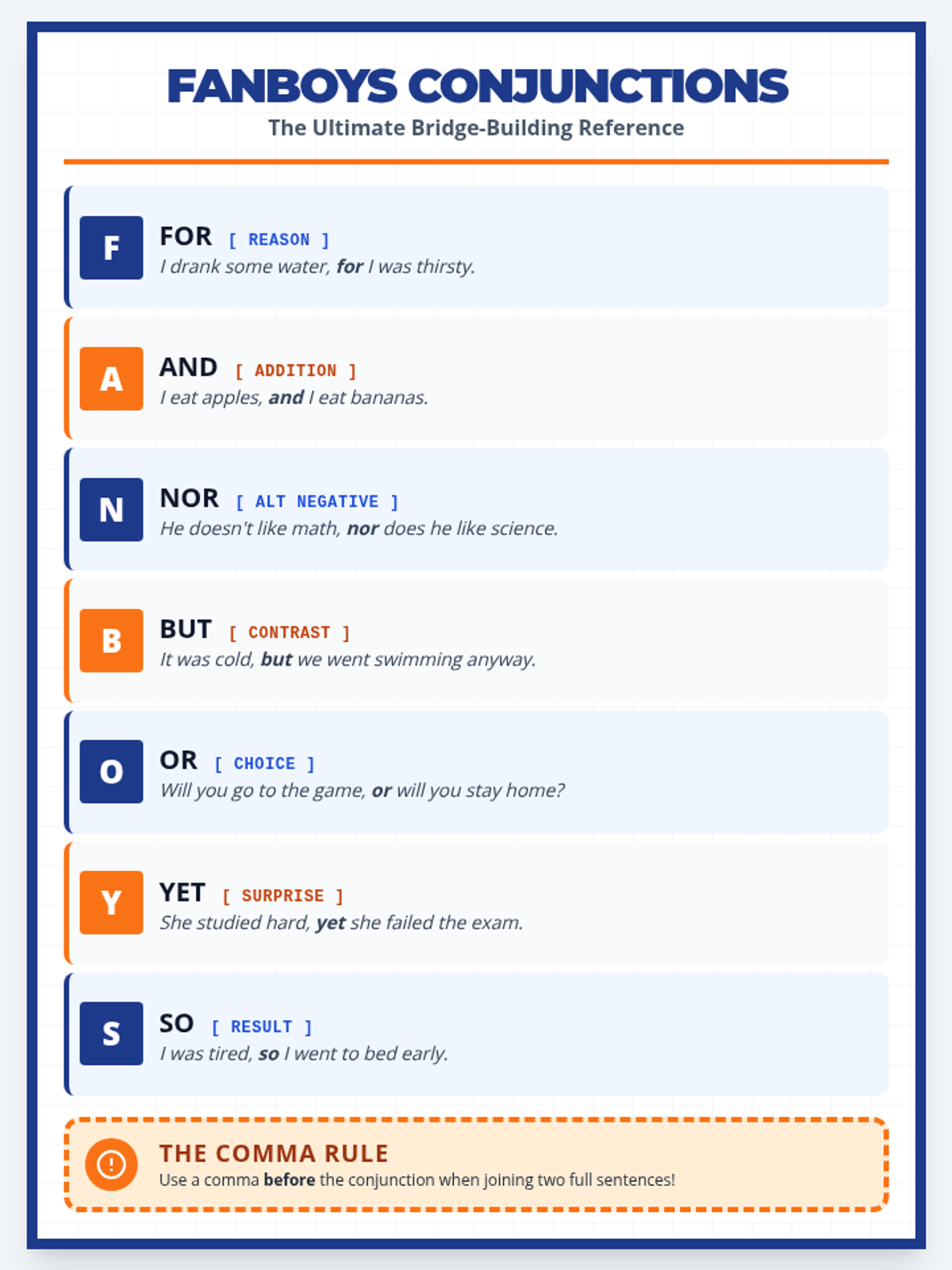
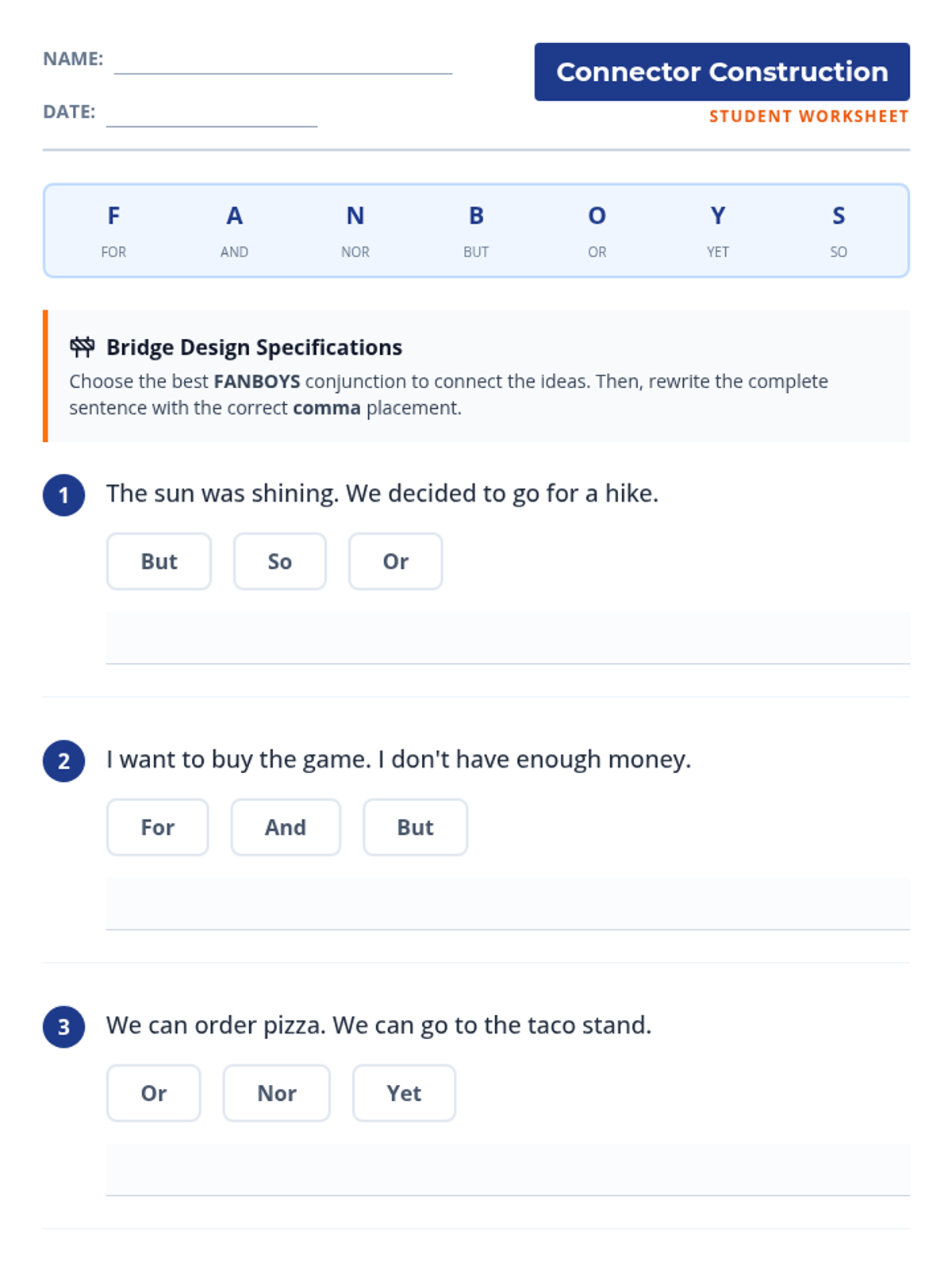
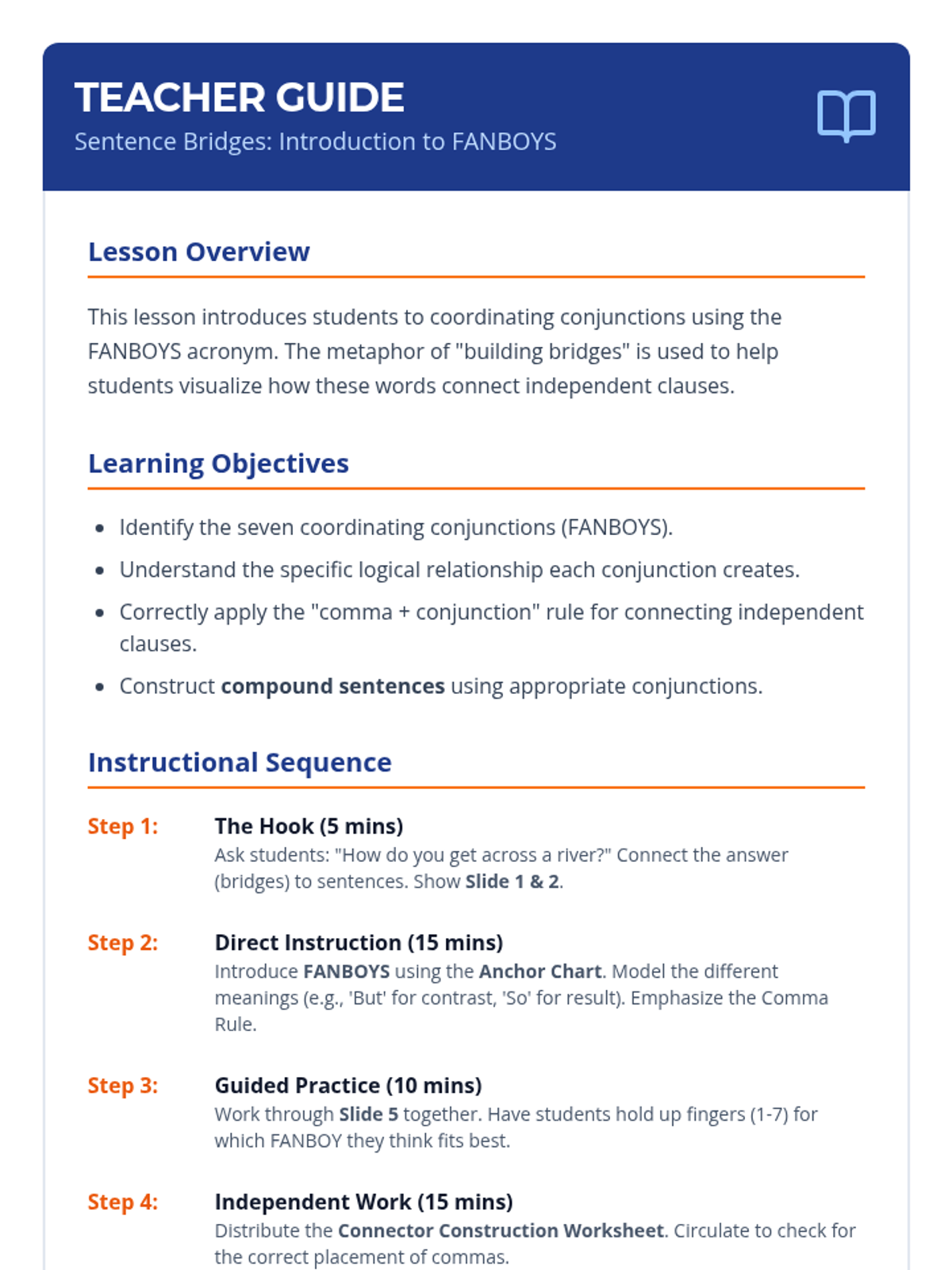
An introductory lesson on coordinating conjunctions (FANBOYS), focusing on how they act as bridges to connect independent clauses. Students will learn the specific function of each conjunction and practice using them to build complex sentences.
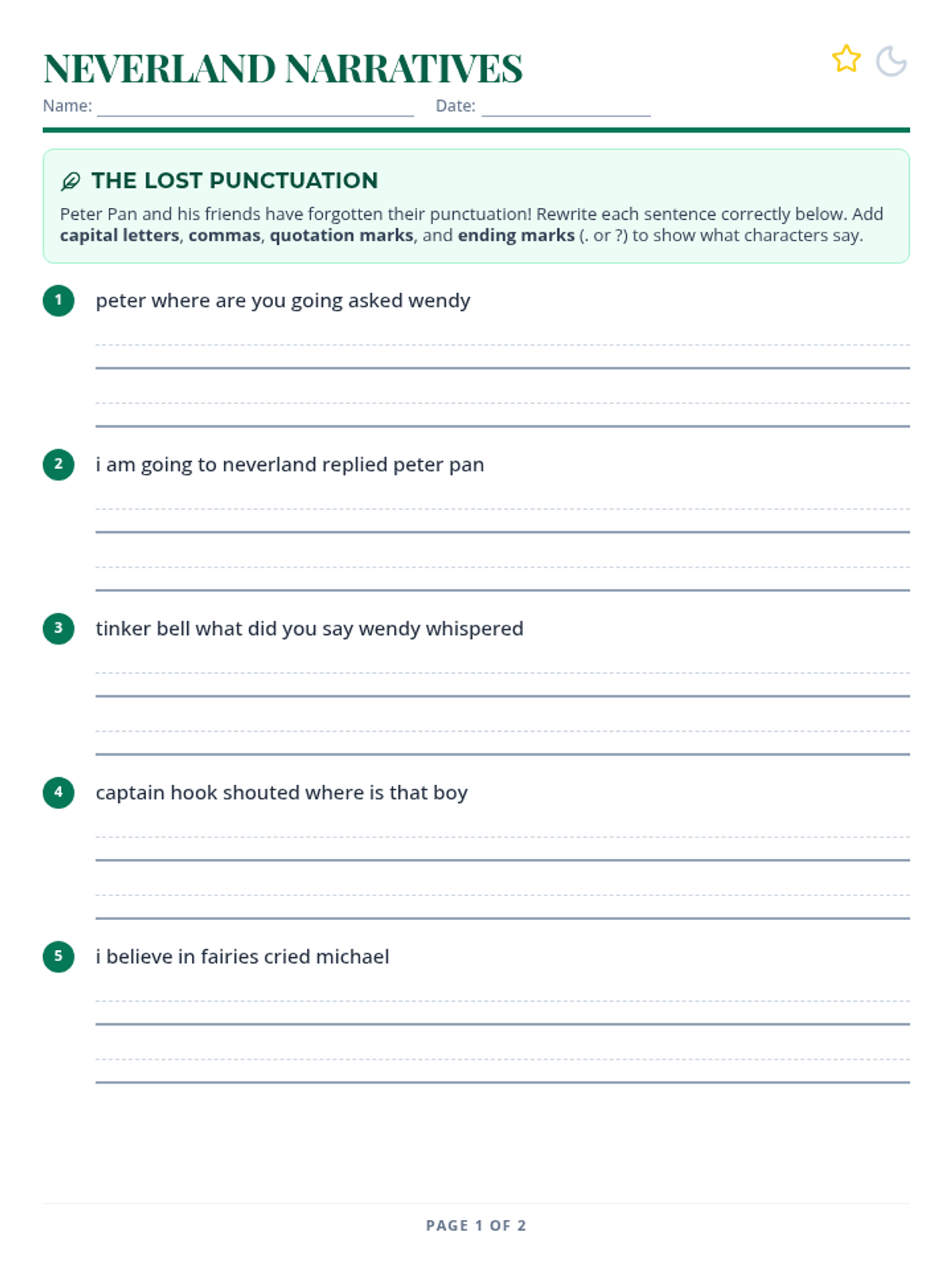
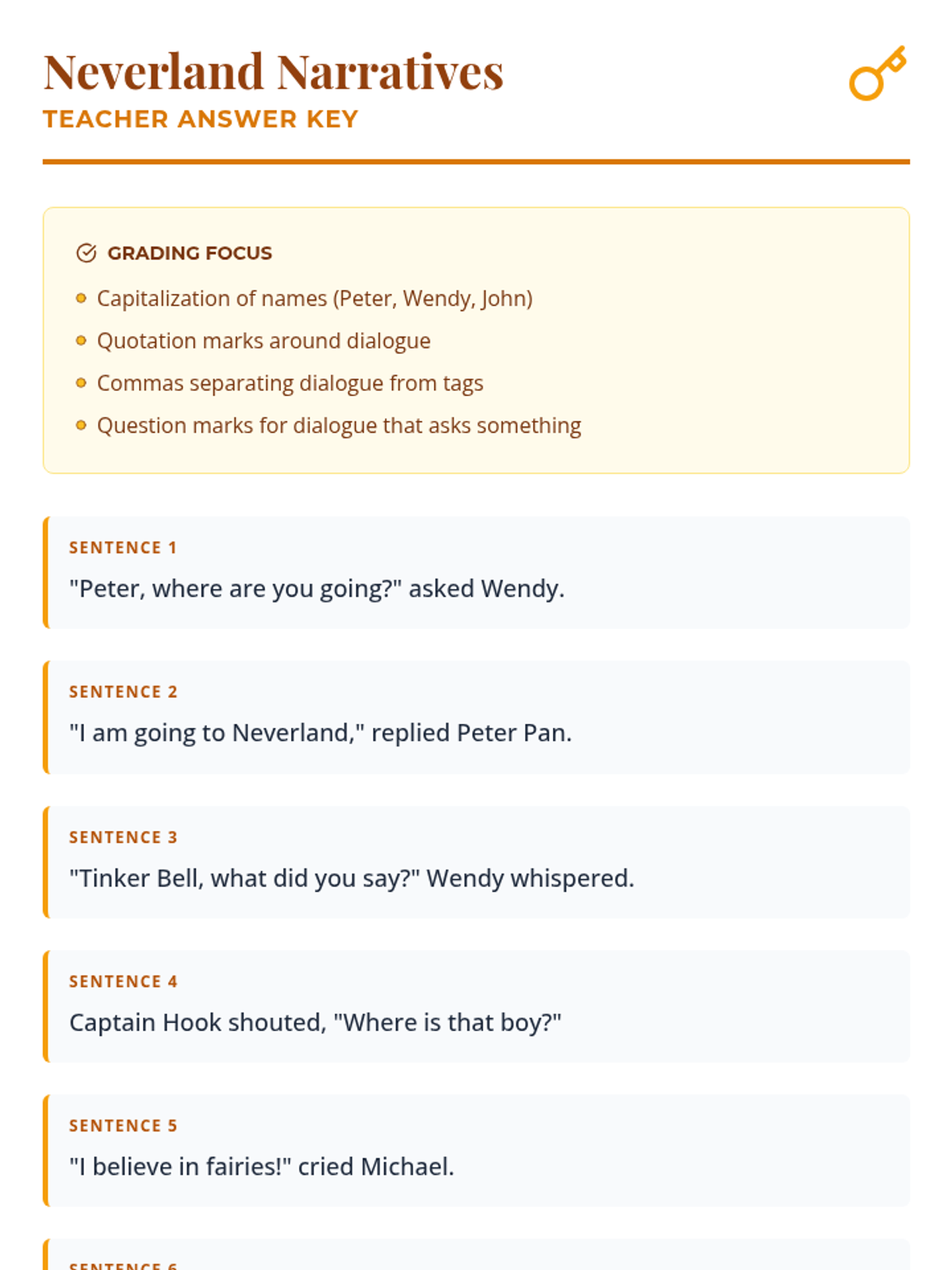
A lesson focused on correcting punctuation in dialogue sentences using characters and quotes from Peter Pan. Students practice using commas, quotation marks, and capitalization.
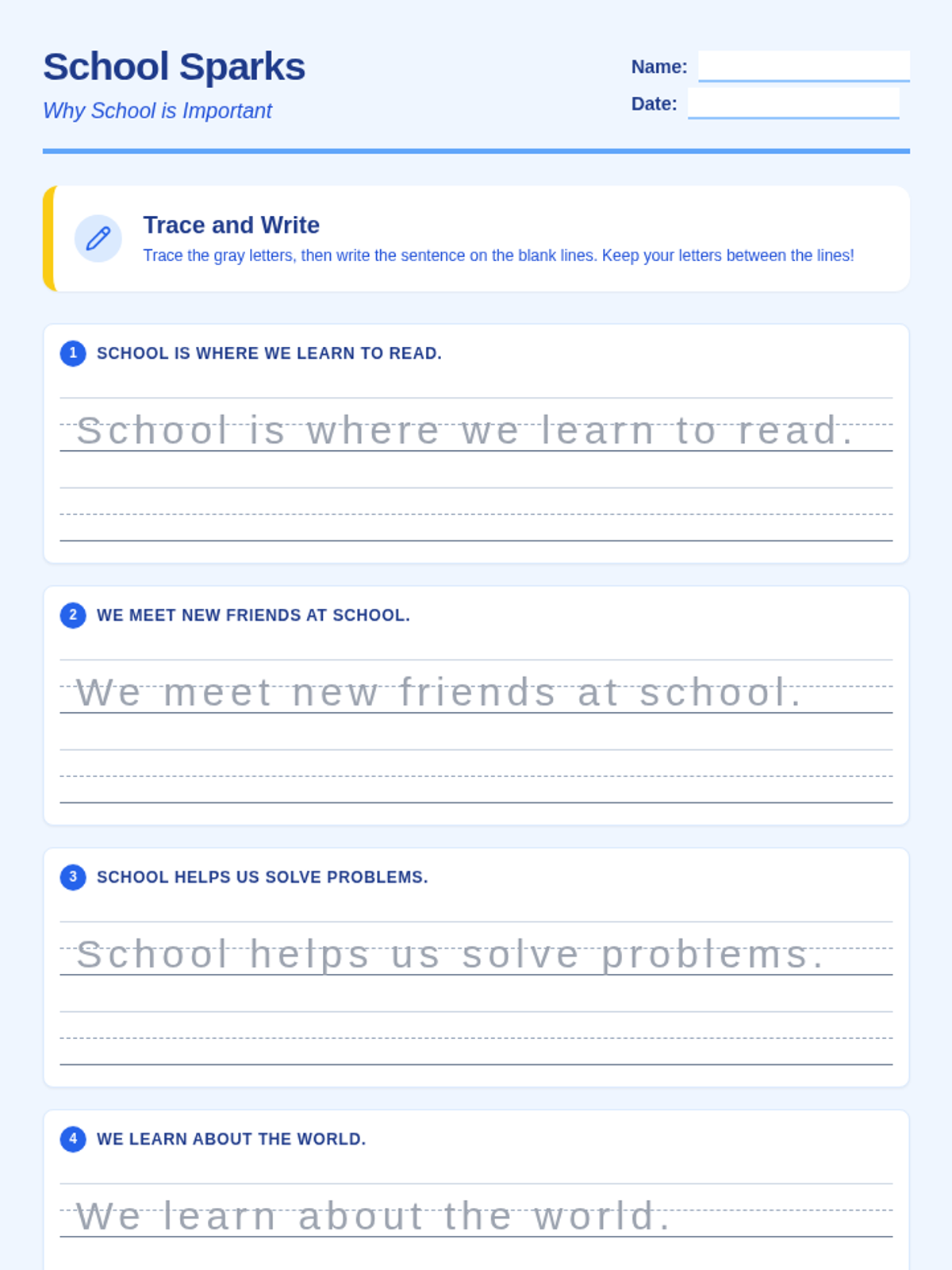
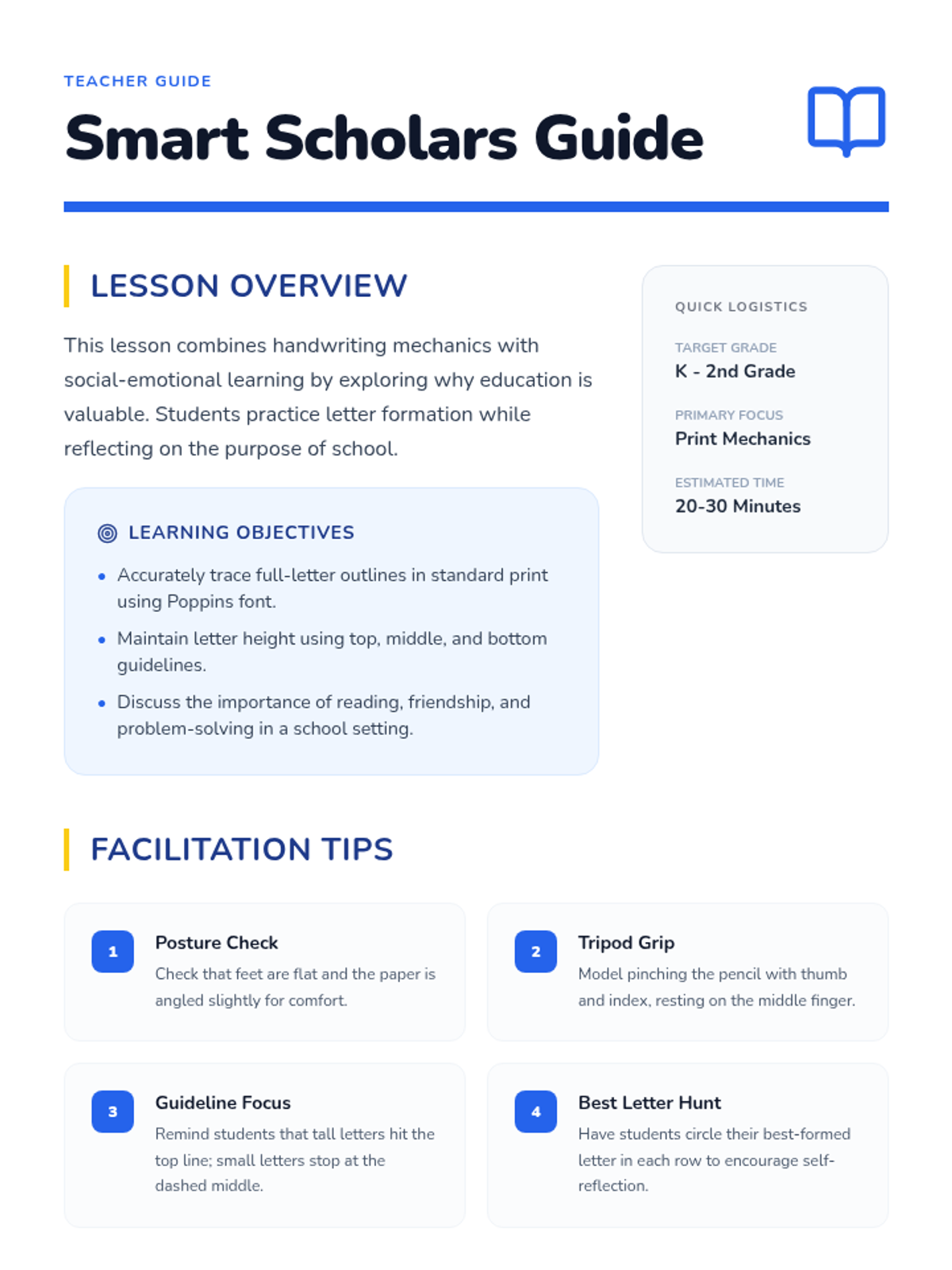
A foundational handwriting lesson focusing on the importance of education, featuring tracing exercises and discussion prompts.
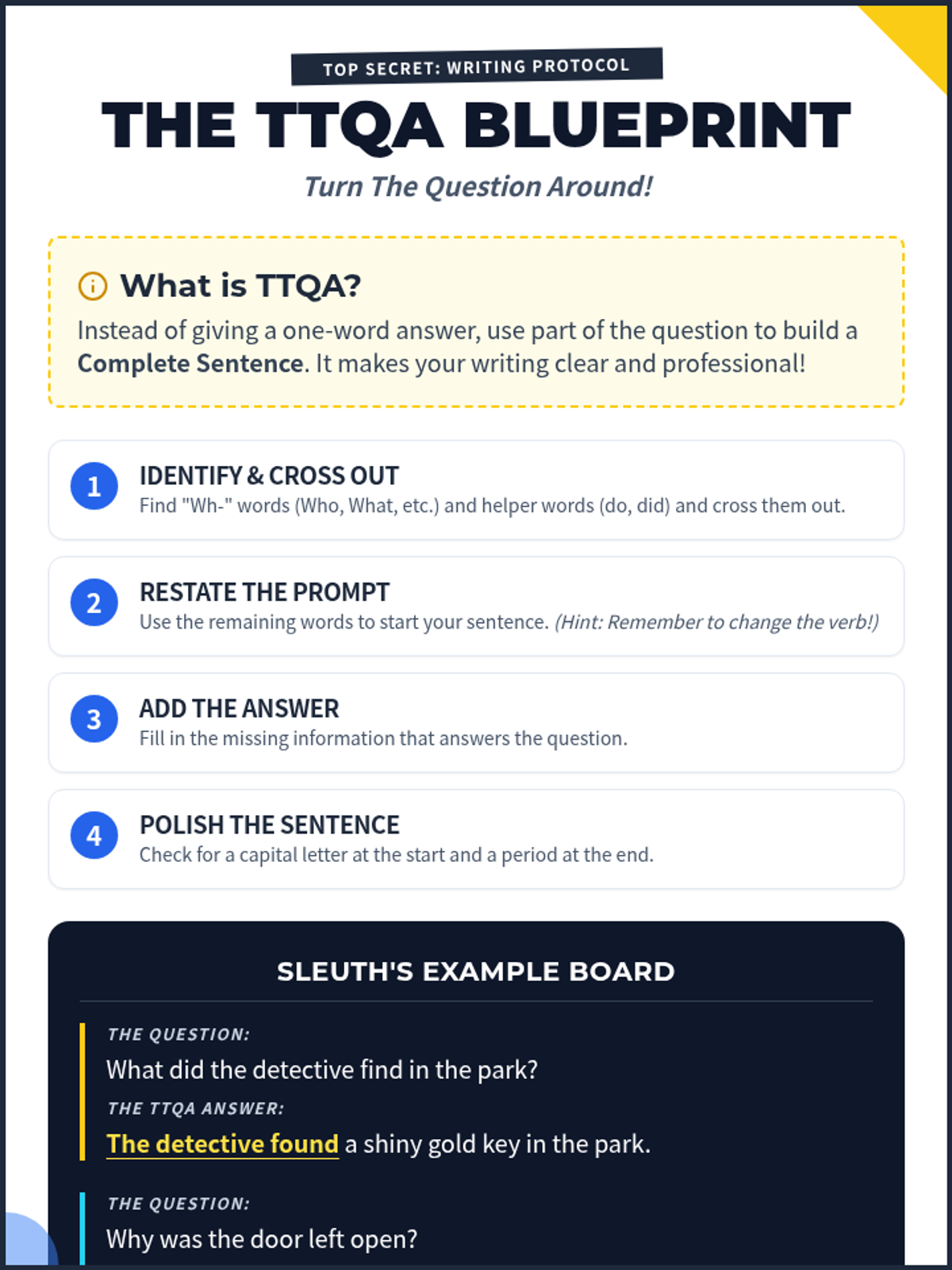
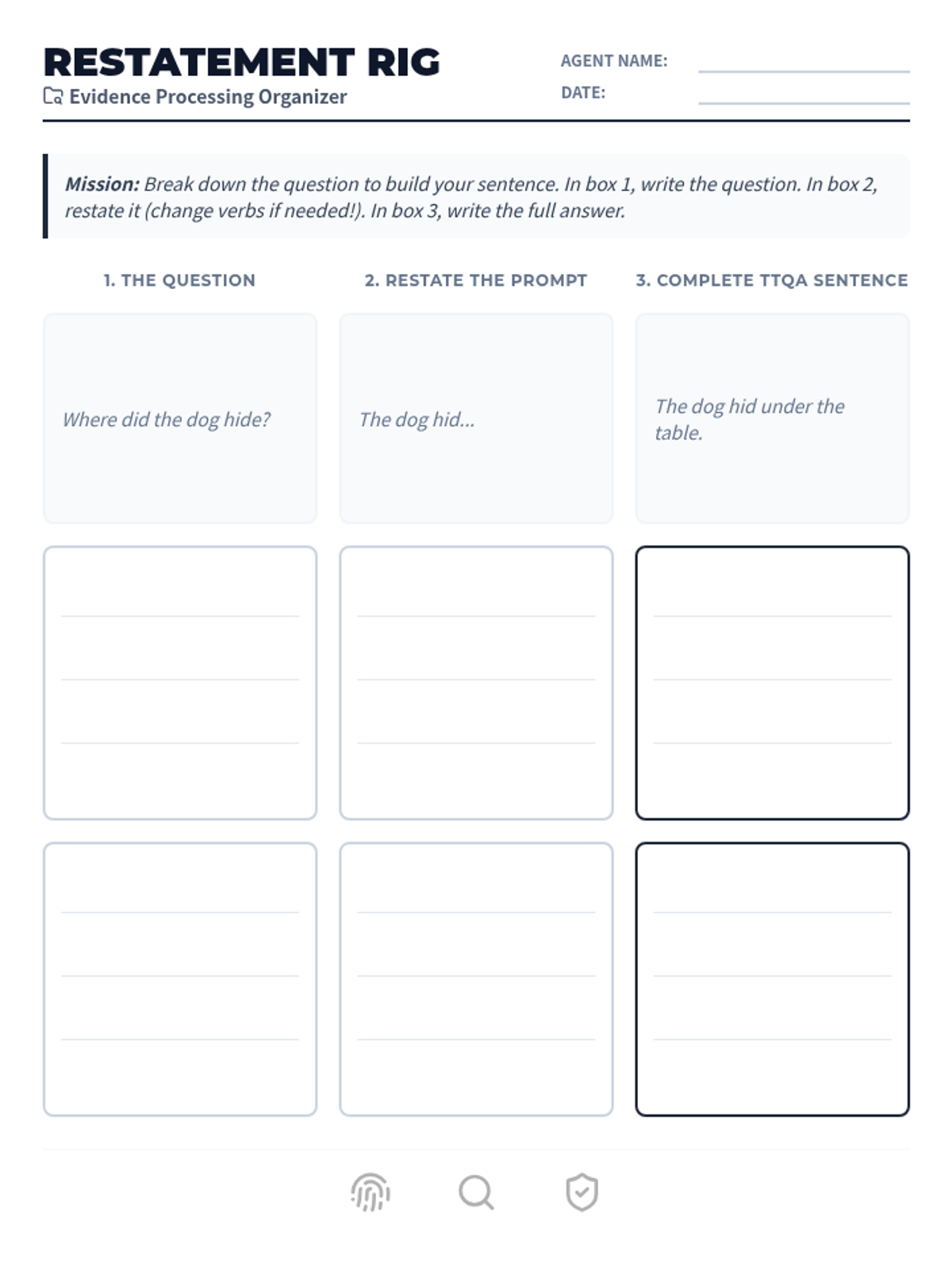
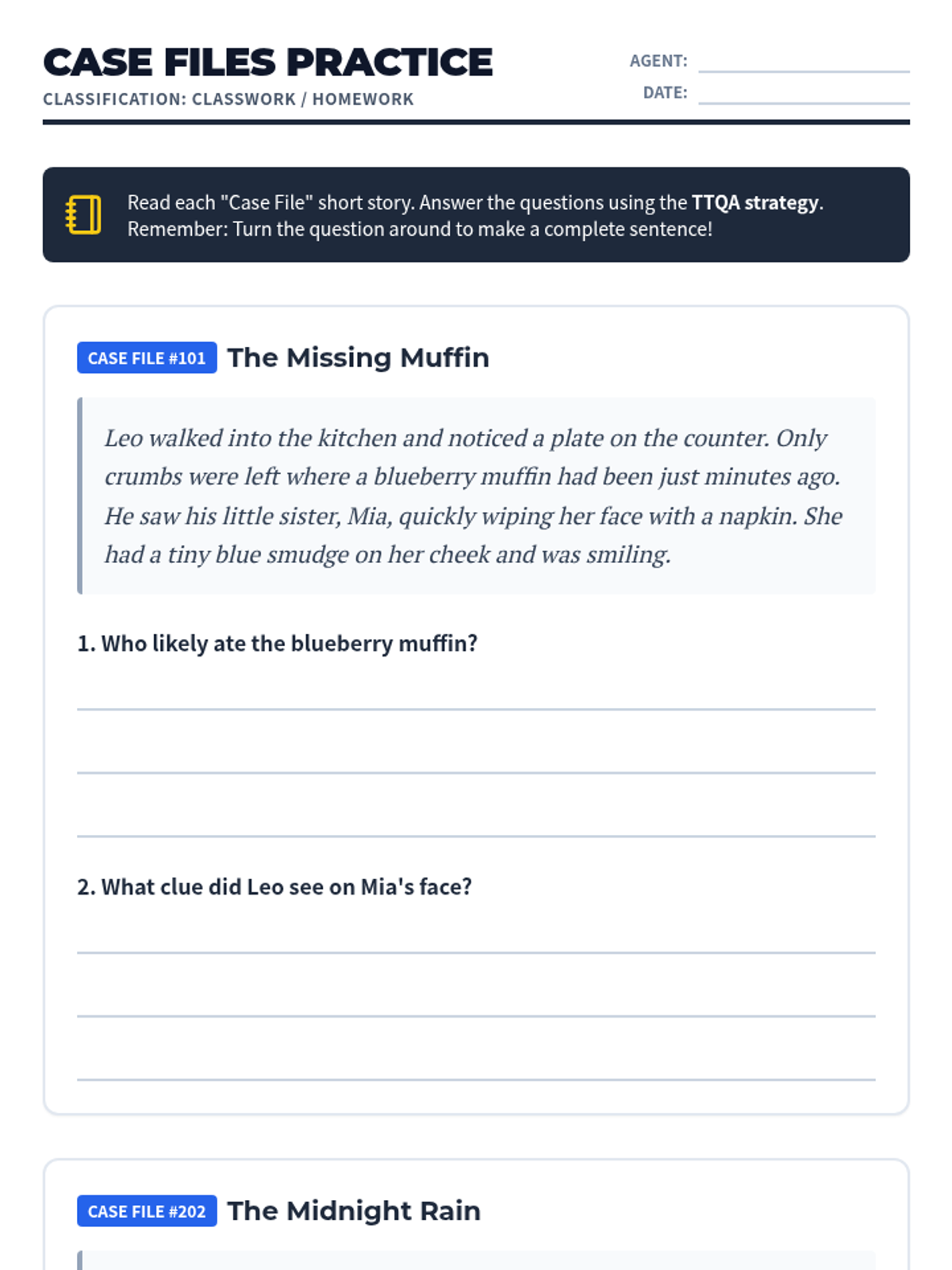
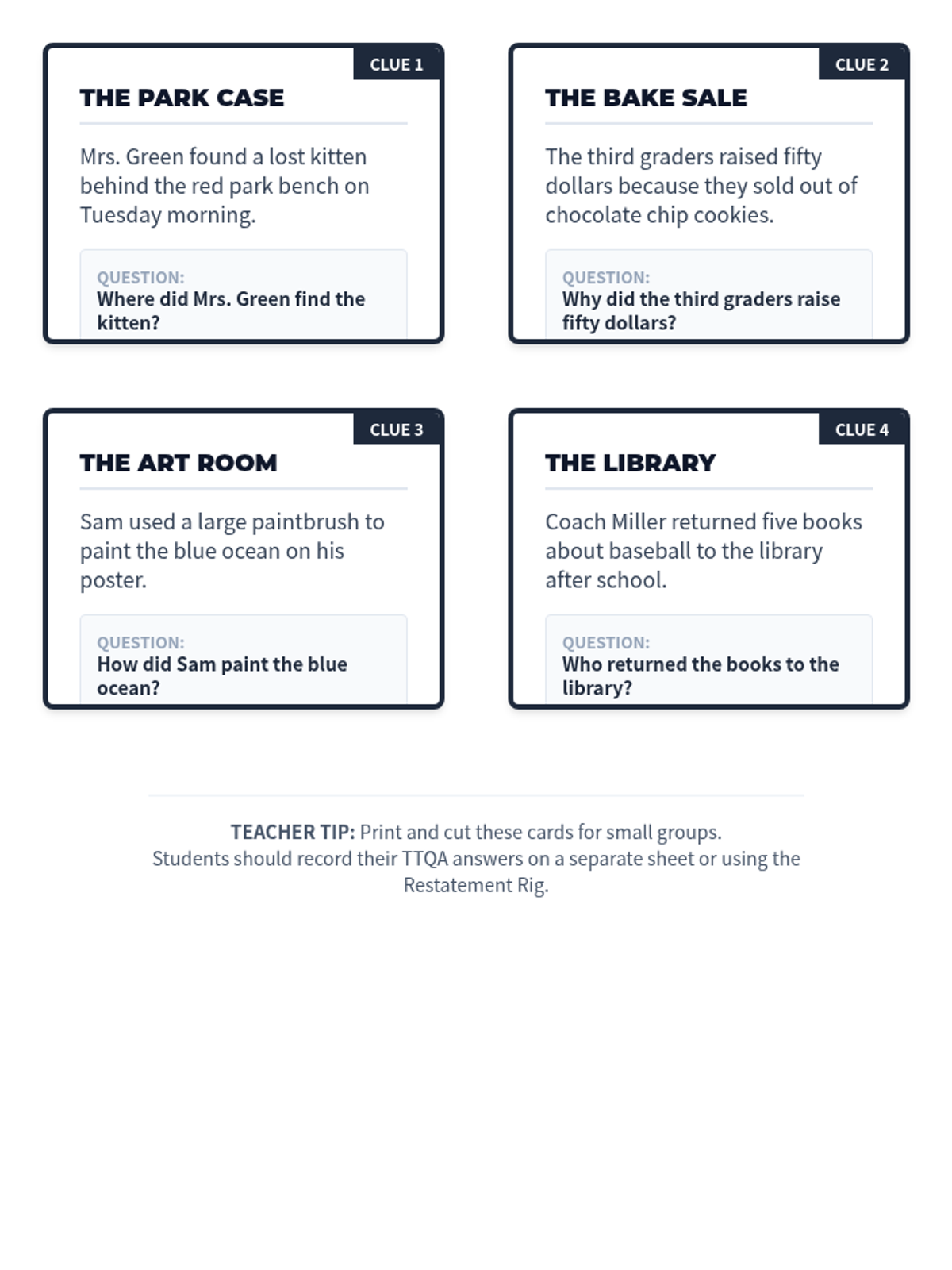
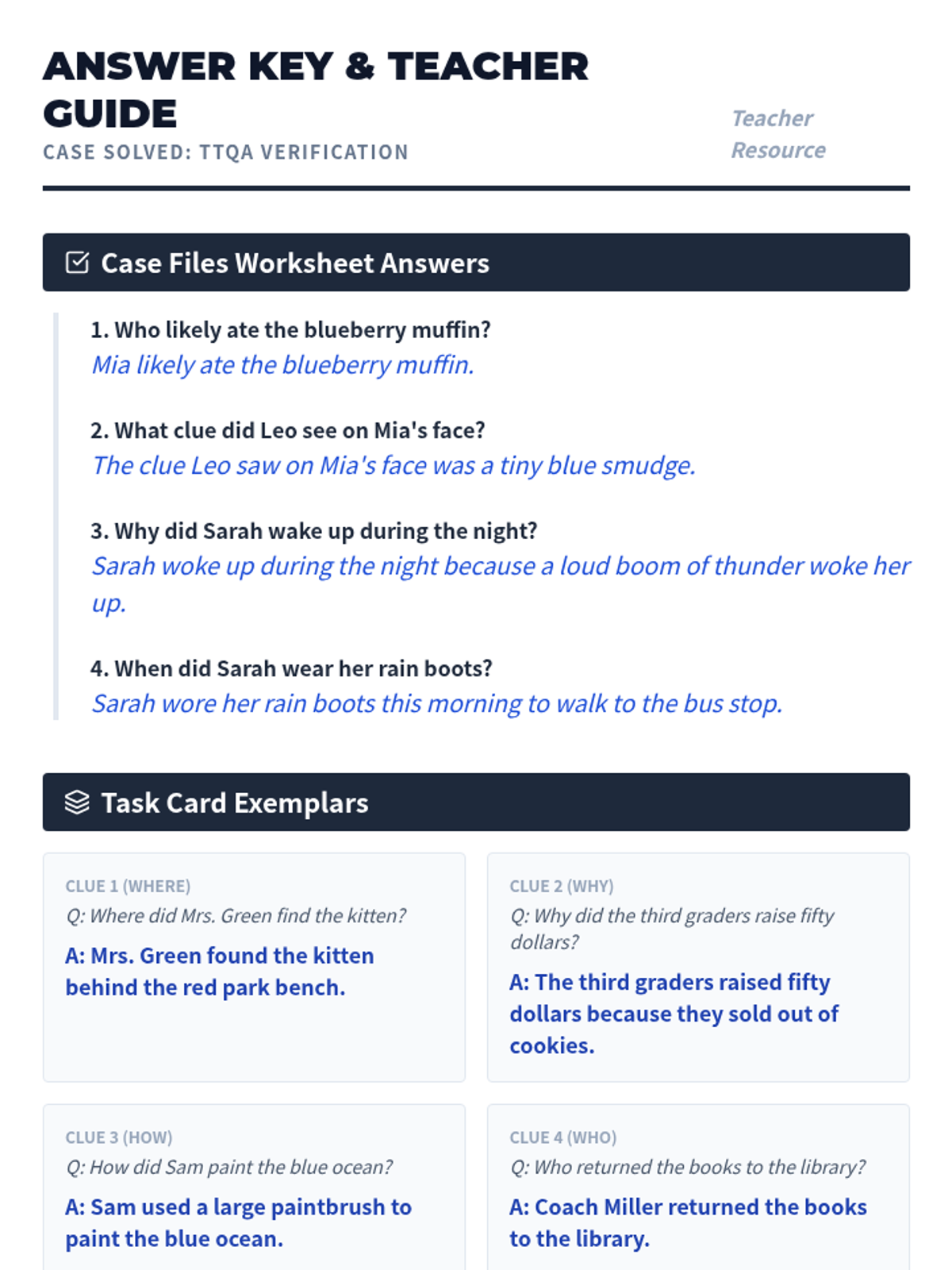
A comprehensive lesson teaching third-grade students how to answer questions in complete sentences by restating the question as a statement (TTQA). Includes instructional slides, an anchor chart, graphic organizers, and practice activities.
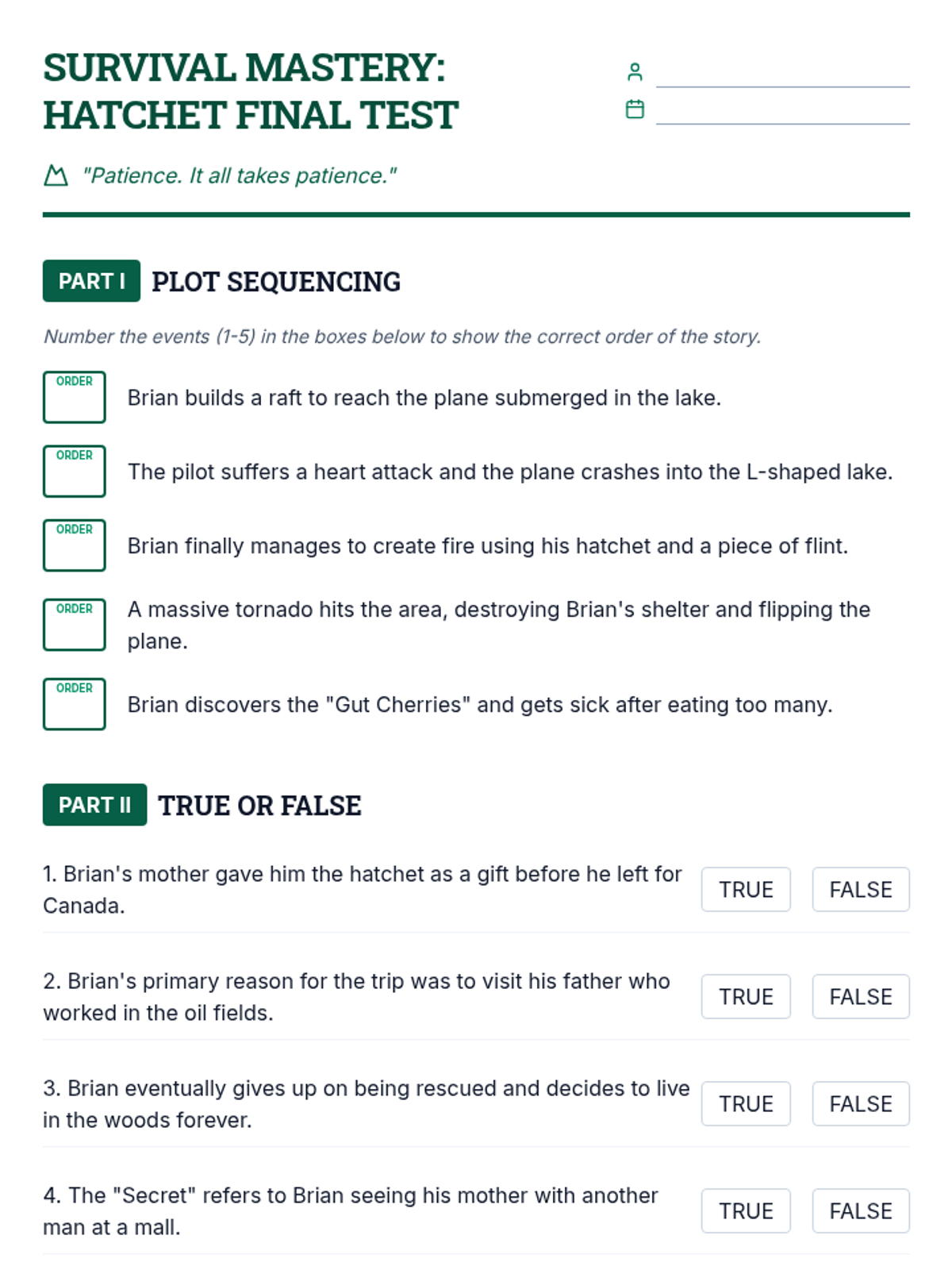
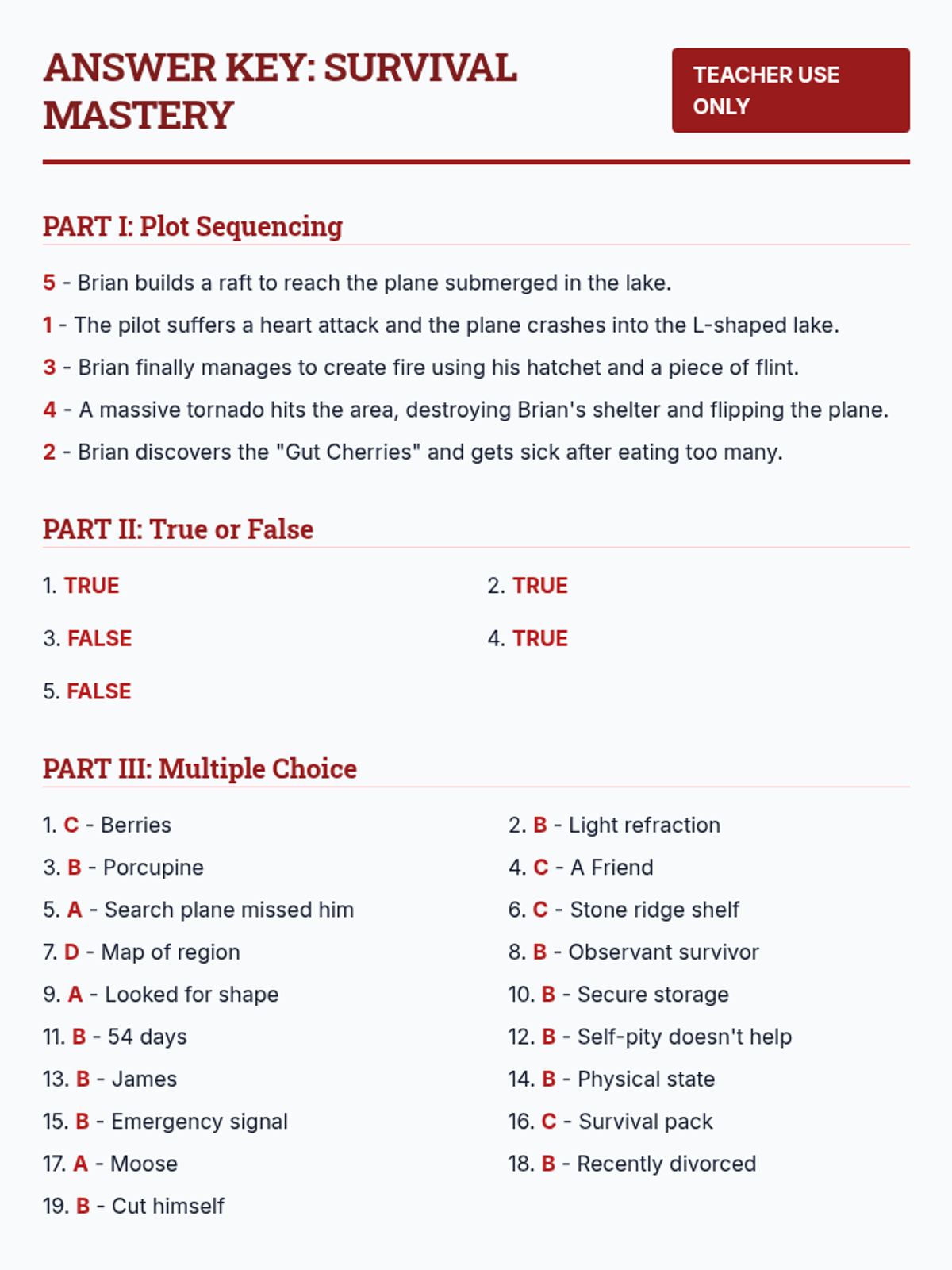
A comprehensive final assessment and review for Gary Paulsen's Hatchet, focusing on Brian's survival journey, character growth, and the novel's core themes.
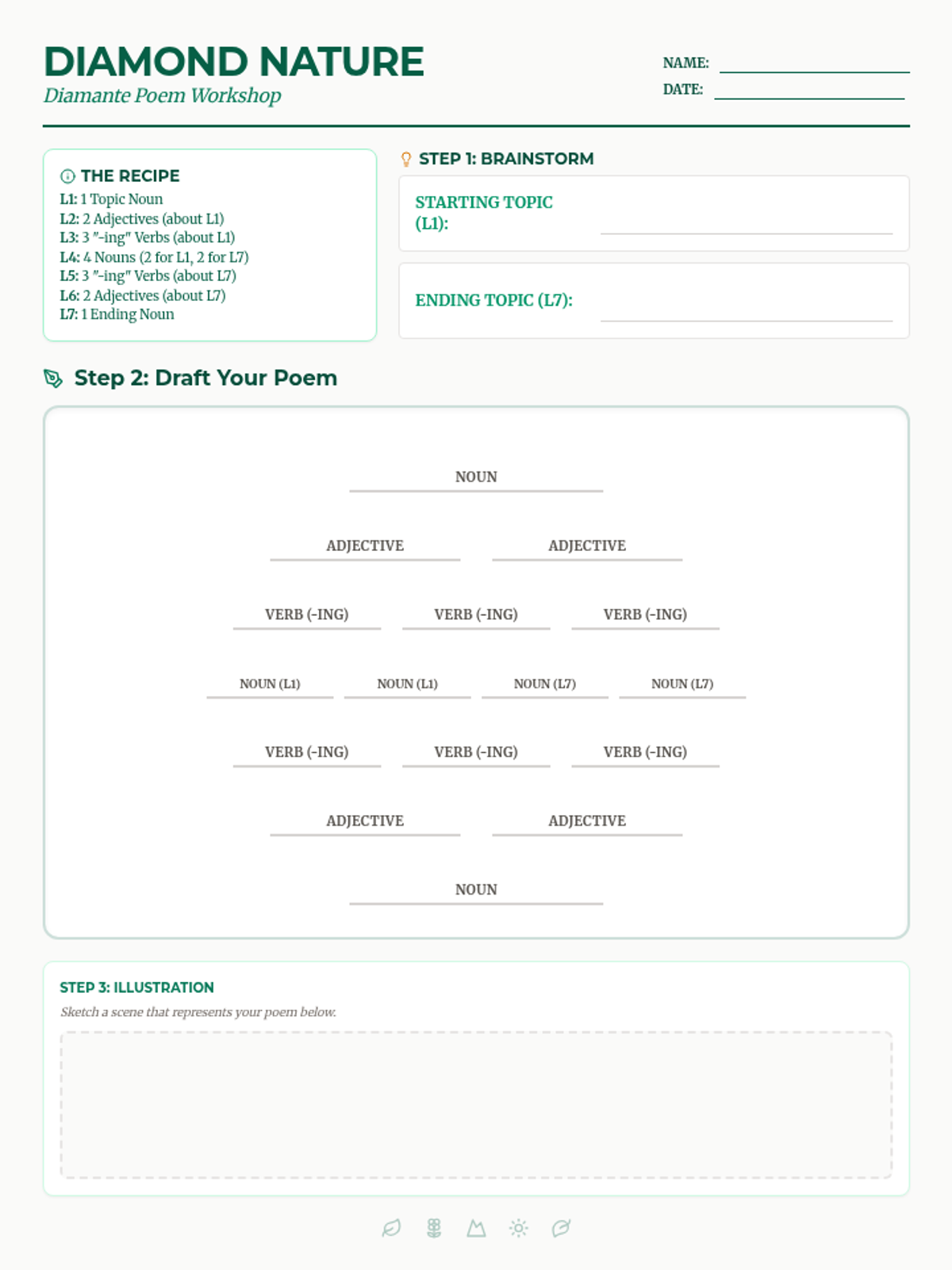
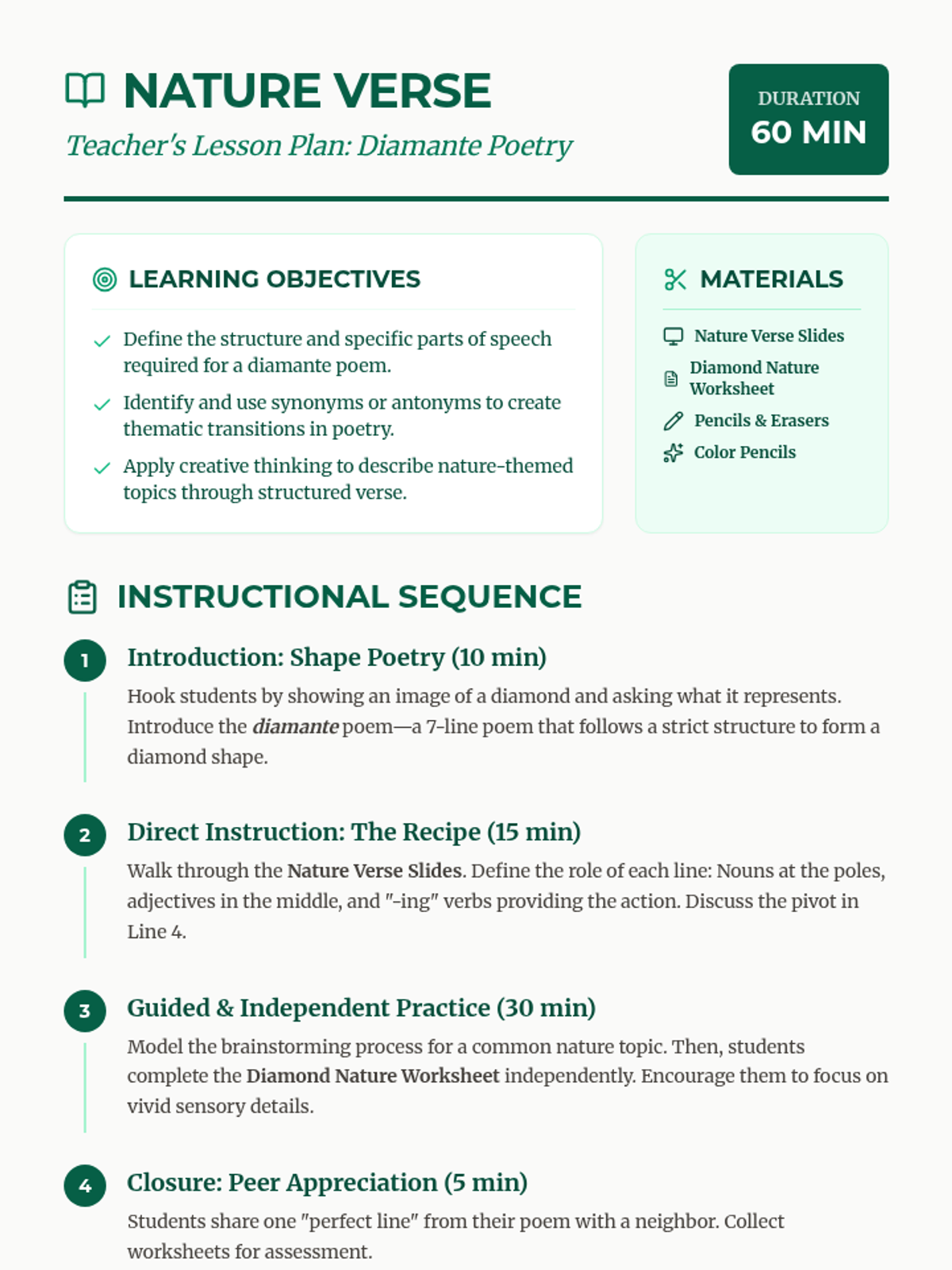
A lesson on writing diamante poems with a focus on nature, covering structure, parts of speech, and creative expression.
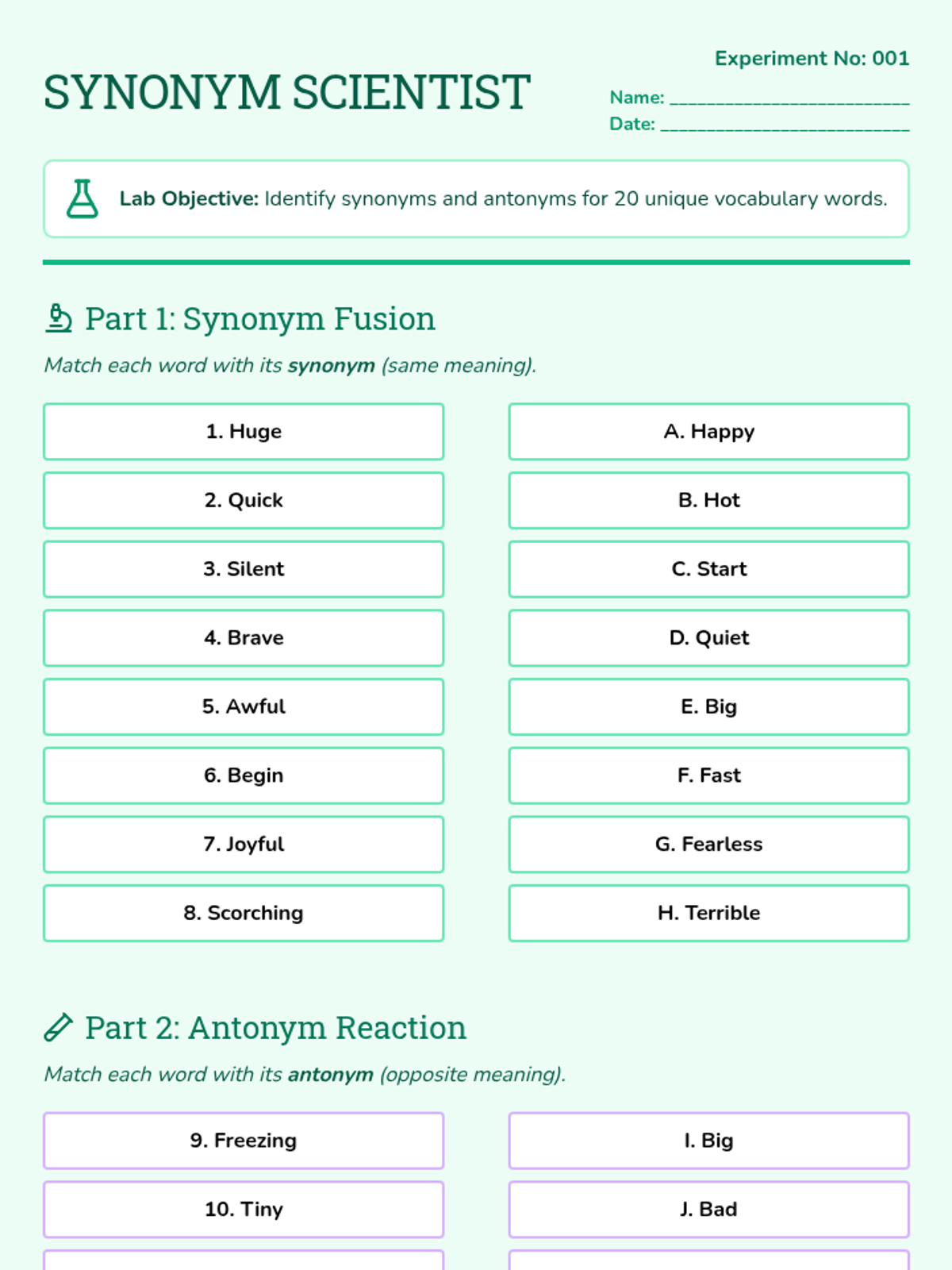
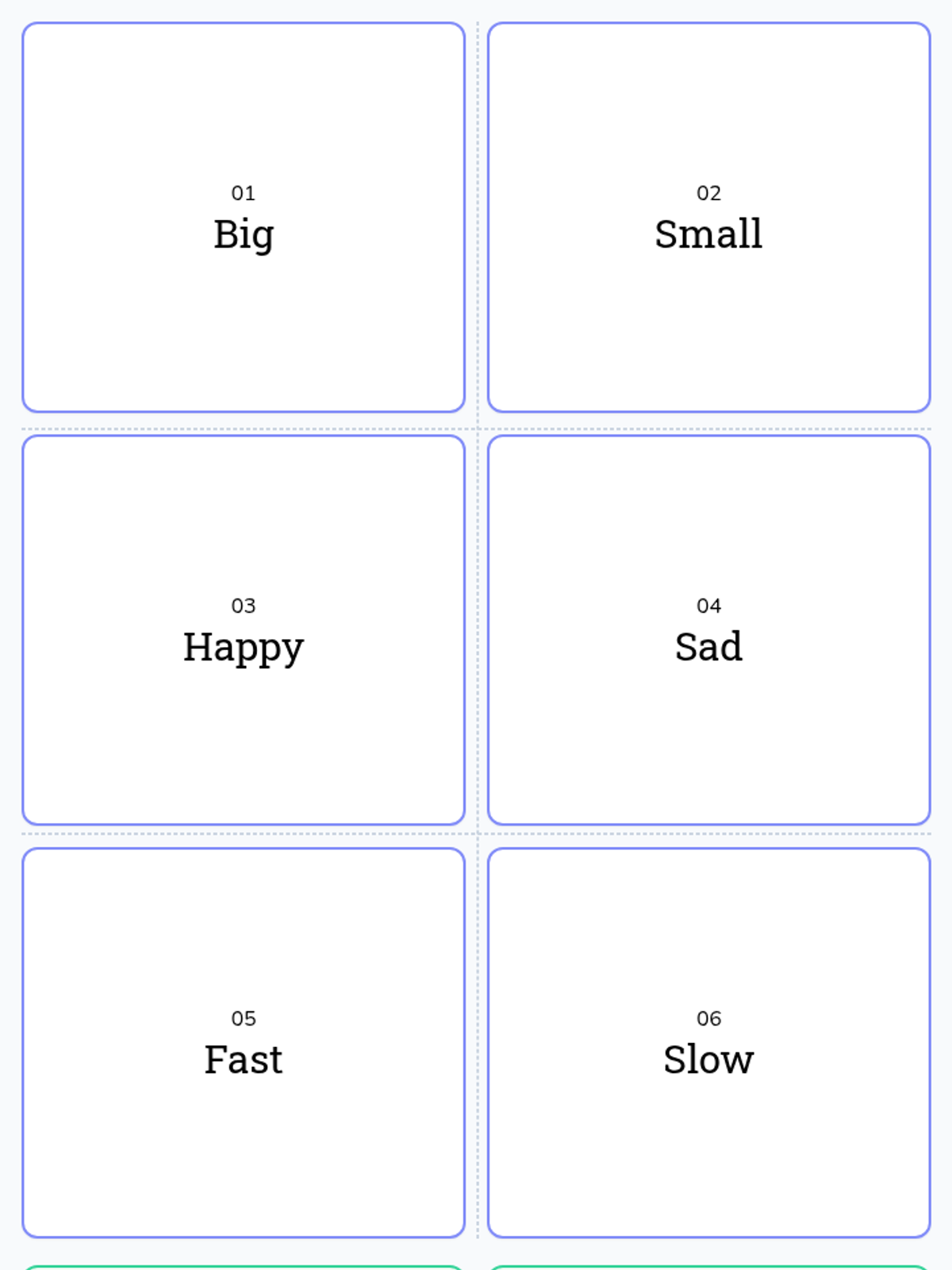
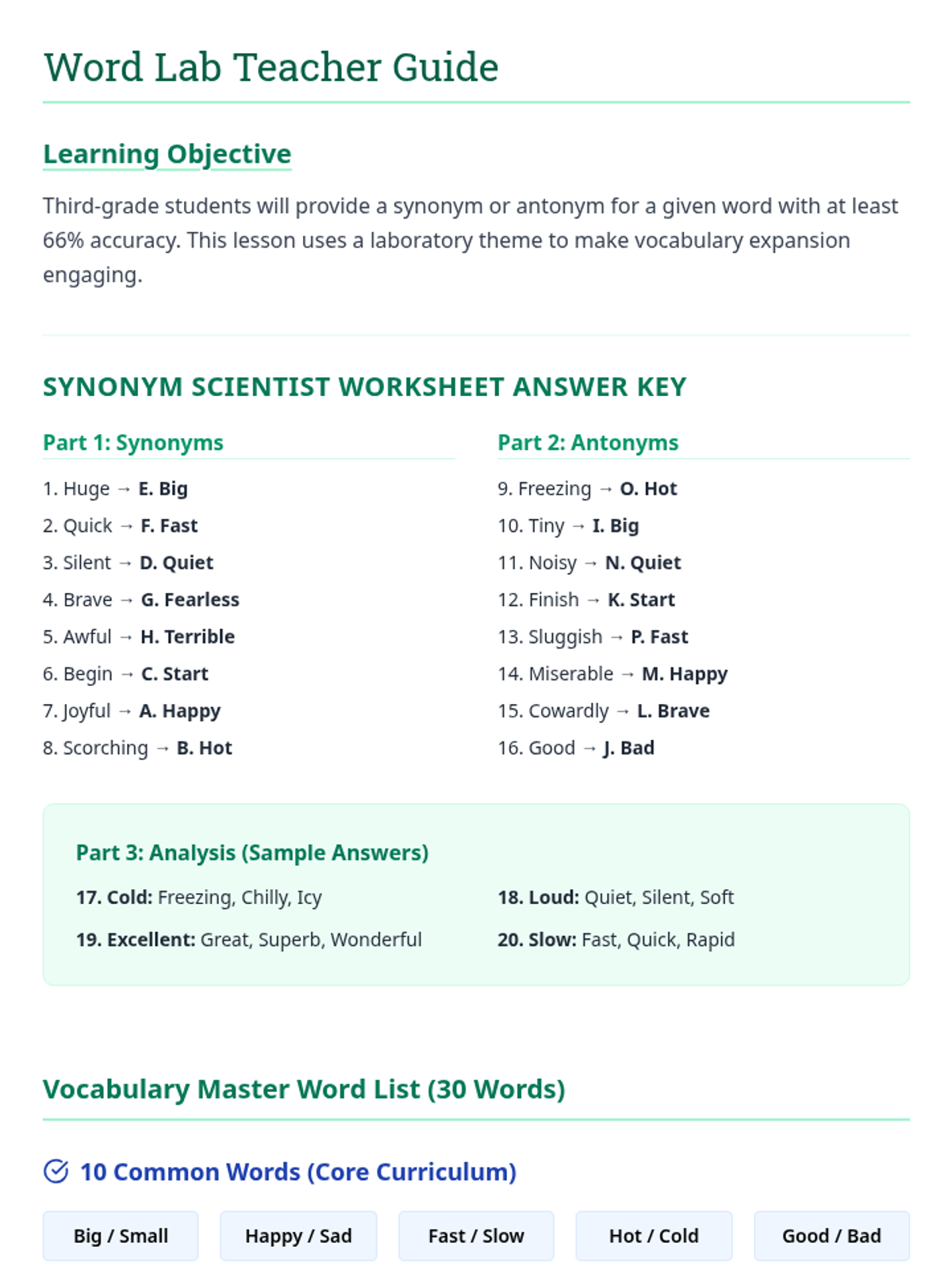
A chemistry-themed lesson where students experiment with synonyms and antonyms to expand their vocabulary. Students will identify and match related and opposite words through a laboratory lens.
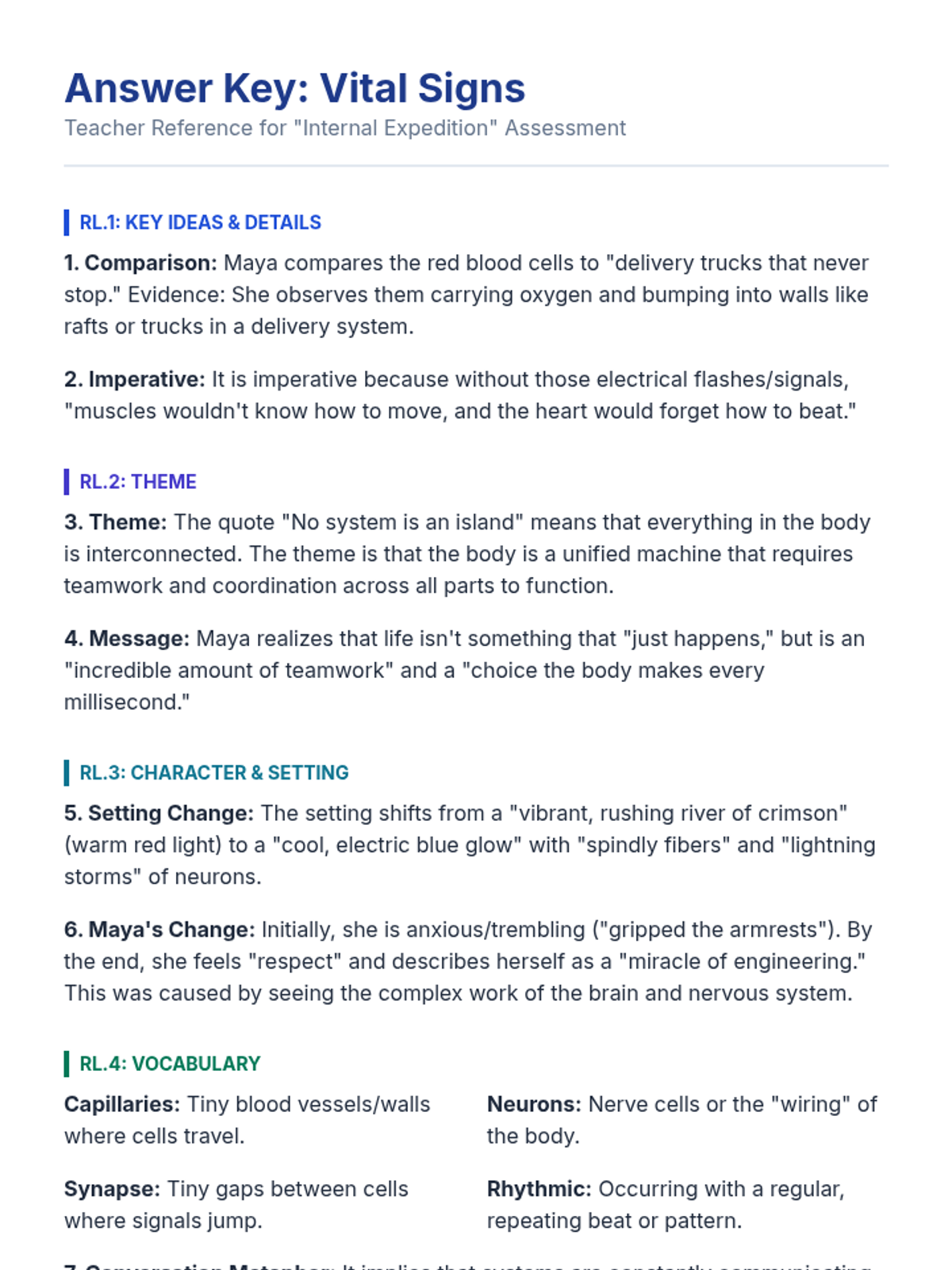
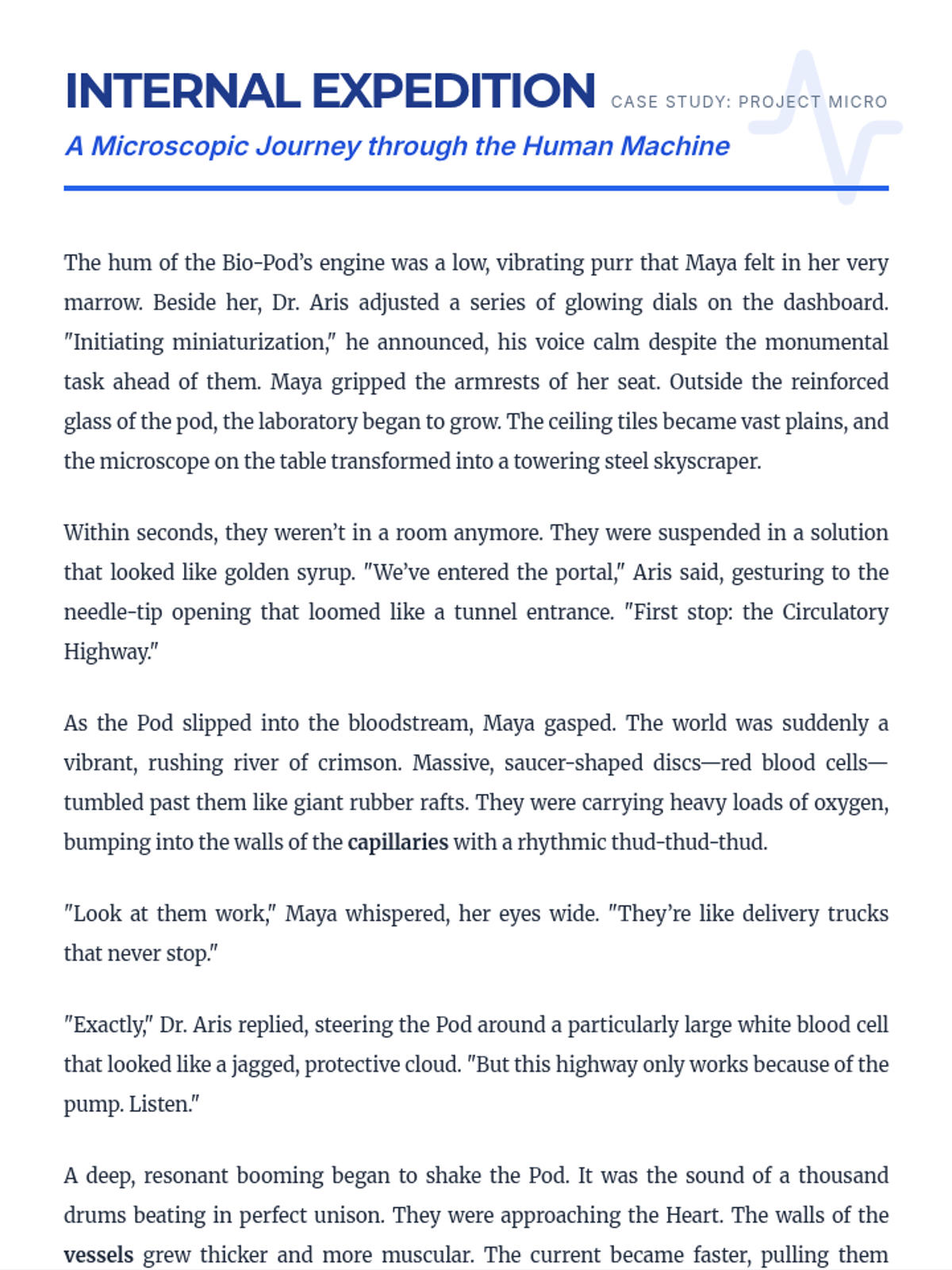
A narrative-driven exploration of the human body's systems, designed to practice literary analysis standards (RL) through a science-fiction lens. Students read a 2-page story about a microscopic journey and analyze characters, themes, and vocabulary.
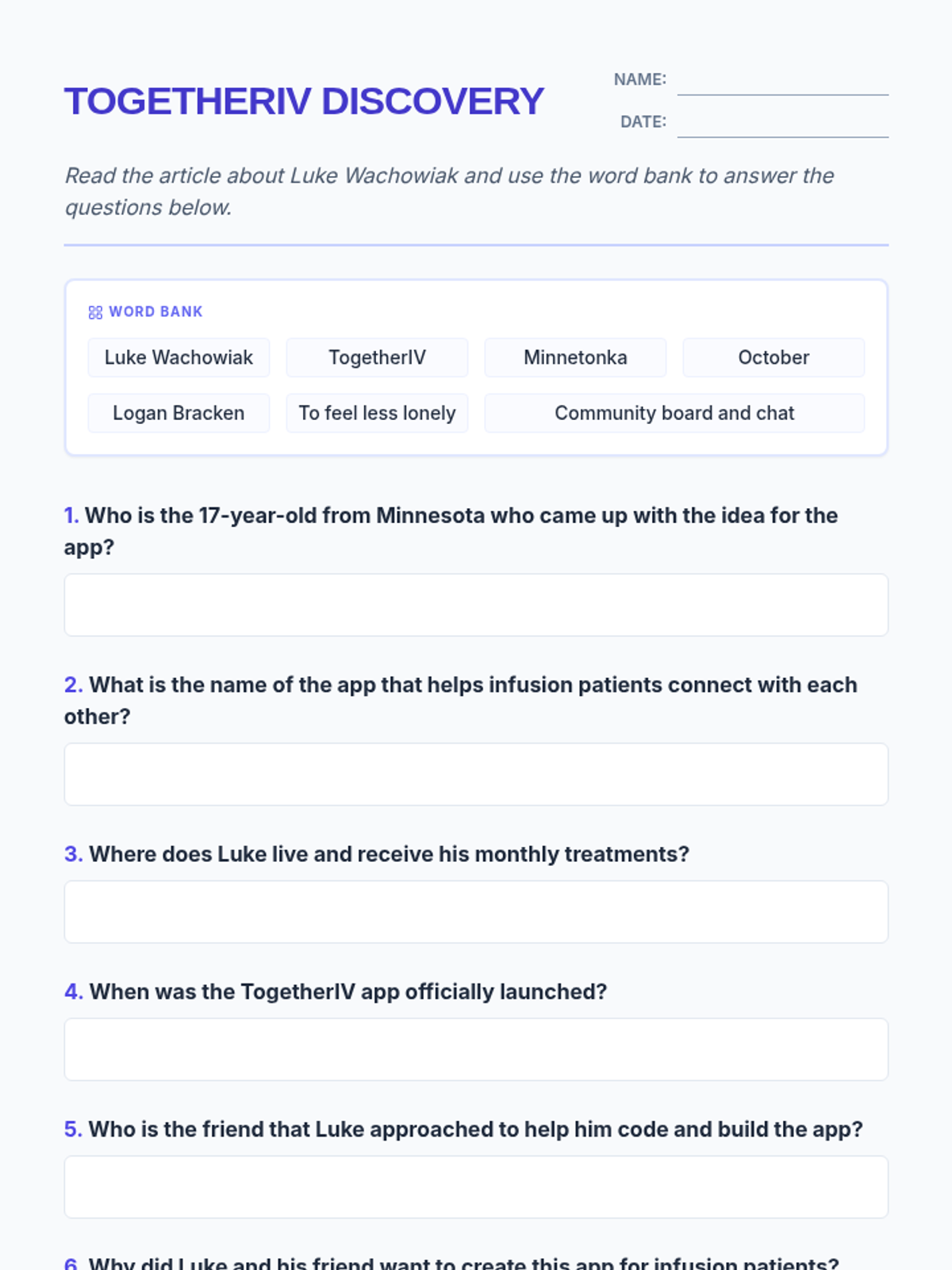
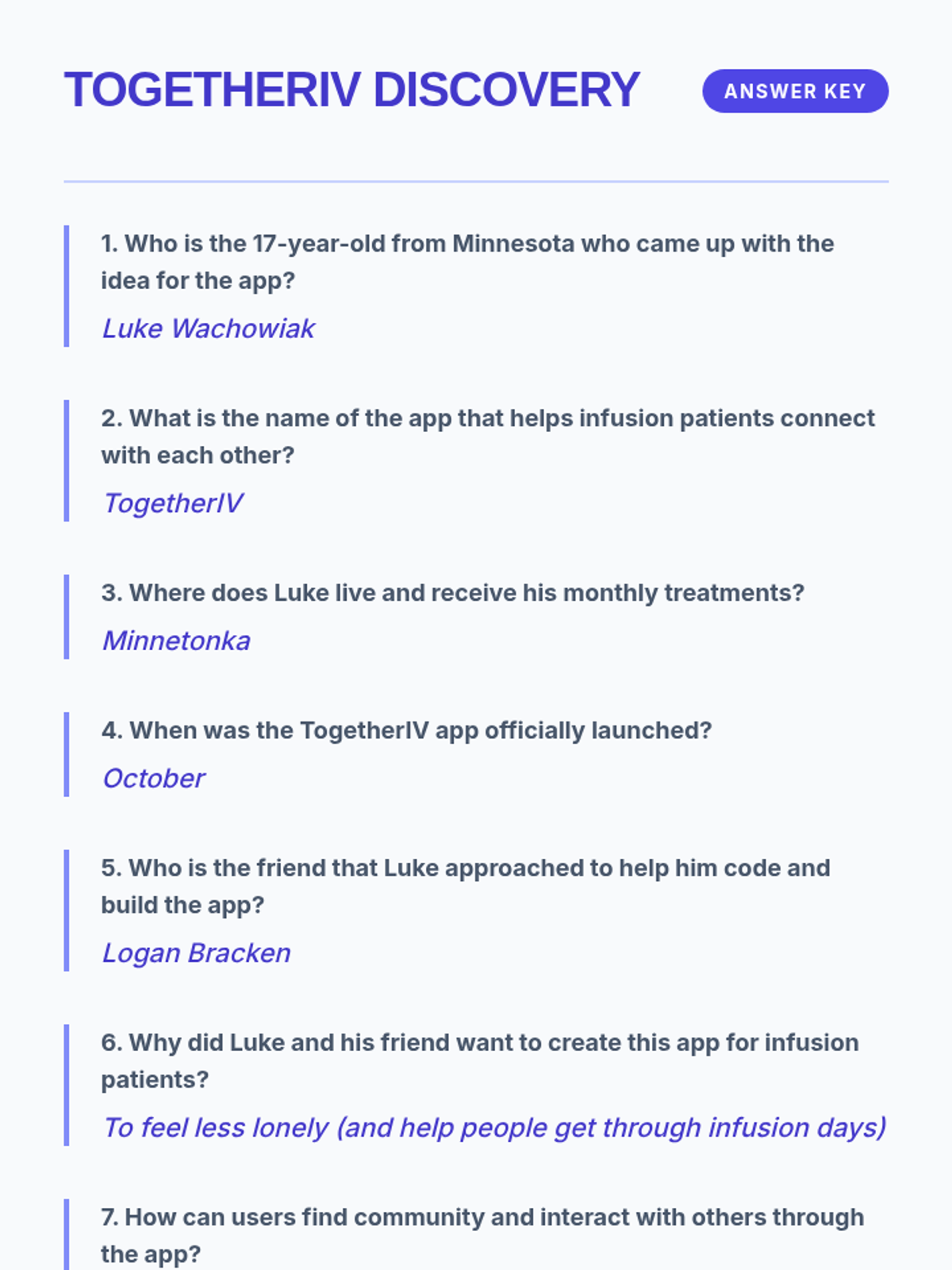
A reading comprehension lesson based on an article about Minnesota teens who developed 'TogetherIV', an app designed to support patients receiving medical infusions.
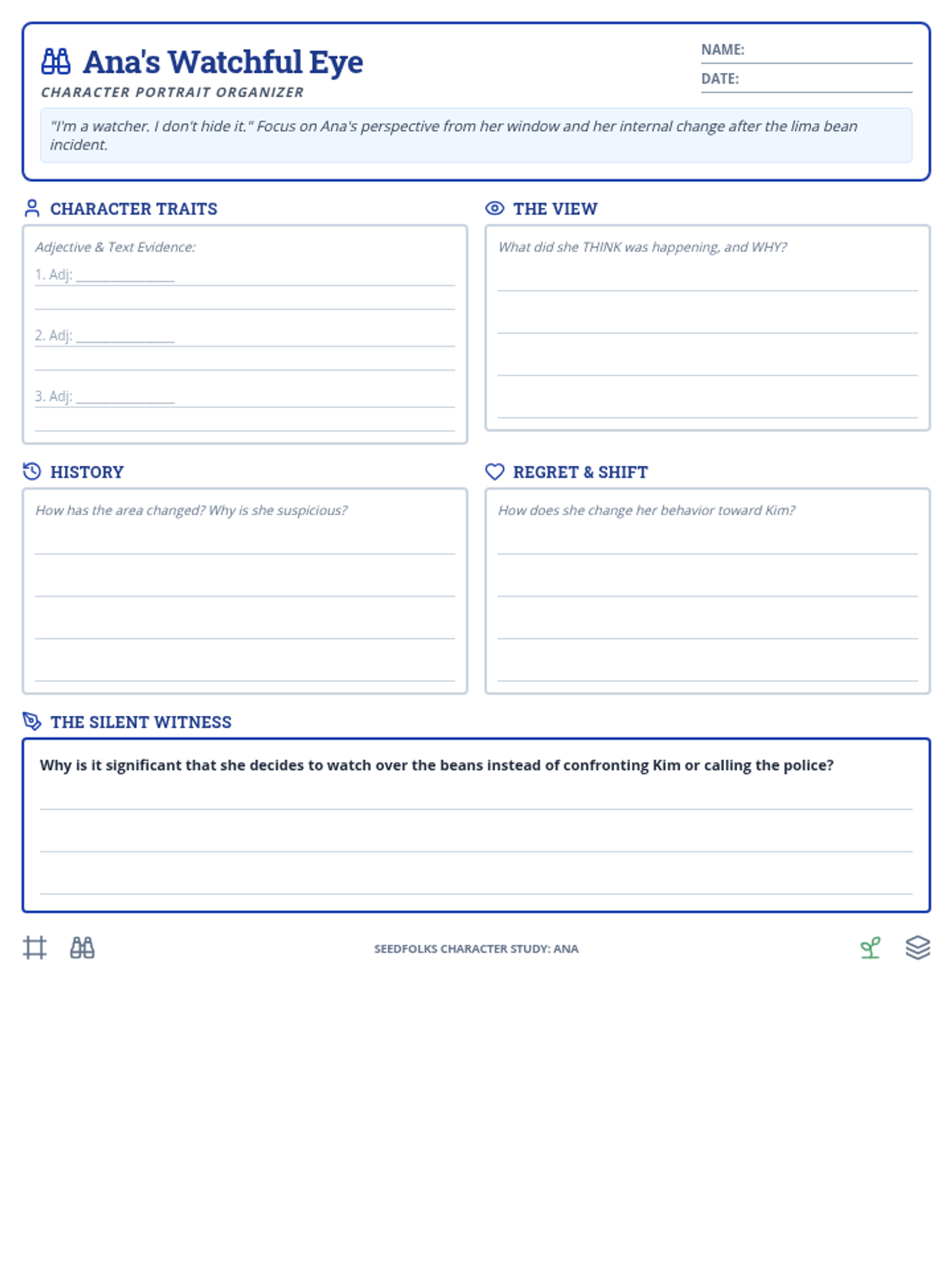
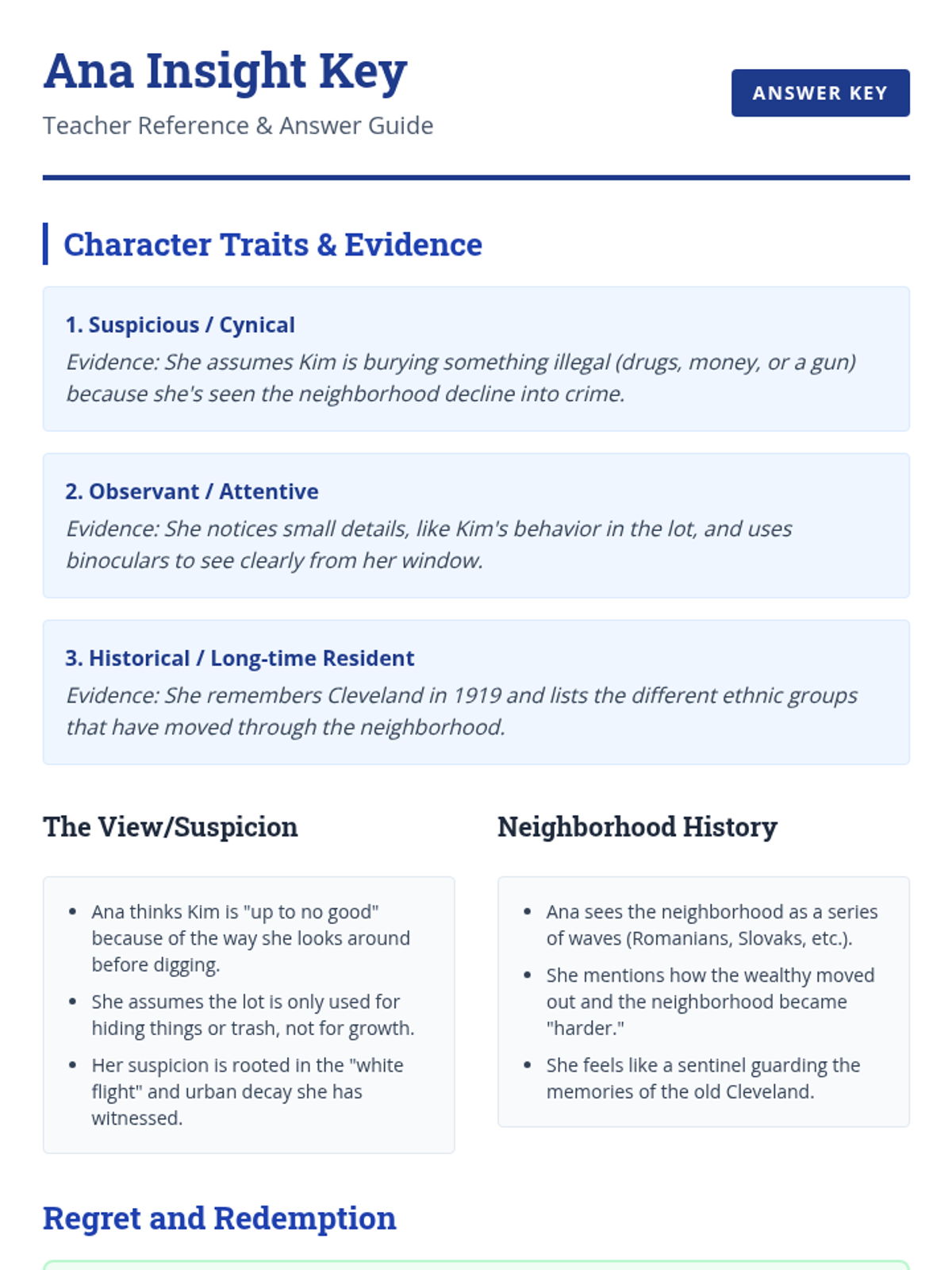
A focused study on Ana, the suspicious yet observant neighbor from Seedfolks. Students explore her perspective on the changing neighborhood and her initial reaction to Kim's garden.
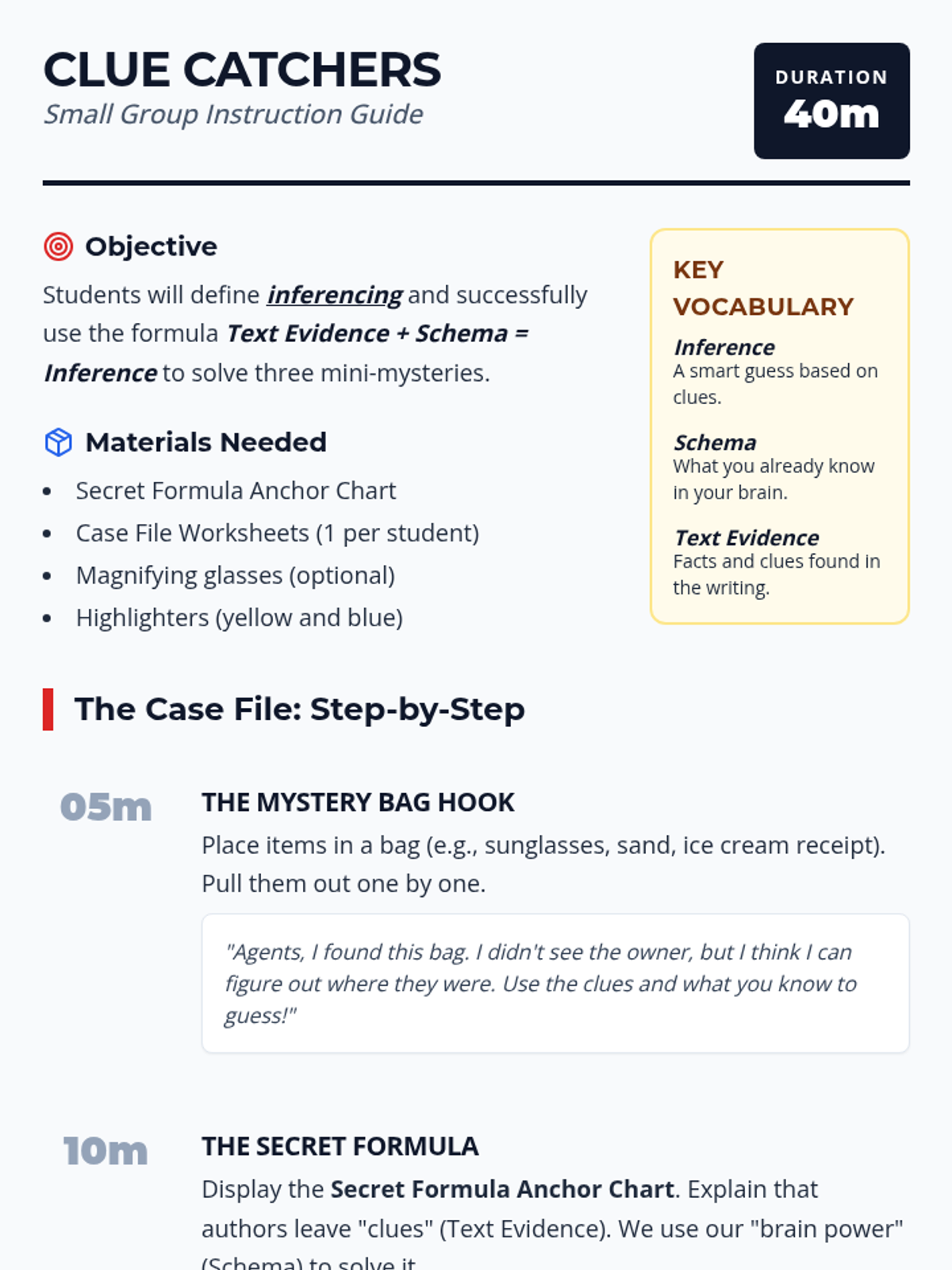
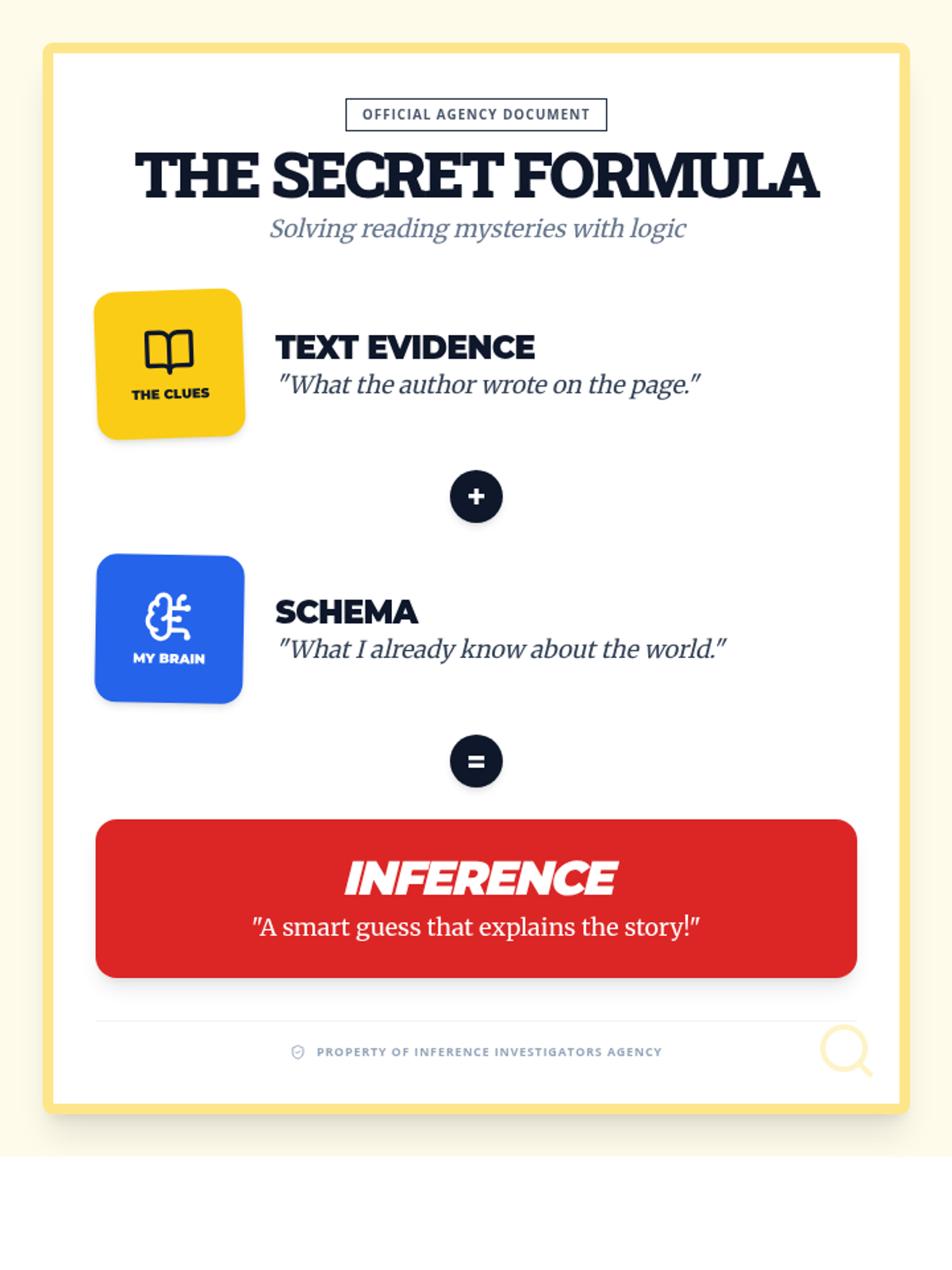
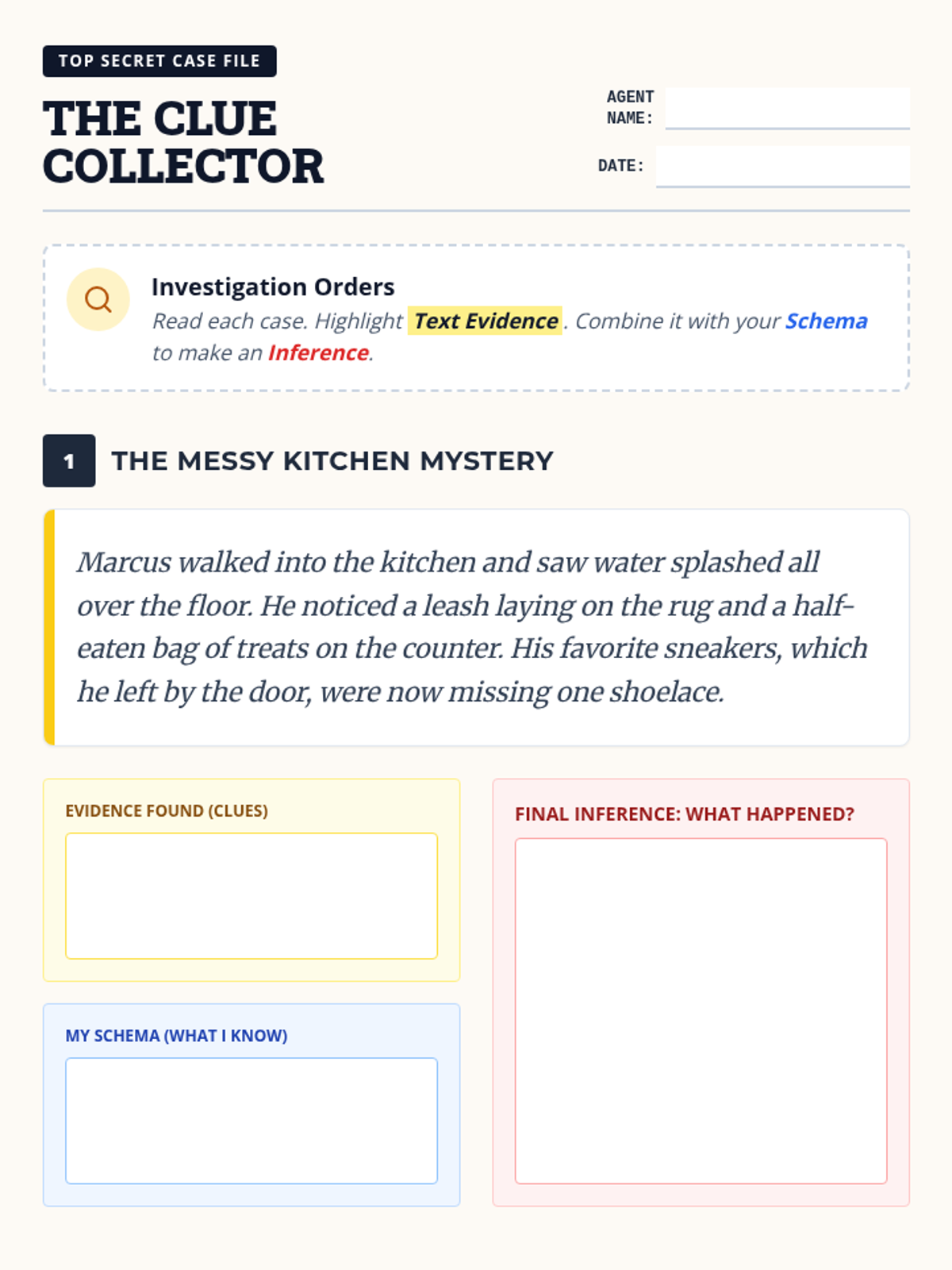
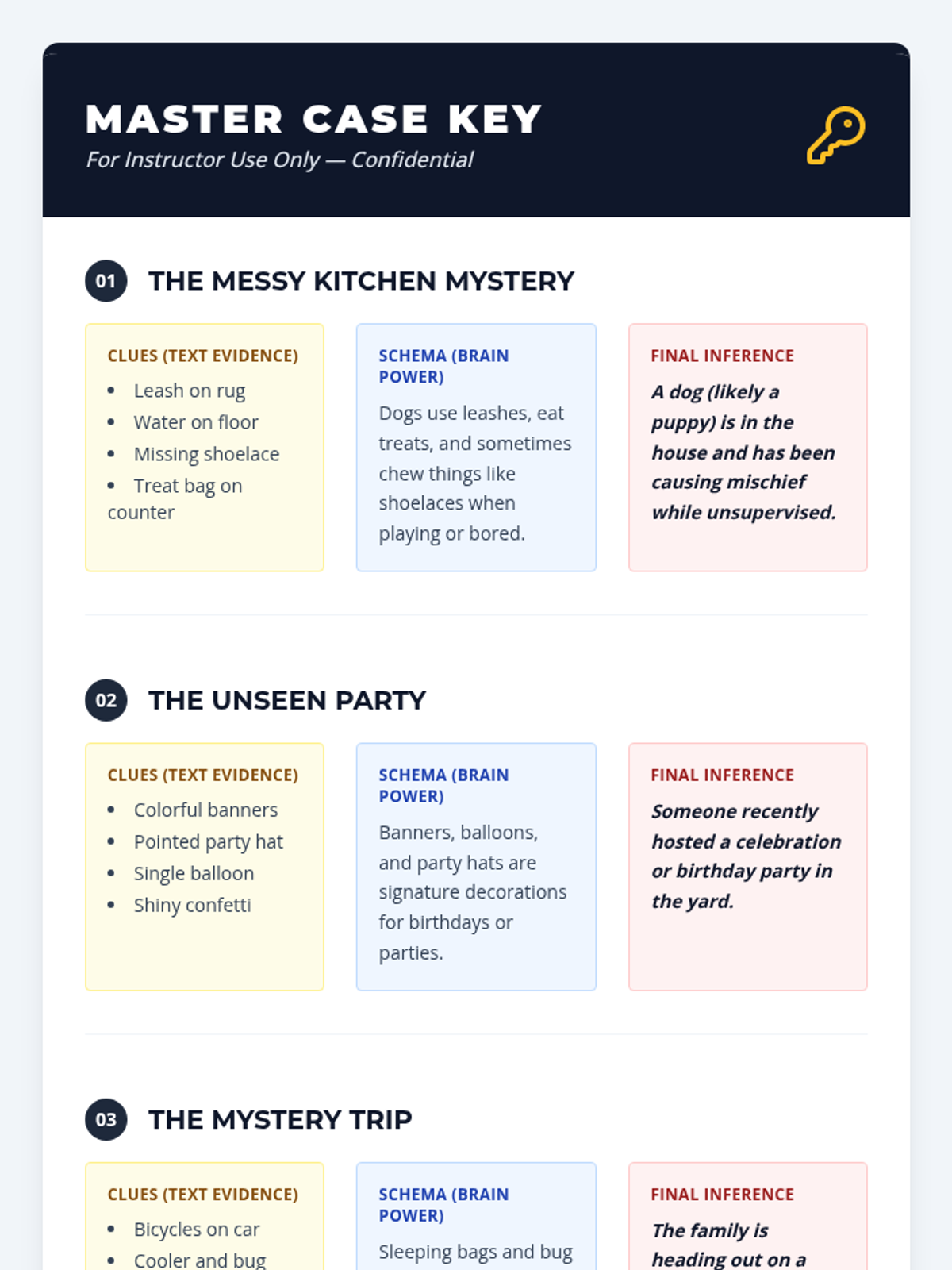
A 40-minute small group lesson for 3rd graders on inferencing using a detective agency theme. Students will combine their prior knowledge with text clues to draw conclusions.
A hands-on lesson for mastering sentence structure using visual blueprint cards to label parts of speech and build complex sentences.
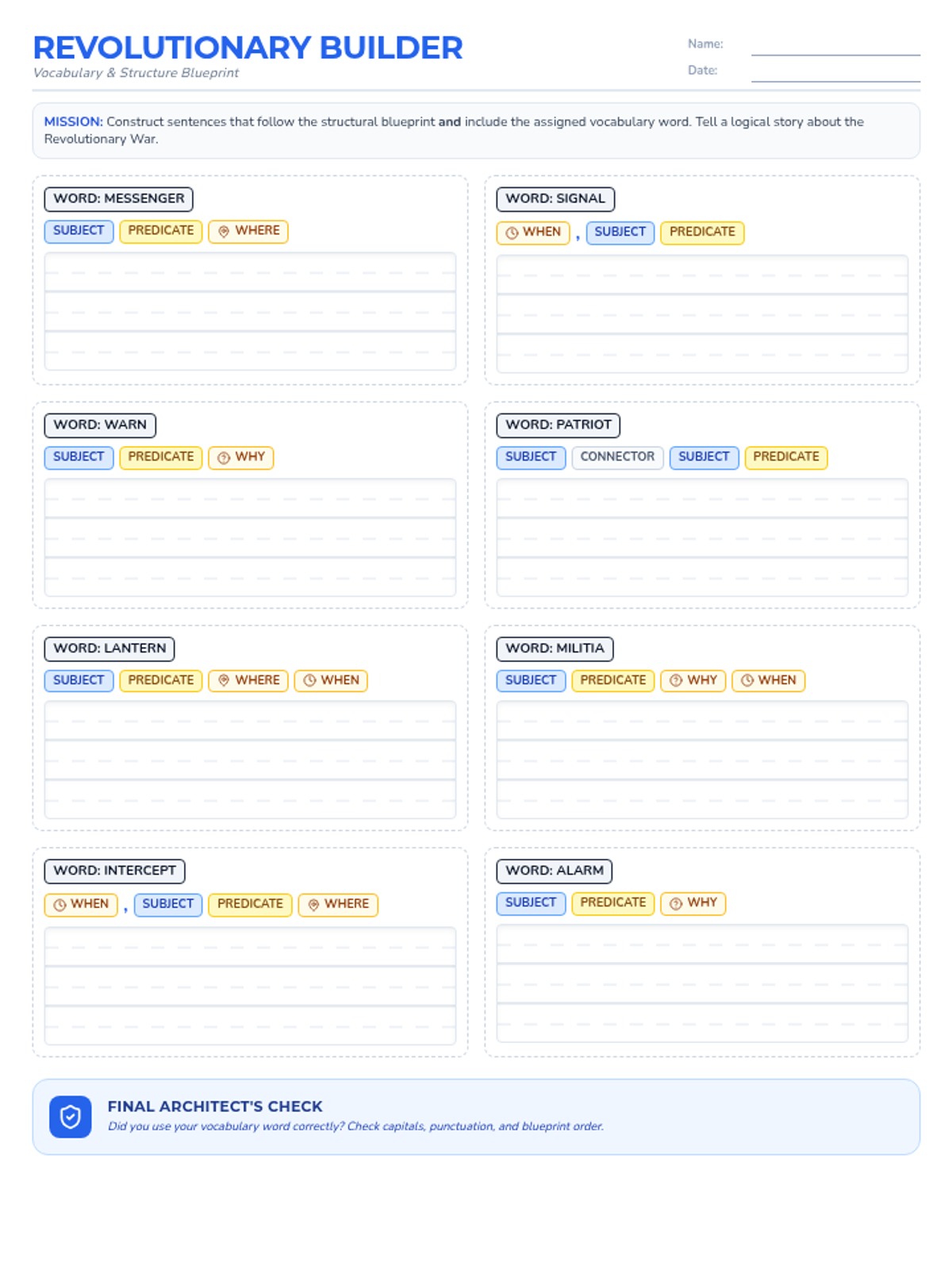
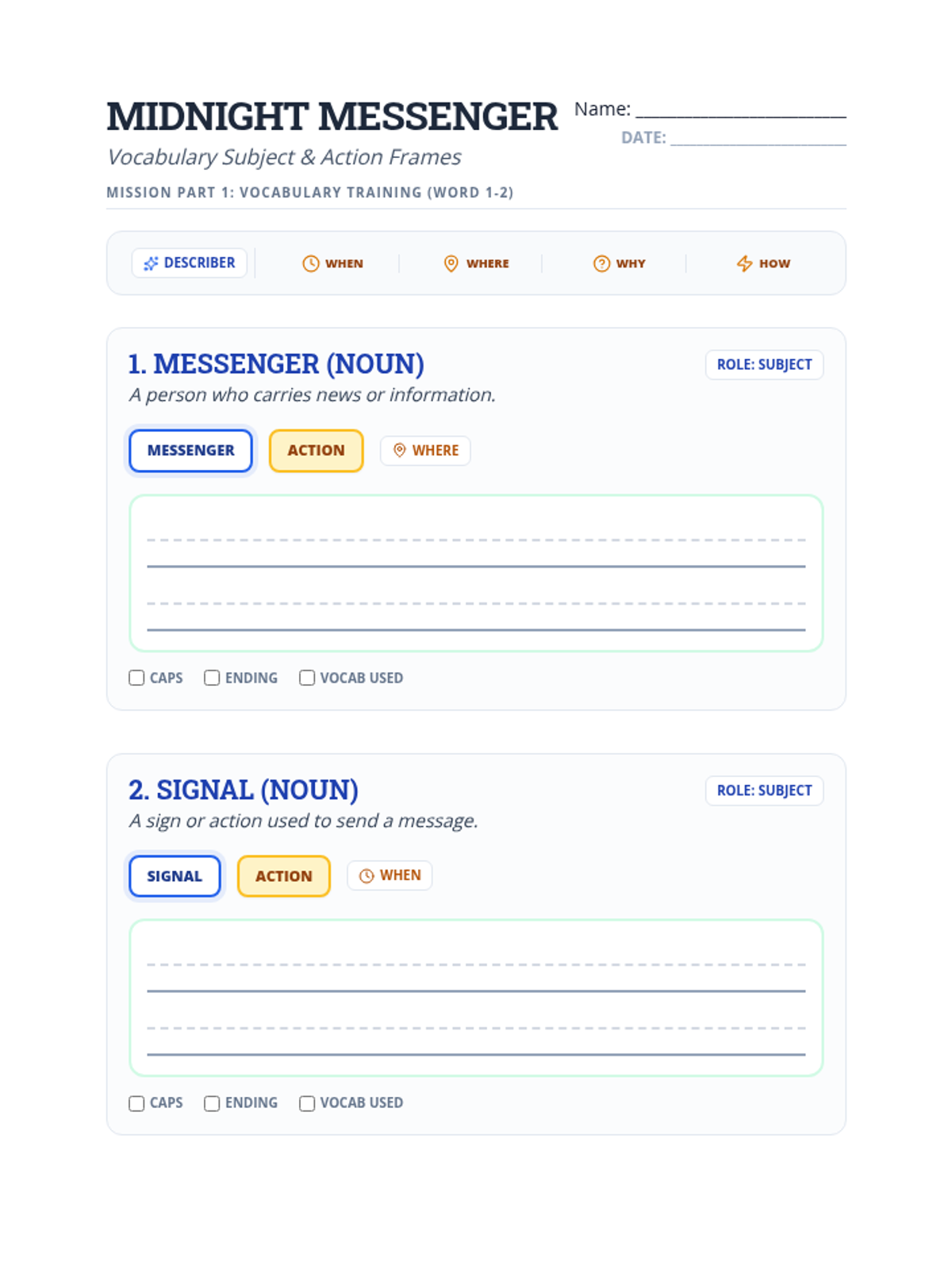
A lesson focused on vocabulary acquisition and sentence refinement through the lens of colonial messengers and historical context. Students master key terms like 'messenger' and 'militia' while practicing sentence structure and editing.

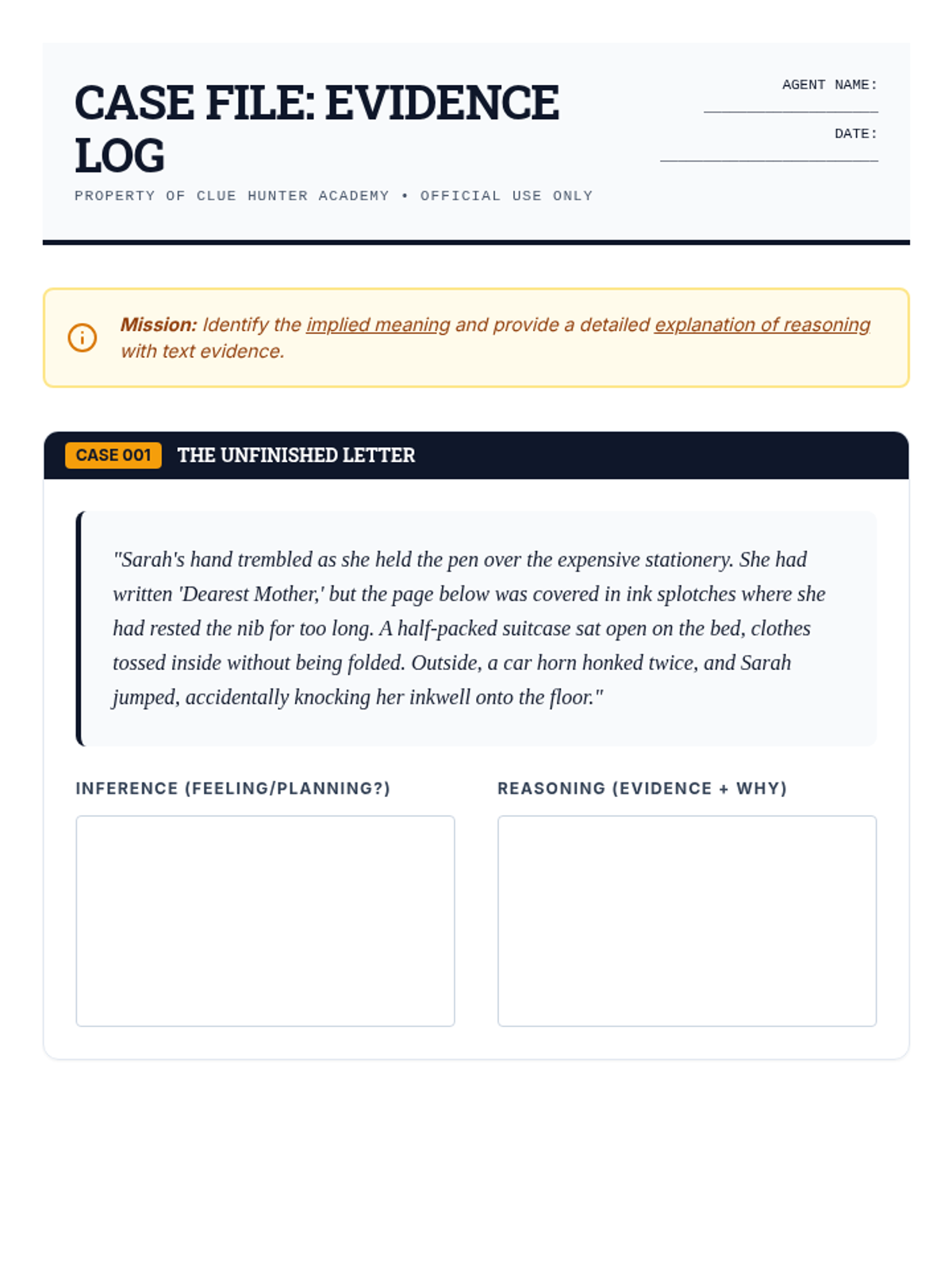
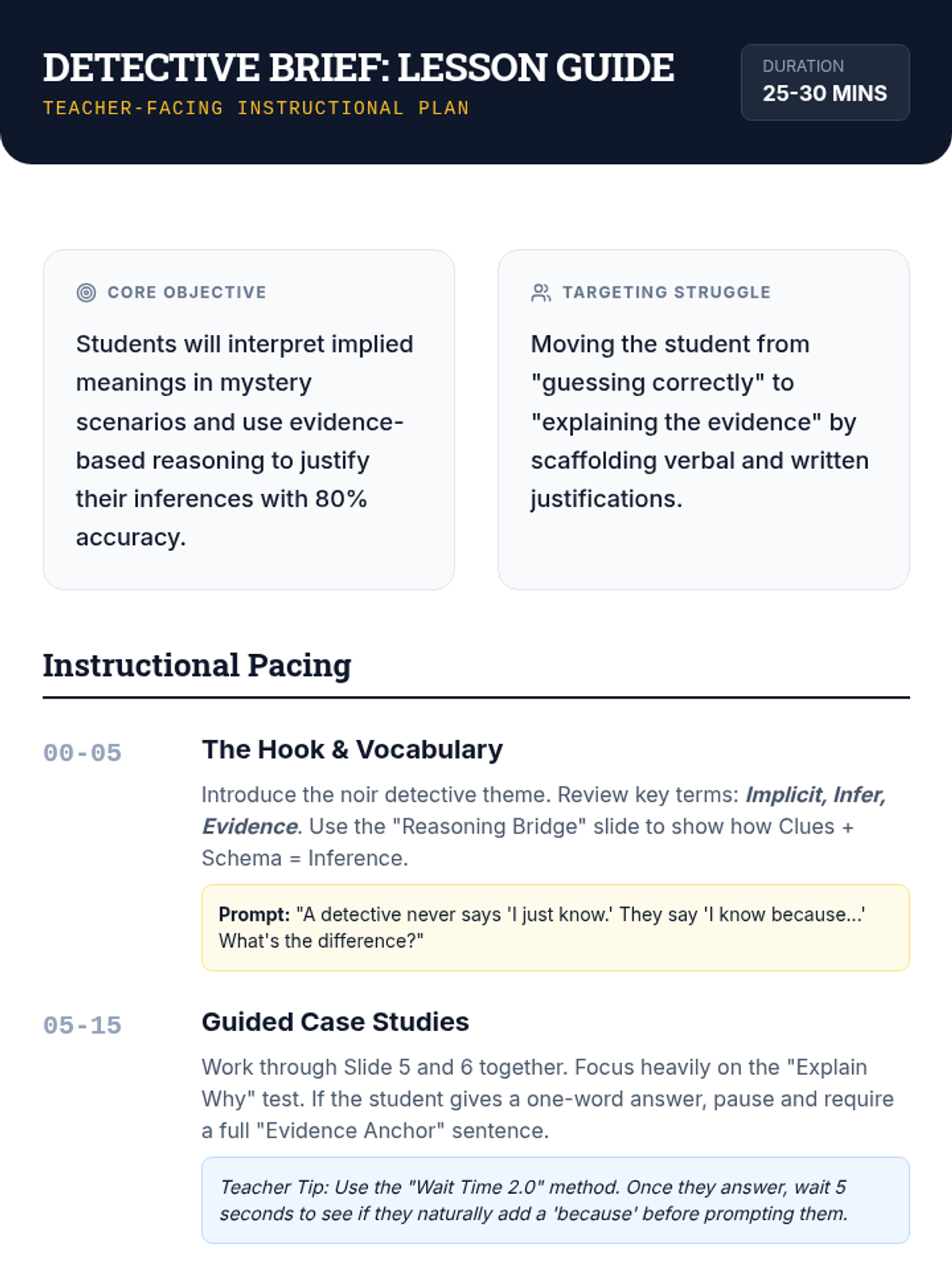
A targeted 1:1 intervention lesson focused on inferential reasoning and evidence-based explanations using a noir mystery theme. Students will practice identifying implied meanings in short scenarios and using specific sentence frames to justify their conclusions.
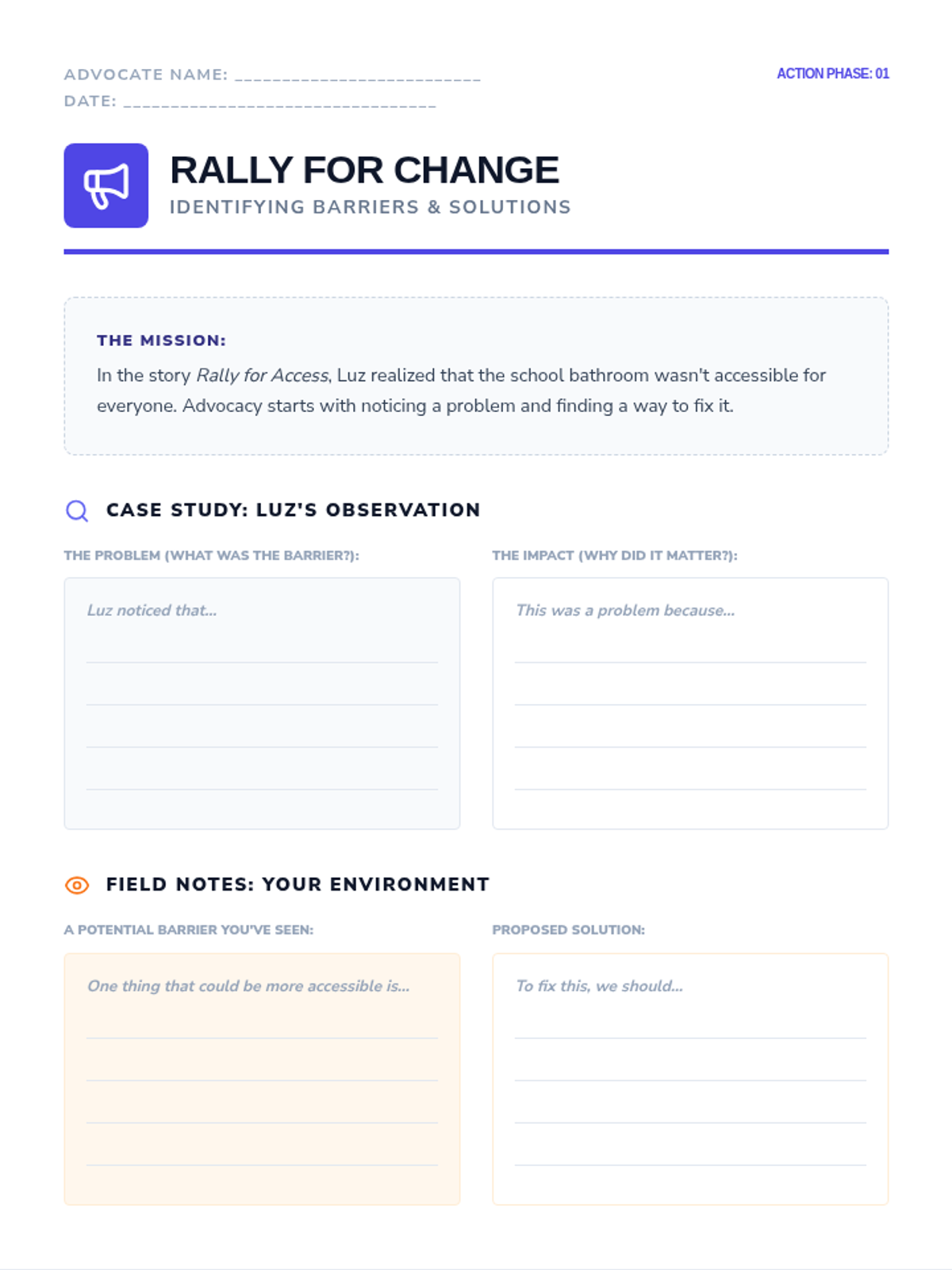
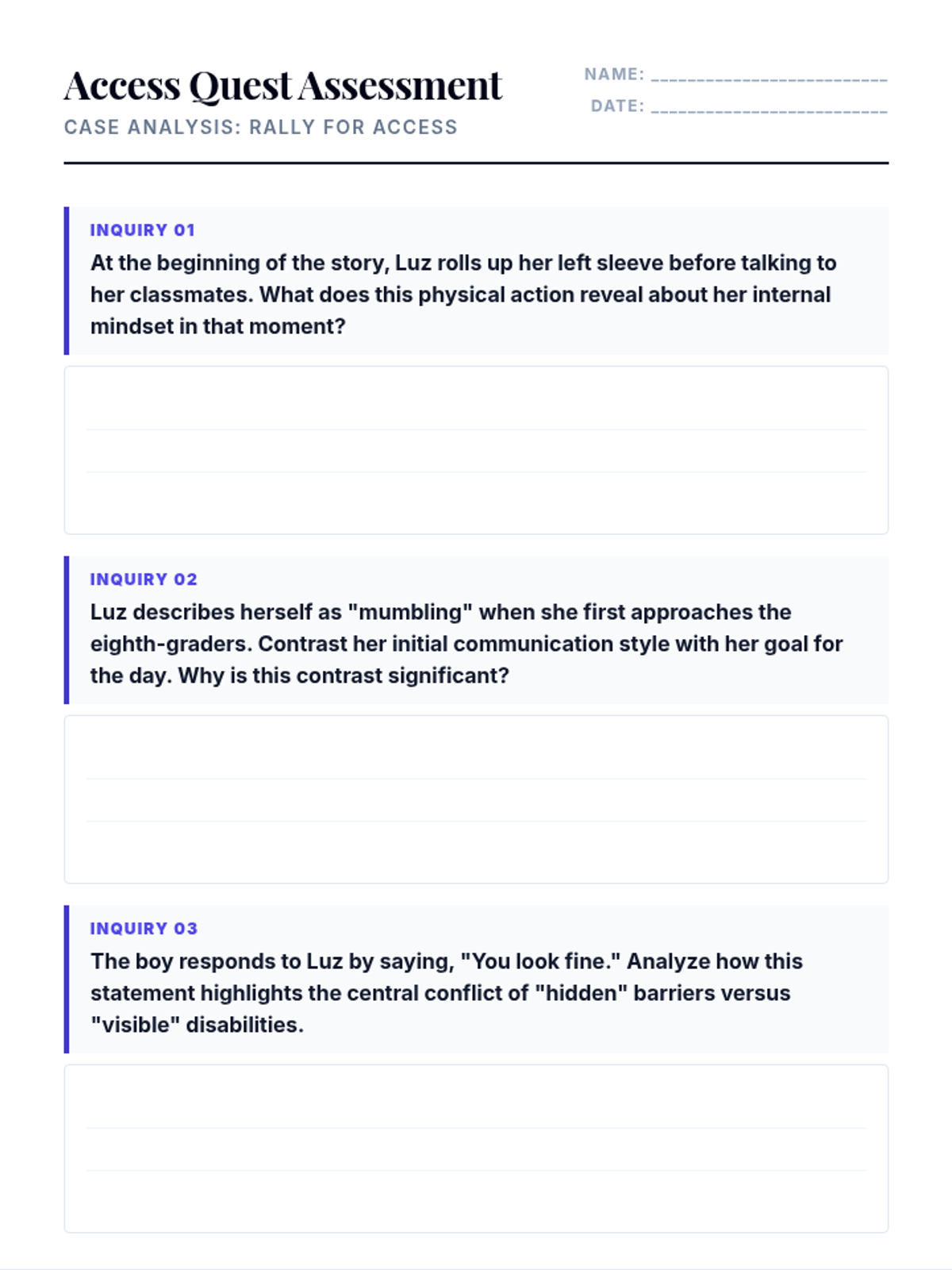
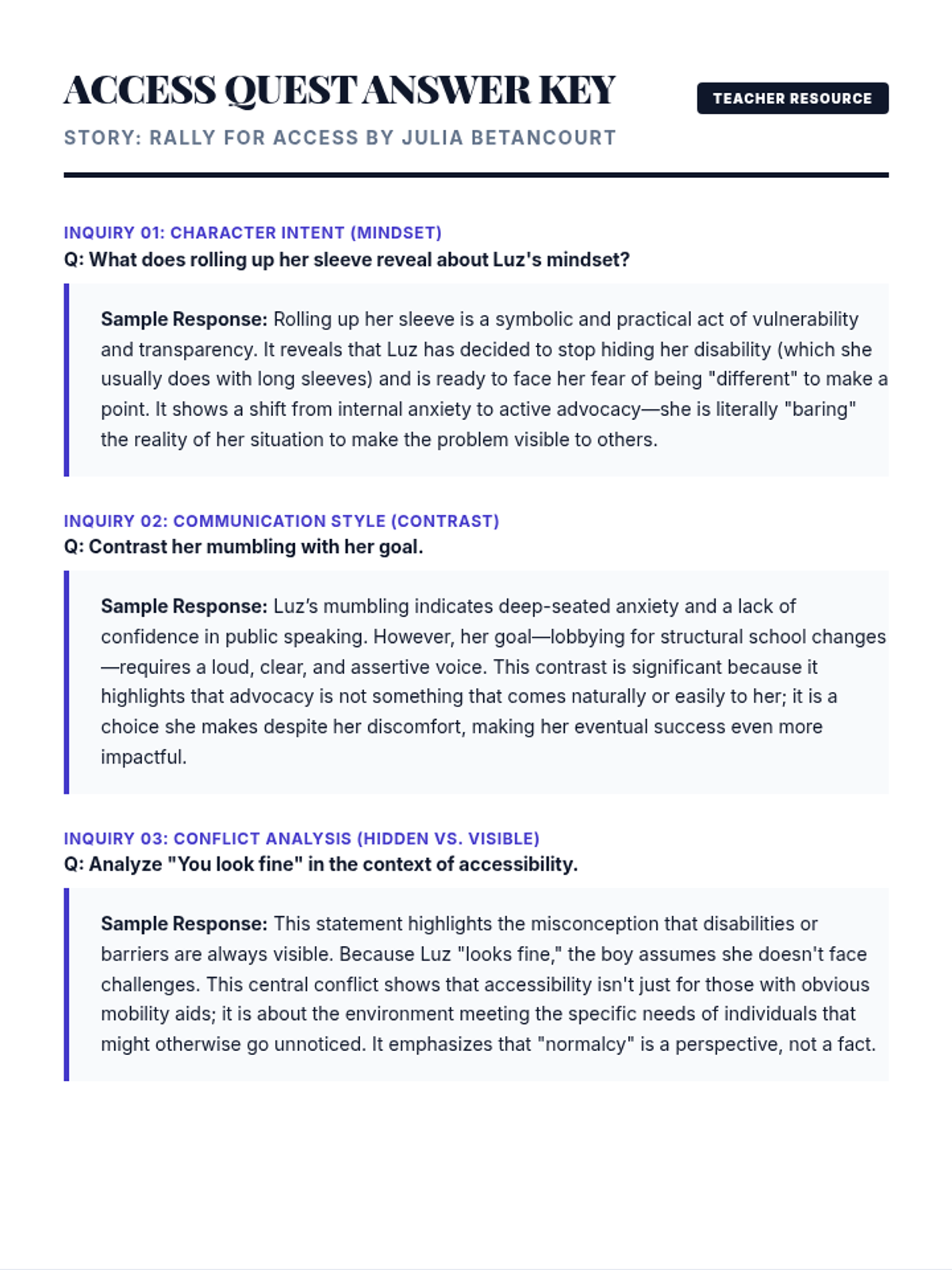
A lesson based on the story 'Rally for Access', focusing on advocacy, accessibility, and the power of community support. Students analyze Luz's journey from anxiety to activism and reflect on barriers in their own environments.