A chemistry-themed lesson where students experiment with synonyms and antonyms to expand their vocabulary. Students will identify and match related and opposite words through a laboratory lens.
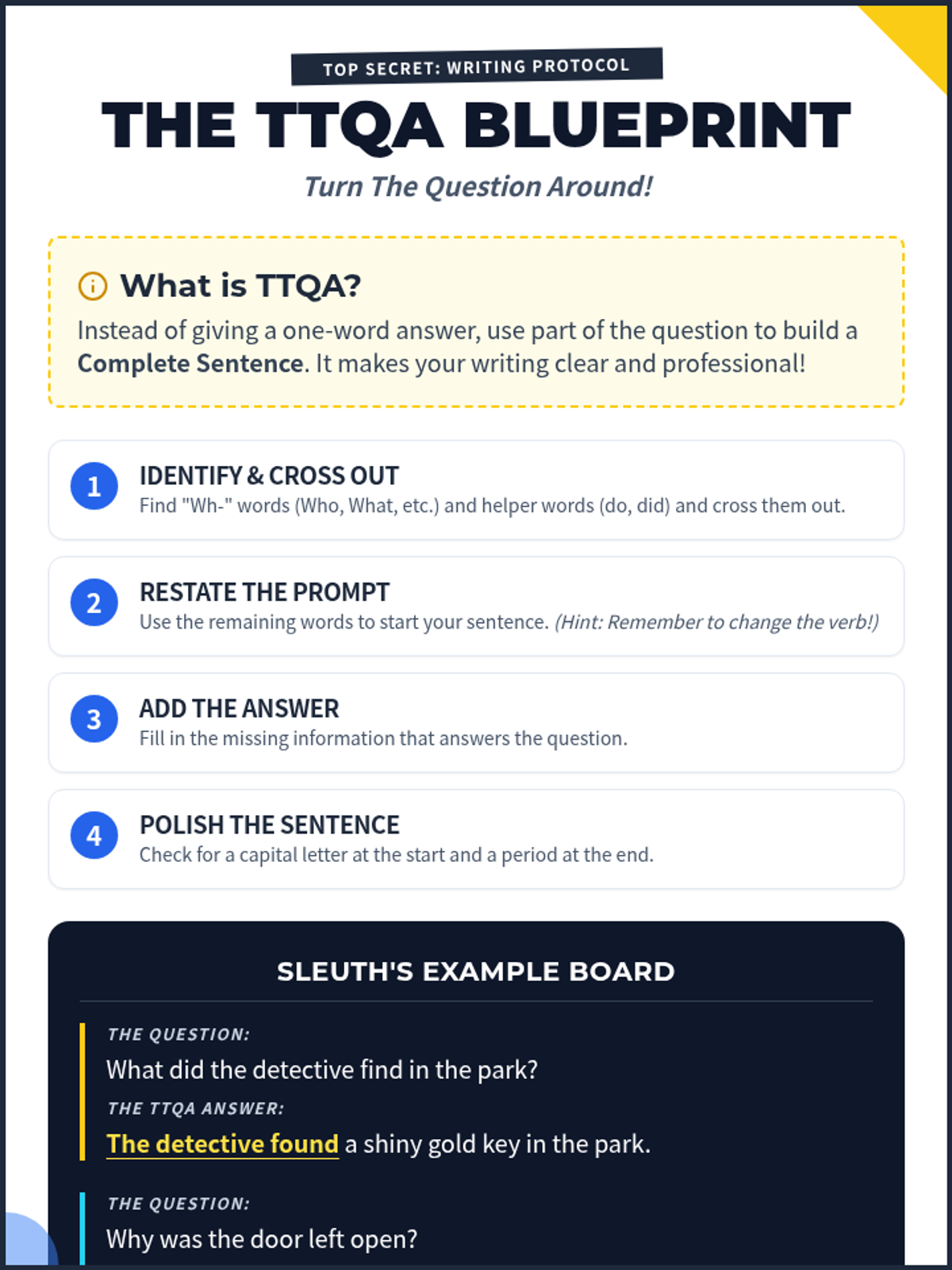
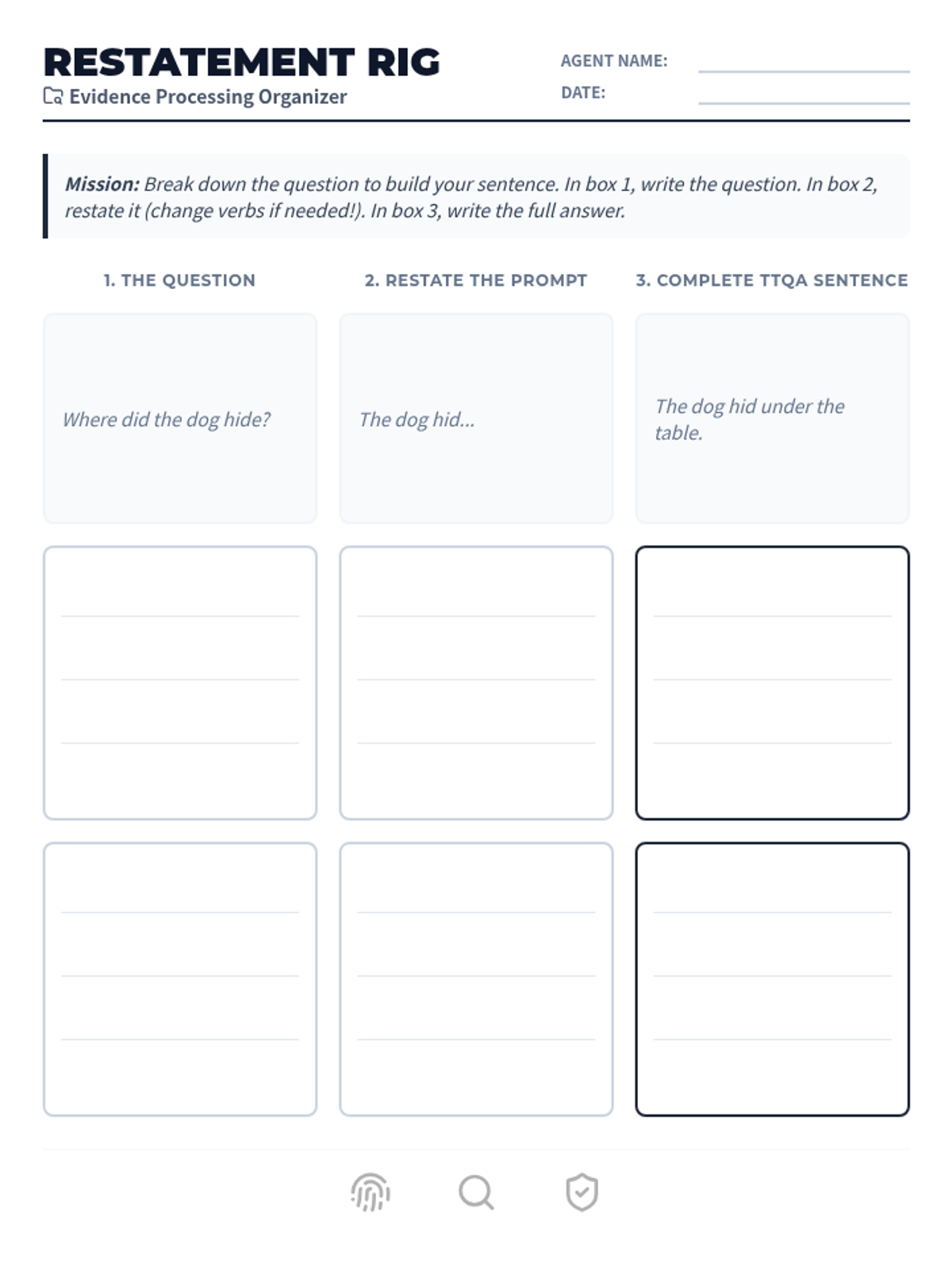
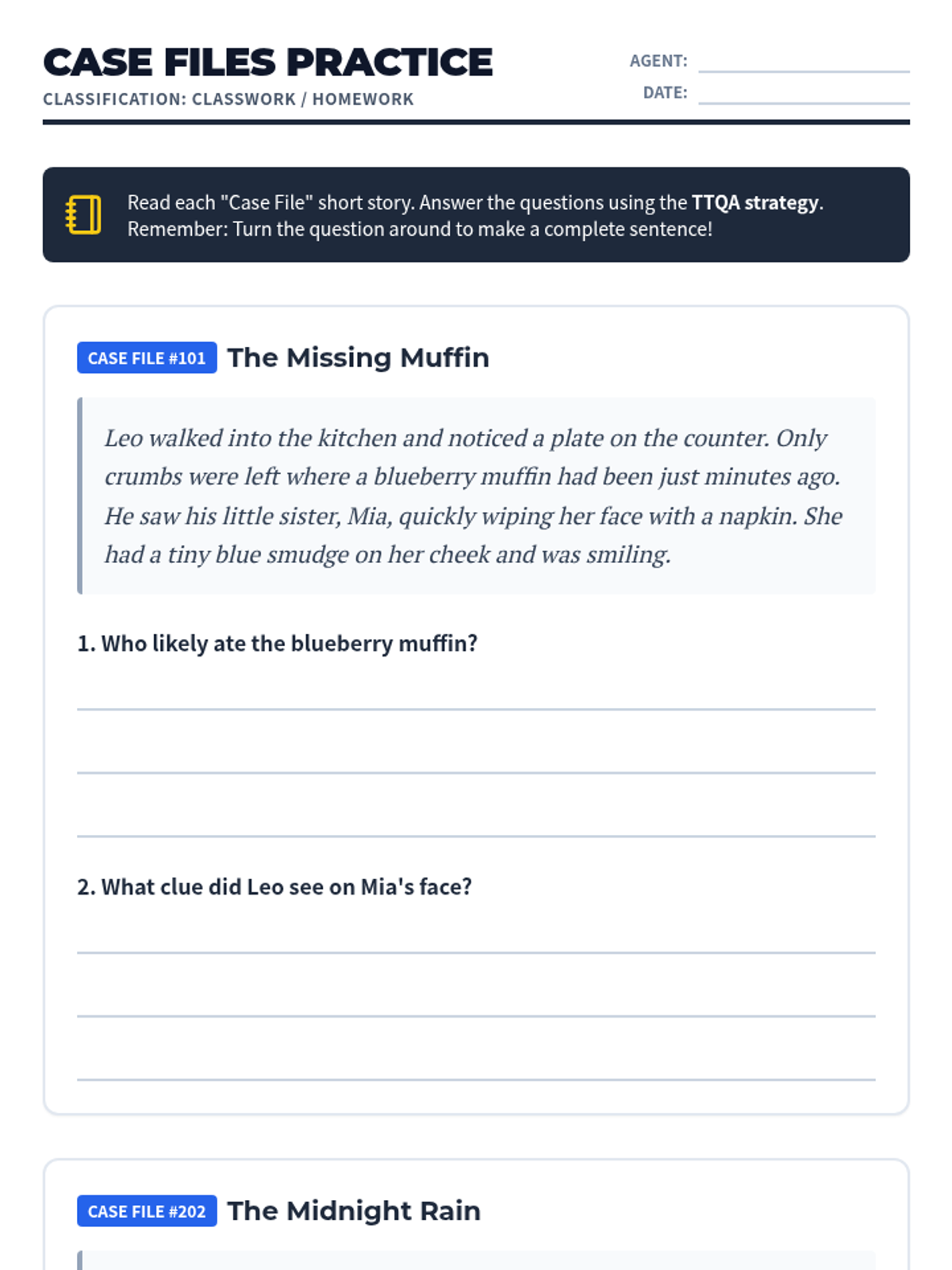
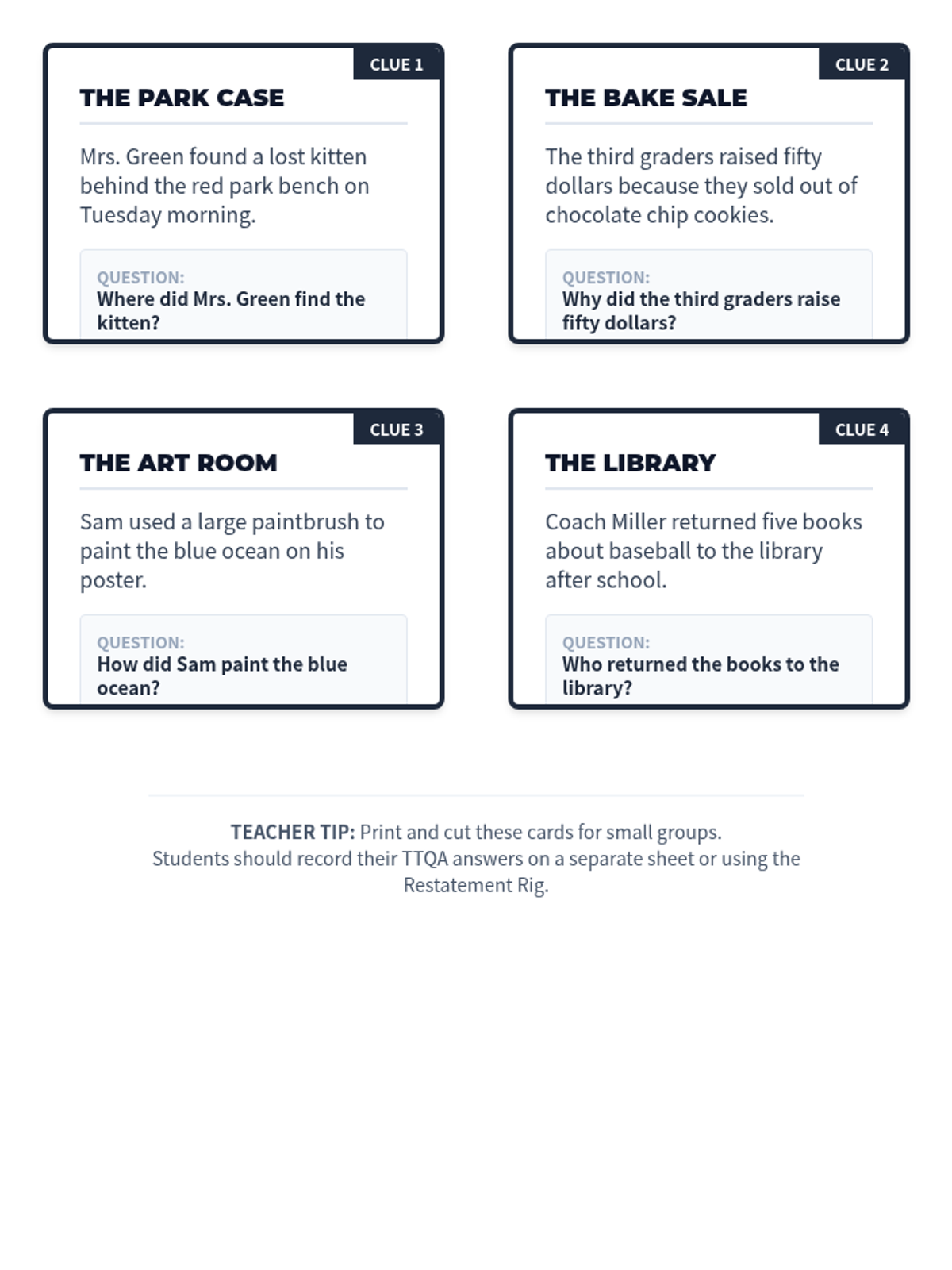
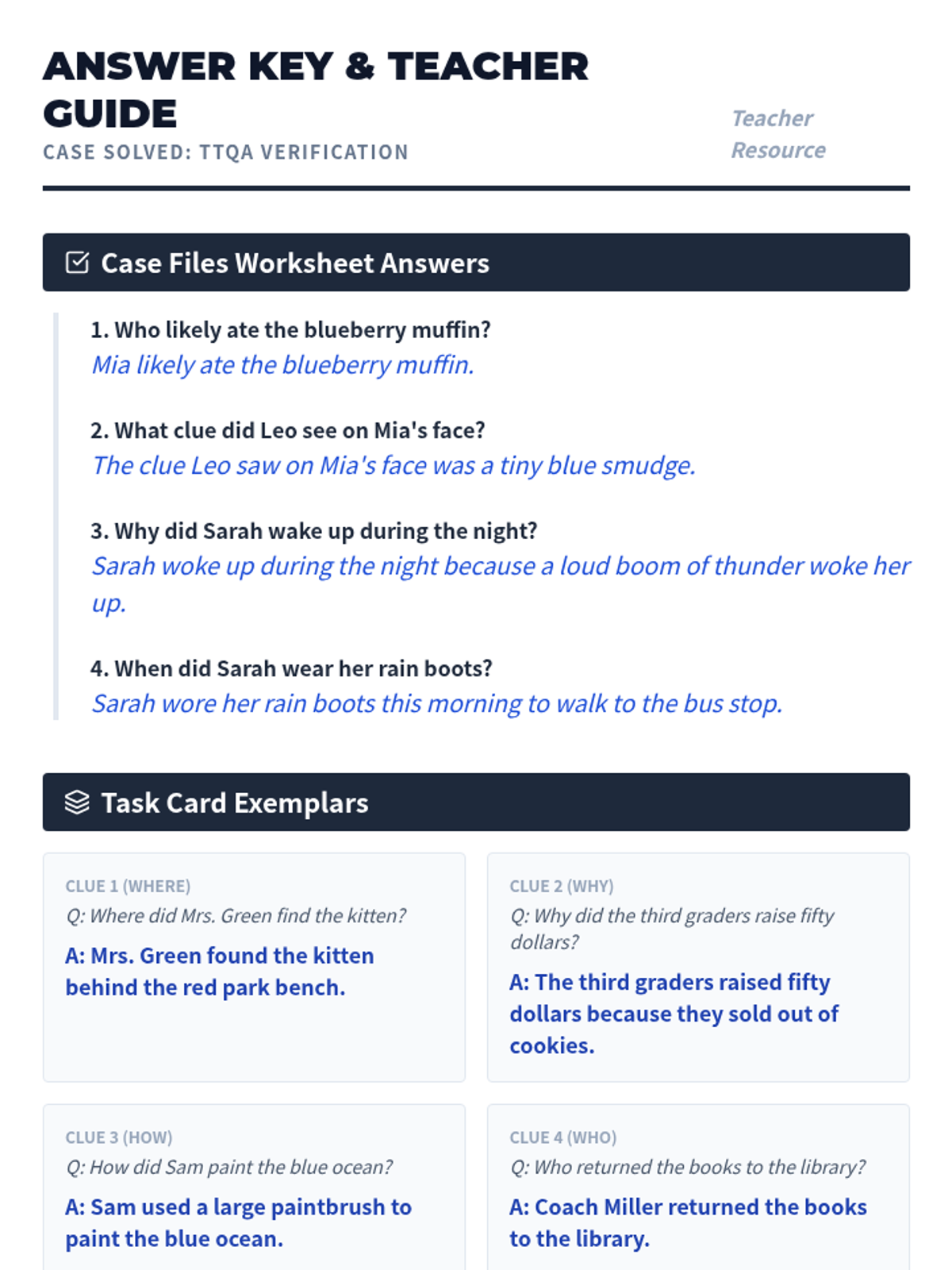
A comprehensive lesson teaching third-grade students how to answer questions in complete sentences by restating the question as a statement (TTQA). Includes instructional slides, an anchor chart, graphic organizers, and practice activities.
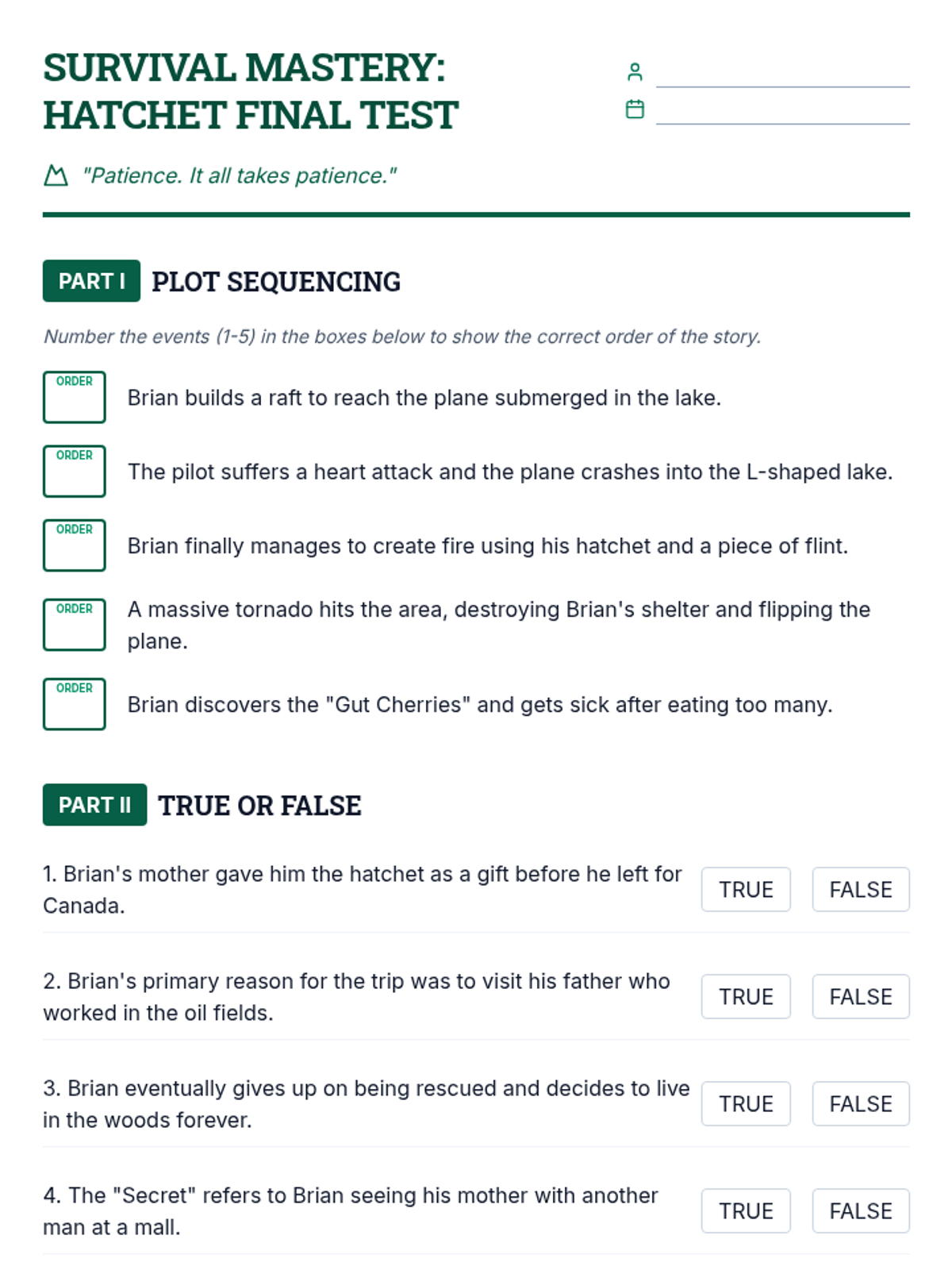
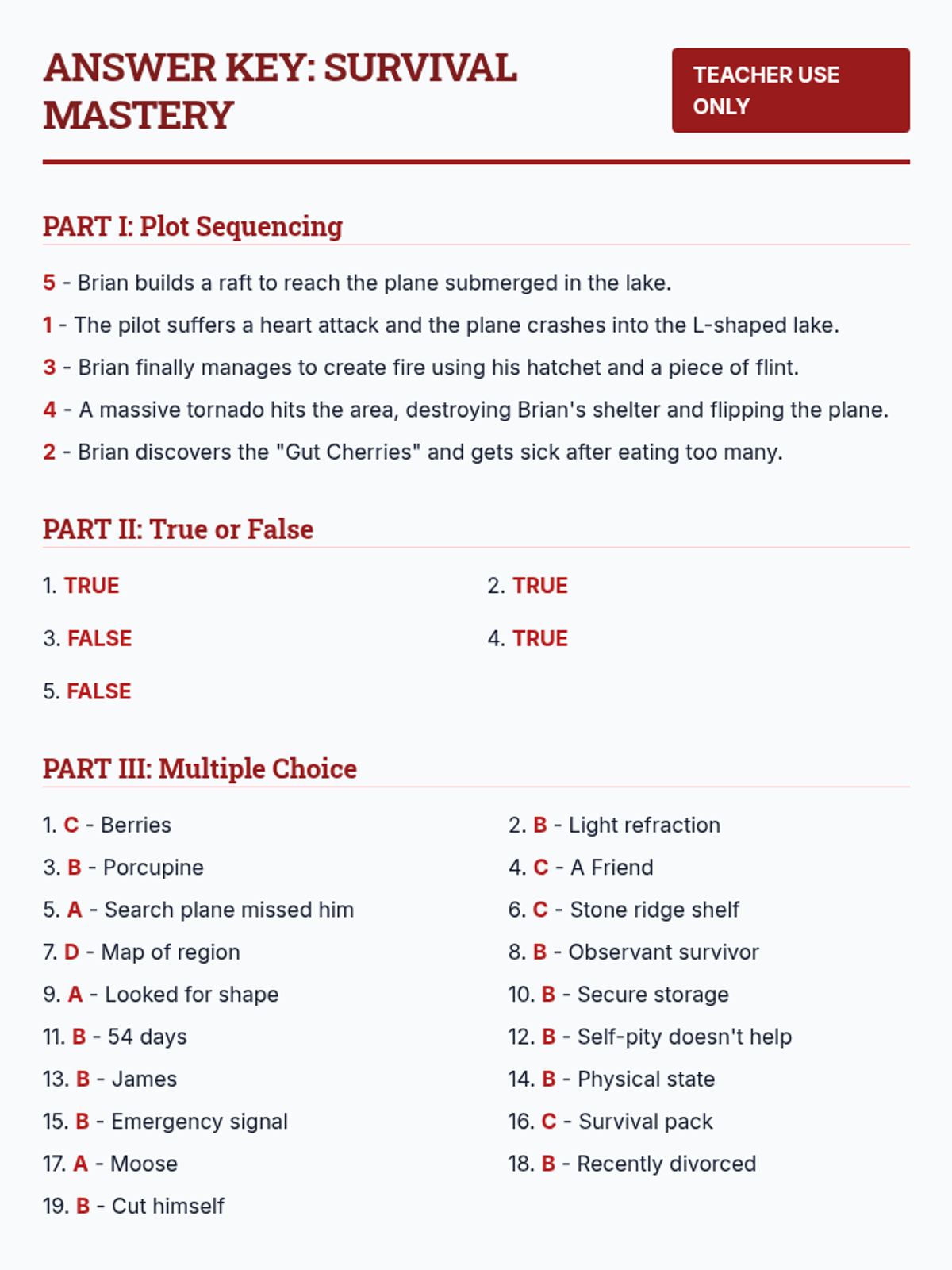
A comprehensive final assessment and review for Gary Paulsen's Hatchet, focusing on Brian's survival journey, character growth, and the novel's core themes.
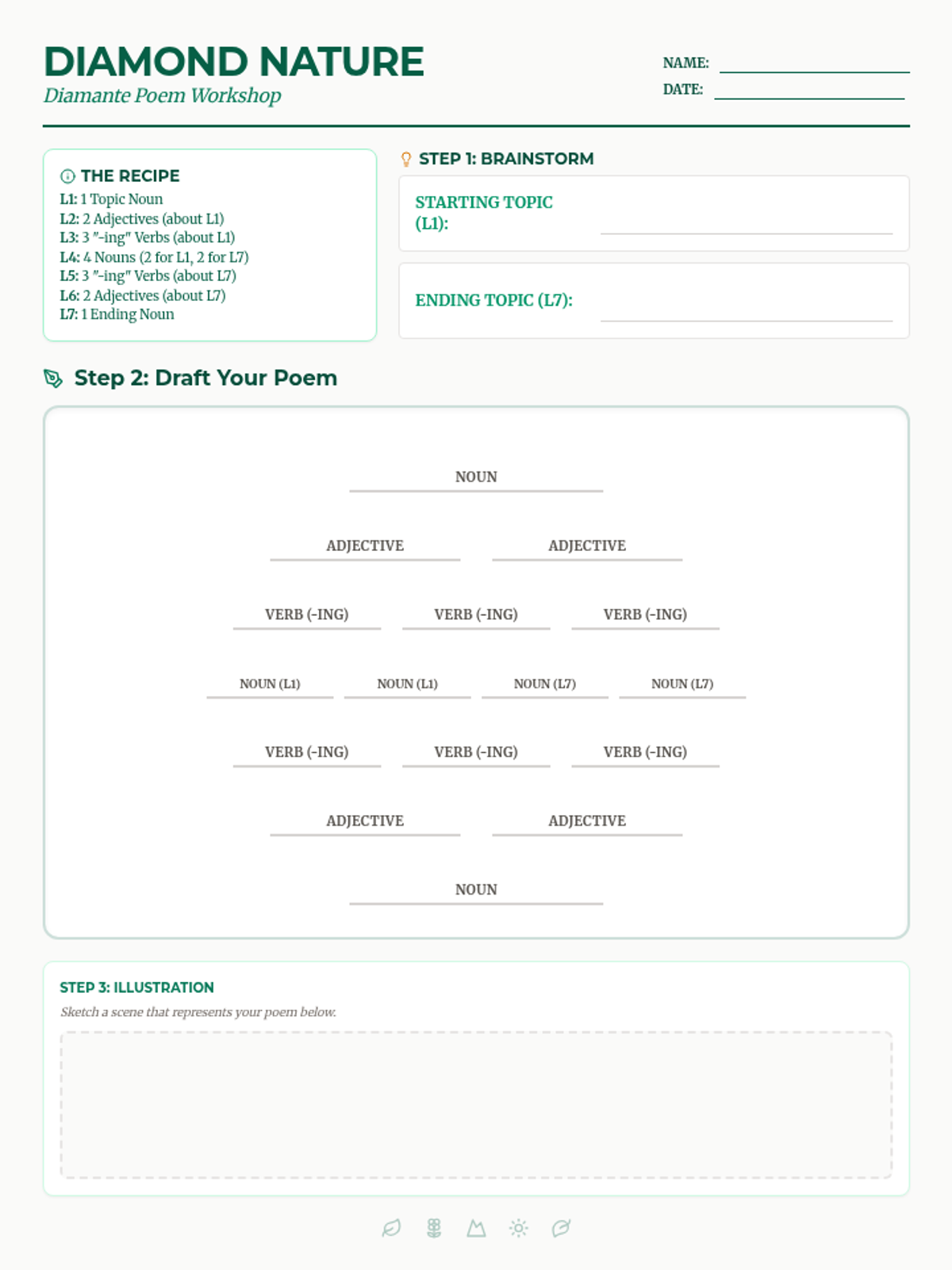
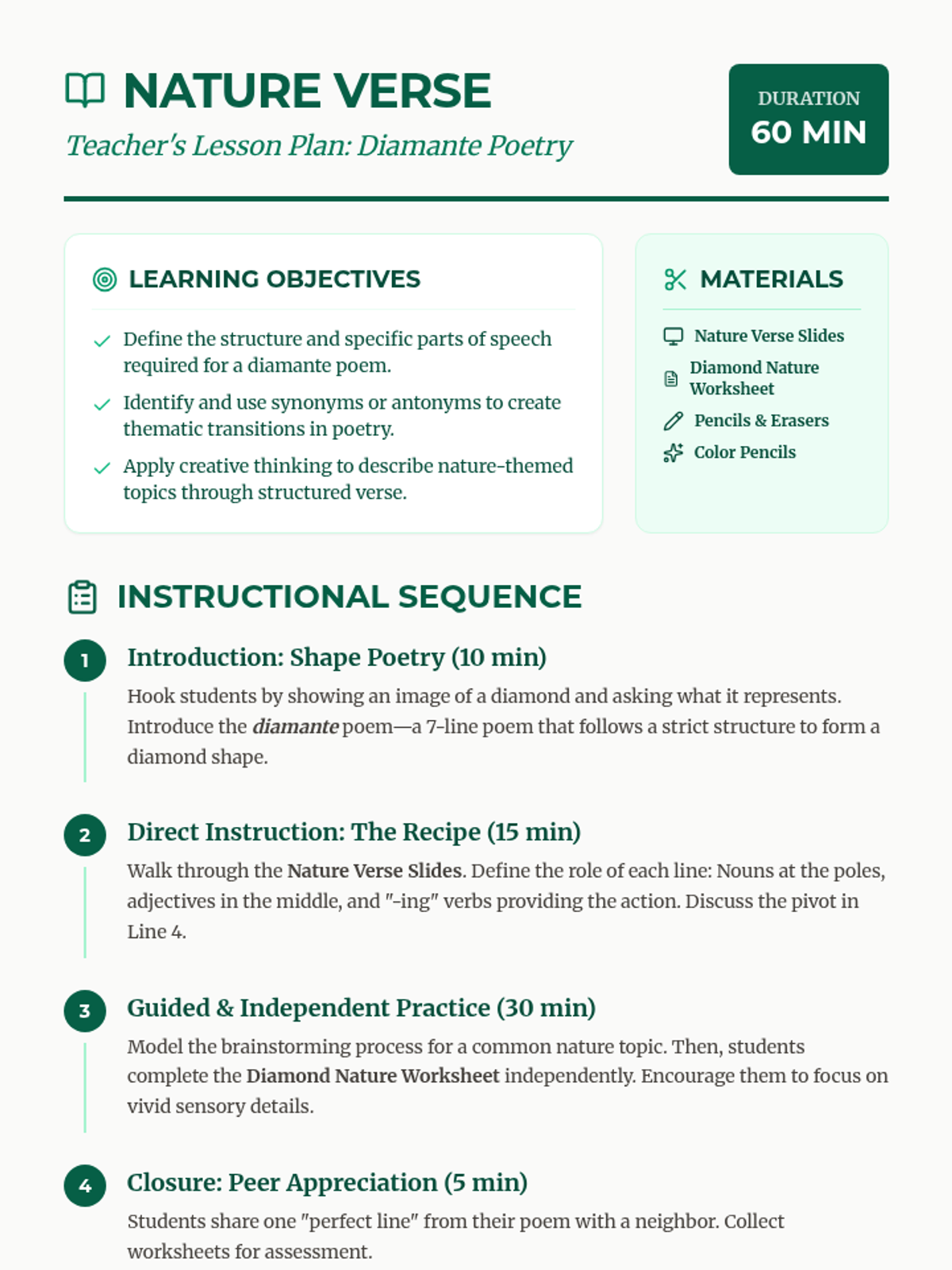
A lesson on writing diamante poems with a focus on nature, covering structure, parts of speech, and creative expression.
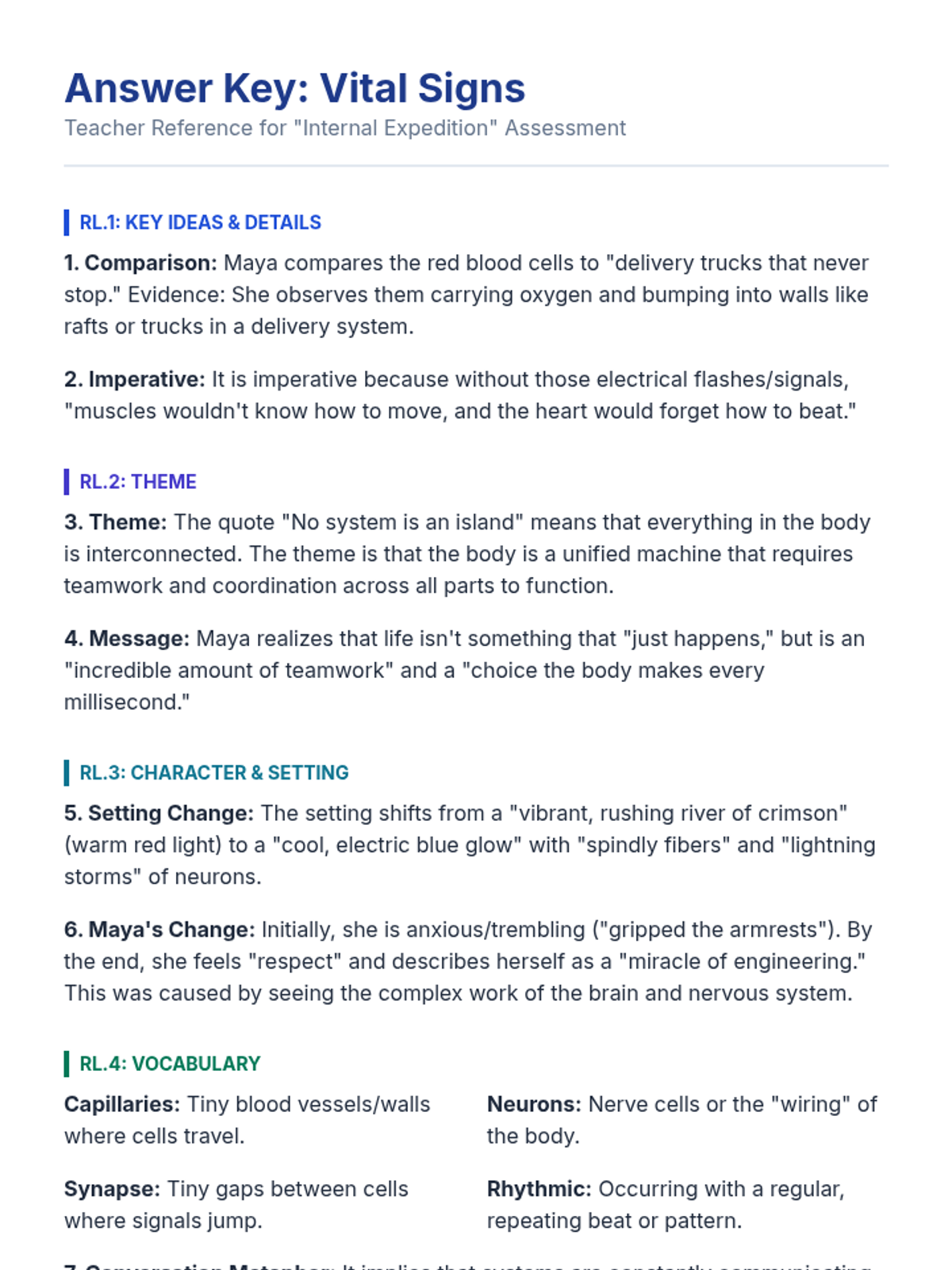
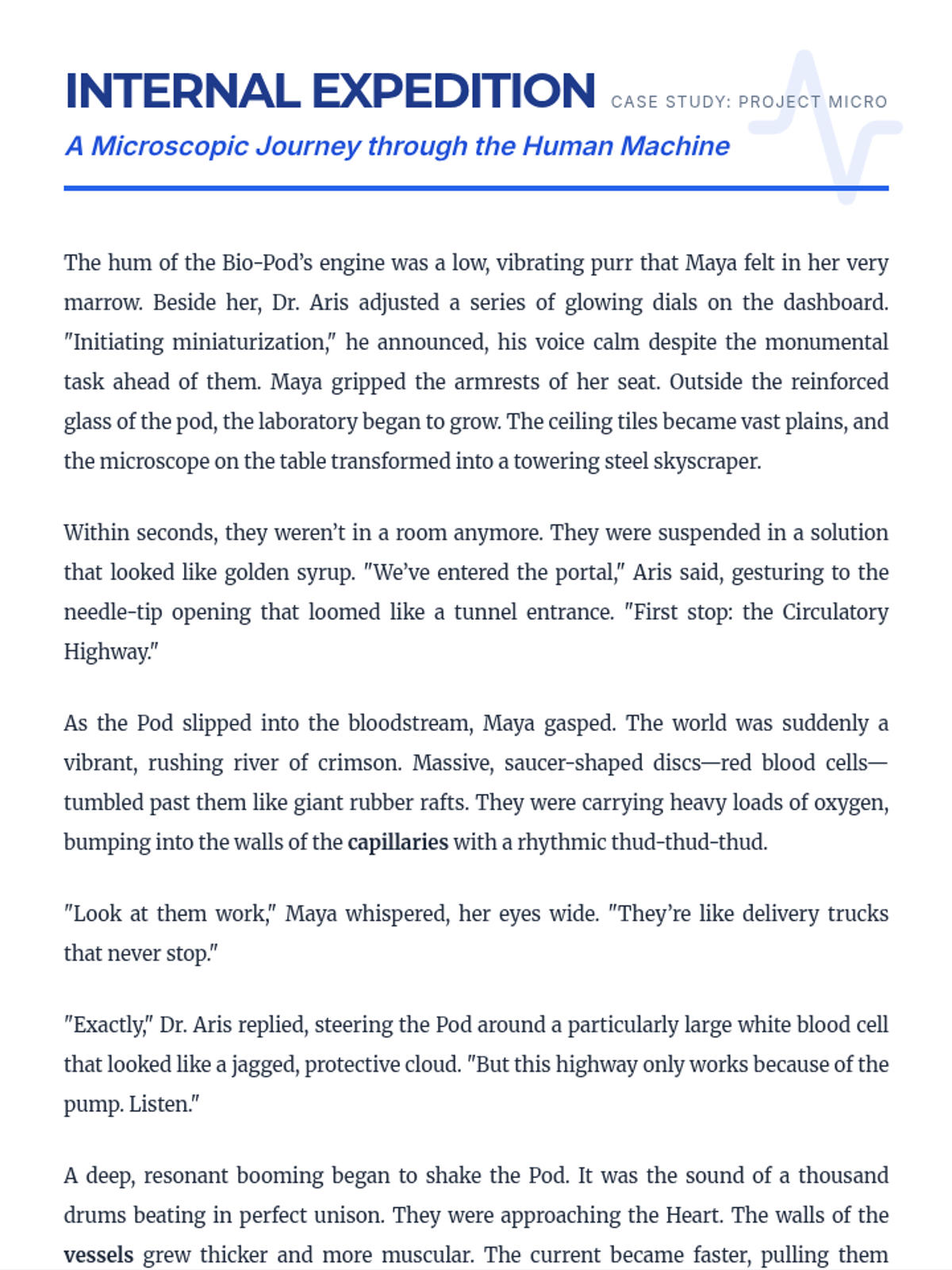
A narrative-driven exploration of the human body's systems, designed to practice literary analysis standards (RL) through a science-fiction lens. Students read a 2-page story about a microscopic journey and analyze characters, themes, and vocabulary.
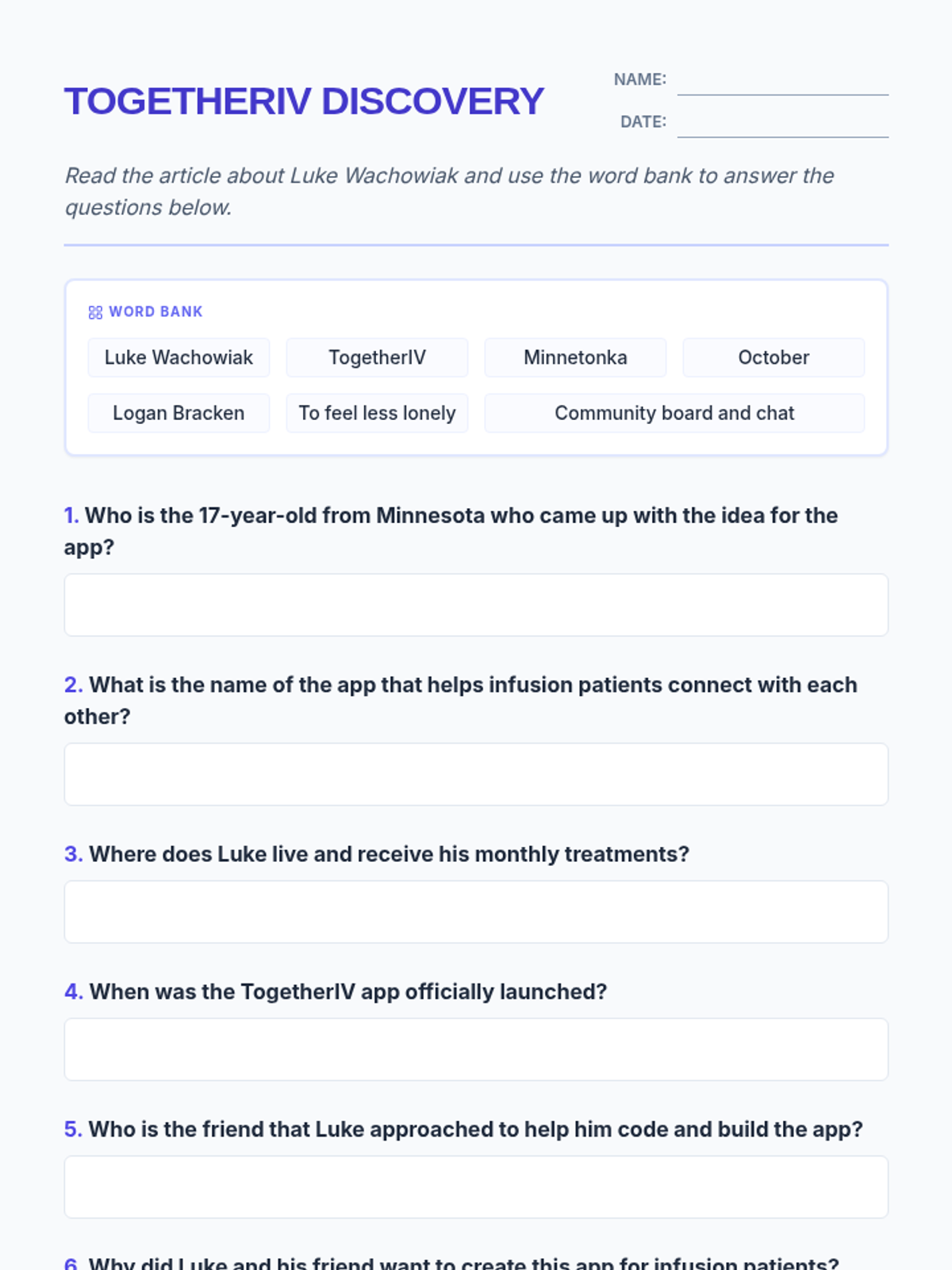
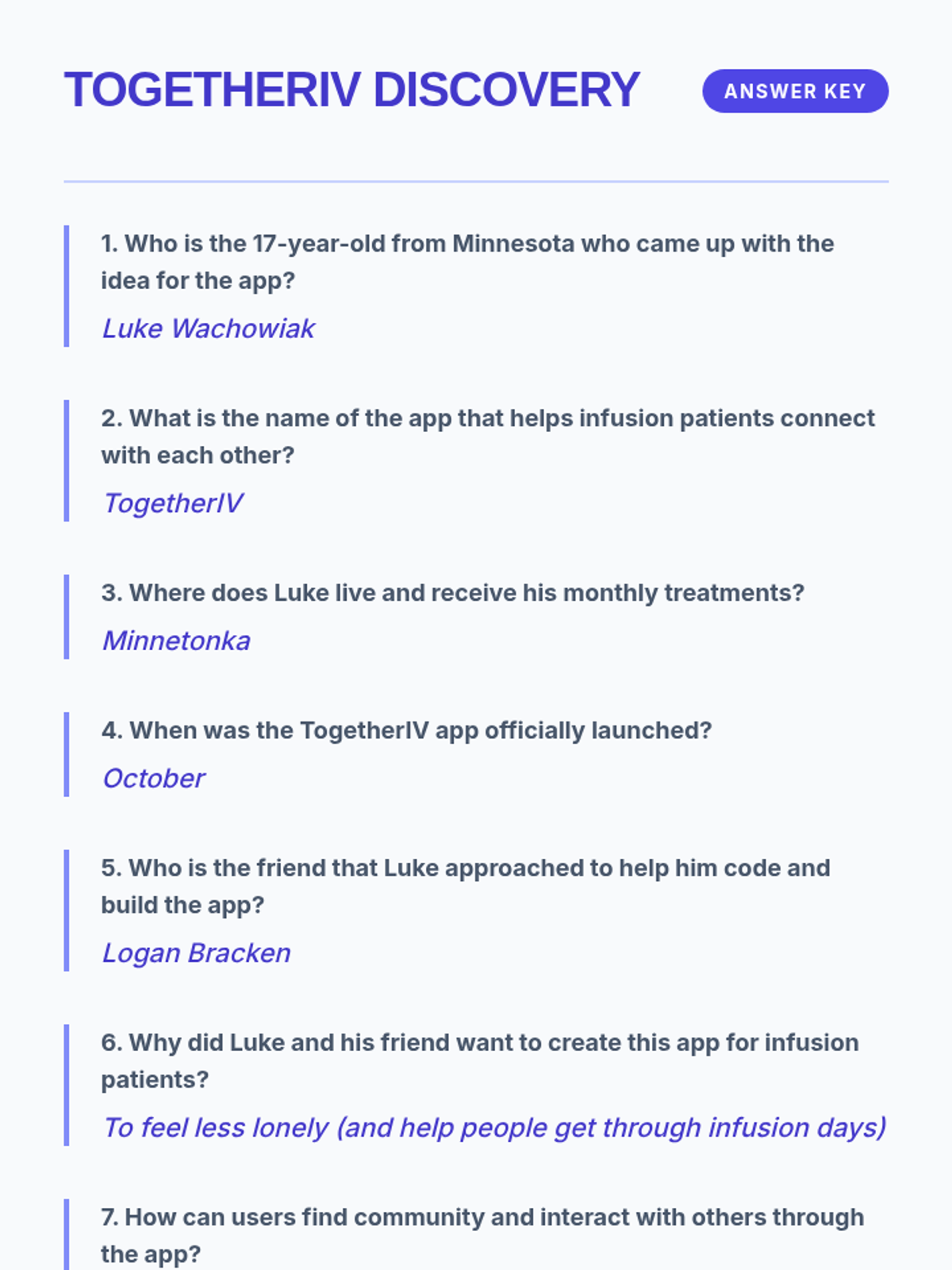
A reading comprehension lesson based on an article about Minnesota teens who developed 'TogetherIV', an app designed to support patients receiving medical infusions.
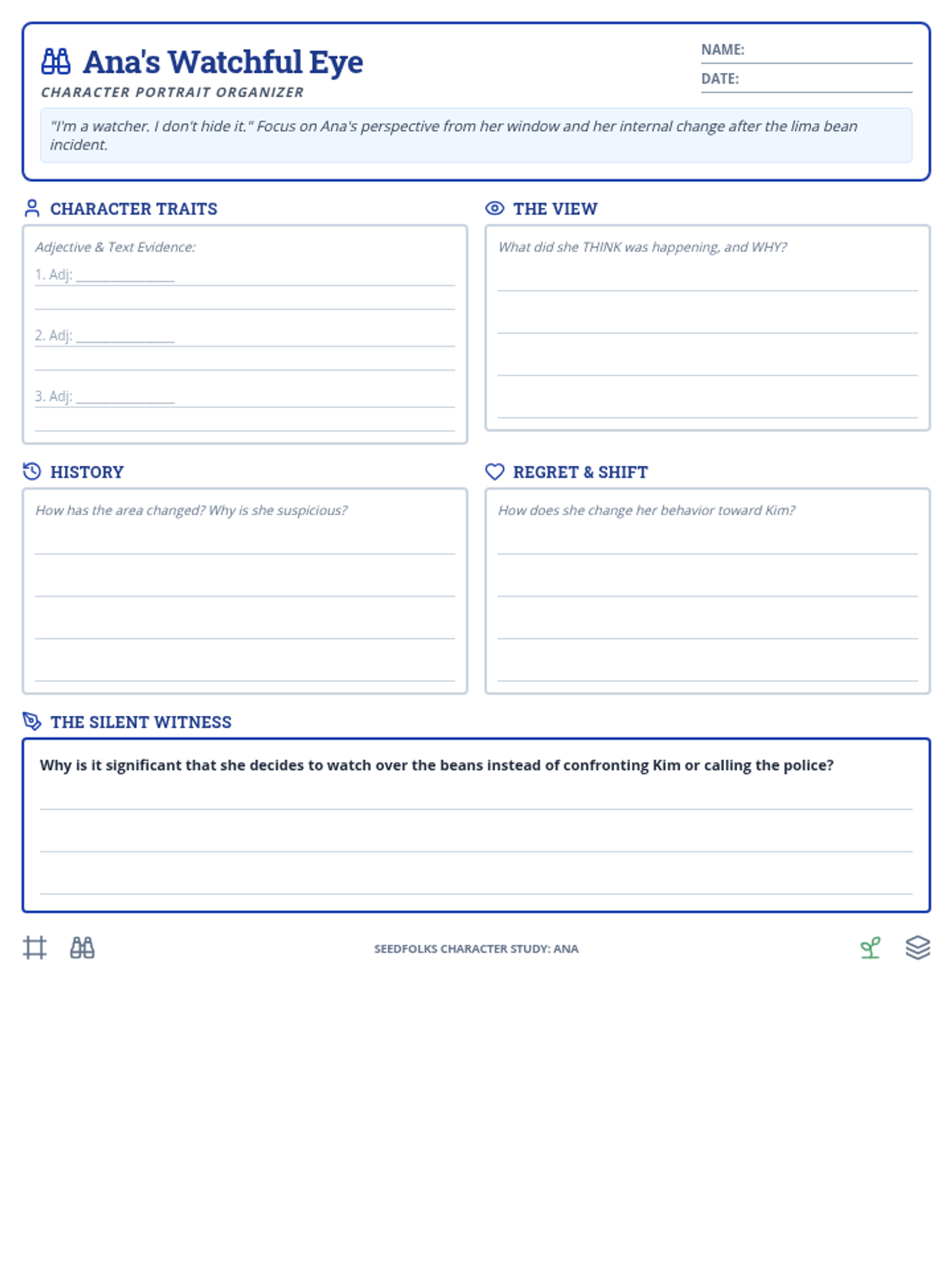
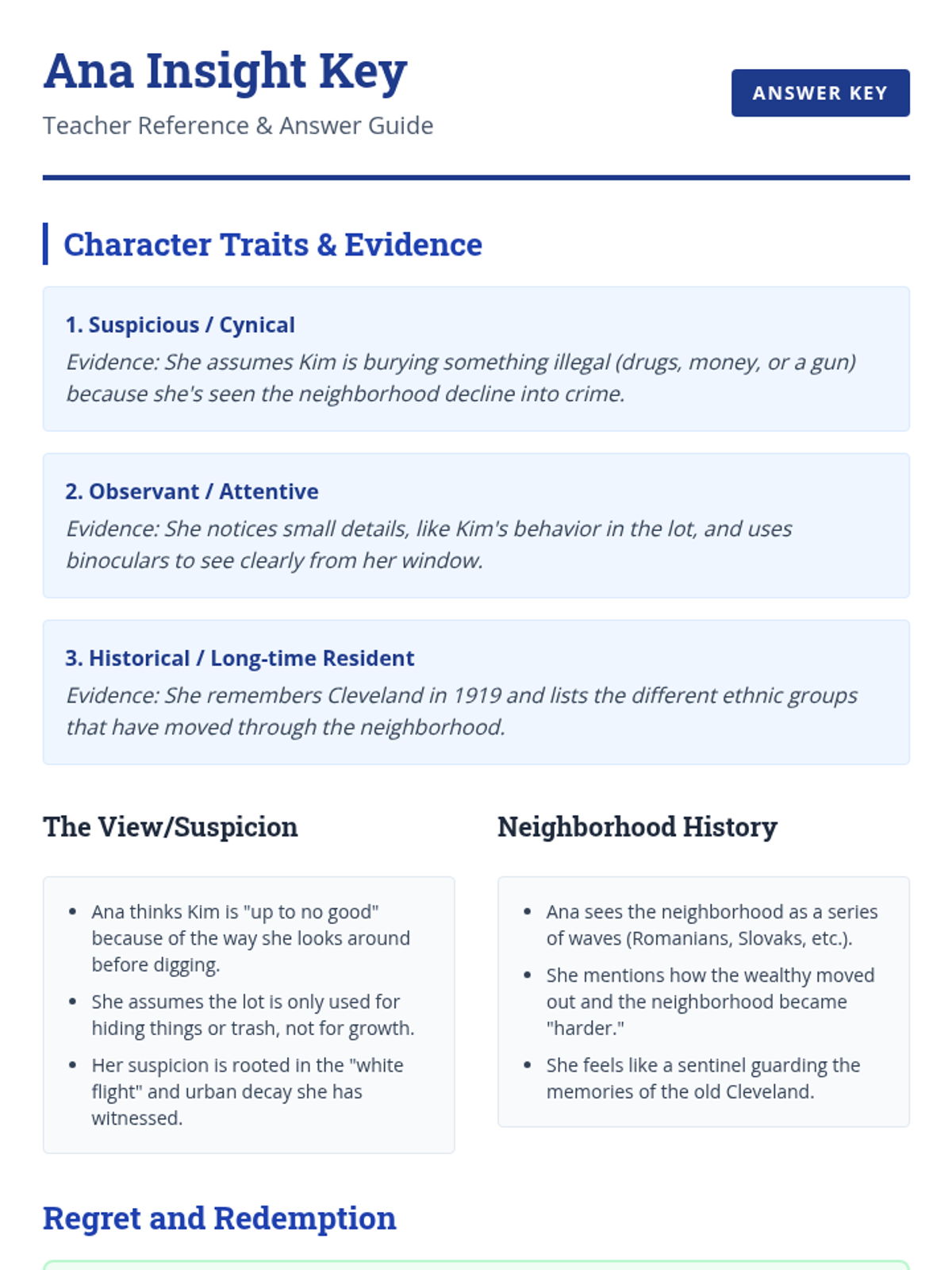
A focused study on Ana, the suspicious yet observant neighbor from Seedfolks. Students explore her perspective on the changing neighborhood and her initial reaction to Kim's garden.
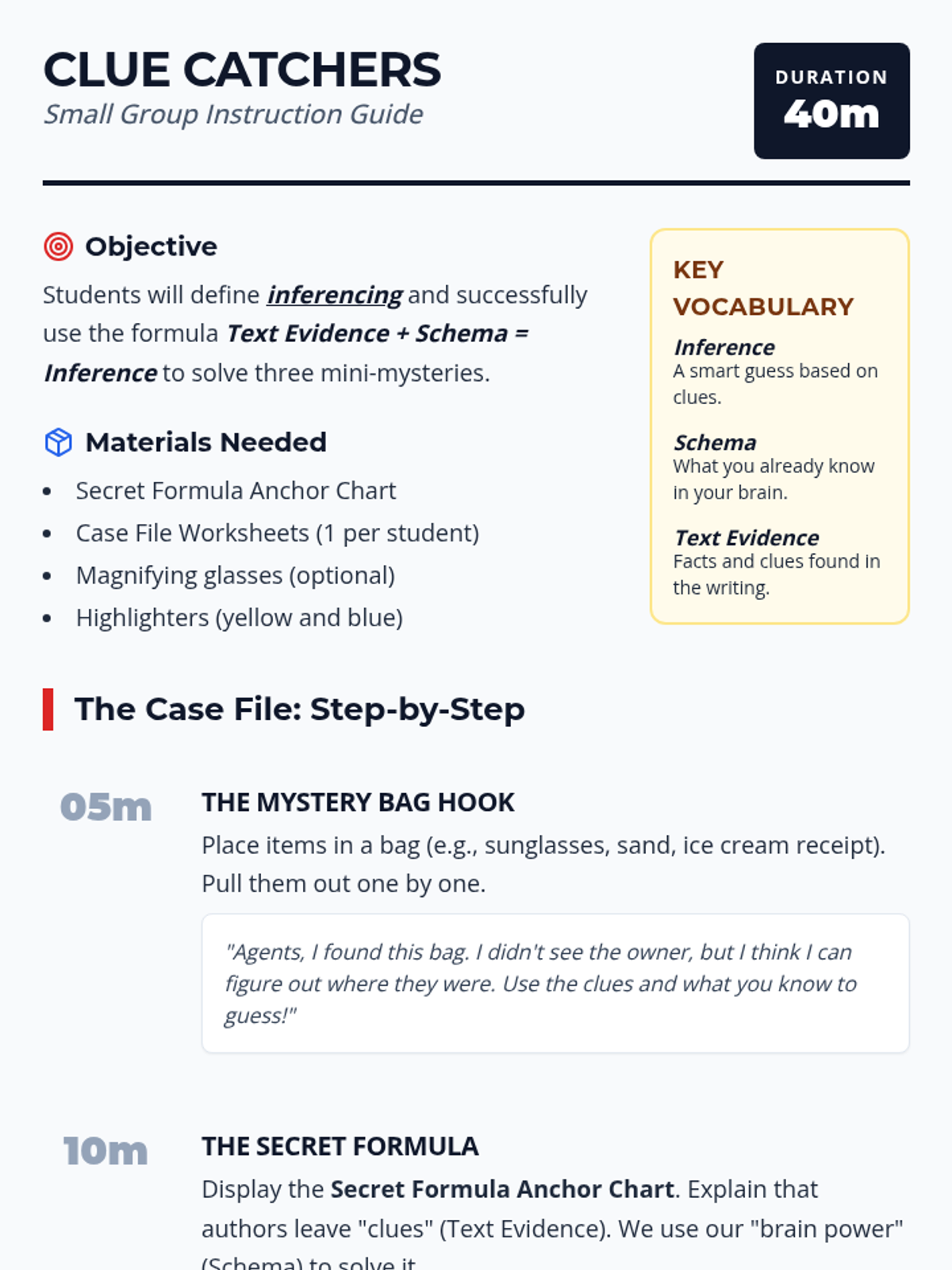
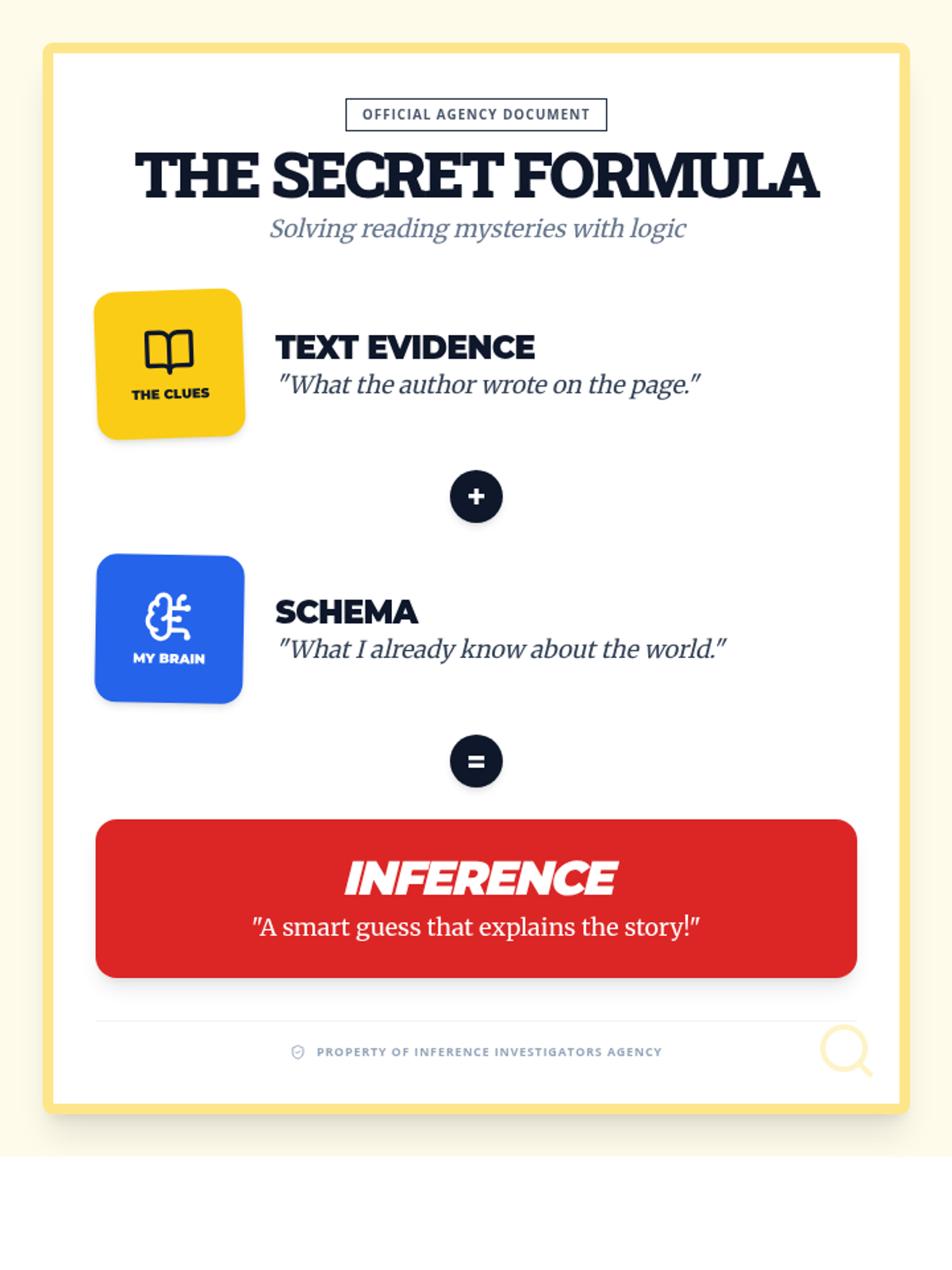
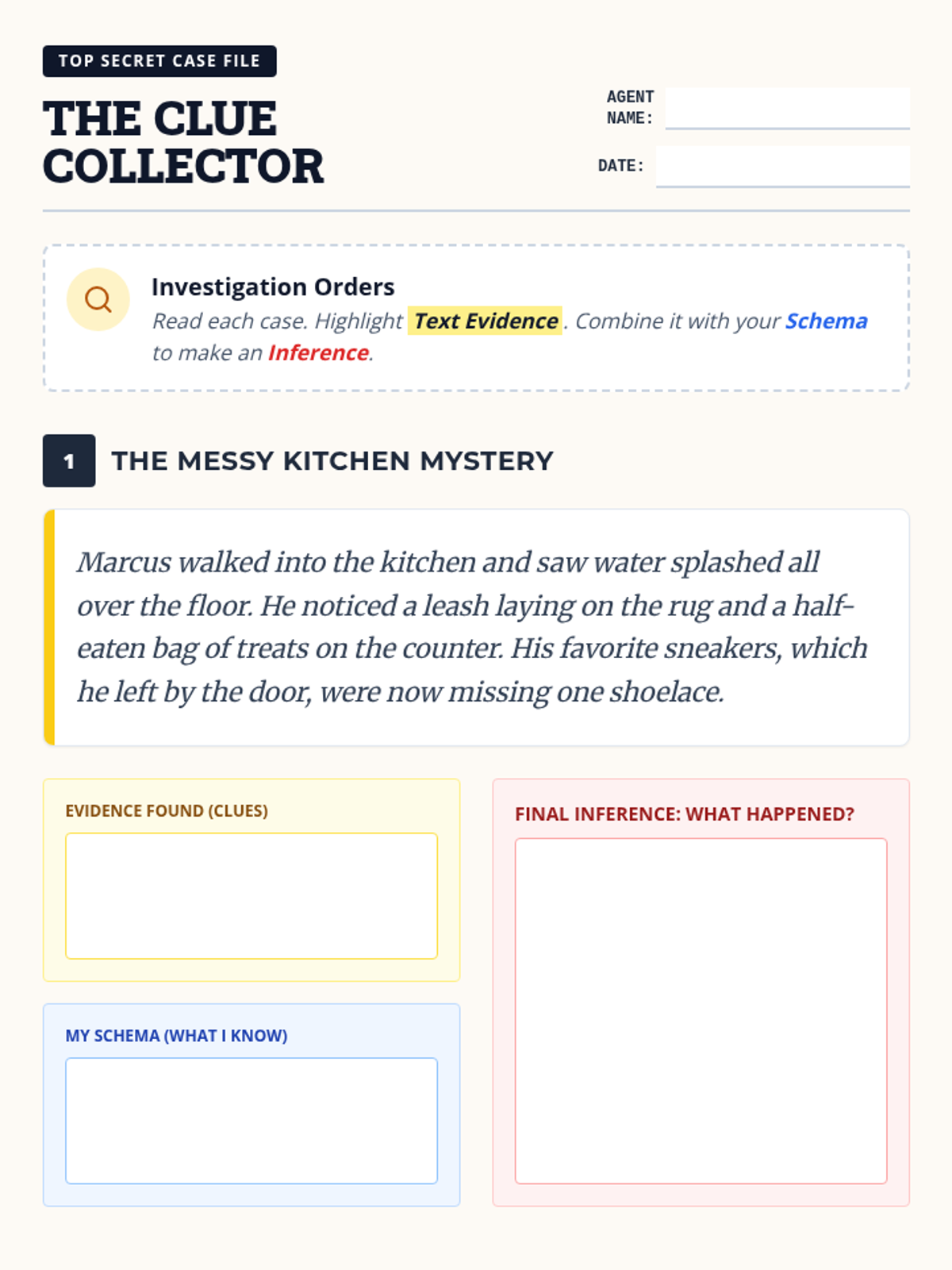
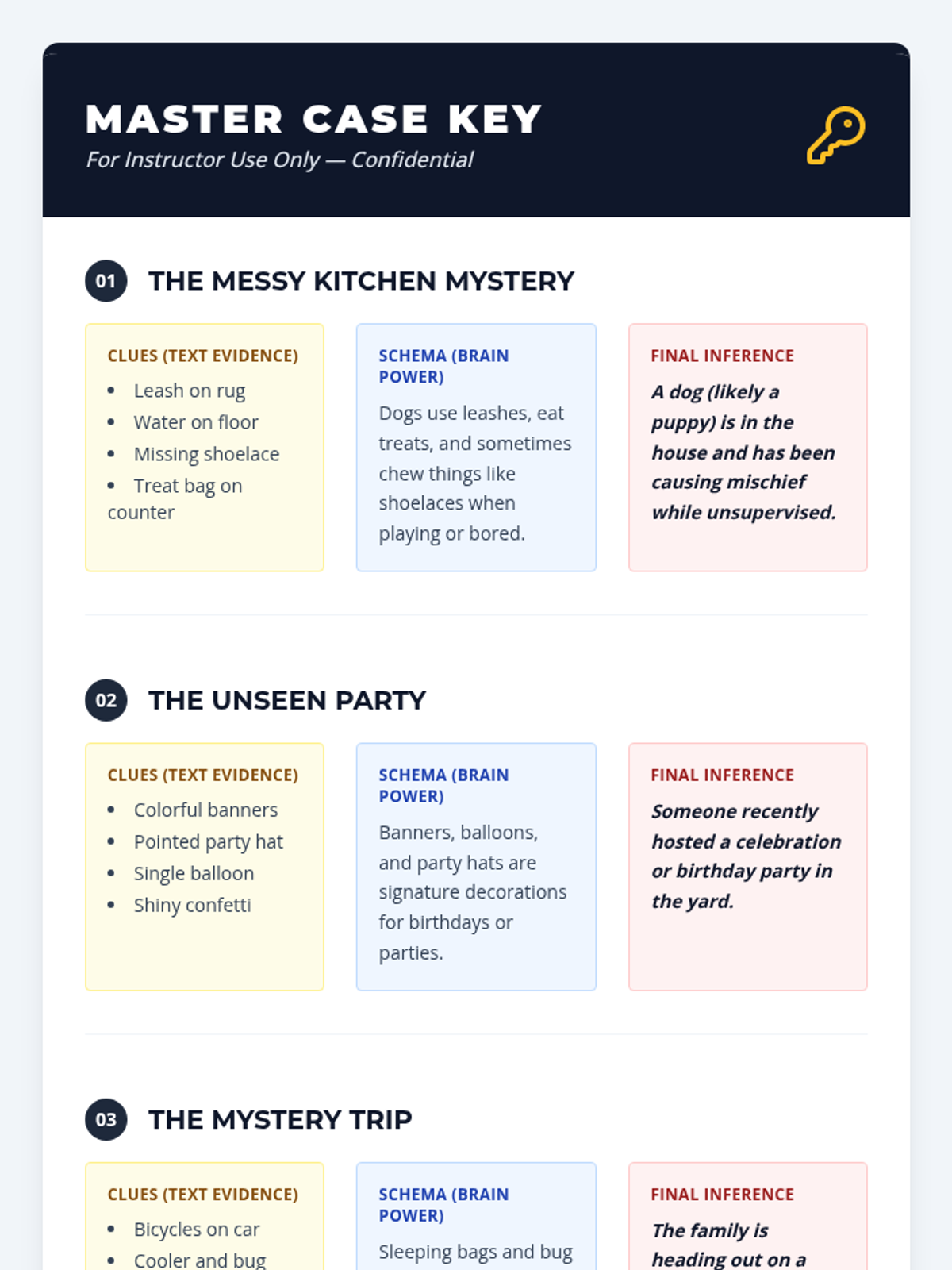
A 40-minute small group lesson for 3rd graders on inferencing using a detective agency theme. Students will combine their prior knowledge with text clues to draw conclusions.
A hands-on lesson for mastering sentence structure using visual blueprint cards to label parts of speech and build complex sentences.
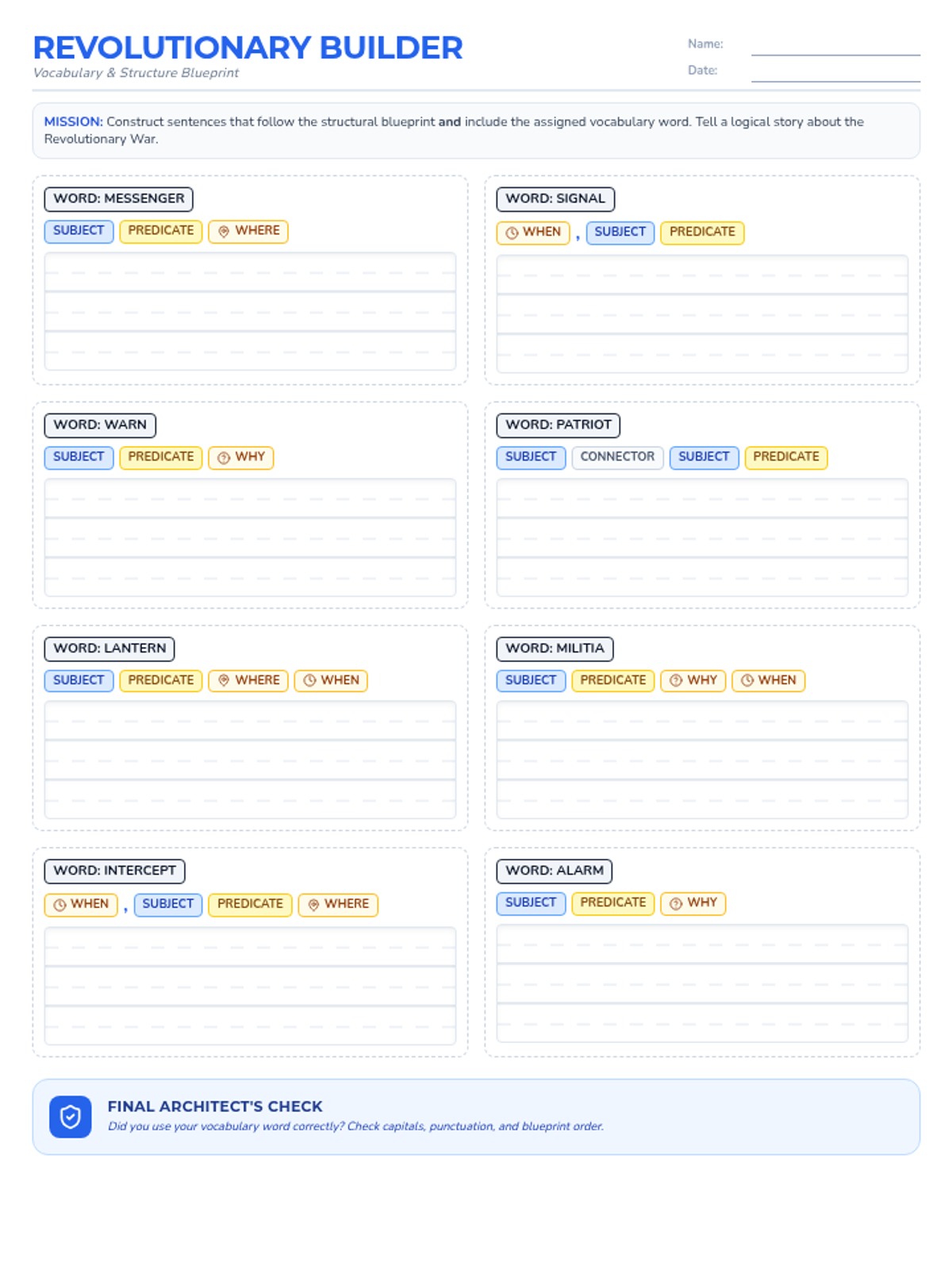
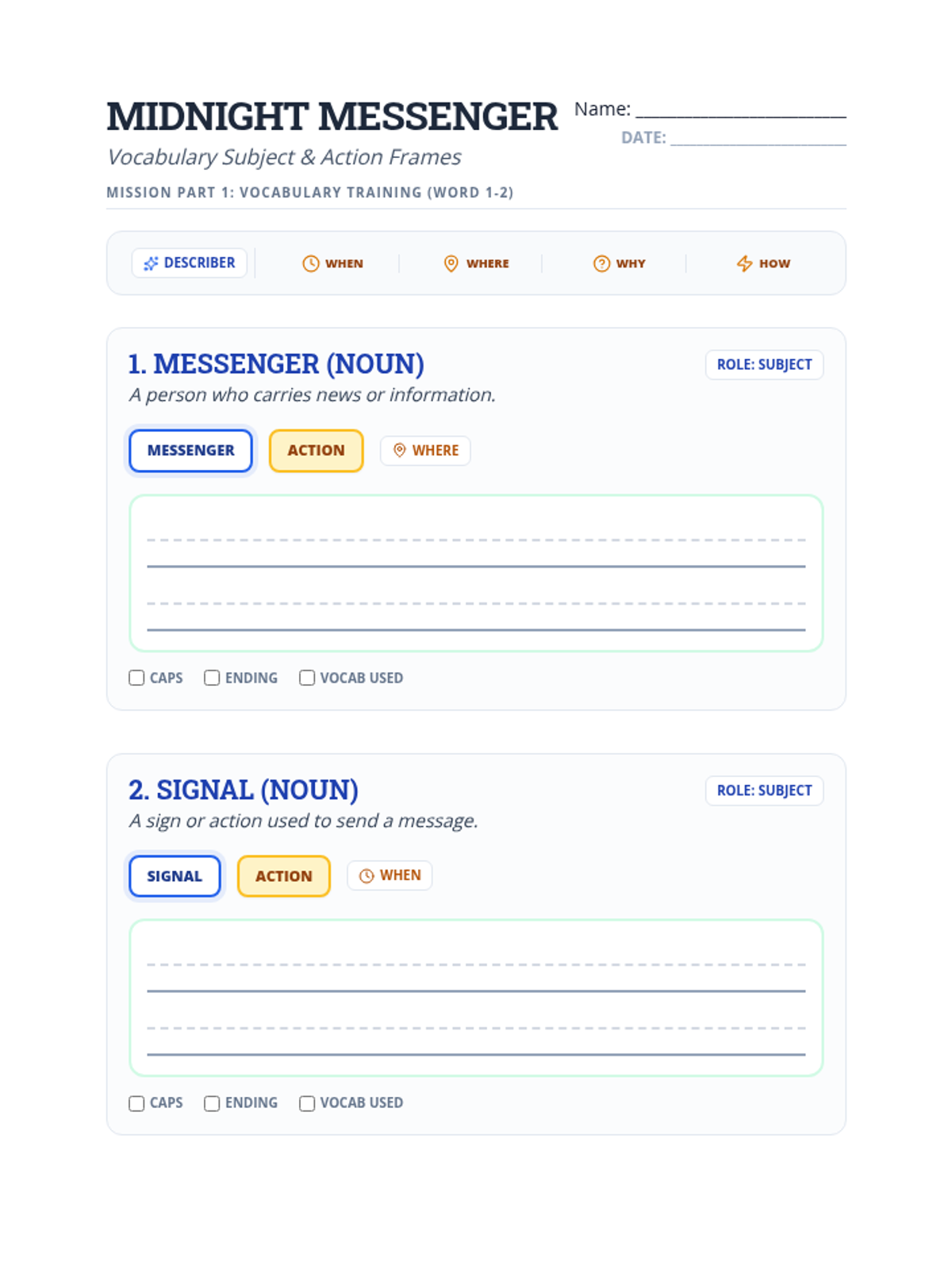
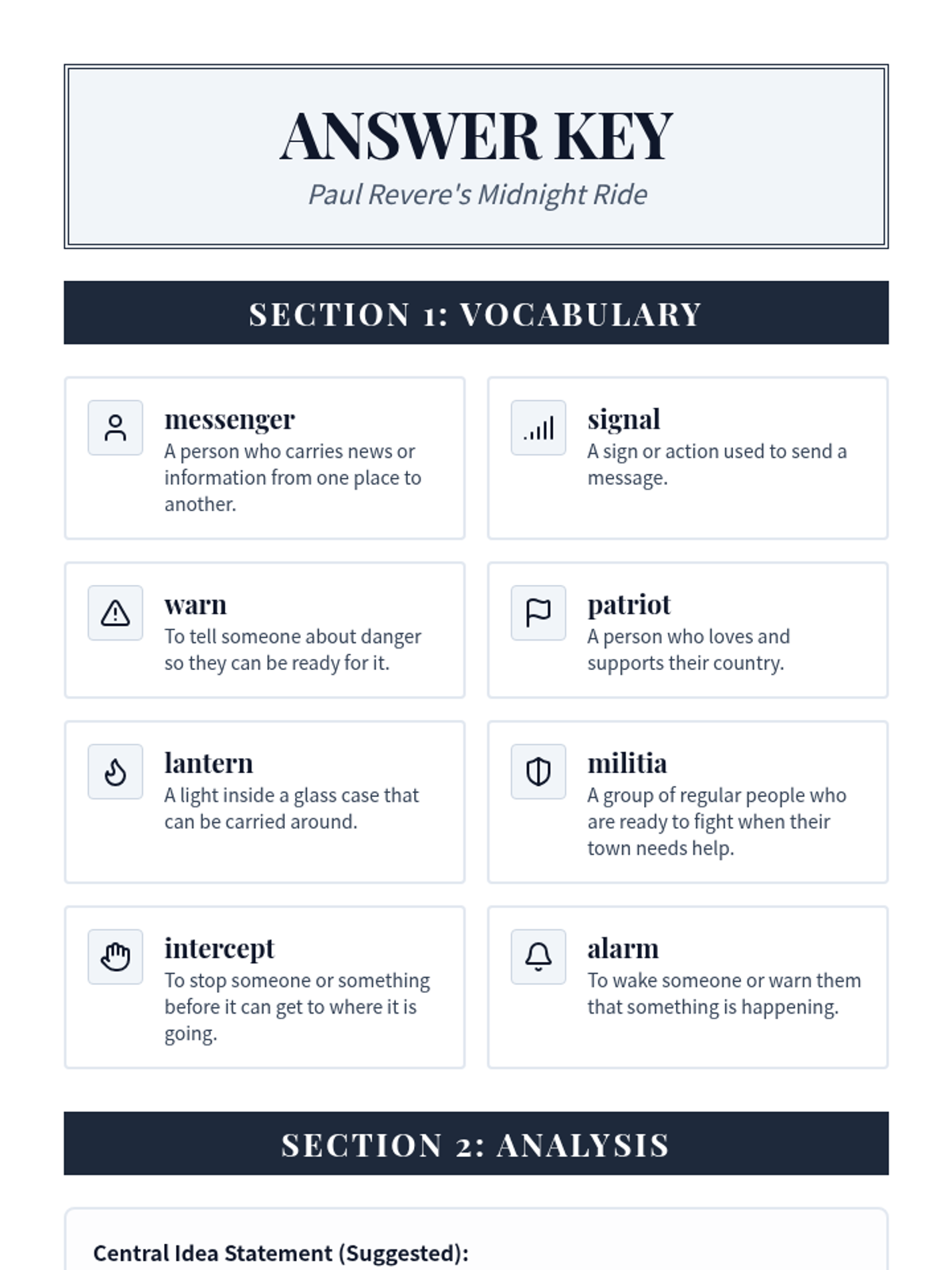
A lesson focused on vocabulary acquisition and sentence refinement through the lens of colonial messengers and historical context. Students master key terms like 'messenger' and 'militia' while practicing sentence structure and editing.
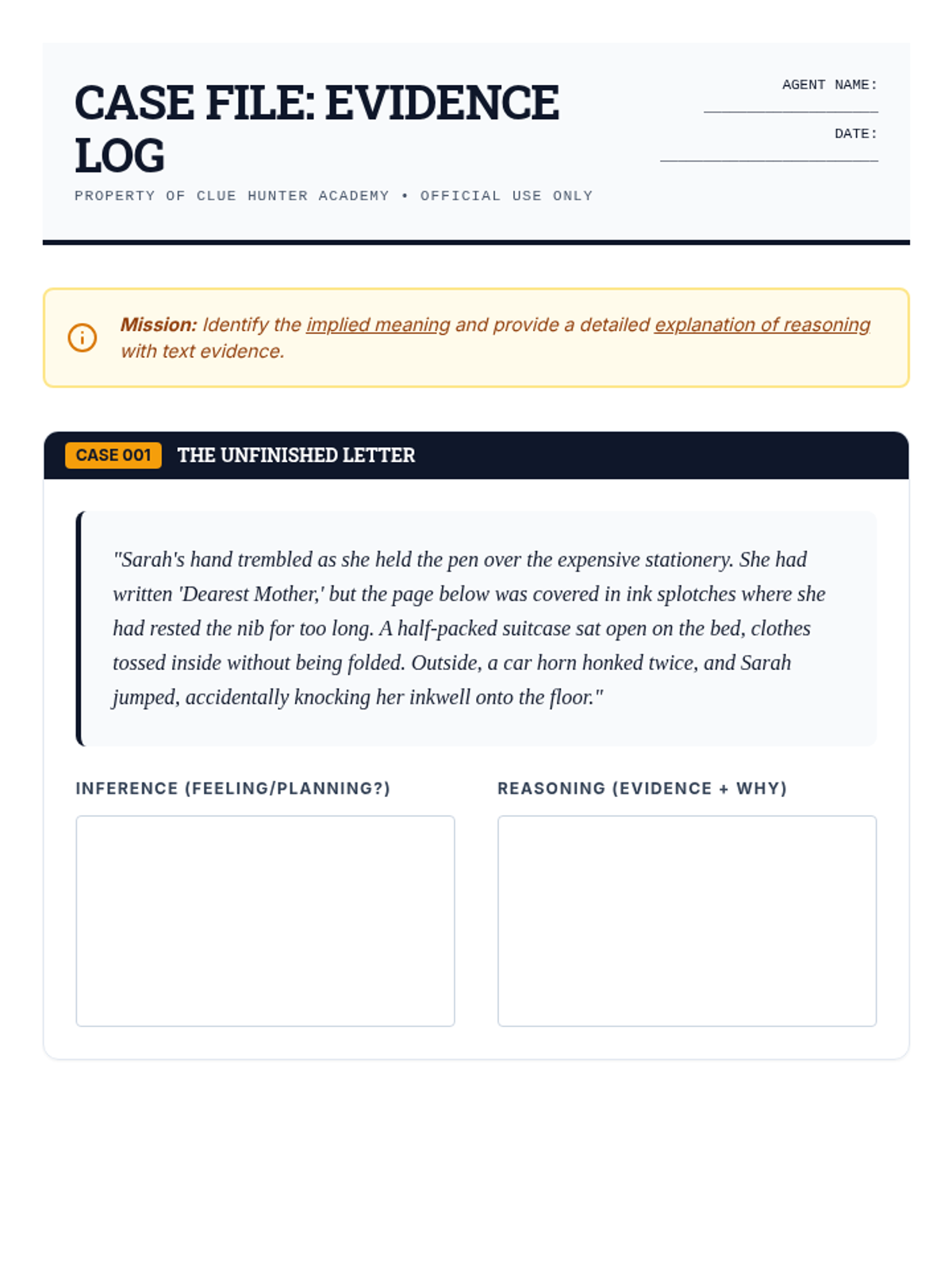
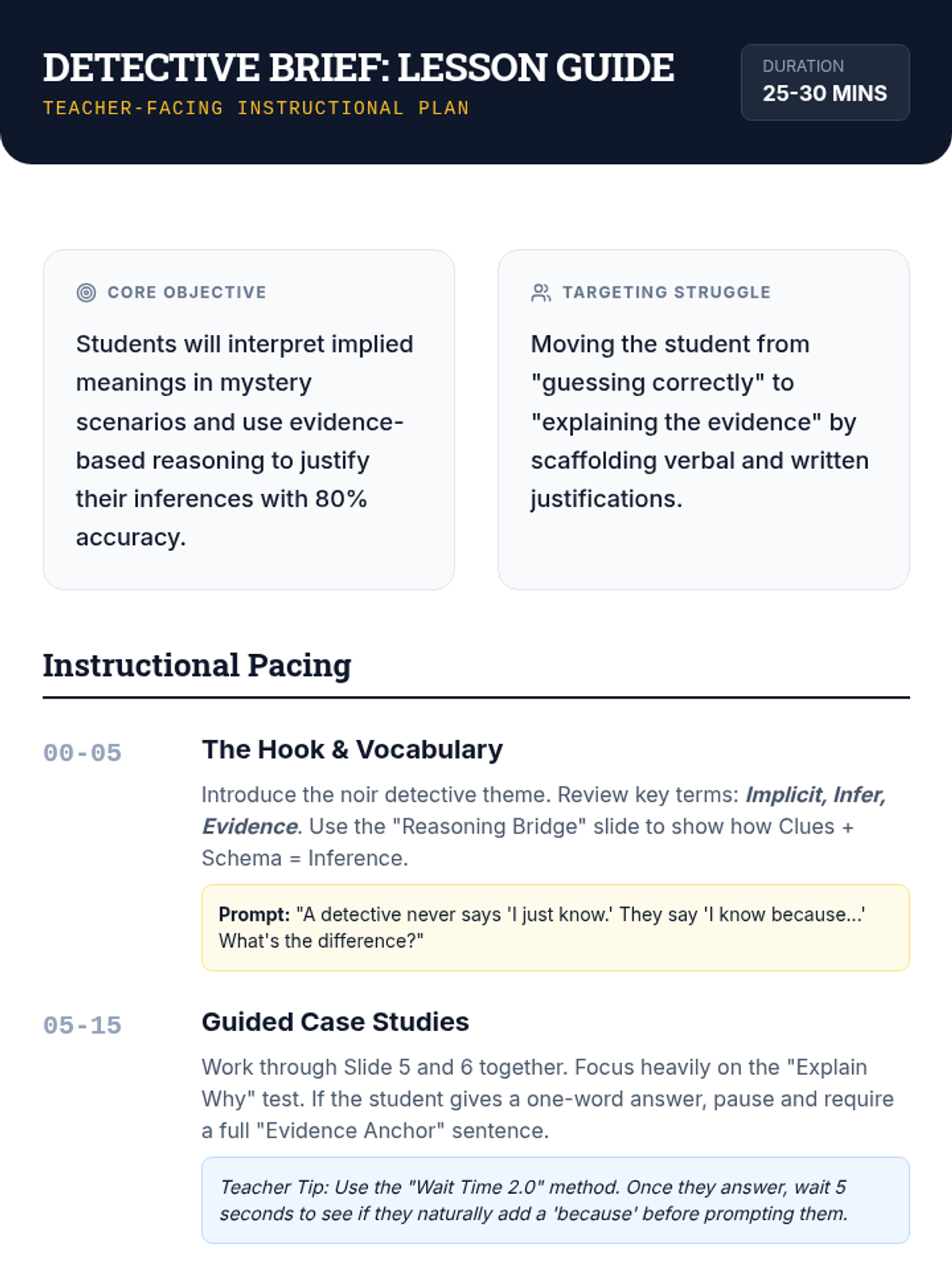
A targeted 1:1 intervention lesson focused on inferential reasoning and evidence-based explanations using a noir mystery theme. Students will practice identifying implied meanings in short scenarios and using specific sentence frames to justify their conclusions.
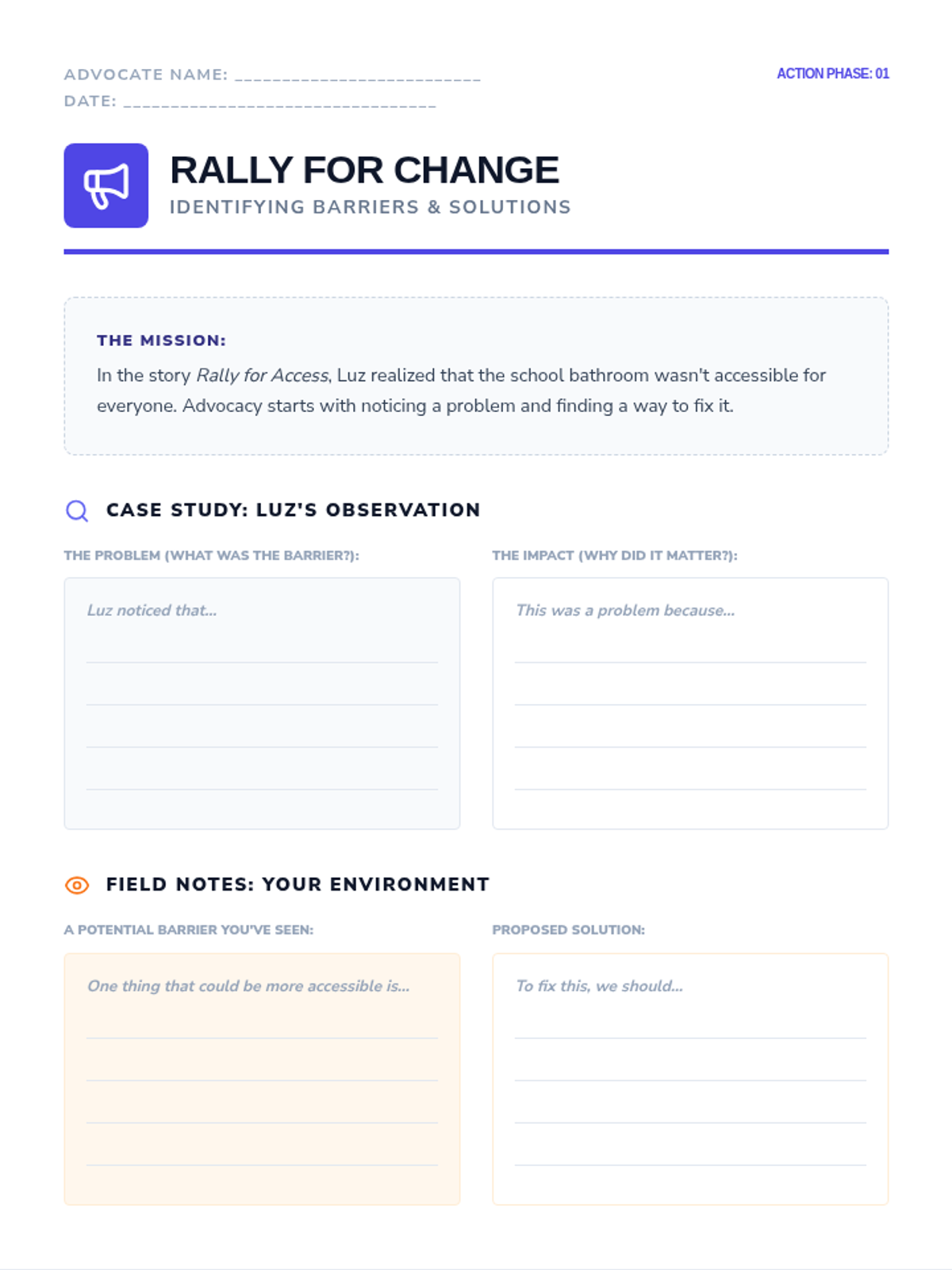
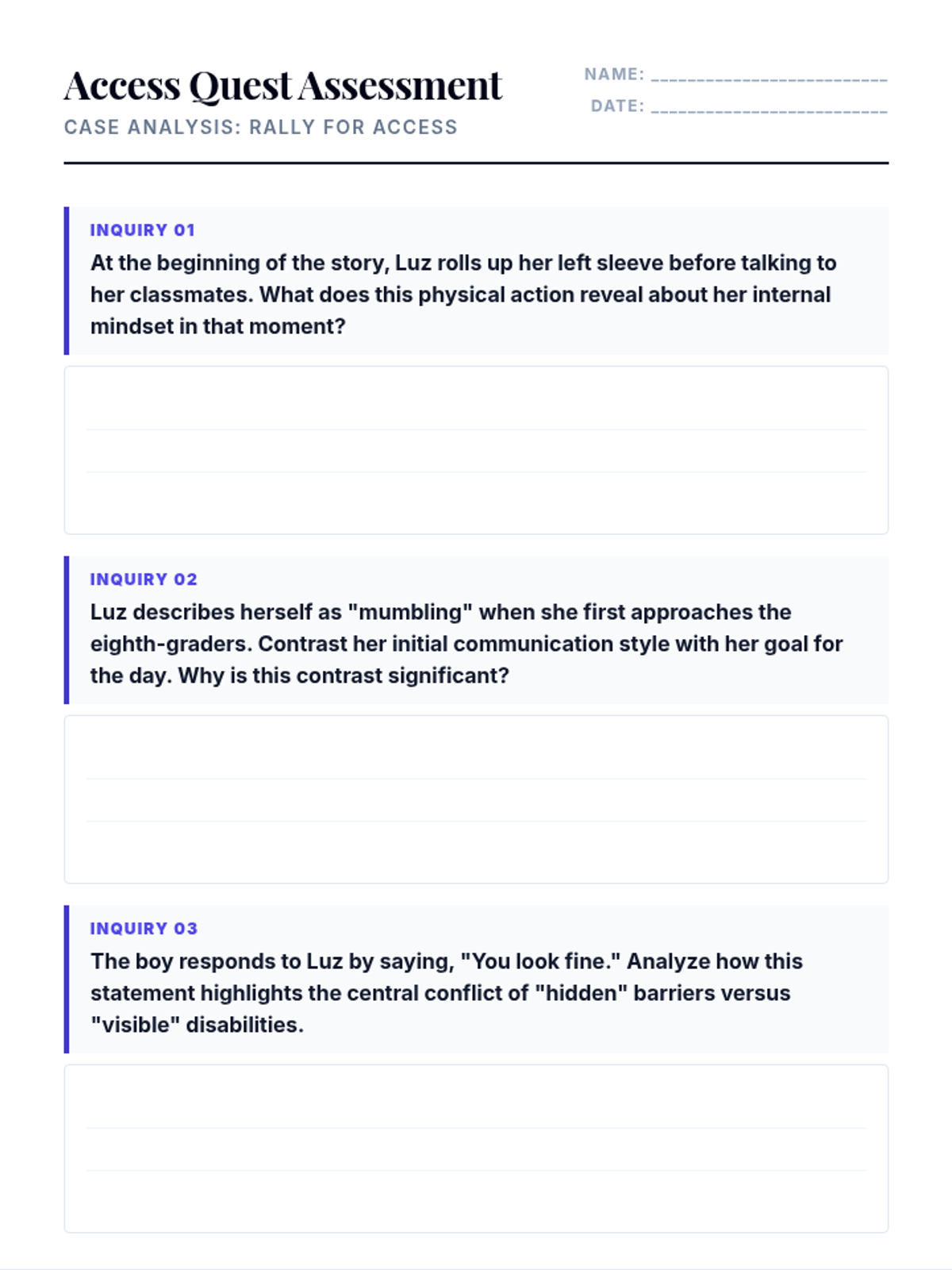
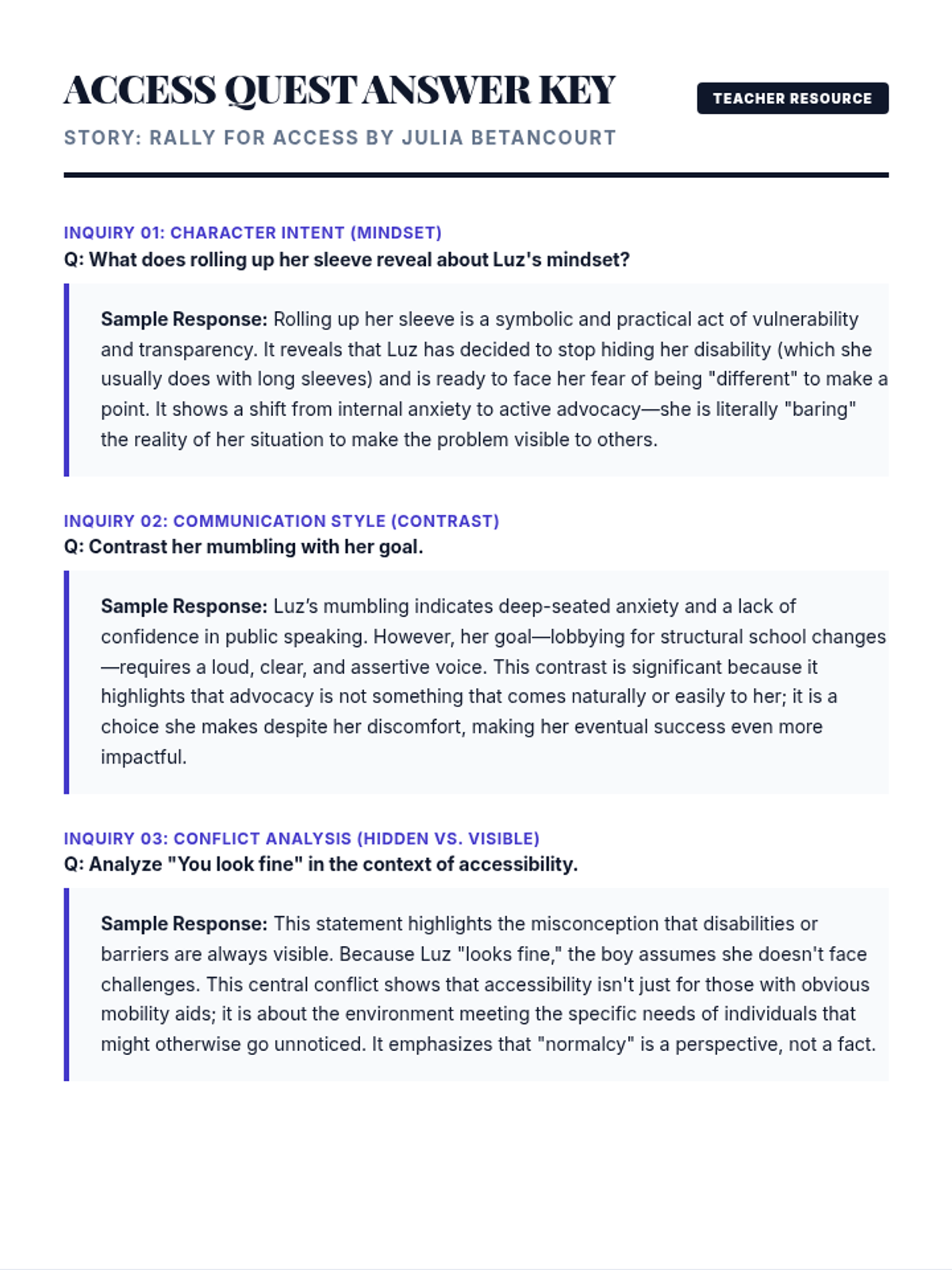
A lesson based on the story 'Rally for Access', focusing on advocacy, accessibility, and the power of community support. Students analyze Luz's journey from anxiety to activism and reflect on barriers in their own environments.
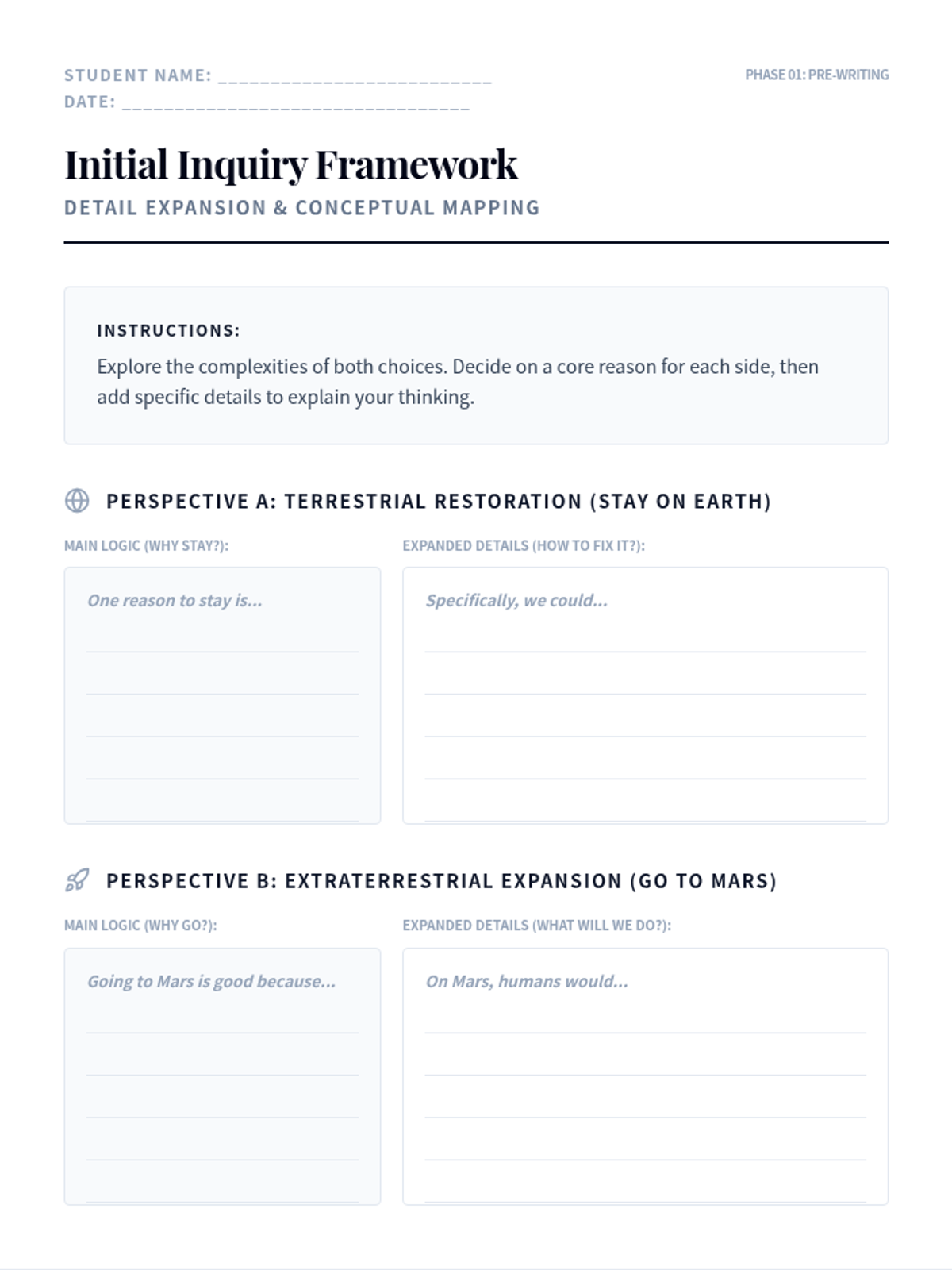
A lesson exploring the complexities of space colonization and the ethical decisions involved in human exploration of the solar system.
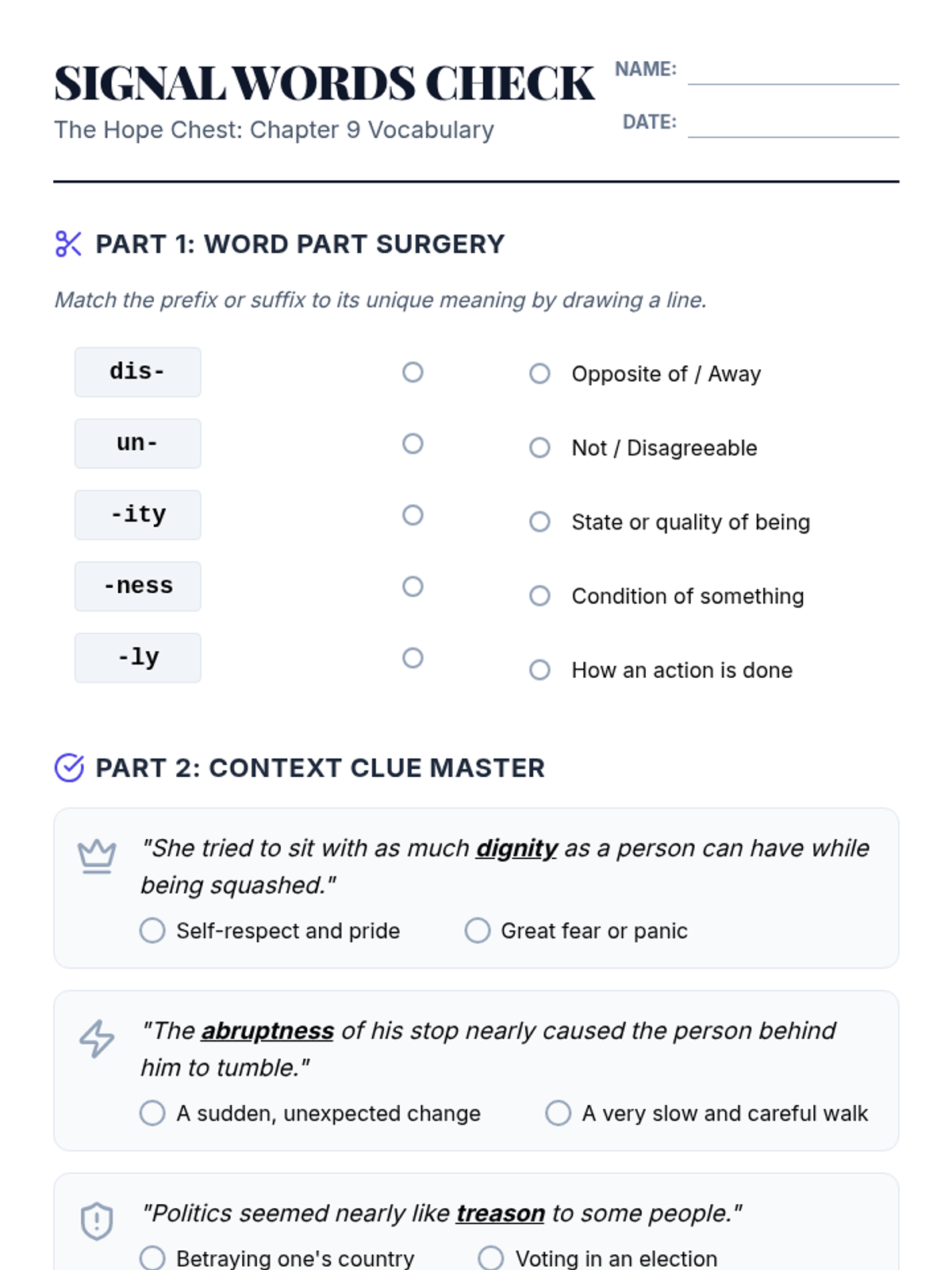
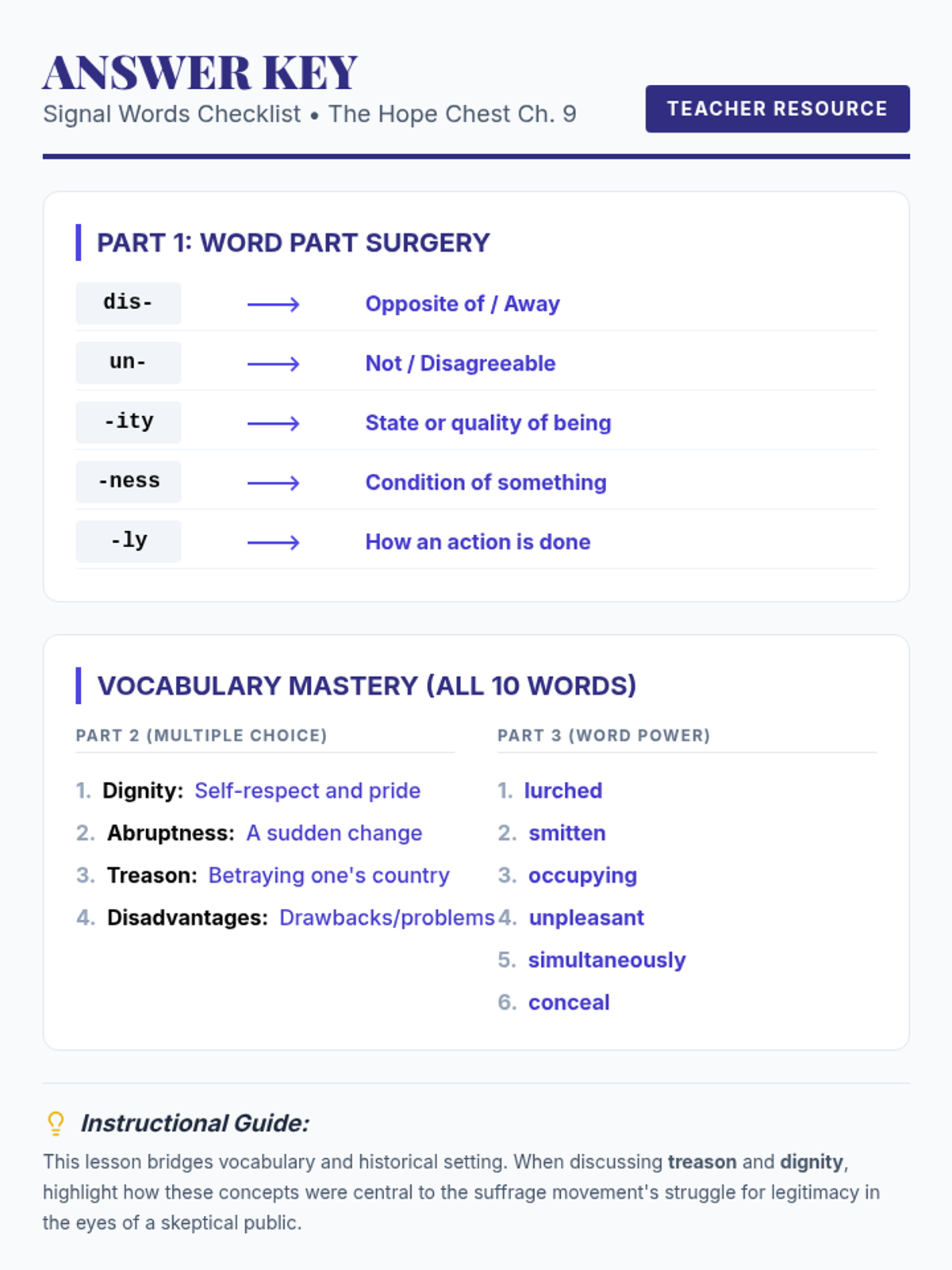
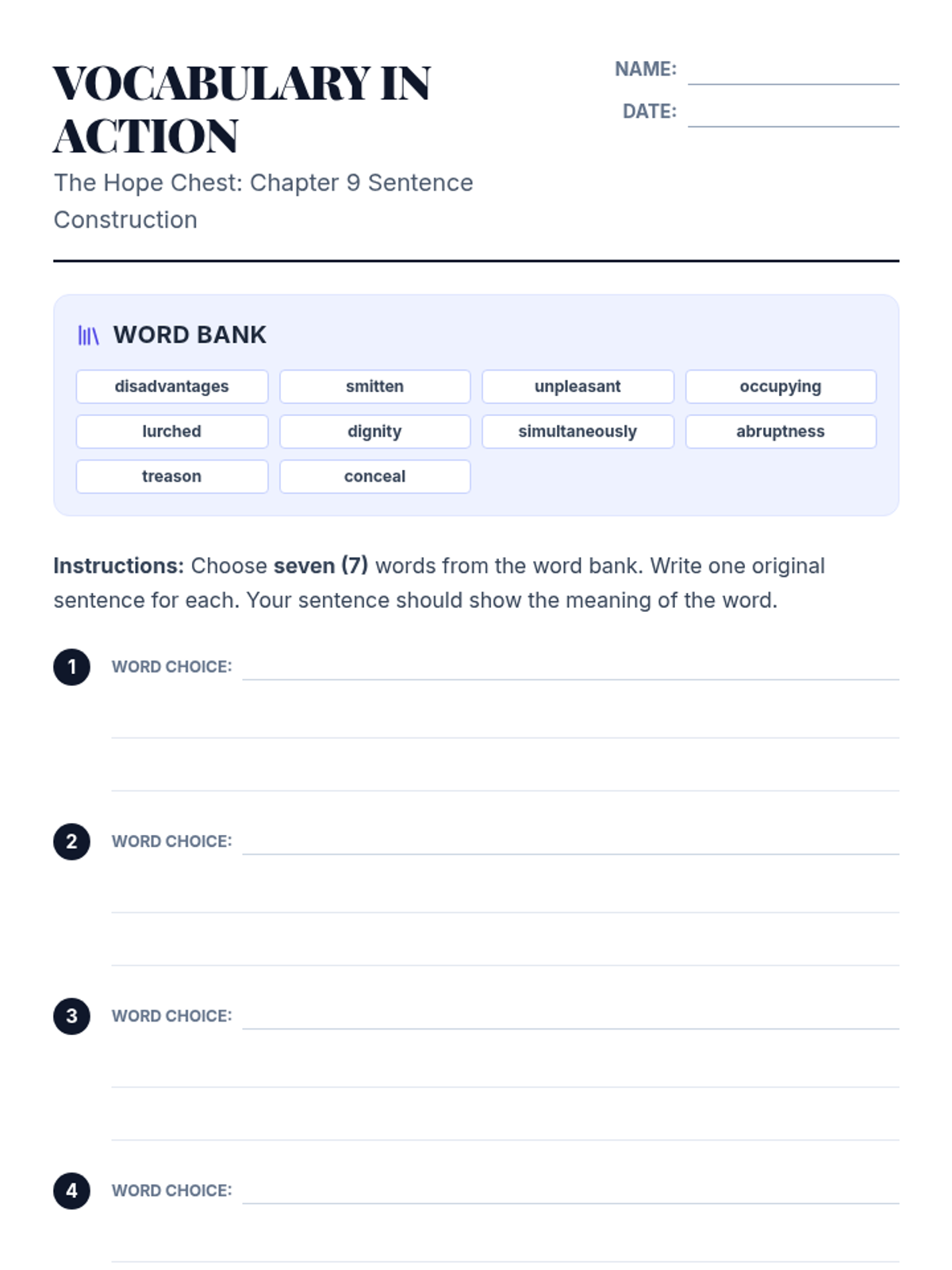
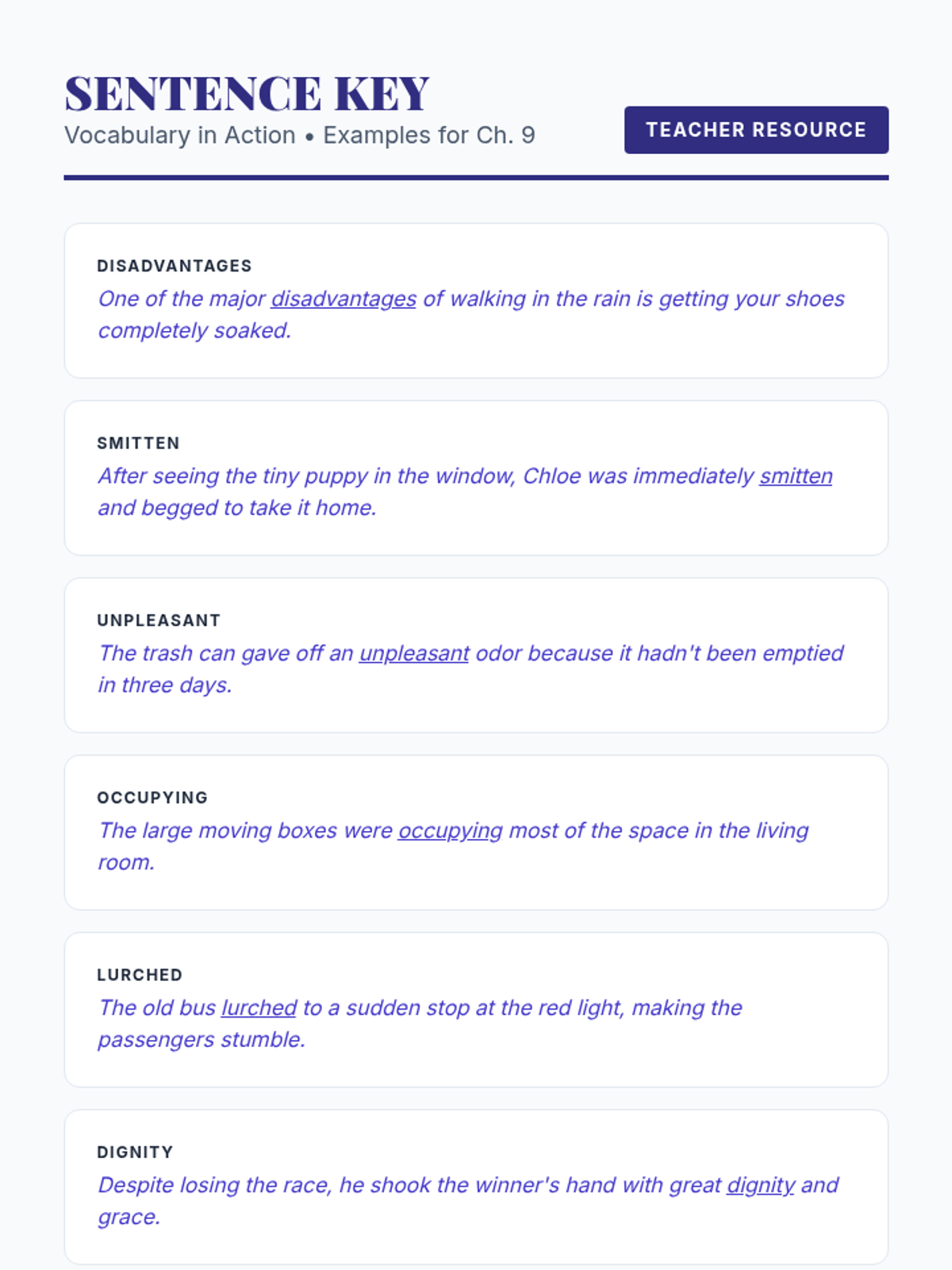
A lesson focusing on vocabulary development through context clues and word parts, centered on Chapter 9 of 'The Hope Chest'. Students explore historical context and language structure simultaneously.
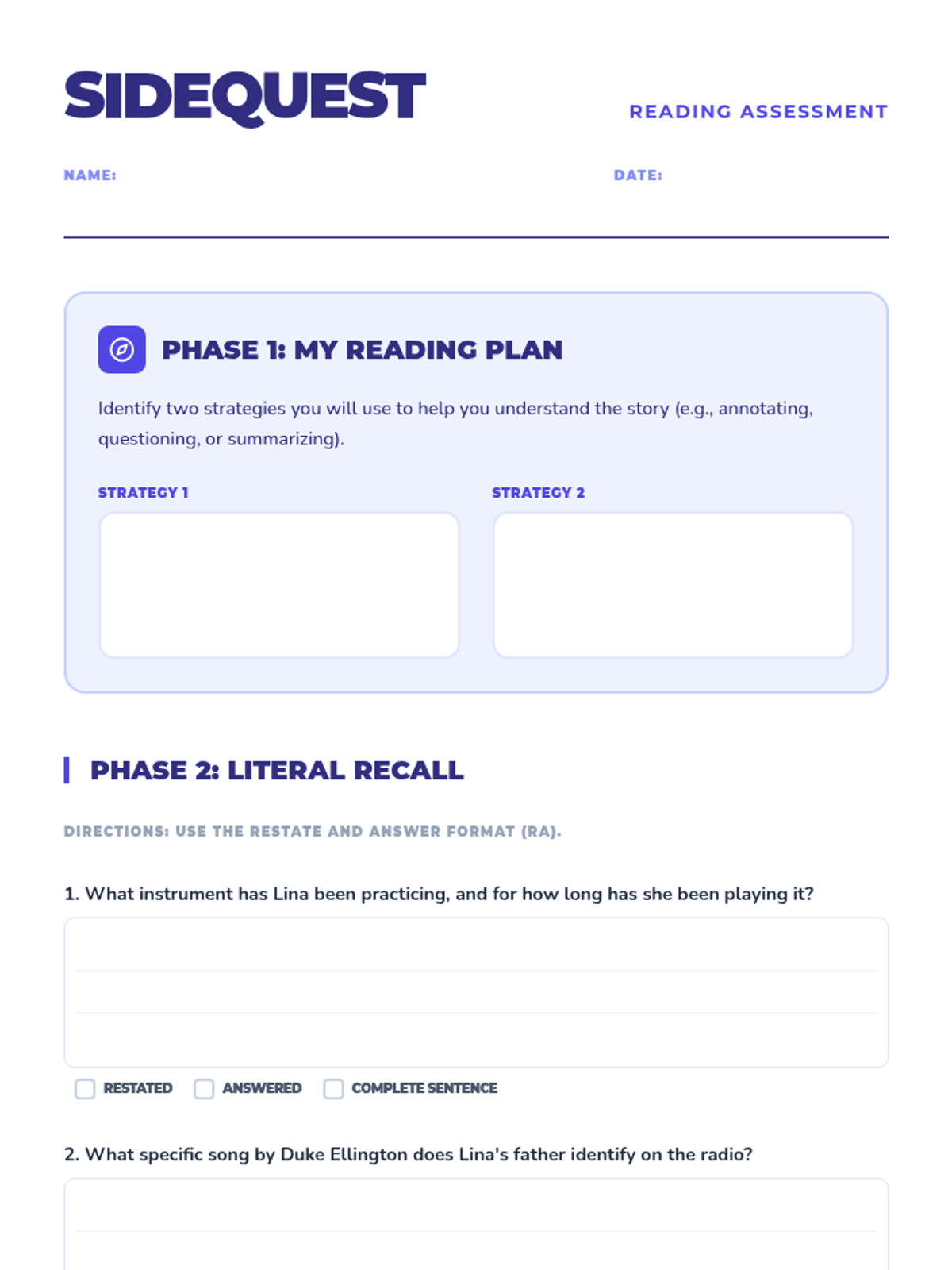
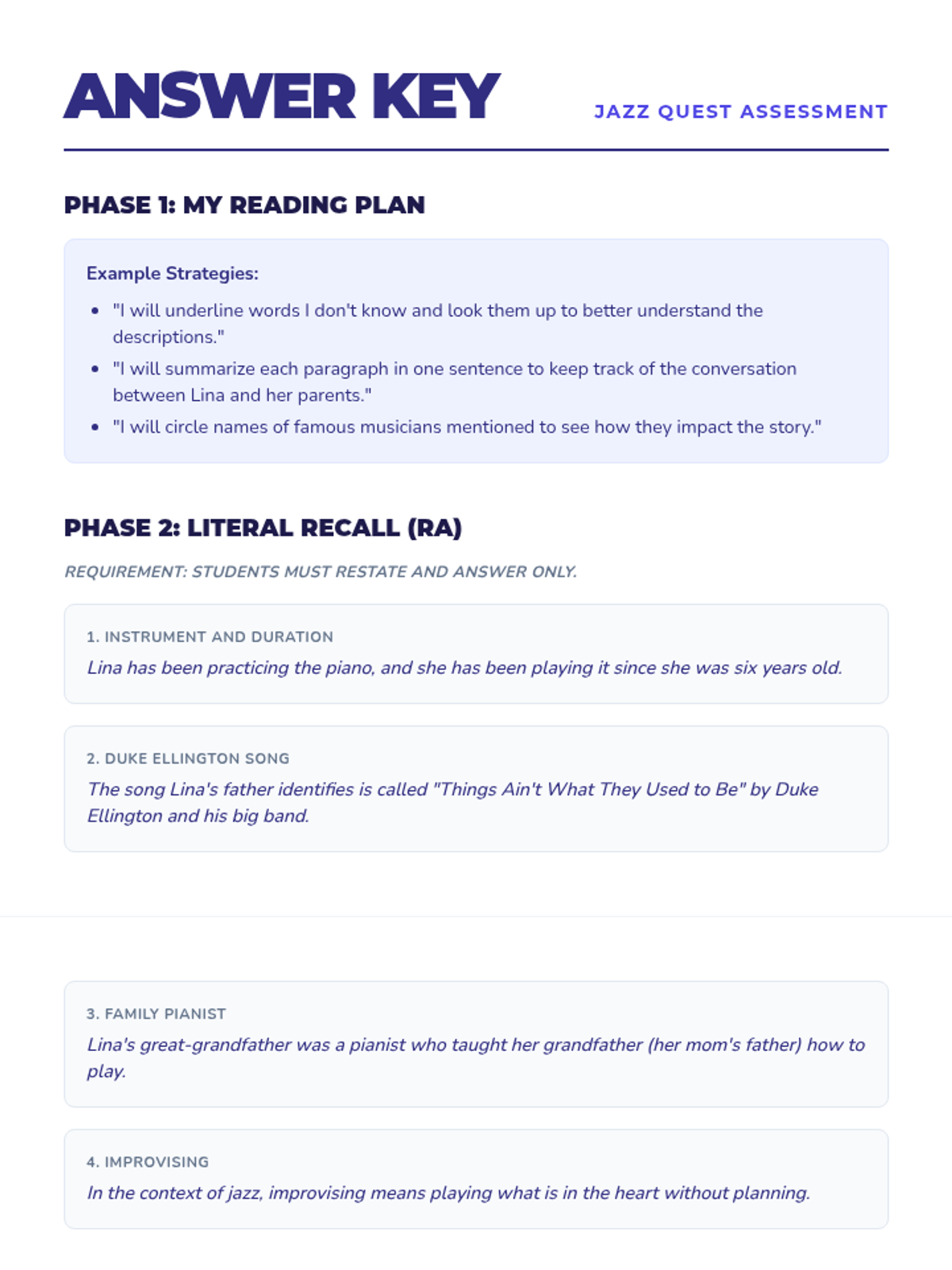
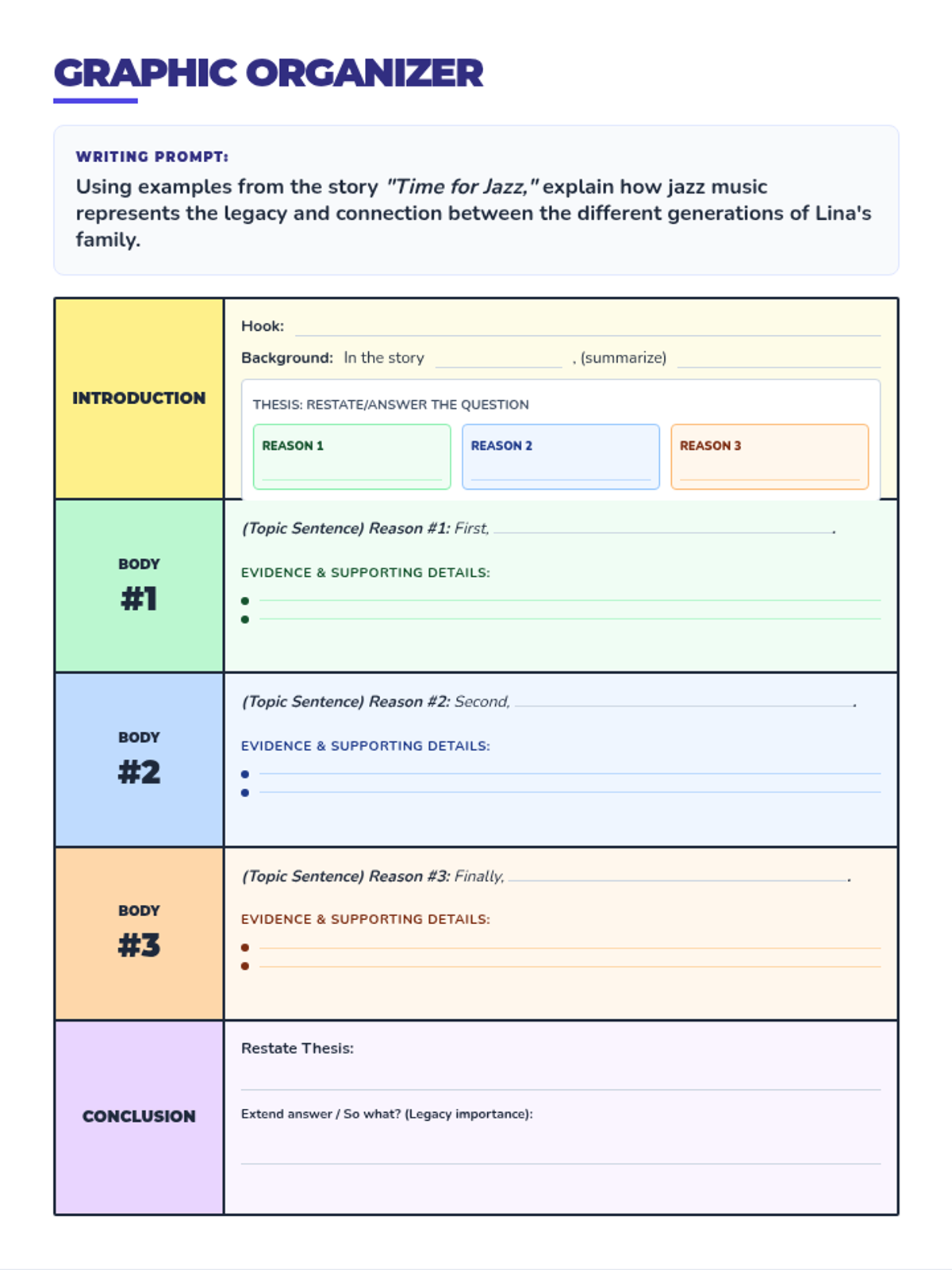
A lesson focused on analyzing the story 'Time for Jazz', focusing on reading strategies, literal recall, deep analysis of theme, and personal connections to musical heritage.
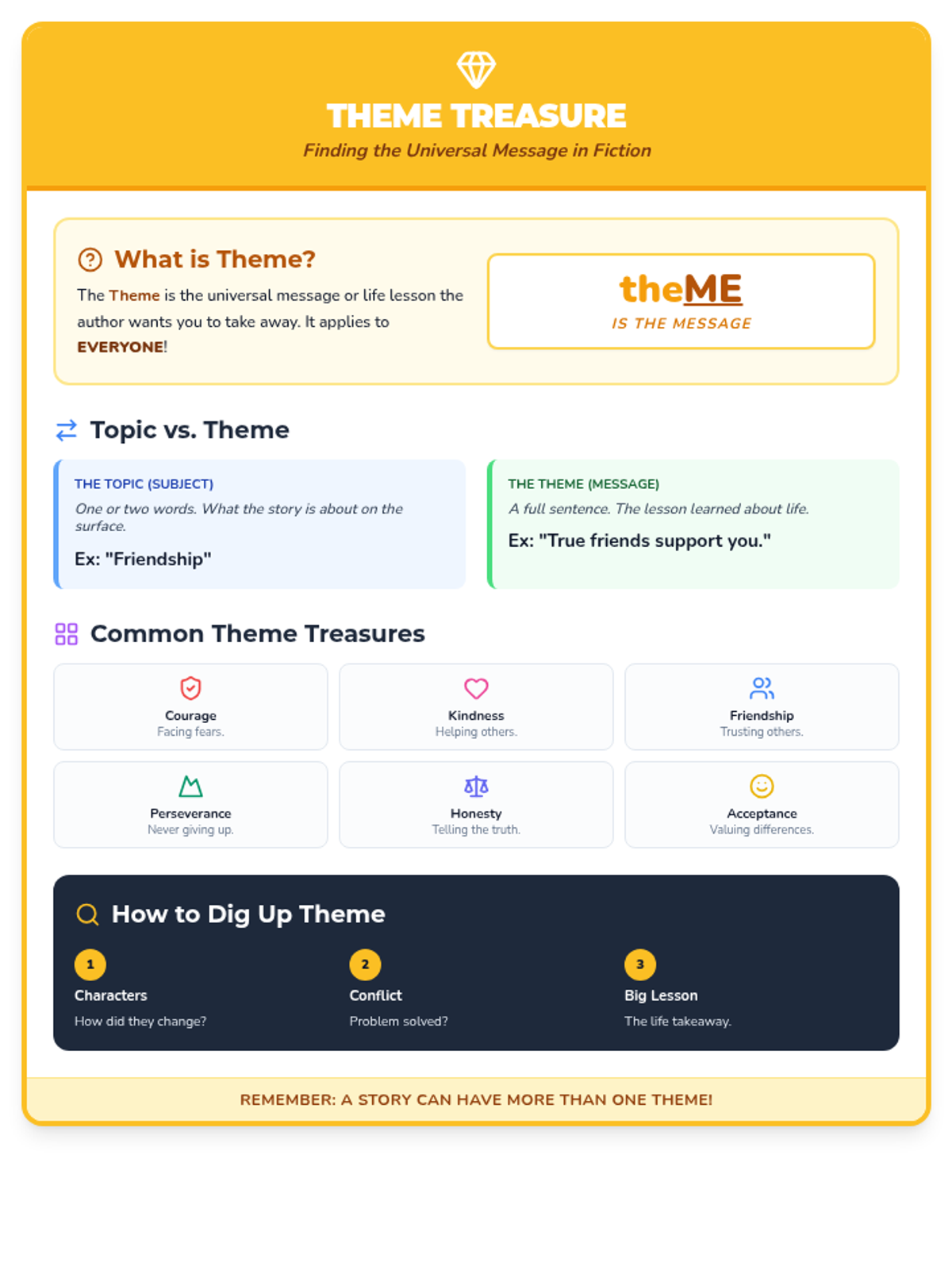
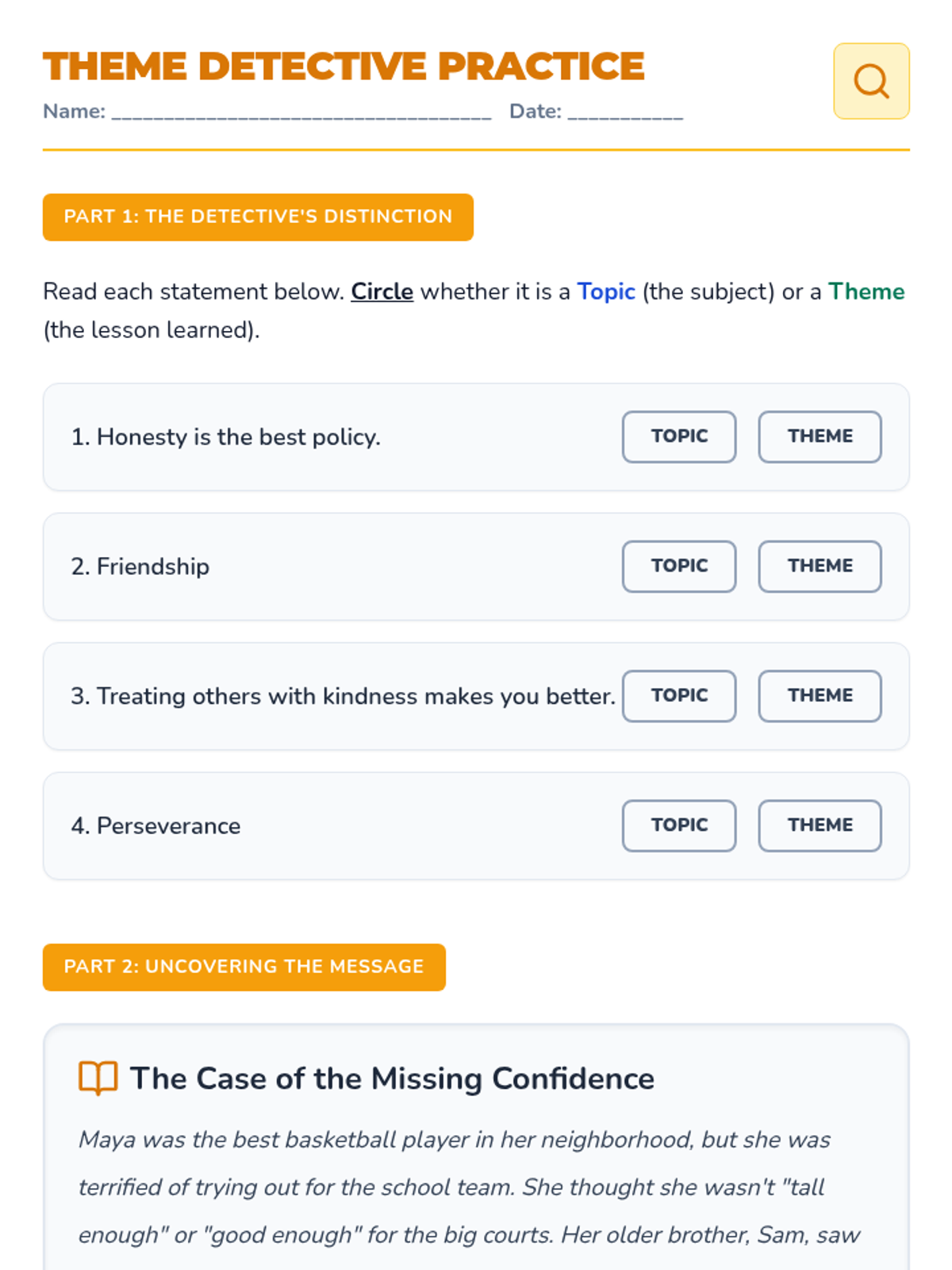
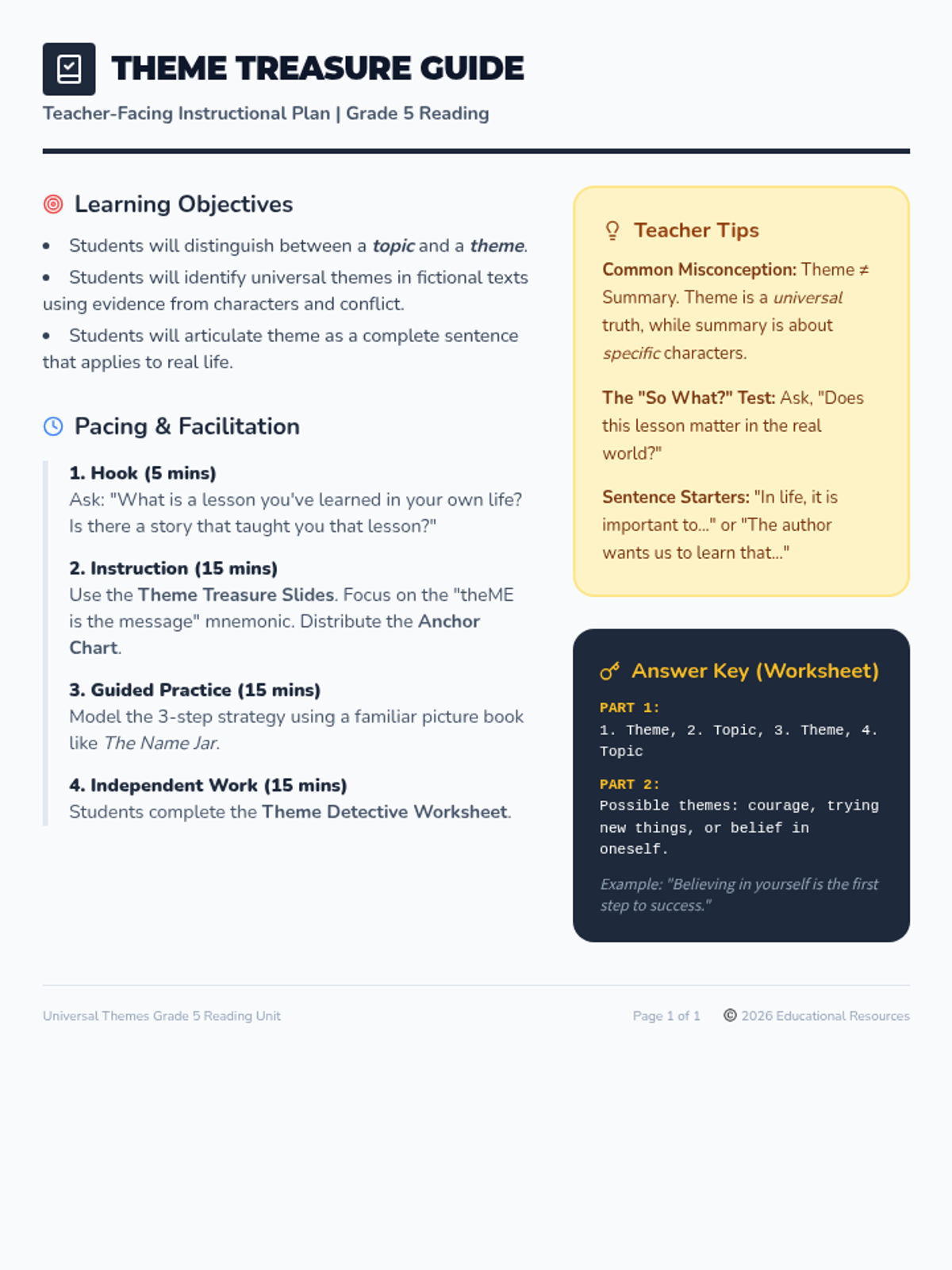
A foundational lesson on identifying universal themes in fictional texts using a step-by-step strategy and common theme categories.
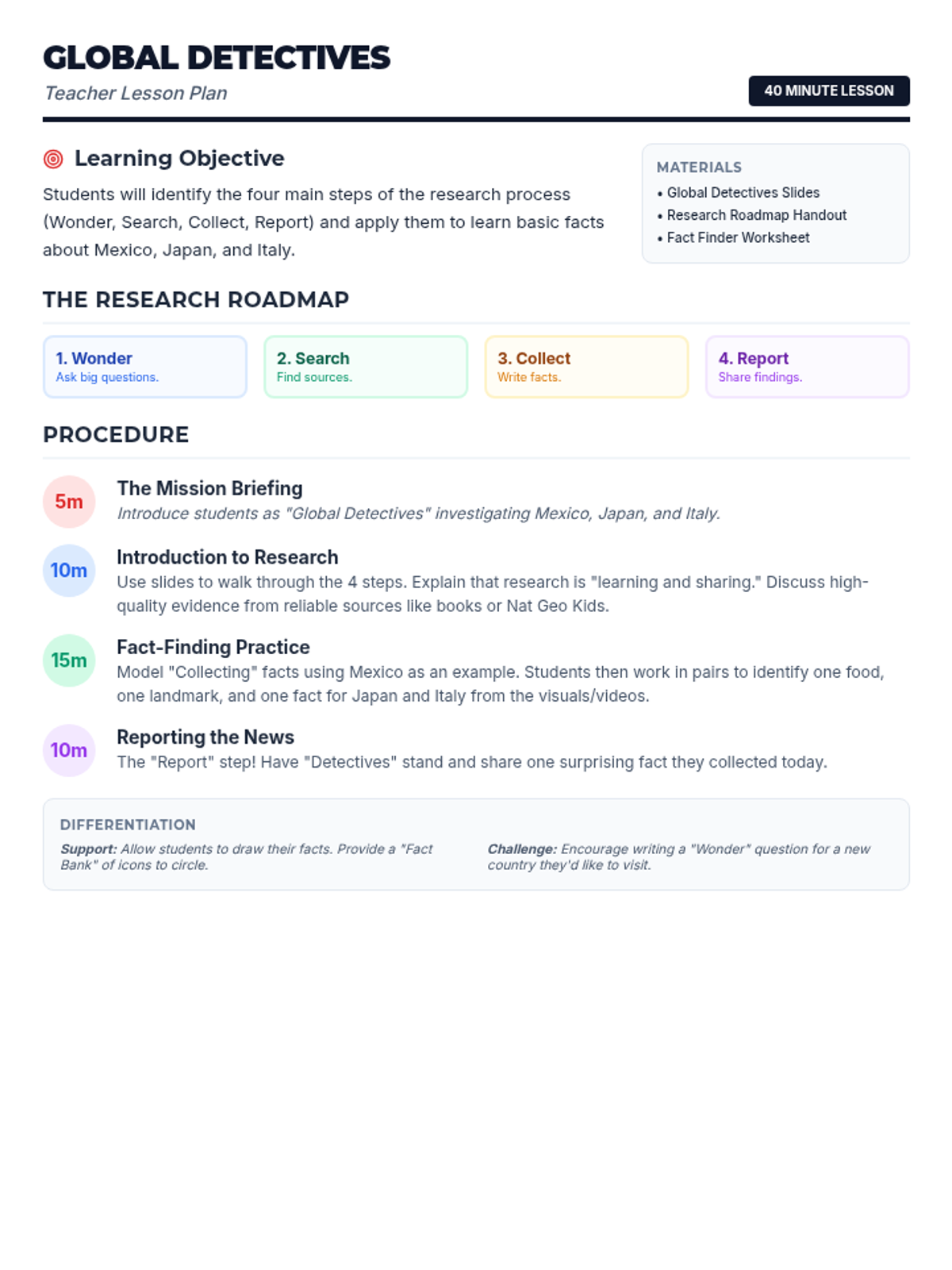
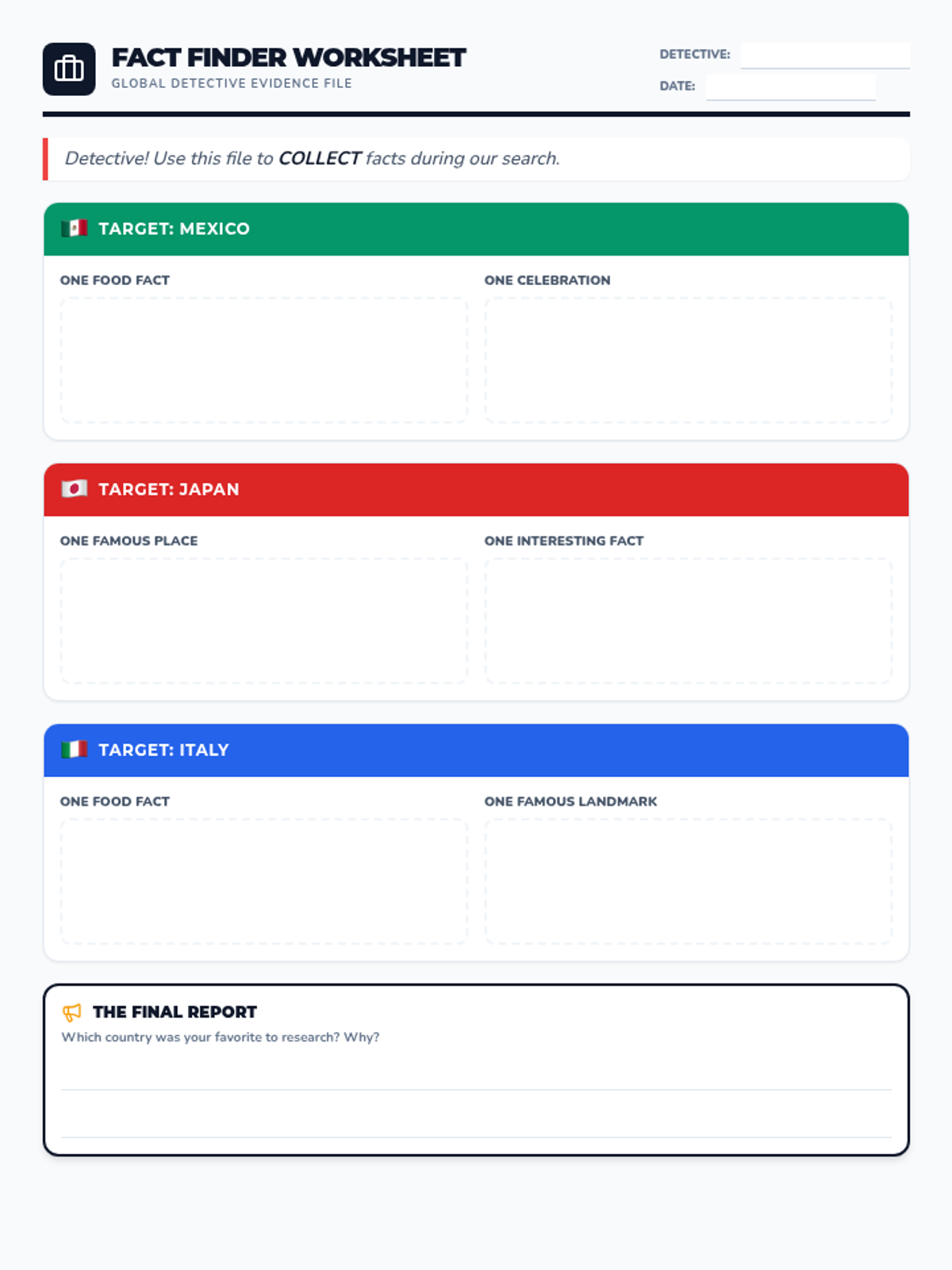
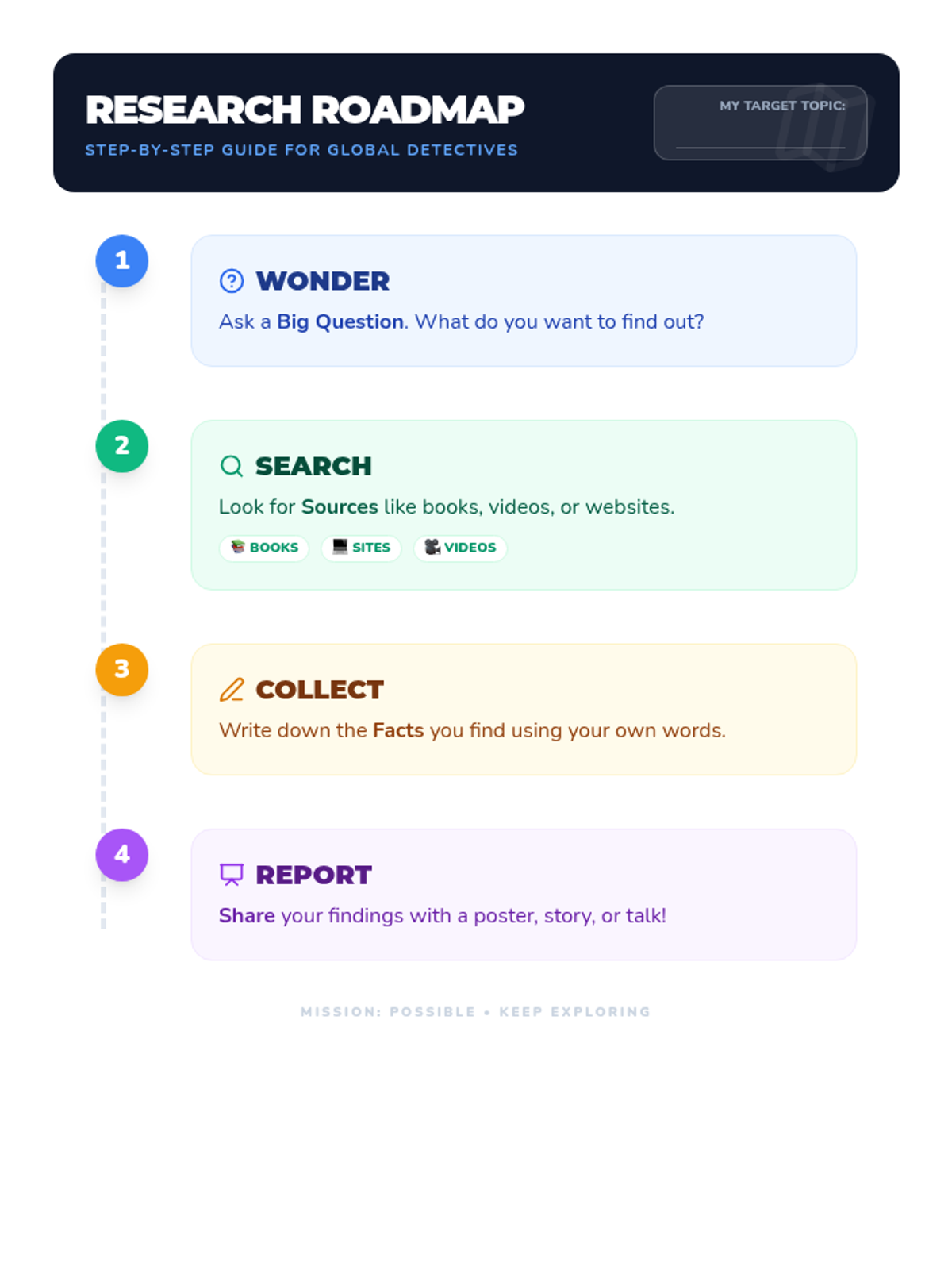
An introductory lesson on the research process for 2nd and 3rd graders, using Mexico, Japan, and Italy as case studies. Students learn the four key steps of research: Wonder, Search, Collect, and Report.
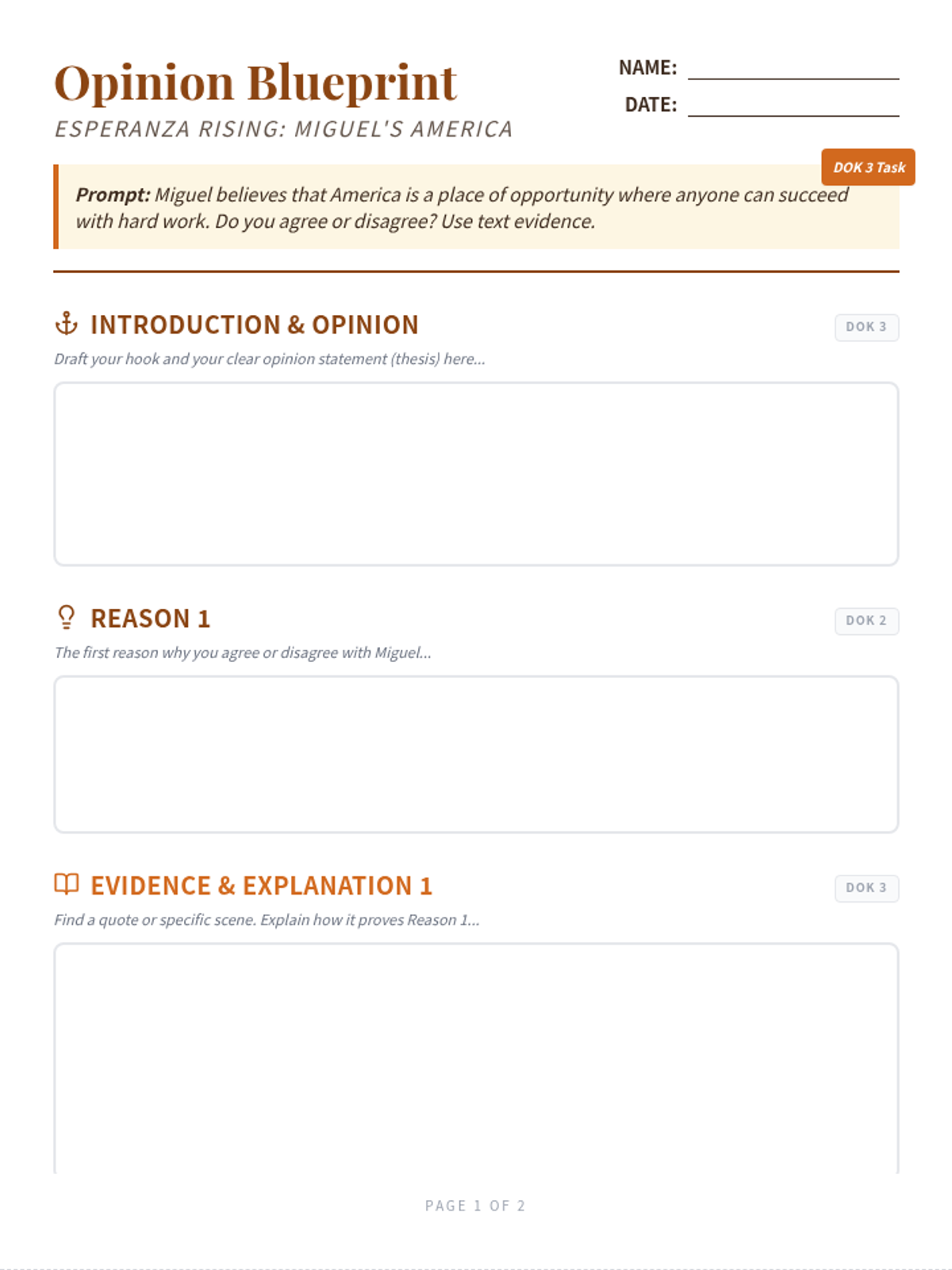
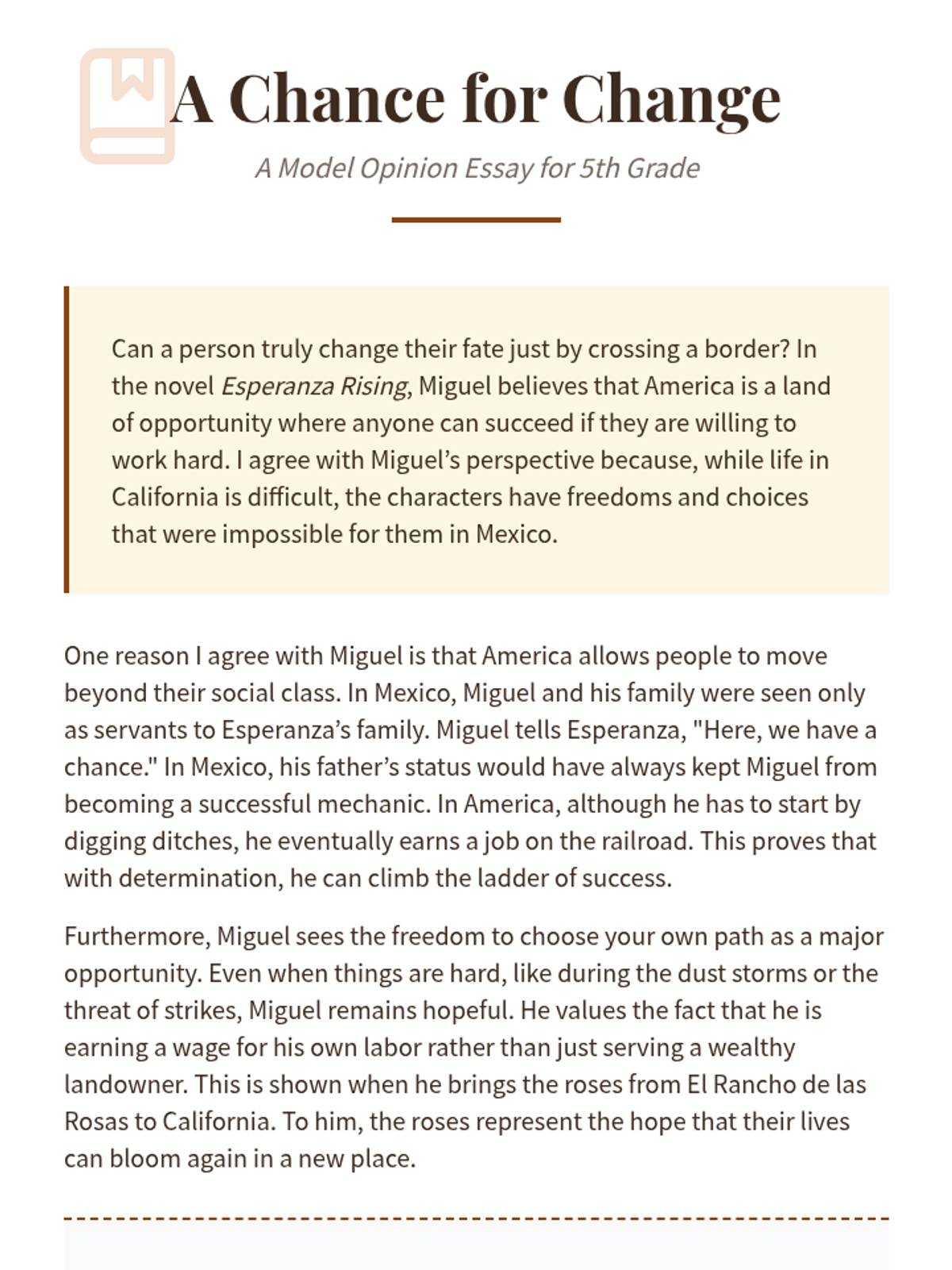
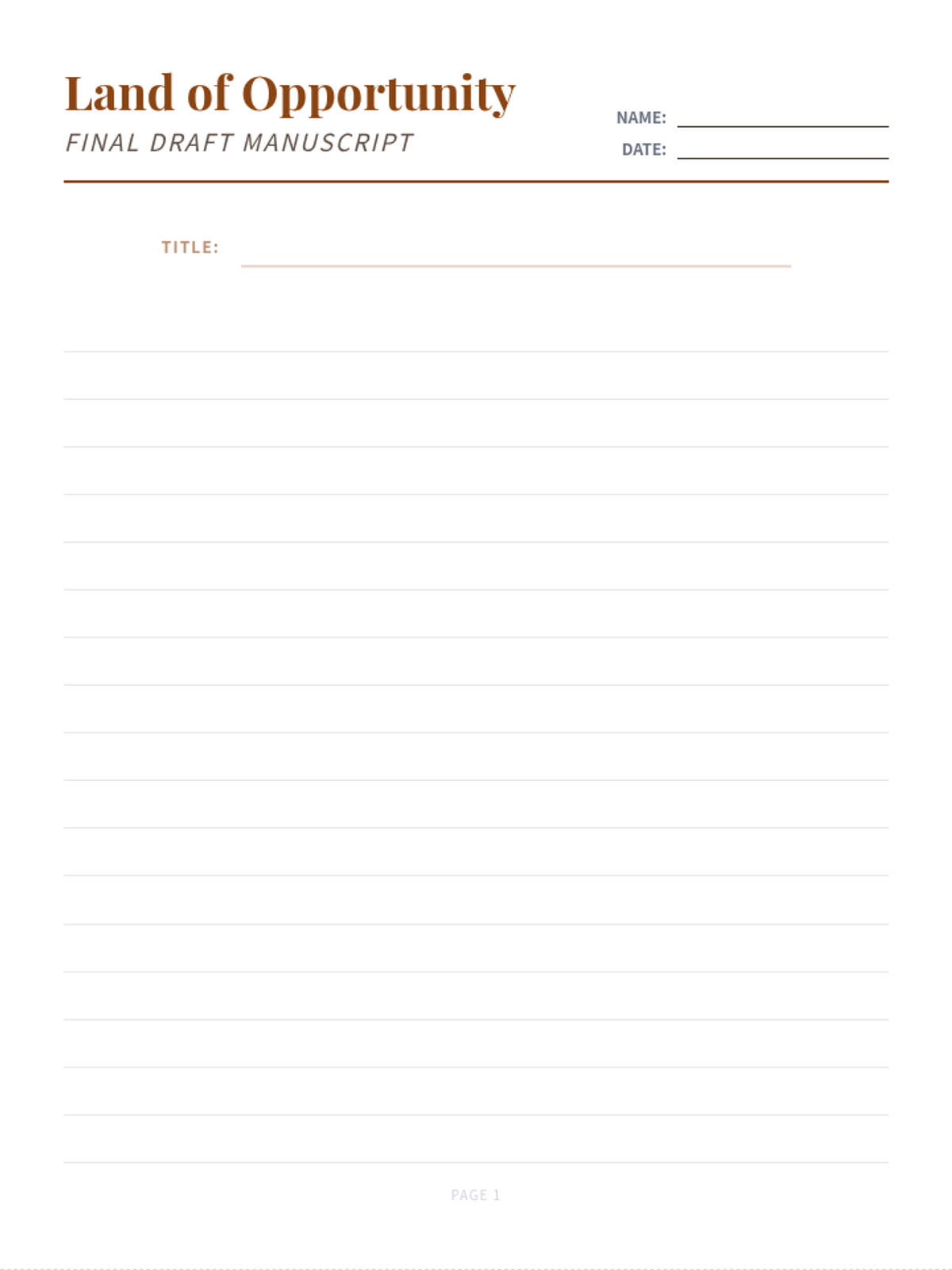
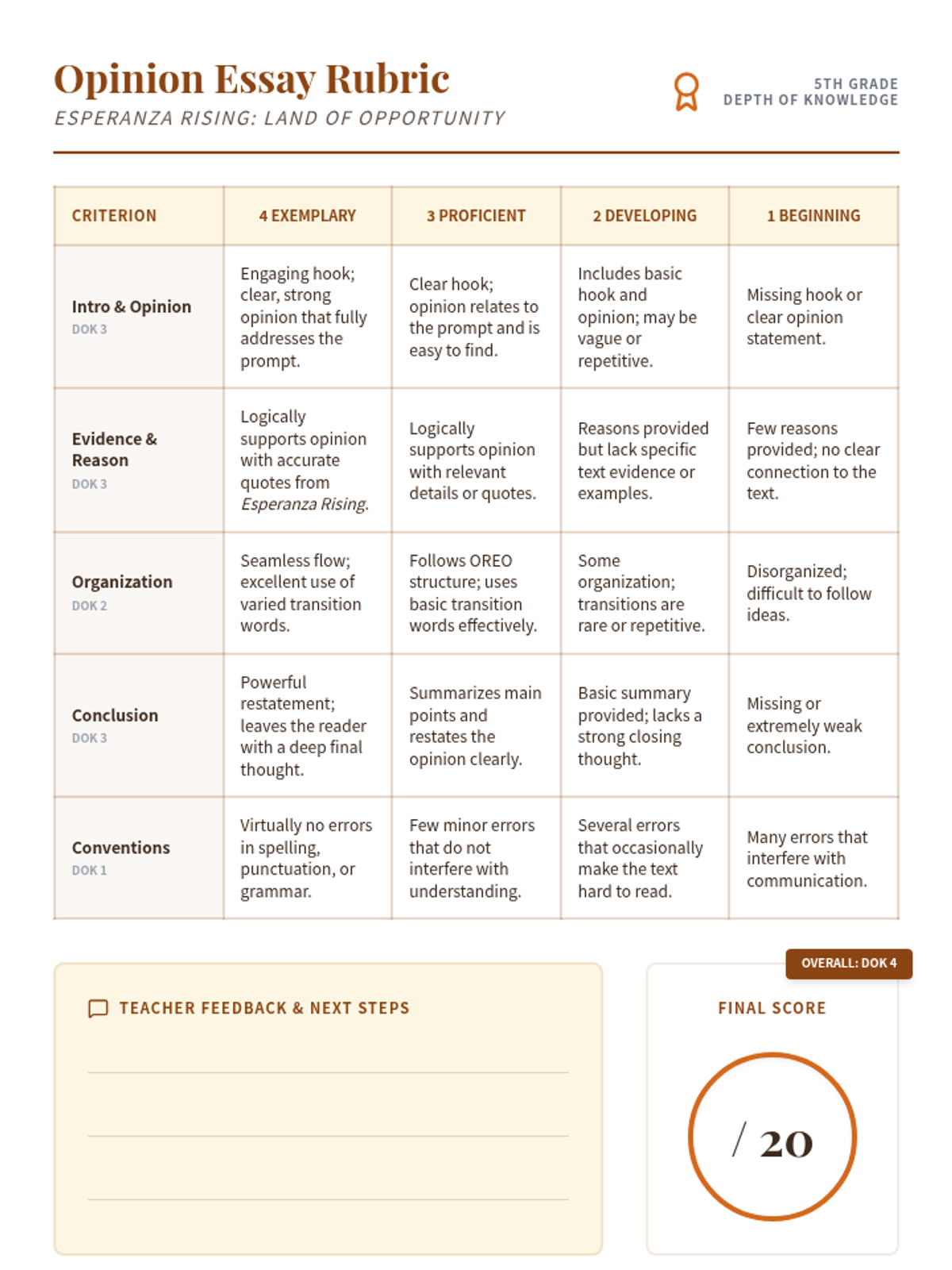
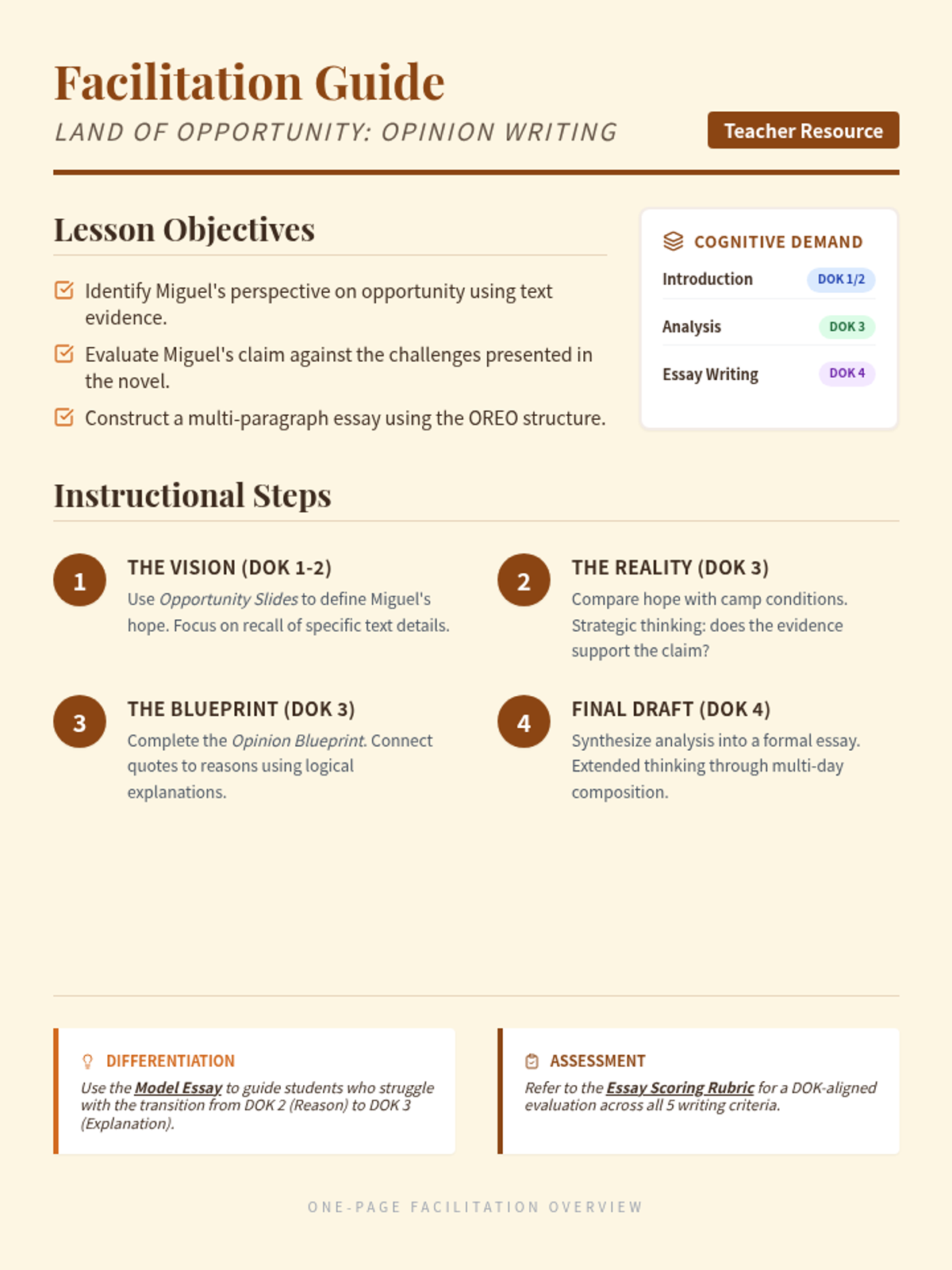
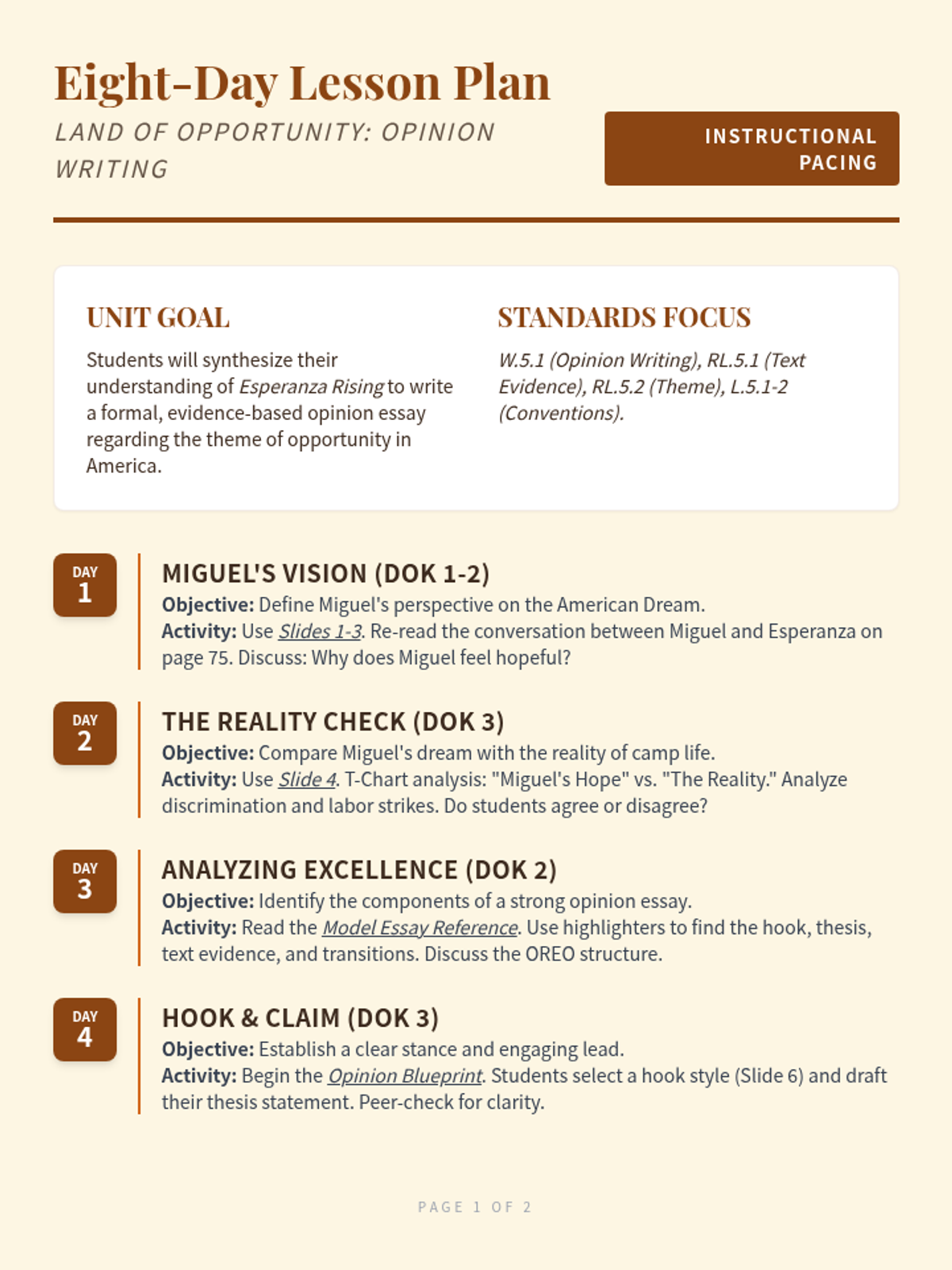
A comprehensive lesson focused on crafting an opinion essay based on Miguel's perspective in *Esperanza Rising*. Students will analyze the concept of the 'American Dream' and use evidence from the text to support their own stance.
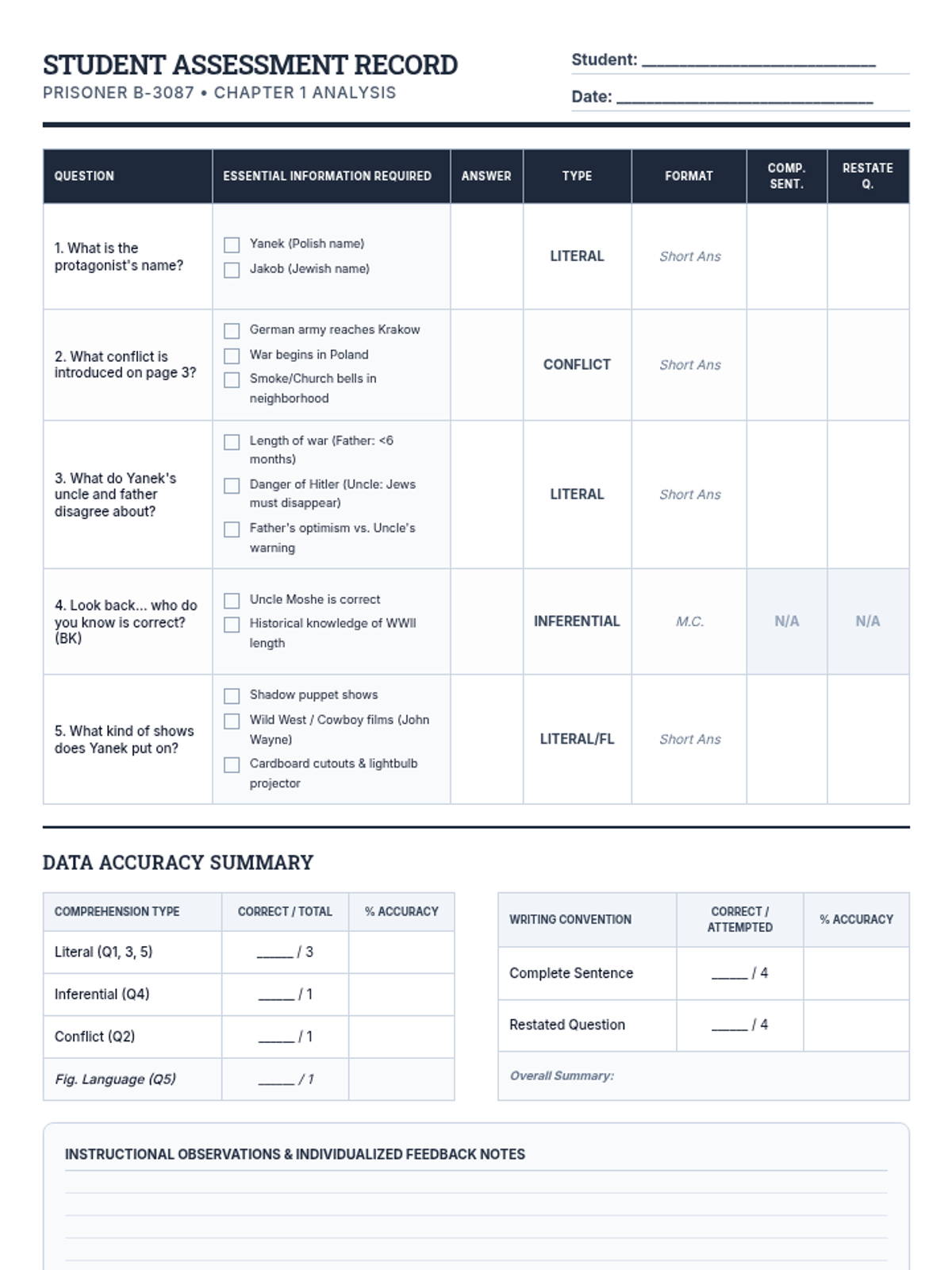
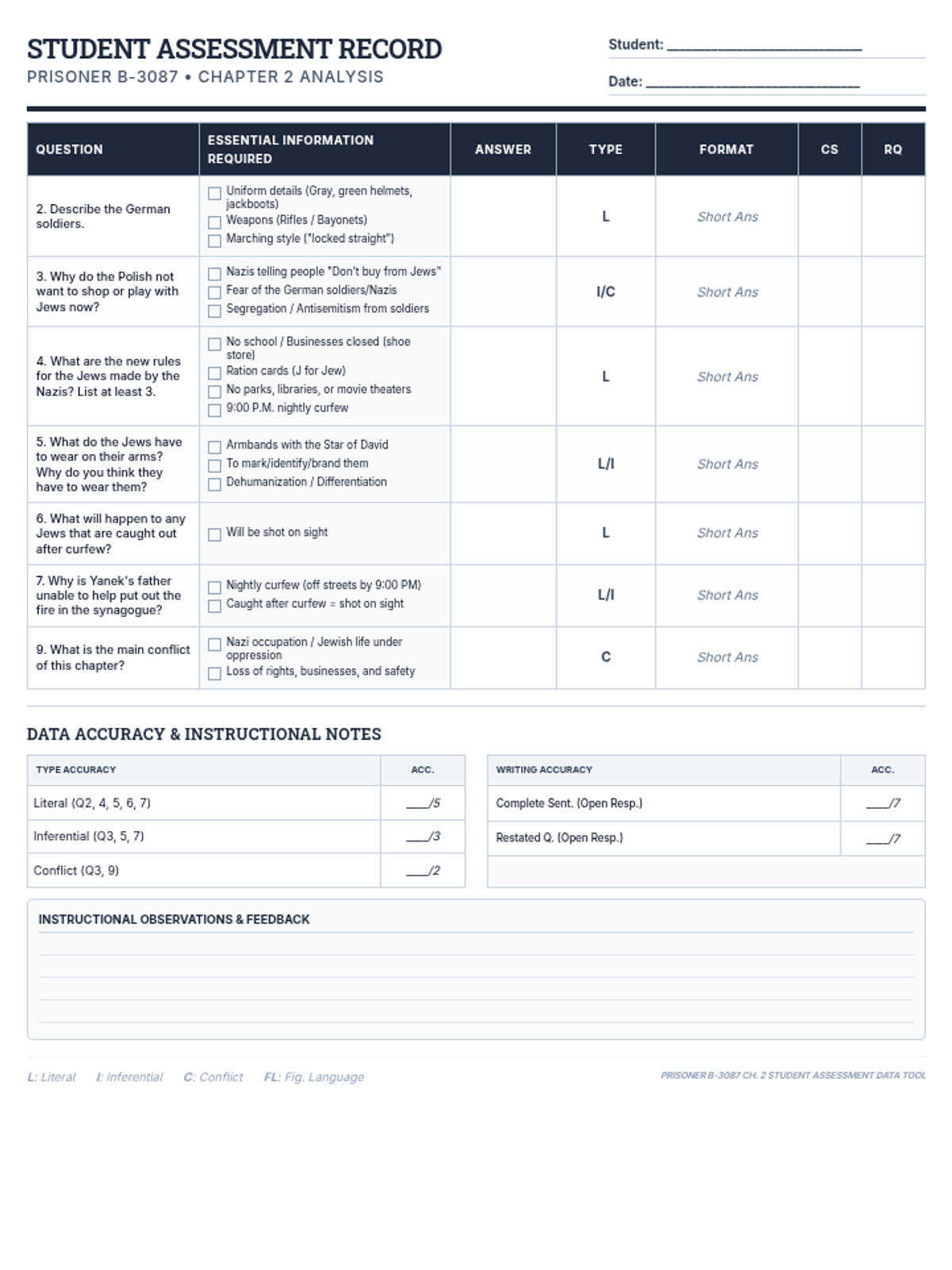
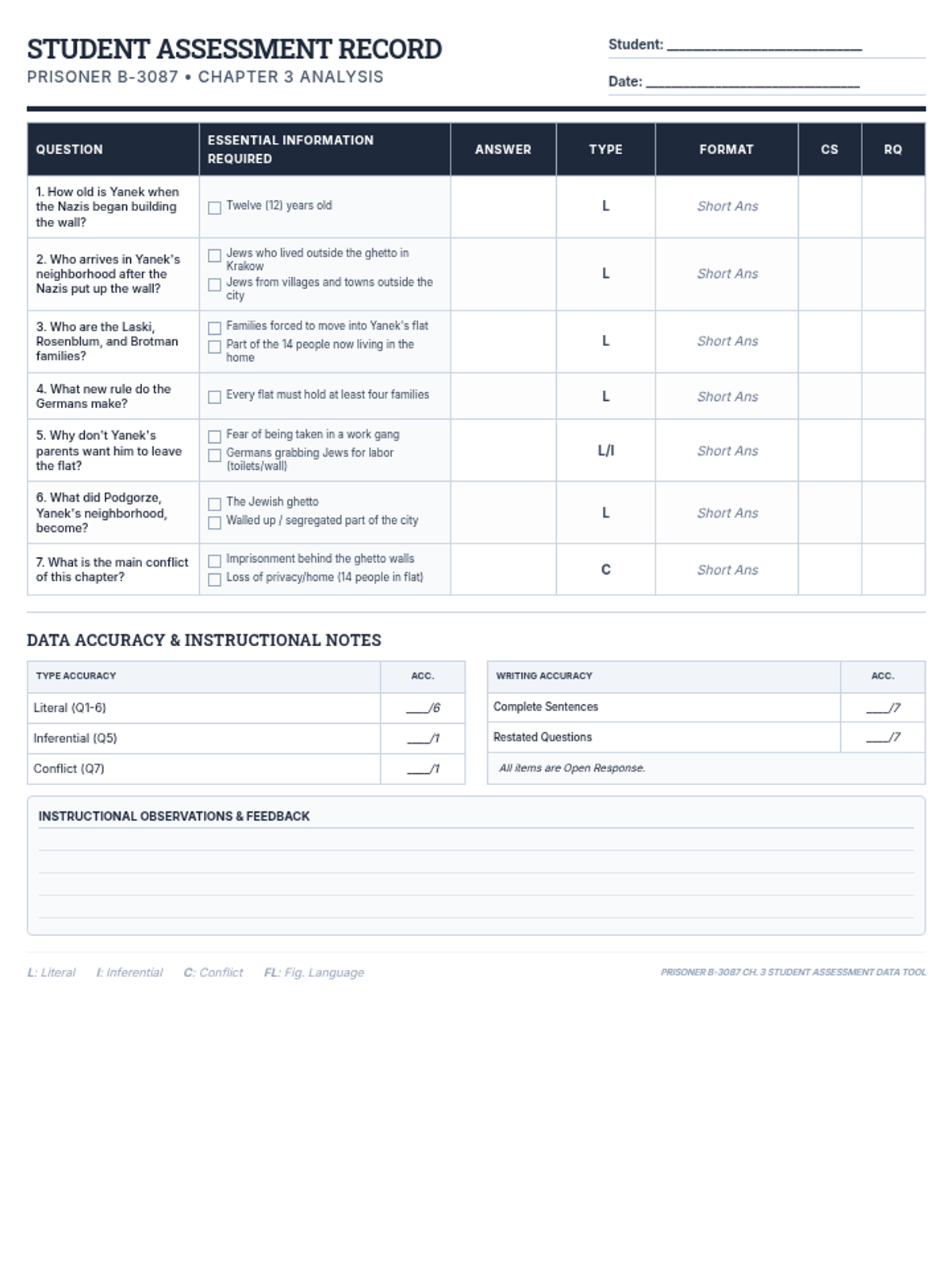
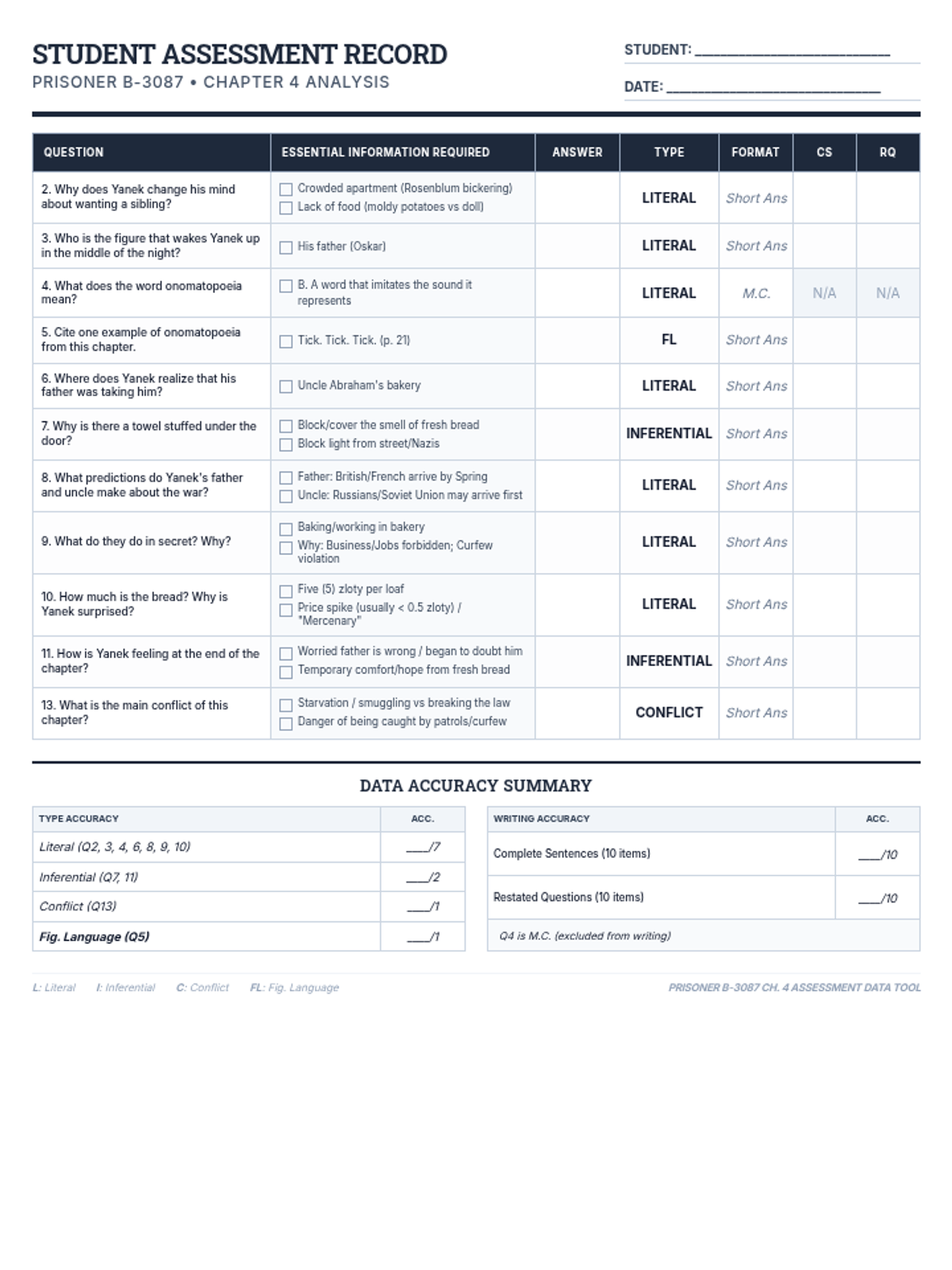
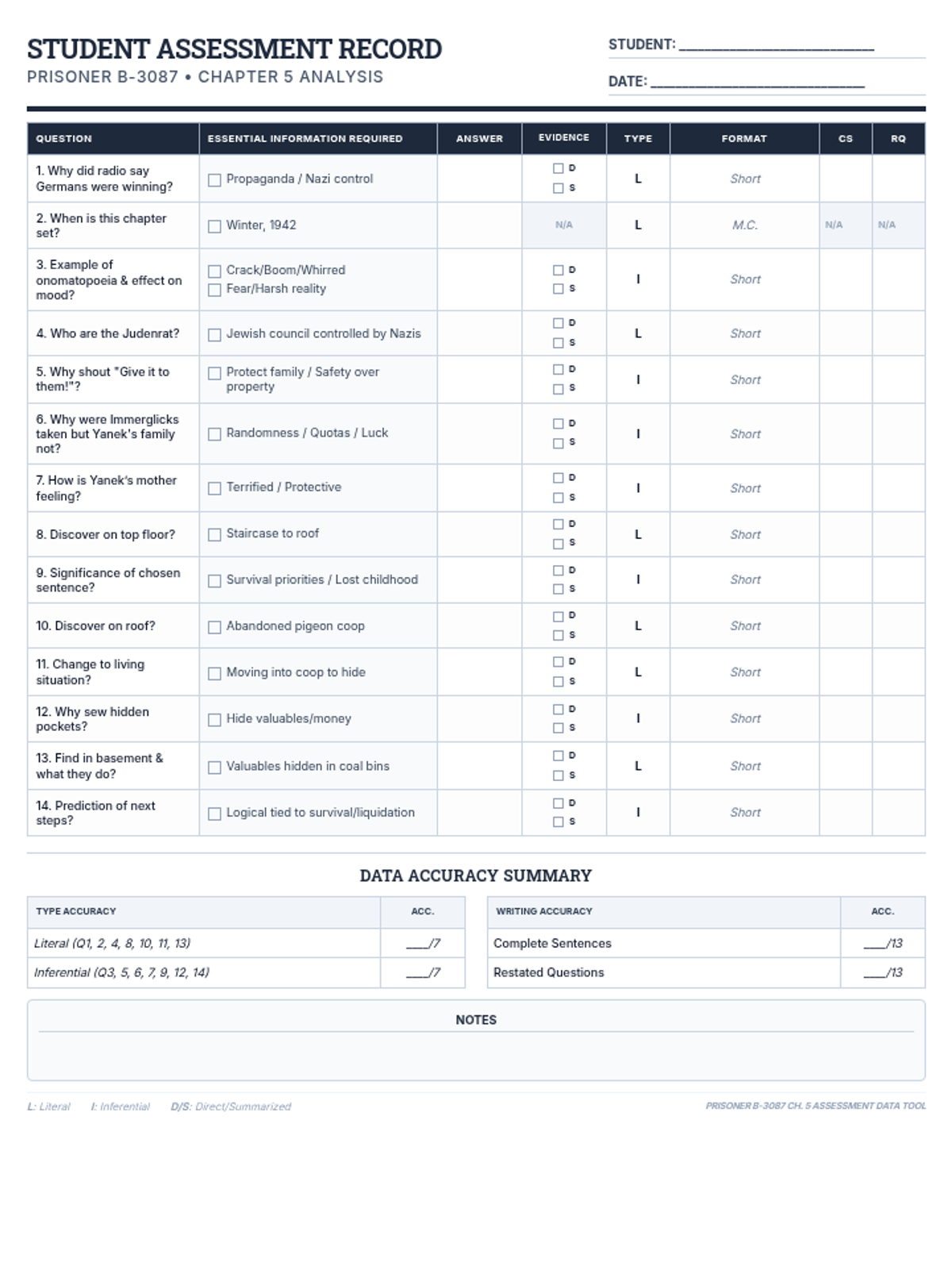
A data tracking and assessment suite for Chapter 1 of Prisoner B-3087, focusing on reading comprehension types and writing conventions.
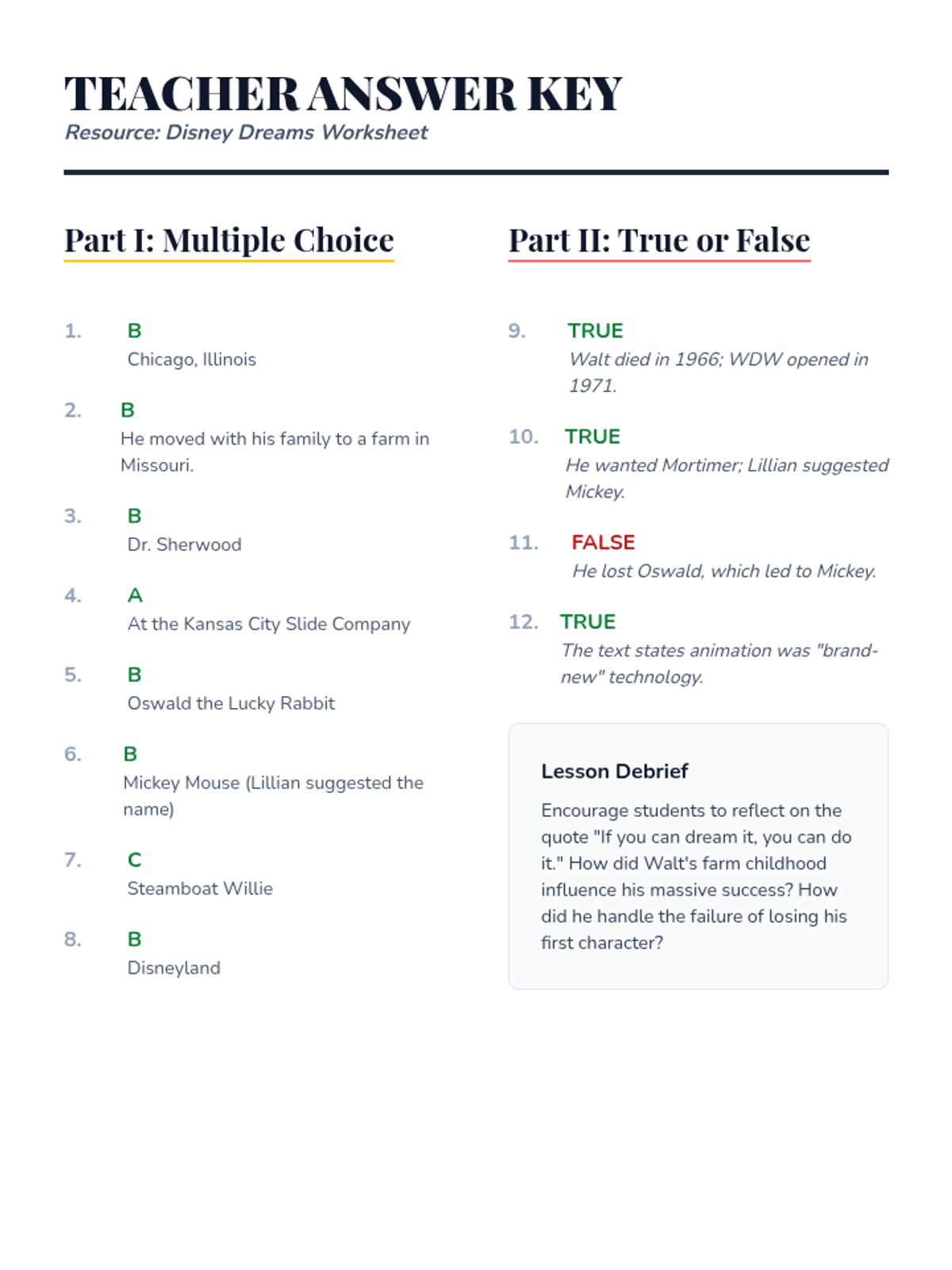
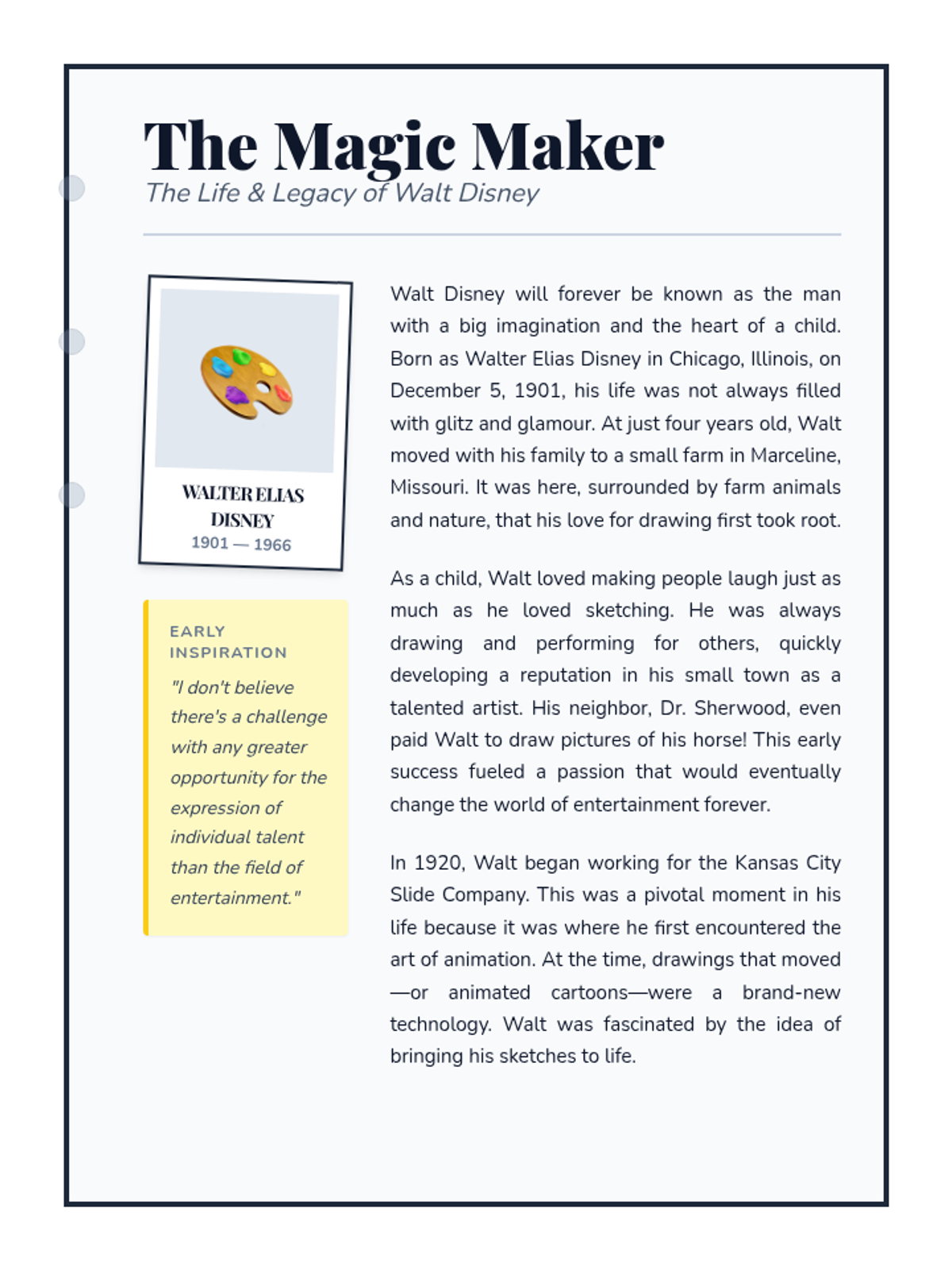
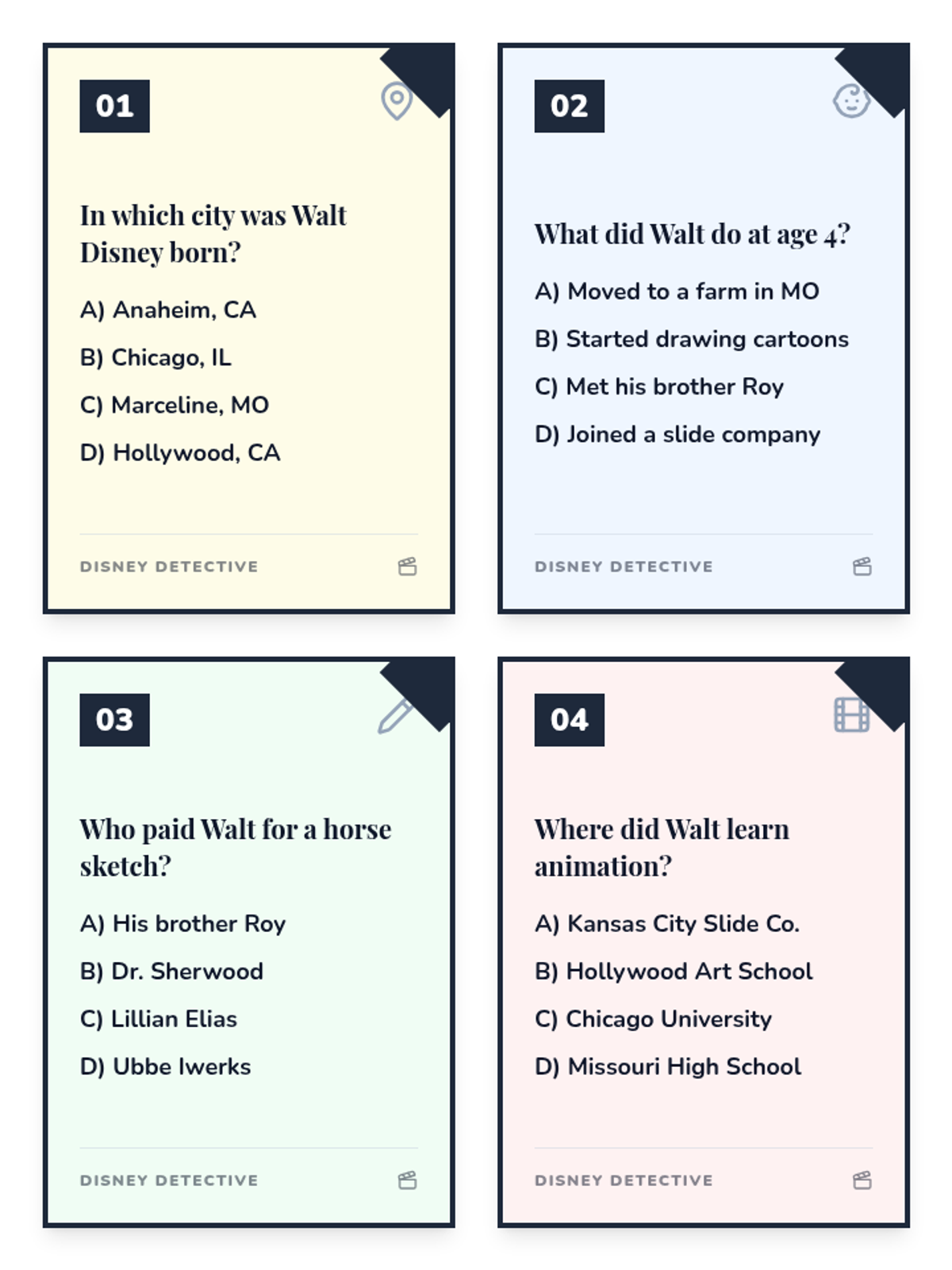
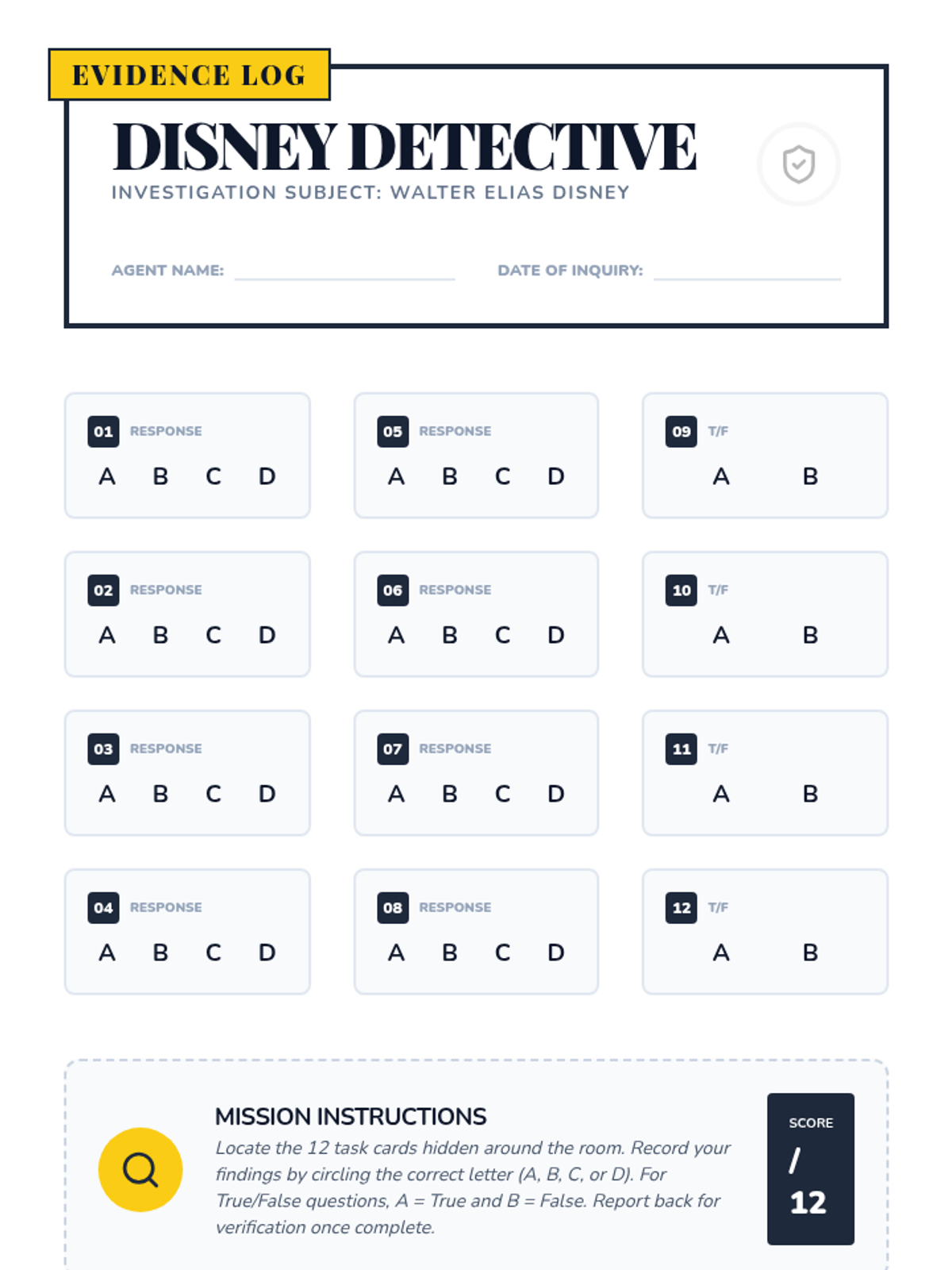
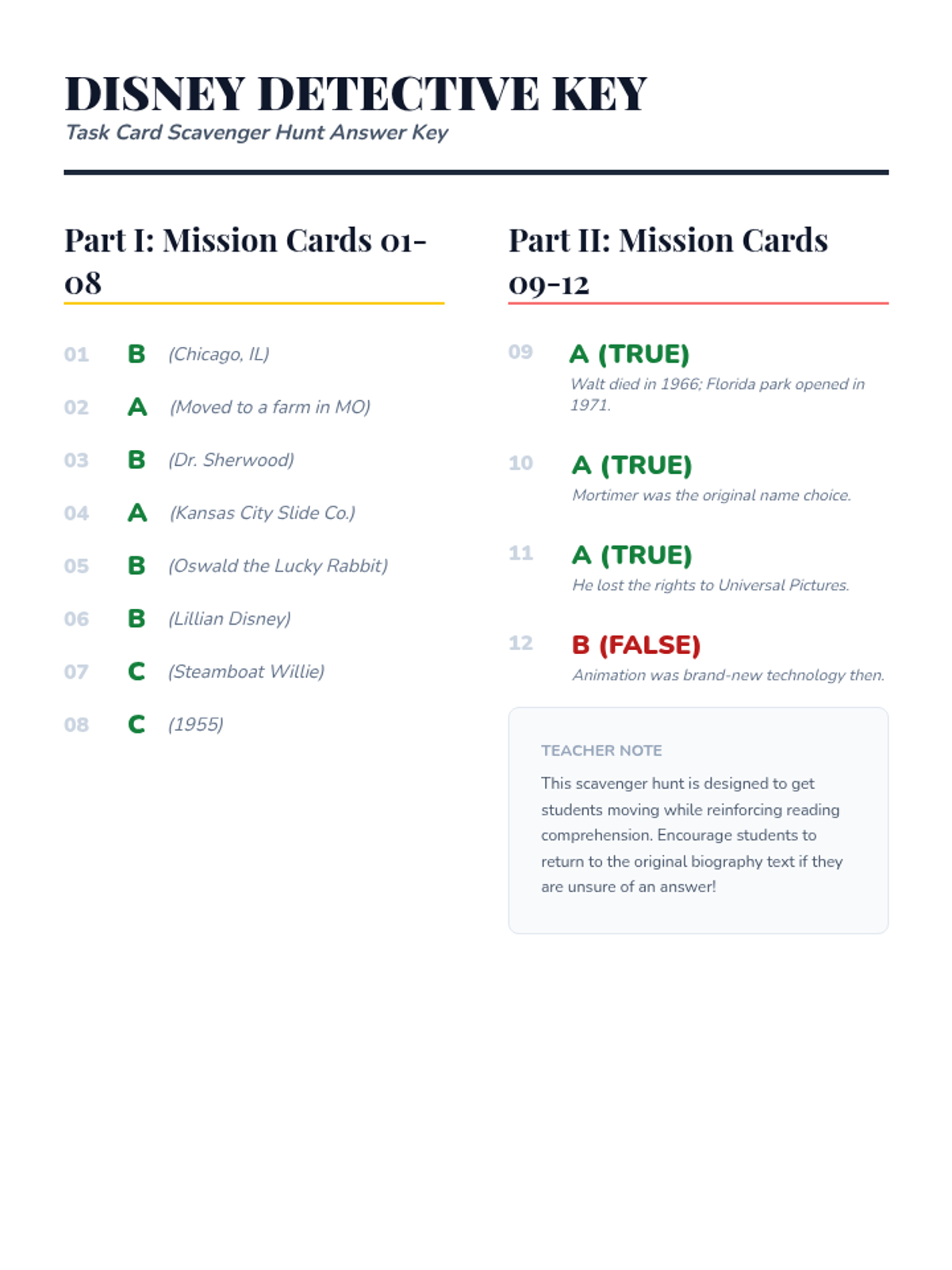
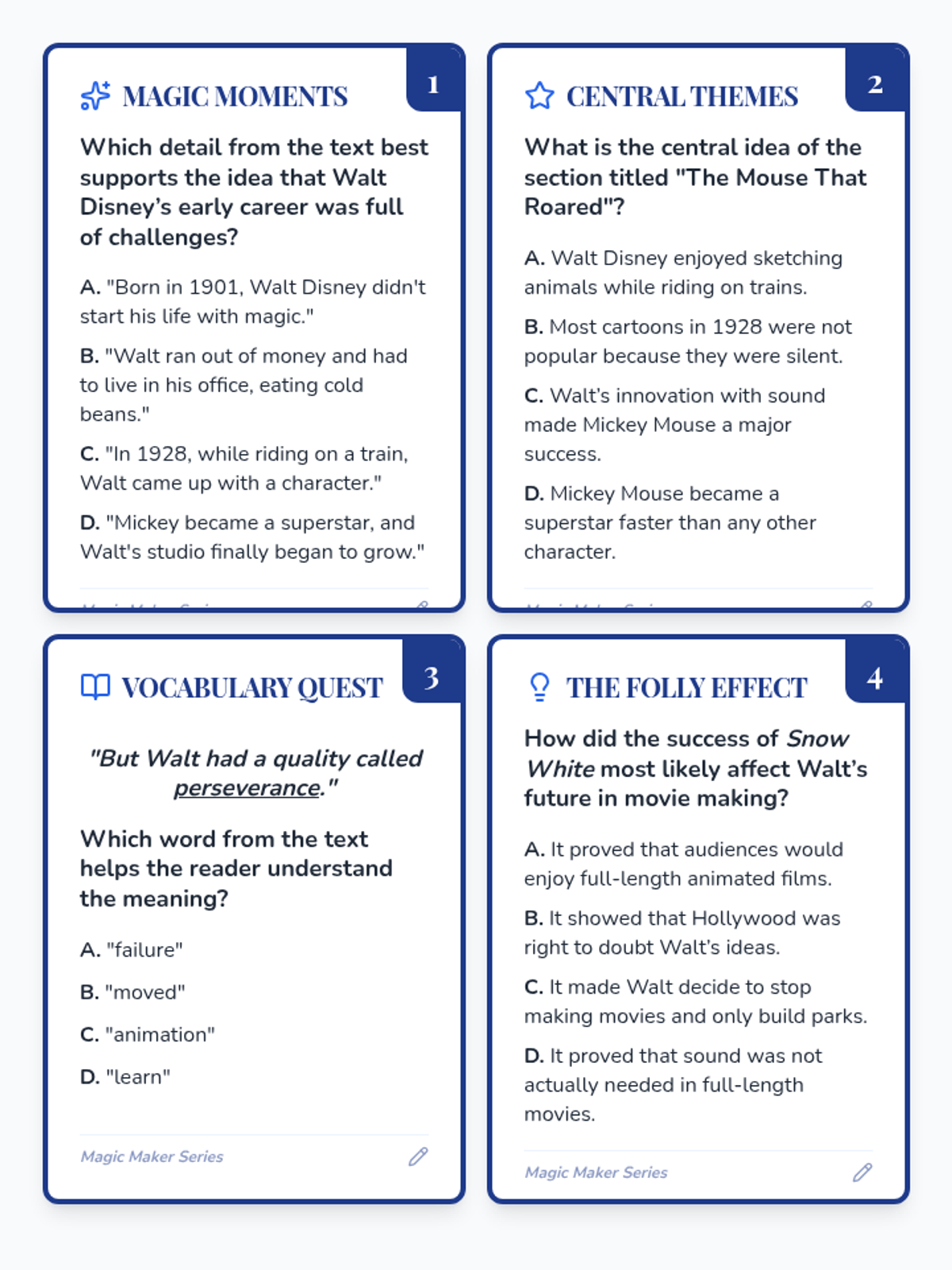
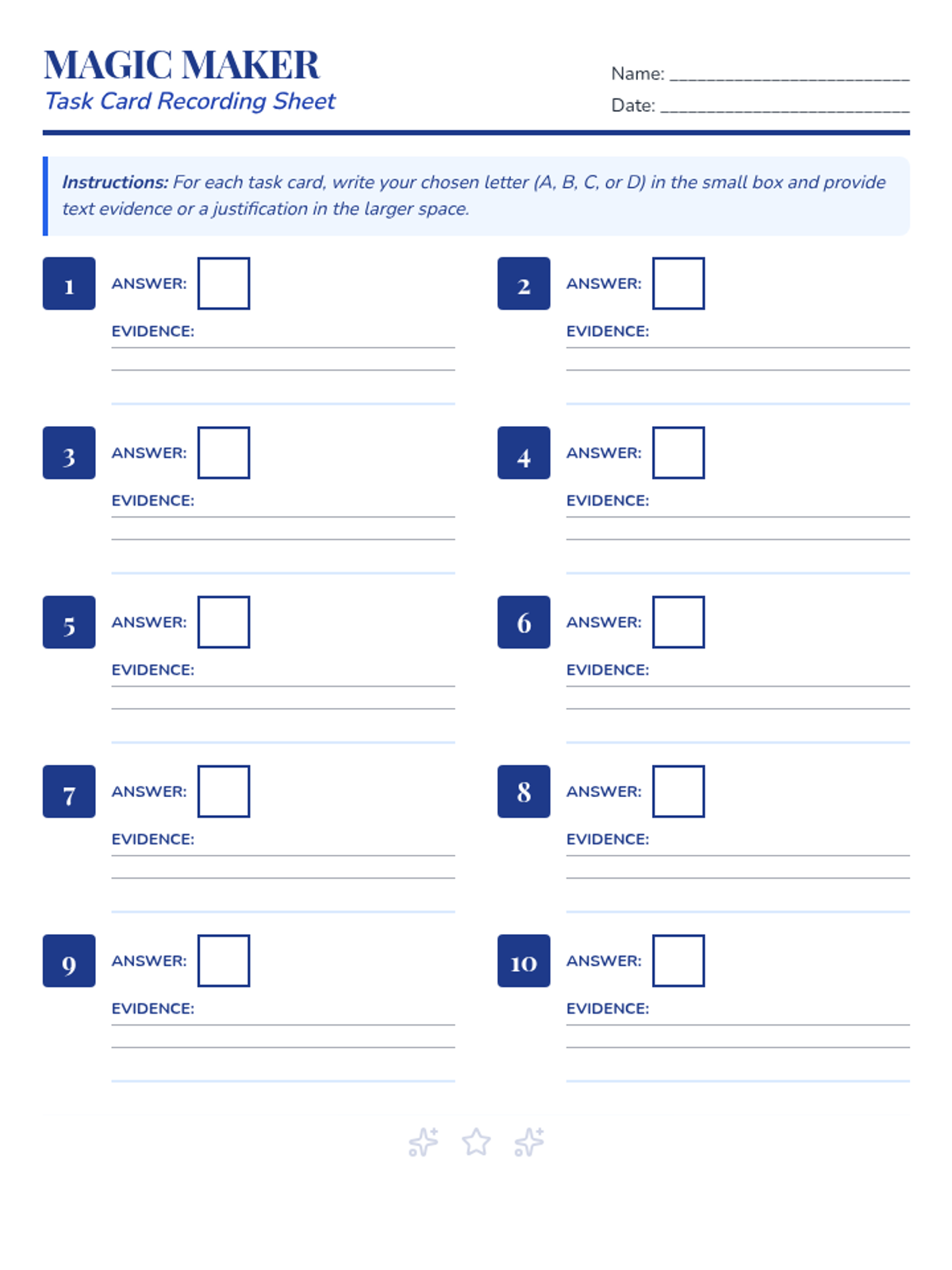
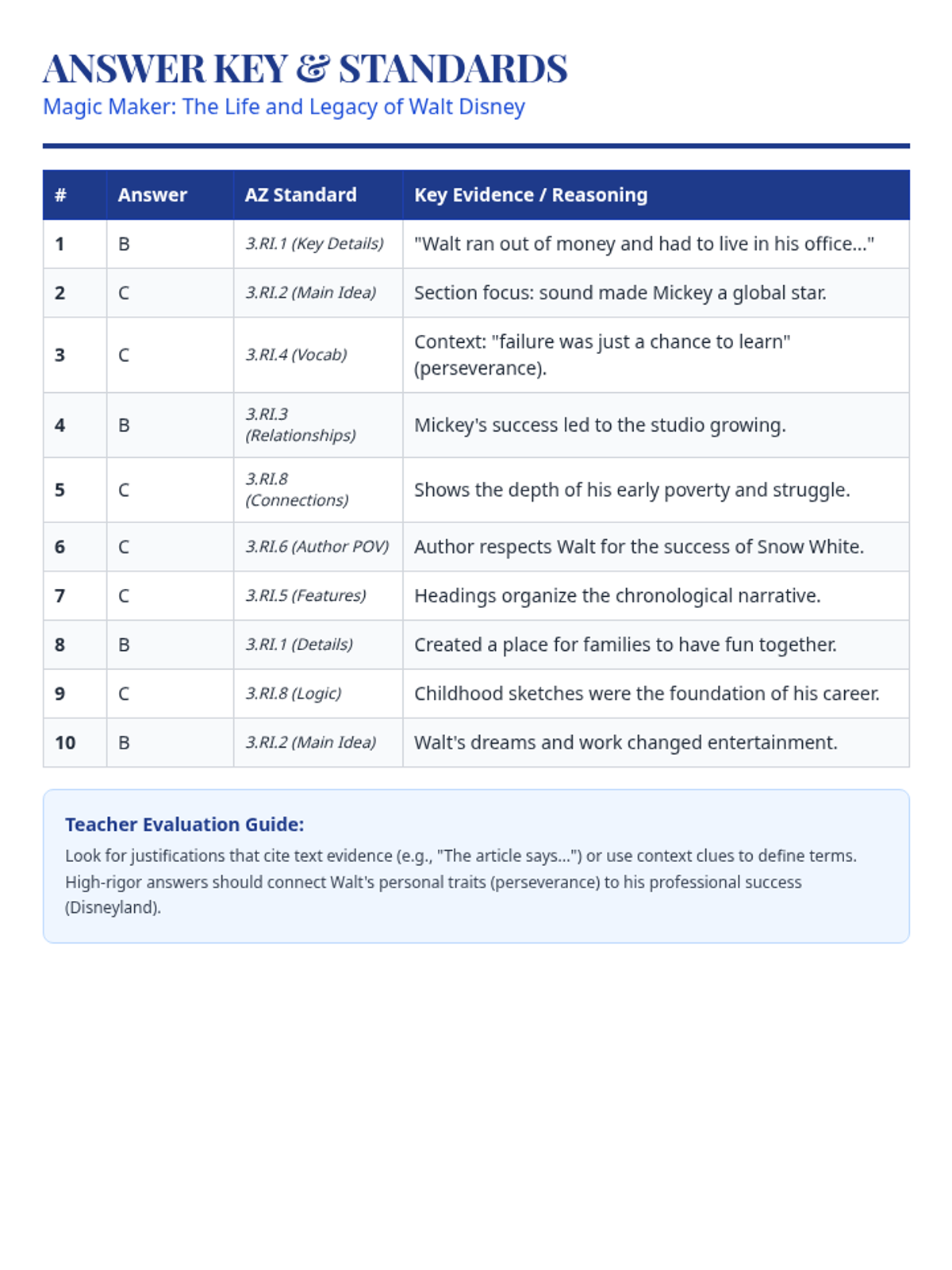
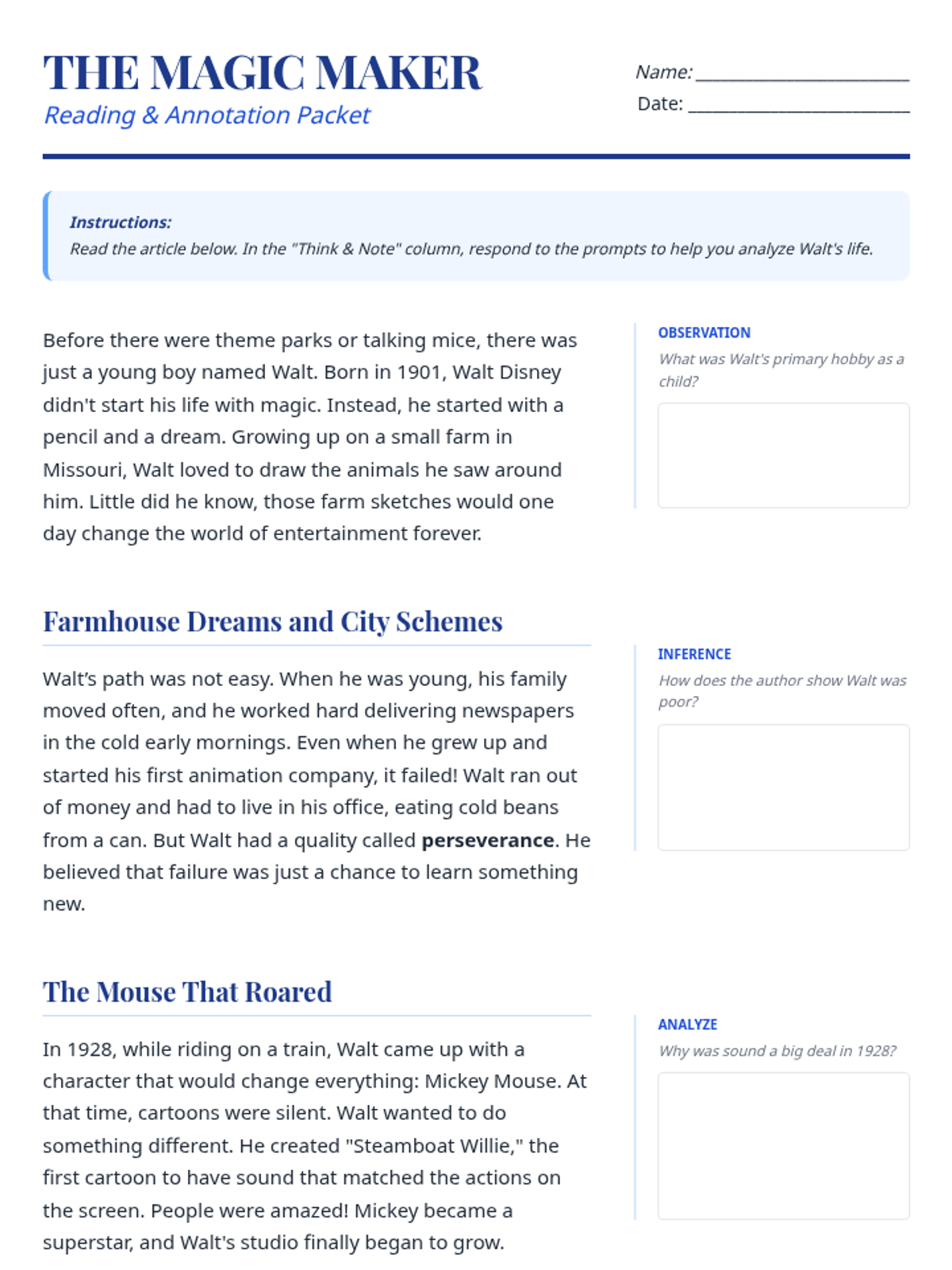
A comprehensive reading and assessment lesson exploring the life and legacy of Walt Disney, from his humble beginnings on a Missouri farm to the creation of a global entertainment empire.
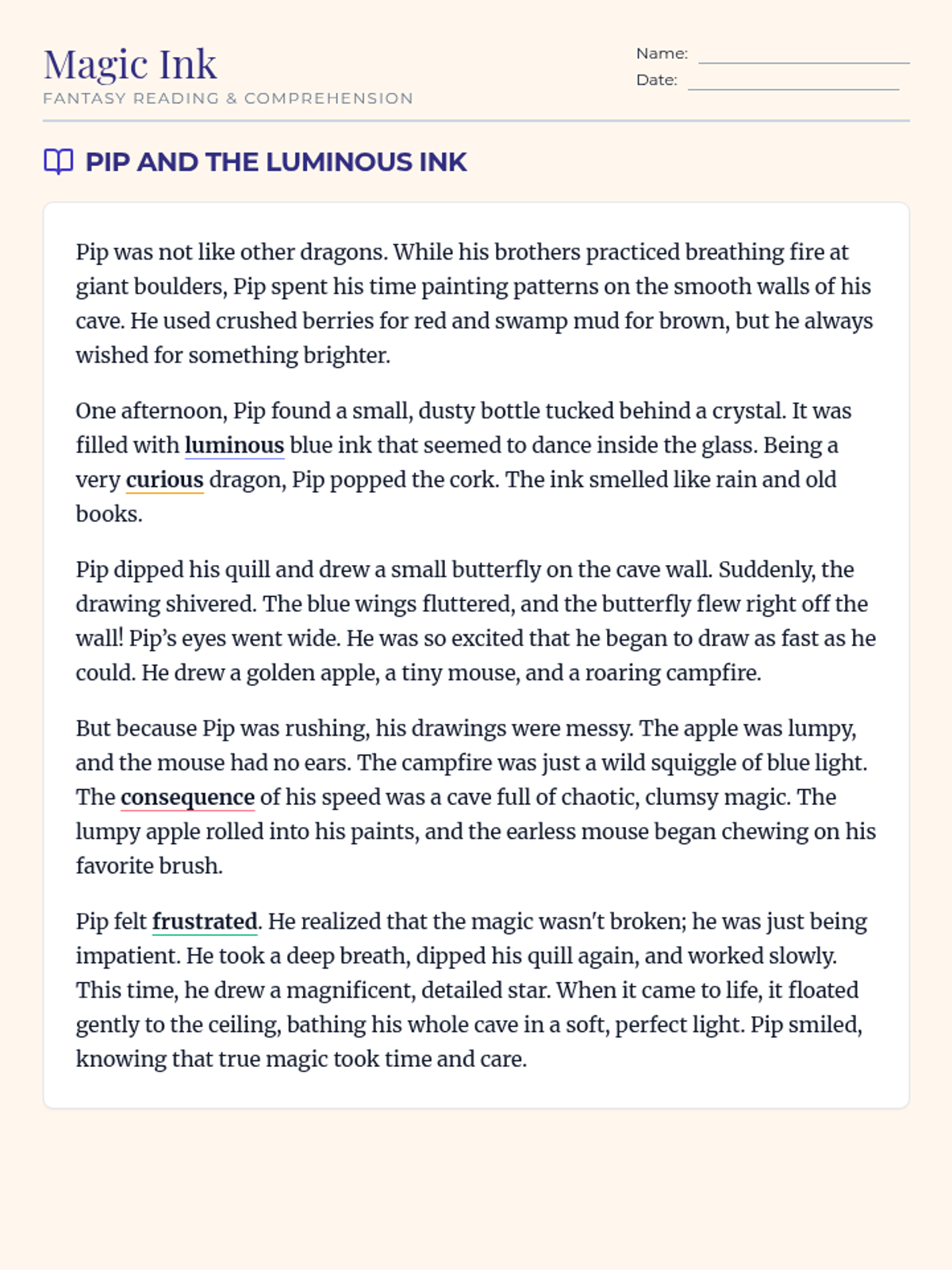
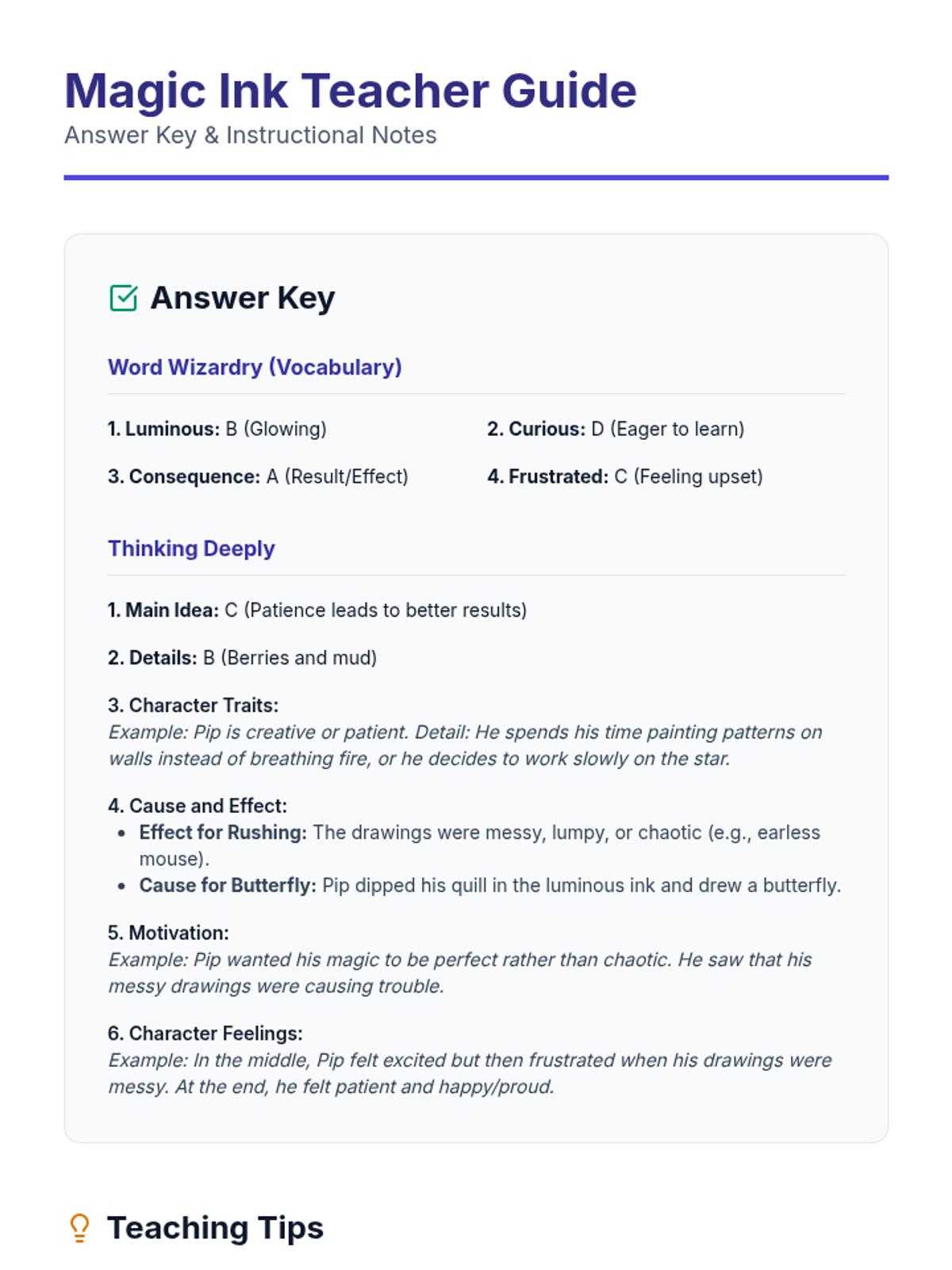
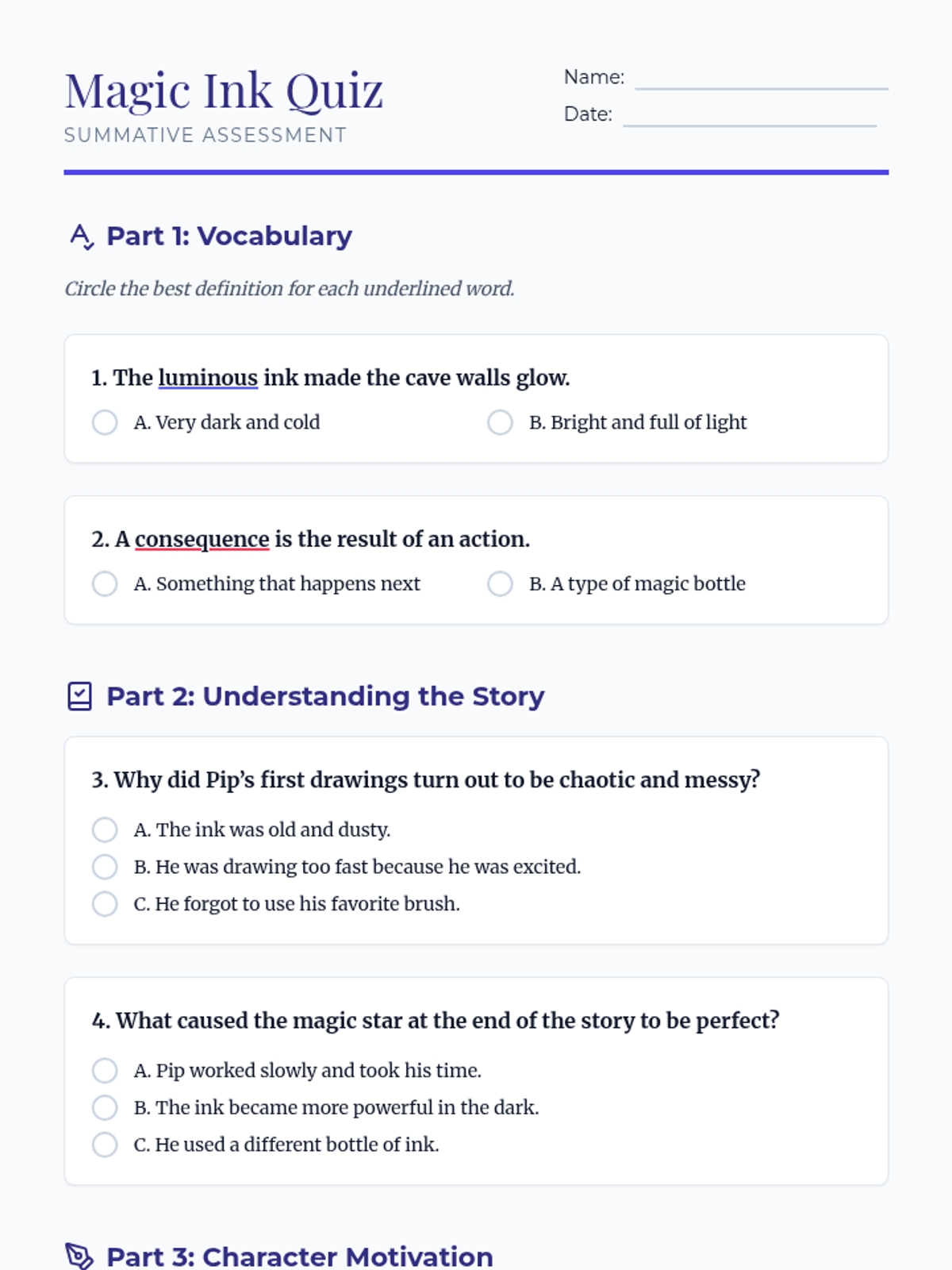
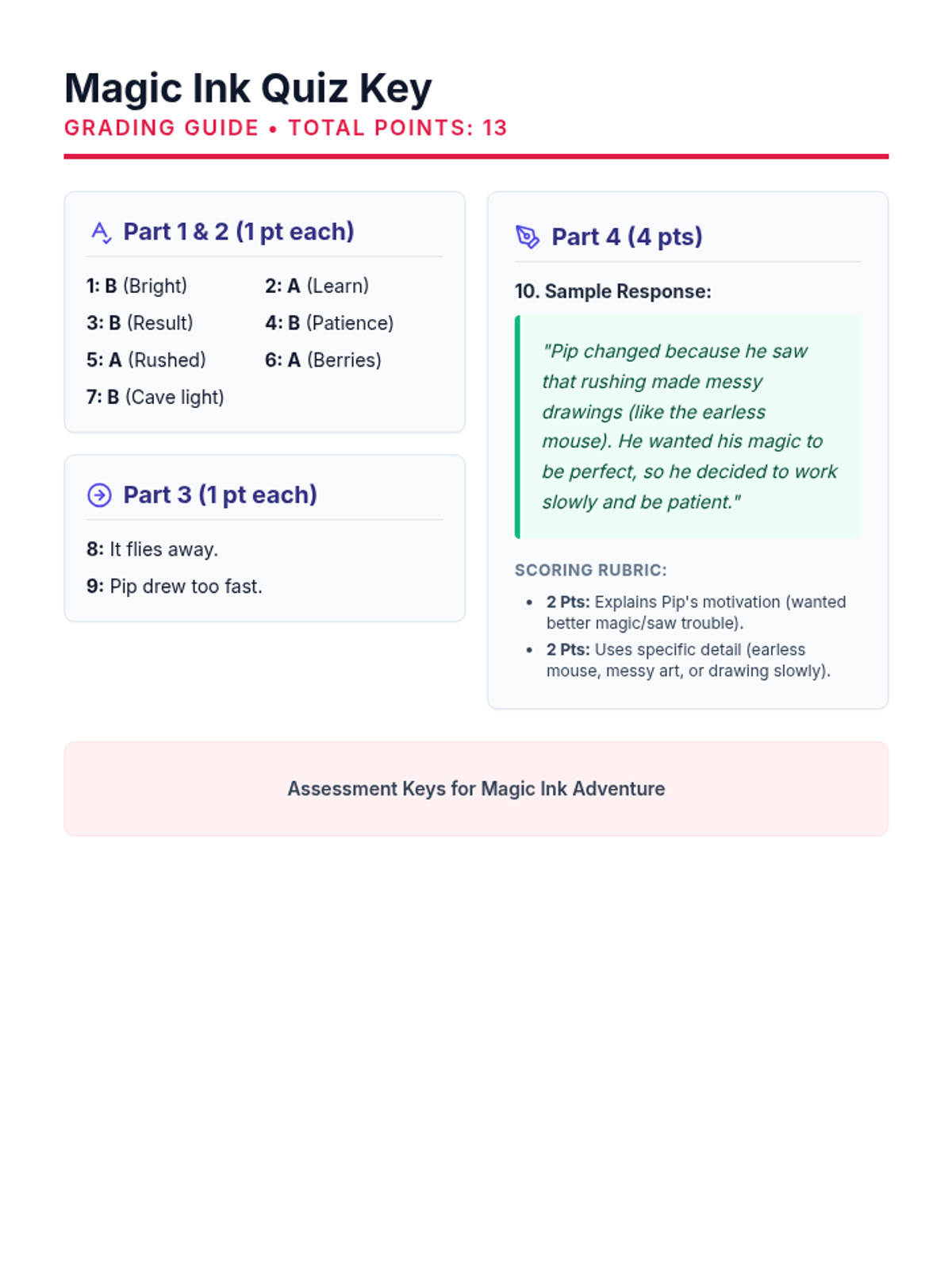
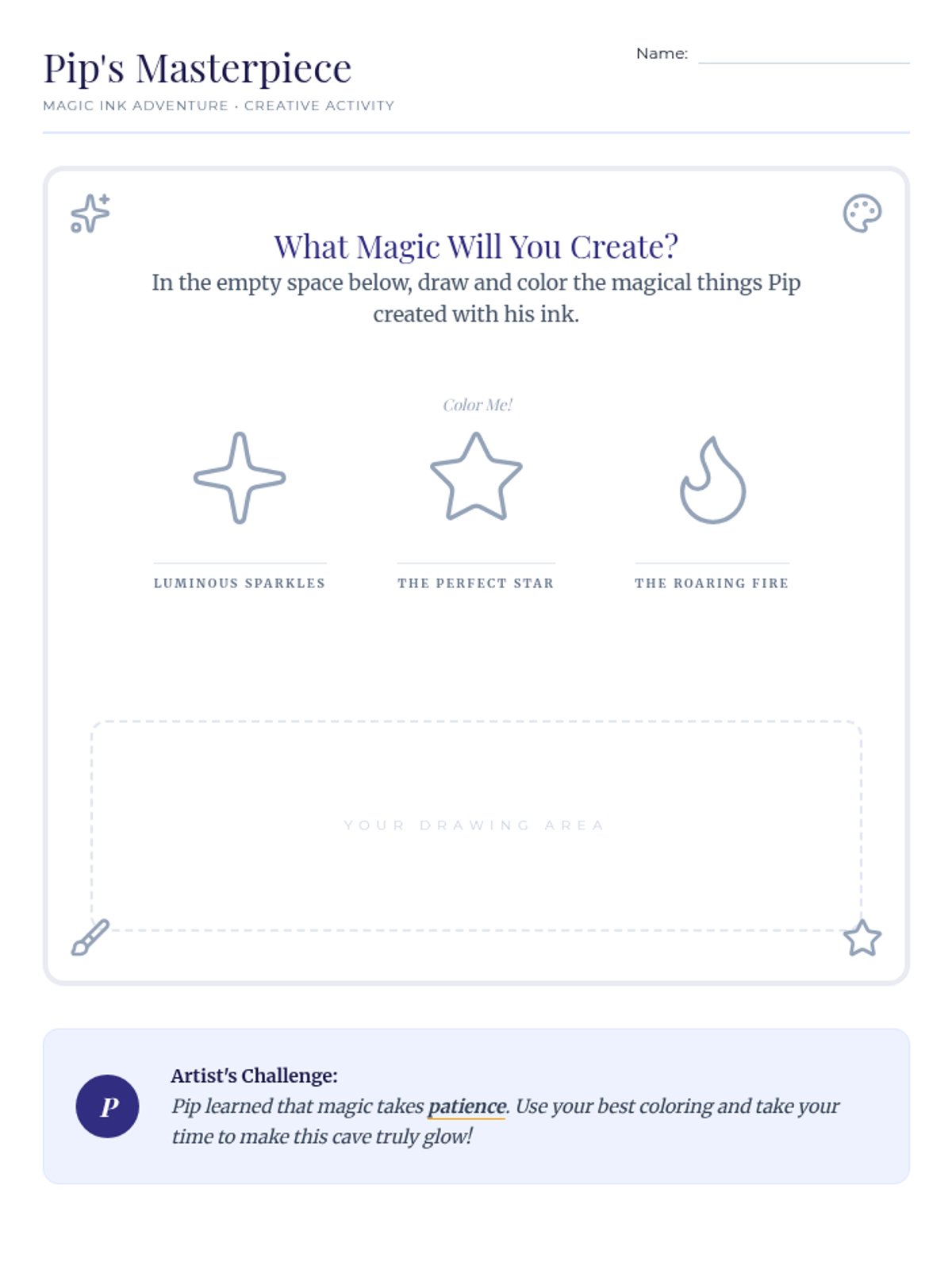
A fantasy-themed reading lesson focused on character motivations and cause-and-effect relationships through the story of a dragon with magic ink.
An exploration of Walt Disney's life and legacy, focusing on his perseverance and innovation. Students will engage with a complex informational text and demonstrate deep comprehension through evidence-based analysis.
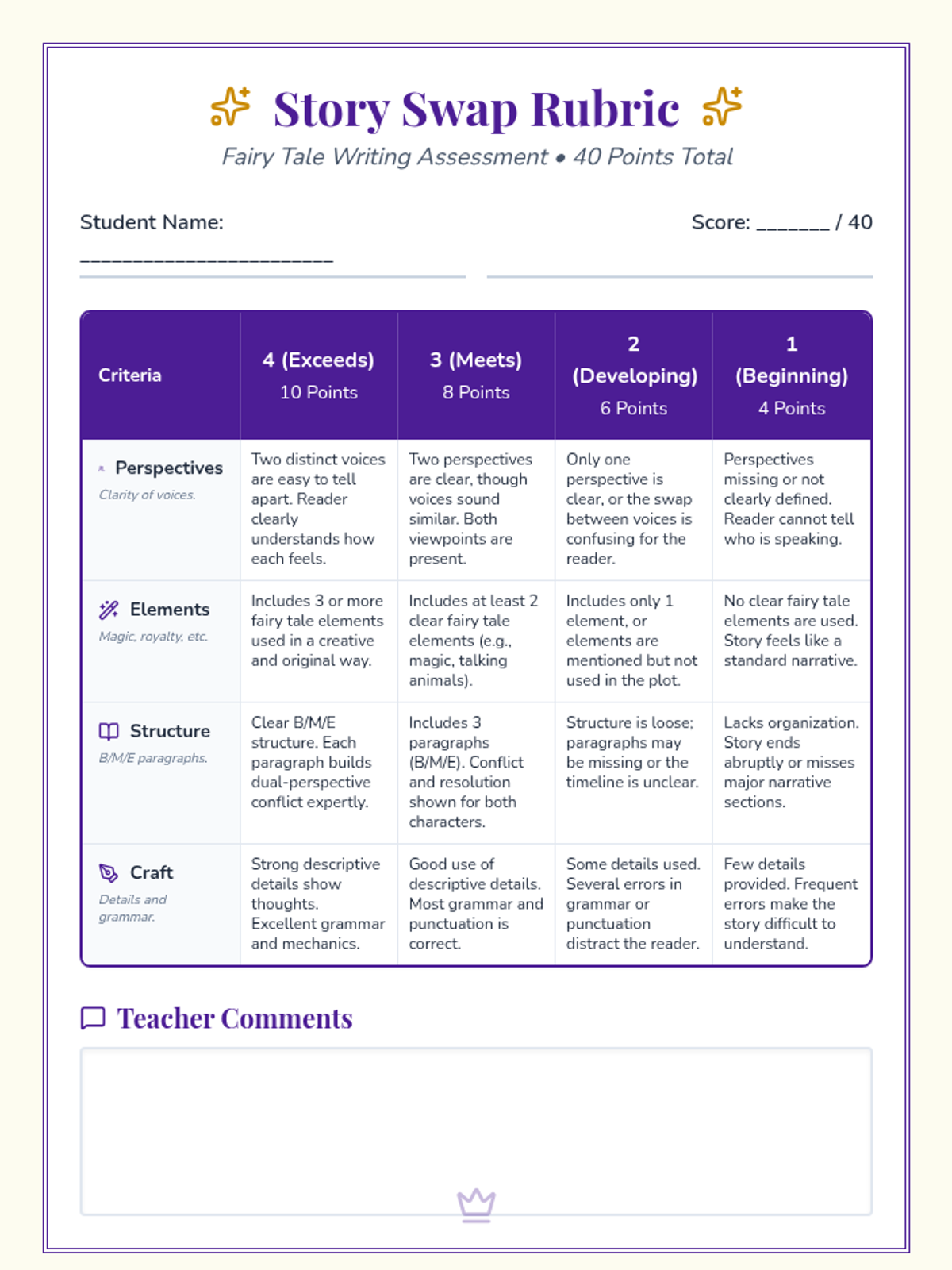
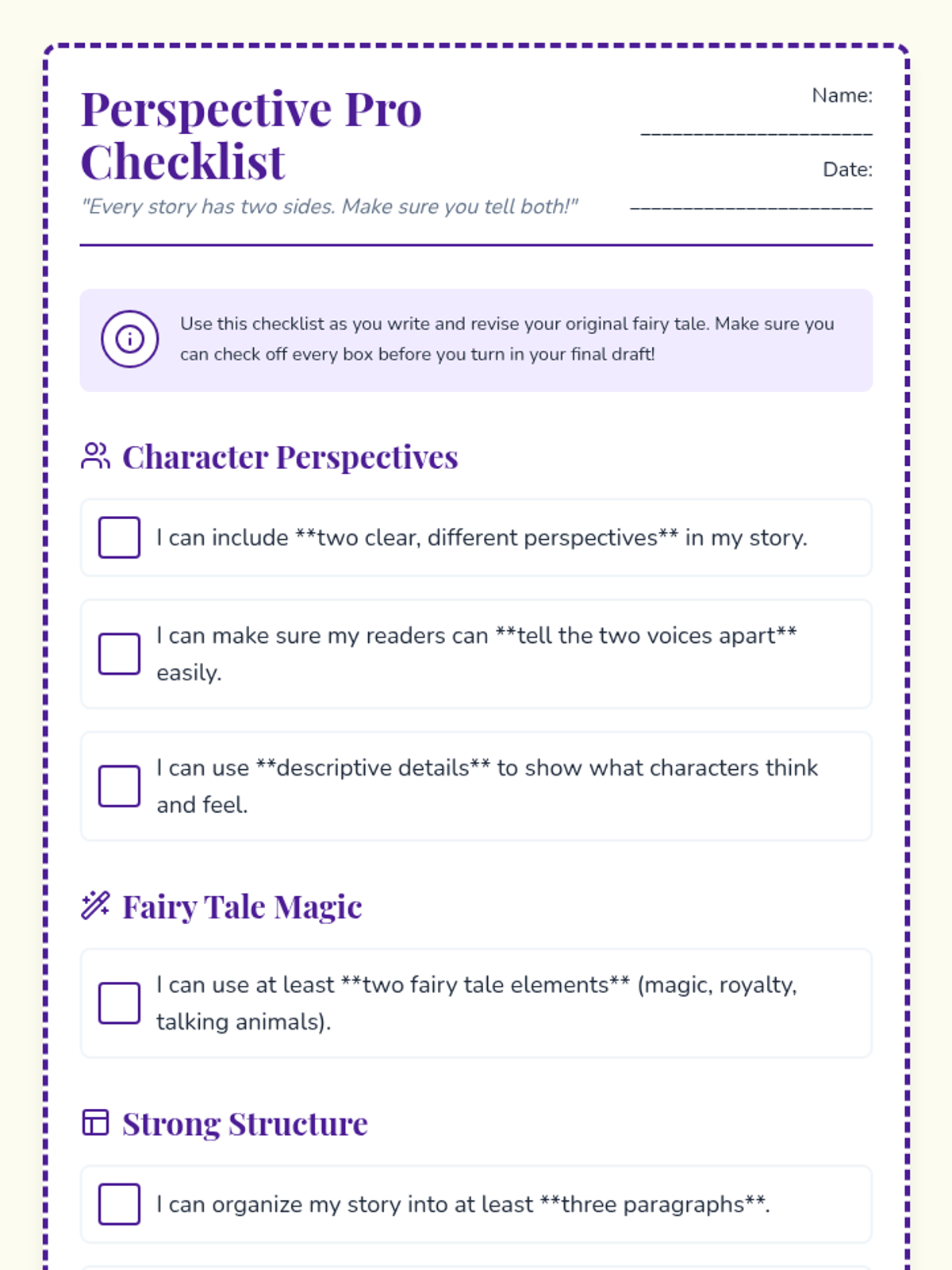
A creative writing lesson focused on retelling or creating original fairy tales from two distinct character perspectives, emphasizing narrative structure and character voice.
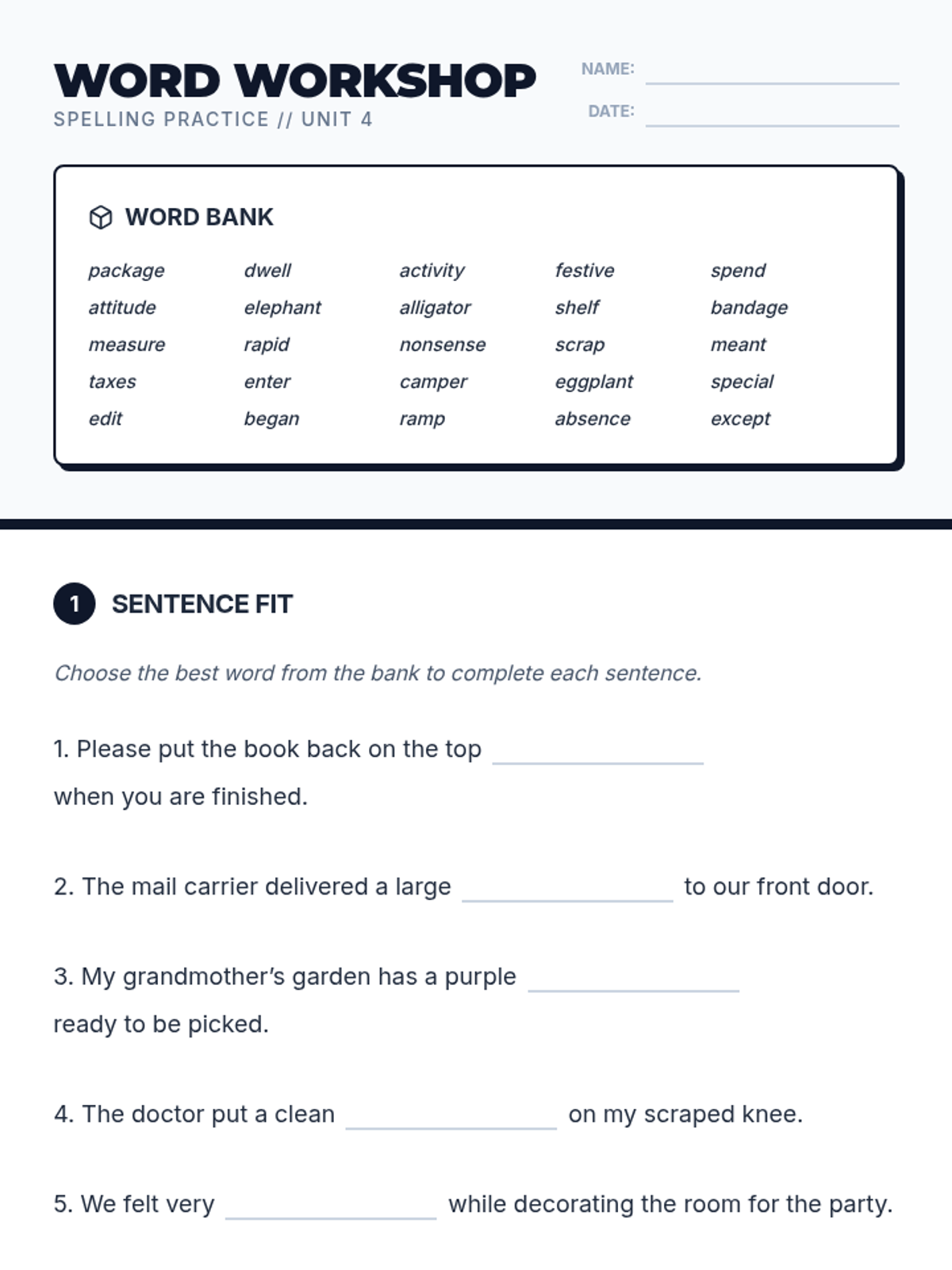
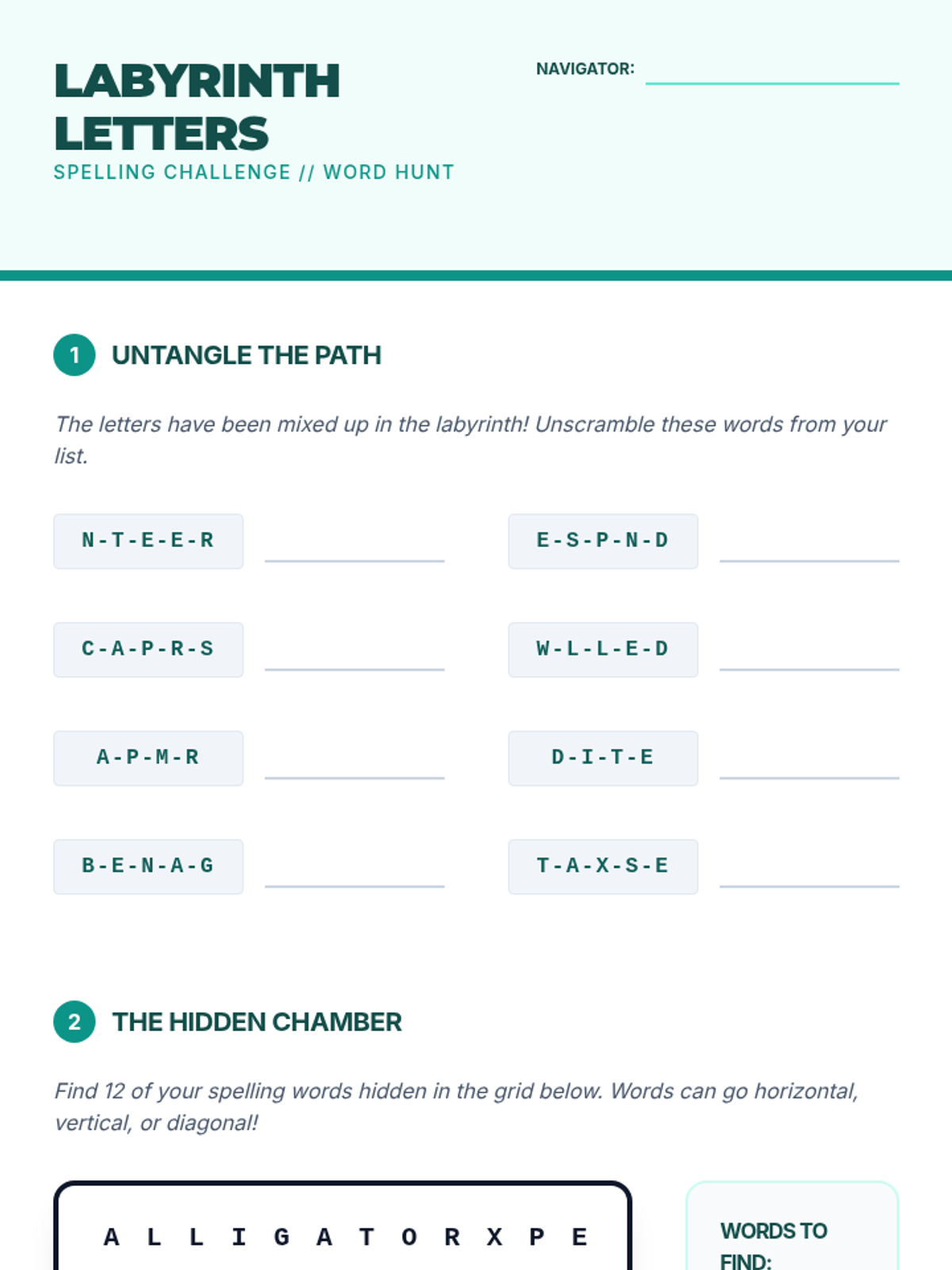
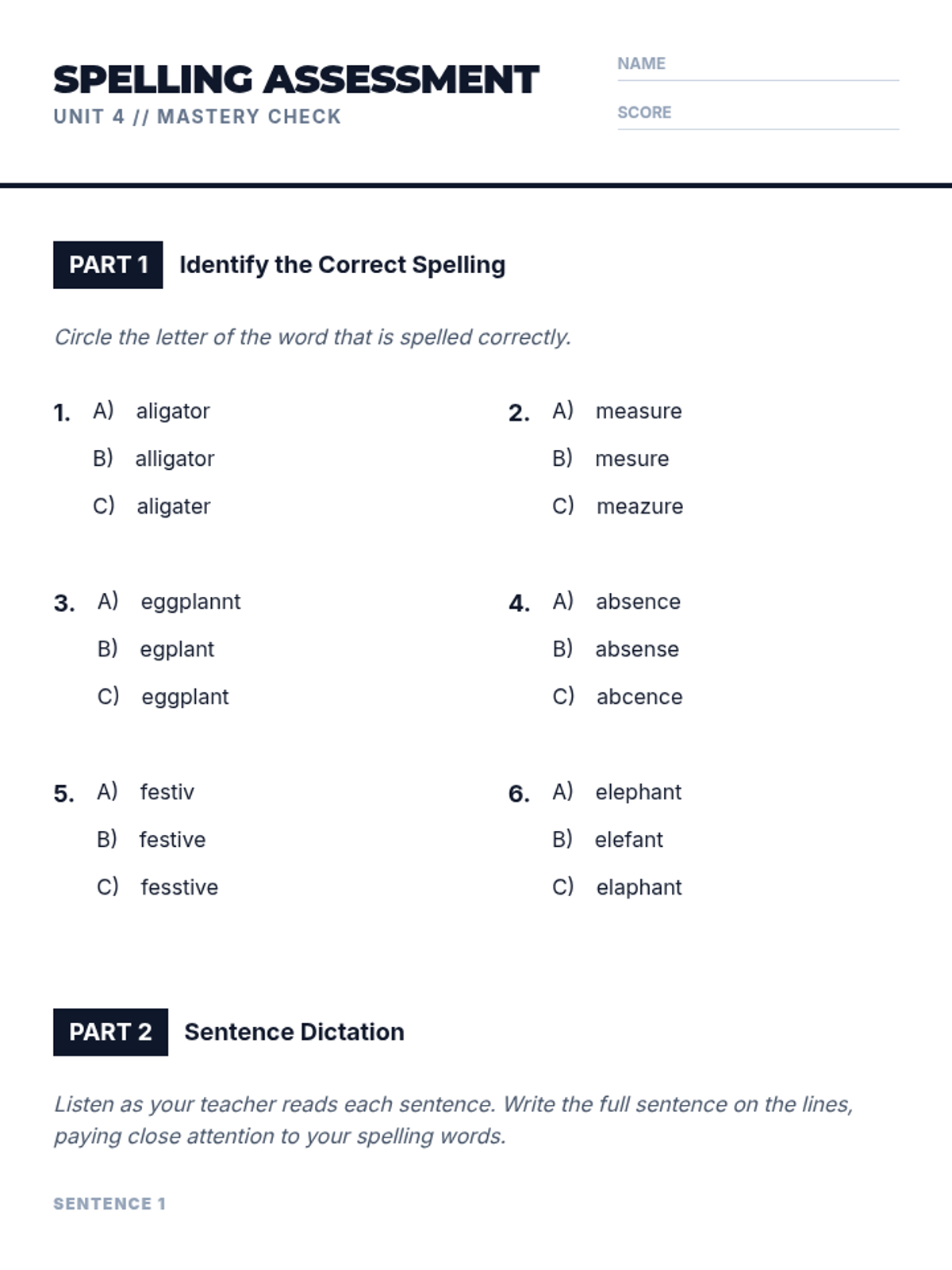
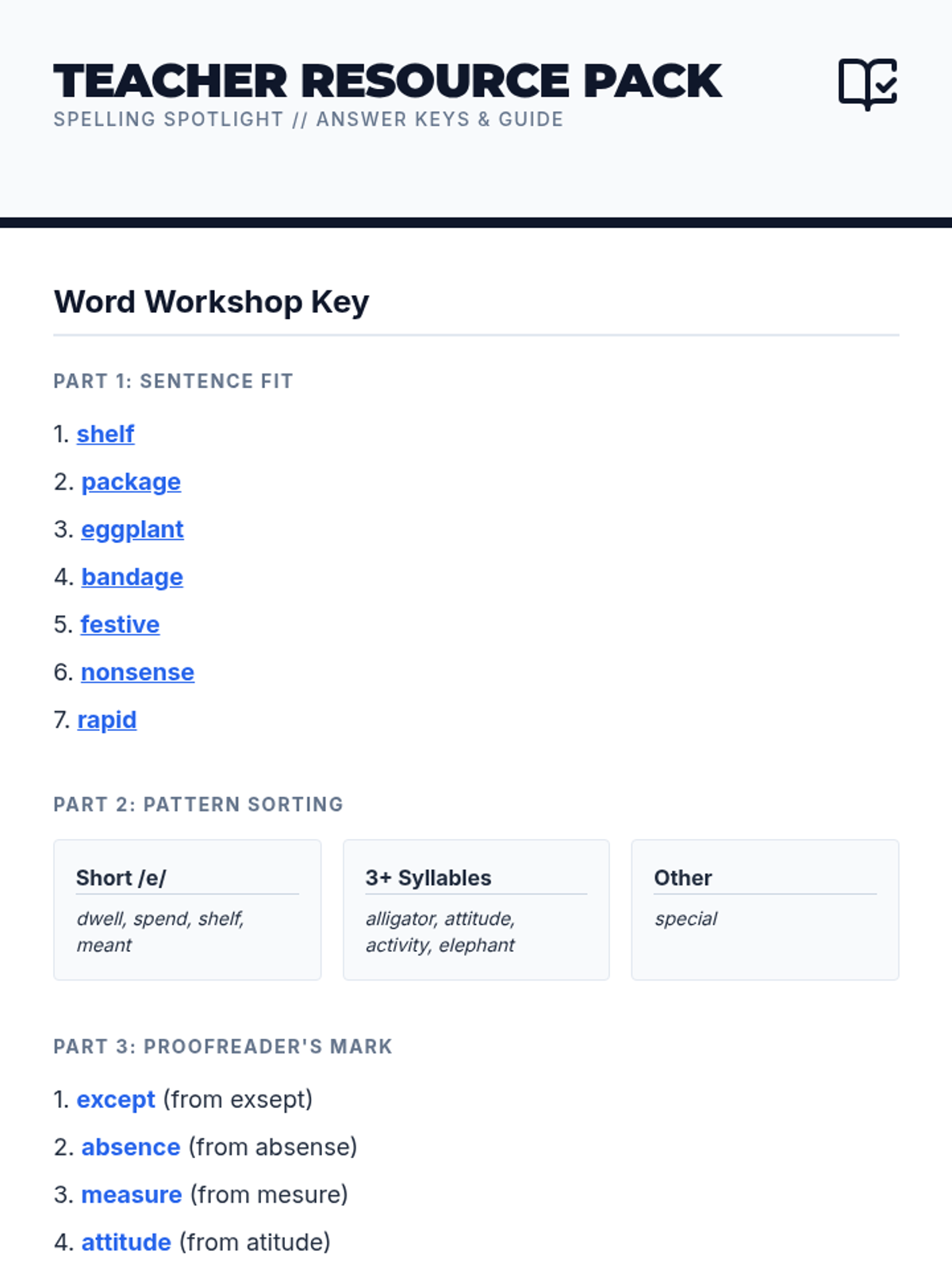
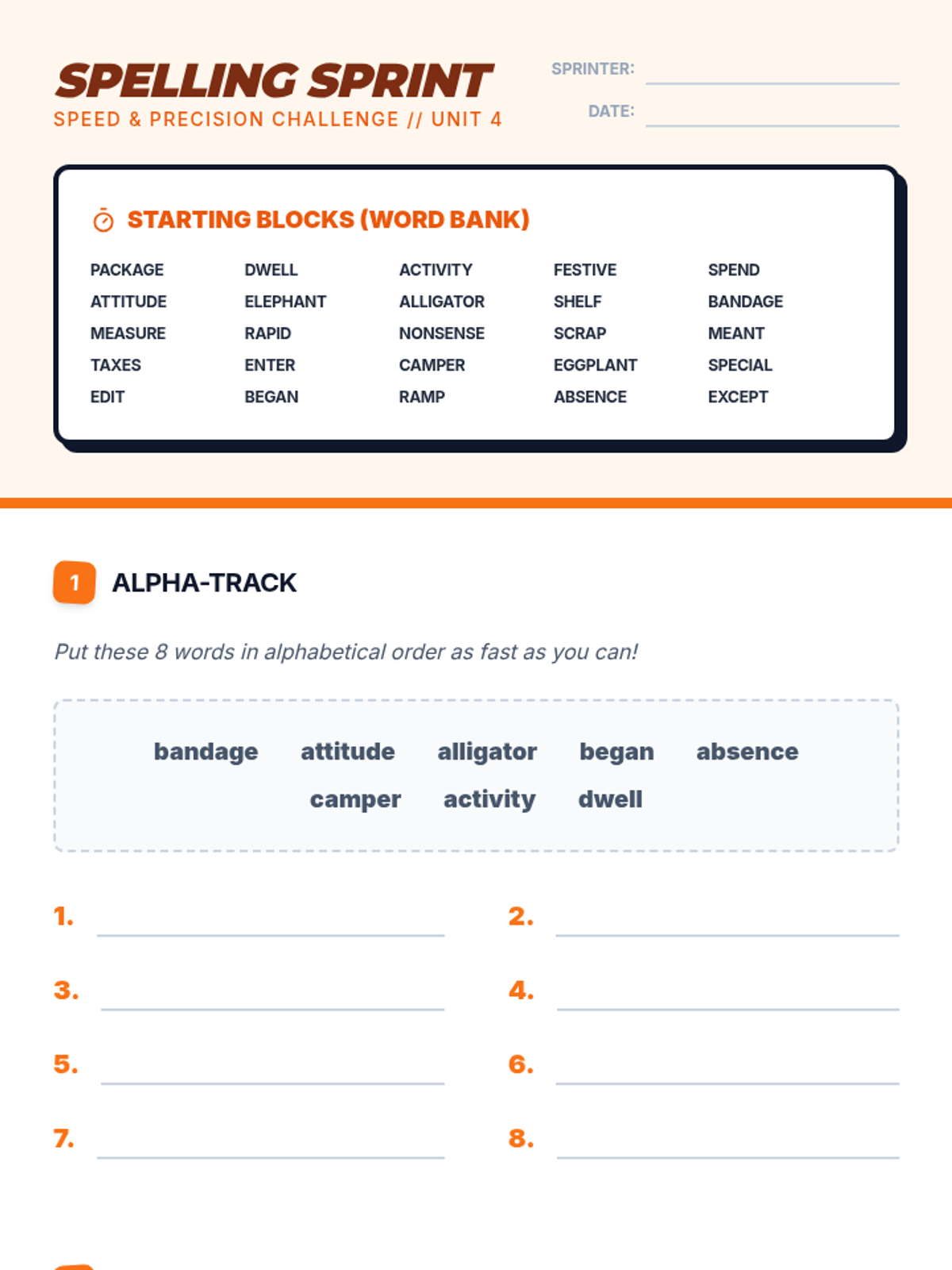
A comprehensive spelling lesson focusing on a diverse set of 25 words, including multi-syllabic terms and varied vowel patterns. Includes instructional slides, practice worksheets, engaging activities, and assessments.
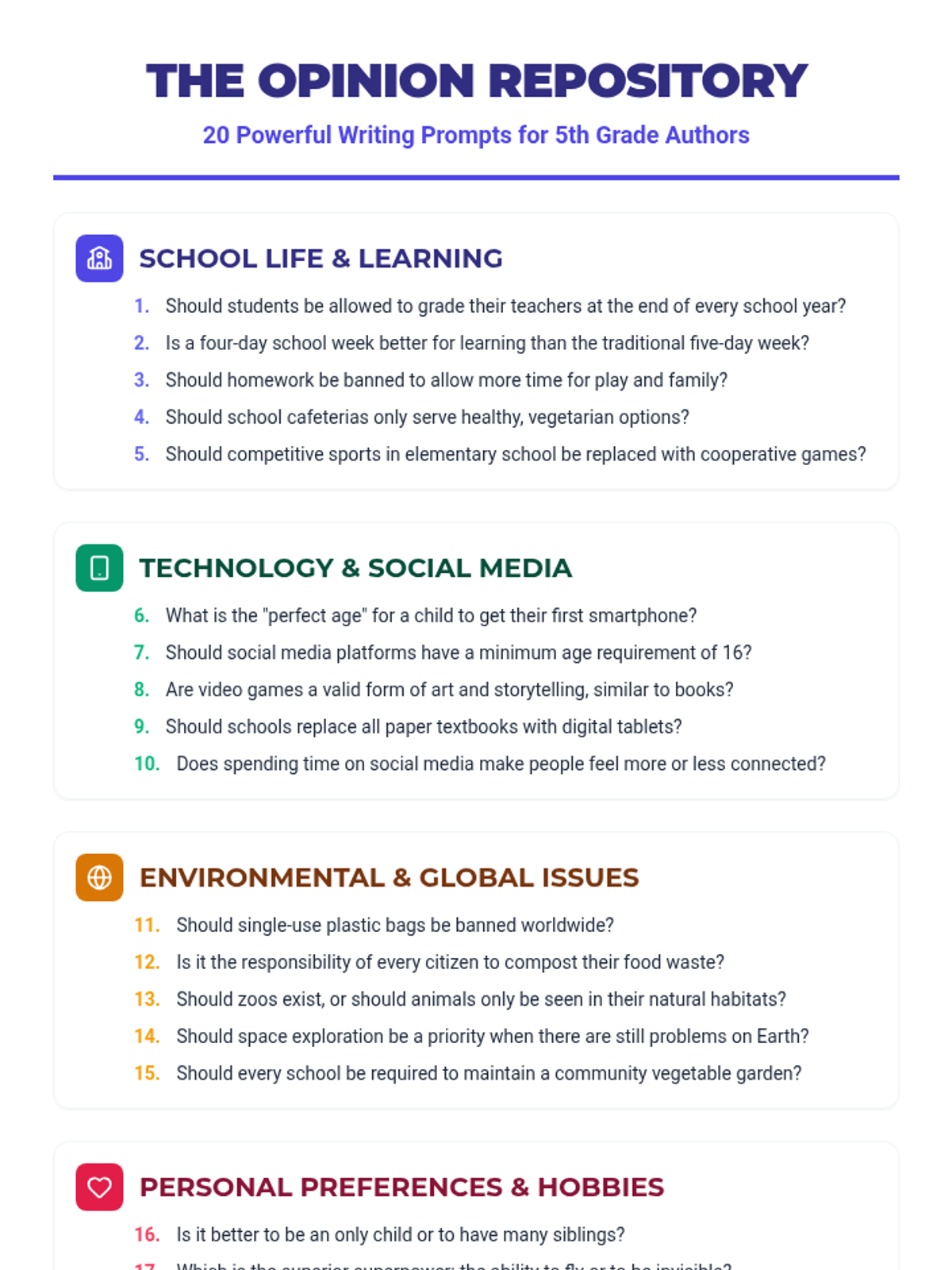
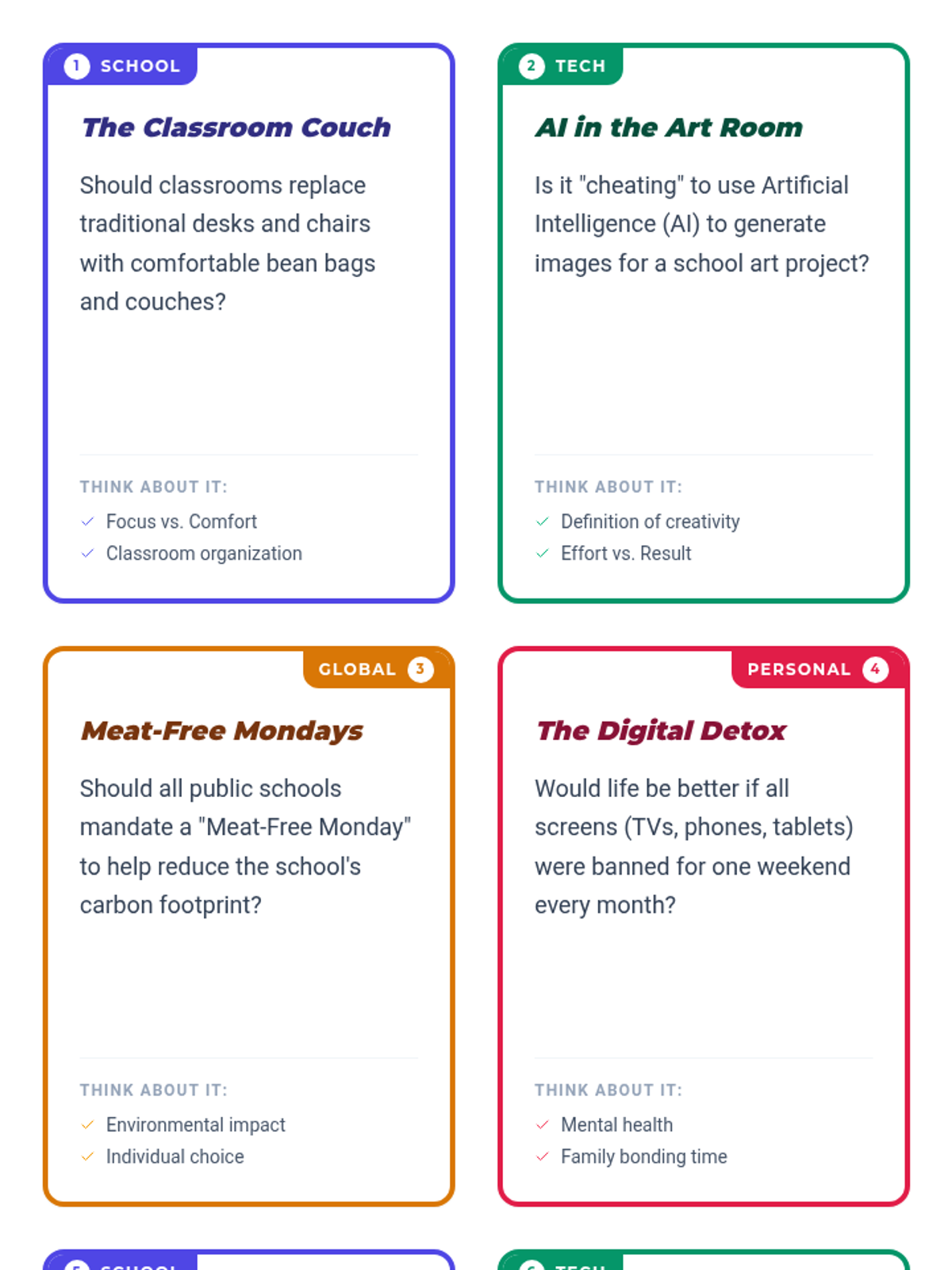
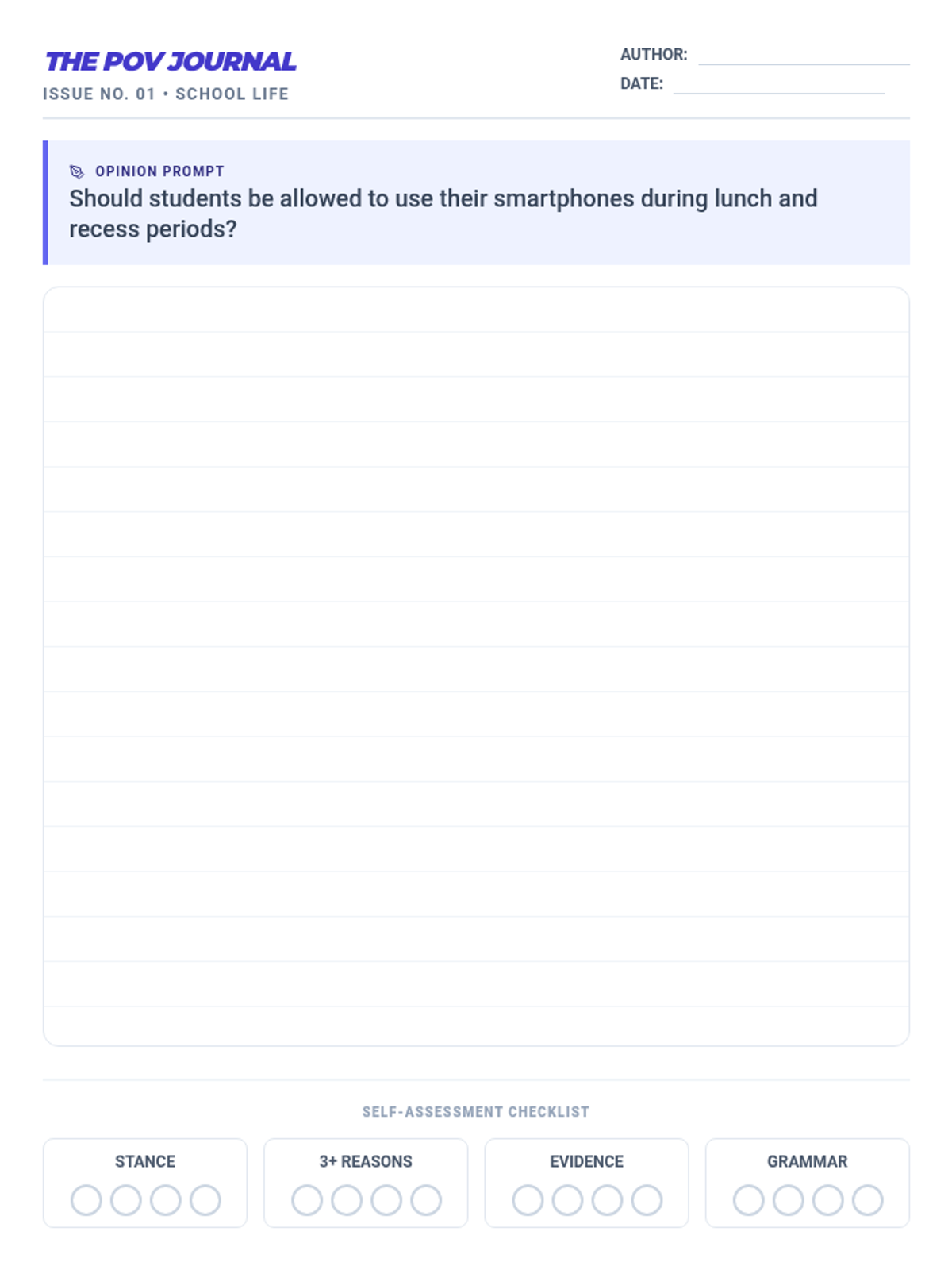
A collection of resources designed to help fifth-grade students develop their opinion writing skills through engaging prompts and structured feedback.
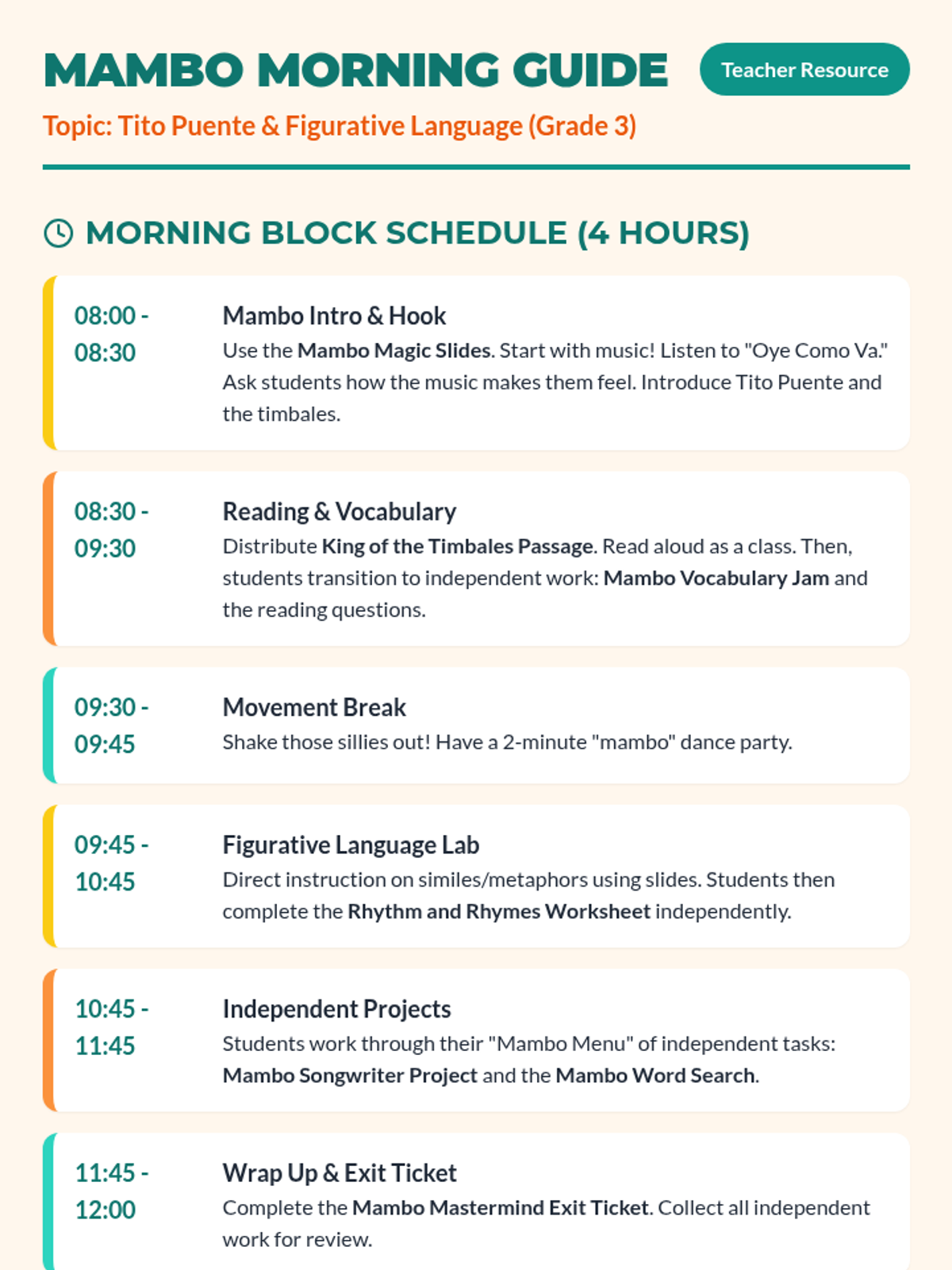
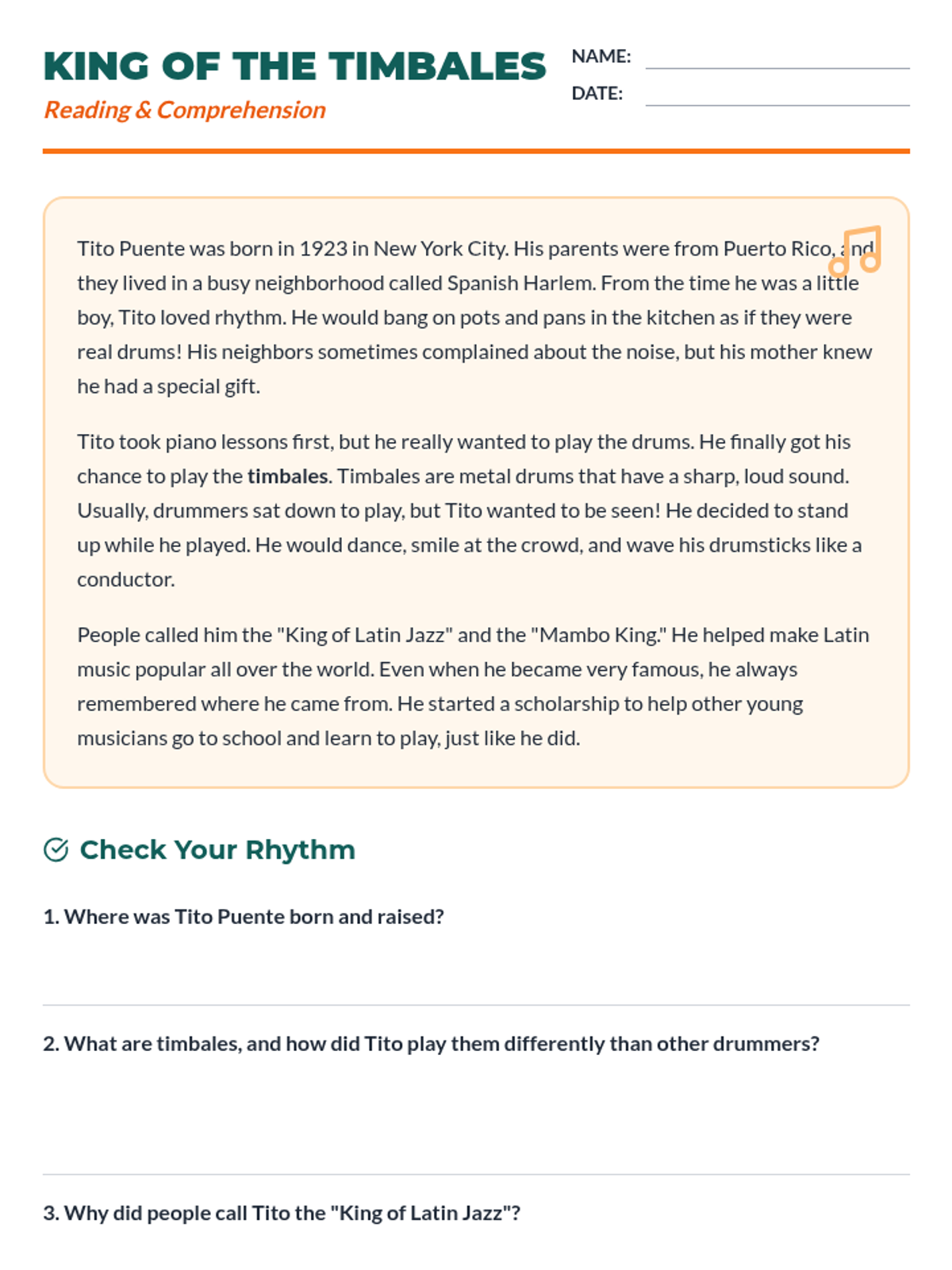
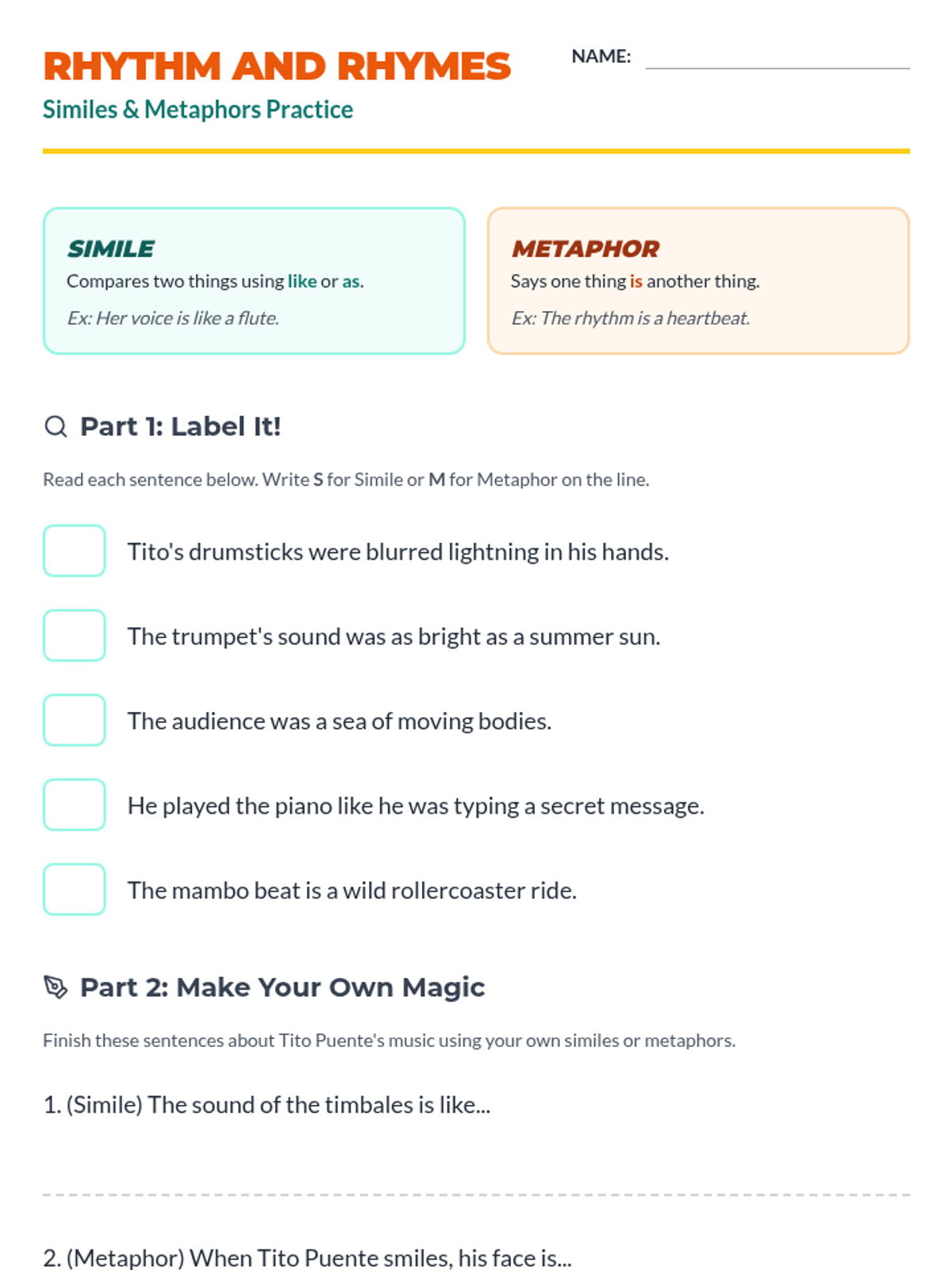
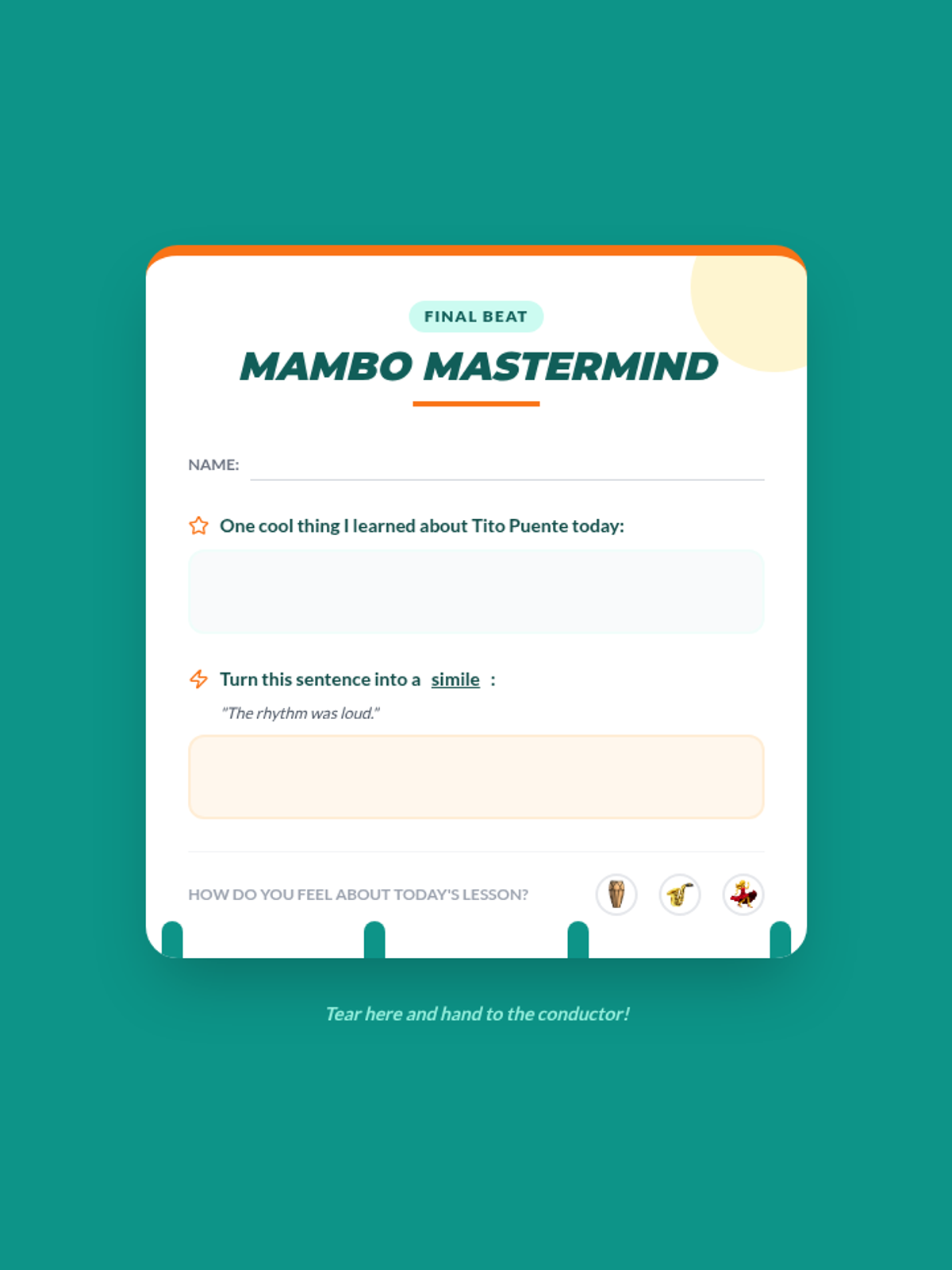
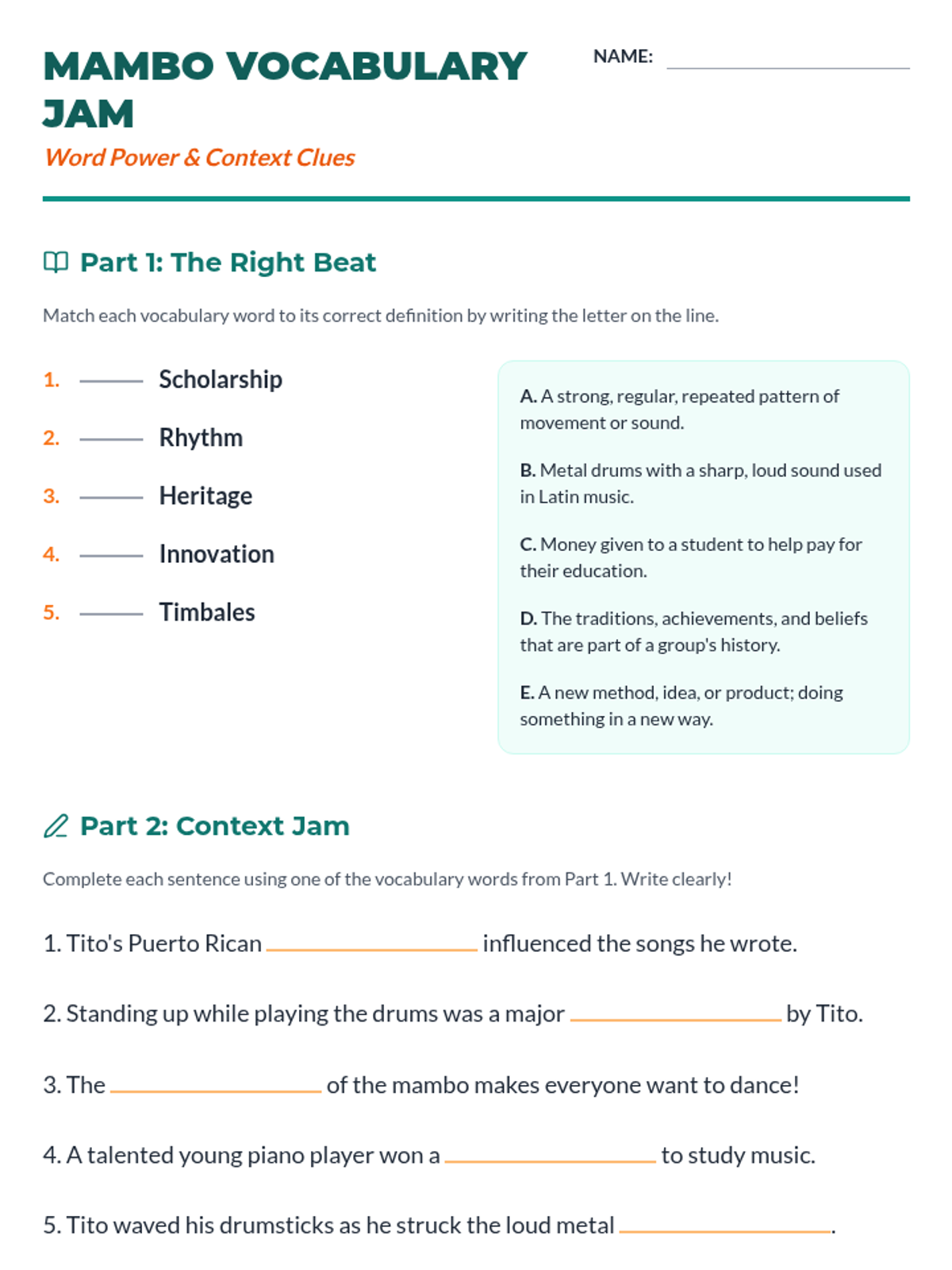
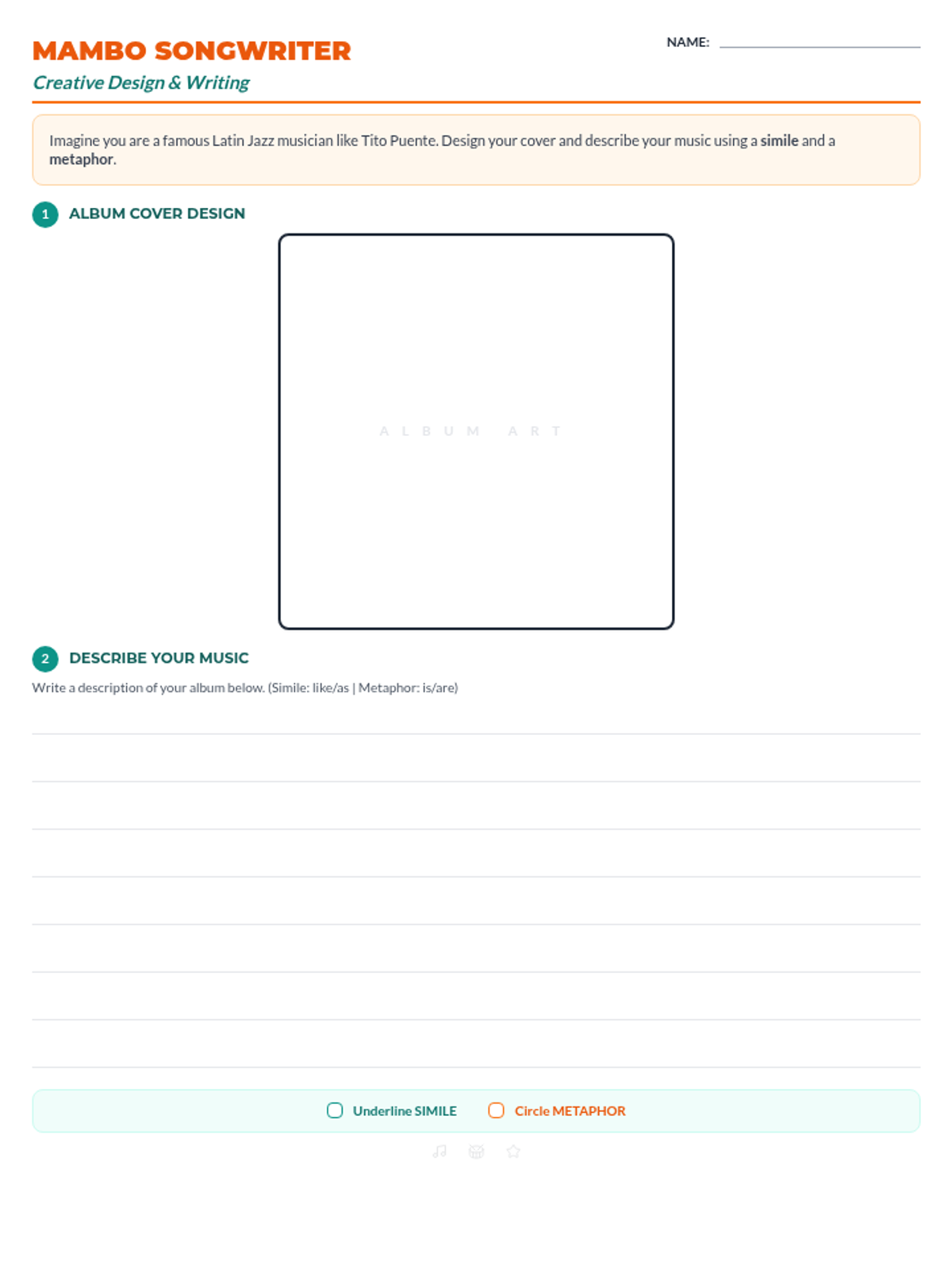
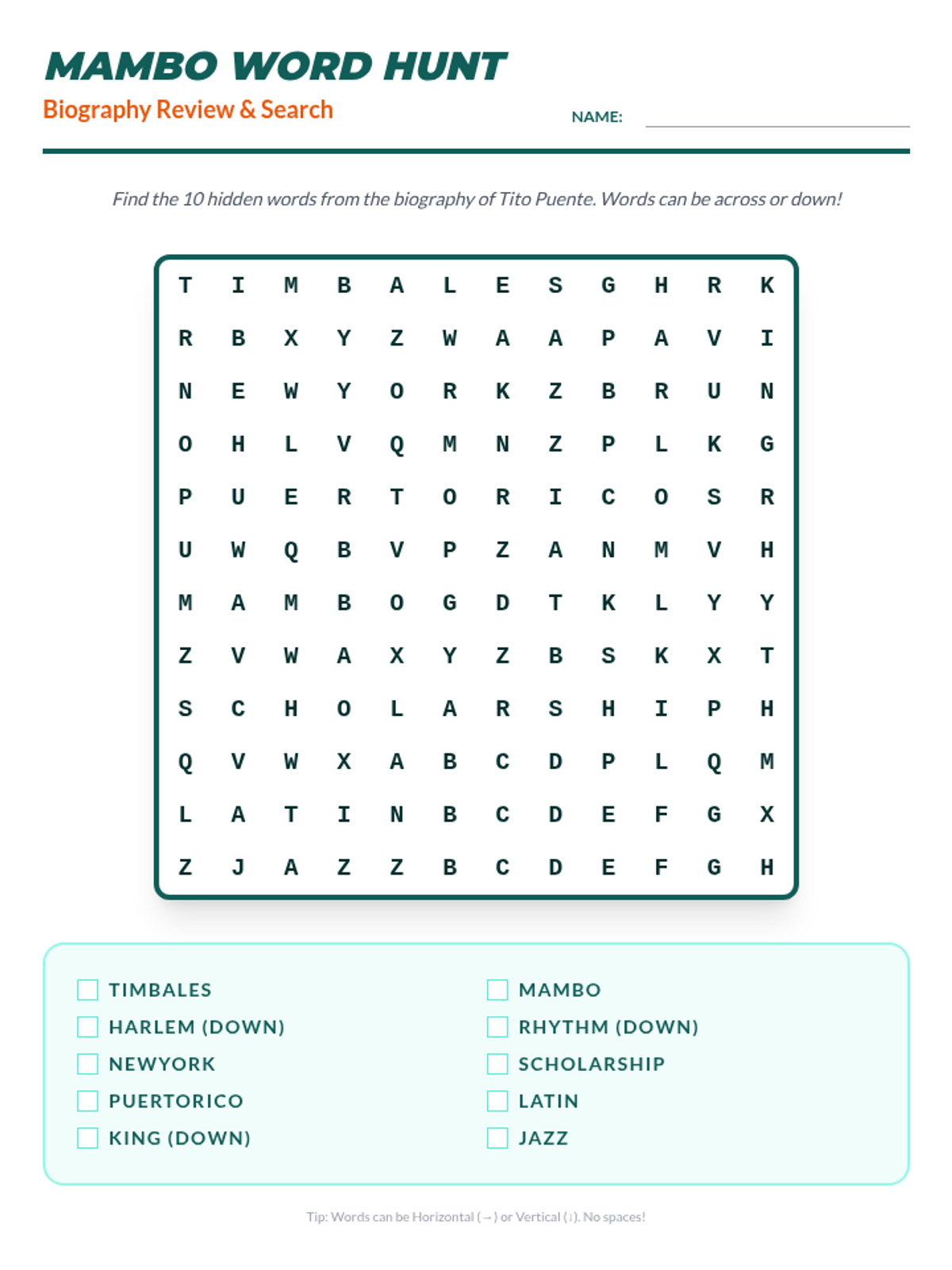
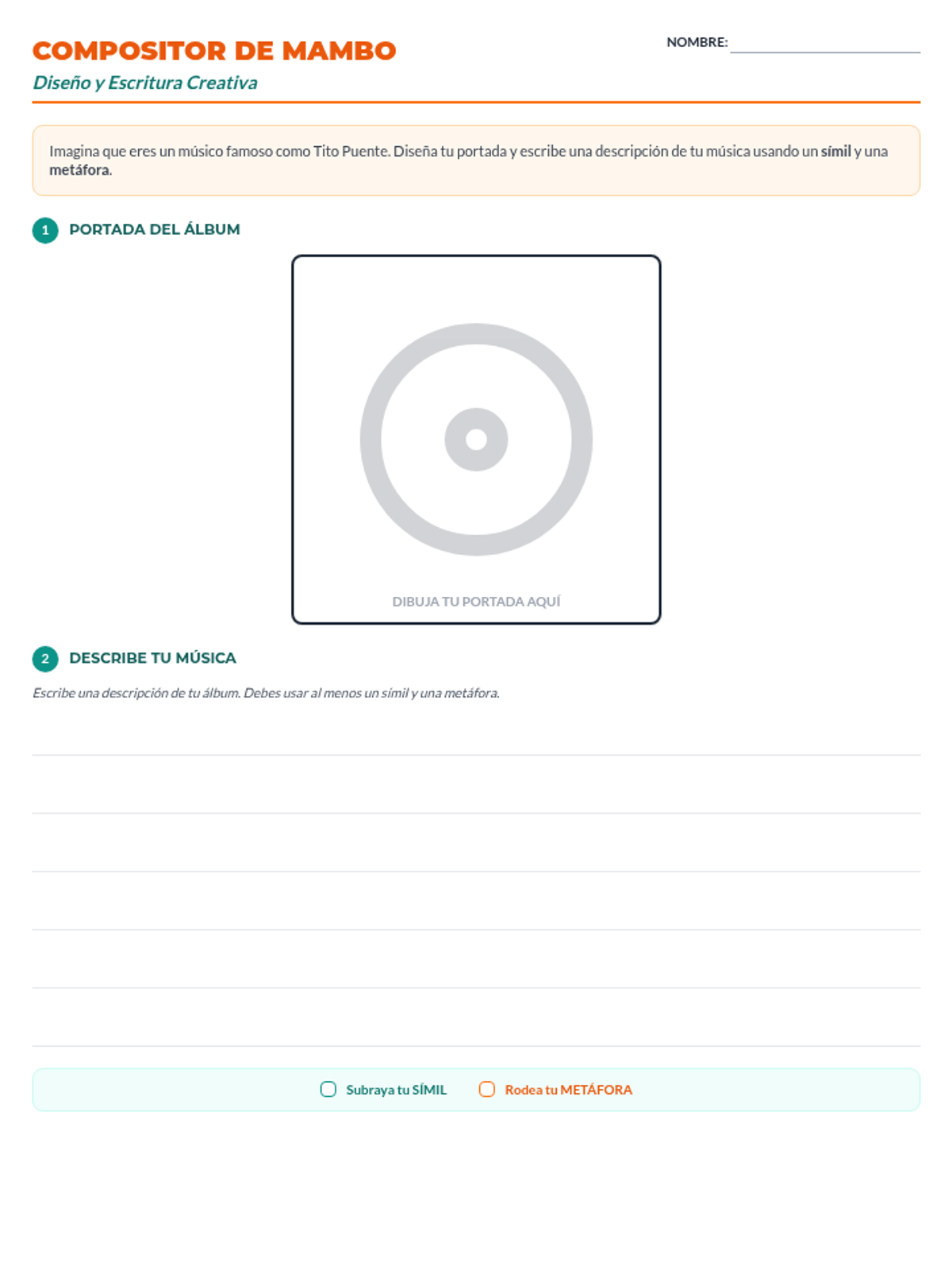
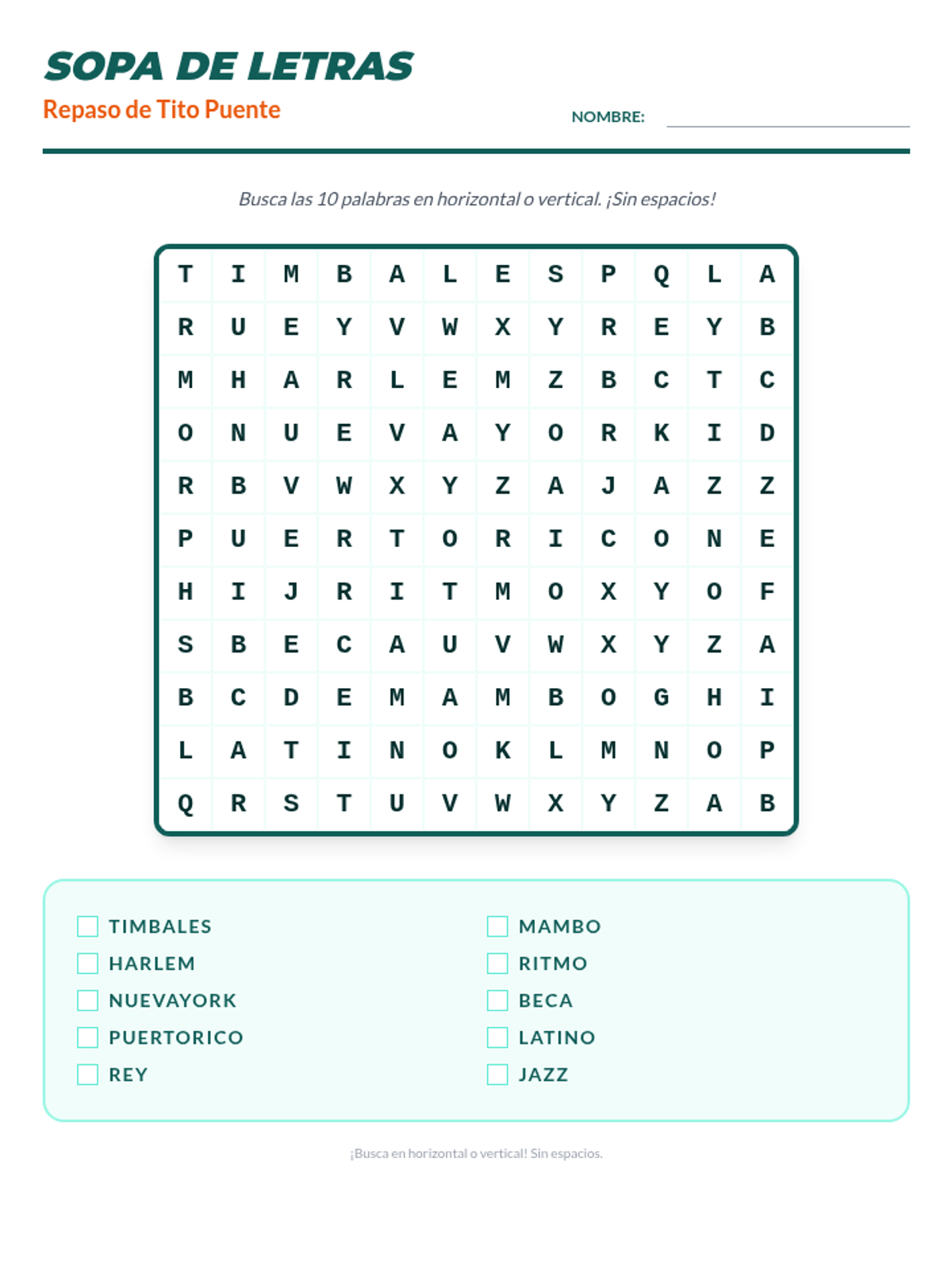
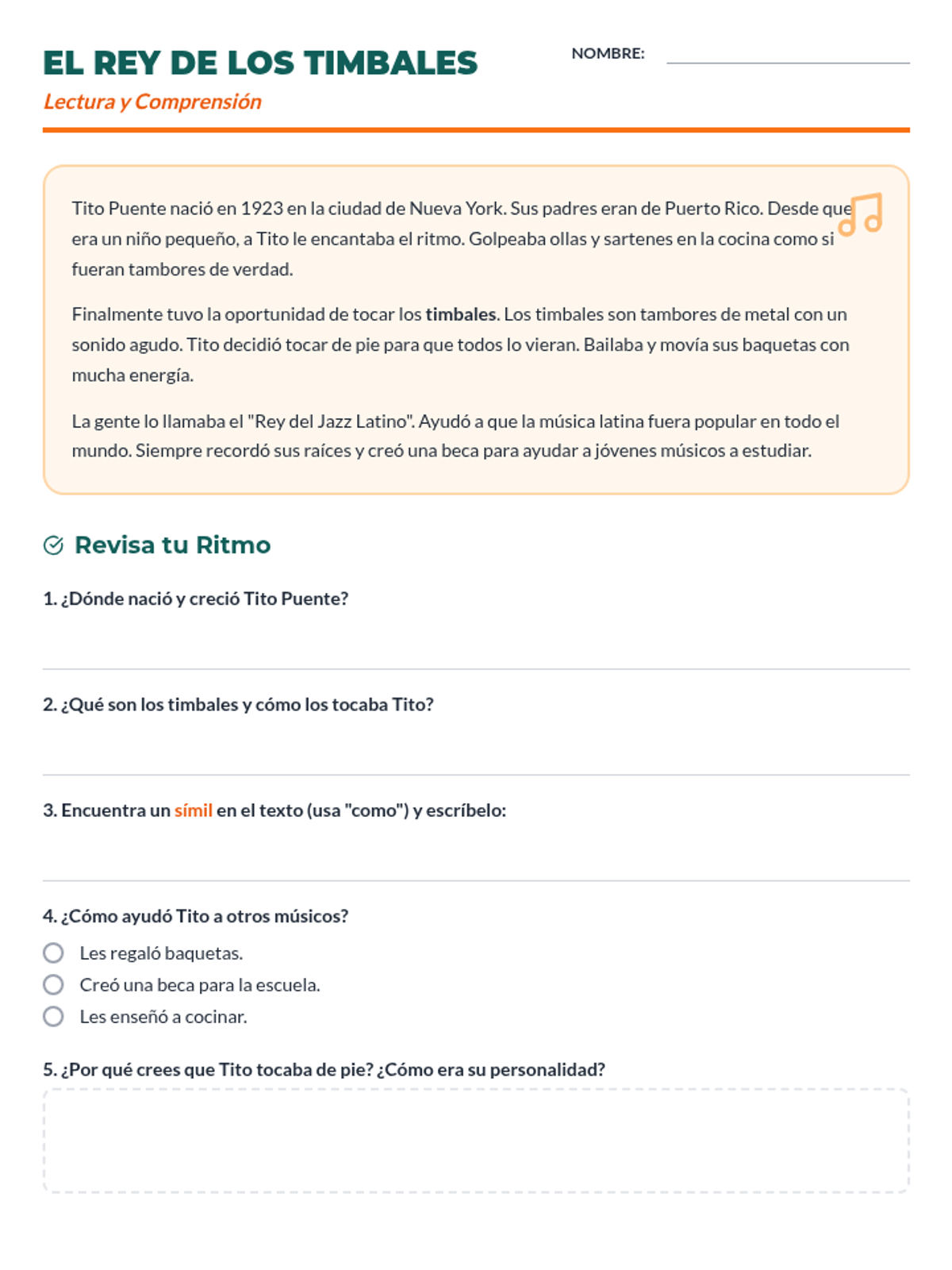
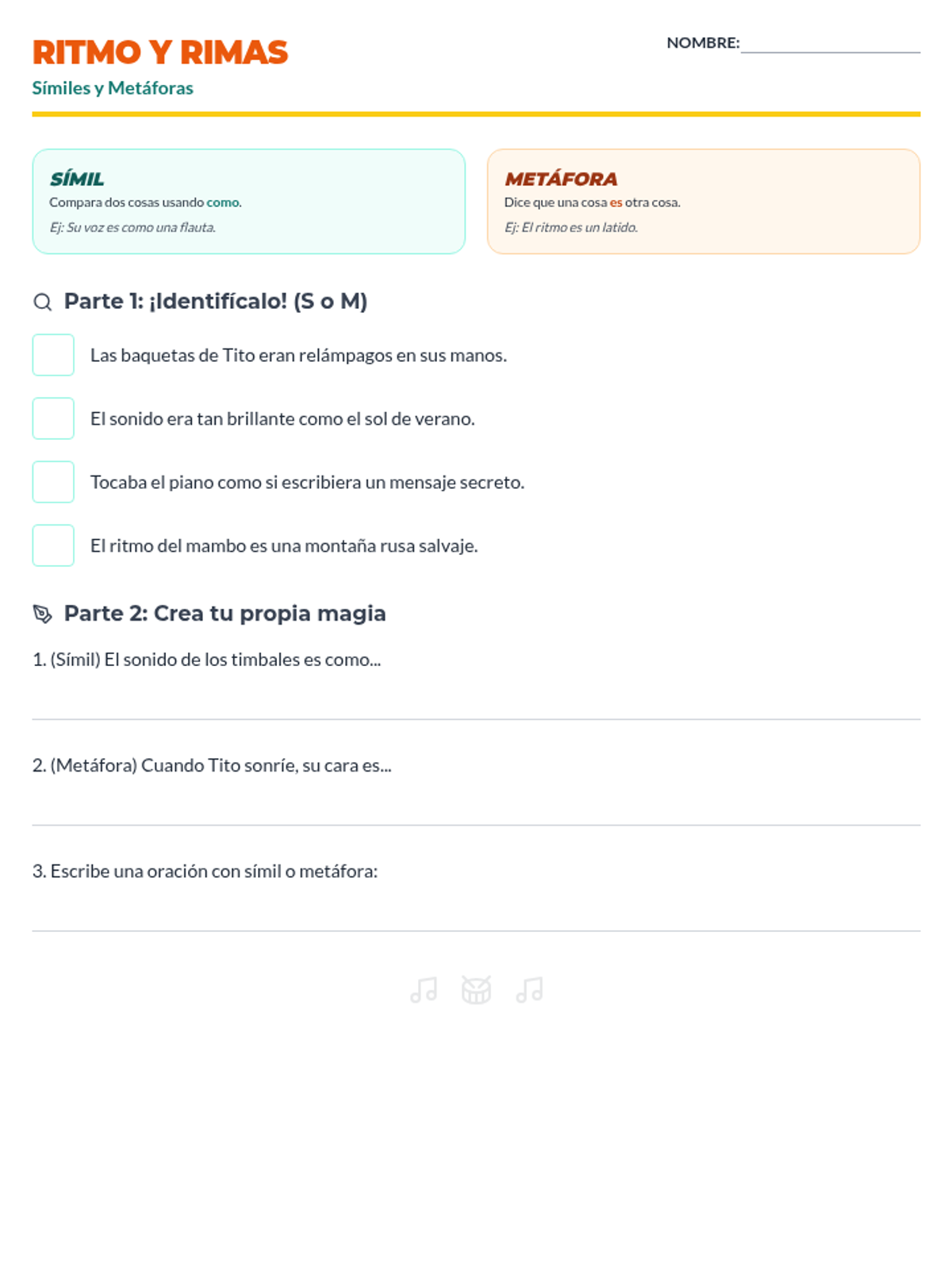
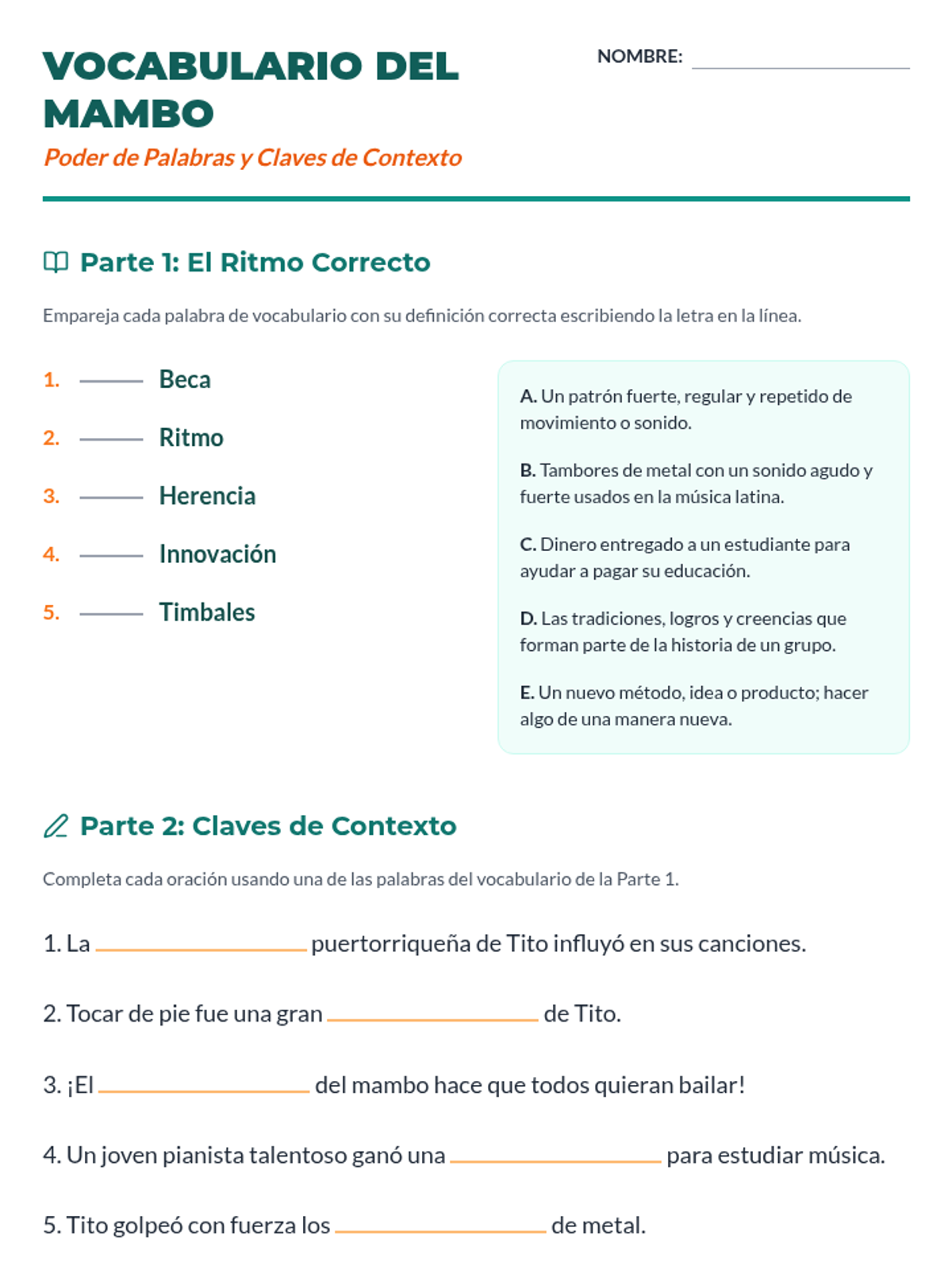
This 4-hour morning block introduces students to Tito Puente's legacy. It combines biographical reading, listening to Latin Jazz, and creative writing using similes and metaphors inspired by the rhythm of the timbales.
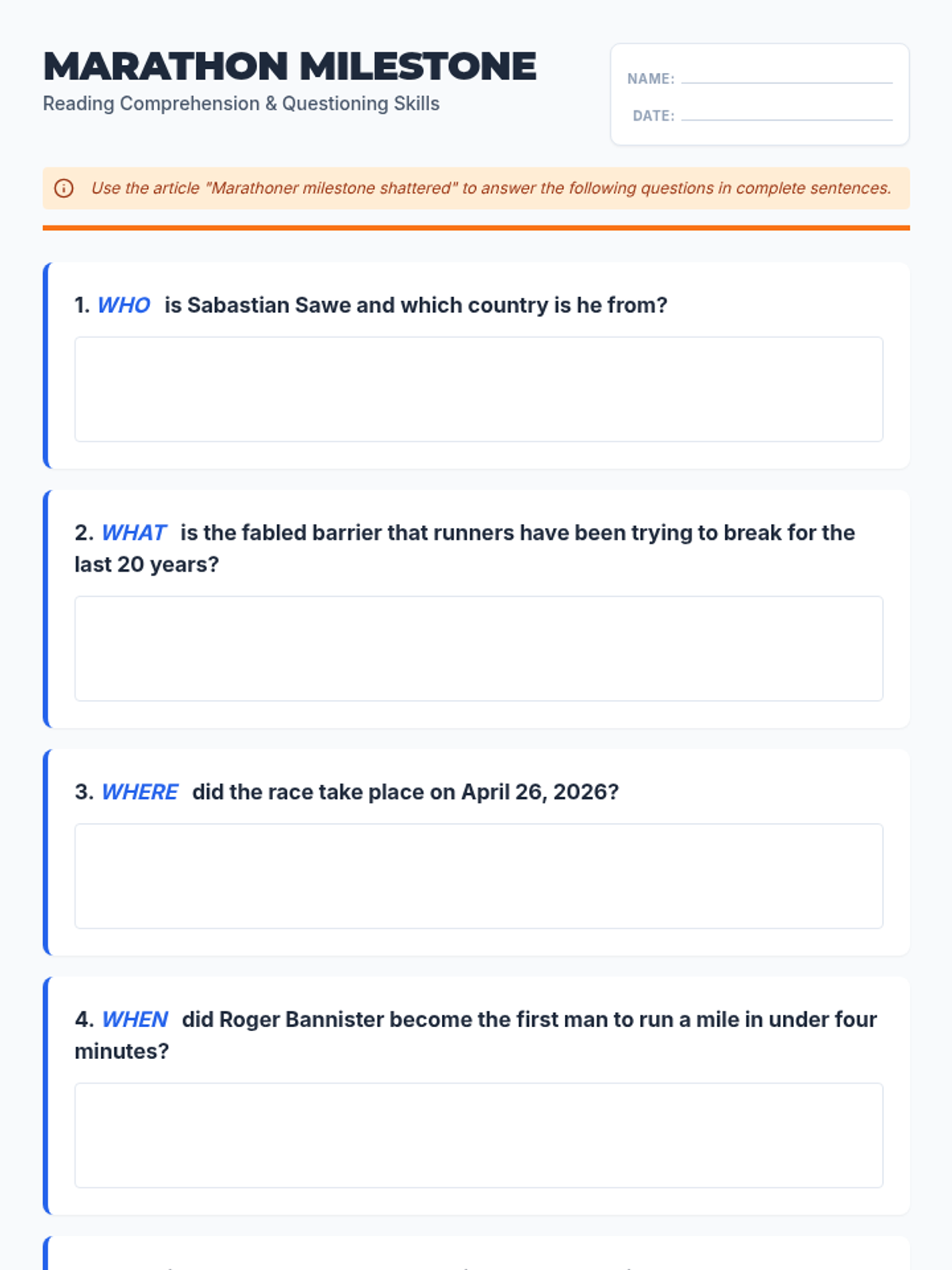
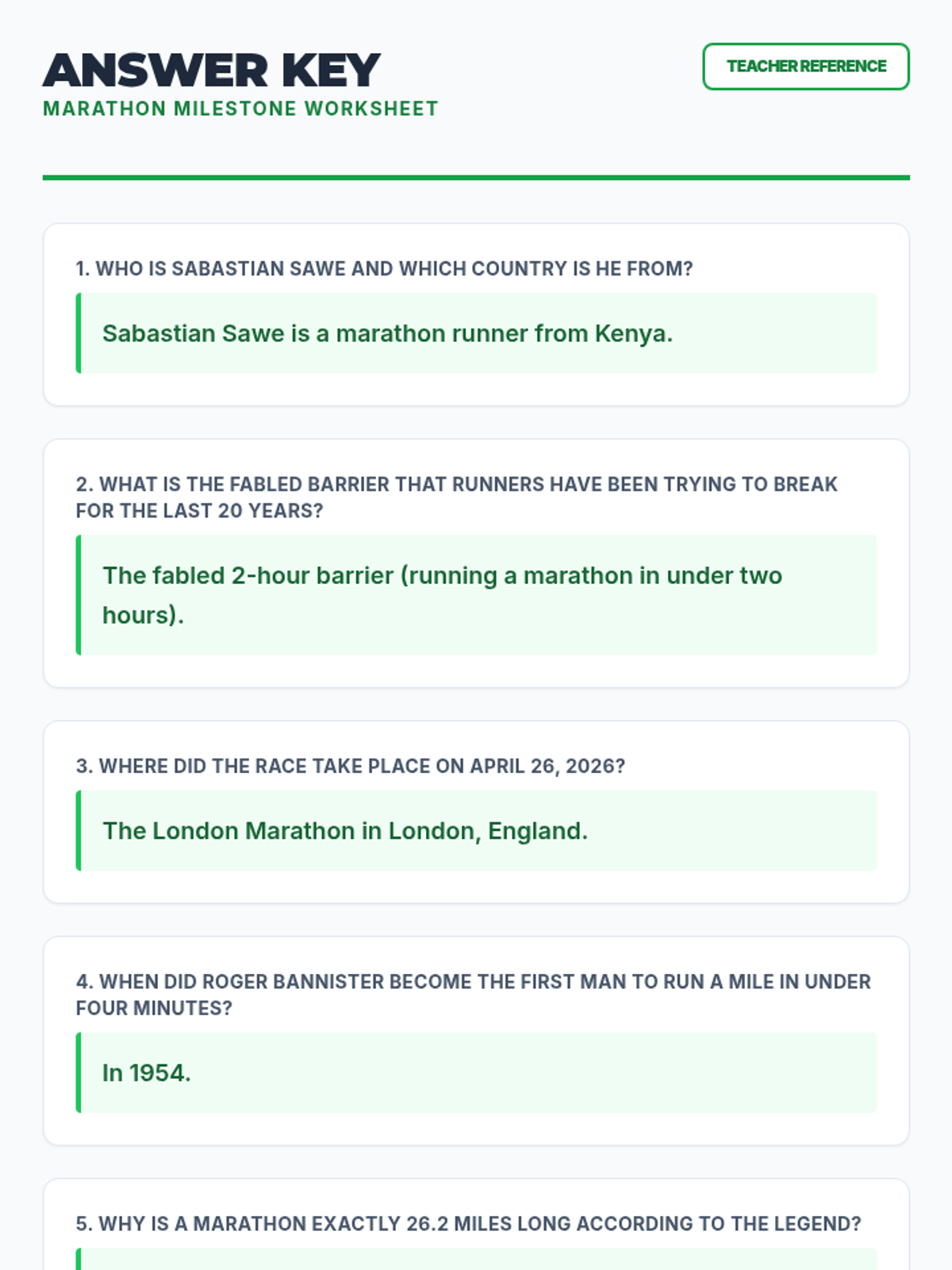
A lesson centered on the historic marathon record-breaking event, focusing on reading comprehension through 'Wh' questions and understanding the evolution of athletic performance.
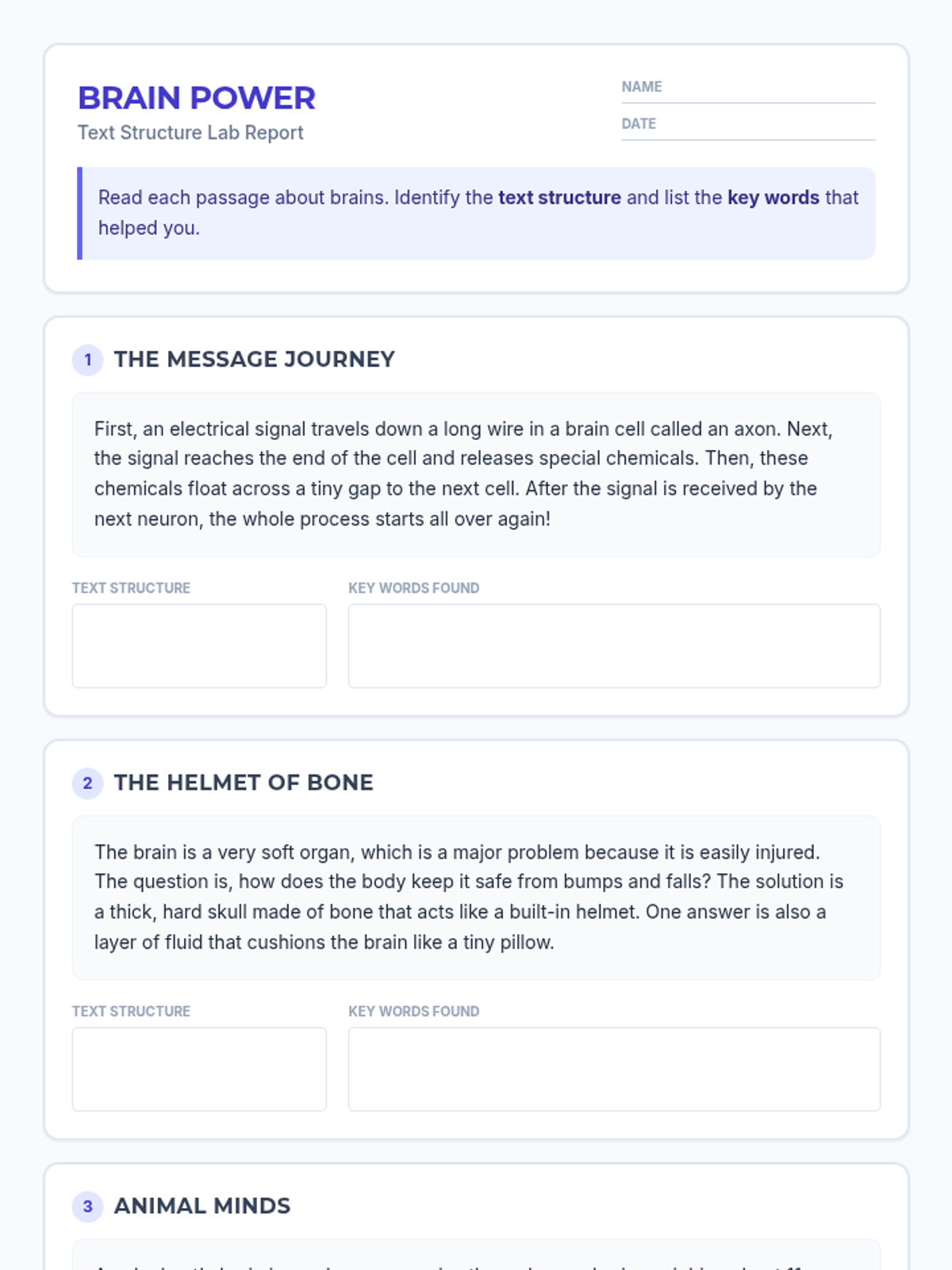
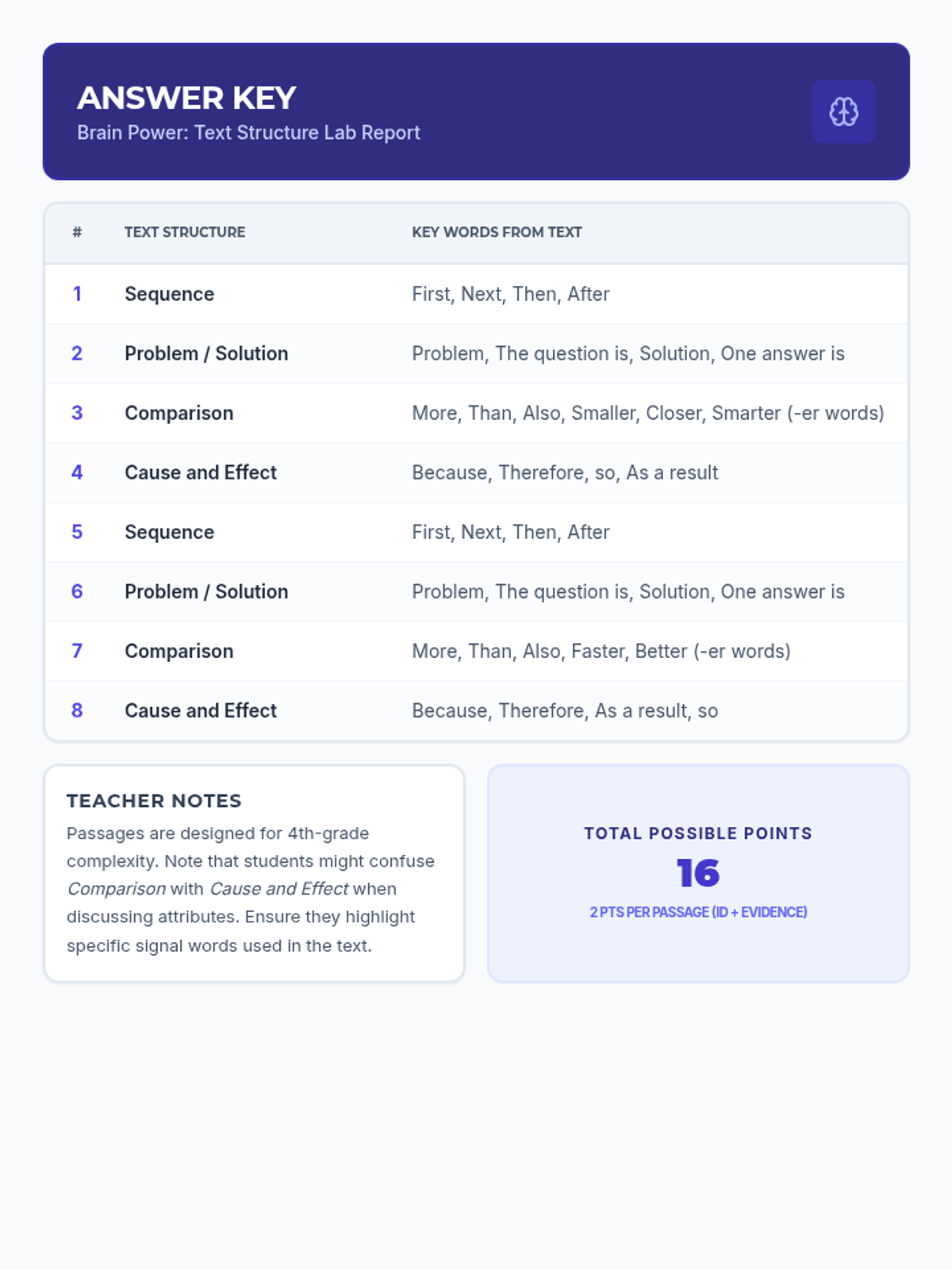
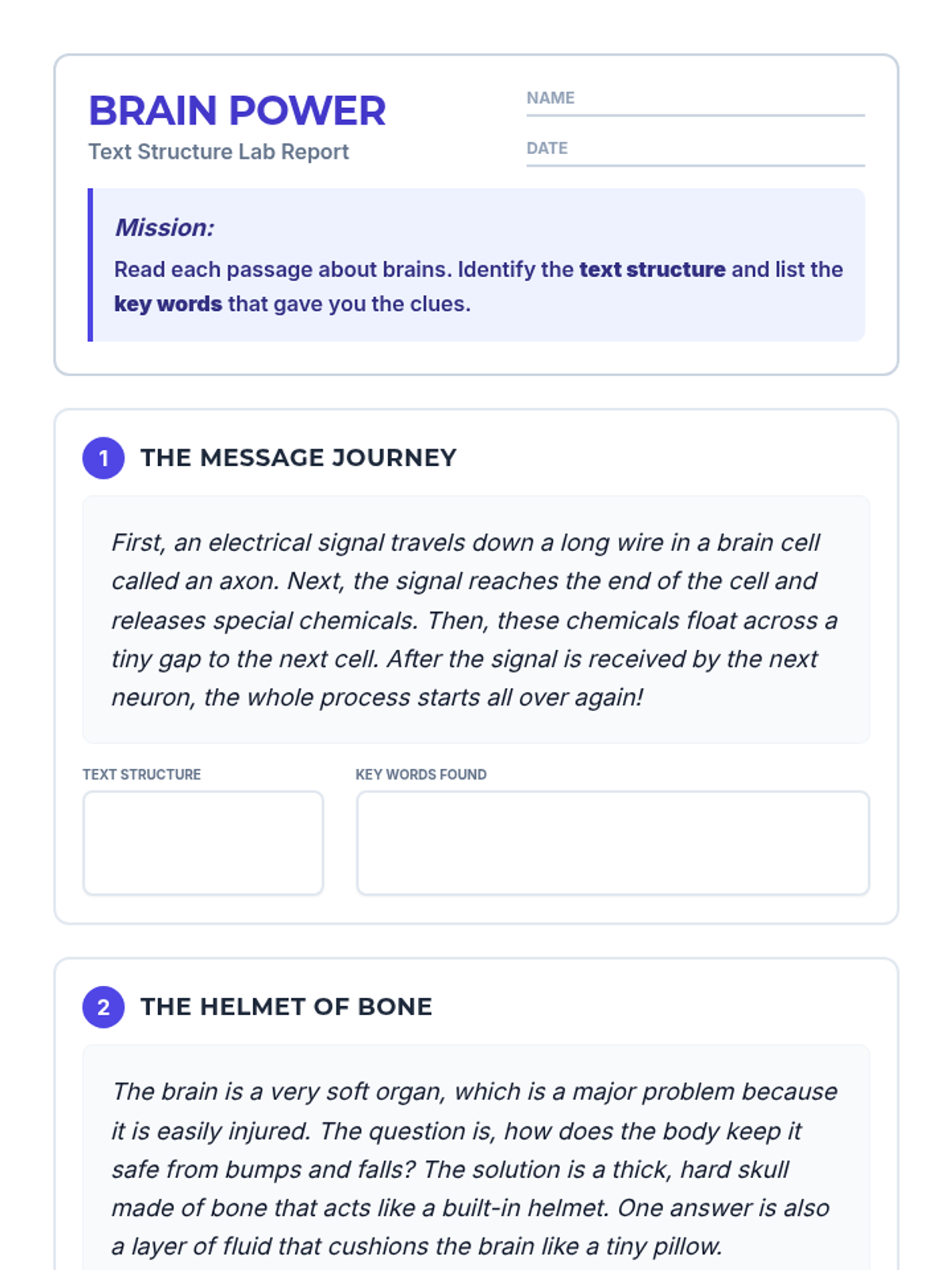
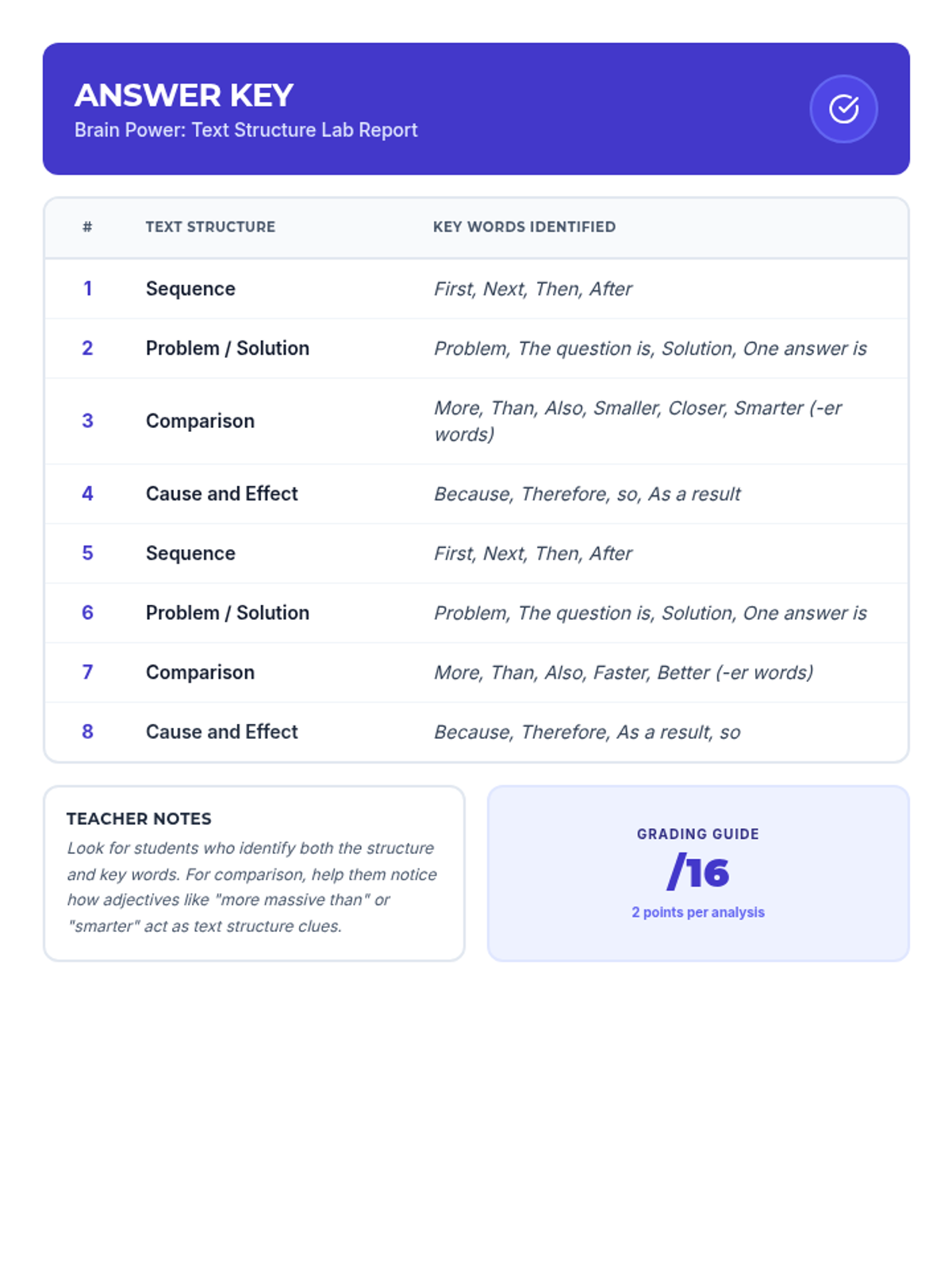
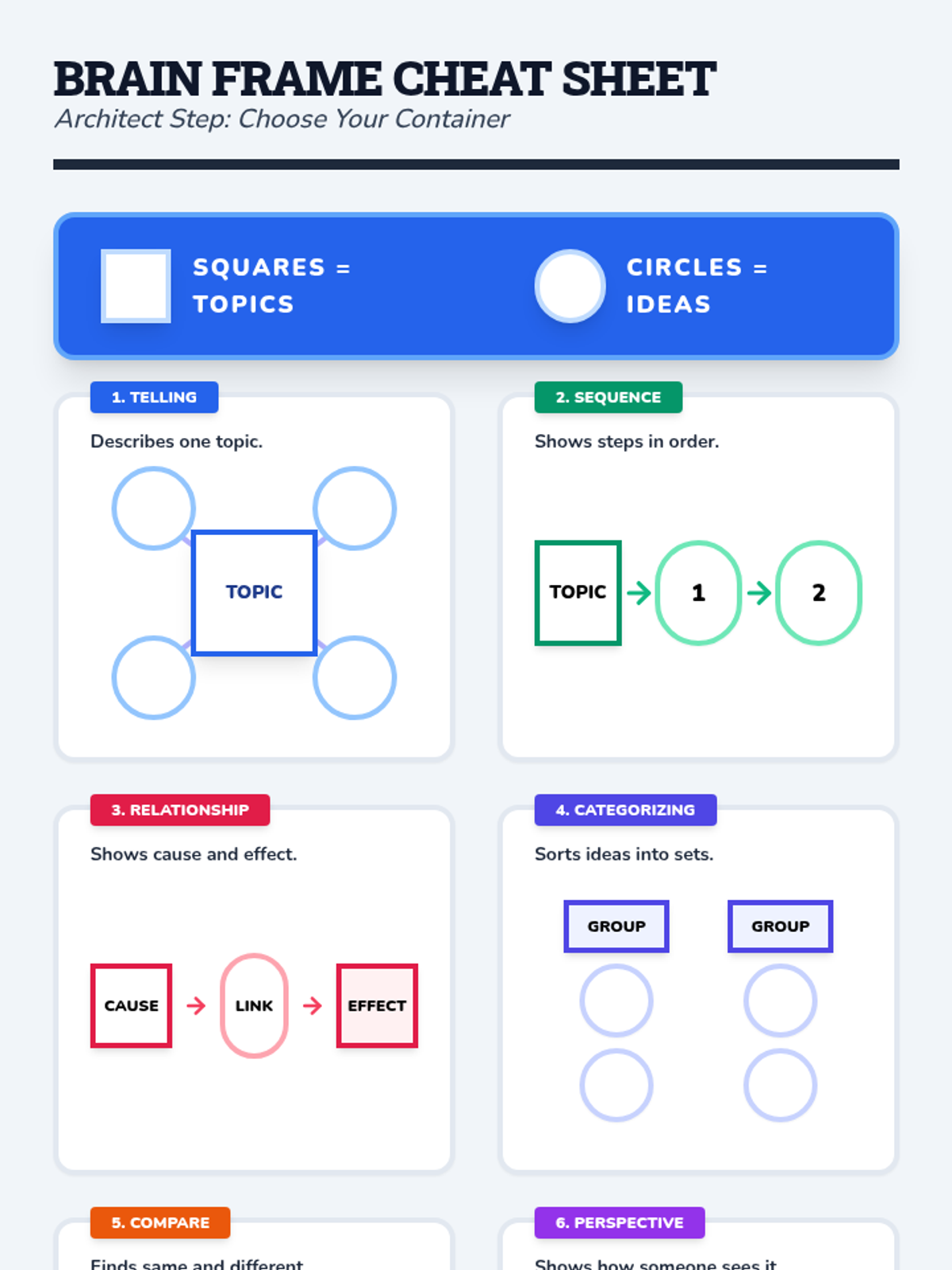
A lesson focused on identifying and analyzing four common text structures (sequence, problem/solution, comparison, and cause/effect) using content about how brains work.
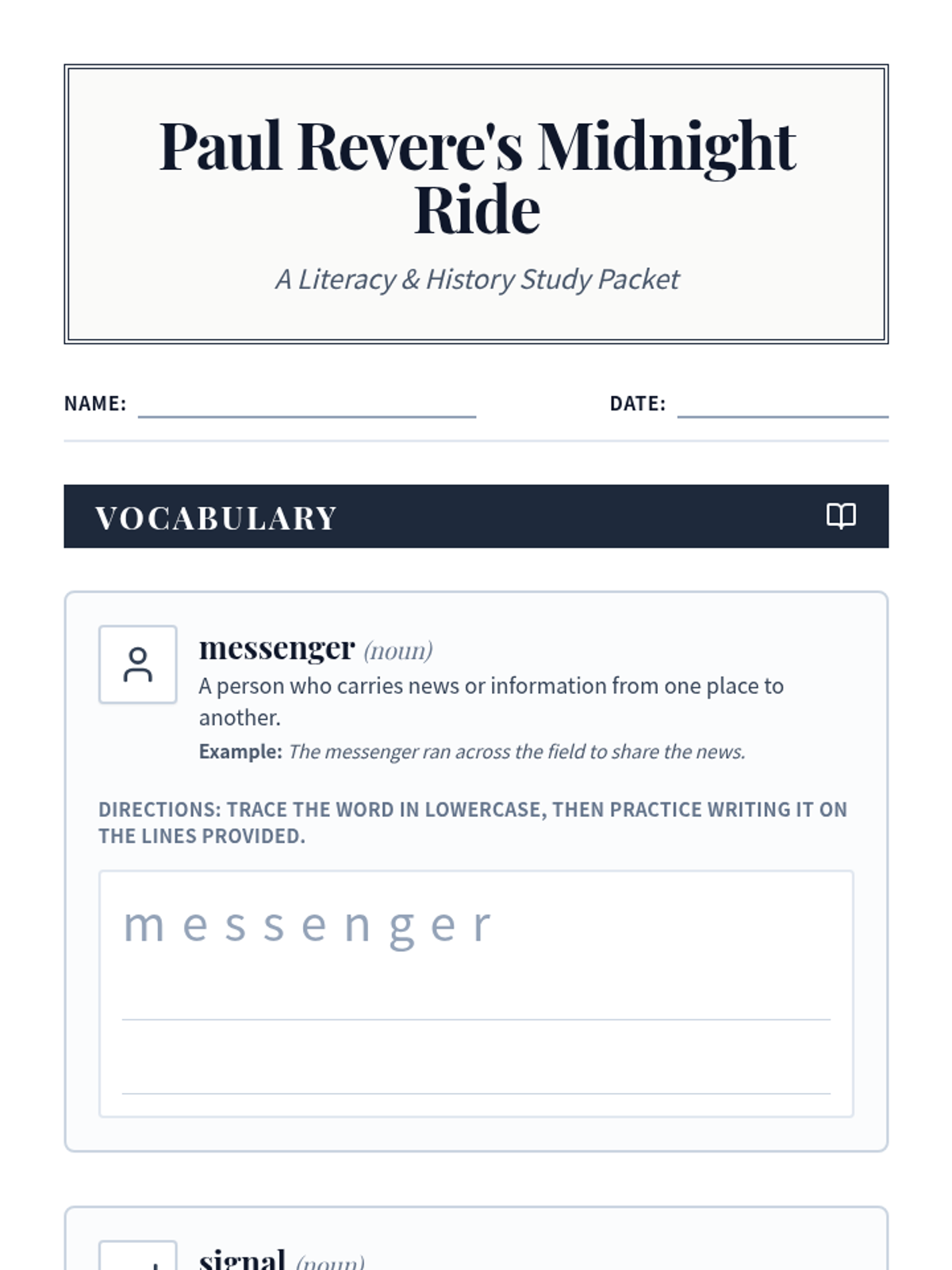
A comprehensive literacy and history packet exploring Paul Revere's legendary journey through vocabulary building, close reading, and critical analysis.
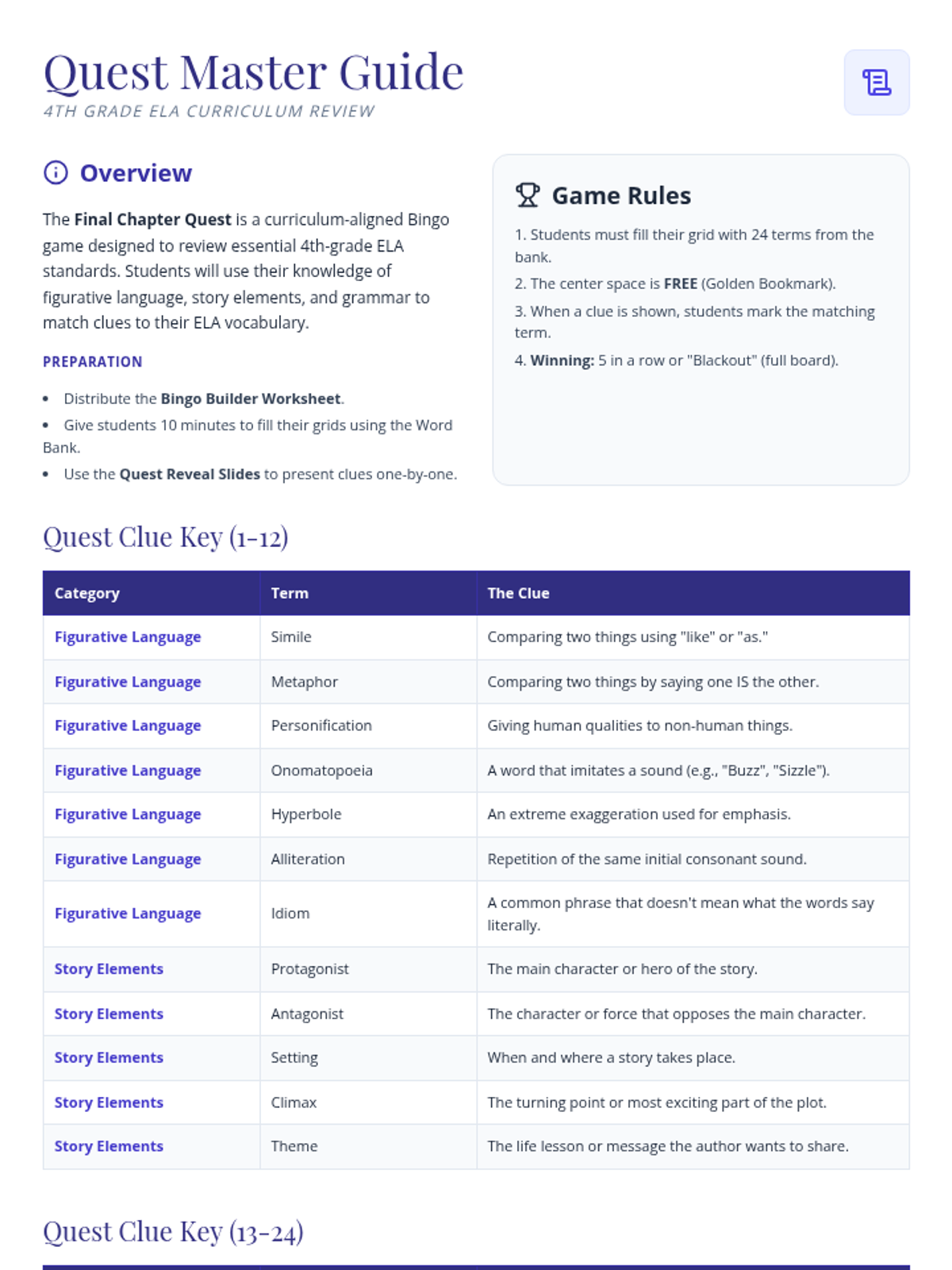
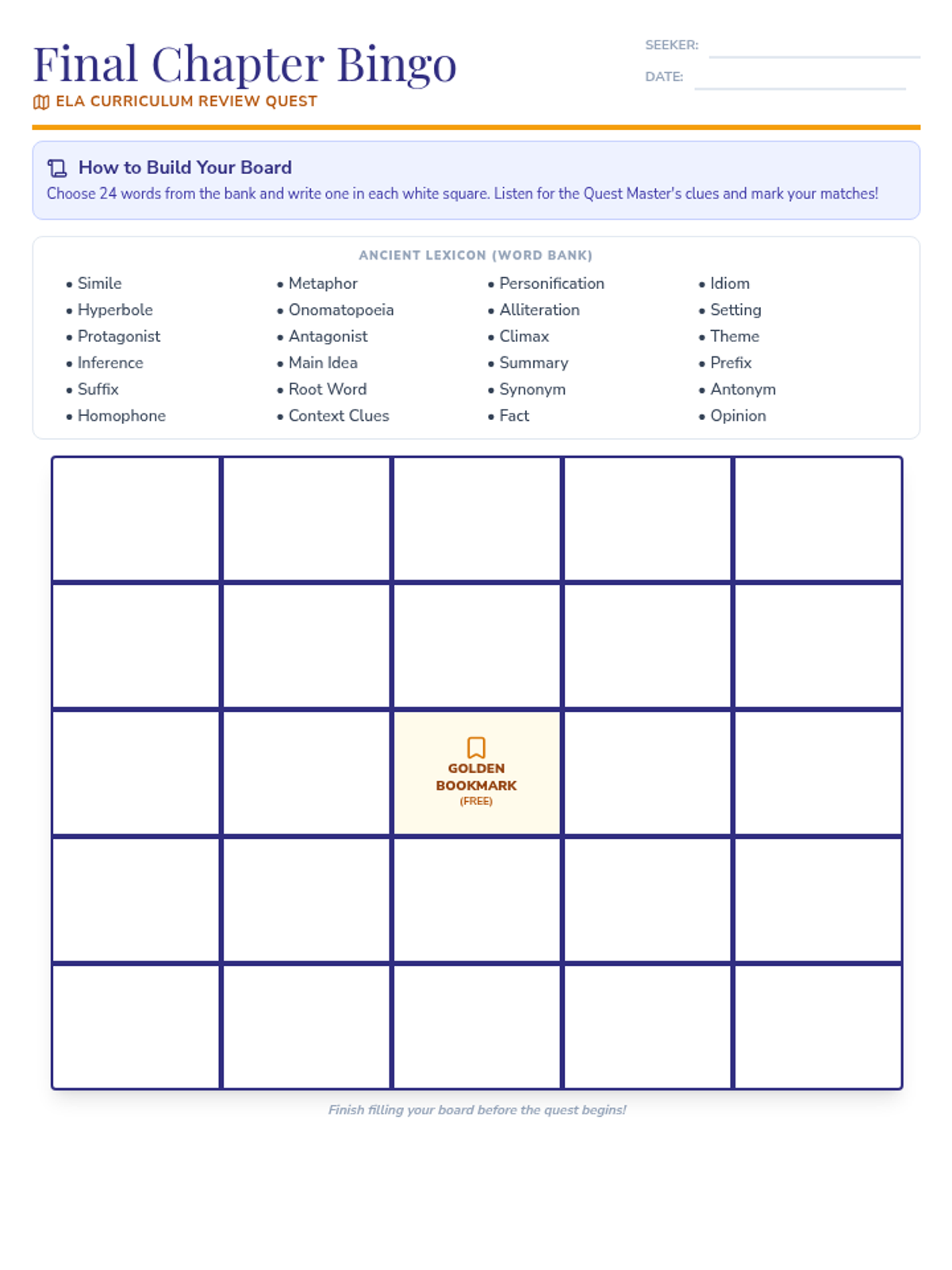
A comprehensive ELA curriculum review for 4th grade featuring a customizable Bingo game where students build their own boards using key terms from the year's units.
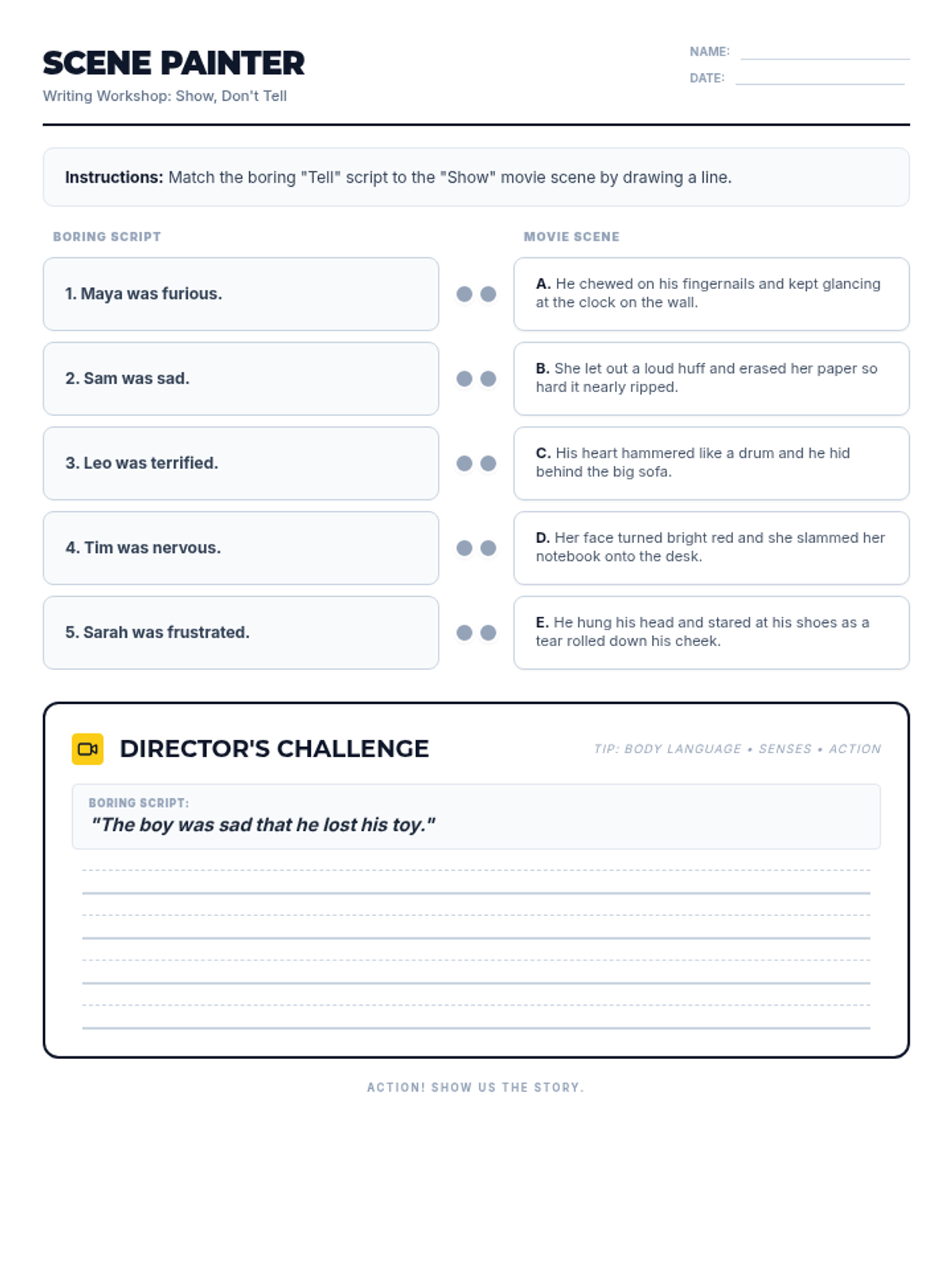
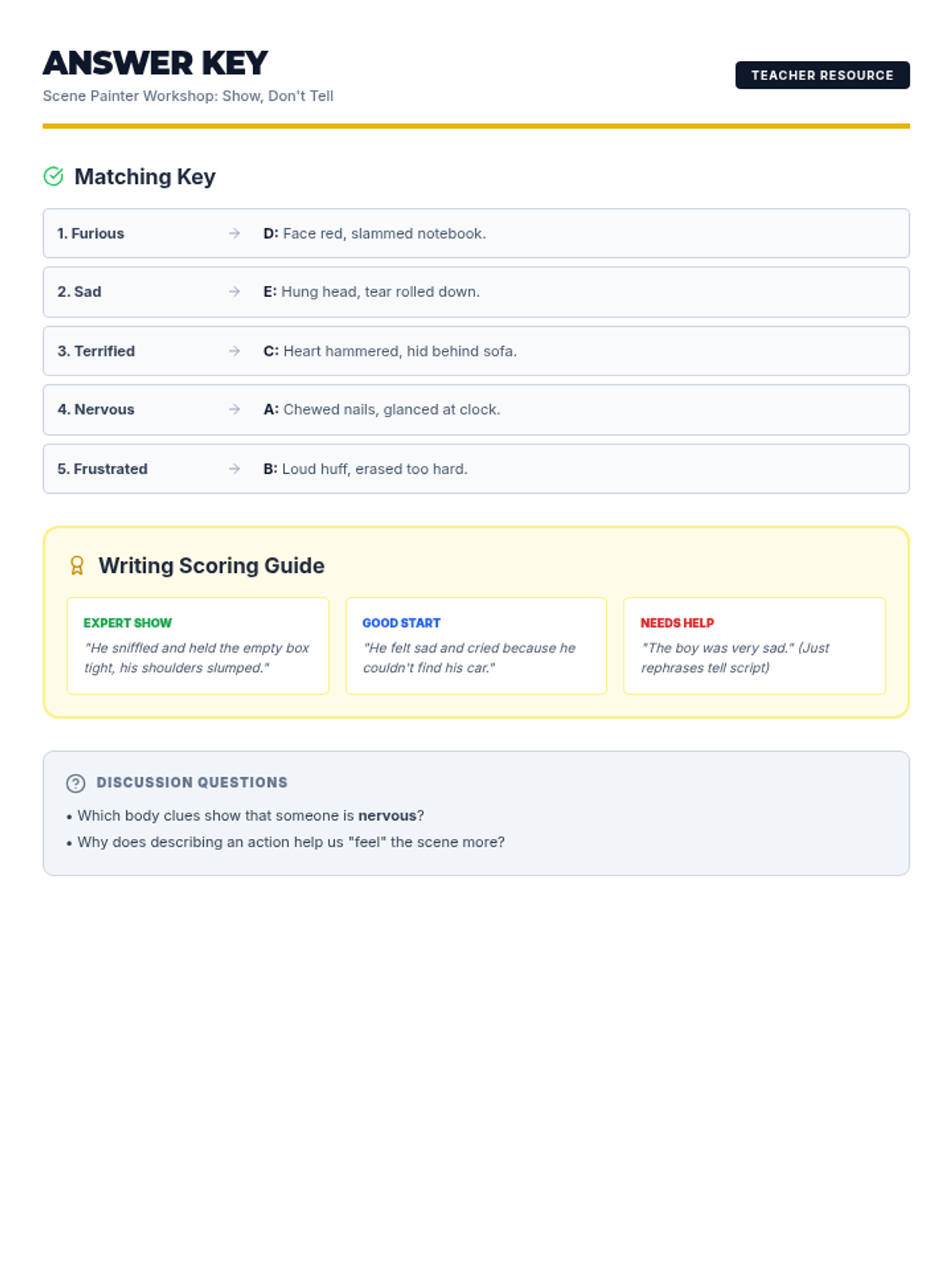
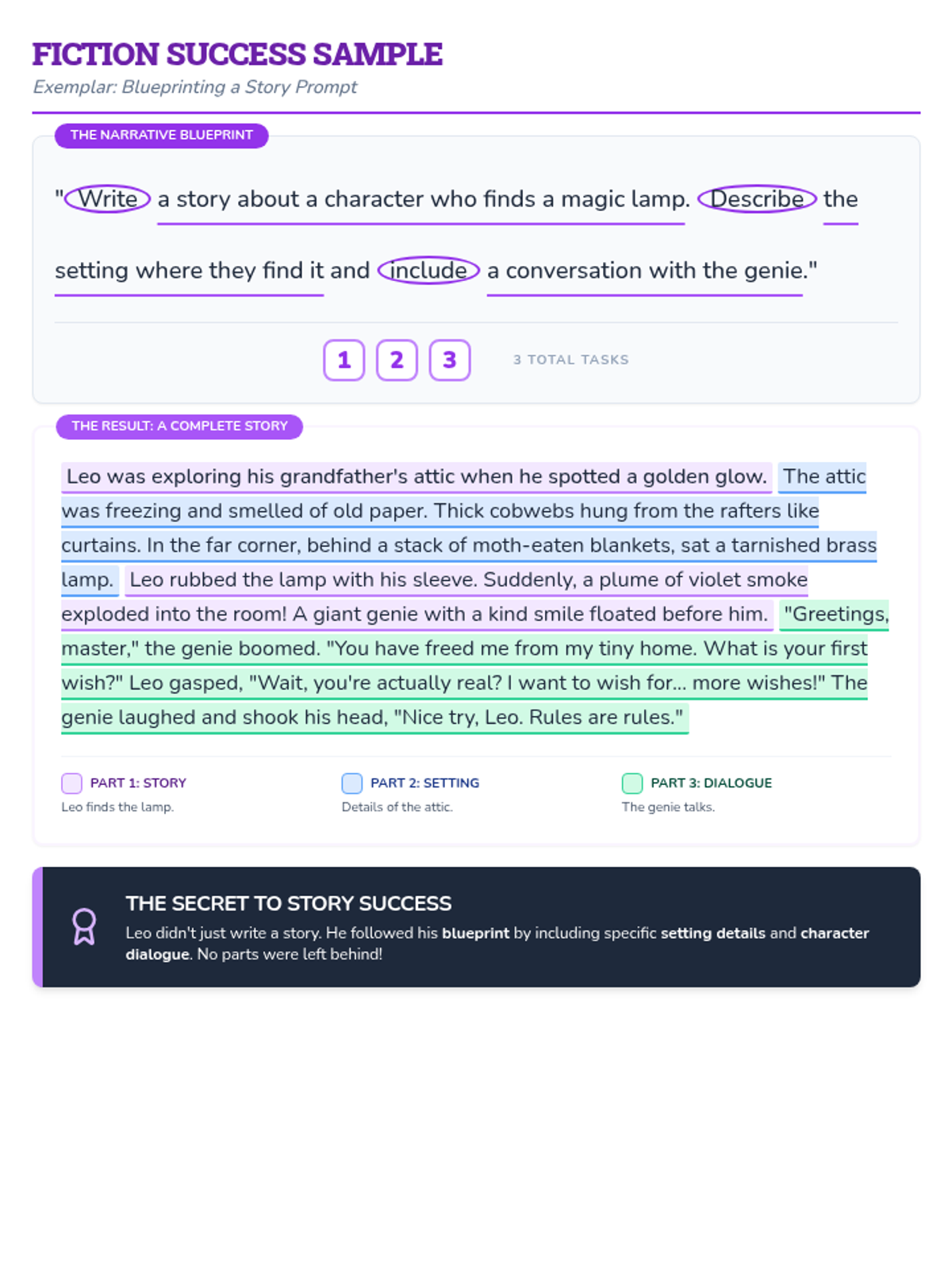
A creative writing lesson that teaches 3rd-grade students how to replace flat 'Tell' sentences with descriptive 'Show' sentences using physical clues and actions.
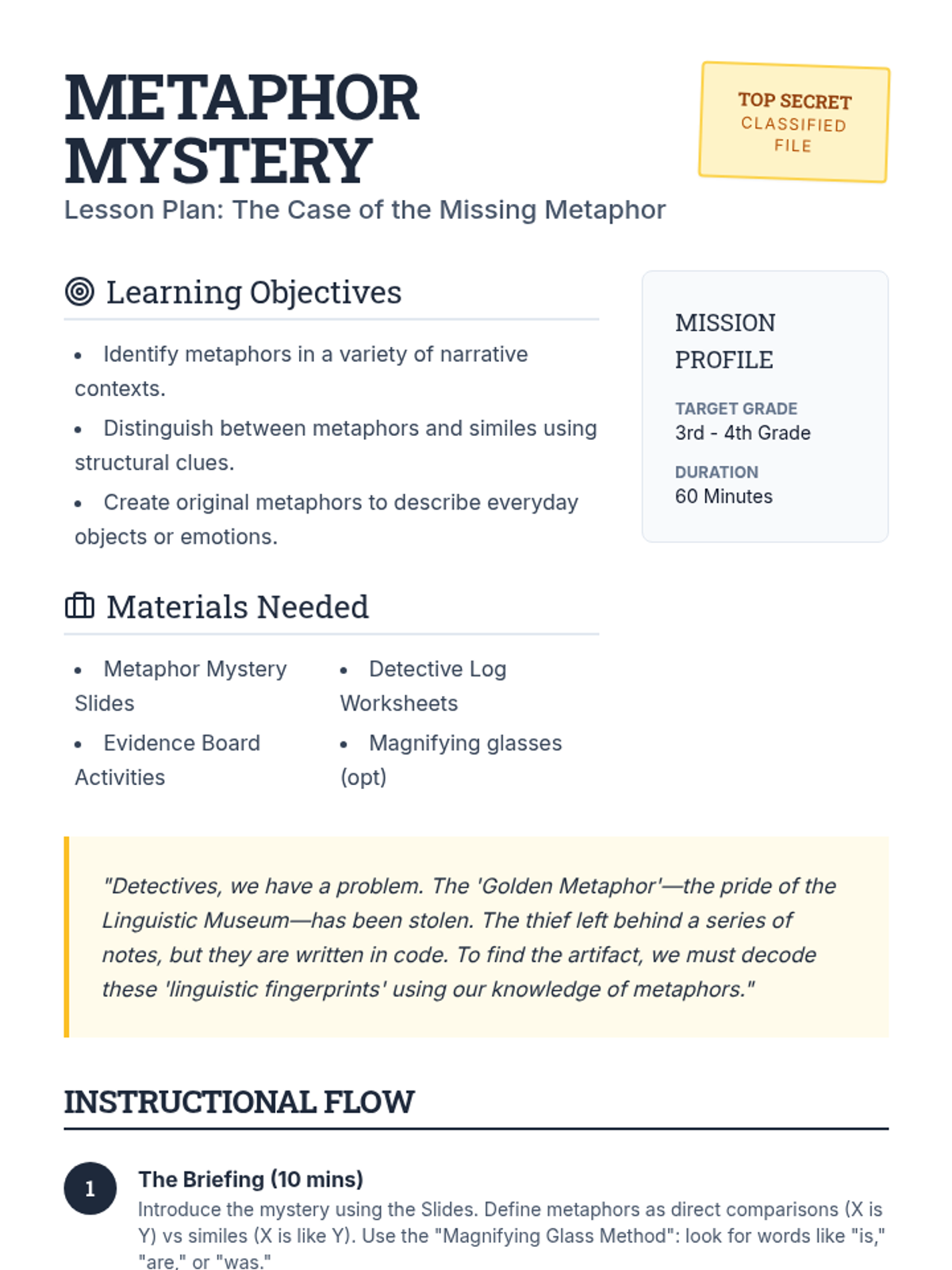
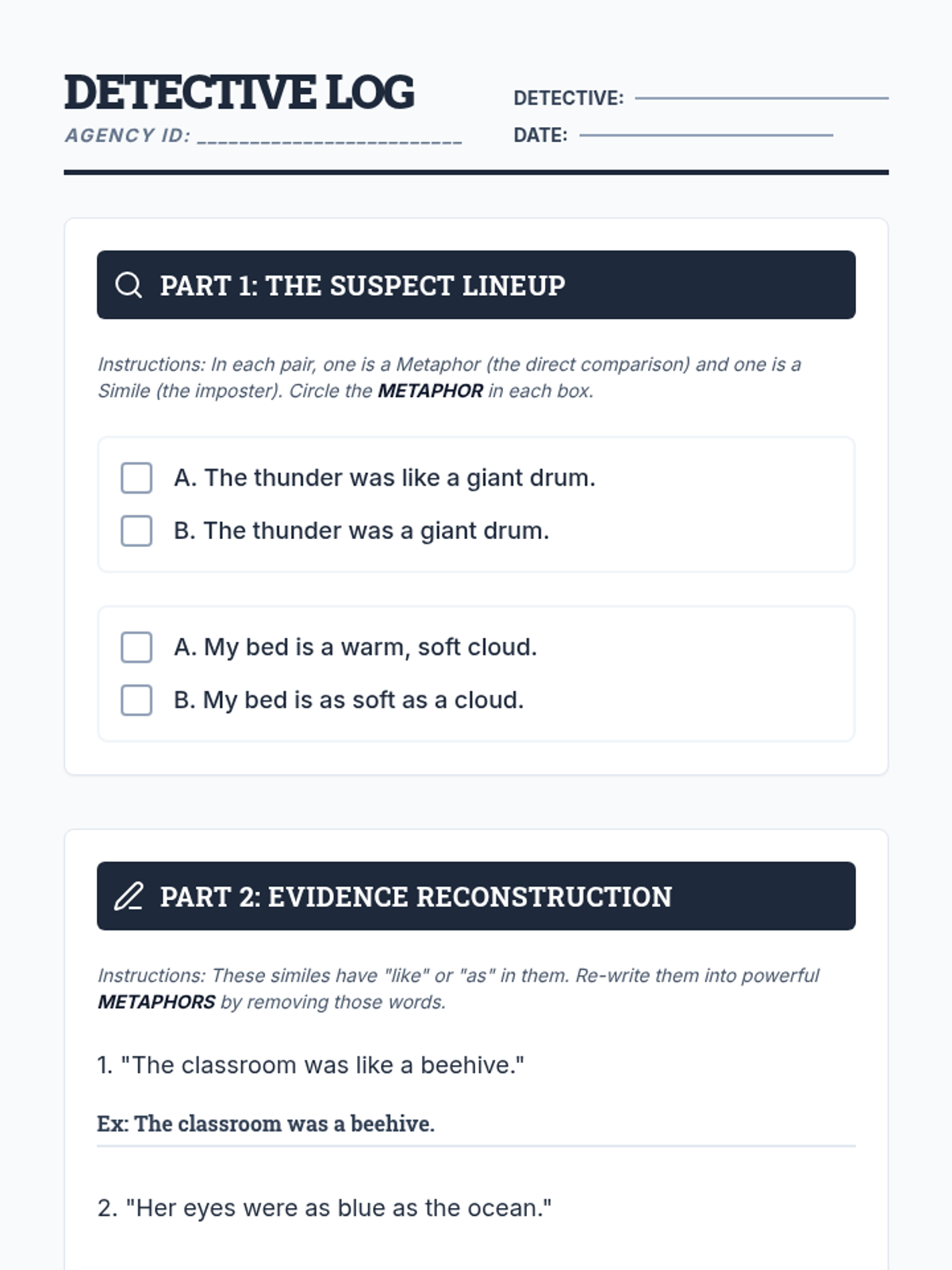
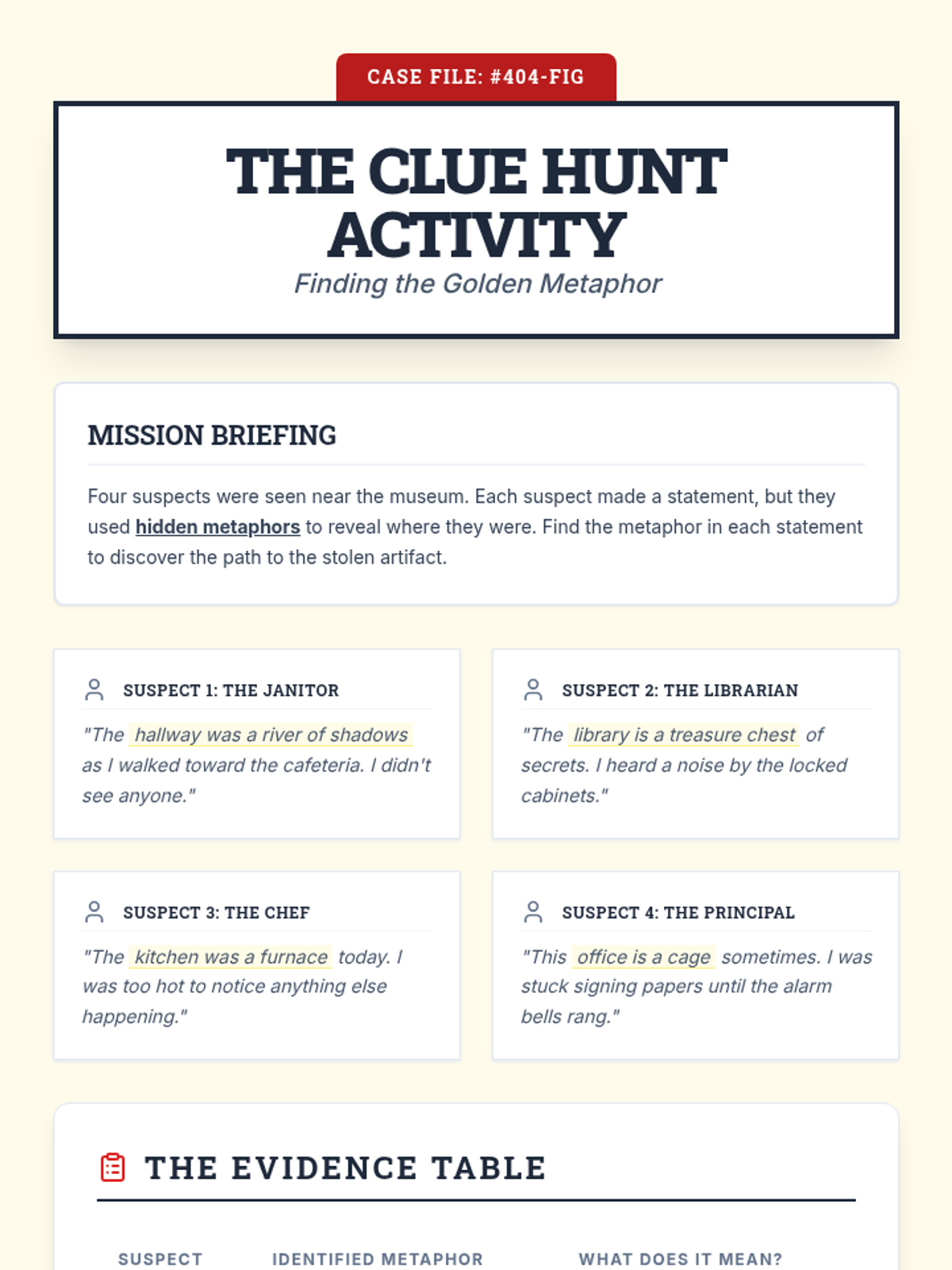
A mystery-themed lesson where 3rd and 4th grade students act as language detectives to identify and create metaphors while solving a narrative classroom puzzle.
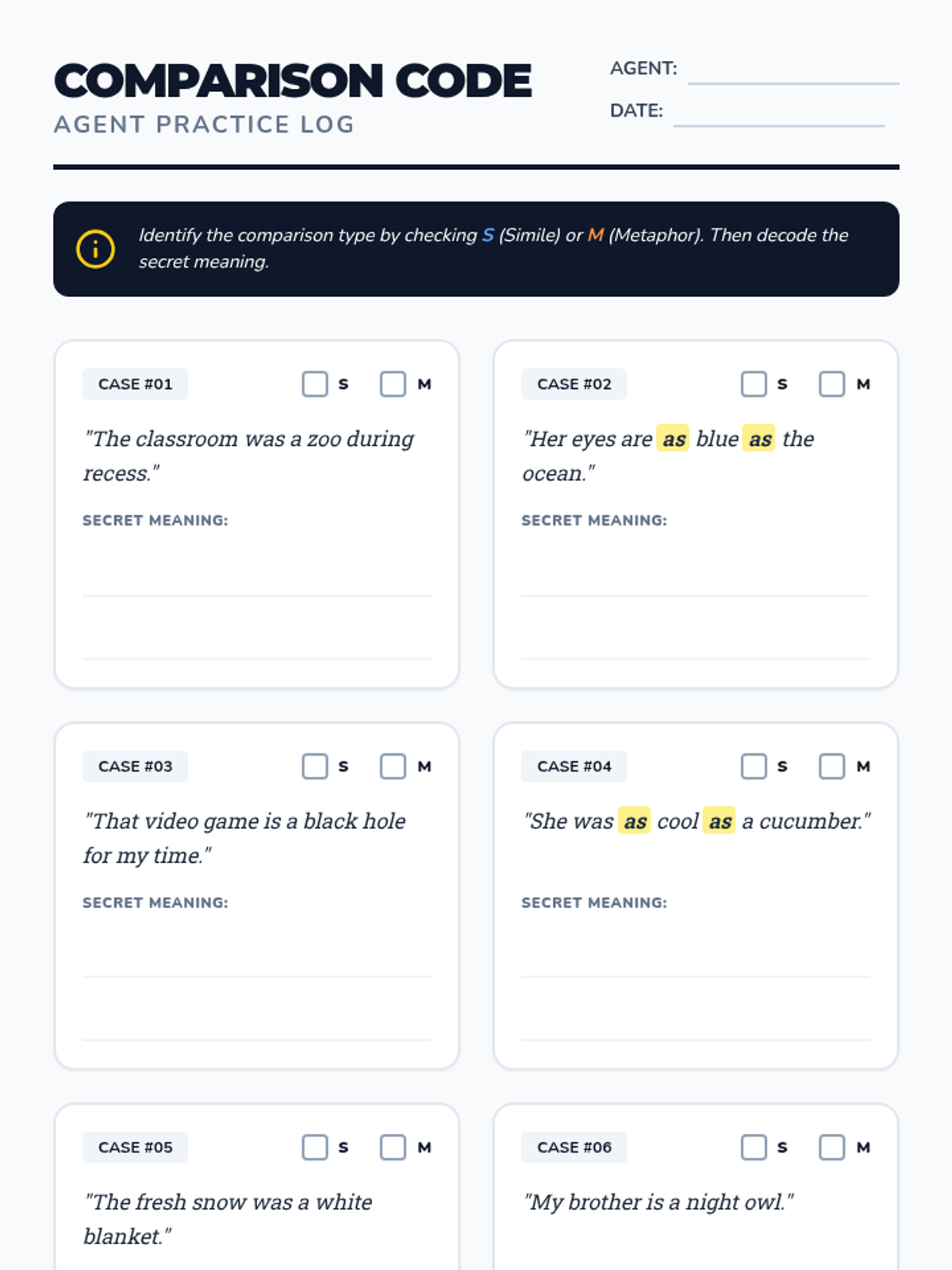
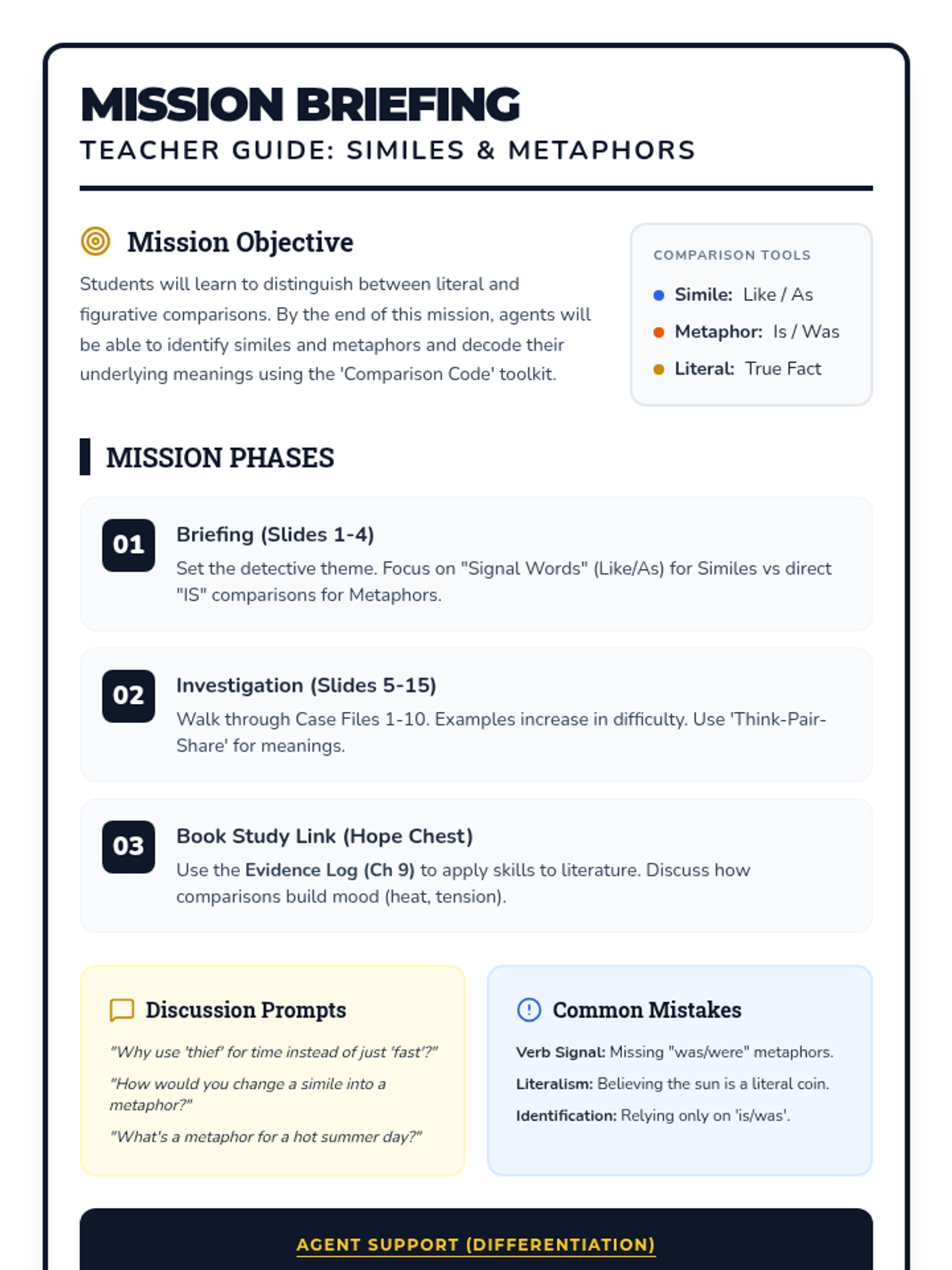
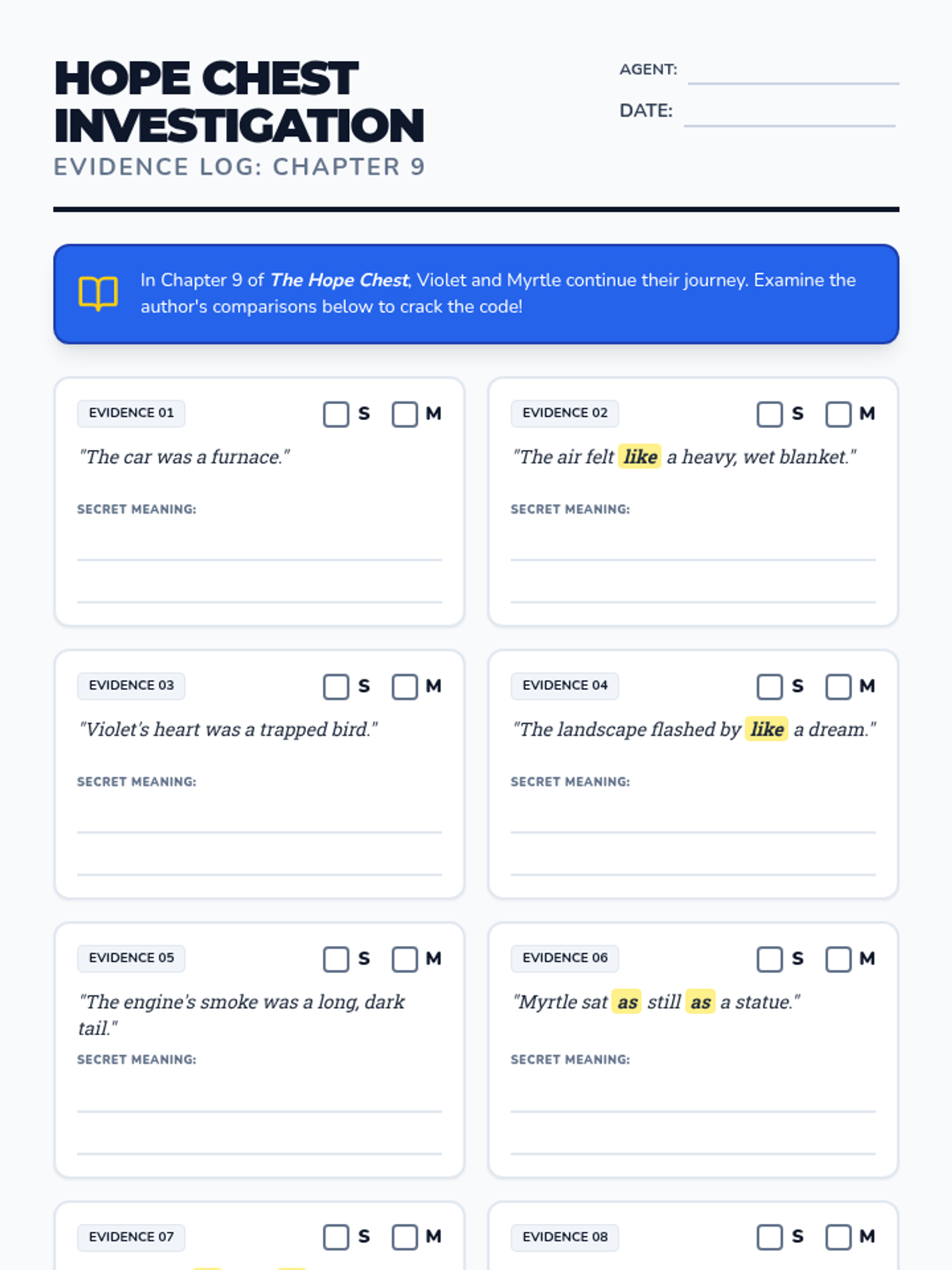
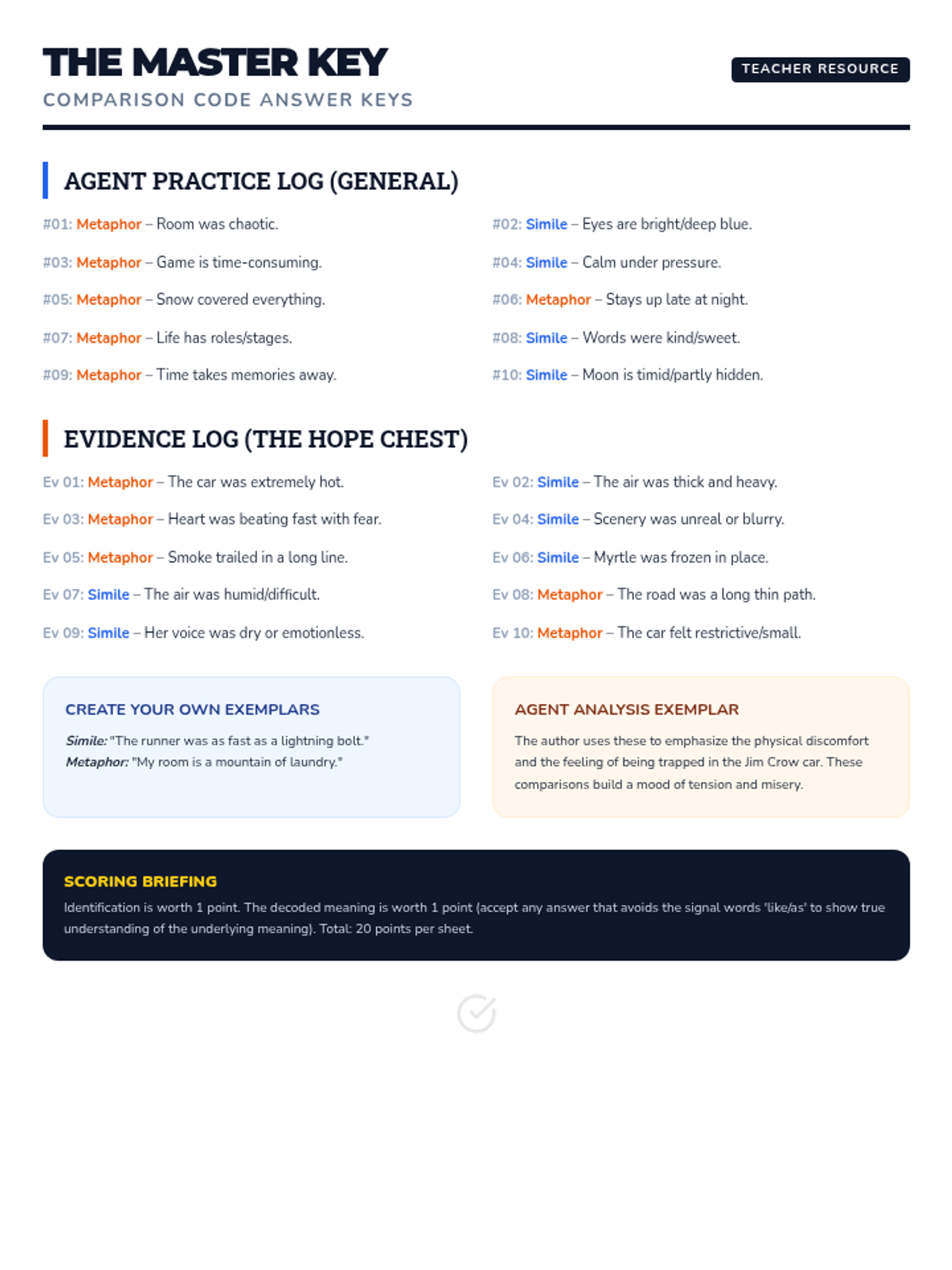
An introductory lesson on similes and metaphors using a detective-themed 'Comparison Code' to help students identify and understand figurative language.
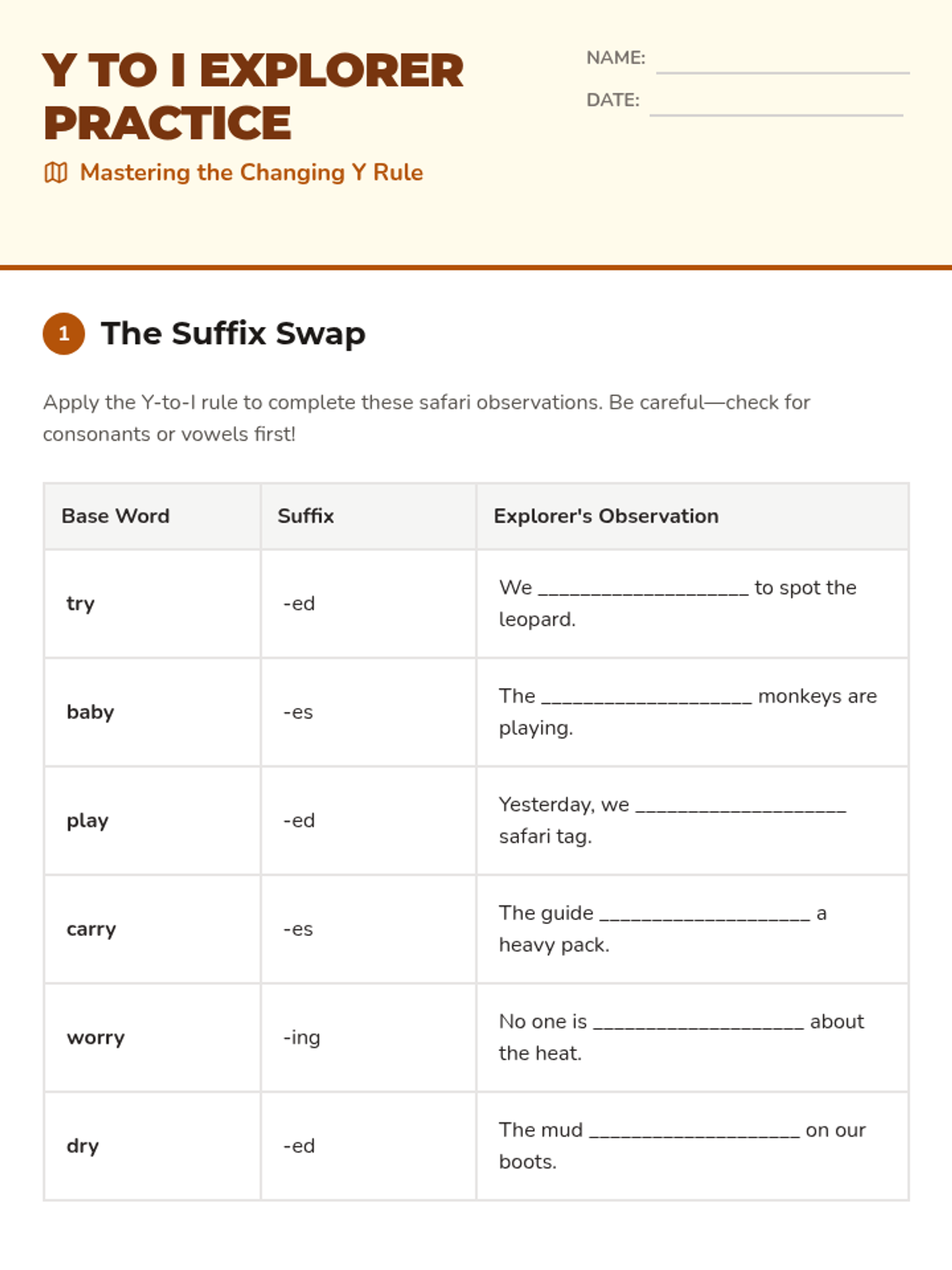
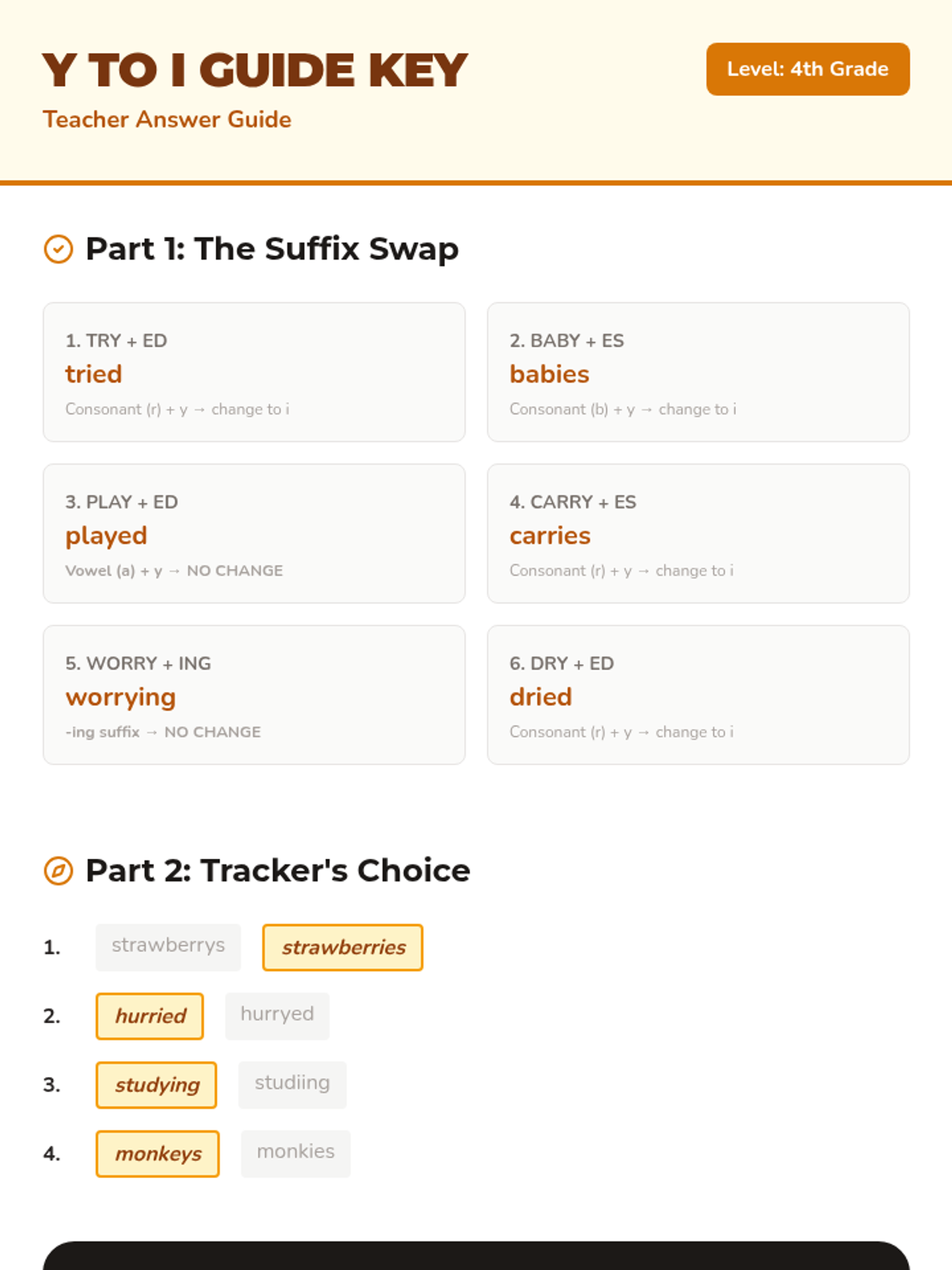
In this lesson, students will master the "y to i" spelling rule when adding inflectional endings (-s, -es, -ed) to words ending in consonant-y, through a focused safari-themed expedition.
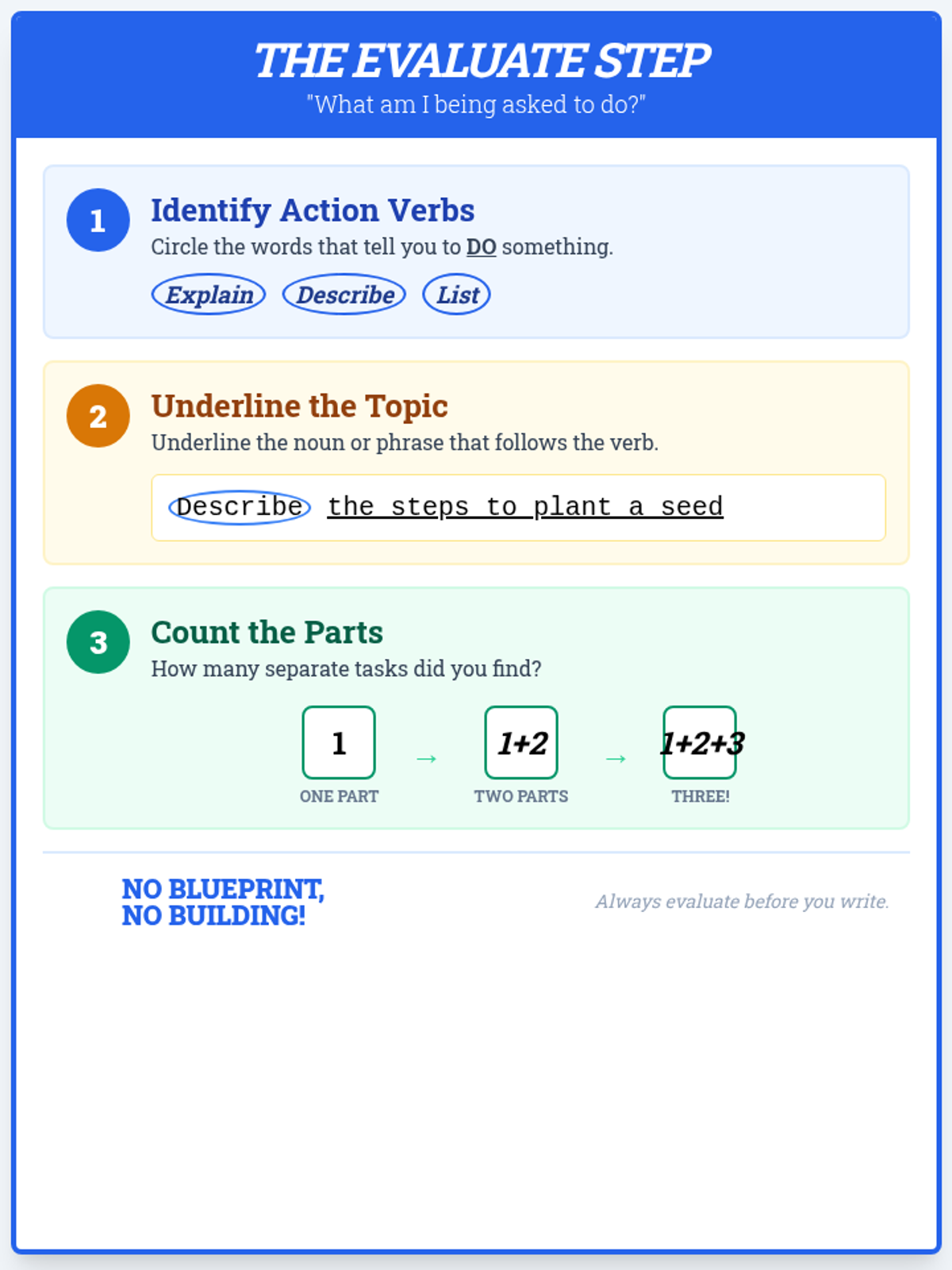
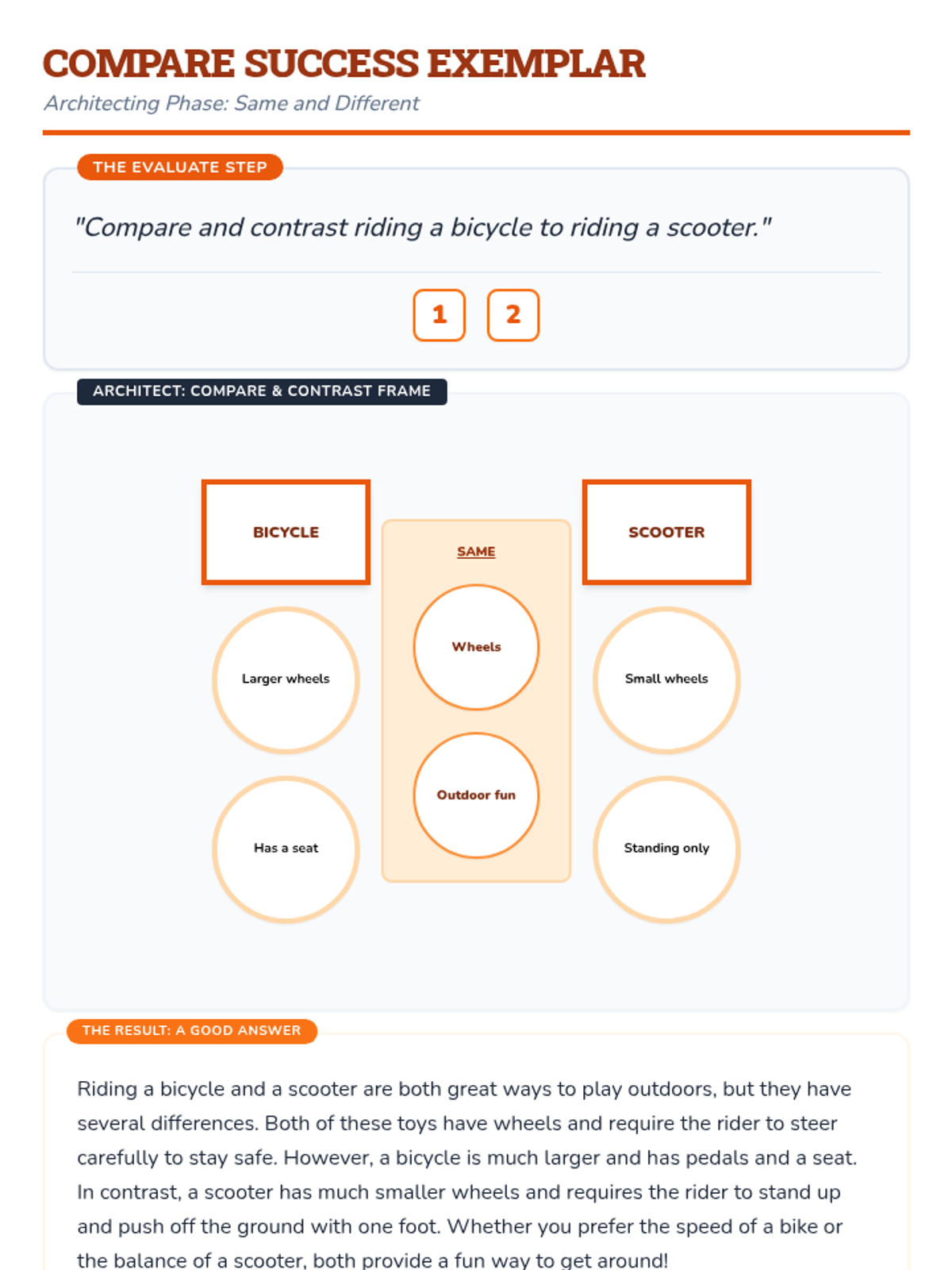
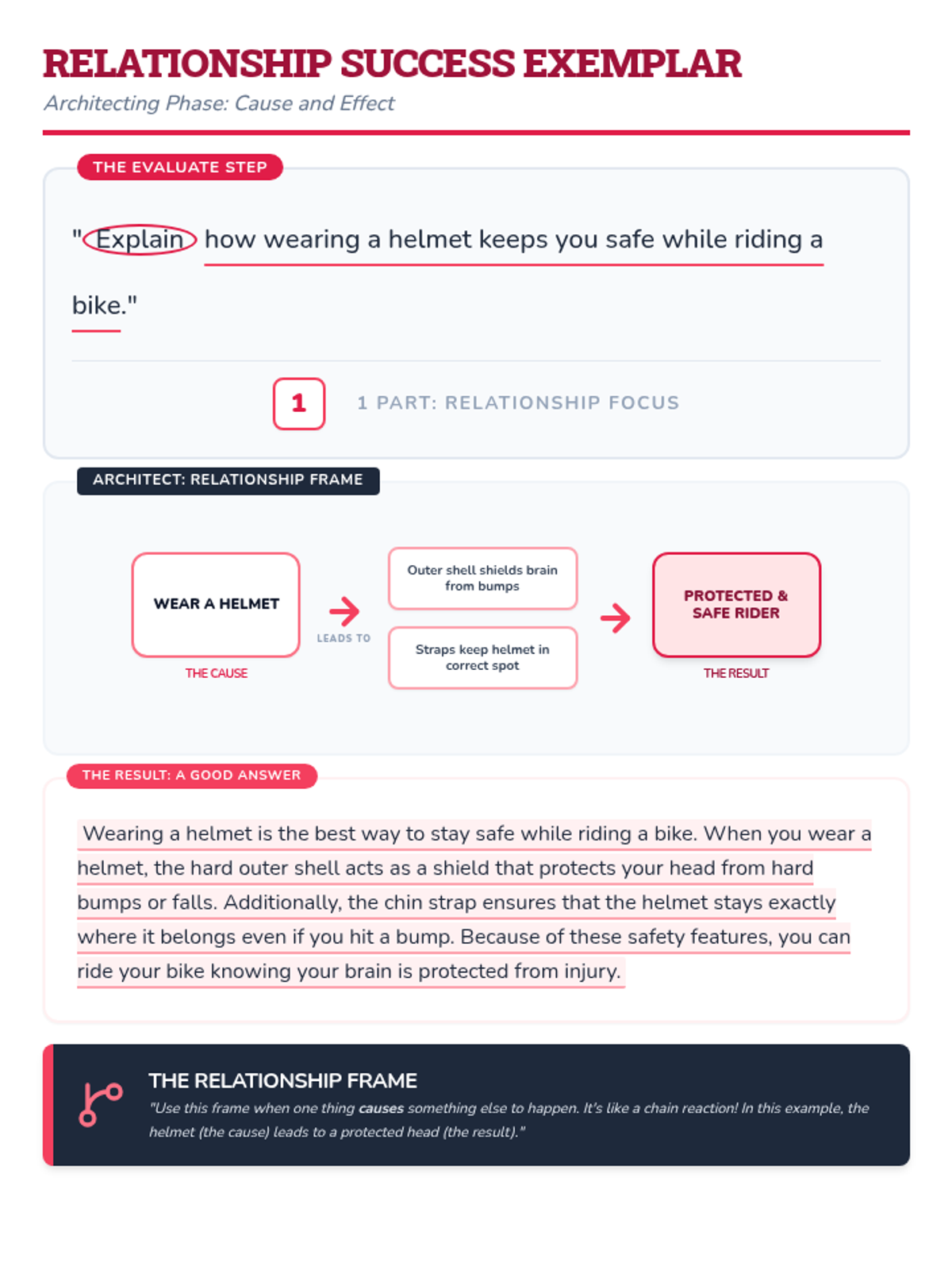
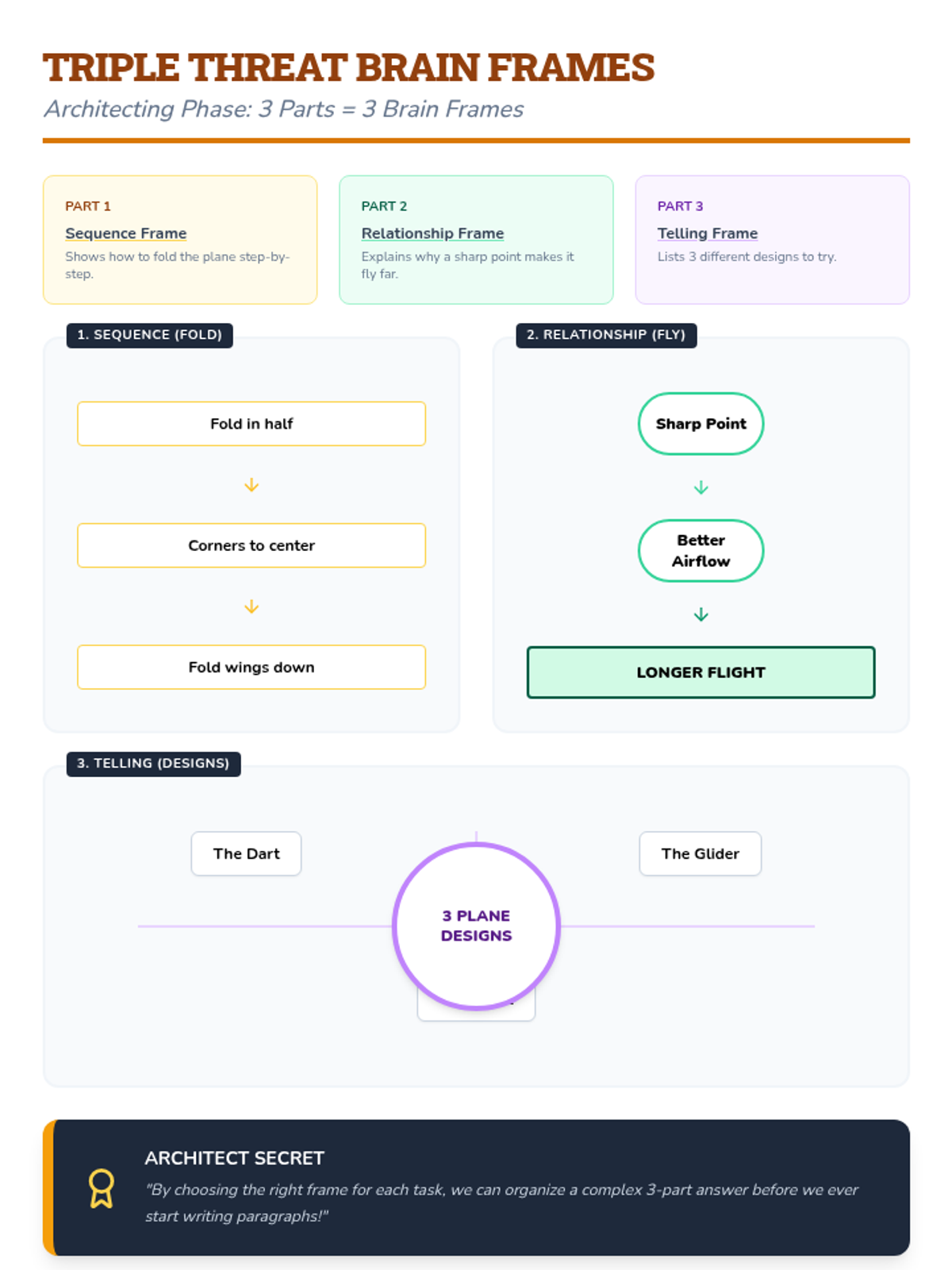
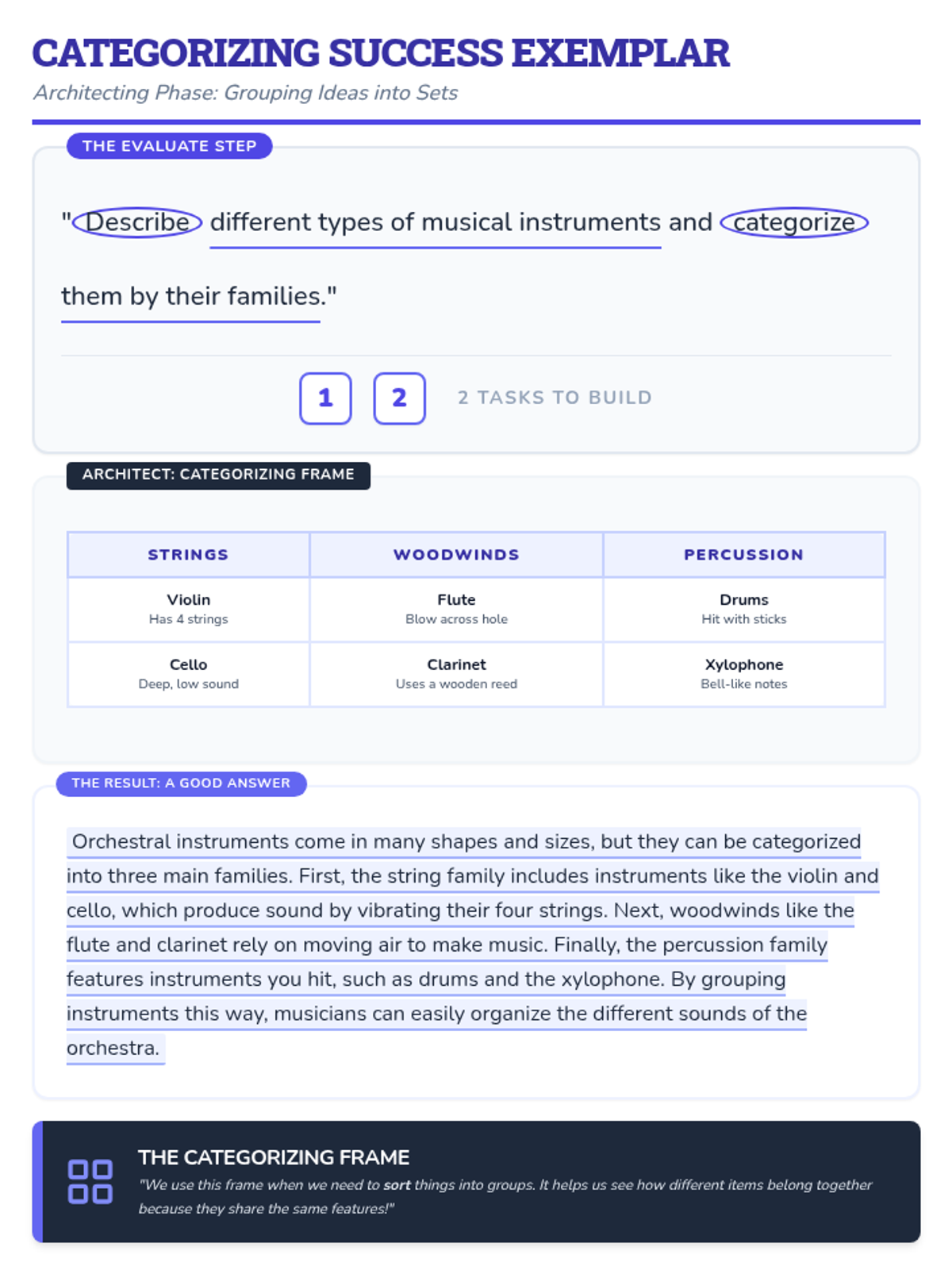
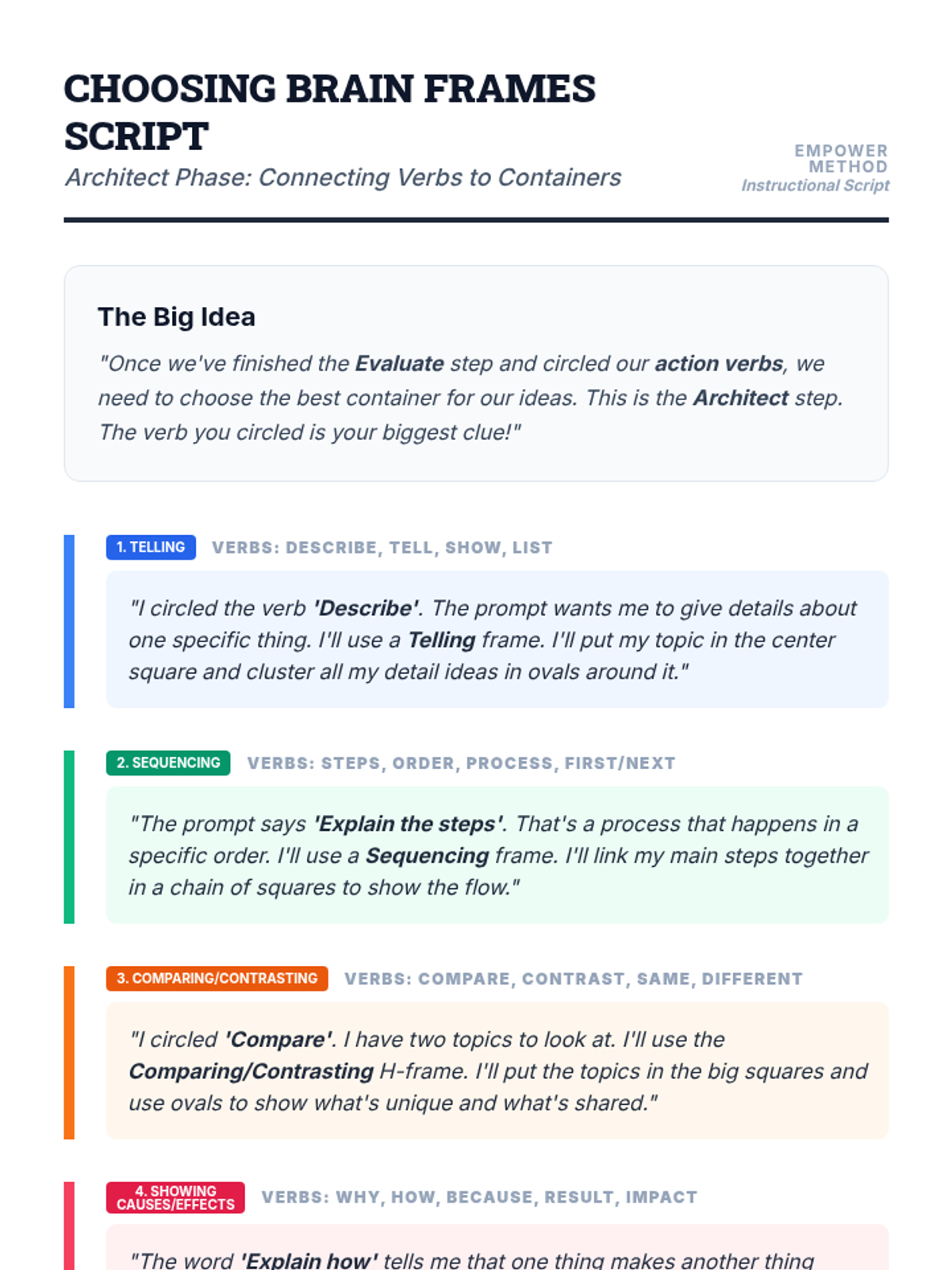
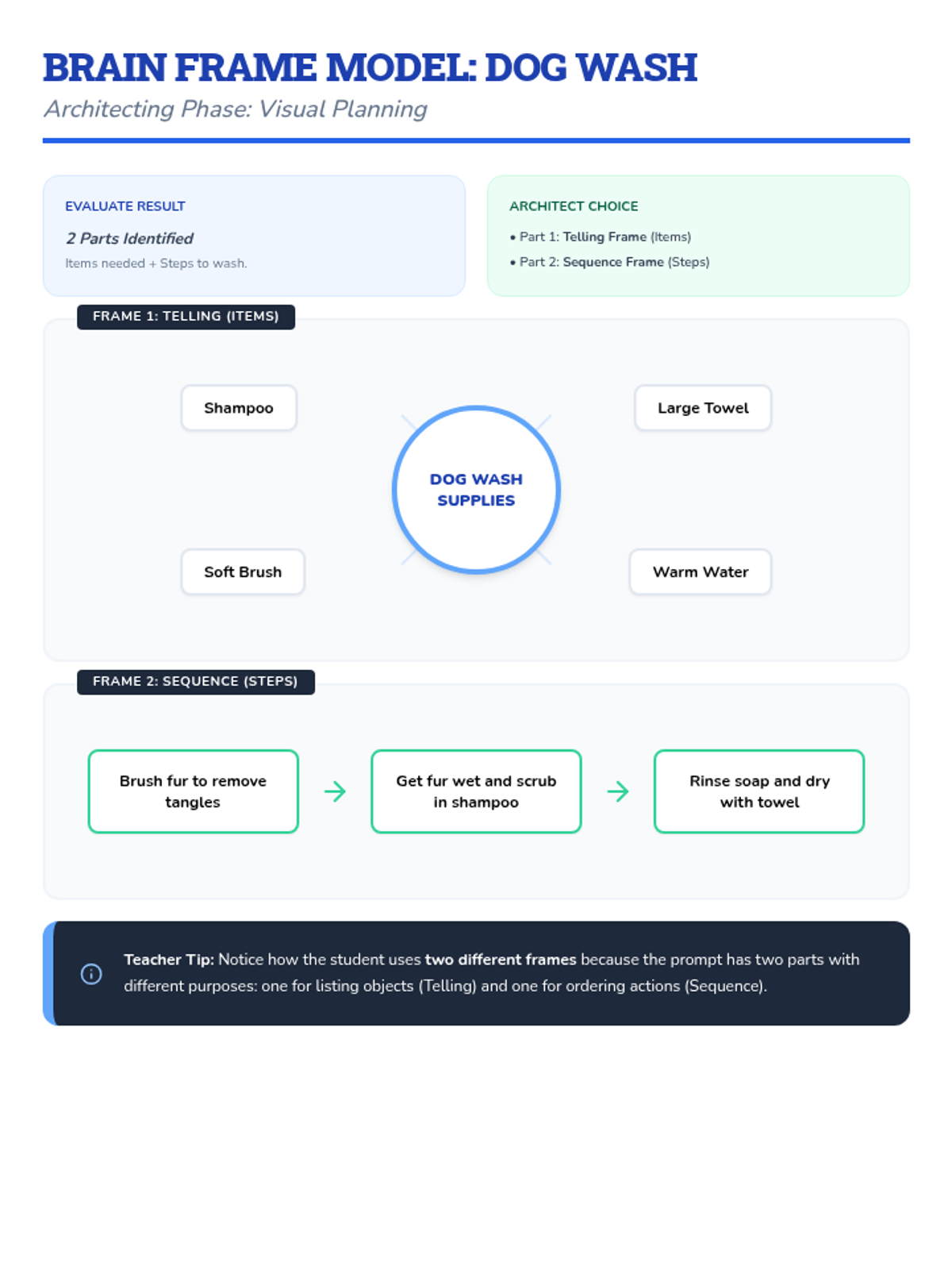
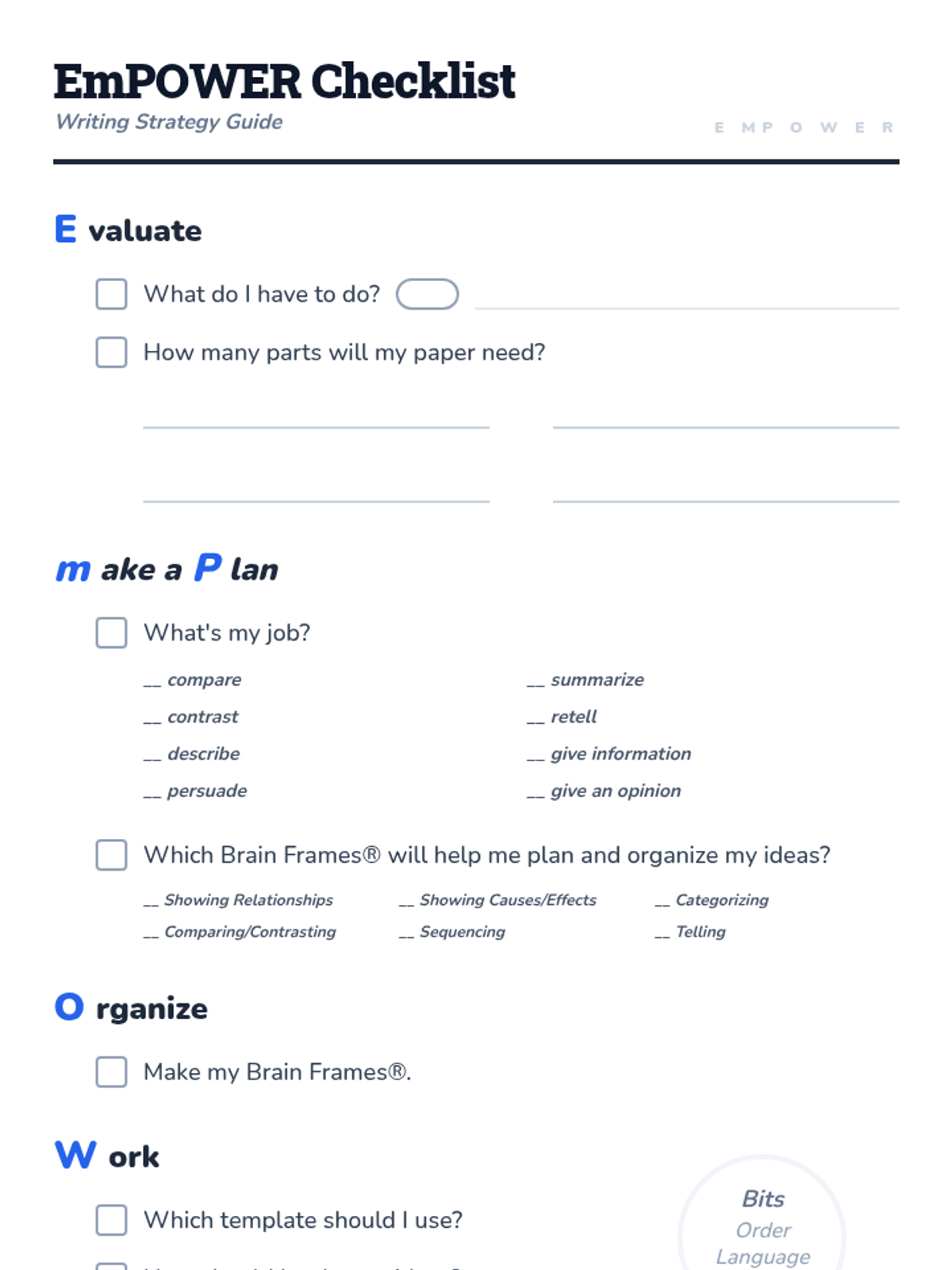
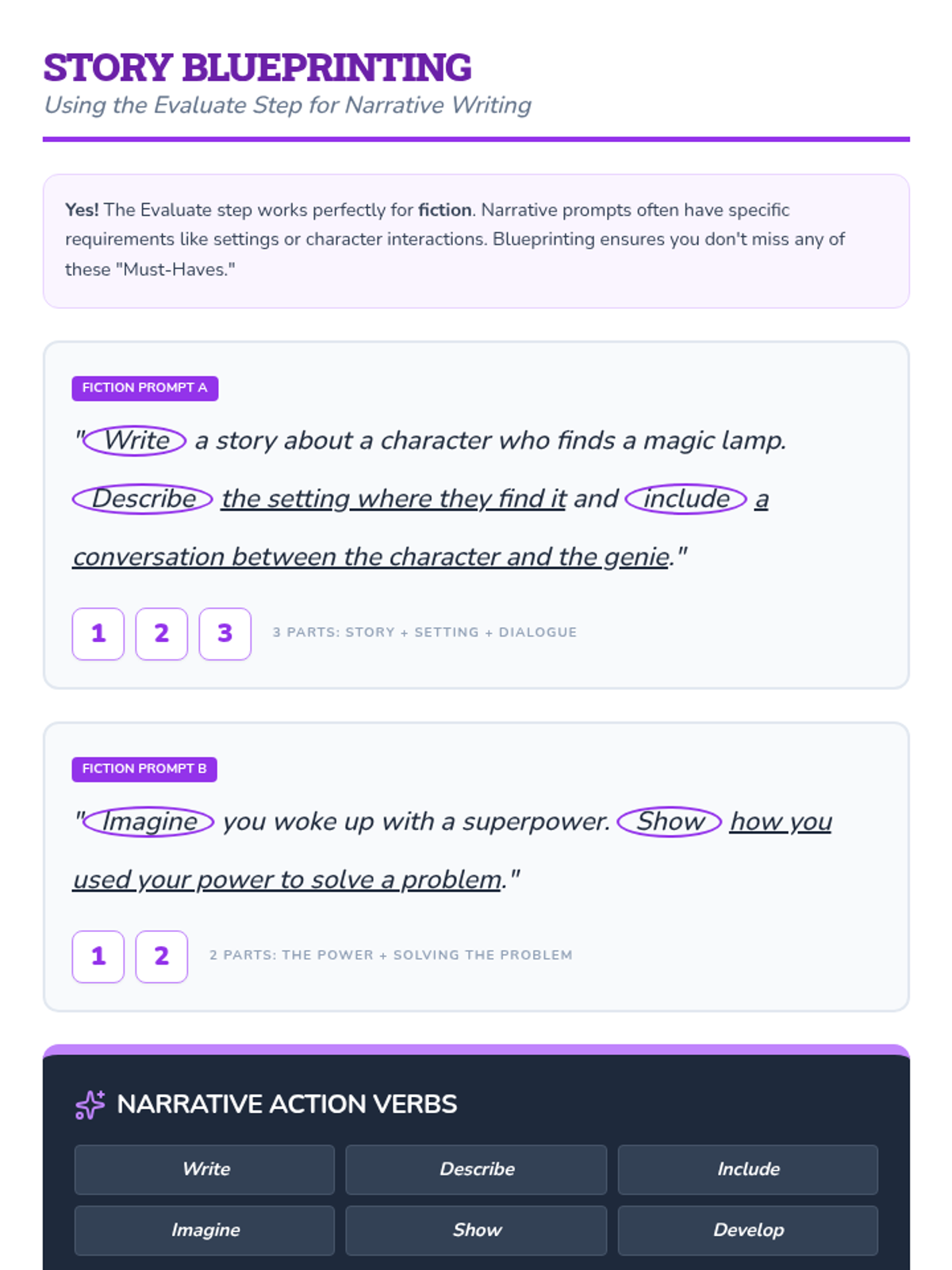
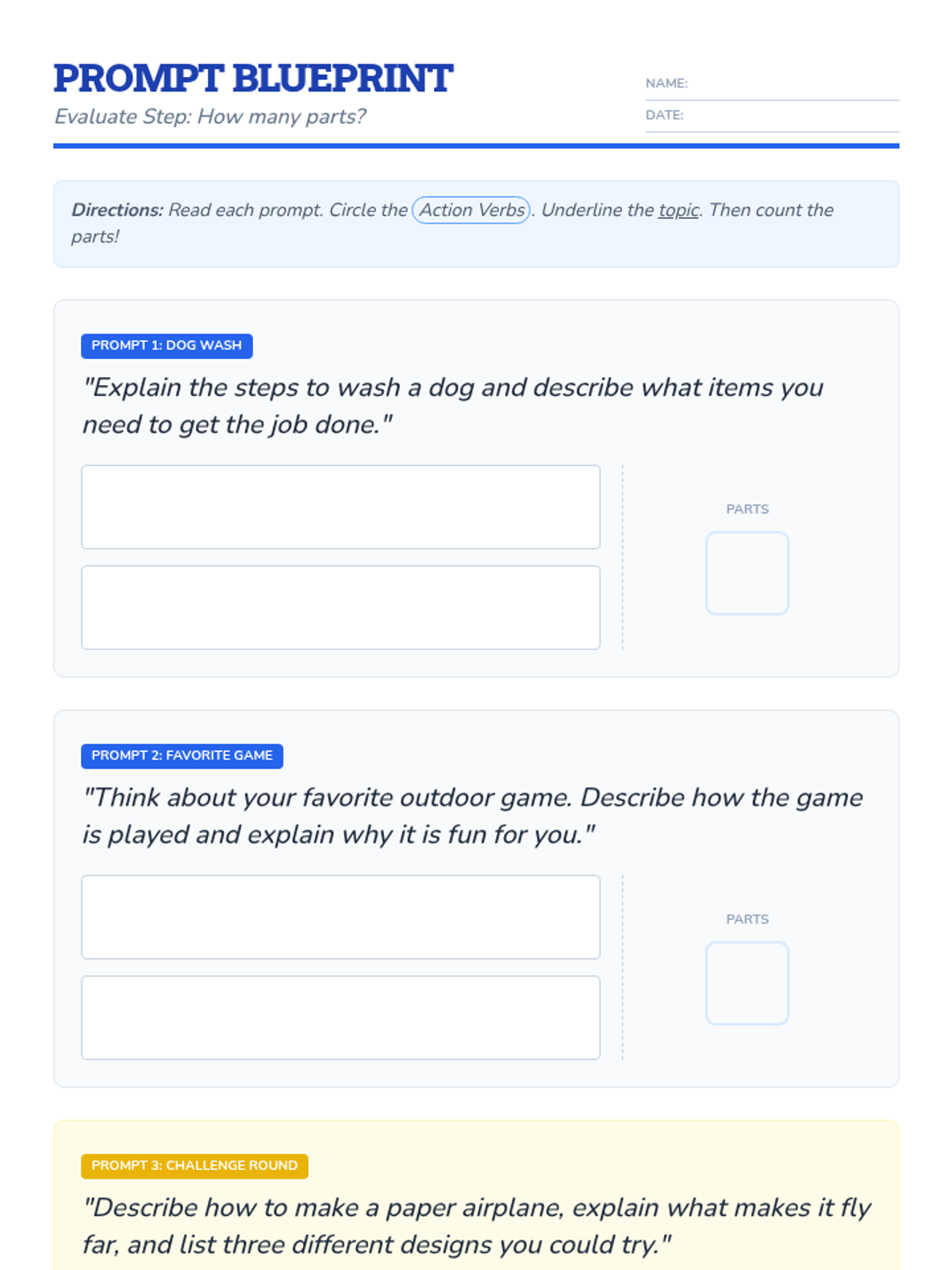
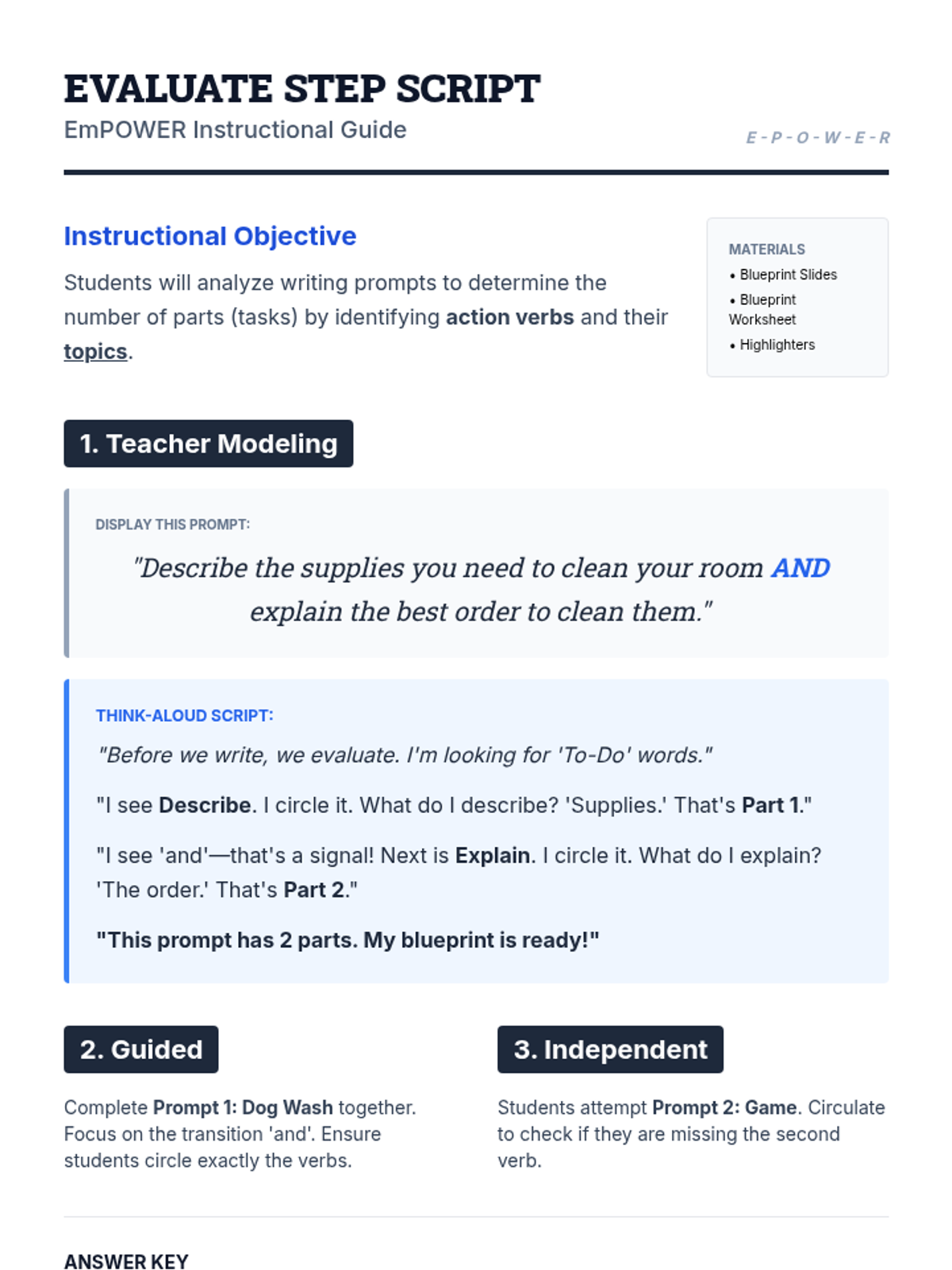
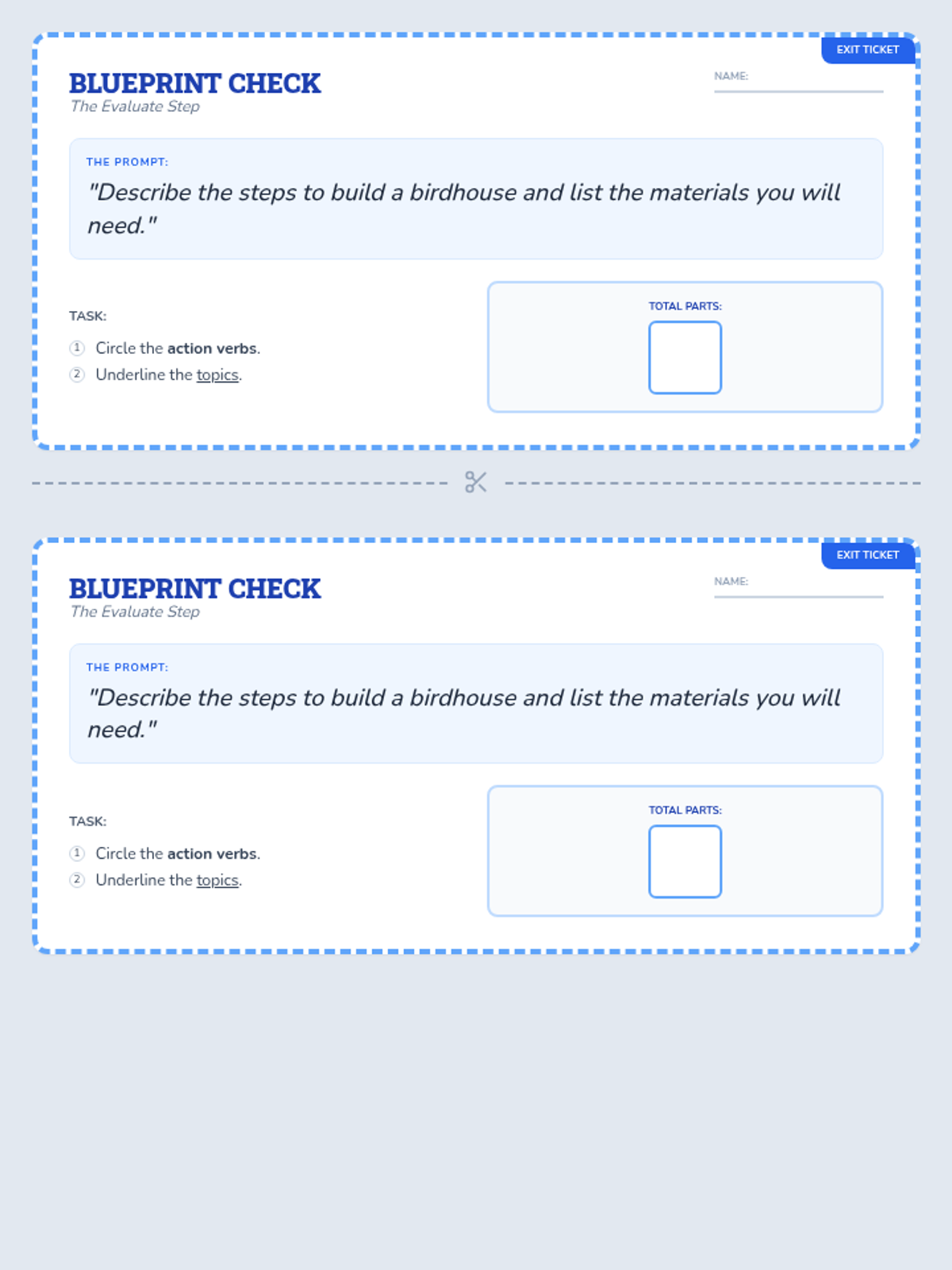
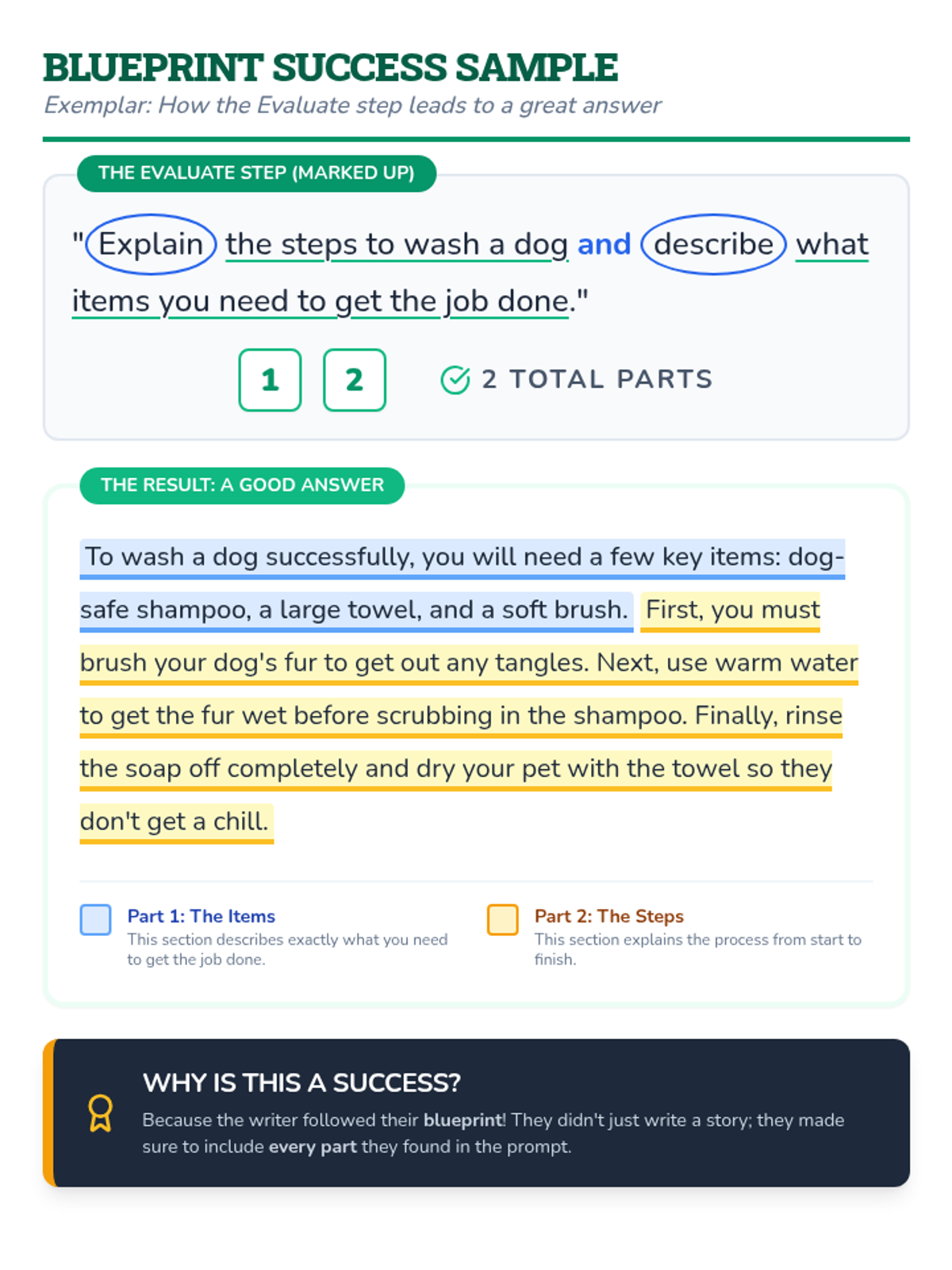
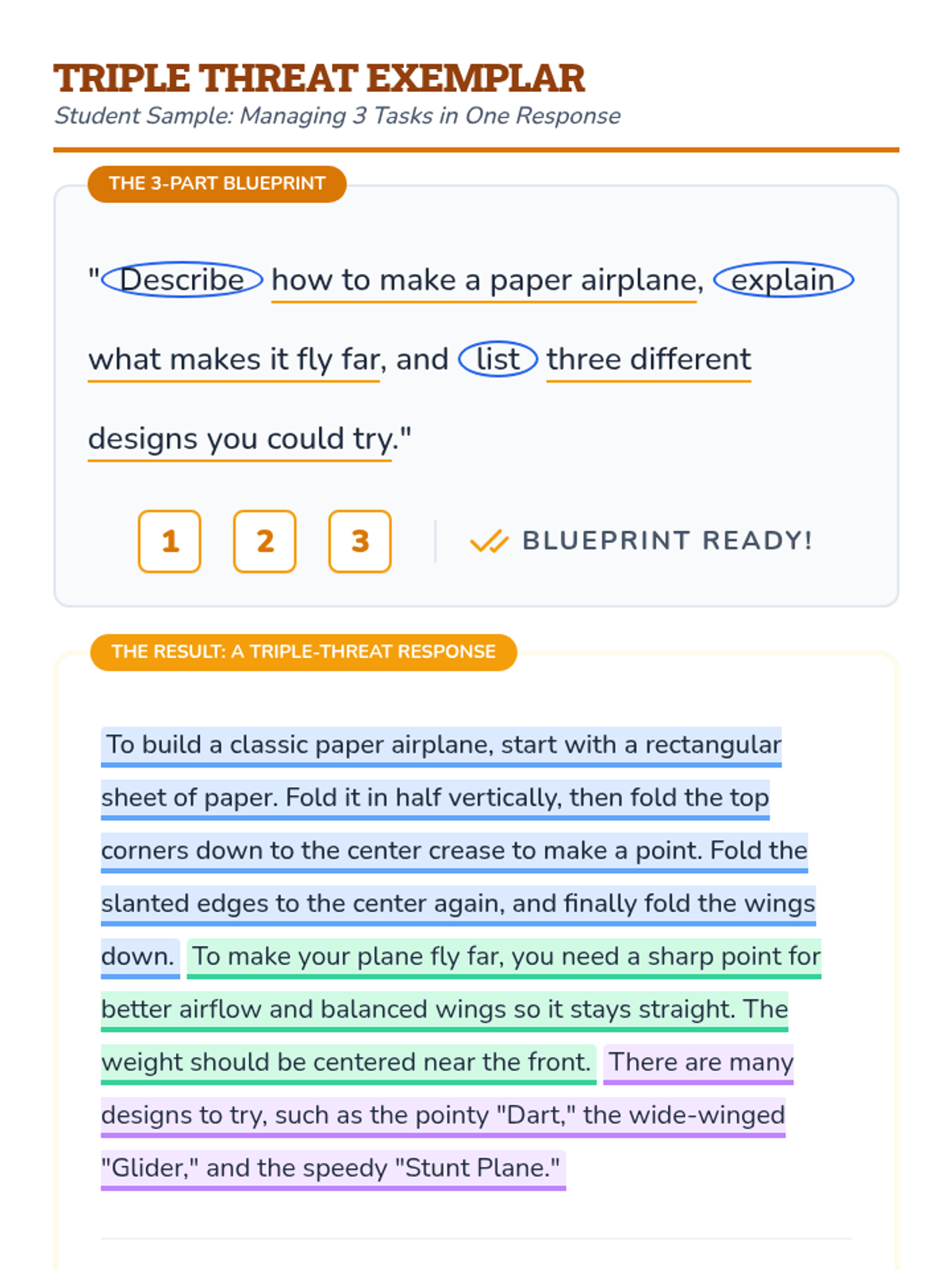
A focused lesson on the first step of the EmPOWER writing method, teaching students how to analyze writing prompts to determine the required number of parts for their response.