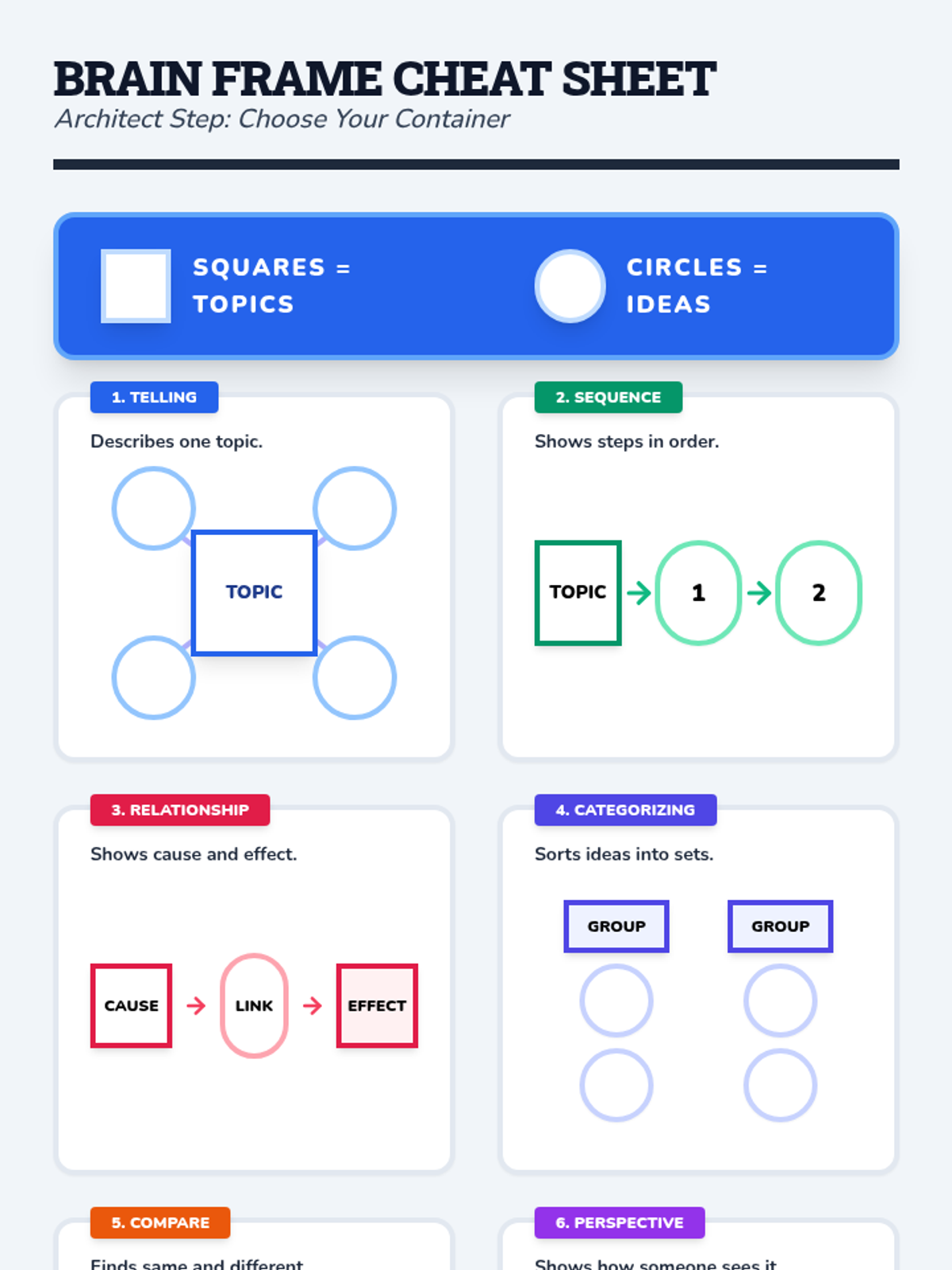
A creative writing lesson that teaches 3rd-grade students how to replace flat 'Tell' sentences with descriptive 'Show' sentences using physical clues and actions.
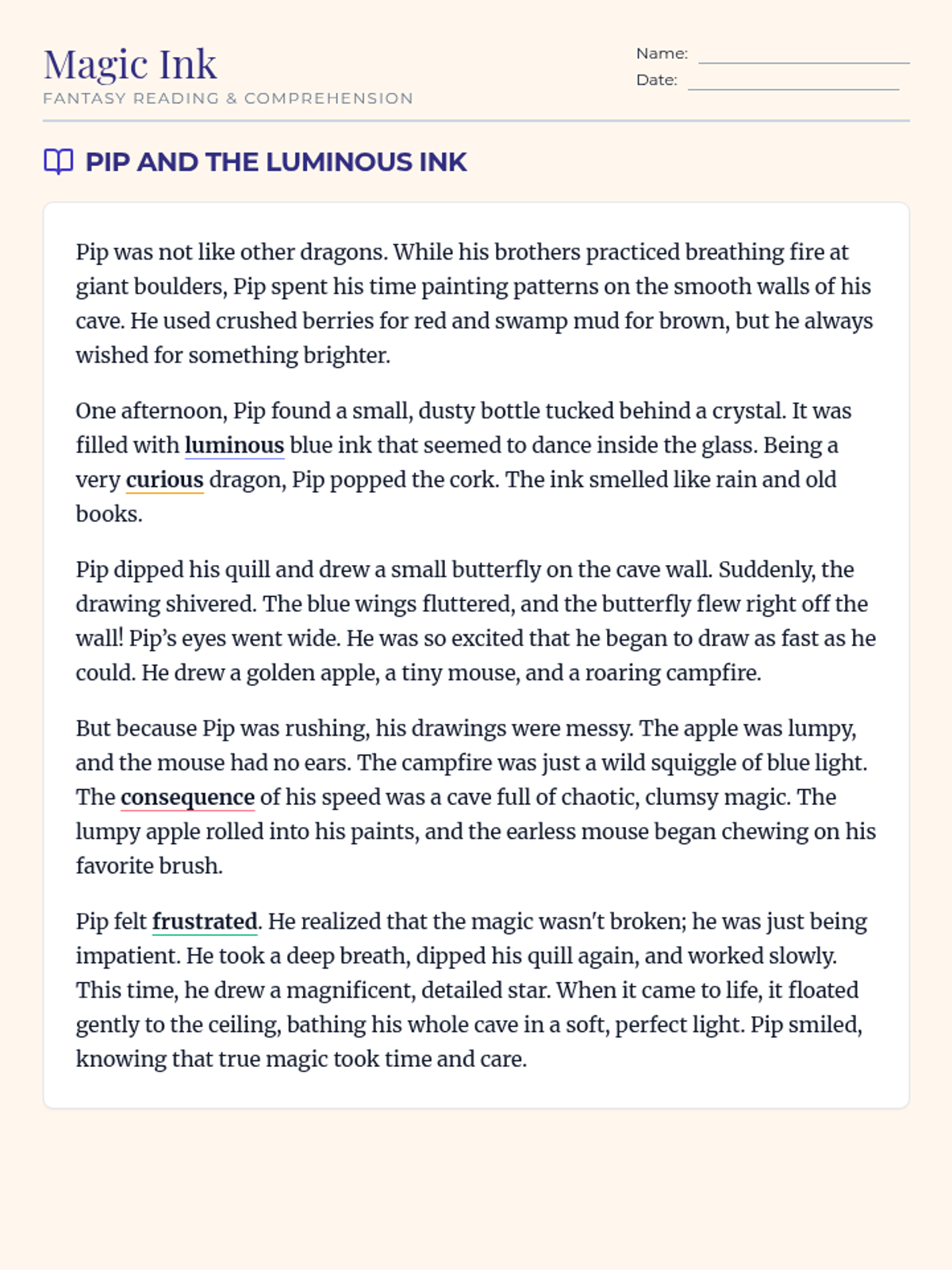
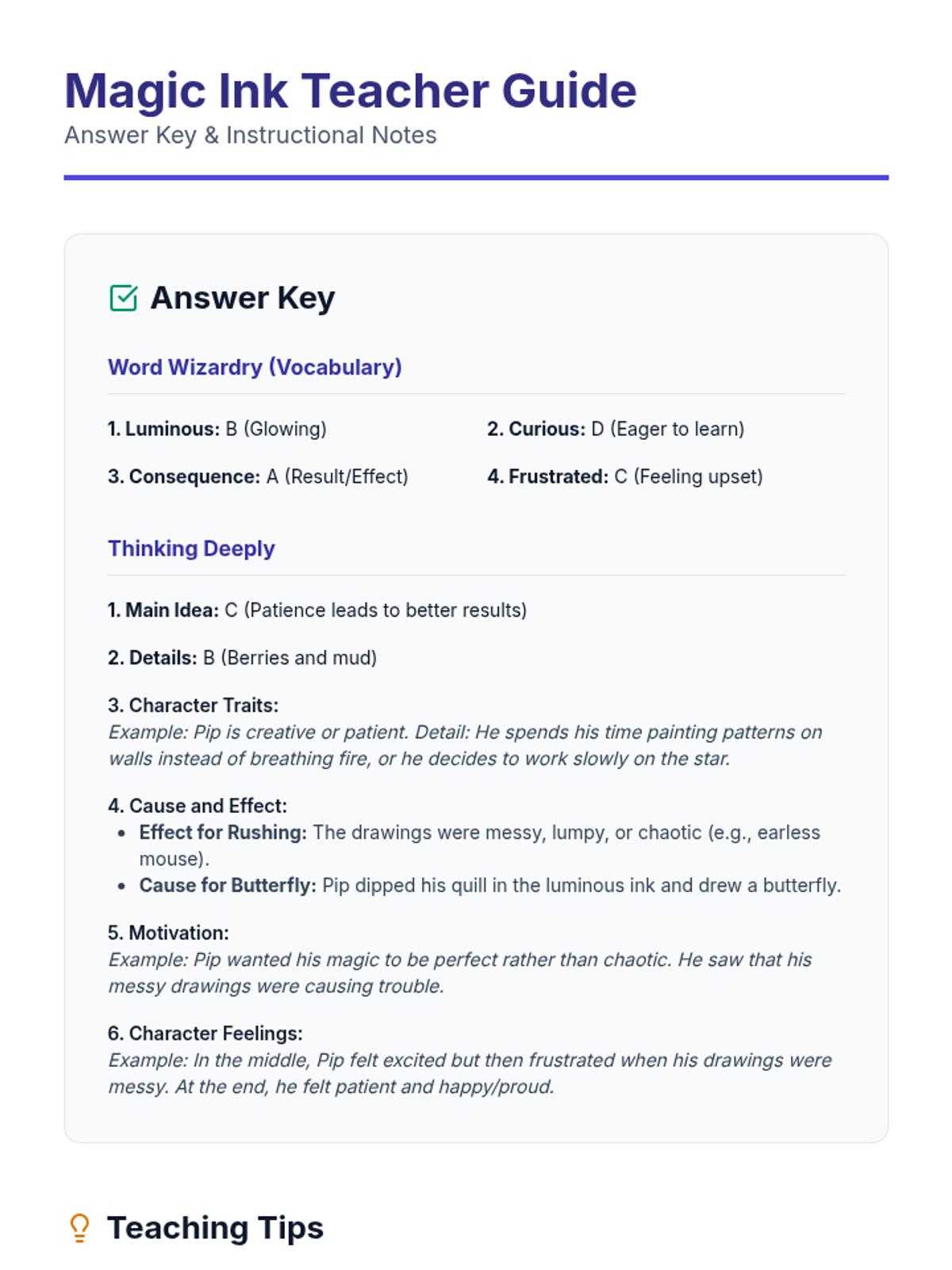
A fantasy-themed reading lesson focused on character motivations and cause-and-effect relationships through the story of a dragon with magic ink.
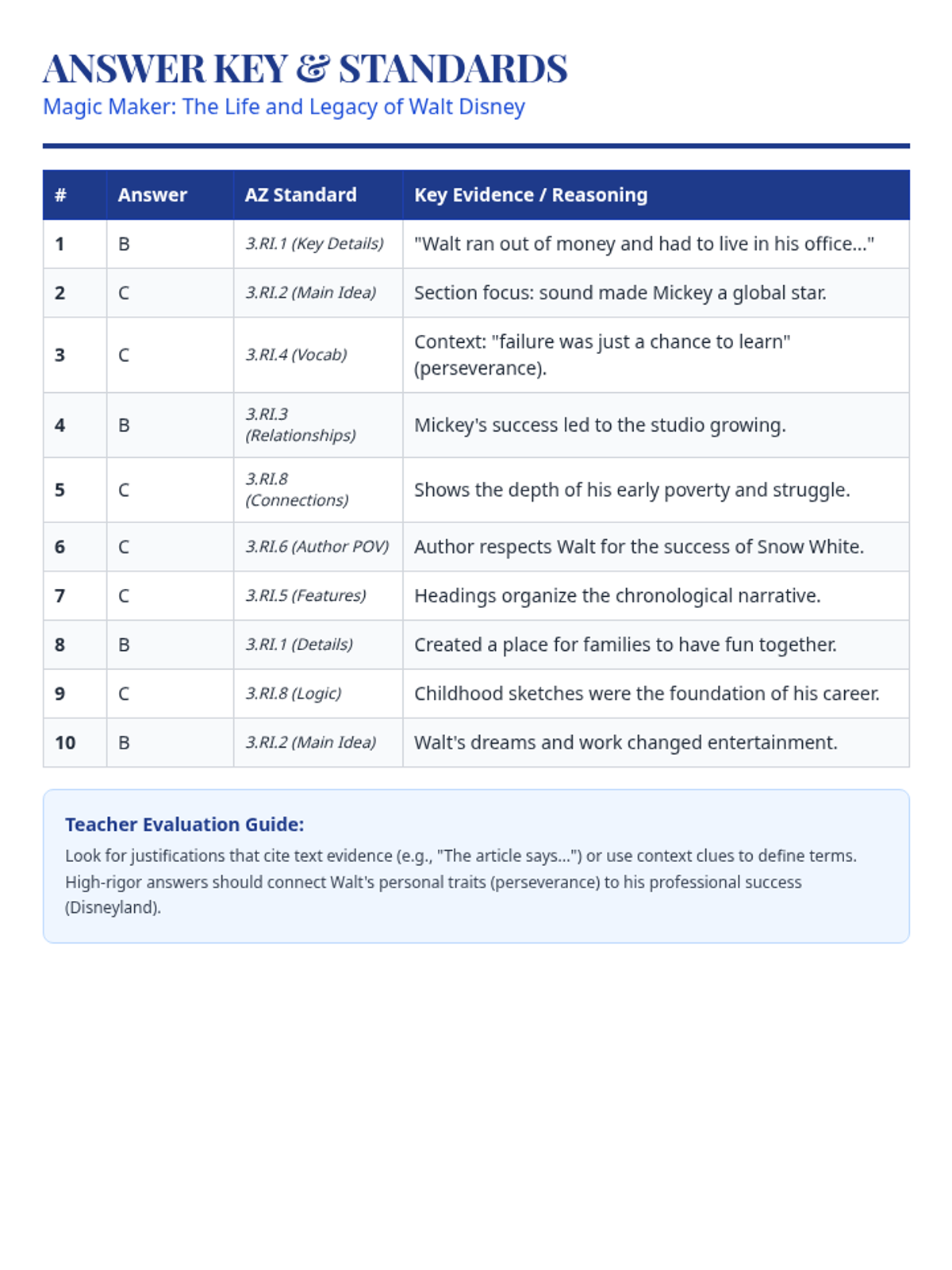
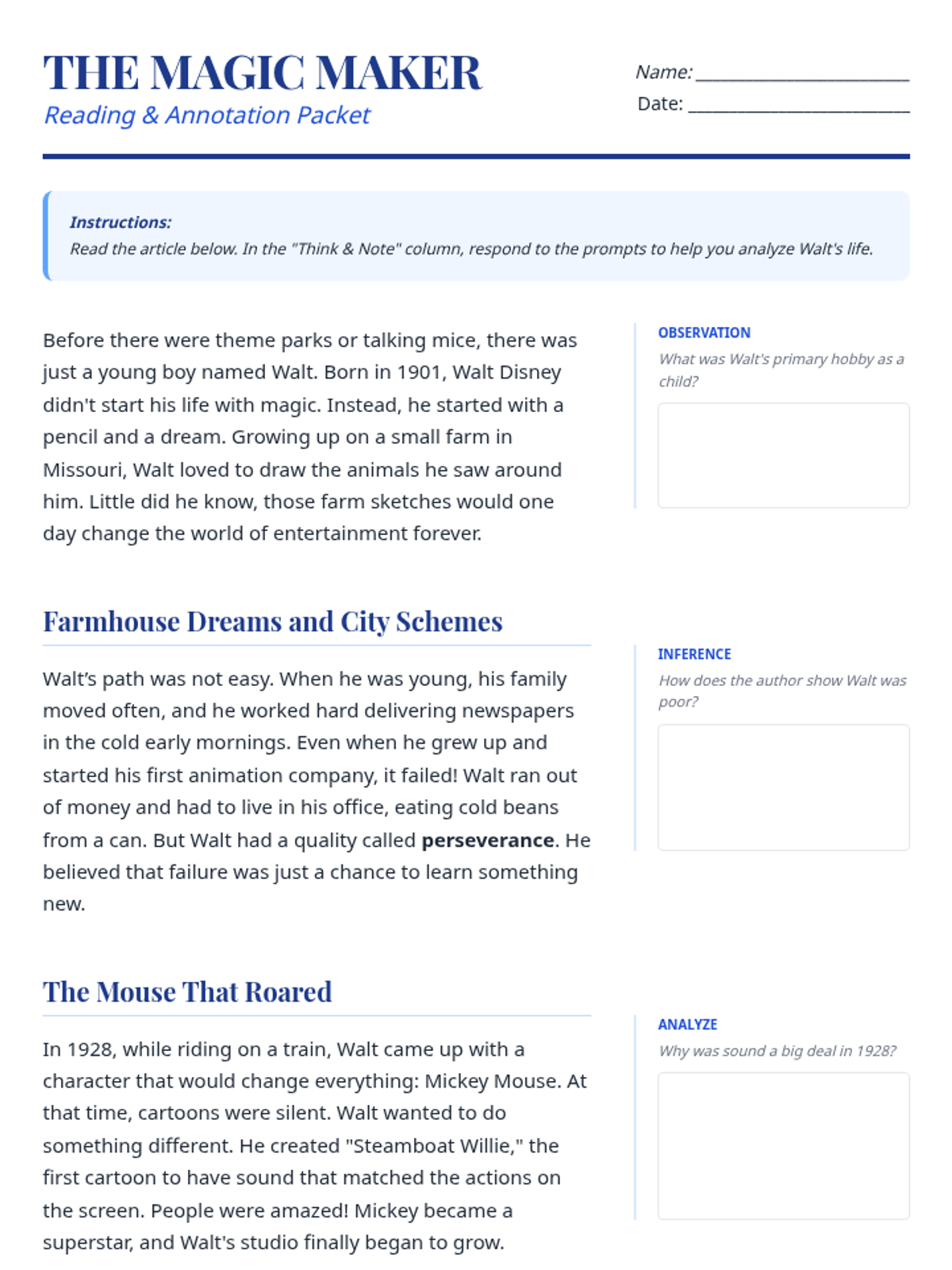
An exploration of Walt Disney's life and legacy, focusing on his perseverance and innovation. Students will engage with a complex informational text and demonstrate deep comprehension through evidence-based analysis.
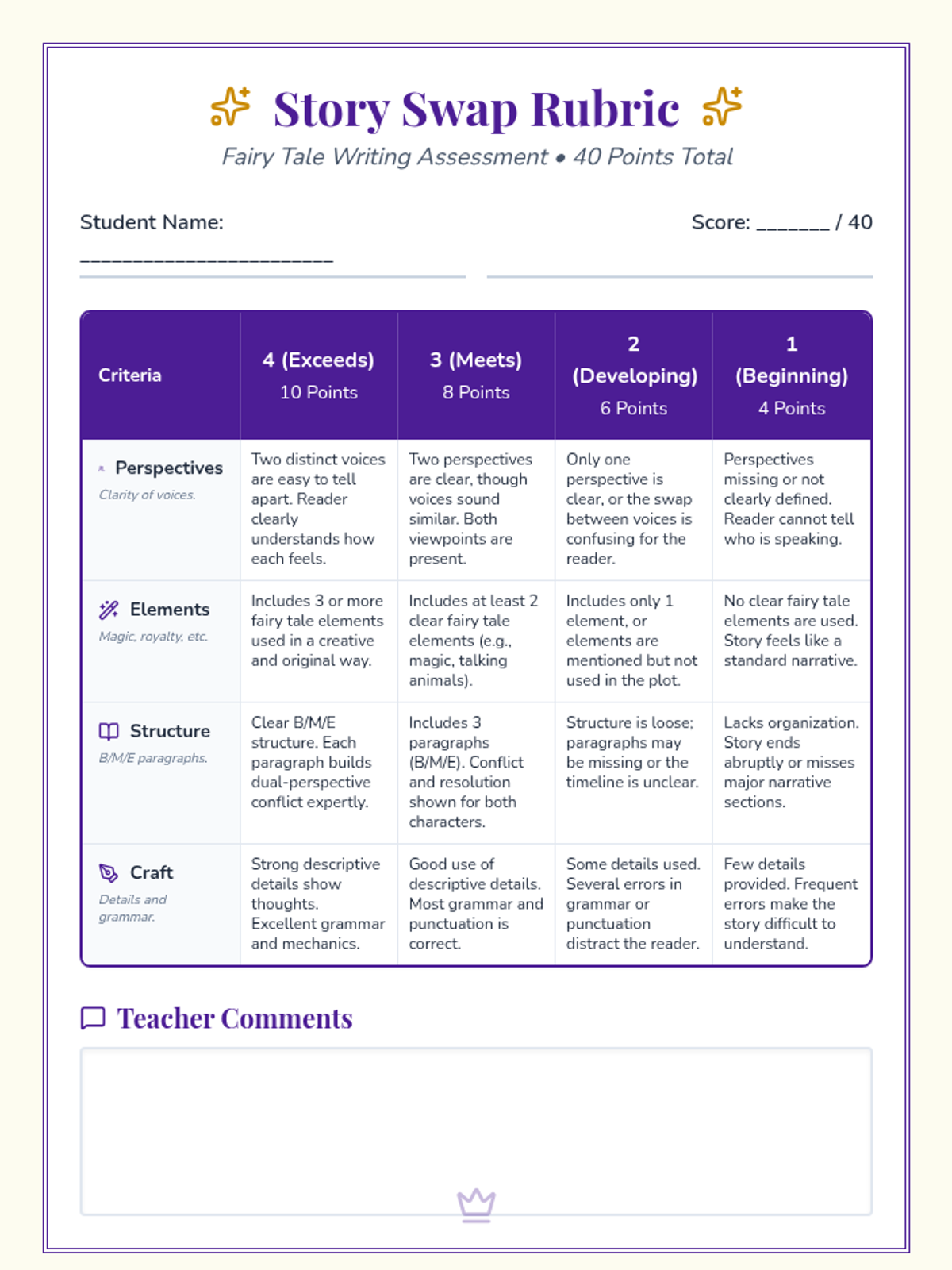
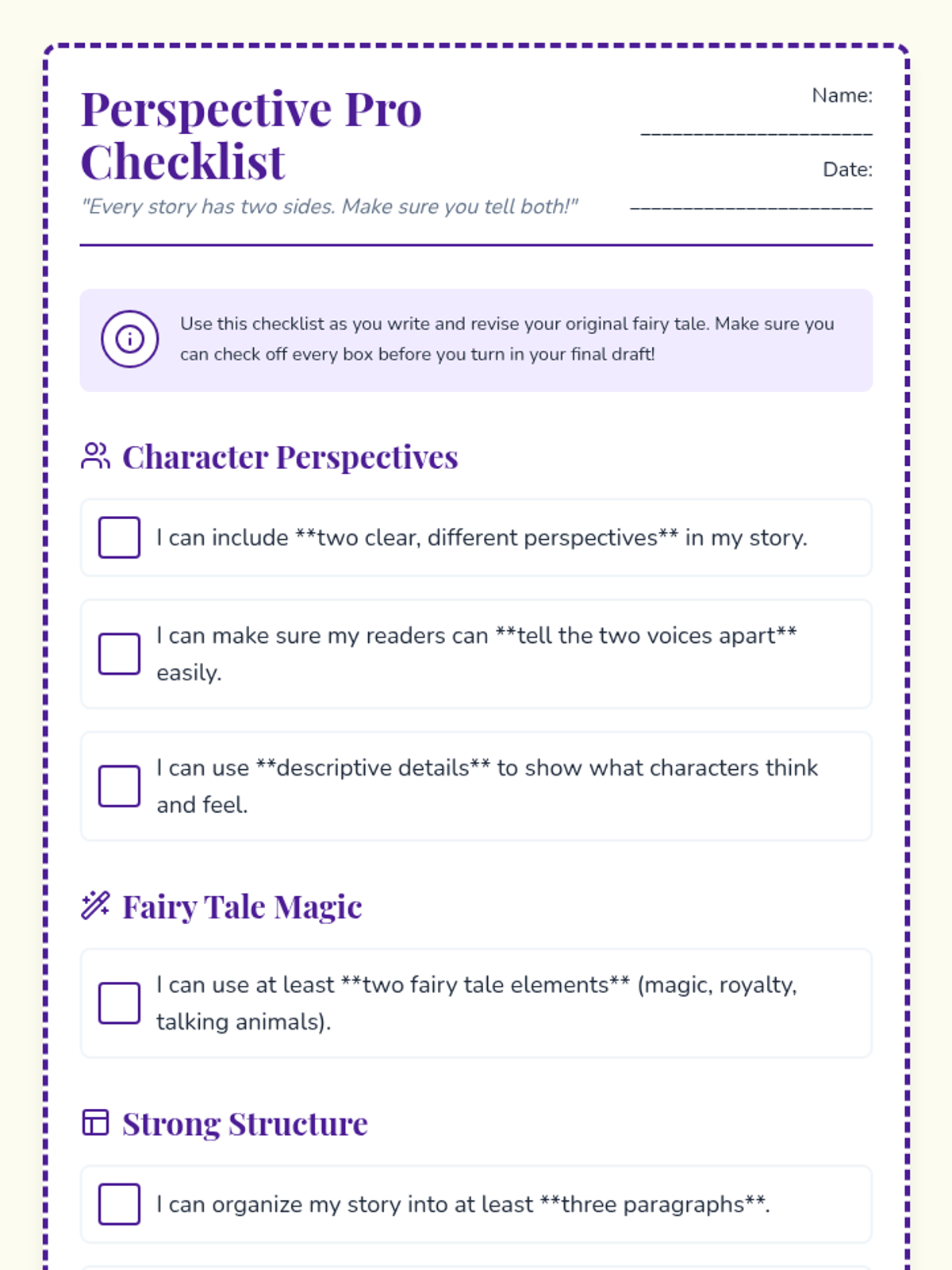
A creative writing lesson focused on retelling or creating original fairy tales from two distinct character perspectives, emphasizing narrative structure and character voice.
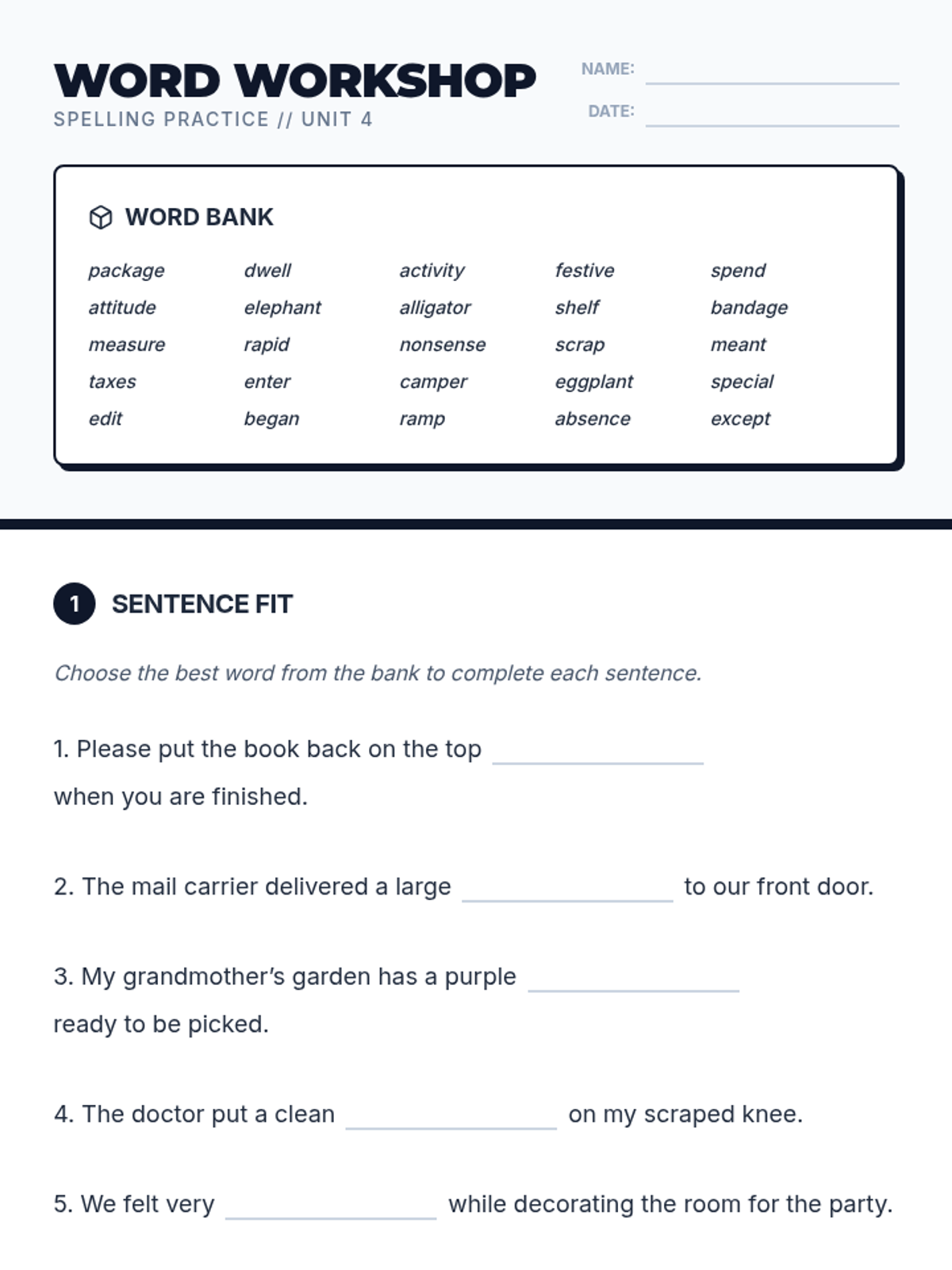
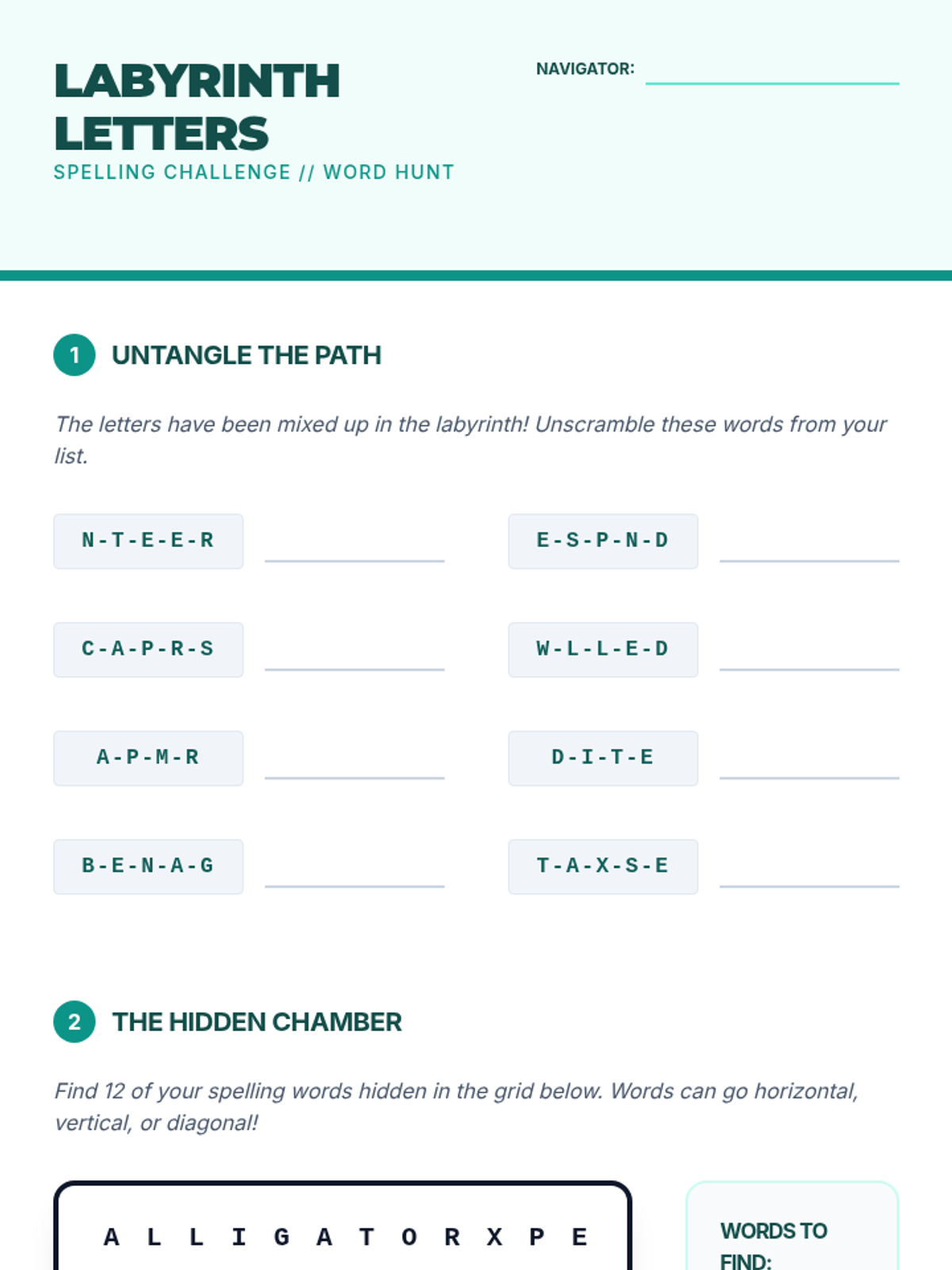
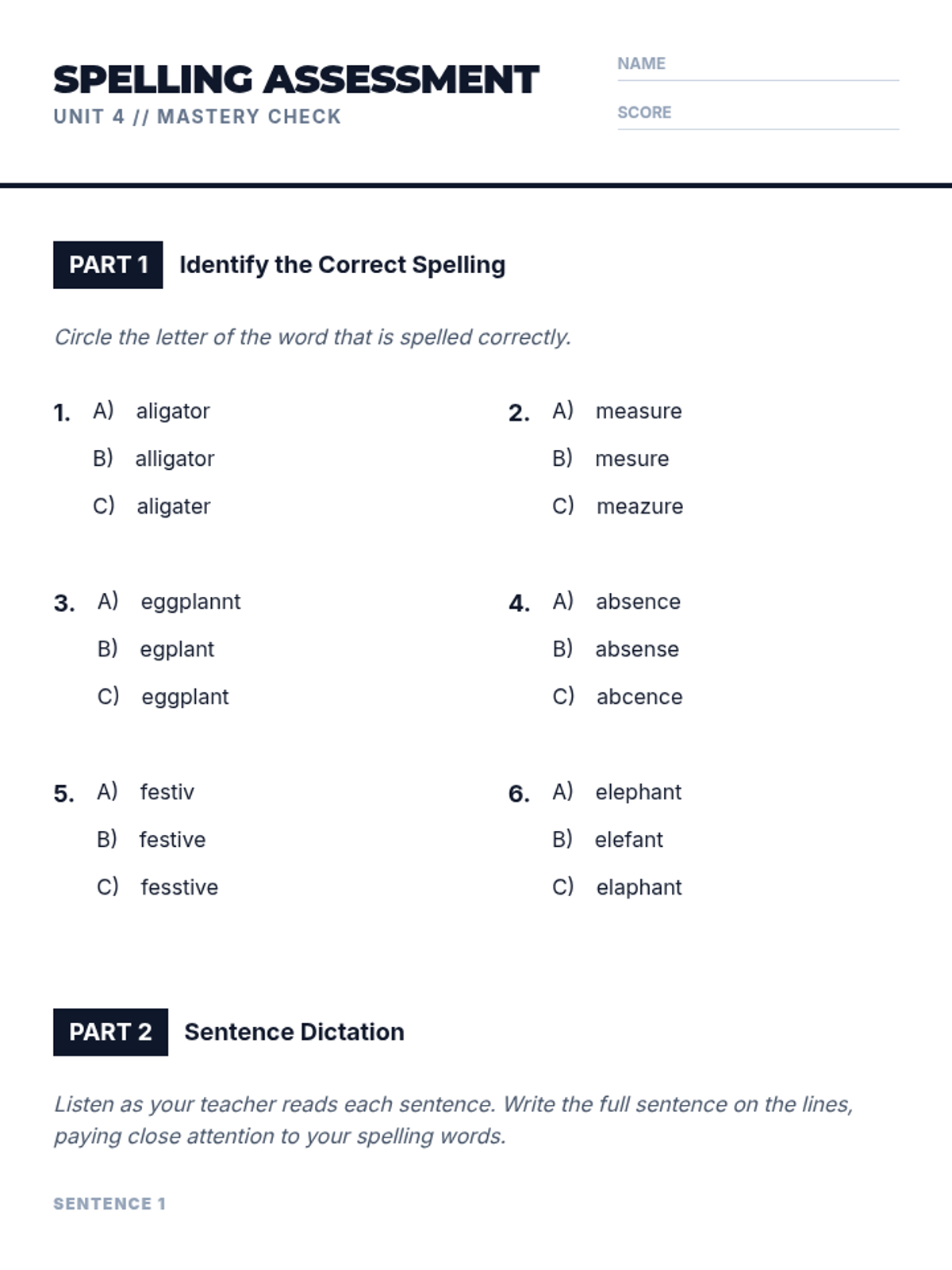
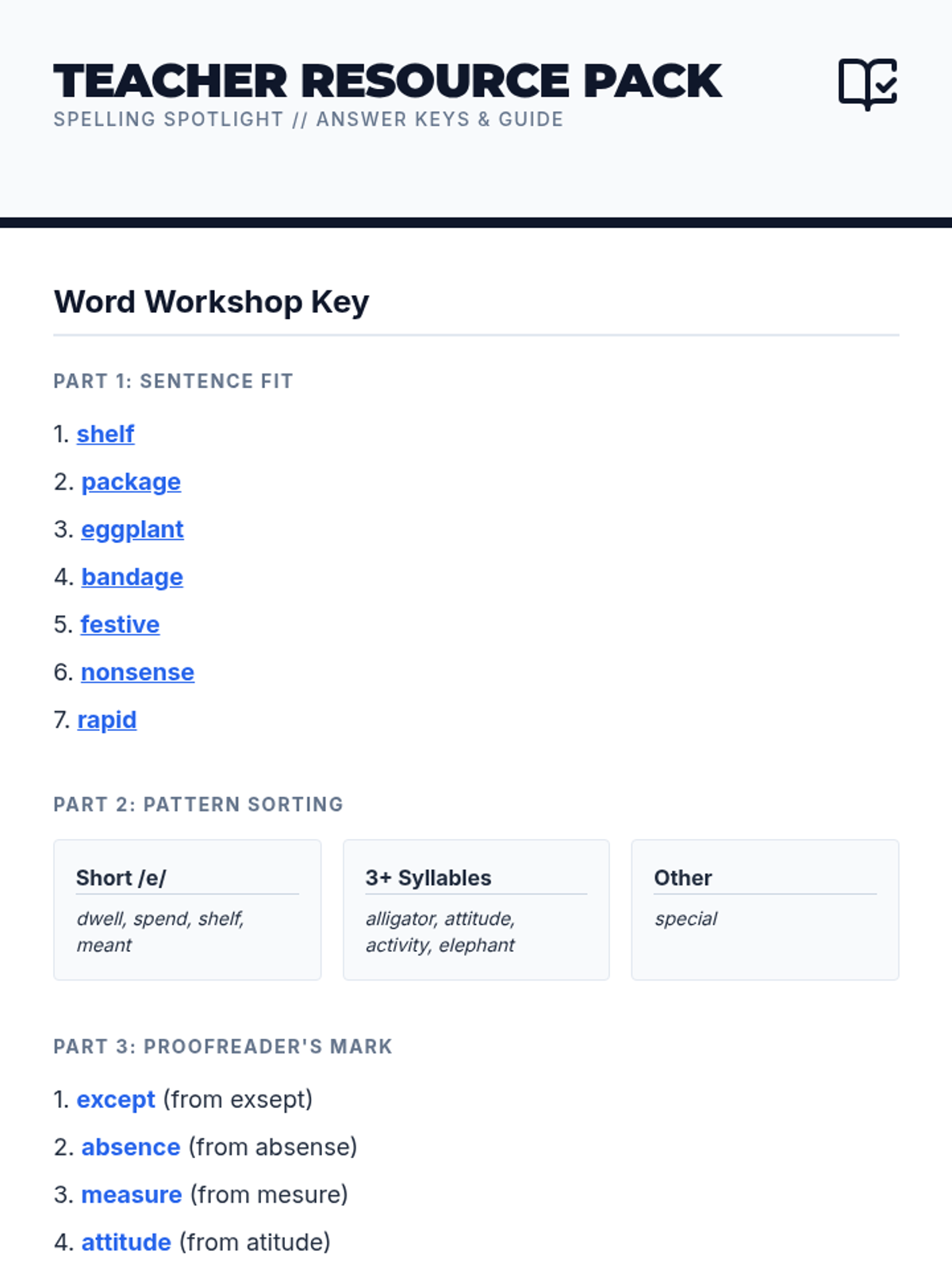
A comprehensive spelling lesson focusing on a diverse set of 25 words, including multi-syllabic terms and varied vowel patterns. Includes instructional slides, practice worksheets, engaging activities, and assessments.
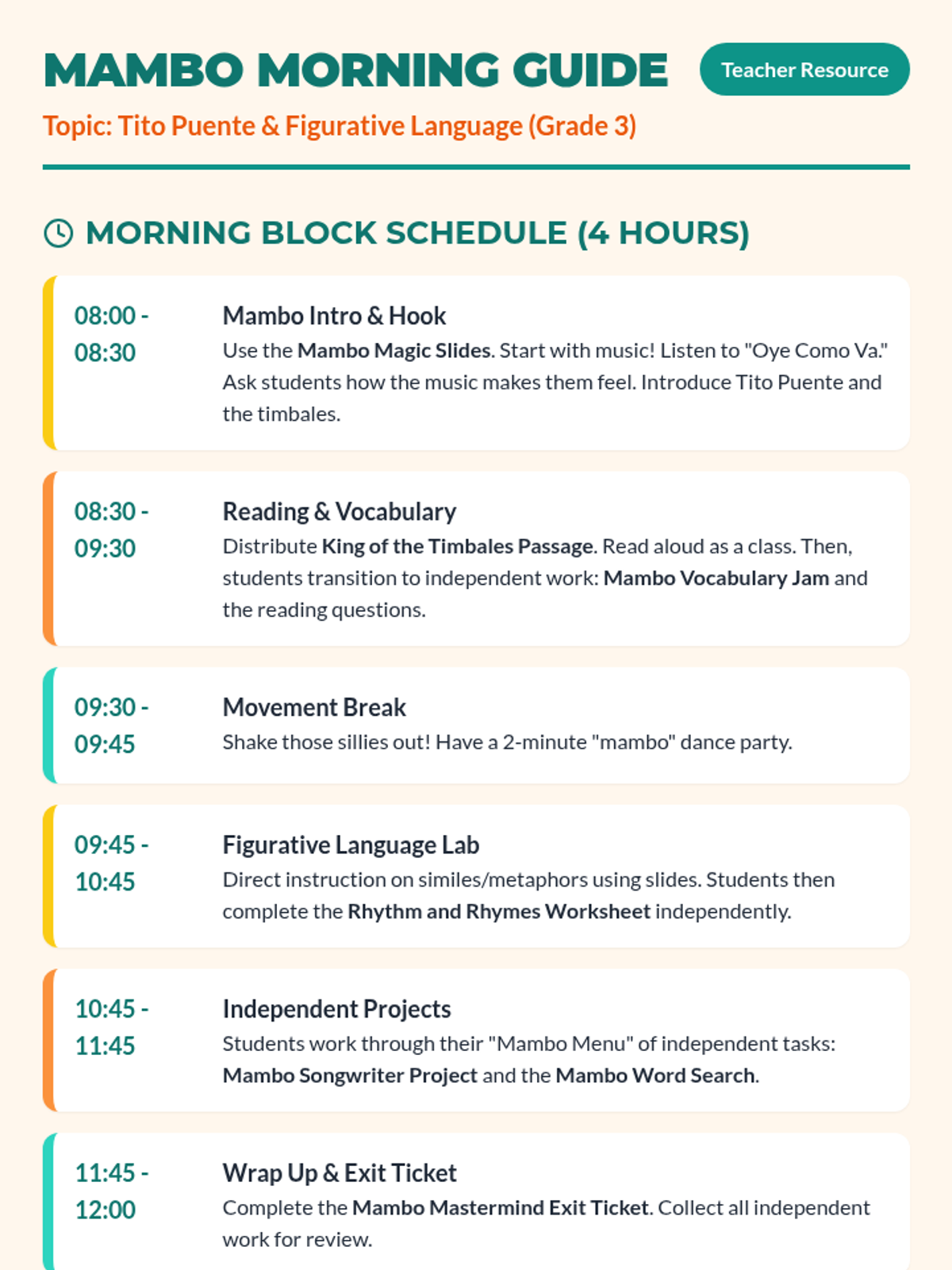
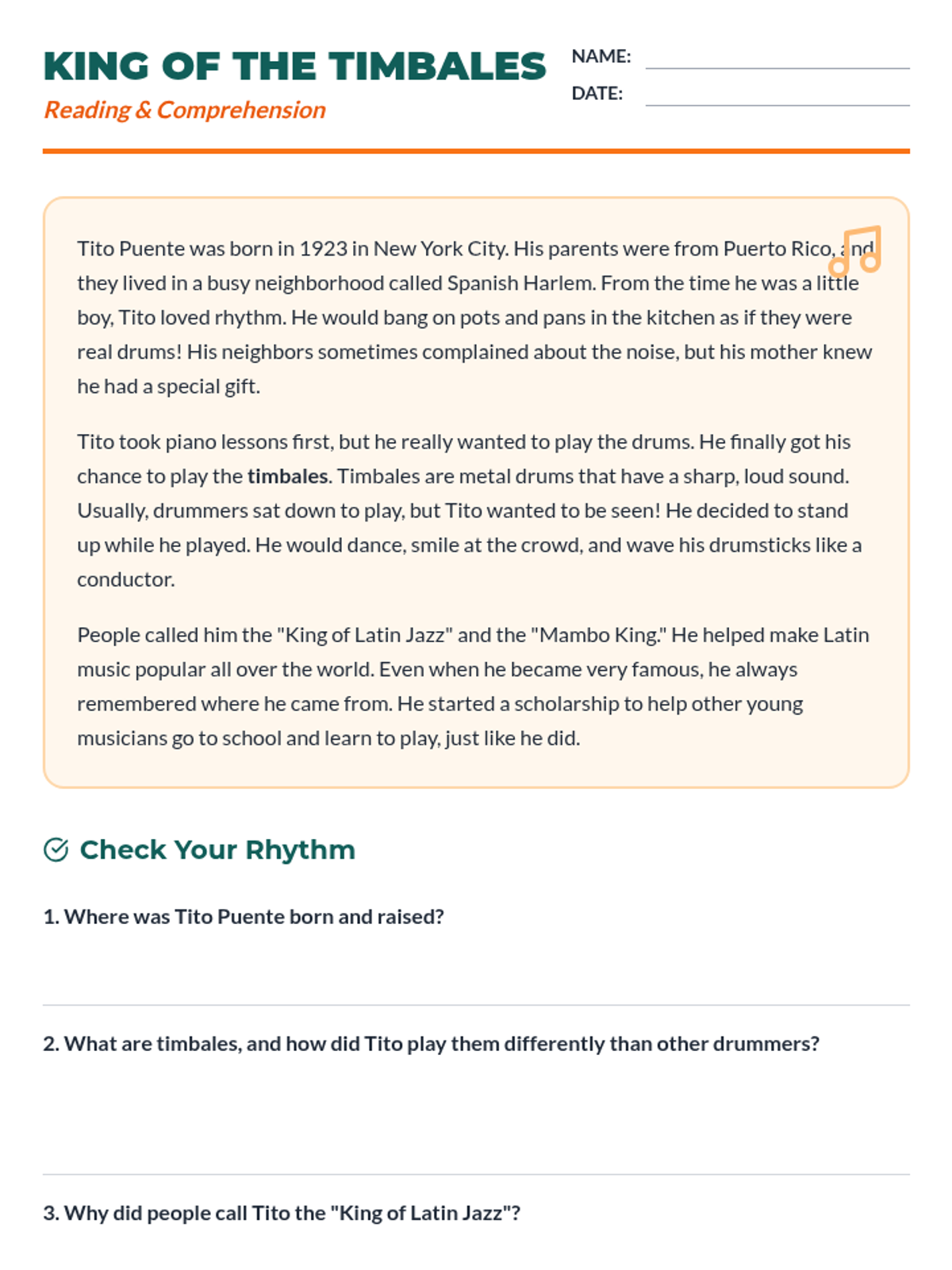
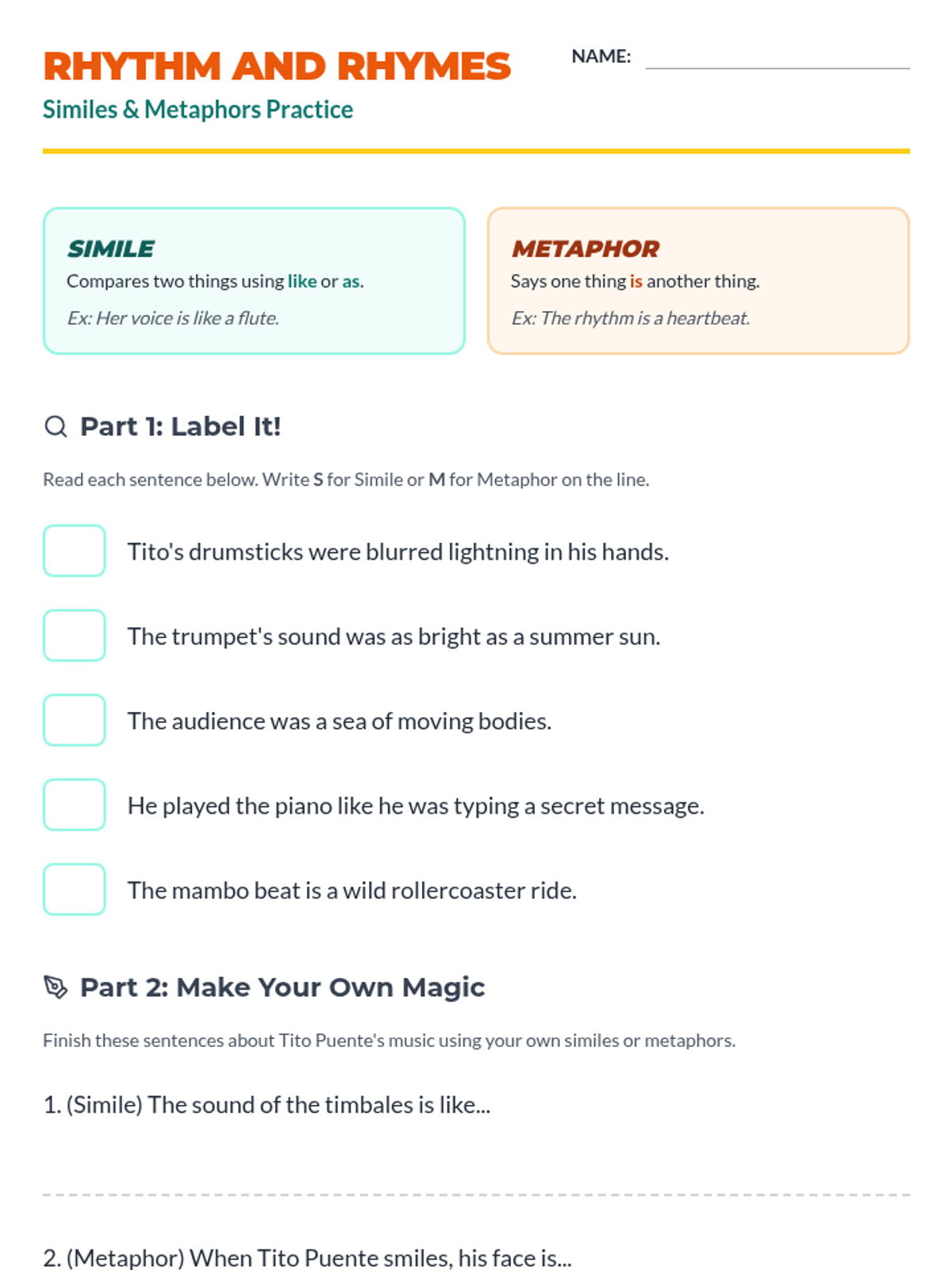
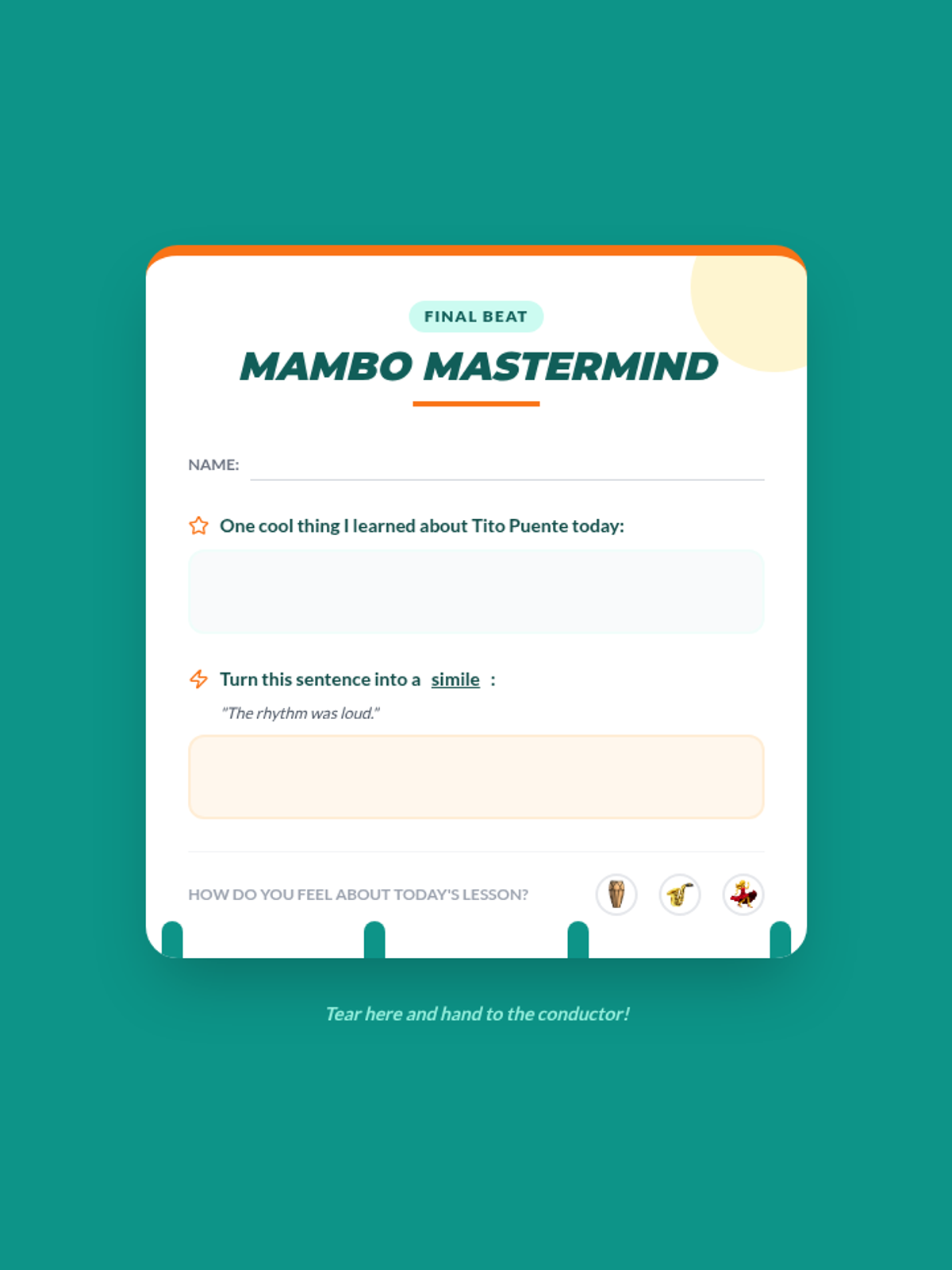
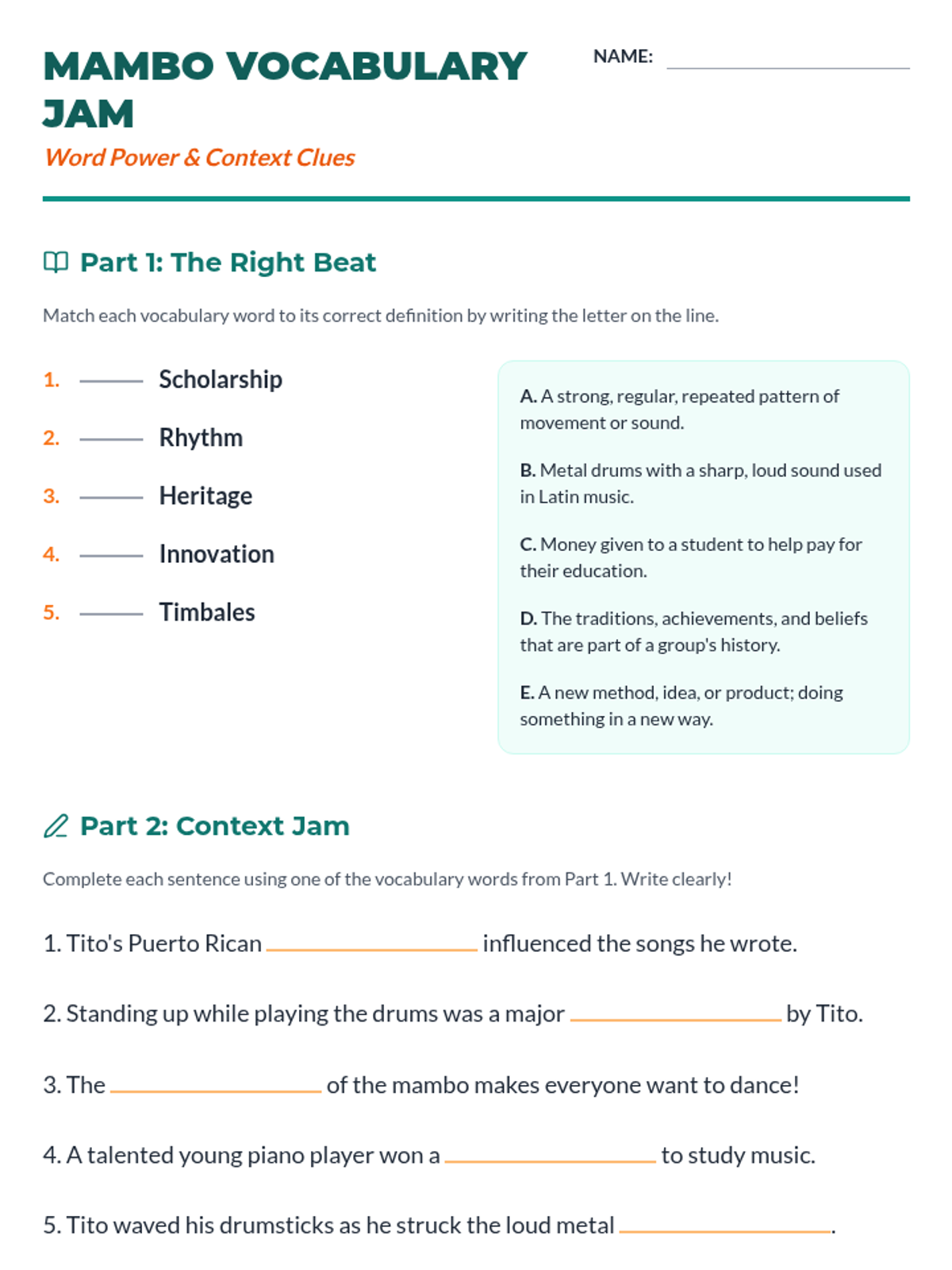
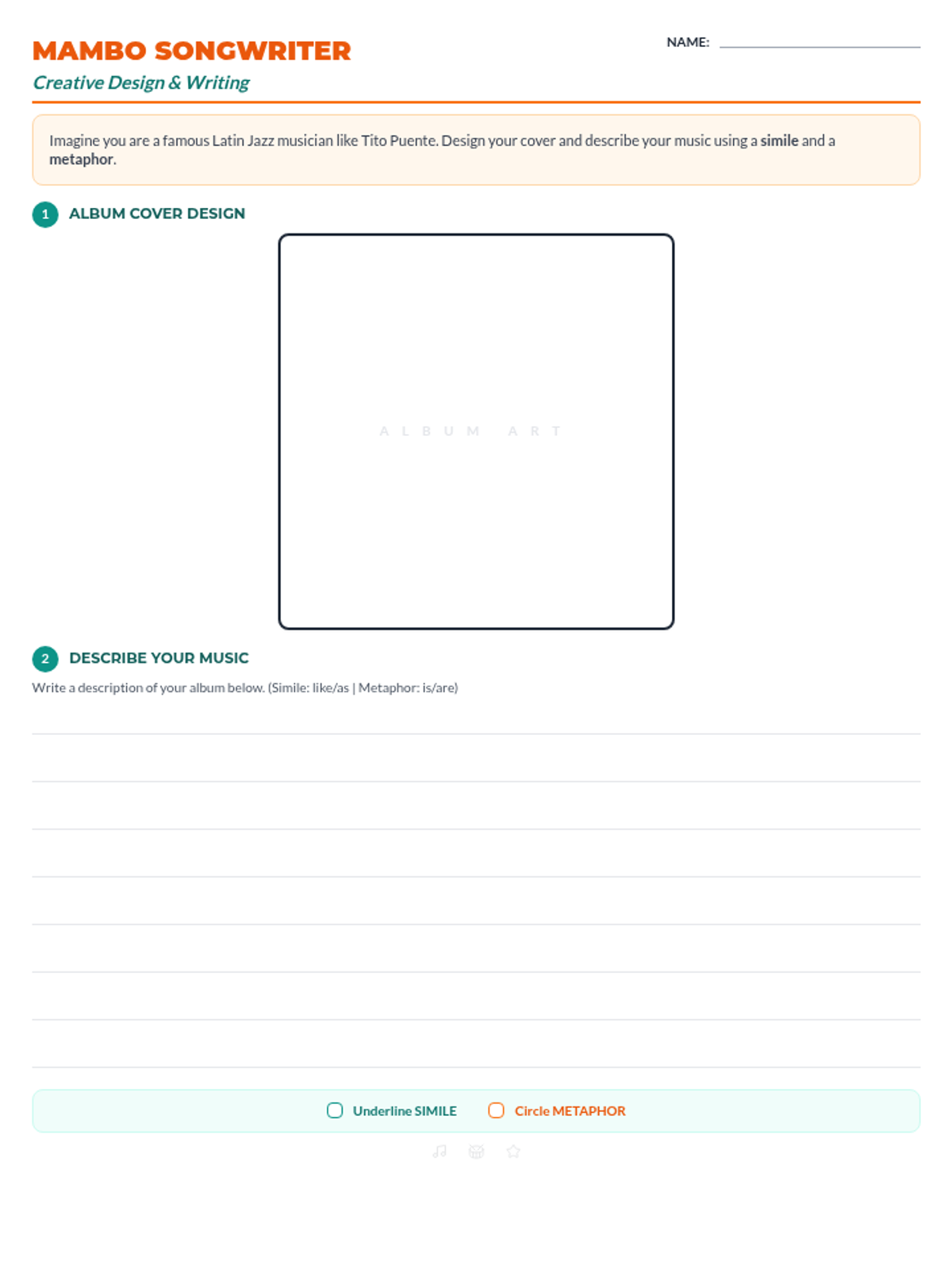
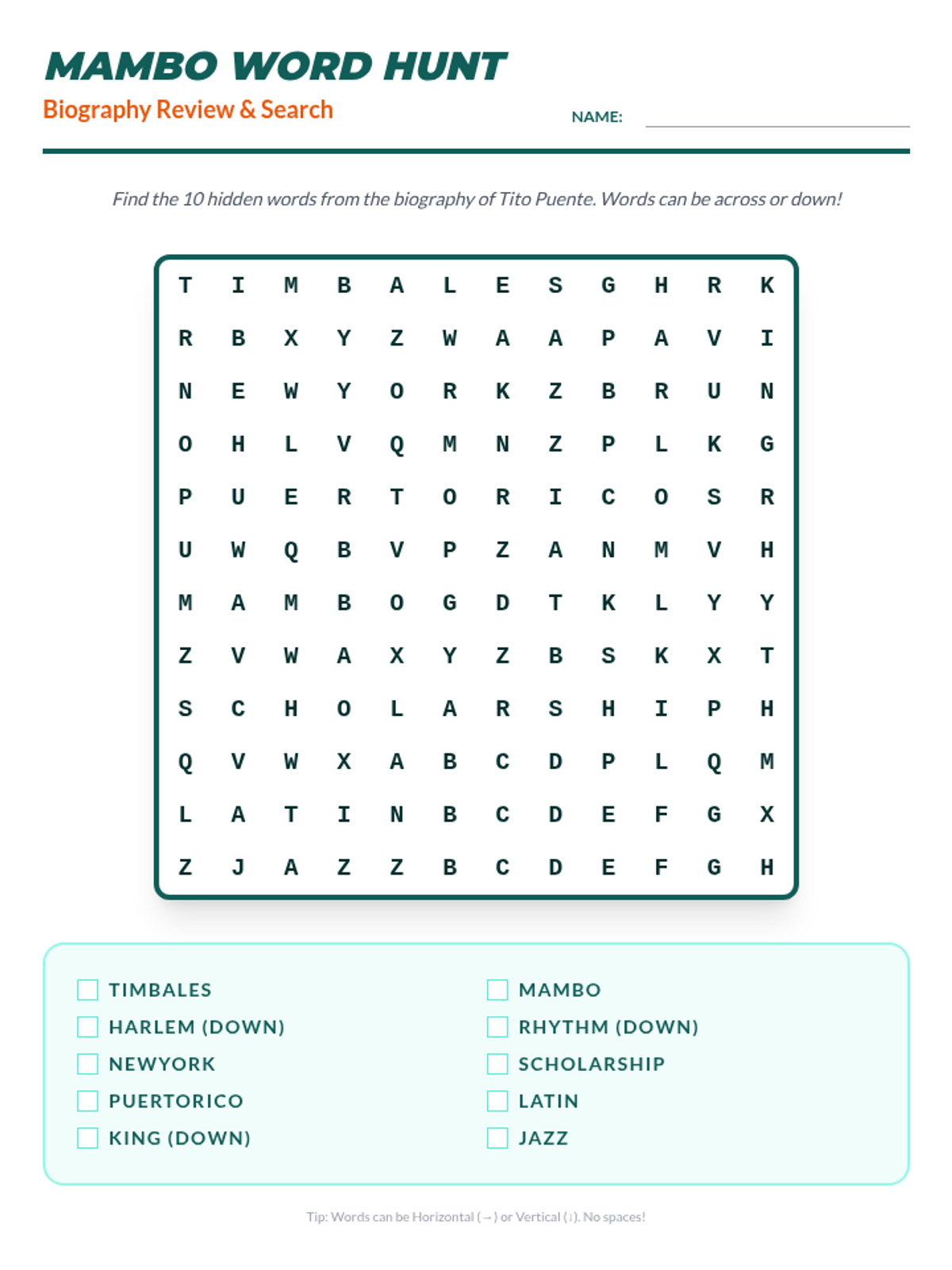
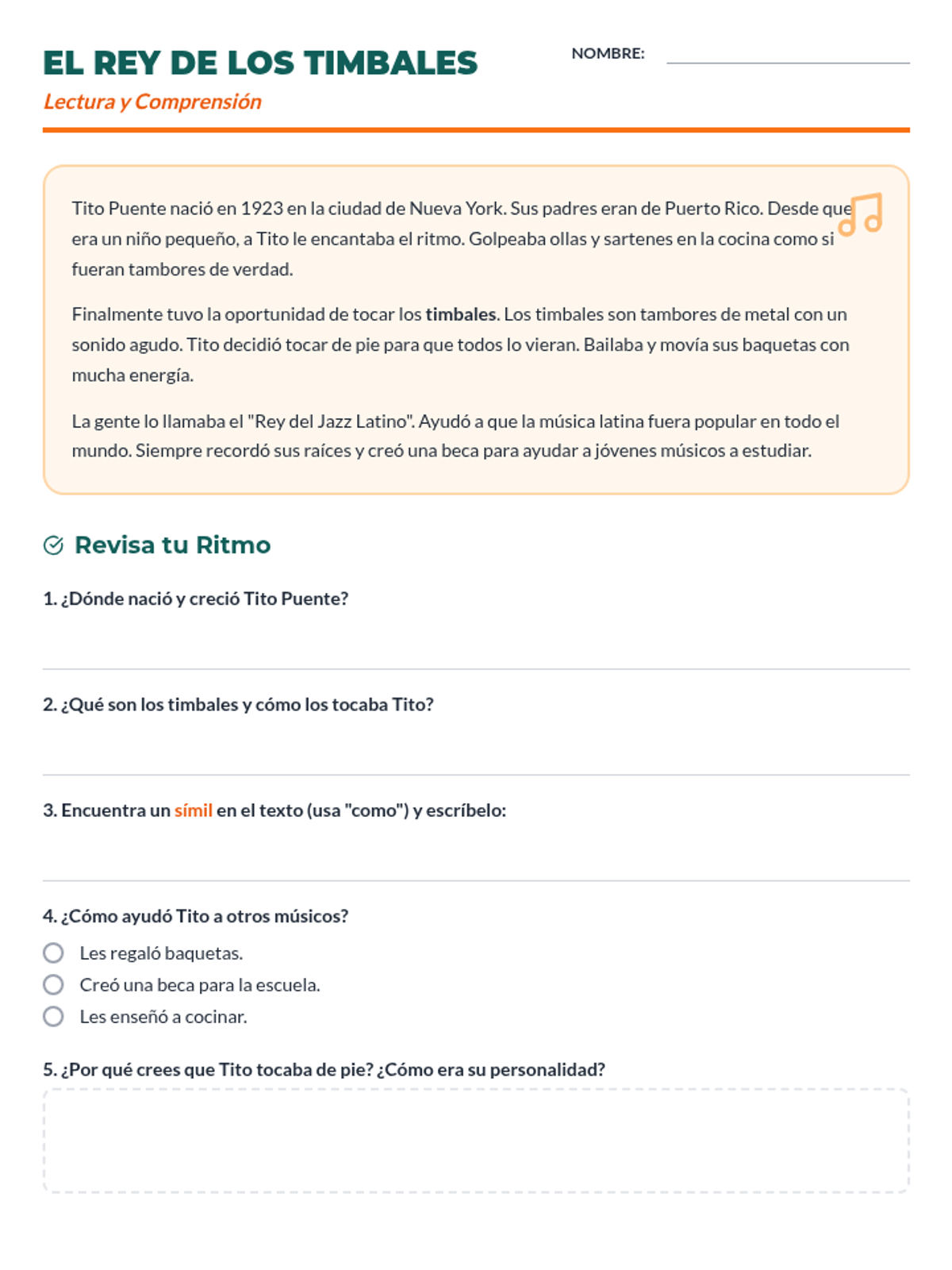
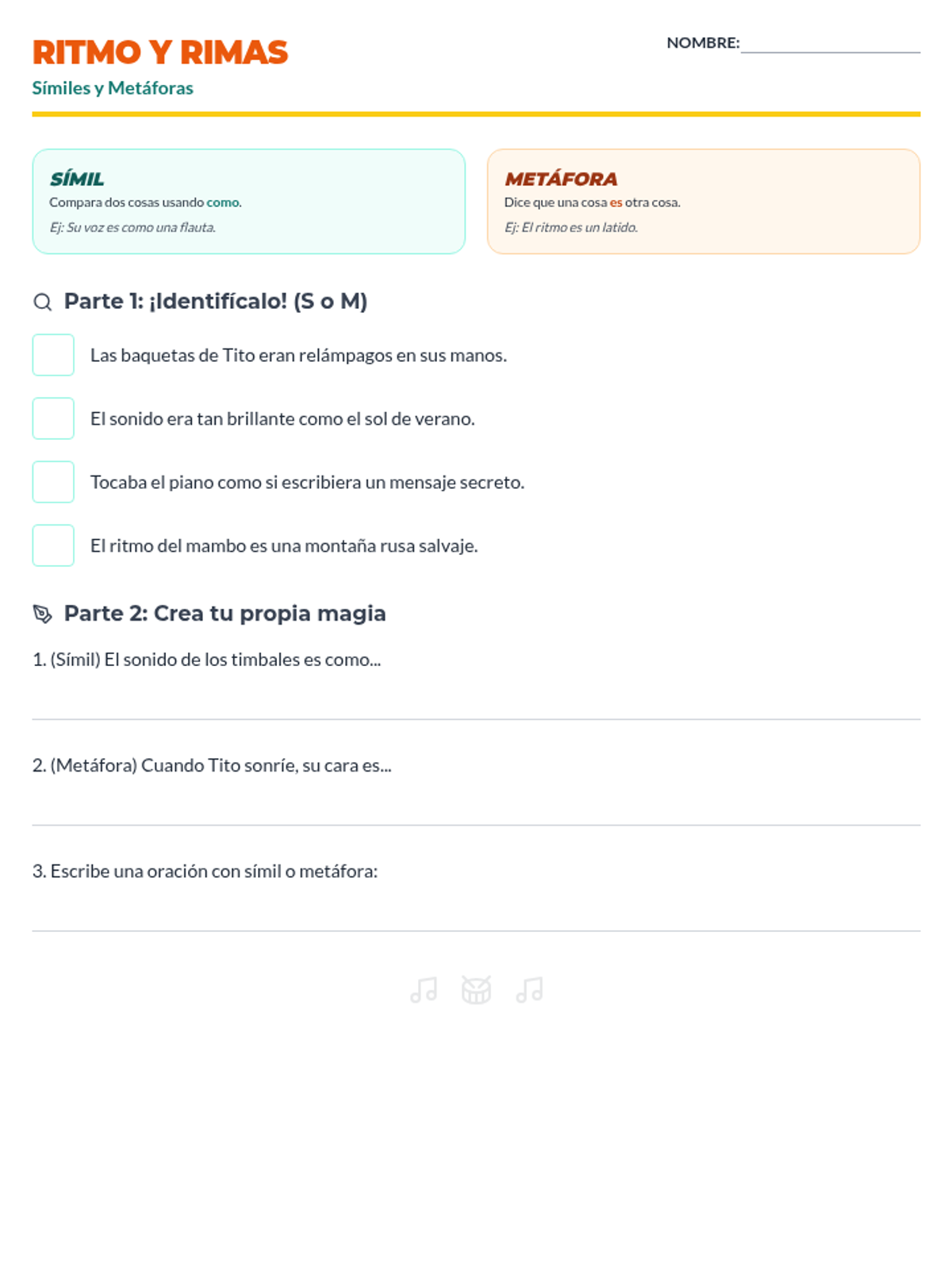
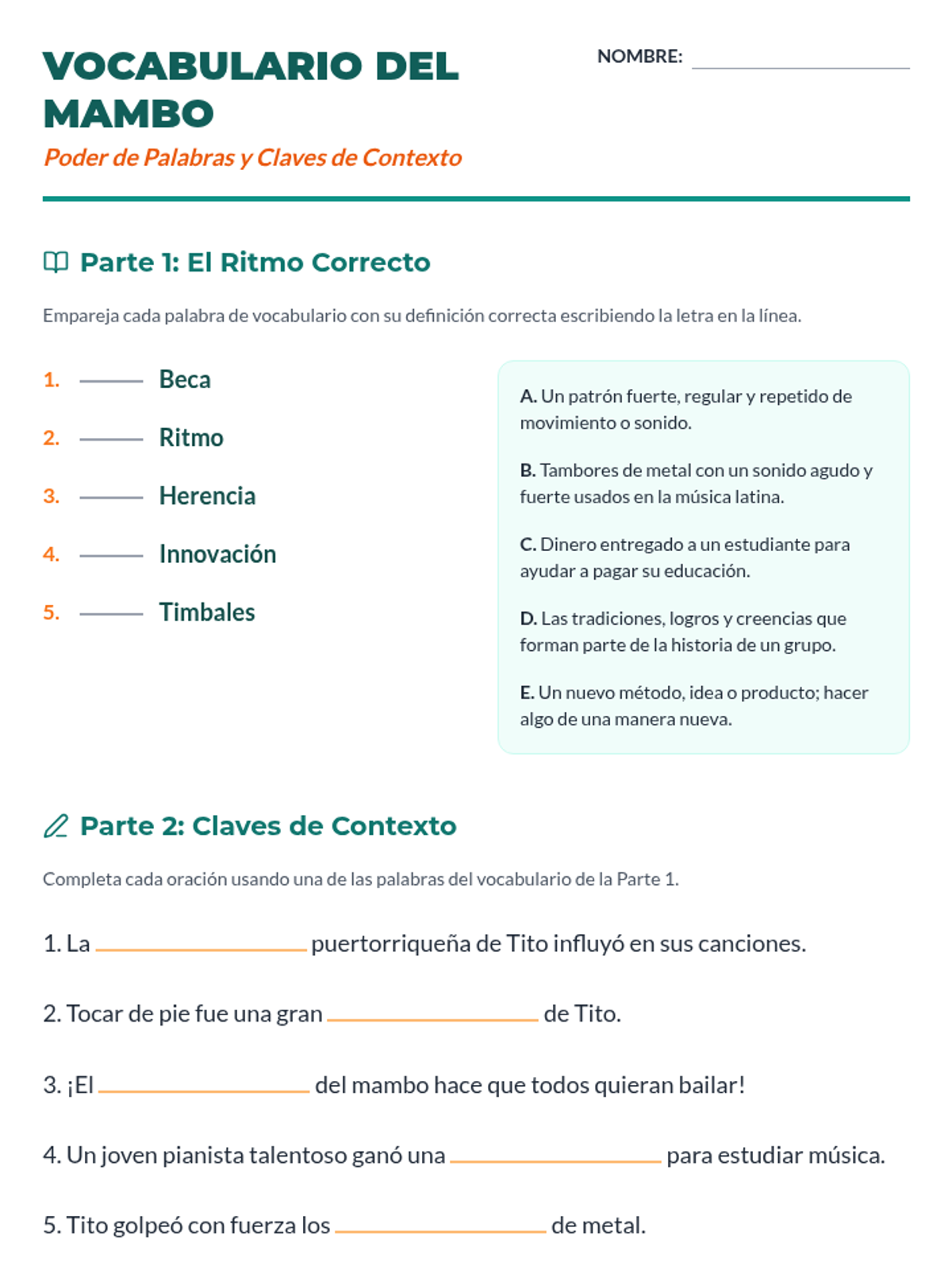
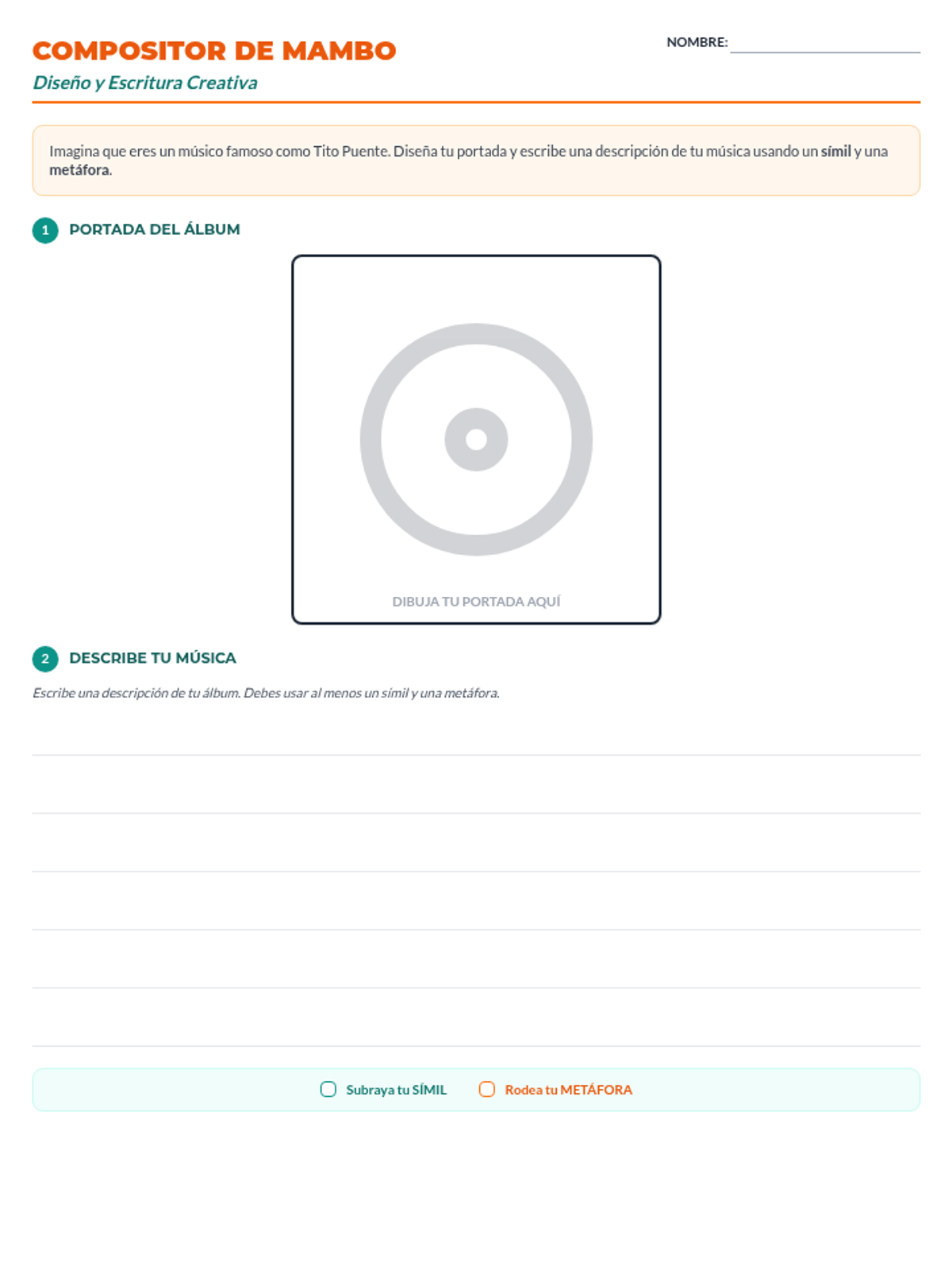
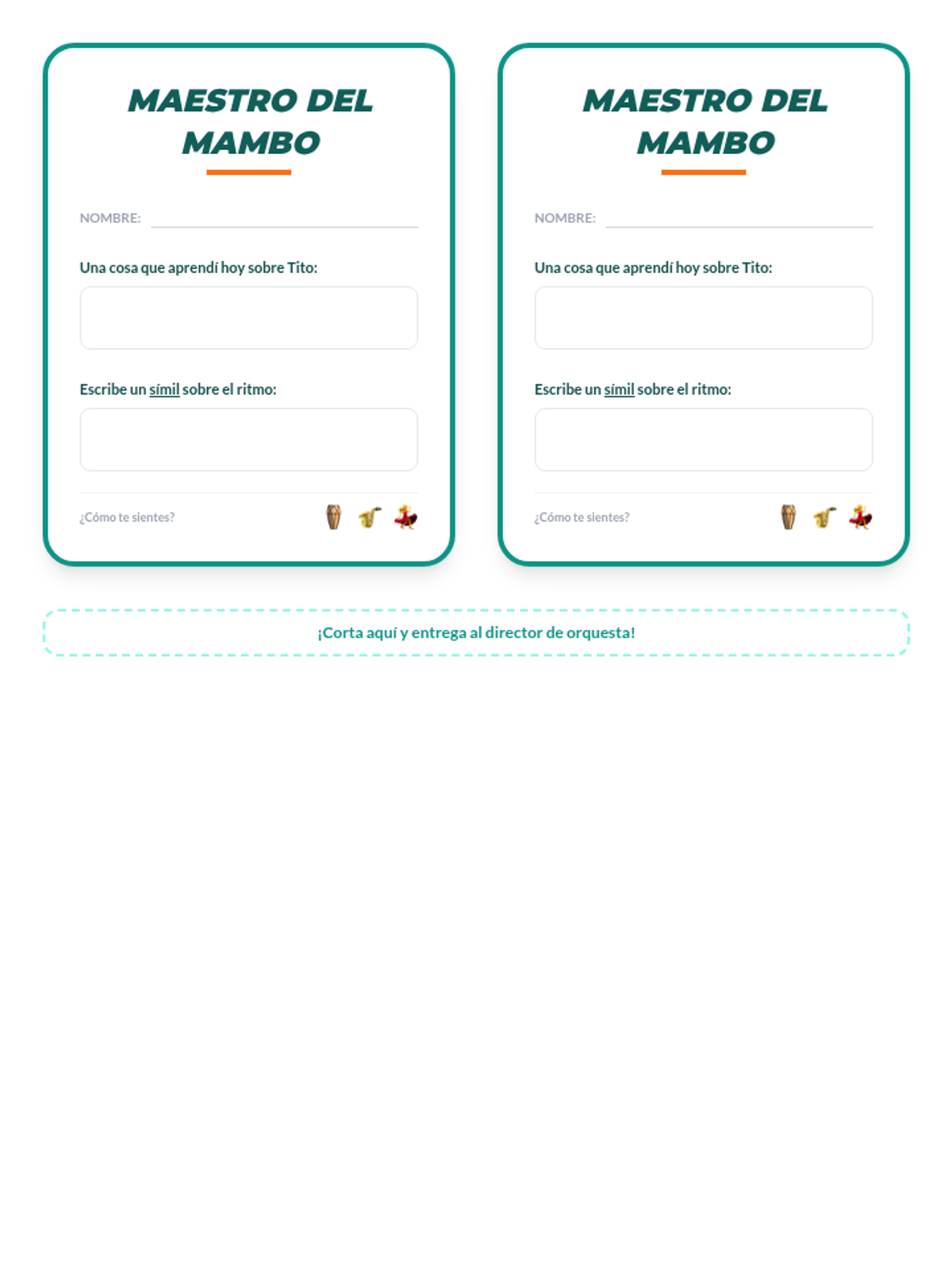
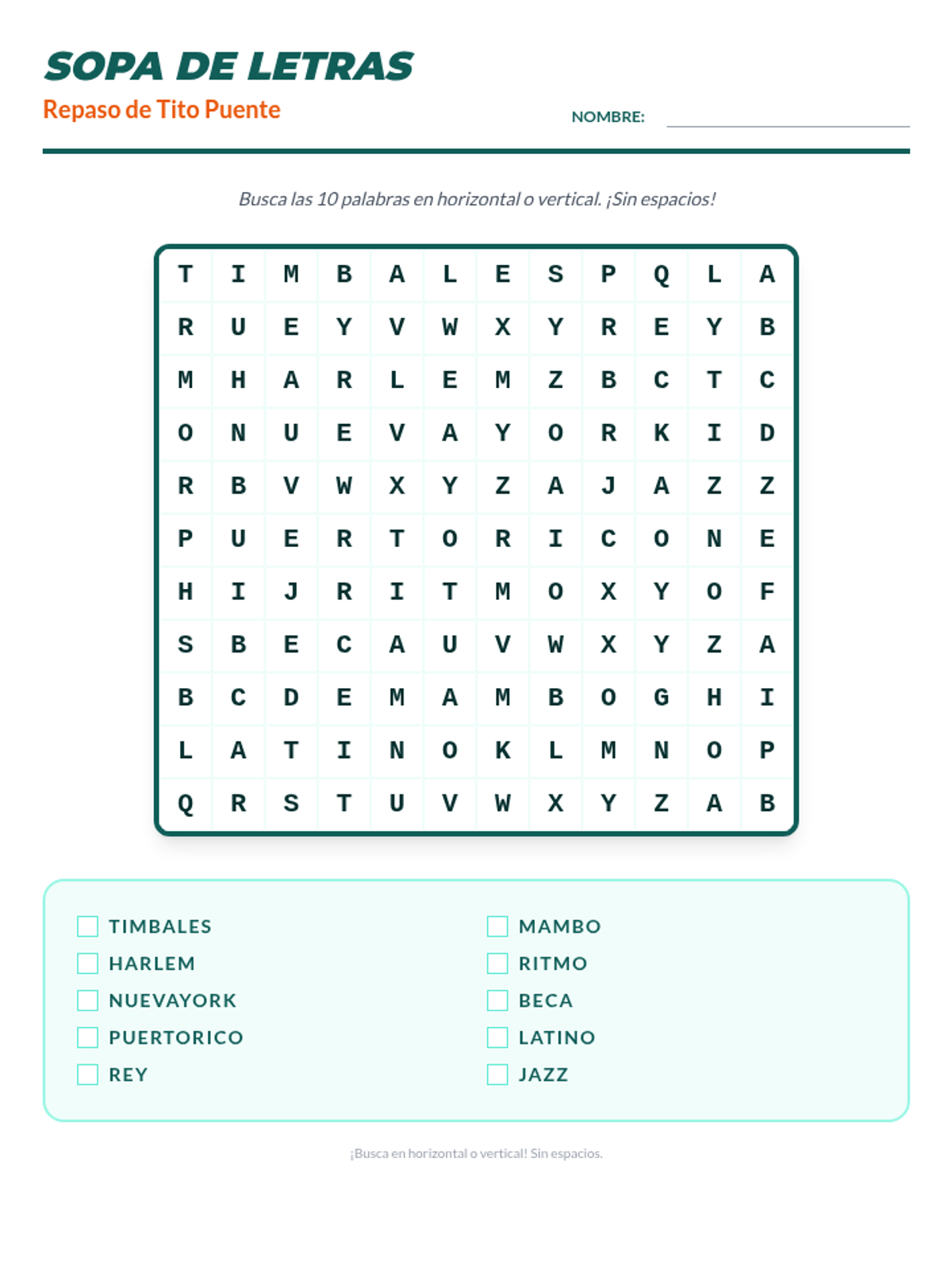
This 4-hour morning block introduces students to Tito Puente's legacy. It combines biographical reading, listening to Latin Jazz, and creative writing using similes and metaphors inspired by the rhythm of the timbales.
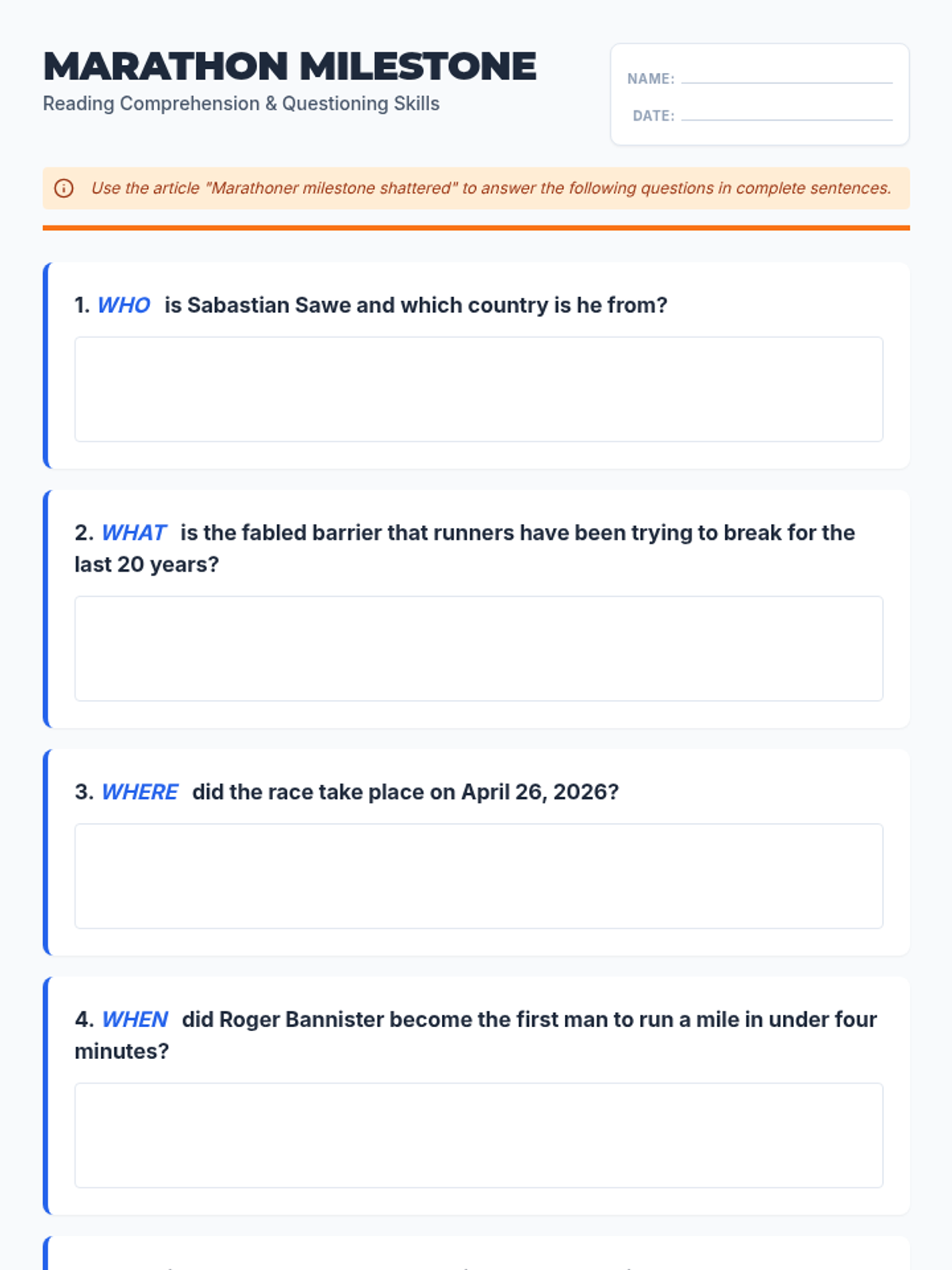
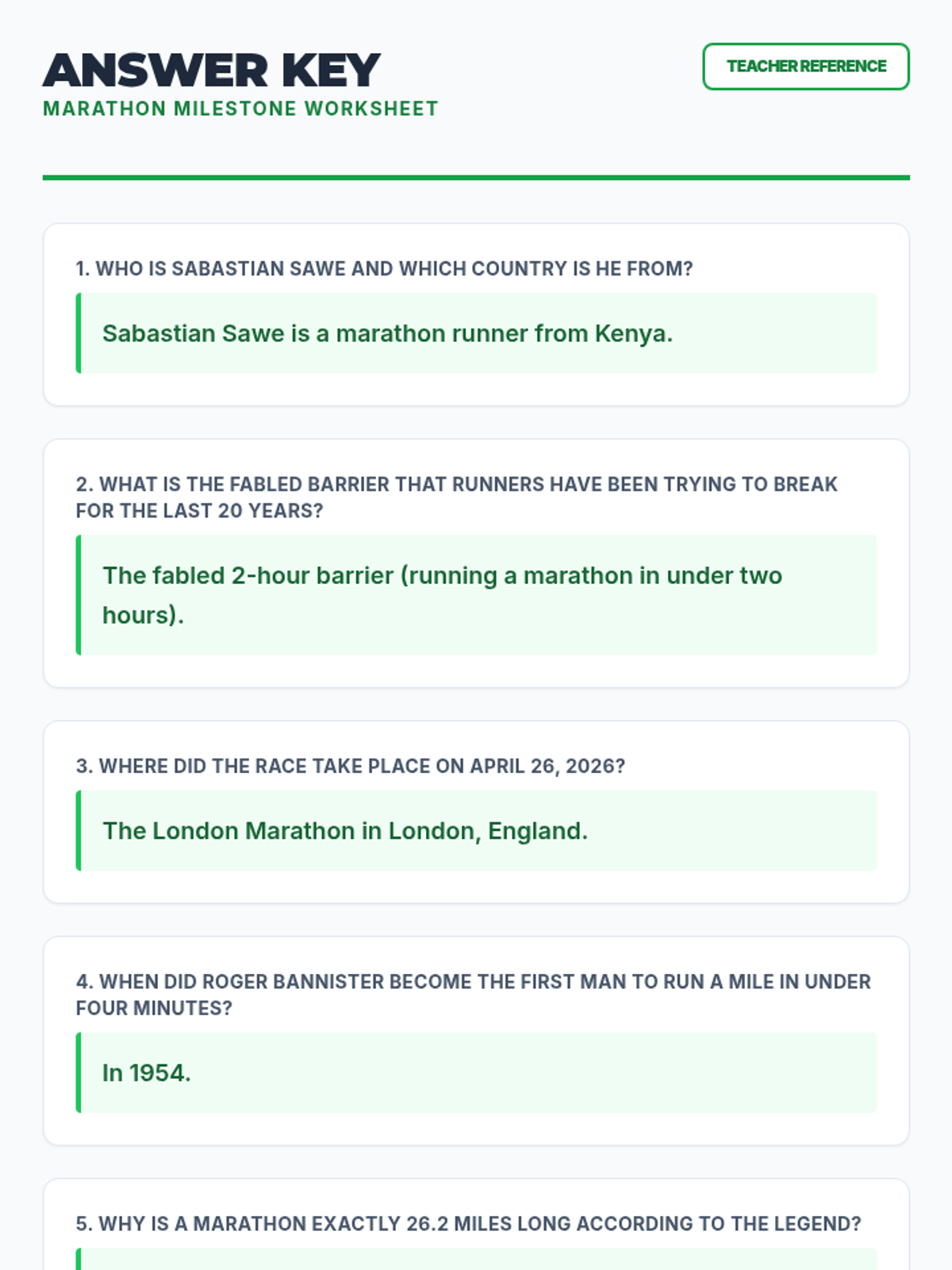
A lesson centered on the historic marathon record-breaking event, focusing on reading comprehension through 'Wh' questions and understanding the evolution of athletic performance.
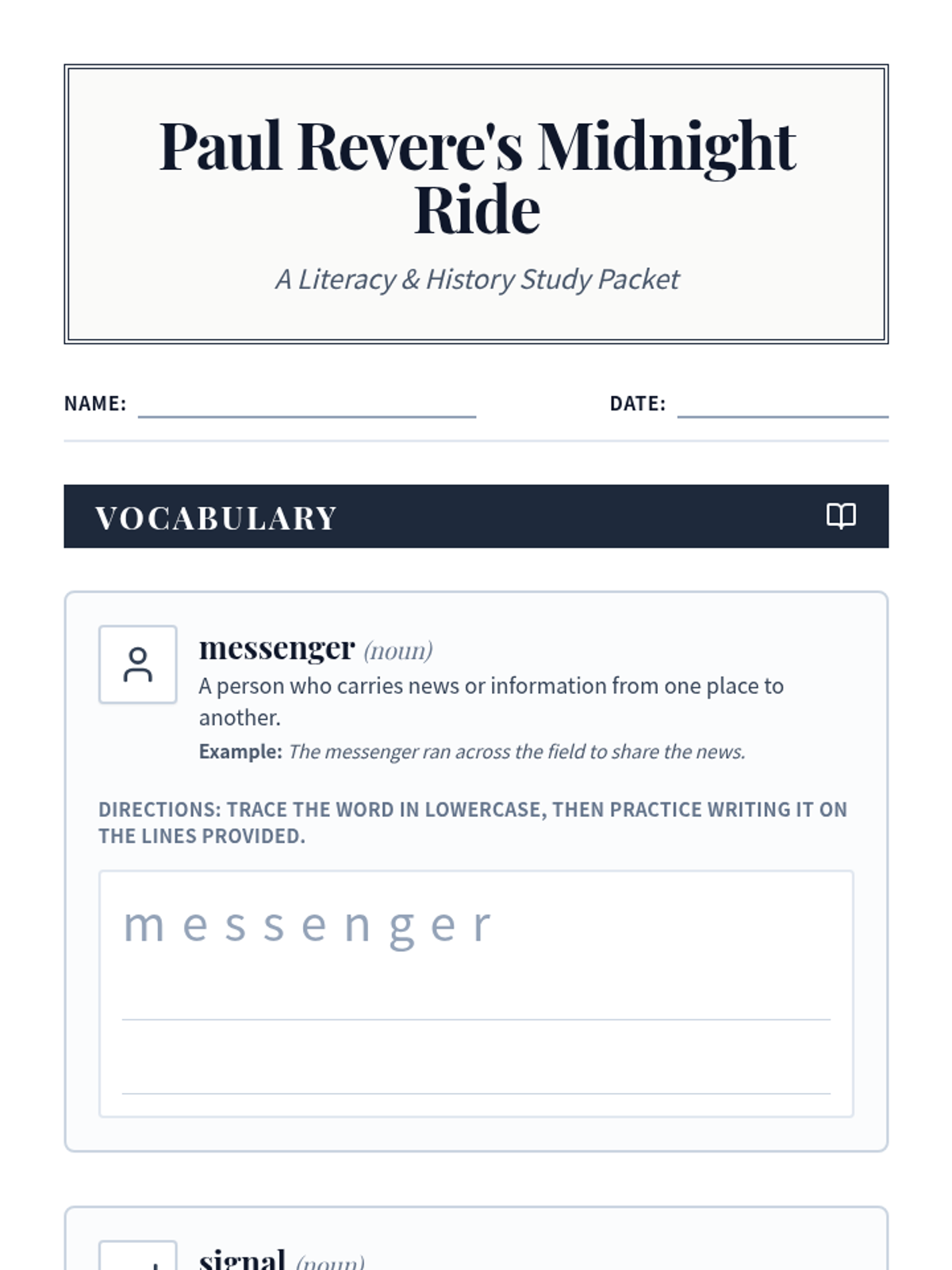
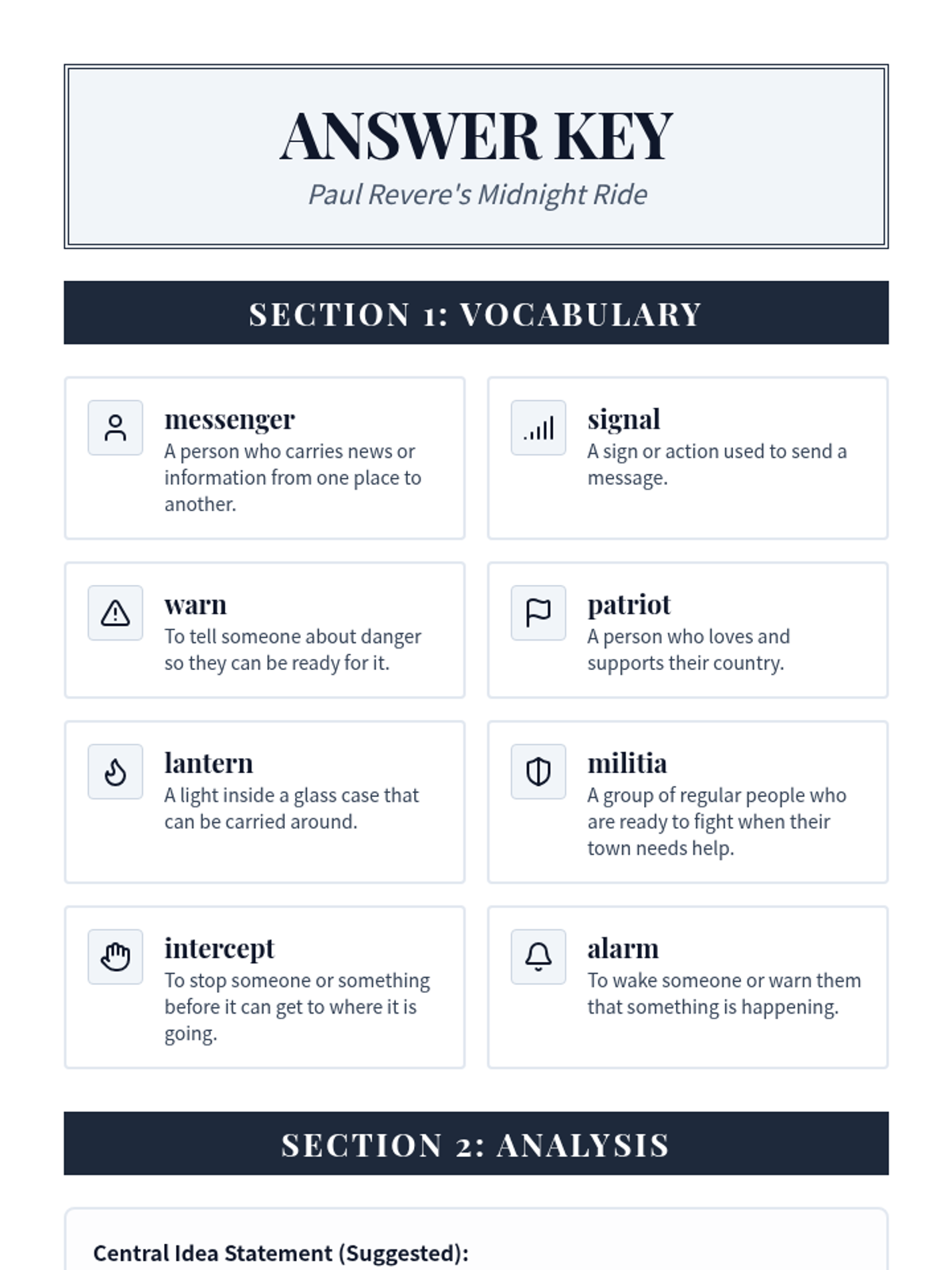
A comprehensive literacy and history packet exploring Paul Revere's legendary journey through vocabulary building, close reading, and critical analysis.
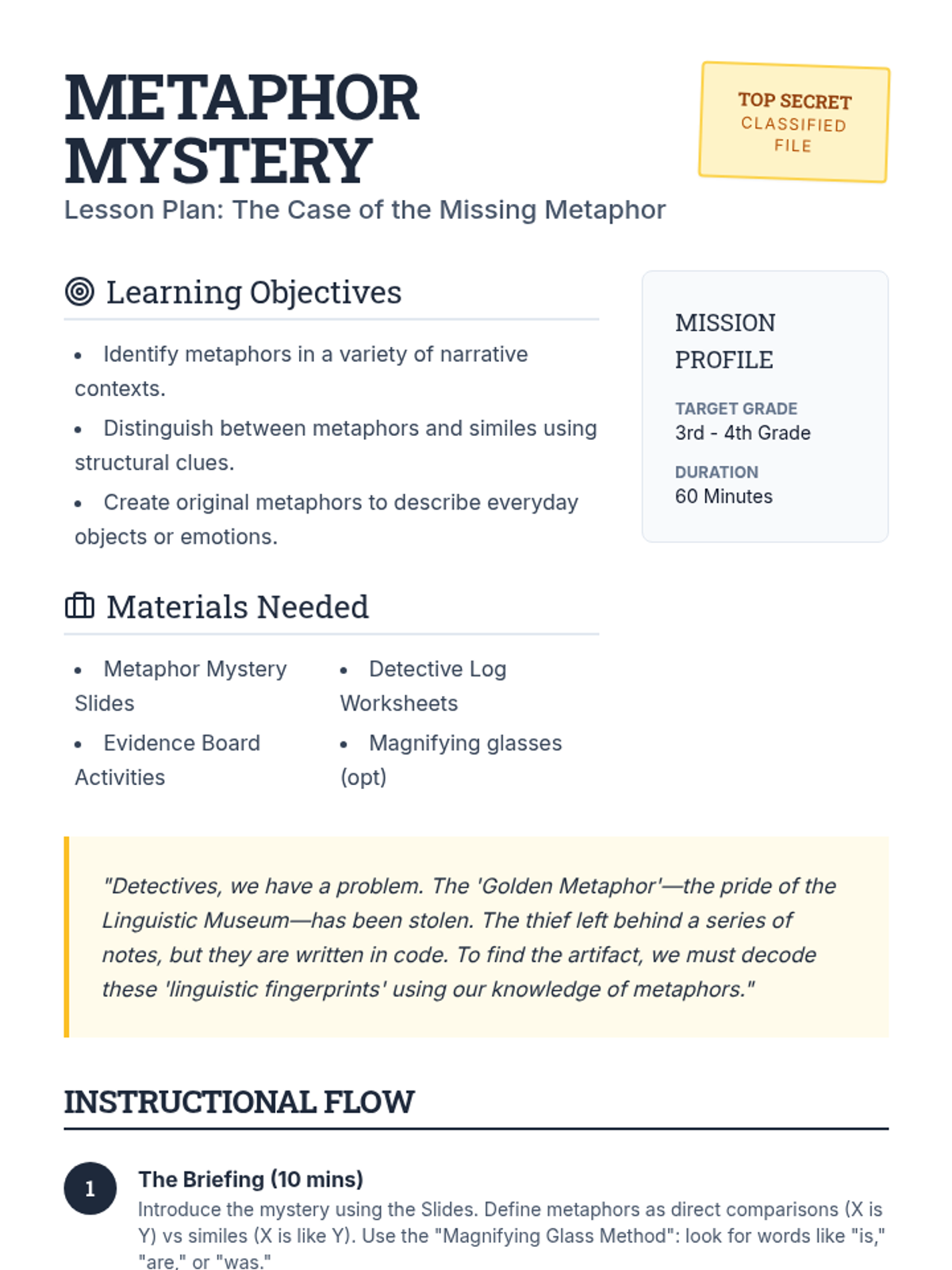
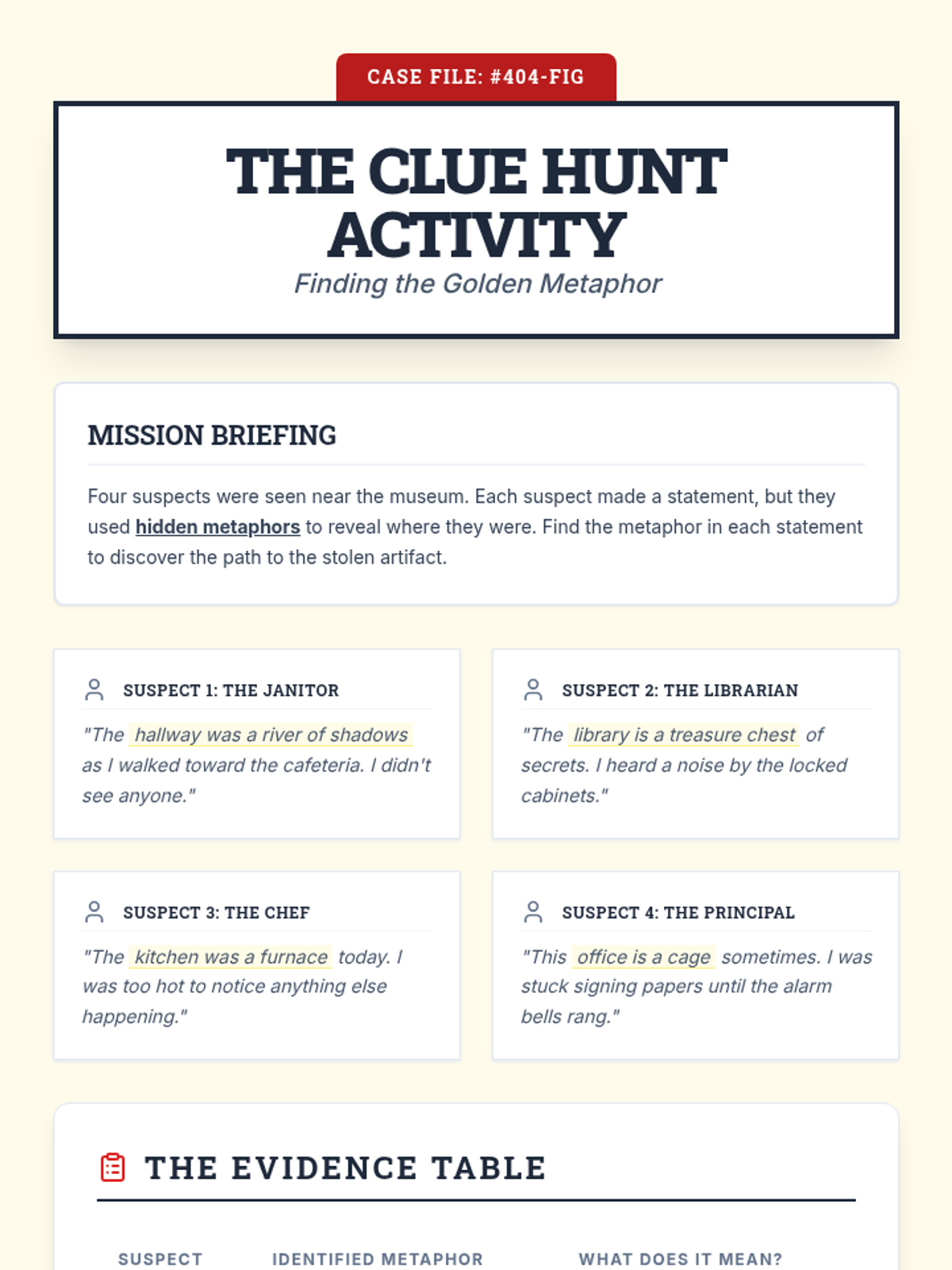
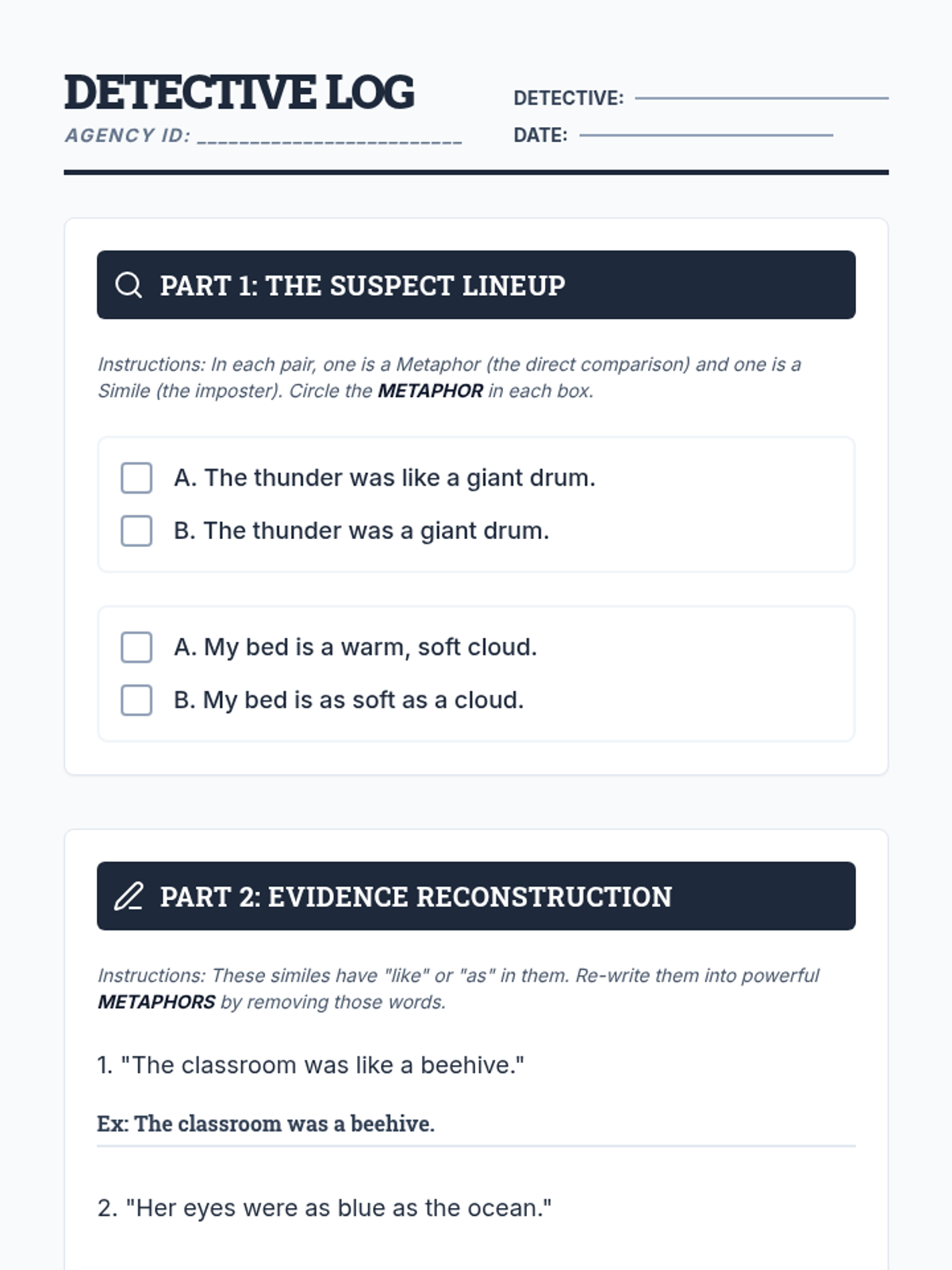
A mystery-themed lesson where 3rd and 4th grade students act as language detectives to identify and create metaphors while solving a narrative classroom puzzle.
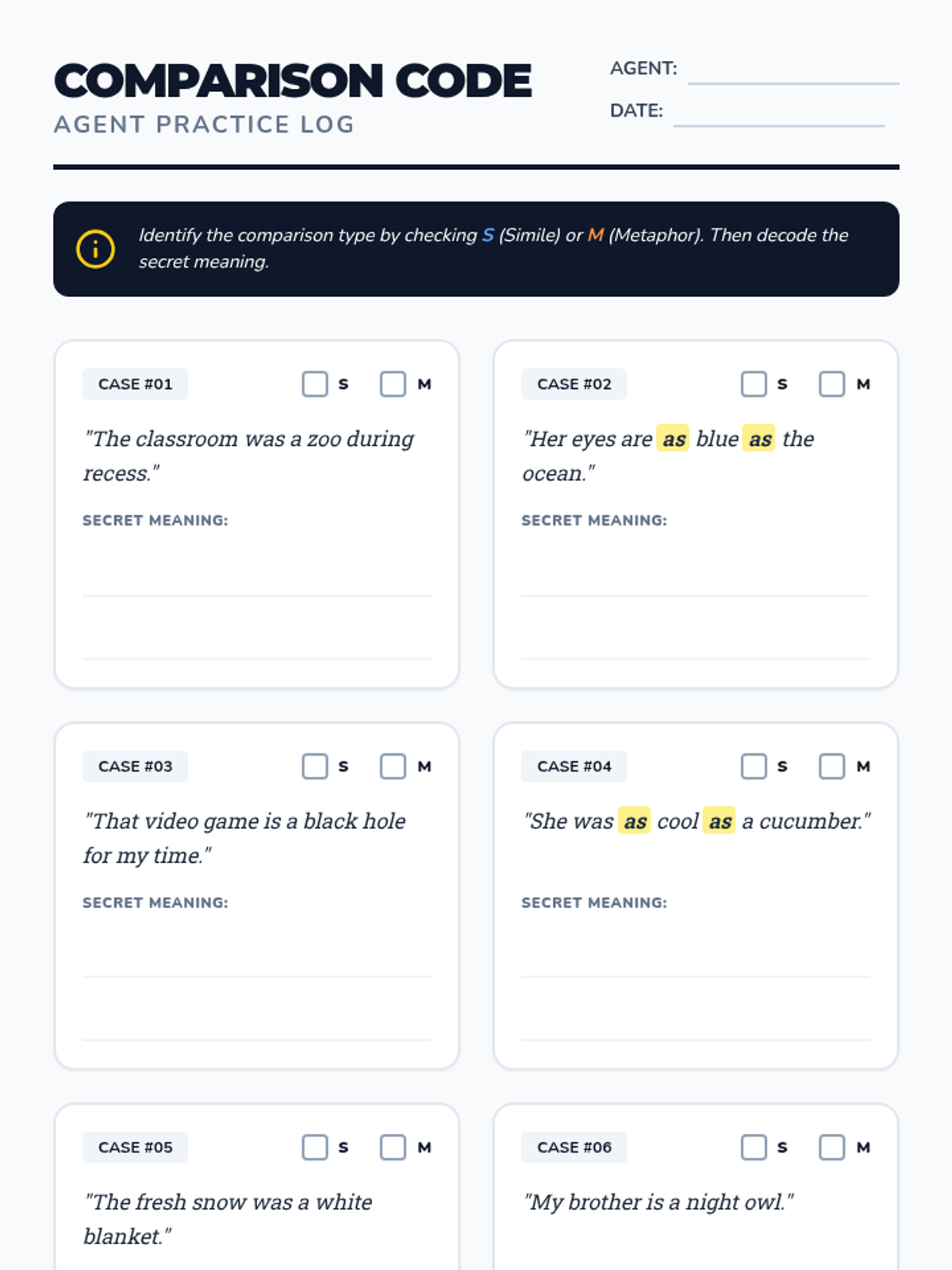
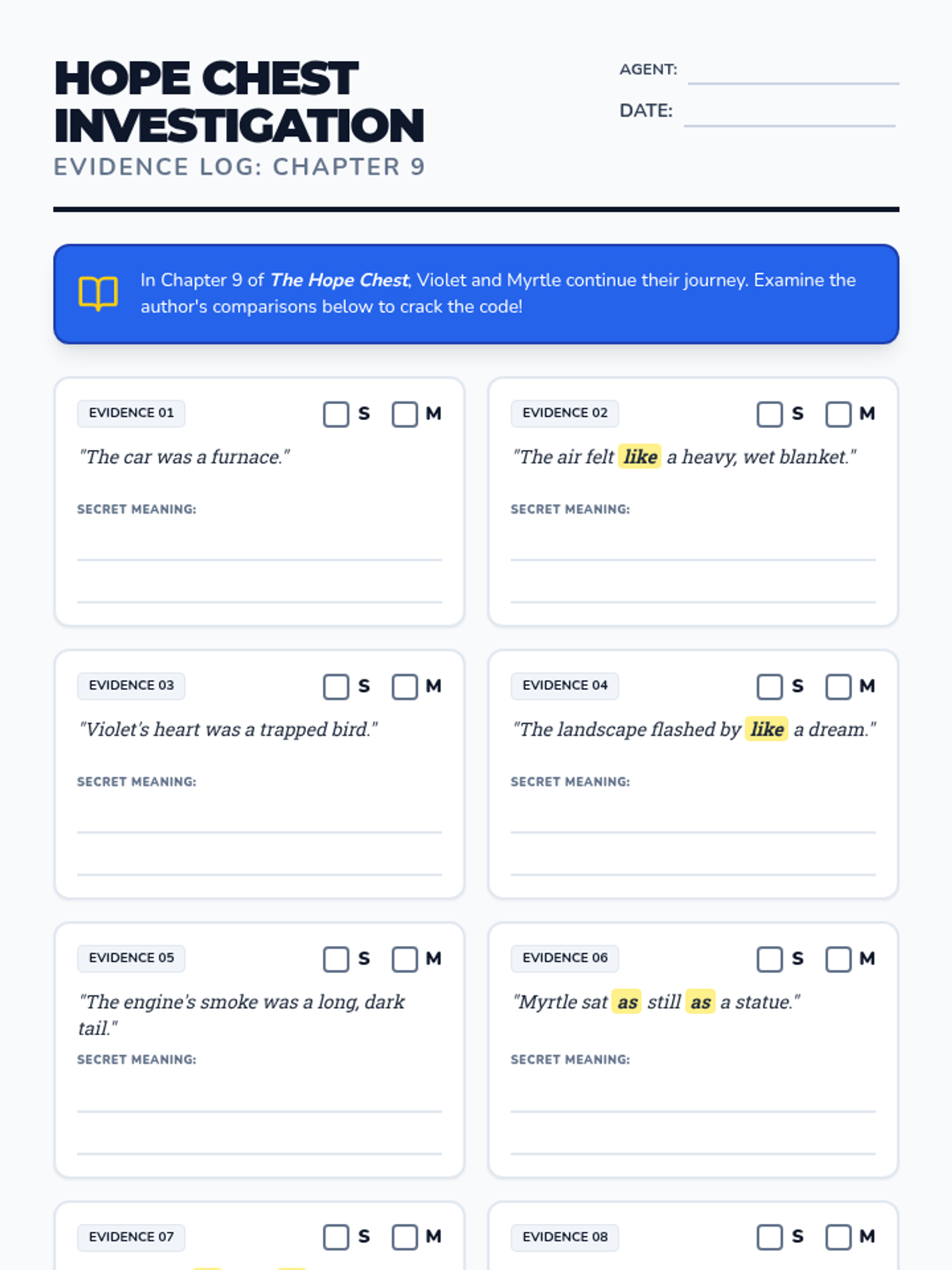
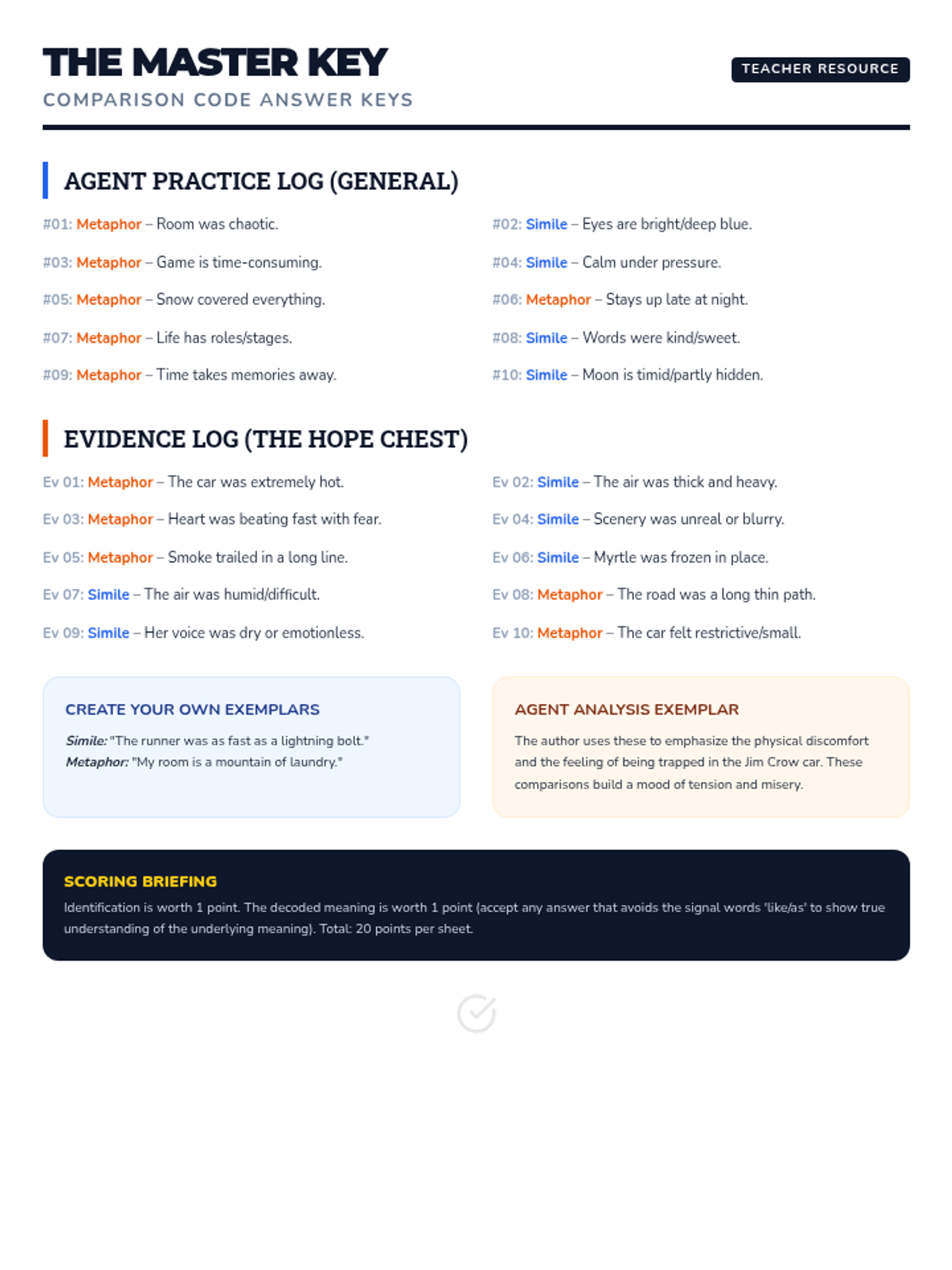
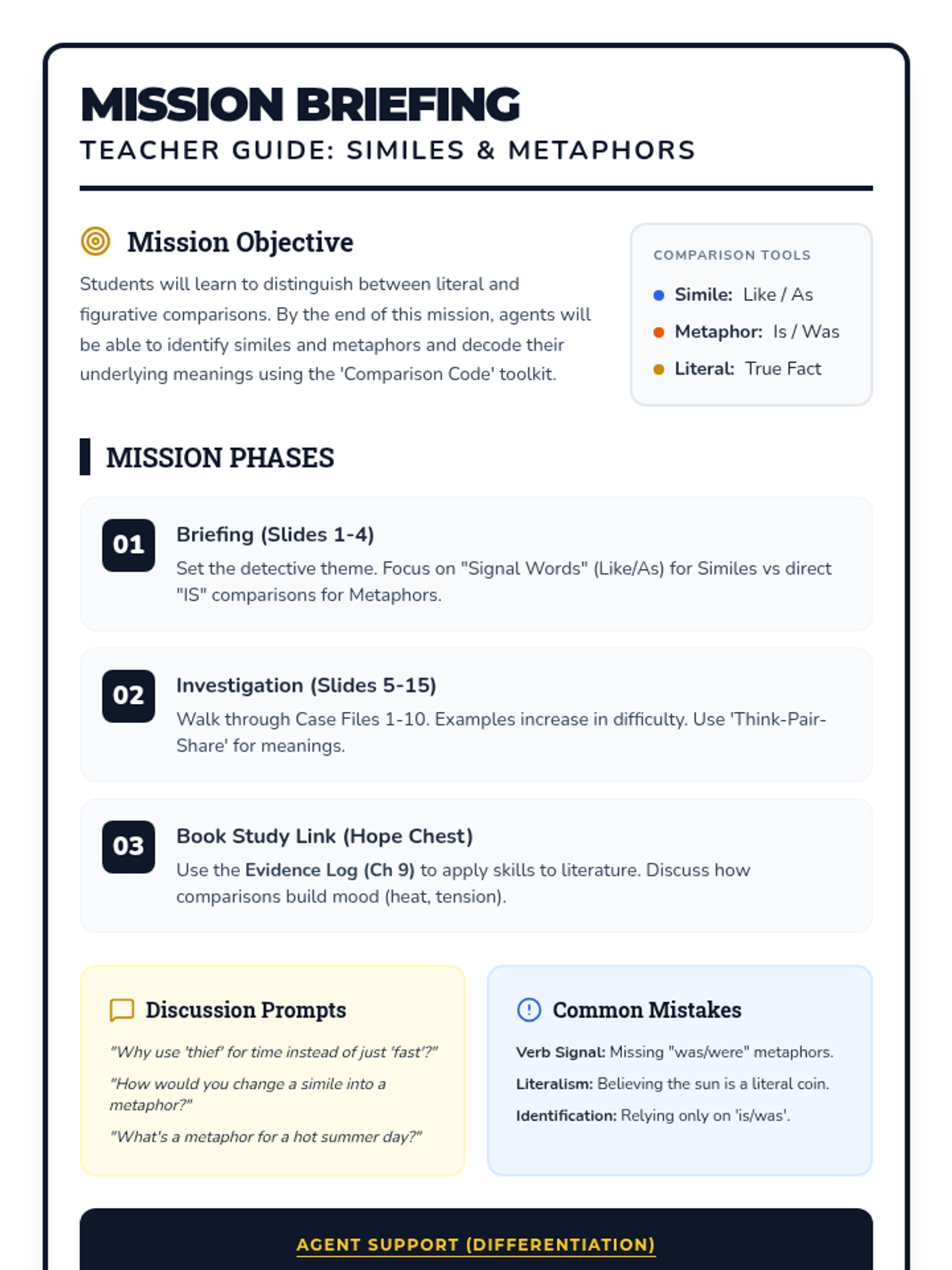
An introductory lesson on similes and metaphors using a detective-themed 'Comparison Code' to help students identify and understand figurative language.
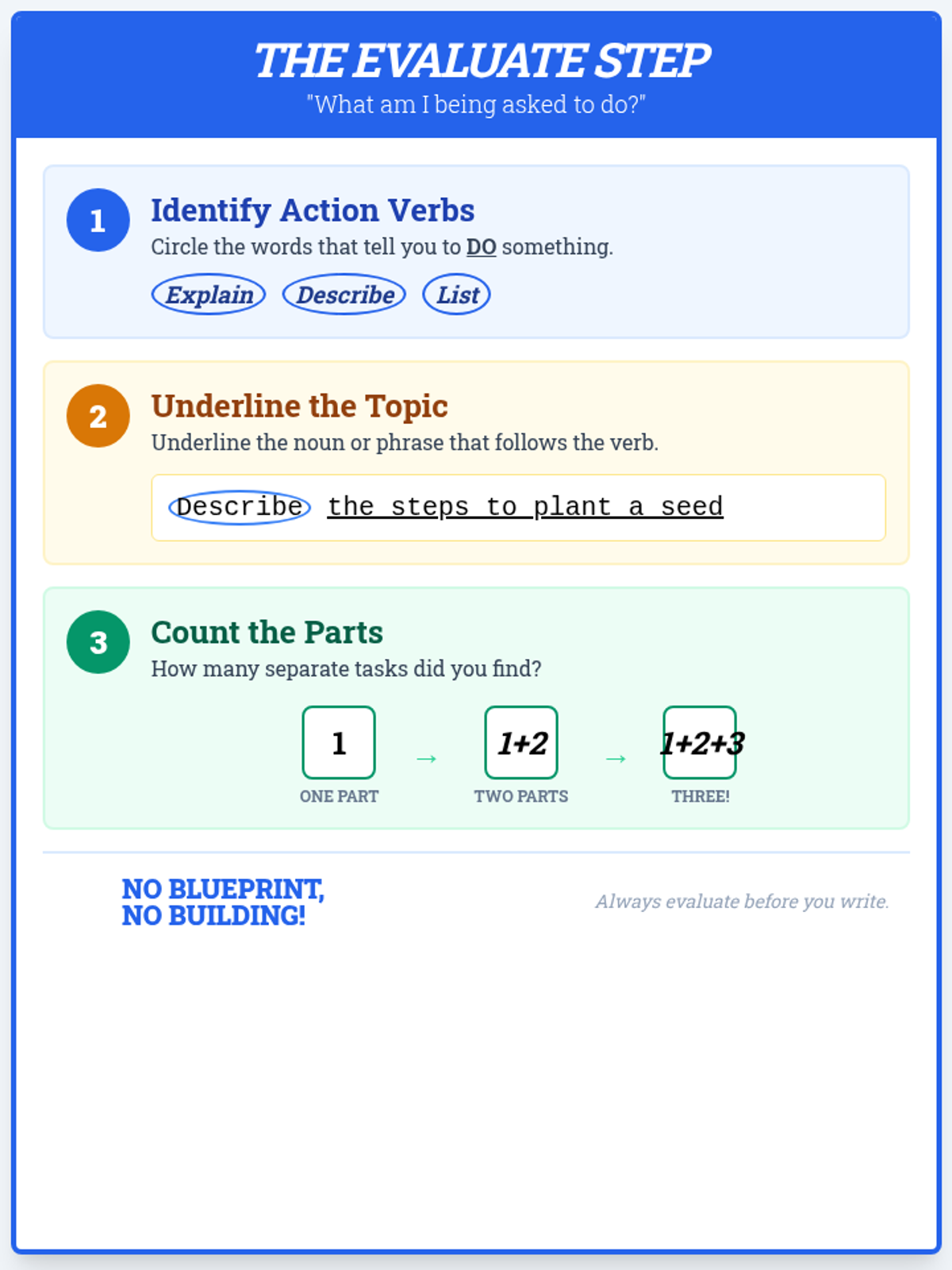
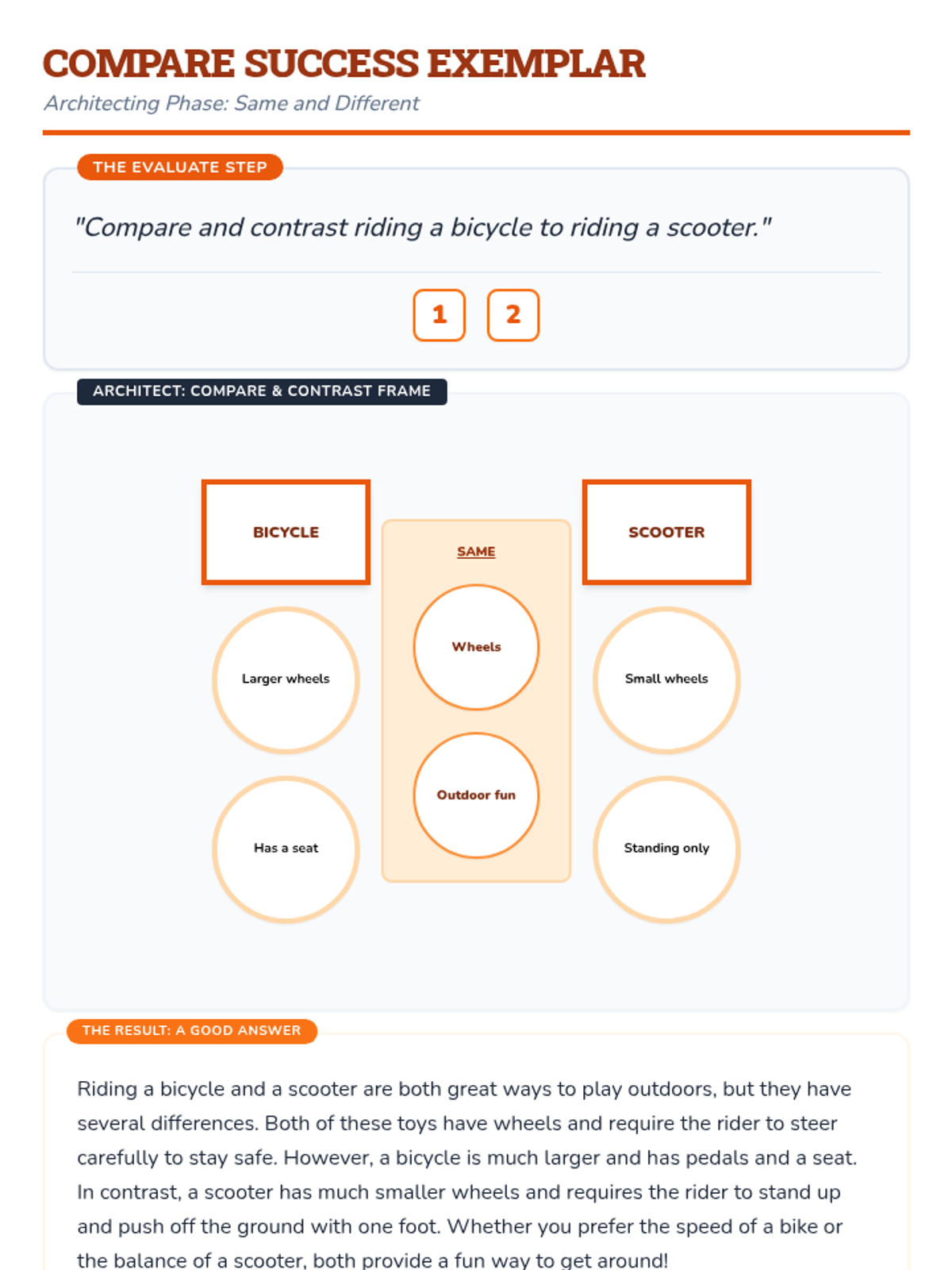
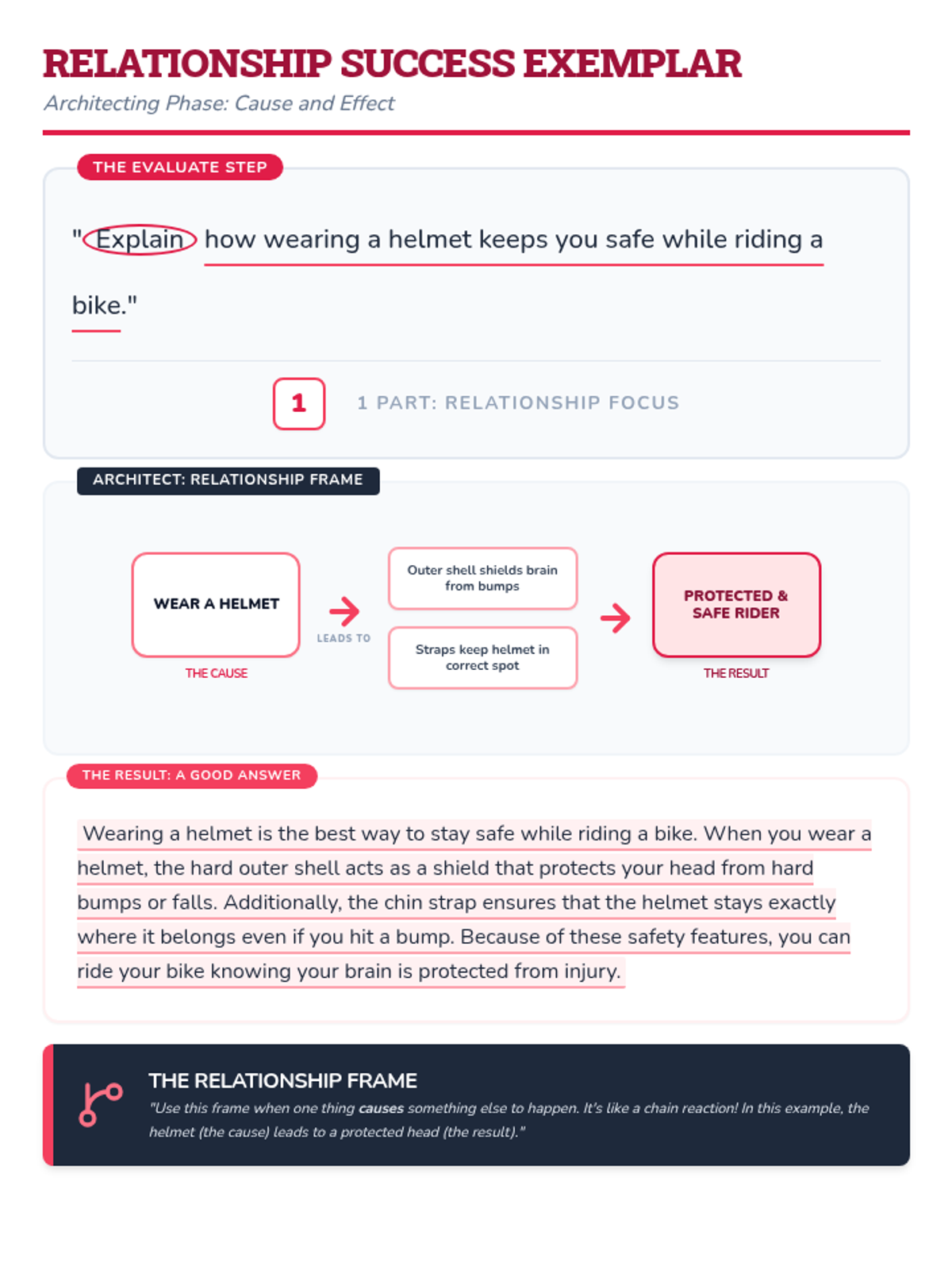
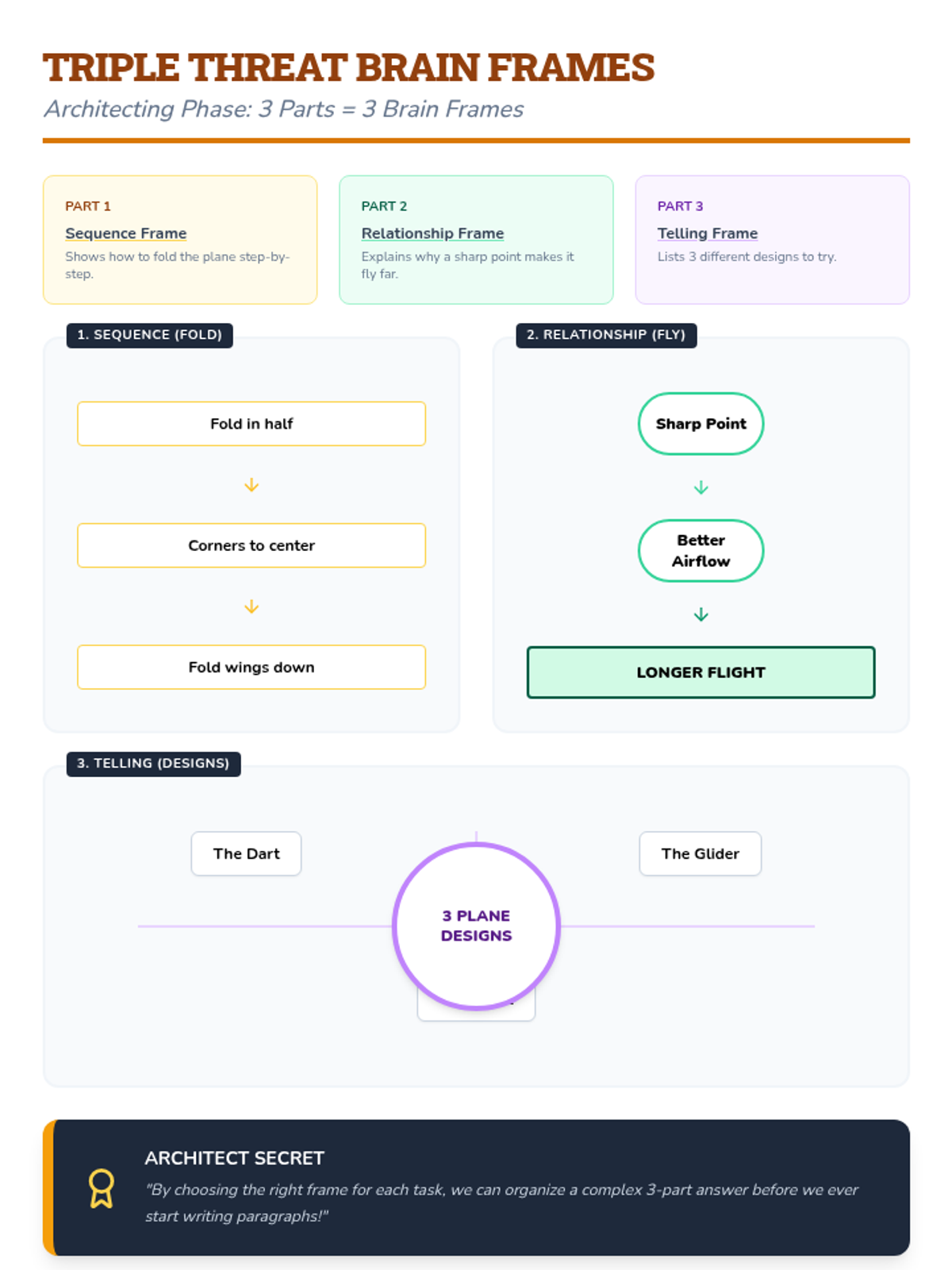
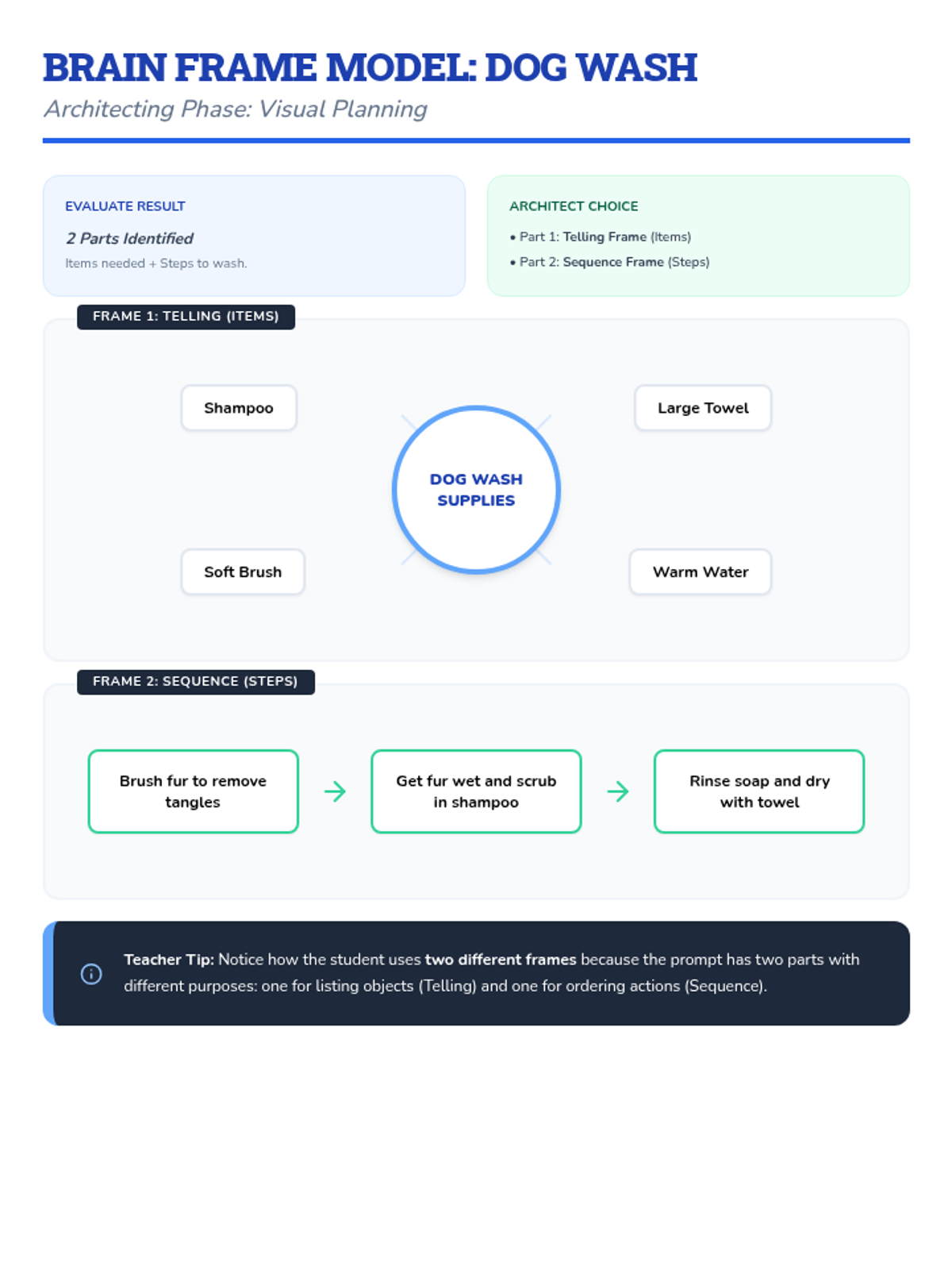
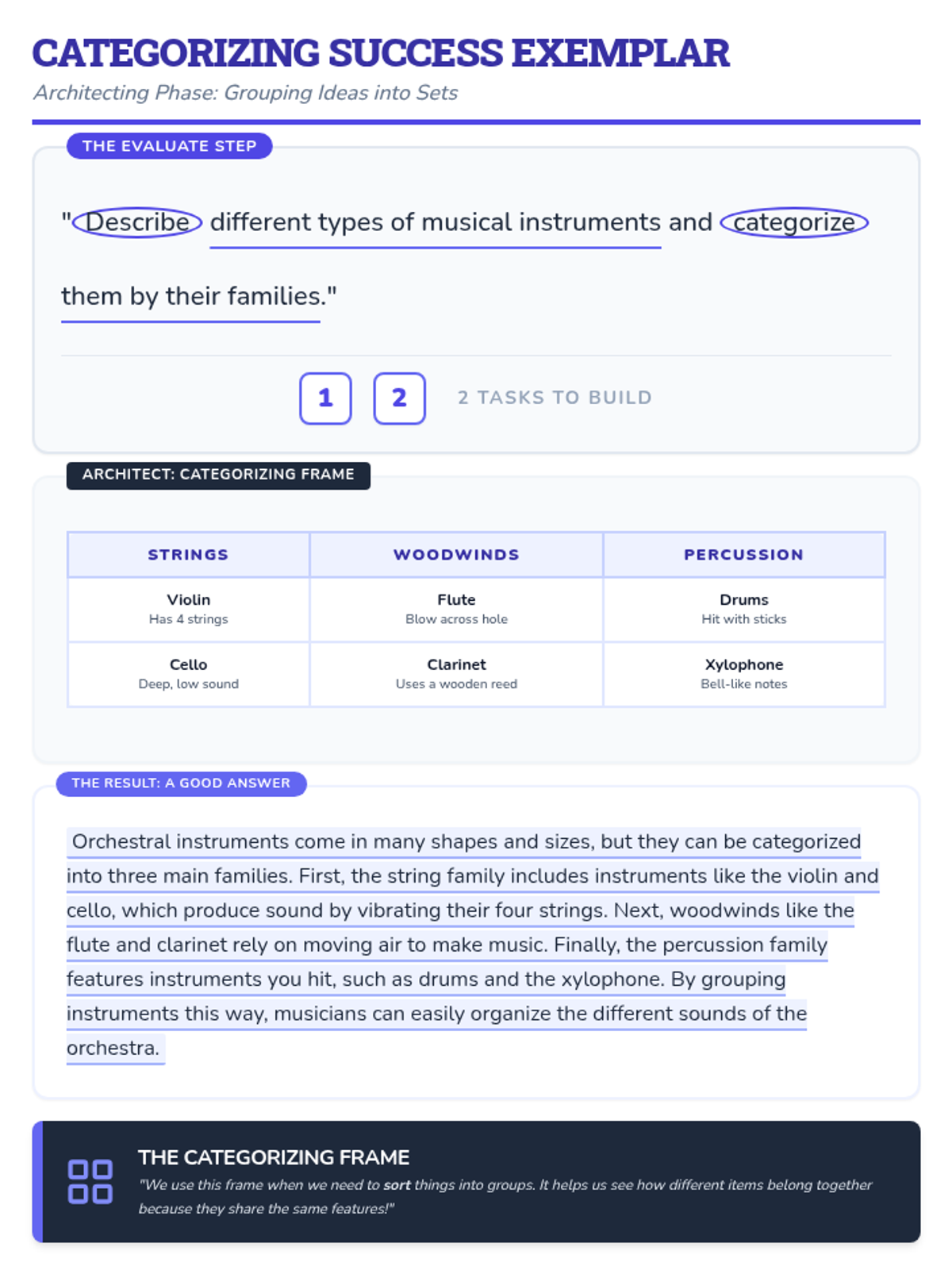
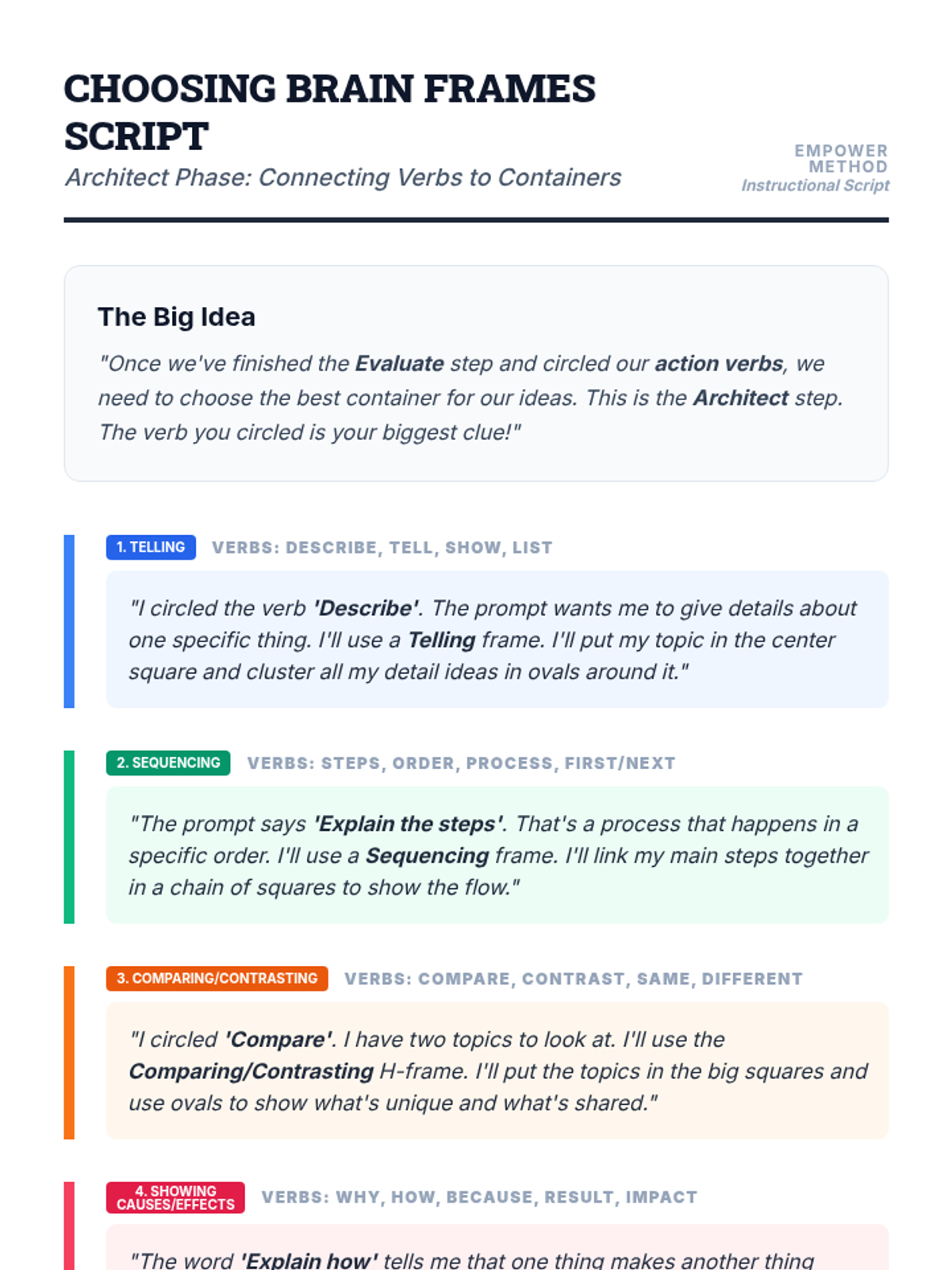
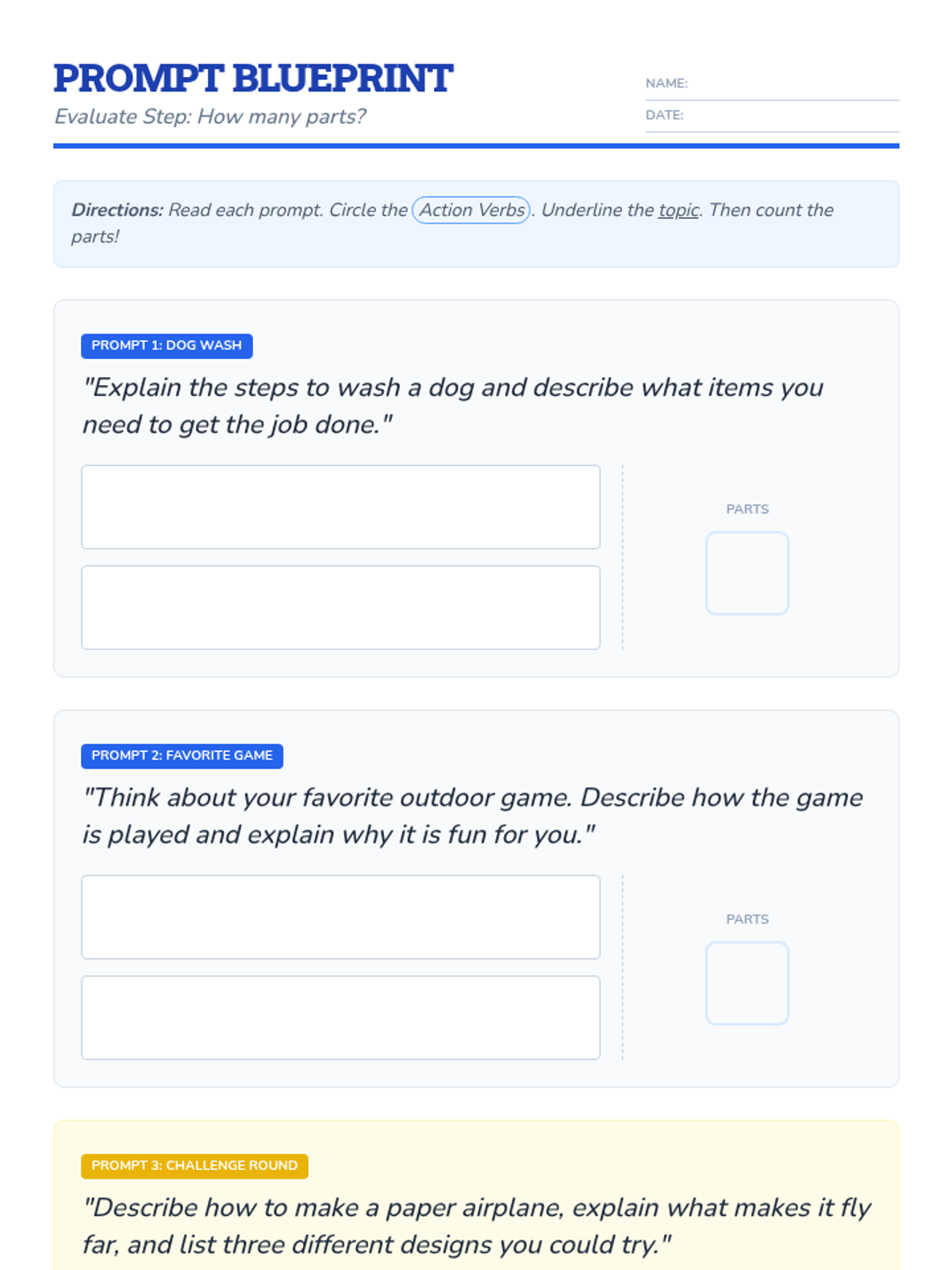
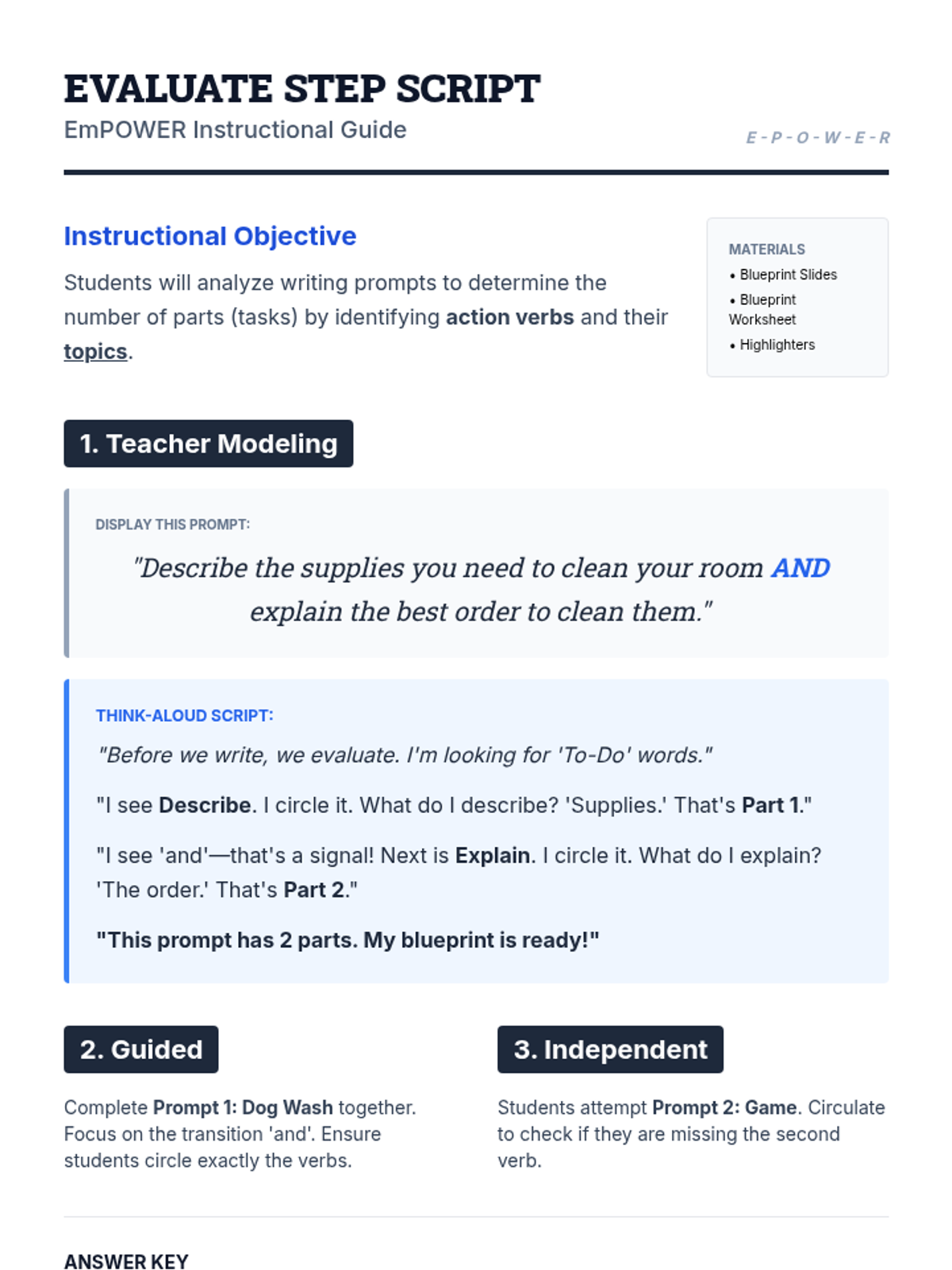
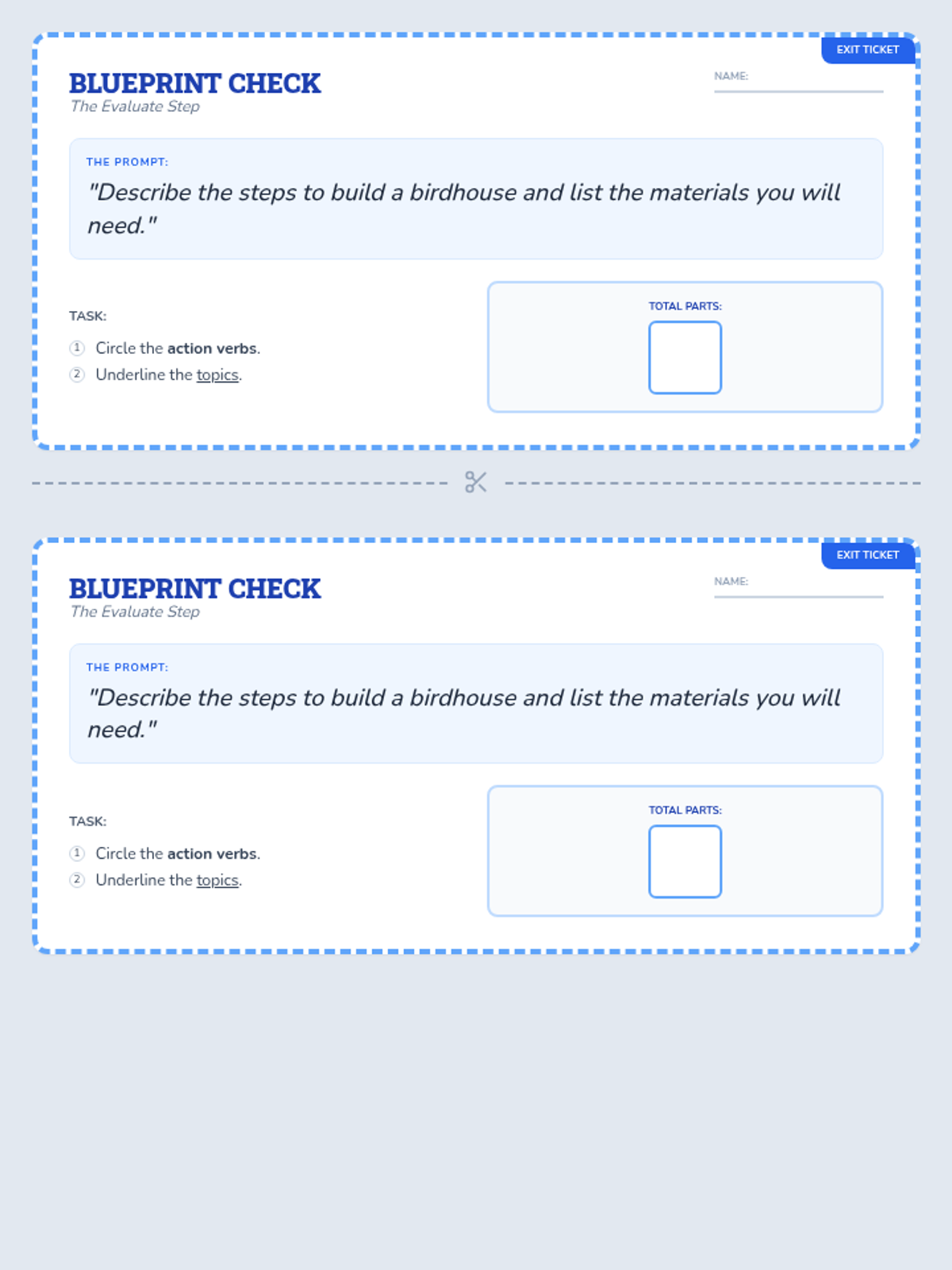
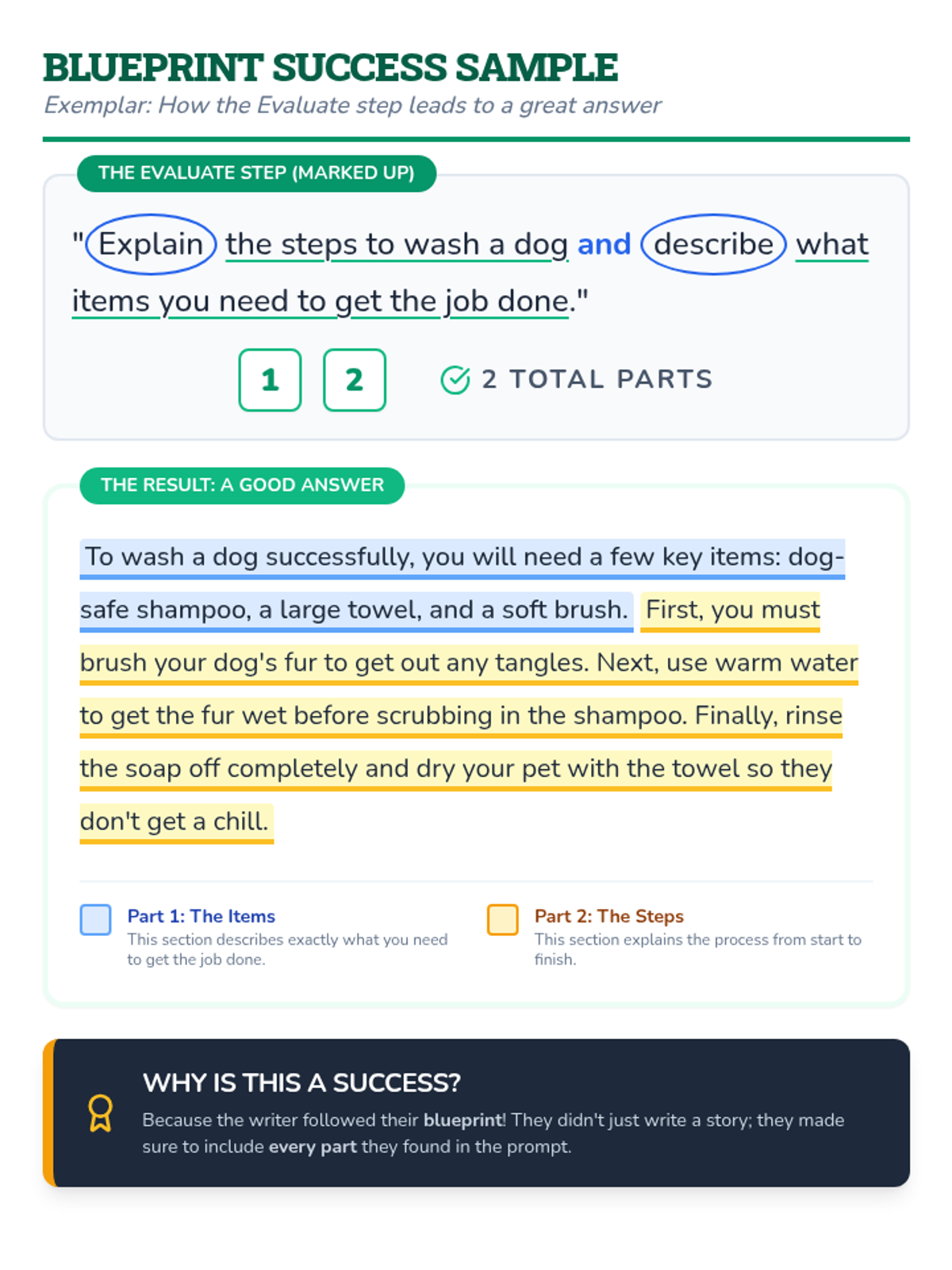
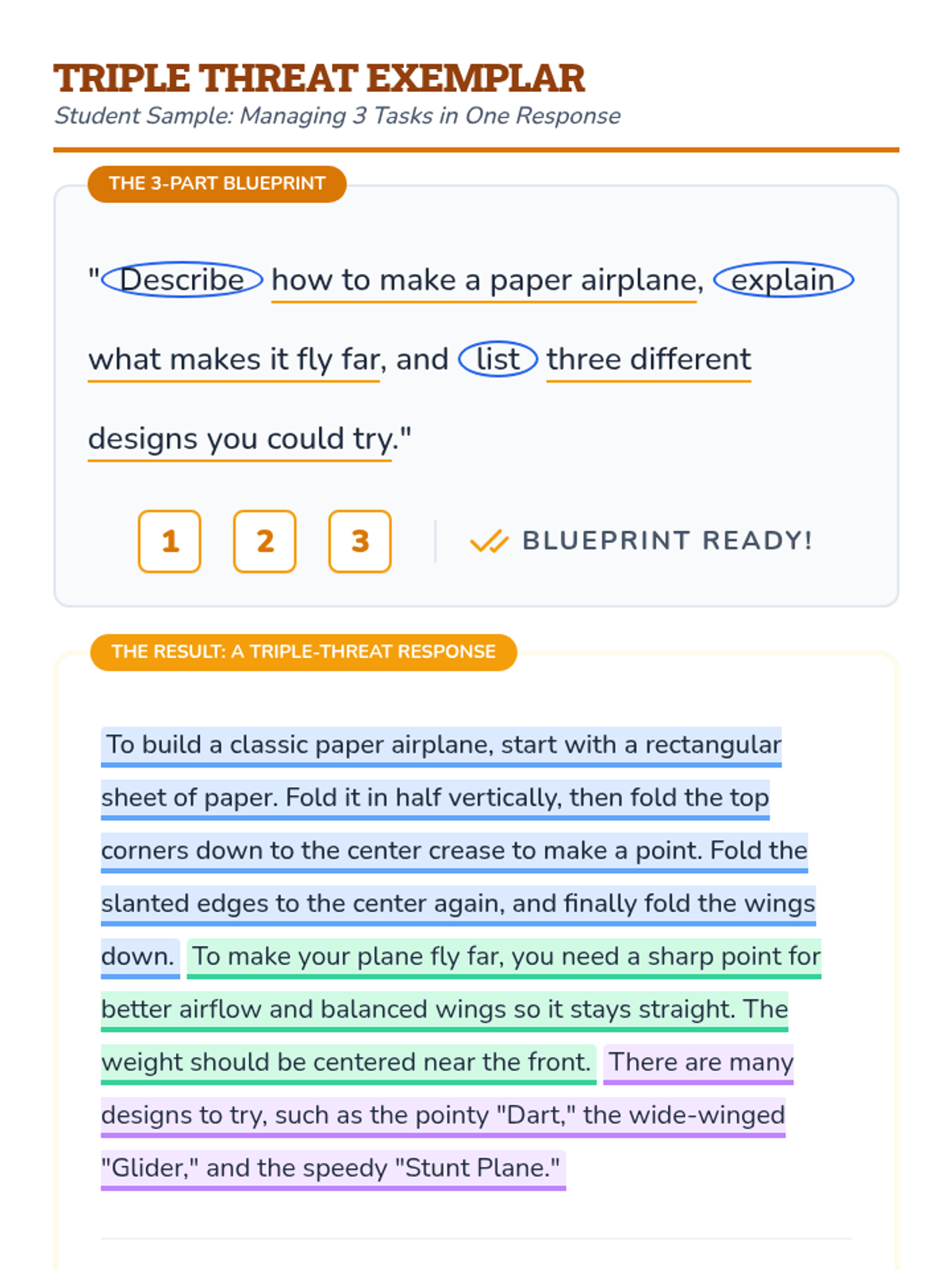
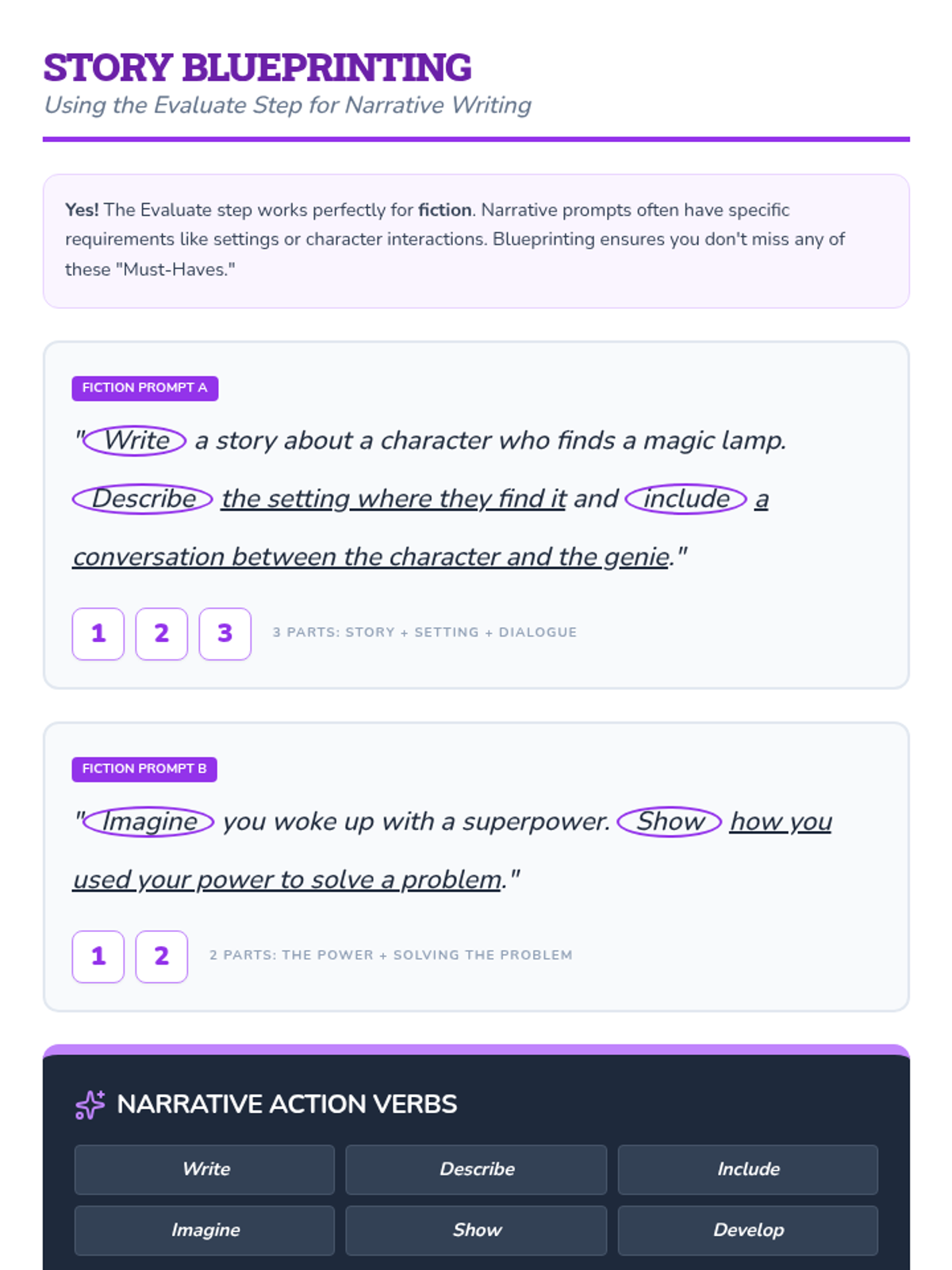
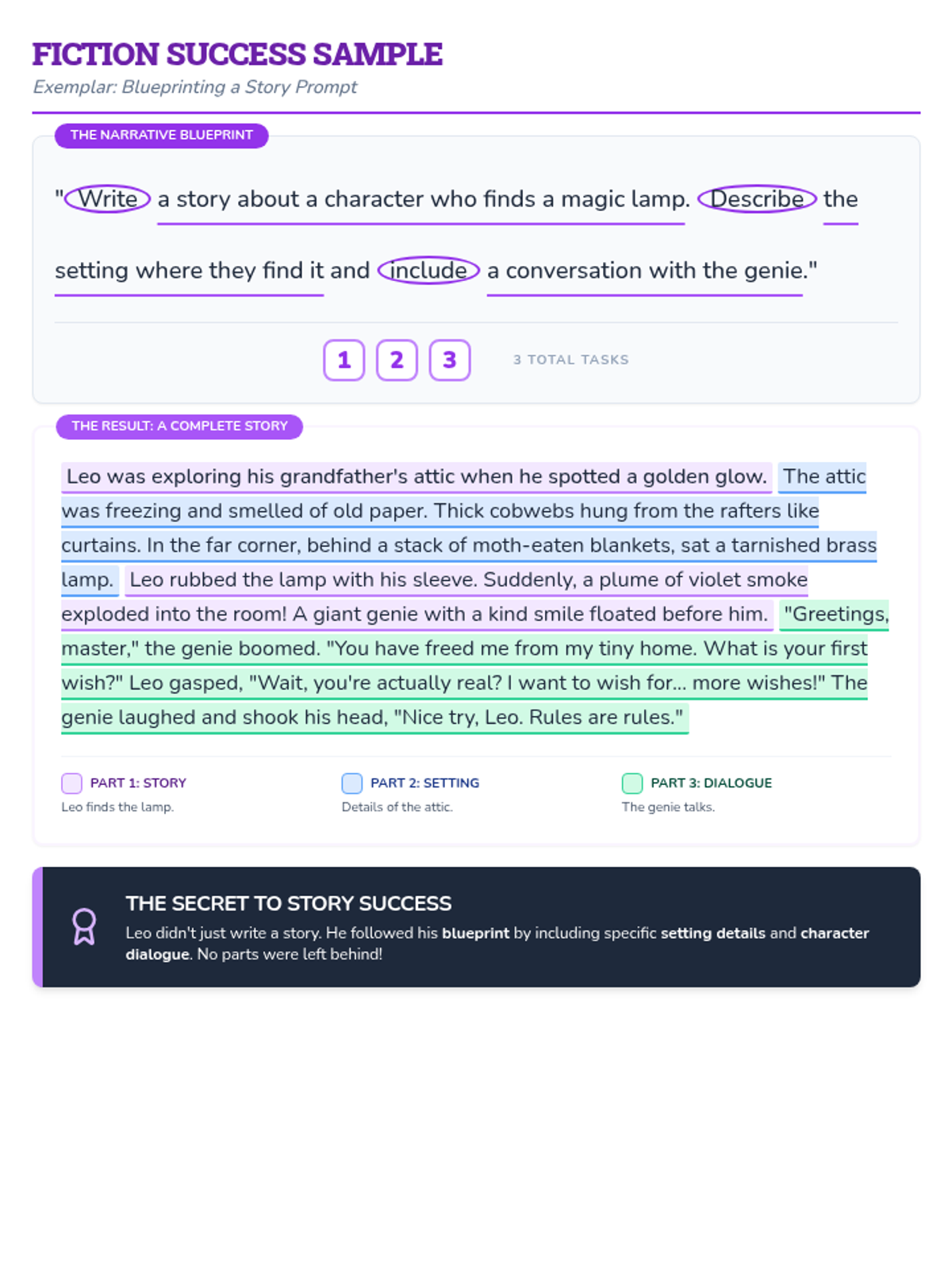
A focused lesson on the first step of the EmPOWER writing method, teaching students how to analyze writing prompts to determine the required number of parts for their response.
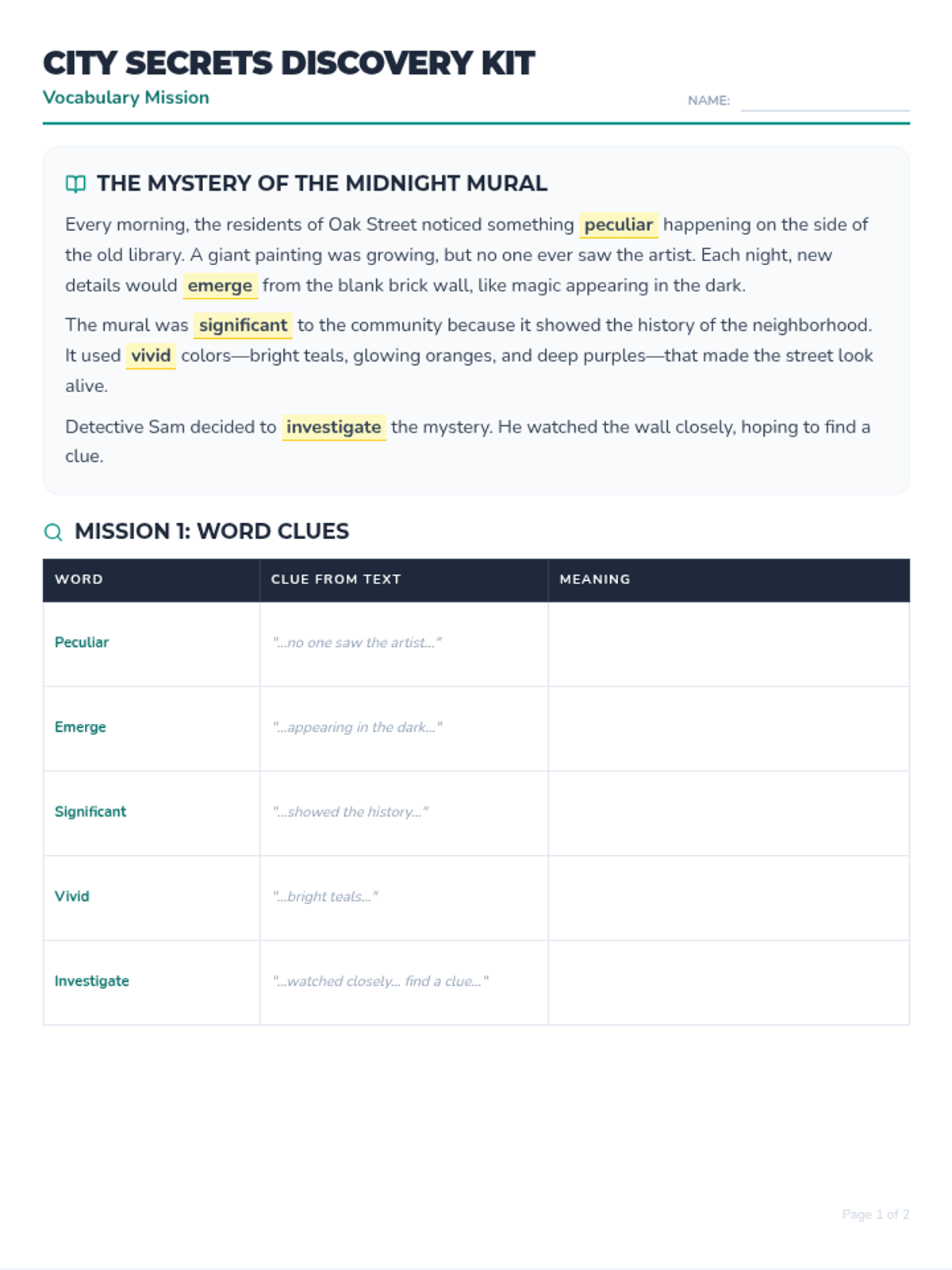
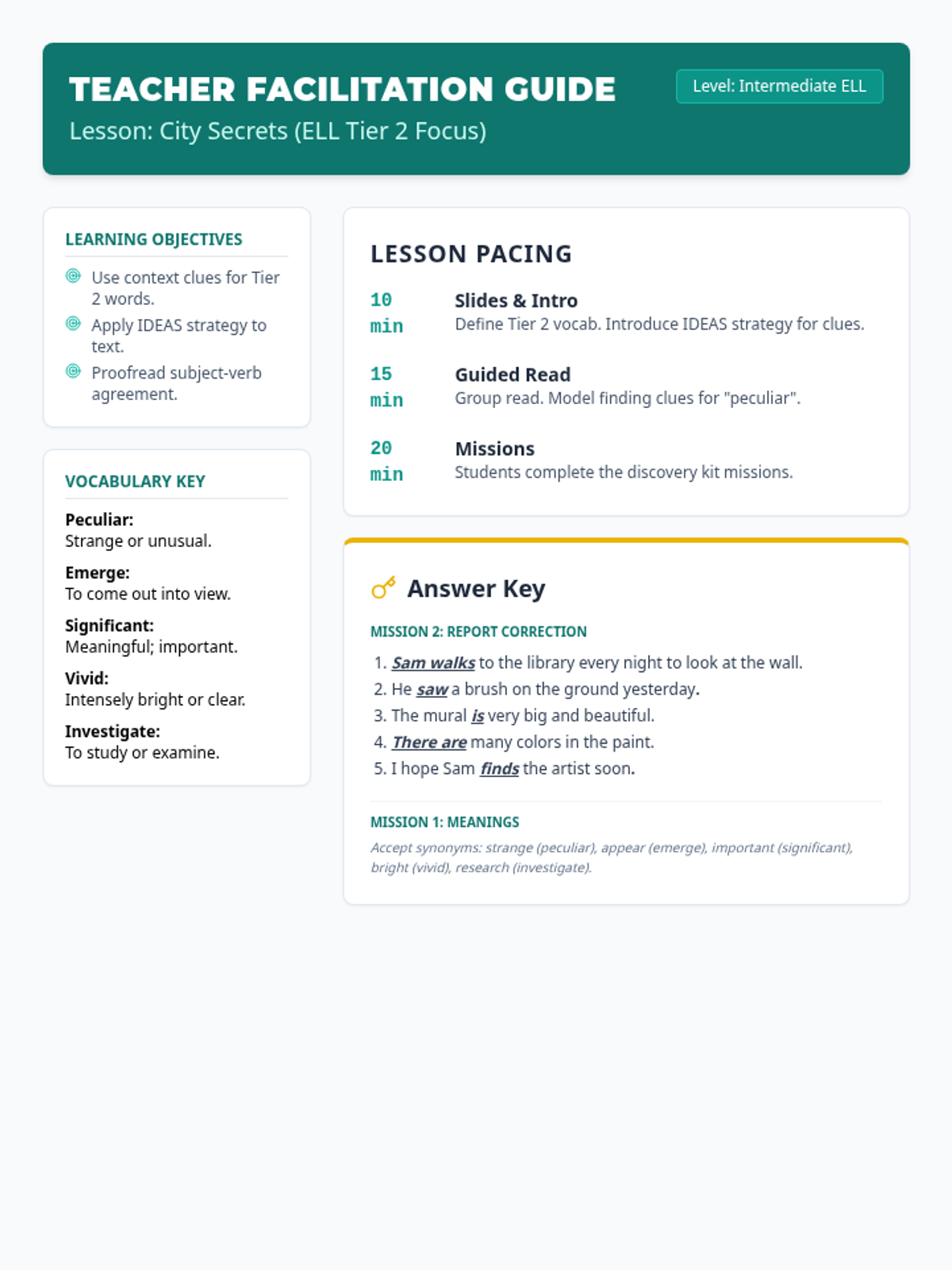
A comprehensive ELL lesson focused on mastering Tier 2 vocabulary through context clues and improving writing through editing and proofreading. Students explore an urban mystery while developing essential language skills.
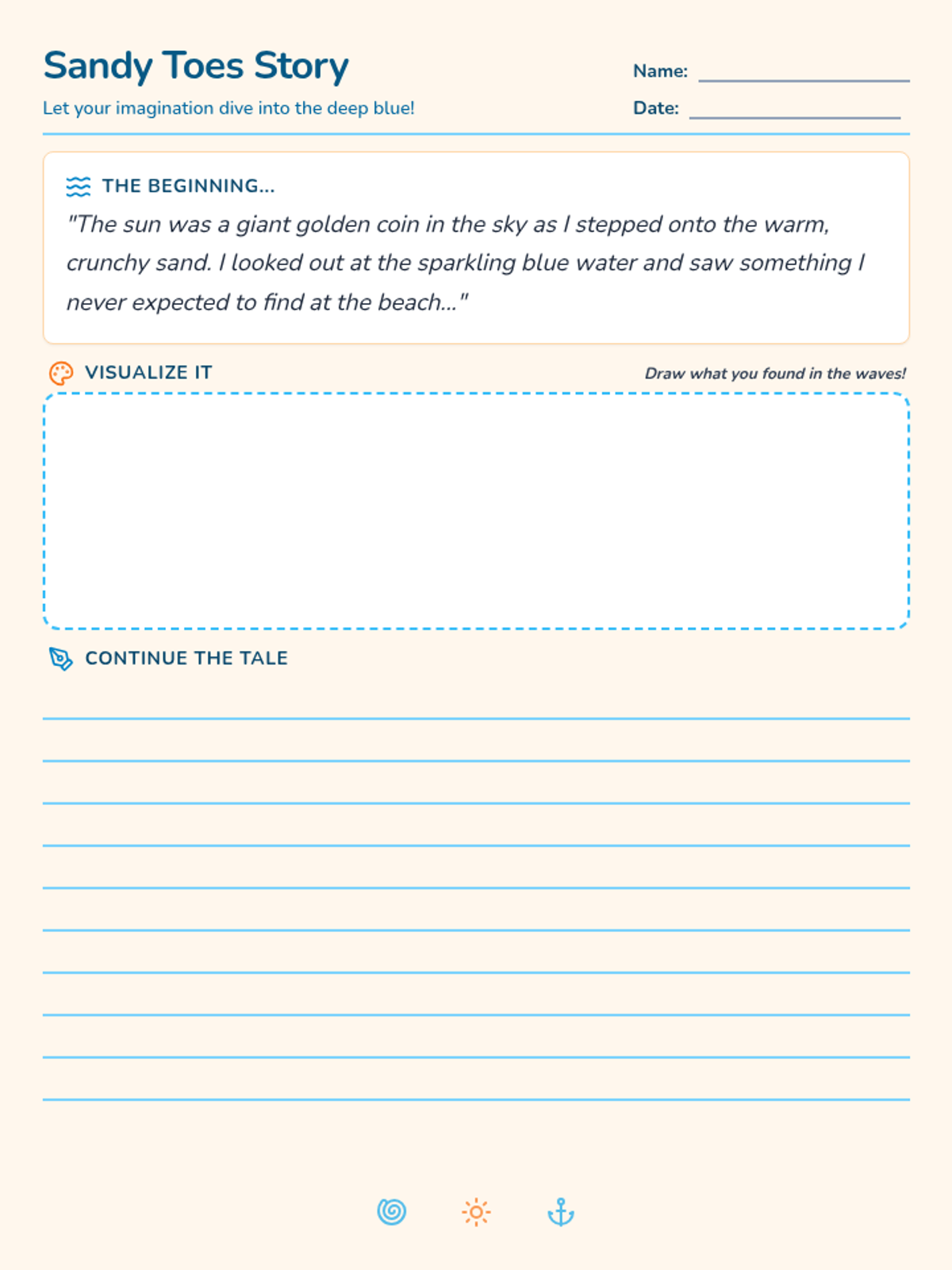
A creative writing lesson focused on descriptive narrative skills through a beach-themed story starter and illustration prompt.
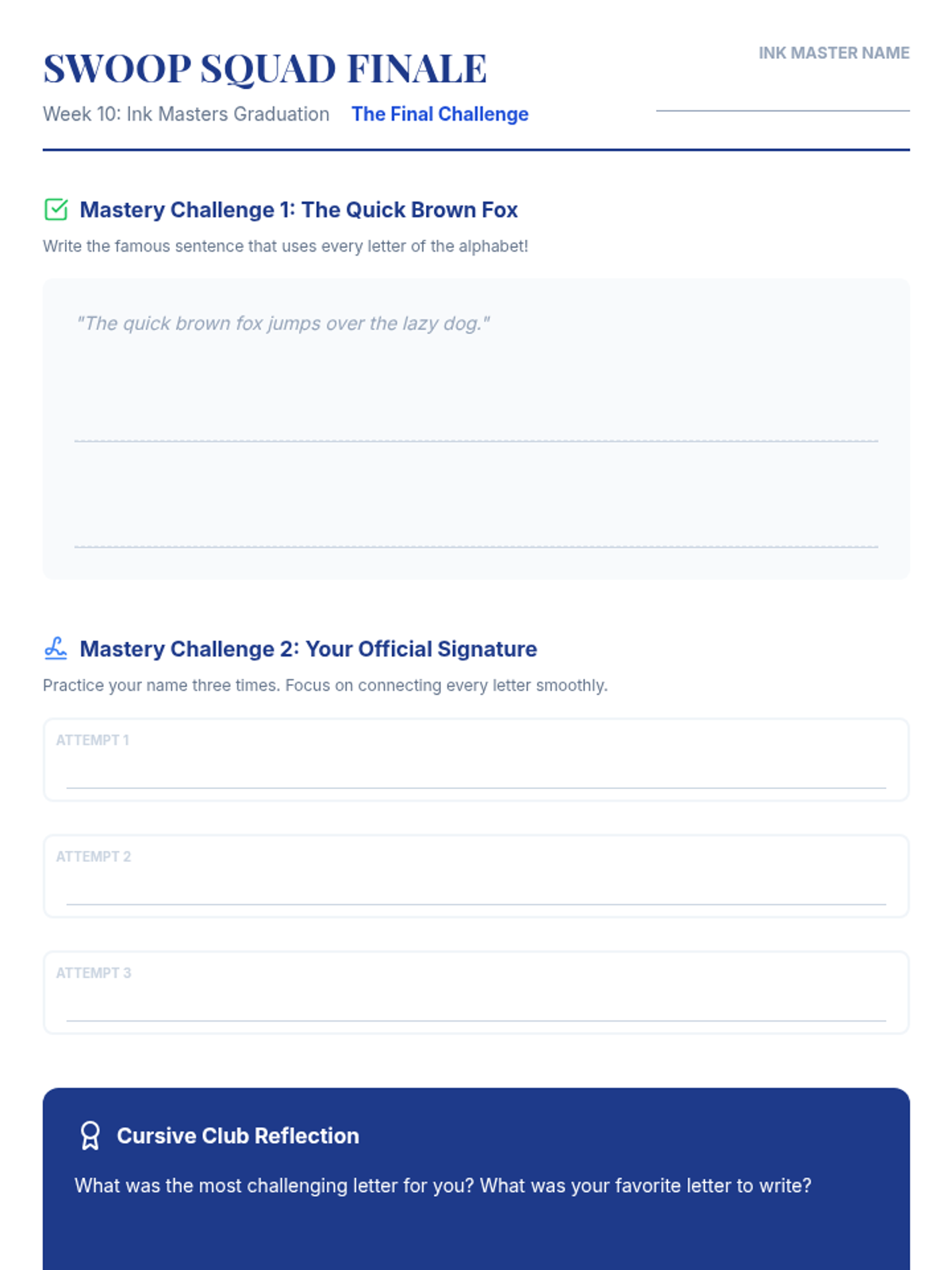
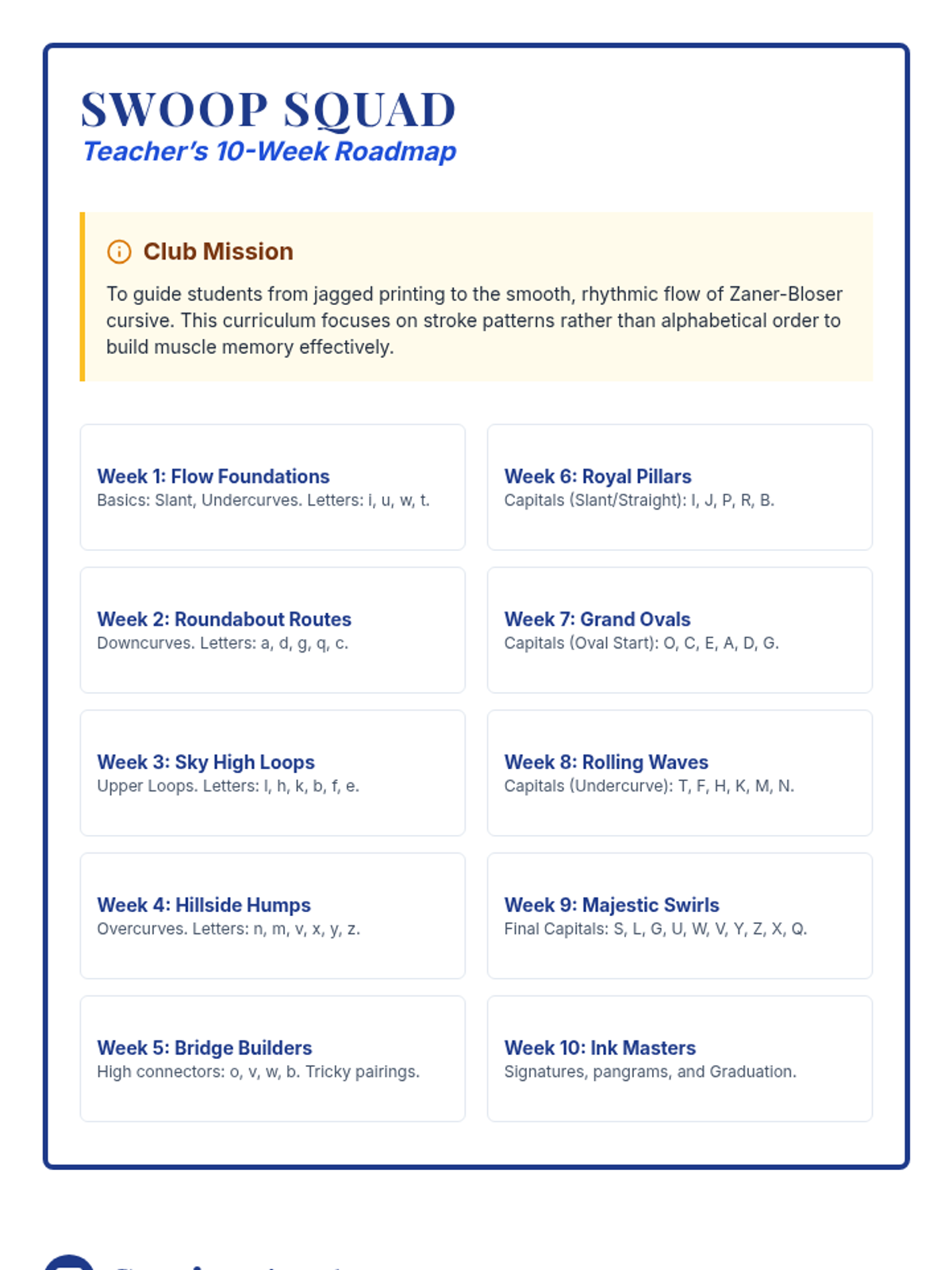
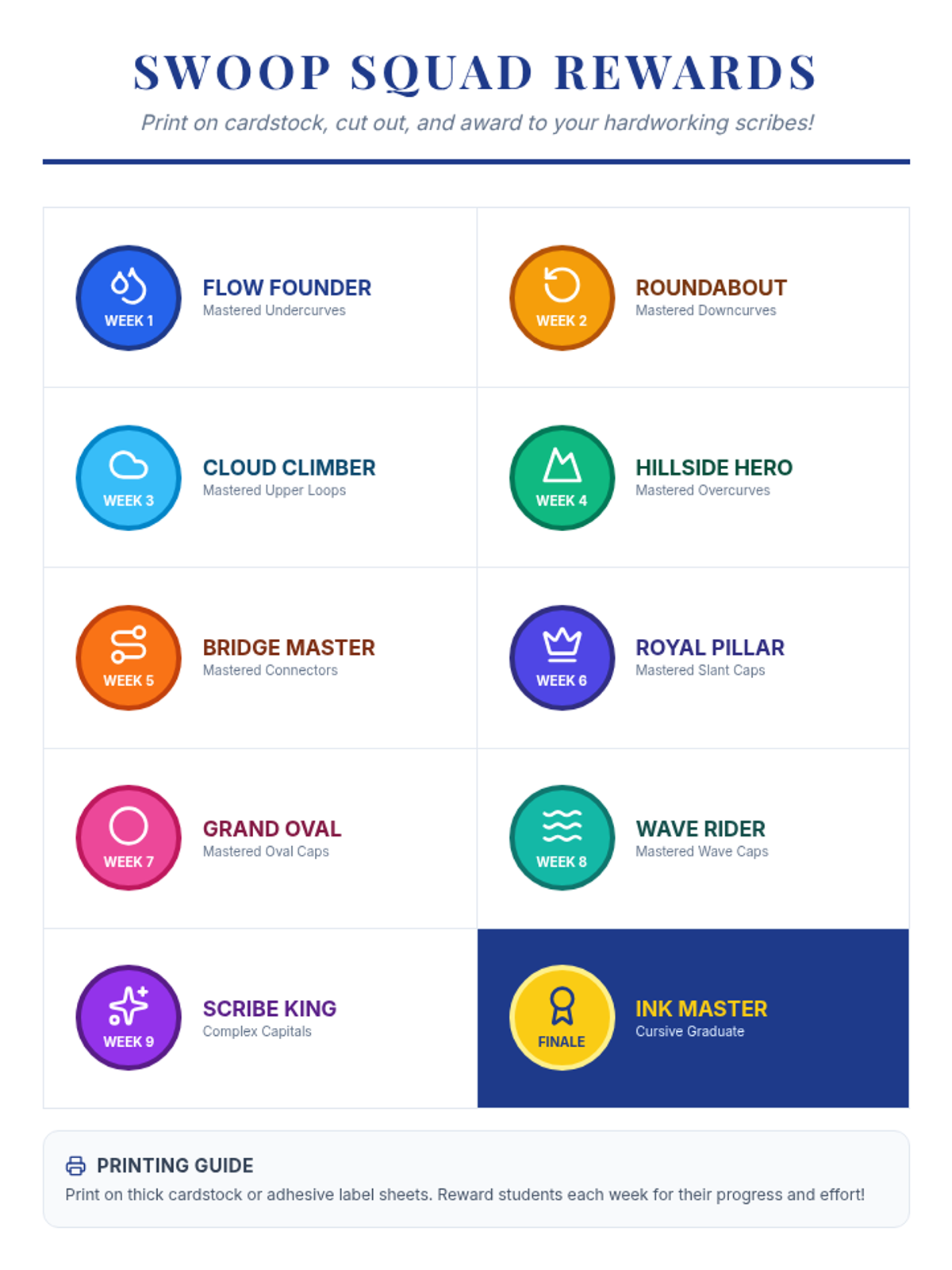
Final mastery session focusing on full sentences, signatures, and club graduation.
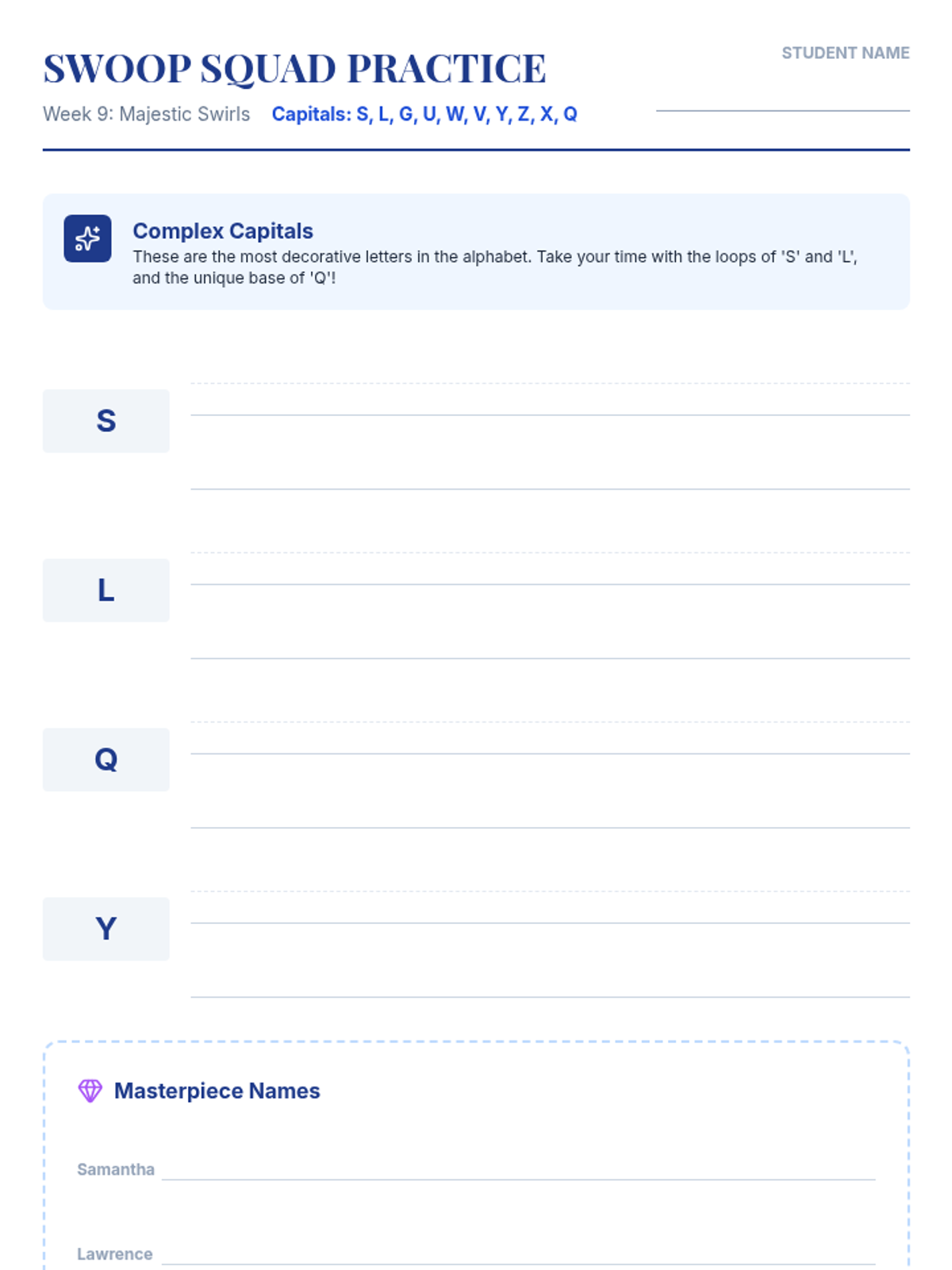
Completing the uppercase alphabet with complex strokes: S, L, U, W, V, Y, Z, X, and Q.
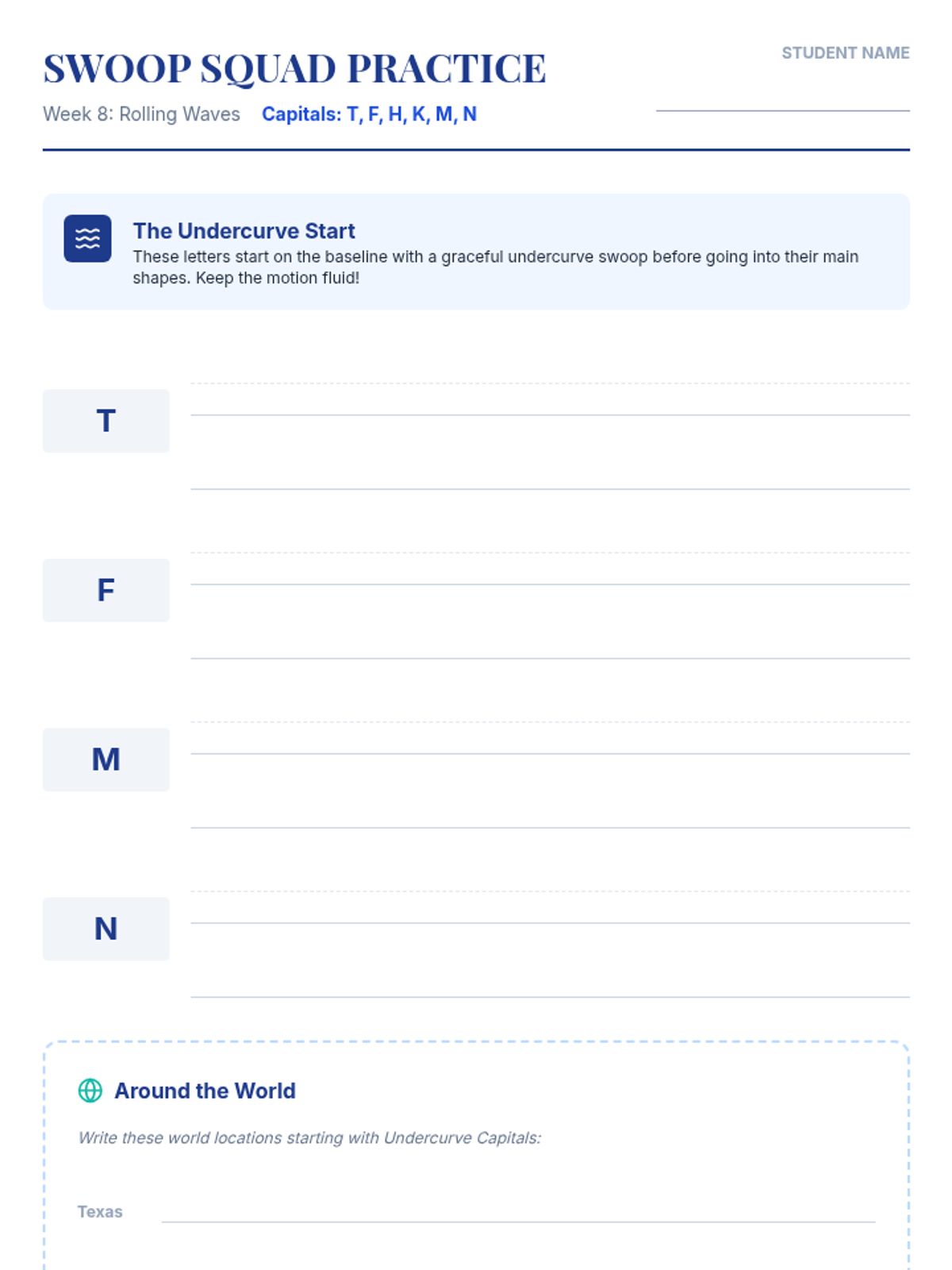
Practicing uppercase letters with undercurve starts: T, F, H, K, M, and N.
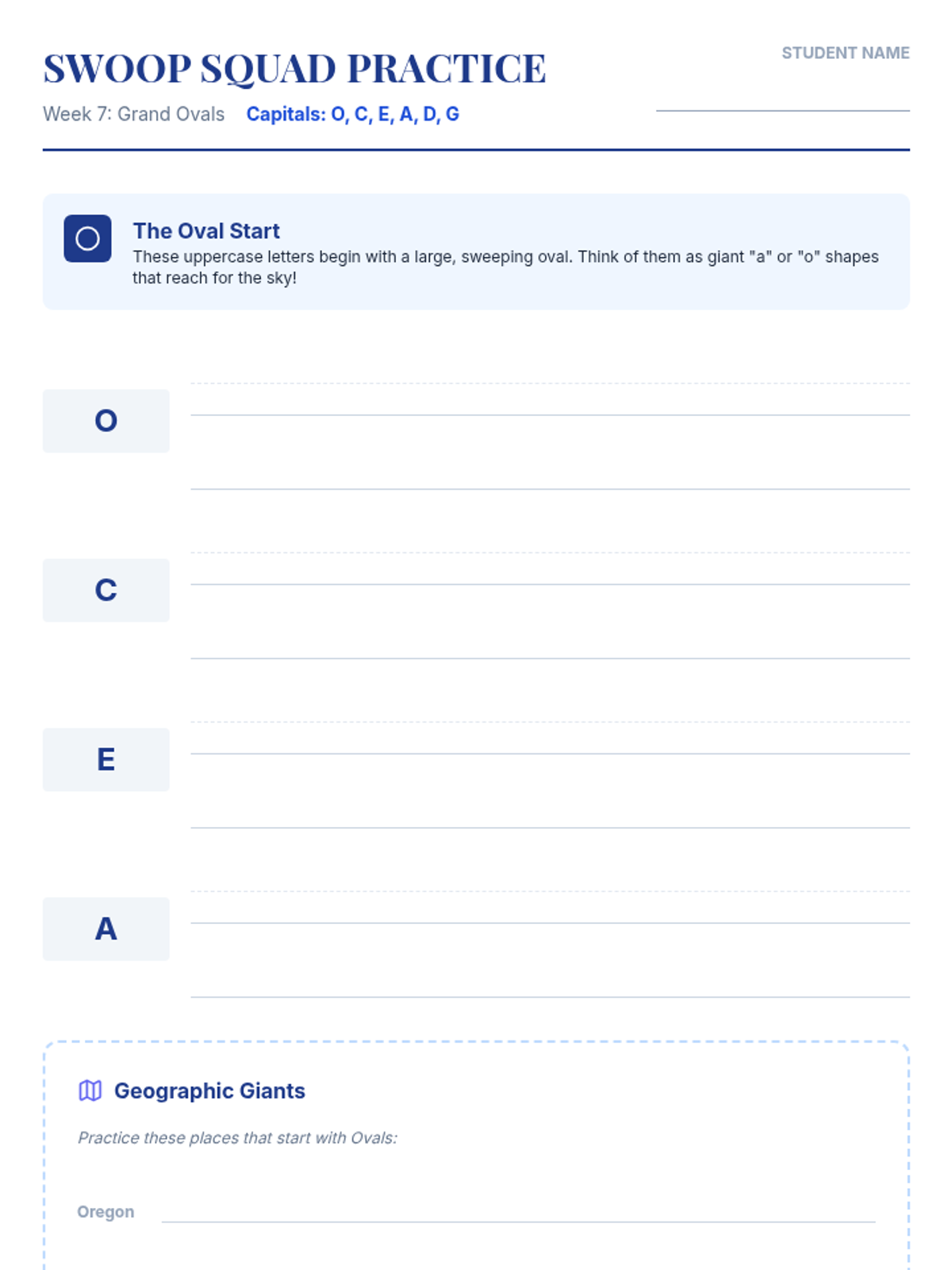
Focusing on uppercase letters with oval starts: O, C, E, A, D, and G.
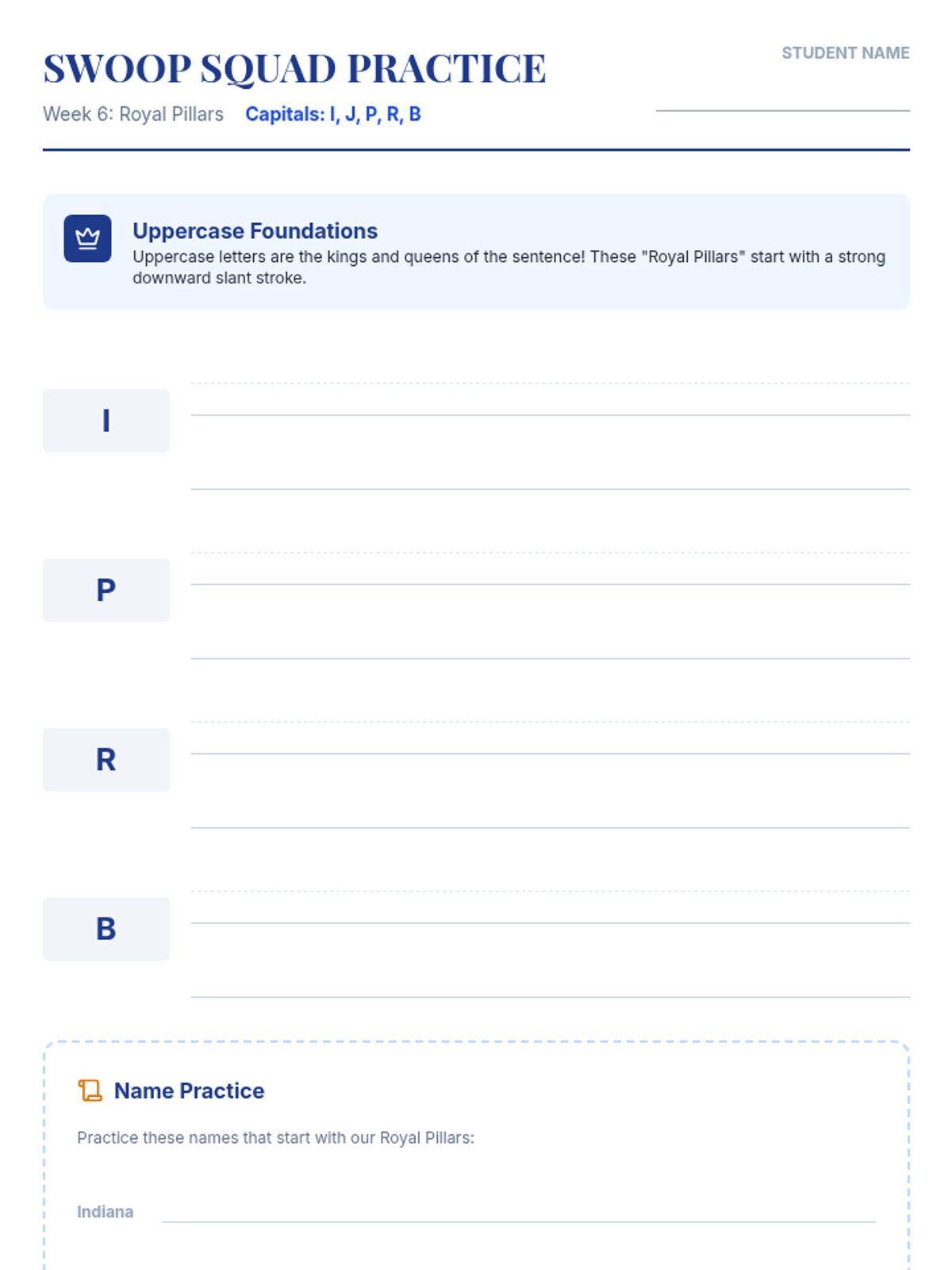
Beginning uppercase letters with straight and slant starts: I, J, P, R, and B.
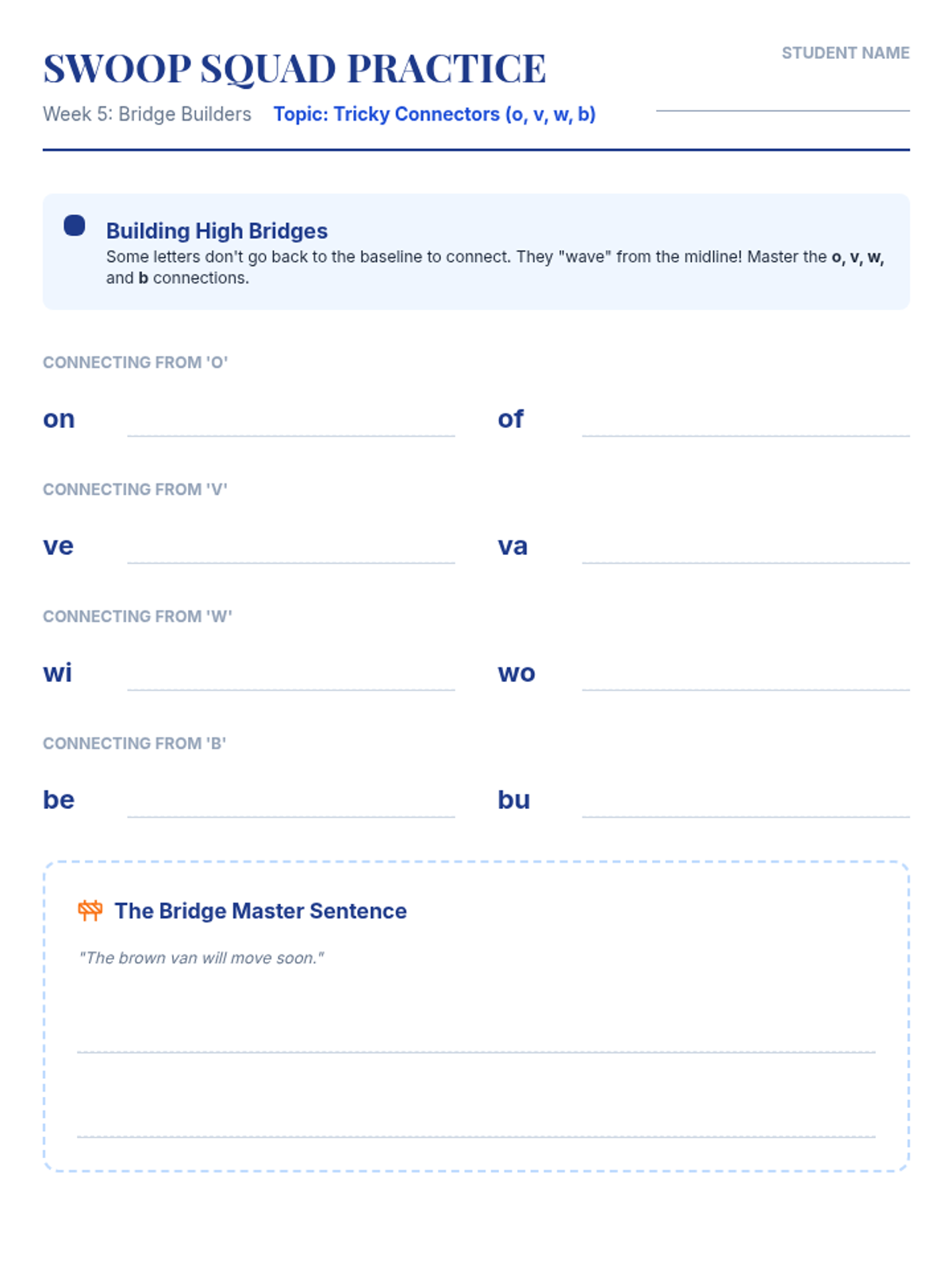
Mastering the tricky connections between letters like o, v, w, and b.
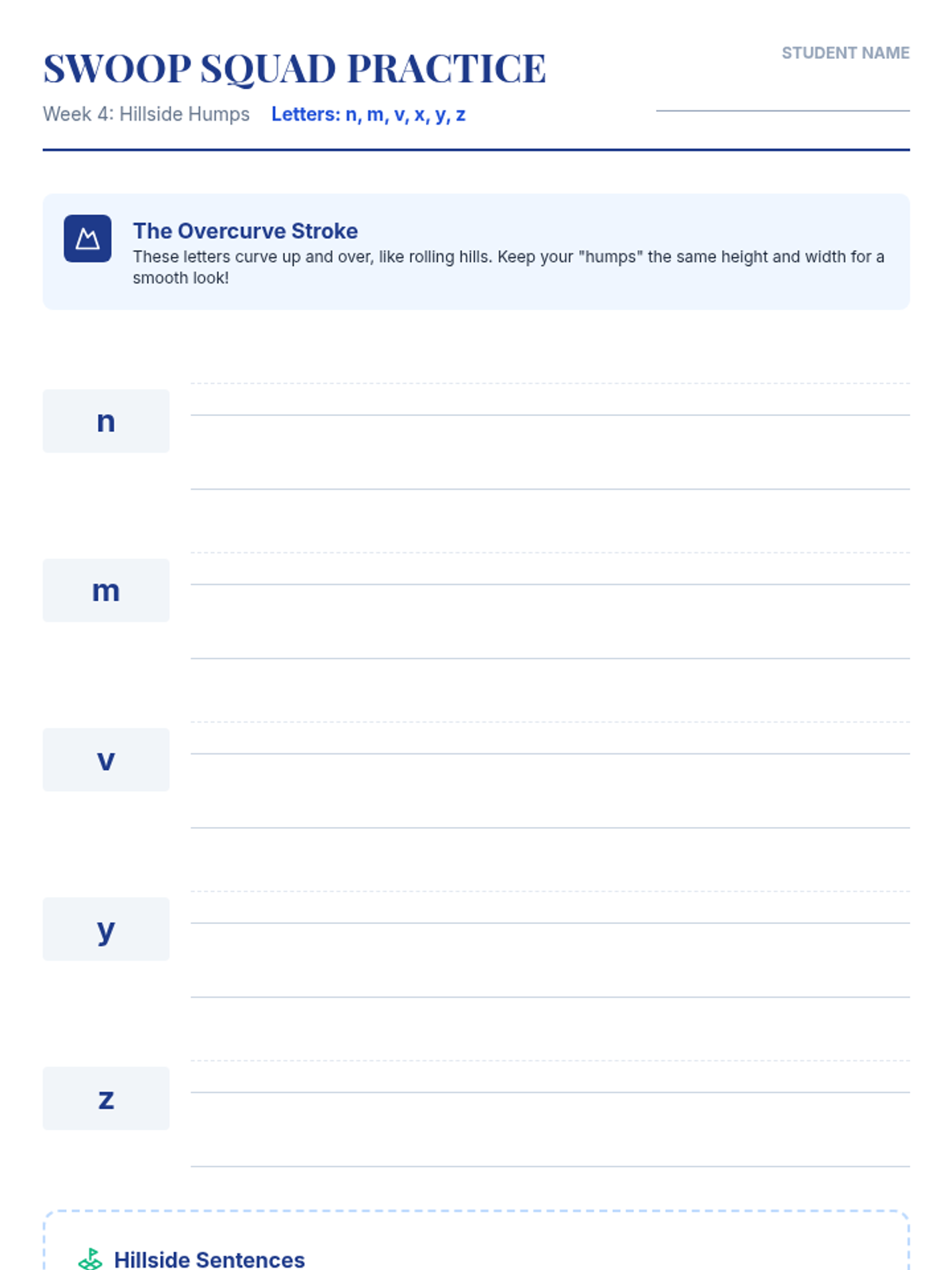
Practicing 'overcurve' letters and humps: n, m, v, x, y, and z.
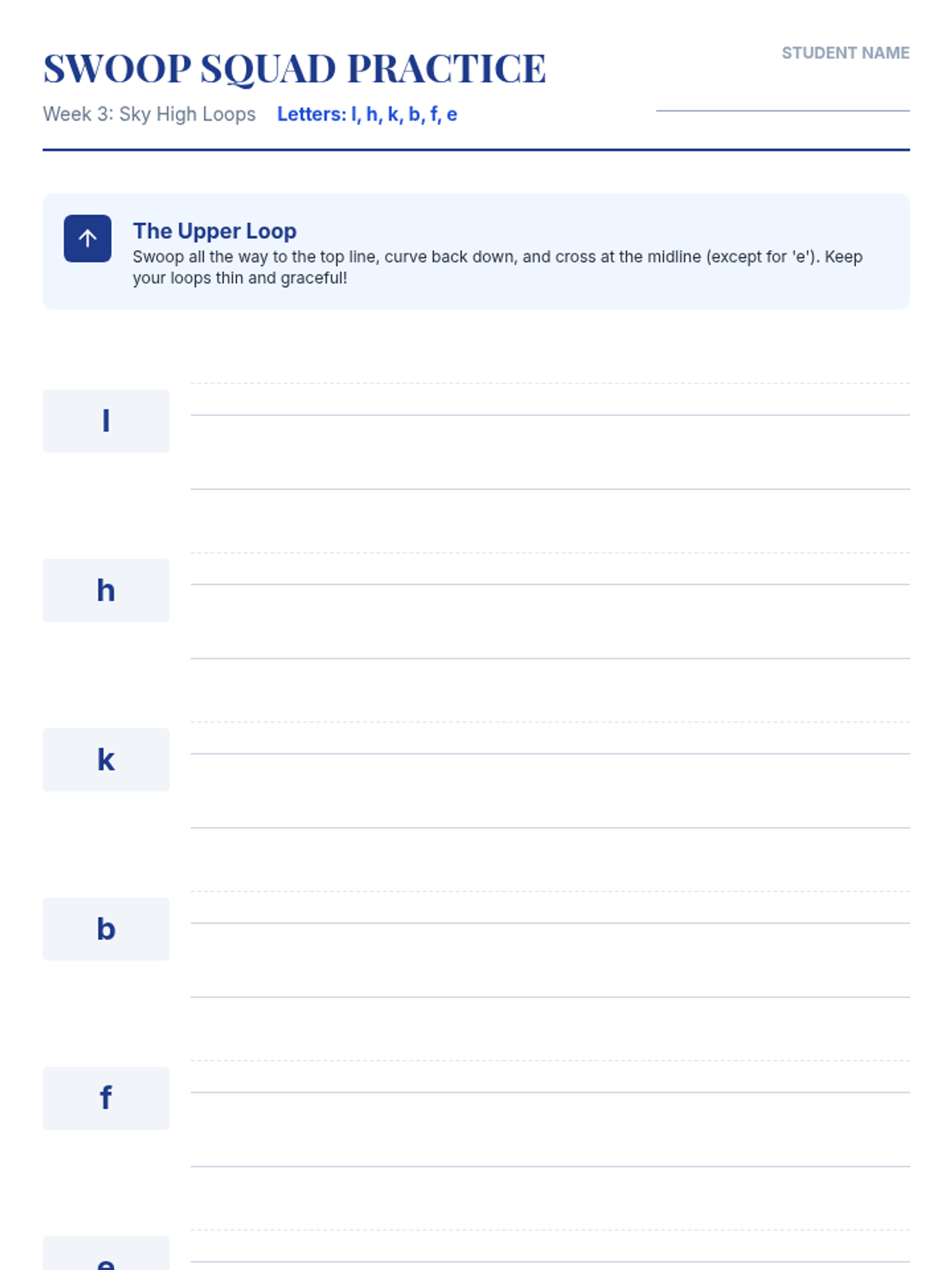
Introducing tall 'upper loop' letters such as l, h, k, b, f, and e.
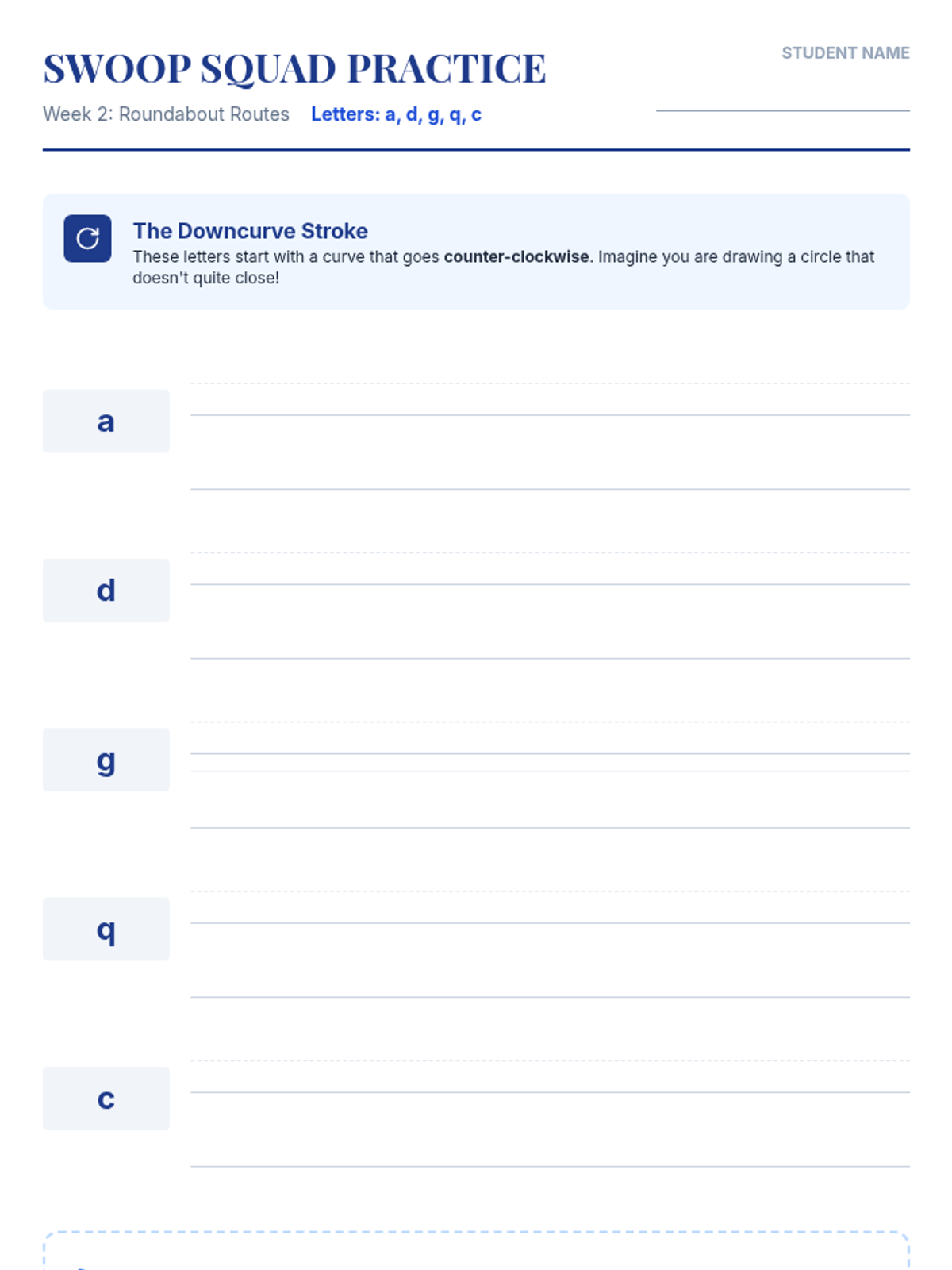
Focuses on 'downcurve' letters including a, d, g, q, and c.
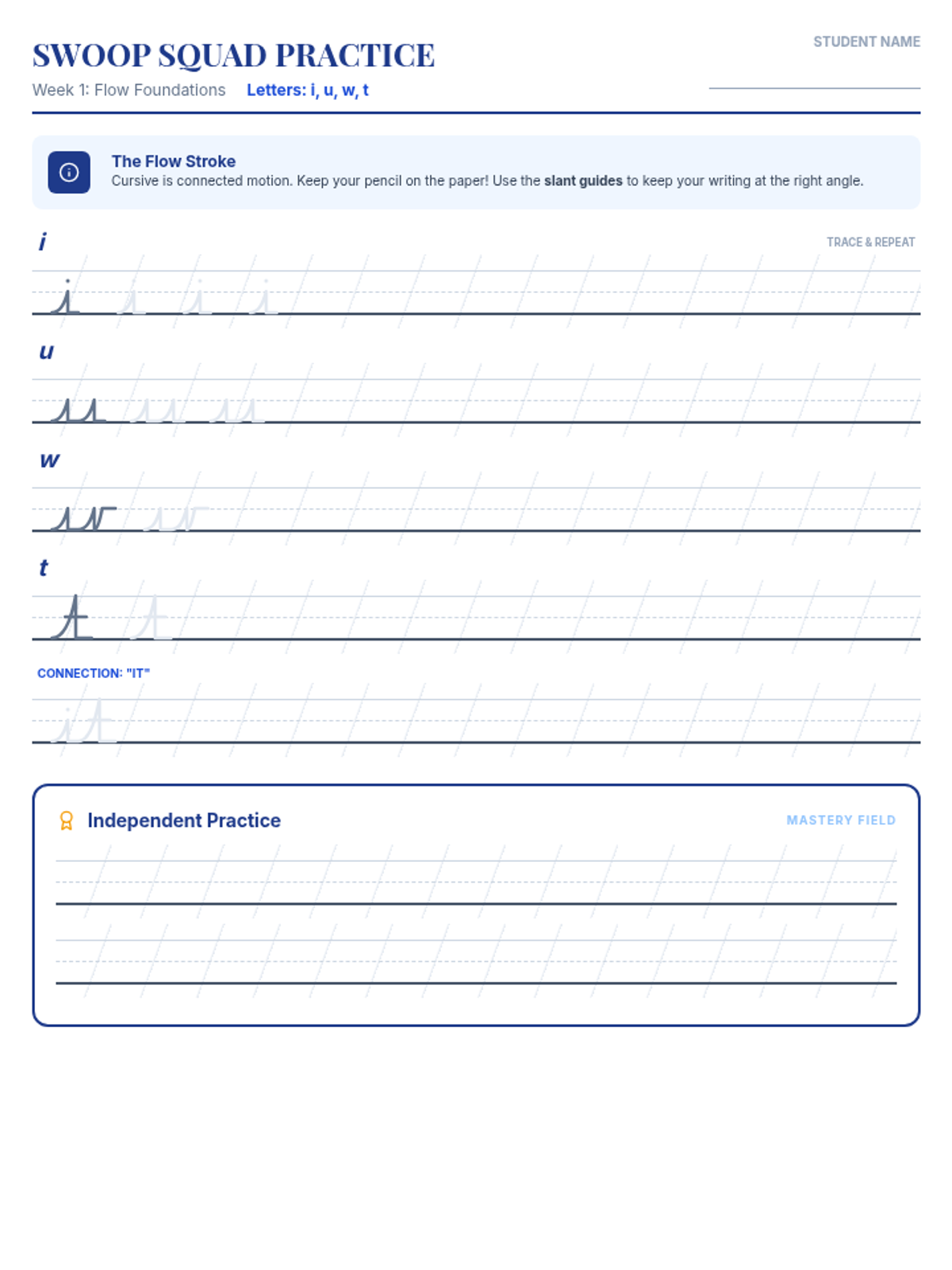
Introduction to cursive posture, grip, and the basic 'undercurve' strokes through letters i, u, w, and t.
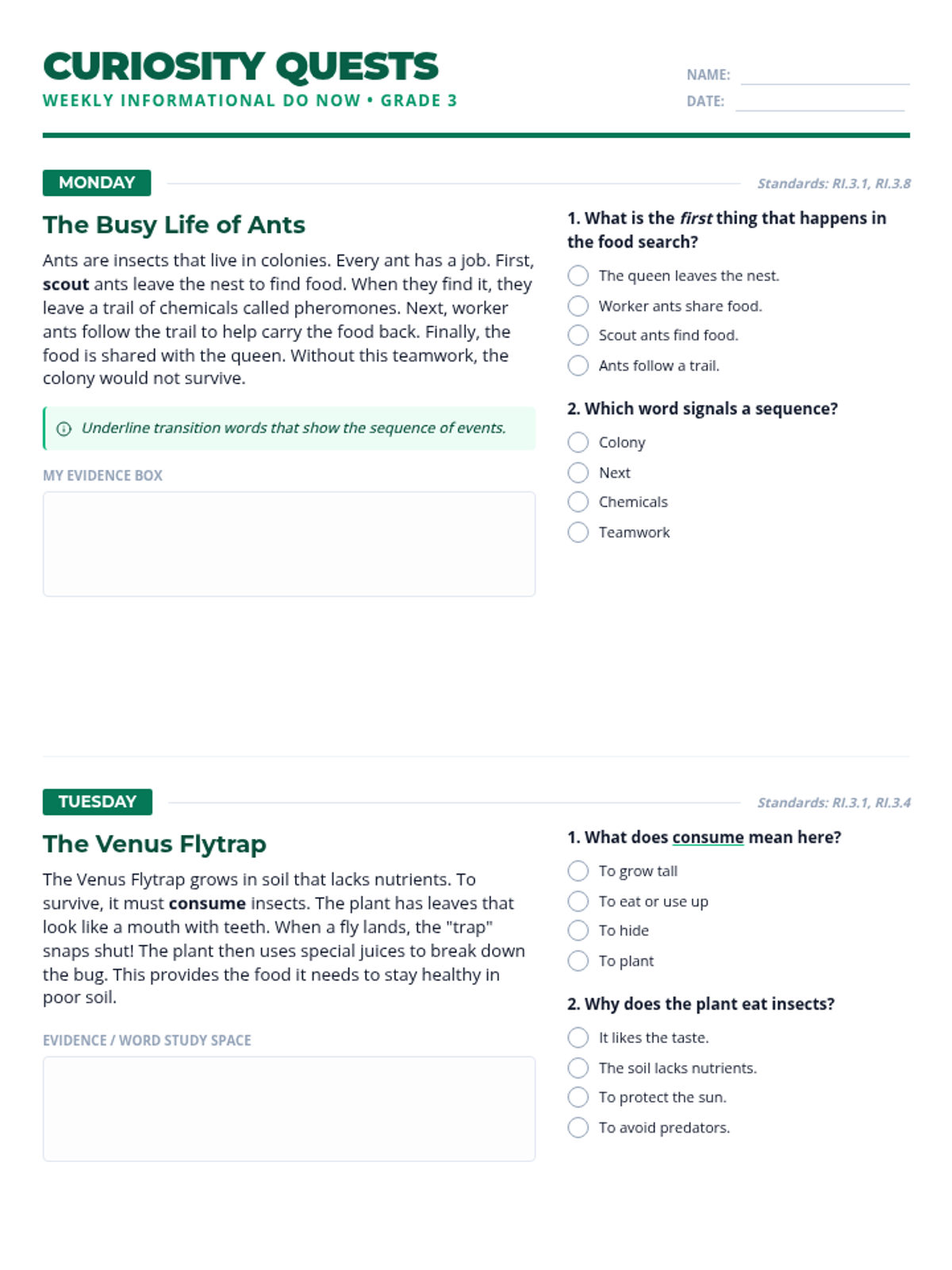
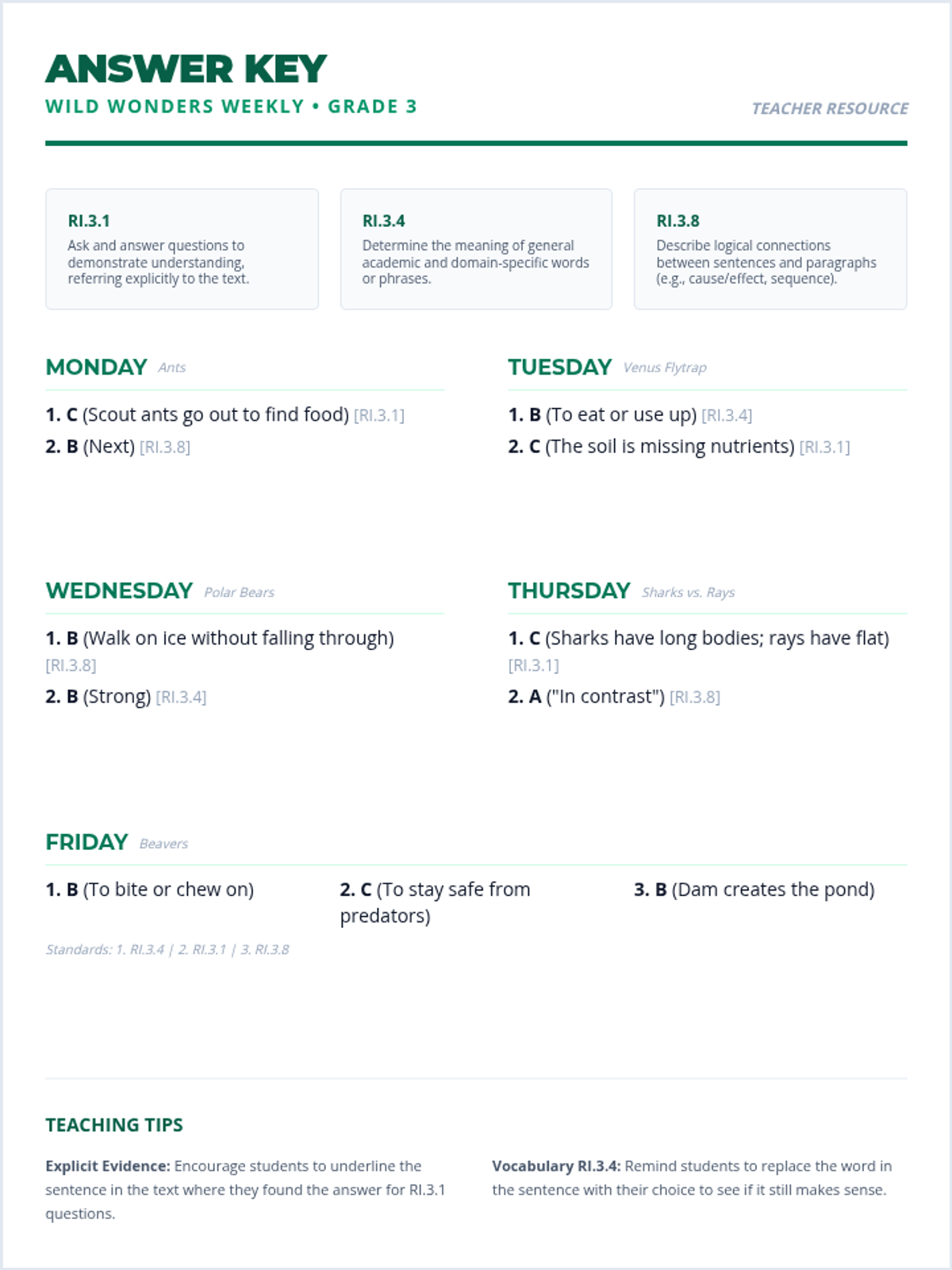
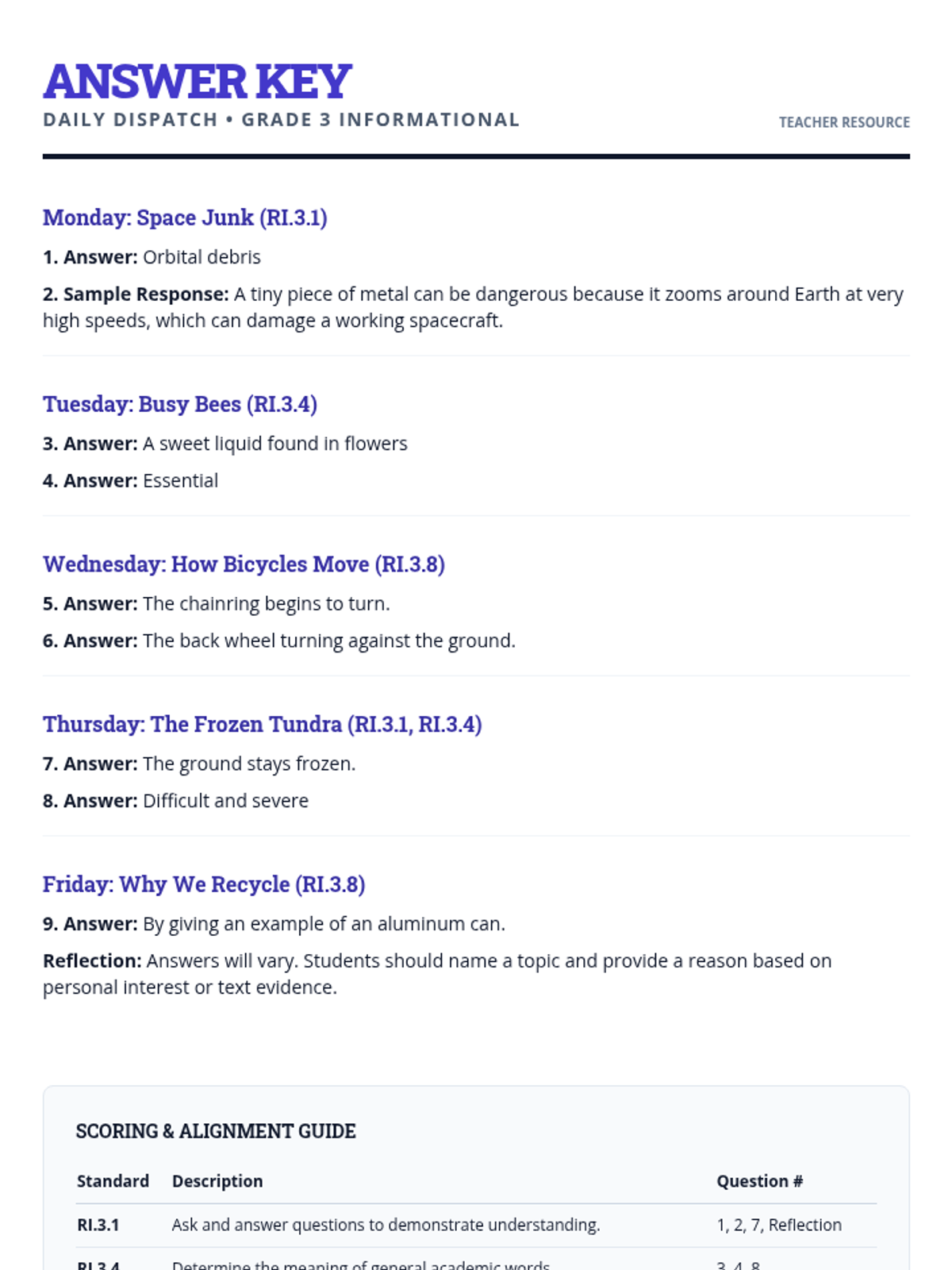
A week-long series of daily 'Do Now' activities focused on 3rd-grade informational text standards, including text evidence, vocabulary, and logical connections.
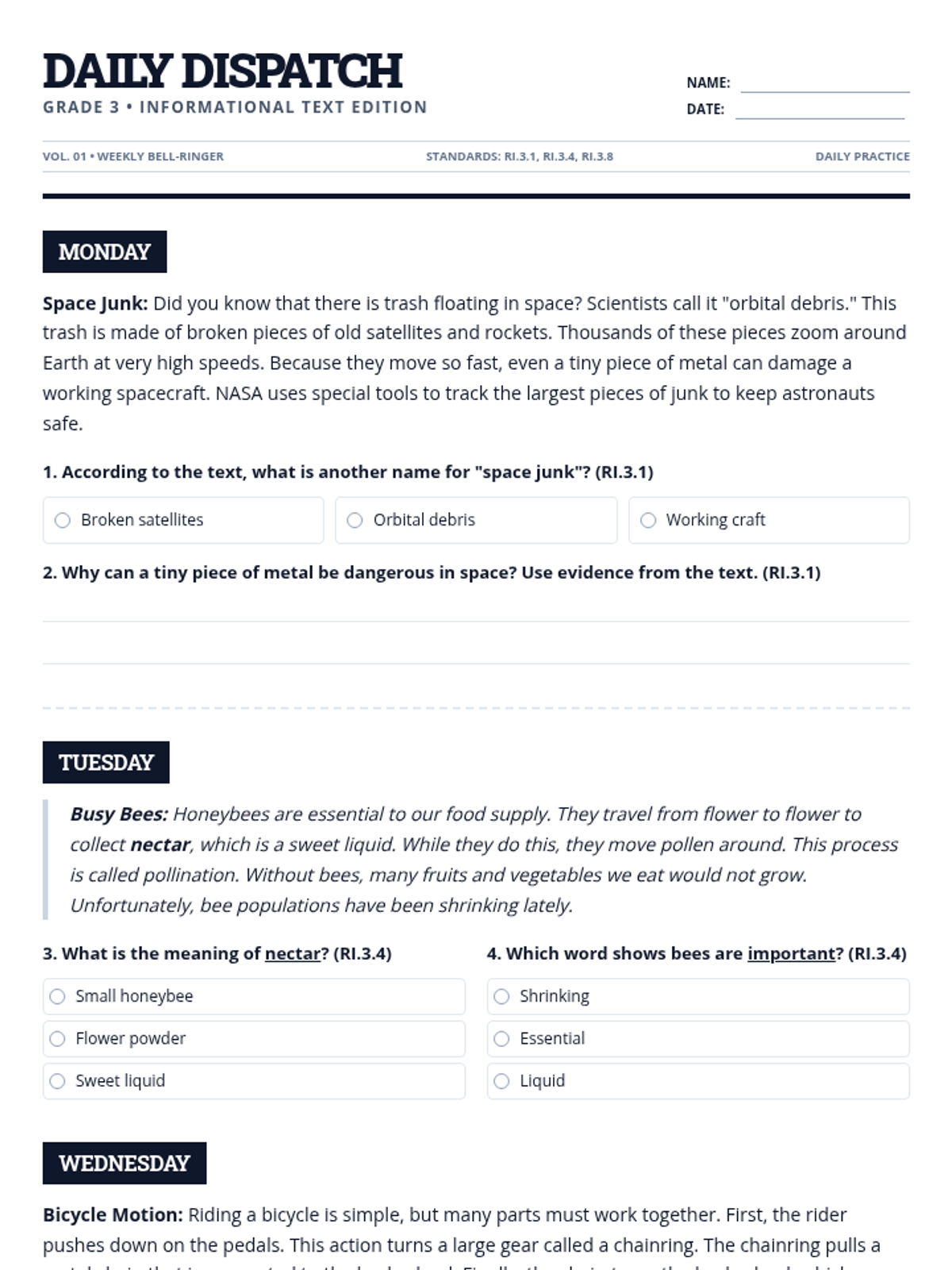
A week-long bell ringer series focusing on 3rd-grade informational text standards including key details, vocabulary, and logical connections.
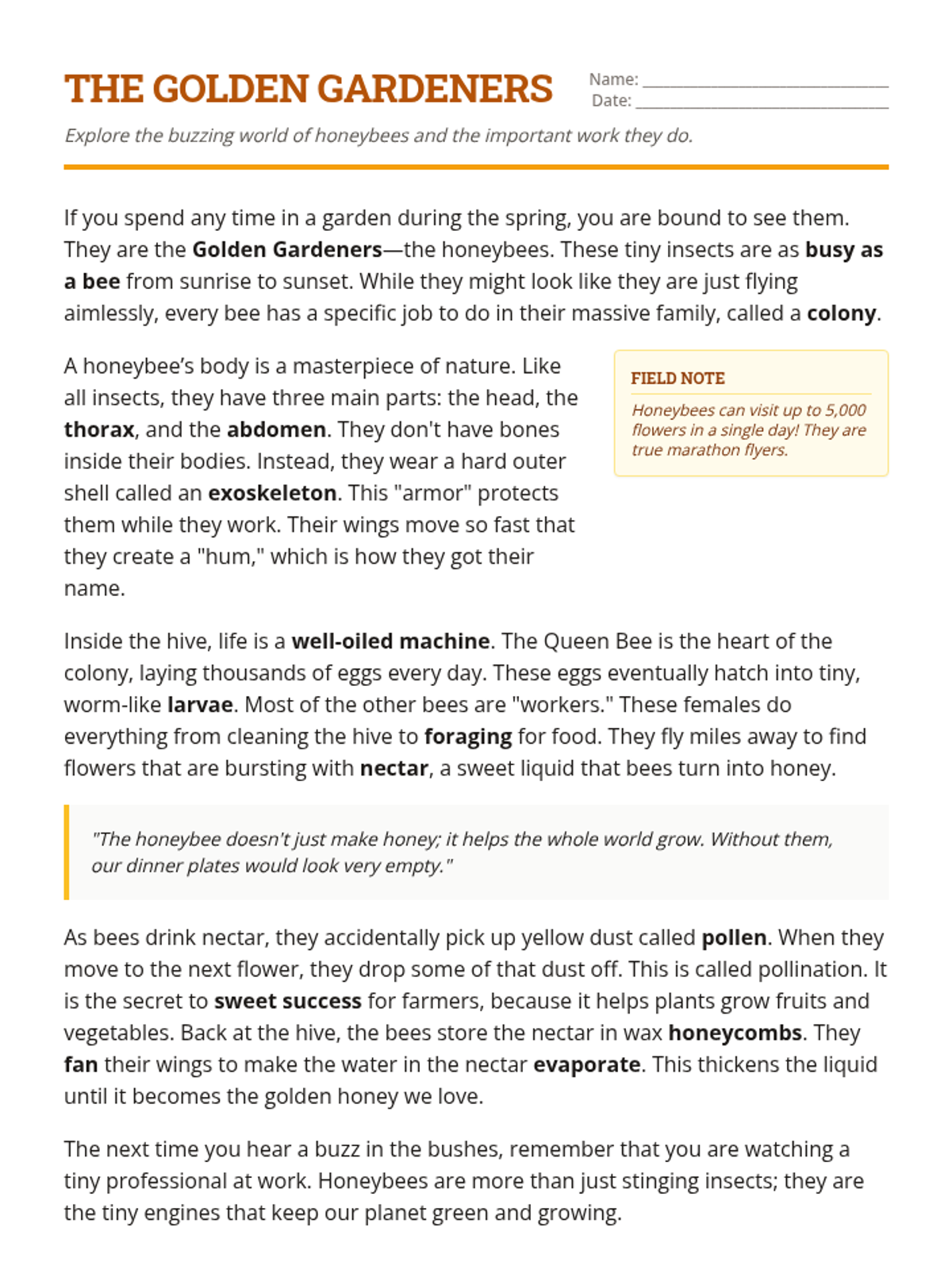
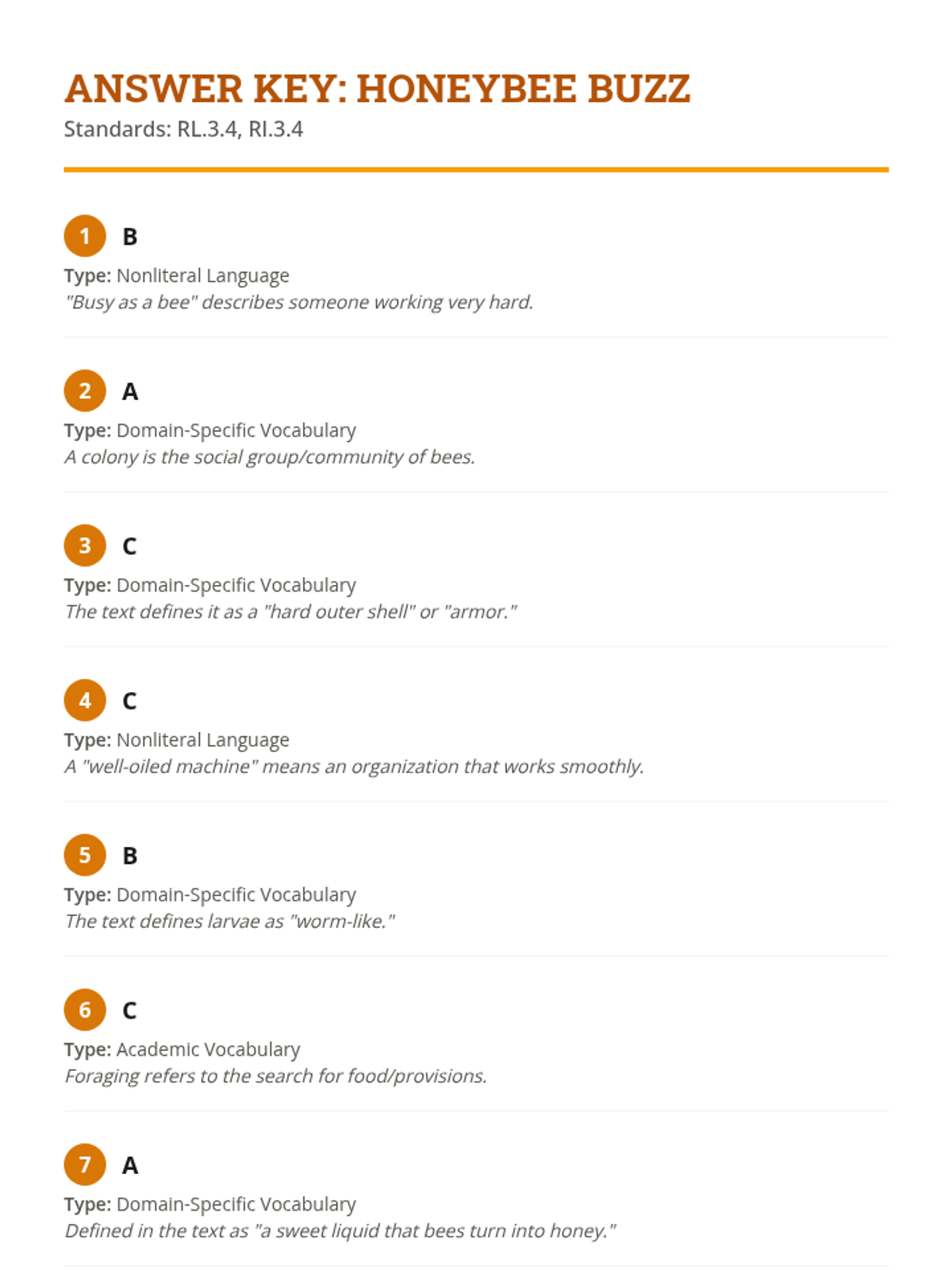
A deep dive into the specialized vocabulary and figurative language used in a nonfiction text about honeybees, designed for 3rd-grade reading comprehension practice.
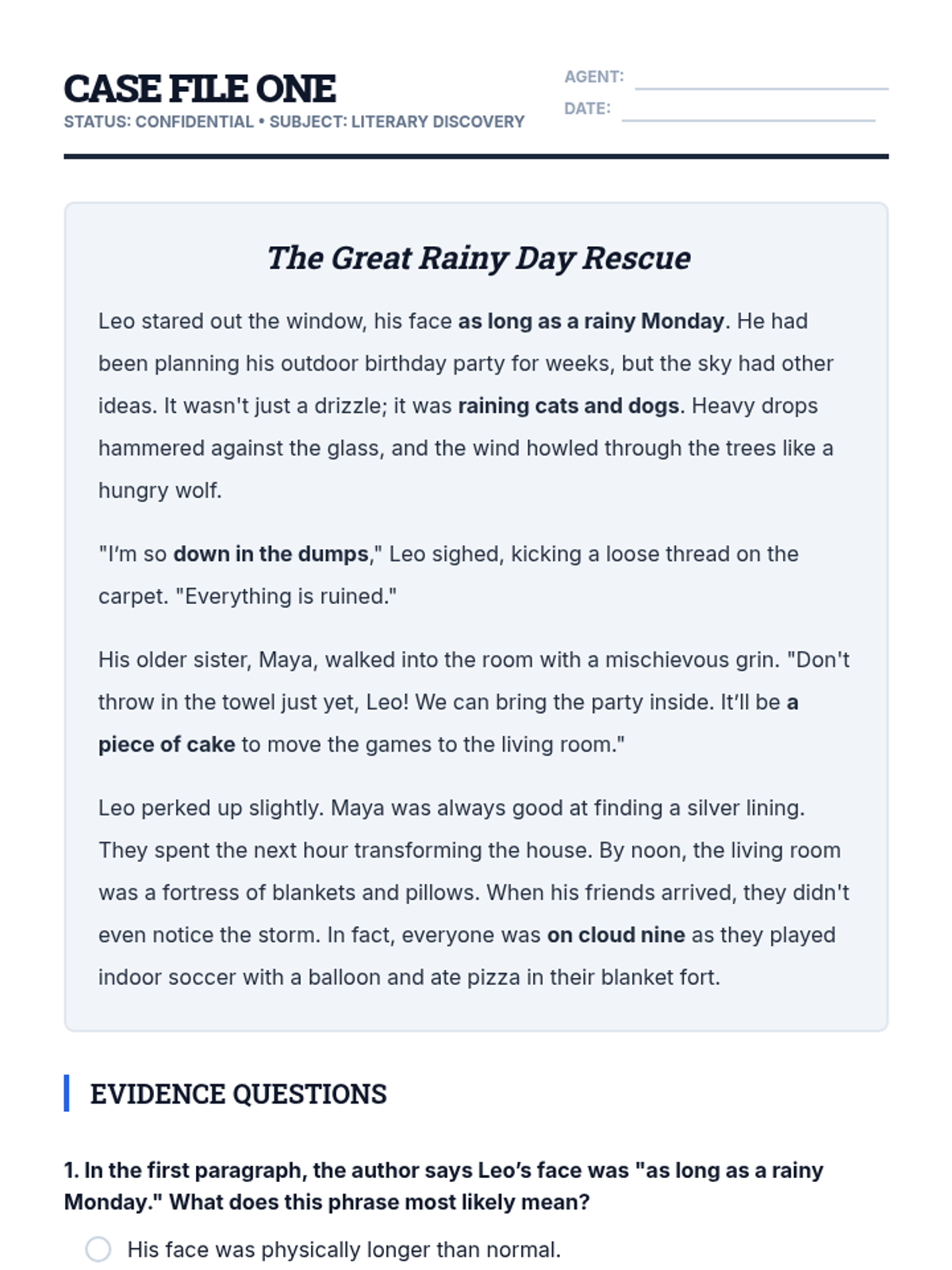
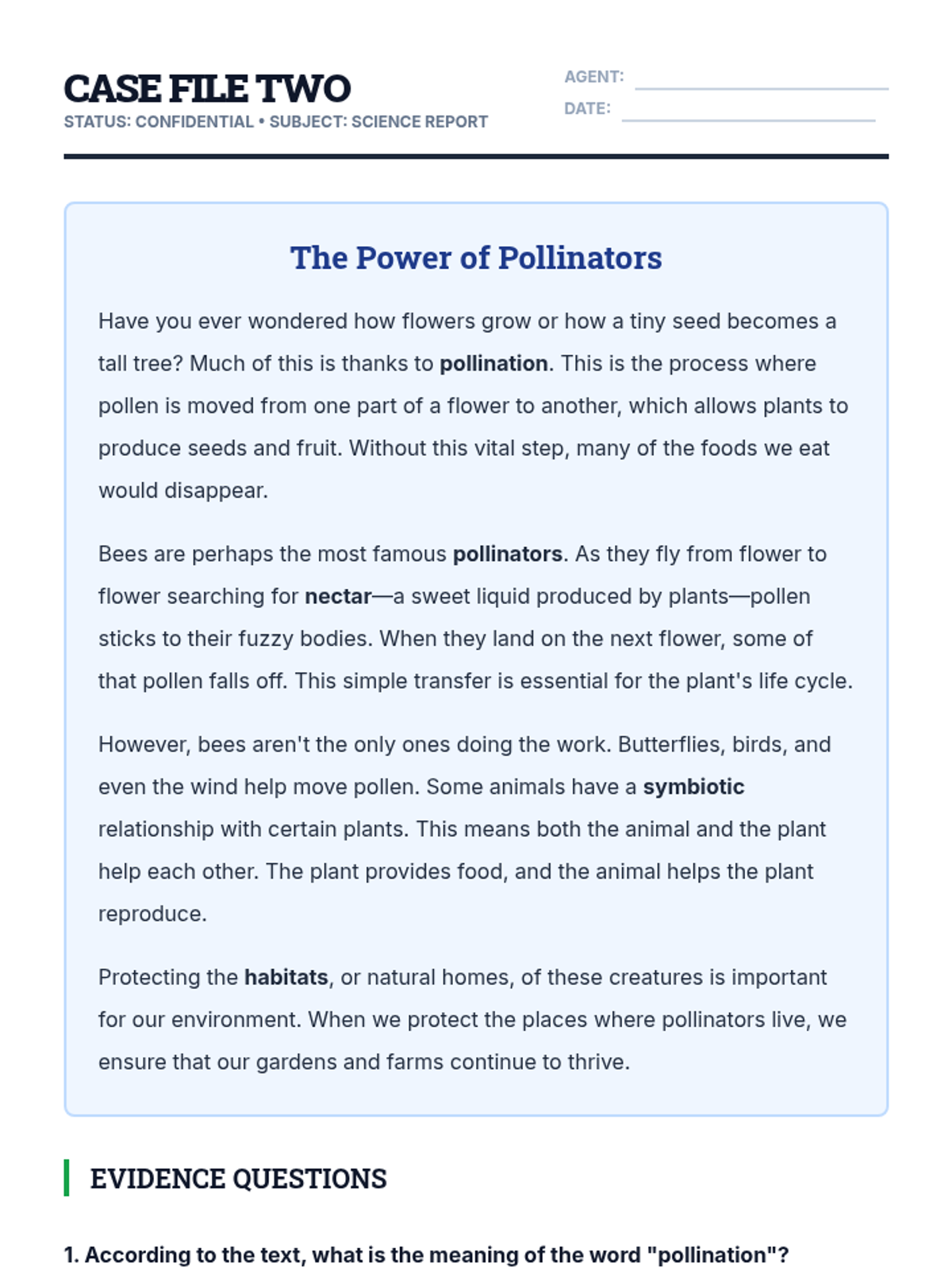
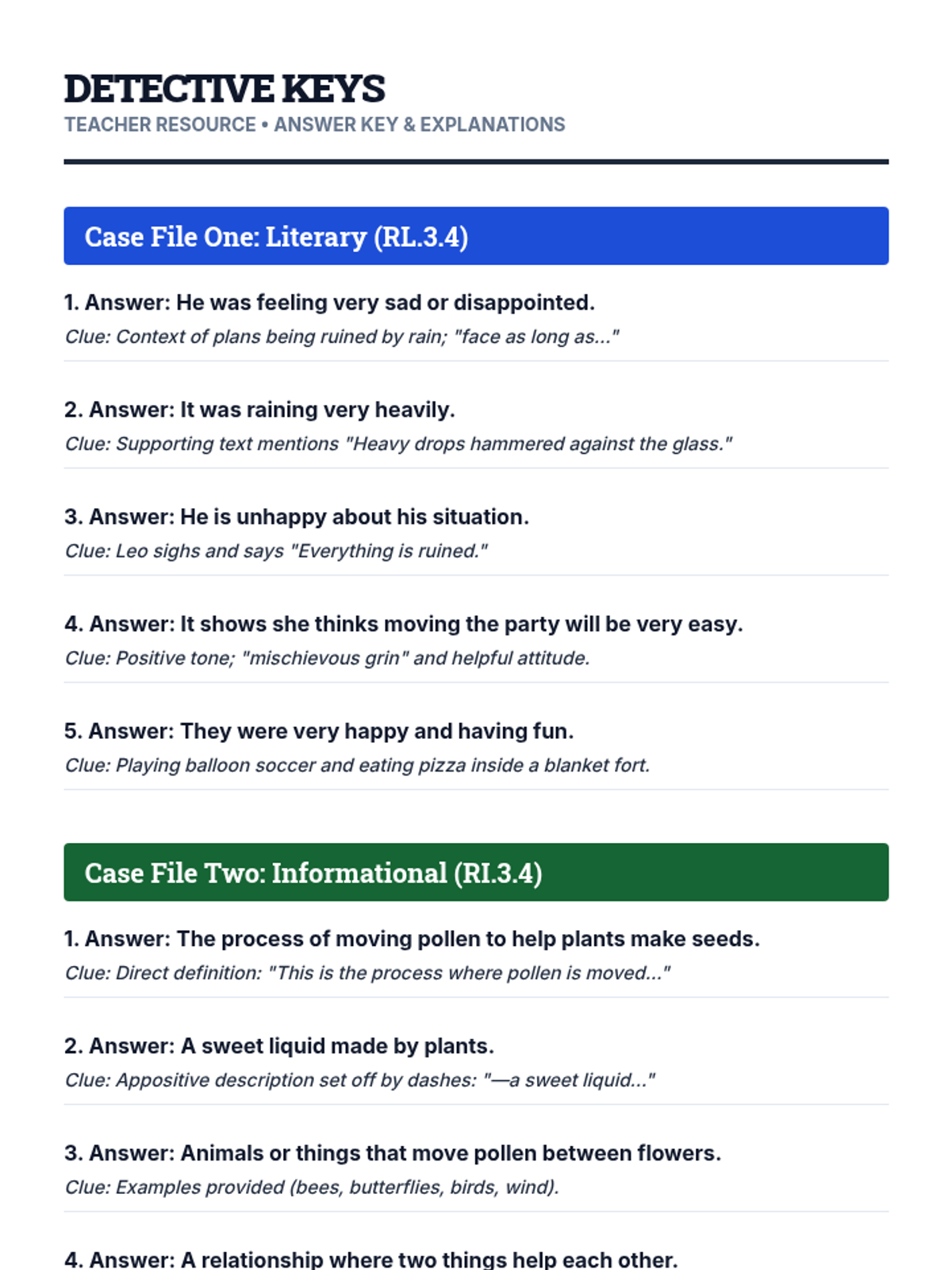
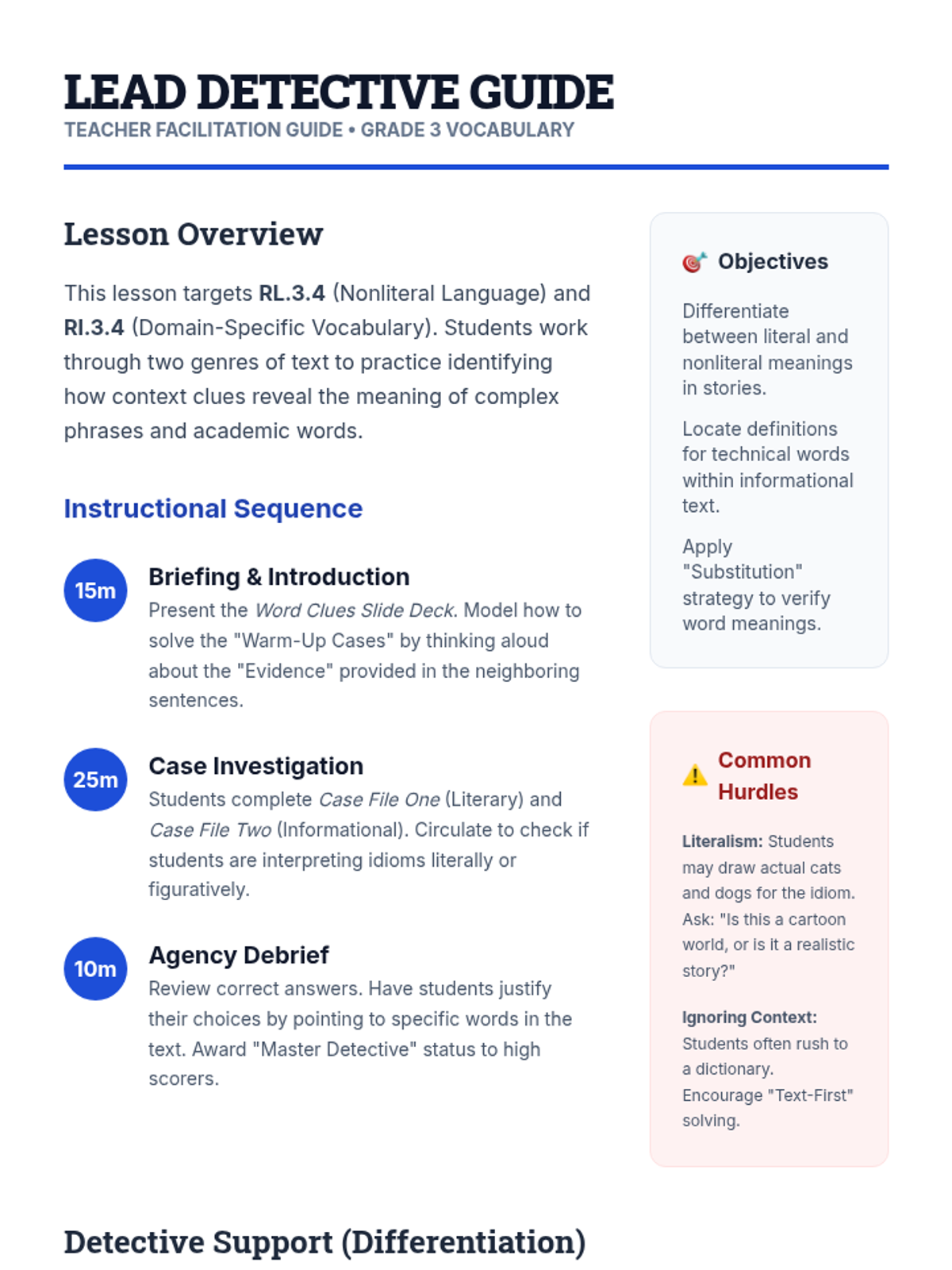
A comprehensive lesson where students learn to identify nonliteral language in literature and academic vocabulary in informational texts using a detective theme.
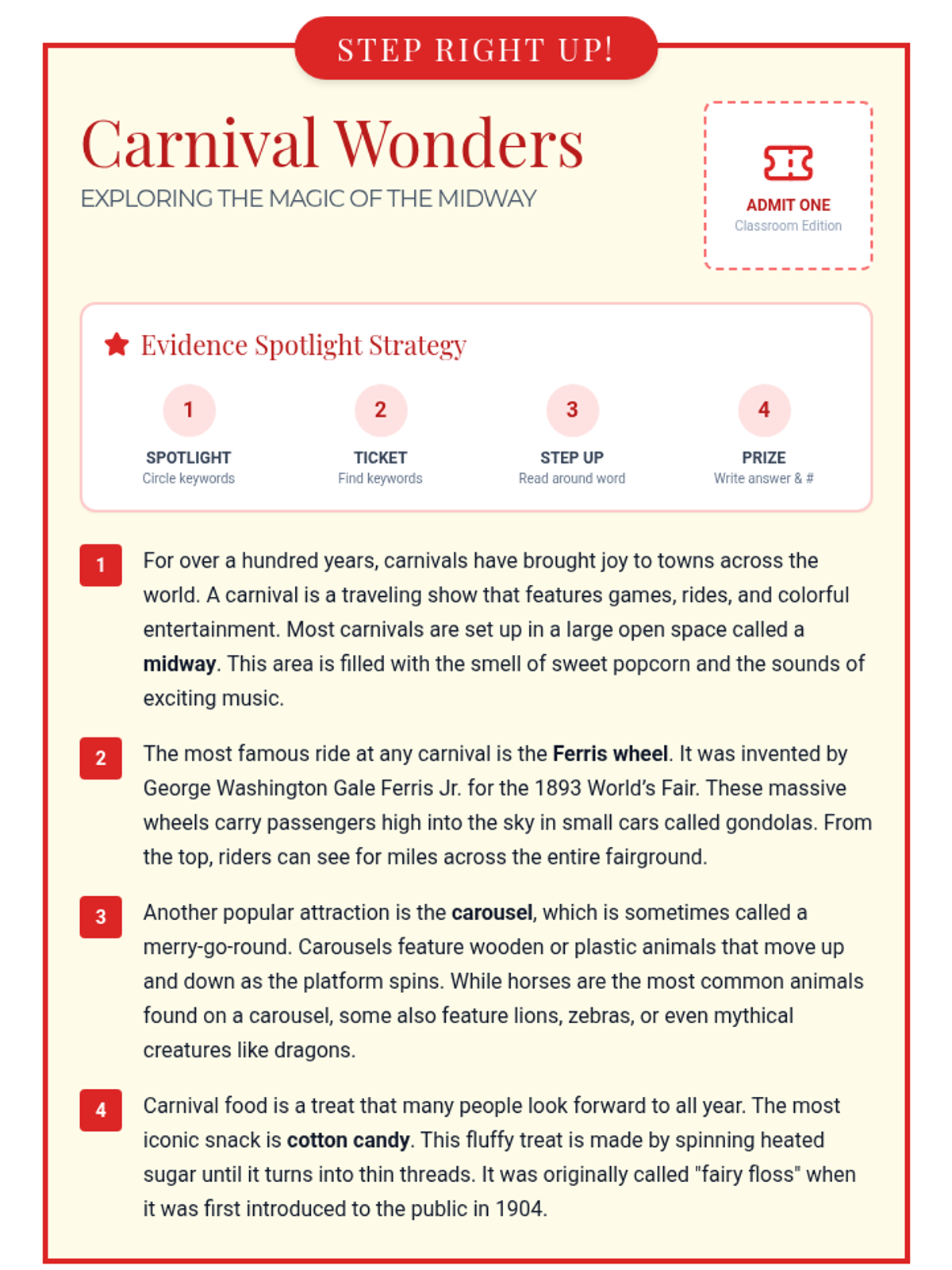
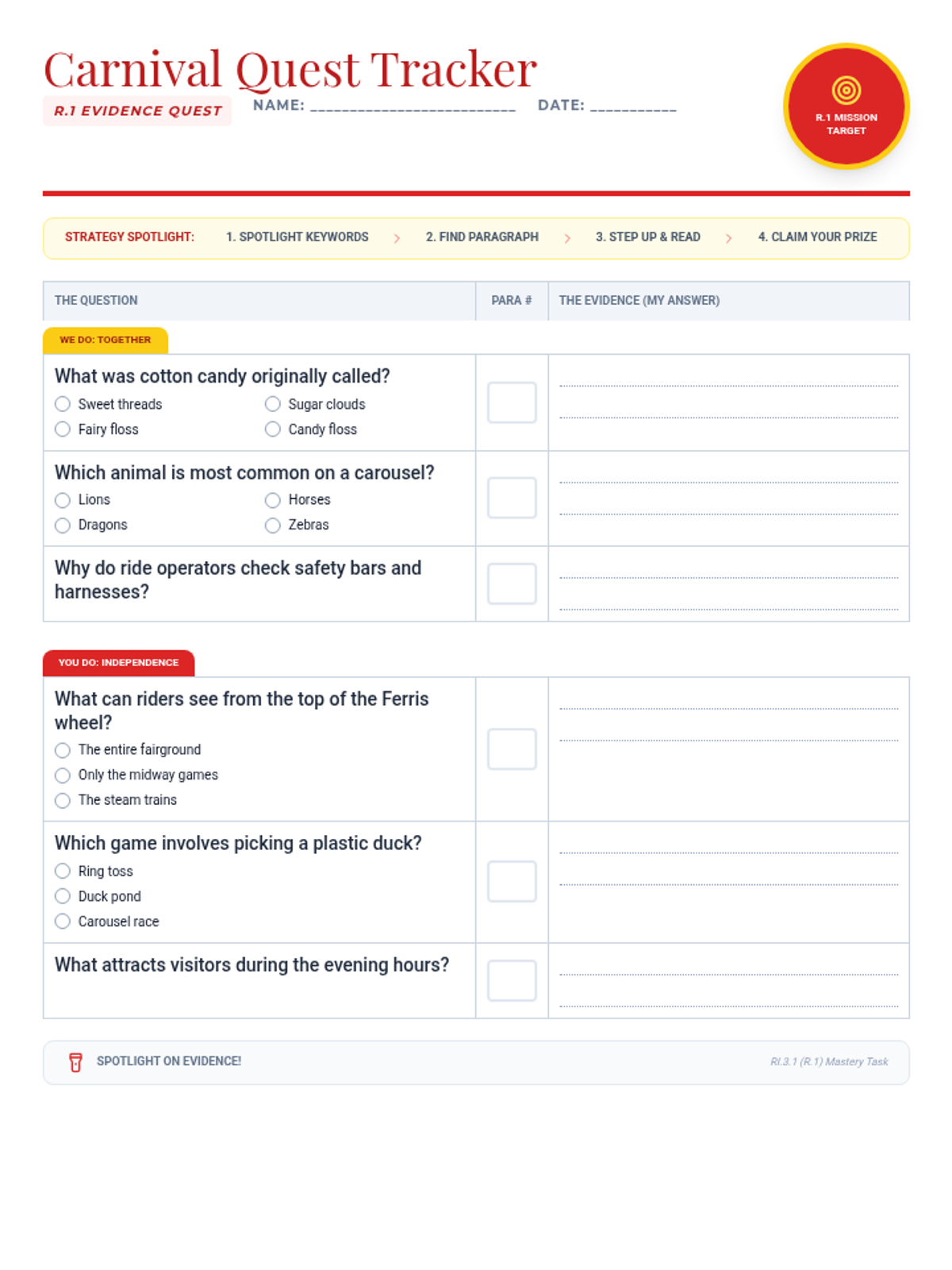
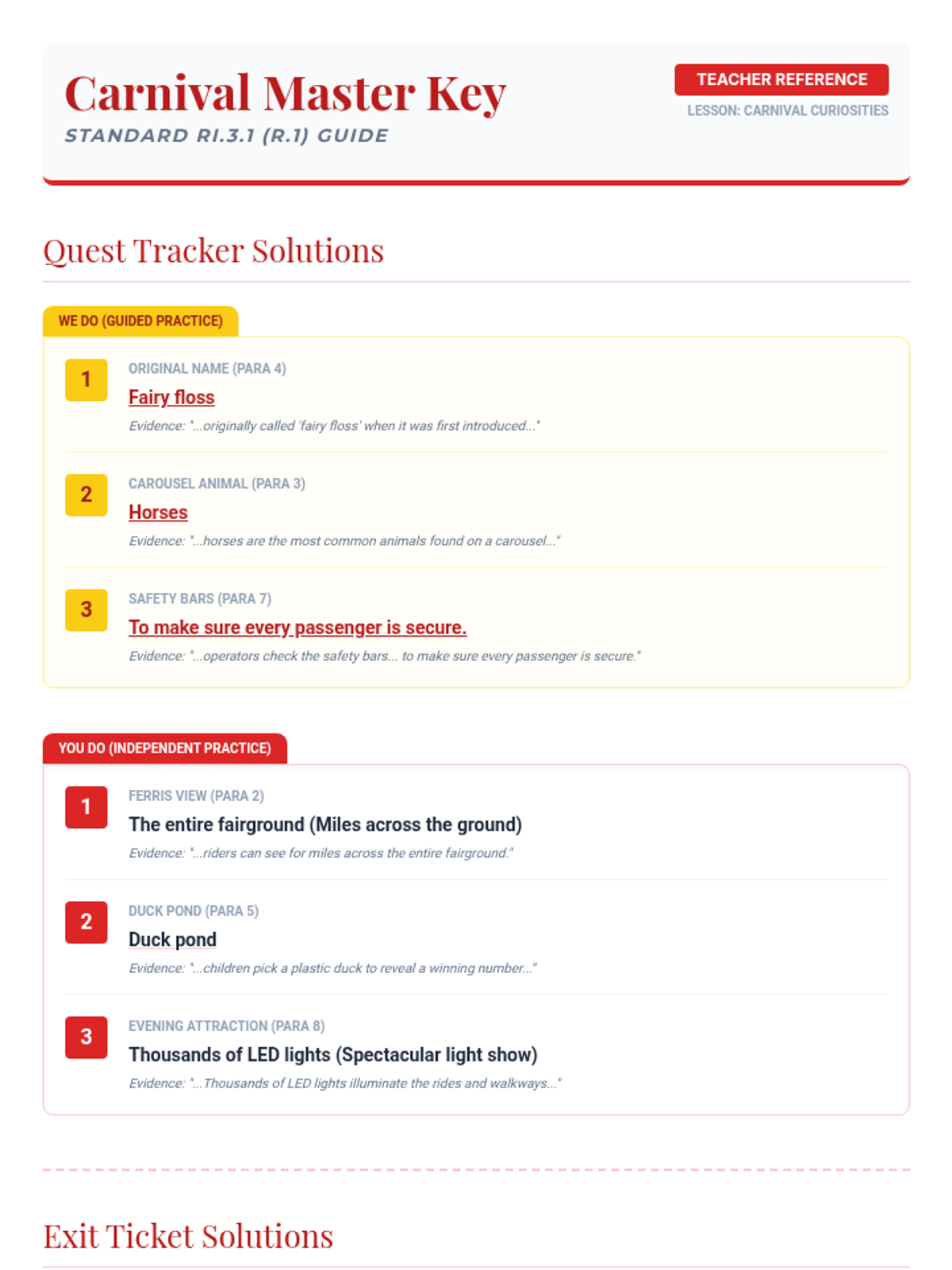
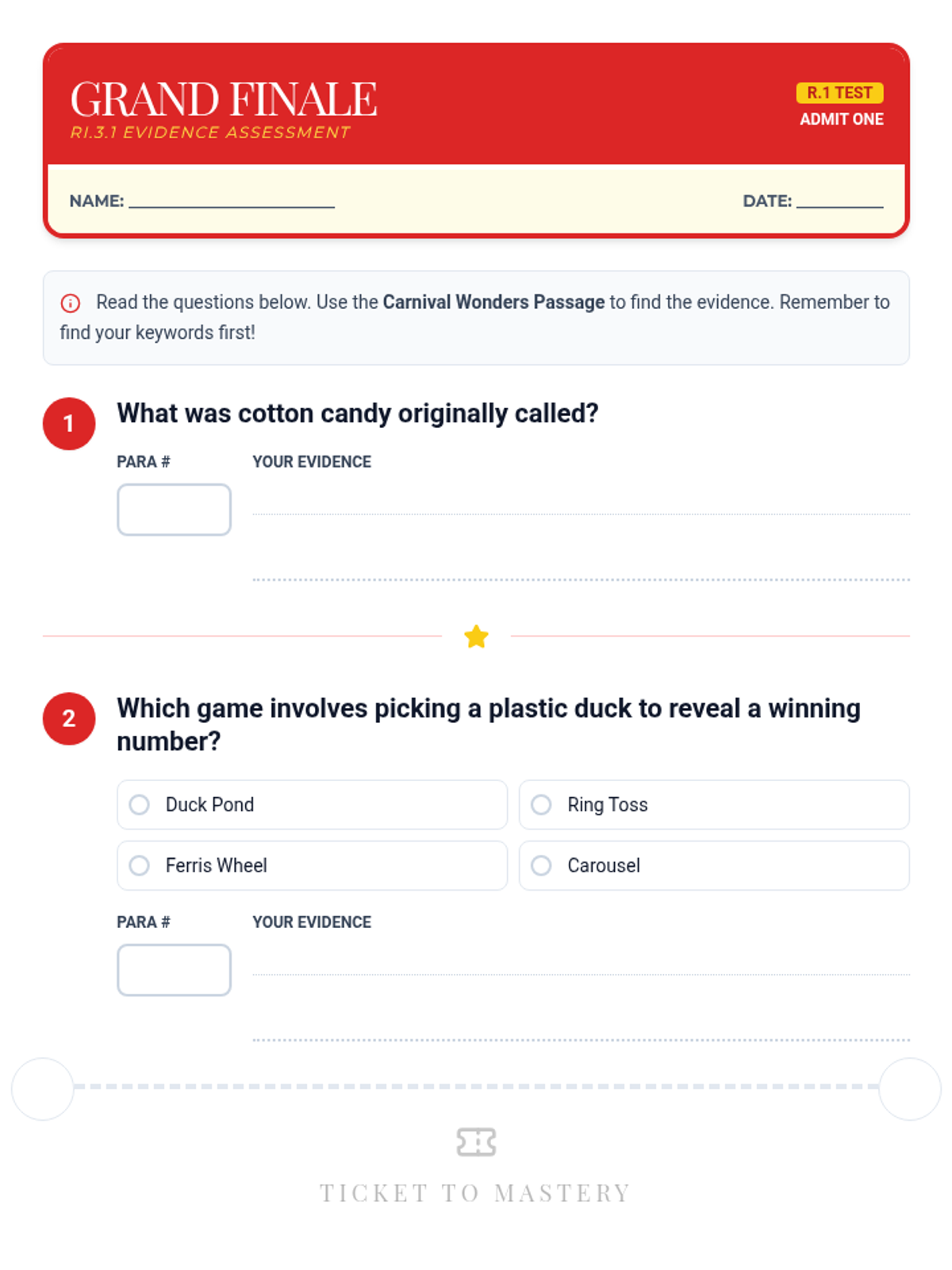
An explicit instruction lesson for 3rd graders on locating text evidence to answer text-dependent questions using an 'I Do, We Do, You Do' model, themed around a festive carnival. Students learn to 'spotlight' keywords and 'step right up' to find evidence in numbered paragraphs.
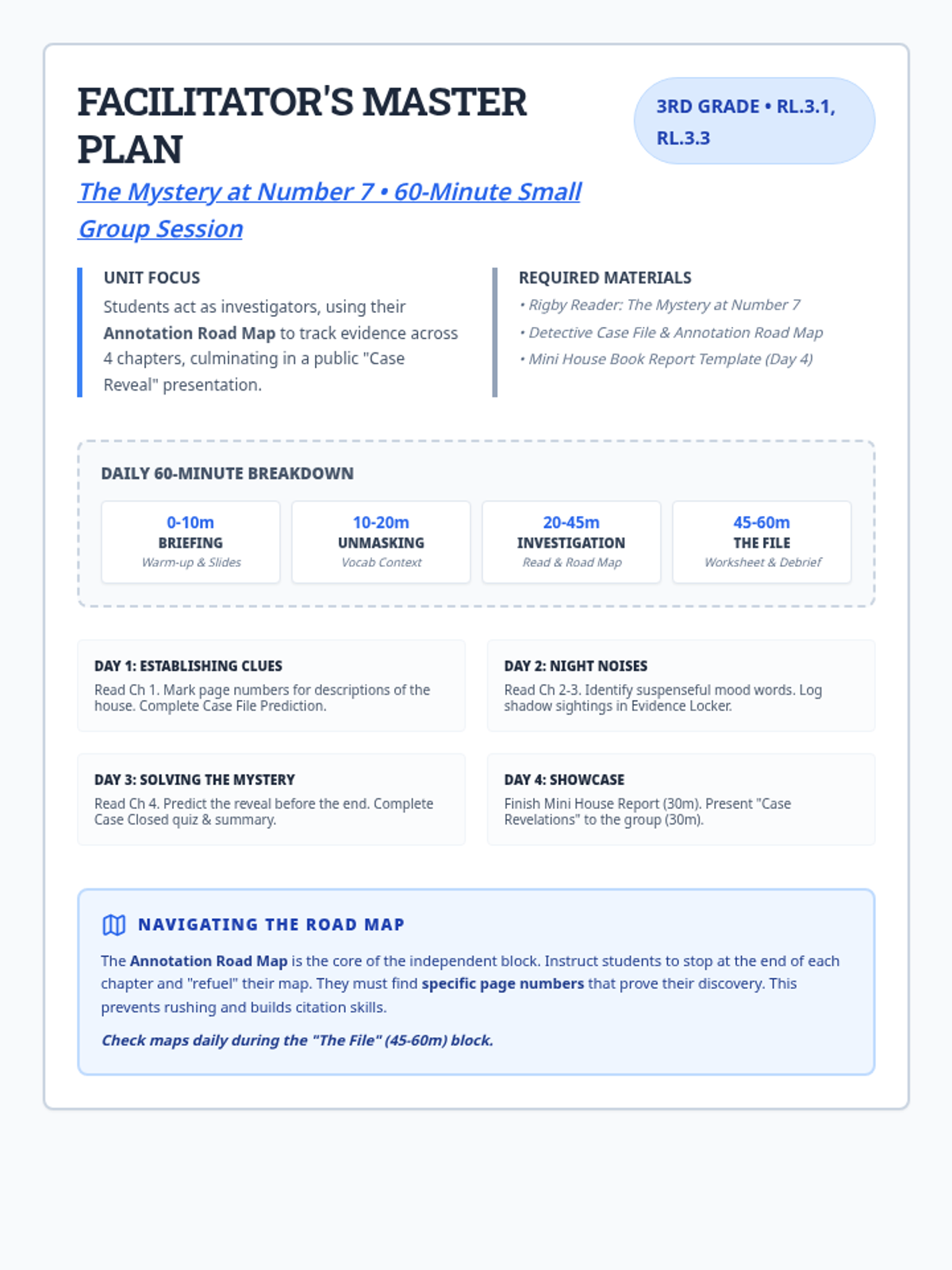
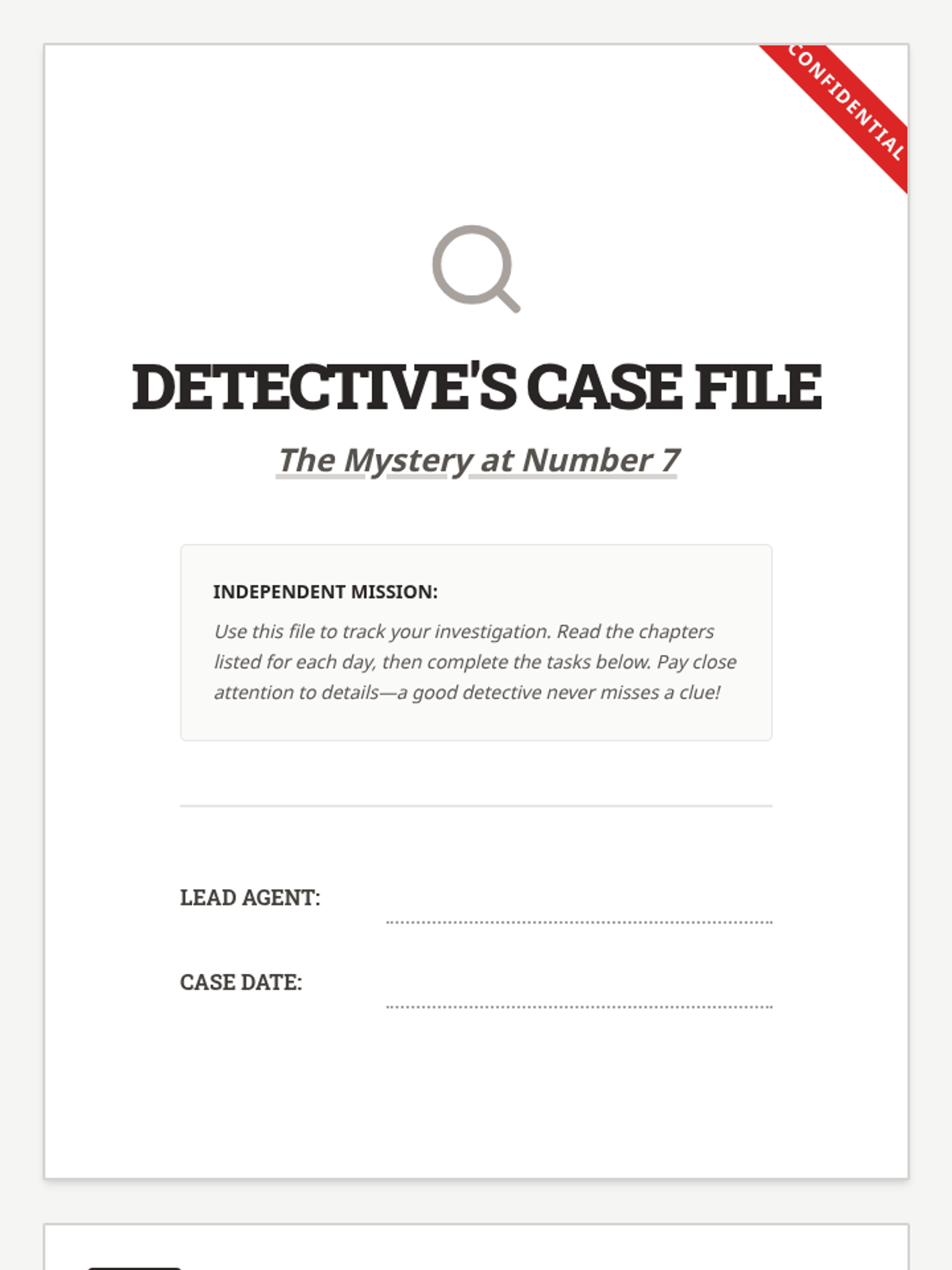
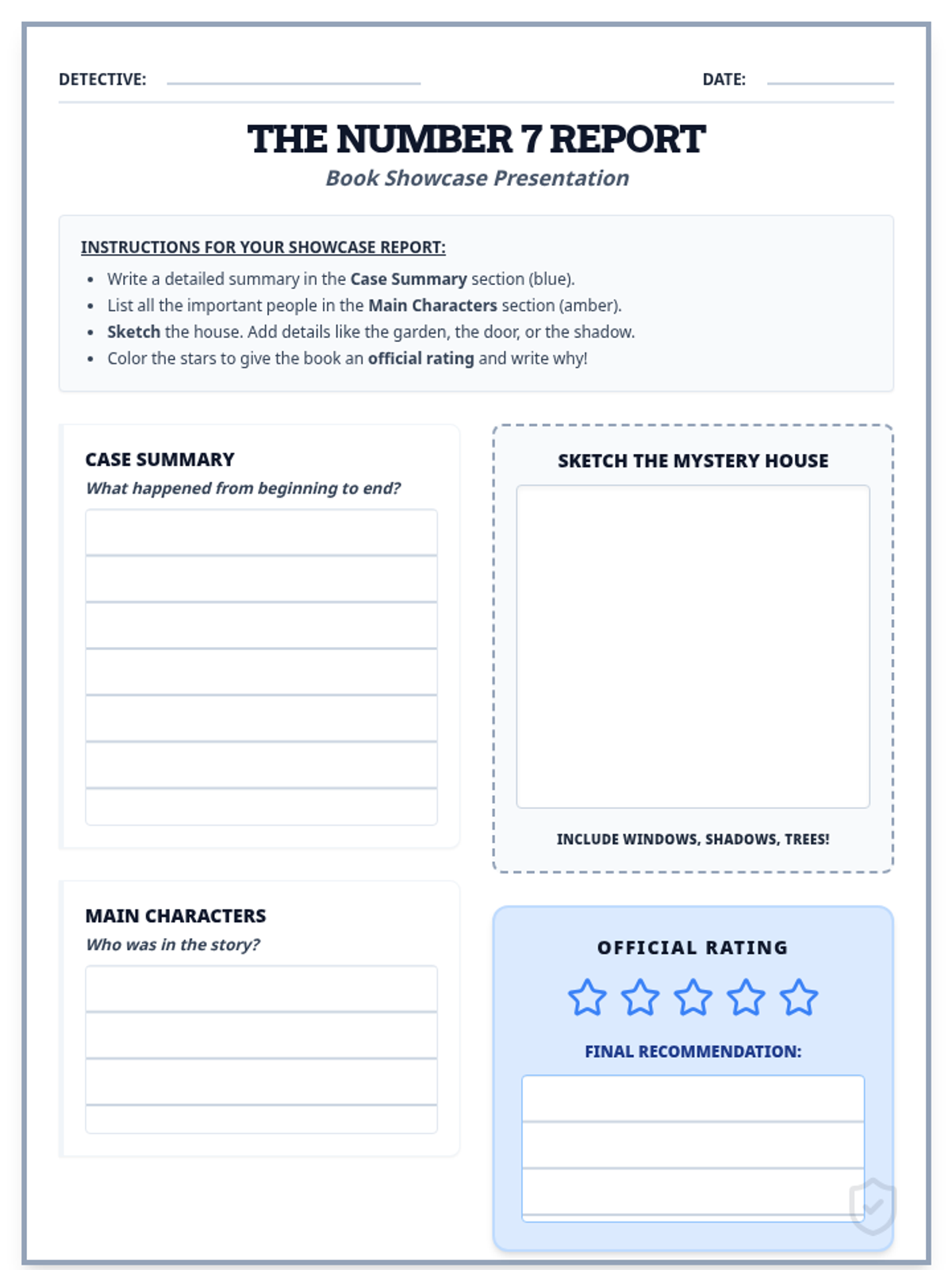
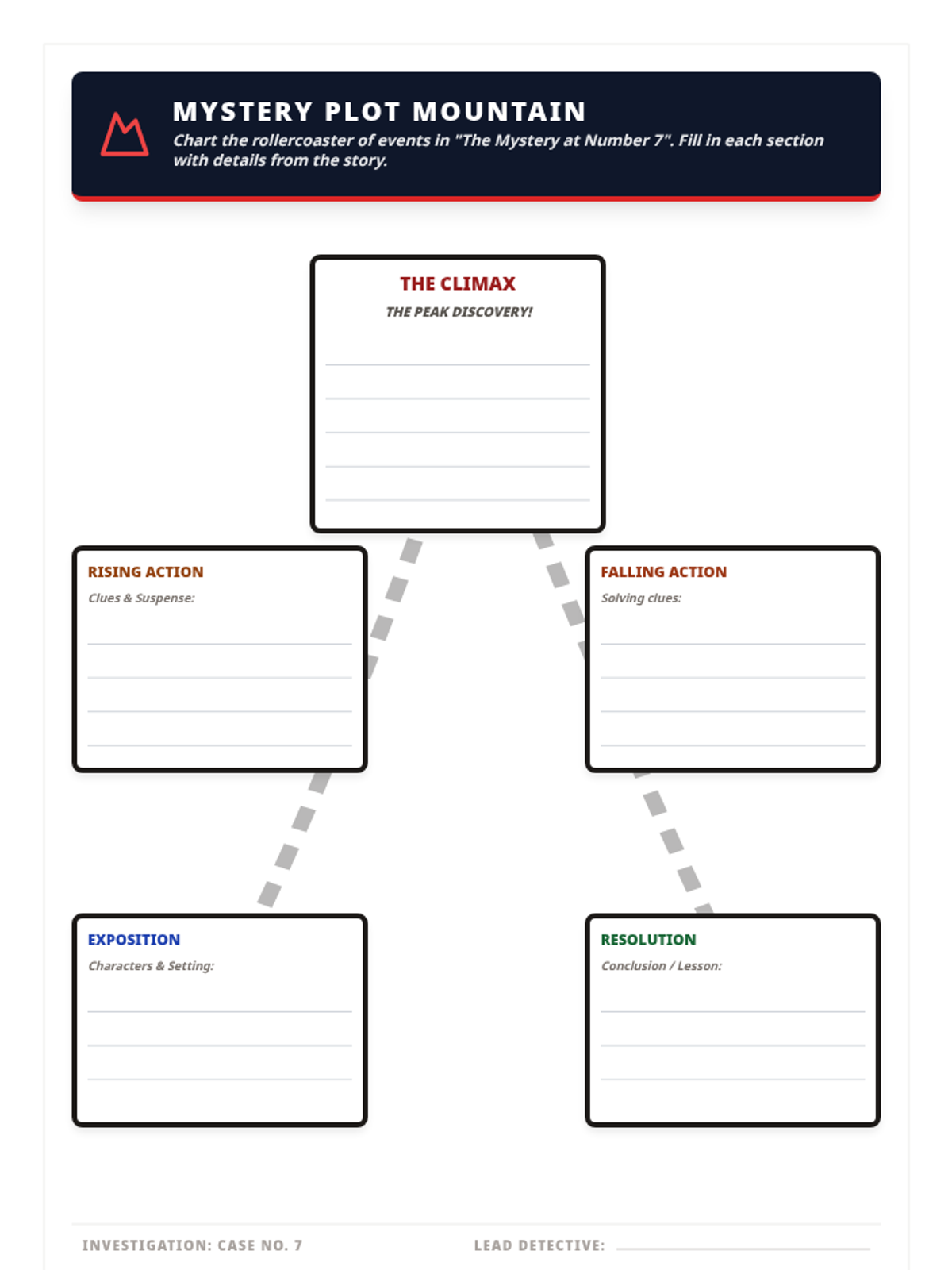
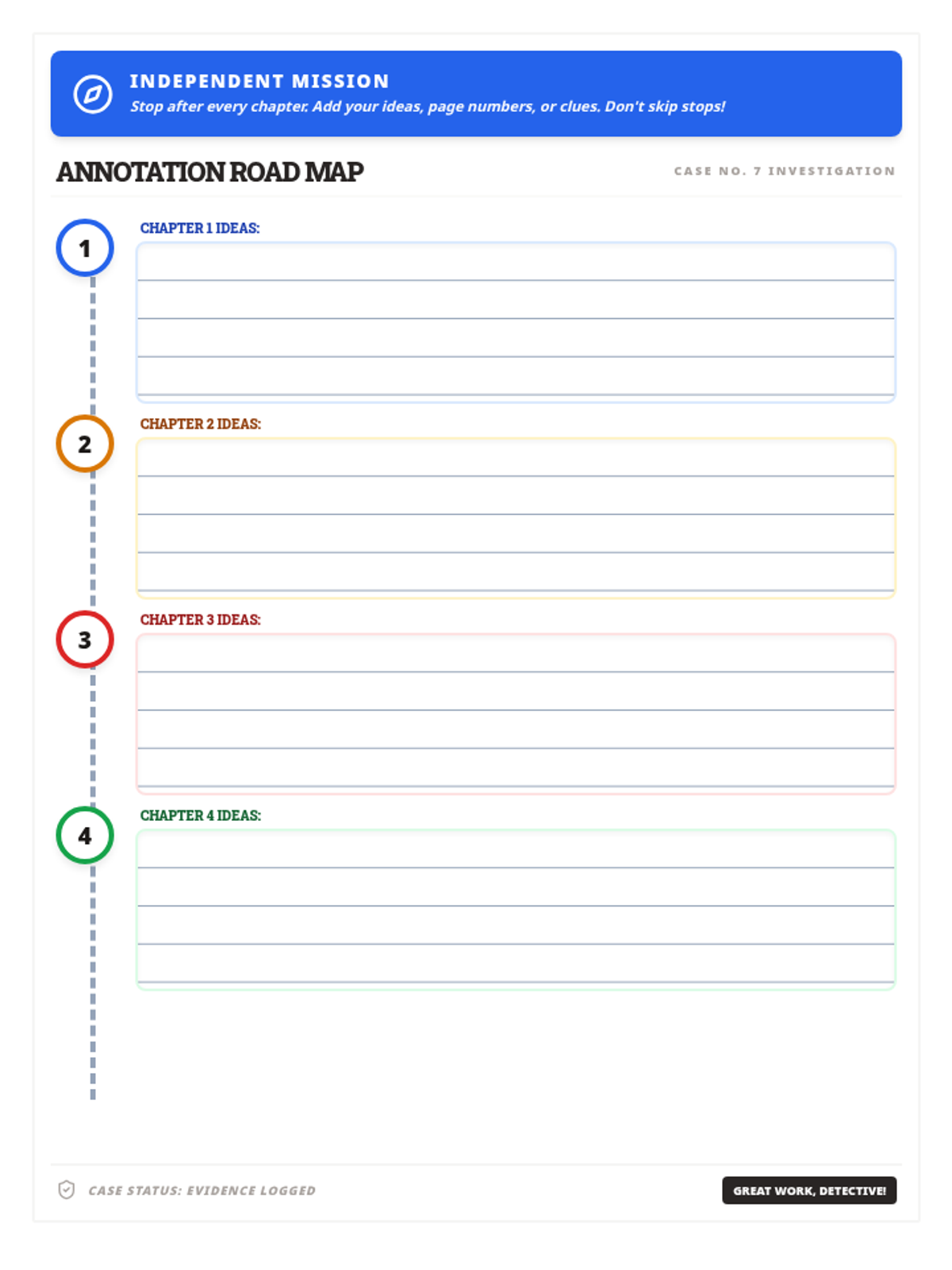
A 4-day intensive small group study of 'The Mystery at Number 7' focusing on 3rd-grade reading standards including citing evidence, character analysis, and summarizing.