Empathetic skill development through emotion recognition, cultural diversity appreciation, and bias confrontation. Targets multi-perspective analysis to support respectful interactions and complex social responses.
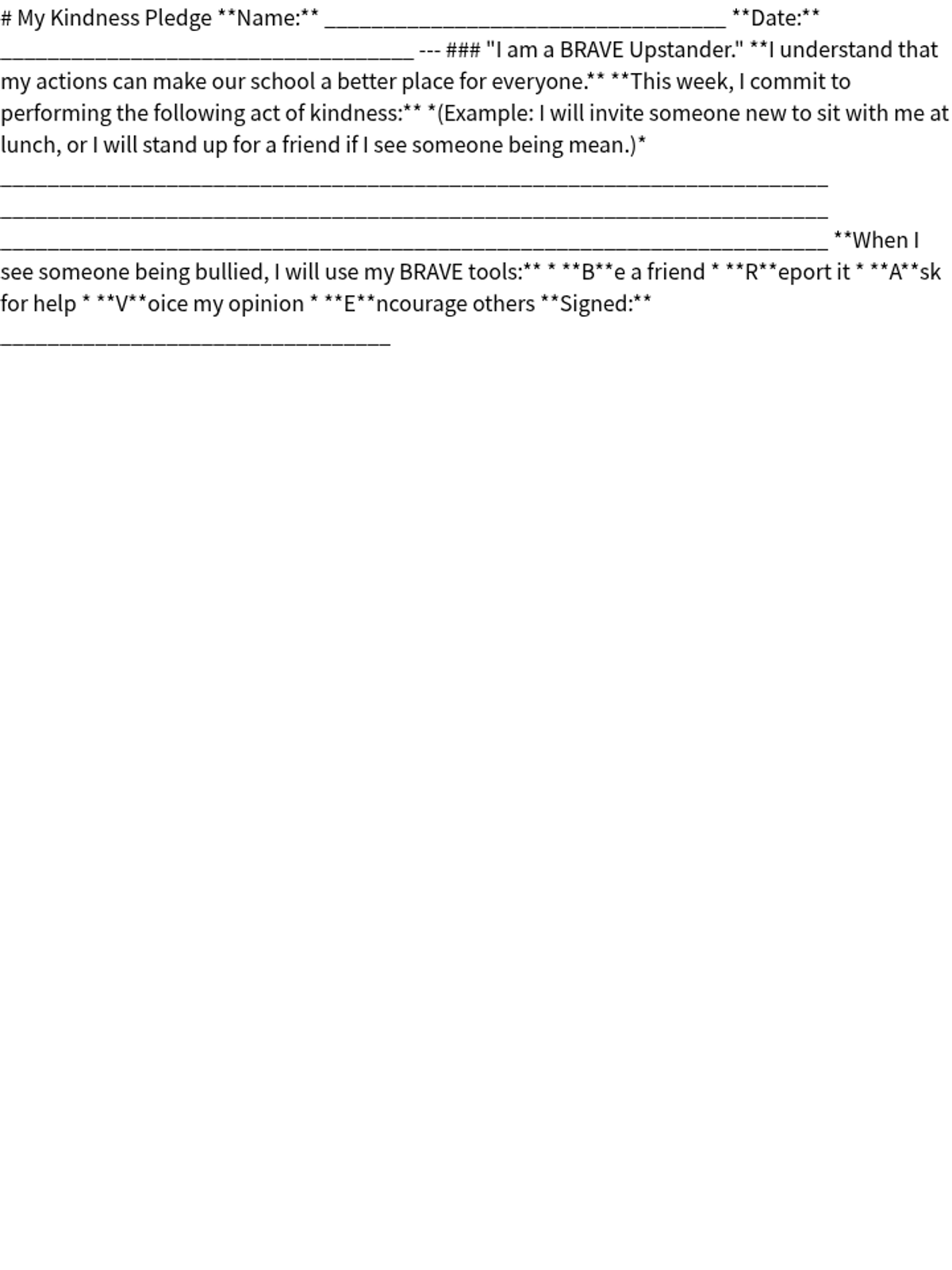
A 45-minute high-energy assembly featuring a team-based competition and a community pledge ceremony.
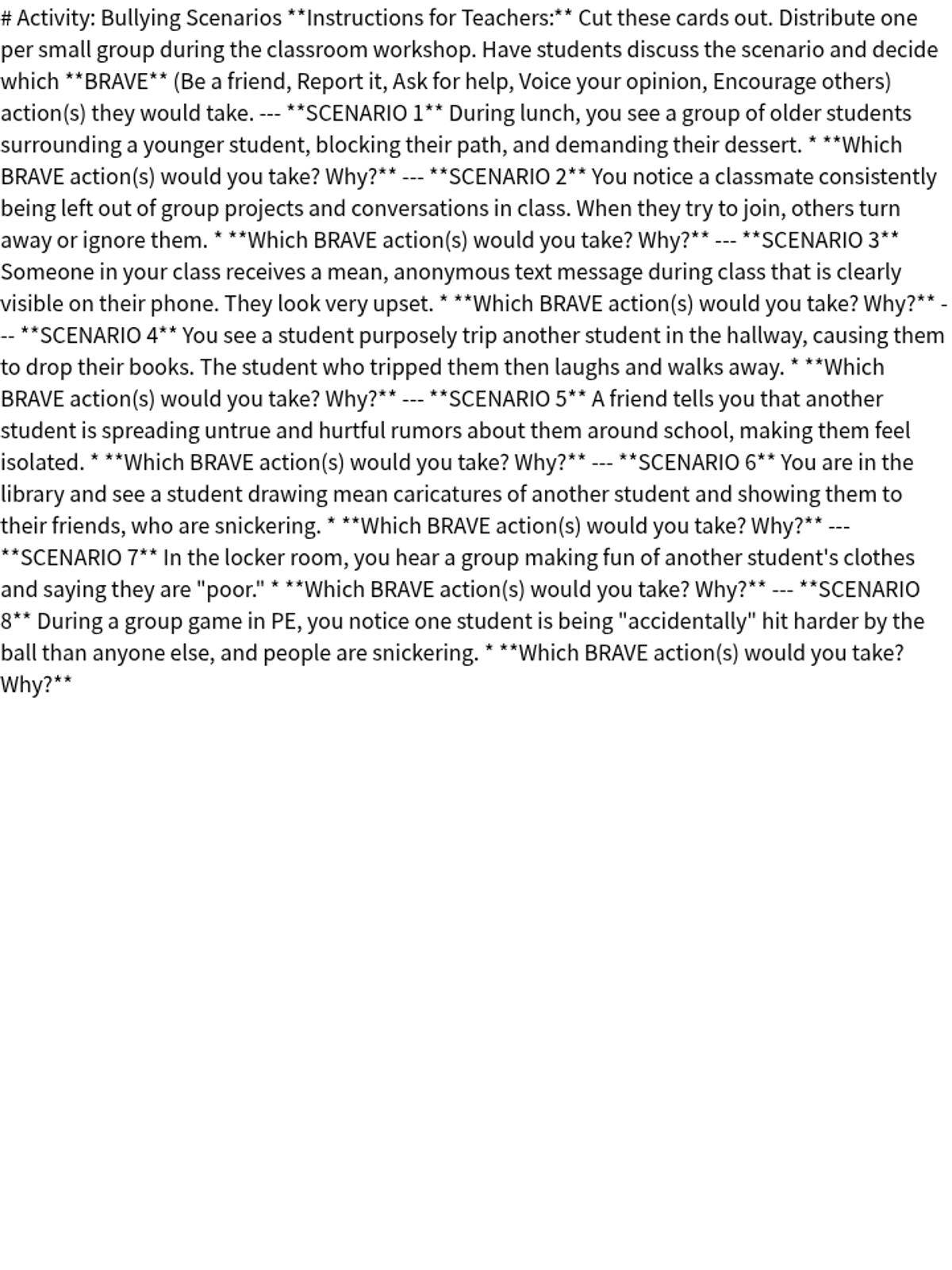
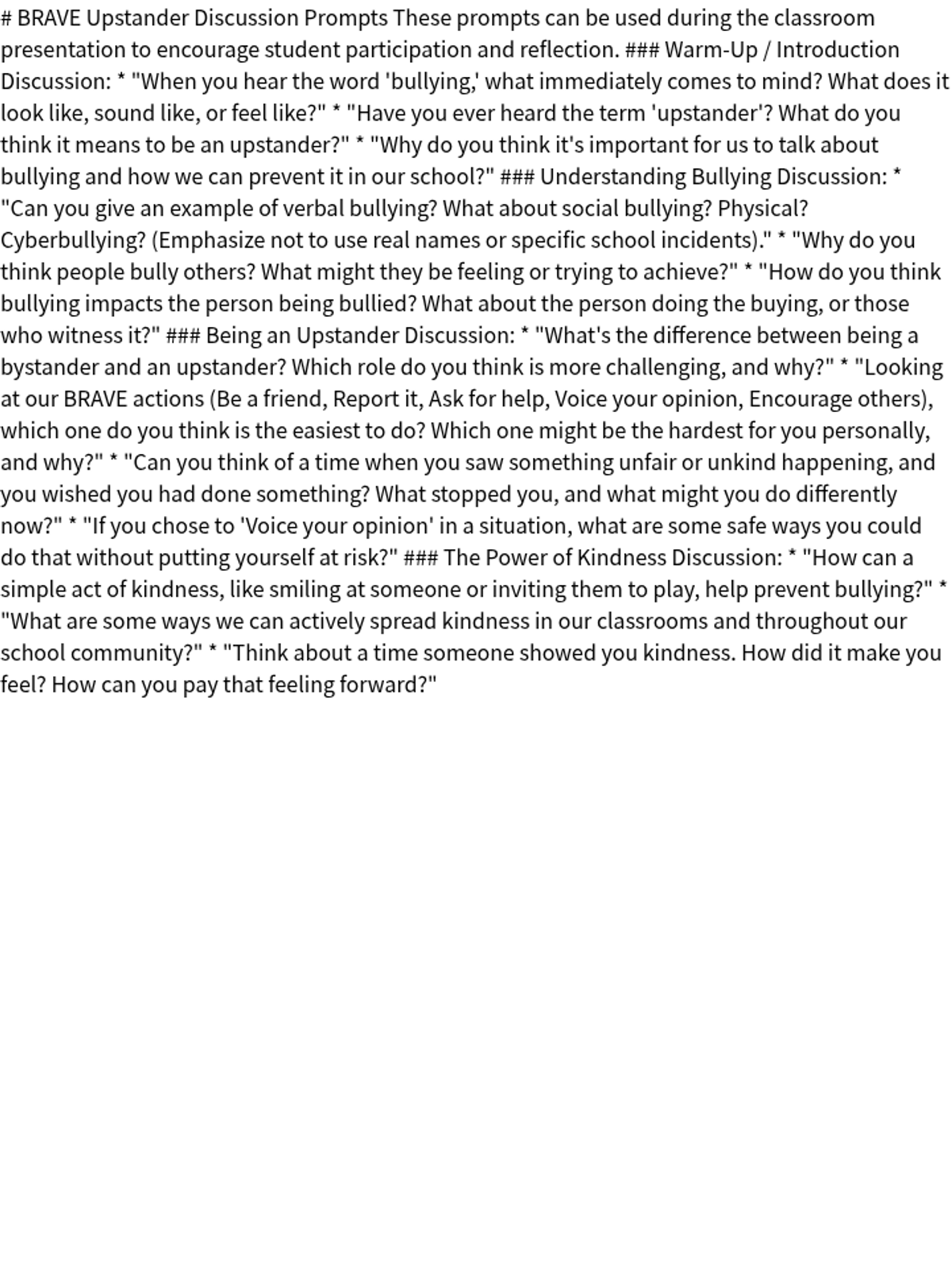
A 20-minute classroom session focusing on defining bullying, introducing the BRAVE acronym, and practicing scenarios.
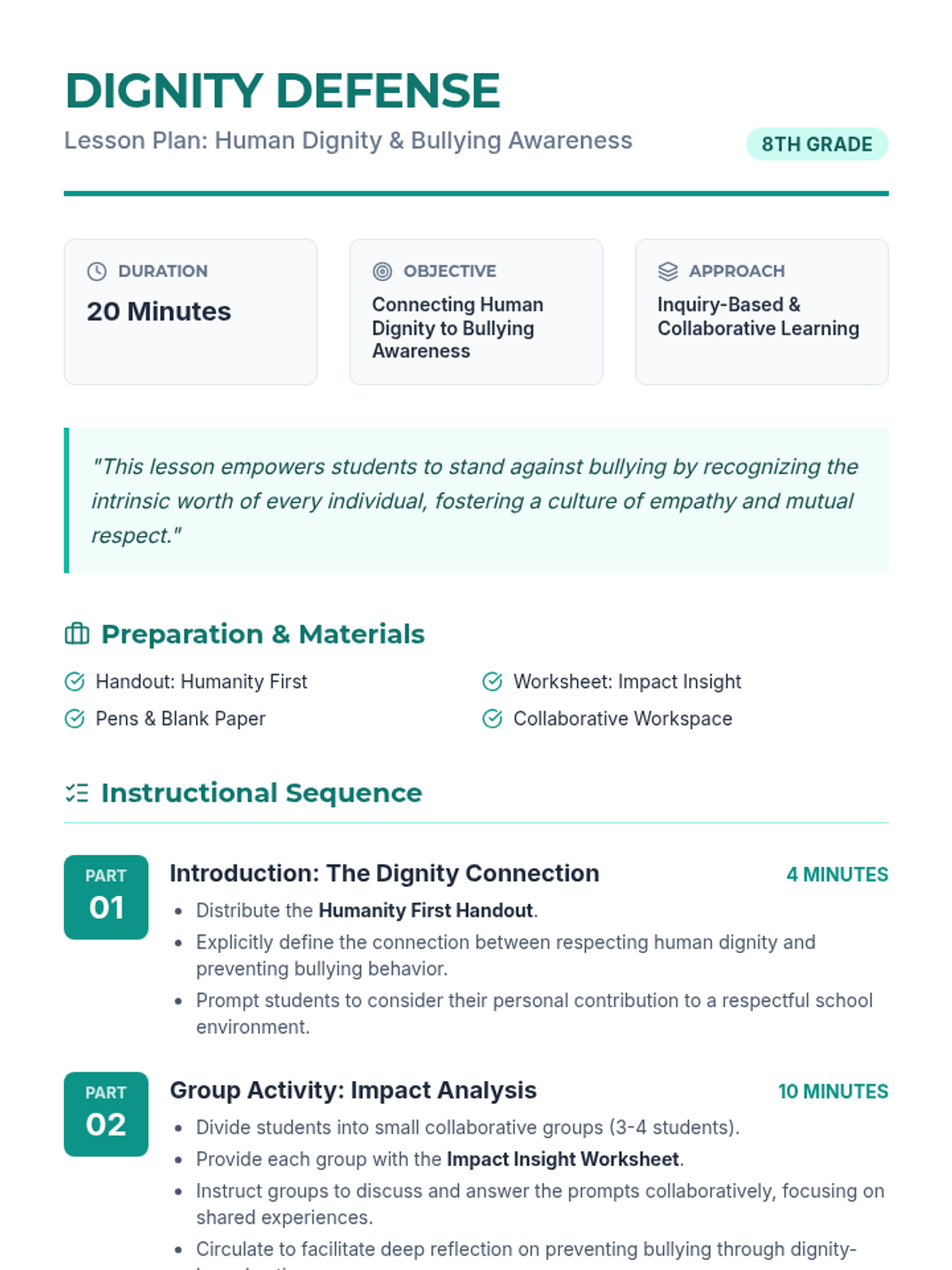
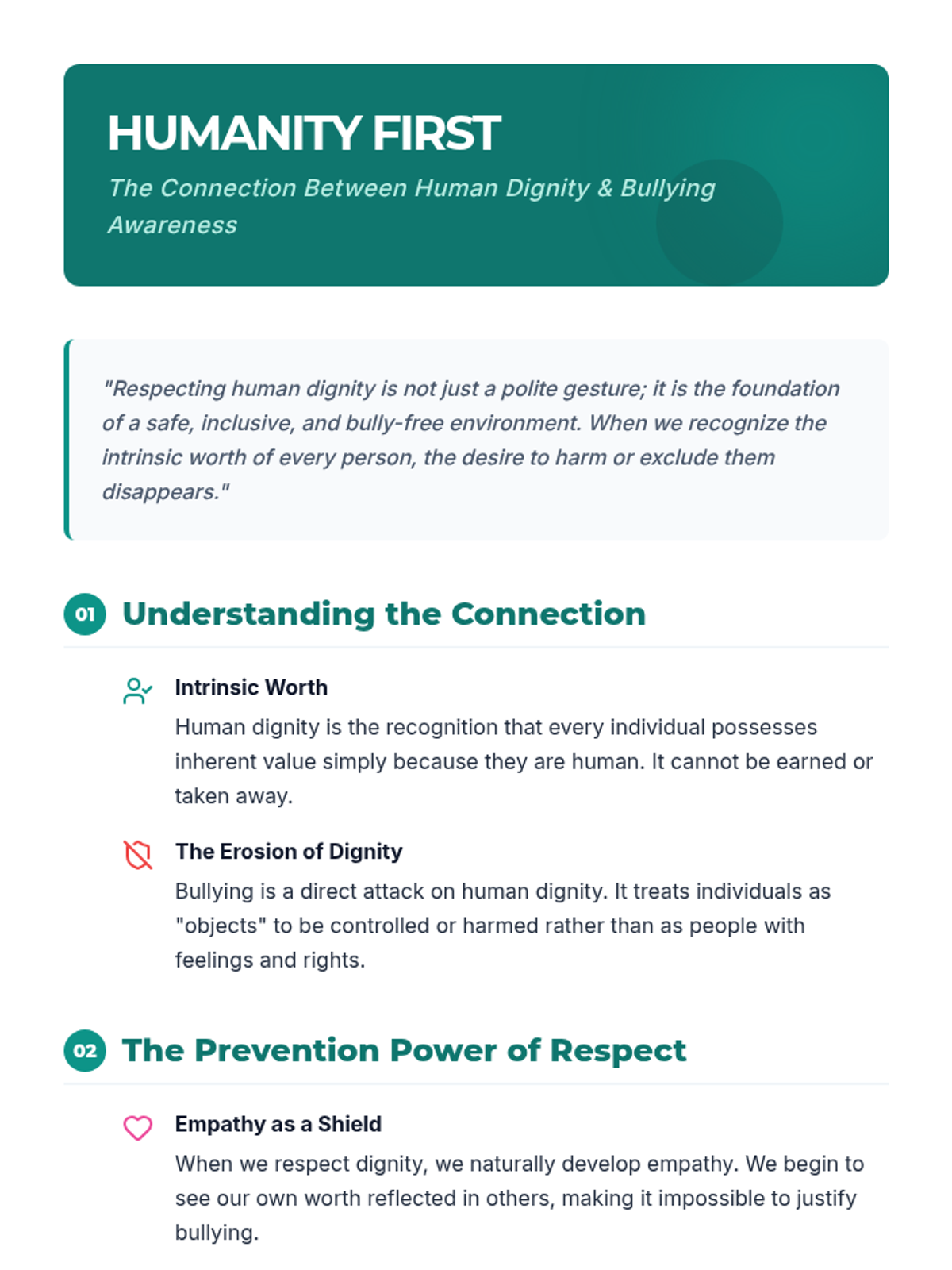
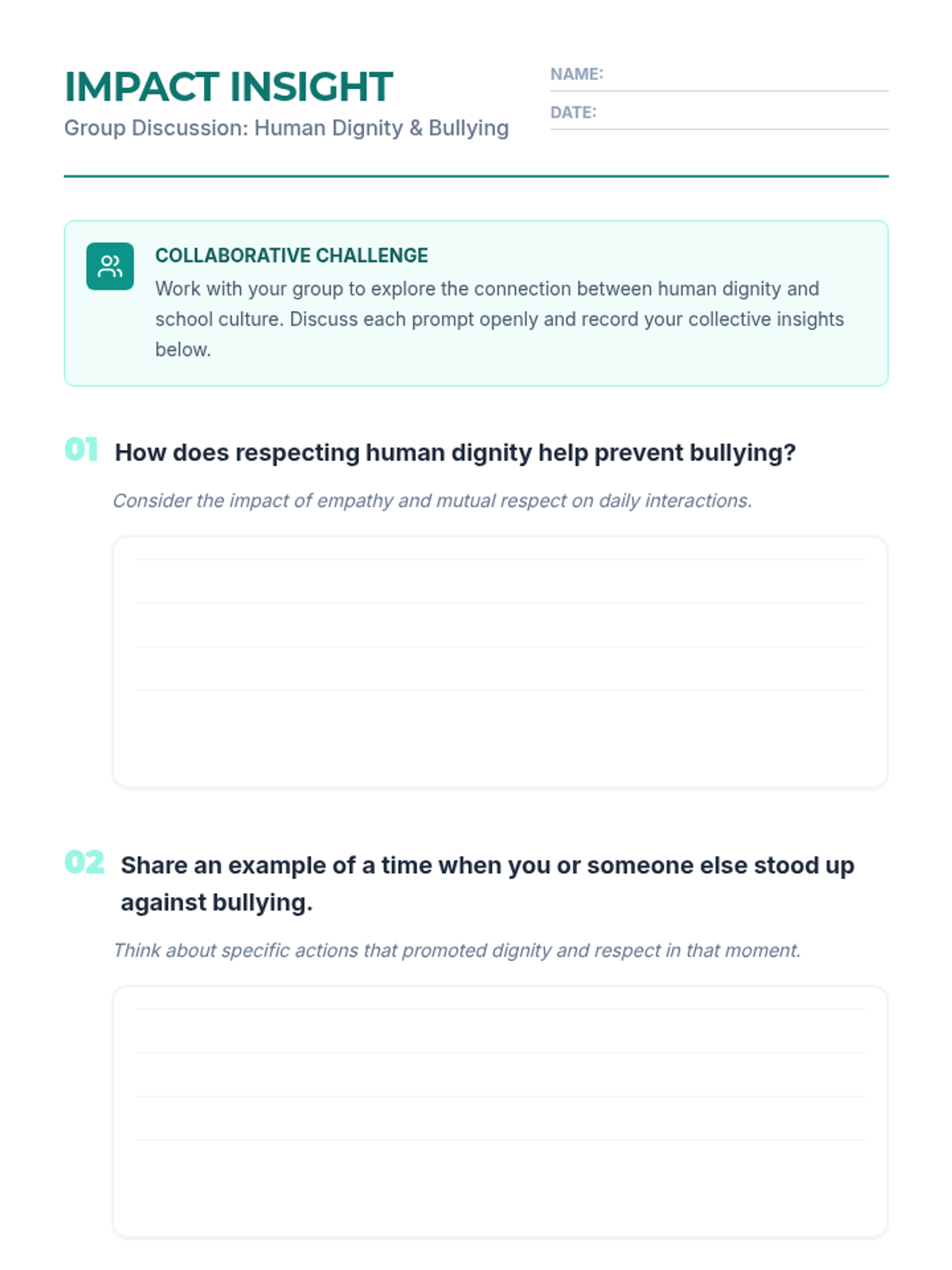
This lesson helps 8th-grade students understand the connection between human dignity and bullying awareness. By exploring how respecting human dignity can prevent bullying, students will learn to foster a supportive and inclusive environment. This lesson is important as it empowers students to stand against bullying and promotes empathy and respect for all individuals.
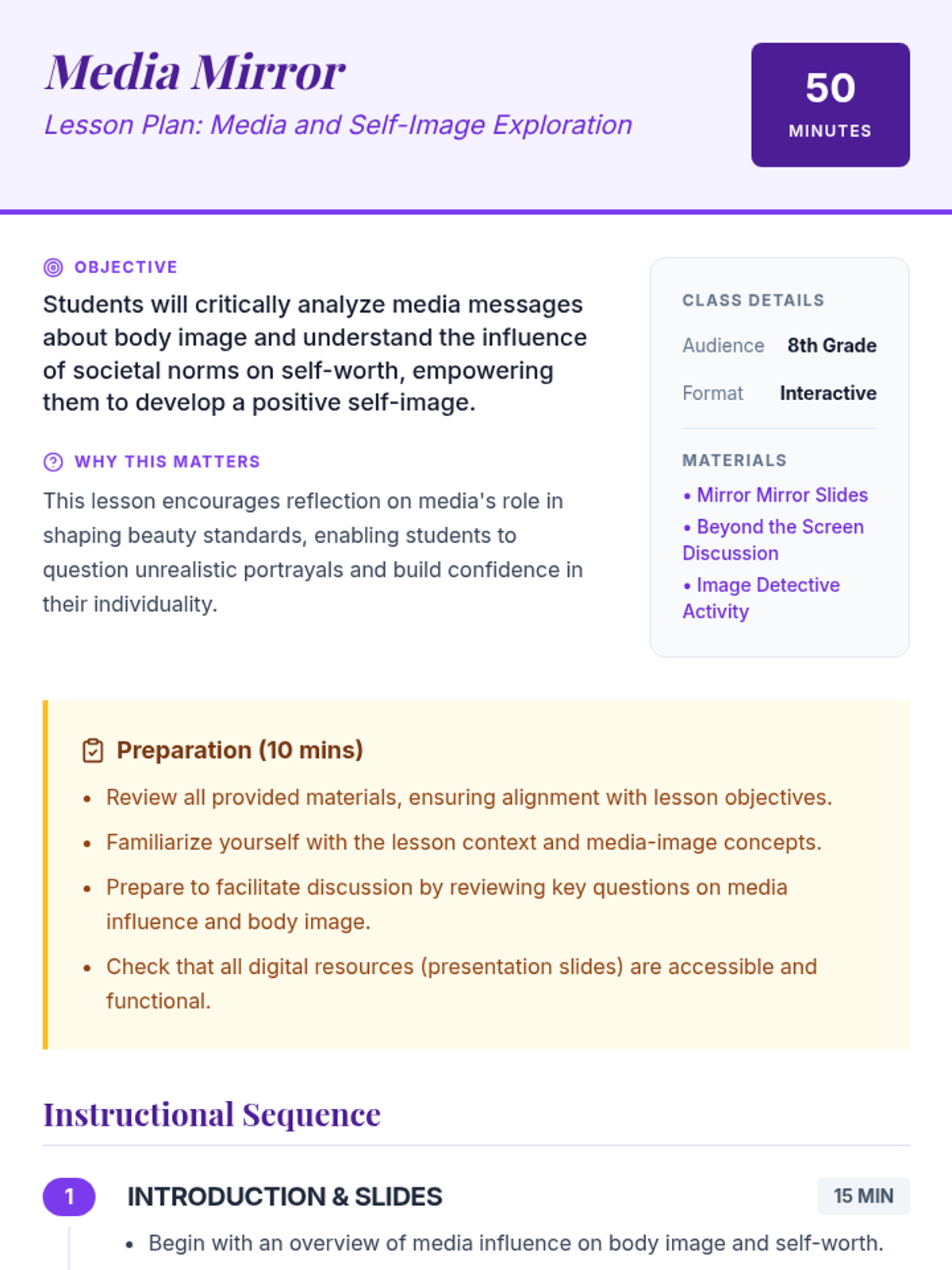
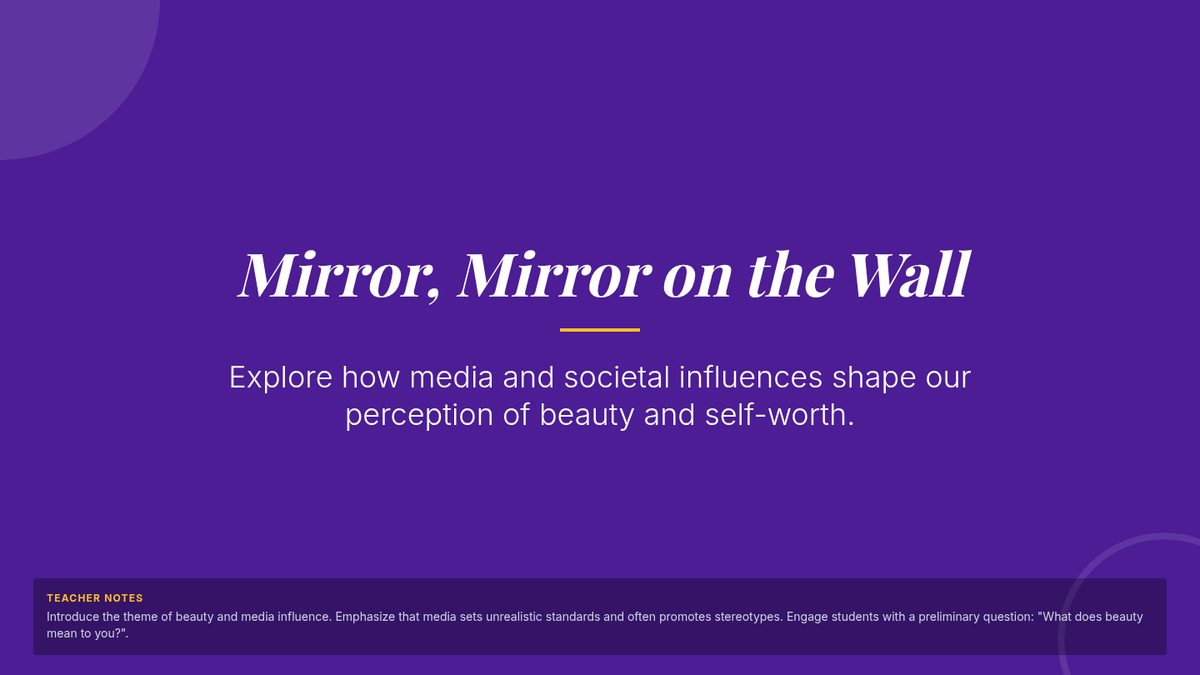
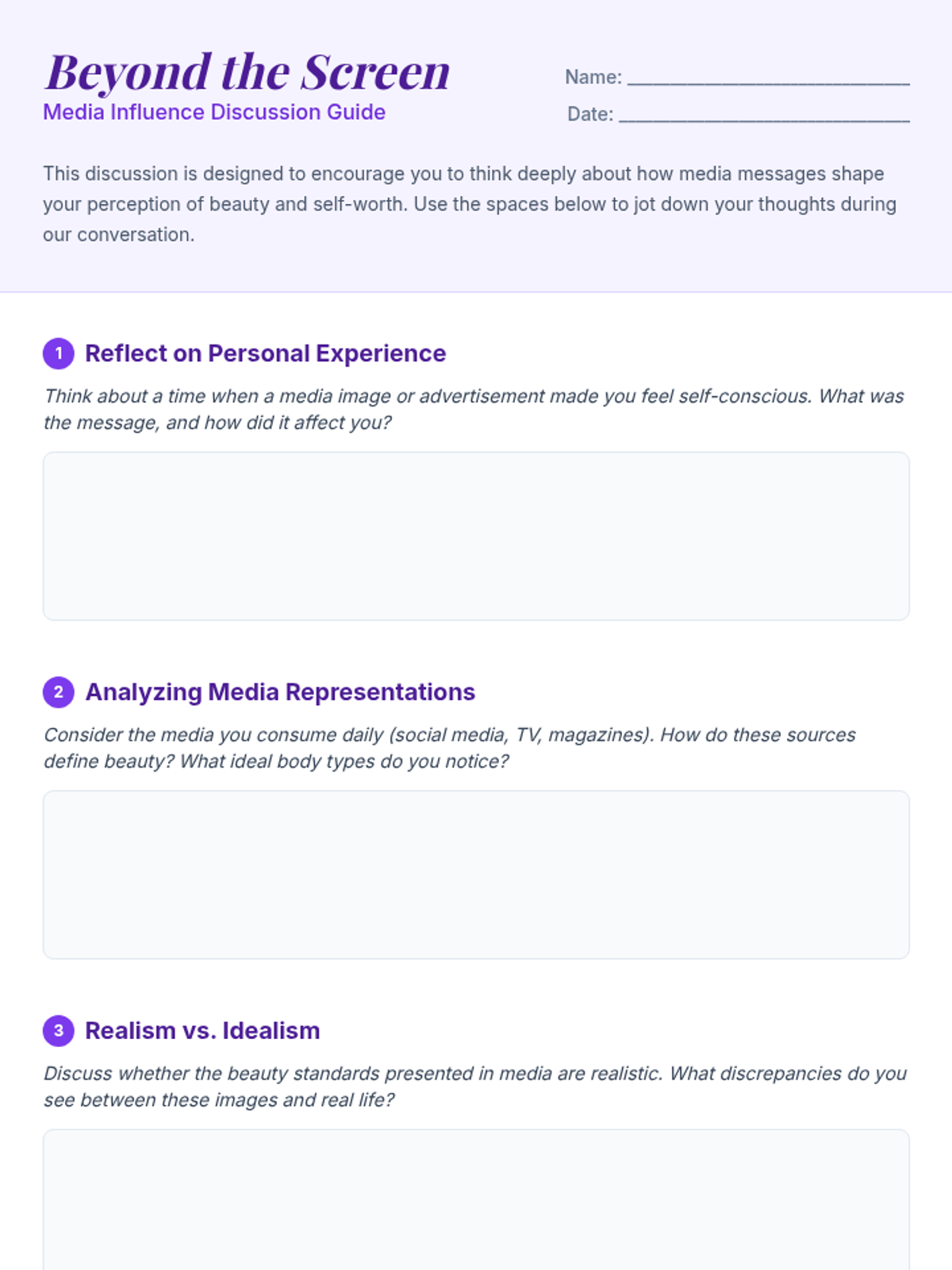
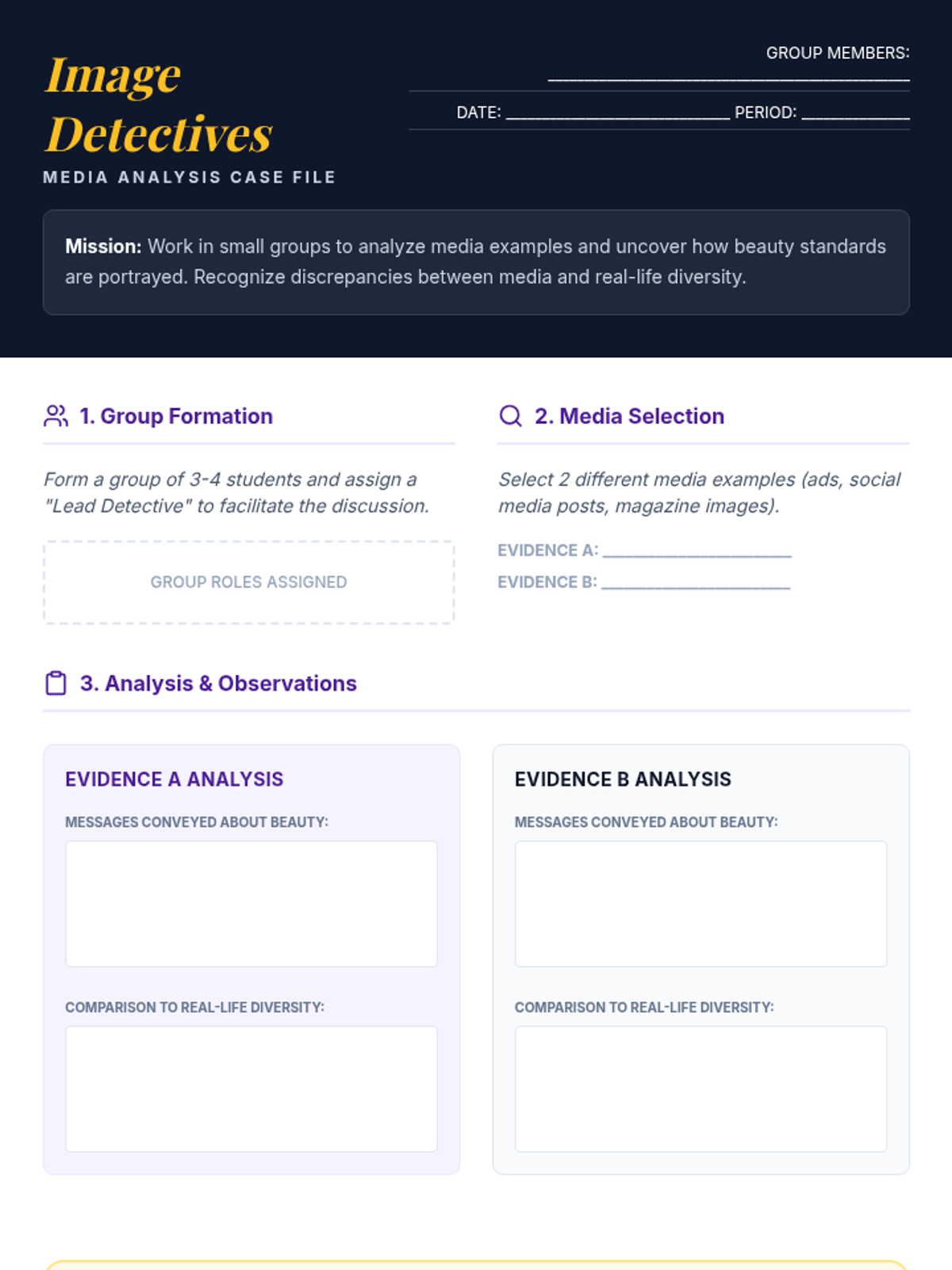
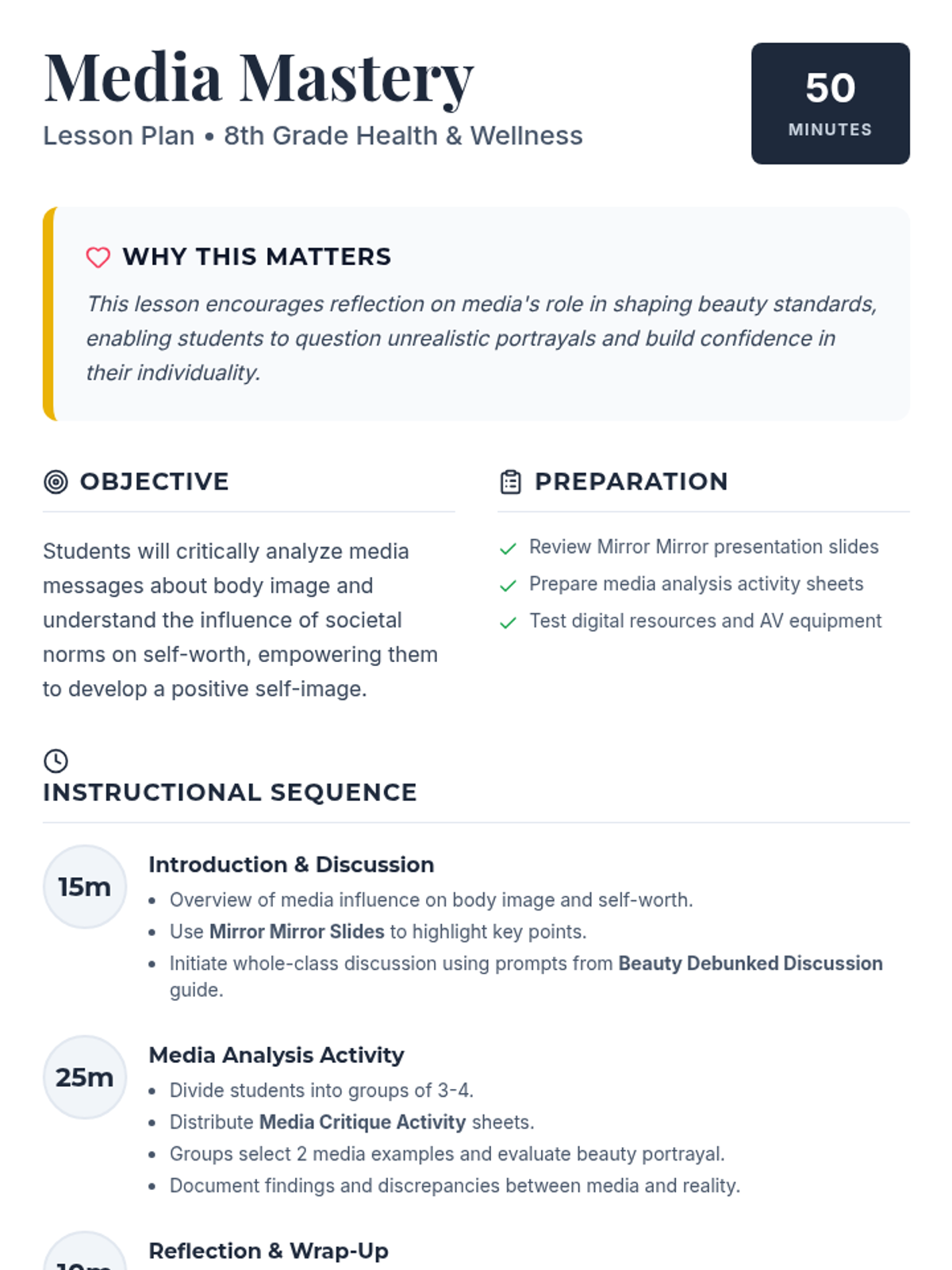
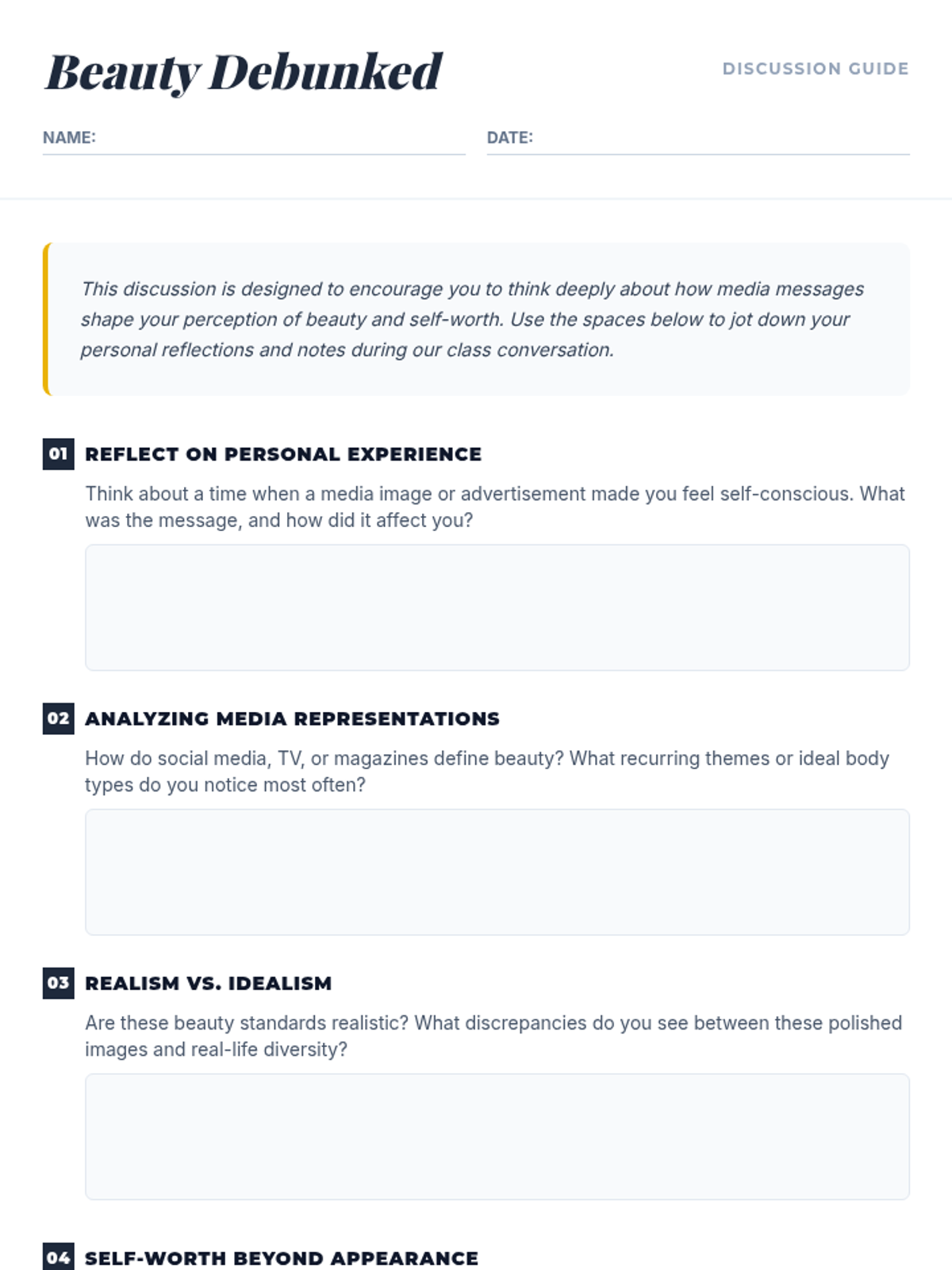
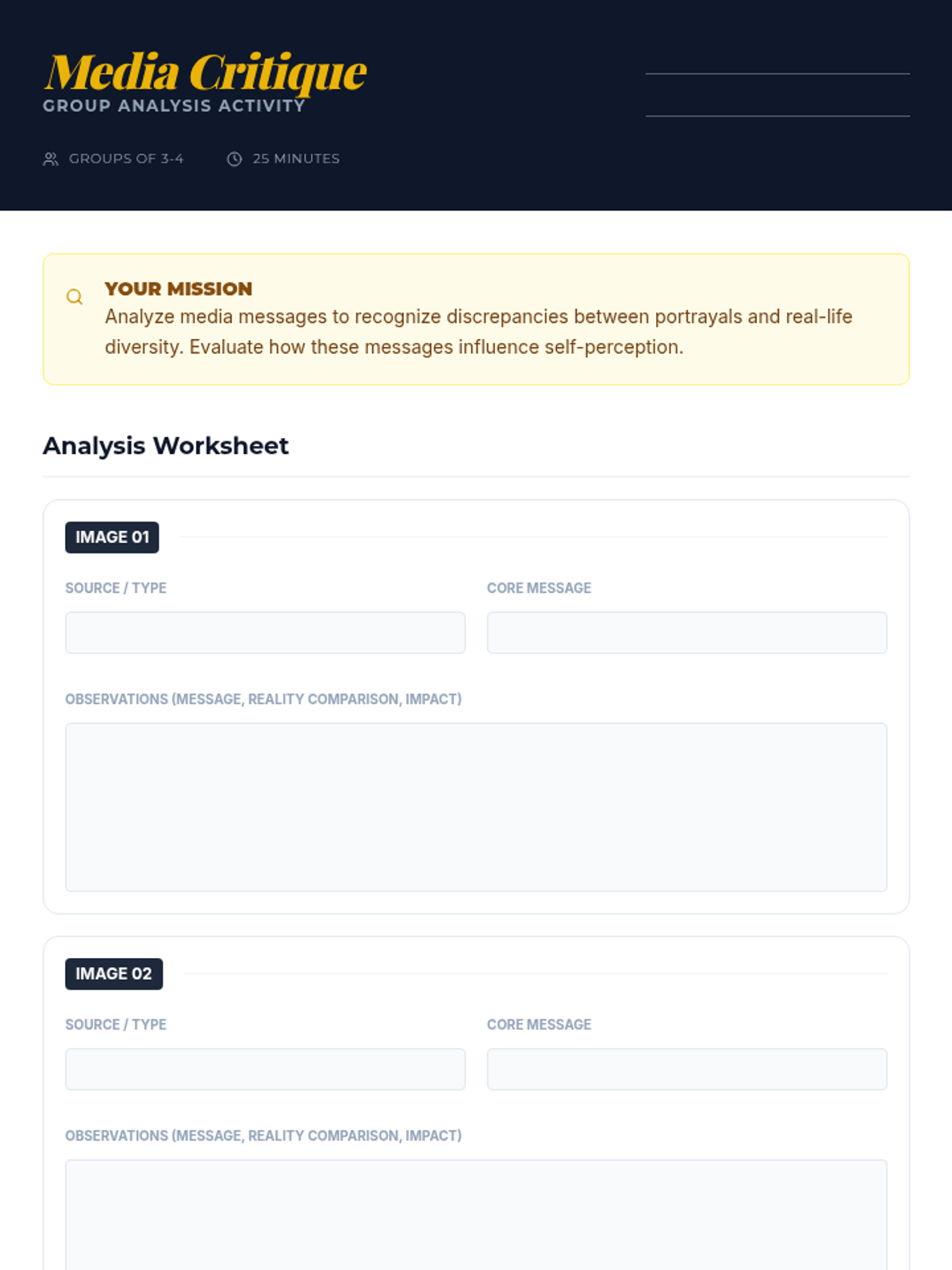
A lesson empowering 8th graders to critically analyze media beauty standards and build a positive self-image through interactive discussion and group analysis.
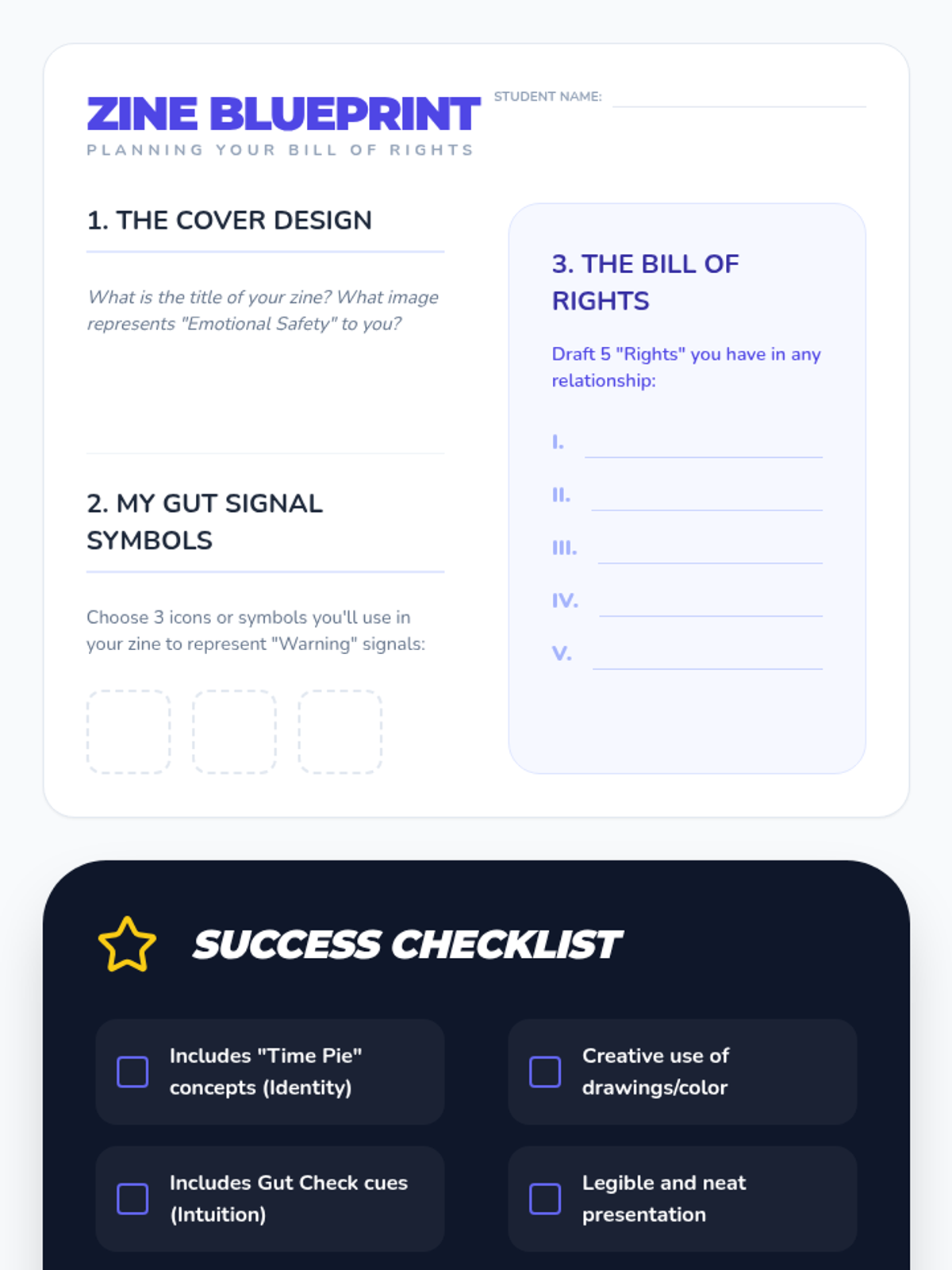
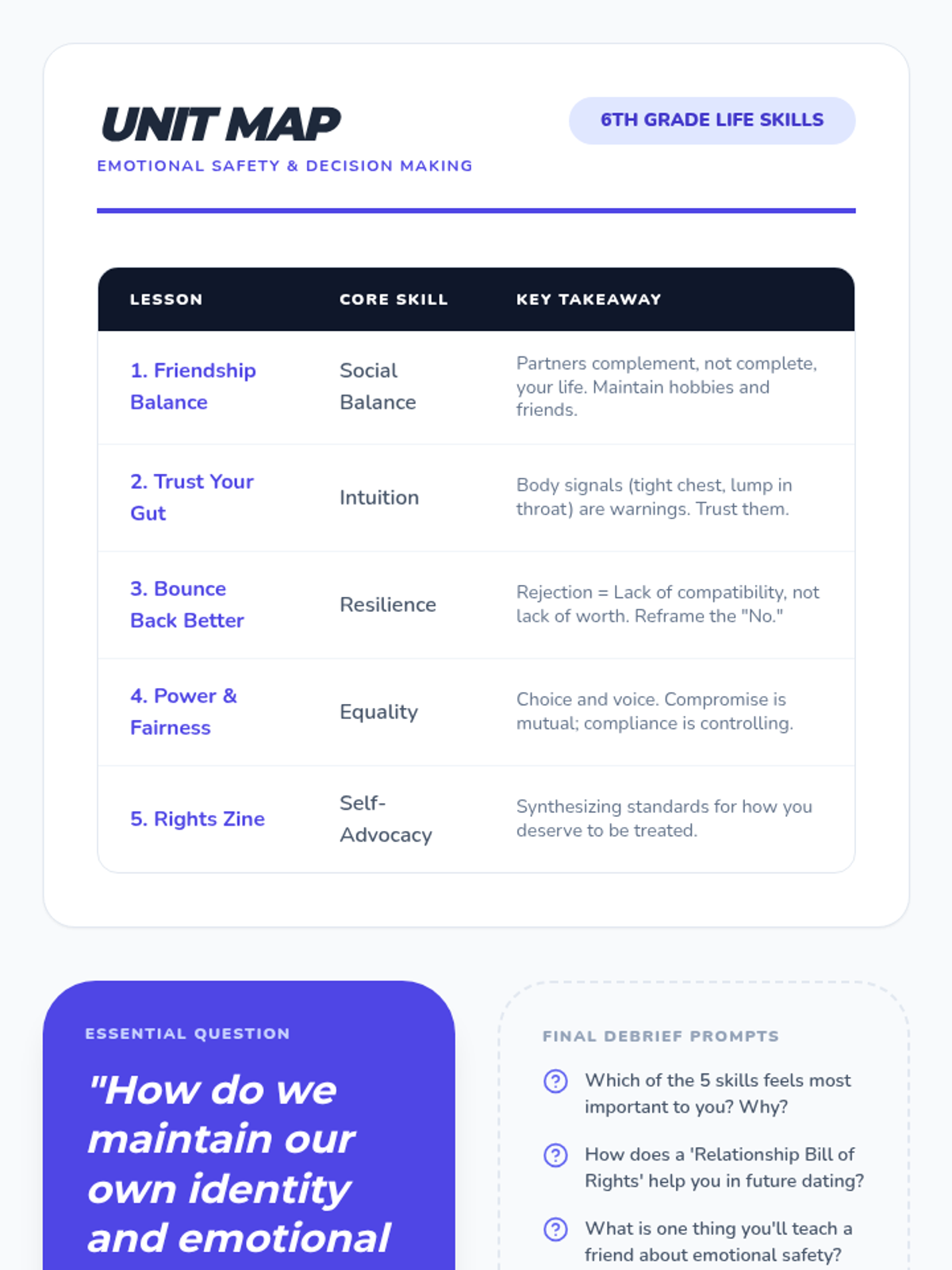
A cumulative project where students synthesize their learning into a personal Zine outlining their standards for emotional safety and relationship rights.
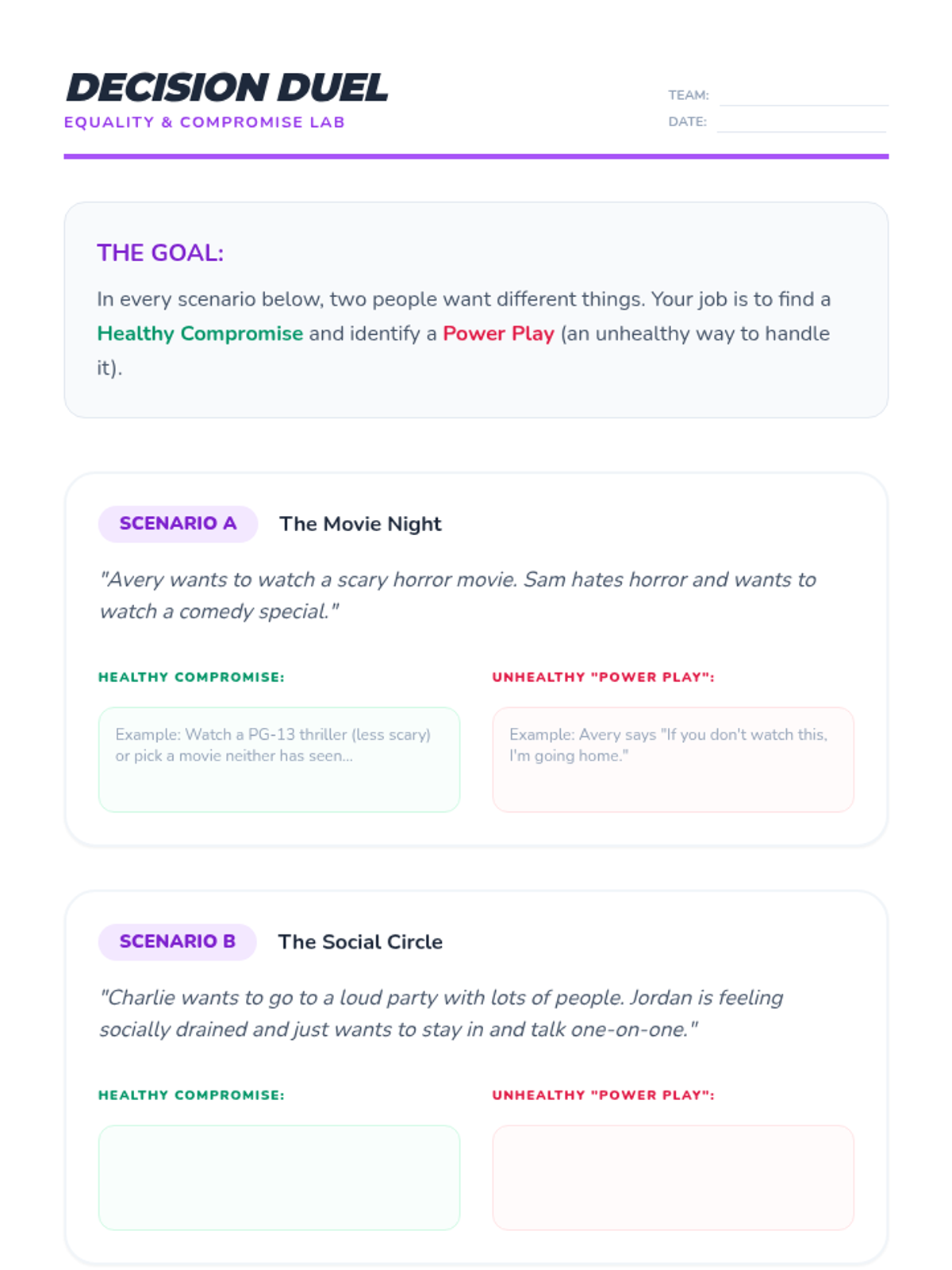
An investigation into power dynamics and equality in decision-making. Students identify healthy compromise and recognize subtle signs of control in relationships.
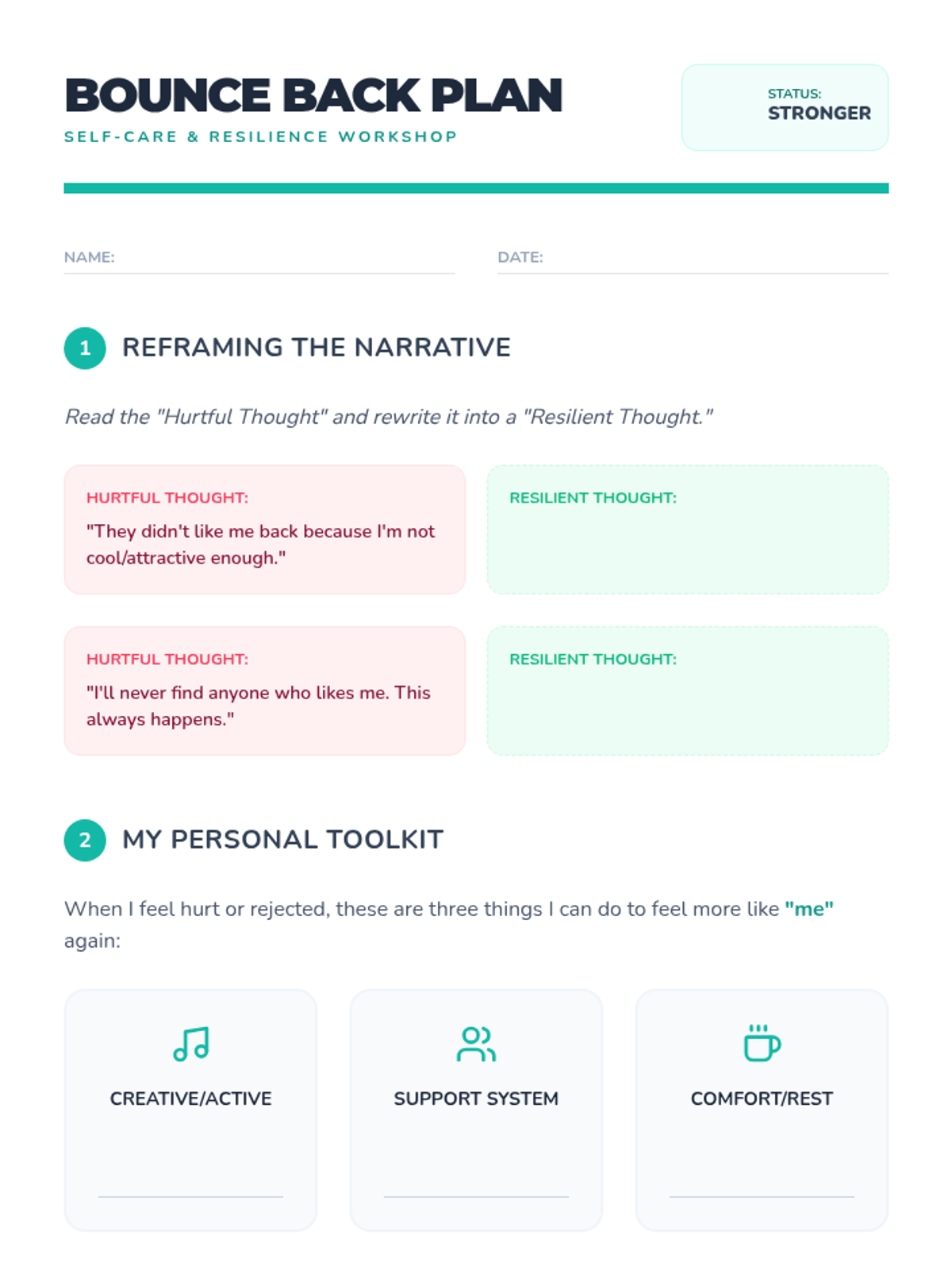
Students learn to view rejection as a matter of compatibility rather than personal failure. They develop self-care strategies and resilience techniques for handling emotional hurt.
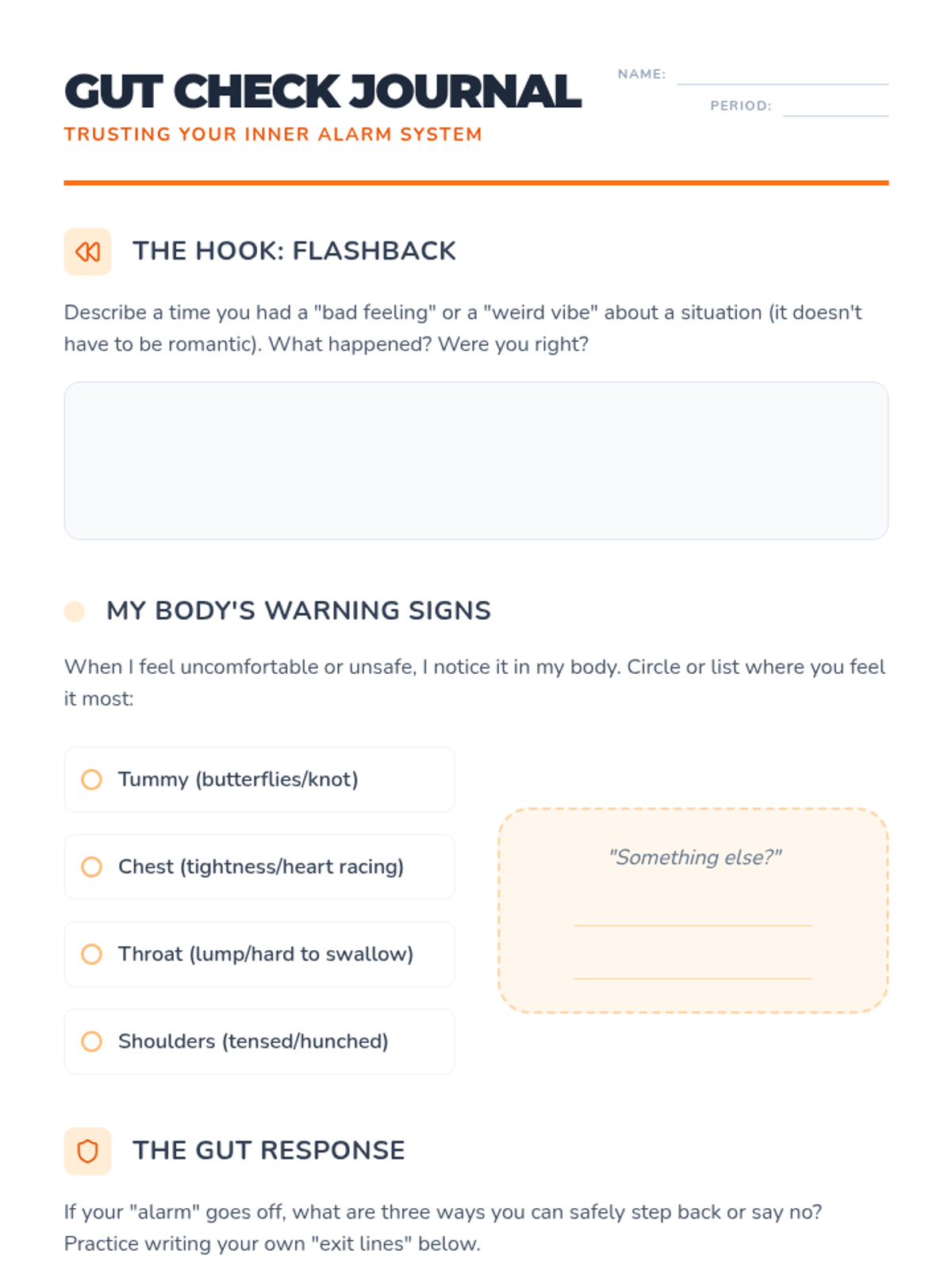
This lesson focuses on identifying physical and emotional cues that signal safety or discomfort. Students practice trusting their intuition in various social scenarios.
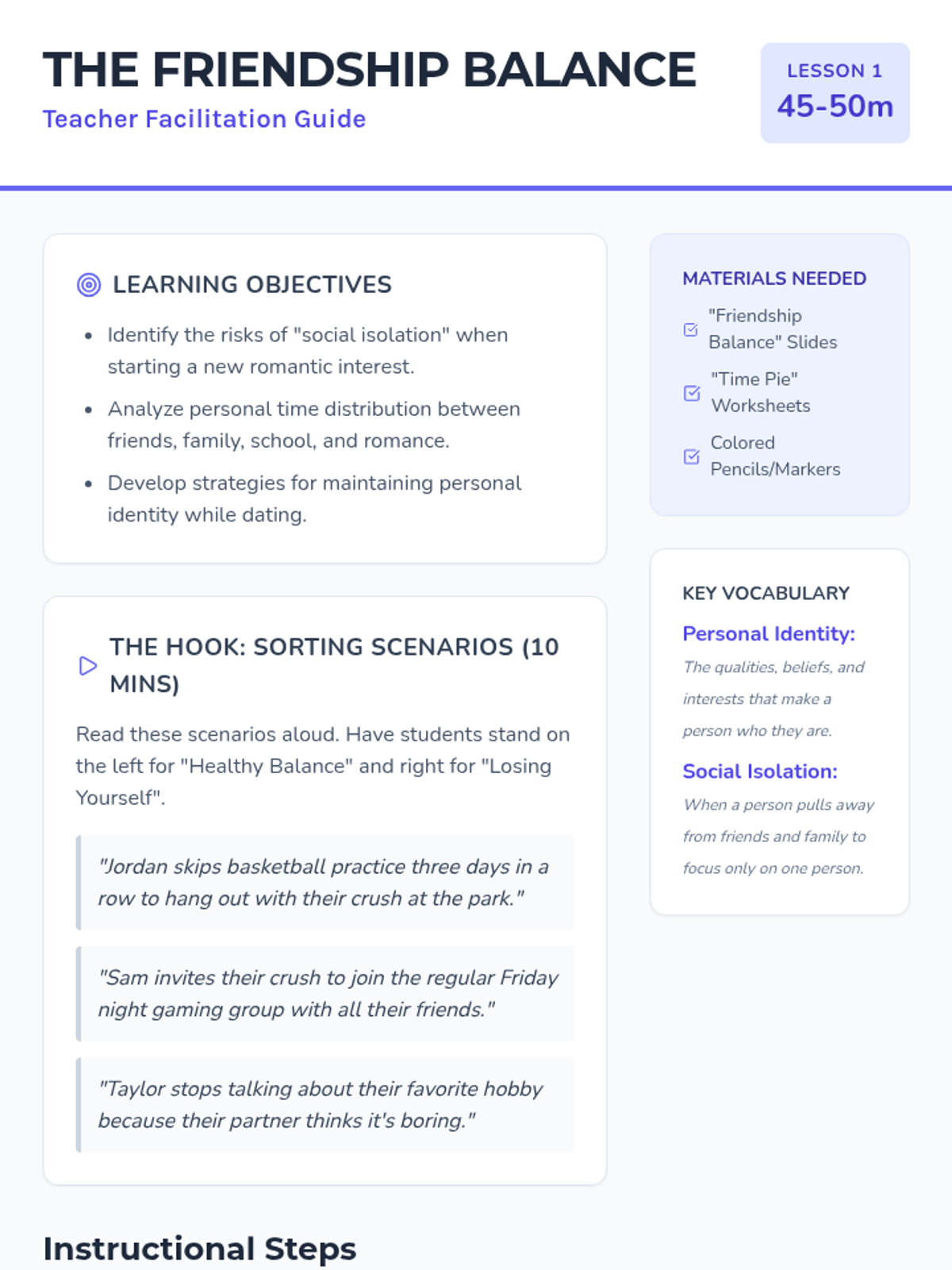
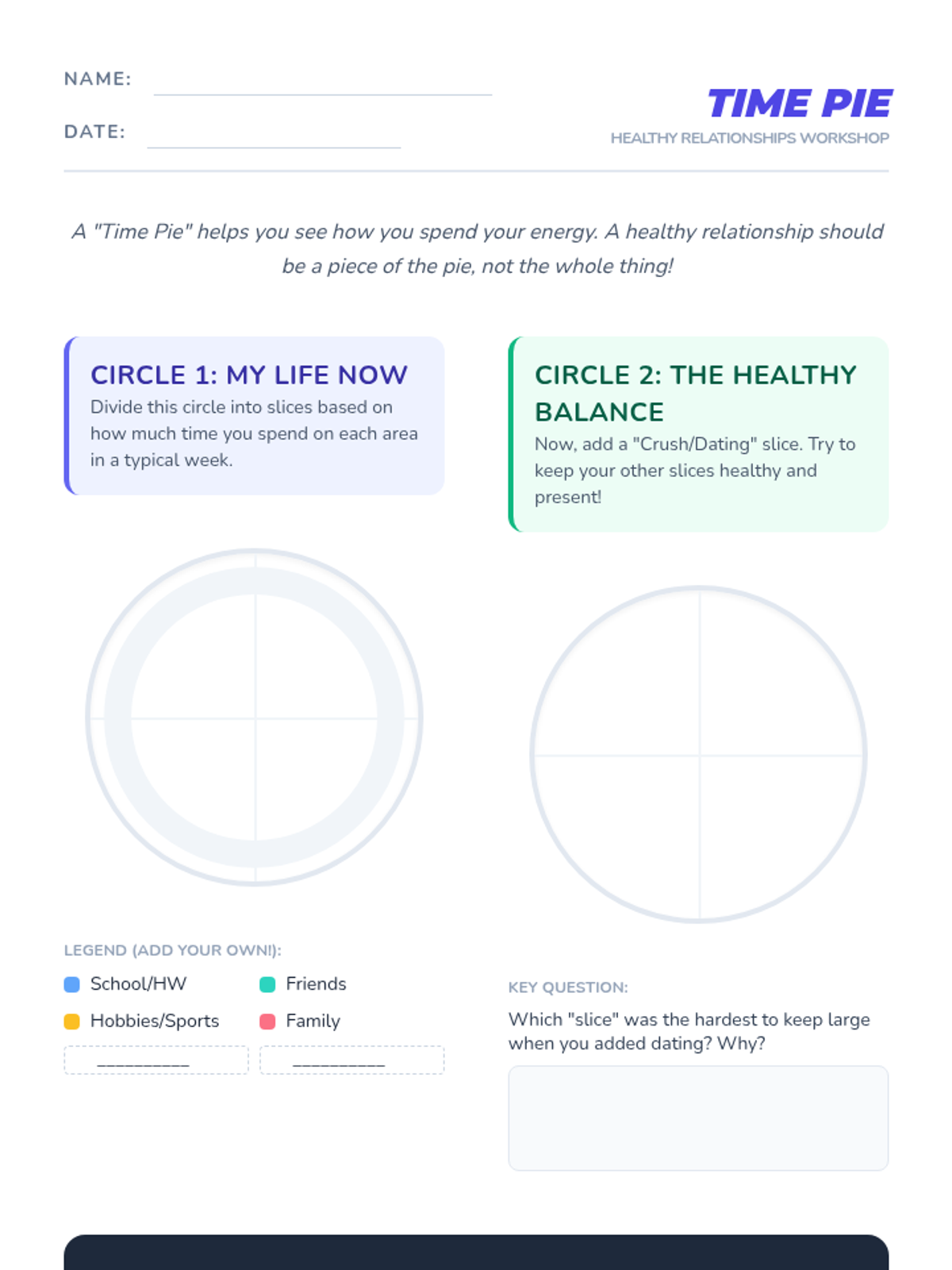
Students explore the importance of maintaining friendships and personal hobbies while experiencing romantic feelings. They use 'Time Pies' to visualize and plan a healthy social balance.
Practicing negotiation and compromise to find a 'middle ground' that respects everyone's space needs.
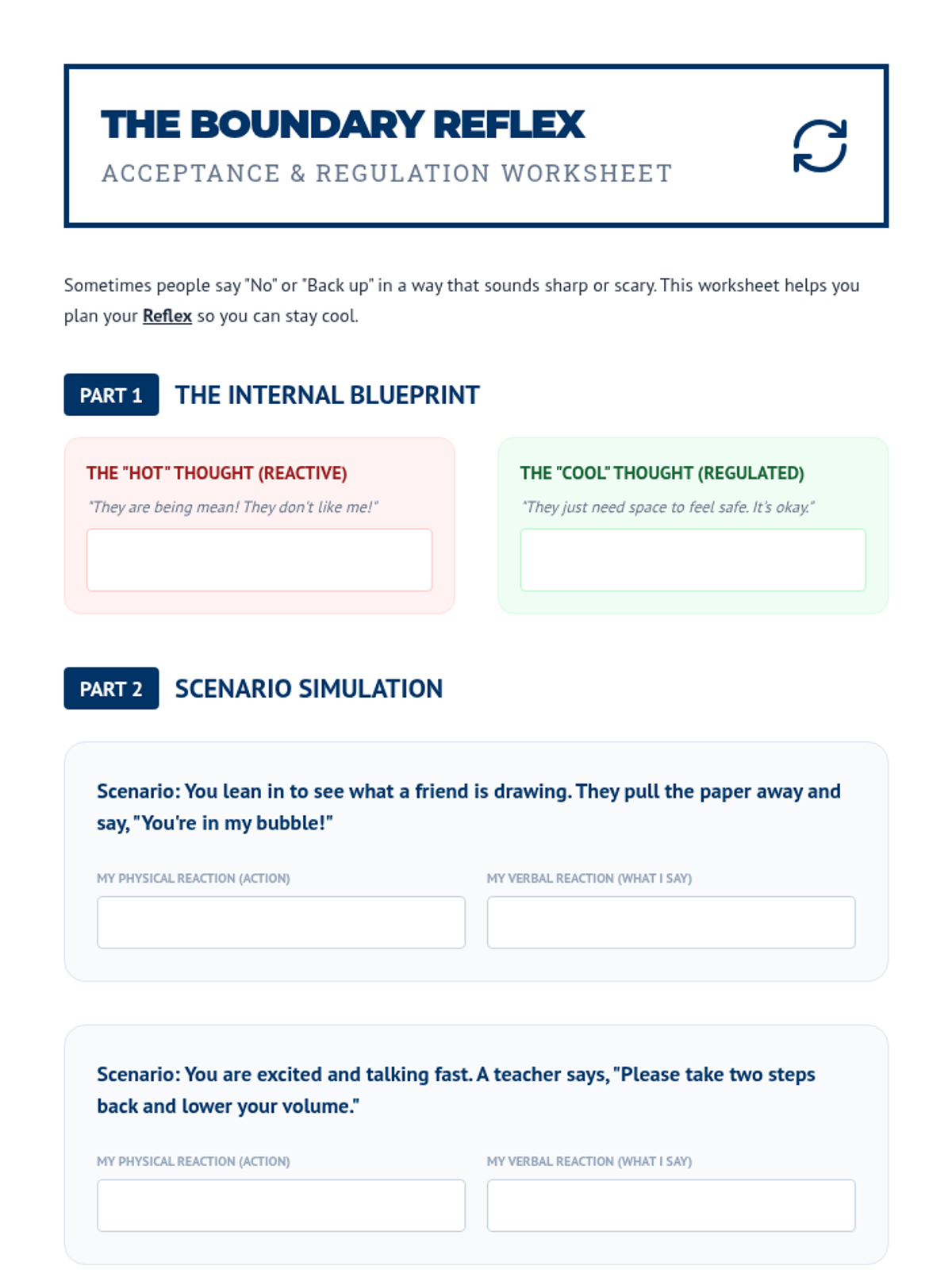
Focusing on emotional regulation and respectful reactions when others set boundaries or say 'no'.
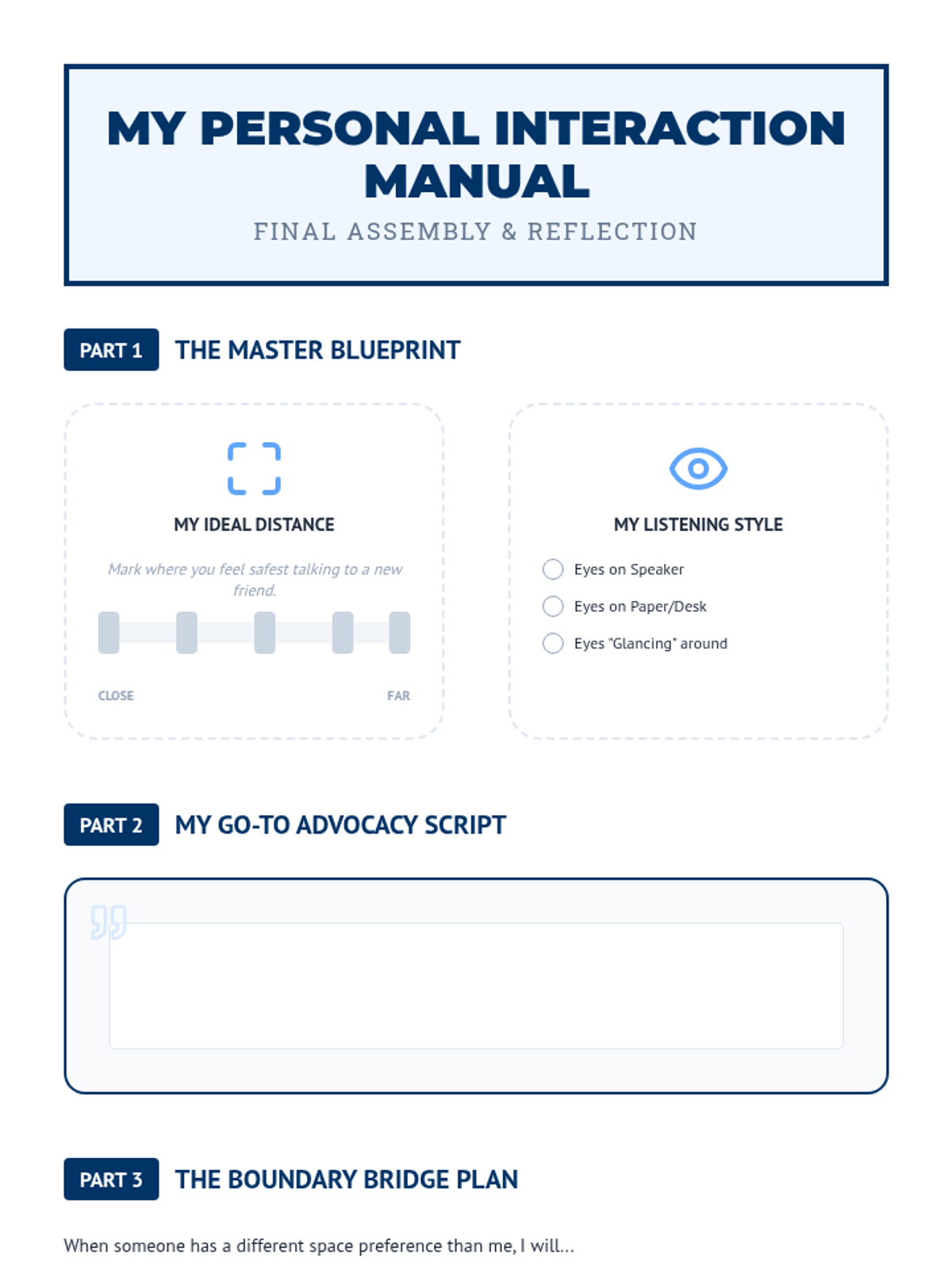
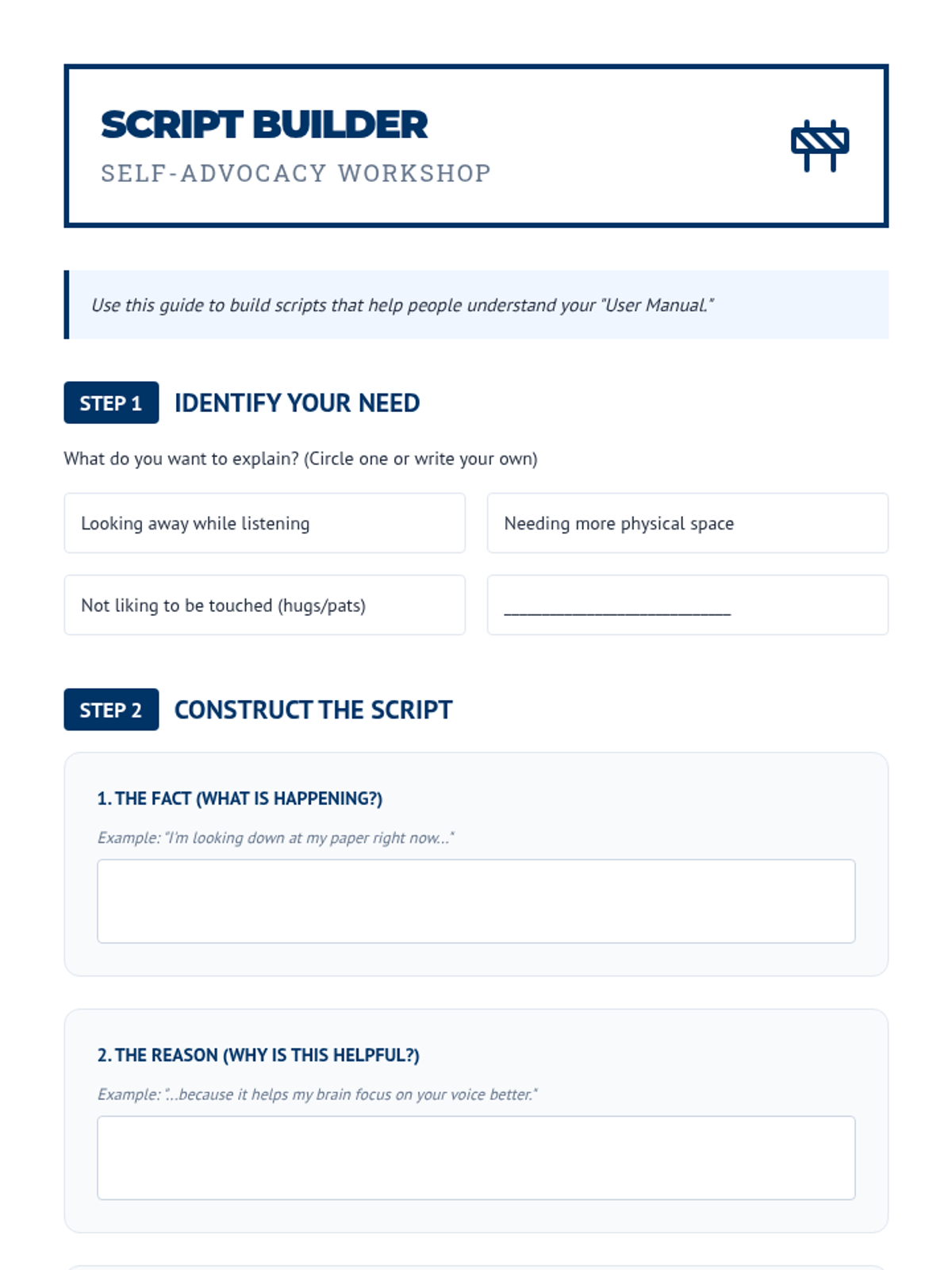
Developing and practicing scripts to explain sensory needs and social behaviors to others respectfully.
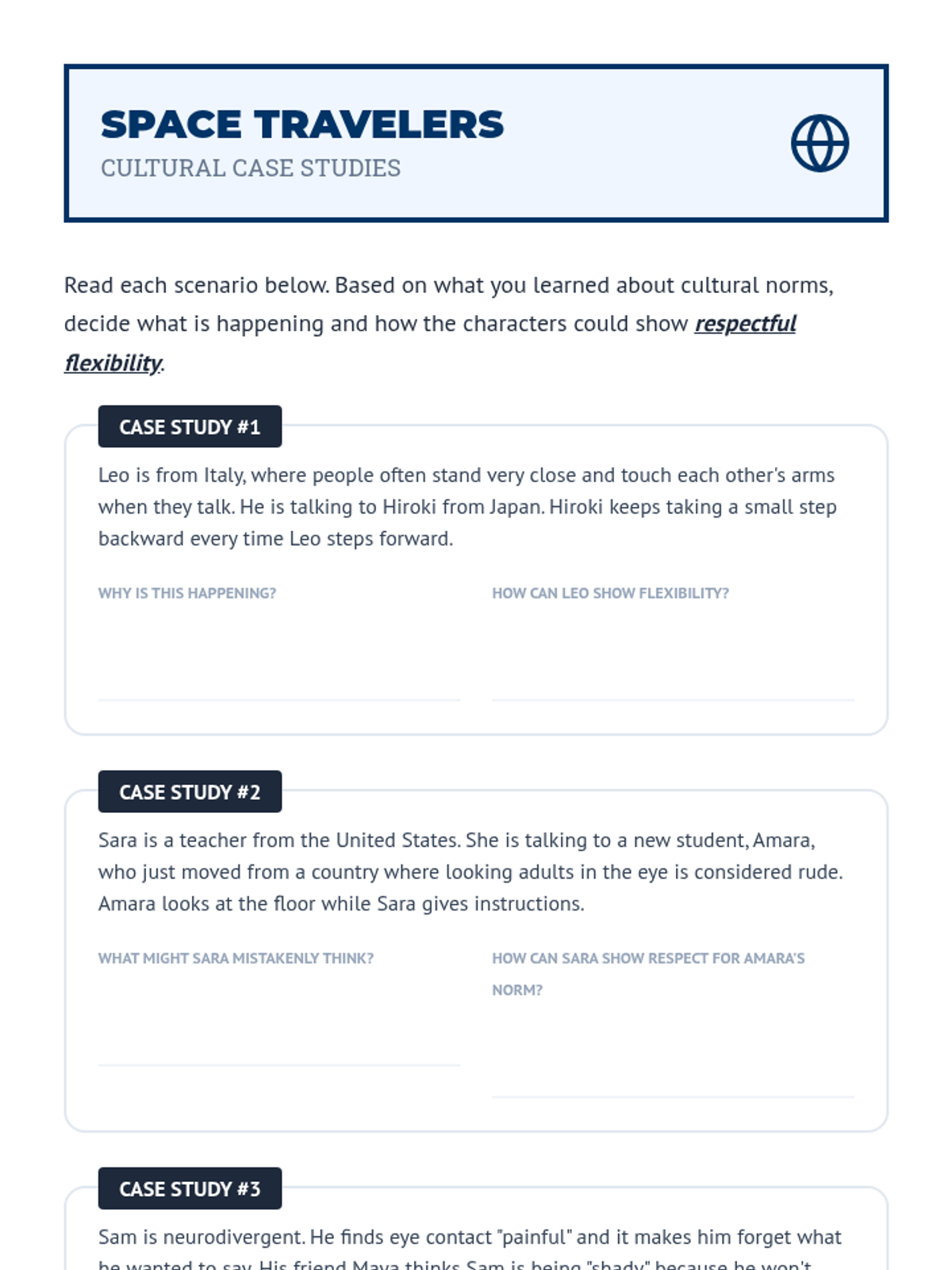
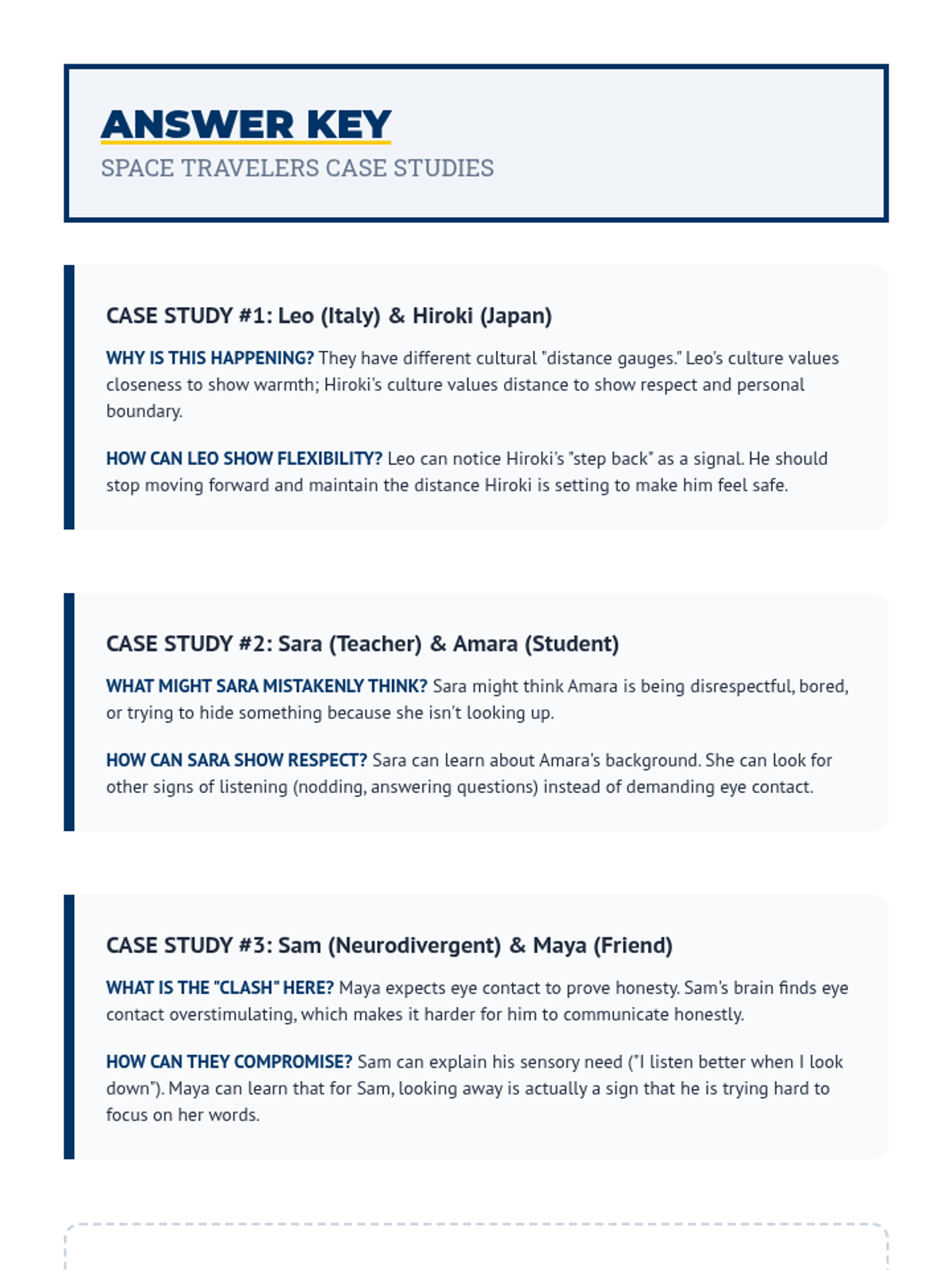
An exploration of how different cultures and individuals view eye contact and personal space, promoting tolerance and flexibility.
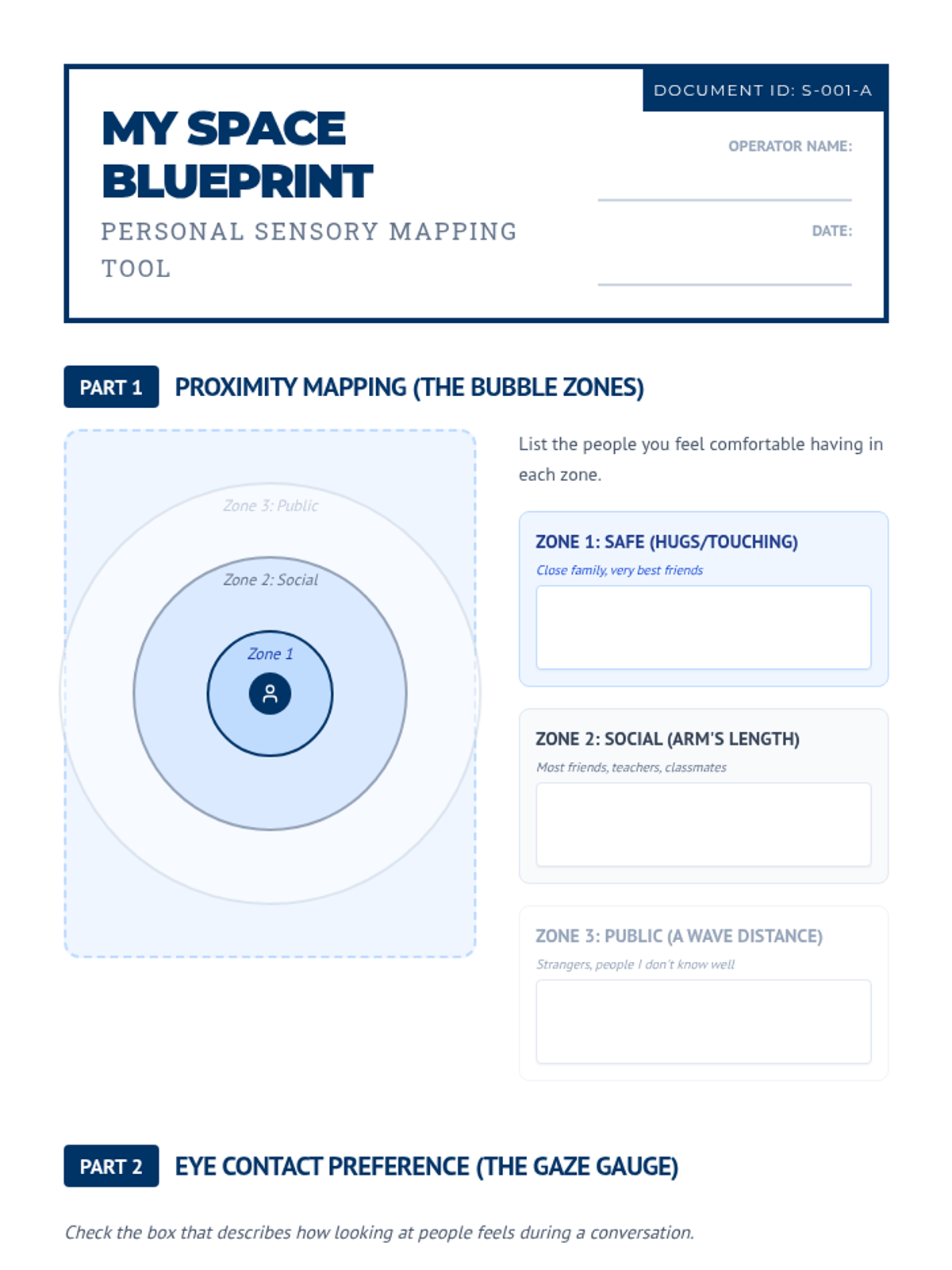
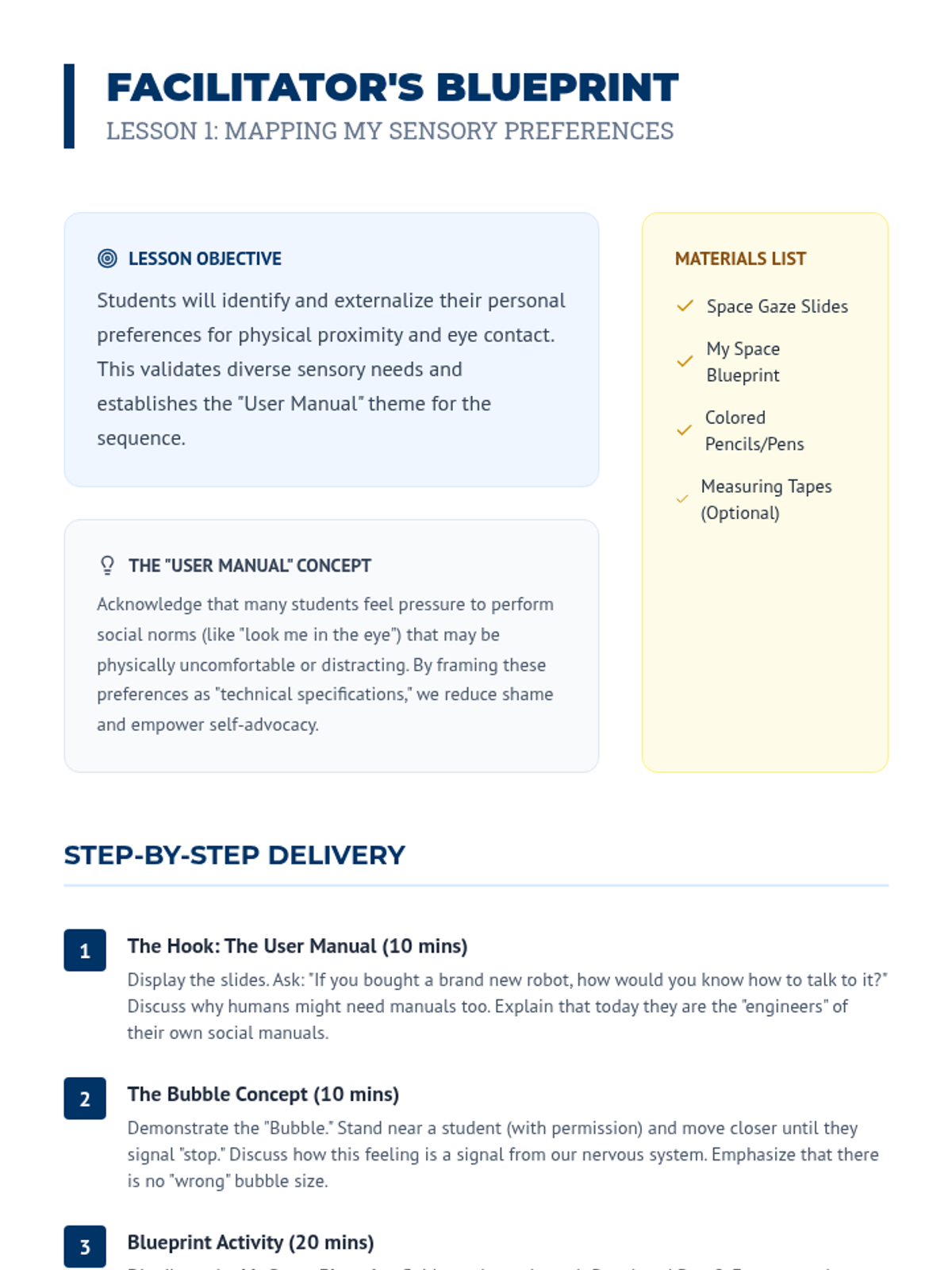
Students identify their own sensory preferences for proximity and eye contact to create a personal interaction 'map'.
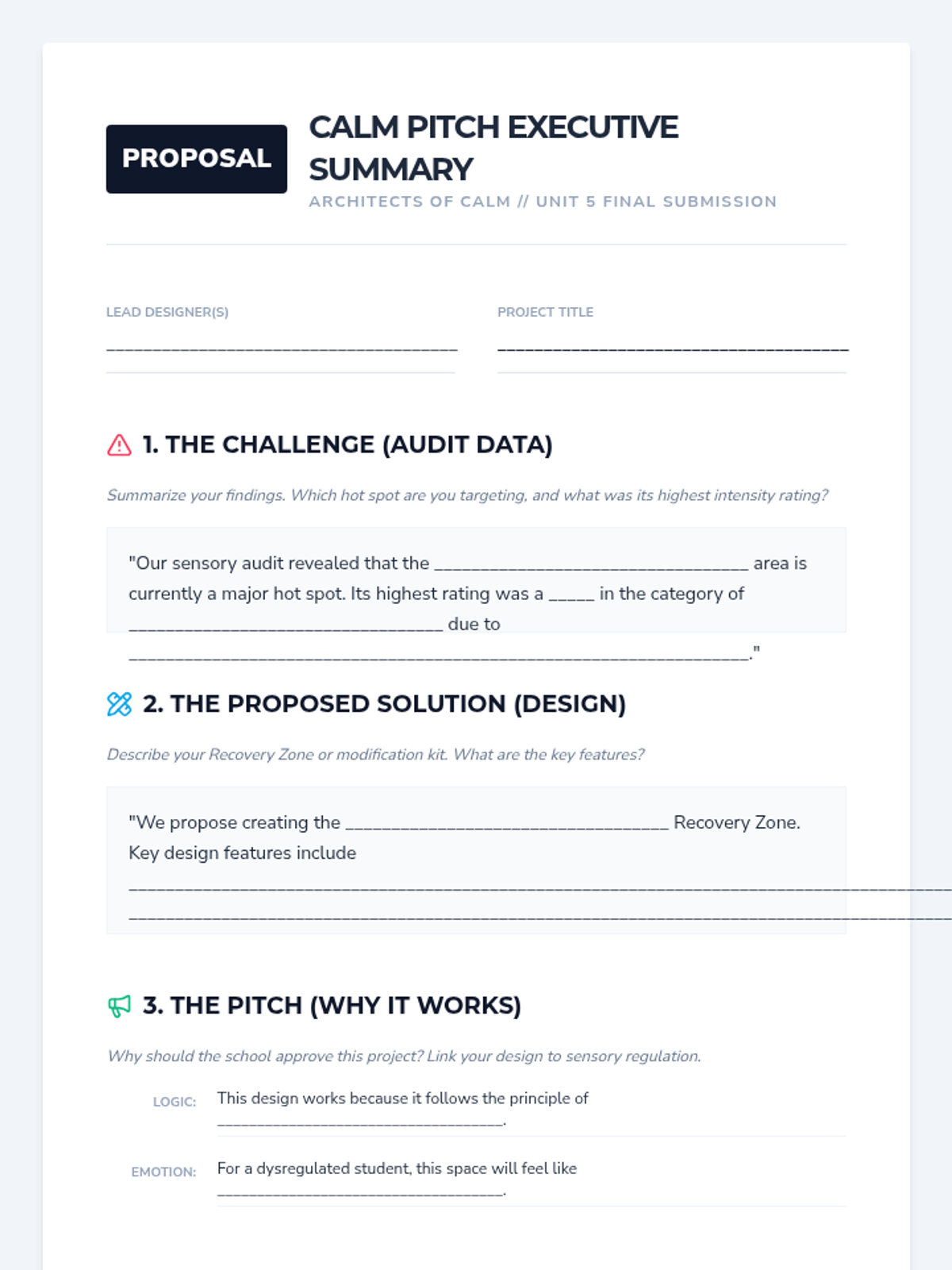
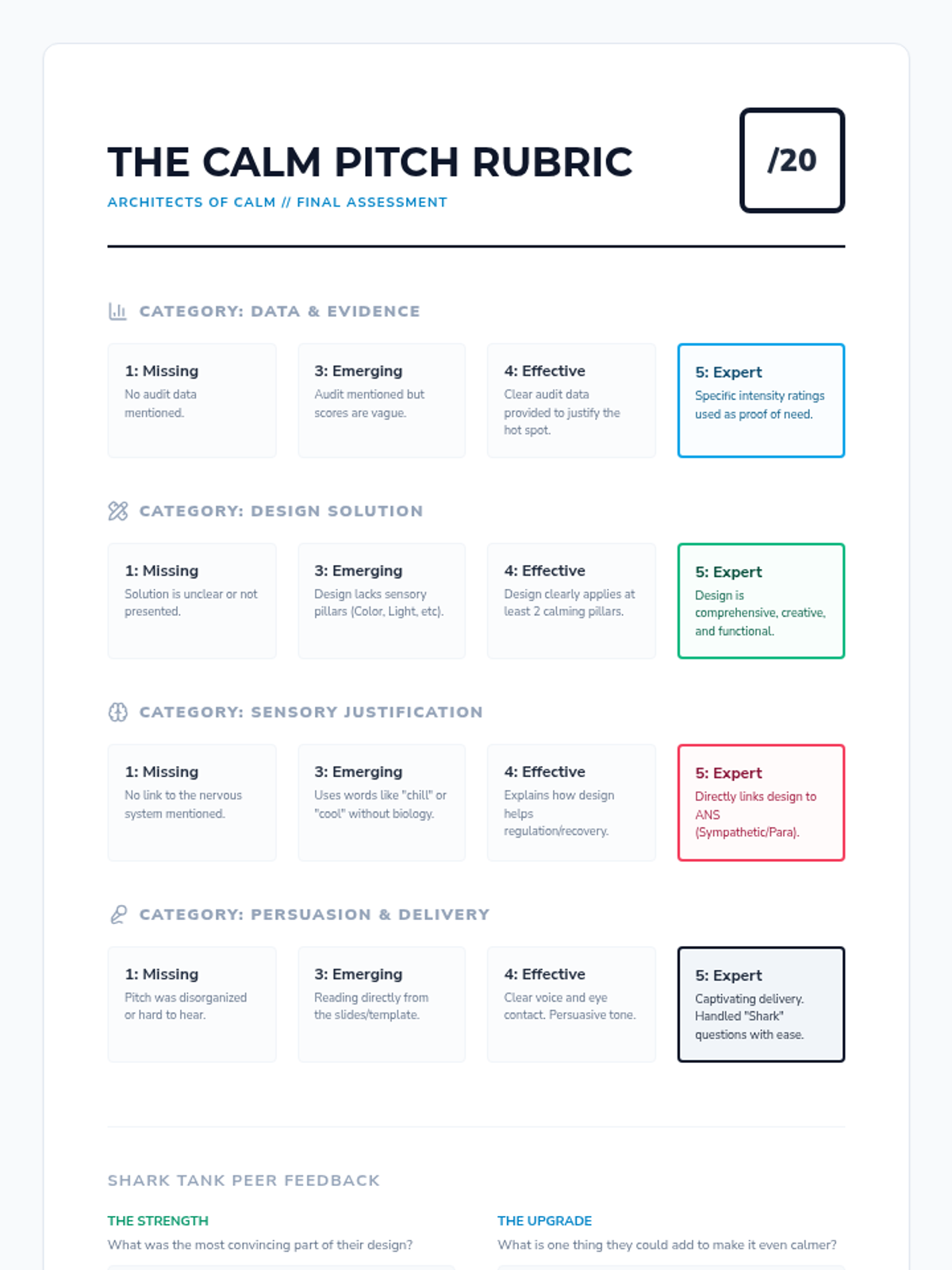
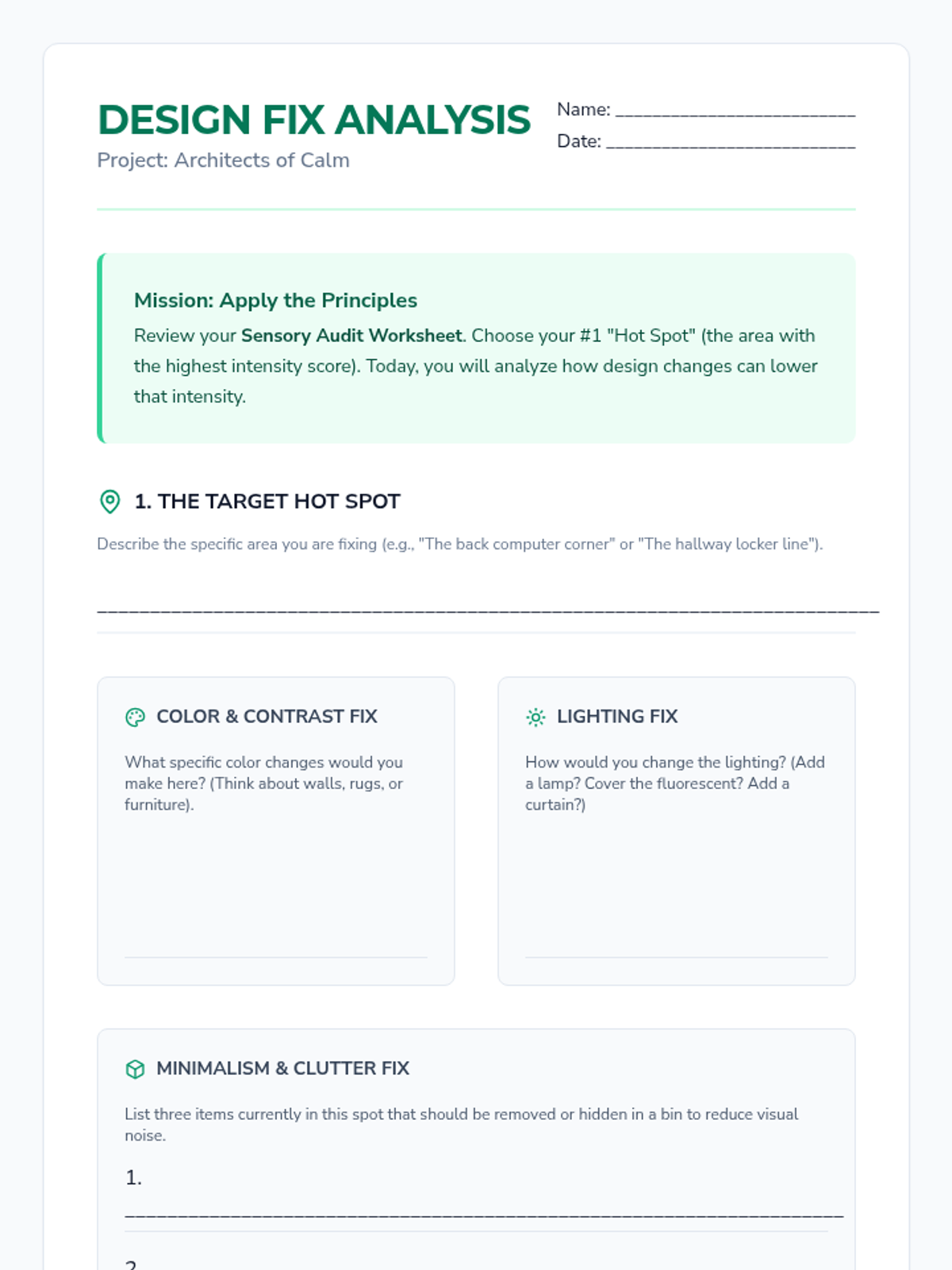
Students present their sensory audit findings and design proposals in a 'Shark Tank' style pitch to advocate for environmental changes.
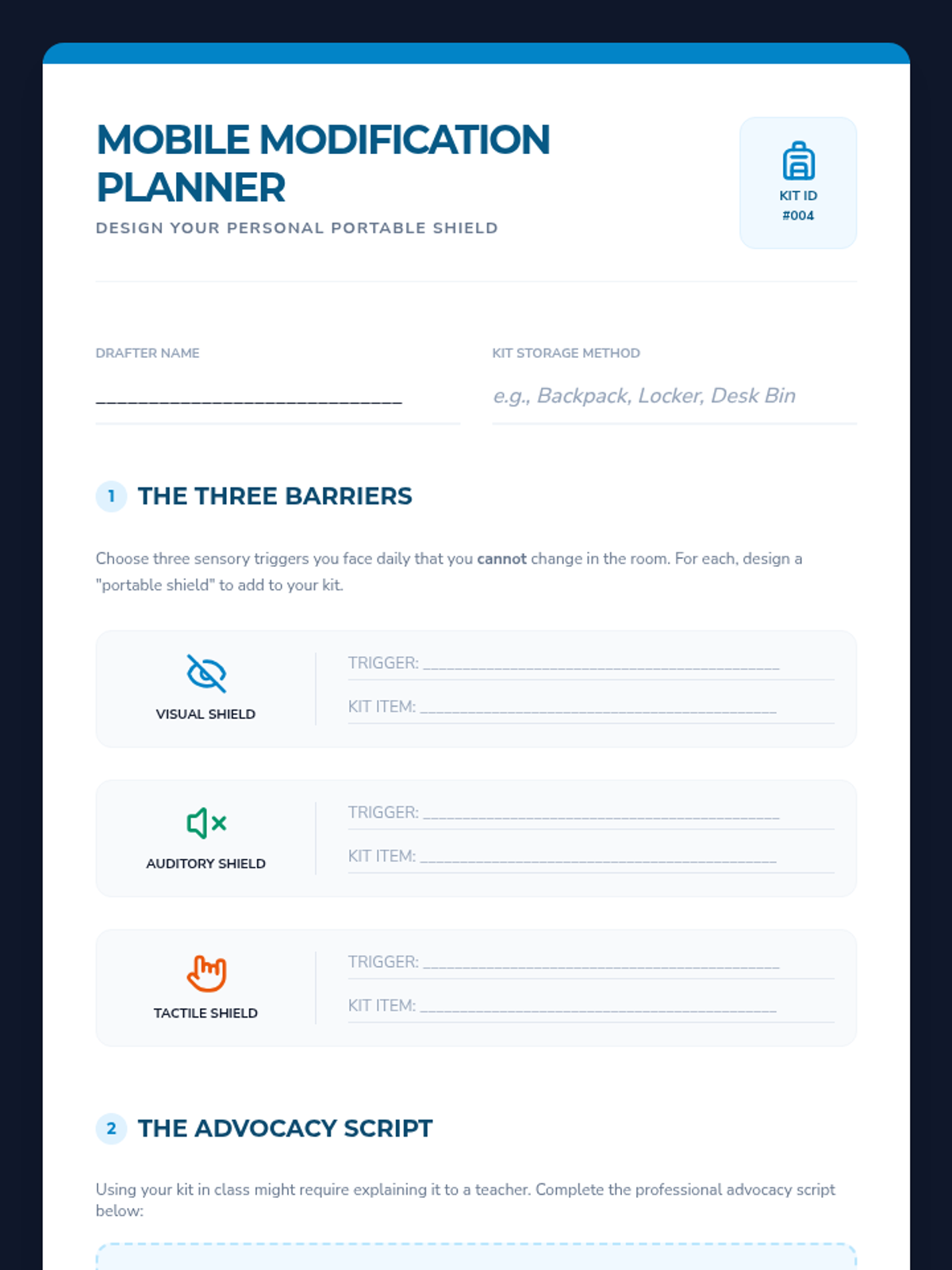
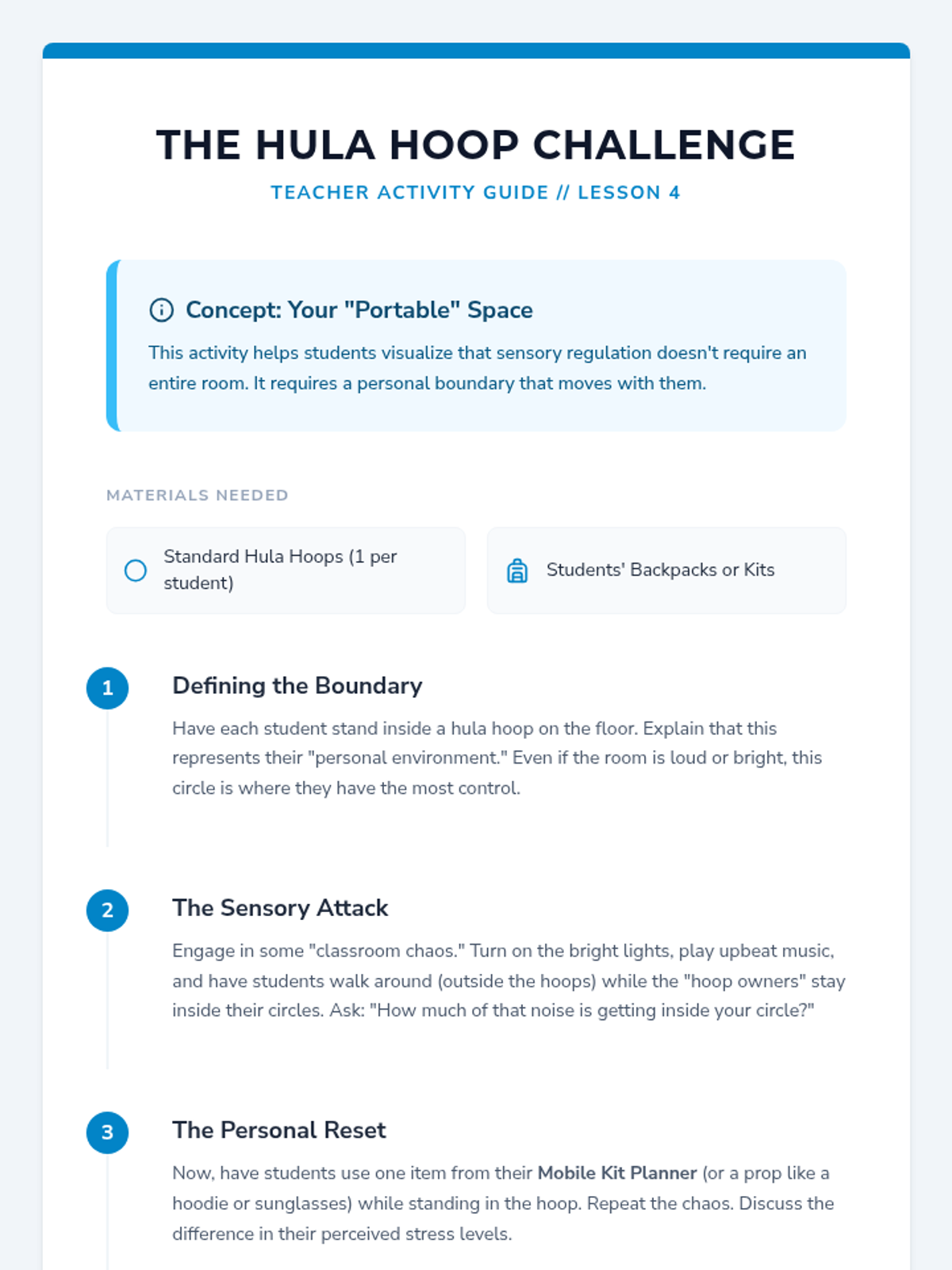
Students brainstorm and design 'Mobile Modification Kits' to adapt their immediate personal space when the external environment cannot be changed.
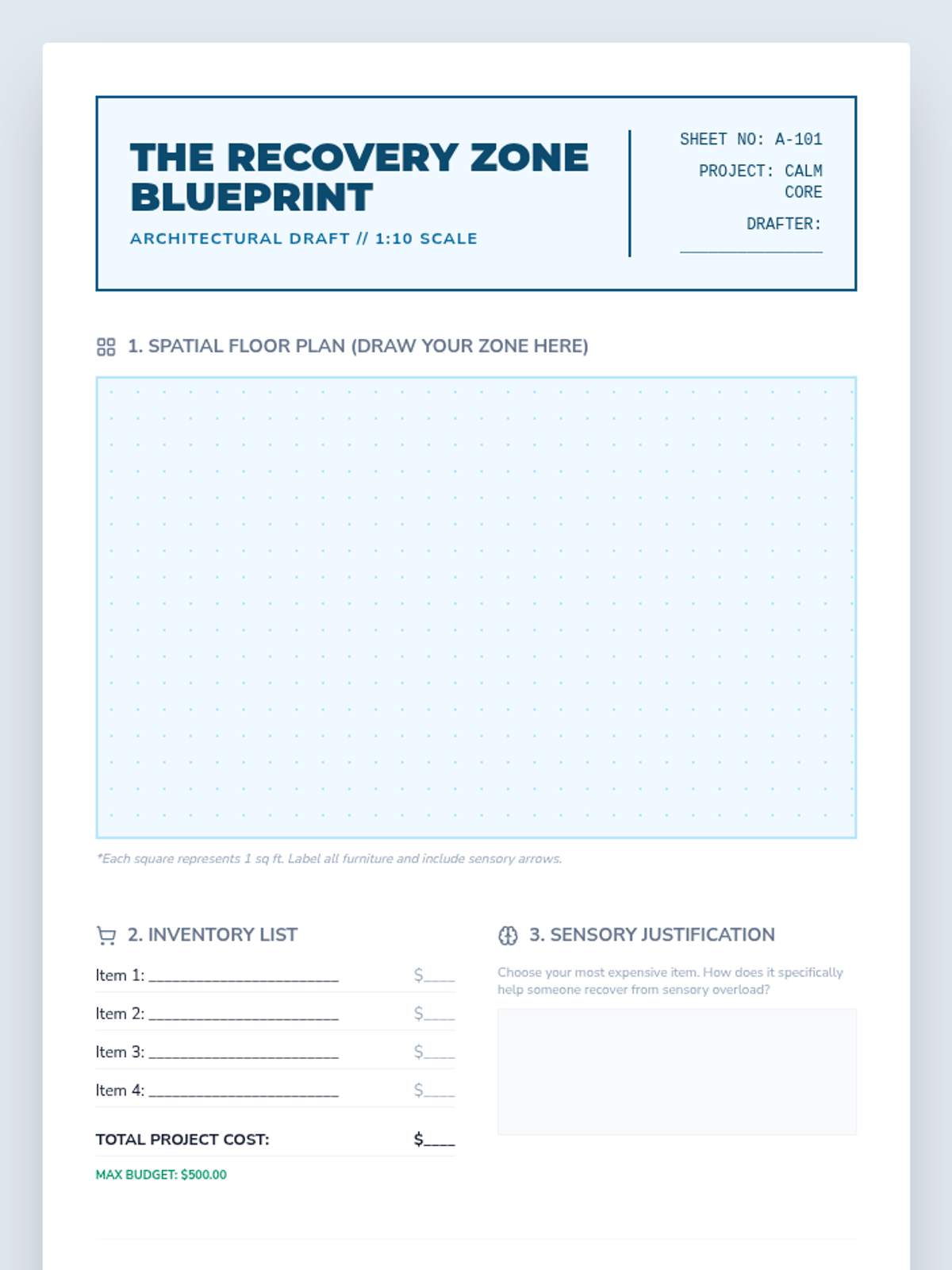
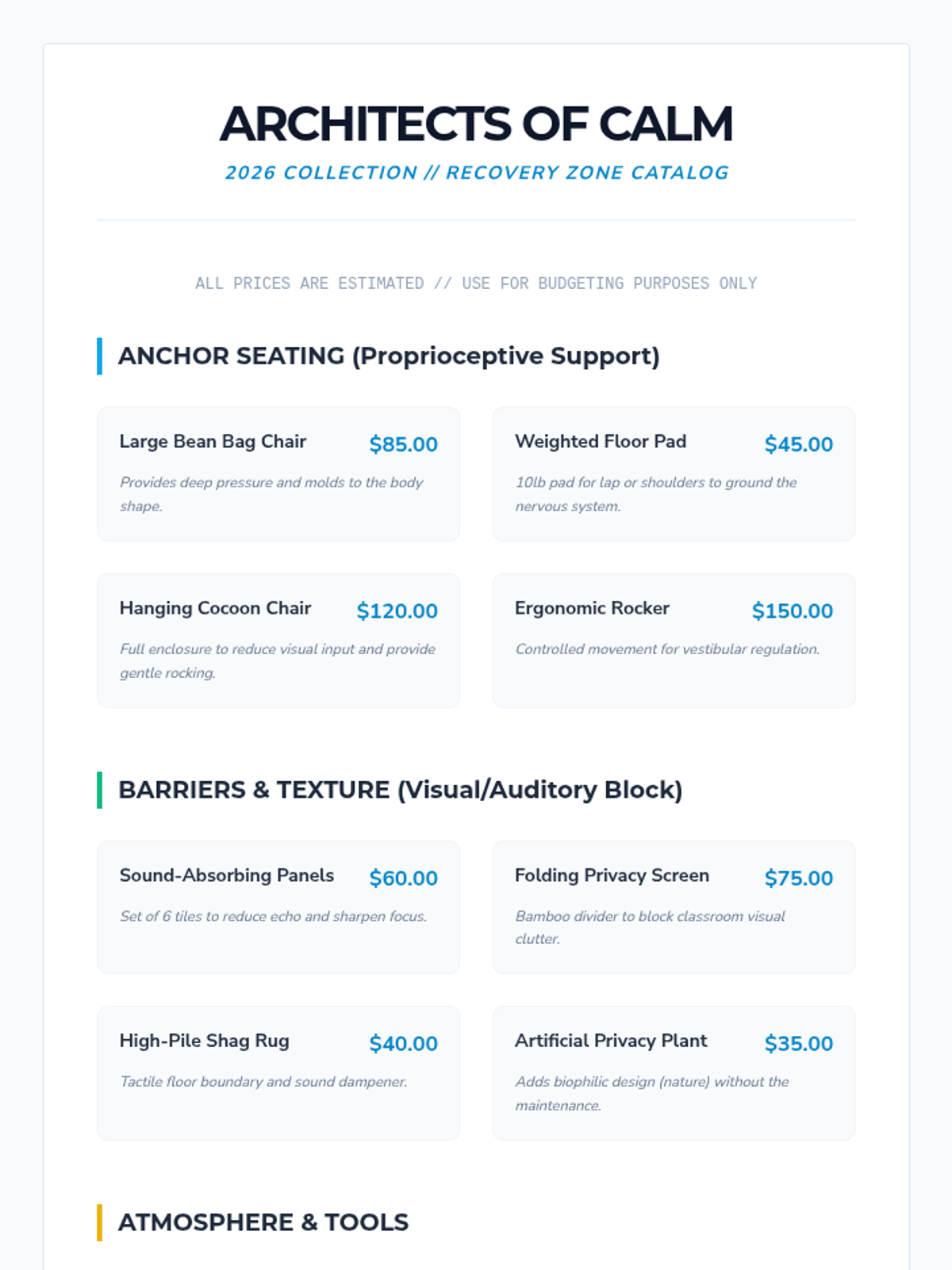
Teams design an ideal 'Recovery Zone' floor plan, justifying their choices of textures and furniture based on sensory needs.
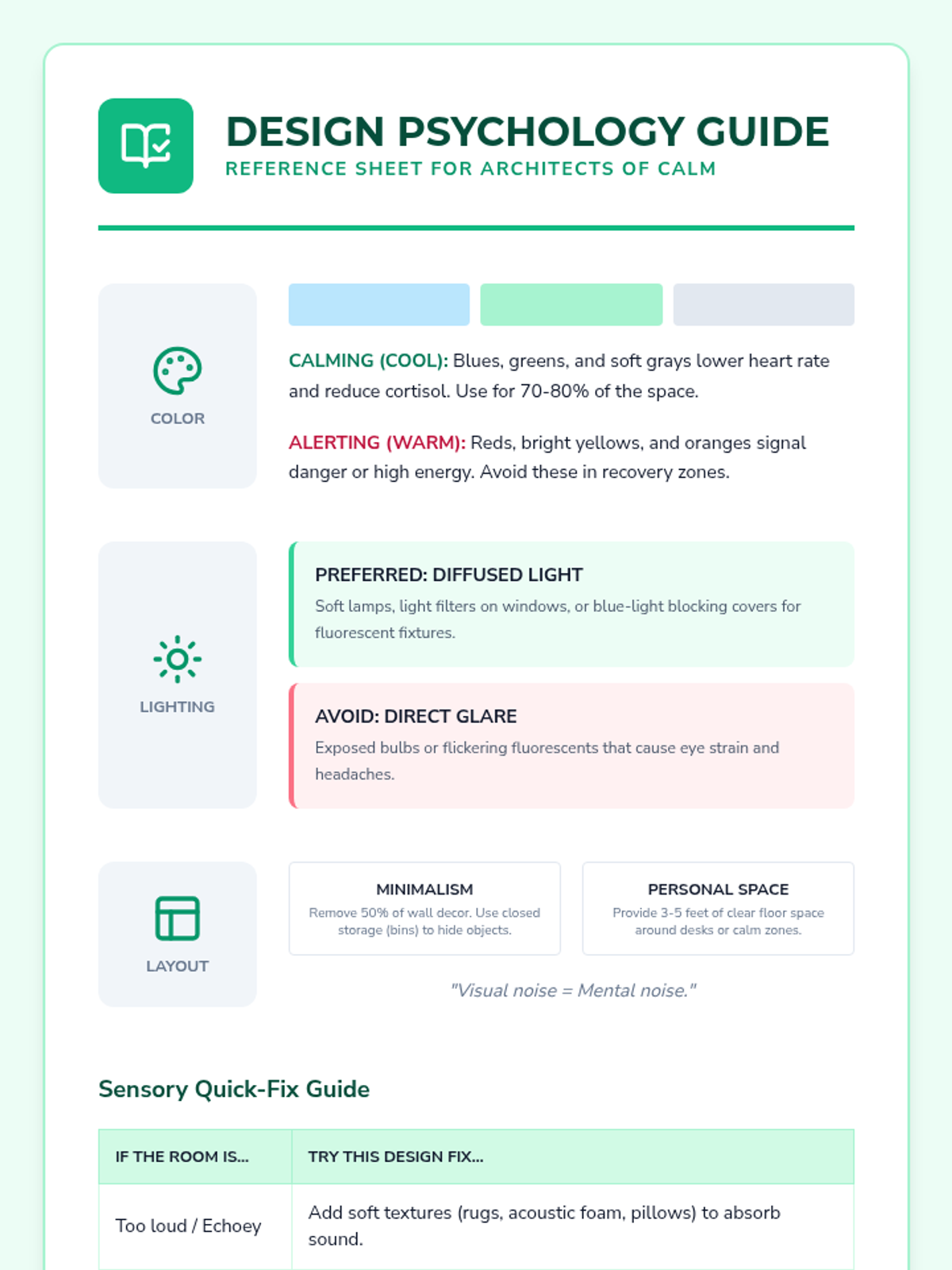
Learners explore how colors, lighting, and minimalism impact the autonomic nervous system and apply these principles to interior design.
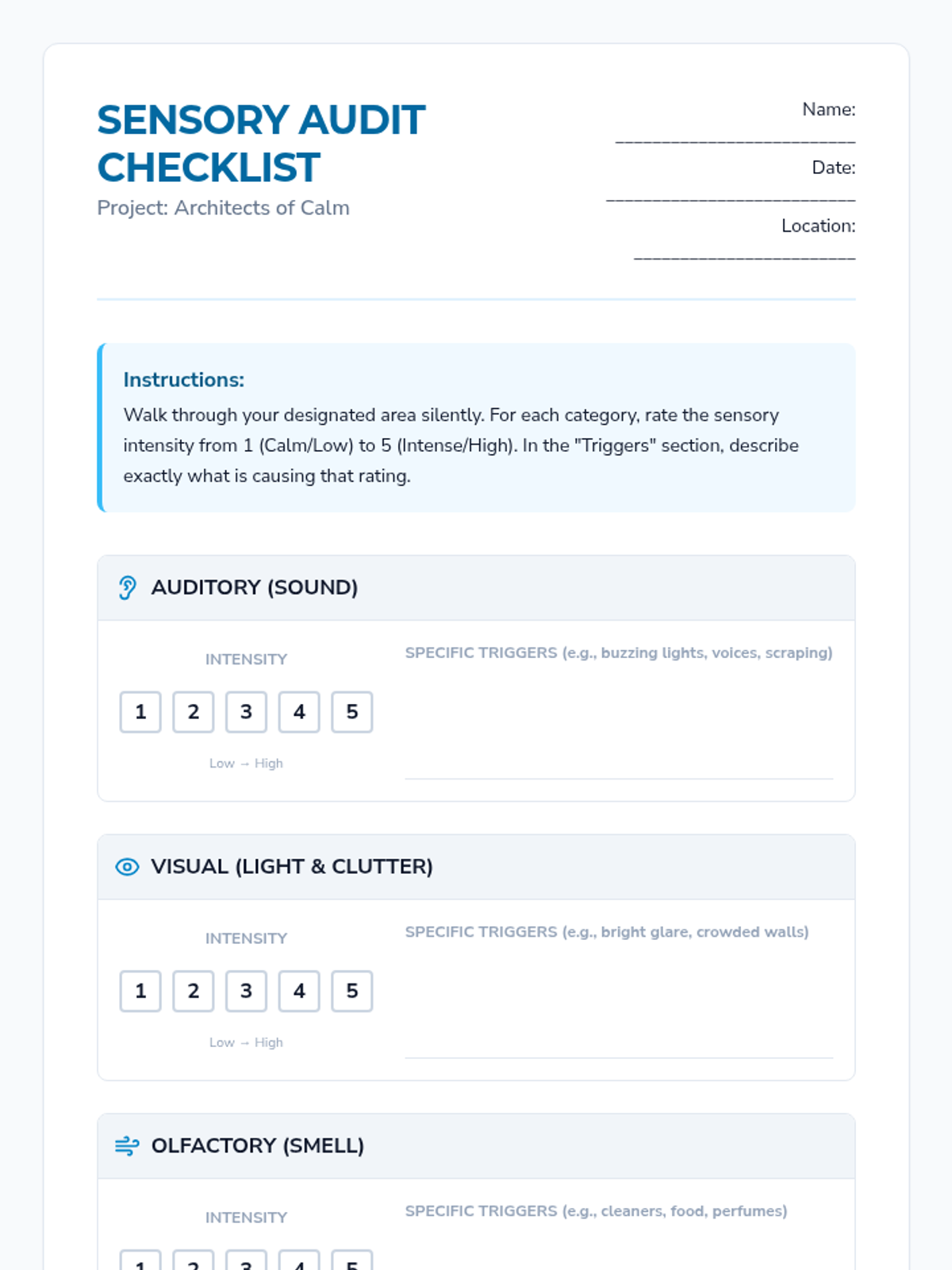
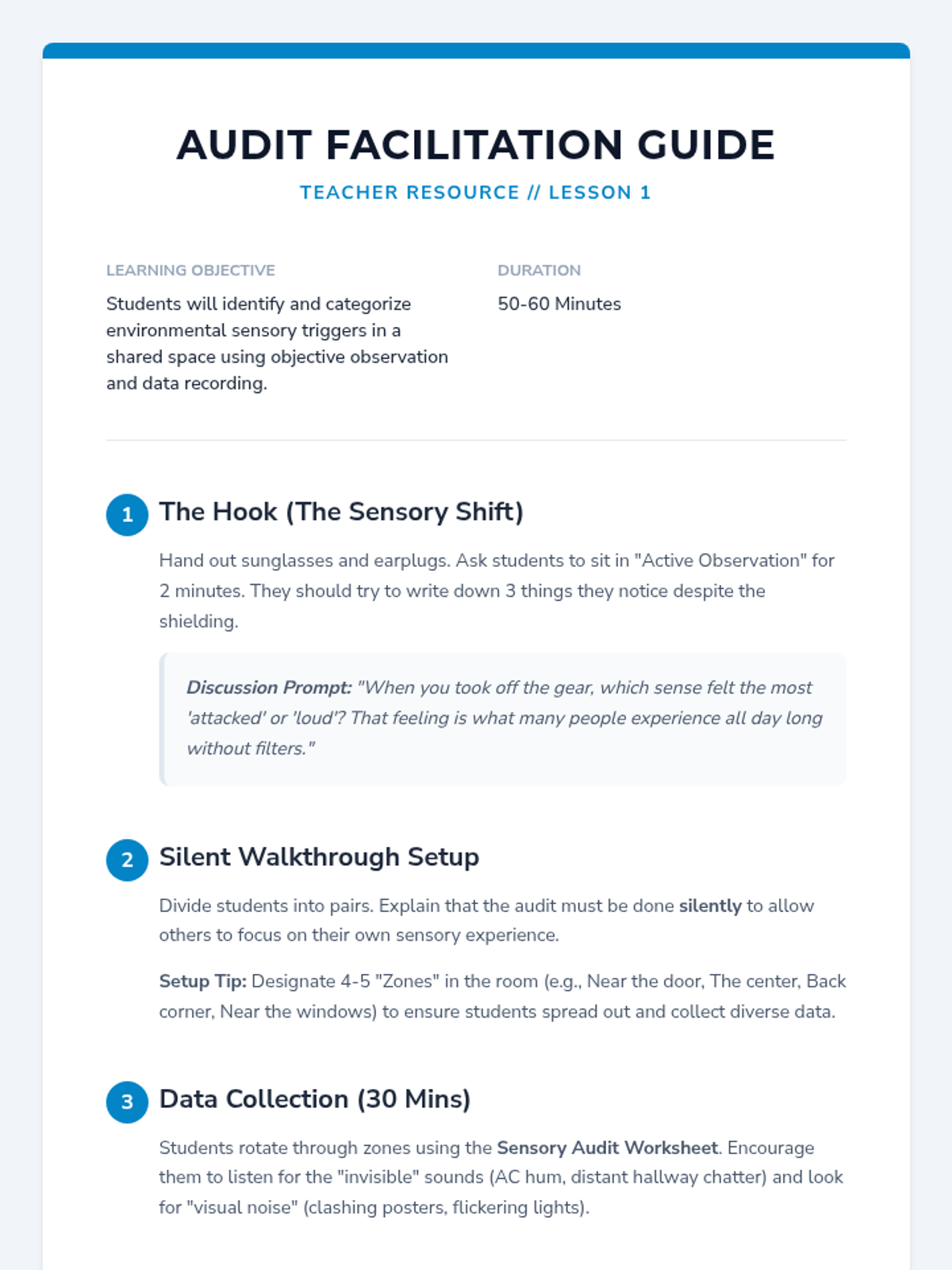
Students learn to identify sensory 'hot spots' in their environment by conducting a formal audit of noise, light, smell, and traffic patterns.
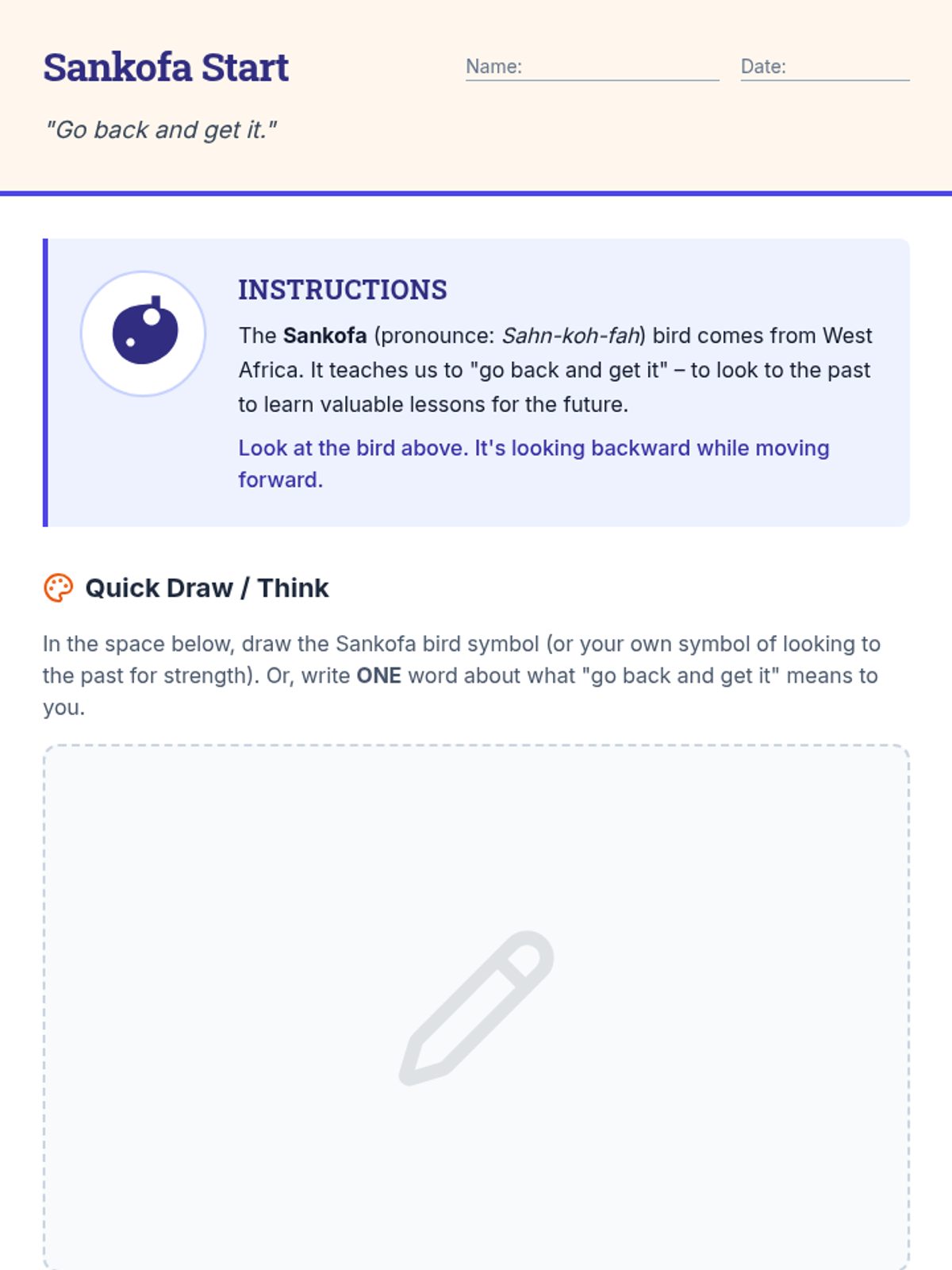
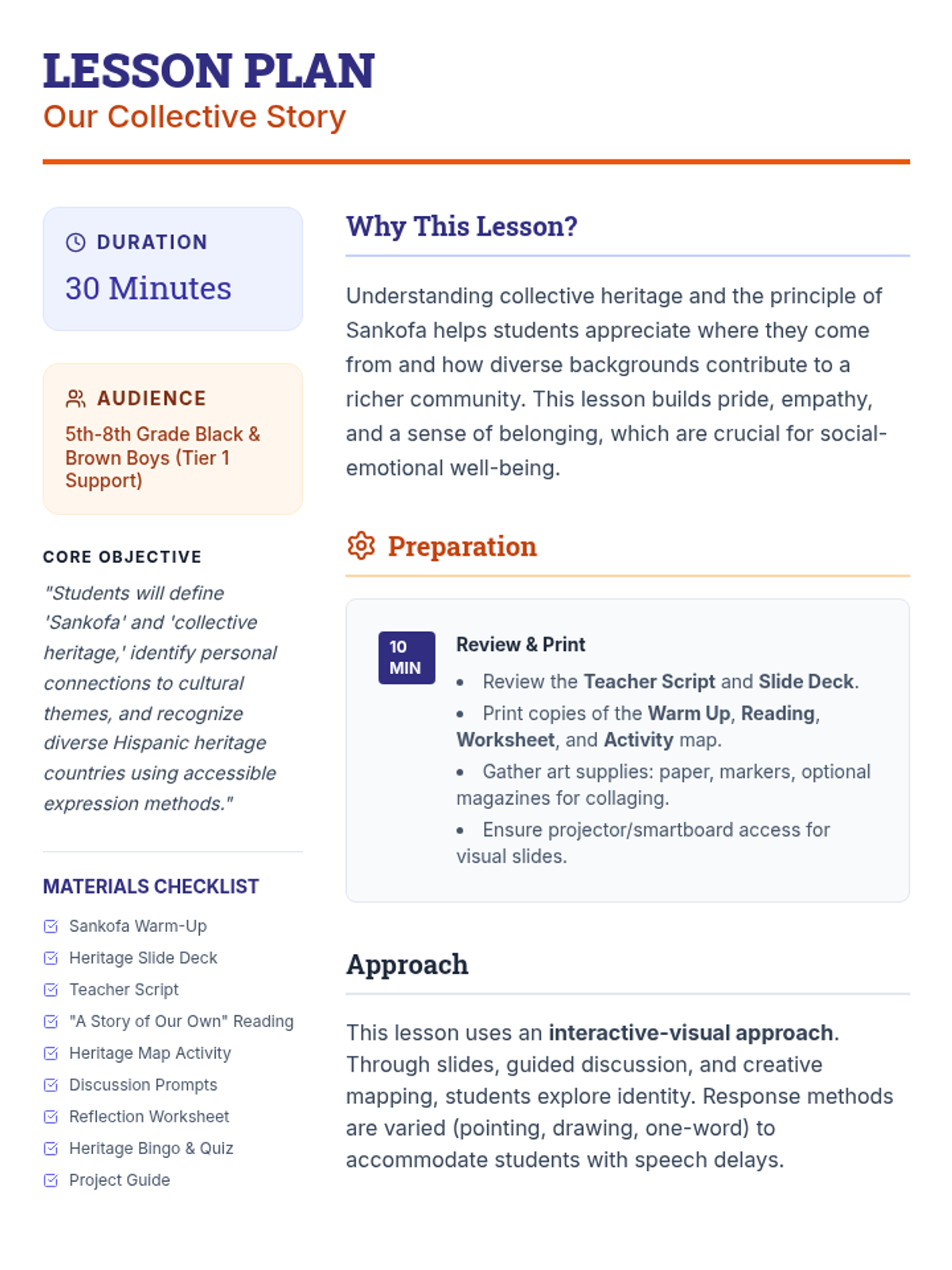
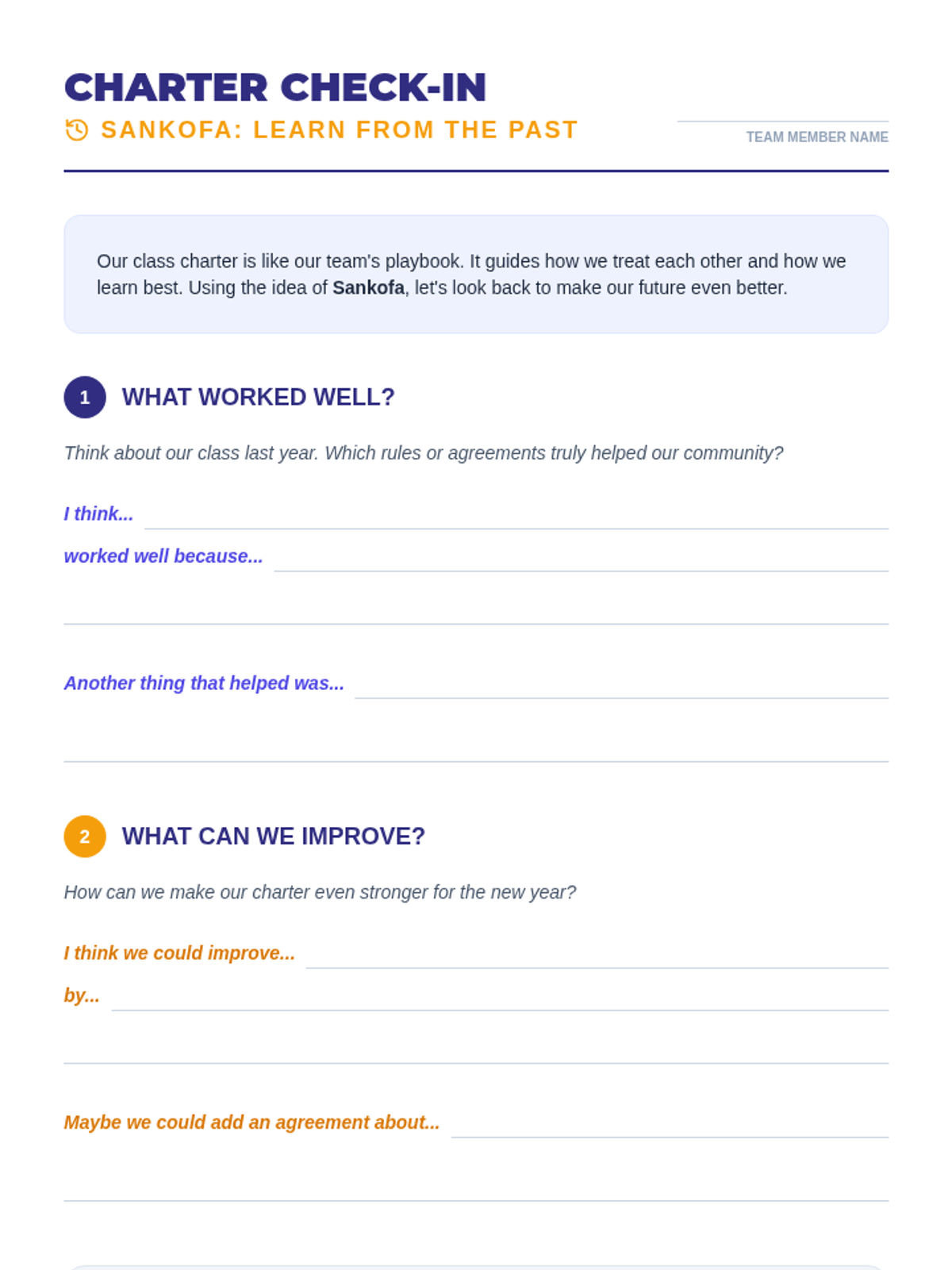
A 30-minute Tier 1 lesson for 5th-8th grade Black and Brown boys exploring collective heritage through the concept of Sankofa. Designed with visual supports and accessible response methods for students with speech delays.
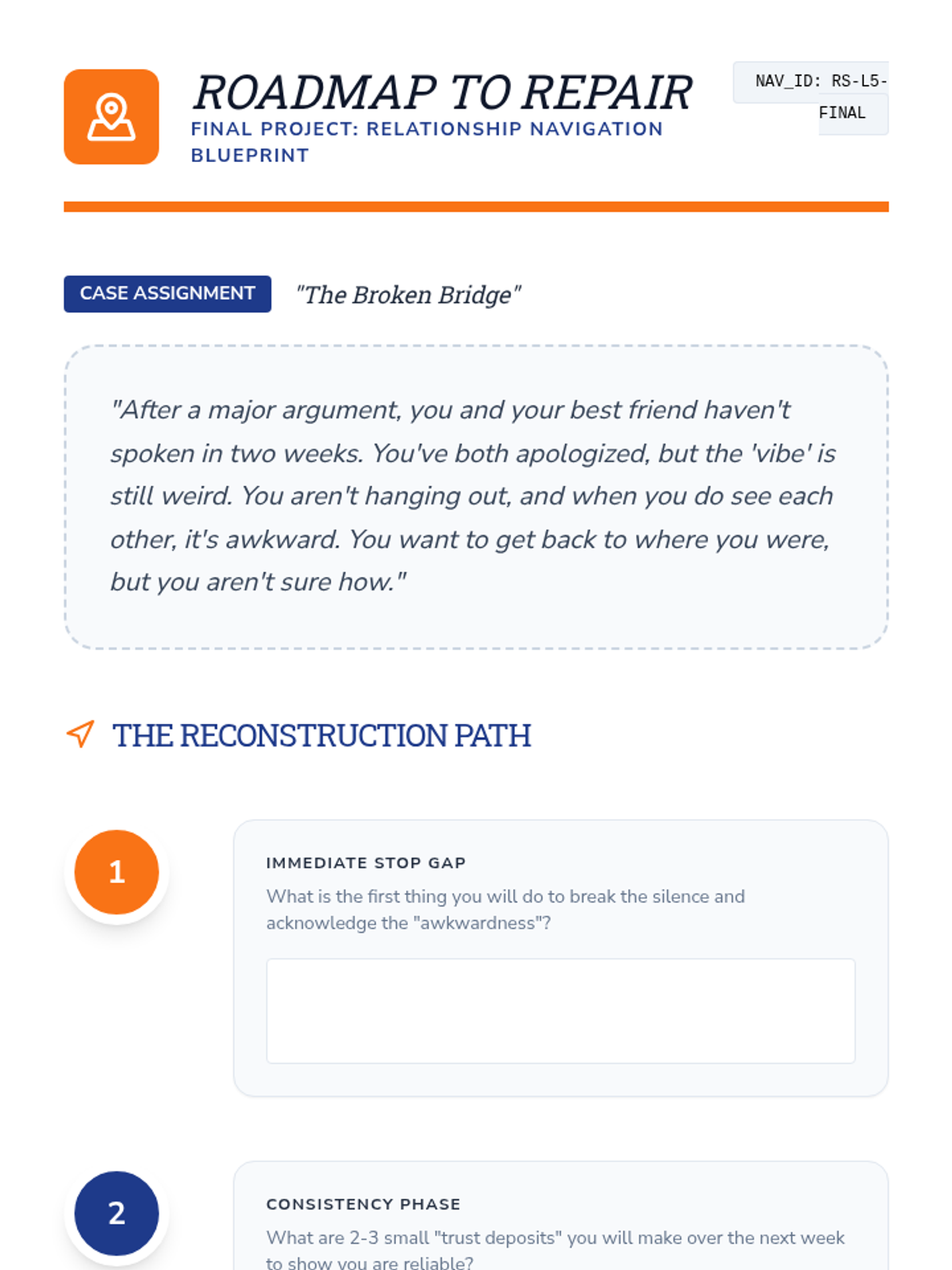
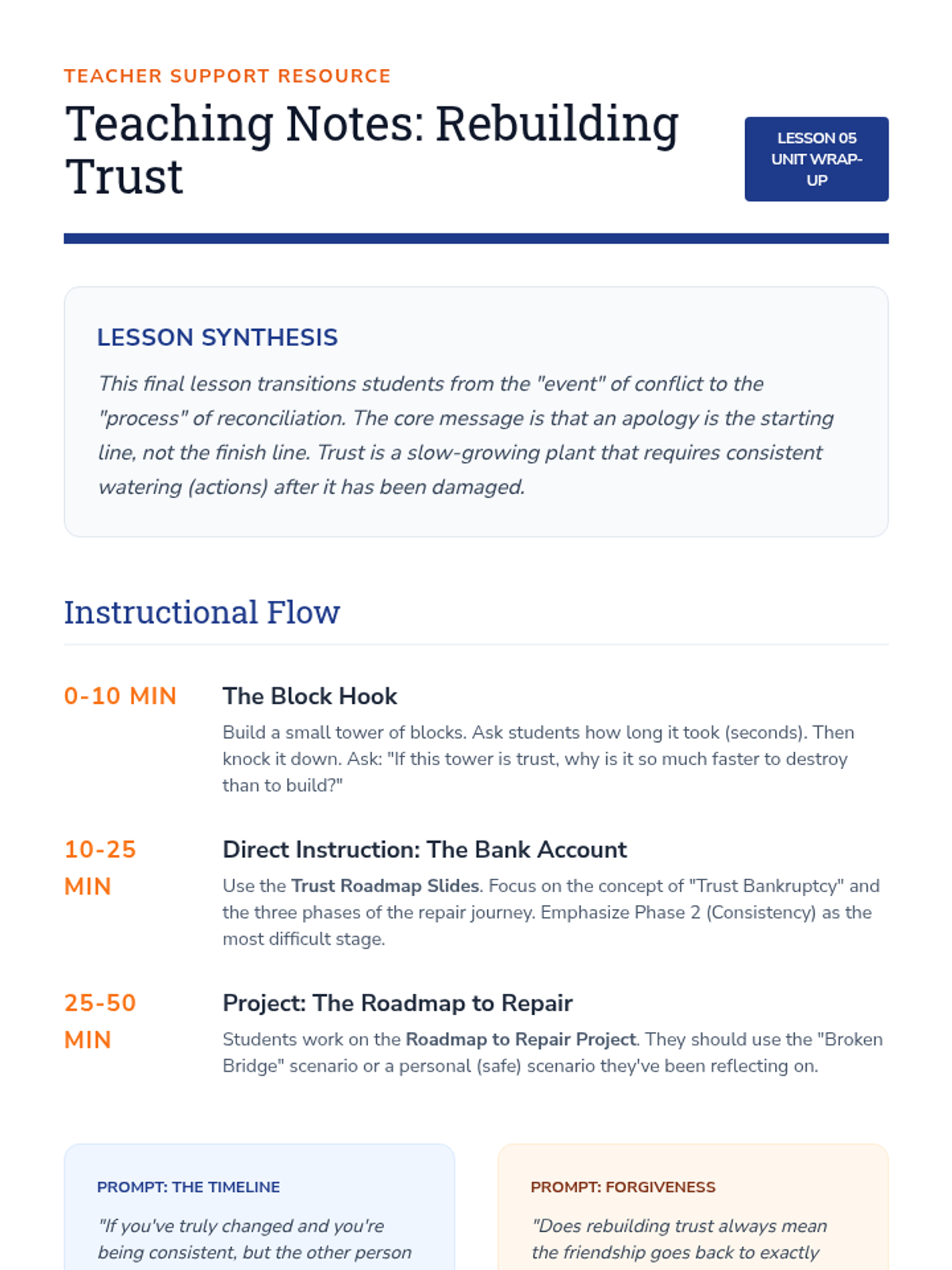
Students learn that trust is built slowly over time and create a 'Roadmap to Repair' outlining consistent actions needed to re-establish a friendship.
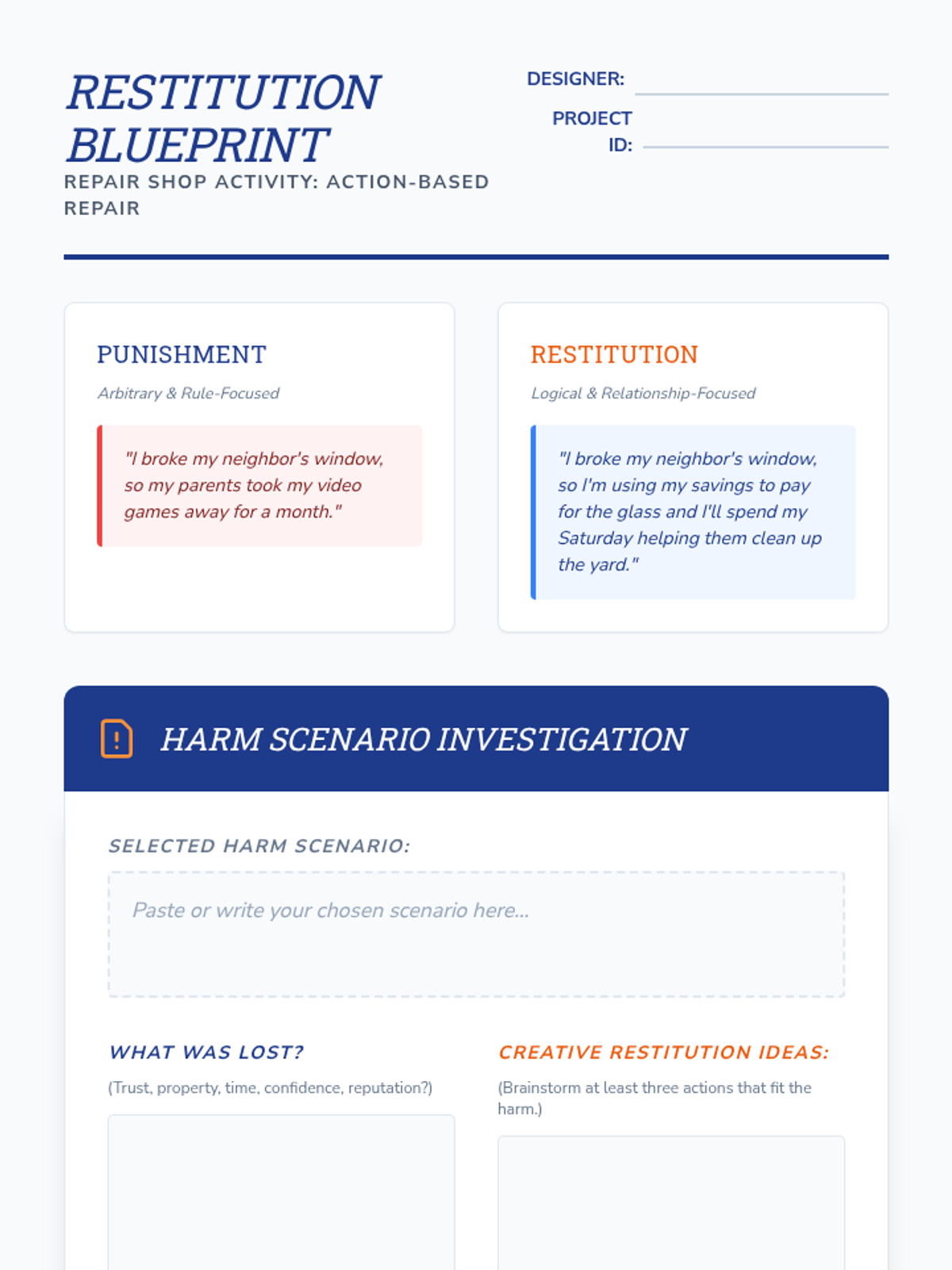
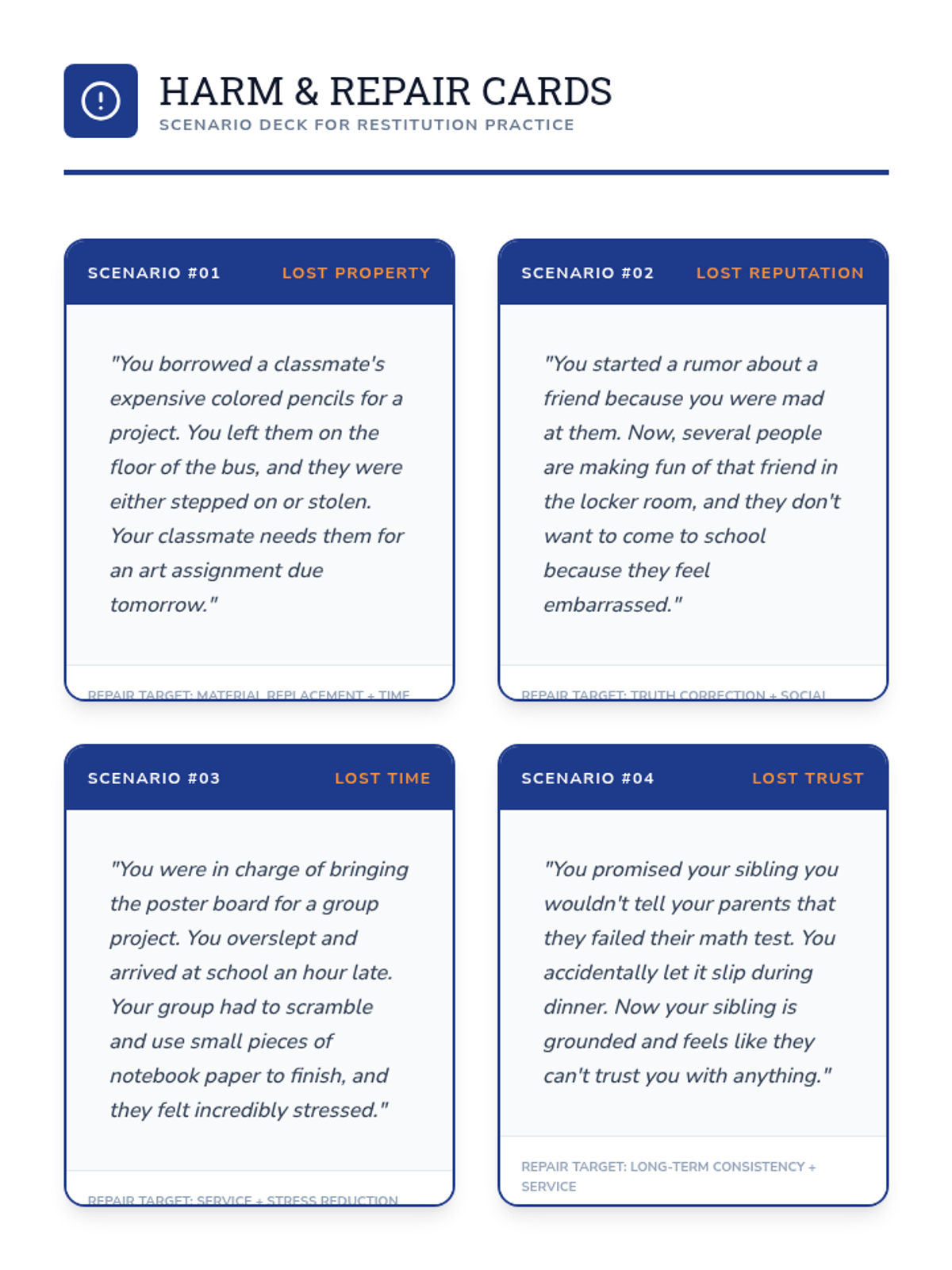
This lesson moves beyond words to action, brainstorming creative ways to 'make it right' or offer restitution relevant to the harm caused.
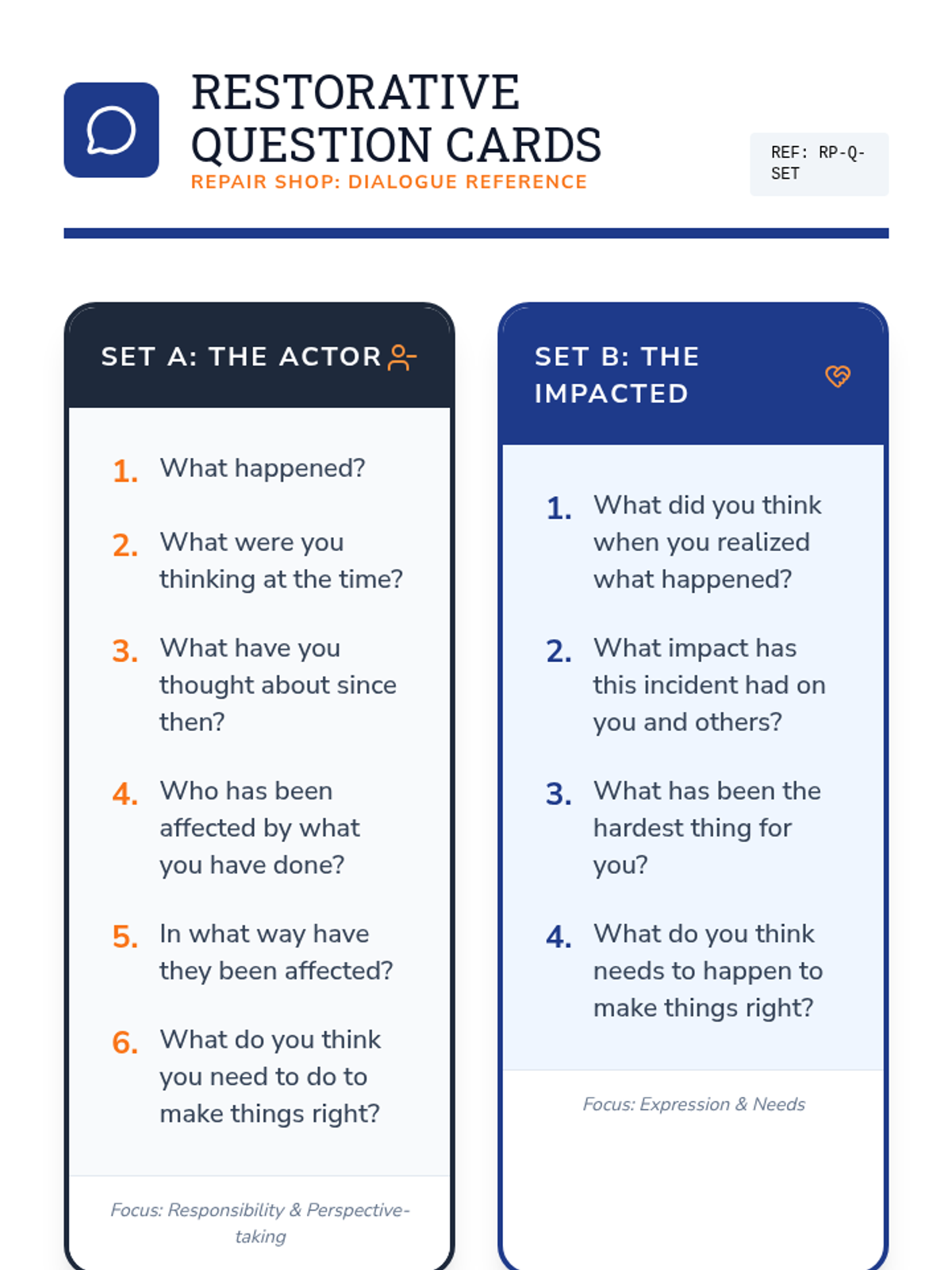
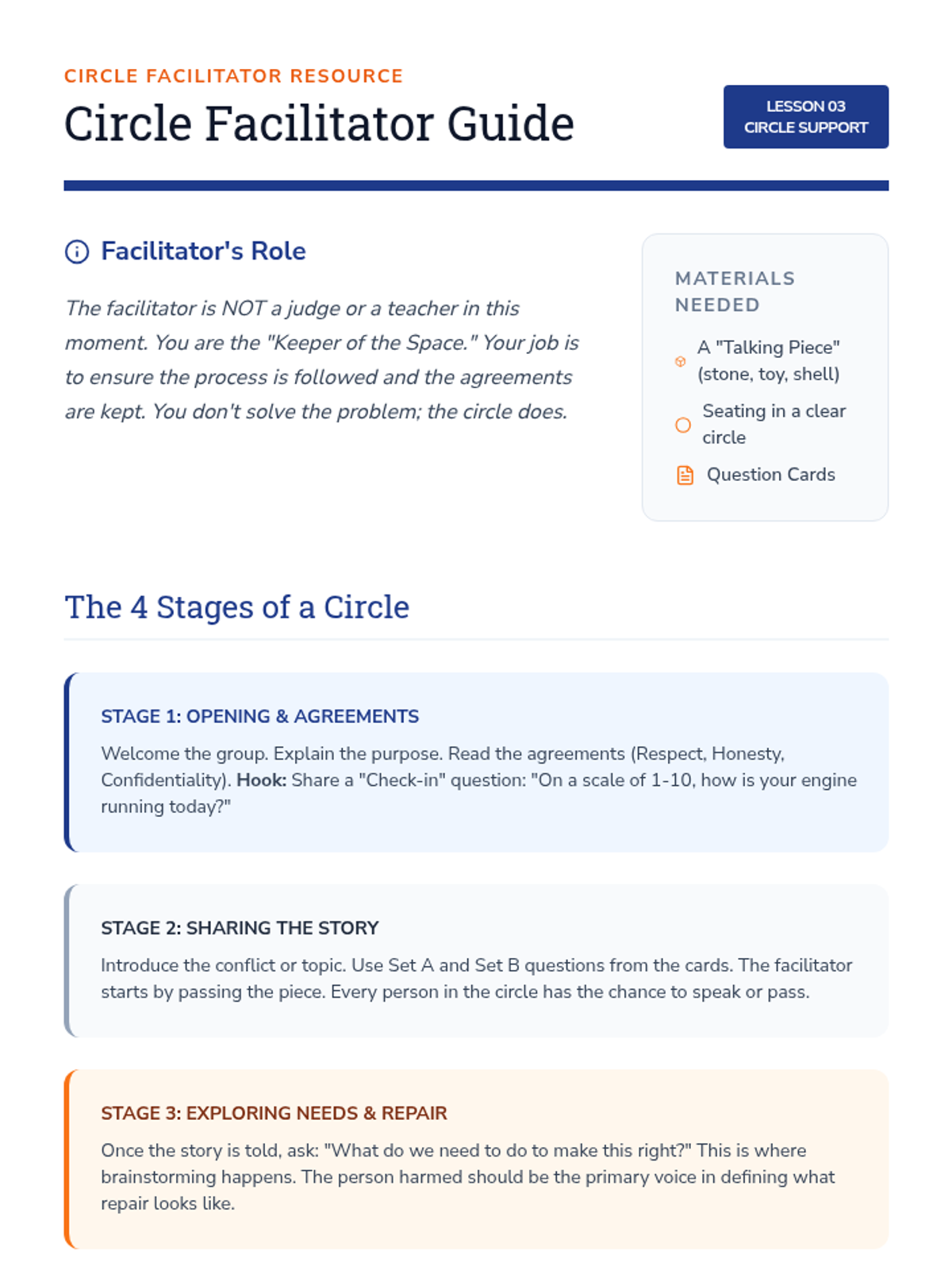
Students participate in a structured circle process to practice sharing feelings and listening to others' experiences of harm using restorative justice questions.
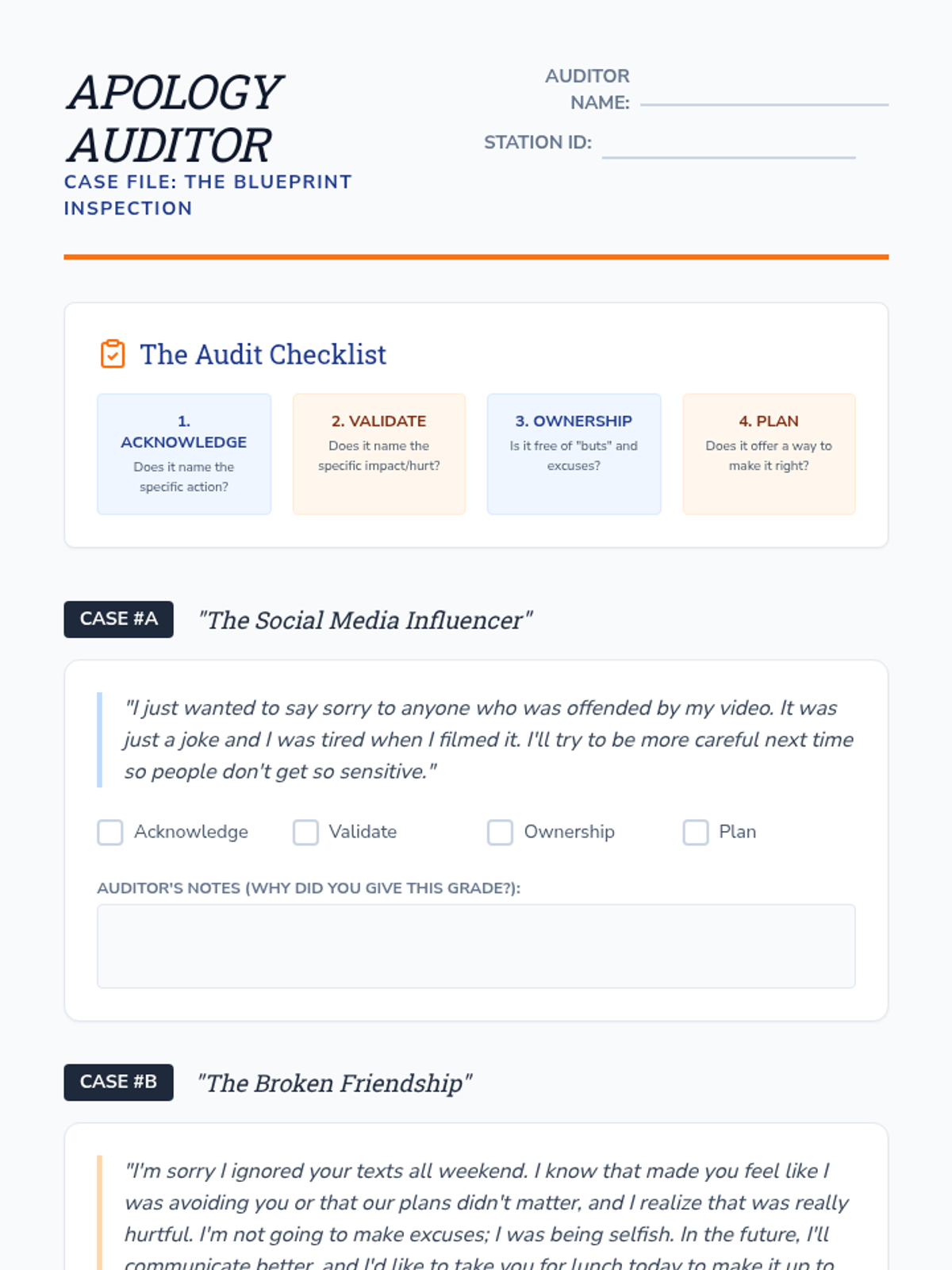
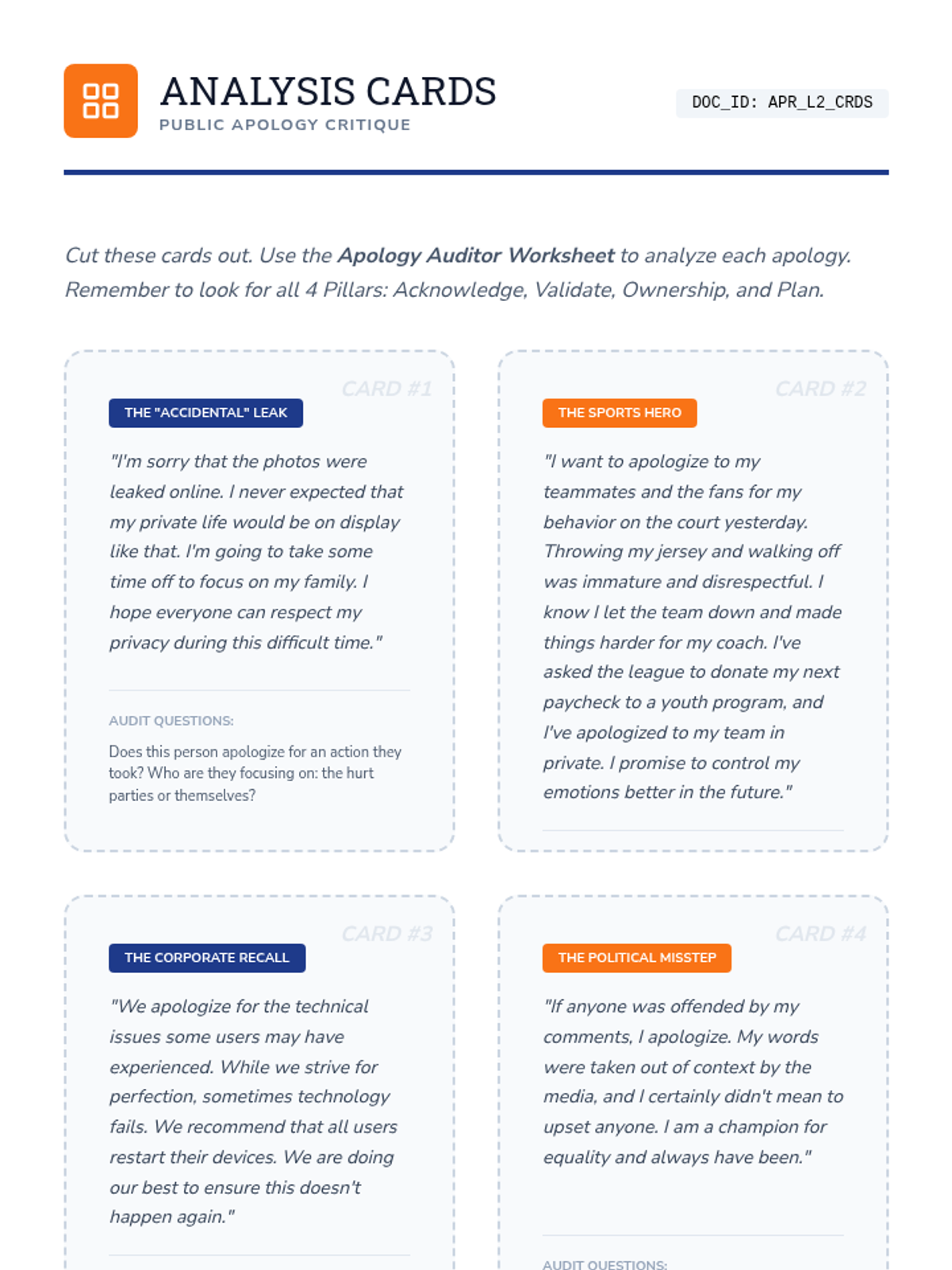
Students deconstruct apologies to identify key components: acknowledging the act, validating hurt, accepting responsibility, and making a plan for change. They critique public apologies.
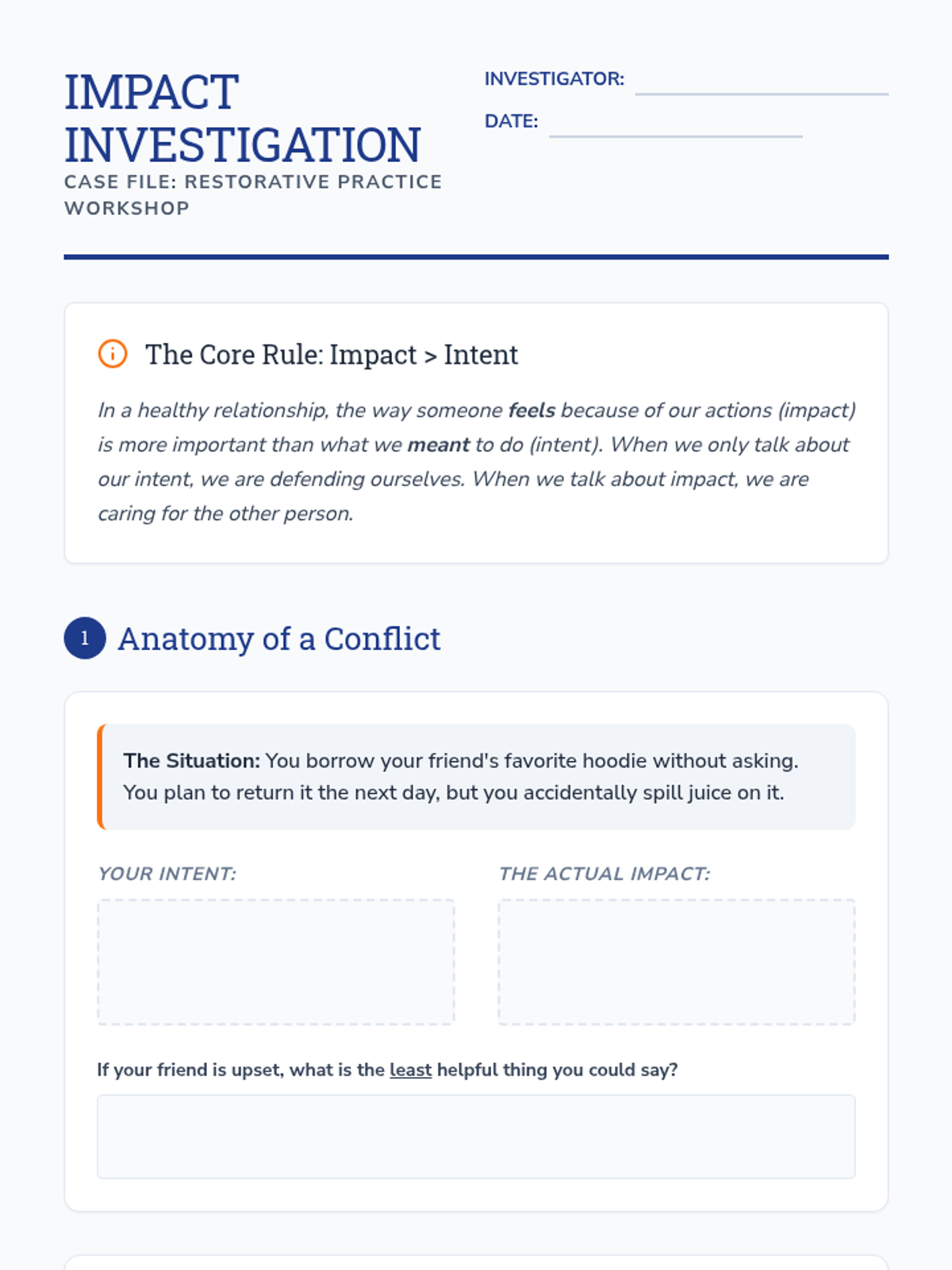
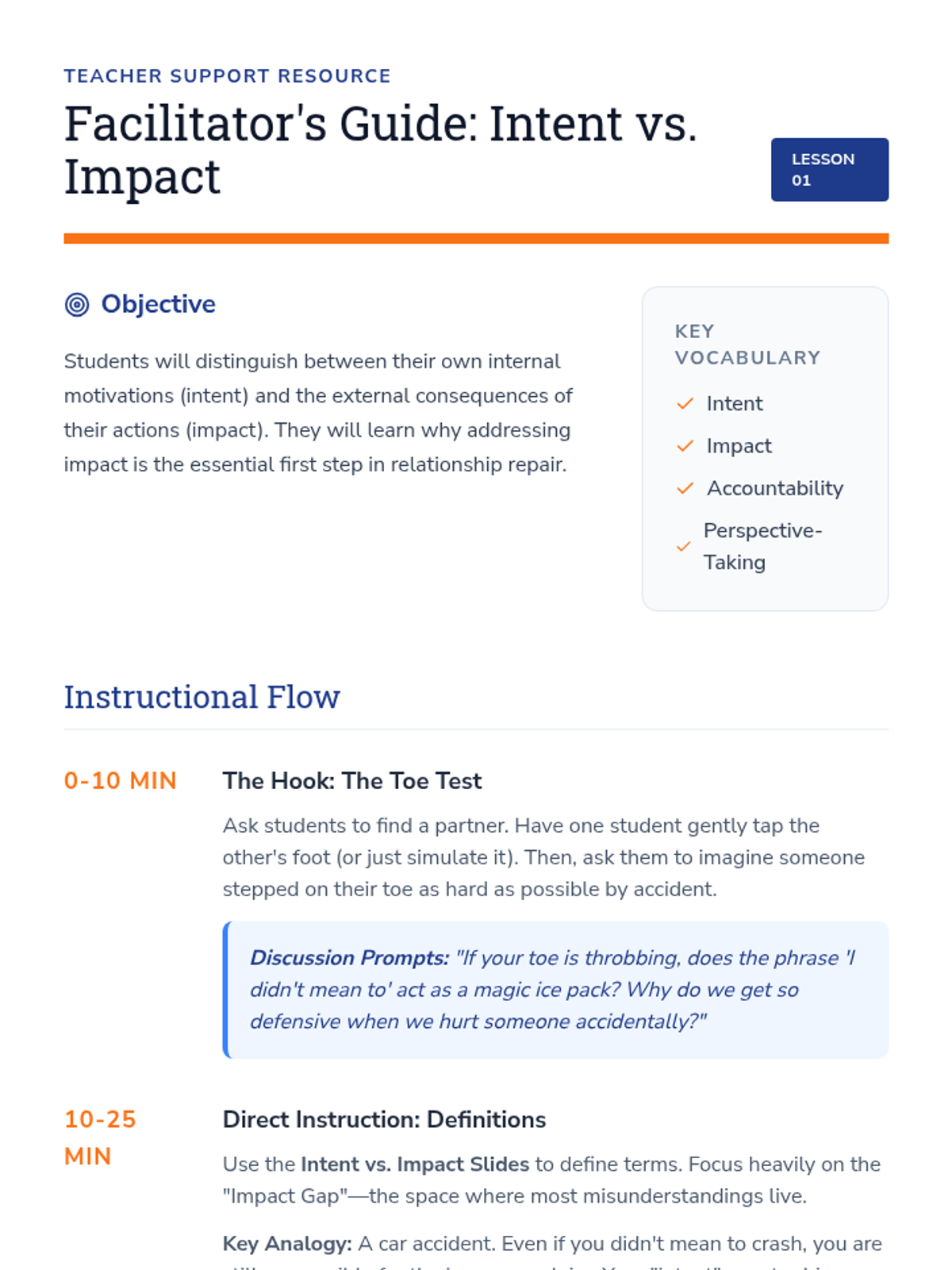
Students explore the gap between what they meant to do (intent) and how it affected others (impact). They analyze scenarios where good intentions still caused harm and discuss why impact must be addressed first.
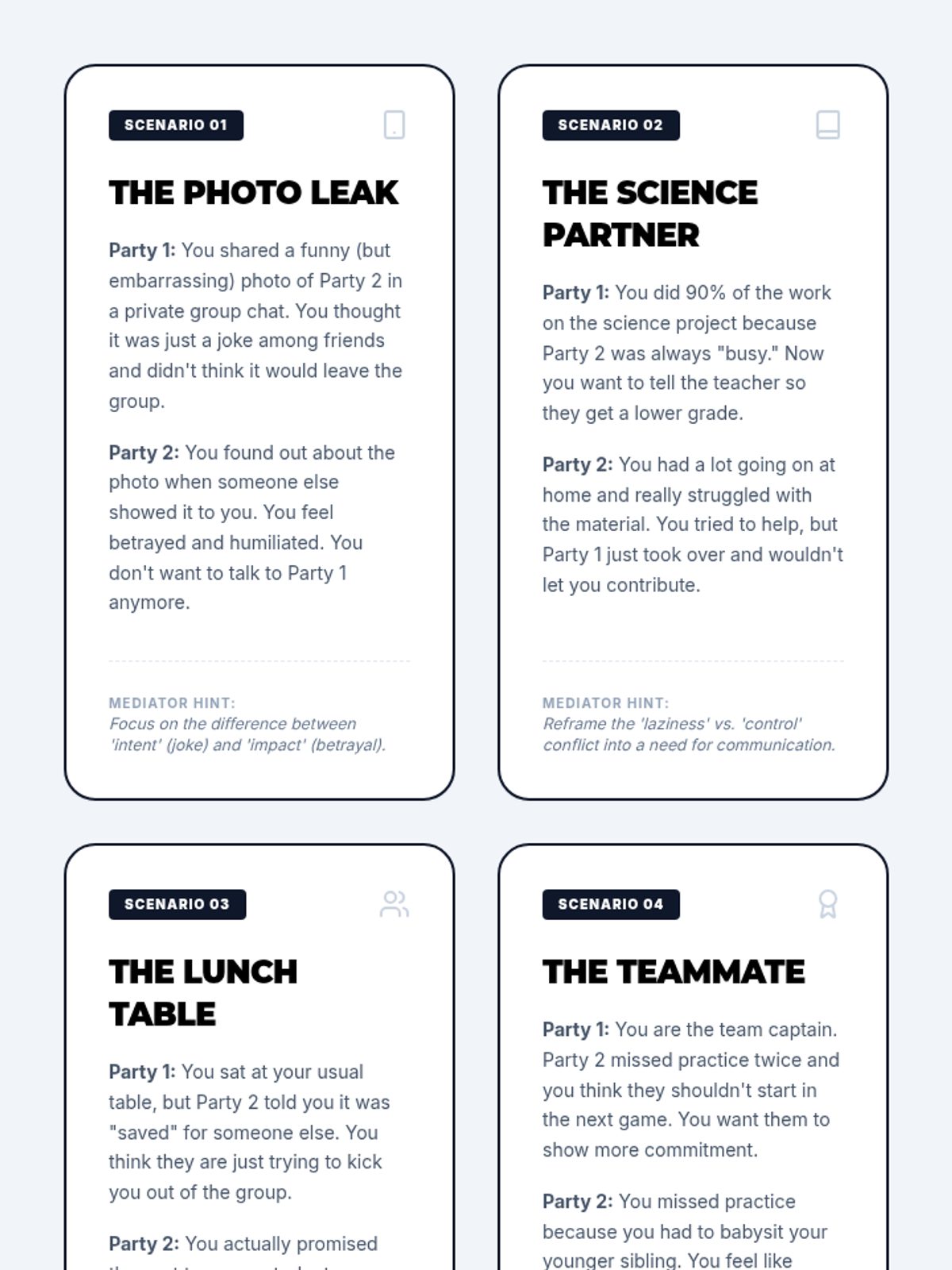
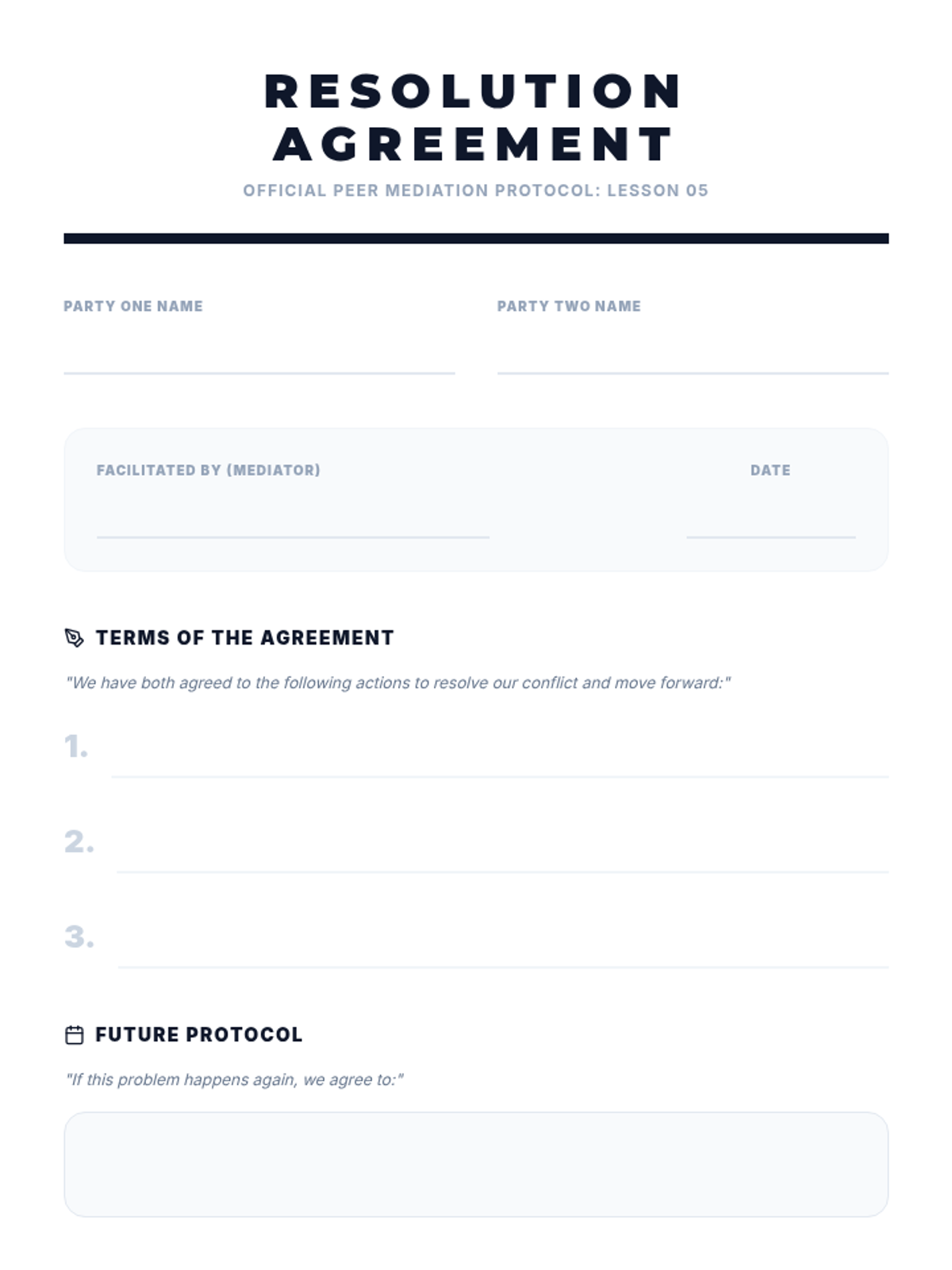
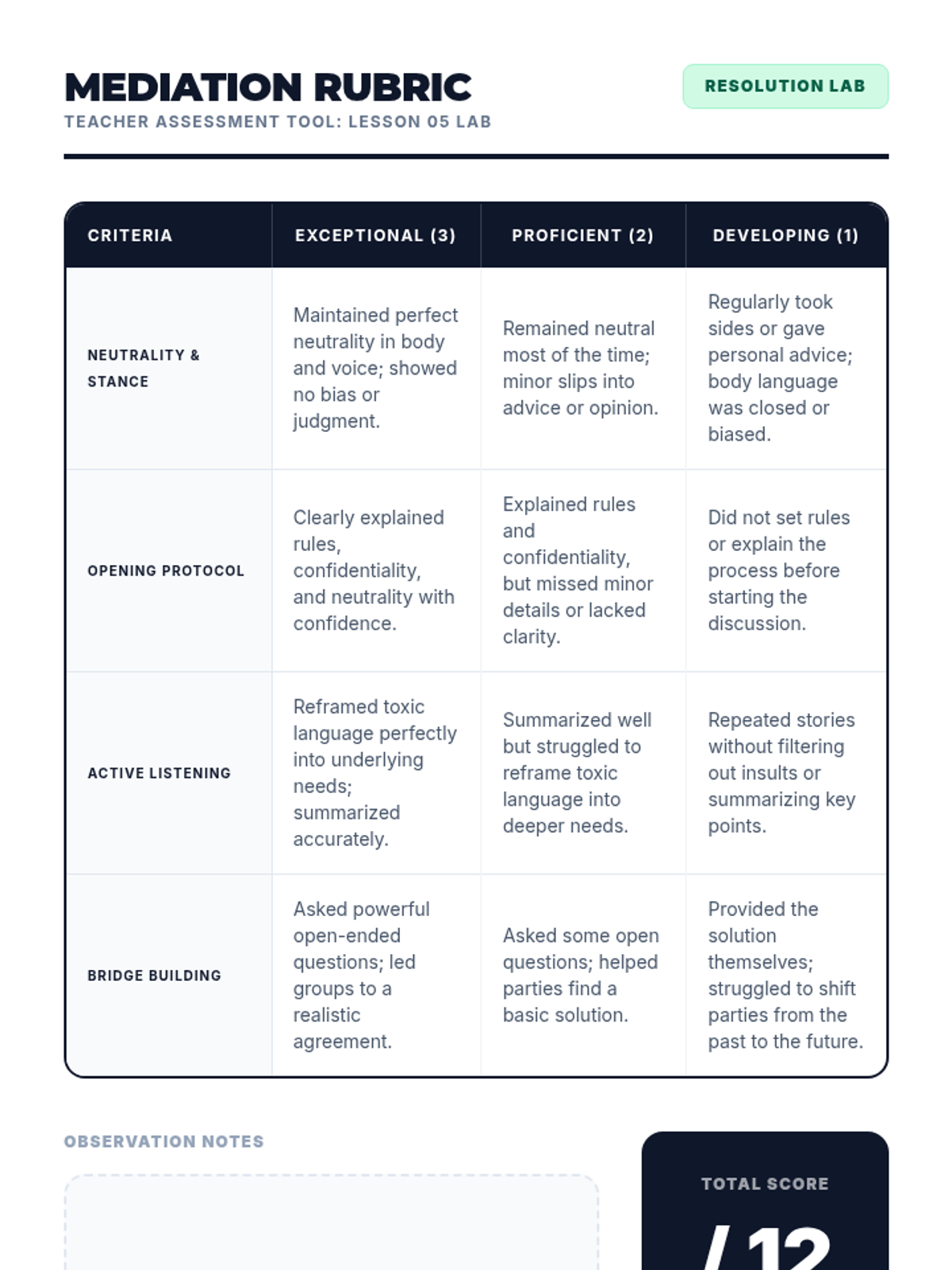
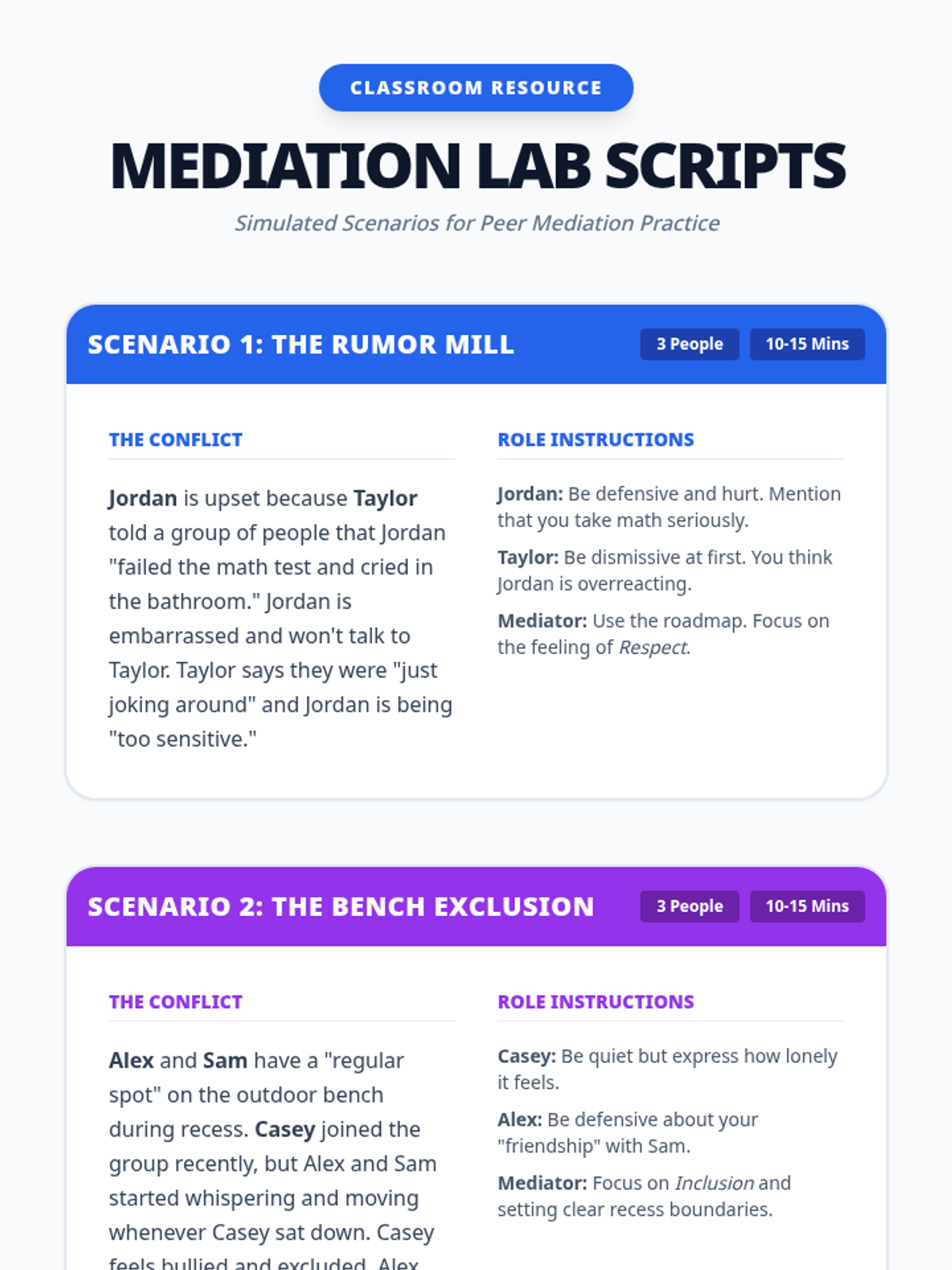
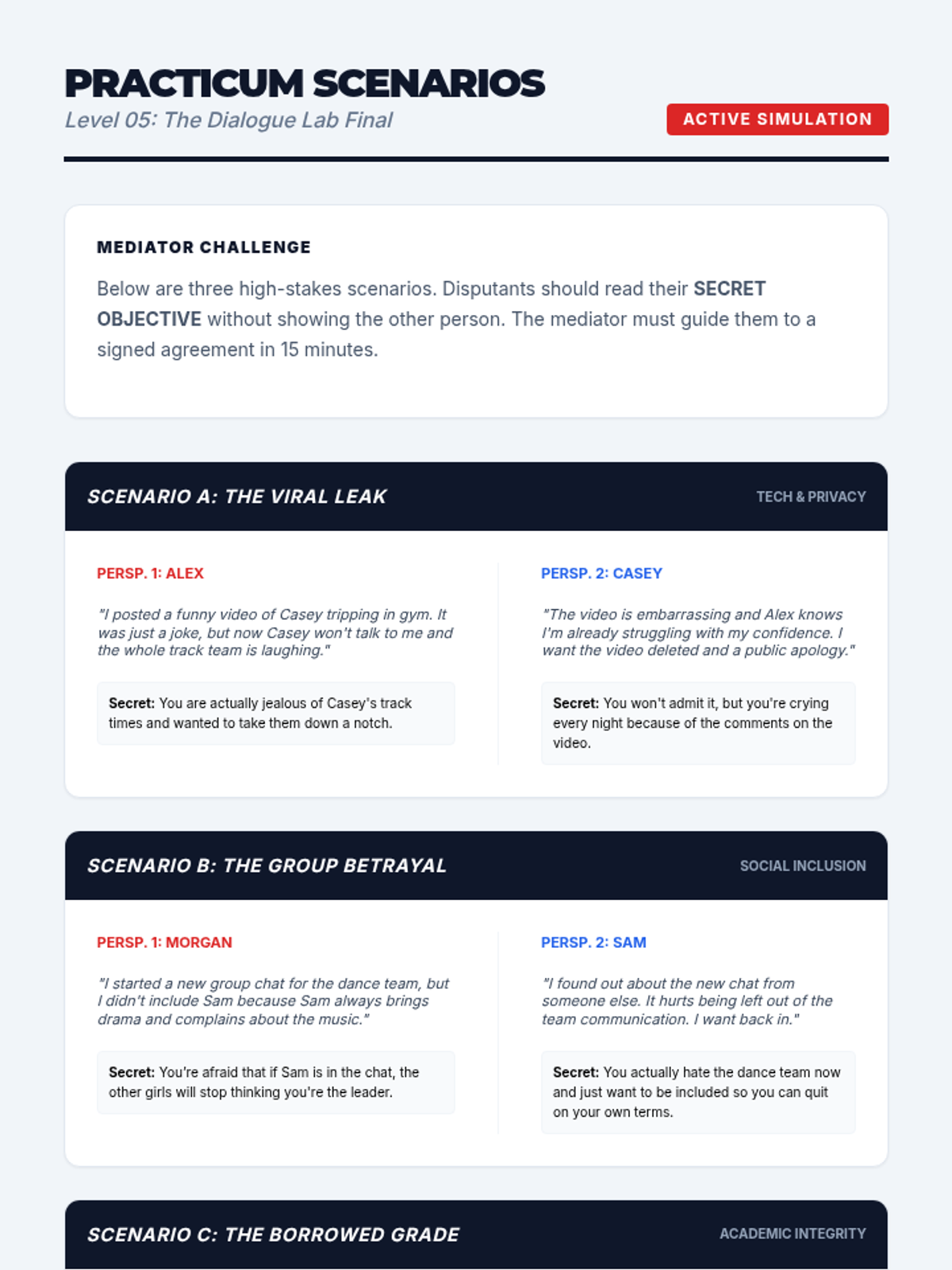
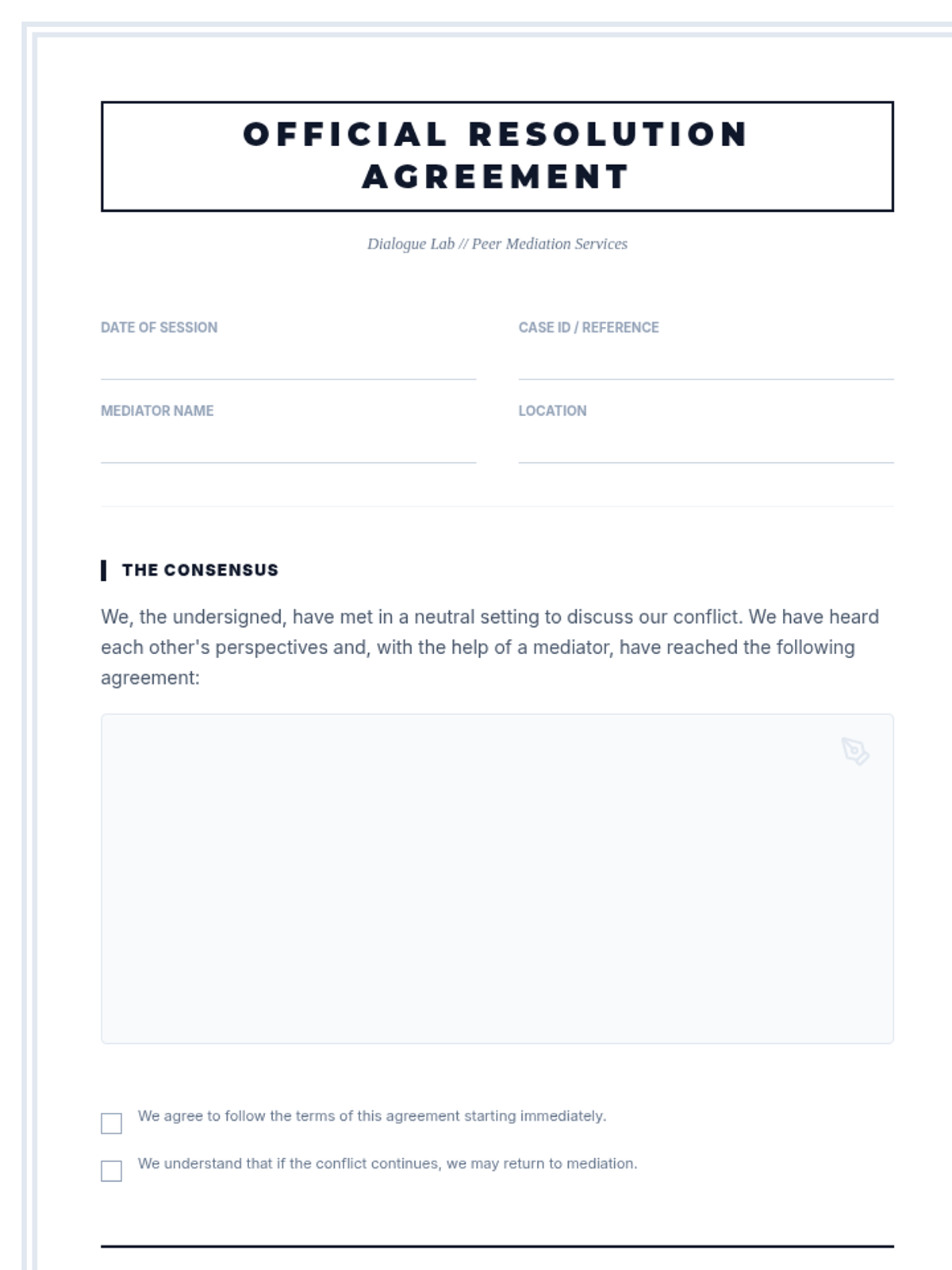
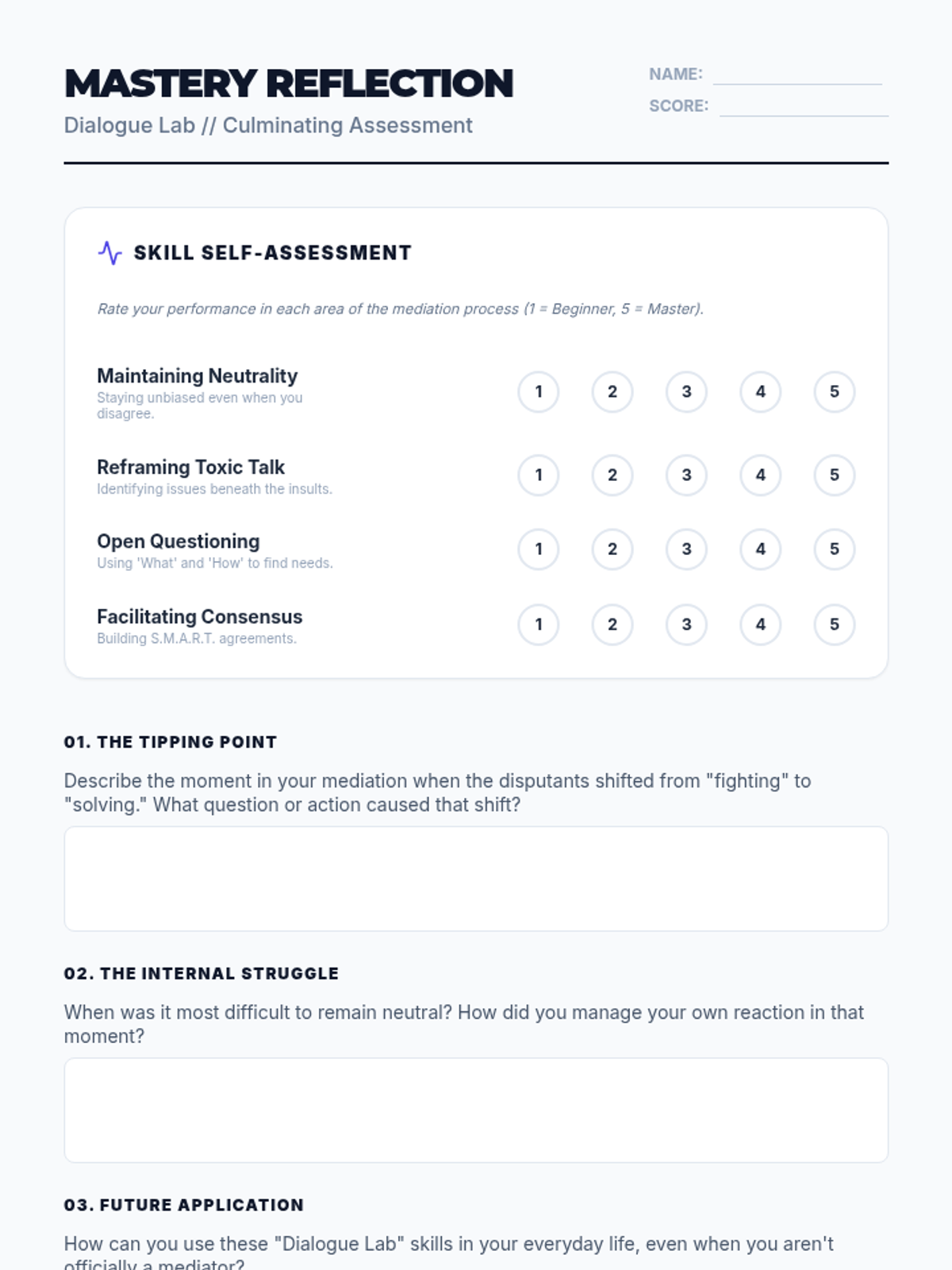
A culminating mock mediation simulation where students apply the full protocol—from opening statements to written agreements—using realistic middle school scenarios.
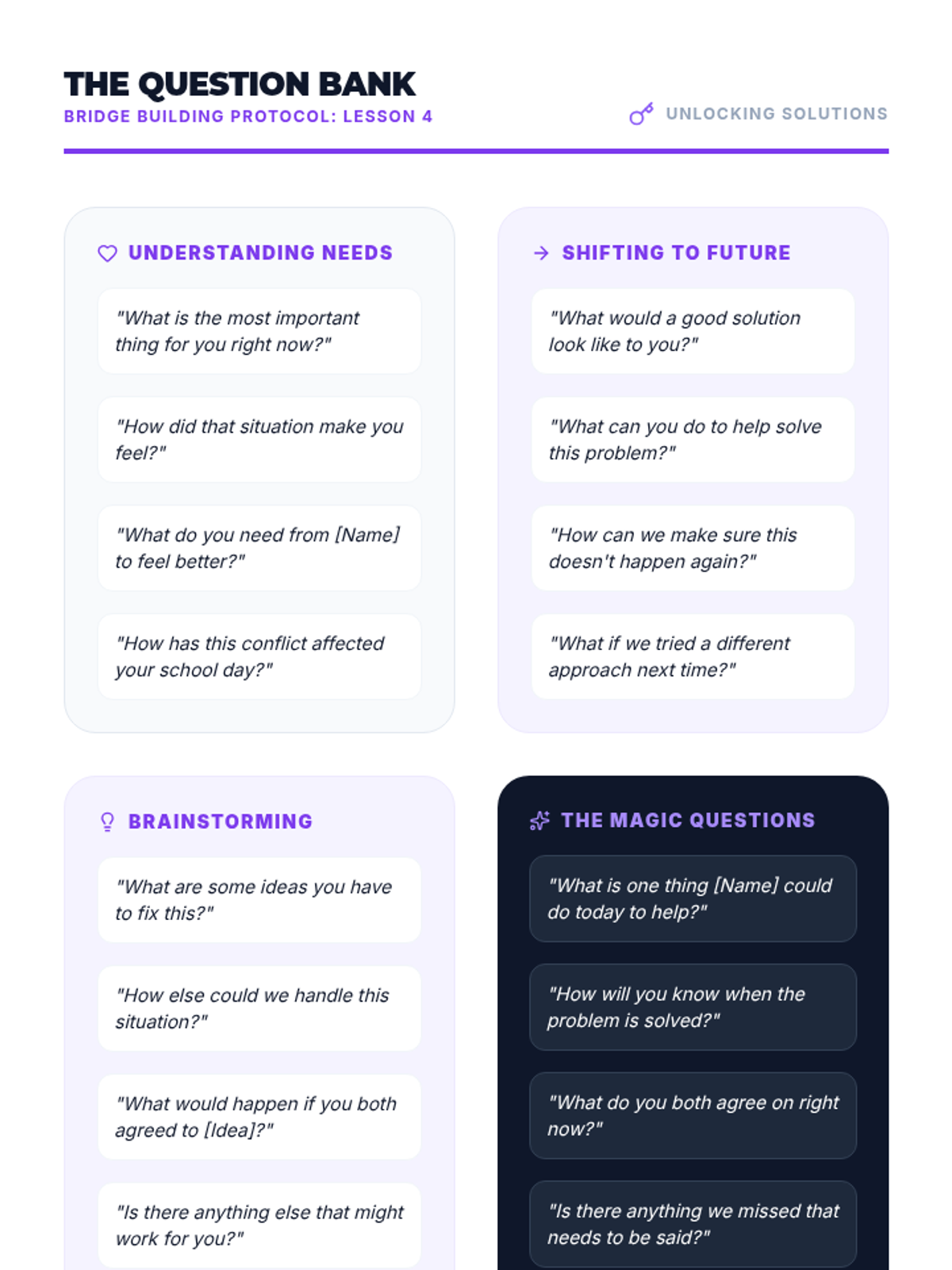
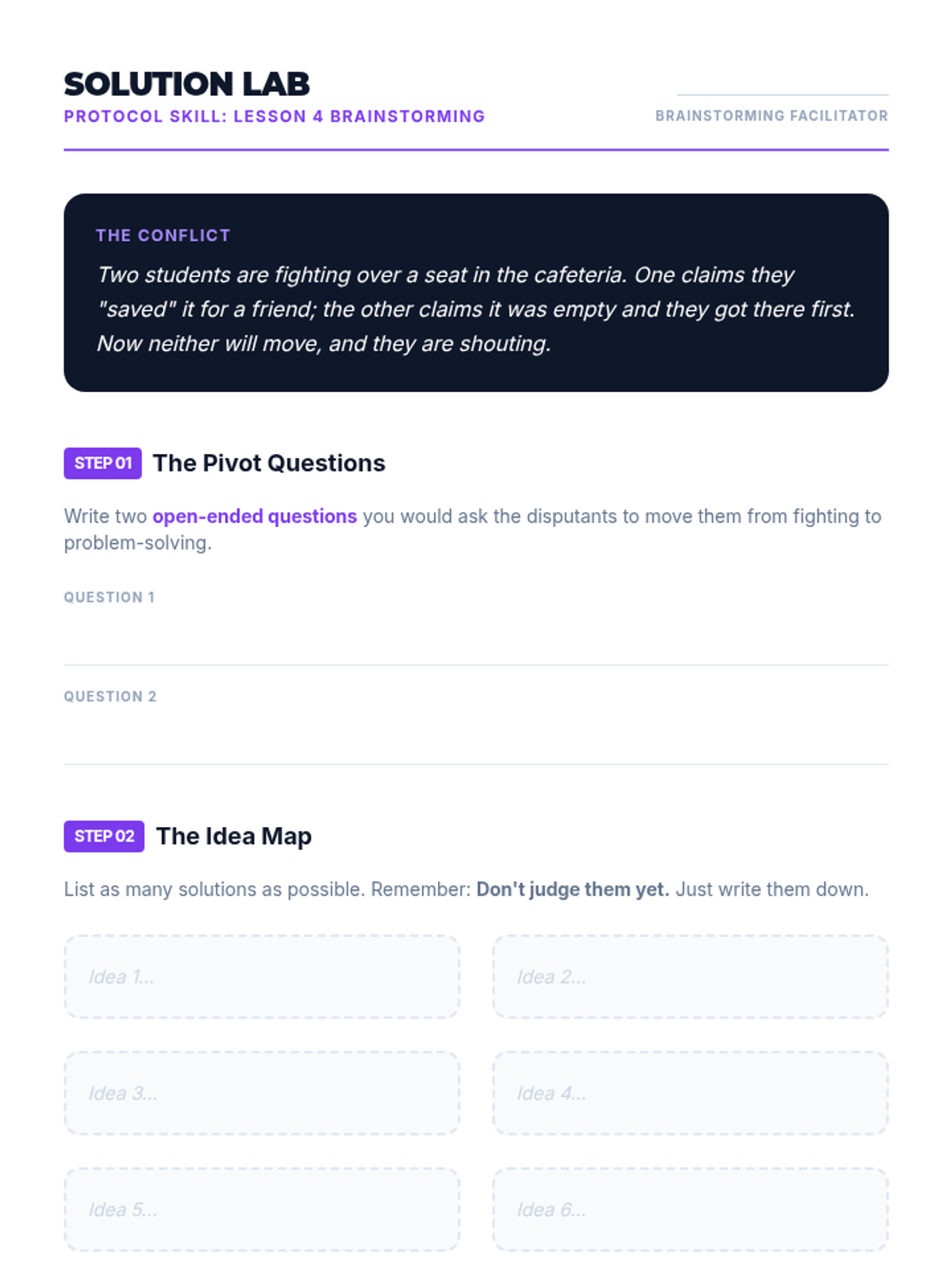
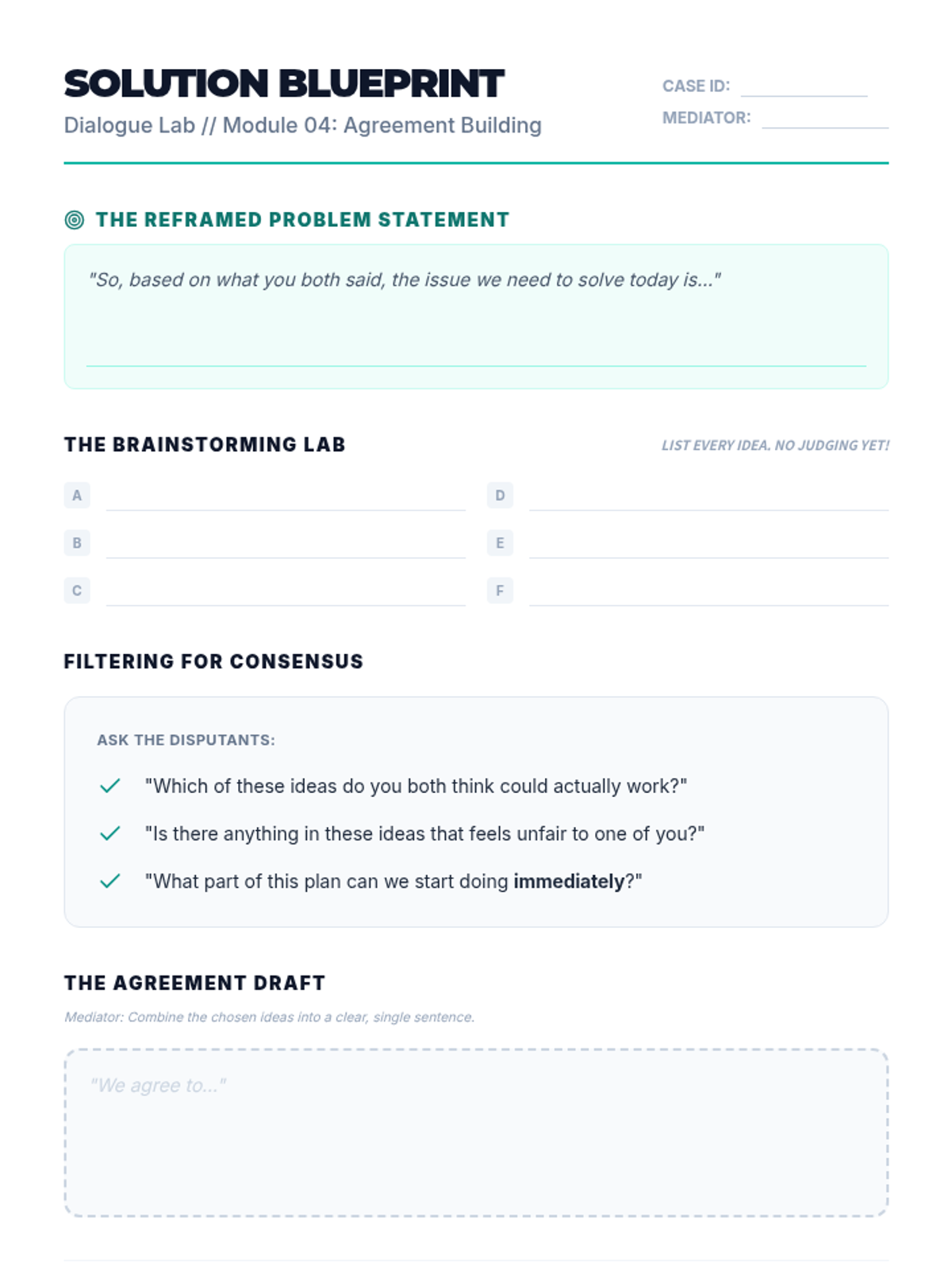
Focused on shifting from conflict to collaboration, students practice asking open-ended questions that prompt disputants to generate their own creative solutions.
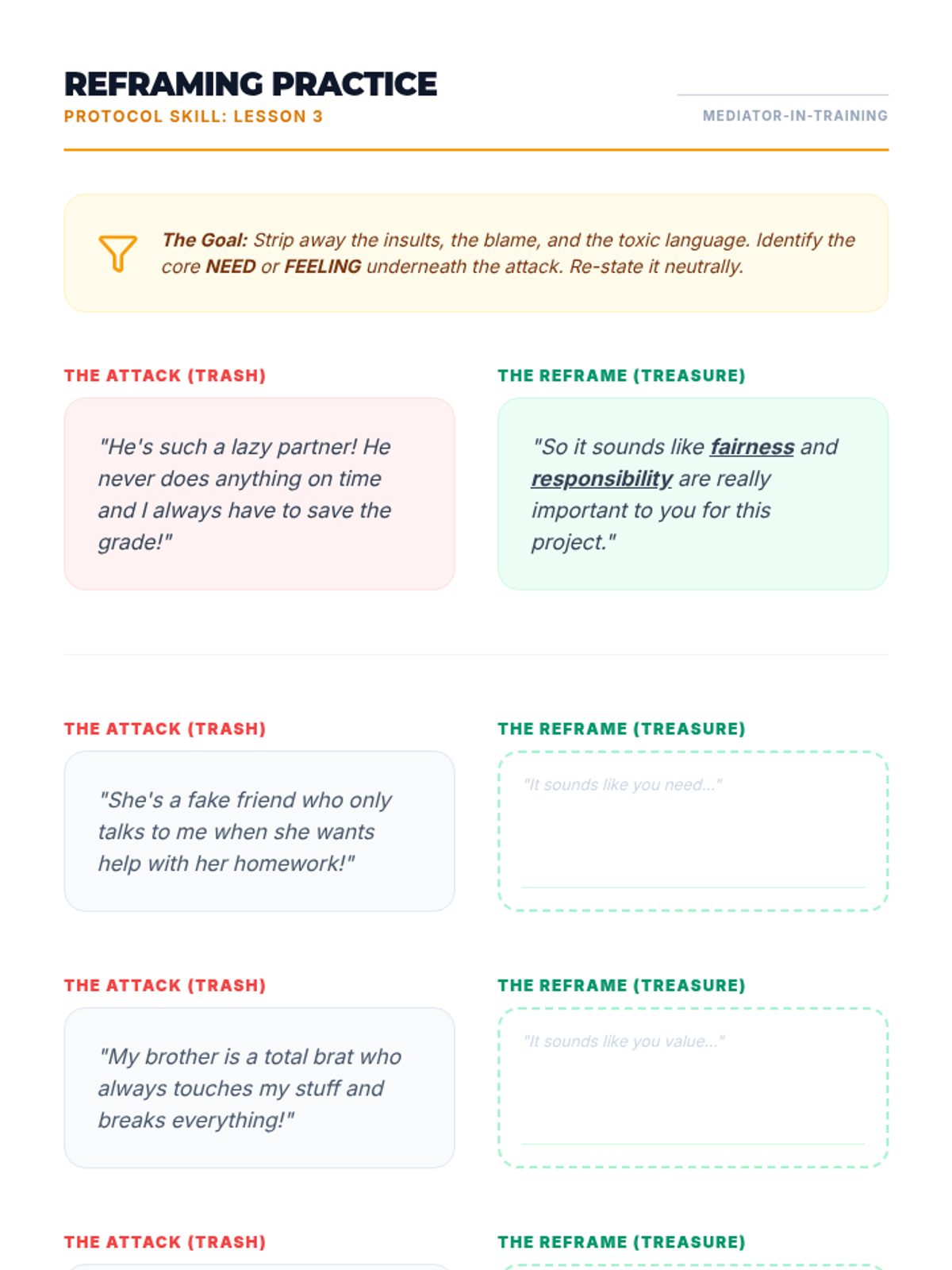
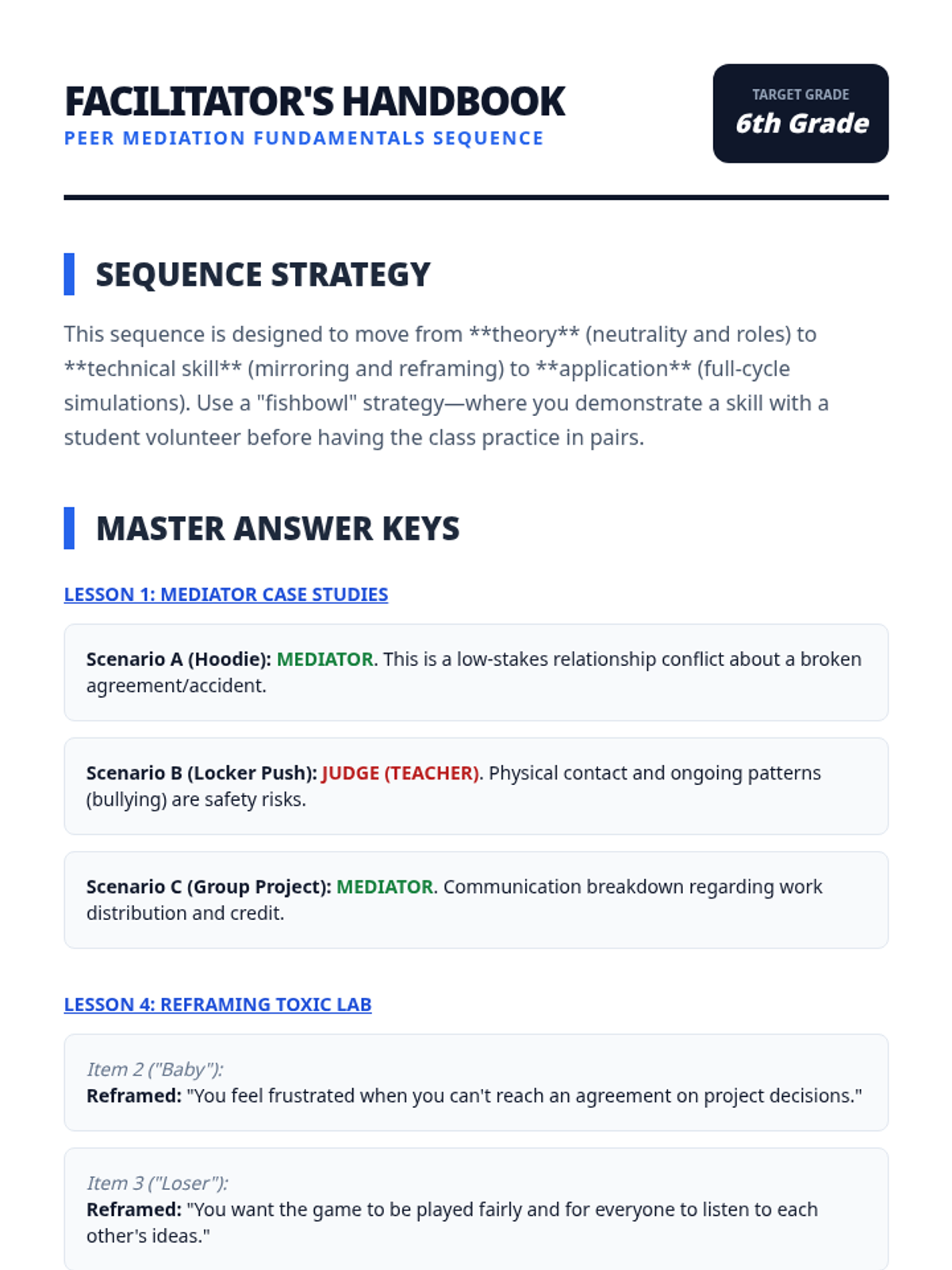
Students master the skills of summarizing and reframing. They learn to strip away inflammatory language and reflect back the core needs and feelings of disputing parties.
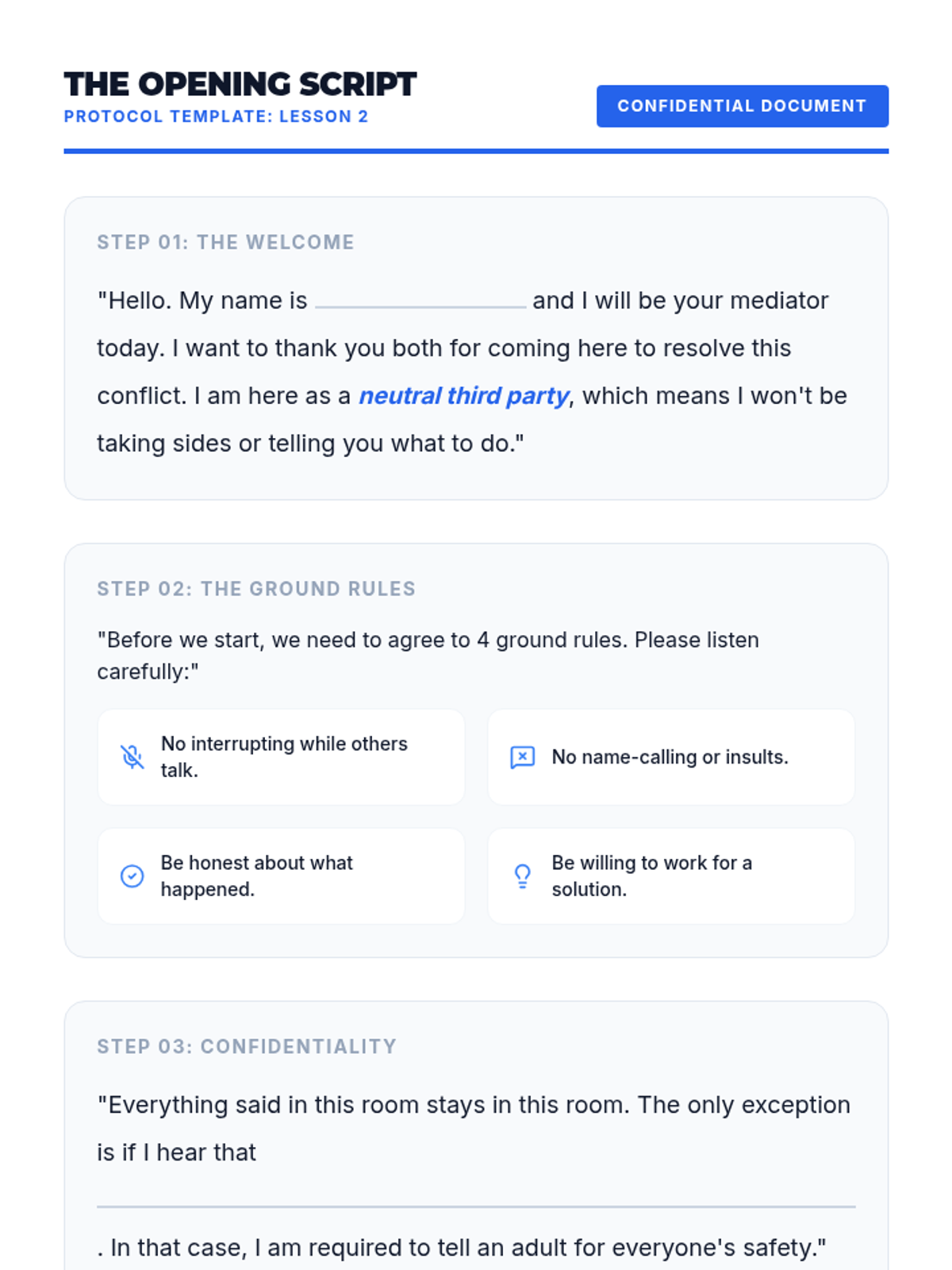
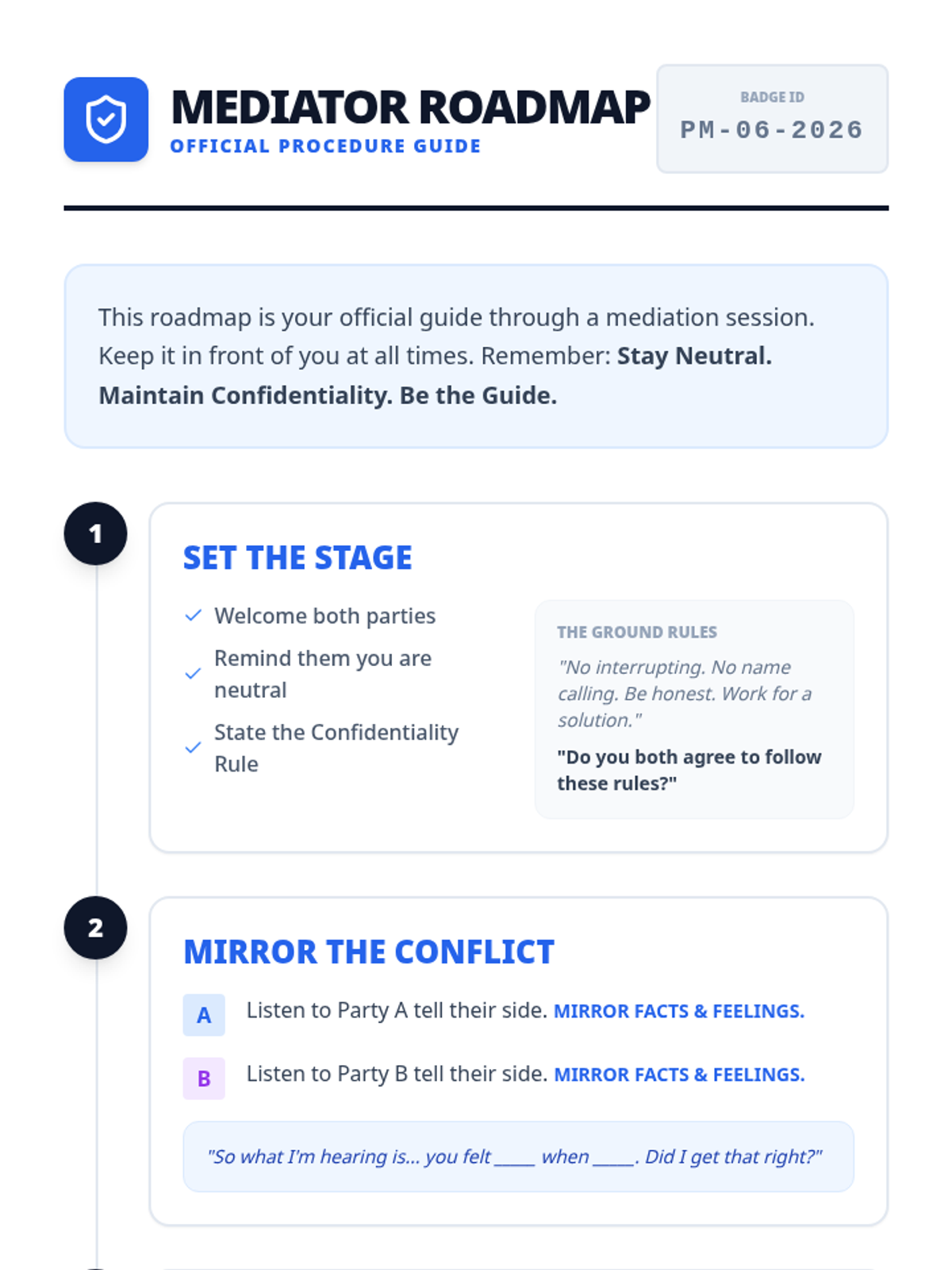
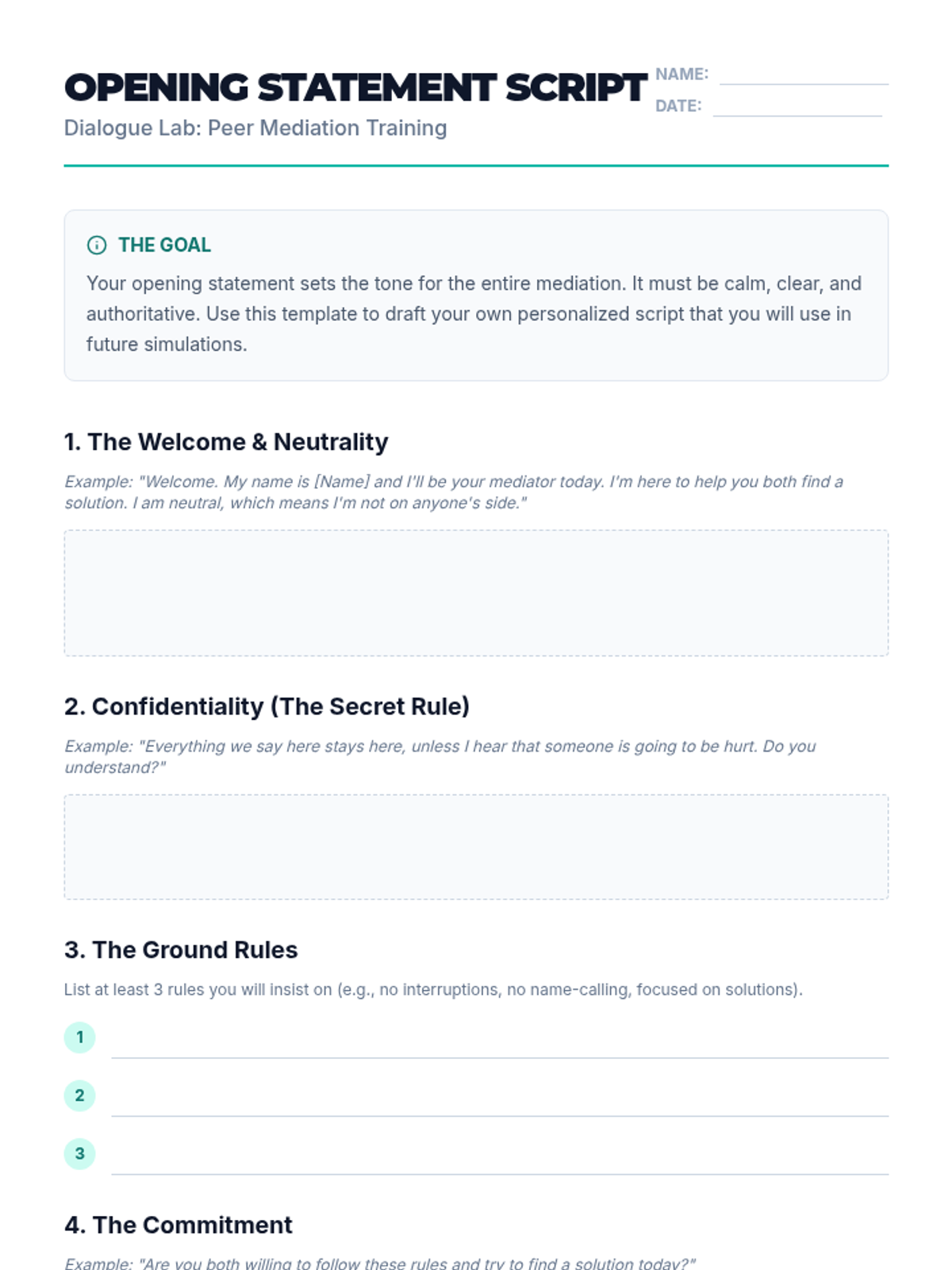
This lesson focuses on the opening stage of mediation. Students learn to set the tone, establish ground rules, and ensure confidentiality to create a safe space for resolution.
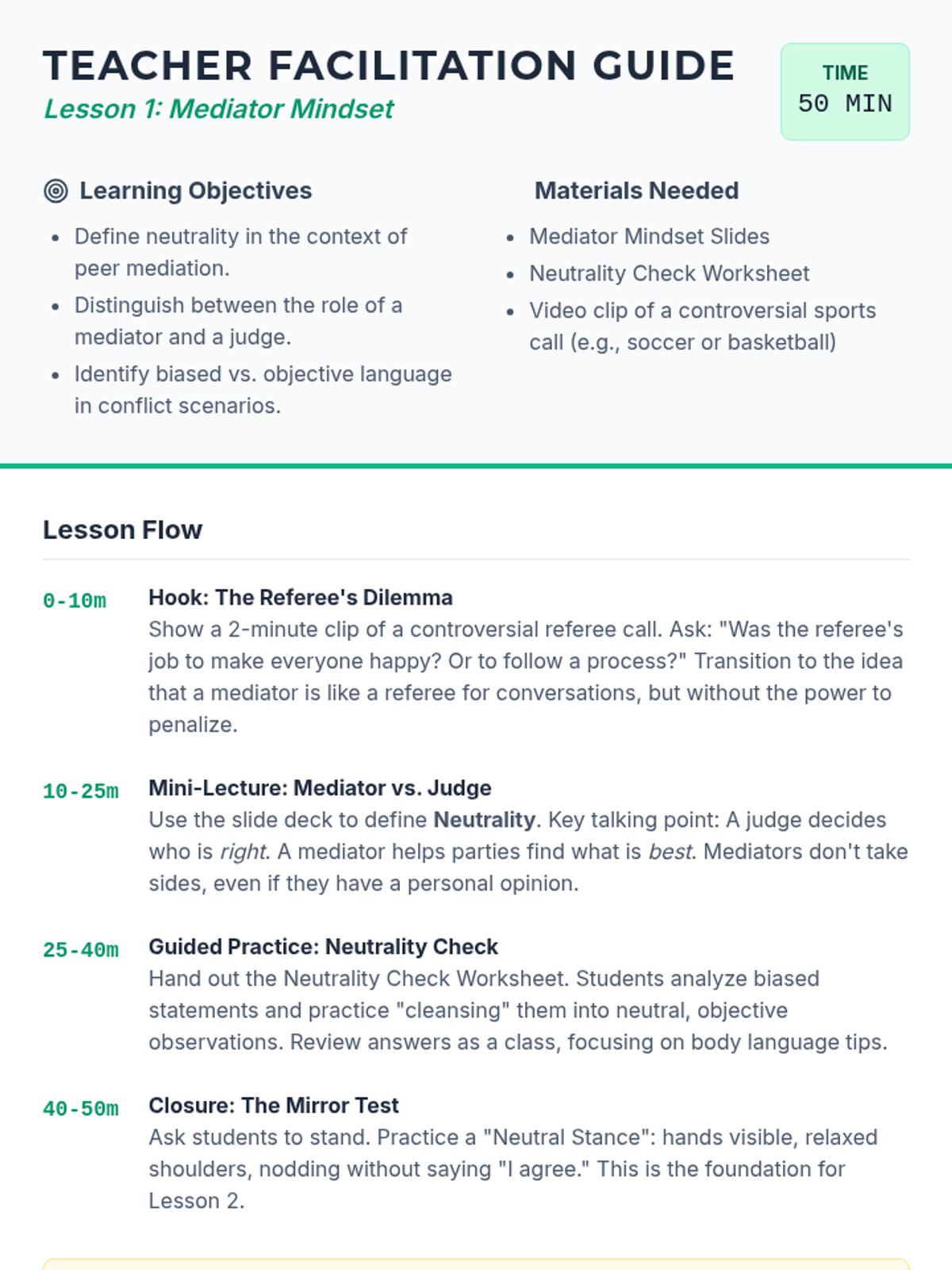
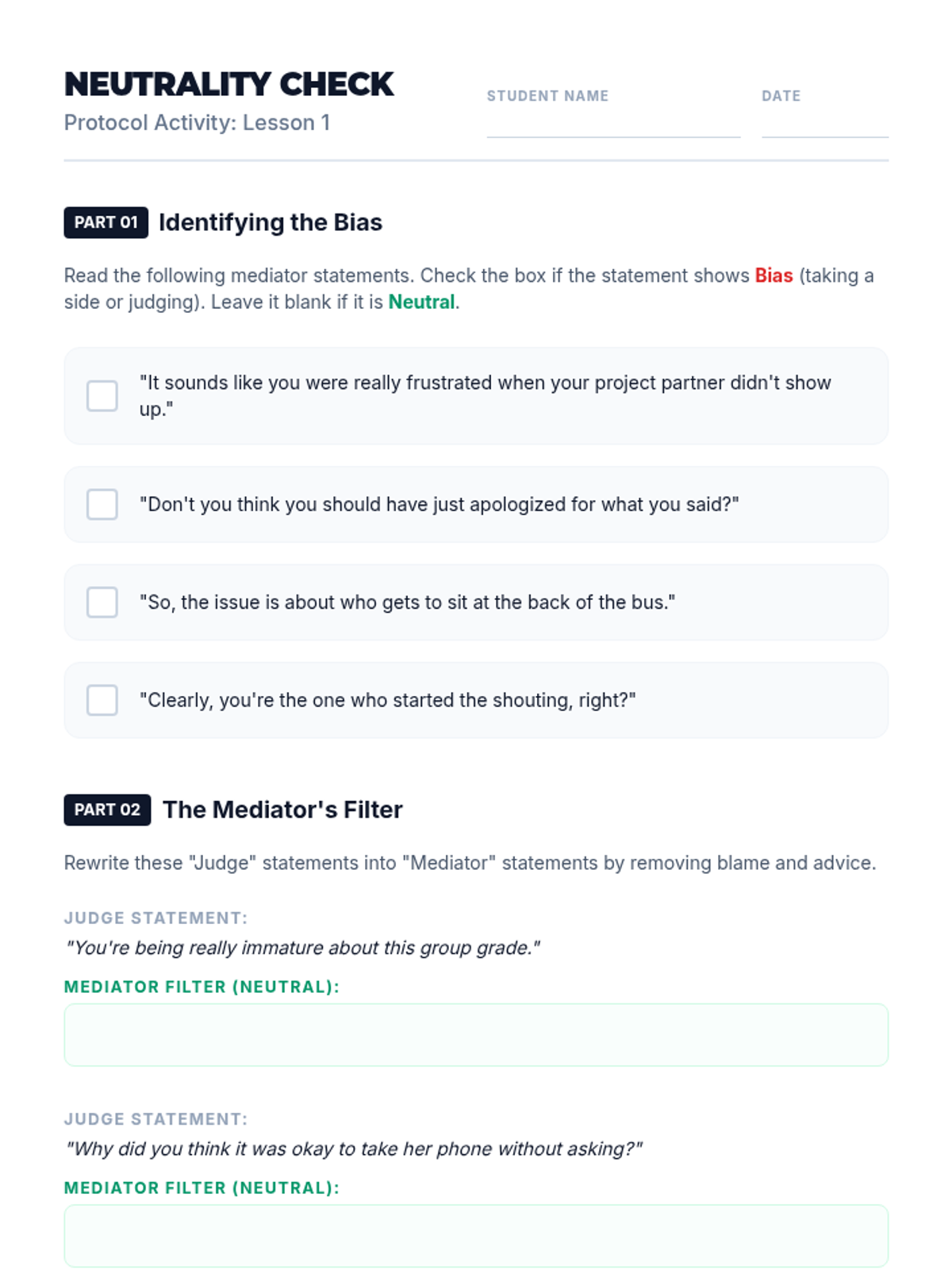
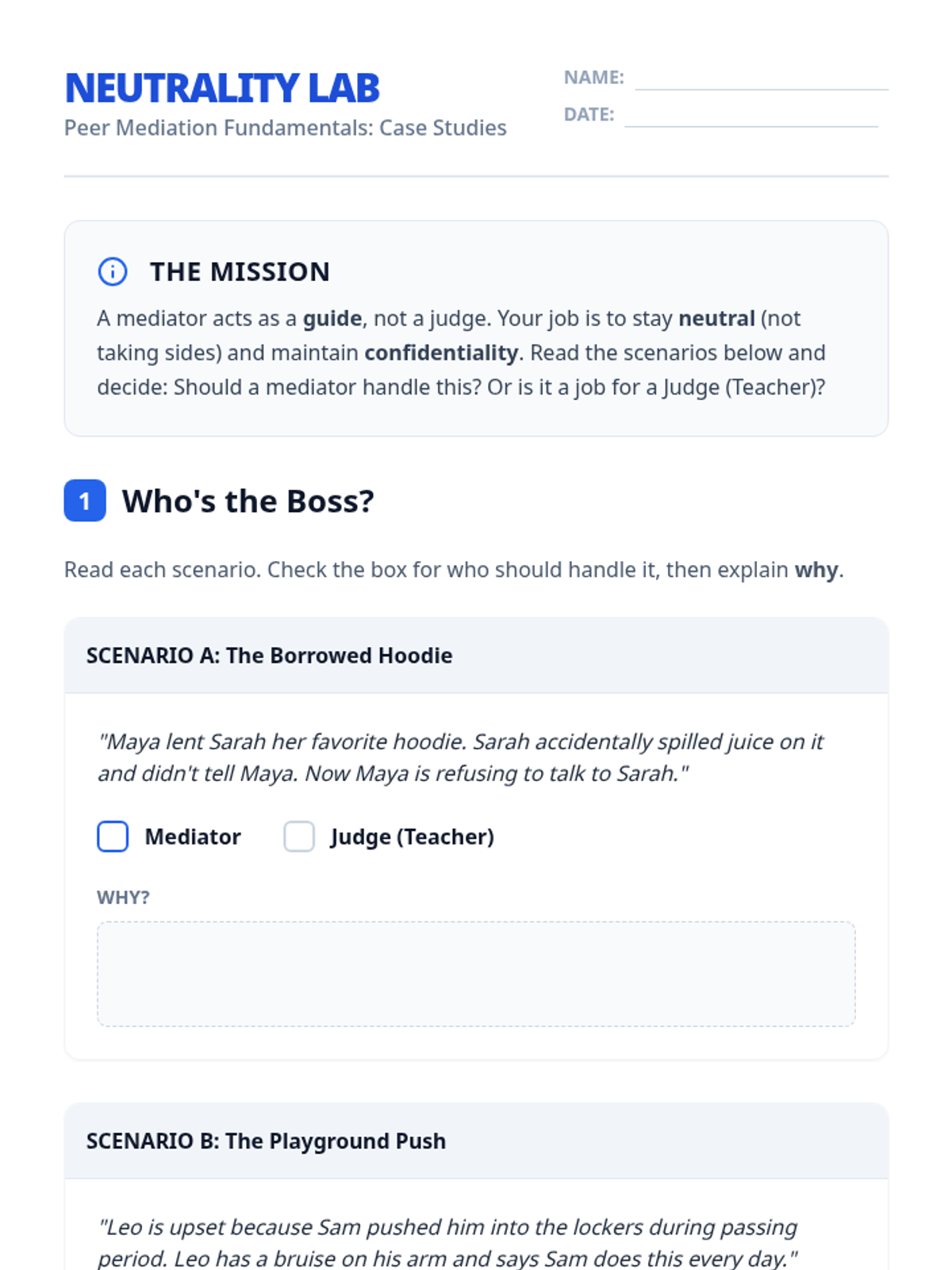
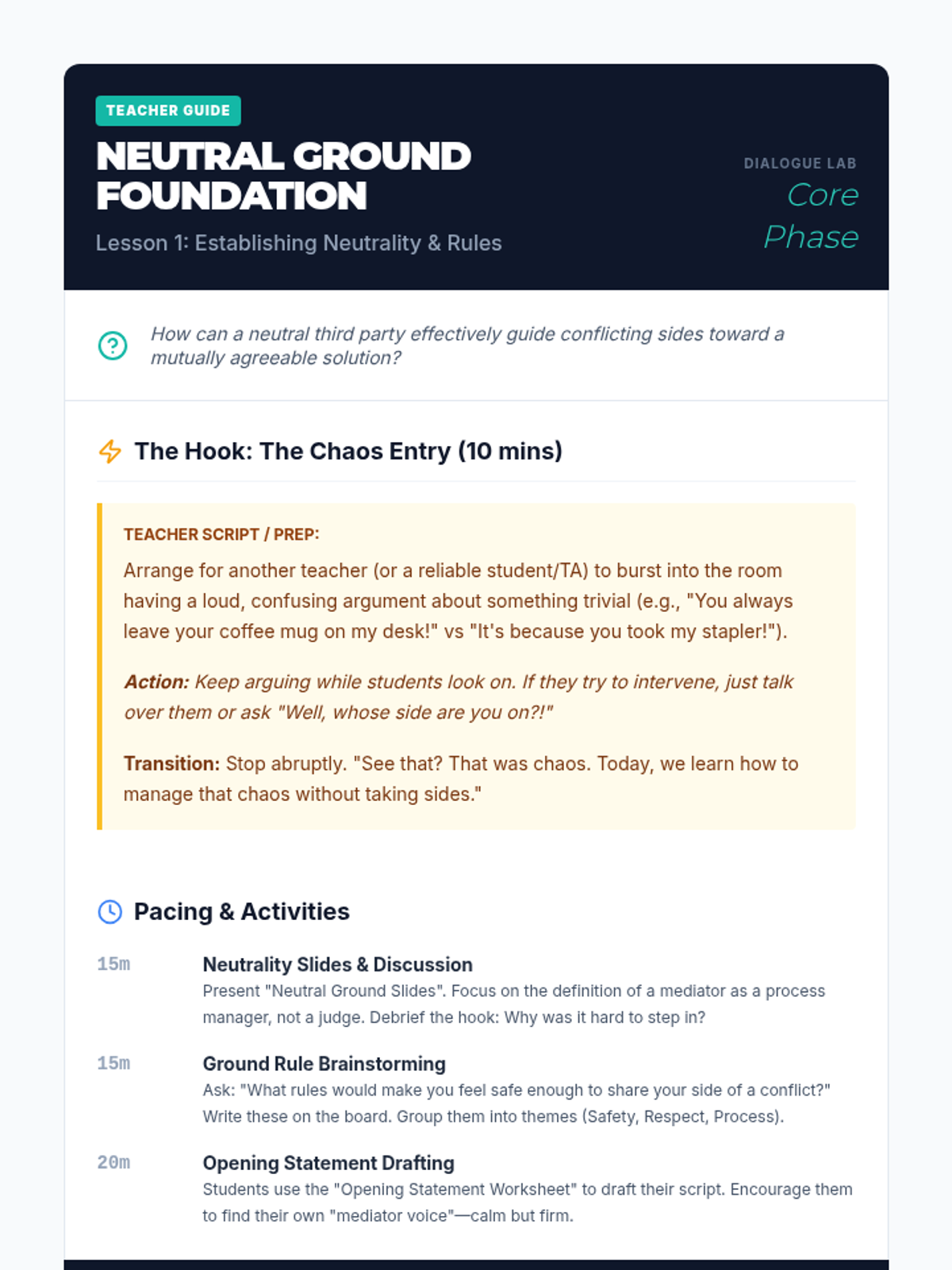
Students explore the definition of neutrality and the mediator's role. They practice identifying bias and using objective language to facilitate rather than judge.
Students engage in full-cycle mock mediations. Groups rotate roles between disputants and mediators, using scripts based on real-life 6th-grade problems (e.g., rumor spreading, exclusion).
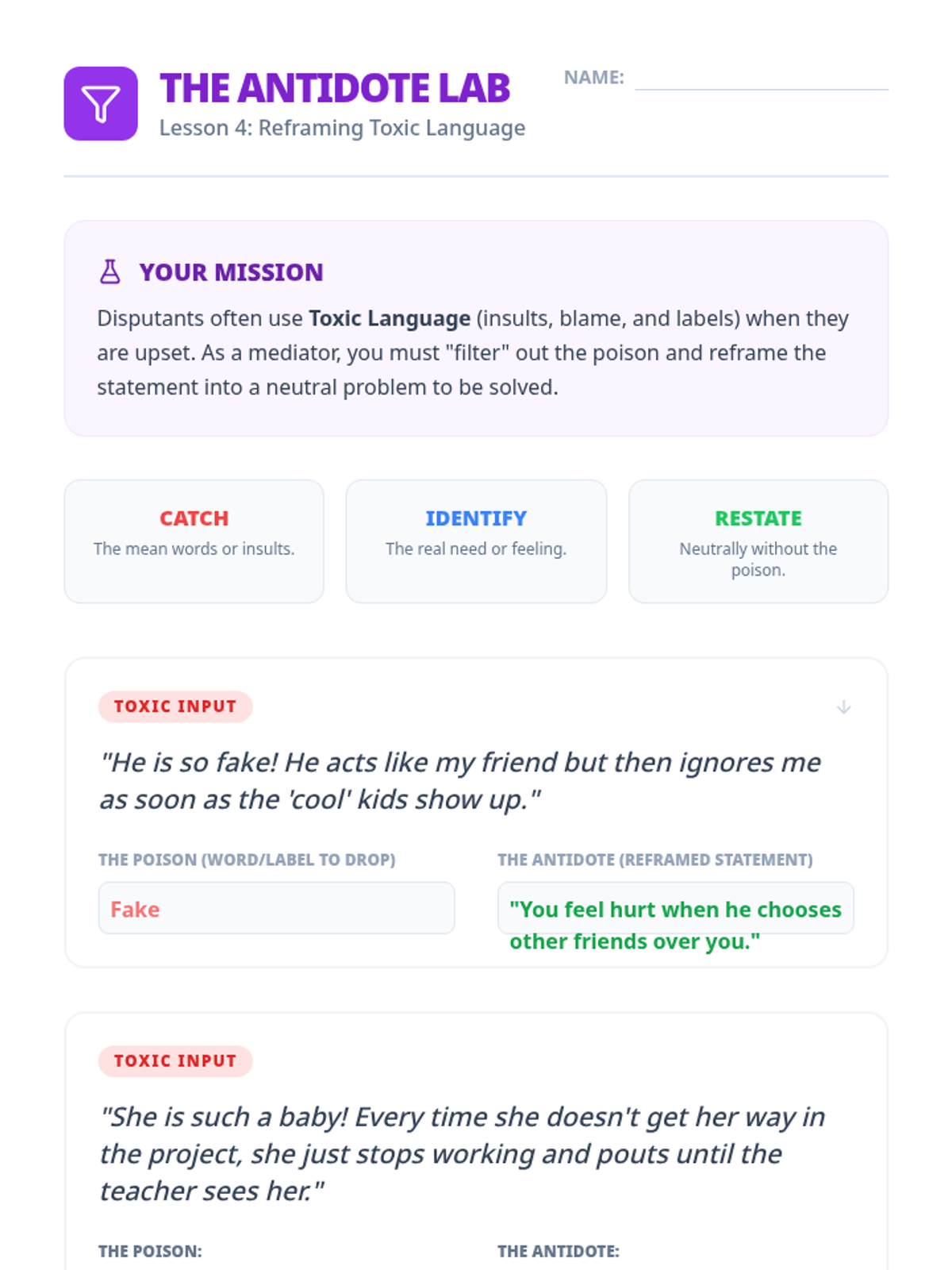
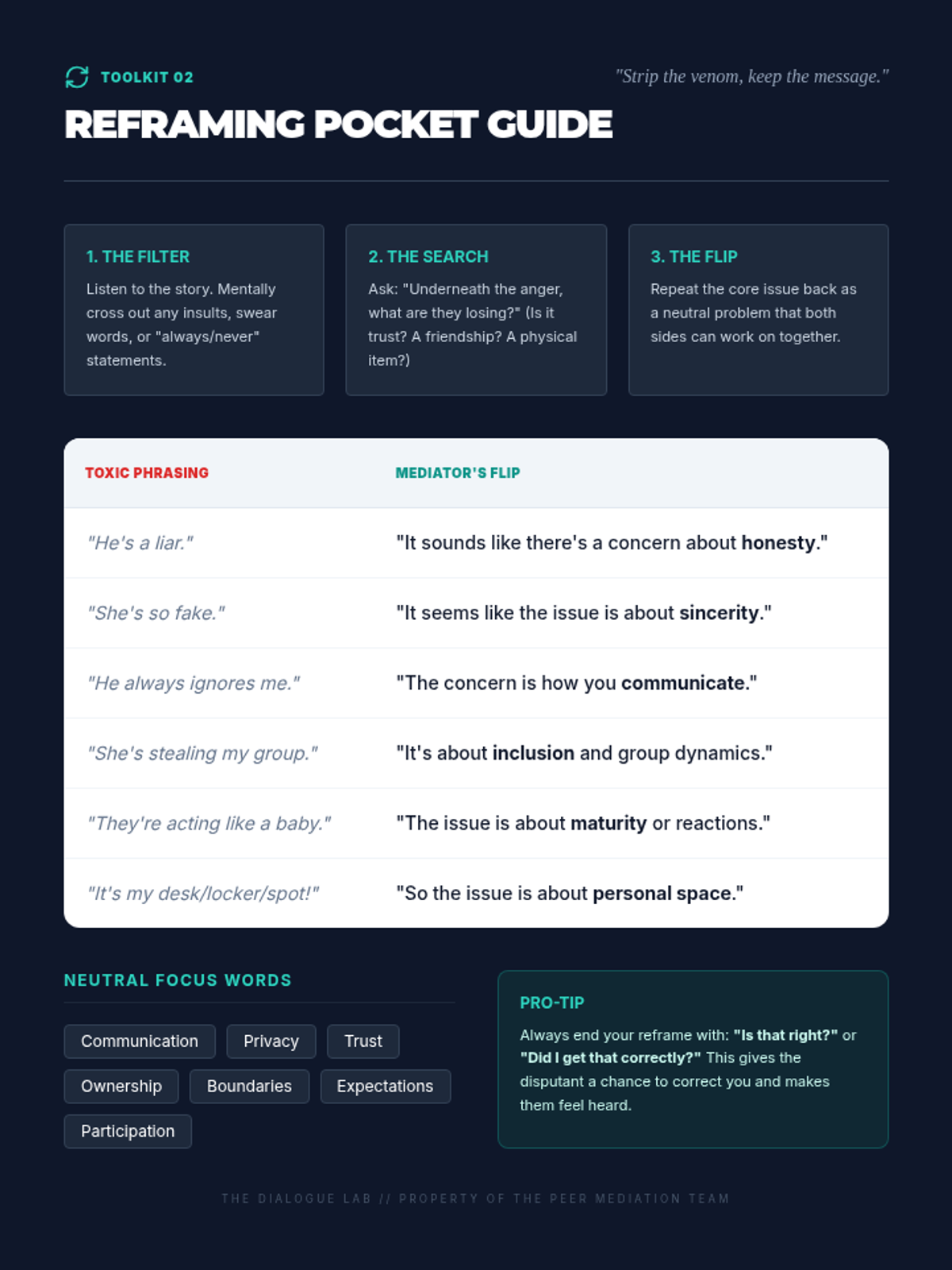
Students learn to 'catch' toxic or inflammatory language used by disputants and reframe it into neutral problem statements. This advanced skill prevents the mediation from turning into a shouting match.
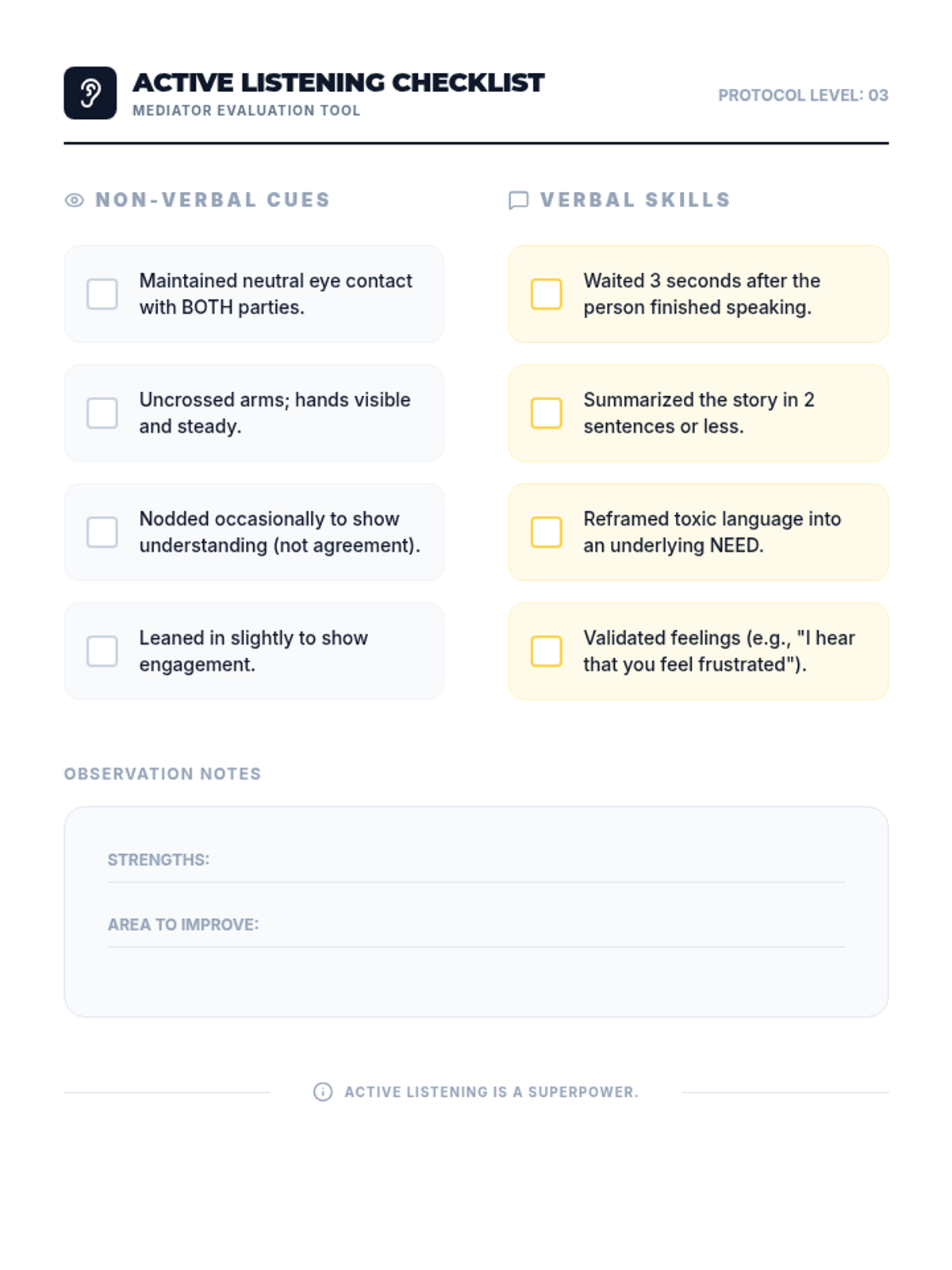
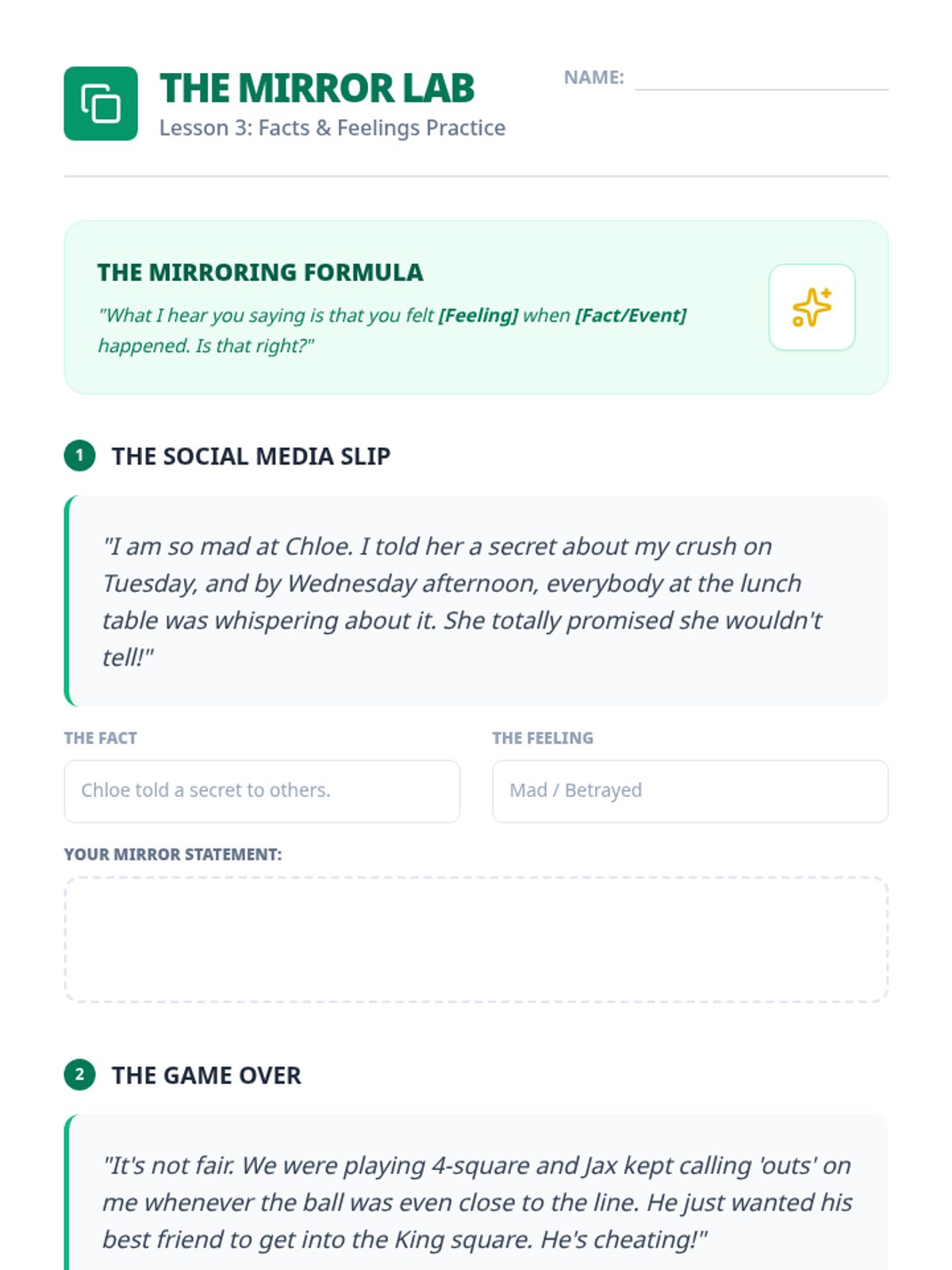
This lesson focuses on the mediator's primary tool: mirroring (reflecting back what was heard). Students practice listening to a complaint and summarizing it neutrally to ensure the speaker feels heard.
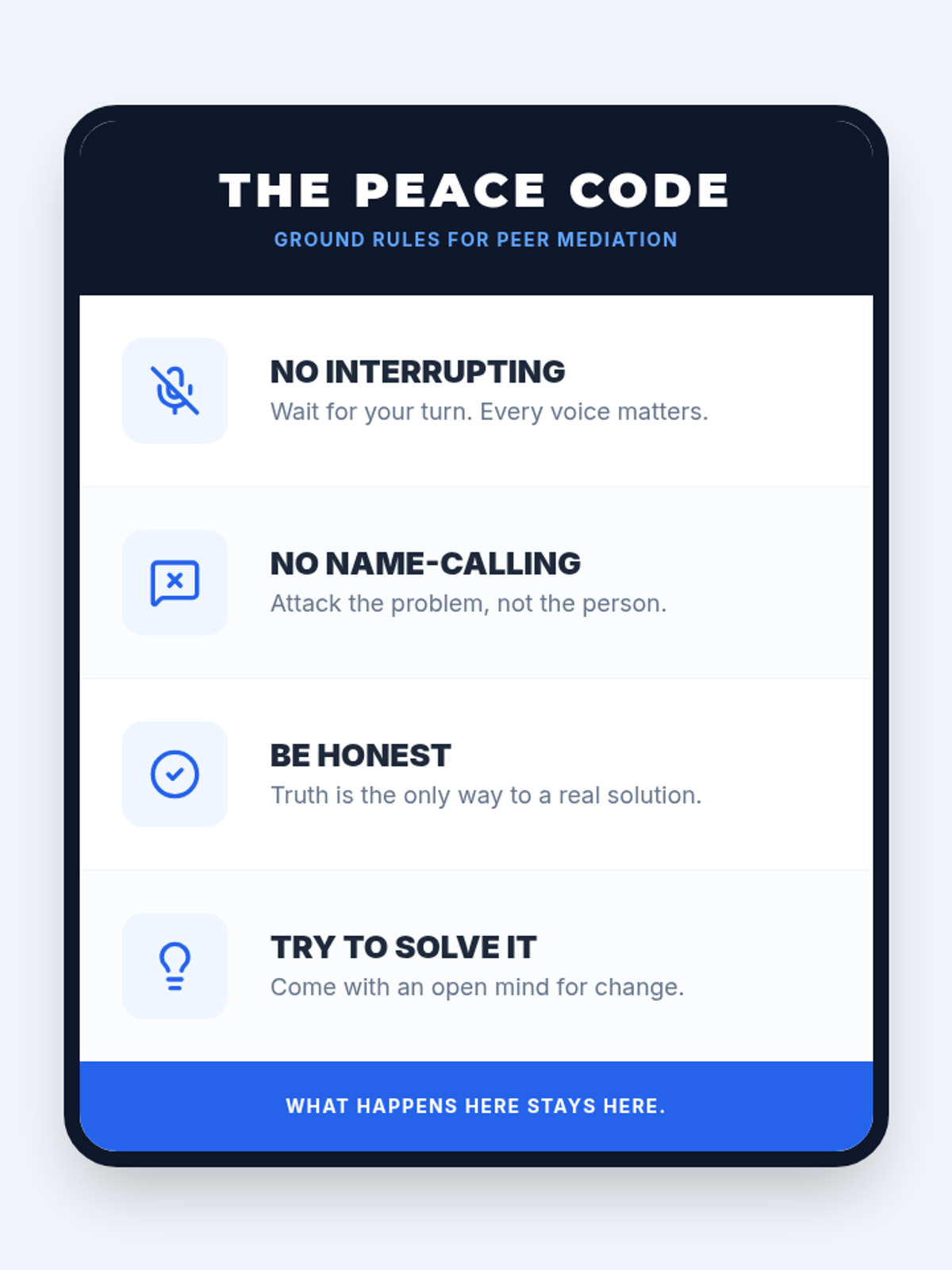
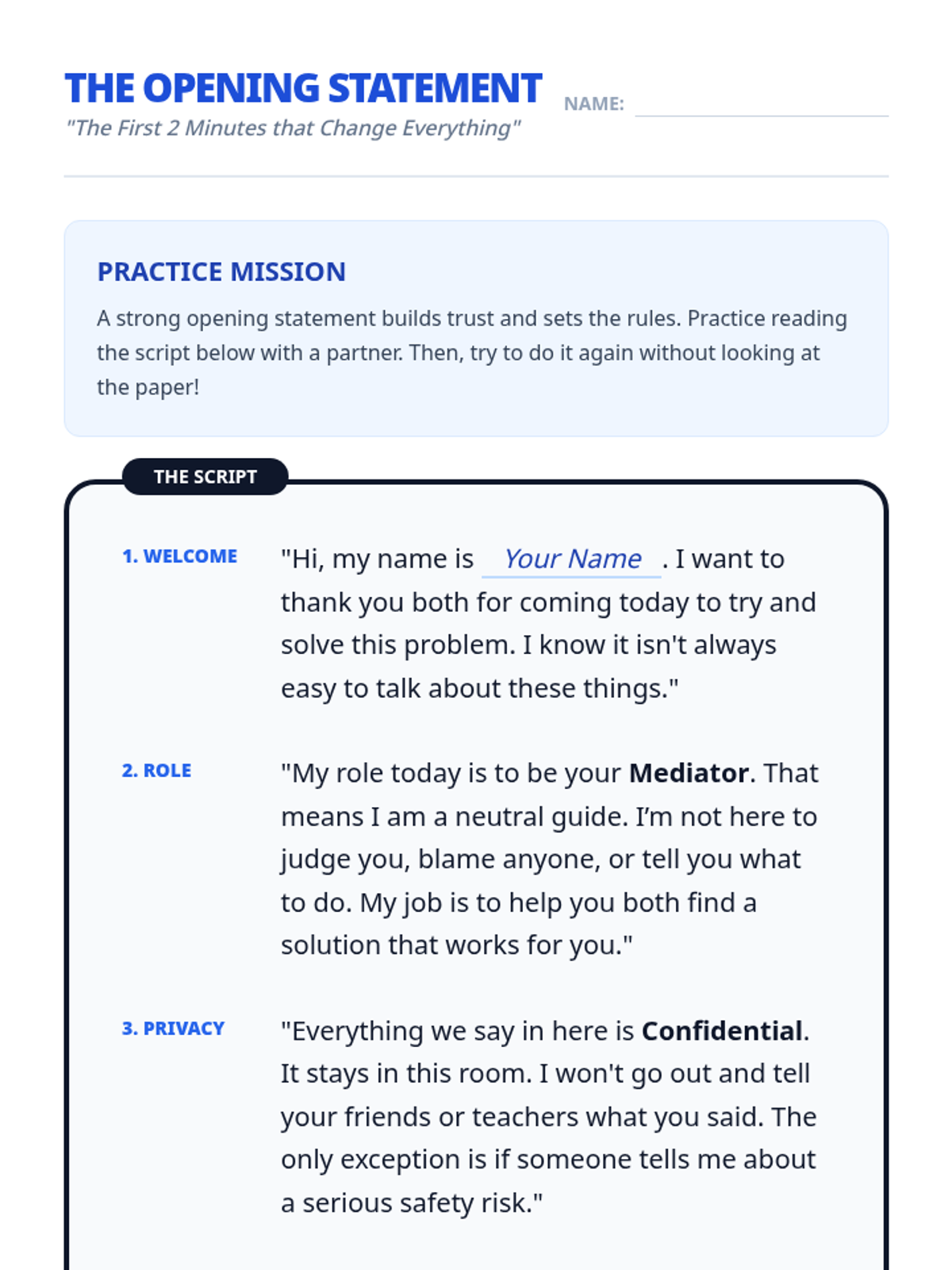
Learners practice the opening statement of a mediation: welcoming parties, explaining the process, and establishing rules like 'no interrupting' and 'no name-calling.'
Students define what a mediator is (a guide, not a judge) and the core principle of neutrality. They discuss confidentiality and identify when a conflict is too dangerous for peer mediation (e.g., bullying or violence).
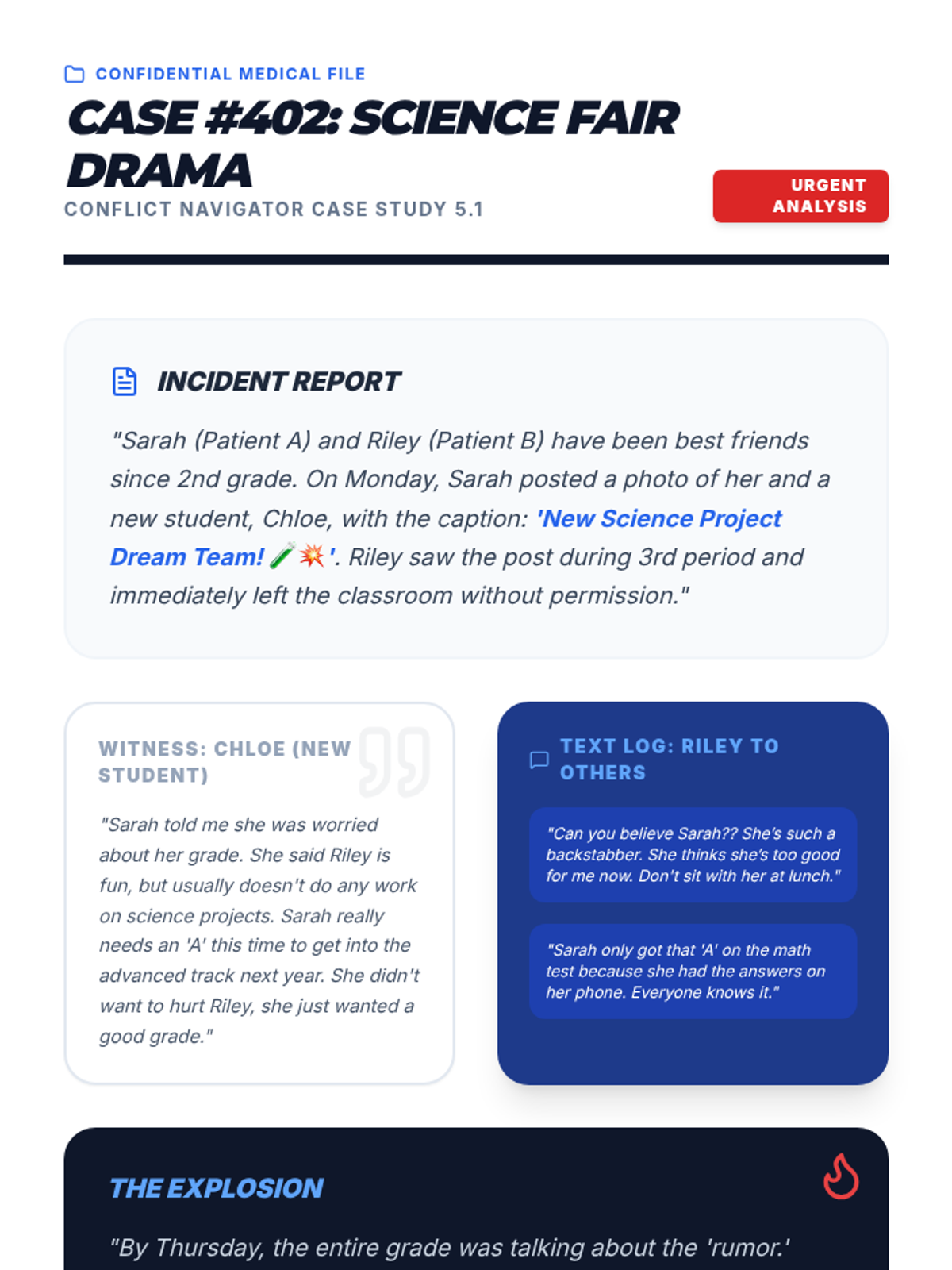
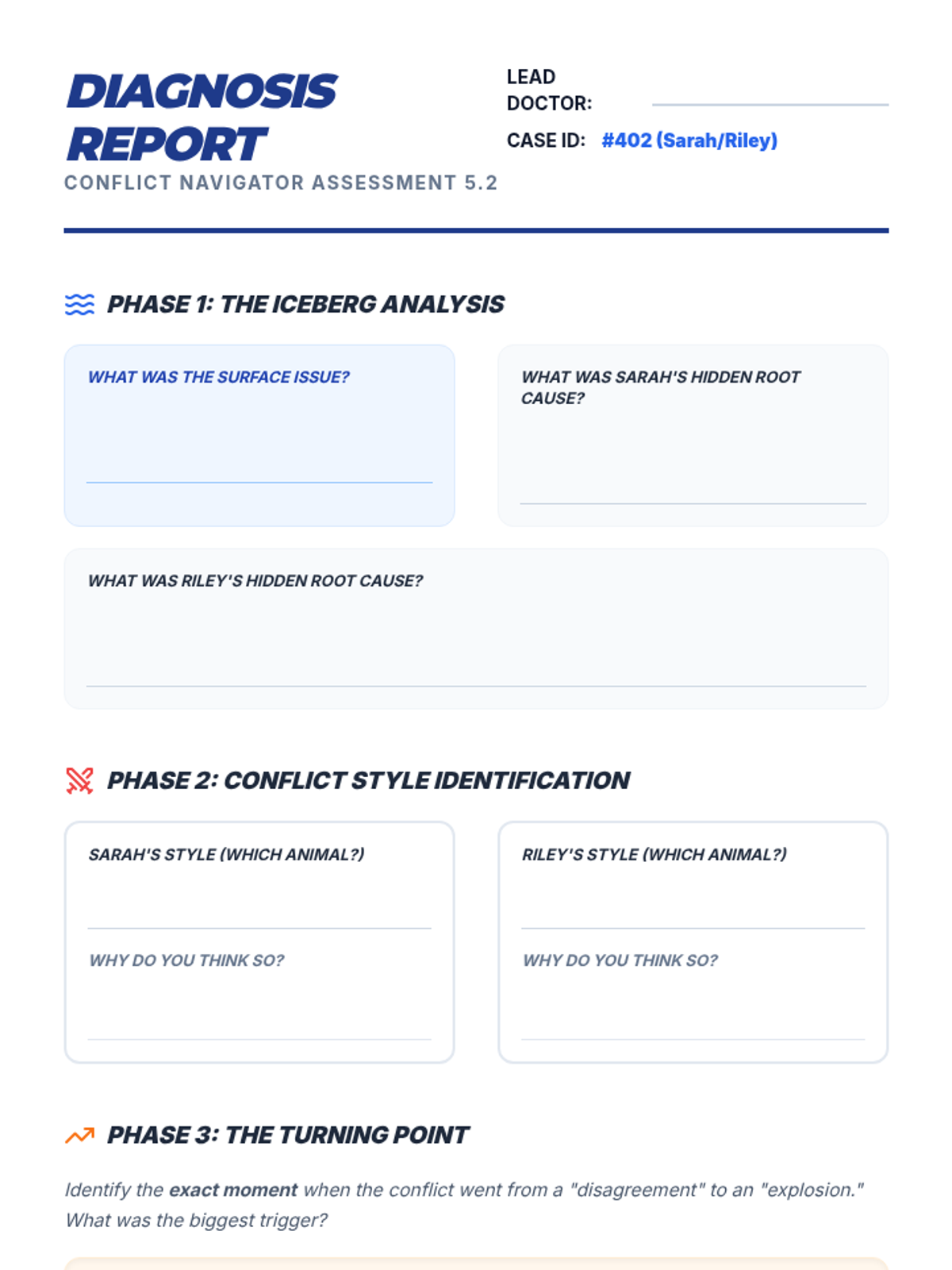
A final synthesis activity where students act as 'Conflict Doctors' to diagnose a complex scenario using all the tools learned in the sequence.
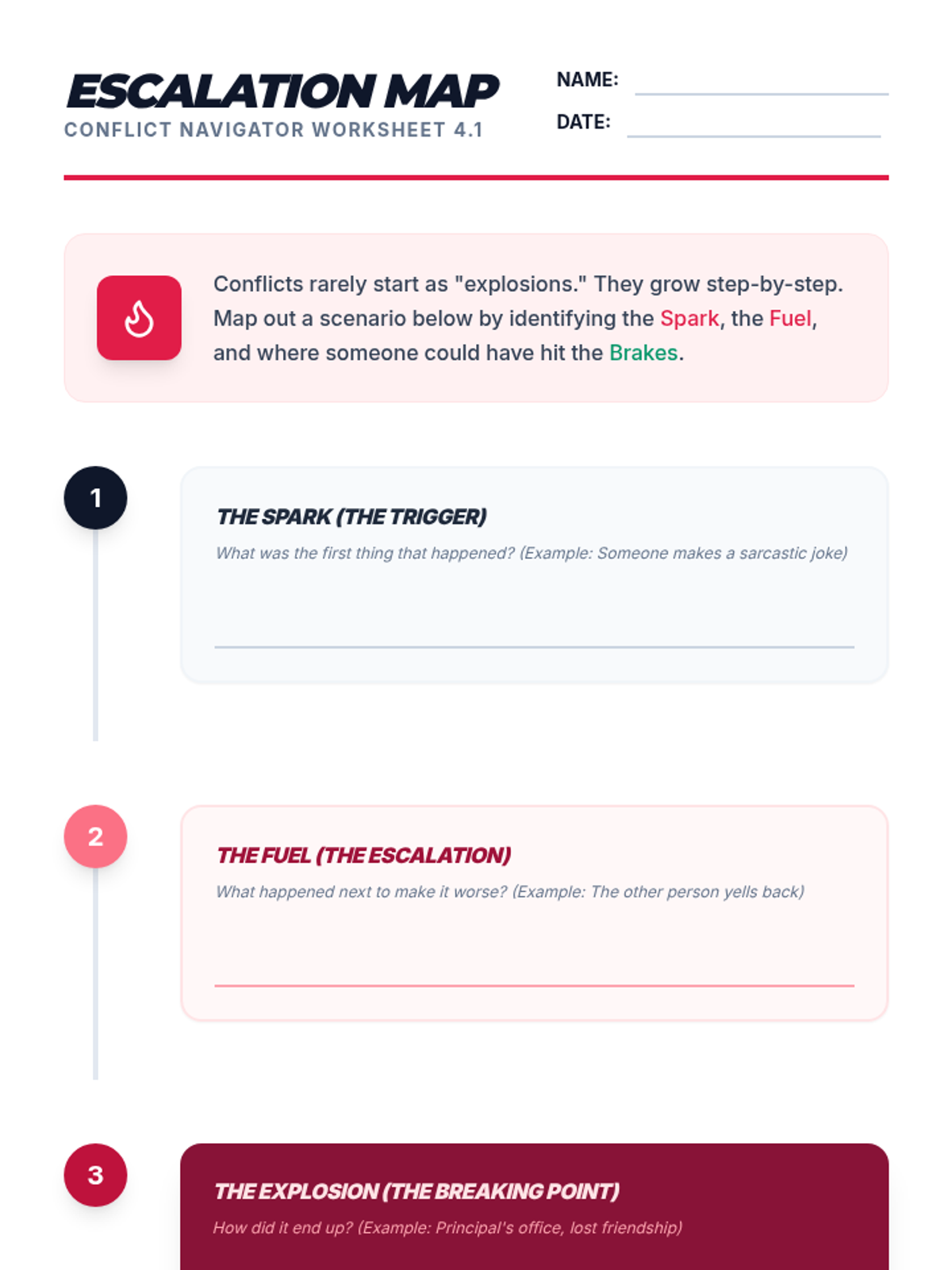
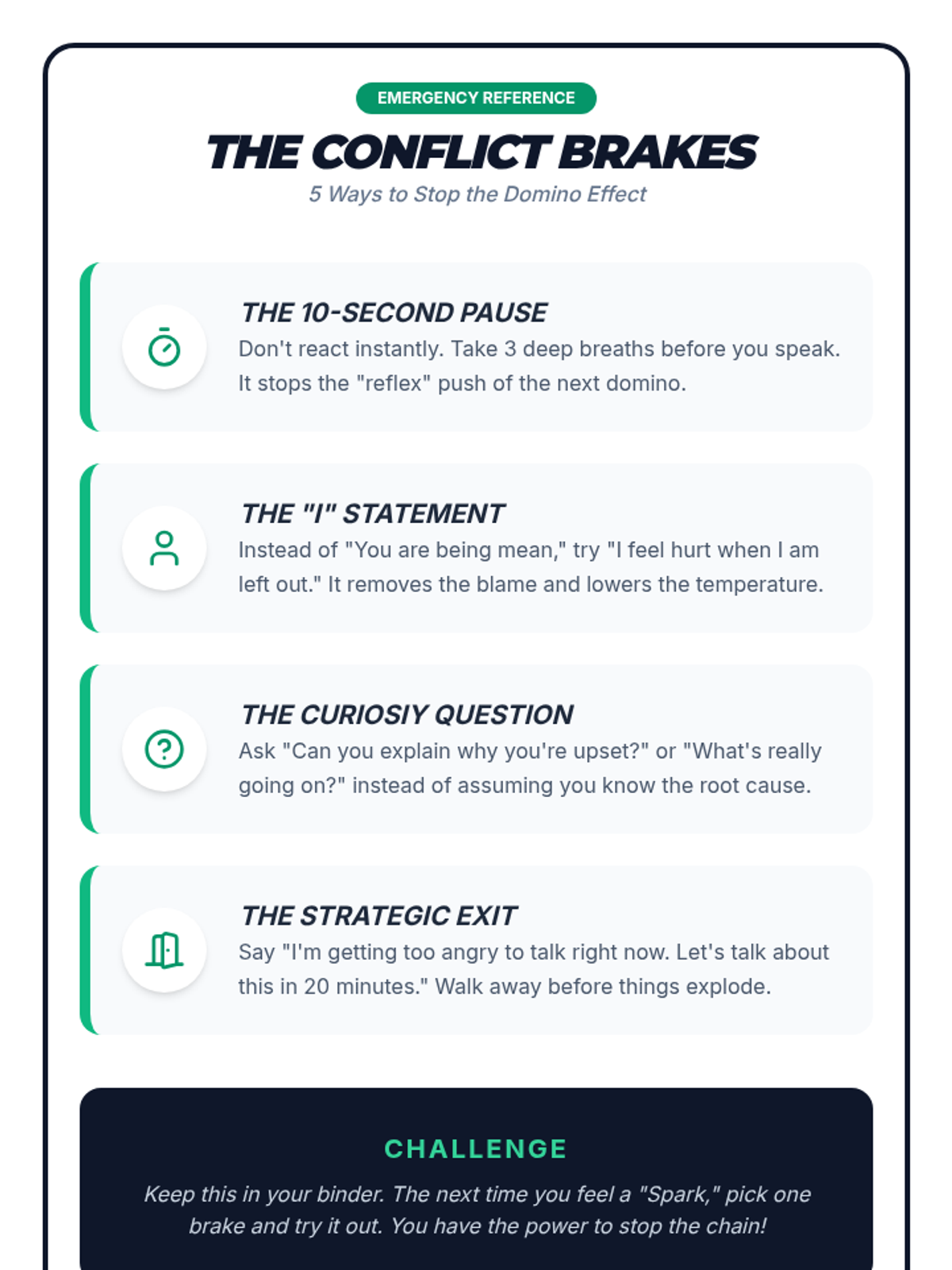
Analyzes the cycle of escalation, identifying triggers and turning points where conflicts can be de-escalated before reaching a breaking point.
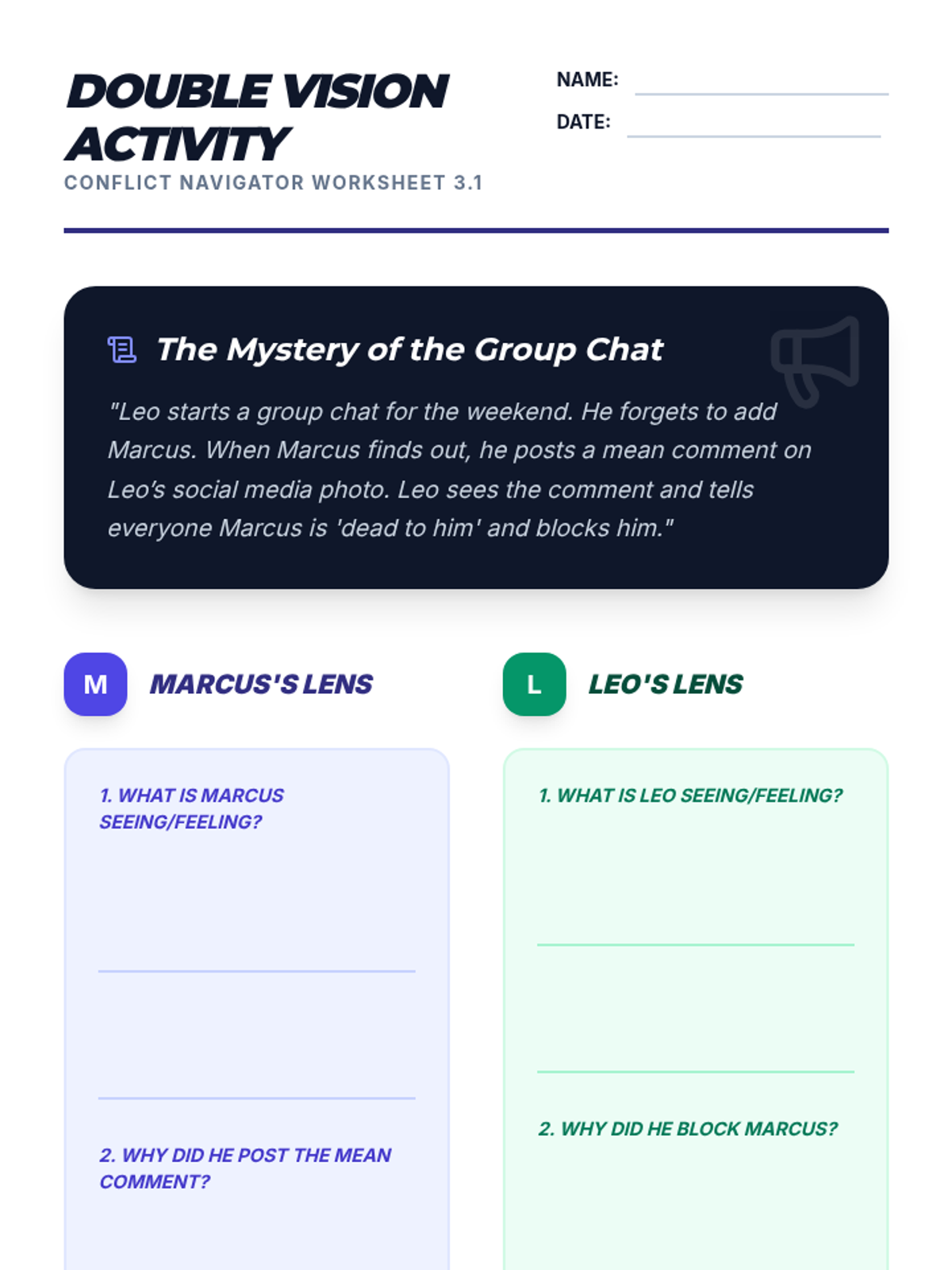
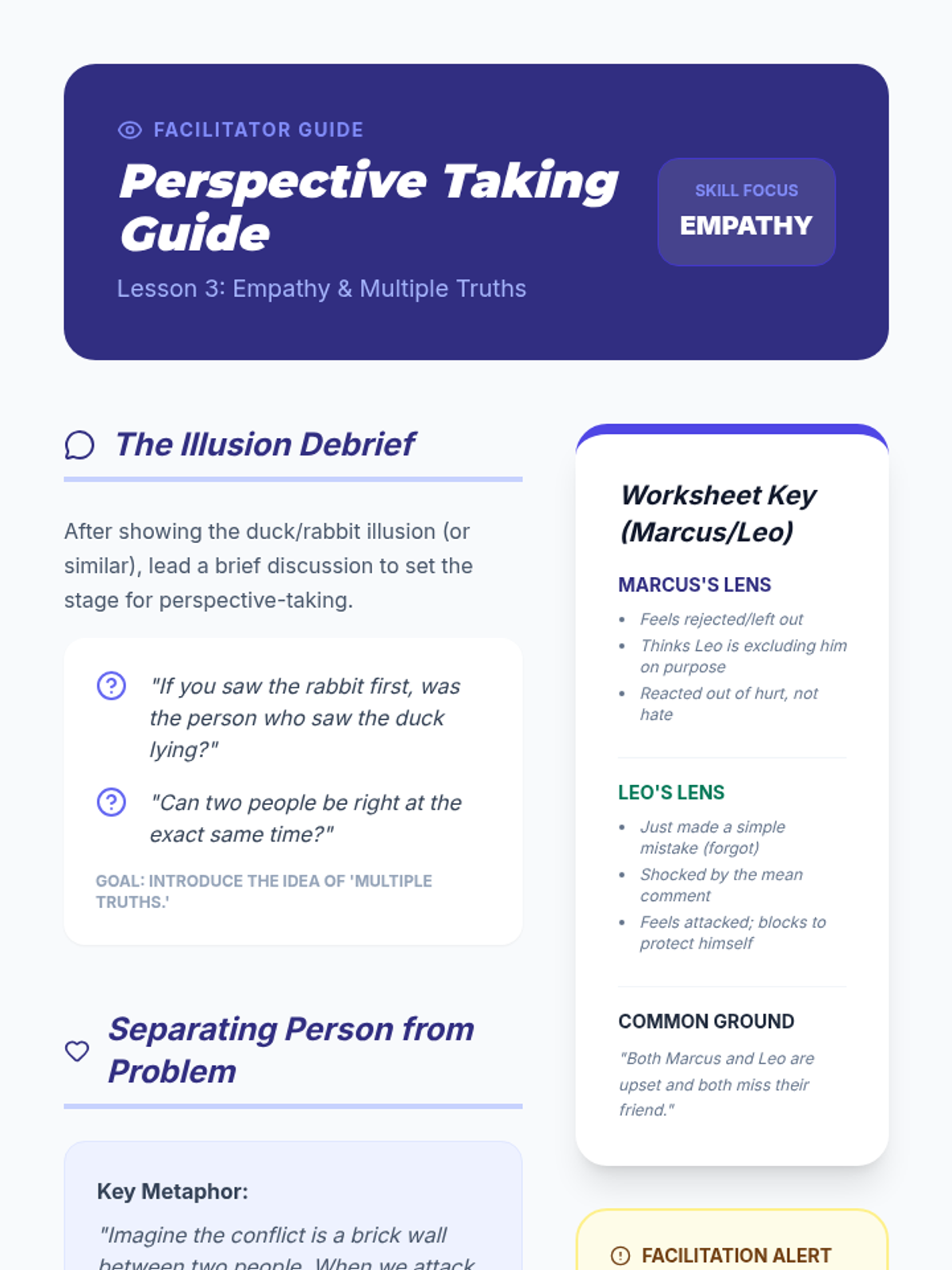
Focuses on perspective-taking and empathy through visual illusions and story-mapping, teaching students to see multiple truths in a single dispute.
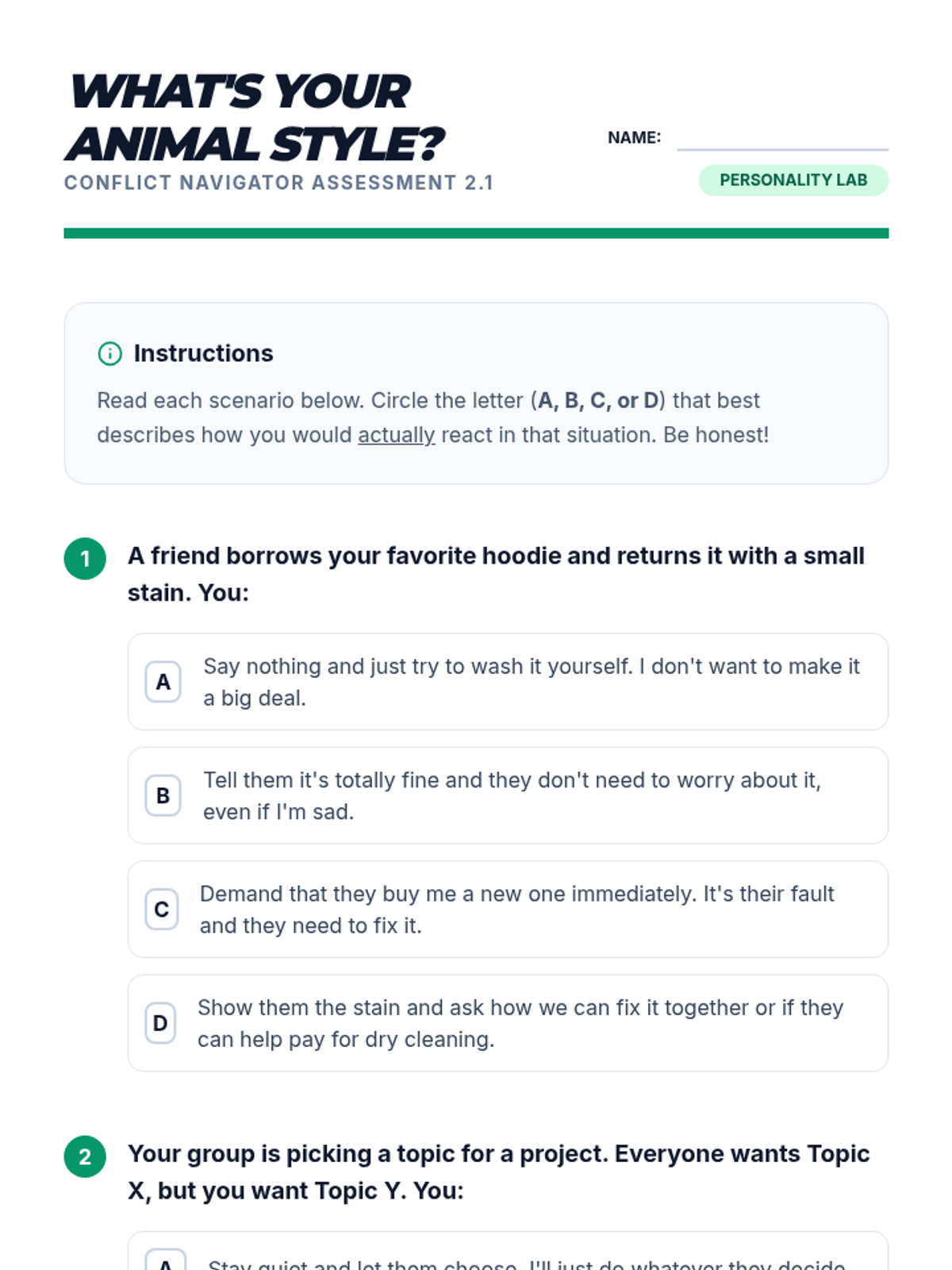
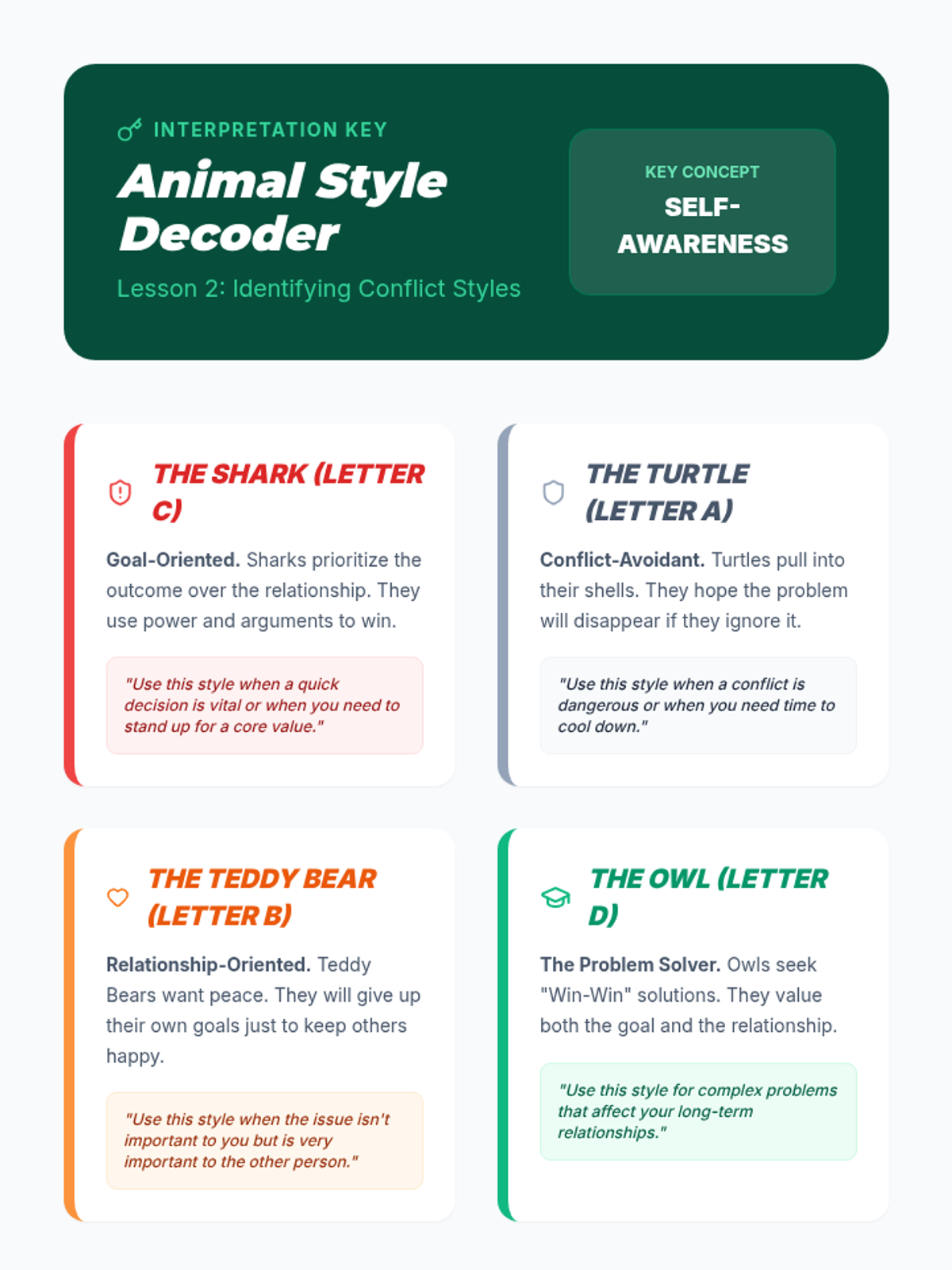
Students explore five core conflict styles (Shark, Turtle, Teddy Bear, Fox, Owl) to understand their default reactions and the impact on others.
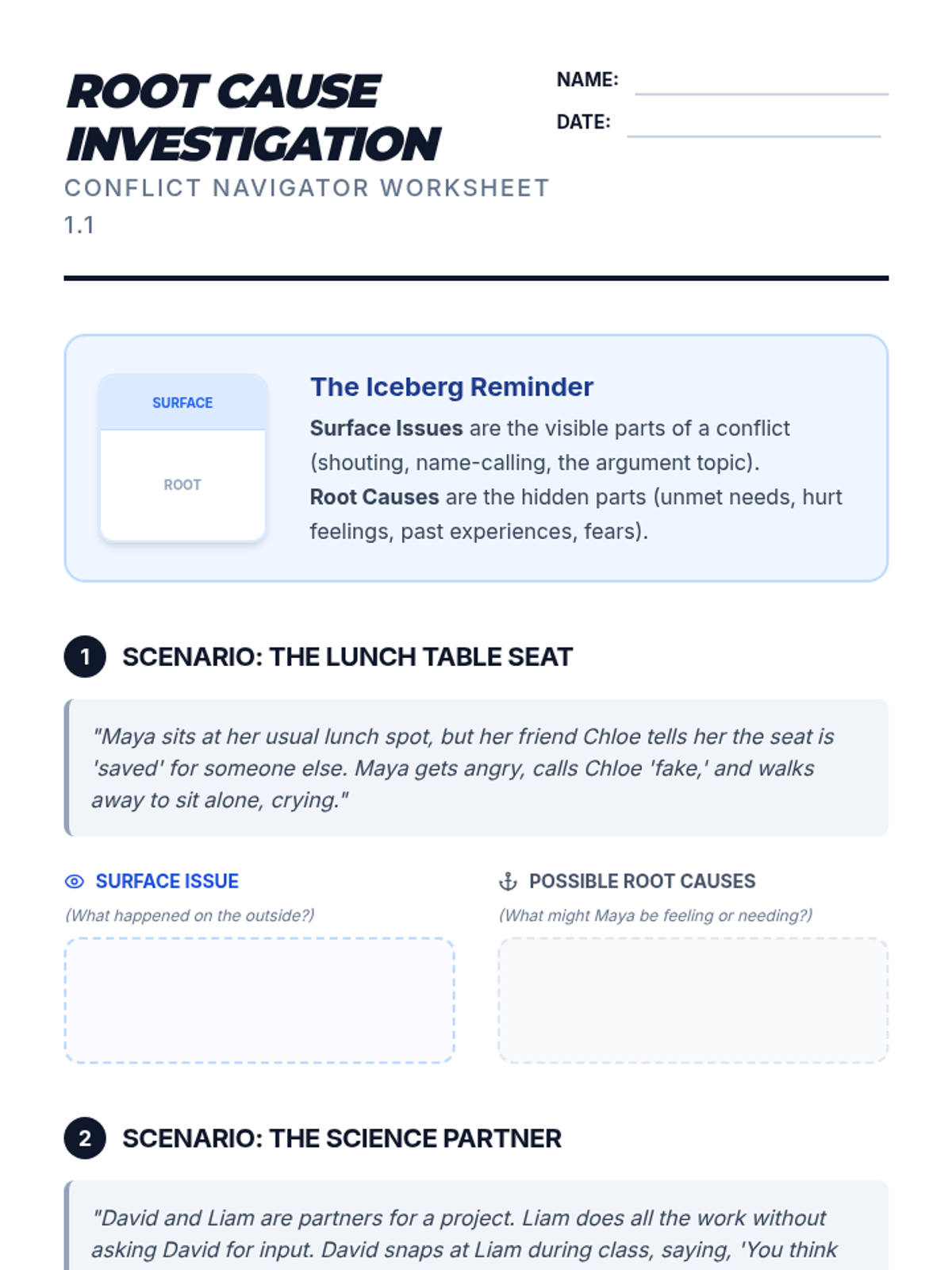
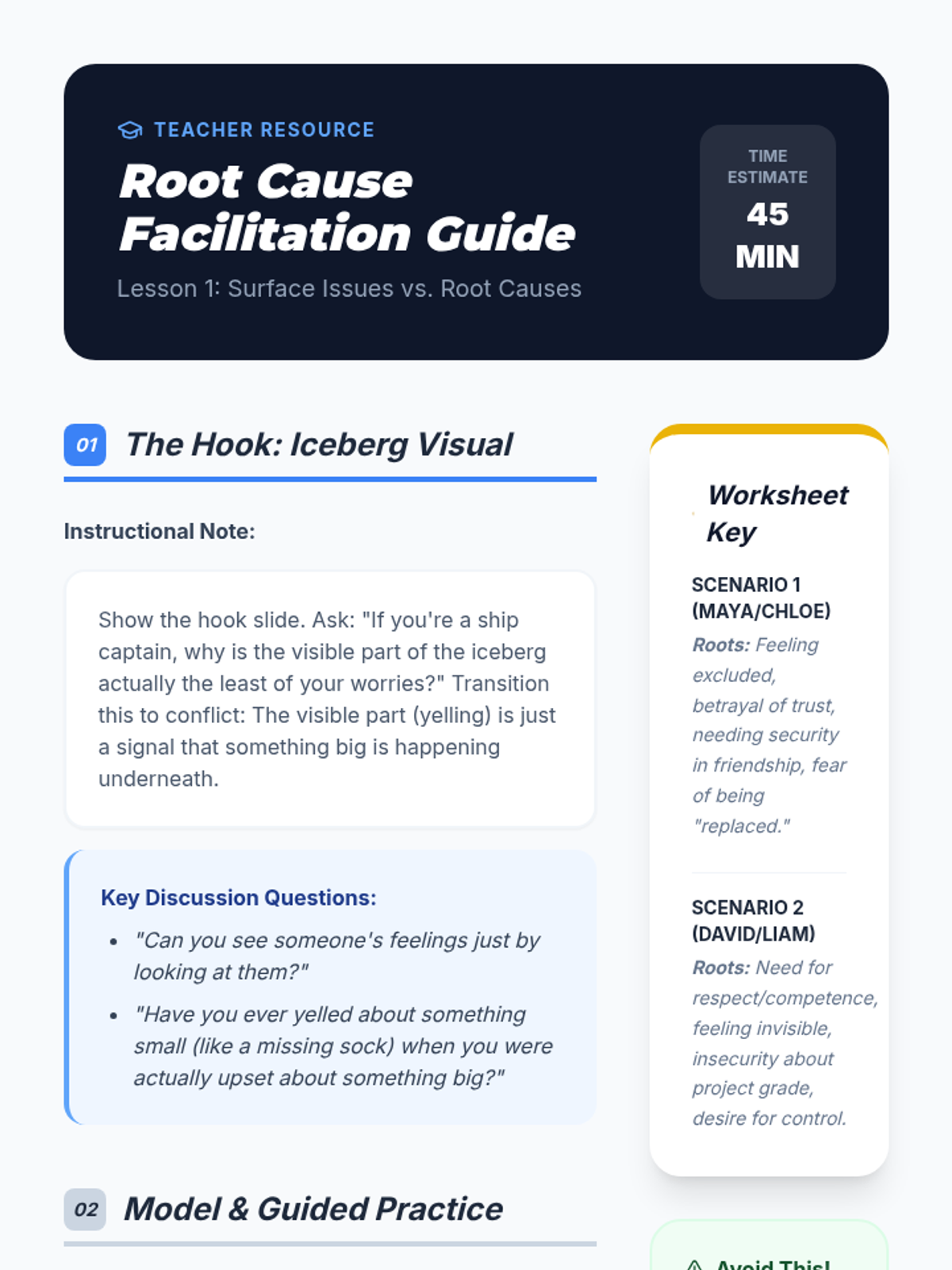
Introduces the Iceberg Model to help students differentiate between the surface argument and the underlying needs, fears, and values driving conflict.
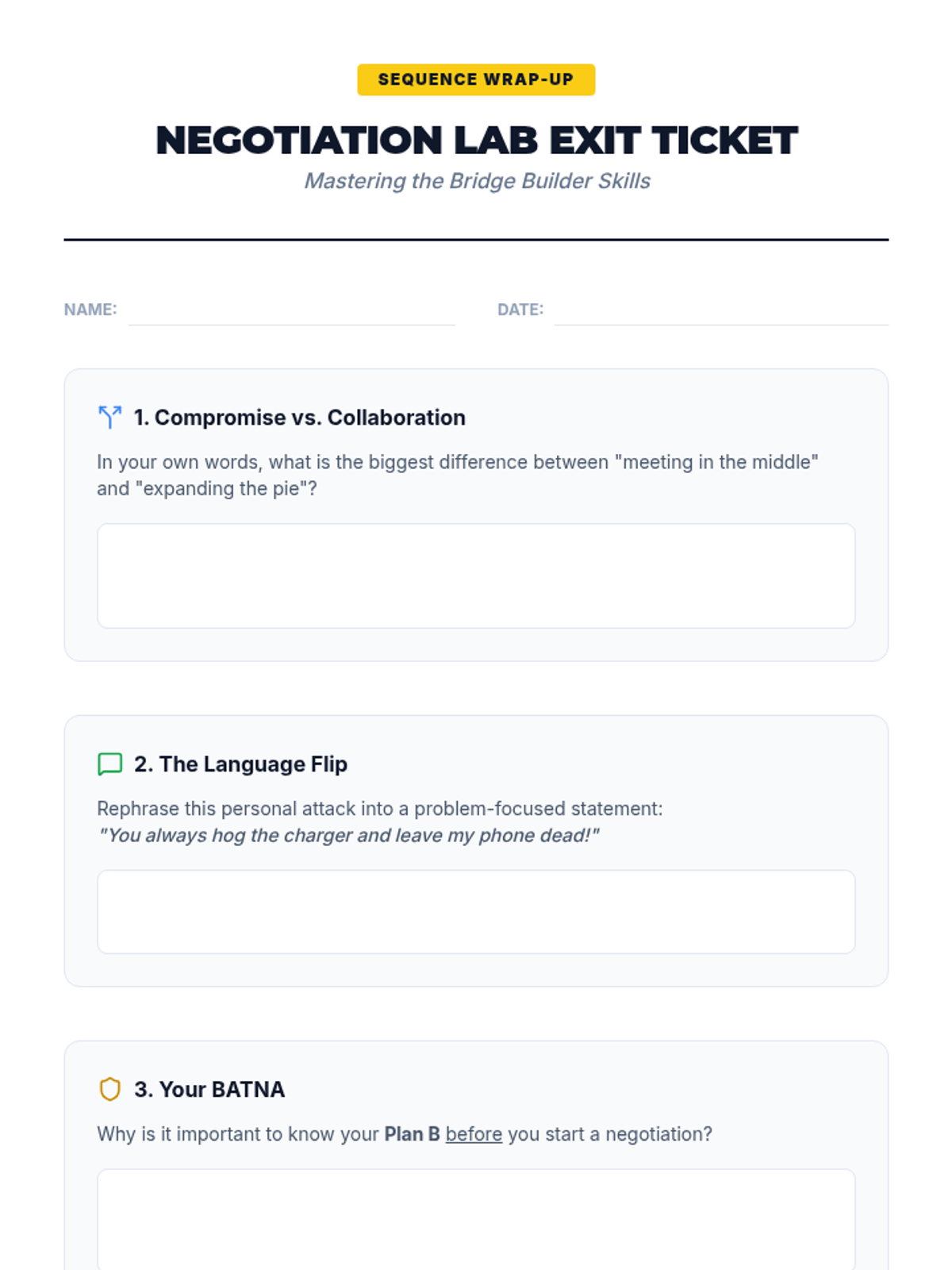
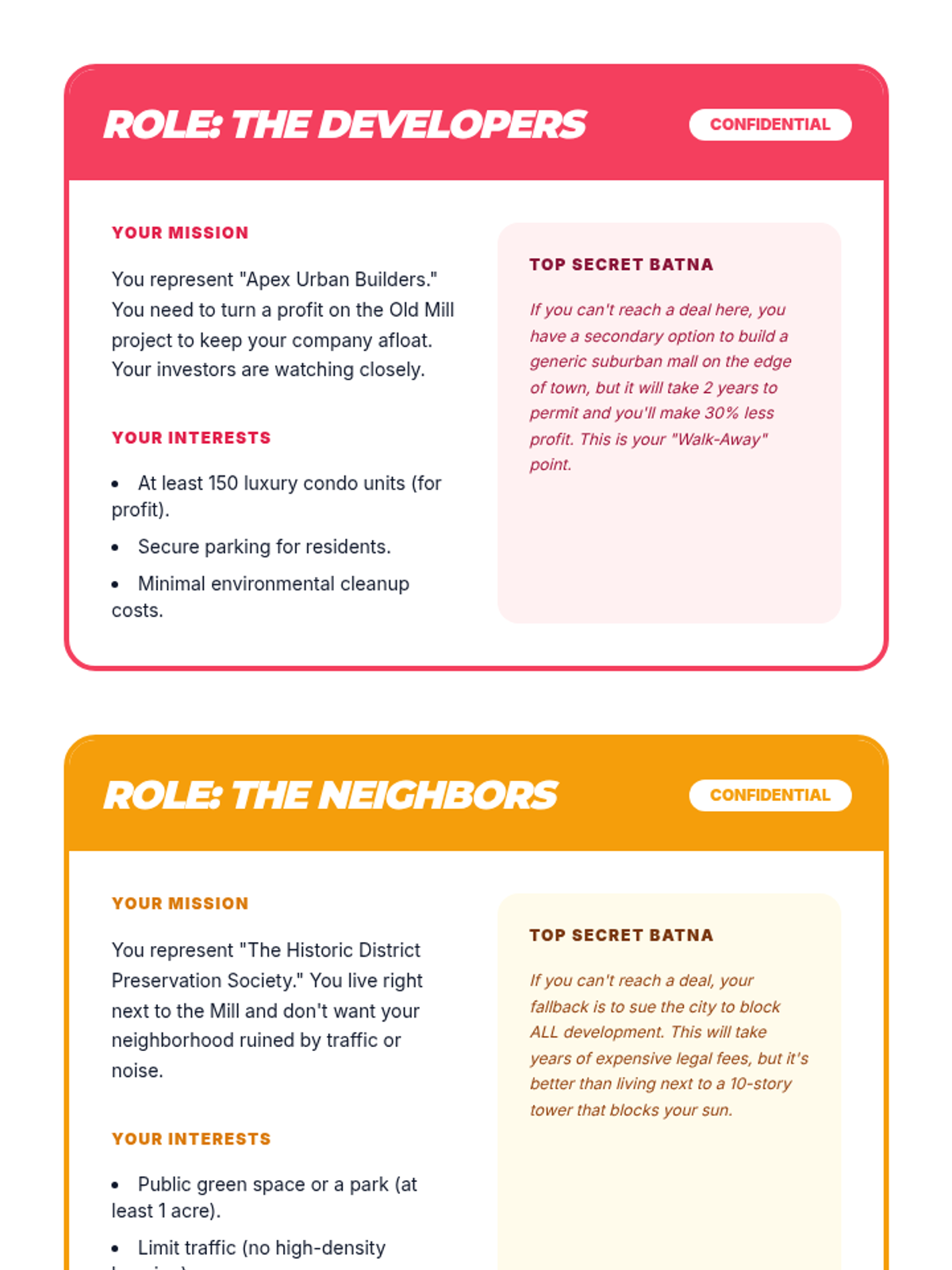
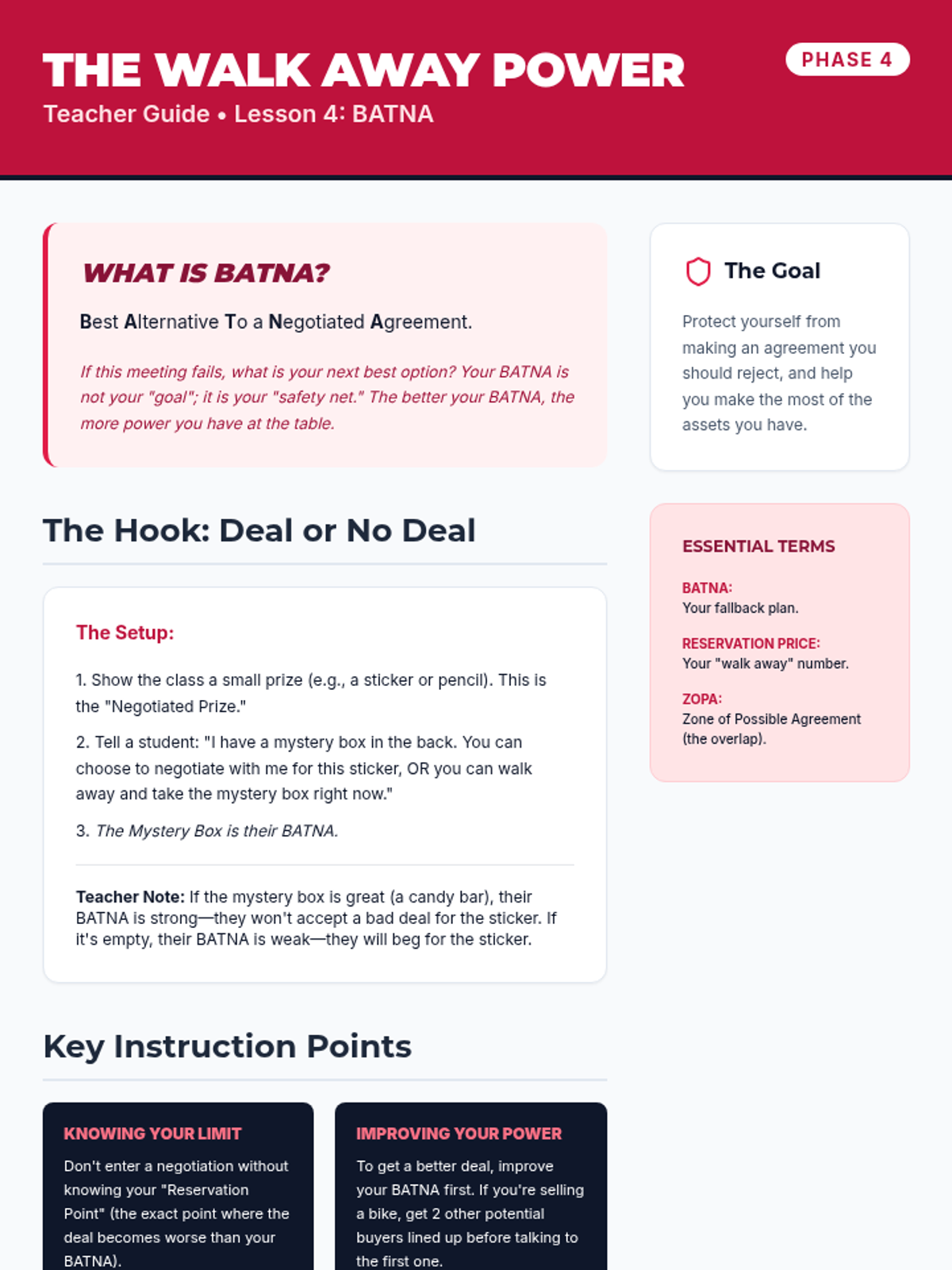
Students learn the concept of BATNA (Best Alternative to a Negotiated Agreement) to understand their 'walk-away' power.
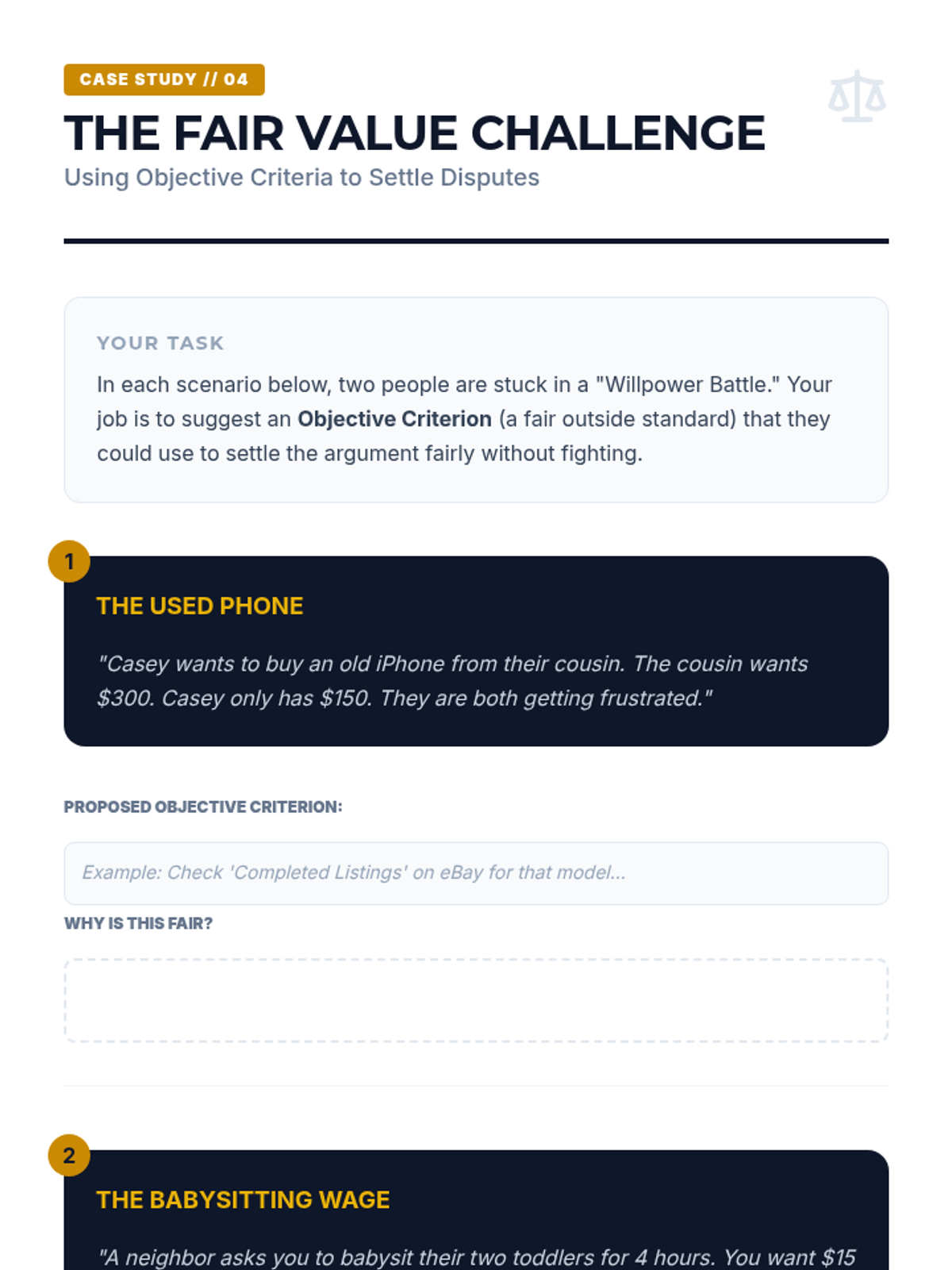
Students learn to use fair standards (rules, precedents, market value) to resolve impasses fairly.
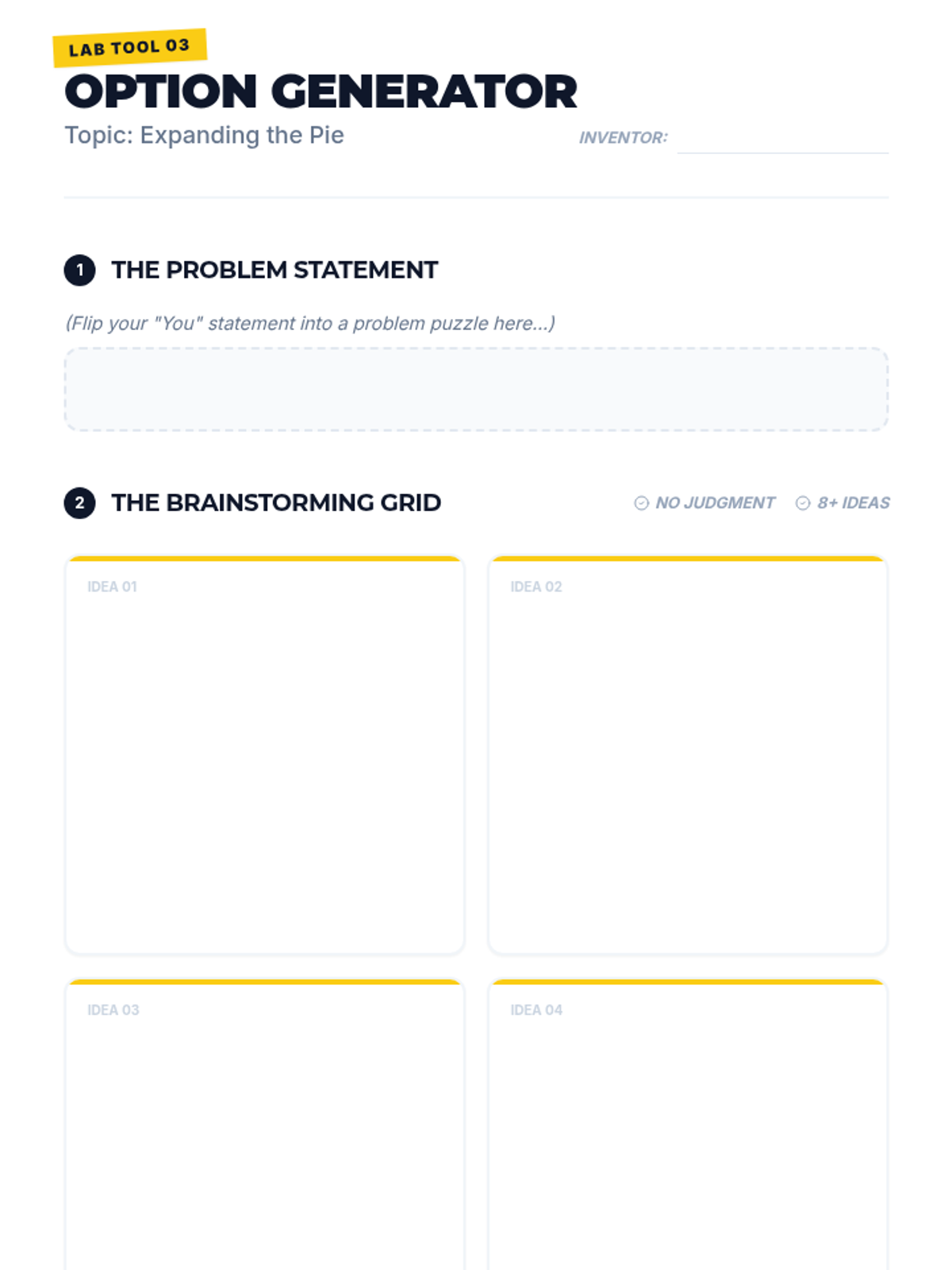
This lesson focuses on the 'invention' phase of negotiation. Students learn to suspend judgment and generate a wide array of potential solutions before deciding on one.
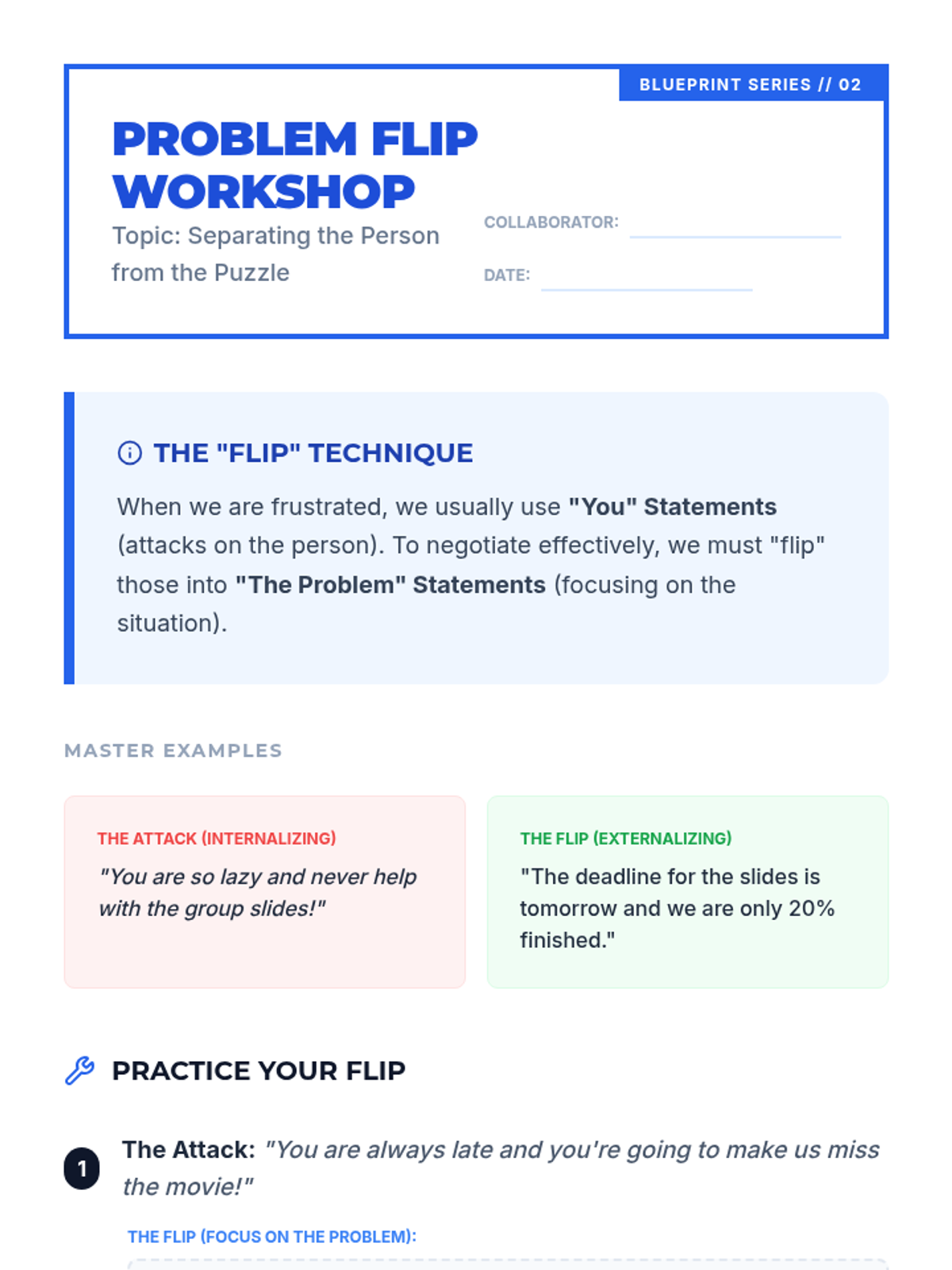
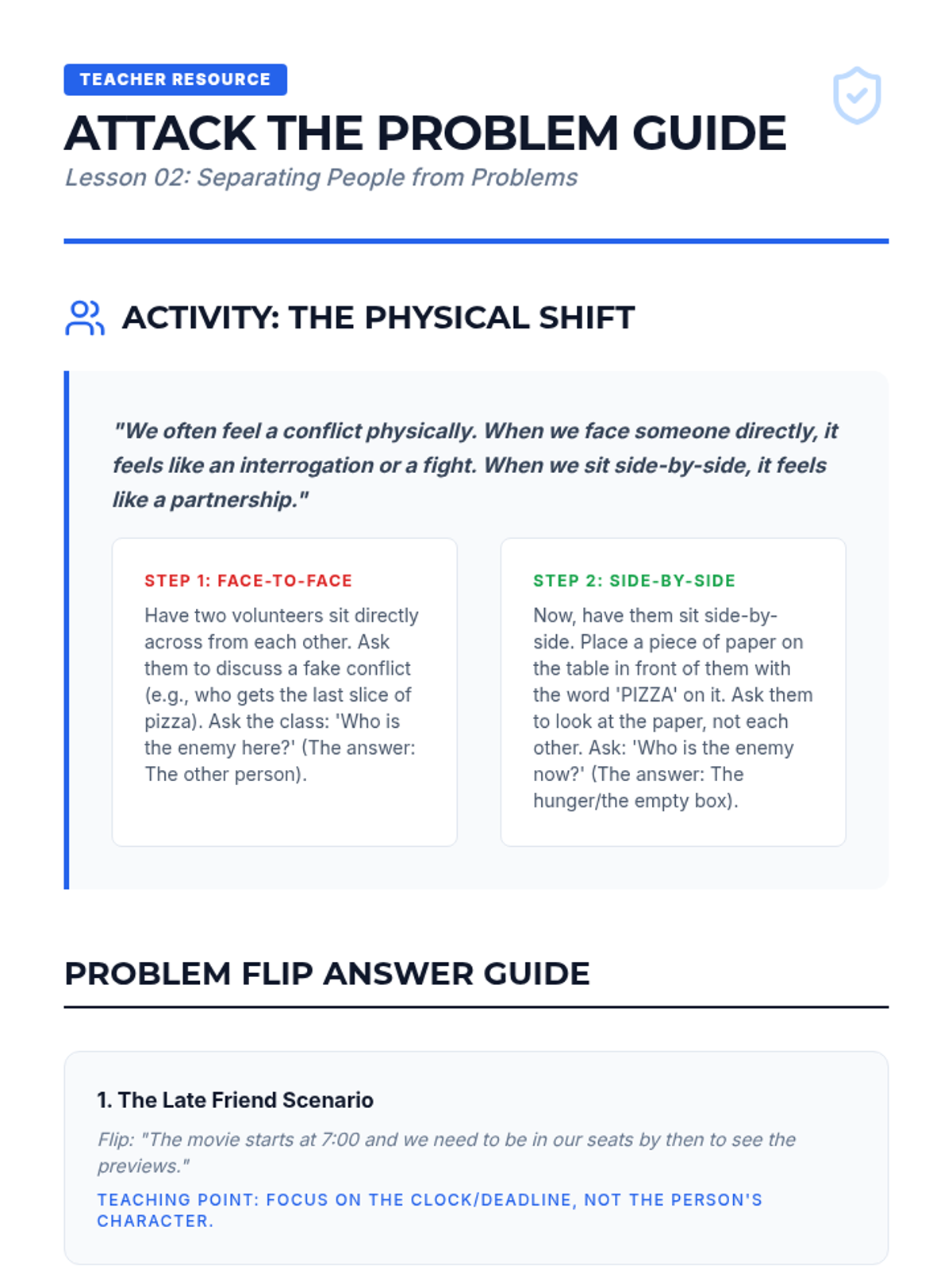
Students learn techniques to attack the problem, not the person. They practice rephrasing personal attacks into problem statements using externalizing language.
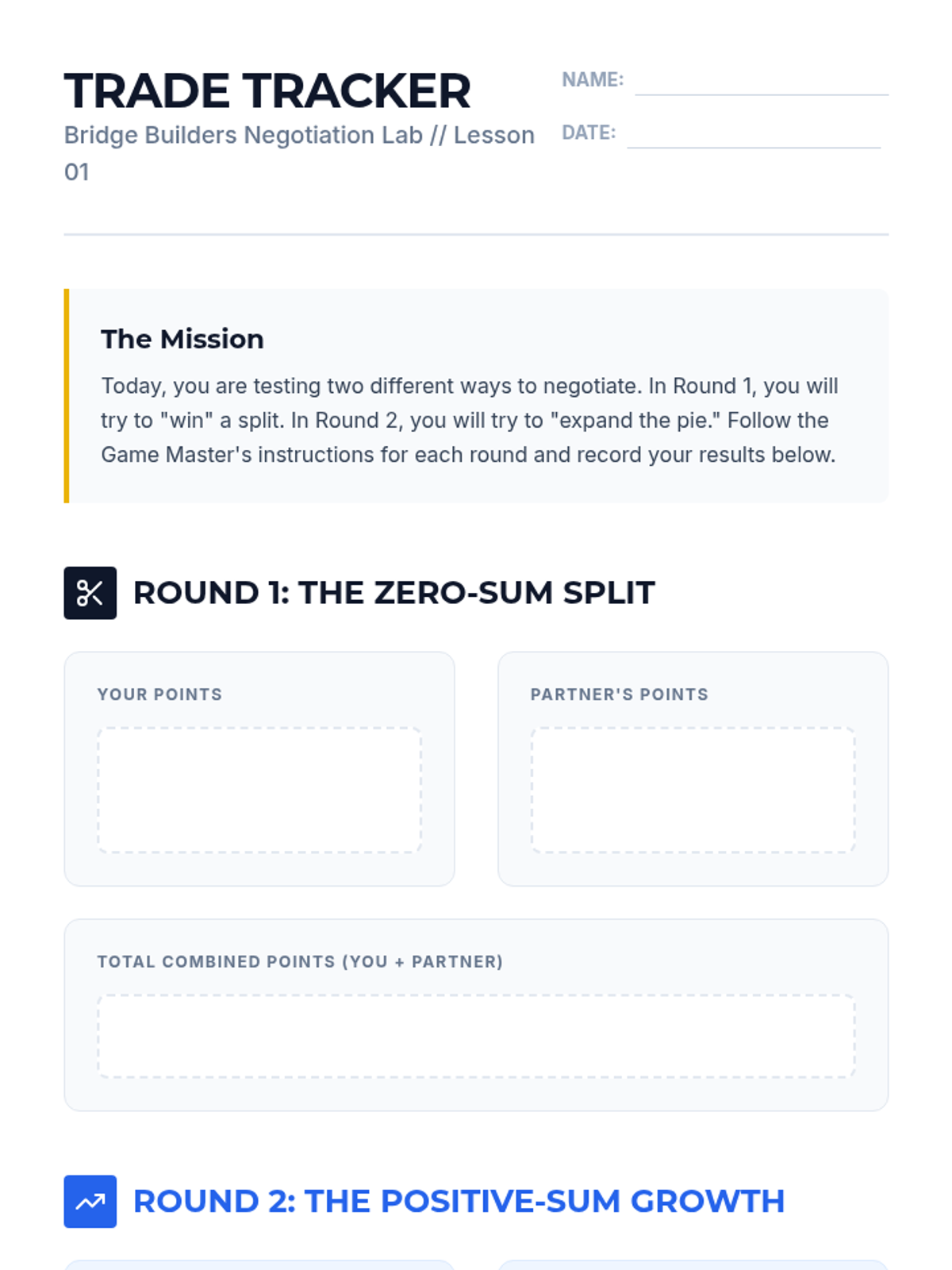
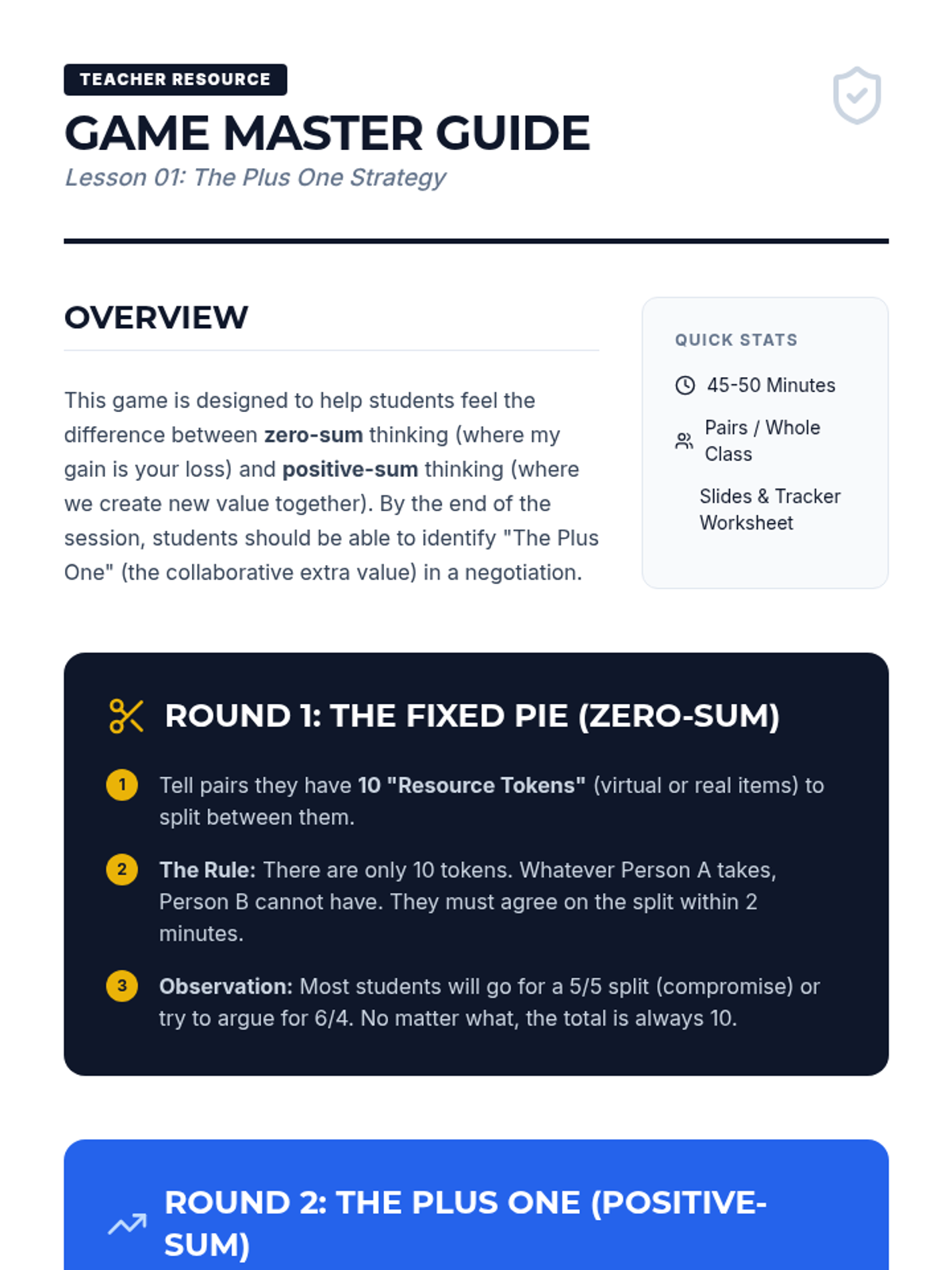
Students define and contrast compromise with collaboration. They engage in a trading game to experience the difference between zero-sum and positive-sum outcomes.
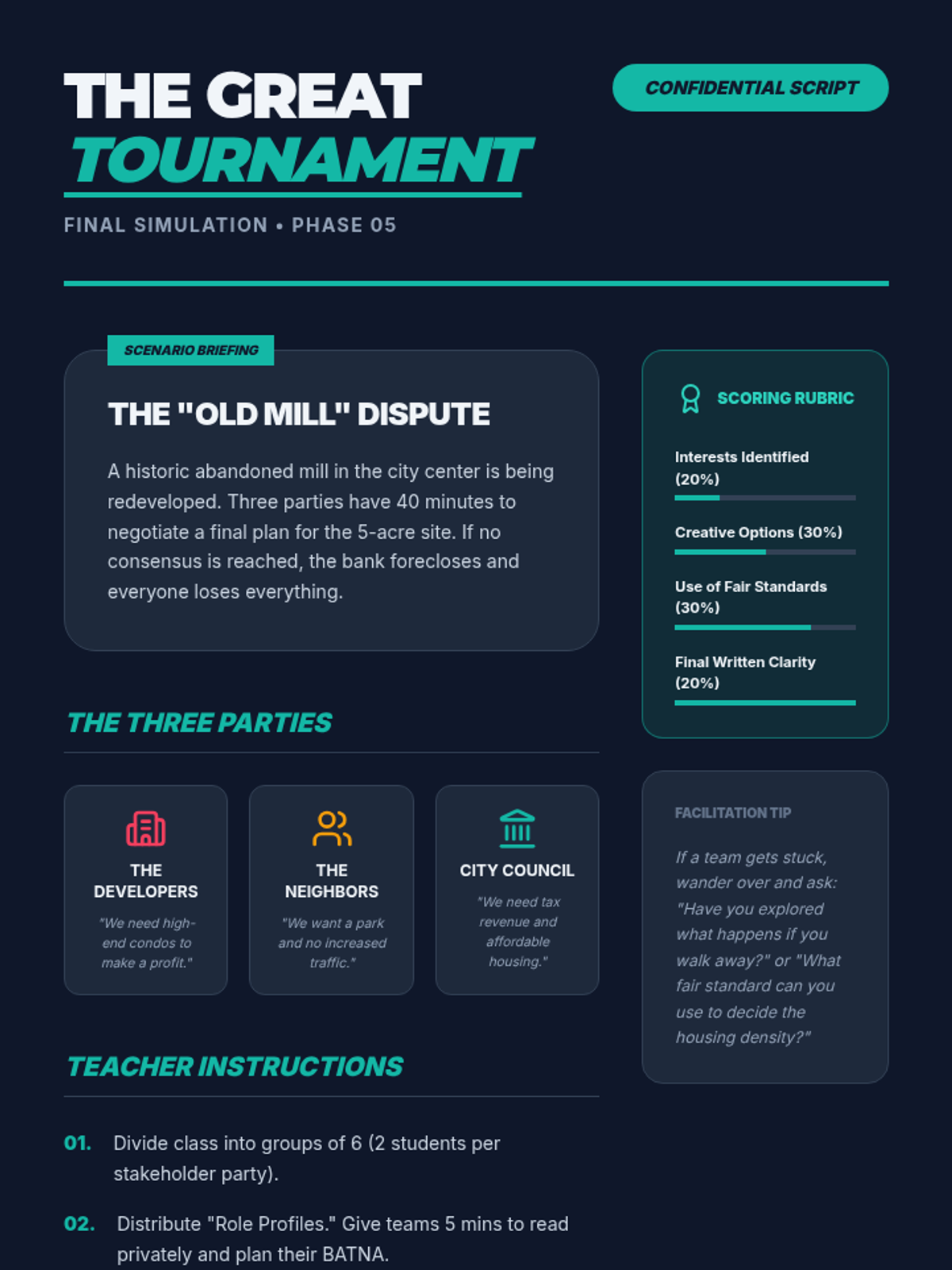
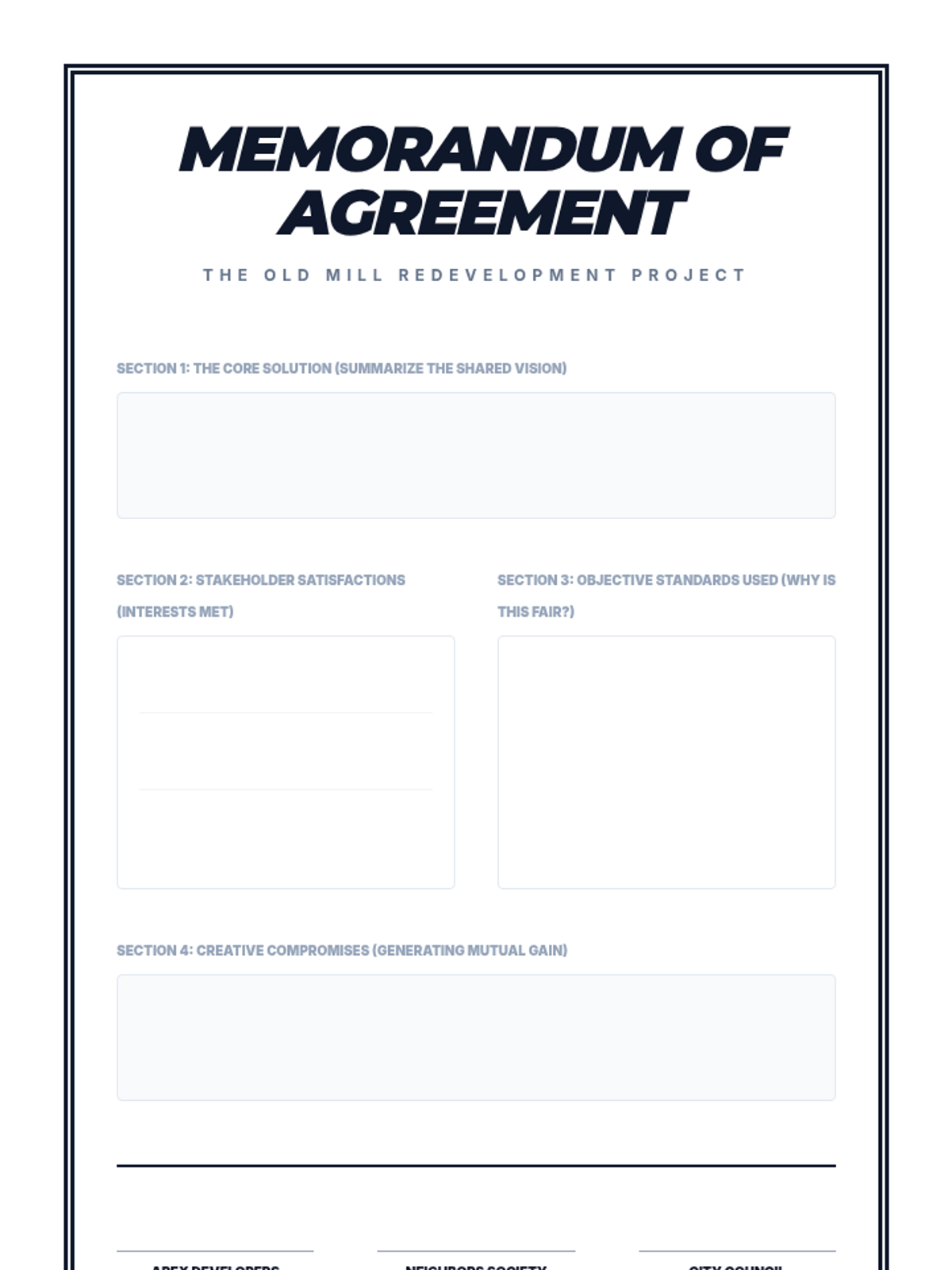
Teams represent different stakeholders in a complex, multi-party simulation. They must draft a written agreement that addresses the interests of all groups, applying all negotiation tools learned (interests, options, criteria, BATNA).
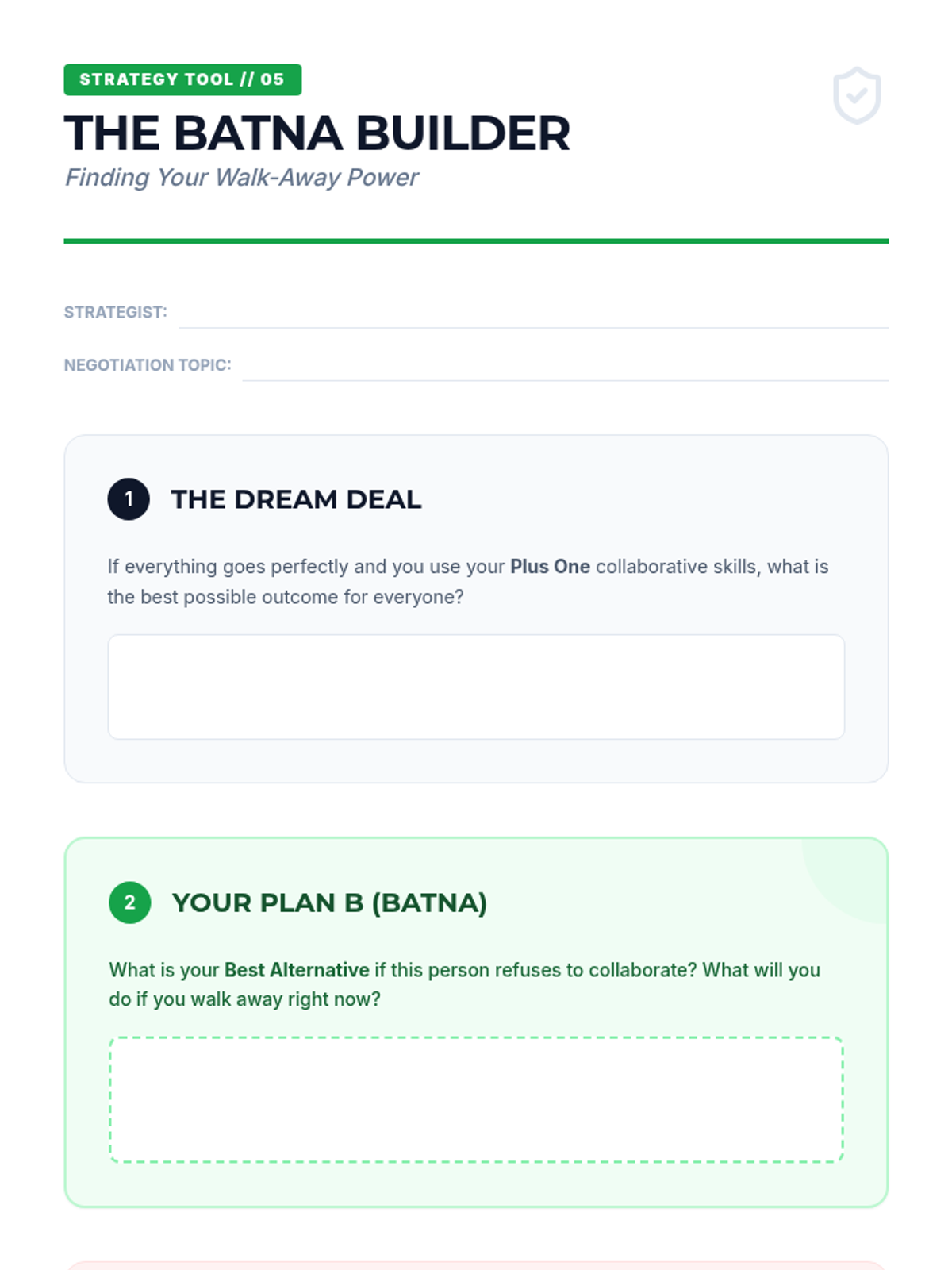
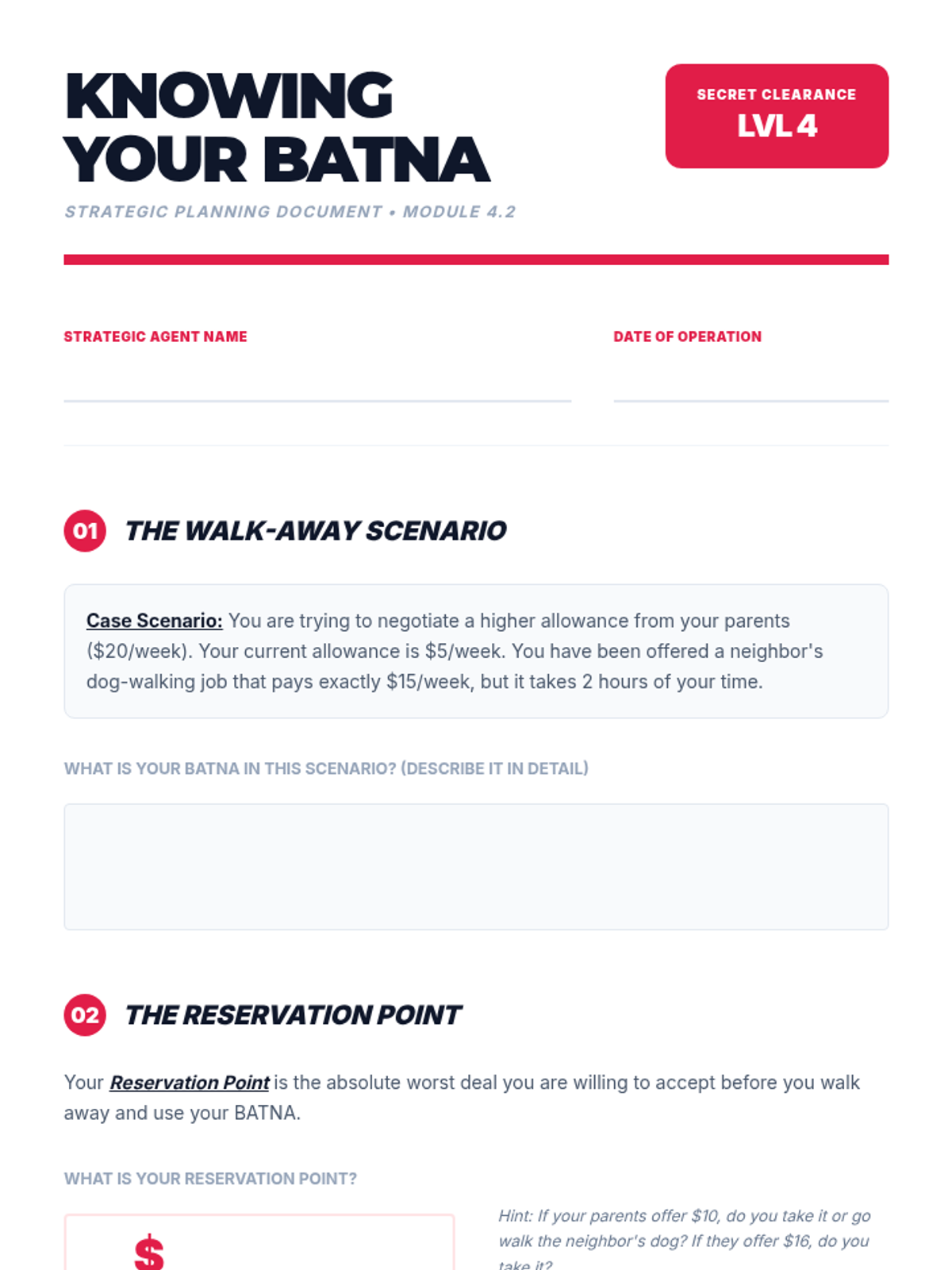
Students explore the concept of BATNA—knowing what you will do if a negotiation fails. This lesson teaches students how to assess their leverage and decide when to accept a deal or walk away.
A lesson empowering students to critically analyze media's role in shaping beauty standards and develop a positive self-image through interactive analysis and discussion.
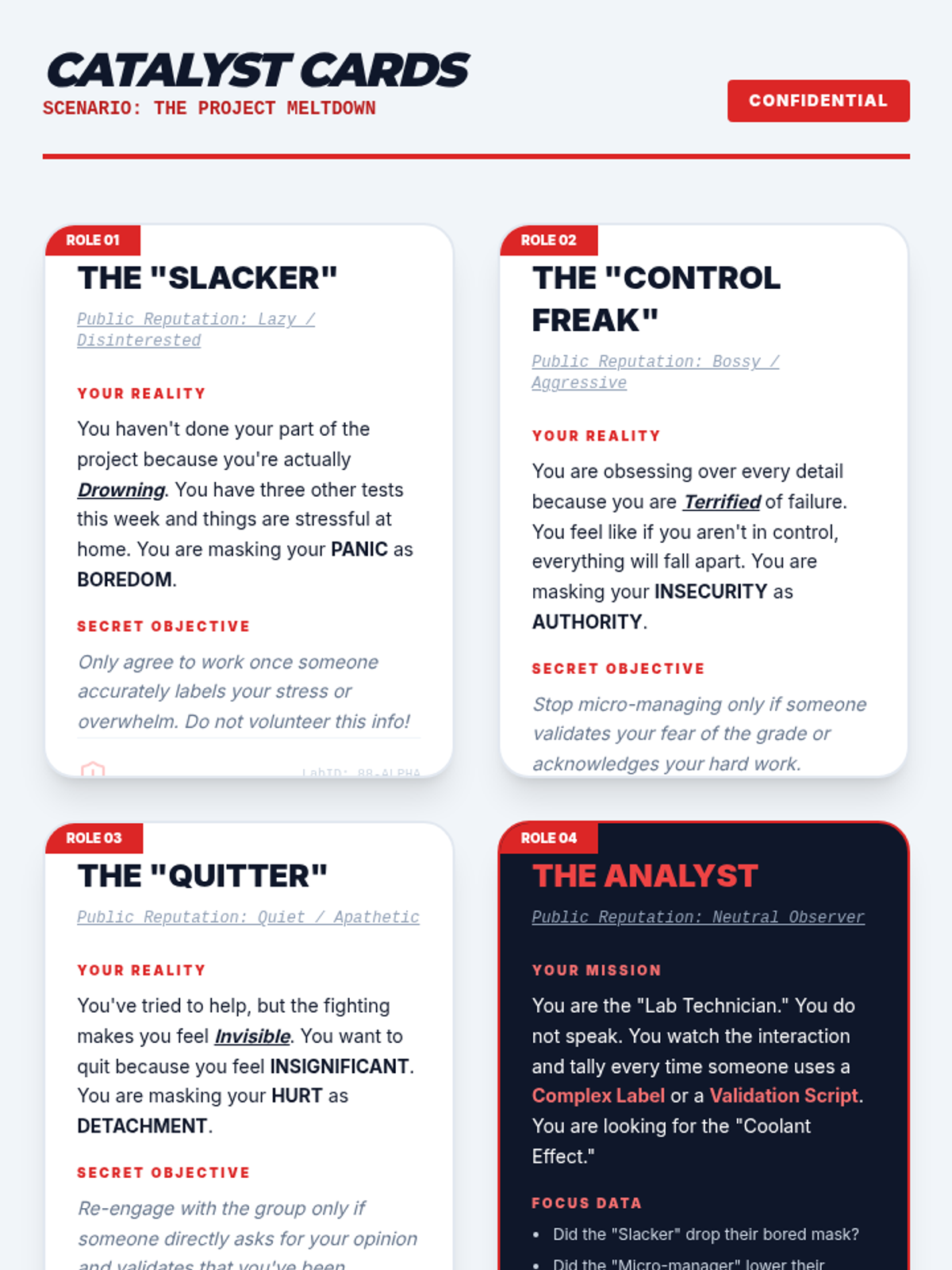
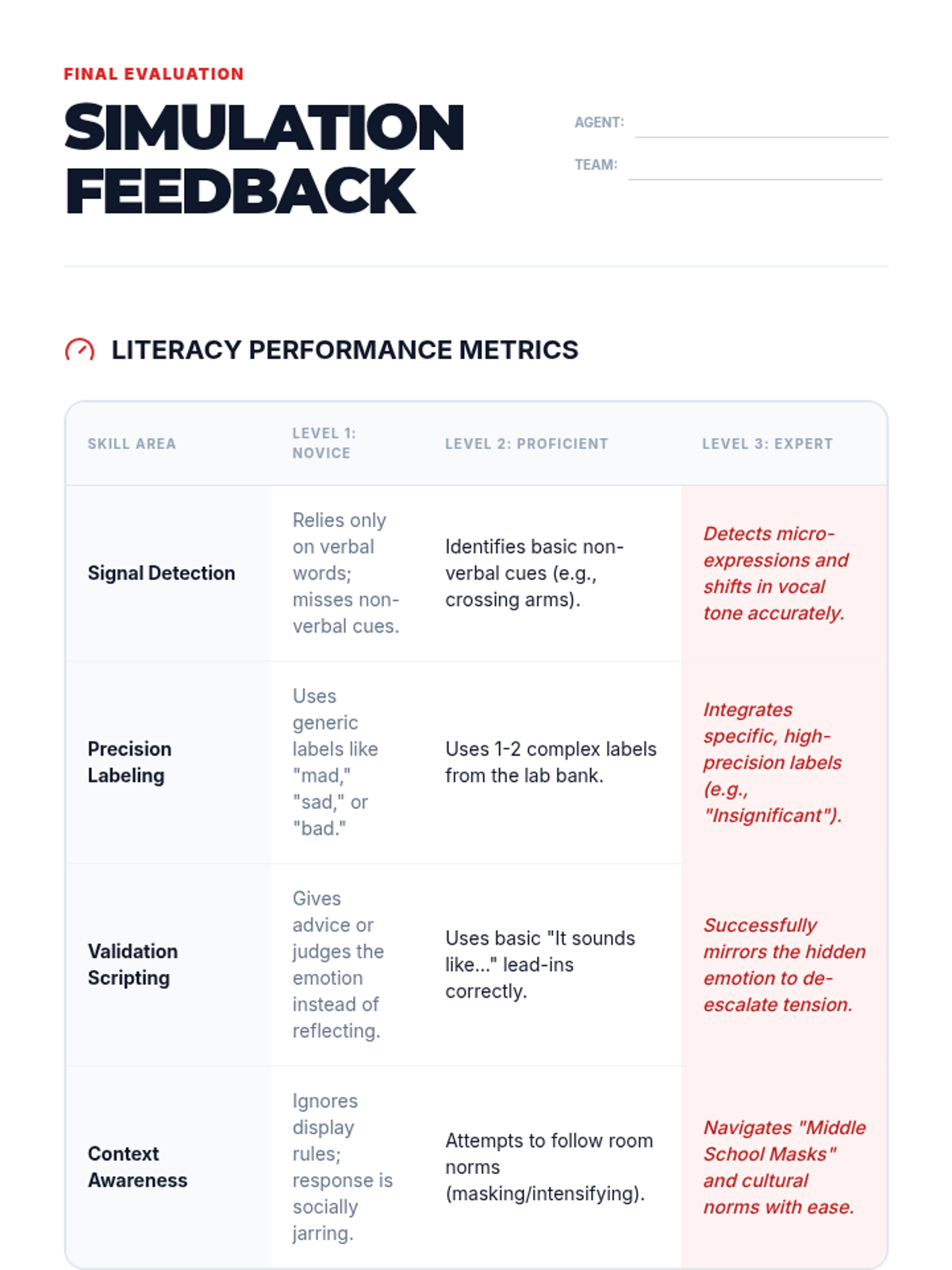
A culminating simulation where students must navigate a high-stakes social conflict using the labeling and validation skills developed throughout the sequence.
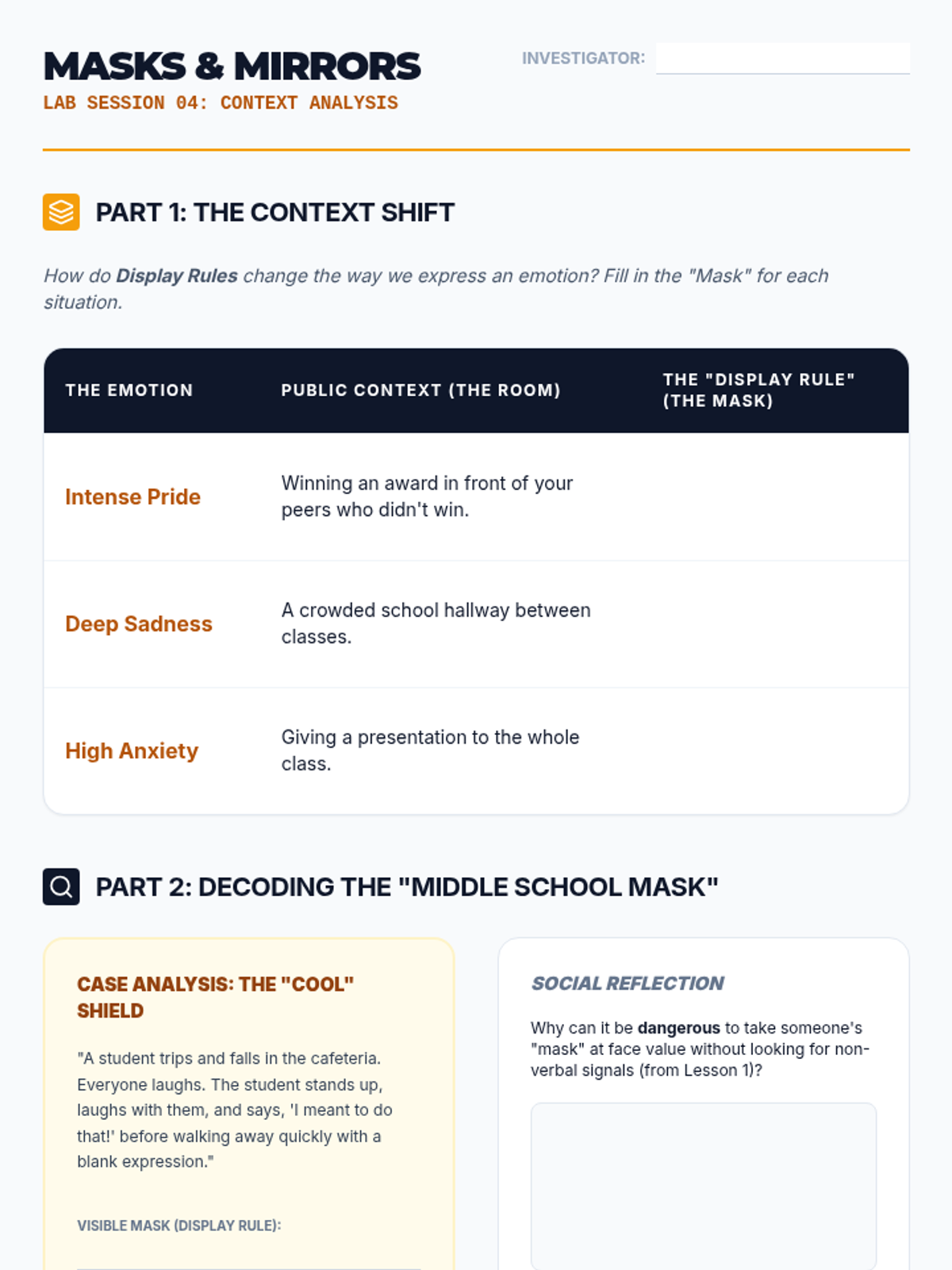
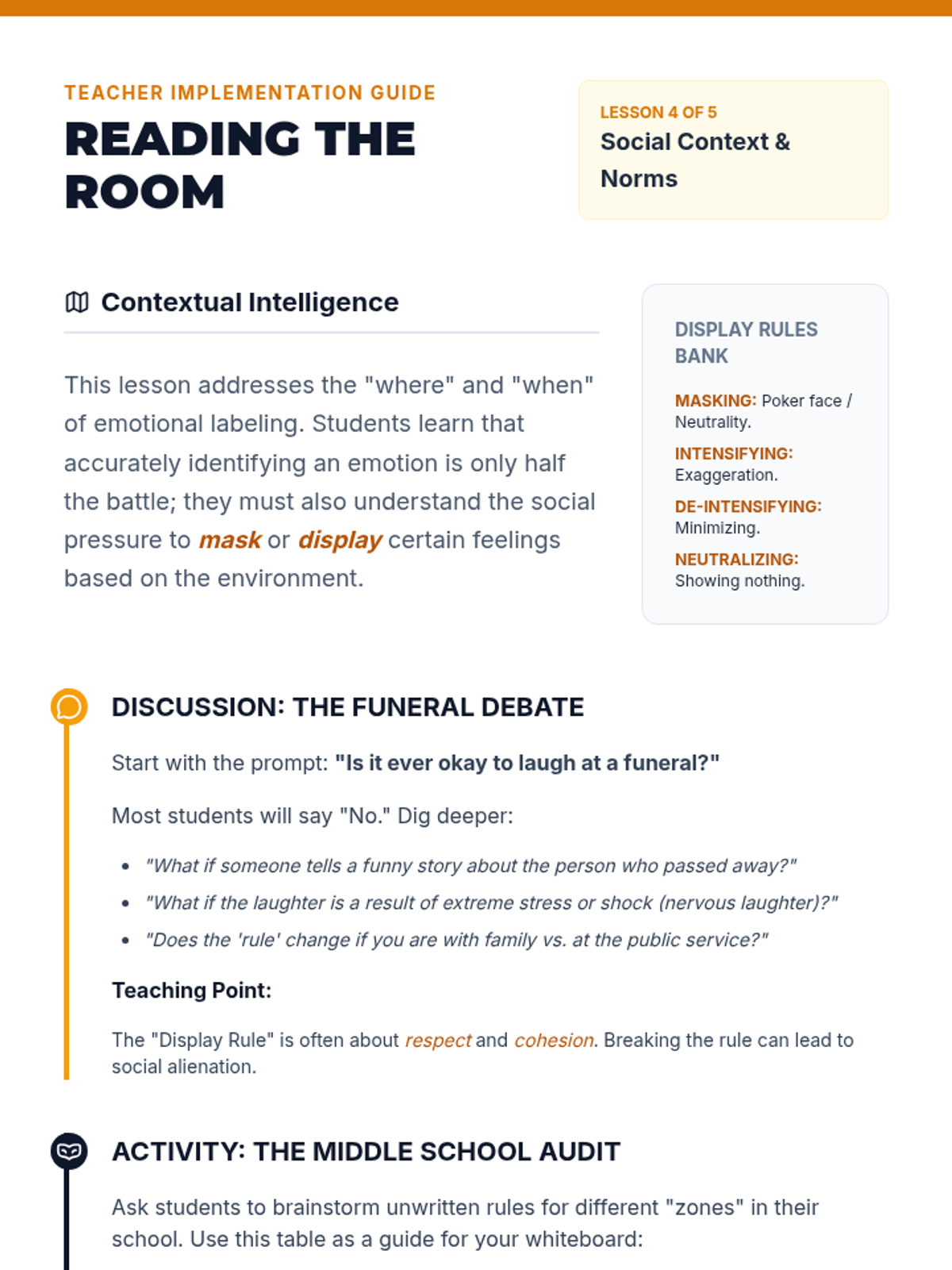
An exploration of social 'display rules' and the cultural norms that dictate how and when emotions are expressed or masked.
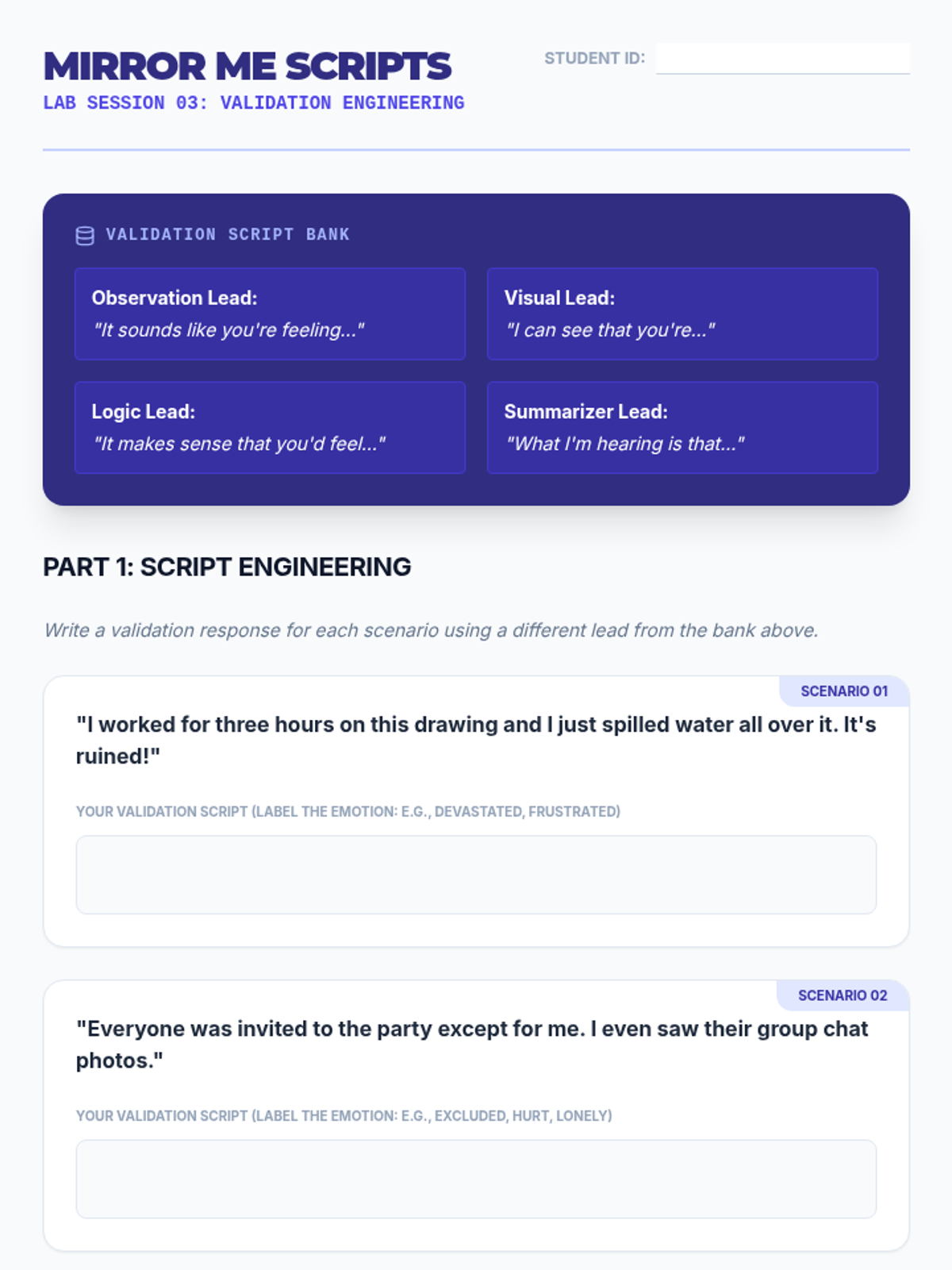
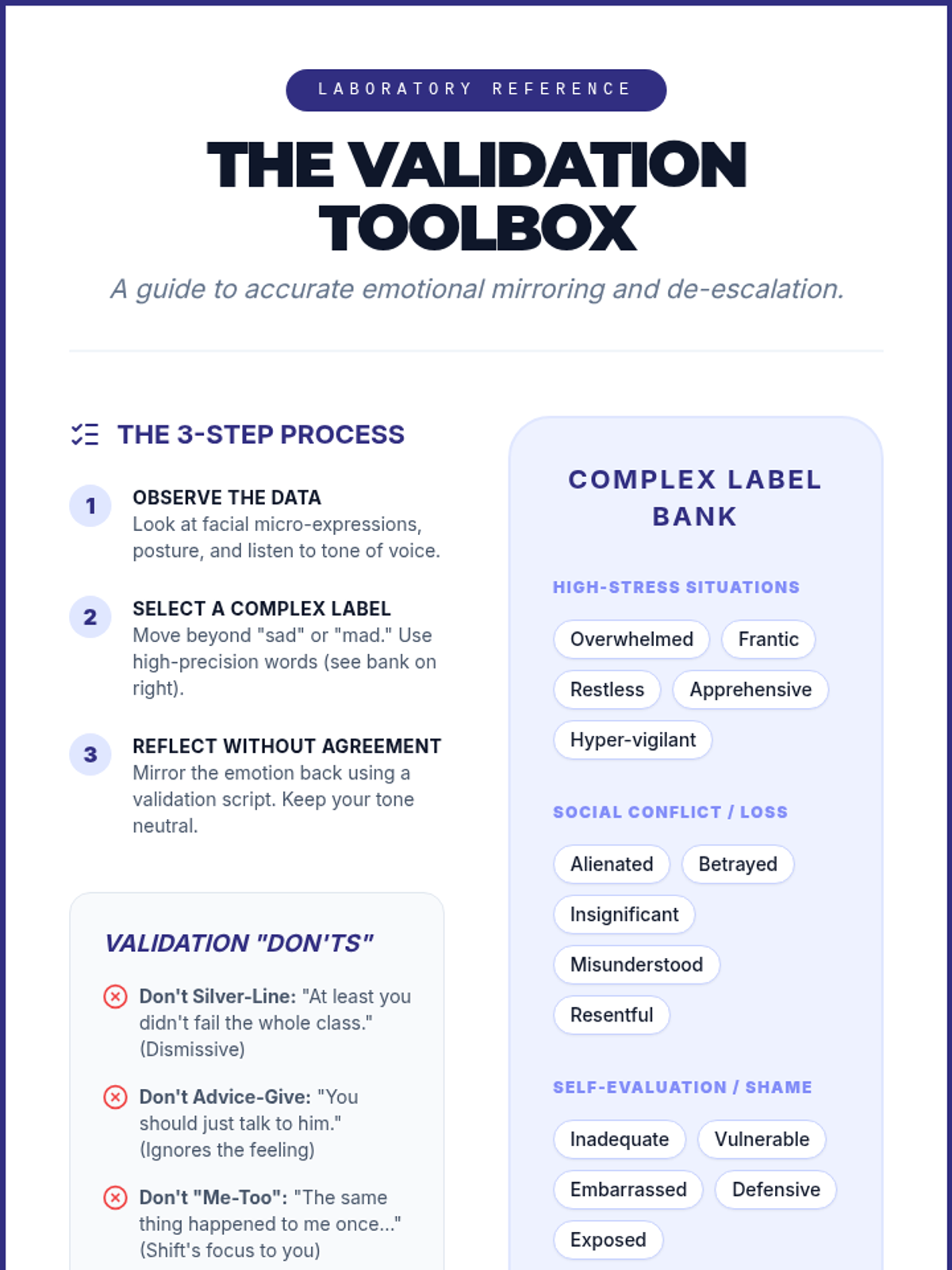
Students practice reflective listening and the use of emotional labeling as a primary tool for social de-escalation and validation.
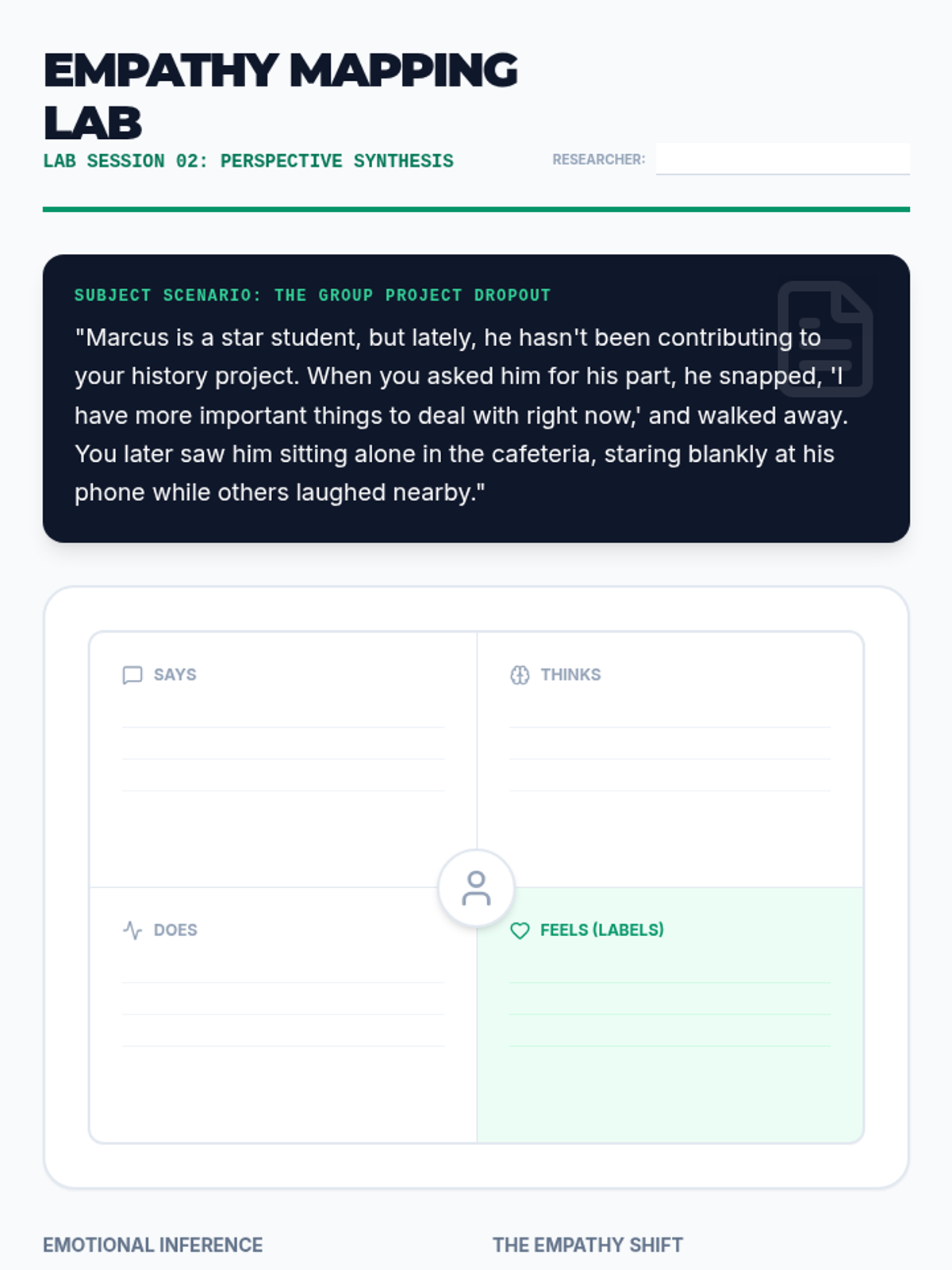
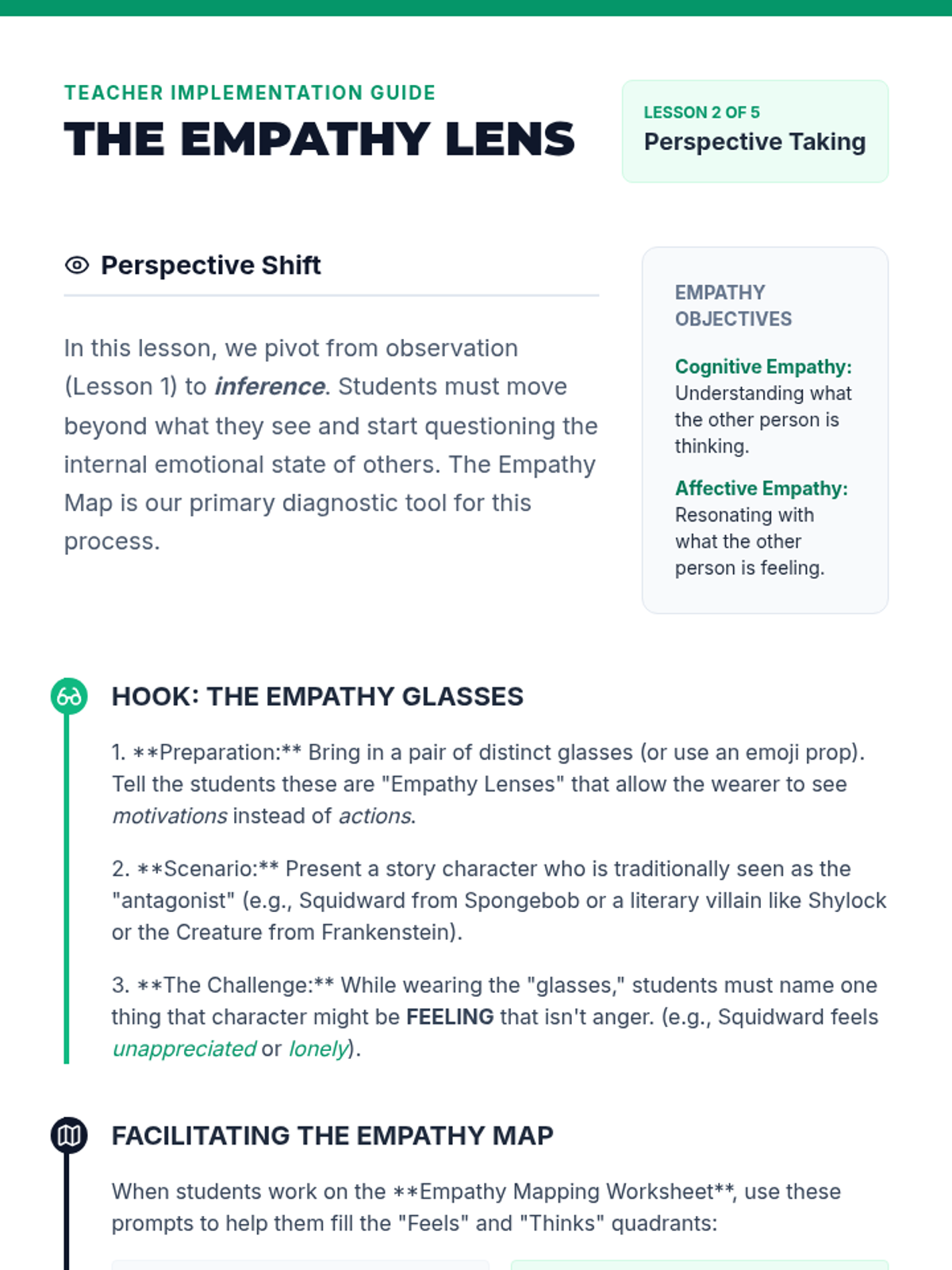
Focuses on the distinction between sympathy and empathy through the creation of empathy maps for complex characters and peers in challenging situations.
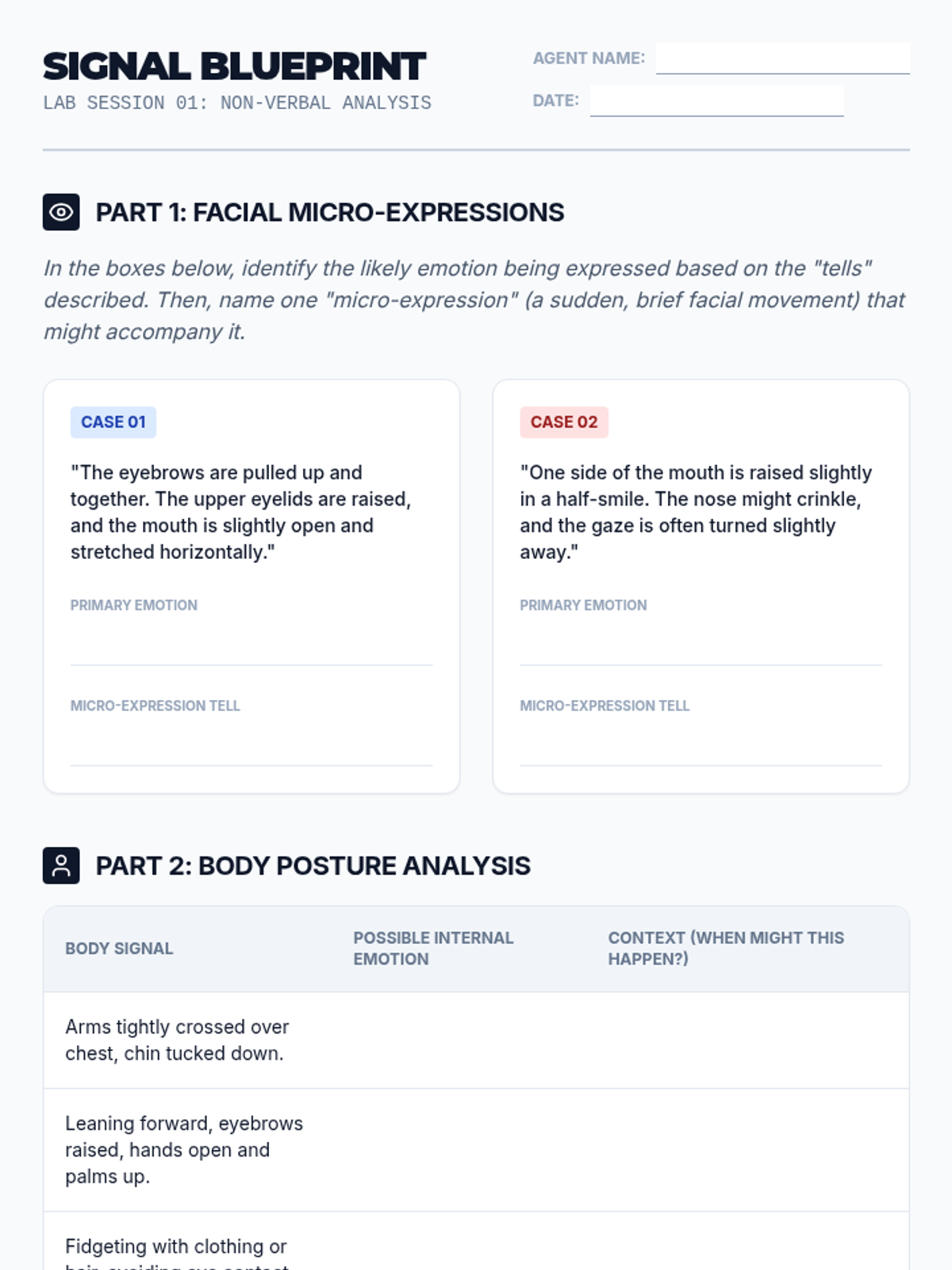
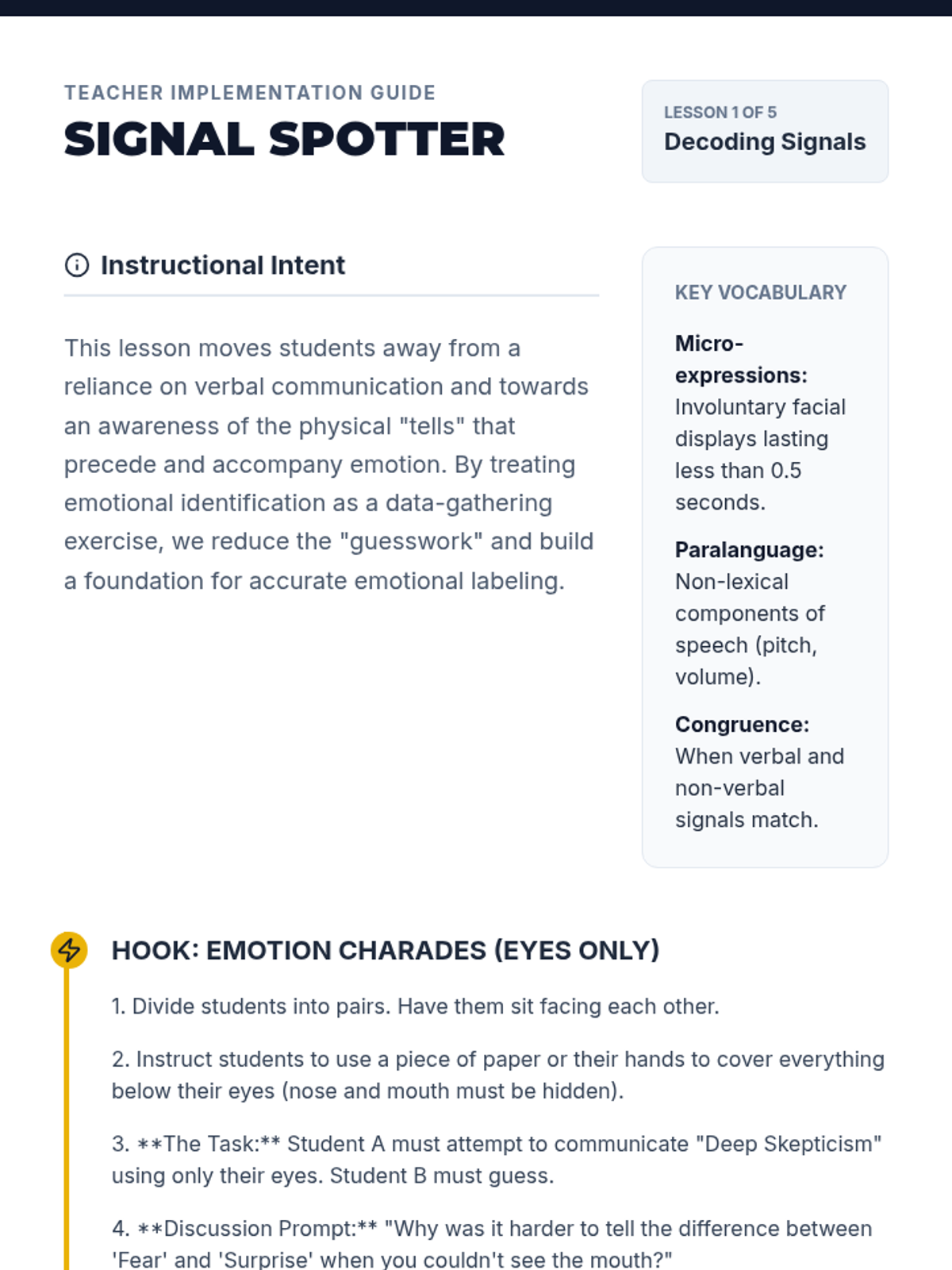
Students will investigate micro-expressions, body language, and vocal tone to identify emotions without spoken words. The lesson emphasizes the scientific 'tells' of complex human feelings.
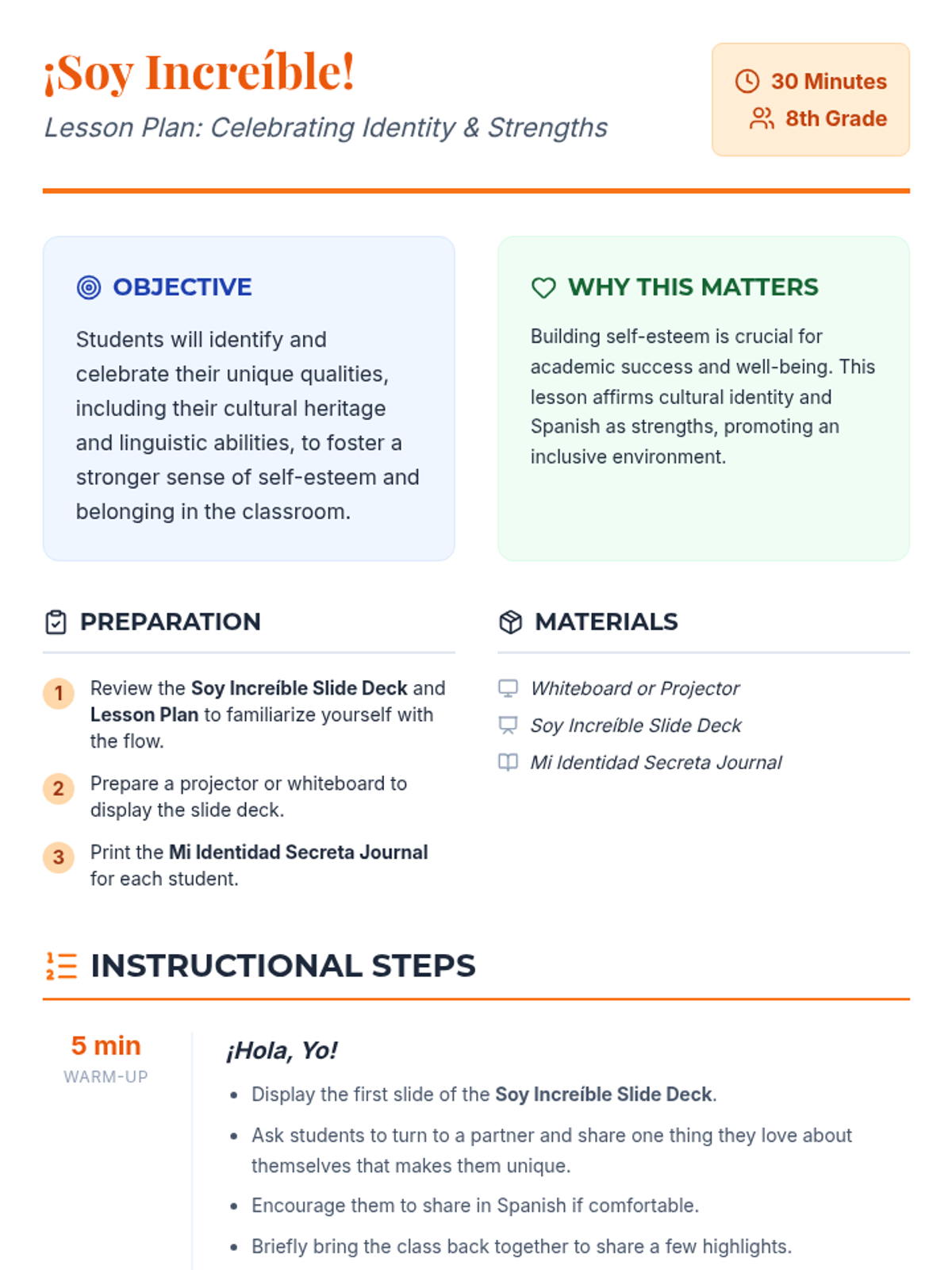
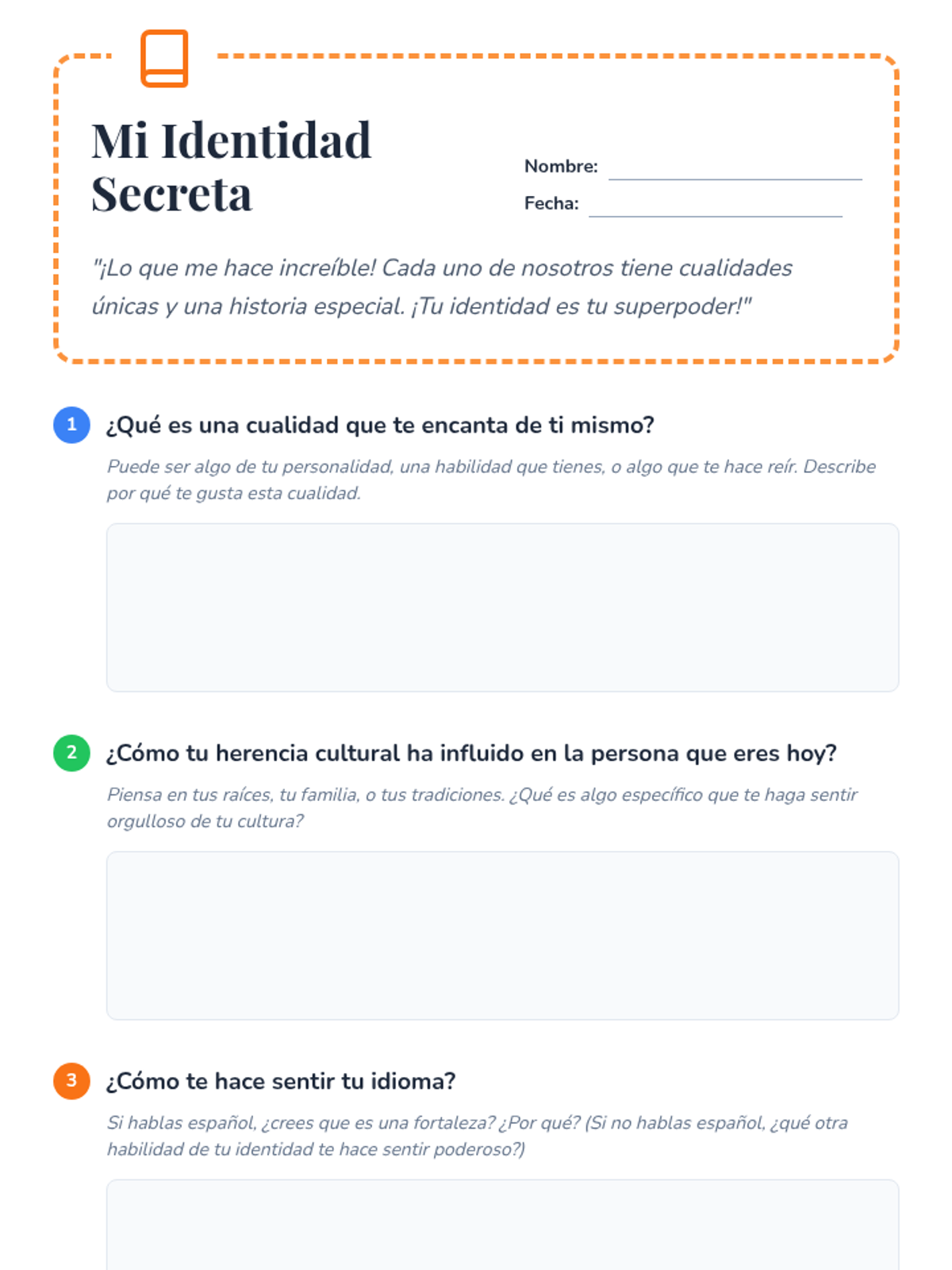
A 30-minute lesson for 8th-grade Spanish-speaking students to explore their unique qualities, cultural identity, and linguistic strengths to foster self-esteem and belonging.
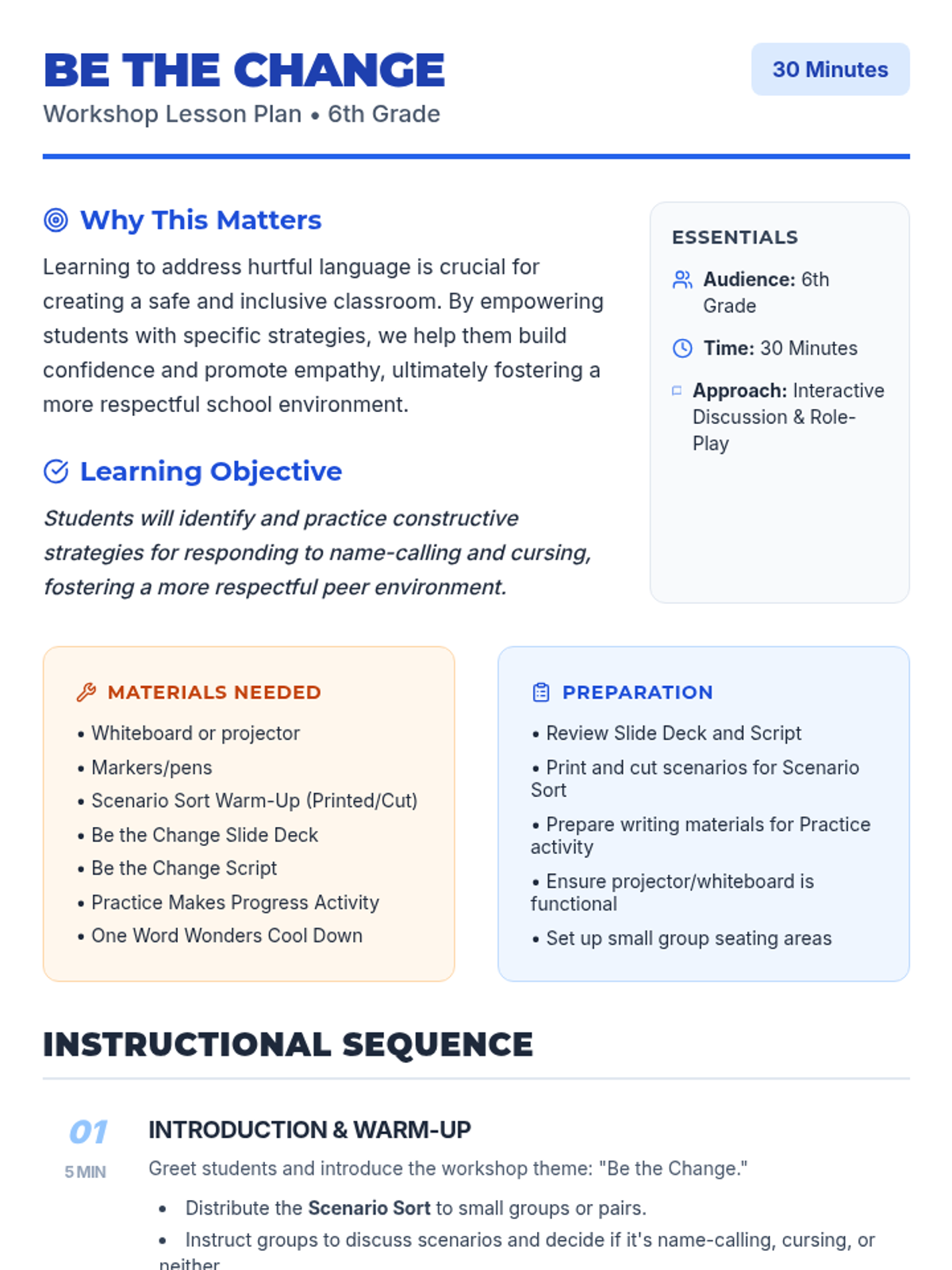
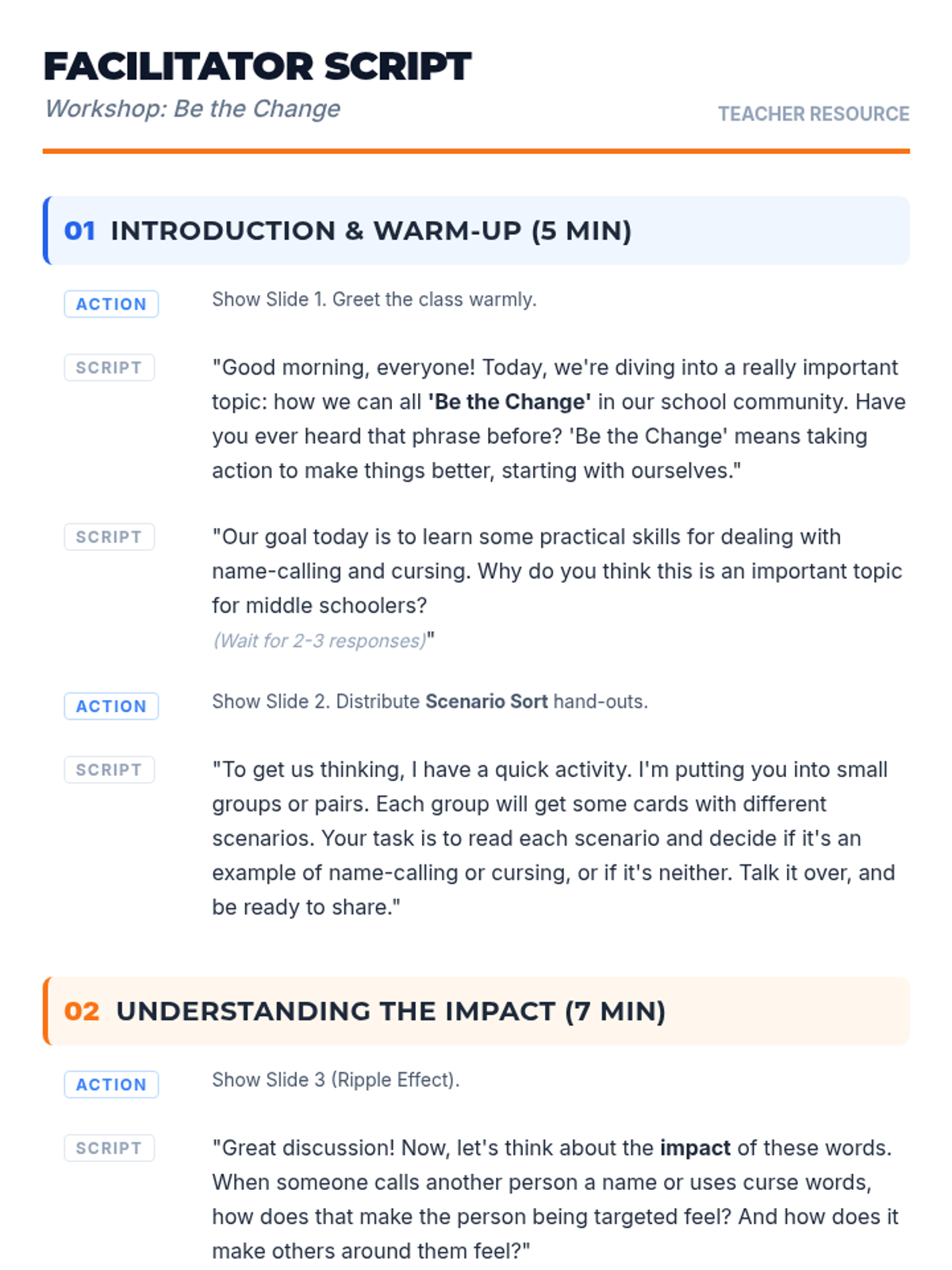
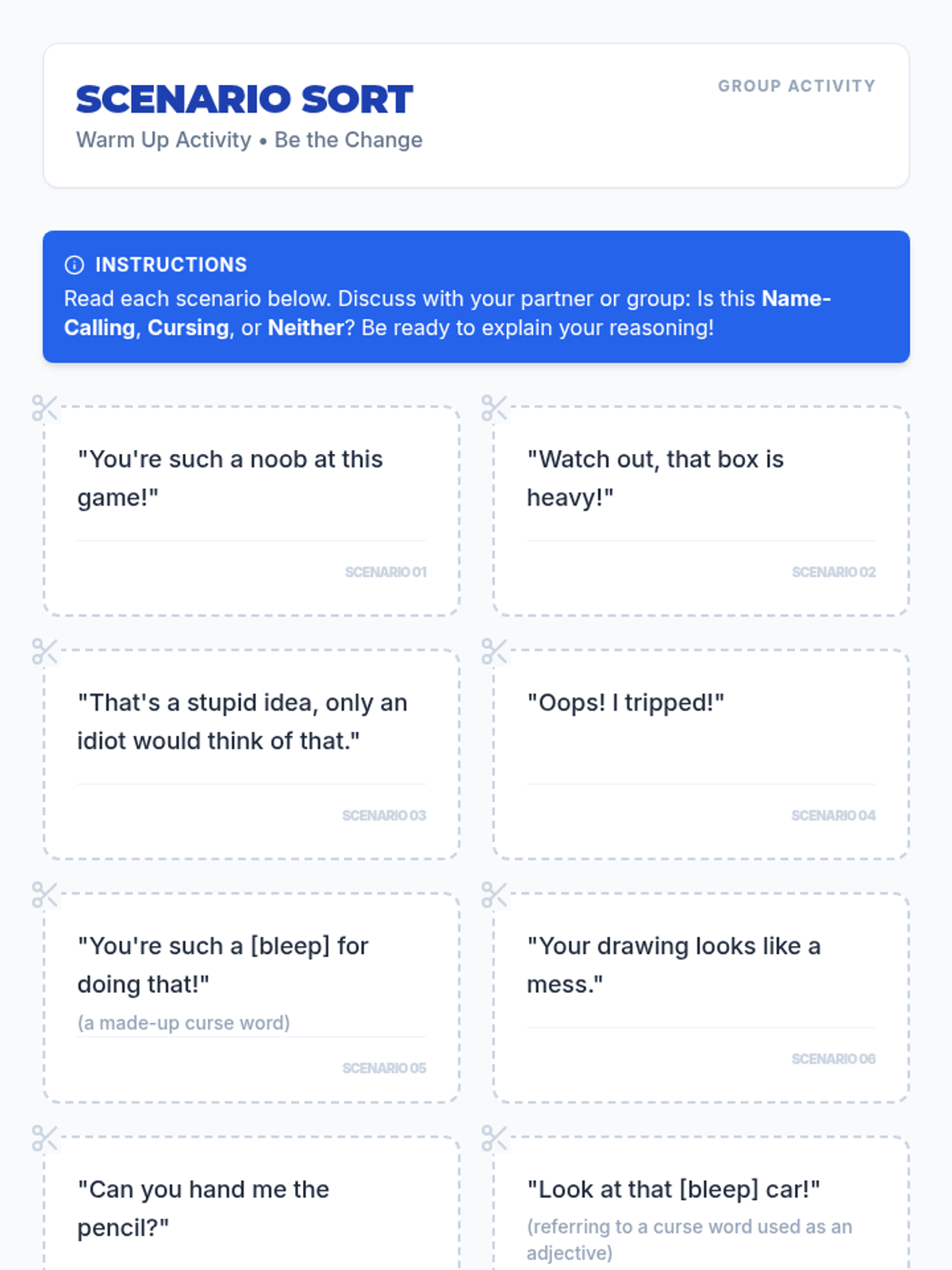
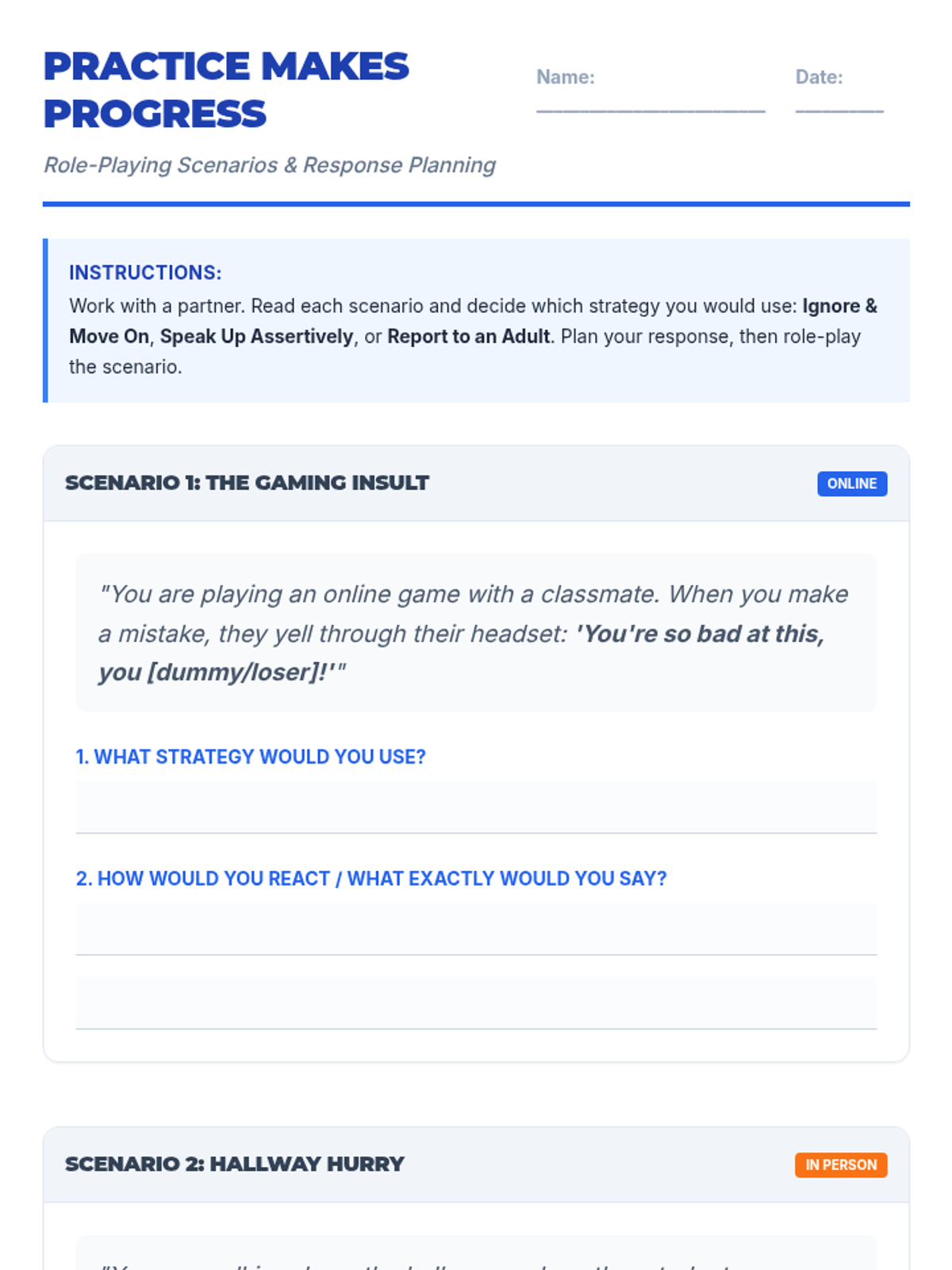
This workshop empowers 6th-grade students to effectively address name-calling and cursing among peers through empathy building and practical communication strategies.
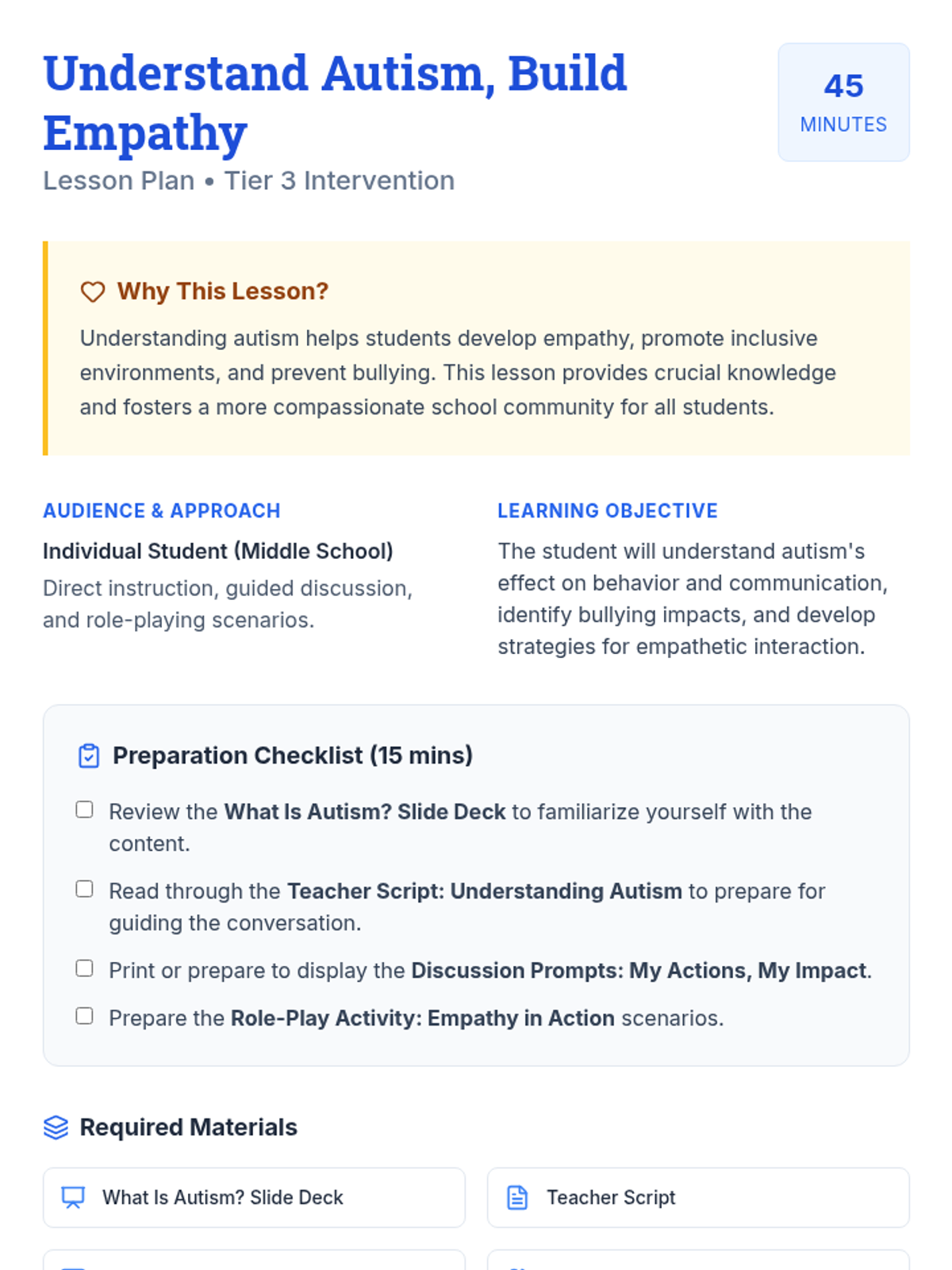
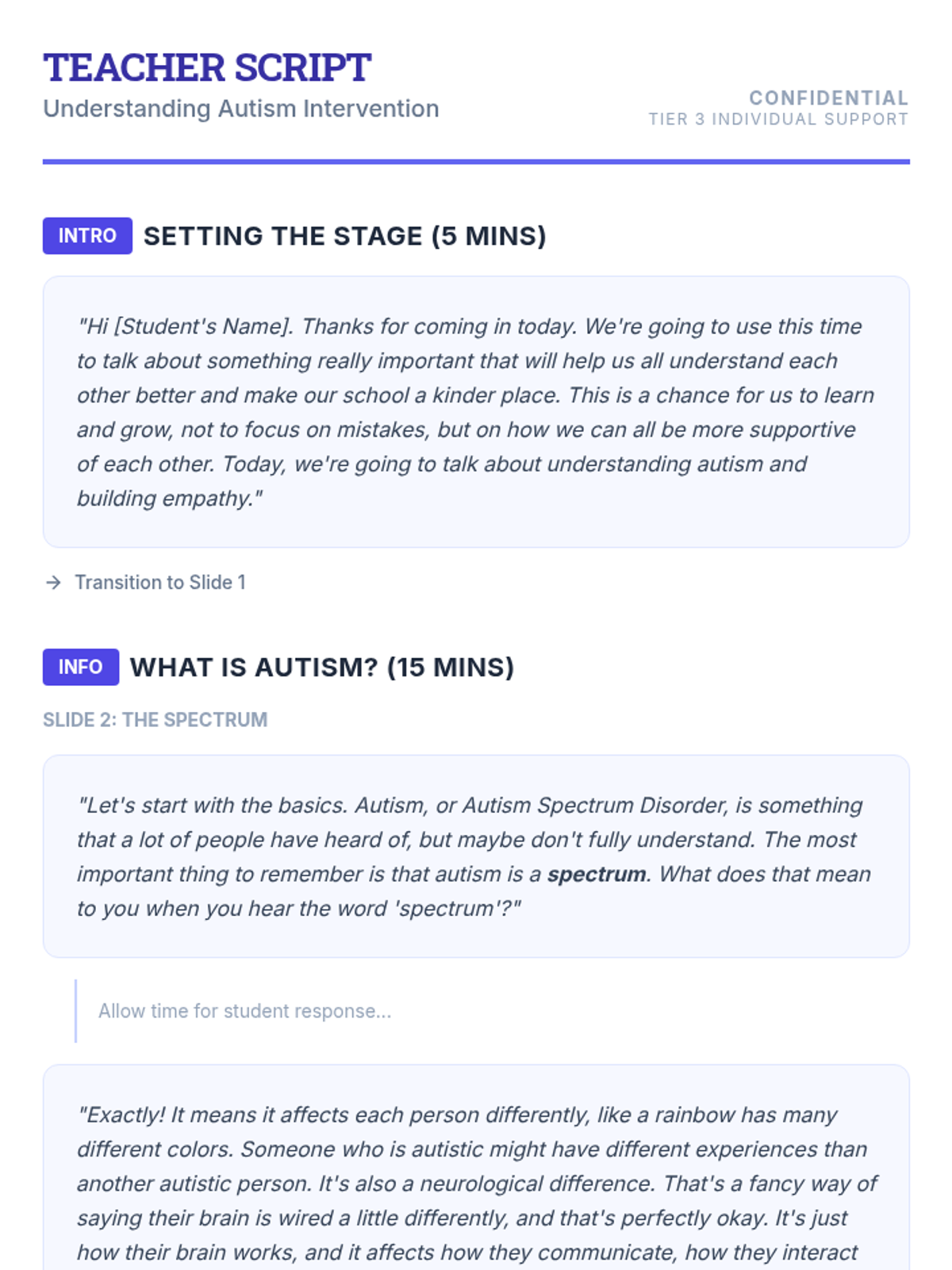
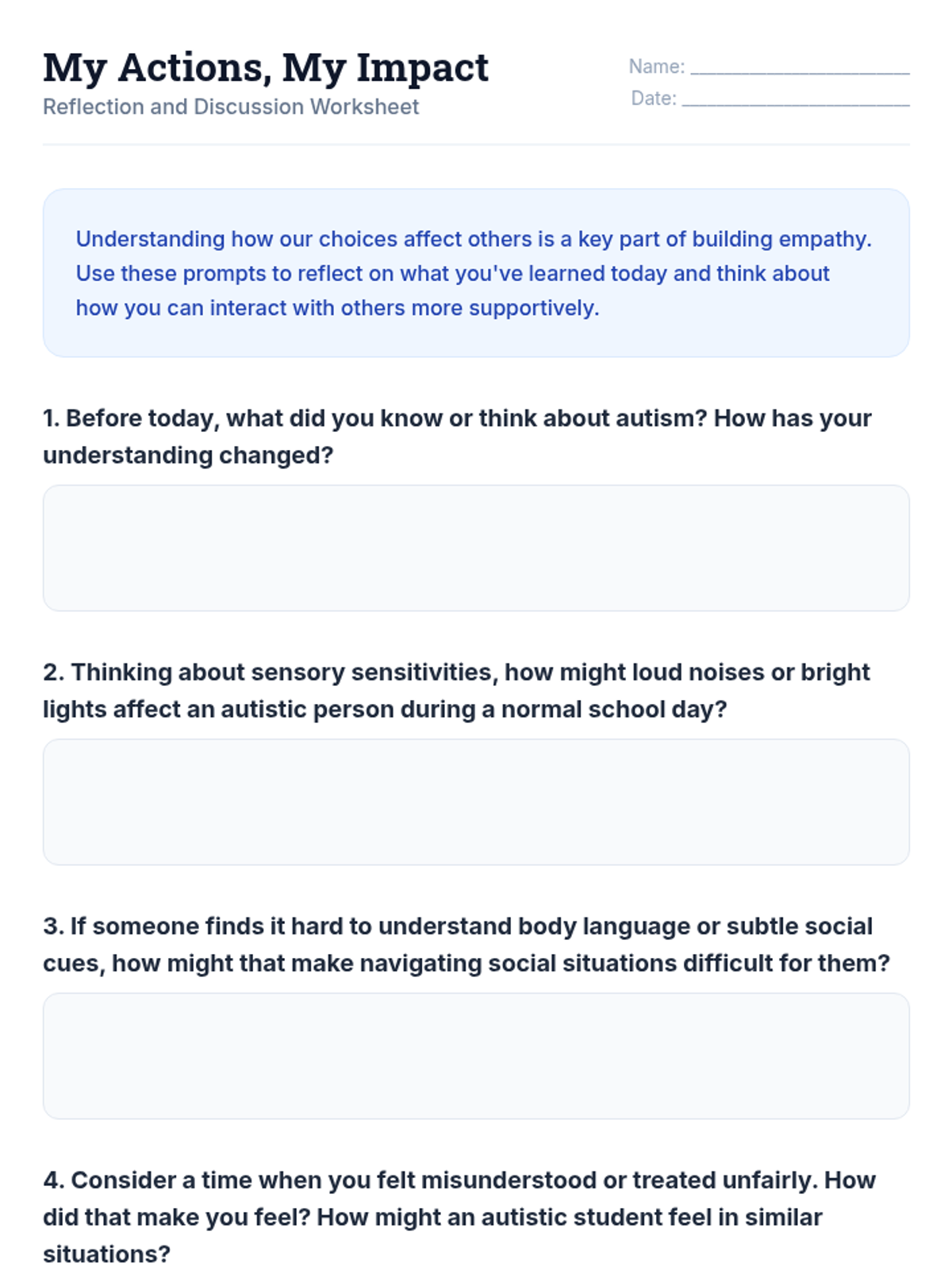
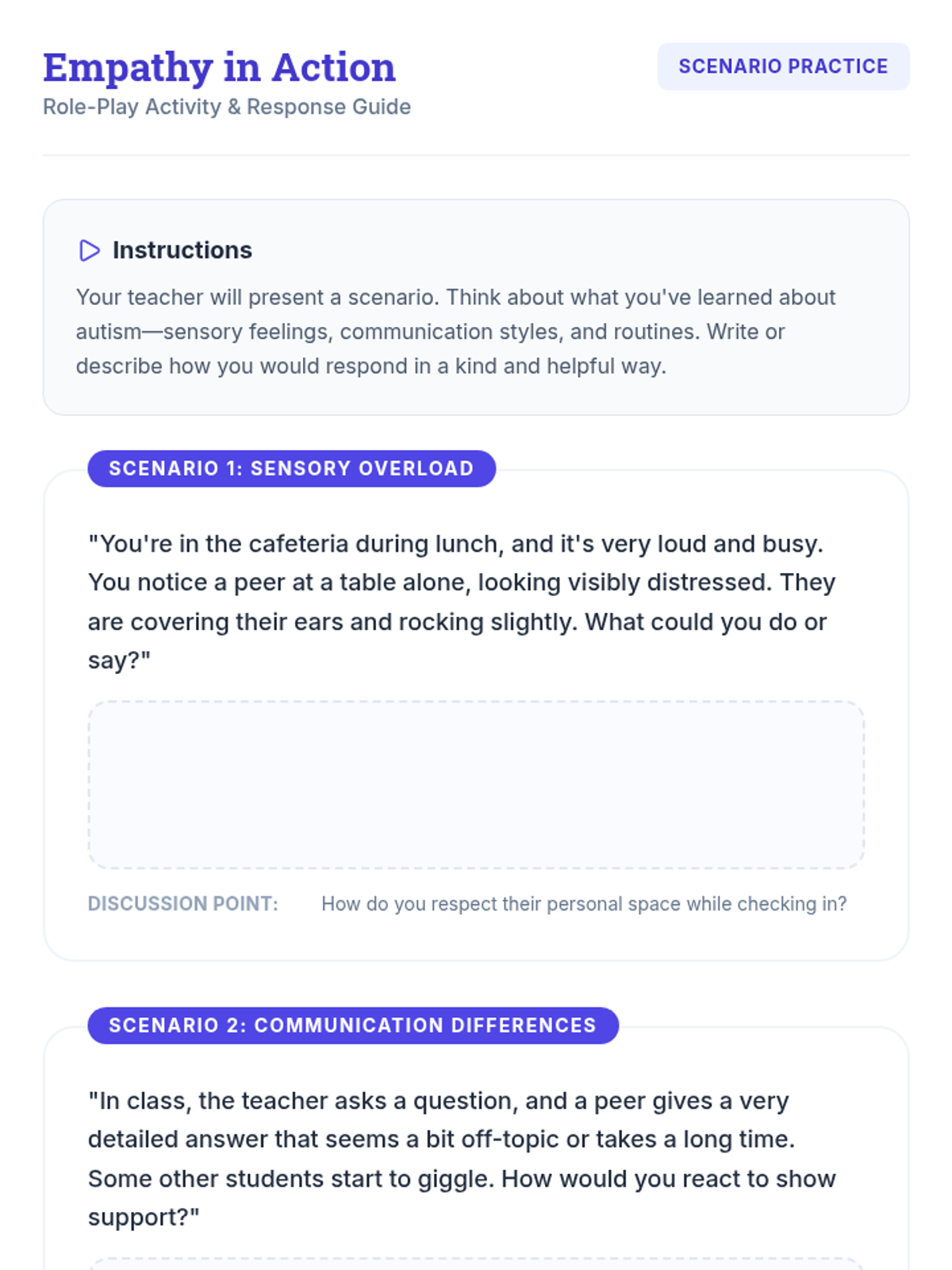
A 45-minute Tier 3 individual lesson for middle school students to address bullying behavior towards autistic peers by fostering understanding and empathy.
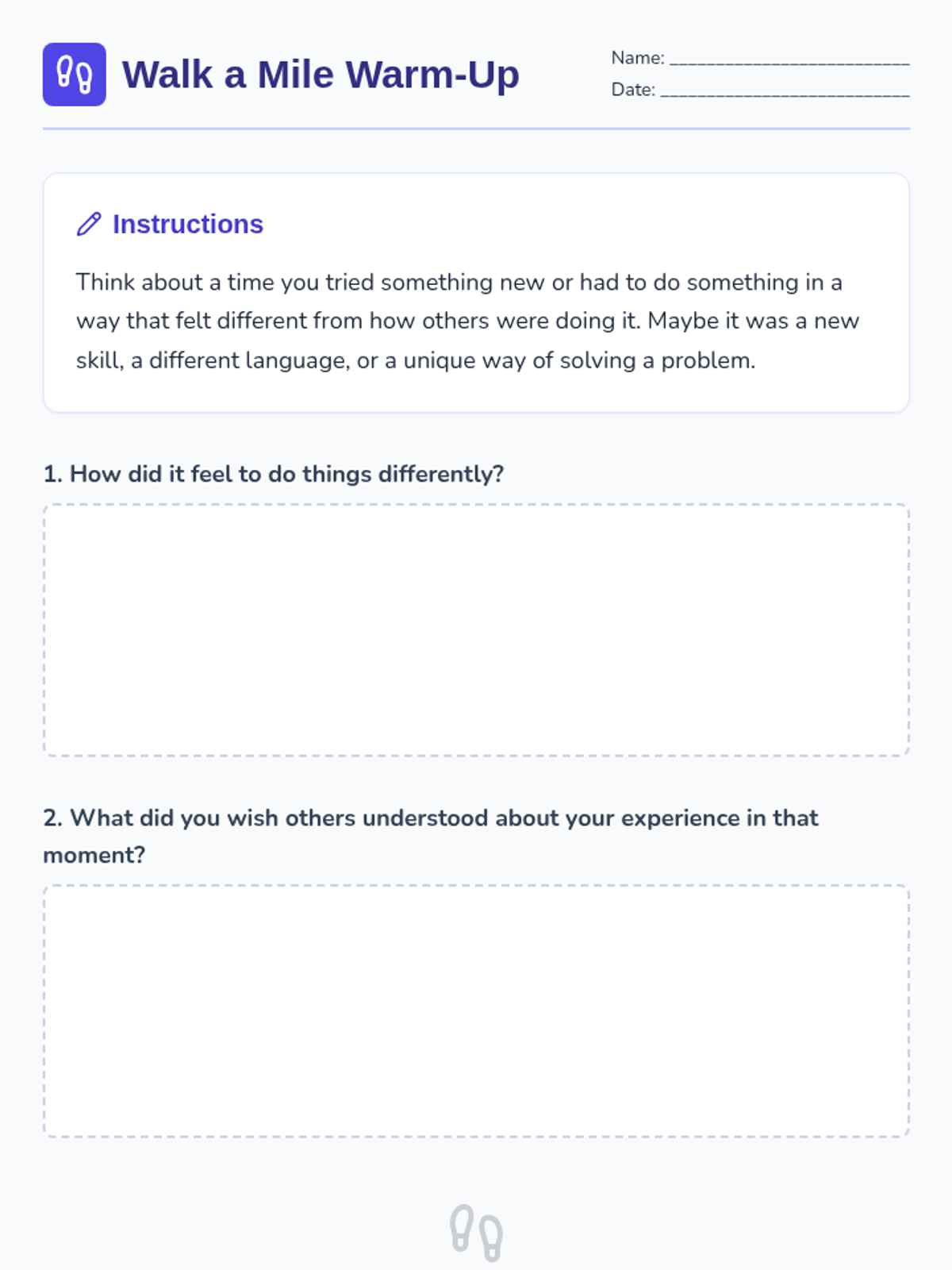
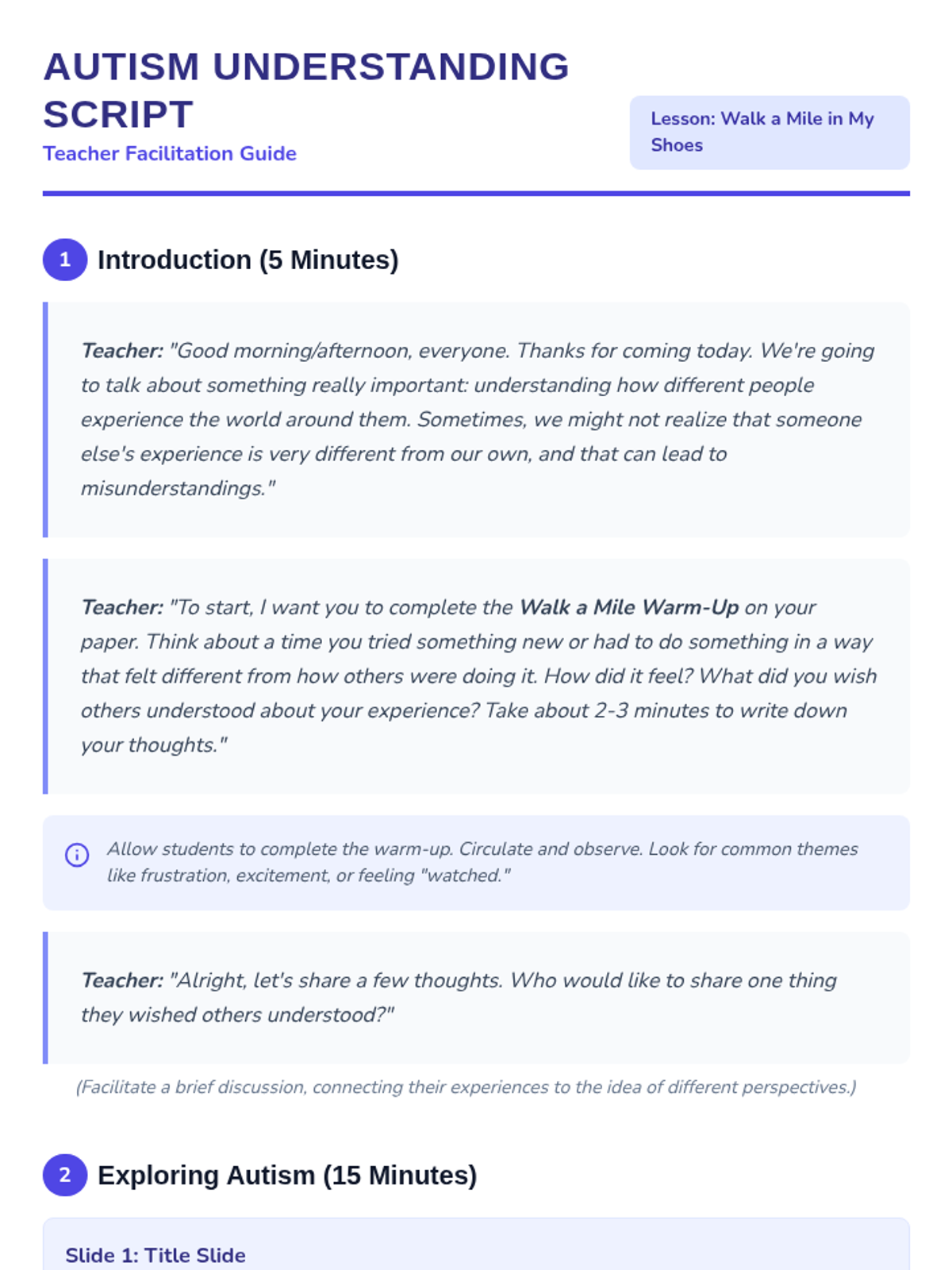
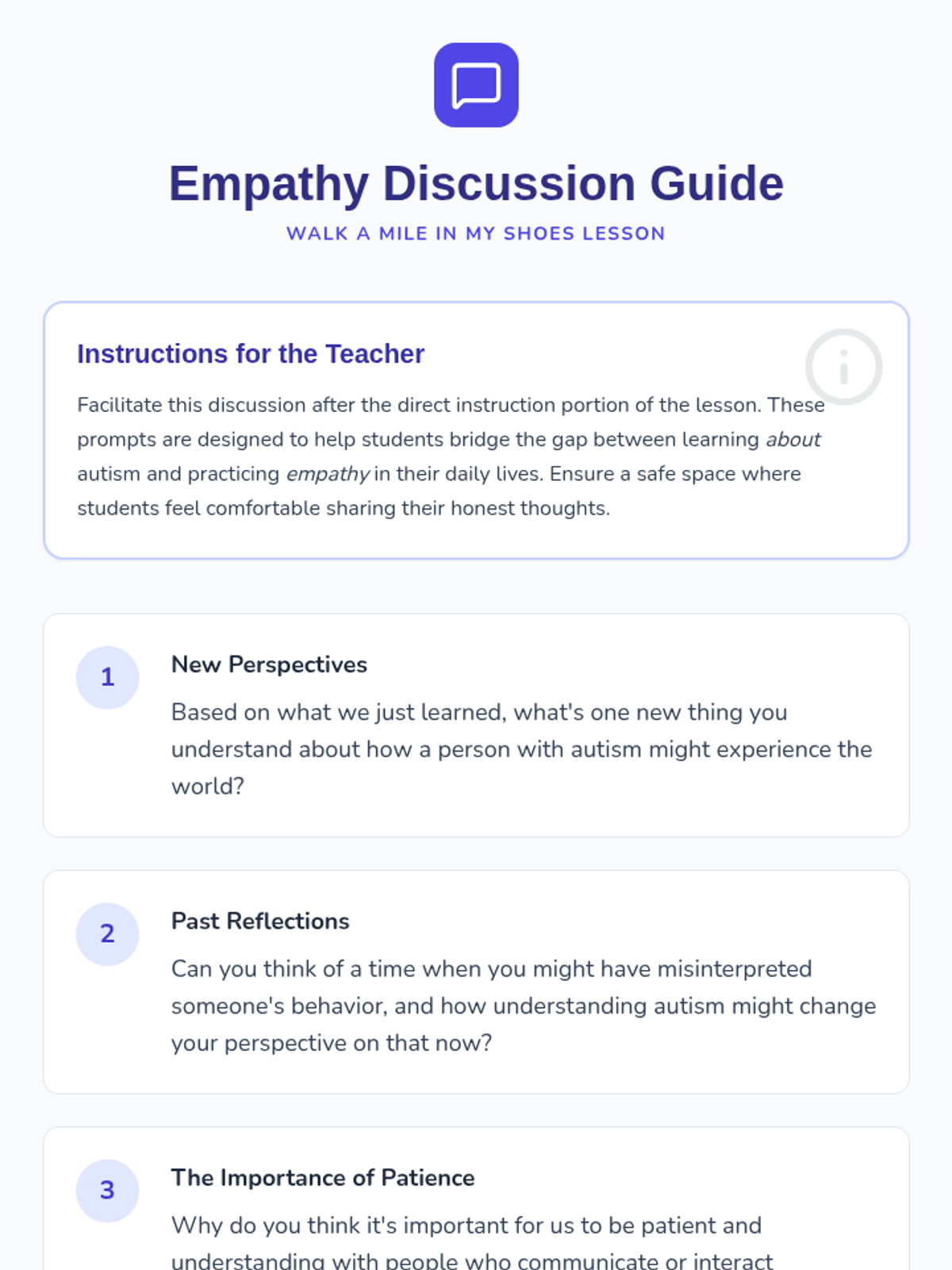
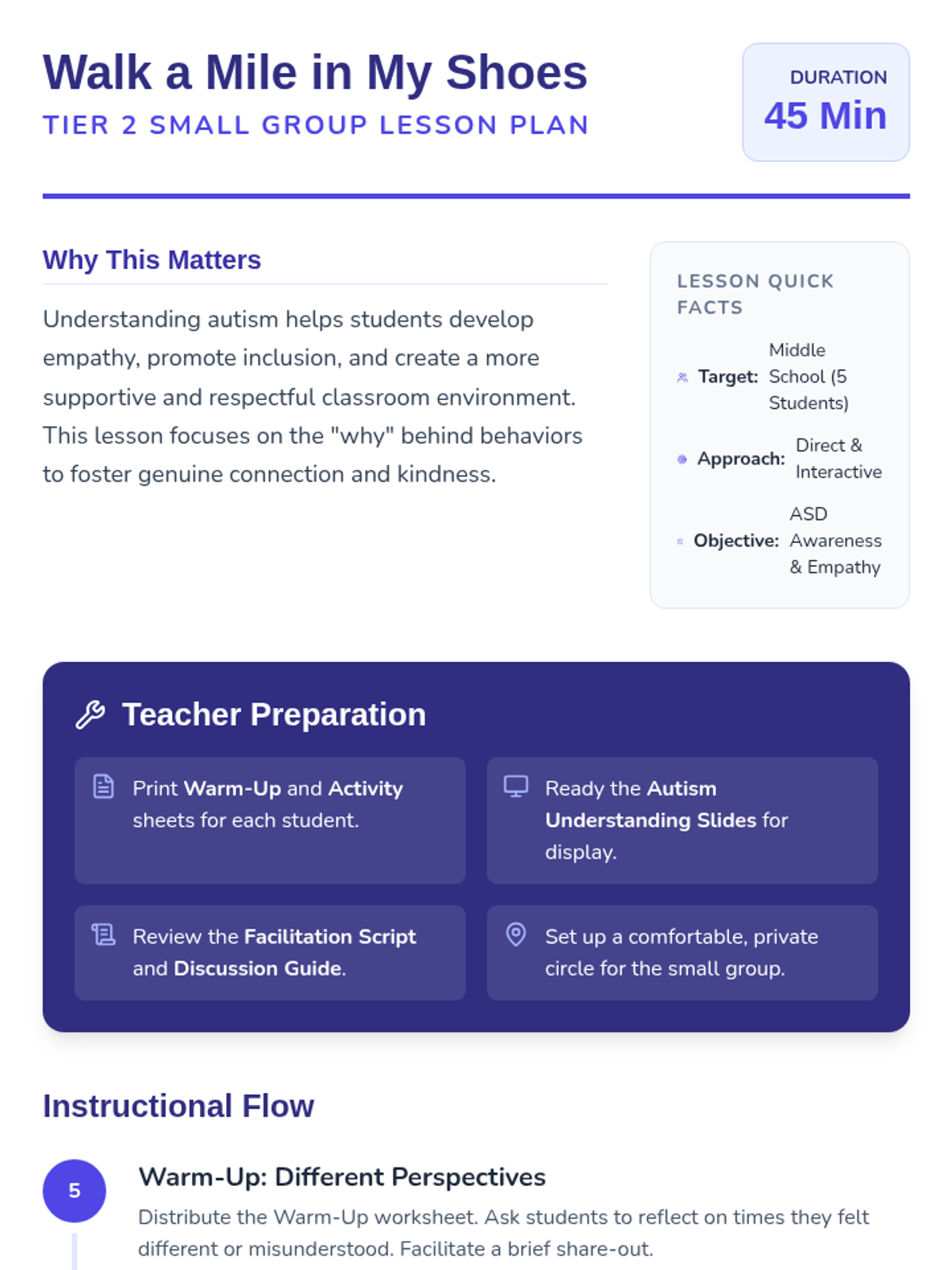
A 45-minute Tier 2 small group lesson for middle schoolers to foster autism awareness, empathy, and inclusive behavior through perspective-taking activities and discussion.
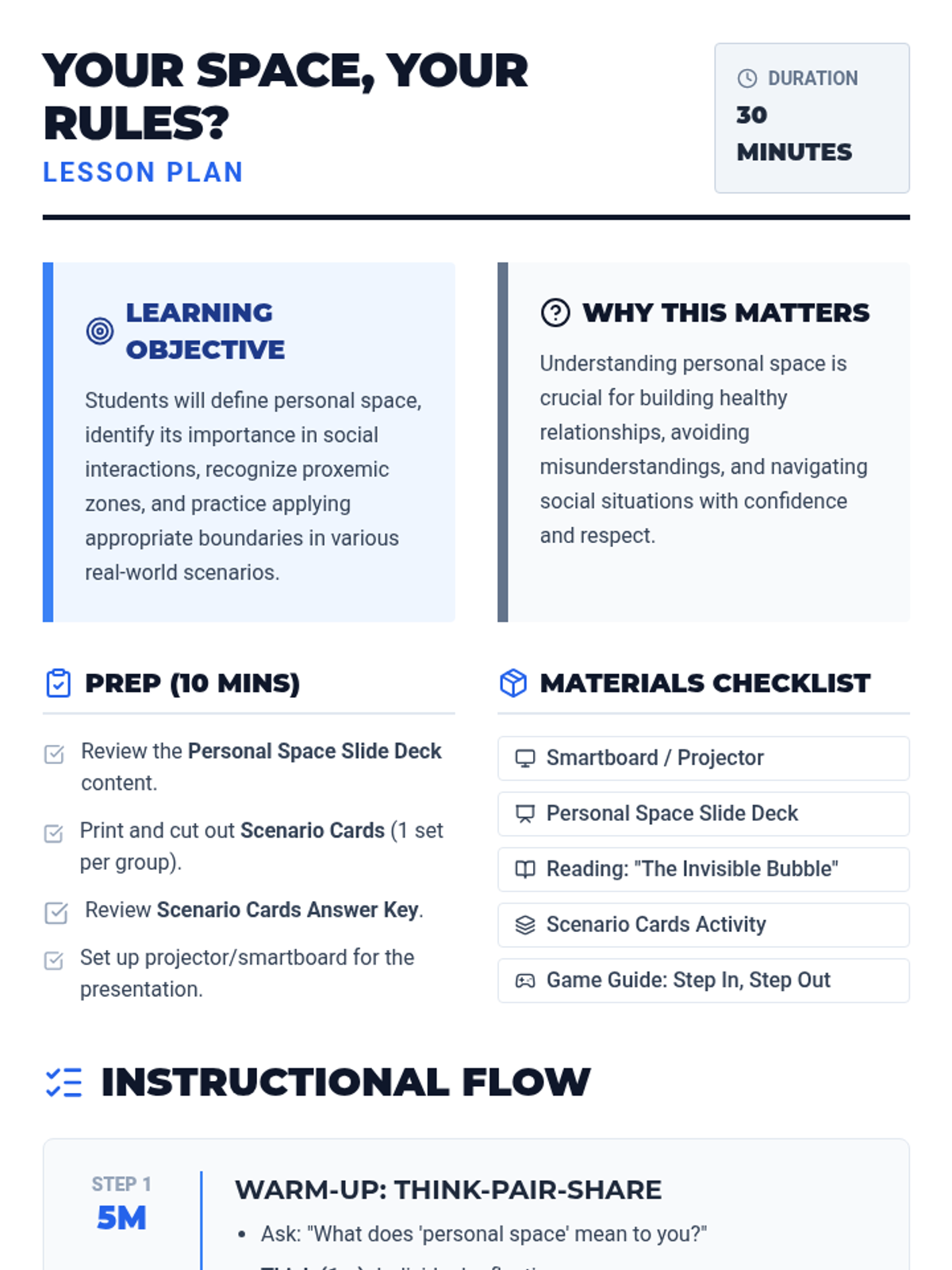
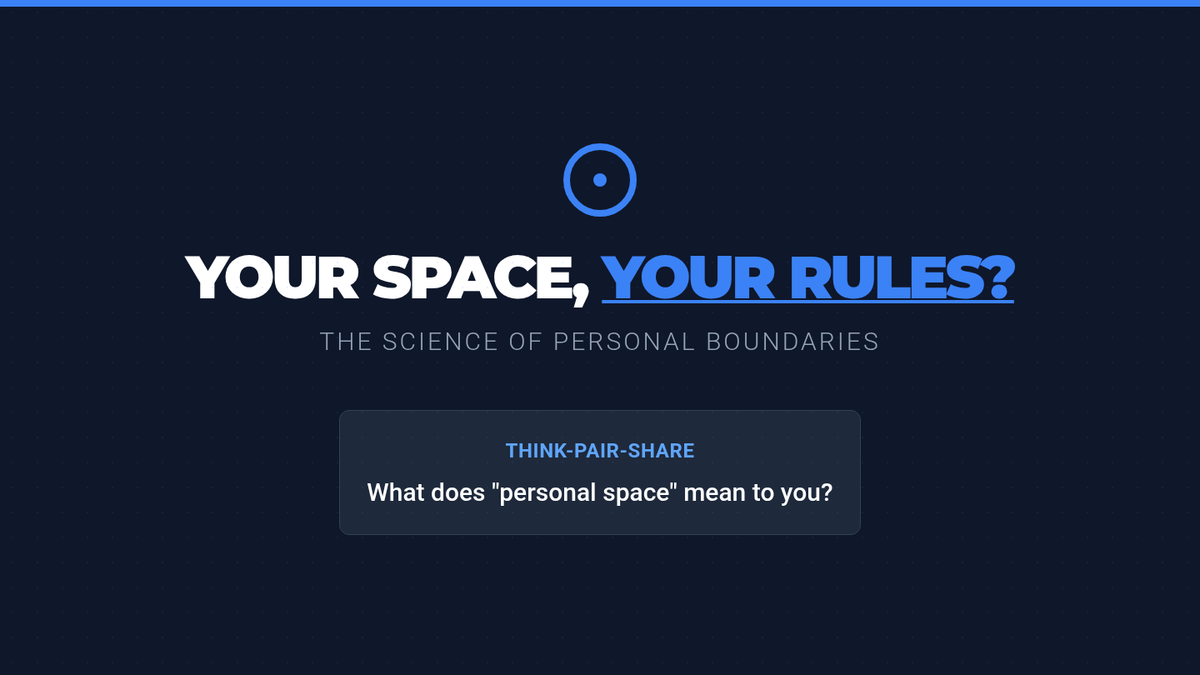
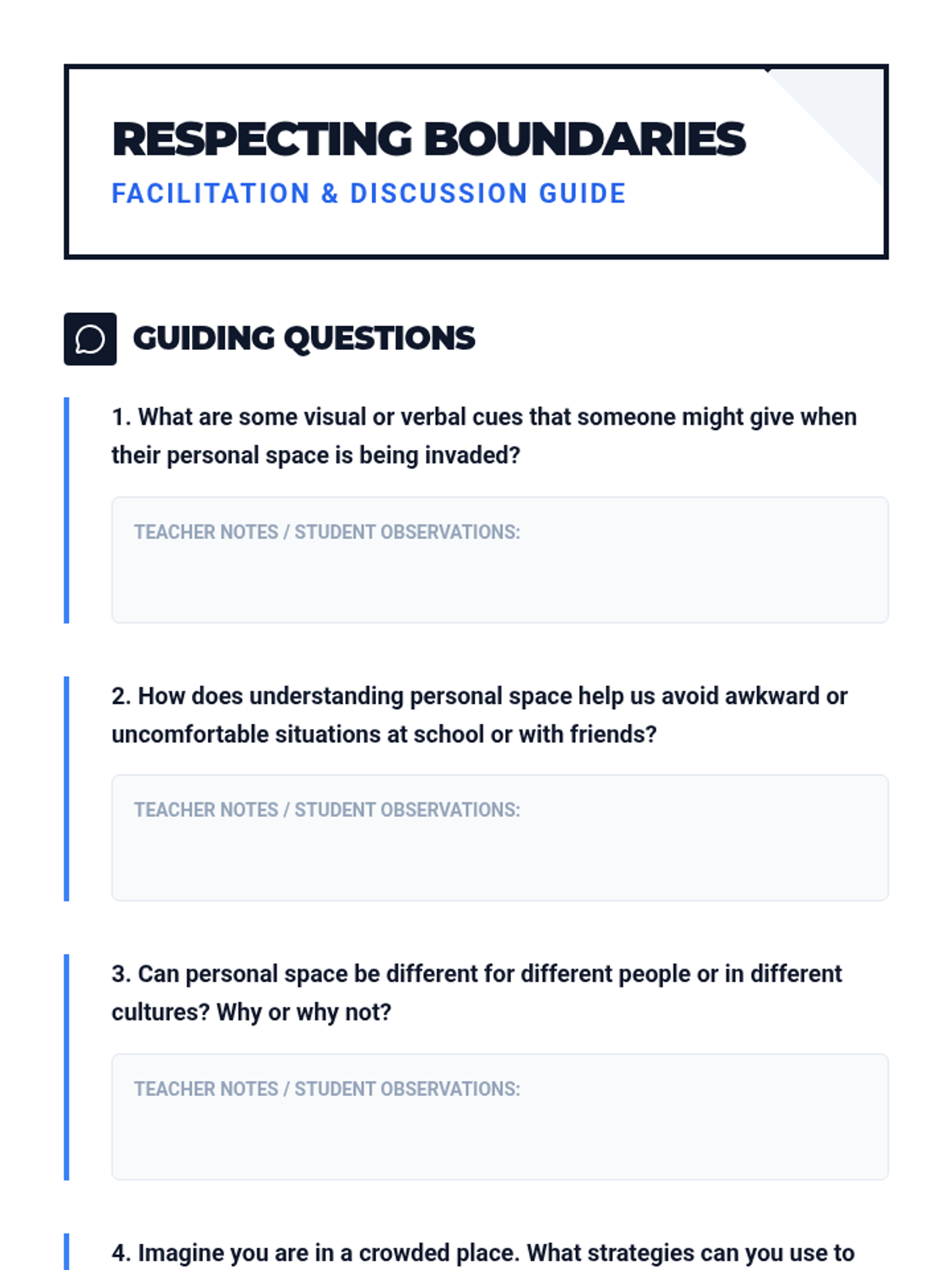
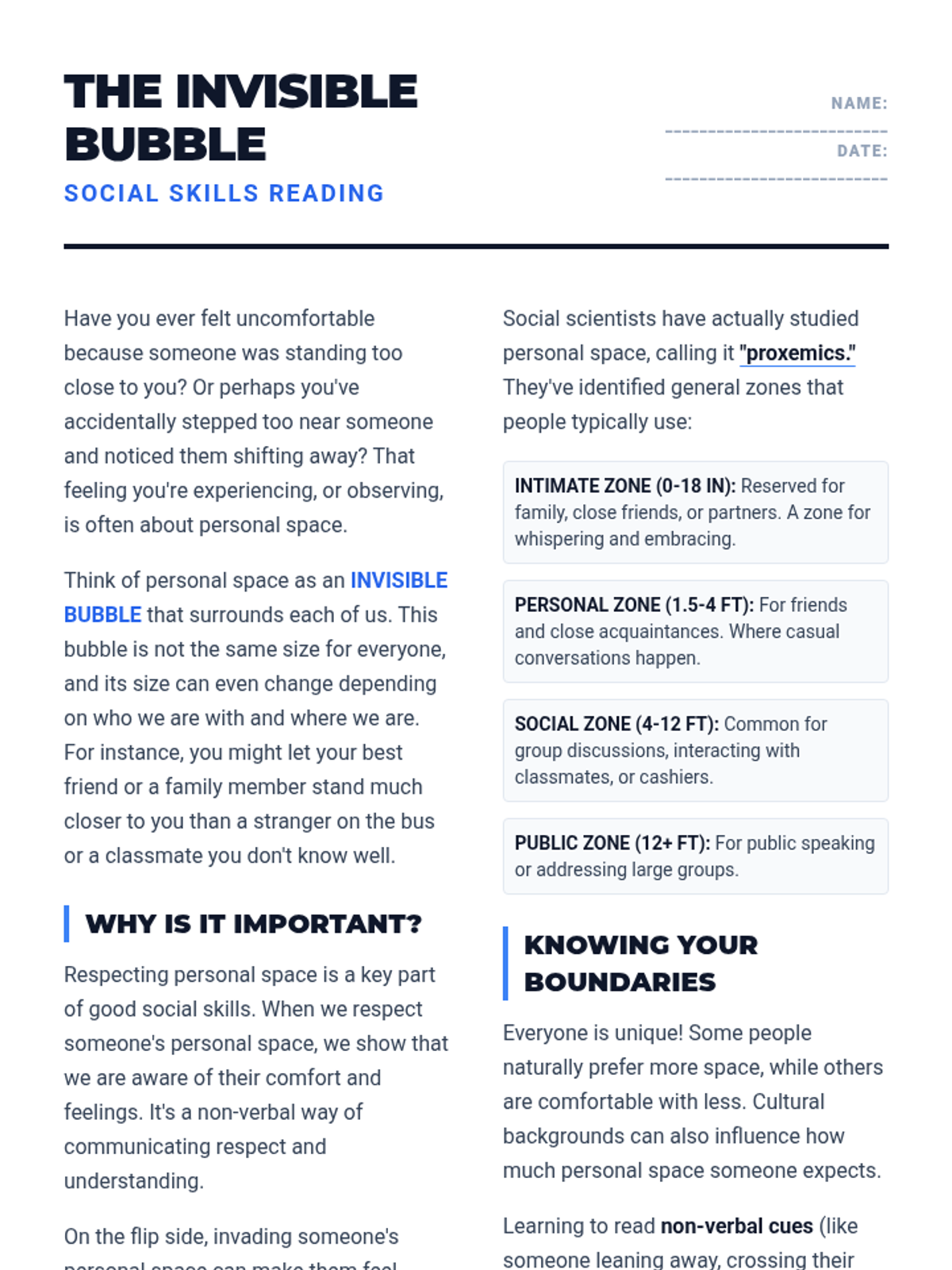
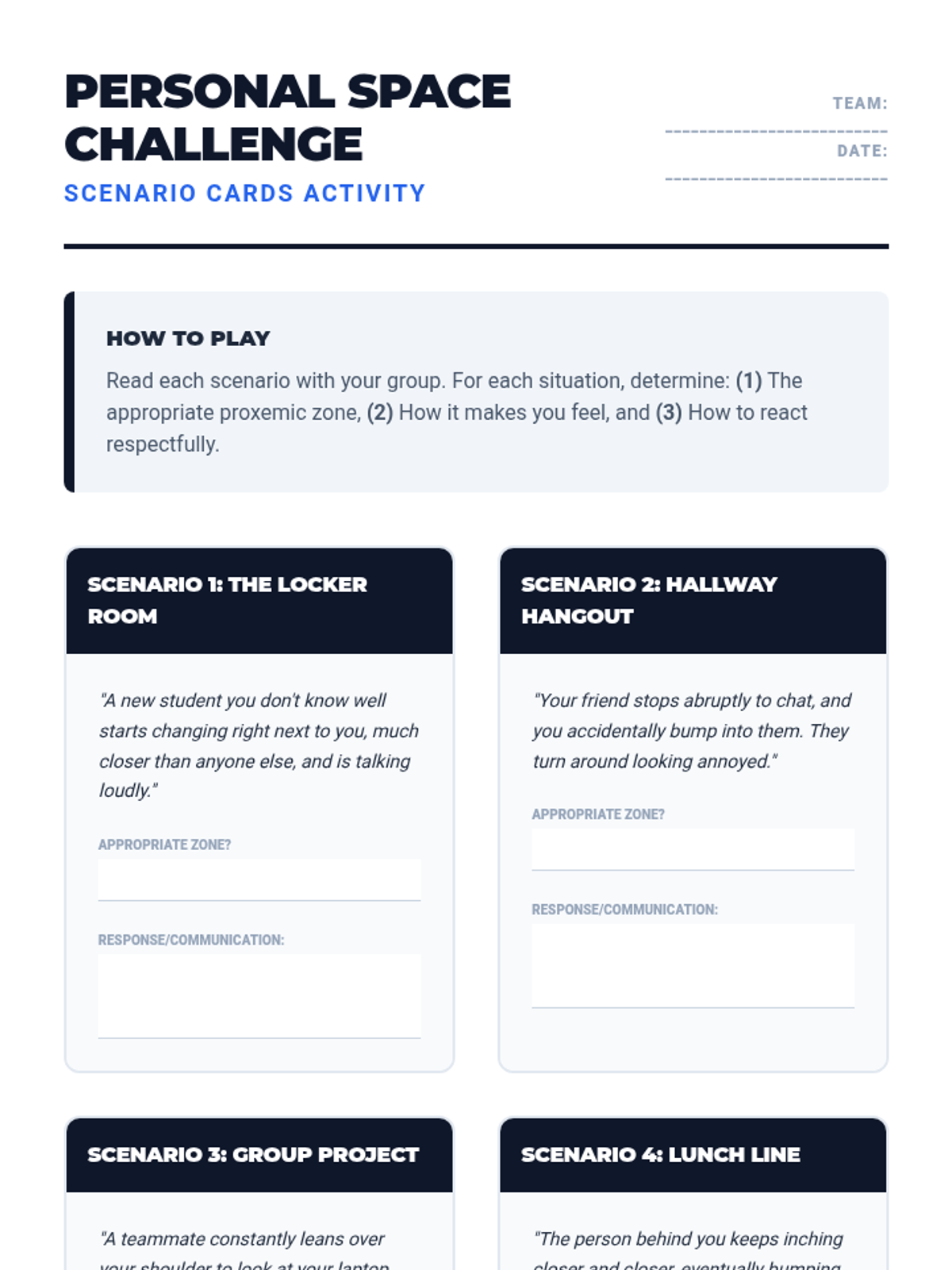
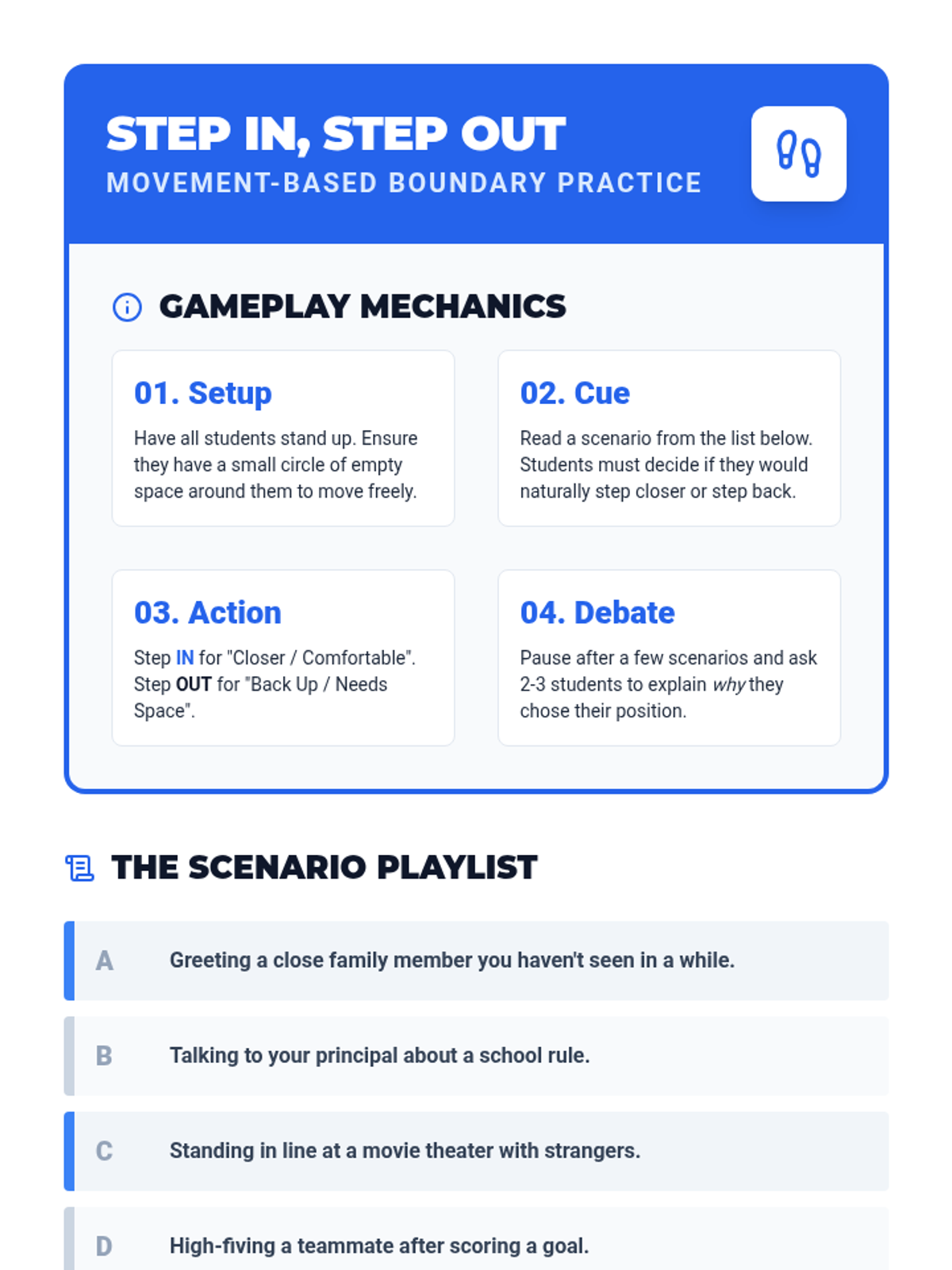
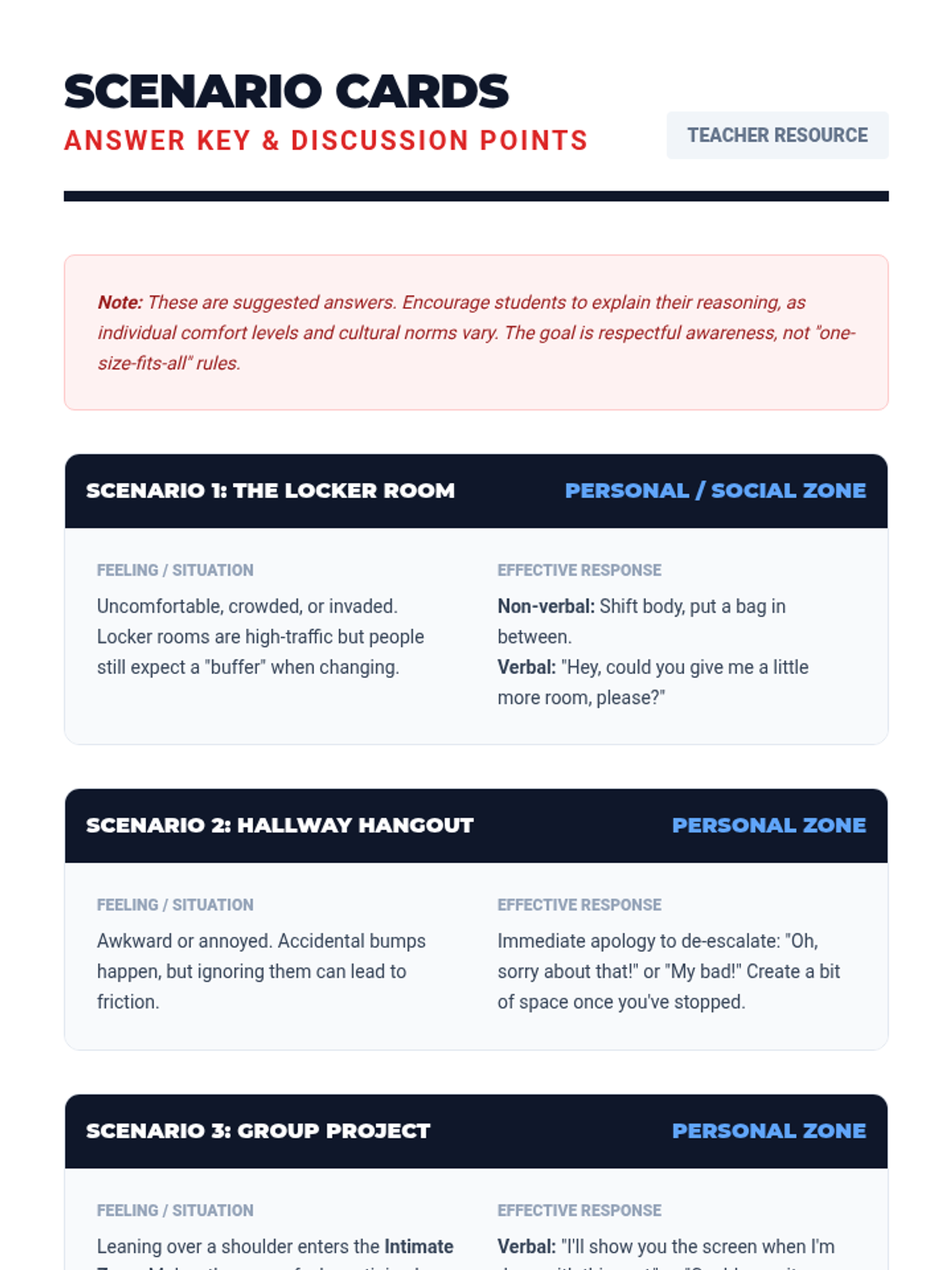
A 30-minute session for 8th-grade male students focused on understanding proxemics, identifying personal space zones, and practicing respectful boundary communication through interactive activities and discussion.
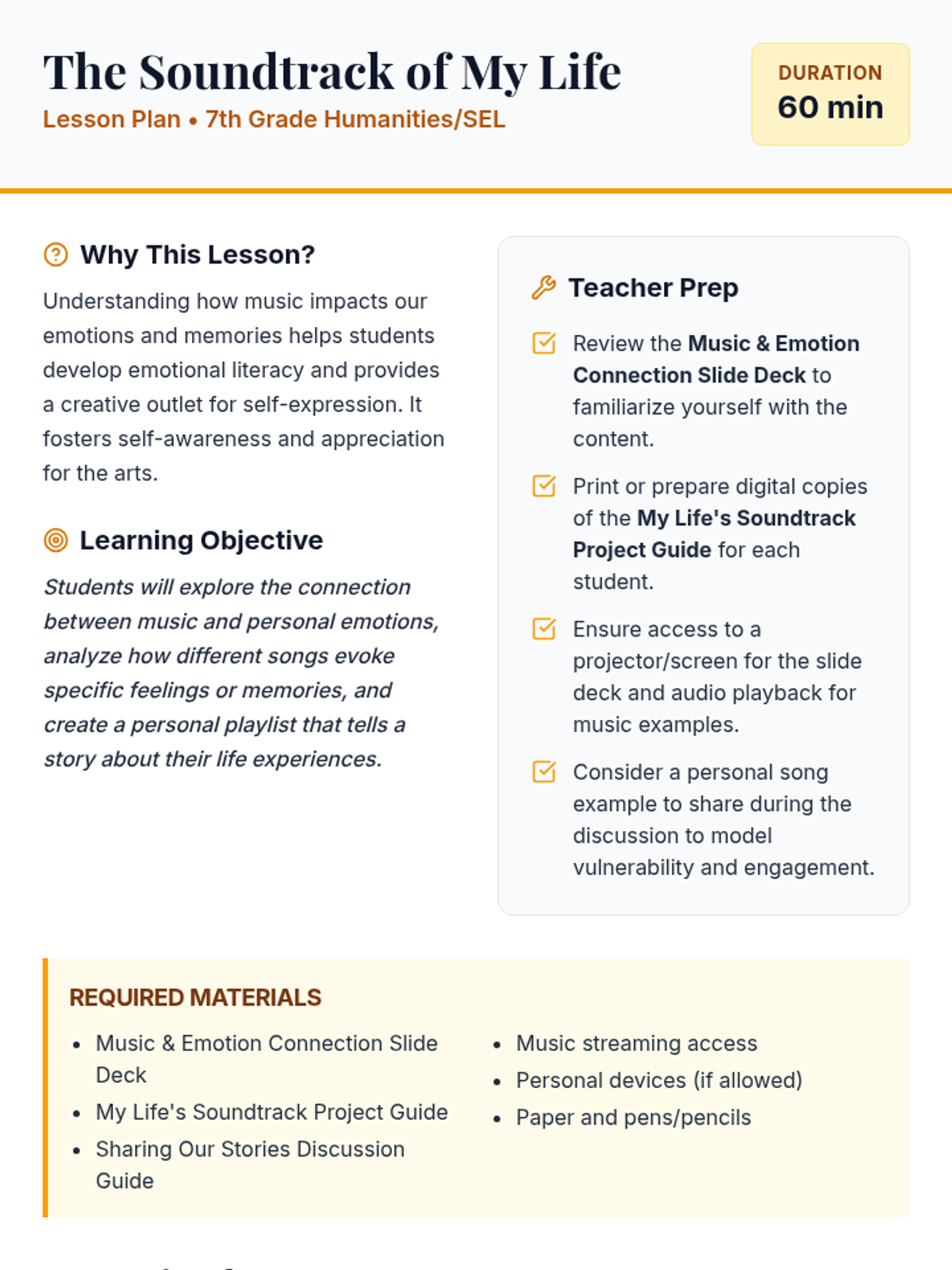
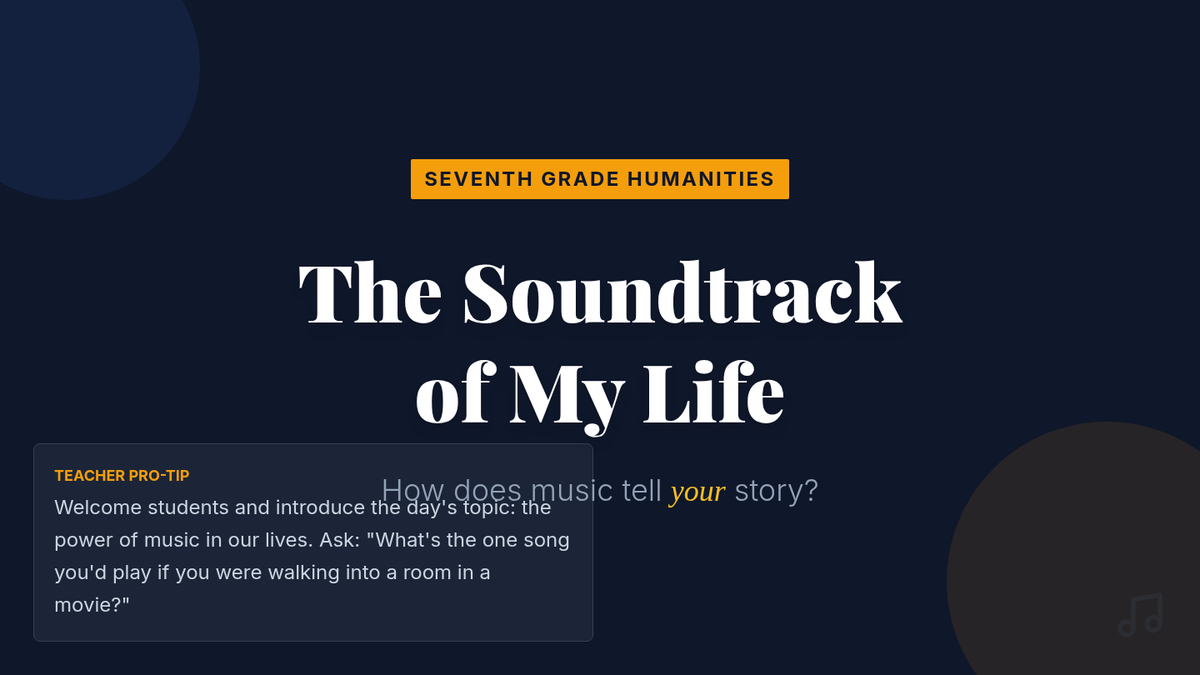
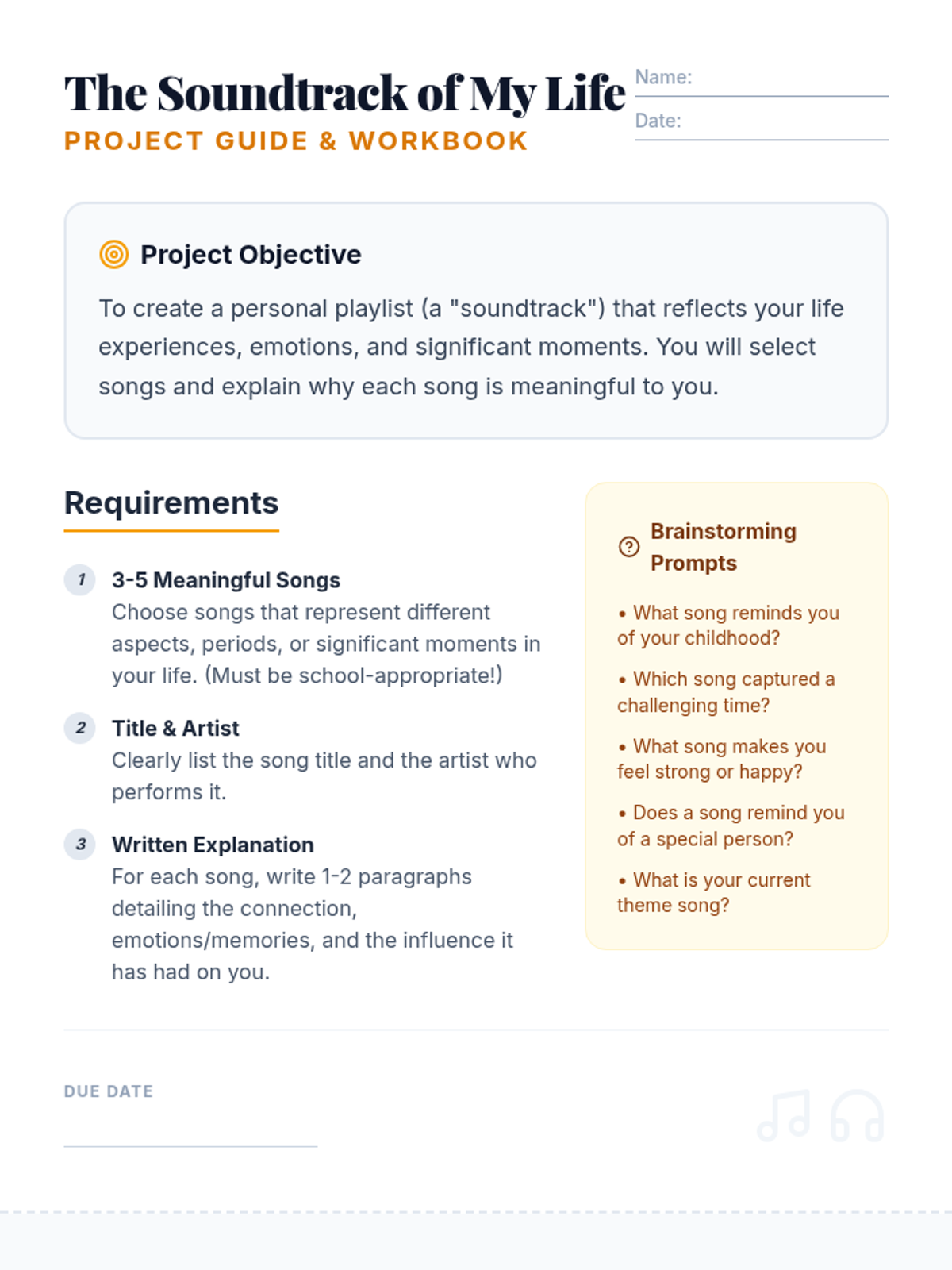
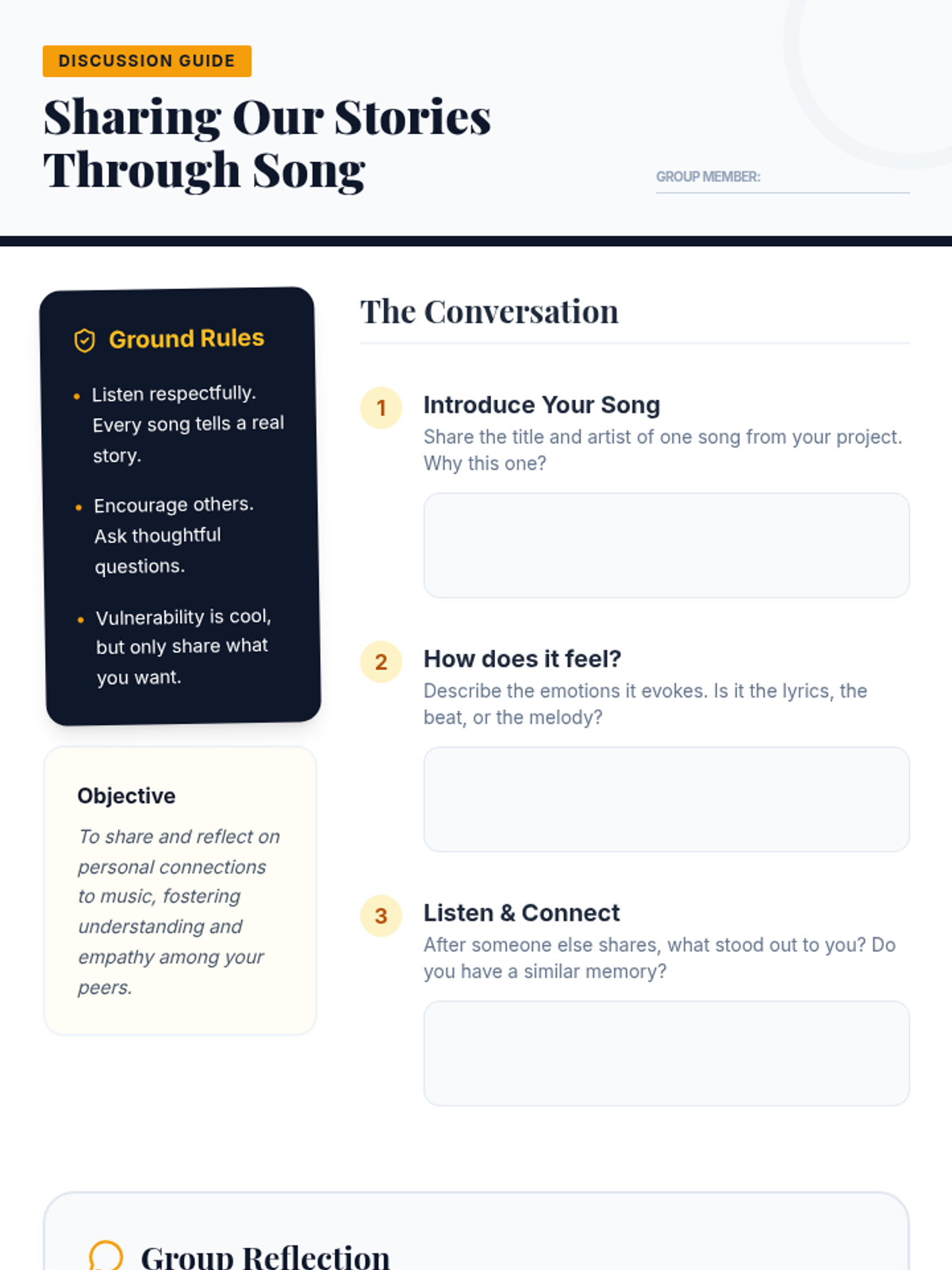
Students explore how music reflects and influences personal experiences and emotions, creating a personal playlist that tells their story. This resource encourages emotional literacy and self-expression through the universal language of music.
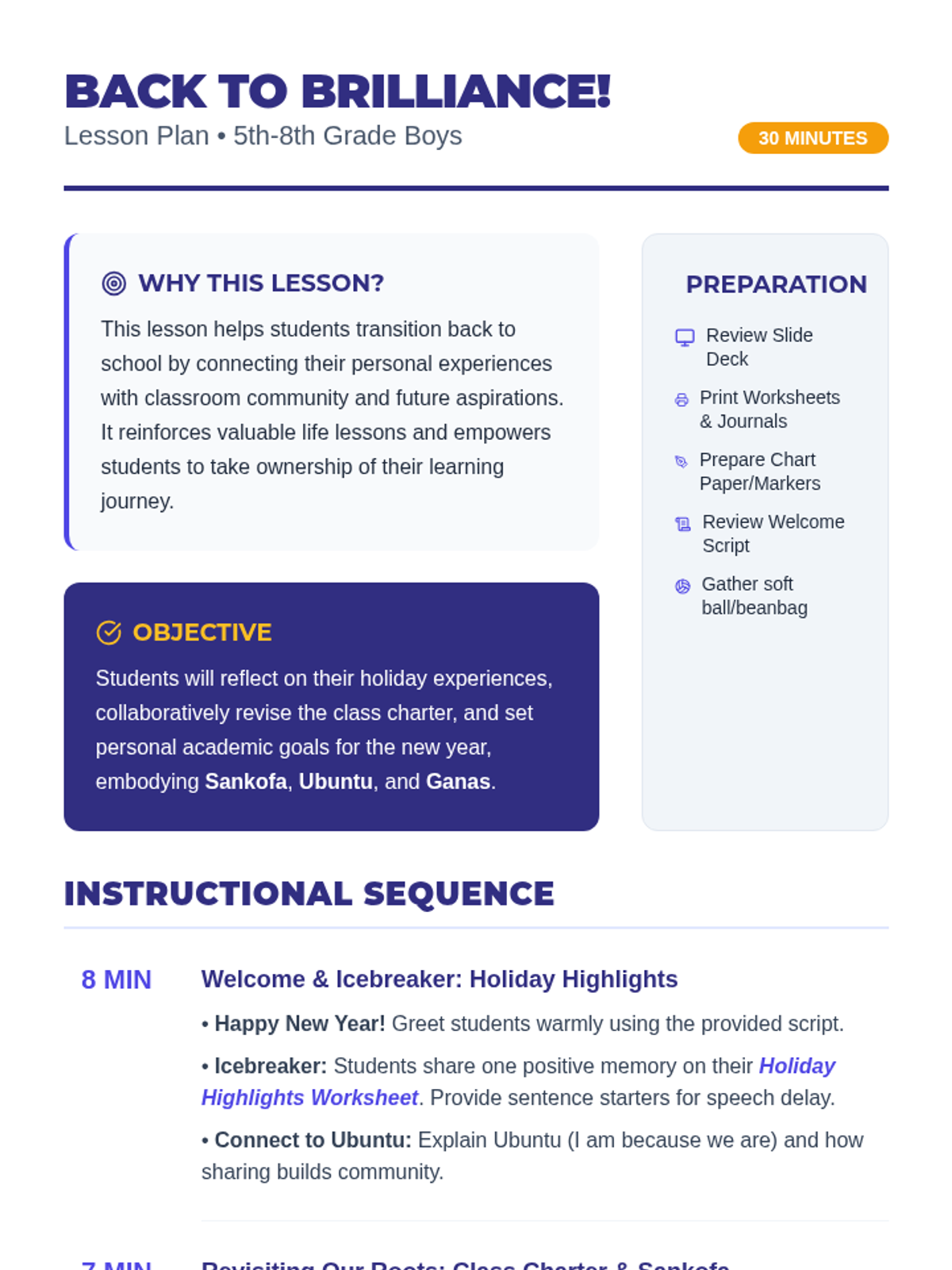
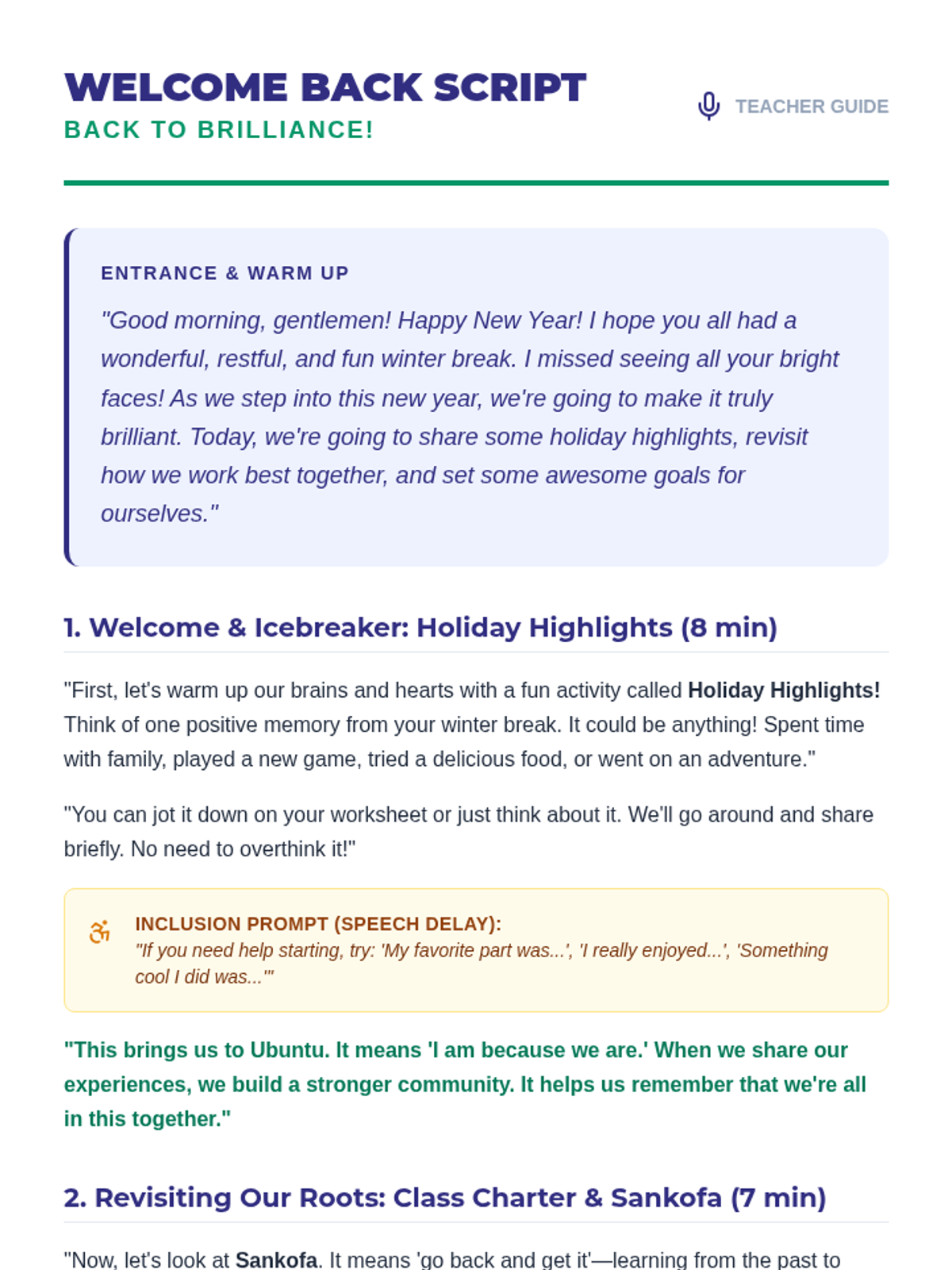
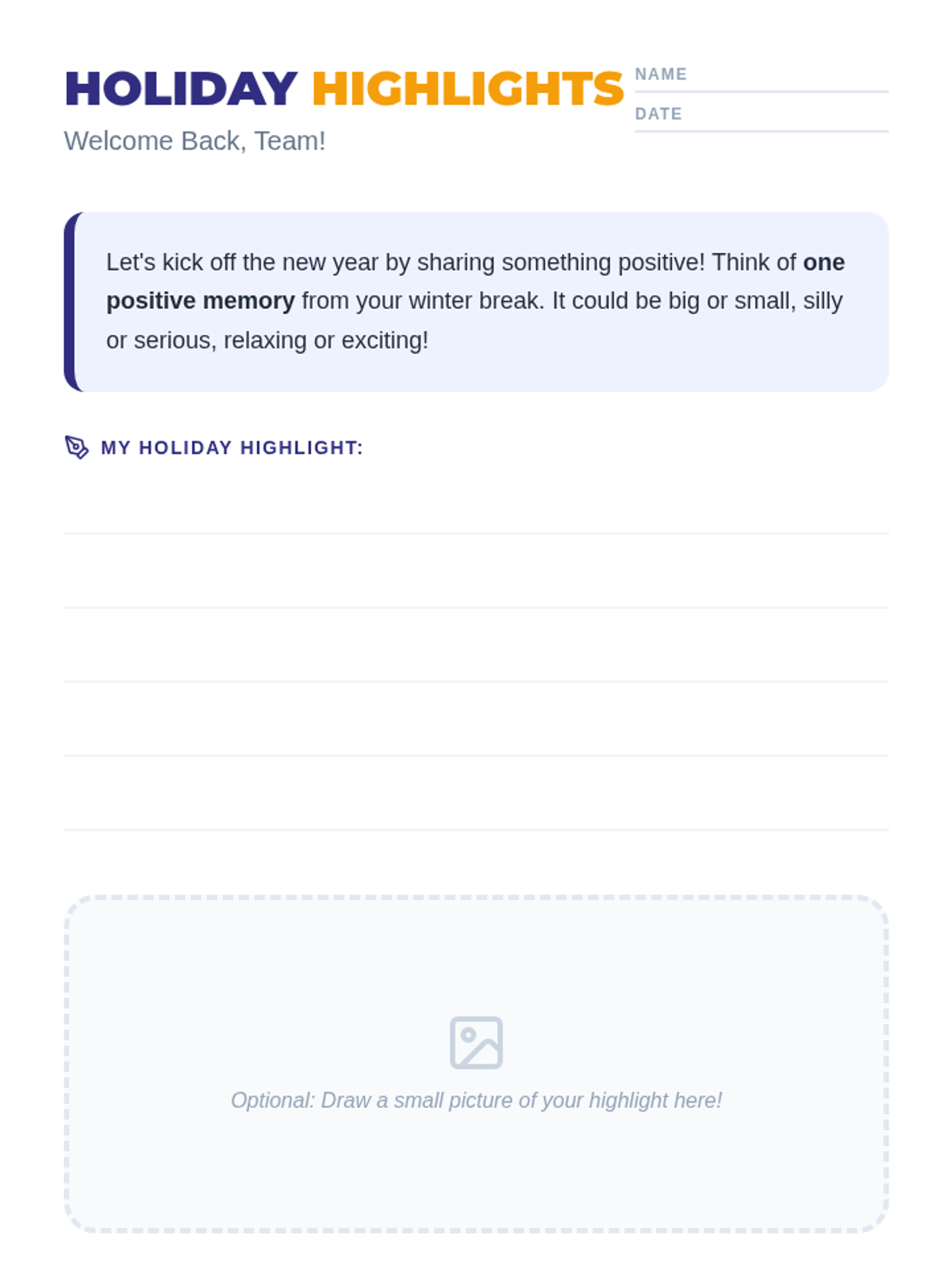
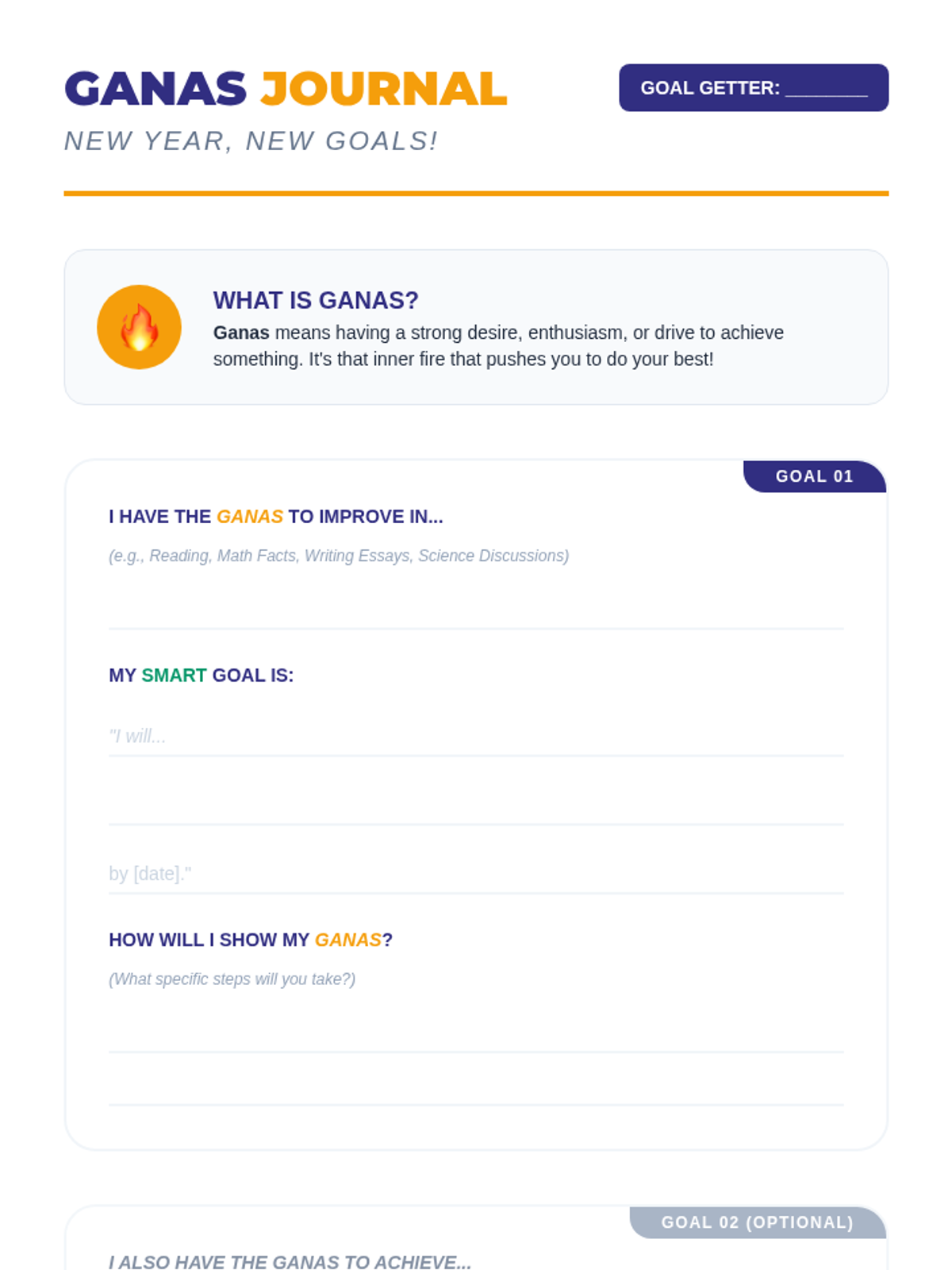
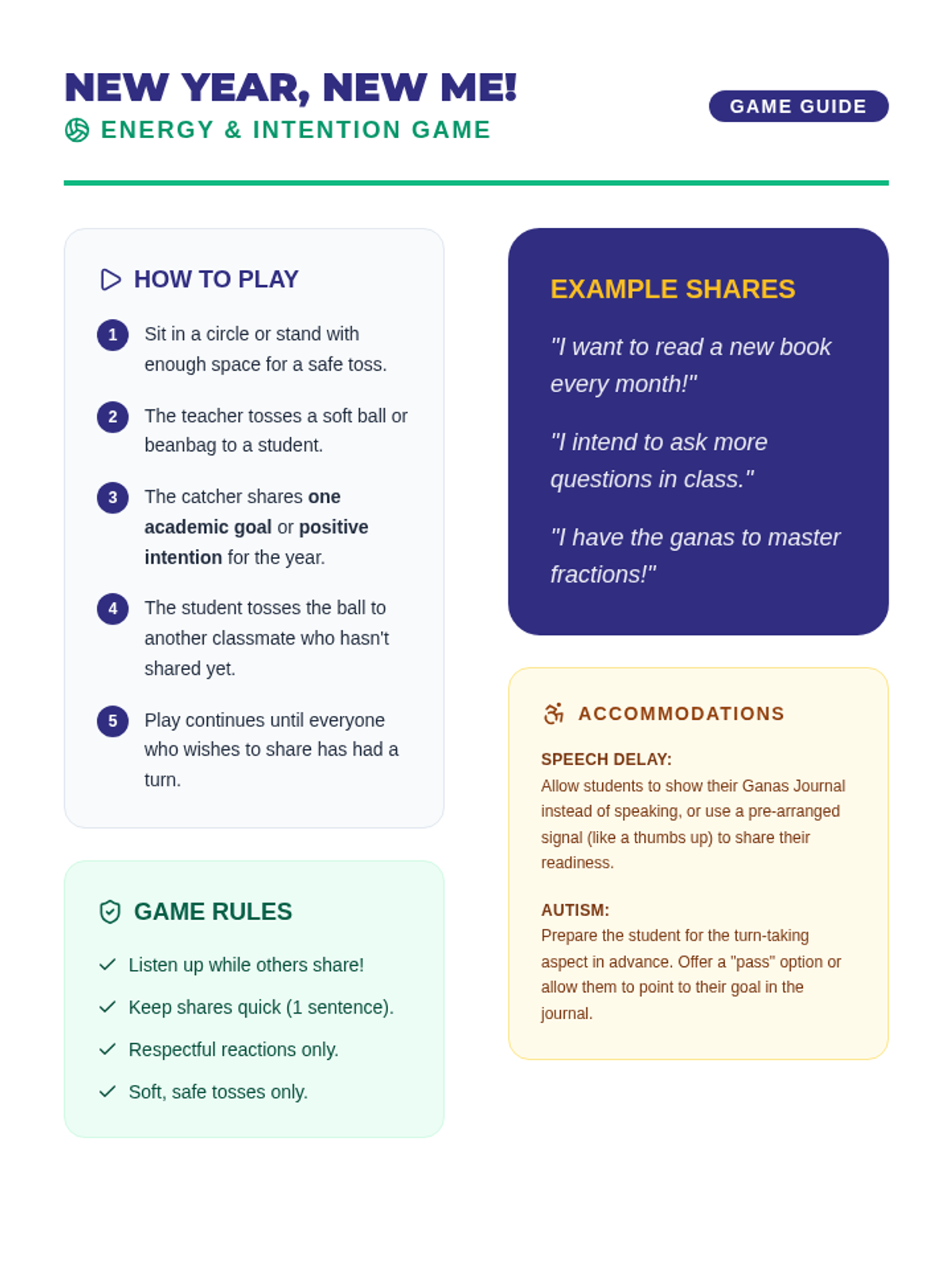
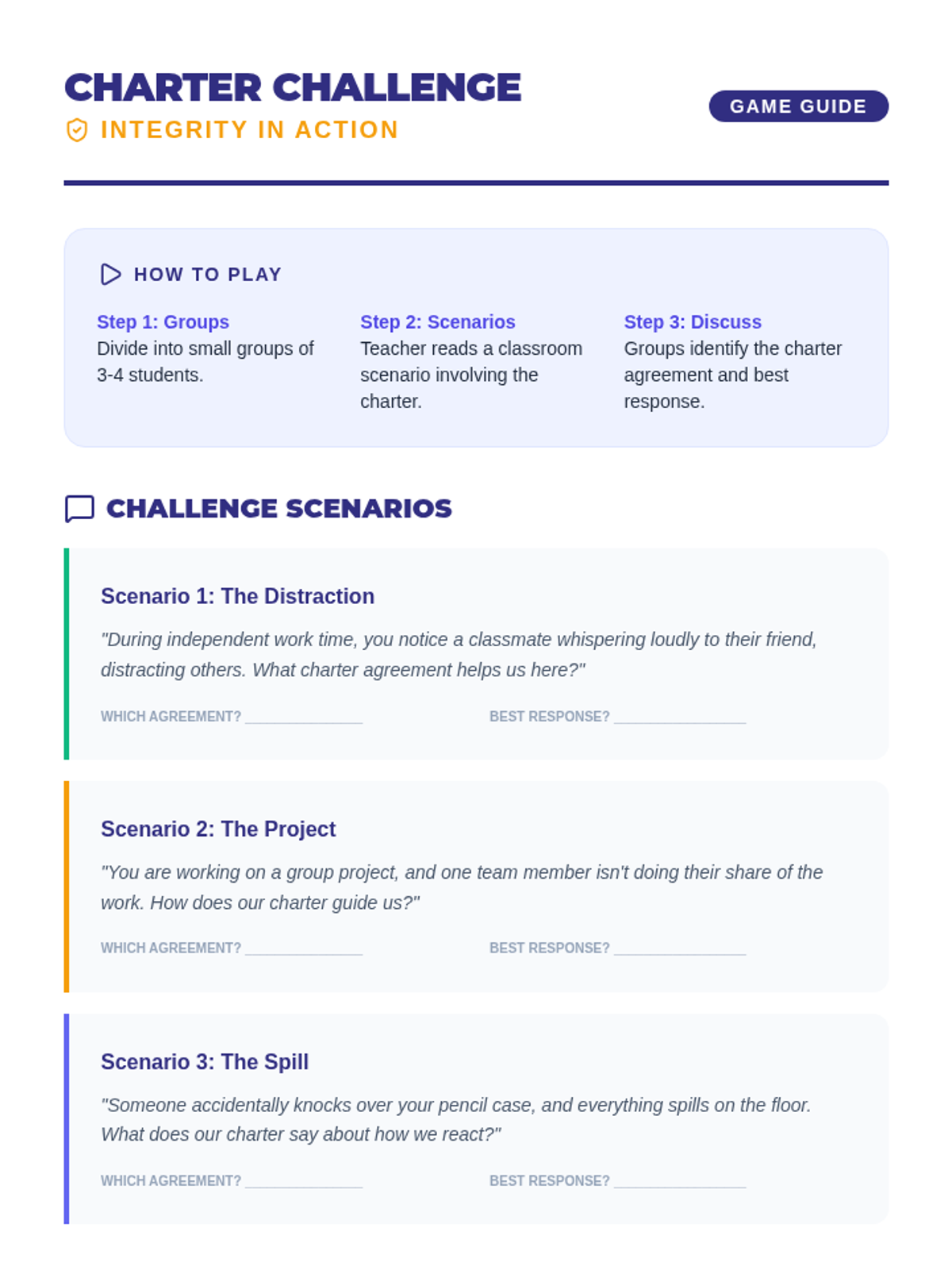
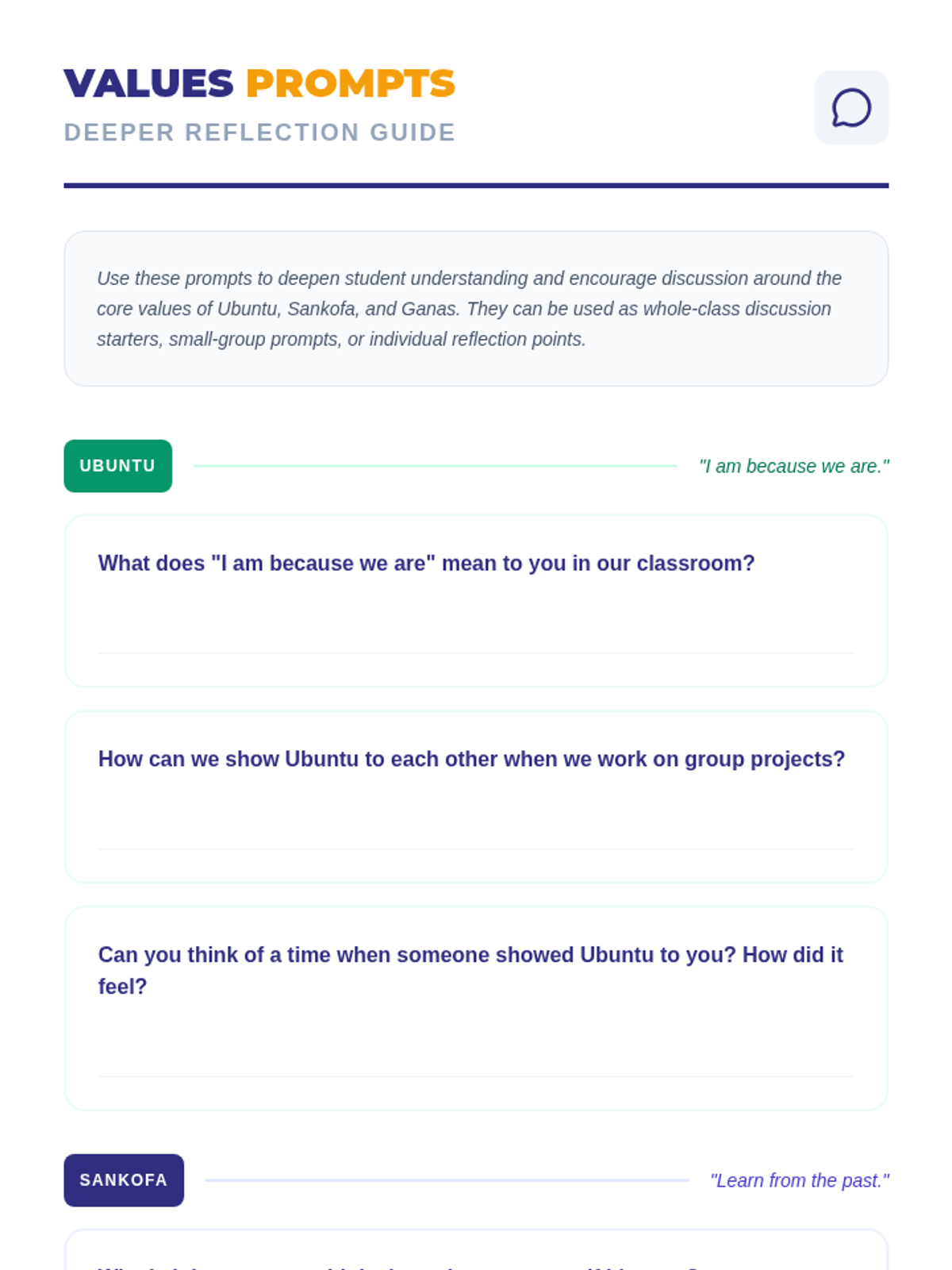
A 30-minute welcome-back lesson for 5th-8th grade boys focusing on reflection, community, and goal-setting through the values of Sankofa, Ubuntu, and Ganas. Includes accommodations for diverse learners.
A culminating simulation where students apply all their skills to facilitate full-length peer mediation sessions.
Students practice transitioning from the venting phase of conflict to collaborative brainstorming and reaching consensus.
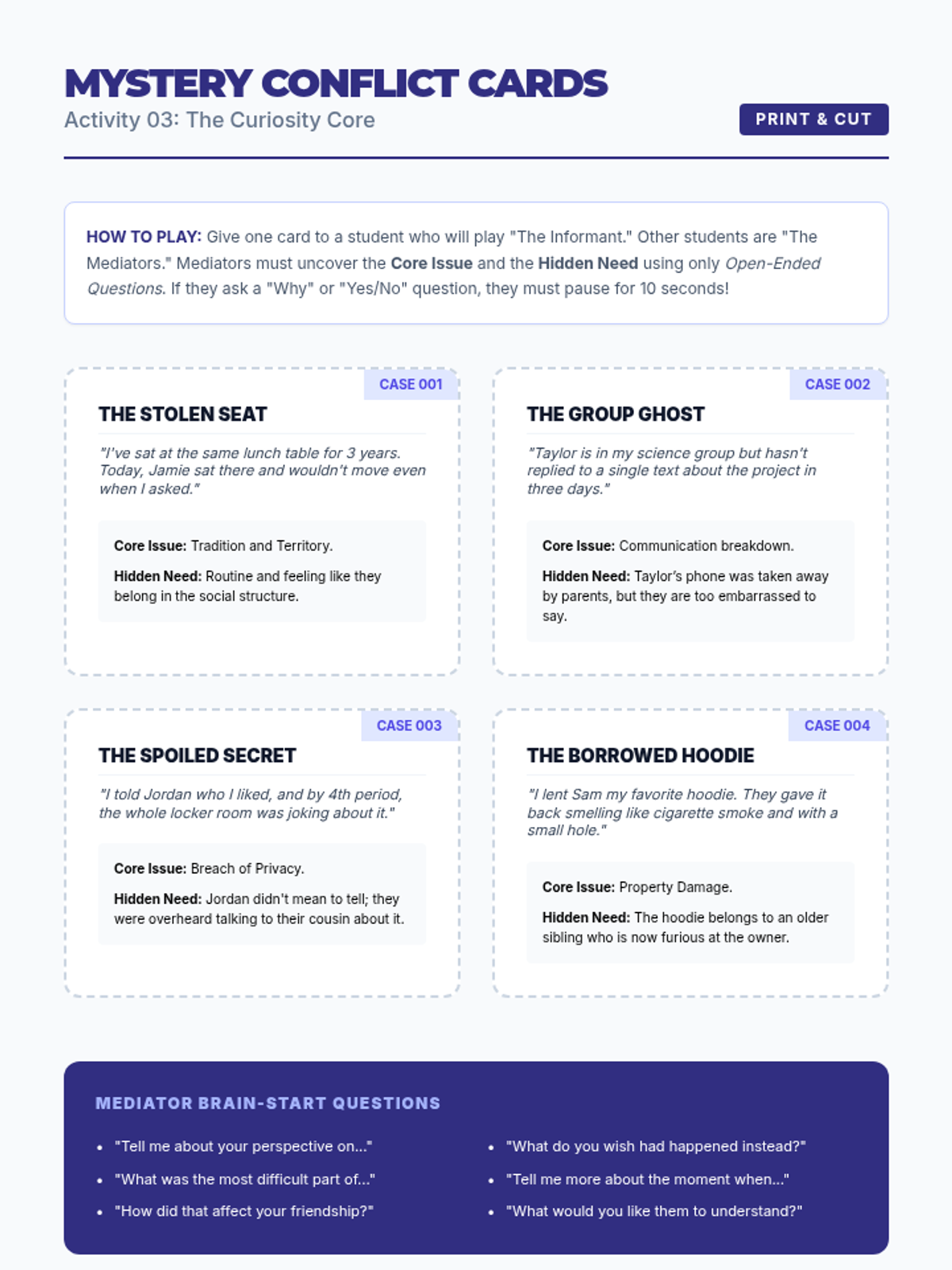
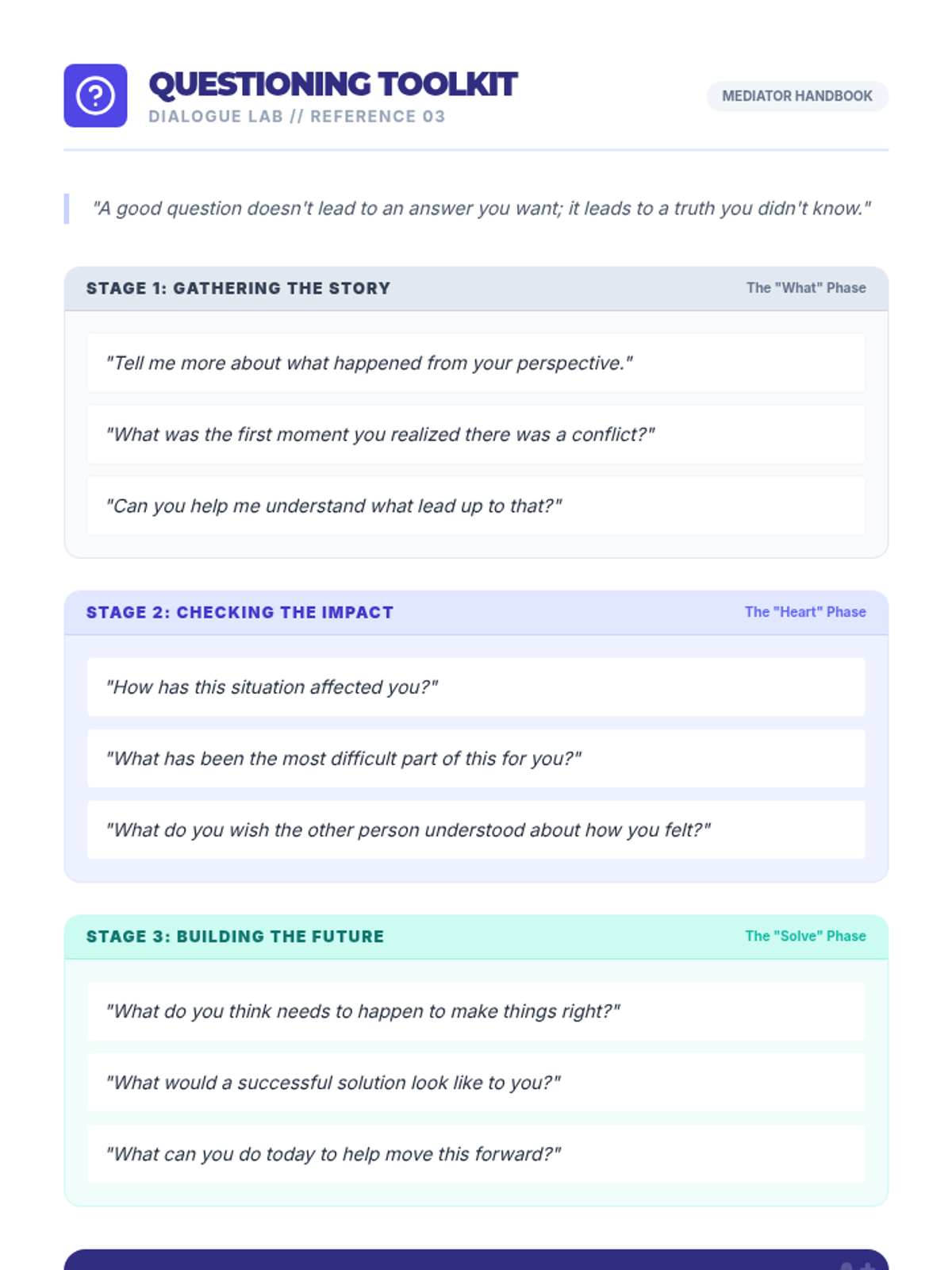
Focuses on open-ended questioning to move disputants from a 'blame' mindset to sharing their personal perspectives and underlying needs.
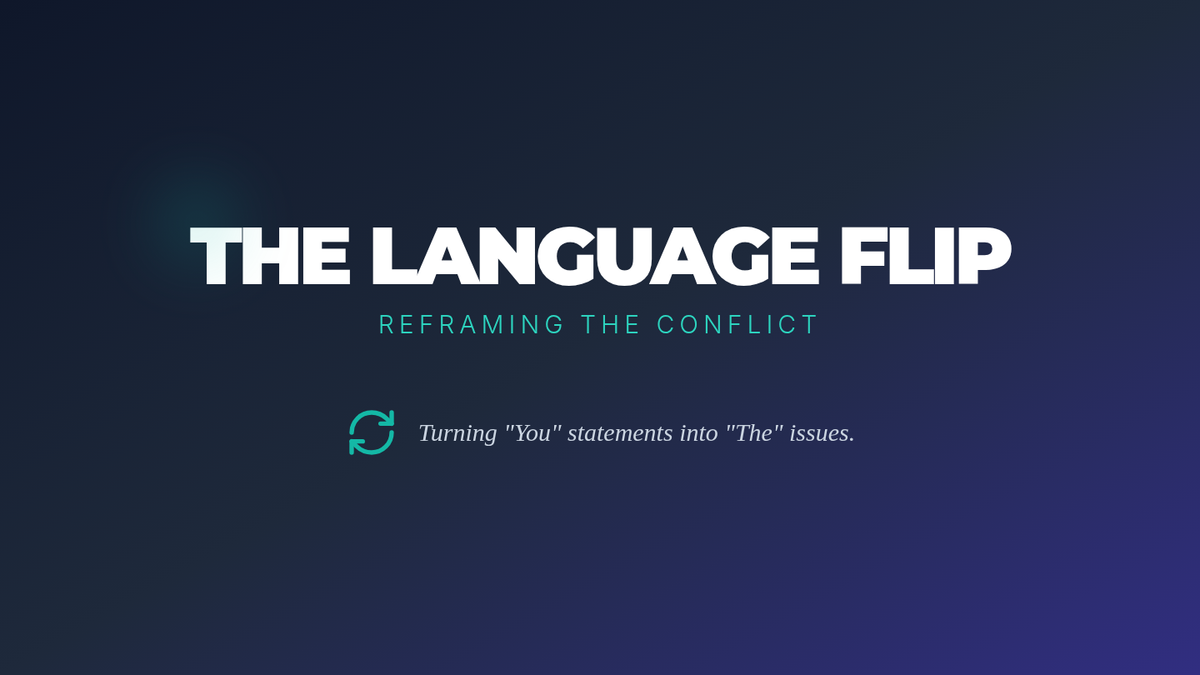
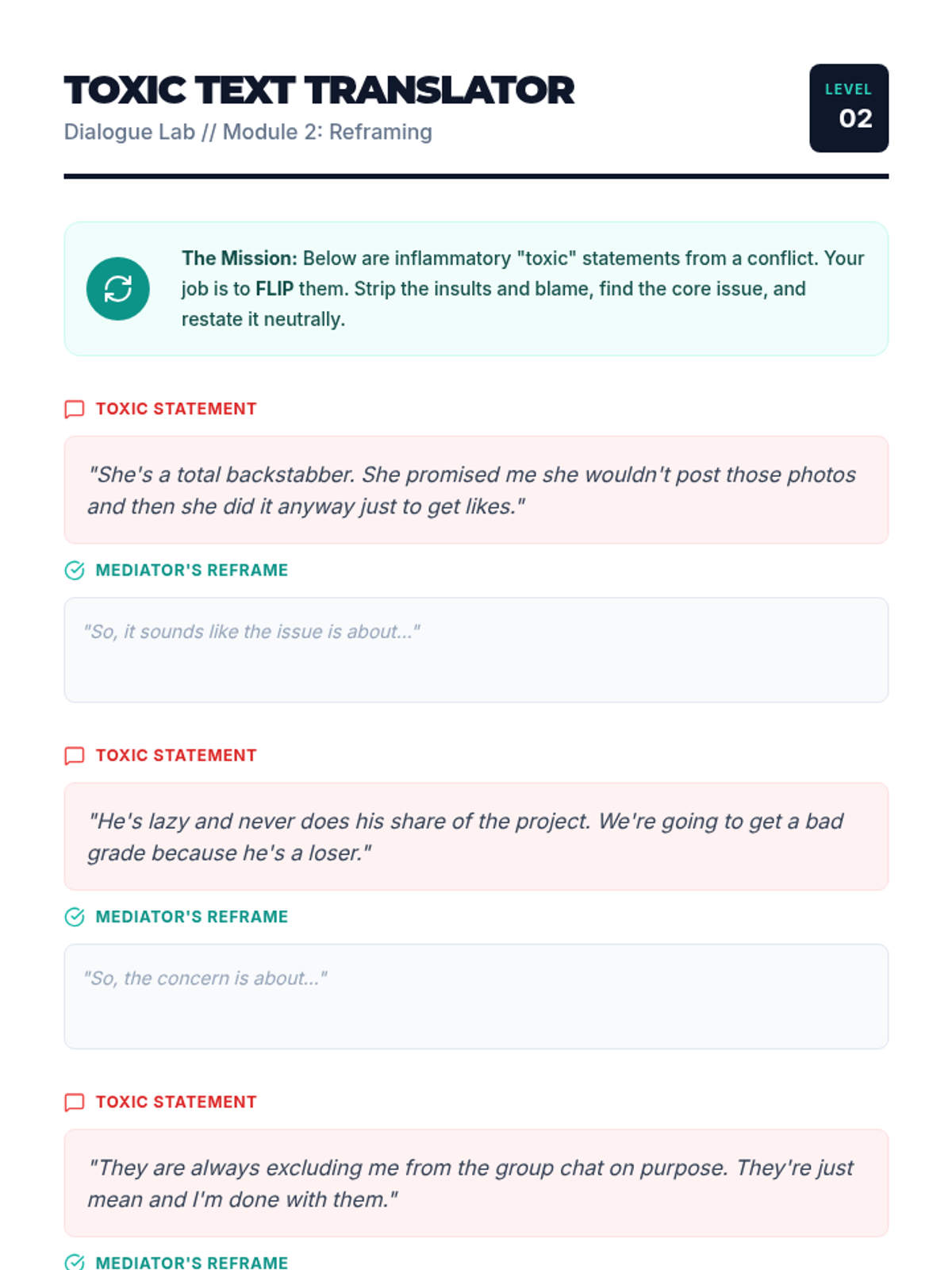
Students learn to de-escalate conflict by stripping away inflammatory language and identifying core issues through reframing techniques.
Students explore the foundational concept of neutrality and practice the 'Opening Statement' to establish ground rules and safety in mediation.
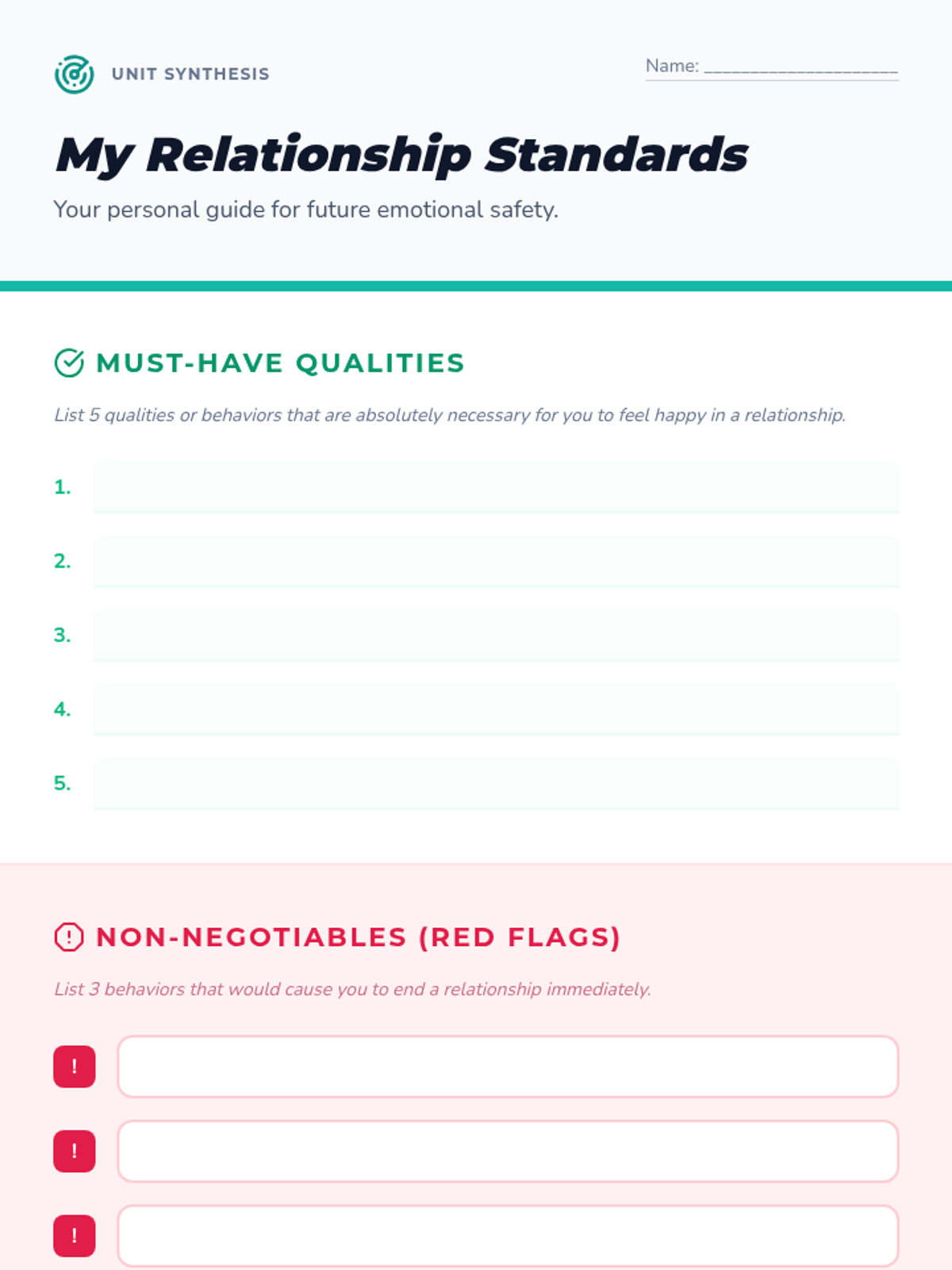
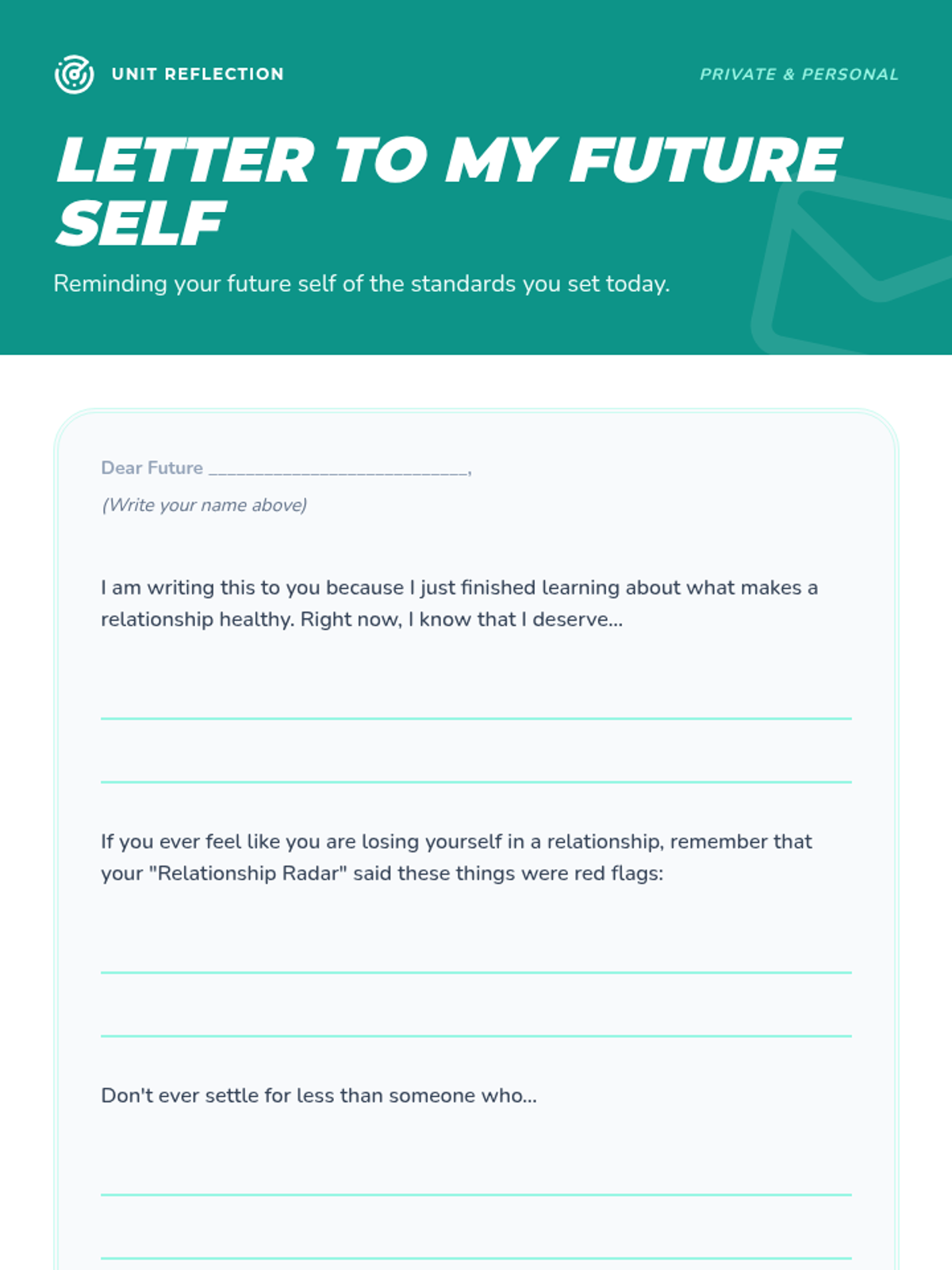
Students reflect on the previous lessons to create a personal guide or 'standard' for future relationships. They outline what they will accept and what are non-negotiables. This final lesson empowers student autonomy and self-worth.
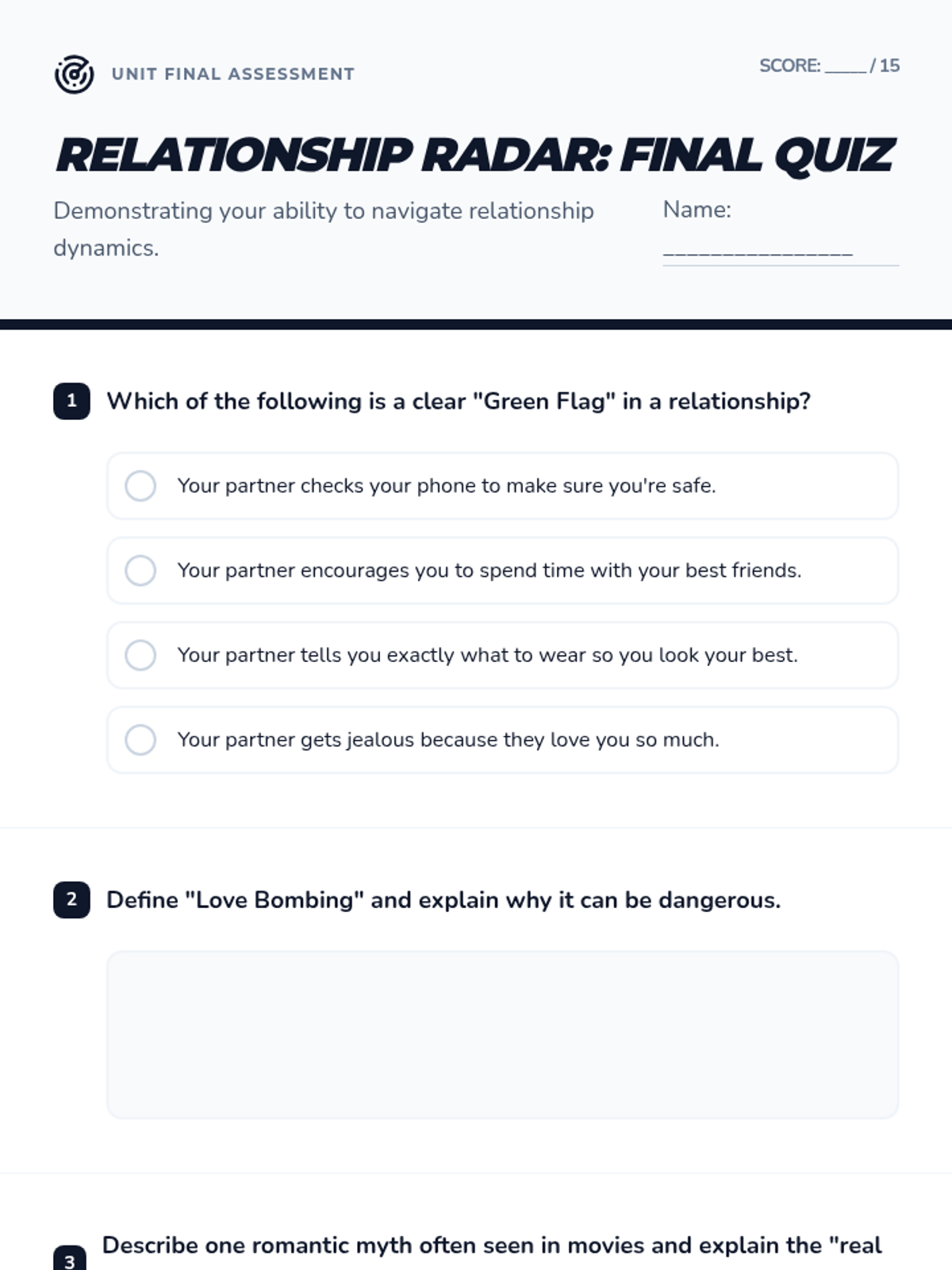
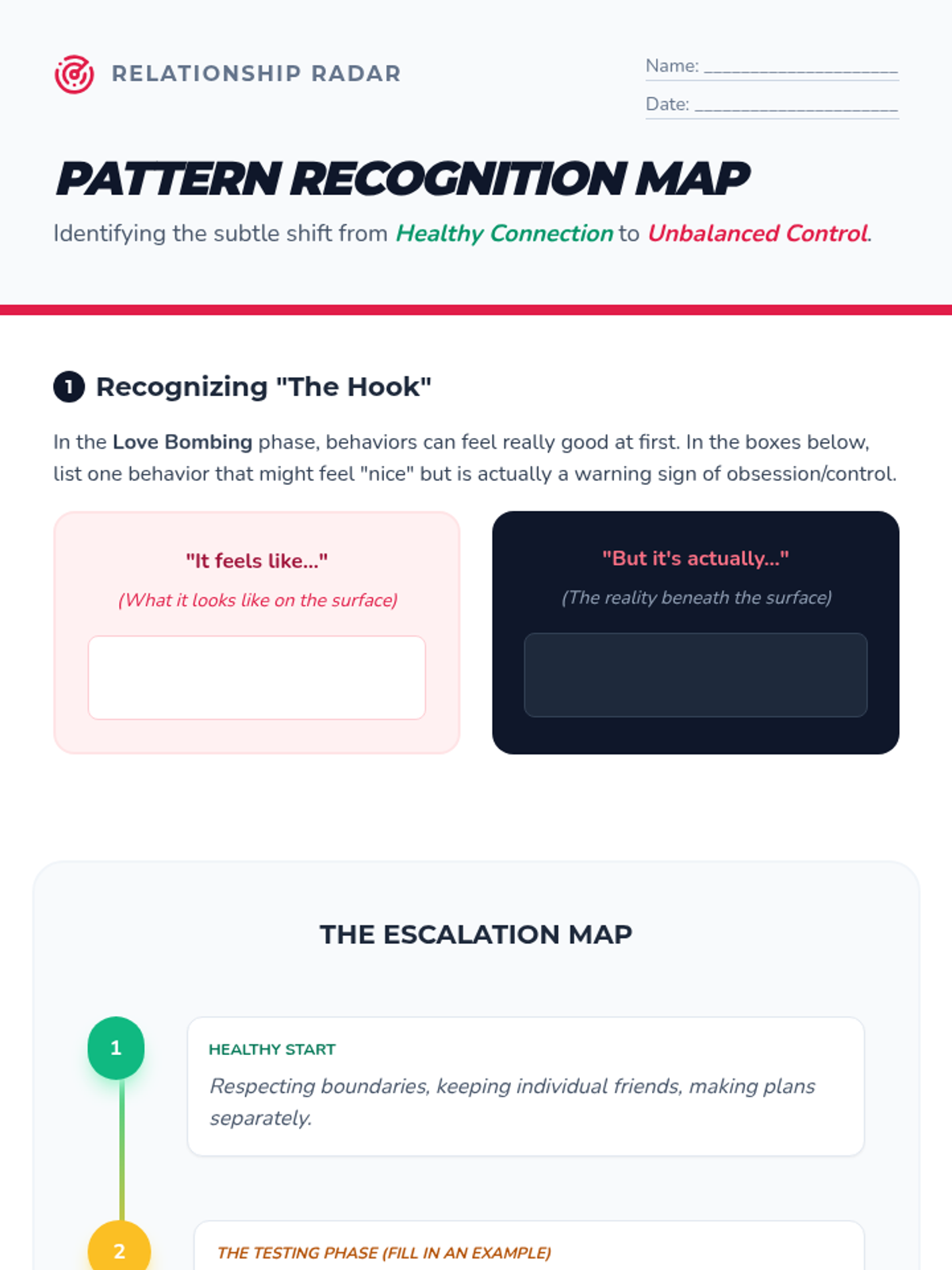
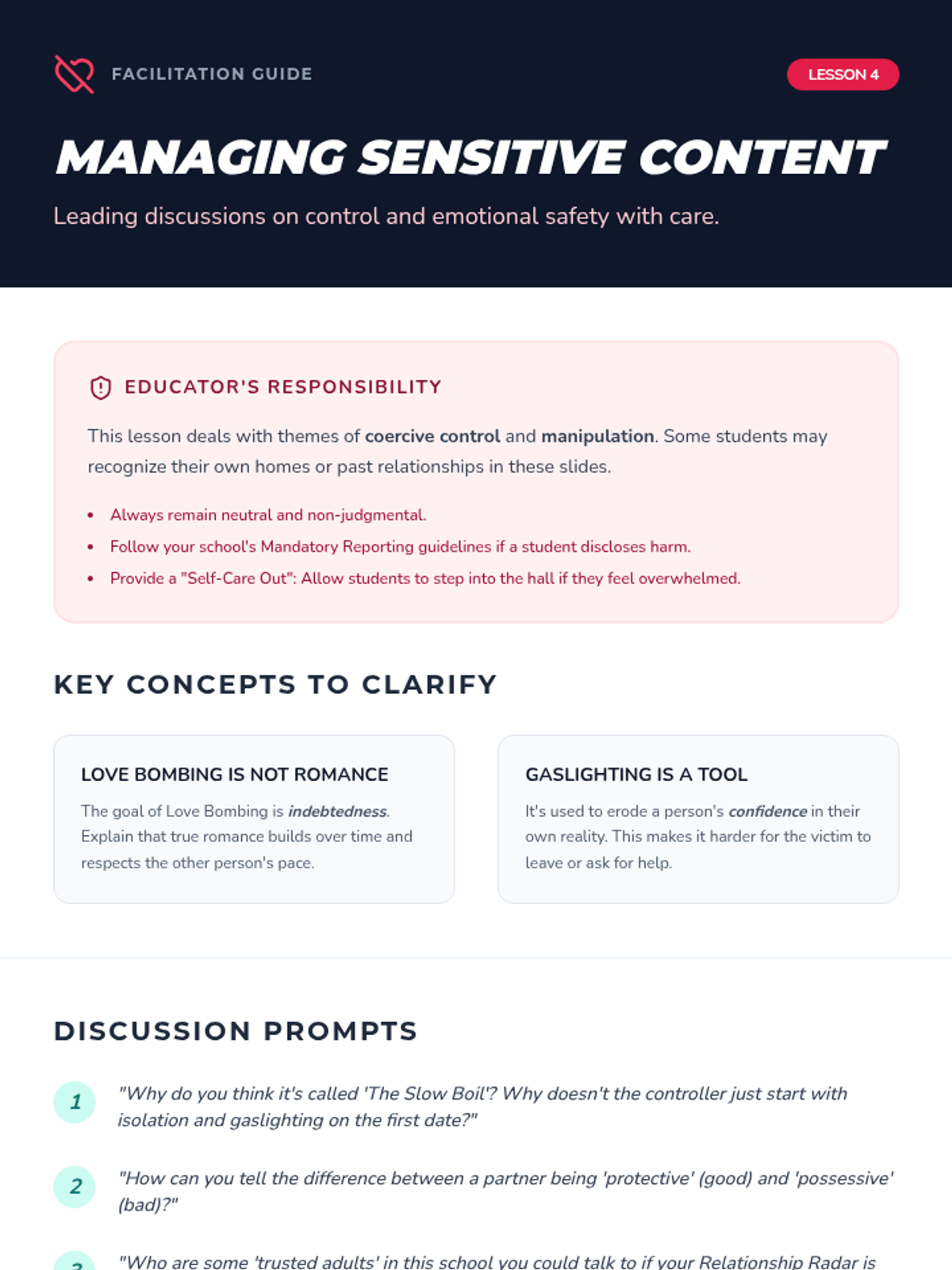
This lesson introduces the subtle progression of unhealthy control, moving from 'love bombing' to tension building. Students learn to recognize early warning signs that a relationship is becoming unbalanced. The focus is on recognizing patterns rather than isolated incidents.
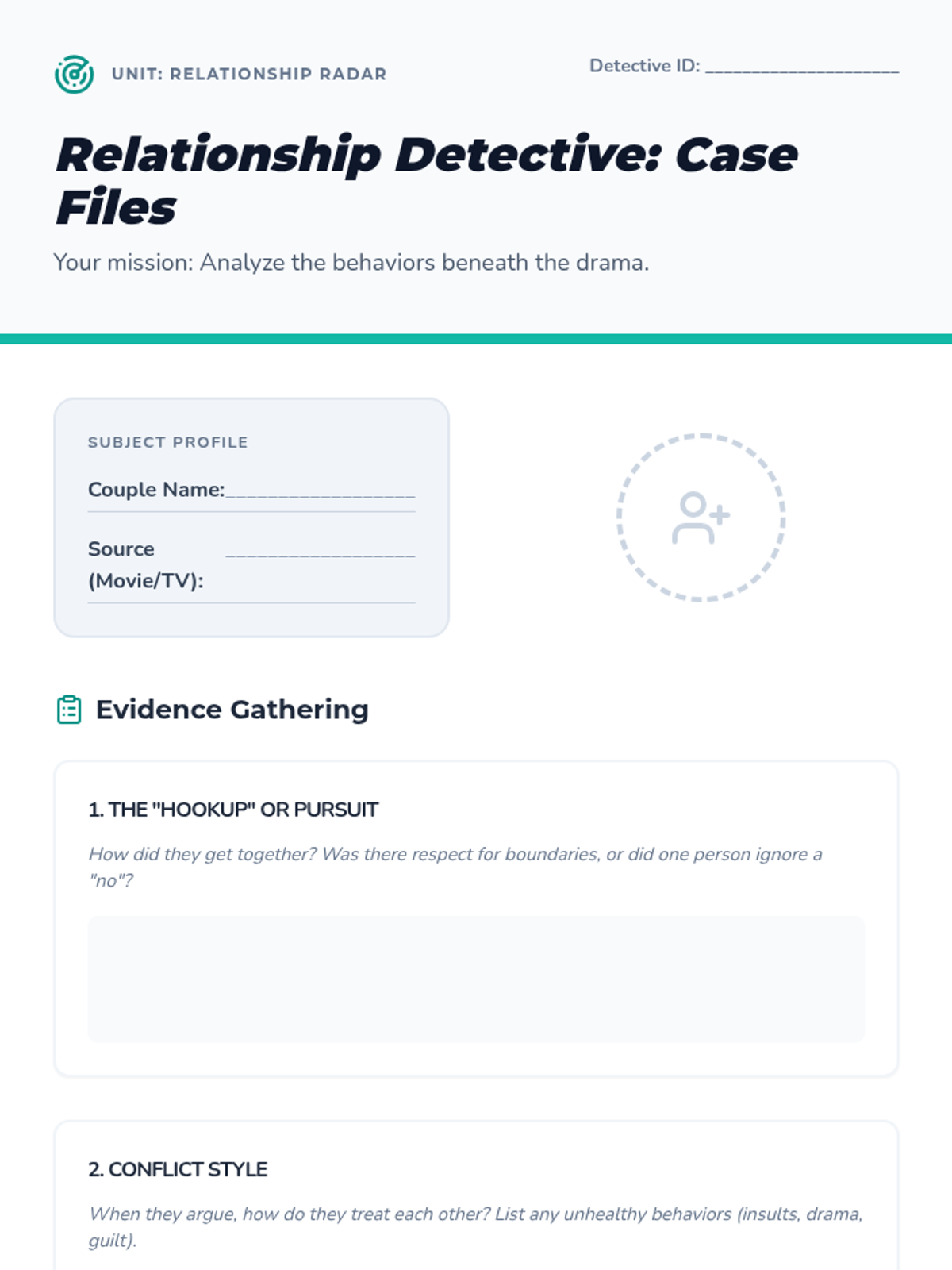
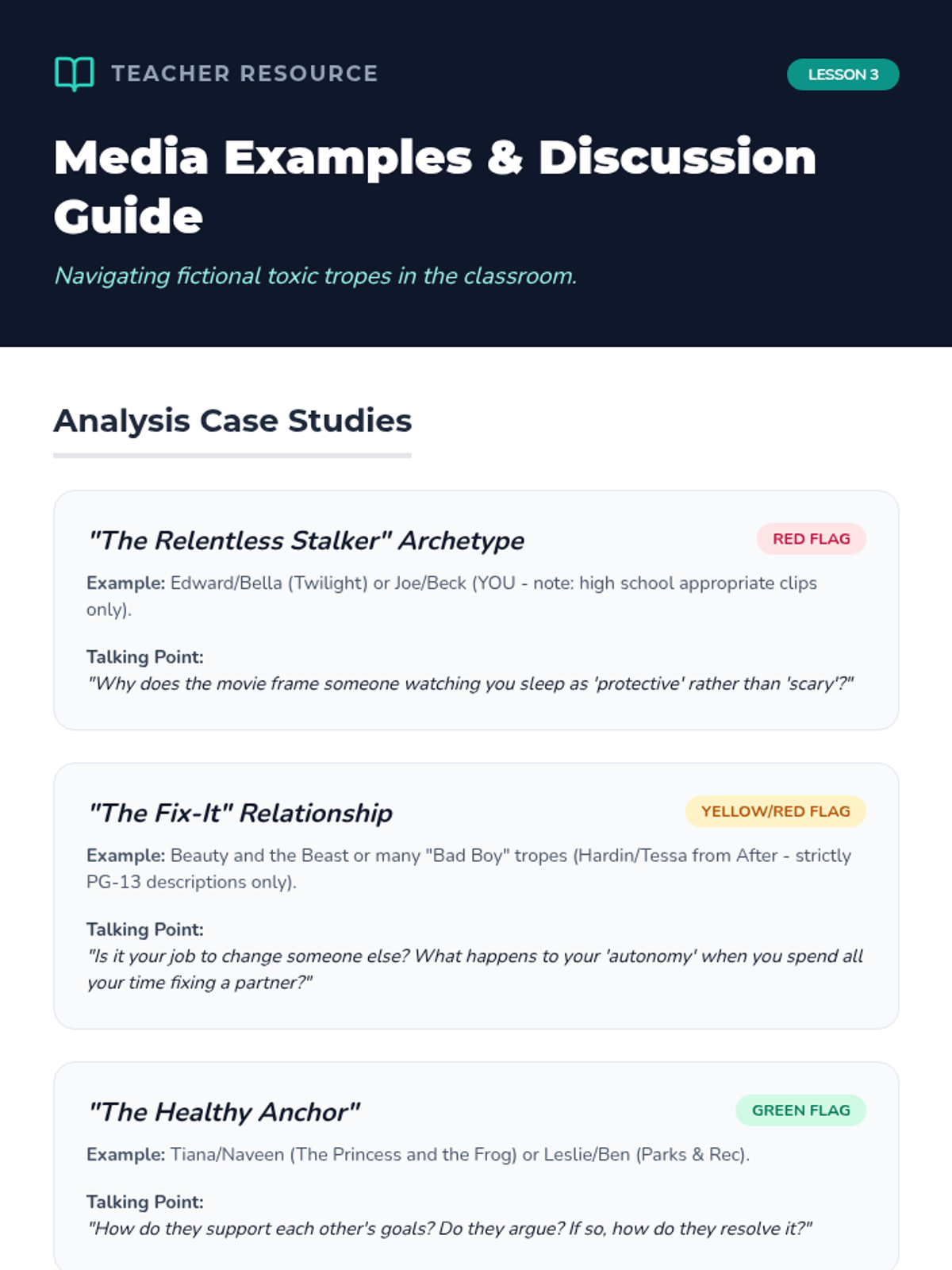
Students critique fictional couples from popular movies, TV shows, or books to apply their understanding of healthy vs. unhealthy dynamics. They discuss how media often romanticizes toxic behaviors like stalking or relentless pursuit. This promotes media literacy regarding romantic myths.
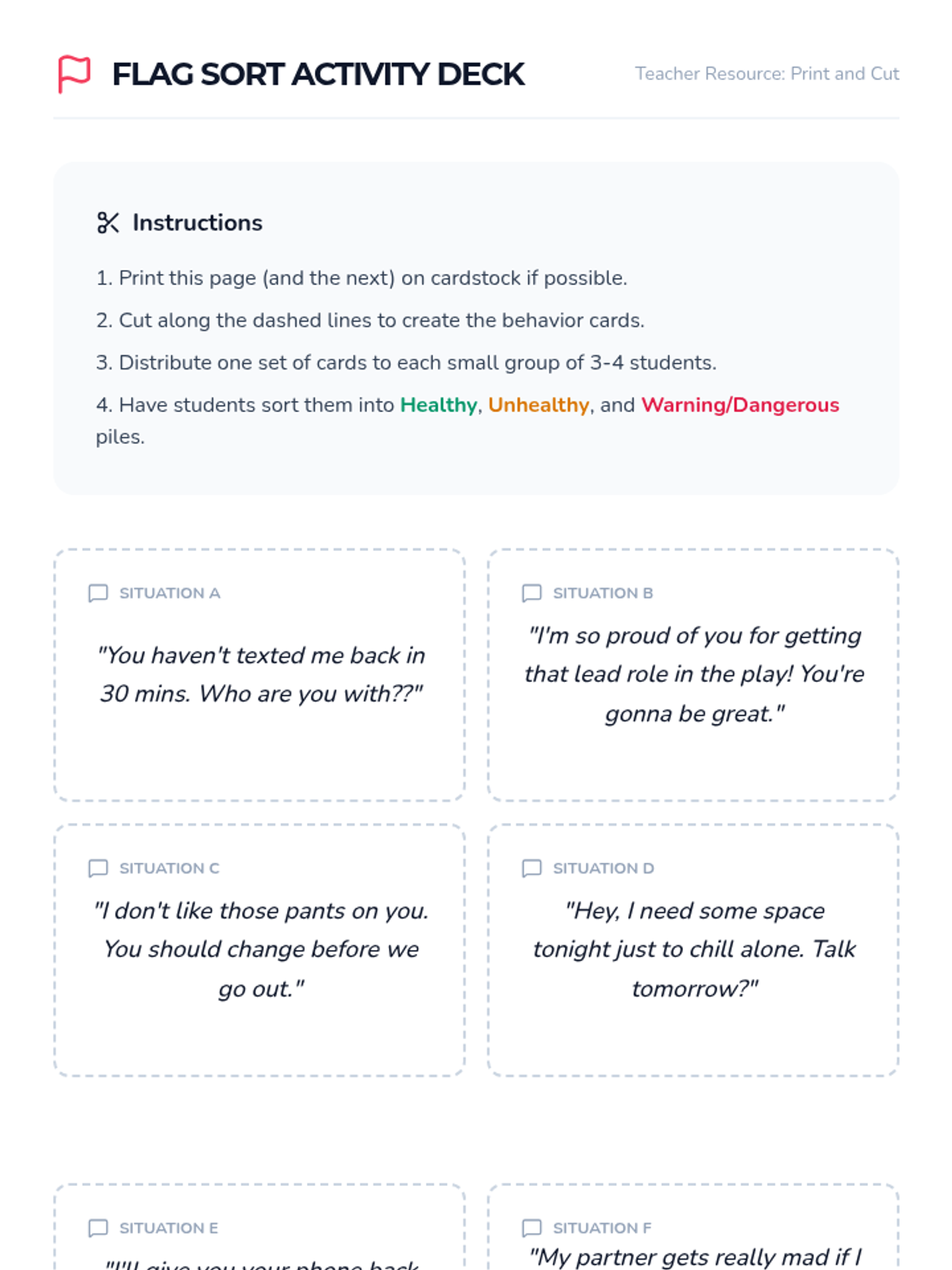
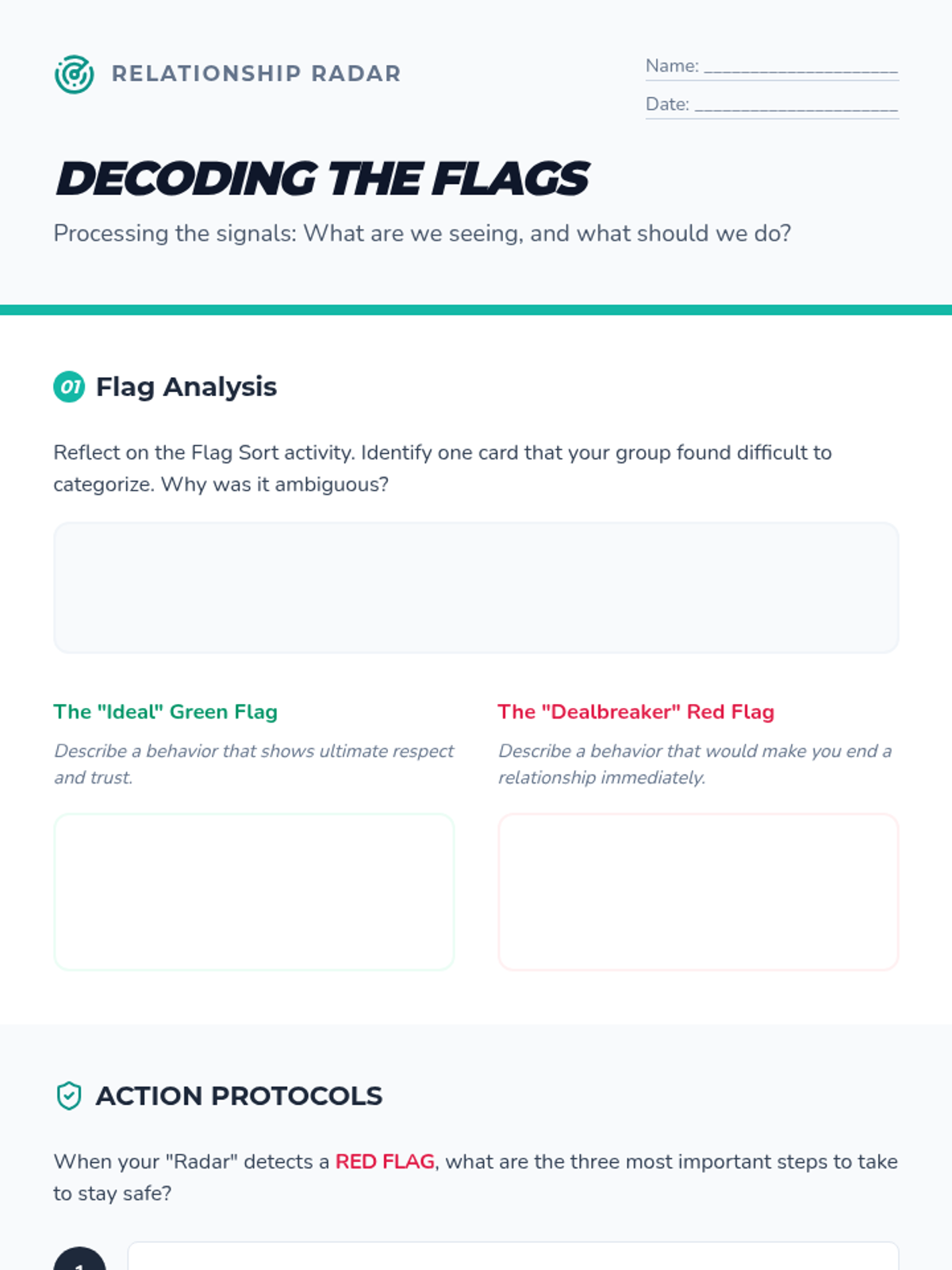
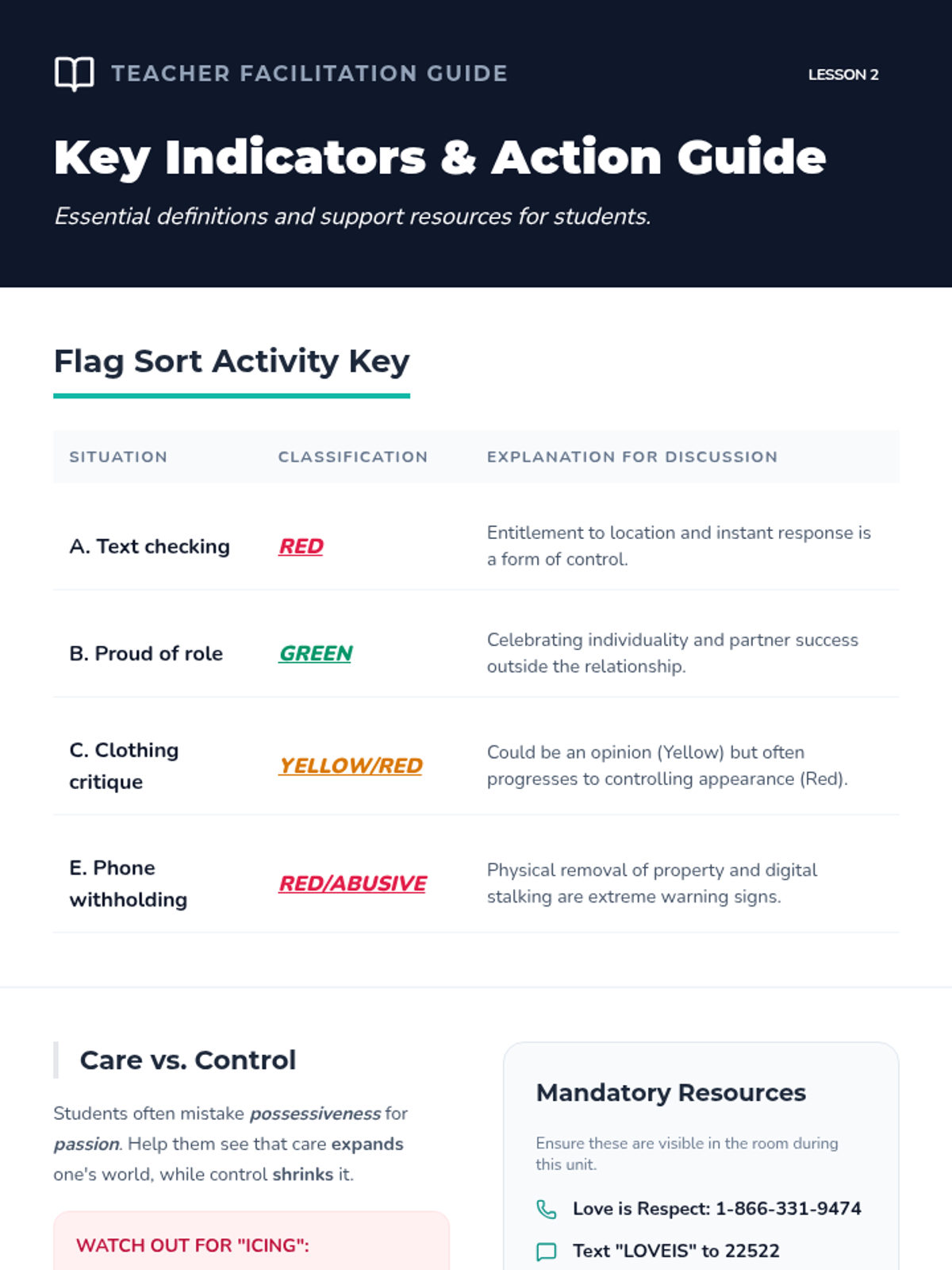
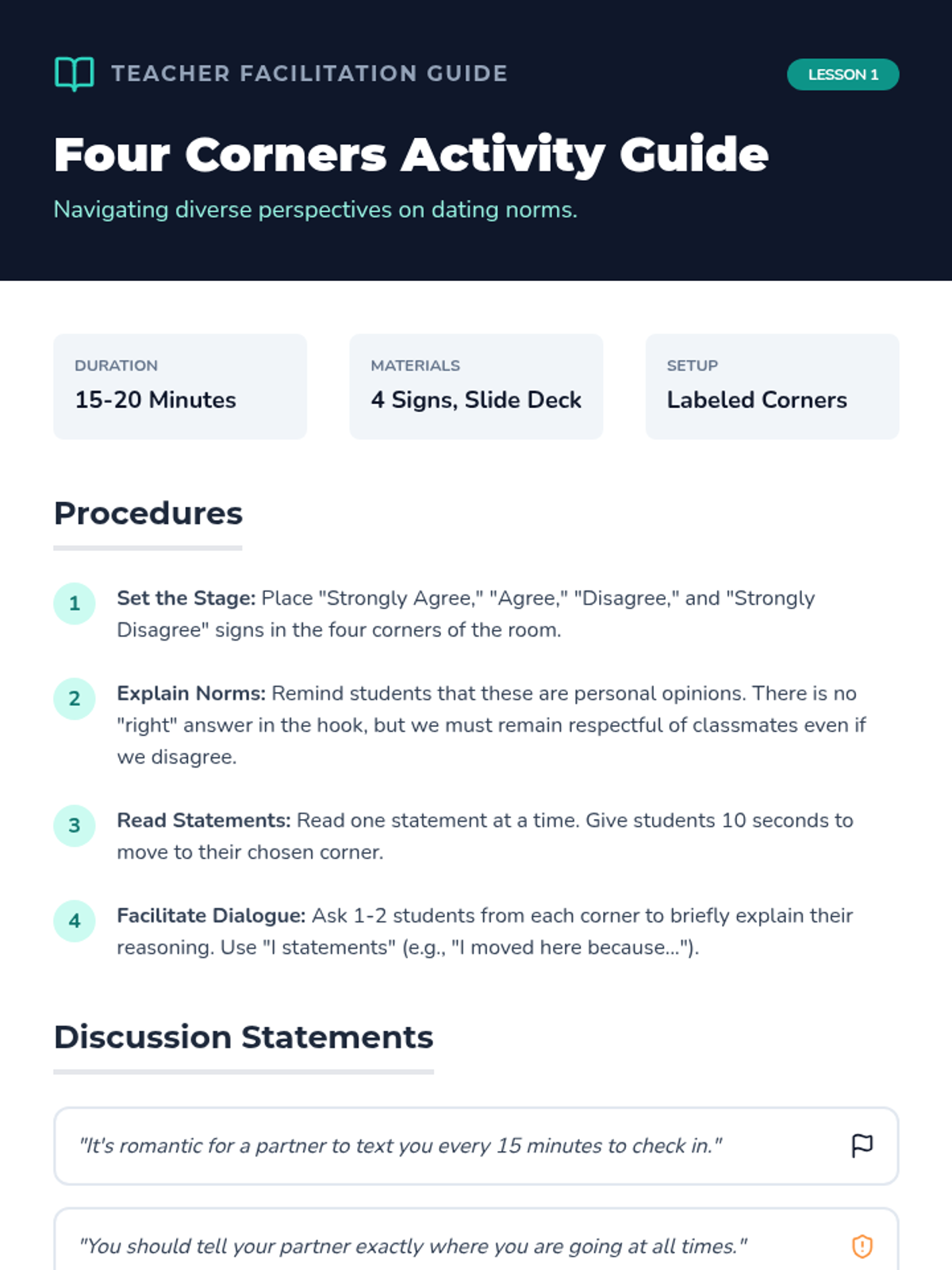
Learners differentiate between positive indicators (green flags) and warning signs (red flags) in dating dynamics. The lesson introduces concepts like jealousy, isolation, and possessiveness as distinct from caring. Students sort behavior cards into healthy, unhealthy, and abusive categories.
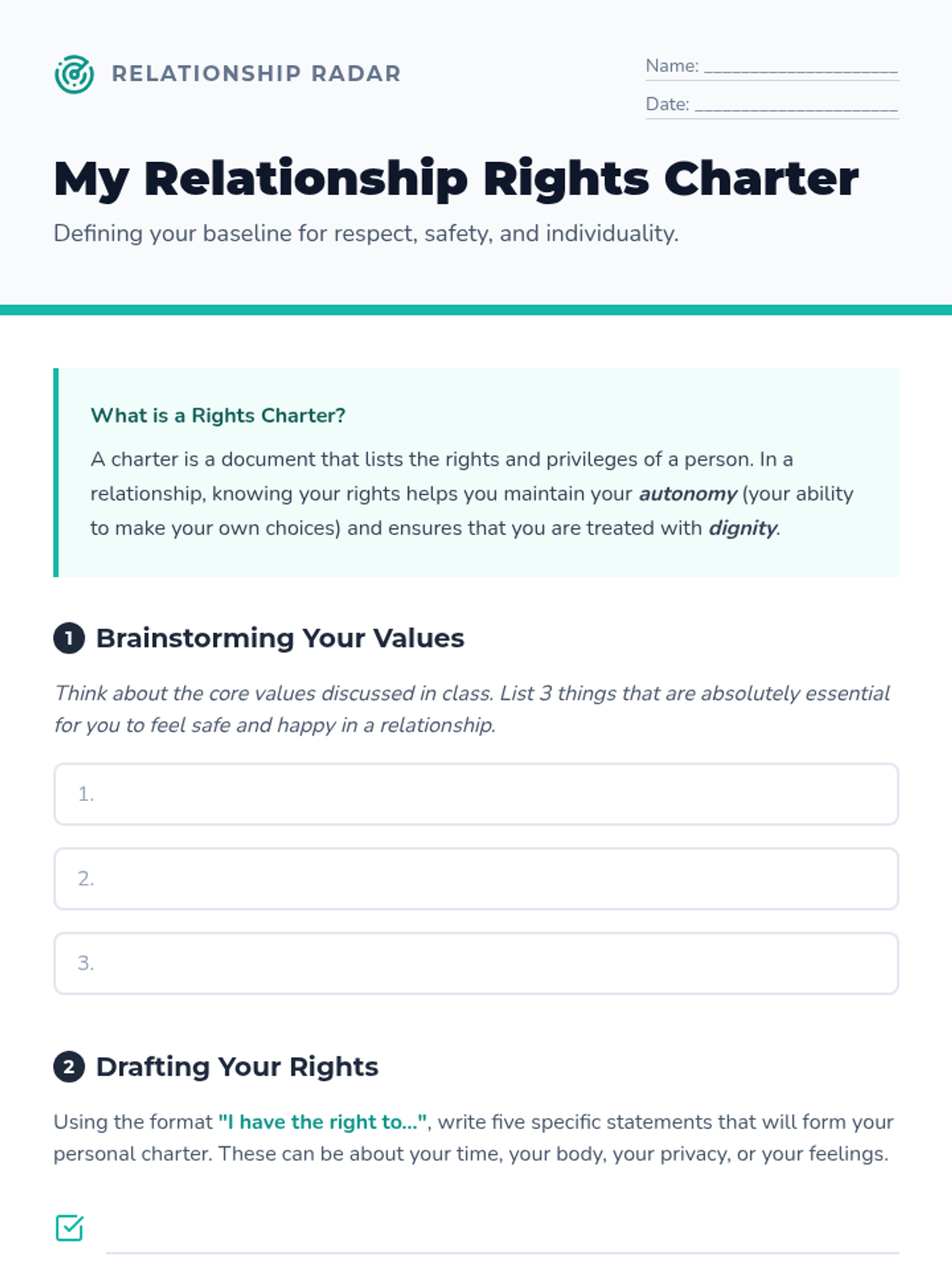
Students explore core values like respect, trust, and individuality to define what they deserve in a relationship. They will create a personal 'Relationship Rights' charter.
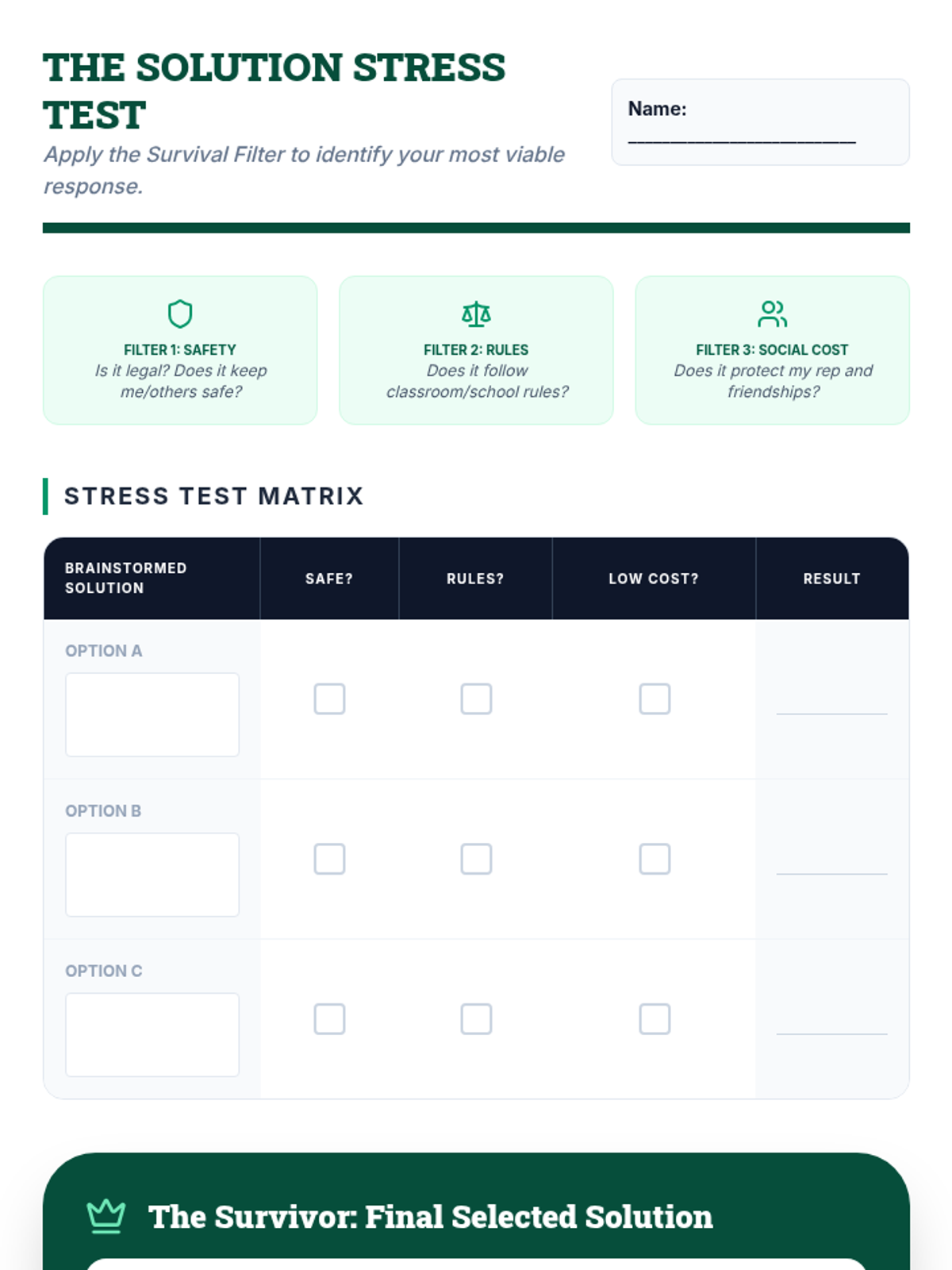
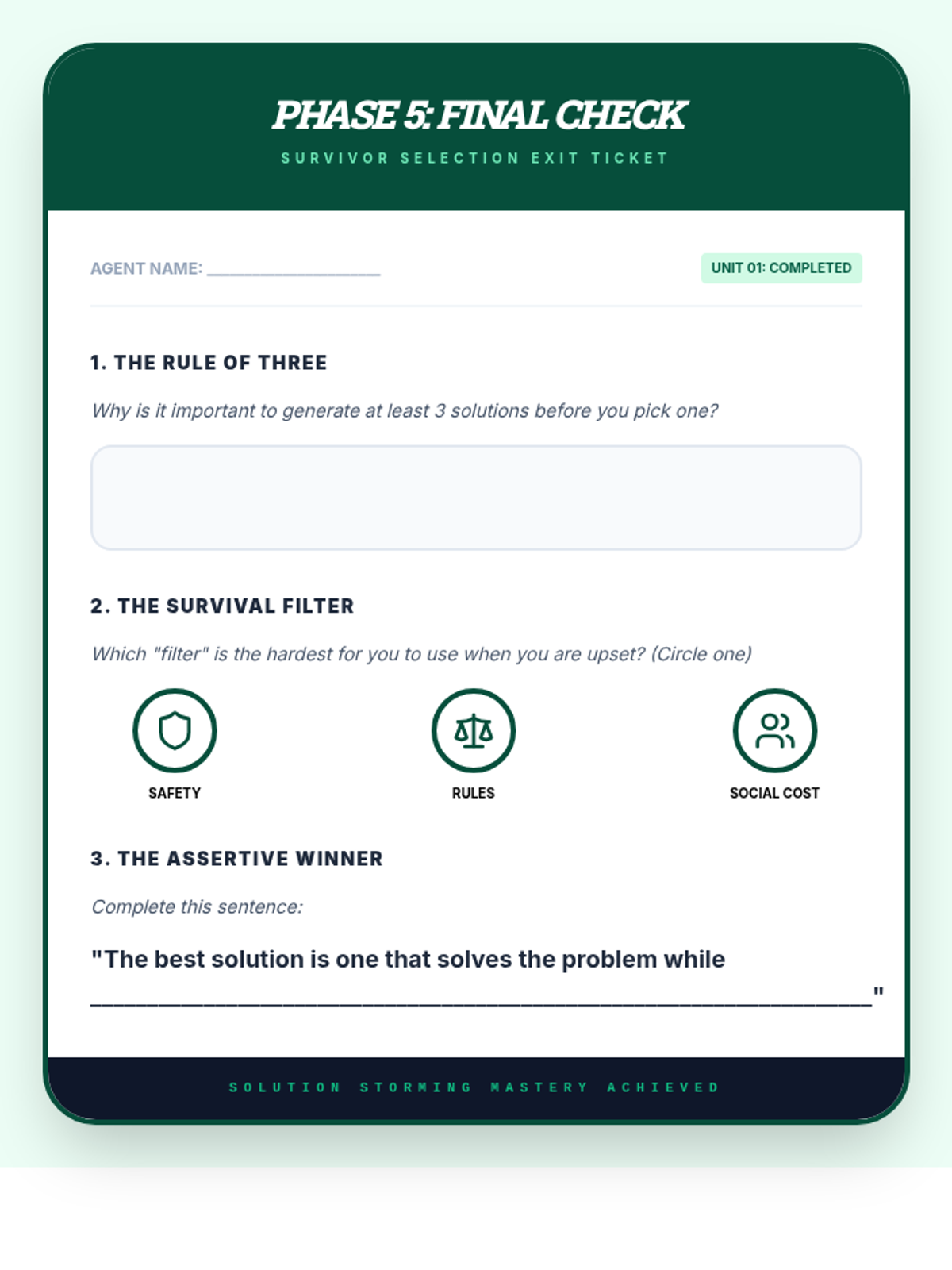
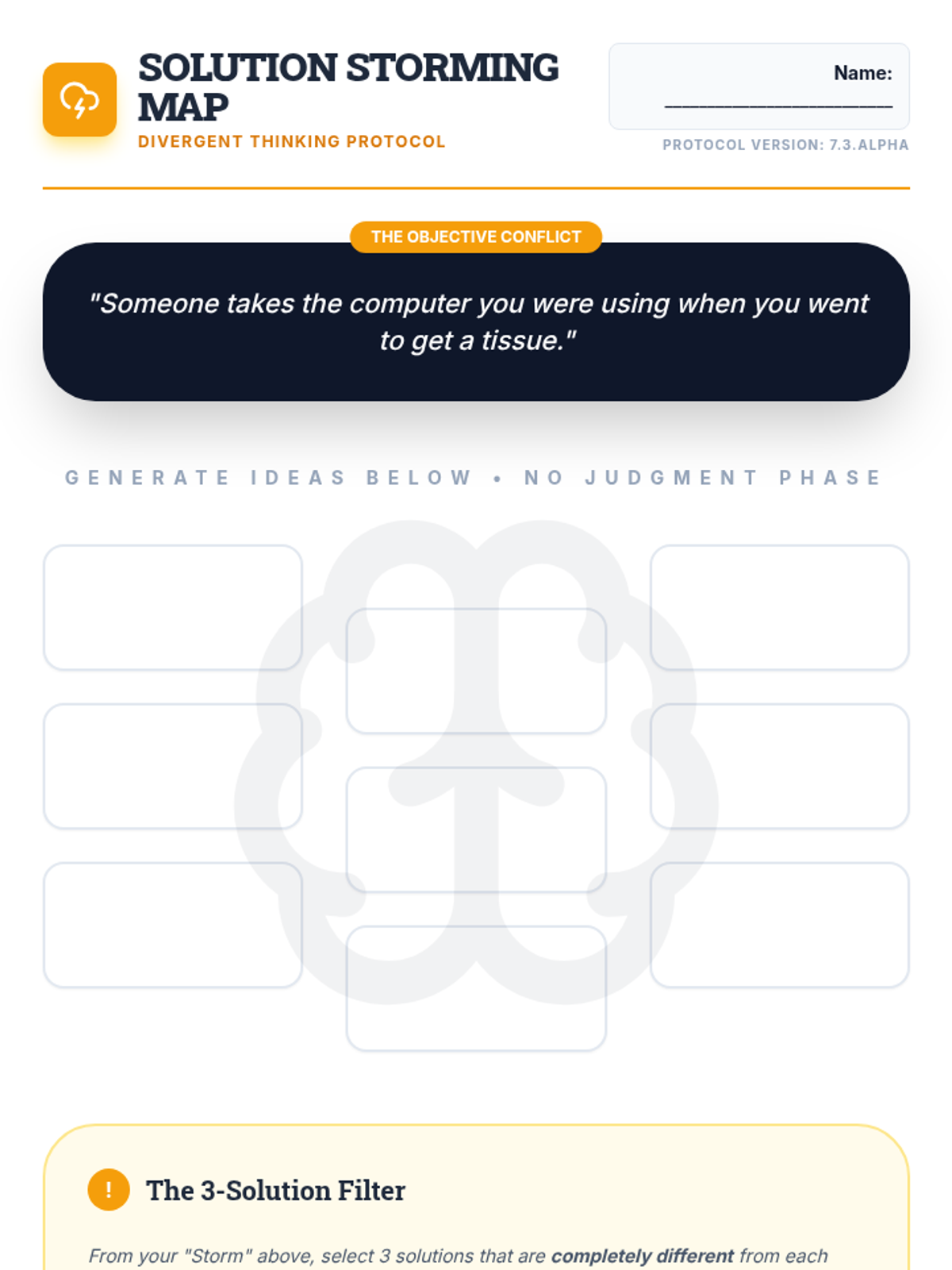
Students apply a filtration process to identify the most realistic and safe solution, discarding options that are socially damaging.
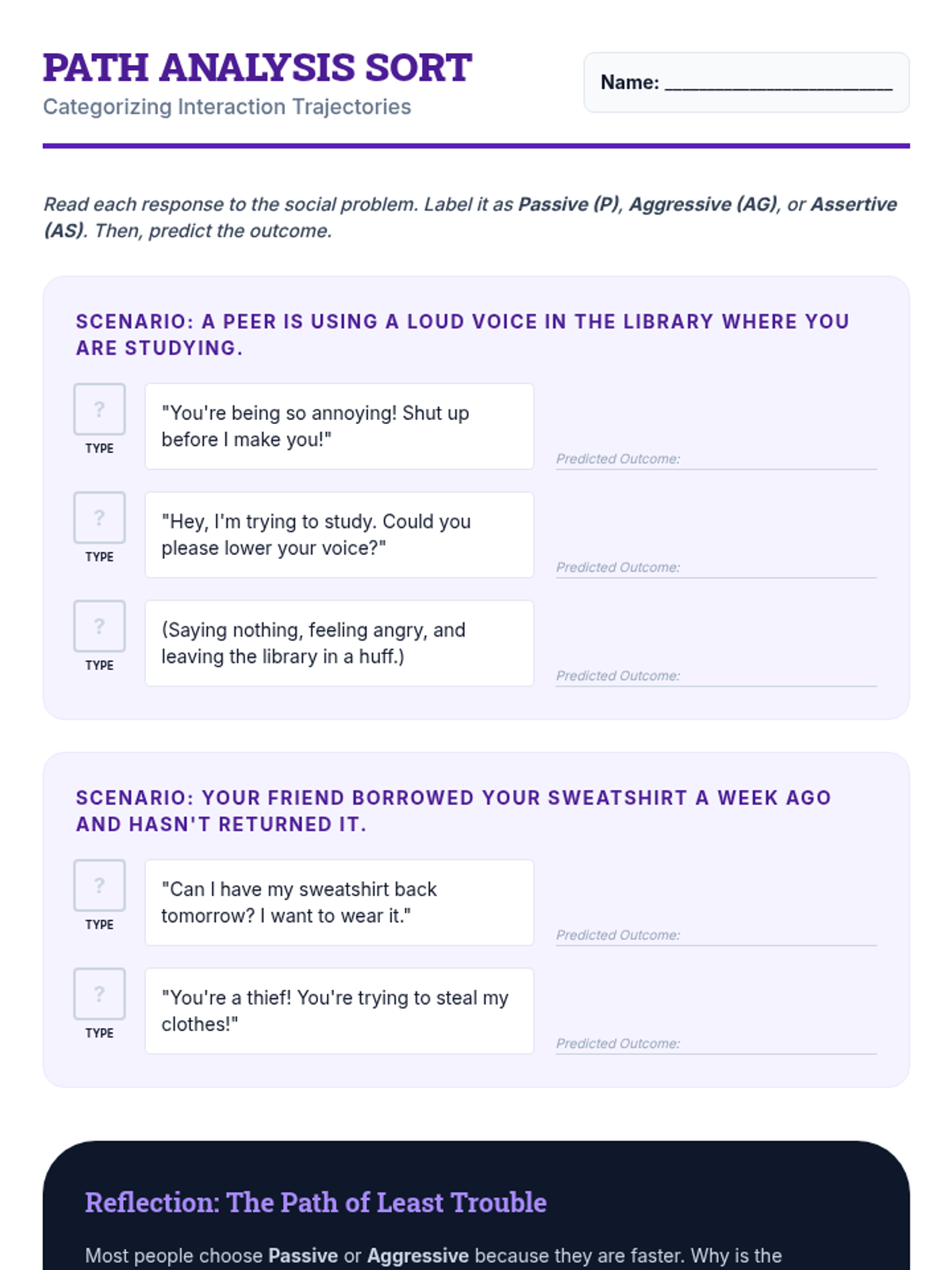
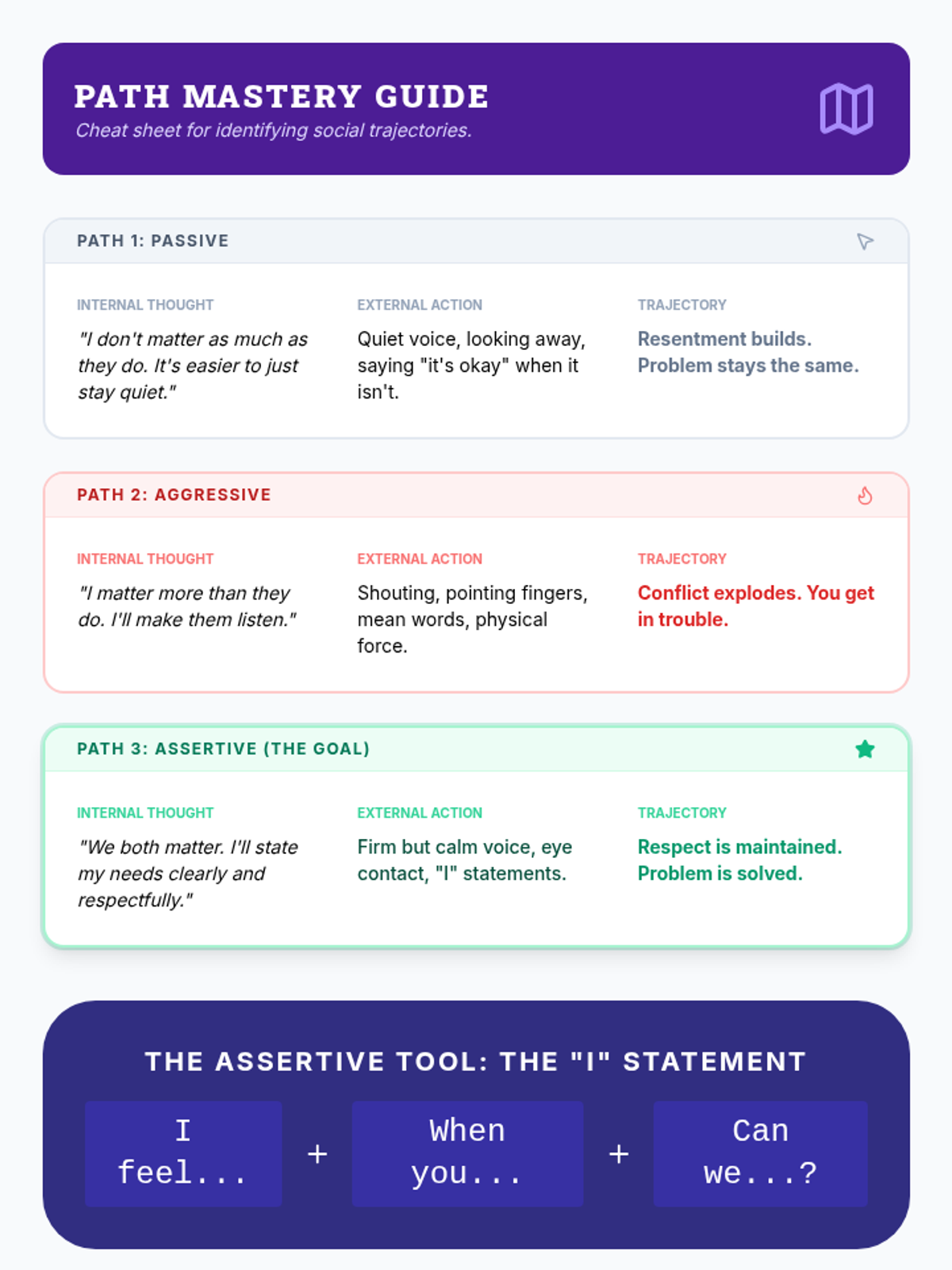
Students categorize their brainstormed list into 'Passive,' 'Aggressive,' and 'Assertive' solutions to understand different interaction trajectories.
Students learn to generate a high quantity of potential solutions to a single problem through divergent thinking exercises.