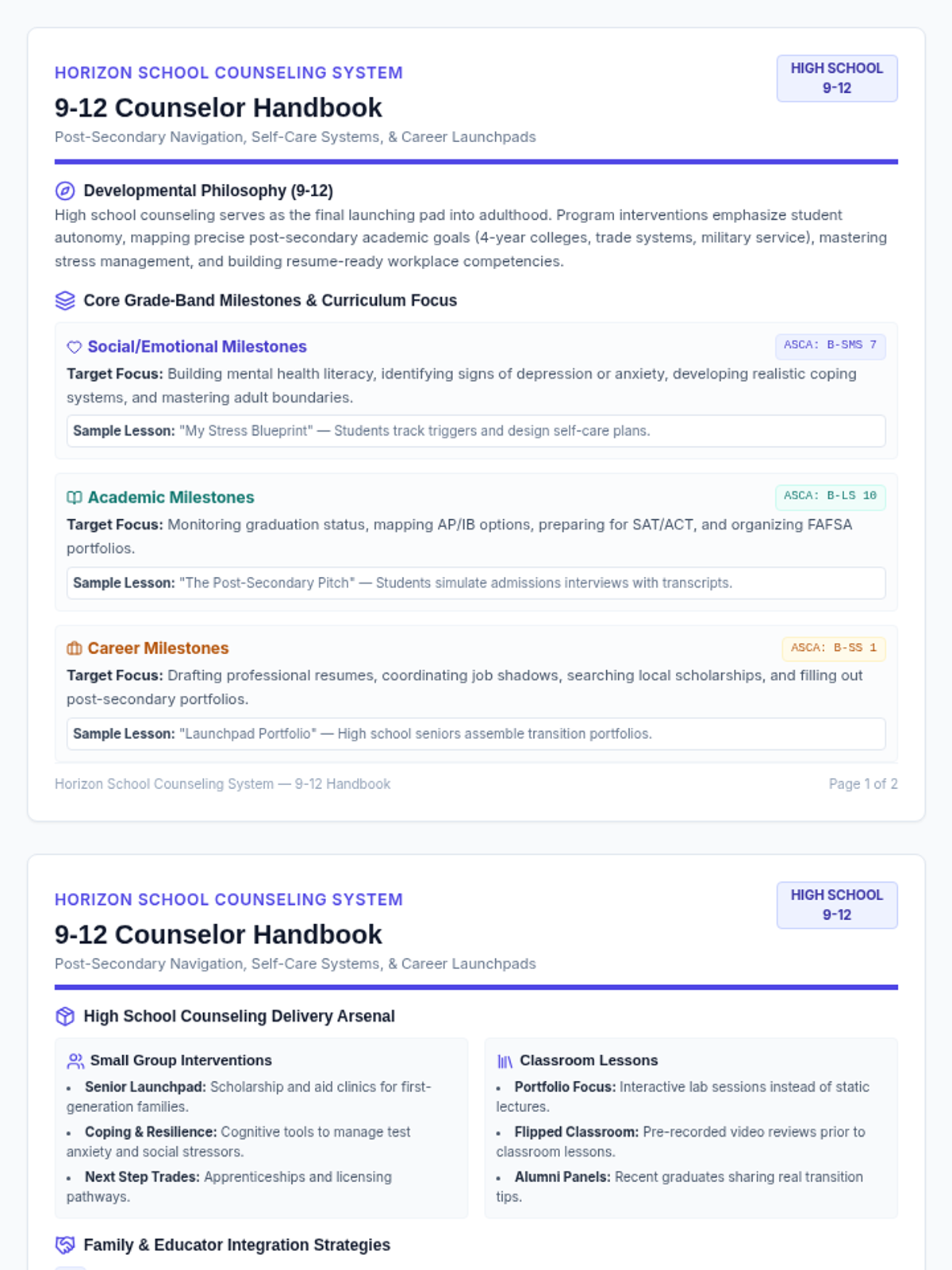
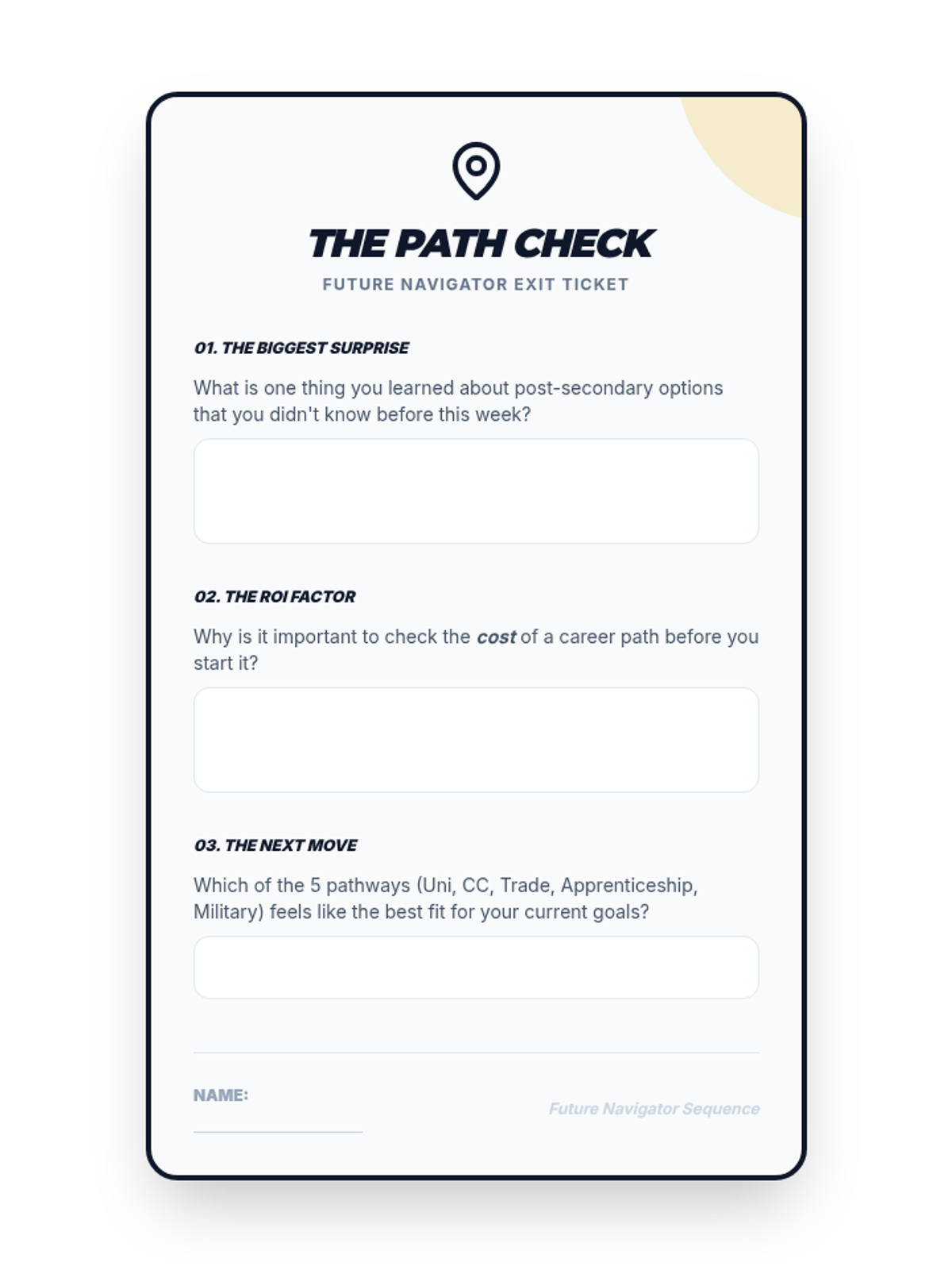
College selection, application workflows, and financial aid navigation including FAFSA and scholarship acquisition. Builds skills in personal statement writing and career exploration to align post-secondary choices with long-term professional goals.
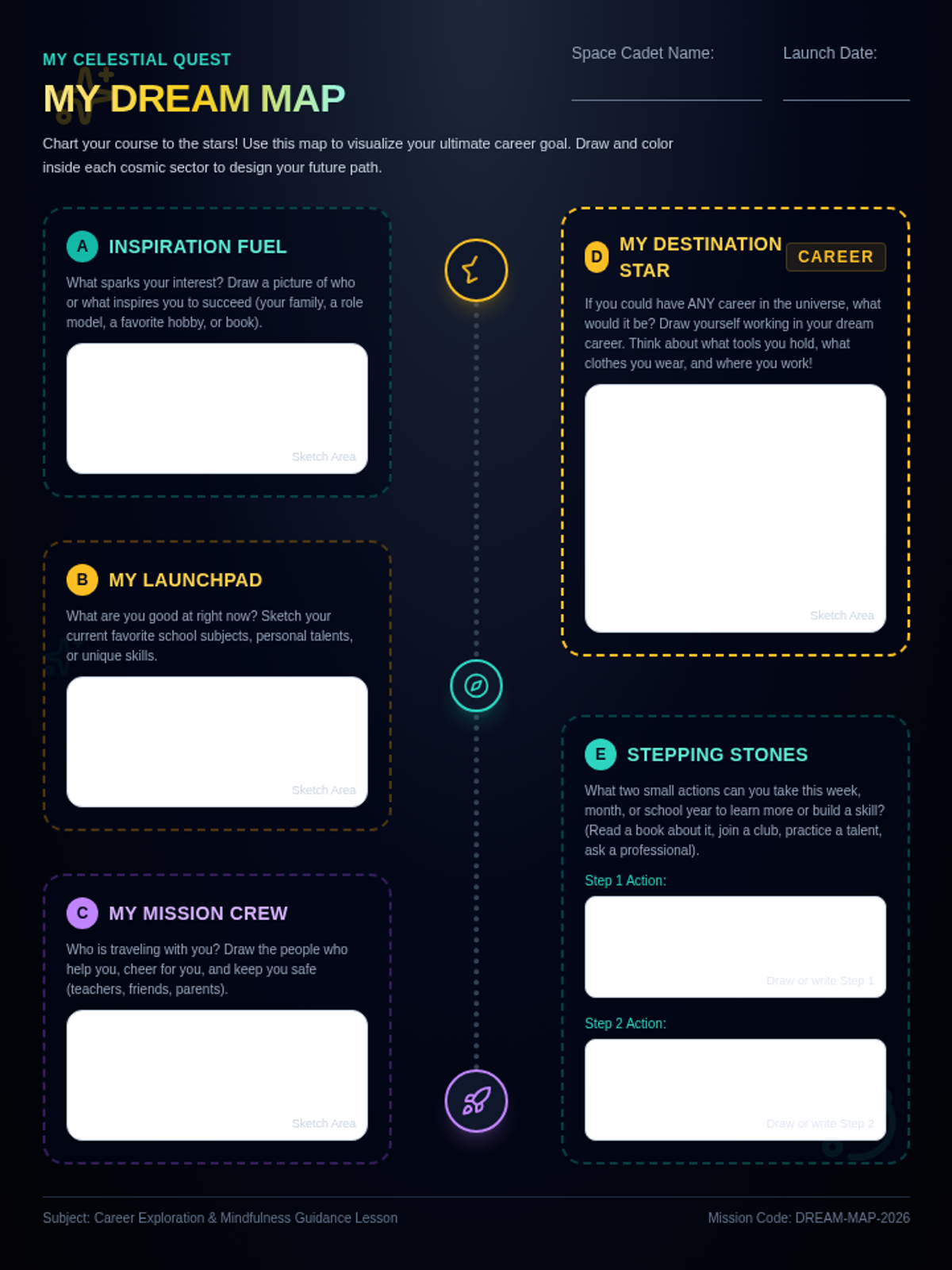
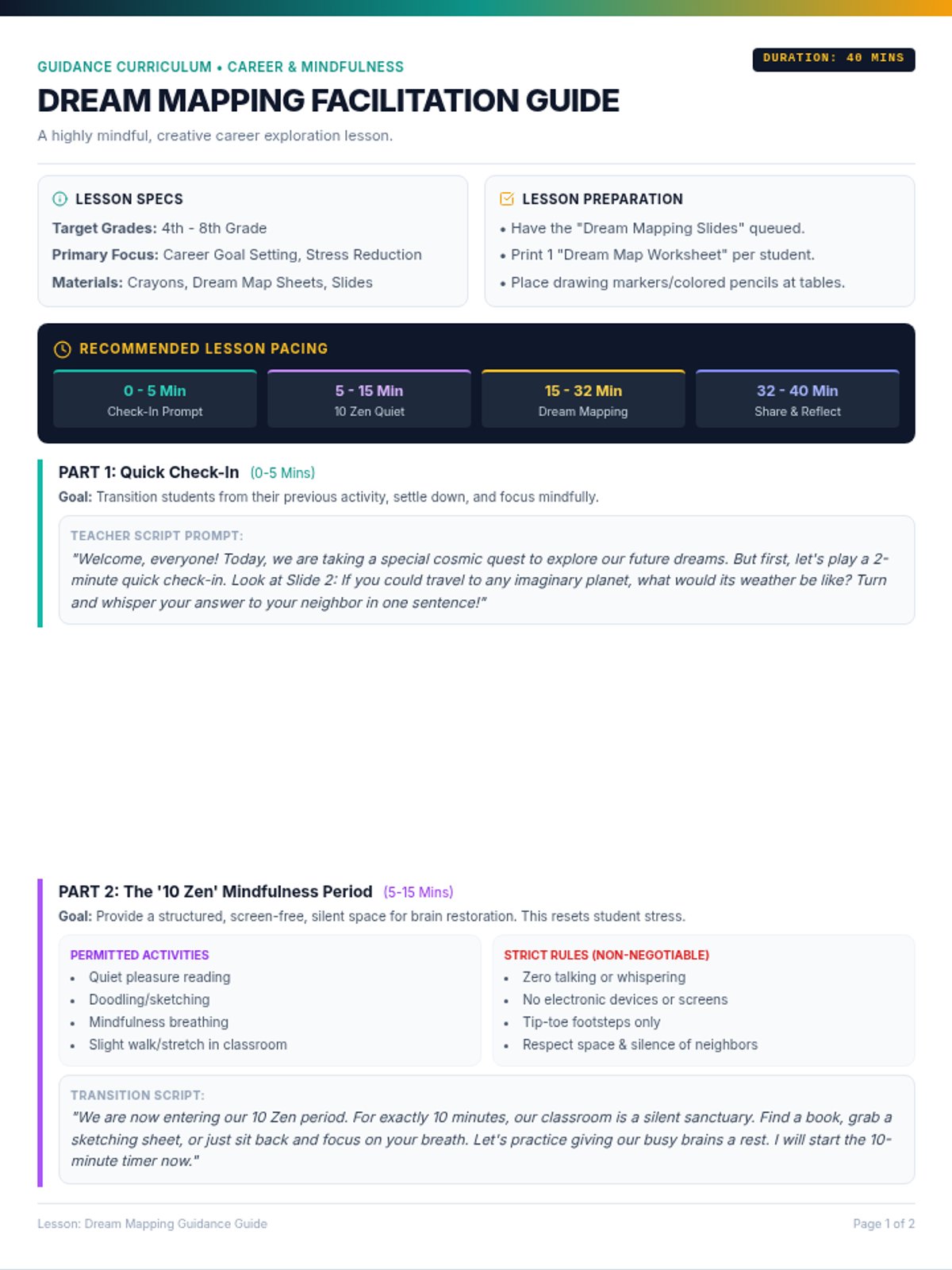
A 40-minute guidance lesson that combines a mindful '10 Zen' period with a creative, drawing-heavy 'Dream Map' vision board activity for career goal setting. Includes a slide presentation, teacher script, and a student drawing sheet.
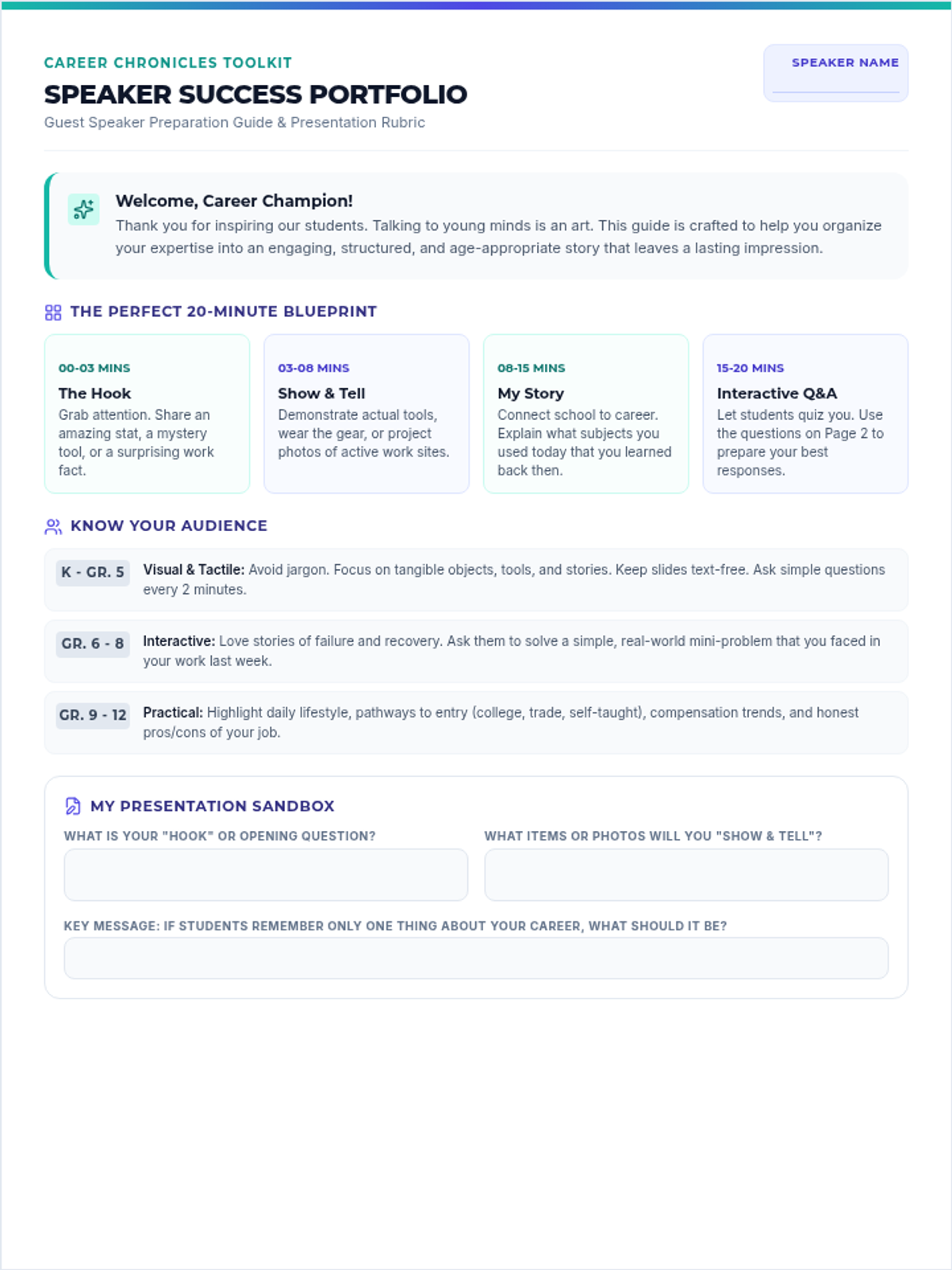
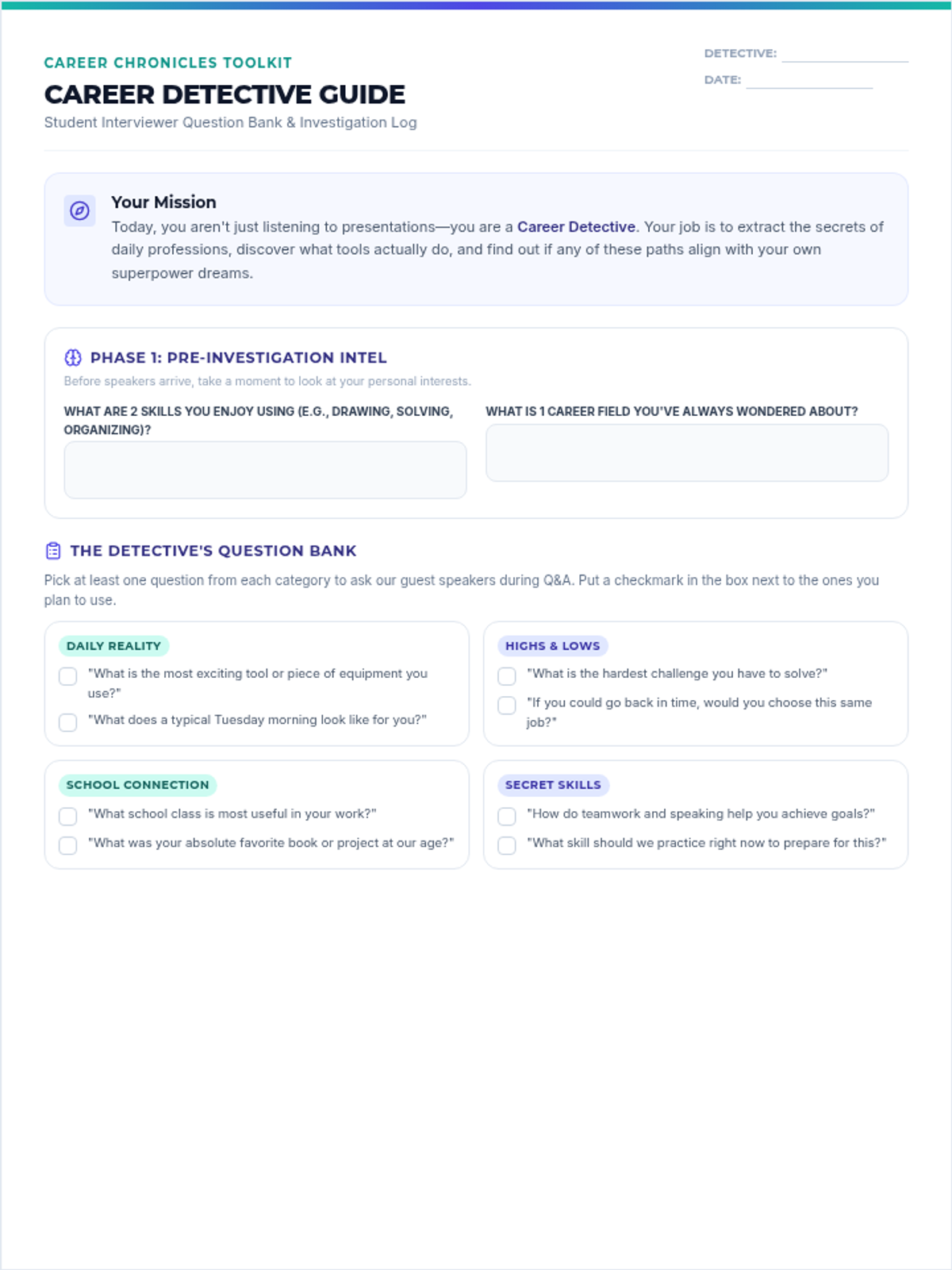
A comprehensive preparation toolkit for Career Day, equipping both guest speakers and student interviewers with structured guides, question banks, and evaluation rubrics to ensure engaging and meaningful professional dialogues.
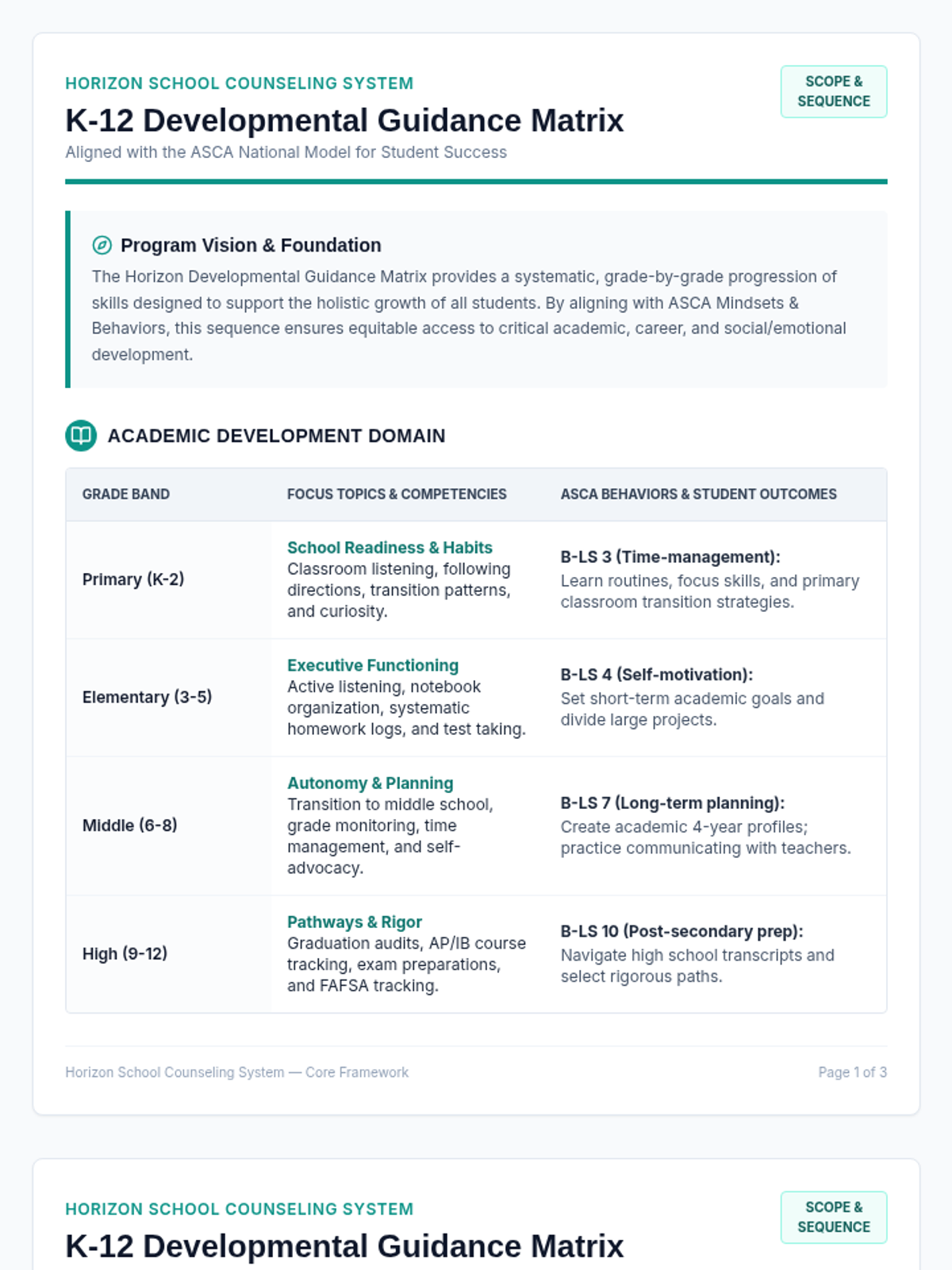
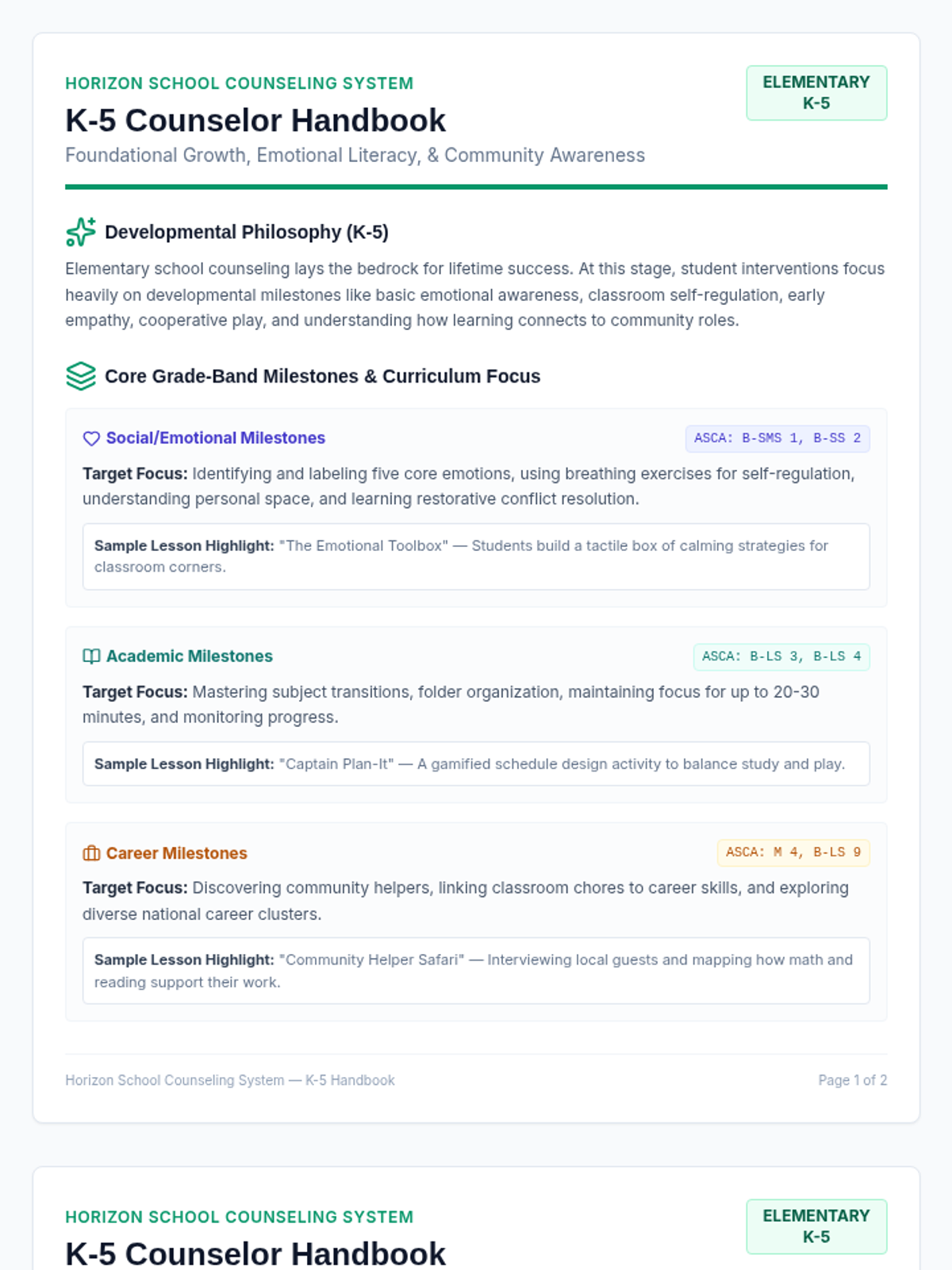
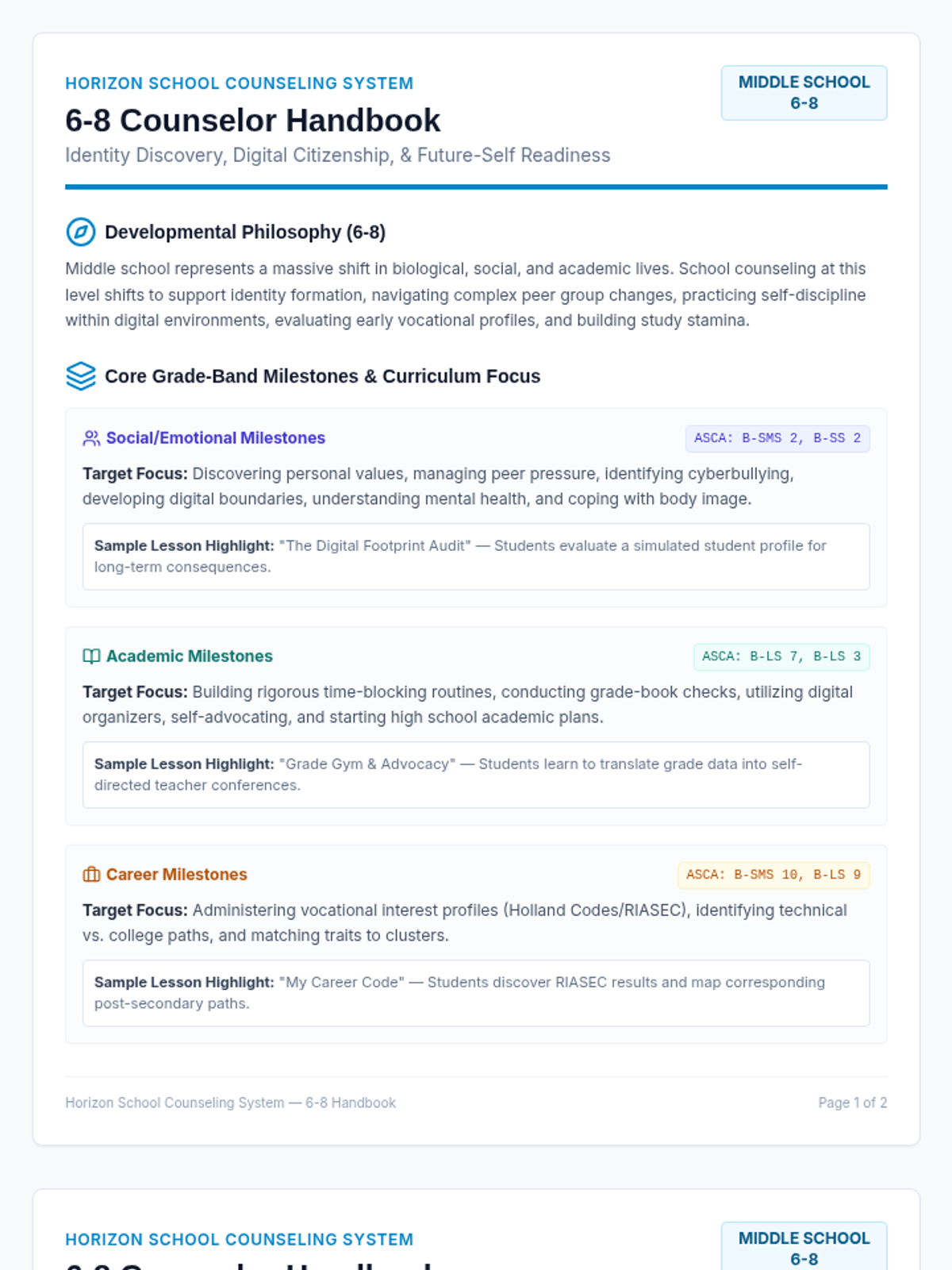
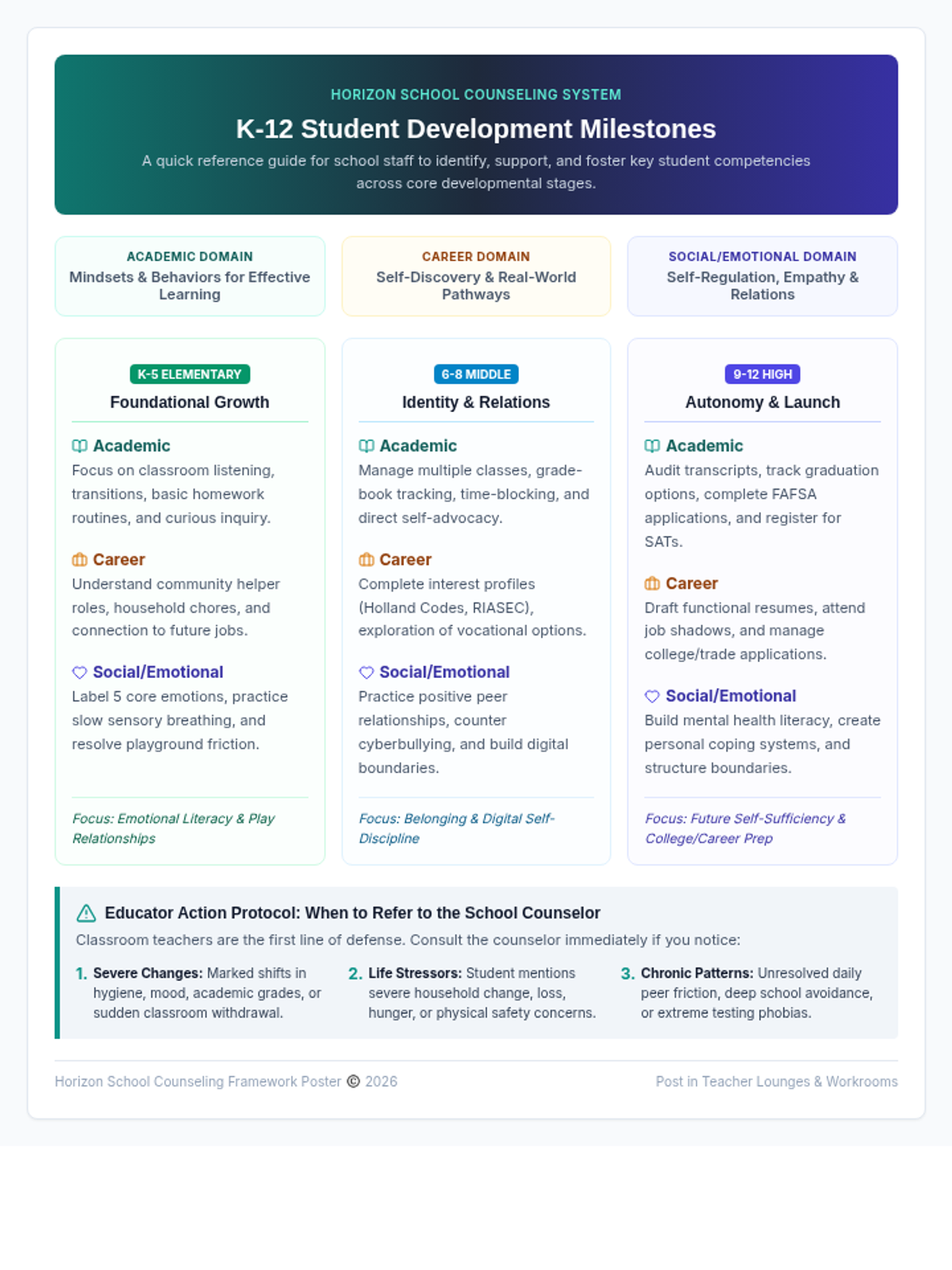
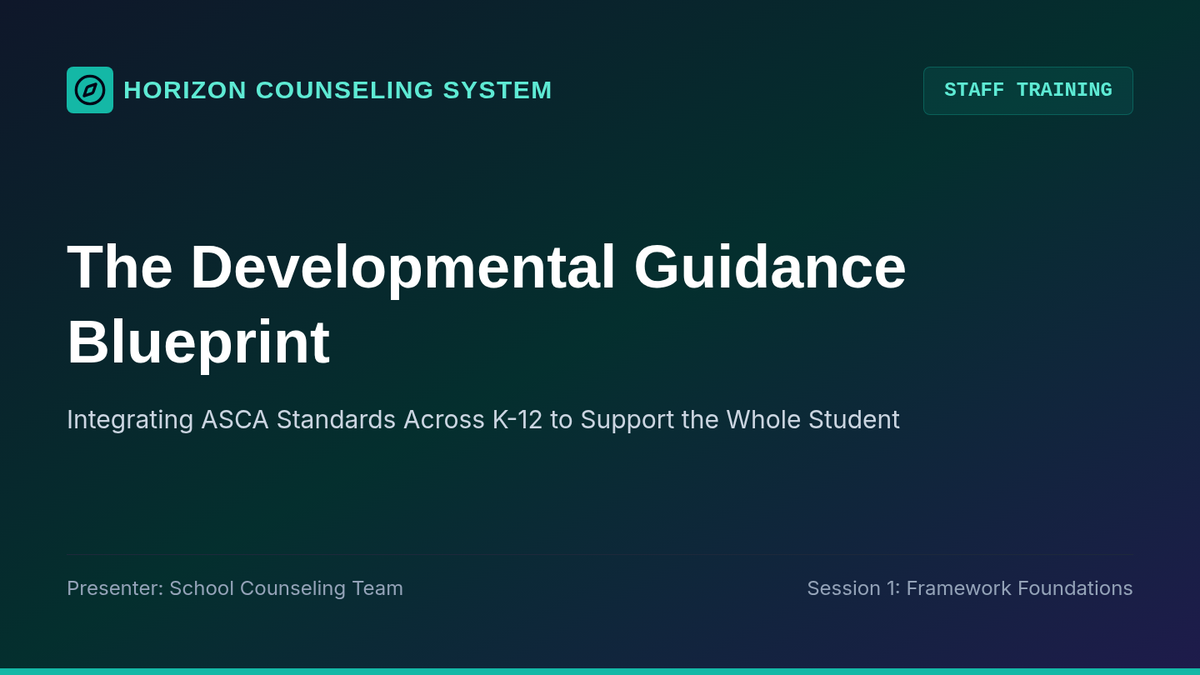
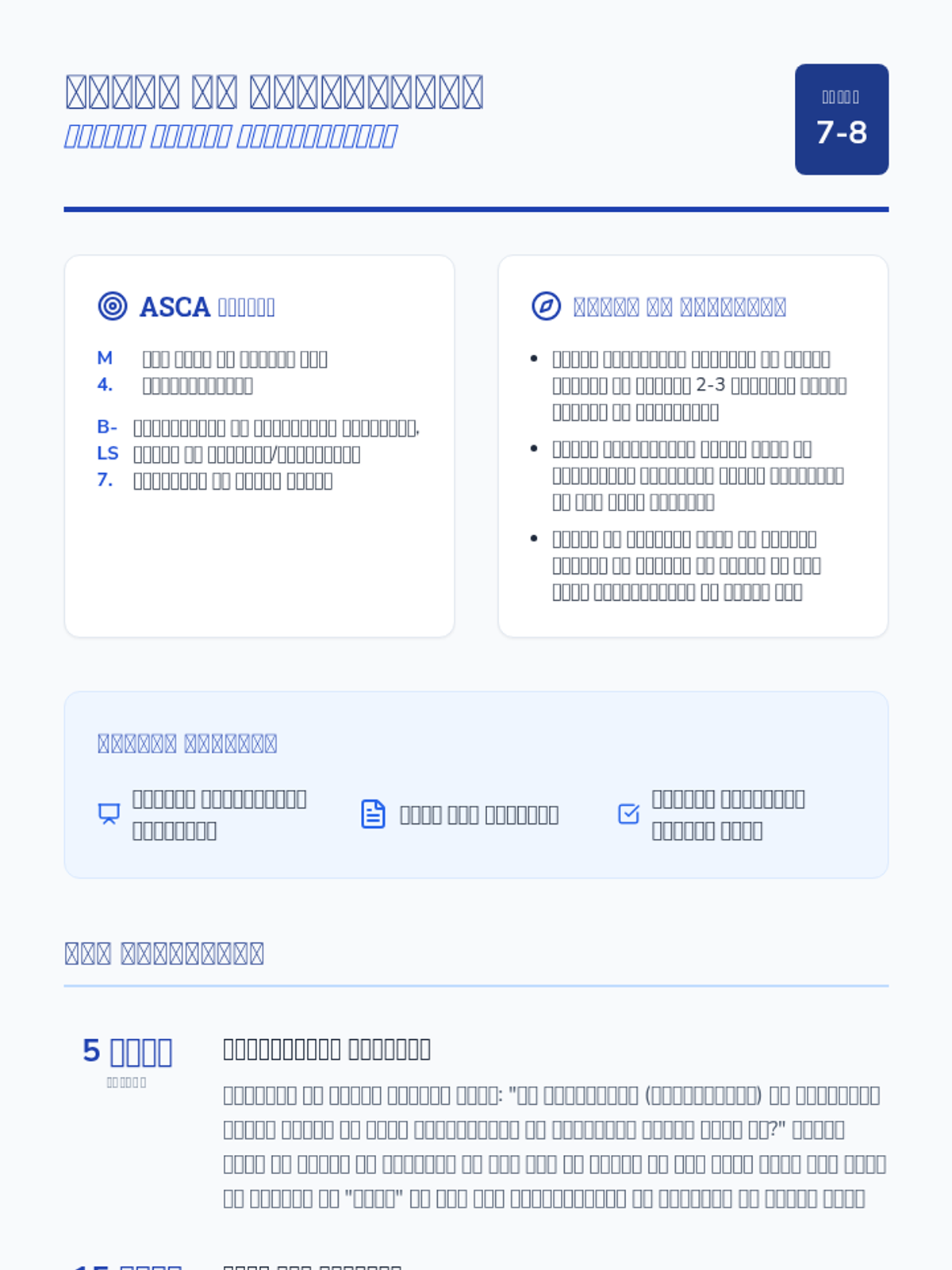
A comprehensive developmental school counseling framework spanning K-12, aligned with ASCA national standards. This blueprint includes a K-12 scope and sequence, grade-band counselor handbooks, a staff reference poster, and professional development slides for counselor-led staff training.
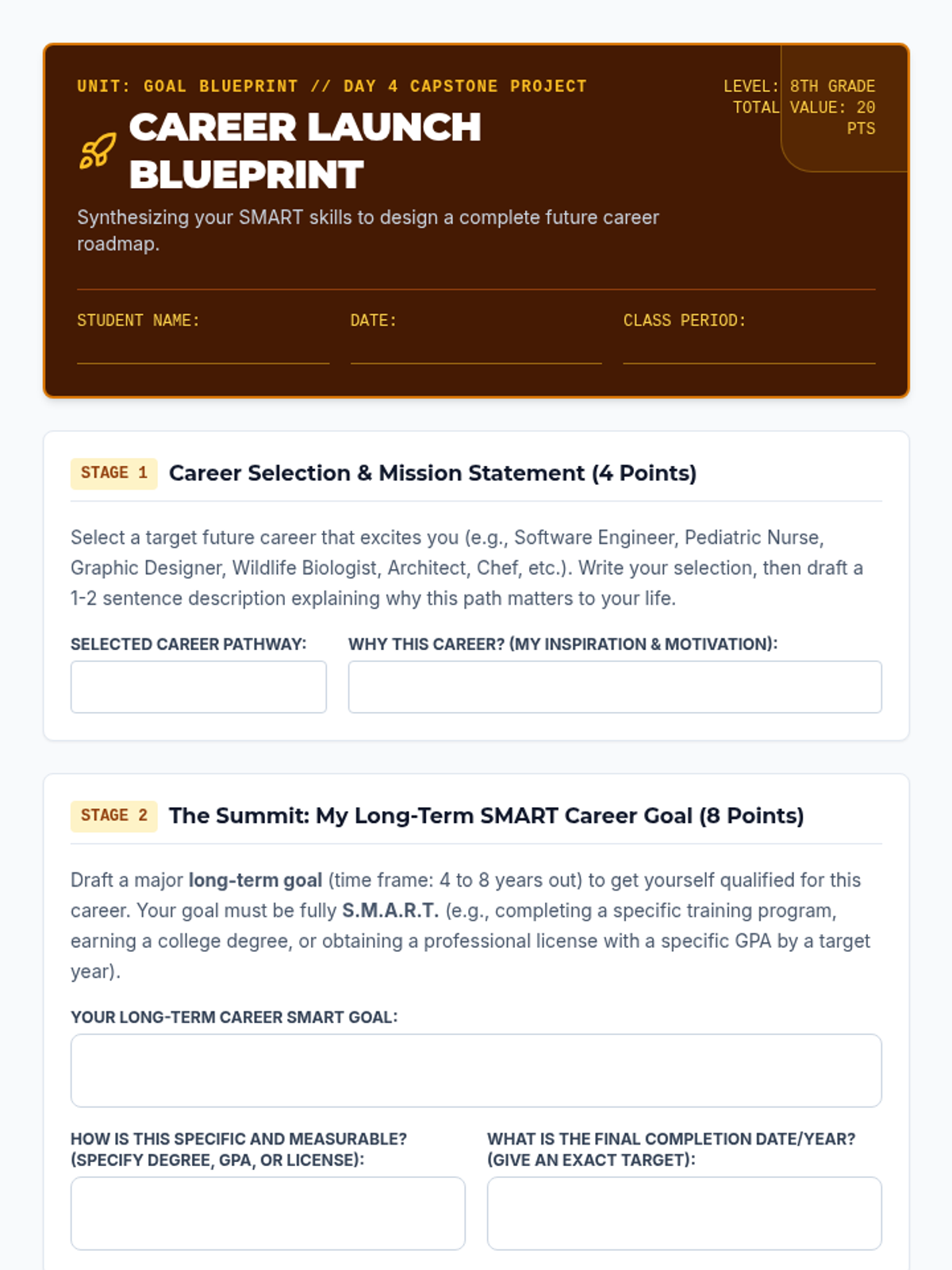
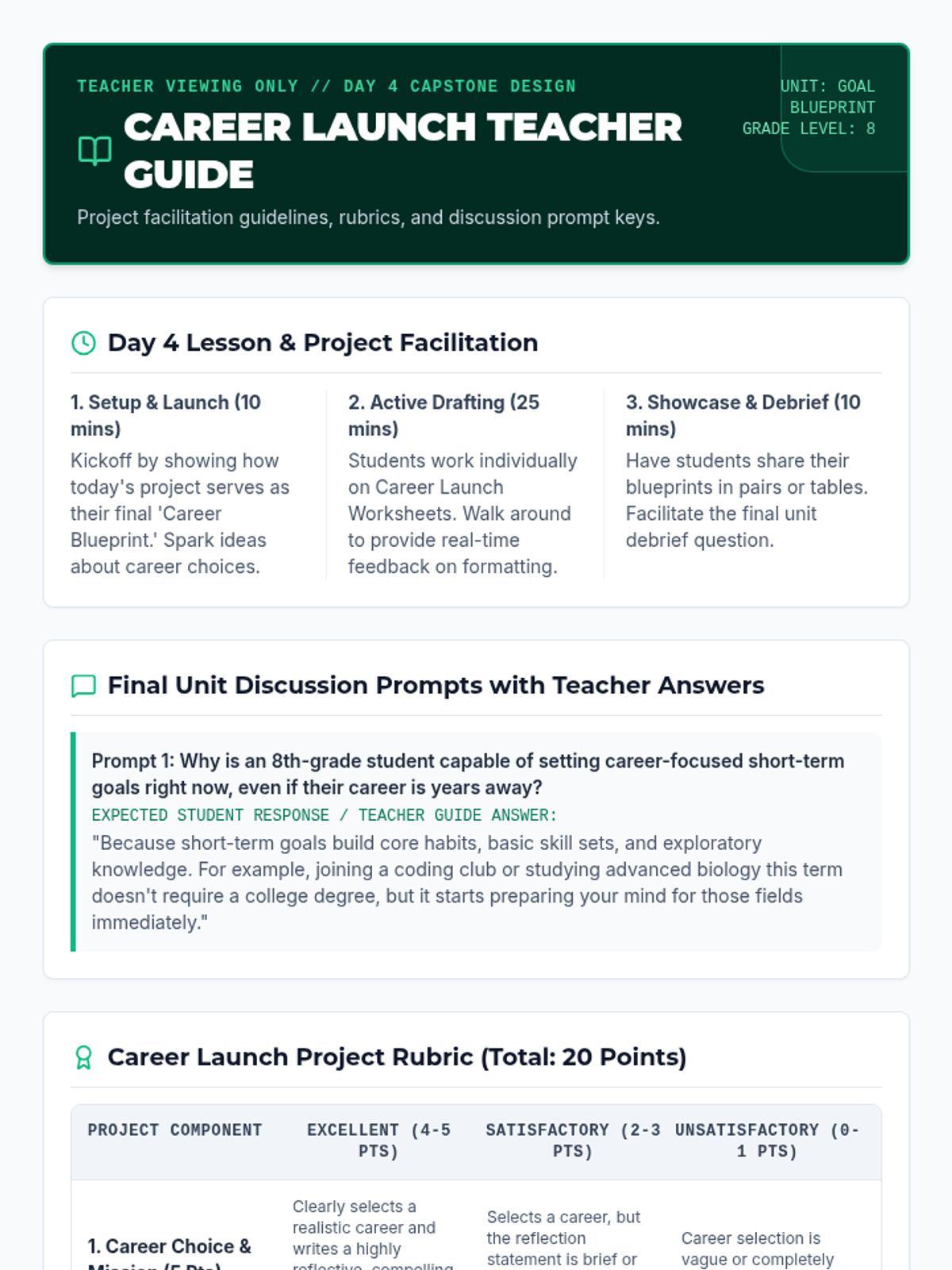
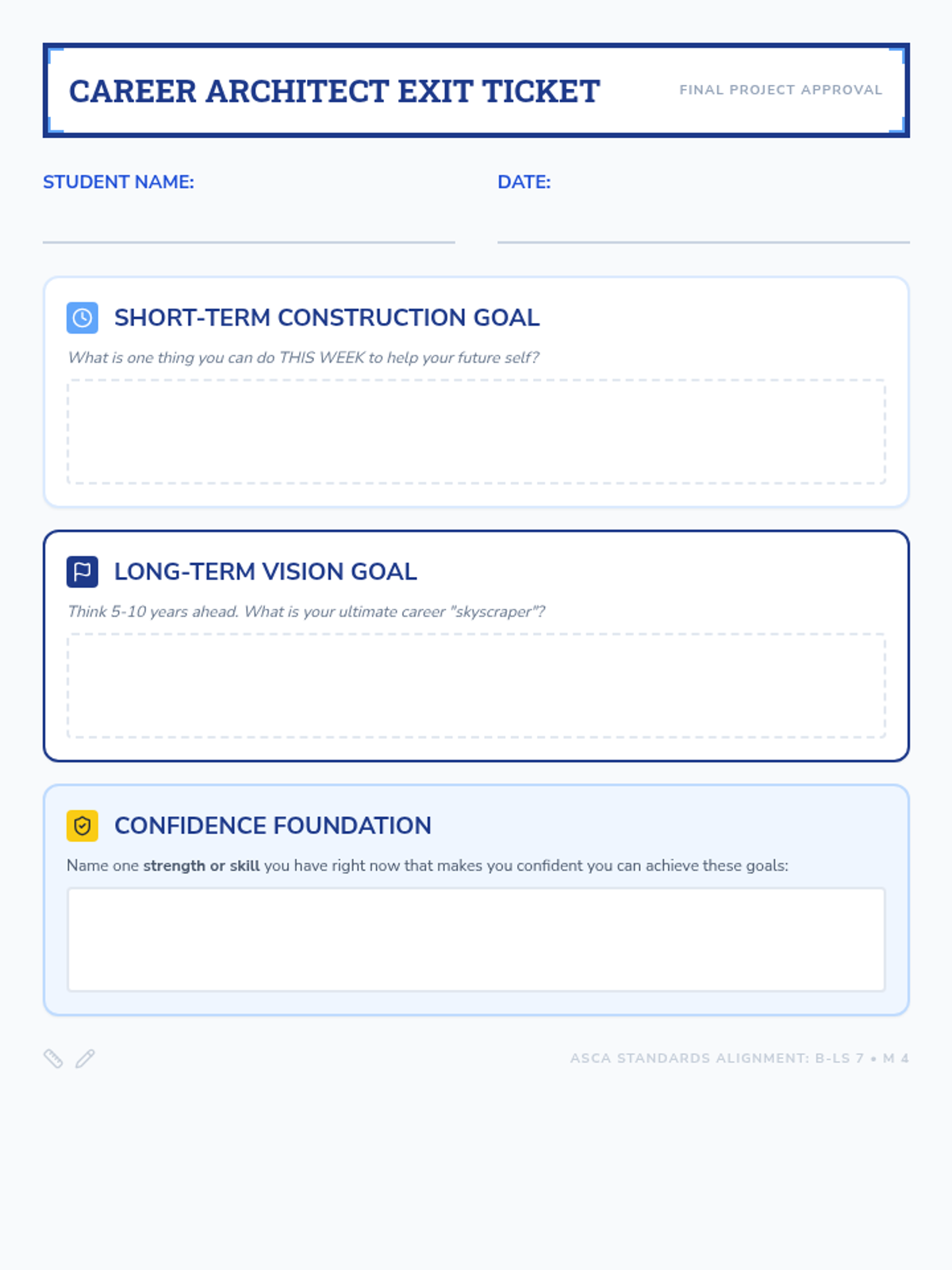
Day 4 of the Goal Blueprint unit. Students synthesize their goal-setting knowledge to design a comprehensive career roadmap, incorporating short-term and long-term SMART milestones.
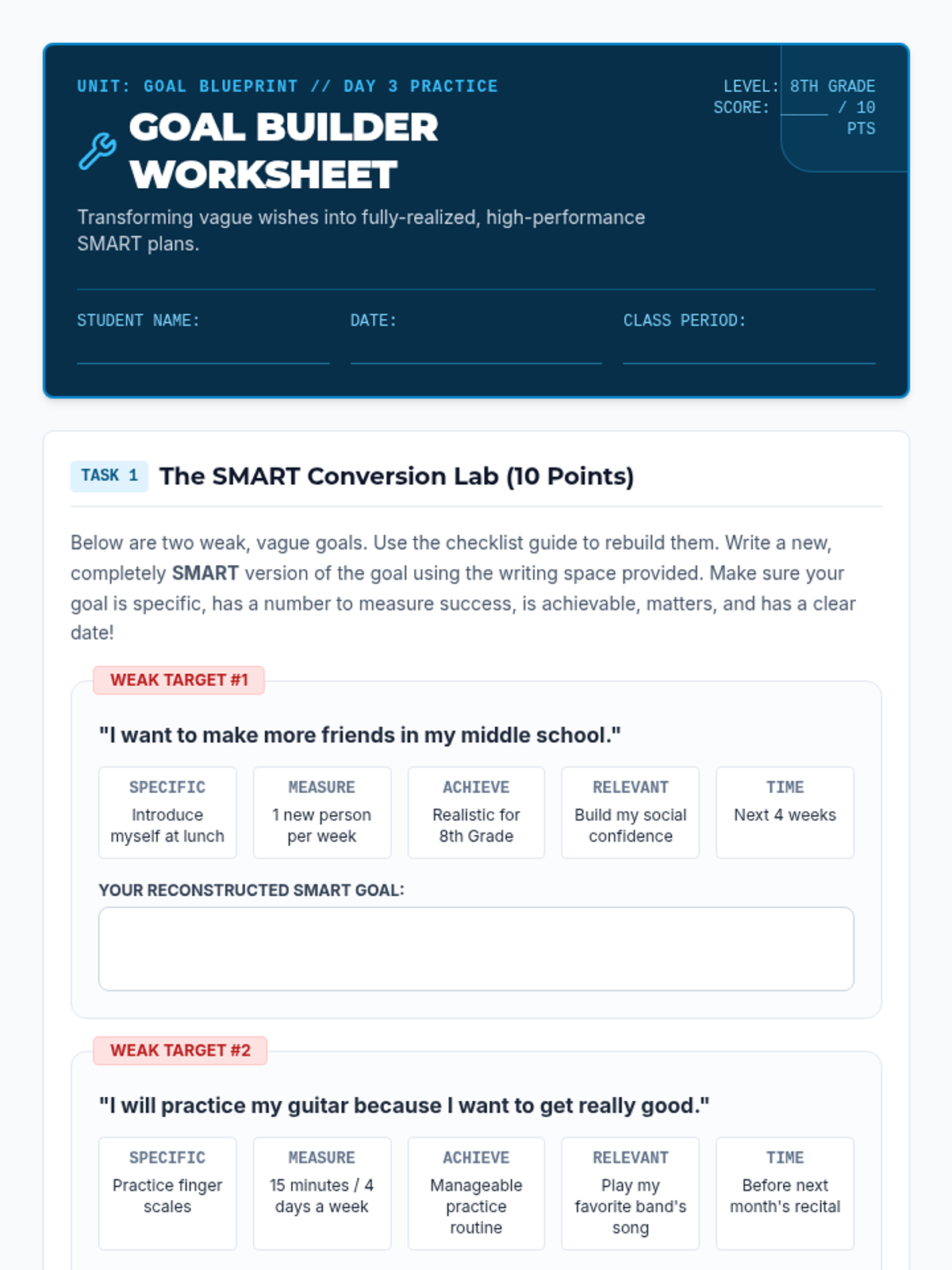
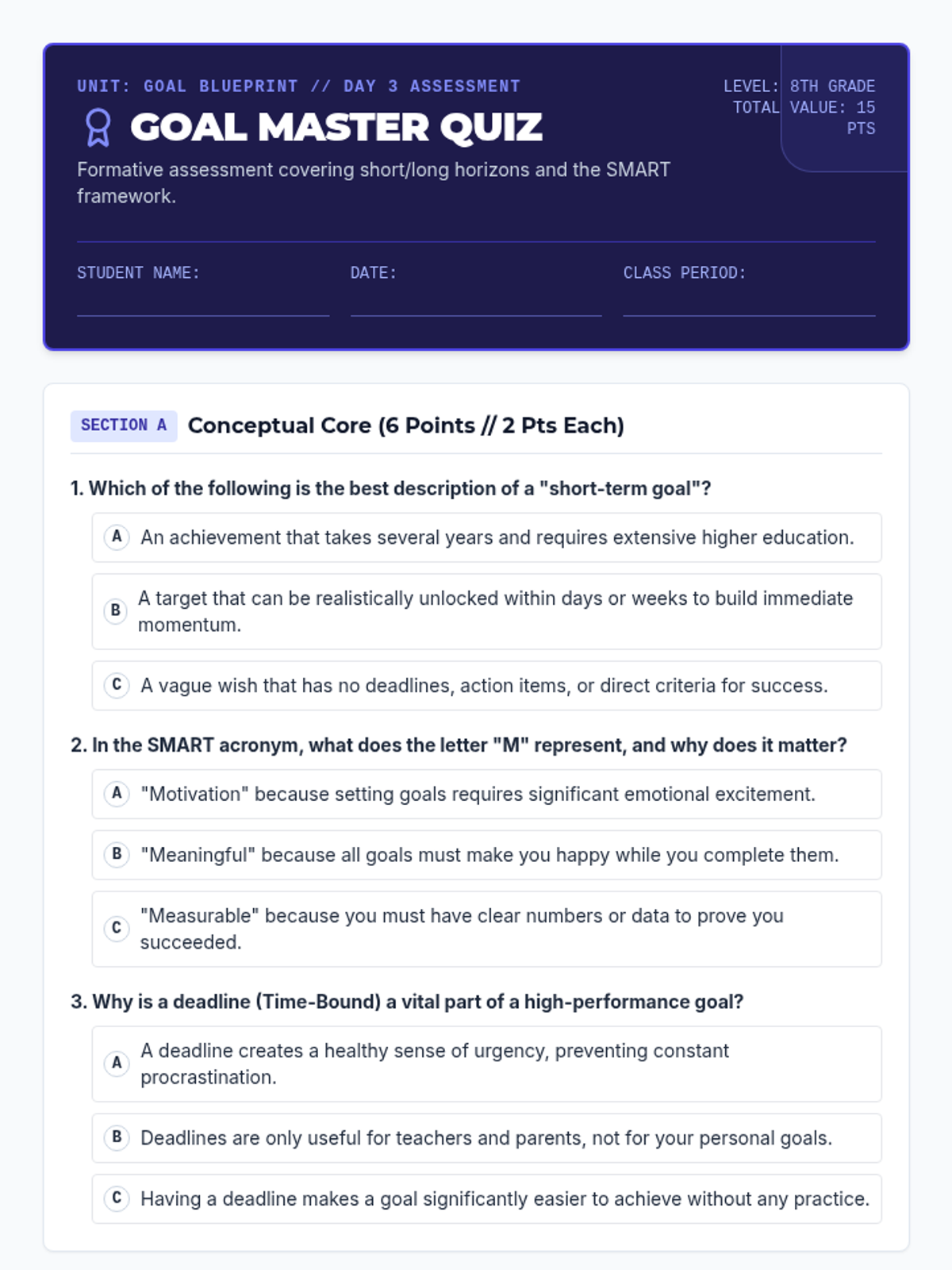
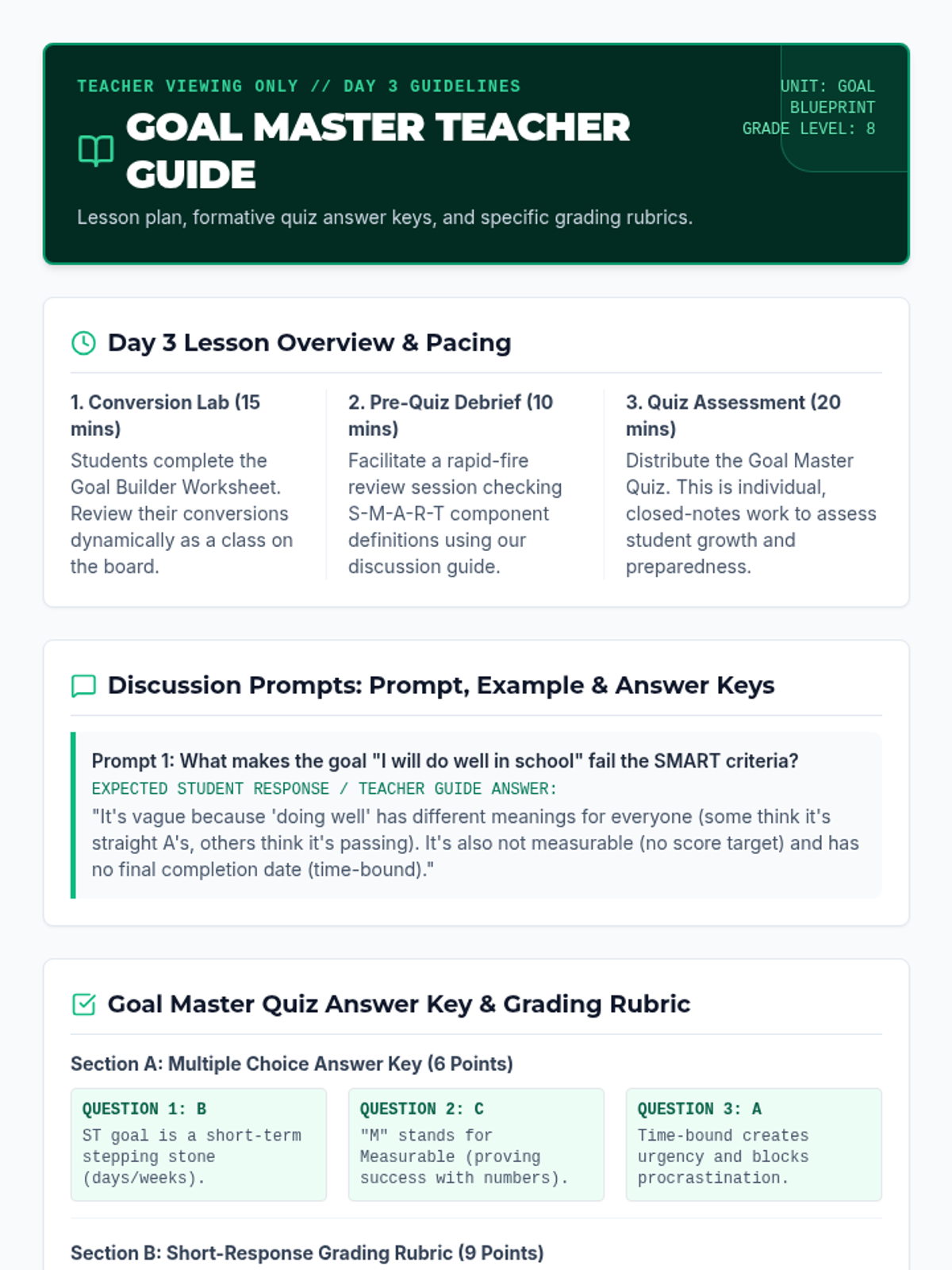
Day 3 of the Goal Blueprint unit. Students practice transforming weak goals into SMART goals through dynamic practice exercises and demonstrate mastery with a formative assessment.
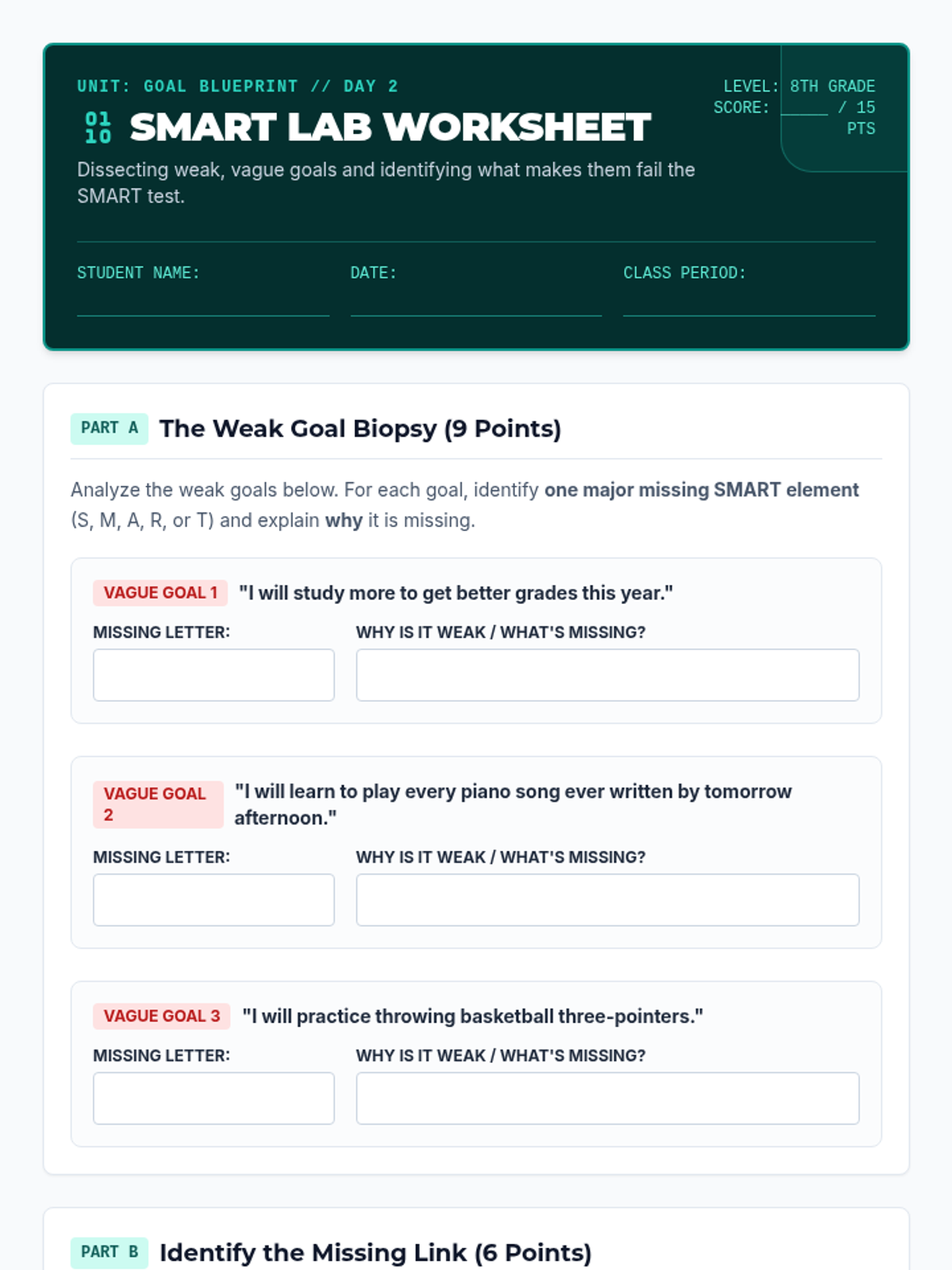
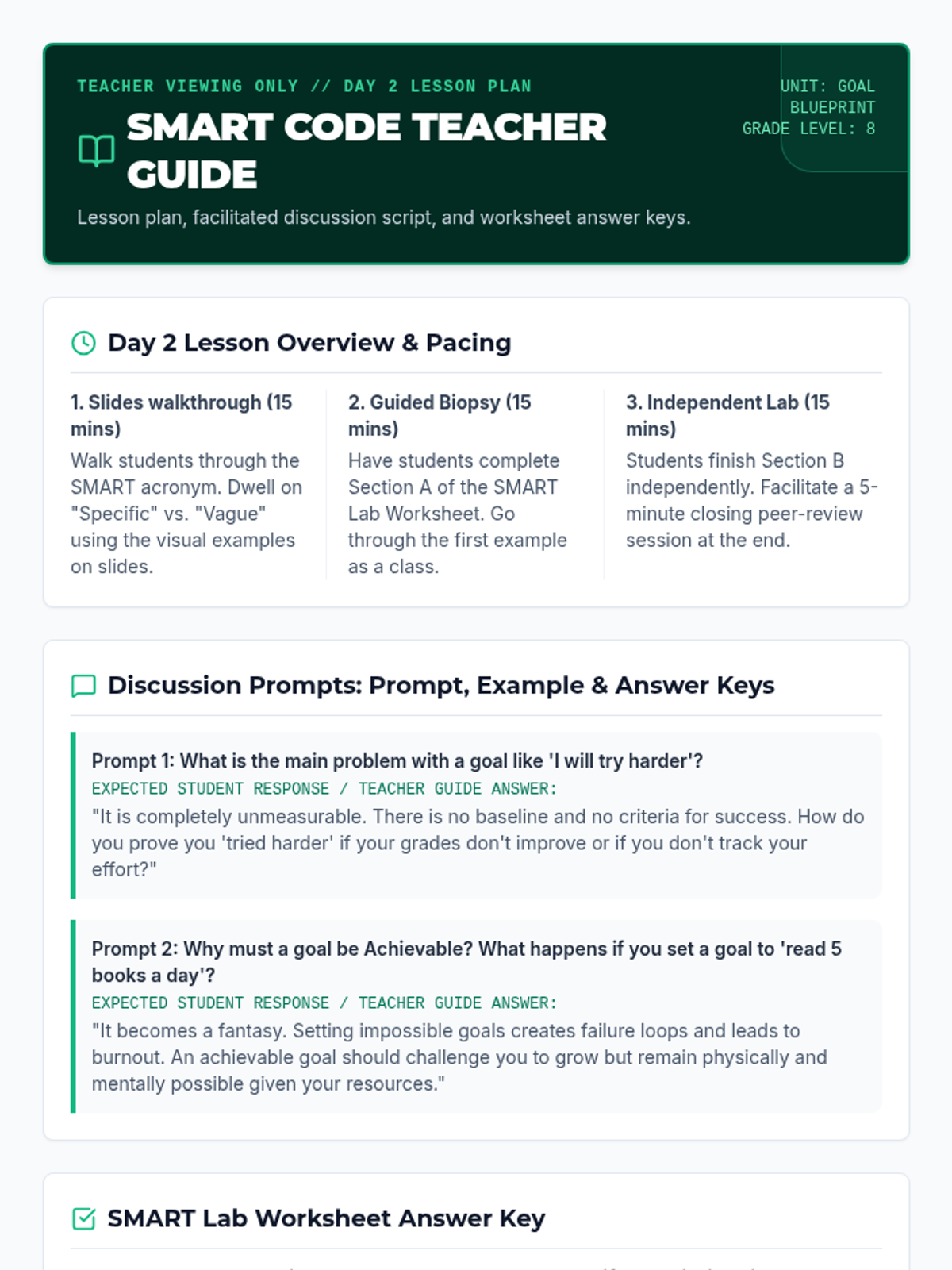
Day 2 of the Goal Blueprint unit. Students are introduced to the SMART goal criteria, dissecting each element and learning how to transform vague wishes into highly actionable plans.
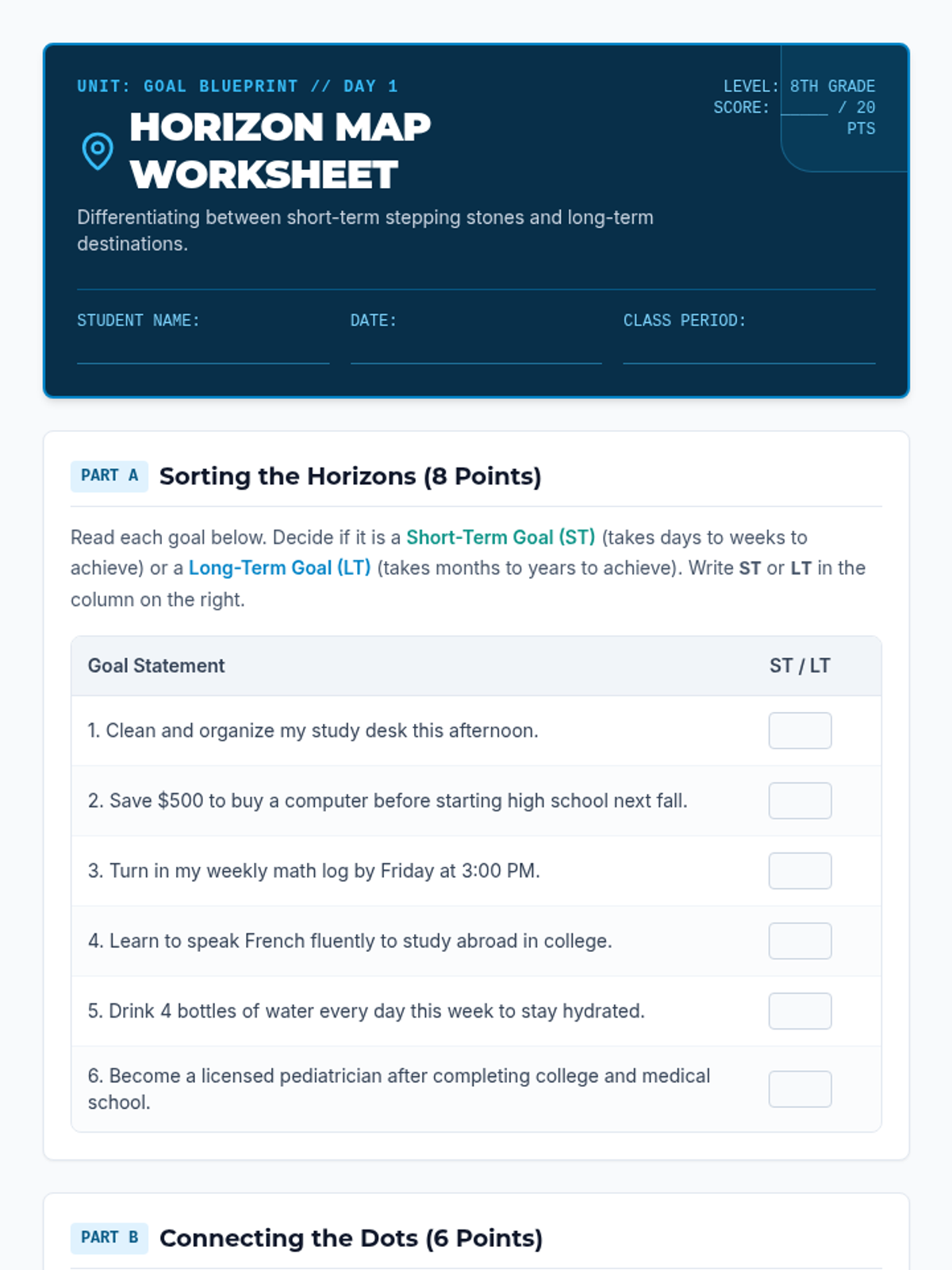
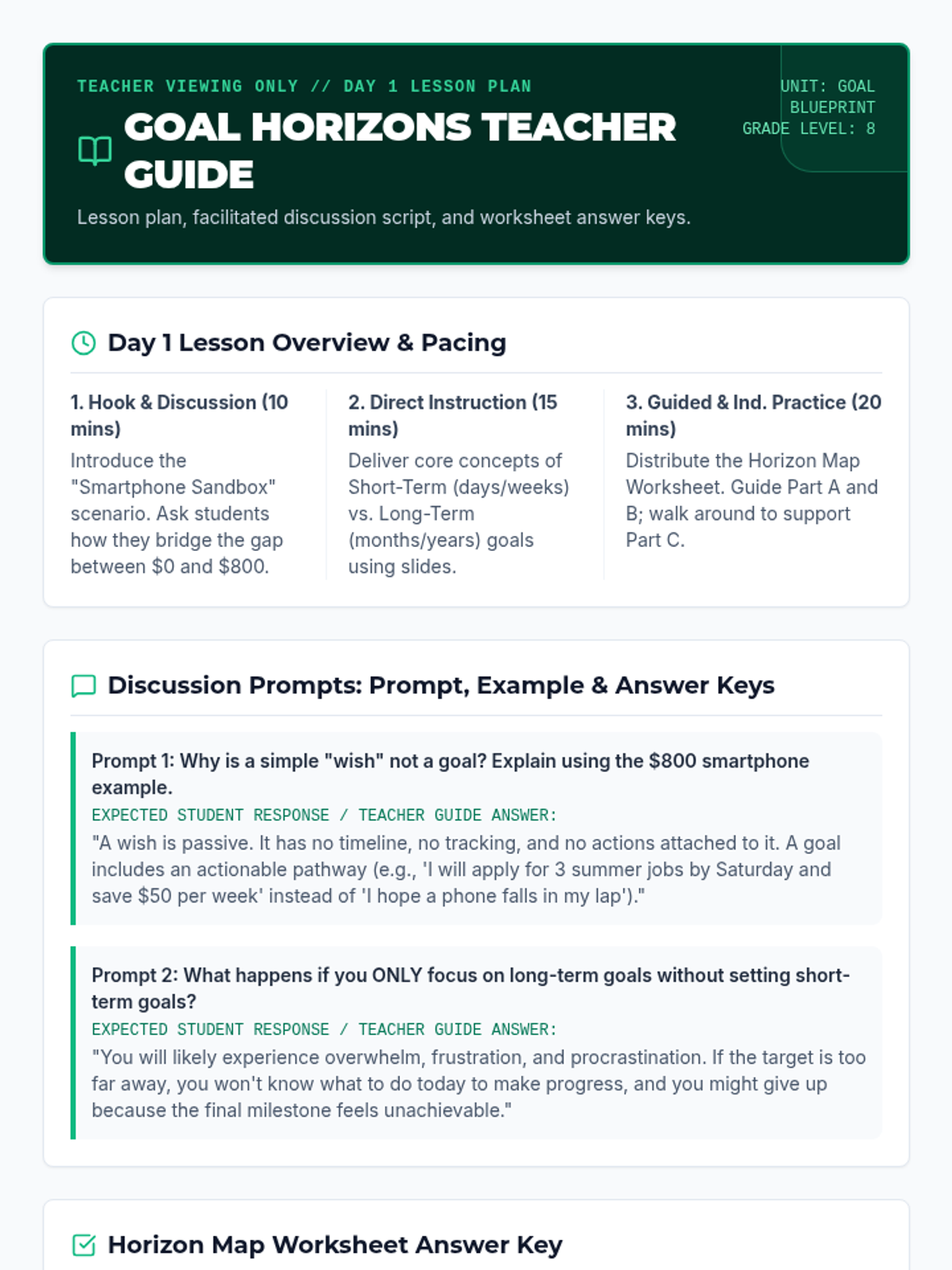
Day 1 of the Goal Blueprint unit. Students learn to differentiate between short-term and long-term goals, exploring how immediate actions build toward future milestones through engaging activities.
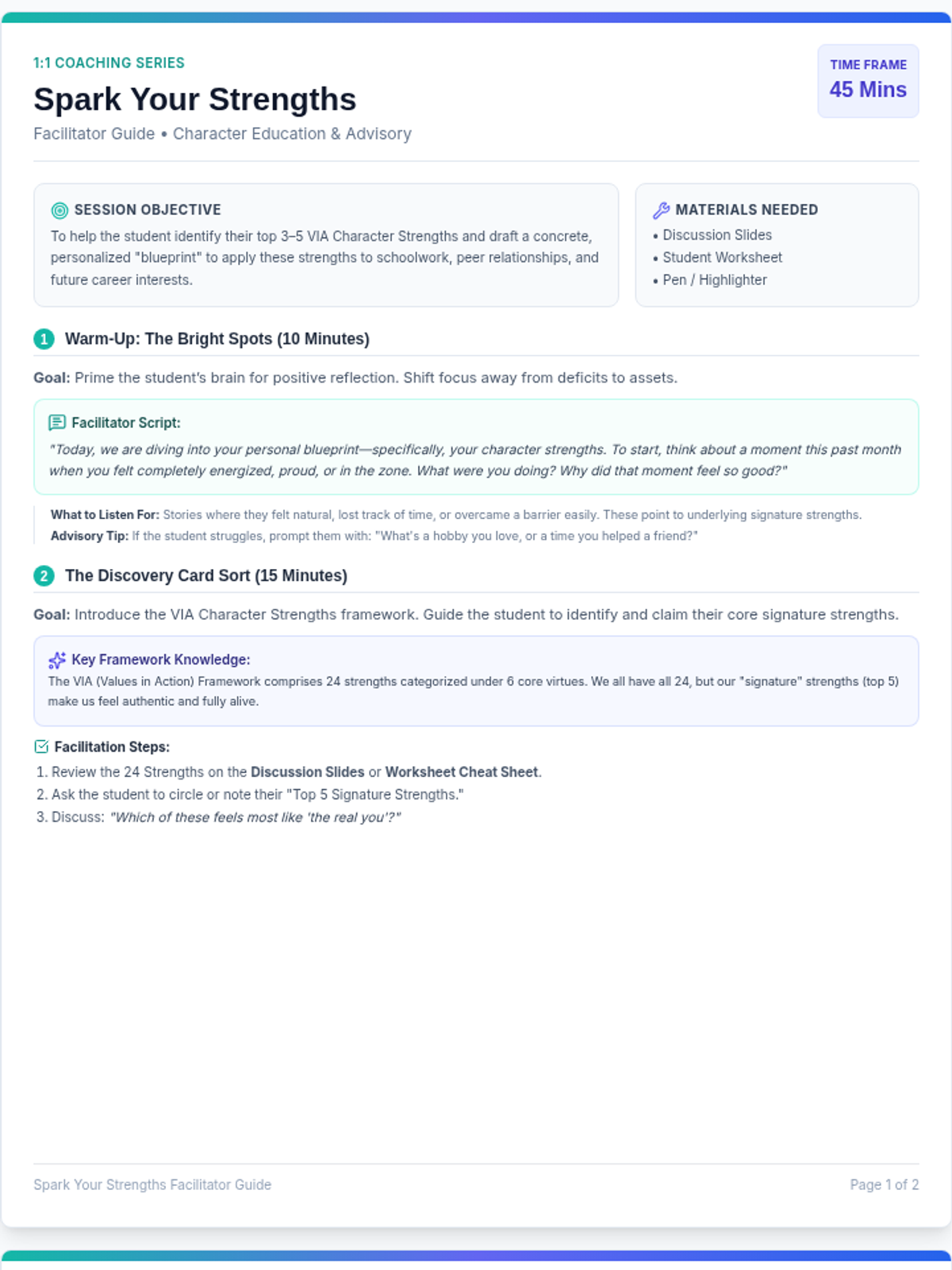
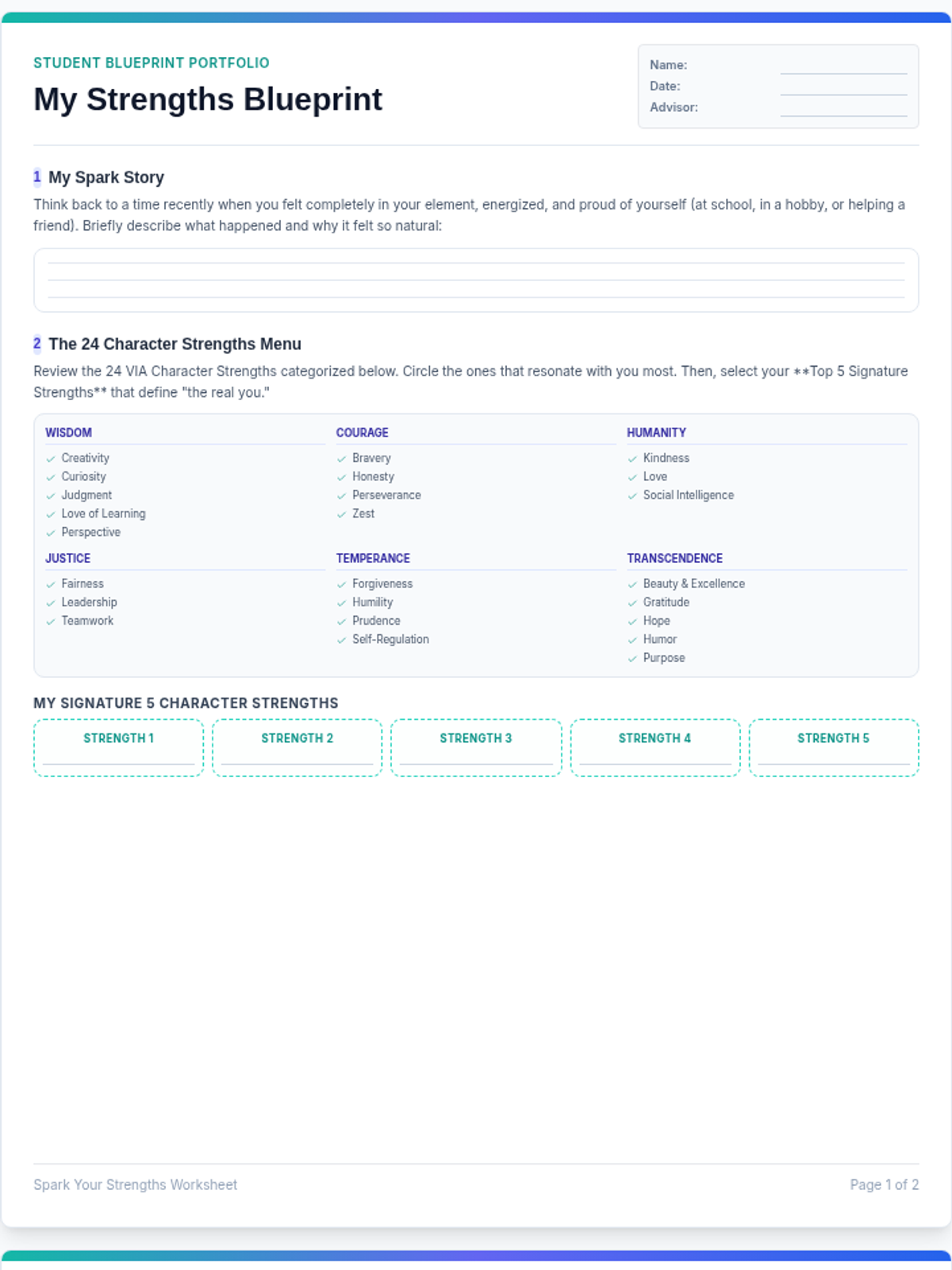
A highly personalized 1:1 advisory or counseling lesson designed to help middle or high school students discover their VIA Character Strengths, map them to current school challenges, and project them into future life and career opportunities.
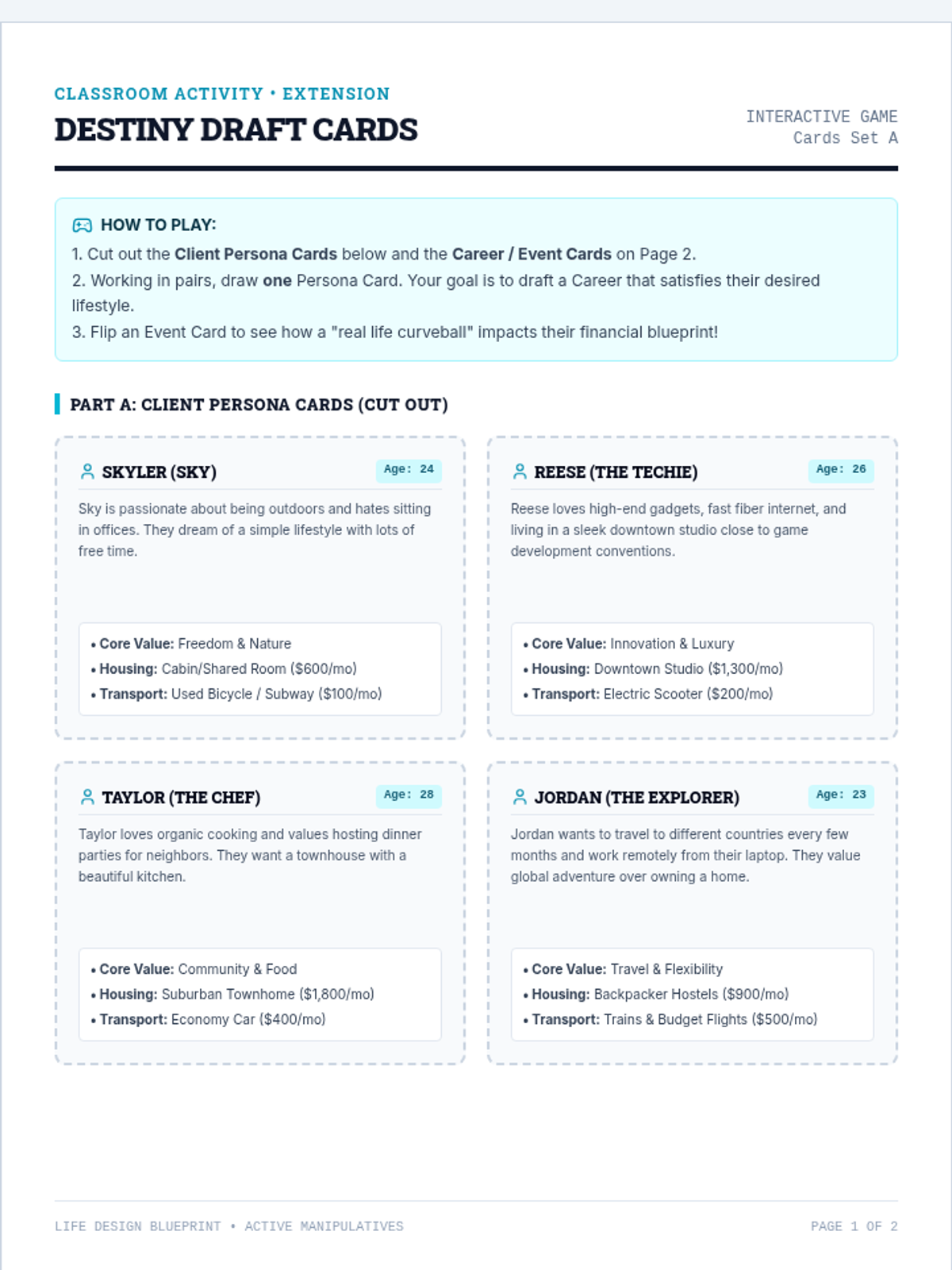
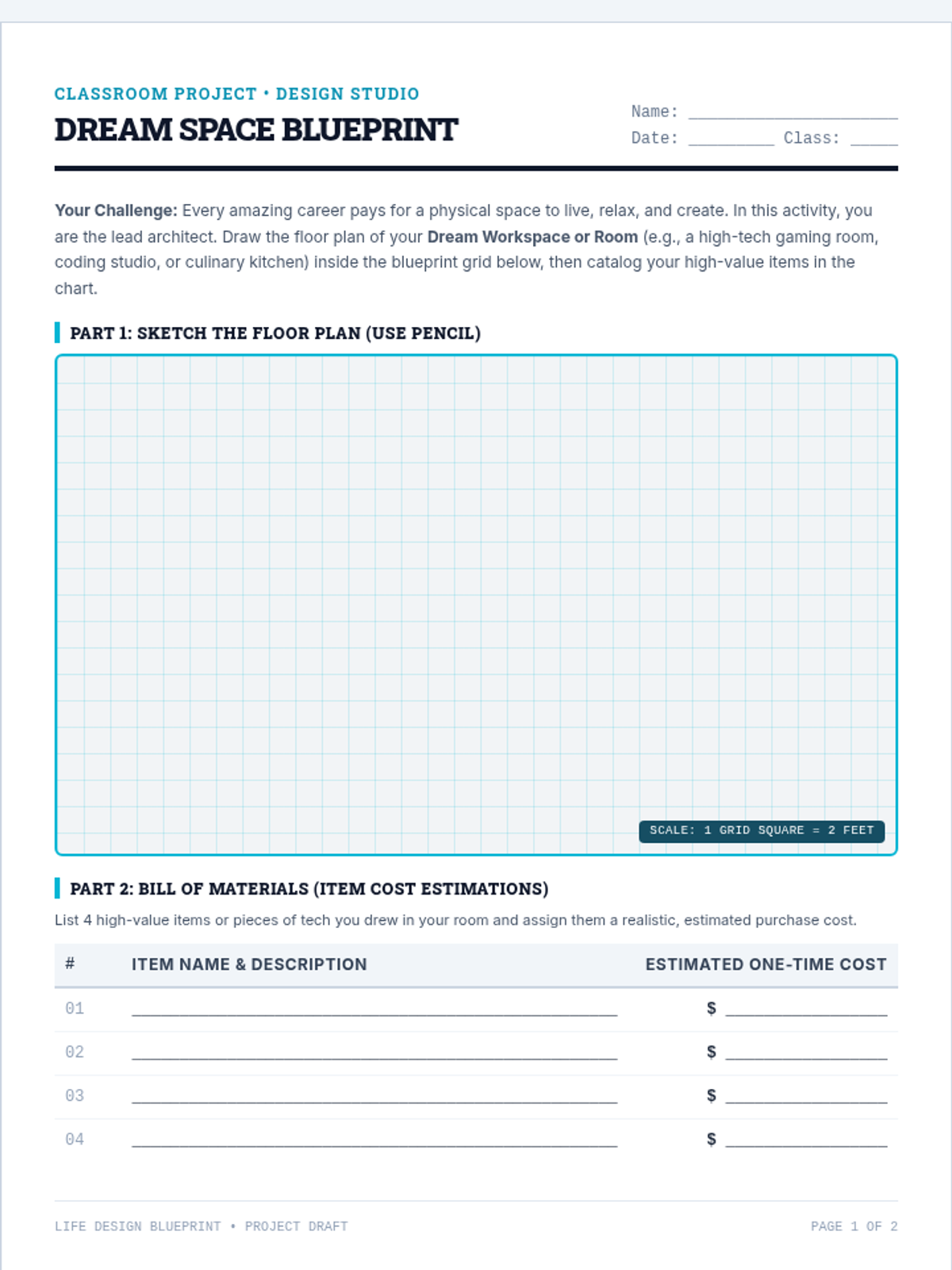
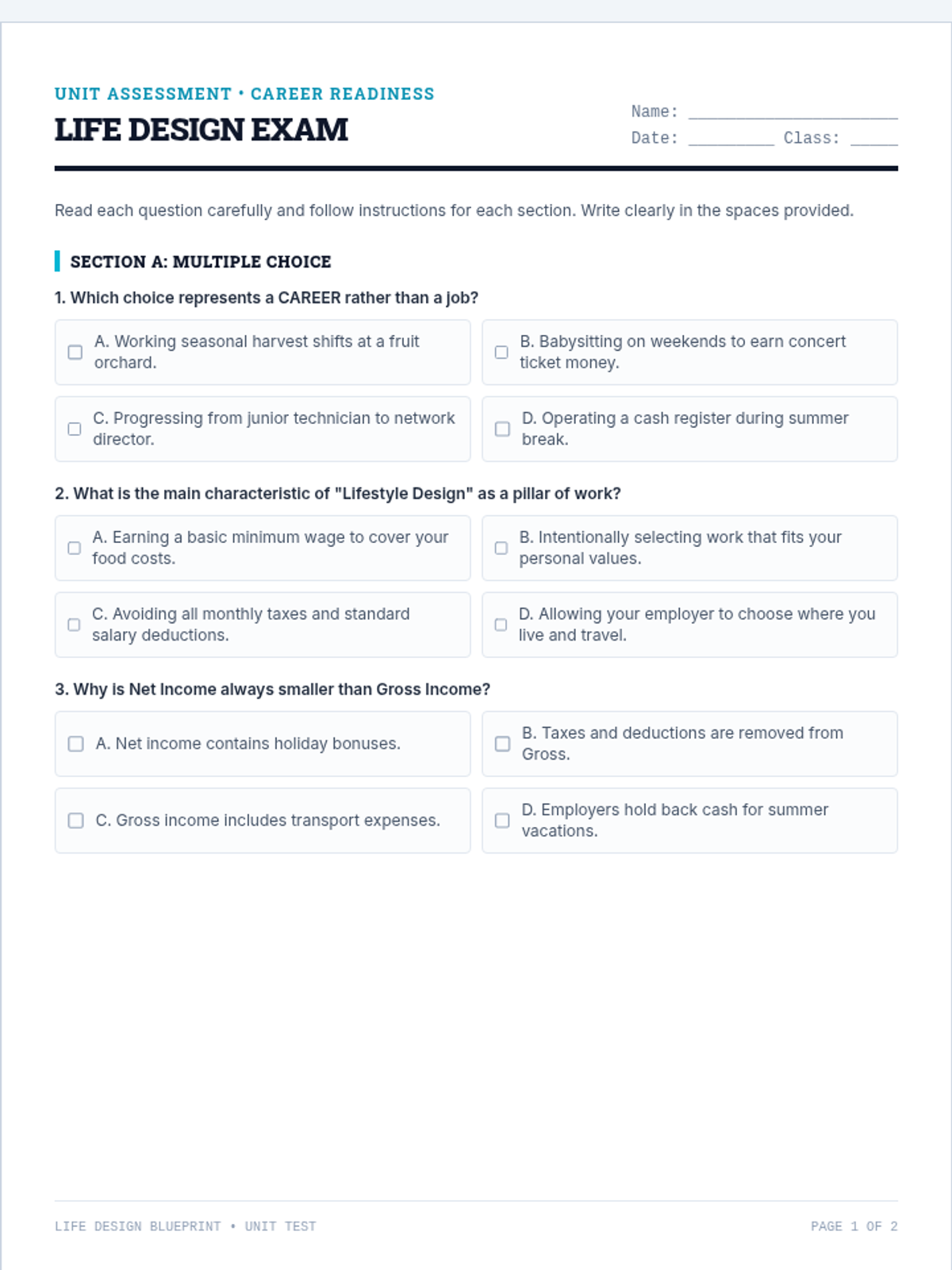
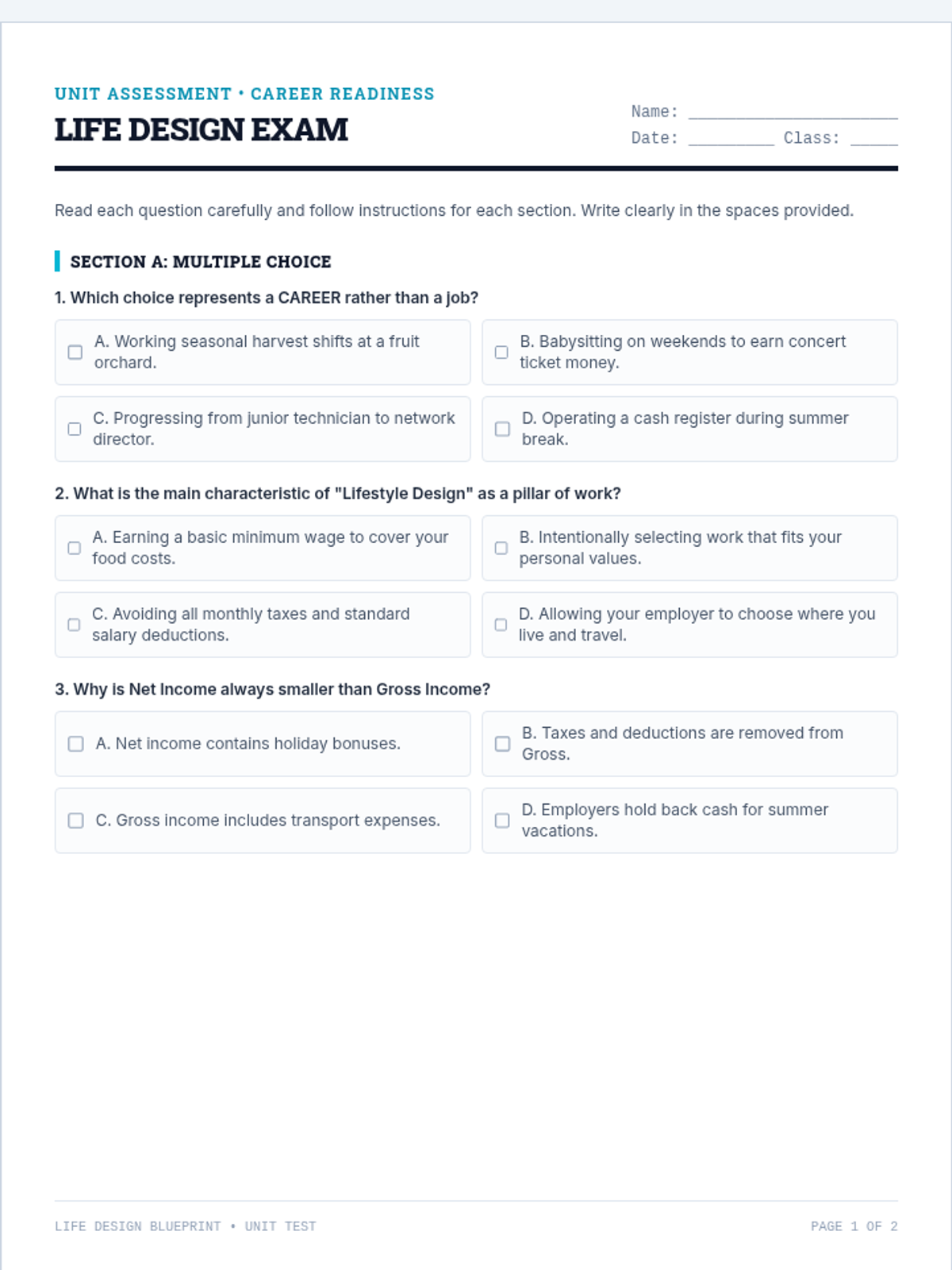
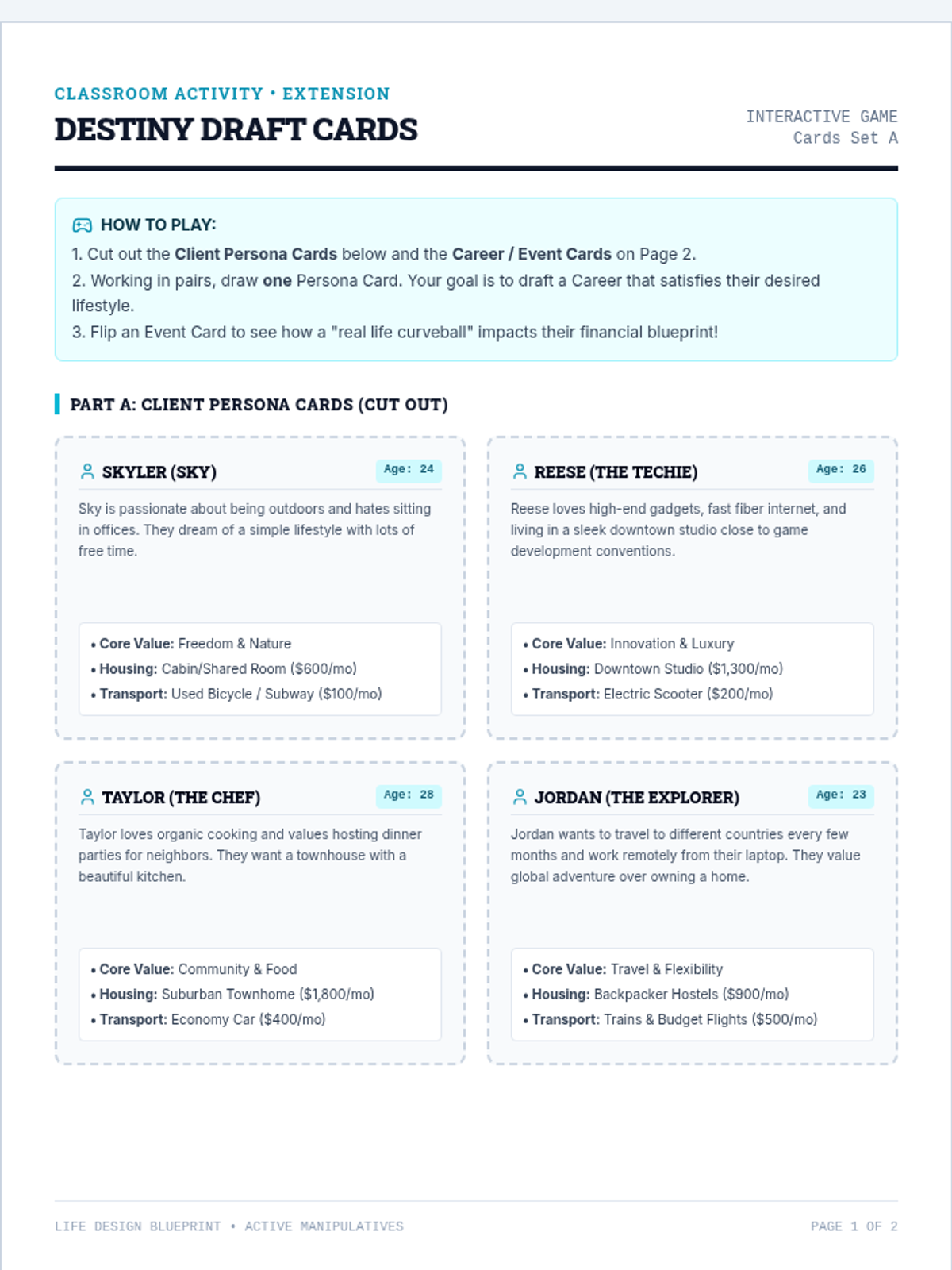
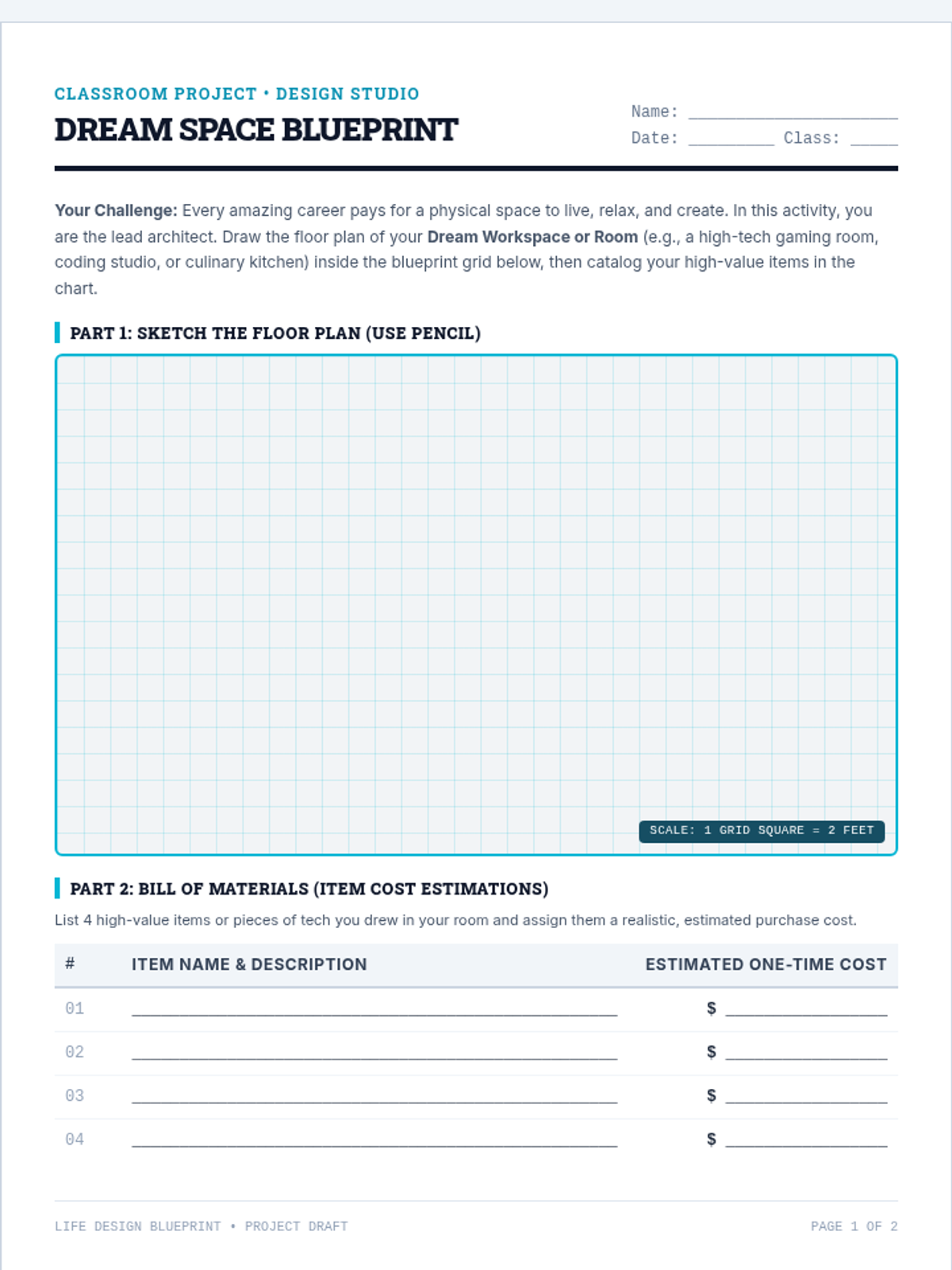
Day 2 of the Life Designers unit. Students engage in a hands-on, gamified career drafting simulation using 'Destiny Draft Cards' and construct a financial floor plan project with 'Dream Space Blueprint', concluding with the final Unit Test.
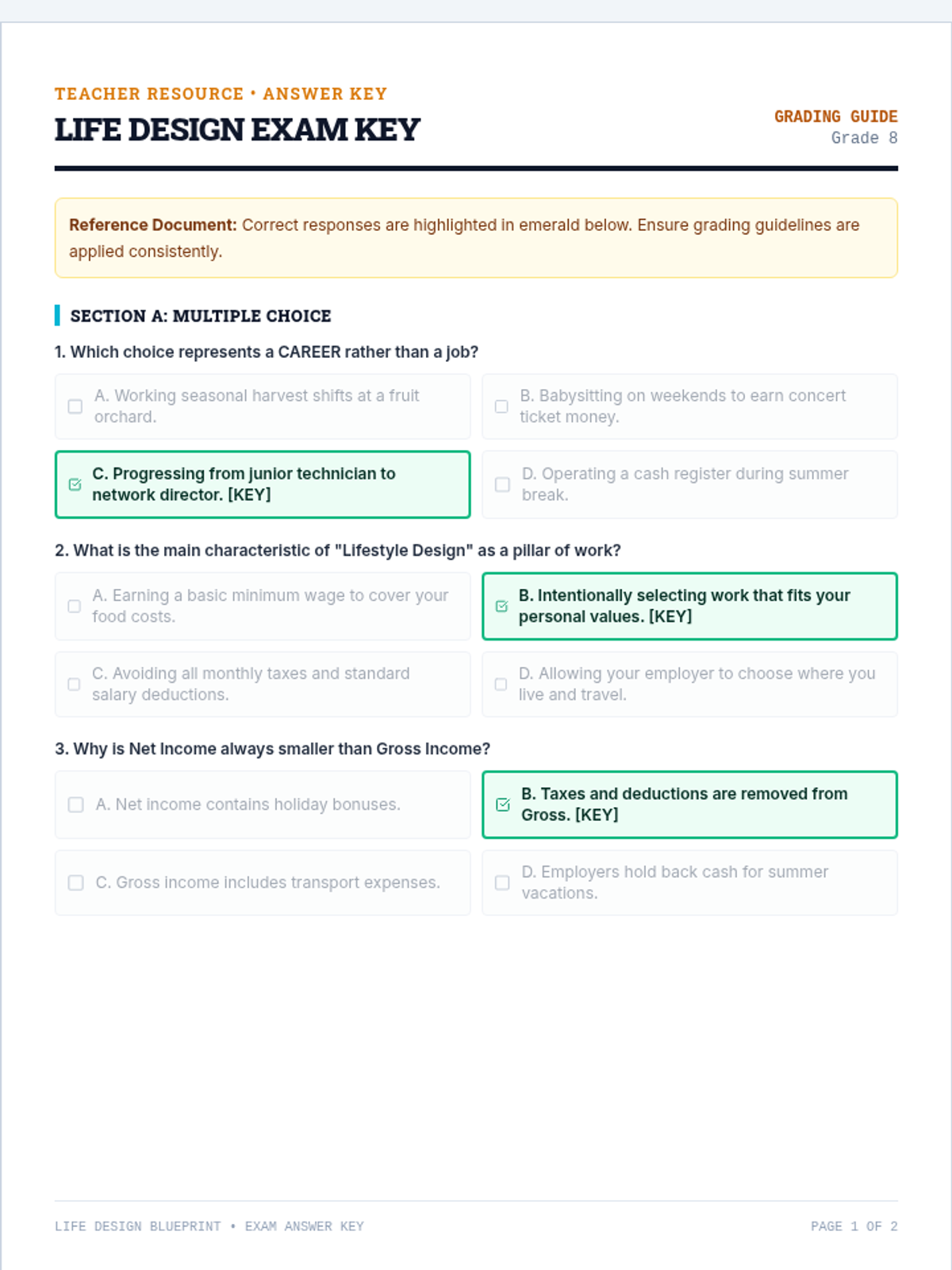
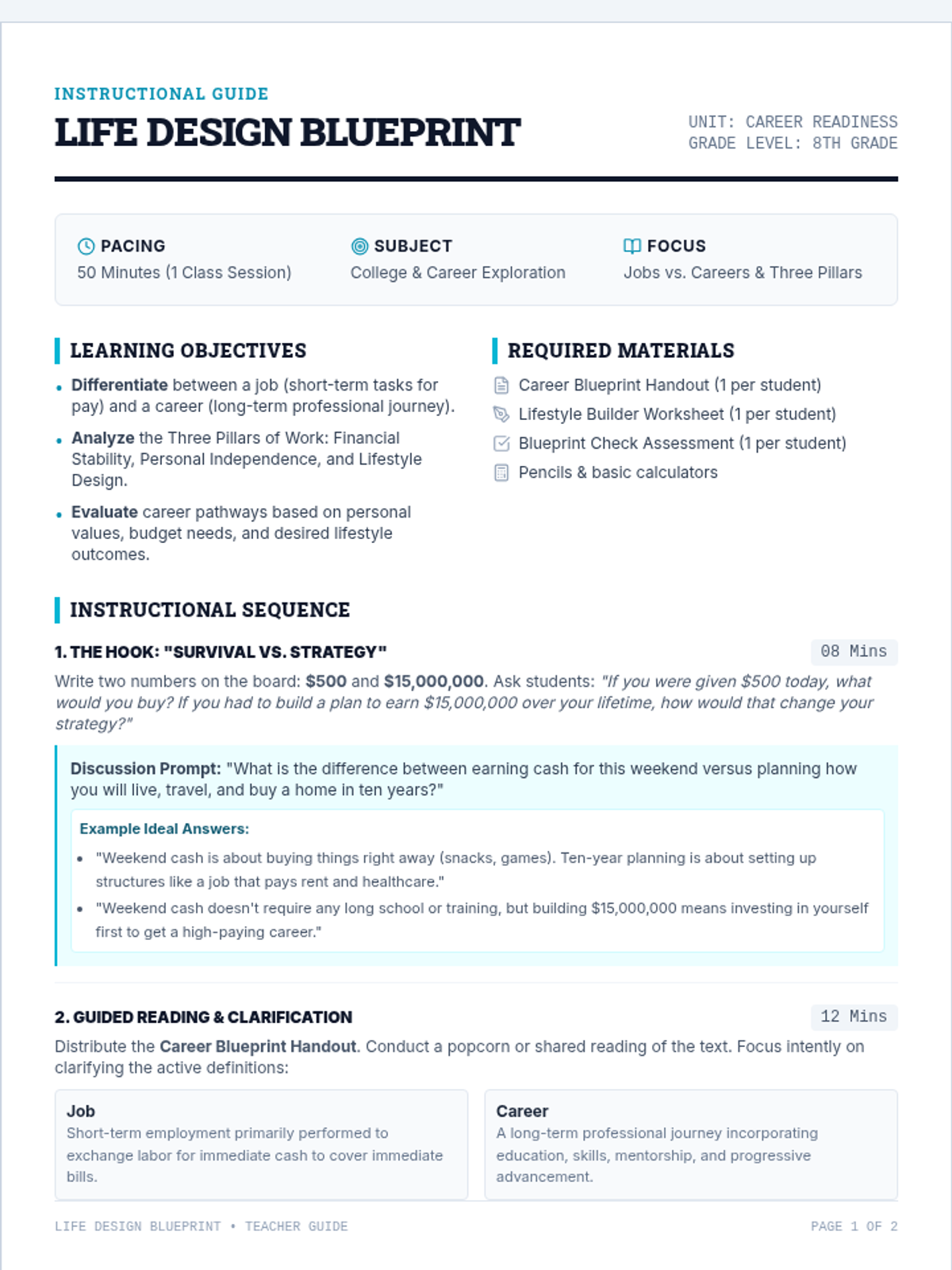
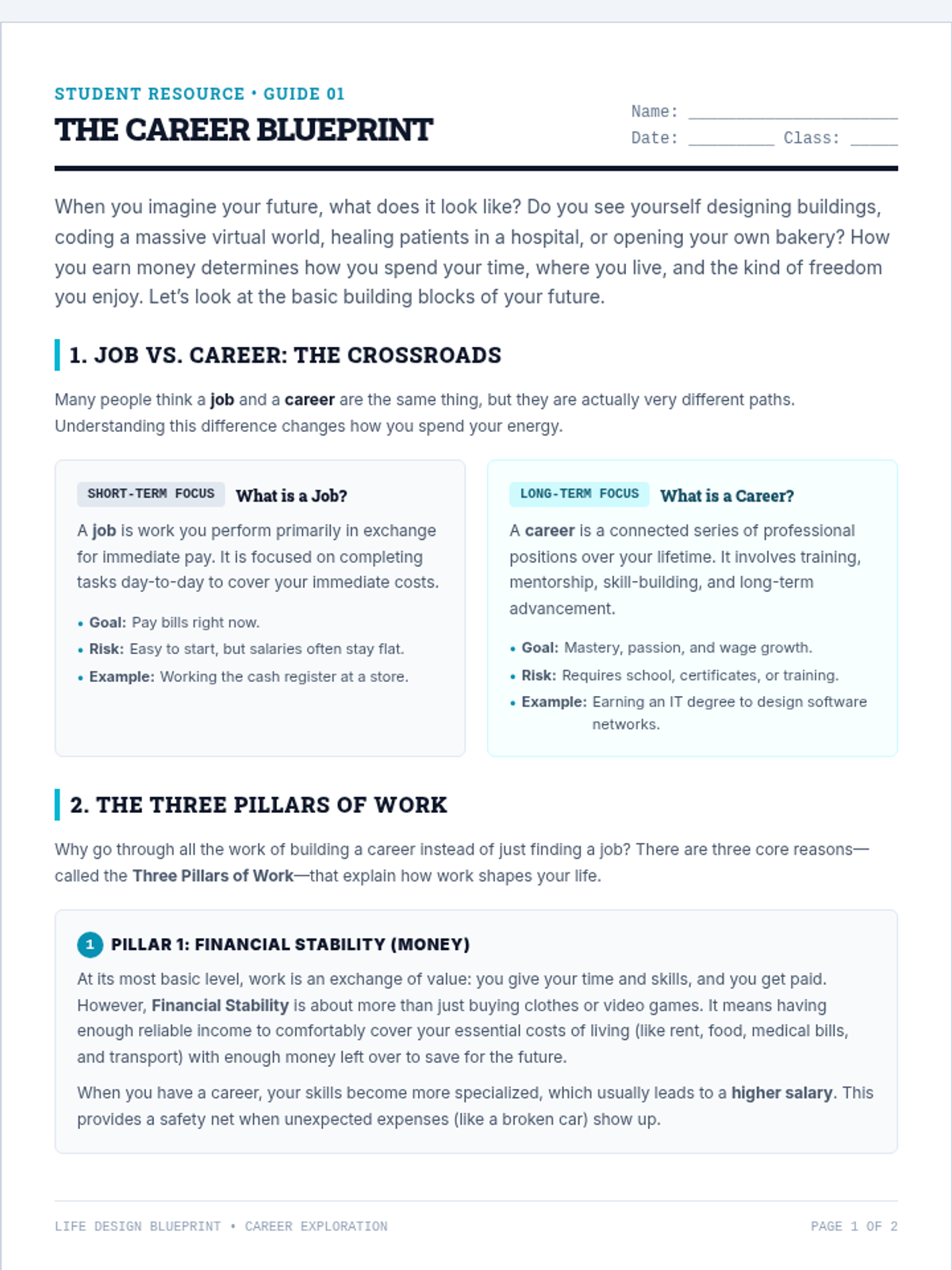
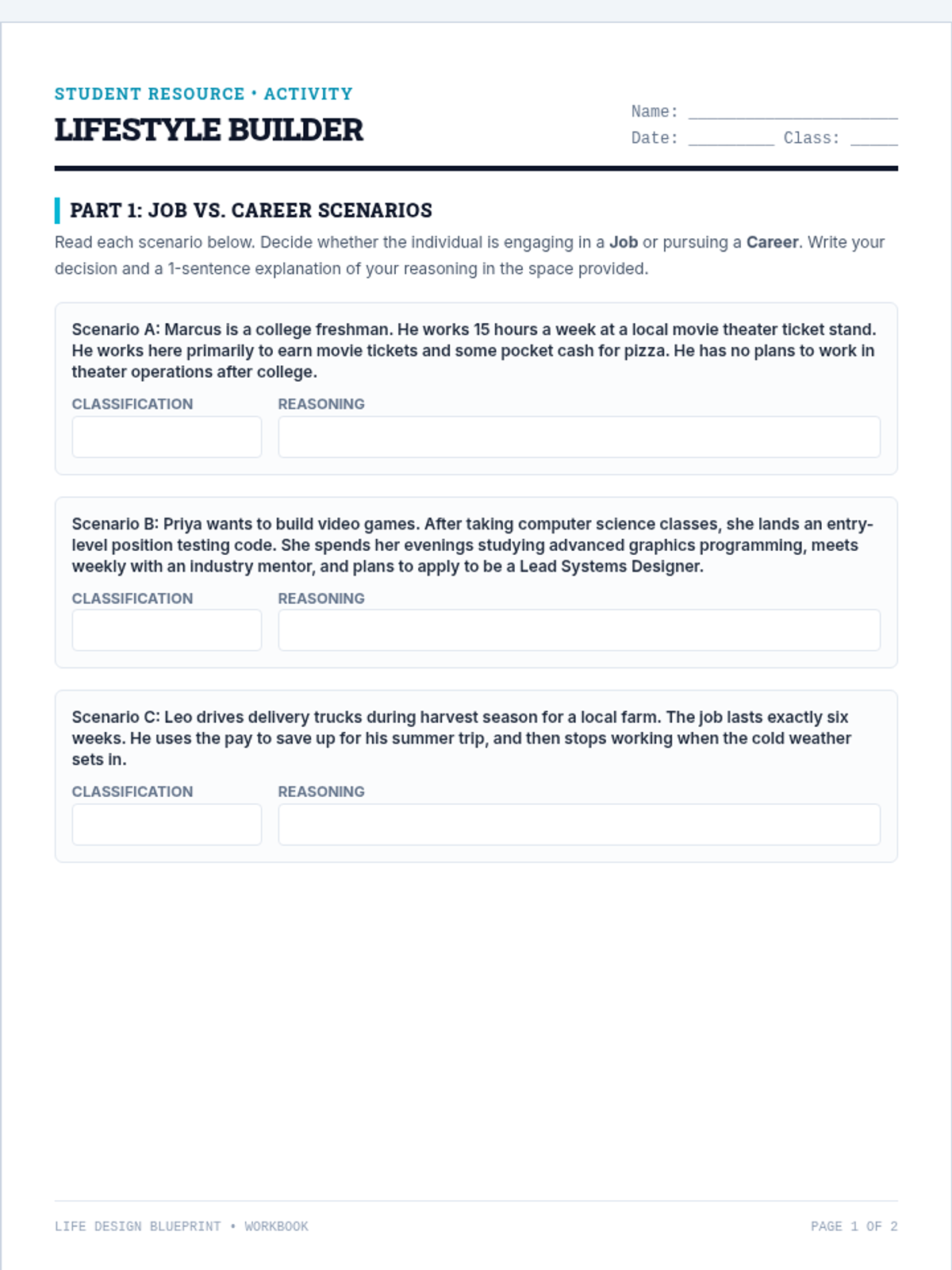
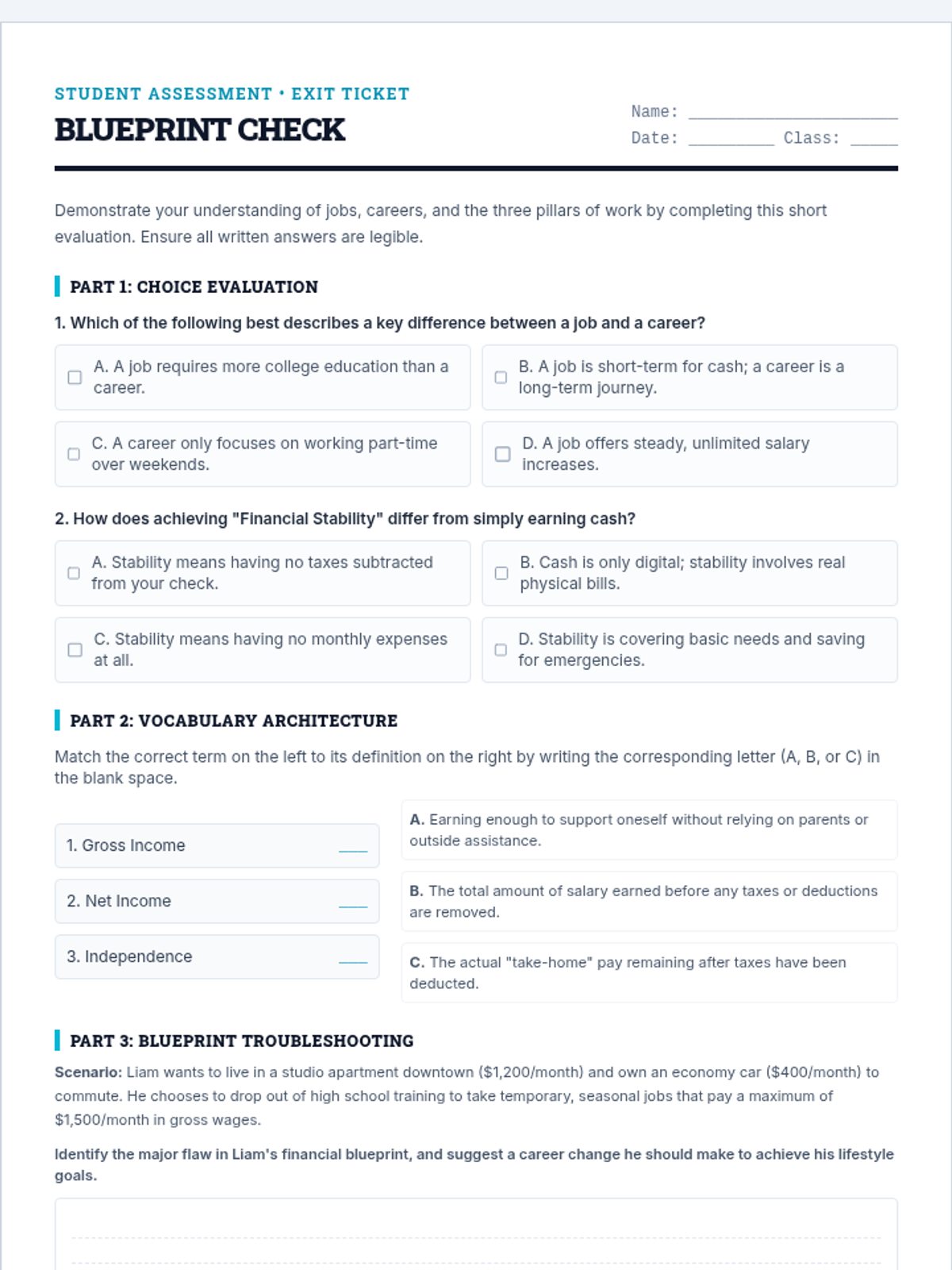
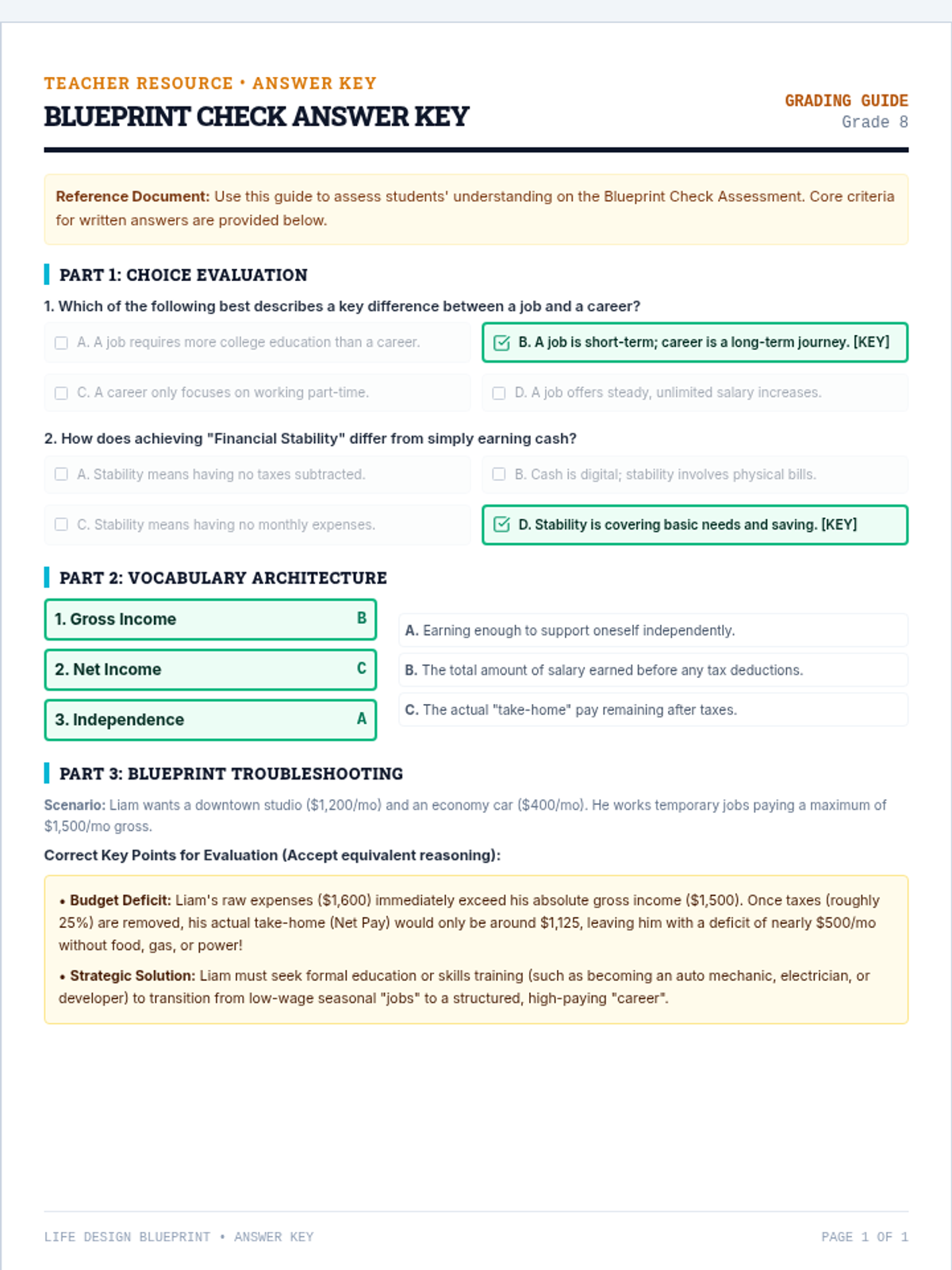
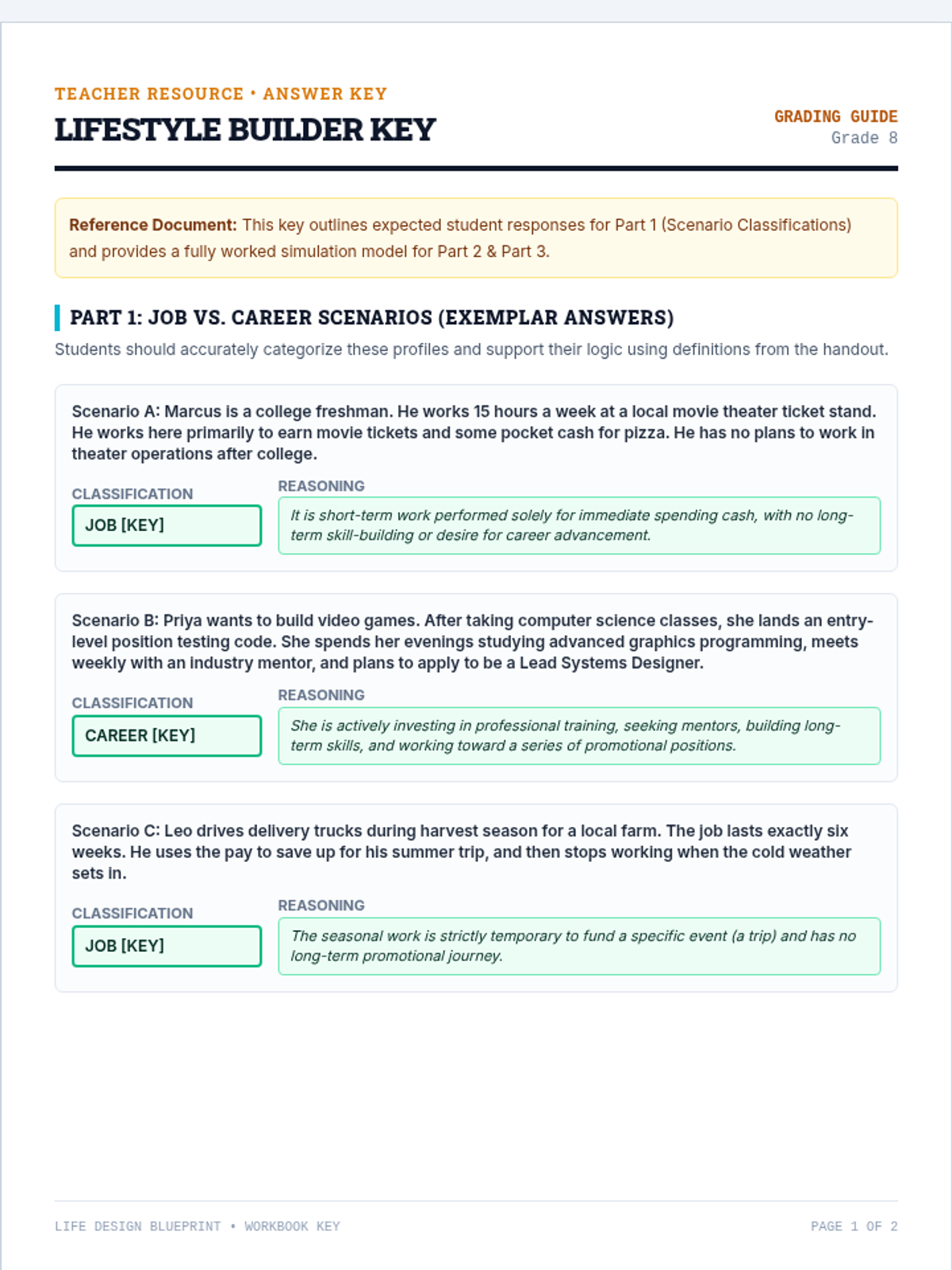
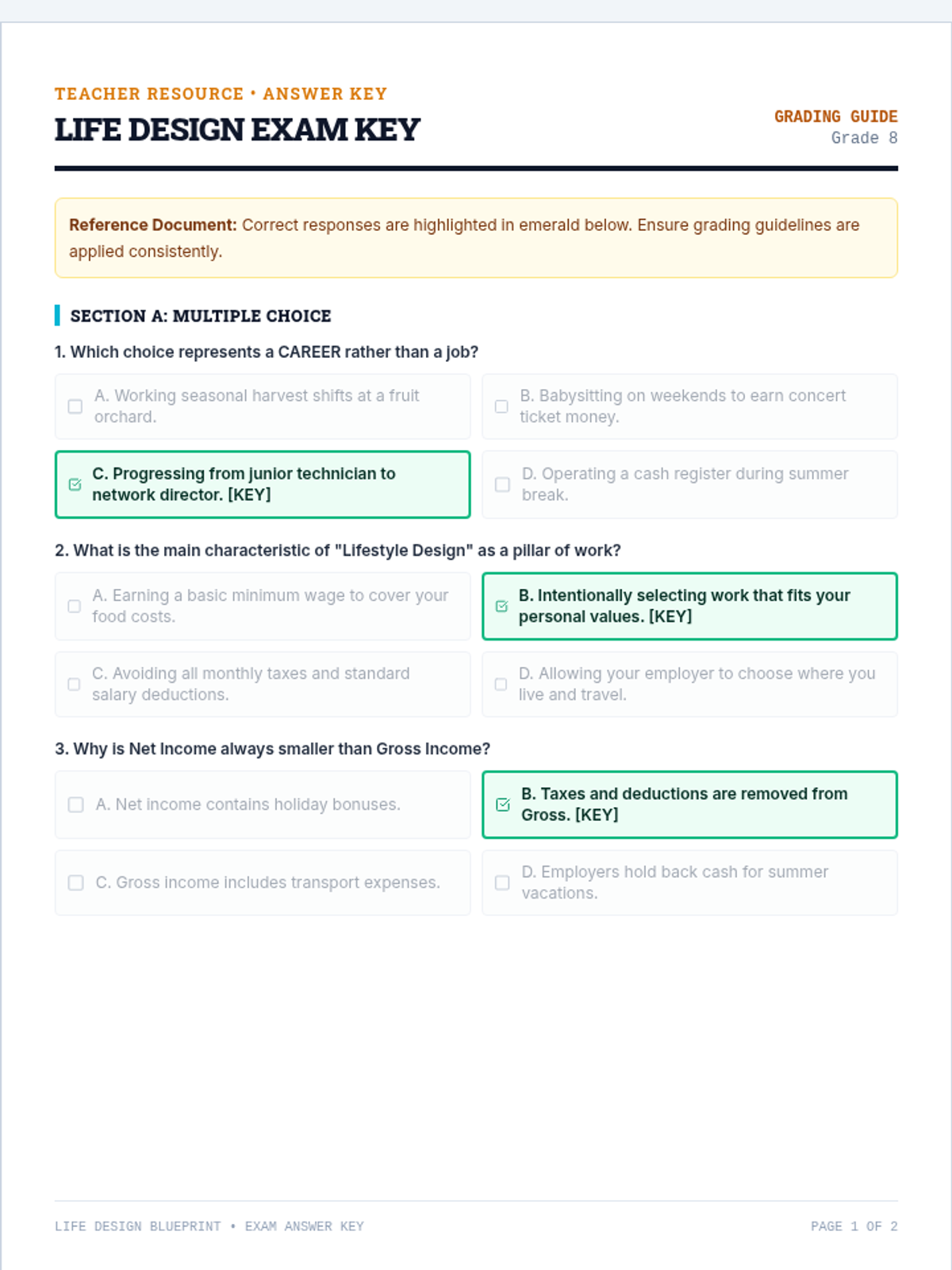
An interactive 8th-grade lesson exploring the differences between jobs and careers, alongside the three core pillars of work: financial stability, personal independence, and lifestyle design. Students analyze real-world scenarios, complete a lifestyle budget simulation, and assess their understanding through a final check.
In this lesson, students explore their personal interests to identify potential career paths, set SMART goals, and build self-confidence in their ability to achieve their future aspirations.
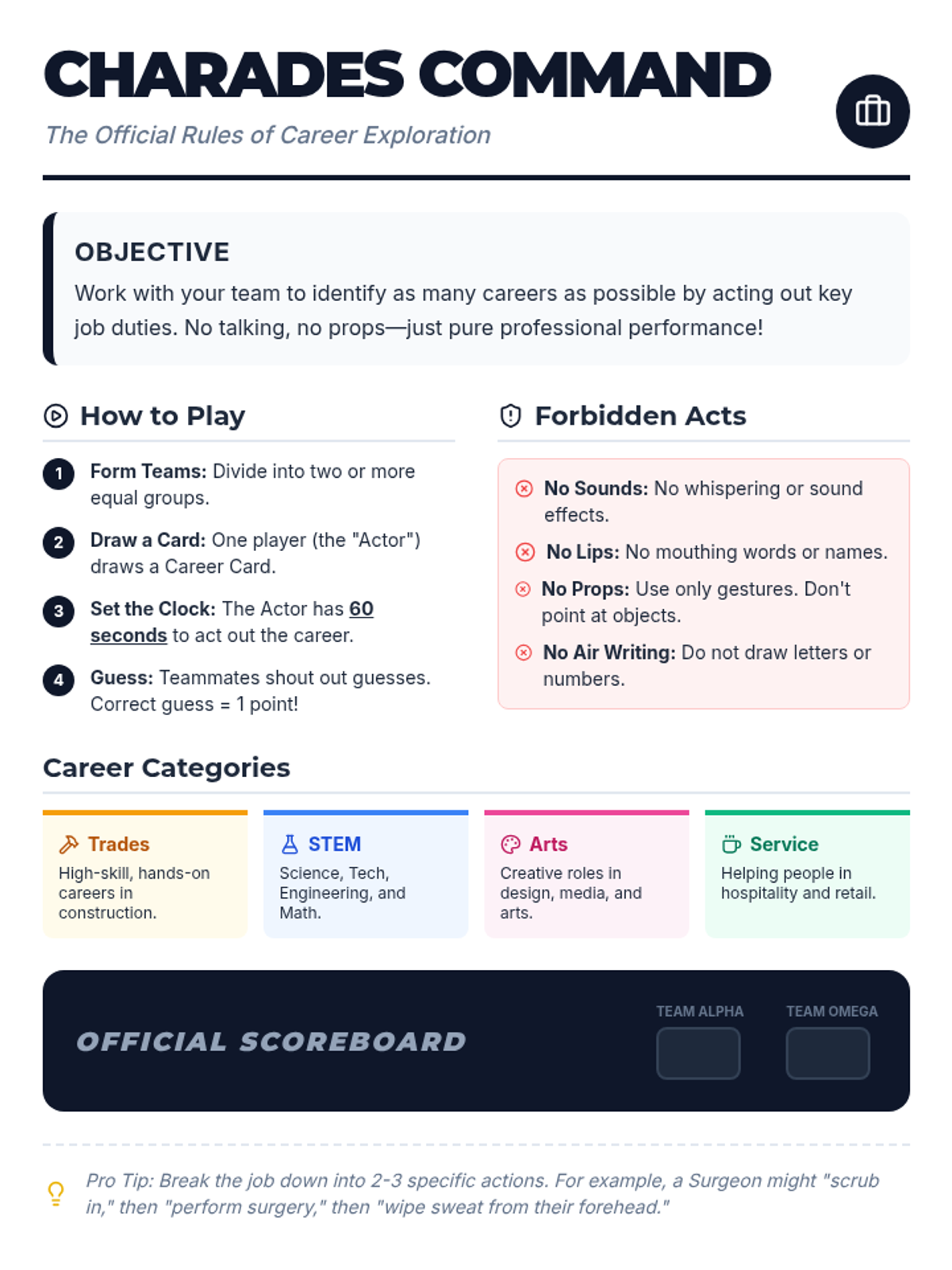
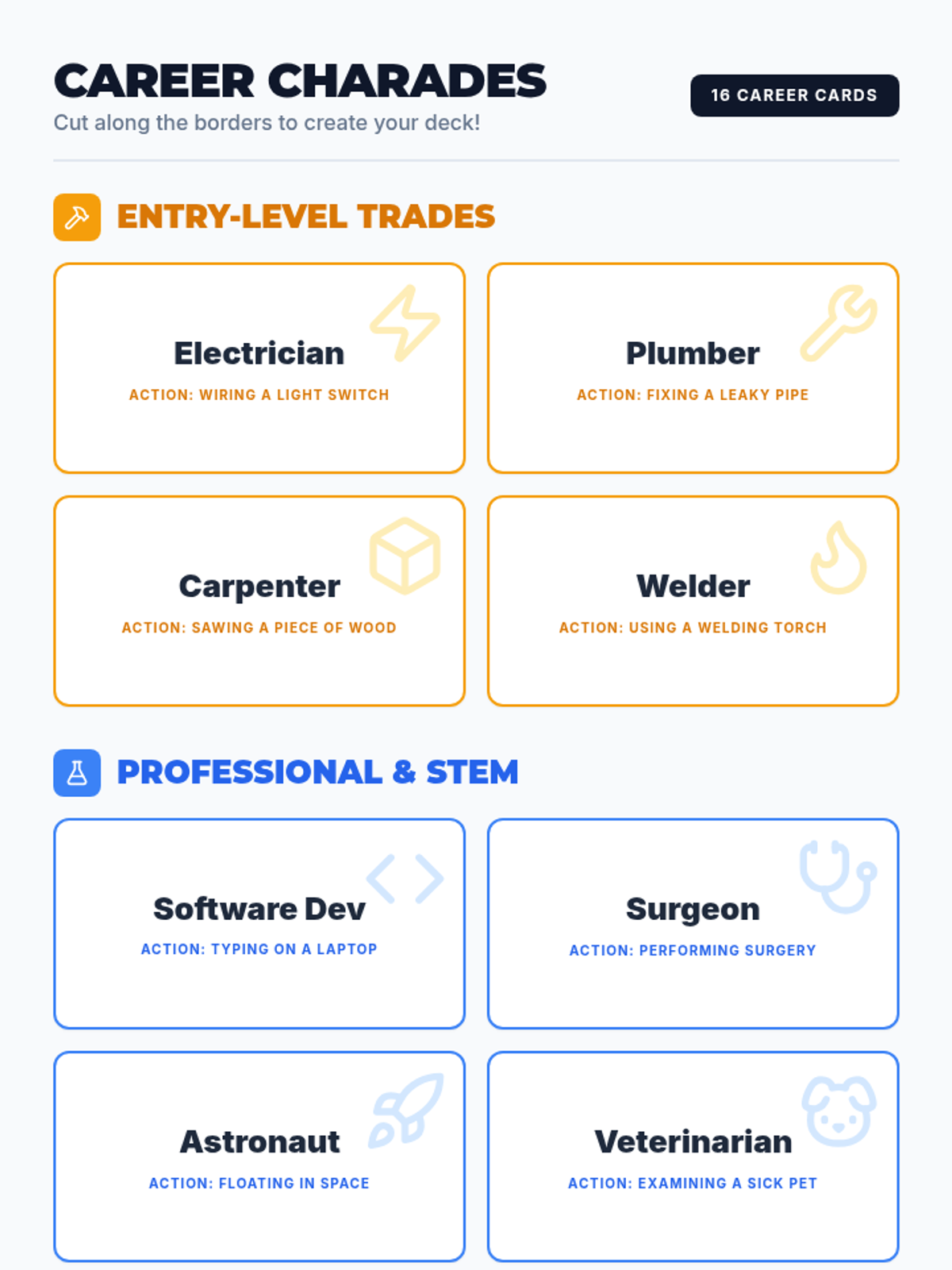
An engaging group activity lesson where students explore diverse career paths through movement and deduction. Students learn about different job roles across trades, STEM, arts, and service industries.
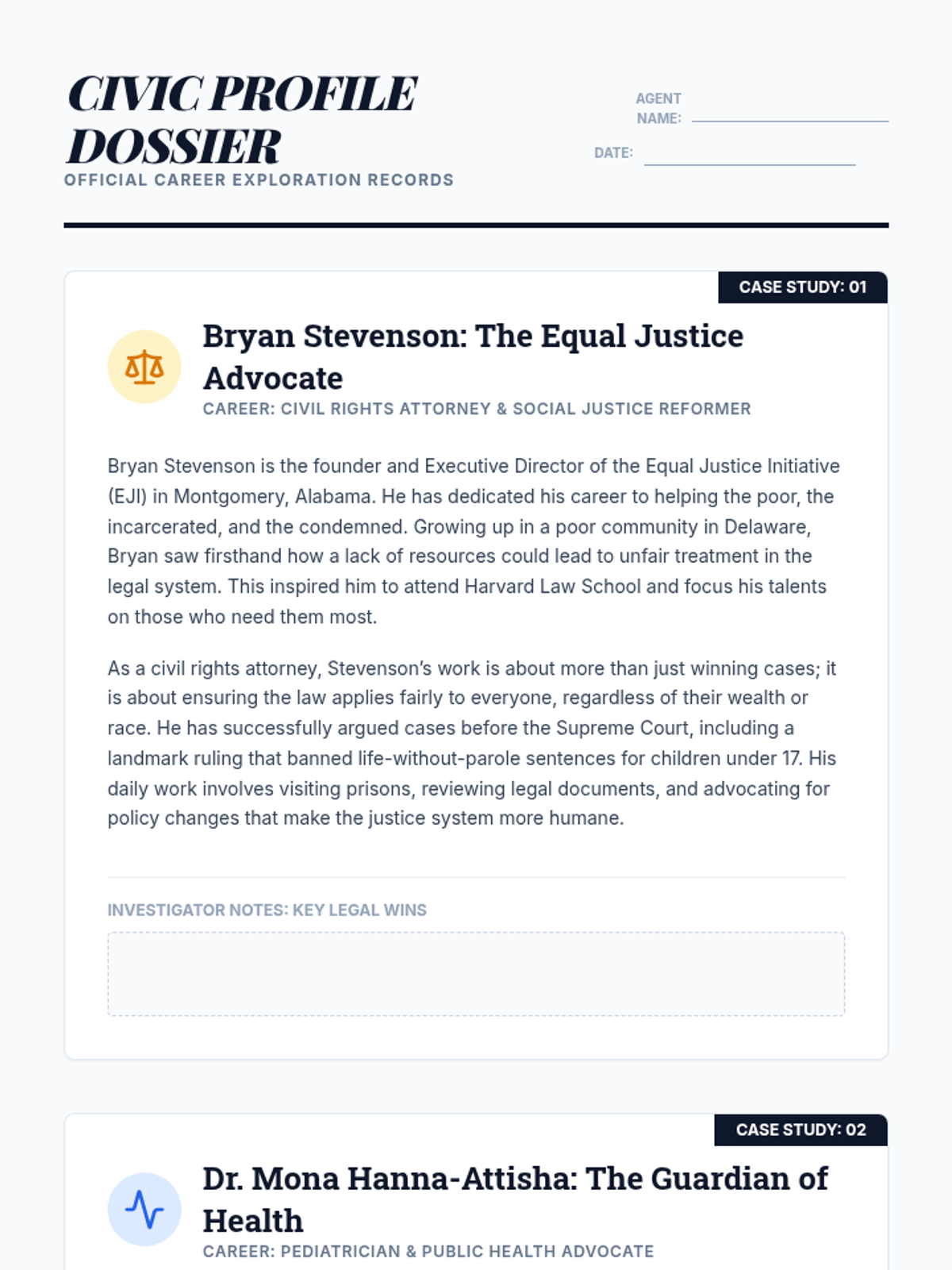
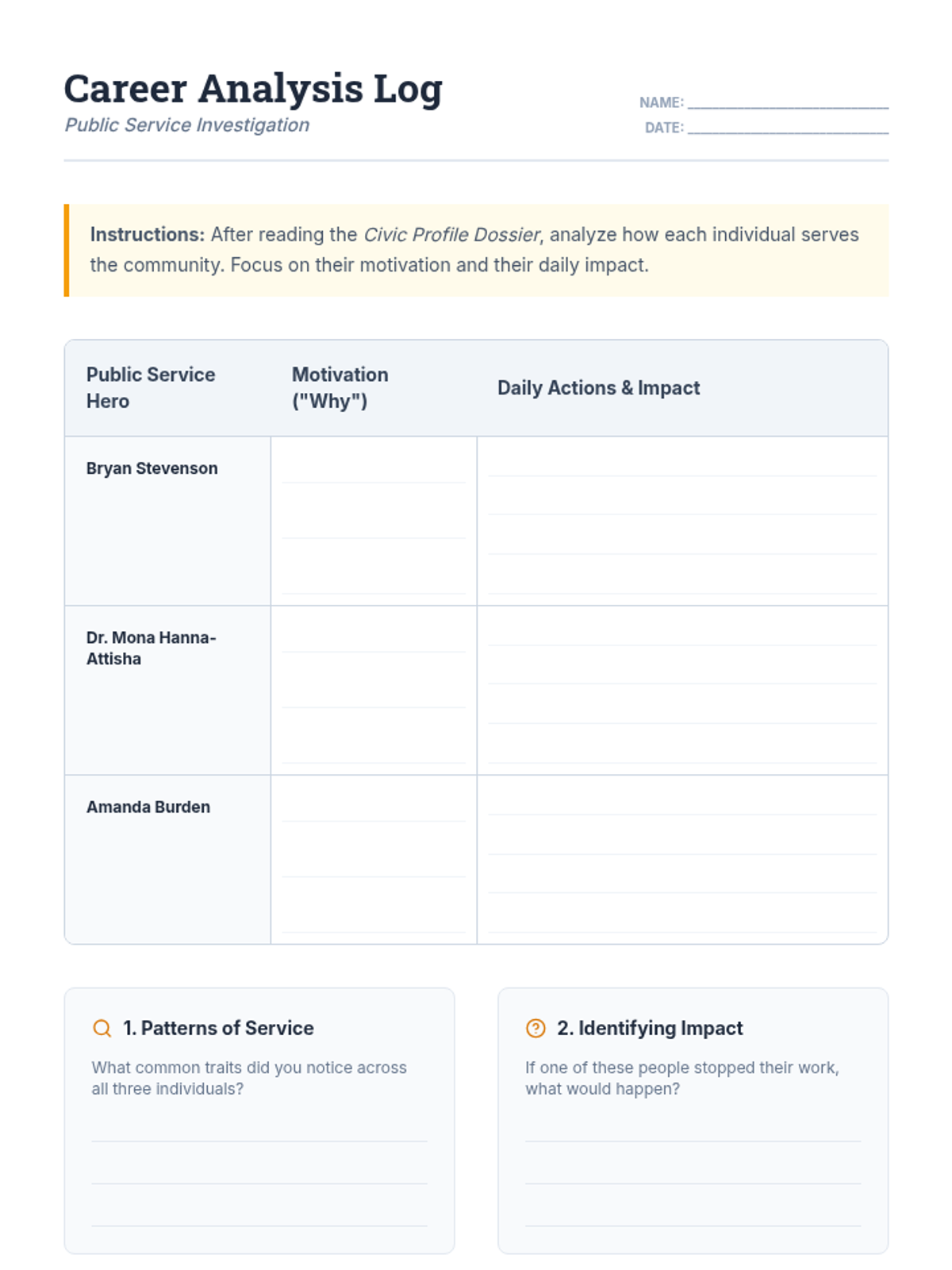
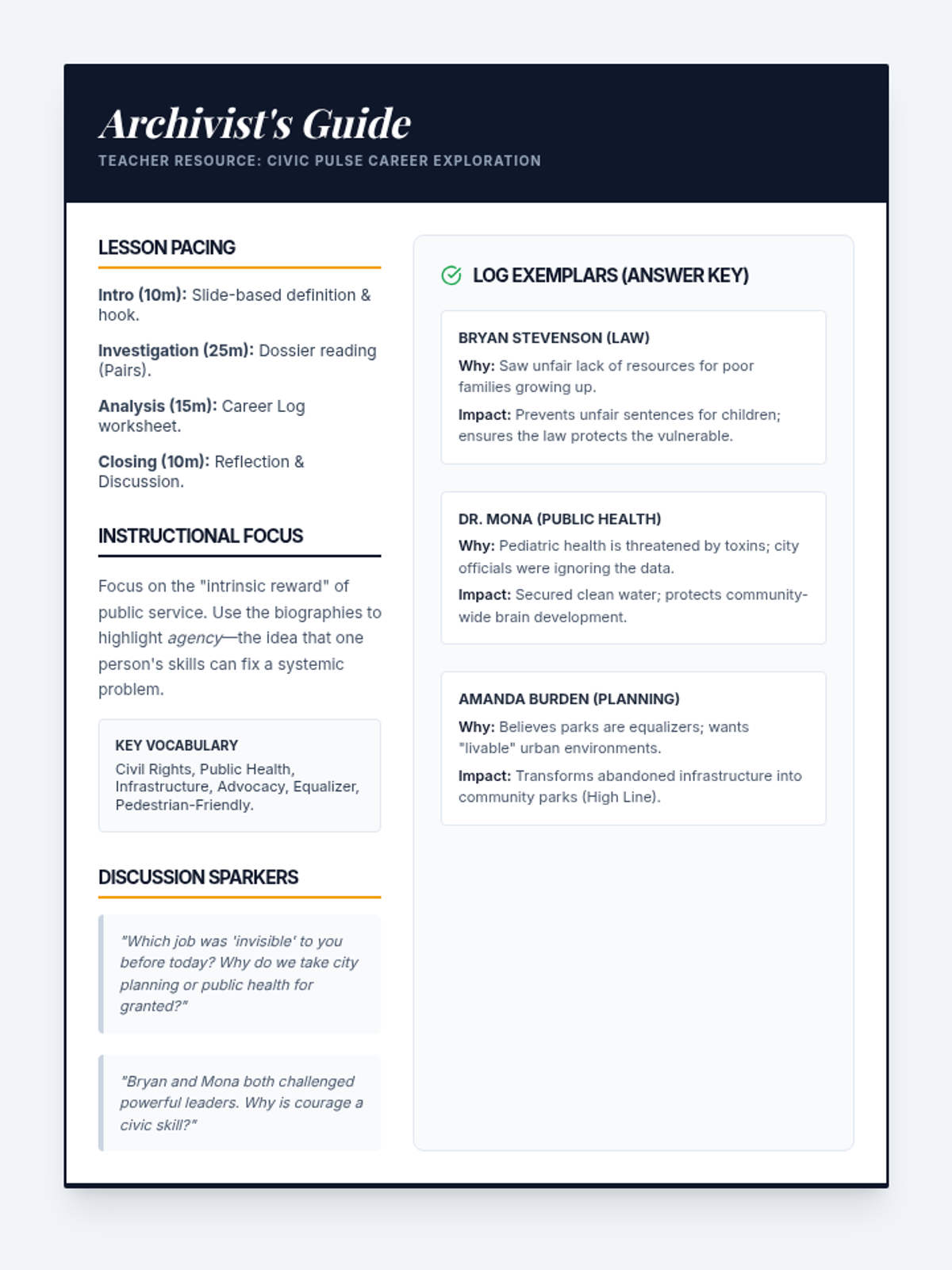
A career exploration lesson focused on public service roles, highlighting individuals who work for the common good through law, public health, and urban planning. Students analyze biographies to understand the impact of civic careers.
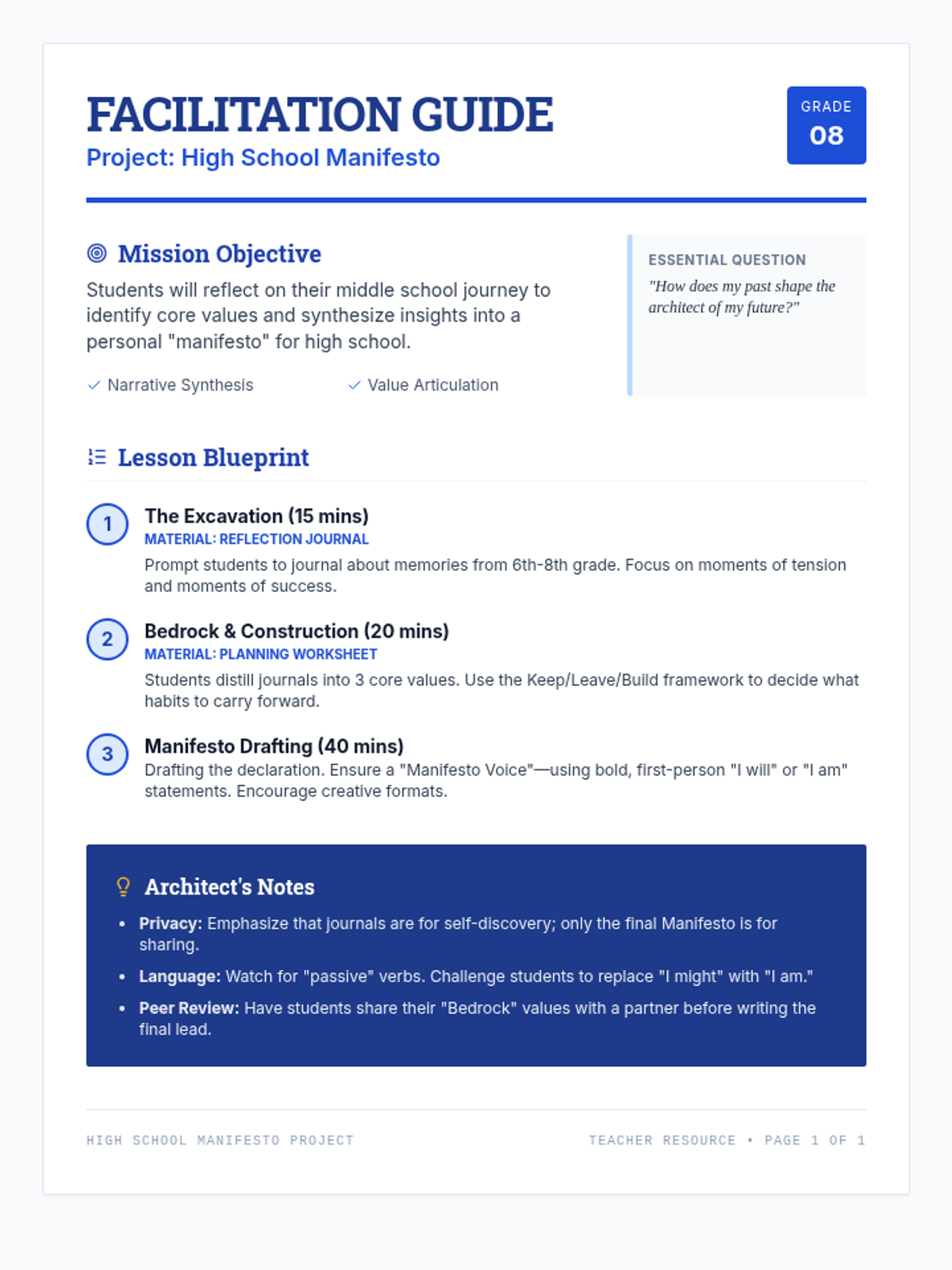
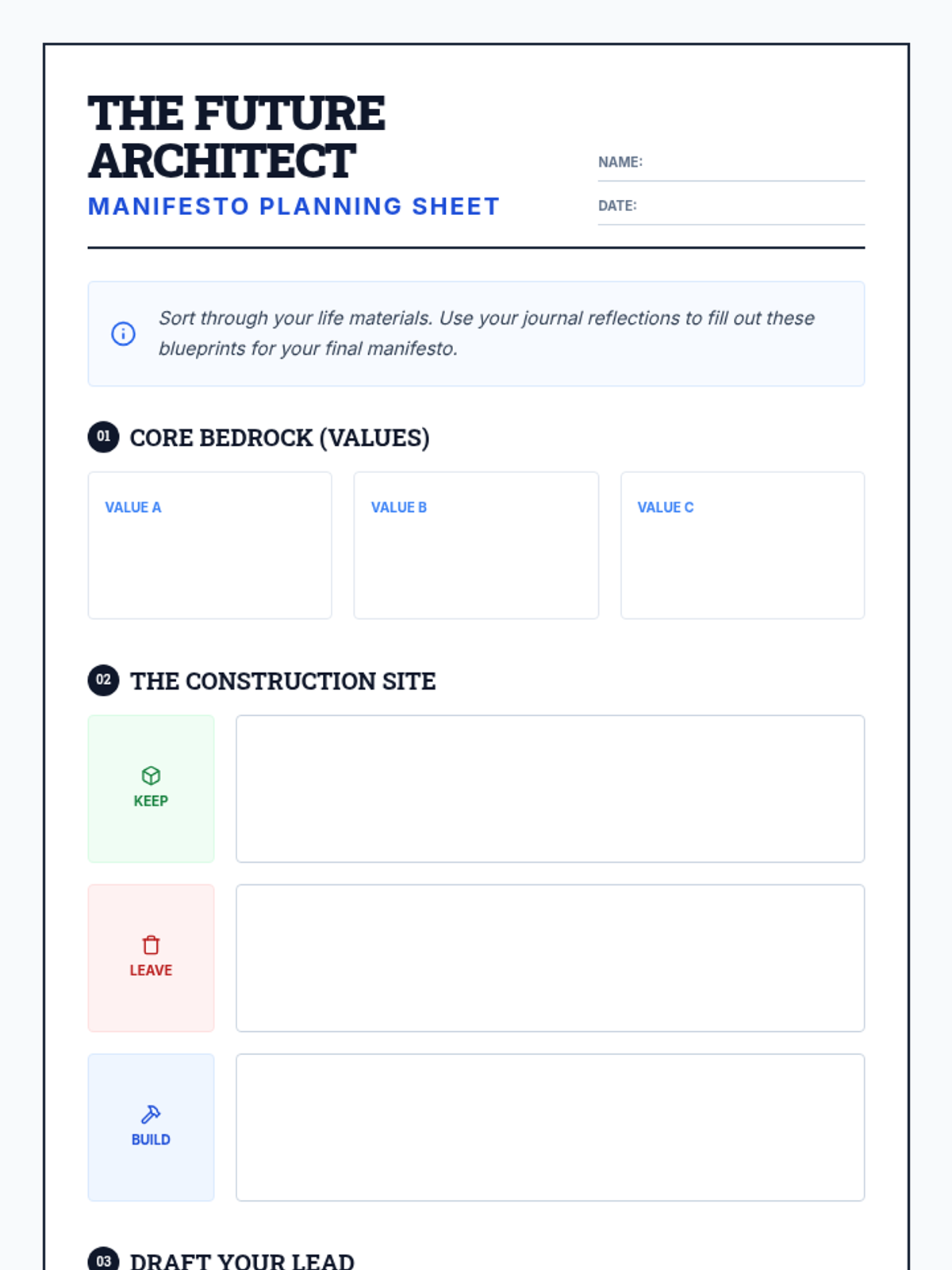
A reflective project where 8th-grade students synthesize their middle school experiences into a personal manifesto, articulating their values and goals for high school.
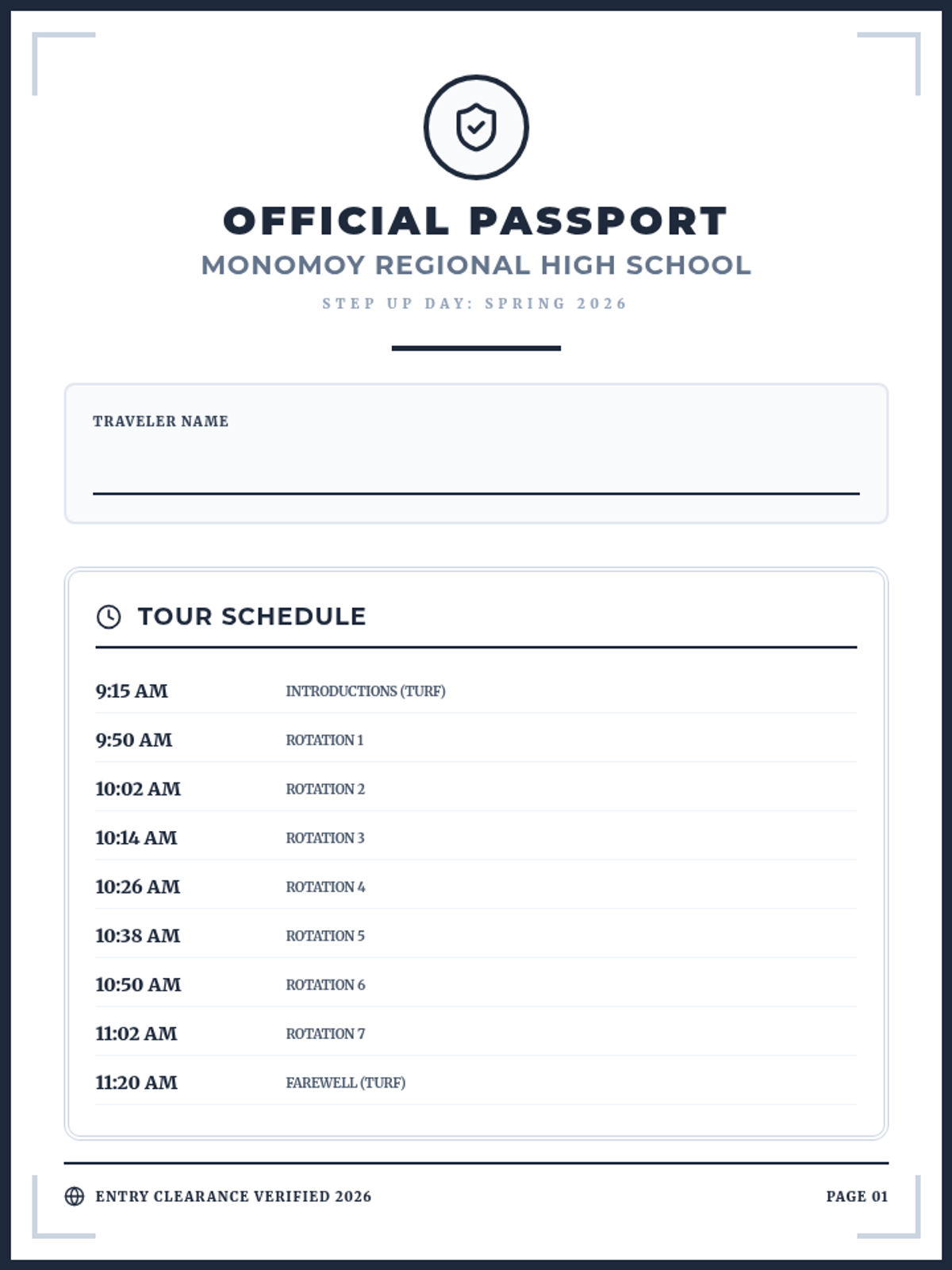
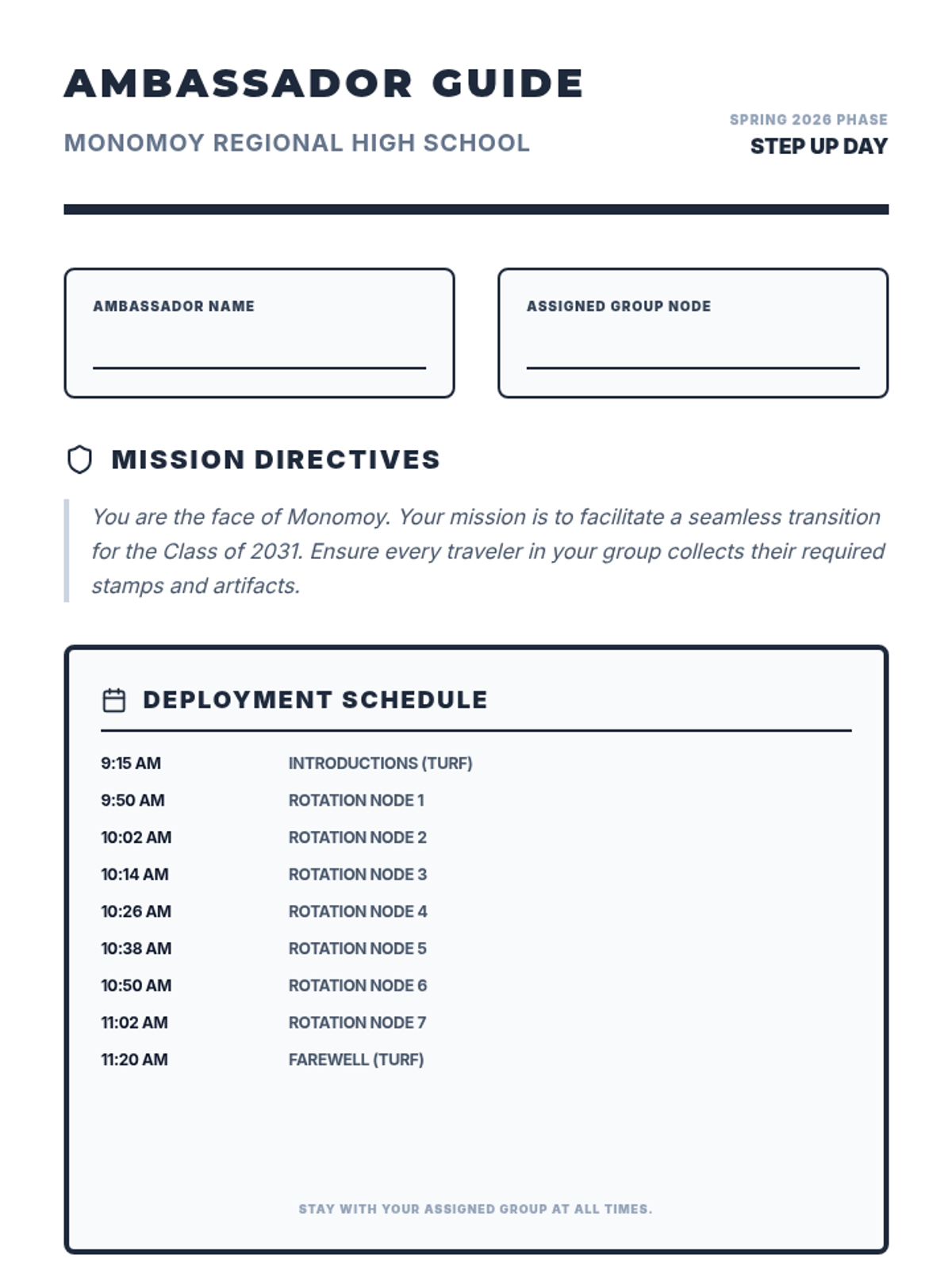
A comprehensive set of materials for Grade 8 Step Up Day, helping 7th graders transition to high school through a structured station-based tour.
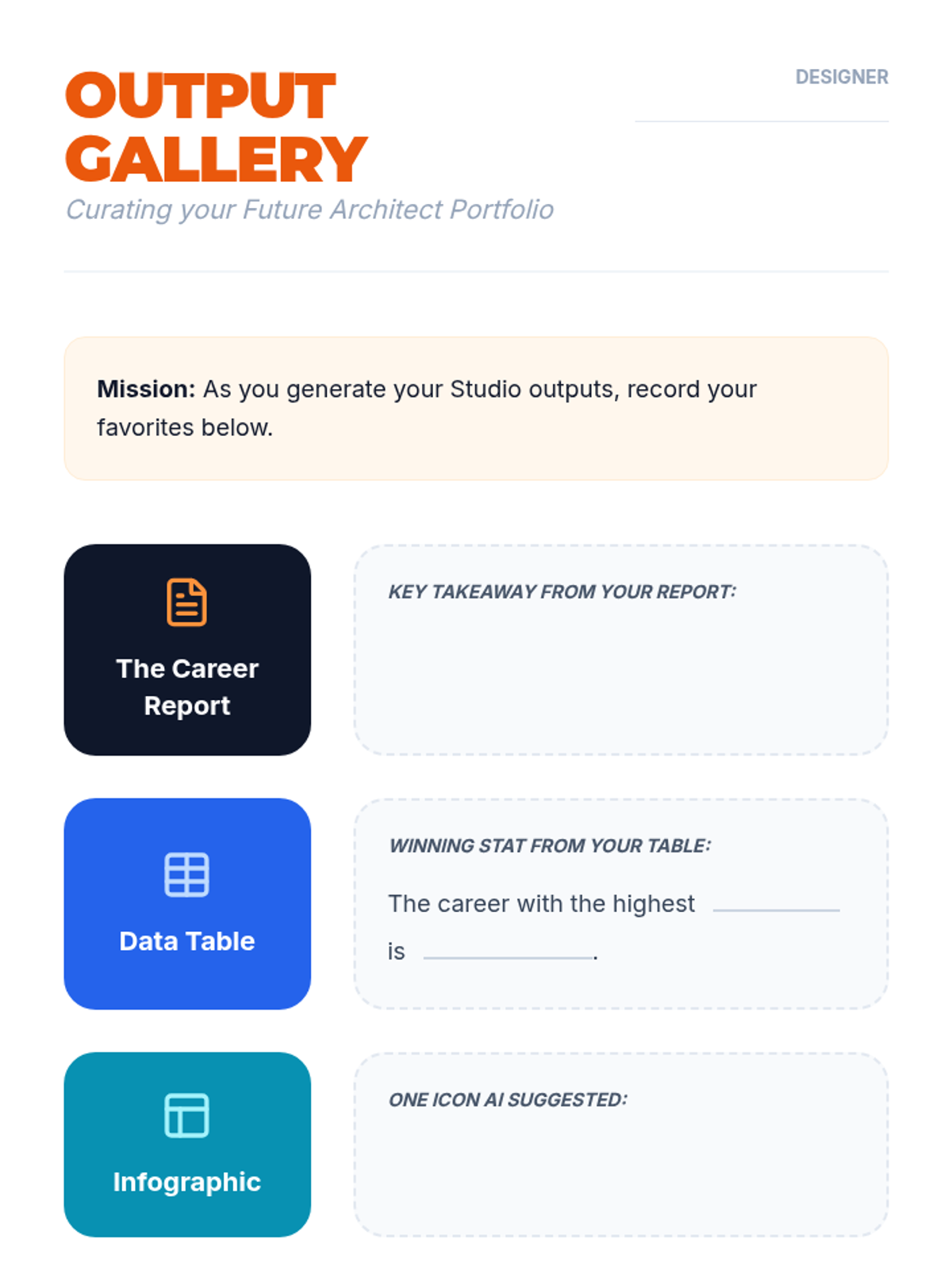
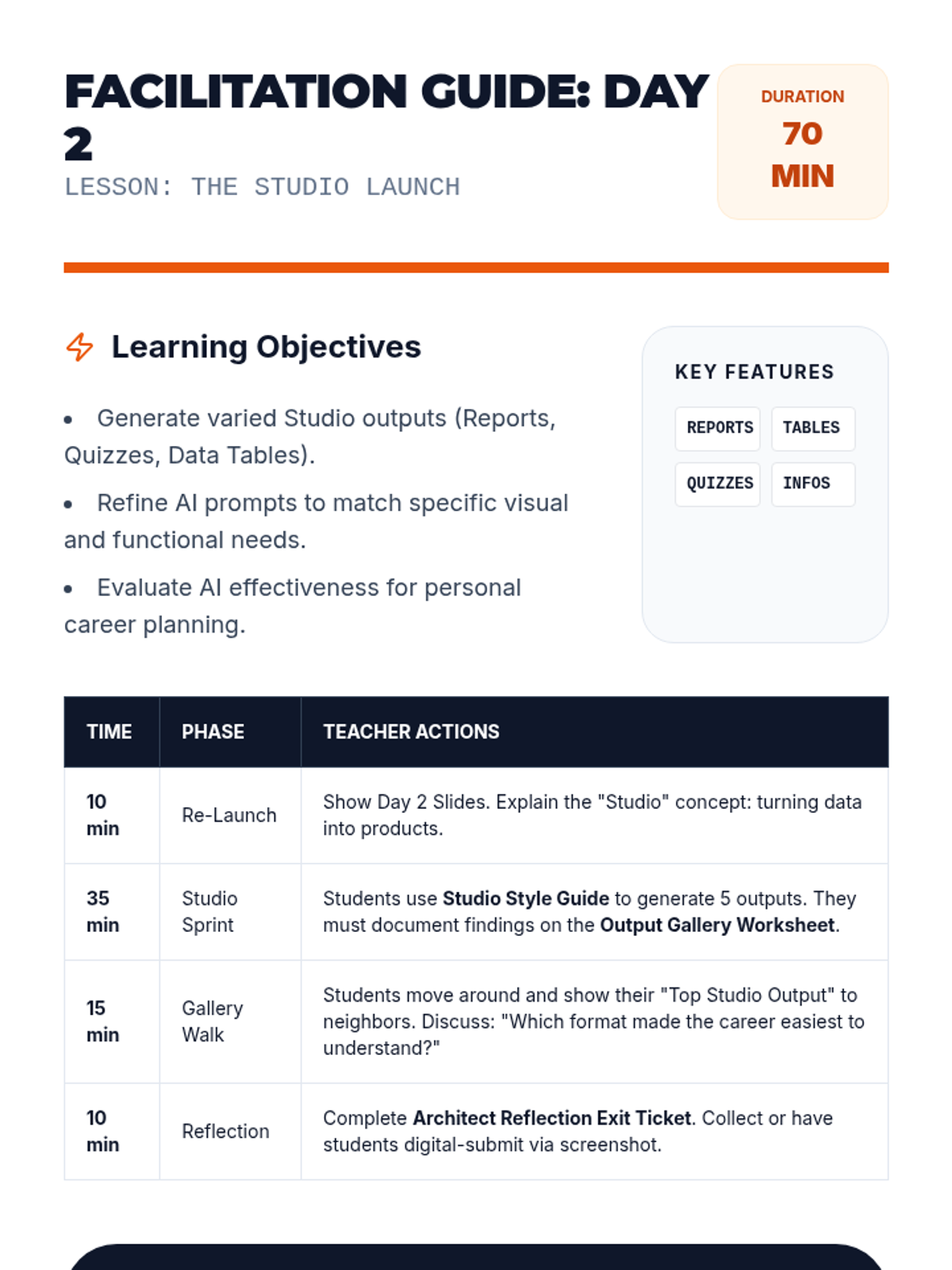
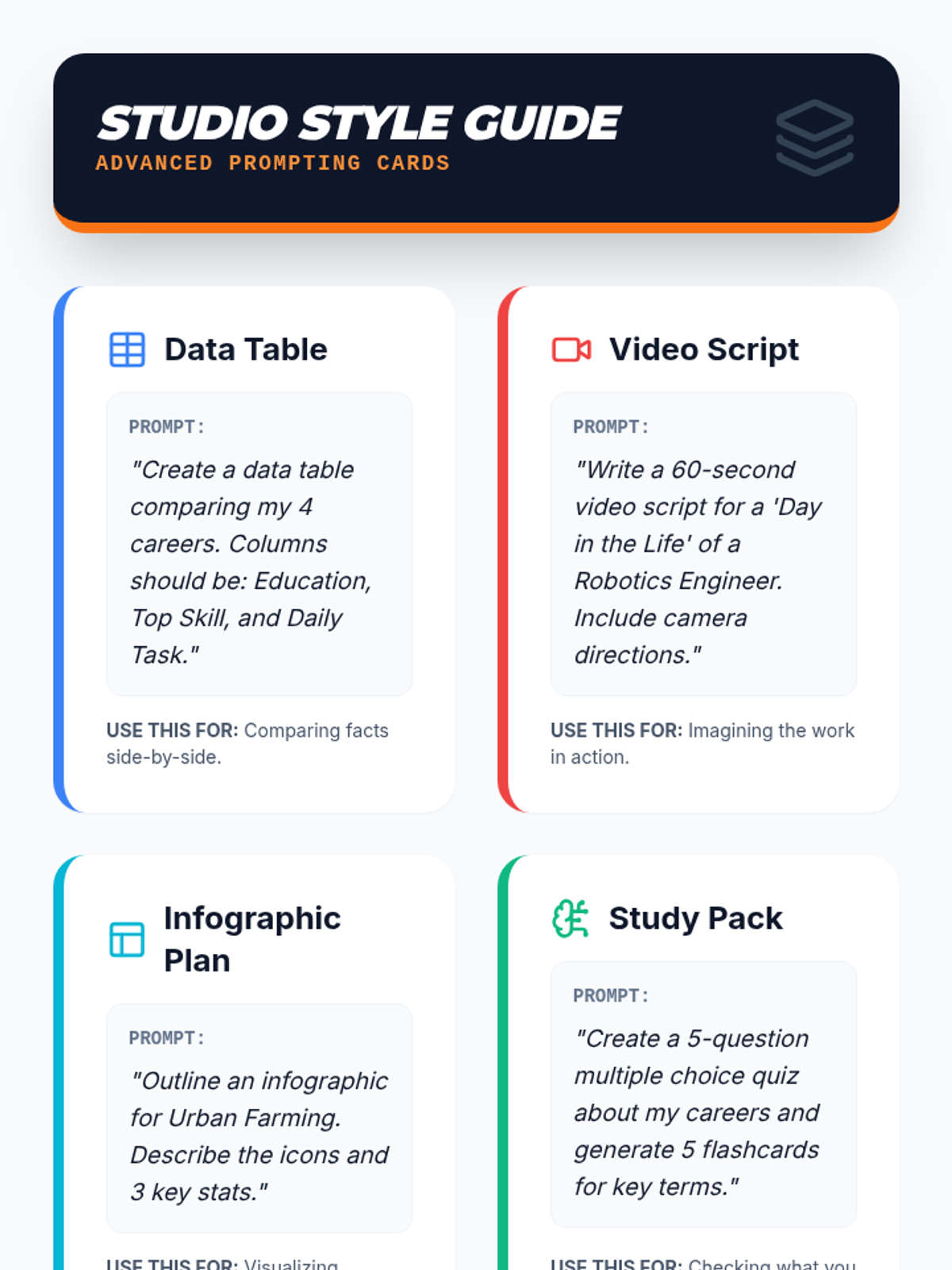
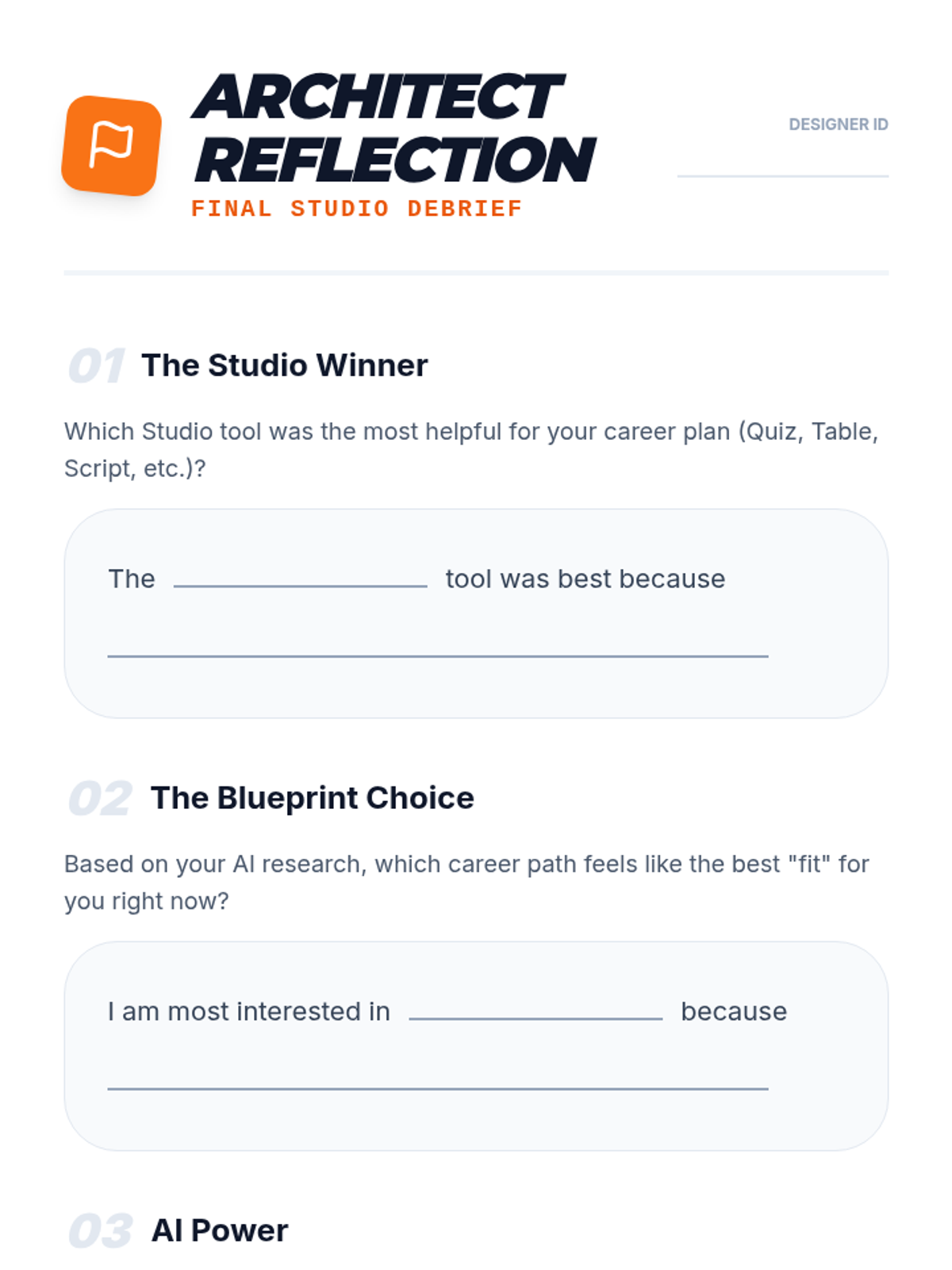
Students dive into the 'Studio' capabilities of NotebookLM, generating specific outputs like reports, quizzes, infographics, and data tables to refine their career plans.
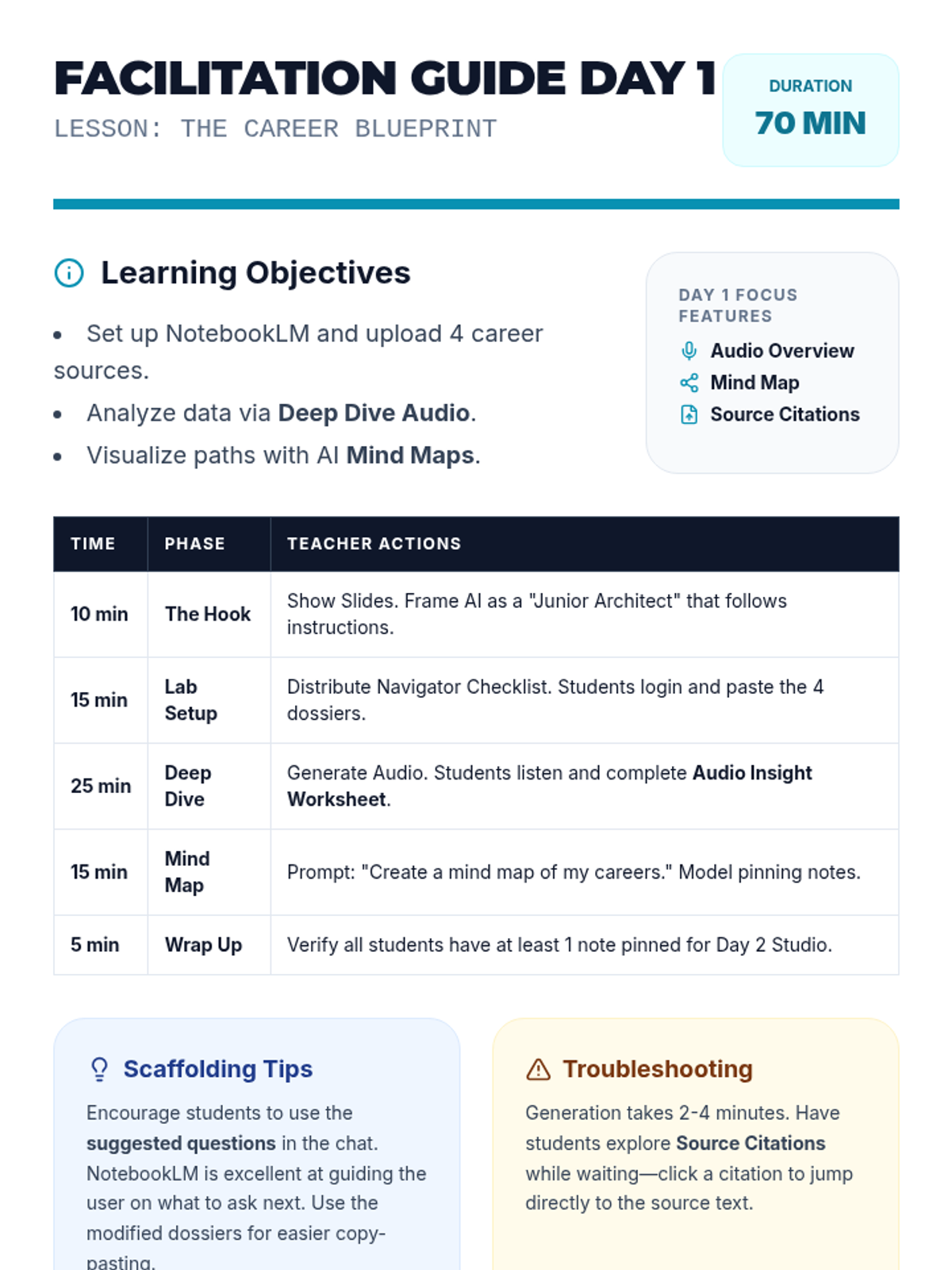
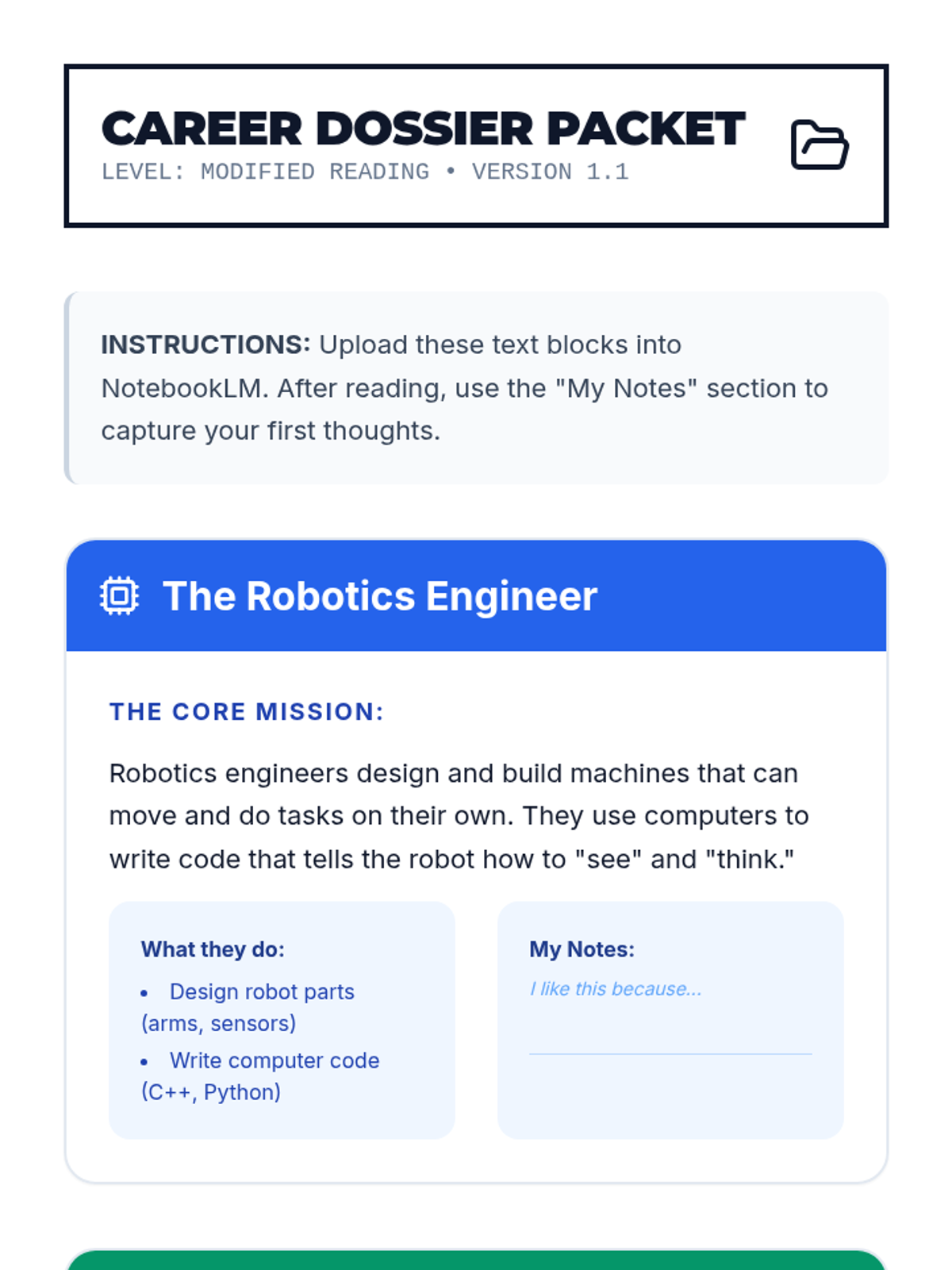
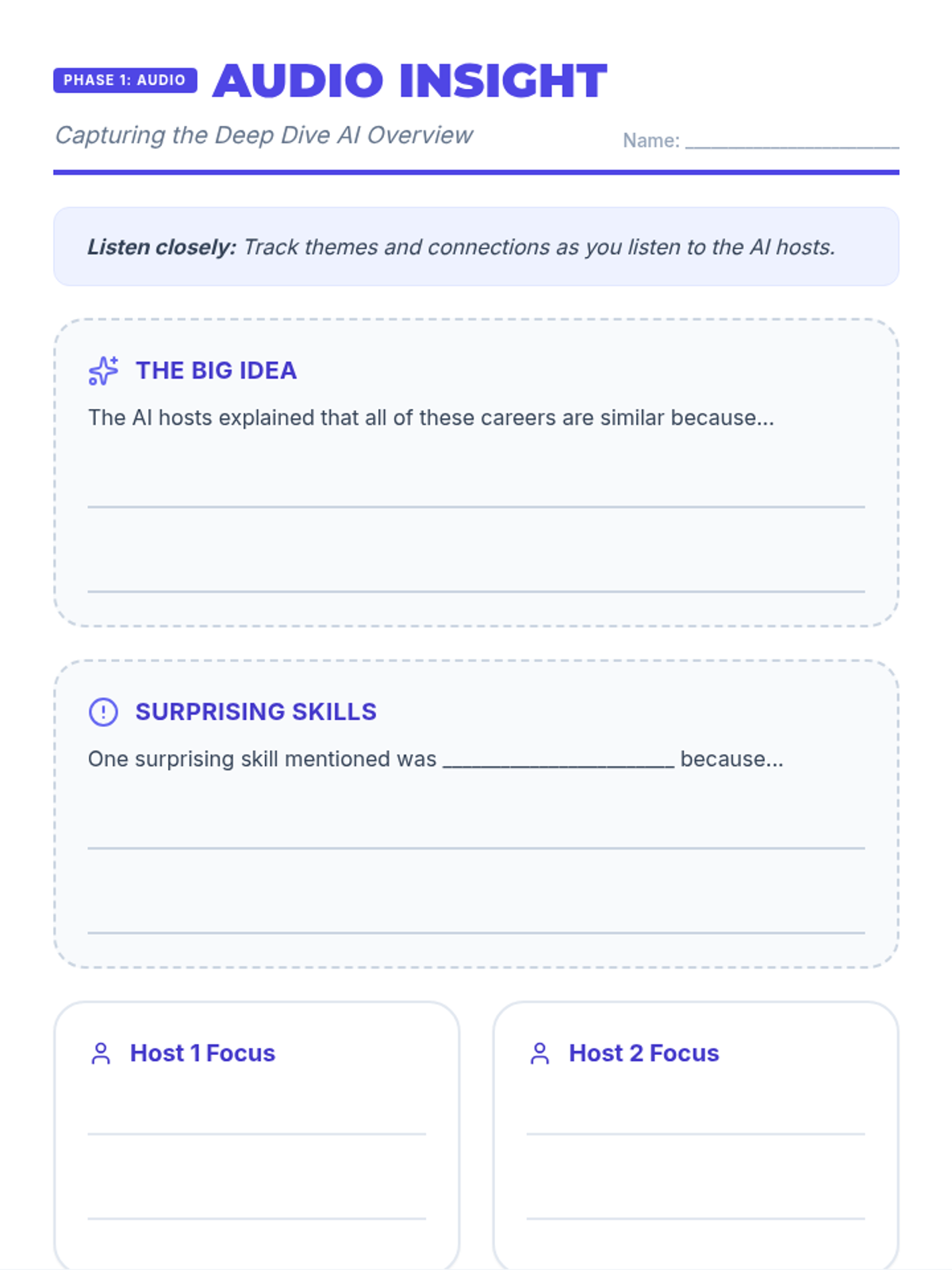
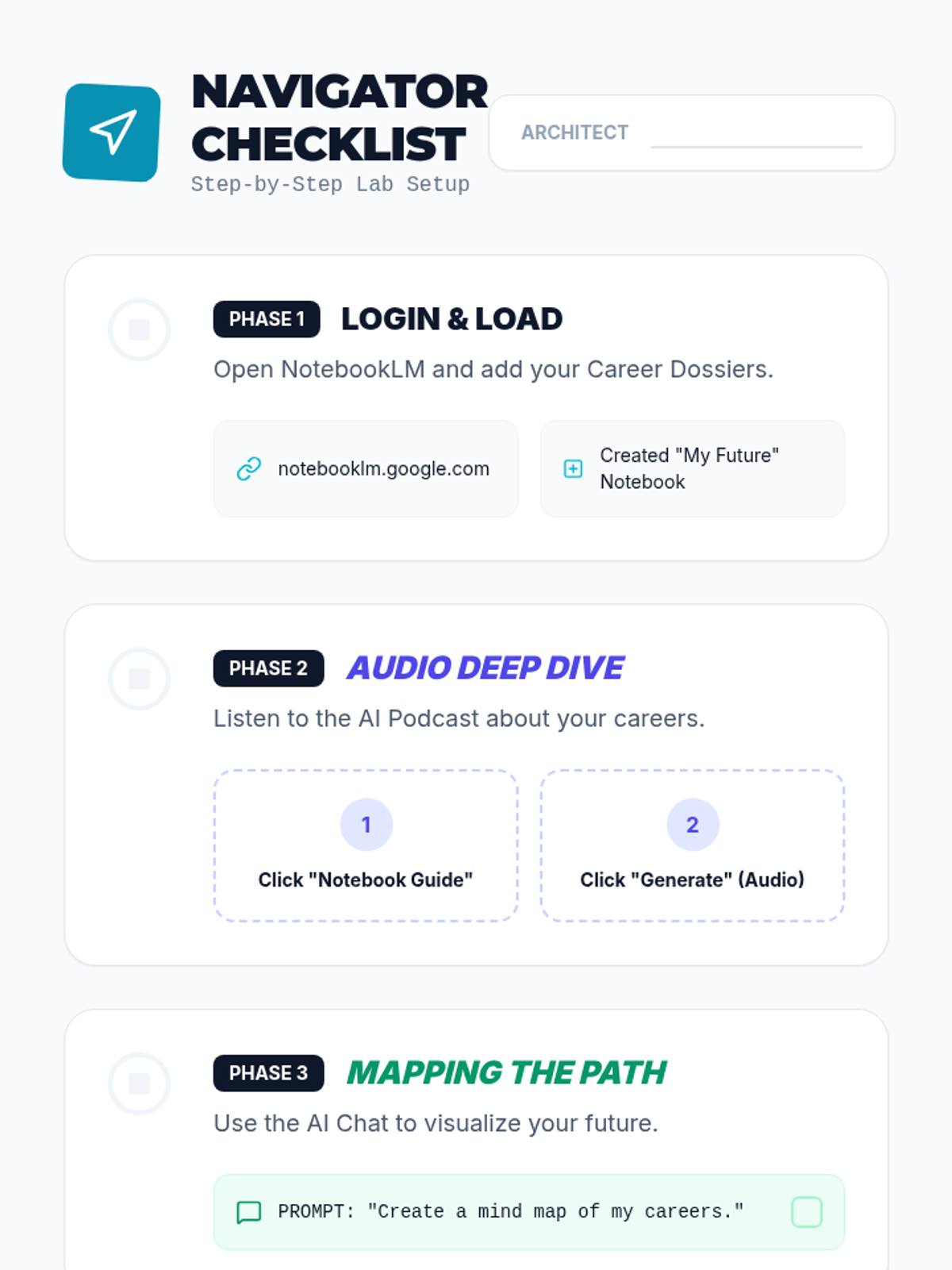
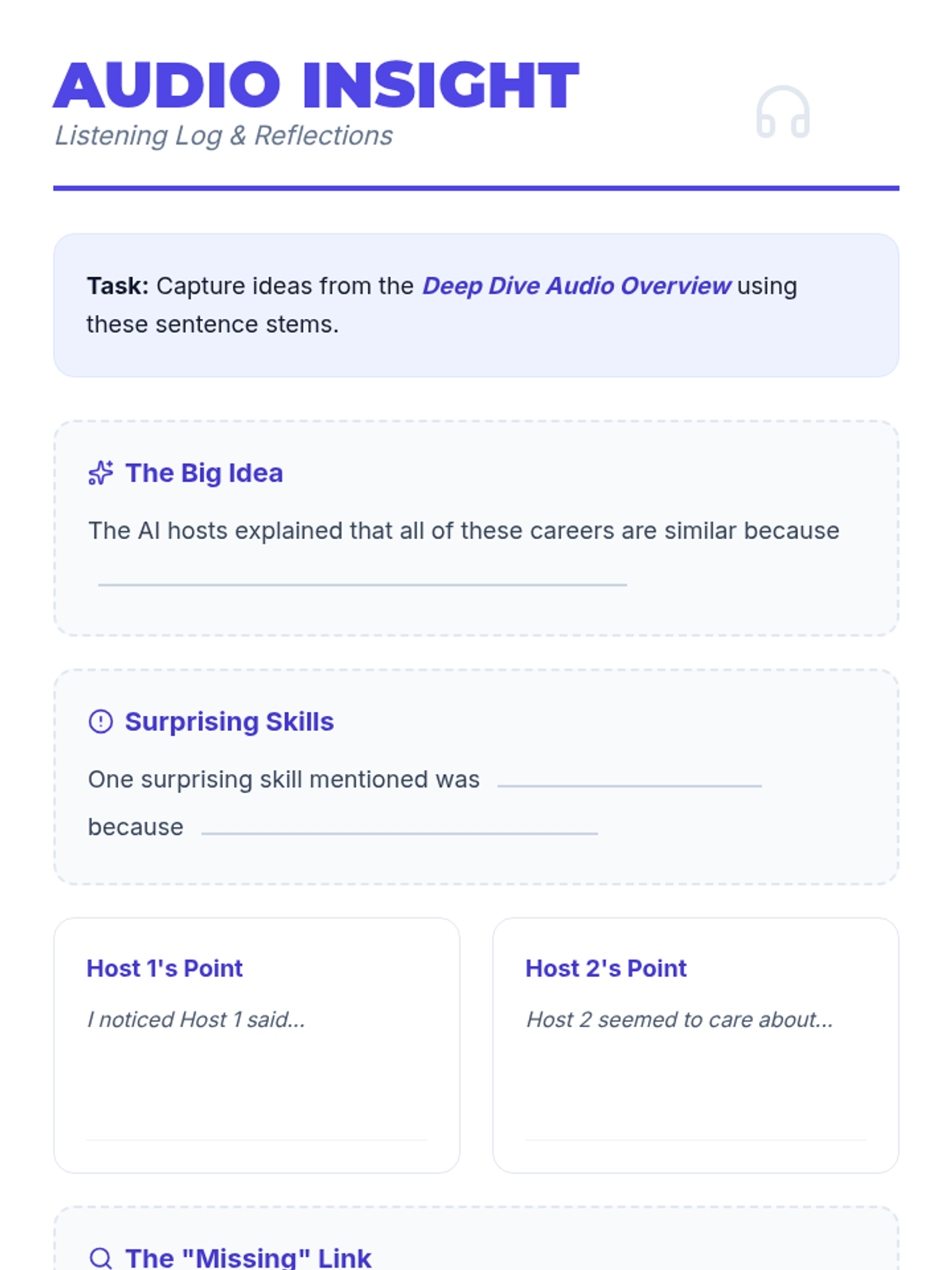
Students learn to set up their NotebookLM workspace, upload sources, and use high-level overview tools like Audio Overviews and Mind Maps to explore career options.
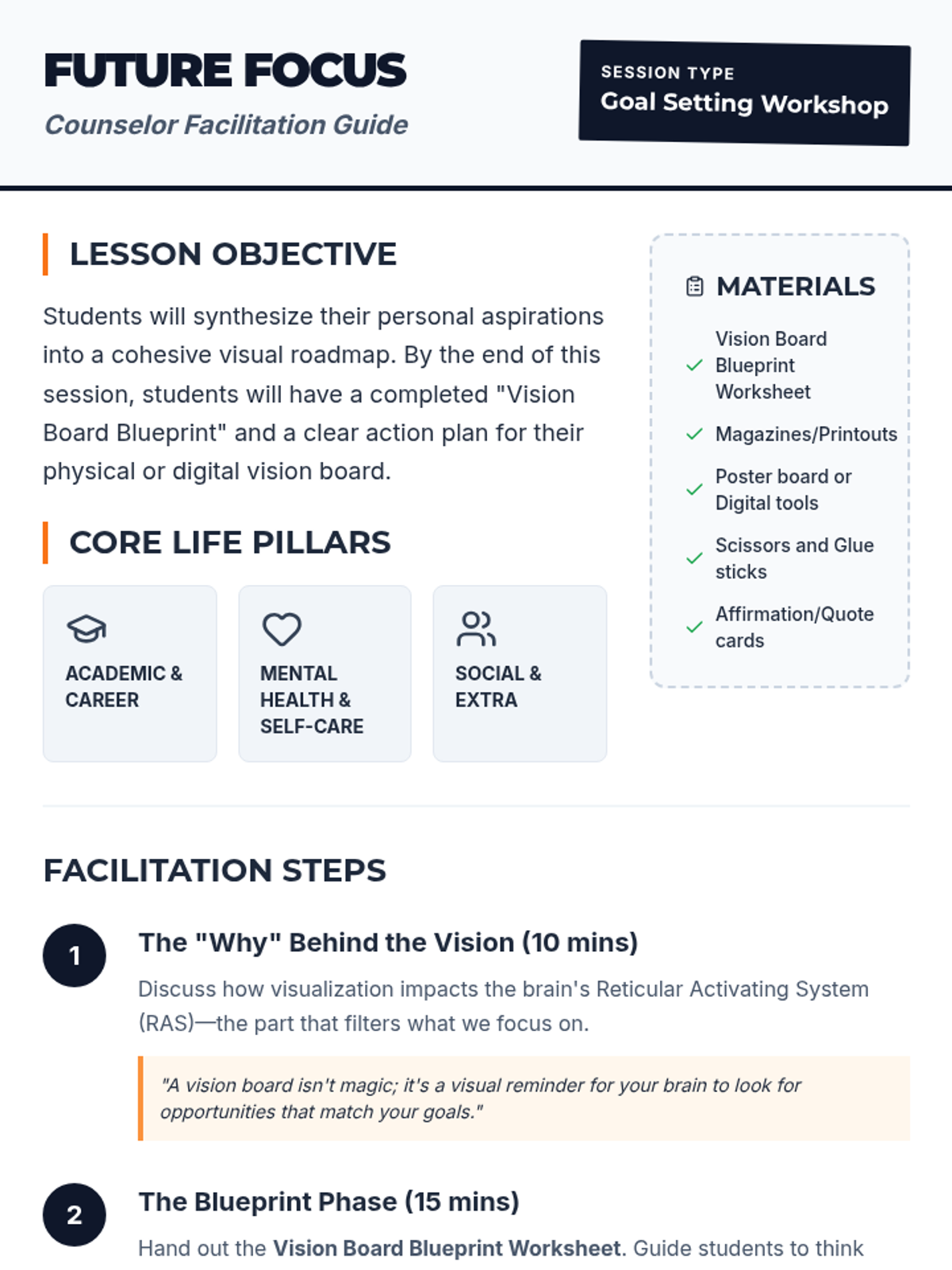
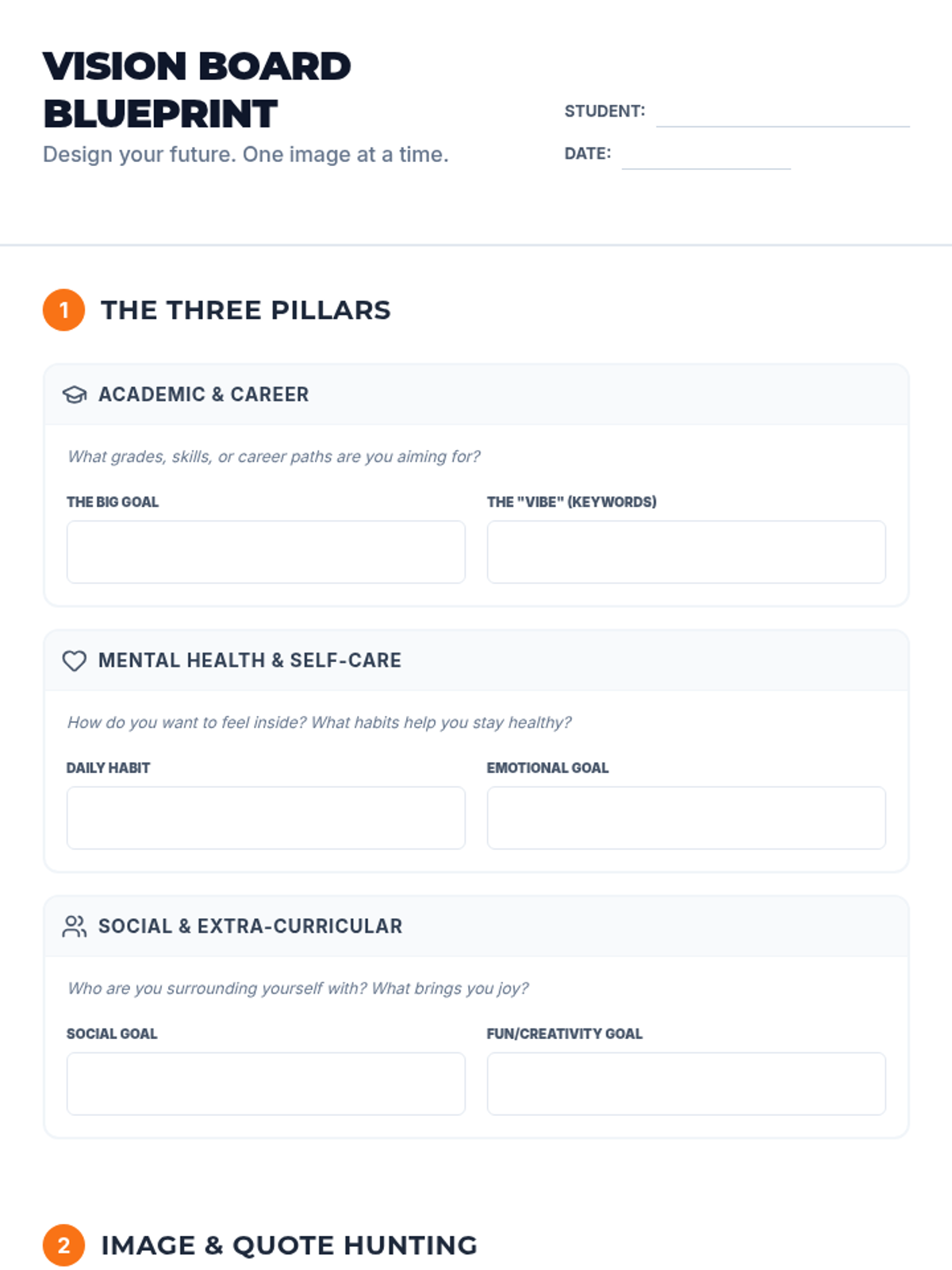
A comprehensive lesson for counselors to guide teens through the process of creating a vision board, focusing on academic, personal, and social goals.
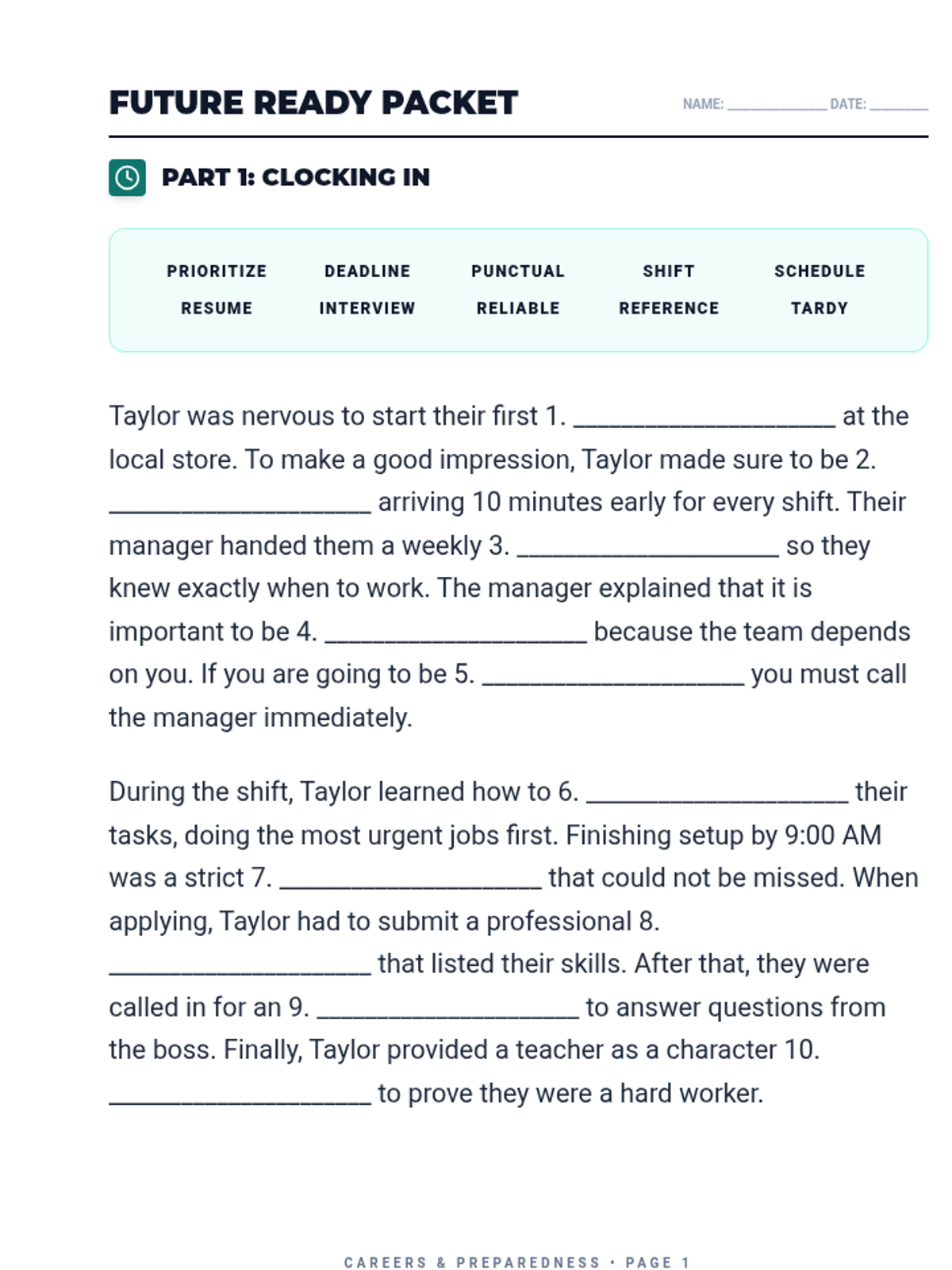
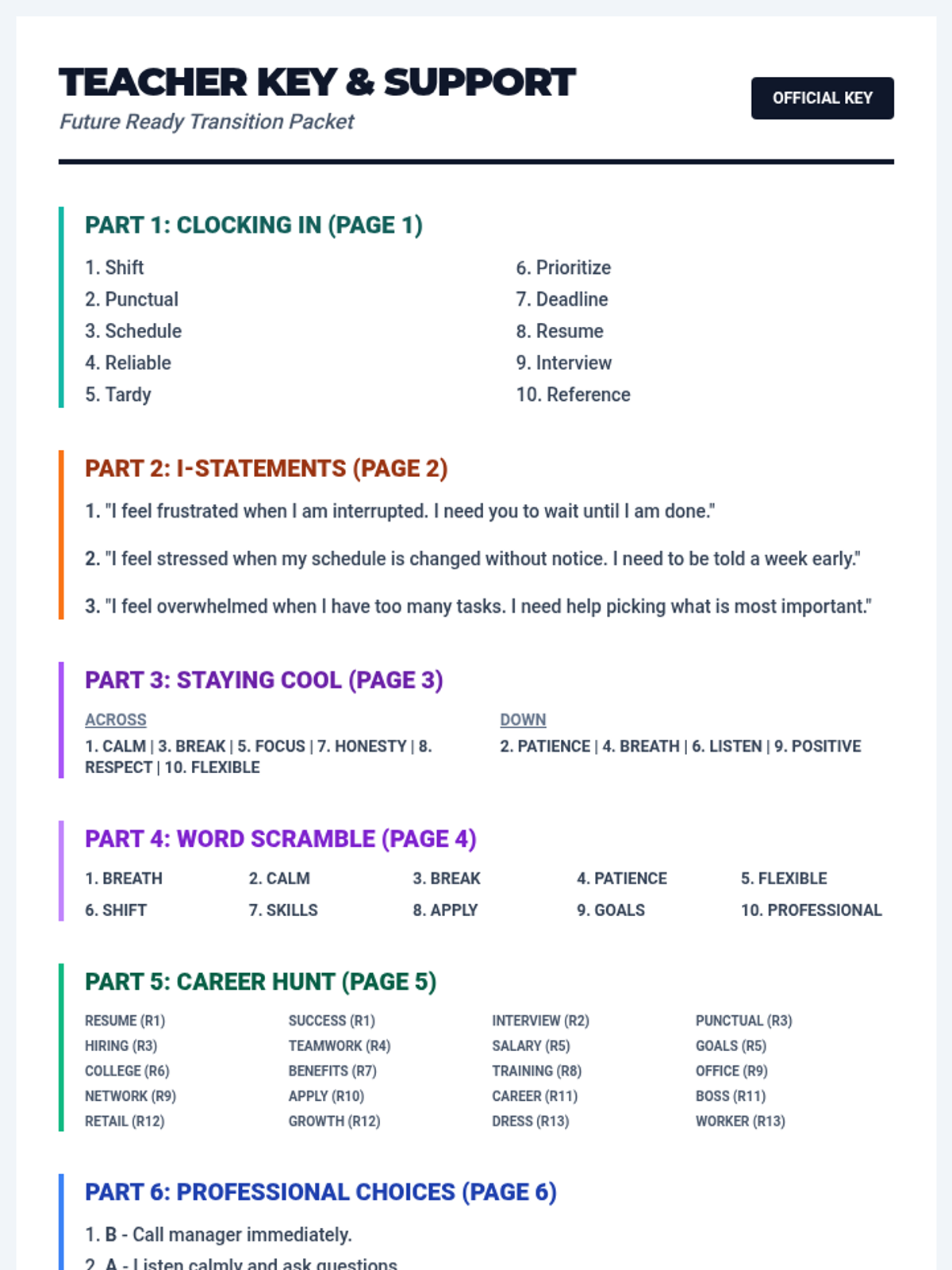
This lesson introduces students to the core behavioral skills needed for workplace success, including time management, emotional regulation, and professional social etiquette. Students will practice these skills through real-world scenarios and interactive puzzles.
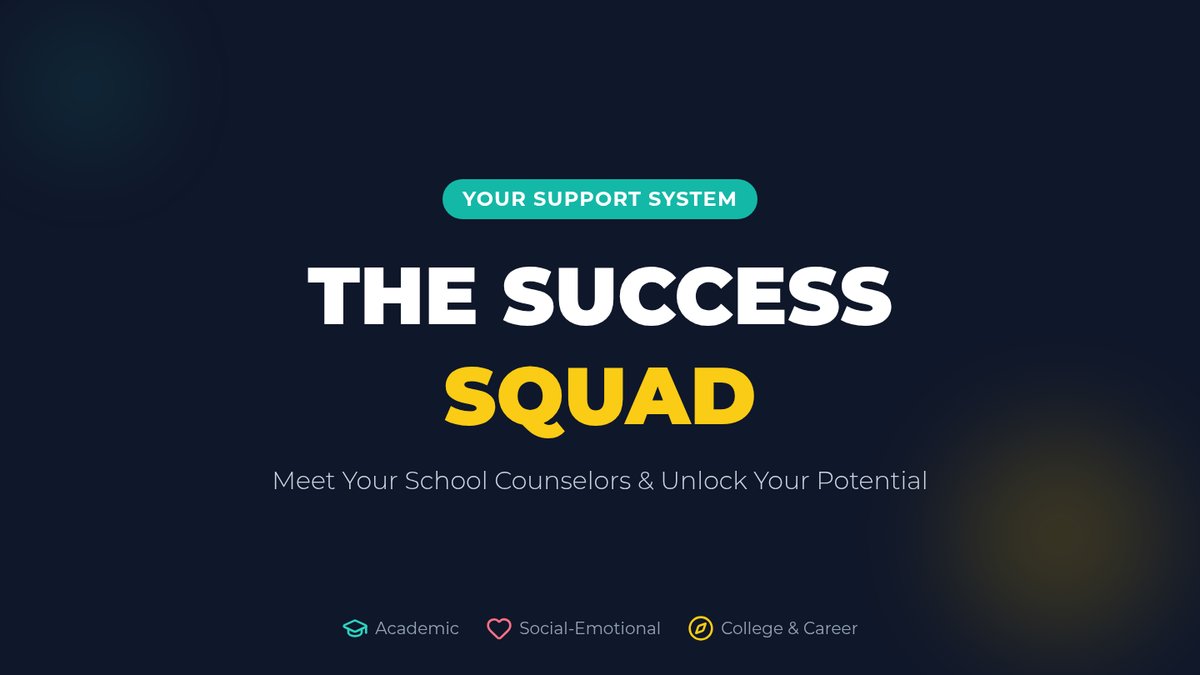
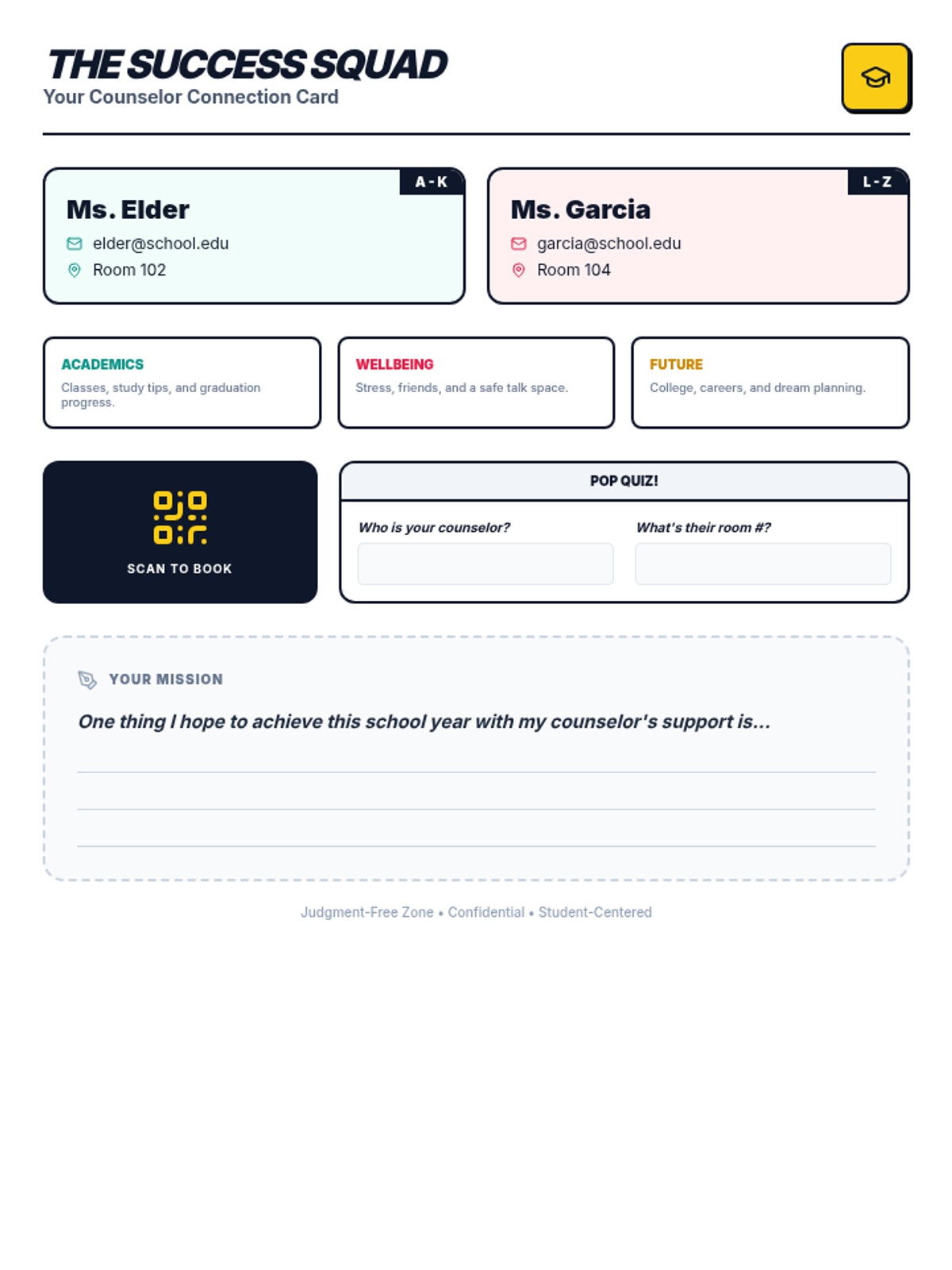
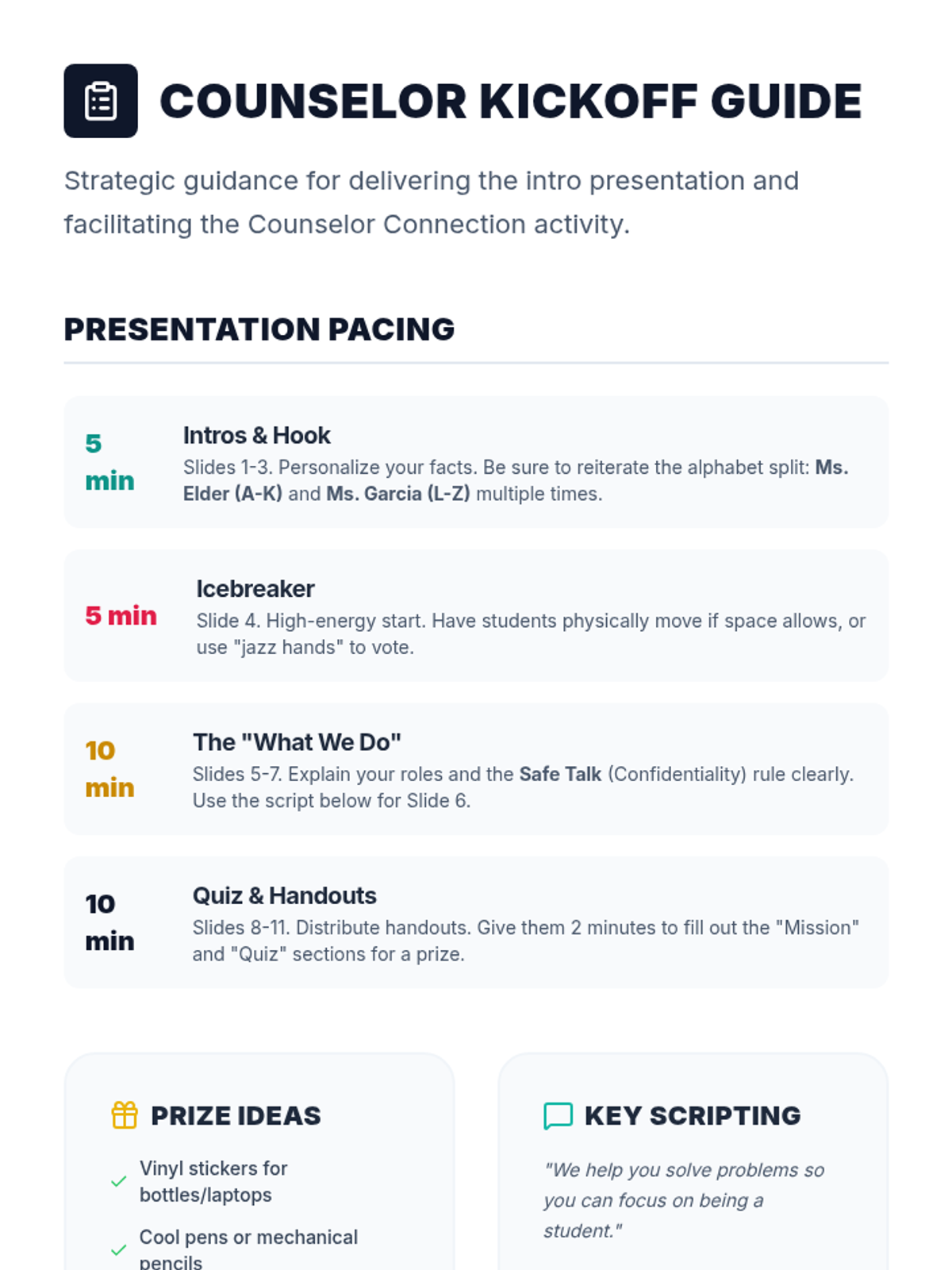
An engaging introduction to school counseling services for middle and high school students, featuring counselor bios, service overviews, and interactive activities.
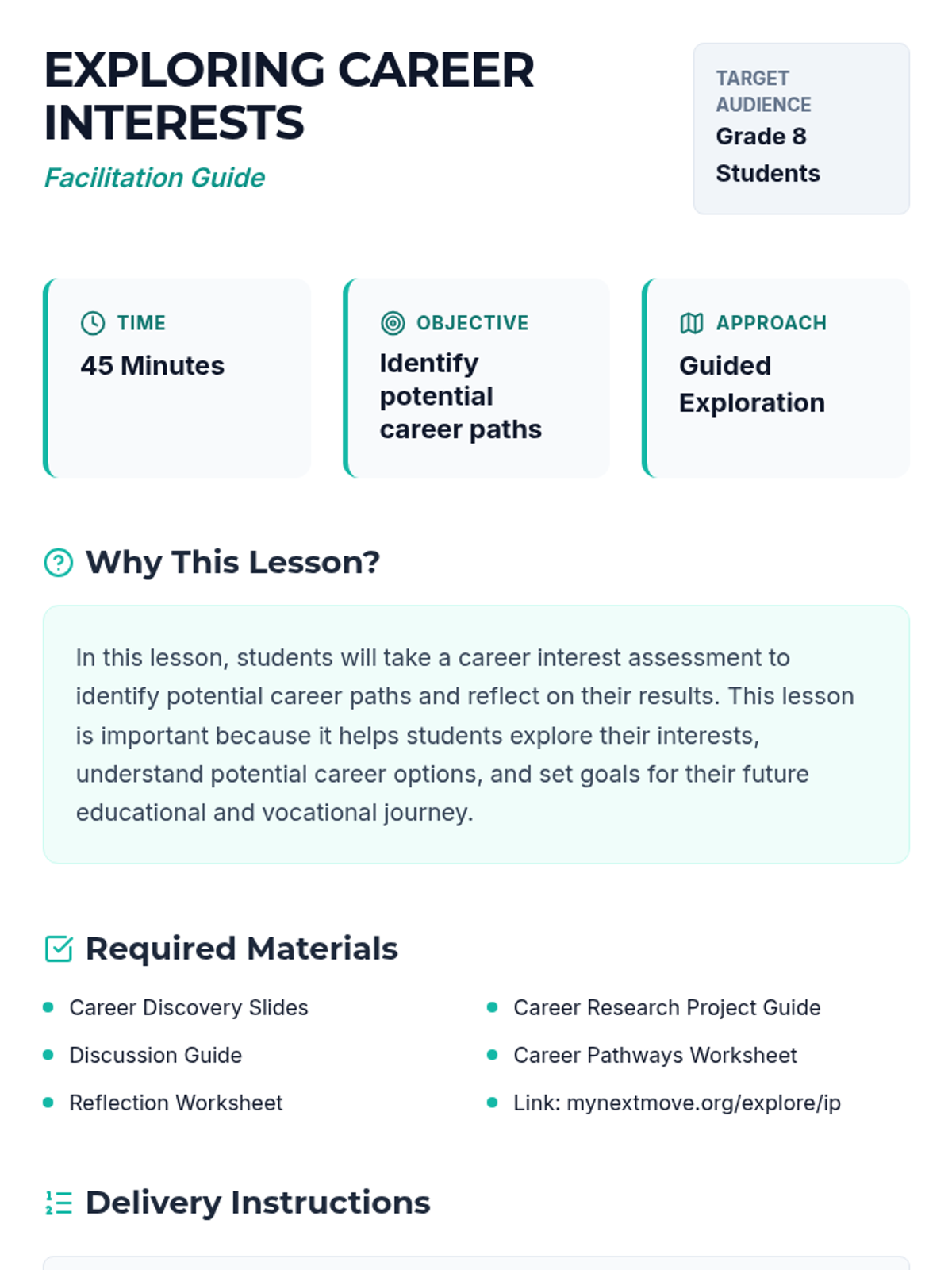
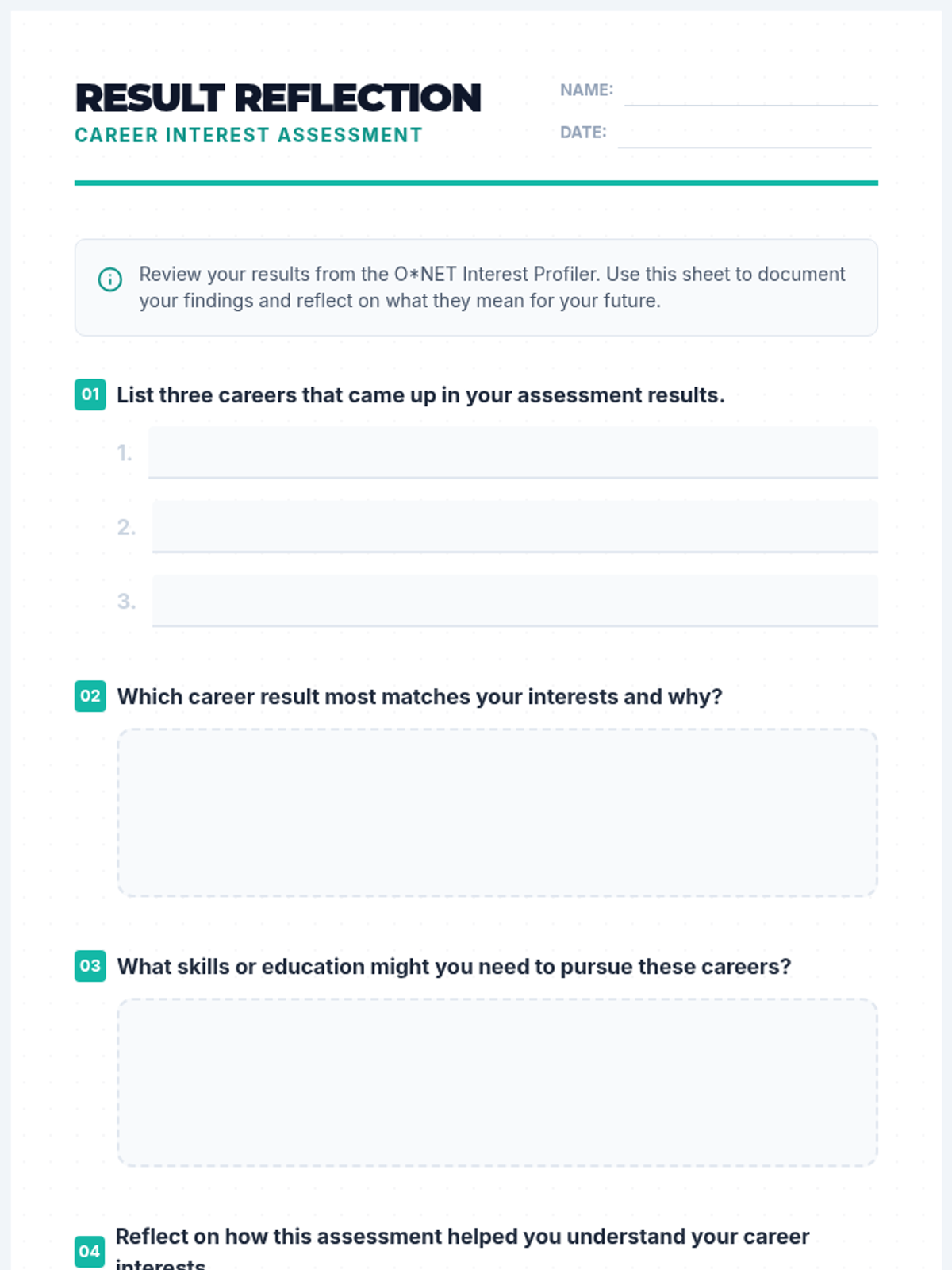
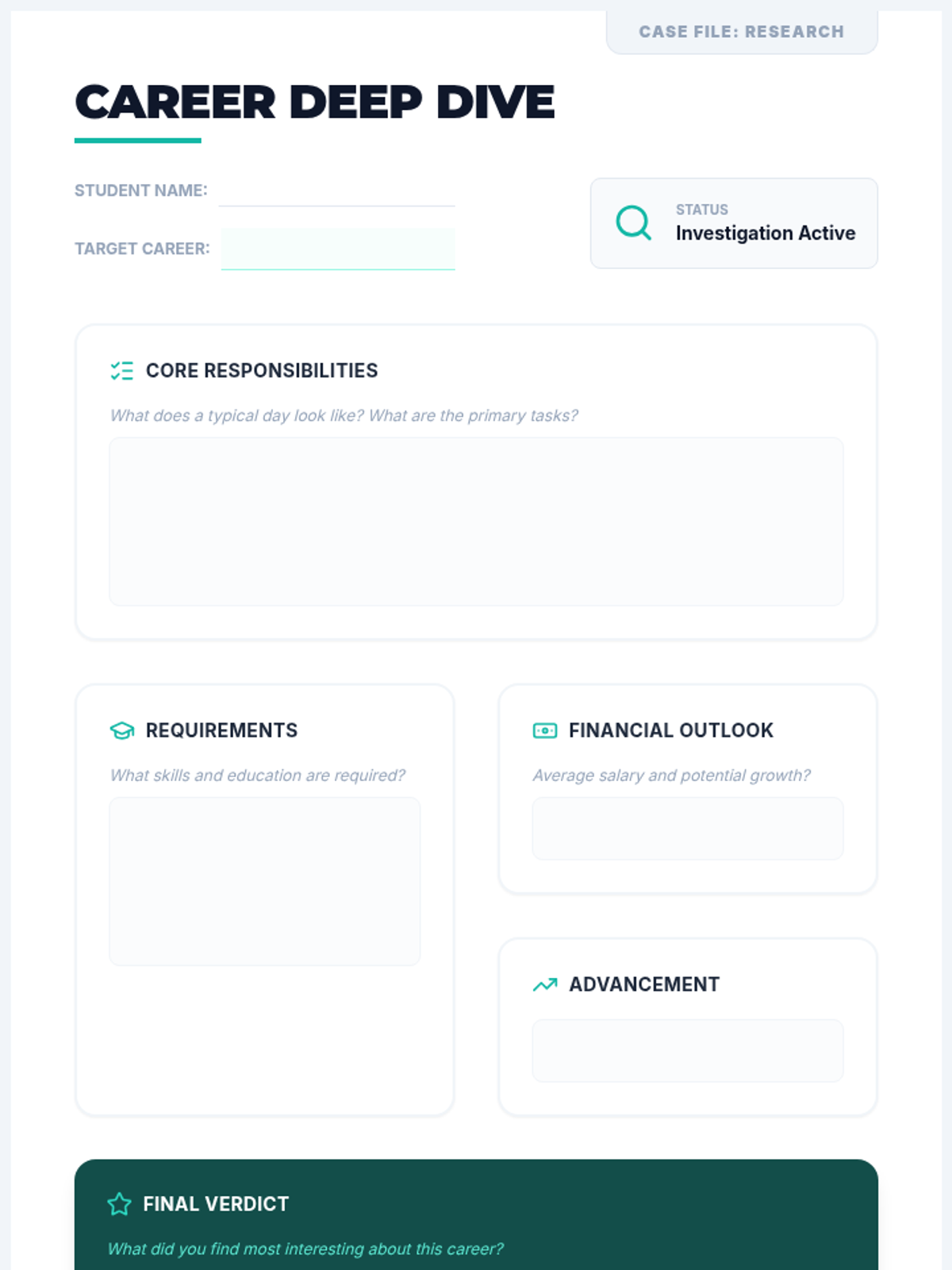
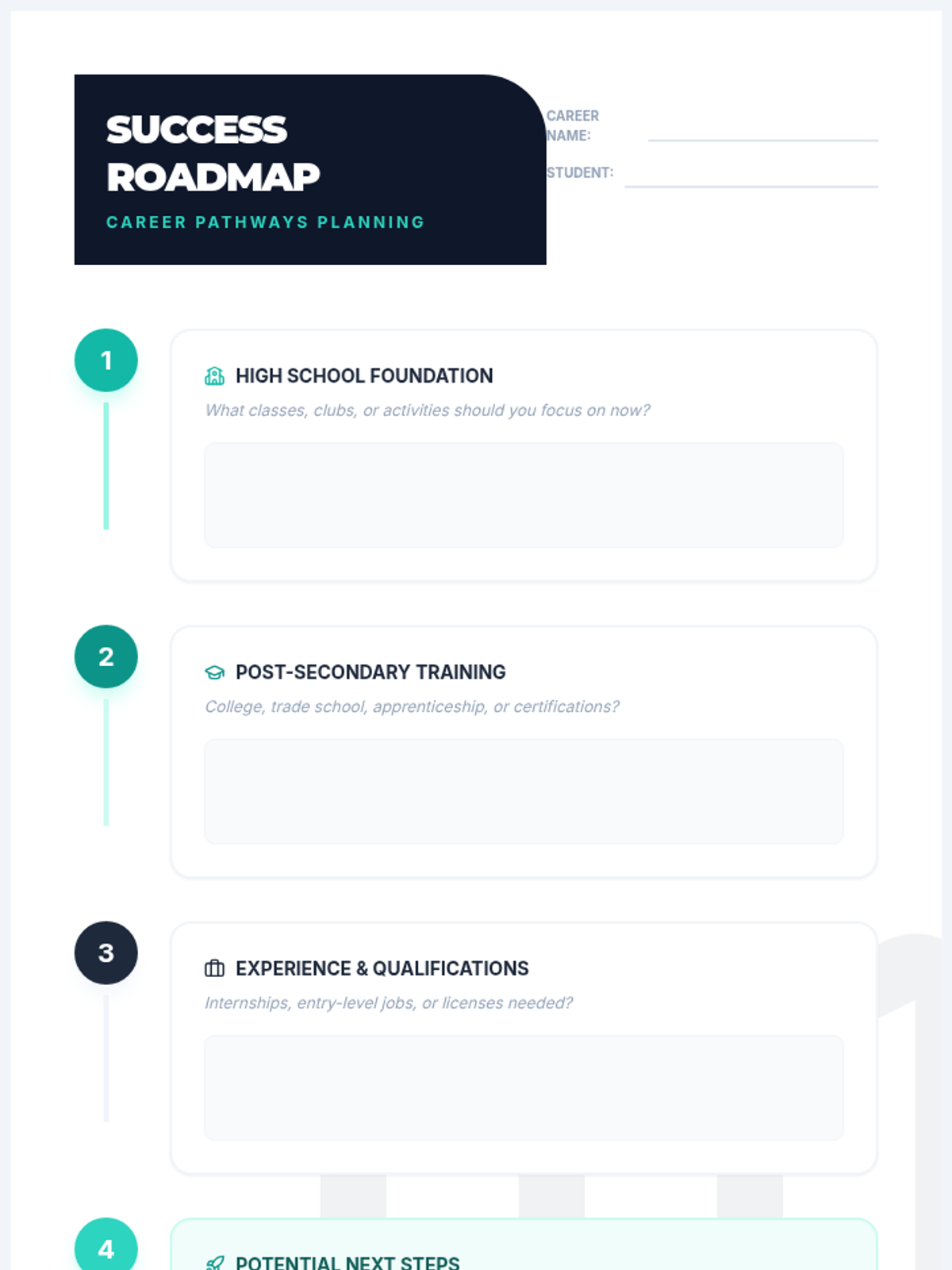
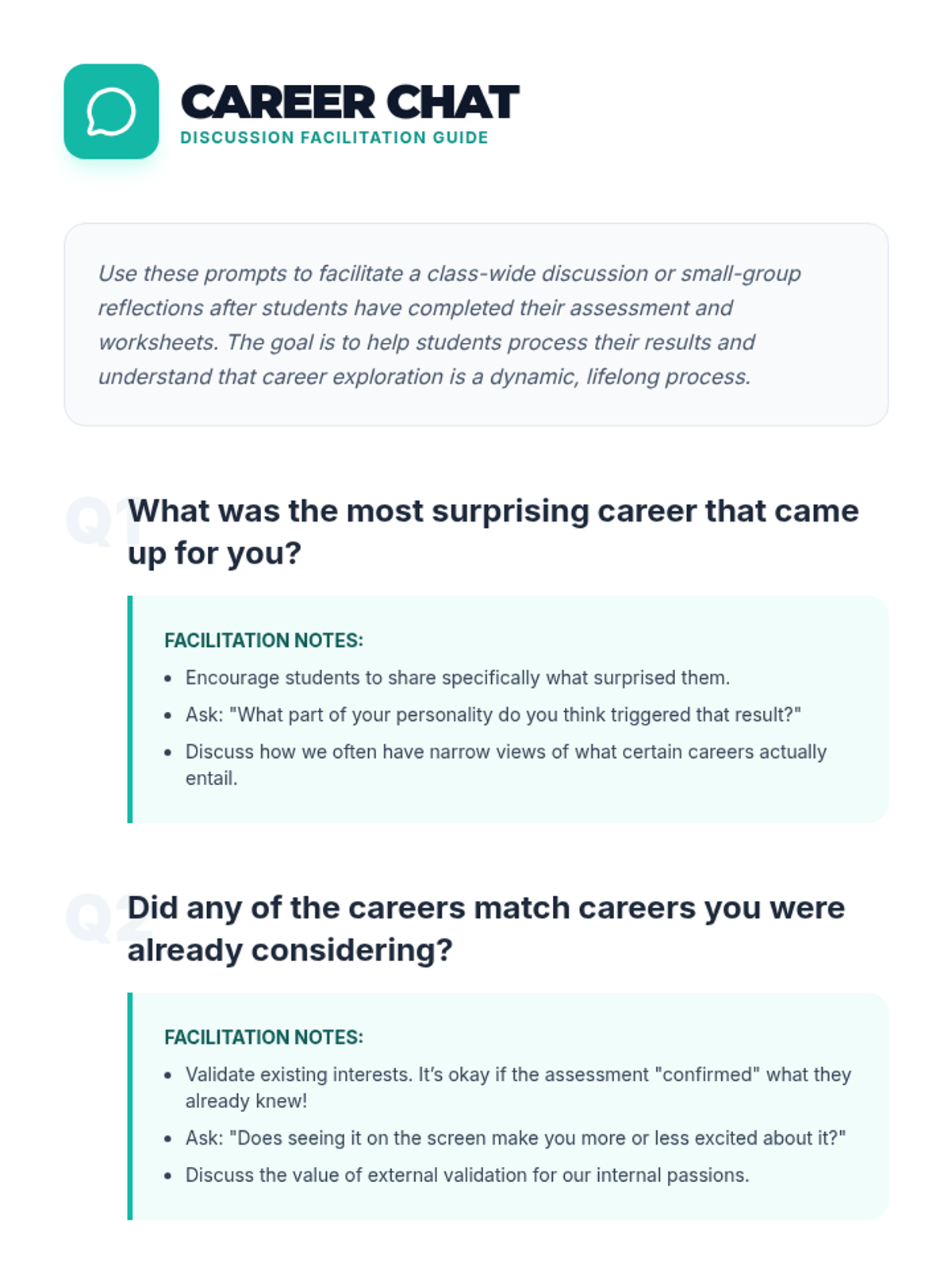
A comprehensive lesson for 8th-grade students to identify career interests using the O*NET Interest Profiler, research specific paths, and map out educational requirements.
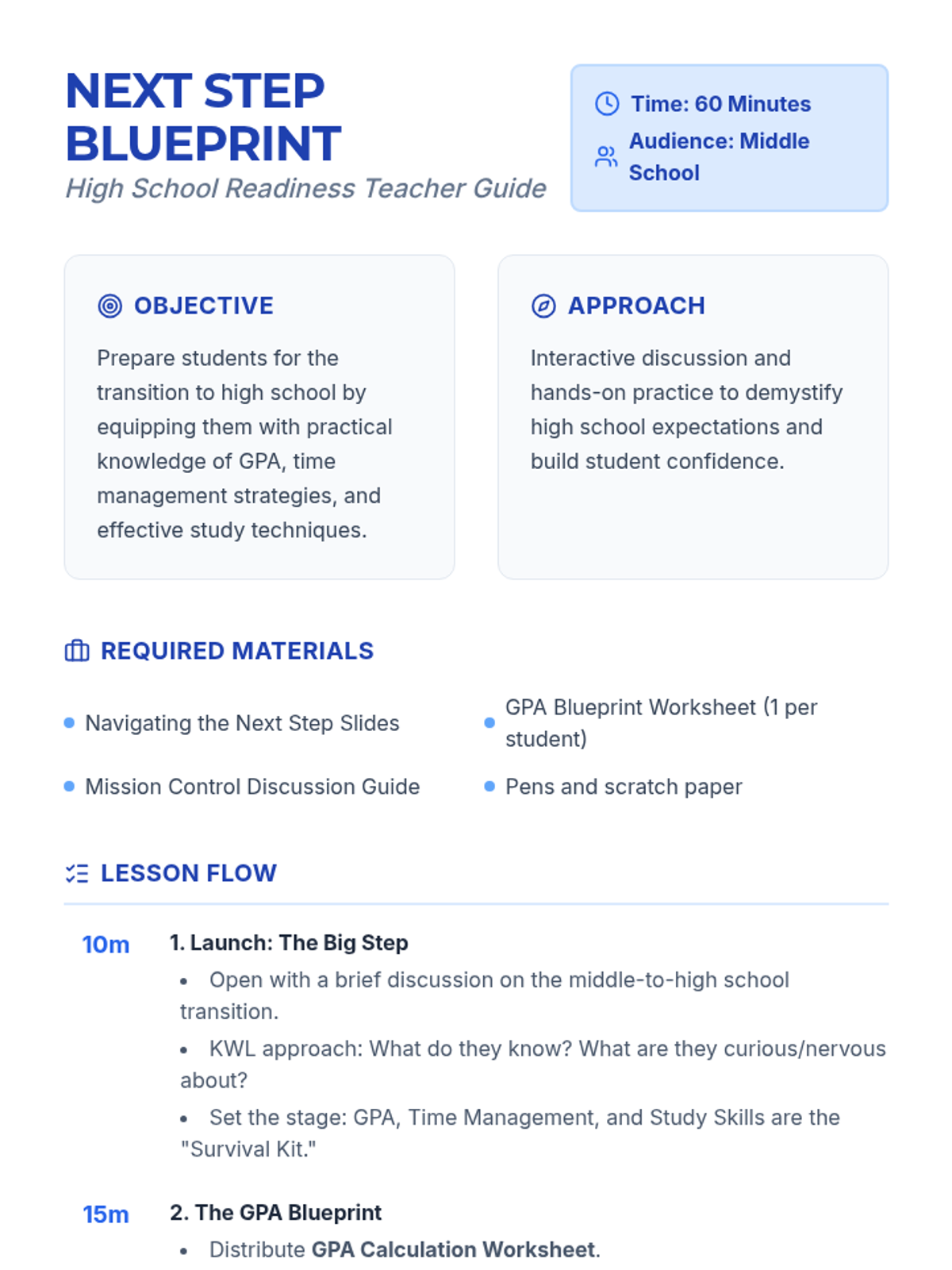
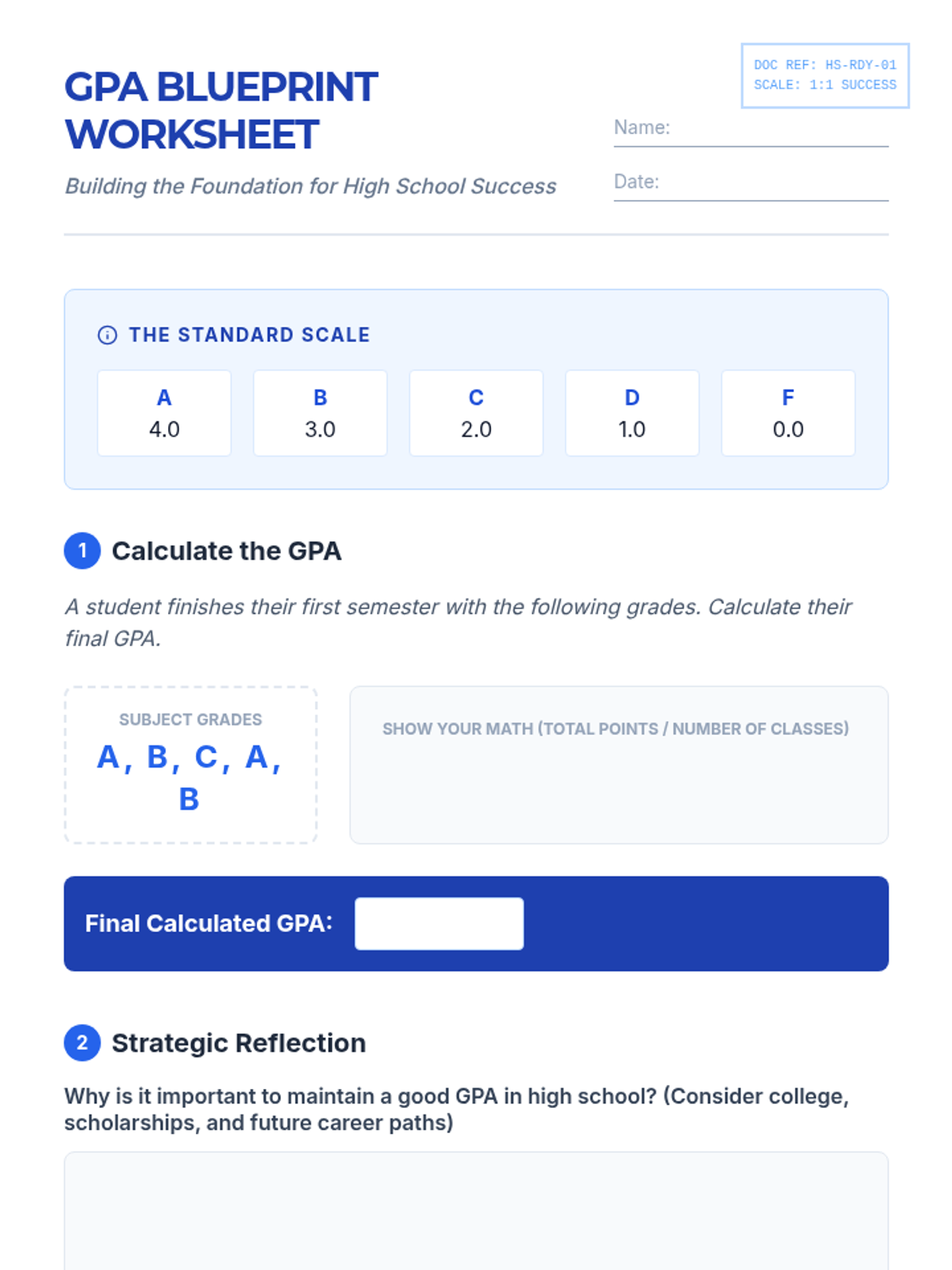
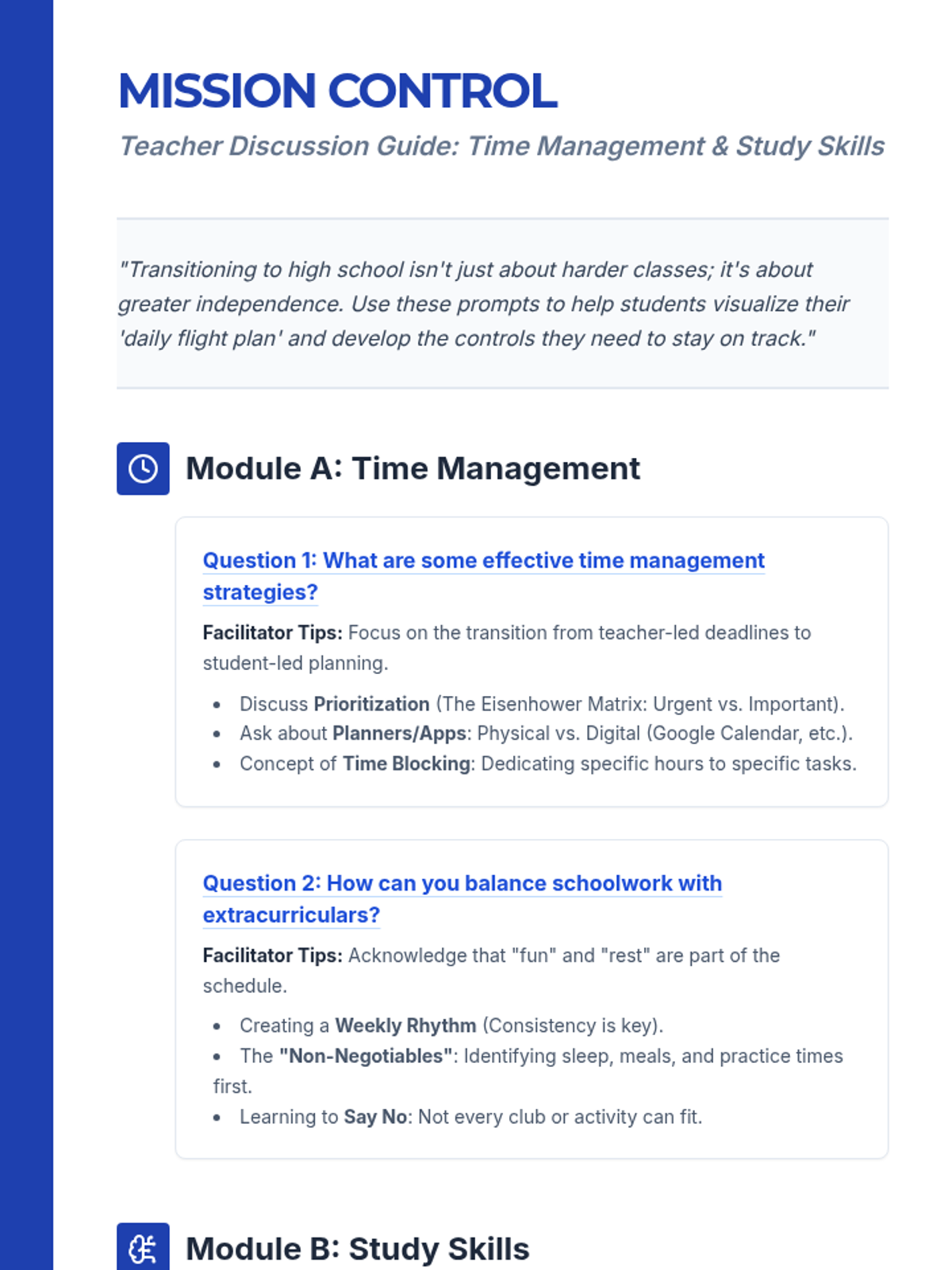
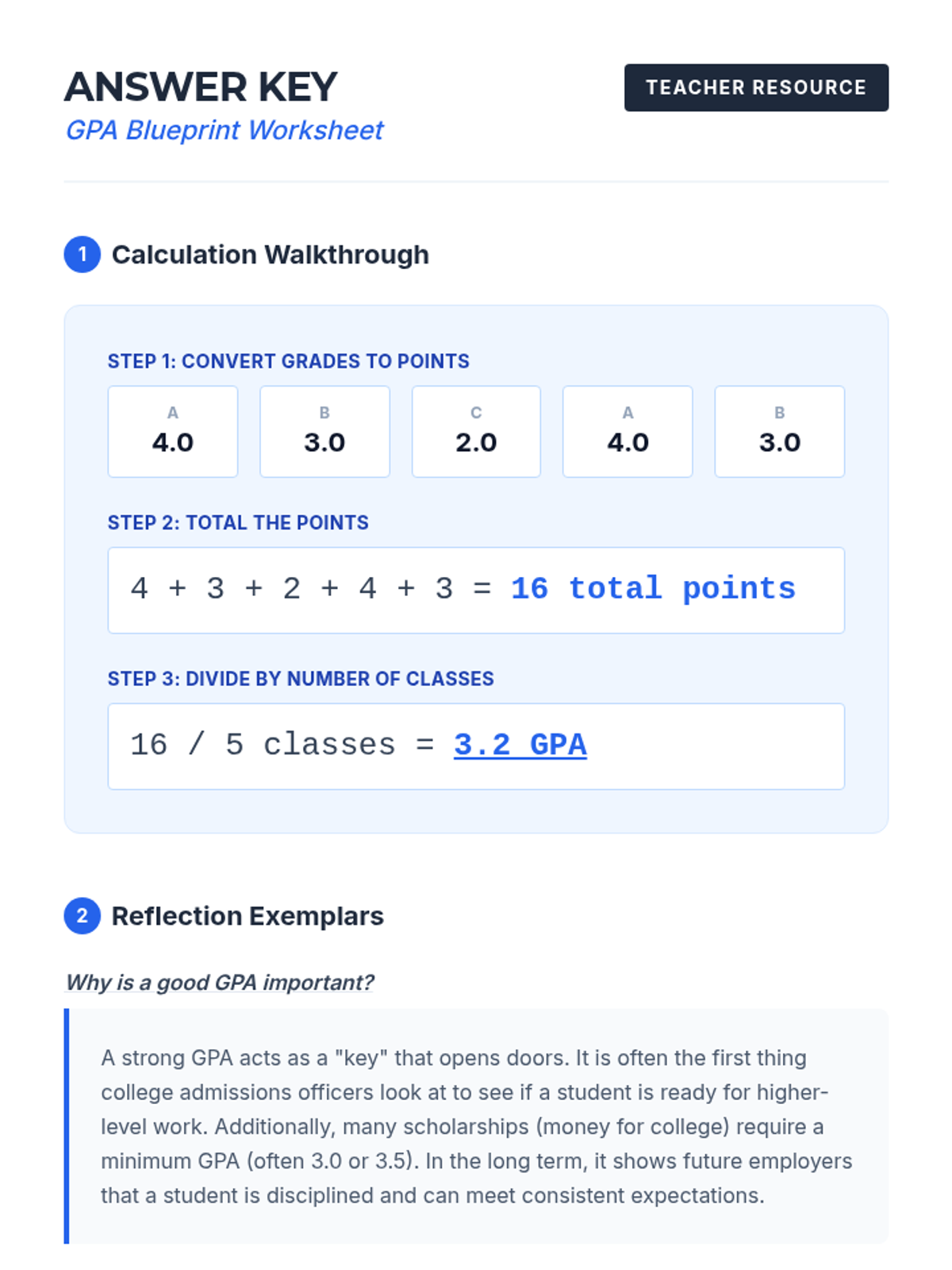
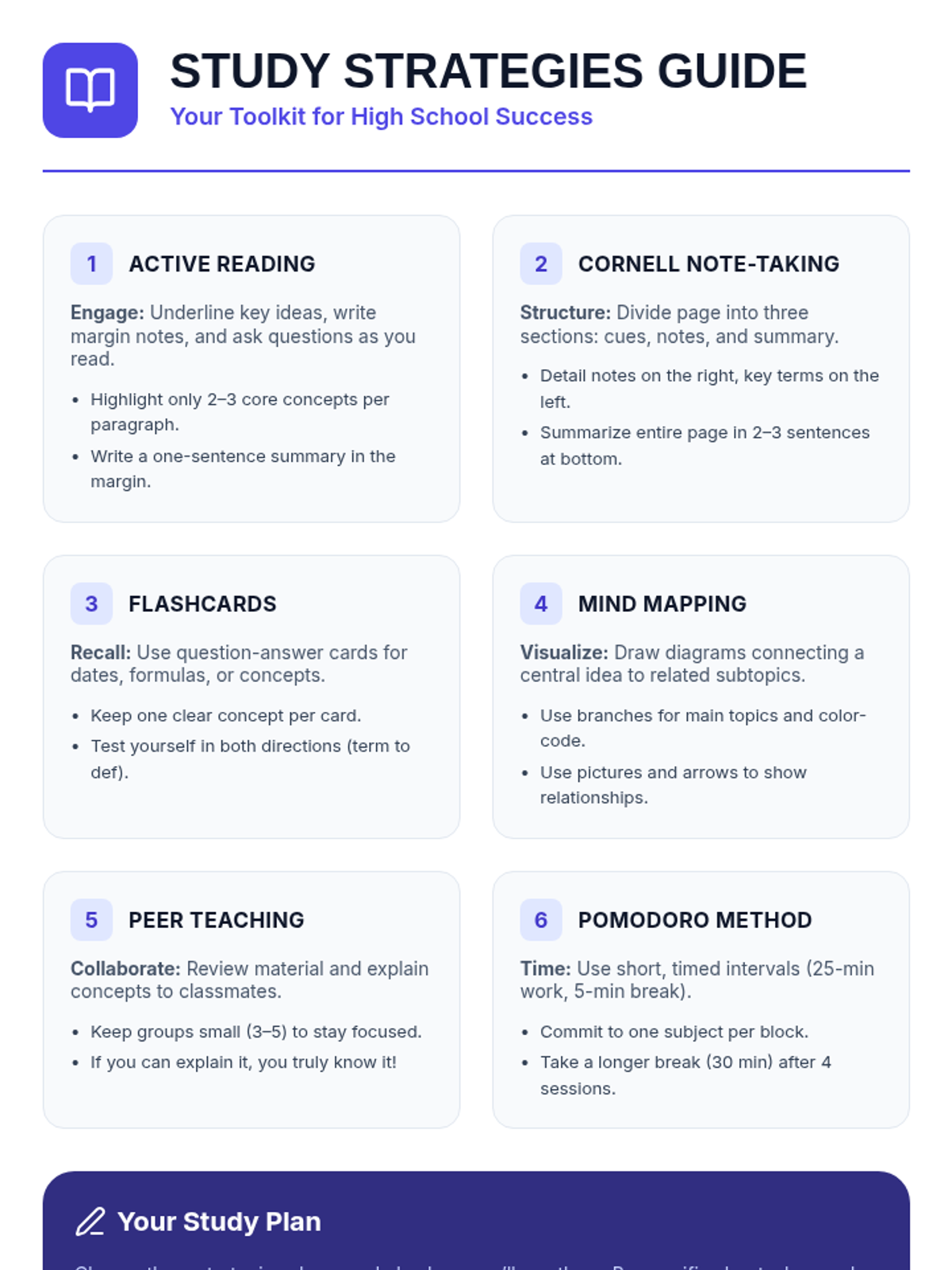
A comprehensive lesson designed to prepare middle school students for the transition to high school, focusing on GPA calculation, time management, and essential study skills.
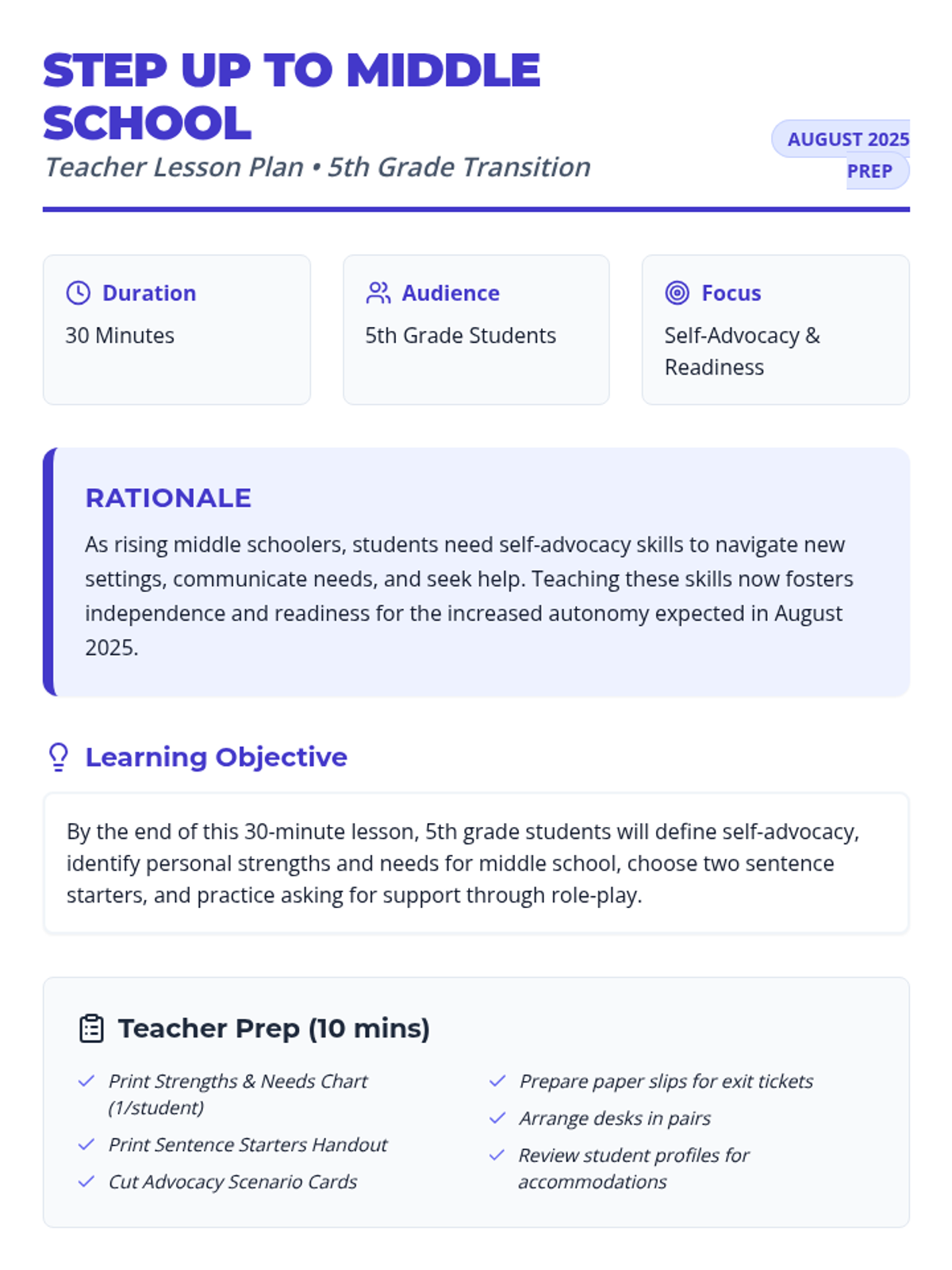
A 30-minute lesson designed to empower 5th-grade students with self-advocacy skills as they transition to middle school. Students identify personal strengths, learn specific communication strategies, and practice asking for support through role-play scenarios.
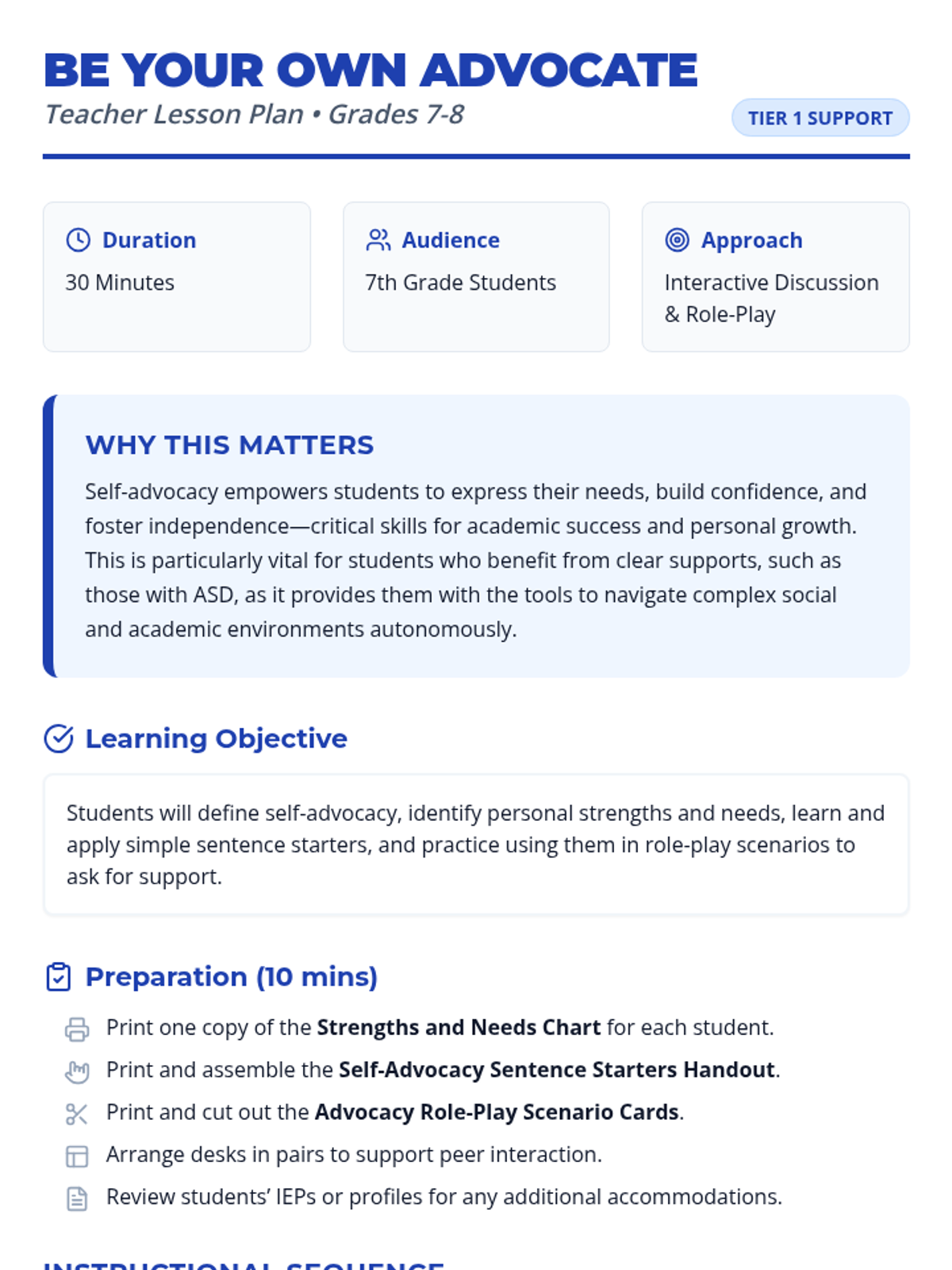
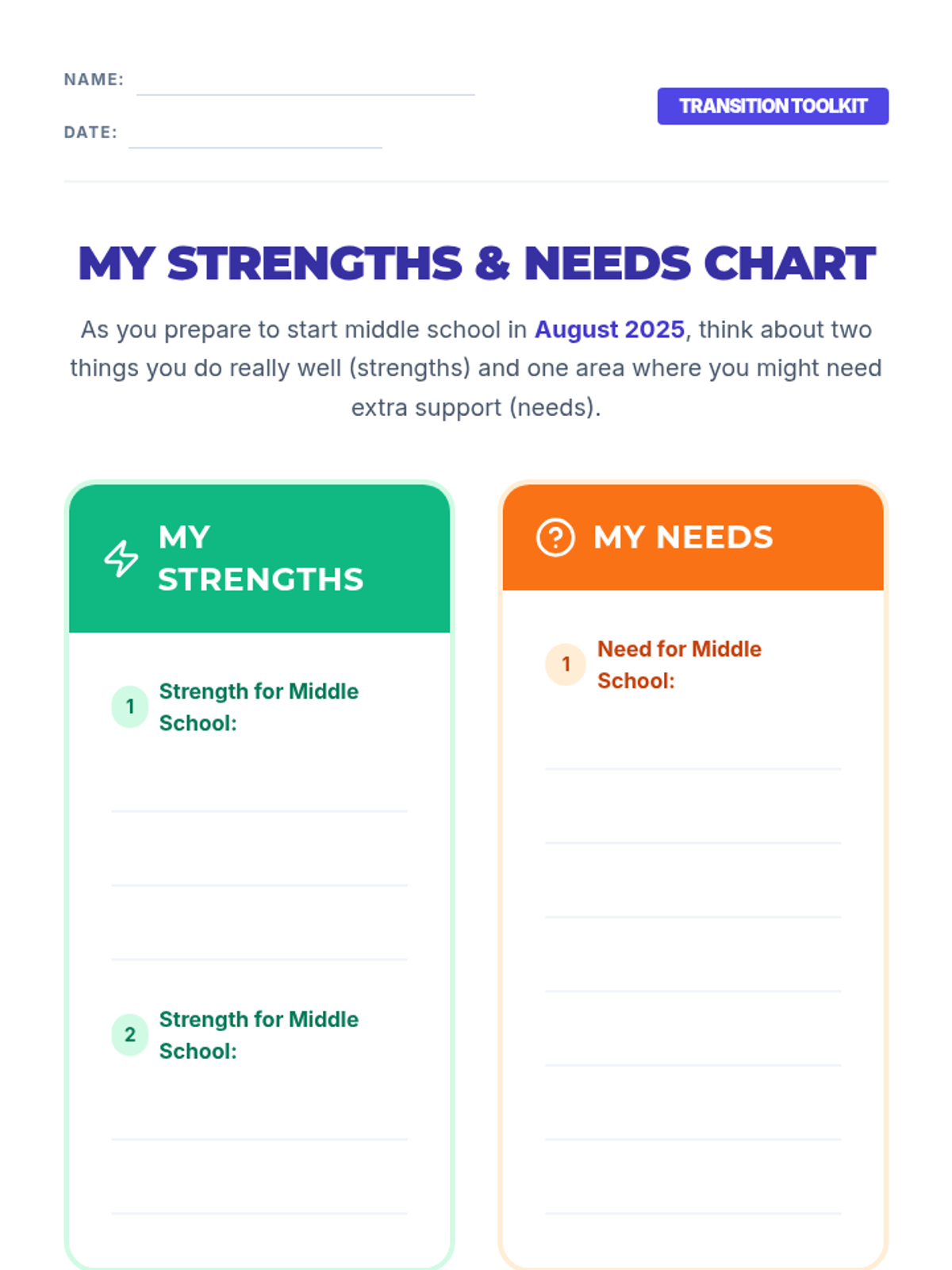
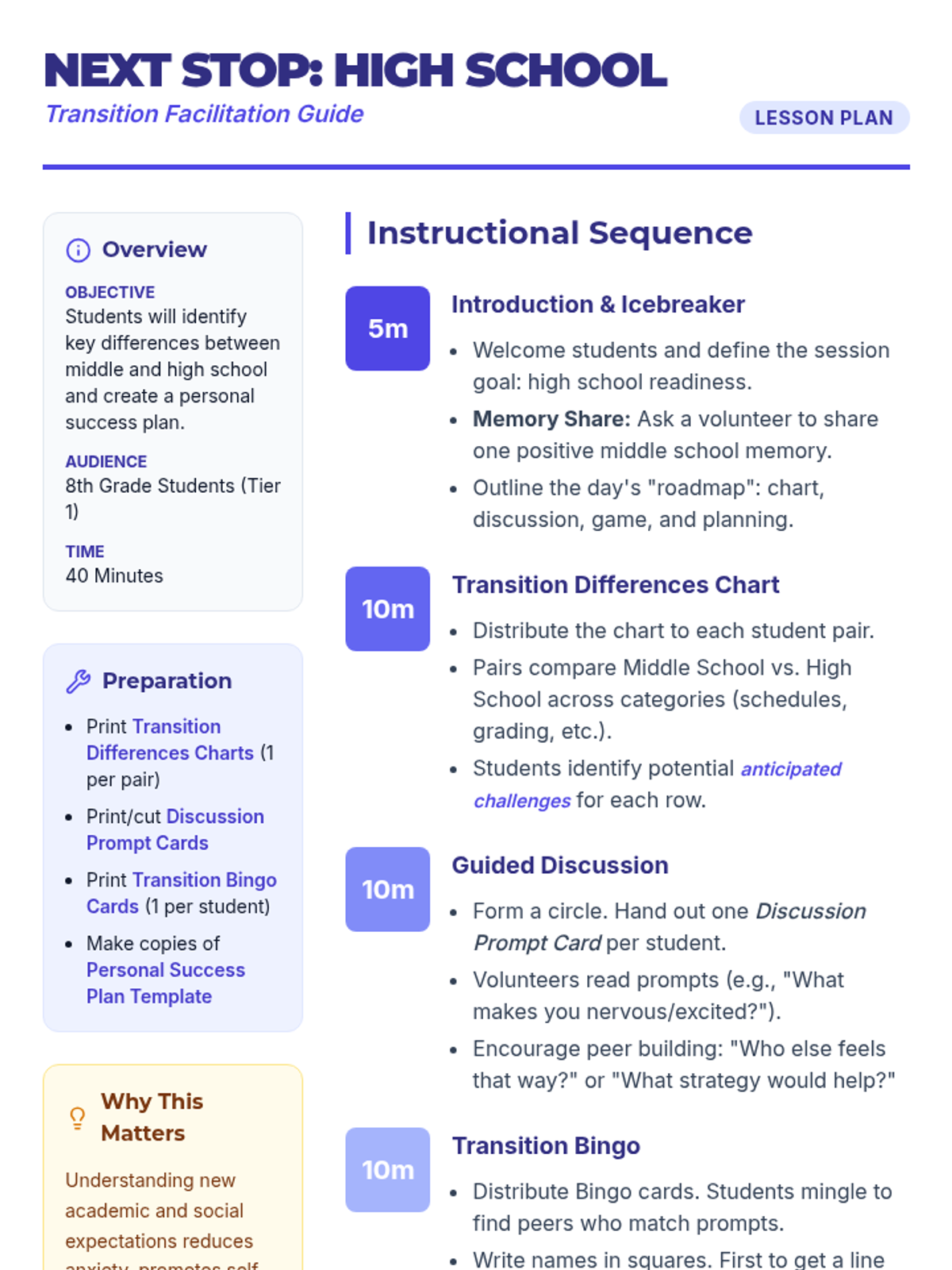
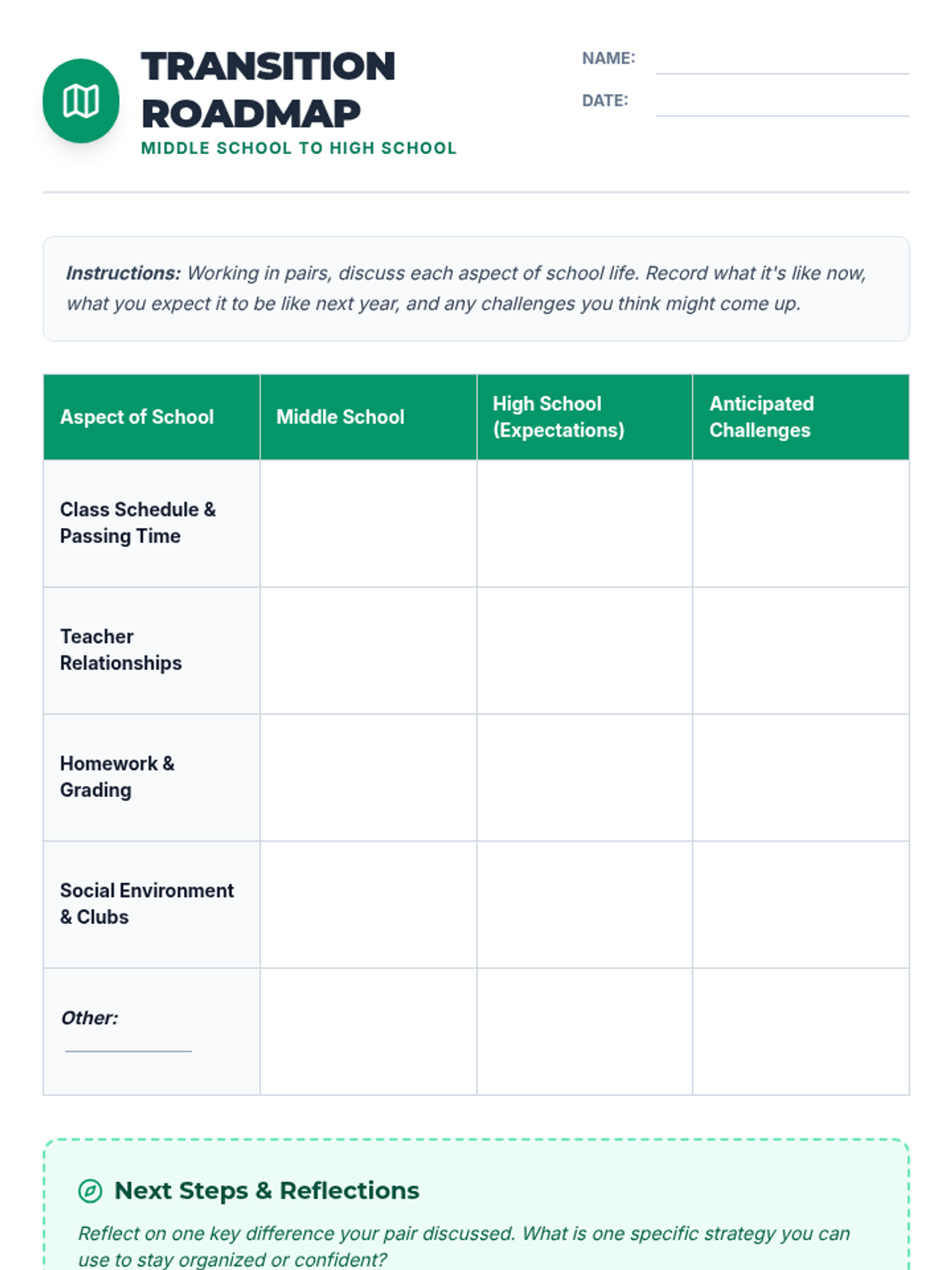
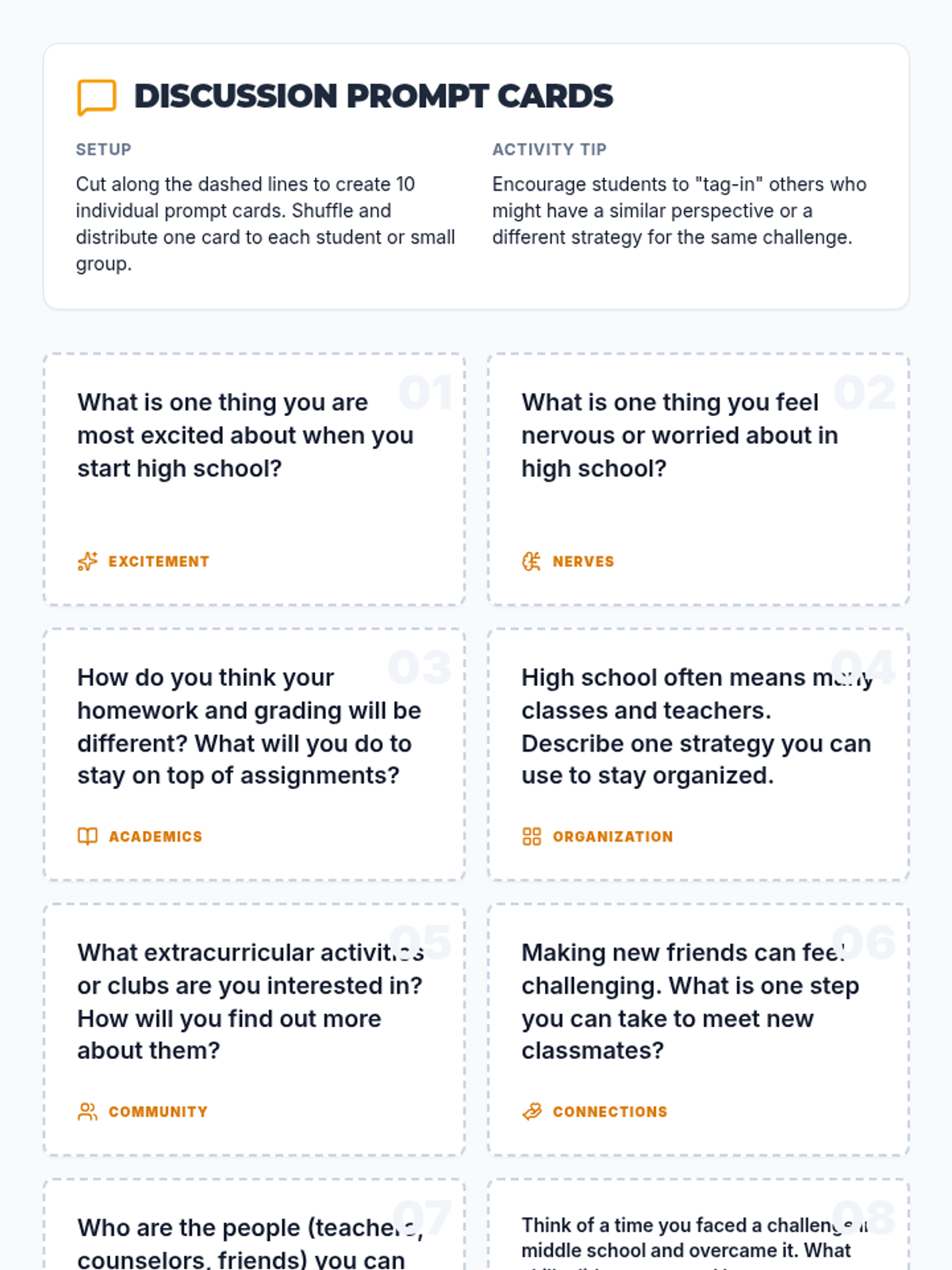
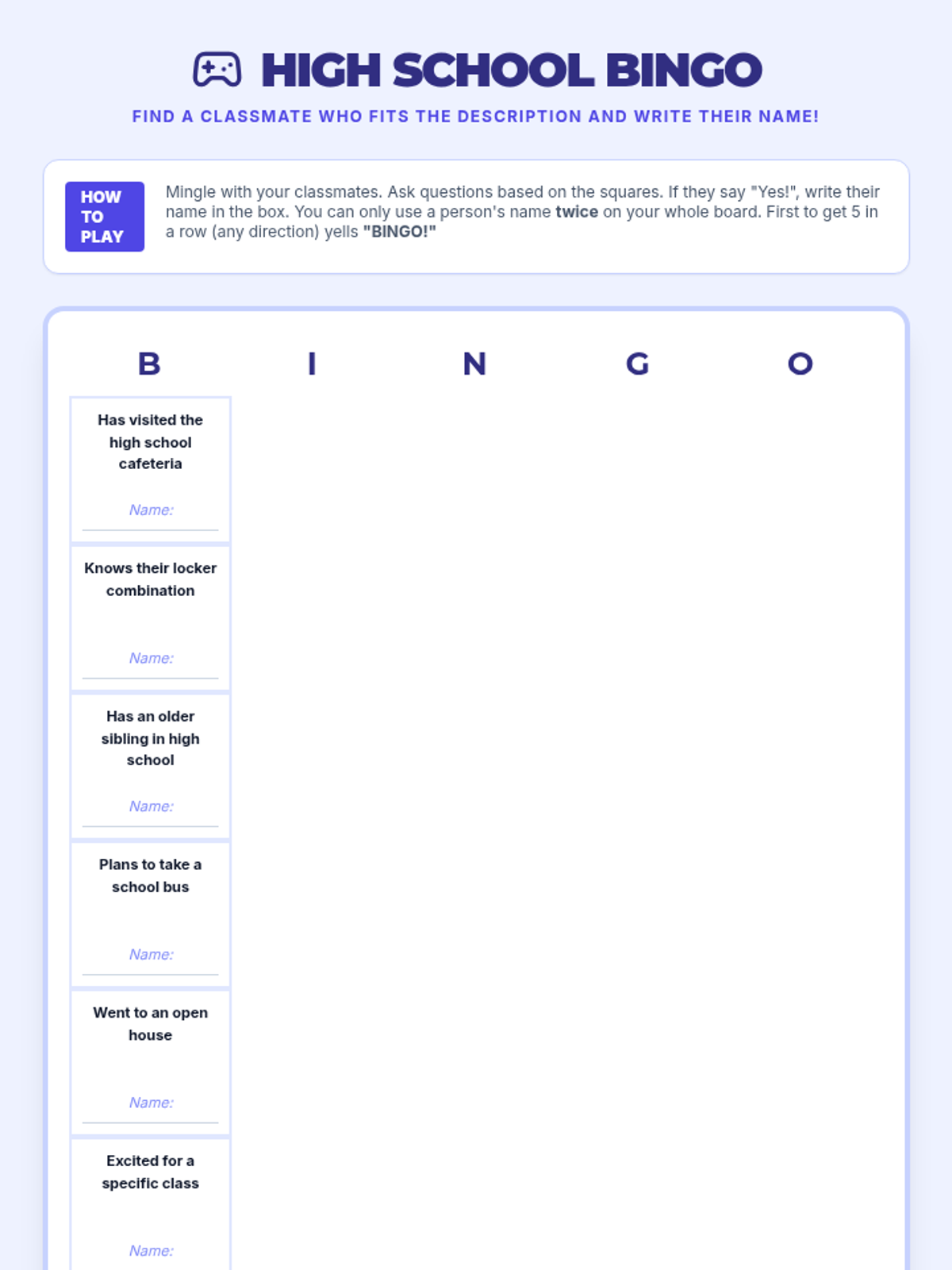
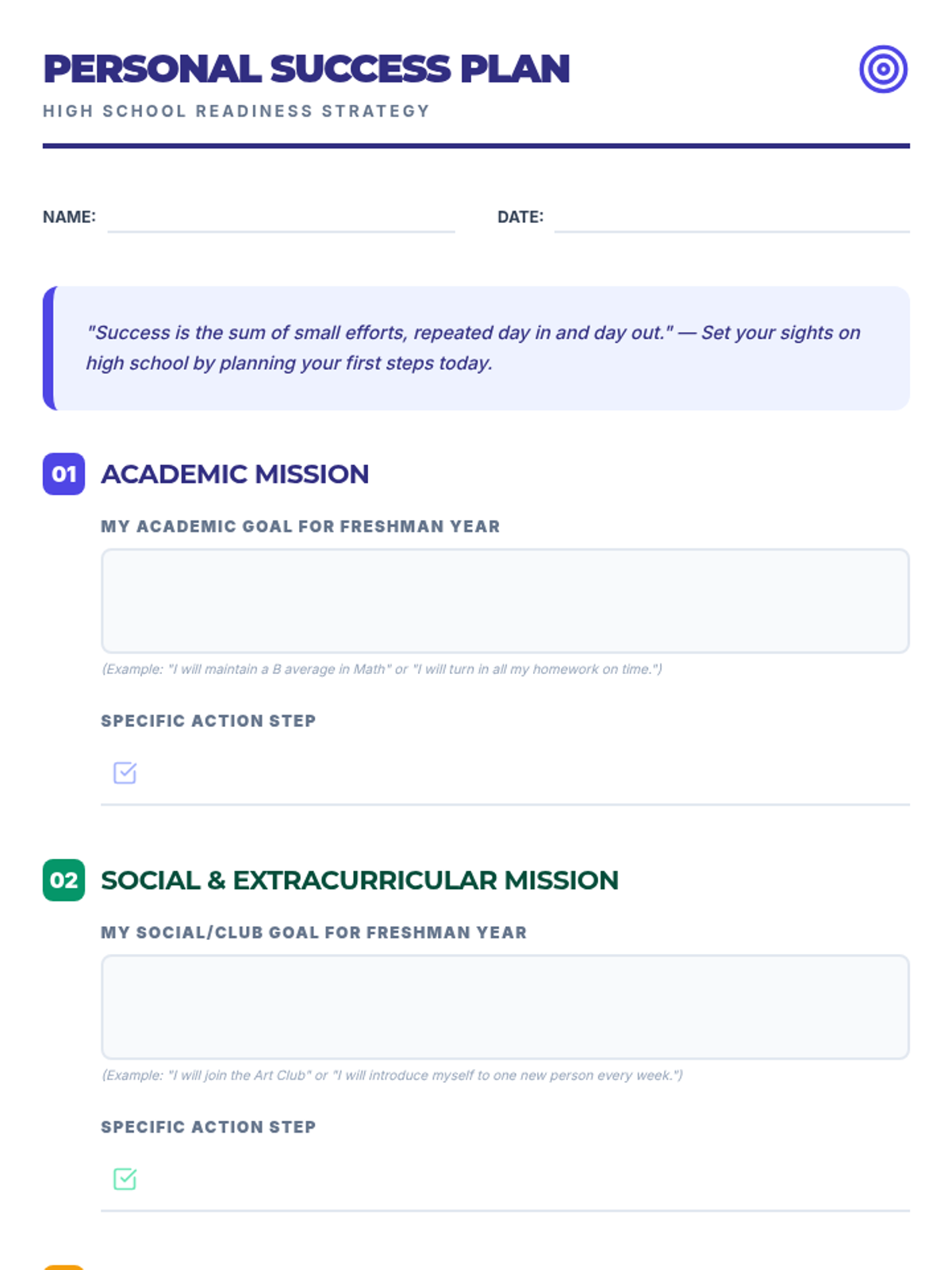
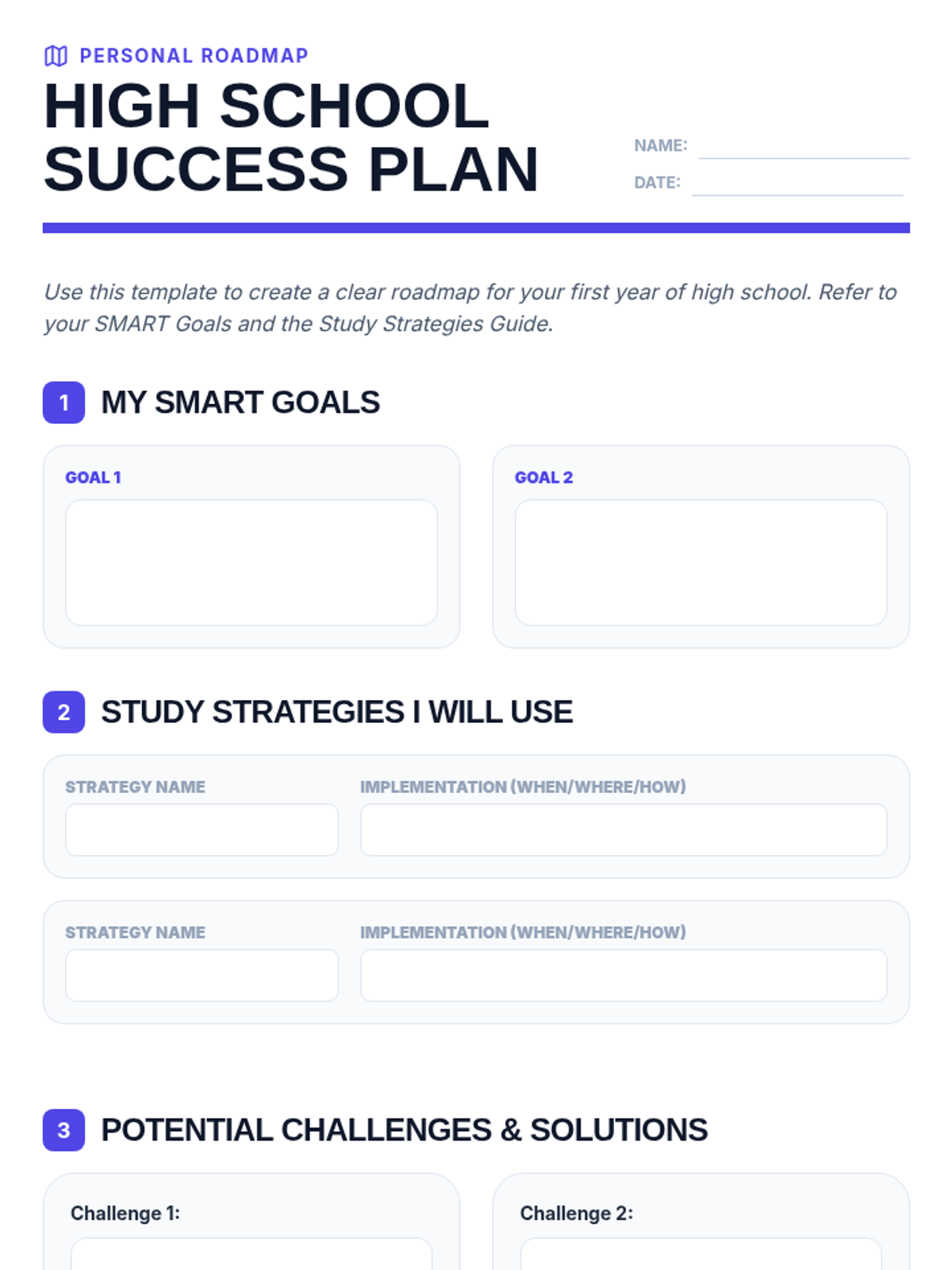
A comprehensive one-session transition lesson for 8th graders to explore high school expectations, build confidence, and create a personal success plan.
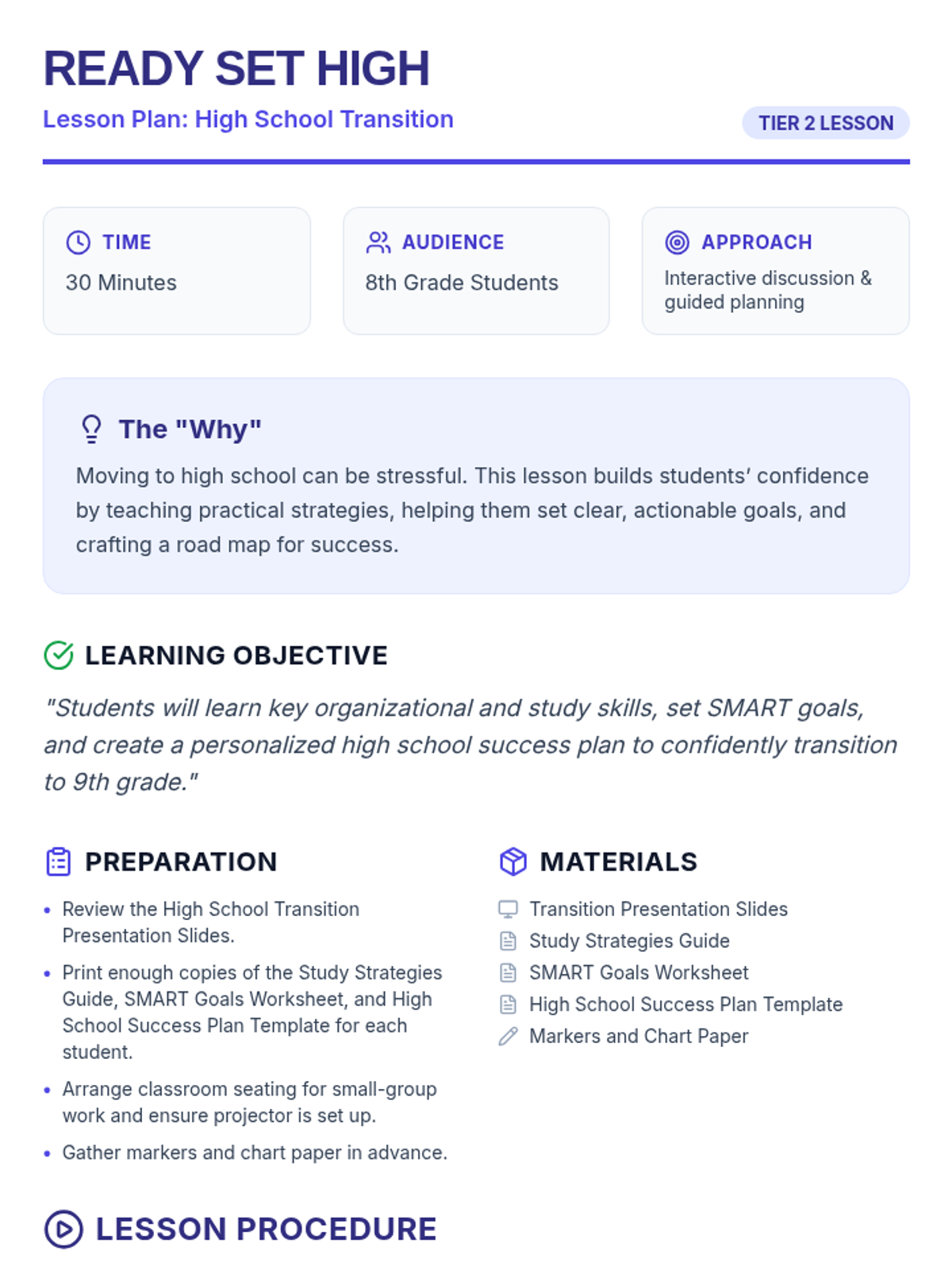
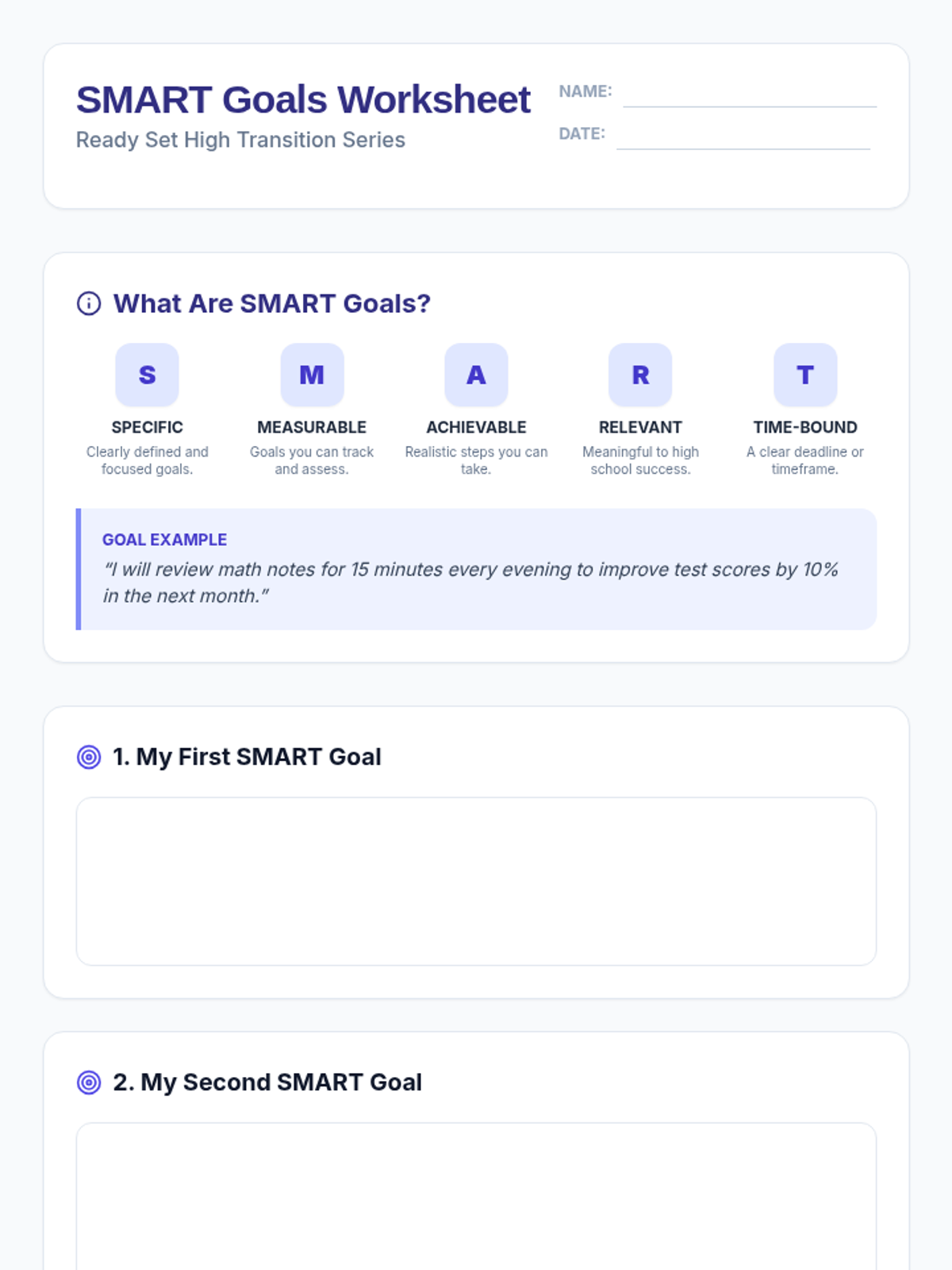
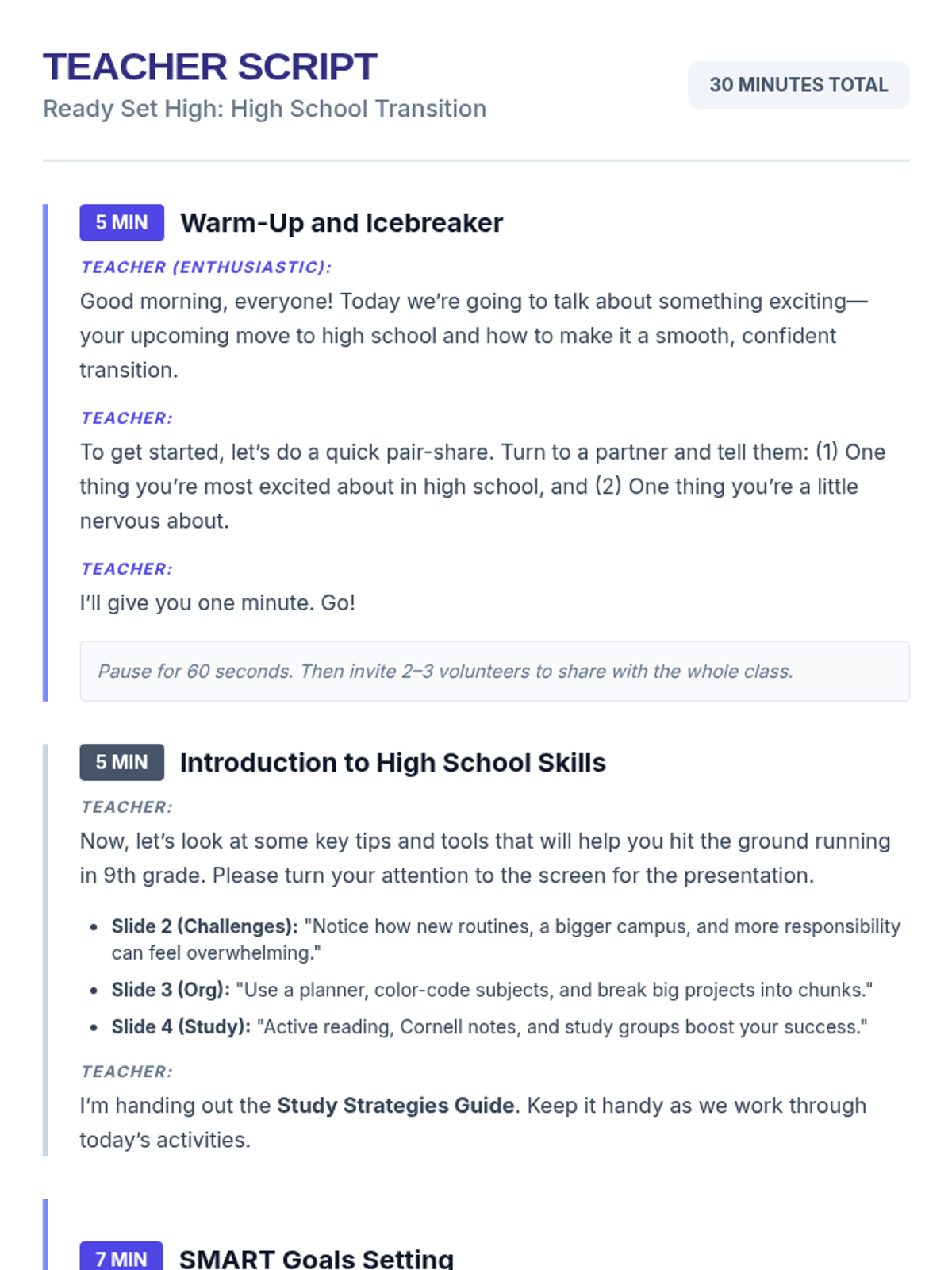
A 30-minute Tier 2 lesson for 8th graders to explore organizational skills, set SMART goals, and create a personalized success plan for their transition to high school.
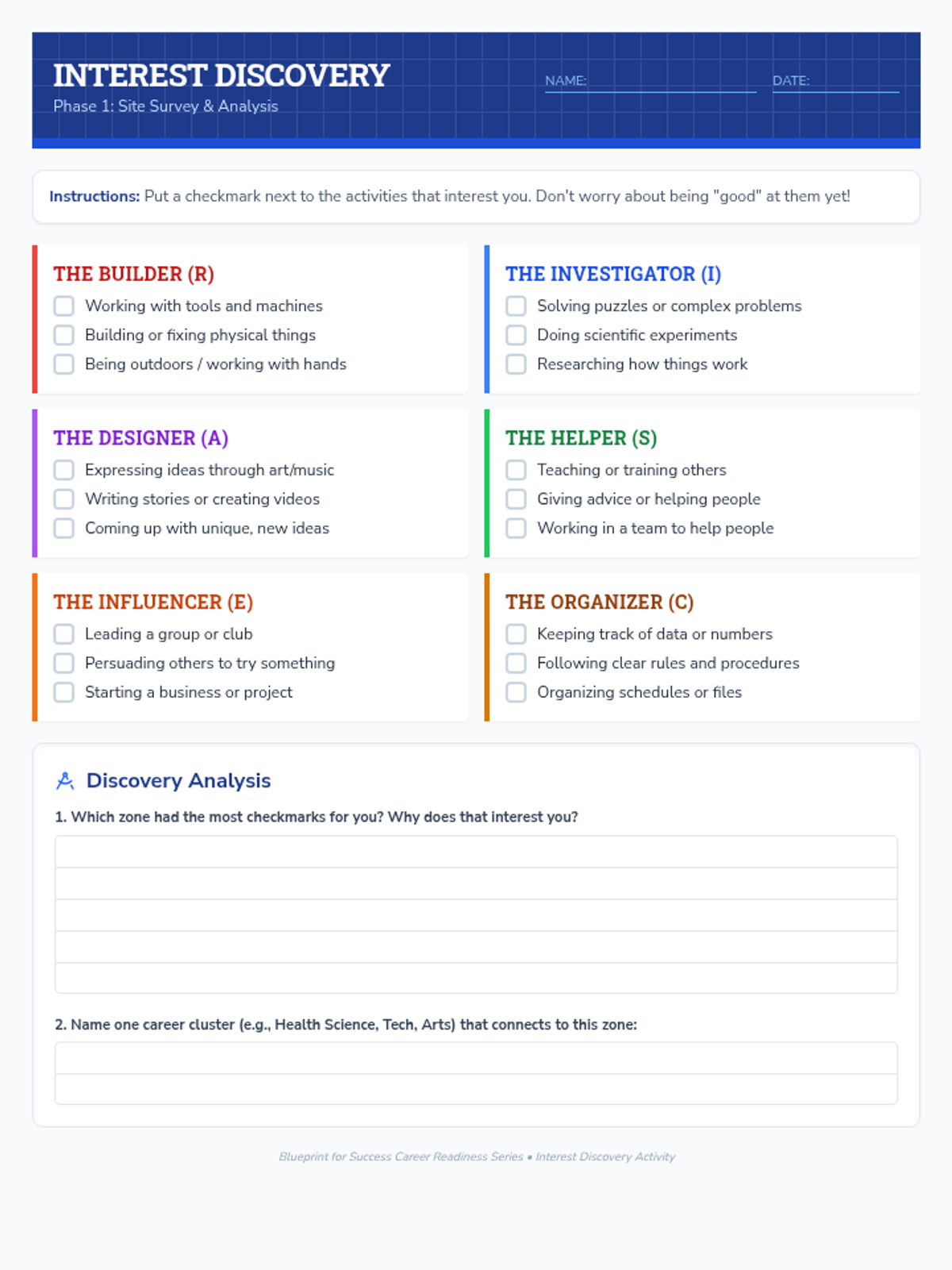
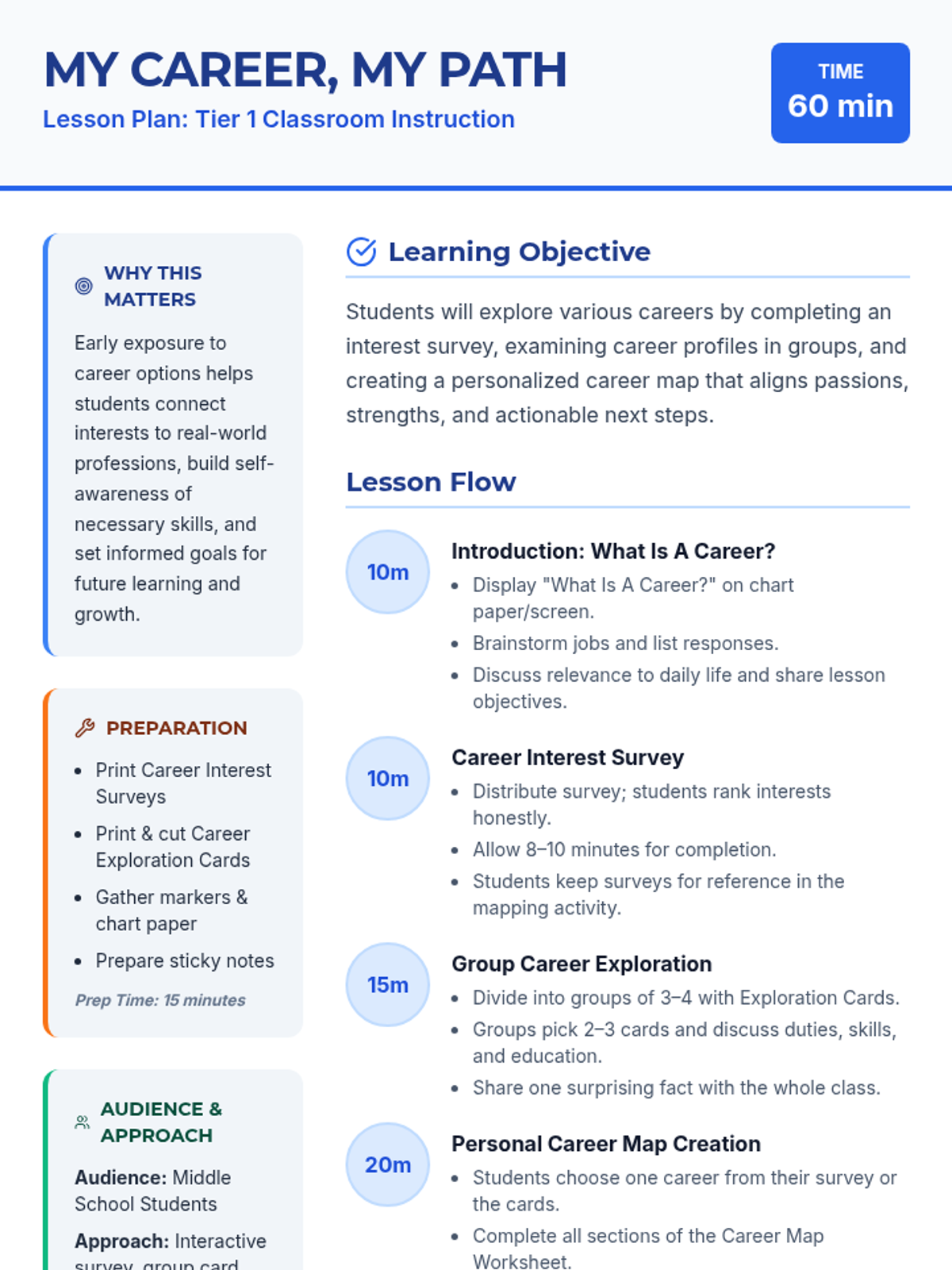
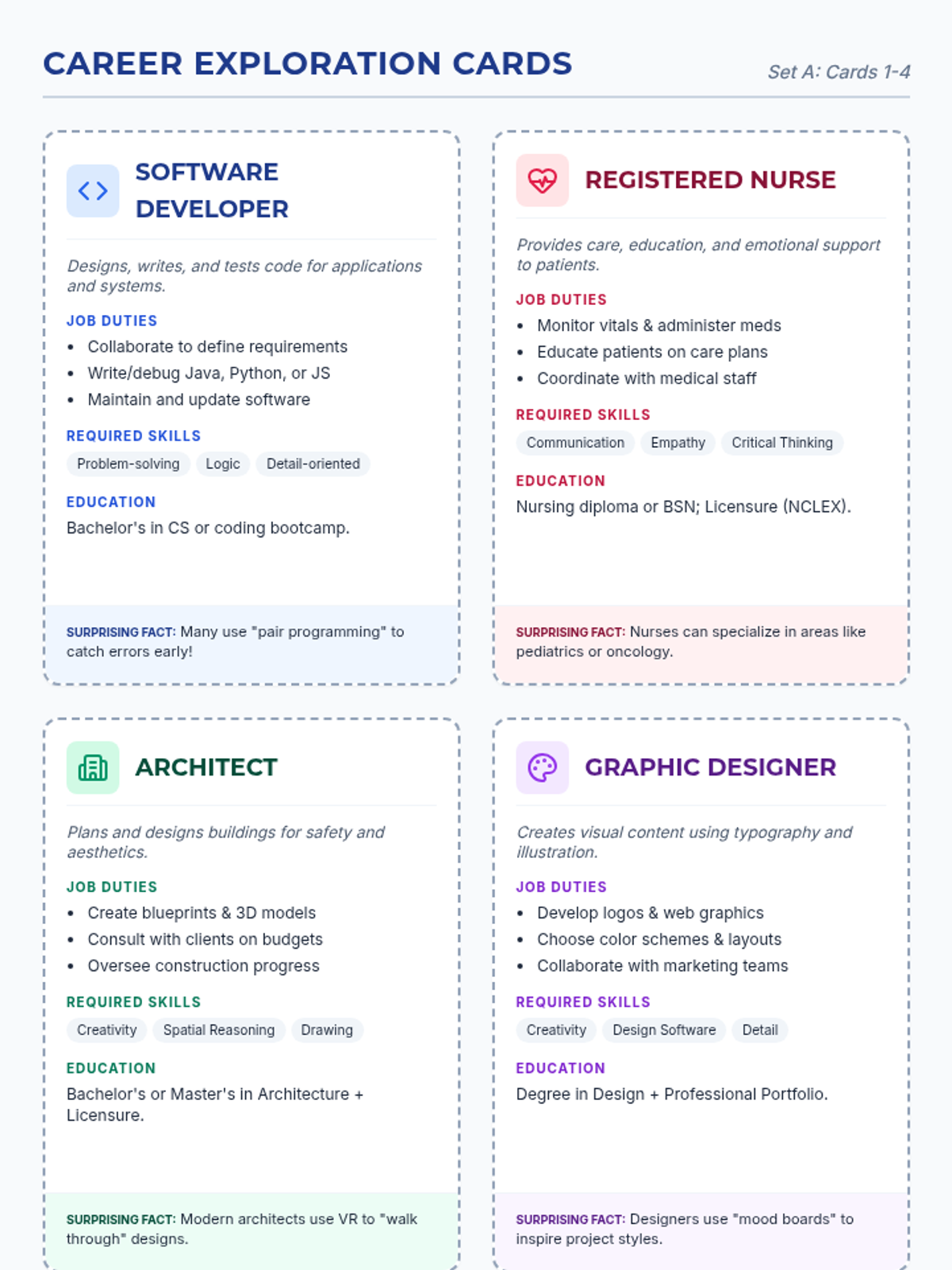
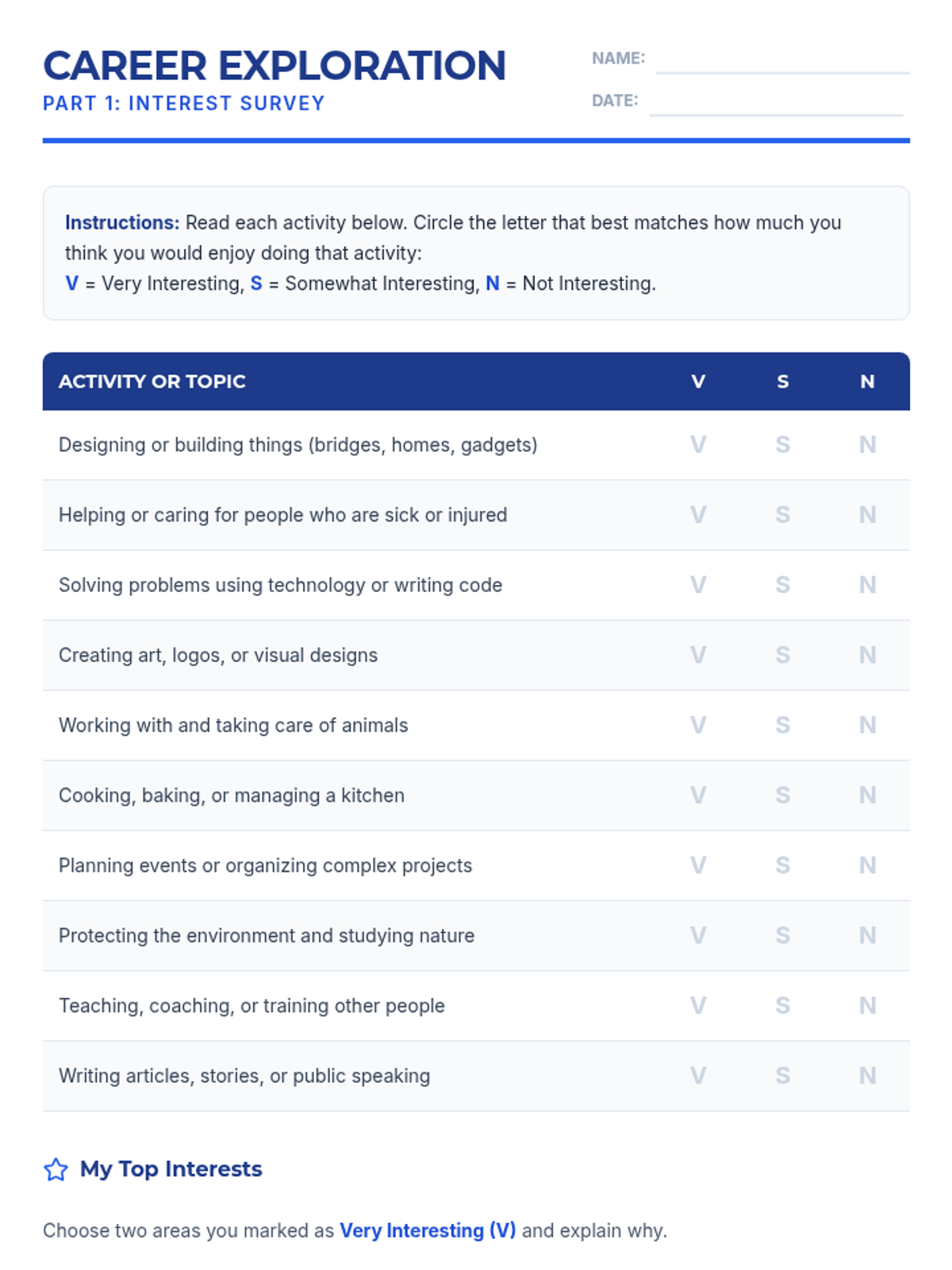
This lesson helps middle schoolers explore career options and understand the skills needed for their interests through an interactive survey, group card exploration, and personalized career mapping.
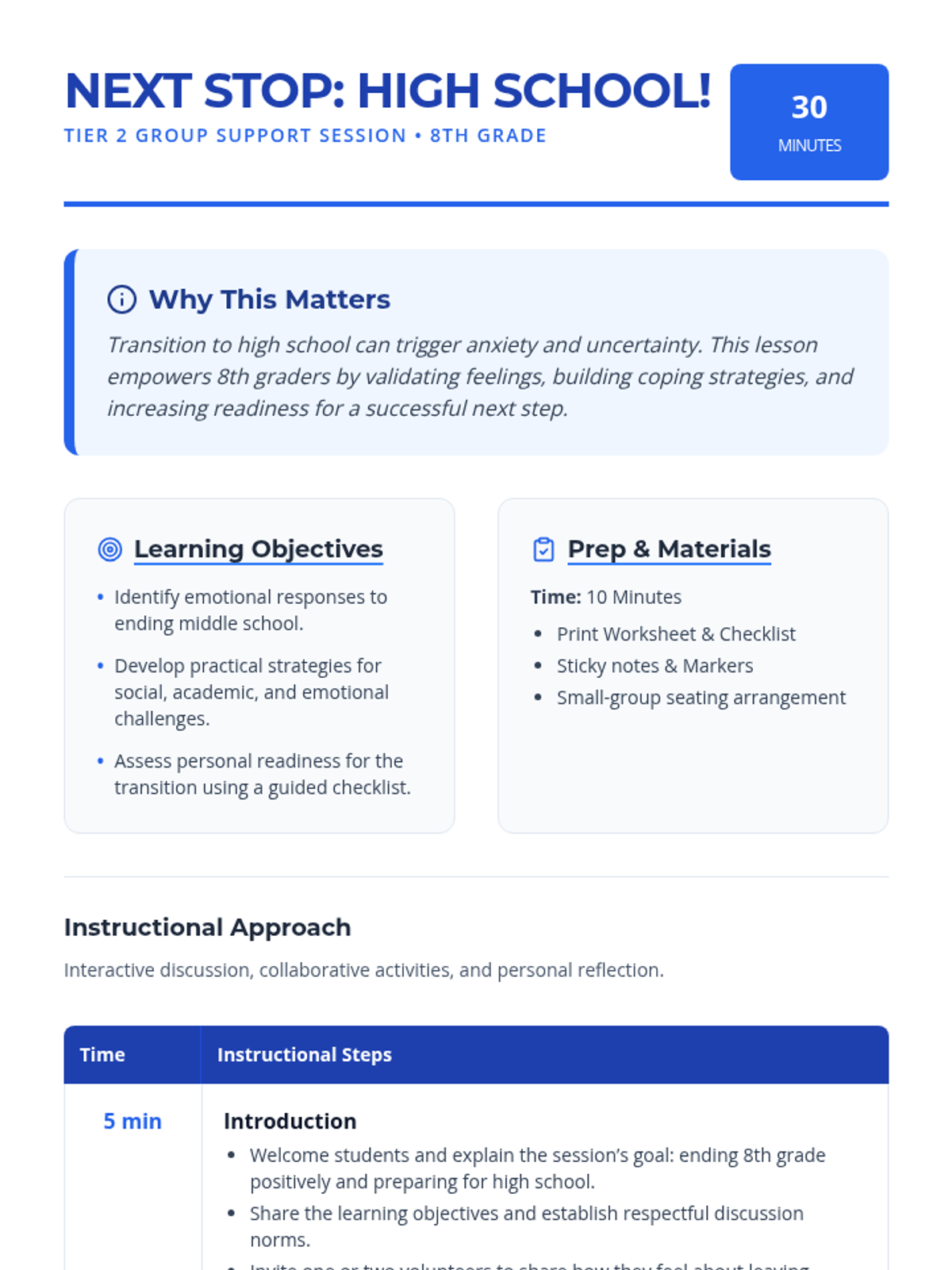
A 30-minute Tier 2 group support session for 8th graders focused on navigating the emotional and practical transition from middle school to high school.
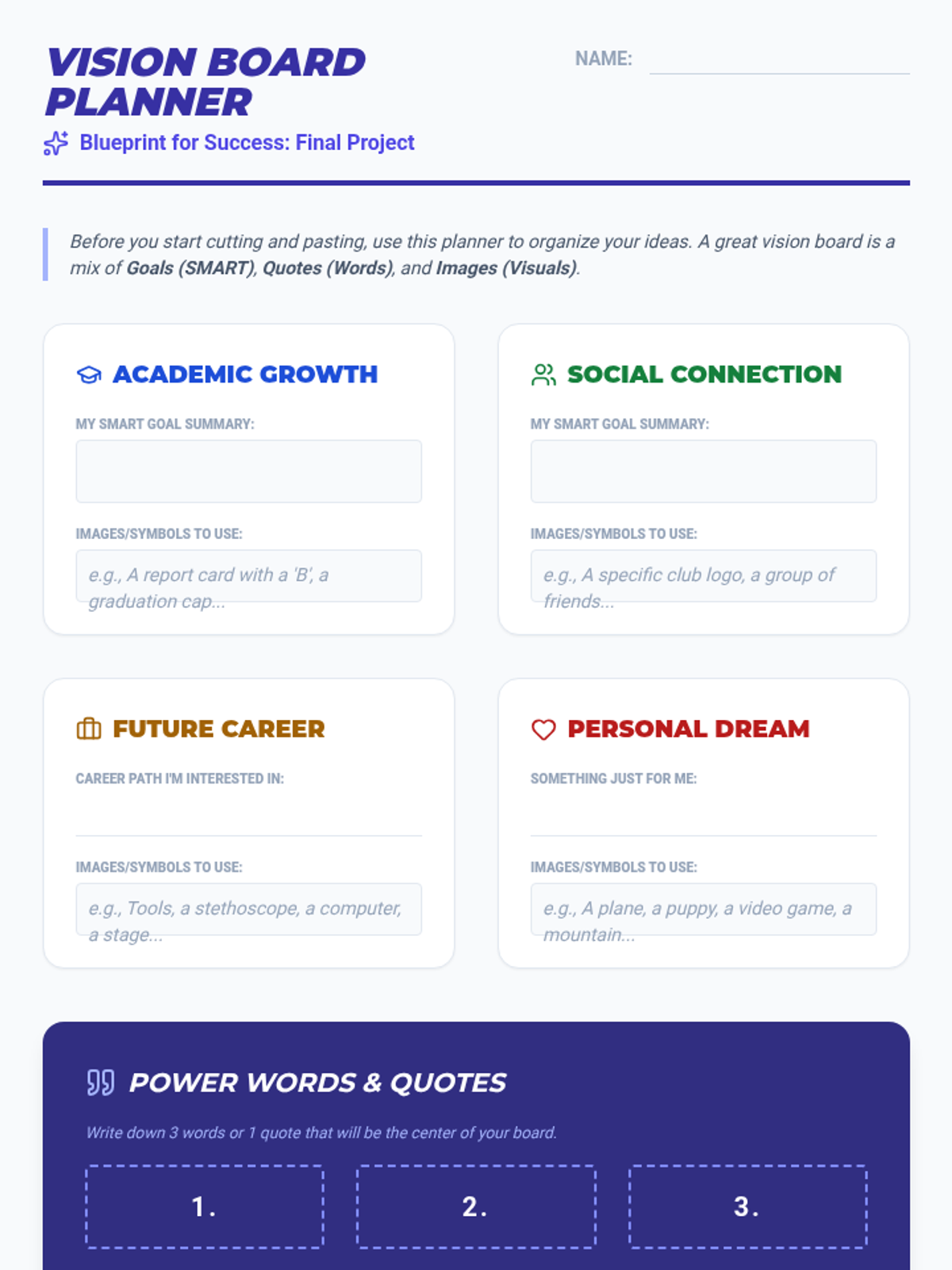
Students synthesize their academic, social, and personal goals into a visual vision board that represents their four-year plan and long-term aspirations.
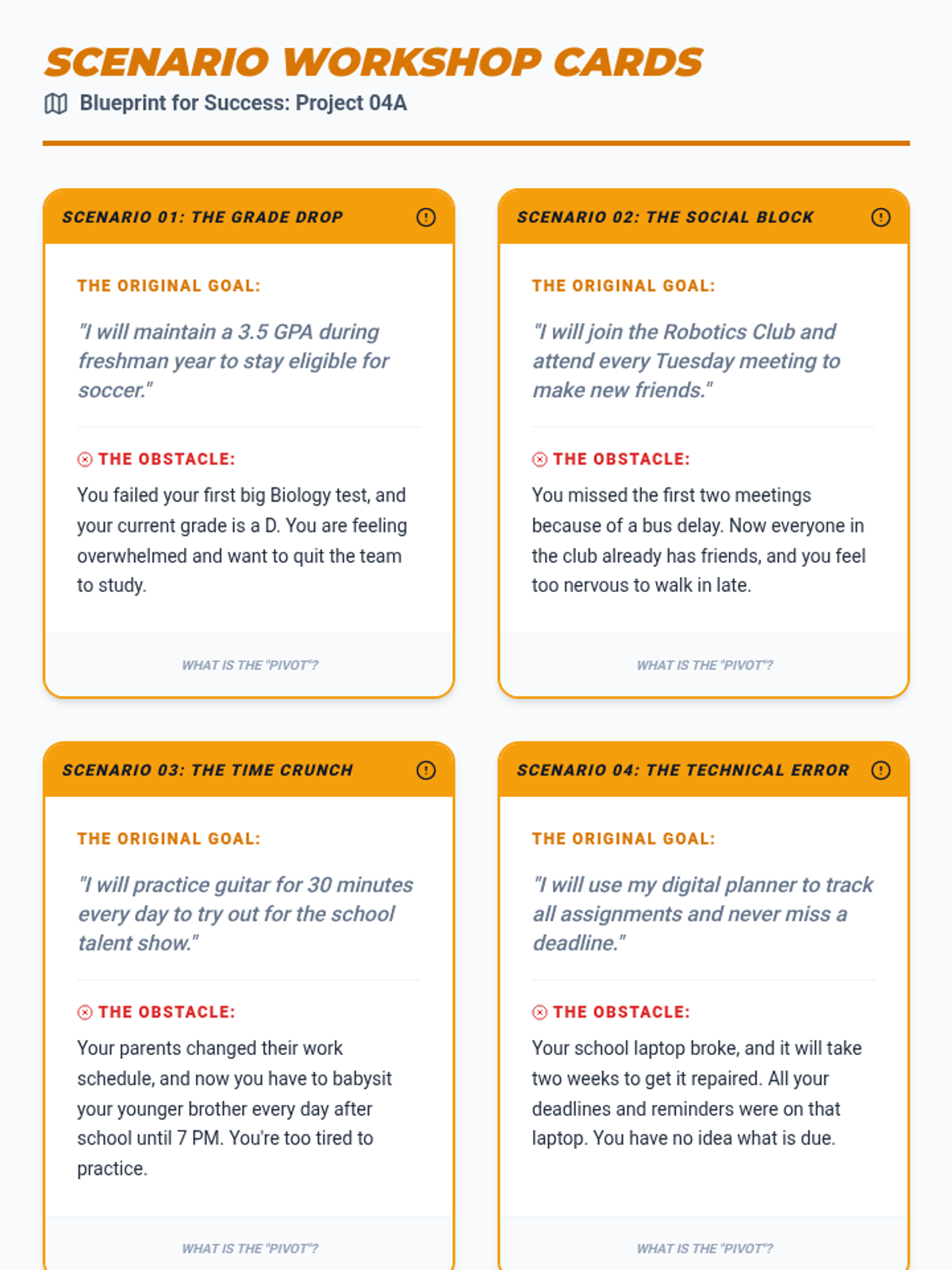
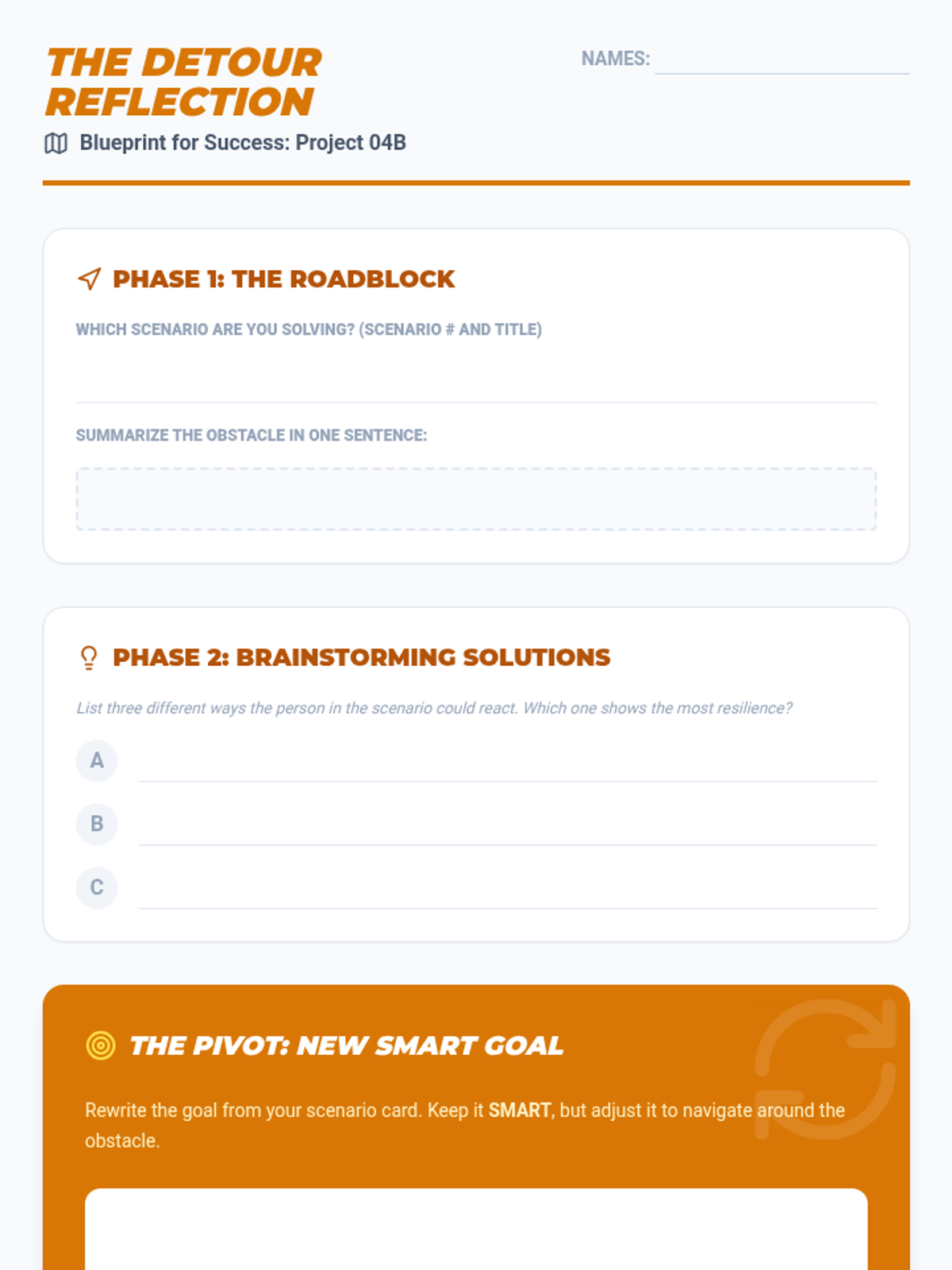
A workshop focused on resilience where students practice problem-solving strategies to adjust their goals when faced with hypothetical high school challenges.
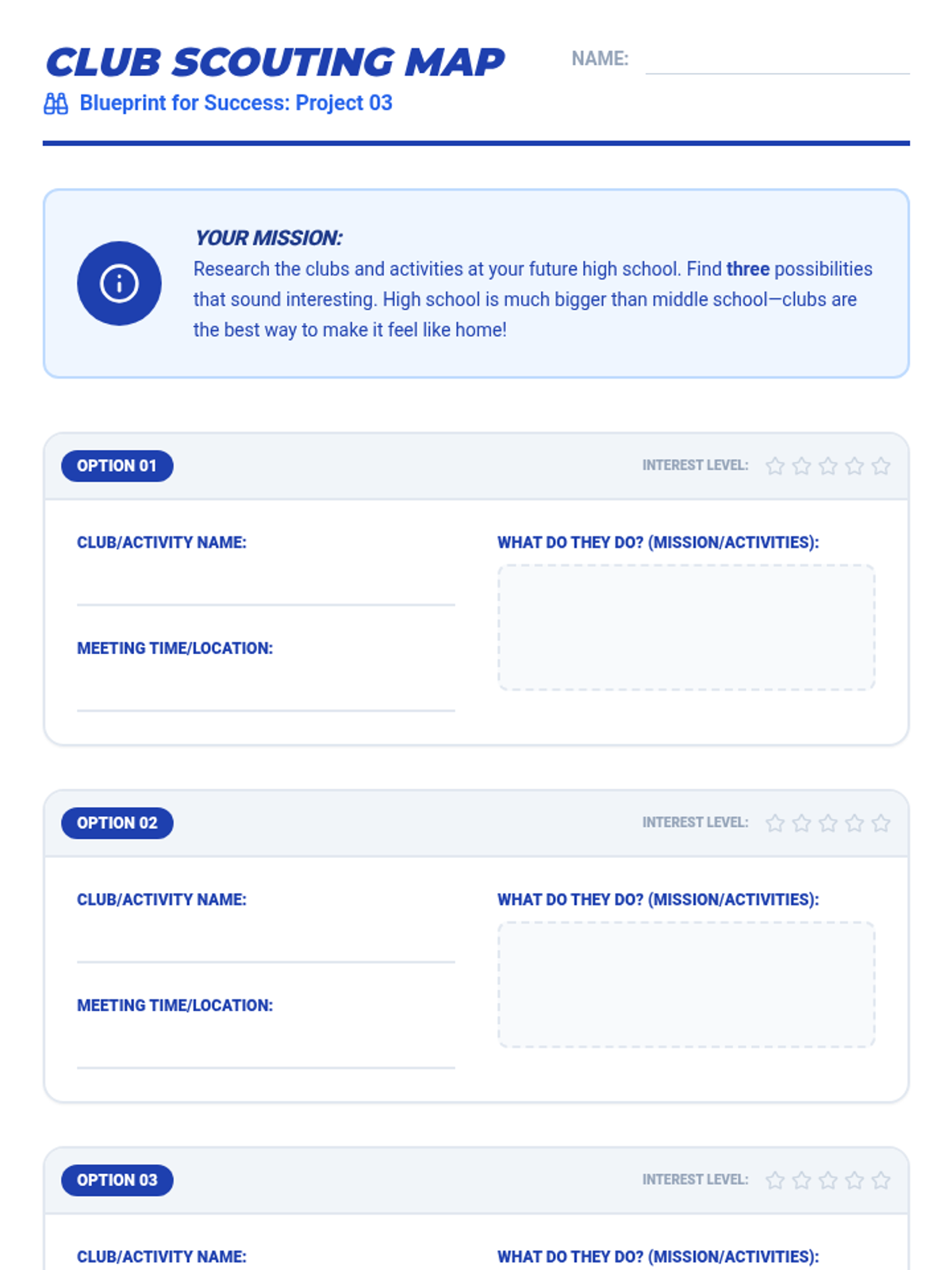
Students research extracurricular opportunities and set goals for social integration and community involvement in high school.
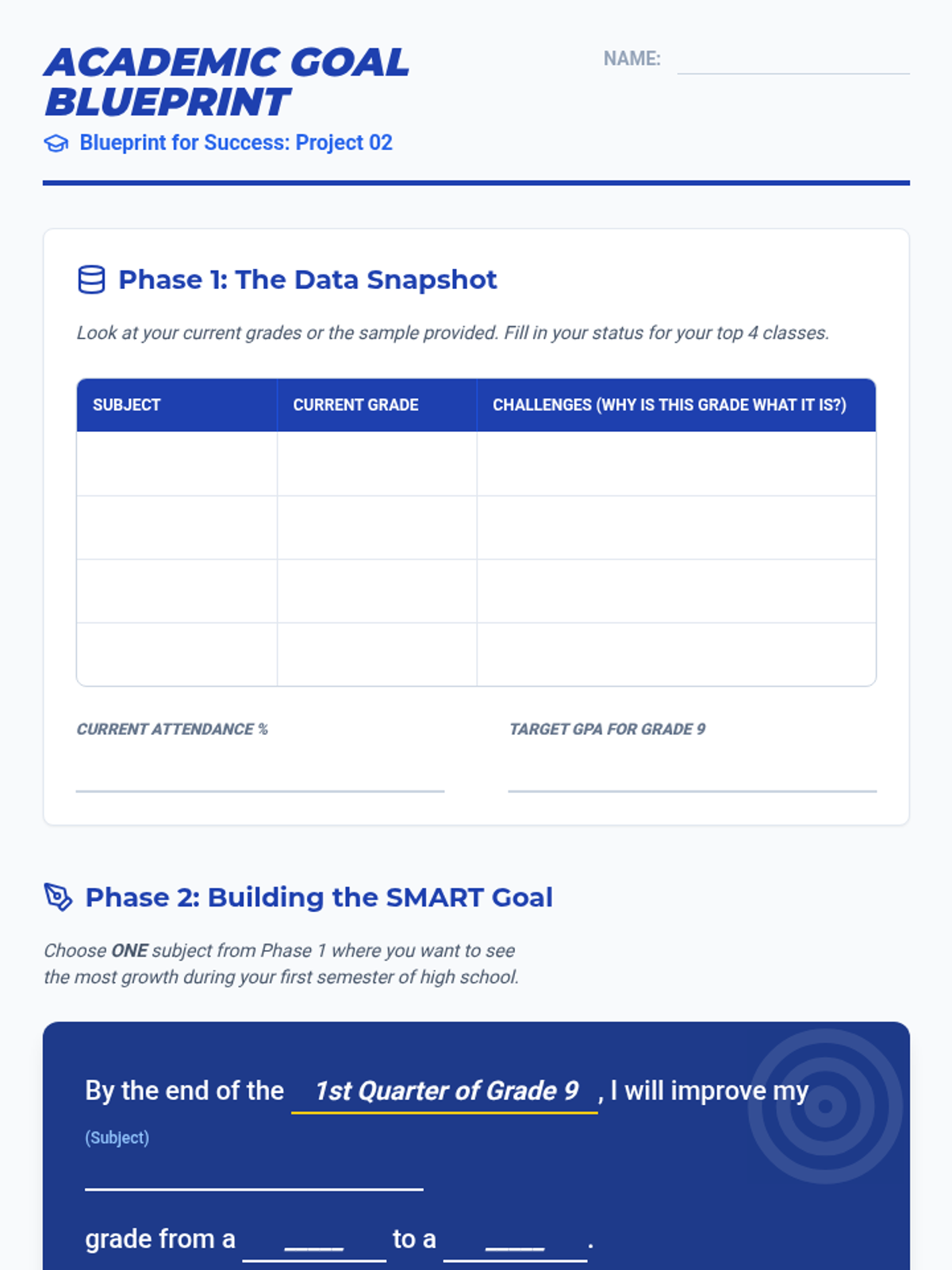
Students analyze academic data and set concrete SMART goals for their first year of high school, focusing on GPA, attendance, and subject-specific mastery.
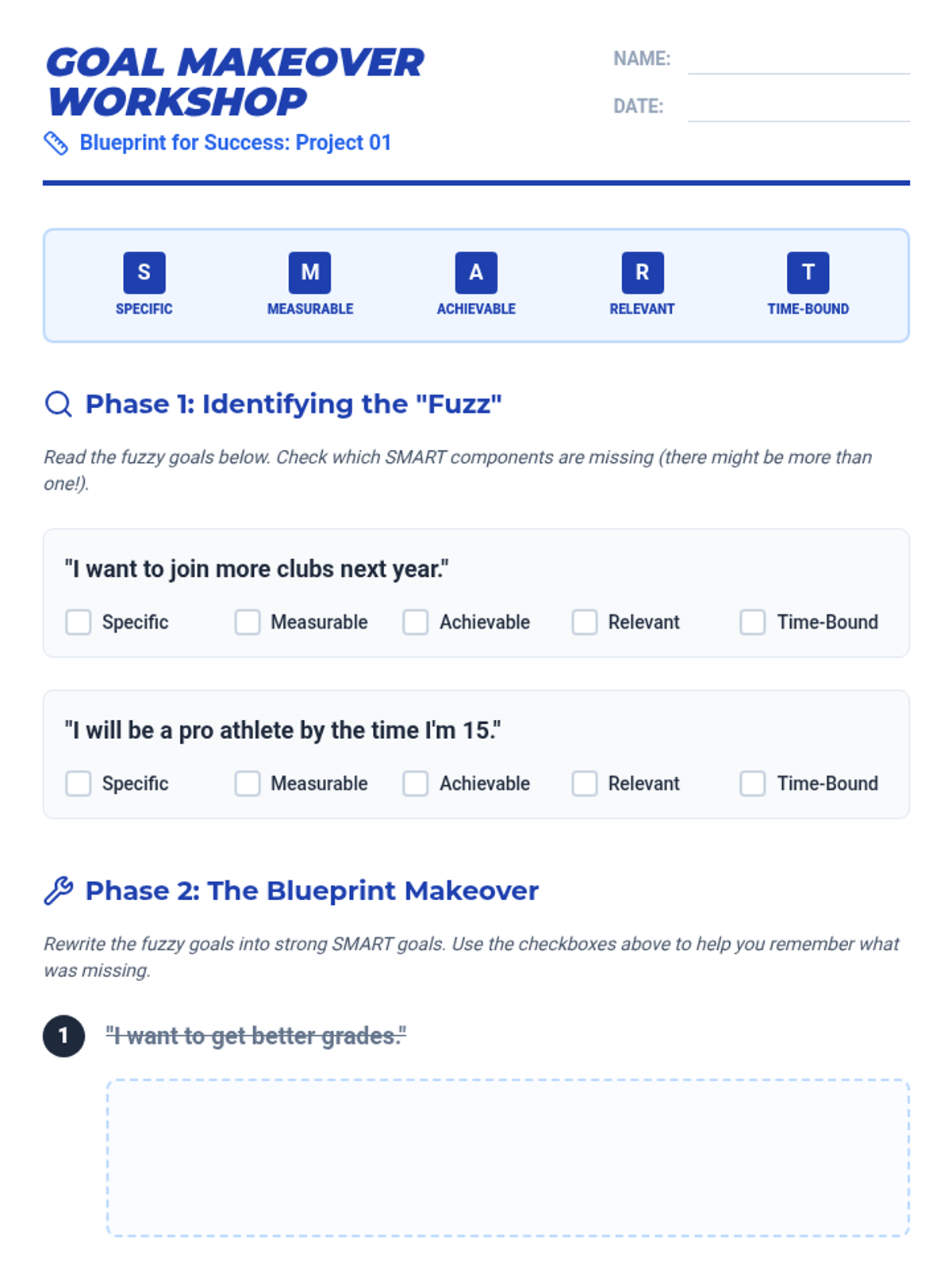
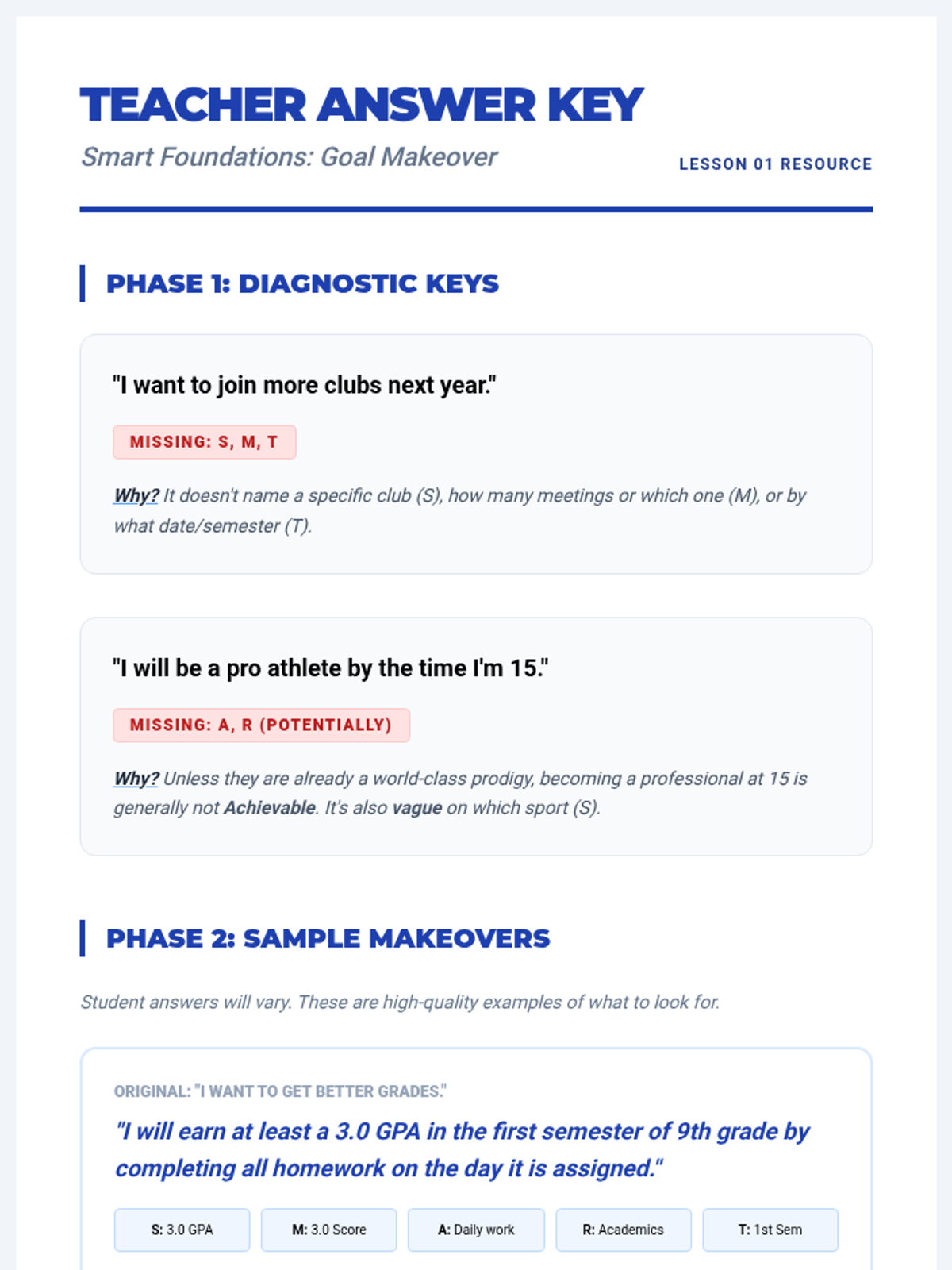
Students learn the SMART acronym (Specific, Measurable, Achievable, Relevant, Time-bound) and practice transforming vague intentions into actionable goals through critical analysis and a workshop approach.
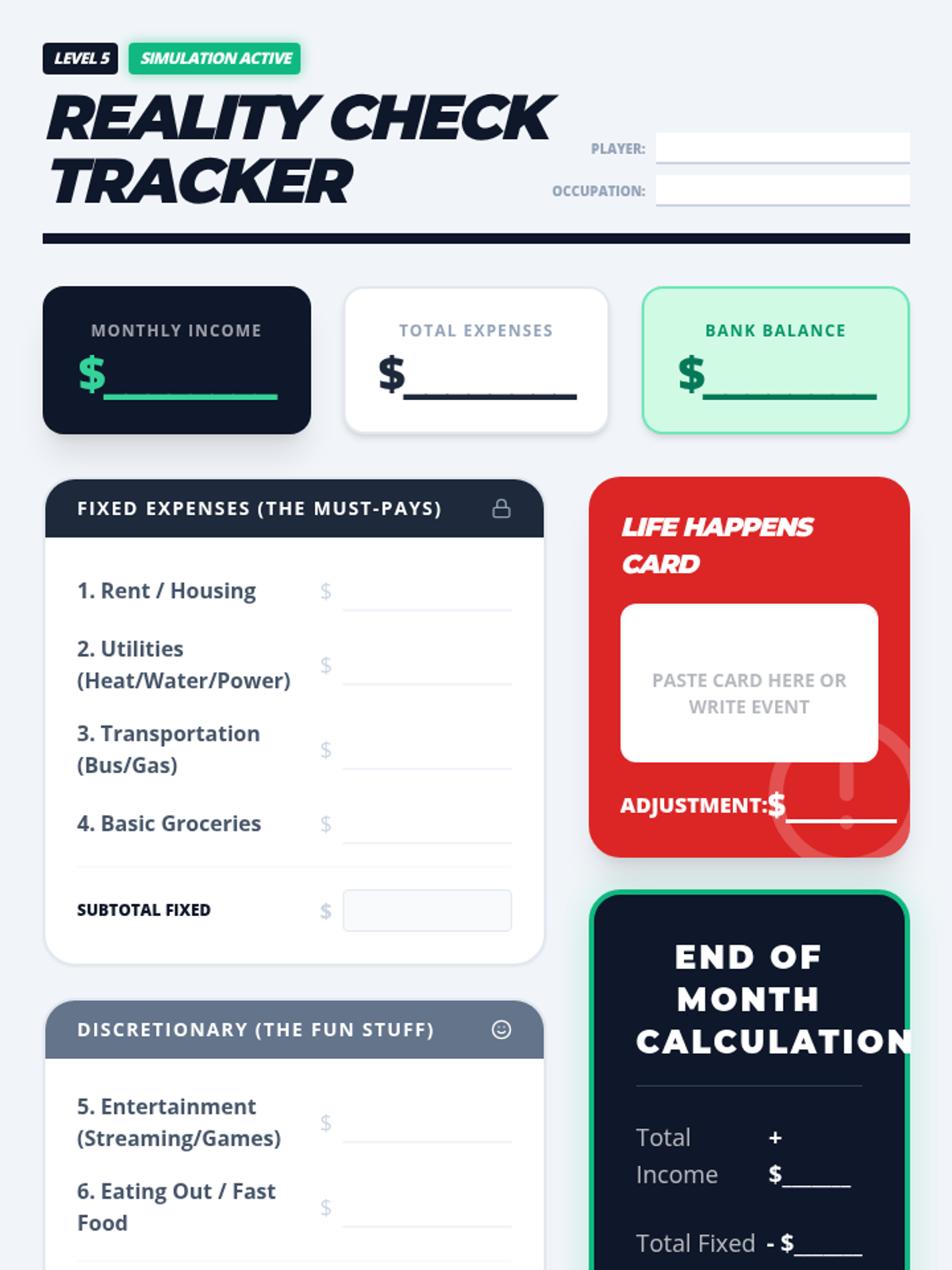
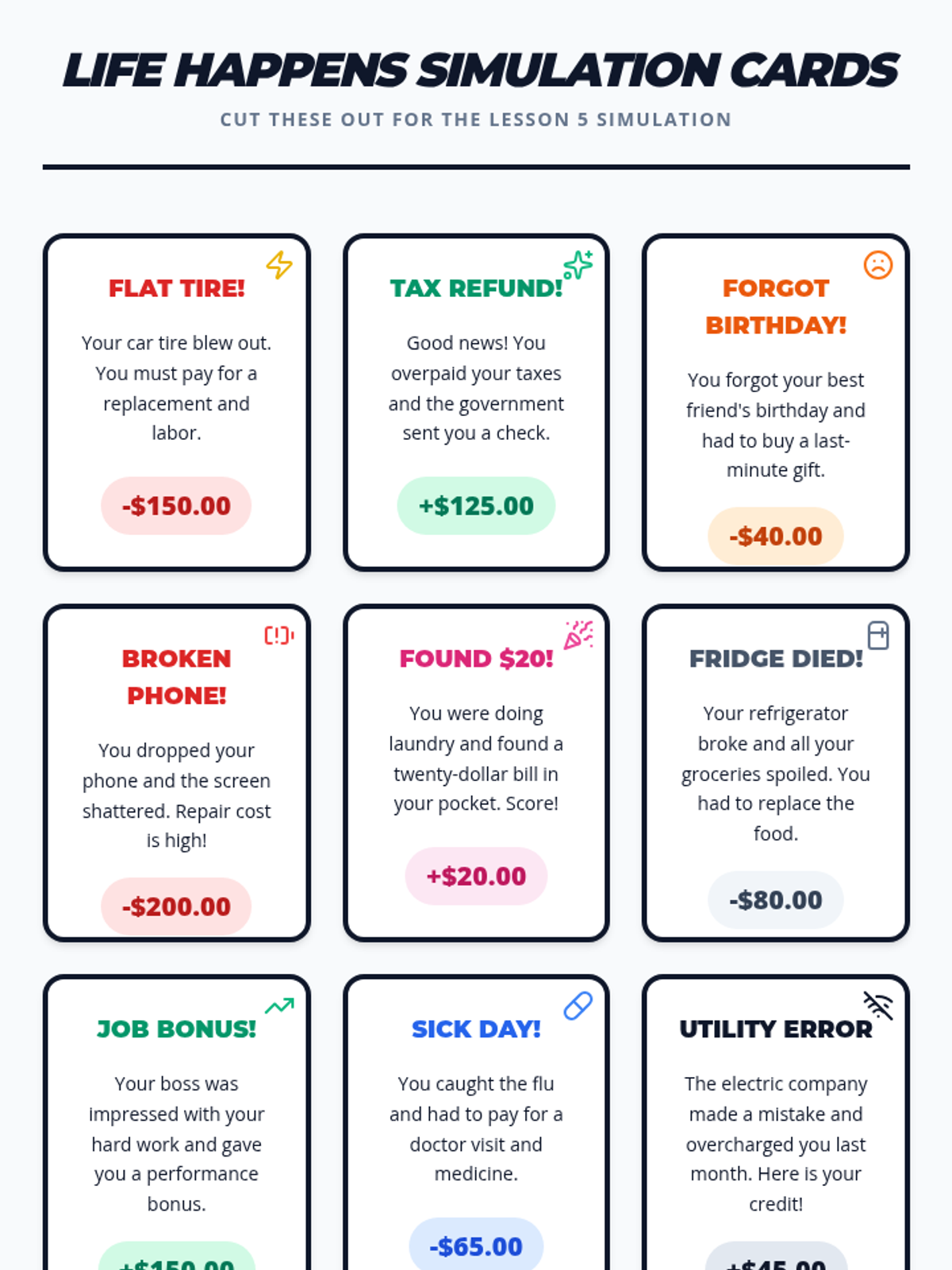
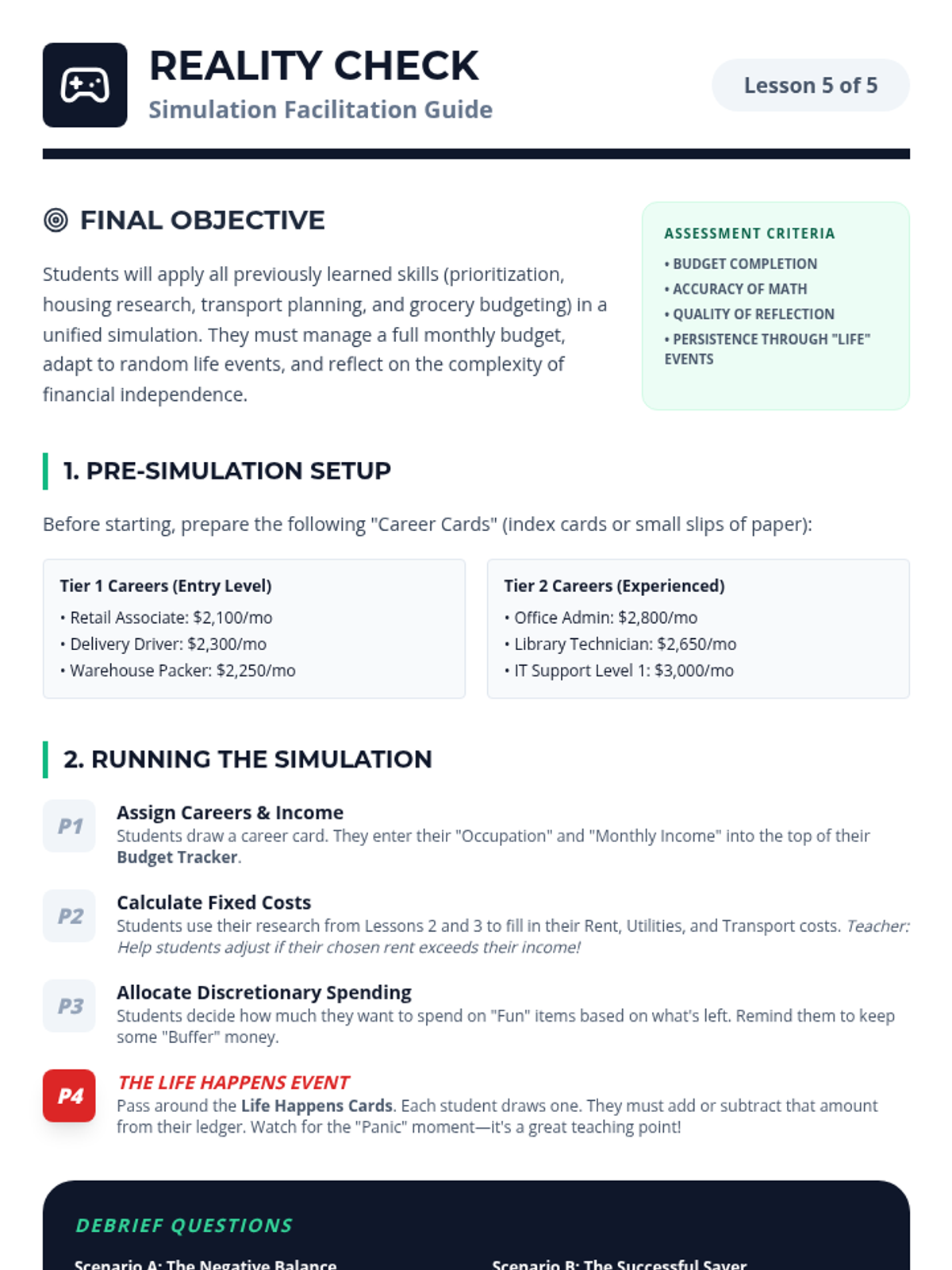
A culminating simulation where students manage a monthly budget based on a mock salary and navigate unexpected life expenses.
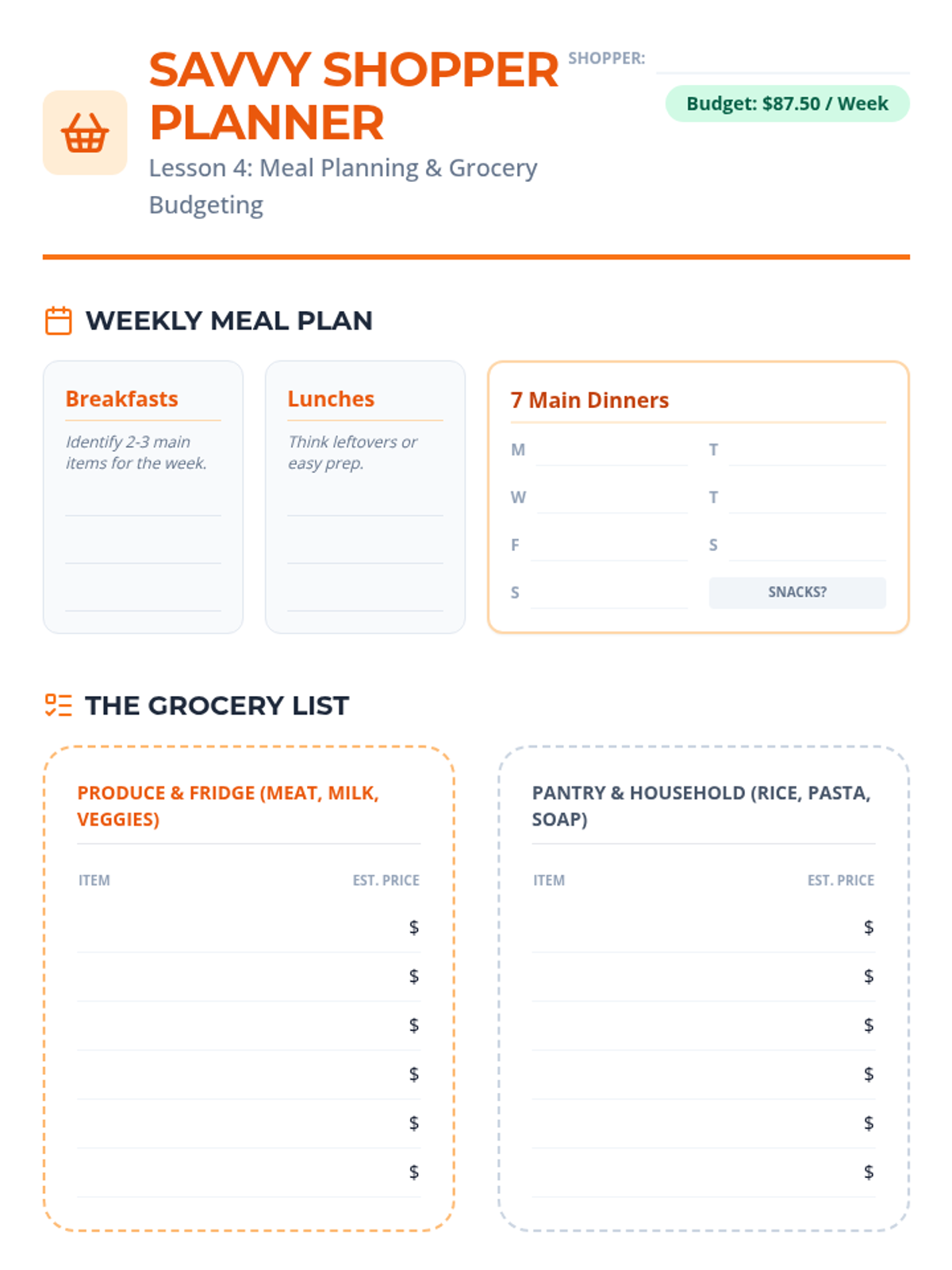
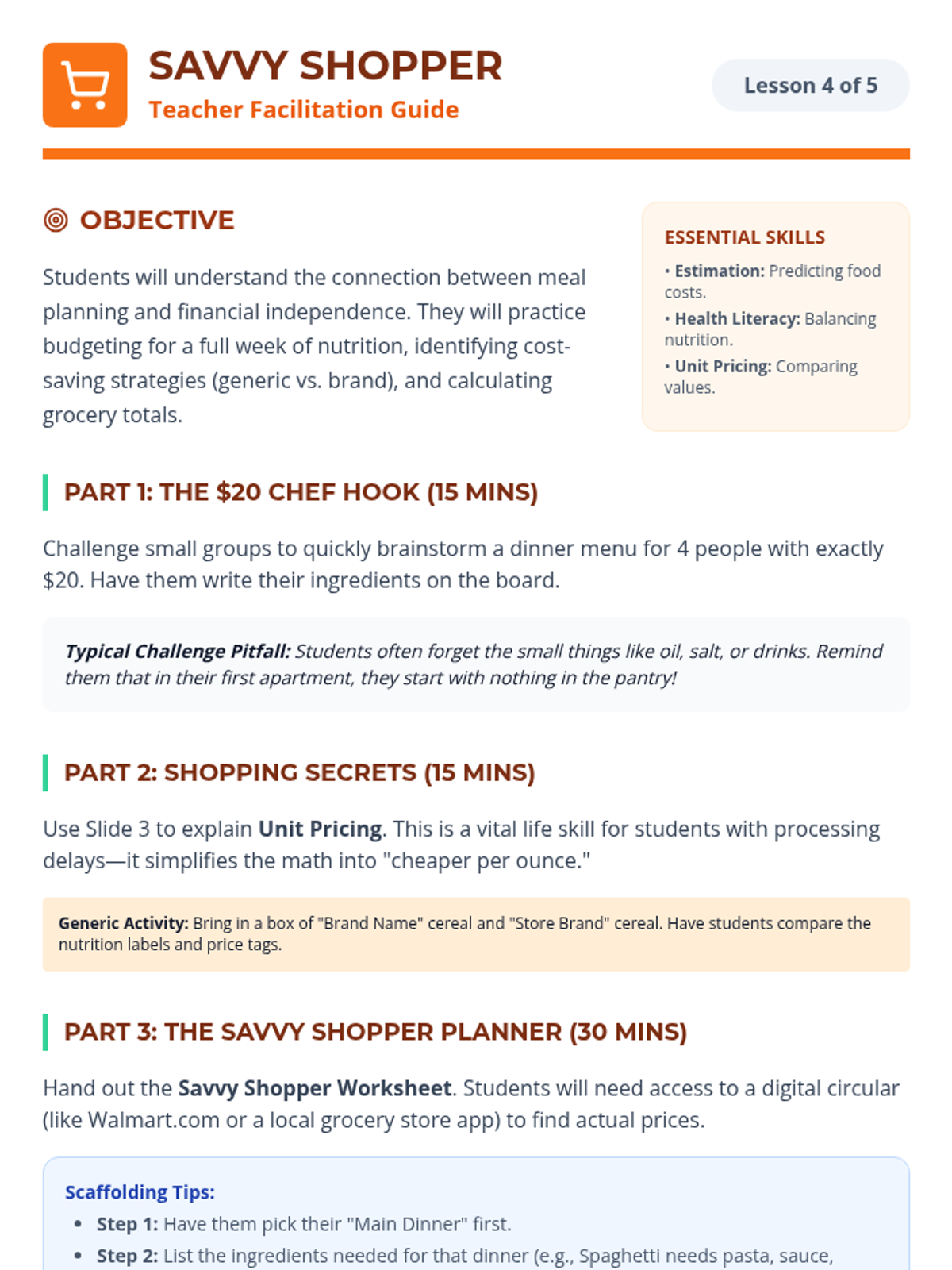
Students practice meal planning and grocery shopping within a budget, focusing on cost-effective and healthy choices.
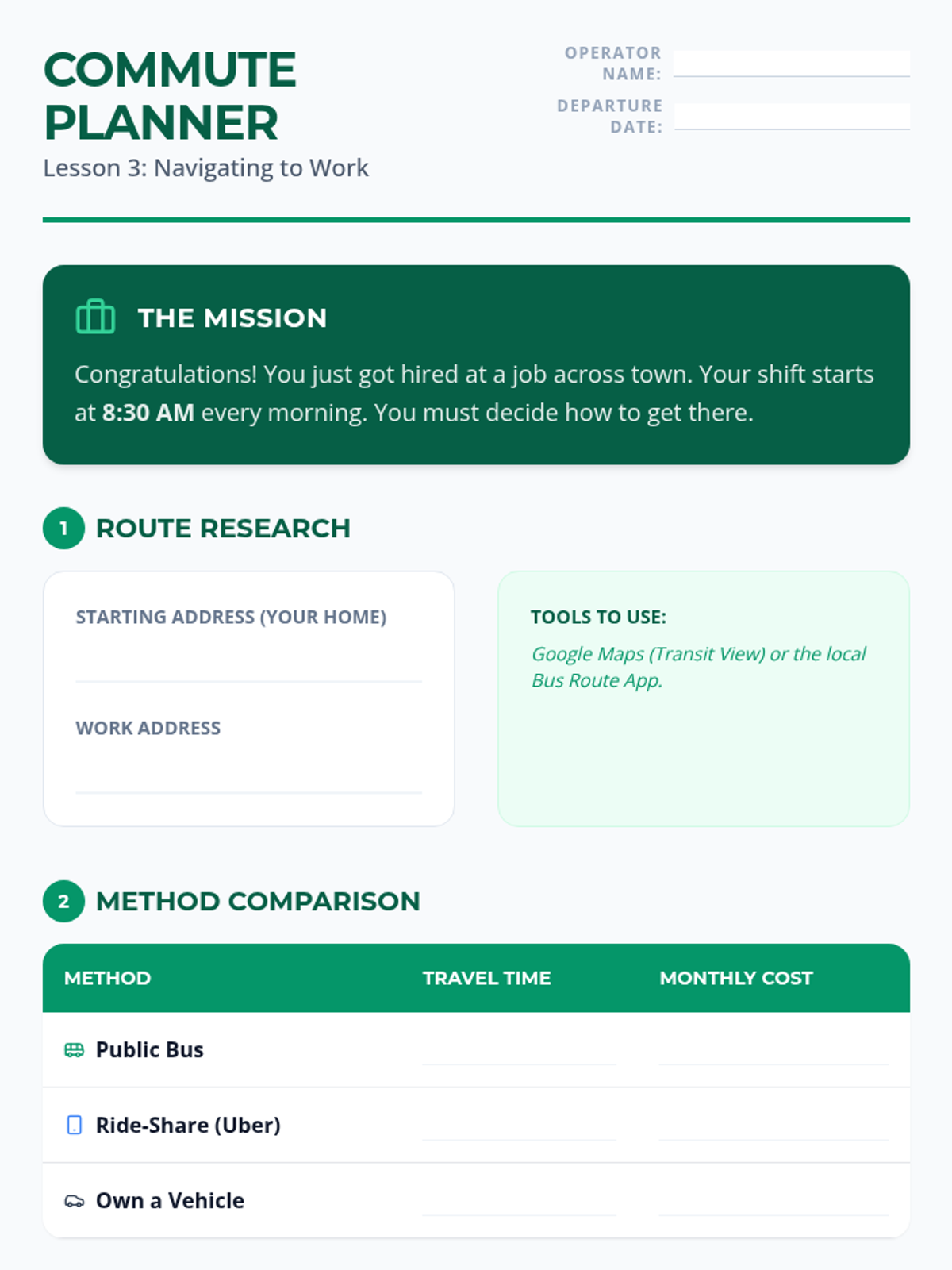
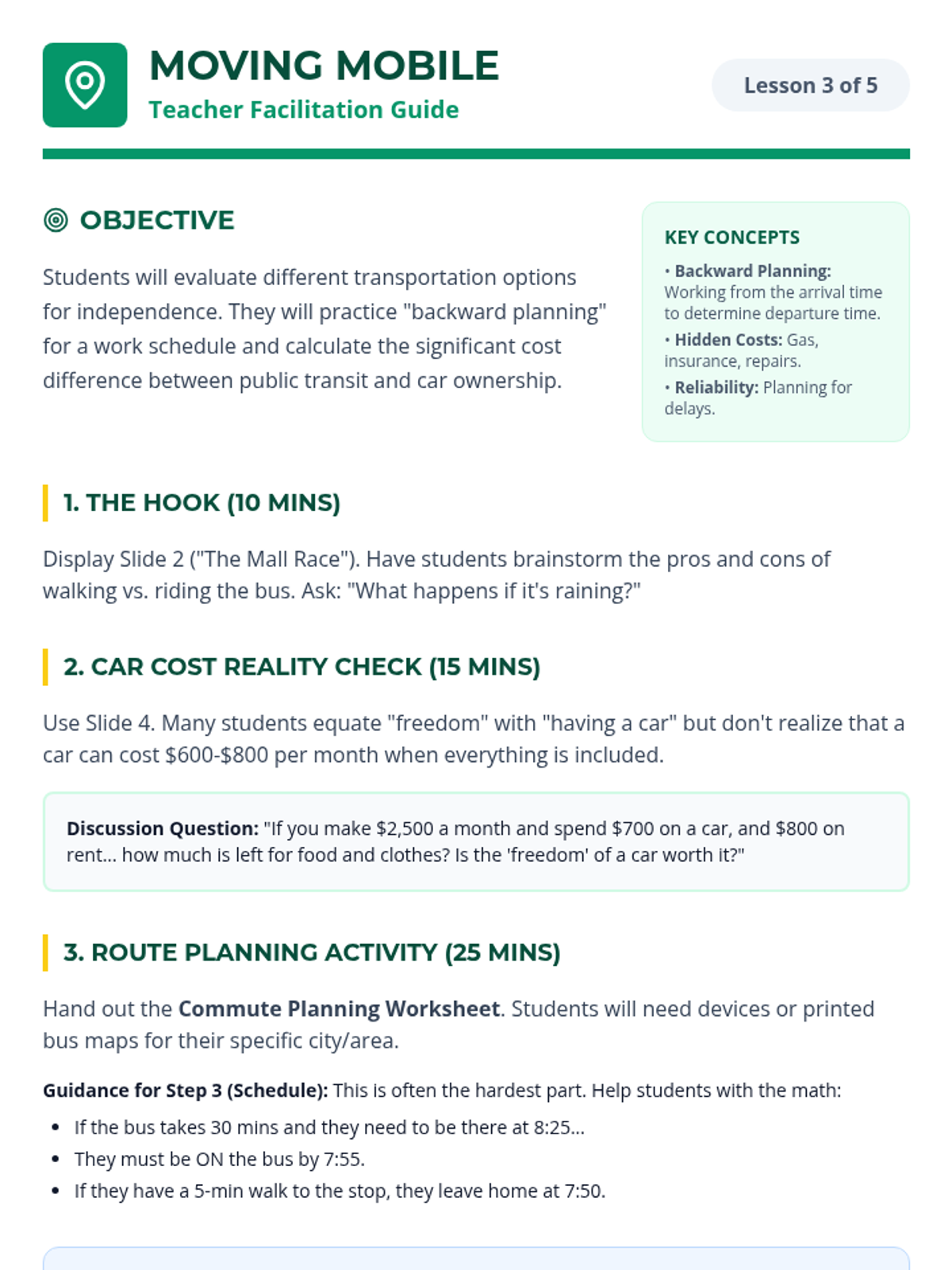
Students analyze various transportation methods, plan routes, and compare the costs of public transit versus vehicle ownership.
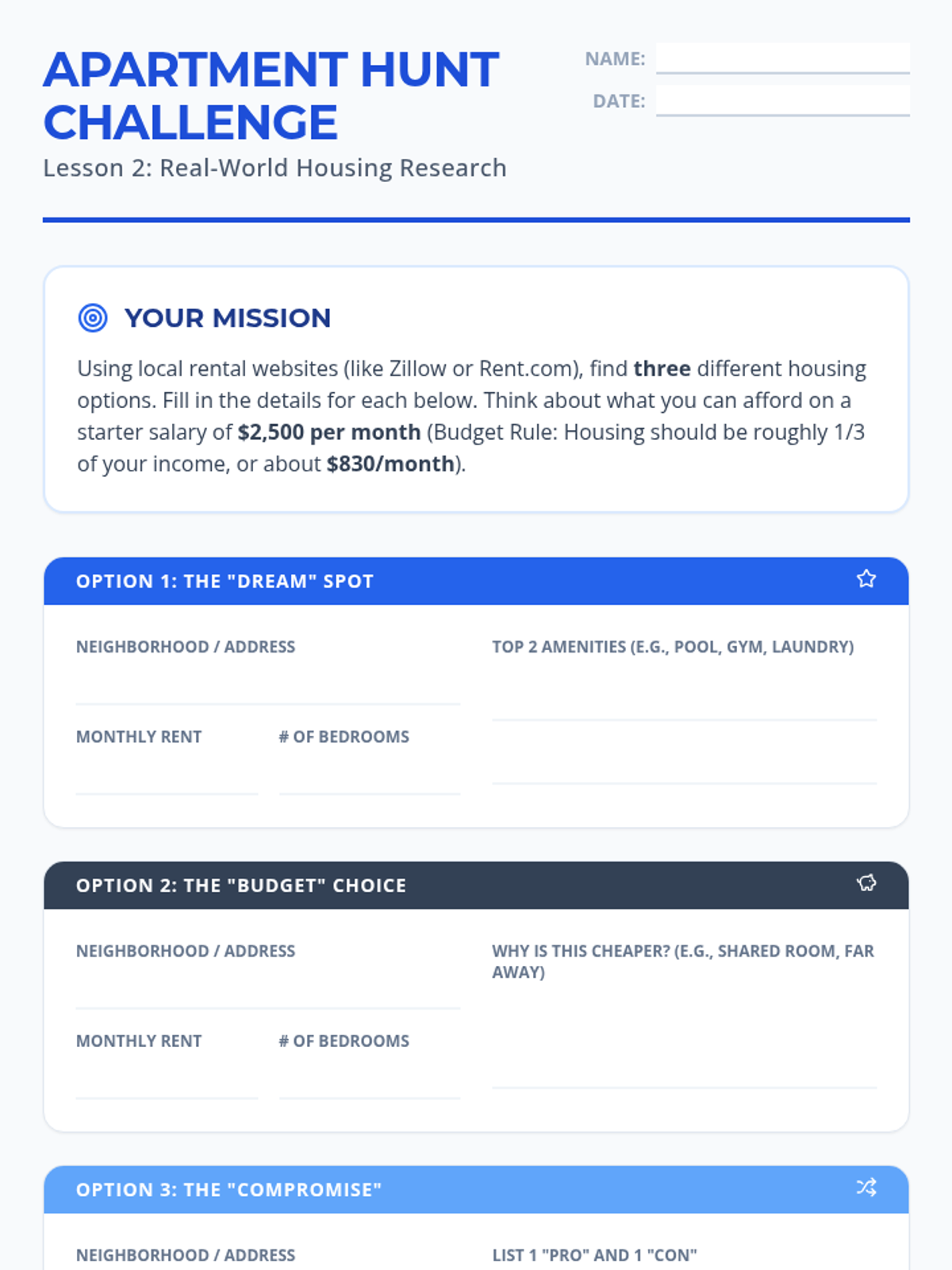
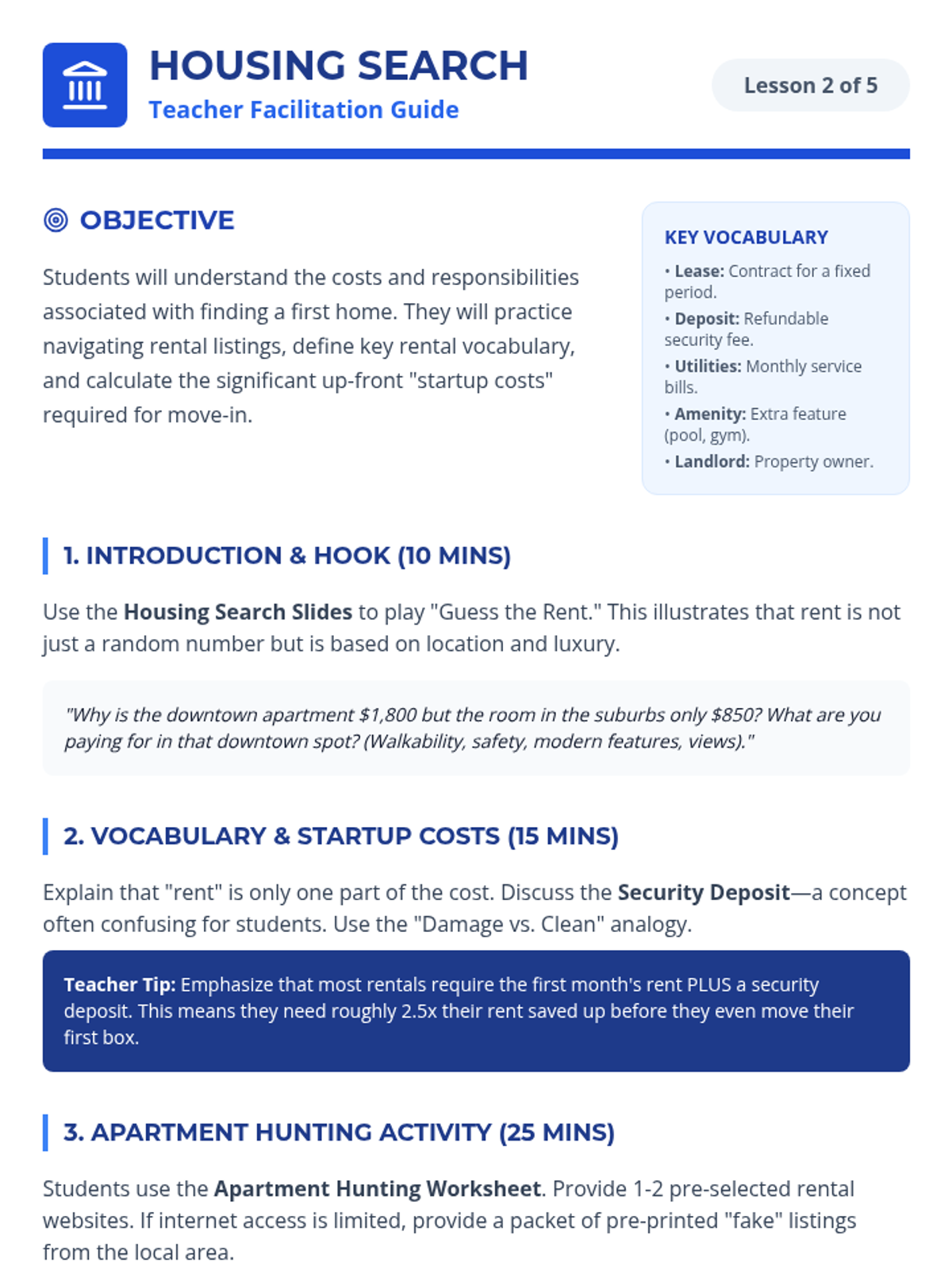
Students explore different types of housing, learn key rental vocabulary, and calculate the startup costs for moving into an apartment.
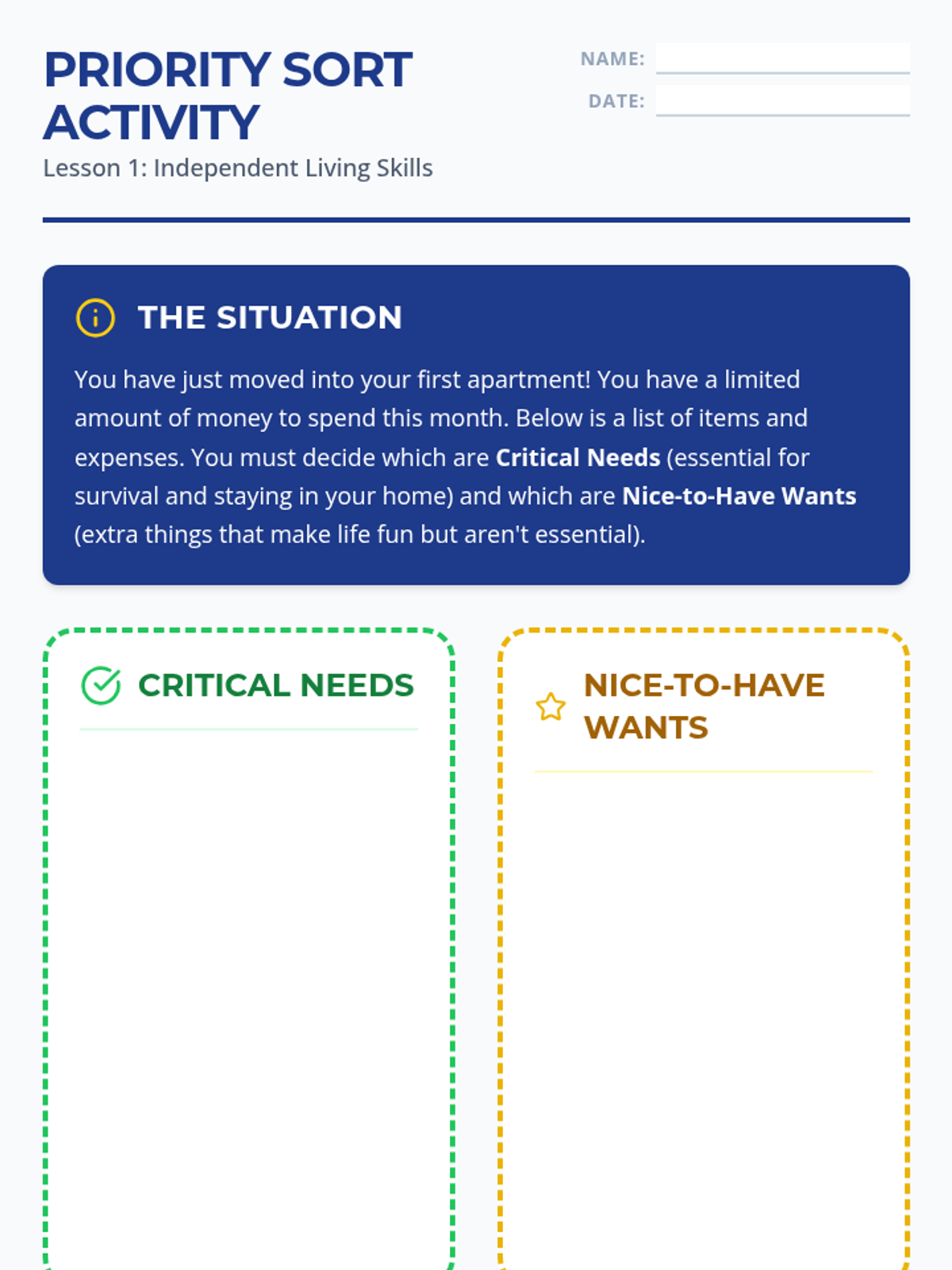
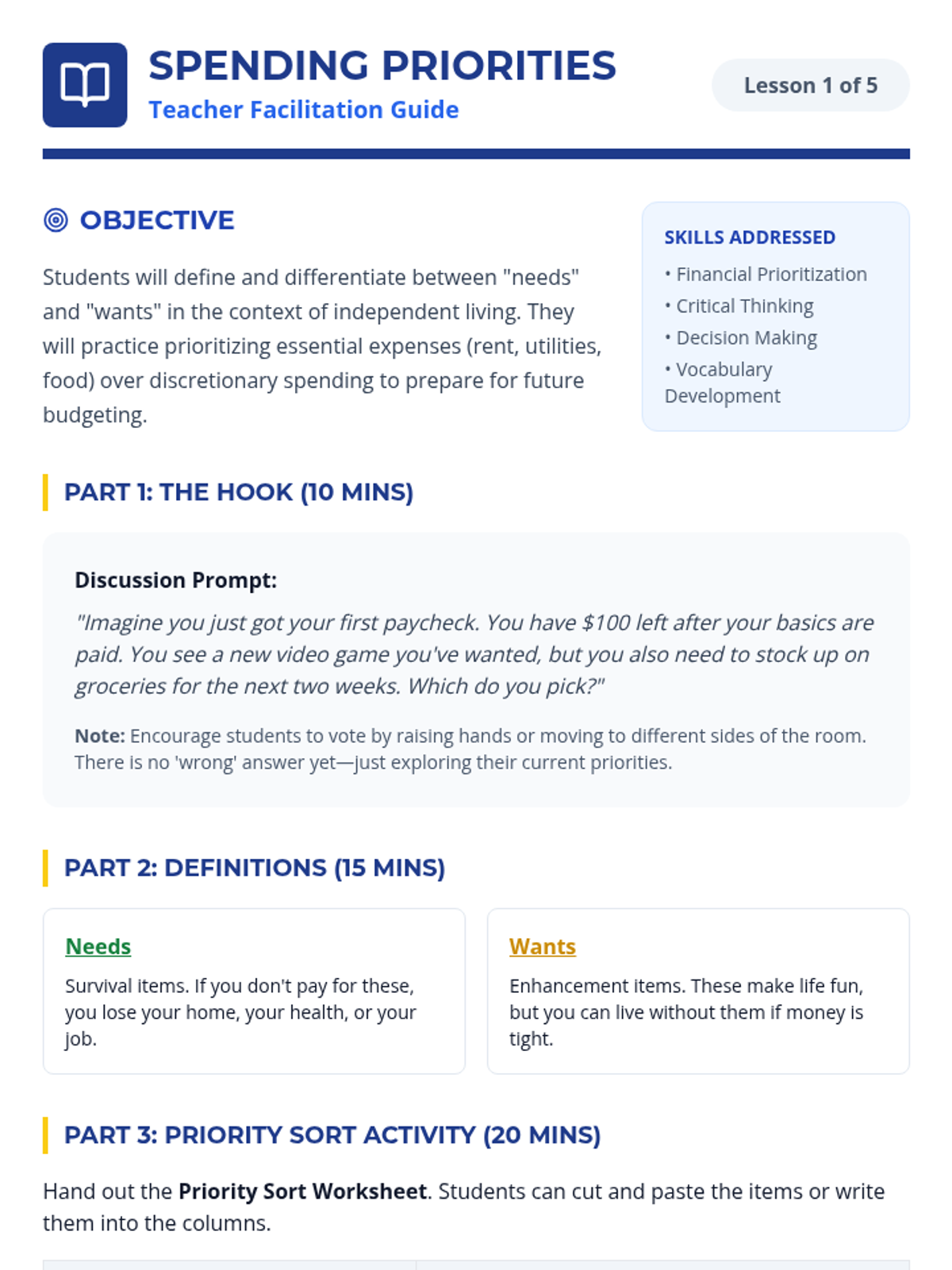
Students learn to distinguish between essential needs and discretionary wants to prioritize spending in an independent living context.
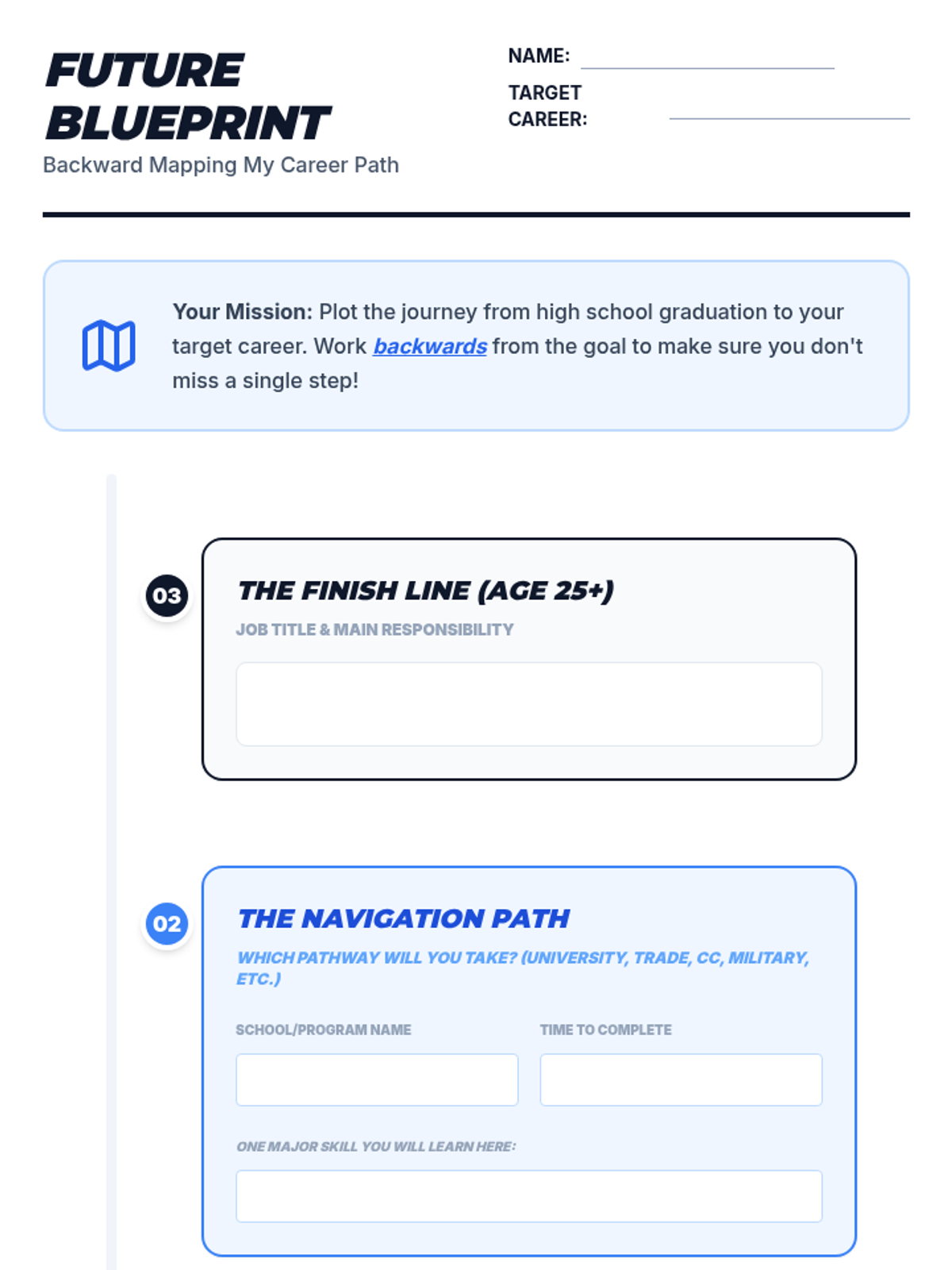
Students select a target career and create a backward-mapped timeline from their dream job to high school graduation.
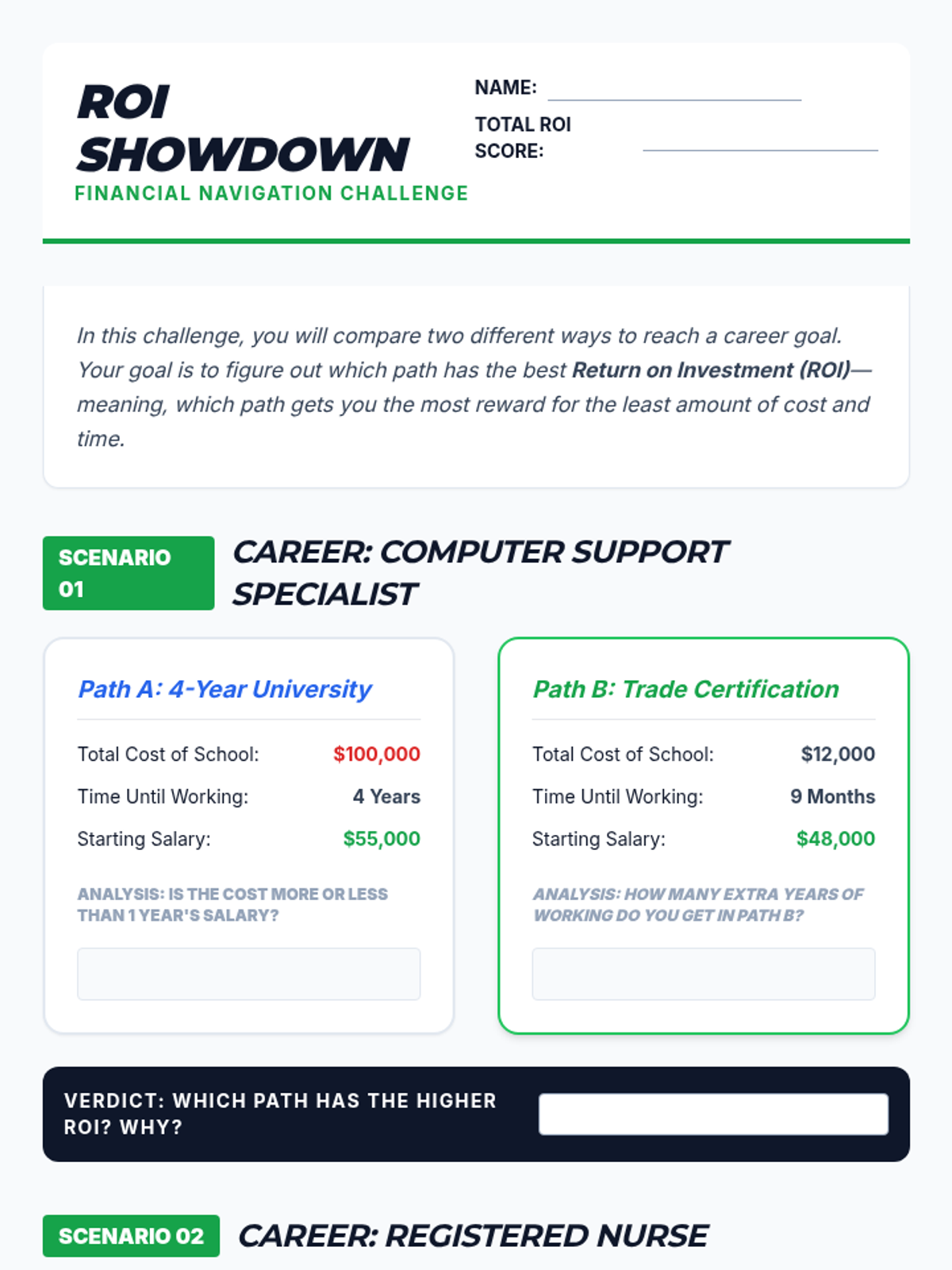
Students compare the costs and potential salaries of different education paths using simplified financial concepts and discussing student loans.
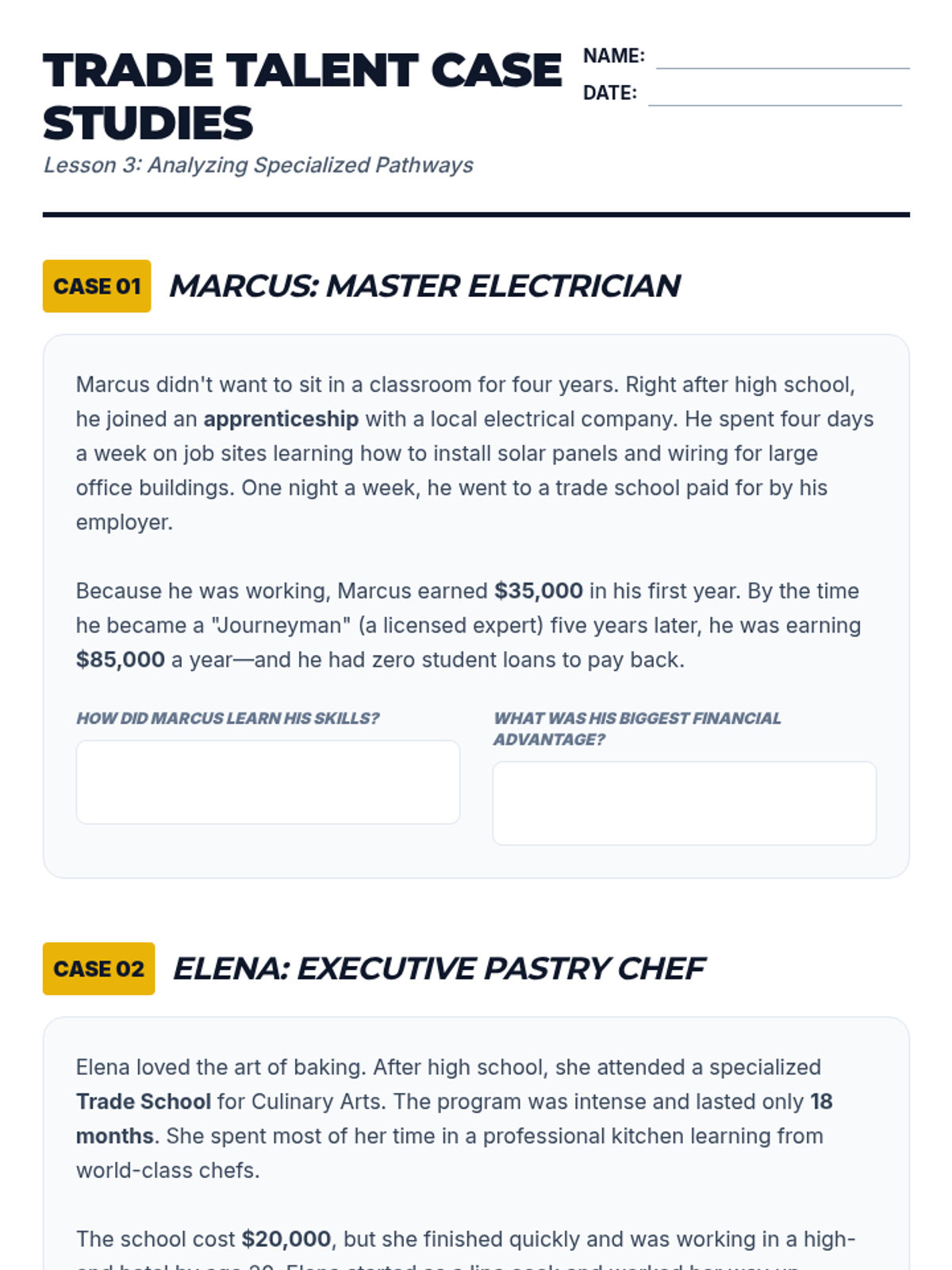
Students examine skilled trades and apprenticeships, focusing on the 'earn while you learn' model through case studies of various trade careers.