College selection, application workflows, and financial aid navigation including FAFSA and scholarship acquisition. Builds skills in personal statement writing and career exploration to align post-secondary choices with long-term professional goals.
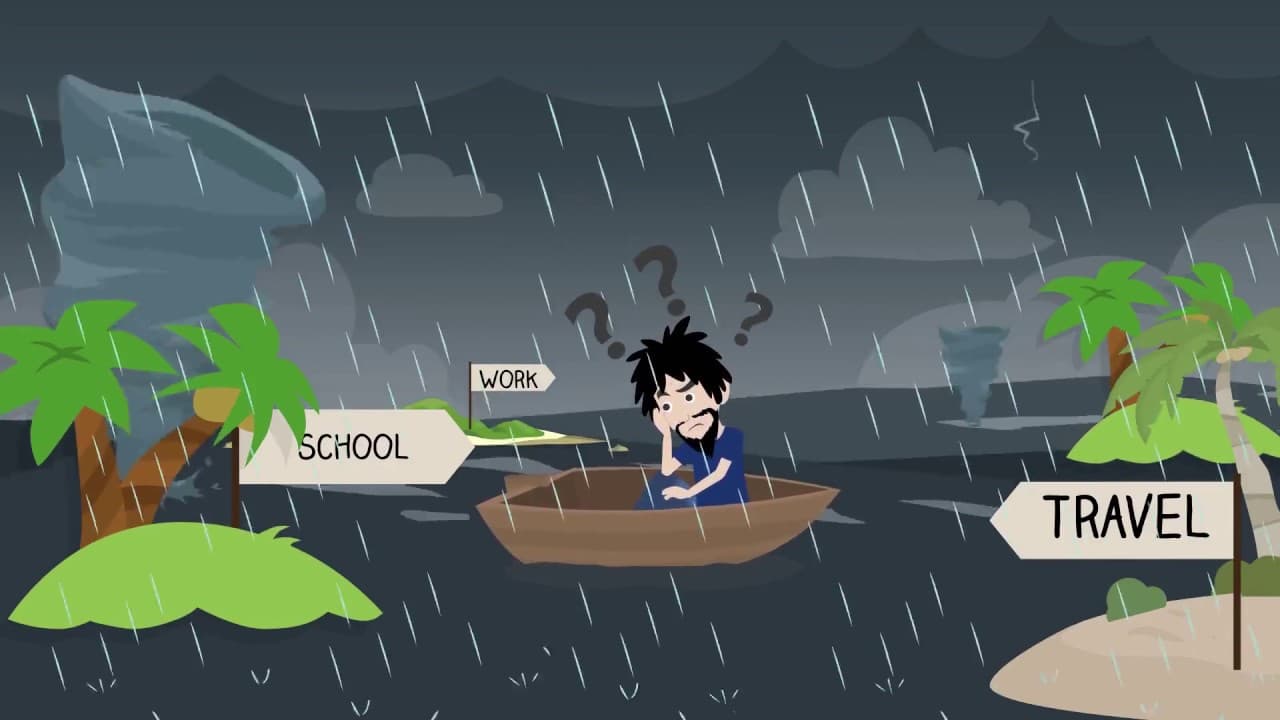
This animated short film addresses the common anxiety and confusion students face when approaching high school graduation. Through the relatable metaphor of a student lost in a small boat on a stormy "ocean of possibilities," the video validates the overwhelming feelings associated with post-secondary planning—including financial worries, fear of making the wrong choice, and the pressure of comparing oneself to peers who seem to have life figured out. The video explores key themes of "adulting," social comparison, and parental expectations. It contrasts the protagonist's feelings of isolation and aimlessness with the perceived success of others, highlighting the mental health aspects of career planning. The narrative shifts from a spiral of negative "what if" questions to positive, empowering inquiries introduced by a mentor figure. For educators, this video serves as an excellent emotional hook for guidance counseling, career planning, or advisory periods. It moves beyond dry statistics to address the emotional reality of leaving high school, providing a perfect segue into lessons about identifying support systems (the "crew"), researching options (the "telescope"), and financial planning (the "treasure").
2mins 25s
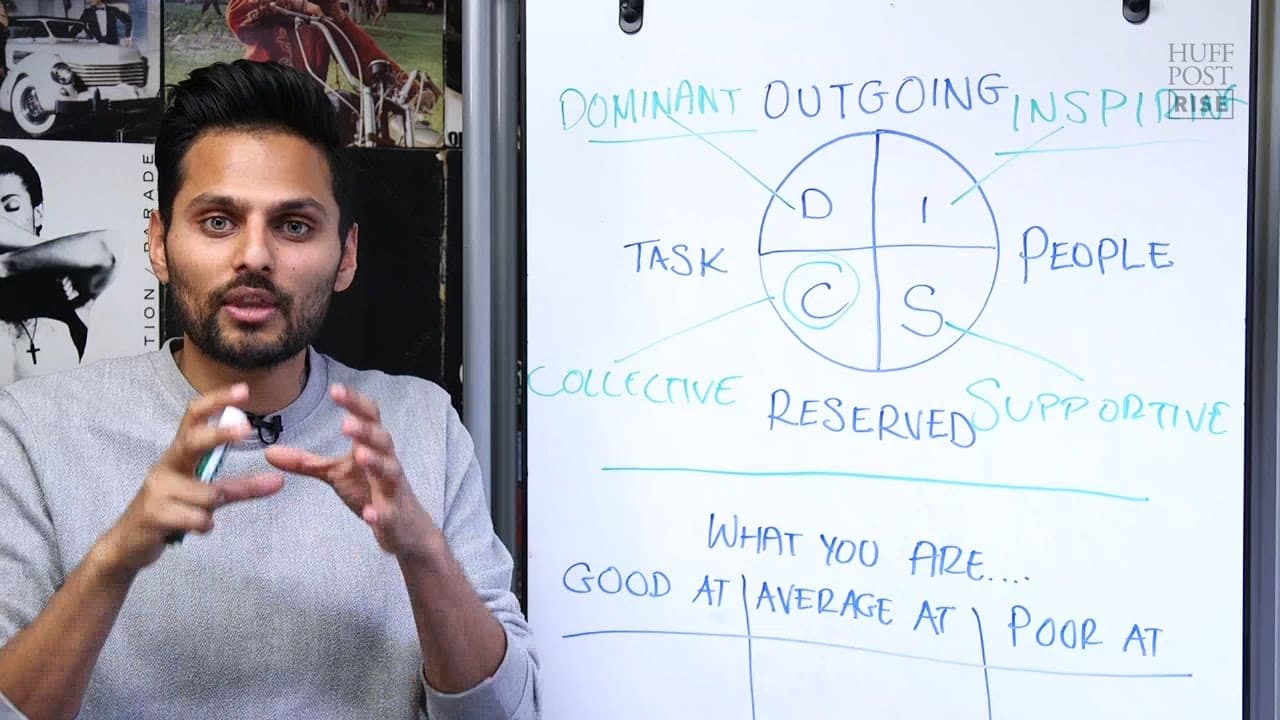
In this interactive workshop-style video, Jay Shetty guides viewers through a comprehensive process of self-discovery to identify their true passions and how to pursue them. Moving beyond the vague advice of "follow your dreams," Shetty introduces practical frameworks including the Japanese concept of Ikigai, the "Quadrant of Success," and the DISC personality assessment. The video combines high-energy motivational speaking with actionable exercises that require viewers to categorize their skills, interests, and behavioral traits. The content explores deep themes of self-awareness, career planning, and personal fulfillment. Shetty breaks down the misconception that passion is just a hobby, reframing it as an environment where an individual thrives. Key topics include distinguishing between "Passion" and "Potential," managing energy by auditing daily tasks, and understanding how different personality types (Outgoing vs. Reserved, People vs. Task-oriented) function best in leadership and team settings. For educators, this video is a goldmine for Career and Technical Education (CTE), Social-Emotional Learning (SEL), and psychology units. It provides ready-made frameworks for students to analyze their own strengths and weaknesses. The visual models drawn on the whiteboard serve as excellent graphic organizers for classroom activities, helping students map out their future paths, understand their communication styles, and develop a growth mindset regarding skills they love but haven't yet mastered.
33mins 43s
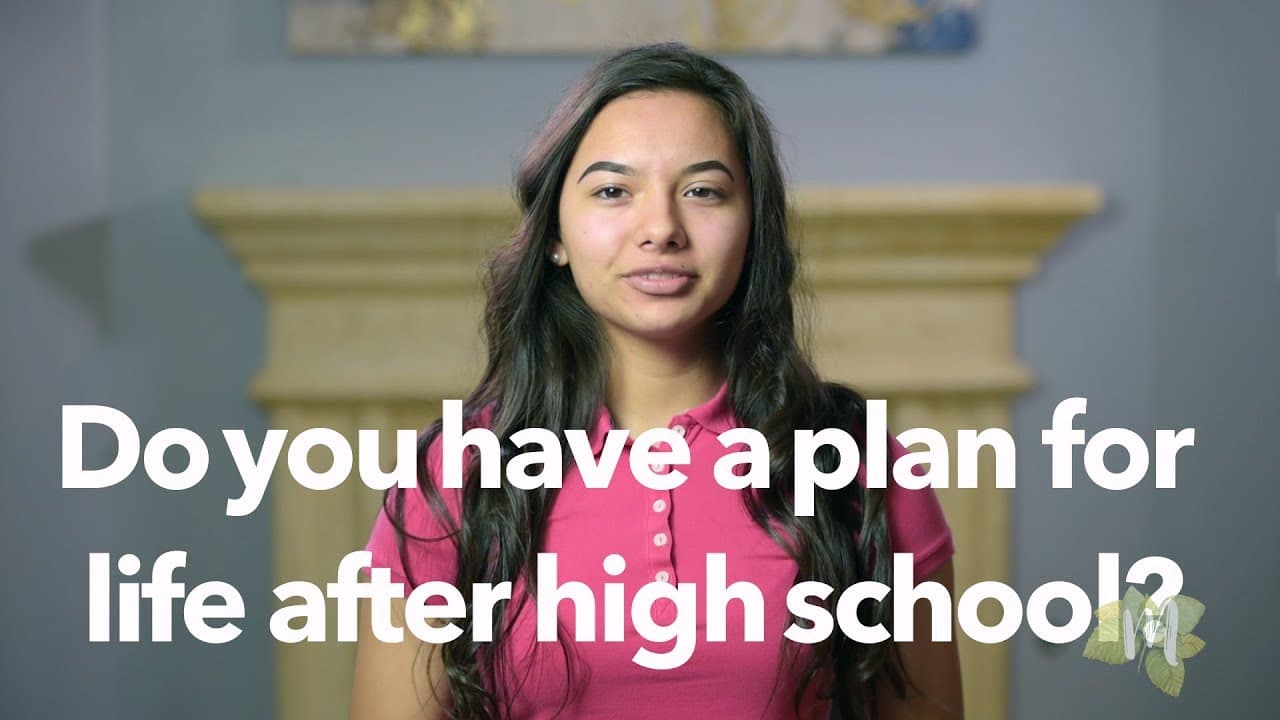
Hosted by a relatable teen peer named Maria, this video addresses the anxiety and uncertainty many students face when asked, "What are you going to do after high school?" Maria normalizes the fear of the unknown but emphasizes the necessity of creating a plan. She breaks down the overwhelming process of career selection into manageable steps, starting with self-reflection rather than job titles. The video explores various post-secondary pathways, including four-year colleges, trade schools, the military, and entering the workforce immediately. It provides a concrete framework for decision-making by encouraging students to list their interests, skills, desired lifestyle, and core beliefs. Maria models this behavior by sharing her own list and how it led her to pursue medicine. For educators, this resource serves as an excellent hook for career exploration units or advisory periods. It creates a safe space for students to admit they don't have all the answers while providing a practical "homework" assignment to get started. It specifically reinforces the role of school counselors as support systems and alleviates pressure by reminding students that career choices aren't permanent and can evolve over time.
2mins 15s
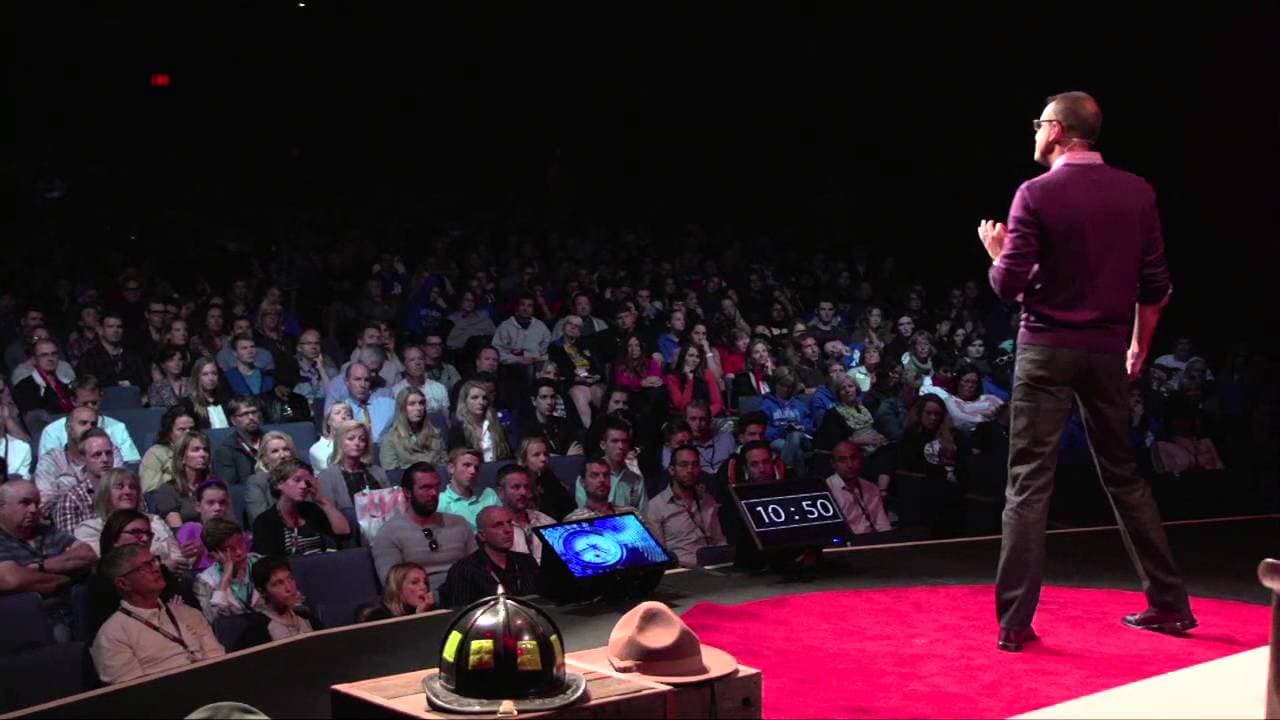
In this compelling TEDx talk, Ryan Clements shares a personal journey of transitioning from a stressed, unfulfilled lawyer to a passionate entrepreneur and writer. He challenges the traditional narrative of career success often taught in schools—focusing on outcomes like salary, prestige, and security—and instead argues for a values-based approach to finding work that matters. Through vivid storytelling about a pivotal moment of despair in a parking lot, Clements illustrates the difference between "push motivation" (driven by external rewards and fear) and "pull motivation" (driven by internal purpose and engagement). Key themes explored include the distinction between career outcomes versus consequences, the psychological concept of "flow," and the importance of aligning one's daily work with their unique personal values. Clements critiques the "do what you love" advice as sometimes impractical, suggesting instead that we find work that aligns with *who we are* and what we value, such as freedom, creativity, or problem-solving. He provides a framework for students to evaluate potential career paths based on intrinsic rewards rather than just external validation. For educators, this video serves as a powerful tool for career counseling, social-emotional learning, and life skills curriculum. It moves beyond standard aptitude tests to help students understand the internal drivers of satisfaction. It is particularly useful for high school and college students facing pressure to choose a path, offering them permission to prioritize mental well-being and personal alignment over societal expectations of success. The talk provides actionable questions students can ask themselves to gauge whether a potential career path will lead to genuine fulfillment.
16mins 33s