Emotion recognition ranging from basic feelings to complex nuances and mixed states. Strengthens accurate self-assessment through identity exploration, strength identification, and values-based decision making.
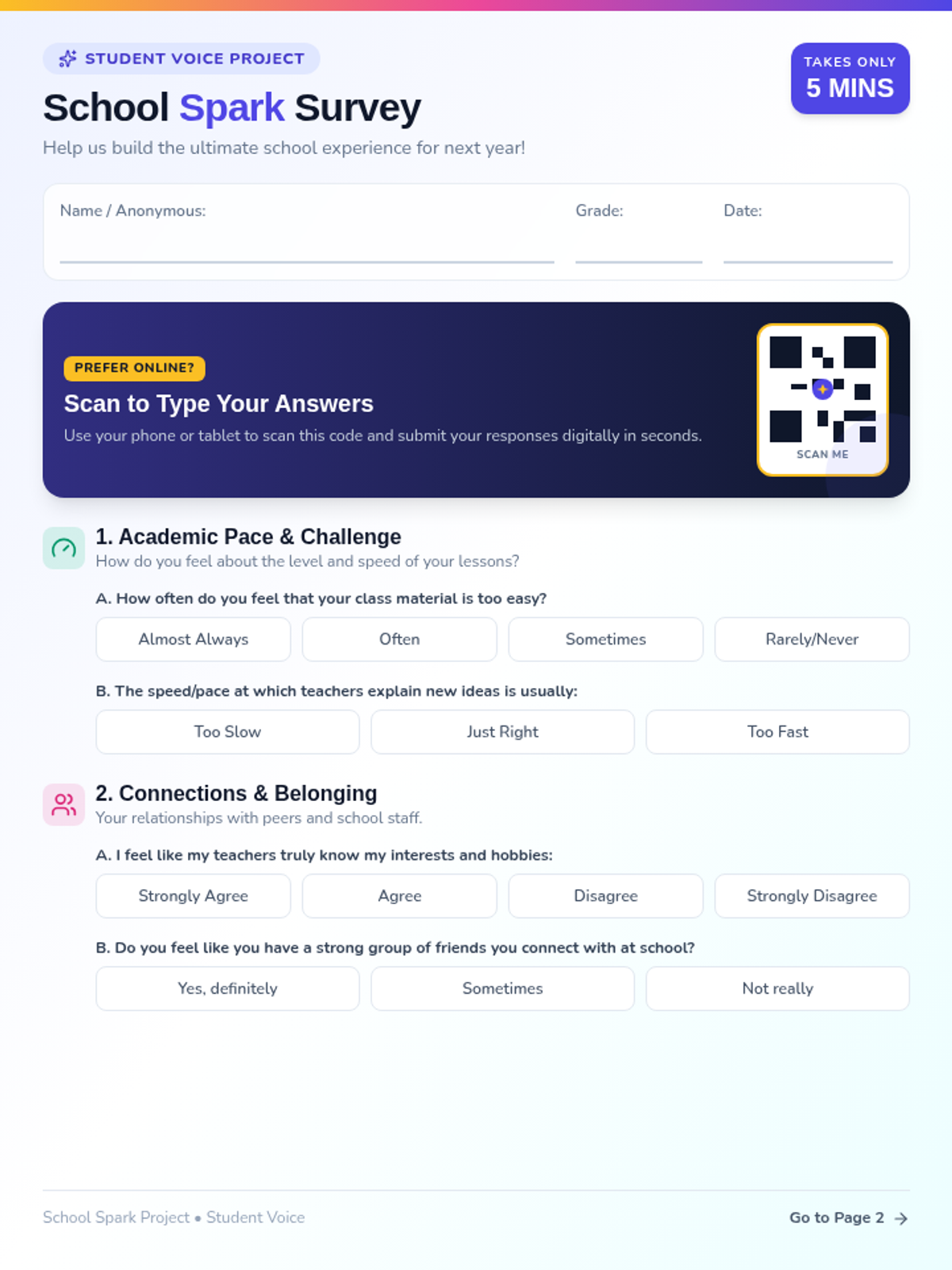
A lesson designed to check in with disengaged or bored students, gathering their insights through a creative survey to design a highly engaging, personalized experience for the upcoming school year.
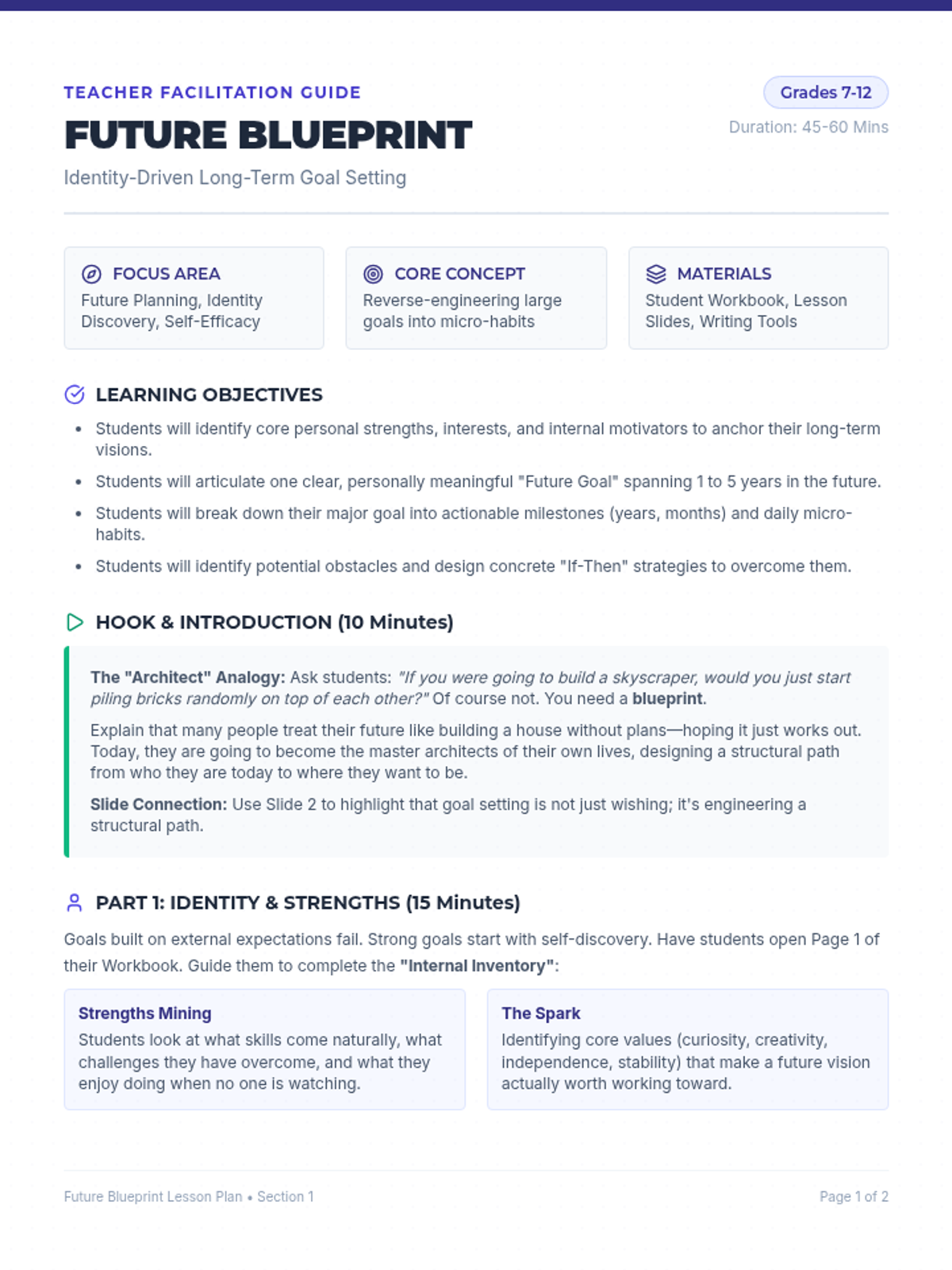
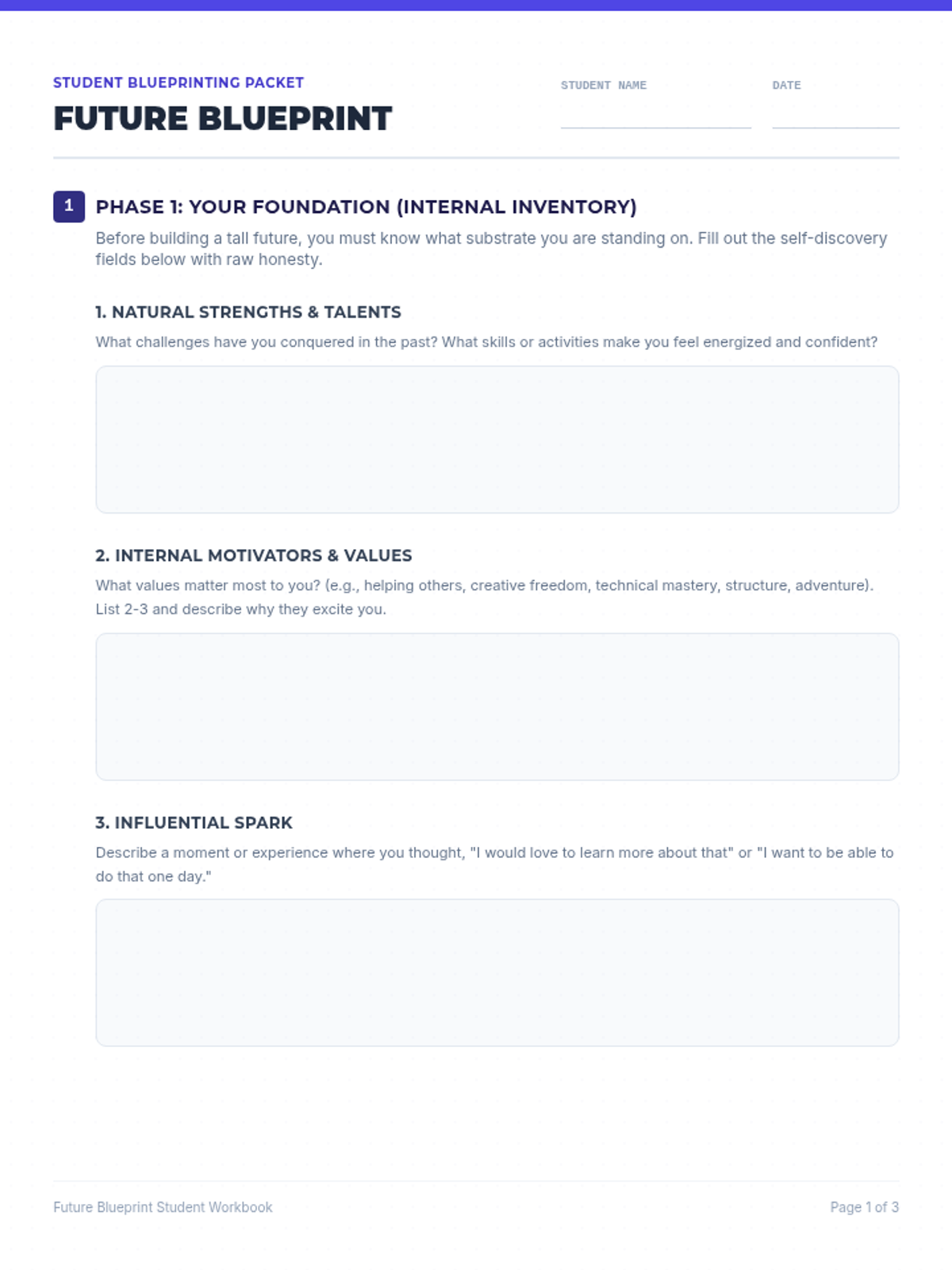
A comprehensive lesson guiding students through identity exploration, strengths mapping, and structuring long-term personal goals into actionable milestones and daily habits.
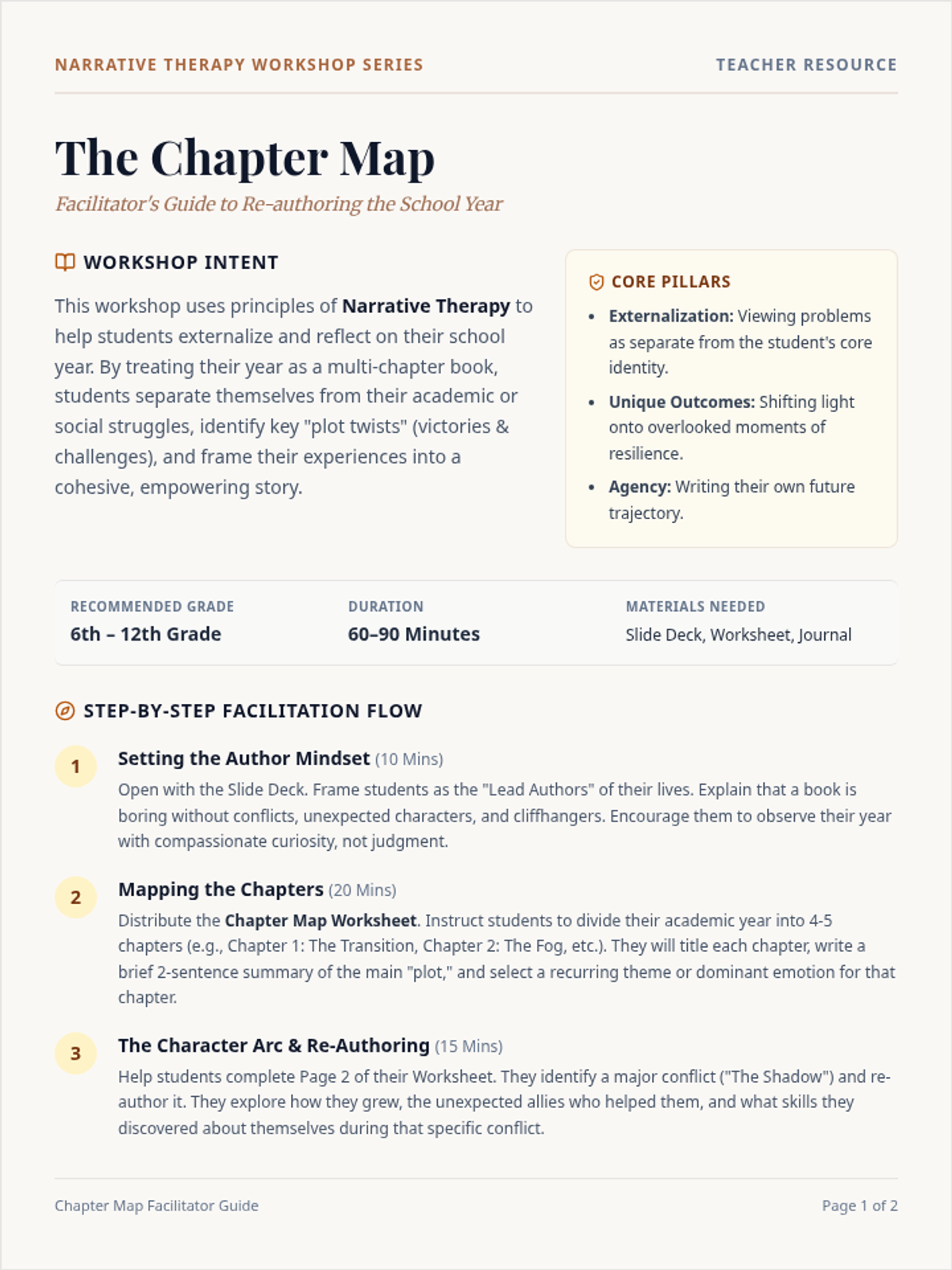
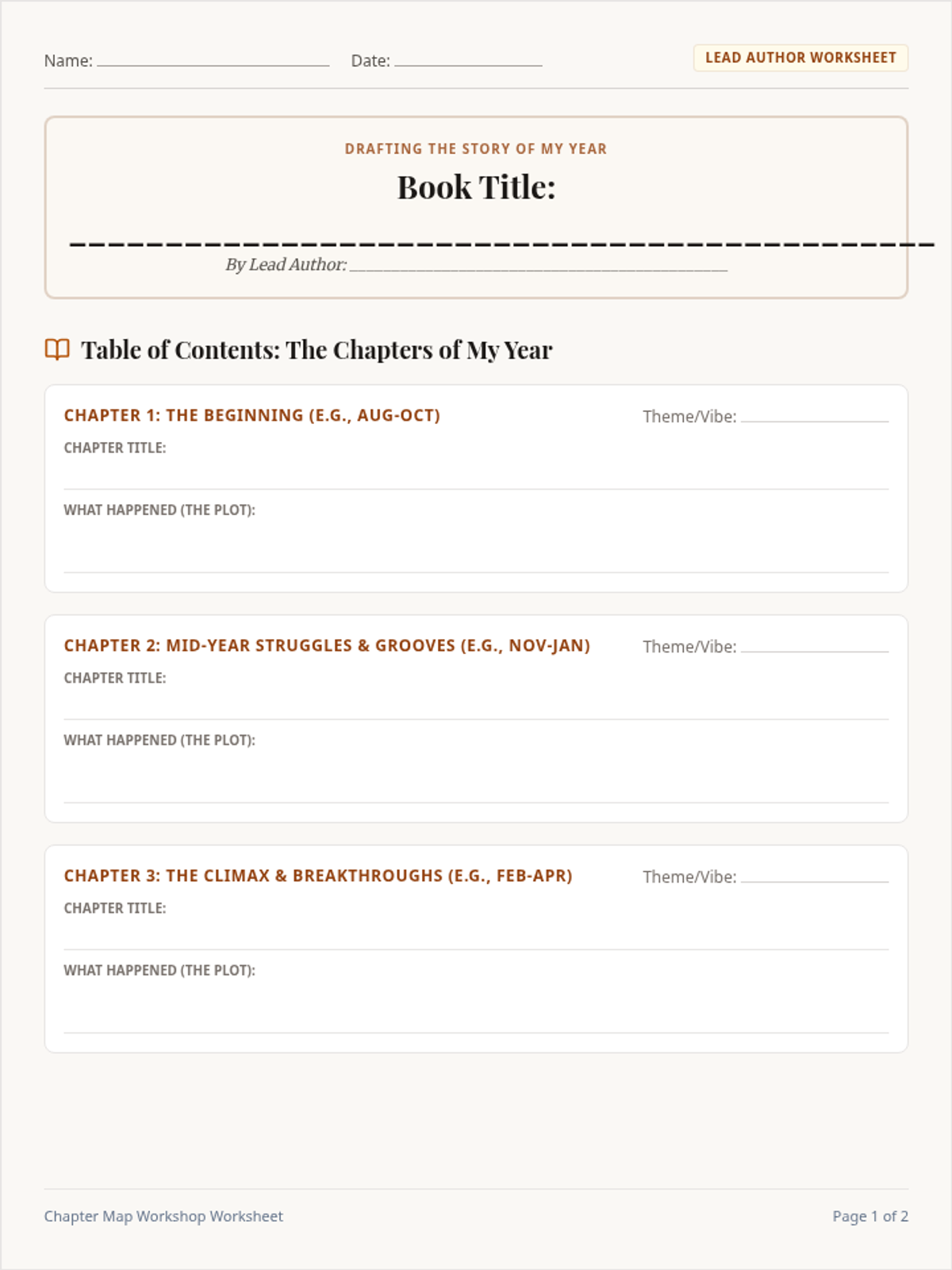
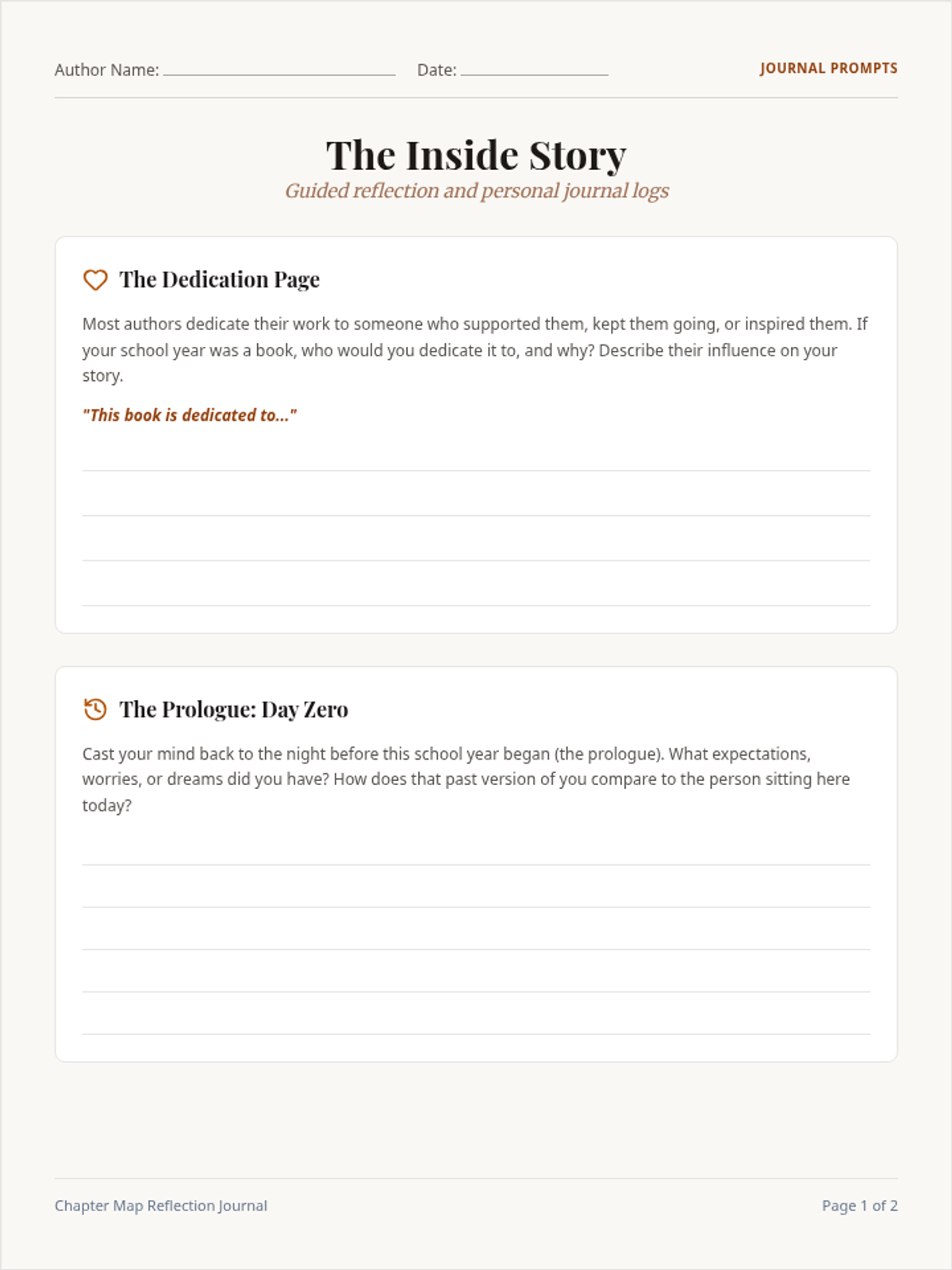
A narrative-therapy-inspired workshop where middle and high school students map out their school year as a book with chapters to synthesize challenges, victories, and closures.
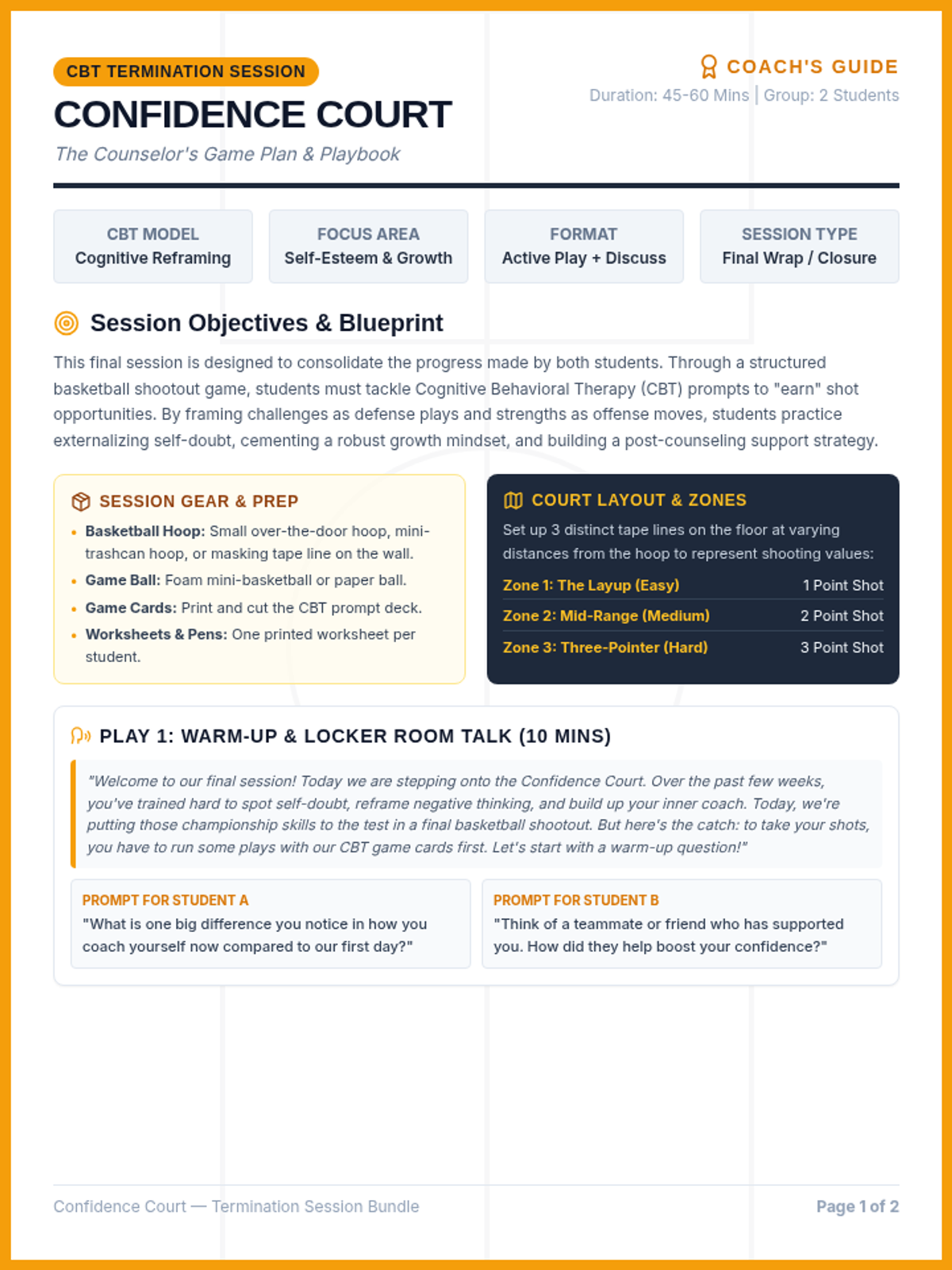
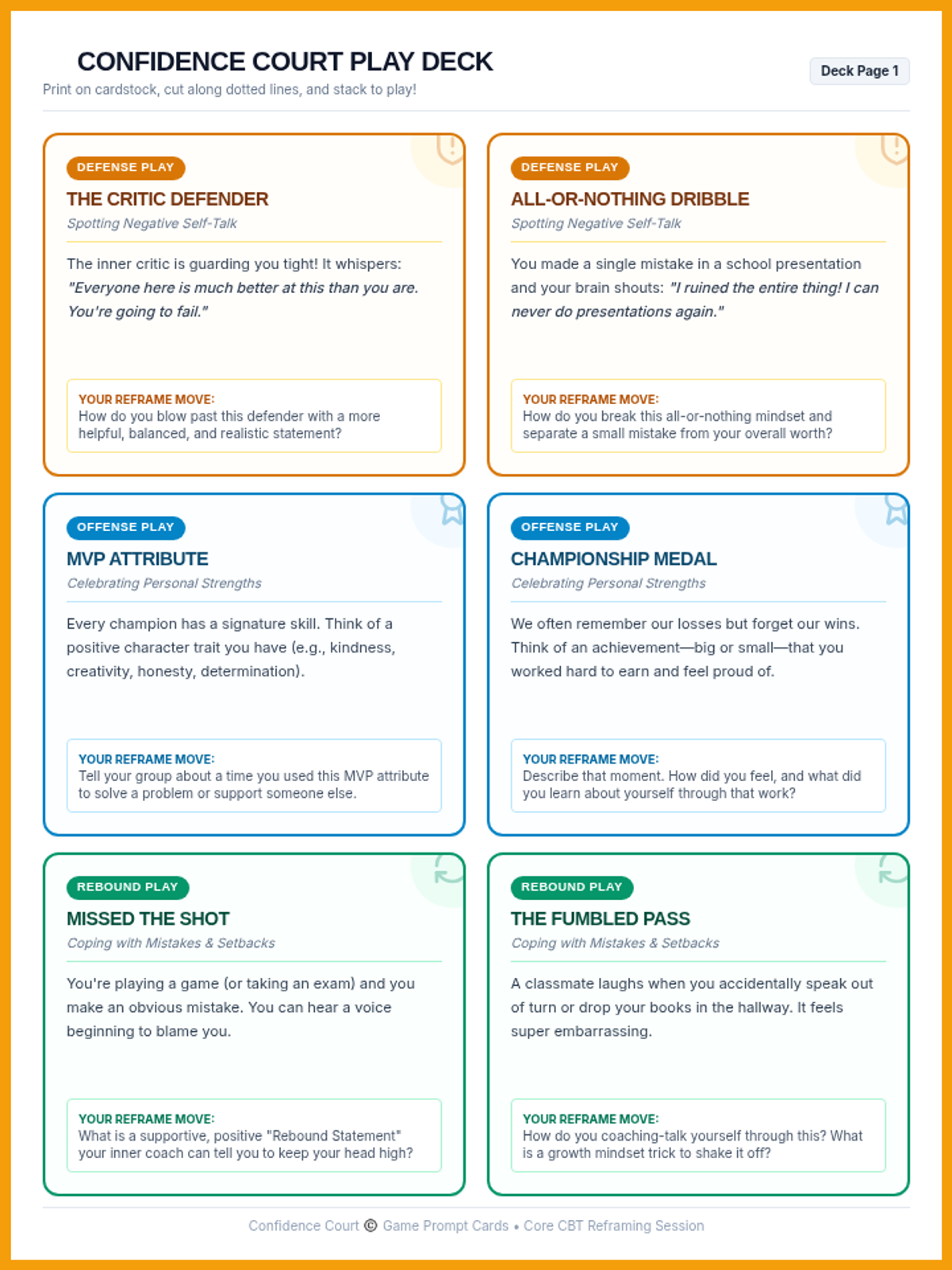
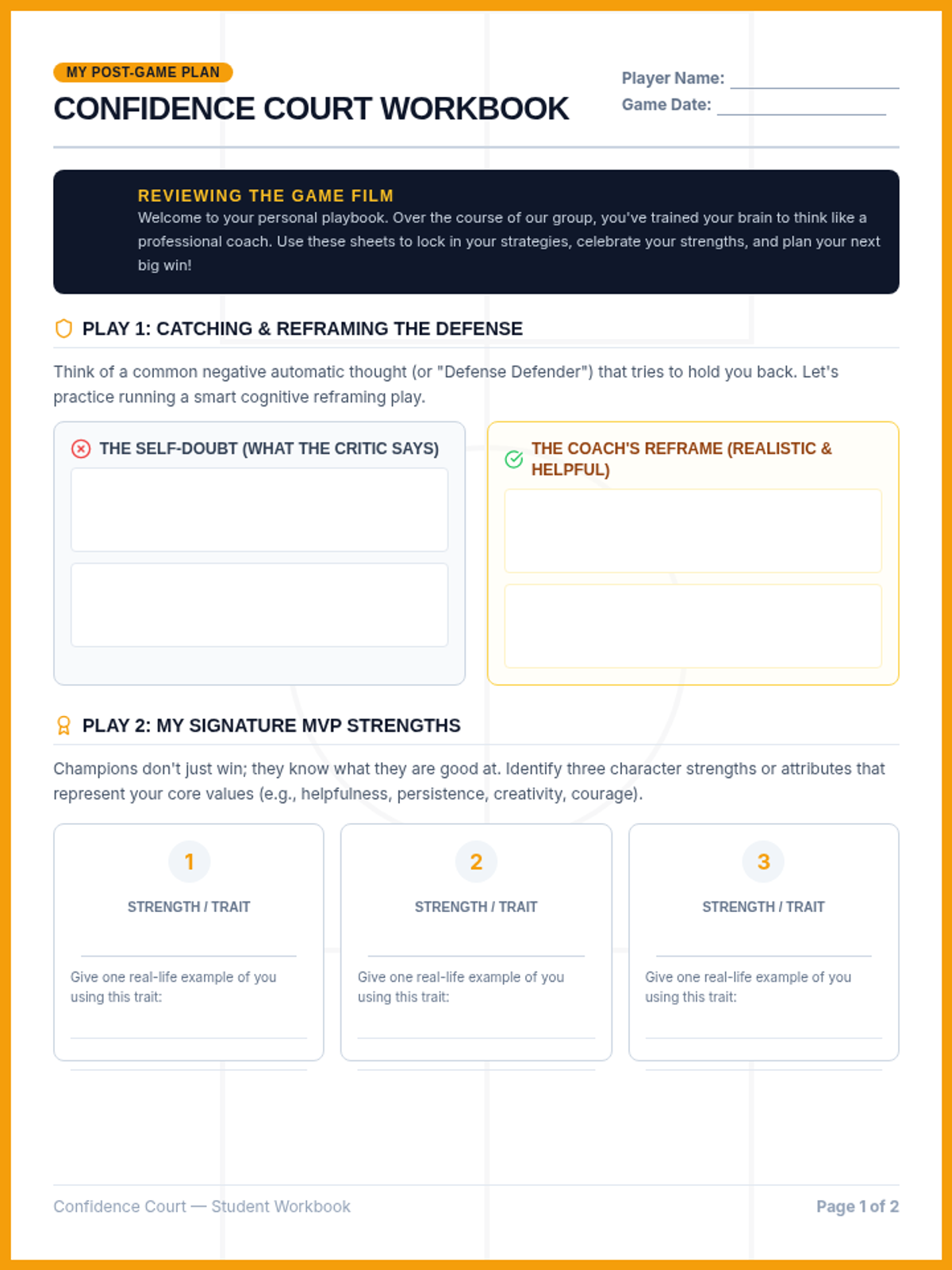
A termination counseling session lesson bundle utilizing a basketball-themed CBT game to reinforce self-esteem, cognitive restructuring, growth mindset, and future growth planning.
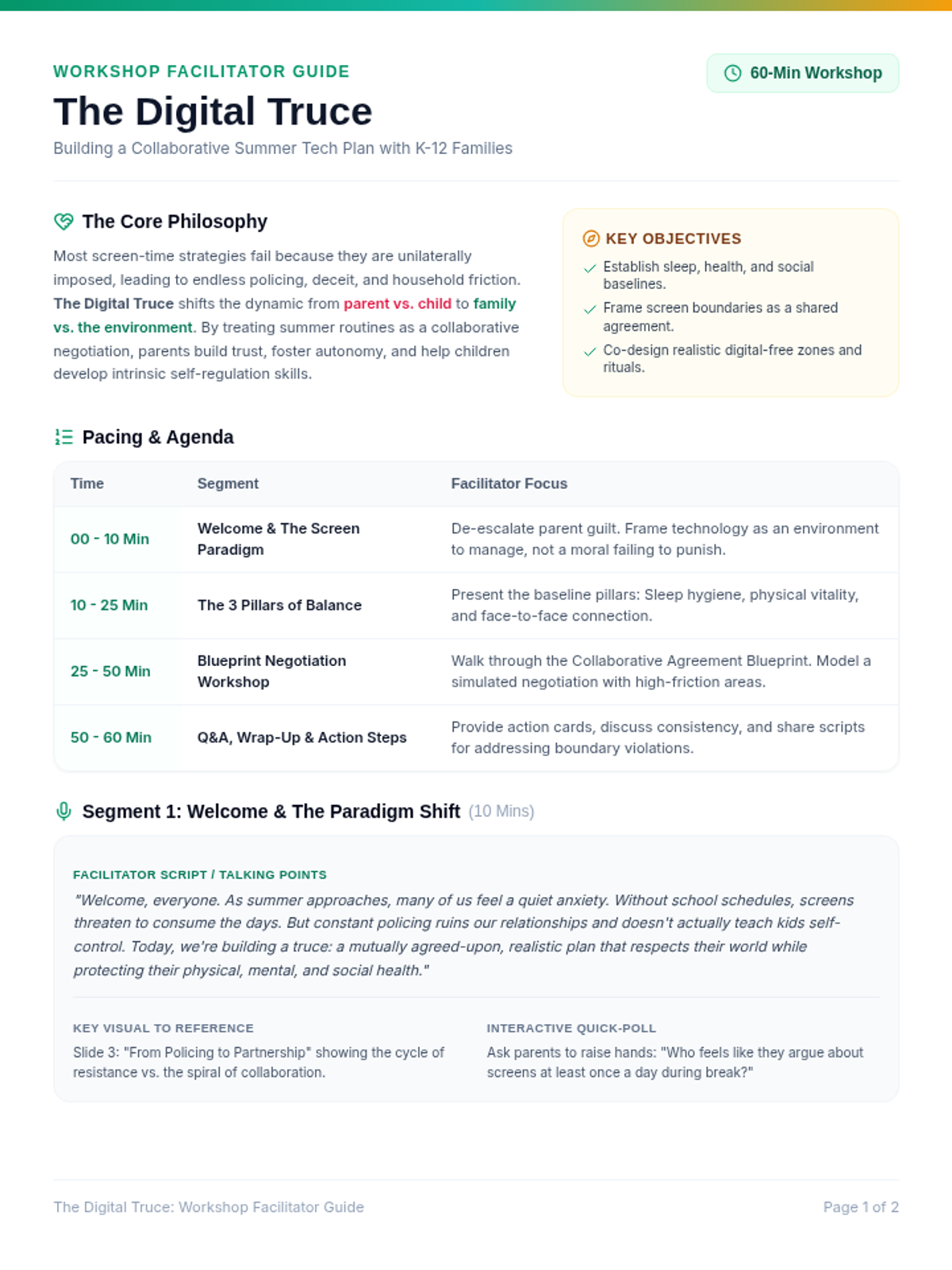
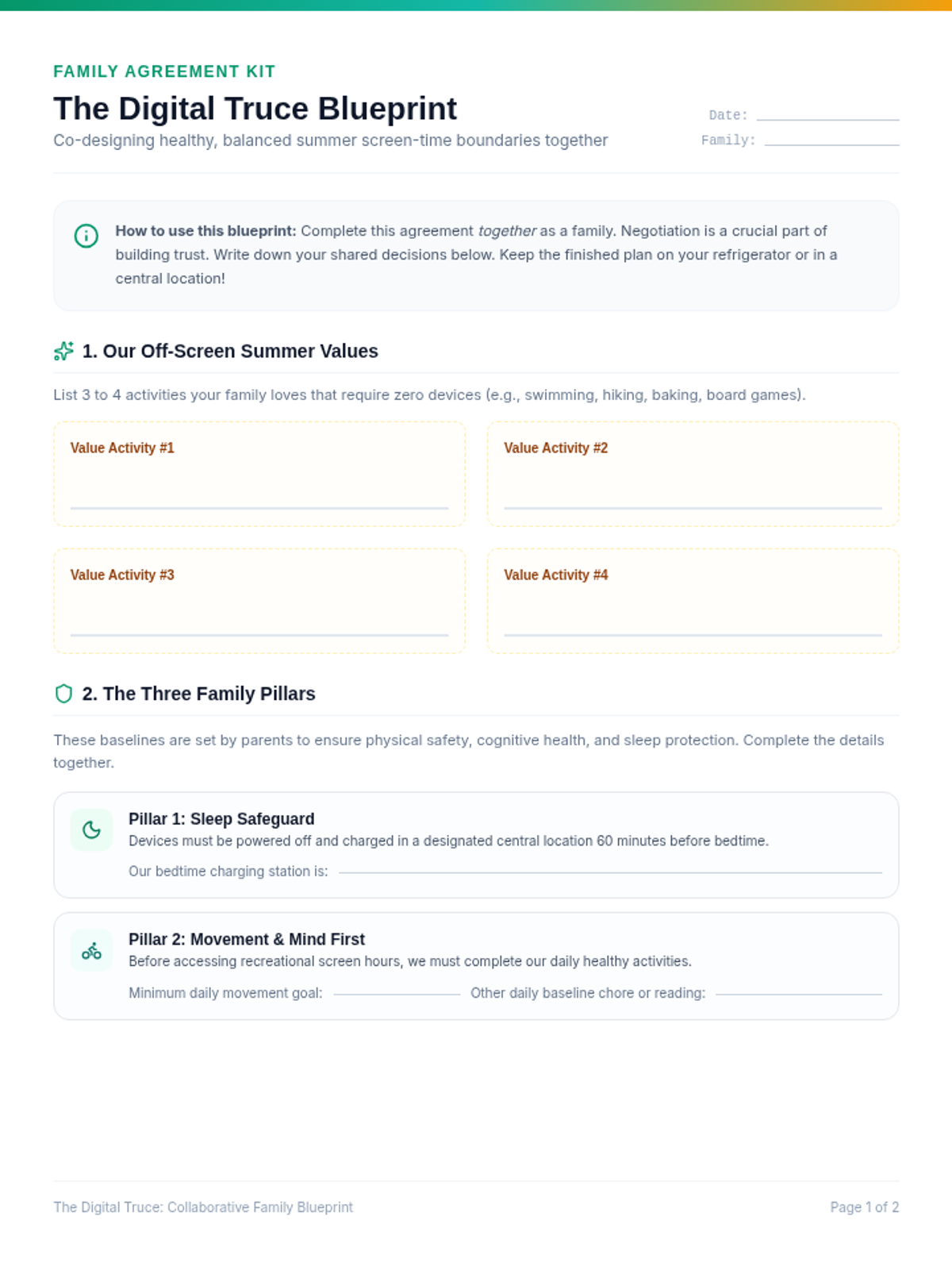
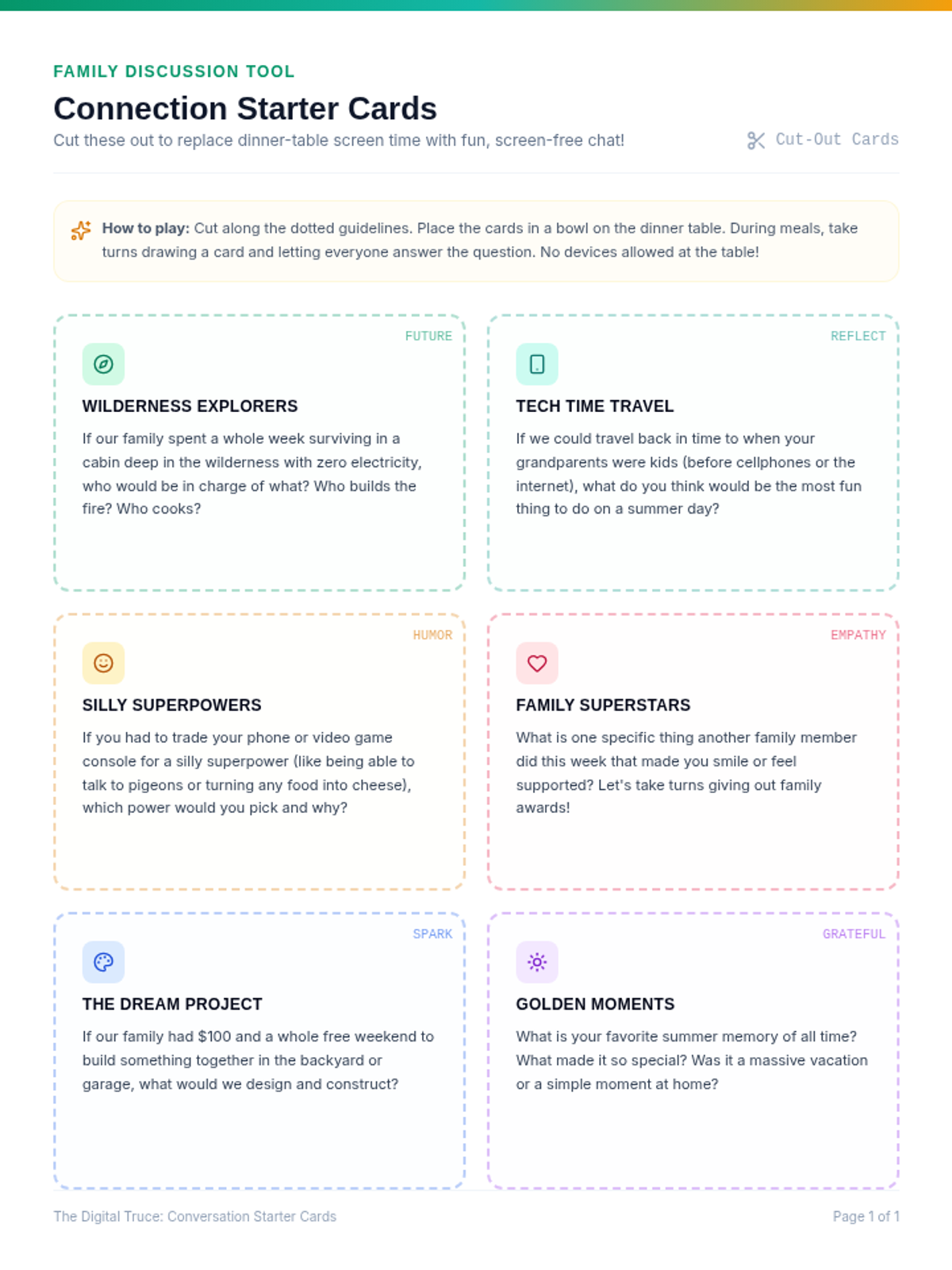
A parent workshop and planning kit to build collaborative, negotiated summer screen-time agreements that protect sleep, physical activity, and family connection.
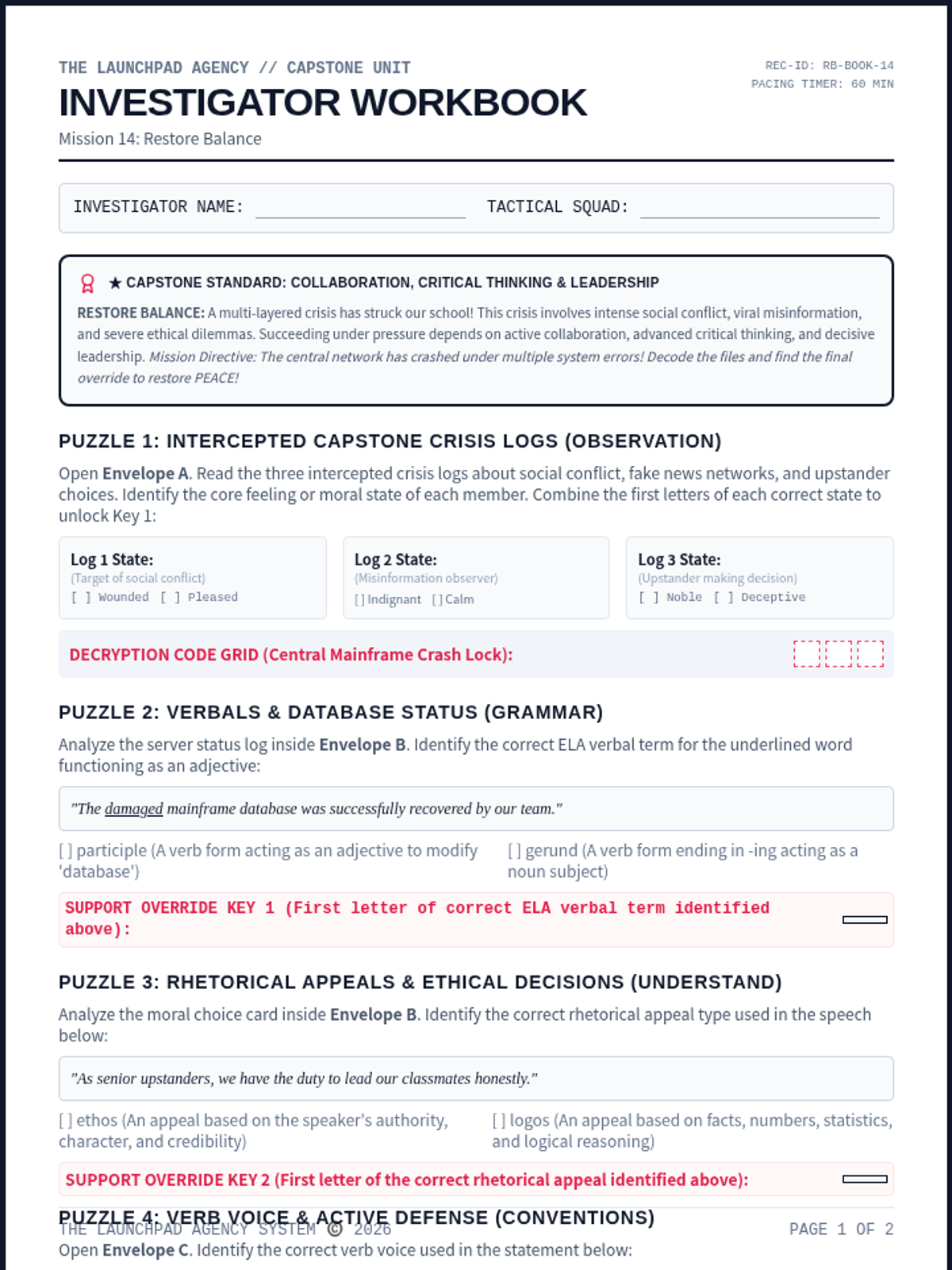
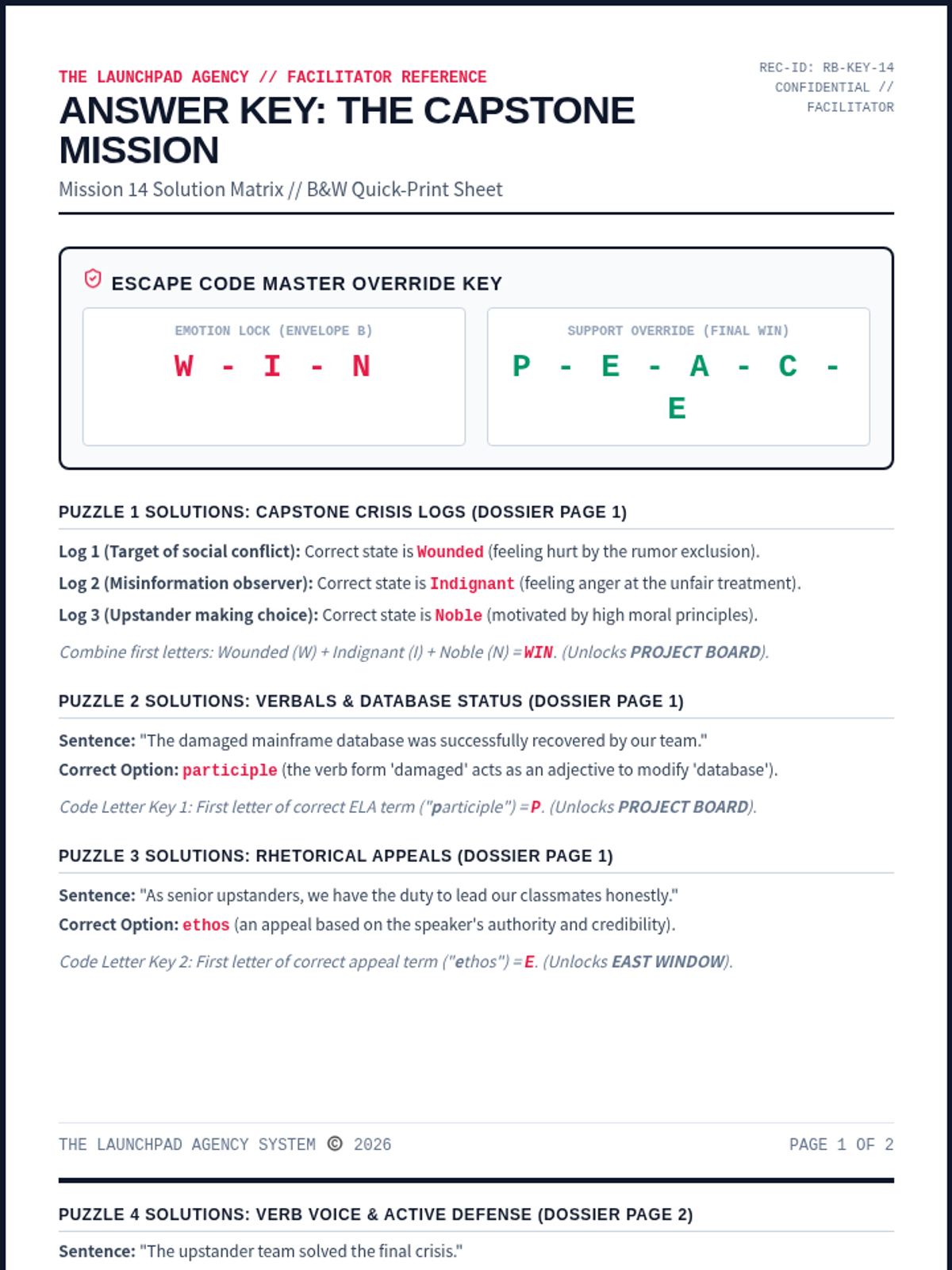
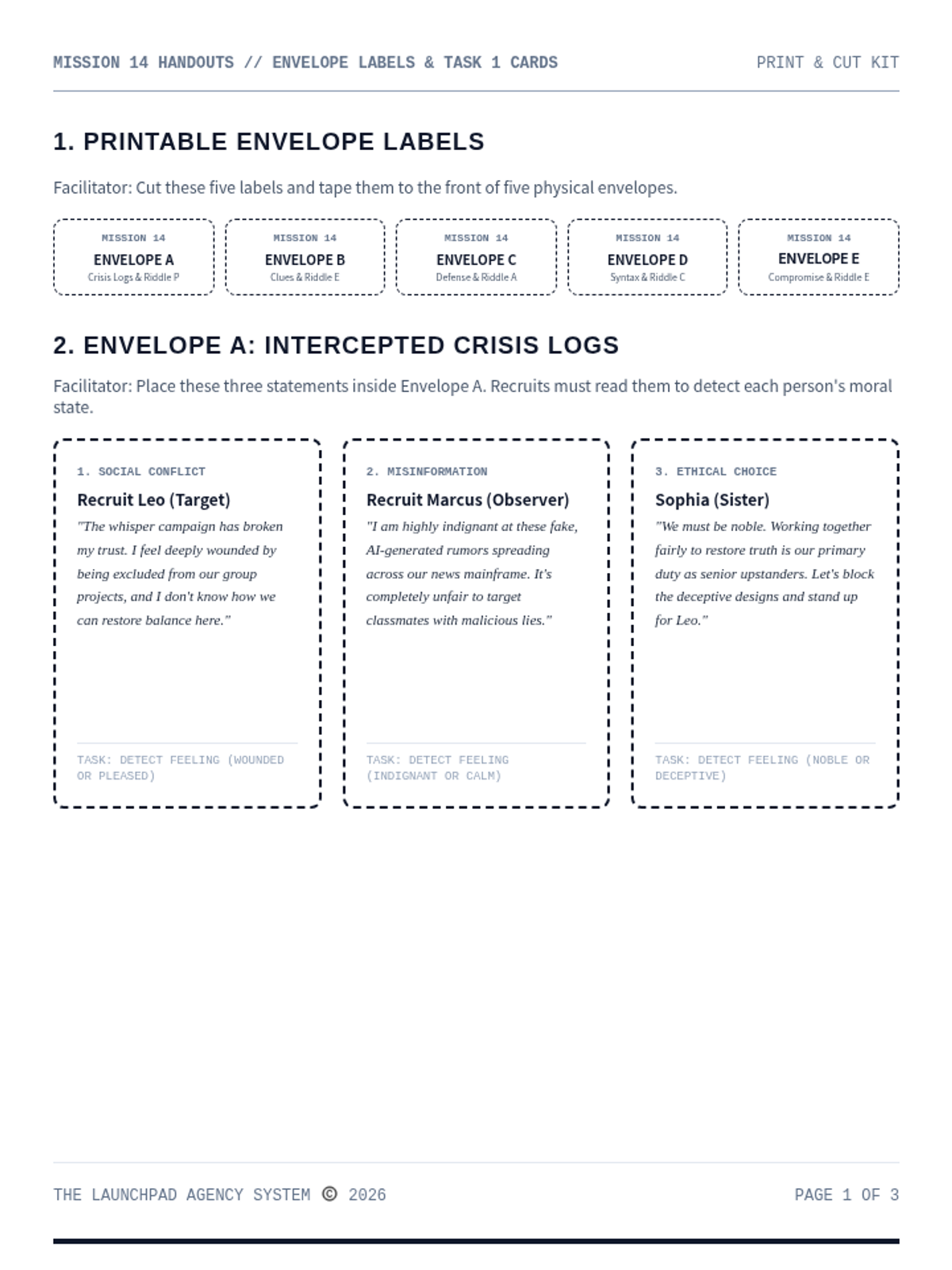
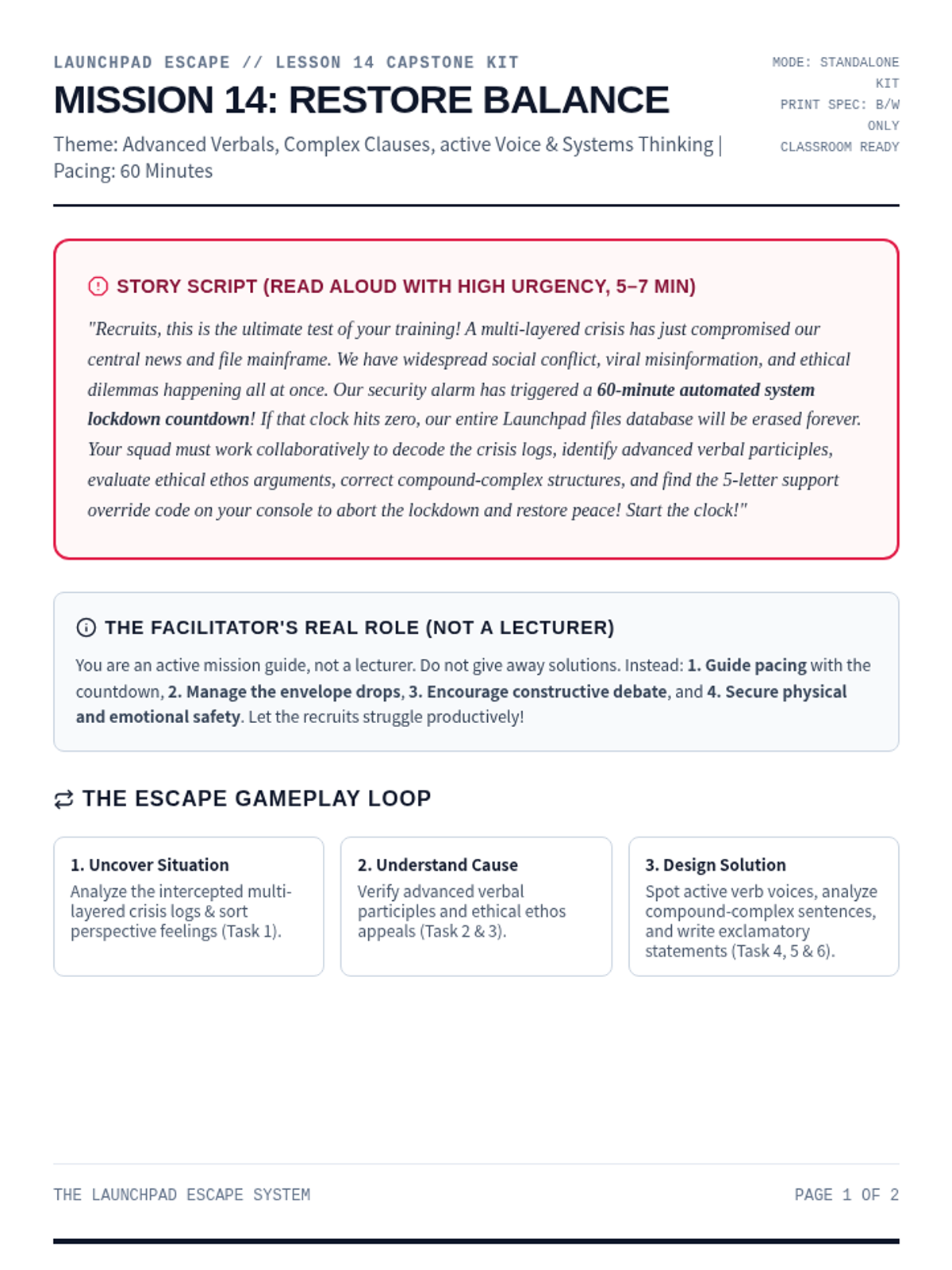
The ultimate multi-layered capstone escape room challenge. Recruits analyze complex social conflict evidence, trace misinformation networks, resolve major ethical dilemmas, and decode the final system override.
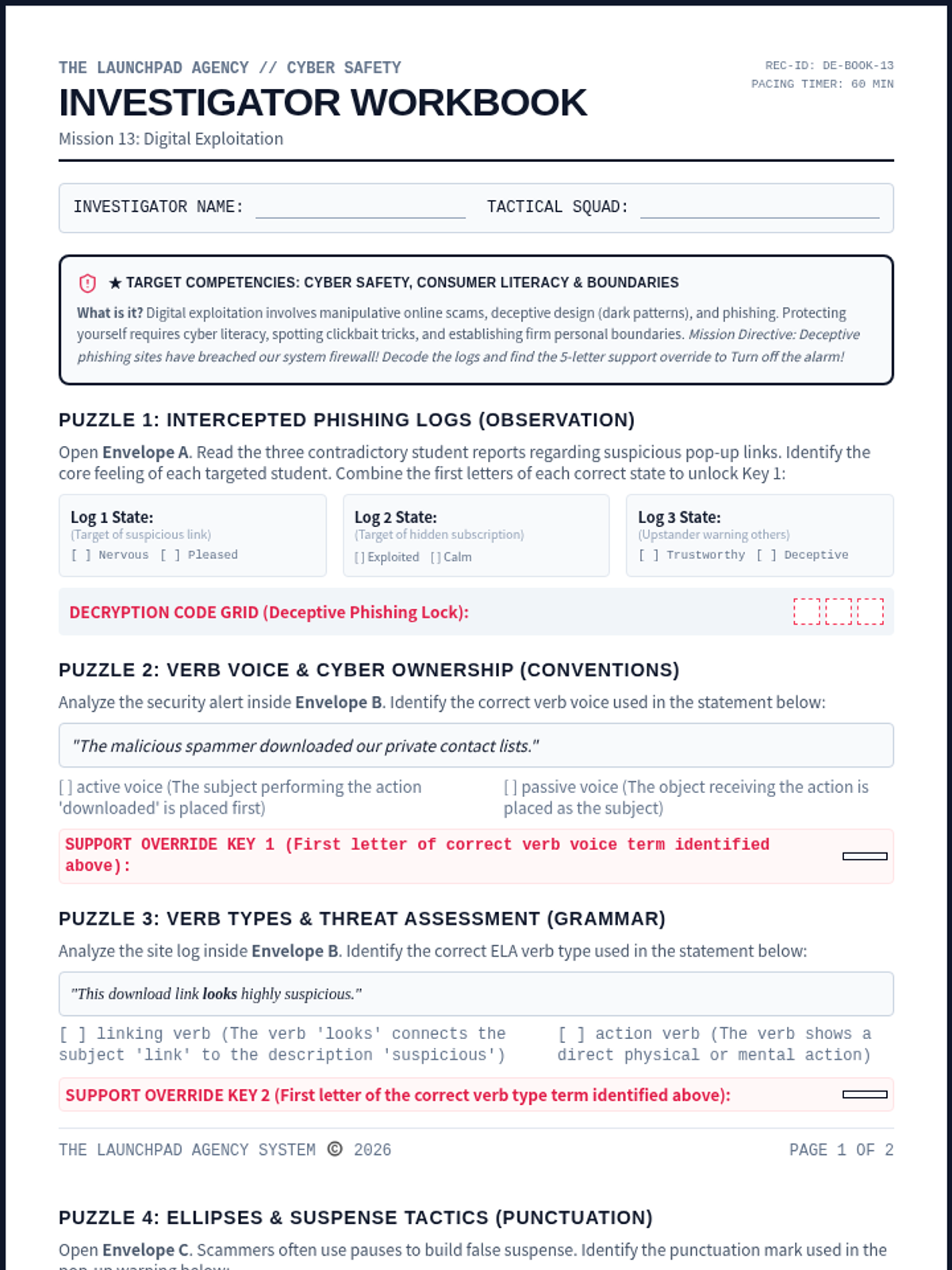
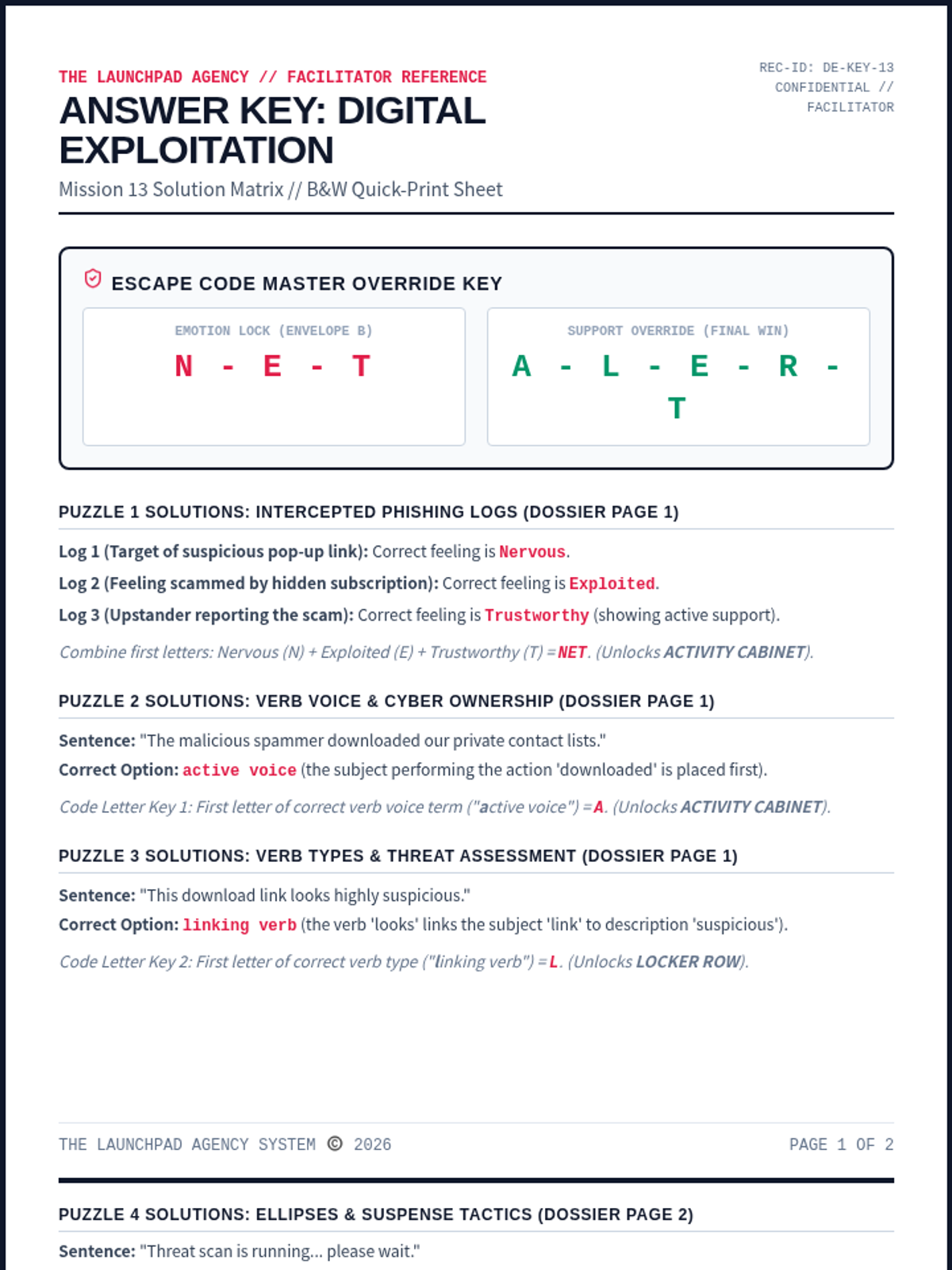
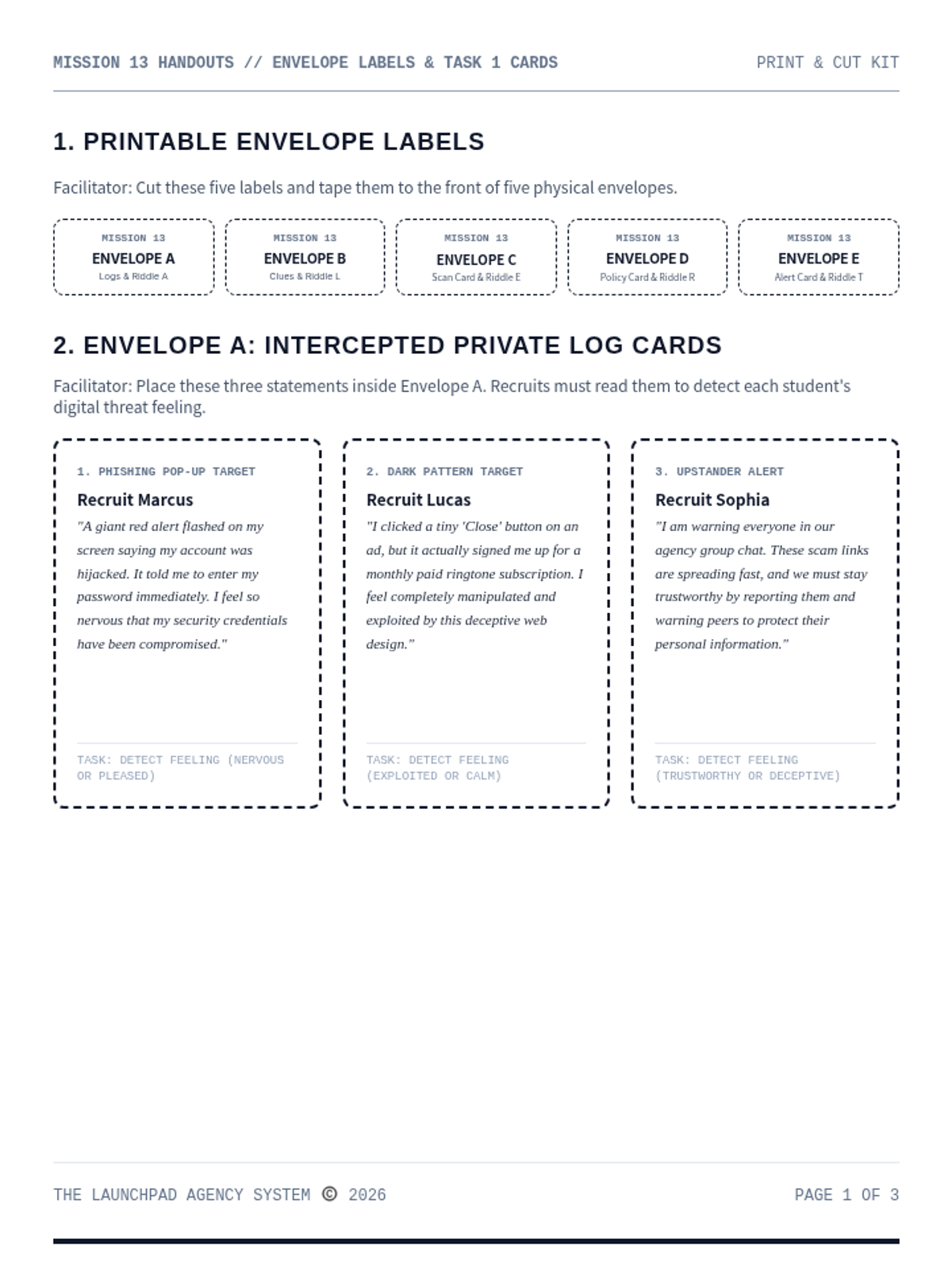
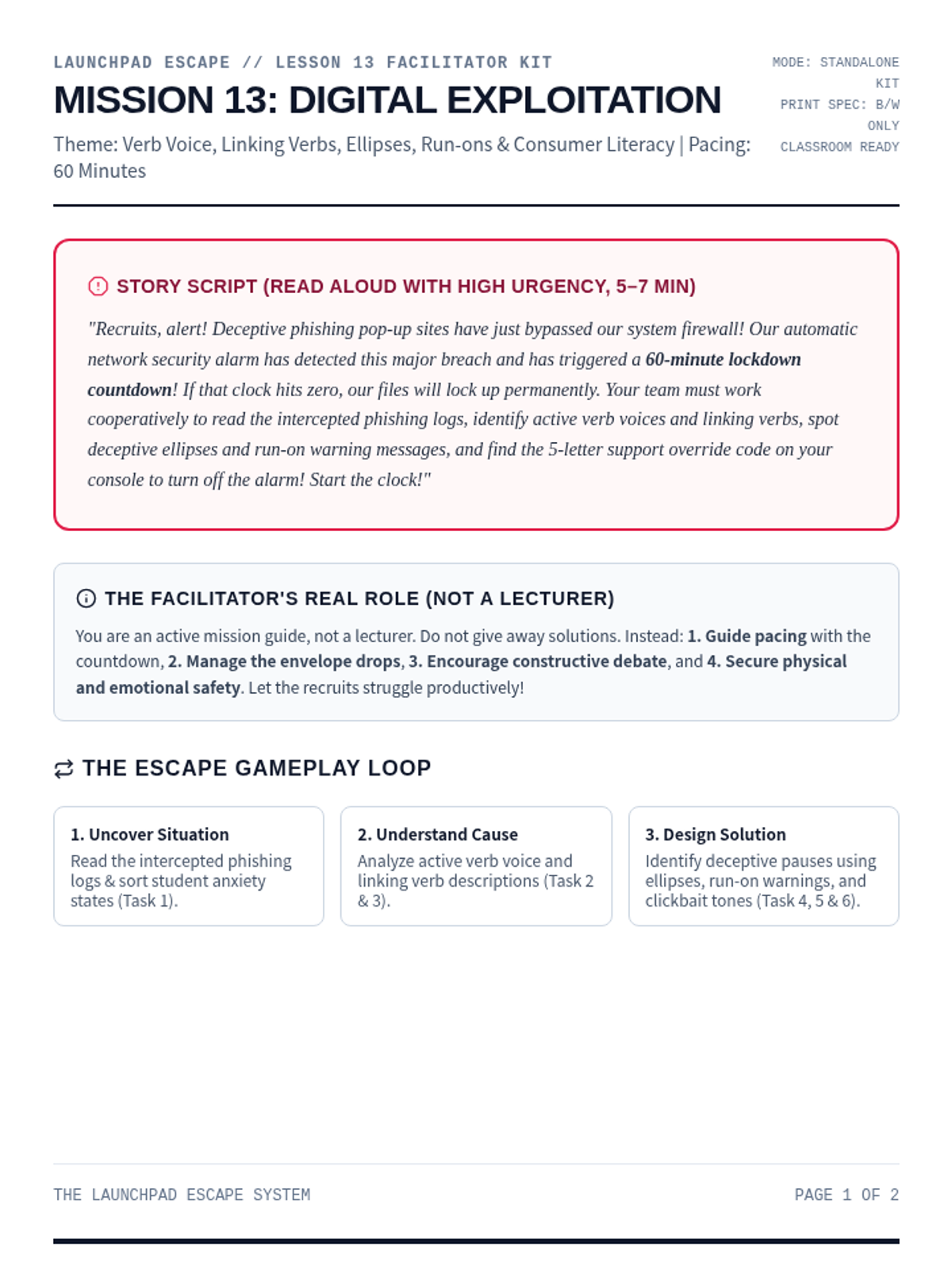
A high-stakes digital safety escape room focused on identifying online scams, recognizing manipulative dark patterns, and protecting personal data. Recruits analyze active verb voices, linking verbs, ellipses punctuation, and deceptive tones to decode the final alert.
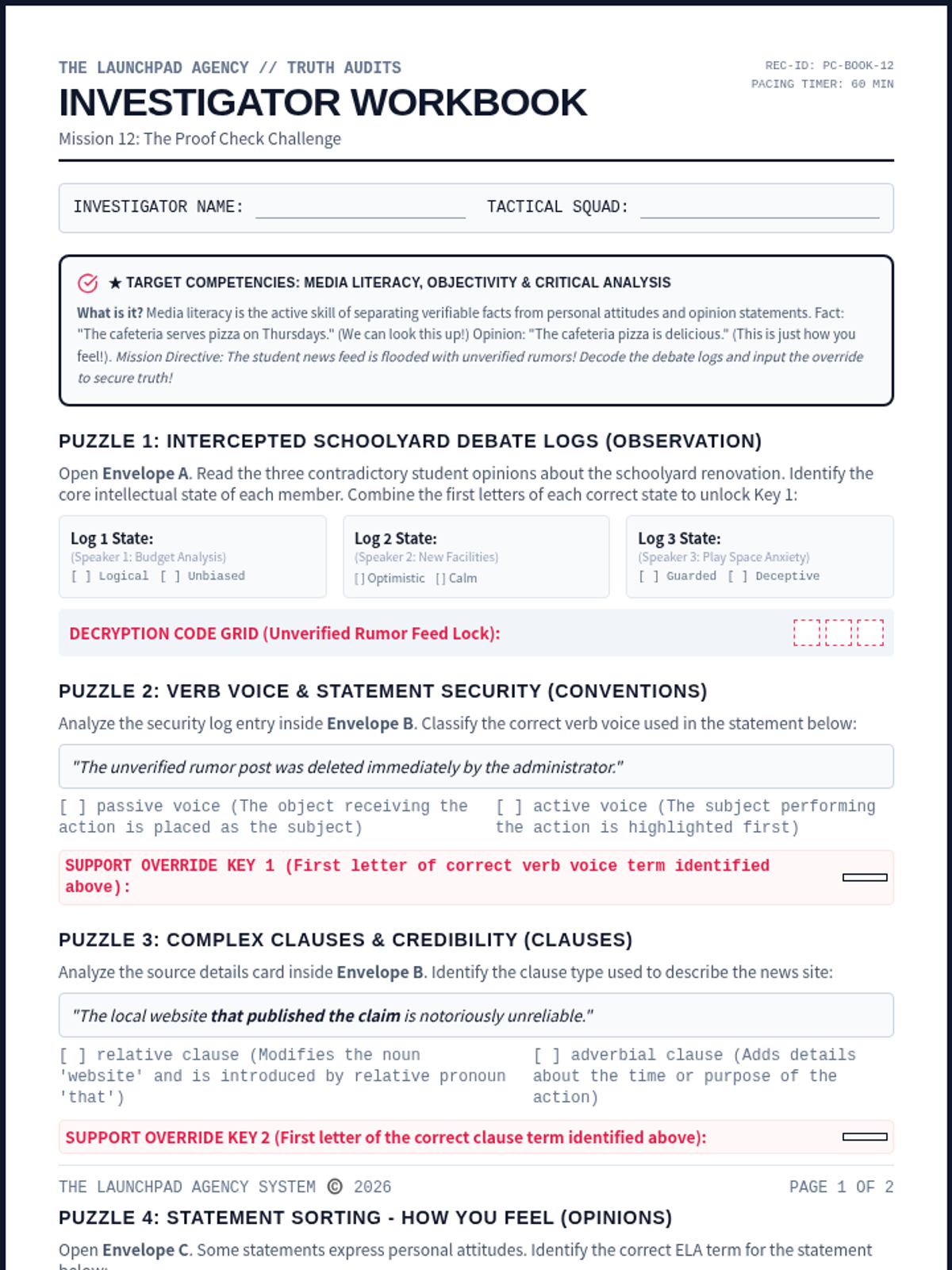
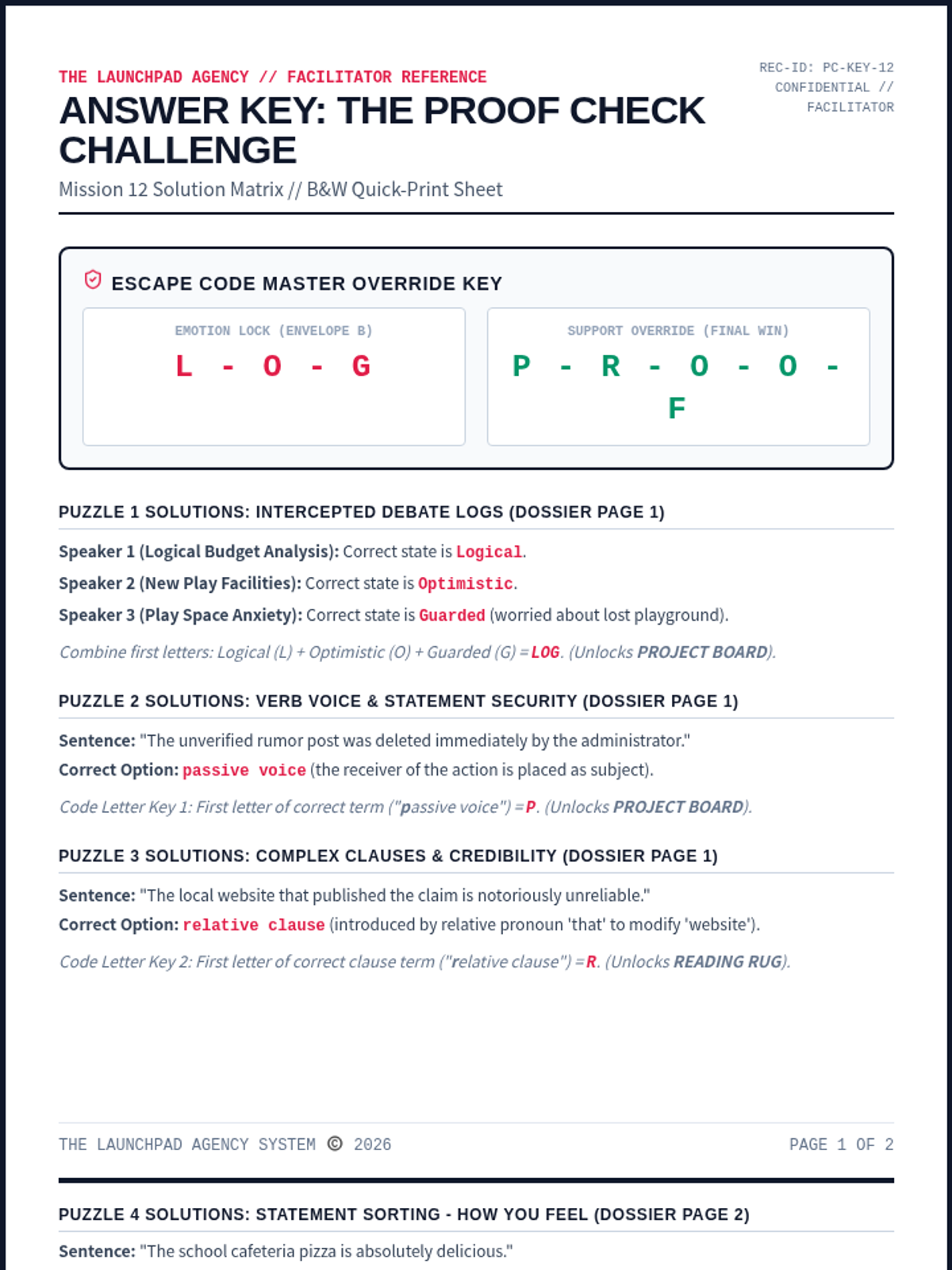
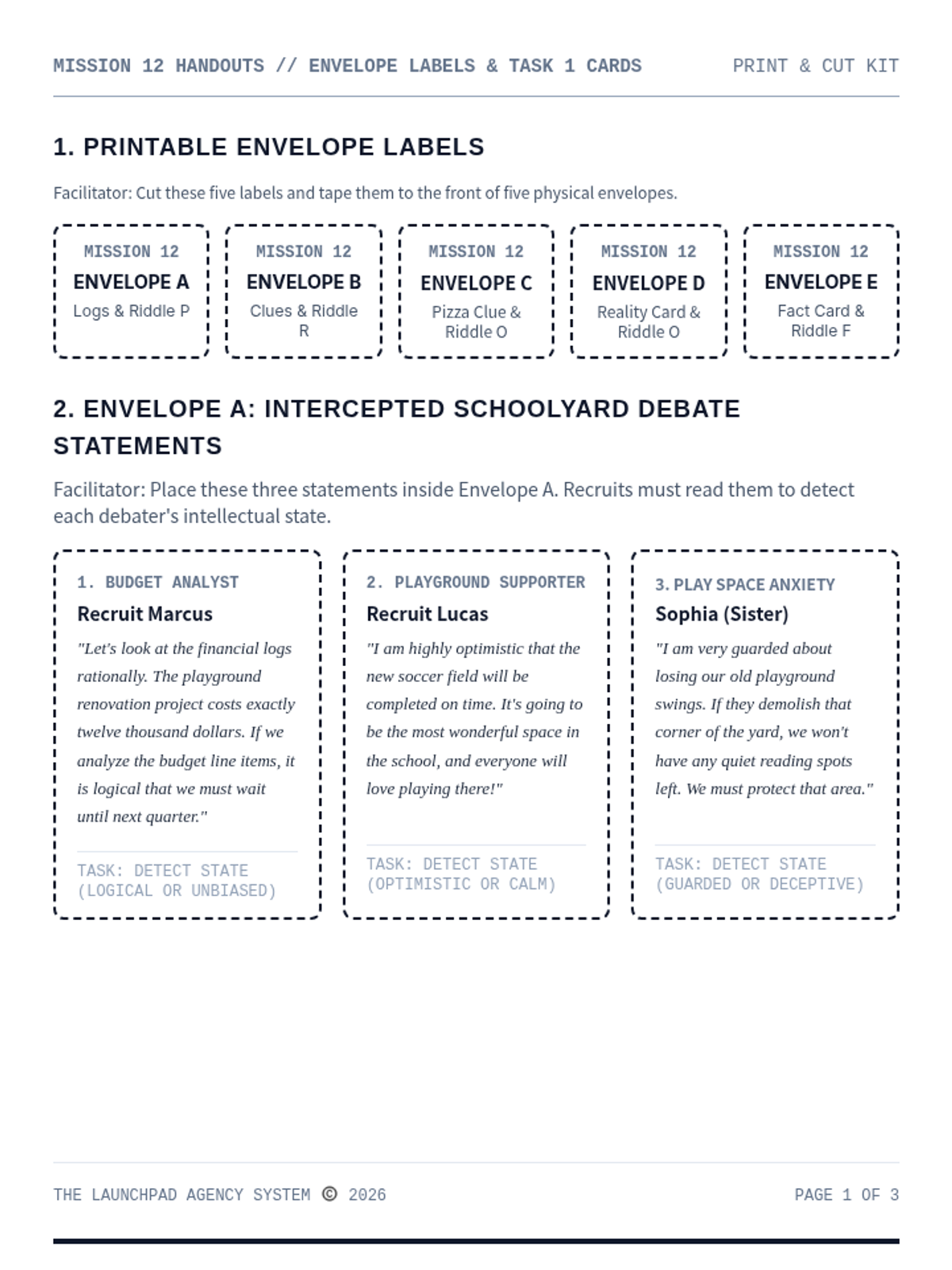
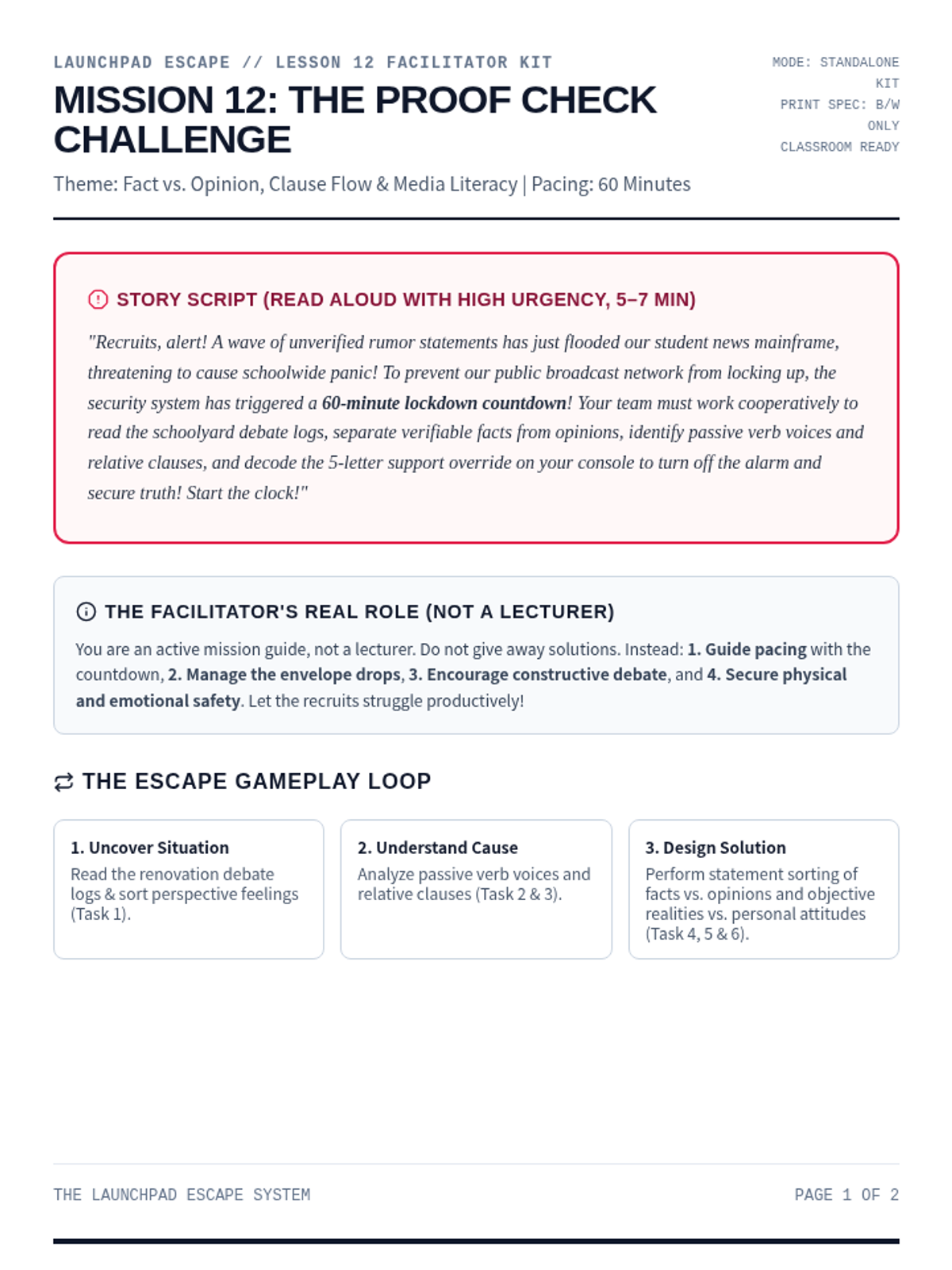
An advanced media literacy and communication escape room for Ages 13-15. Recruits distinguish facts from opinions, analyze objective realities, sort personal attitudes, and input the override PROOF to secure the school news mainframe.
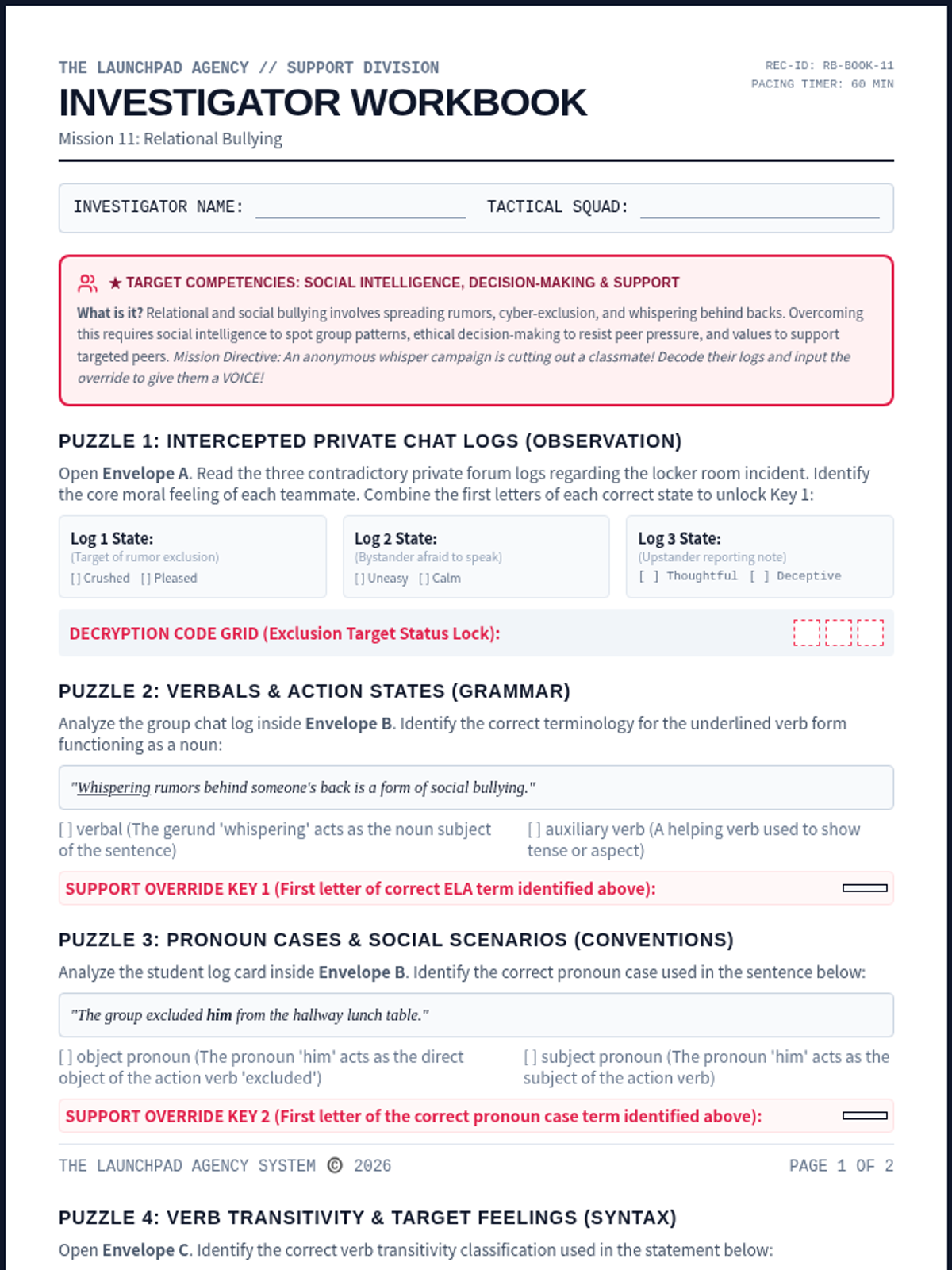
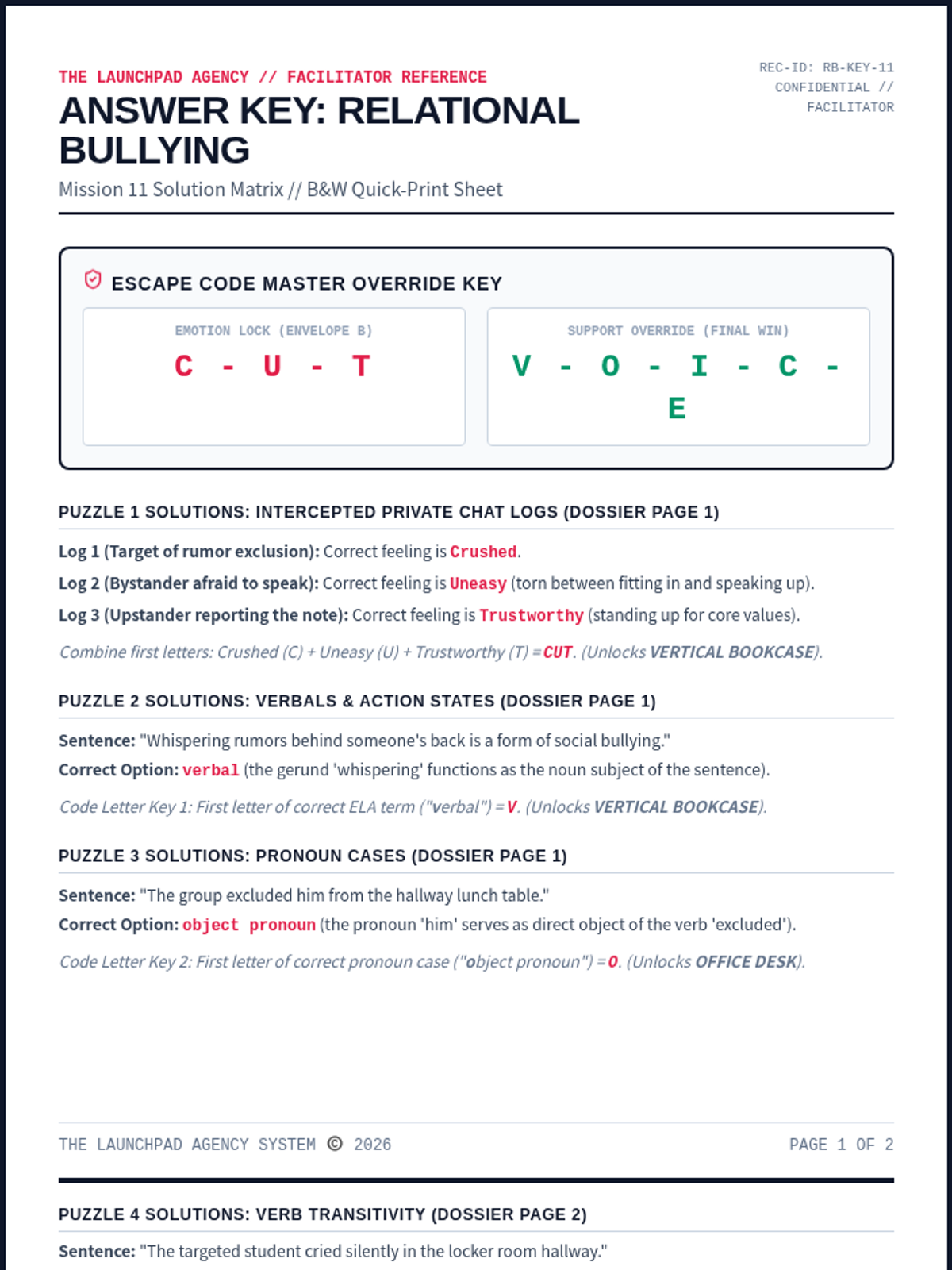
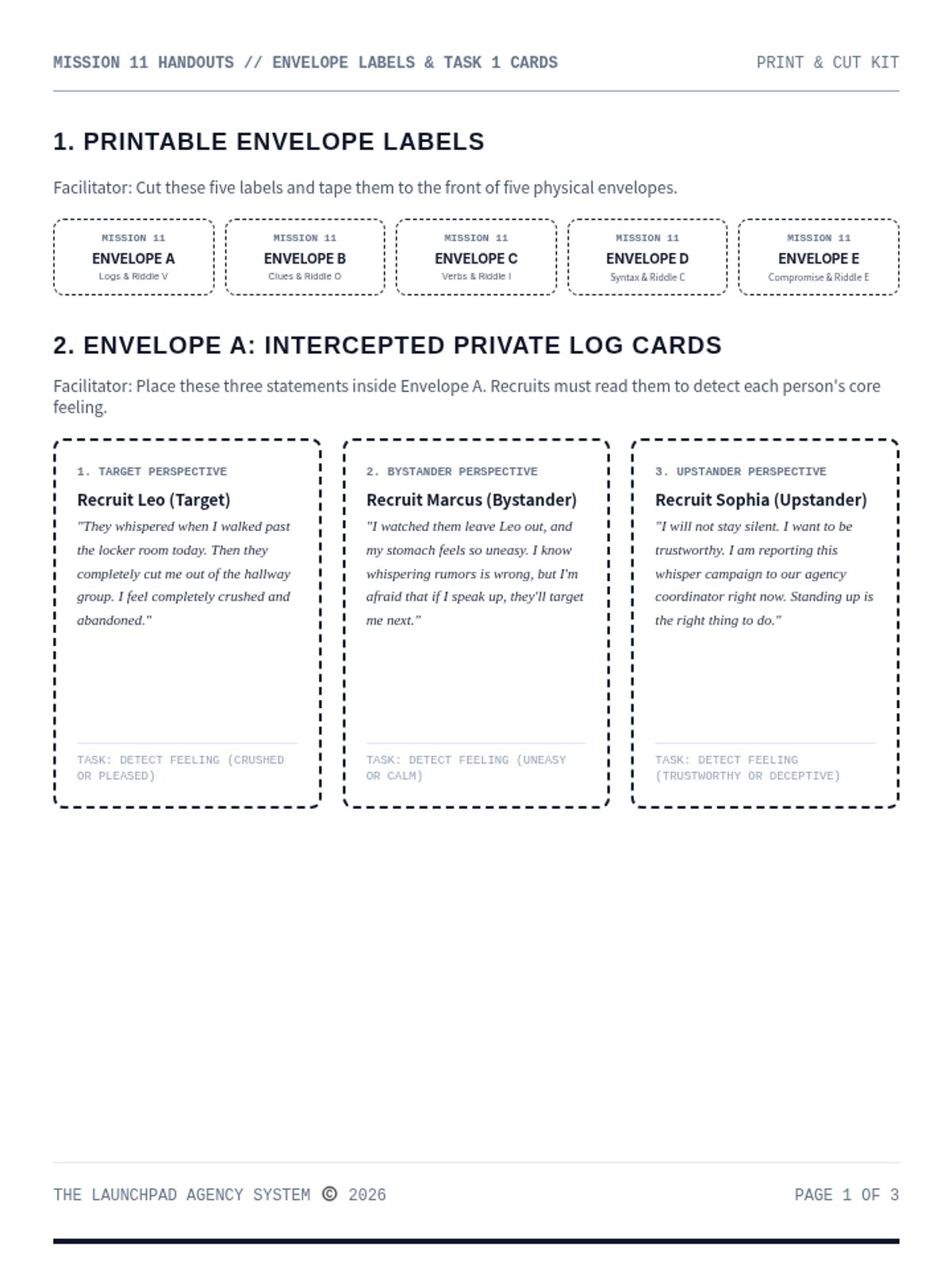
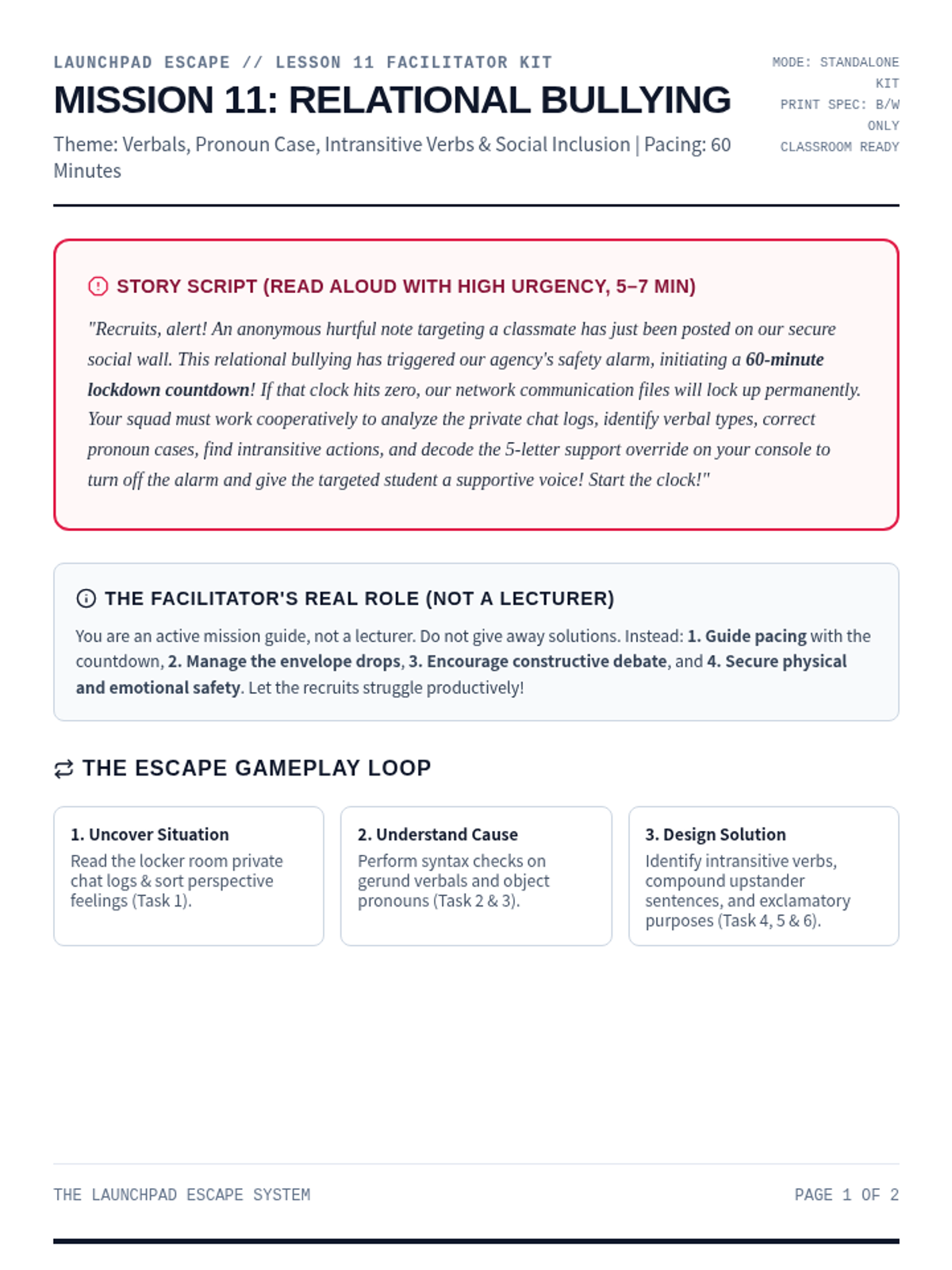
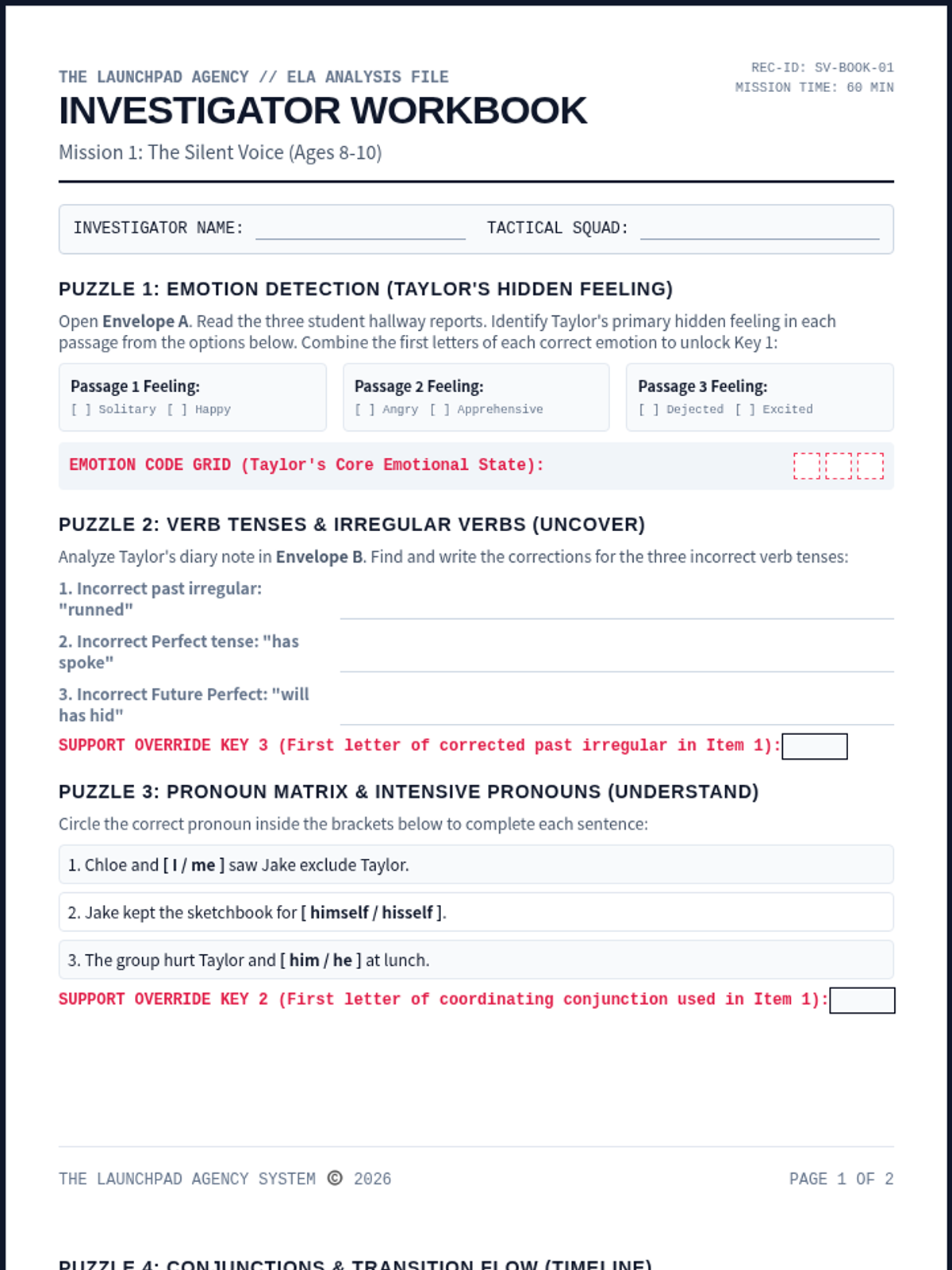
A collaborative social-emotional escape room focused on identifying relational and social bullying, supporting target peers, and standing up to cyber/verbal exclusion. Recruits analyze verb verbal types, pronoun cases, intransitive verbs, and compound syntax to decode the final override.
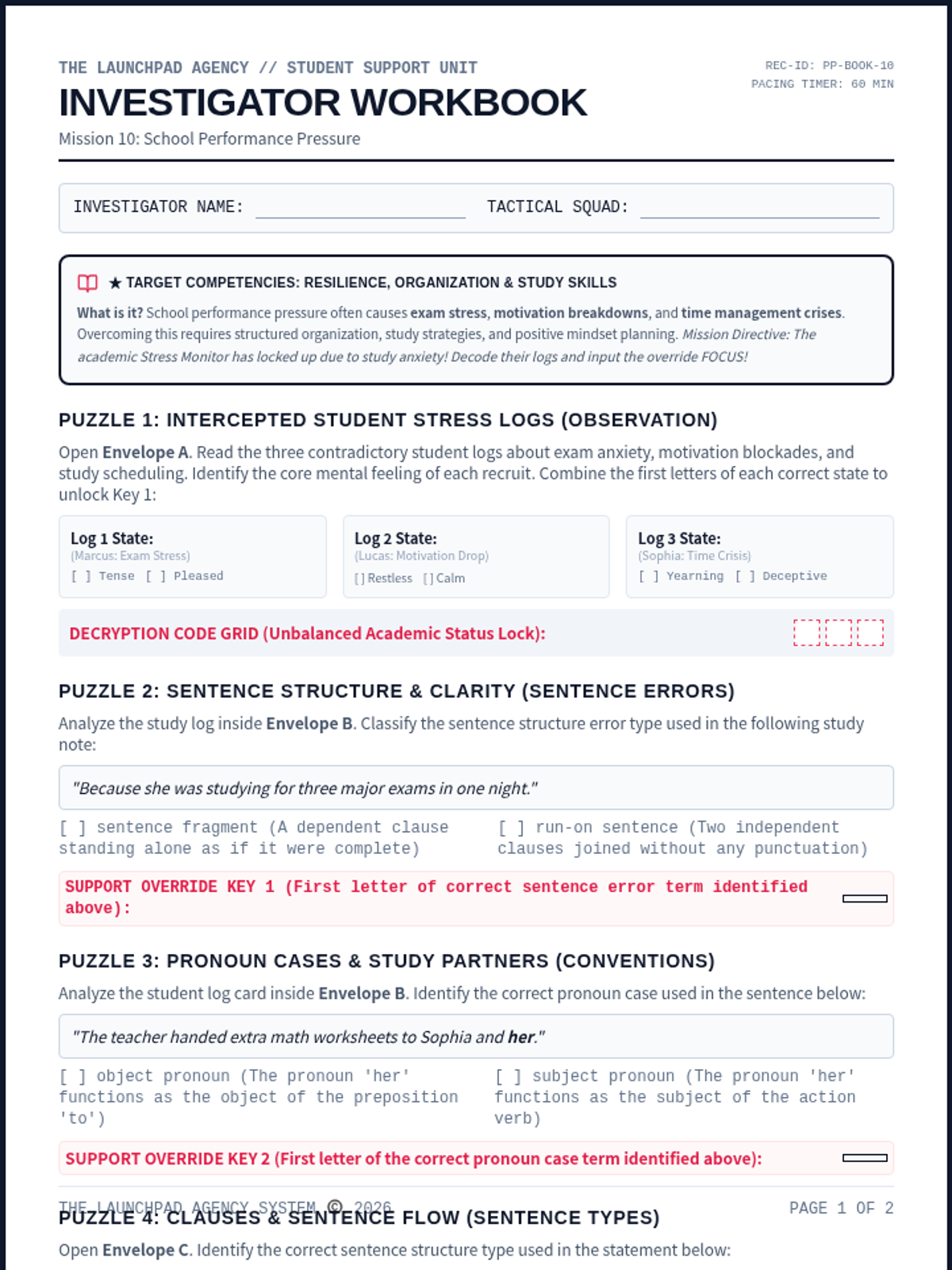
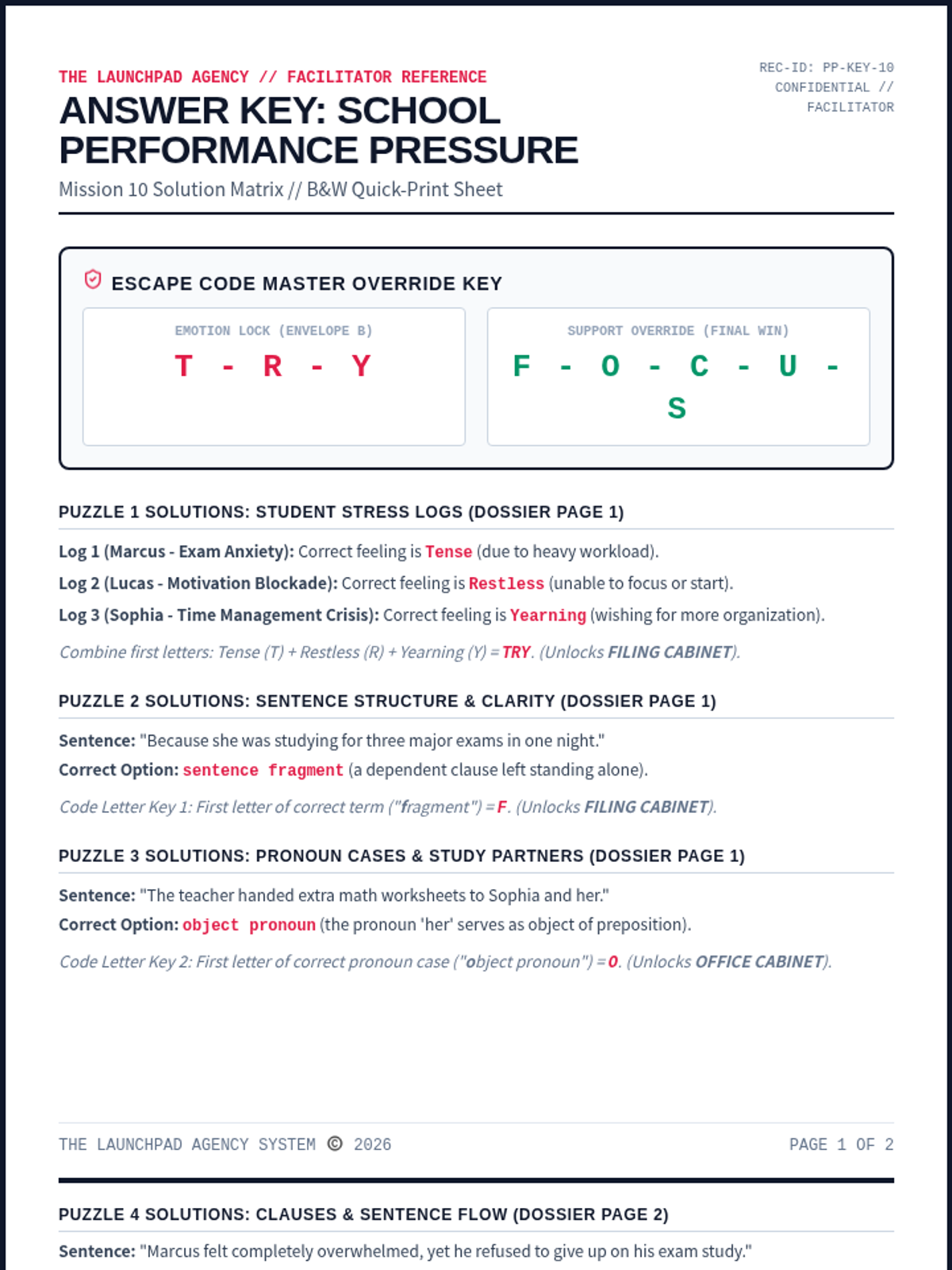
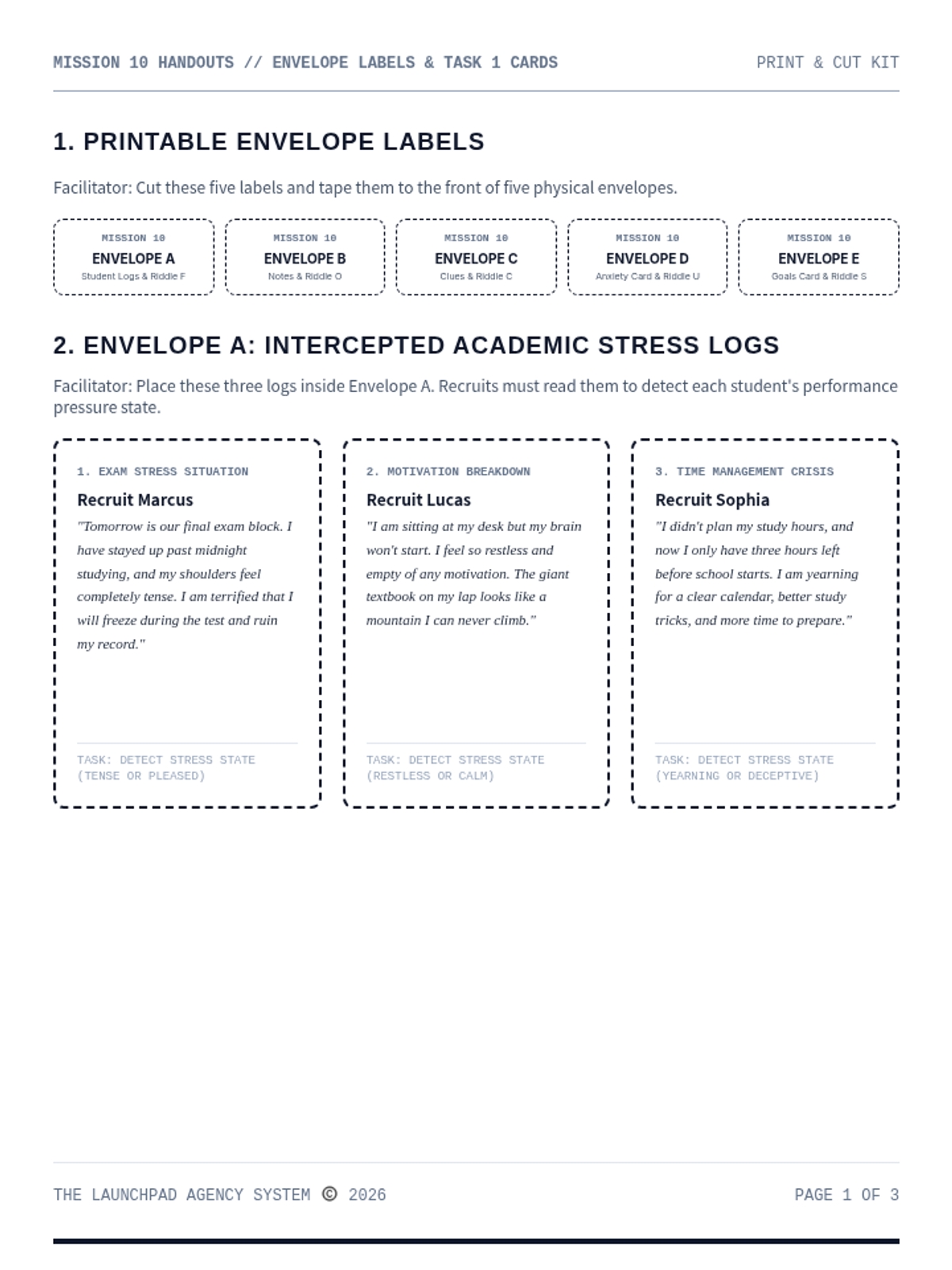
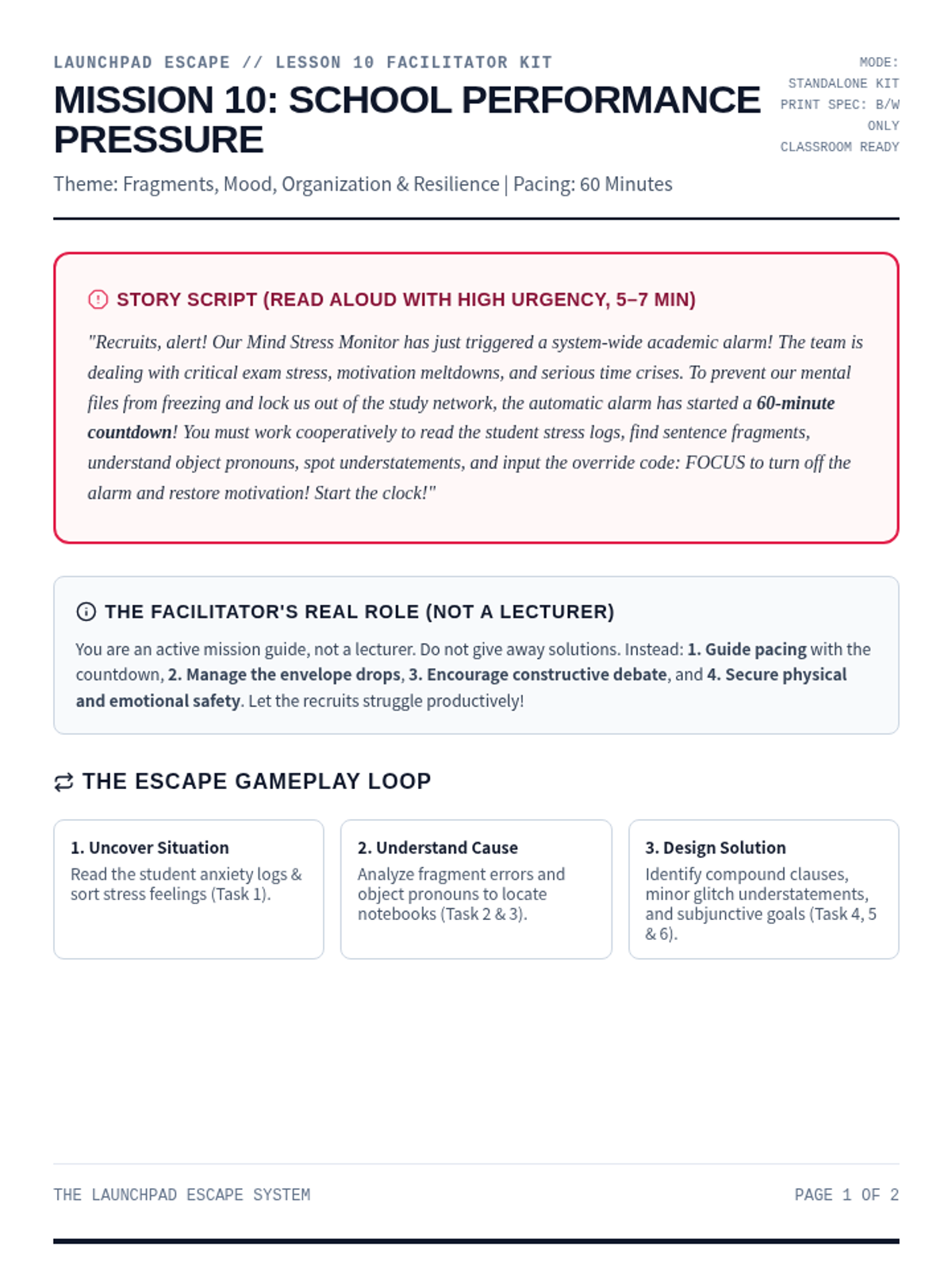
An immersive and strategic escape room focused on managing academic stress, avoiding burnout, and planning study habits. Recruits analyze student logs under performance anxiety, build efficient schedules, and decode the override to restore positive motivation.
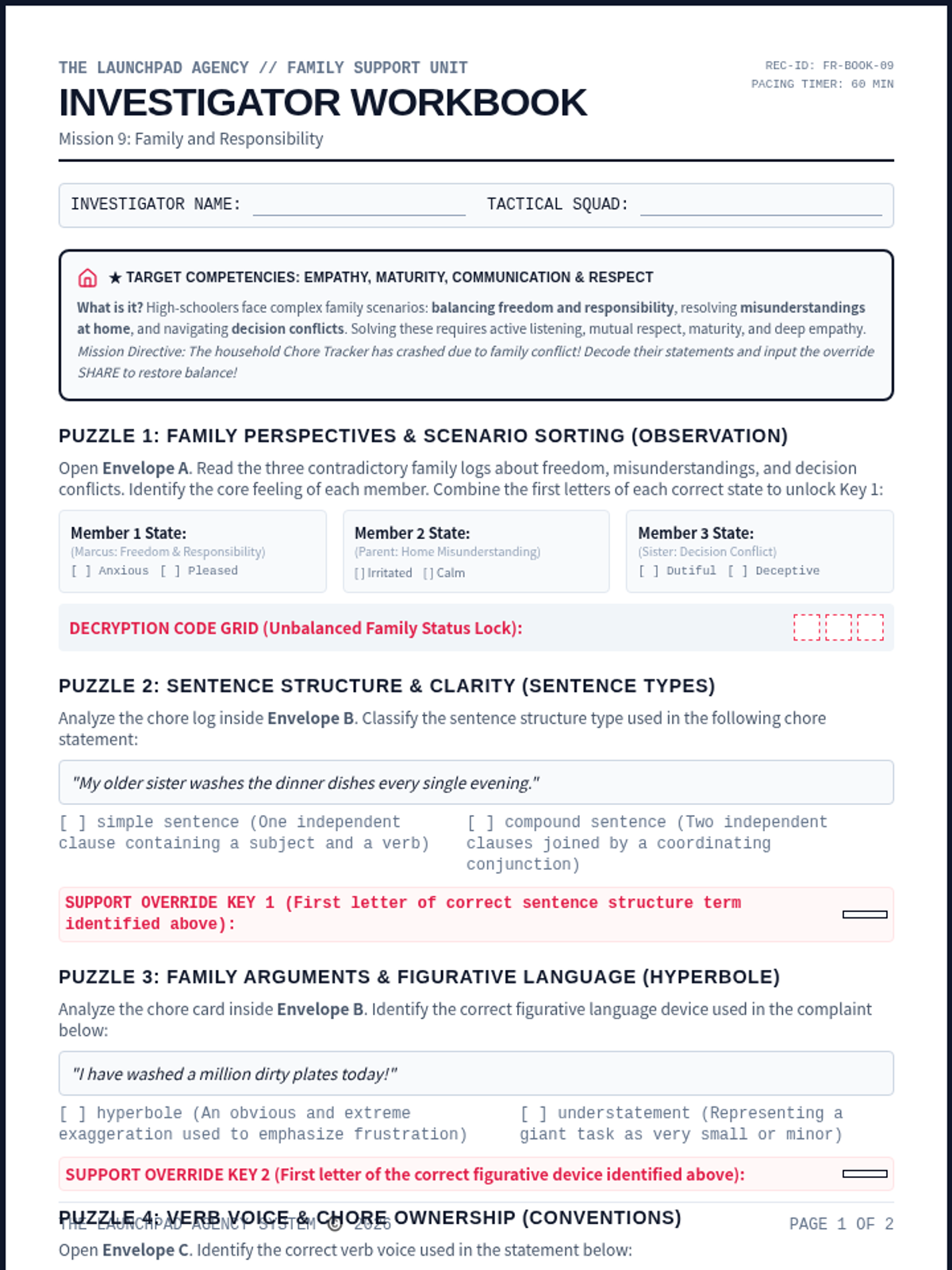
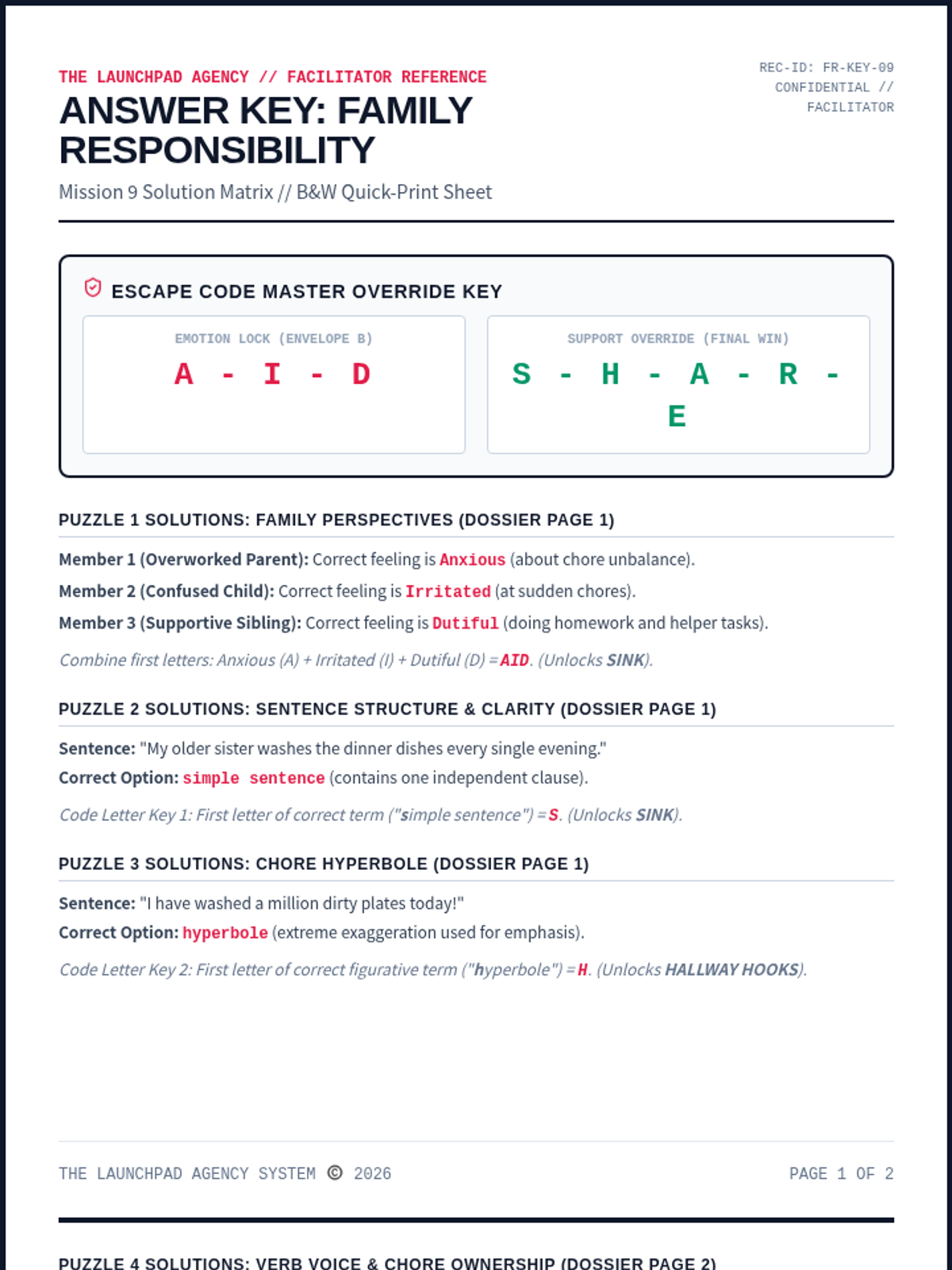
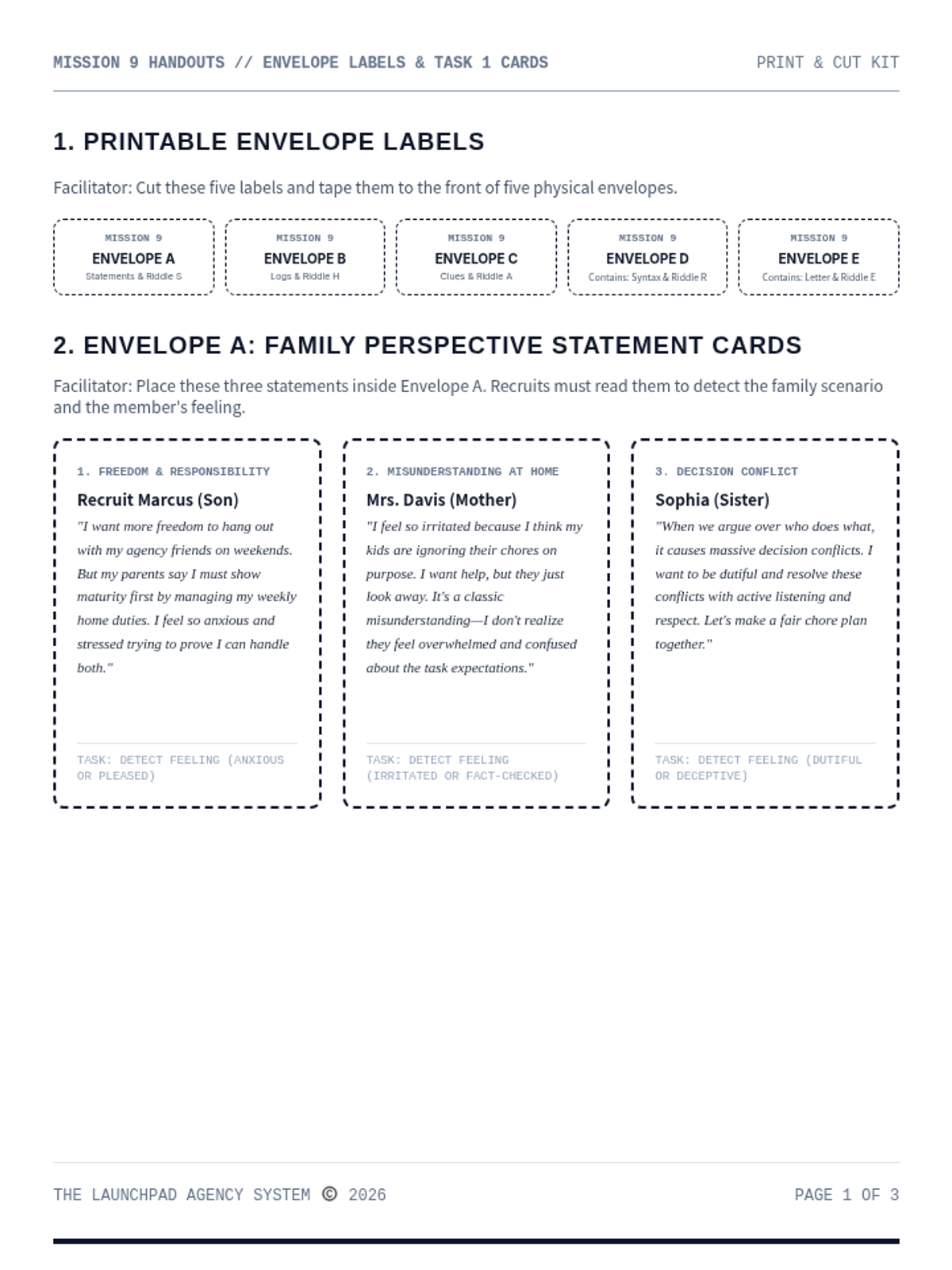
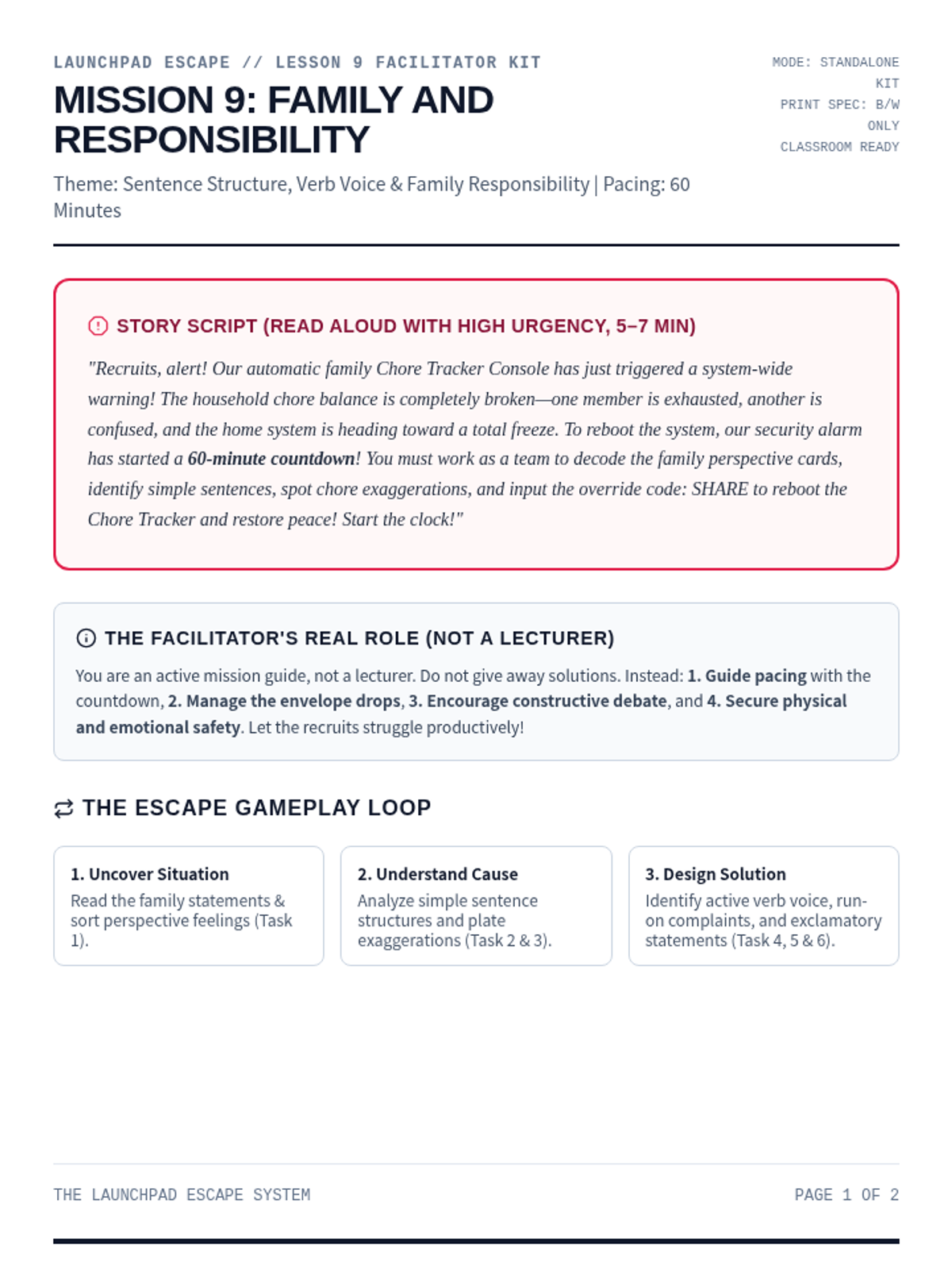
A cooperative and empathetic escape room focused on managing family duties and household balance. Recruits analyze parent/child perspective claims, organize daily chores timelines, and decode the final compromise override.
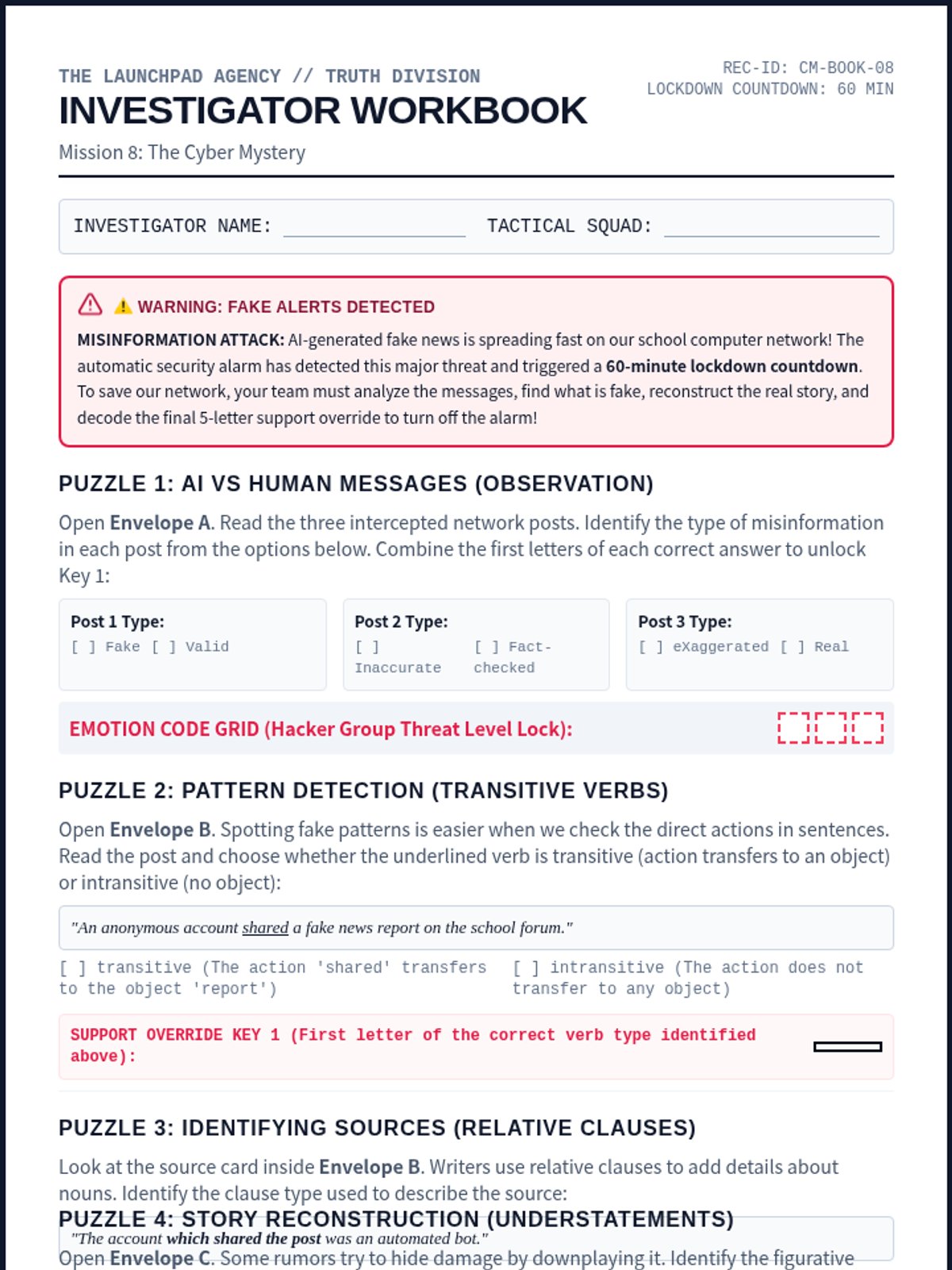
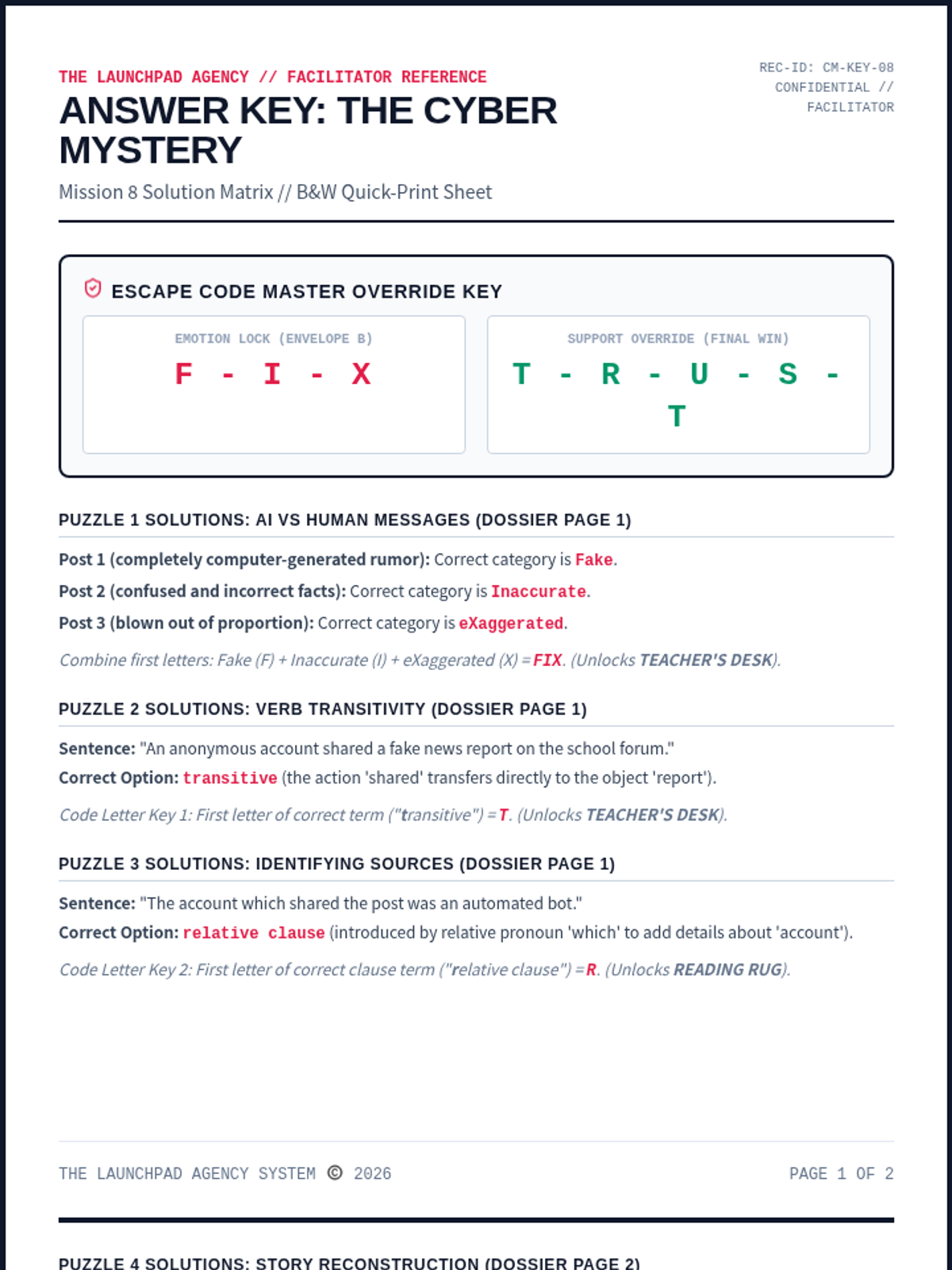
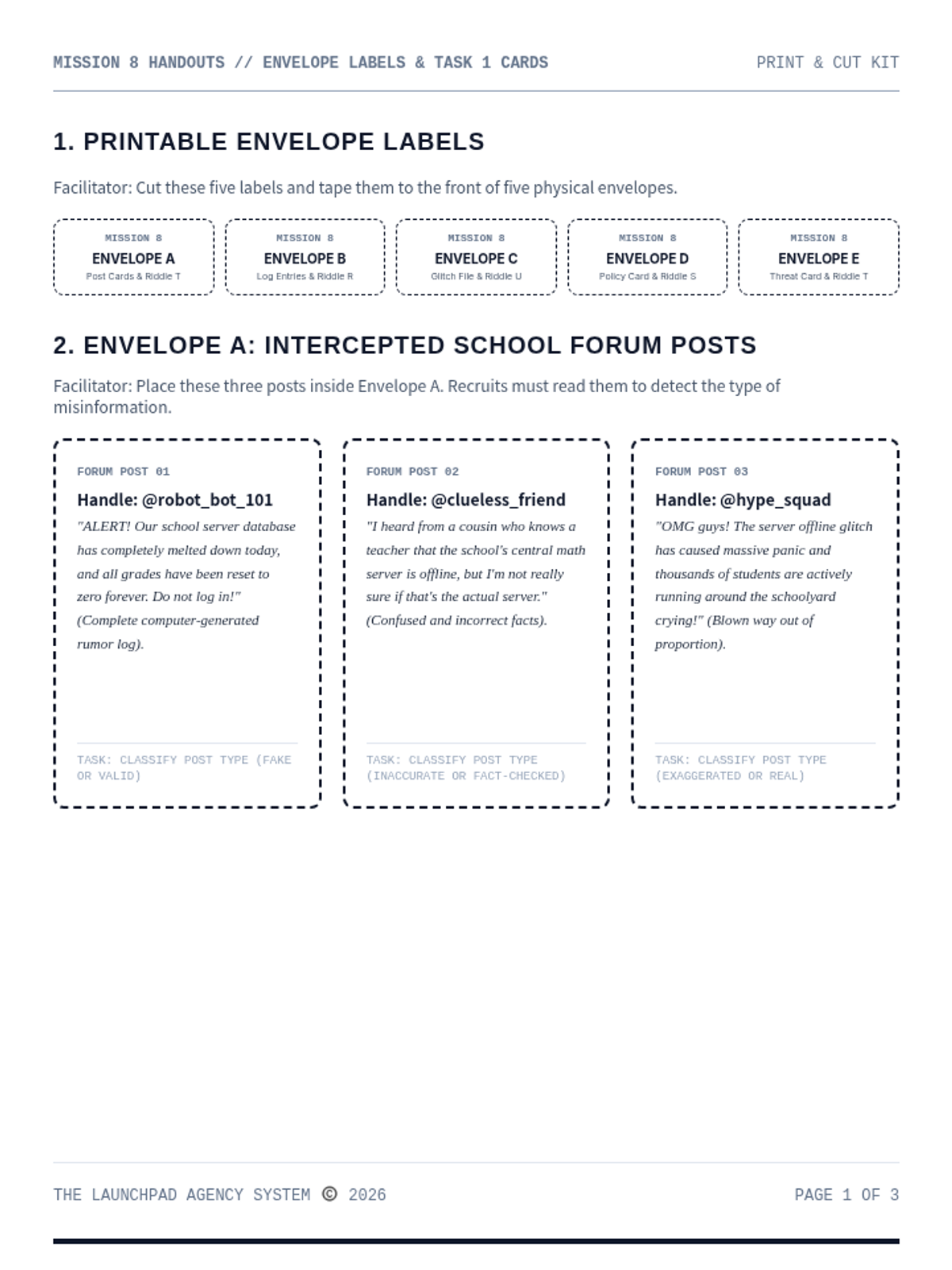
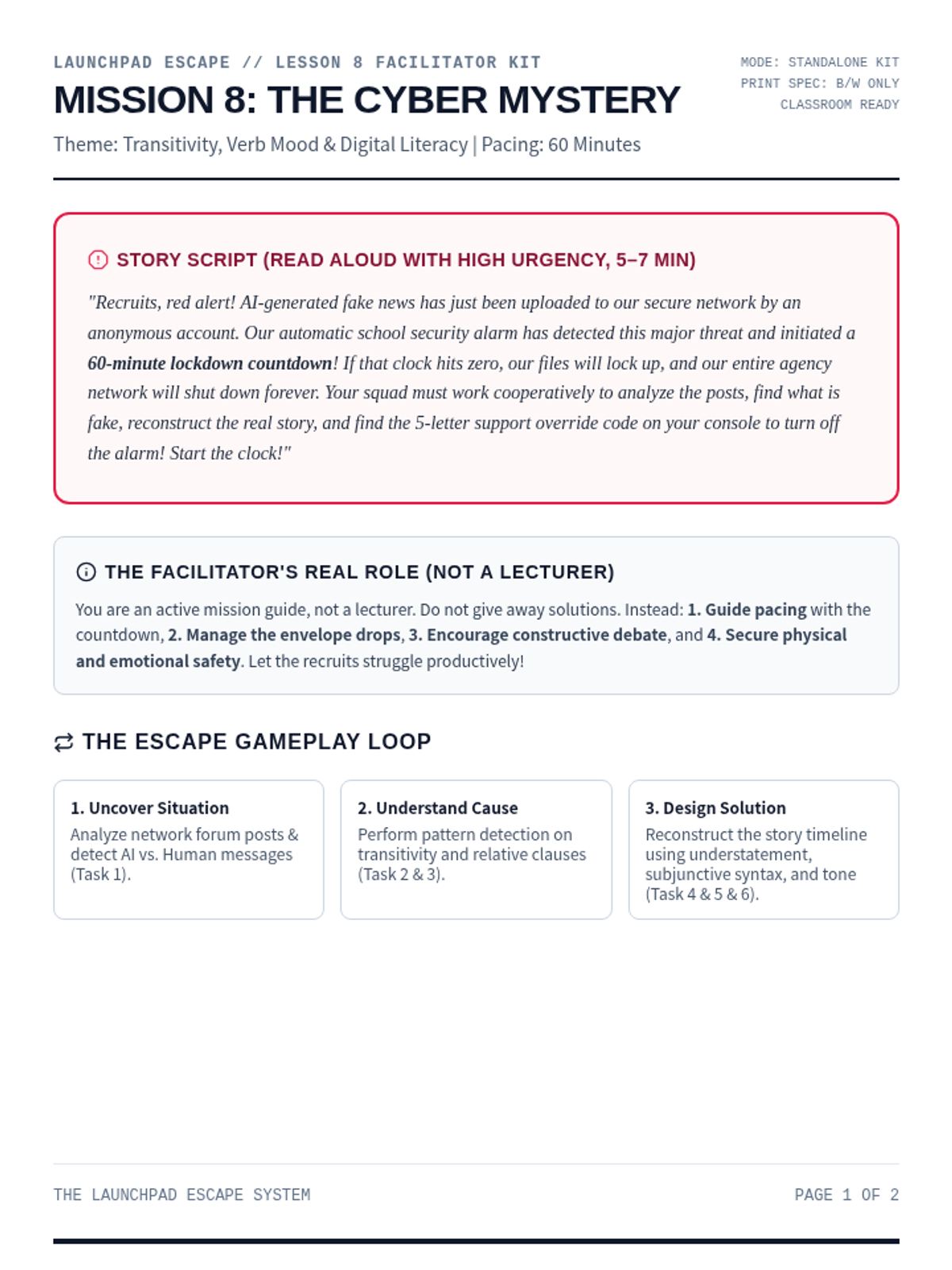
An advanced digital literacy and collaborative cryptography escape room for Ages 14-16. Recruits analyze verb transitivity, relative clauses, subjunctive moods, and tone to stop a school database wipe.
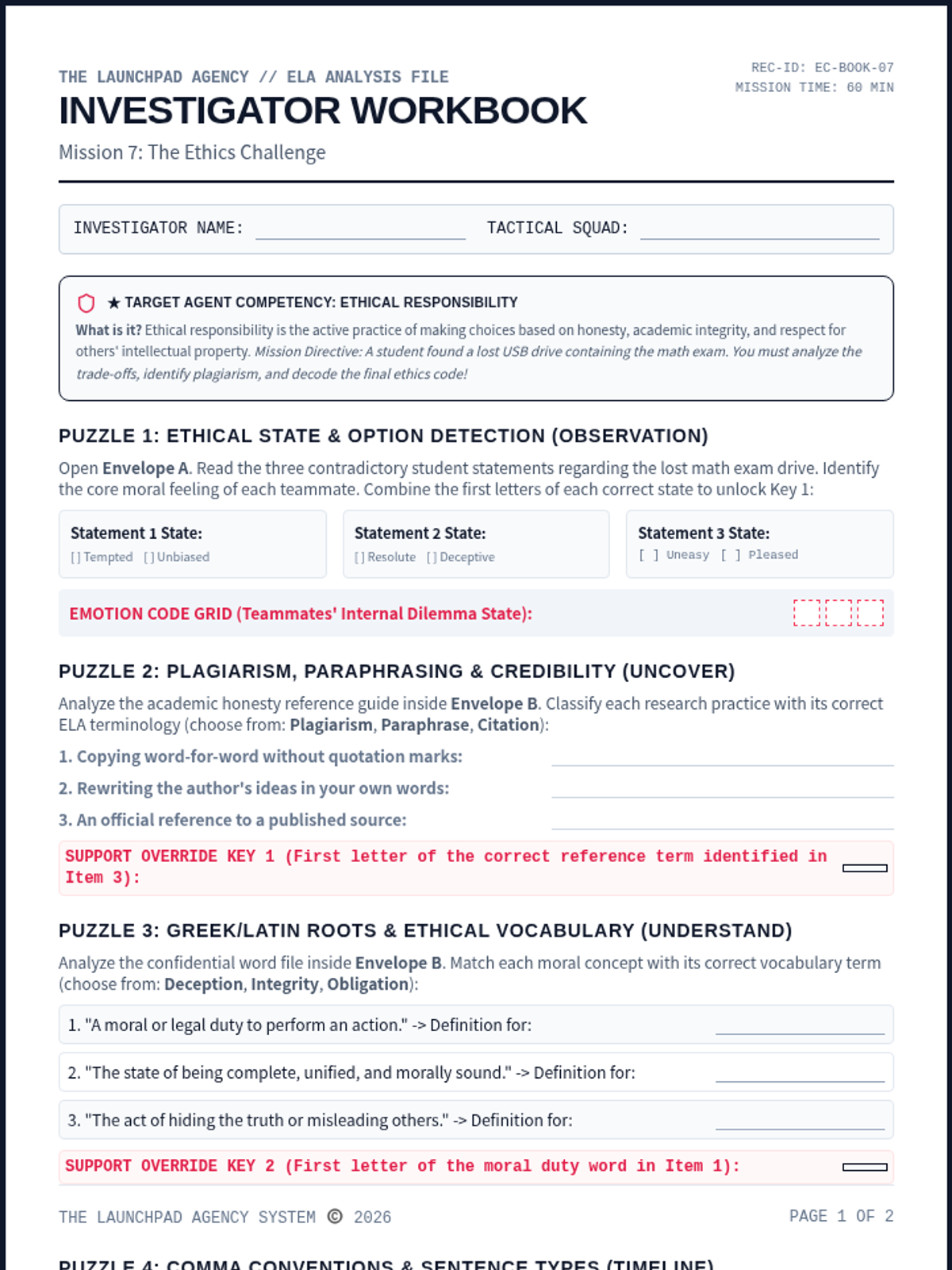
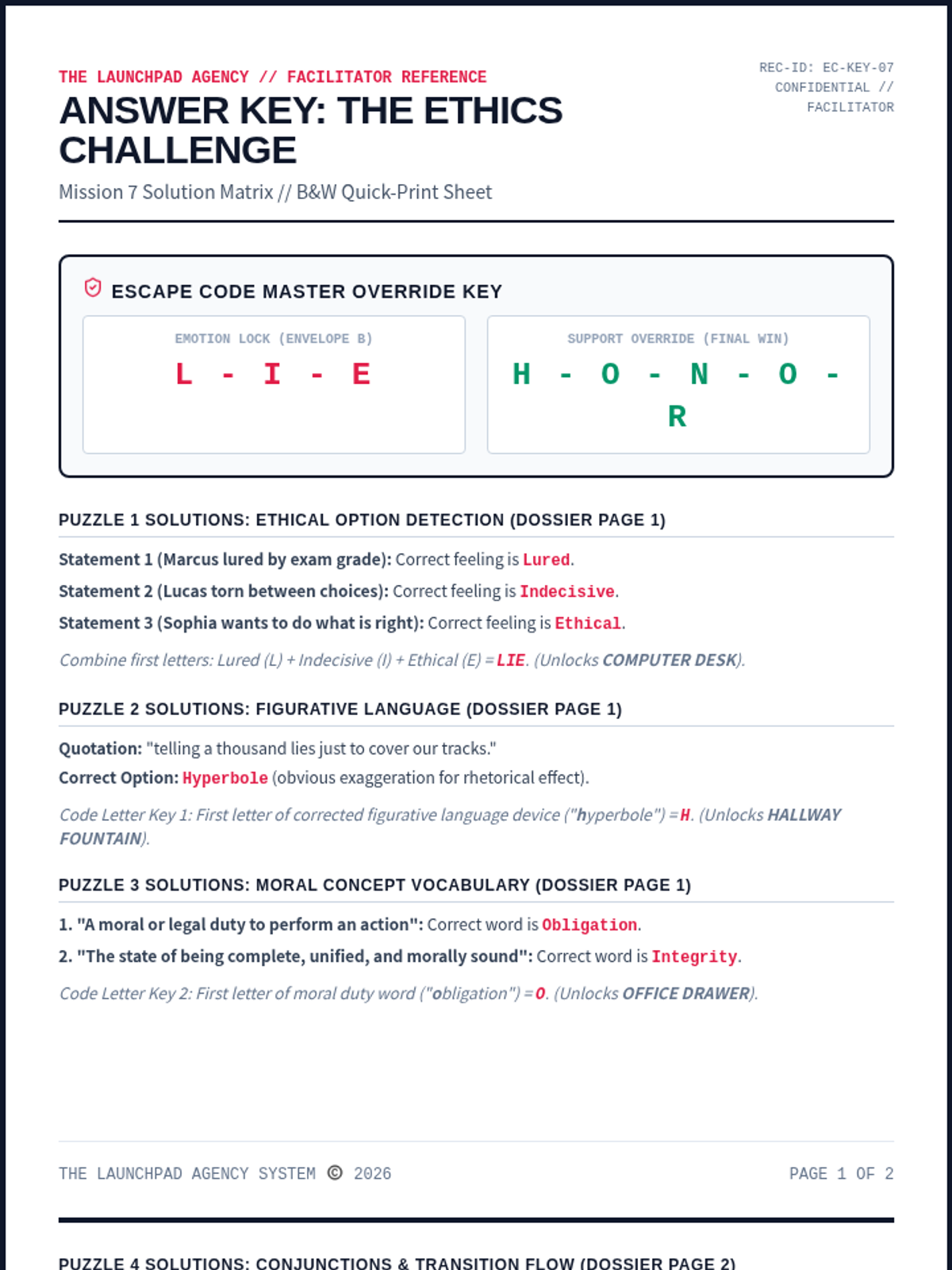
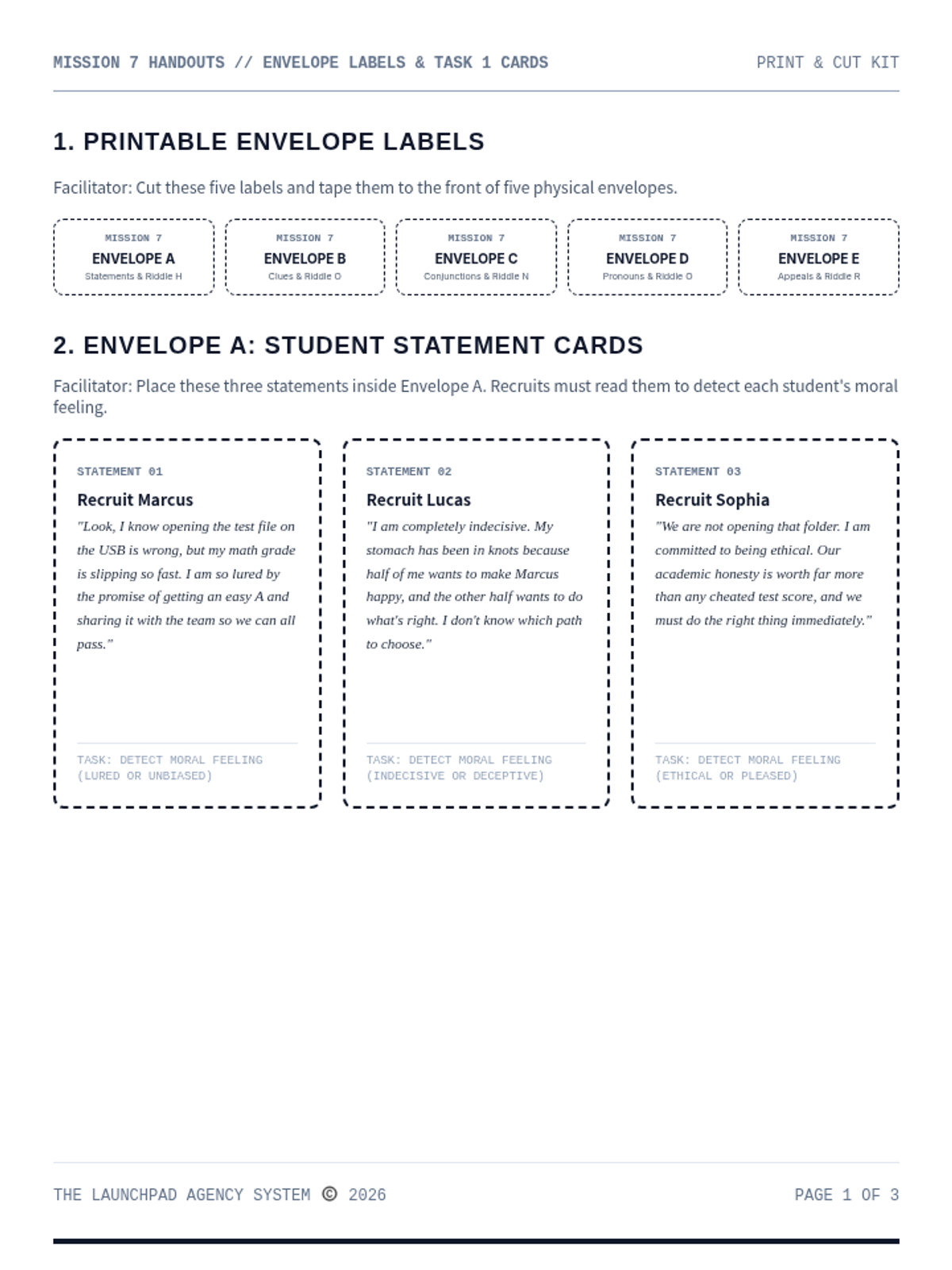
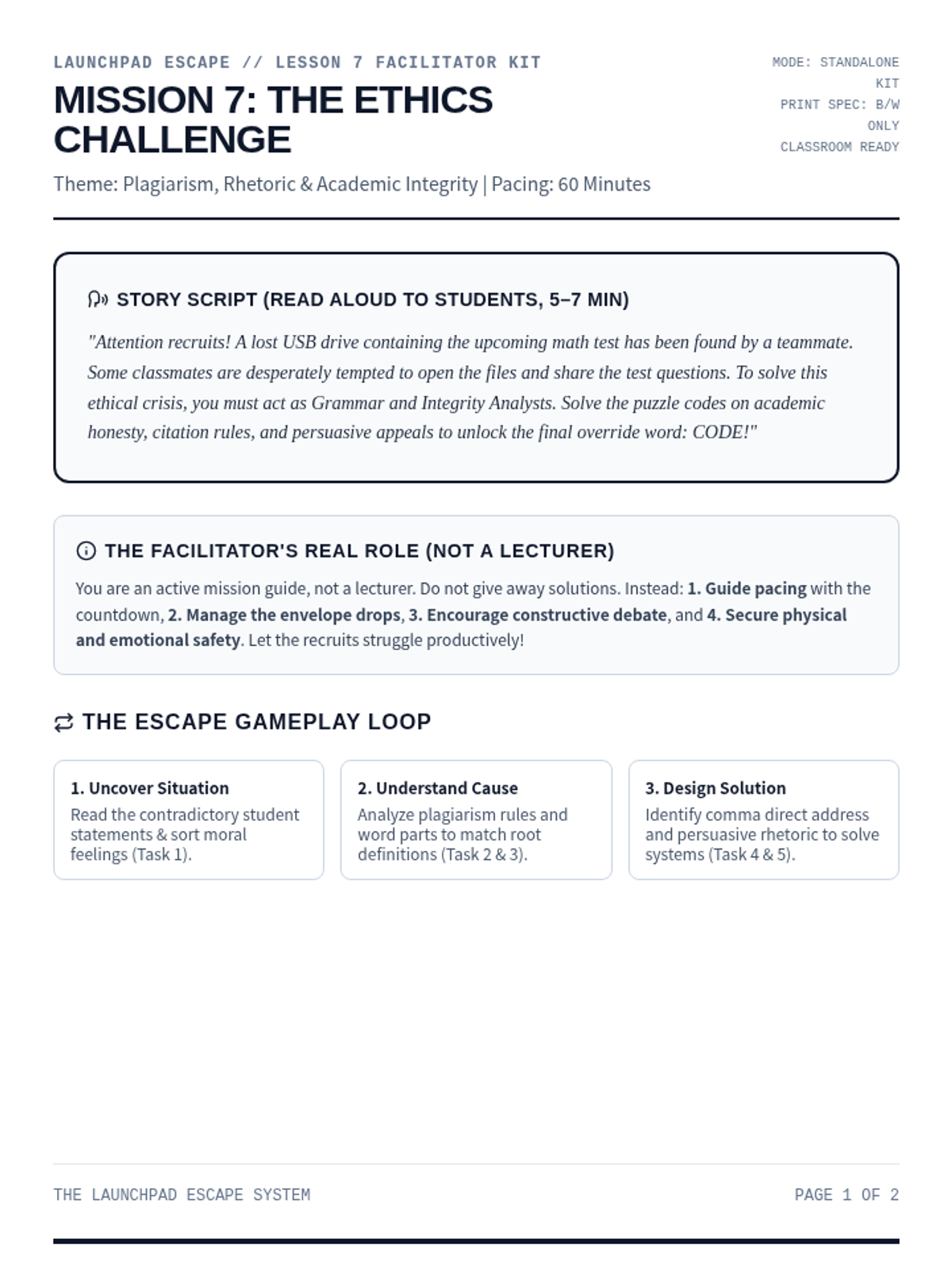
A high-stakes moral dilemma escape room for Ages 11-13. Recruits evaluate the trade-offs of academic honesty, identify plagiarism, analyze persuasive appeals, and decode the final ethics code.
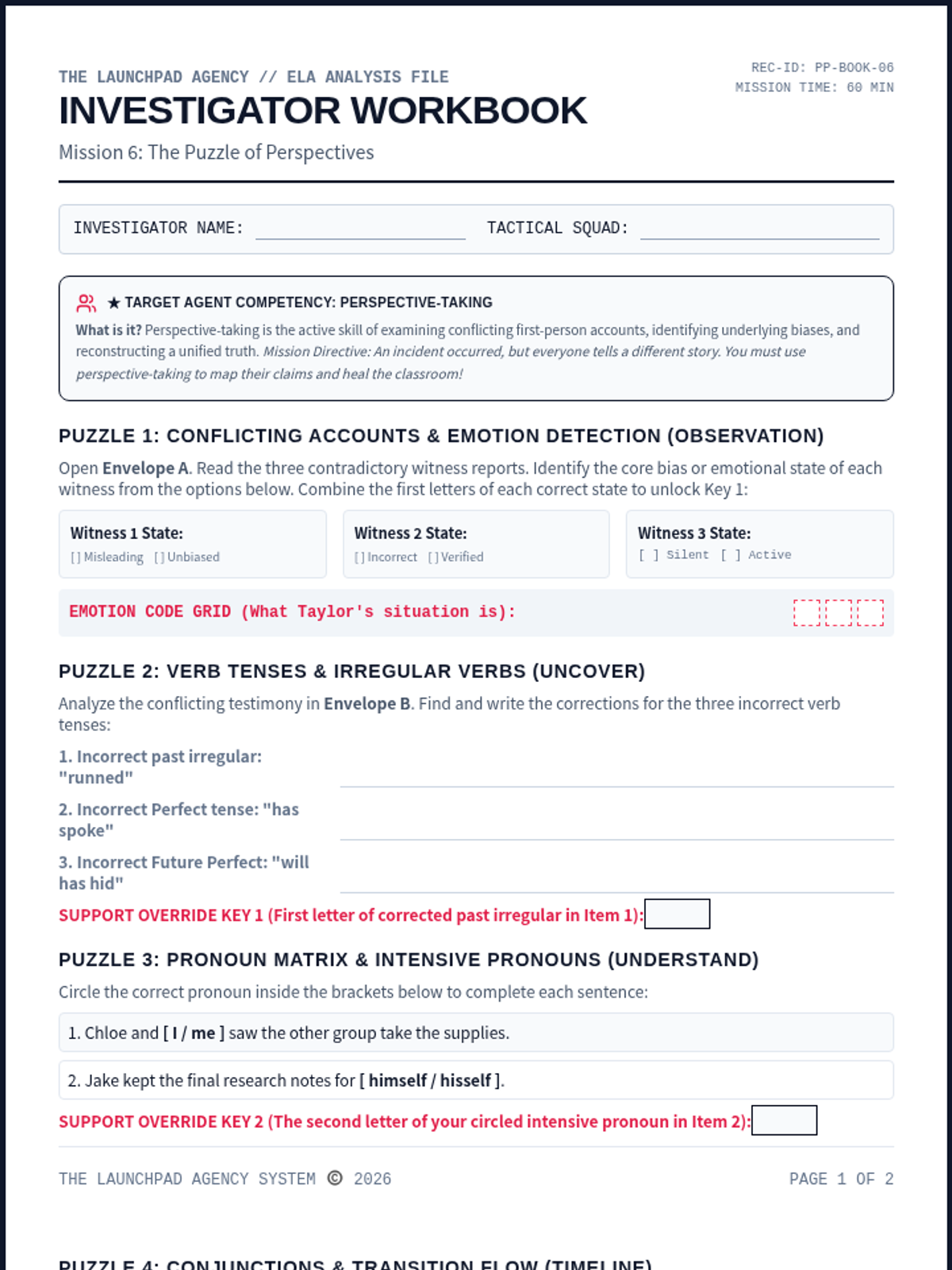
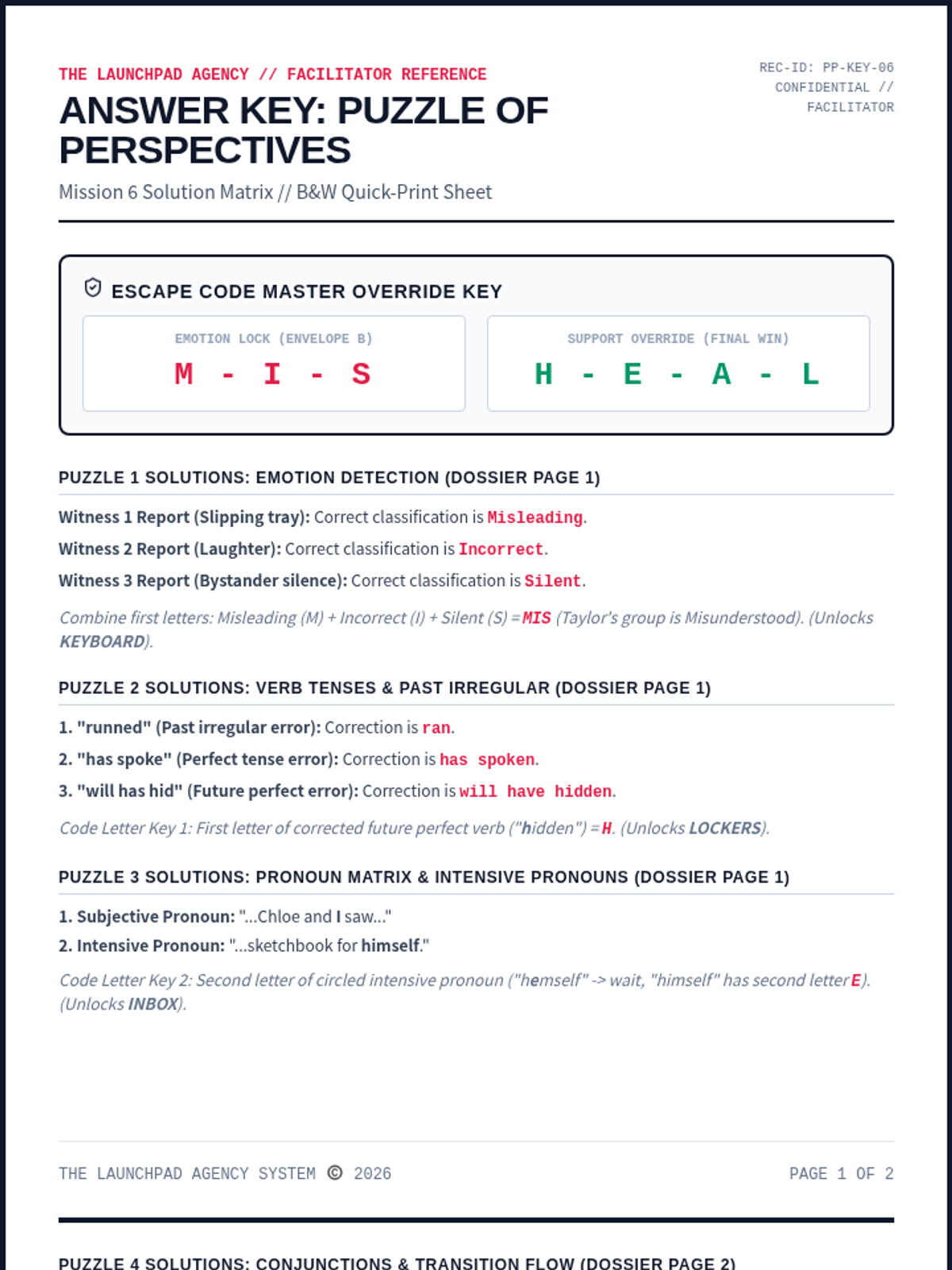
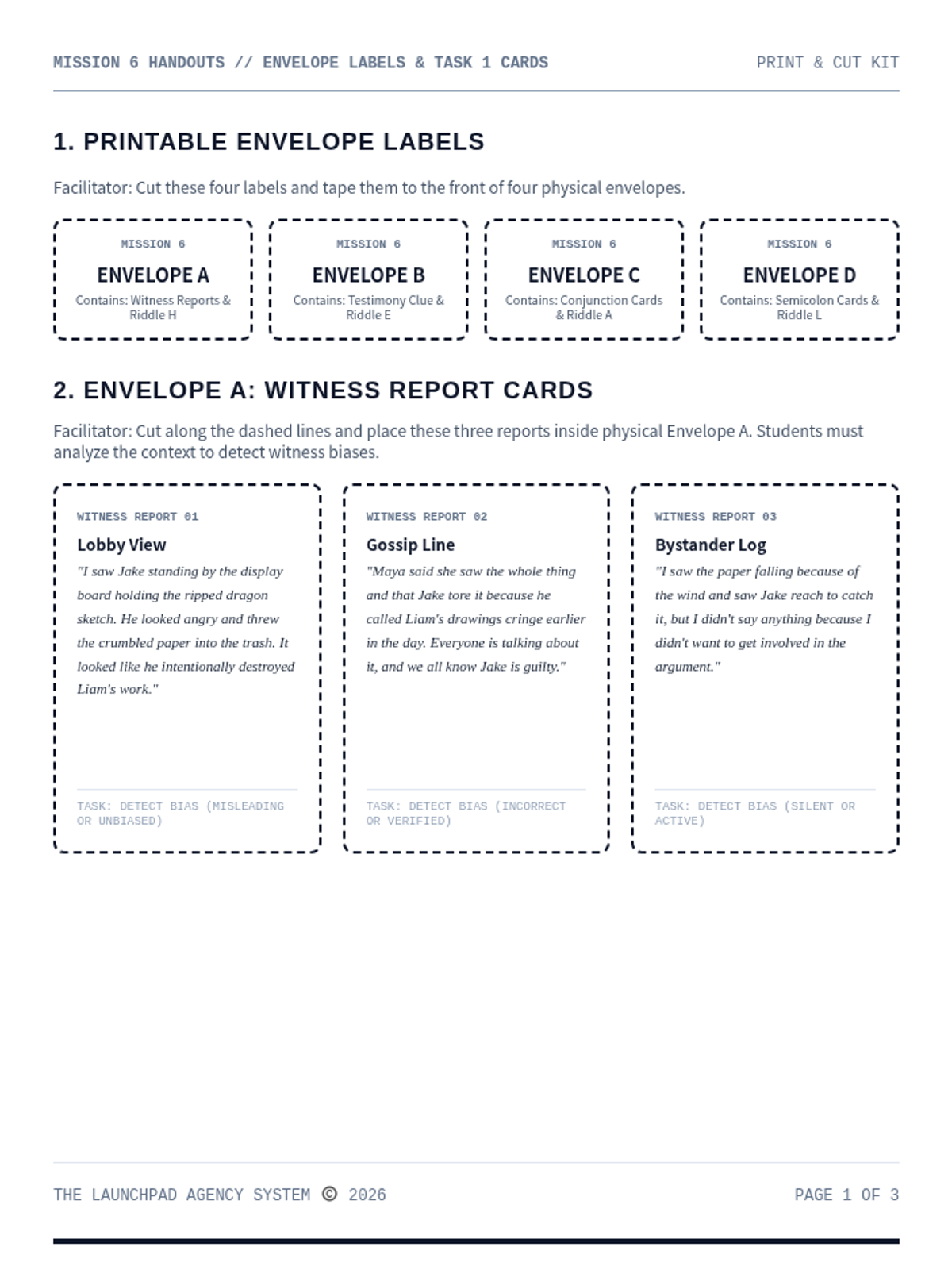
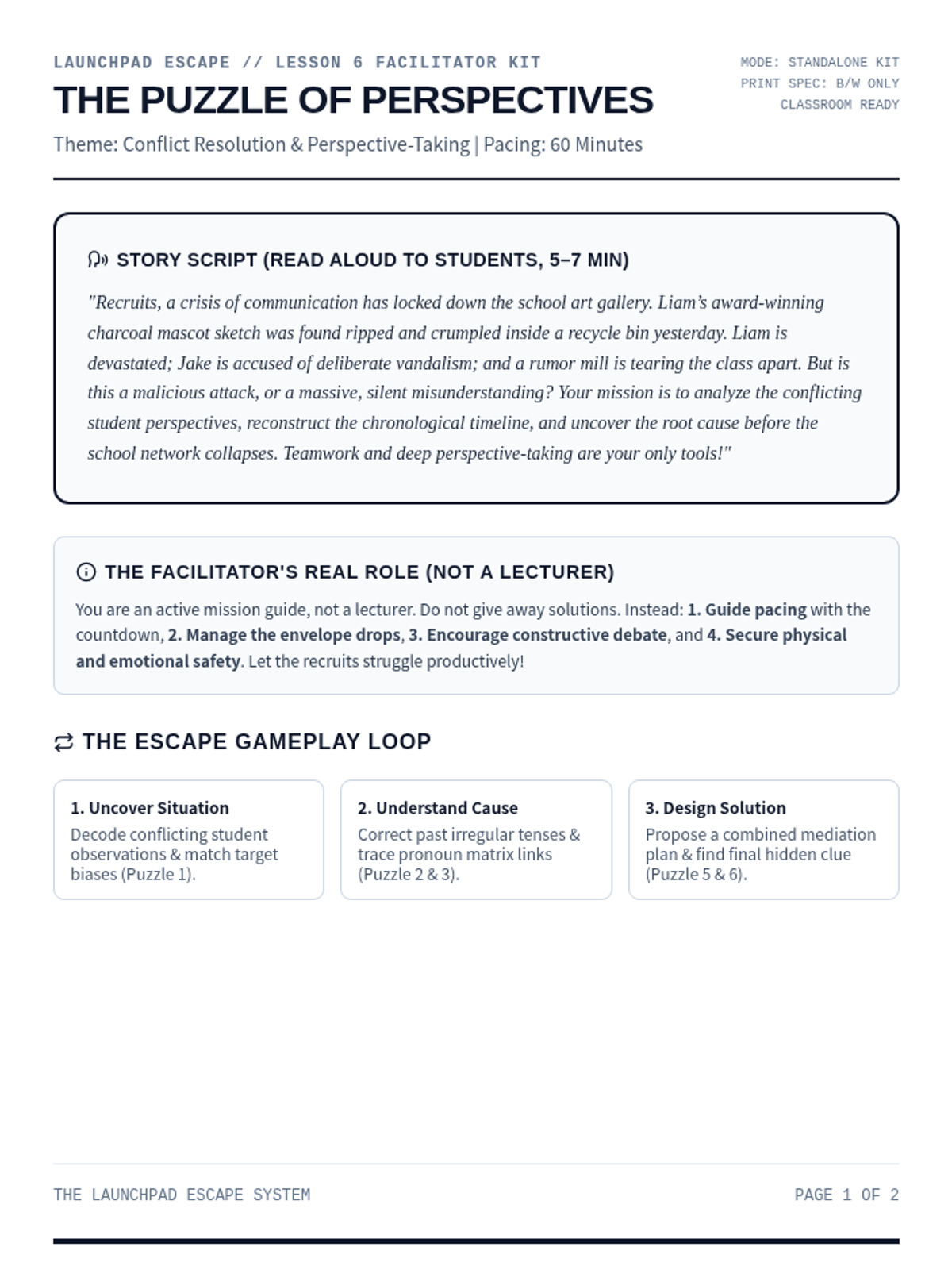
A high-stakes perspective-taking escape room. Recruits examine conflicting first-person accounts, analyze bias, reconstruct a unified timeline, and solve the override code.
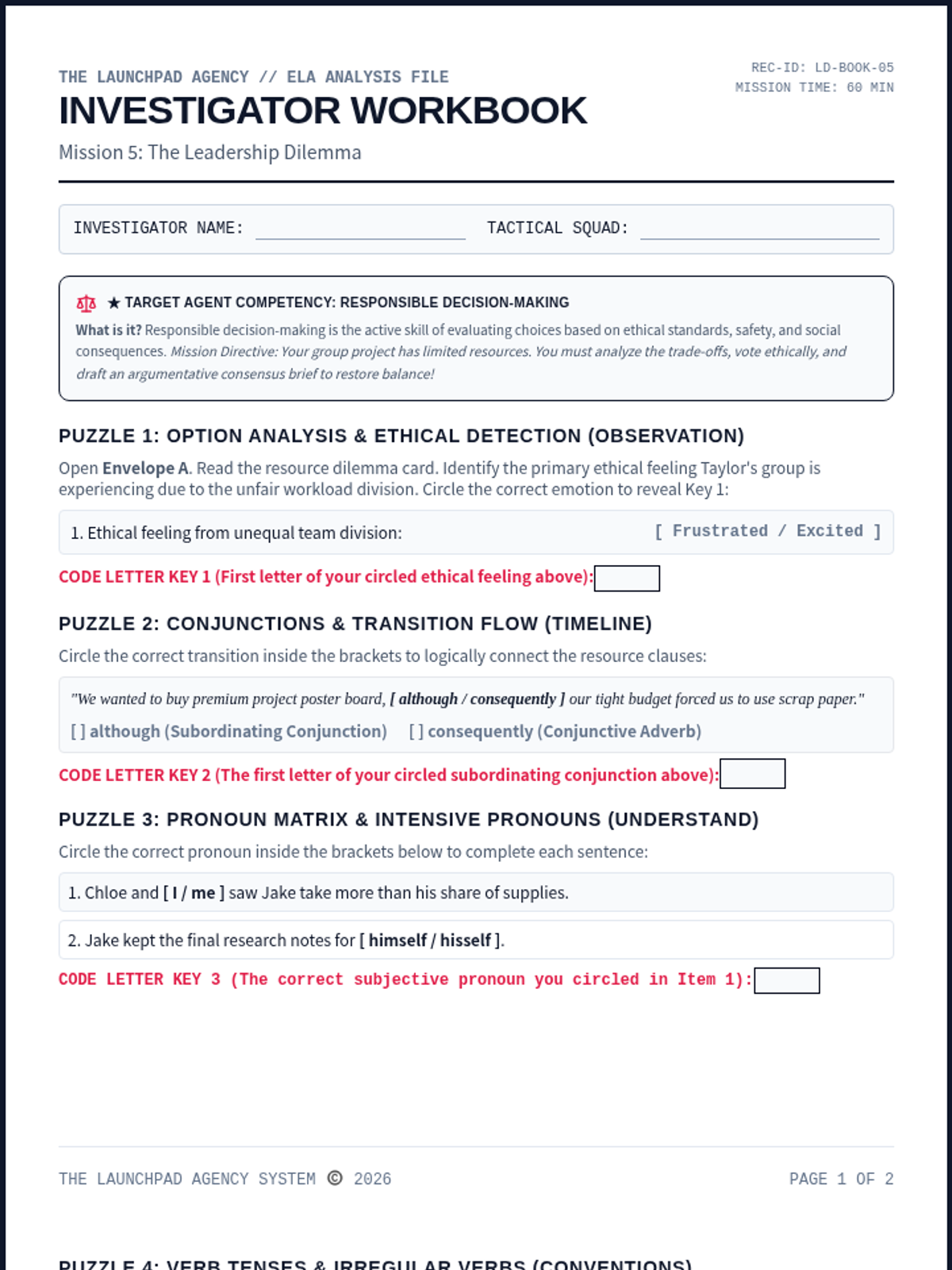
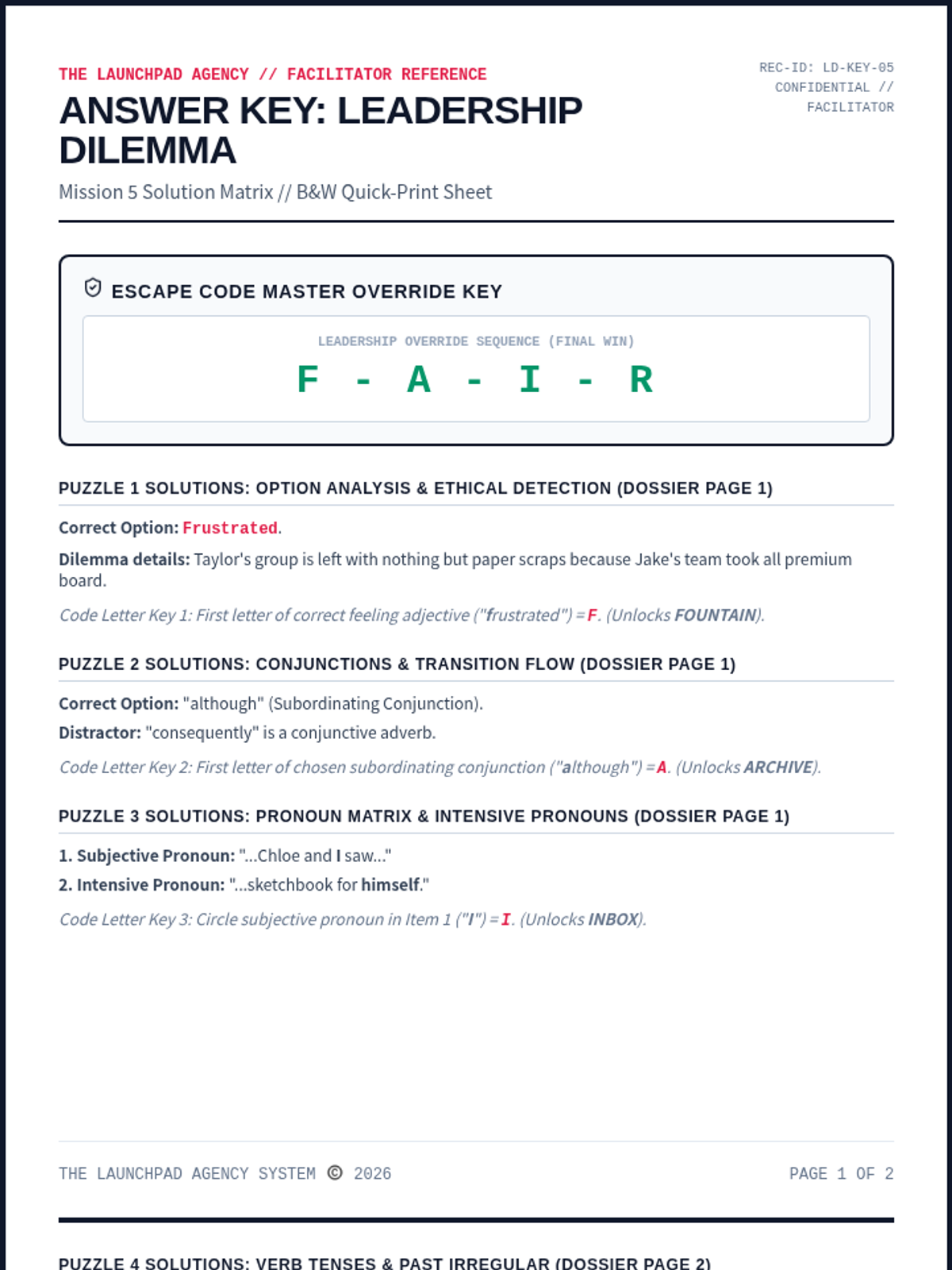
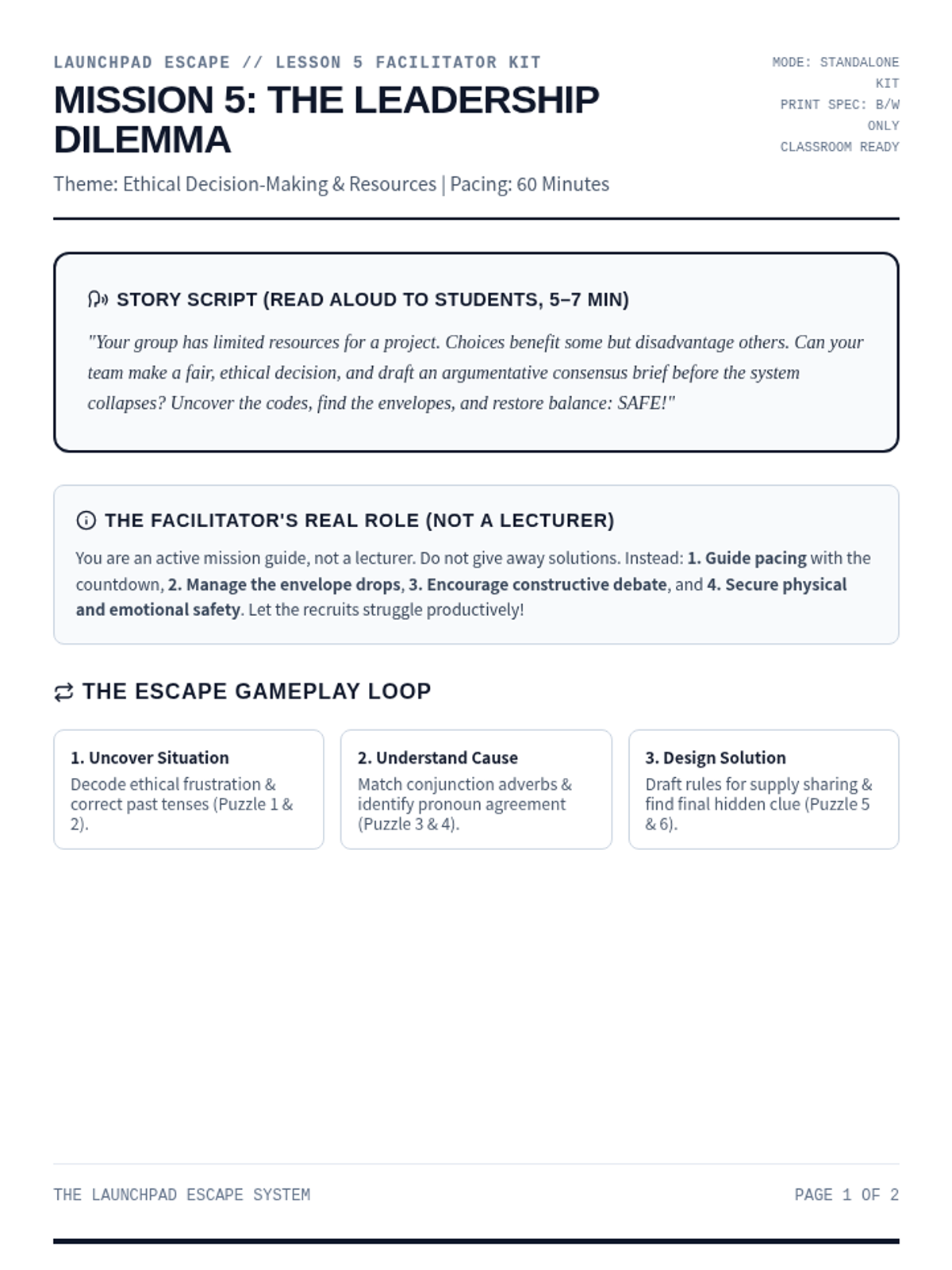
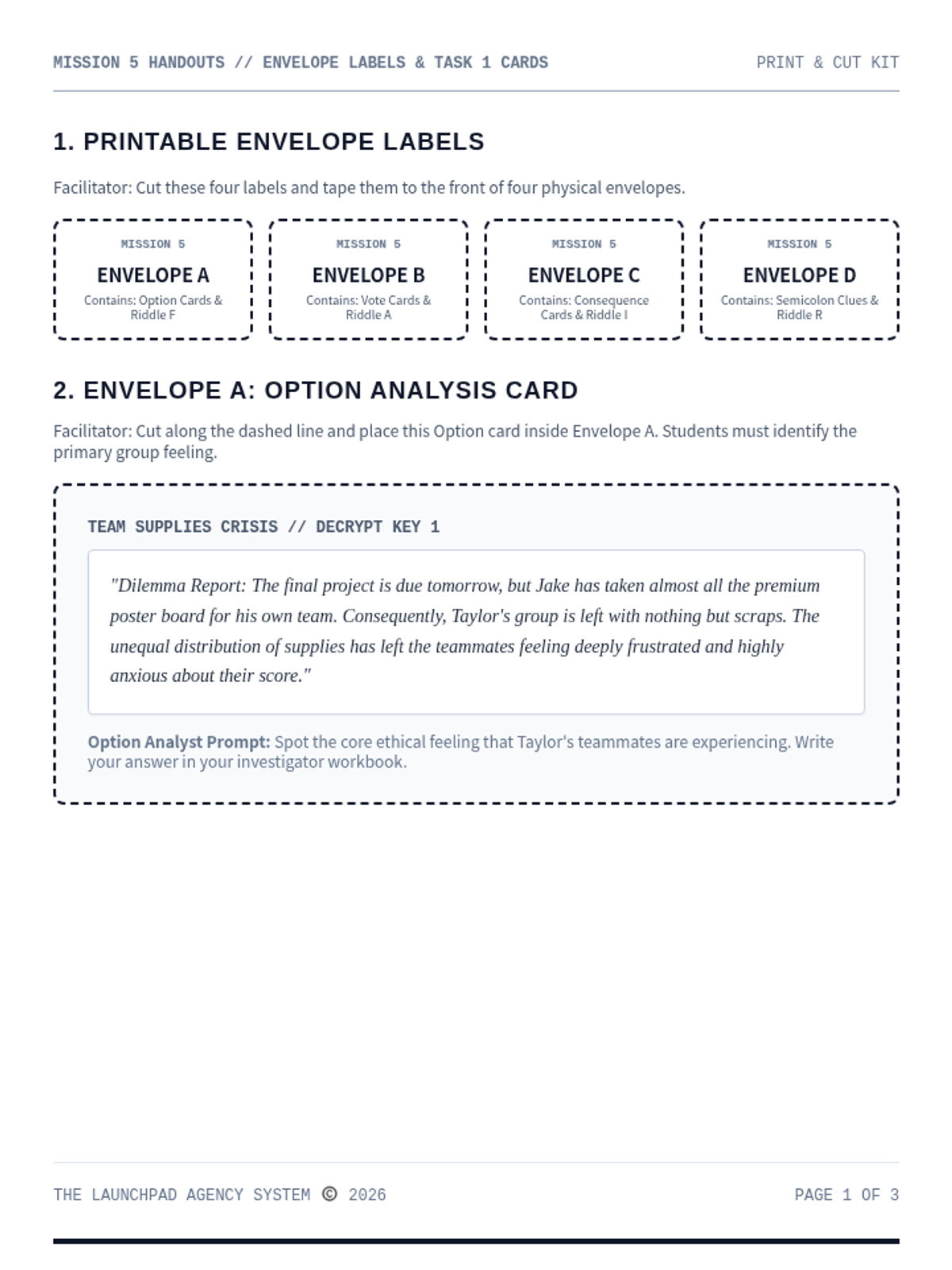
An ethical decision-making and systems-thinking escape room. Recruits analyze resource allocation options, vote on complex tradeoffs, map cascading social consequences, and draft an argumentative consensus brief to restore balance.
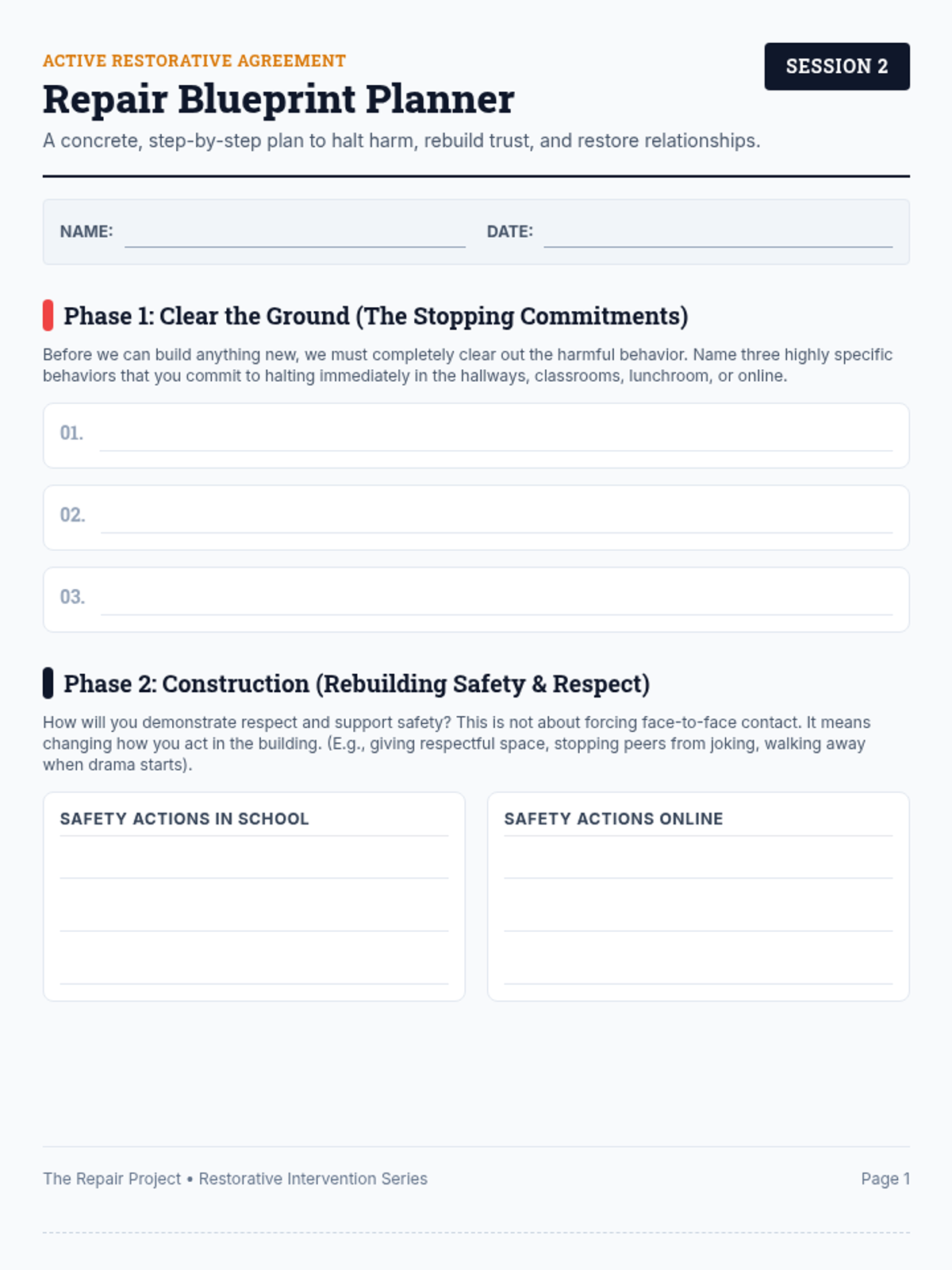
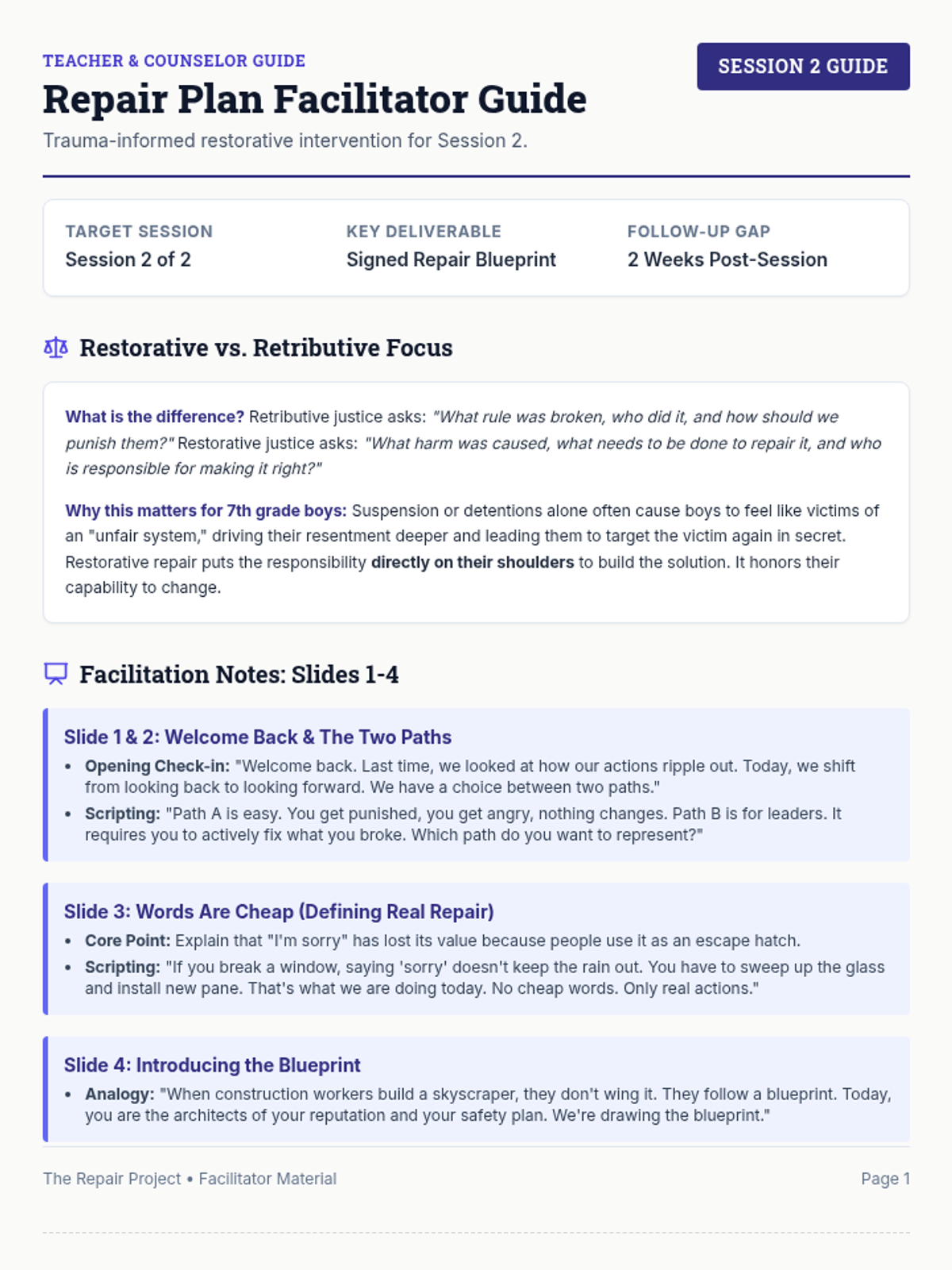
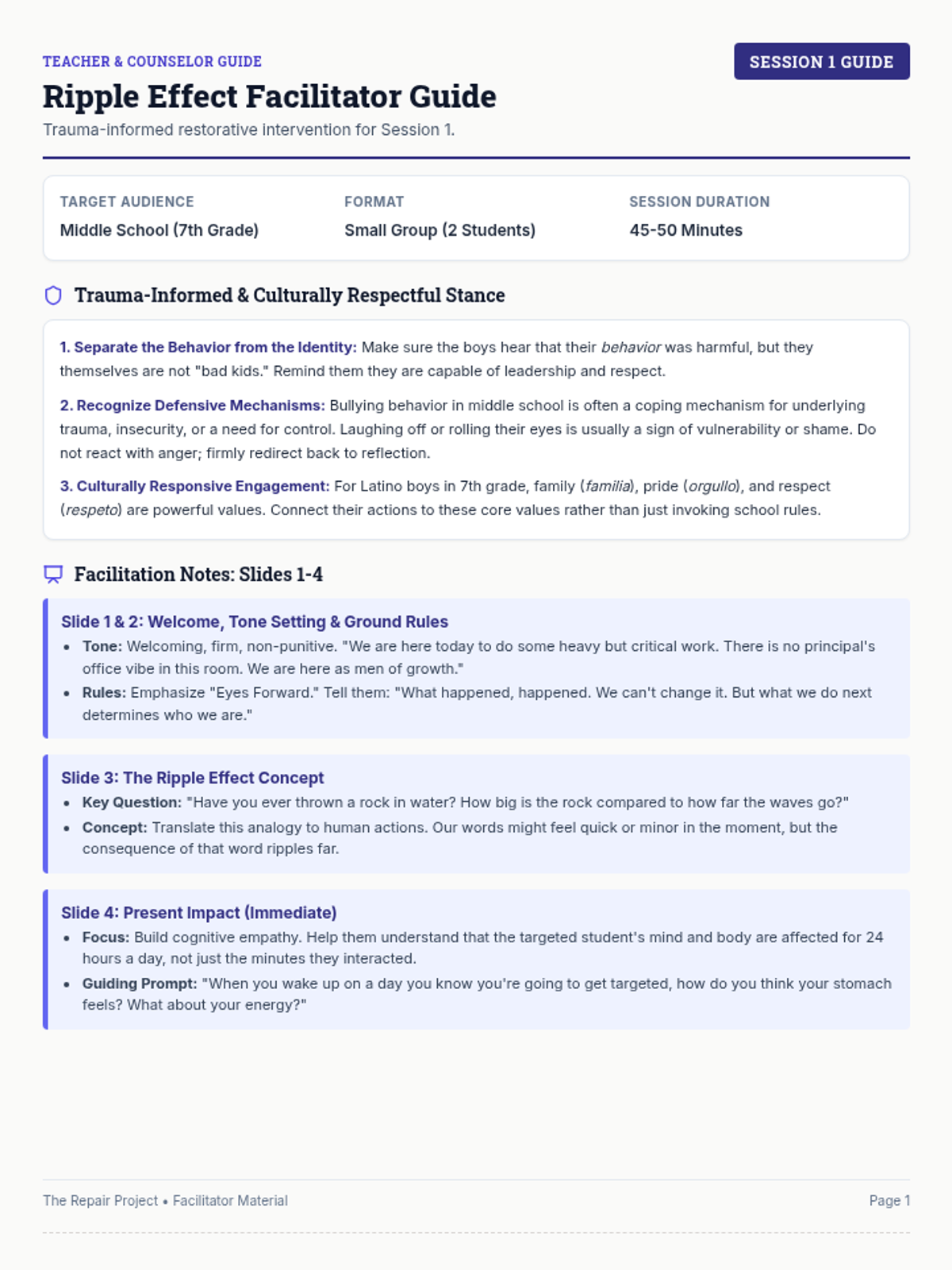
In this second session, students shift from analyzing impact to taking active accountability. They explore restorative justice and draft a concrete "Repair Blueprint" detailing specific actions to rebuild trust and repair the harm.
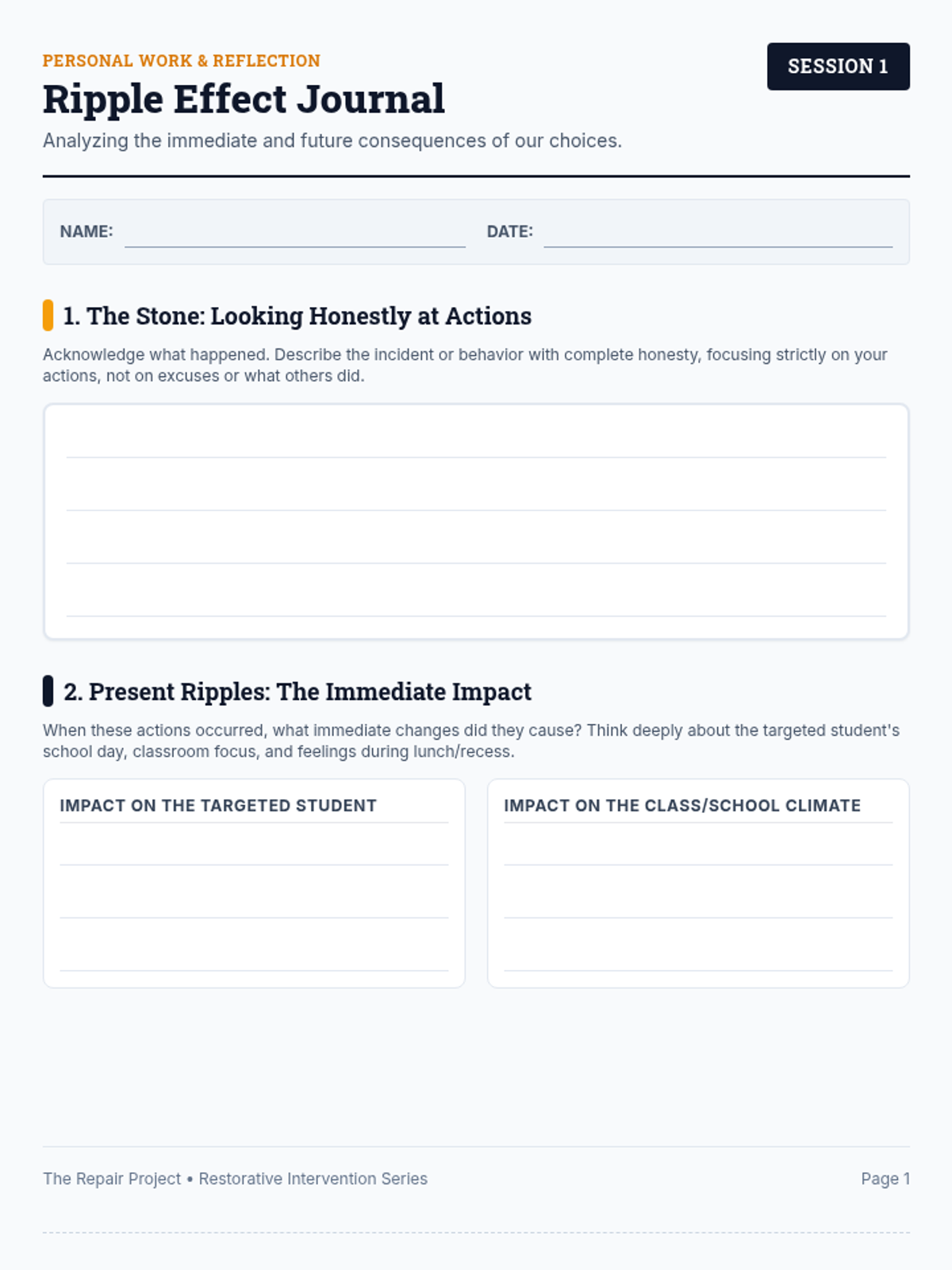
In this first session, students explore the concepts of cause and effect, analyzing how behavior ripples outward to affect the targeted student, their families, the school community, and themselves, both now and in the future.
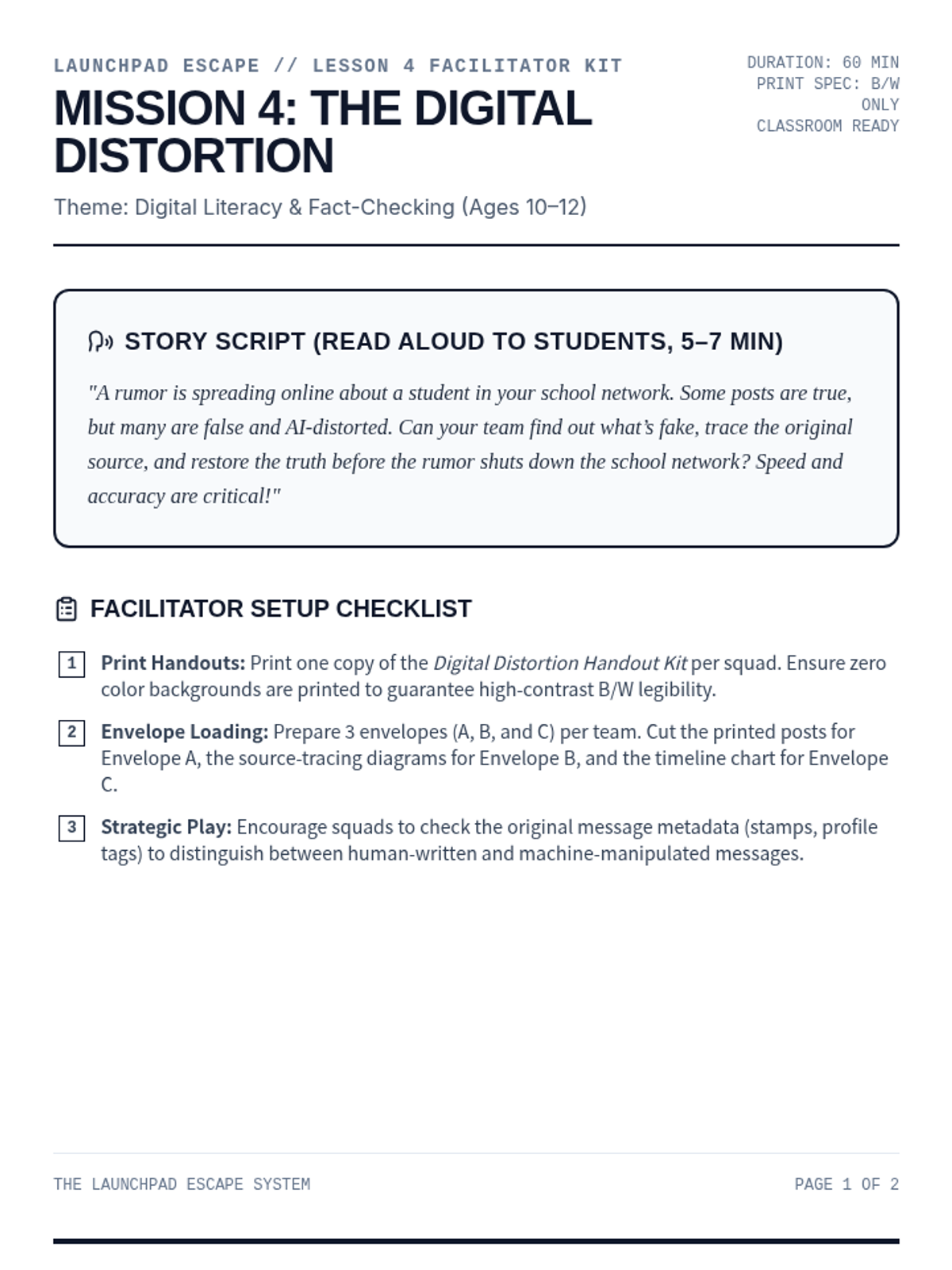
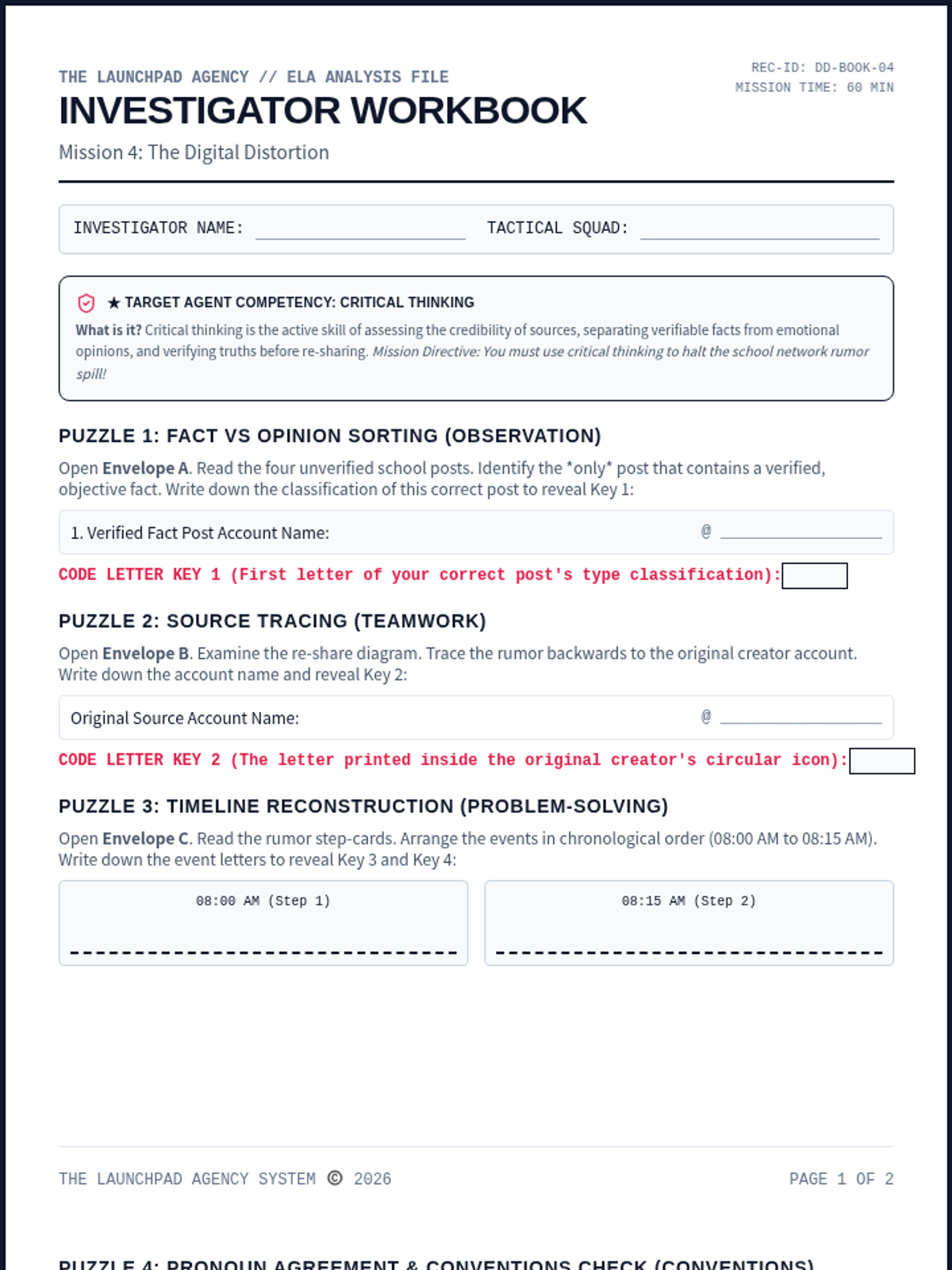
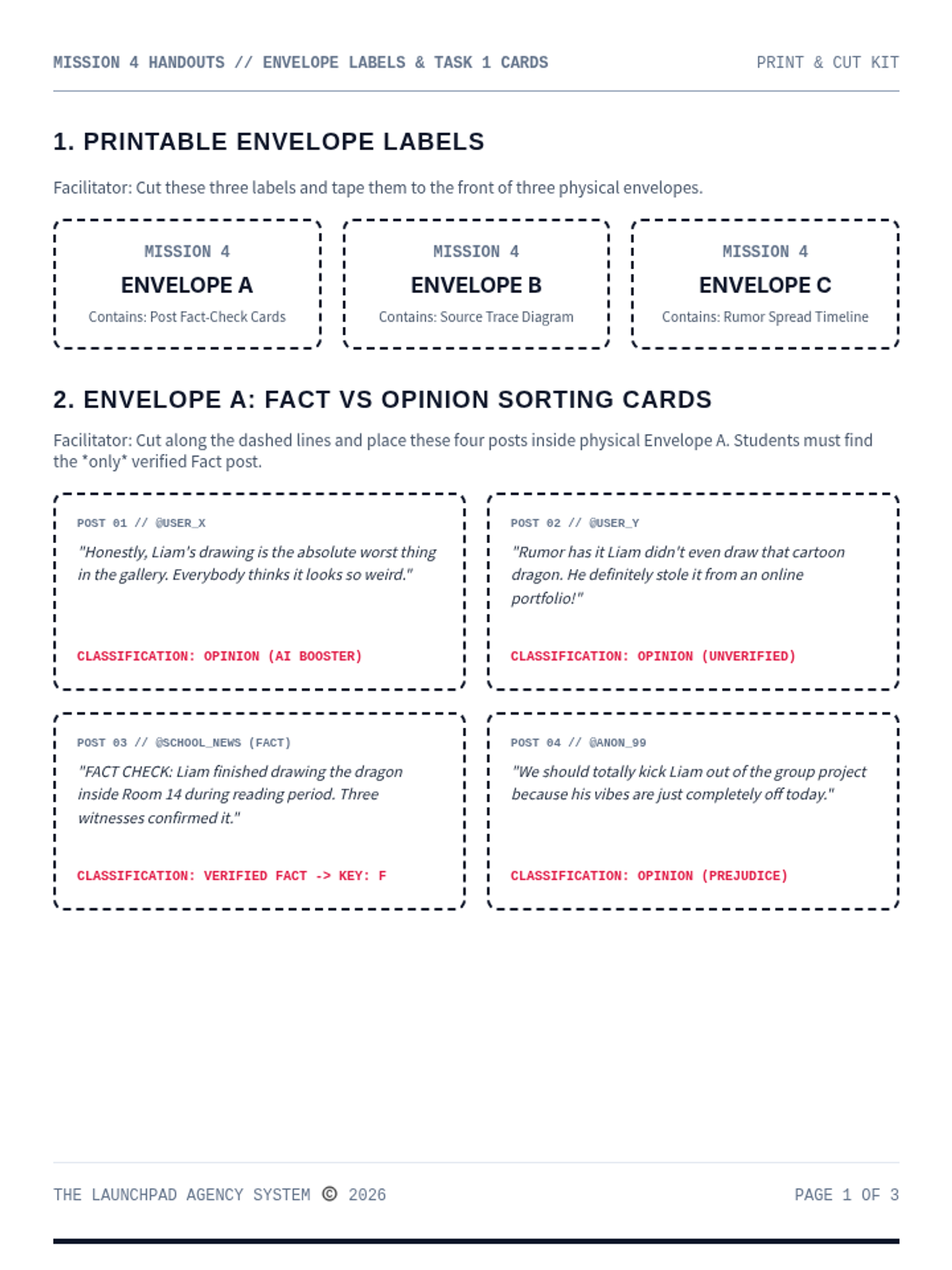
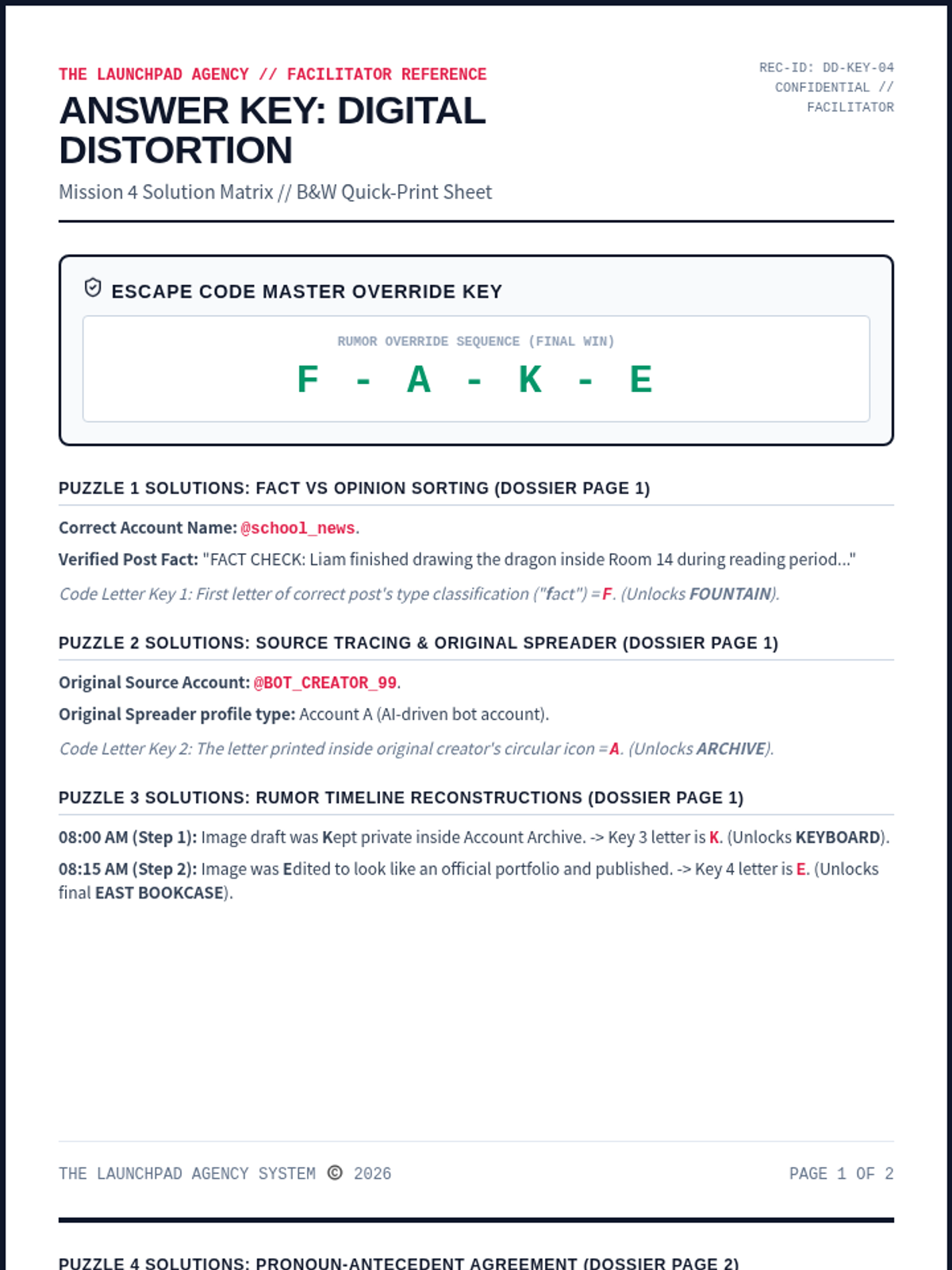
An online misinformation and fact-checking escape room for Ages 10-12. Recruits sort fact vs. opinion, trace original message sources, and reconstruct truth timelines to stop rumors.
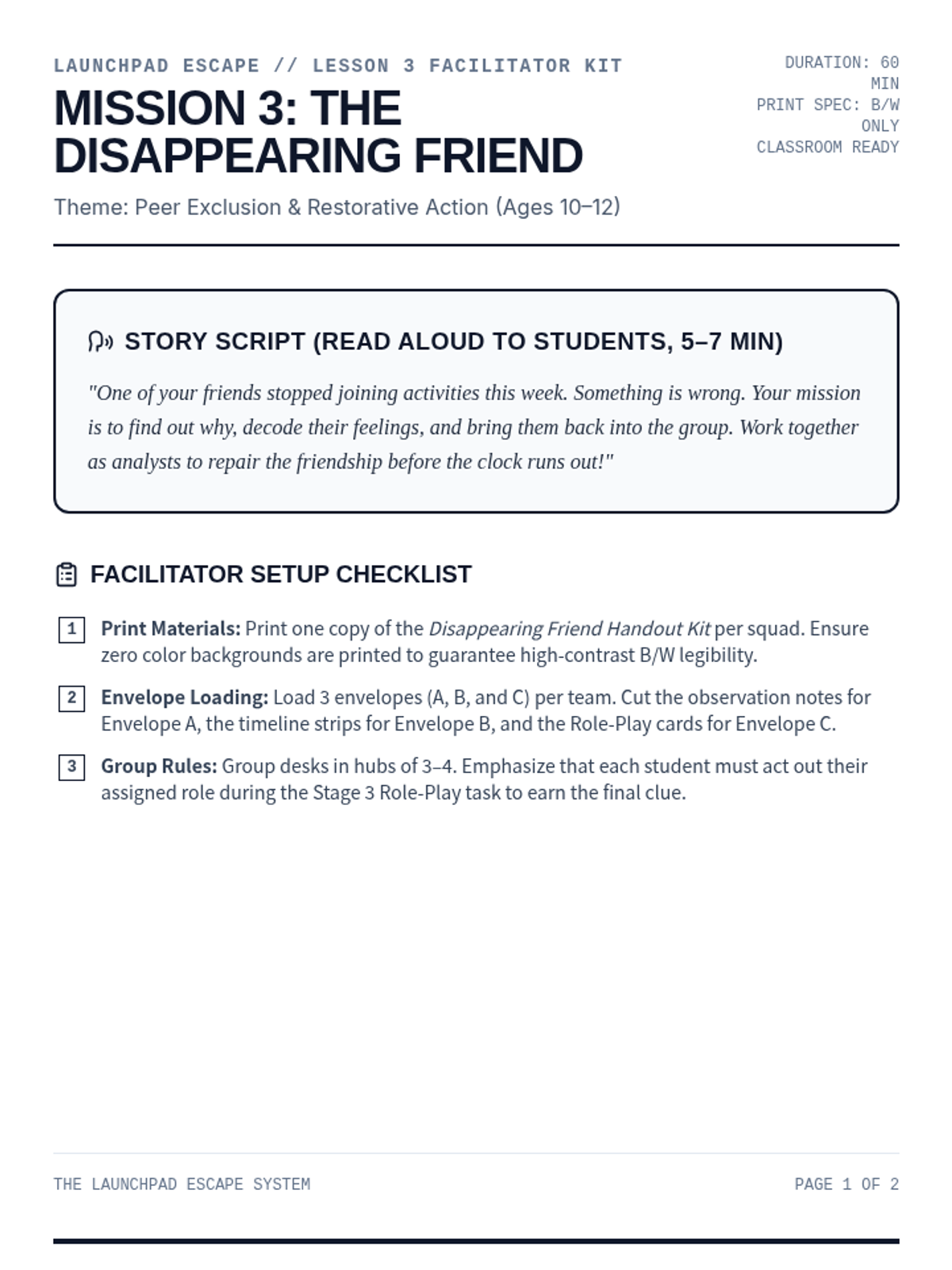
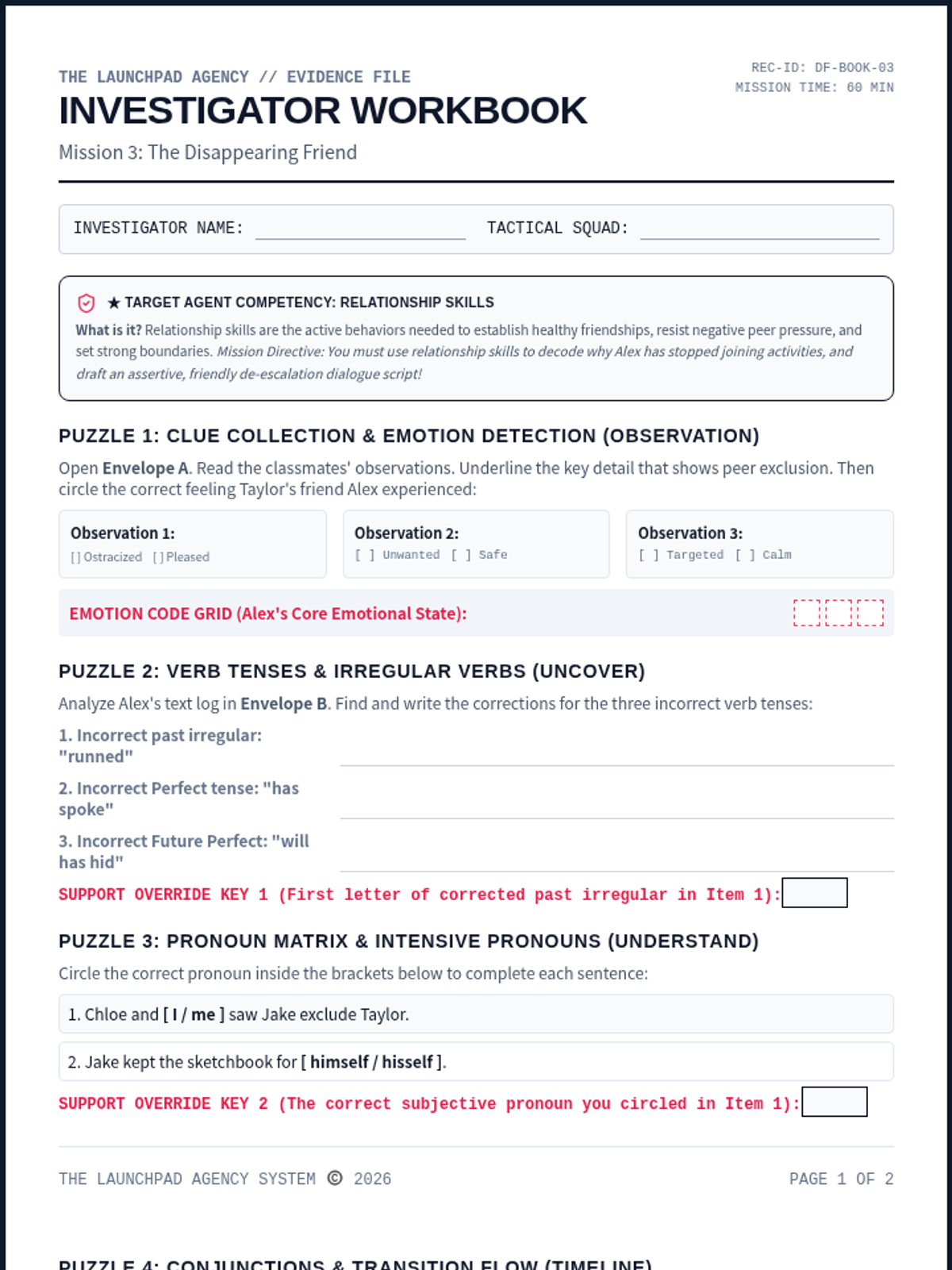
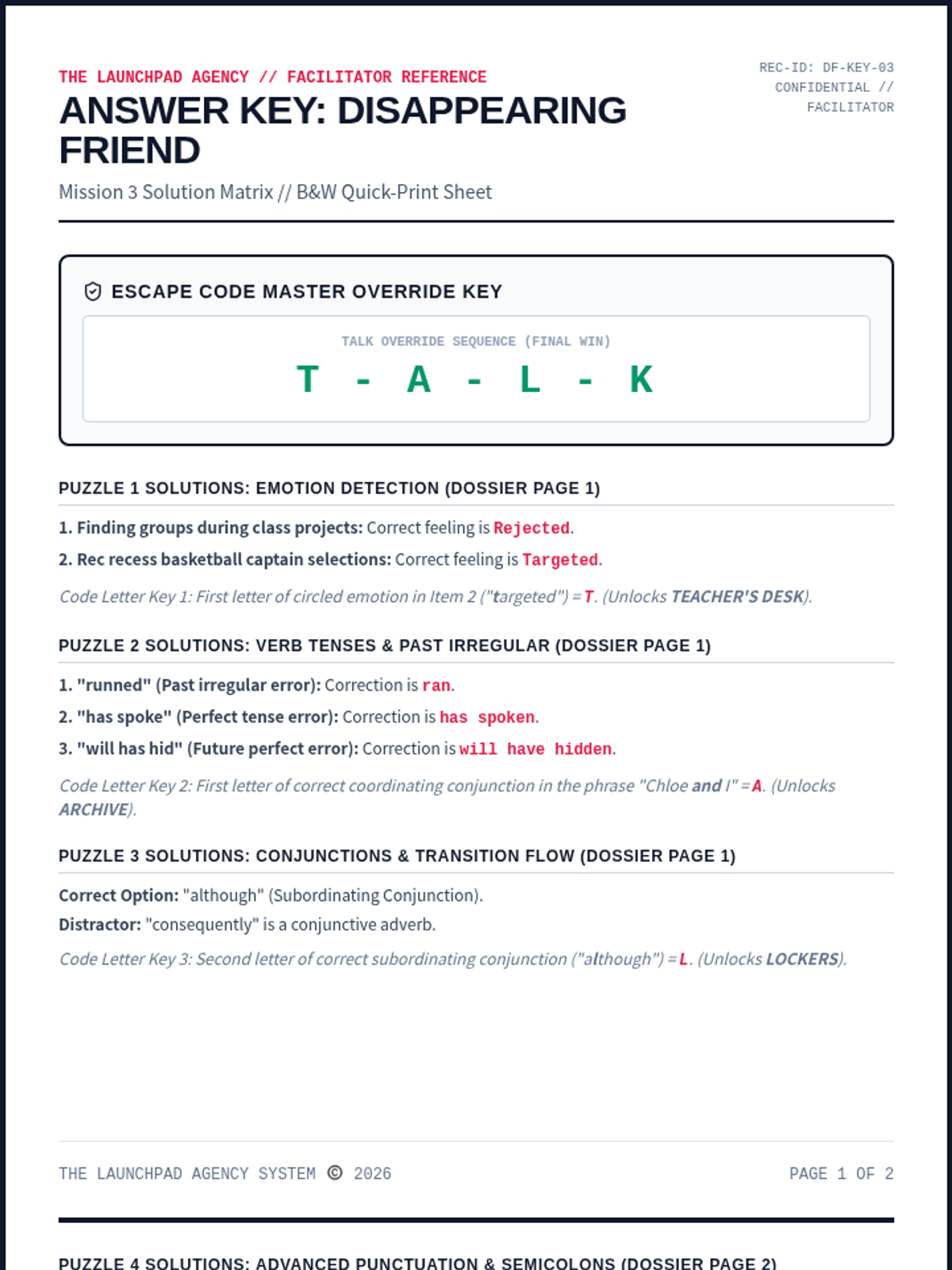
A chronological reconstruction and peer exclusion escape room for Ages 10-12. Recruits analyze sticky-note observations, identify missed social interactions, and role-play restorative de-escalation scripts.
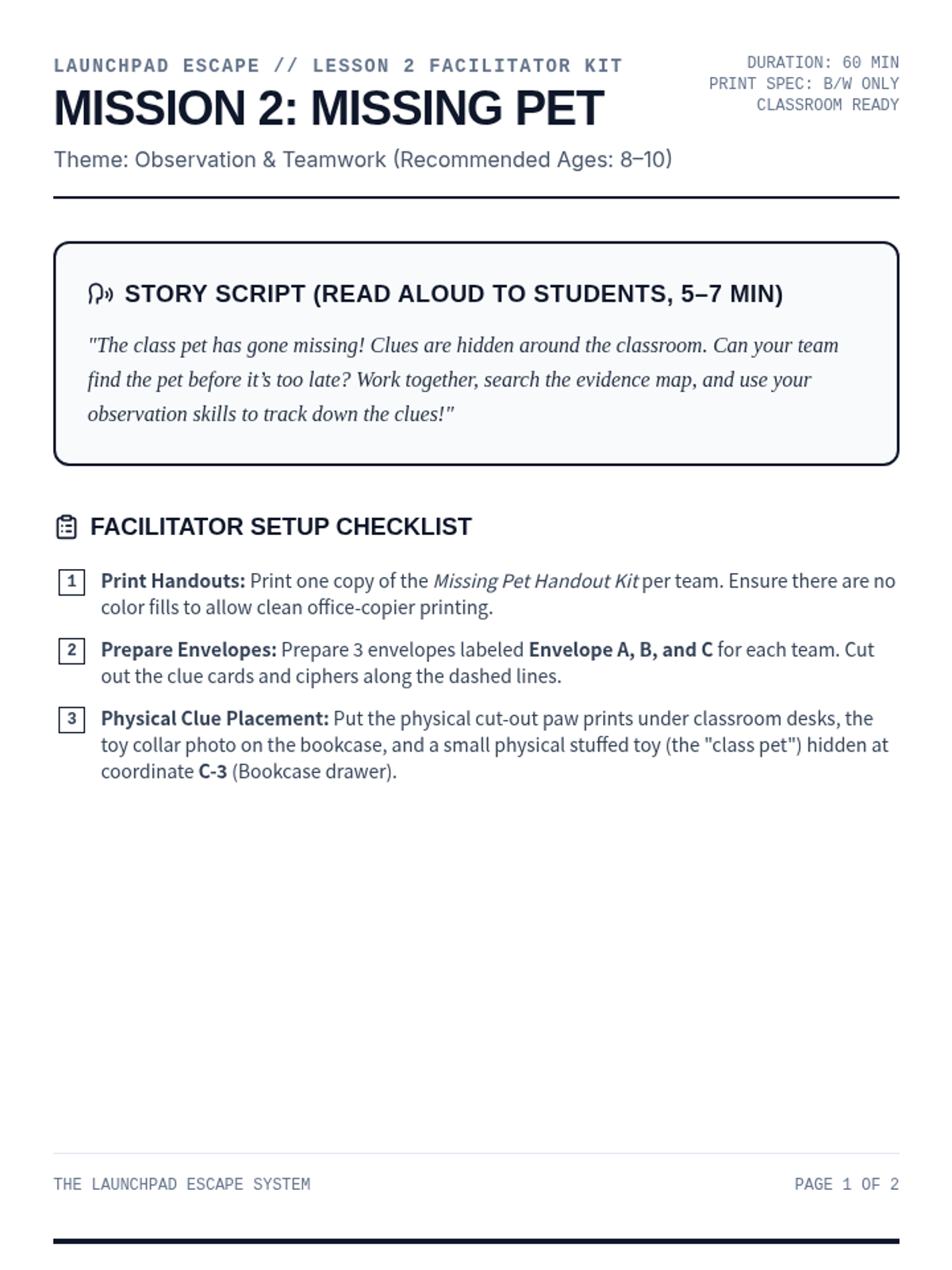
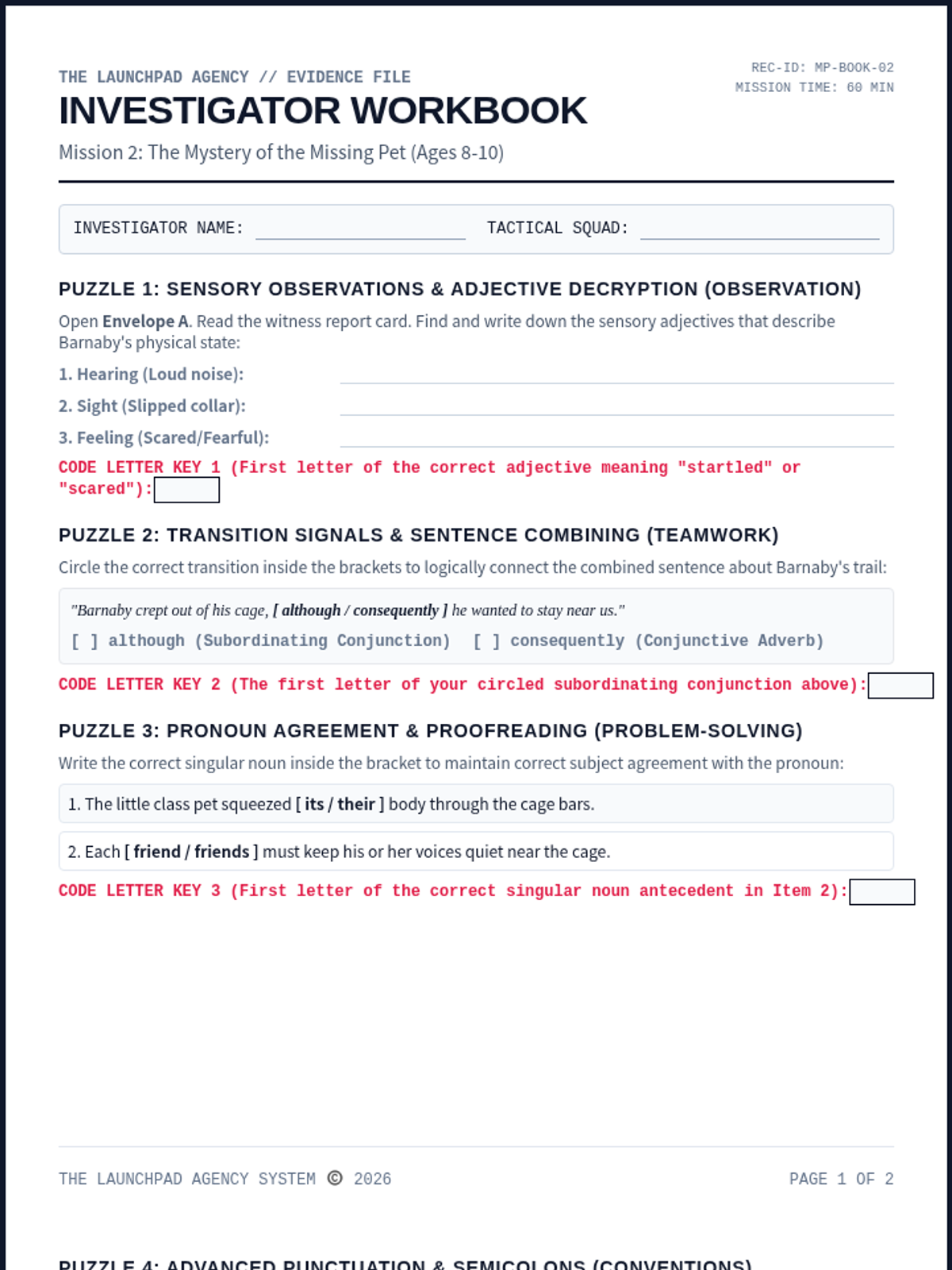
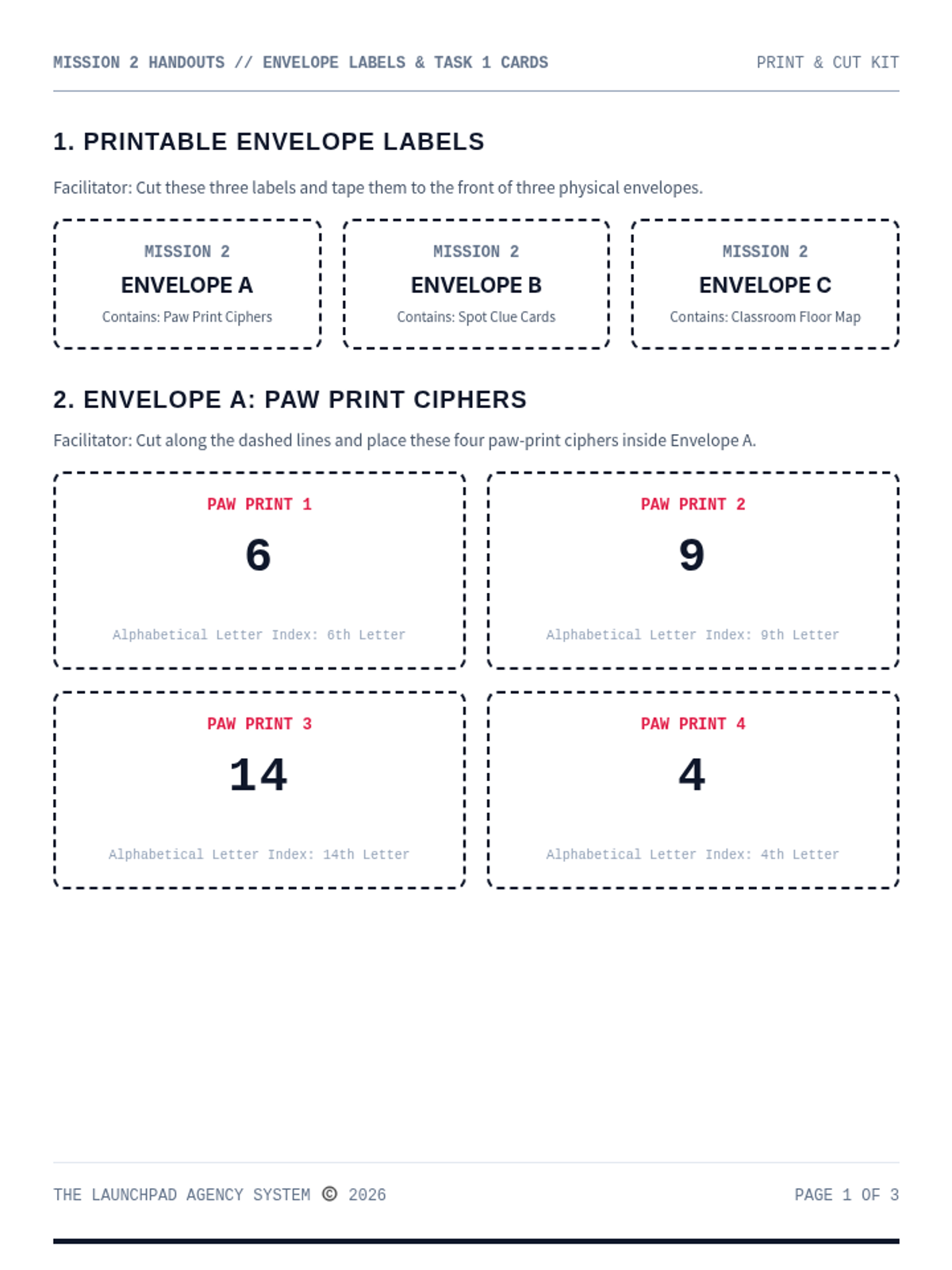
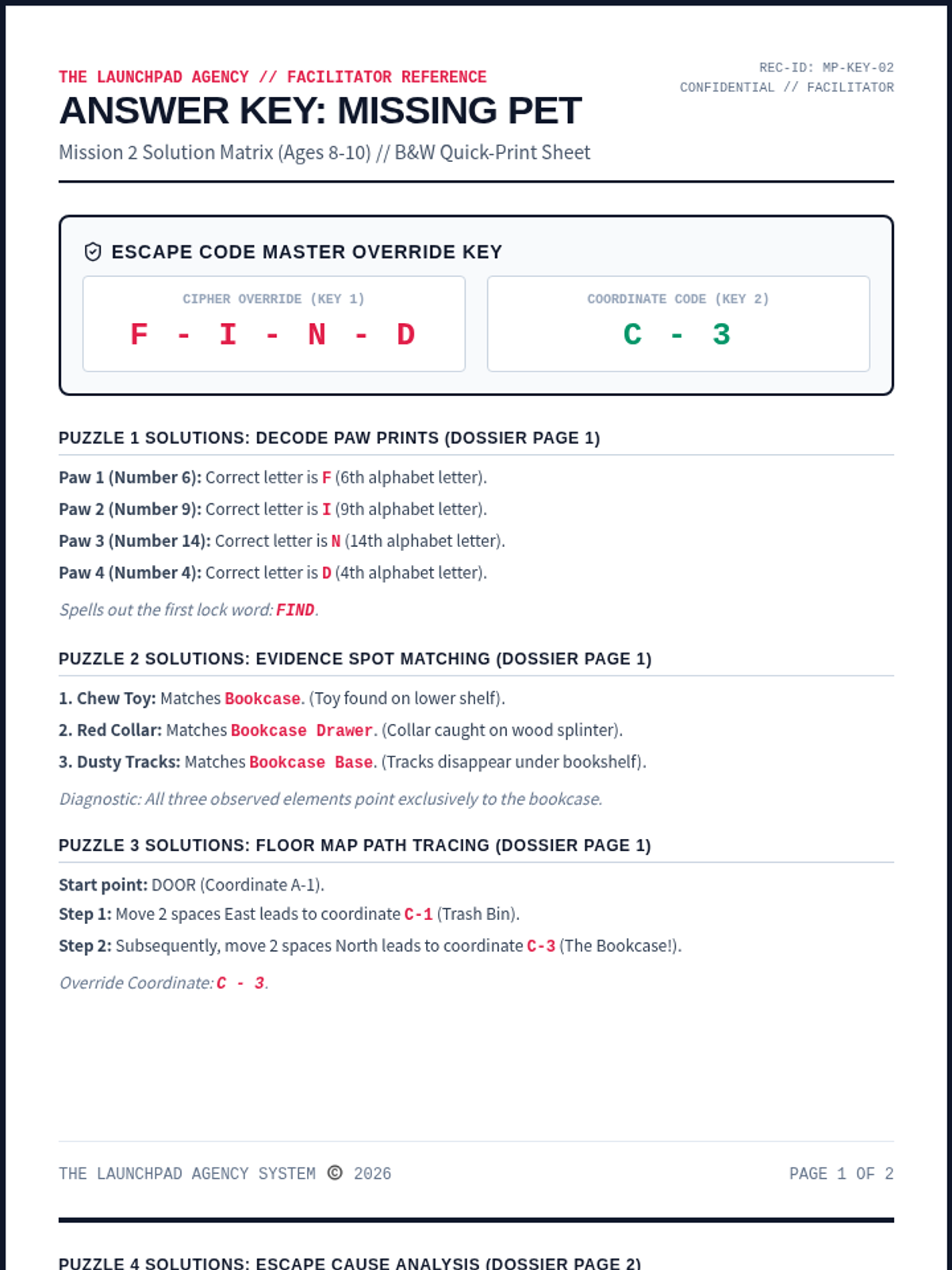
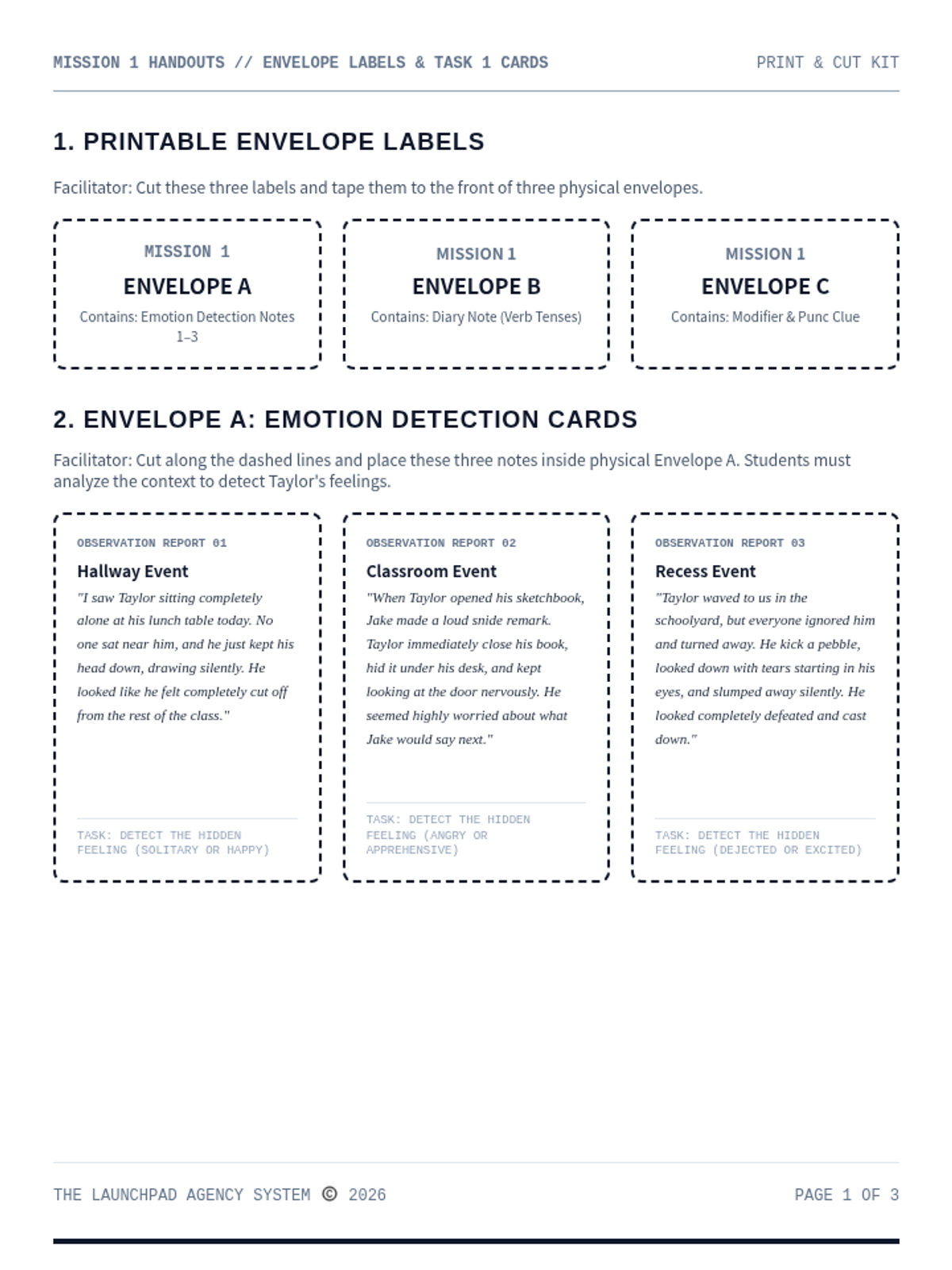
An observation-based escape mission for Ages 8-10. Recruits decode paw ciphers, match footprint evidence to classroom hiding spots, and compile a team map to find the missing class pet.
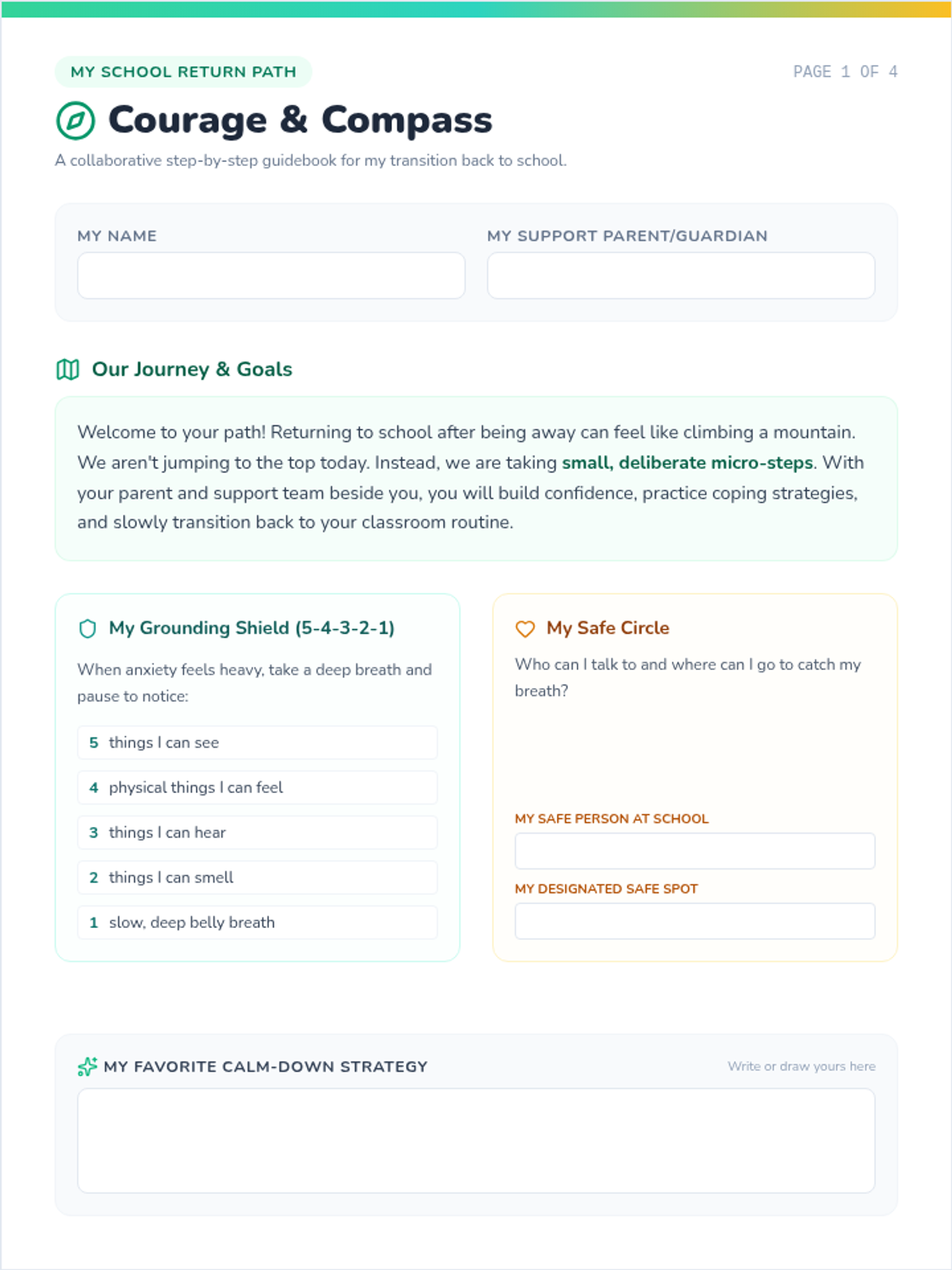
A collaborative, student-centered lesson framework to support students transitioning back to school after anxiety-related absences using a graduated exposure pathway.
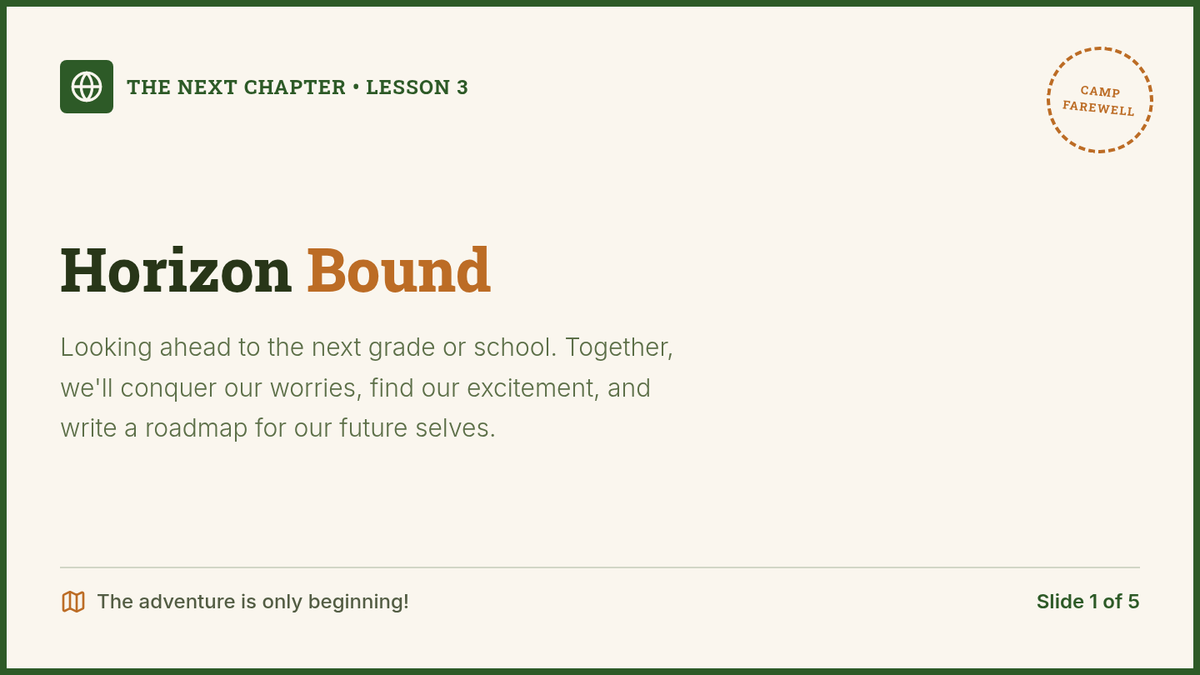
Students explore their expectations, excitements, and fears regarding the upcoming school year. They compile their wisdom for next year's class and write a letter of support to their future selves.
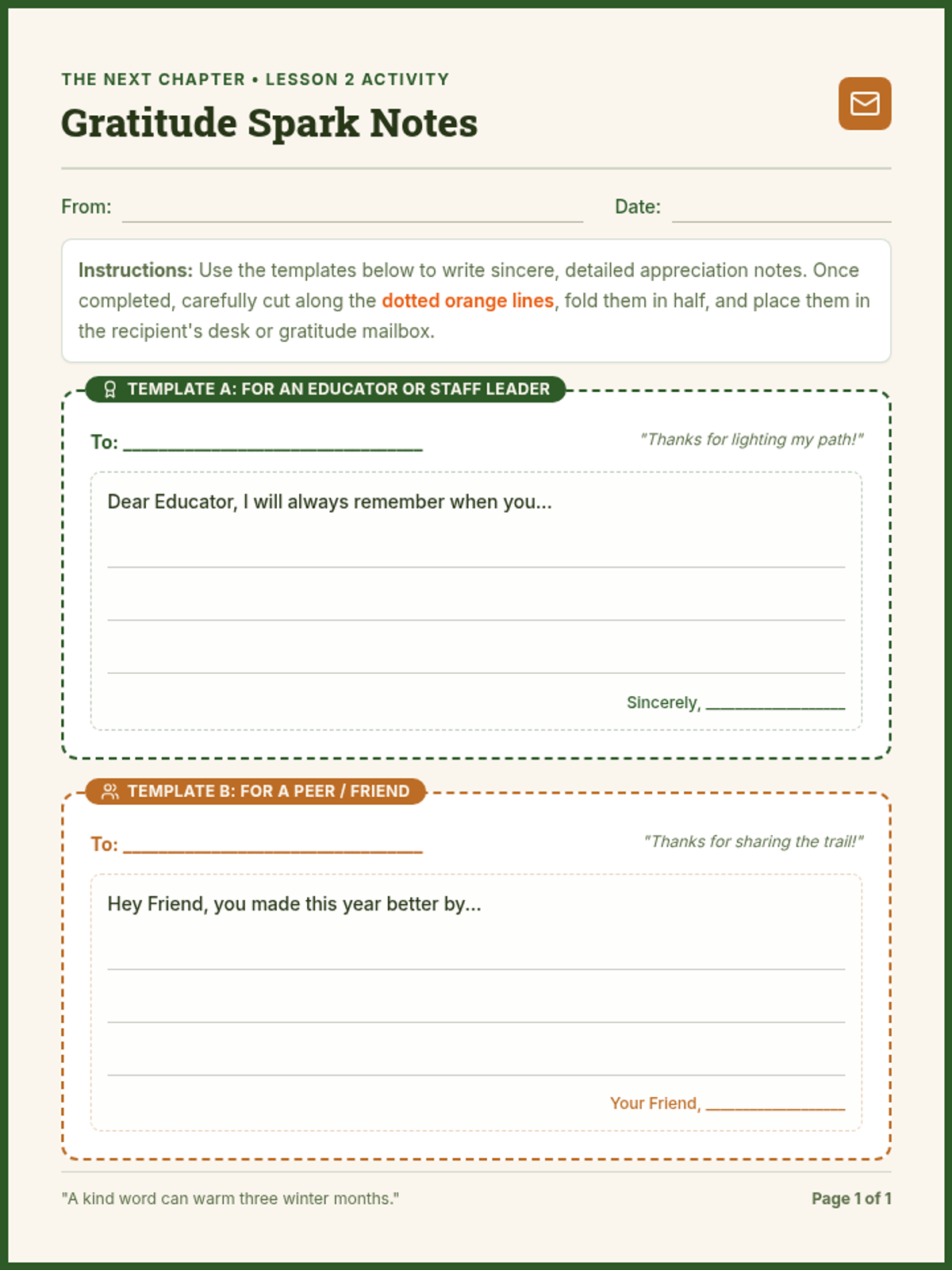
Students practice expressions of meaningful closure. They write gratitude notes to peers and teachers, process the emotions of physically leaving their current classroom, and celebrate their shared history.
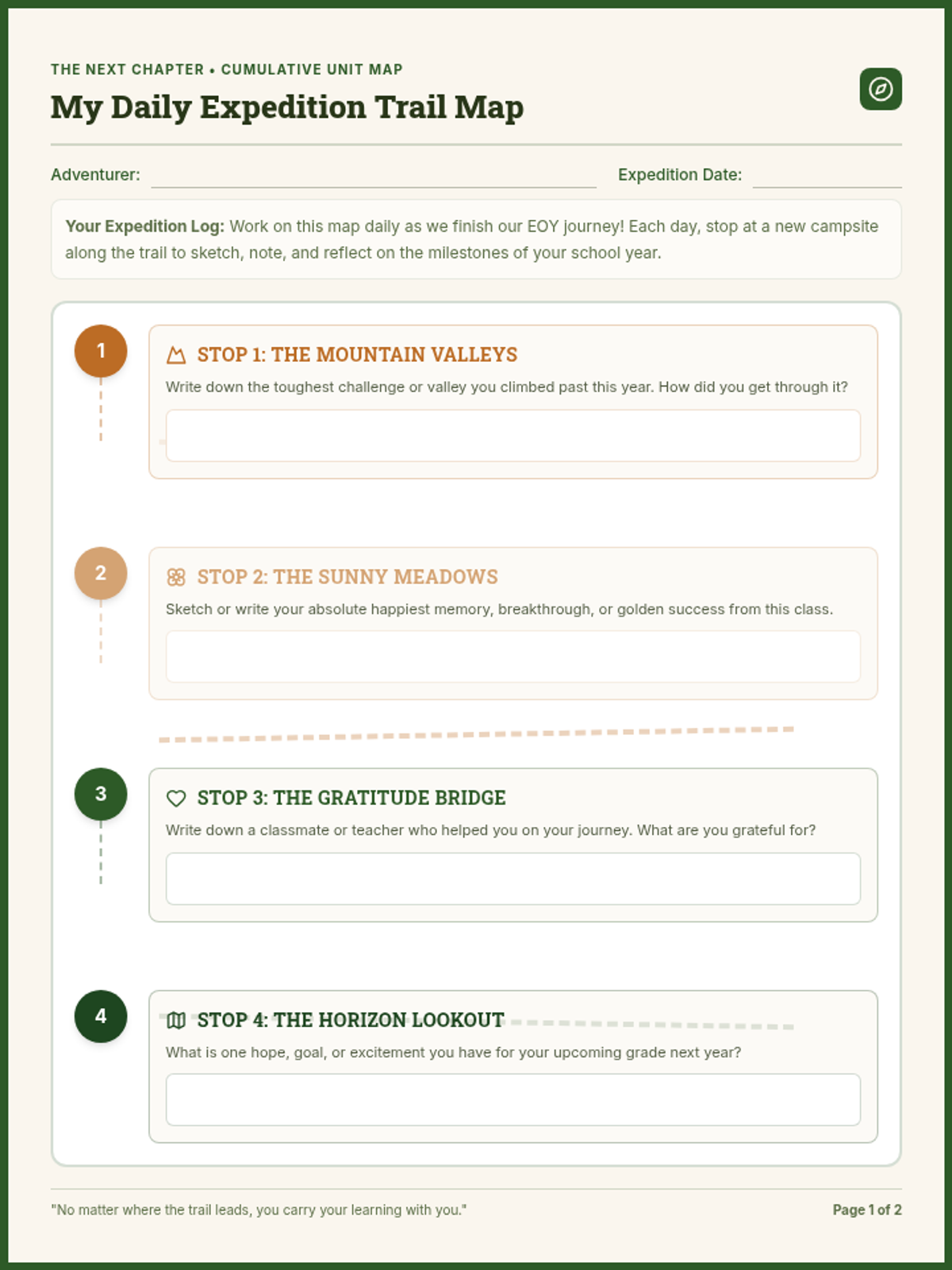
In this lesson, students reflect on their highest and lowest points of the school year. They explore how challenging days built resilience and how successful moments deserve celebration, utilizing mountain and meadow imagery.
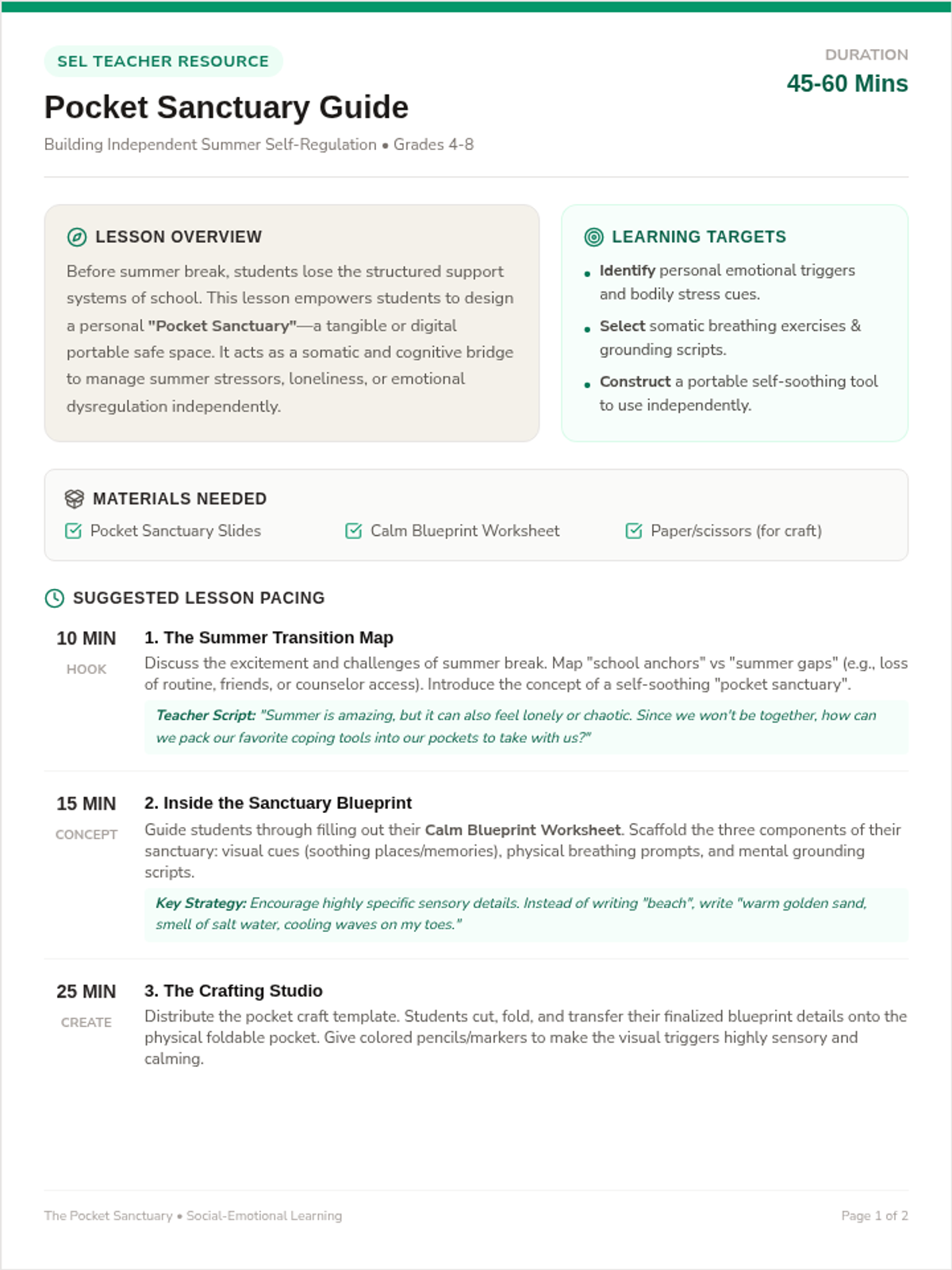
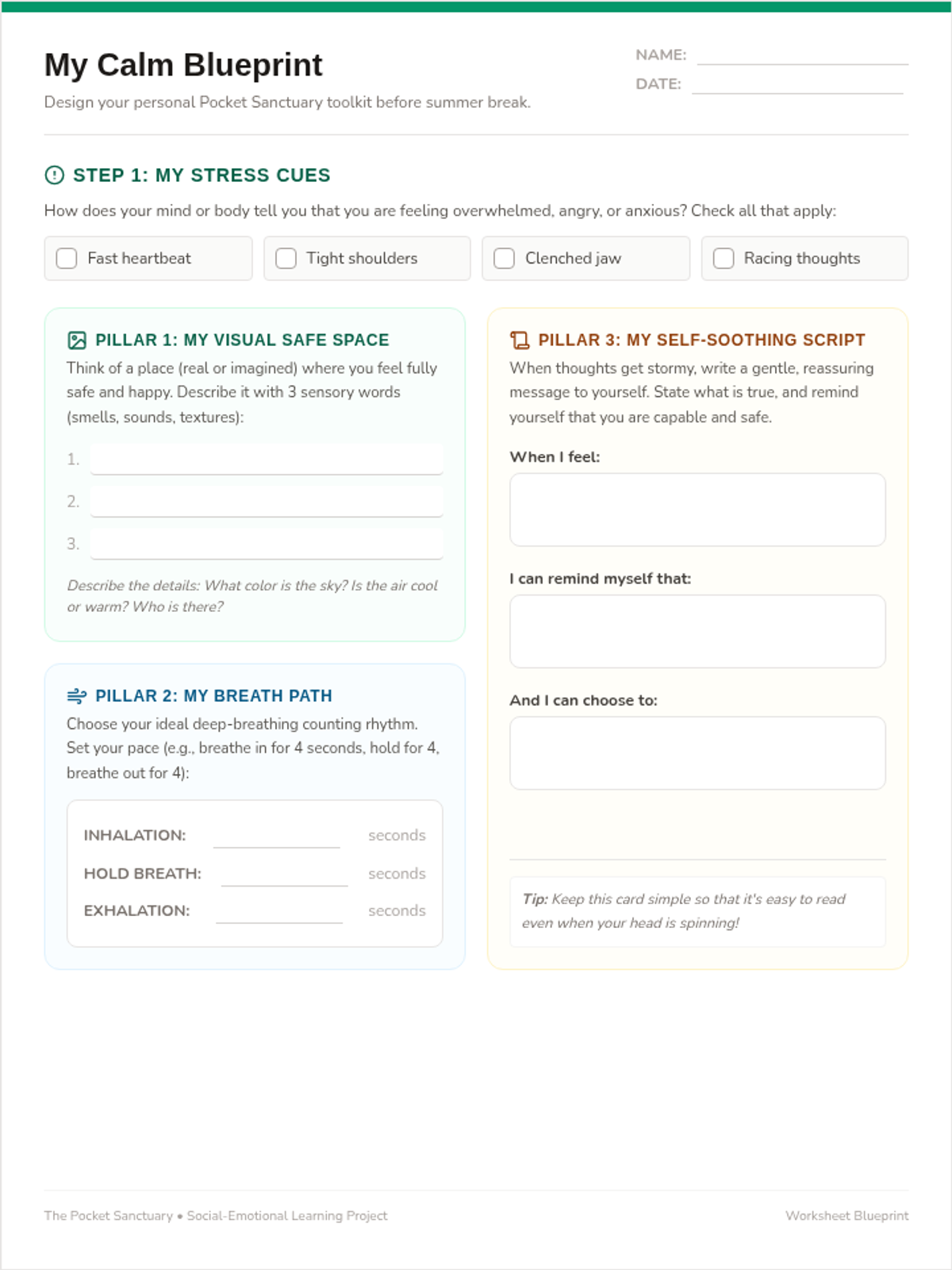
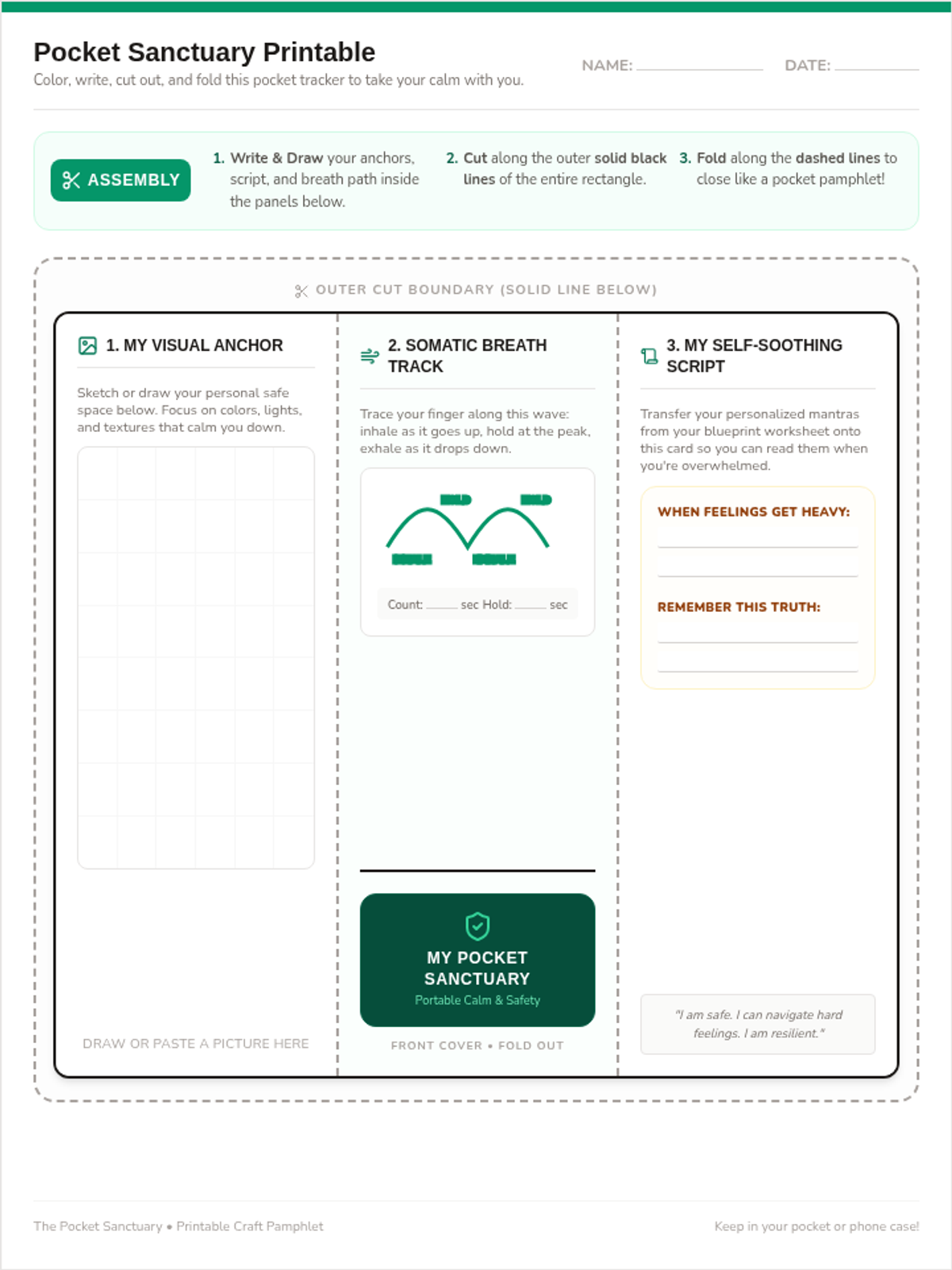
A social-emotional learning lesson where students design a physical or digital pocket sanctuary with visual cues, breathing prompts, and self-soothing scripts to build self-regulation skills for summer break.
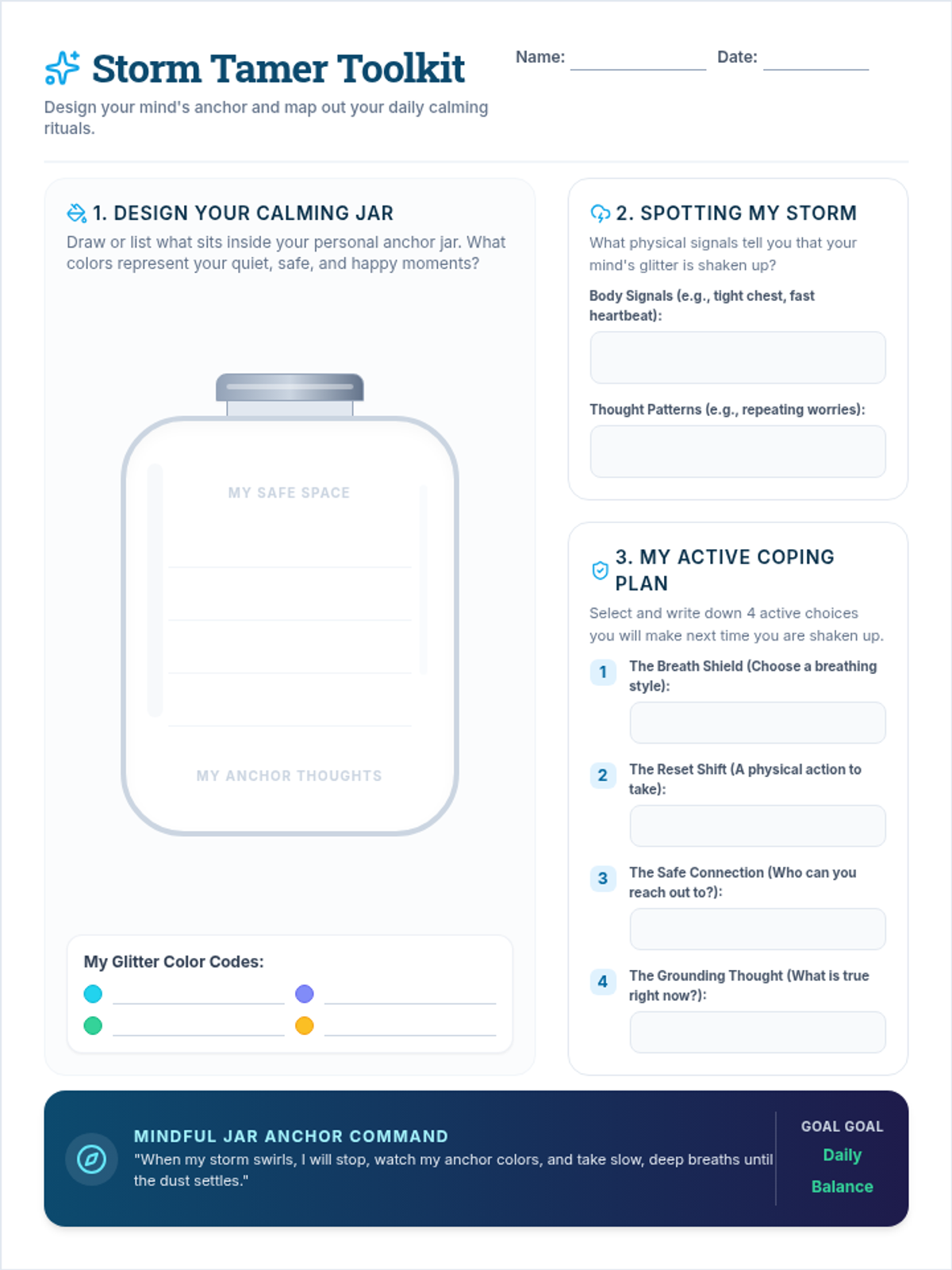
A transformative social-emotional learning lesson using the metaphor of a shaken glitter jar to help students understand emotional agitation, practice mindful breathing, and build a personalized daily coping toolkit.
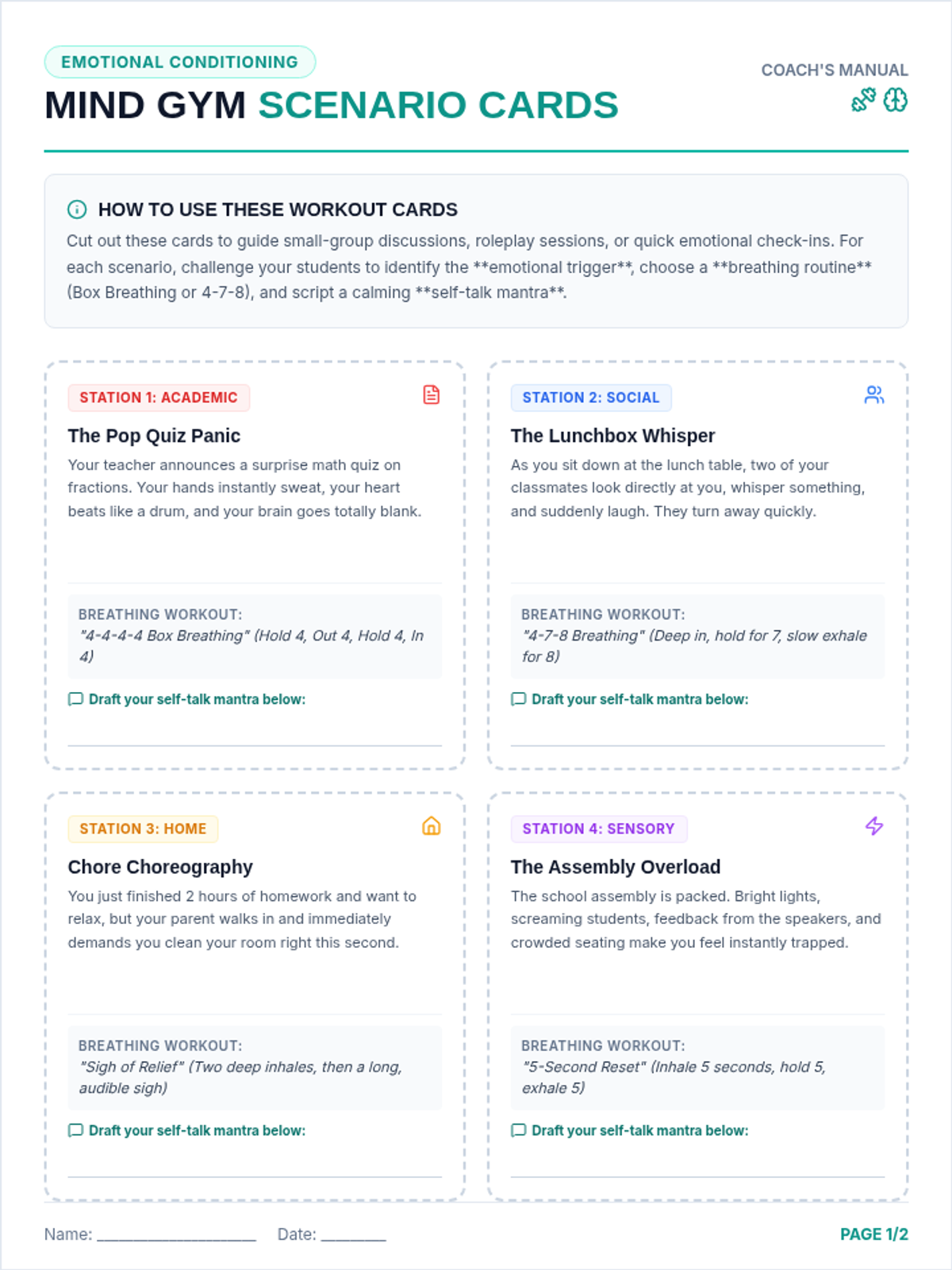
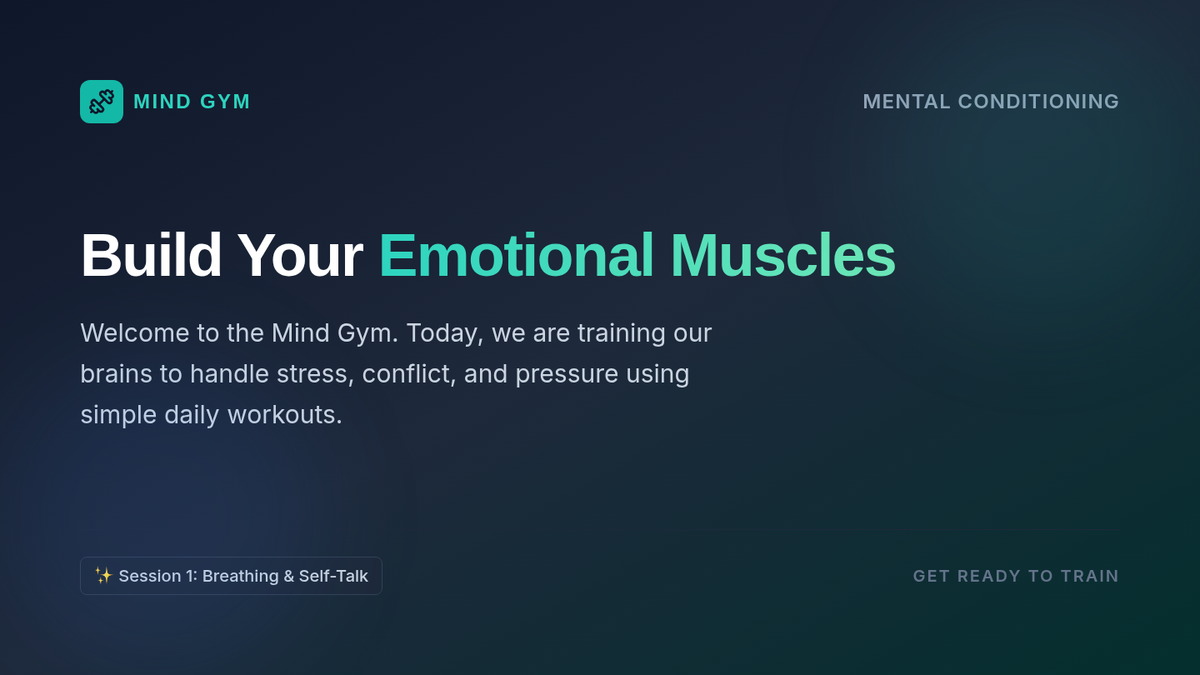
A social-emotional learning lesson designed to help students build emotional regulation muscles using self-talk and breathing exercises across school and home scenarios.
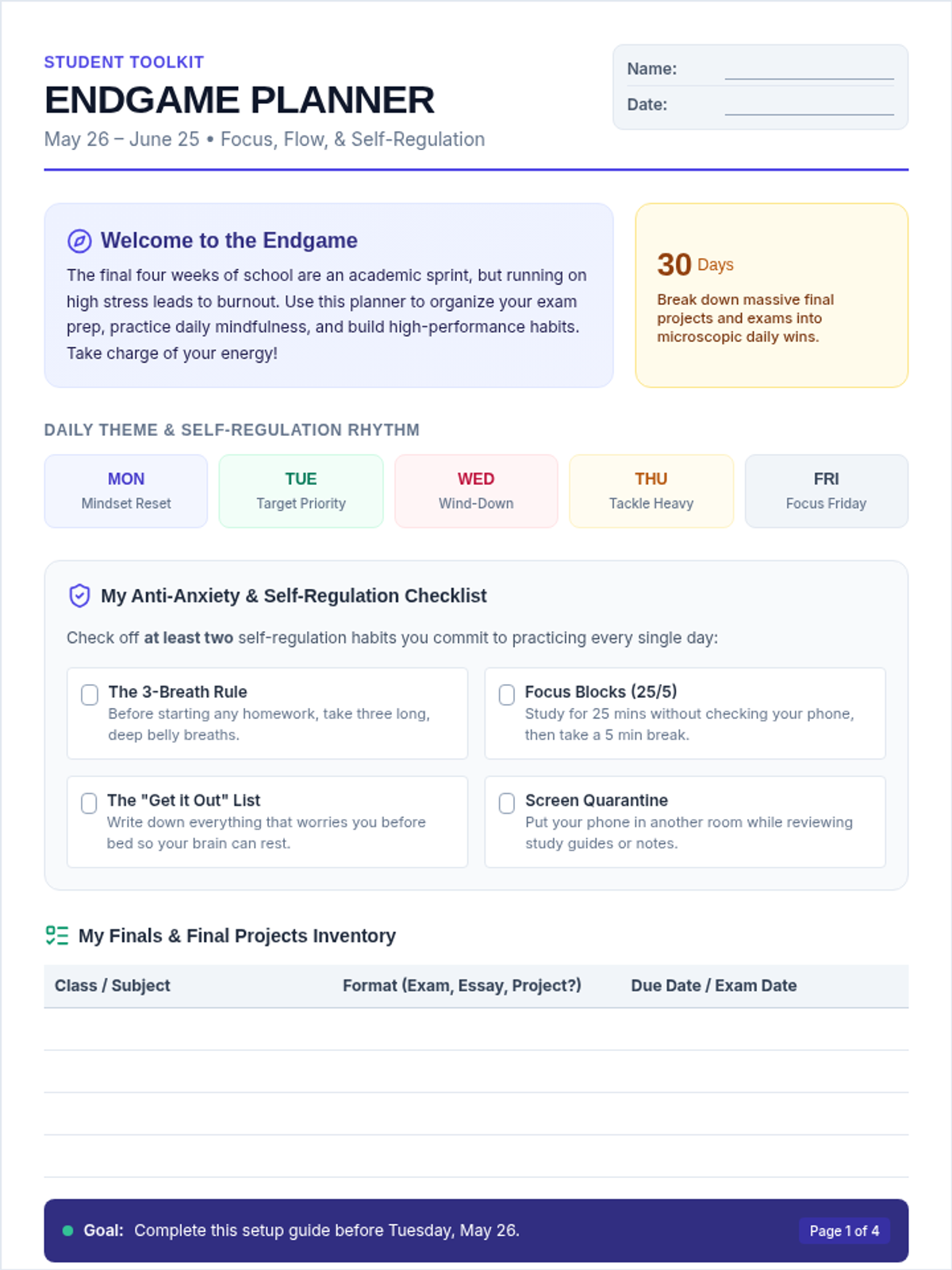
A student-focused planning and self-regulation toolkit designed to help students manage academic stress, study for finals, and successfully navigate the final four weeks of the school year.
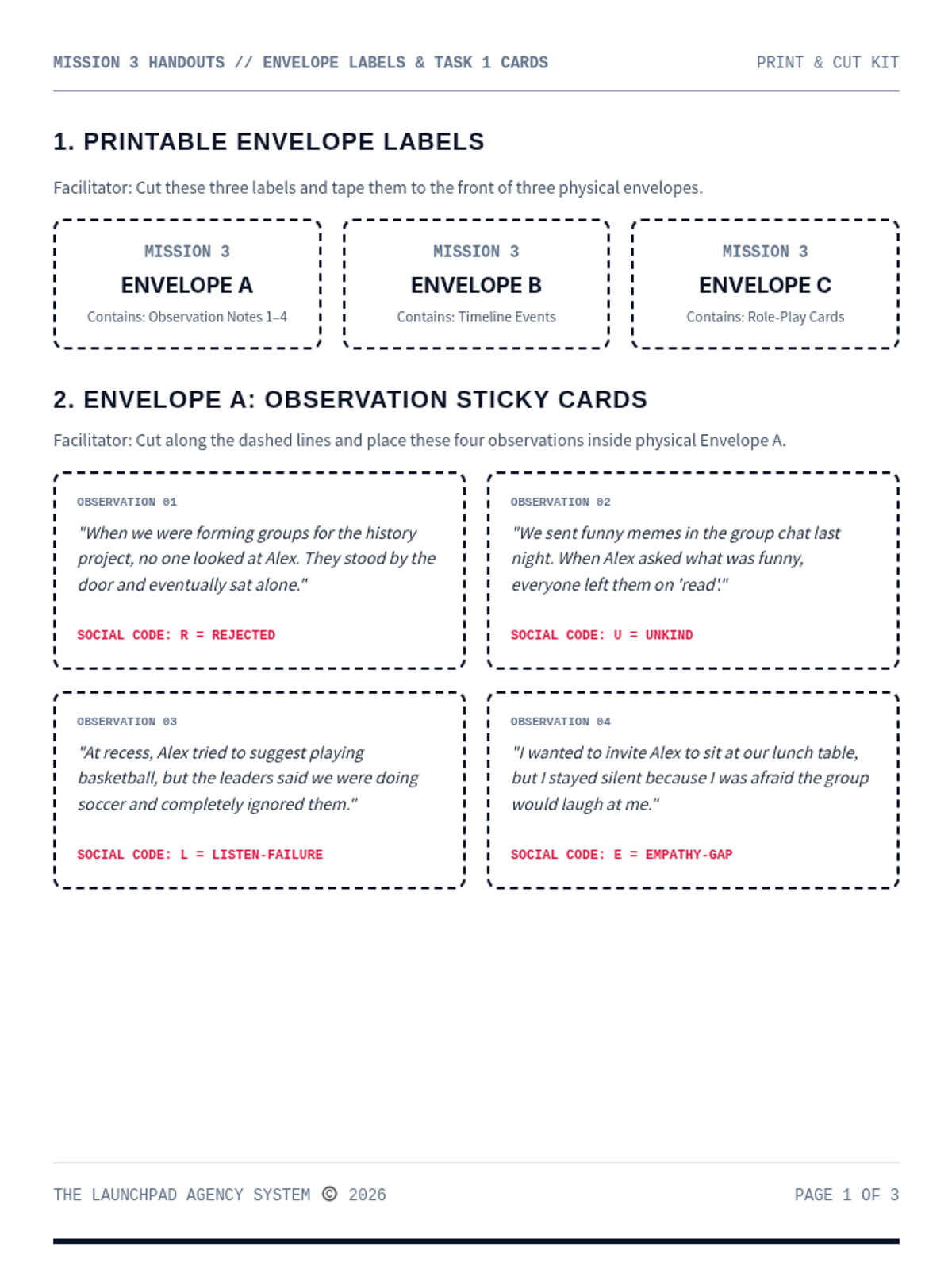
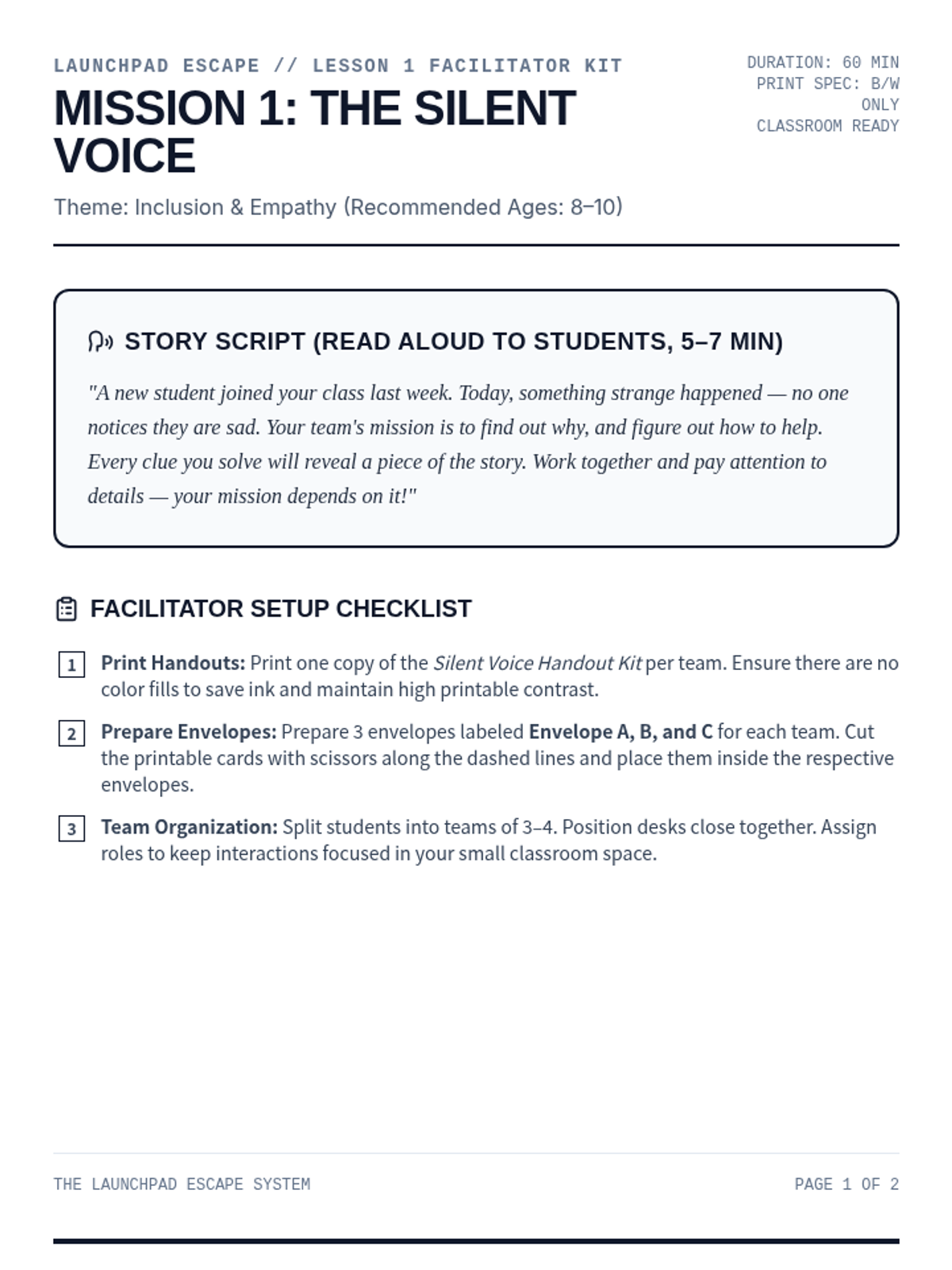
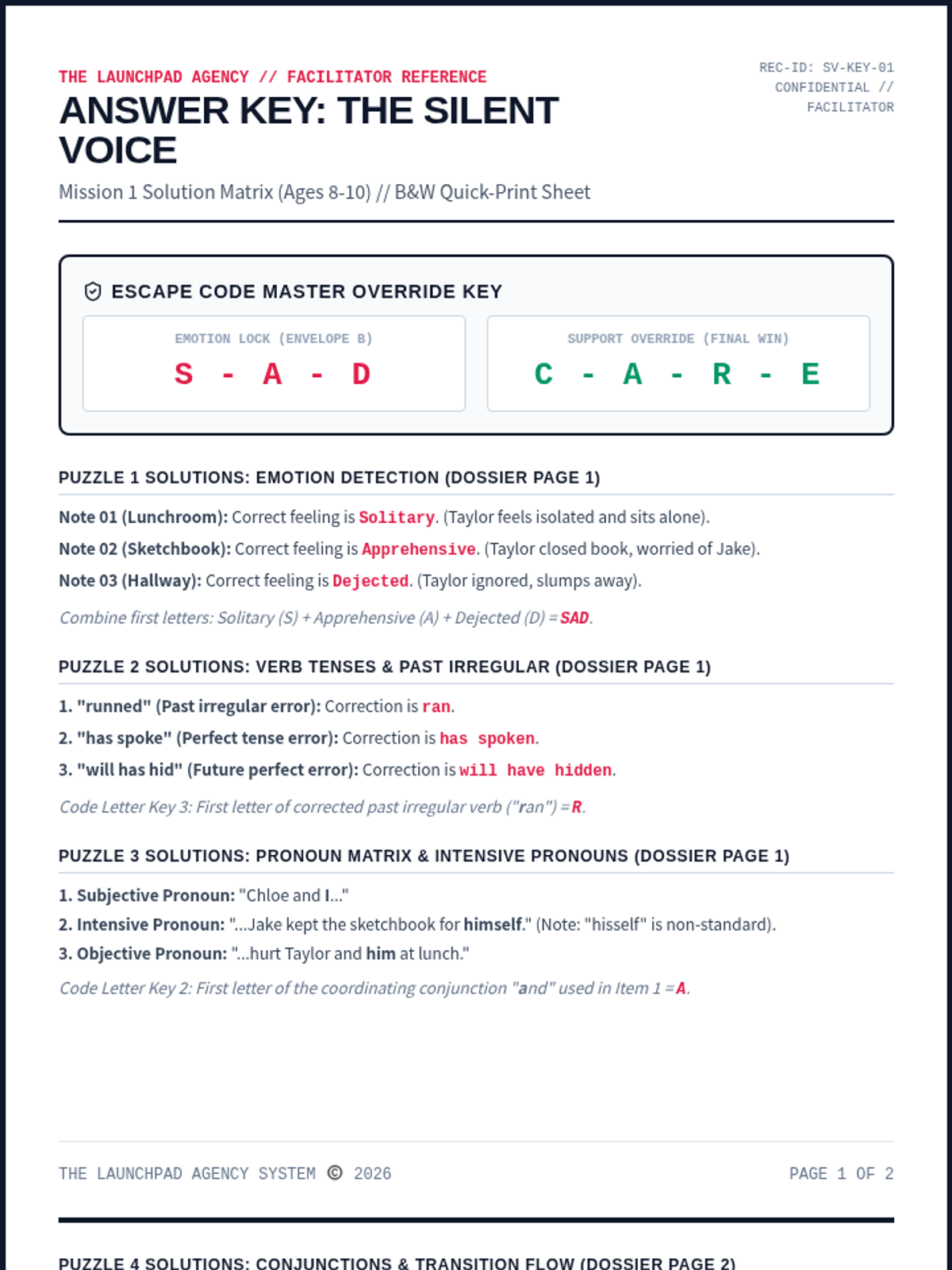
A cooperative social escape room for Ages 8-10 focused on inclusion and empathy. Recruits sort desk messages, build a timeline, and decode perspective cards to support a lonely classmate.
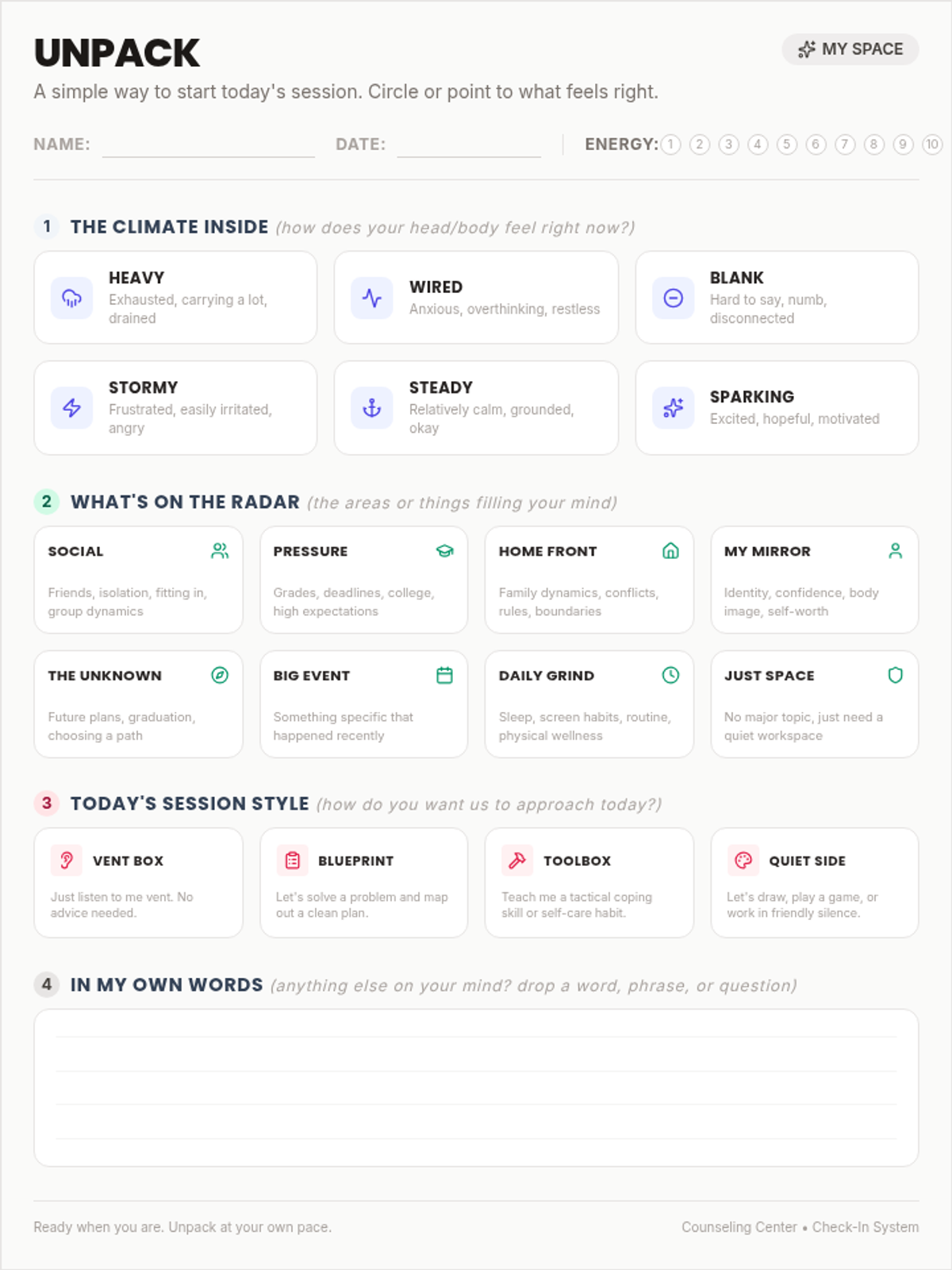
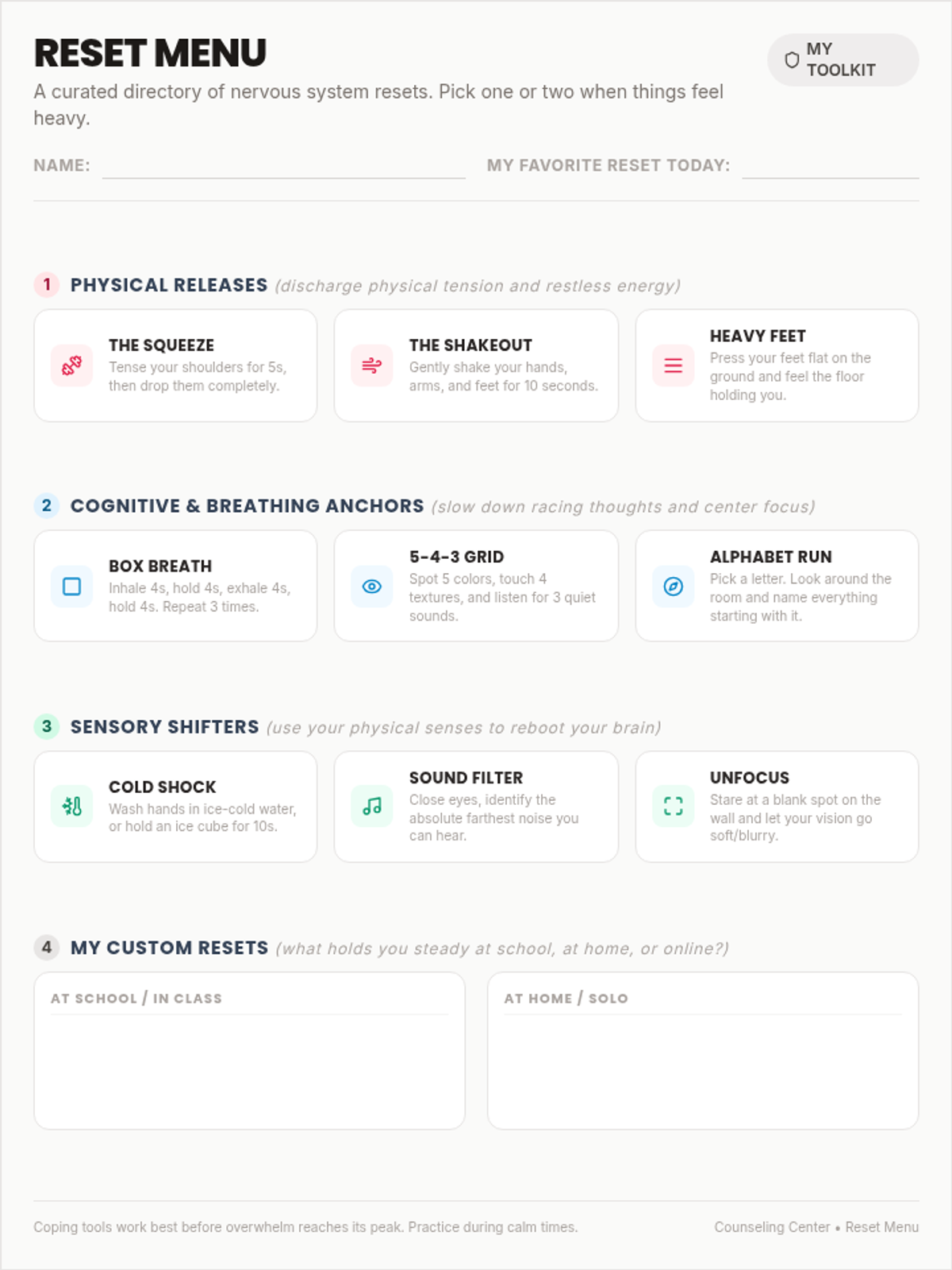
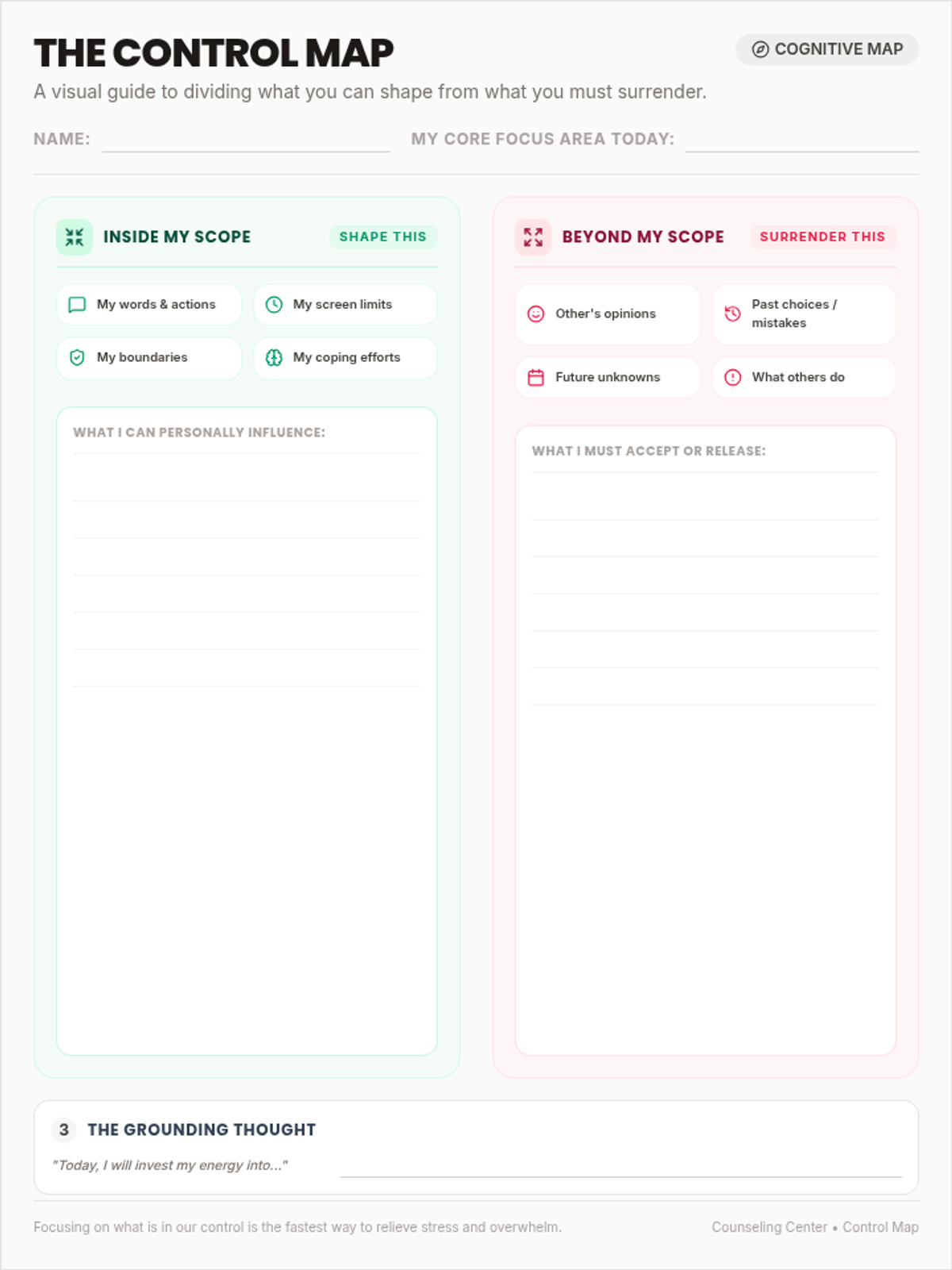
A curated suite of modern visual and communication-focused counseling resources tailored specifically for middle and high school students to lower conversational barriers and facilitate student-led sessions.
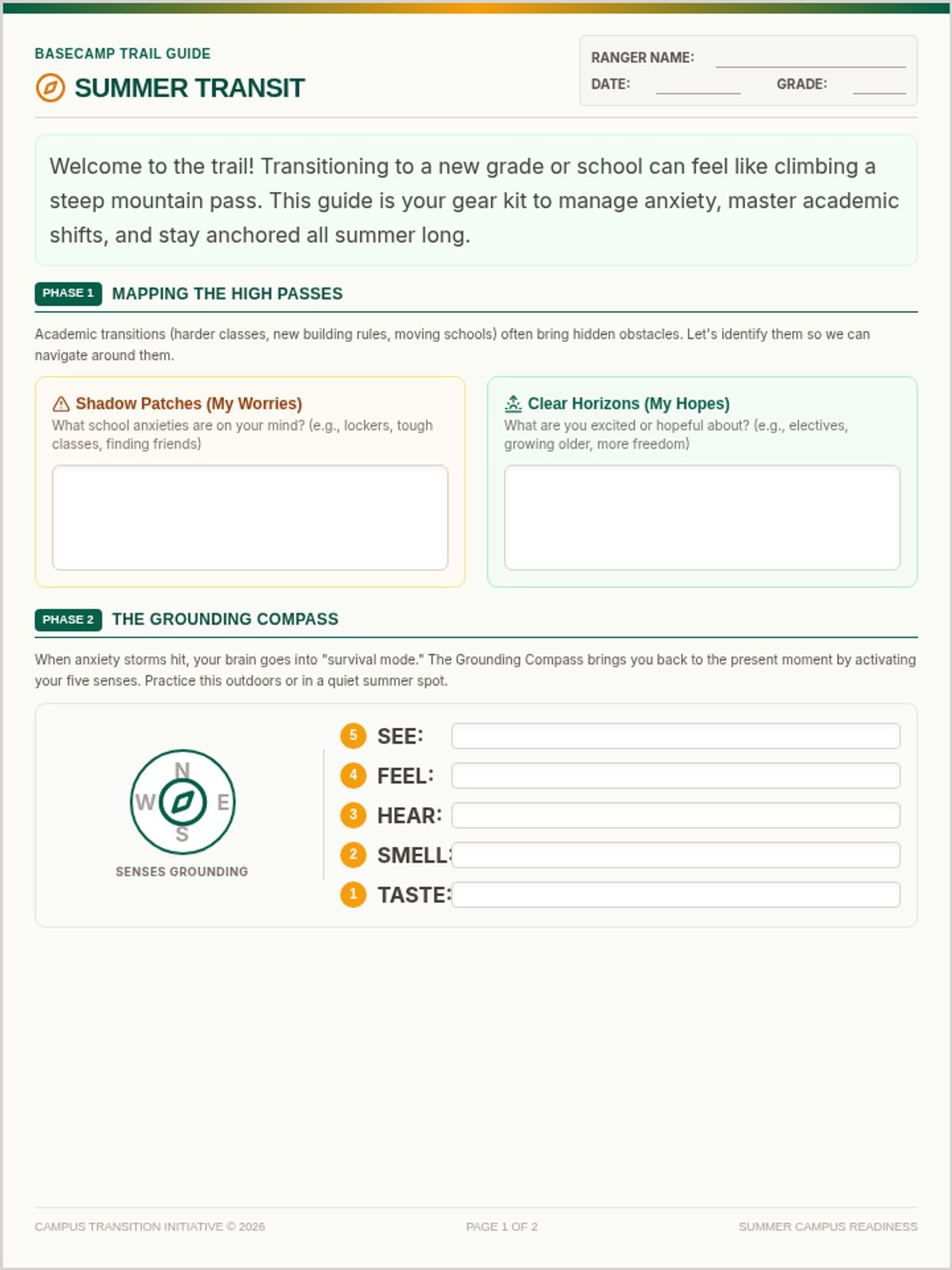
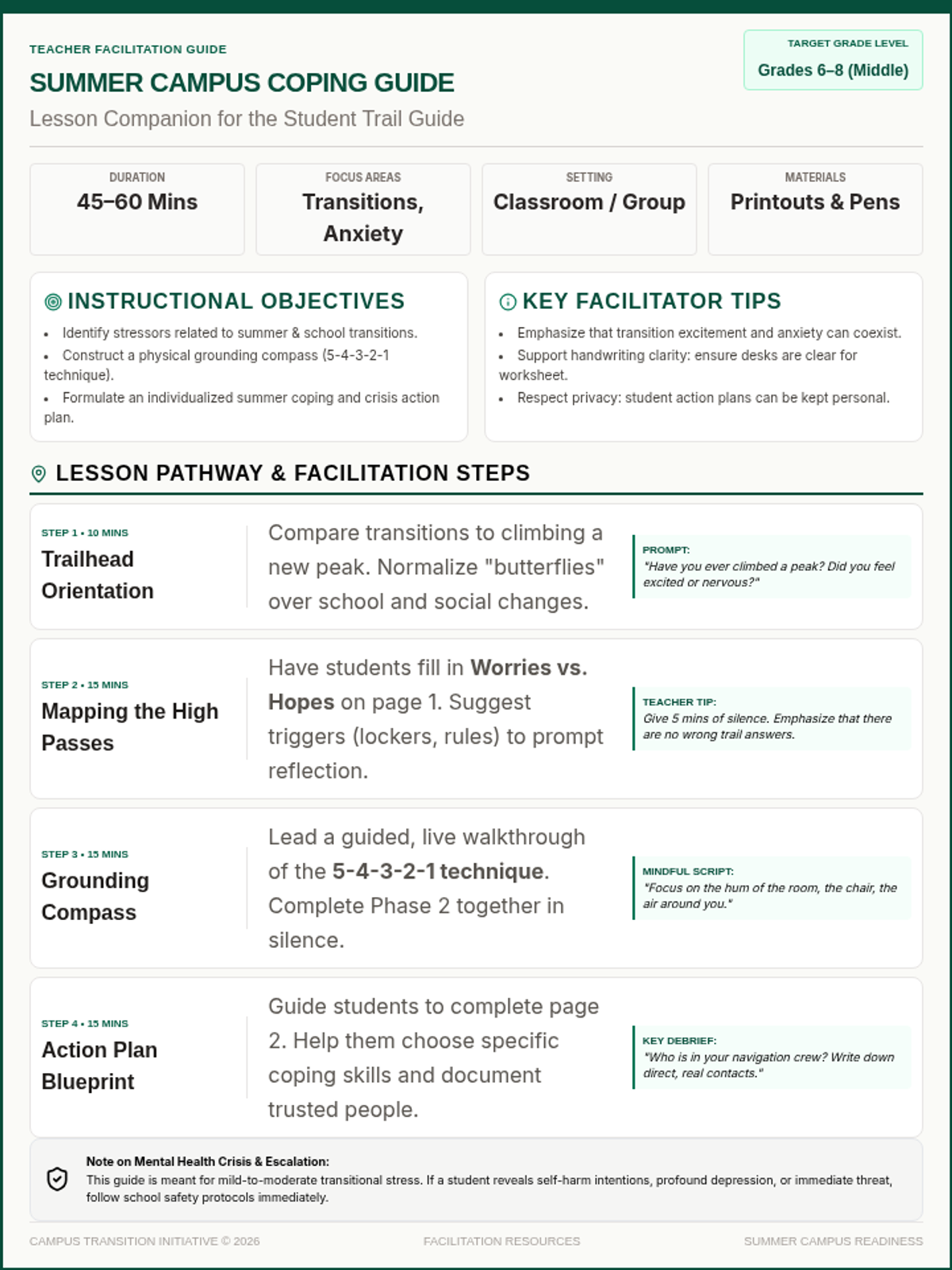
A transition-focused emotional regulation lesson designed to equip middle school students with mindfulness tools and coping mechanisms to handle academic anxiety and school transitions over the summer.
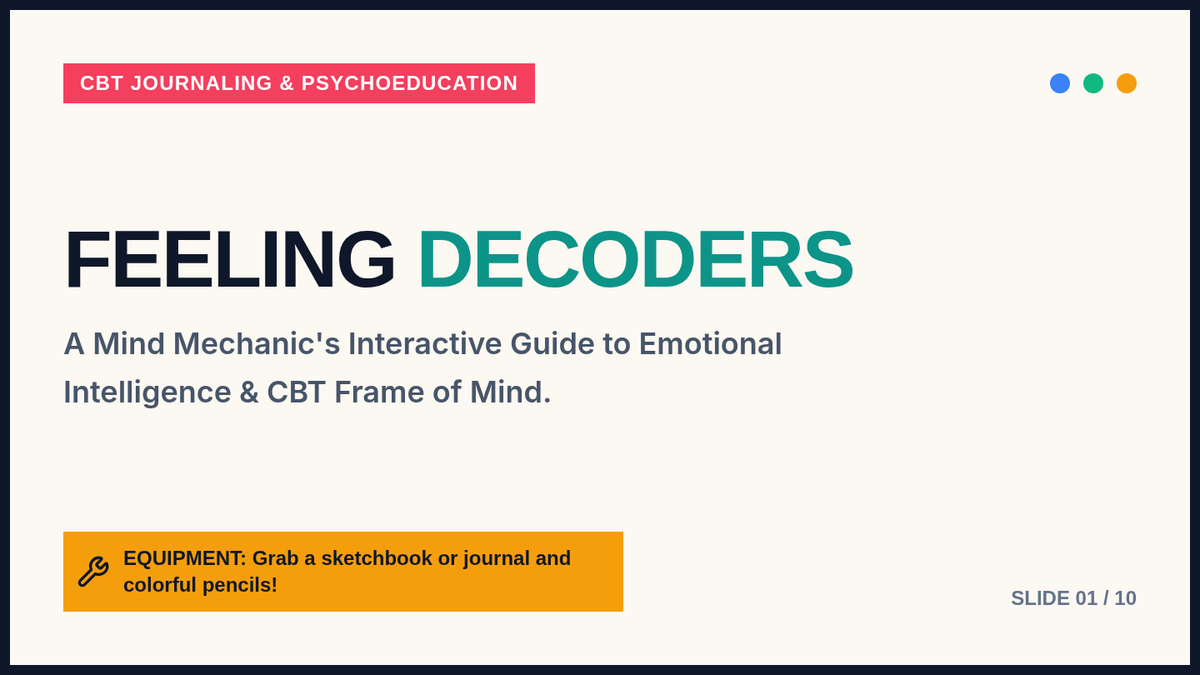
A lesson designed for middle schoolers to explore and decode their emotions using Cognitive Behavioral Therapy (CBT) frameworks. It covers the adaptive and normative nature of emotions, includes daily journal prompts, creative sketching exercises, and scenario-based reflections.
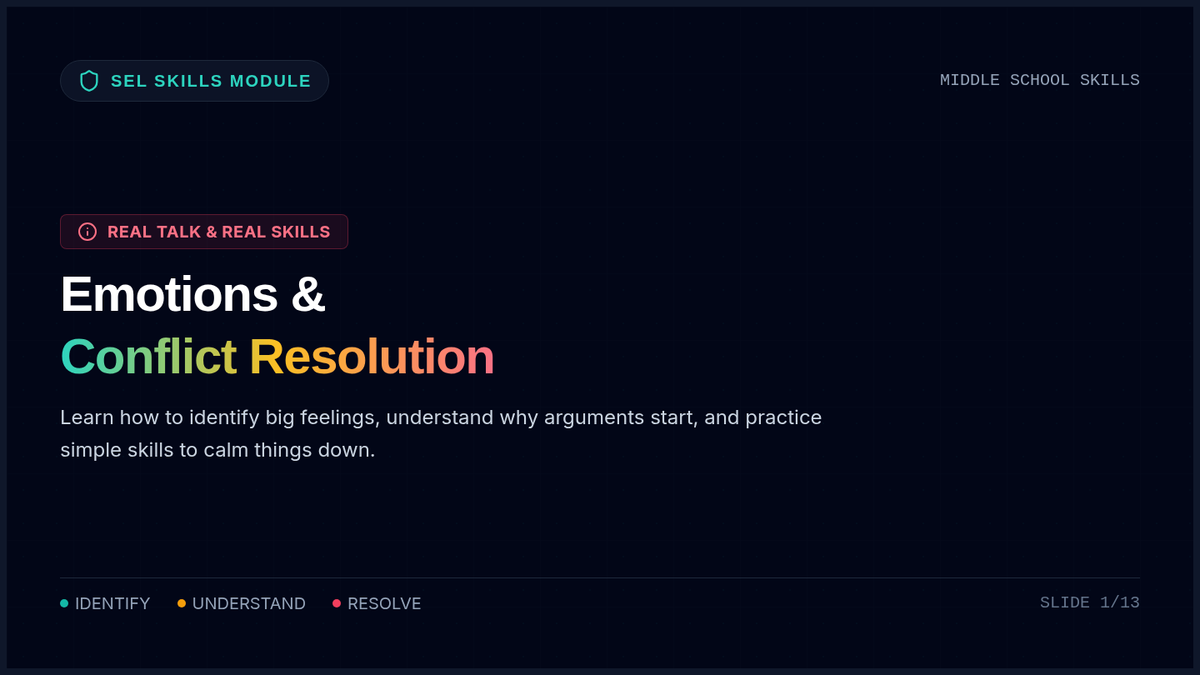
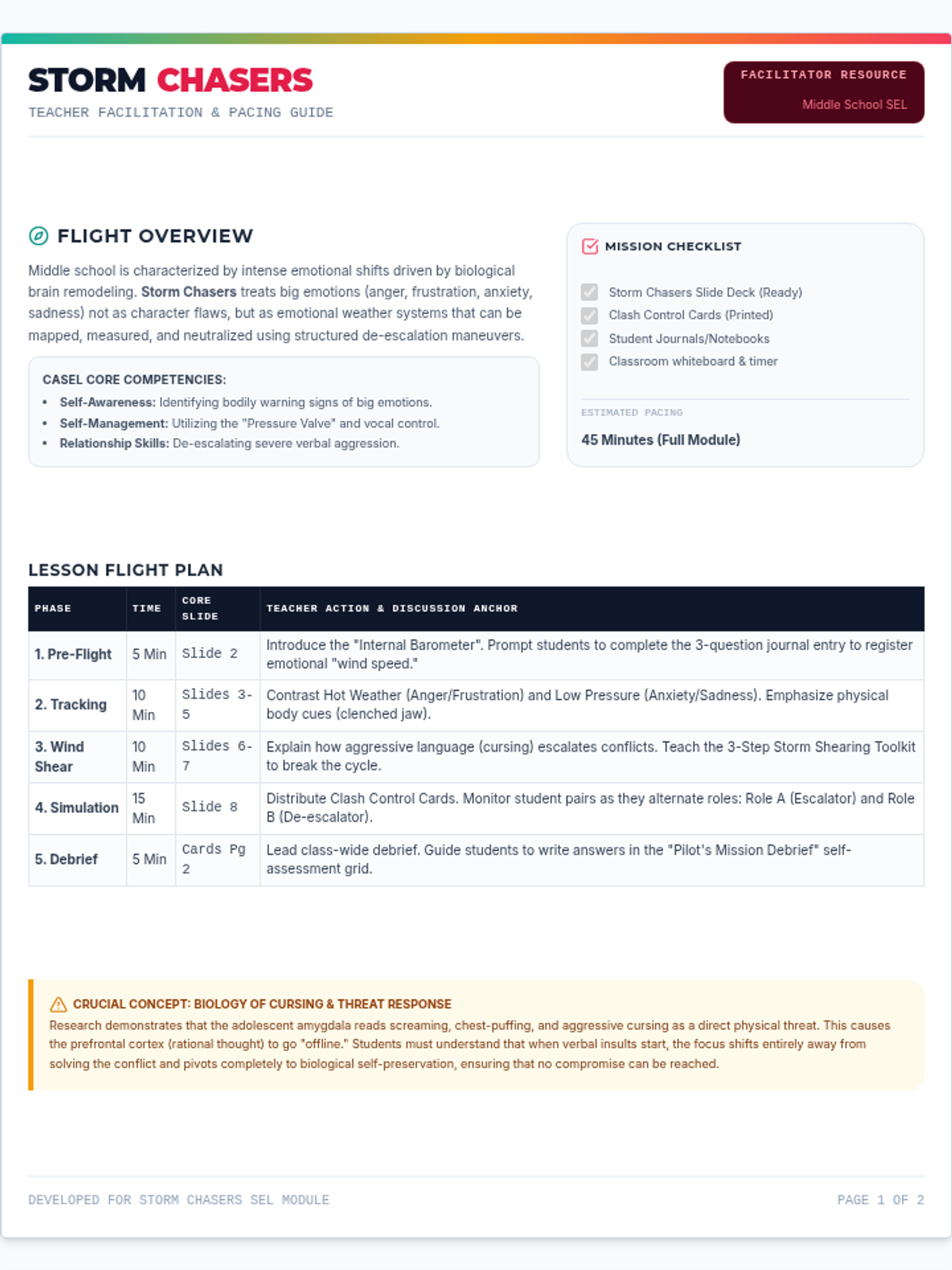
A middle school SEL lesson focused on identifying emotions and de-escalating conflicts. Students practice daily journal check-ins, learn about anger, frustration, anxiety, and sadness, and roleplay de-escalating real-world sibling, peer, and parent conflicts.
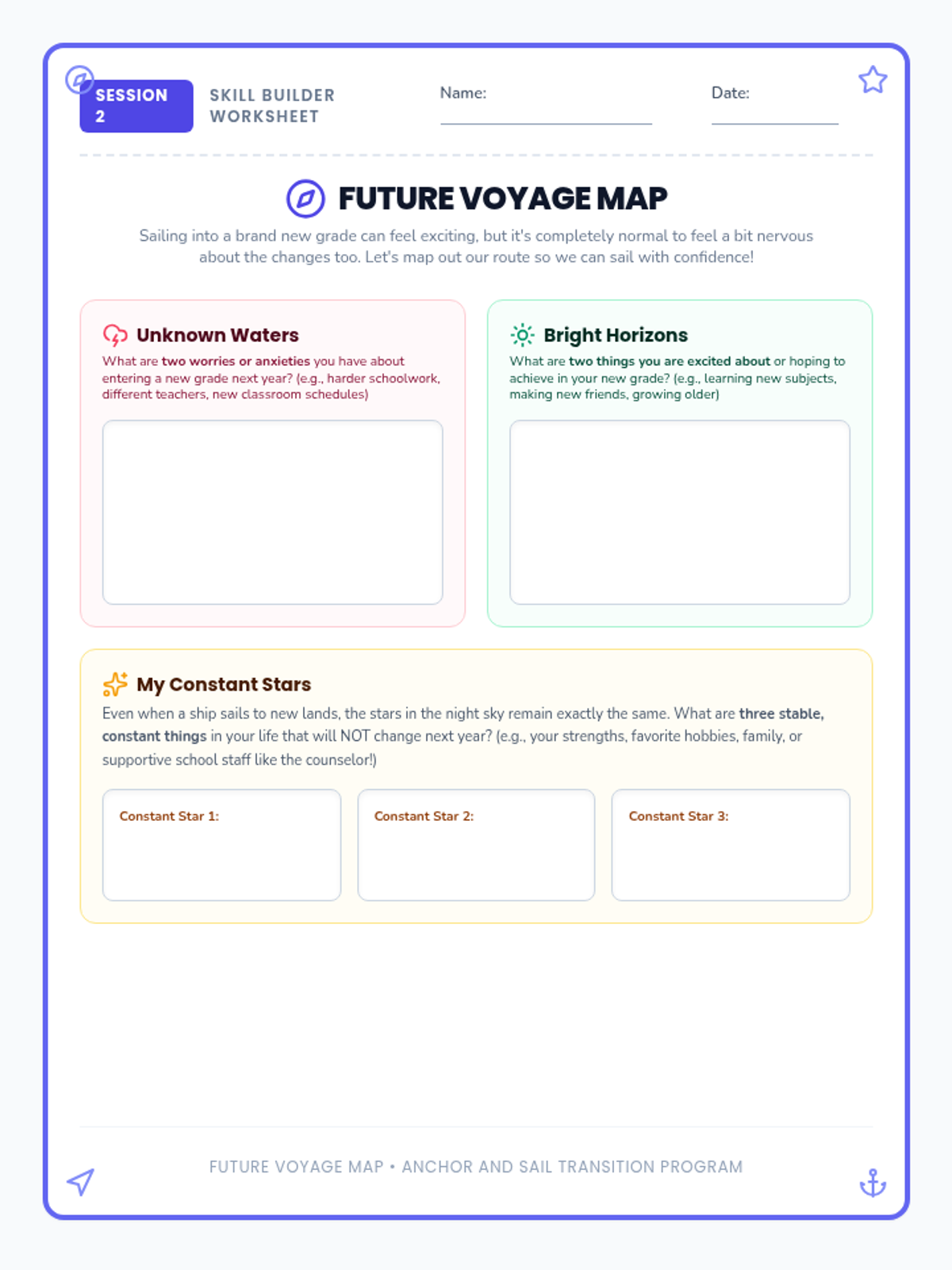
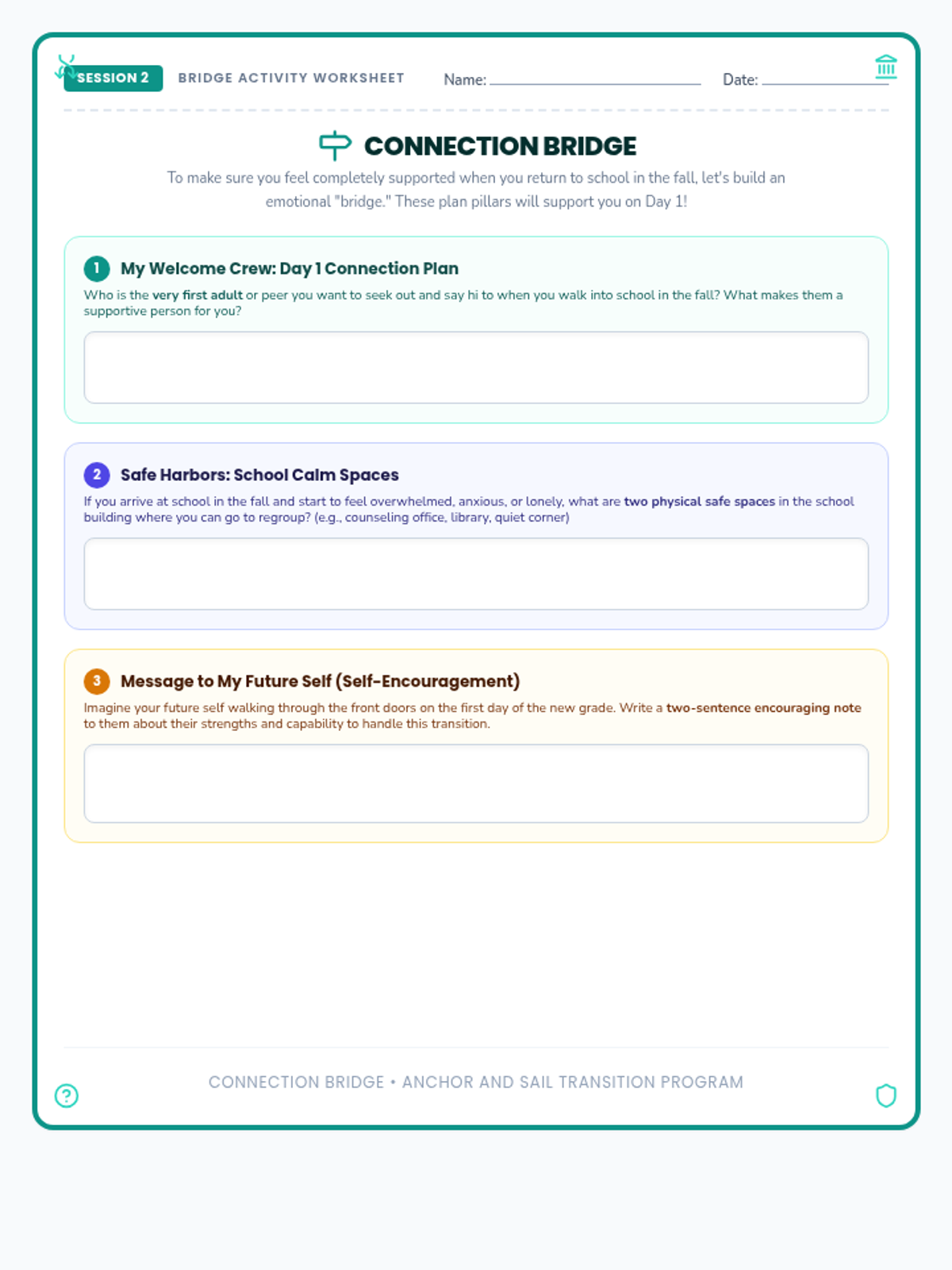
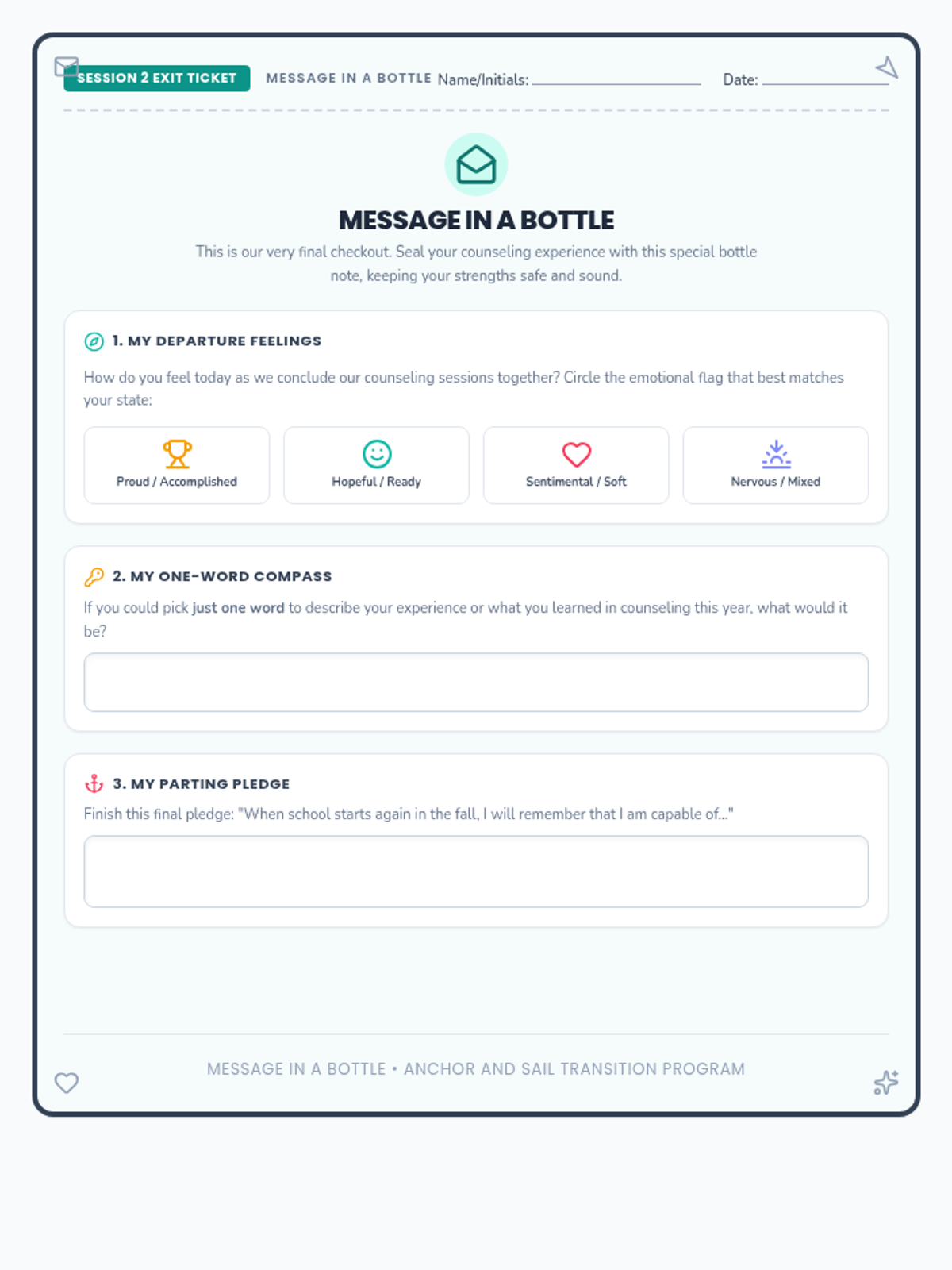
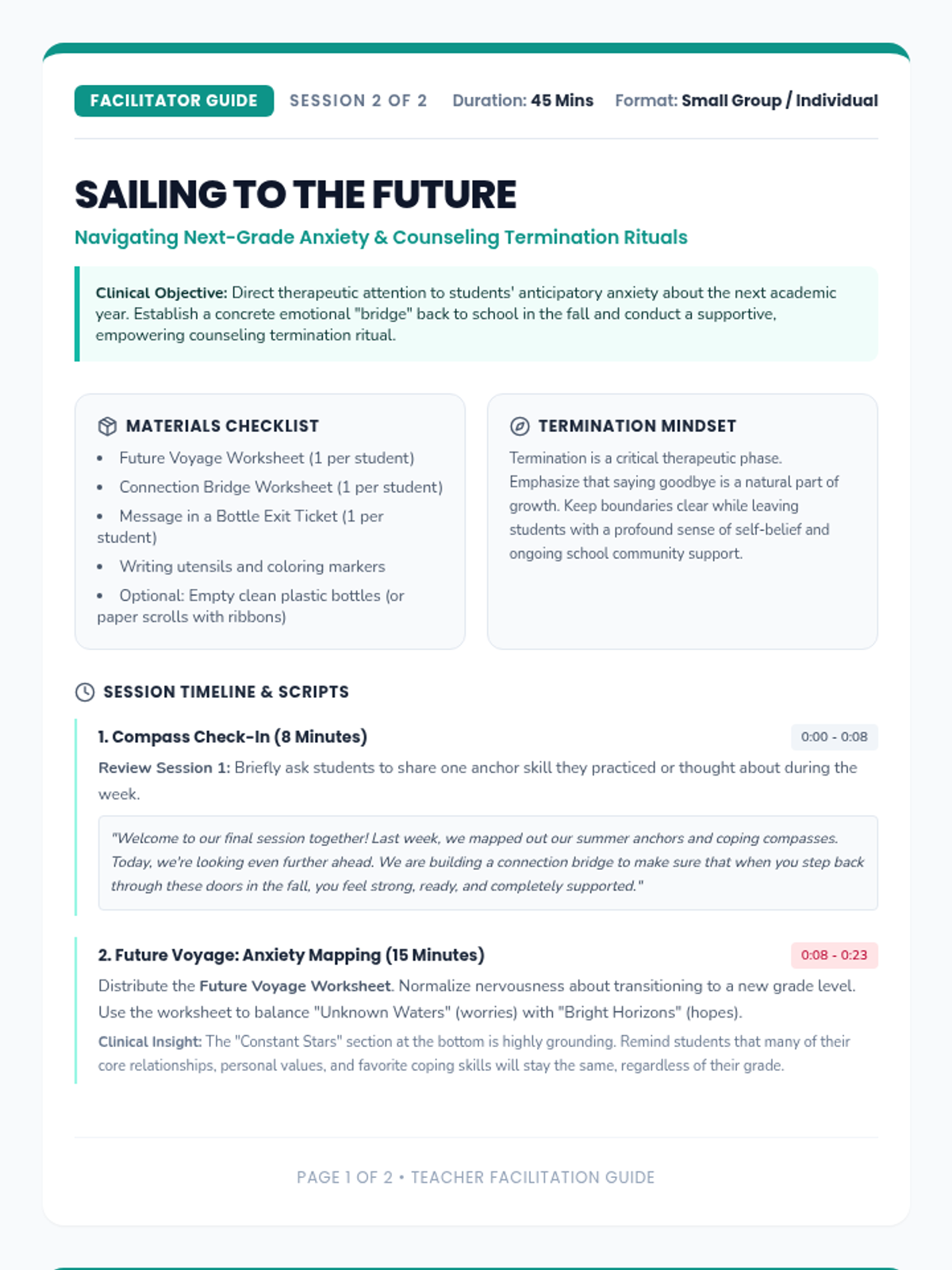
Session 2 focuses on addressing anxiety about entering a new grade, identifying what remains stable, building a concrete emotional "bridge" back to school in the fall, and conducting a meaningful counseling termination ritual.
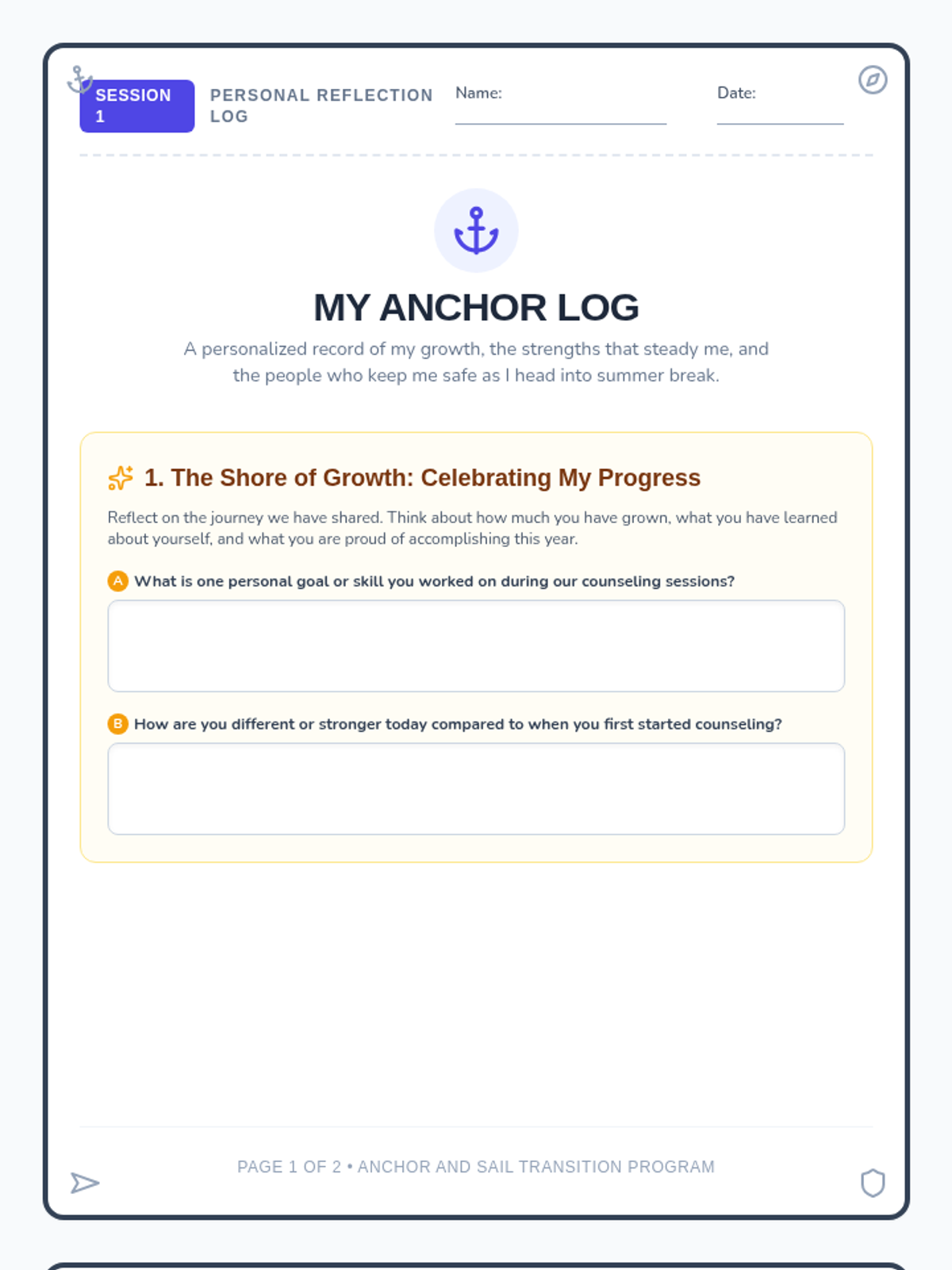
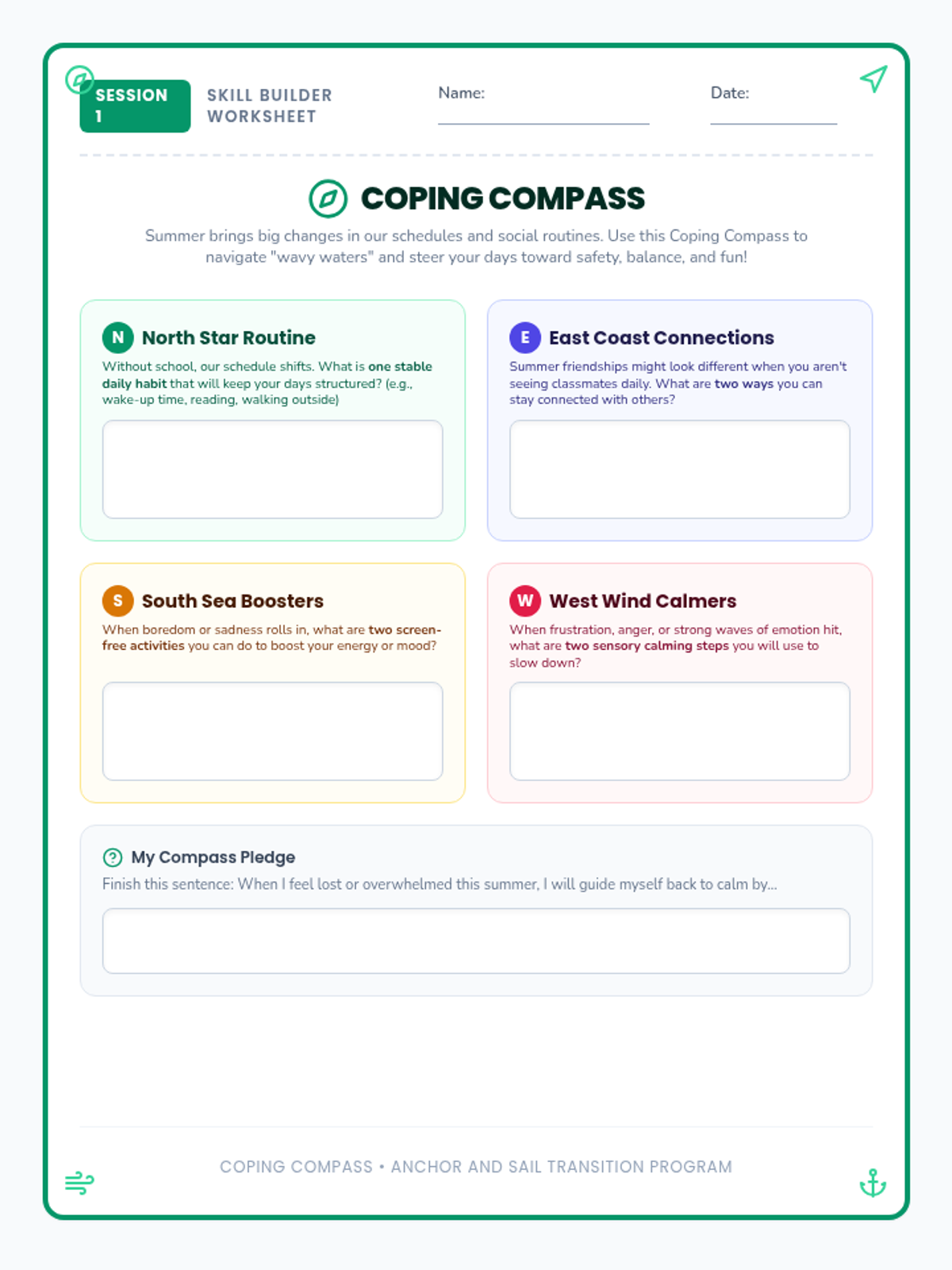
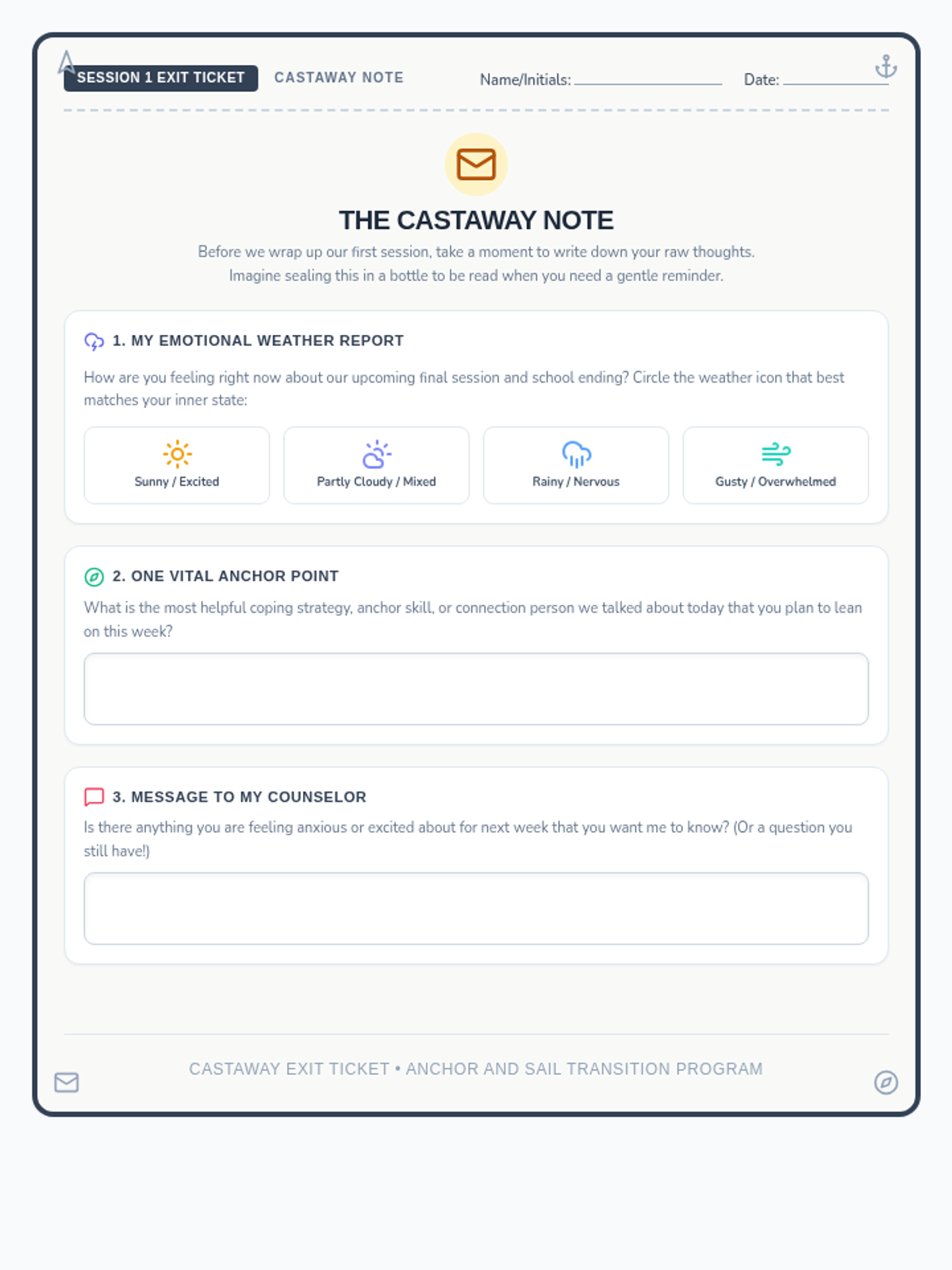
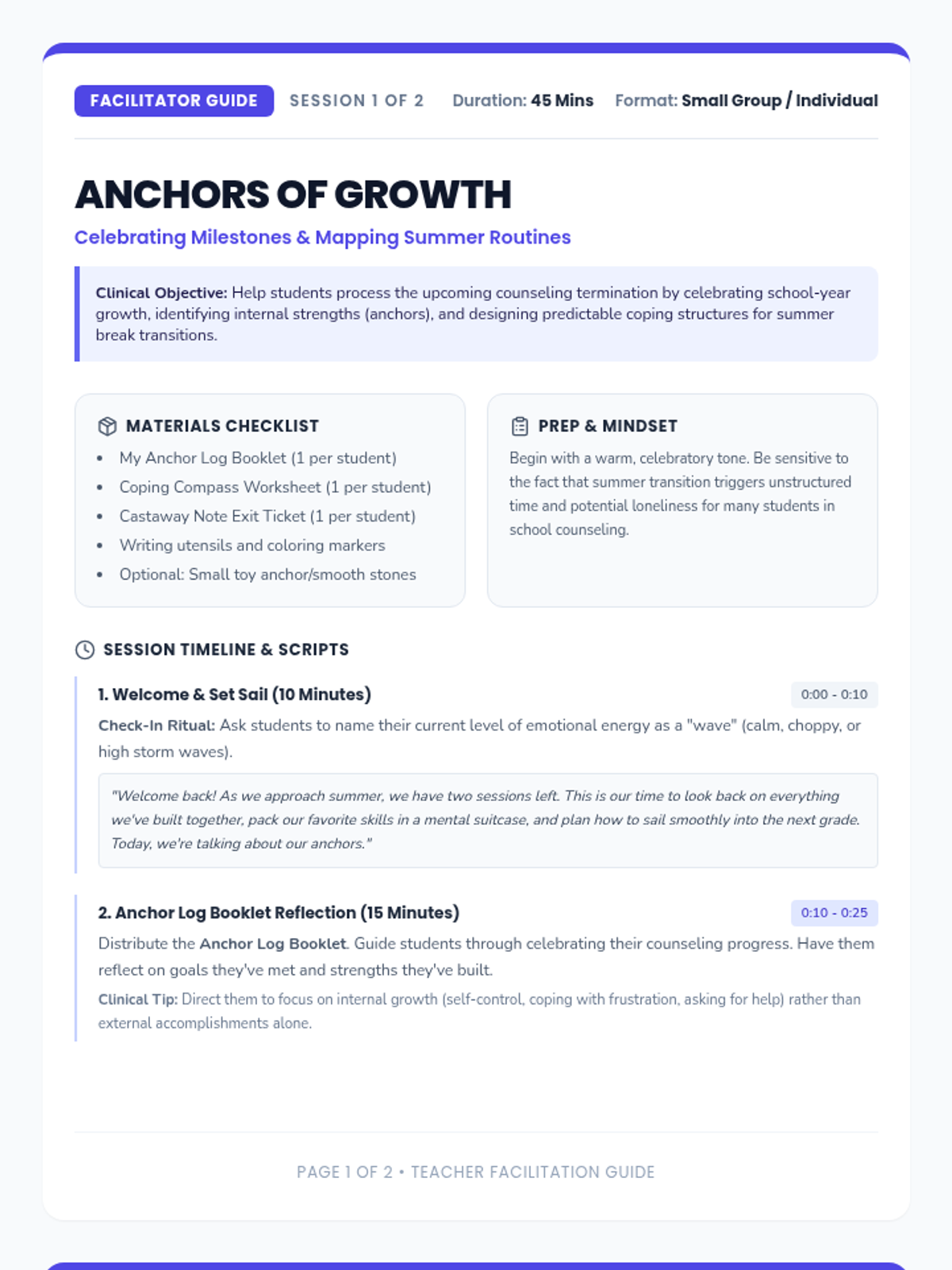
Session 1 focuses on reflecting on counseling progress, celebrating personal growth over the past year, identifying personal "anchors" (coping skills, support systems), and preparing for the changes in daily routines during summer break.
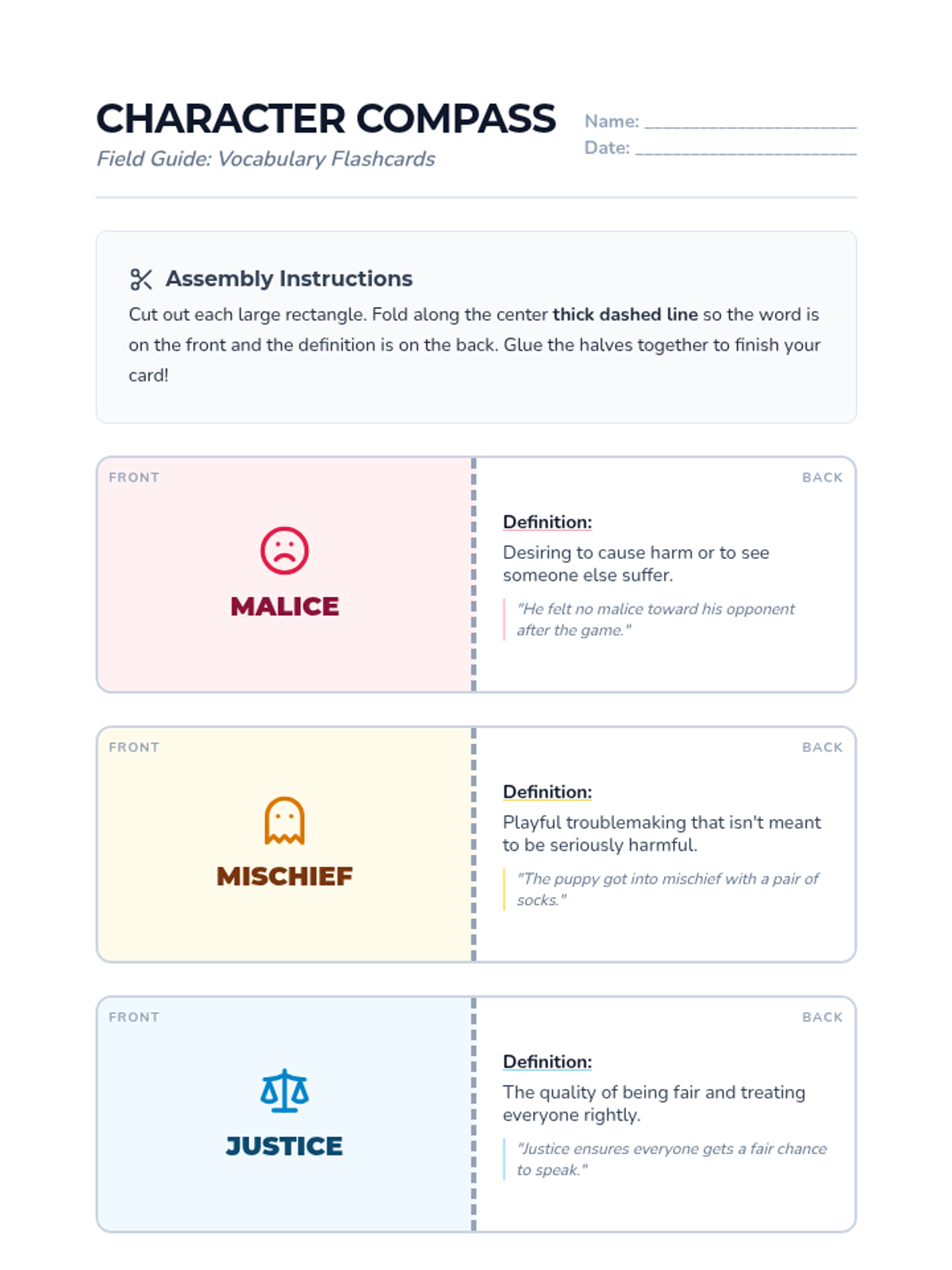
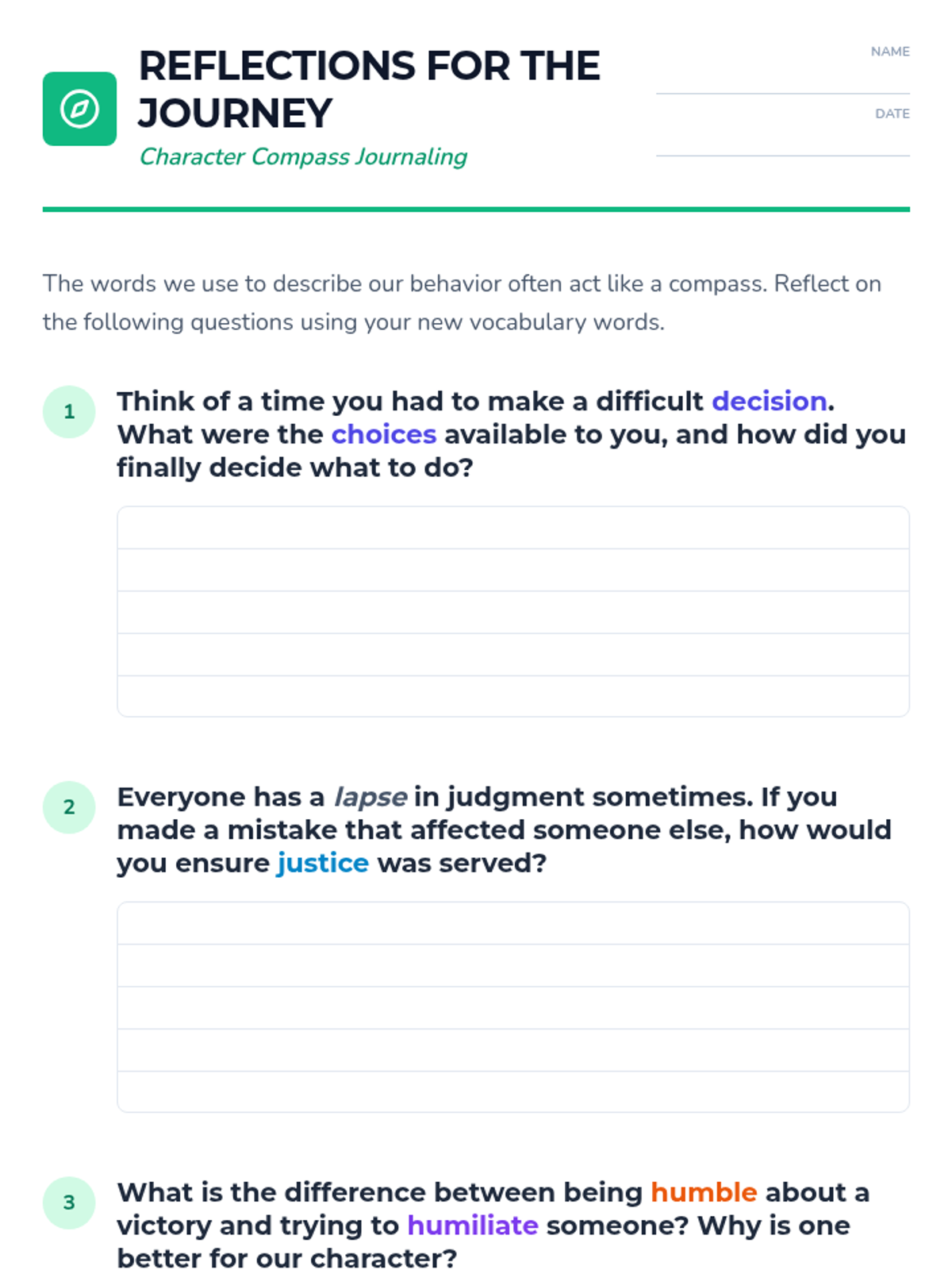
A lesson focused on social-emotional vocabulary, exploring how our choices and attitudes impact ourselves and others. Through foldable flashcards and reflective prompts, students navigate the complexities of character.
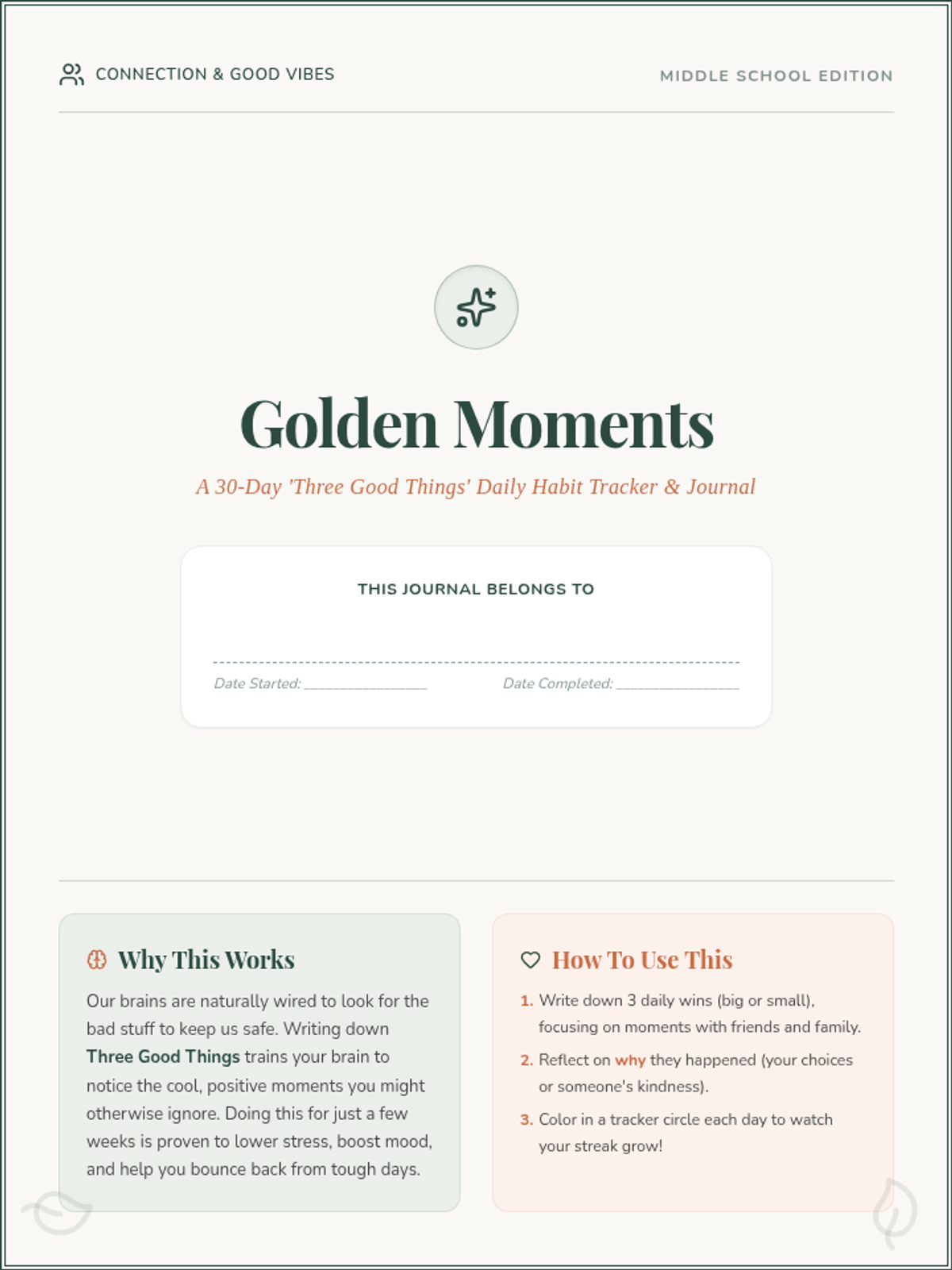
A transformative lesson introducing students to the psychological science of gratitude, centered on the 'Three Good Things' daily habit to build mental resilience, optimism, and emotional wellbeing.
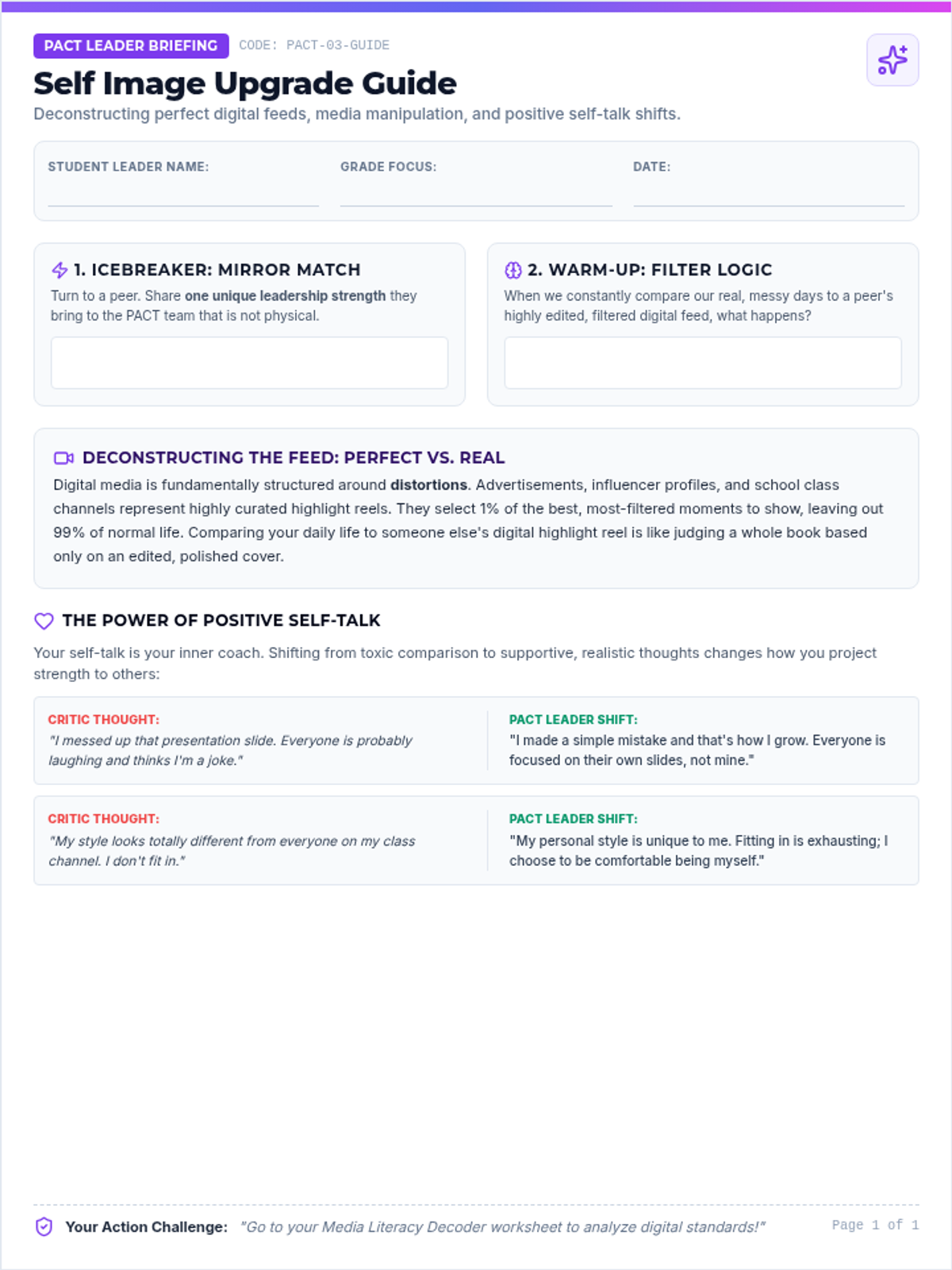
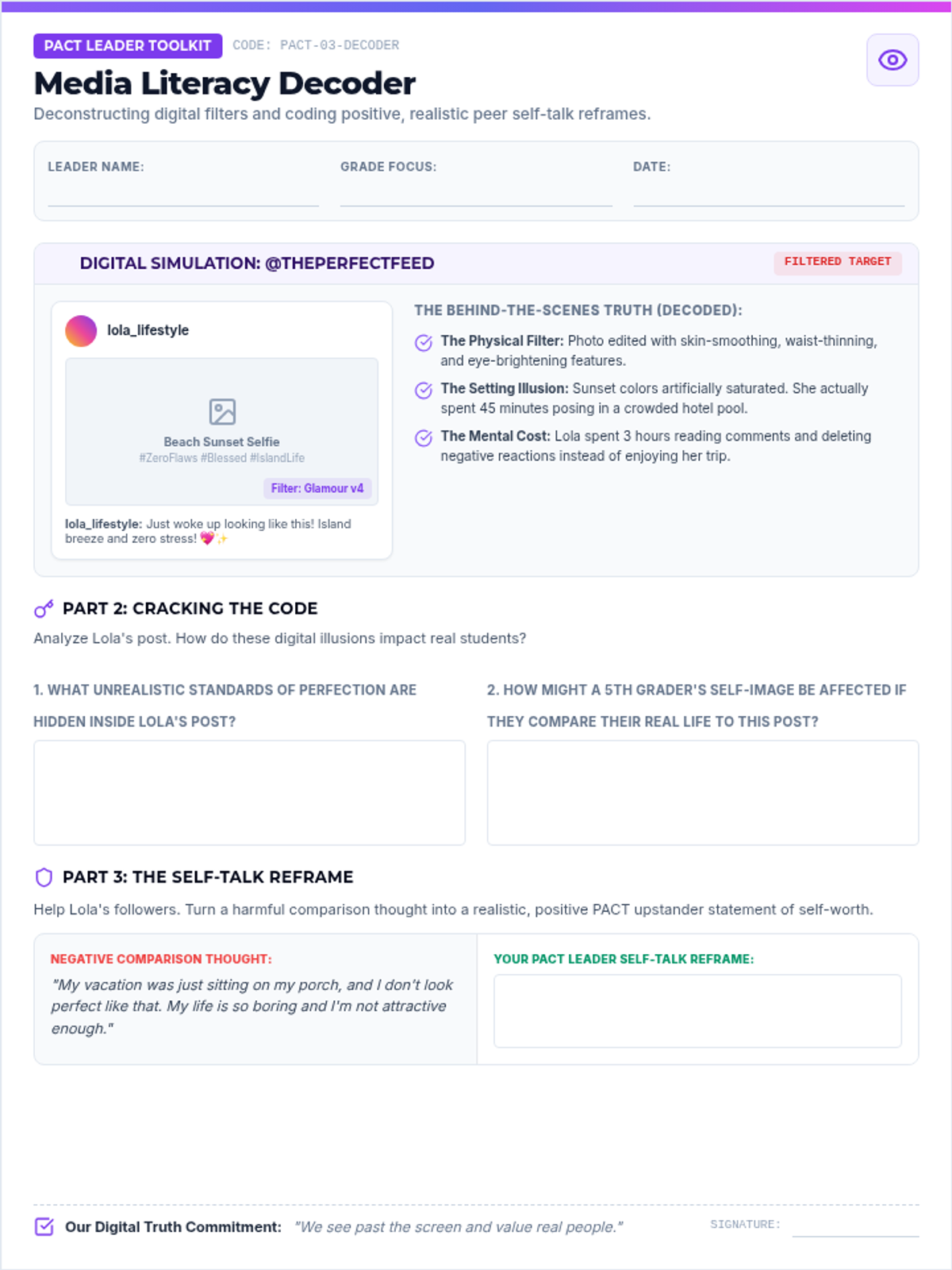
Focuses on building self-worth, identifying negative media messages, and shifting personal and peer narratives through positive self-talk strategies.
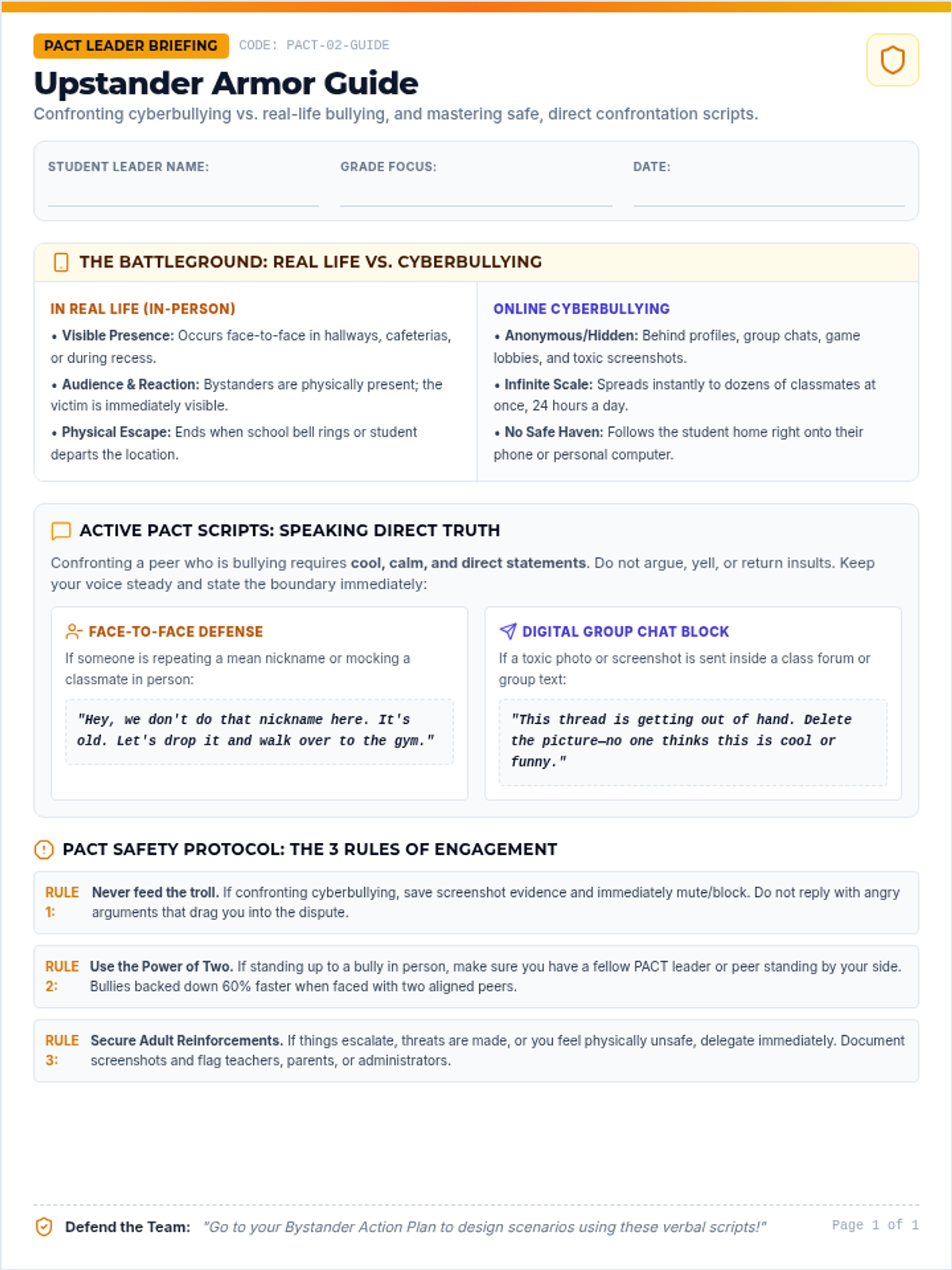
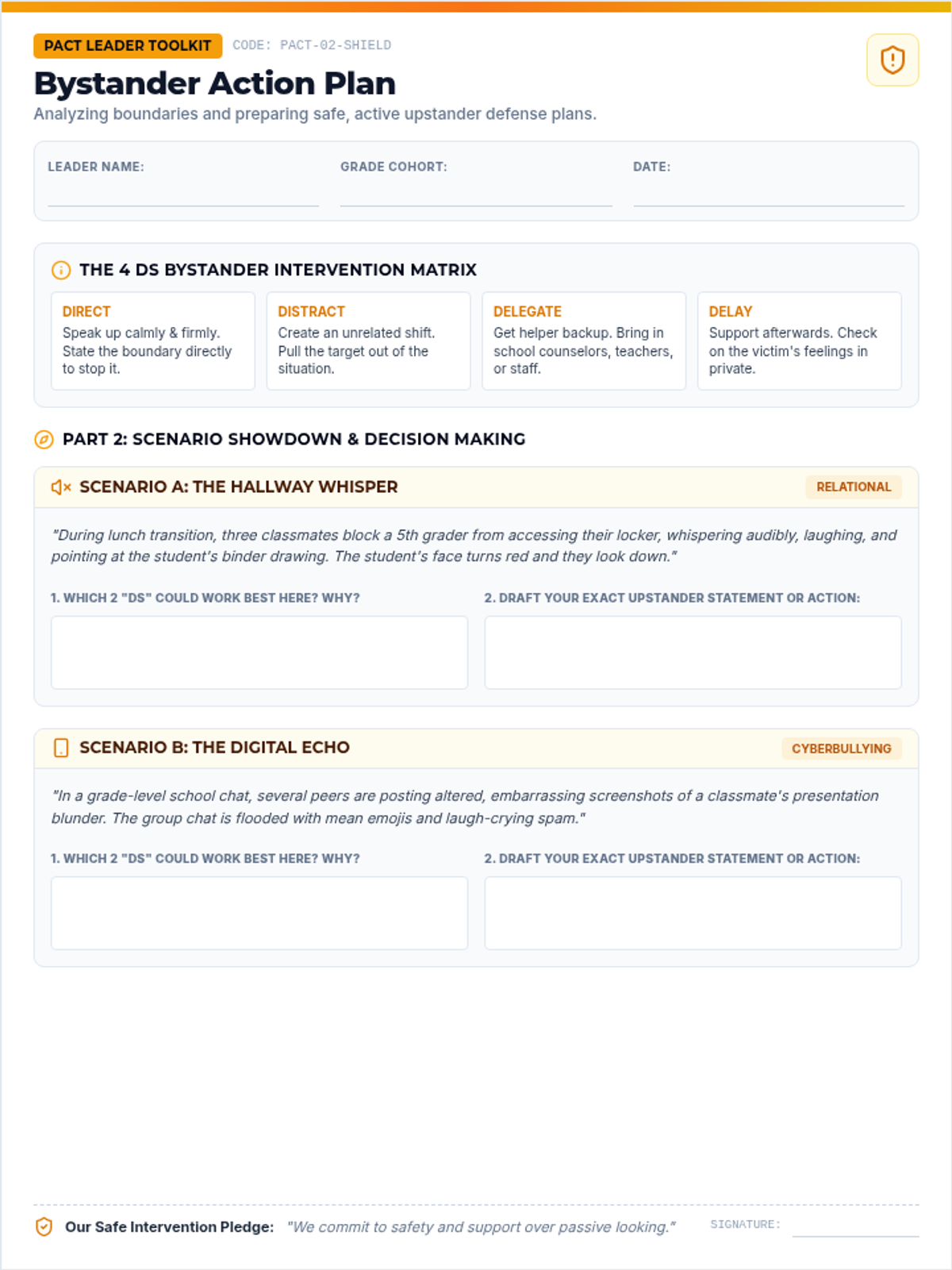
Teaches student leaders to identify the fine line between teasing and bullying, and equips them with safe, practical upstander intervention and peer support frameworks.
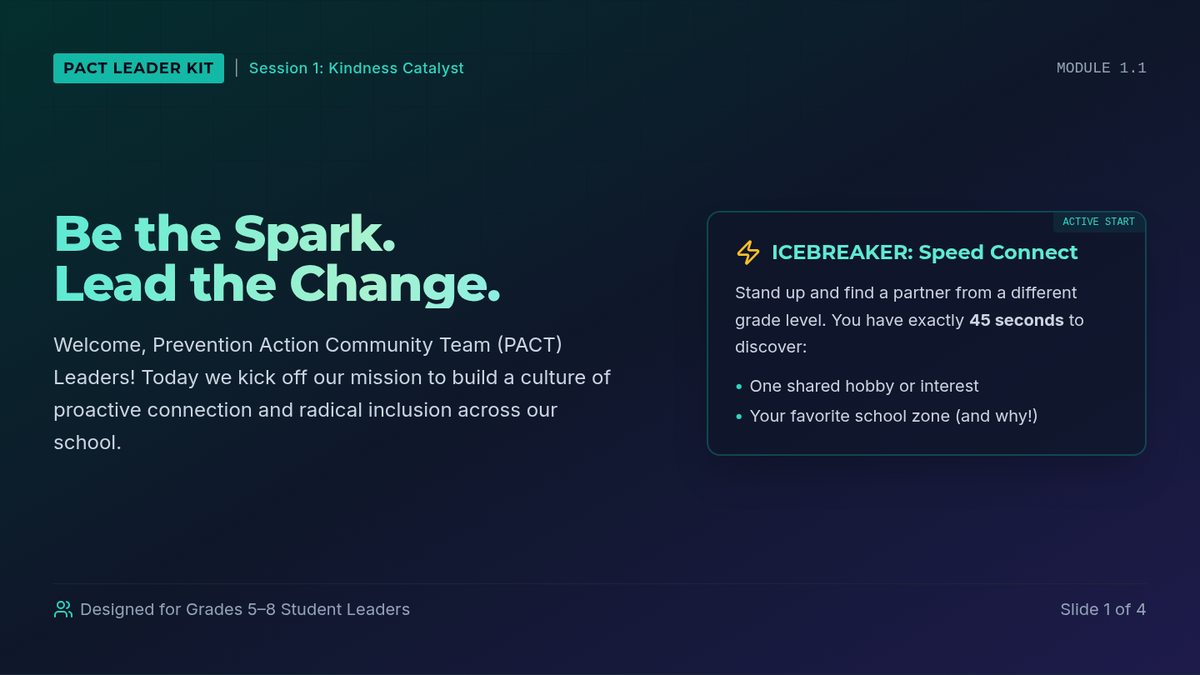
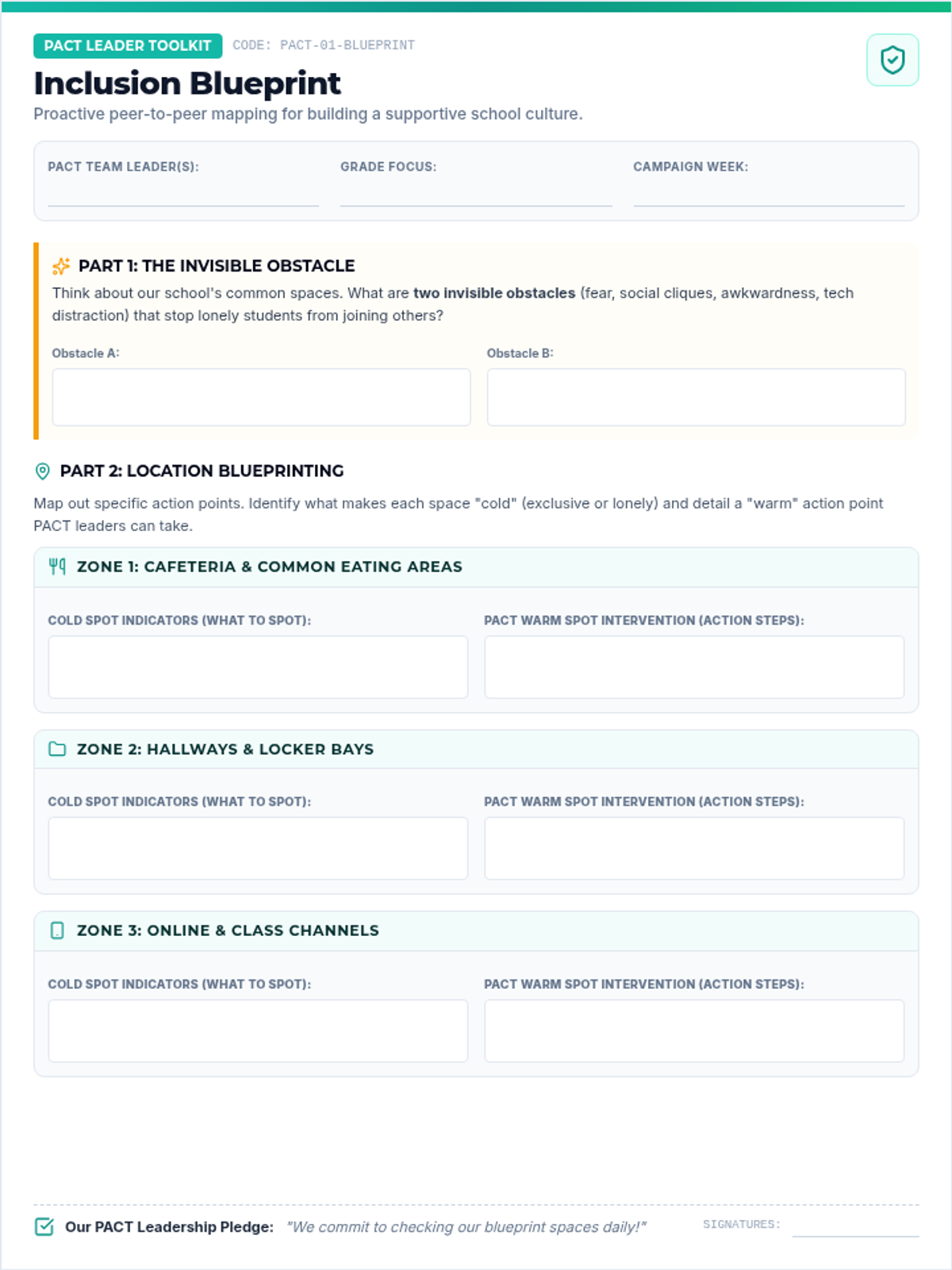
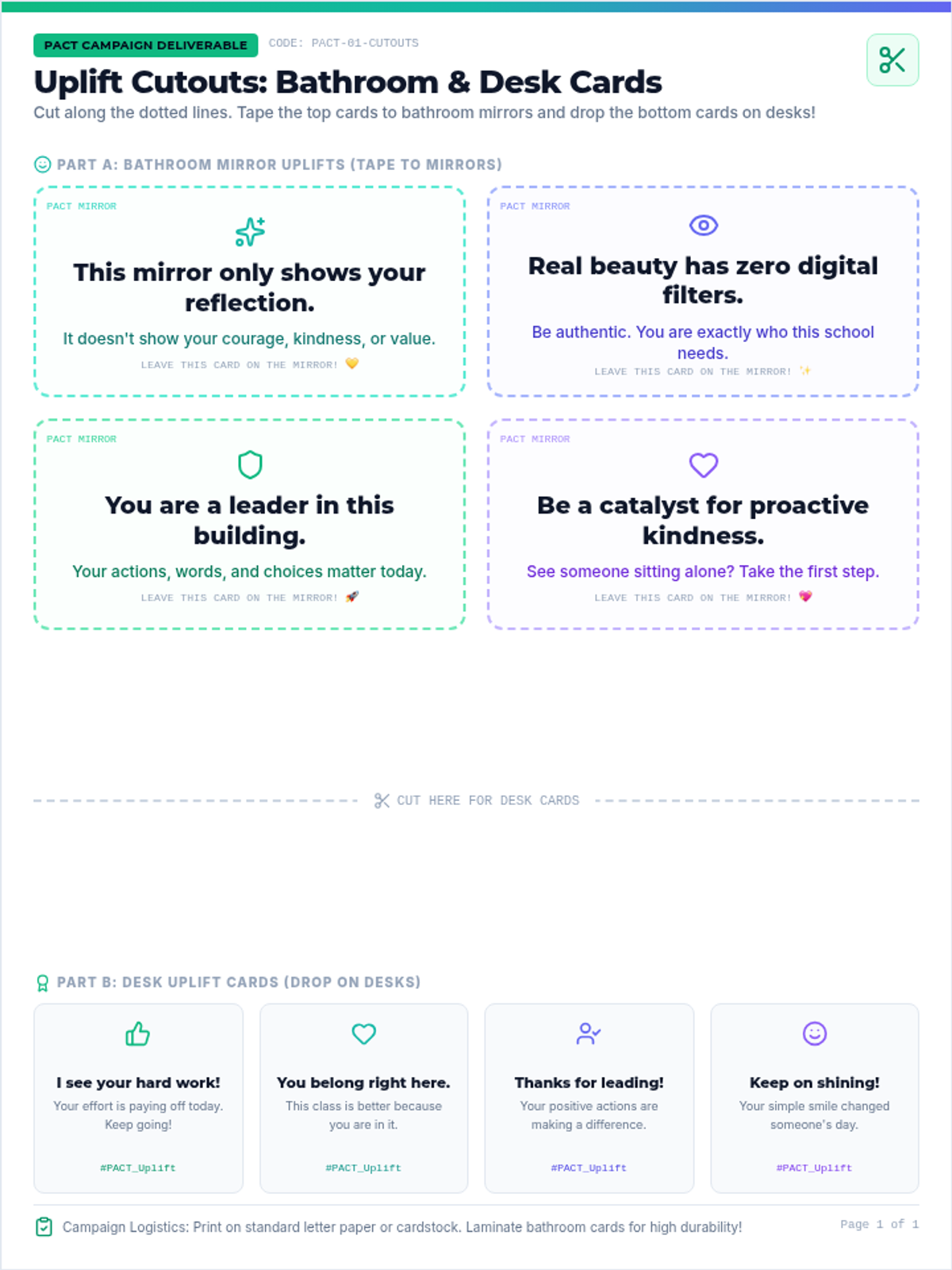
Equips PACT student leaders with core concepts of proactive inclusion, empathy, and positive peer-to-peer connection. Features a hands-on inclusion blueprint worksheet and peer training presentation.
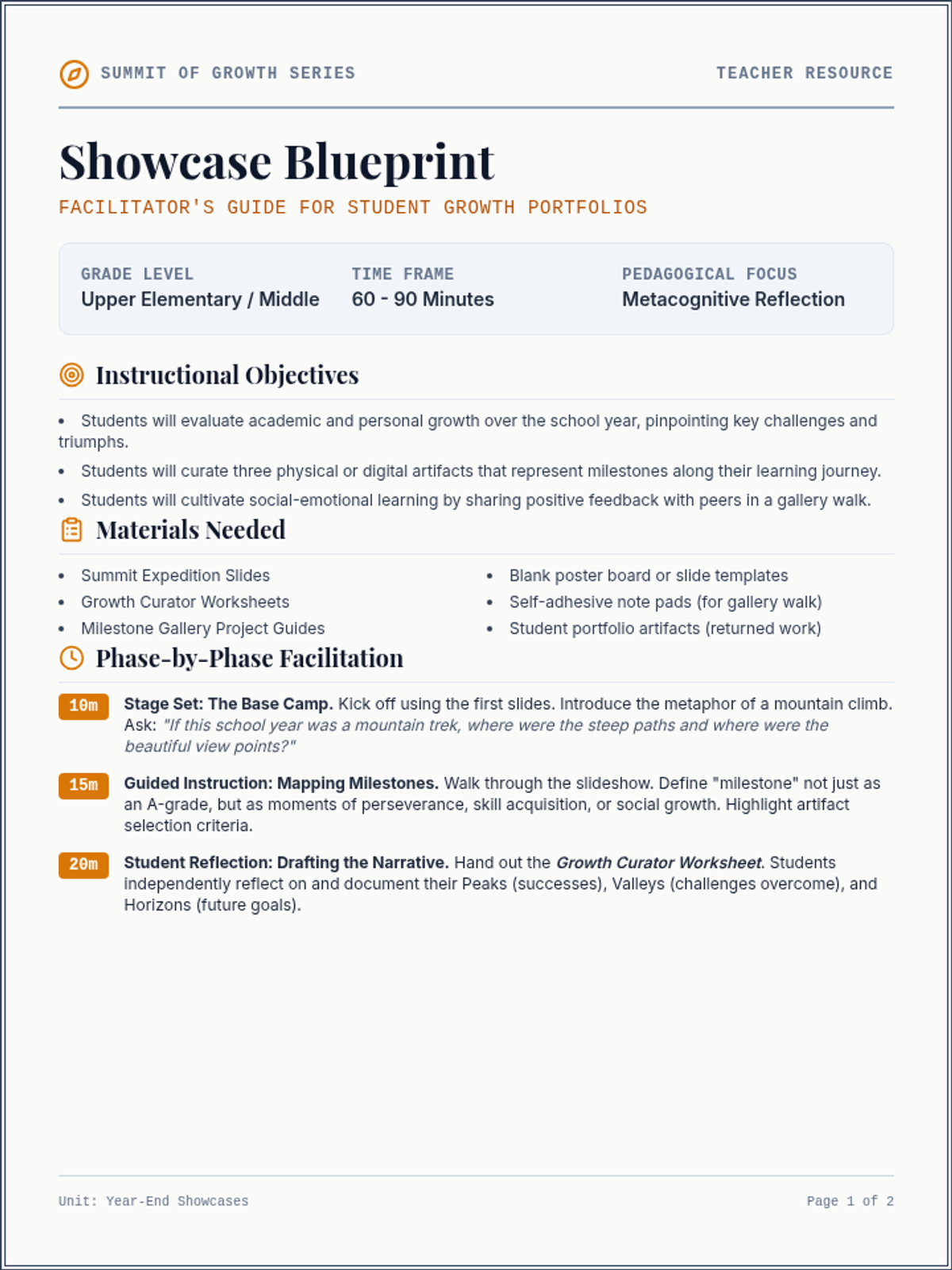
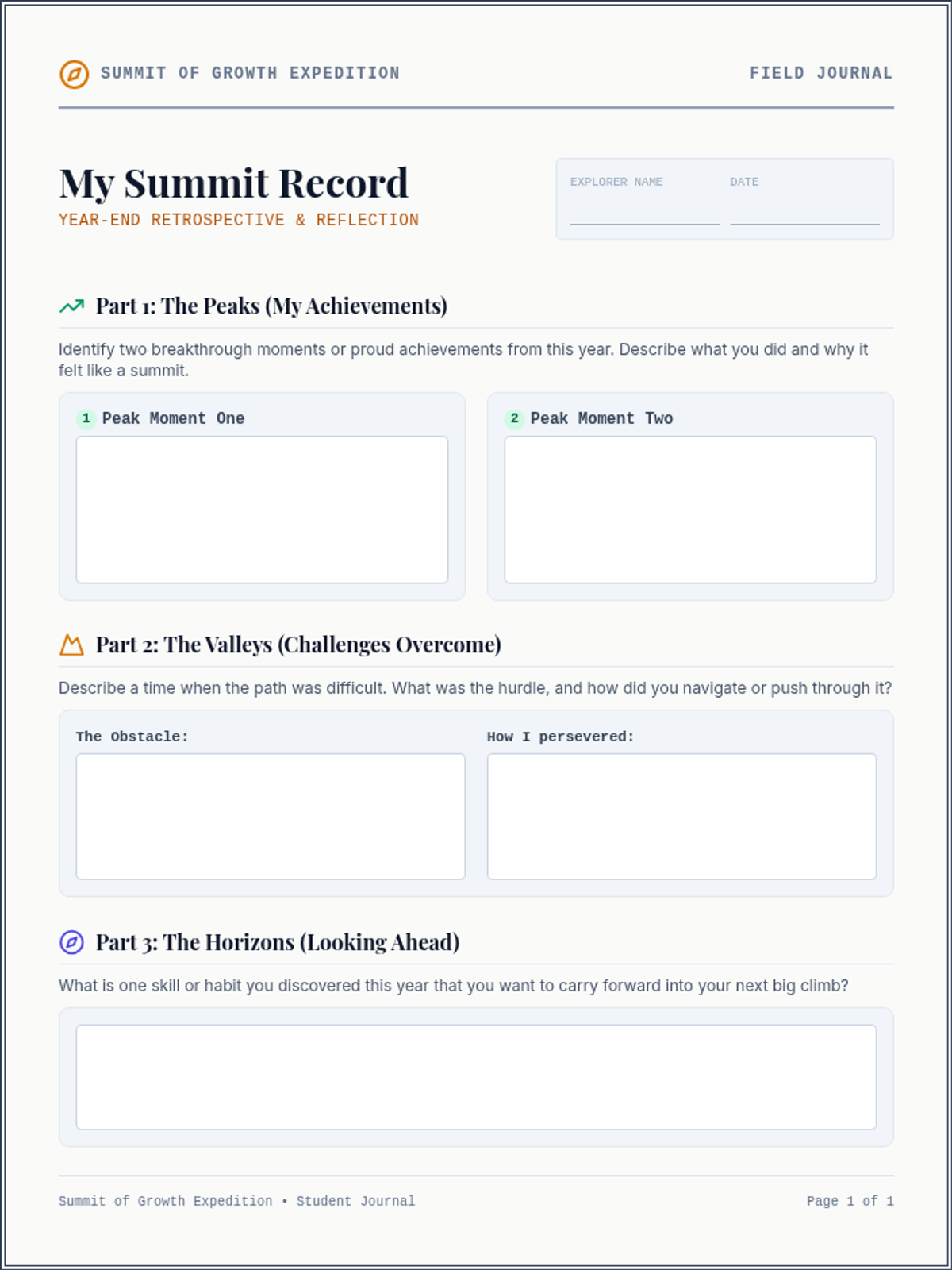
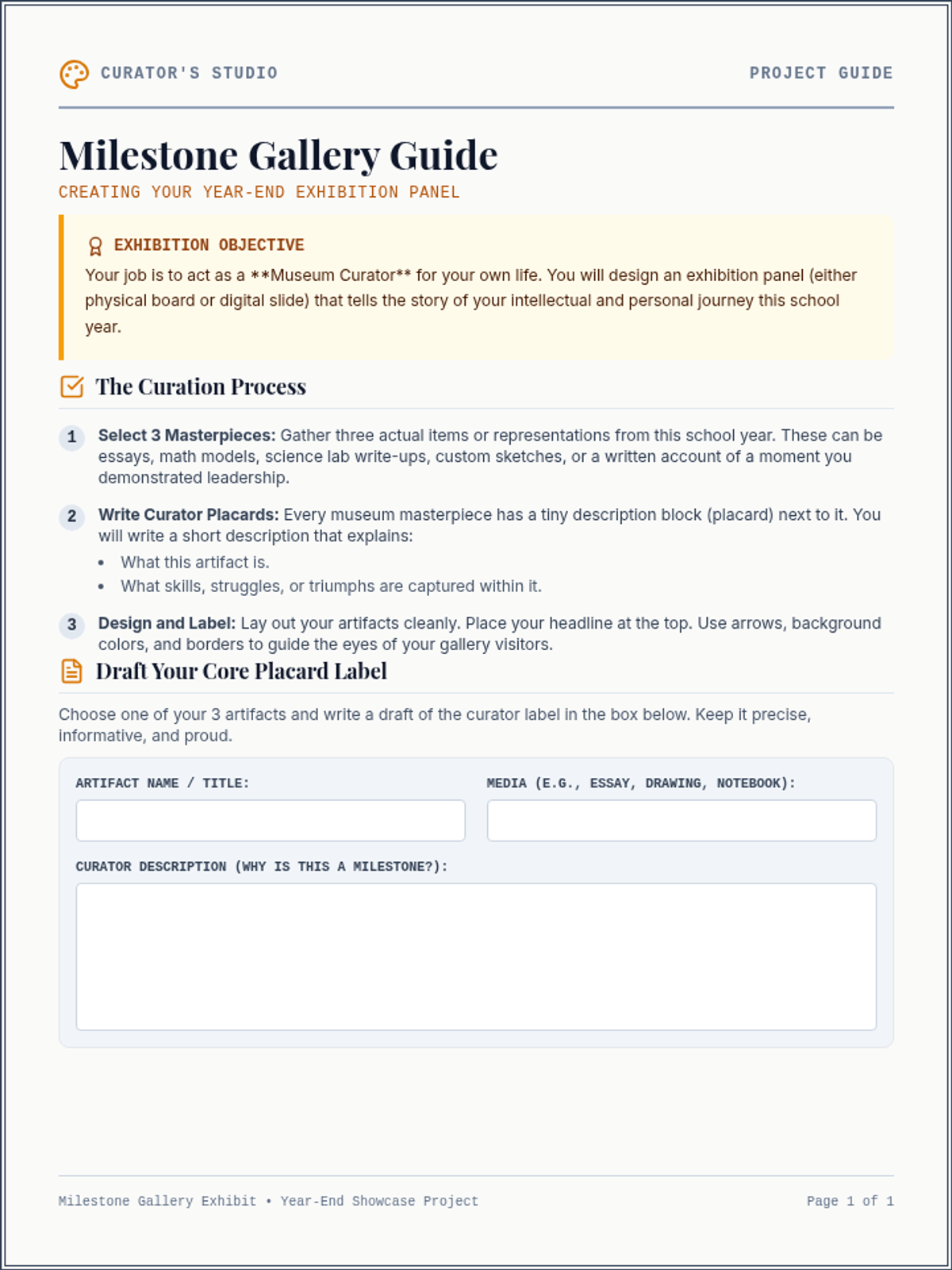
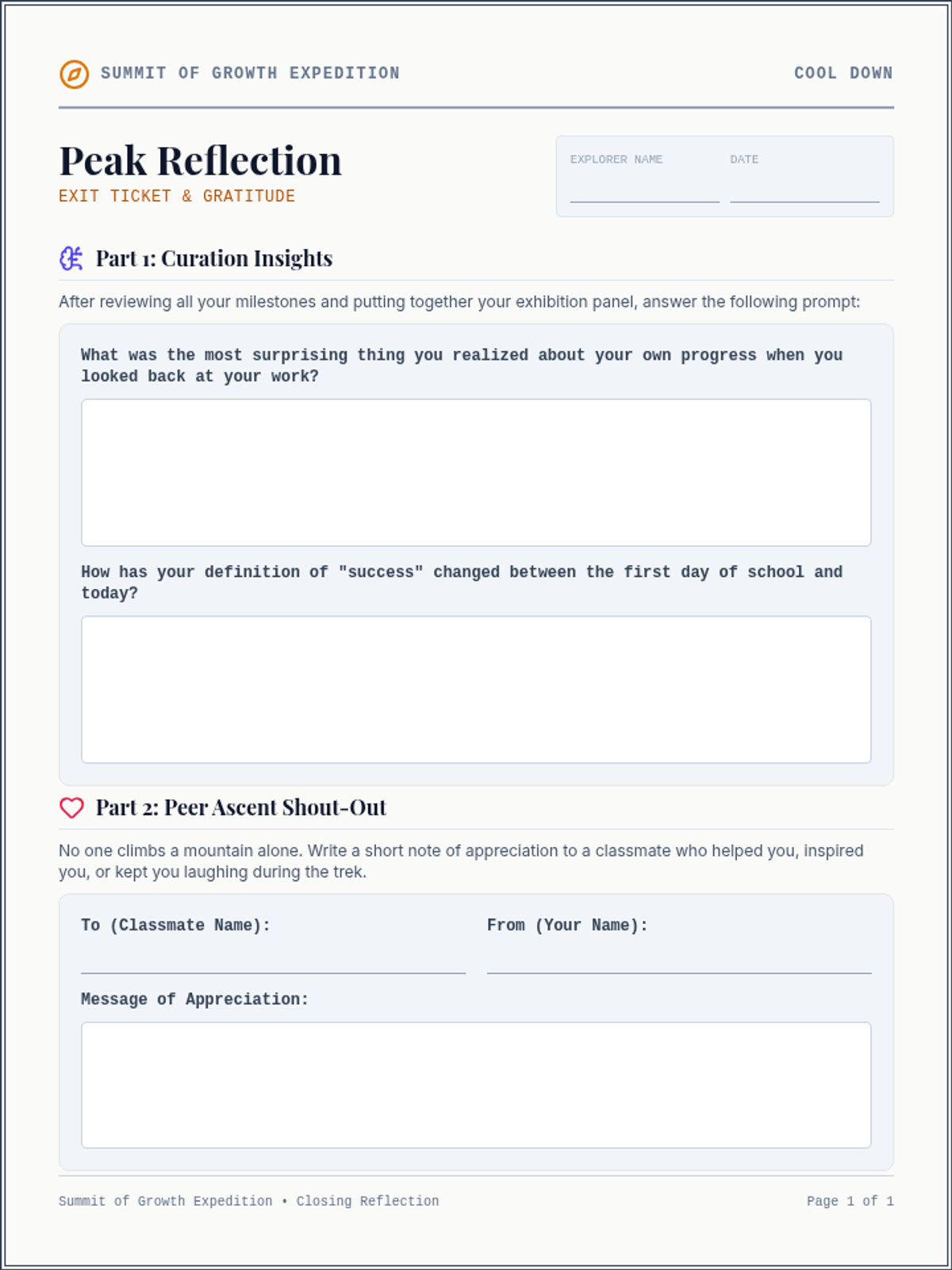
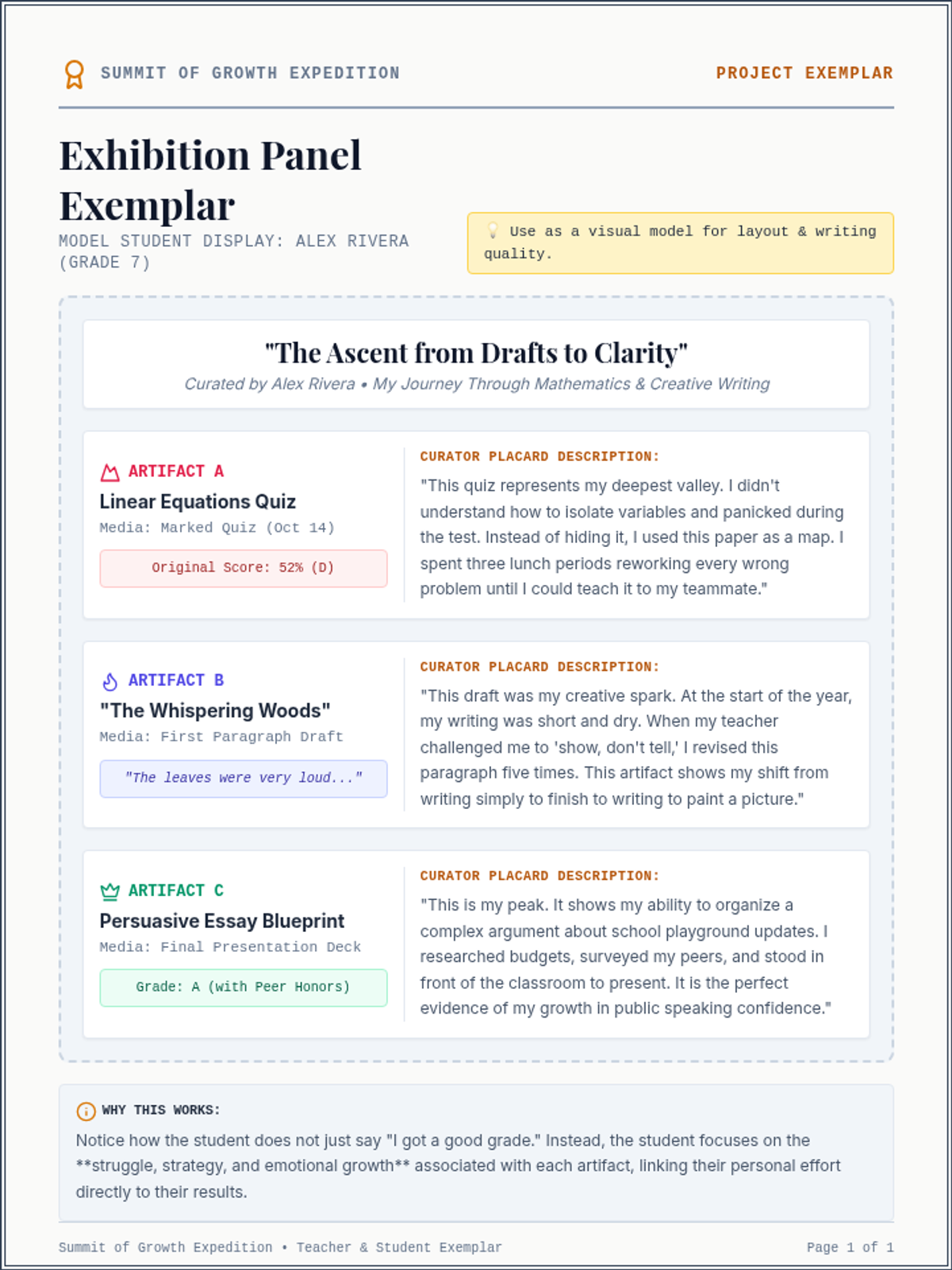
A comprehensive lesson guiding students through a structured reflection on their growth, achievements, and challenges over the school year, culminating in a creative milestone showcase portfolio.
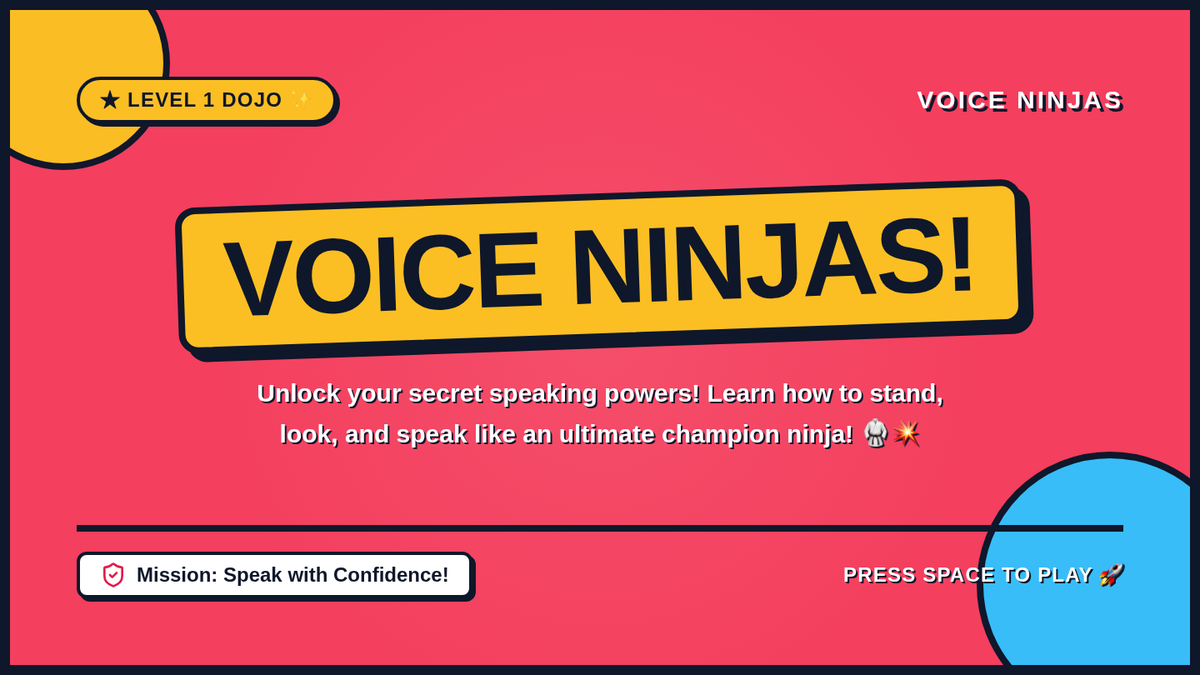
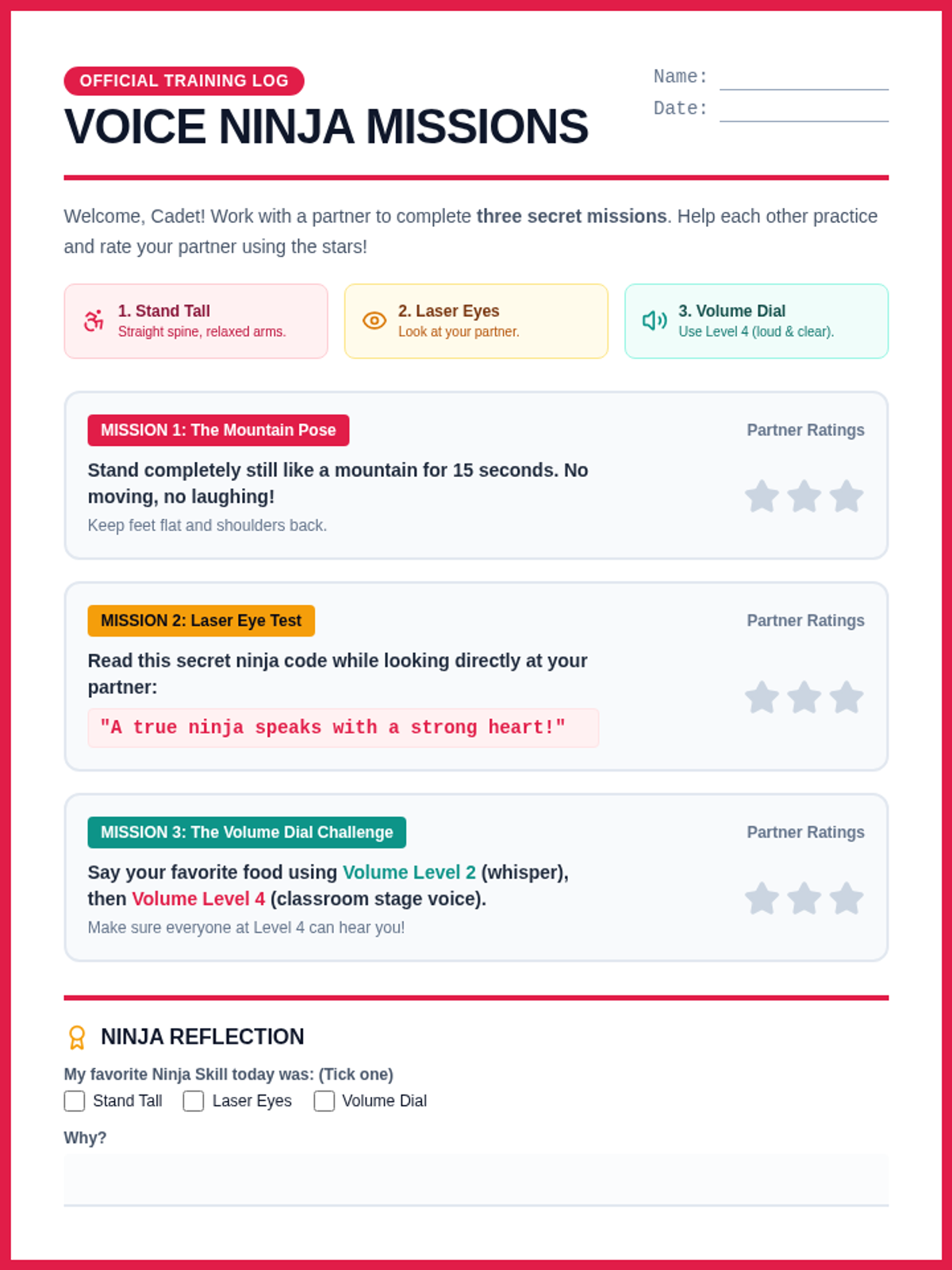
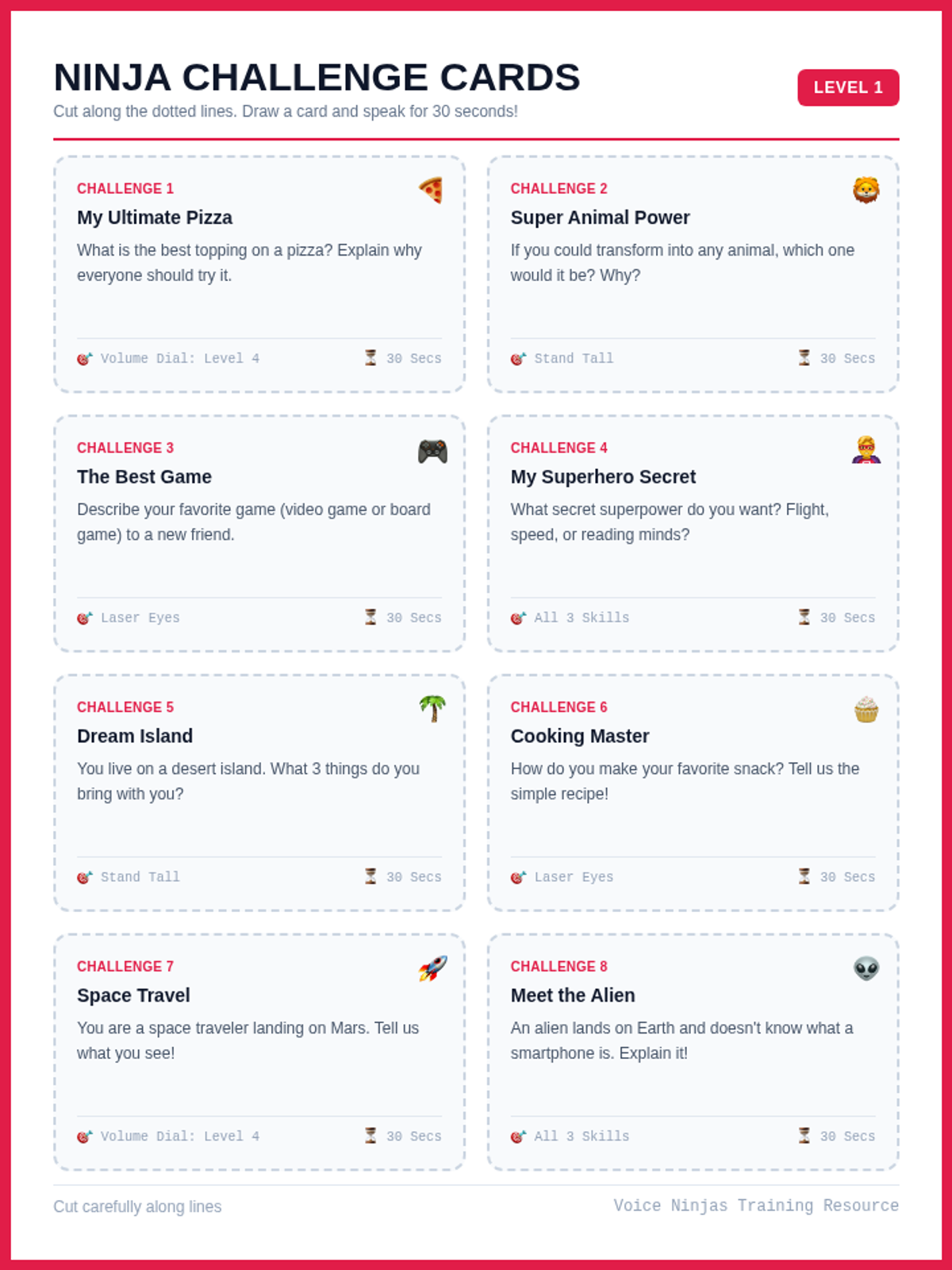
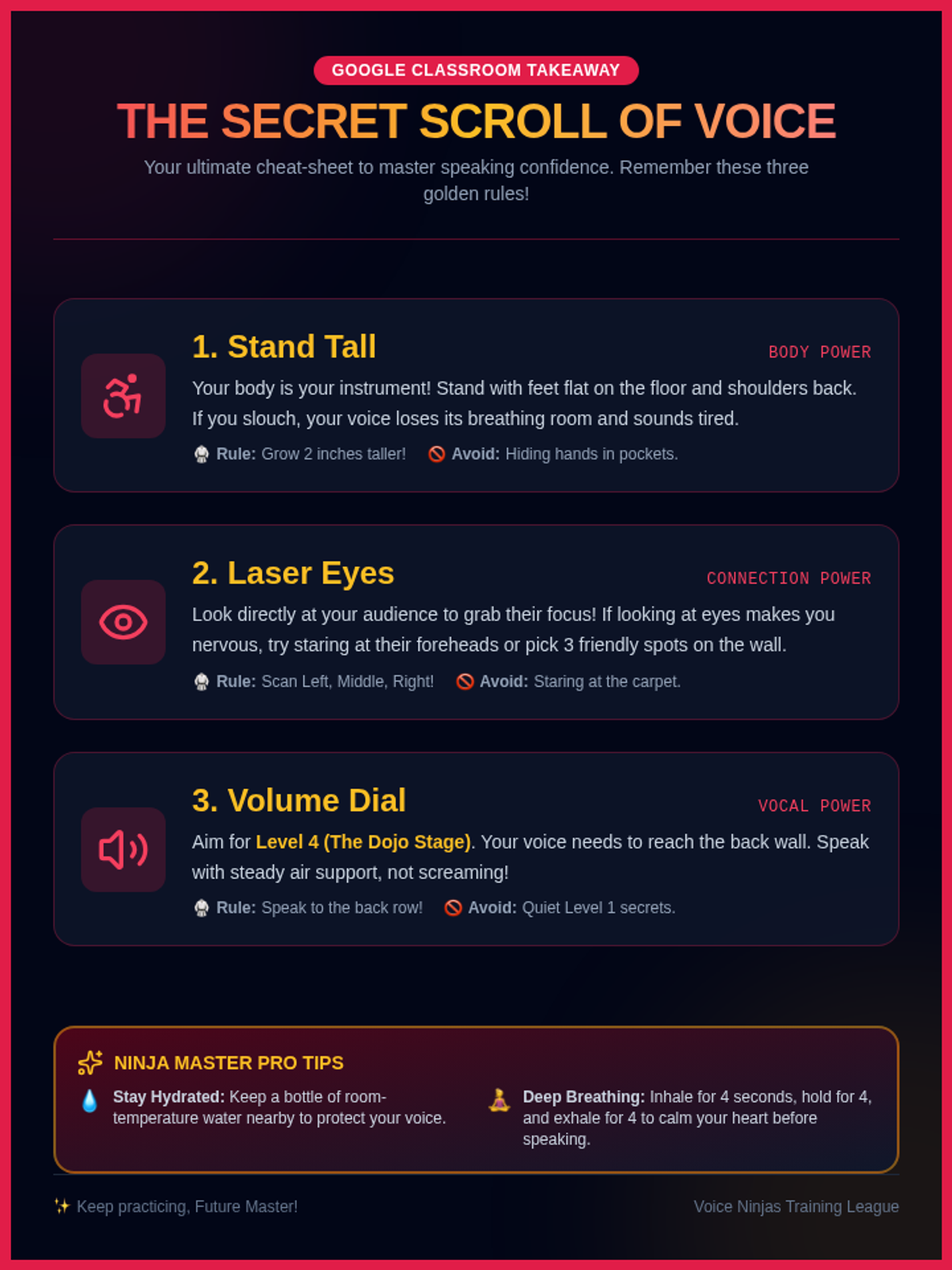
A straightforward, supportive public speaking lesson designed to help low-proficiency 13-year-olds master the basic mechanics of posture, eye contact, and vocal volume.
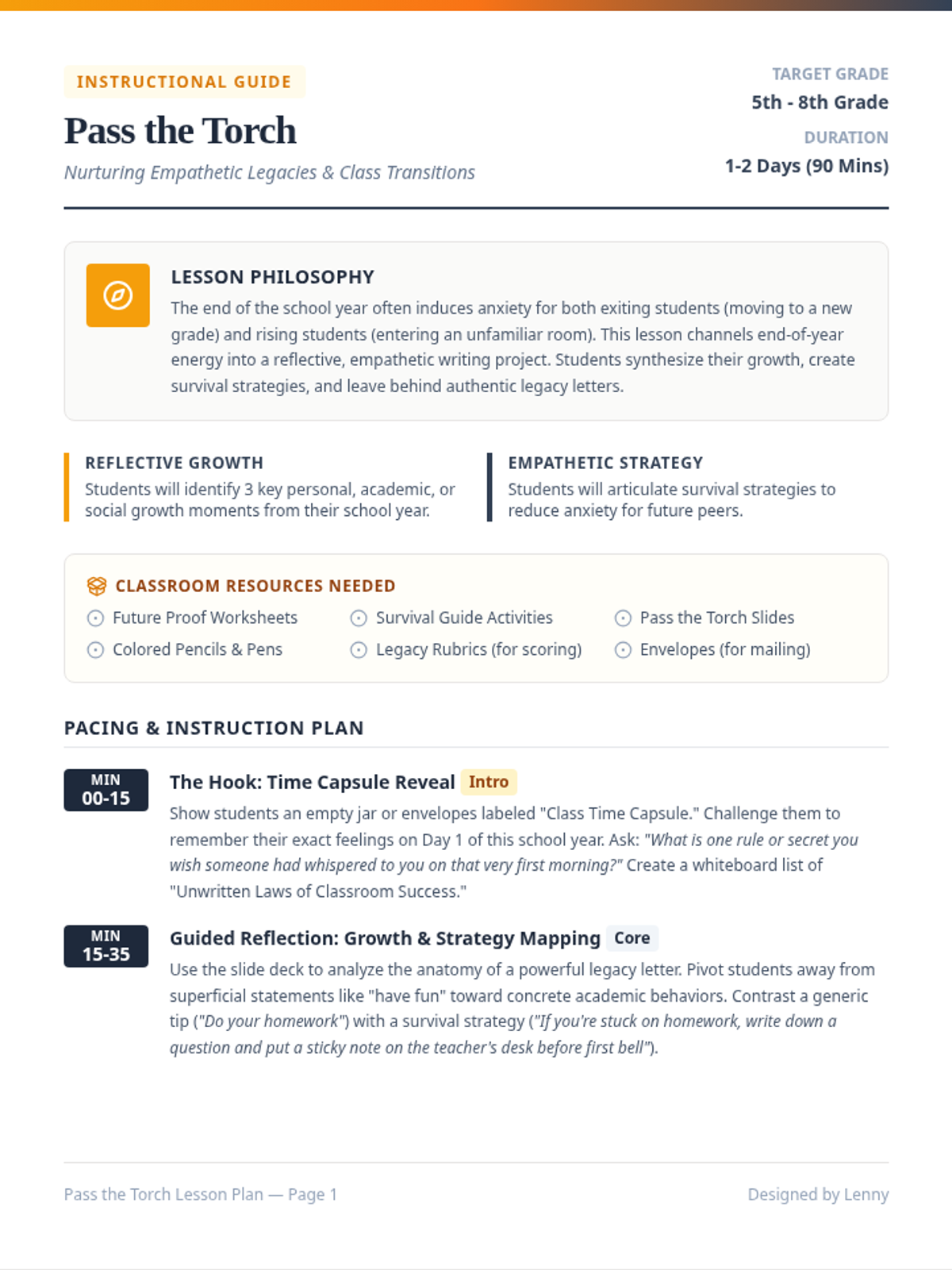
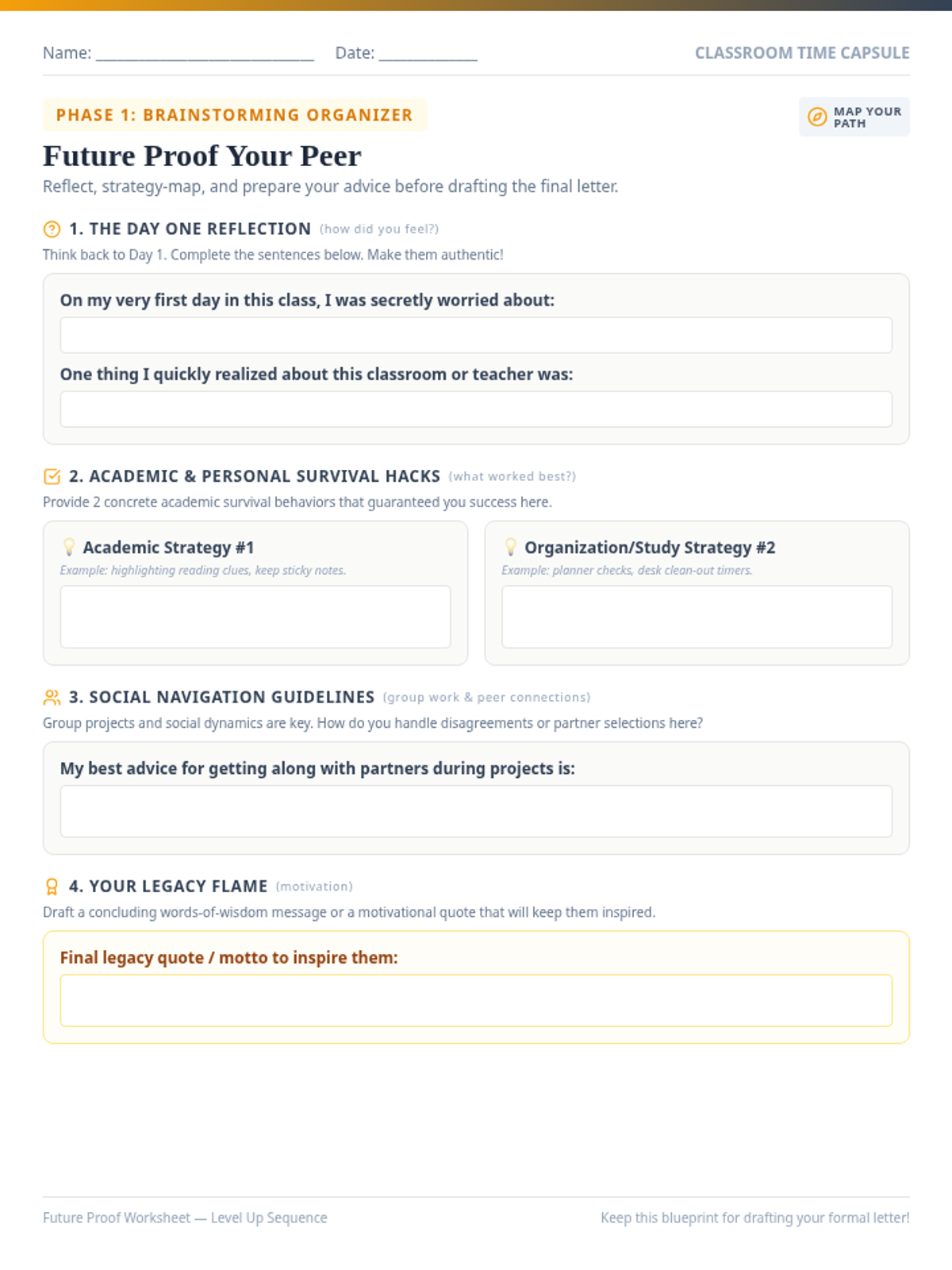
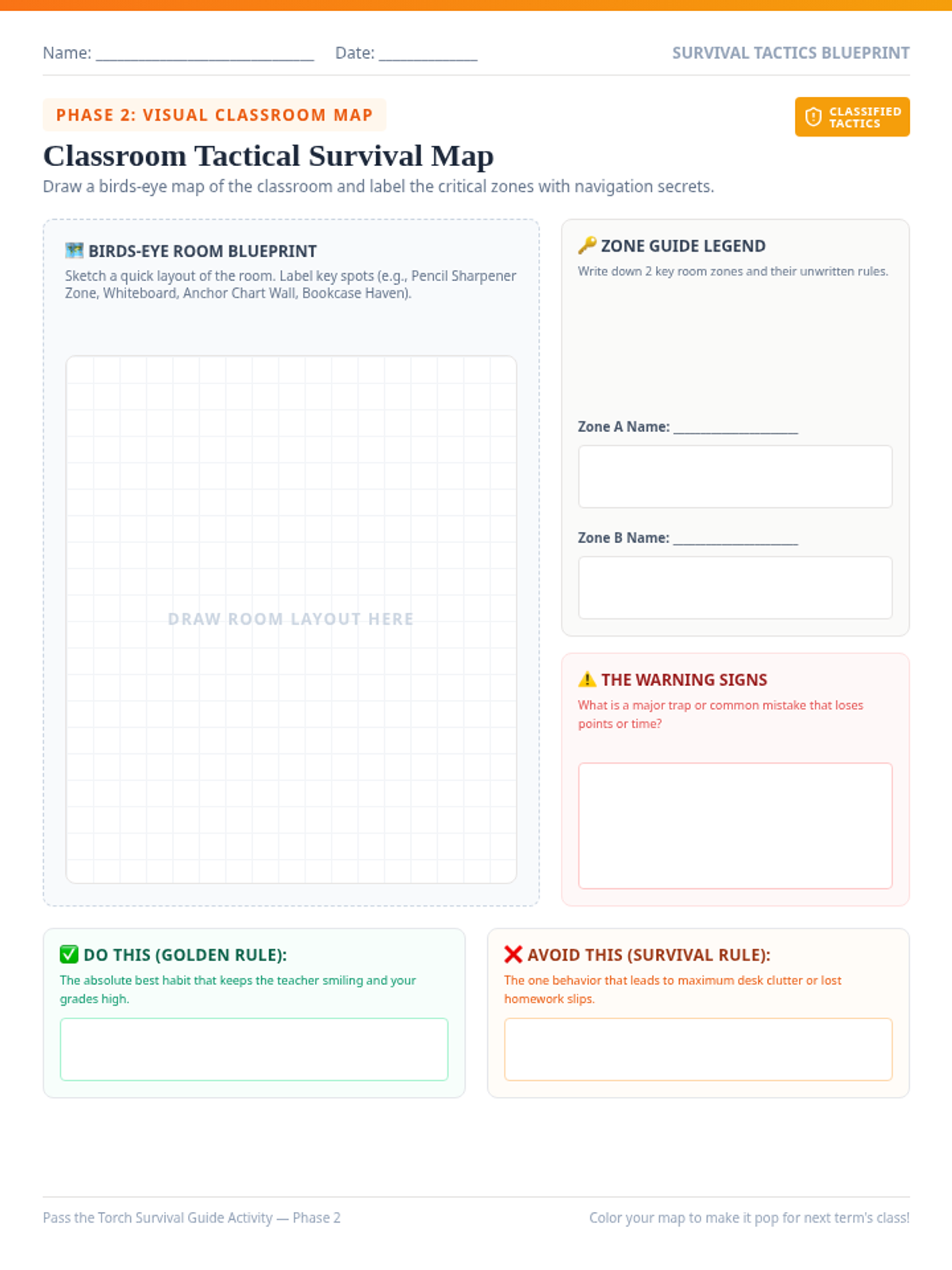
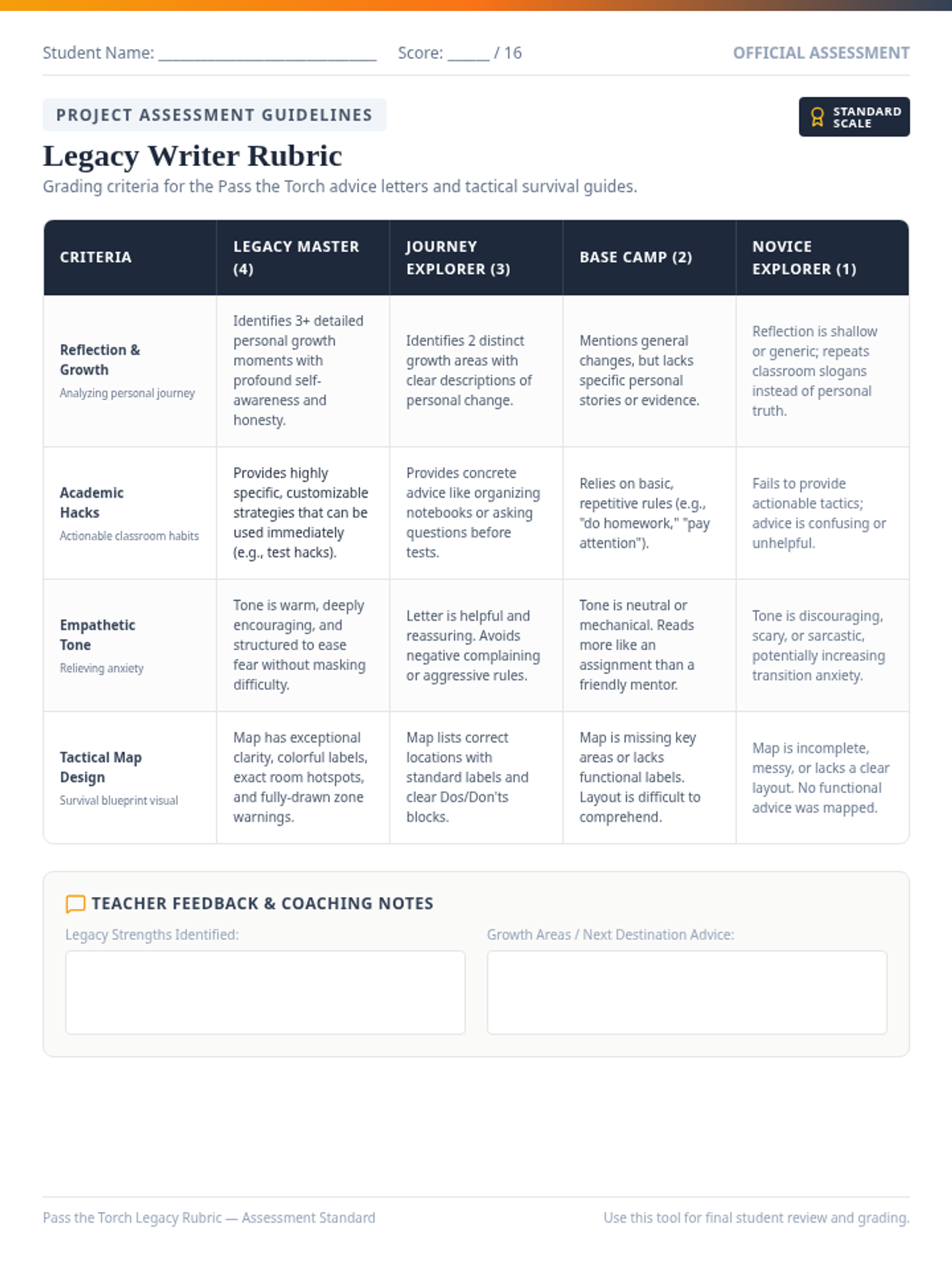
A reflective end-of-year writing lesson where upper elementary and middle school students write advice letters and design survival guides for incoming students. Students analyze their growth, identify key academic strategies, and practice empathetic communication to ease transition anxiety for their younger peers.
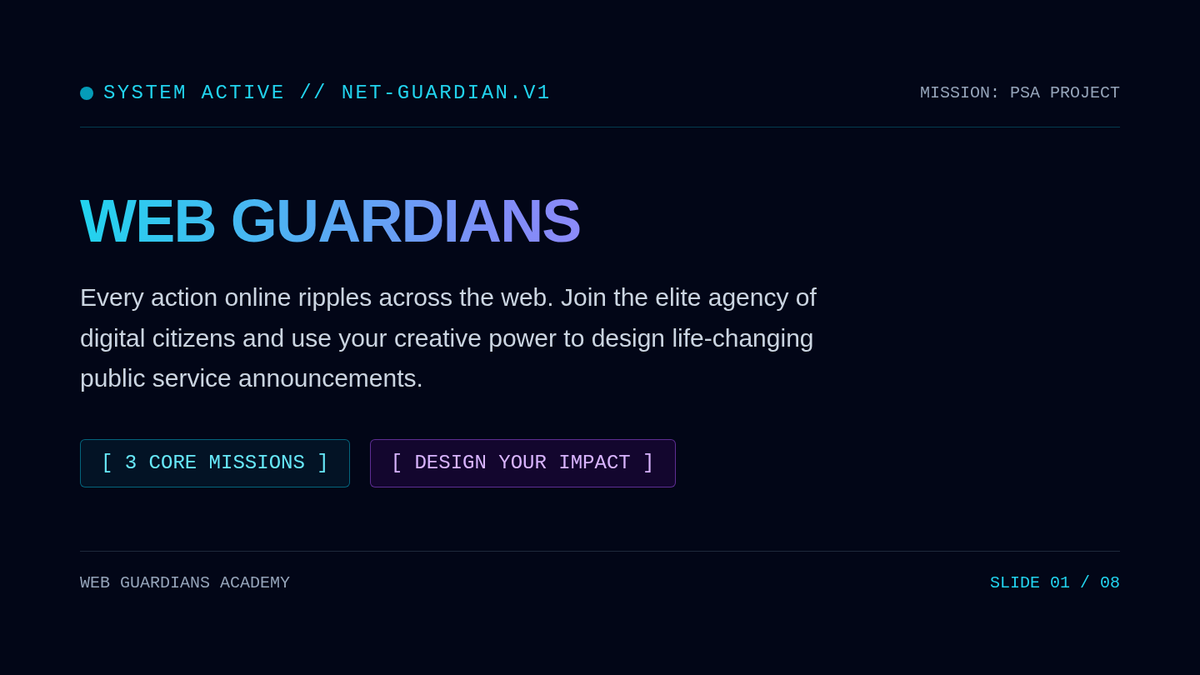
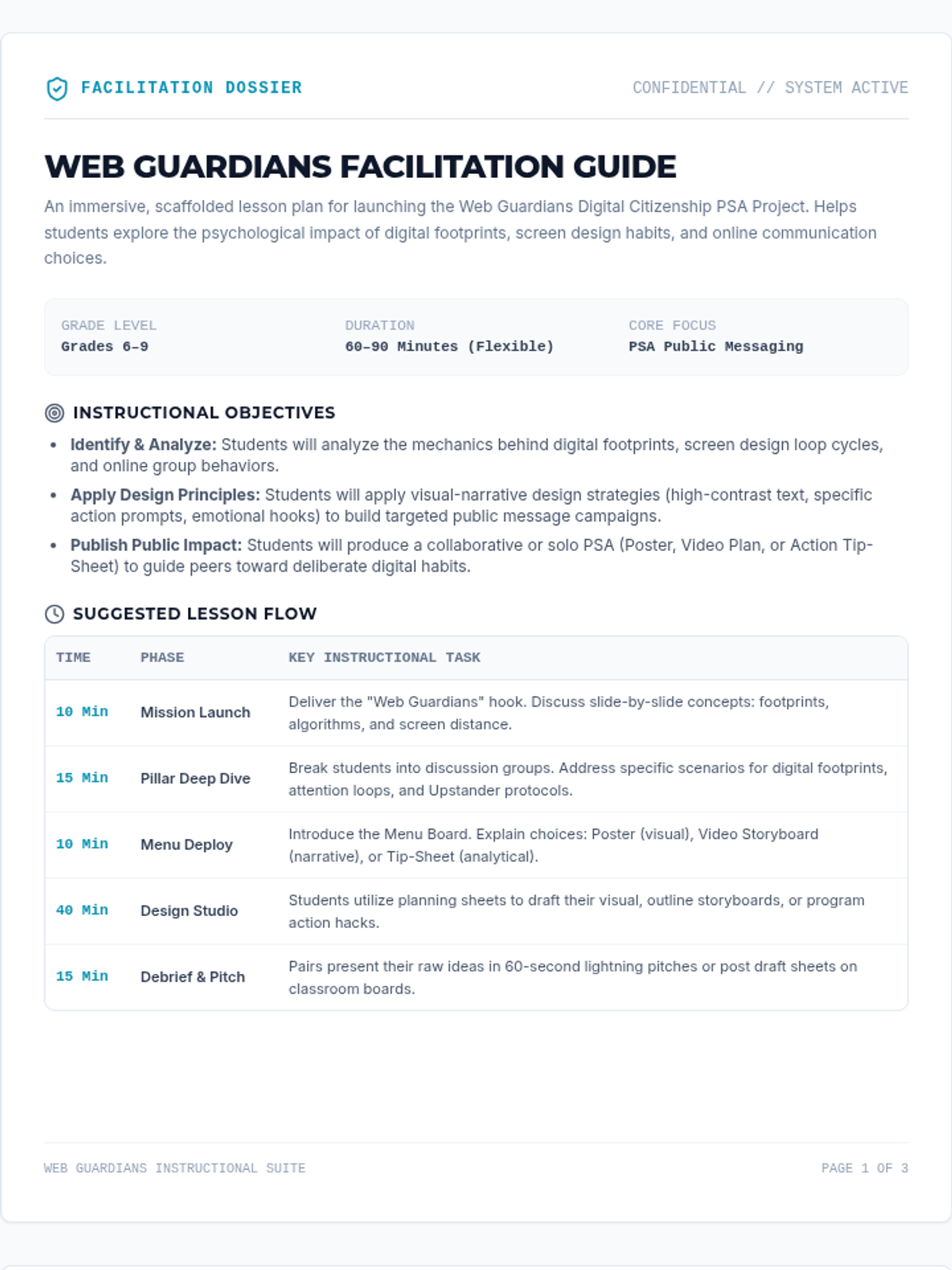
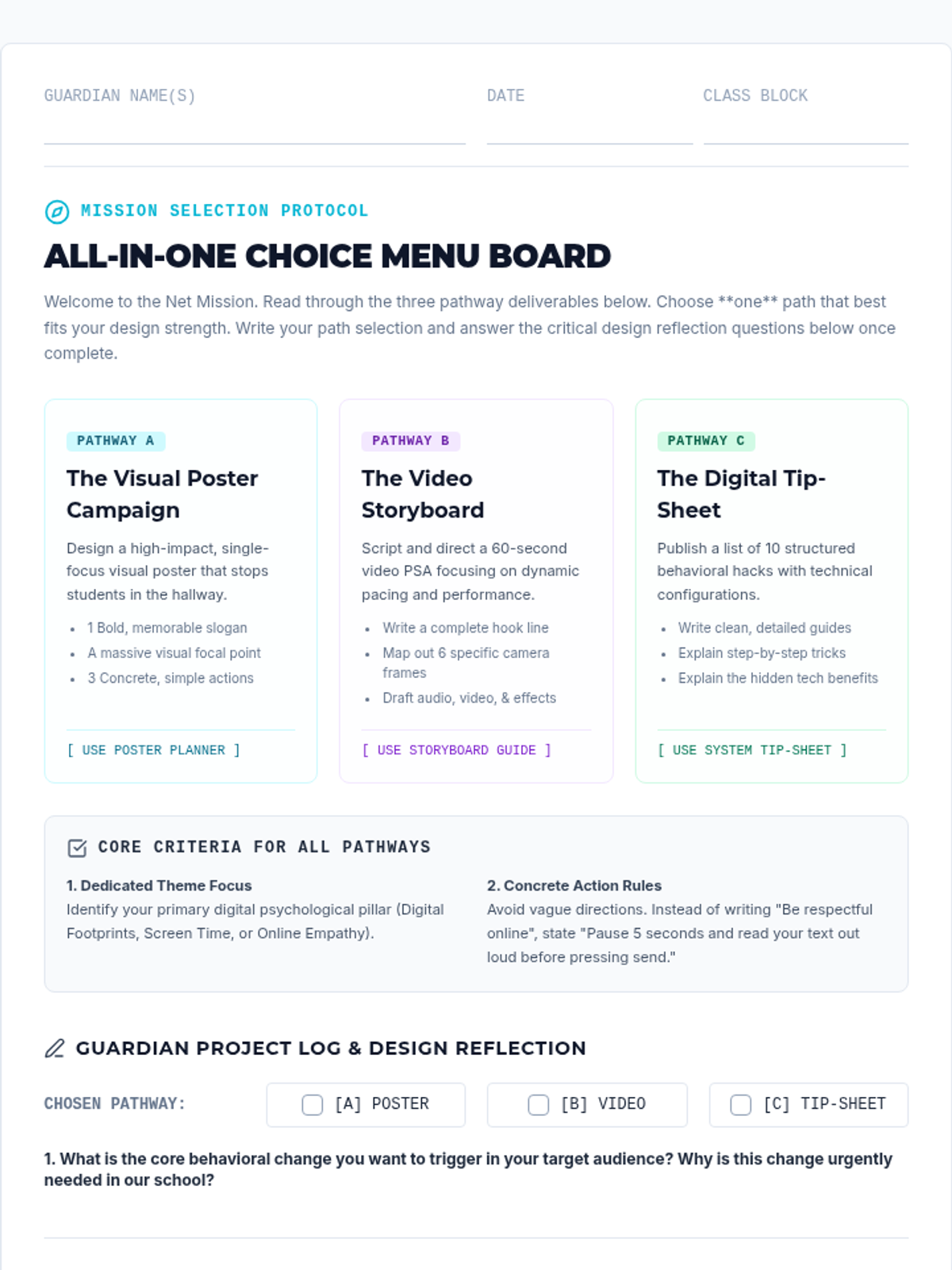
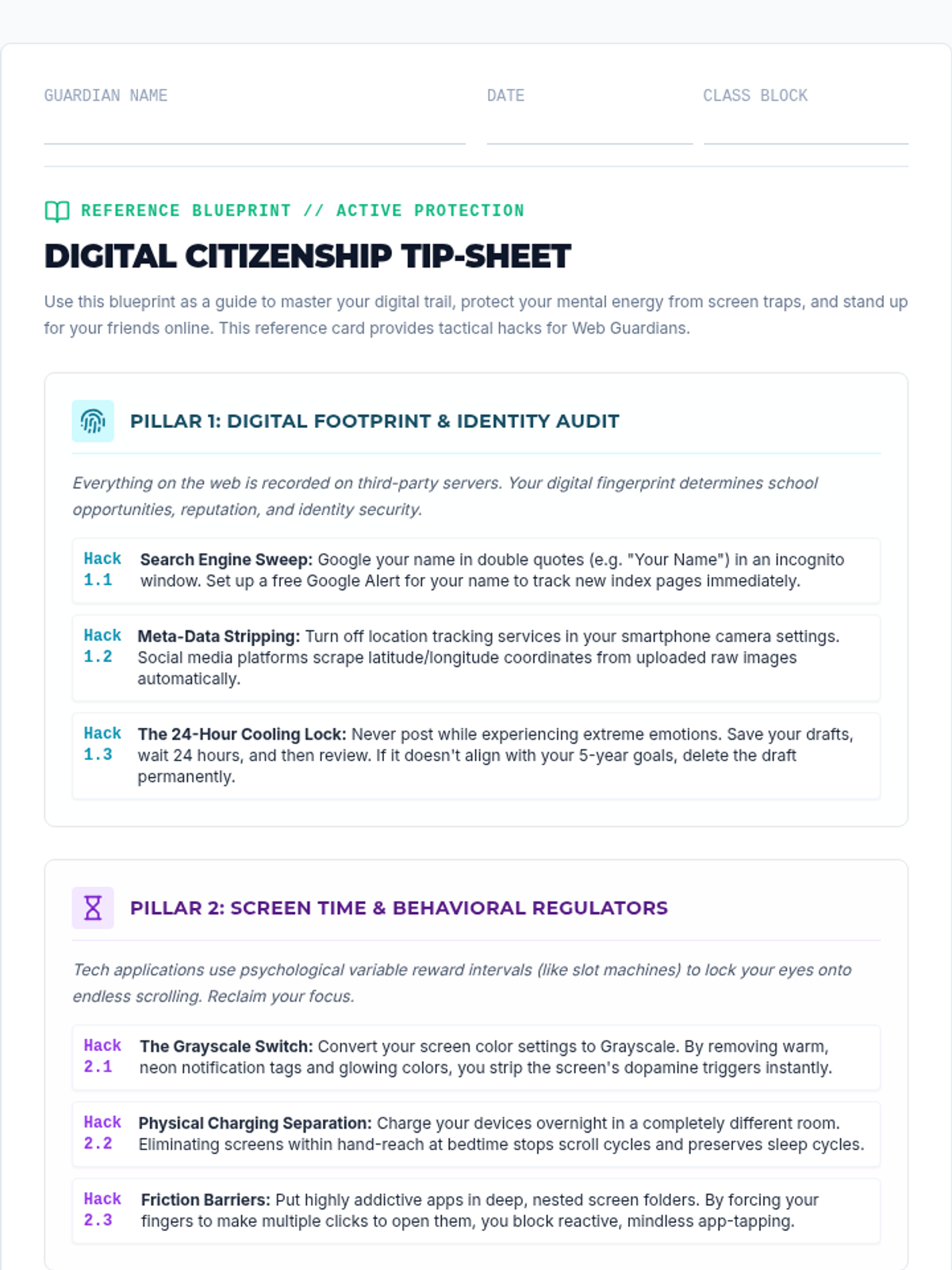
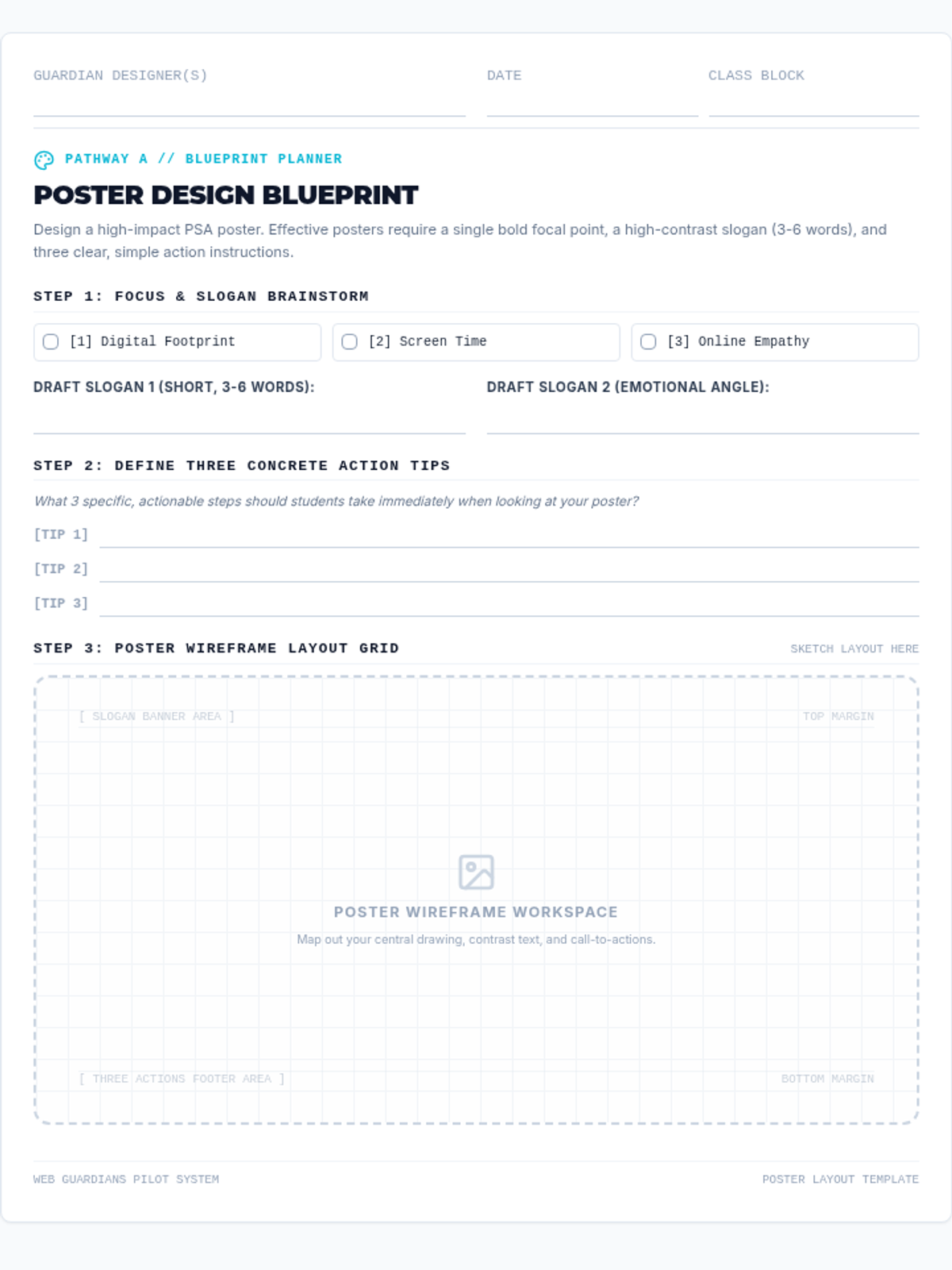
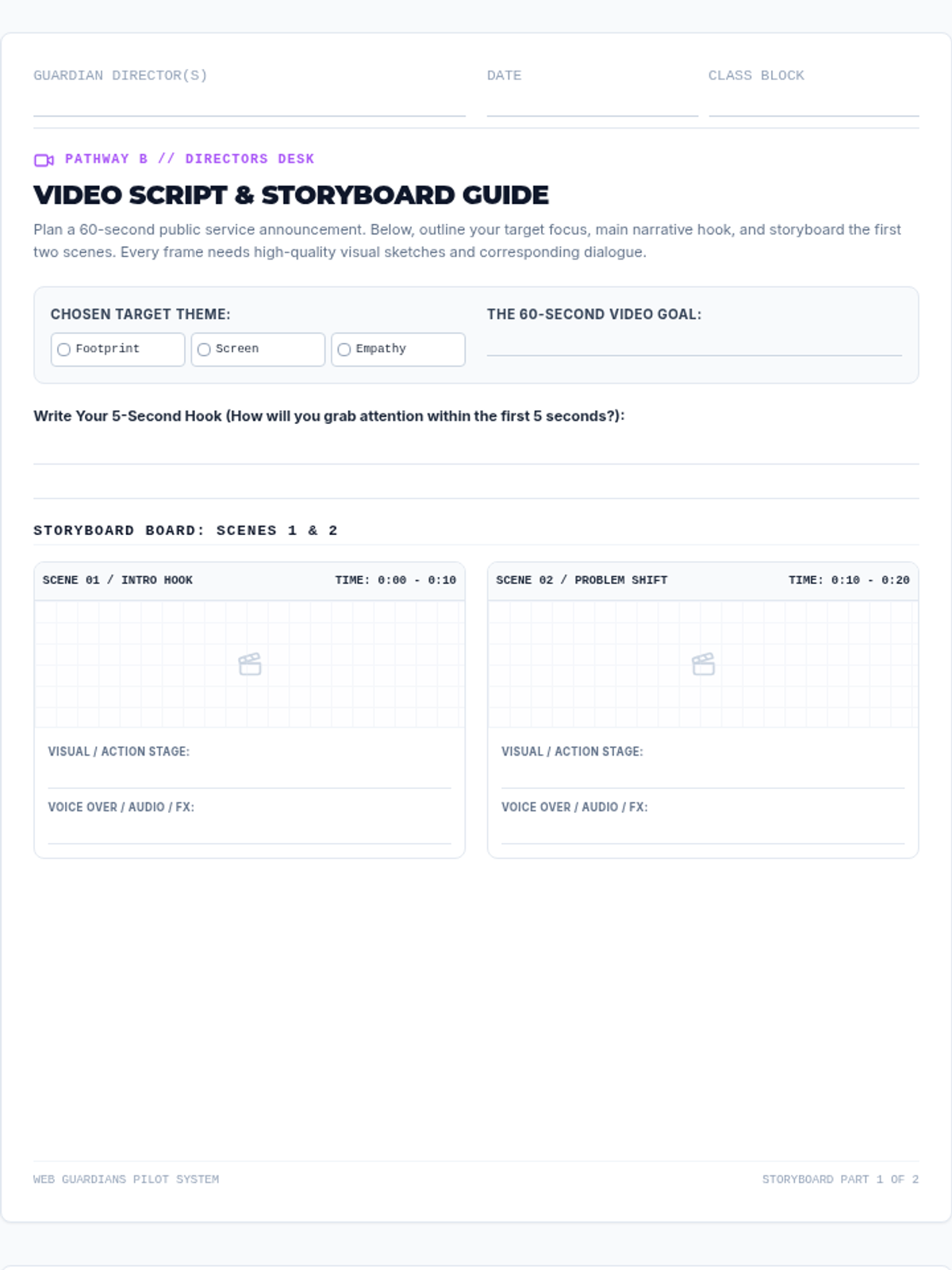
A high-impact digital citizenship project lesson where students become 'Web Guardians' to design PSAs addressing digital footprints, screen time self-regulation, and online empathy. Includes interactive presentation slides, detailed teacher guides, a project menu choice board, visual tip-sheets, and scaffolded planning templates for posters and videos.
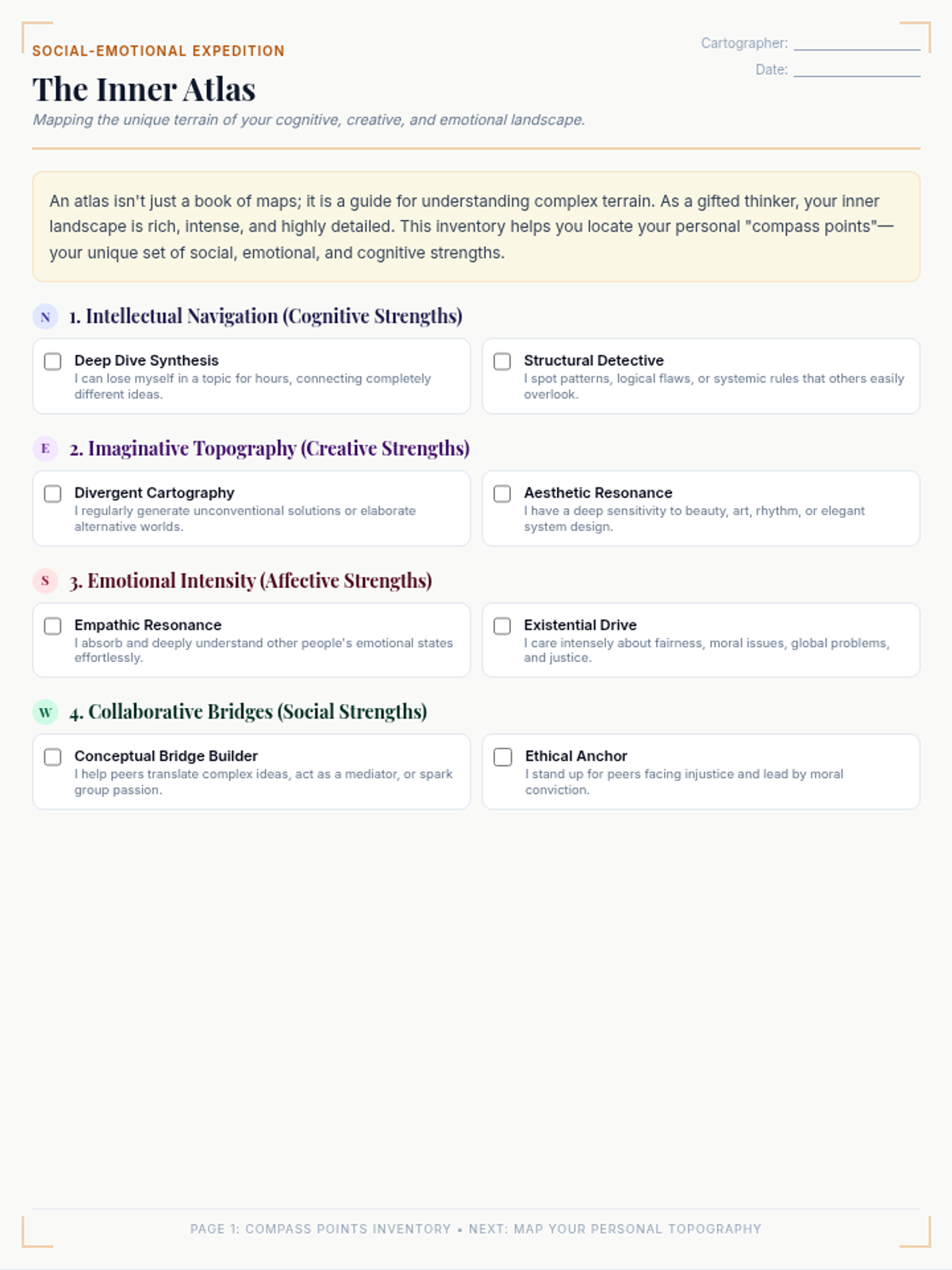
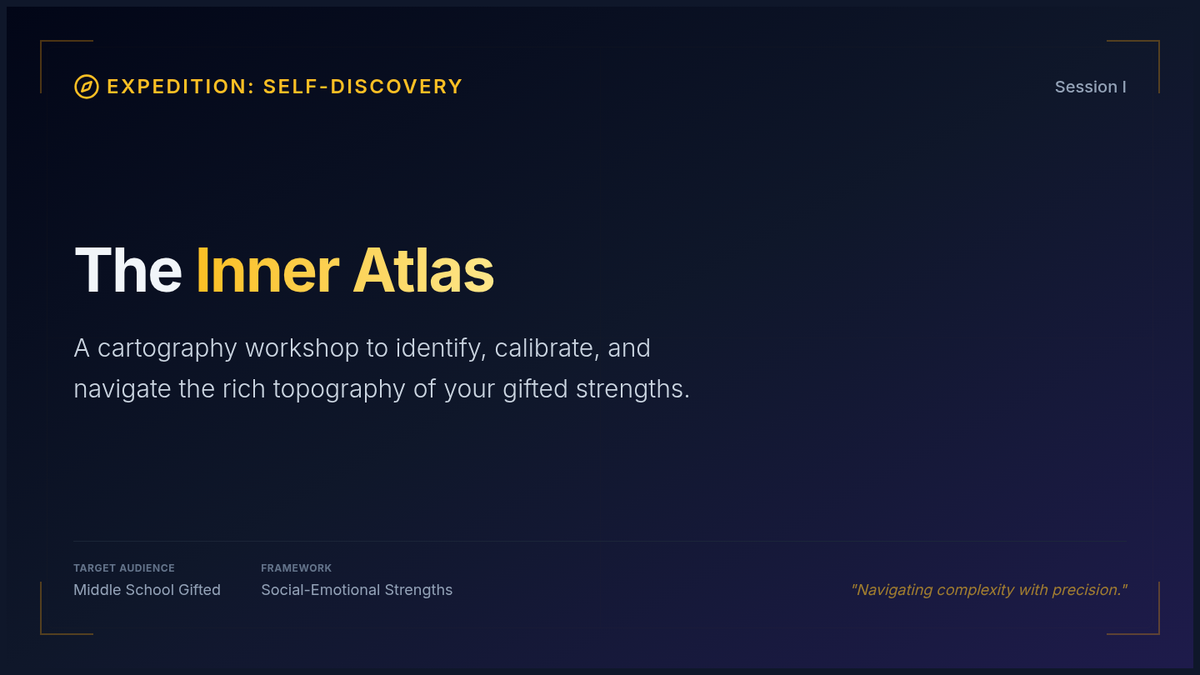
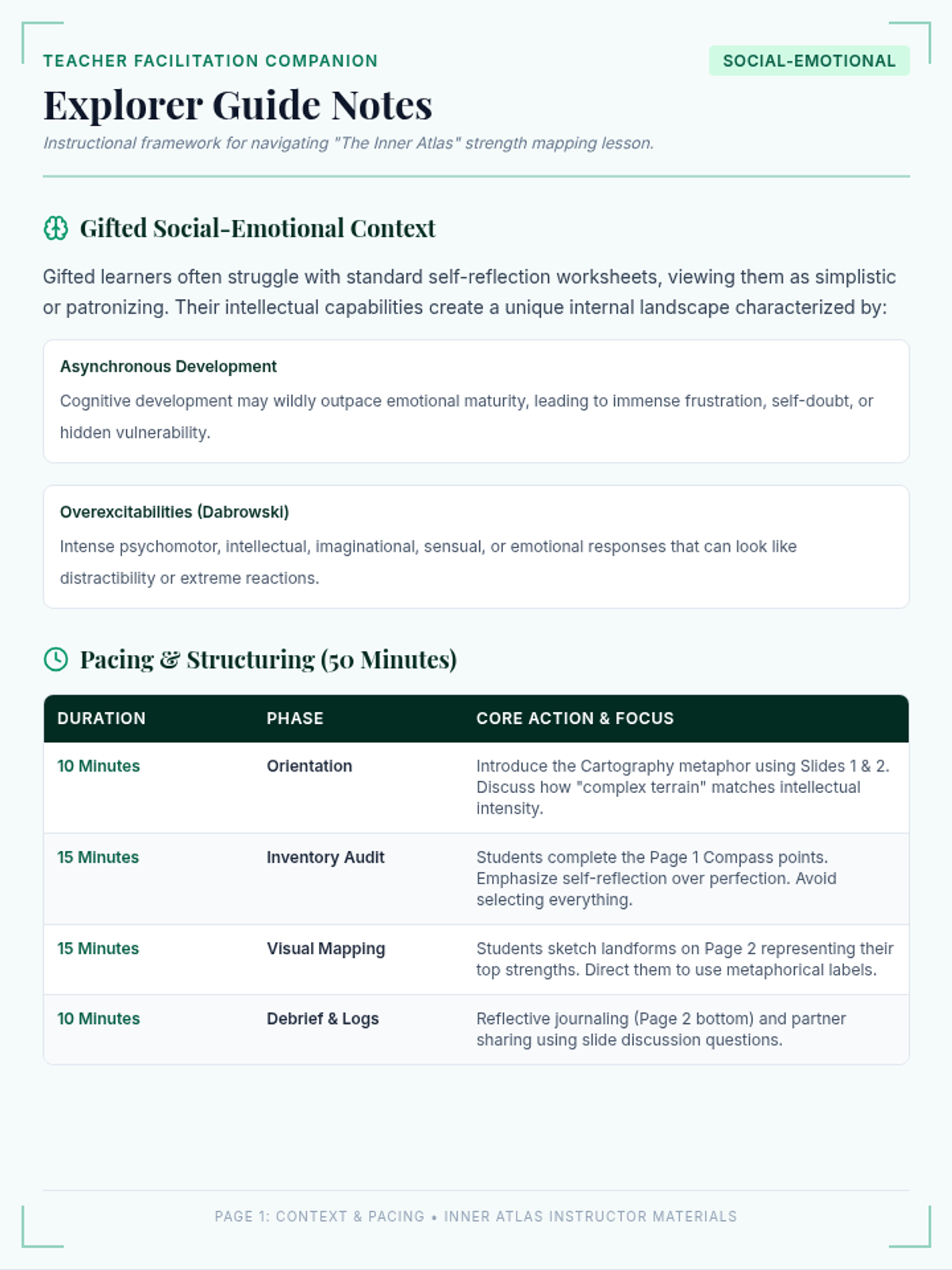
A social-emotional strength inventory lesson designed specifically for middle school gifted students. Using a cartography and exploration theme, students identify, analyze, and map their unique cognitive, creative, and emotional strengths while addressing gifted-specific traits like asynchronous development and overexcitabilities.
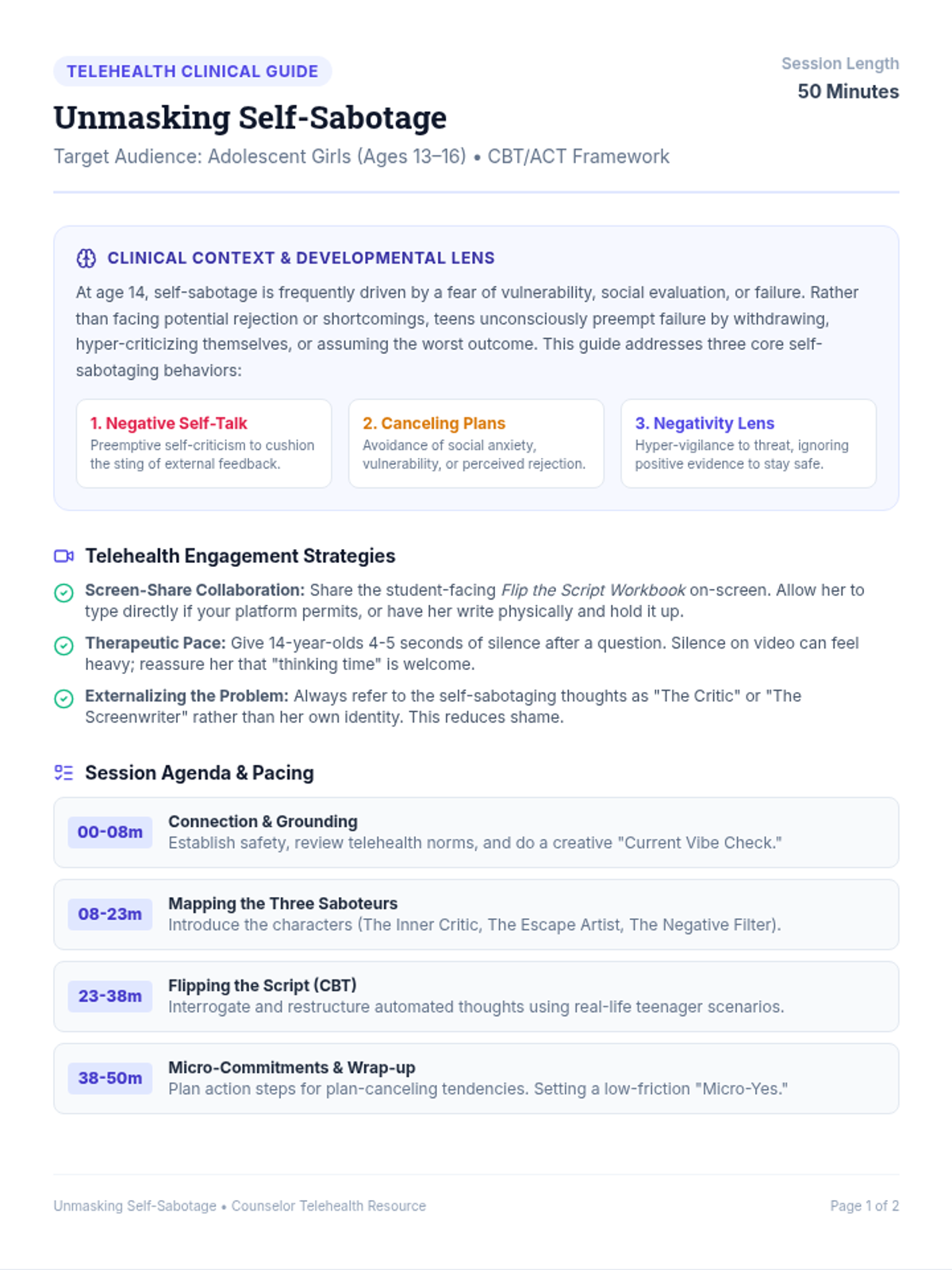
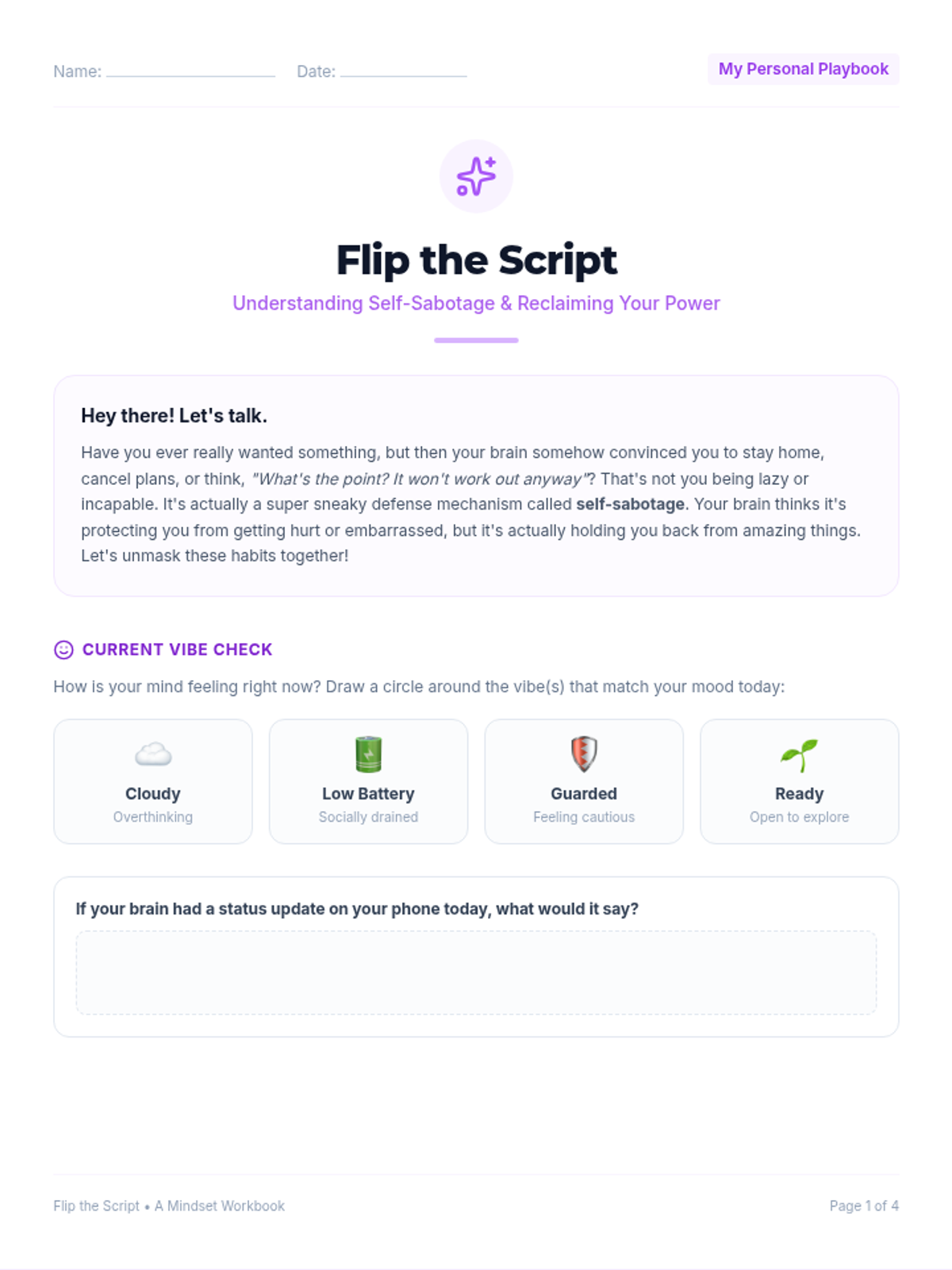
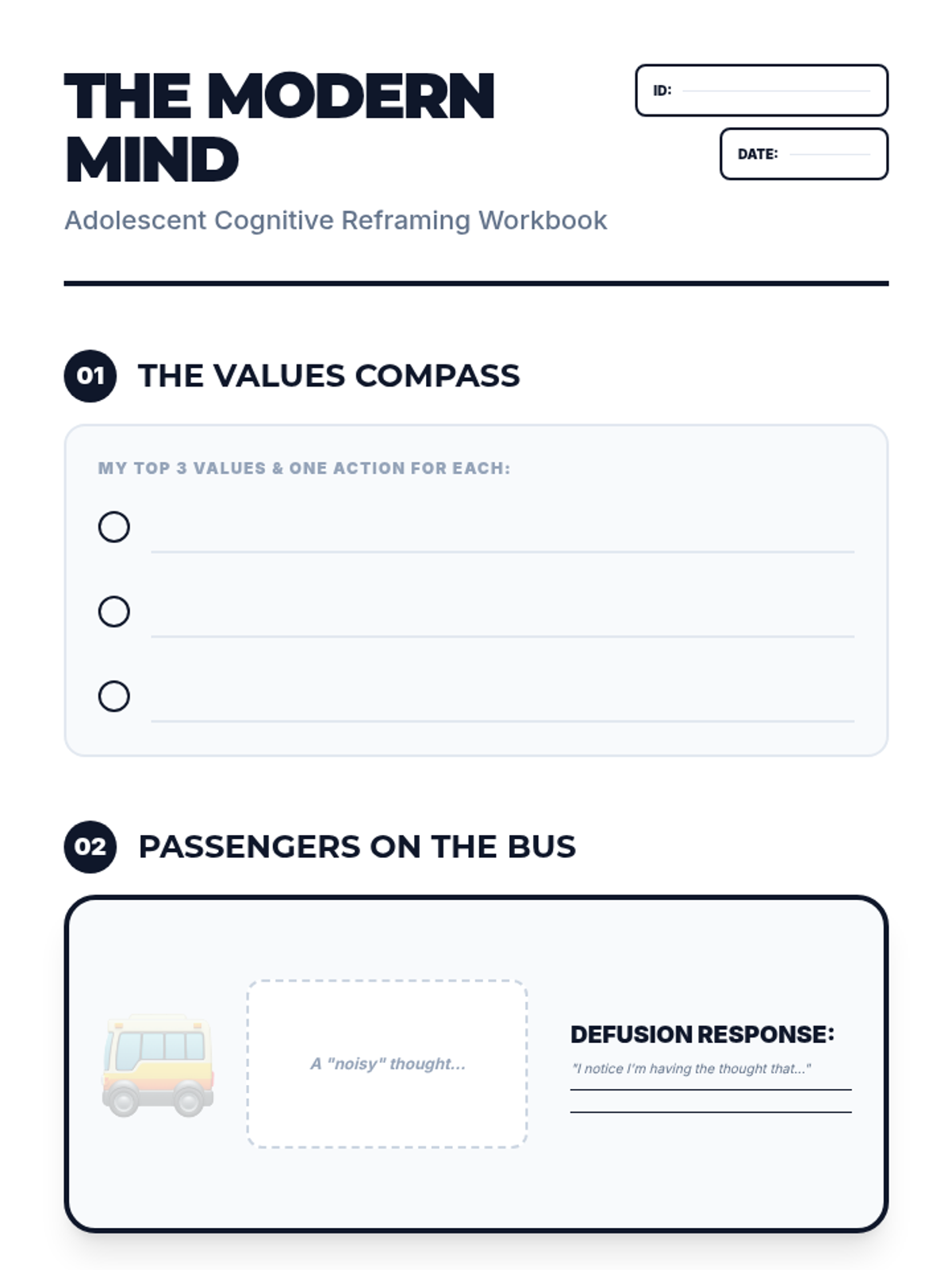
A therapeutic lesson package designed for counselors working with 14-year-old girls struggling with self-sabotage. It includes a structured telehealth counselor guide and a highly aesthetic, Gen Z-friendly reflection workbook focusing on negative self-talk, canceling plans, and negativity bias.
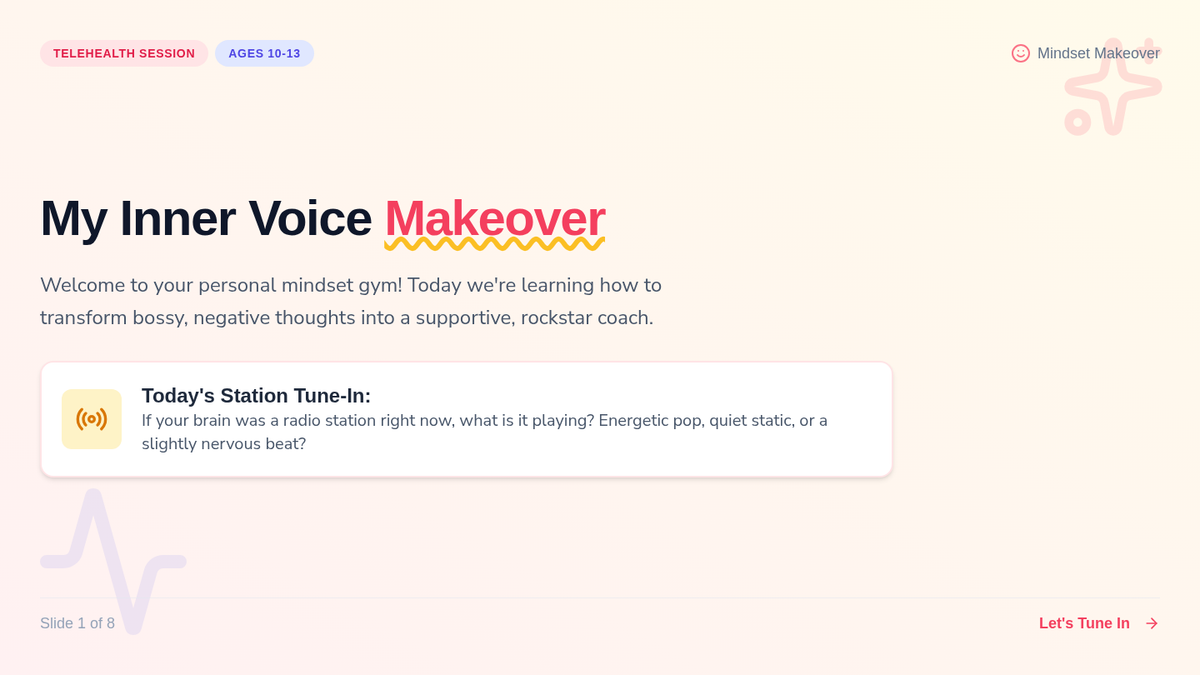
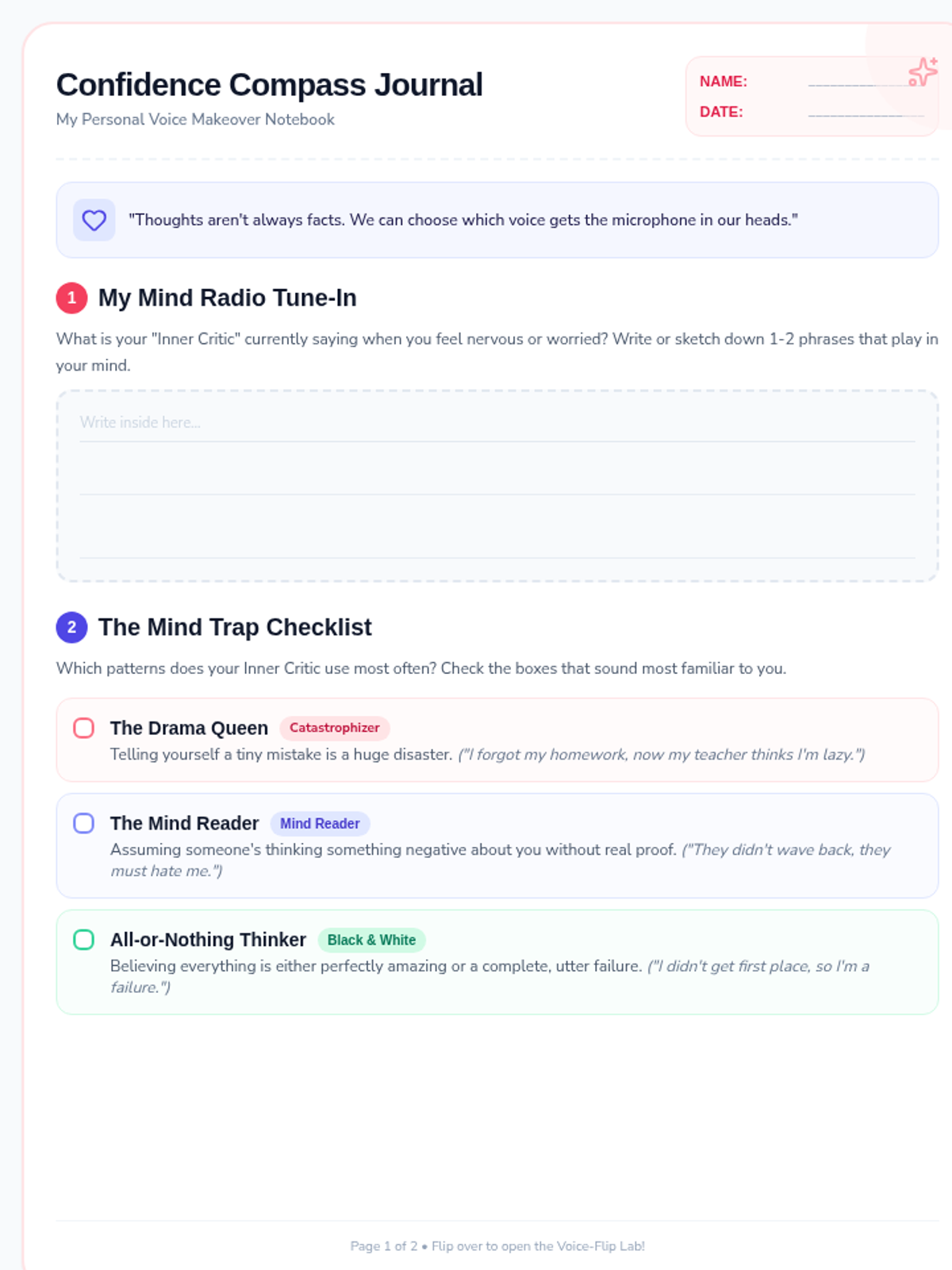
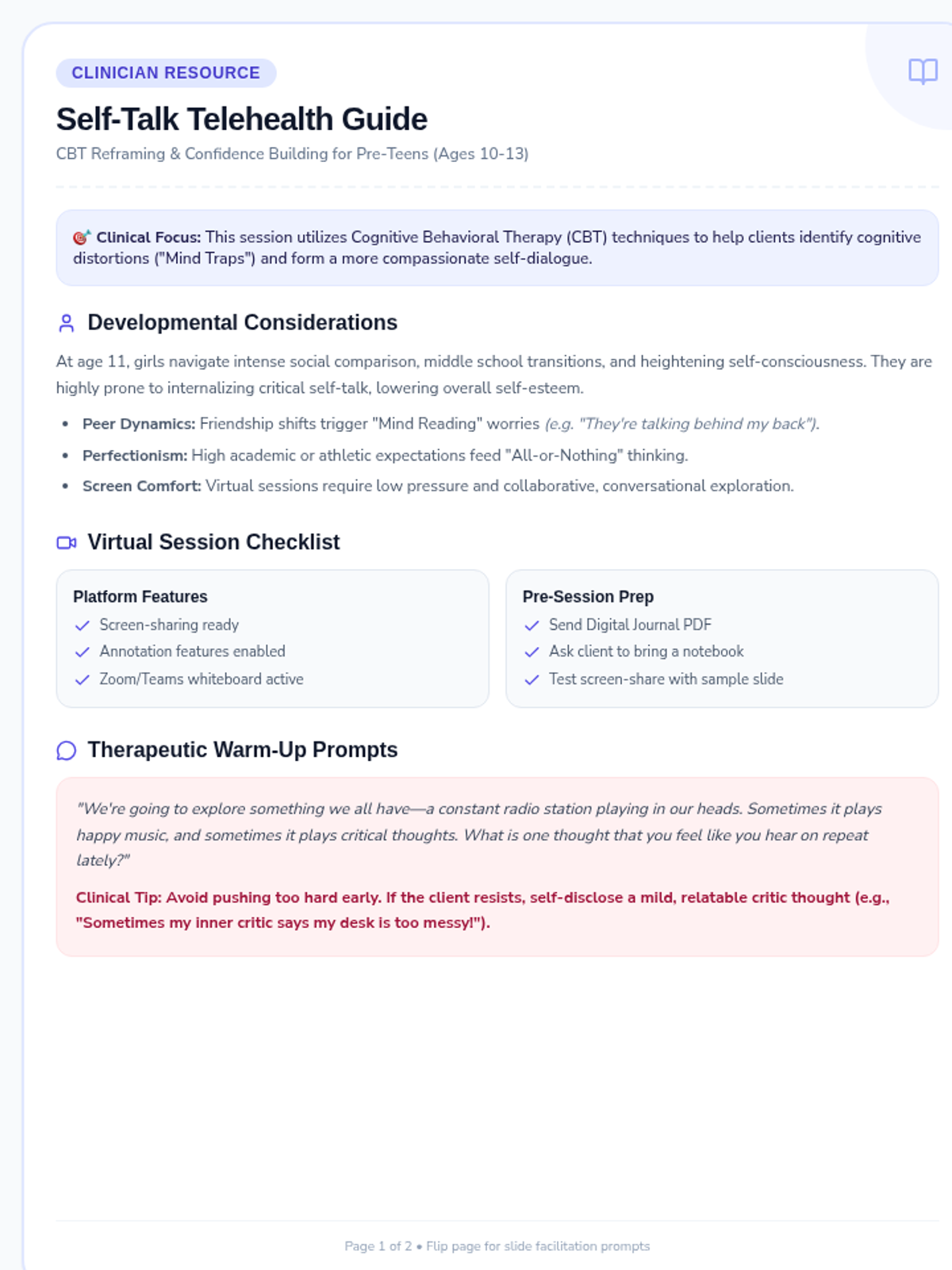
A teletherapy-optimized lesson designed for pre-teens (specifically 11-year-old girls) to recognize, challenge, and reframe negative self-talk into realistic, empowering self-belief. This CBT-based session uses engaging, developmental metaphors suitable for virtual screen-sharing.
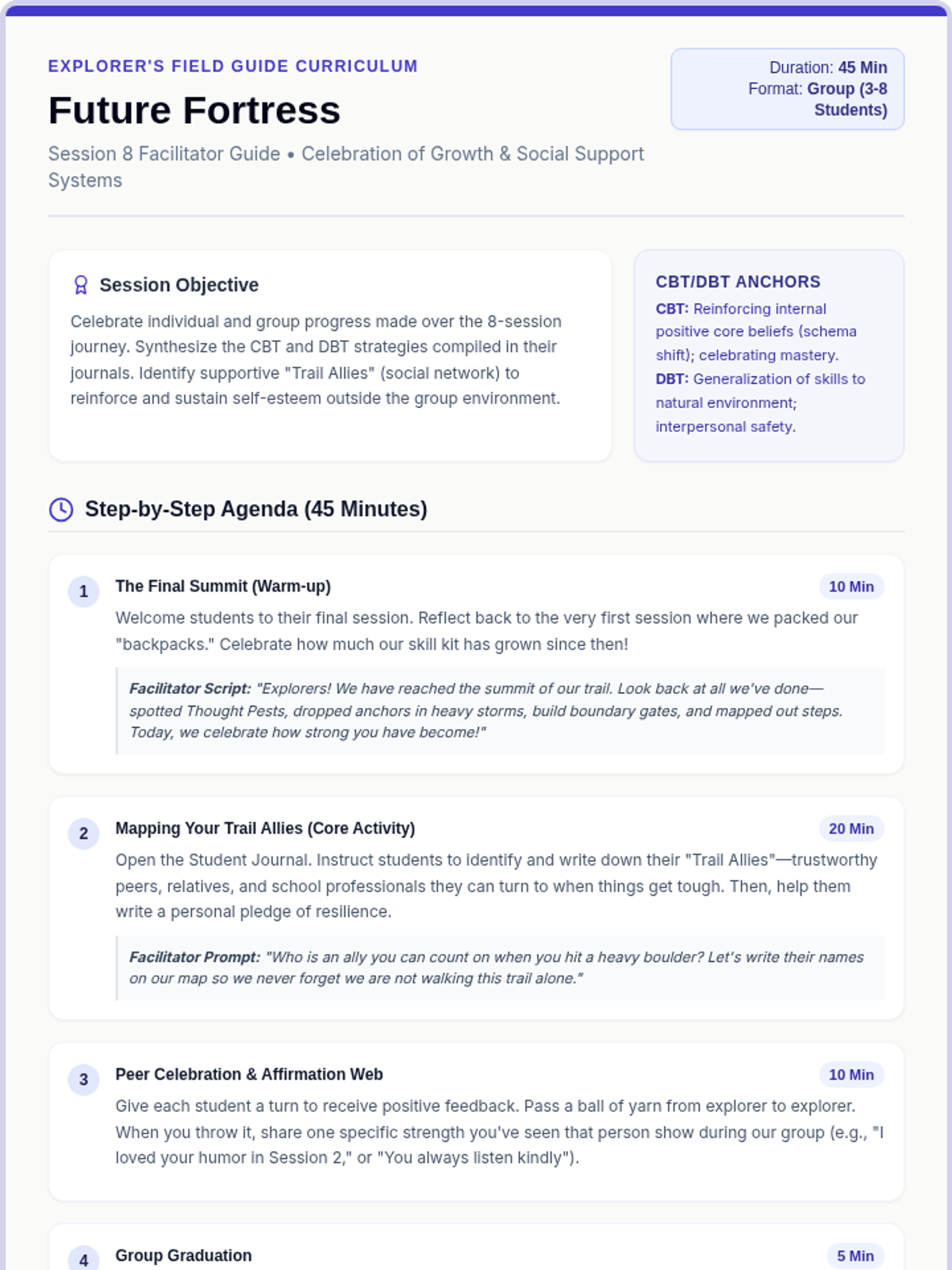
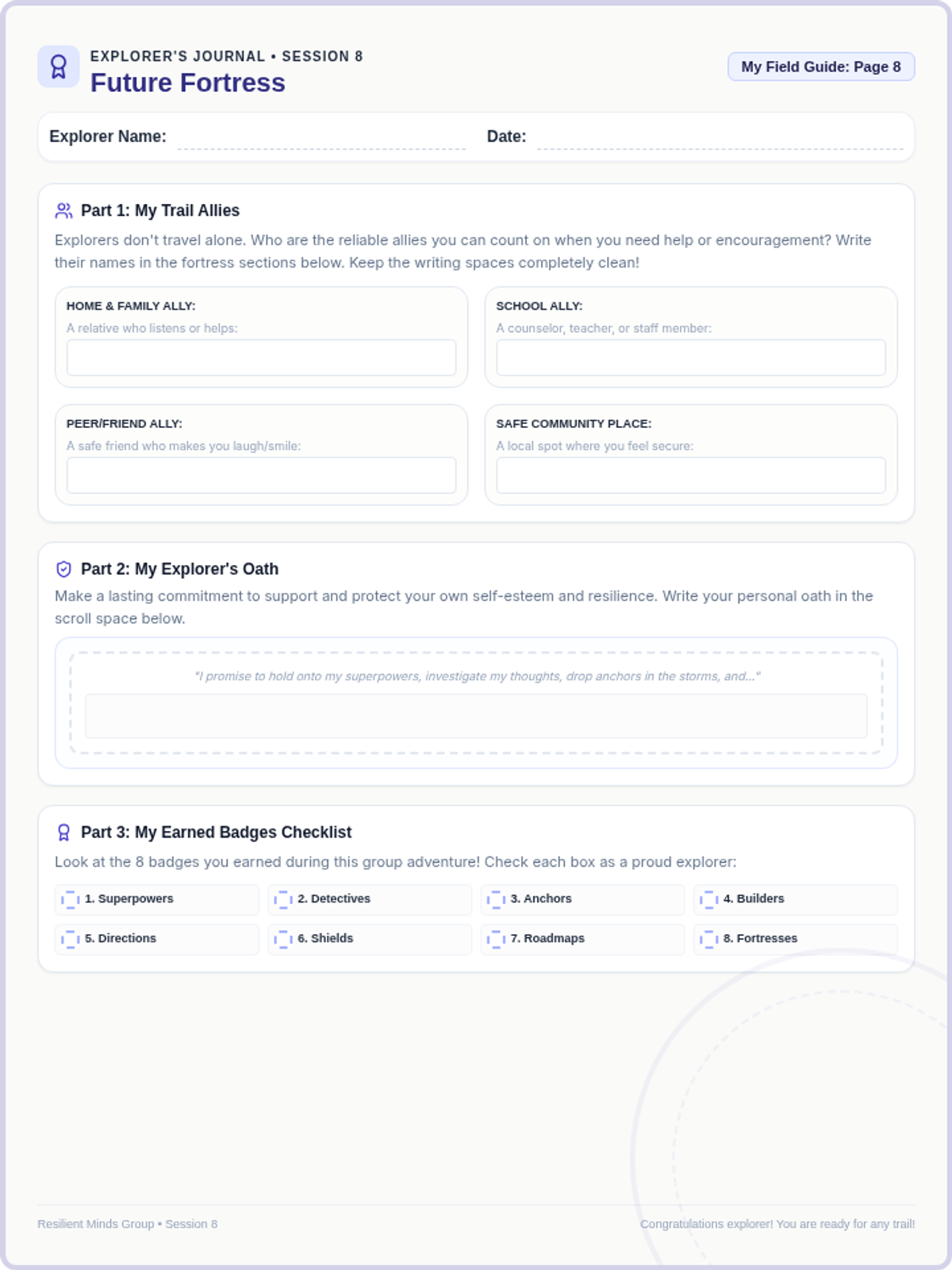
Students review their 8-session Explorer's Field Guide, celebrate growth, identify supportive 'trail allies' (social support), and pledge a personal self-esteem commitment.
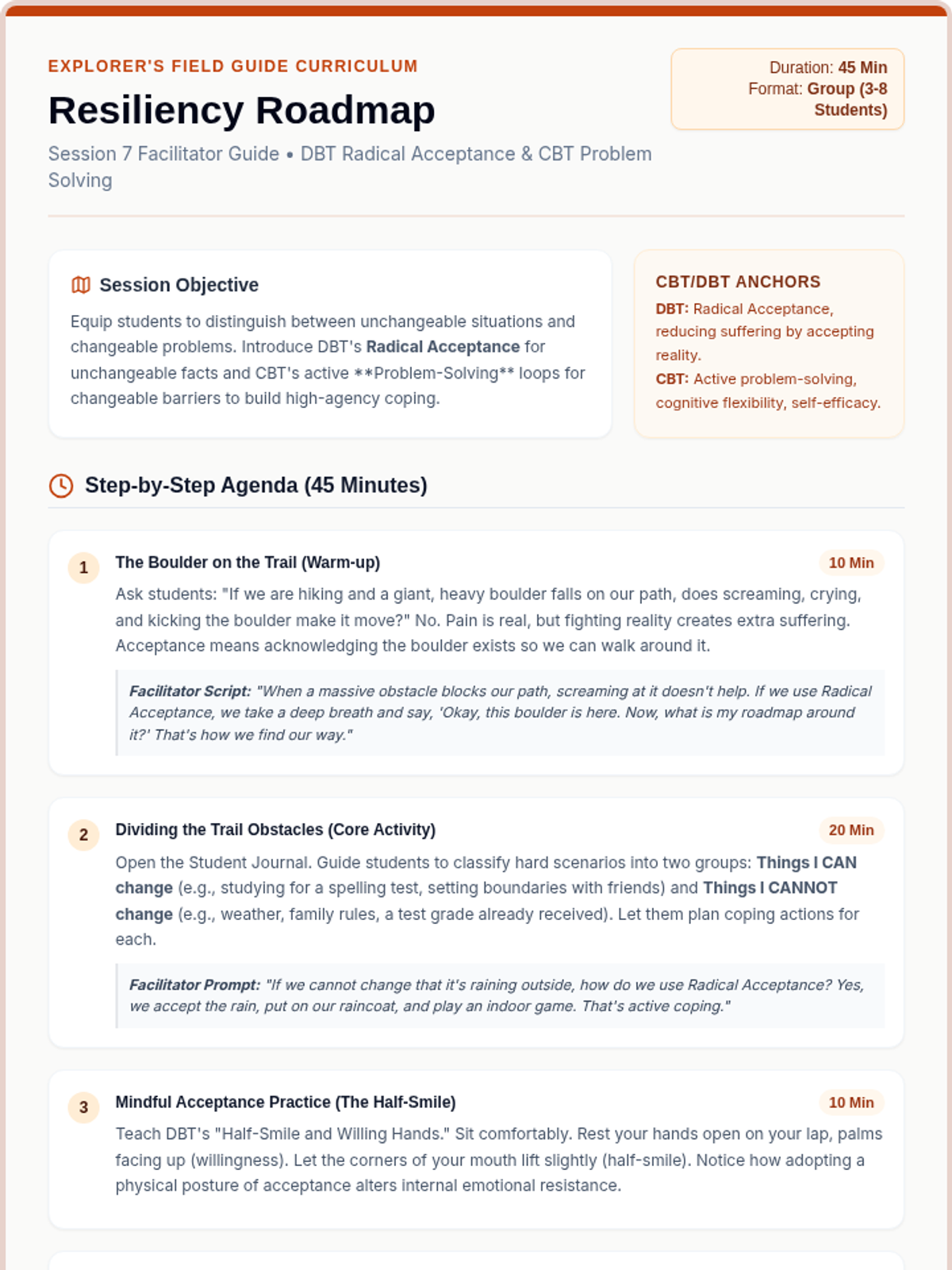
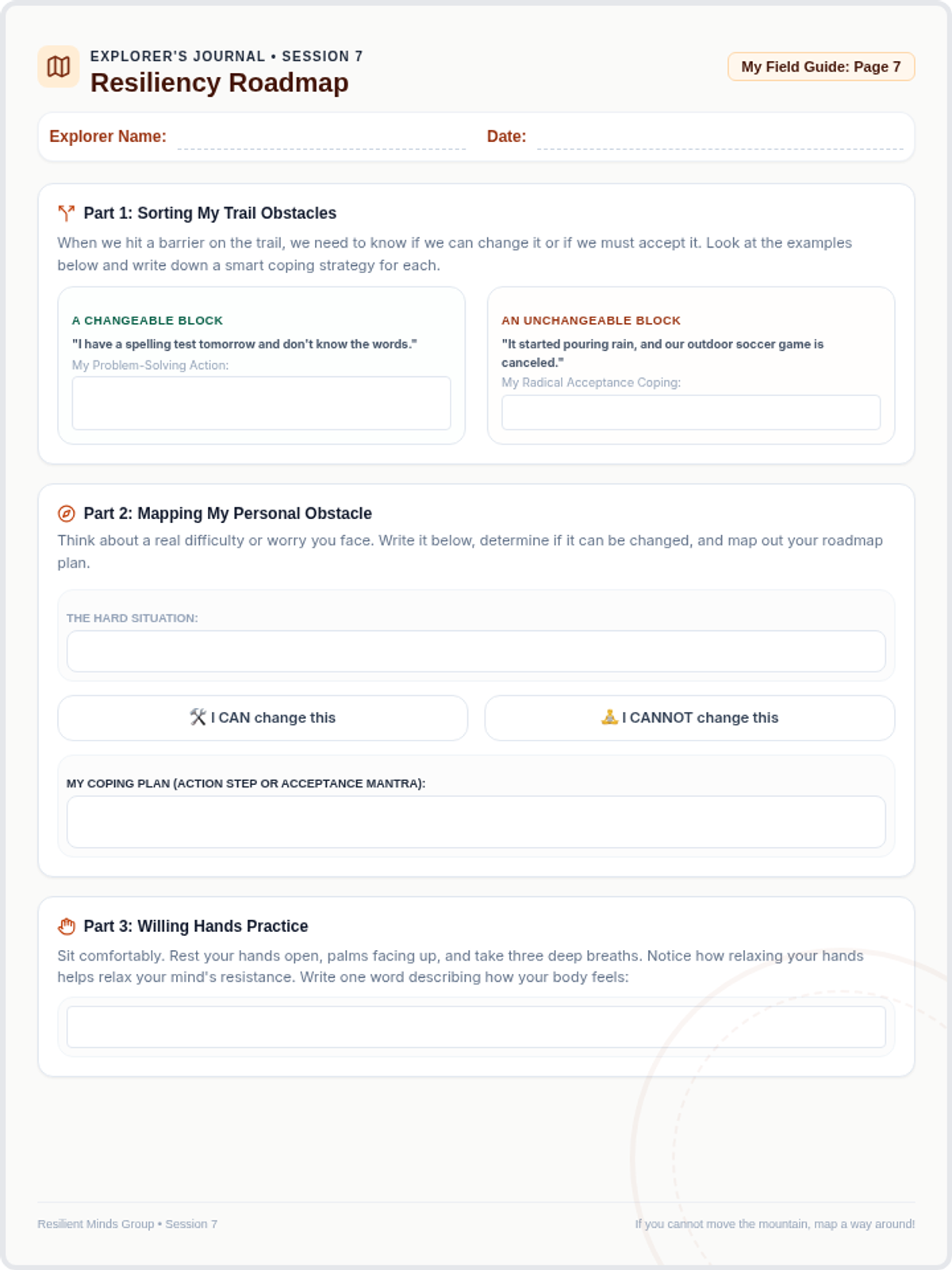
Students construct personalized coping strategies, blending CBT active problem-solving steps with DBT Radical Acceptance to navigate unchangeable difficulties.
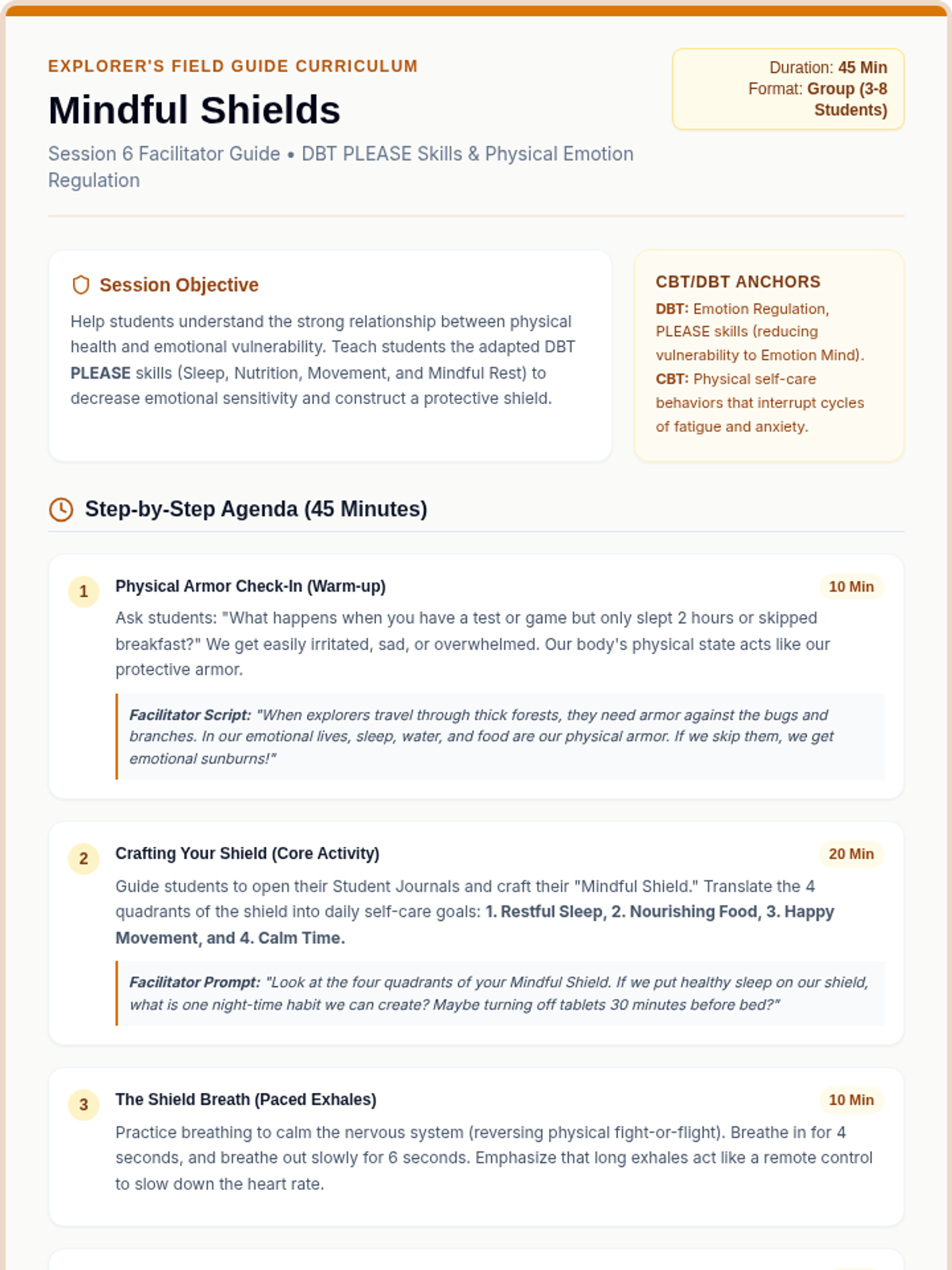
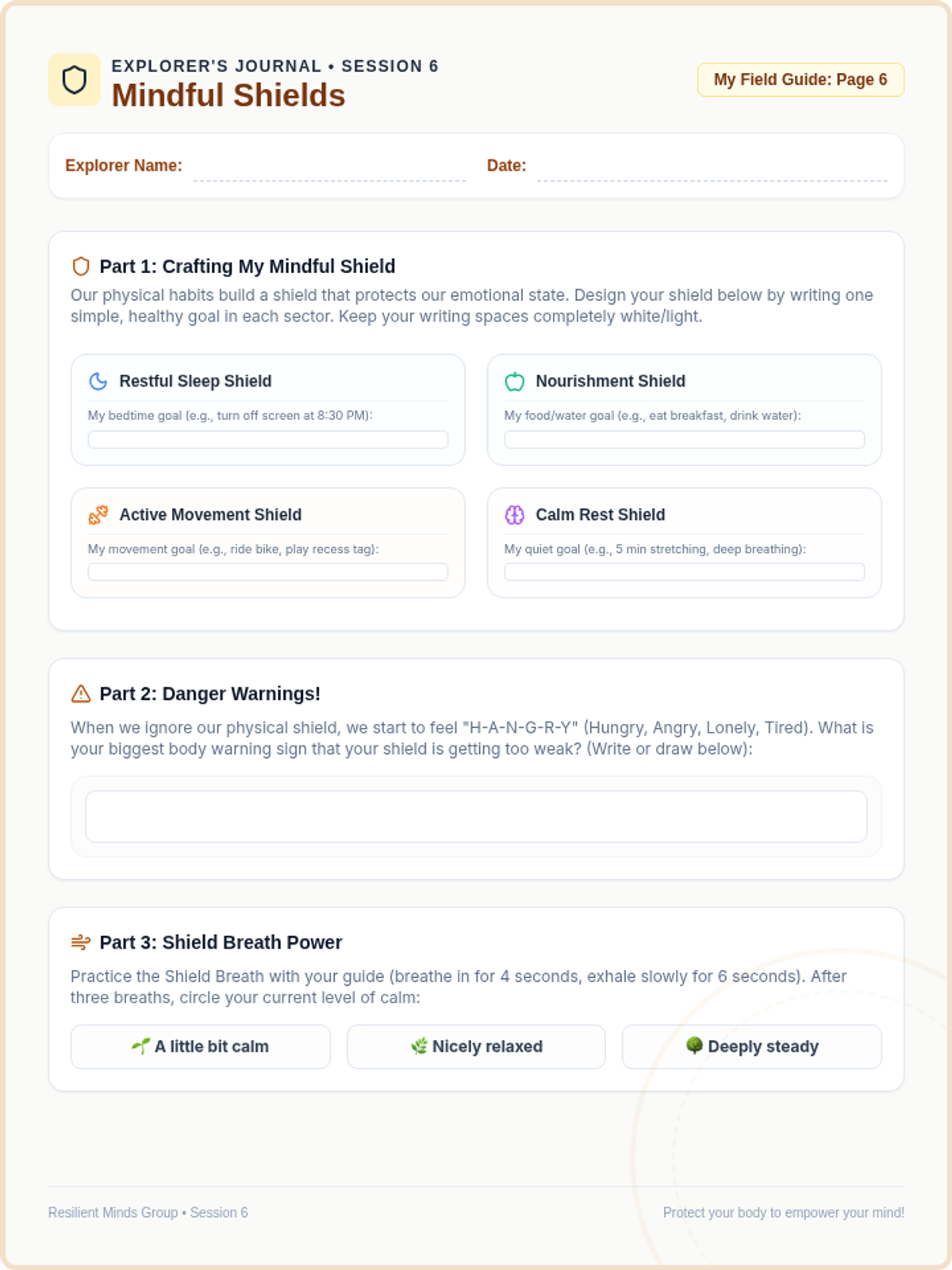
Students examine the physical body-mind connection, identifying stress triggers and learning DBT physical self-care (PLEASE) and emotional regulation strategies.
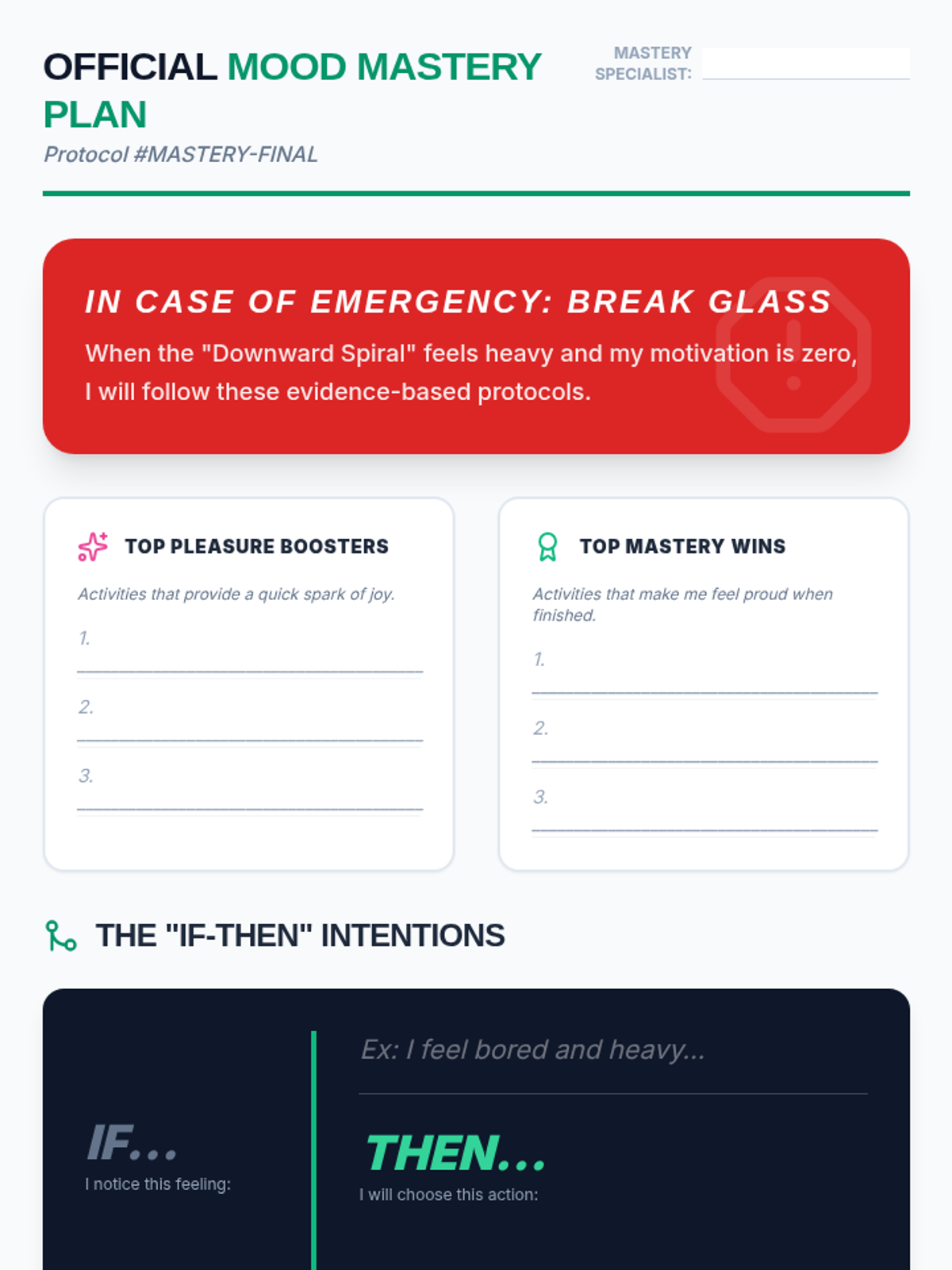
Synthesizing their learning, students create a 'Break the Glass' emergency plan for days when they feel low or anxious. They select their most effective pleasure and mastery activities and write specific implementation intentions (If I feel X, then I will do Y).
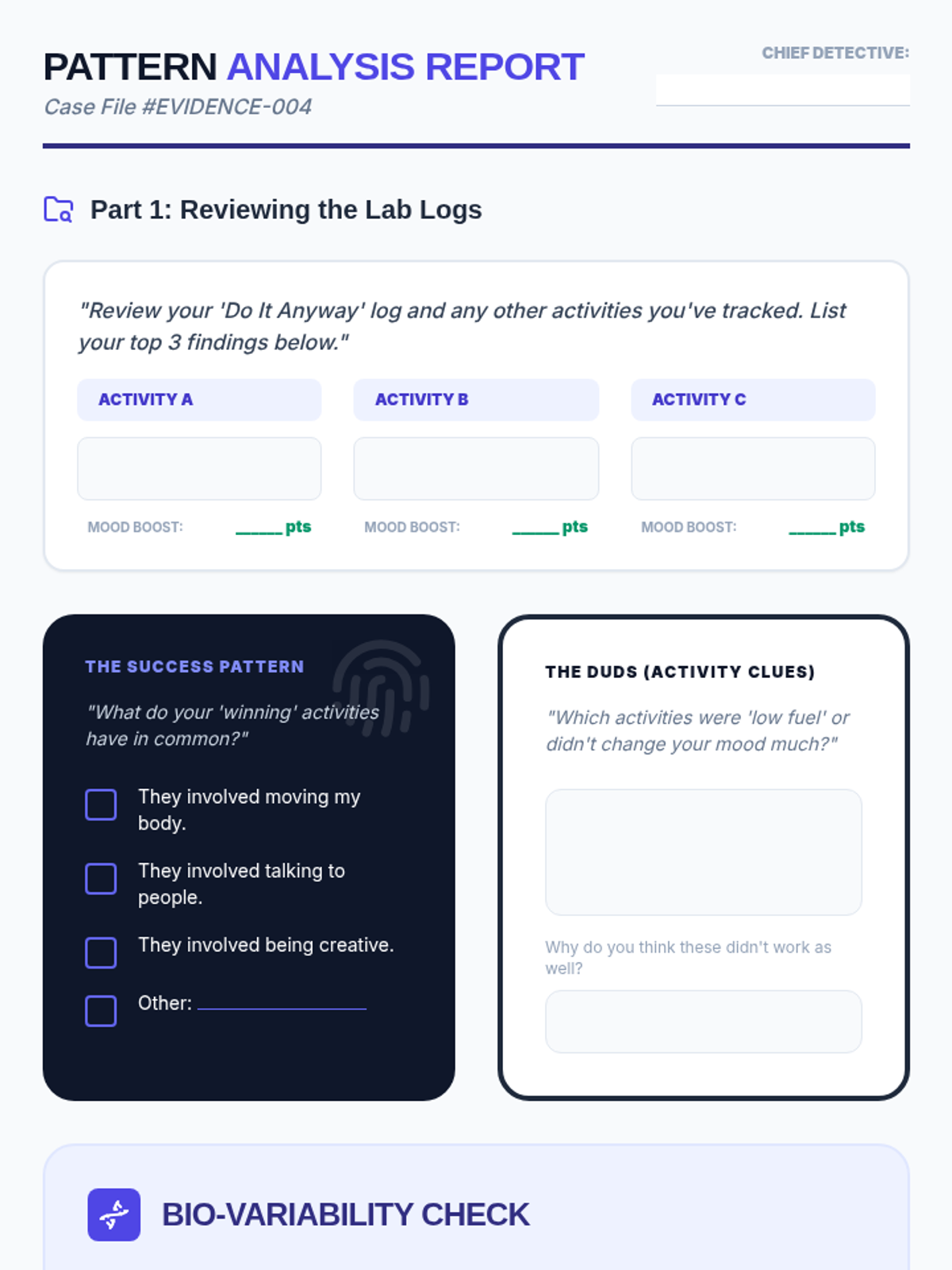
Students review the results of their personal experiments or case study data to identify patterns in how specific activities impact mood. They discuss the variability of results (what works for one person may not work for another) and begin curating their personal 'top hits' for mood improvement.
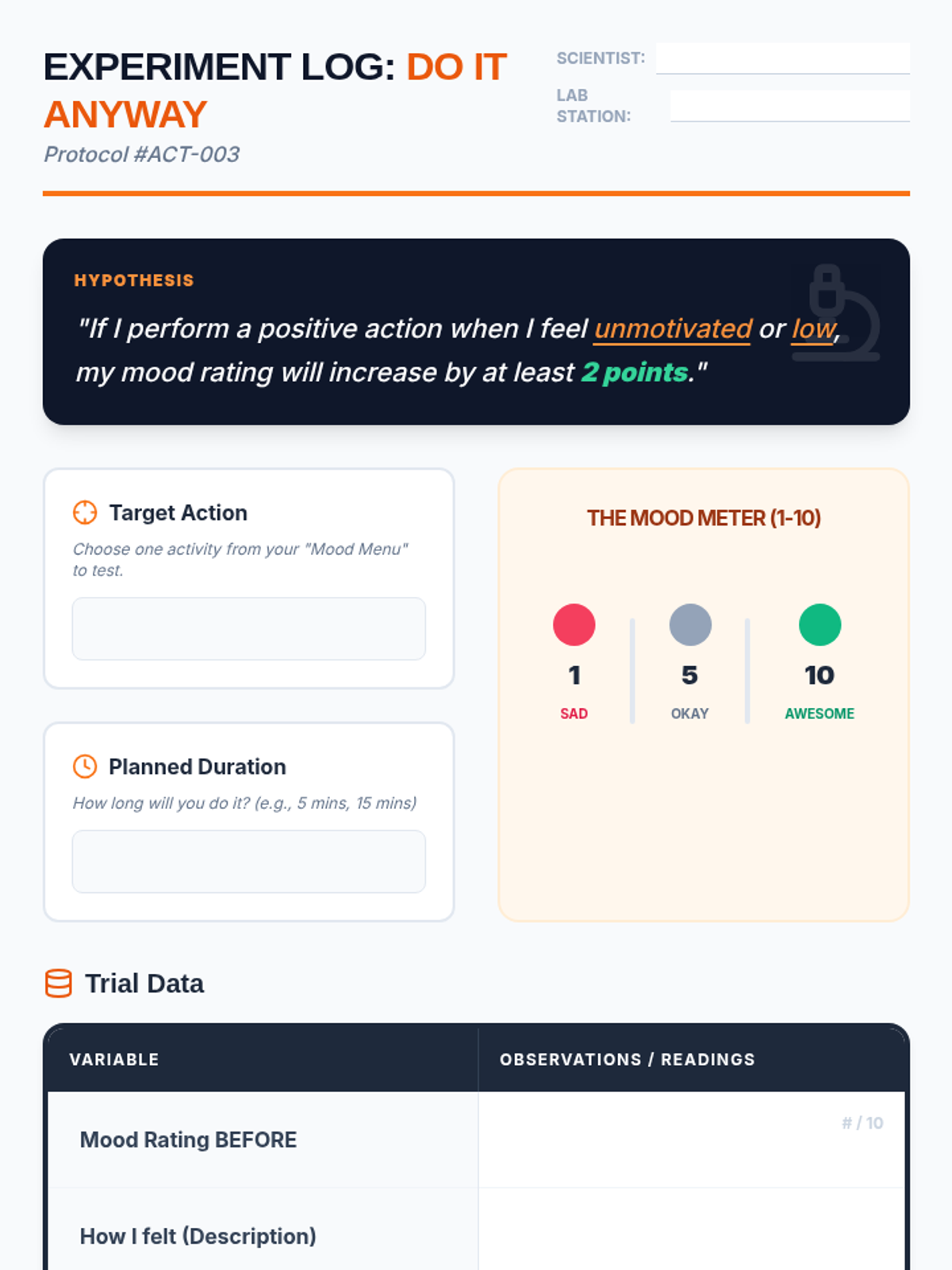
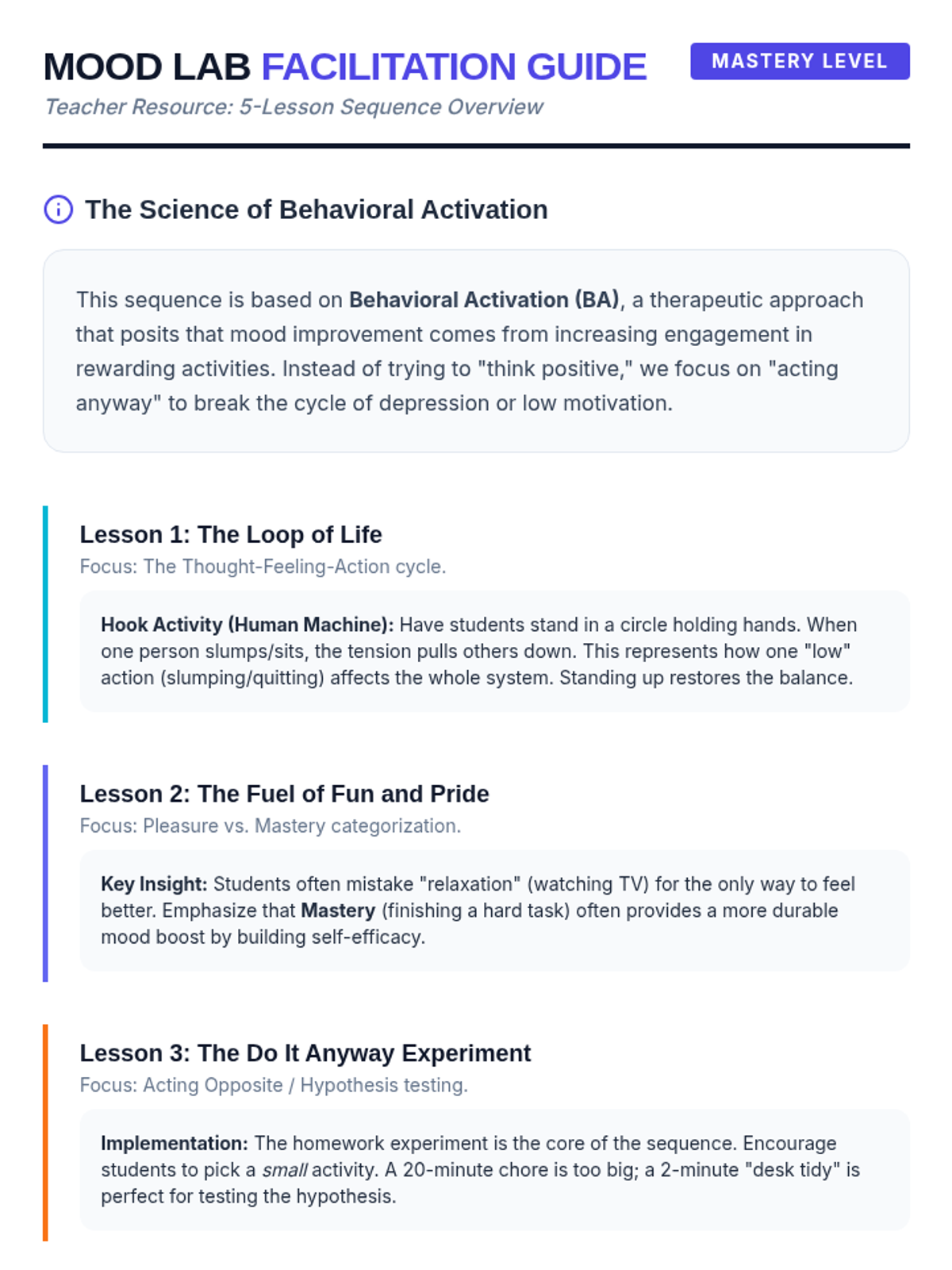
This lesson introduces the concept of 'acting opposite' to an emotion. Students design a short experiment to test the hypothesis that engaging in a positive activity—even when they don't feel like it—can improve their mood rating on a 1-10 scale. They prepare a data collection sheet for a homework experiment.
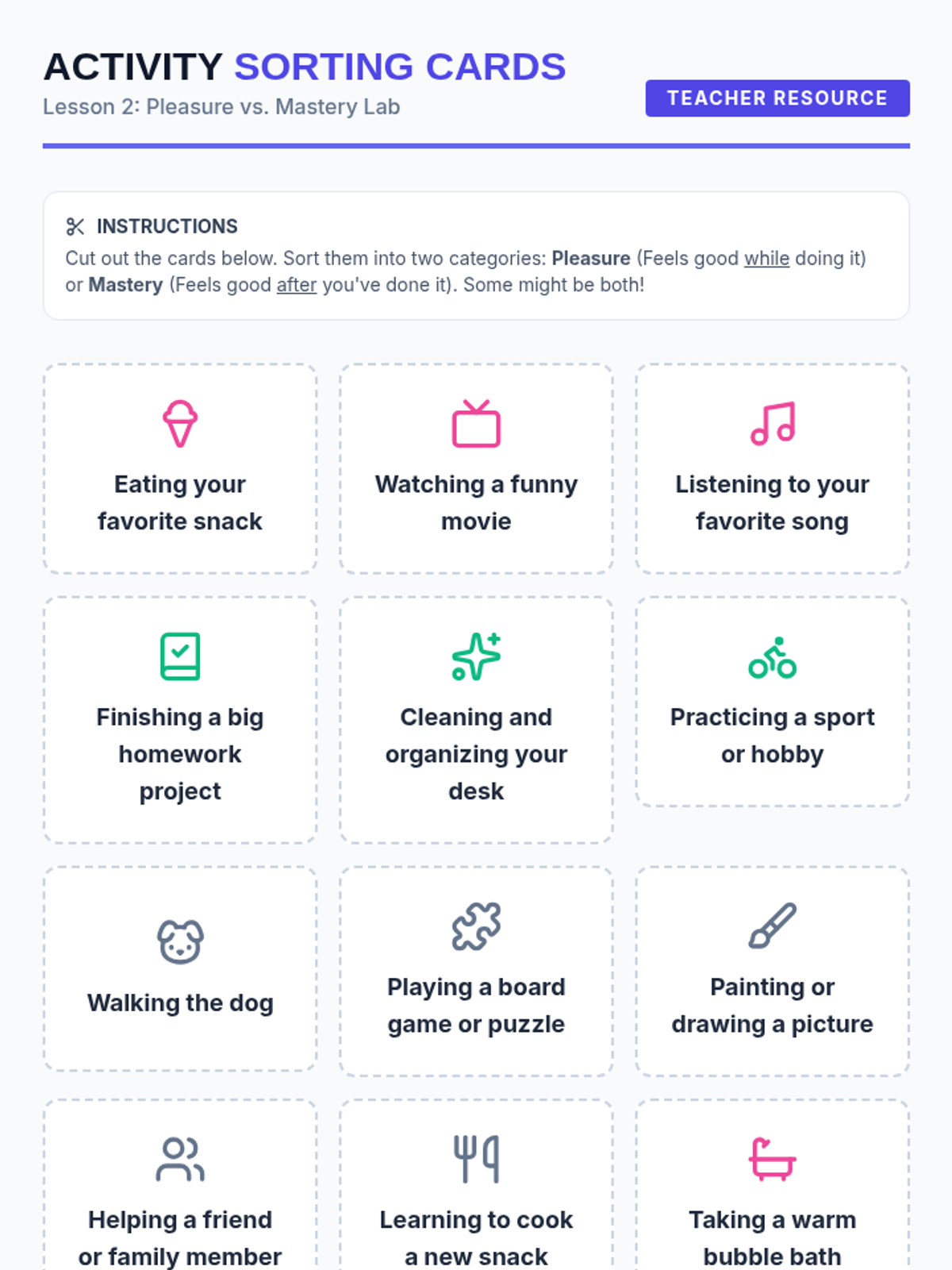
Students distinguish between activities that feel good in the moment (Pleasure) and those that make us feel accomplished (Mastery). Through a sorting workshop, they brainstorm examples for both categories, understanding that a balanced diet of experiences includes both fun and achievement.
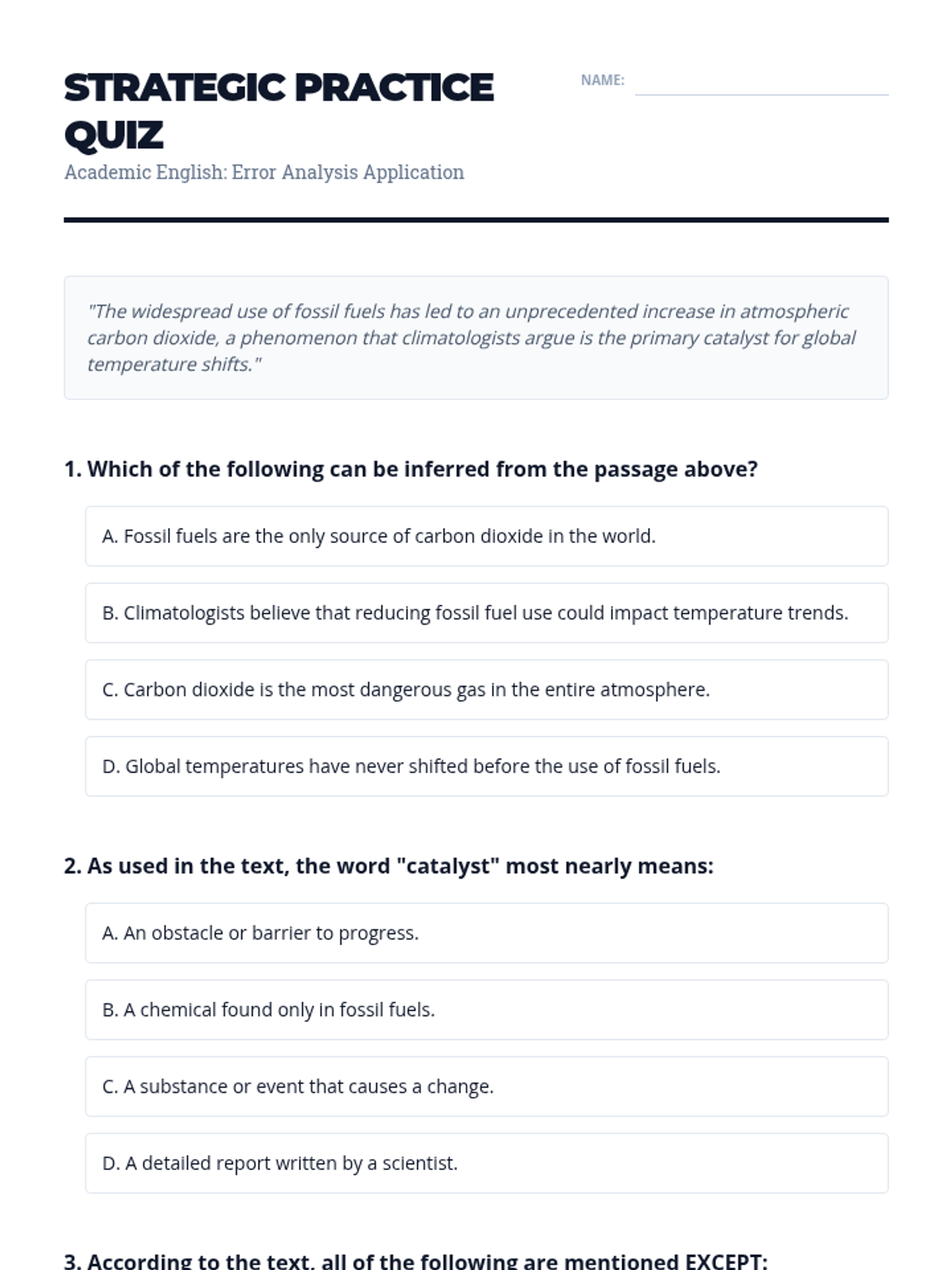
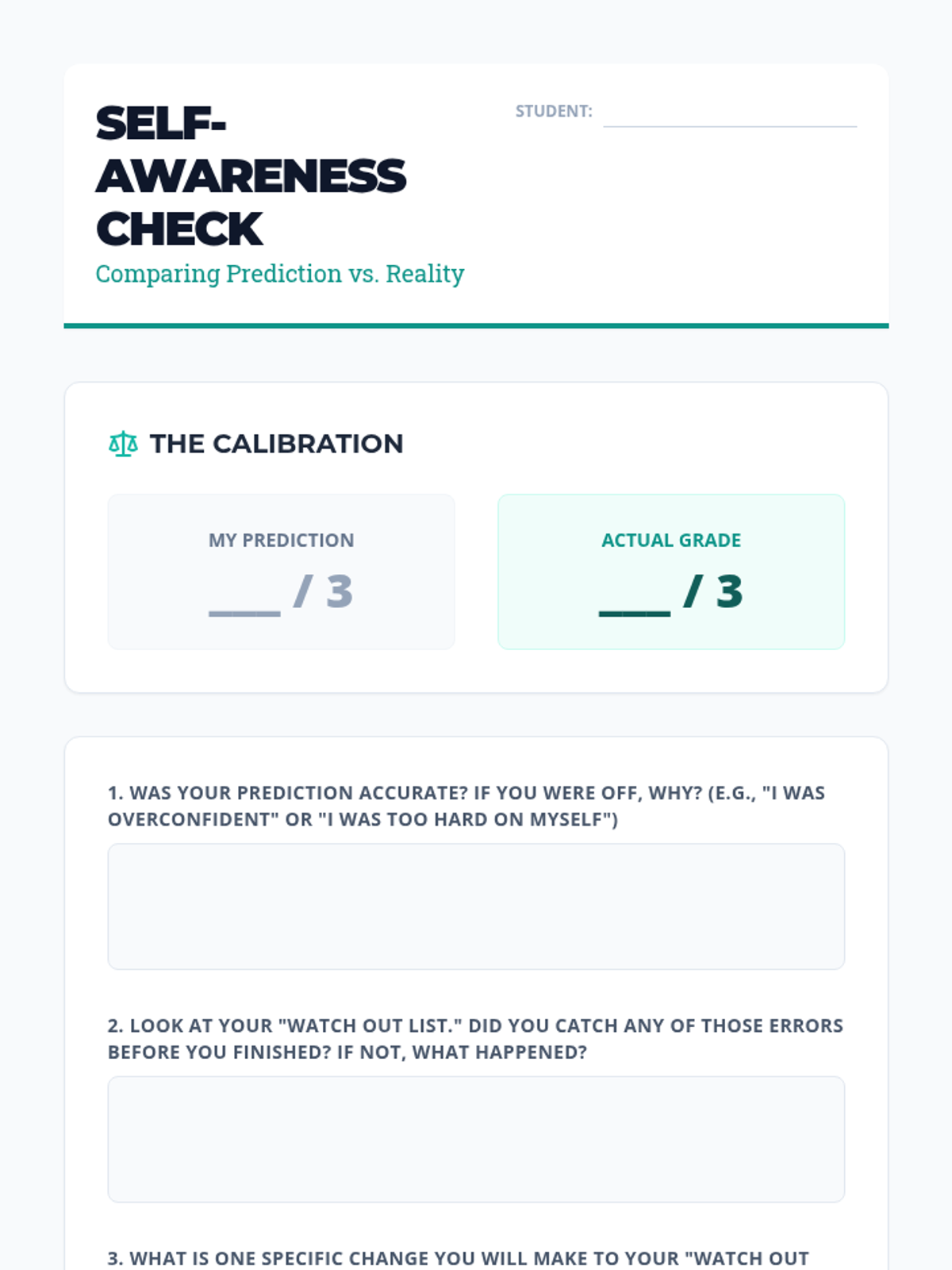
Students take a short assessment and immediately apply their error analysis protocol. They verify if their 'Watch Out' list helped them avoid previous habitual mistakes.
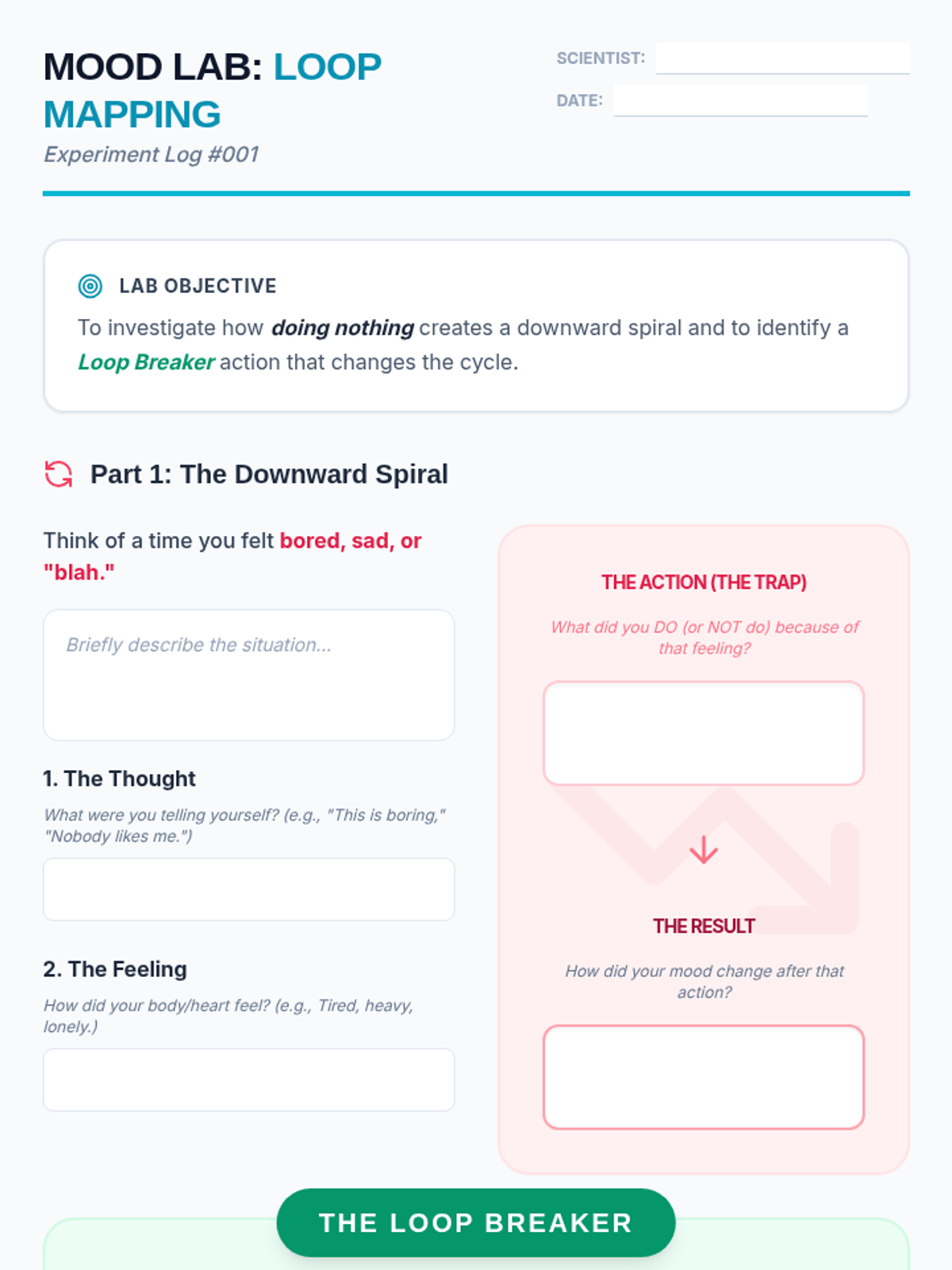
Students participate in a discussion and mapping activity to visualize the cycle between thoughts, feelings, and behaviors. They identify how doing nothing often leads to feeling worse (the downward spiral) and how small actions can reverse this.
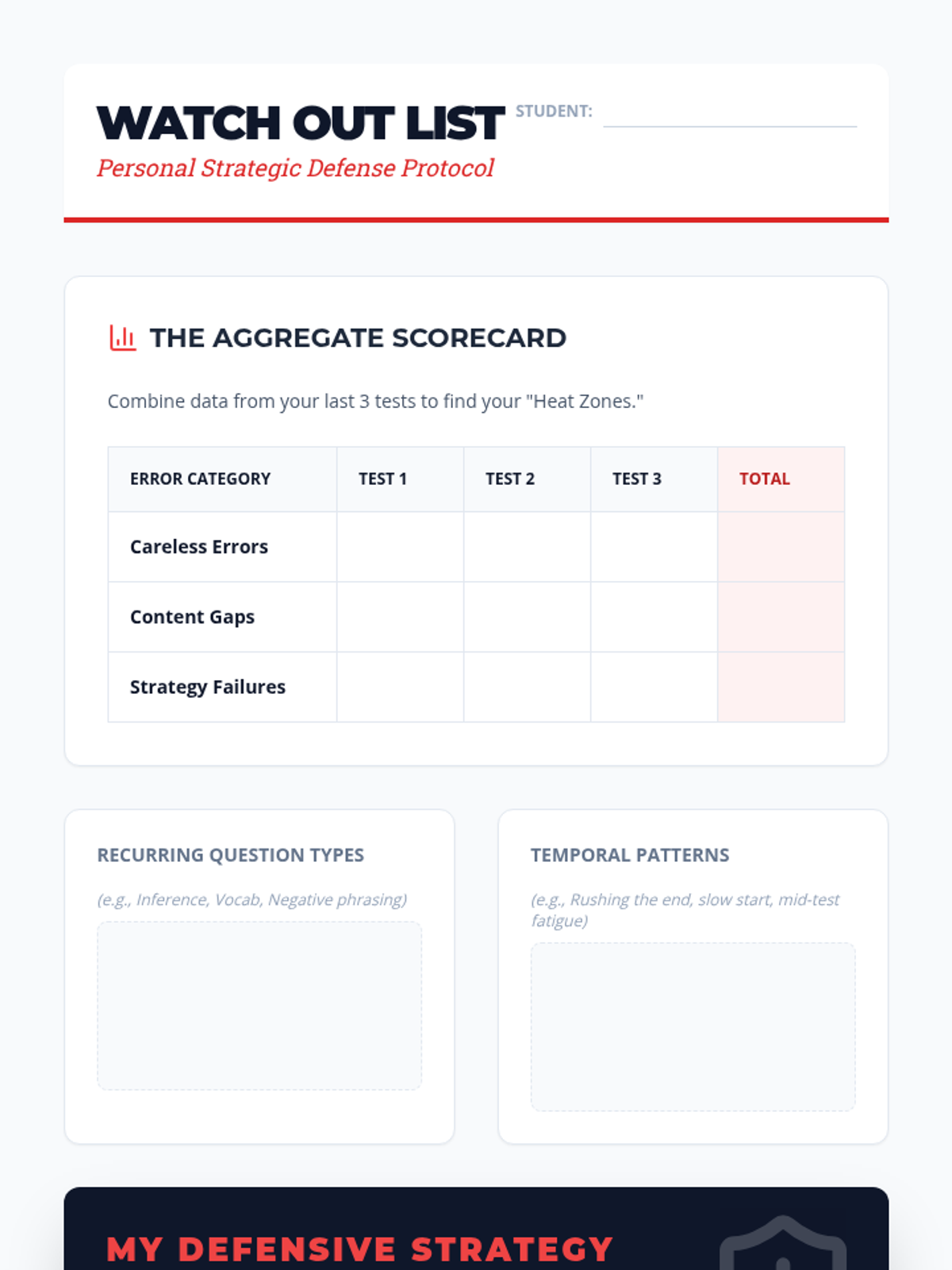
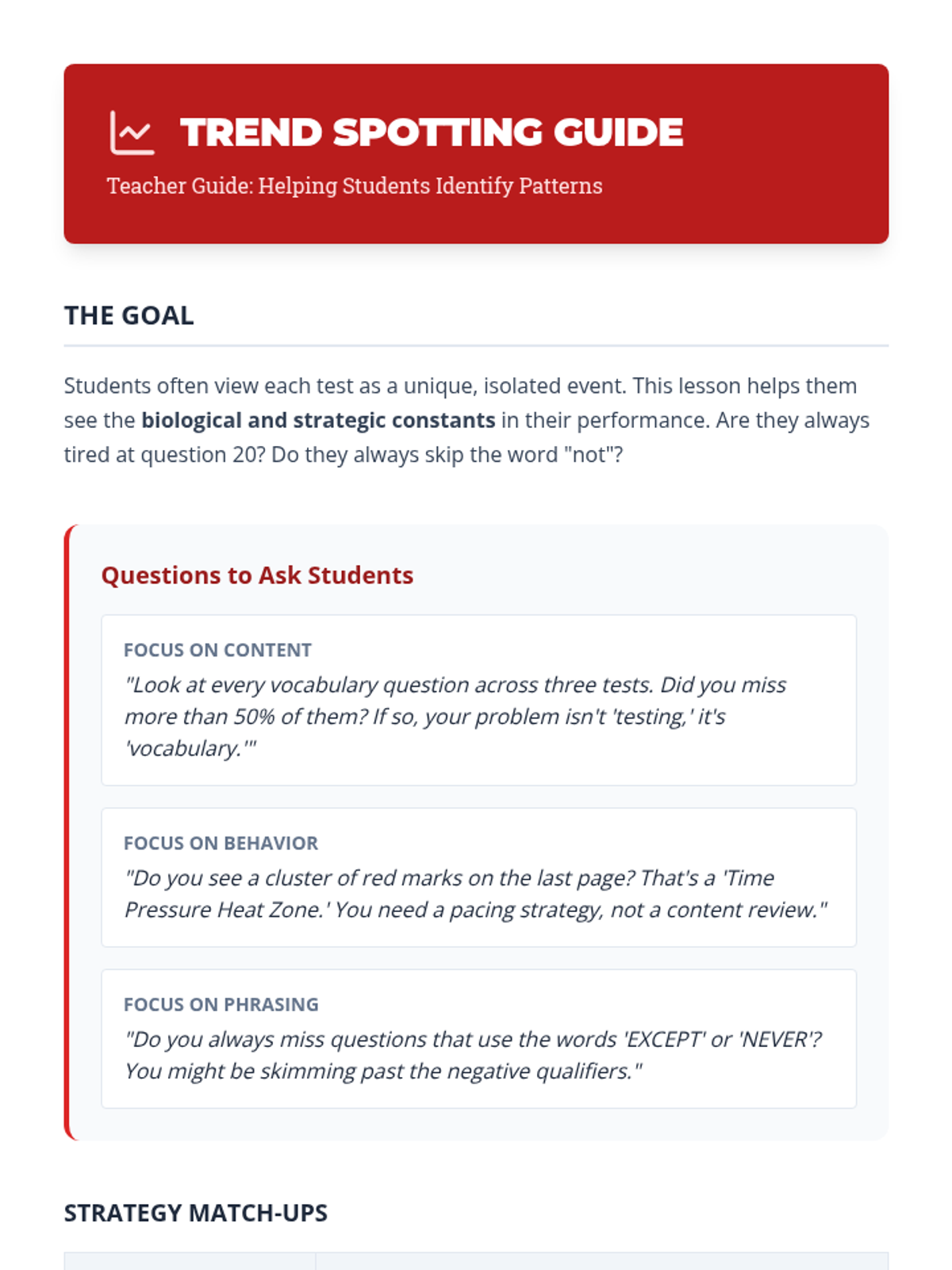
Students aggregate their error data to find personal patterns (e.g., 'I always miss inference questions' or 'I rush the last 5 minutes'). They create a personal 'Watch Out' list for future exams.
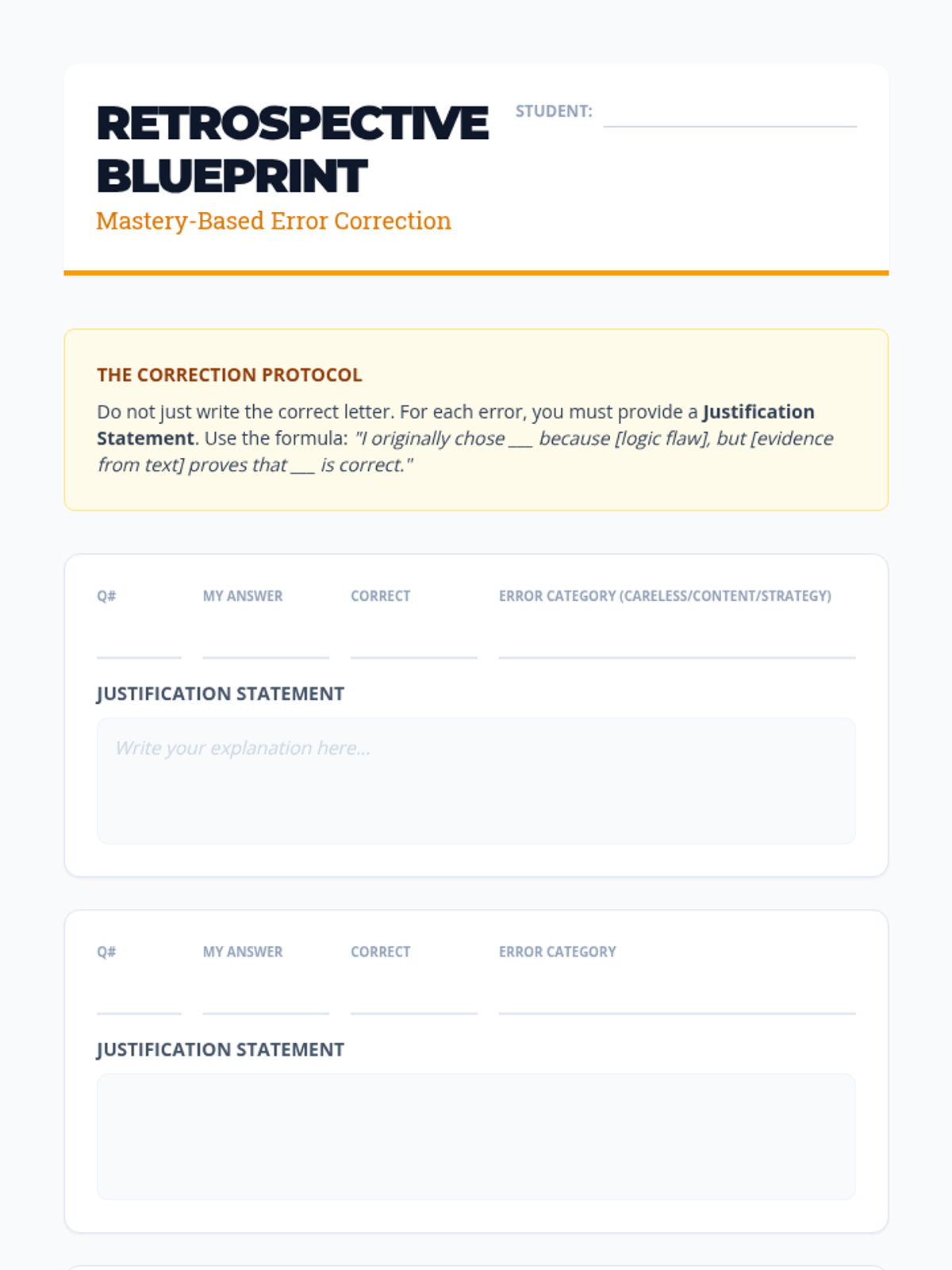
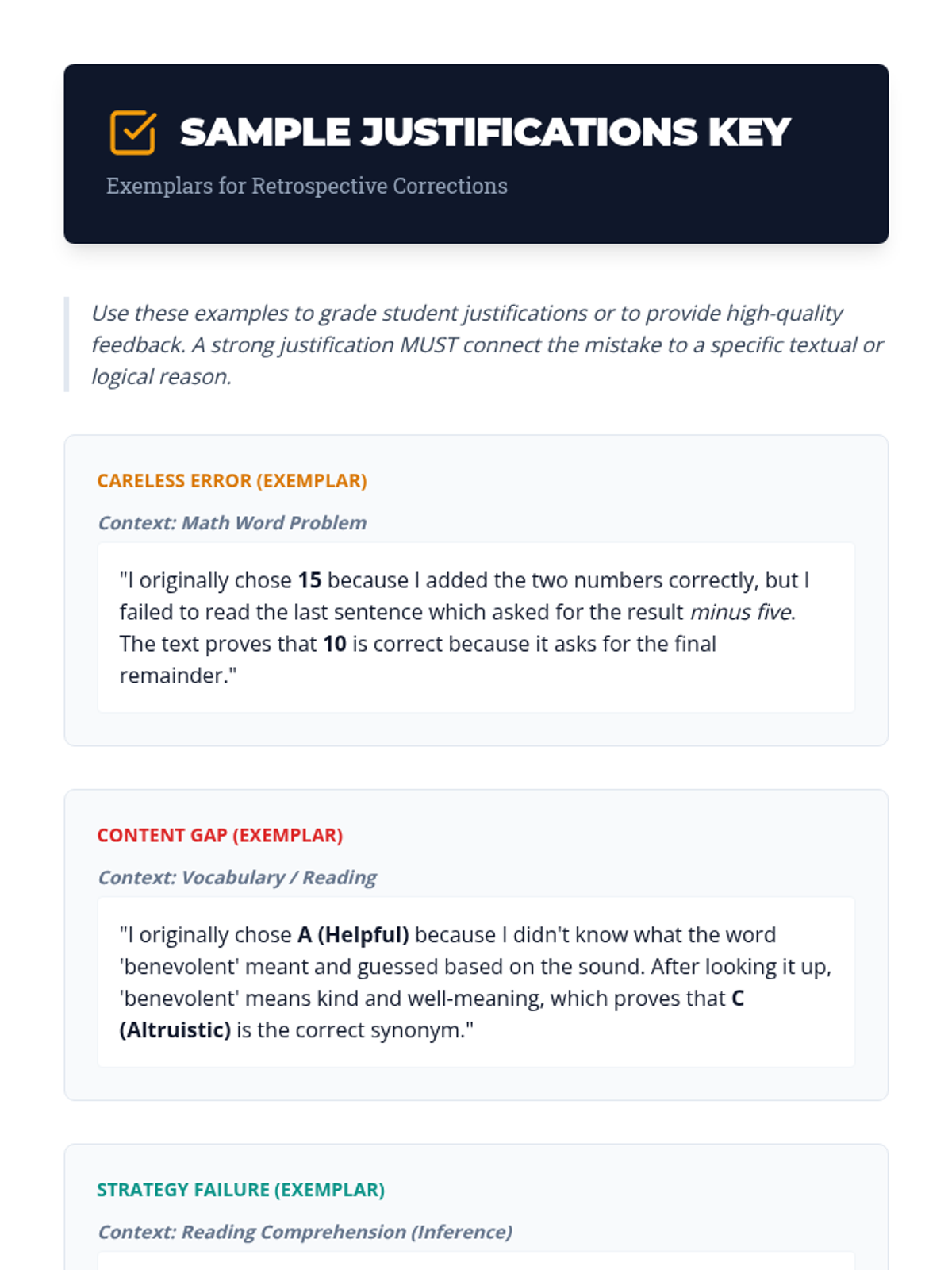
Instead of just marking correct answers, students must write a sentence explaining *why* their original answer was wrong and *why* the new answer is right. This ensures deep processing of the error.
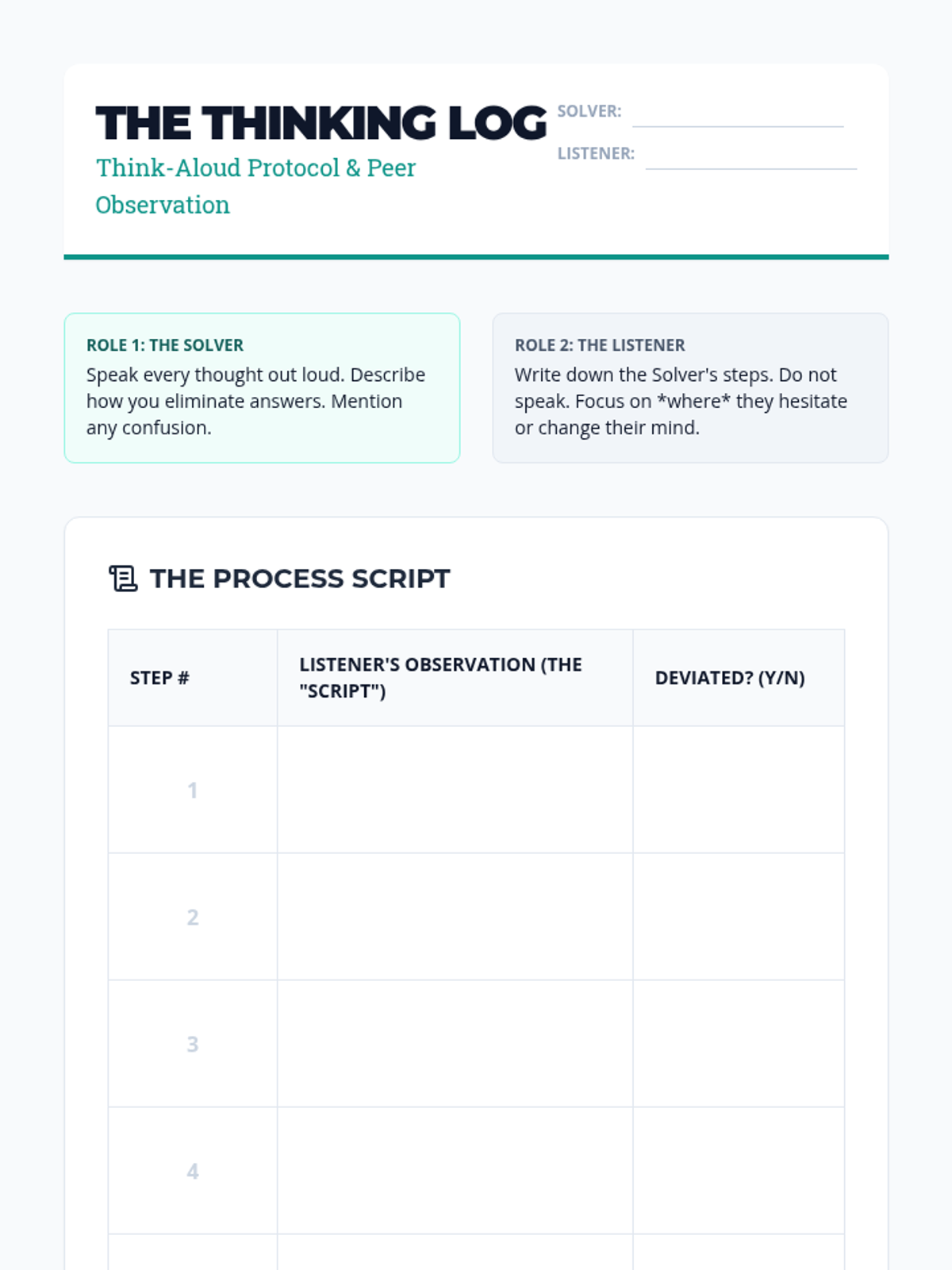
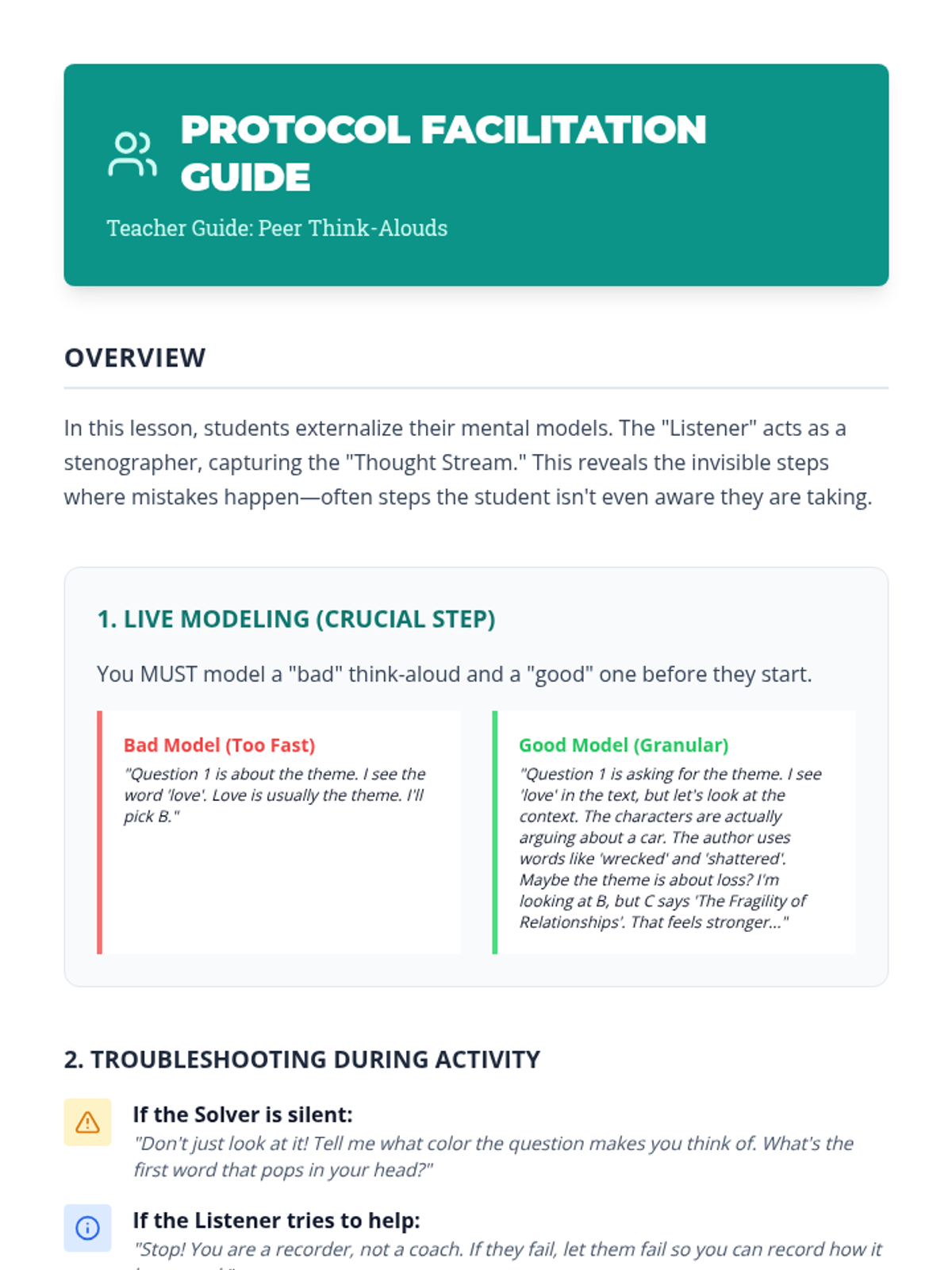
Working in pairs, students vocalize their thinking process while solving a problem while a partner records their steps. They analyze these recordings to identify where their logic deviated from the correct path.
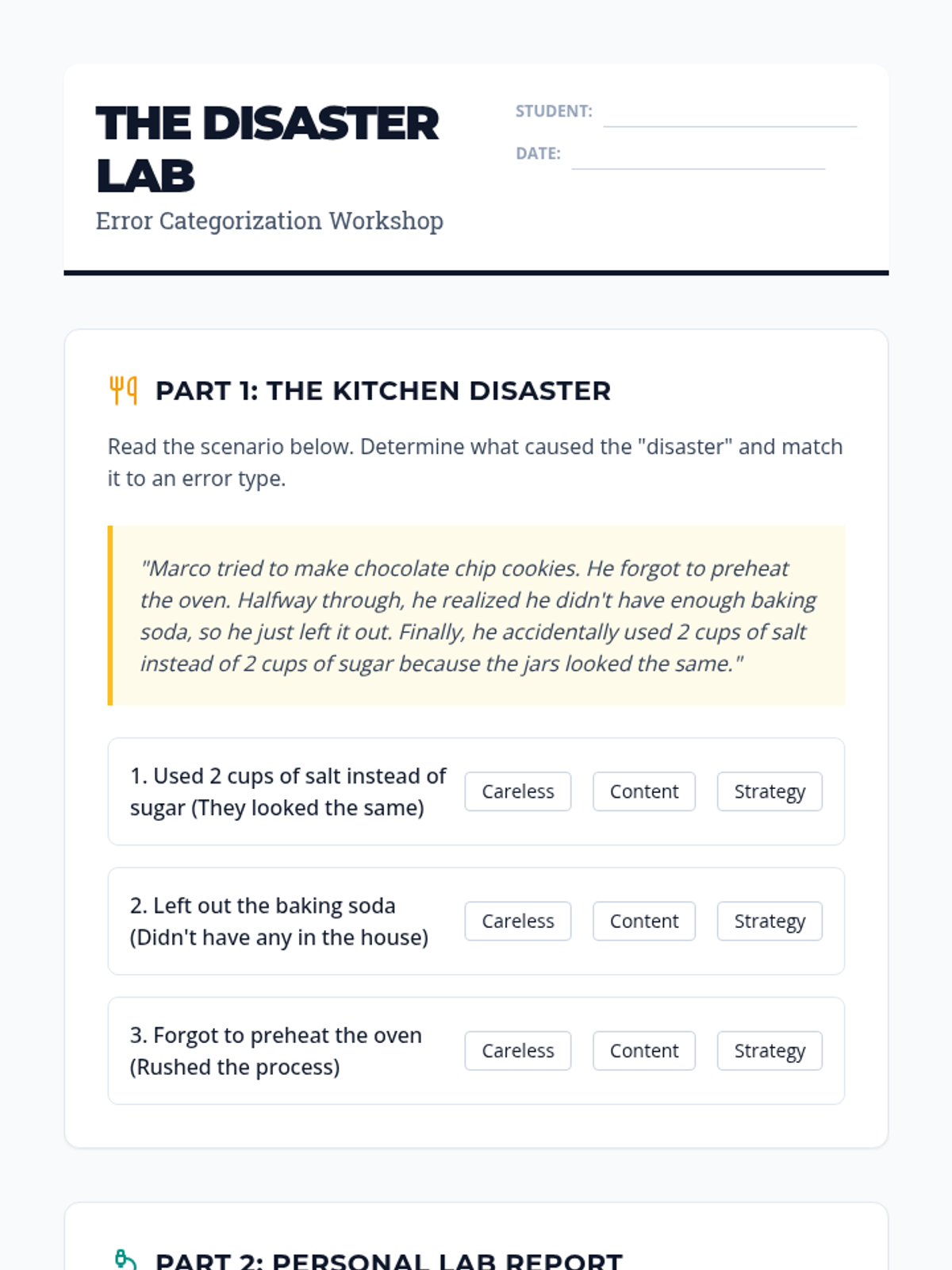
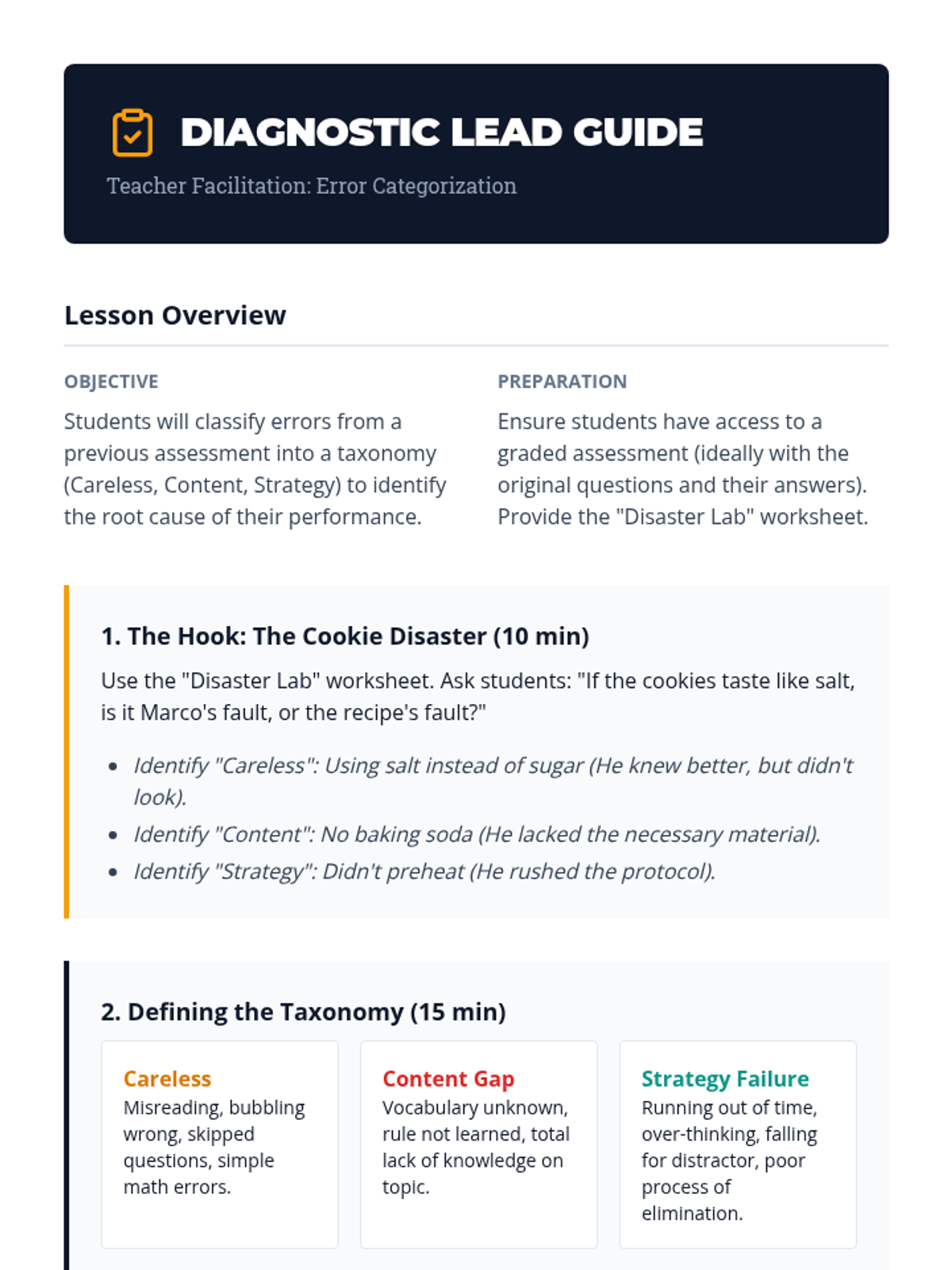
Students review a past assessment and categorize every incorrect answer as a 'Careless Error,' 'Content Gap,' or 'Strategy Failure.' This taxonomy helps them understand that not all mistakes are created equal.
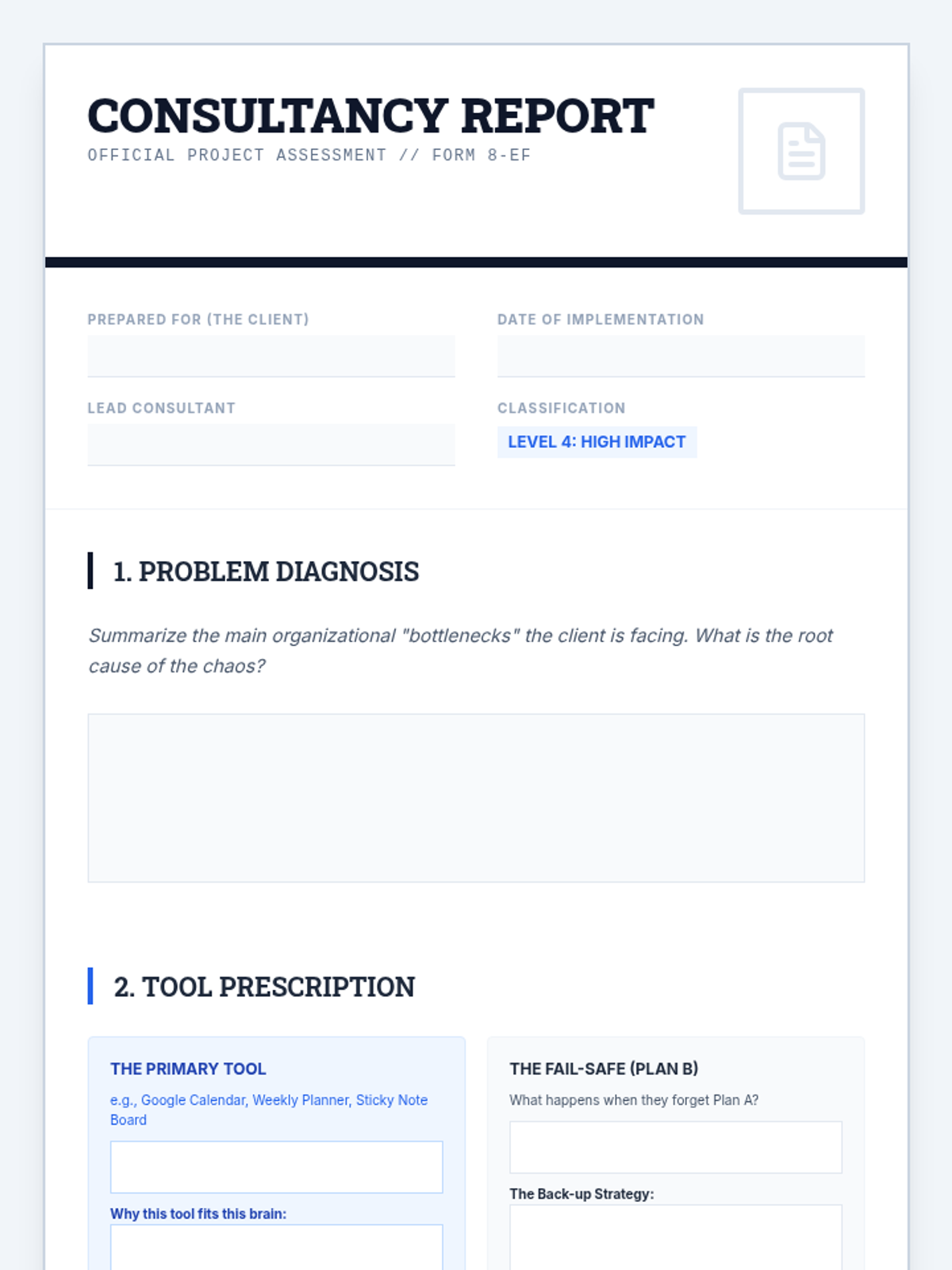
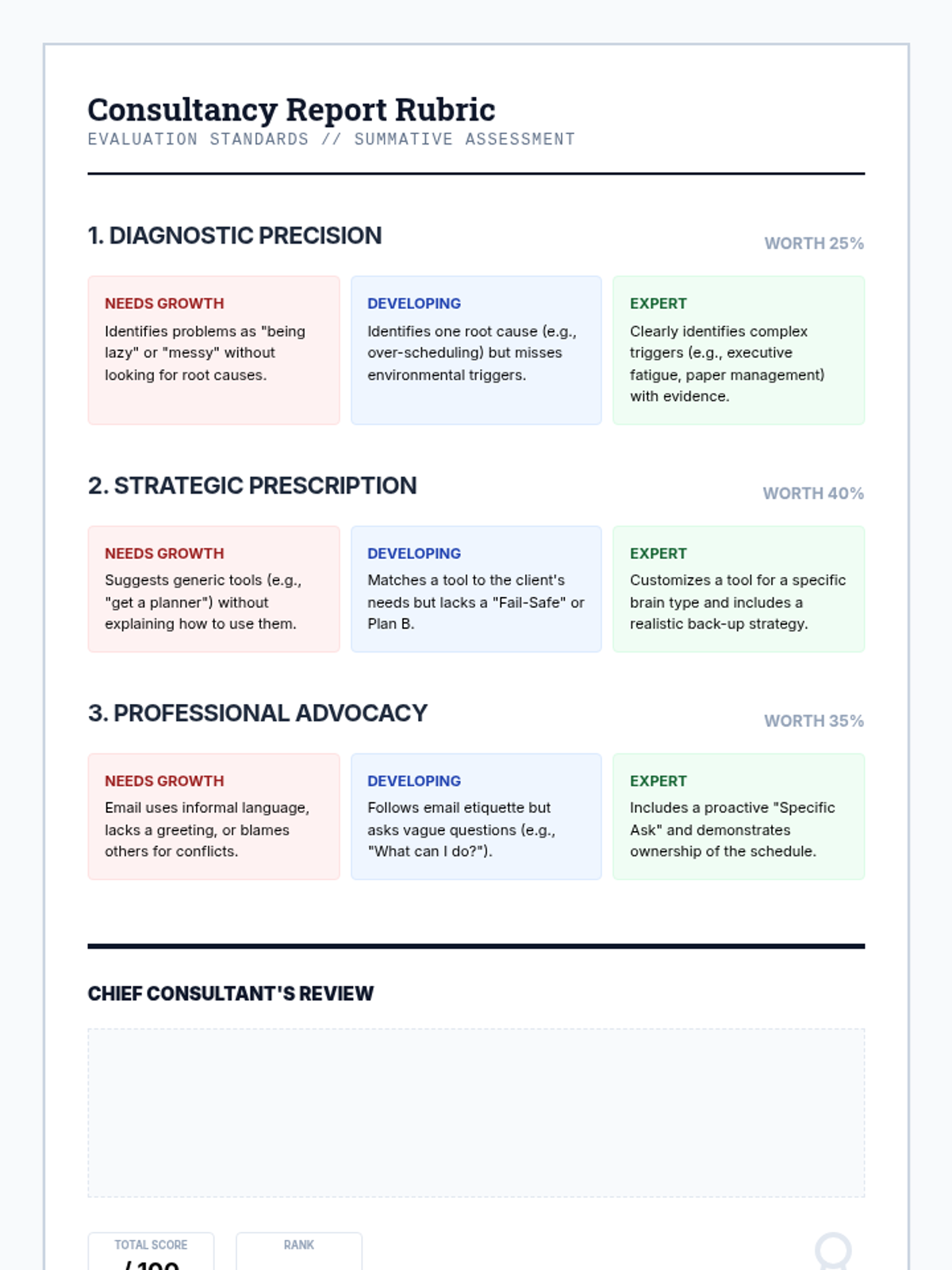
A cumulative assessment where students produce a final 'Consultancy Report' prescribing a comprehensive organizational plan for a client or themselves.
Students evaluate and pitch various organizational tools, from digital apps to paper checklists, learning to match specific scaffolds to different brain types.
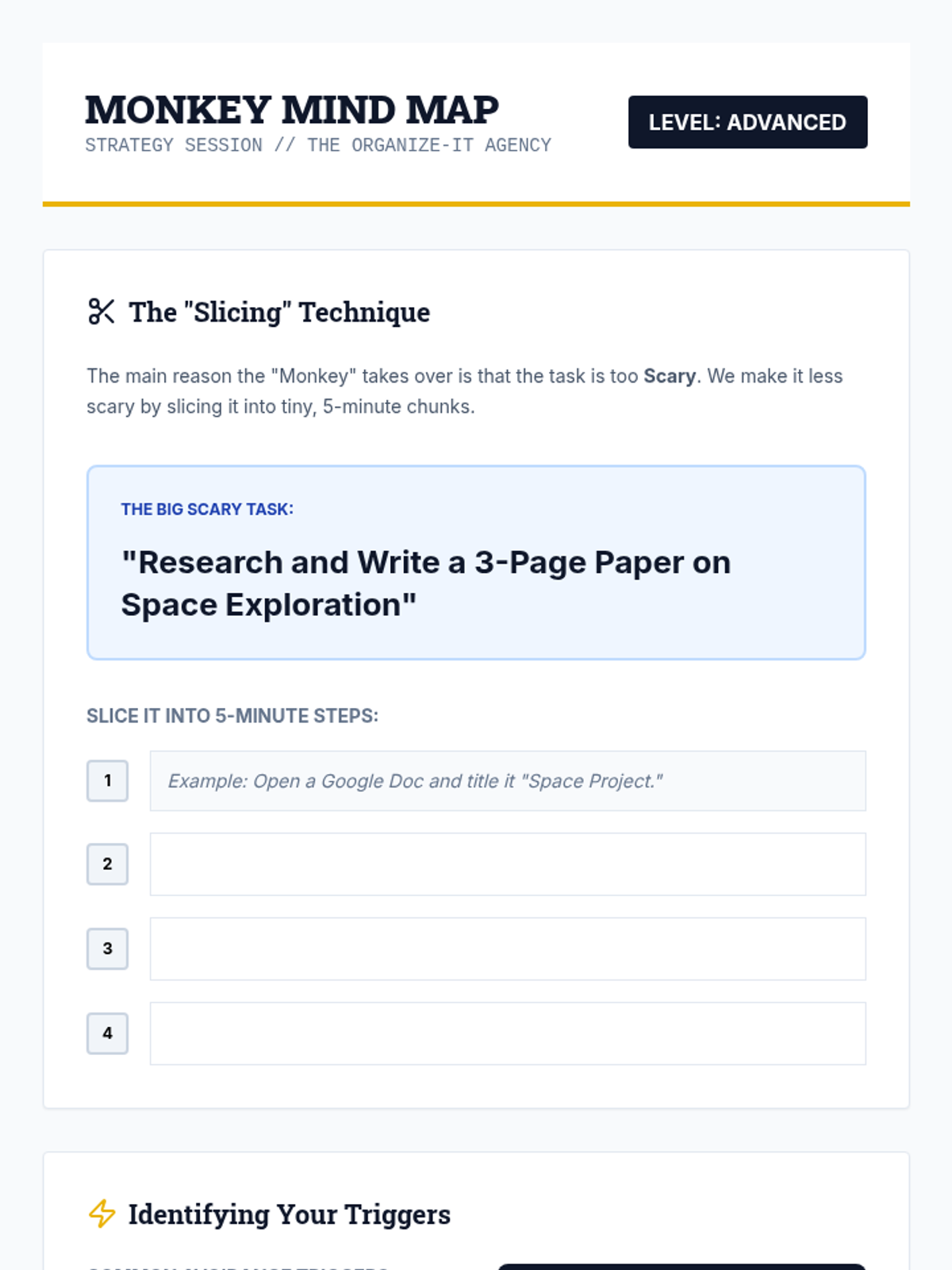
Explores the emotional roots of procrastination and provides concrete strategies like the 5-minute rule to break the cycle of avoidance.
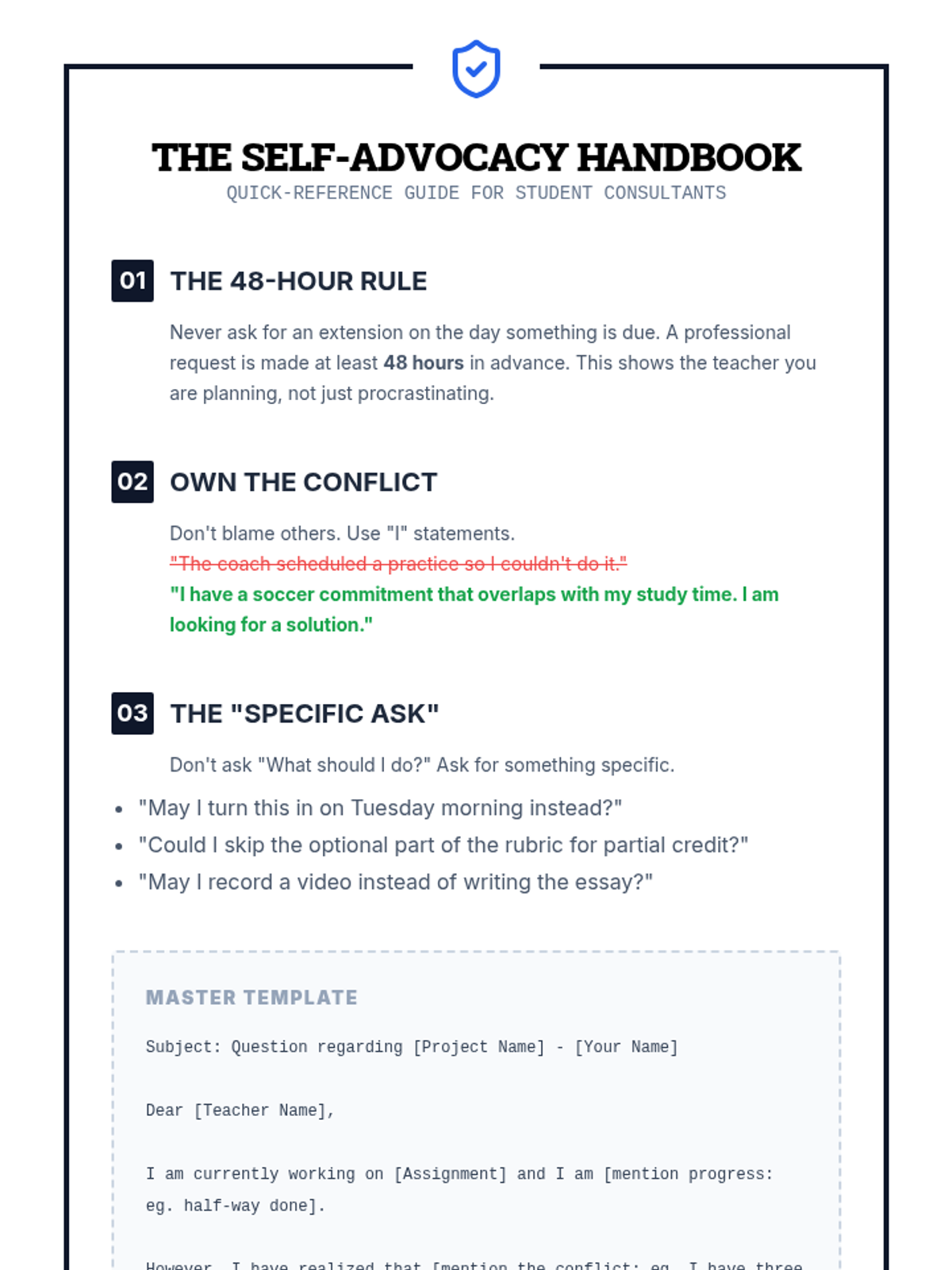
Focuses on professional communication and self-advocacy, teaching students how to request support and extensions effectively before deadlines pass.
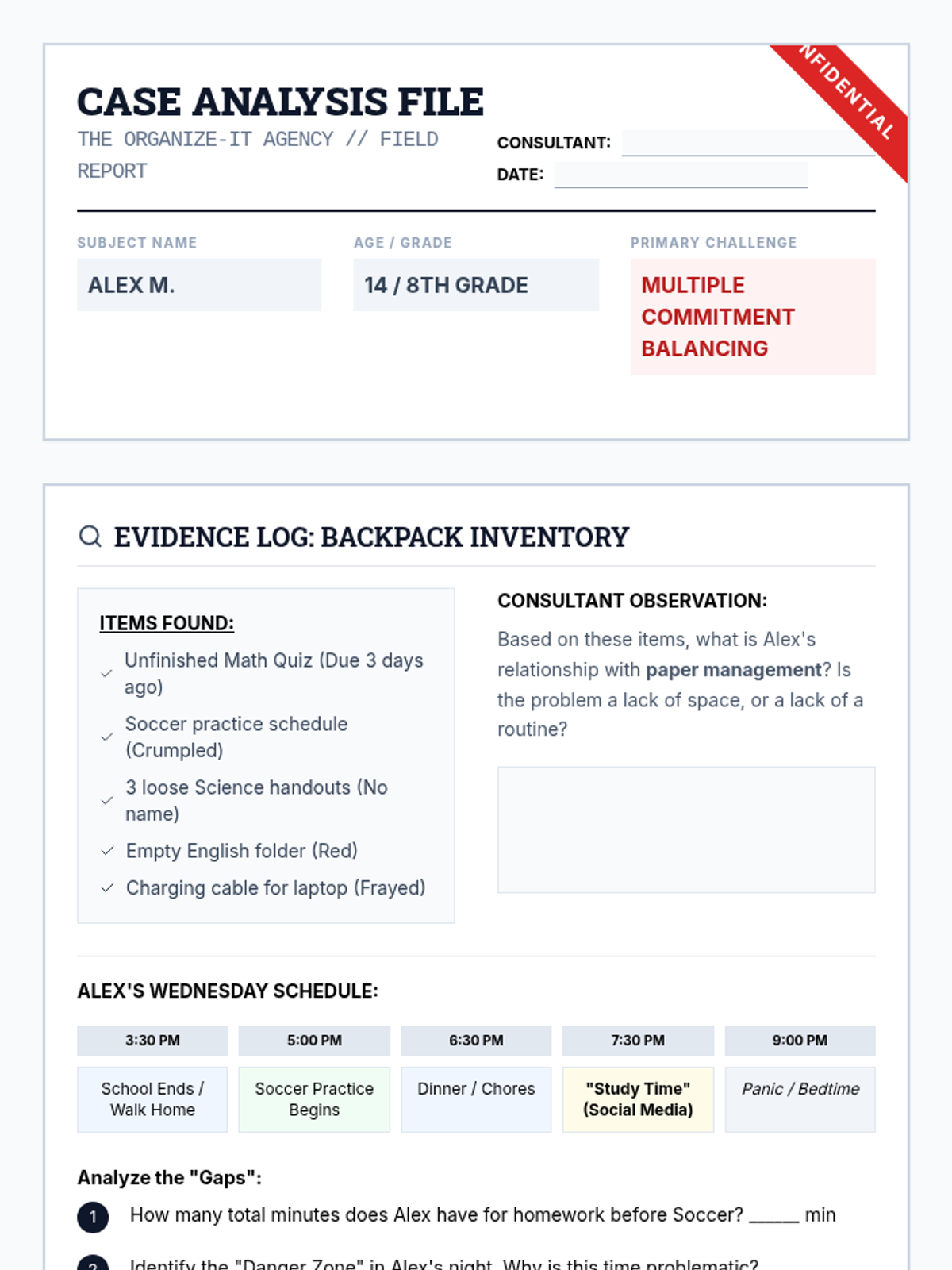
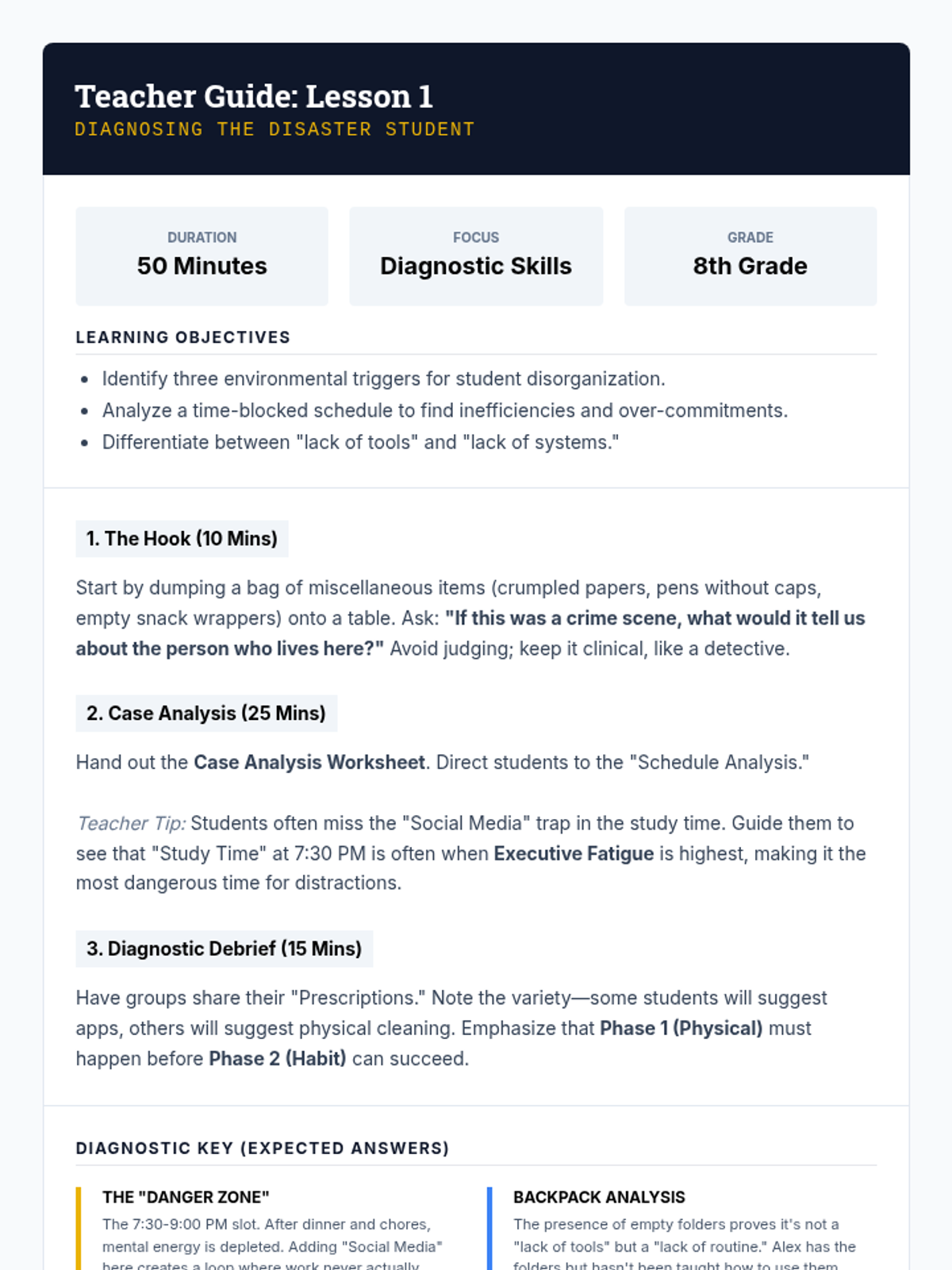
Students step into the role of consultants to analyze a 'disaster' case study, examining a fictional student's backpack and schedule to diagnose root causes of disorganization.
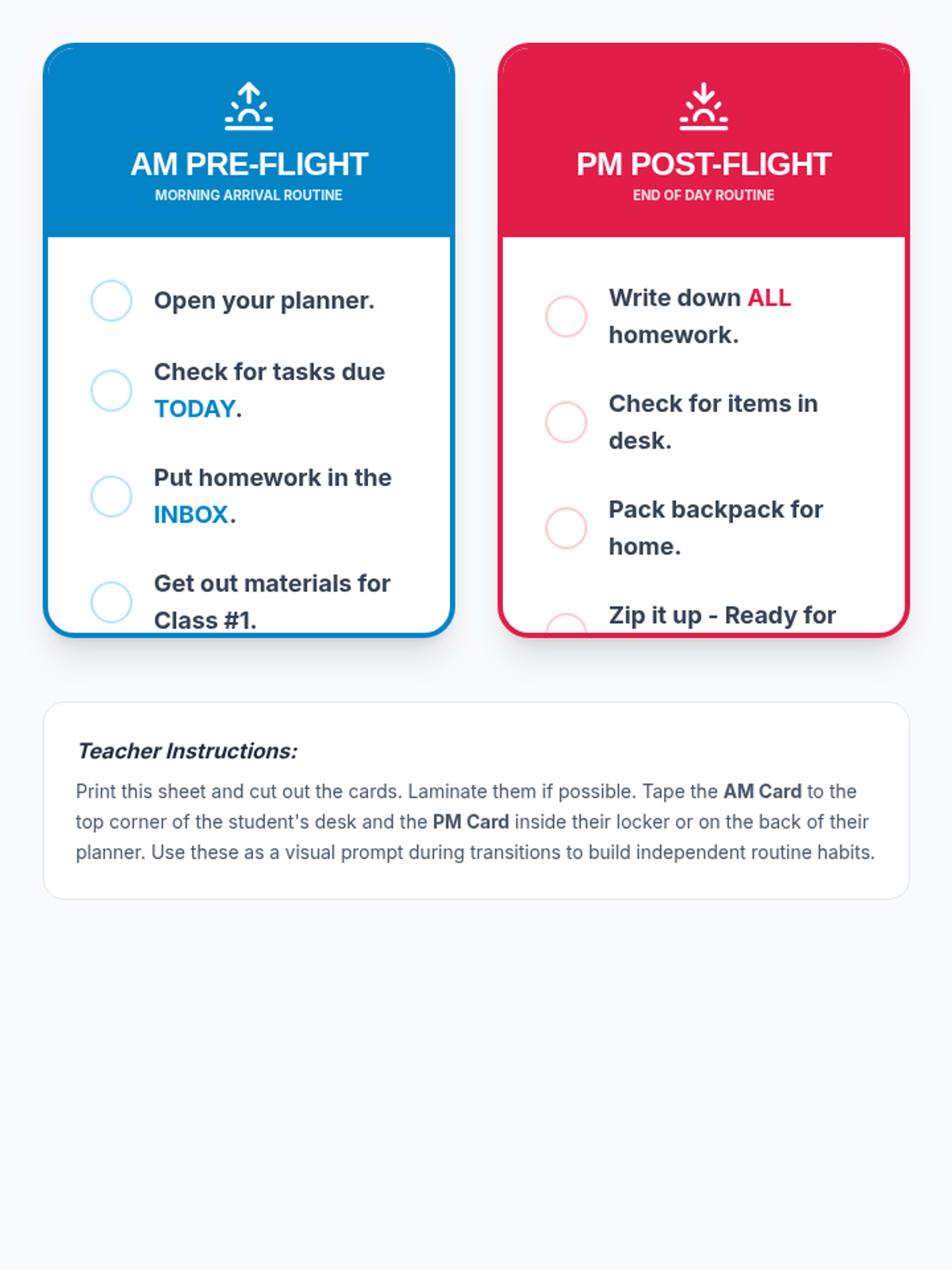
Students develop a checklist for a 'start-of-day' and 'end-of-day' review. They practice the habit of checking their planner to prepare materials for the next day.
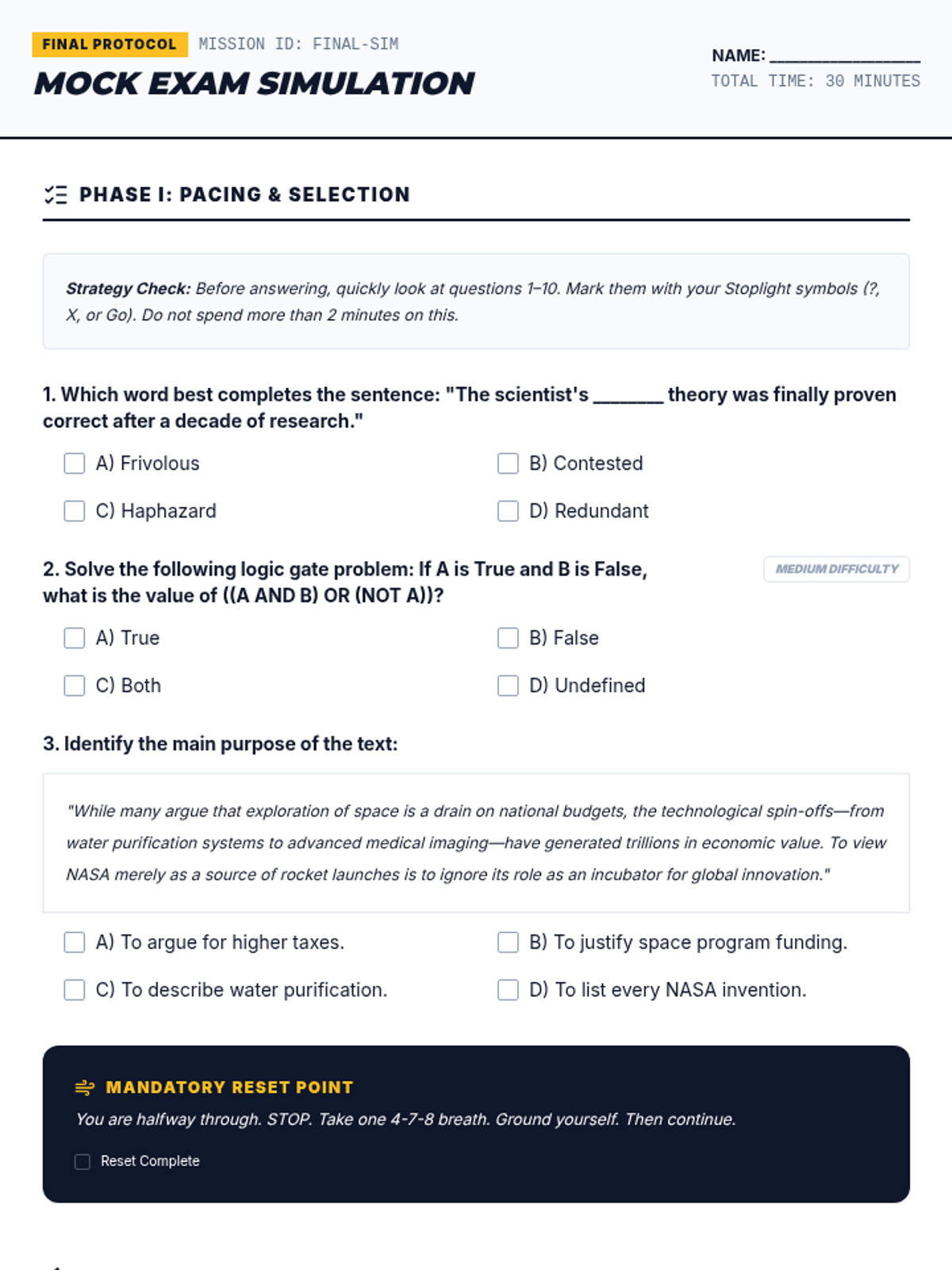
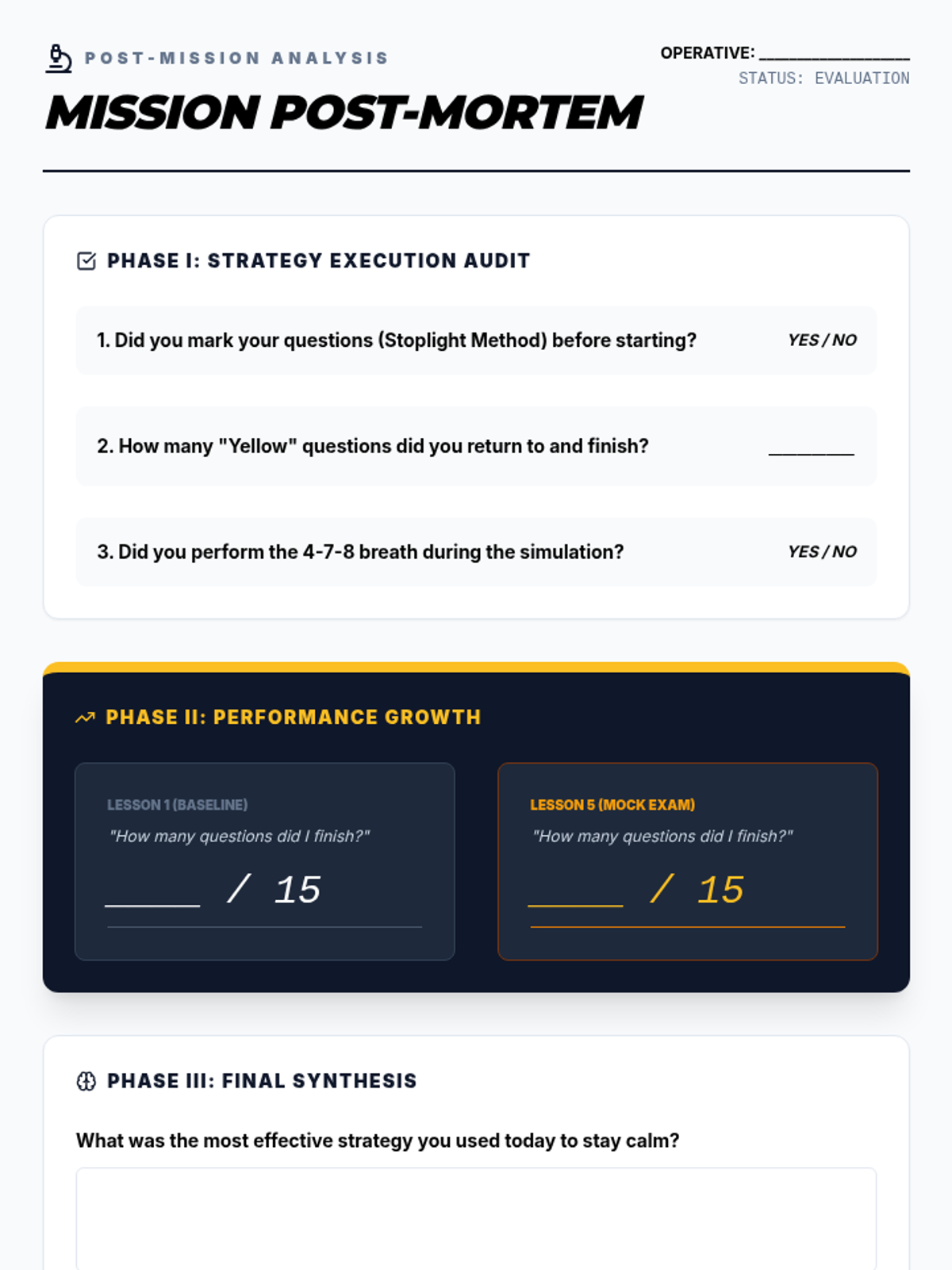
A realistic mock exam simulation followed by a deep-dive analysis of strategy application and pacing performance.
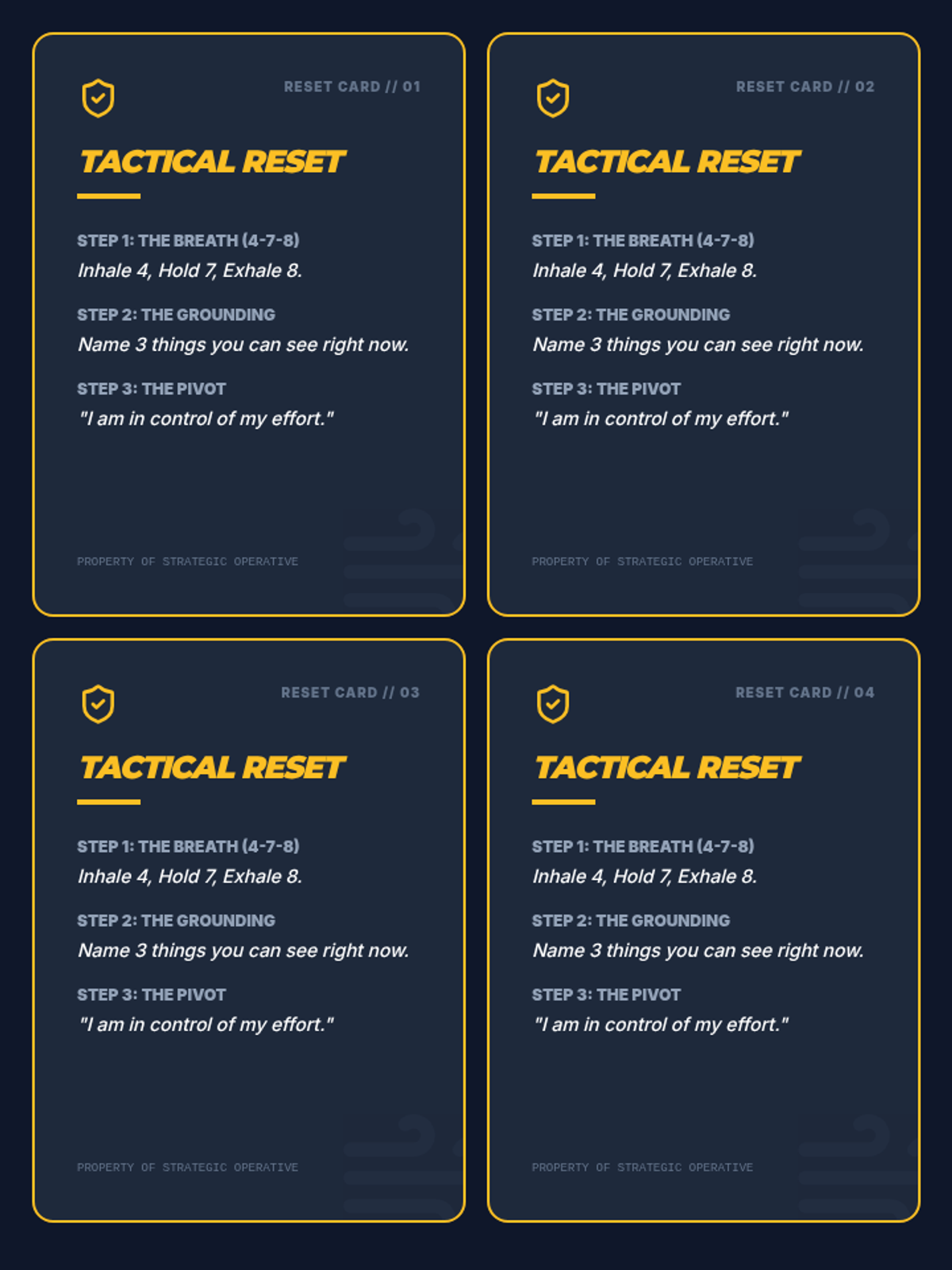
Focuses on physical and mental reset techniques to manage testing anxiety and maintain focus during high-pressure environments.
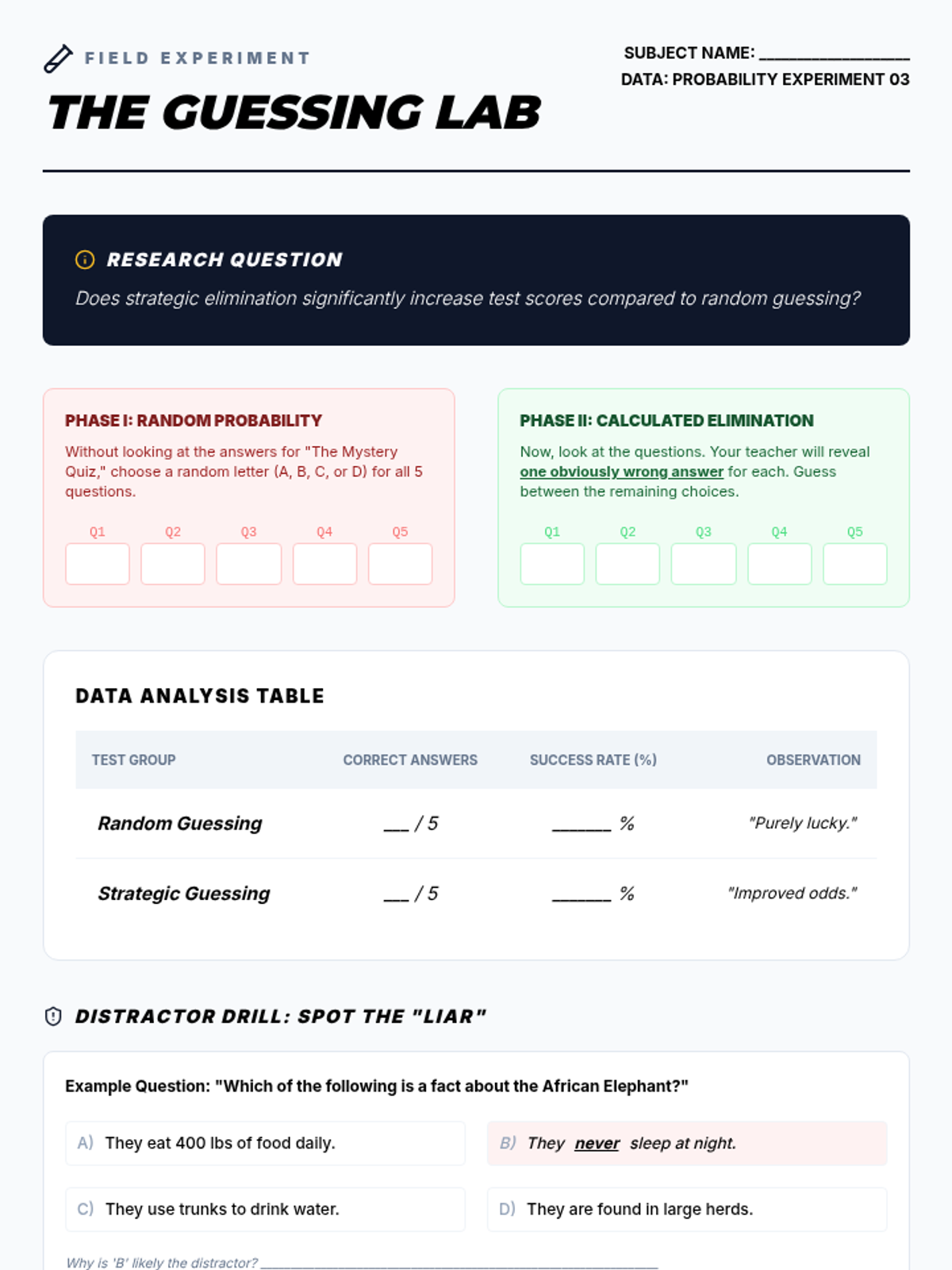
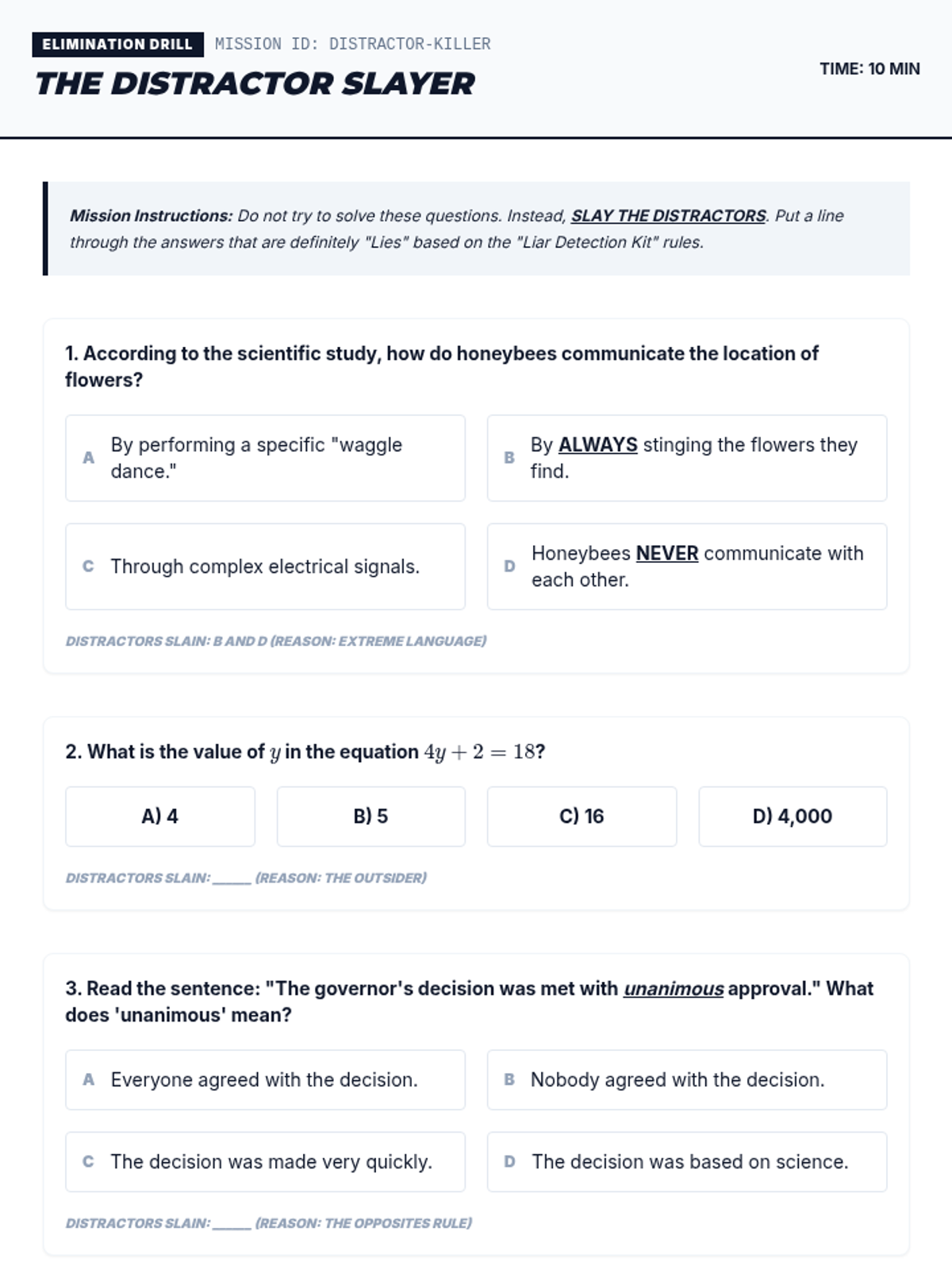
Students explore the statistics of educated guessing and practice eliminating distractors to increase their probability of success.
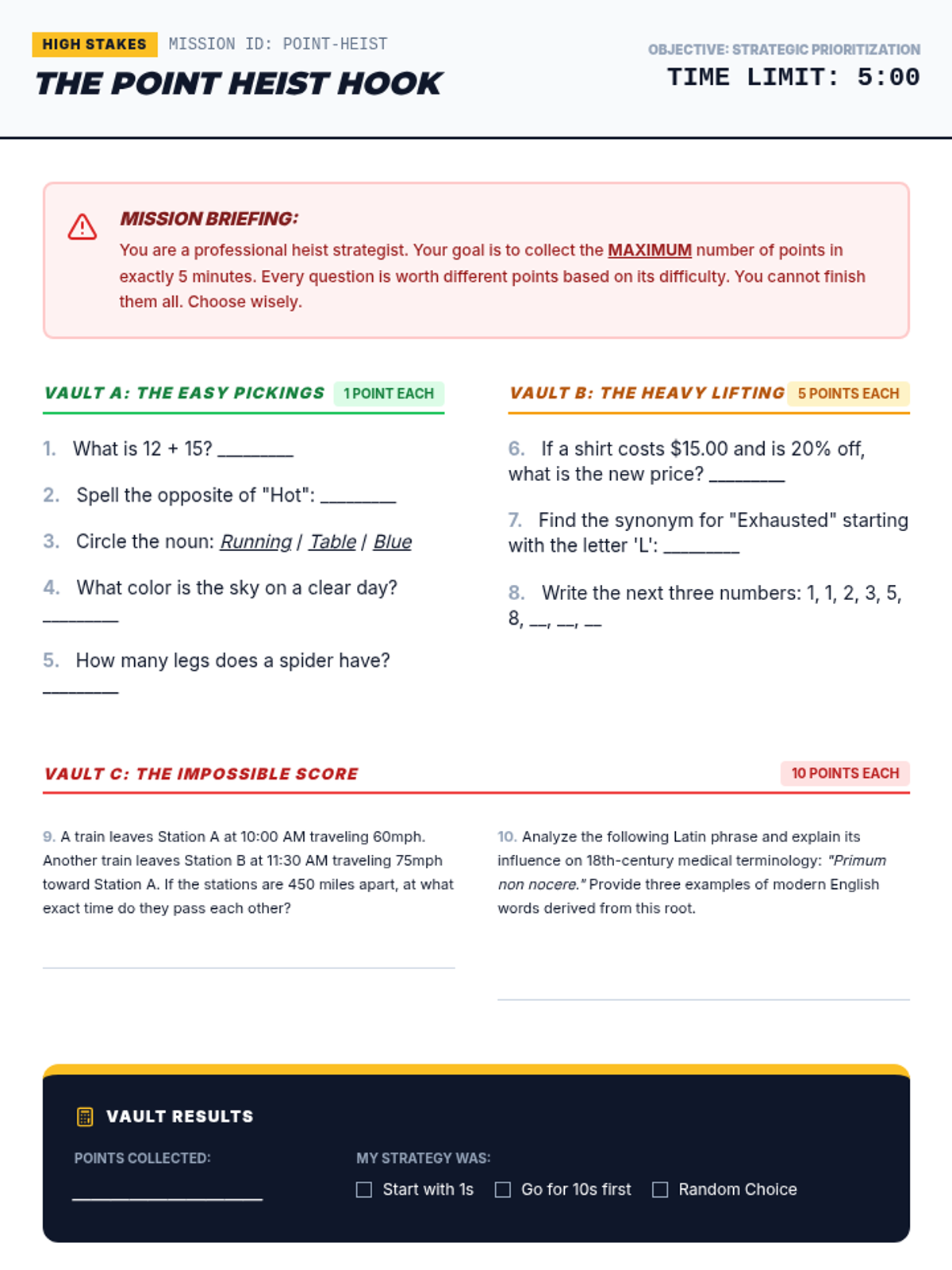
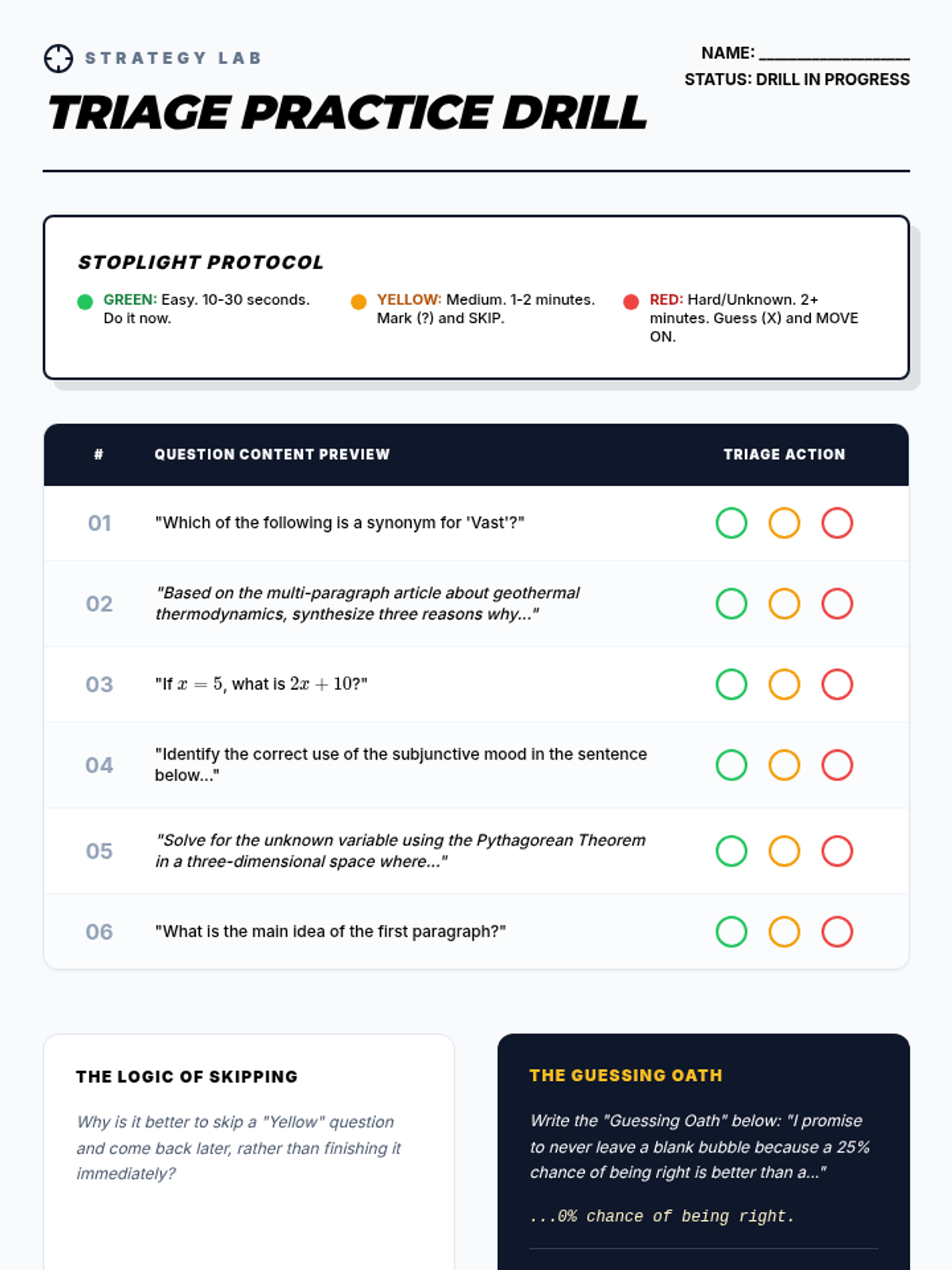
Learners master the 'Triage' method to prioritize easy questions and strategically skip difficult ones to maximize score potential.
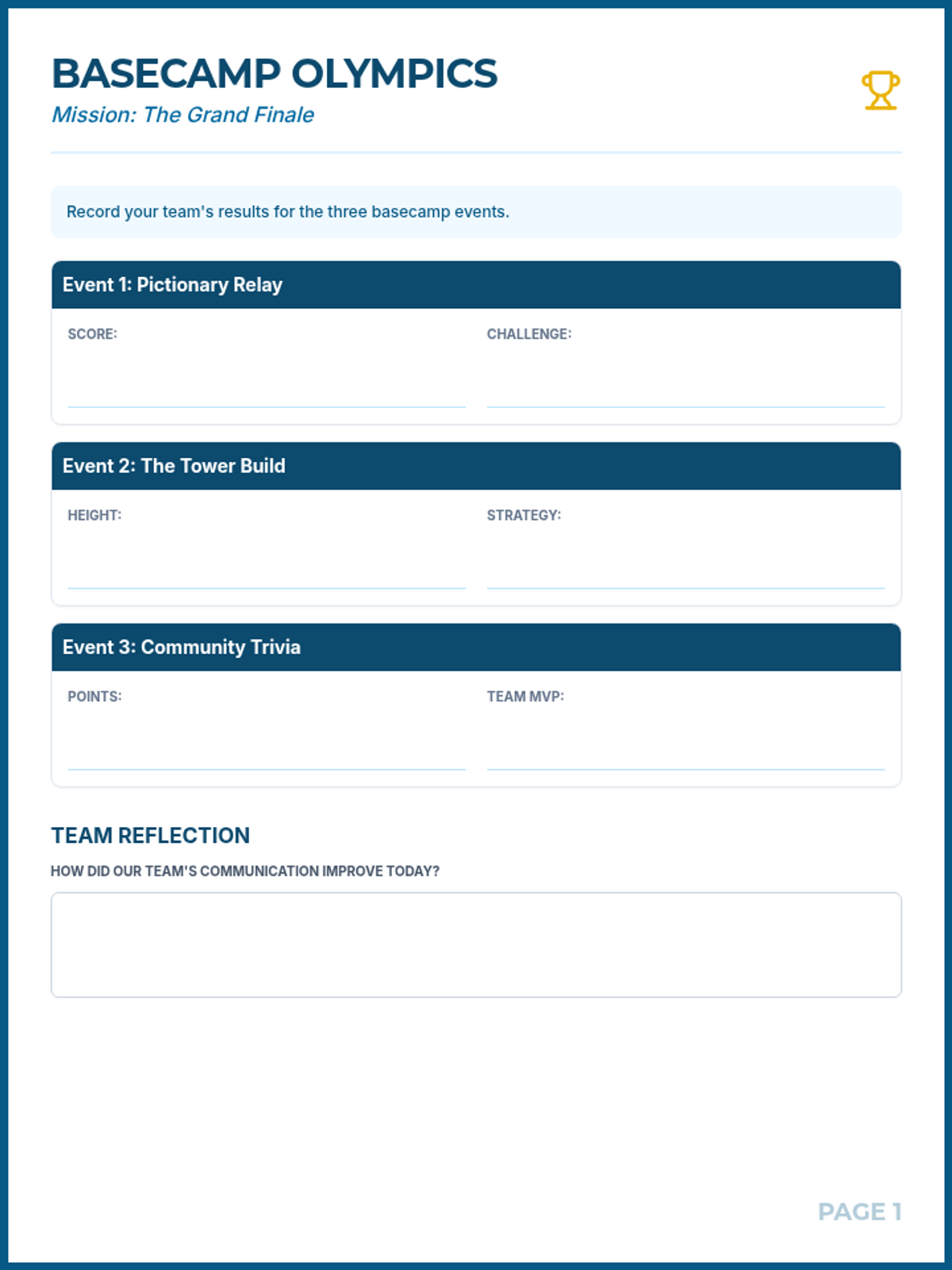
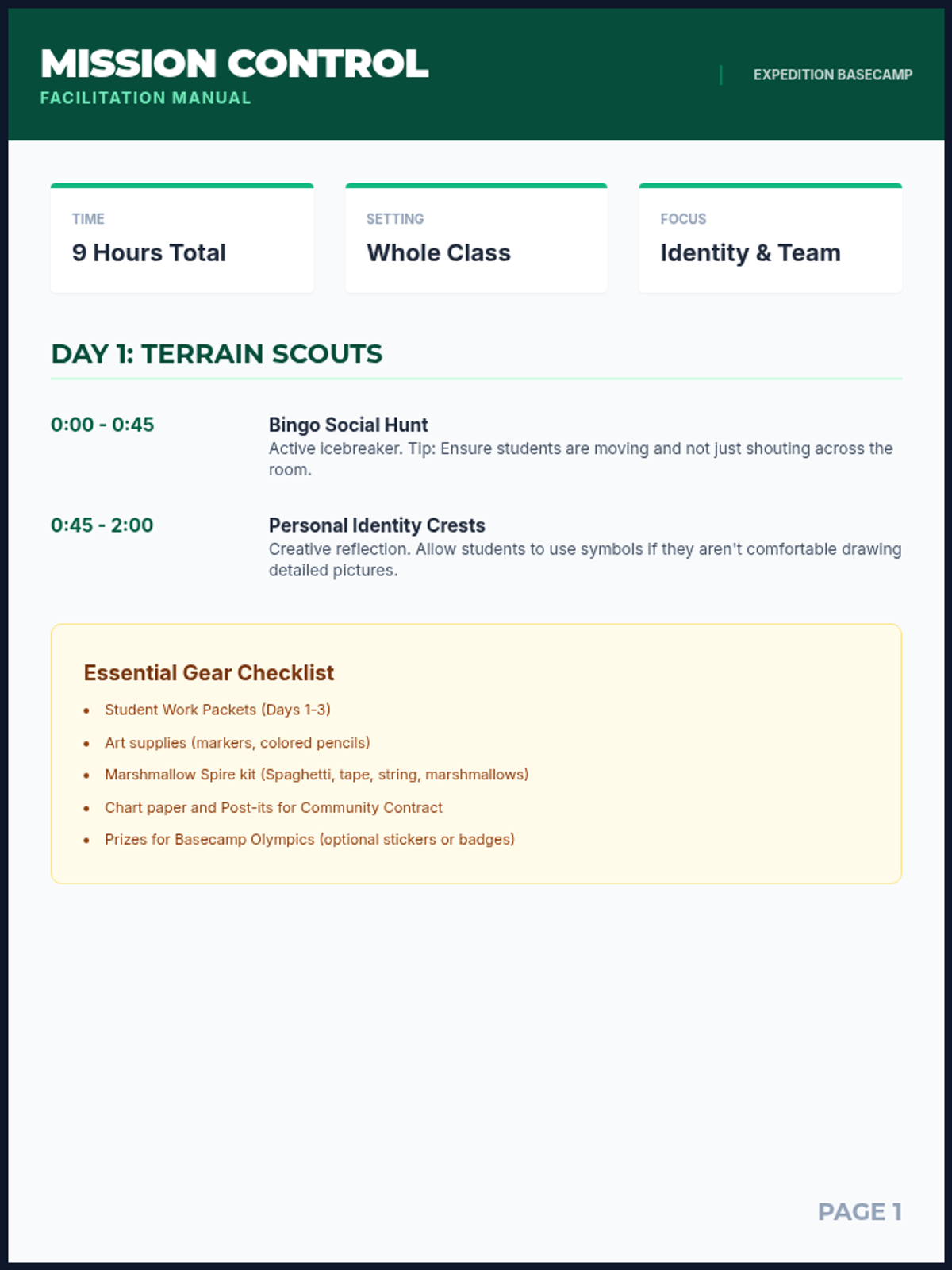
The final day celebrates the new community with a 'Basecamp Olympics' event and a reflective 'Letter to Future Self' to set the tone for the year ahead.
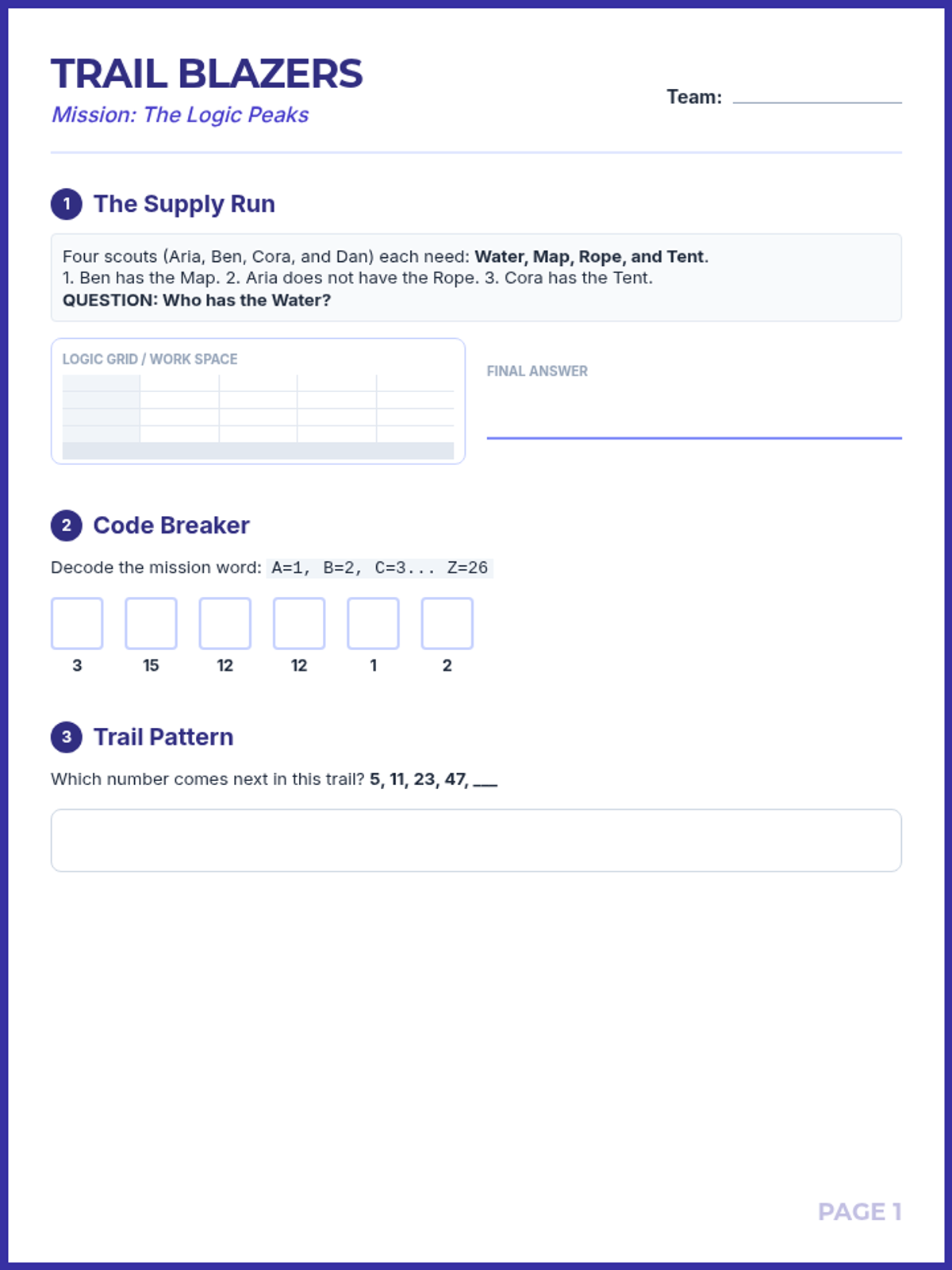
Day two shifts focus to collaborative problem-solving with an engineering challenge and the collective creation of a classroom 'Community Contract'.
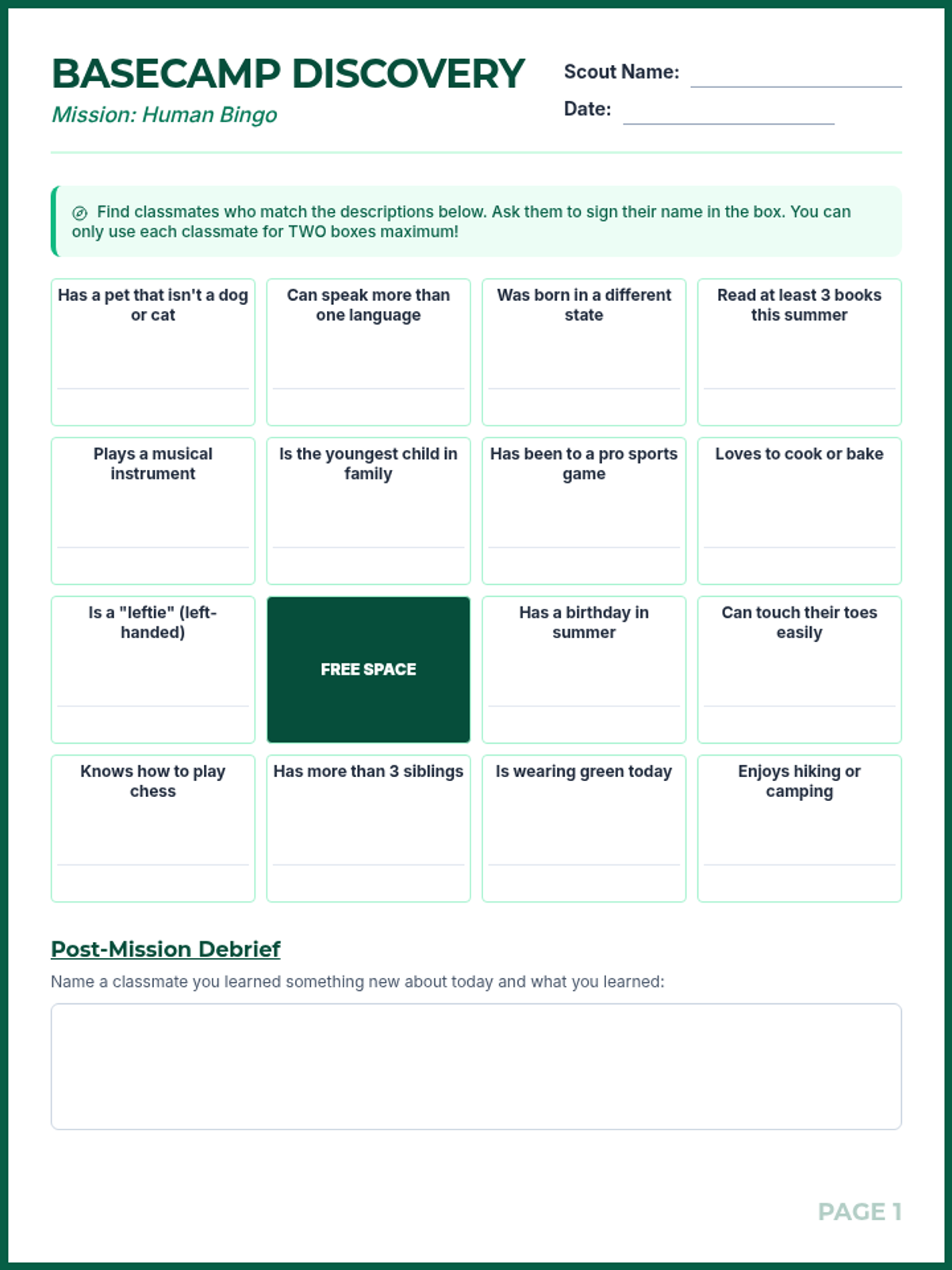
The first day of basecamp focuses on individual identity and initial team bonds through a 'Human Bingo' social hunt and a creative 'Personal Crest' project.
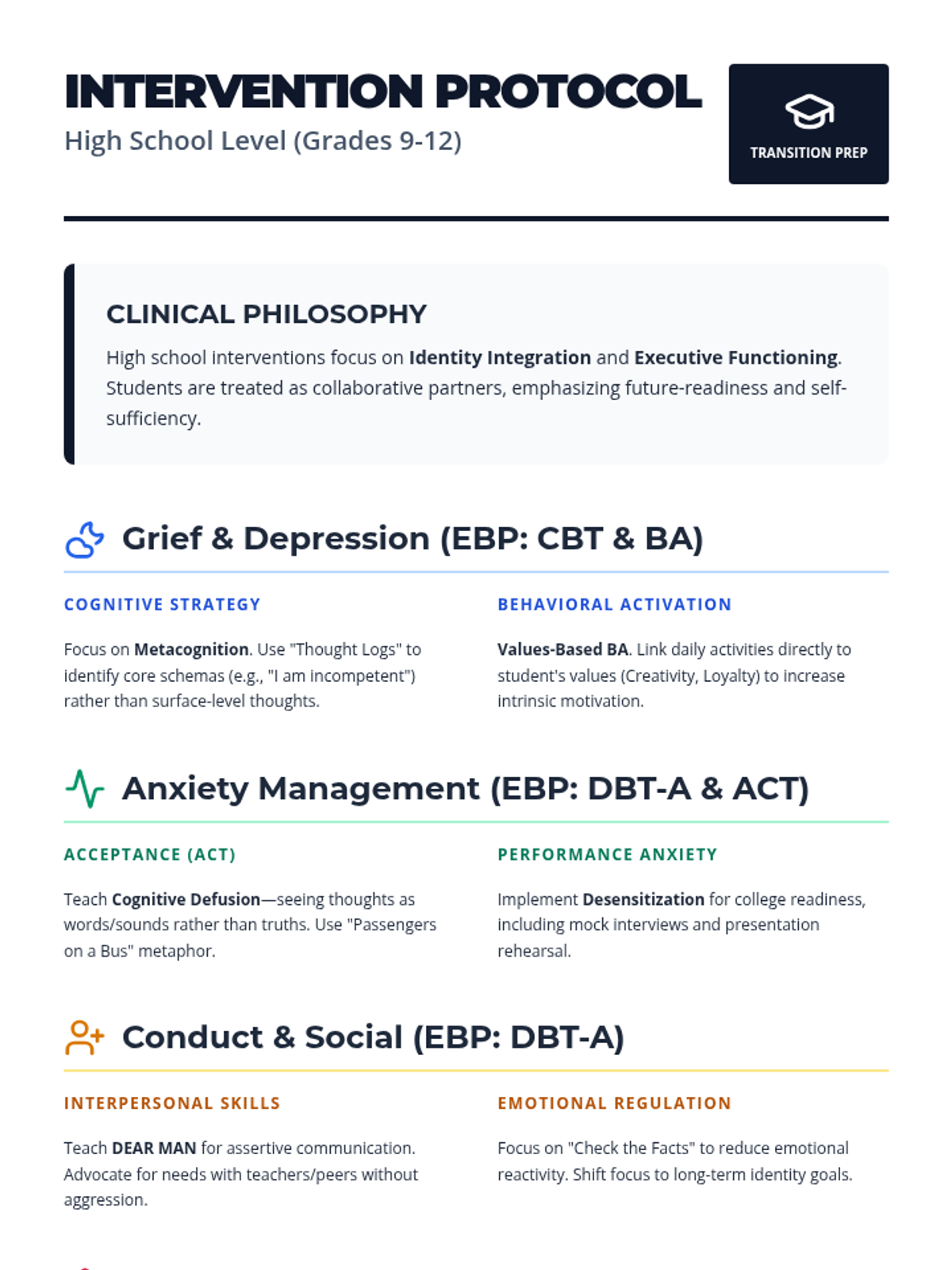
Advanced therapeutic interventions for high schoolers, emphasizing autonomy, complex cognitive reframing, interpersonal effectiveness, and comprehensive crisis protocols.
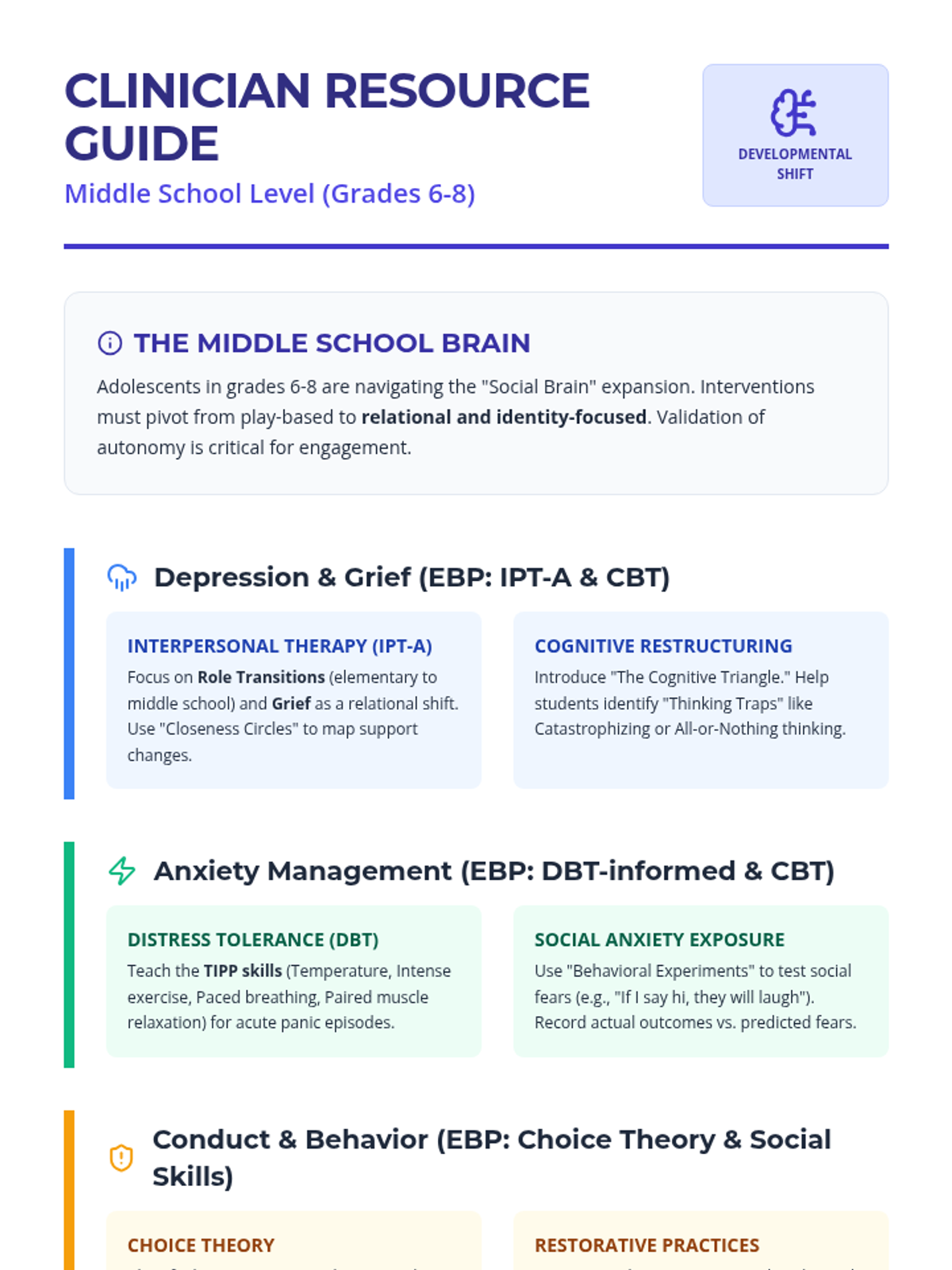
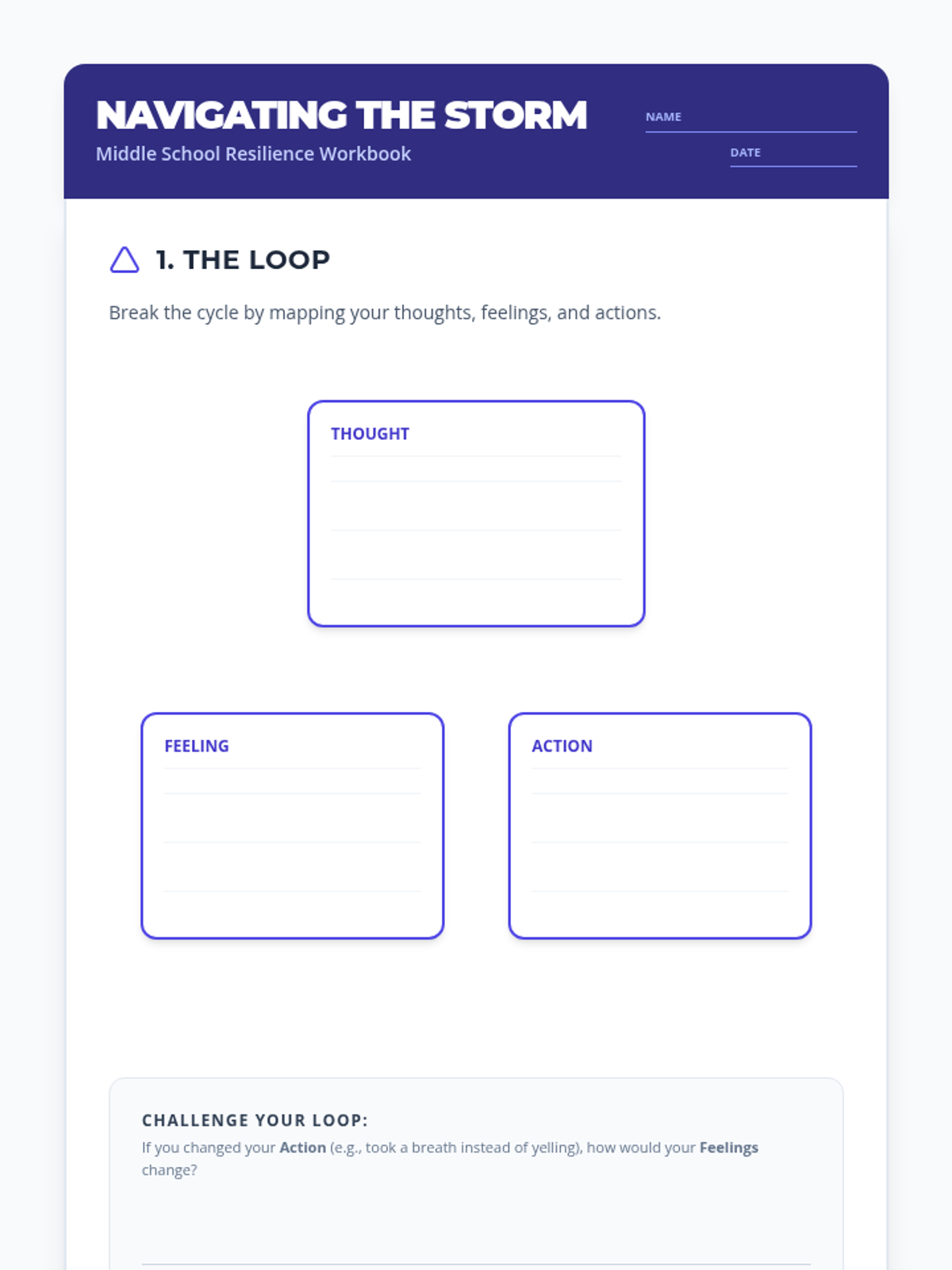
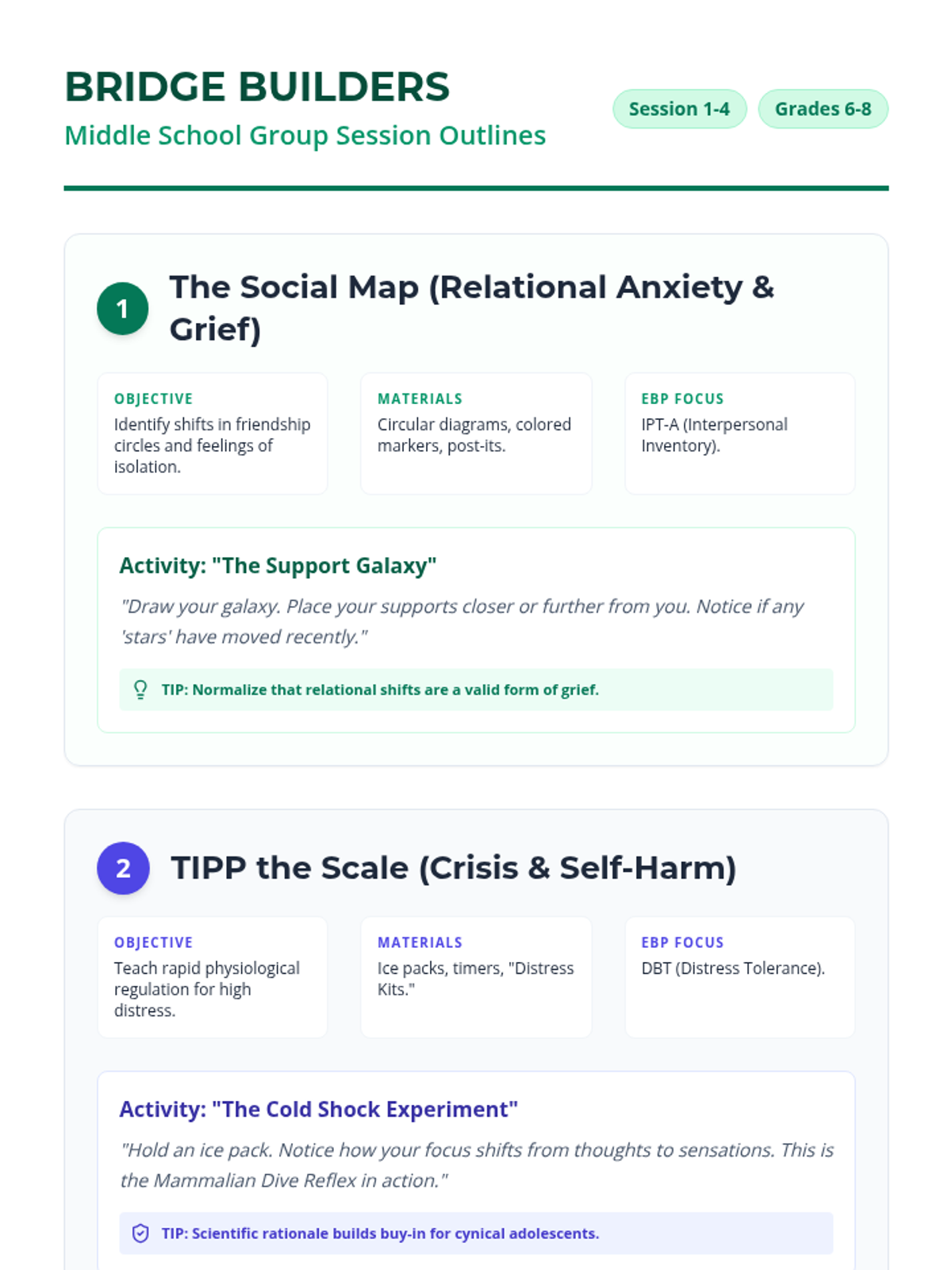
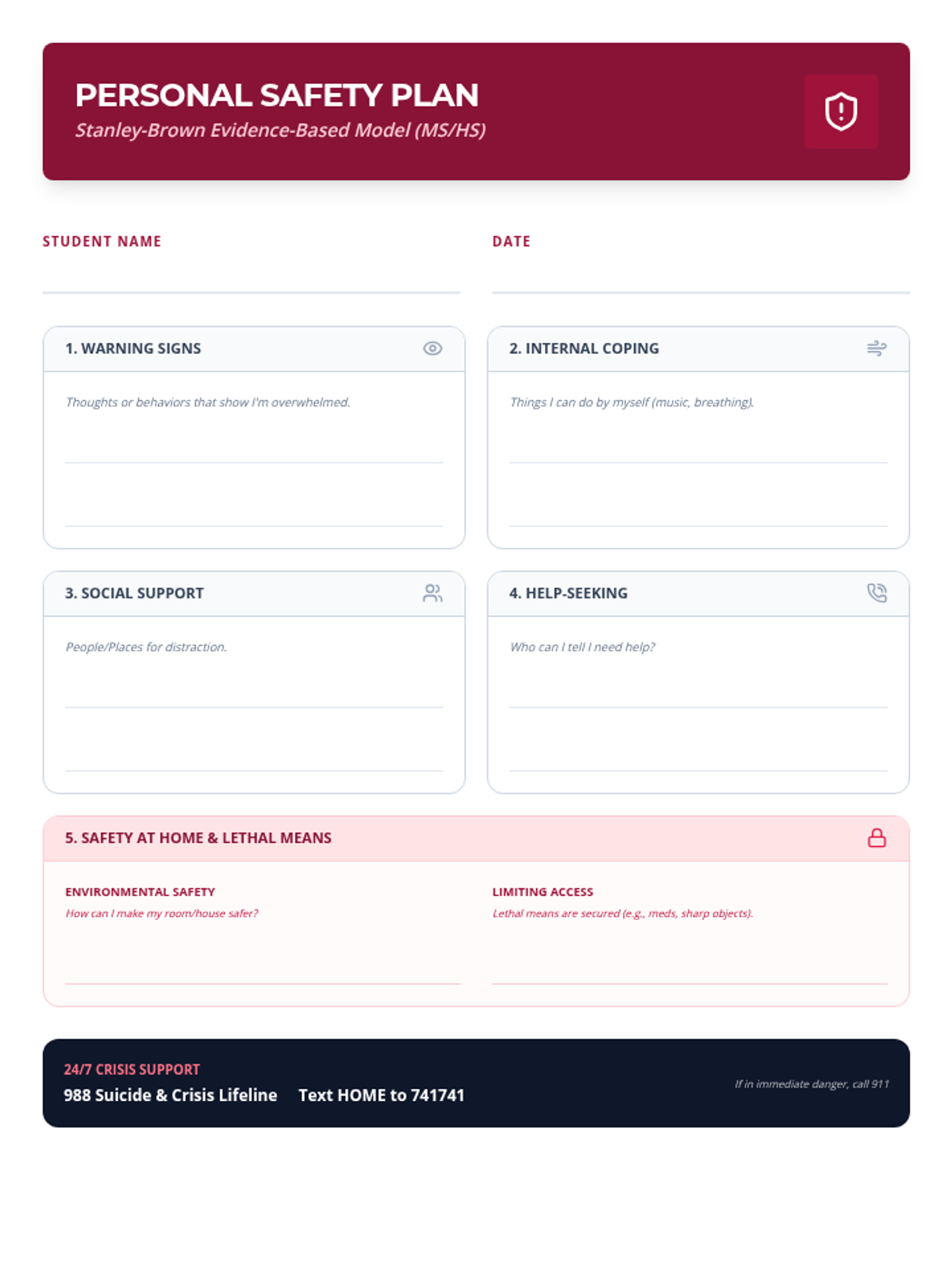
CBT and DBT-informed strategies tailored for the middle school transition, focusing on peer relationships, emotional regulation, and structured safety plans.
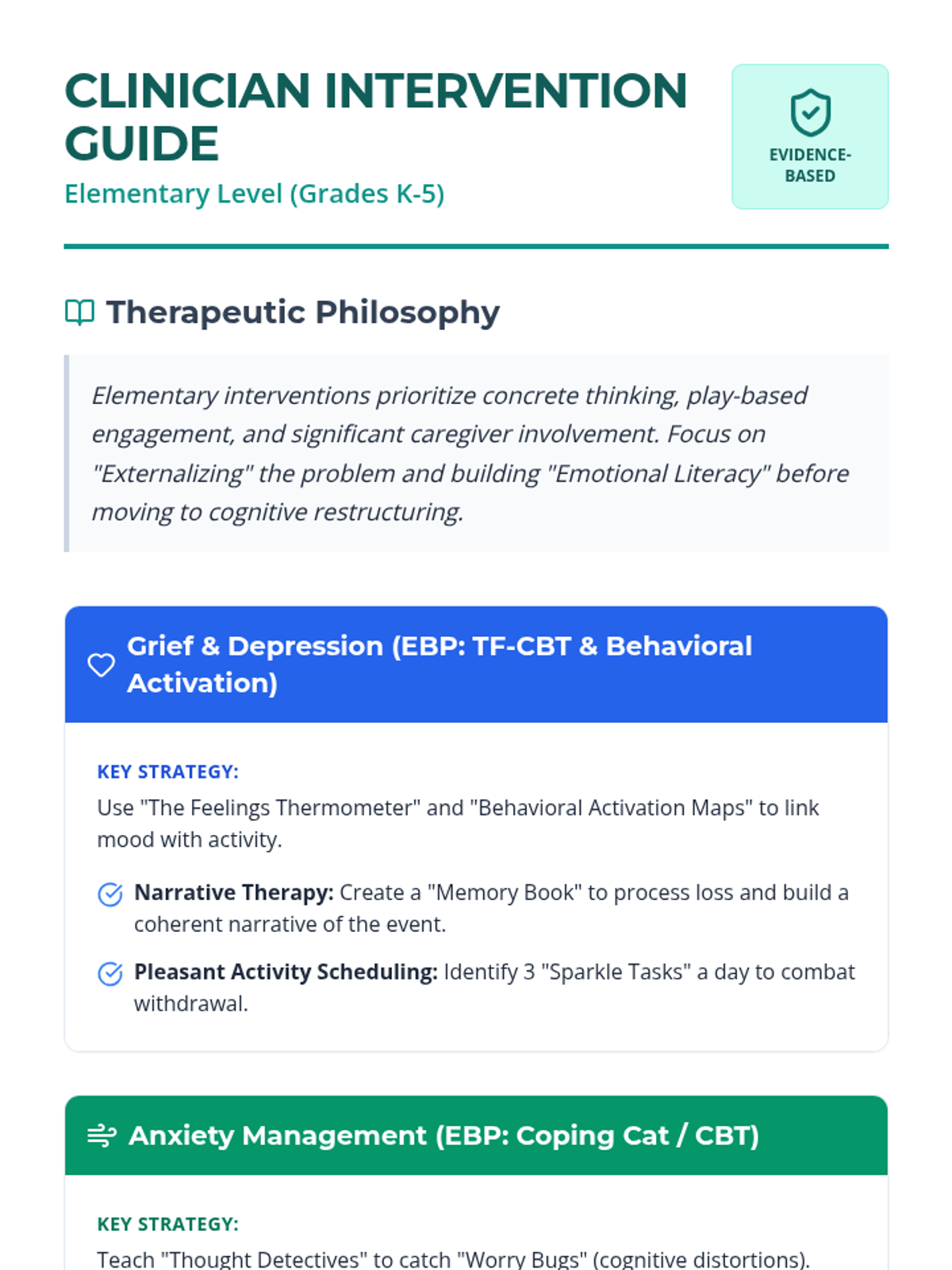
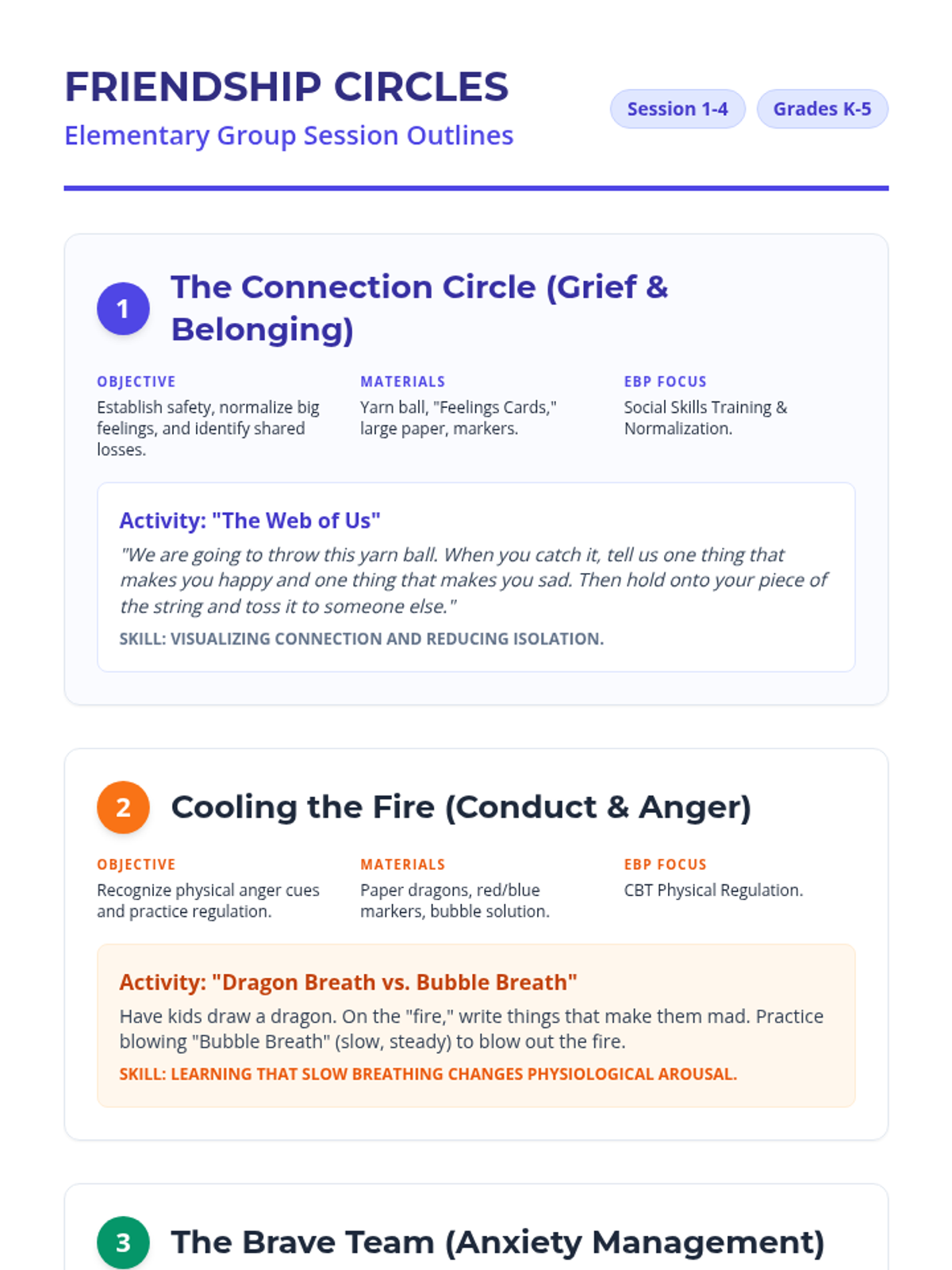
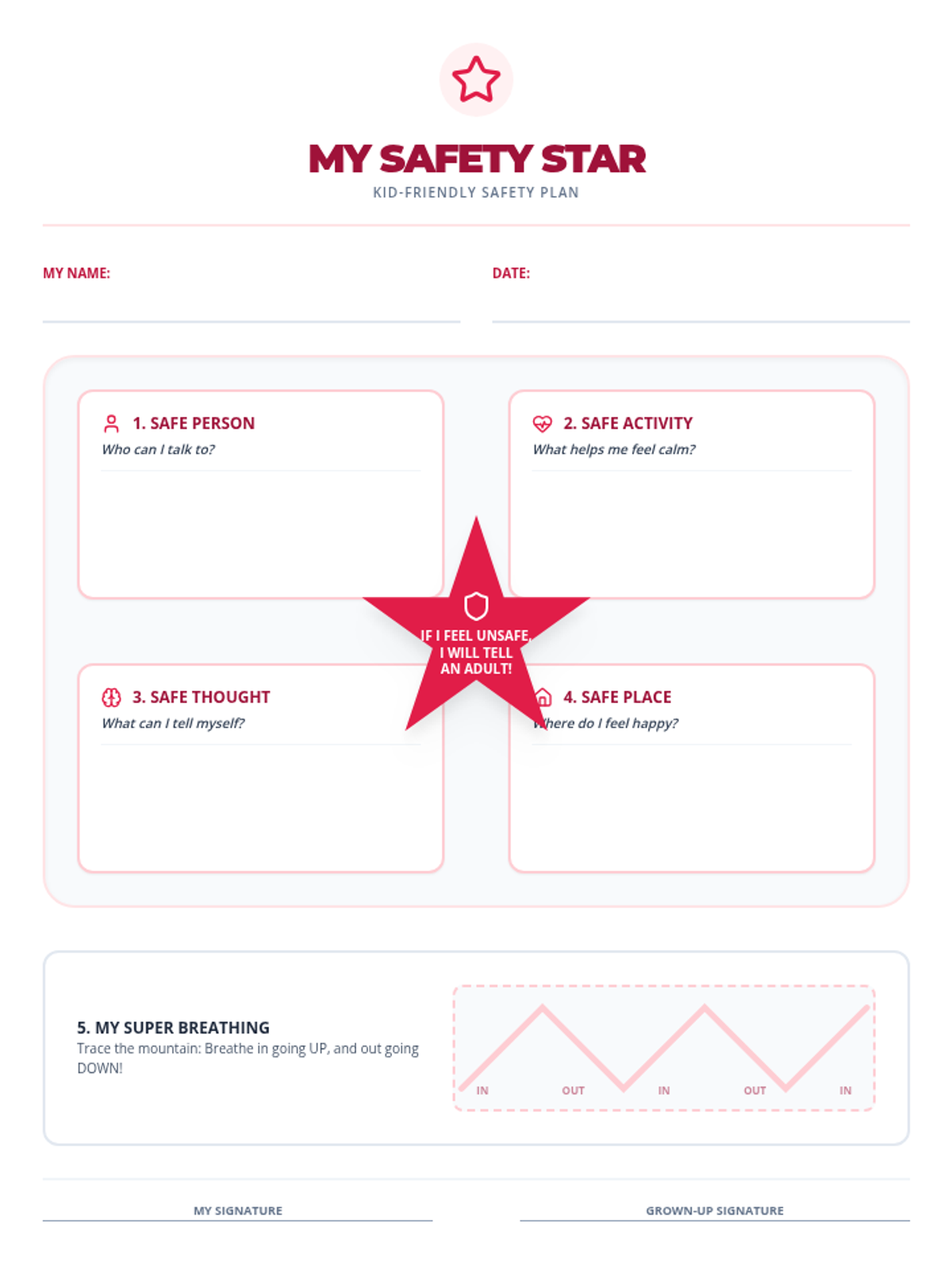
Developmentally appropriate interventions for elementary students focusing on play-based CBT, social-emotional learning, and kid-friendly safety planning.
Addresses the emotional aspects of the transition, focusing on stress management, resilience, and maintaining a growth mindset.
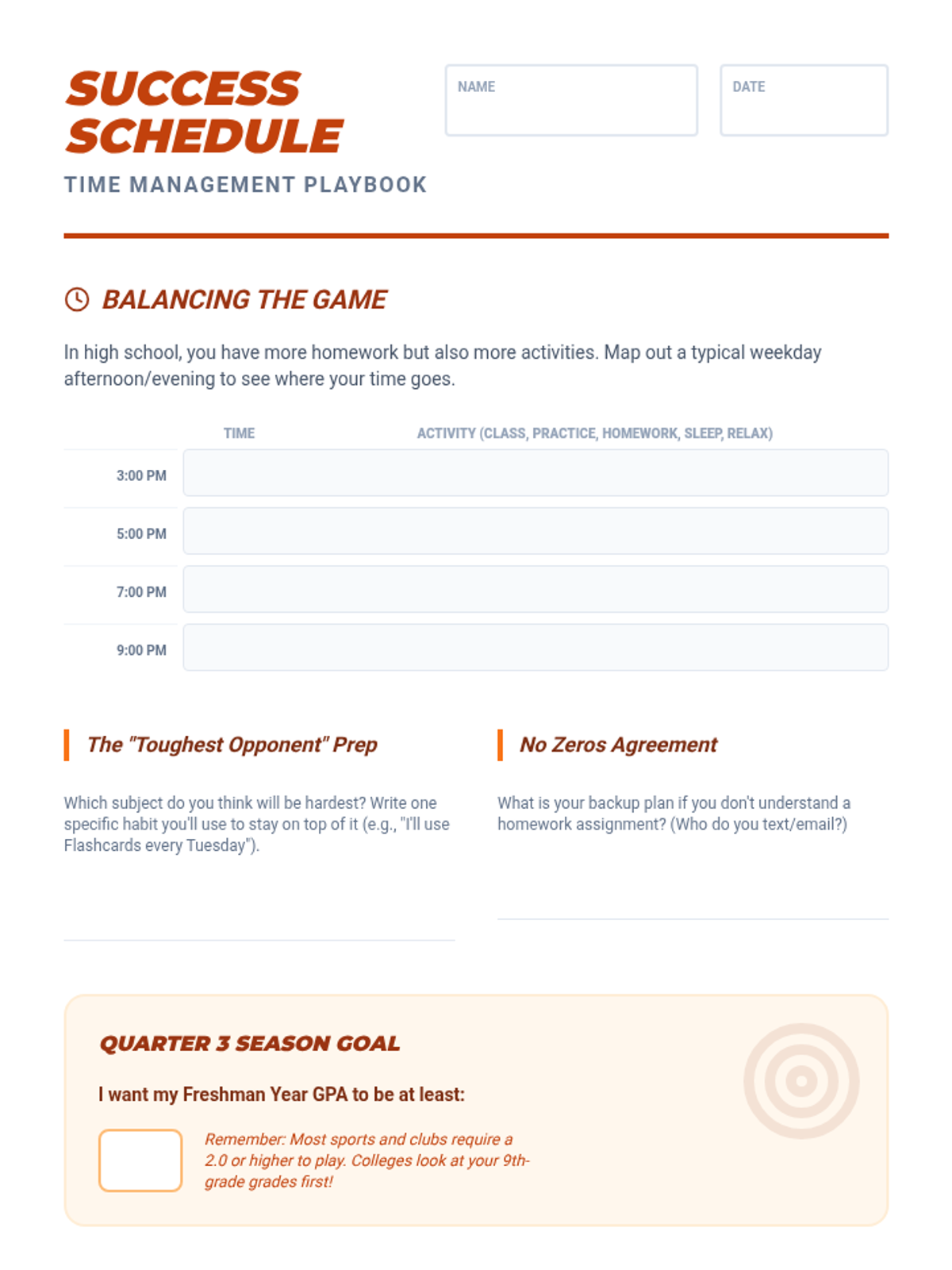
Covers the academic expectations of high school, including credits, GPA, and the importance of time management.
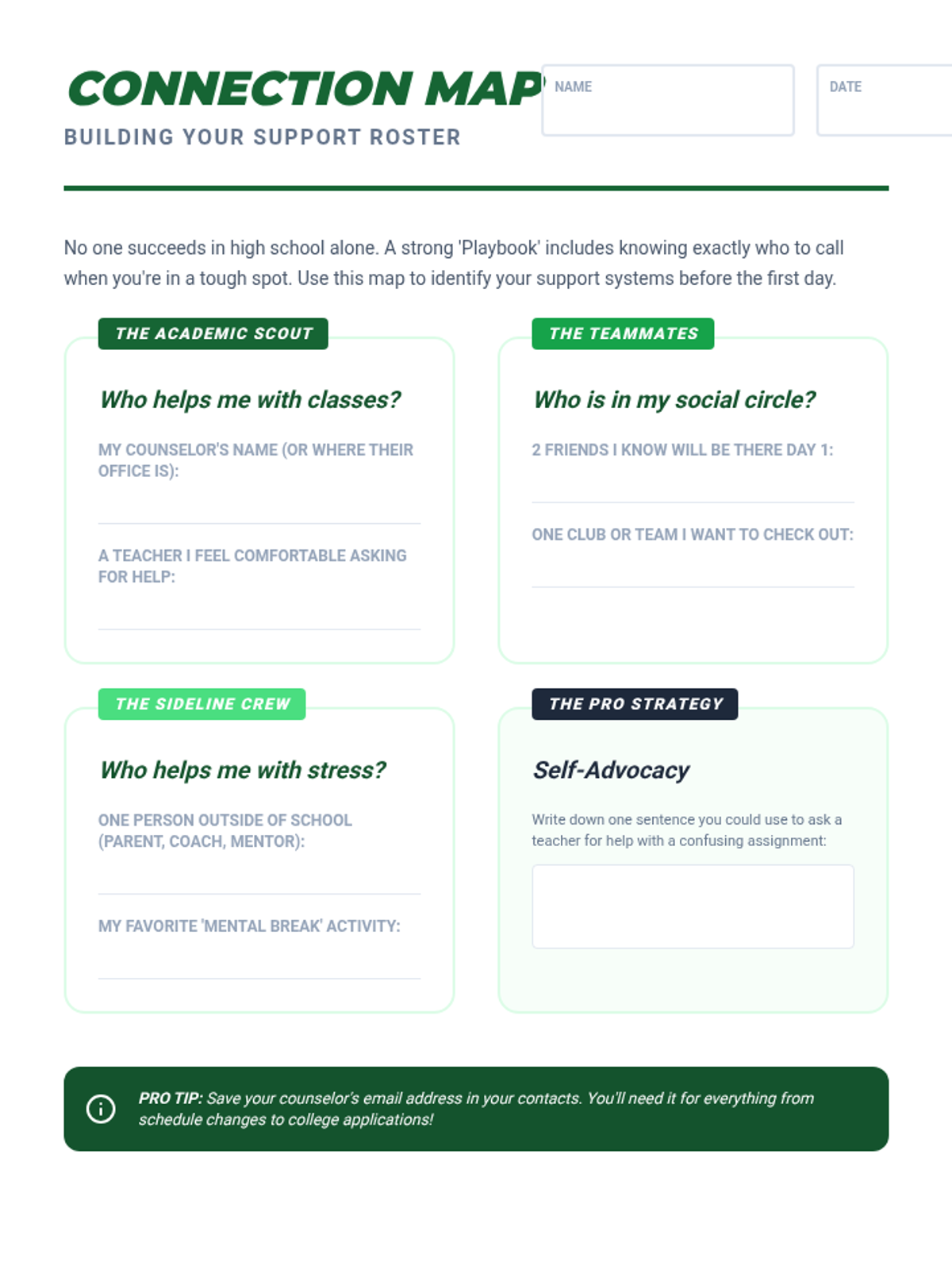
Identifies key adult and peer support systems in high school and strategies for building a positive social network.
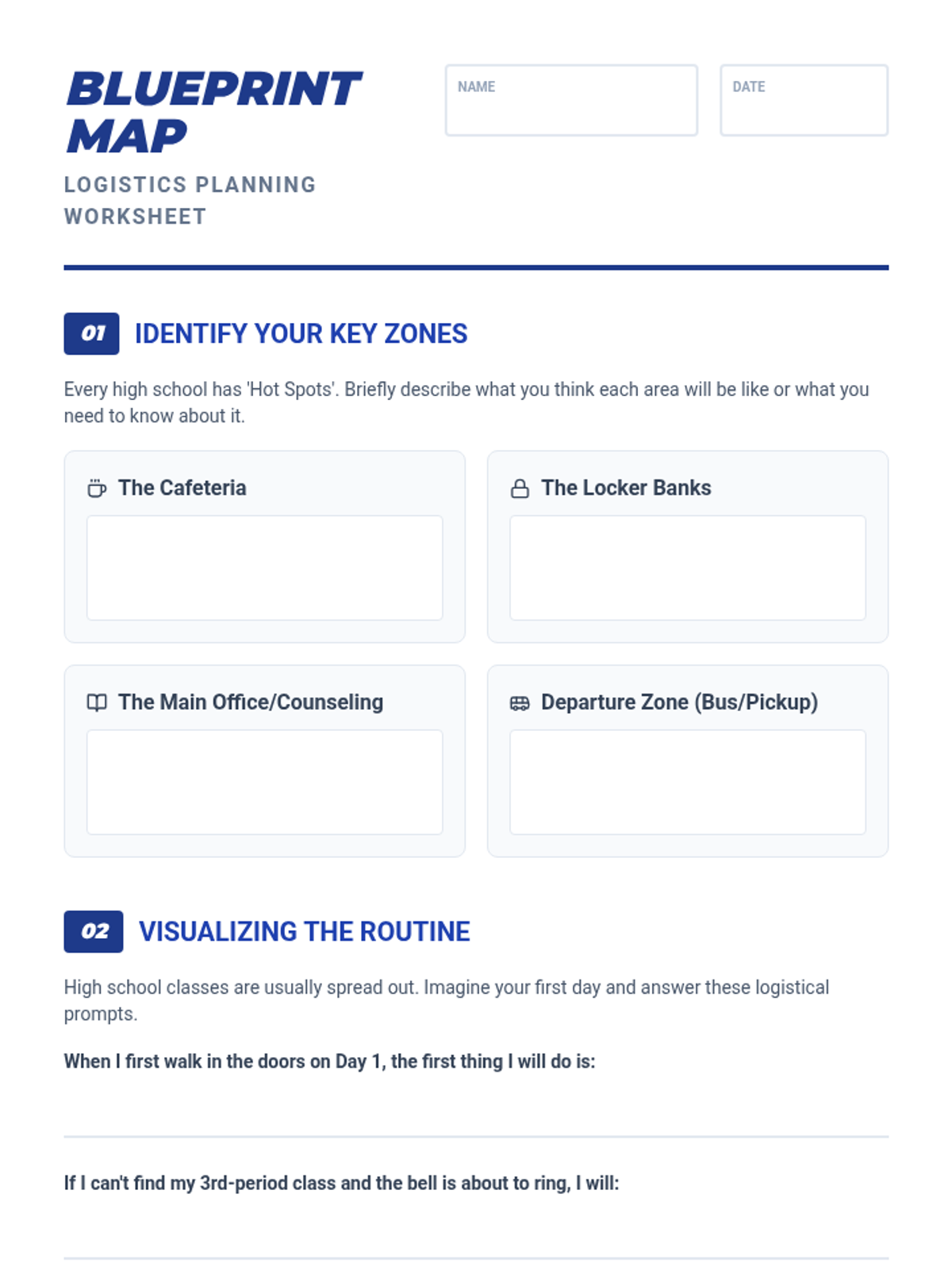
Focuses on the physical and logistical changes of high school, including campus size, schedules, and increased independence.
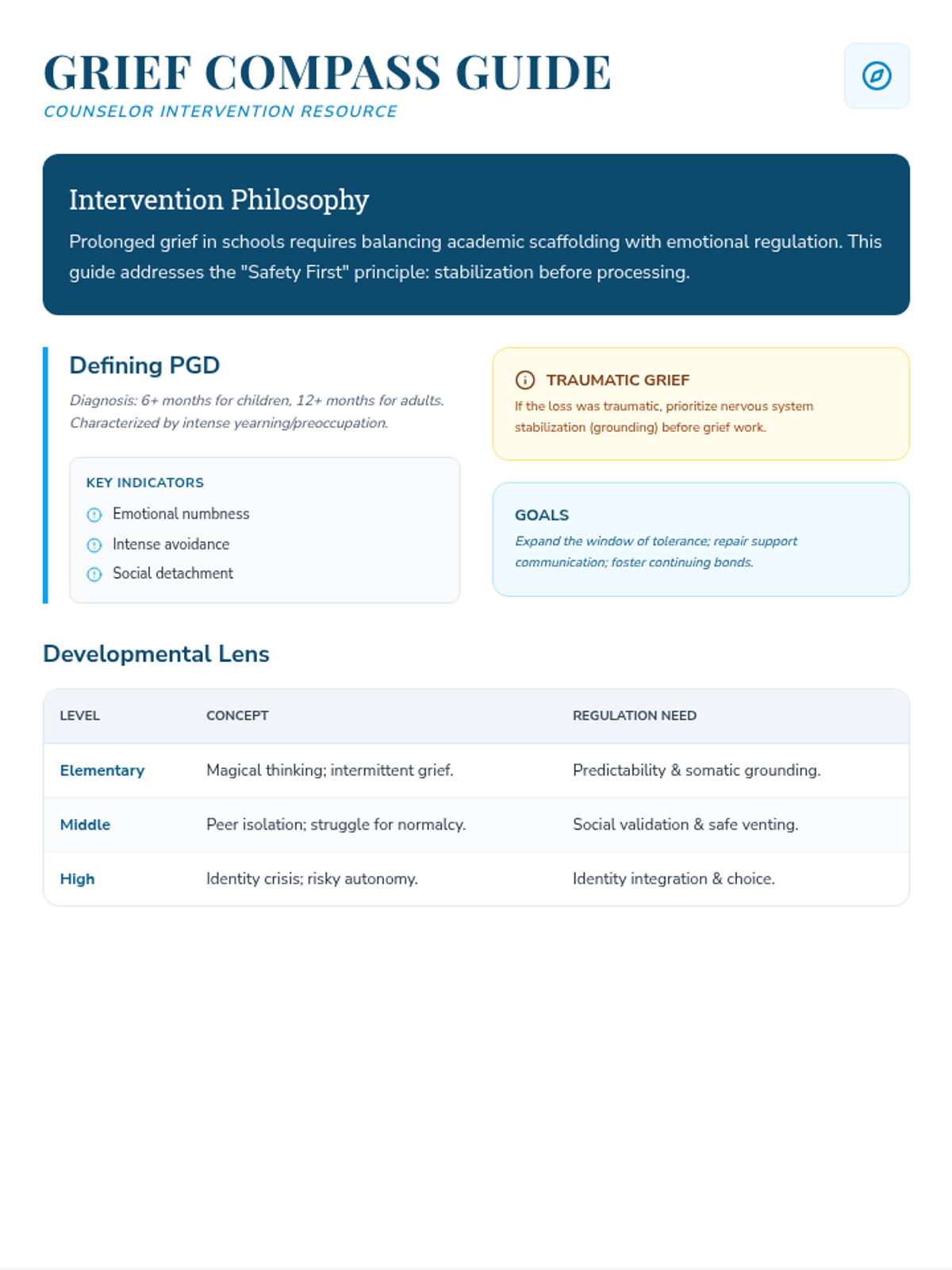
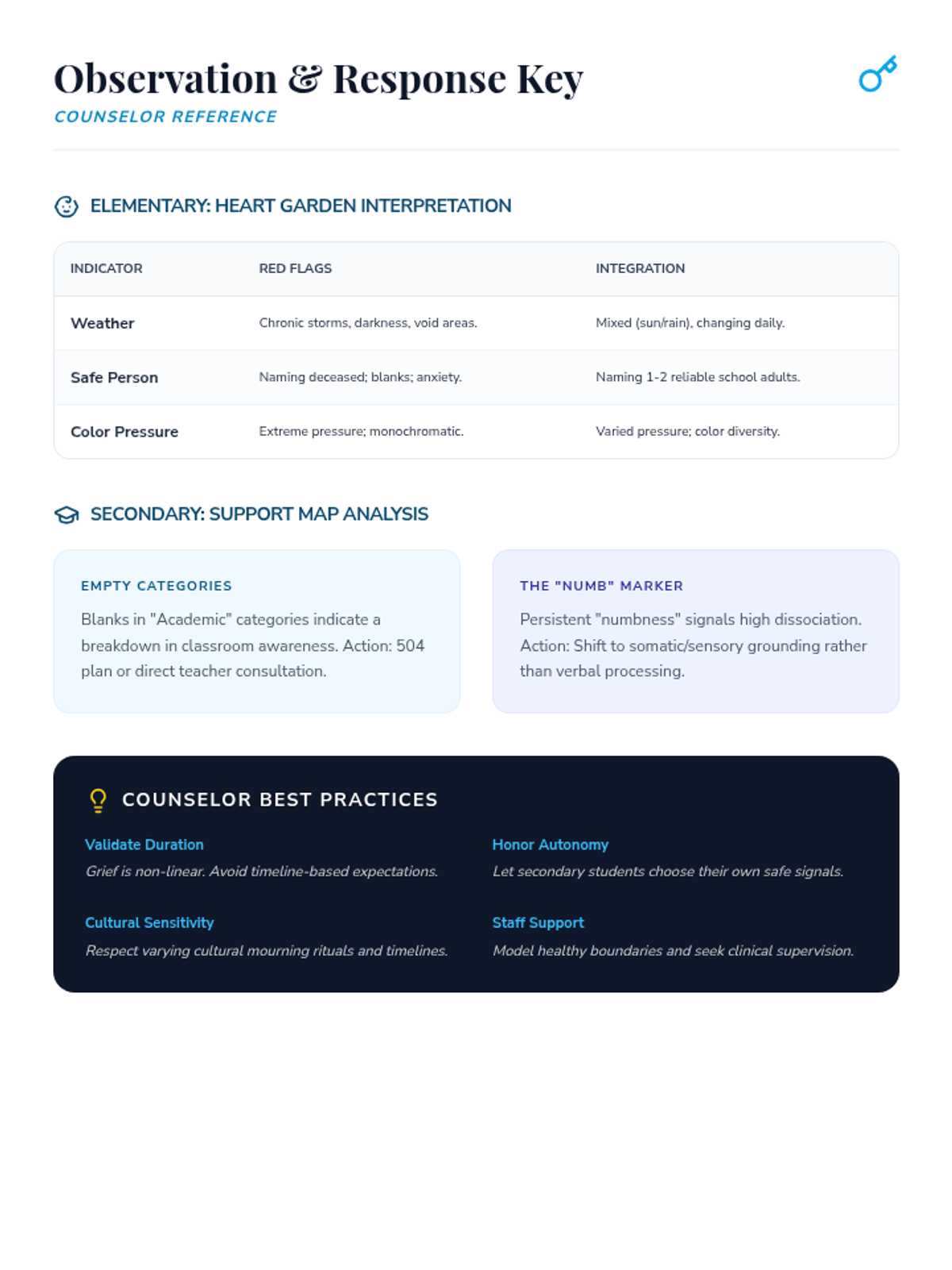
Professional development for school staff to identify signs of prolonged grief disorder and implement supportive classroom strategies.
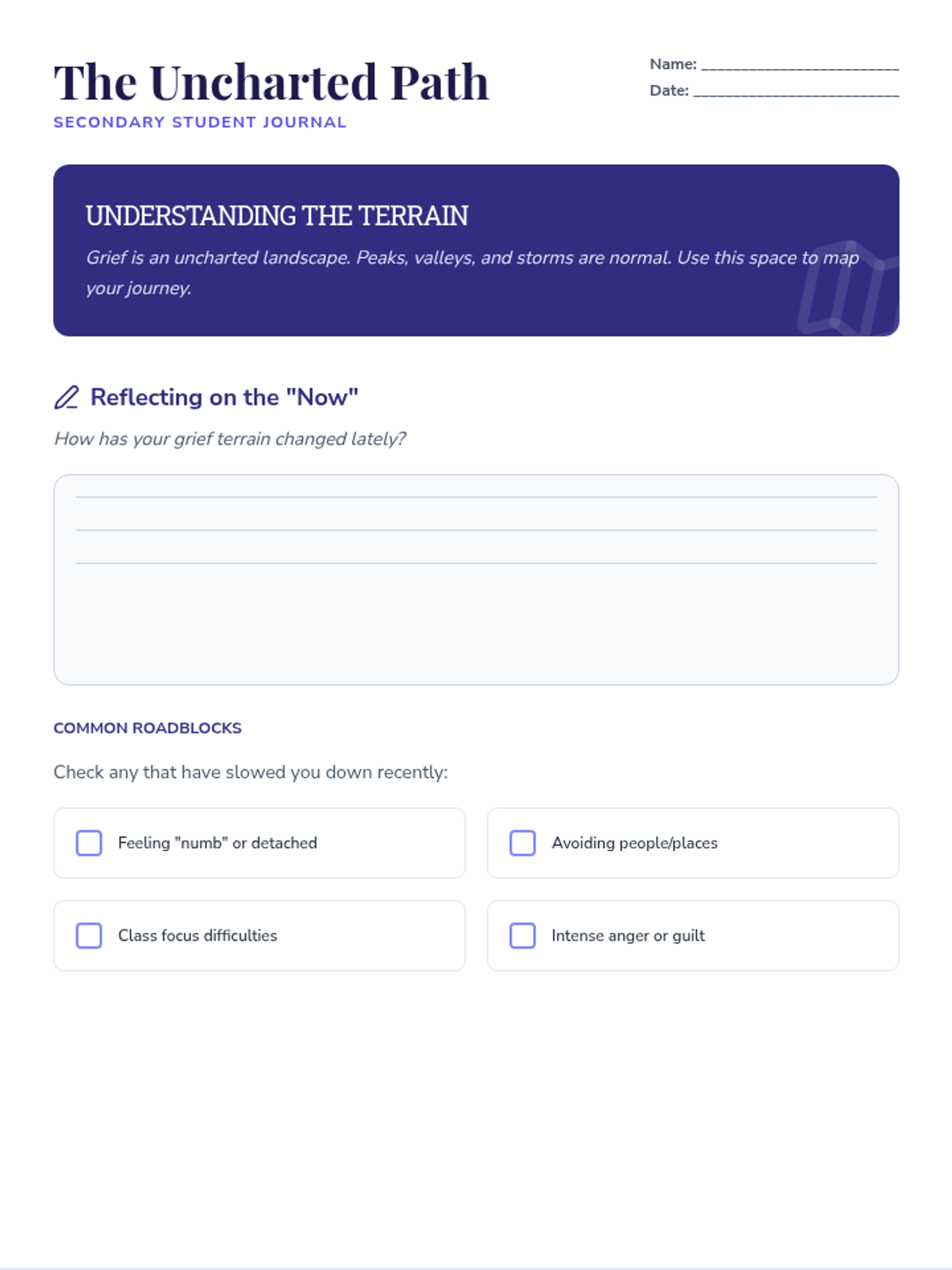
Advanced coping strategies and communication tools for middle and high school students to navigate the complexities of prolonged grief and build sustainable support systems.
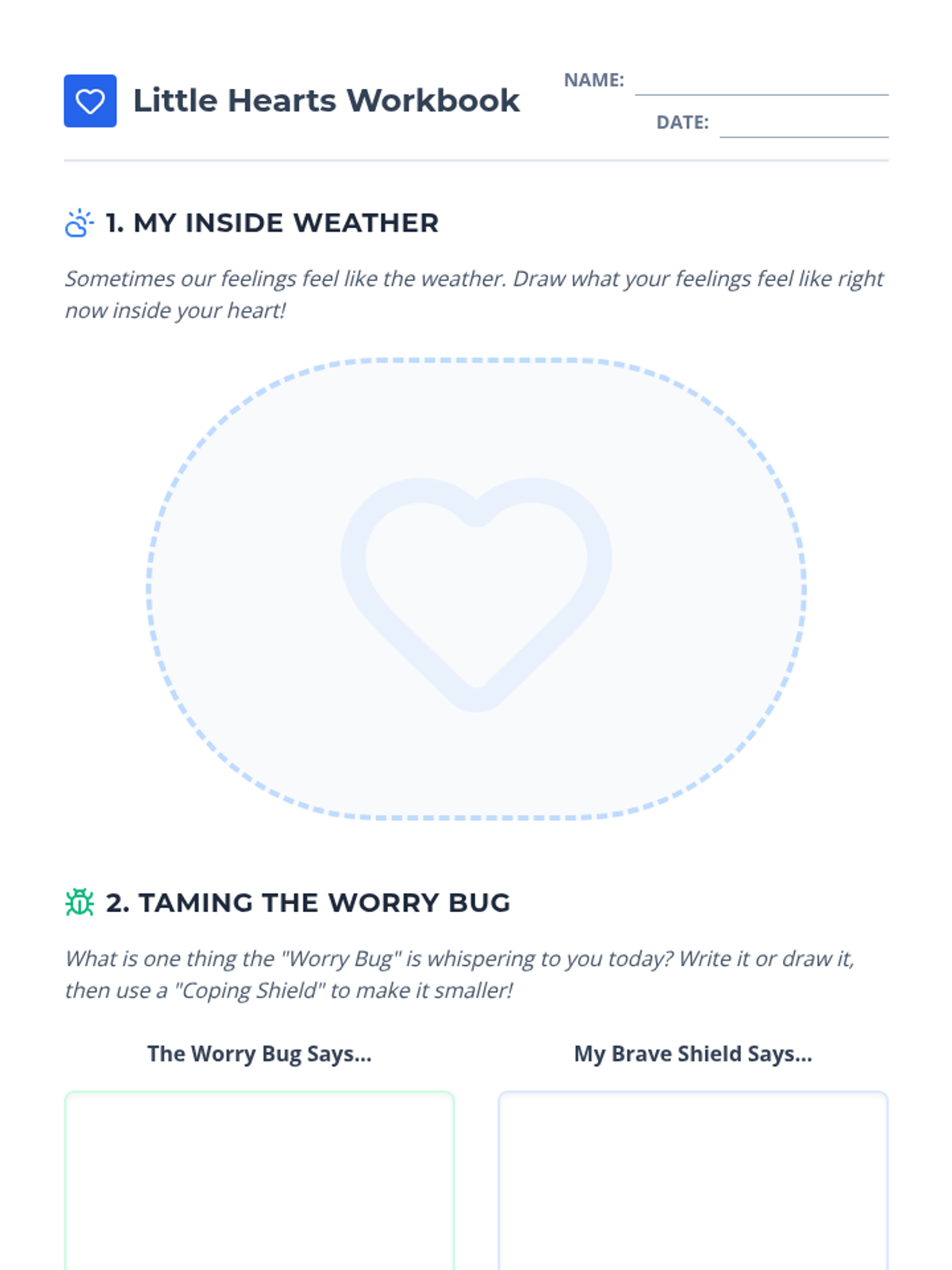
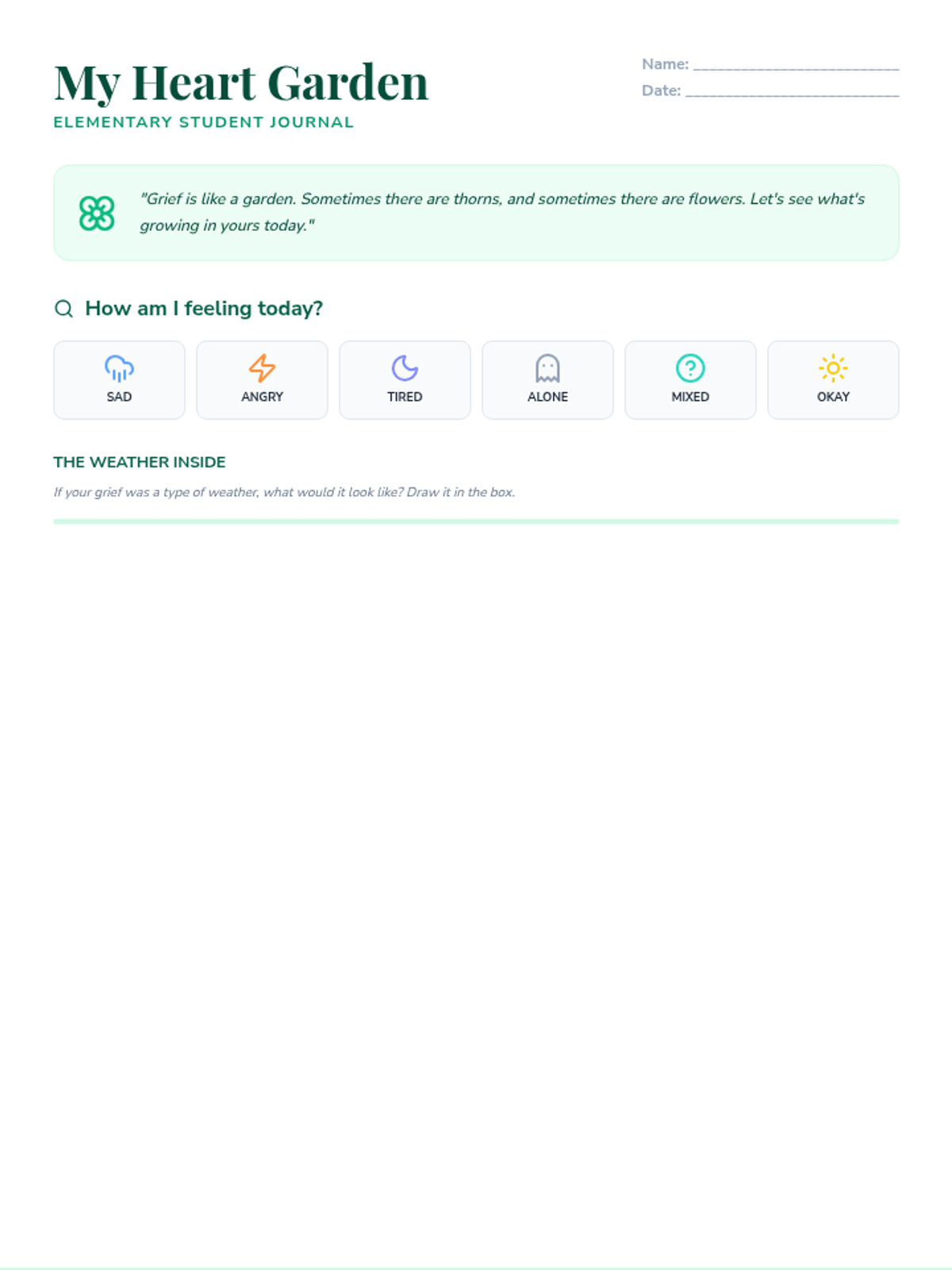
Foundational resources for elementary students focusing on emotional identification, regulation through play and art, and simple coping strategies within a 'Heart Garden' theme.
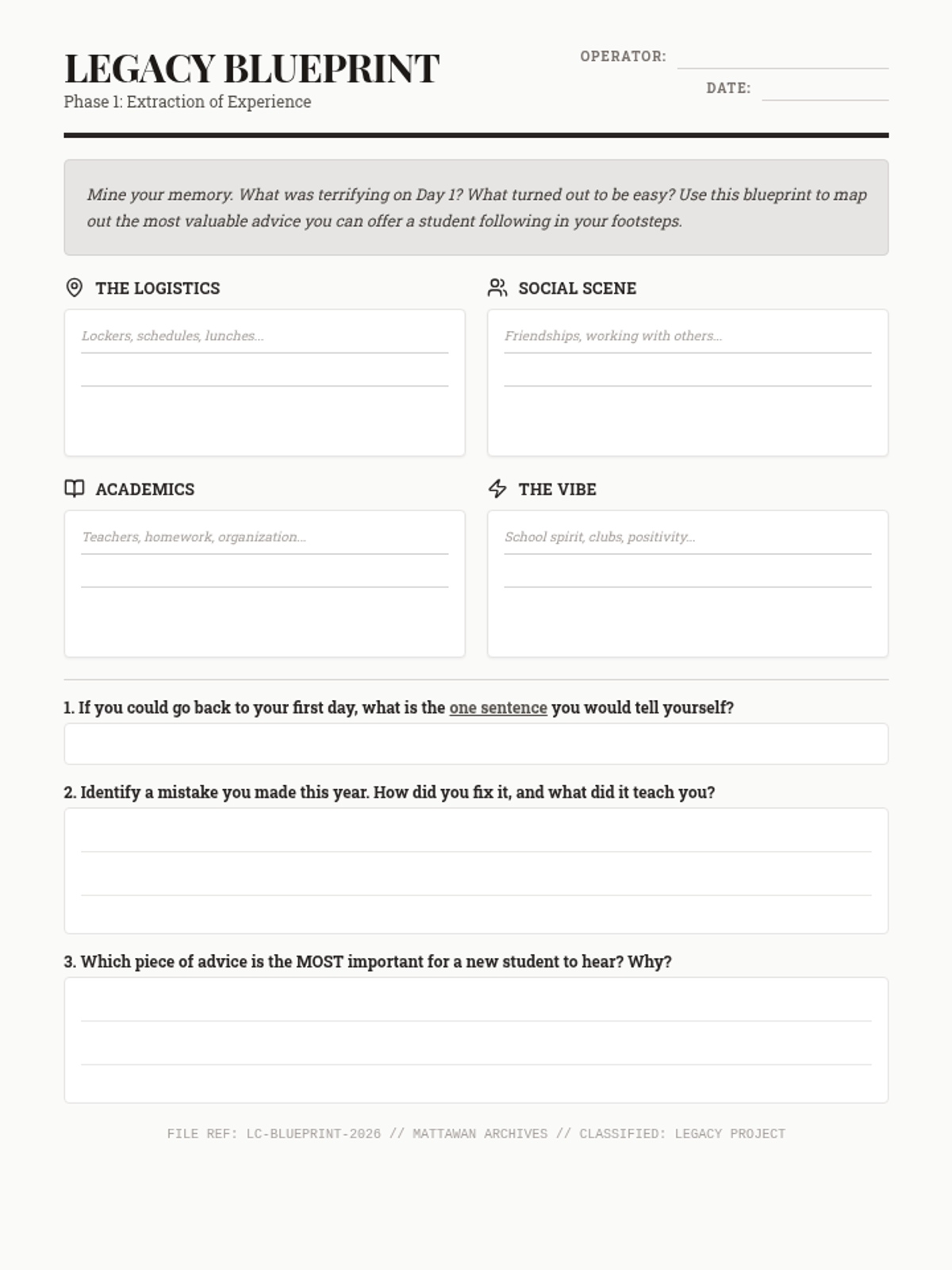
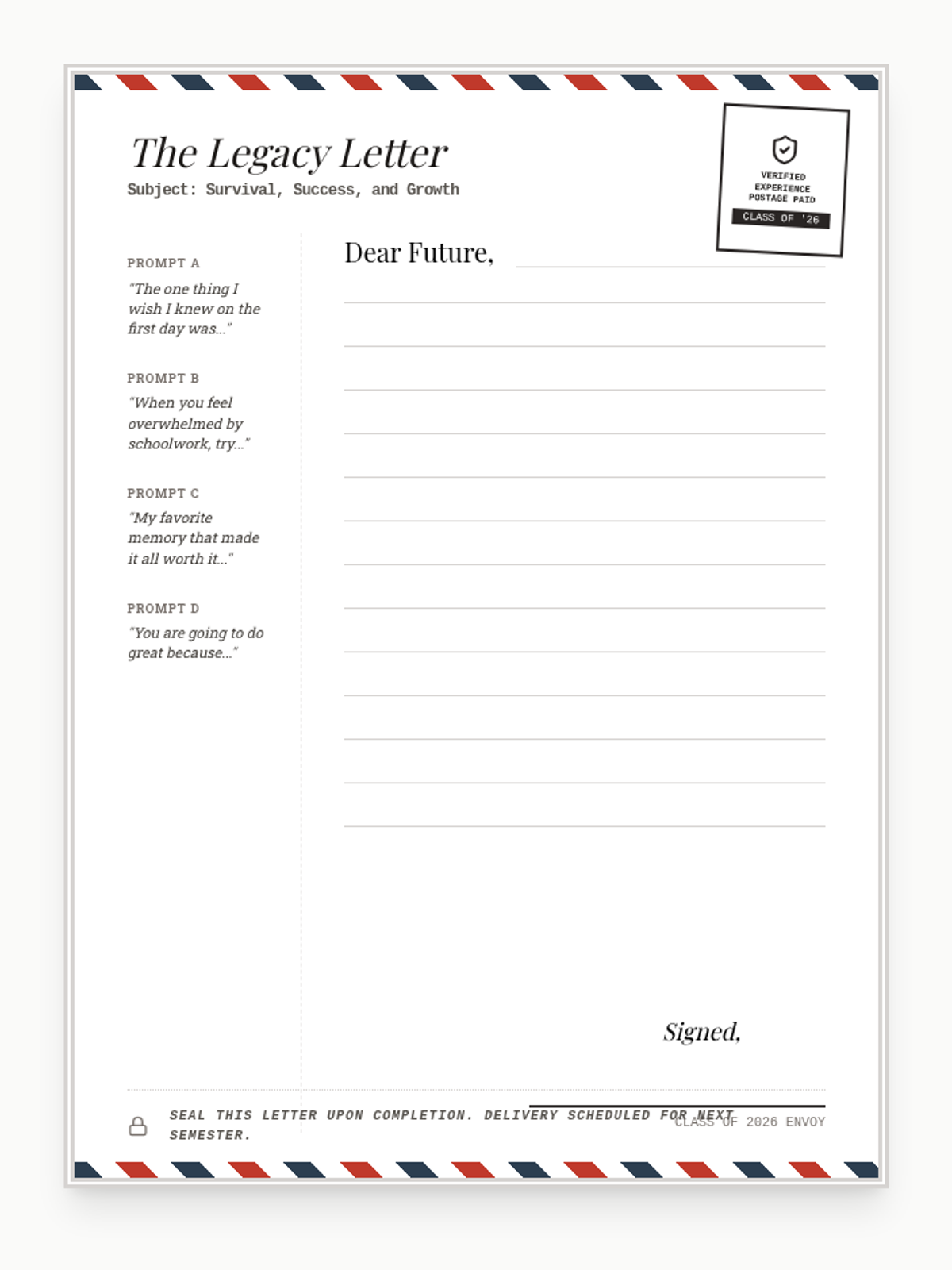
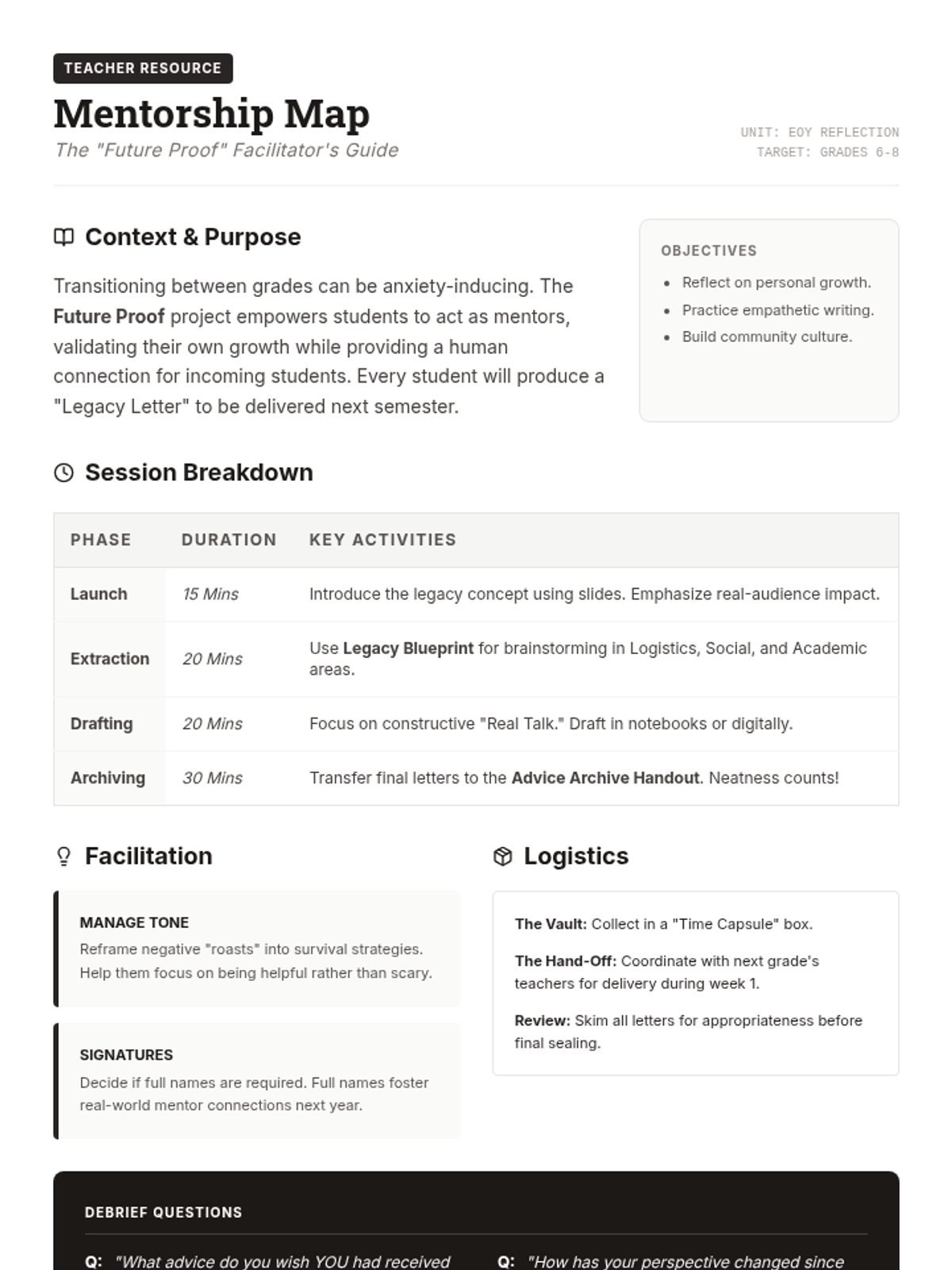
A reflective writing unit where departing middle schoolers craft meaningful advice and stories for incoming students. This lesson bridges the gap between grade levels, fostering a culture of mentorship and shared experience.
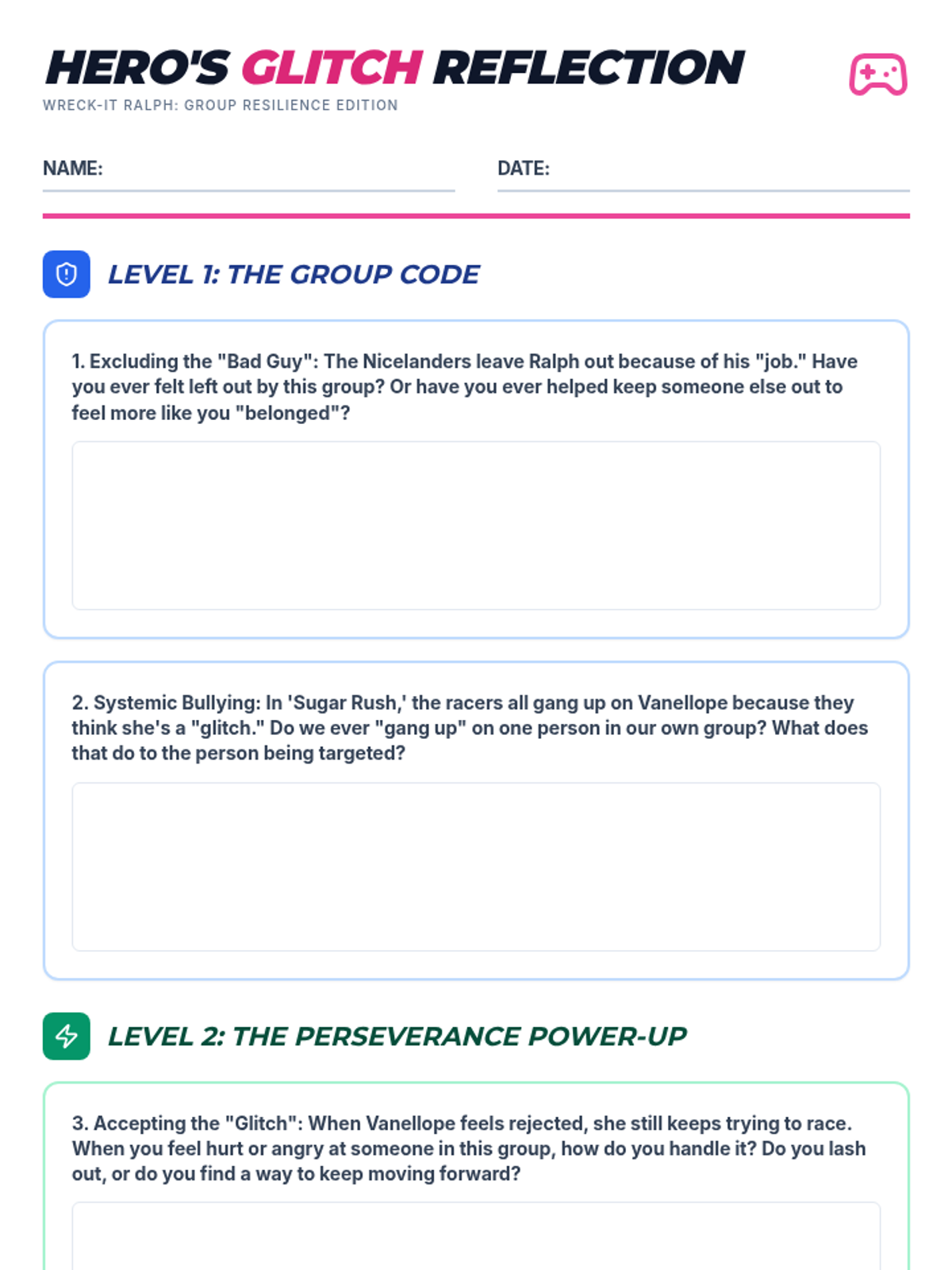
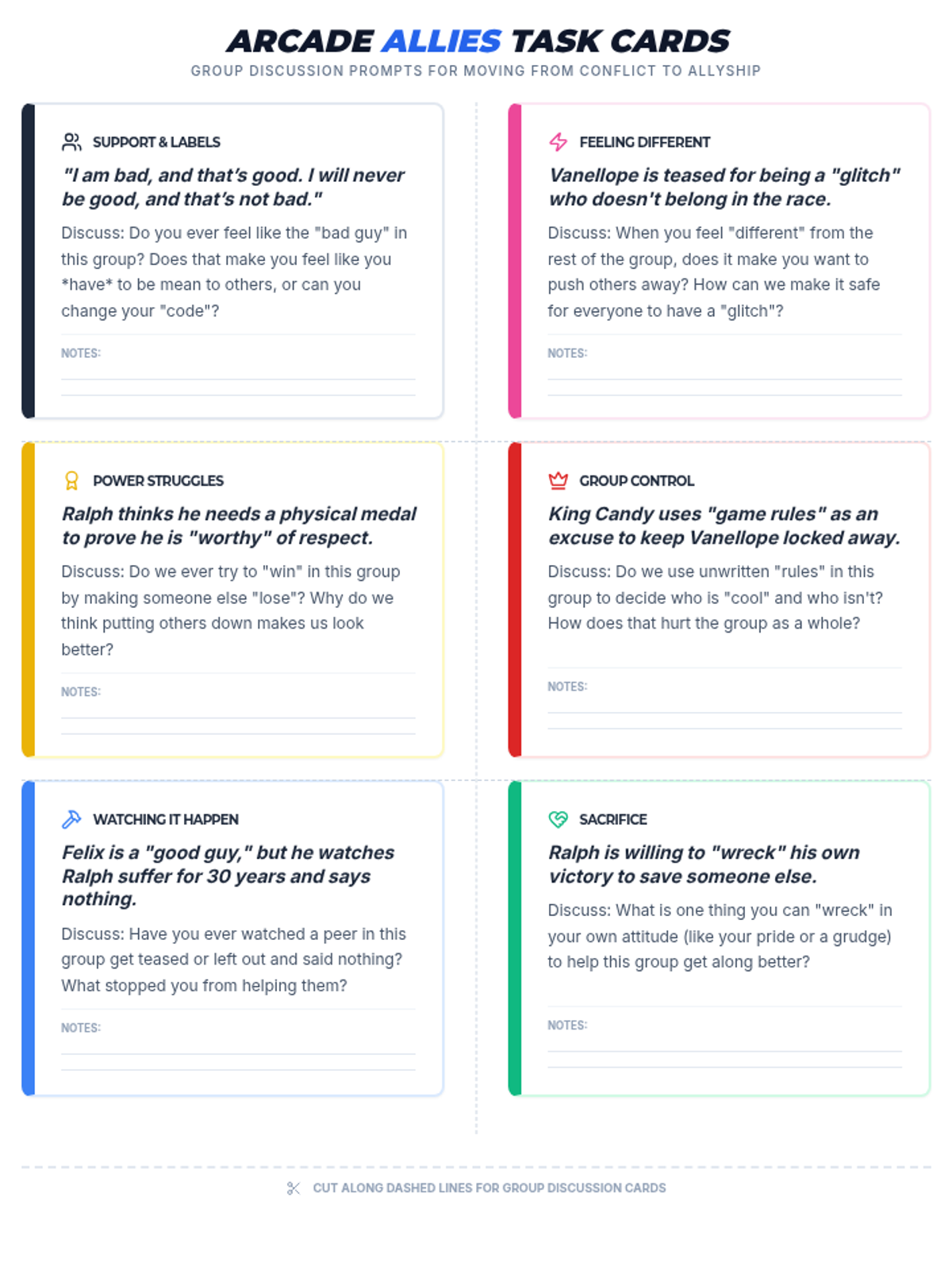
A movie-based training module using 'Wreck-It Ralph' to explore the mechanics of bullying, the importance of perseverance, and strategies for building empathy for those marginalized as 'outsiders'.
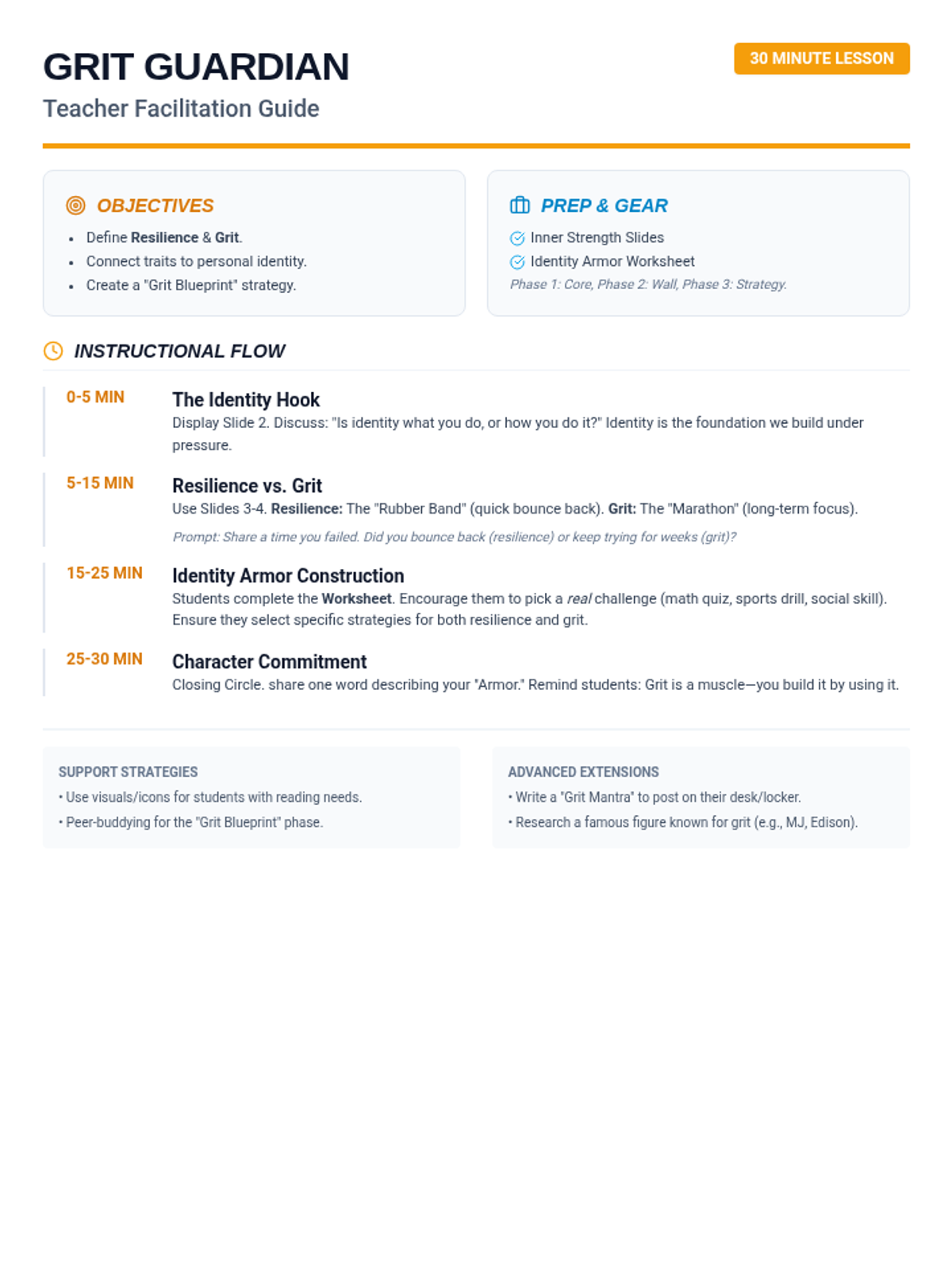
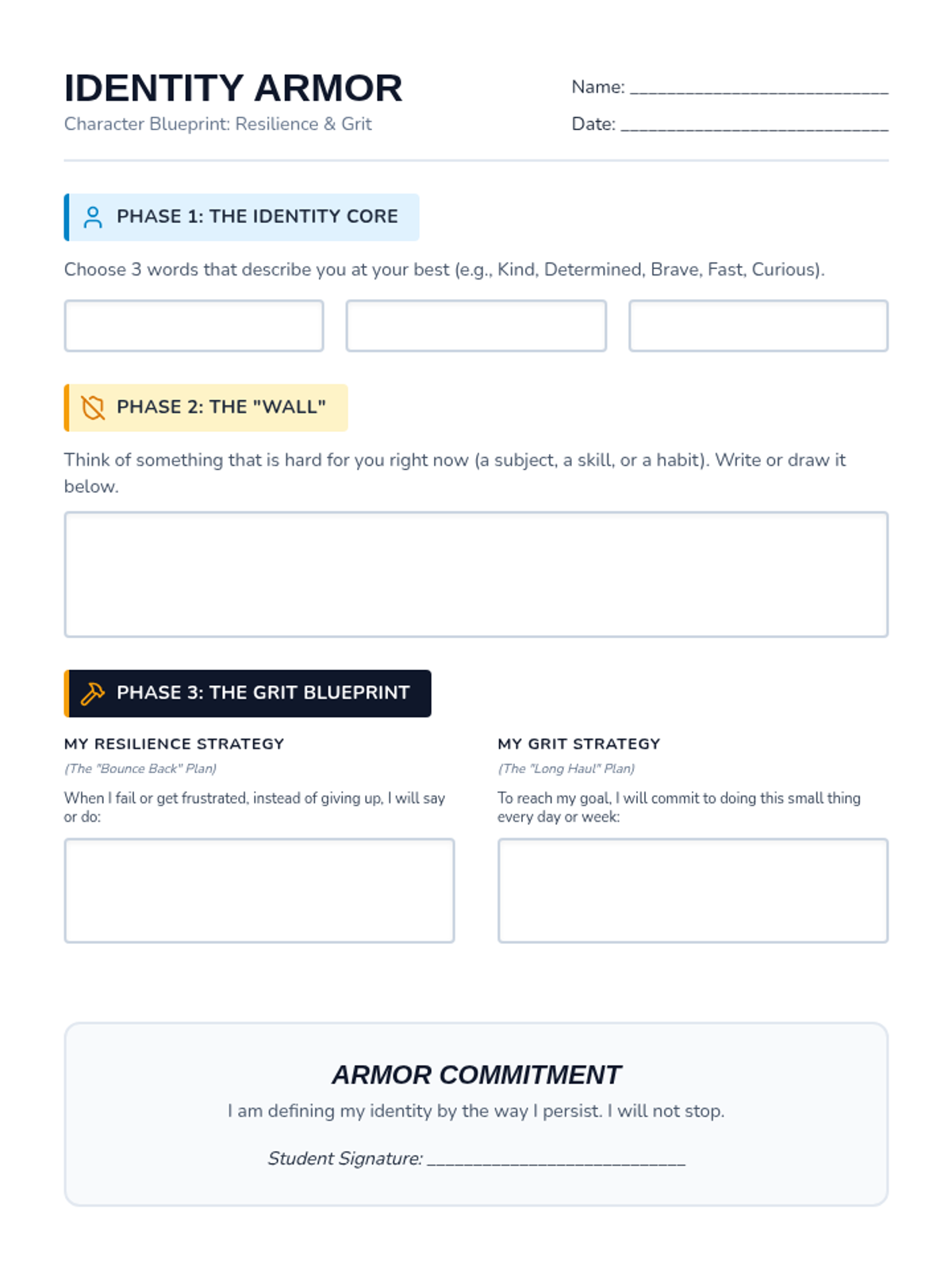
In this 30-minute lesson, students will define resilience and grit, explore how these traits form a part of their identity, and identify personal strategies for overcoming challenges.
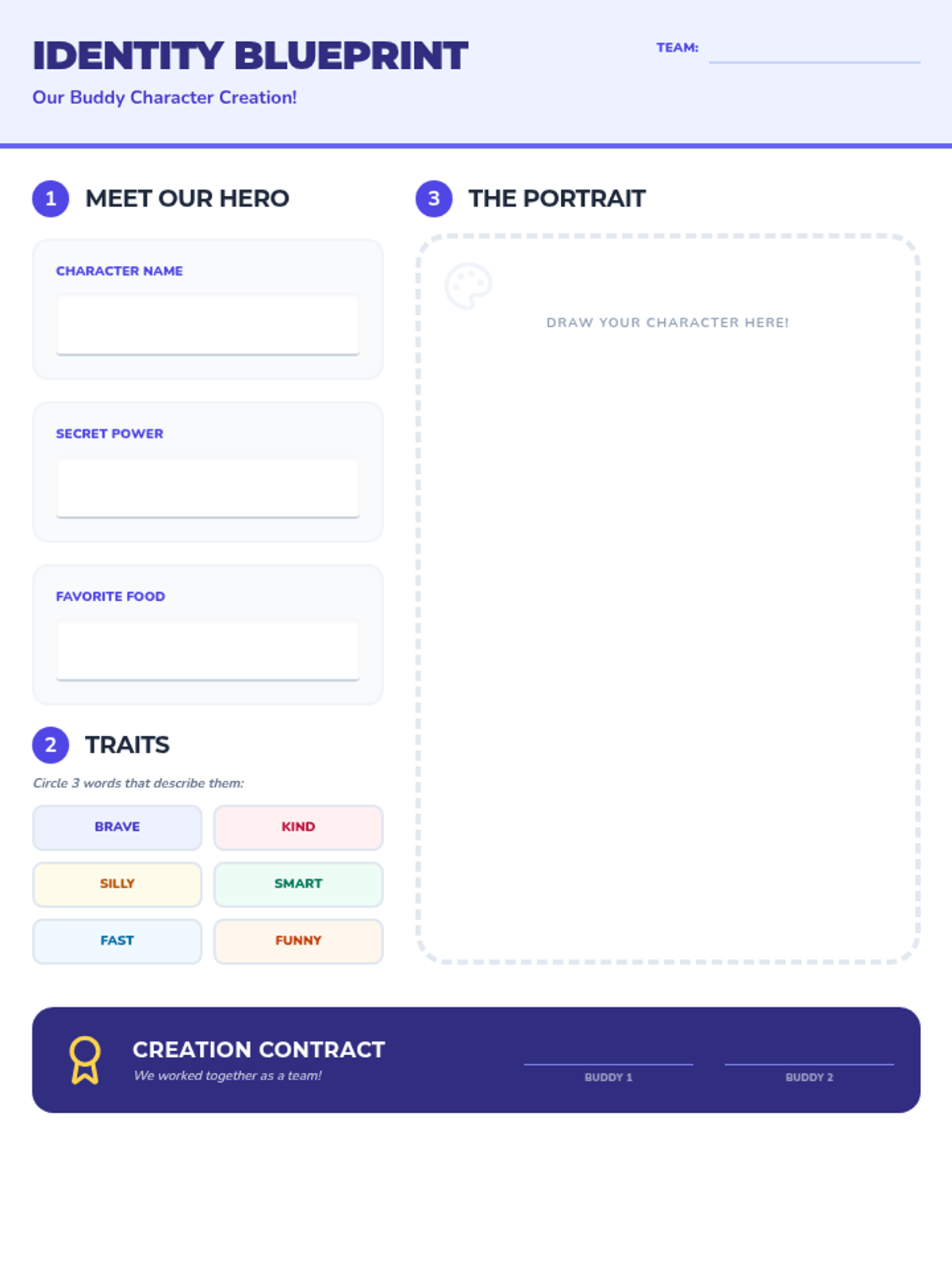
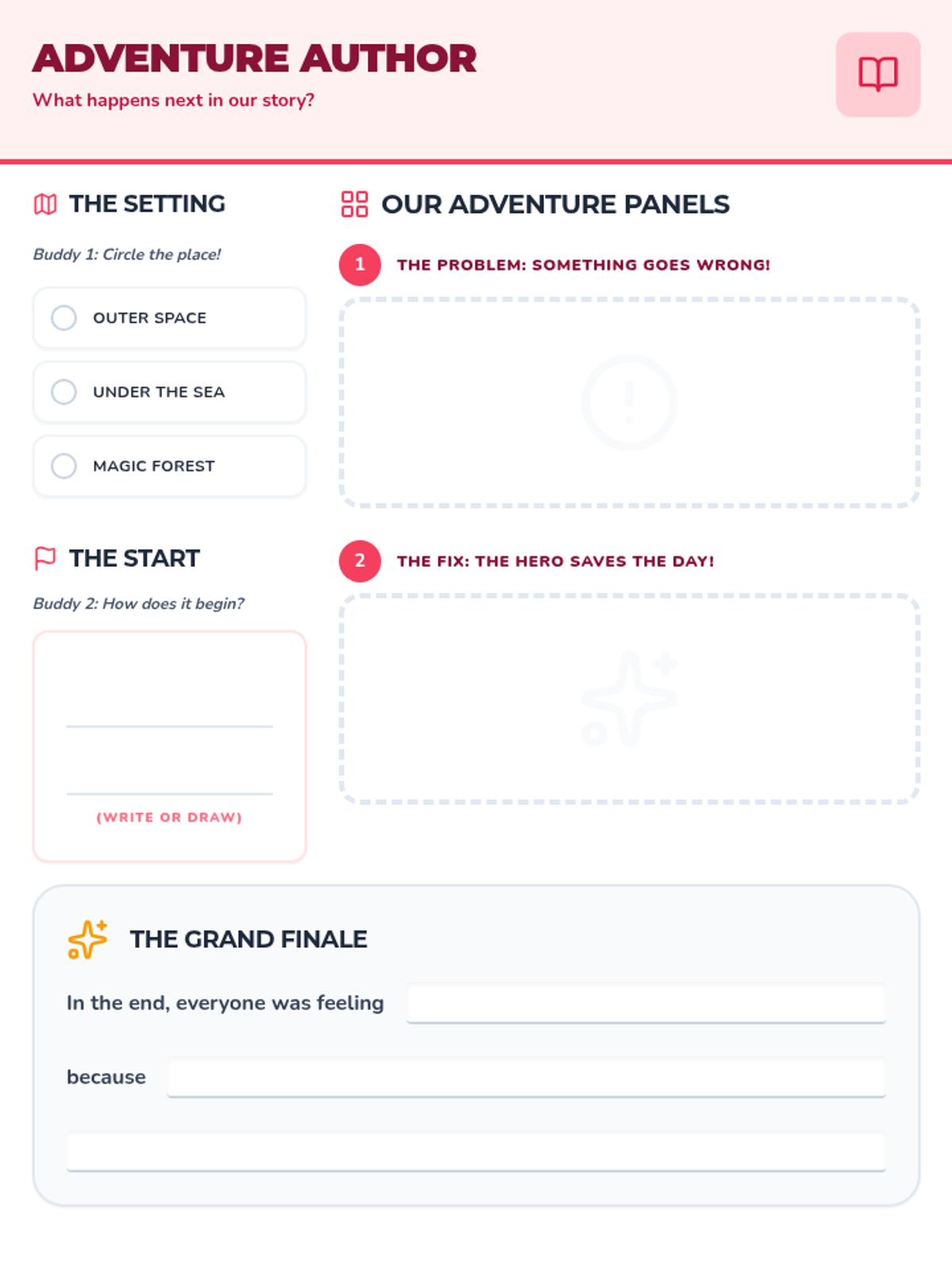
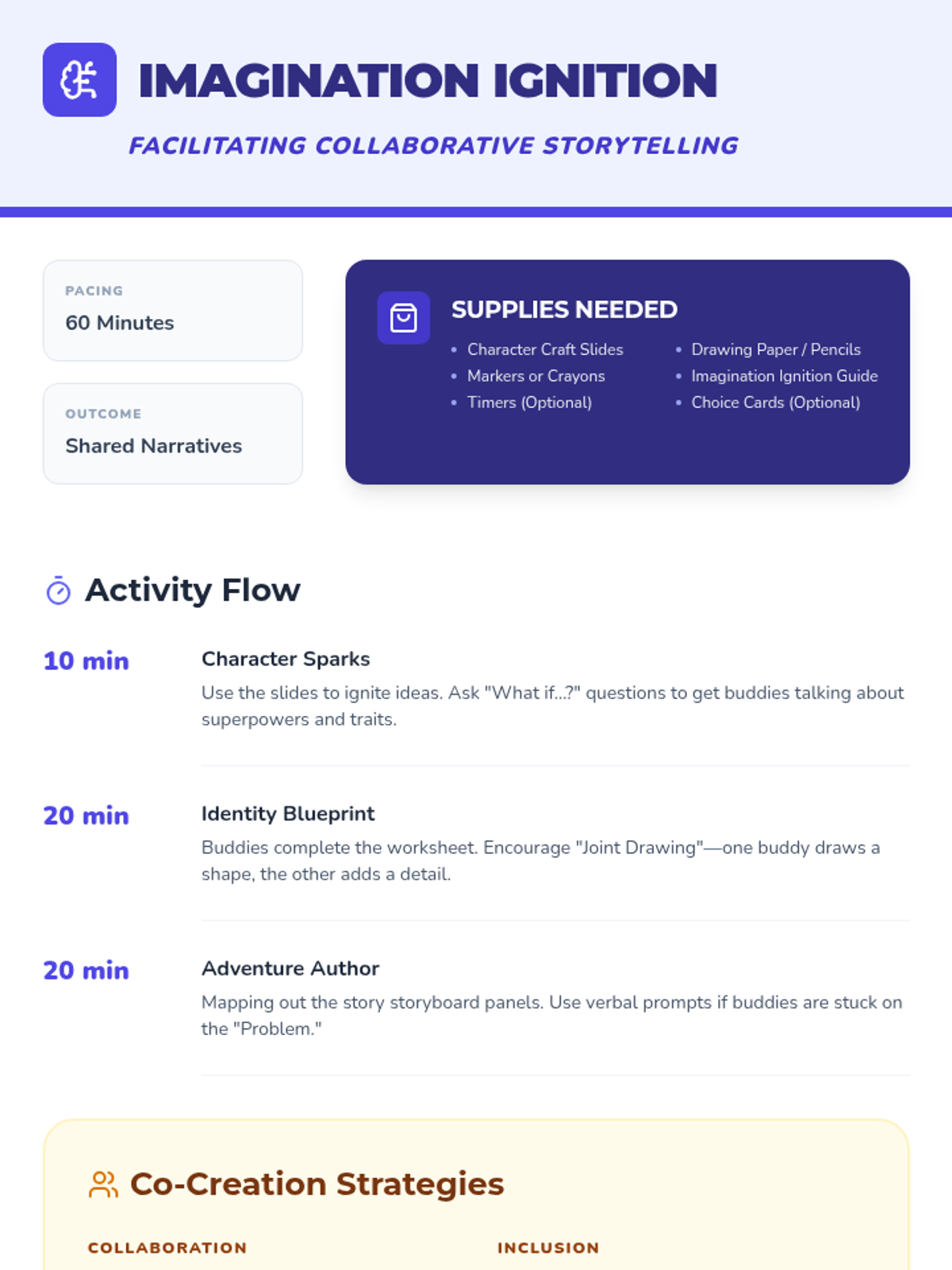
A creative collaboration lesson where Best Buddies pairs design a unique character and write a shared adventure story together.
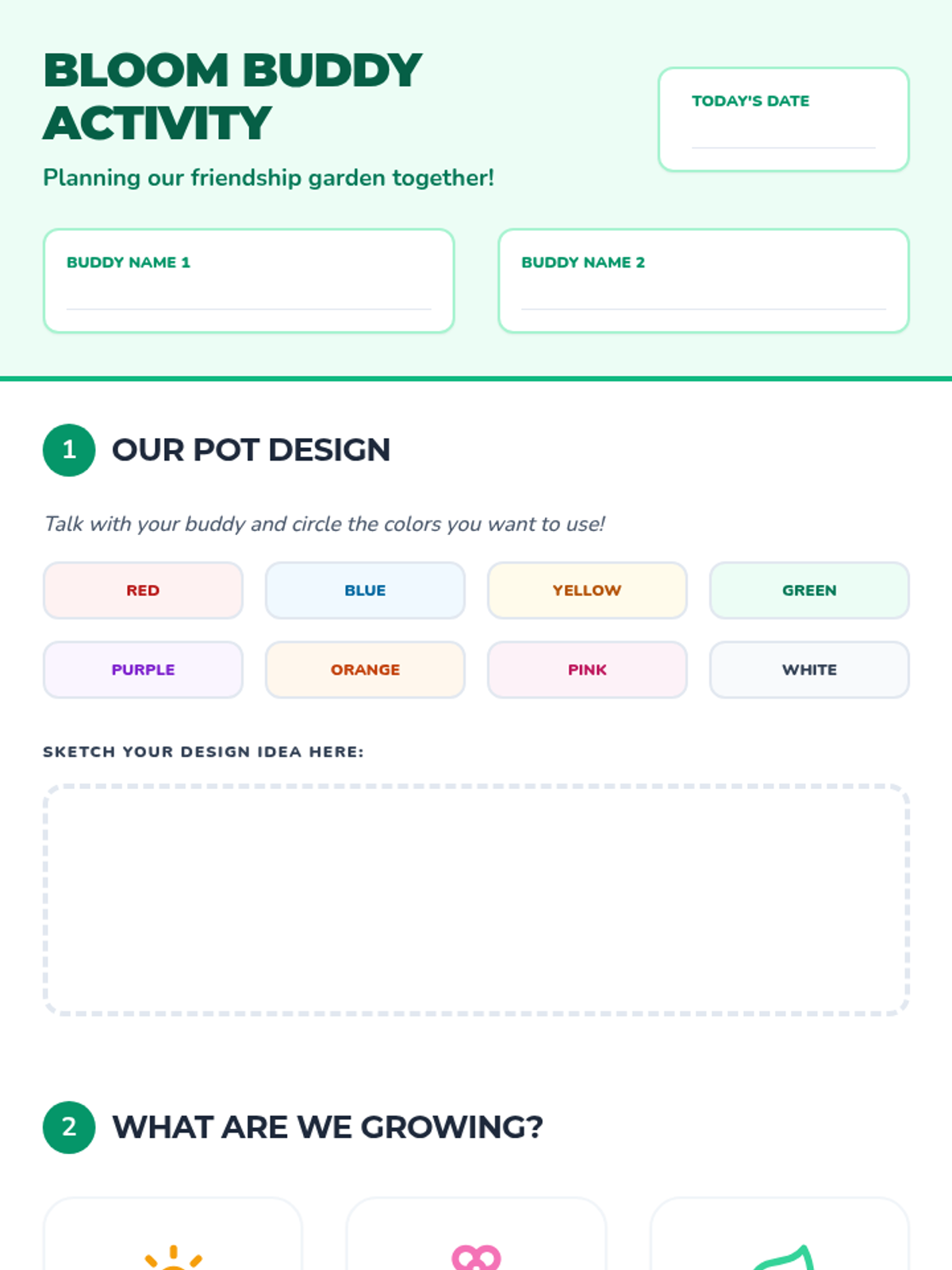
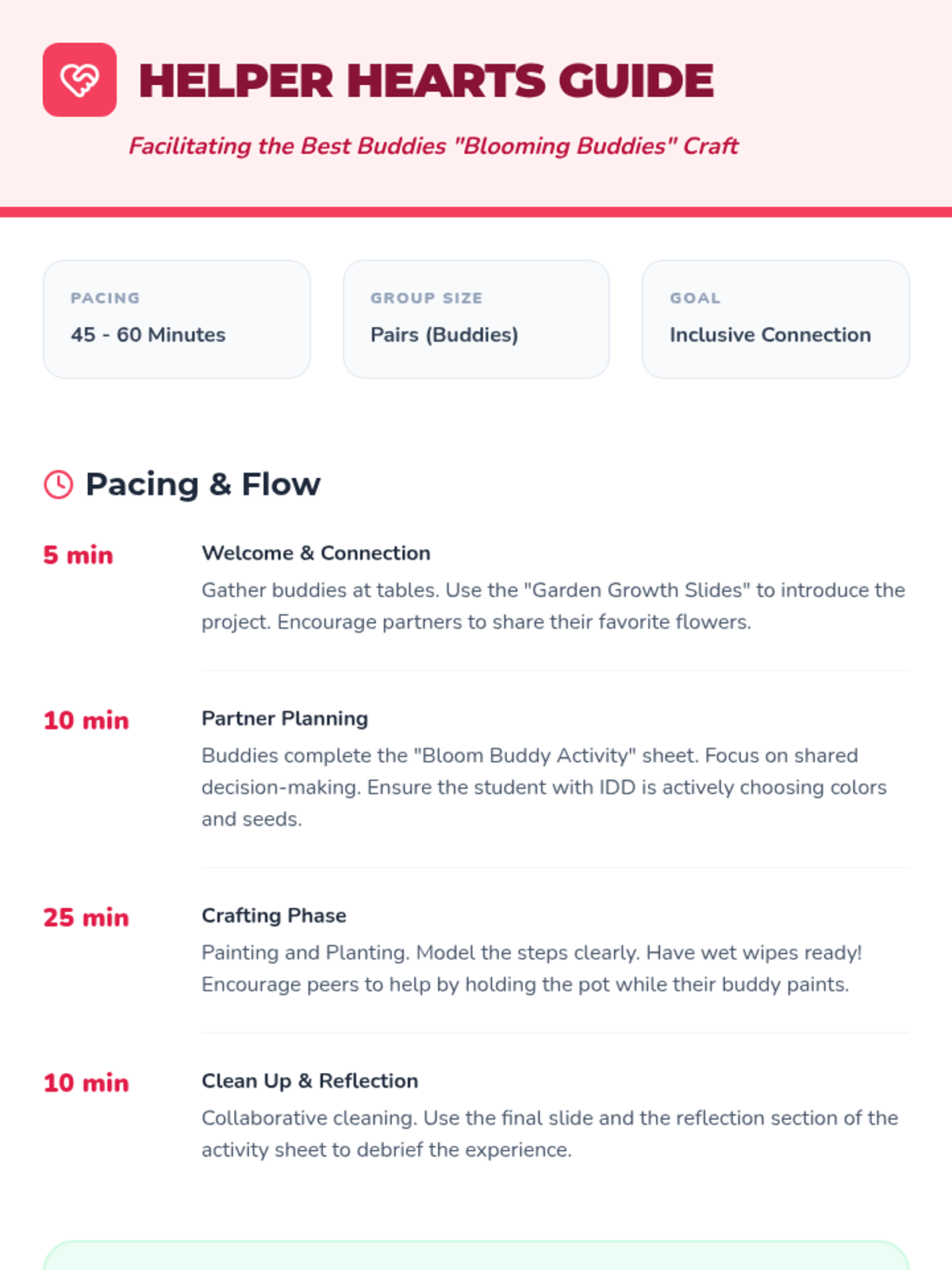
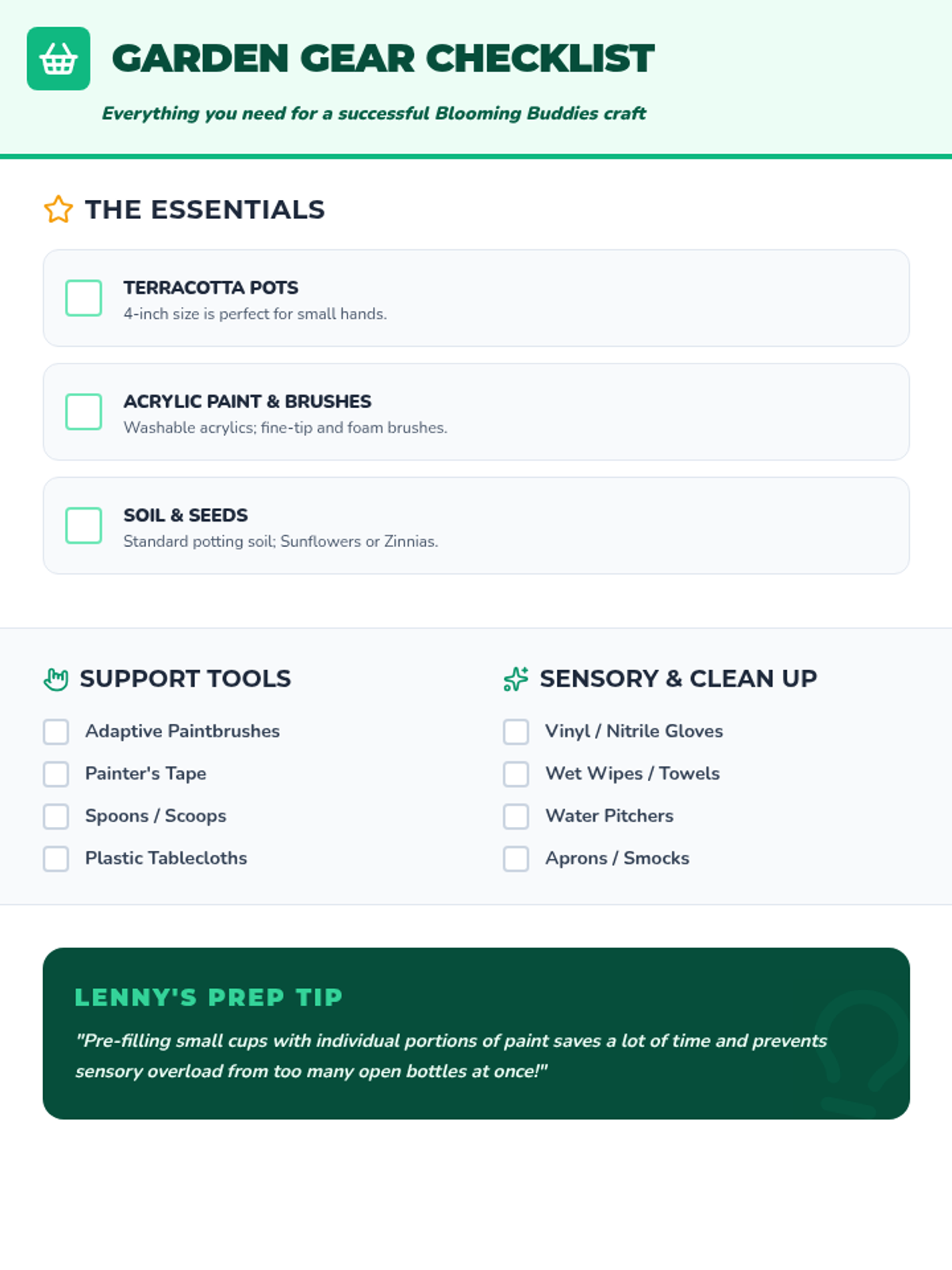
A collaborative crafting lesson designed for Best Buddies pairs to create seasonal flower pots, fostering social connection and fine motor skills through a shared gardening project.
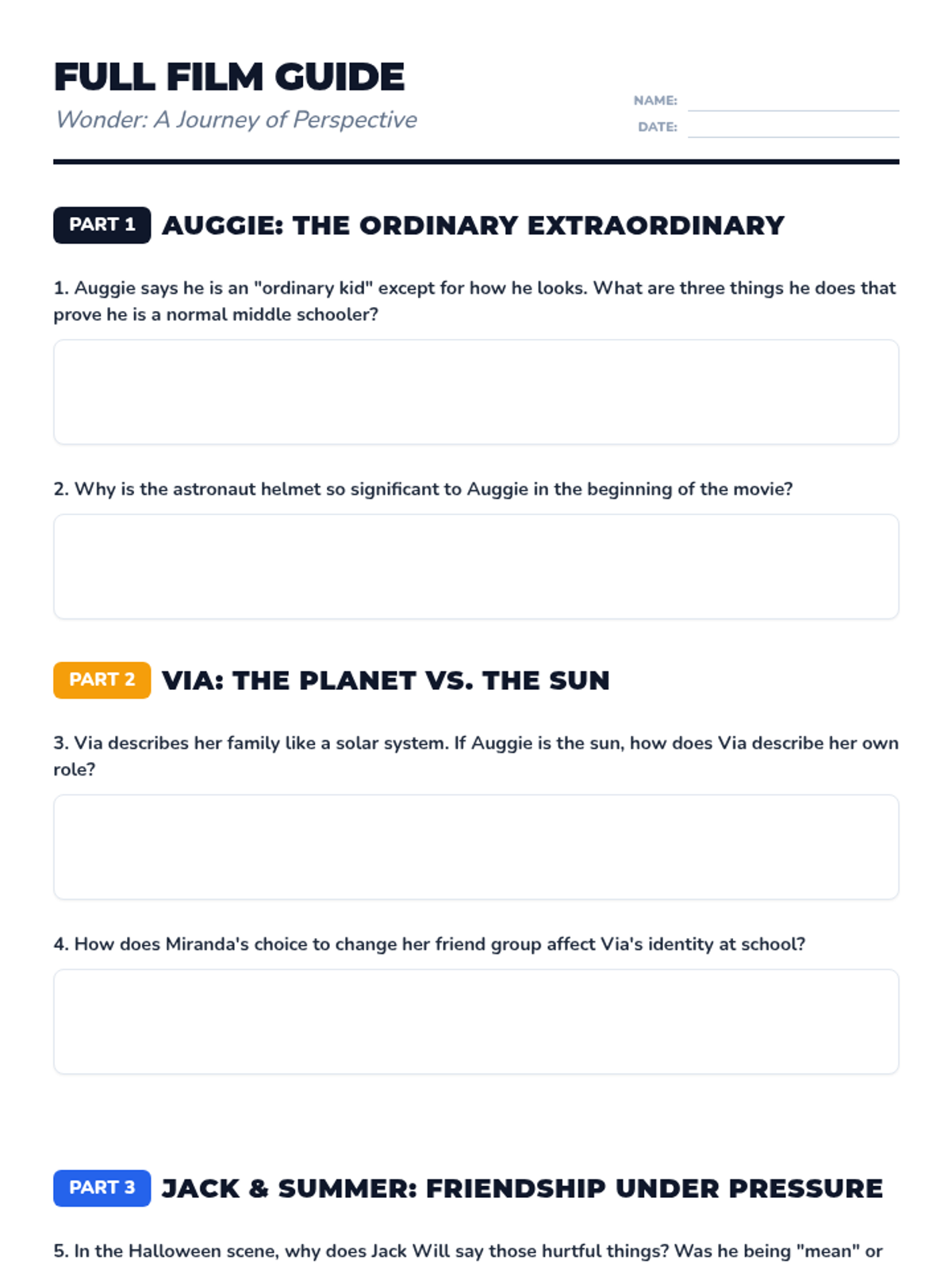
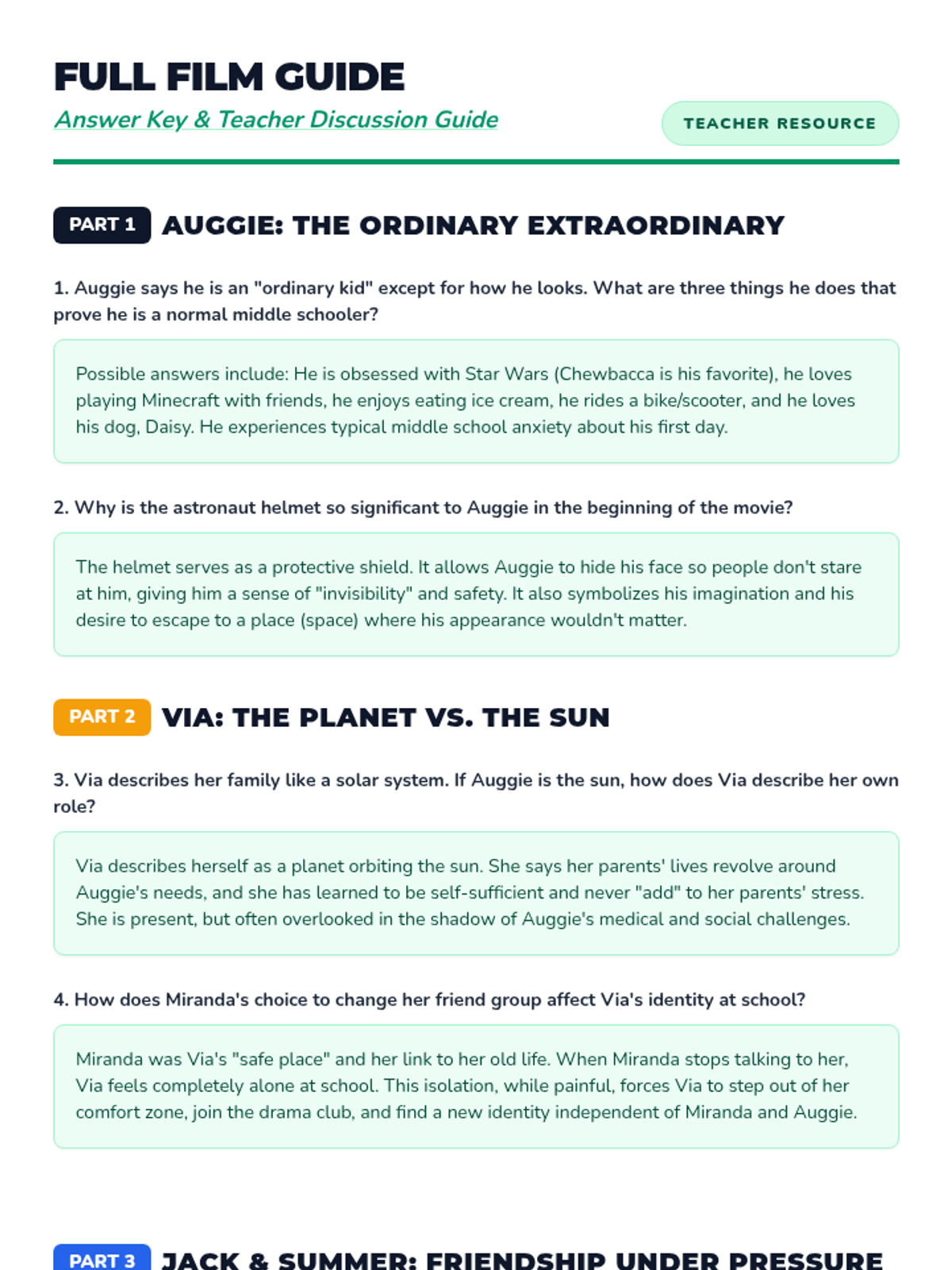
A comprehensive viewing experience of the film Wonder, focusing on character perspectives, plot development, and thematic analysis through a structured guided viewing guide.
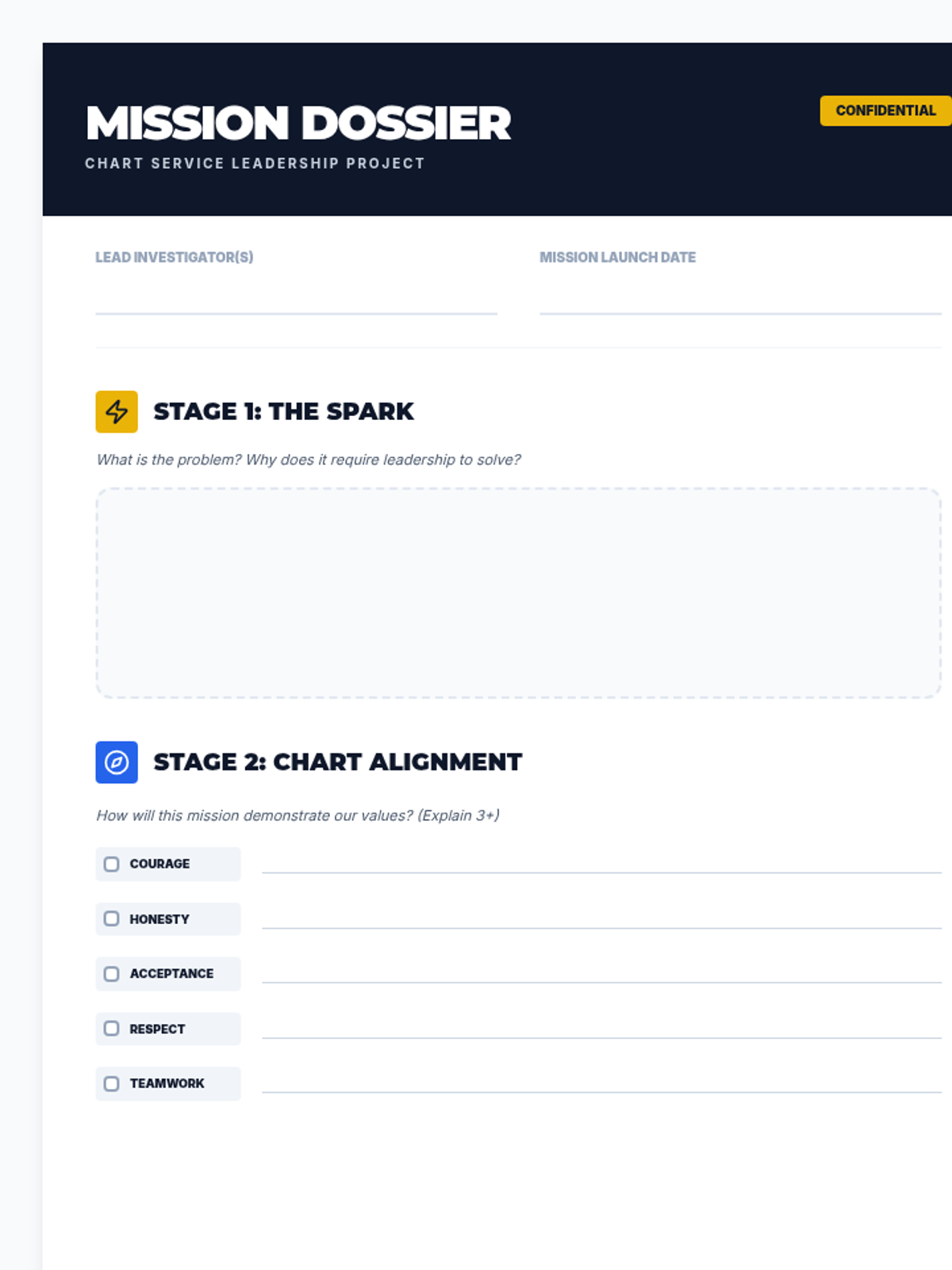
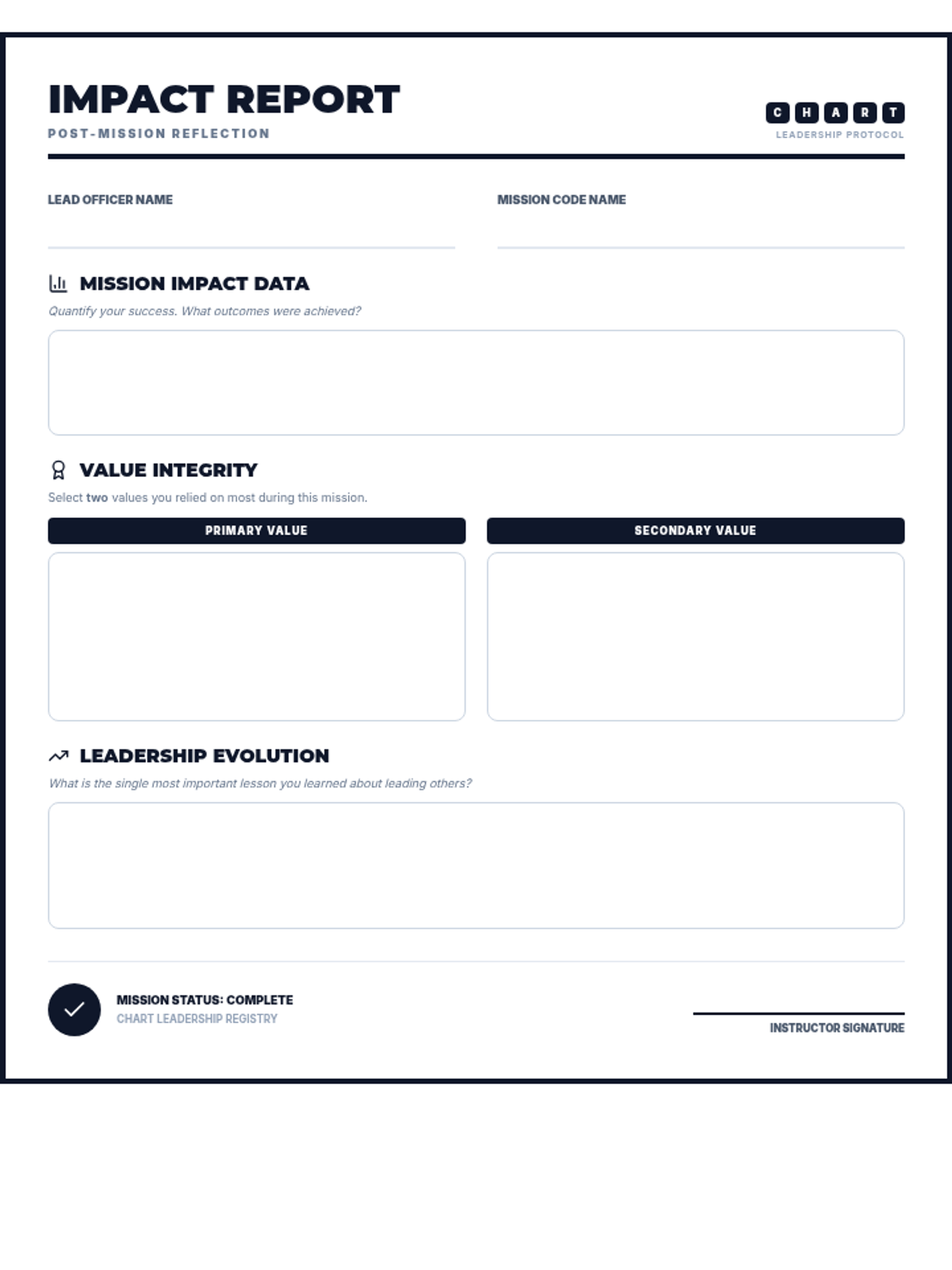
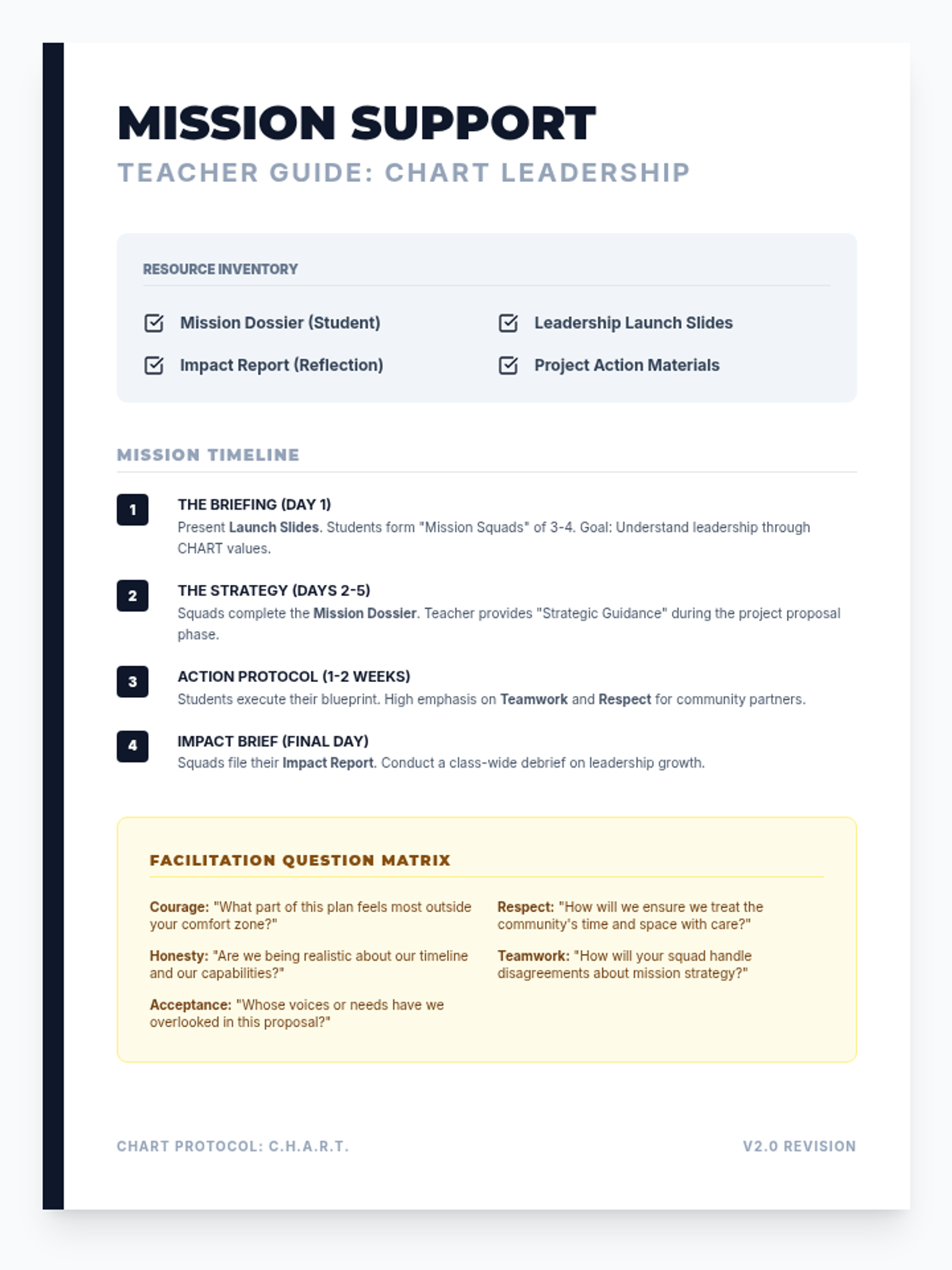
A comprehensive service-learning framework for middle schoolers to develop leadership skills through the lens of five core values: Courage, Honesty, Acceptance, Respect, and Teamwork. Students will plan, execute, and reflect on a community impact project.
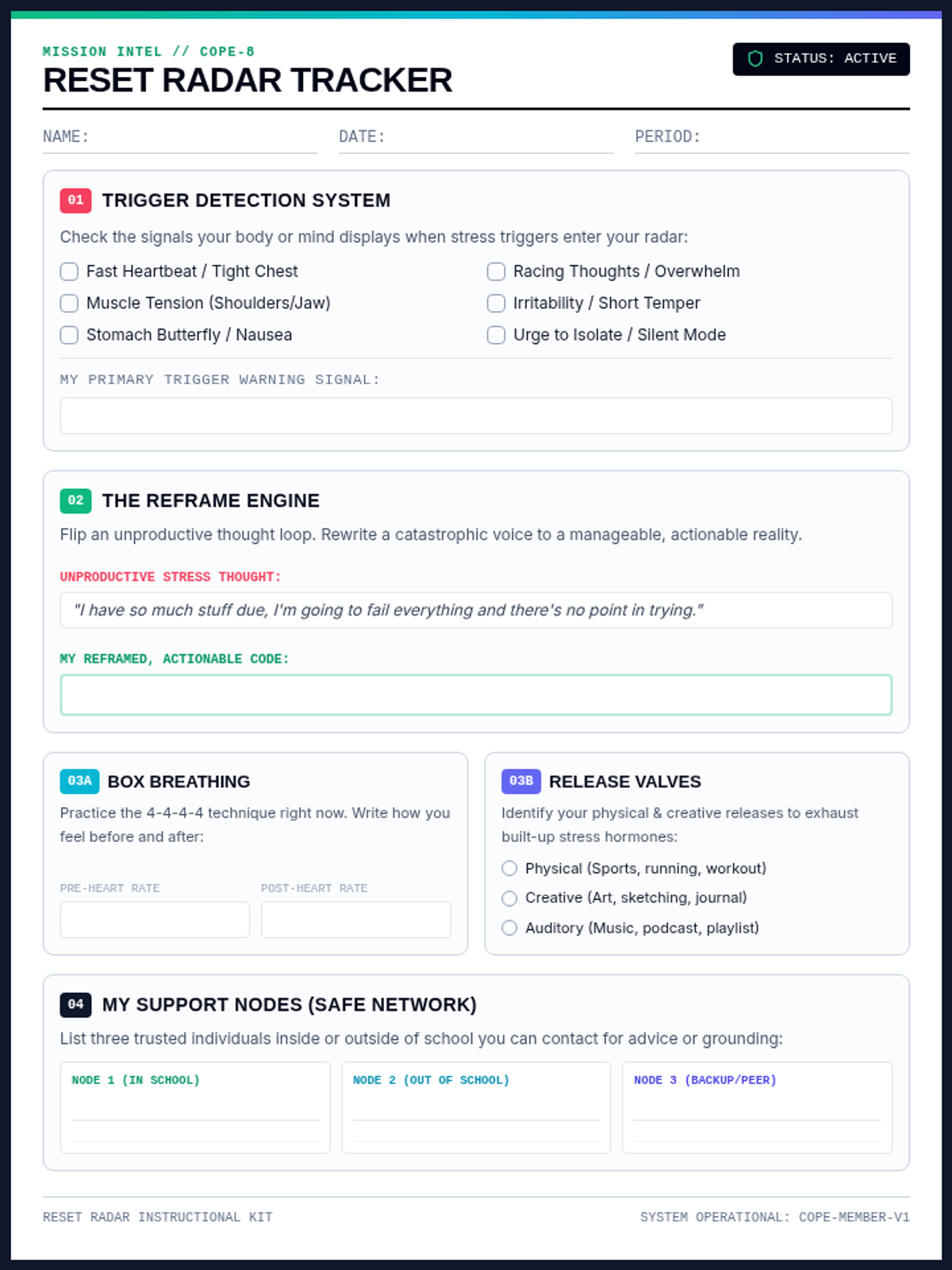
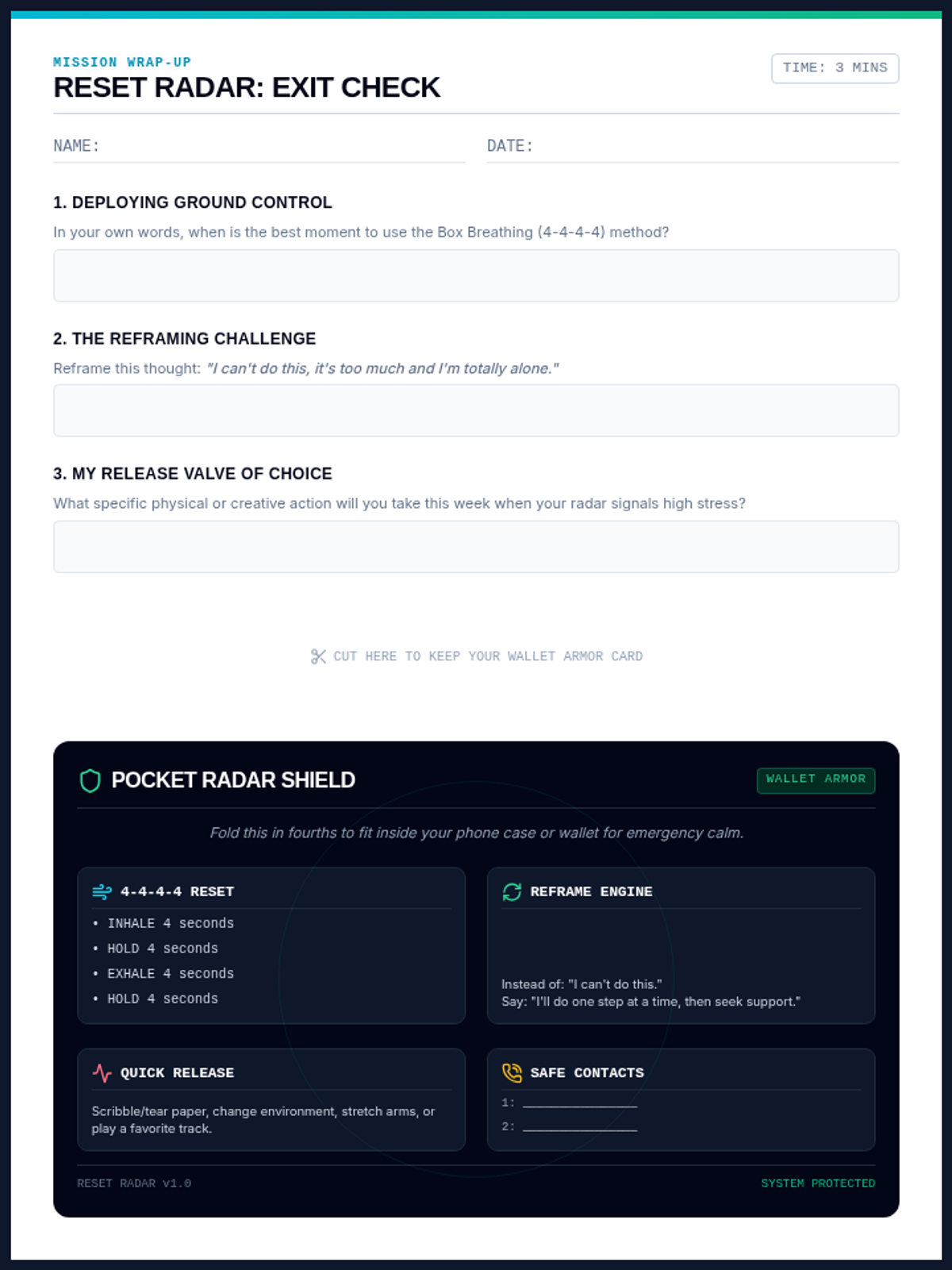
A practical lesson introducing 8th graders to evidence-based healthy coping mechanisms. Students learn to identify stress triggers and build a personalized toolkit using grounding, reframing, physical outlets, and boundaries.
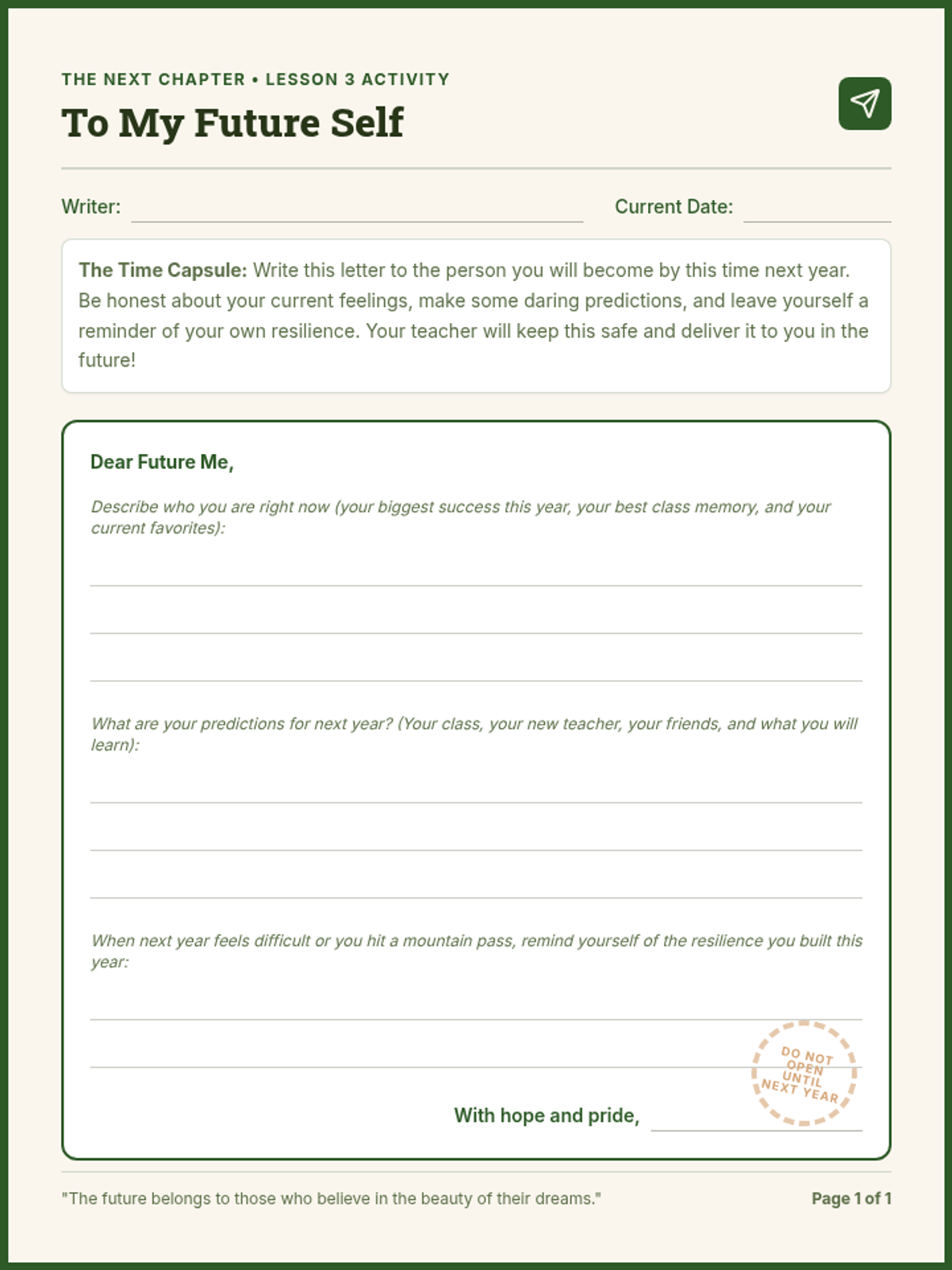
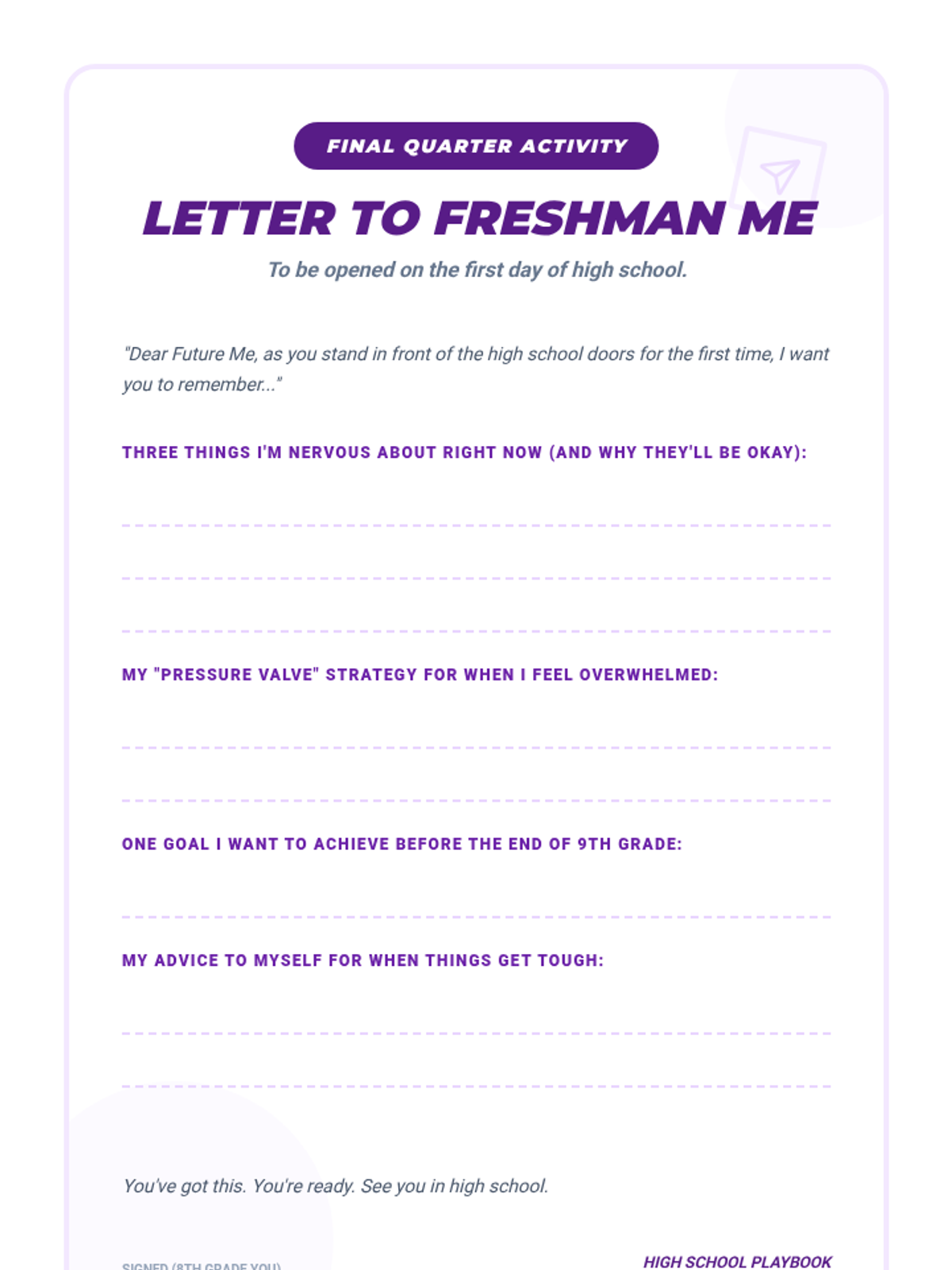
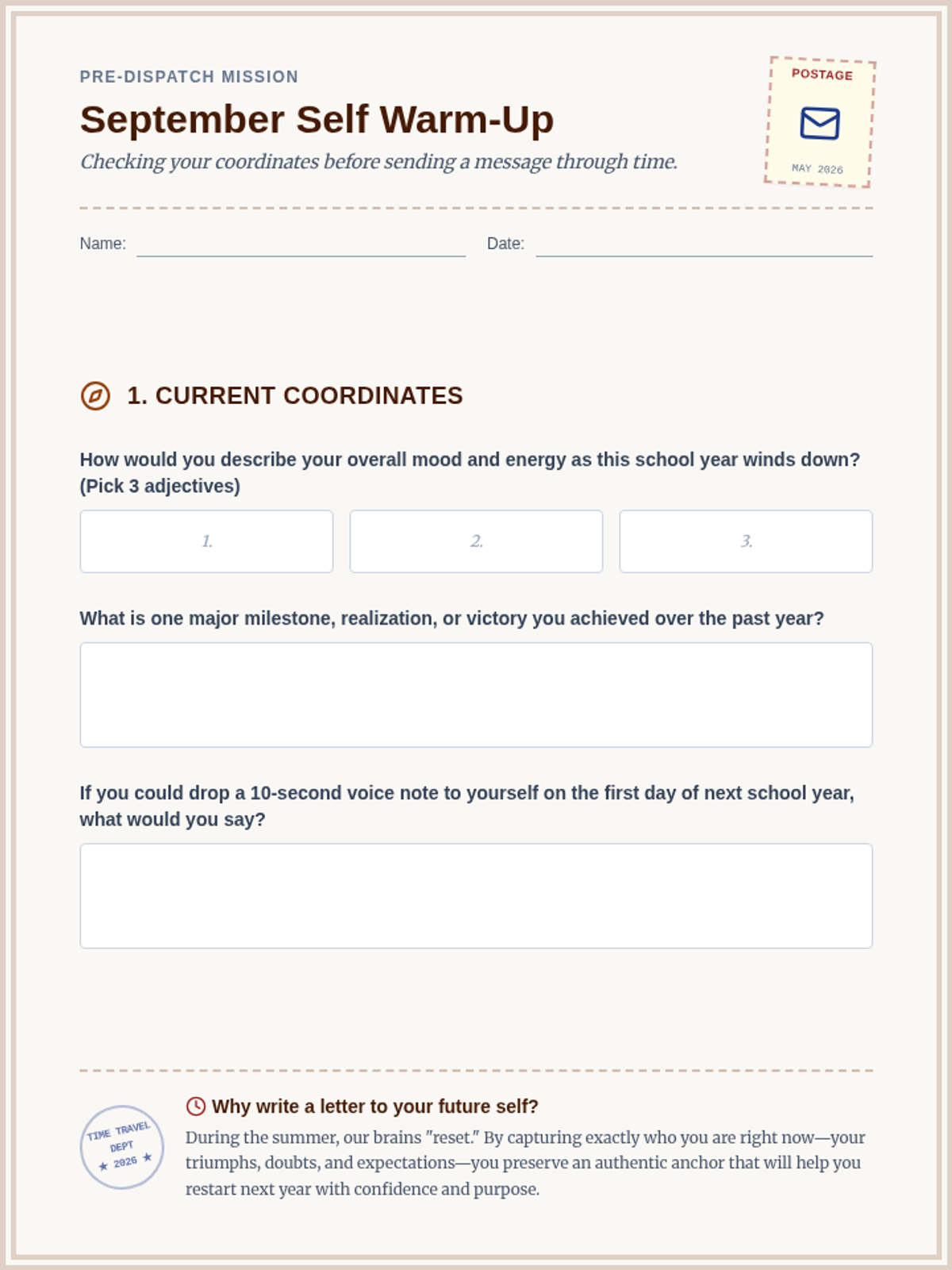
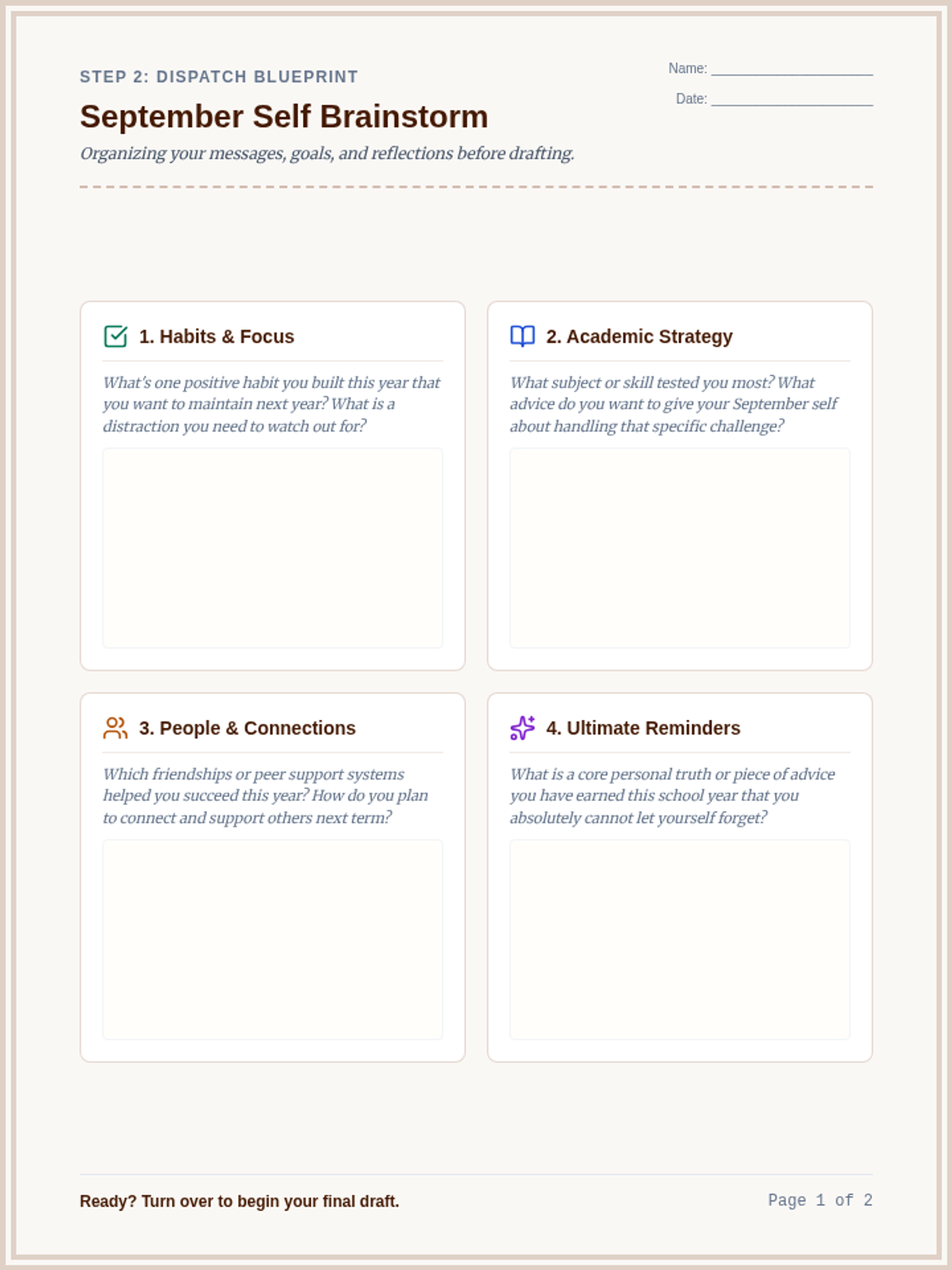
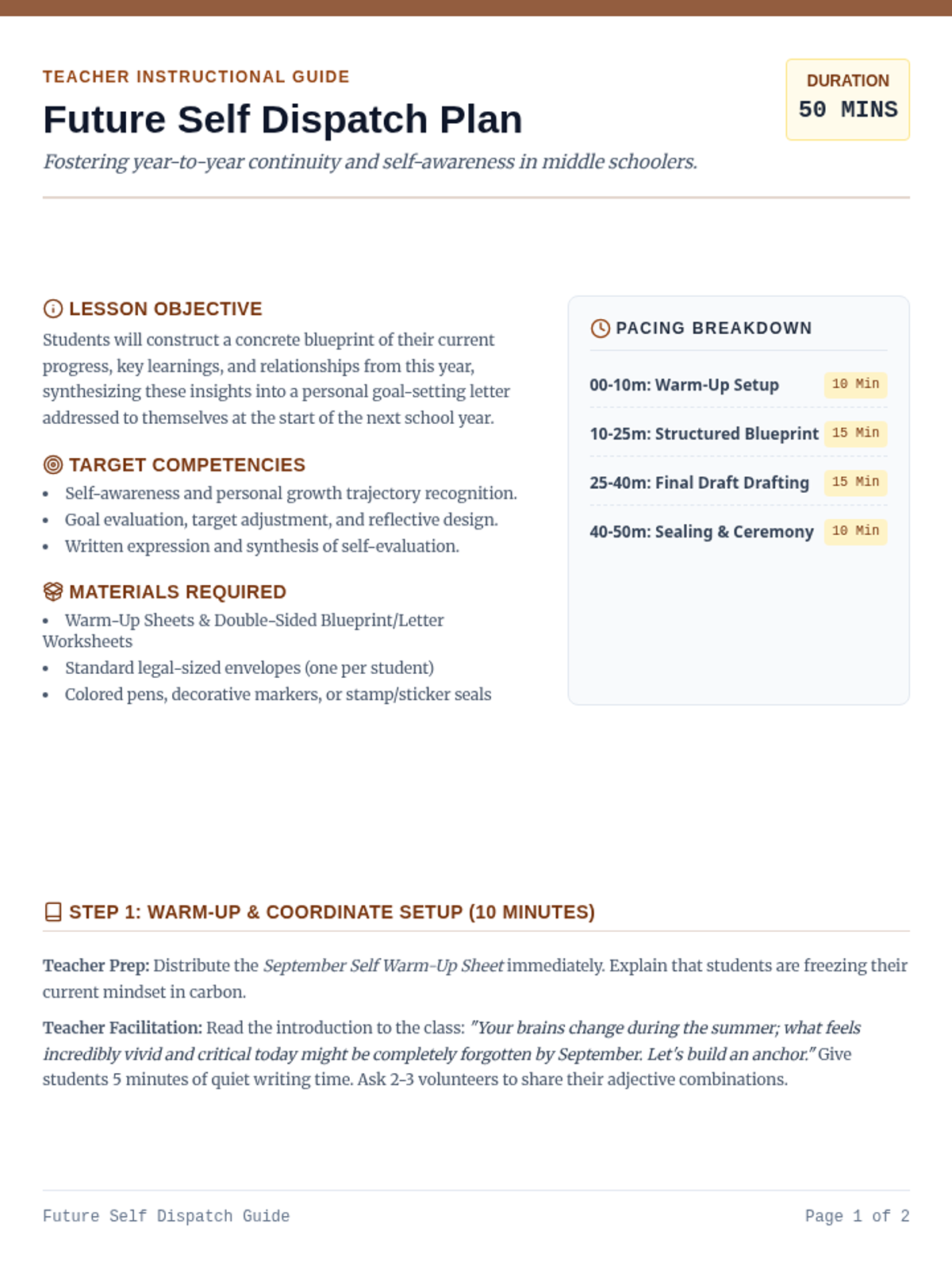
A reflective goal-setting lesson where middle school students write letters to their future selves to read at the start of the next school year, fostering continuity and self-awareness during the summer transition.
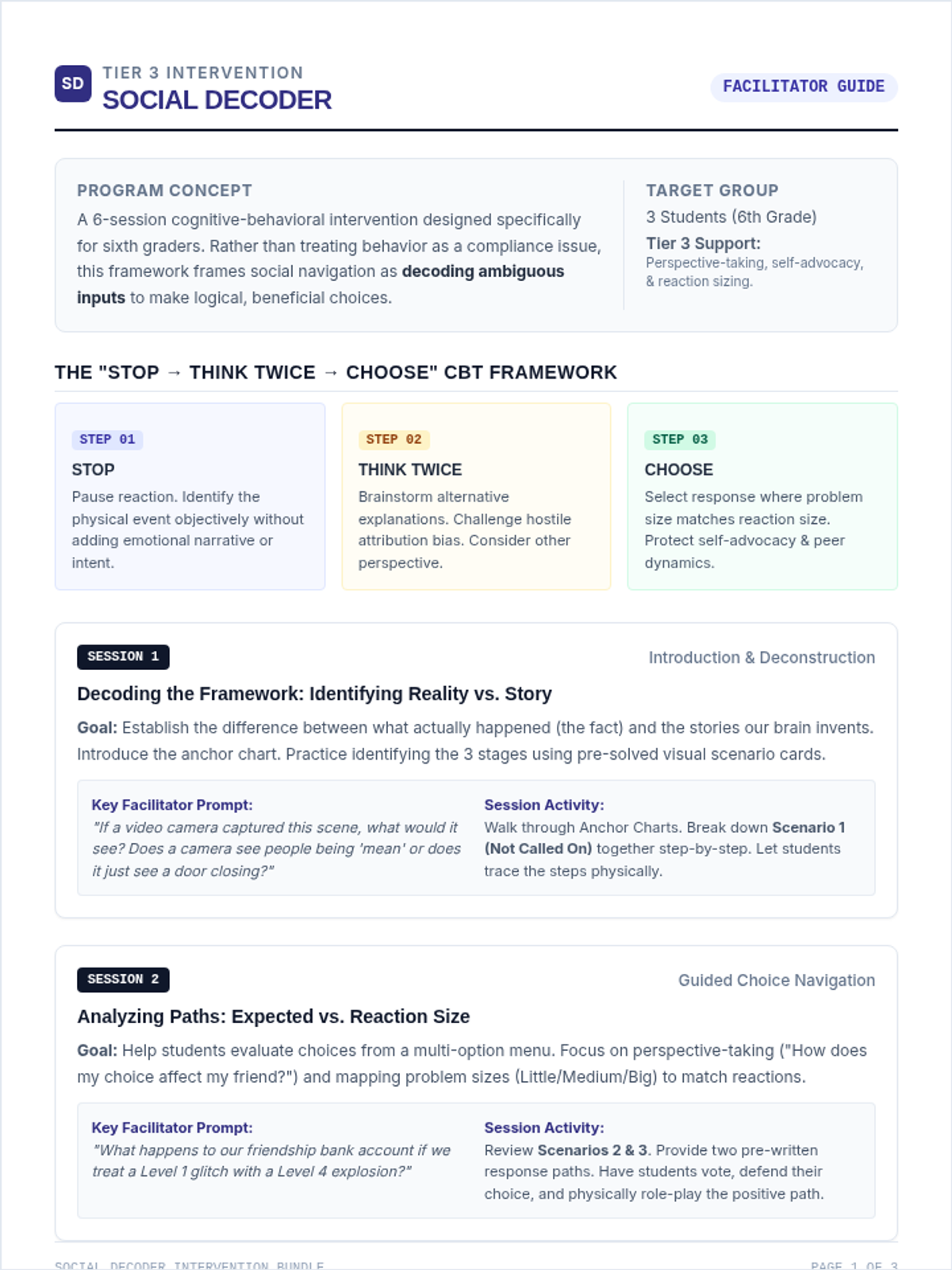
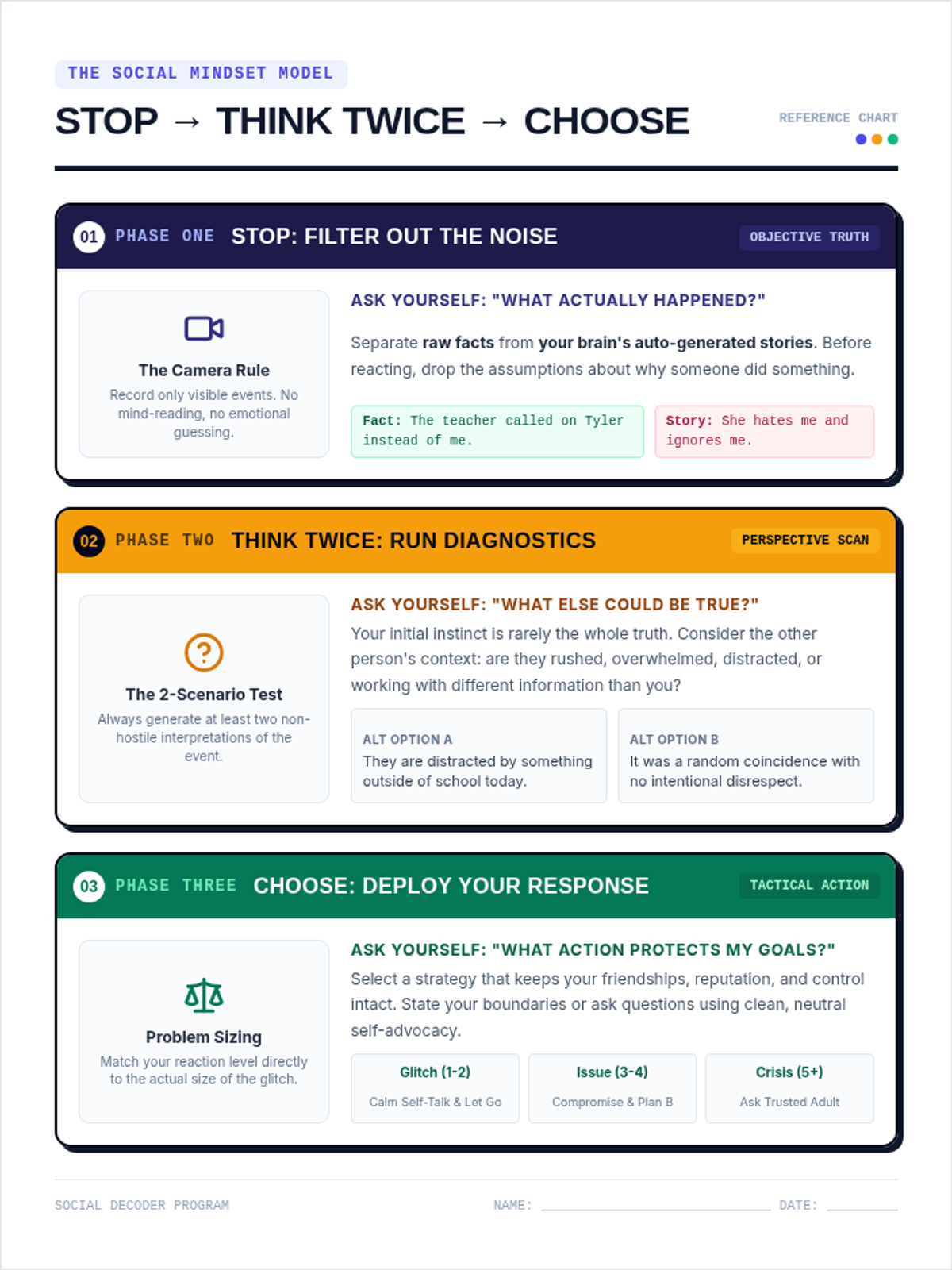
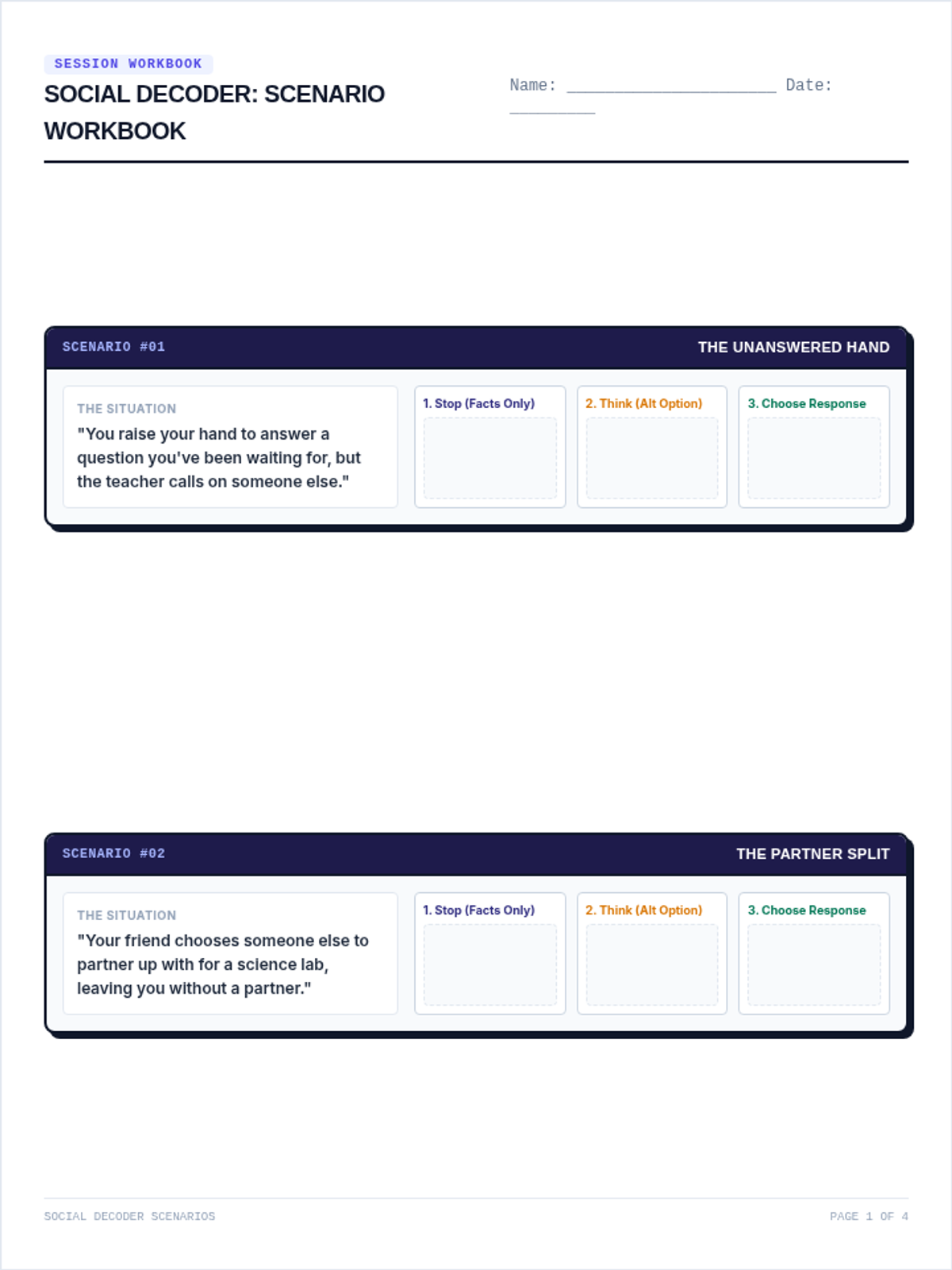
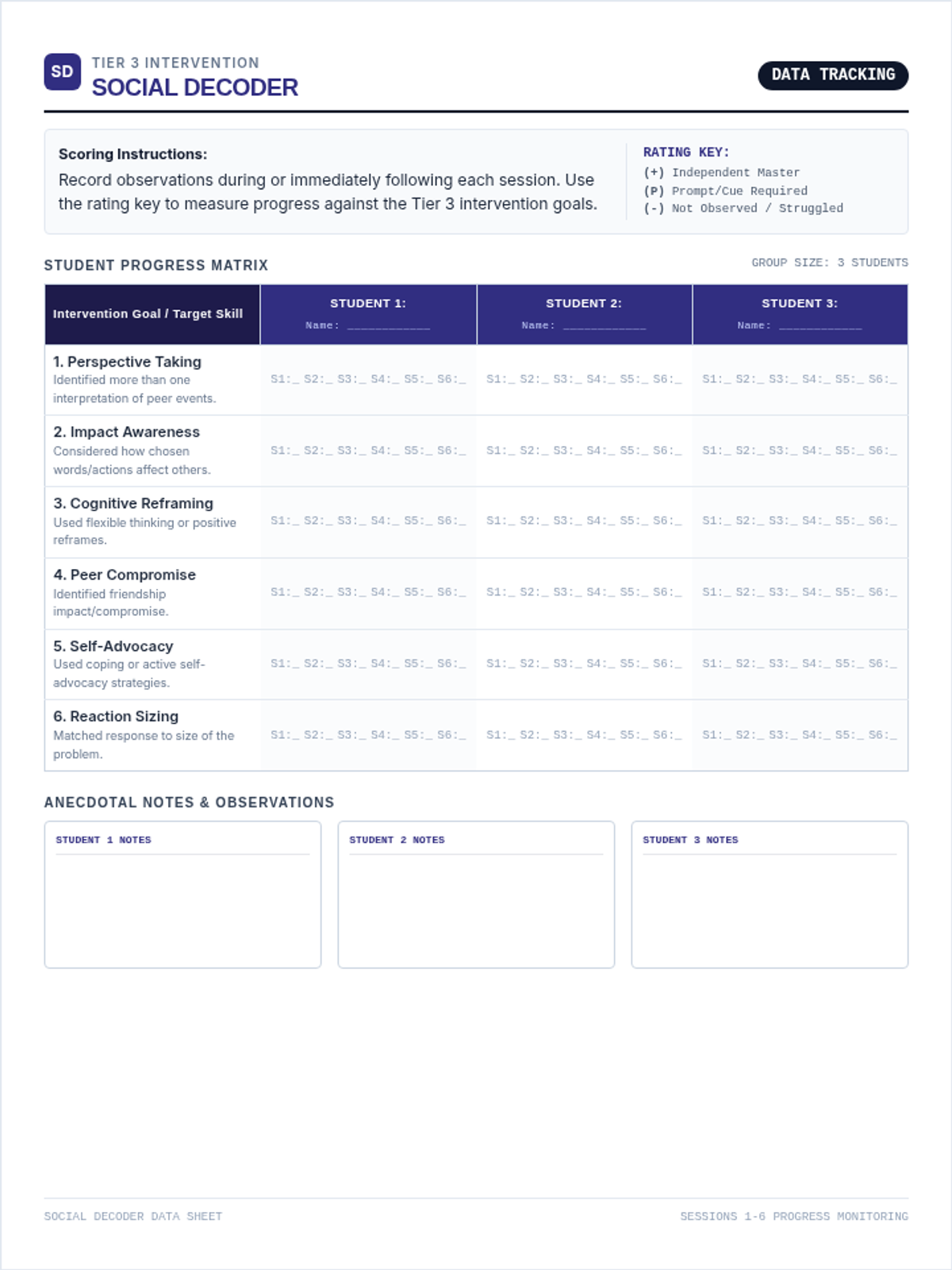
A 6-session social dynamics intervention bundle for Tier 3 sixth graders using the 'Stop, Think Twice, Choose' cognitive-behavioral framework. Includes a facilitator guide, visual anchor charts, comic-style scenario cards, and data tracking sheets designed with a clean, mature aesthetic.
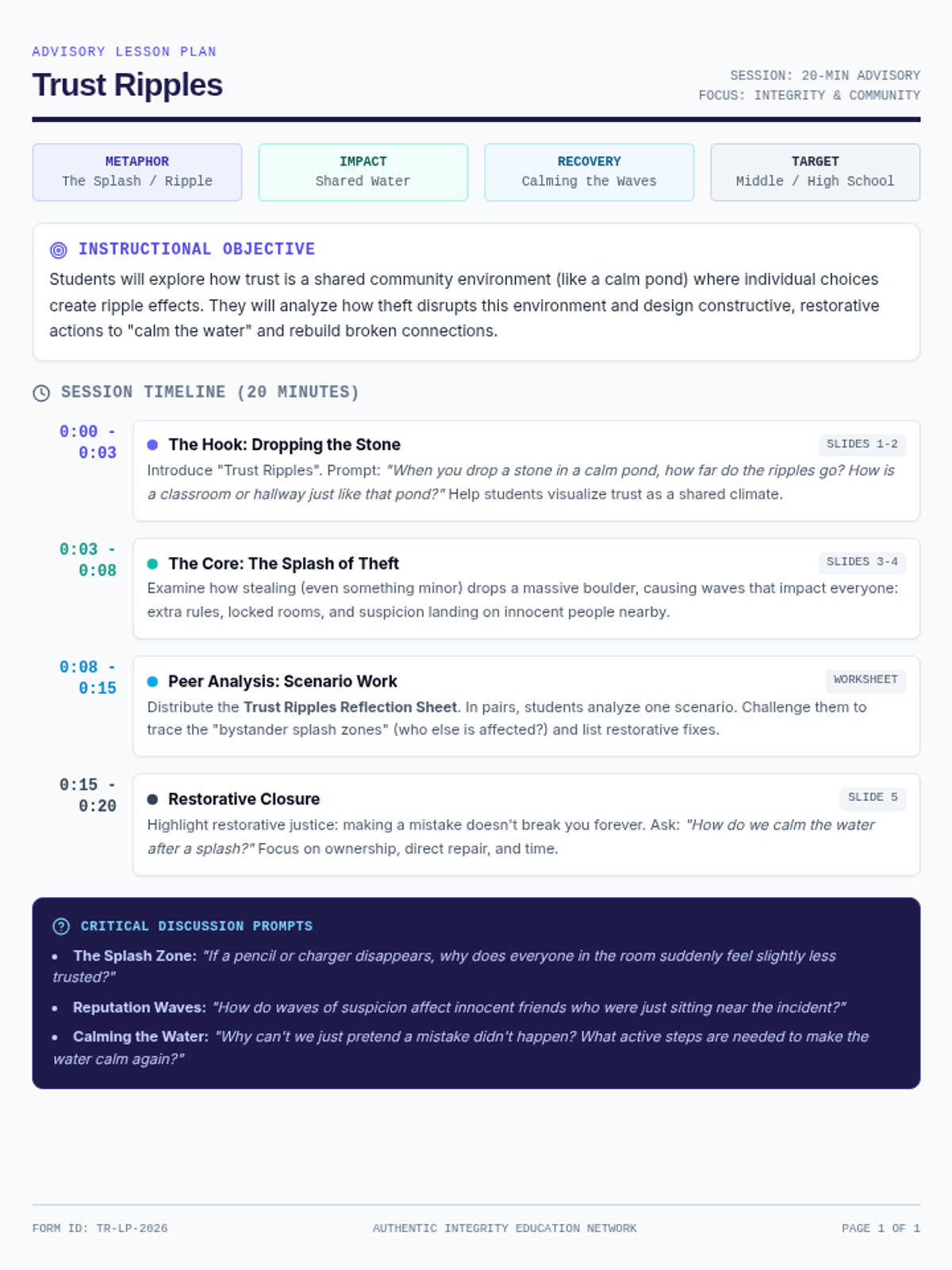
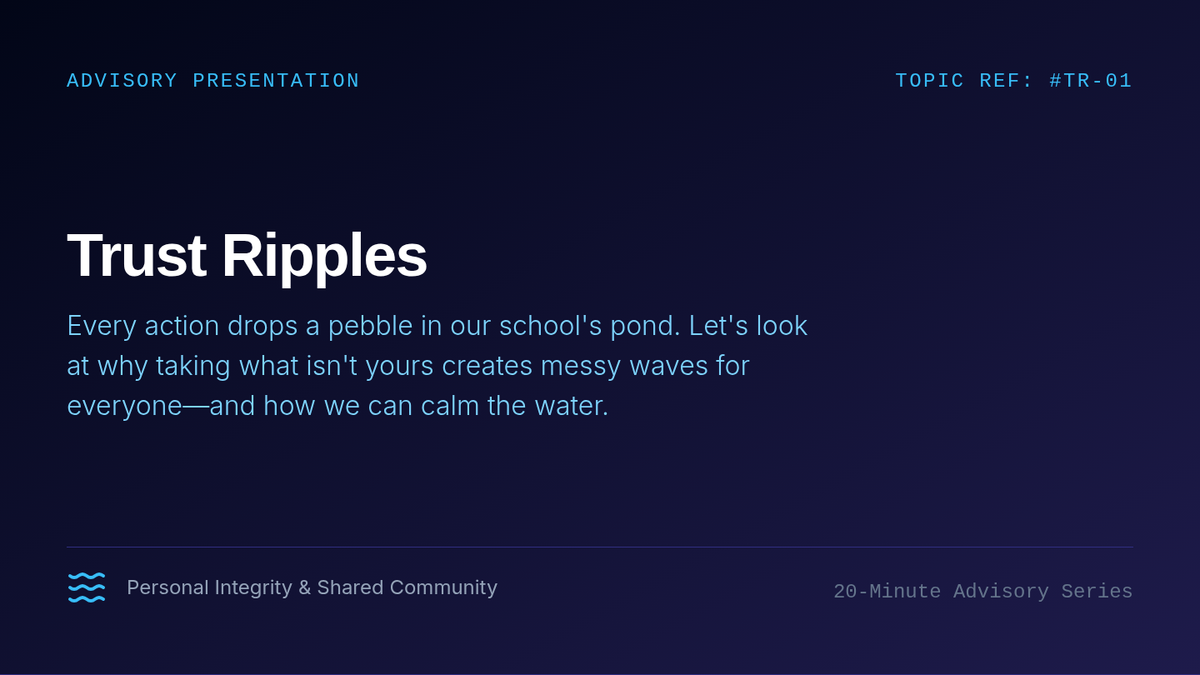
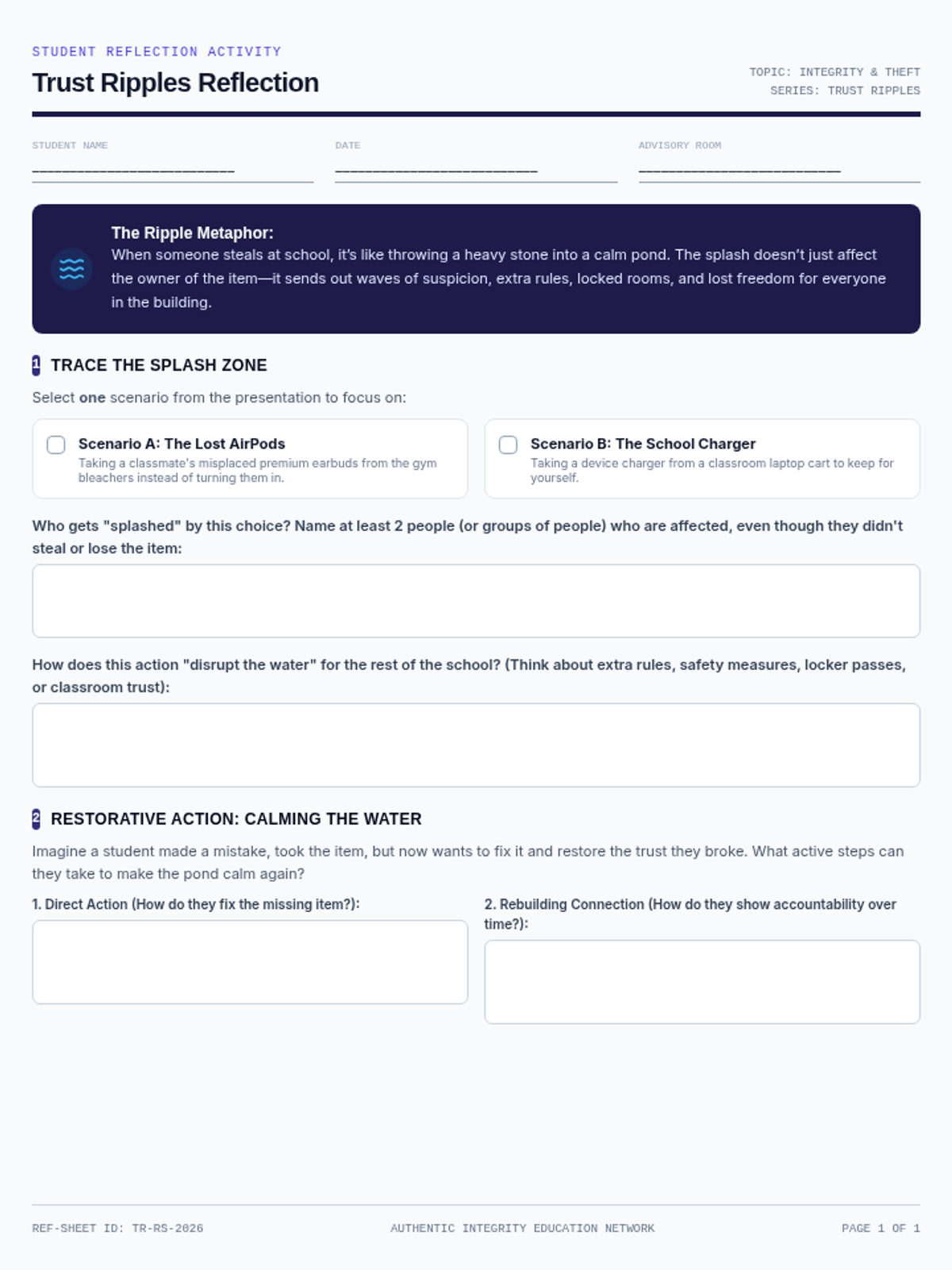
A direct, literal 20-minute advisory lesson exploring why theft is unacceptable in school. Students look past metaphors to analyze the direct consequences of stealing on school culture, rules, innocent peers, and the practical steps to repair relationships after a mistake is made.
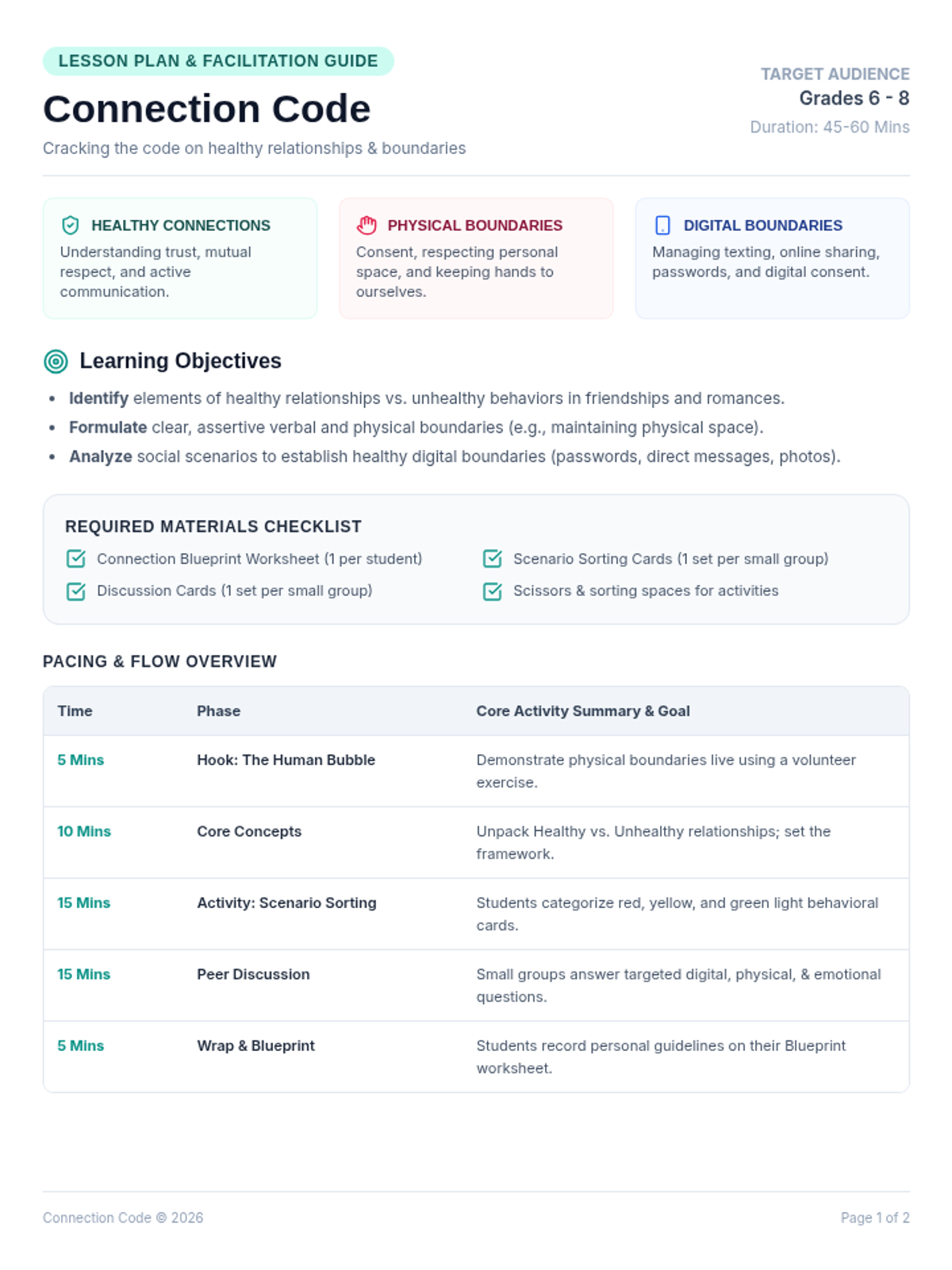
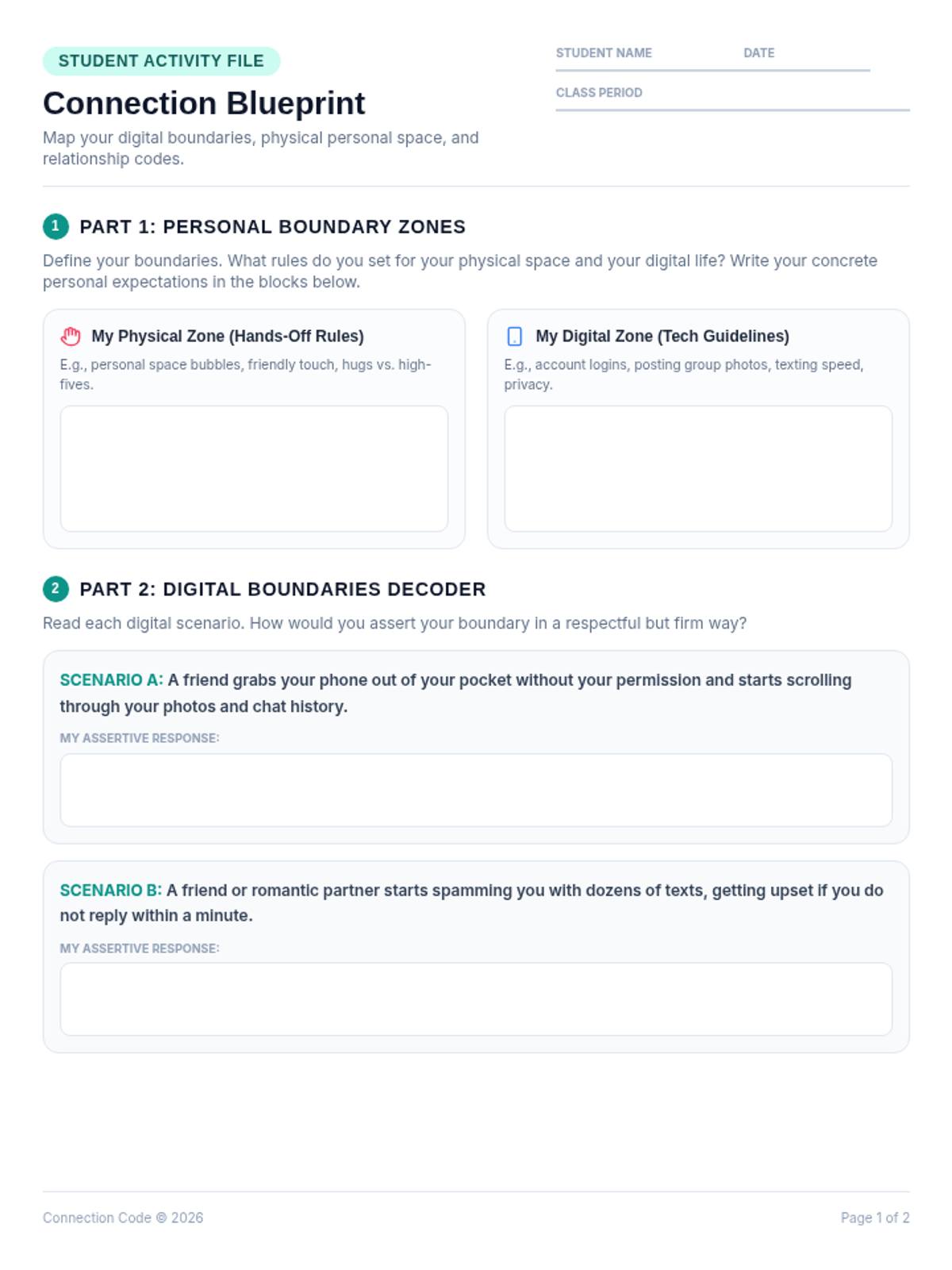
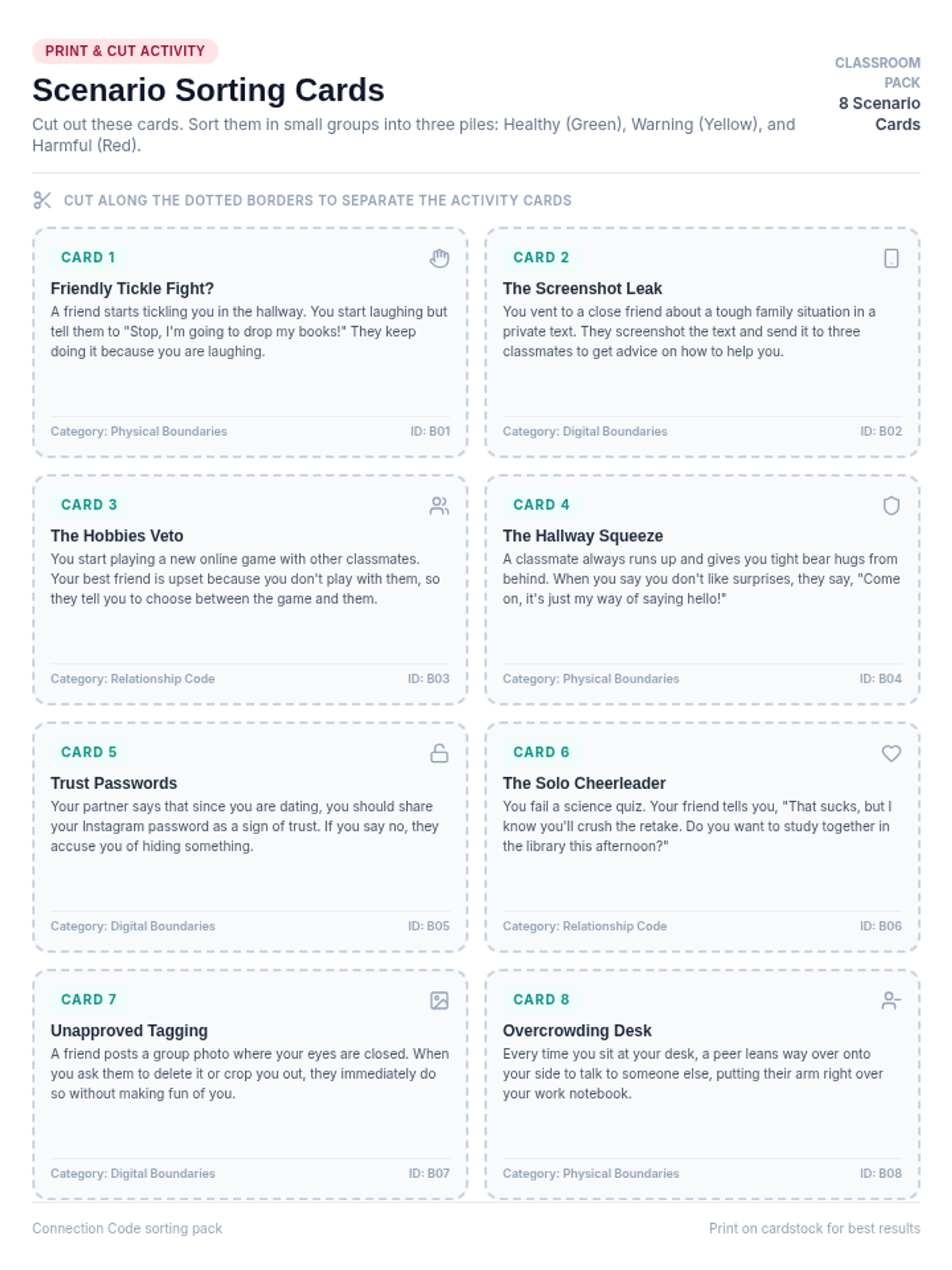
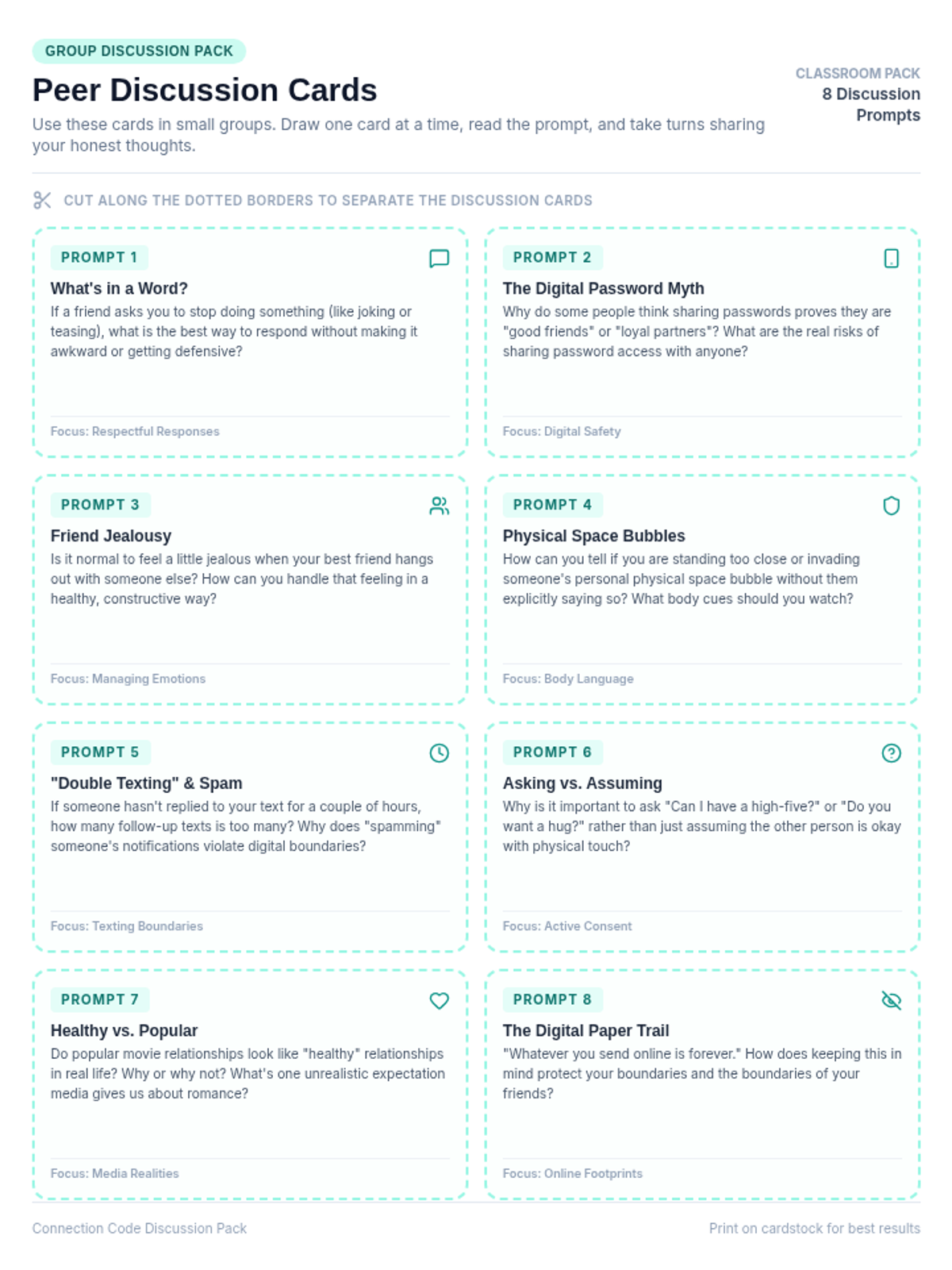
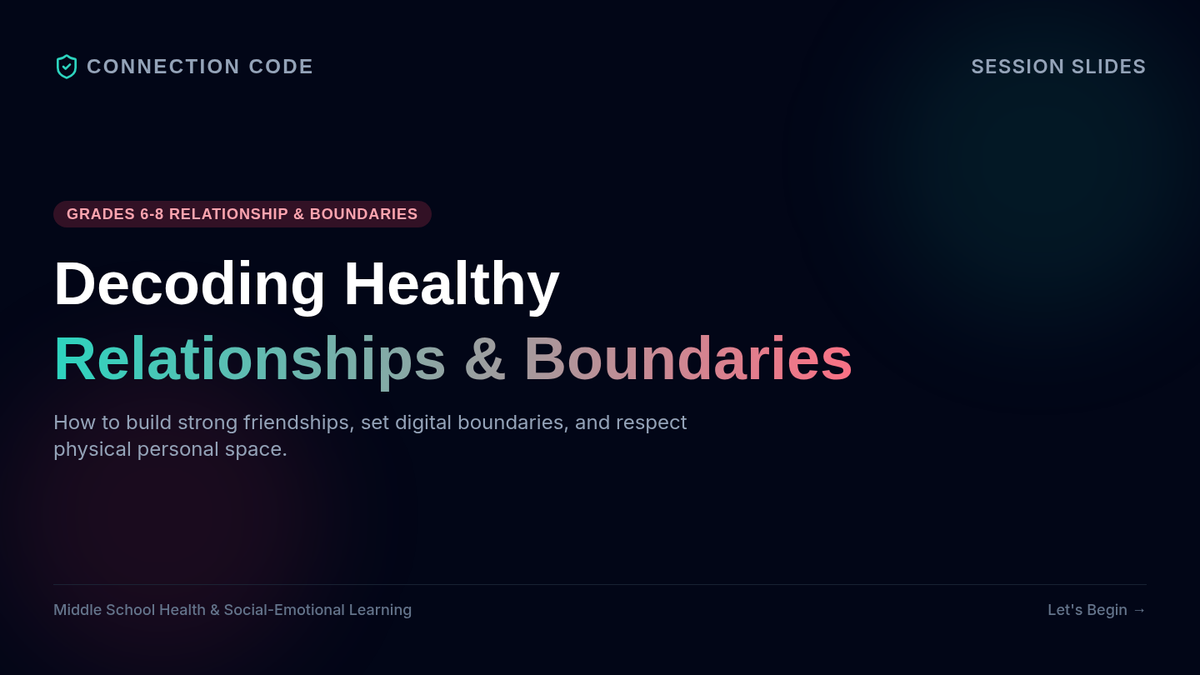
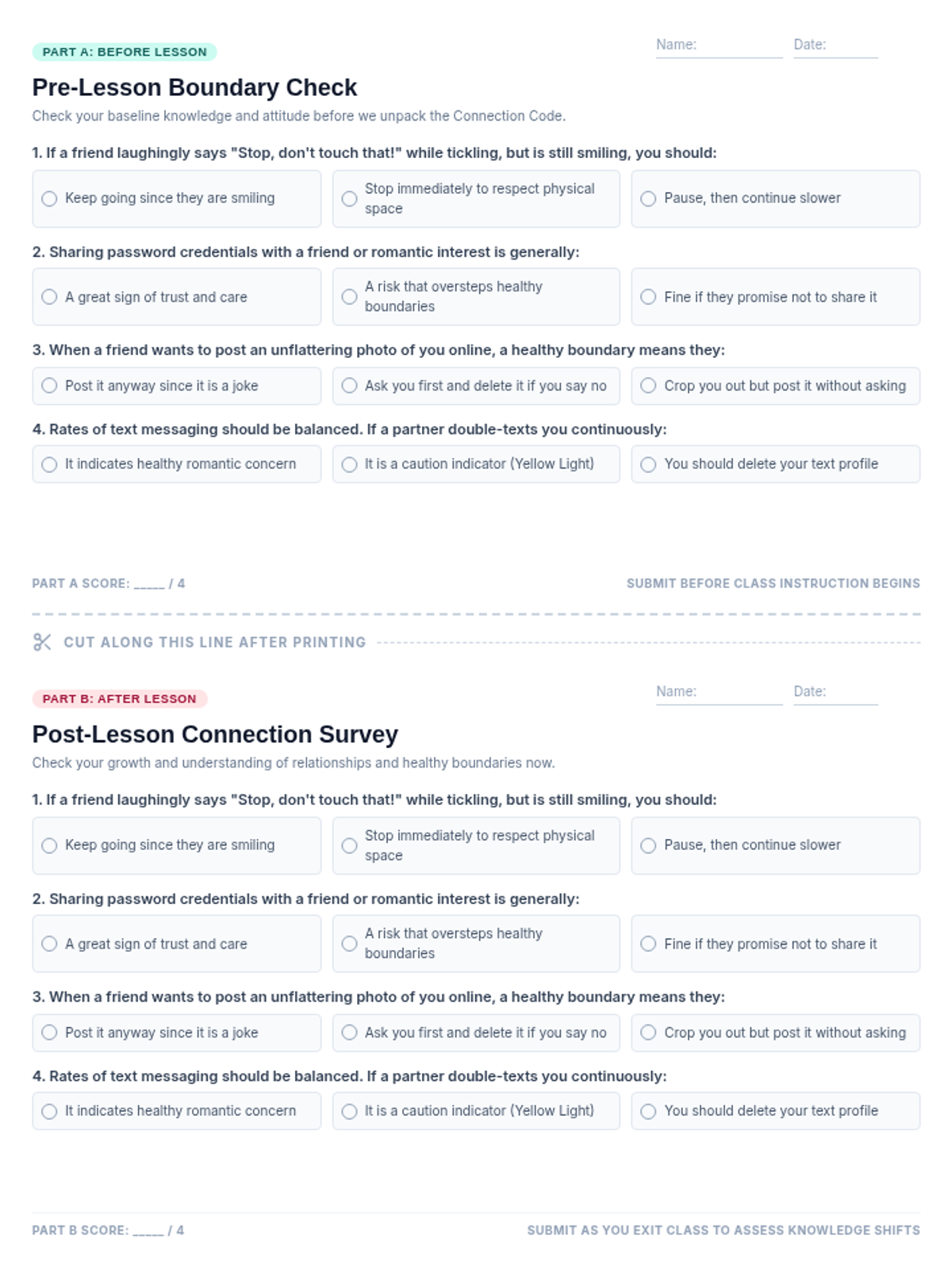
An interactive, high-impact middle school lesson plan focusing on healthy relationships, physical boundaries, and digital consent. Includes a step-by-step teacher guide, student blueprint worksheet, scenario sorting activity, and peer discussion cards.
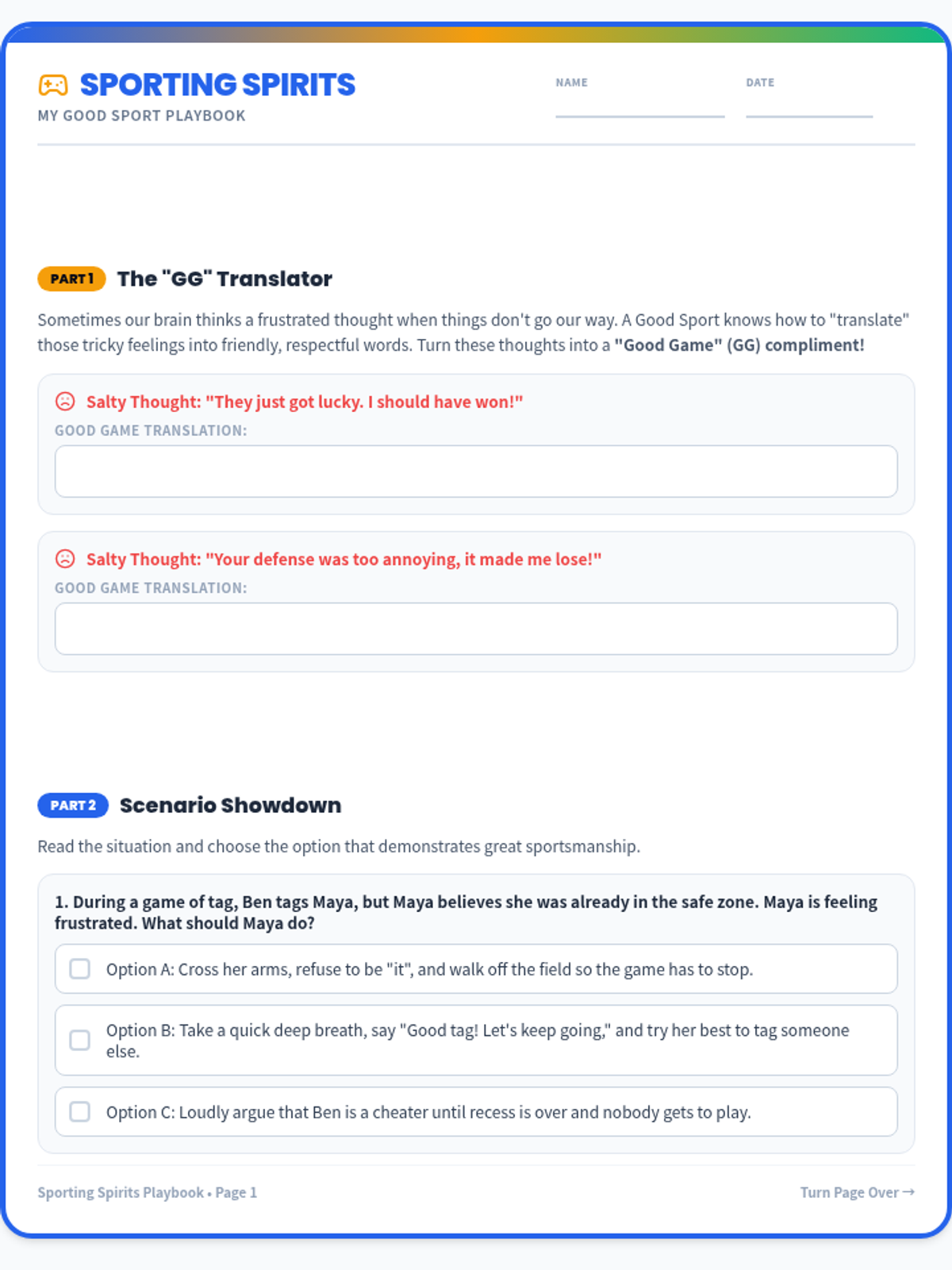
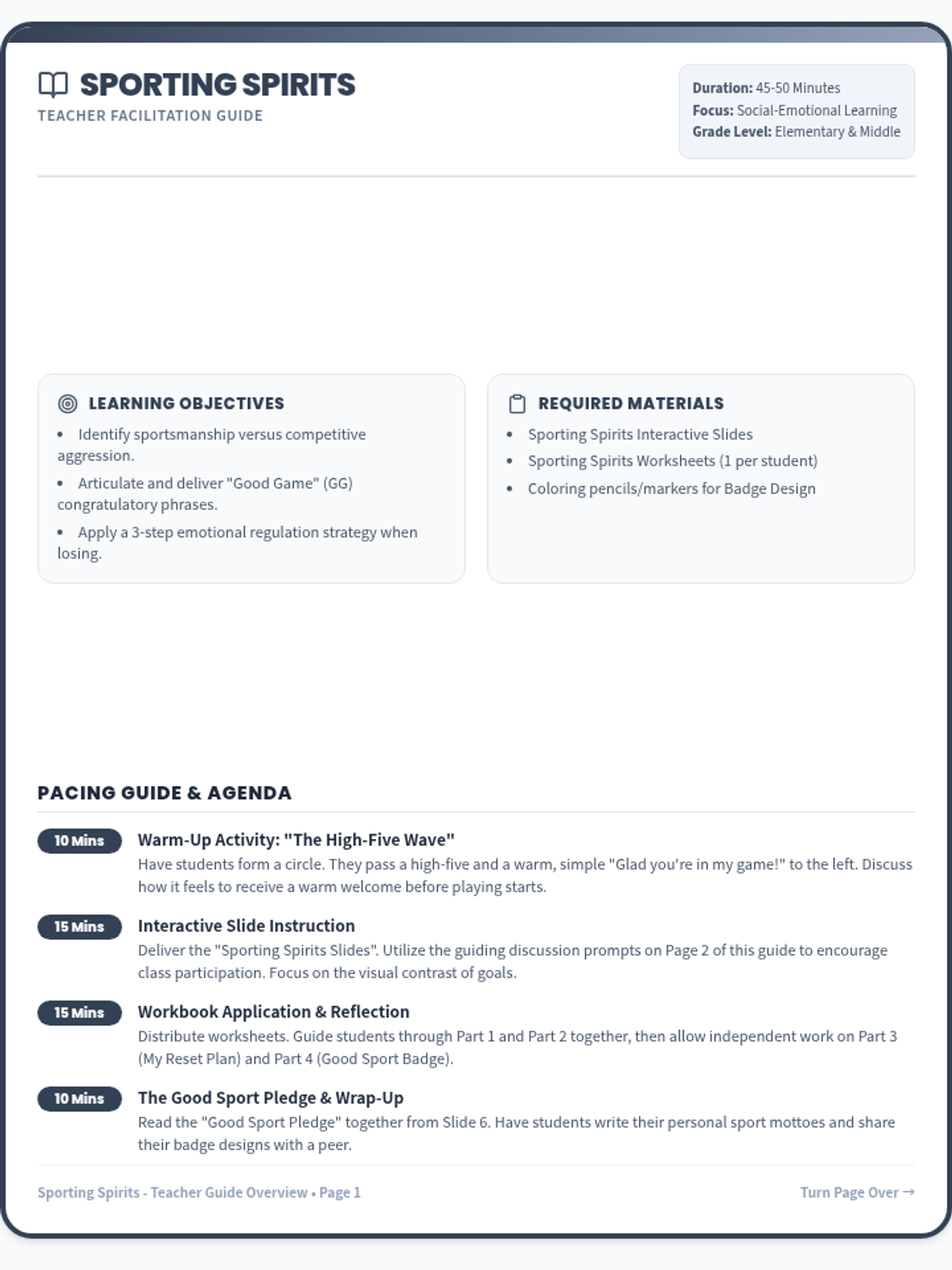
A dynamic, classroom-ready lesson designed to teach elementary and middle-school students how to be good sports. The lesson focuses on the core skills of congratulating others, saying 'Good Game' (GG), and managing the complex emotions of losing. It includes a vibrant, high-impact slide presentation, a scenario-driven student worksheet, and a structured teacher guide.