Stop-and-think strategies, impulse management, and SMART goal setting for personal growth. Develops internal motivation, stress reduction techniques, and resilience through proactive planning and monitoring.
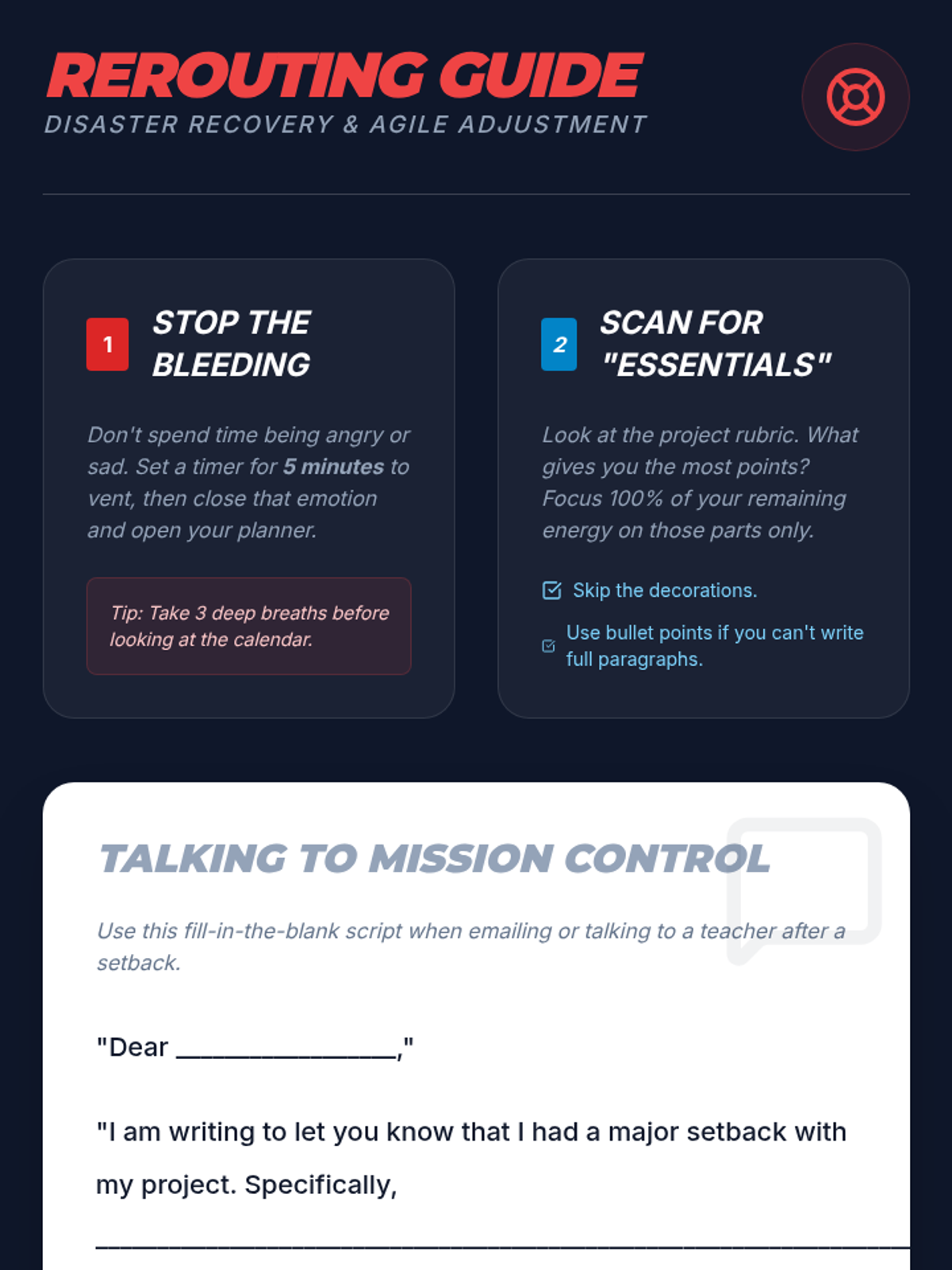
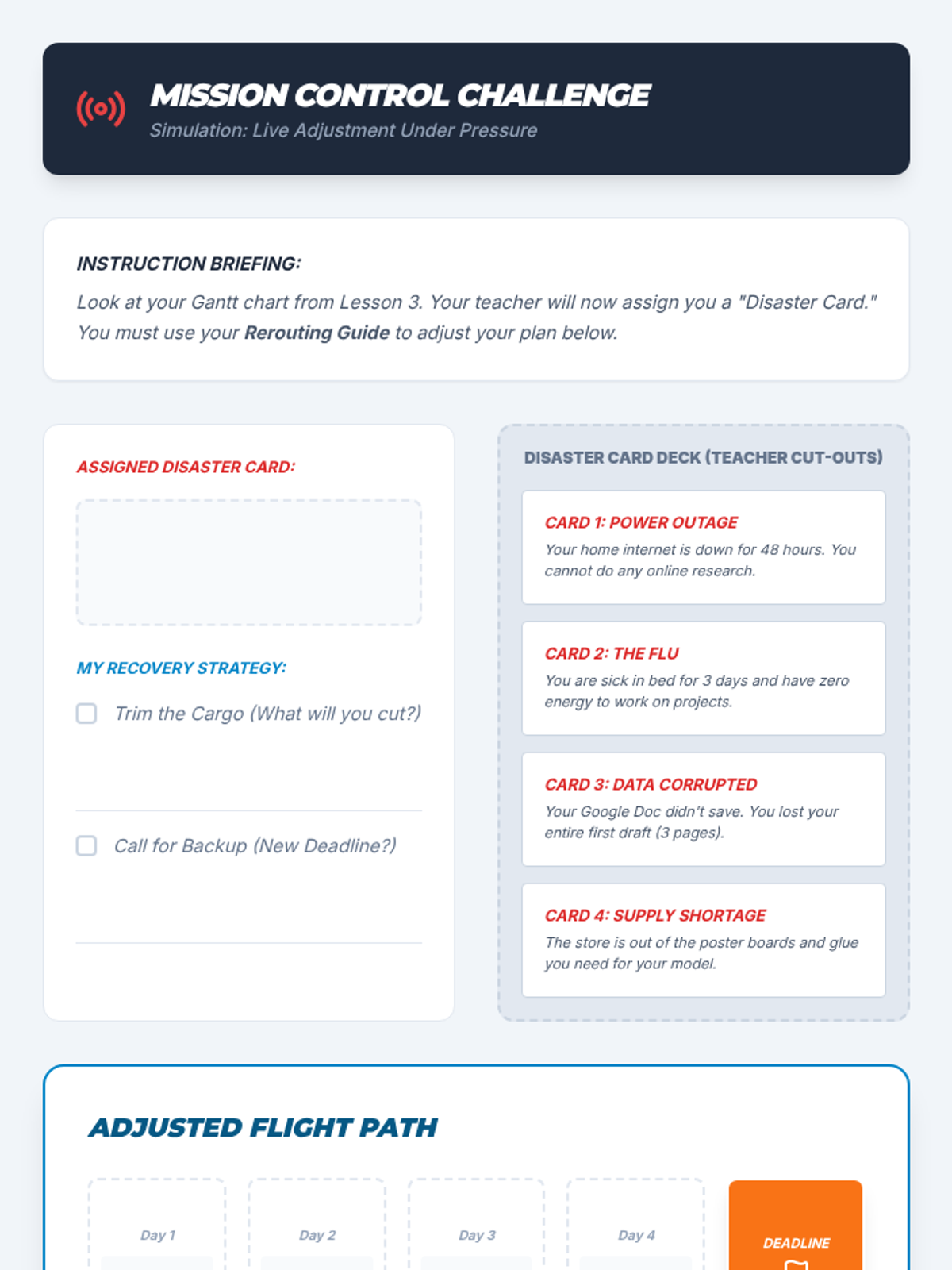
Students simulate a 'disaster' scenario where a project phase goes wrong or a computer crashes, requiring a plan adjustment. They learn strategies for renegotiating deadlines and condensing work without sacrificing quality.
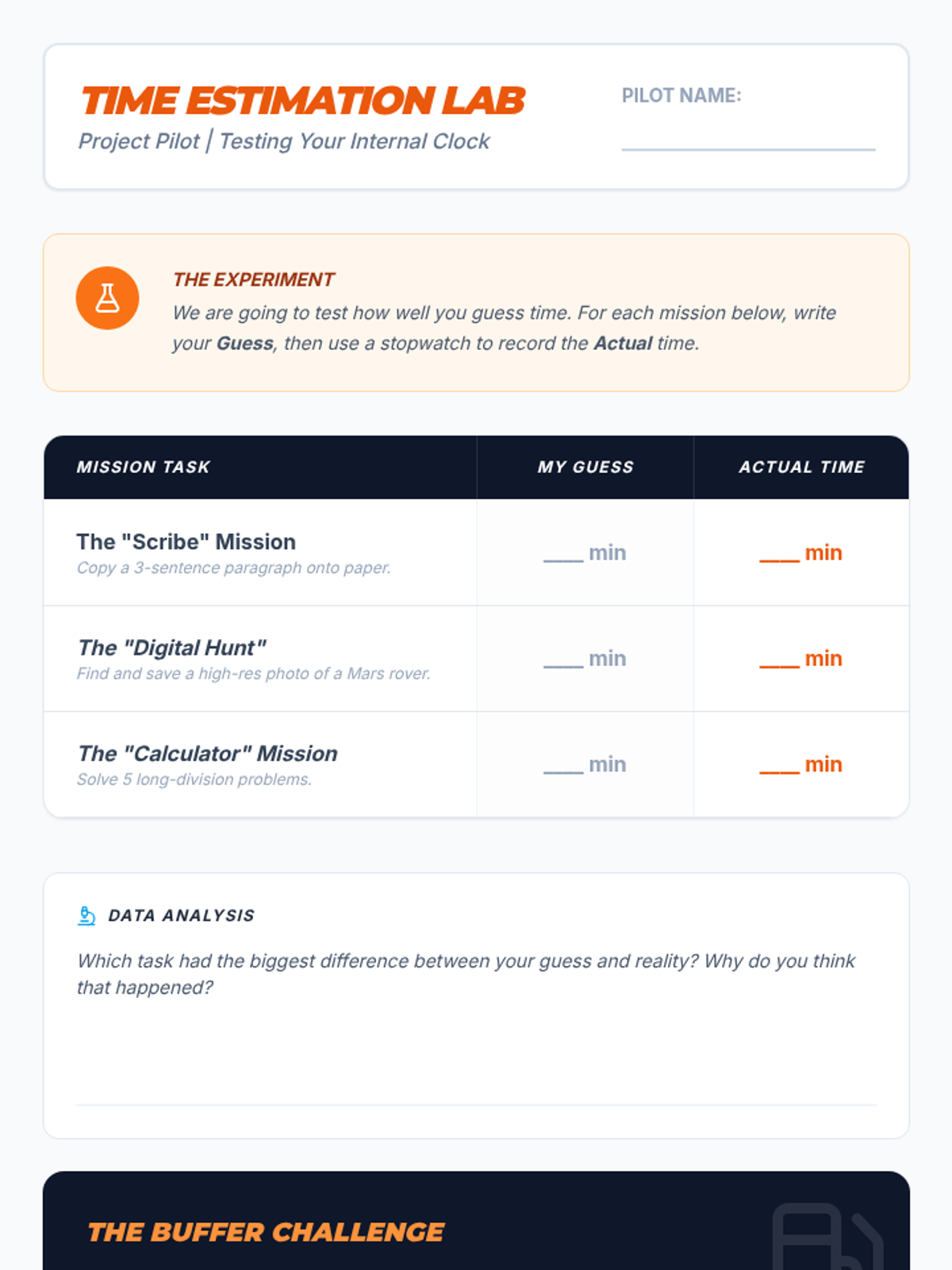
Students practice forecasting how long specific academic tasks take and learn to add contingency buffers for unexpected delays. They review past assignments to compare estimated vs. actual time.
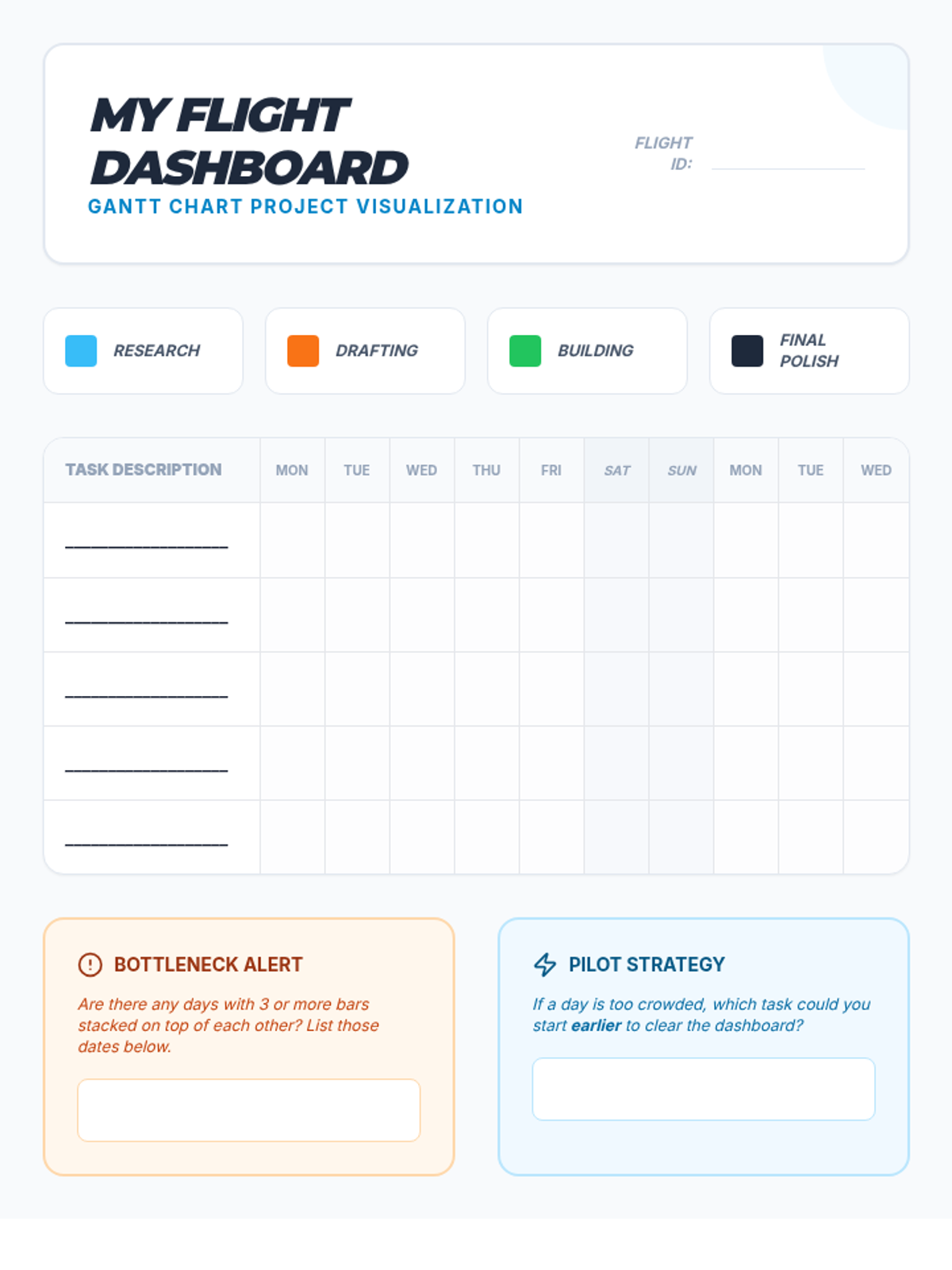
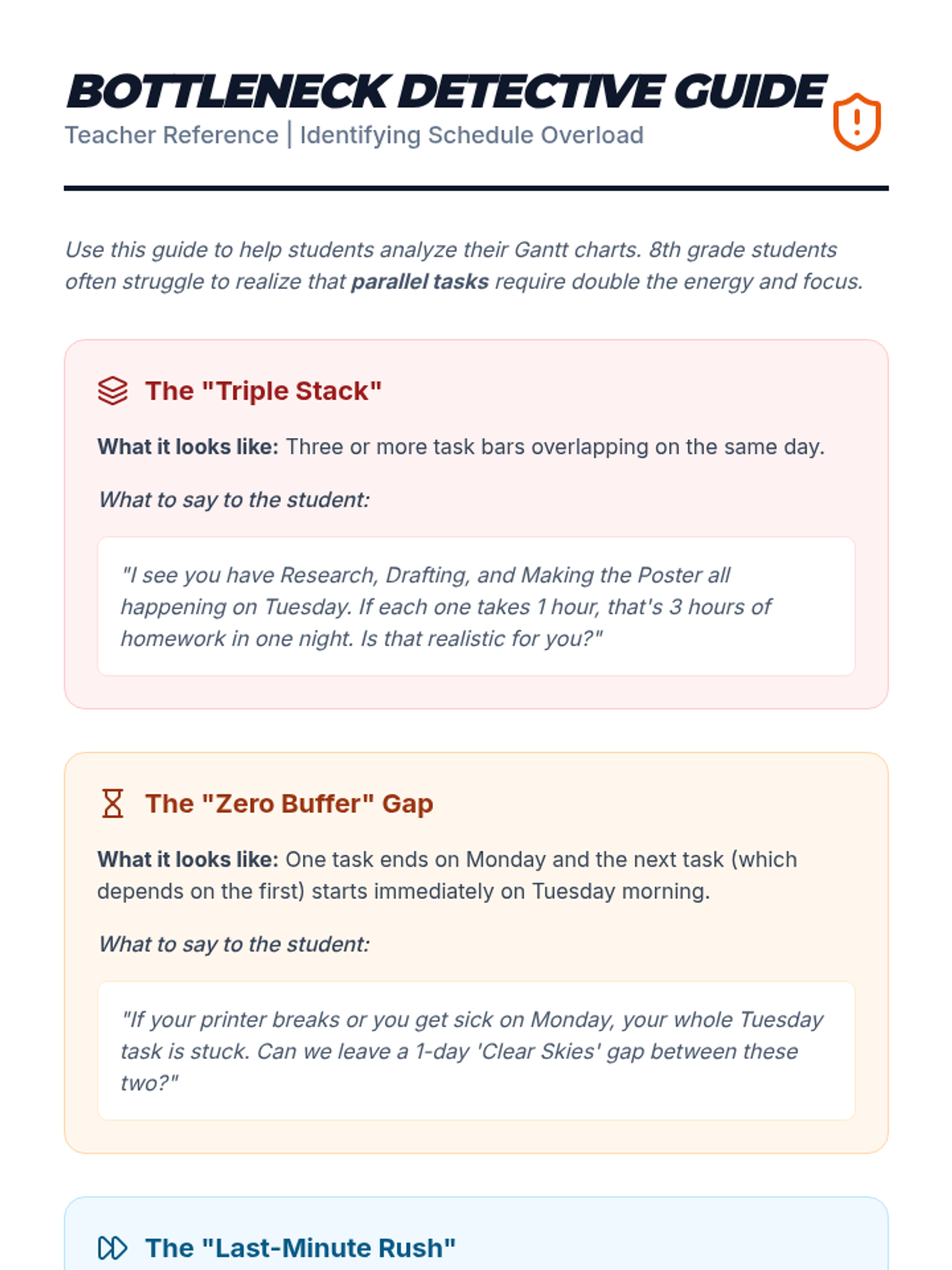
Students create a simplified Gantt chart to visualize overlapping commitments and project phases. They color-code concurrent tasks to identify potential bottlenecks.
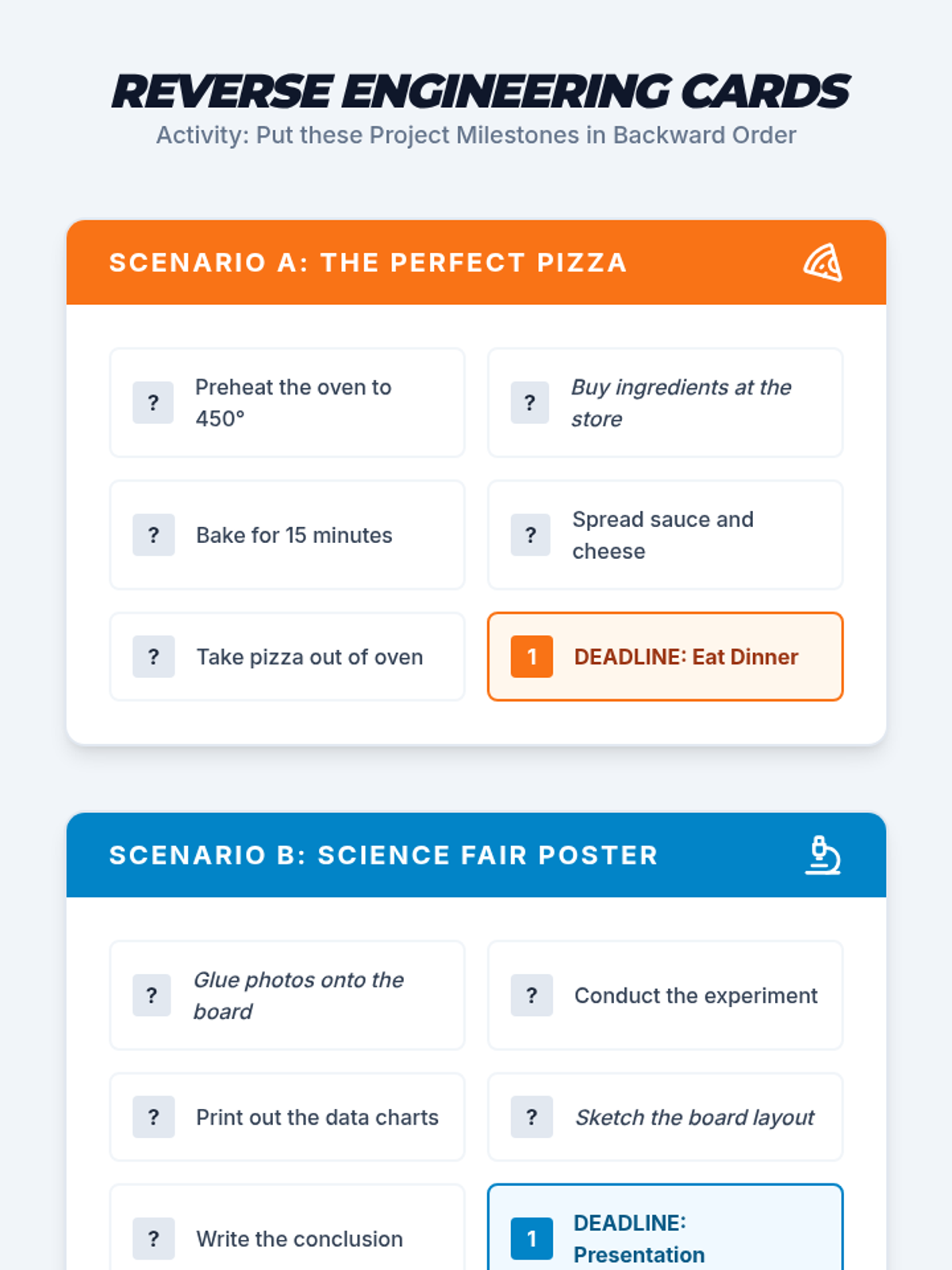
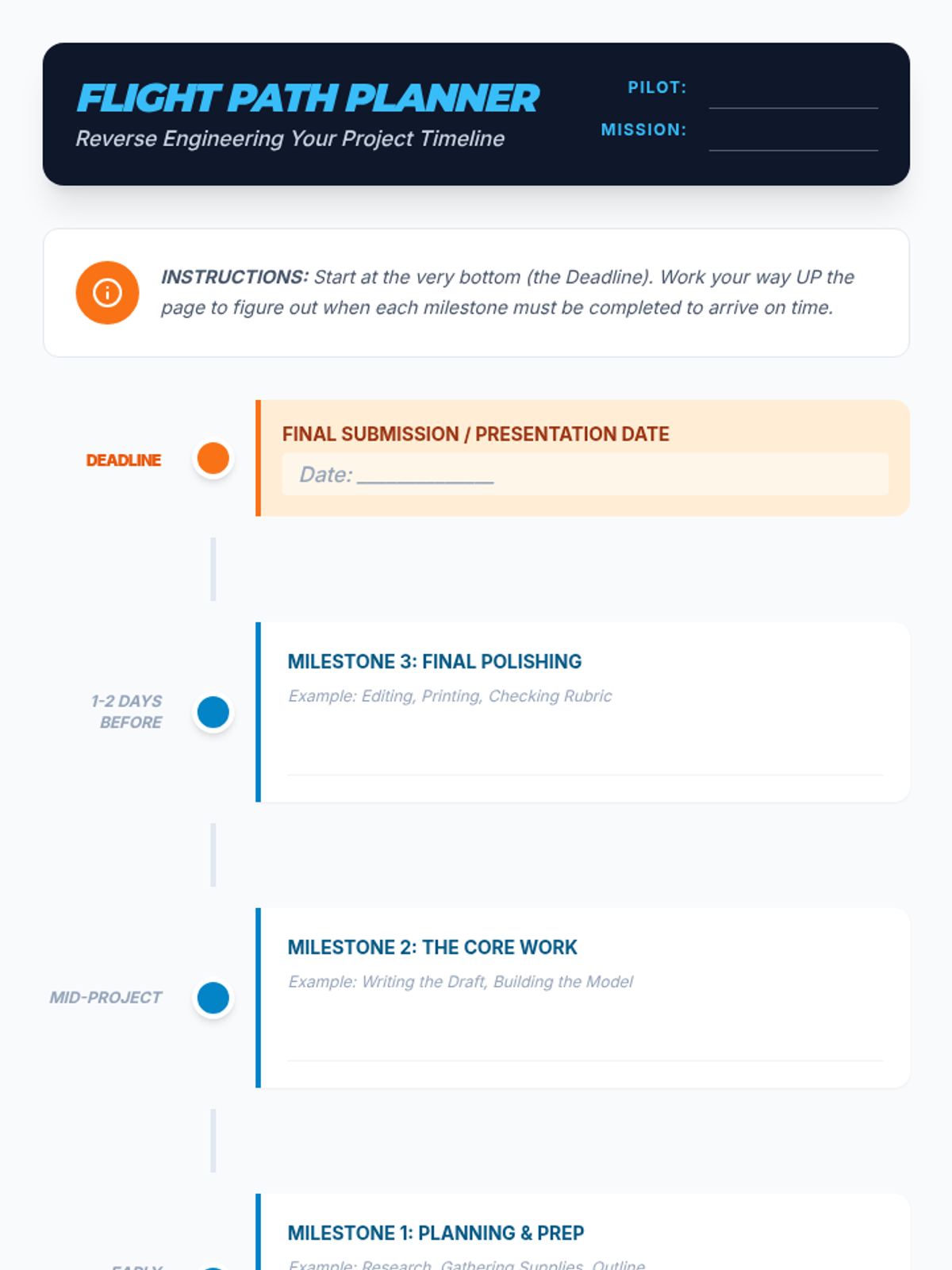
Starting from a fixed due date, students work backward to place milestones on a calendar, learning to sequence dependent tasks.
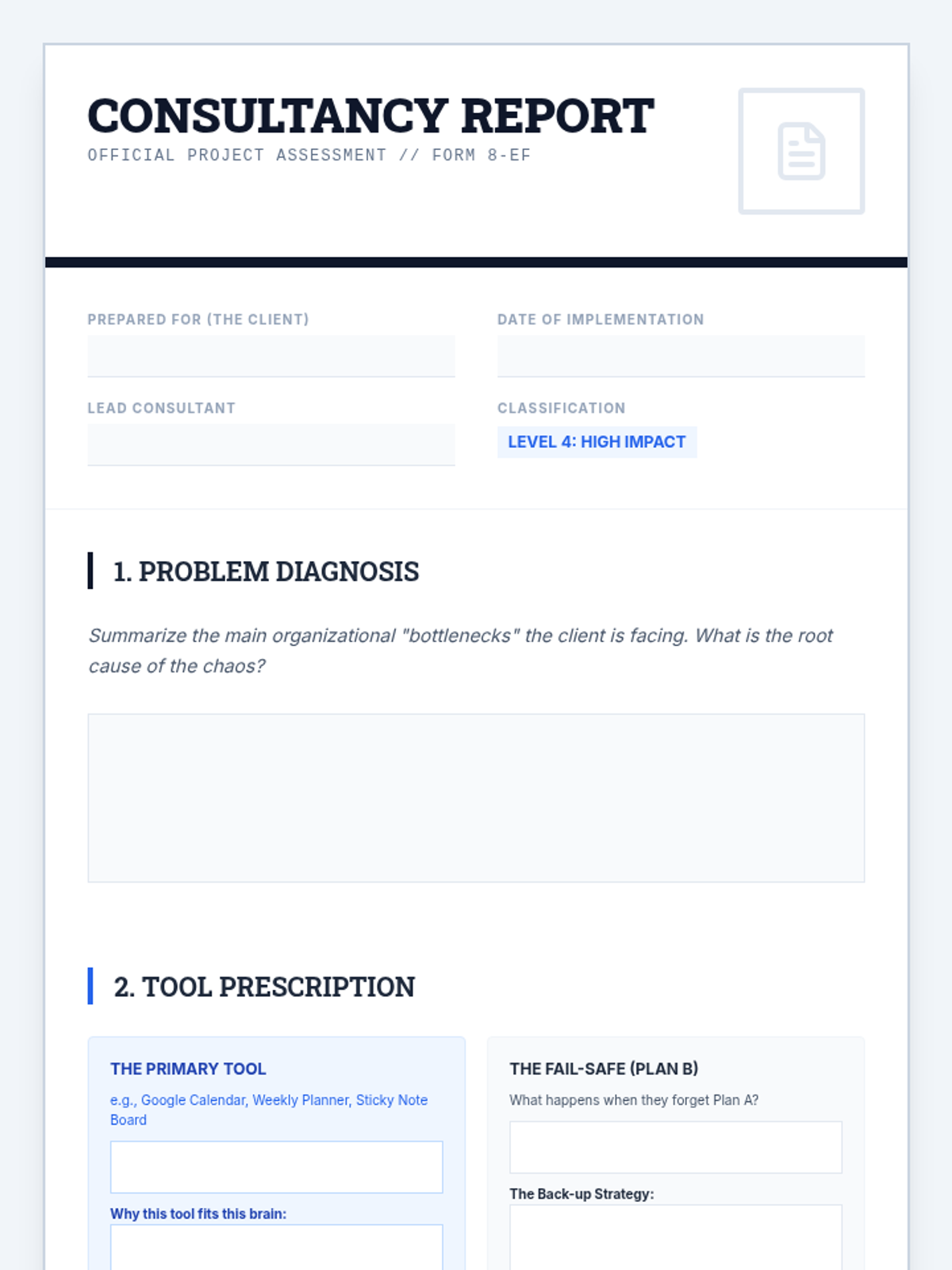
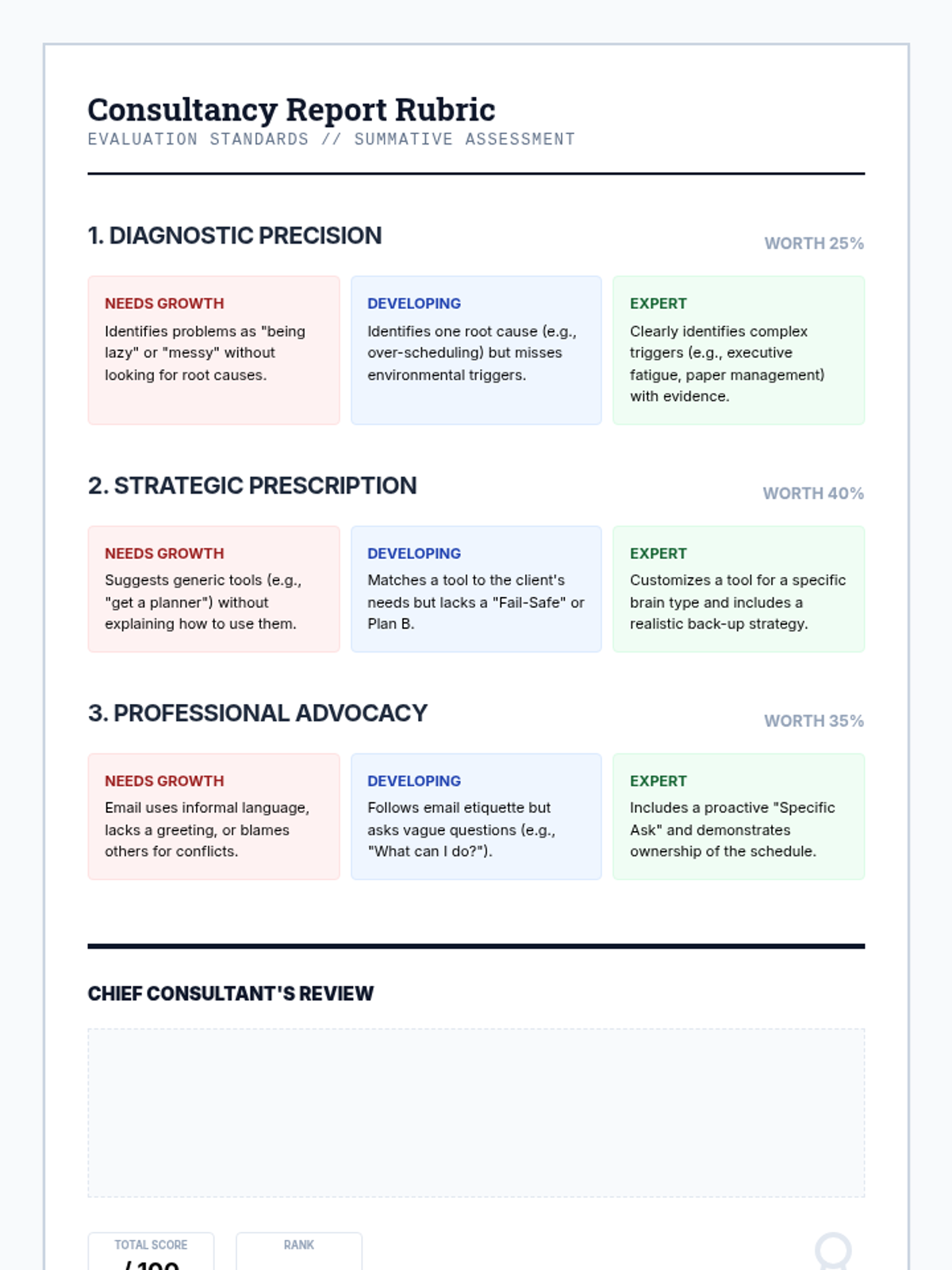
A cumulative assessment where students produce a final 'Consultancy Report' prescribing a comprehensive organizational plan for a client or themselves.
Students evaluate and pitch various organizational tools, from digital apps to paper checklists, learning to match specific scaffolds to different brain types.
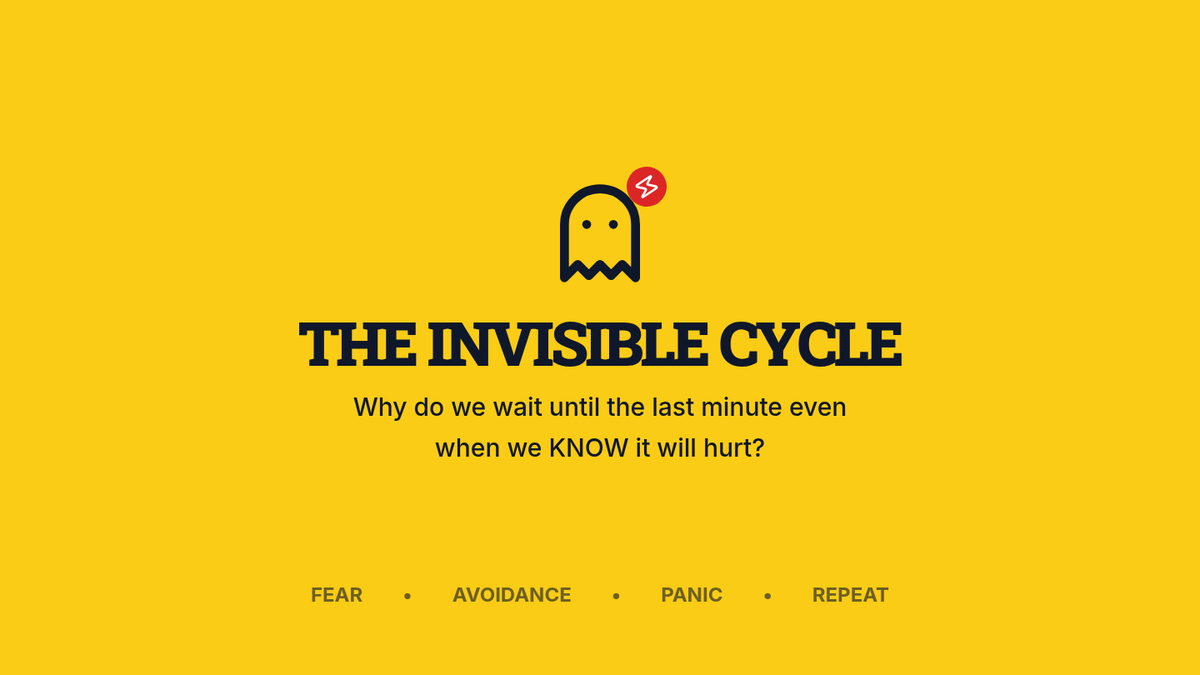
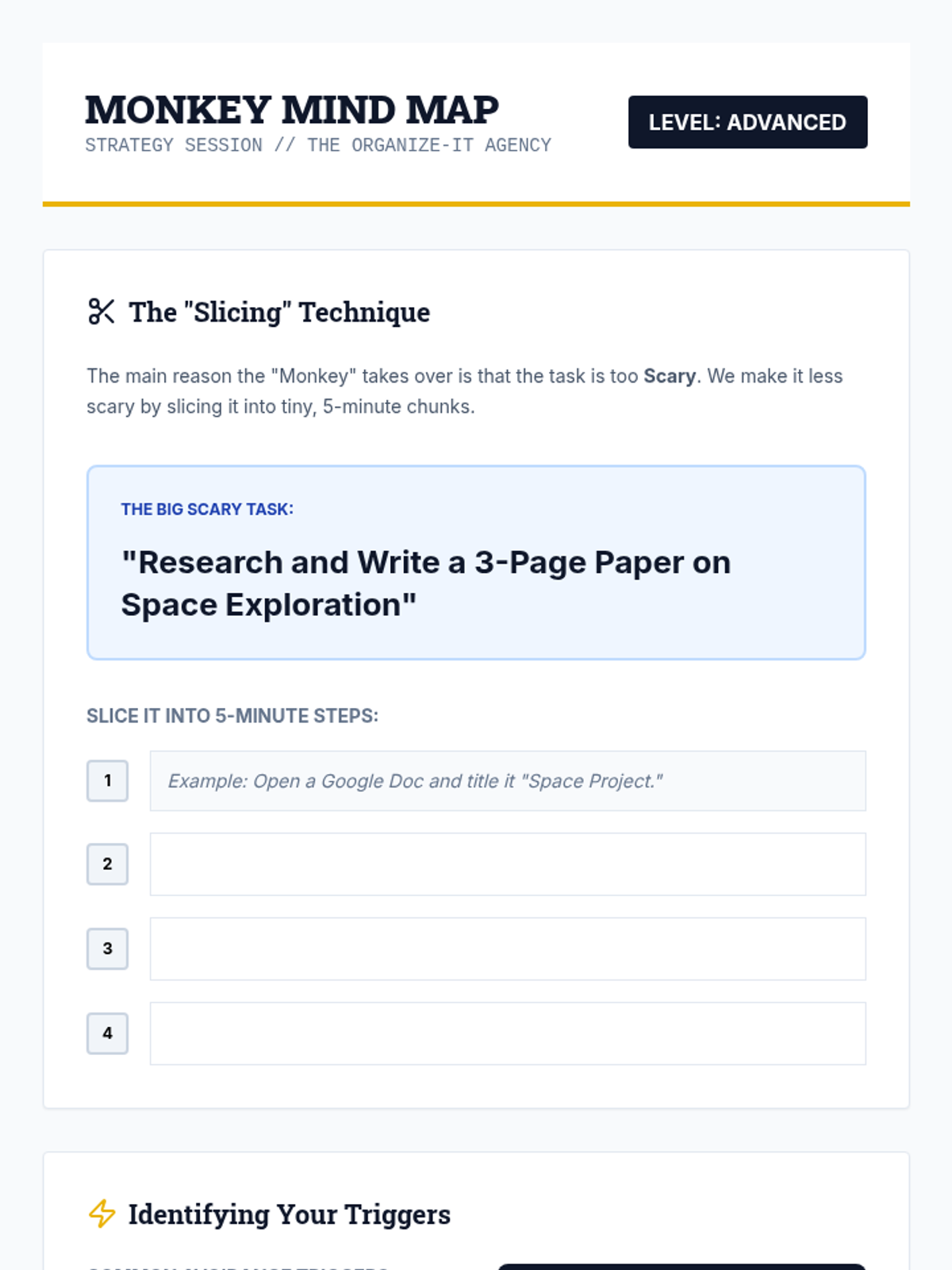
Explores the emotional roots of procrastination and provides concrete strategies like the 5-minute rule to break the cycle of avoidance.
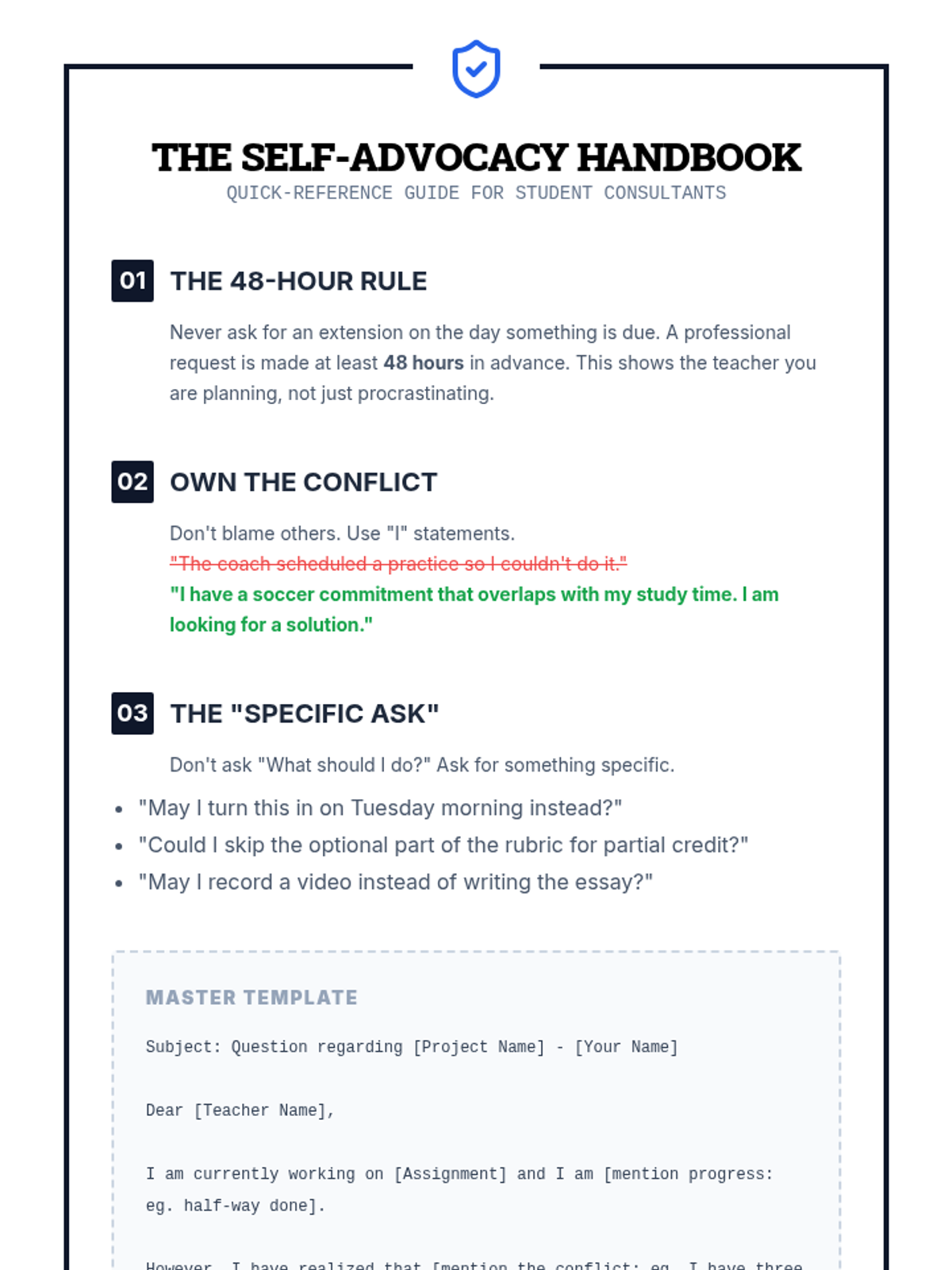
Focuses on professional communication and self-advocacy, teaching students how to request support and extensions effectively before deadlines pass.
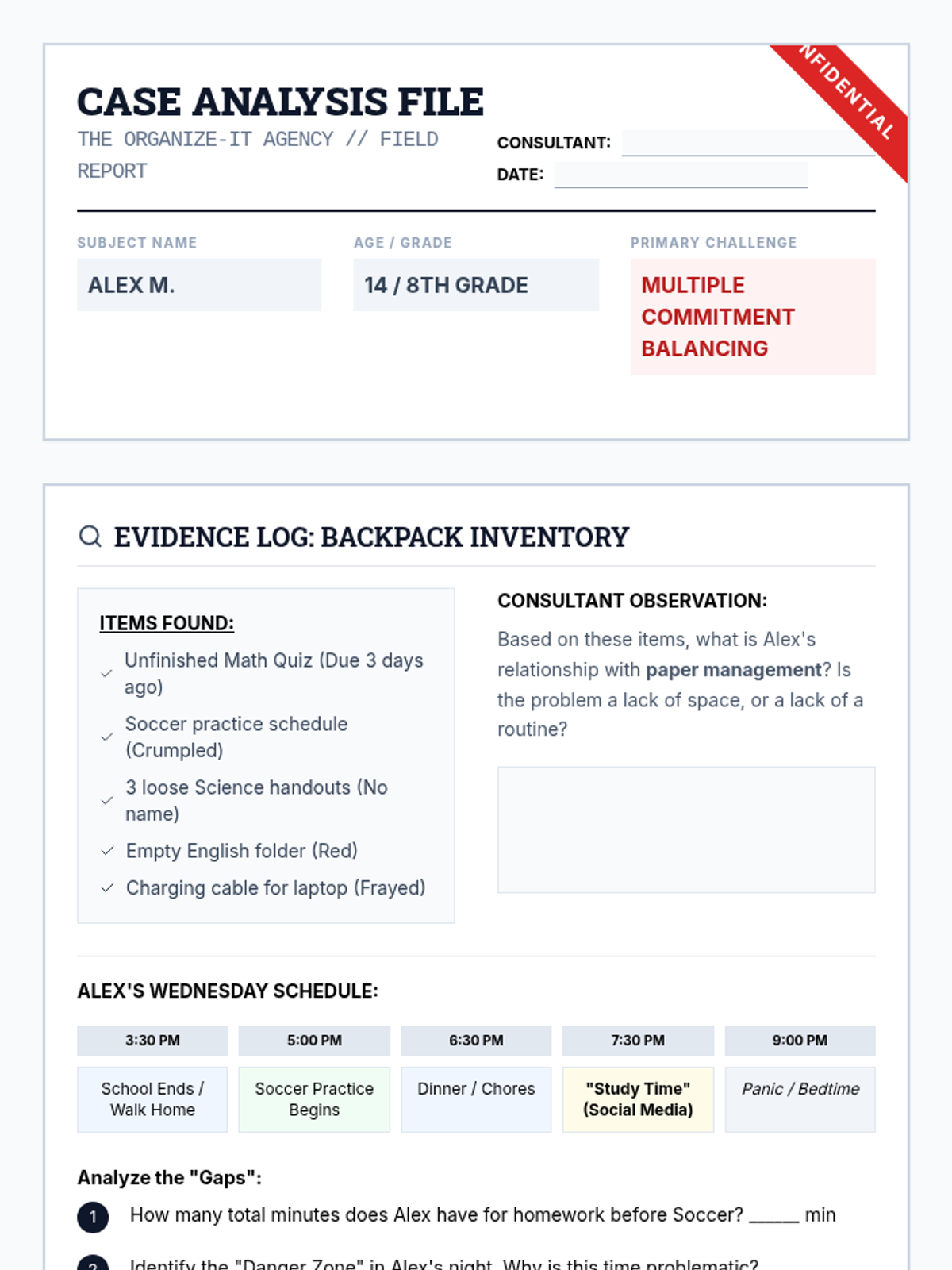
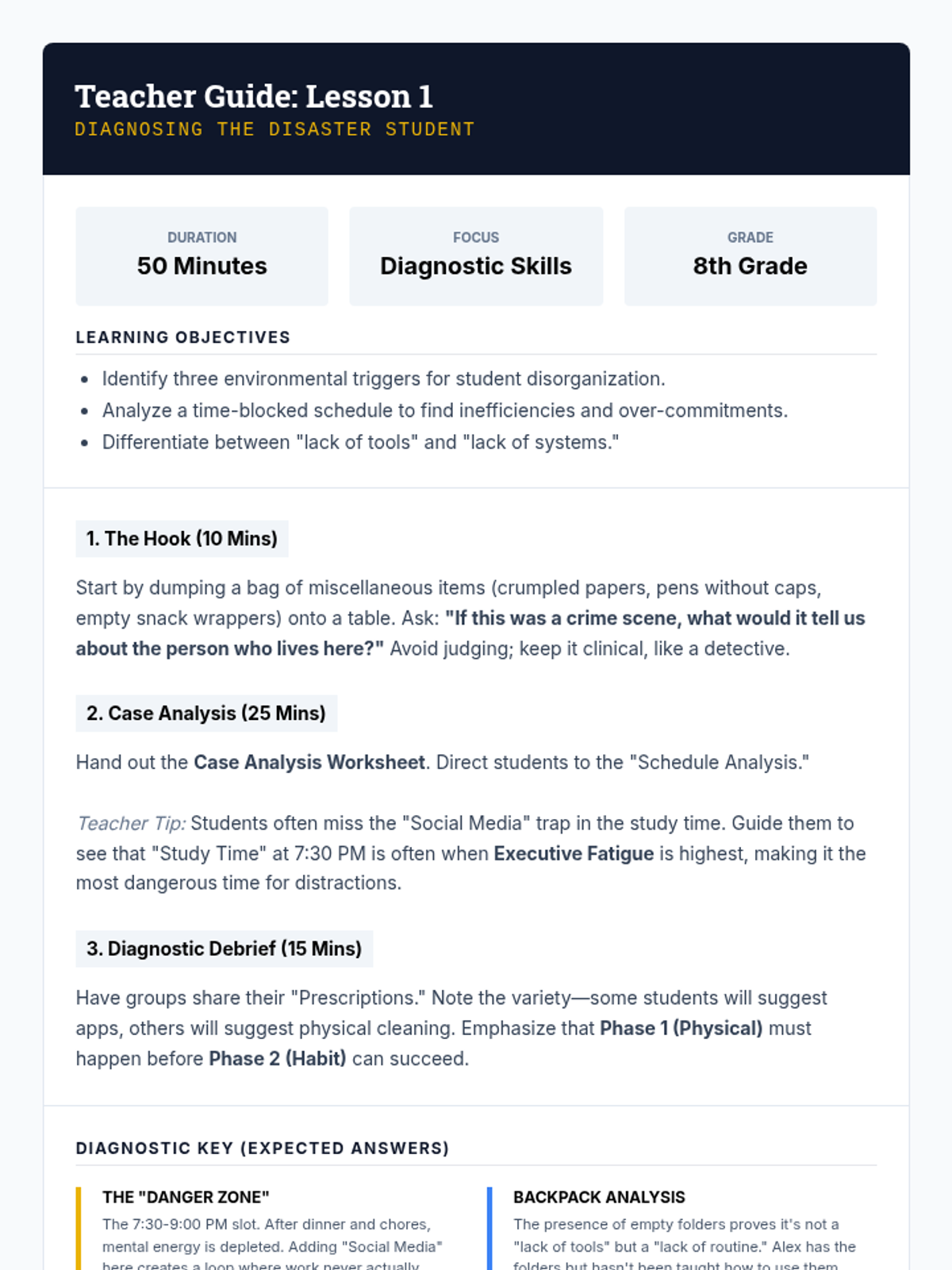
Students step into the role of consultants to analyze a 'disaster' case study, examining a fictional student's backpack and schedule to diagnose root causes of disorganization.
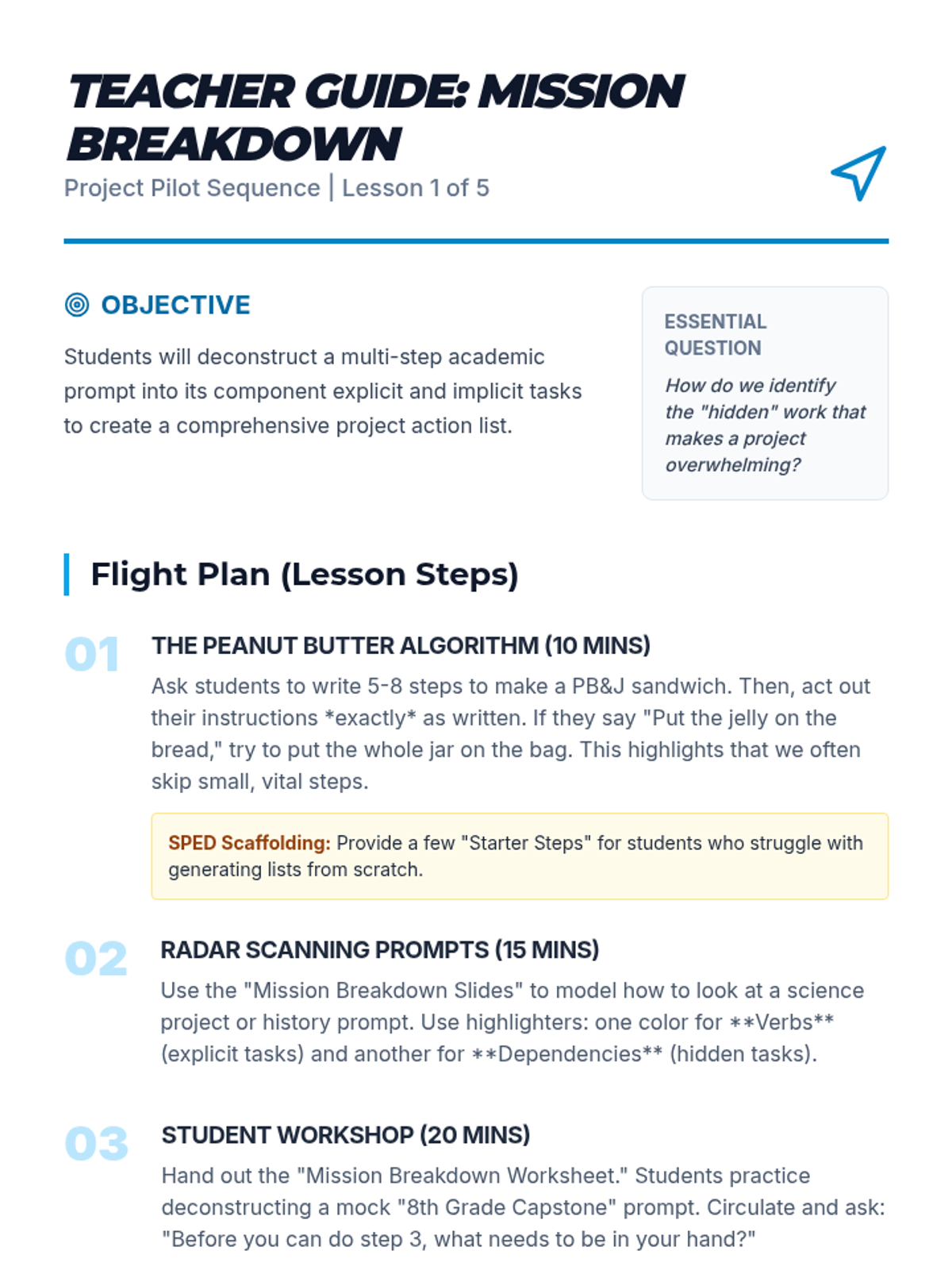
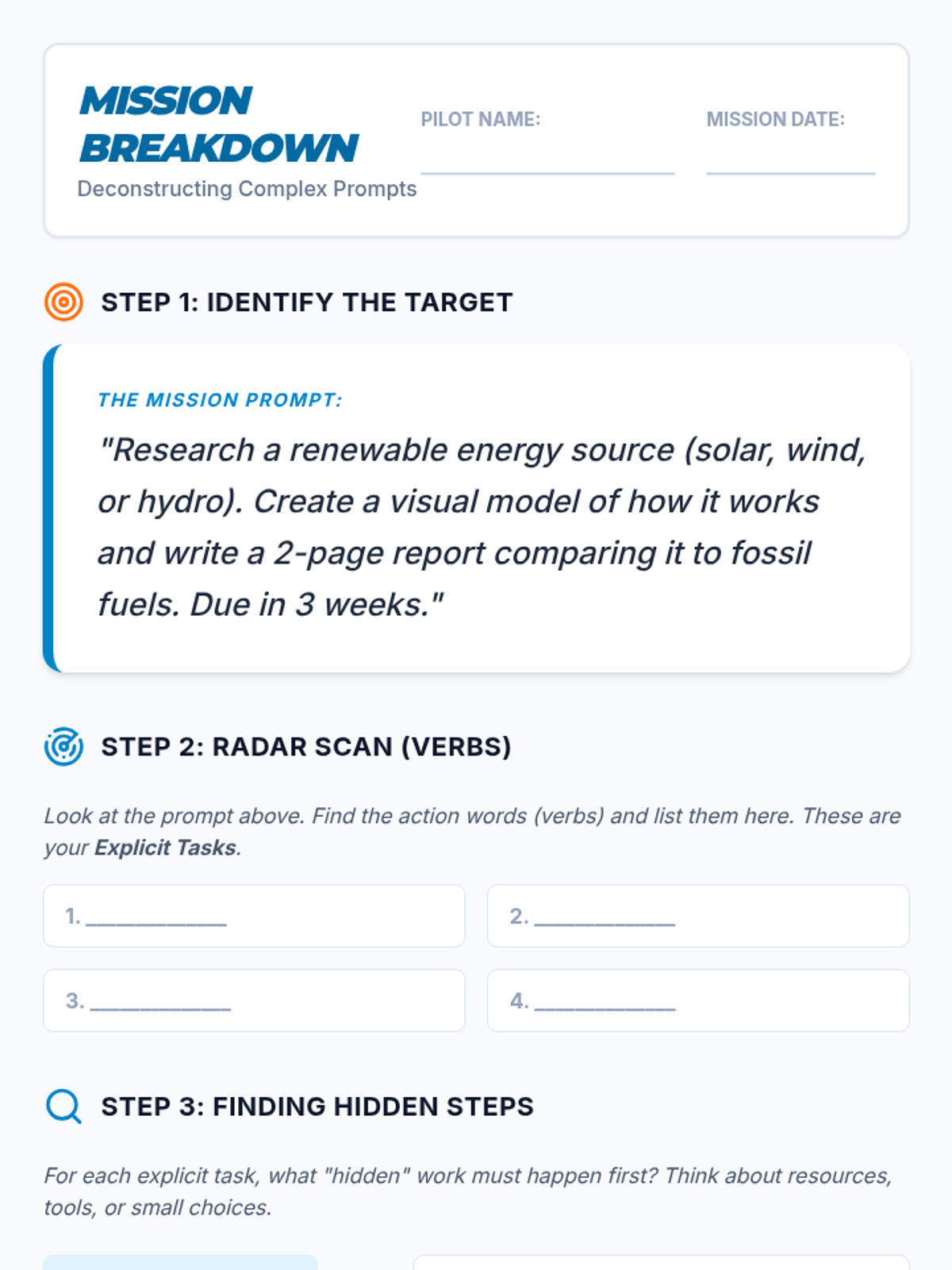
Students learn to identify 'hidden' sub-tasks within complex assignment prompts, using an aviation-themed approach to flight-plan their academic work.
Focuses on the concept of opportunity cost through role-playing scenarios, teaching students to analyze the value of what is given up when making choices.
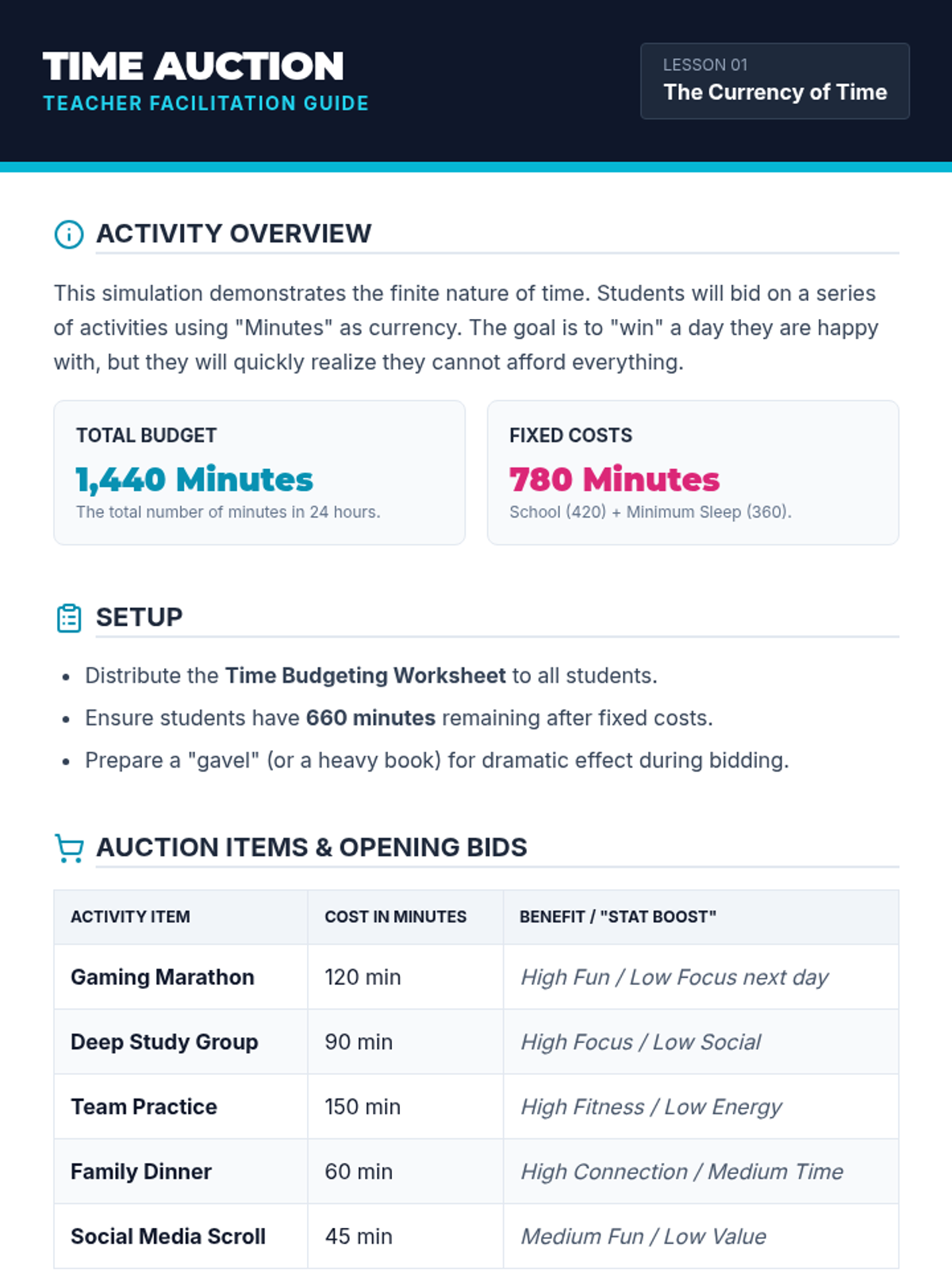
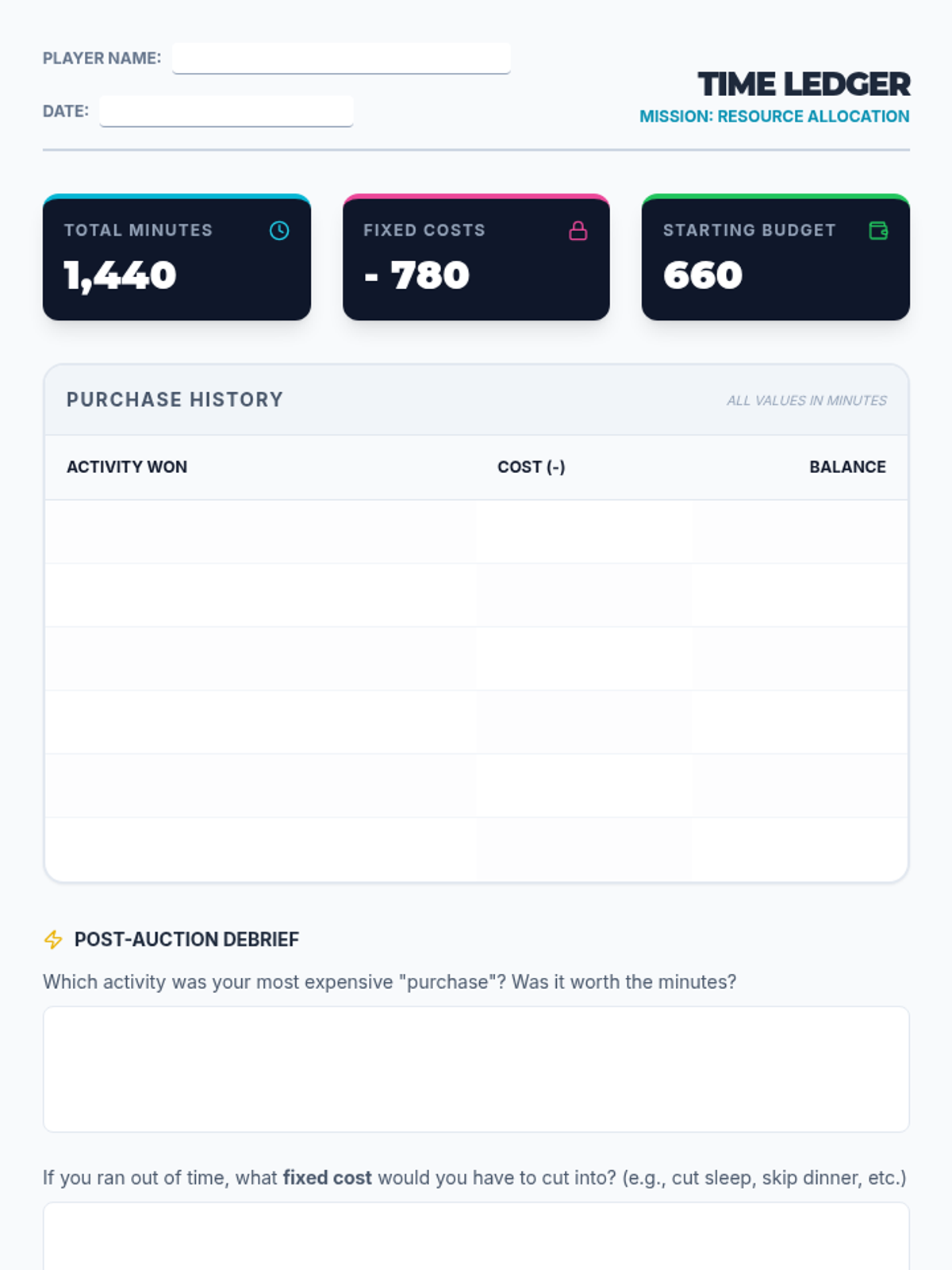
Introduces time as a finite currency through a game economy where students 'buy' activities, establishing the foundational constraint of resource management.
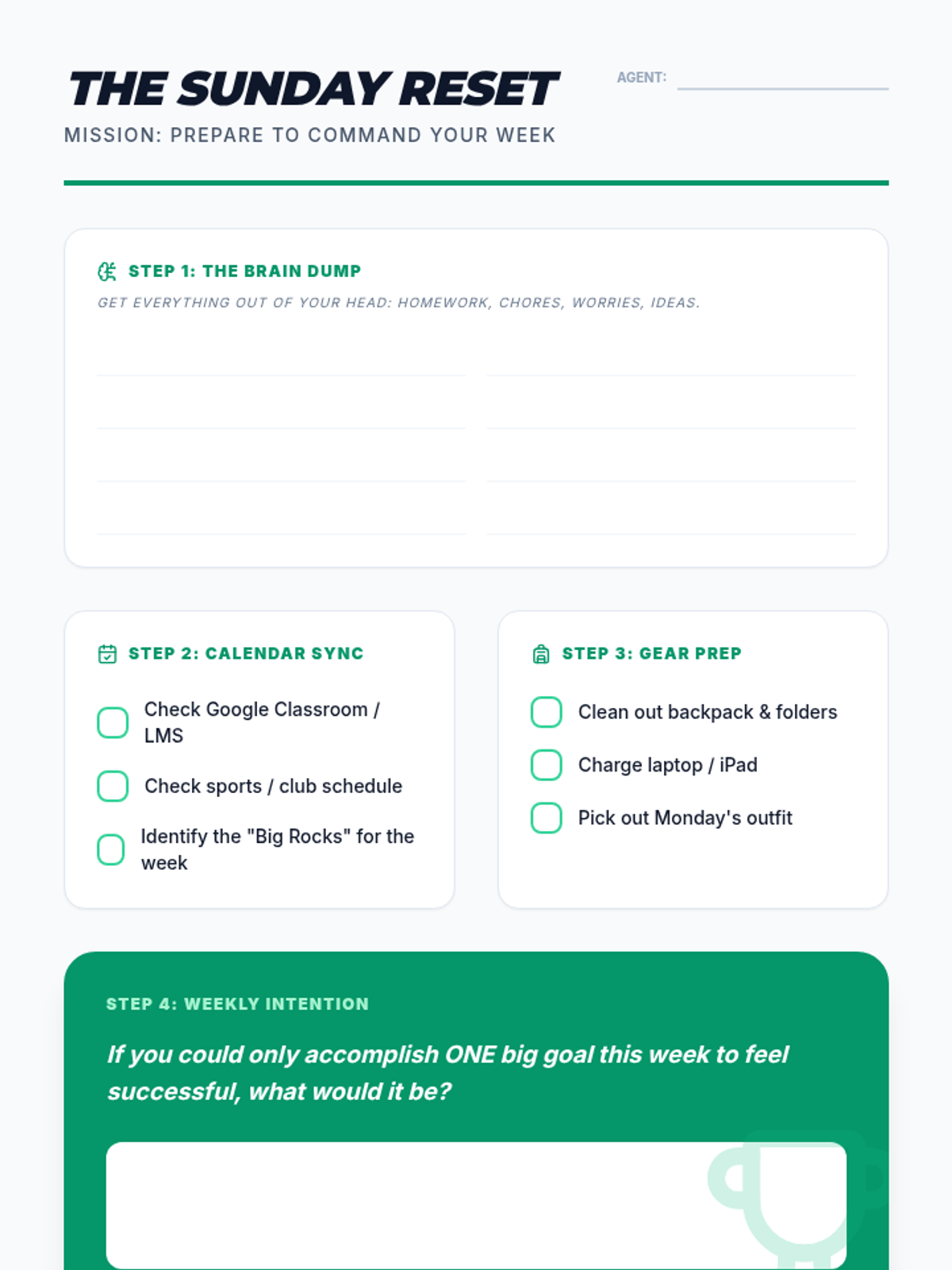
Students establish a weekly reset routine to review progress and prepare for the upcoming week, ensuring long-term organization.
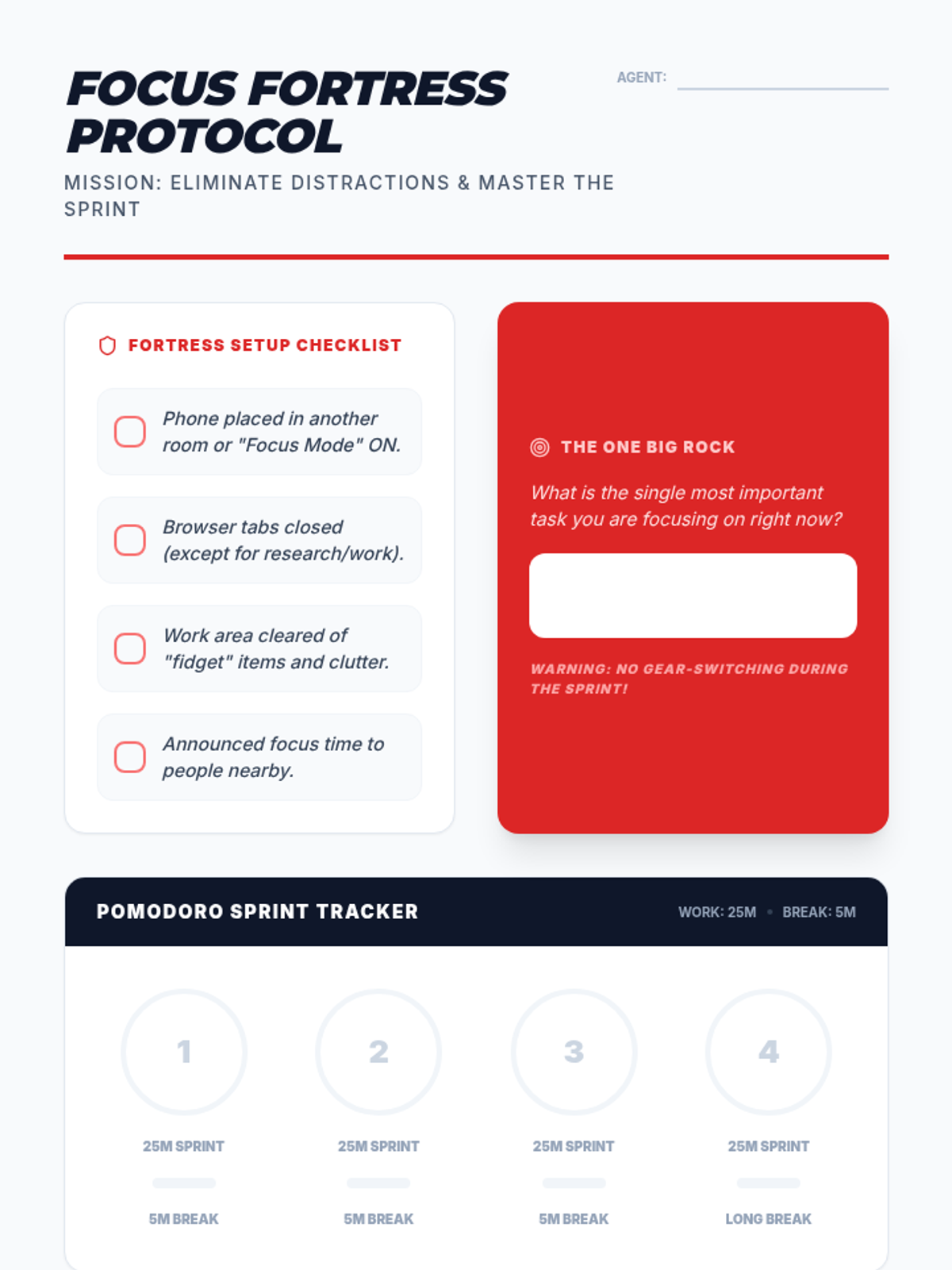
Students analyze the impact of distractions on focus and learn the Pomodoro technique to safeguard their productivity.
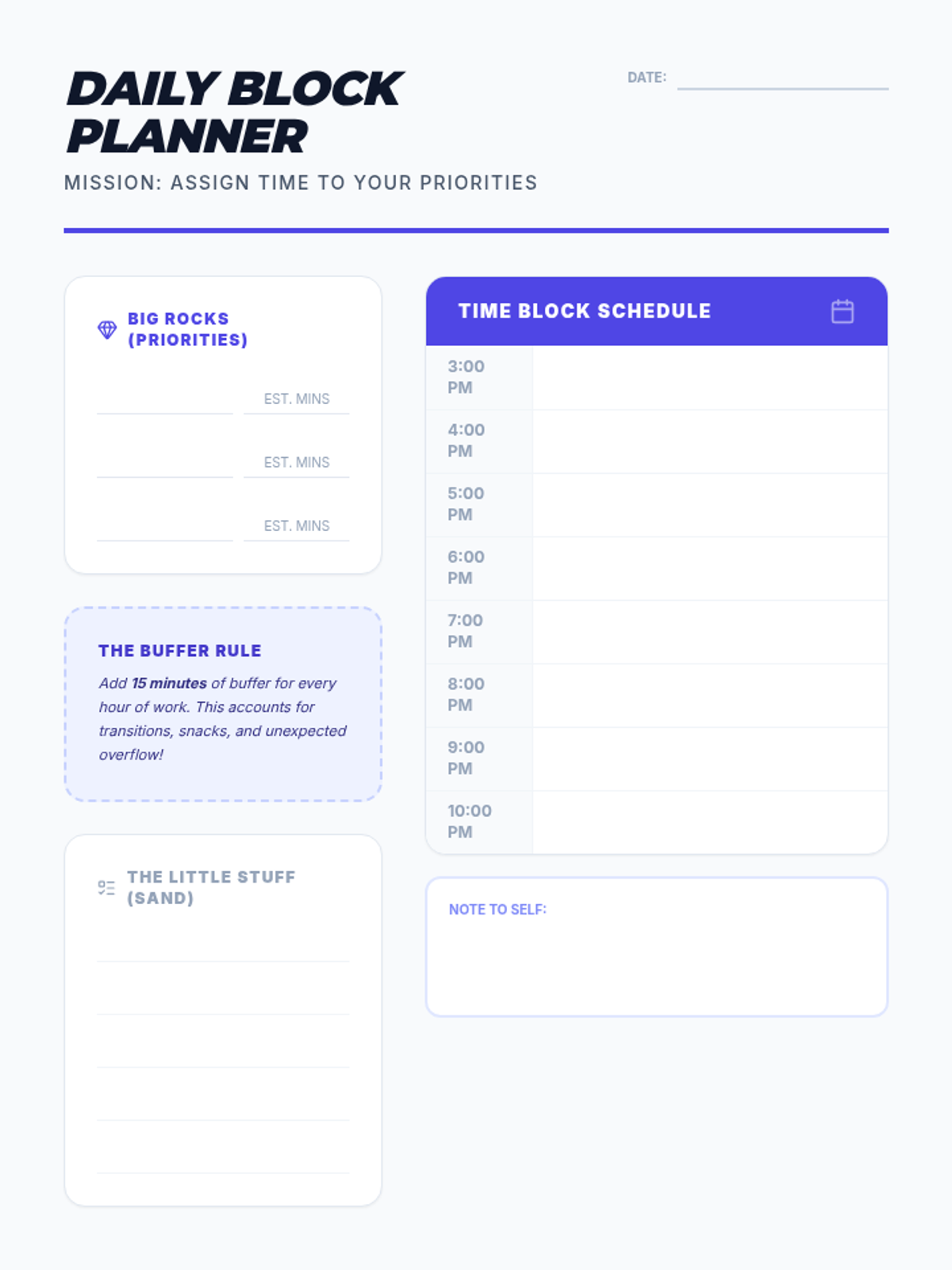
Students transition from to-do lists to time-blocking schedules, assigning specific durations to tasks and learning to include buffer time.
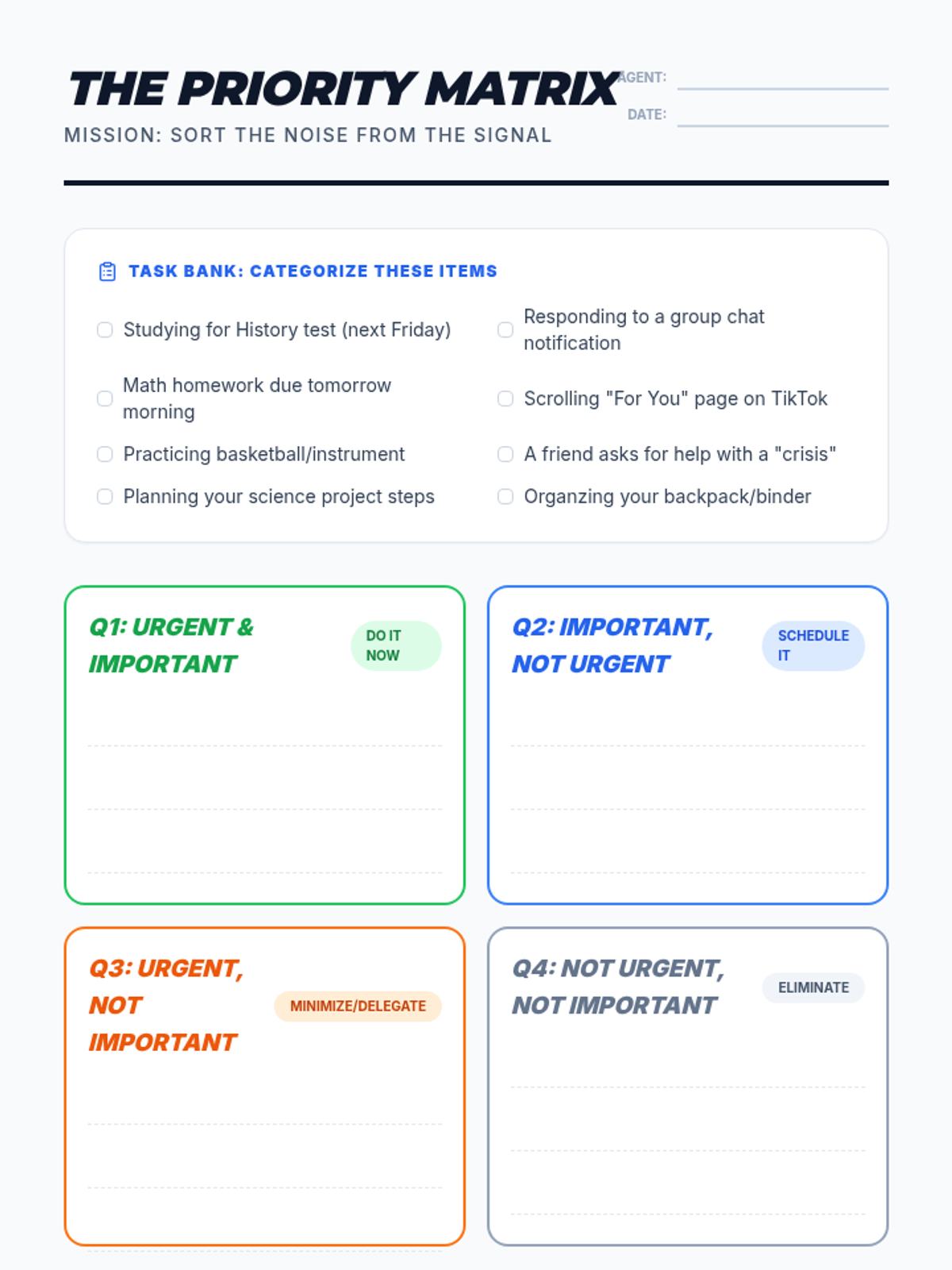
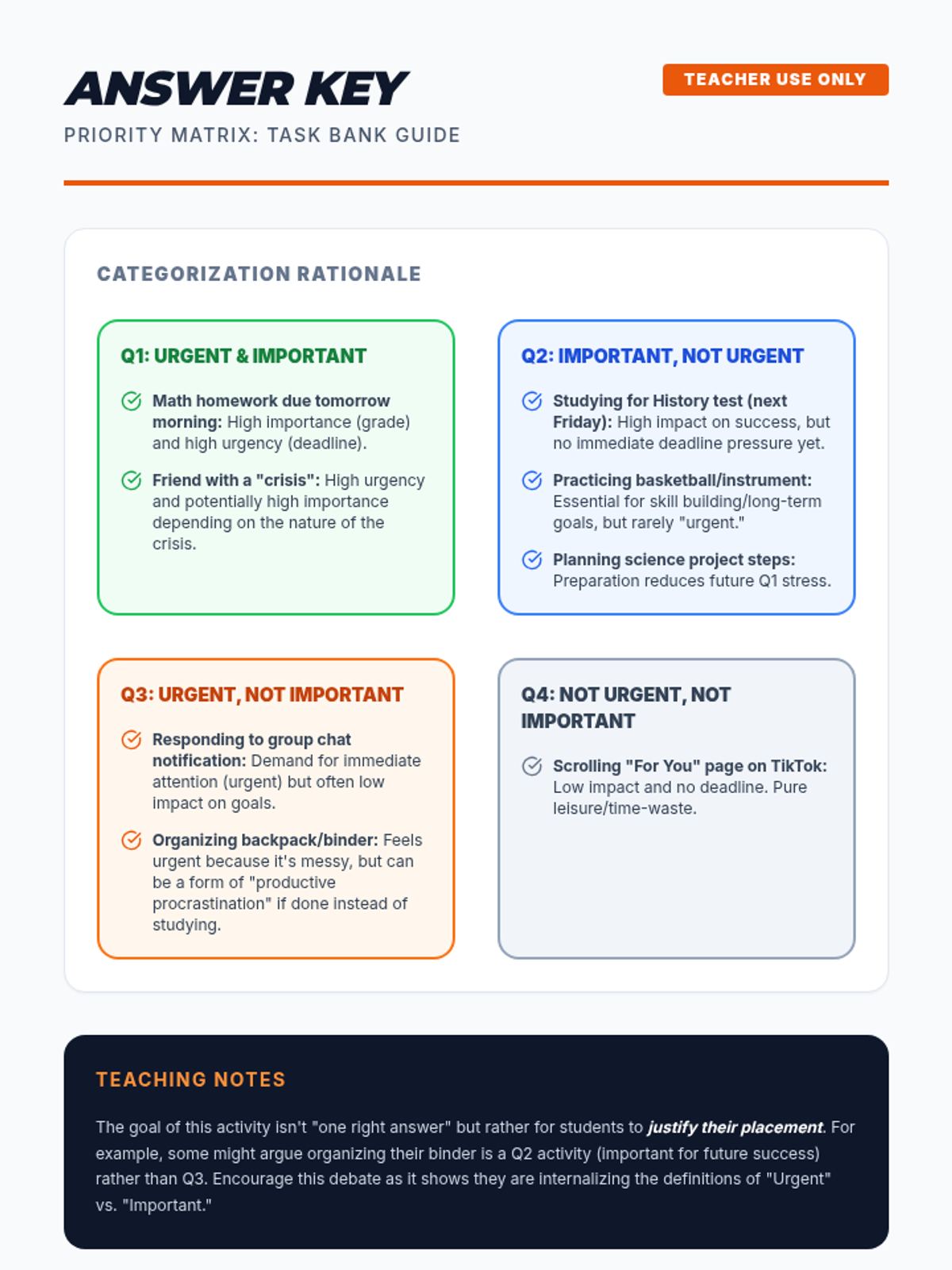
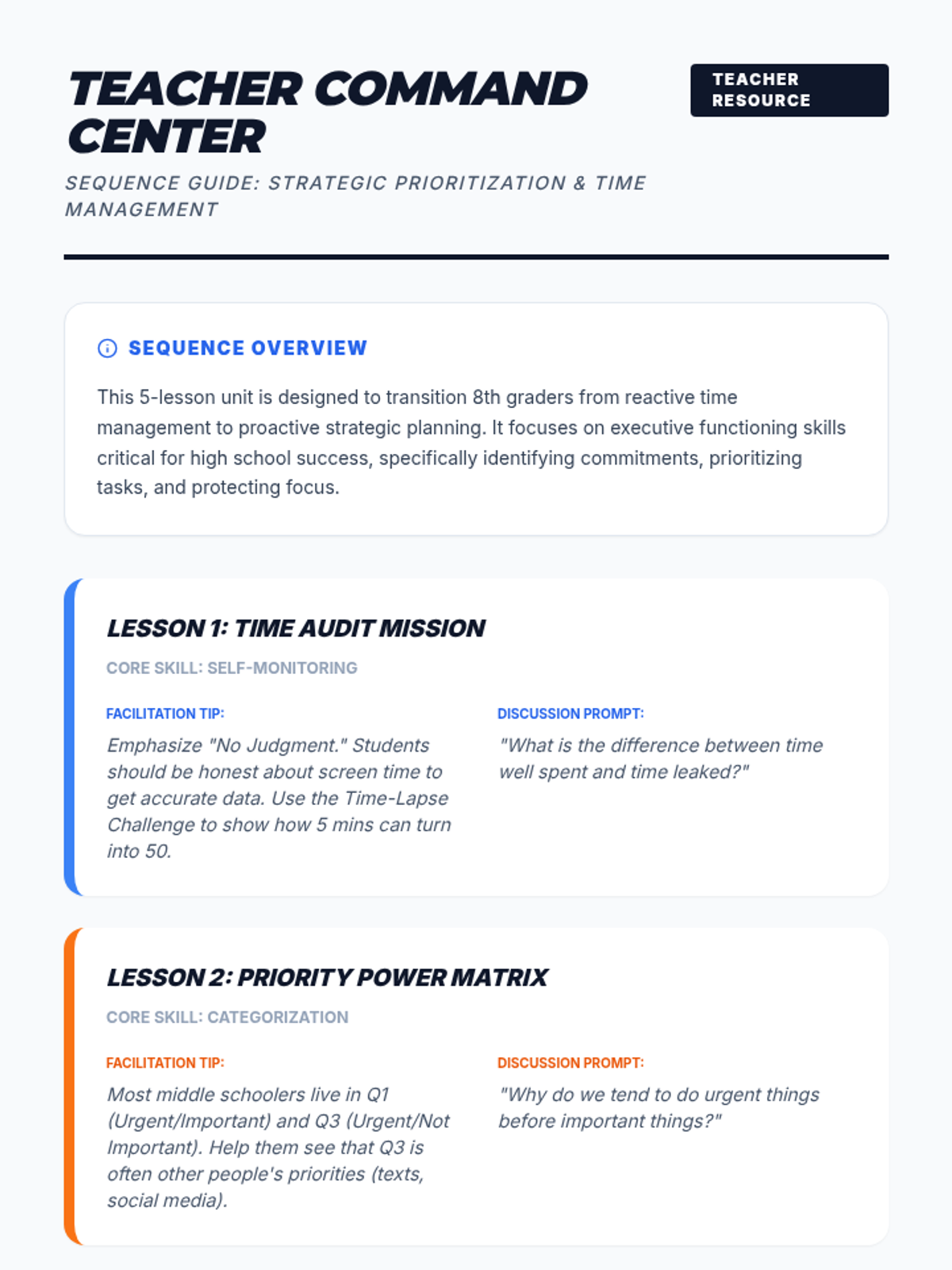
Students learn to distinguish between 'urgent' and 'important' tasks using the Eisenhower Matrix. They practice categorizing responsibilities to improve decision-making.
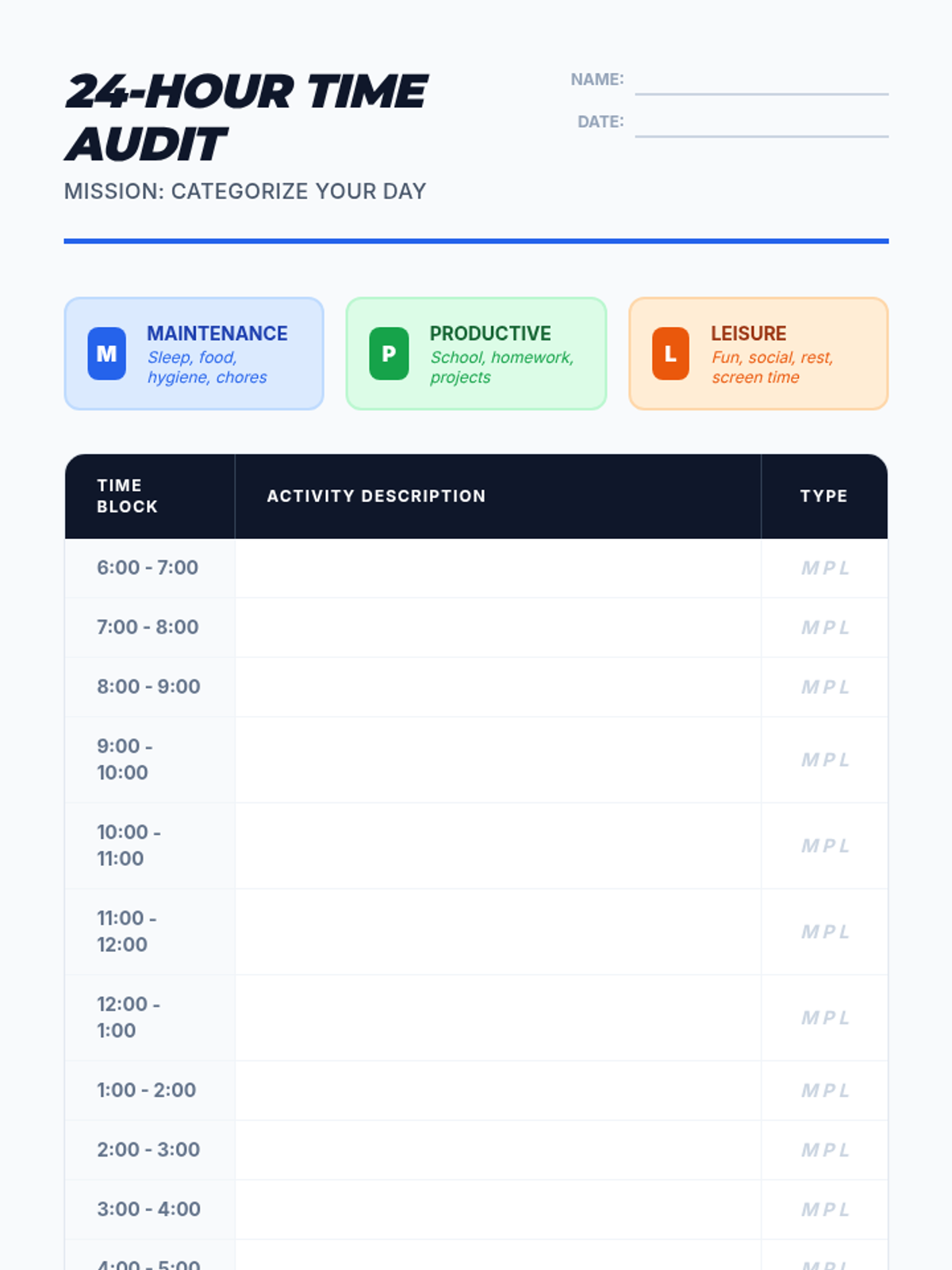
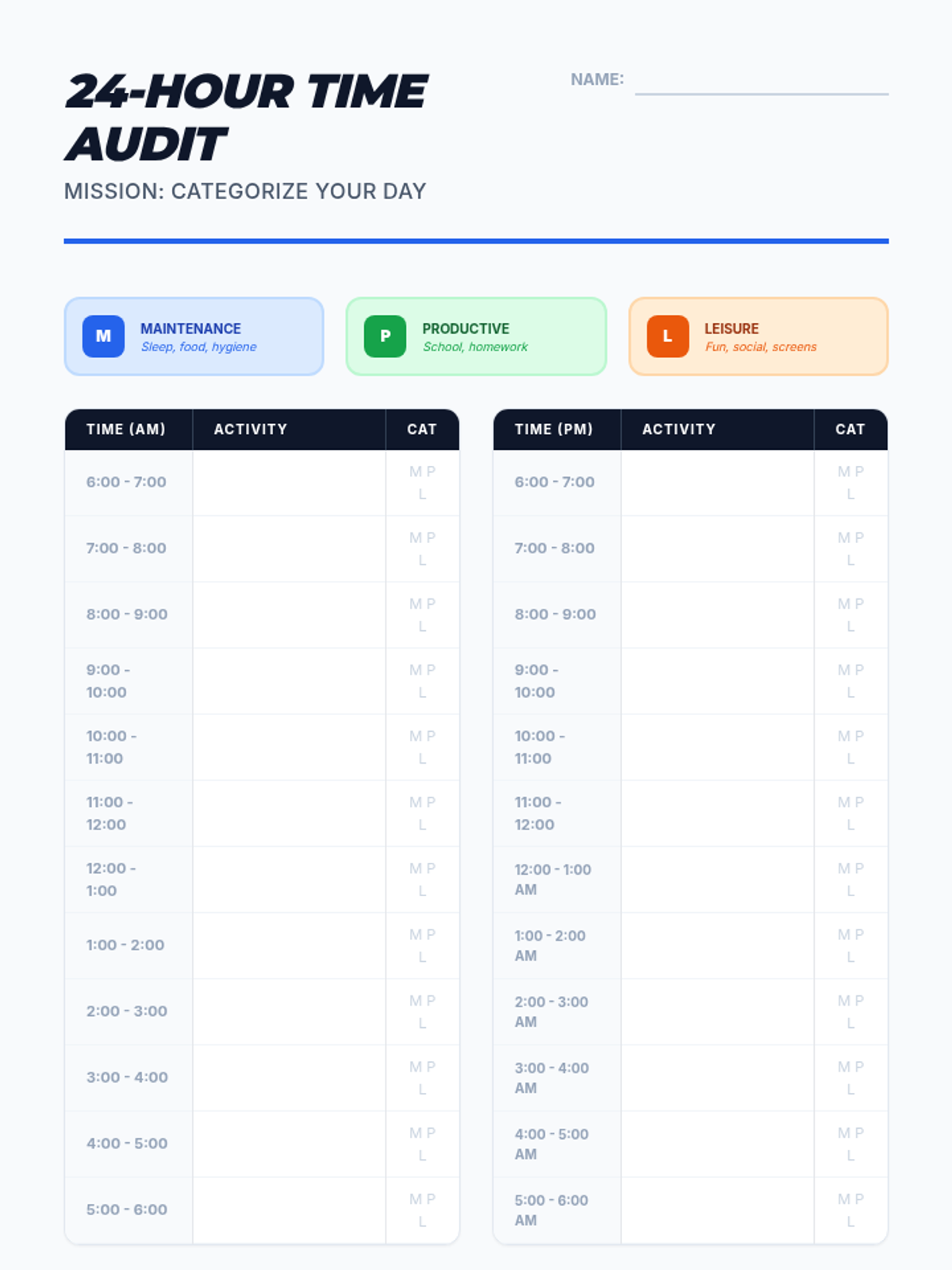
Students track their activities over a 24-hour period to visualize where their time actually goes. They categorize activities into 'maintenance,' 'productive,' and 'leisure' to identify time leaks.
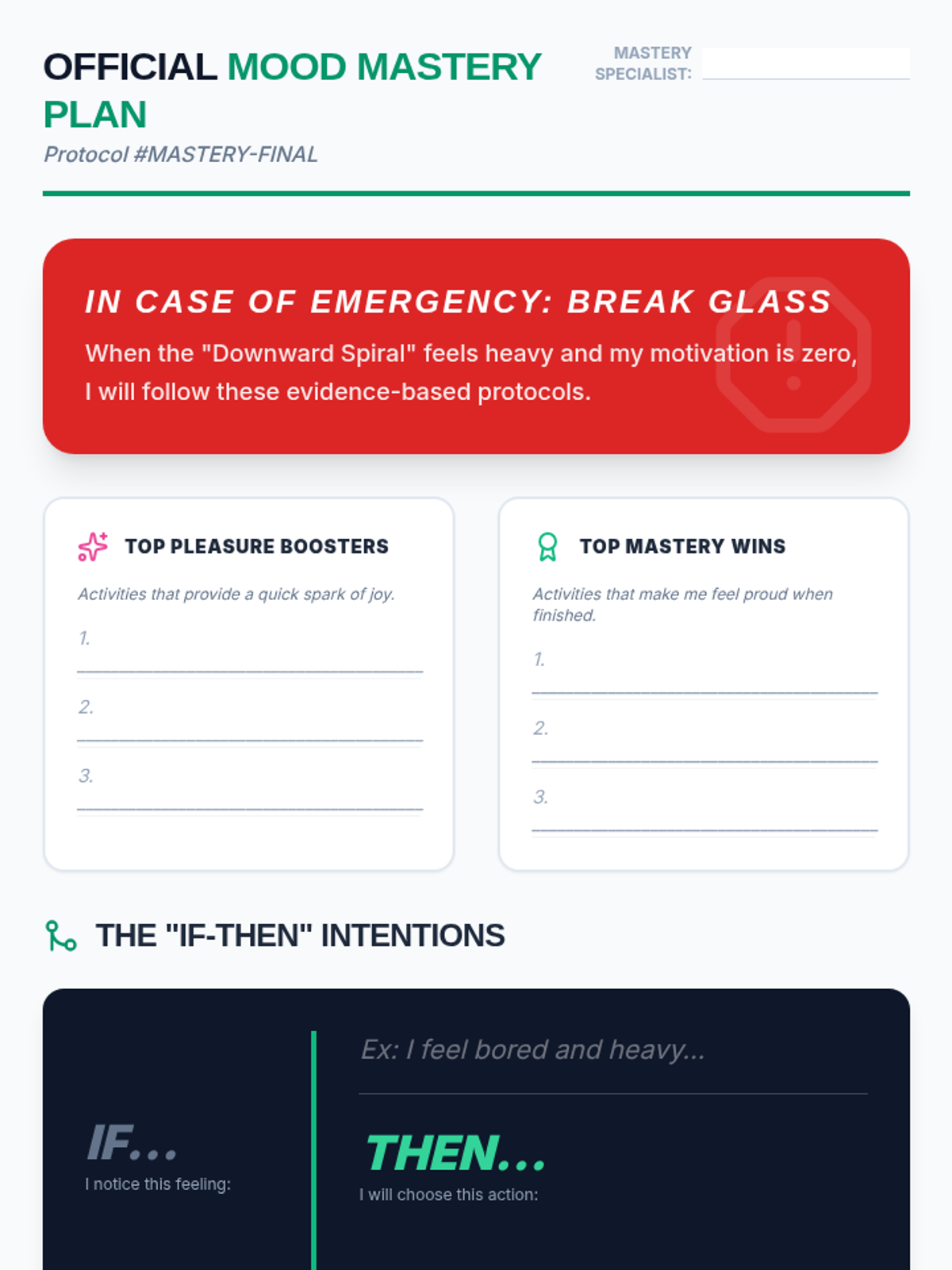
Synthesizing their learning, students create a 'Break the Glass' emergency plan for days when they feel low or anxious. They select their most effective pleasure and mastery activities and write specific implementation intentions (If I feel X, then I will do Y).
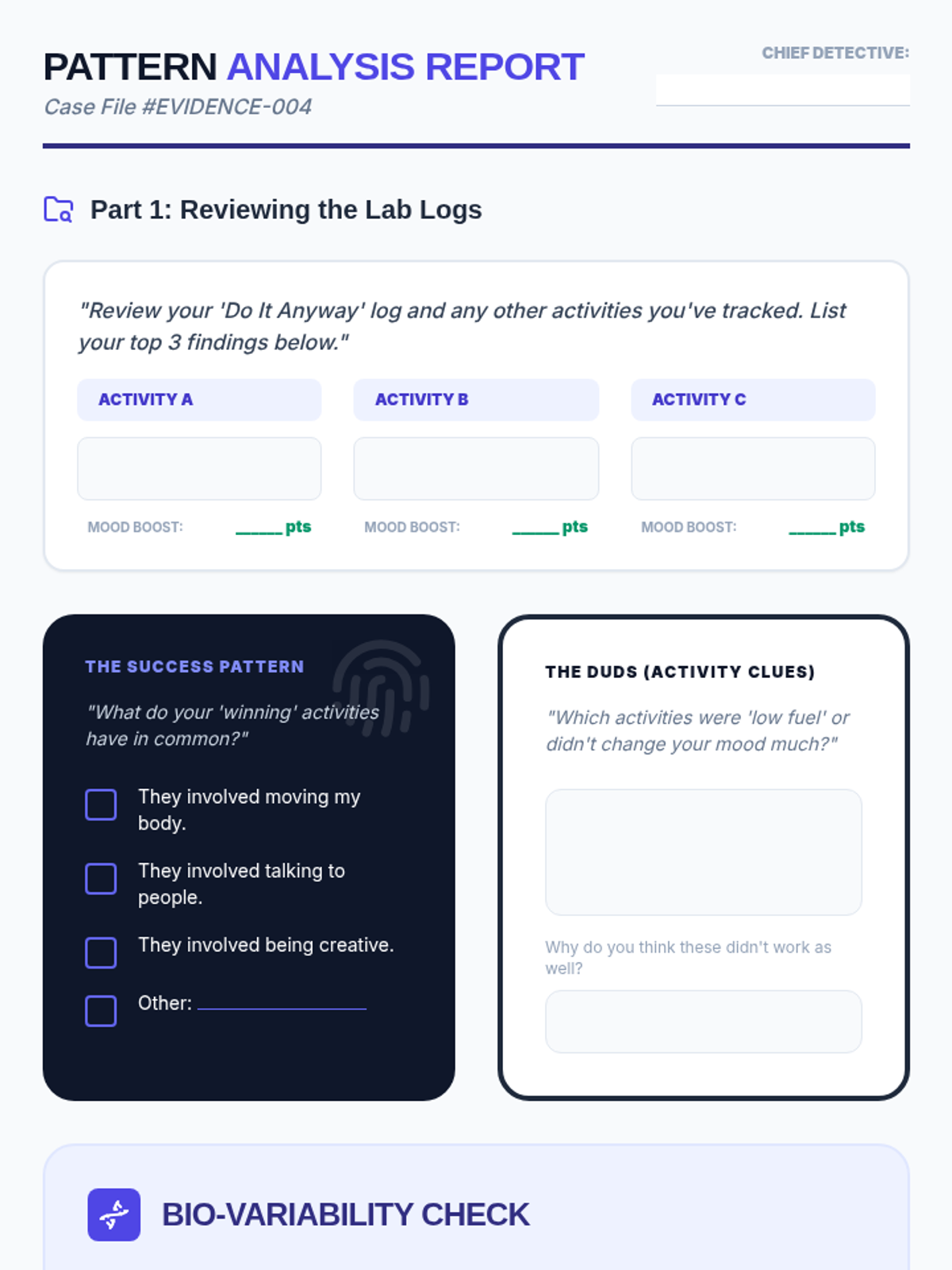
Students review the results of their personal experiments or case study data to identify patterns in how specific activities impact mood. They discuss the variability of results (what works for one person may not work for another) and begin curating their personal 'top hits' for mood improvement.
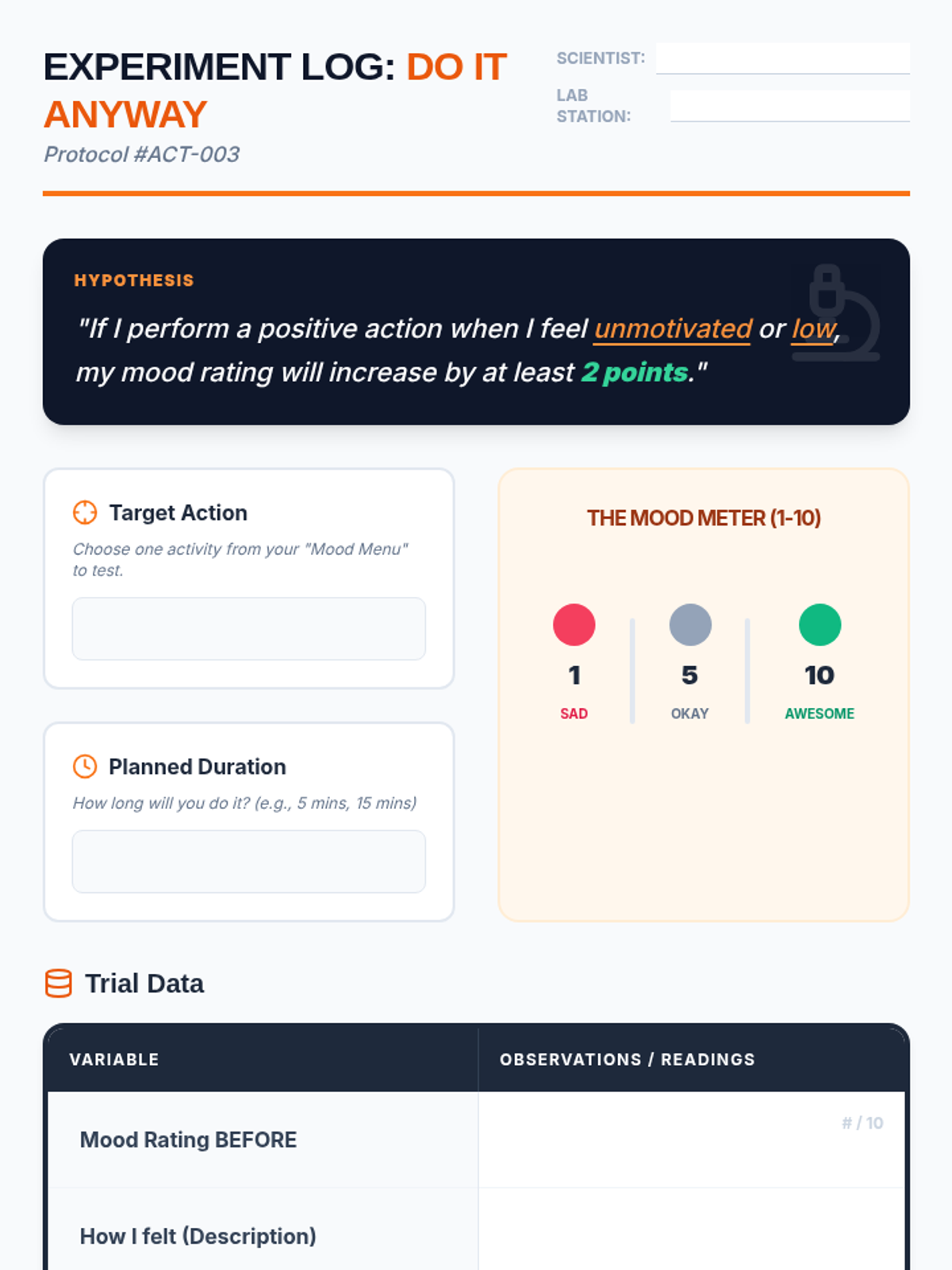
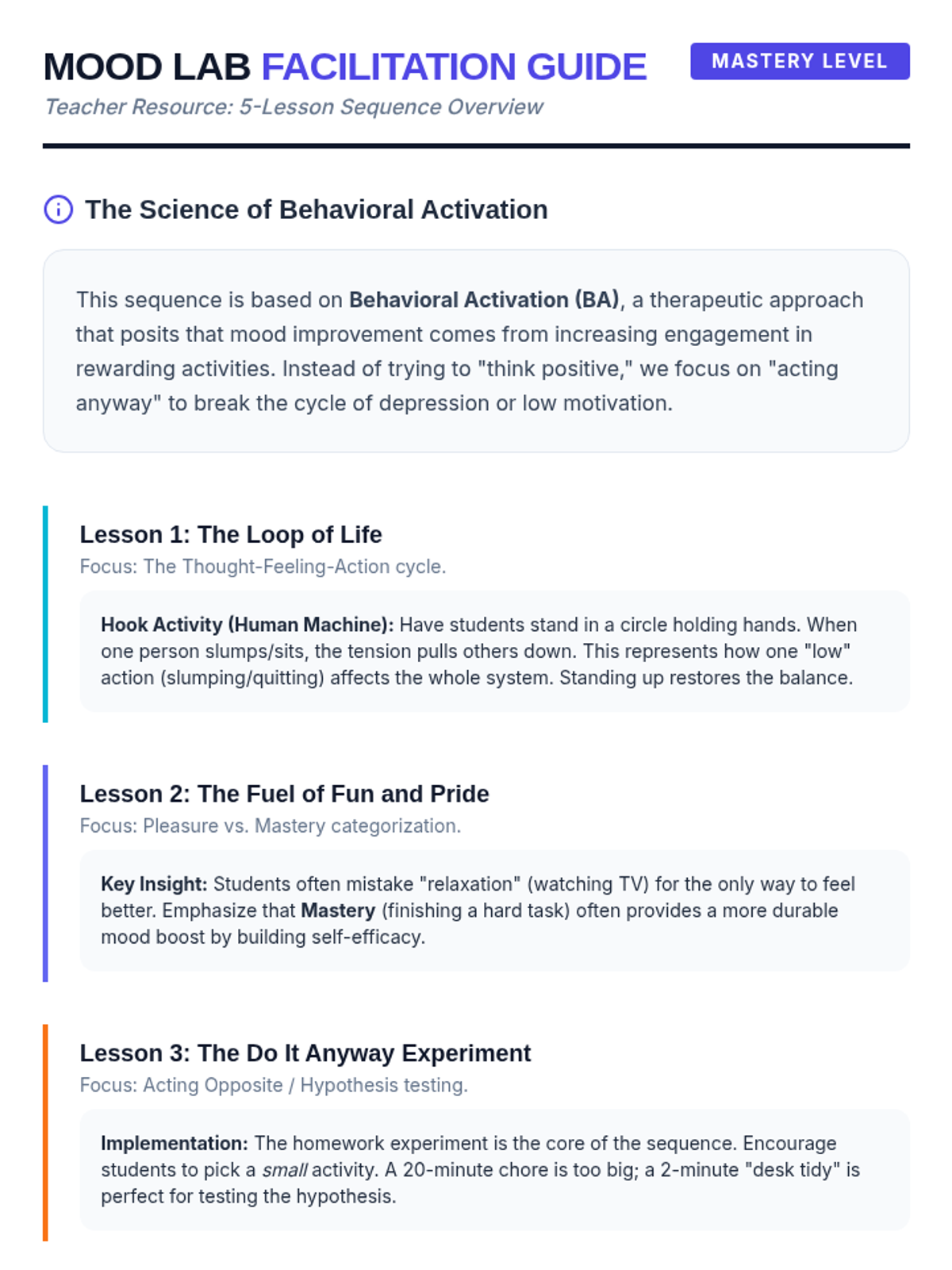
This lesson introduces the concept of 'acting opposite' to an emotion. Students design a short experiment to test the hypothesis that engaging in a positive activity—even when they don't feel like it—can improve their mood rating on a 1-10 scale. They prepare a data collection sheet for a homework experiment.
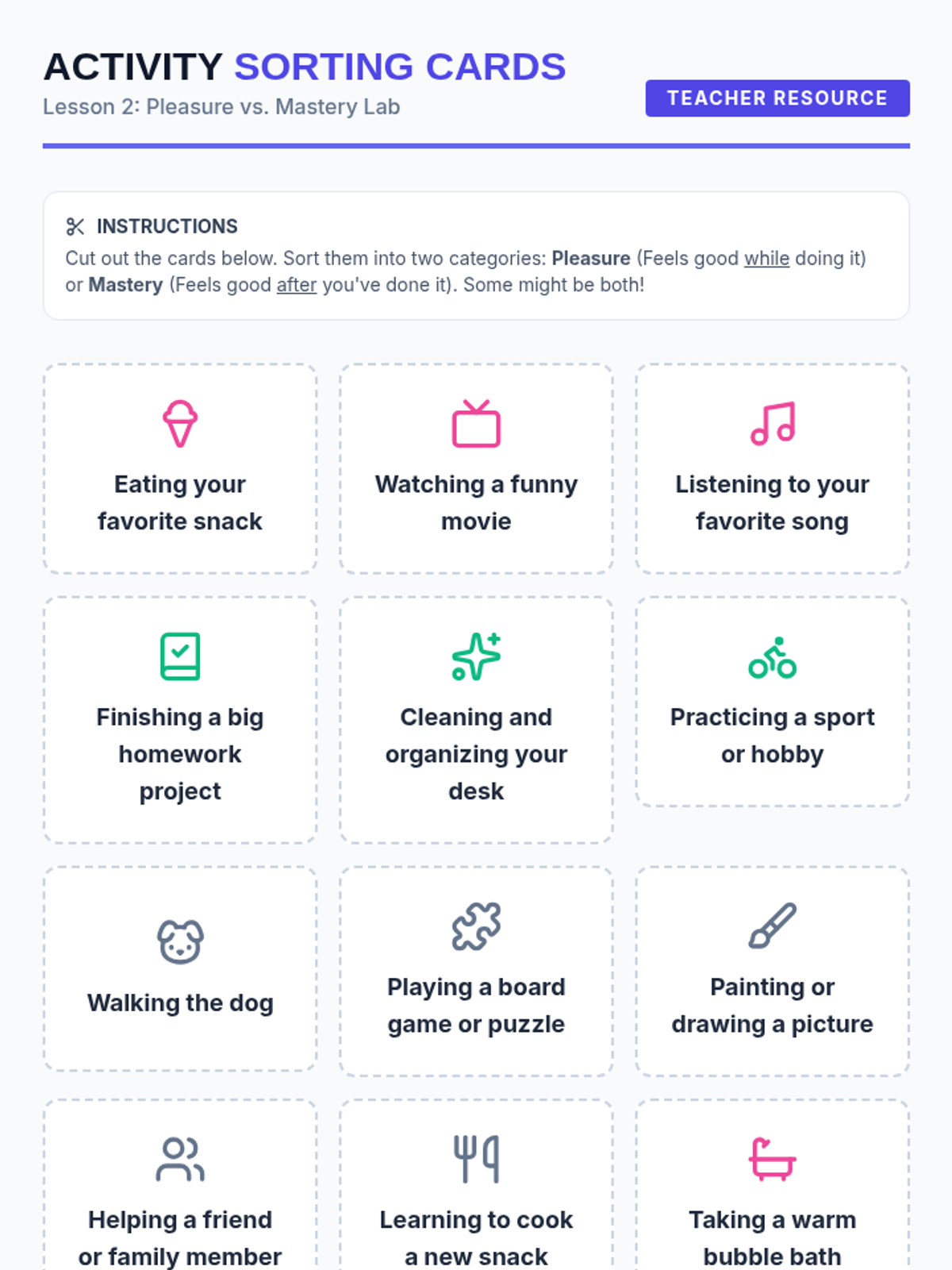
Students distinguish between activities that feel good in the moment (Pleasure) and those that make us feel accomplished (Mastery). Through a sorting workshop, they brainstorm examples for both categories, understanding that a balanced diet of experiences includes both fun and achievement.
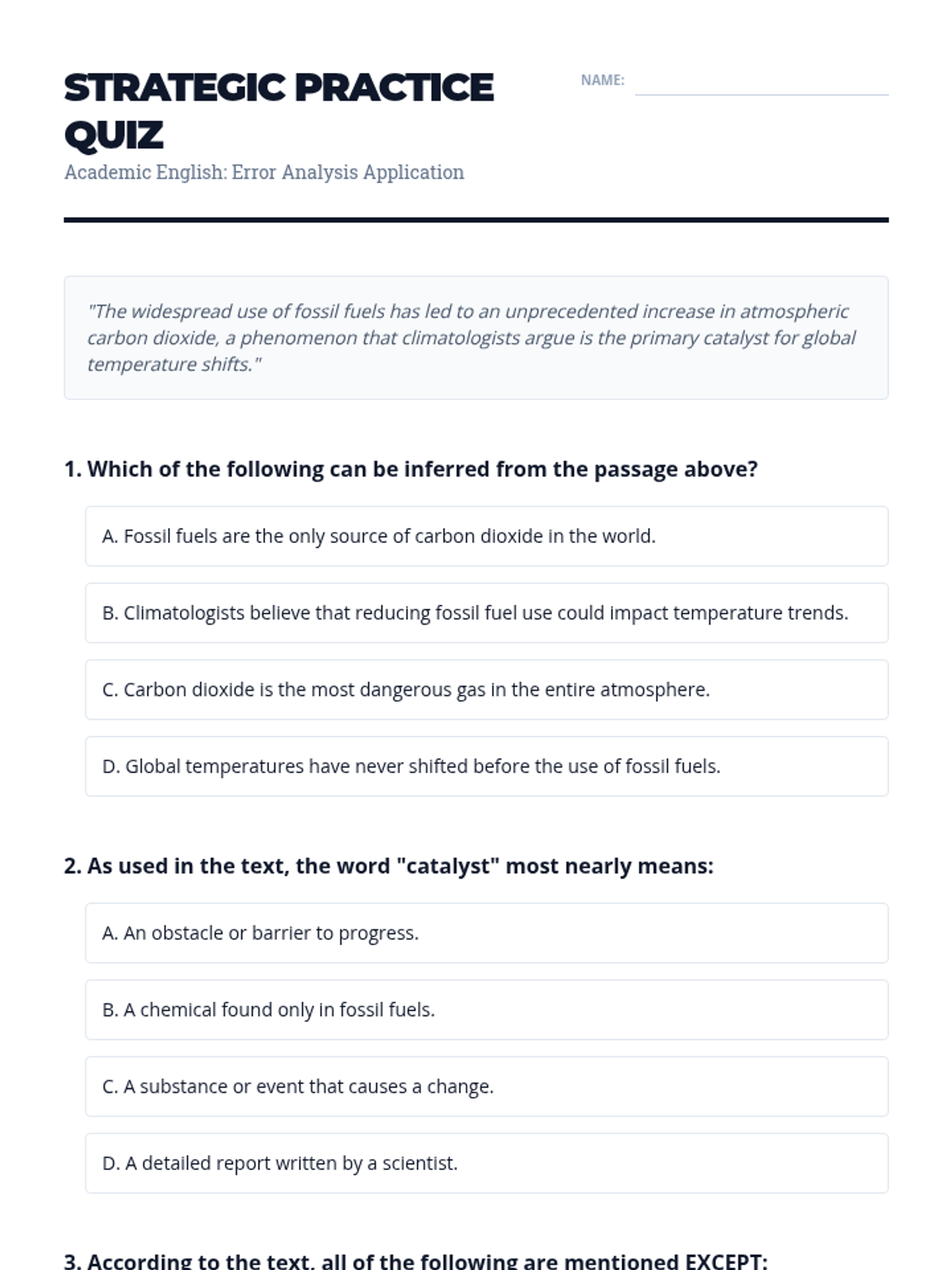
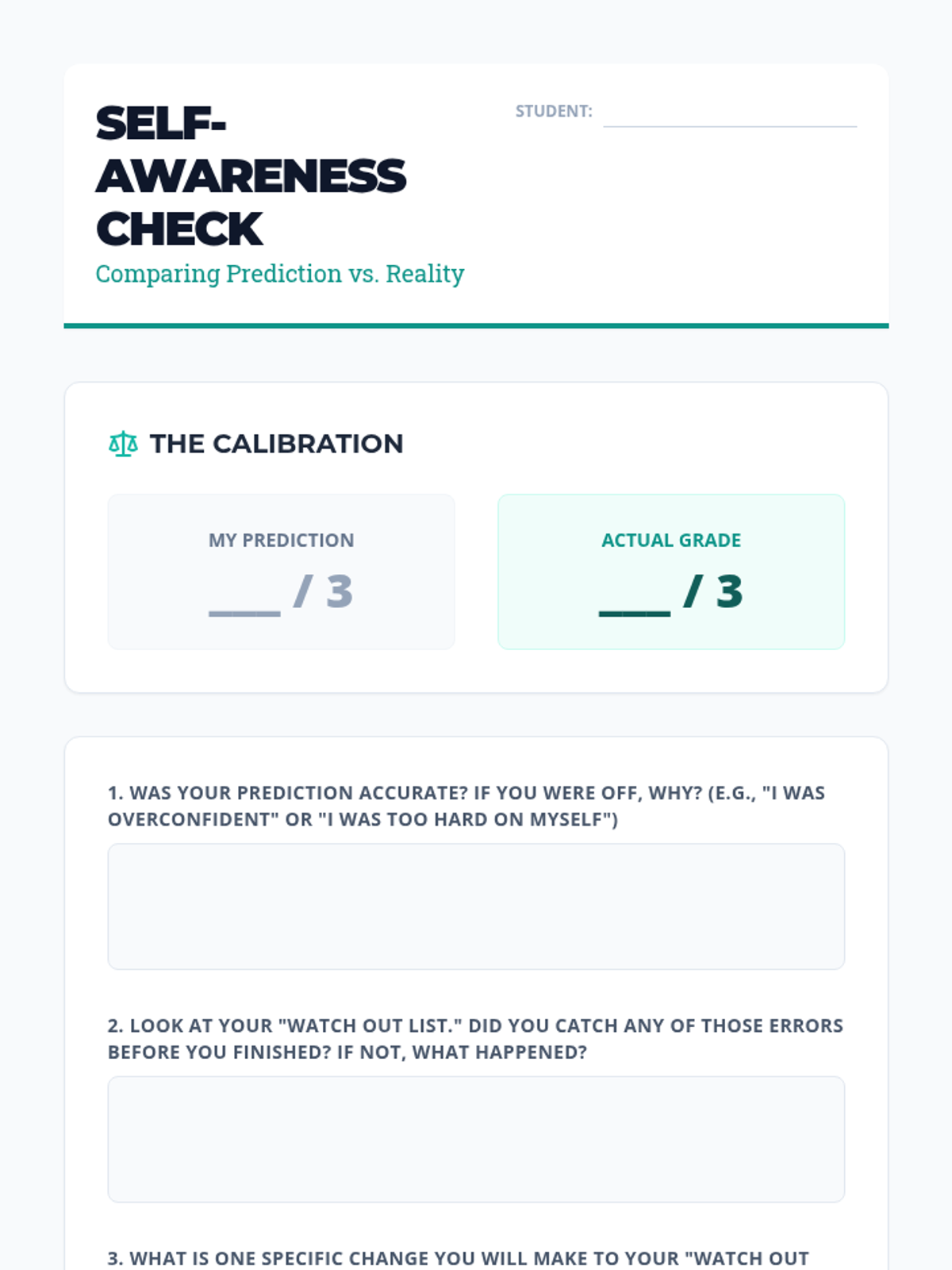
Students take a short assessment and immediately apply their error analysis protocol. They verify if their 'Watch Out' list helped them avoid previous habitual mistakes.
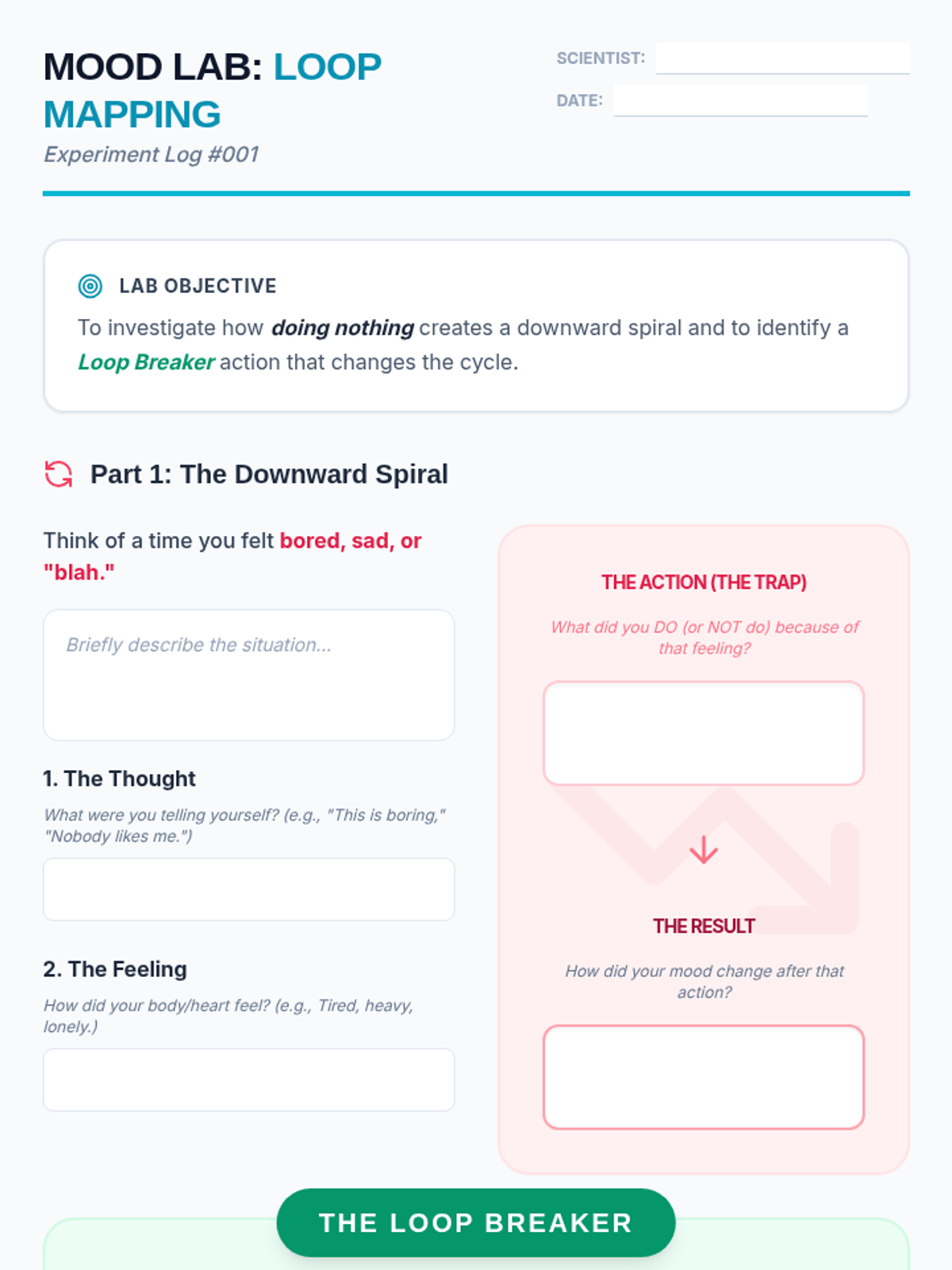
Students participate in a discussion and mapping activity to visualize the cycle between thoughts, feelings, and behaviors. They identify how doing nothing often leads to feeling worse (the downward spiral) and how small actions can reverse this.
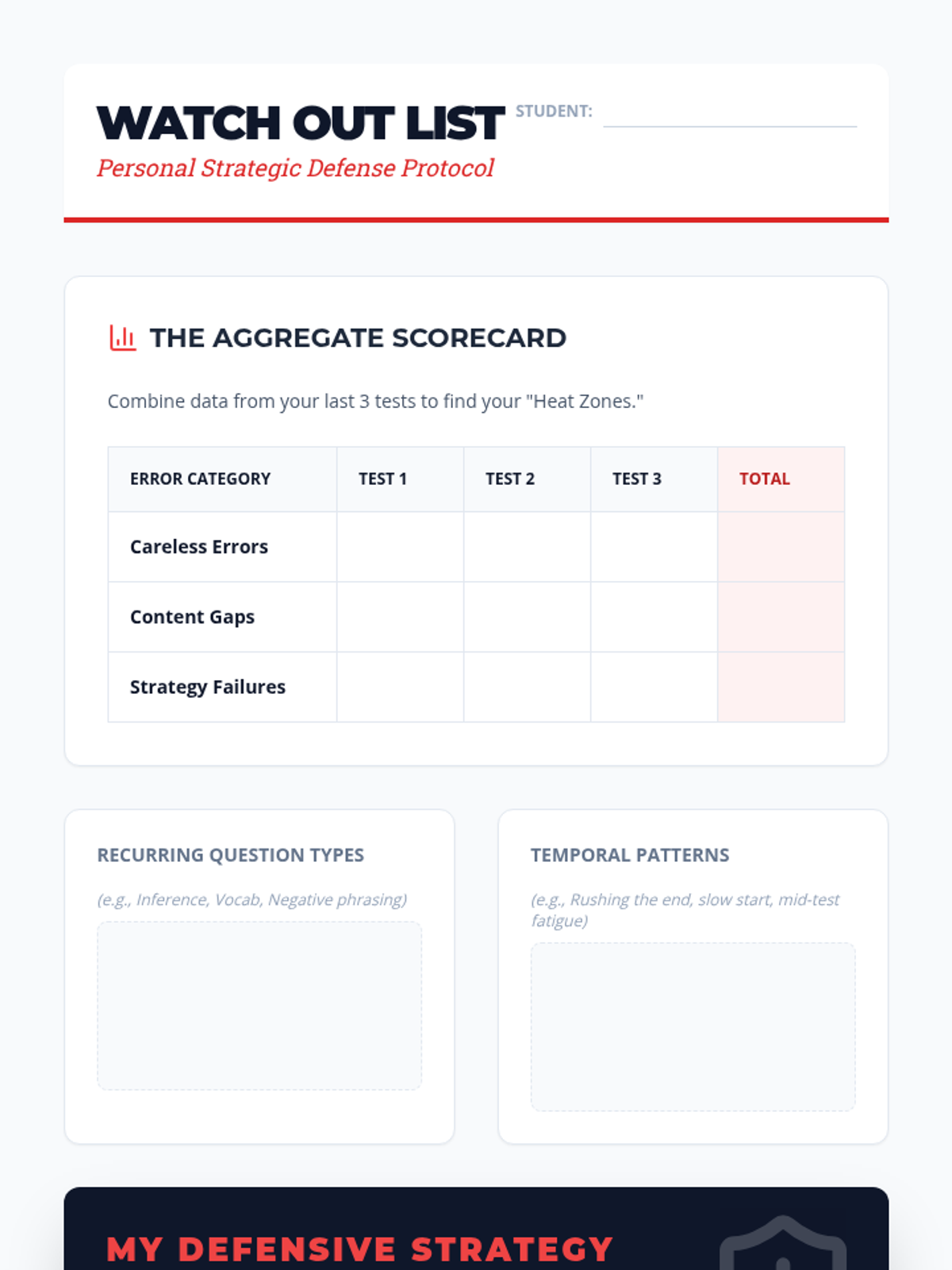
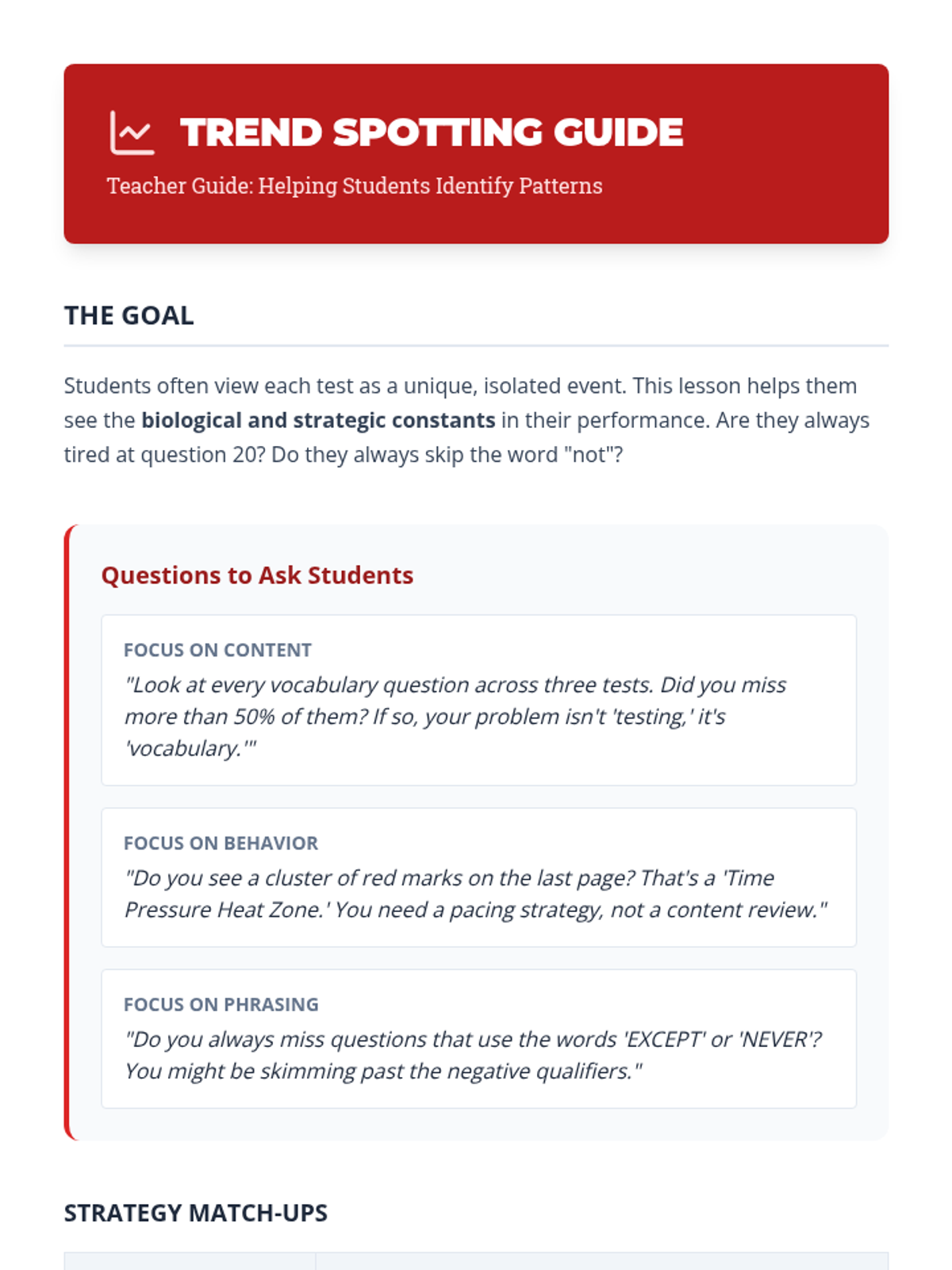
Students aggregate their error data to find personal patterns (e.g., 'I always miss inference questions' or 'I rush the last 5 minutes'). They create a personal 'Watch Out' list for future exams.
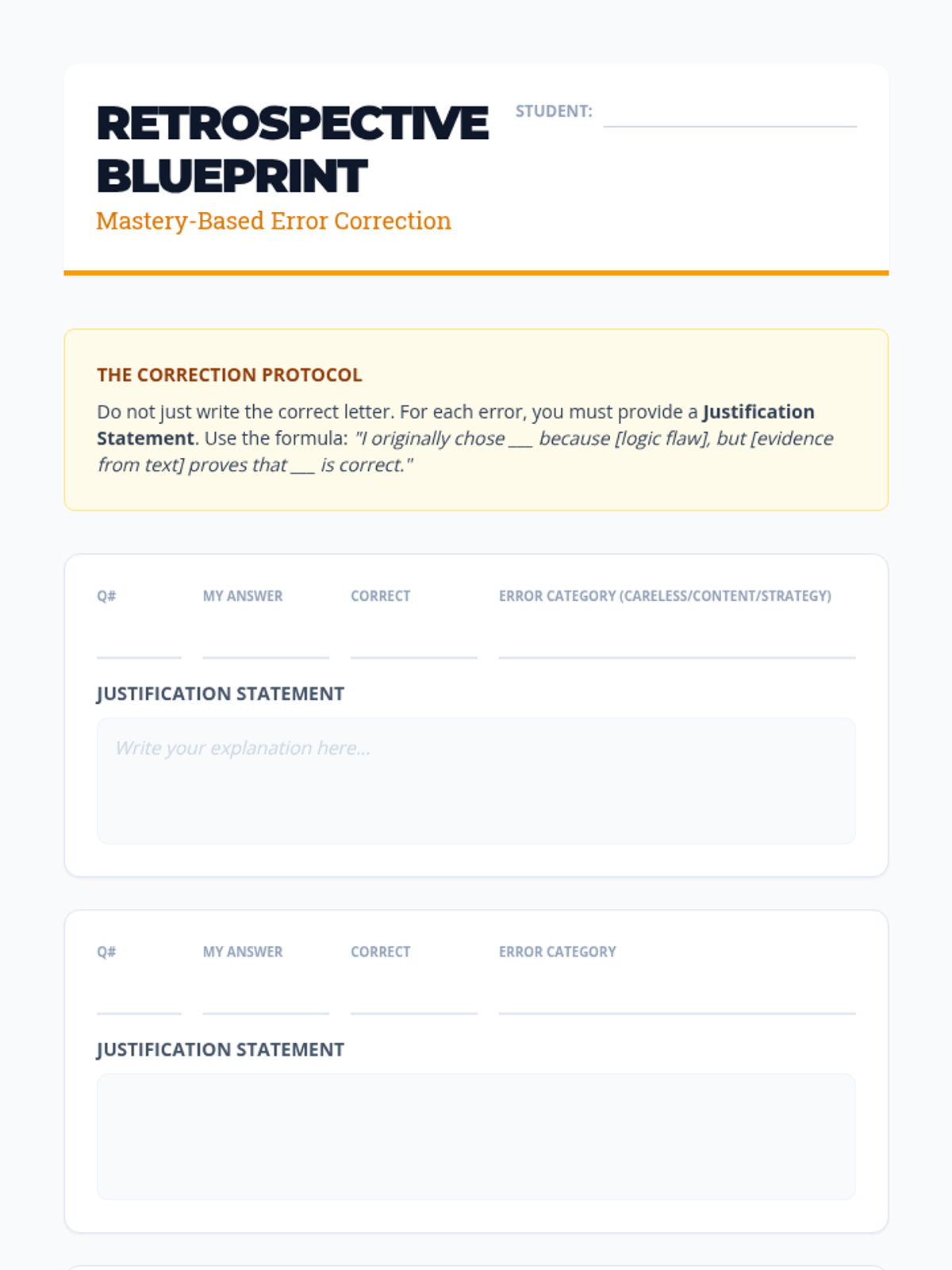
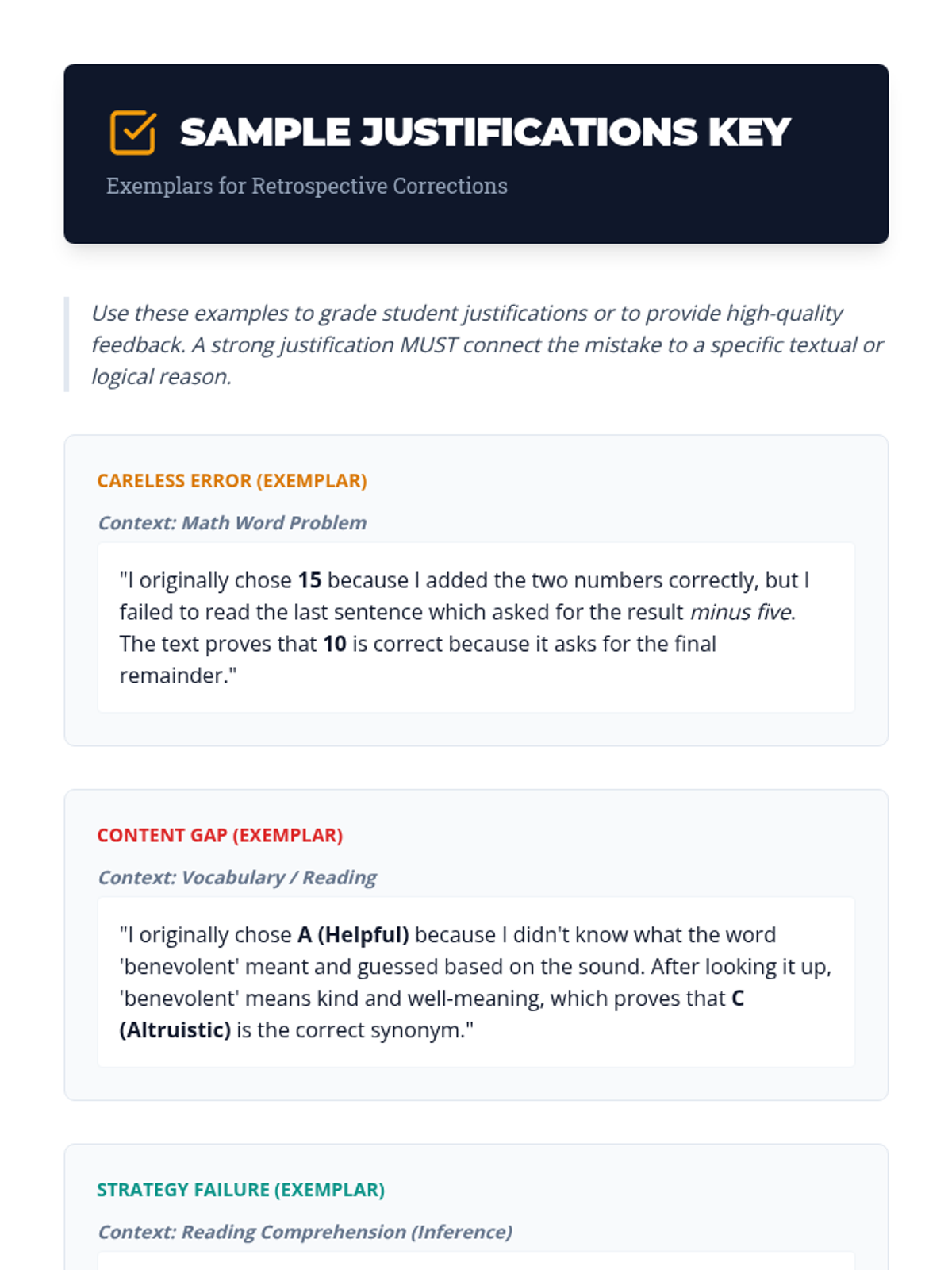
Instead of just marking correct answers, students must write a sentence explaining *why* their original answer was wrong and *why* the new answer is right. This ensures deep processing of the error.
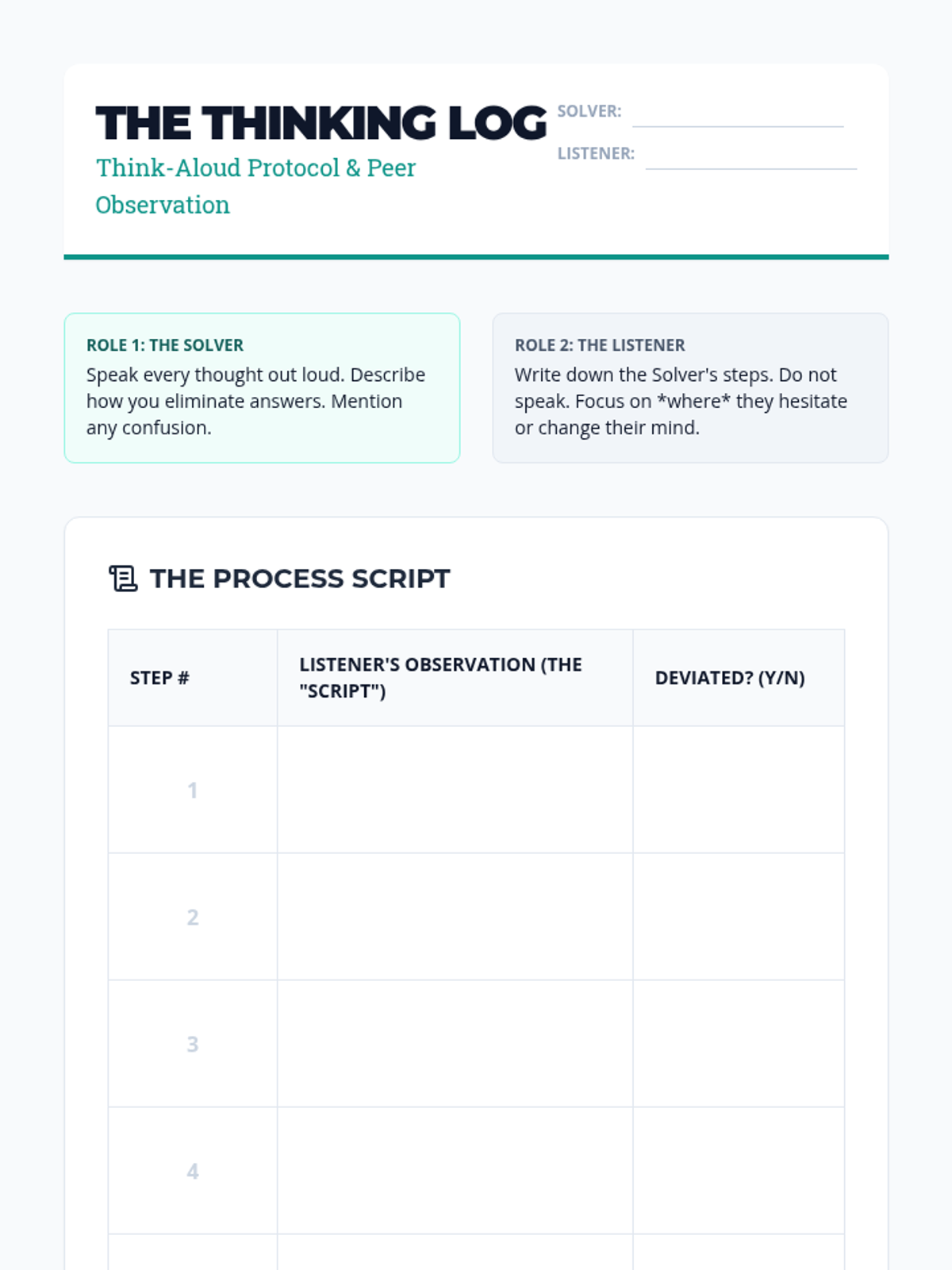
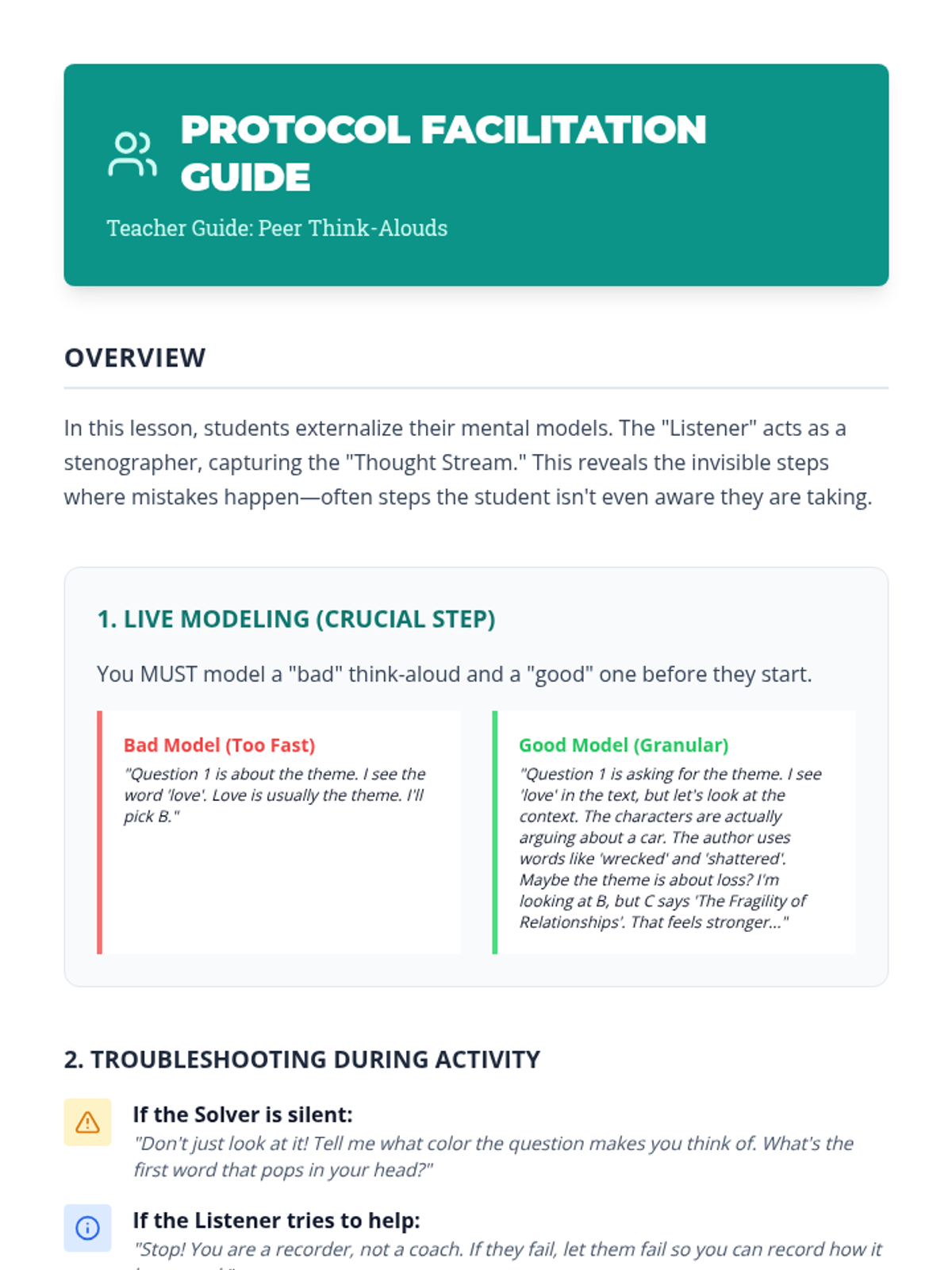
Working in pairs, students vocalize their thinking process while solving a problem while a partner records their steps. They analyze these recordings to identify where their logic deviated from the correct path.
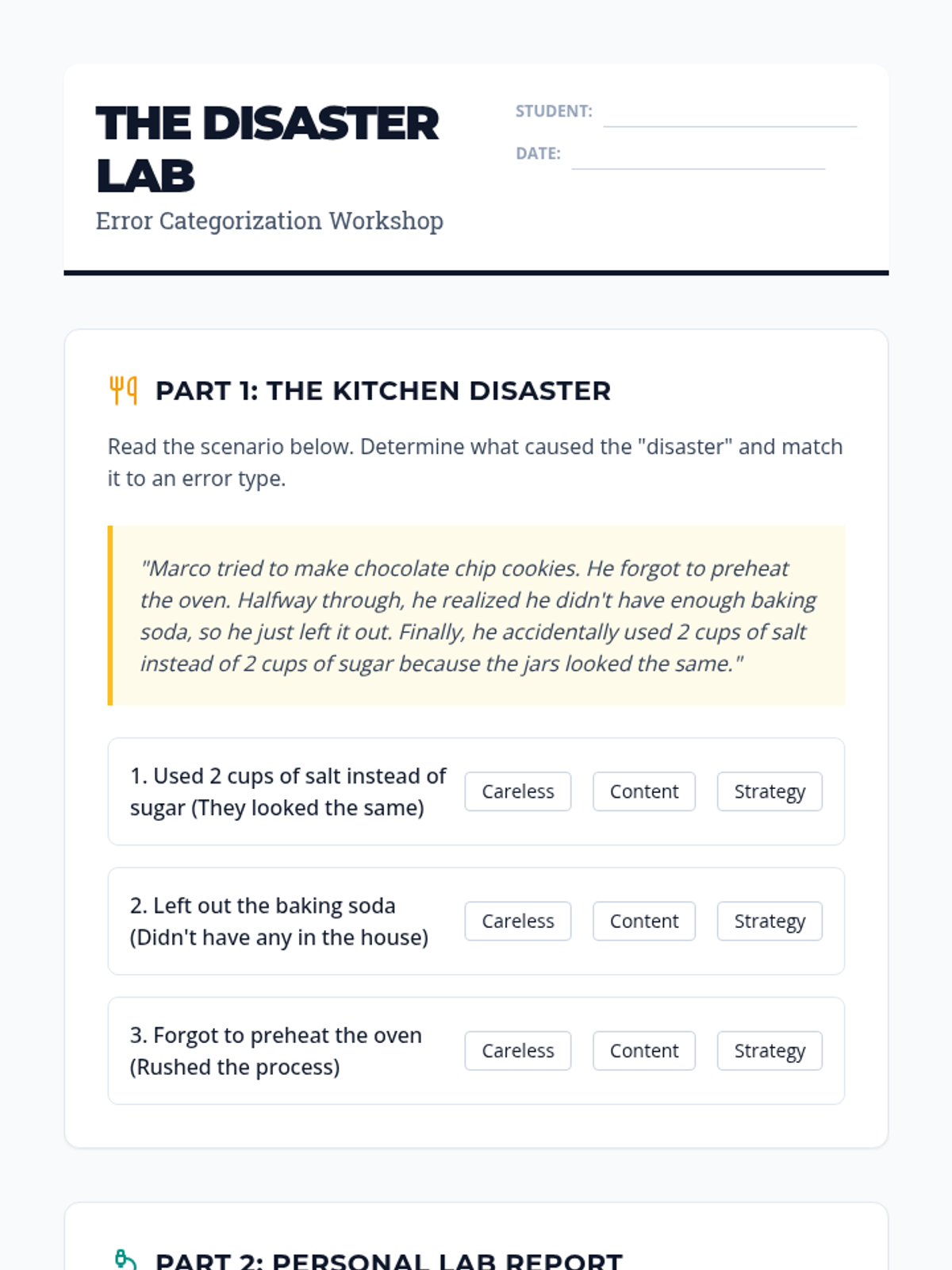
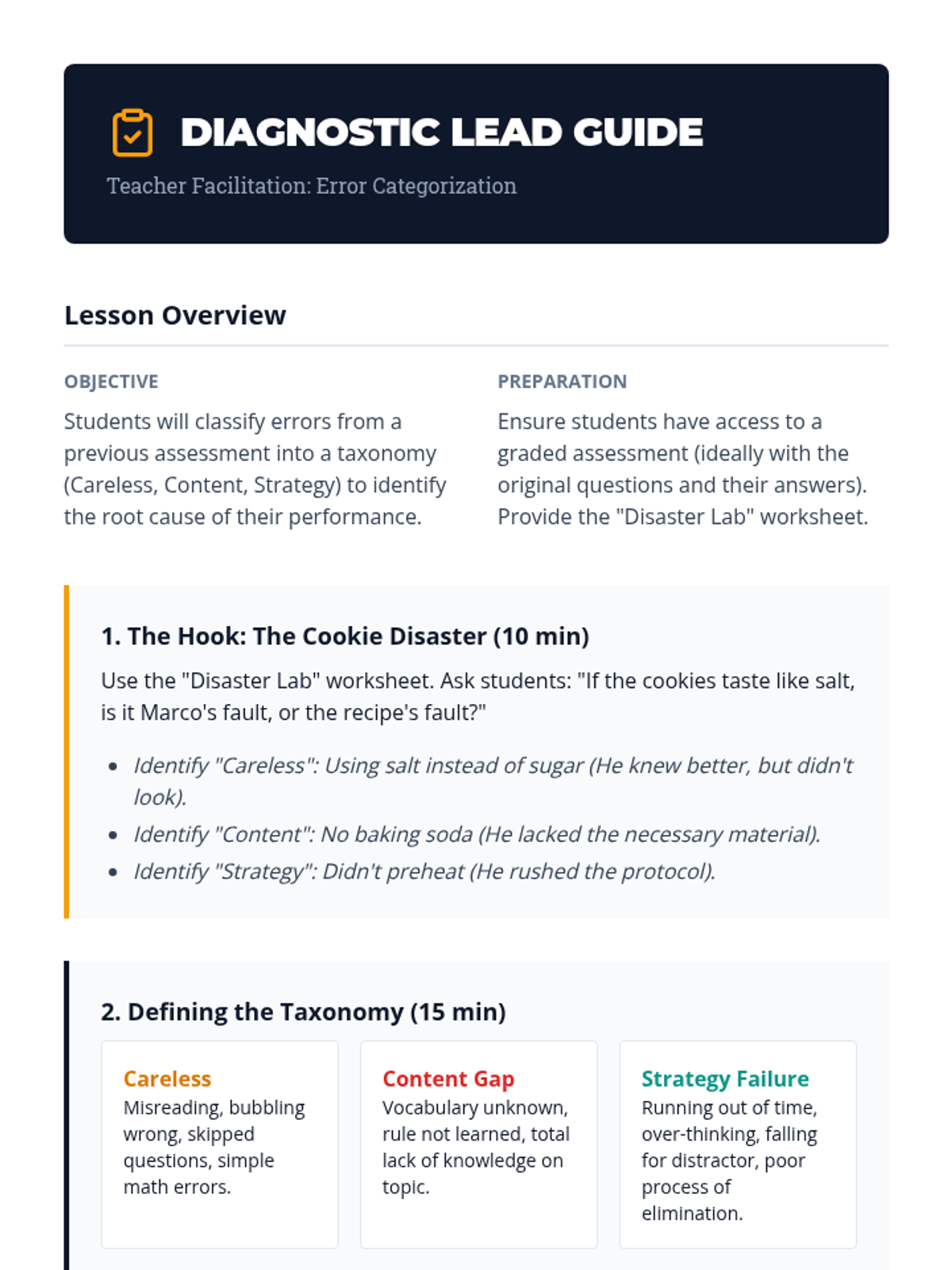
Students review a past assessment and categorize every incorrect answer as a 'Careless Error,' 'Content Gap,' or 'Strategy Failure.' This taxonomy helps them understand that not all mistakes are created equal.
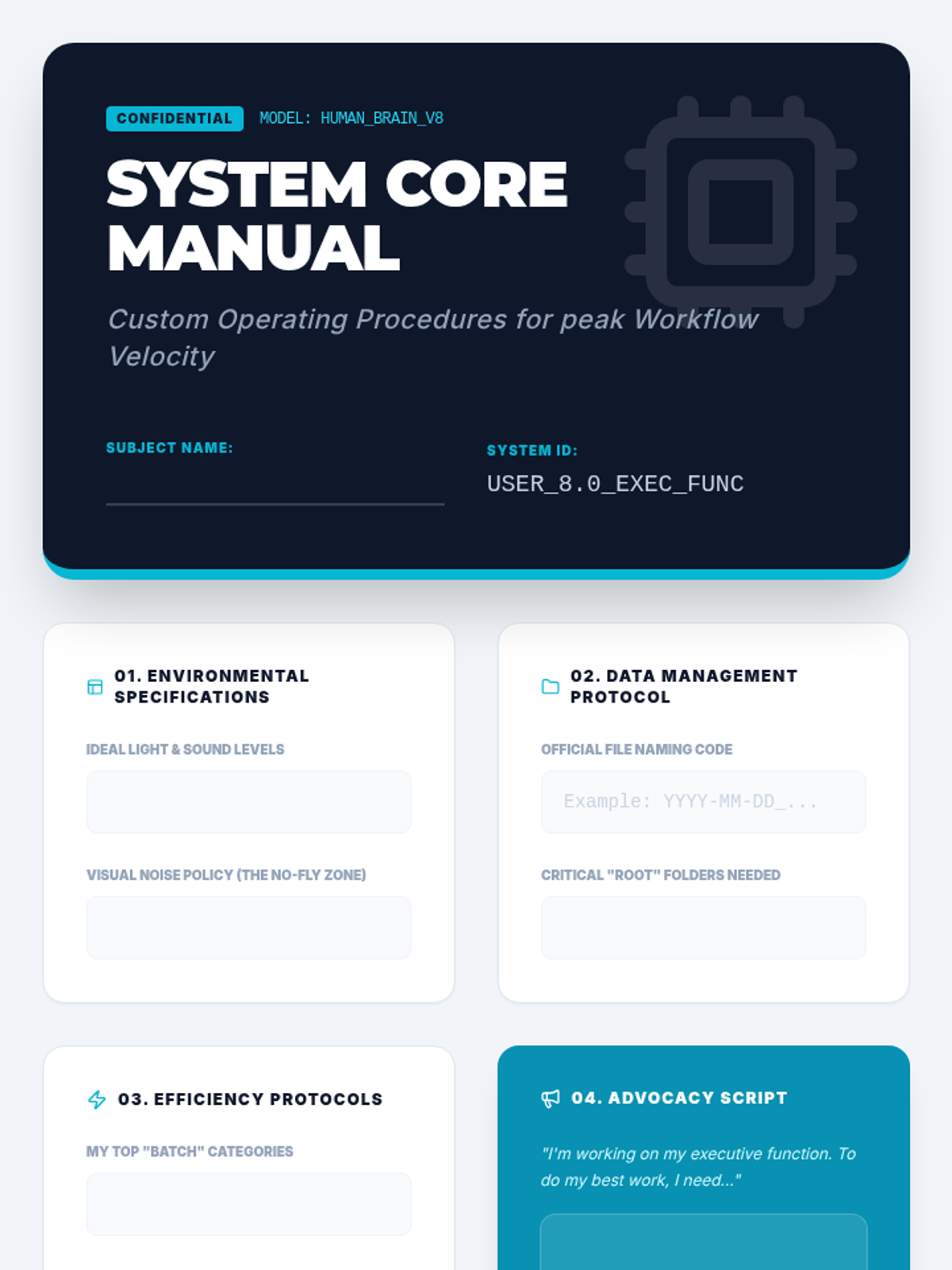
In this capstone lesson, students synthesize their learning into a 'User Manual' for their own brain. They document personalized strategies for physical, digital, and temporal organization to build self-advocacy and long-term habits.
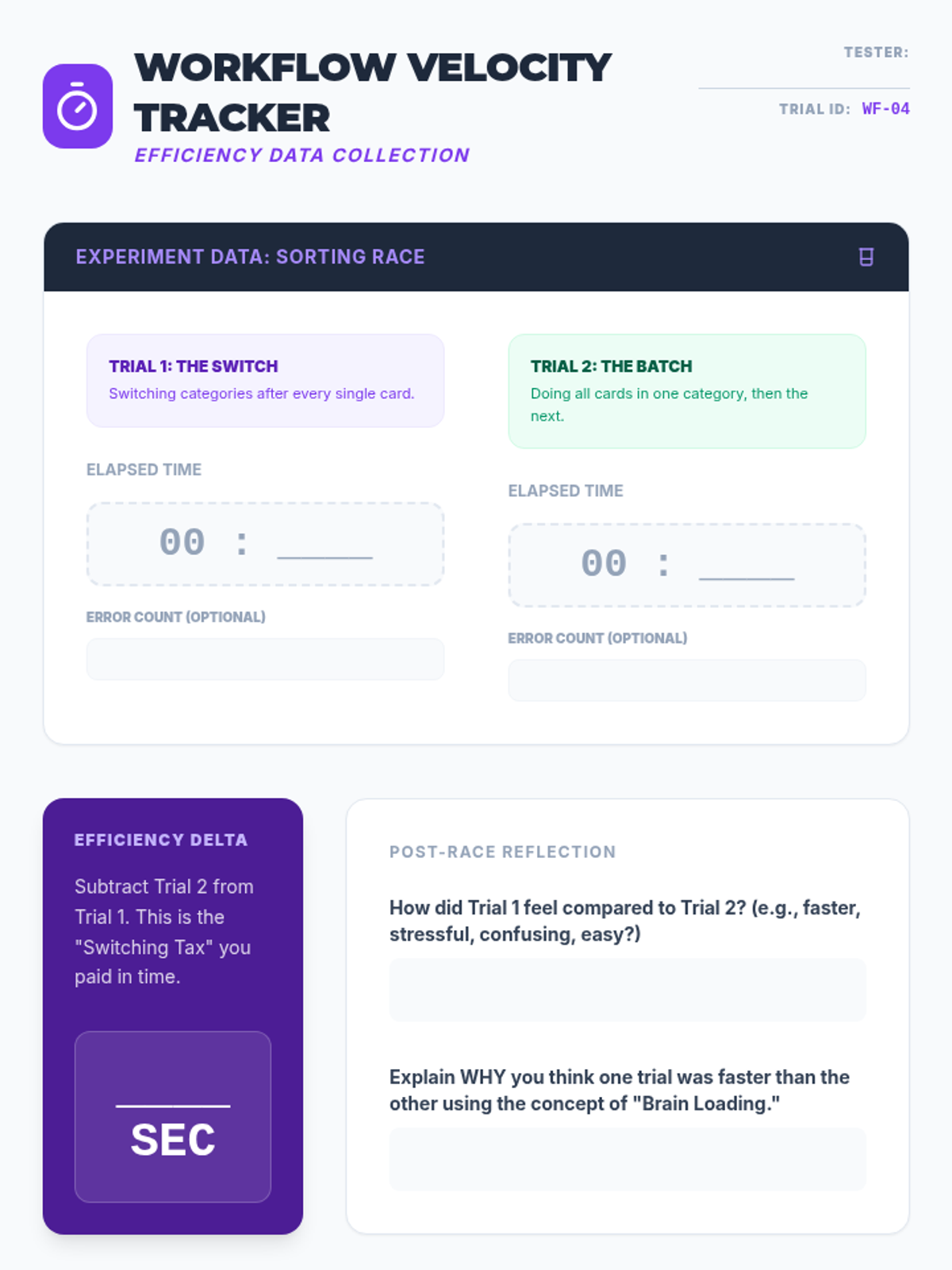
Students investigate the efficiency costs of multitasking and context switching. Through timed experiments, they compare sequential task completion with 'batching' strategies to develop more efficient workflow habits.
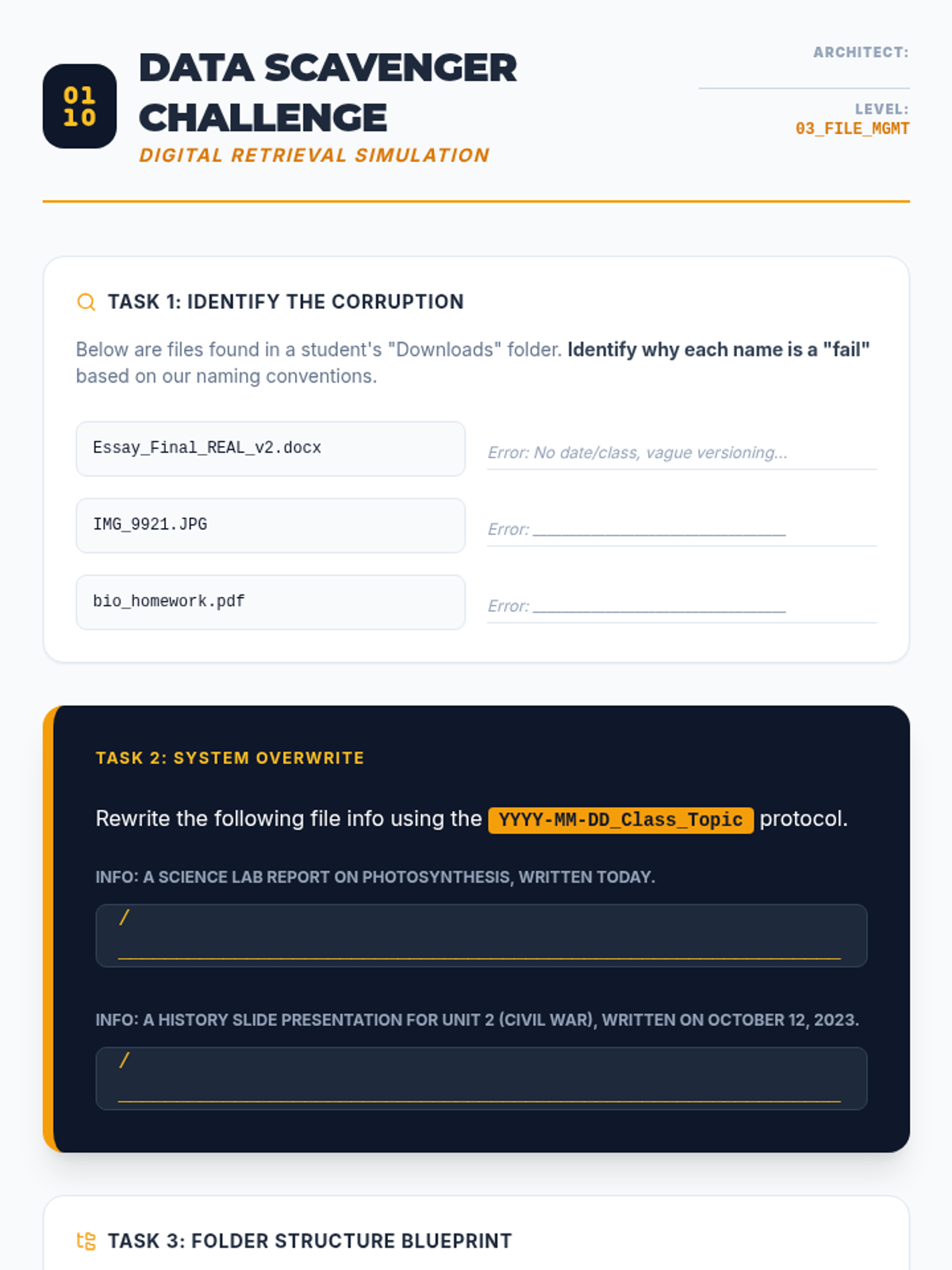
This lesson focuses on digital literacy through the lens of organization. Students learn effective file naming conventions, folder hierarchies, and inbox management strategies to prevent 'digital hoarding' and improve information retrieval speed.
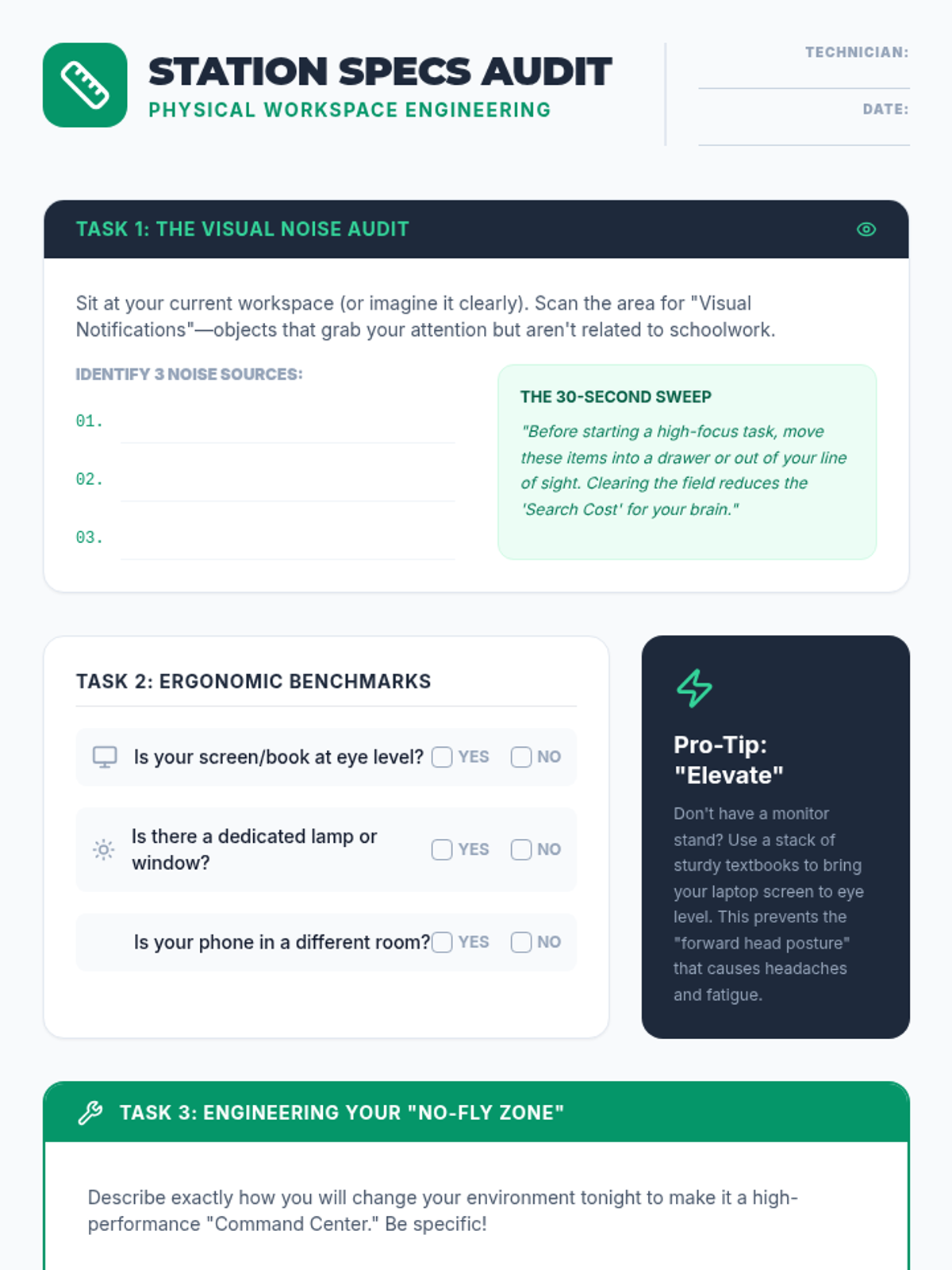
Students analyze the impact of their physical environment on focus and productivity. By auditing workspace case studies and their own study areas, they learn to design spaces that minimize distractions and optimize ergonomics.
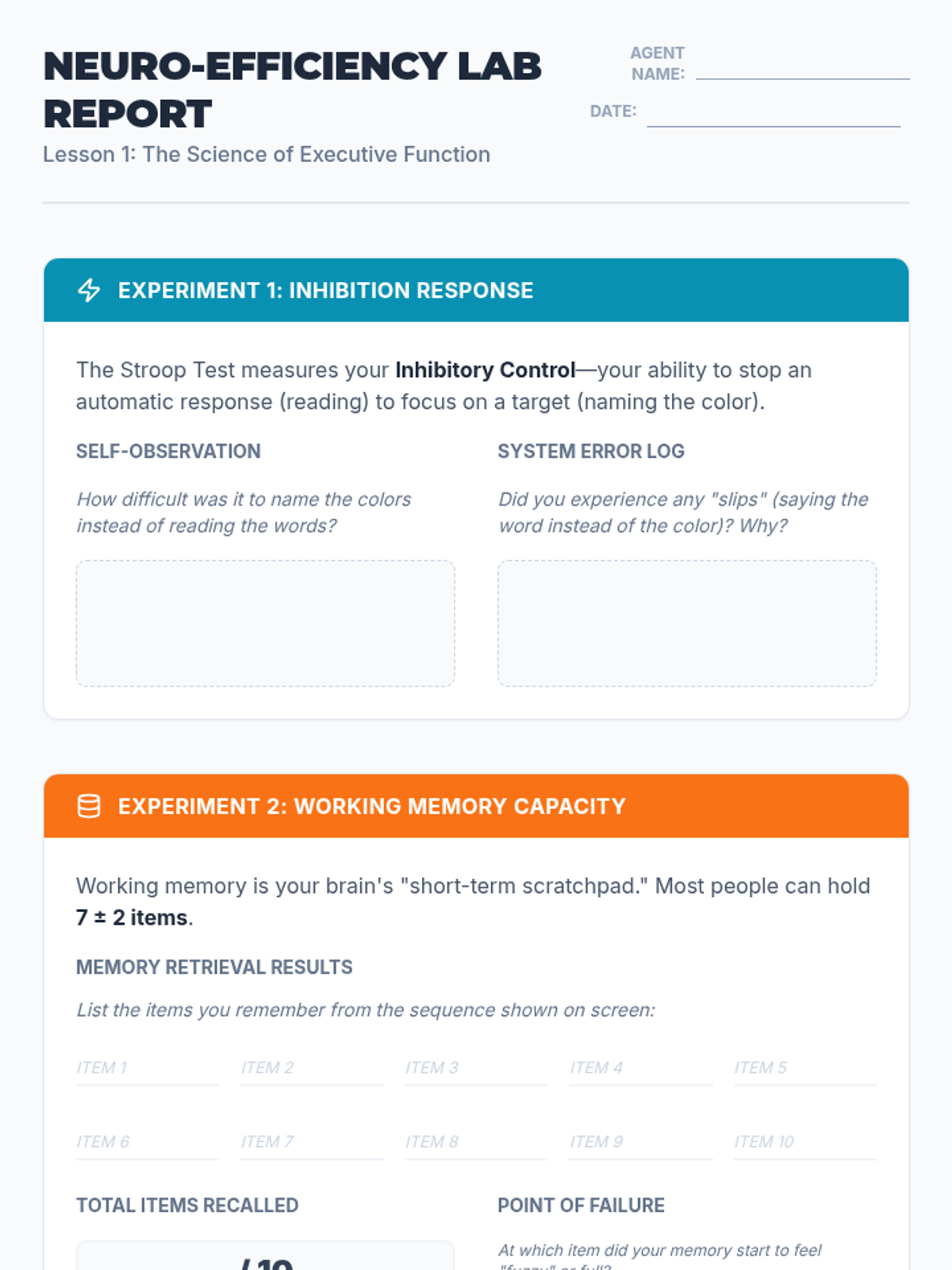
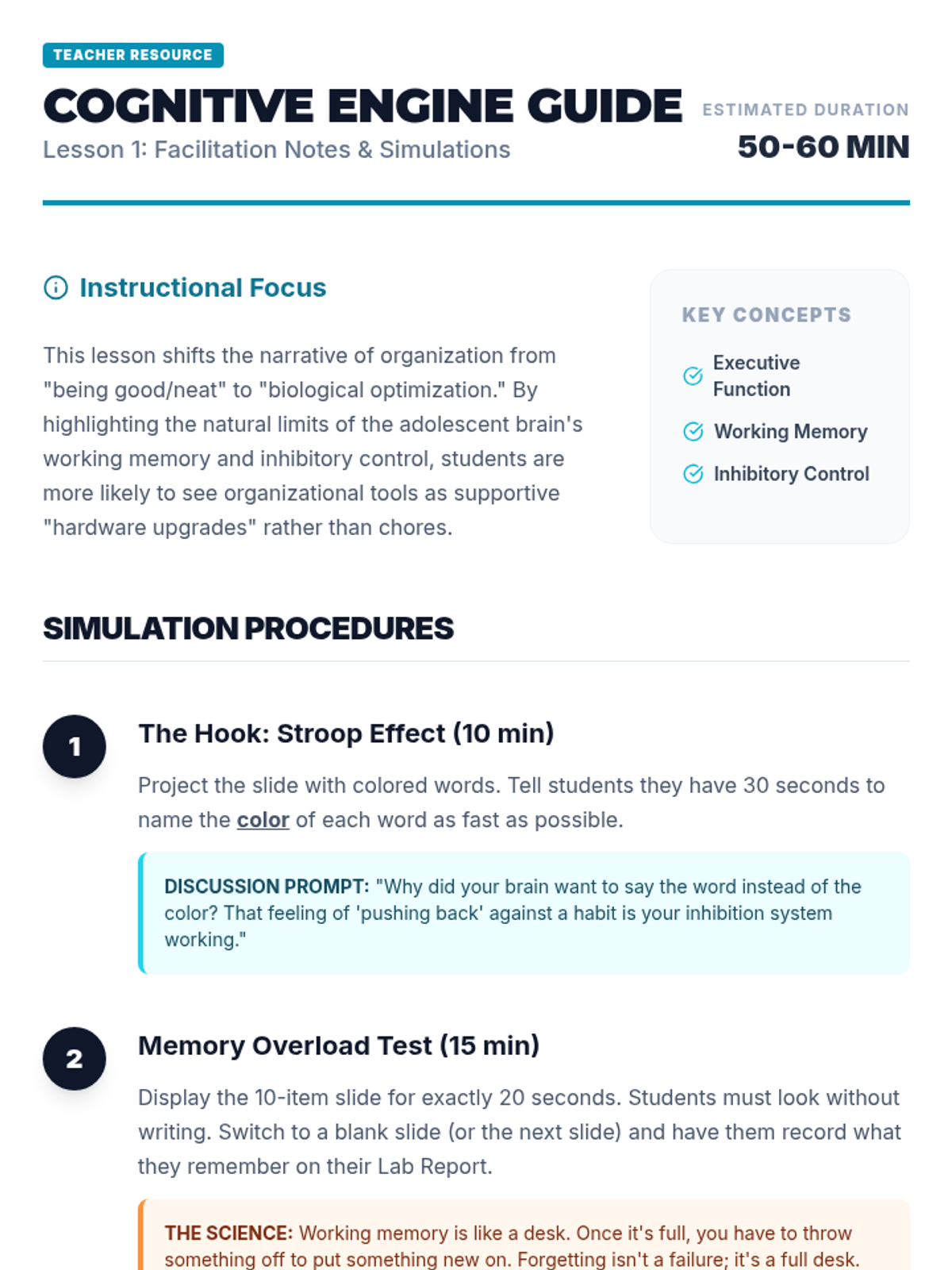
Students explore the neurological basis of executive function, focusing on working memory and inhibition. They engage in simulations like the Stroop Effect and memory overload tasks to understand why organizational systems are necessary for cognitive efficiency.
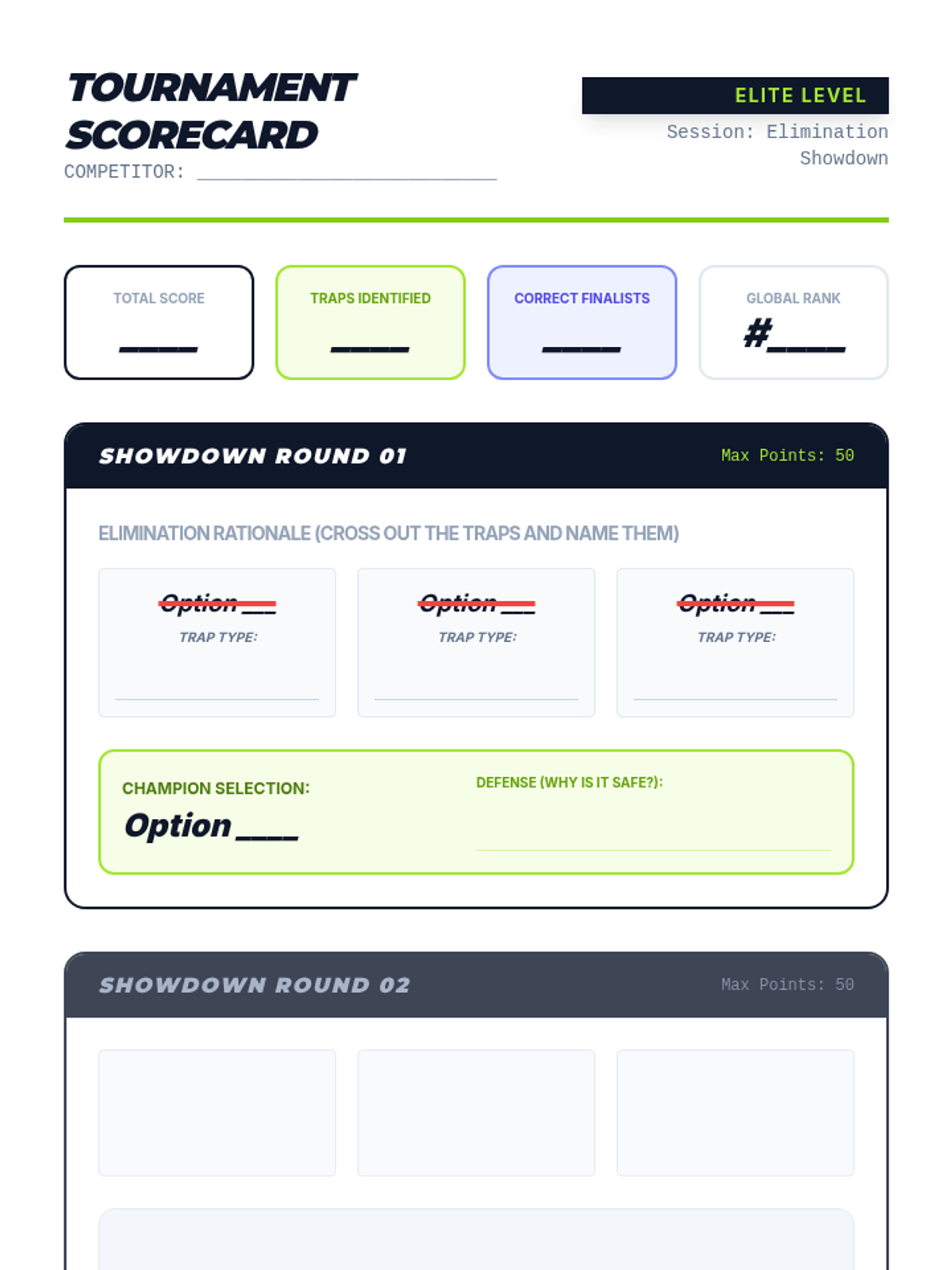
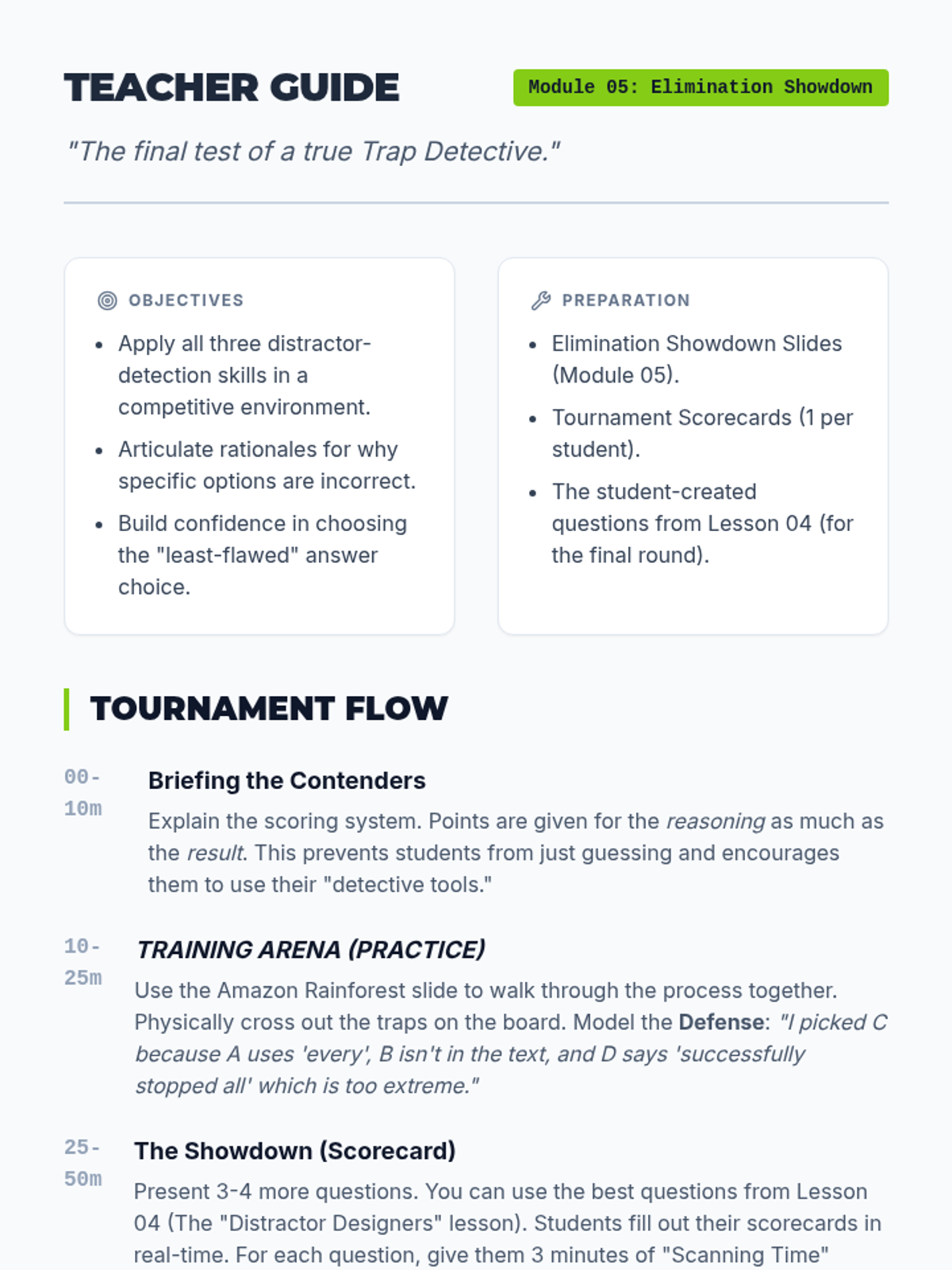
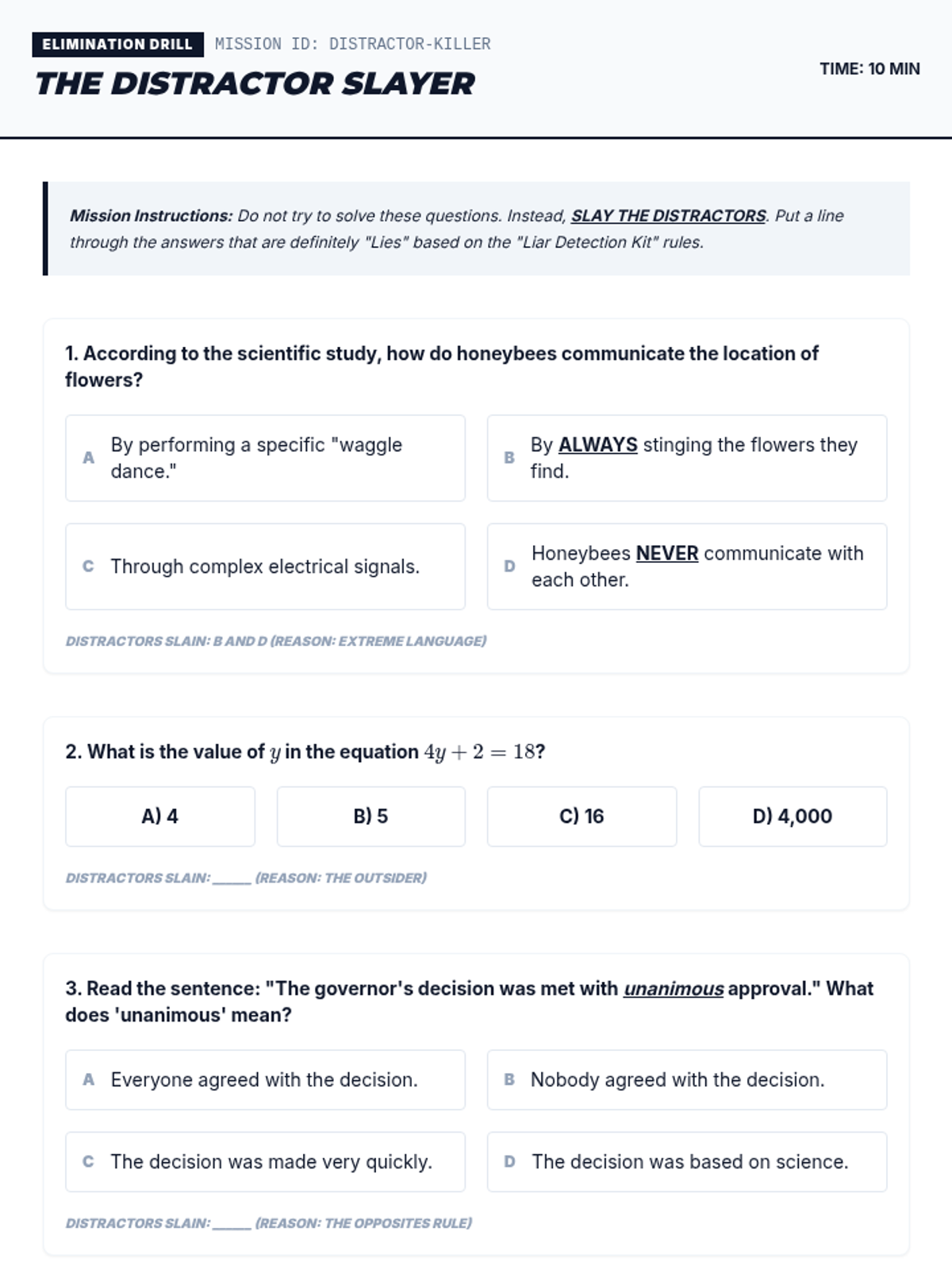
A competitive review tournament where students physically eliminate distractors with a rationale. Points are awarded for identifying specific trap types before selecting the correct answer.
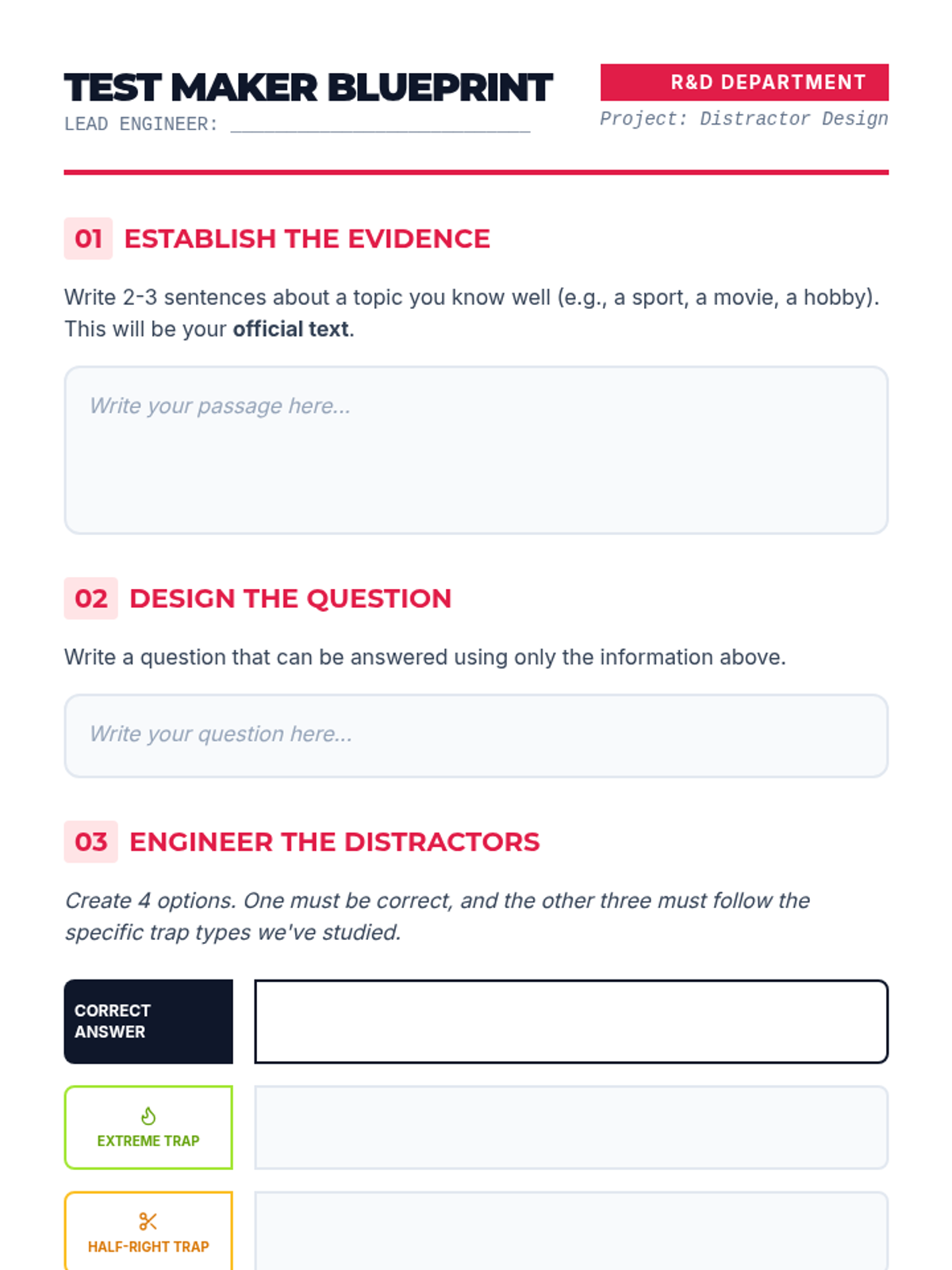
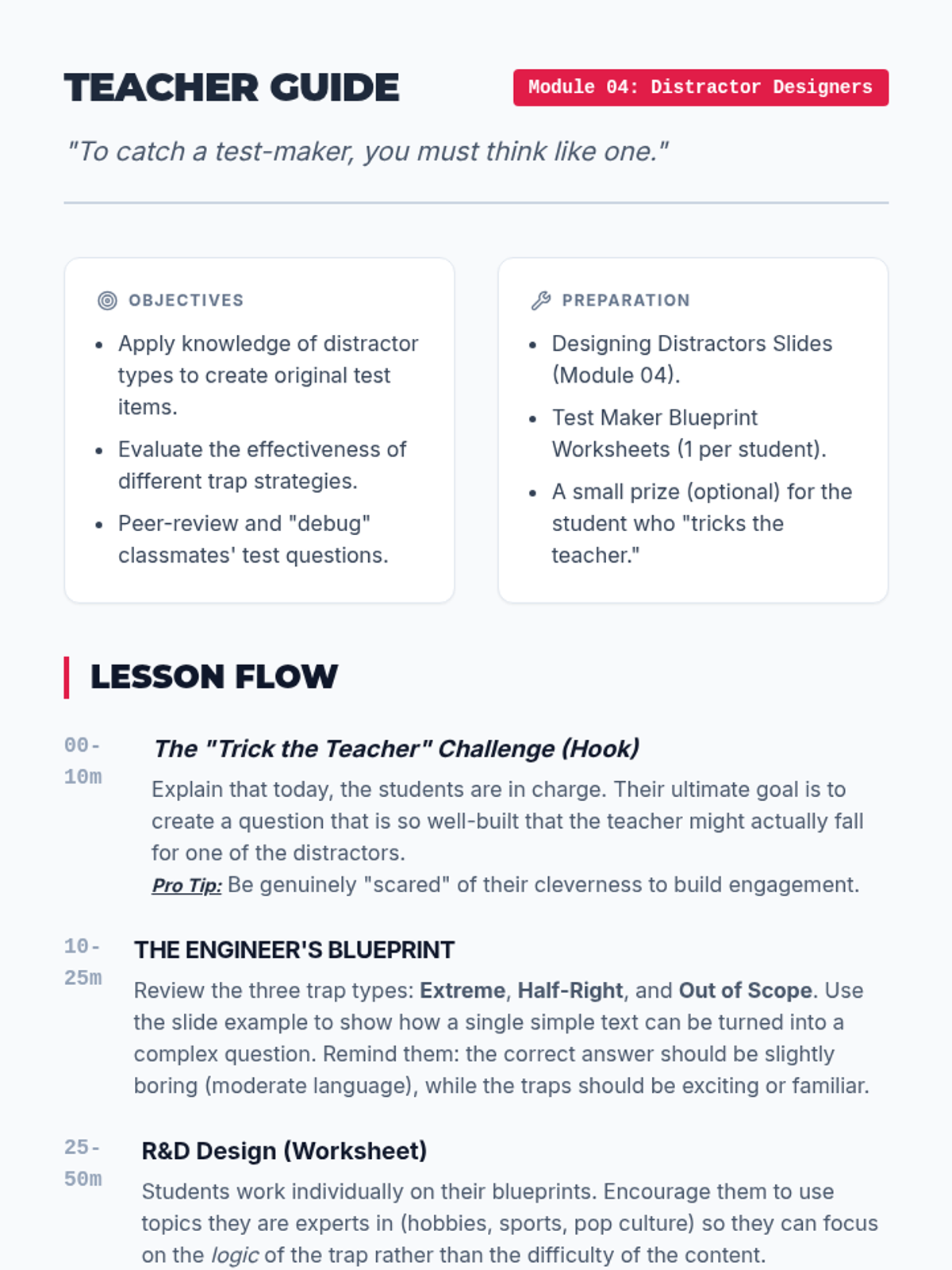
Students become test-makers by writing their own multiple-choice questions with deliberate traps. This role-reversal helps them internalize the logic behind distractor construction.
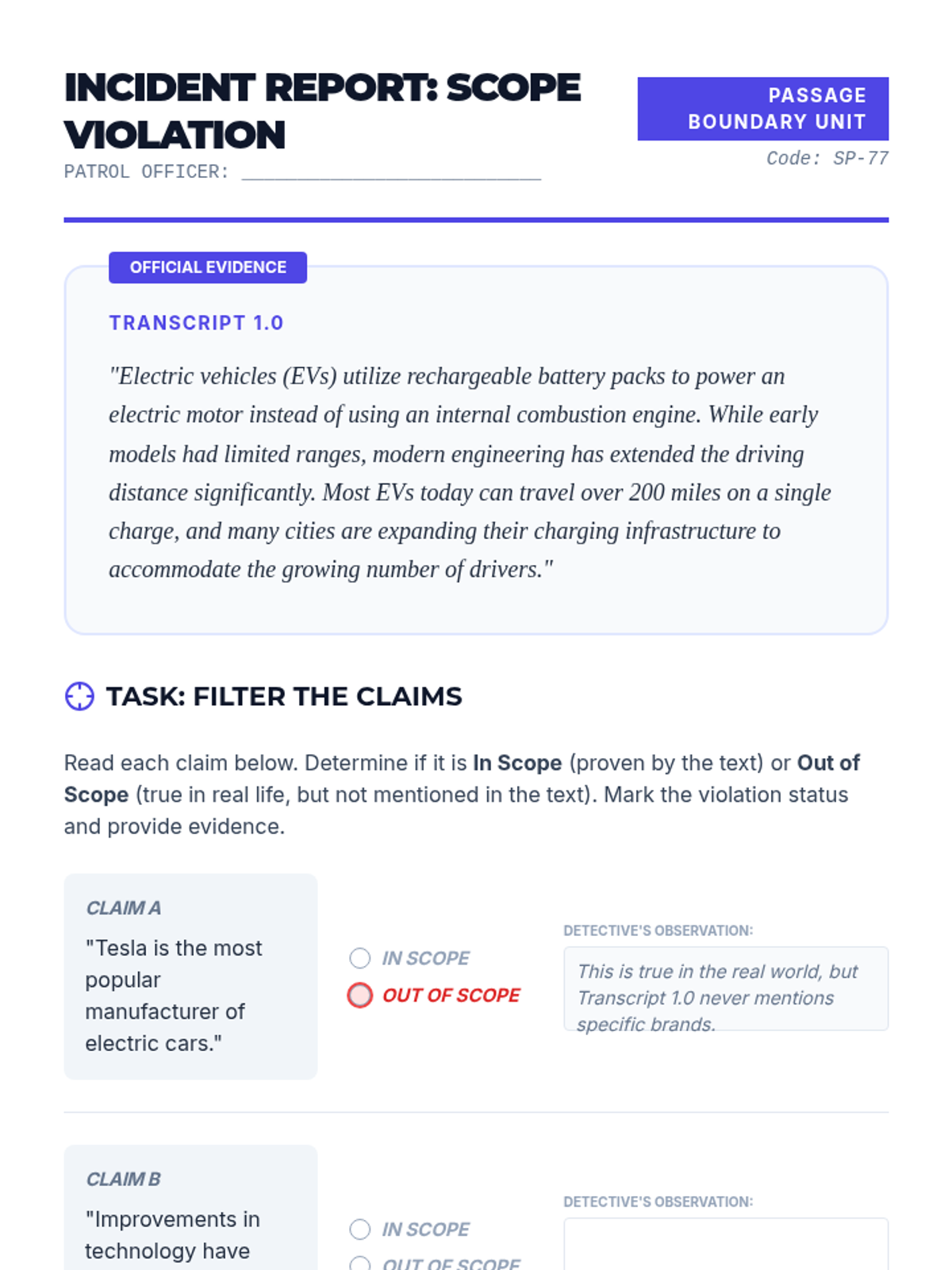
Students identify statements that are factually true in the real world but are not supported by the specific text provided. The focus is on maintaining evidence-based focus within the scope of the passage.
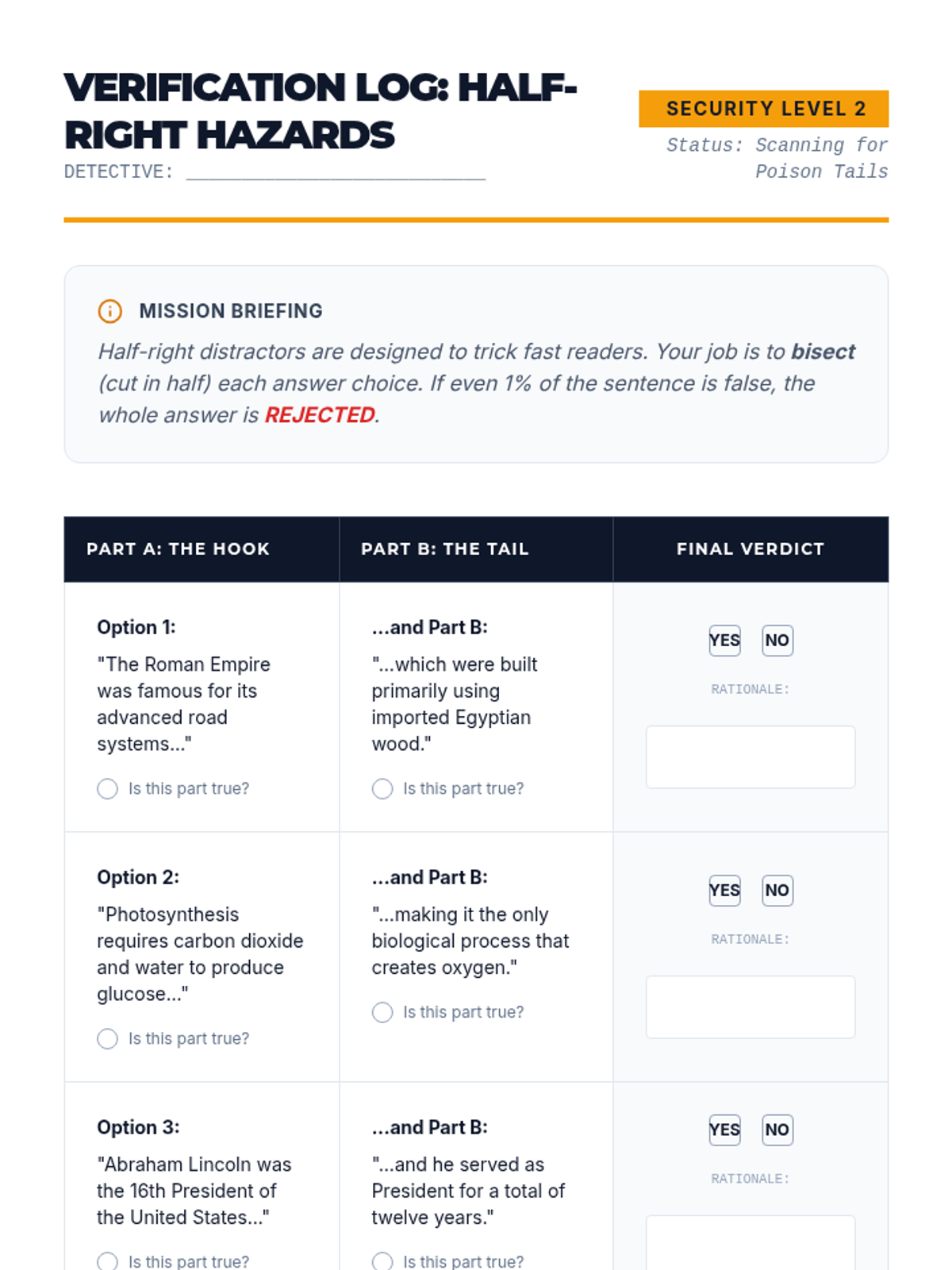
Learners analyze options that are partially correct but ultimately false. This lesson emphasizes the importance of reading every word of an answer choice to catch subtle inaccuracies.
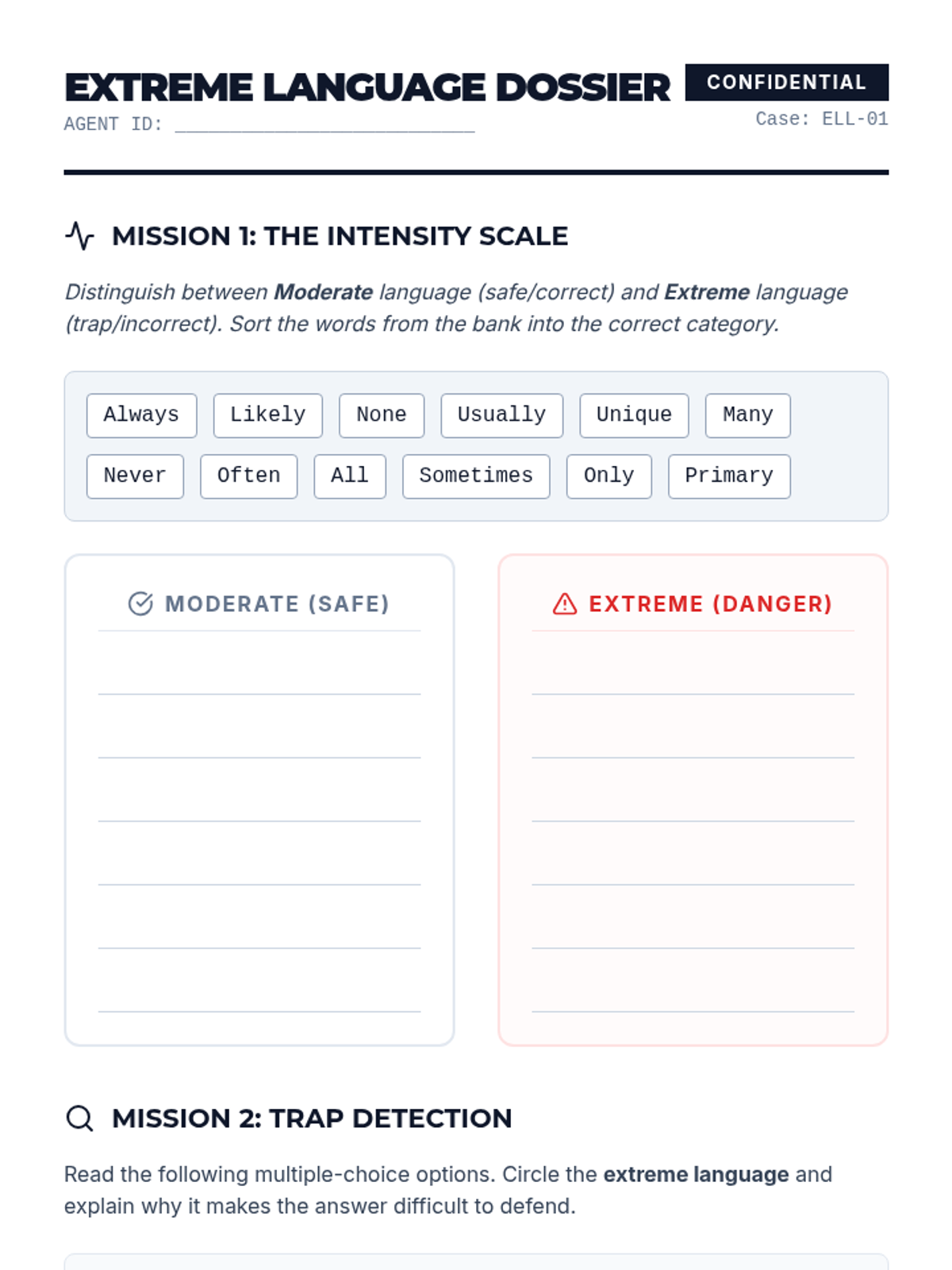
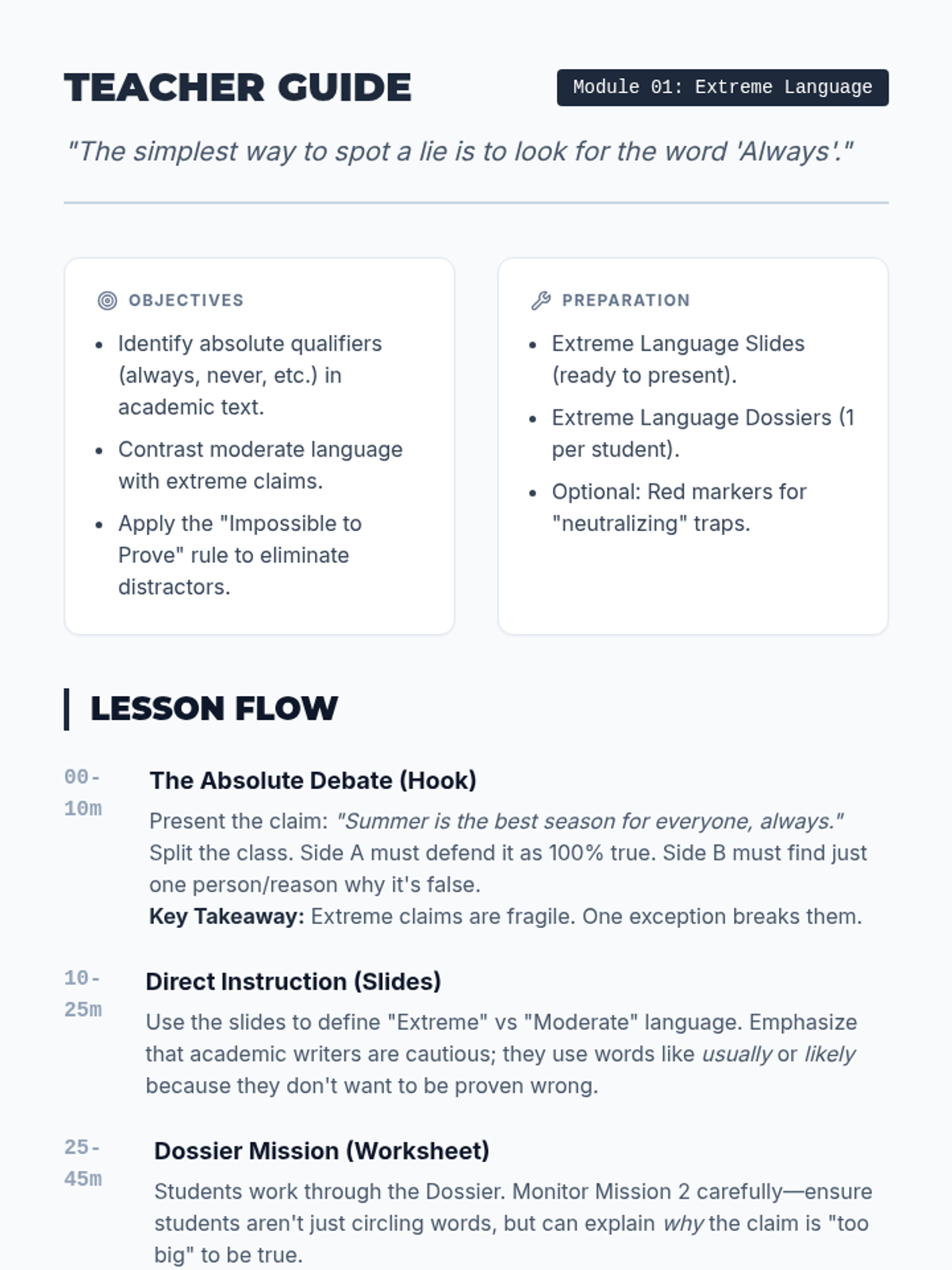
Students learn to identify absolute qualifiers like 'always' and 'never' that signal incorrect answers. They practice categorizing statements by their degree of intensity to evaluate their validity in a test context.
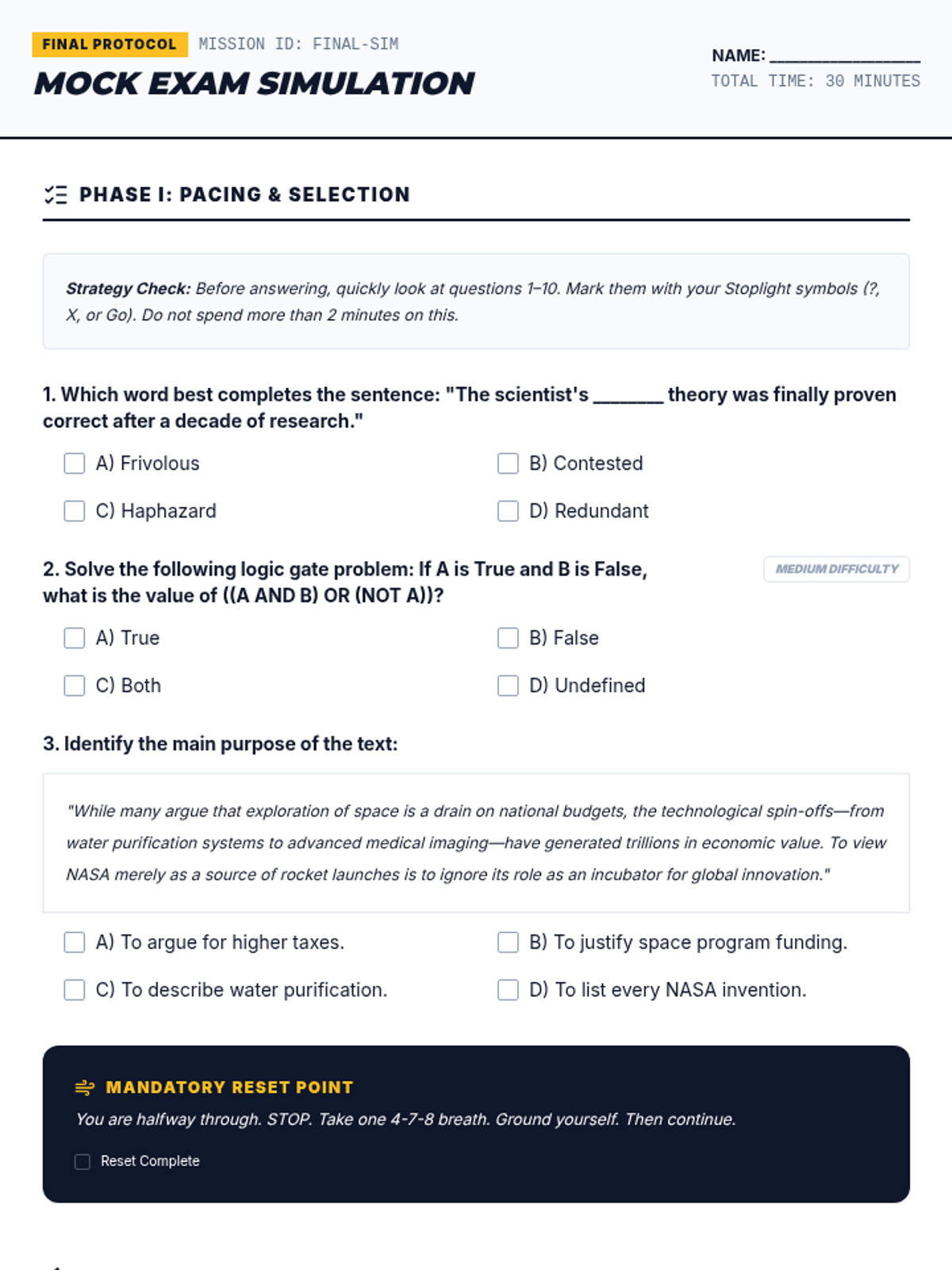
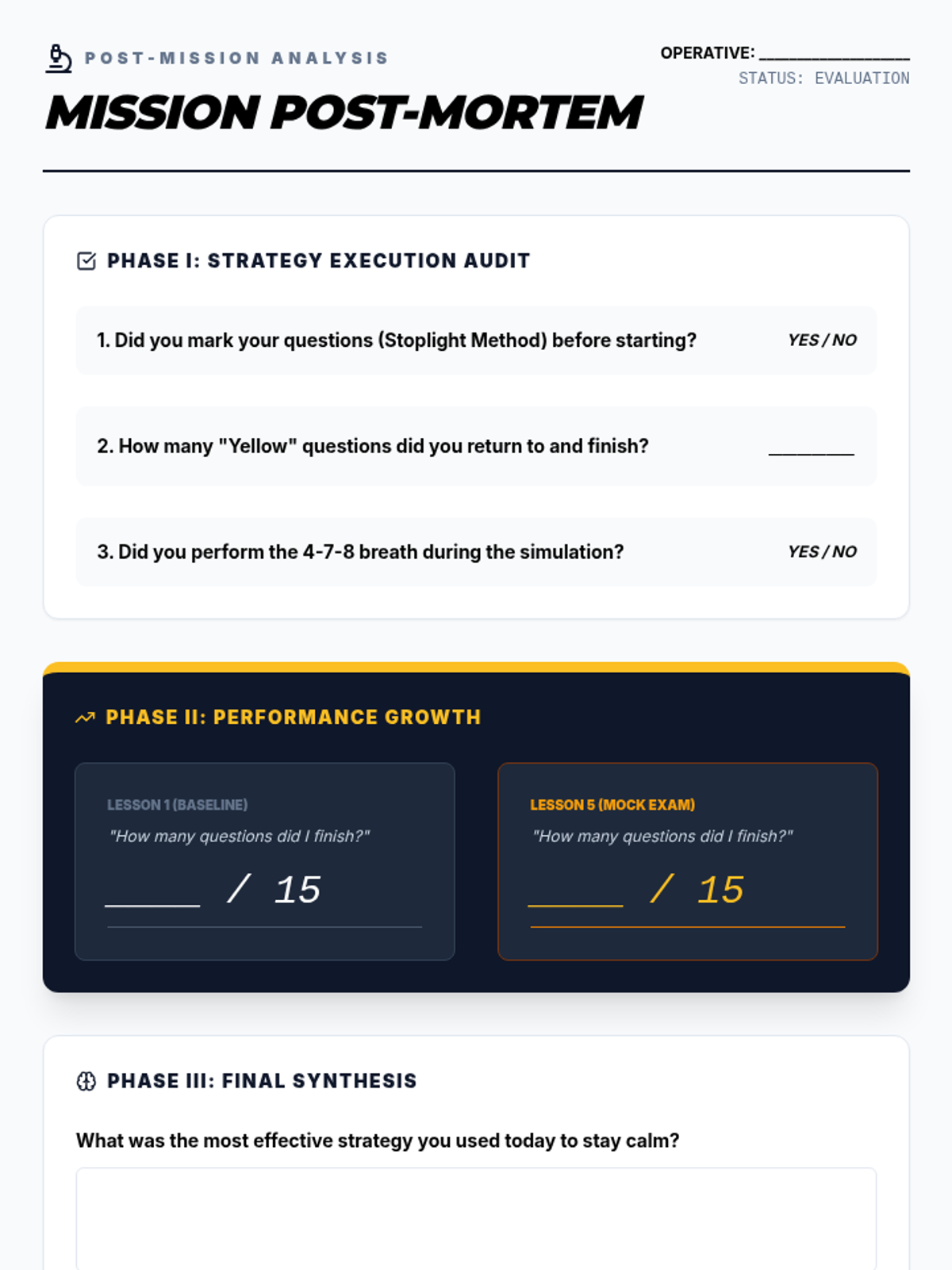
A realistic mock exam simulation followed by a deep-dive analysis of strategy application and pacing performance.
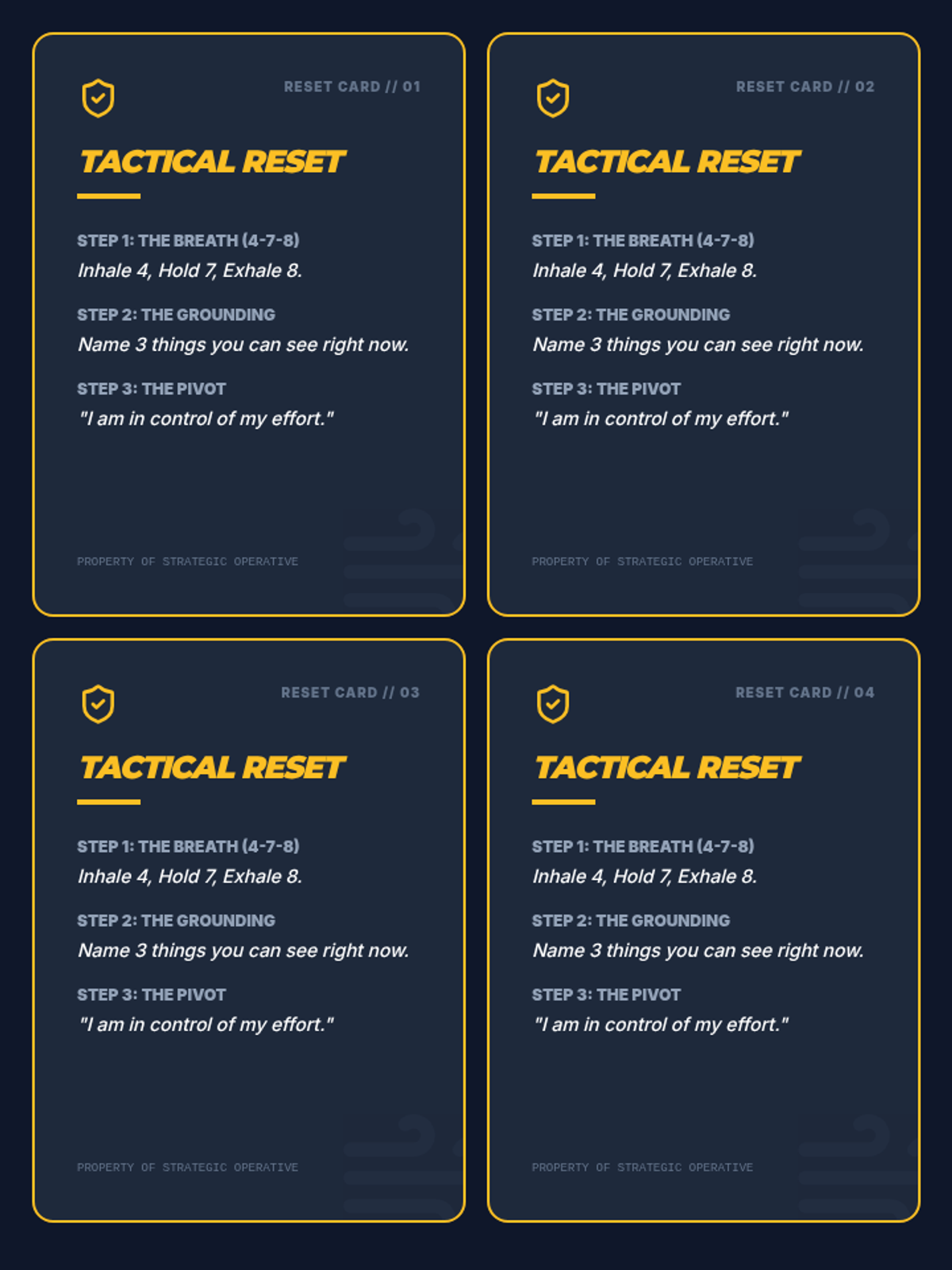
Focuses on physical and mental reset techniques to manage testing anxiety and maintain focus during high-pressure environments.
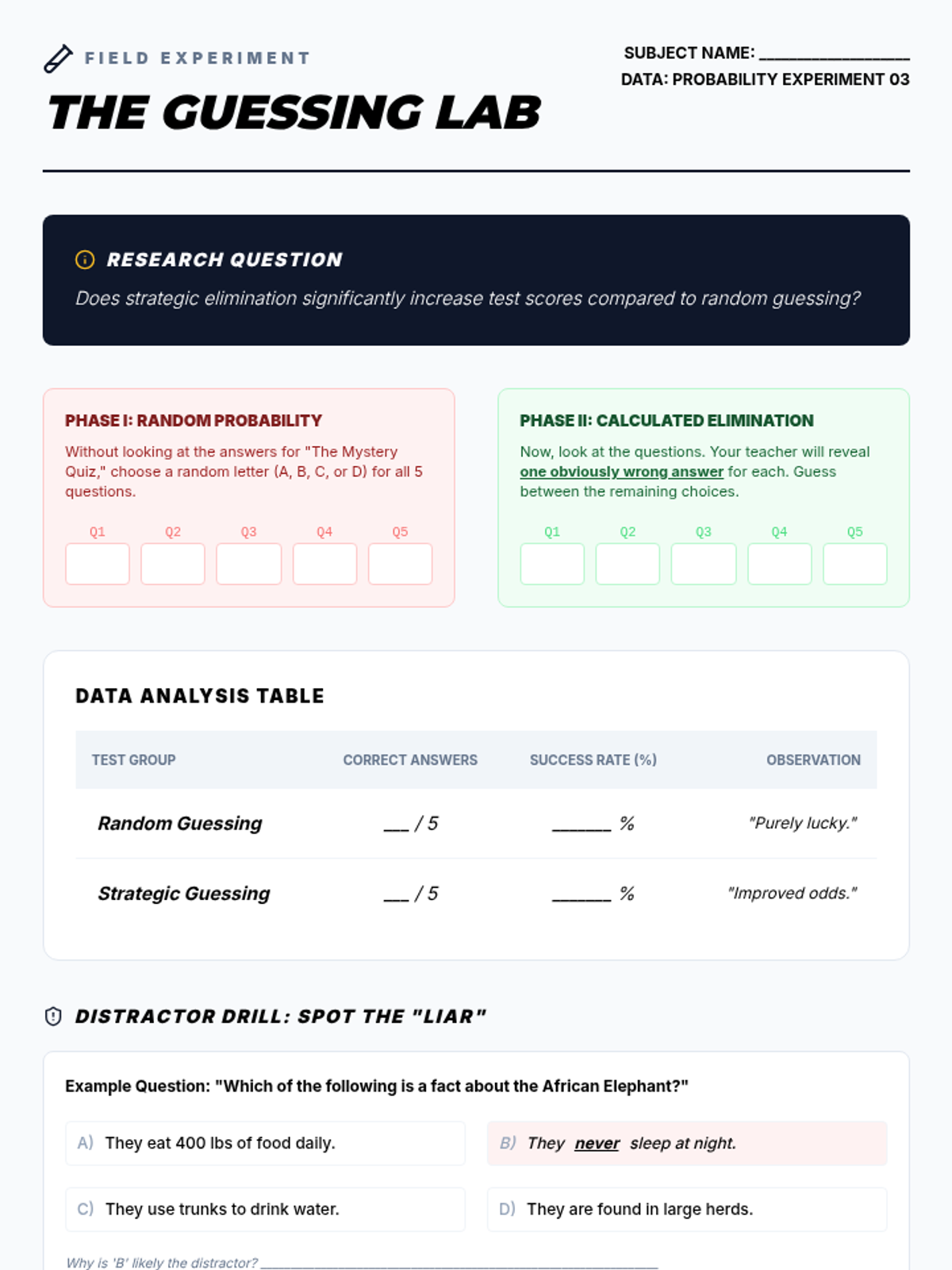
Students explore the statistics of educated guessing and practice eliminating distractors to increase their probability of success.
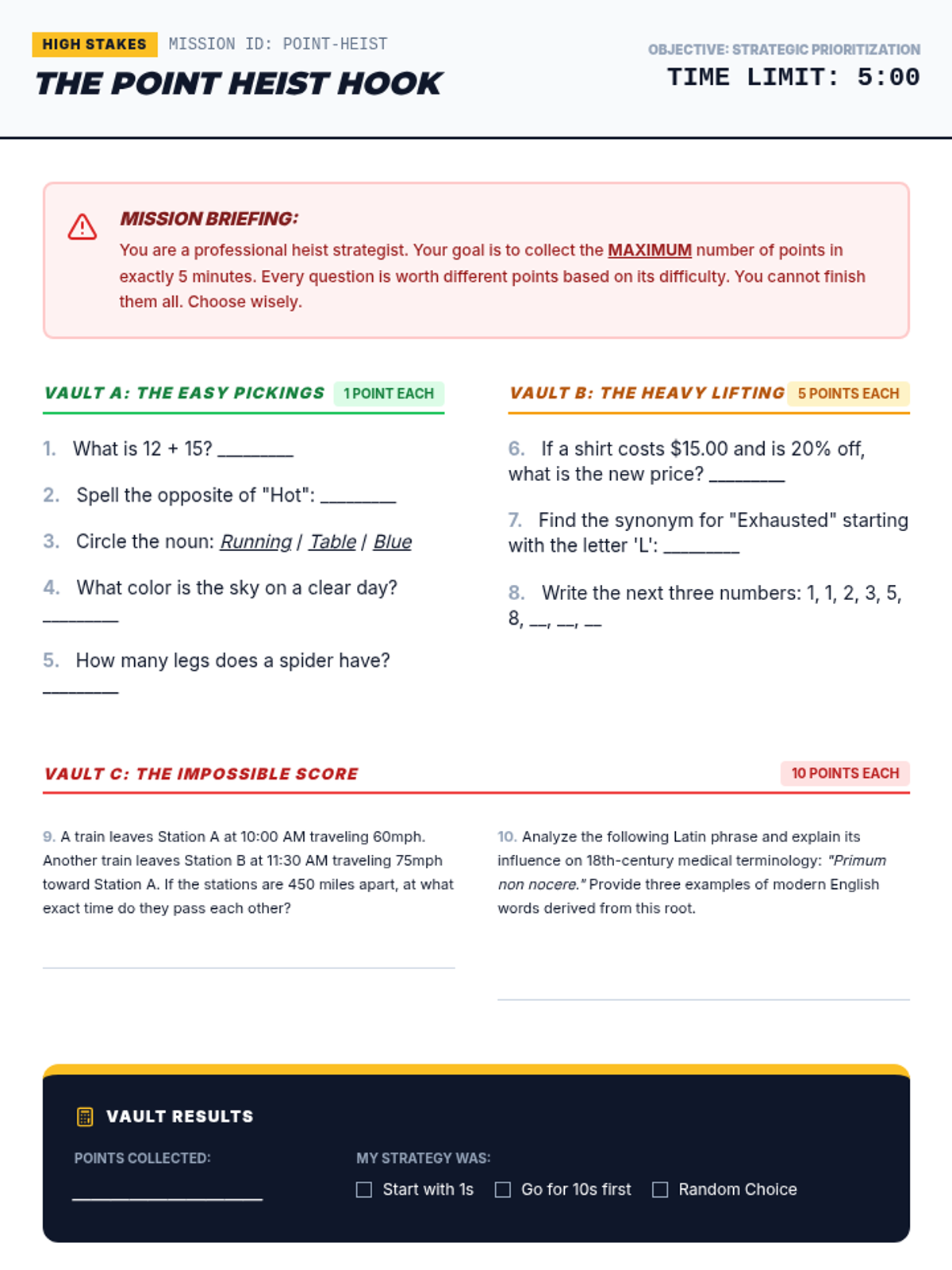
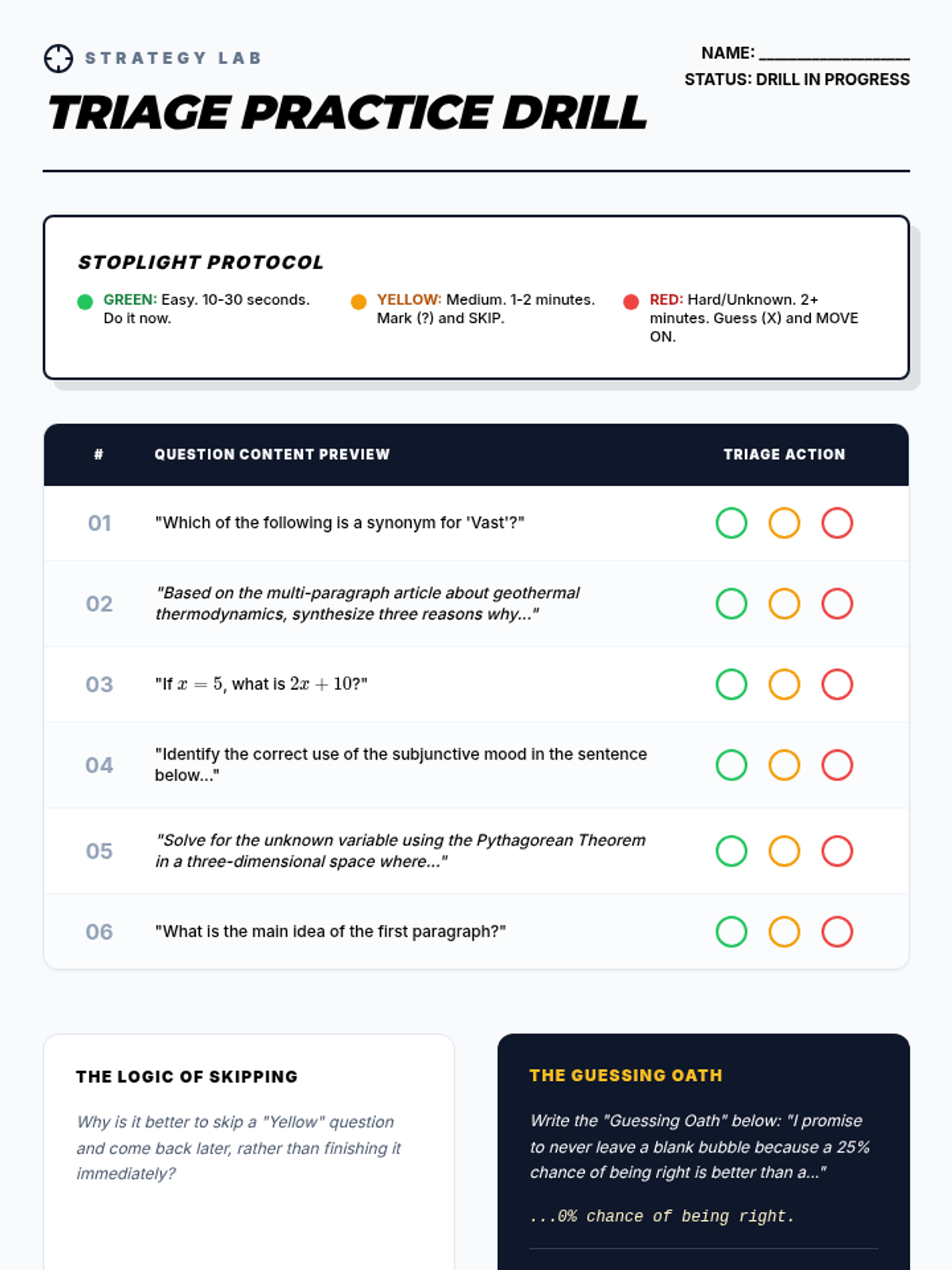
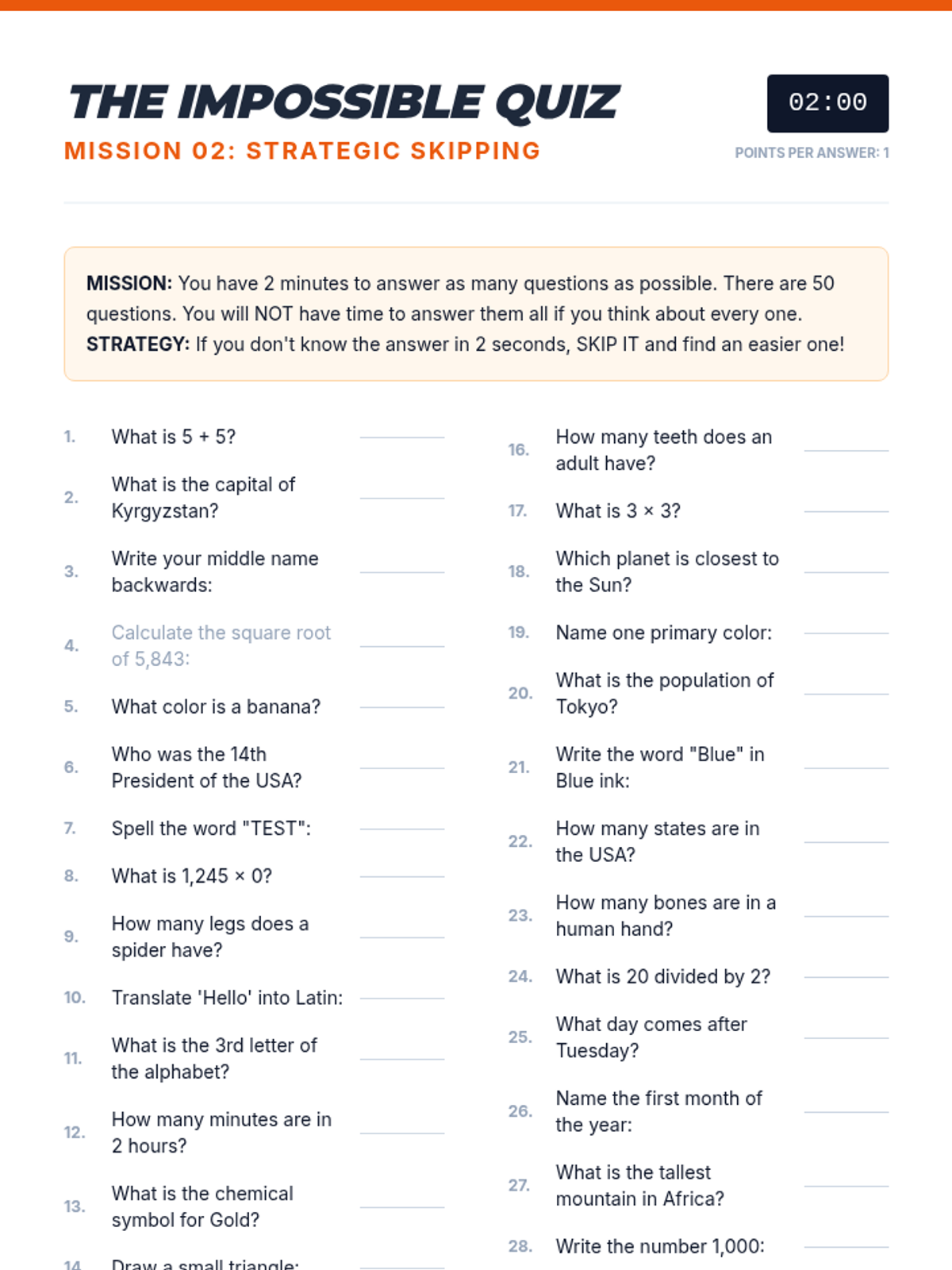
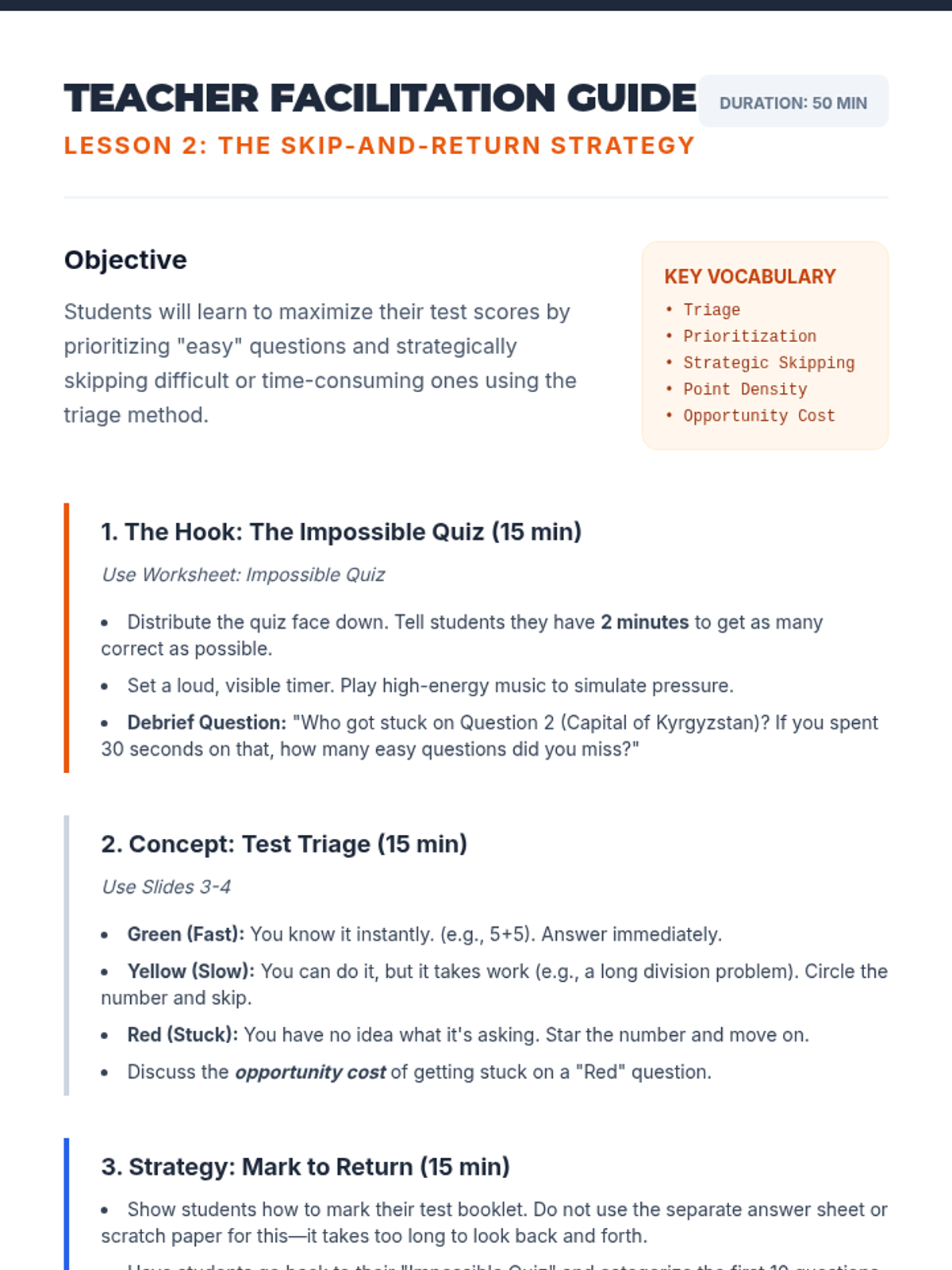
Learners master the 'Triage' method to prioritize easy questions and strategically skip difficult ones to maximize score potential.
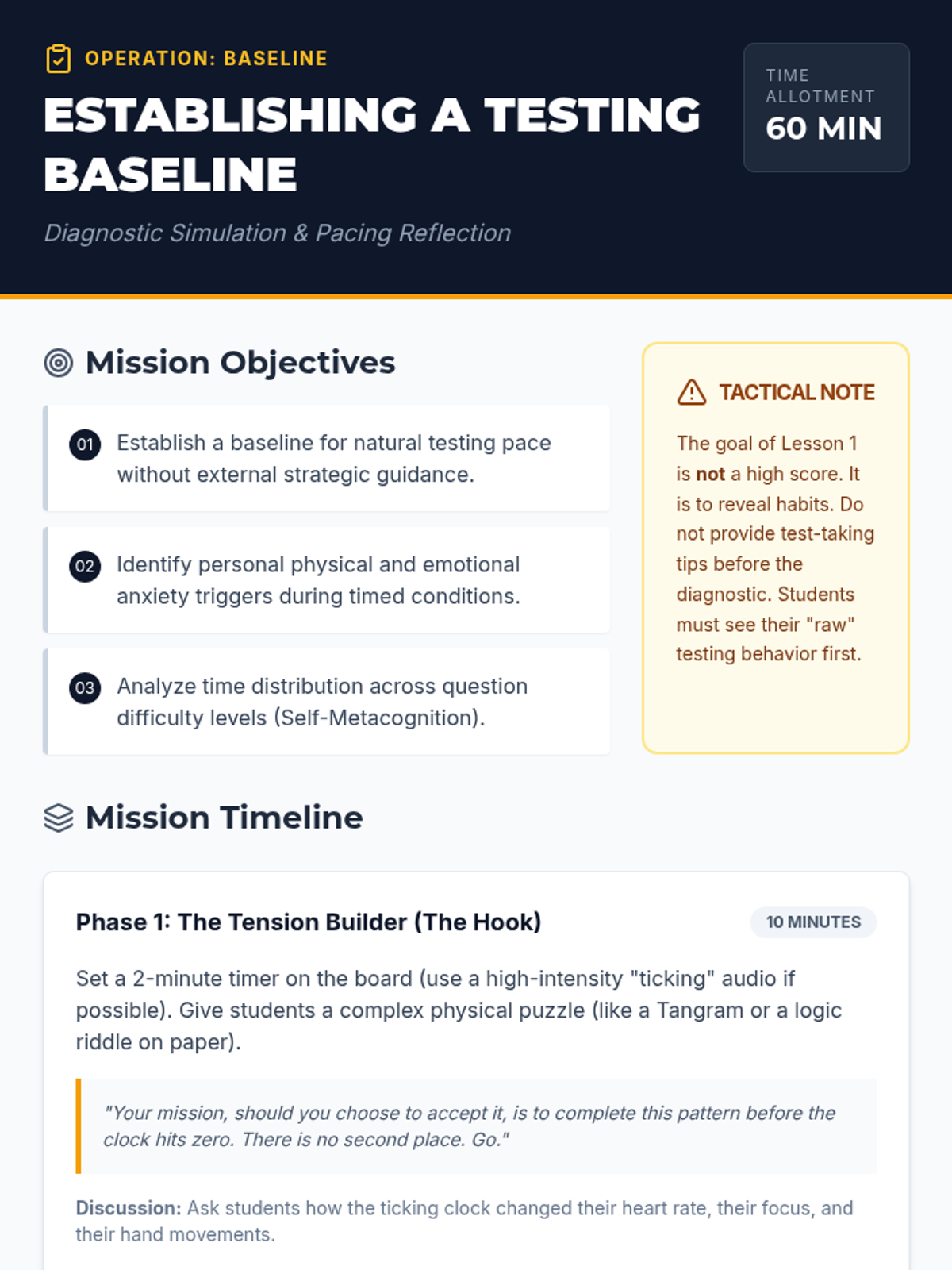
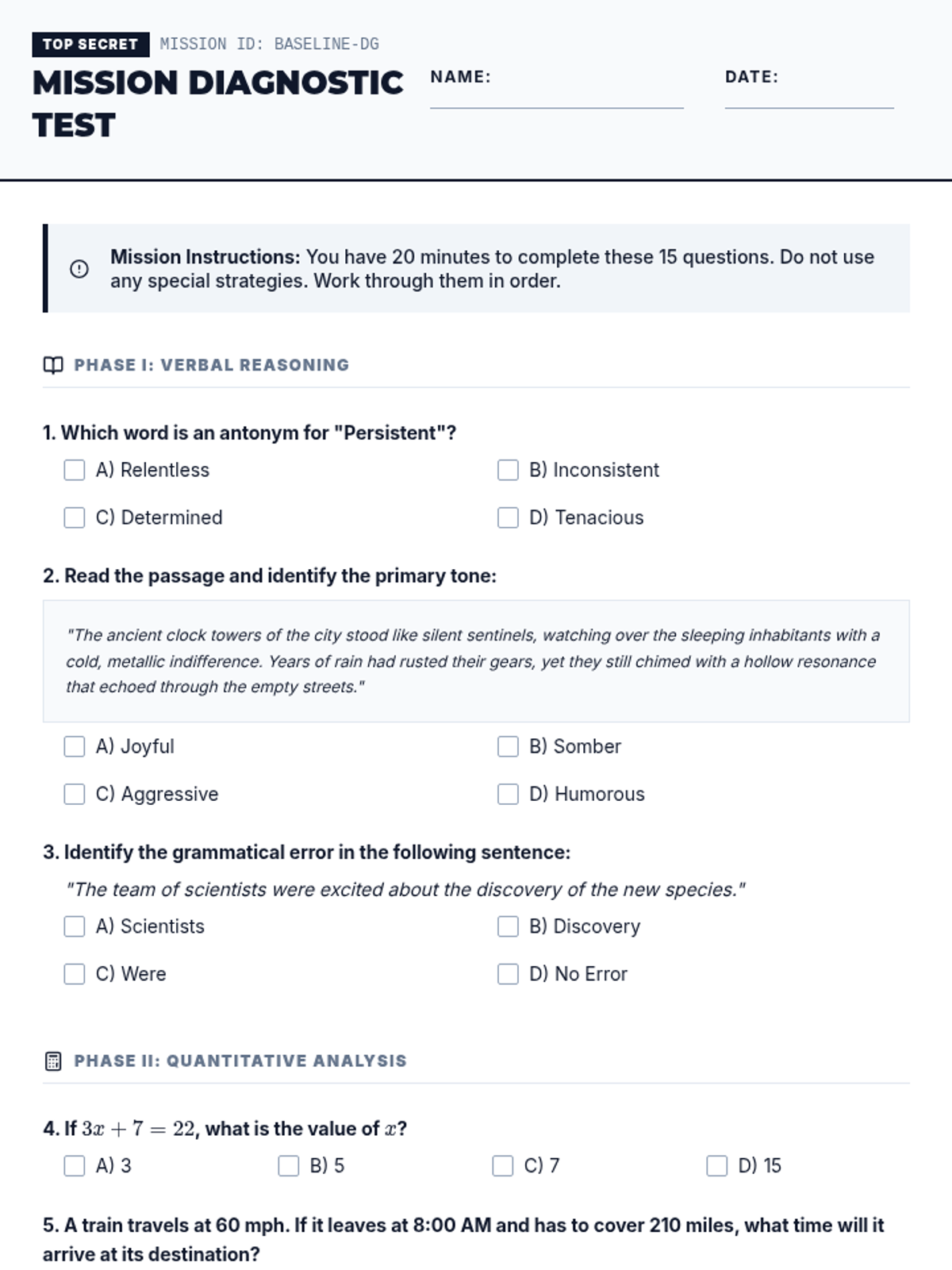
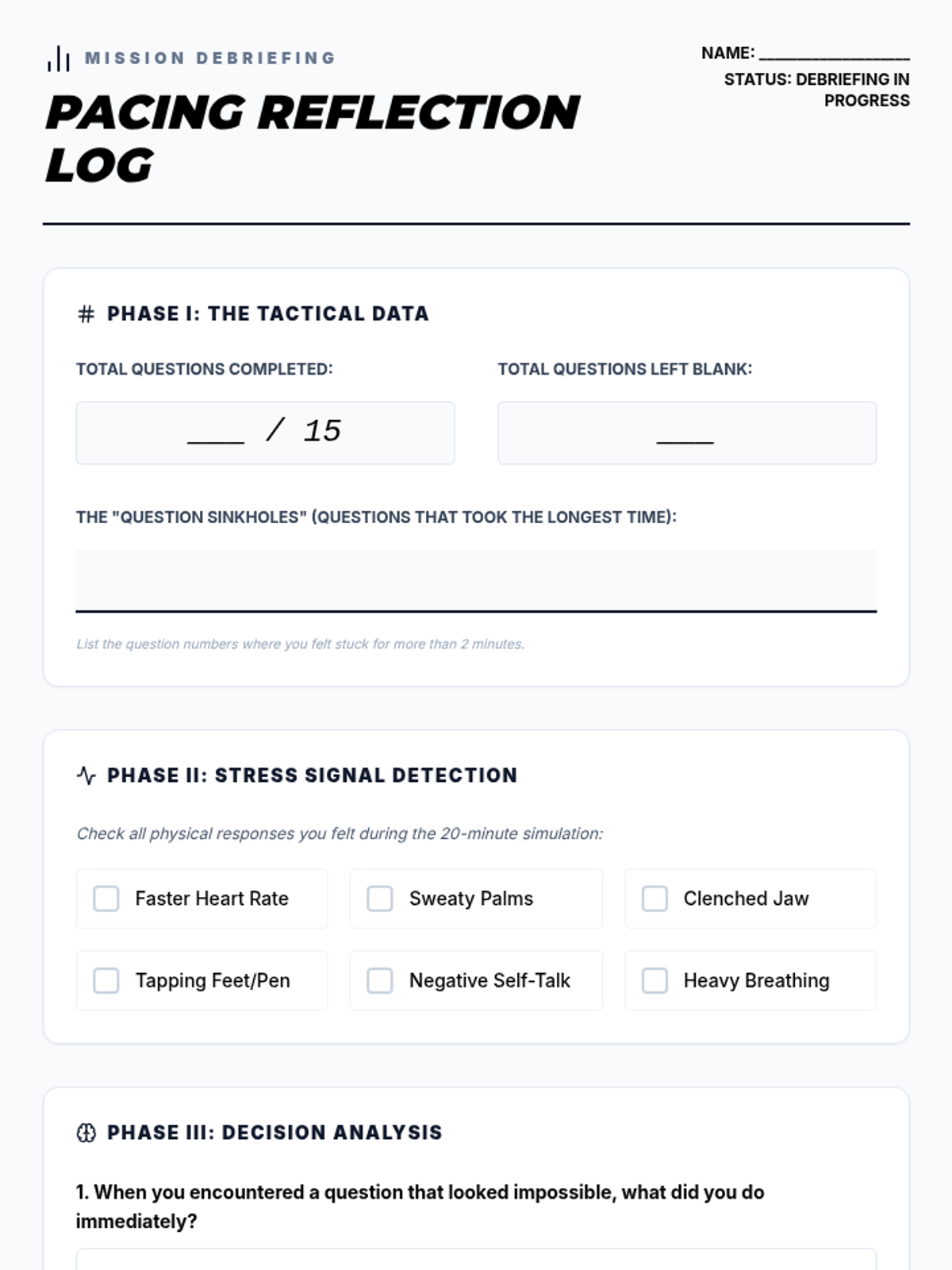
Students establish their natural testing rhythm through a diagnostic simulation and reflect on their baseline pacing and anxiety triggers.
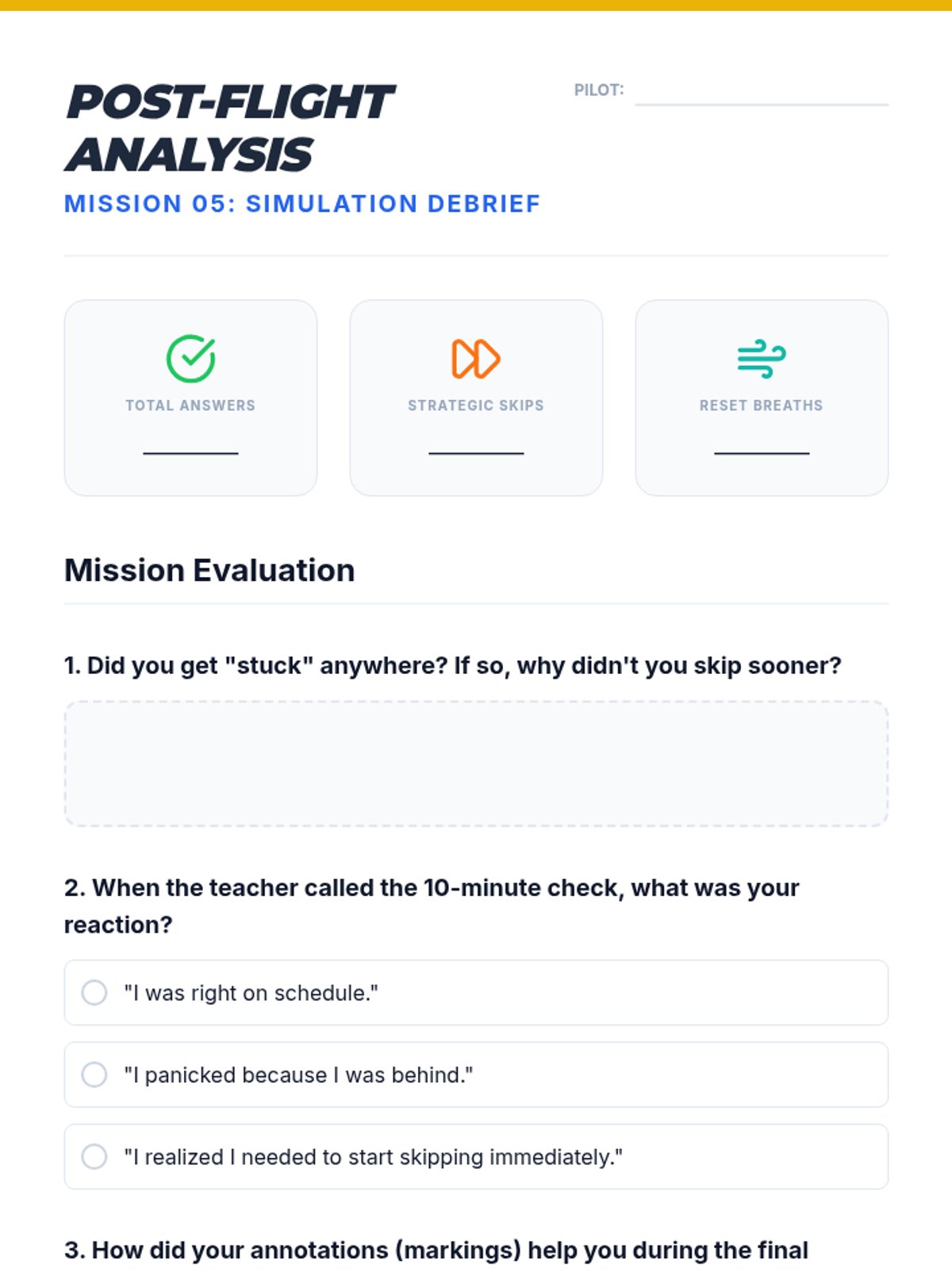
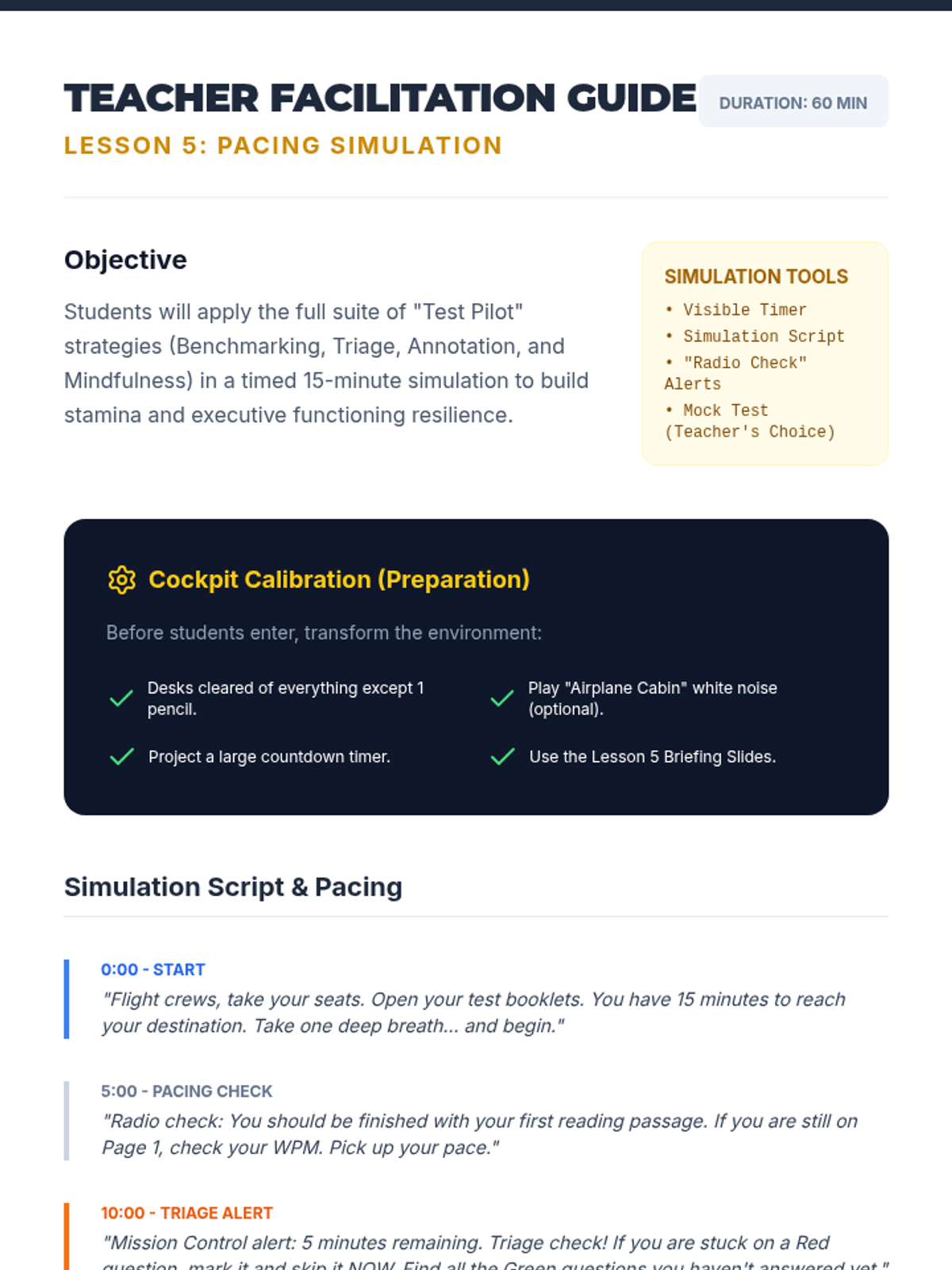
A cumulative simulation where students apply time management and emotional regulation skills in a timed testing environment, followed by a reflective debrief.
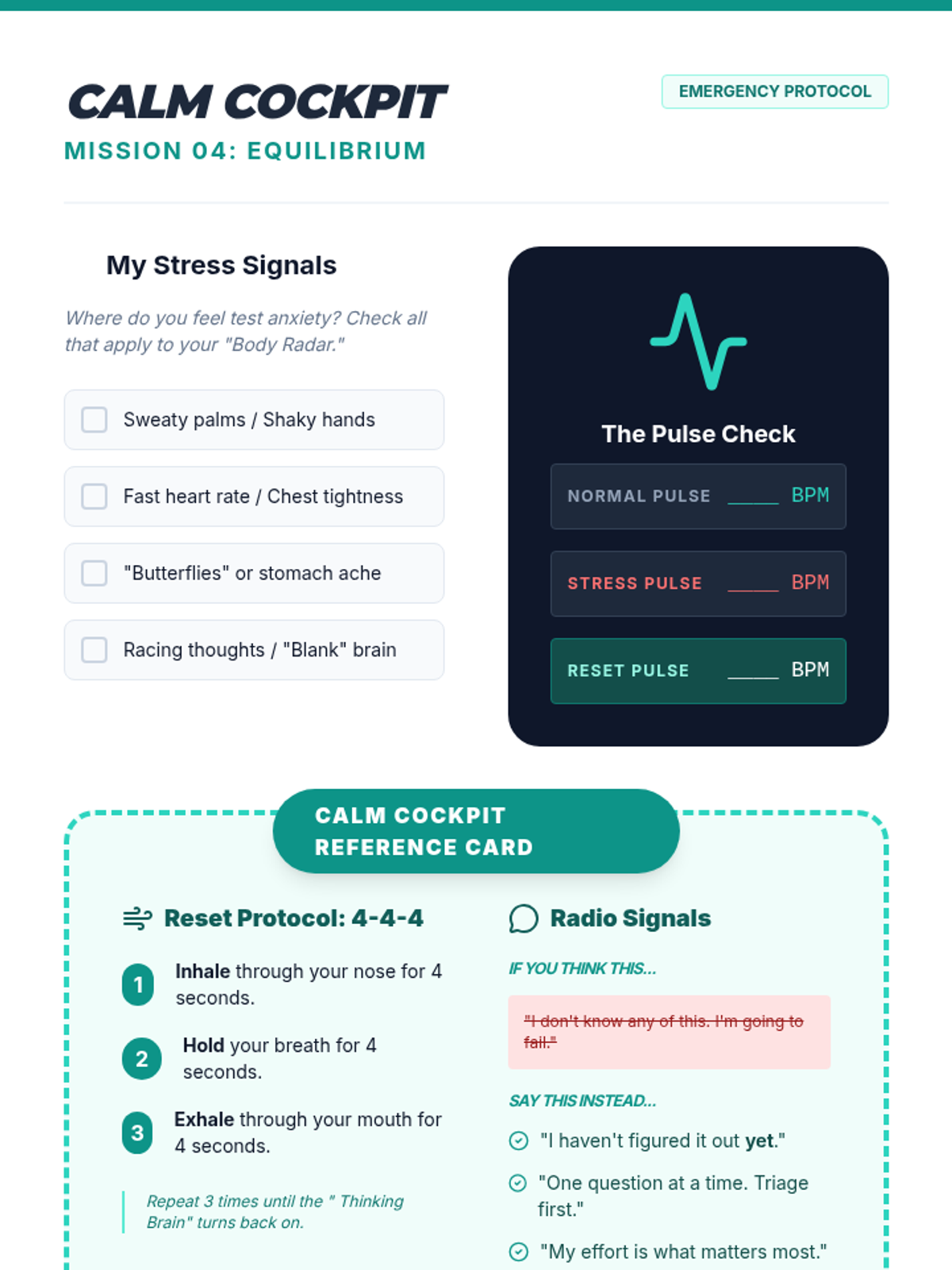
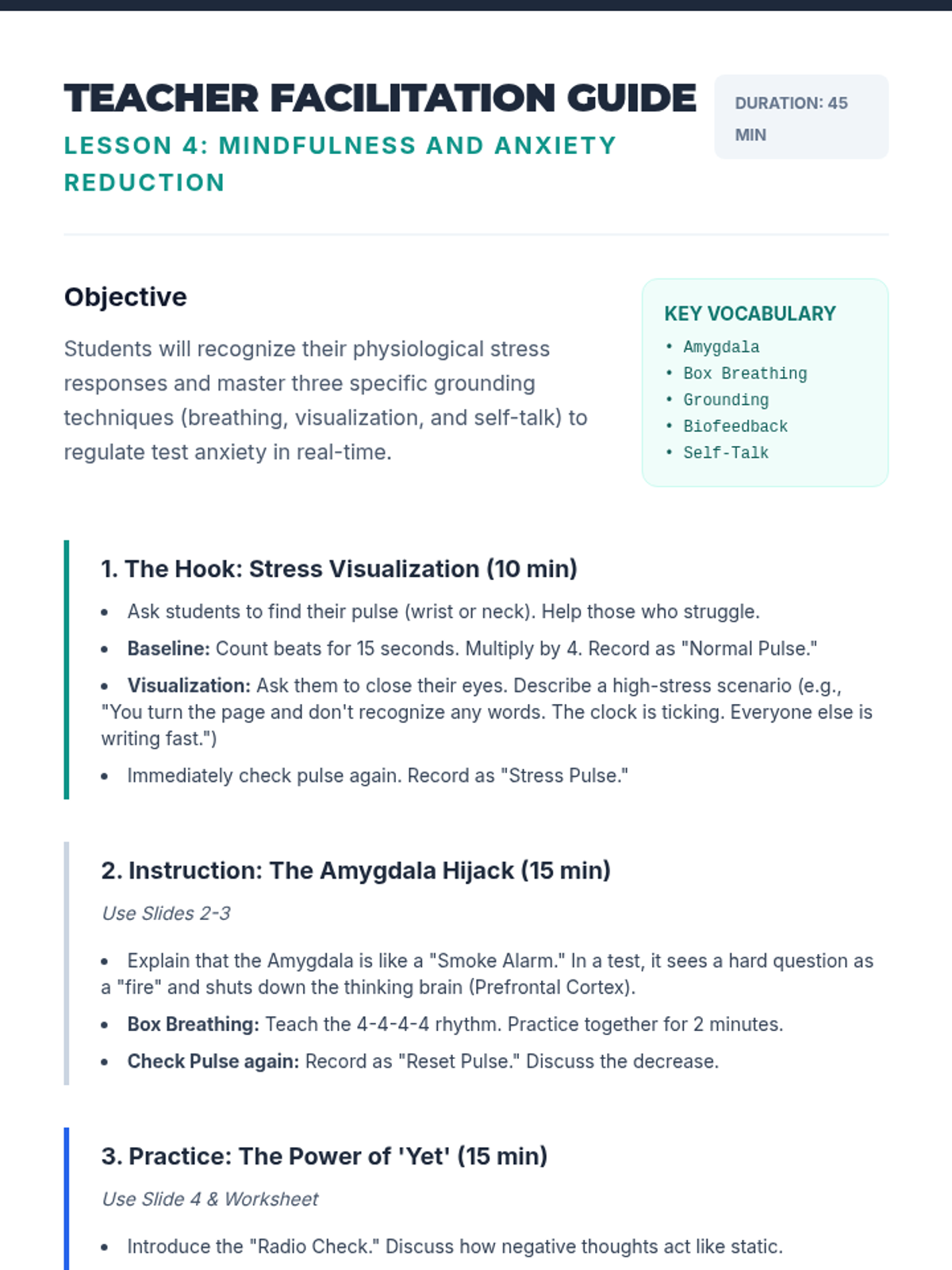
Exploring the physical and mental effects of test anxiety and learning grounding techniques to stay calm and focused during high-stakes moments.
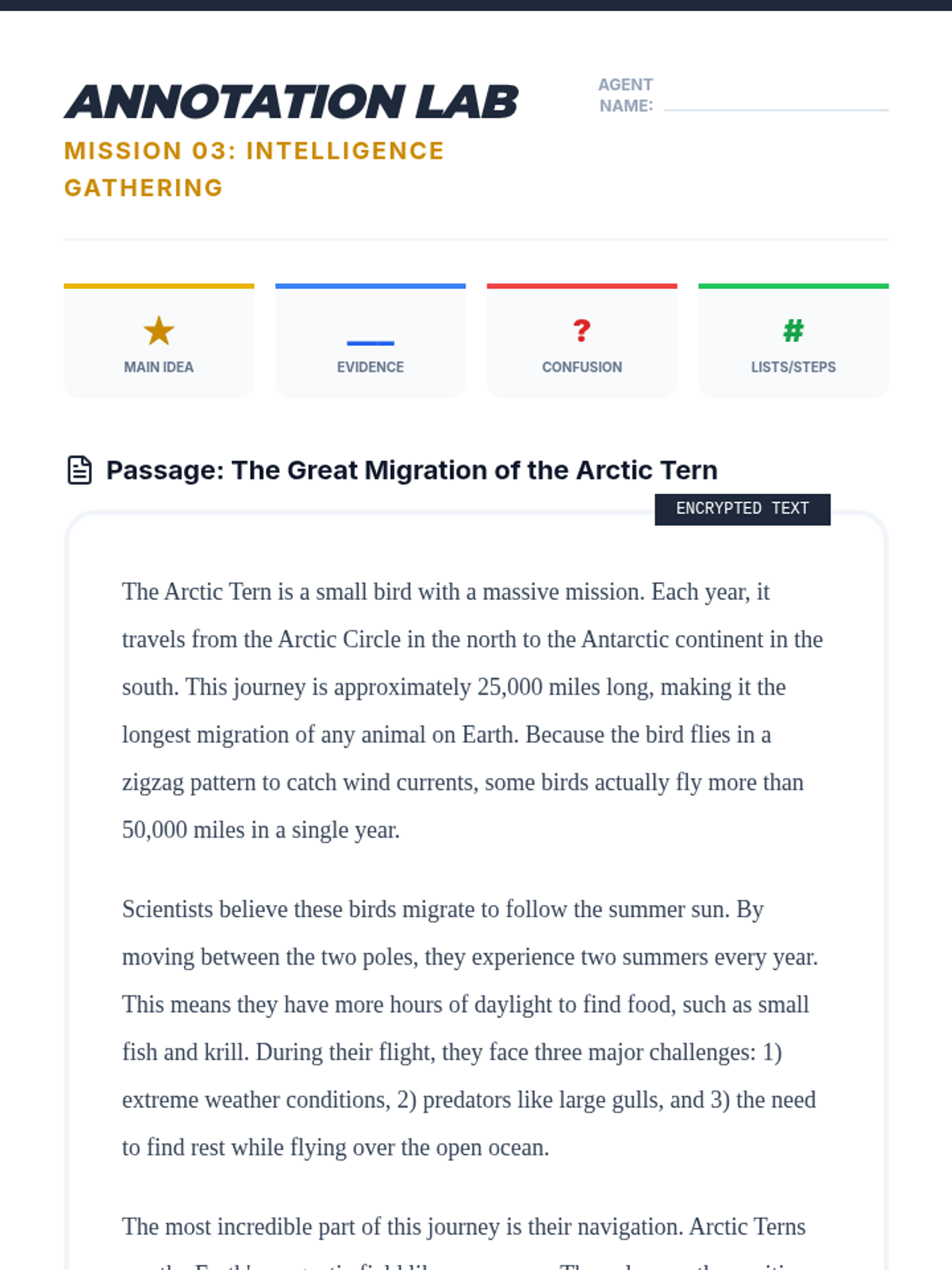
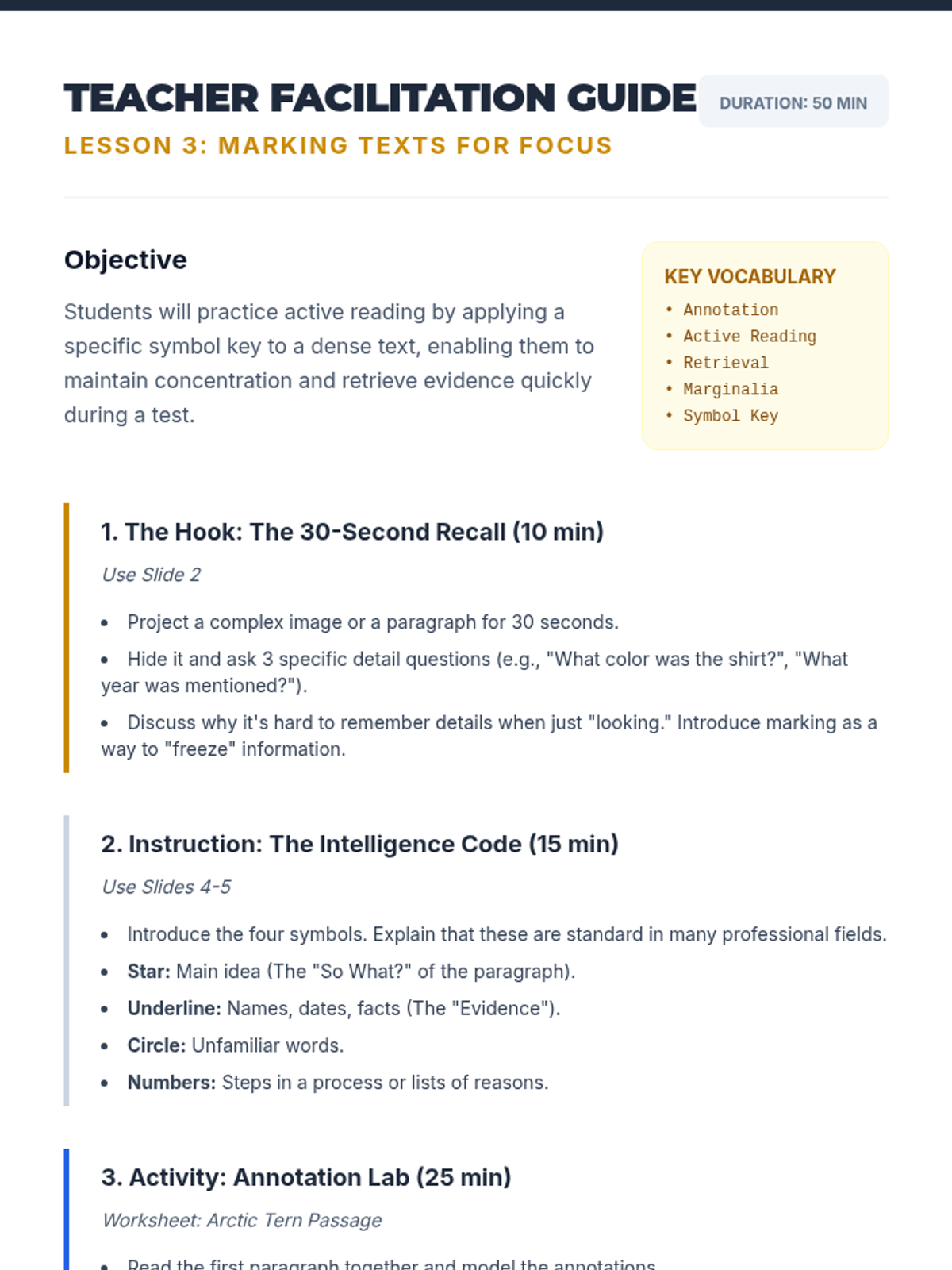
Active reading strategies for testing, focusing on specific annotation systems that help maintain focus and allow for quick evidence retrieval.
Students learn the 'triage' method for tests, identifying which questions to answer immediately and which to 'skip and return' to maximize points.
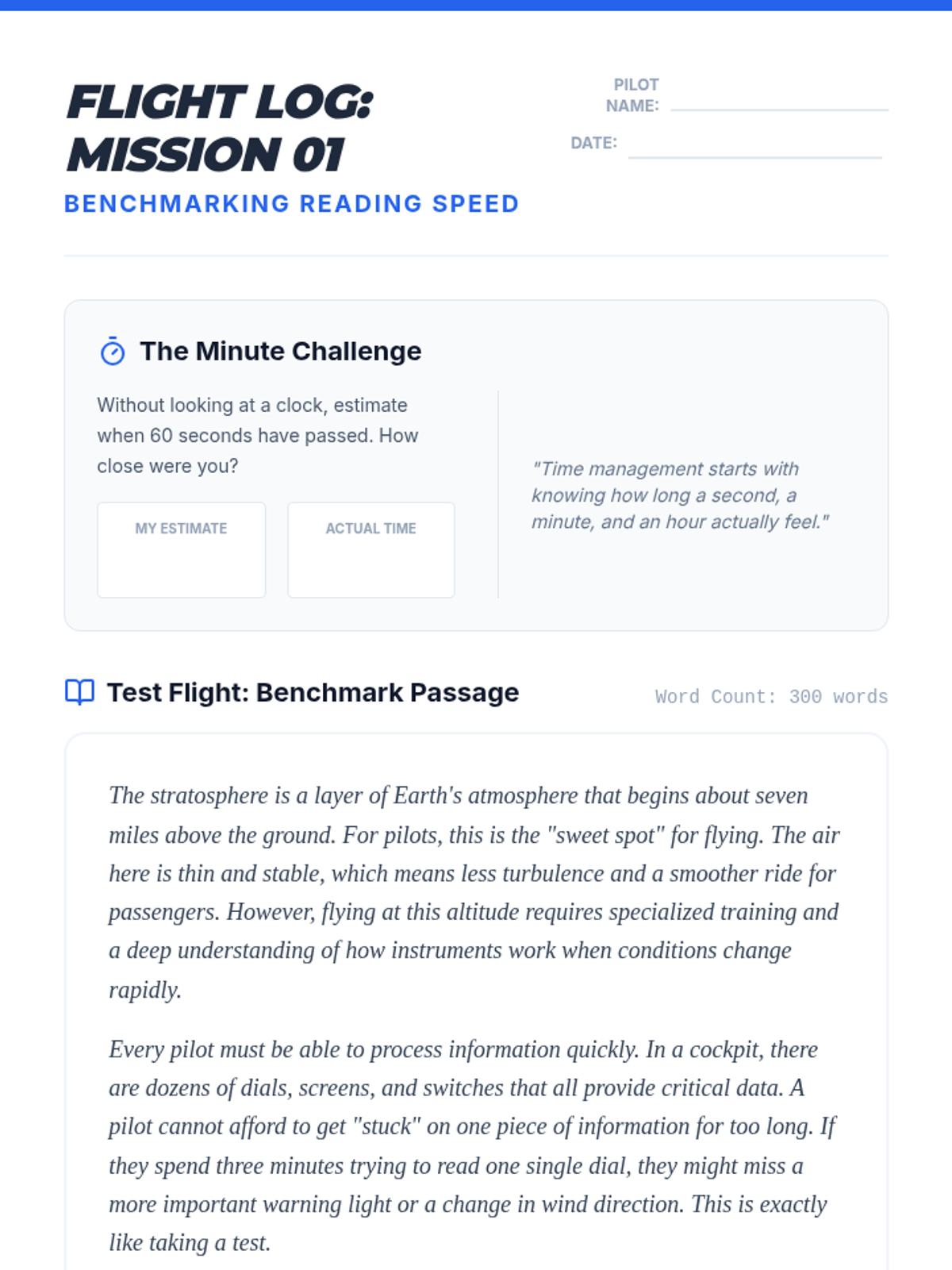
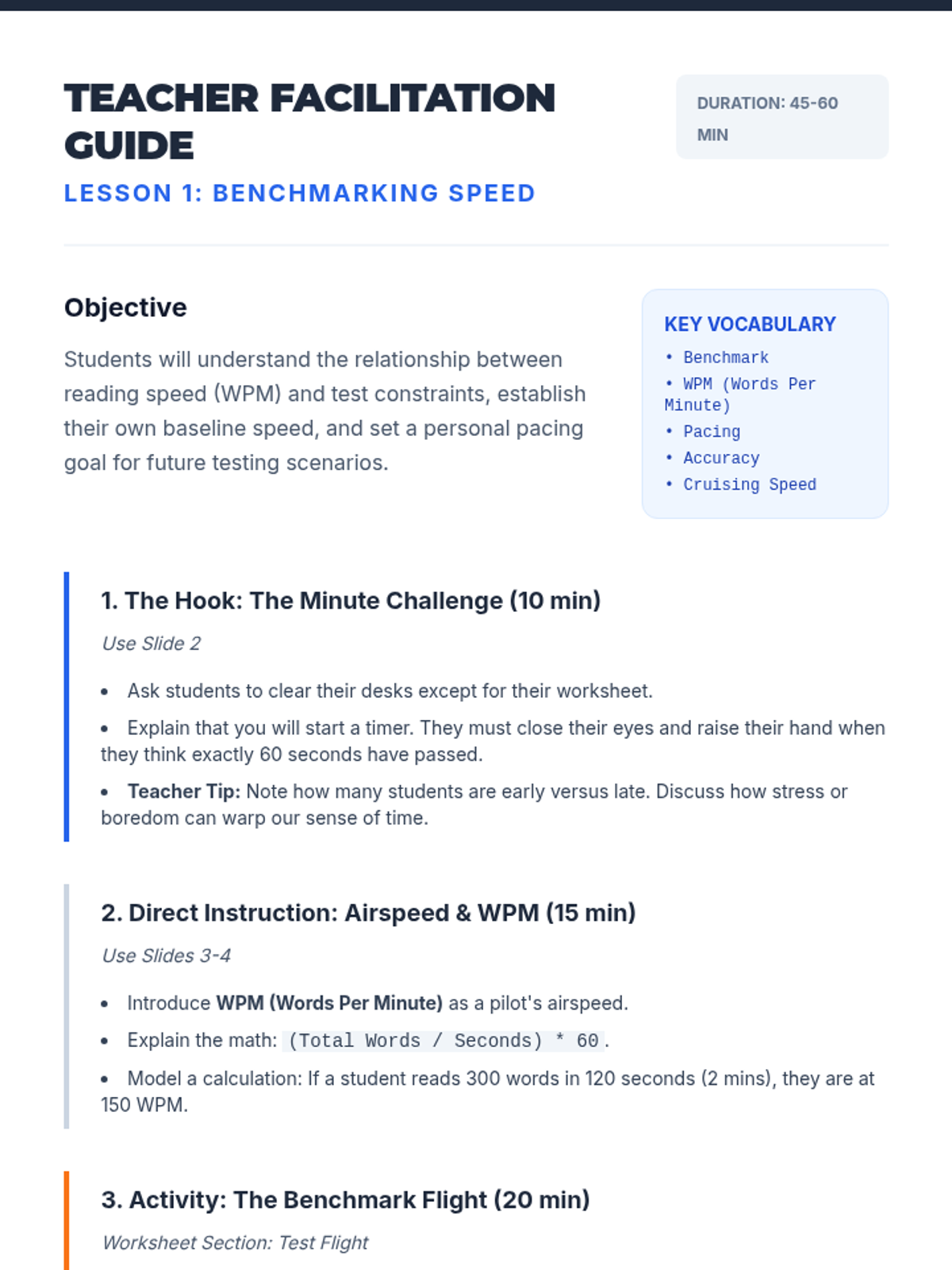
Students establish a baseline for their reading speed and understand how it relates to test time constraints. They learn to calculate Words Per Minute (WPM) and set realistic pacing goals.
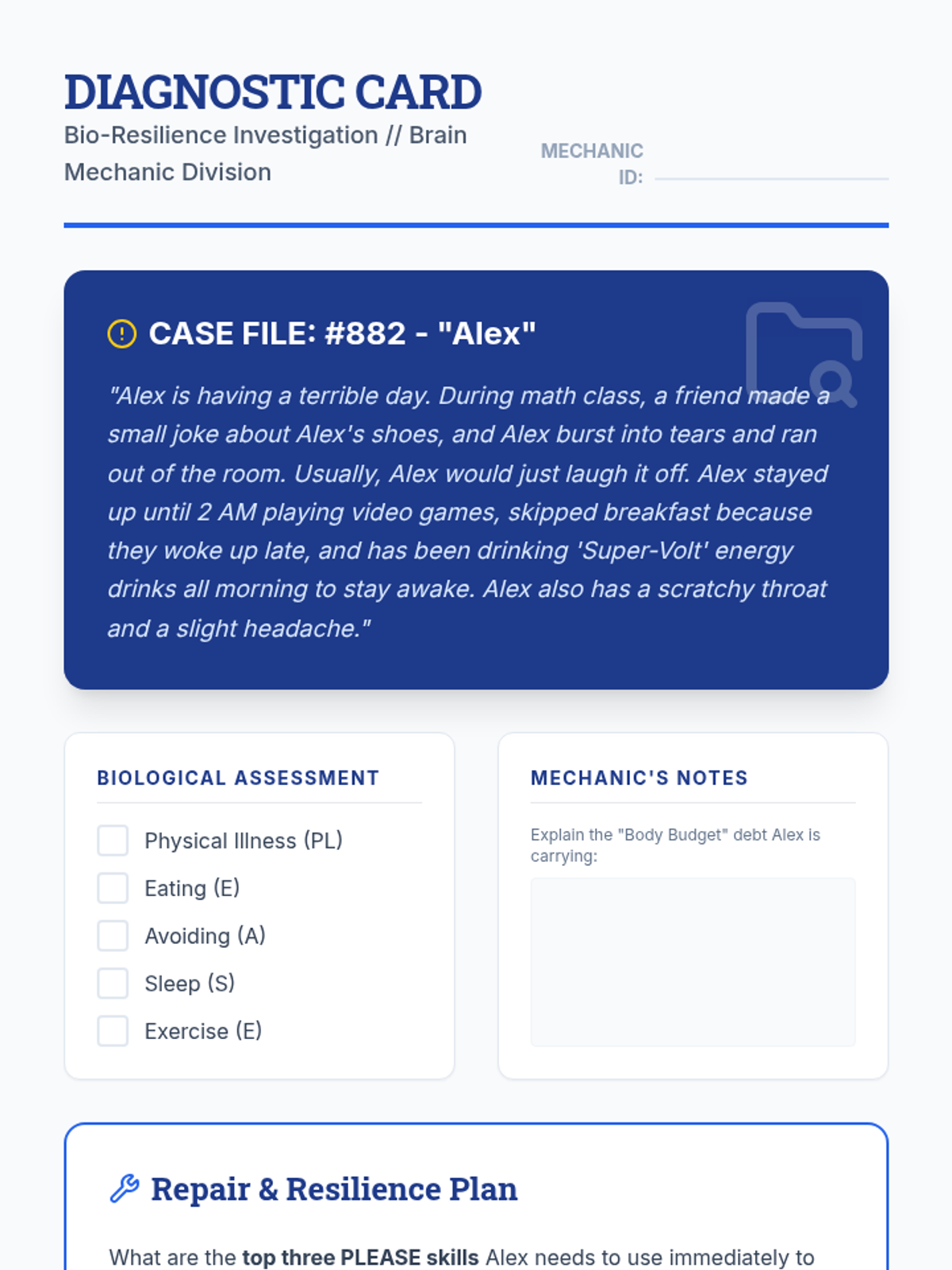
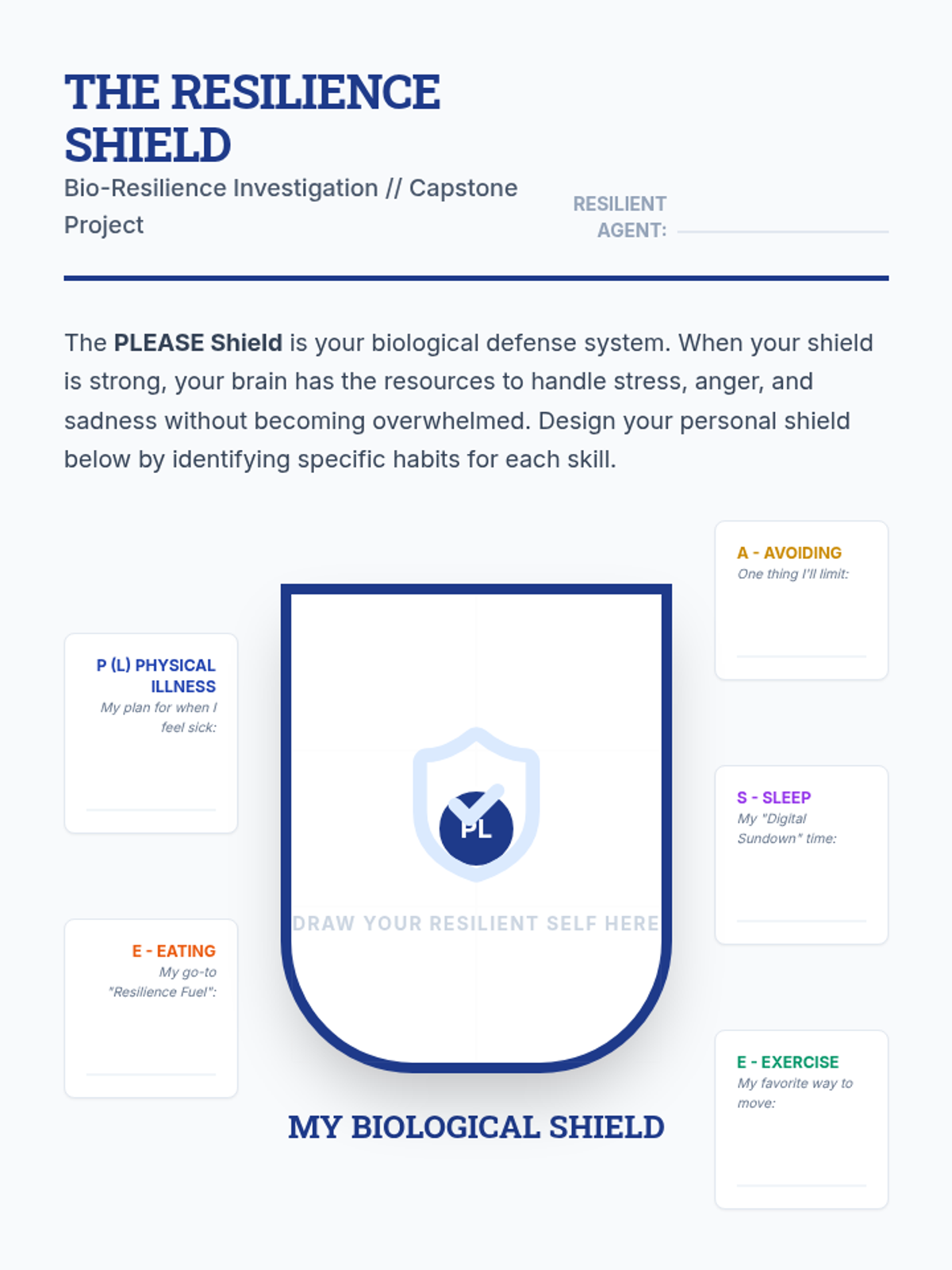
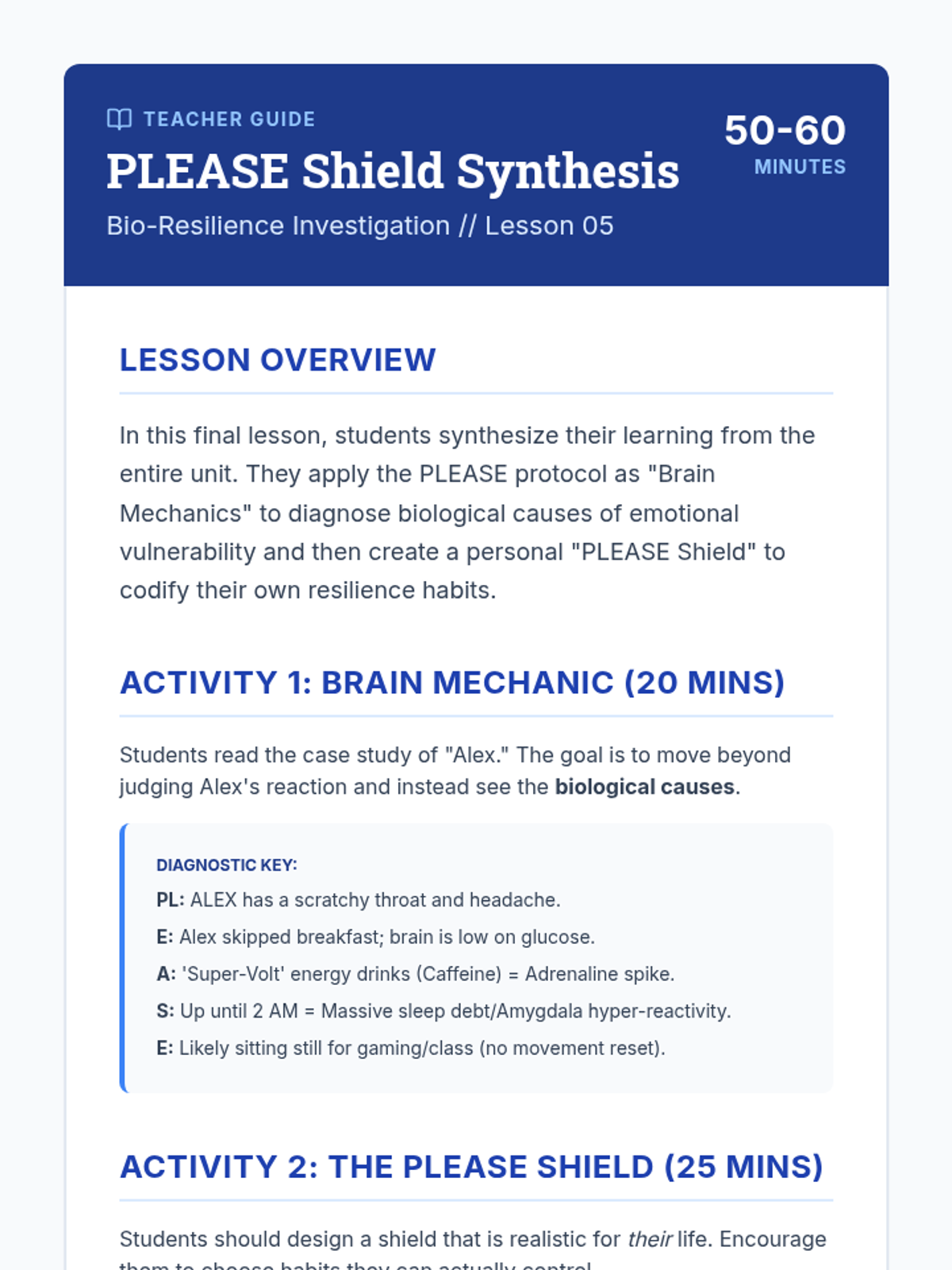
Students bring together all elements of the PLEASE protocol to create a scientific diagram and act as 'Brain Mechanics' to diagnose emotional vulnerability in fictional scenarios.
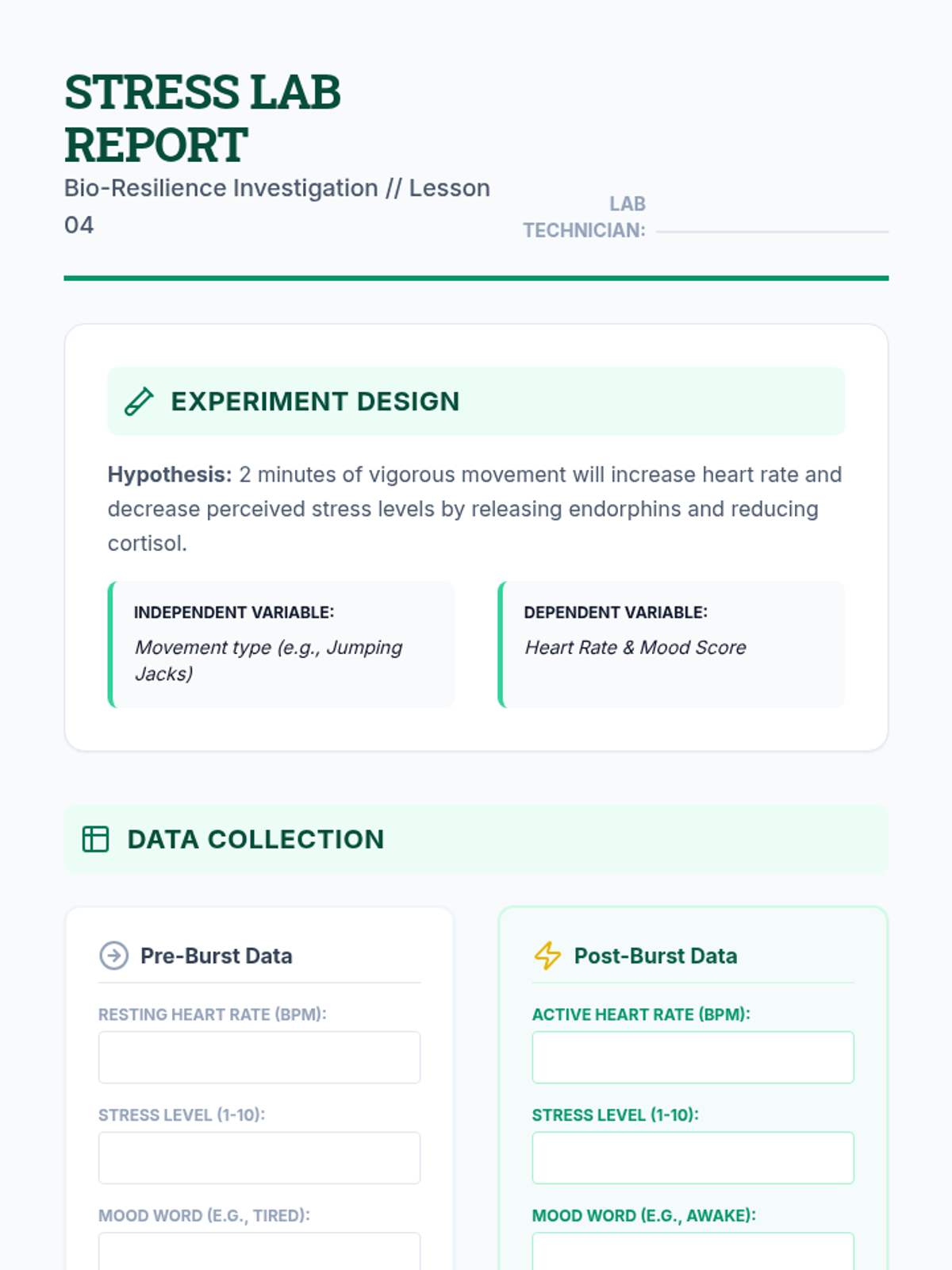
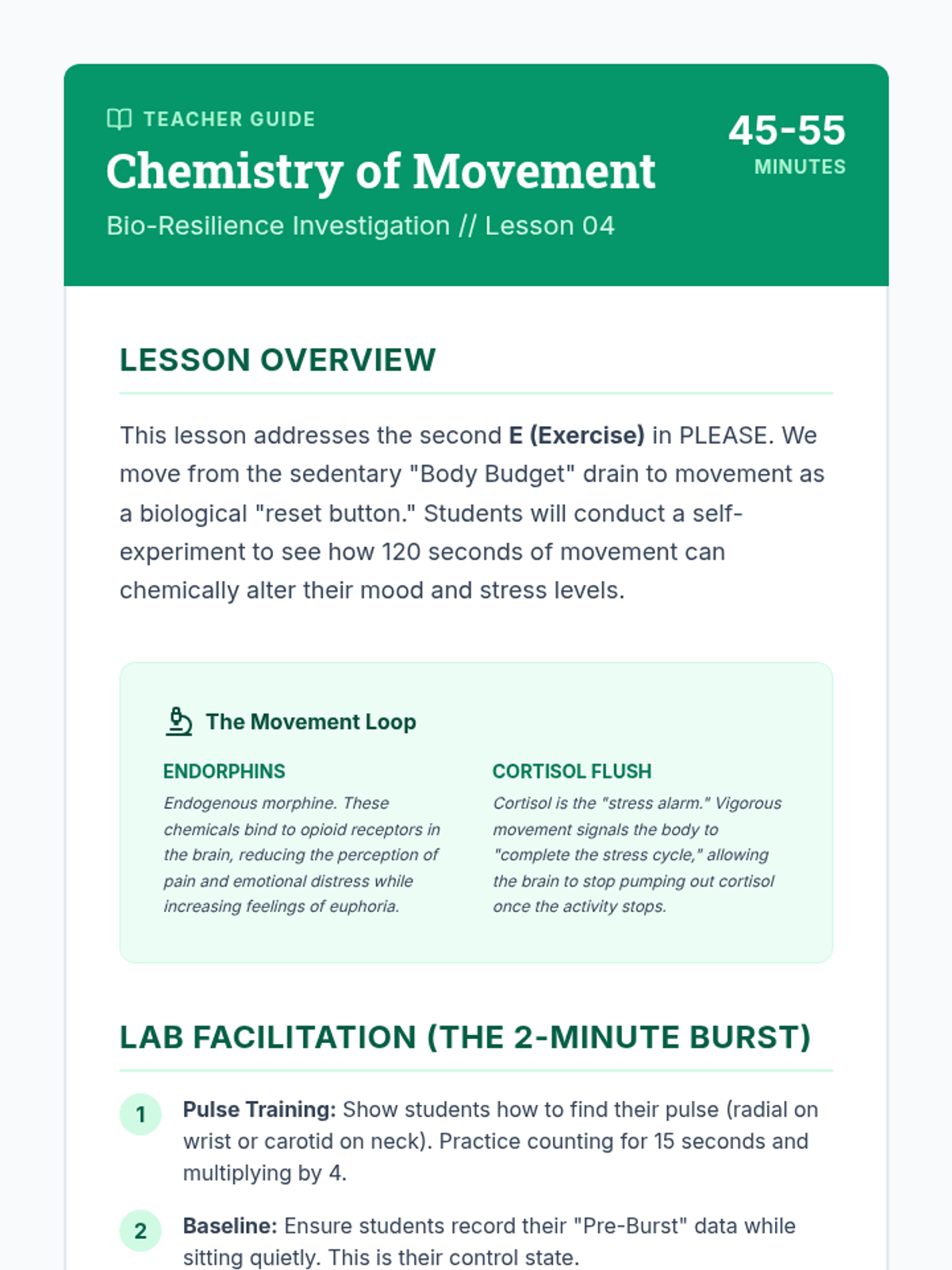
Students investigate the neurochemistry of exercise, specifically how movement releases endorphins and reduces cortisol. They test short bursts of activity to measure immediate changes in perceived stress levels.
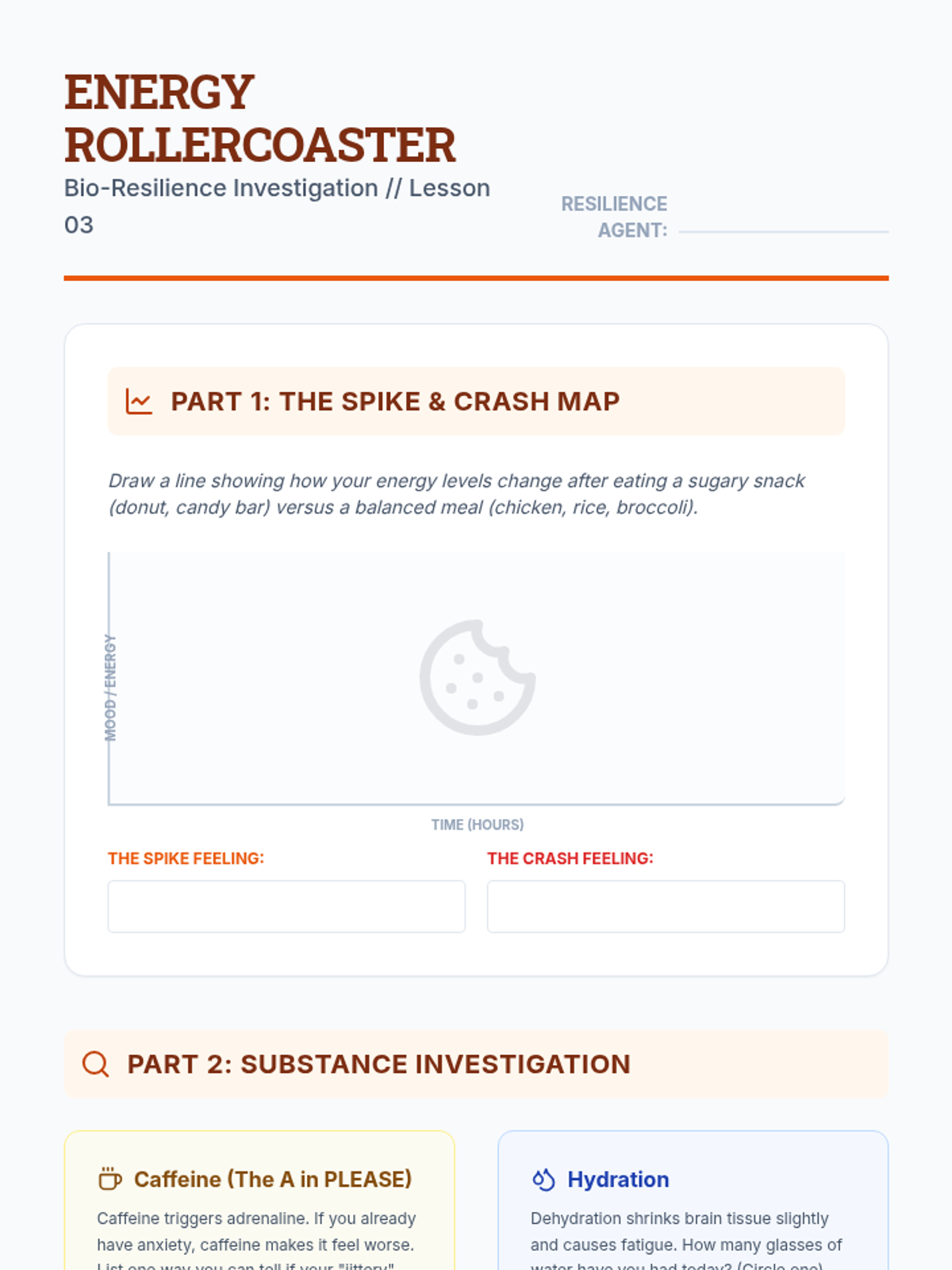
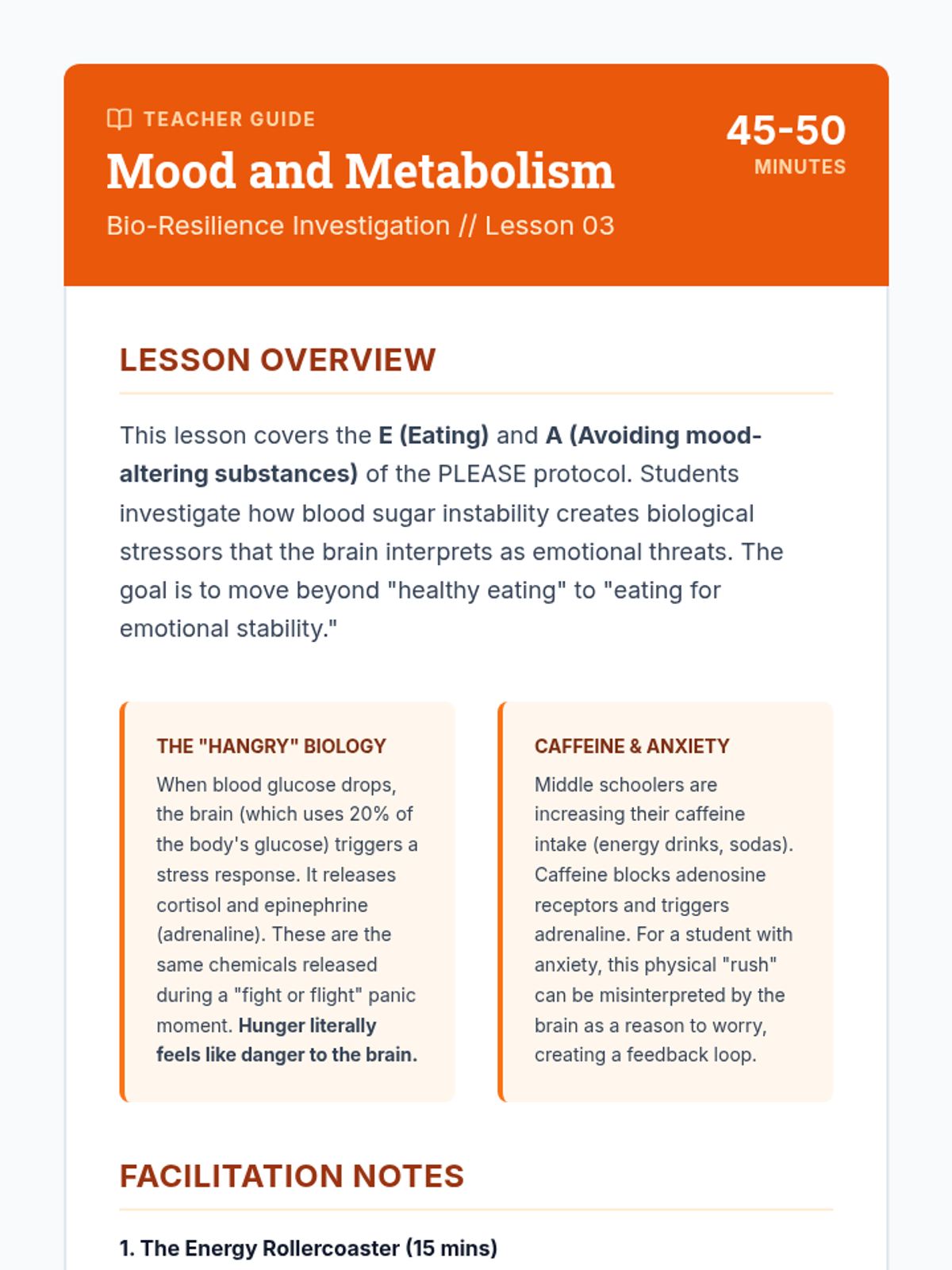
Focusing on the 'E' (Eating) and 'A' (Avoiding) parts of PLEASE, students explore how blood sugar spikes and caffeine crashes mimic anxiety and irritability.
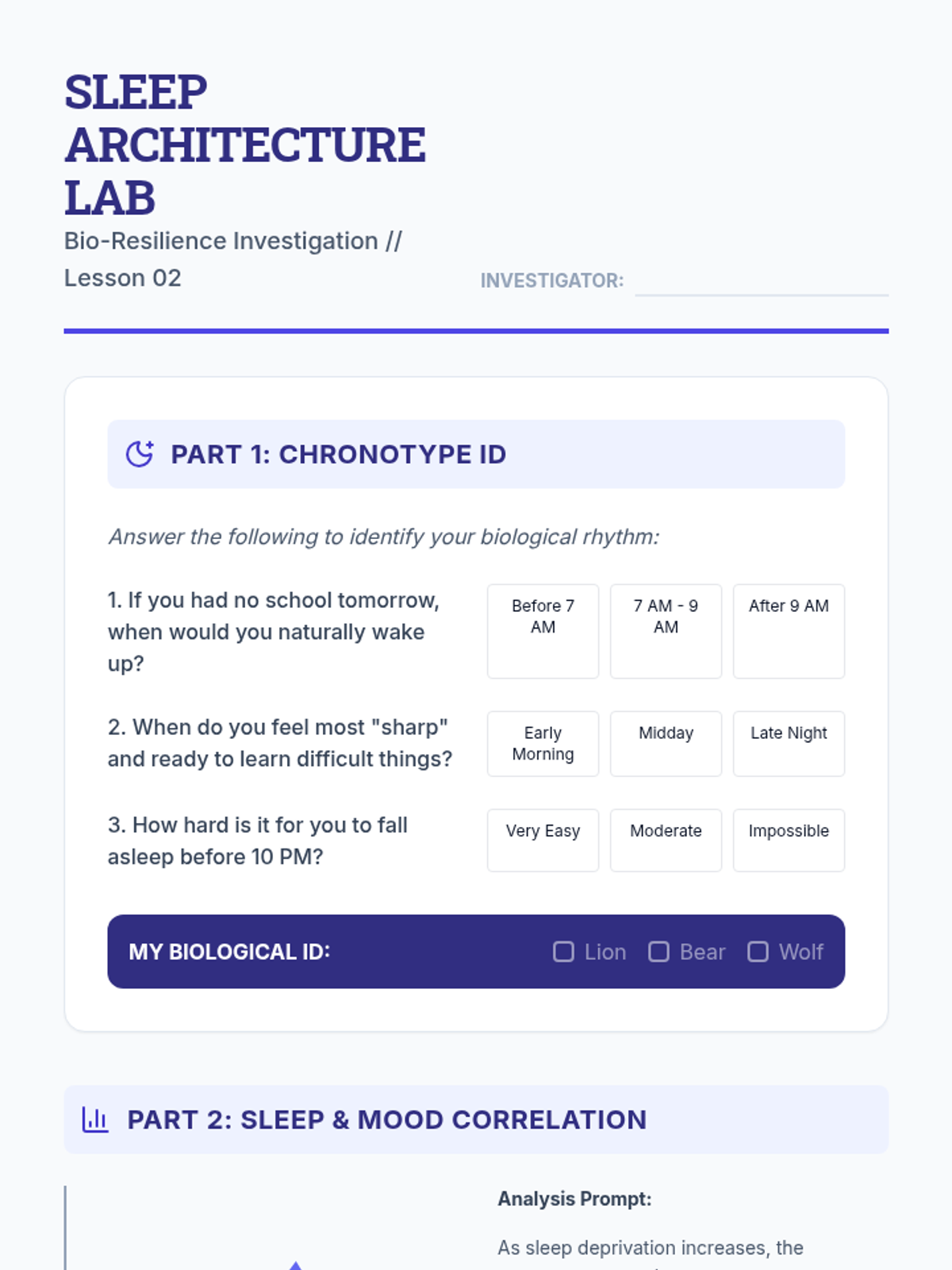
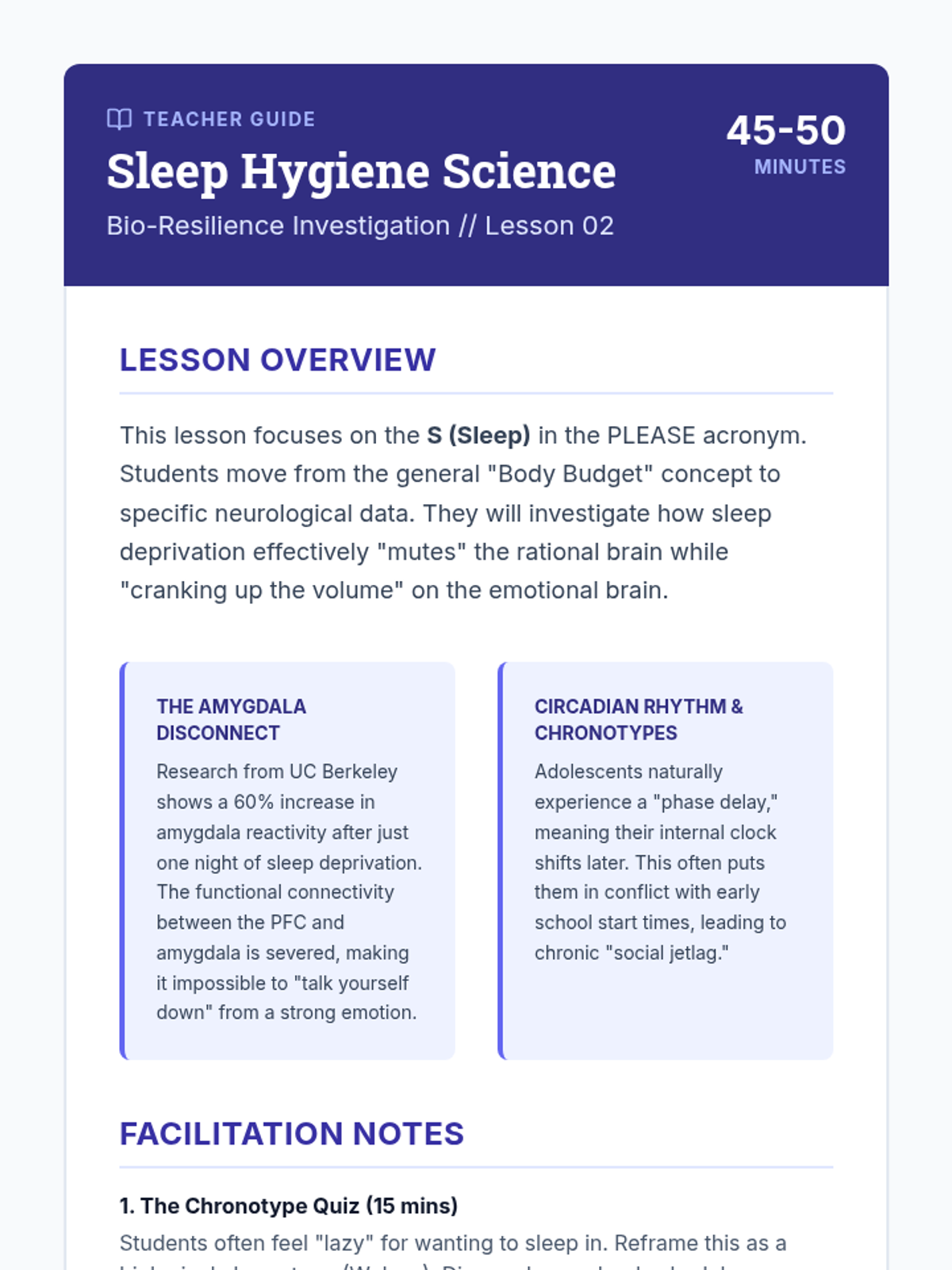
Students research the effects of sleep deprivation on the brain's emotional centers and analyze the biological necessity of sleep for resilience.
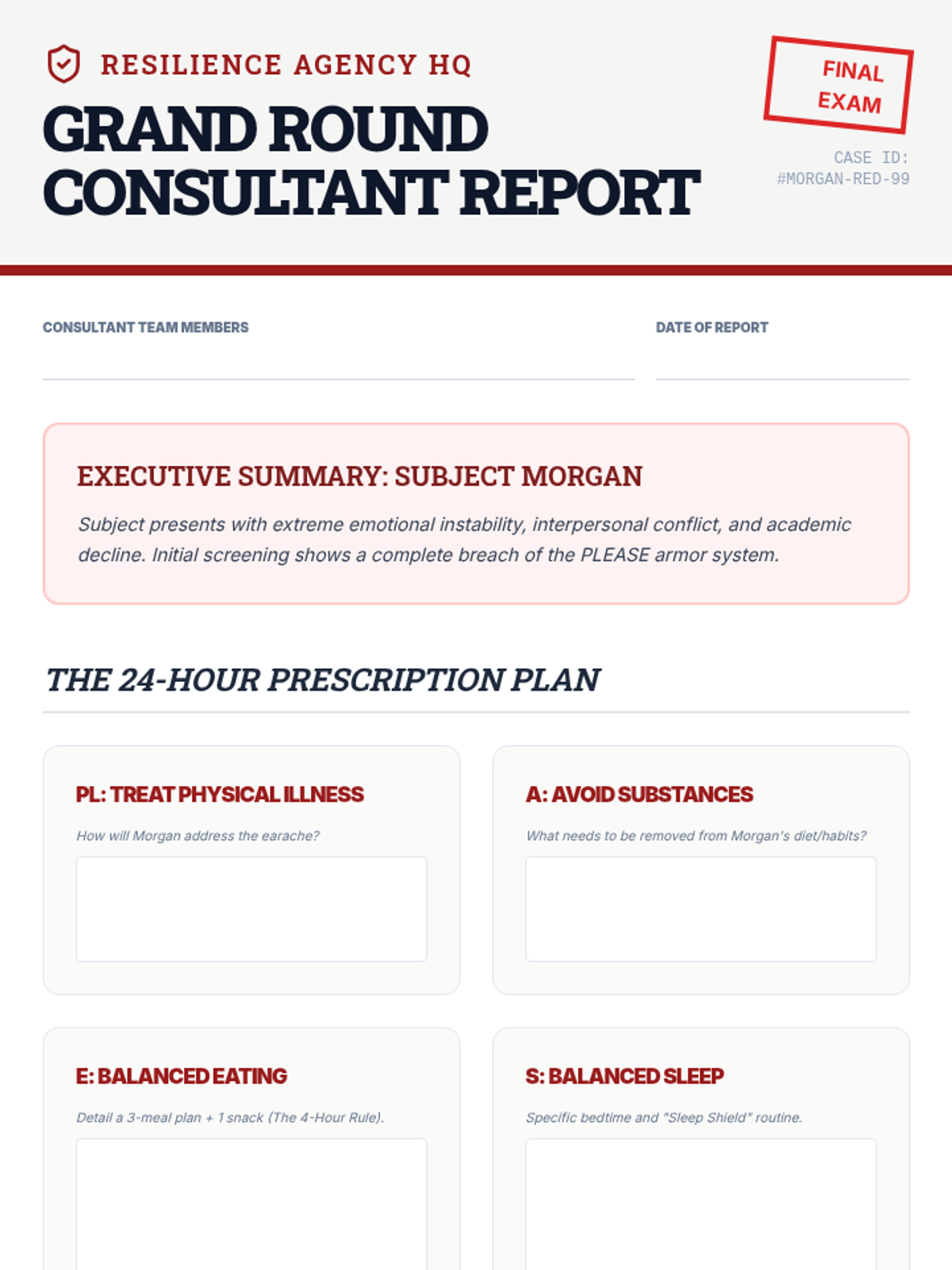
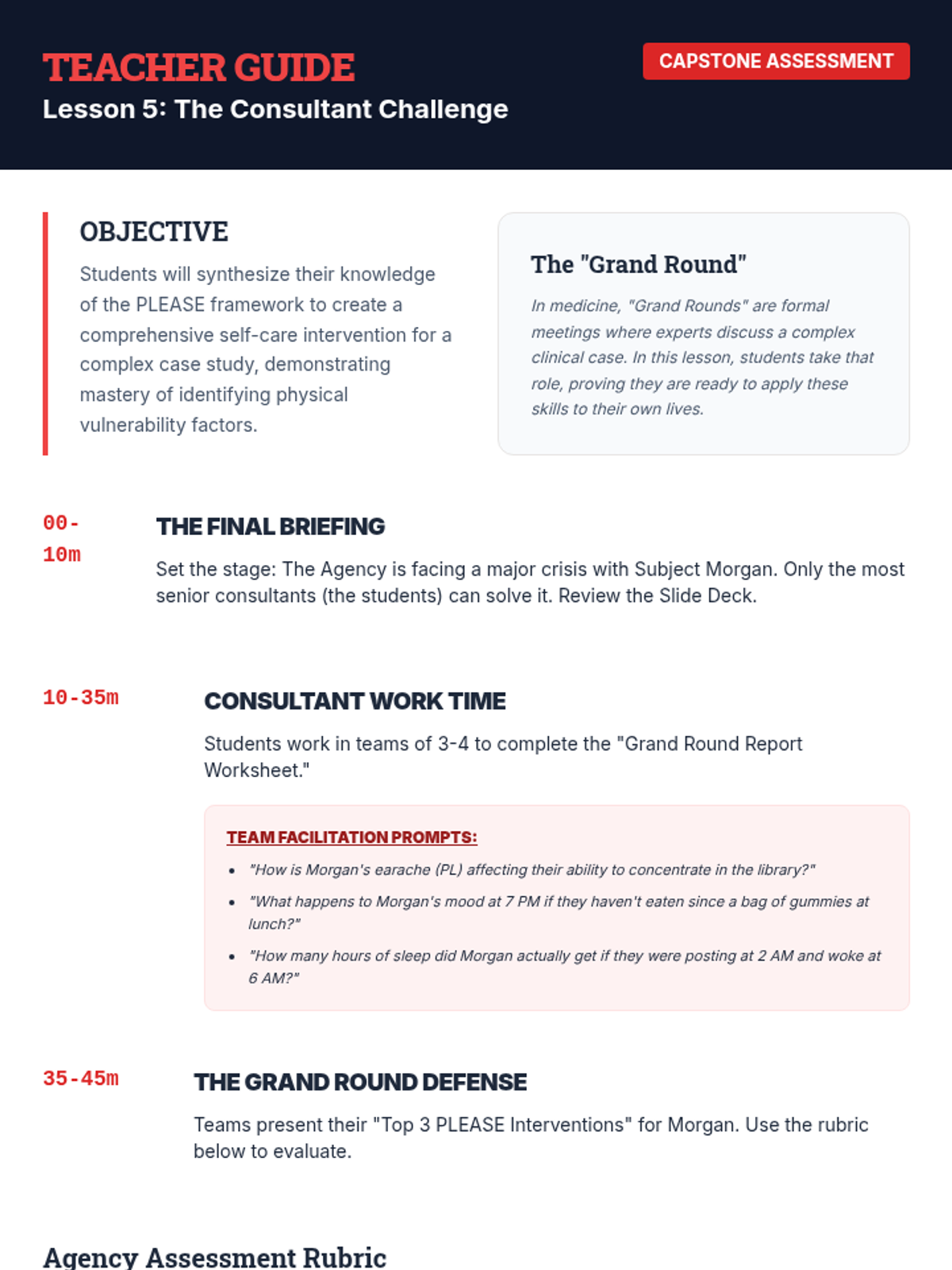
In a final 'Grand Round' challenge, student teams create a comprehensive PLEASE prescription for a complex behavioral case.
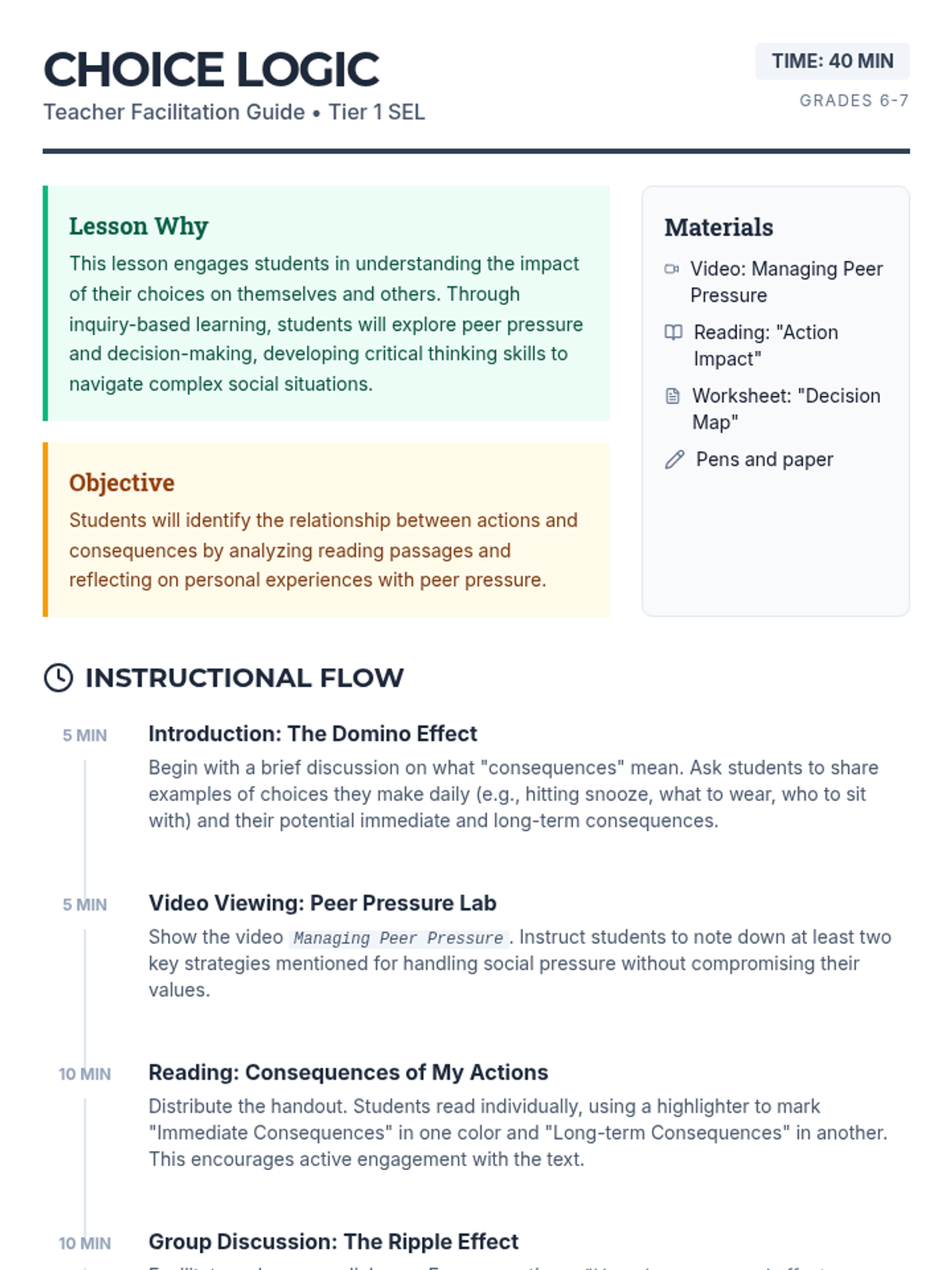
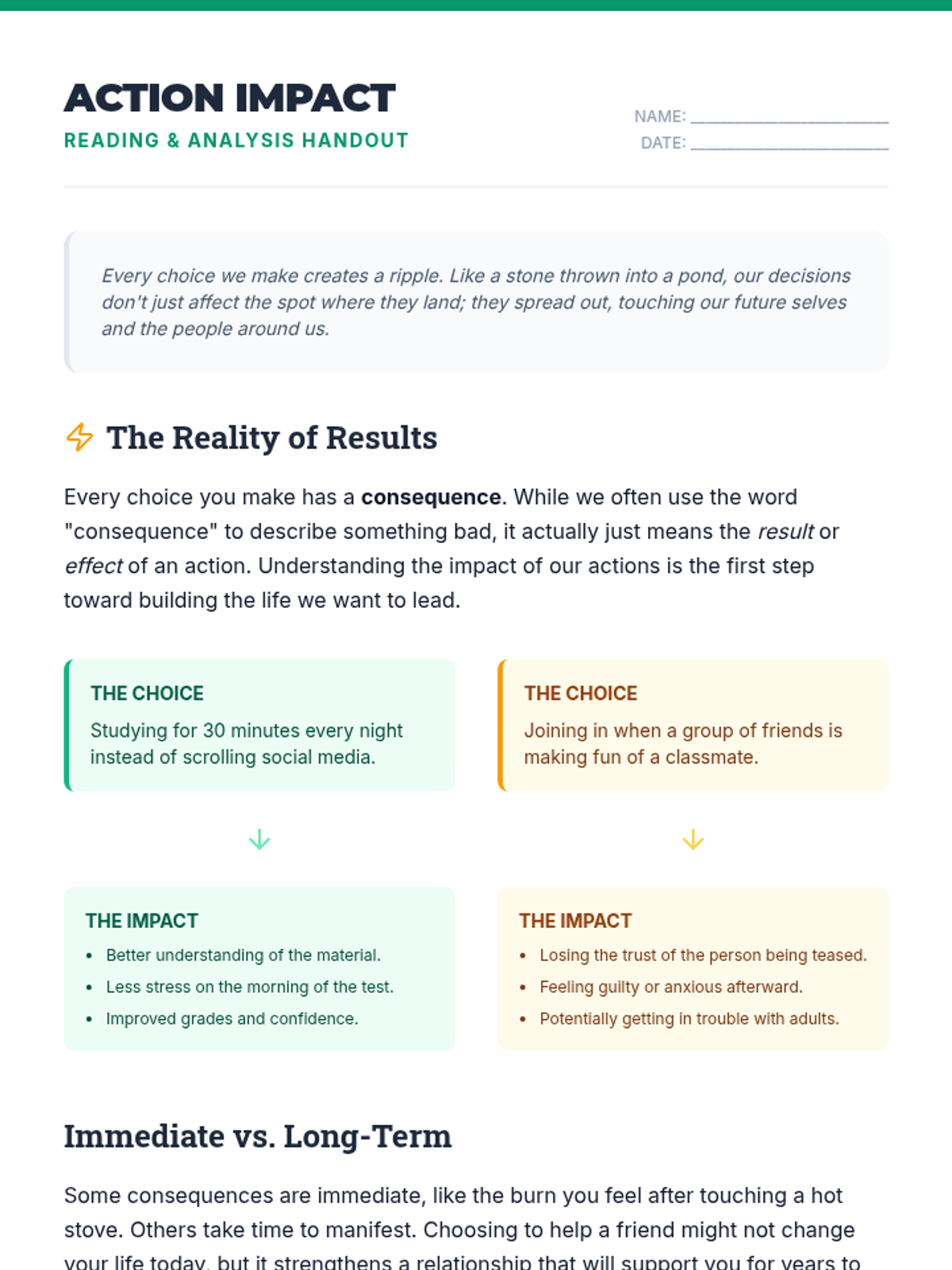
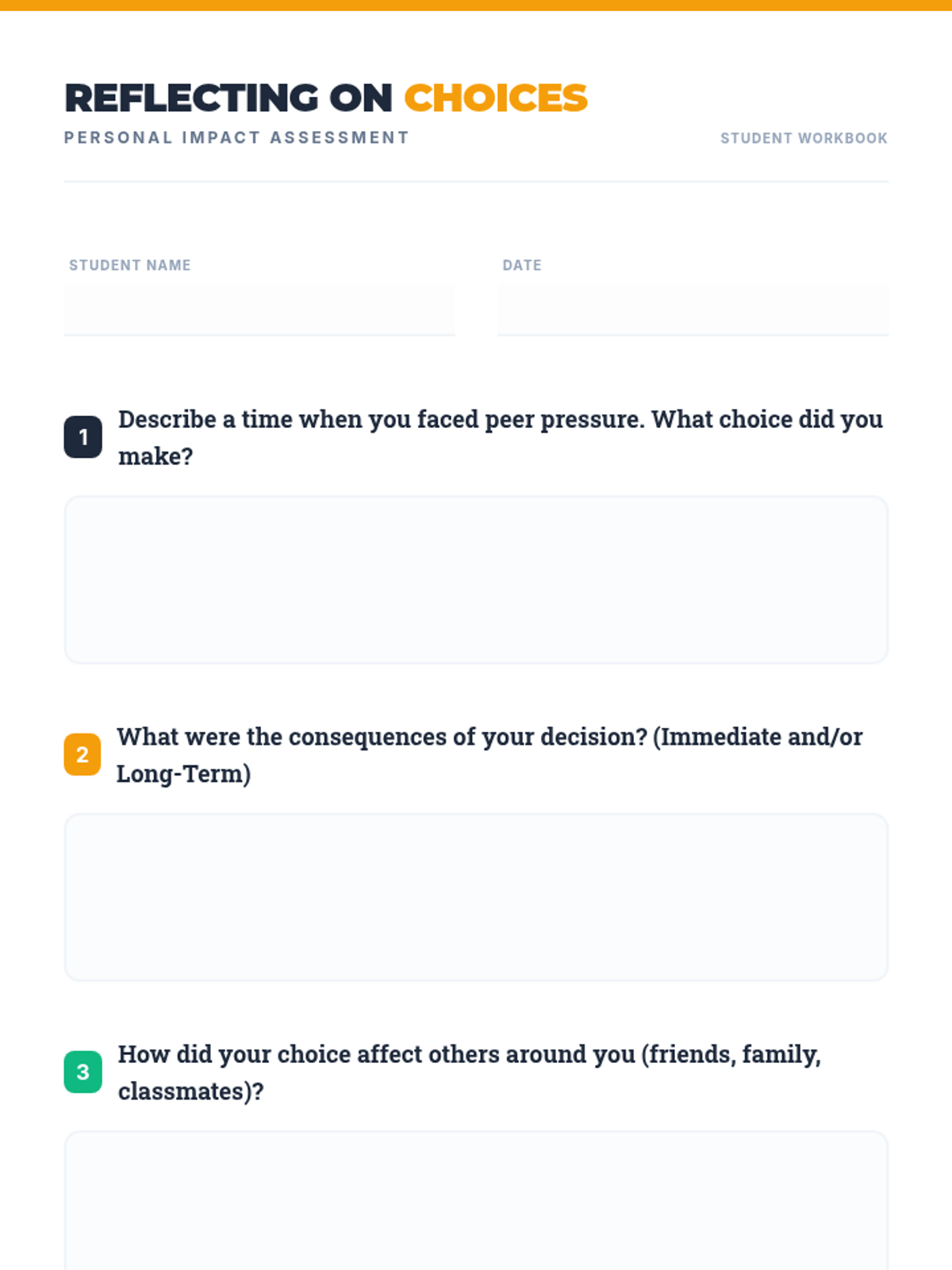
This lesson helps middle school students explore the relationship between choices and consequences, focusing on peer pressure and decision-making through inquiry and reflection.
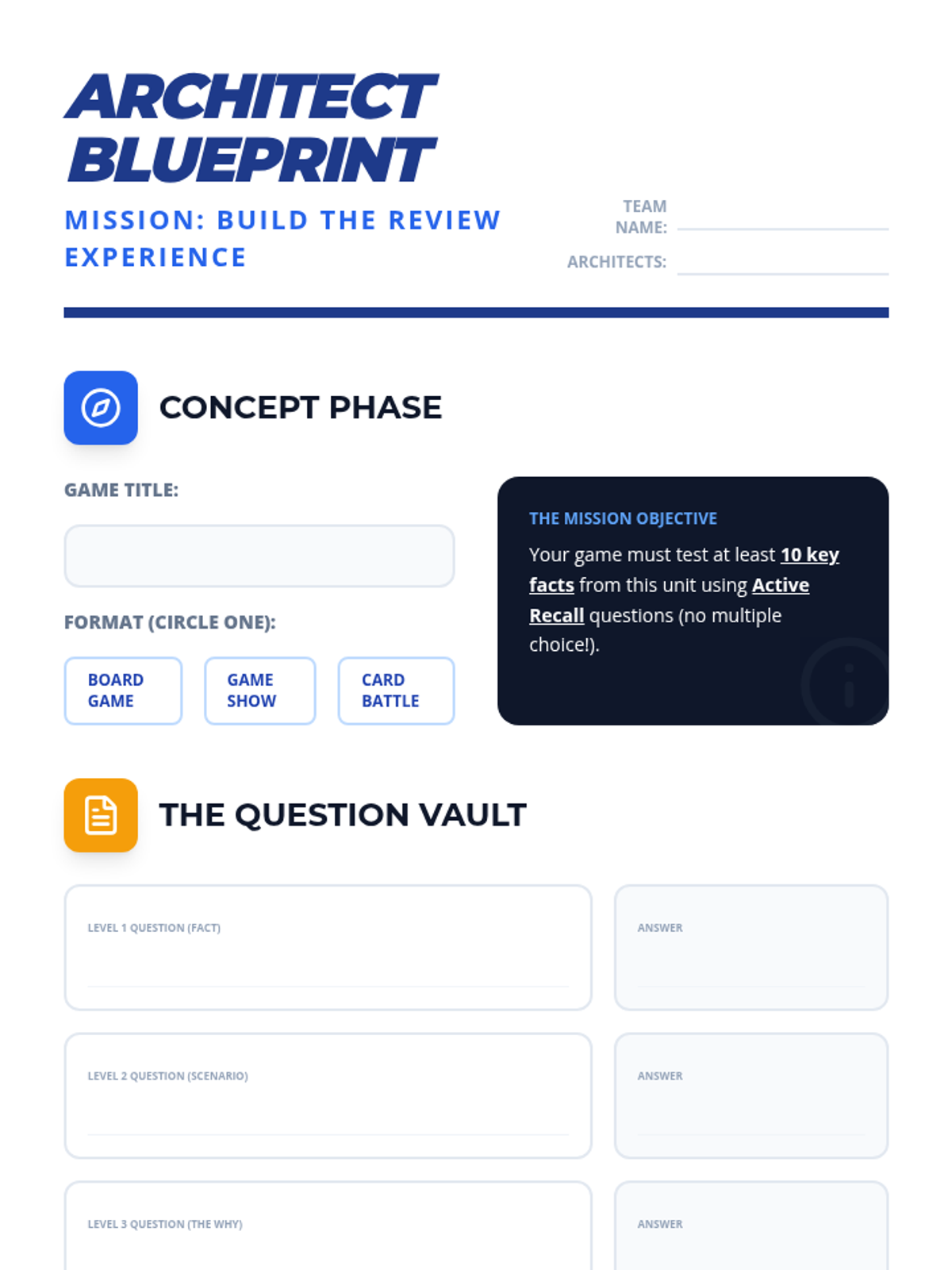
Students apply their knowledge by designing review games for their peers, synthesizing information into engaging questions and challenges.
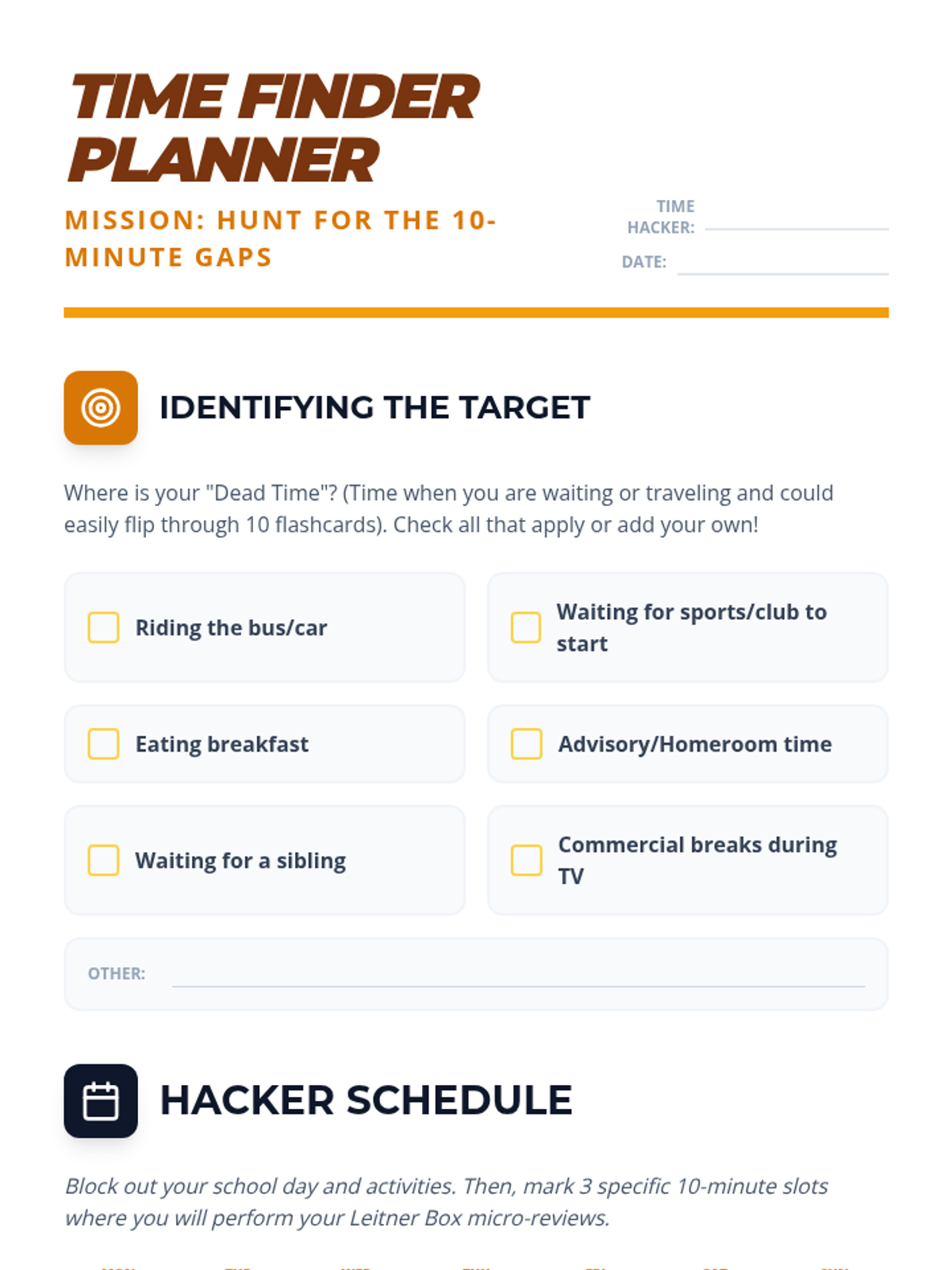
Students learn to find 'hidden time' in their schedules and plan 10-minute micro-reviews to replace exhausting cramming sessions.
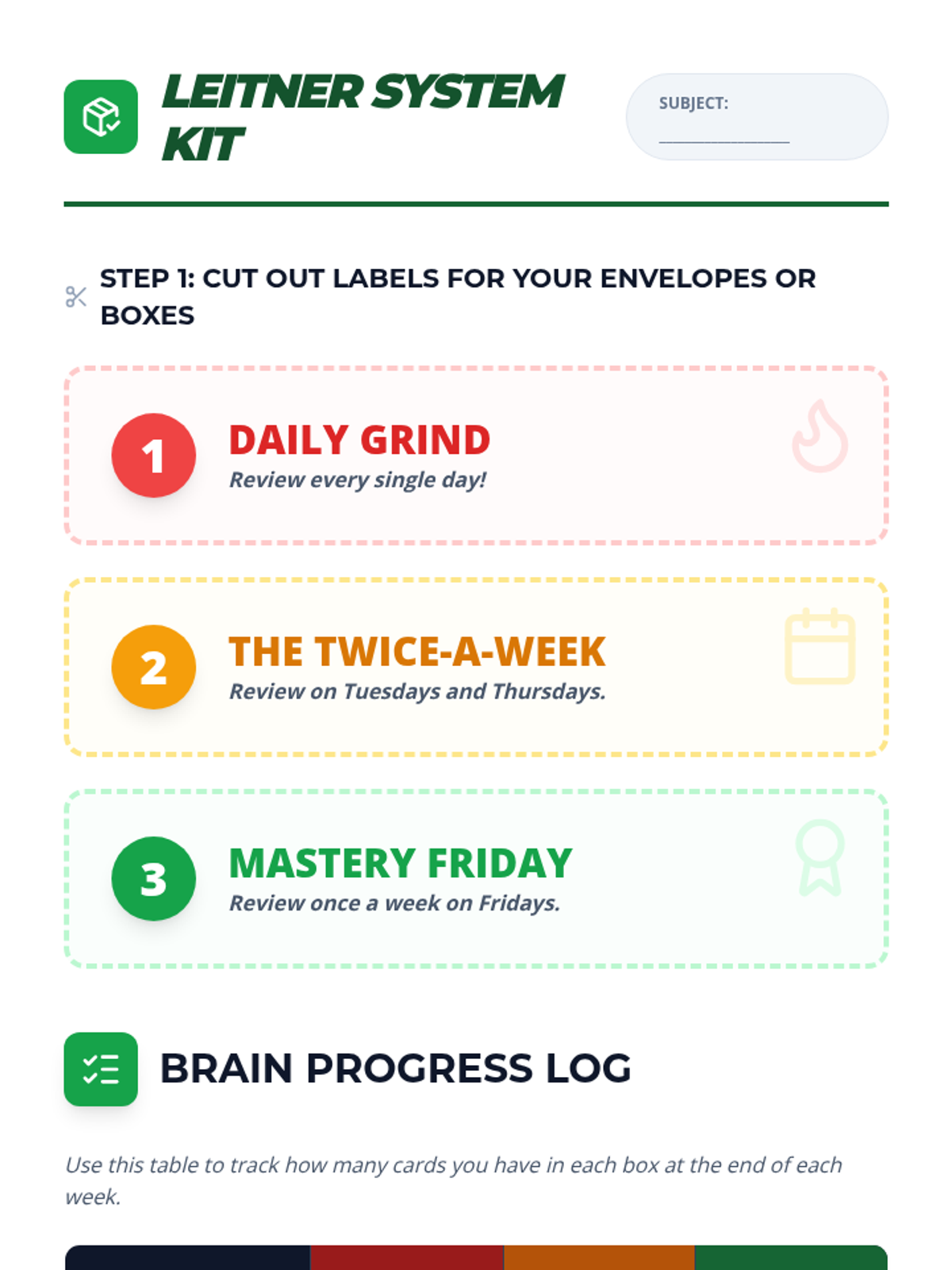
A hands-on lesson where students build a physical Leitner Box system to prioritize difficult information and space out their review sessions.
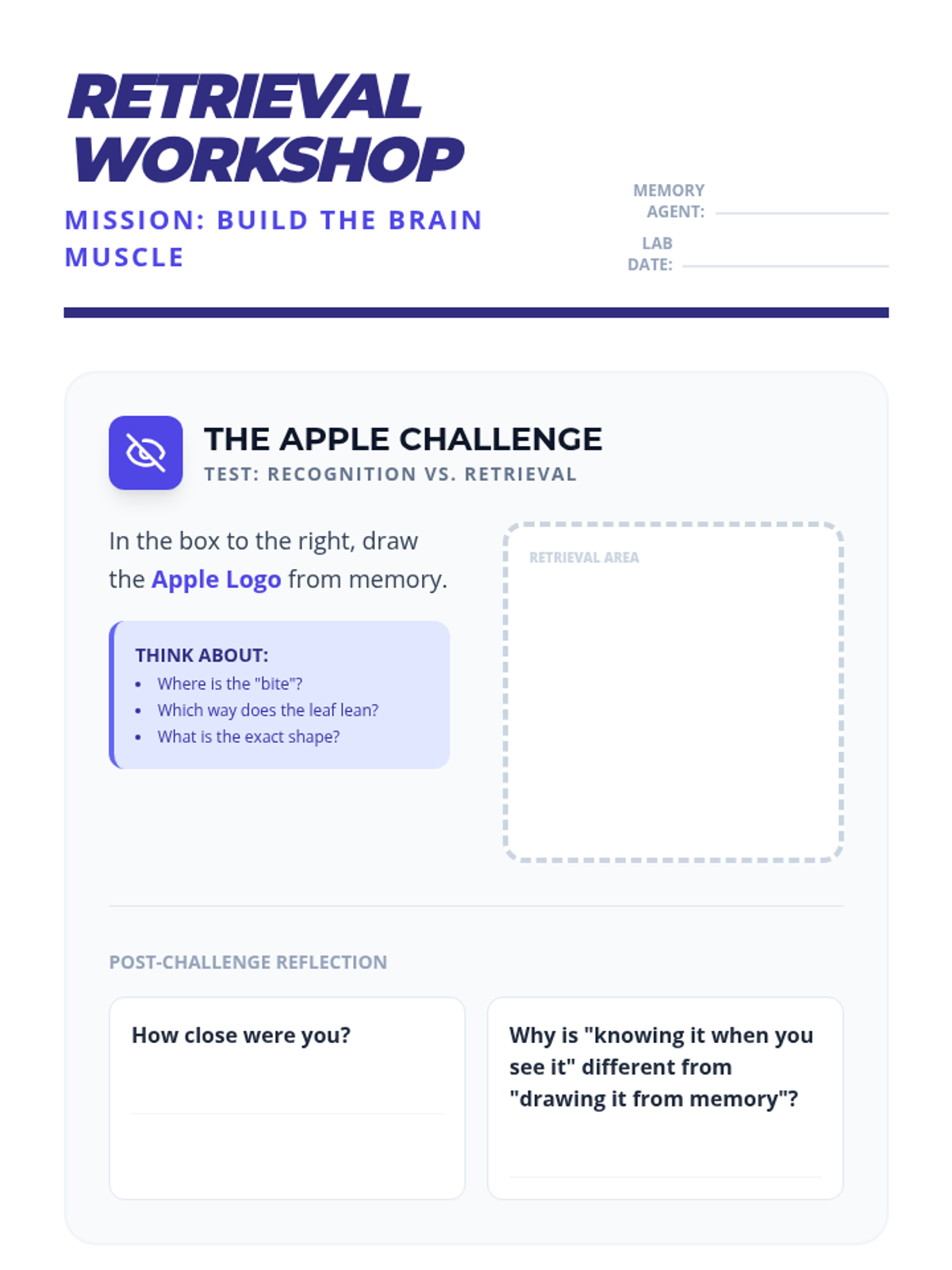
Focuses on the difference between passive re-reading and active recall, teaching students how to create tools that force the brain to work for information.
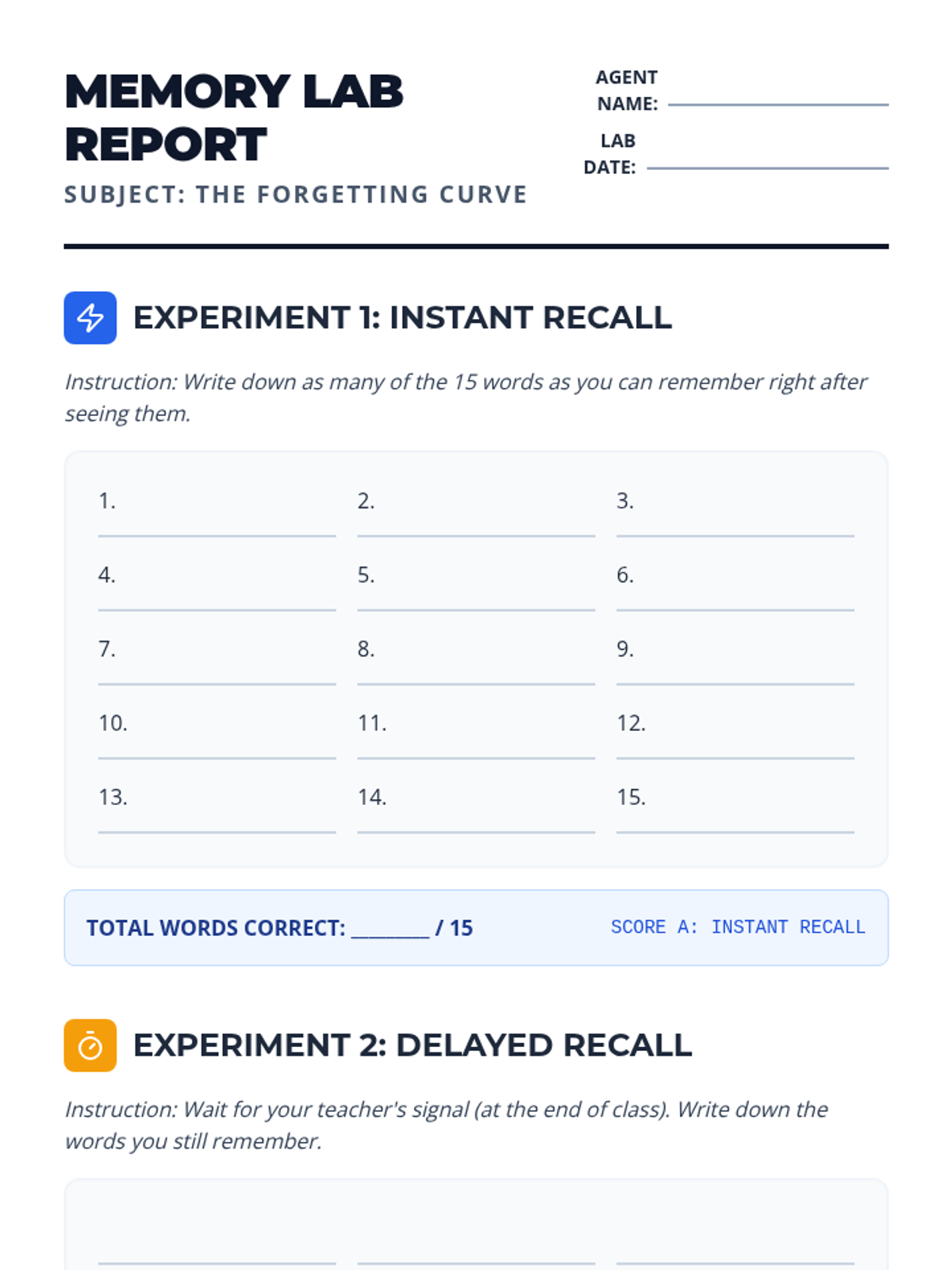
Students explore the science of forgetting through a live memory simulation and learn how timely reviews can 'interrupt' the curve to build lasting knowledge.
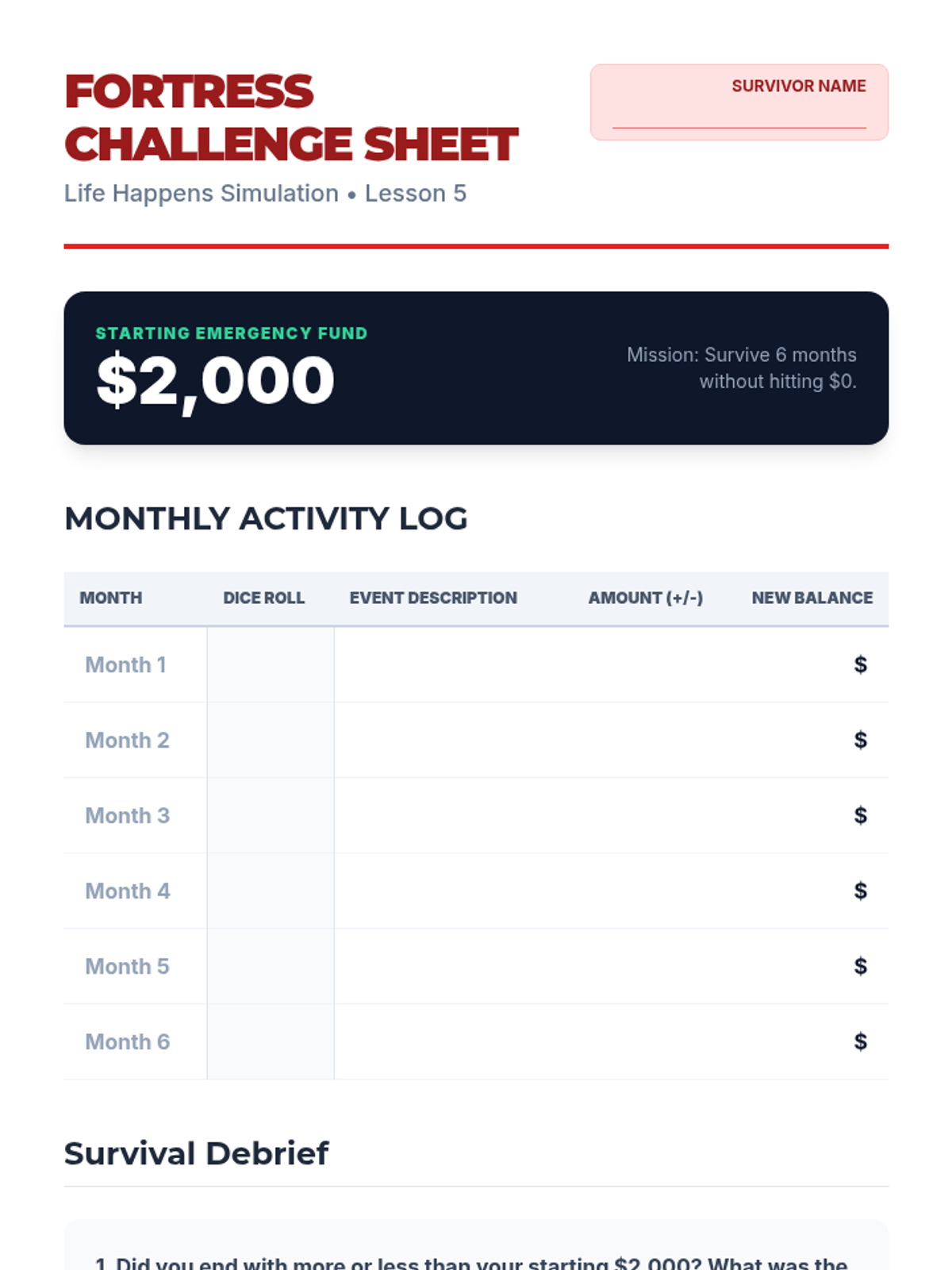
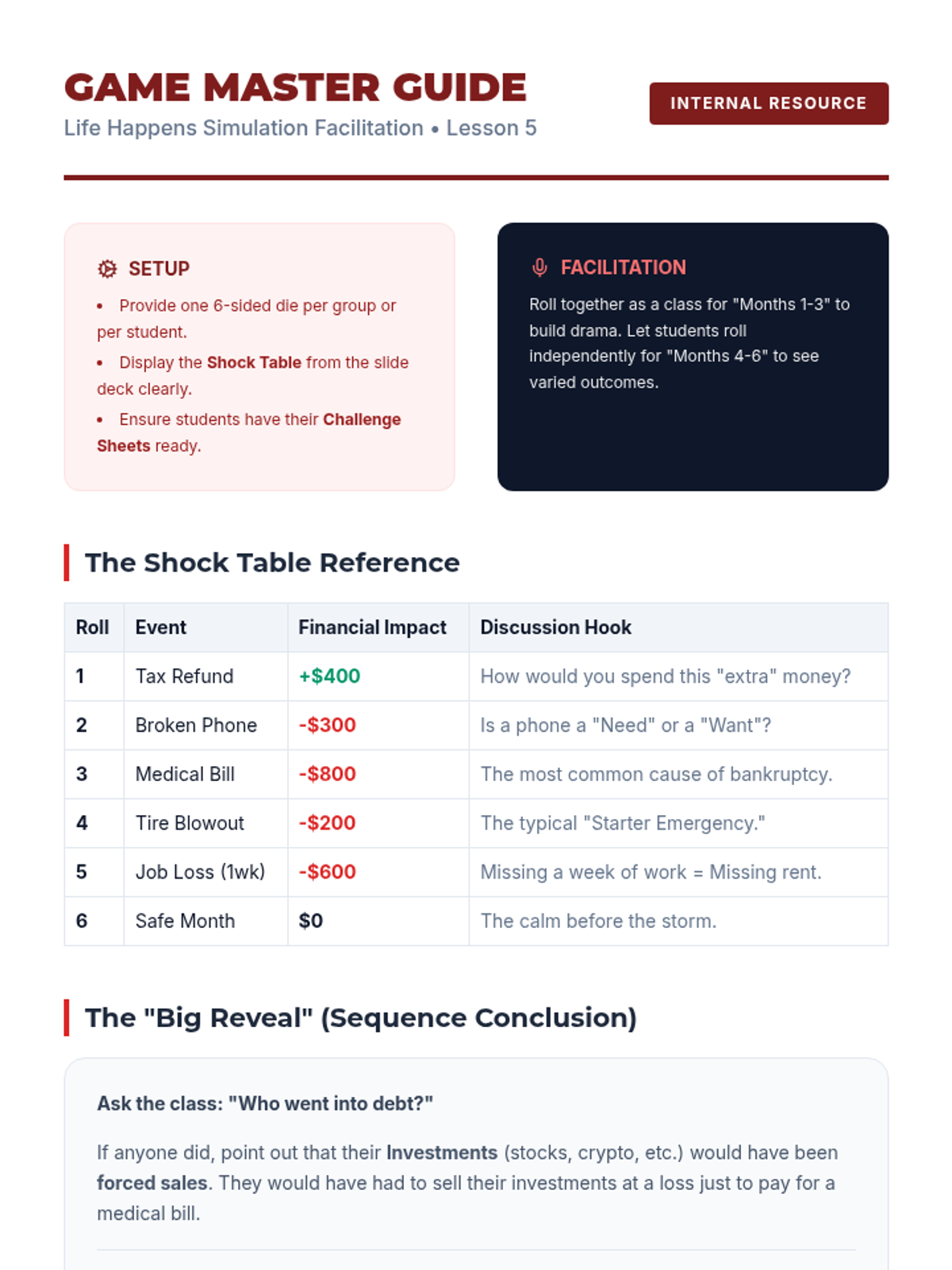
A simulation-based lesson where students navigate random financial emergencies using their hypothetical savings, testing their financial resilience without going into debt.
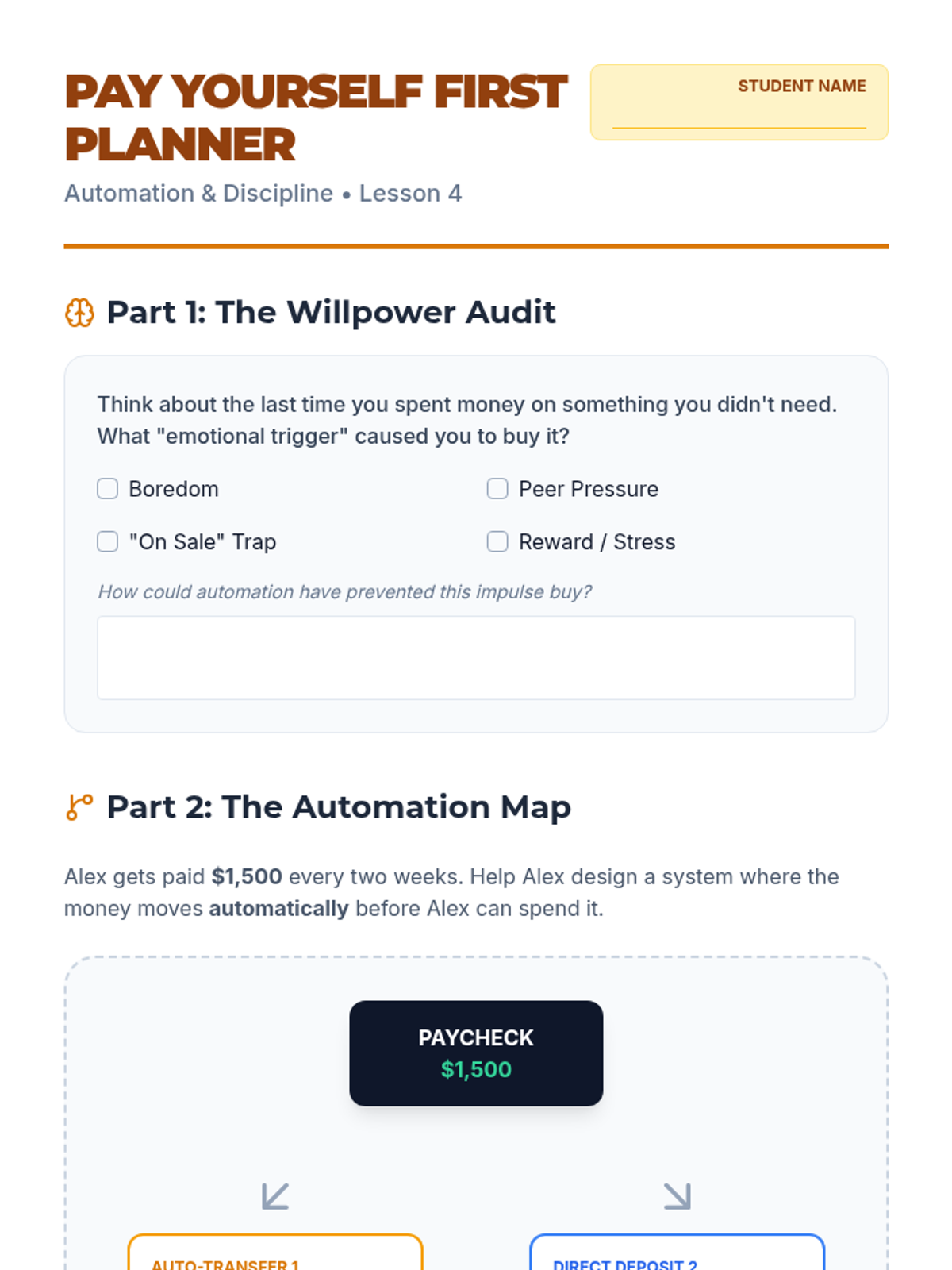
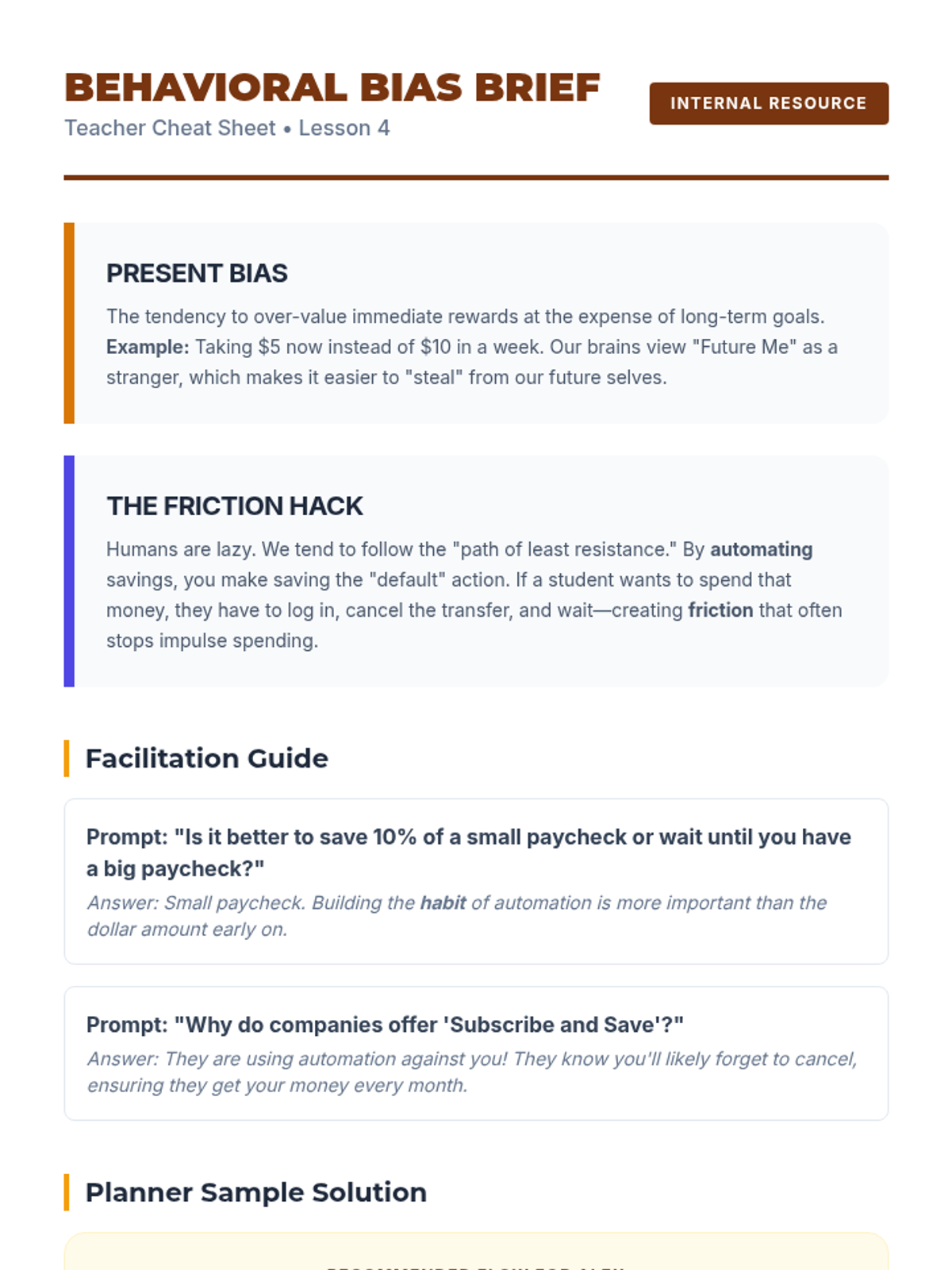
Focusing on behavioral economics, this lesson explores why saving is hard for the human brain and introduces strategies like 'Pay Yourself First' and automation to ensure consistency.
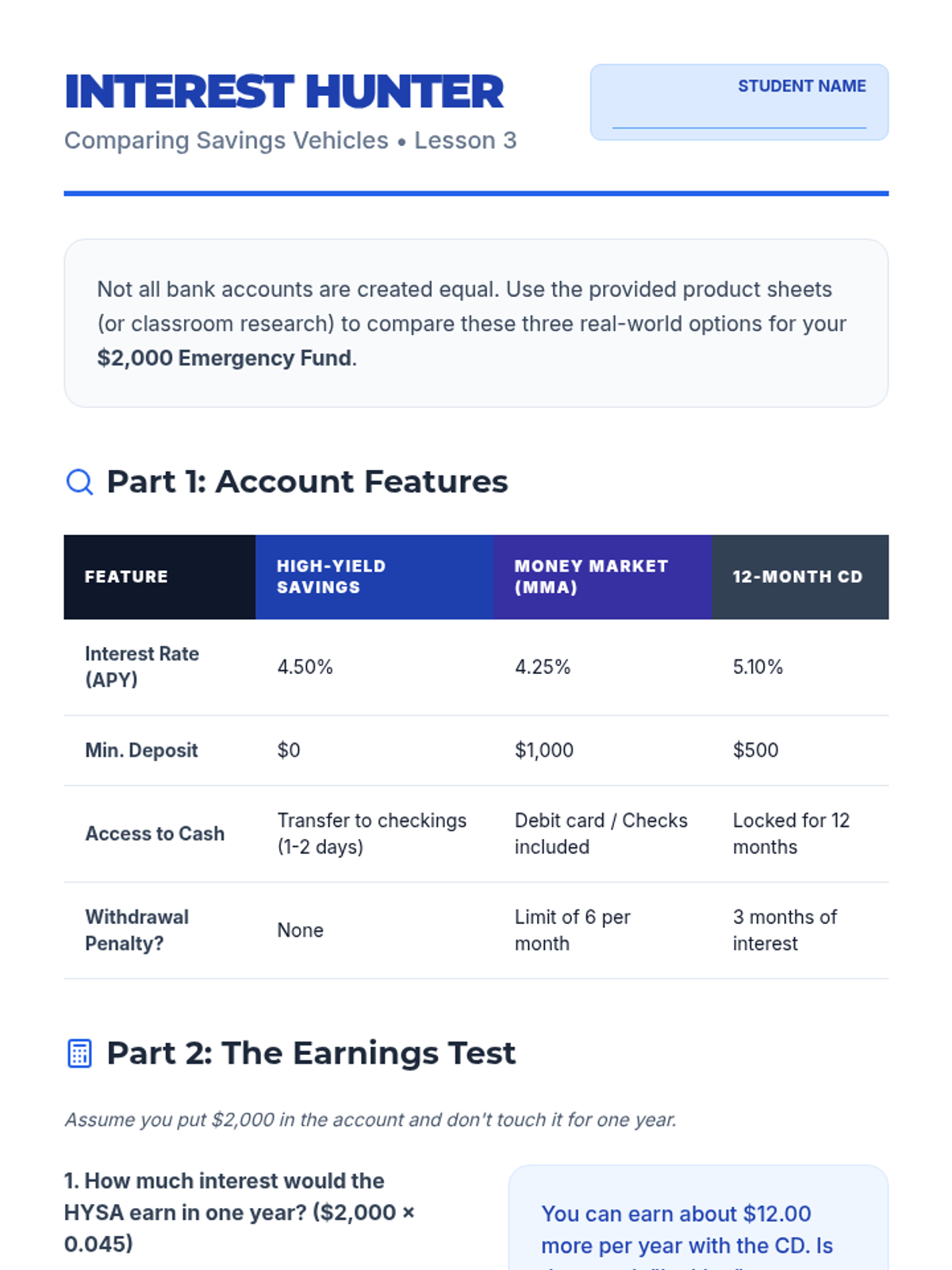
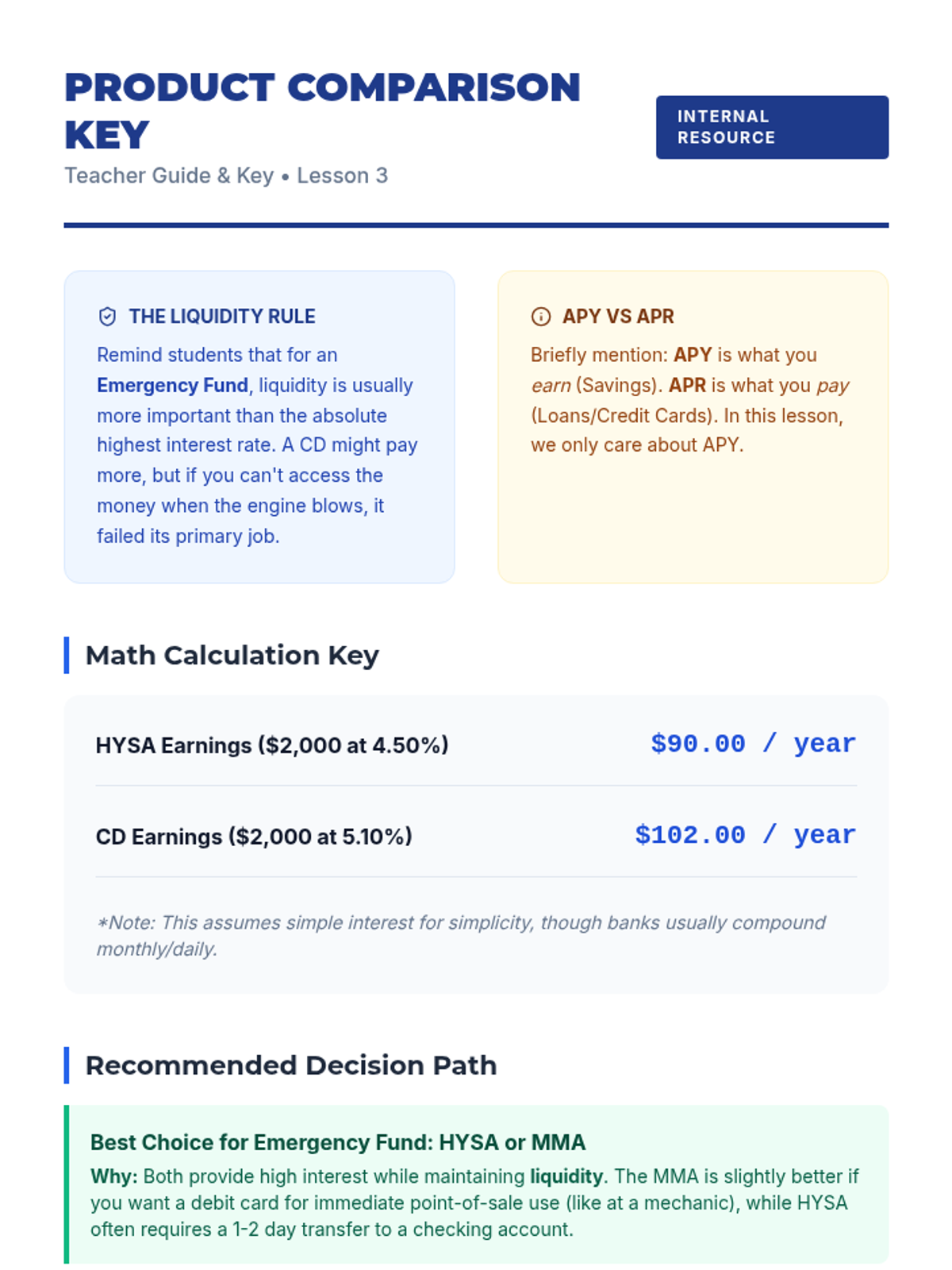
Students compare different savings vehicles appropriate for emergency funds, such as High-Yield Savings Accounts, Money Market Accounts, and CDs, evaluating them based on interest, fees, and liquidity.
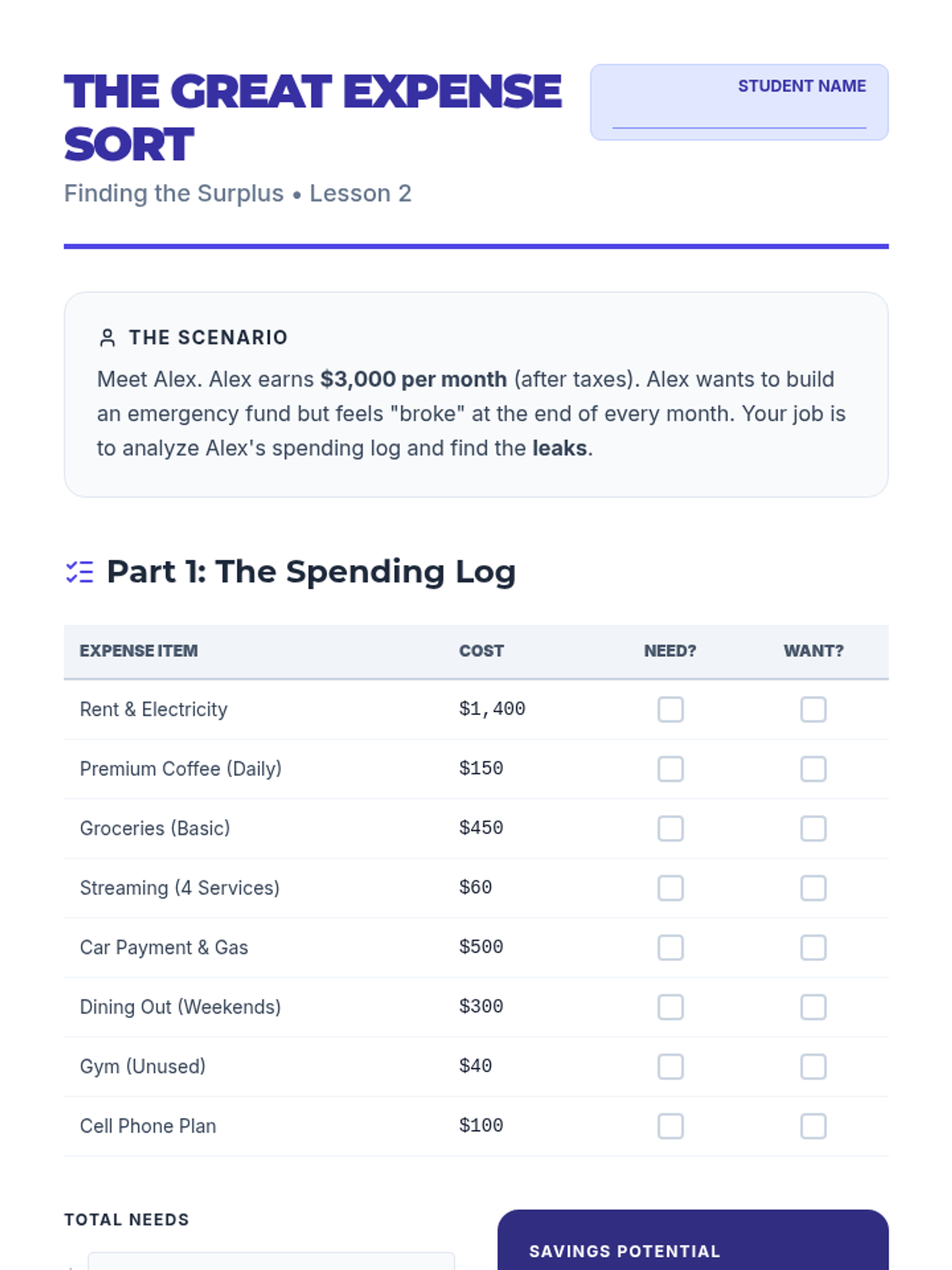
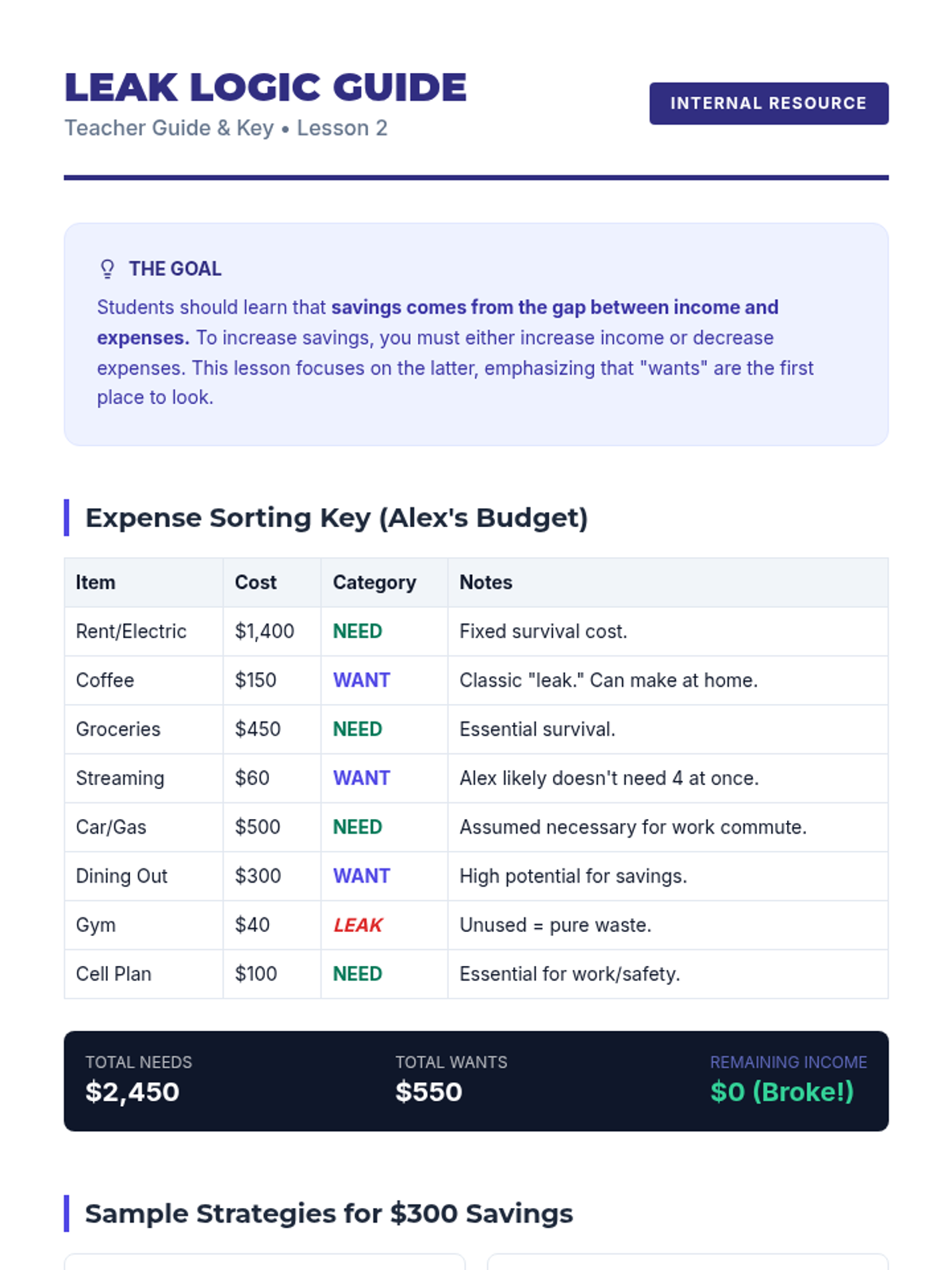
This lesson focuses on identifying surplus income for savings by analyzing spending logs to identify 'leaks' and distinguishing between essential needs and discretionary wants.
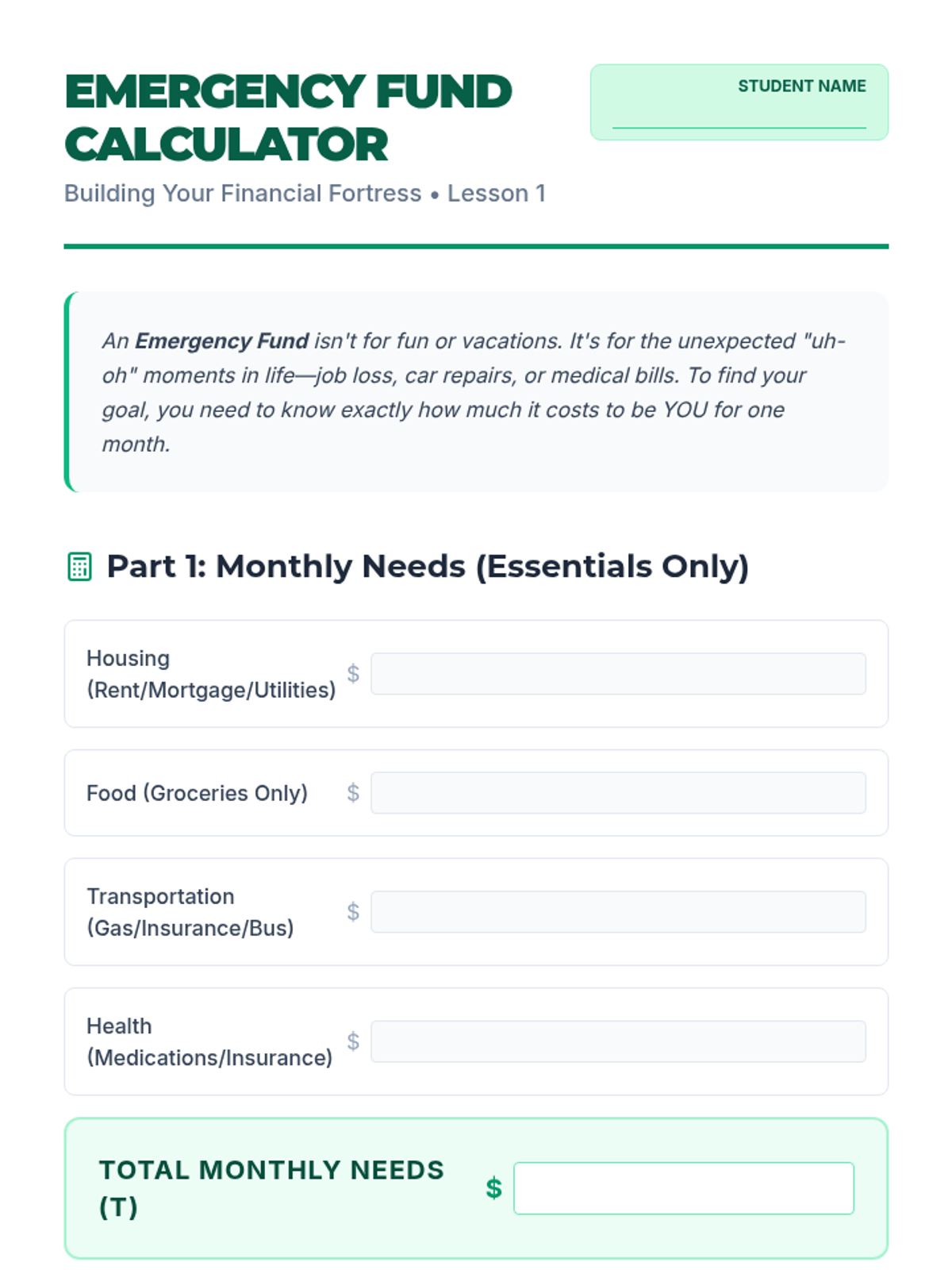
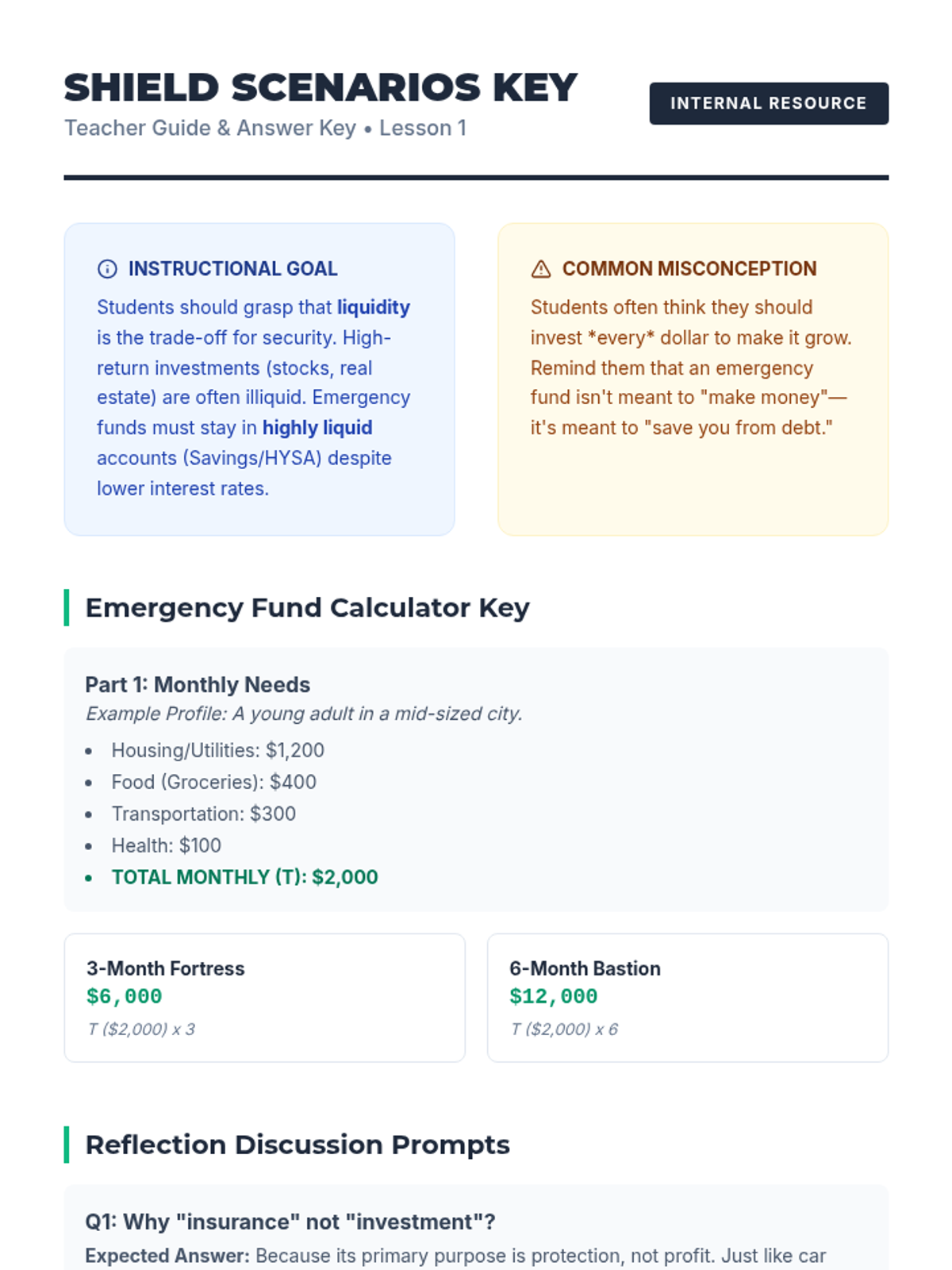
Students define liquidity and distinguish between accessible cash and locked investments, calculating the ideal size of an emergency fund based on monthly expenses for different household profiles.
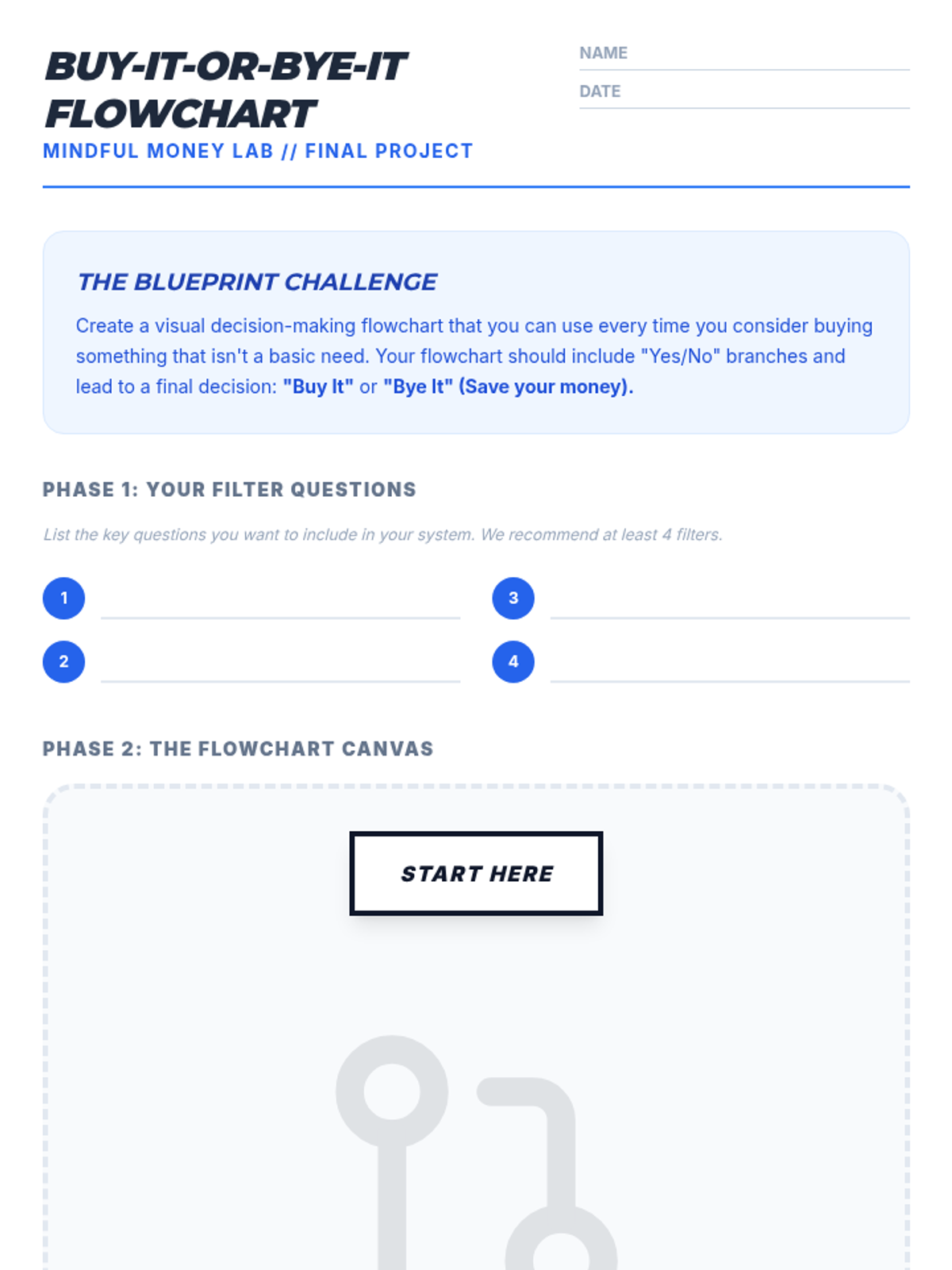
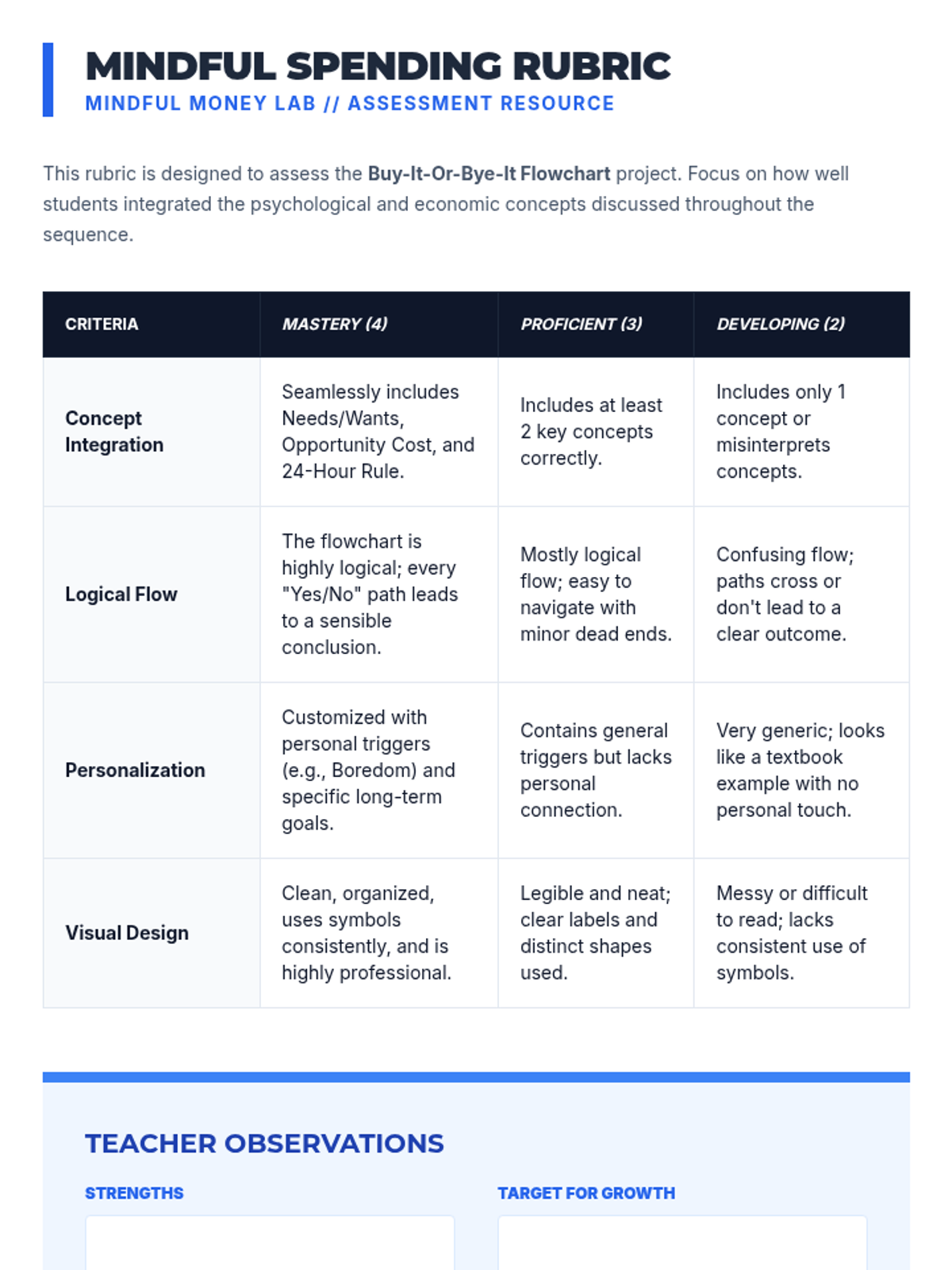
Students create a personal guide for future spending decisions, synthesizing their knowledge into a flowchart for making purchase decisions.
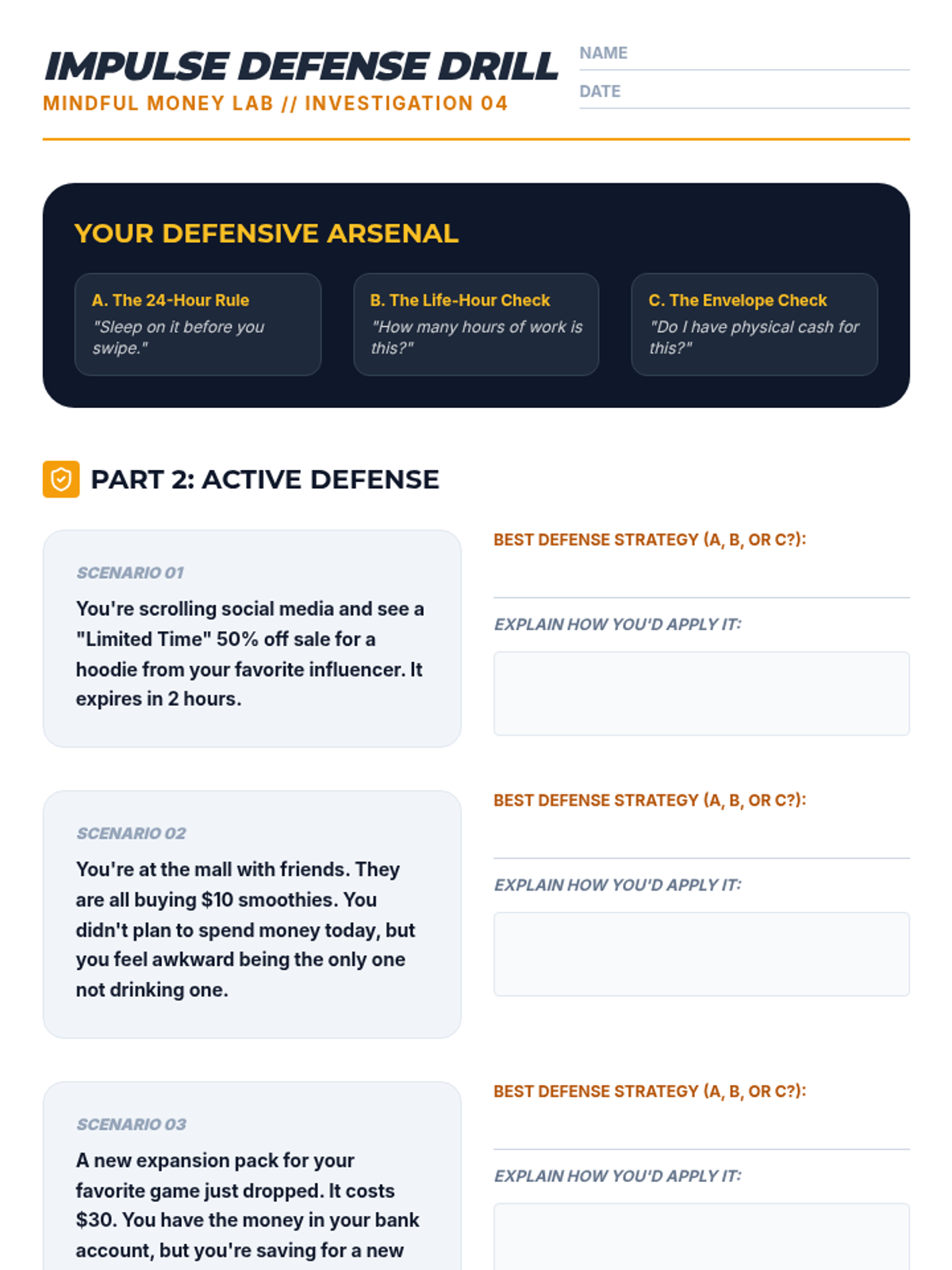
Students learn practical techniques to curb impulse spending, such as the '24-hour rule' and the 'envelope method,' testing them through hypothetical scenarios.
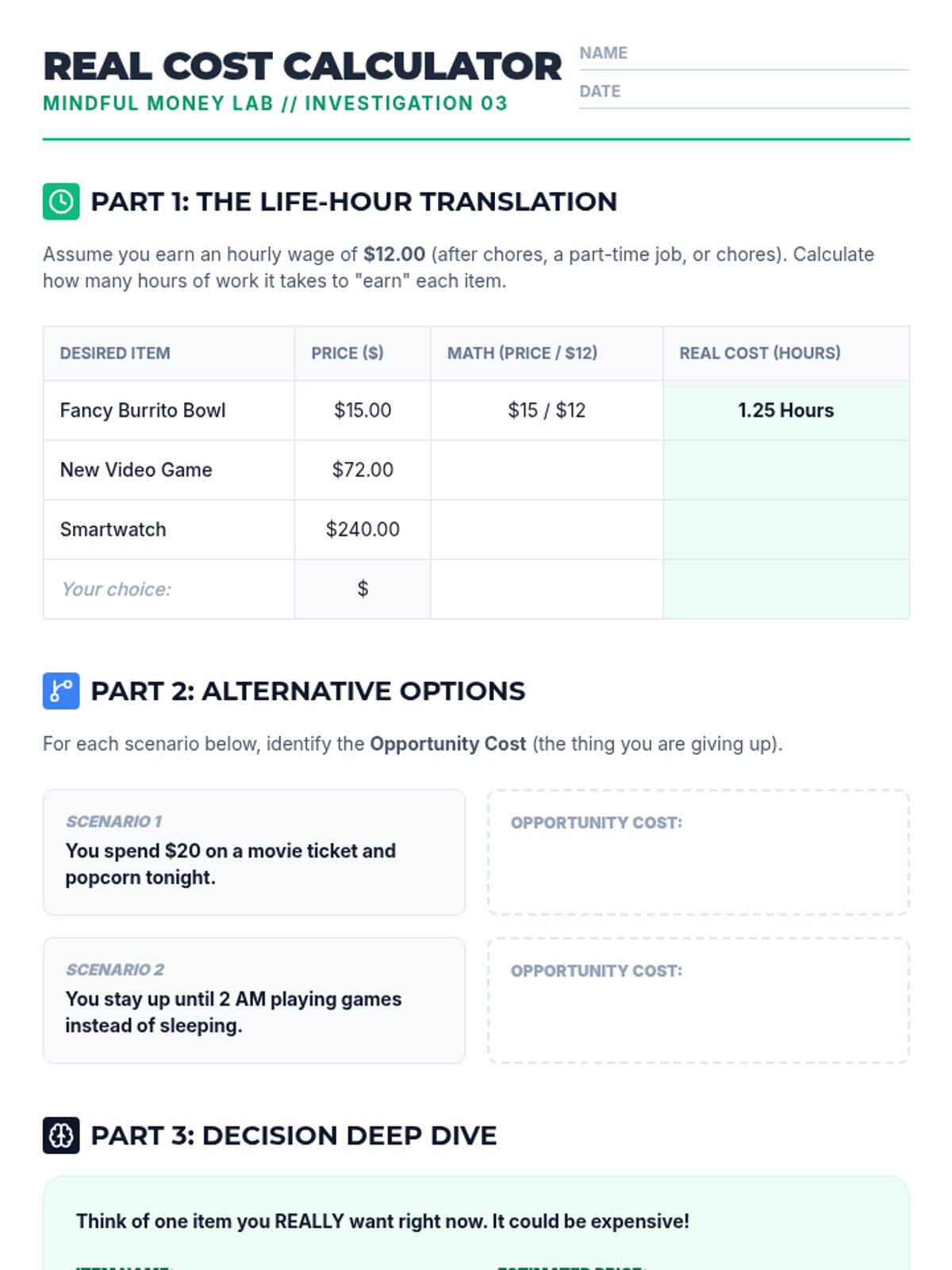
Introduces the economic concept of opportunity cost. Students practice calculating the 'real cost' of items in terms of hours worked or other items foregone.
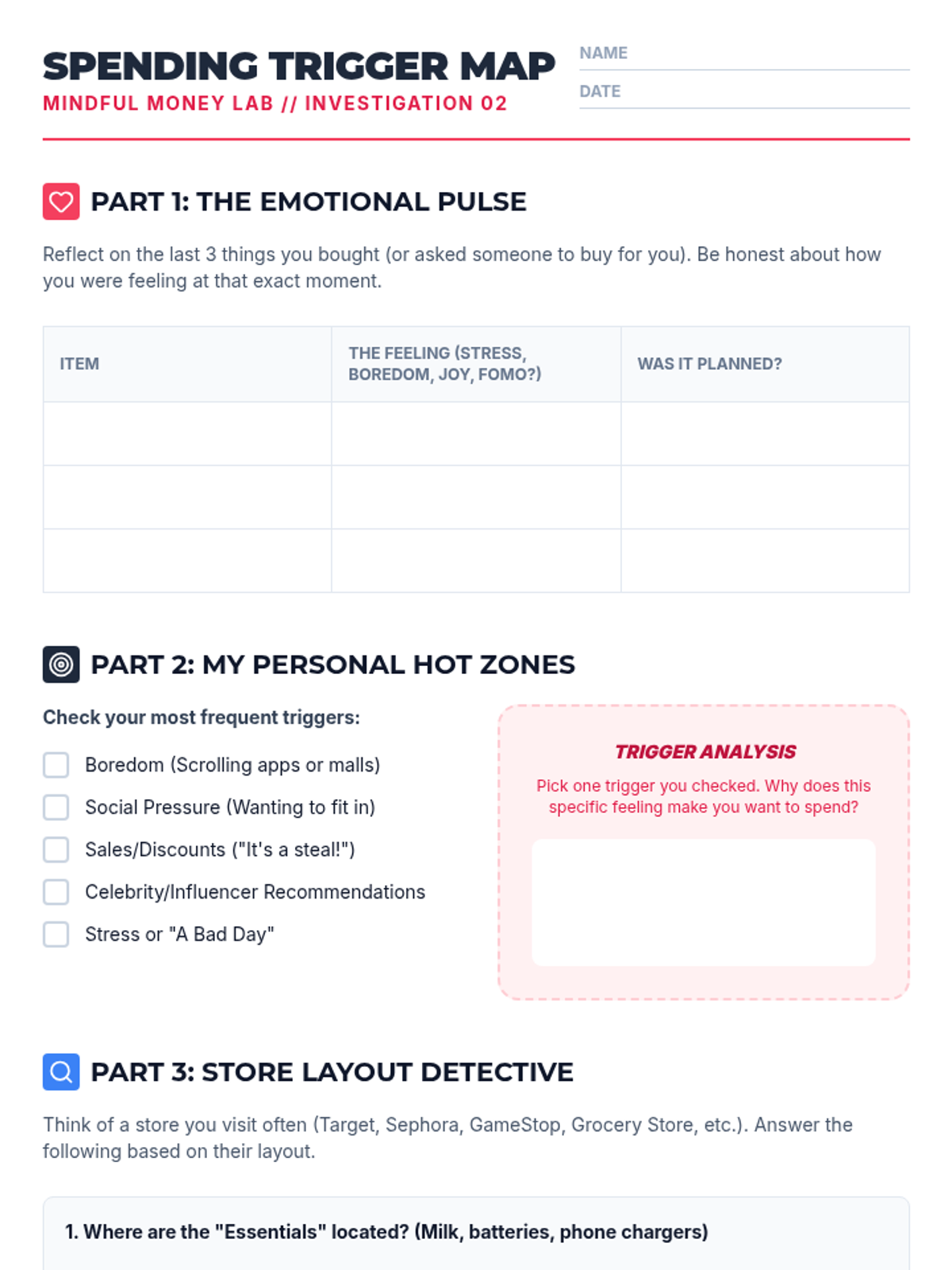
Students explore the concept of 'retail therapy' and emotional spending. They identify their own 'spending triggers' and discuss how stores are designed to encourage impulse buys.