A collection of professionally designed real estate listing posters featuring unique properties with detailed descriptions, pricing, and specifications.
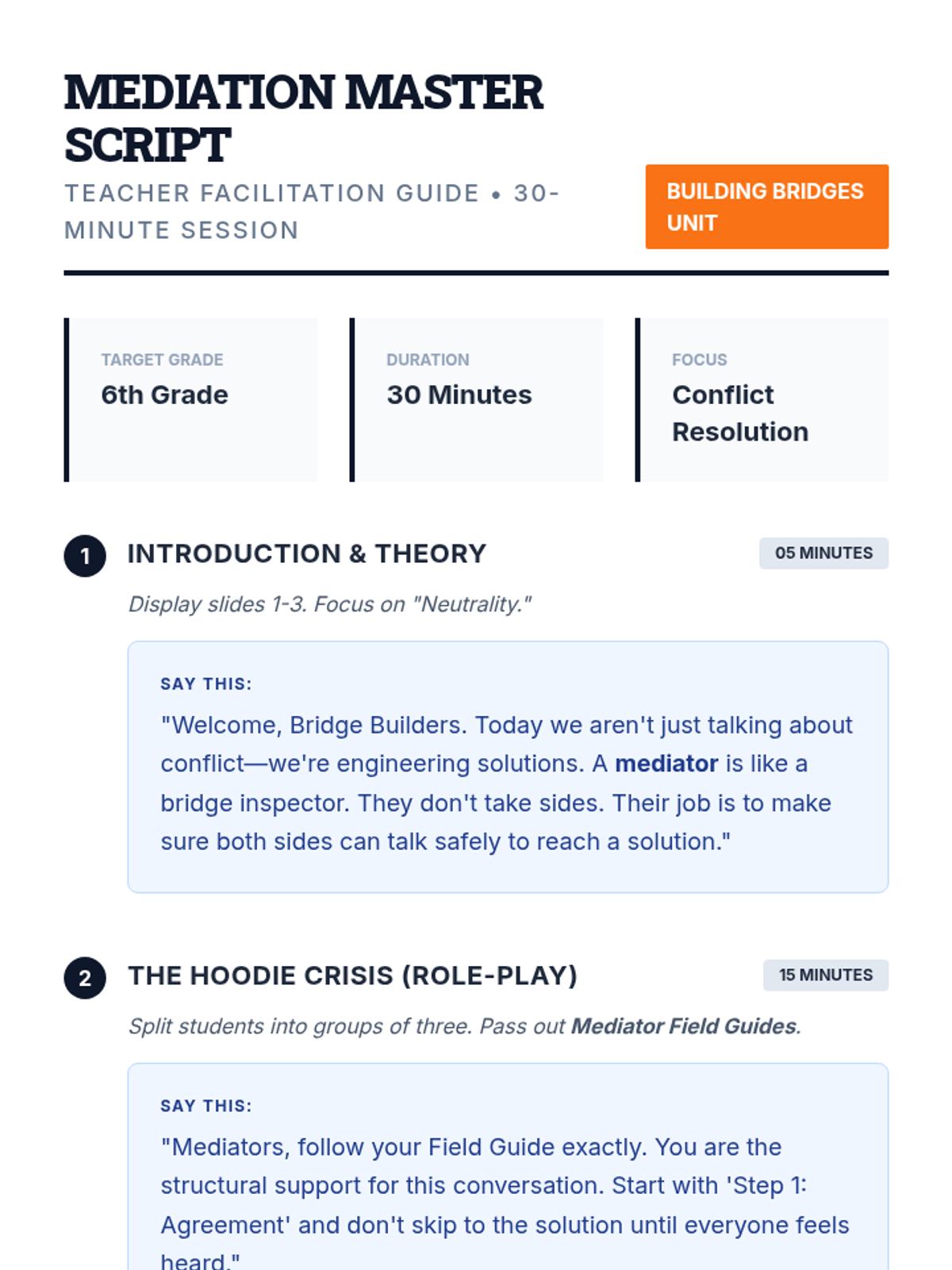
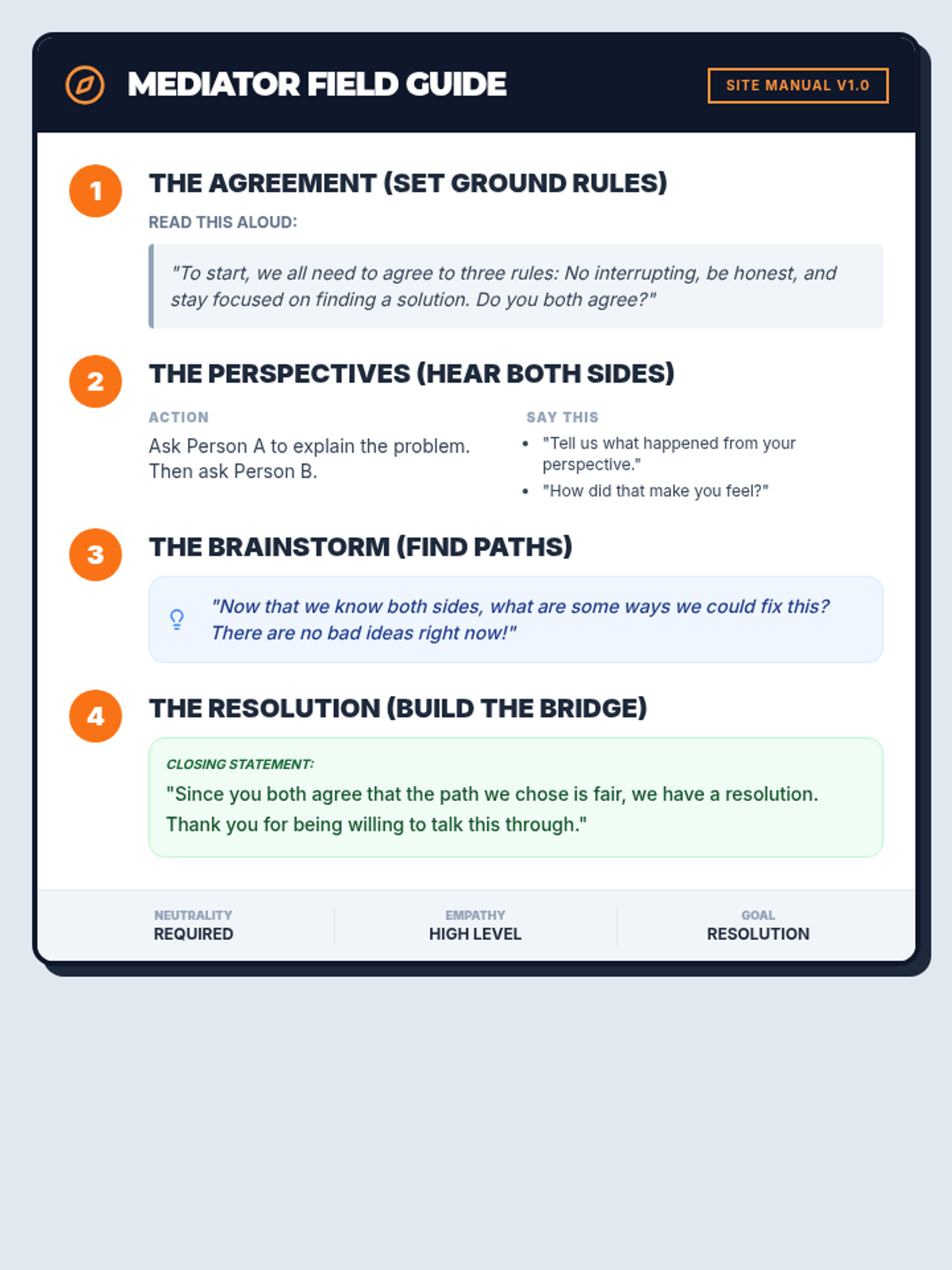
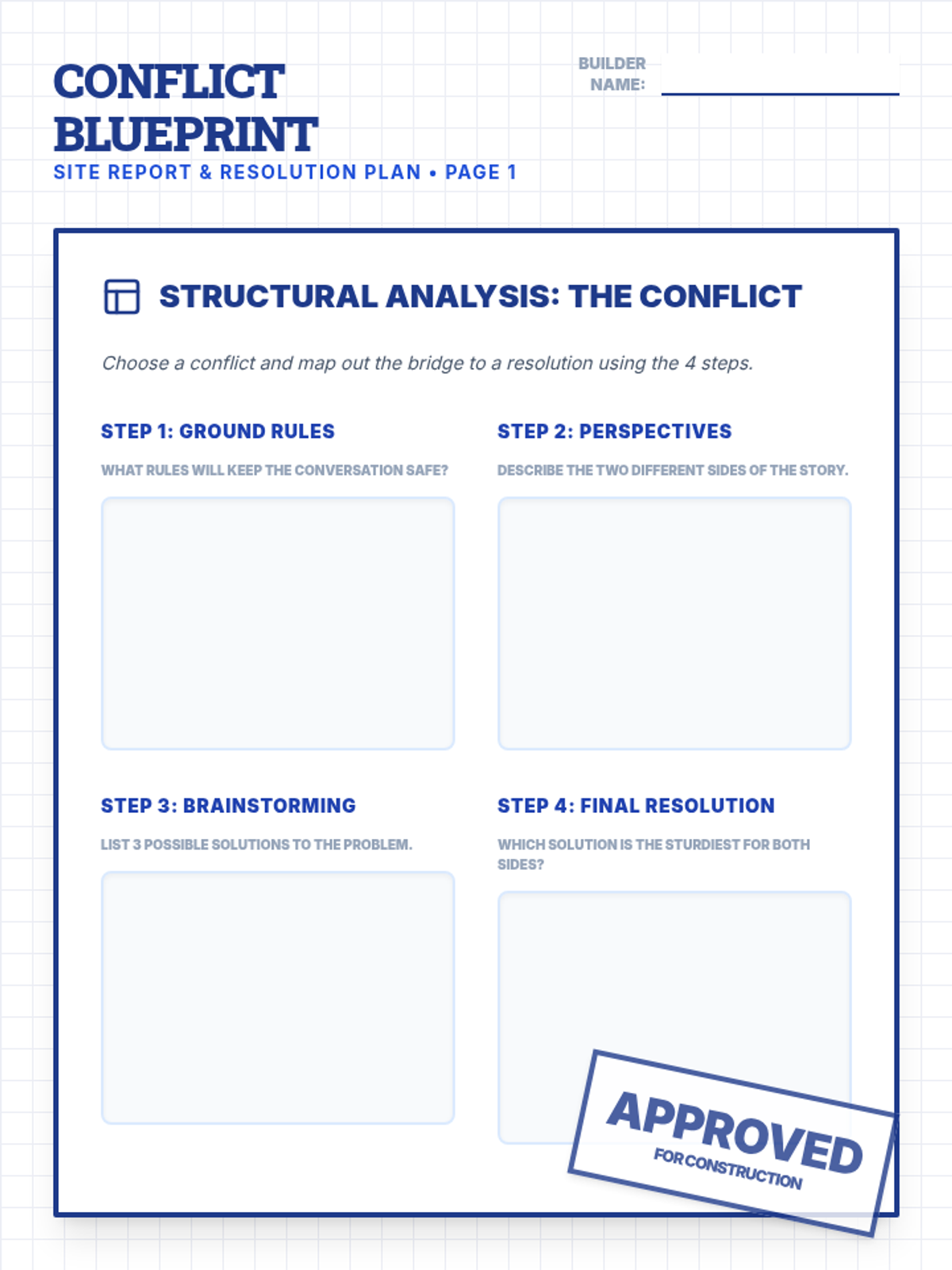
A 30-minute lesson where 6th-grade students learn a 4-step peer mediation process through role-play and application, focusing on empathy and structured conflict resolution.
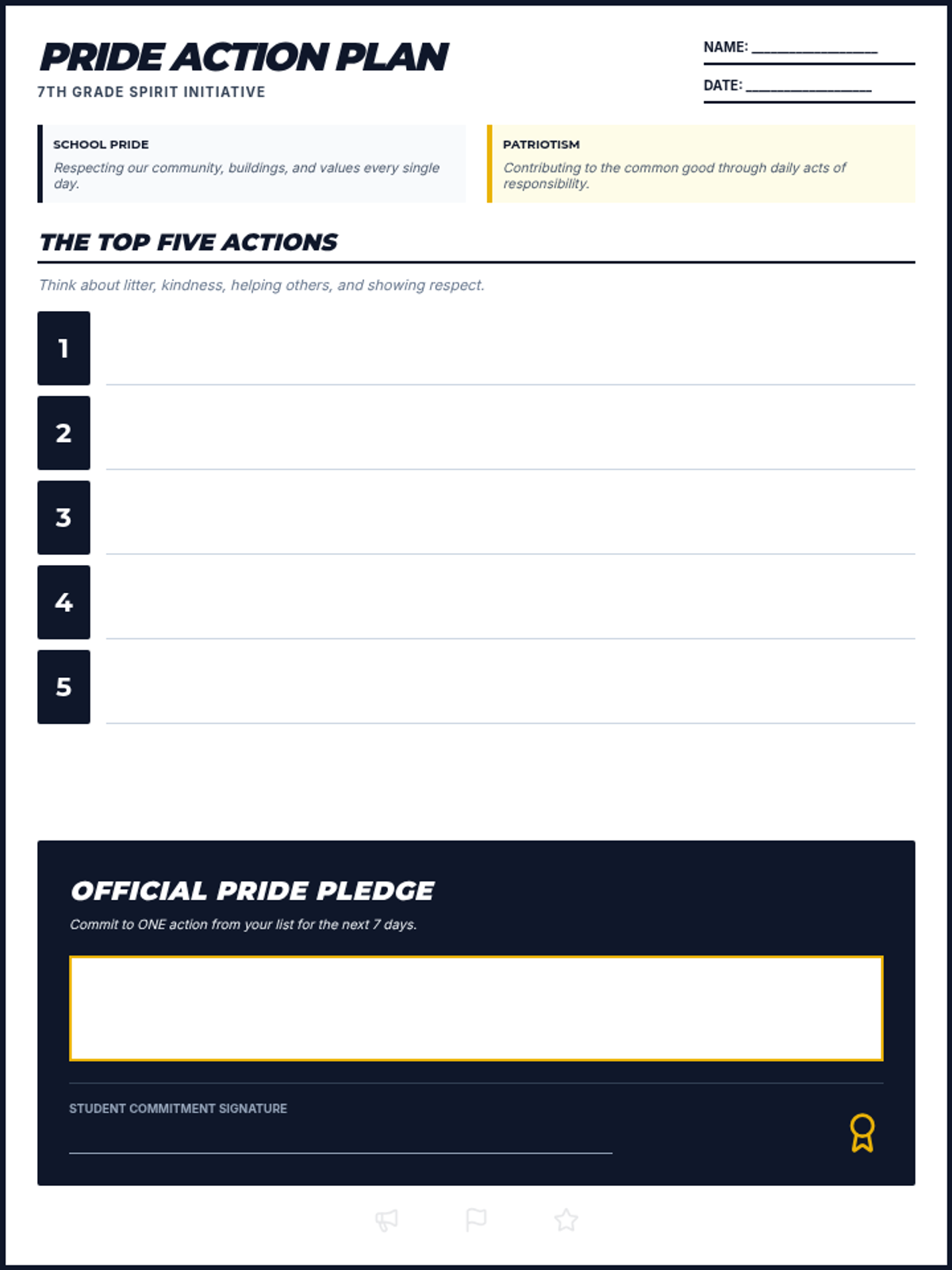
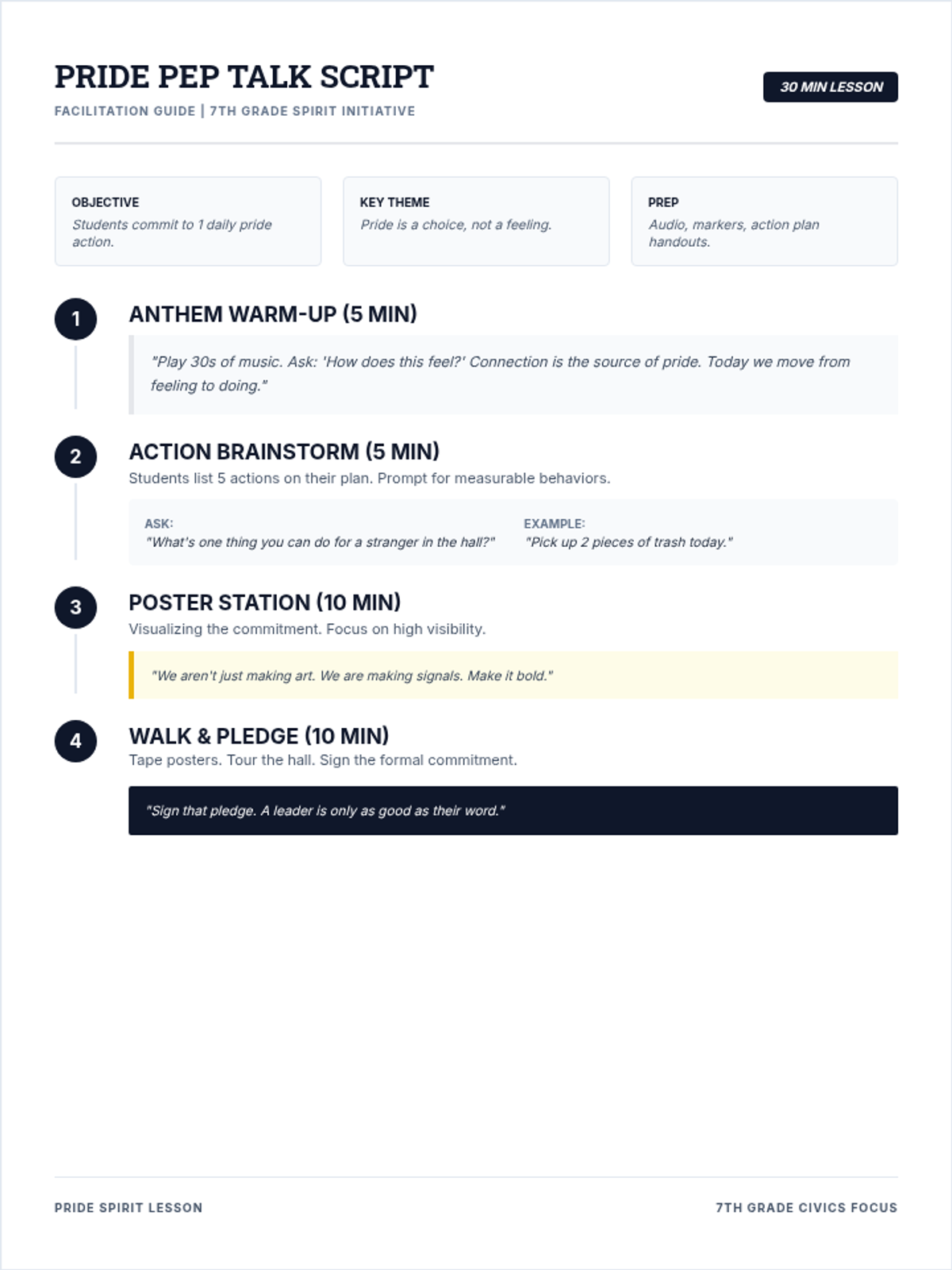
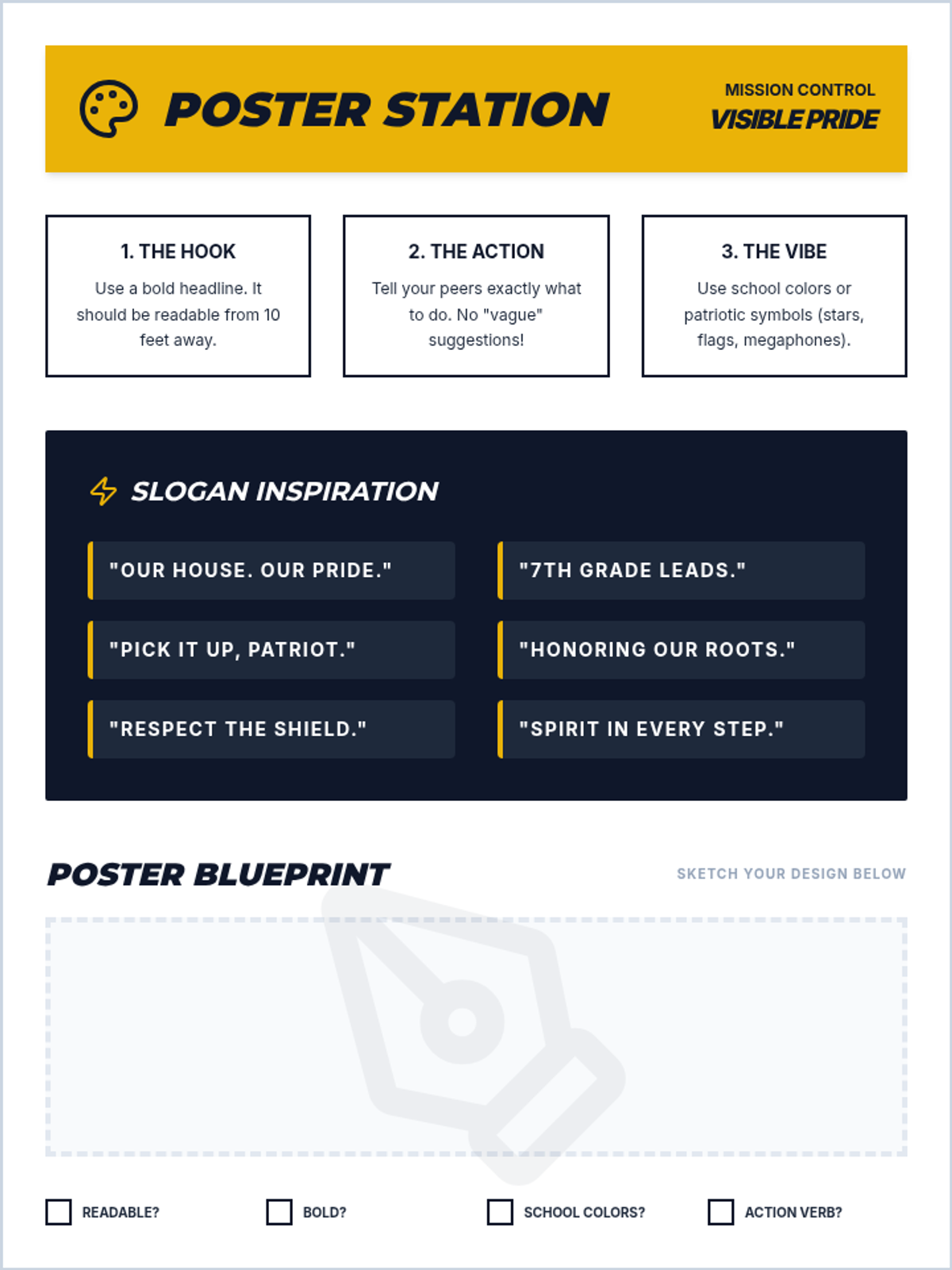
A high-energy 30-minute lesson designed to foster school spirit and civic responsibility through action brainstorming, poster creation, and a personal commitment pledge. Students explore the intersection of school pride and patriotism by identifying ways to contribute positively to their learning community.
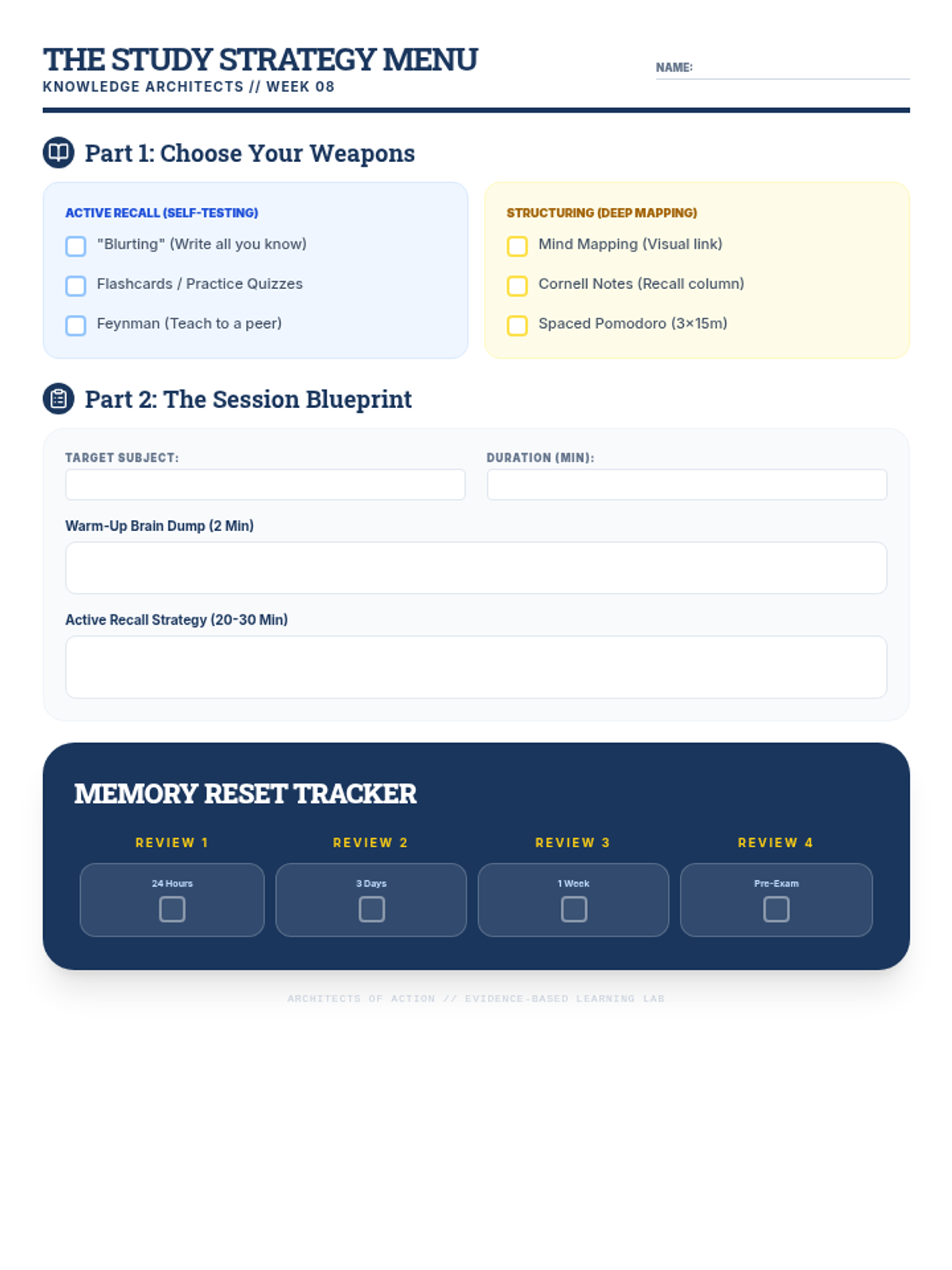
Evidence-based study strategies including active recall, spaced repetition, and personalized note-taking systems.
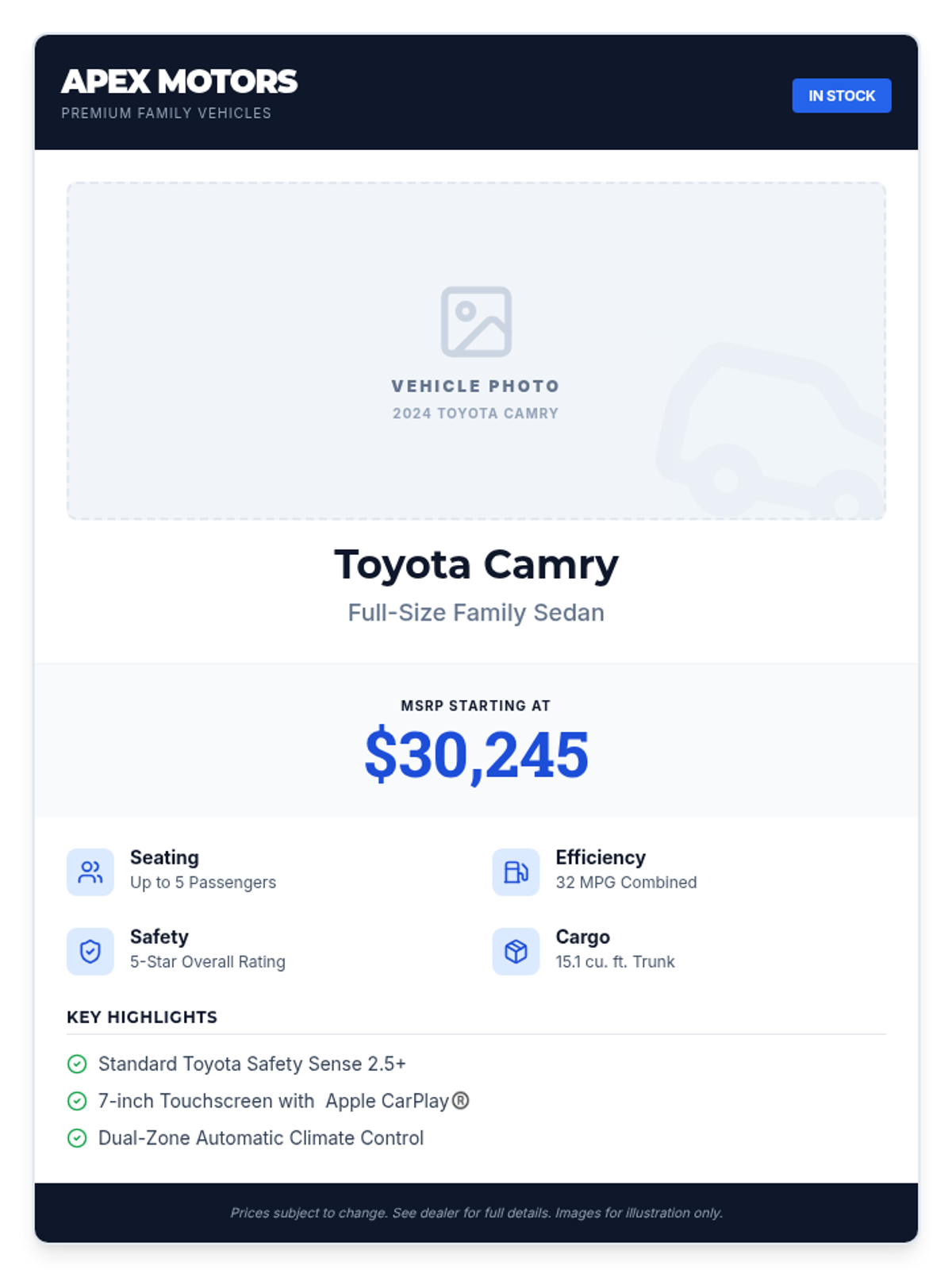
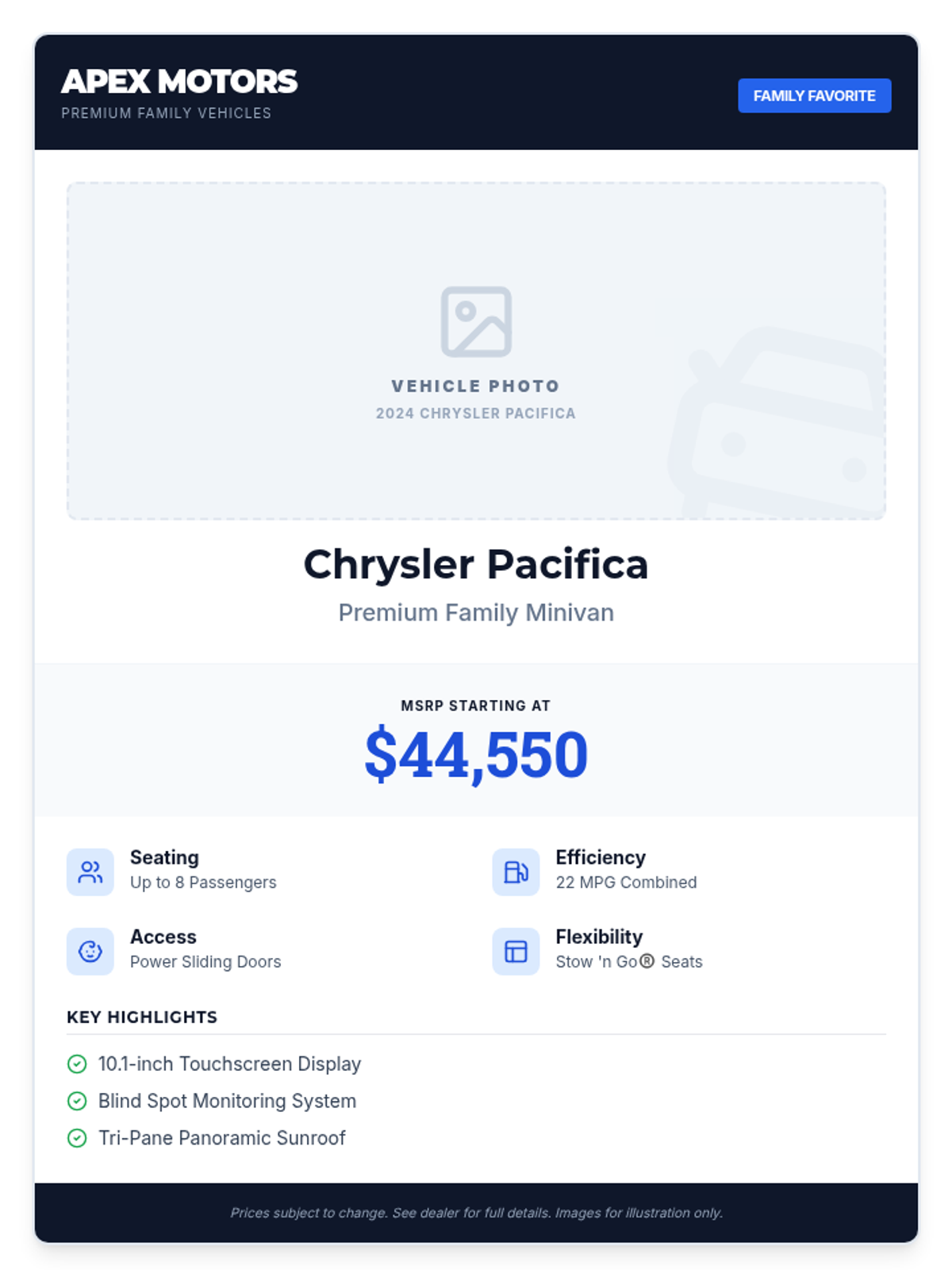
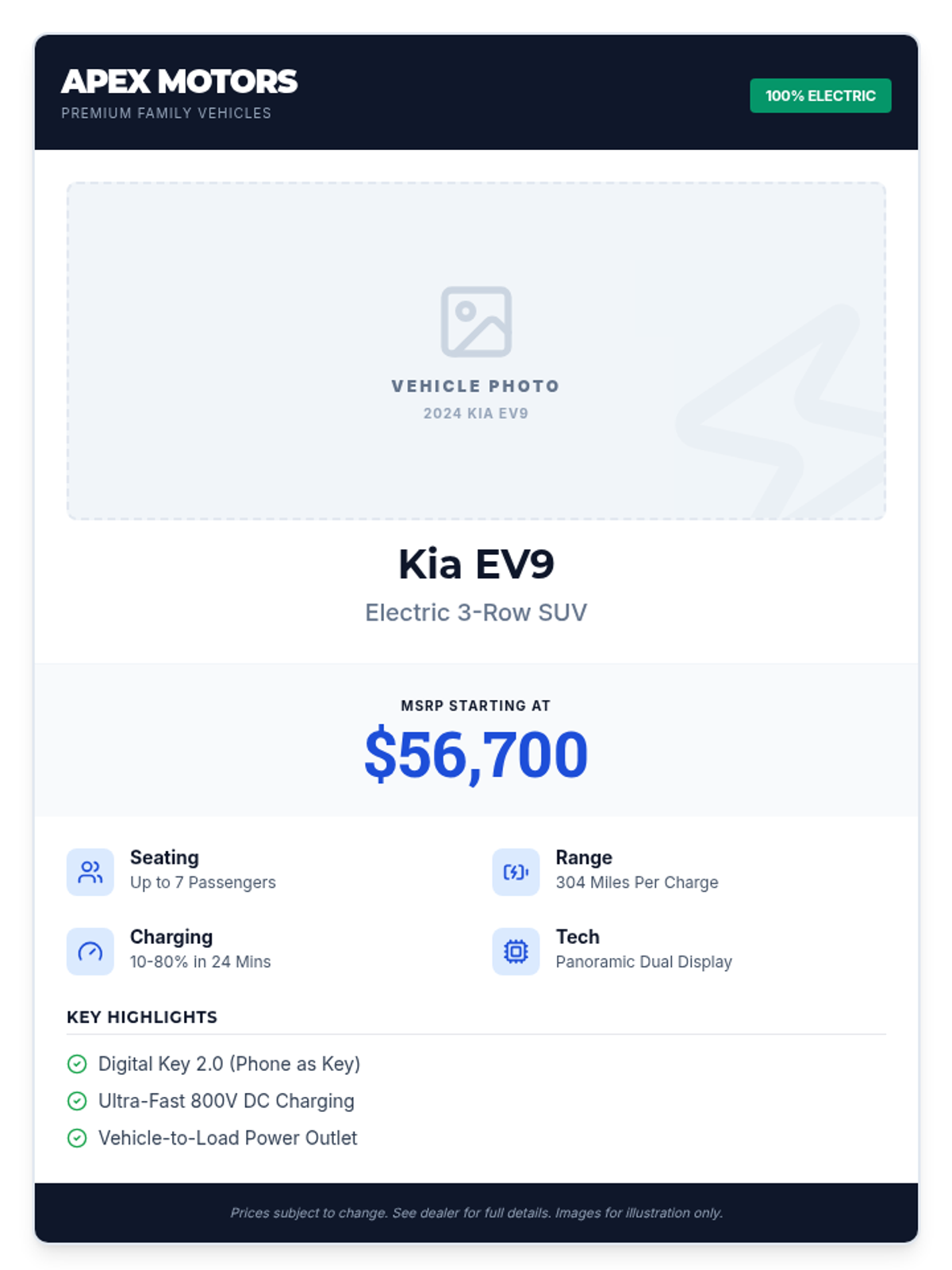
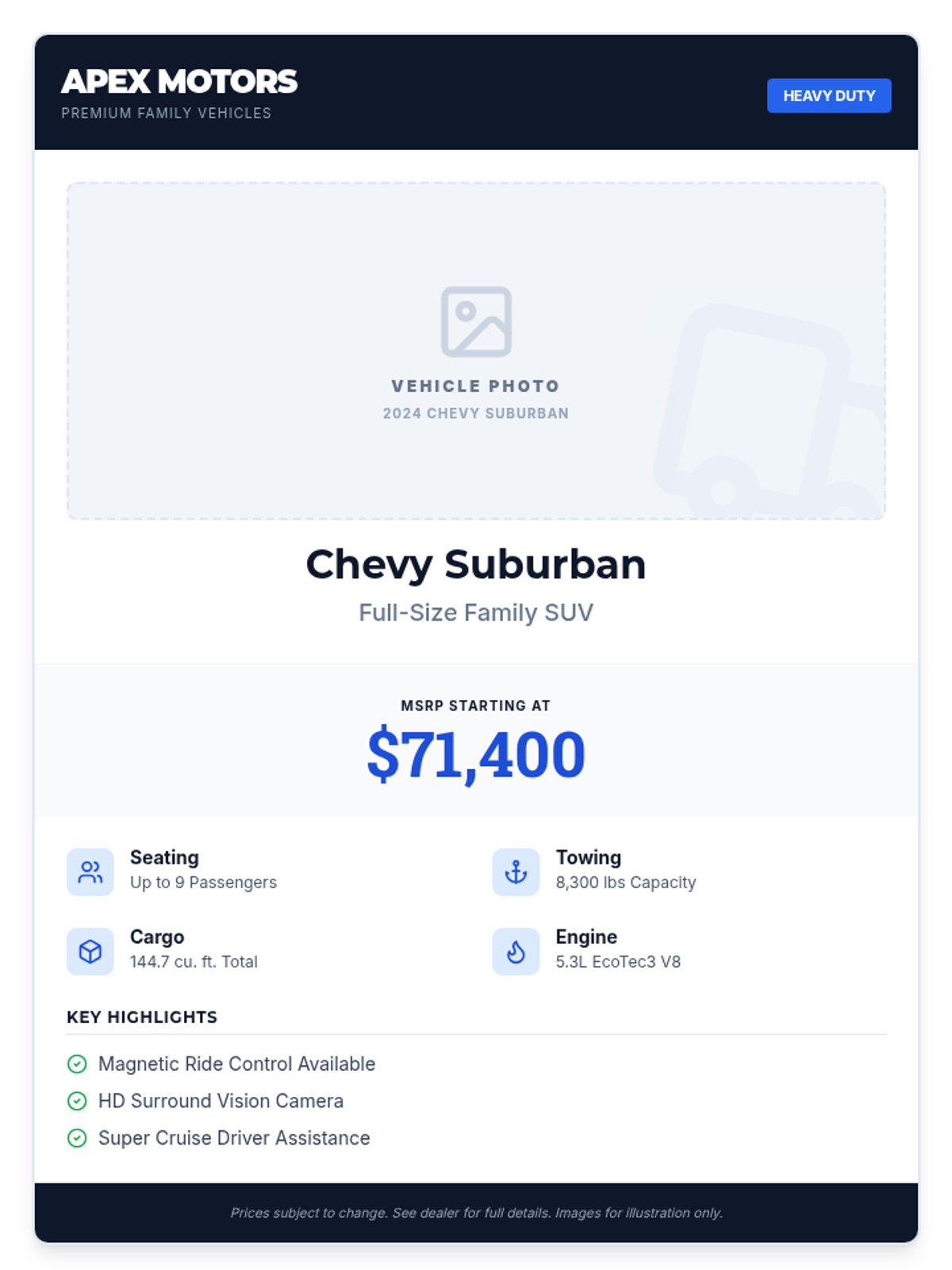
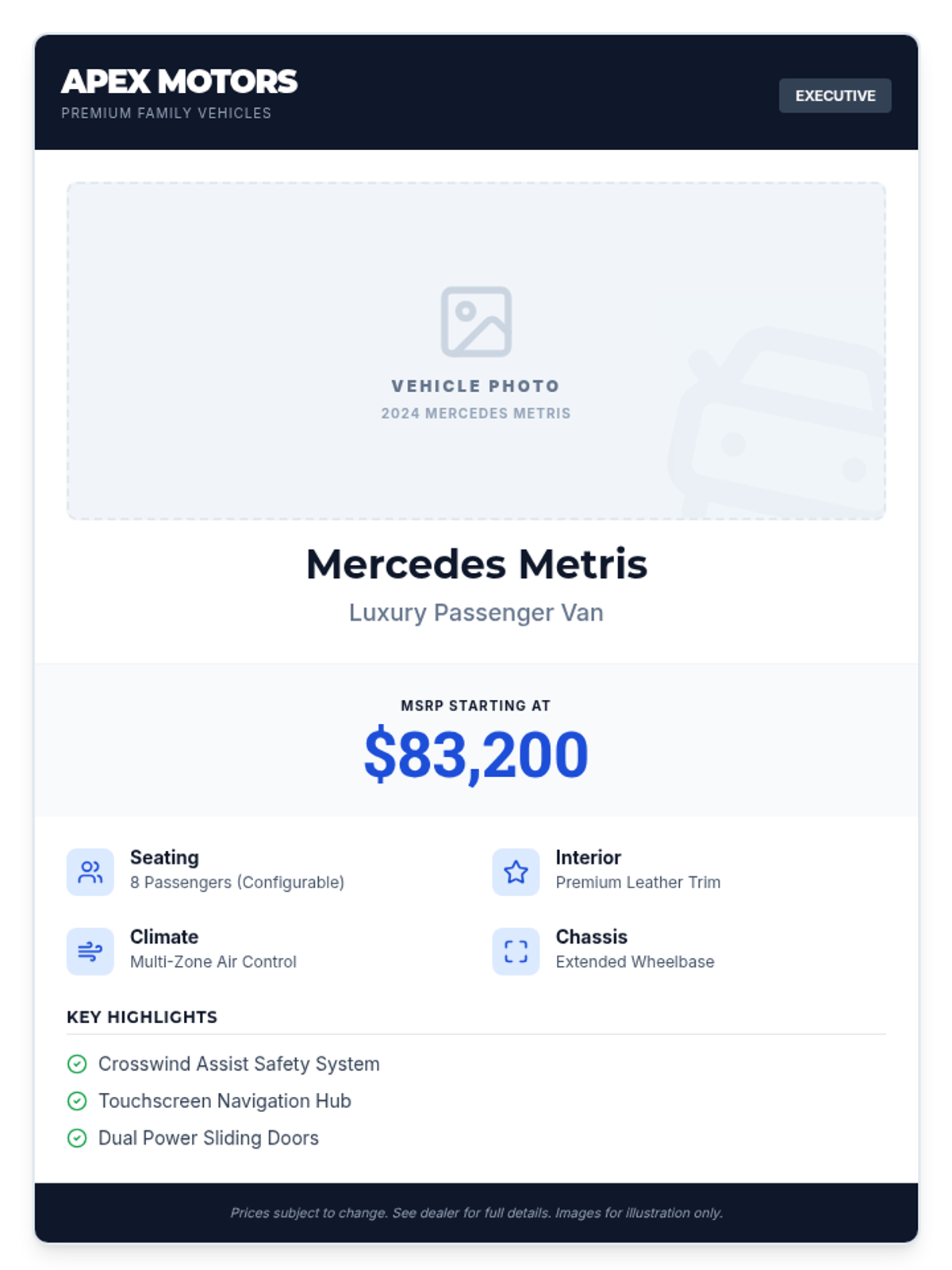
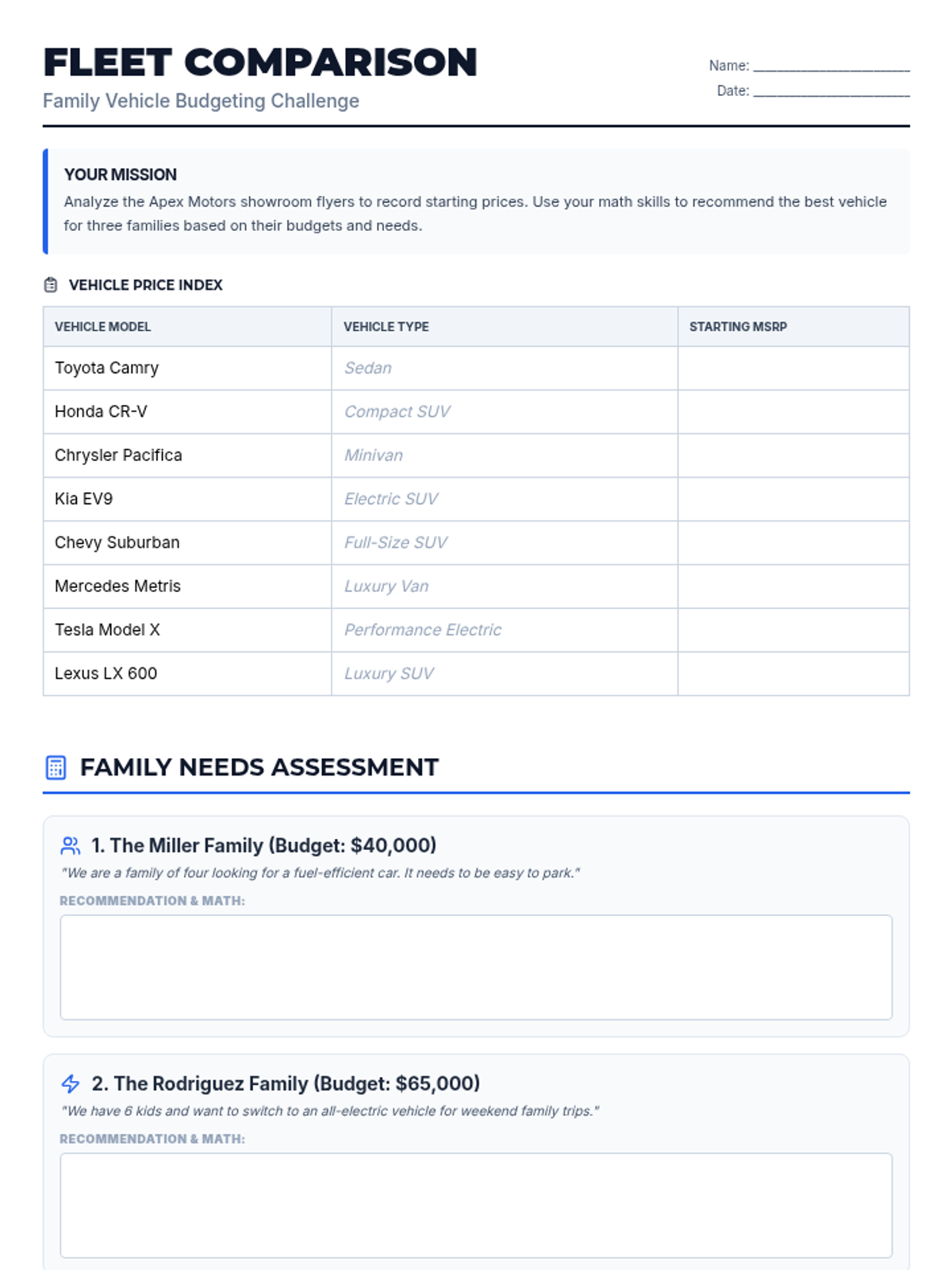
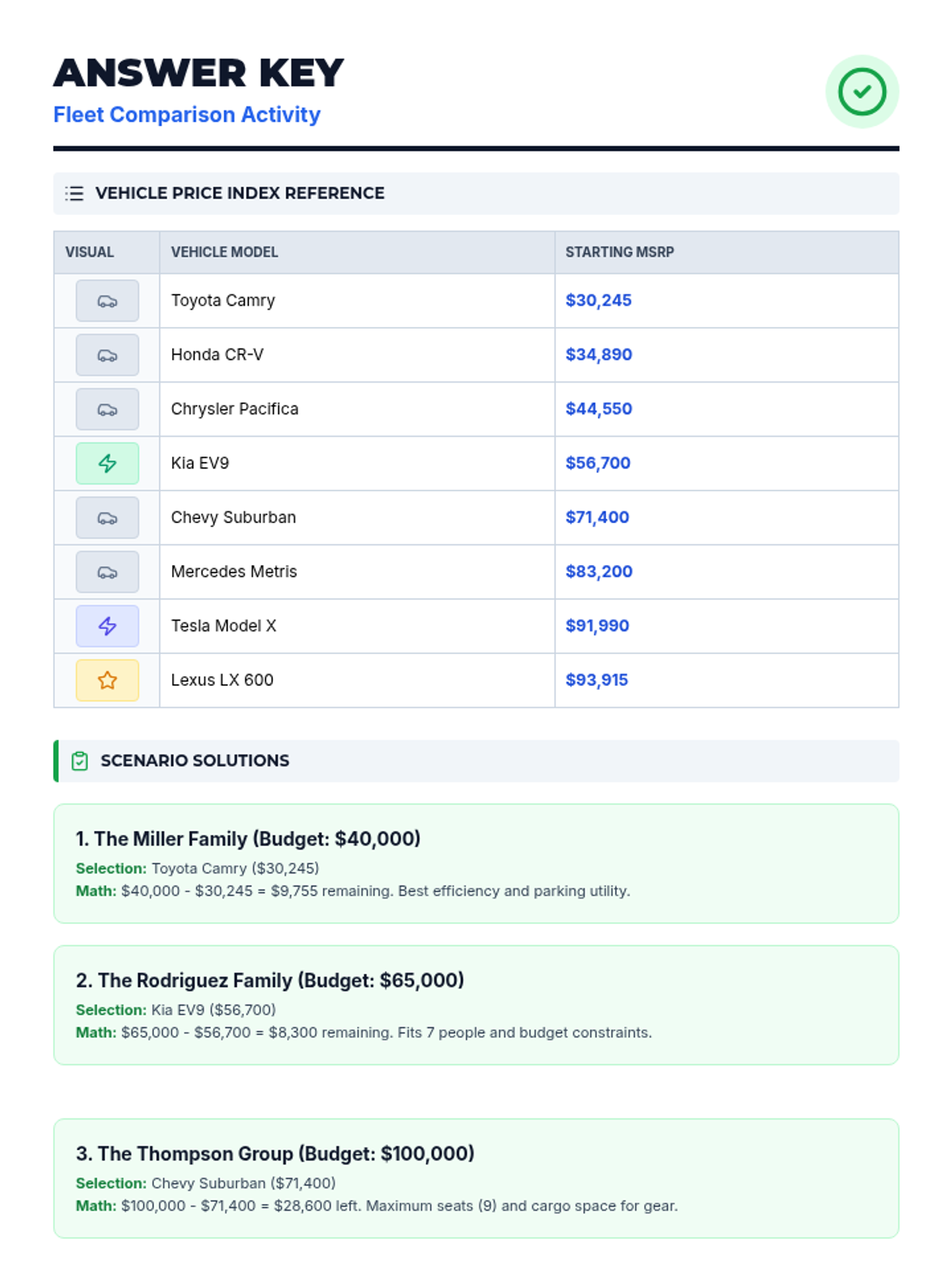
A hands-on math lesson where students analyze vehicle pricing, features, and budgeting for family-sized transport. Students use a series of showroom flyers to compare costs and make purchasing decisions based on specific family needs.
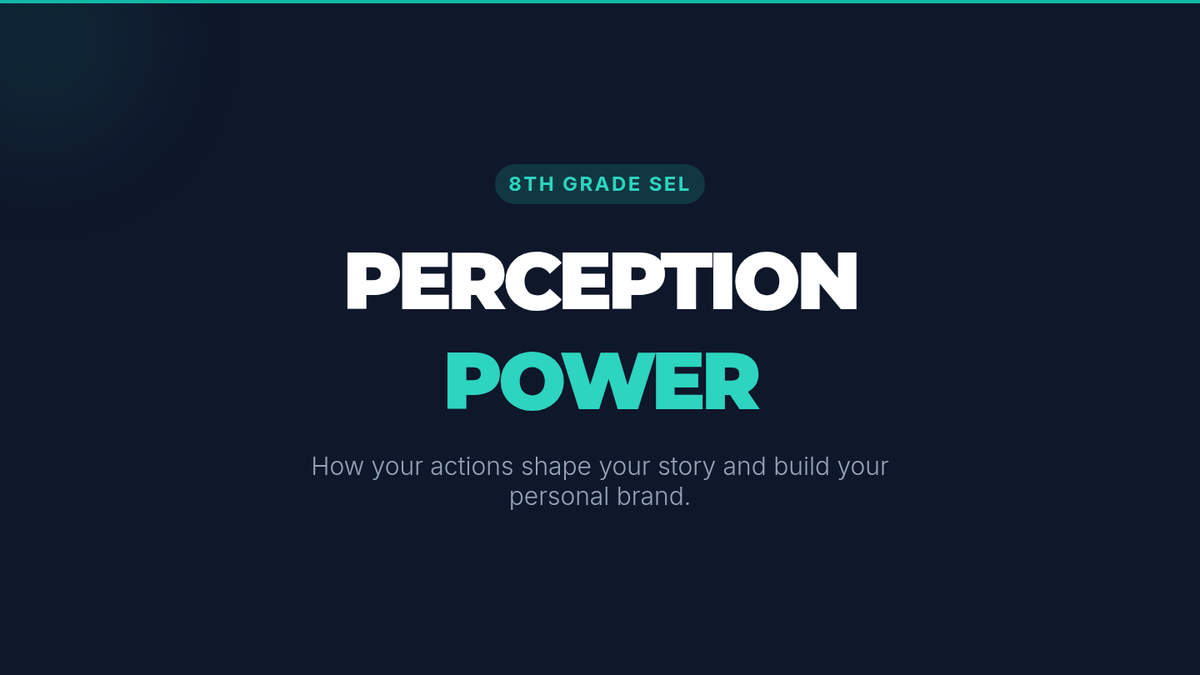
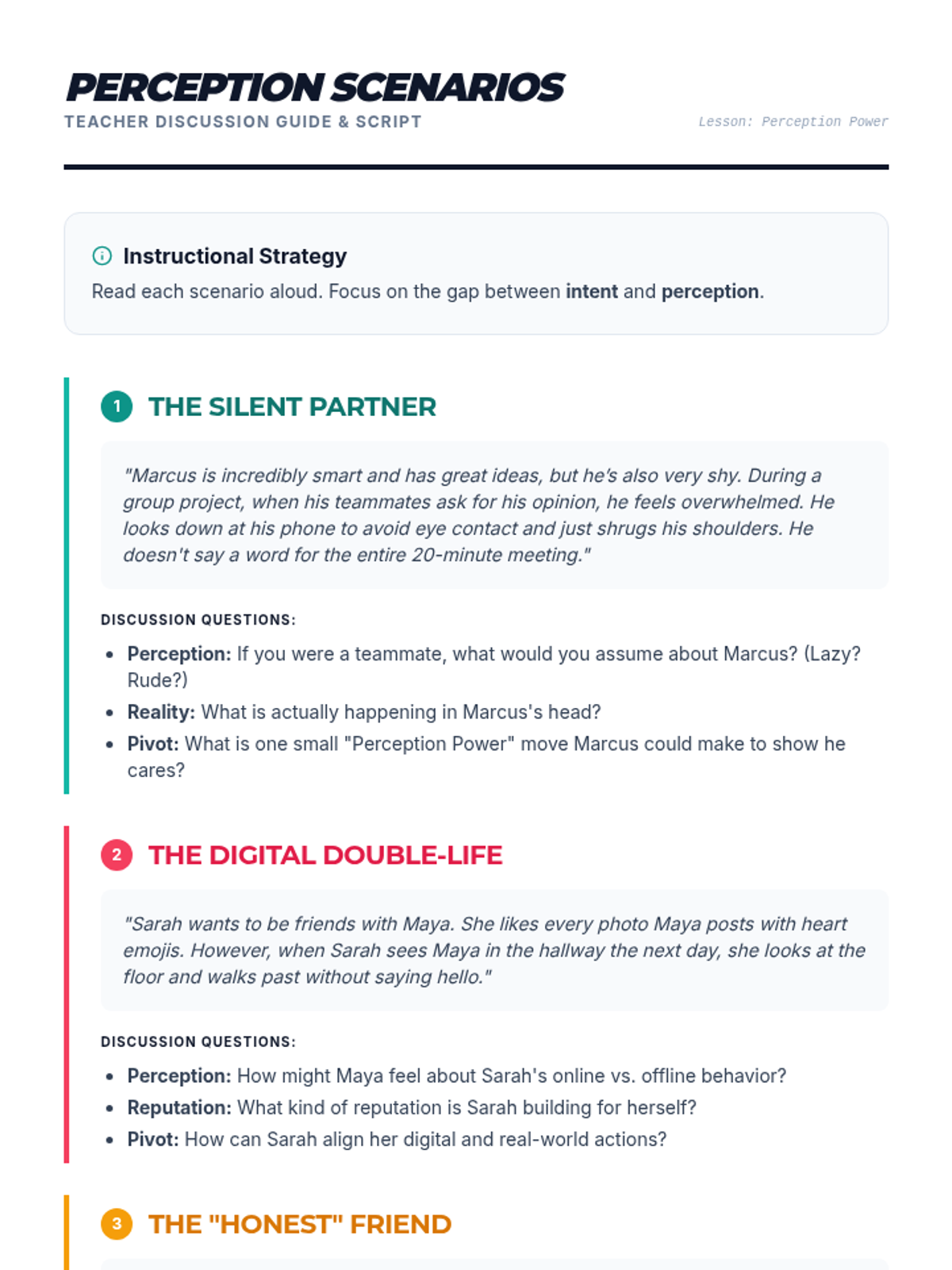
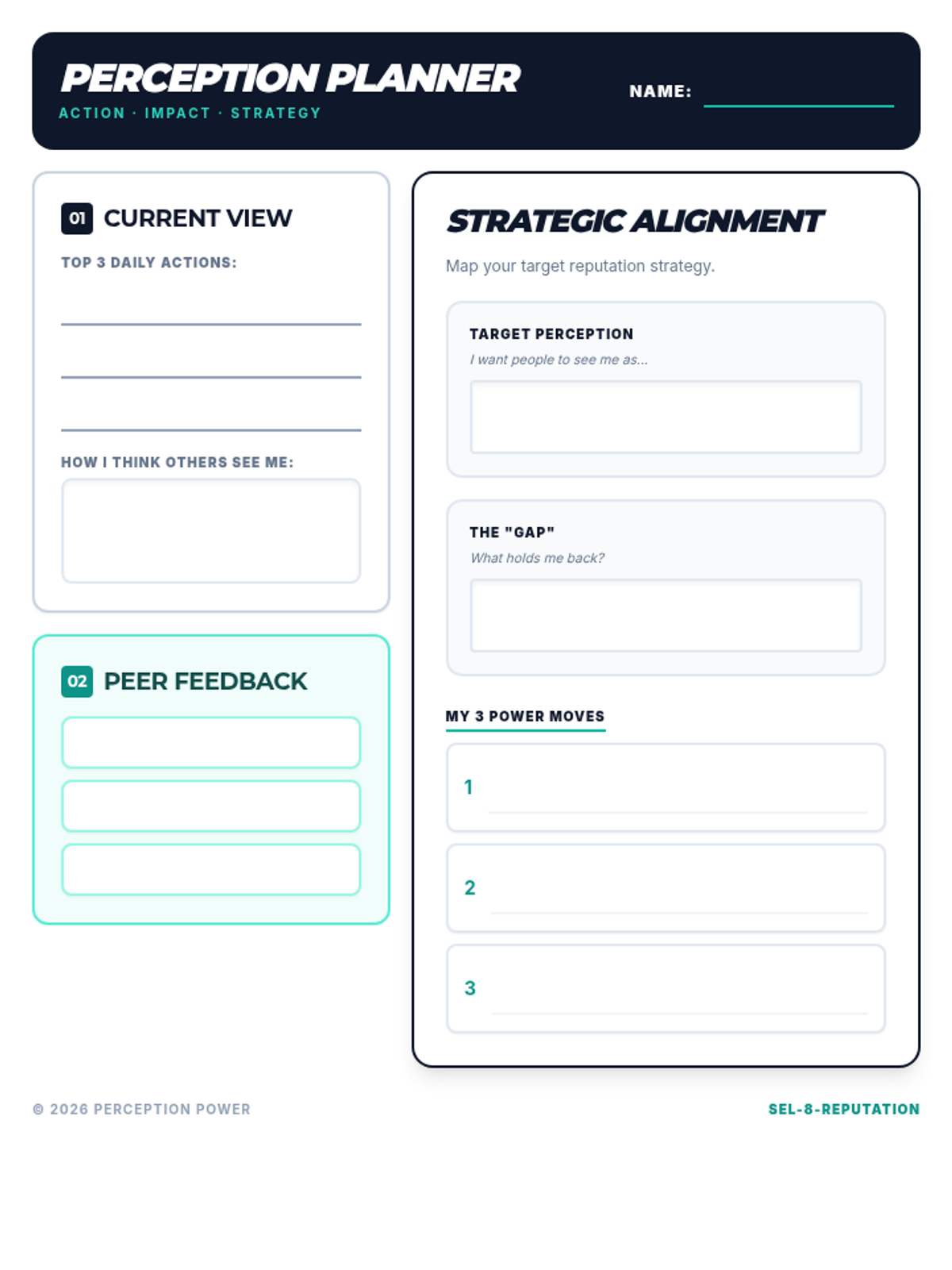
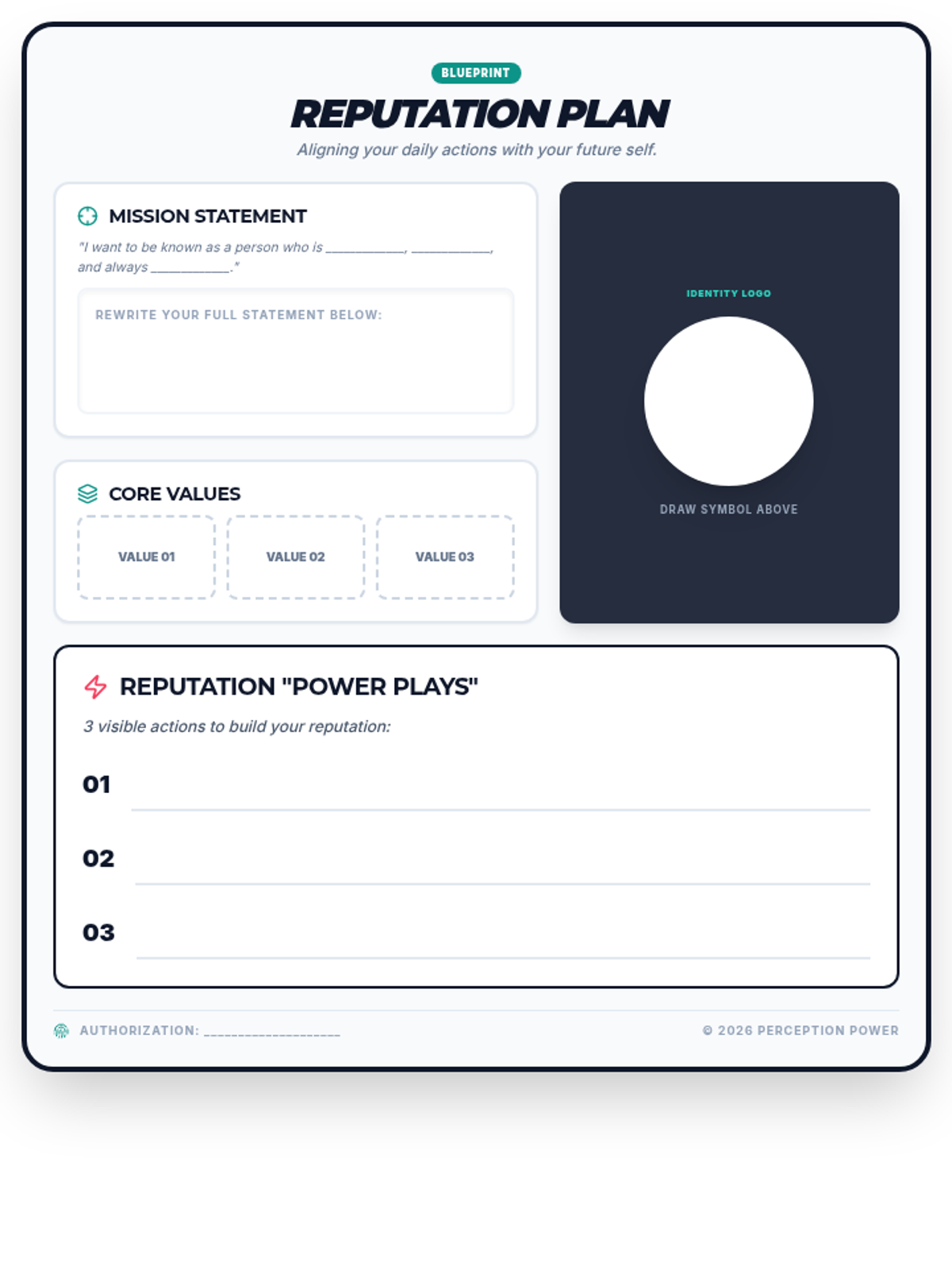
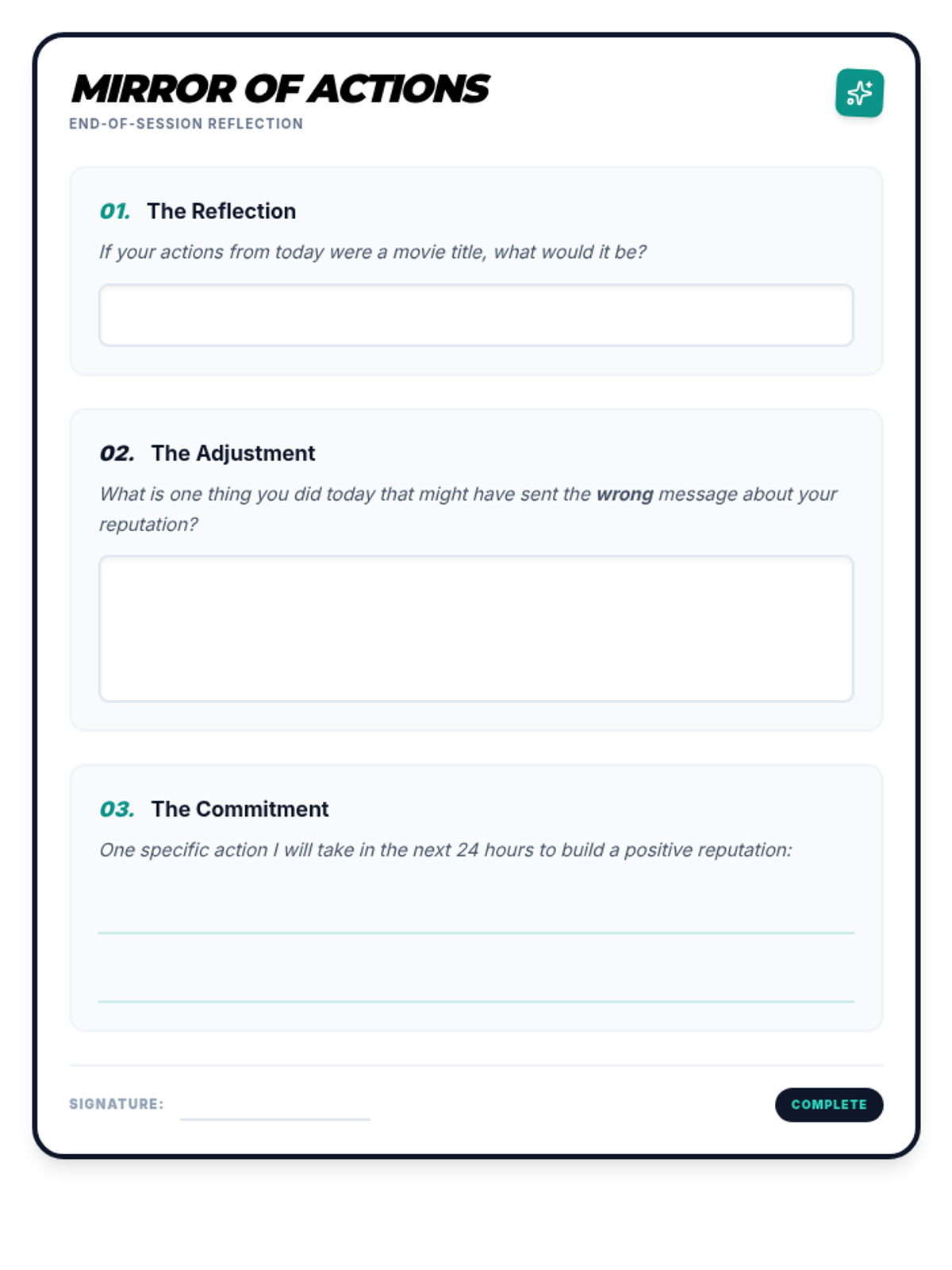
A 30-minute social-emotional learning lesson for 8th graders focusing on the connection between personal actions, others' perceptions, and building a positive reputation. Students analyze real-world scenarios and develop a concrete 'reputation plan' for their future selves.
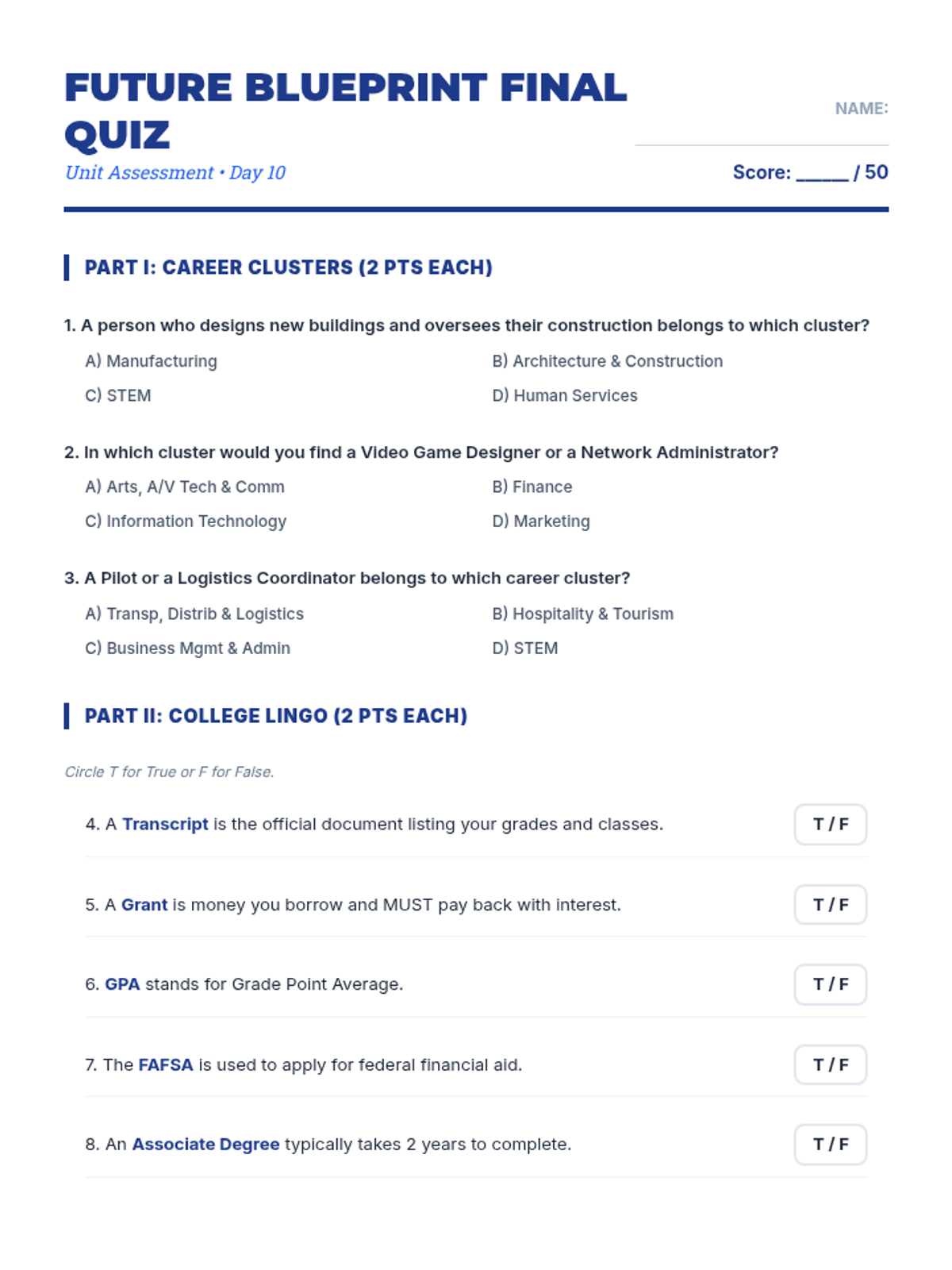
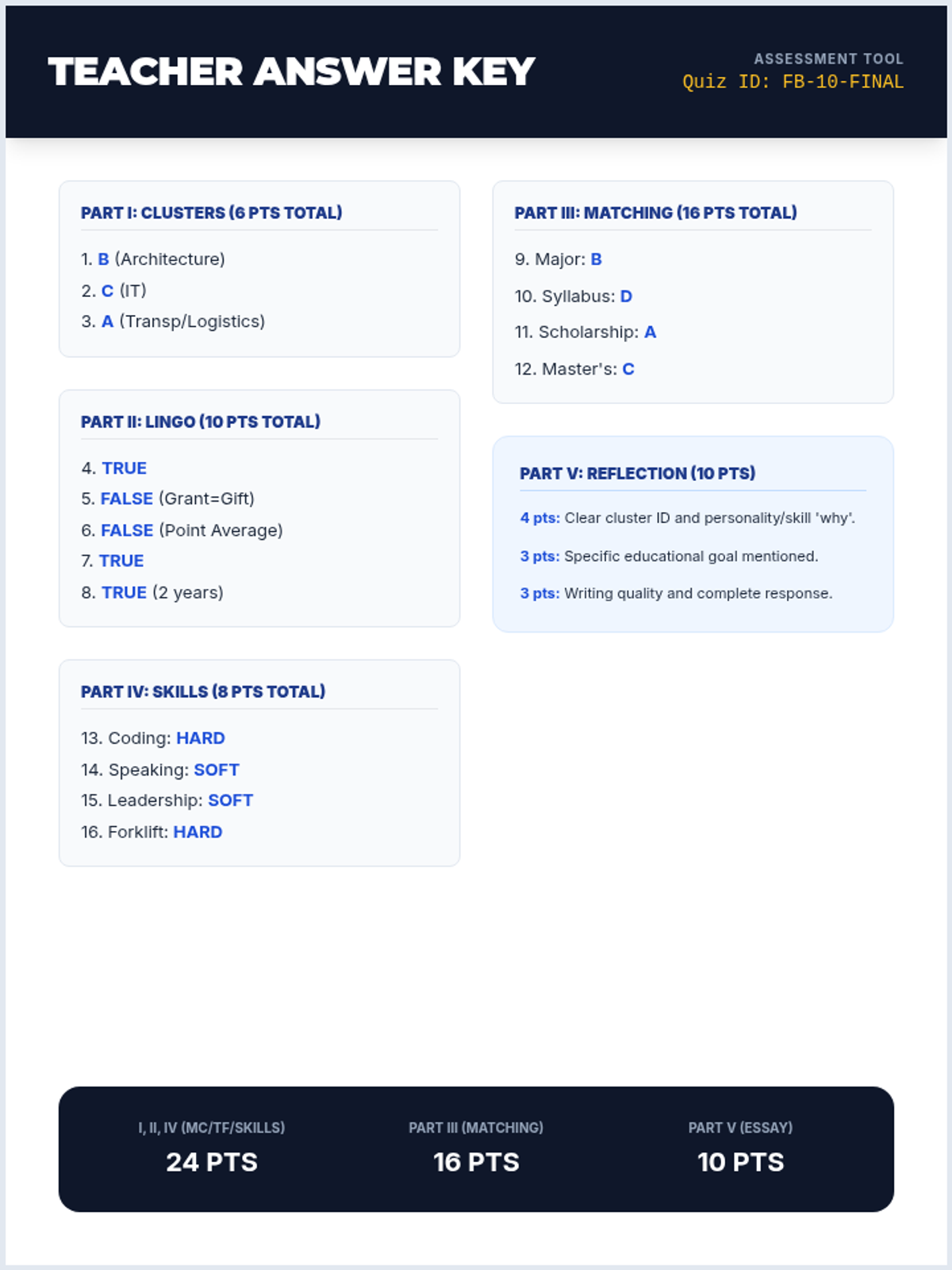
A final review using the study guide followed by a formal assessment of the unit's key concepts.
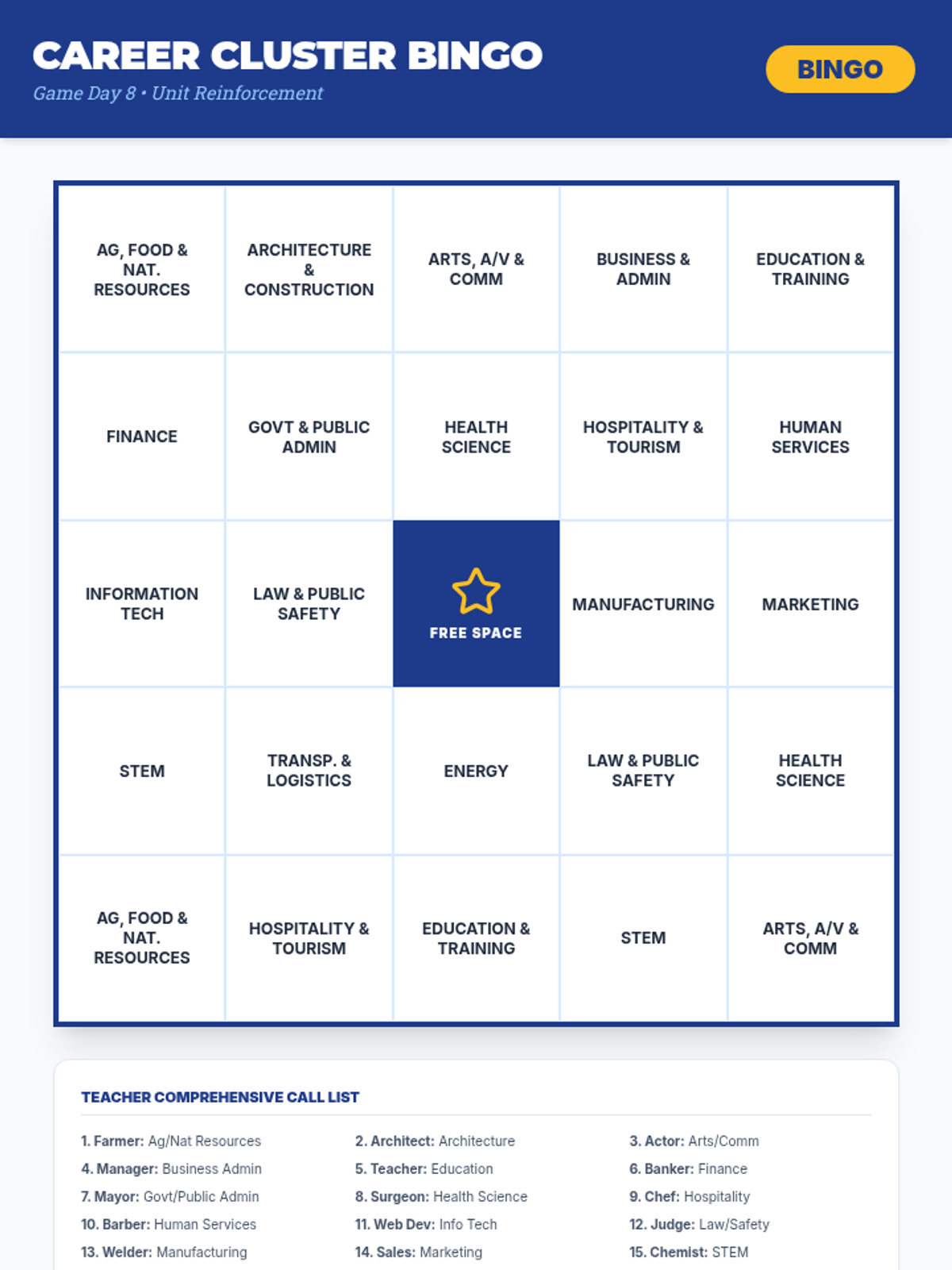
An interactive day of games and collaborative activities to reinforce learning of clusters and college terminology.
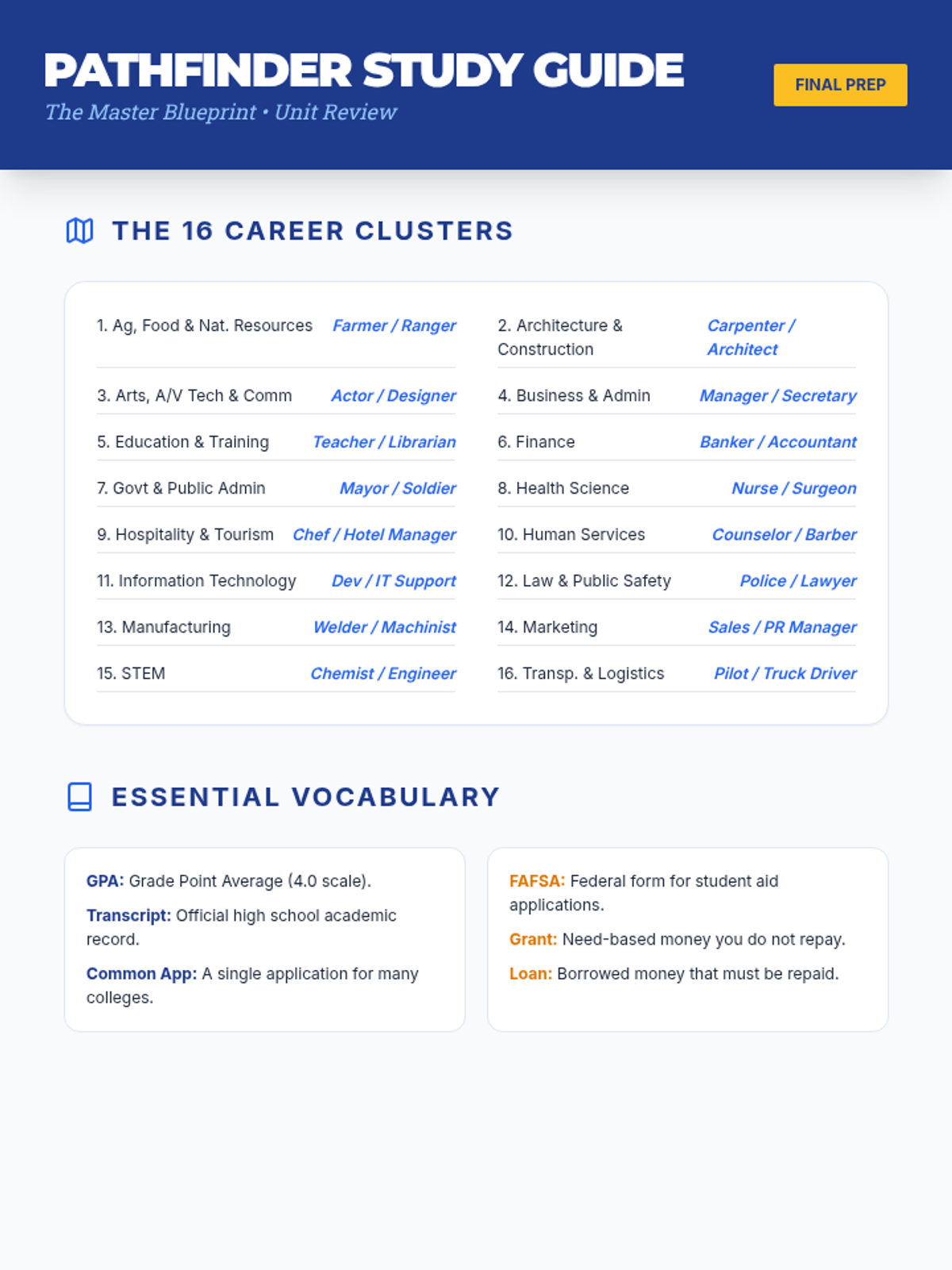
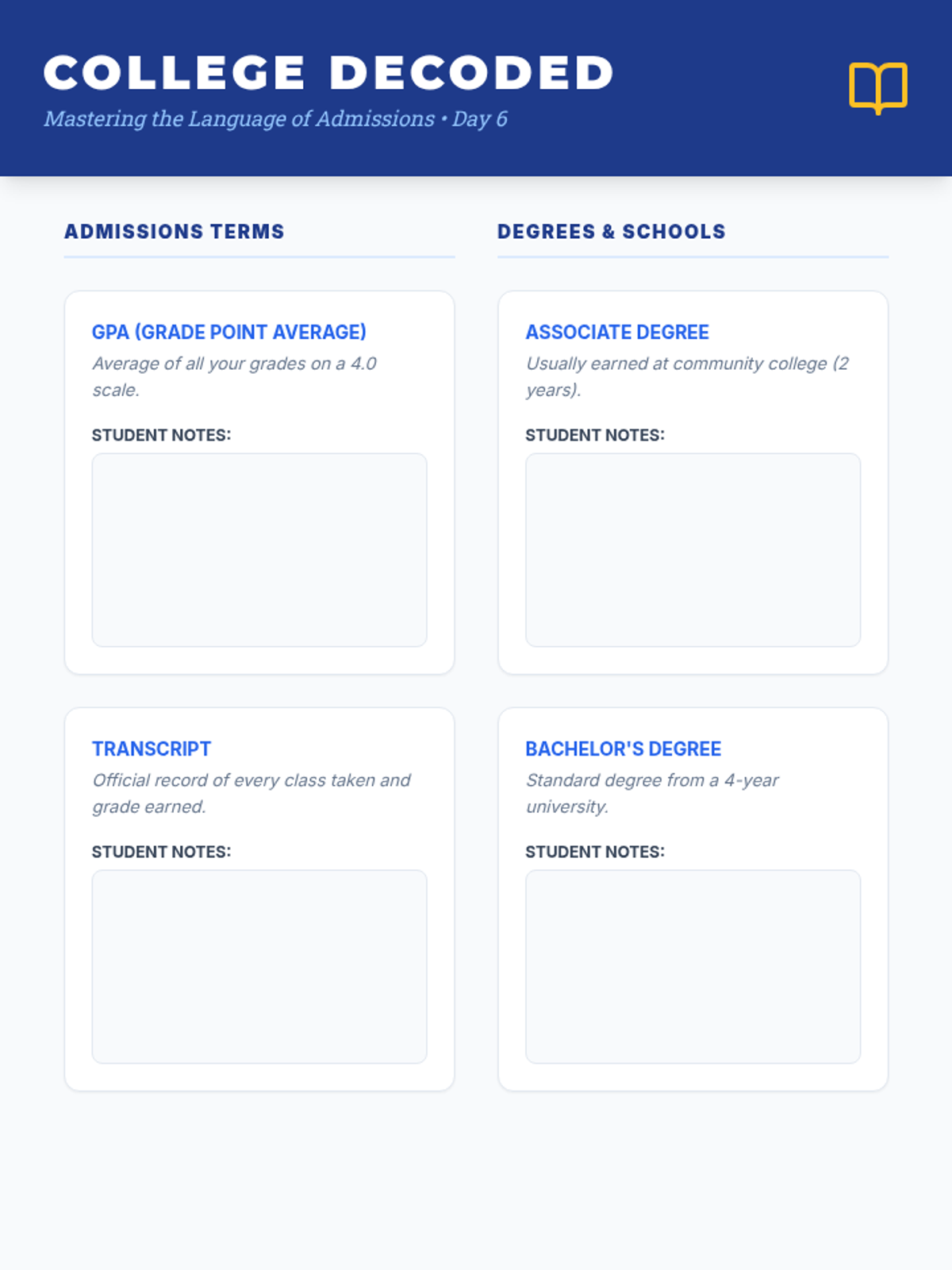
Demystifies the college application process by teaching essential vocabulary like FAFSA, GPA, transcripts, and different degree types.
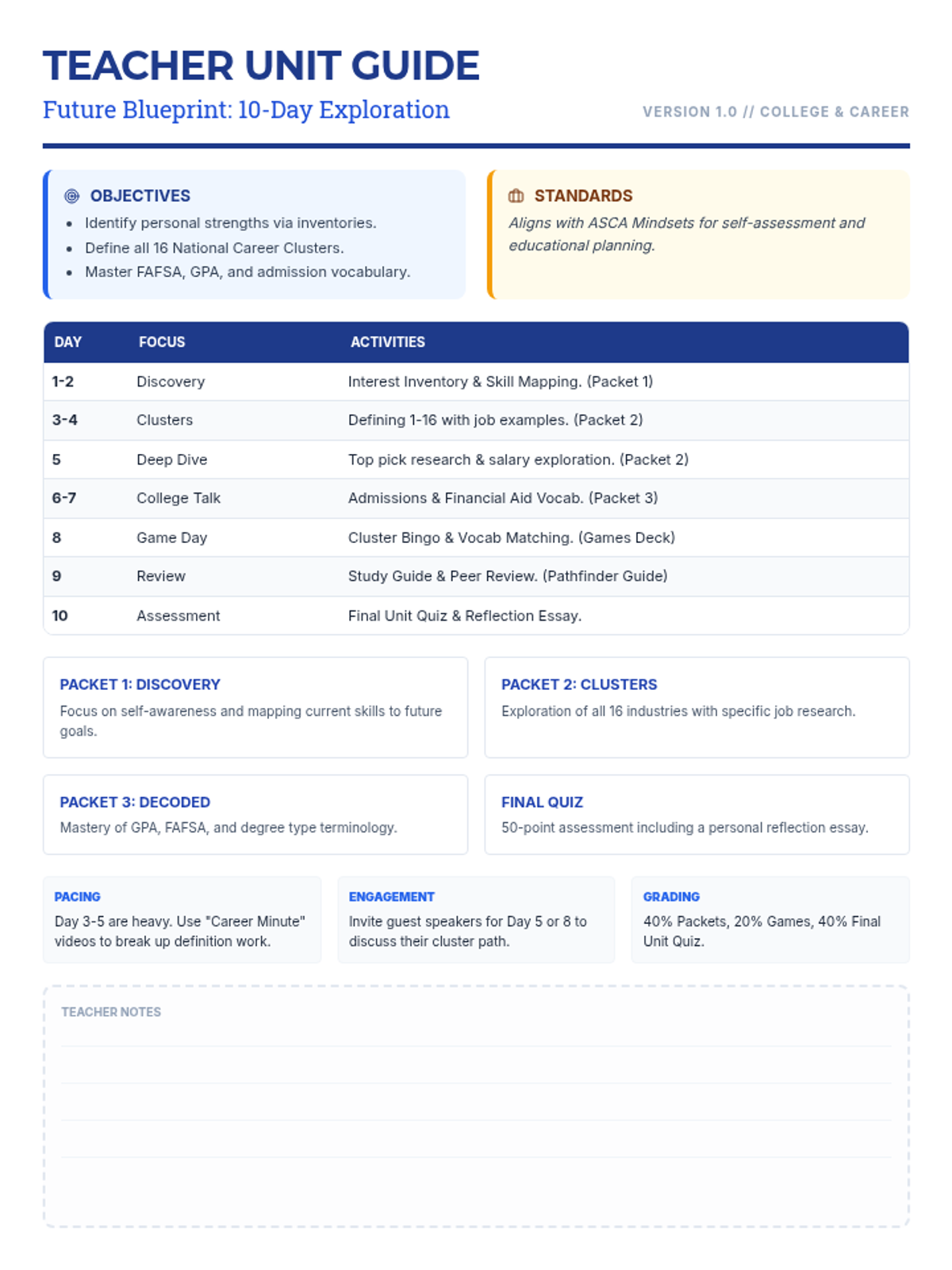
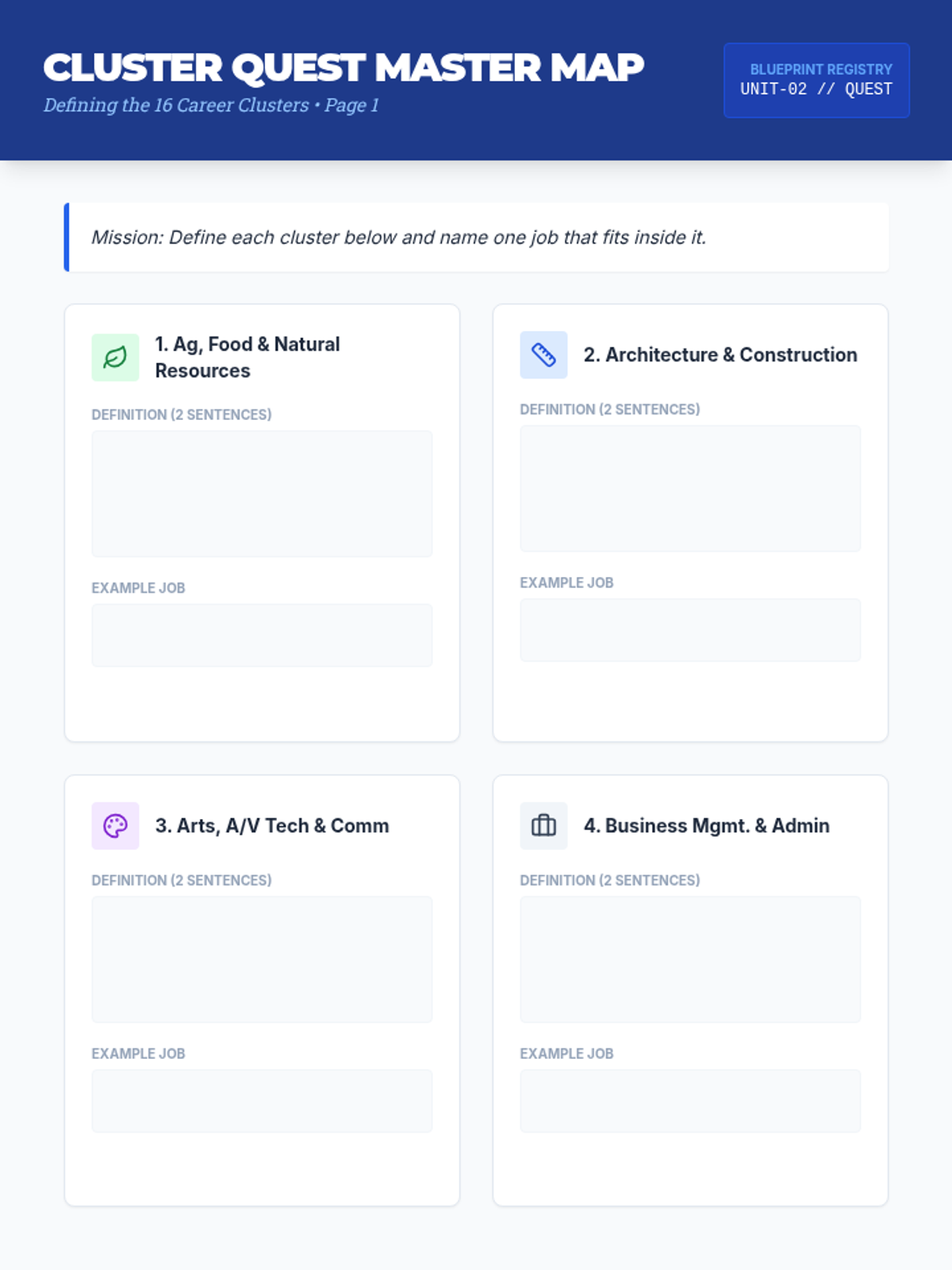
An in-depth exploration of the 16 National Career Clusters, helping students define and categorize different professional industries.
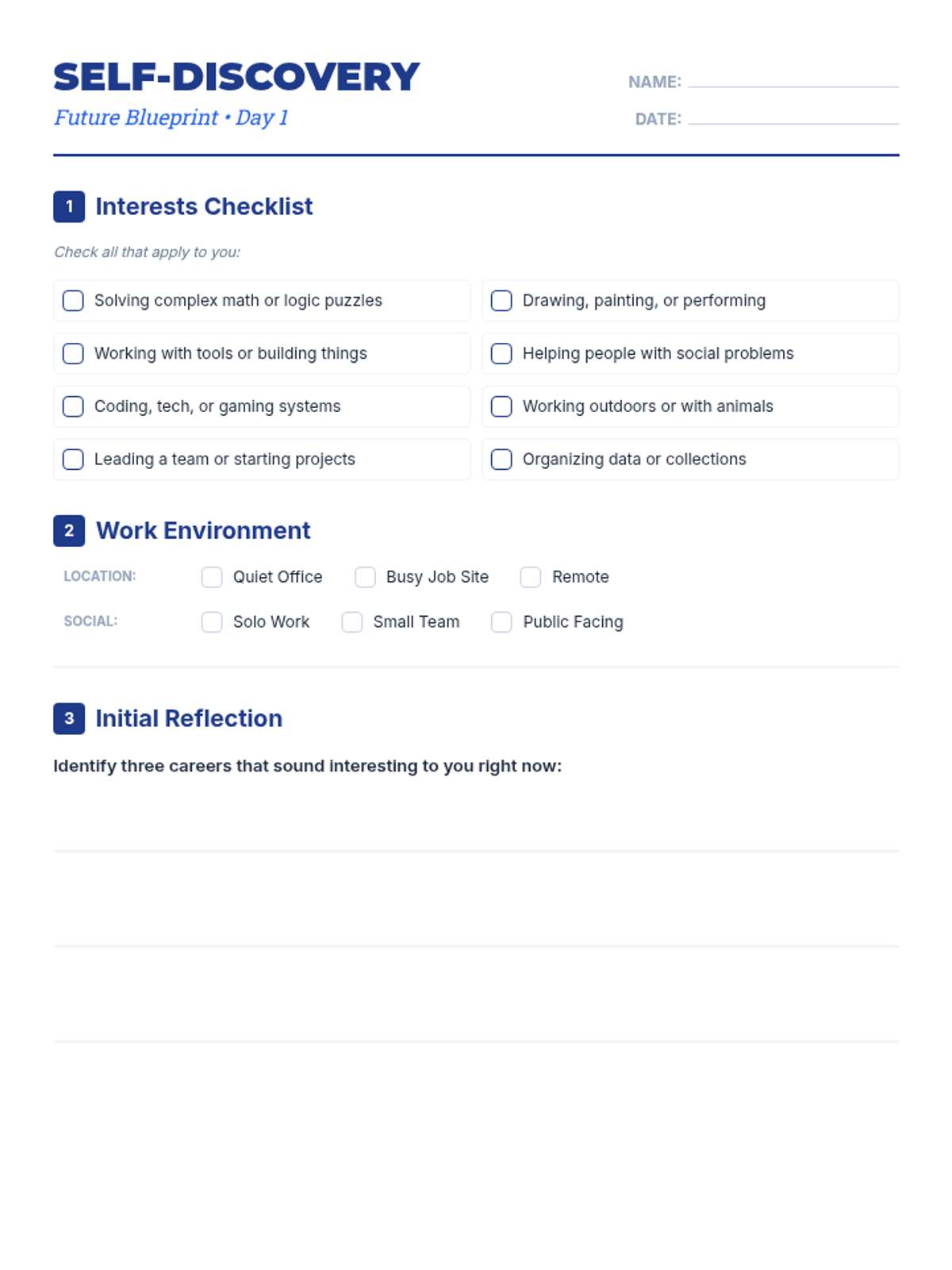
Focuses on student self-reflection, interest inventories, and matching personal strengths to potential career paths.
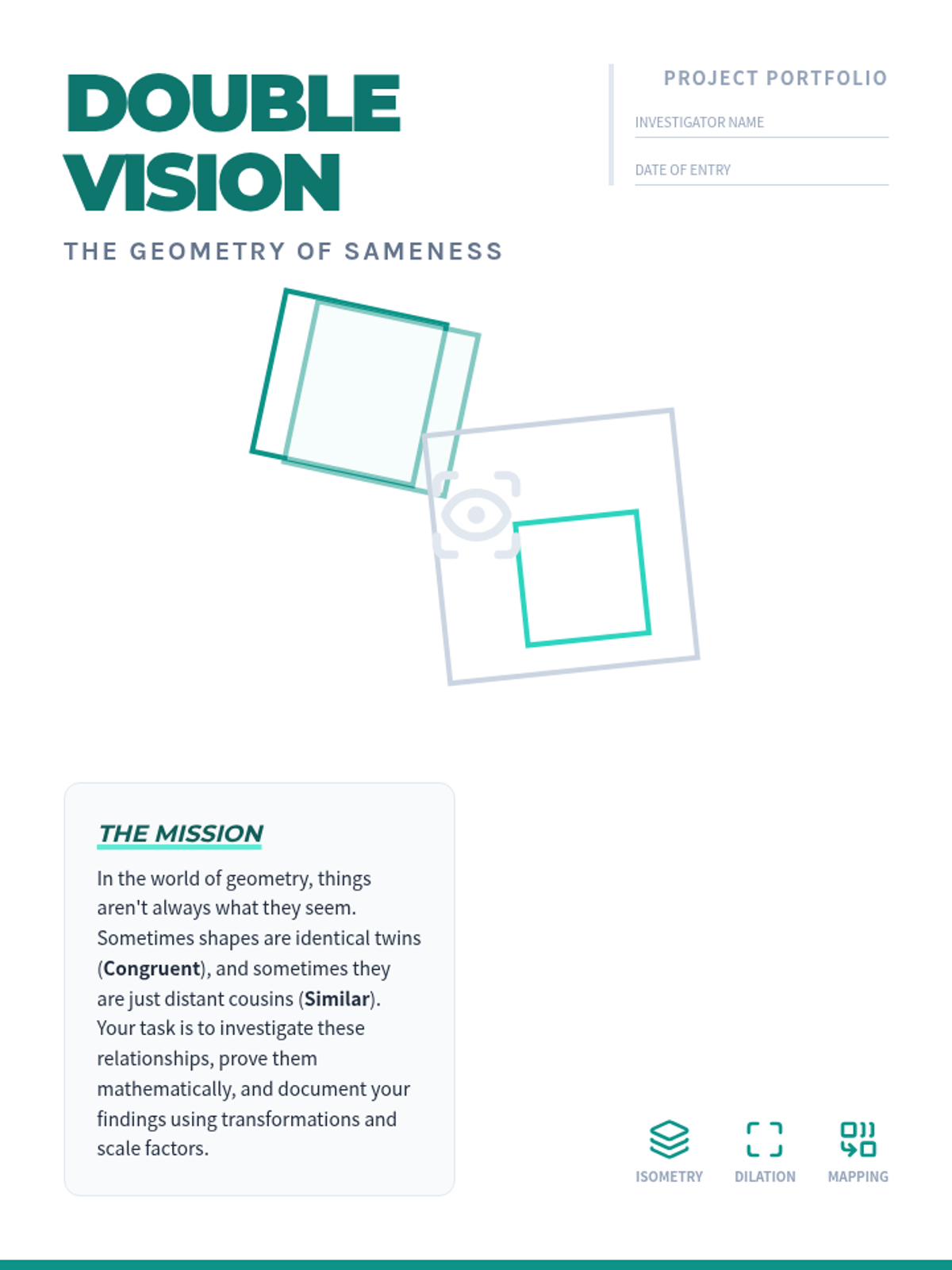
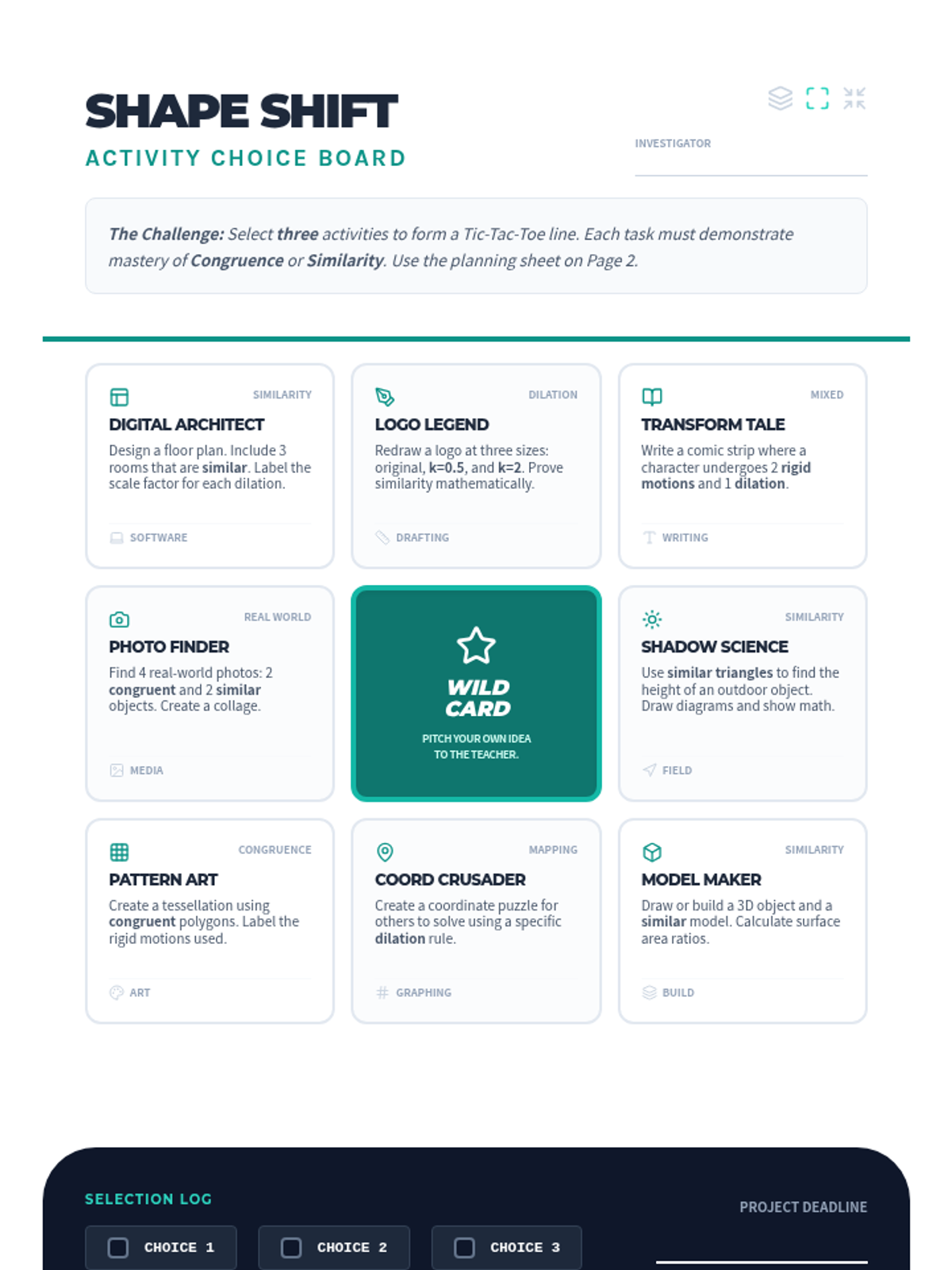
A hands-on project exploration where 8th-grade students investigate the geometric relationships between congruent and similar shapes through creative tasks and real-world applications.
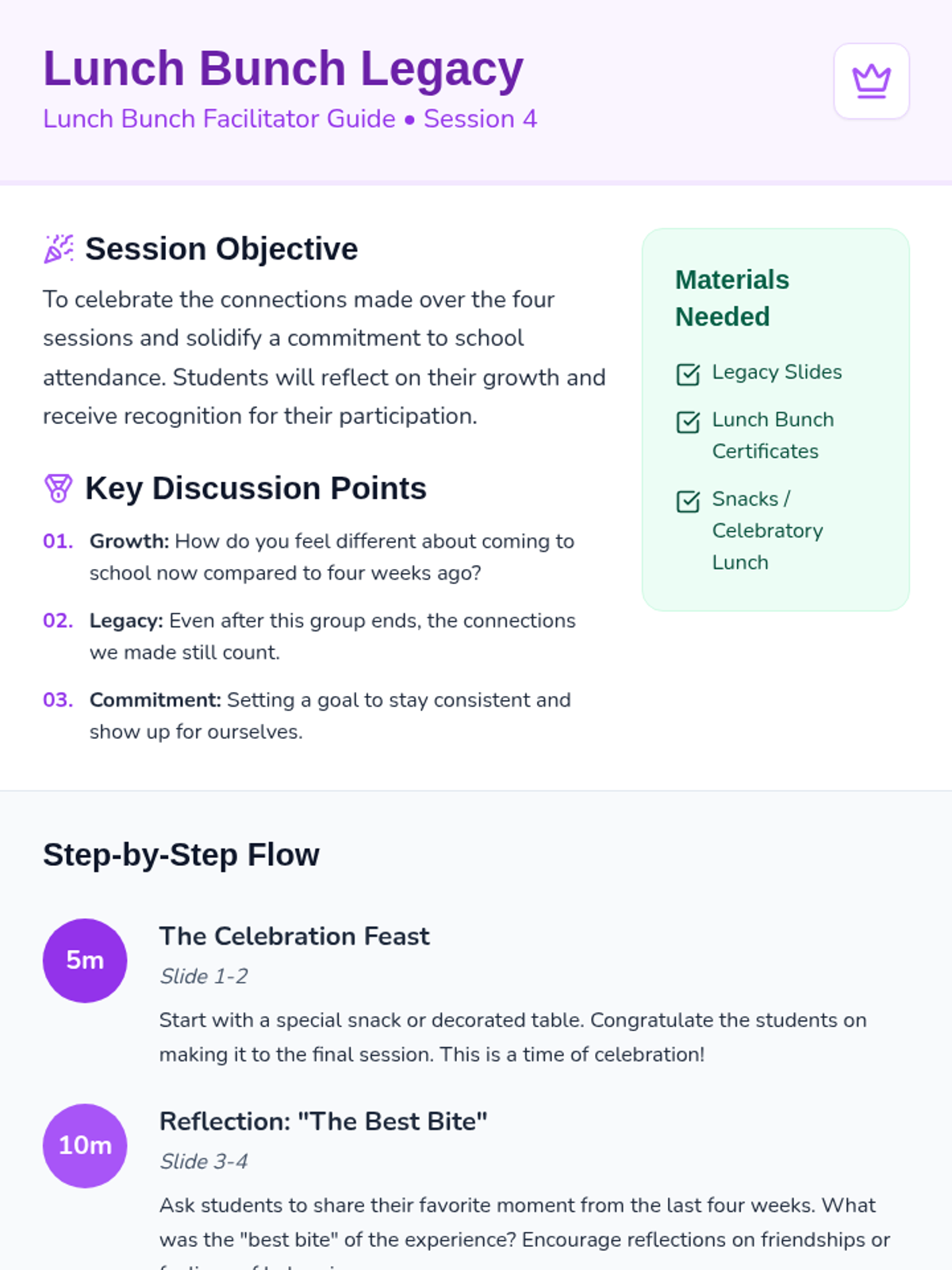
A final celebration of the community built, where students reflect on their growth and commit to showing up for themselves and each other.
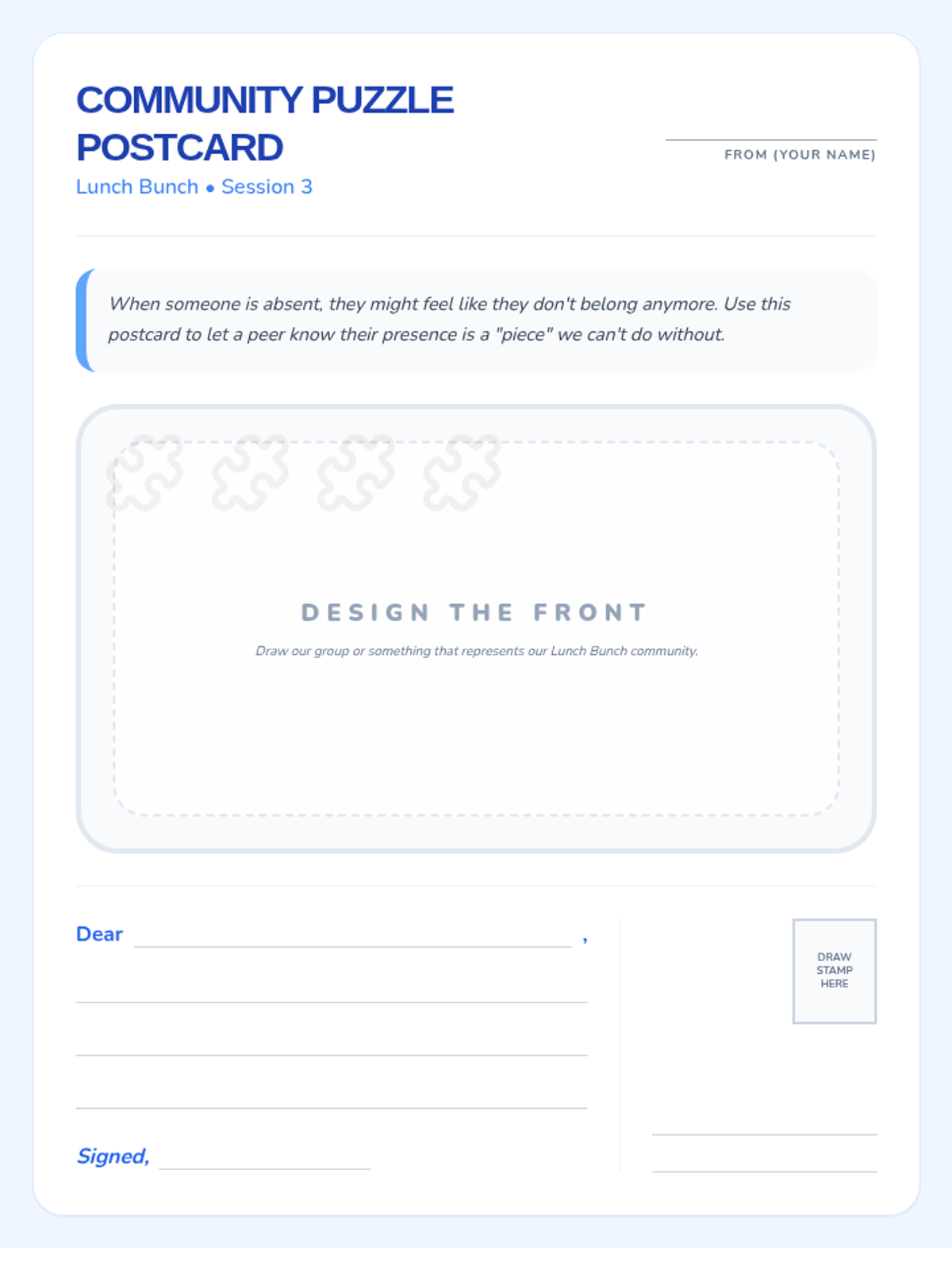
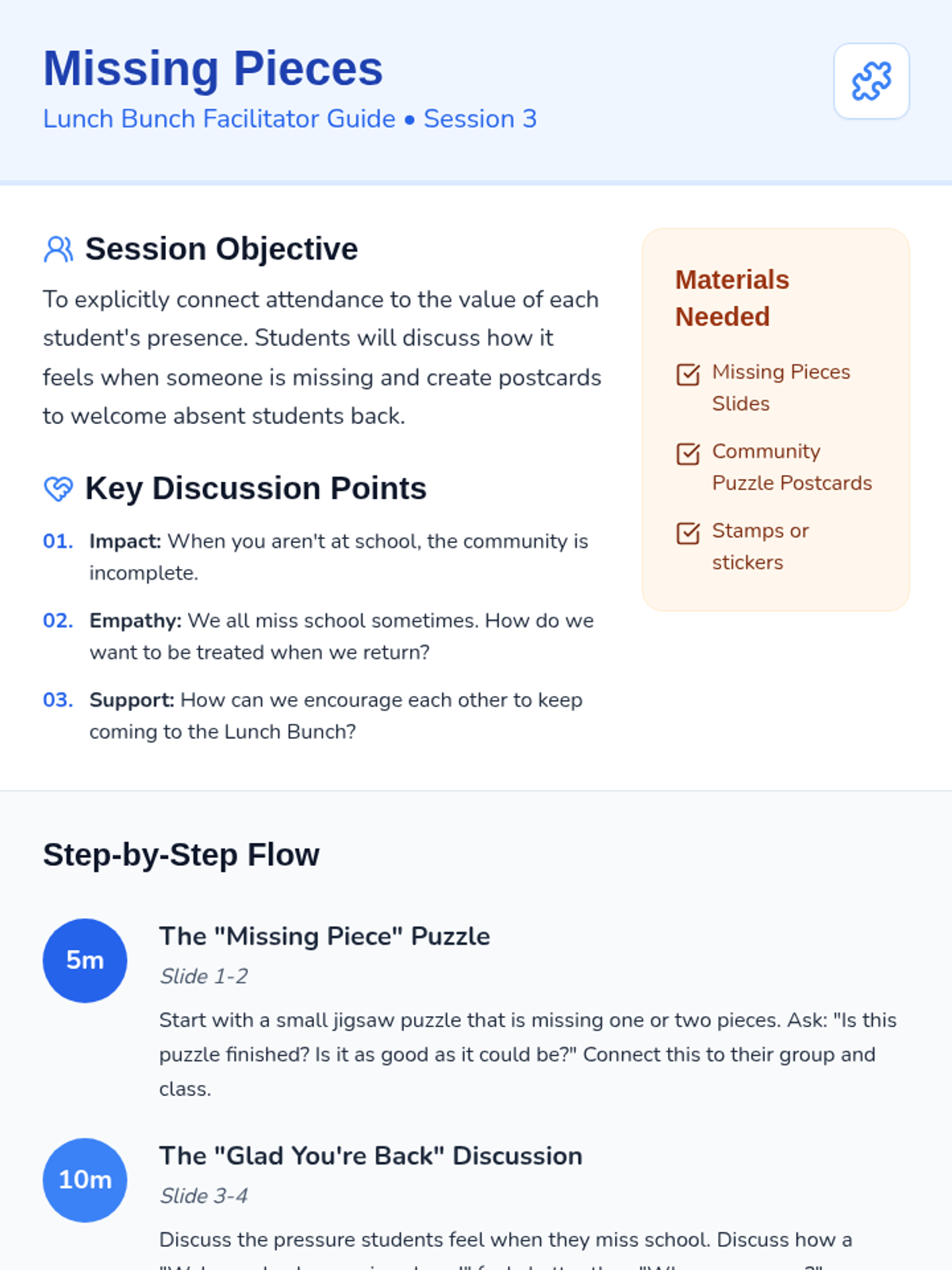
This lesson addresses attendance directly by discussing why every person matters to the group and how their absence is felt by others.
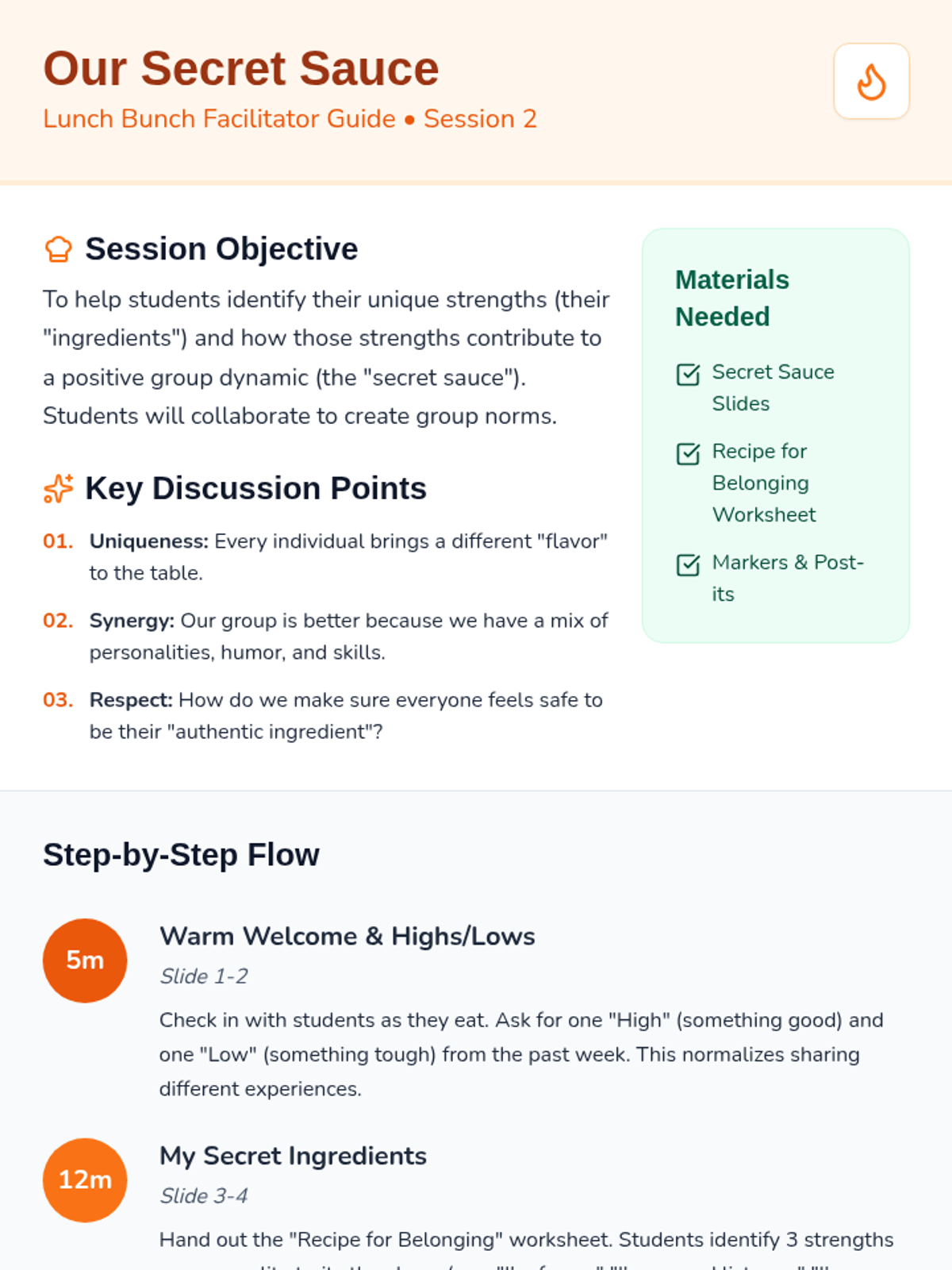
Students explore the unique qualities they bring to the group and collaboratively define what makes their lunch bunch community special.
The opening session focuses on breaking the ice, establishing a safe lunch environment, and helping students find common ground with their peers.
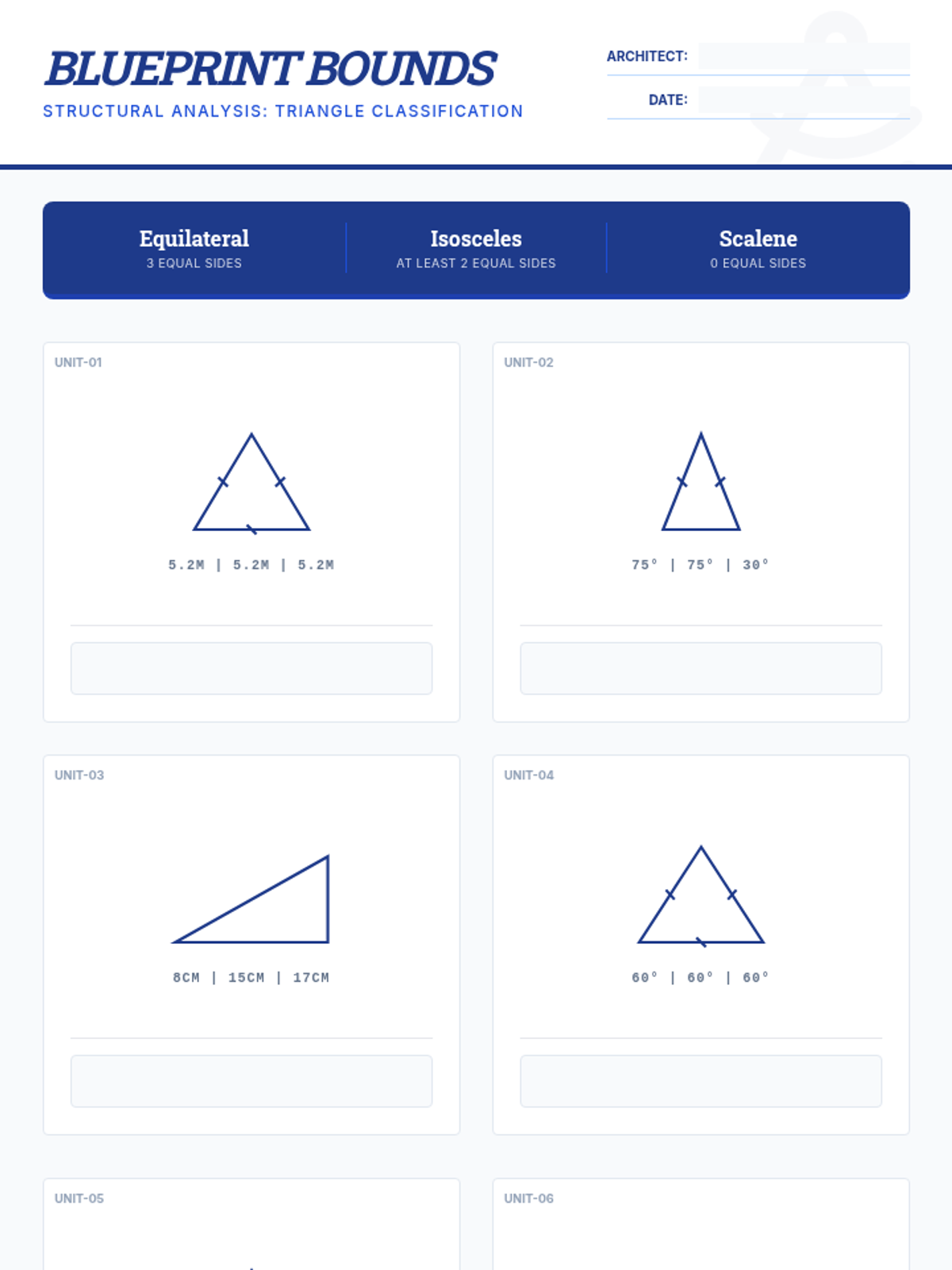
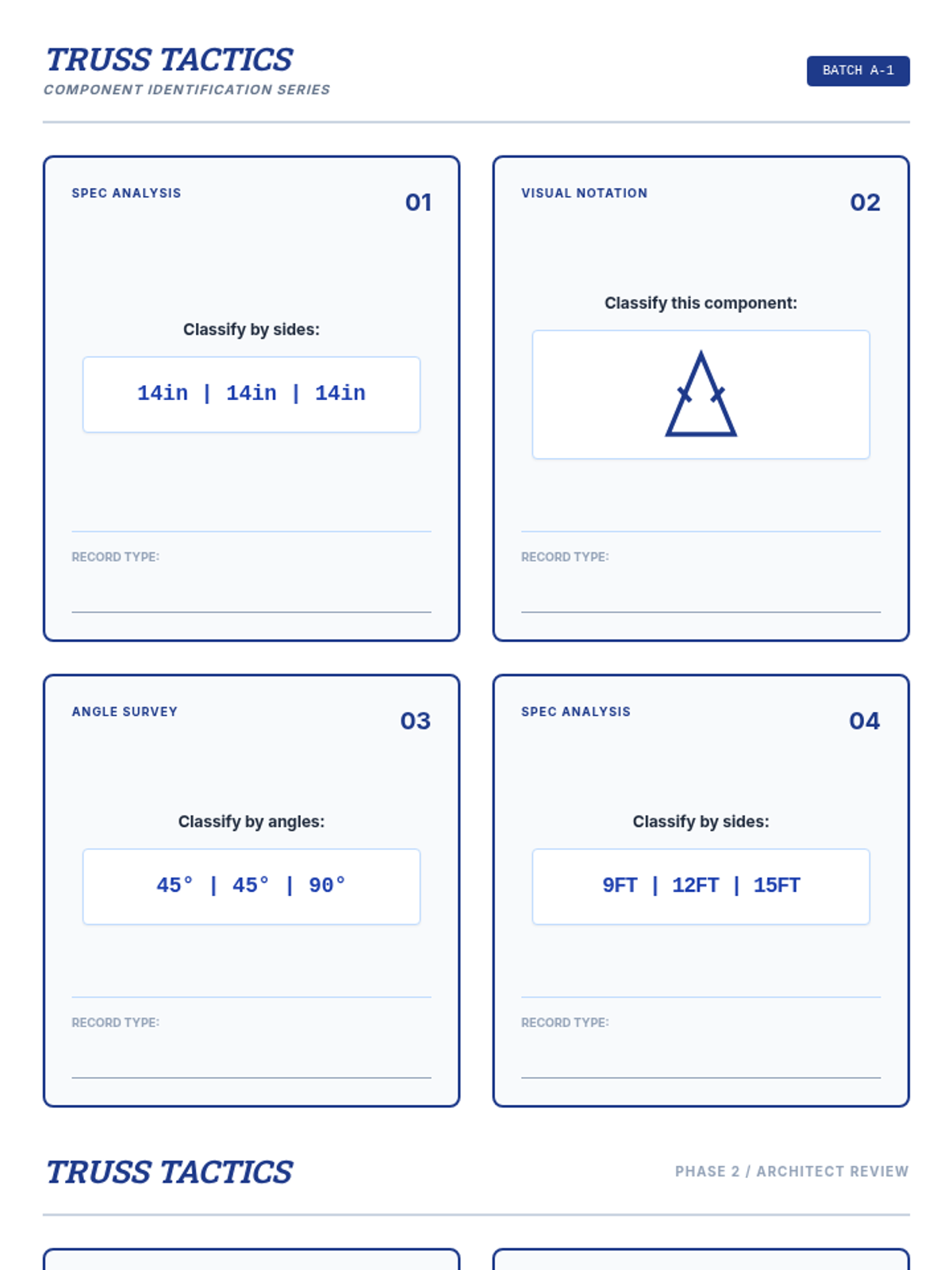
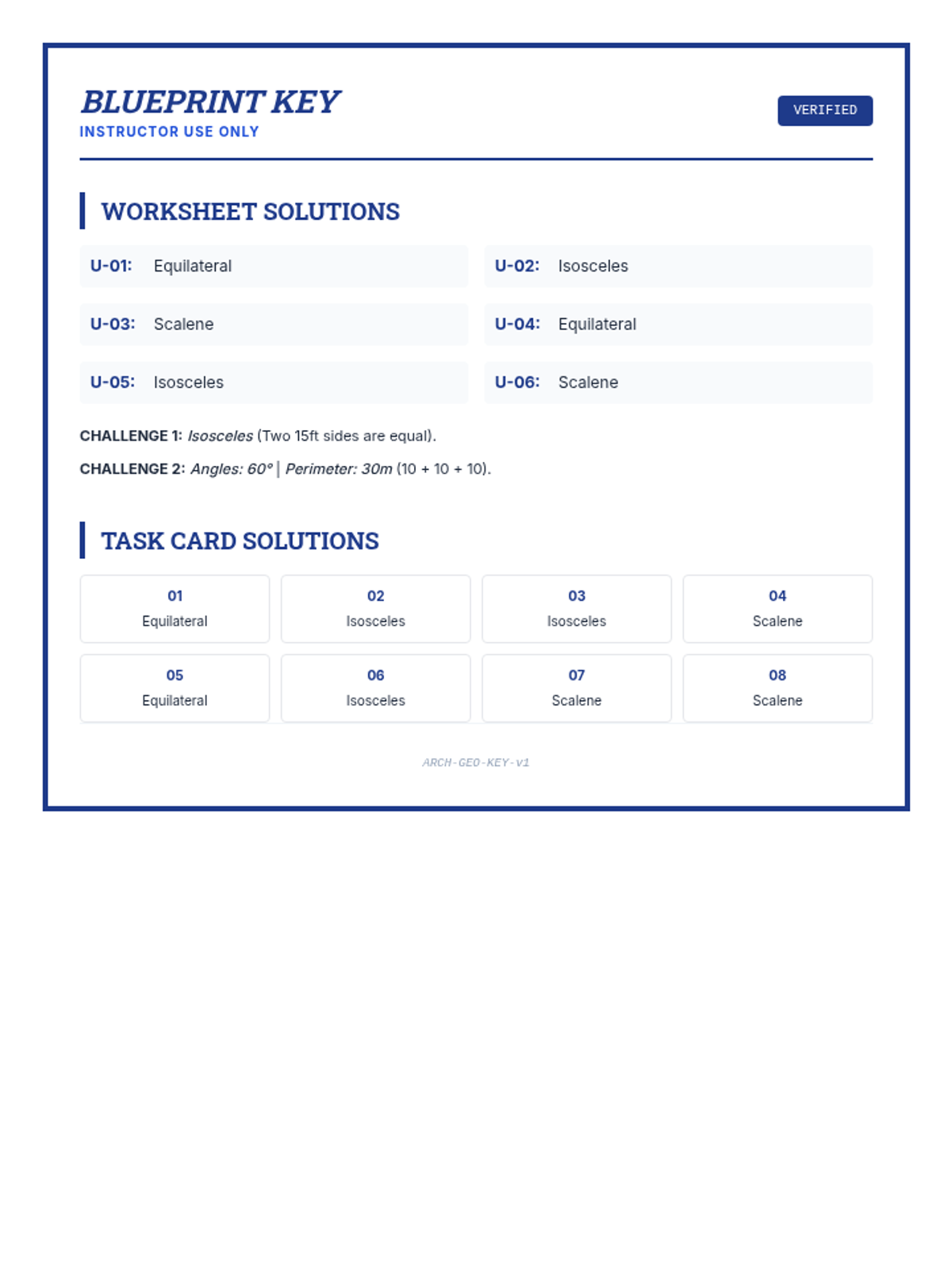
A hands-on geometry lesson focused on classifying triangles by side lengths (scalene, isosceles, equilateral) using geometric notation and measurements within an architectural drafting context.
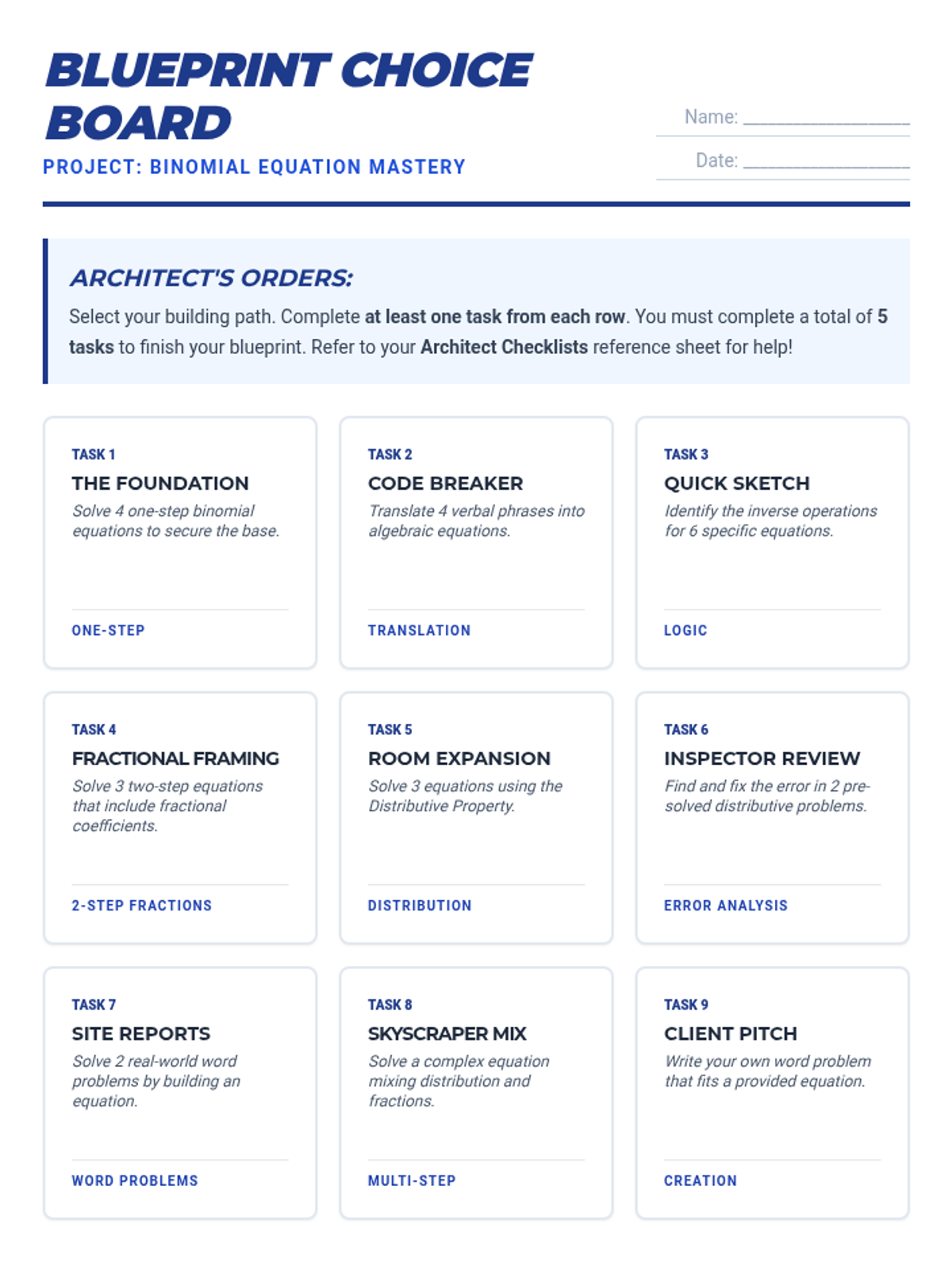
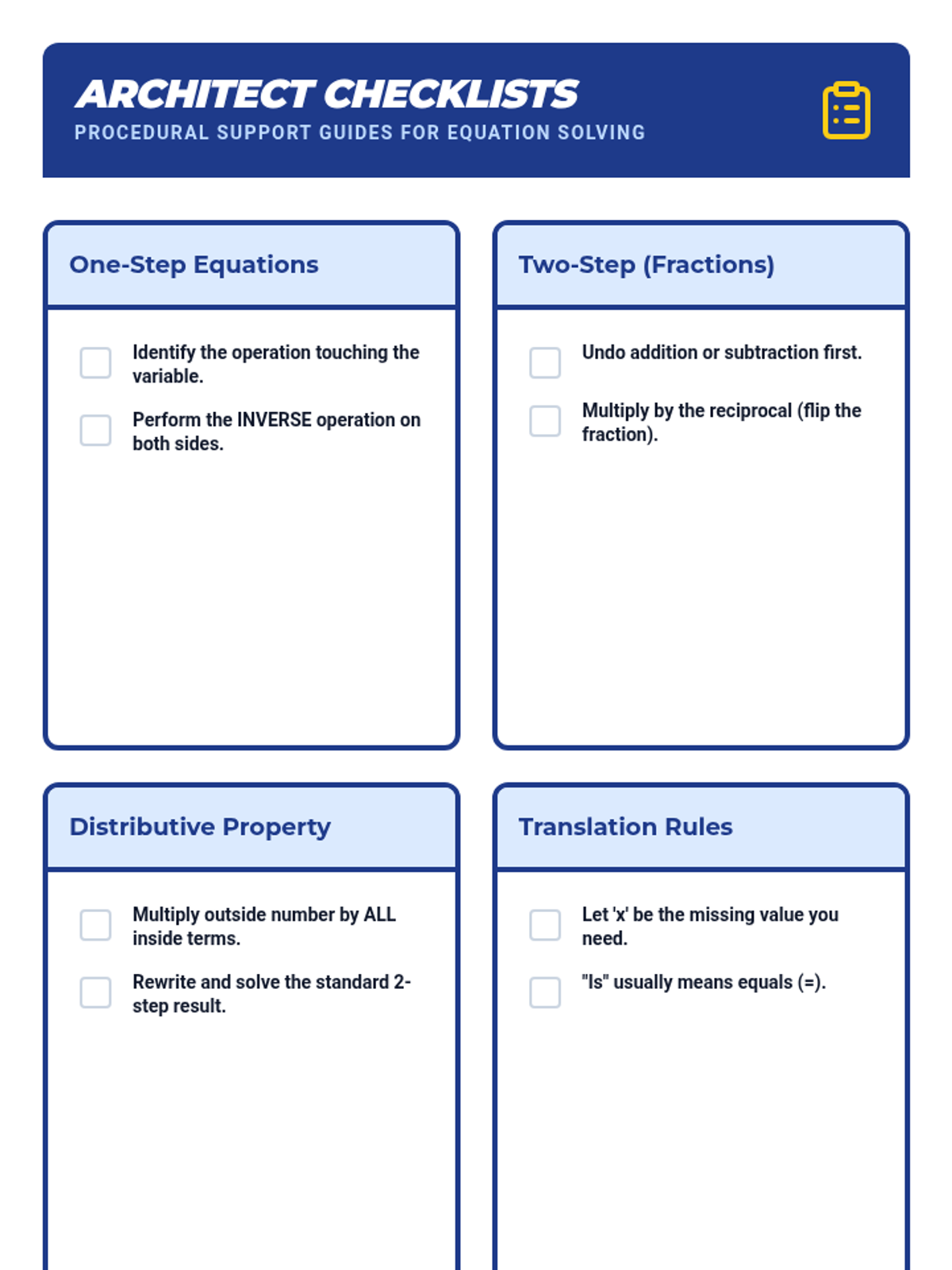
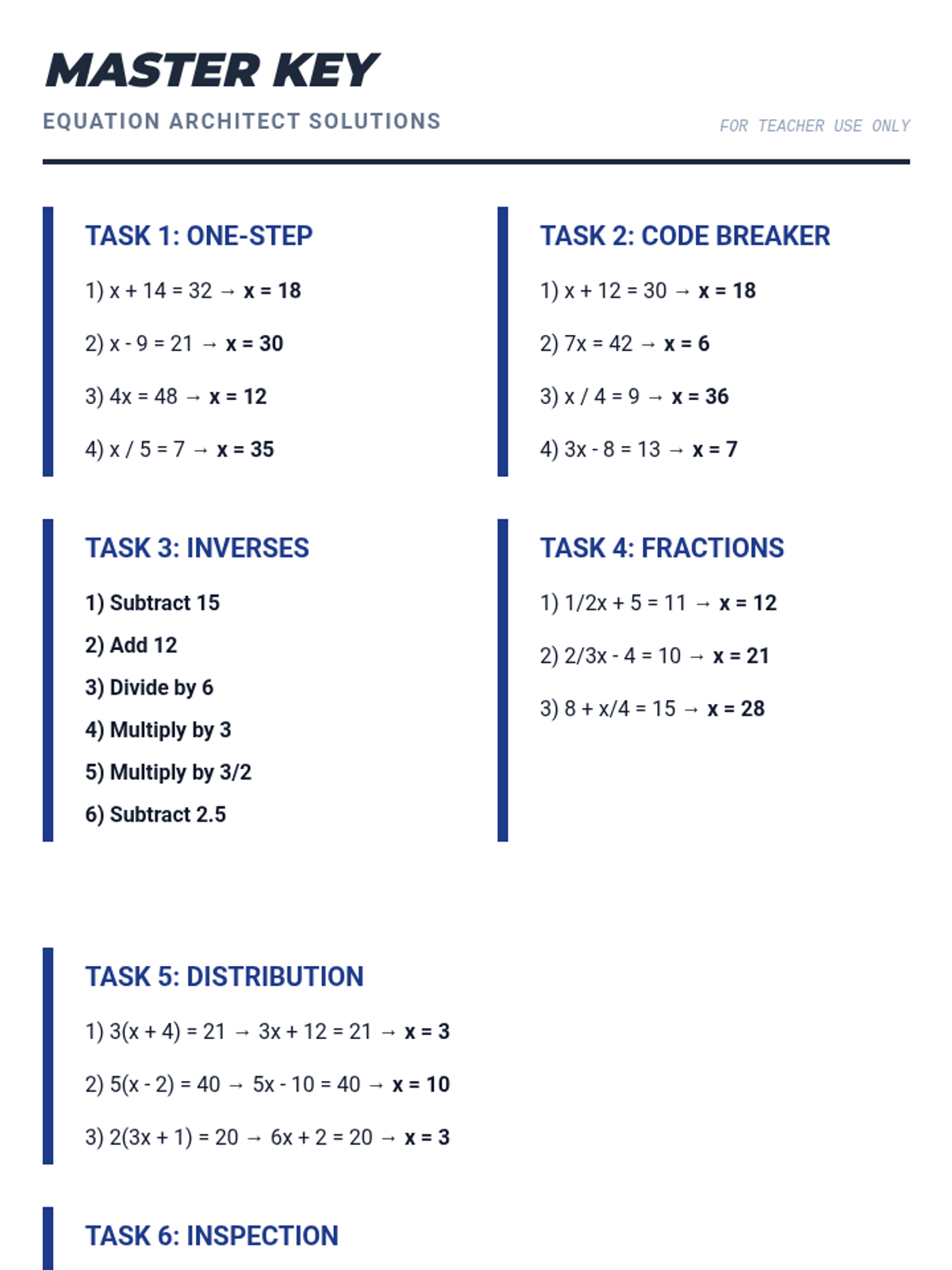
A self-paced activity where students practice solving various types of binomial equations through a choice-based architecture theme. Includes step-by-step checklists to support diverse learners.
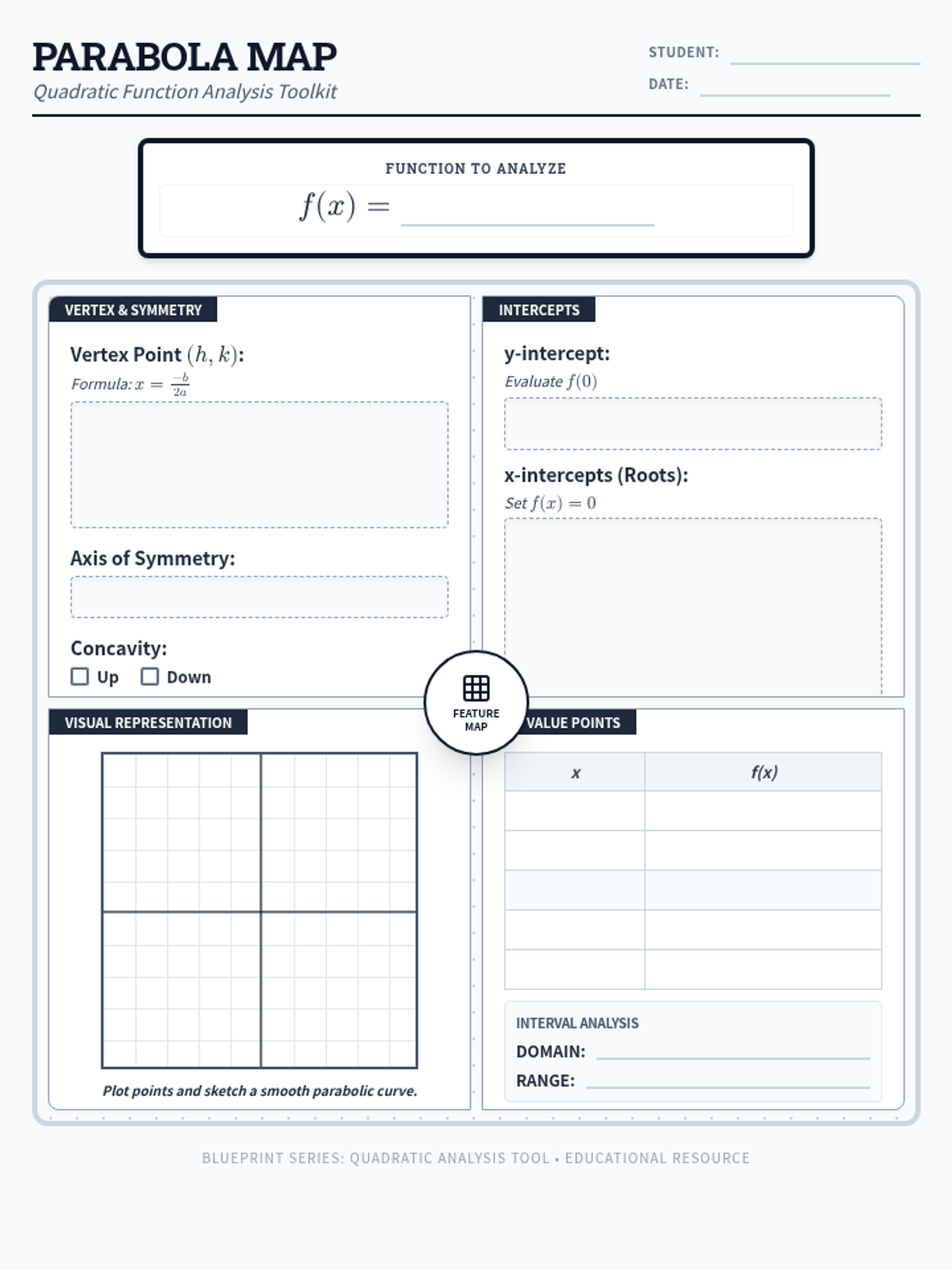
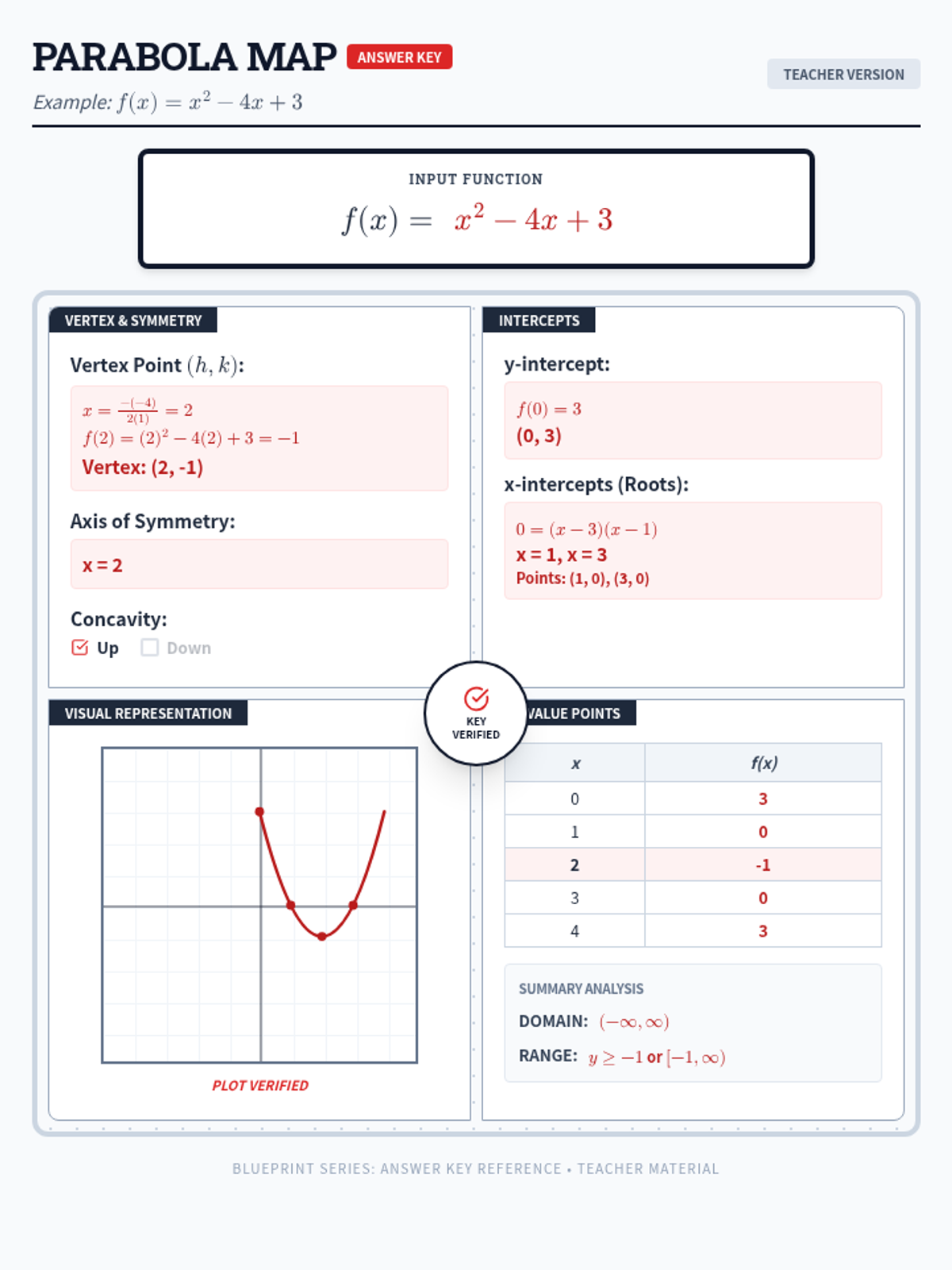
This lesson introduces students to the key features of quadratic functions using a structured graphic organizer. Students will identify and calculate the vertex, axis of symmetry, and intercepts to better understand the behavior of parabolas.
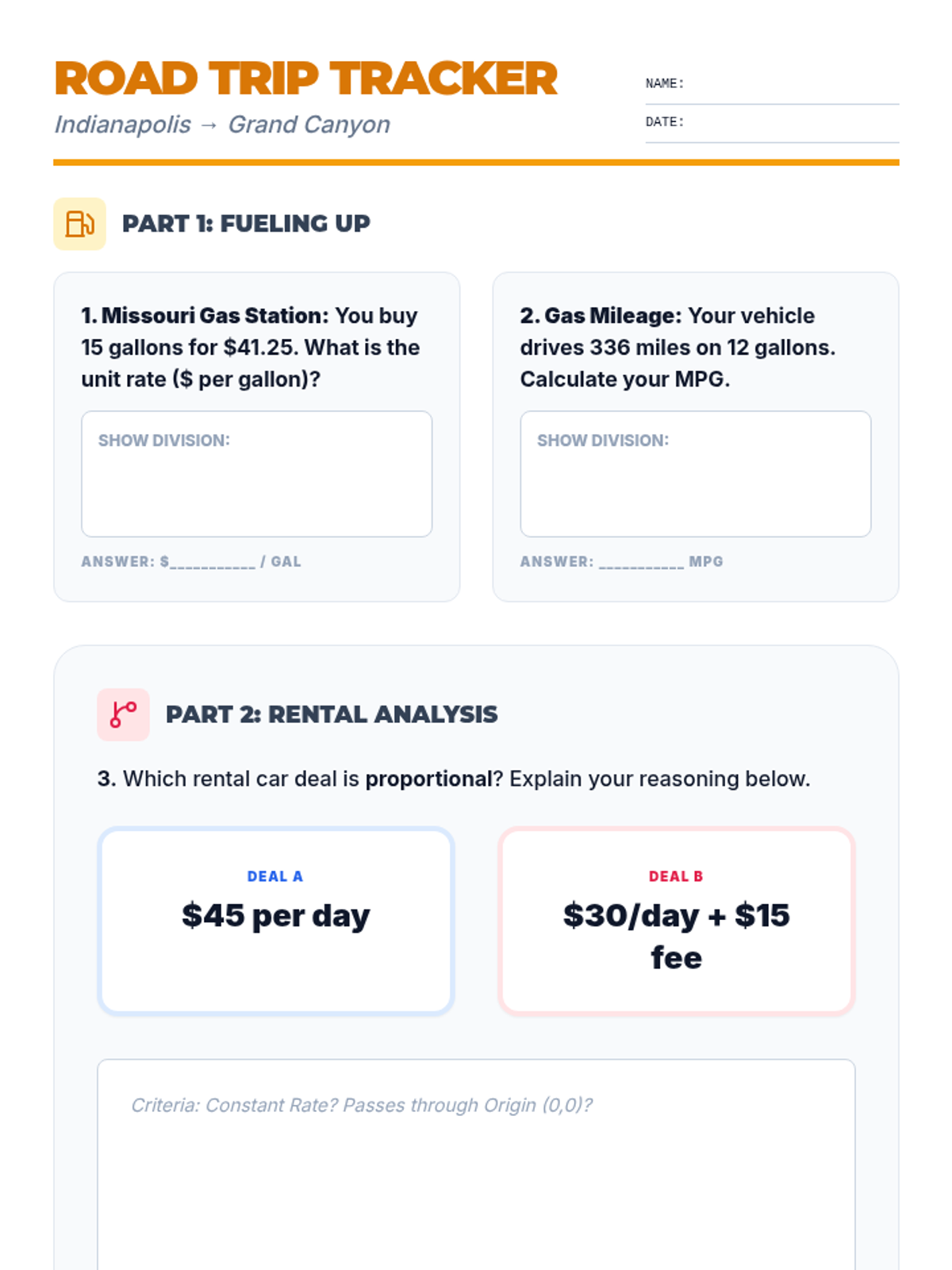
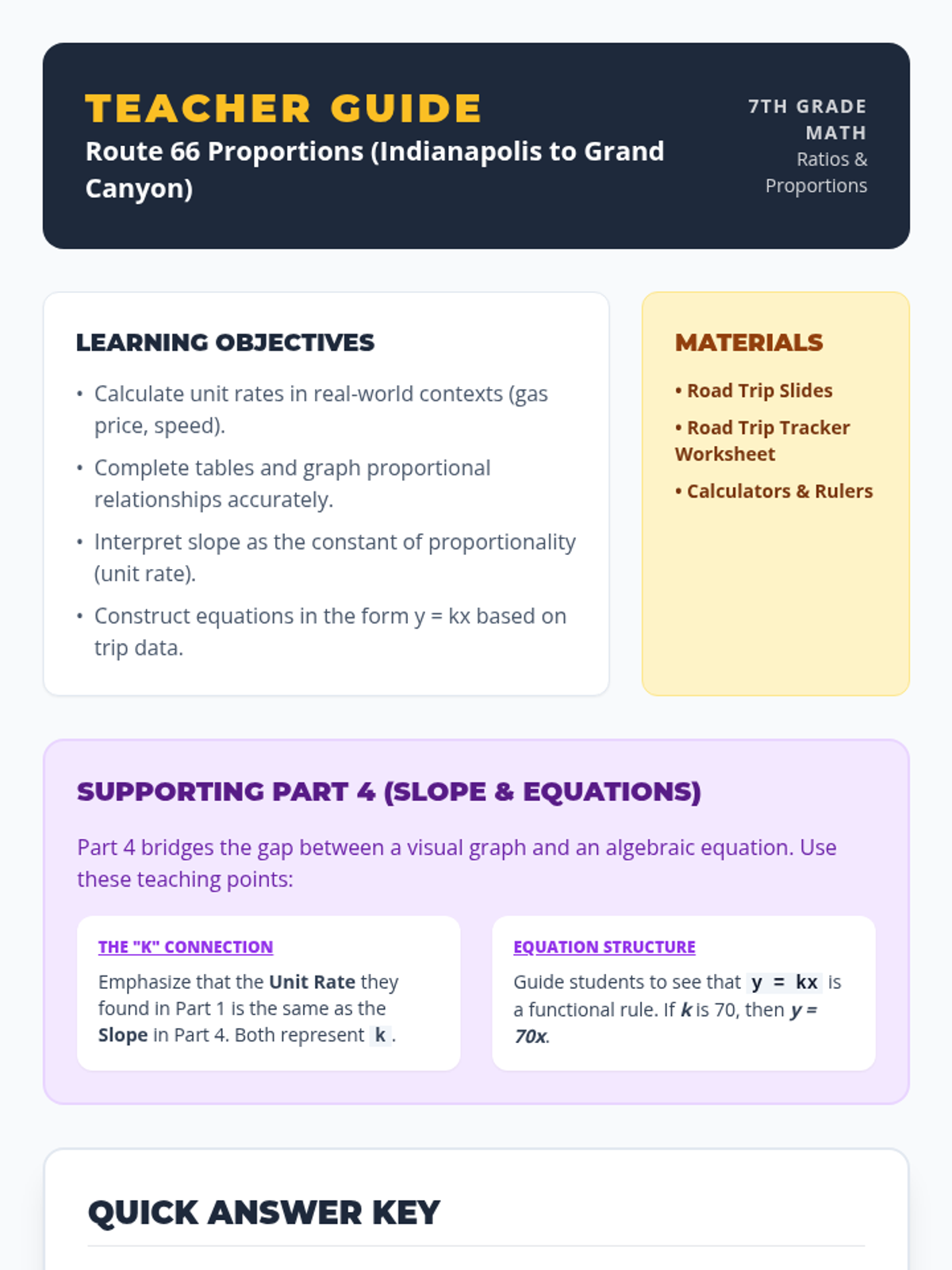
A 7th-grade math lesson that uses a road trip scenario from Indianapolis to the Grand Canyon to explore unit rates, graphing proportional relationships, and solving equations. Students will plan routes, calculate fuel costs, and interpret travel graphs.
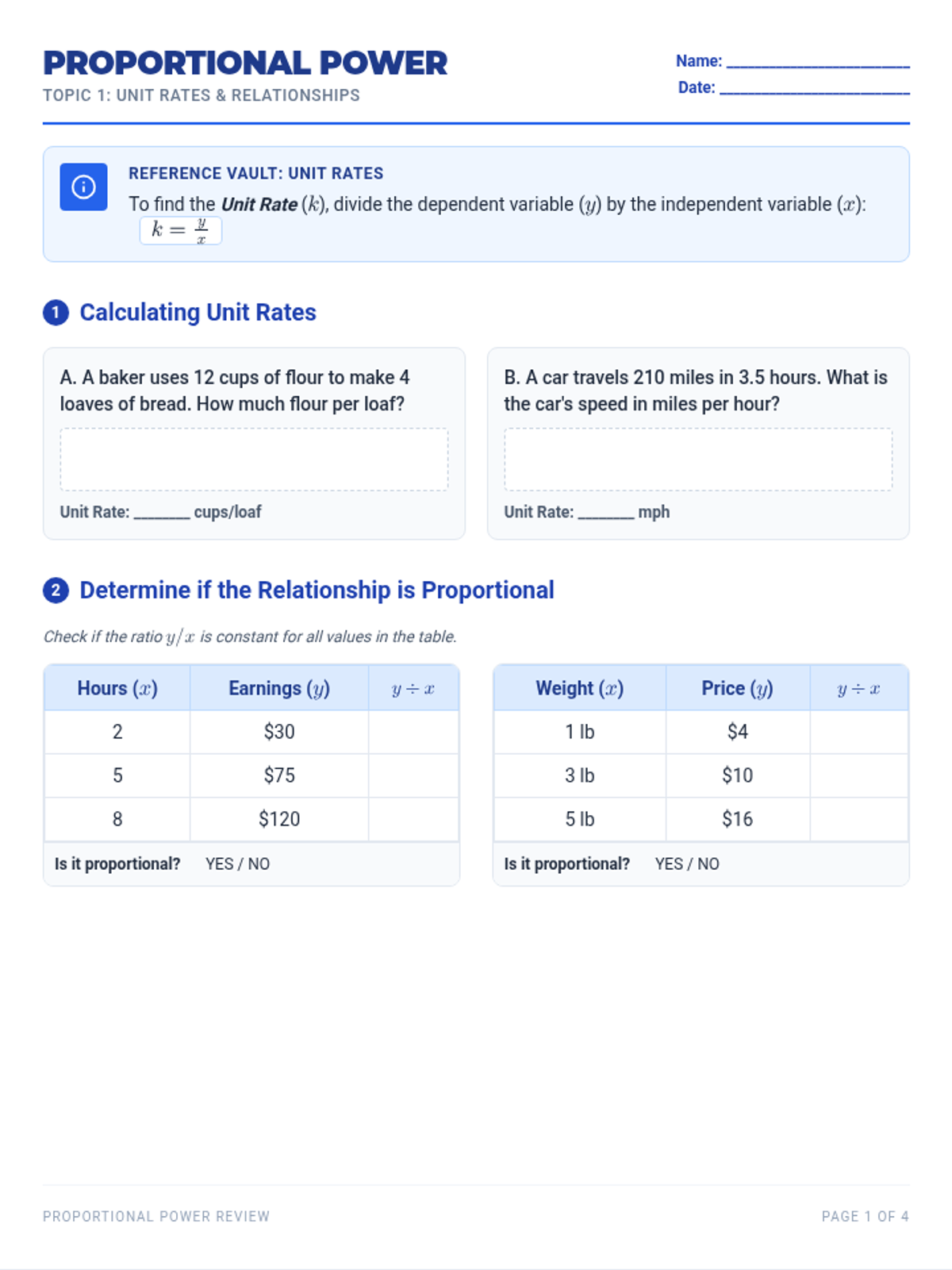
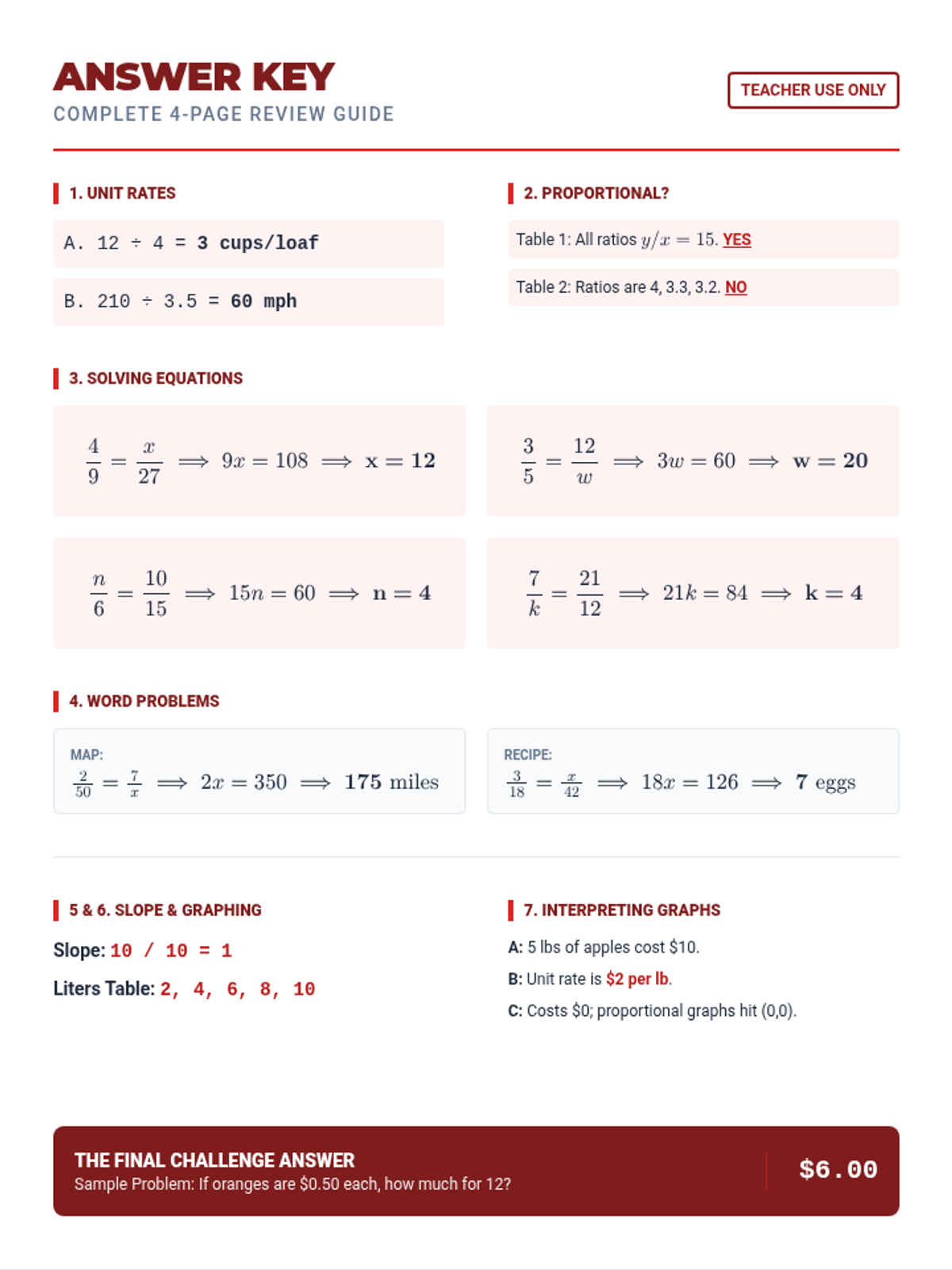
A comprehensive review of 7th-grade proportionality concepts, including unit rates, solving proportions, slope, and graphing, designed with moderate support scaffolds.
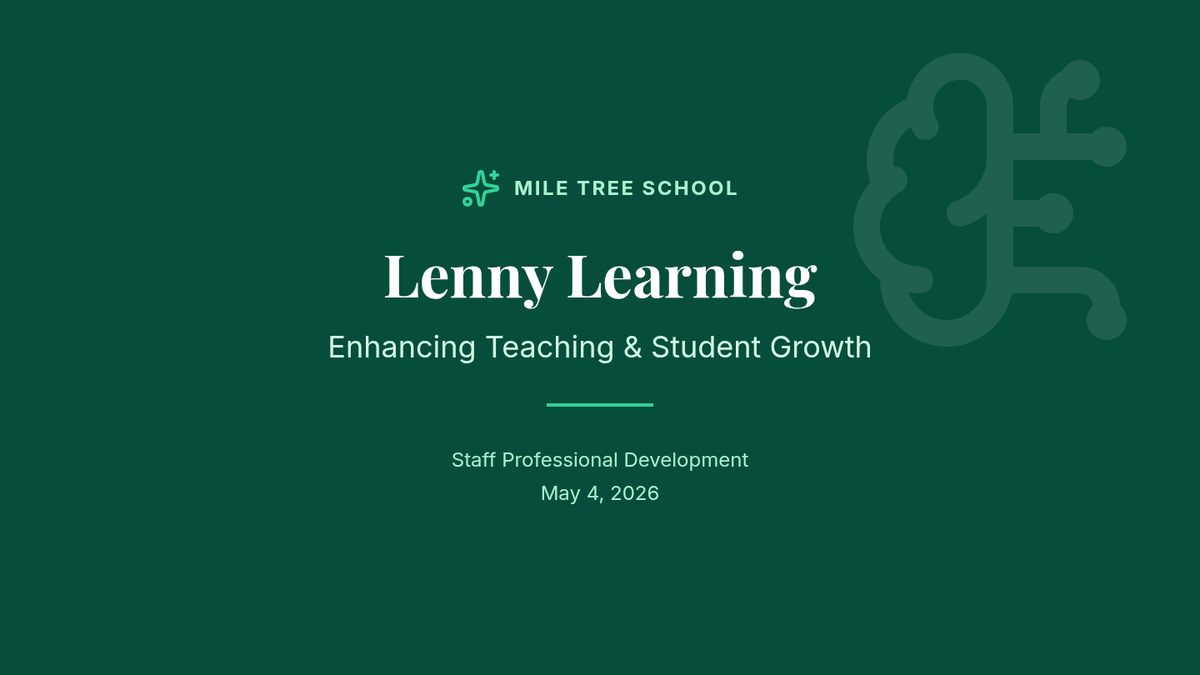
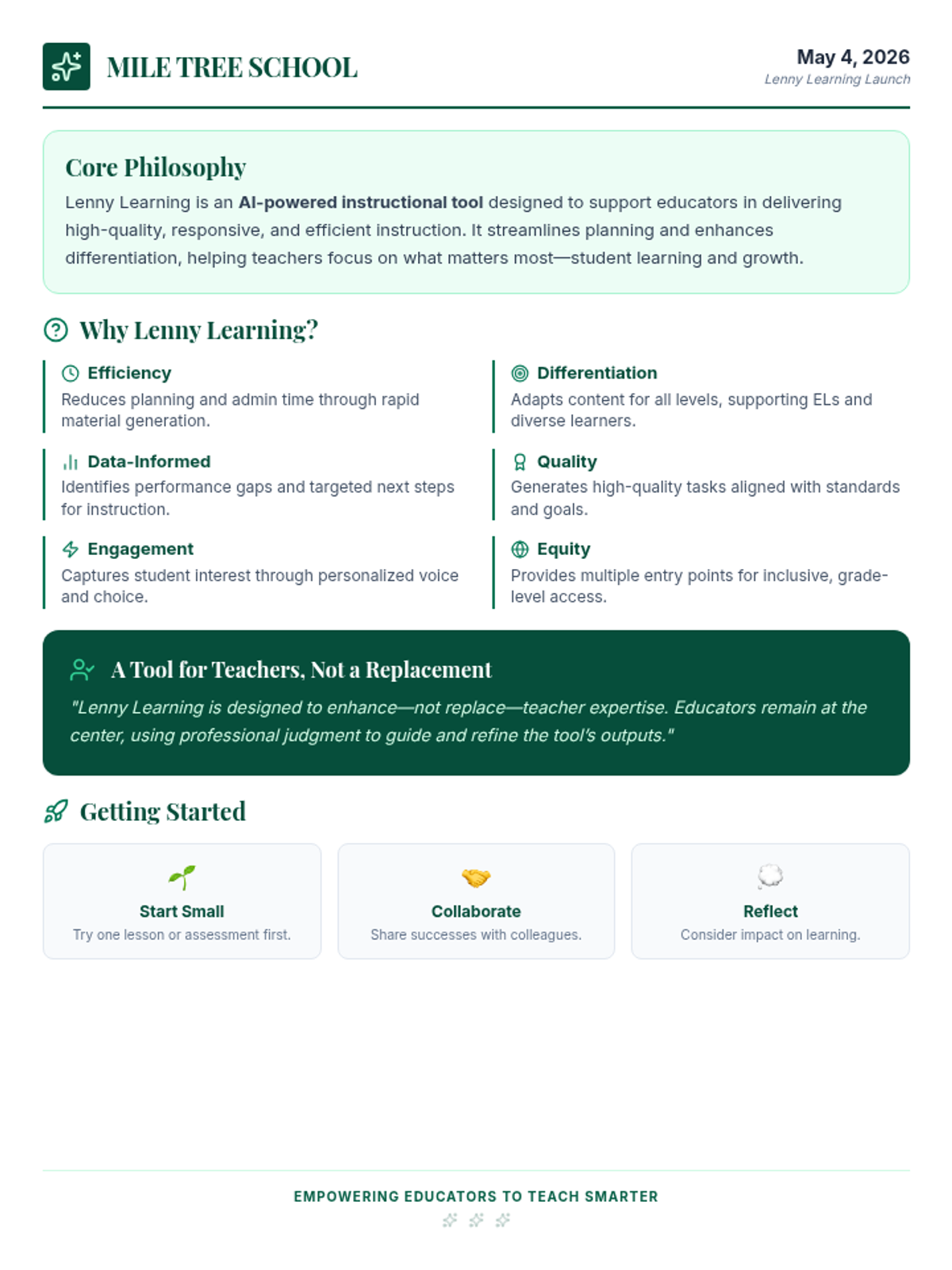
A professional staff presentation introducing Lenny Learning to educators at Mile Tree School, highlighting efficiency, differentiation, and student engagement.
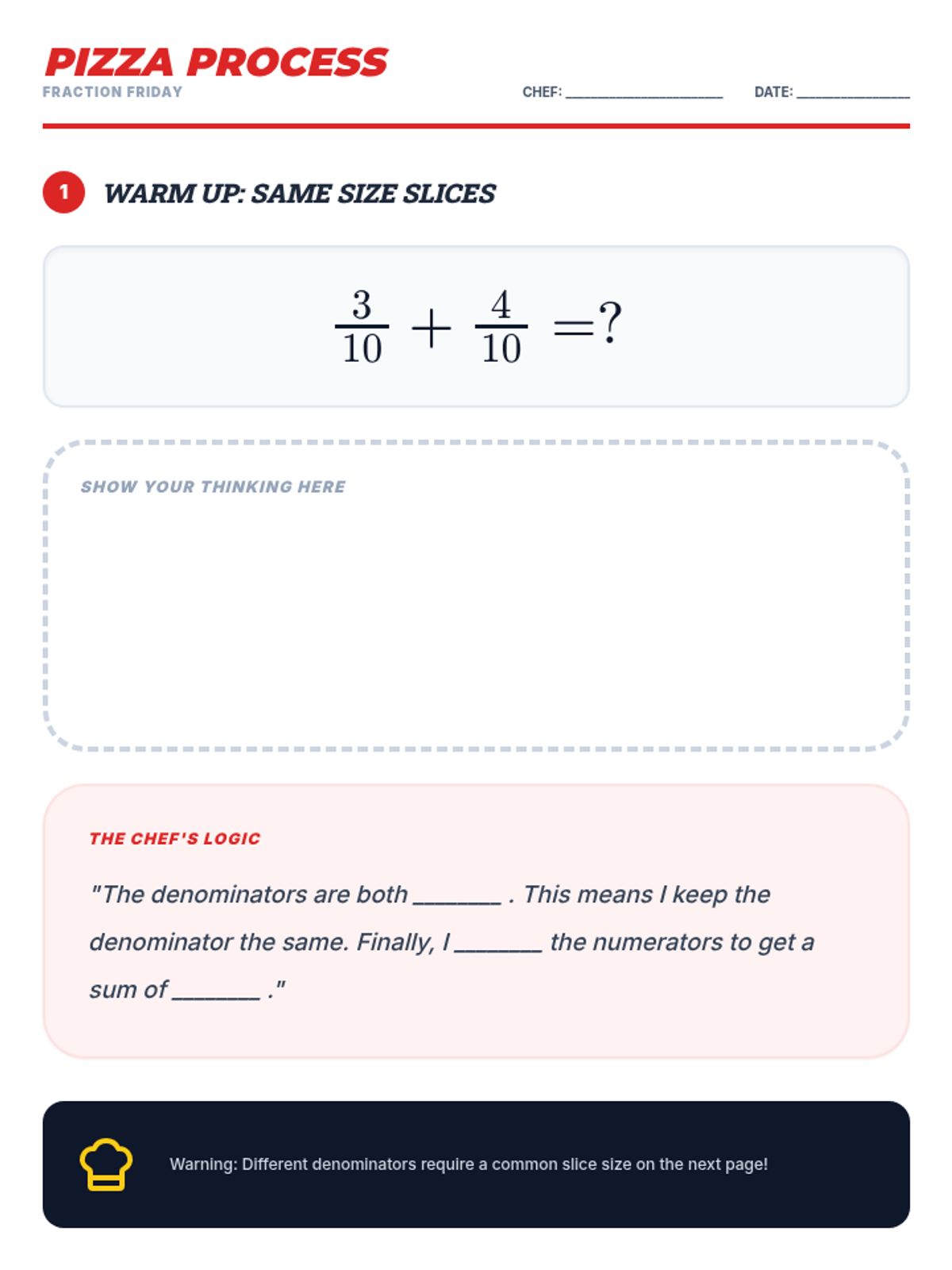
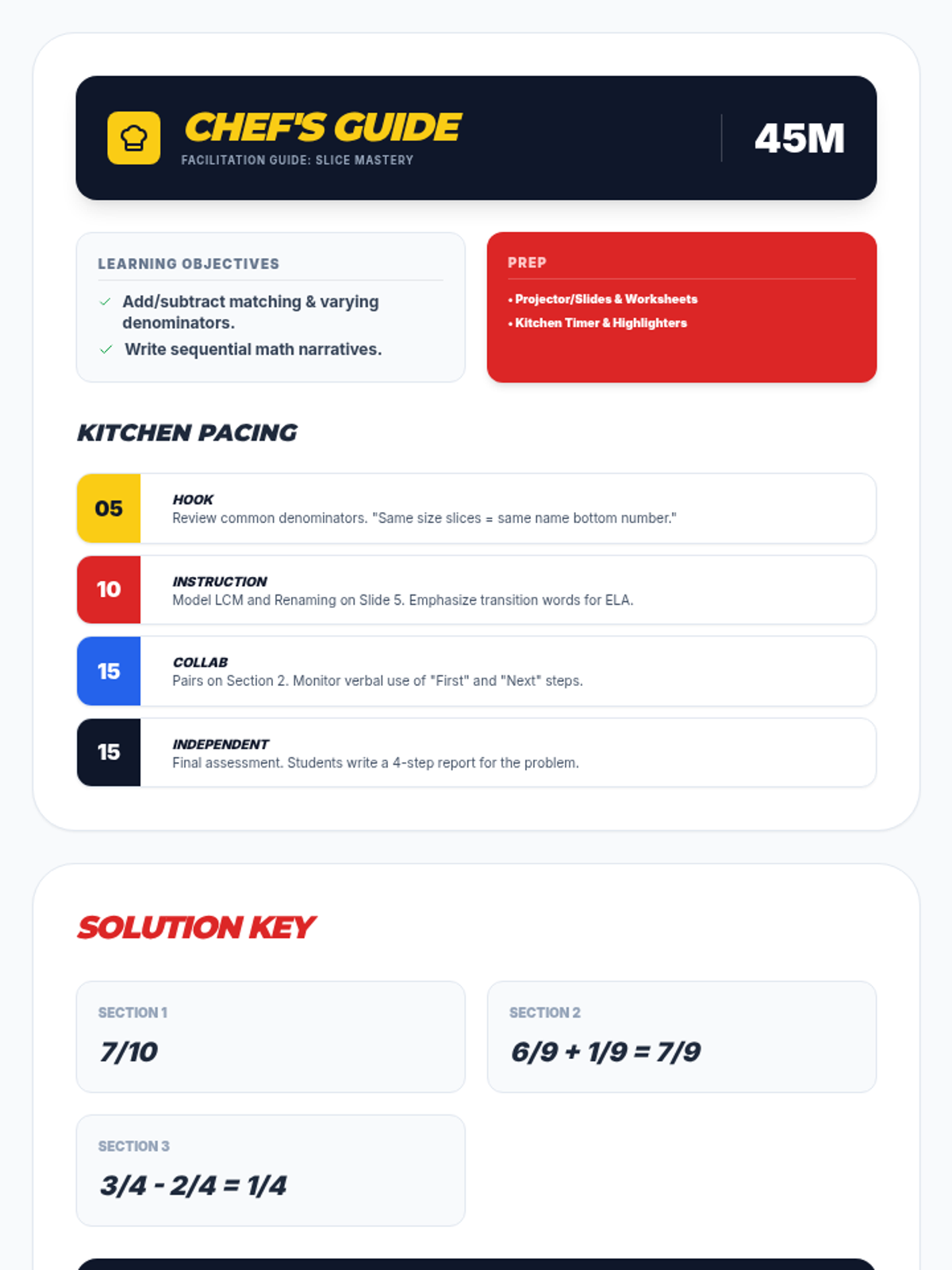
A 45-minute introductory lesson on adding and subtracting fractions, progressing from common denominators to uncommon denominators using step-by-step writing frames to solidify the mathematical process.
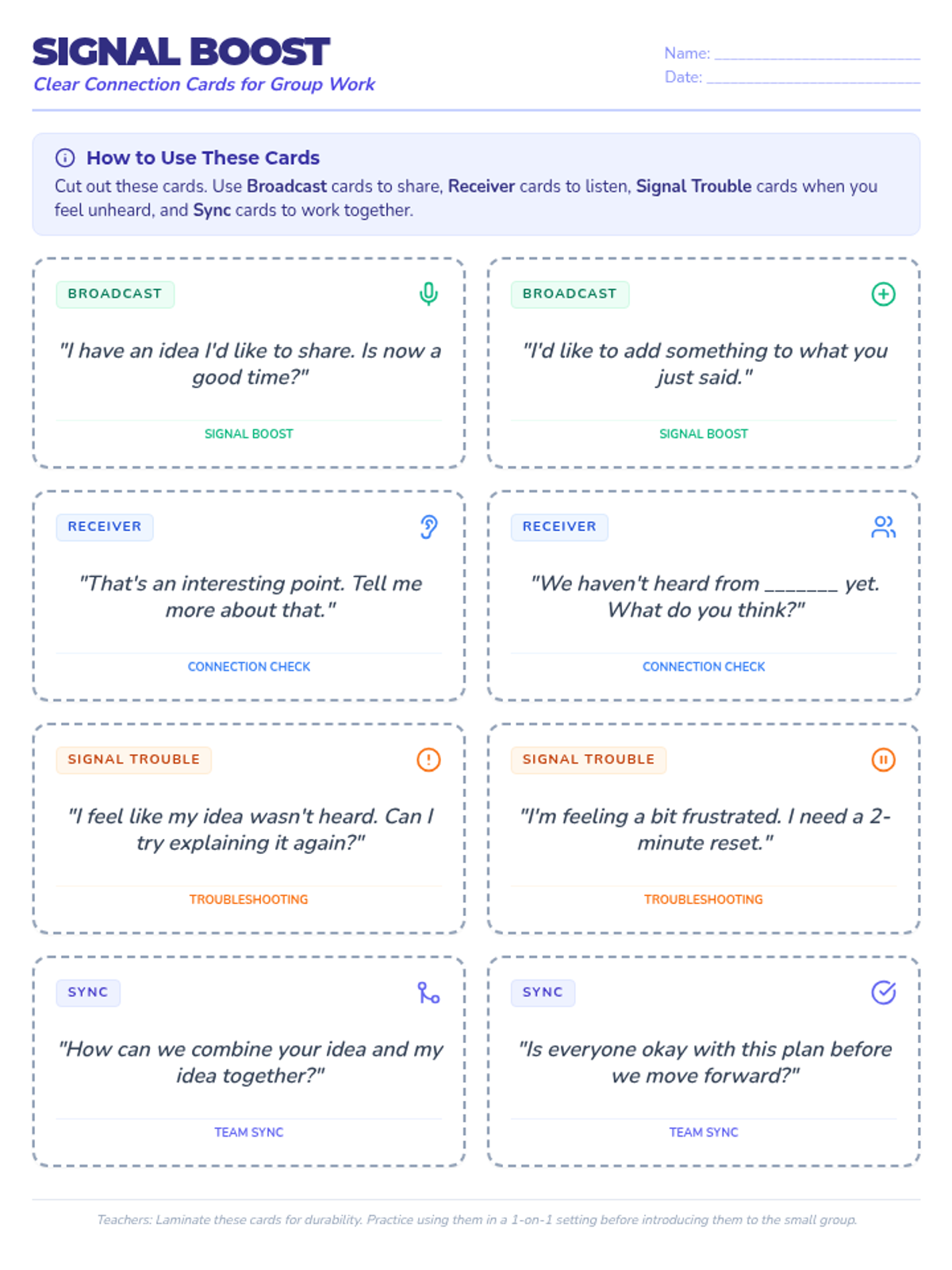
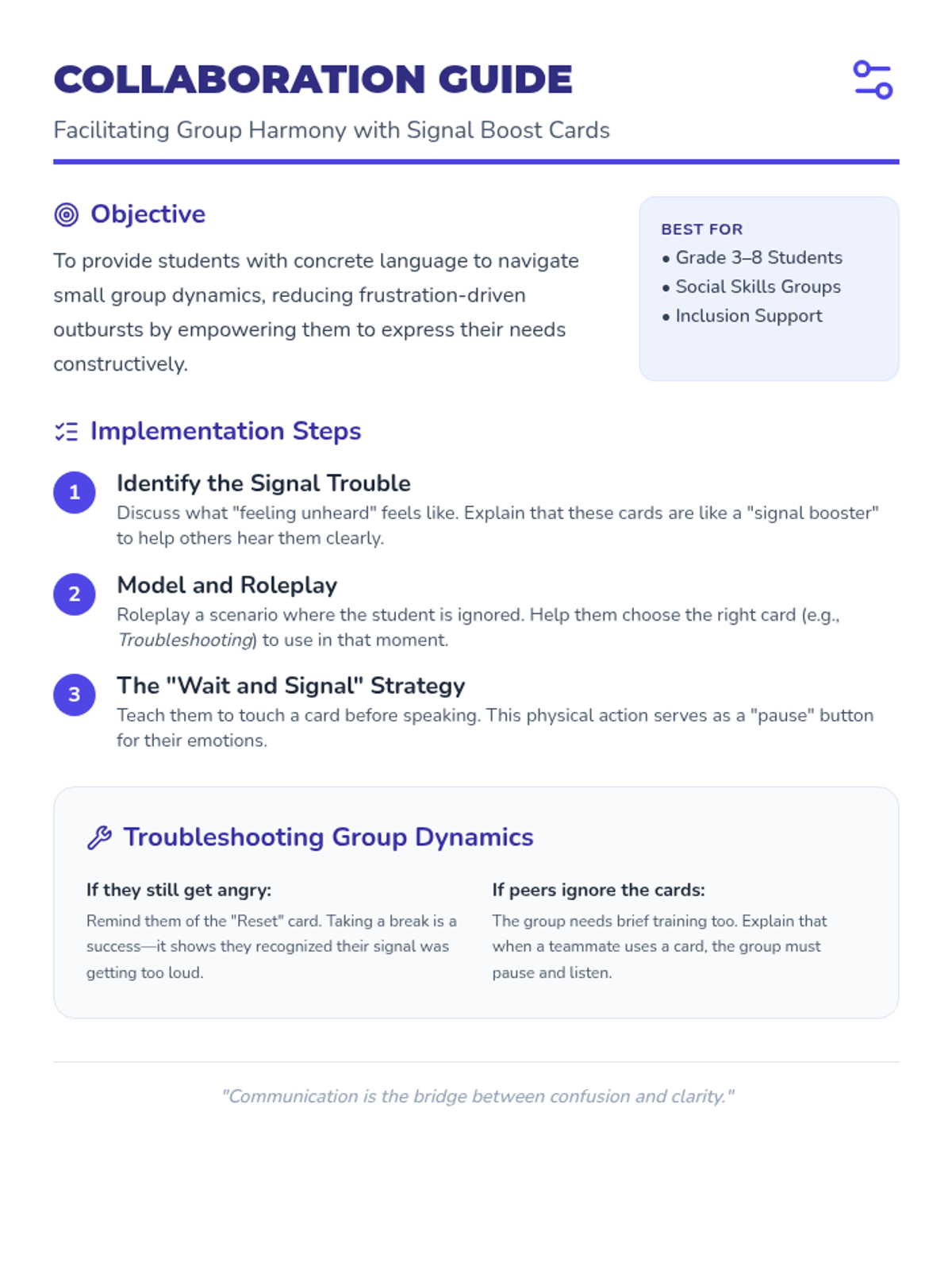
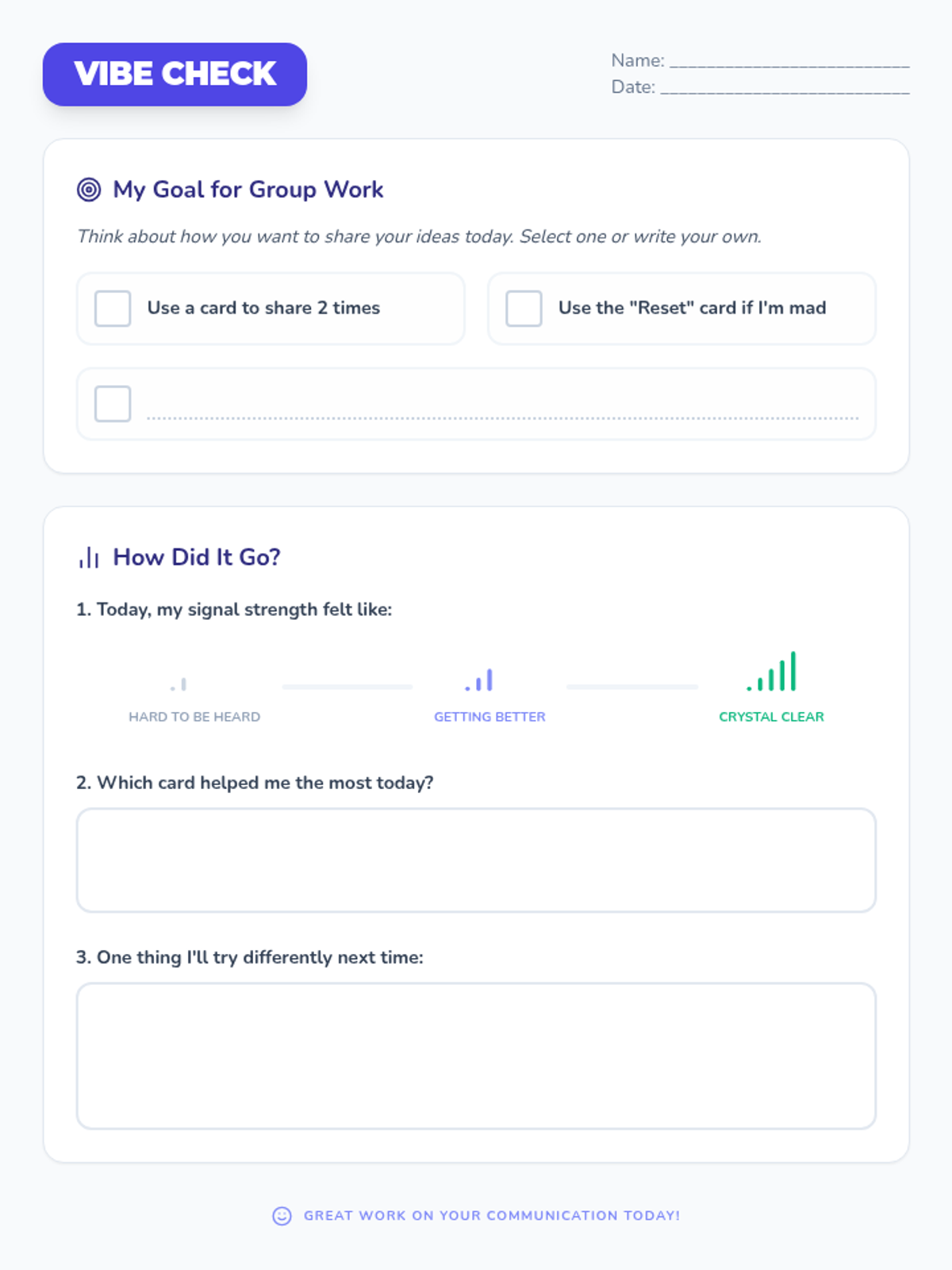
This lesson provides tools for students who struggle with collaborative group work, focusing on clear communication and managing frustration when feeling unheard.
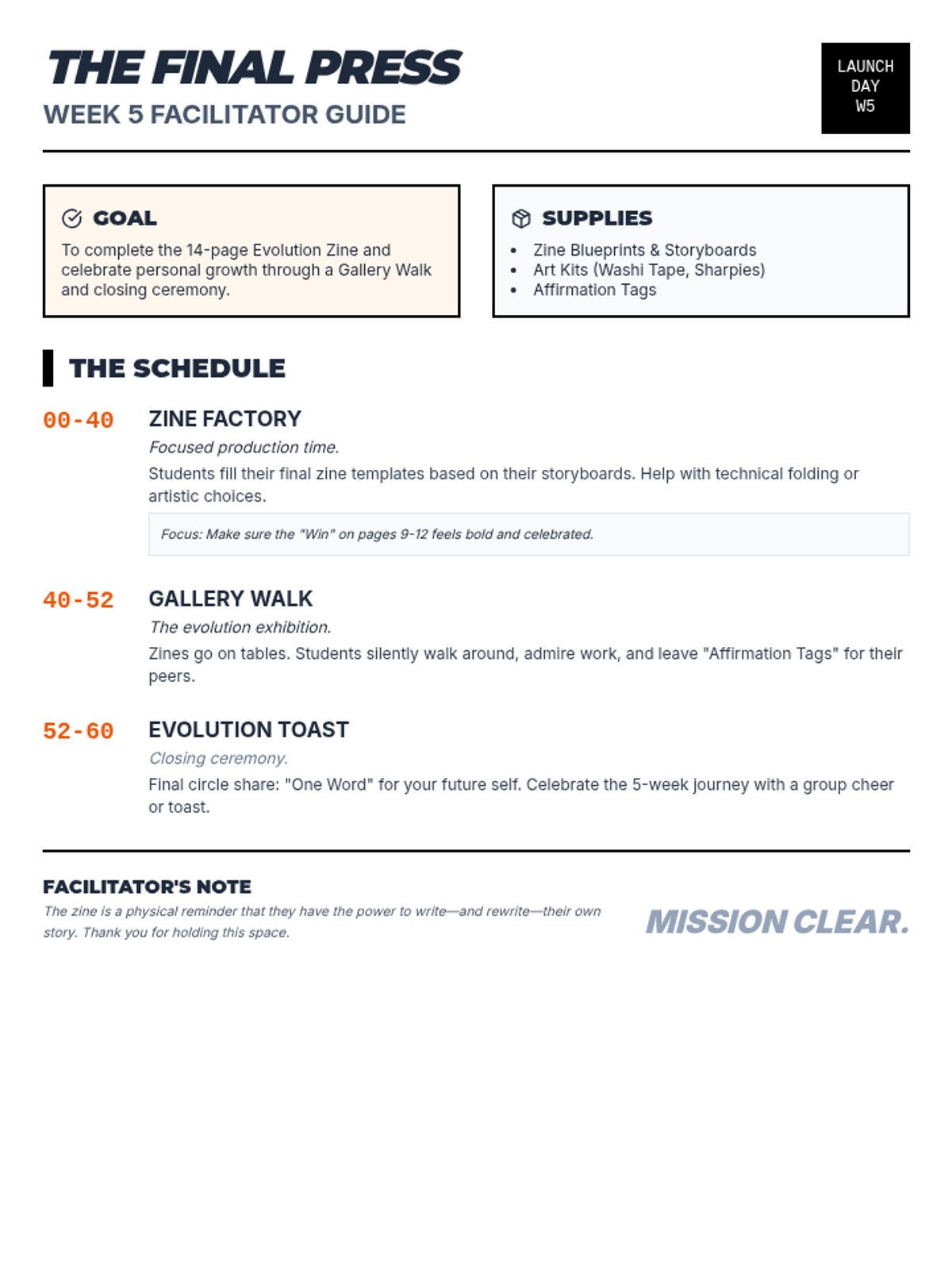
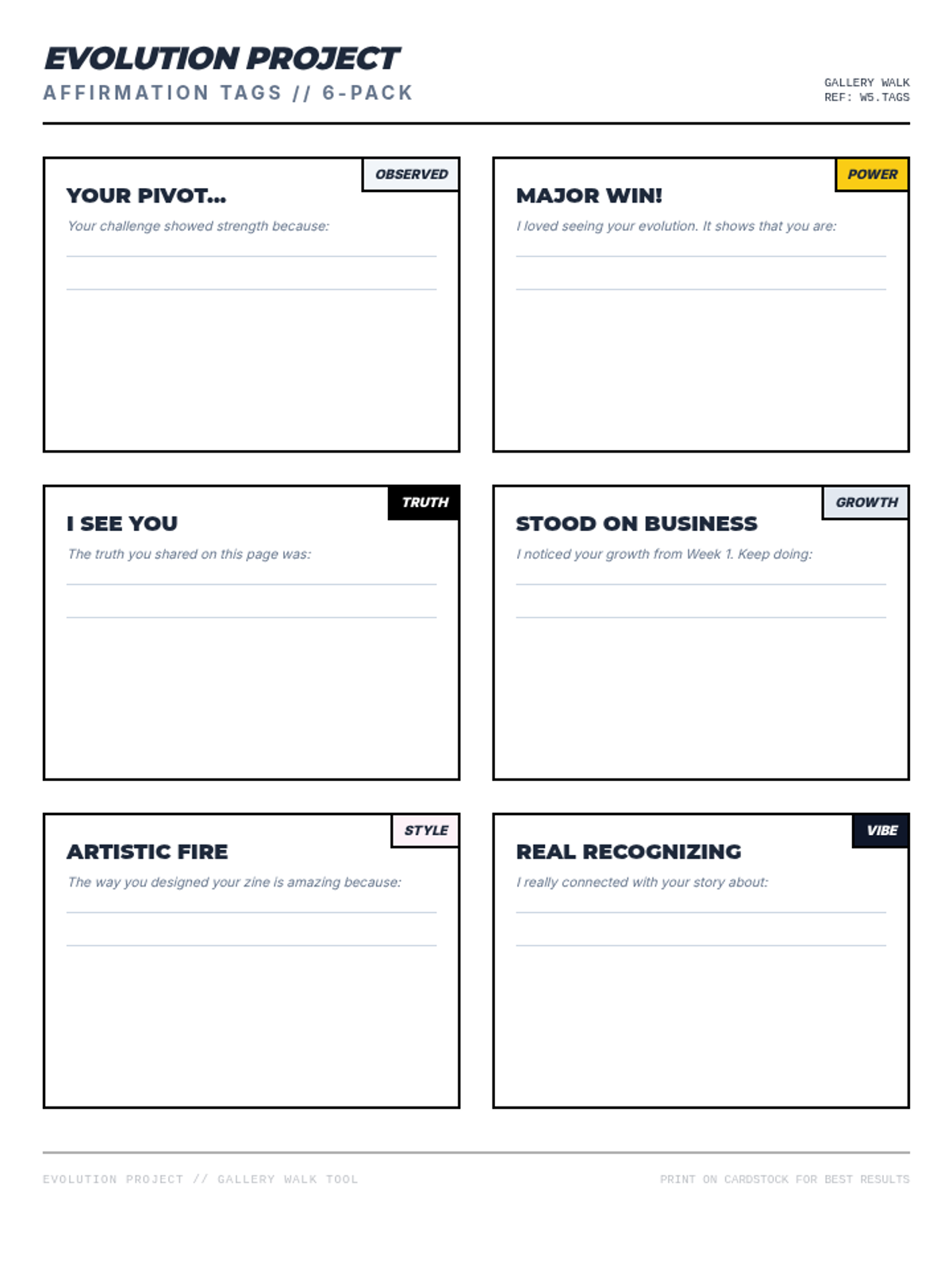
The final production phase where students assemble, decorate, and share their completed Evolution Zines in a celebratory atmosphere.
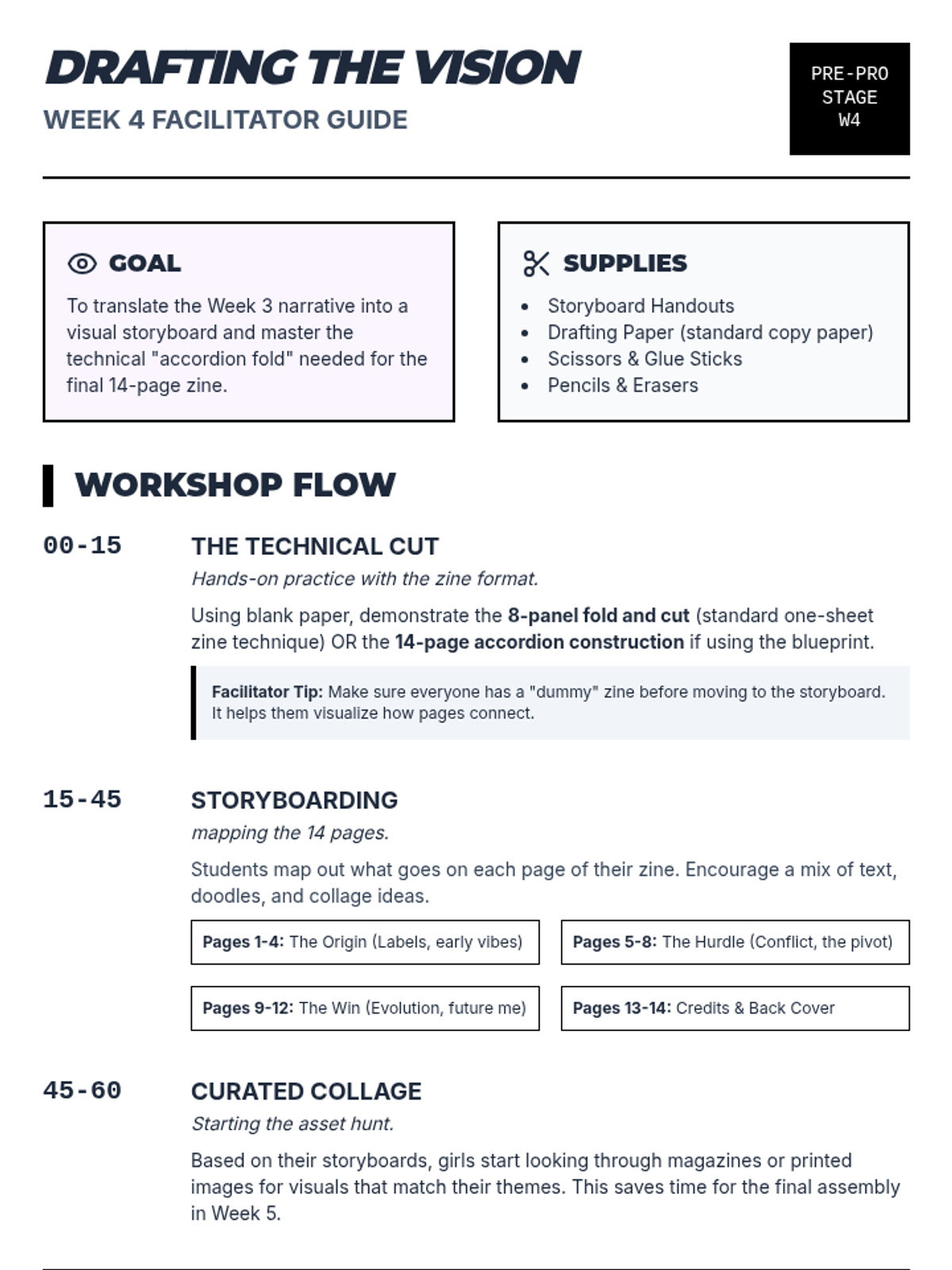
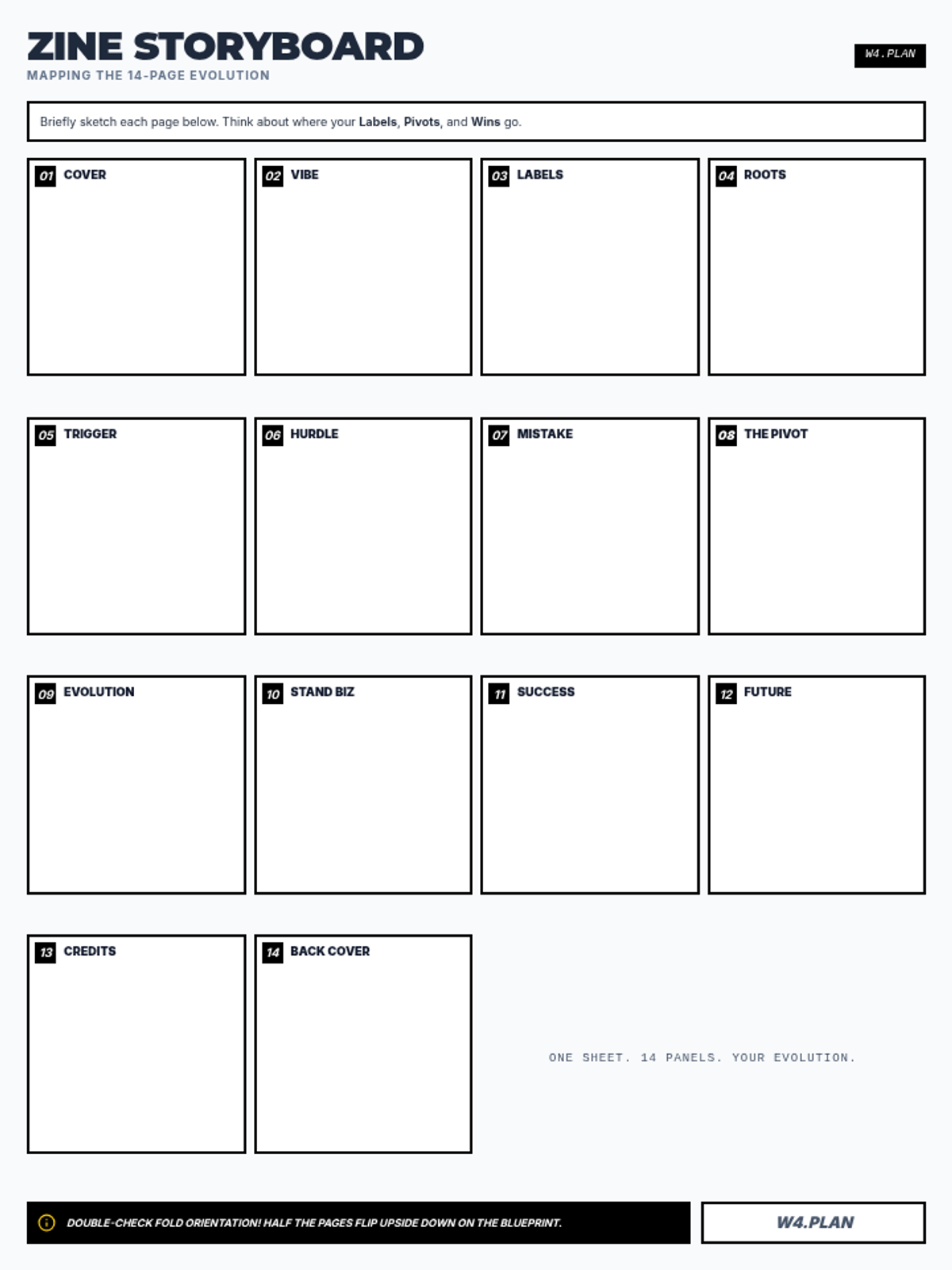
The technical and creative bridge where students translate their written stories into a visual 14-page storyboard and prepare their final zine layouts.
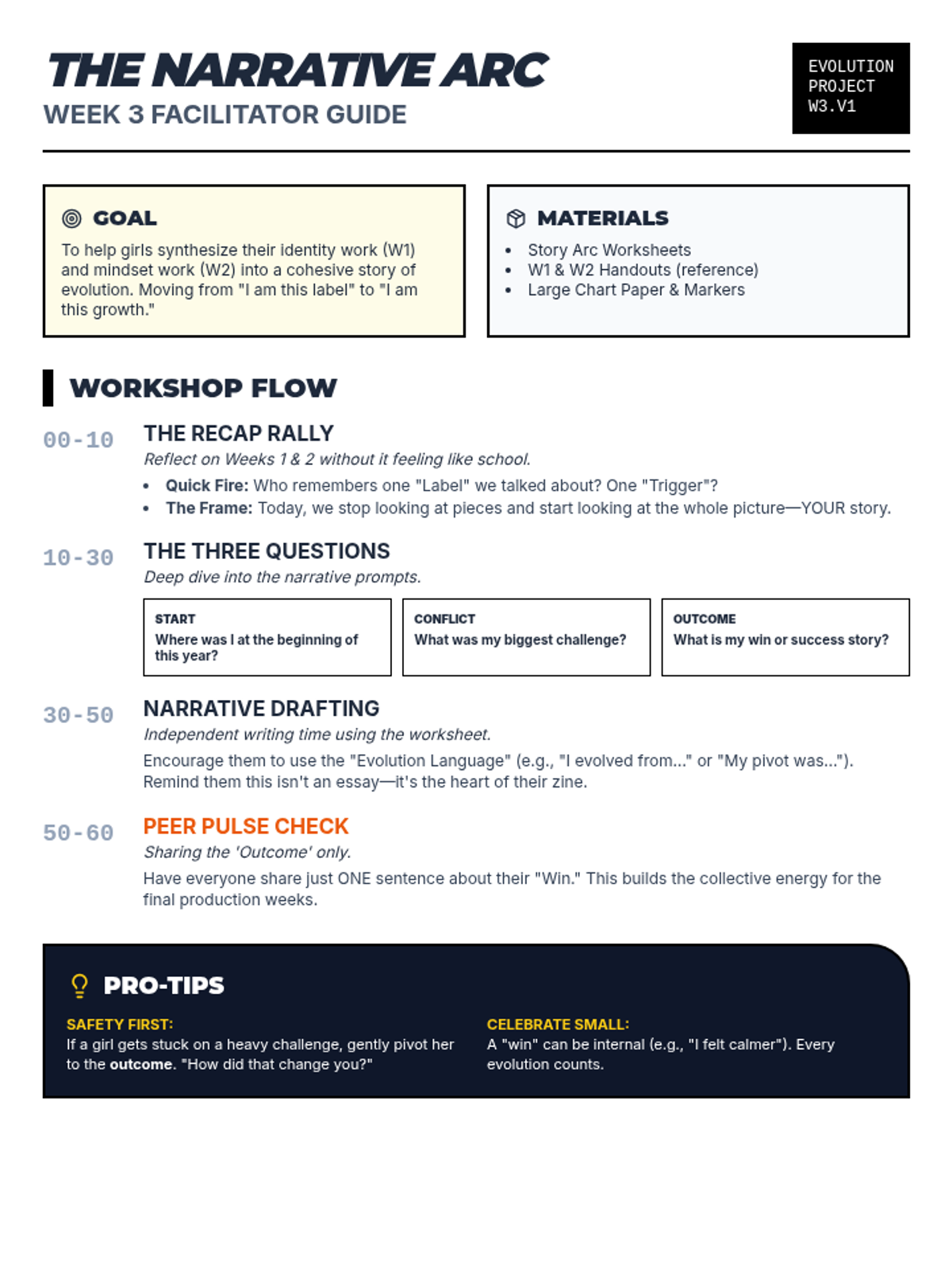
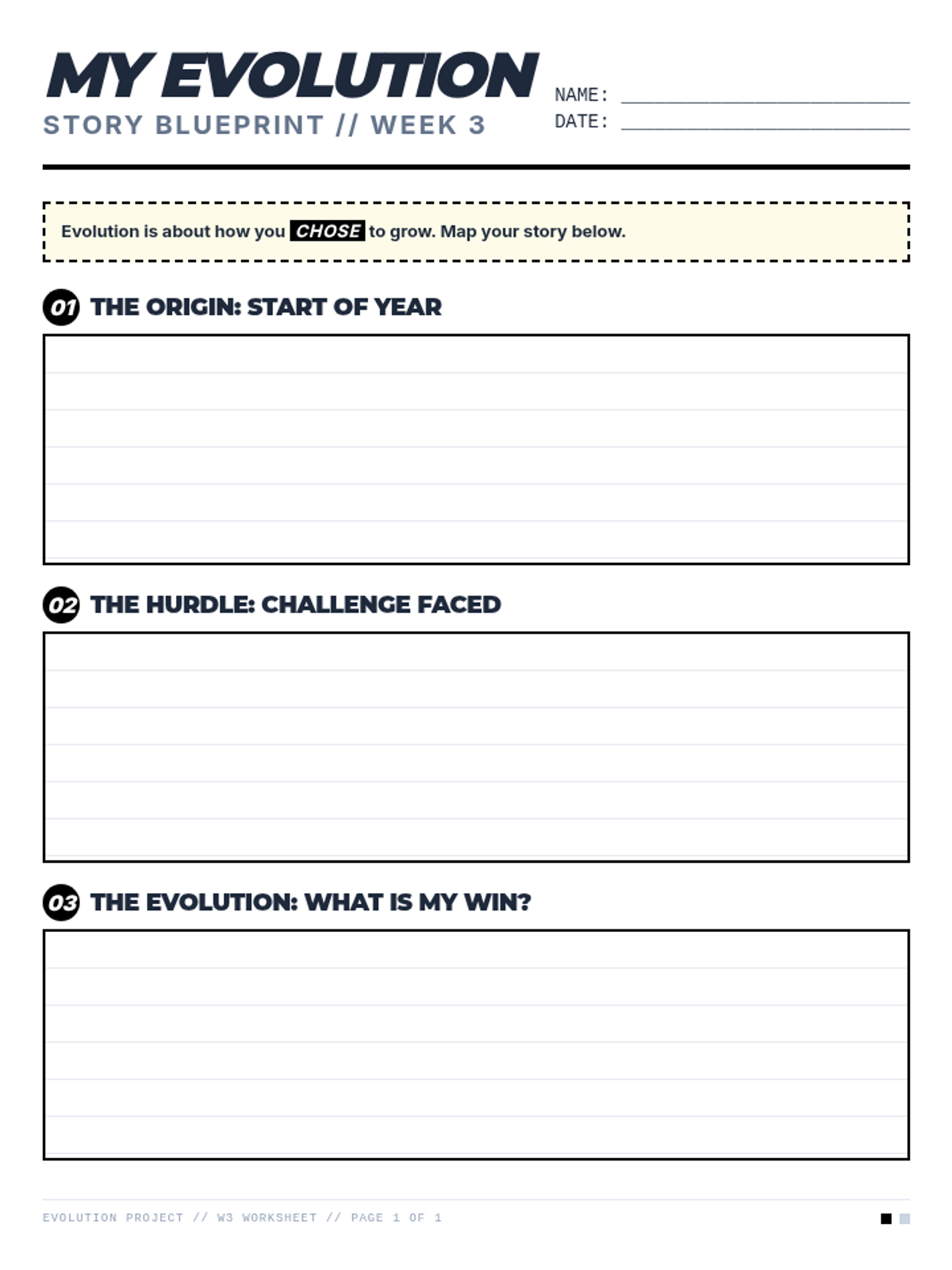
Focuses on synthesizing the lessons from weeks 1 and 2 into a personal growth narrative, identifying where they started, the hurdles they faced, and the 'wins' they achieved.
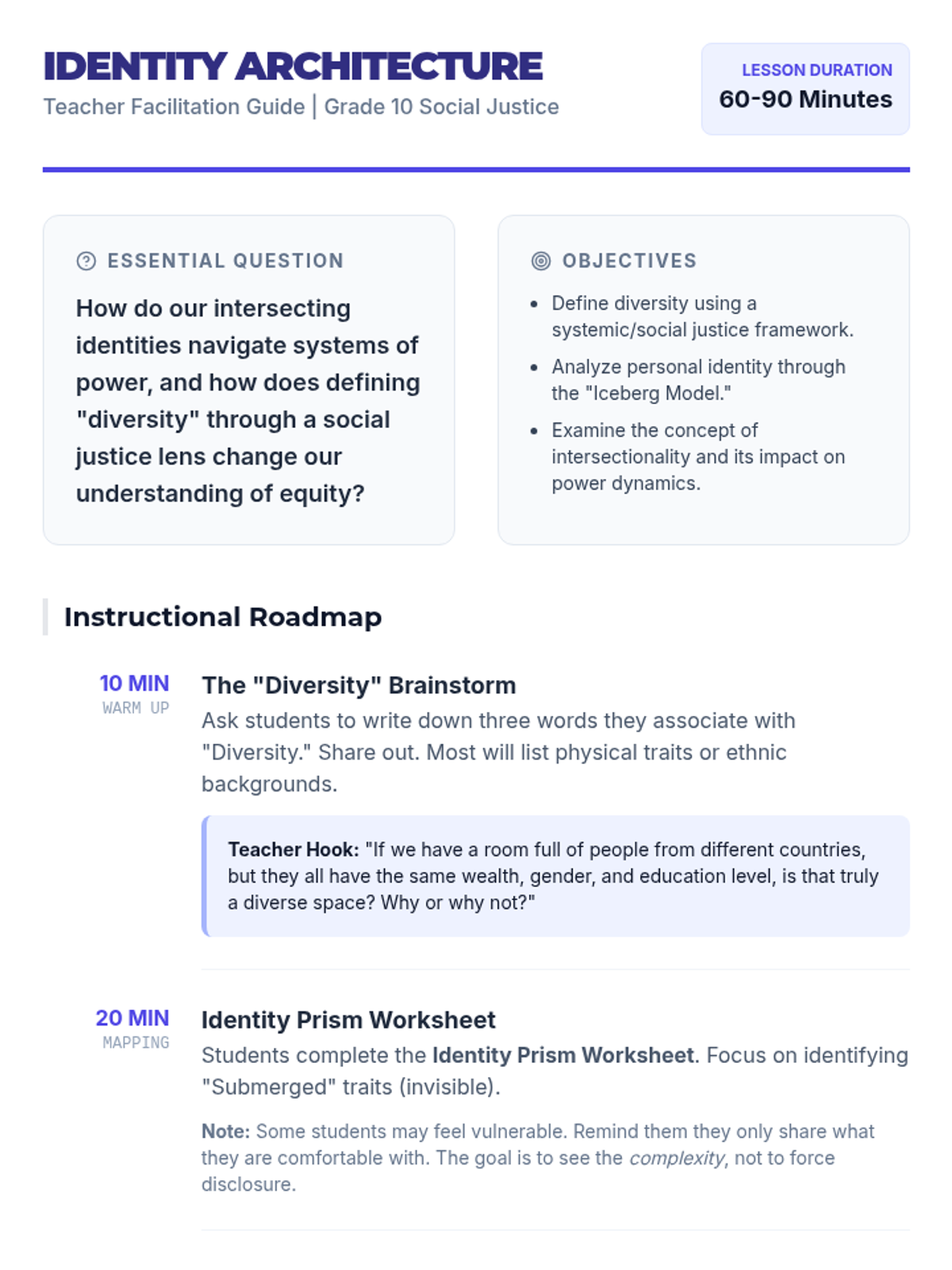
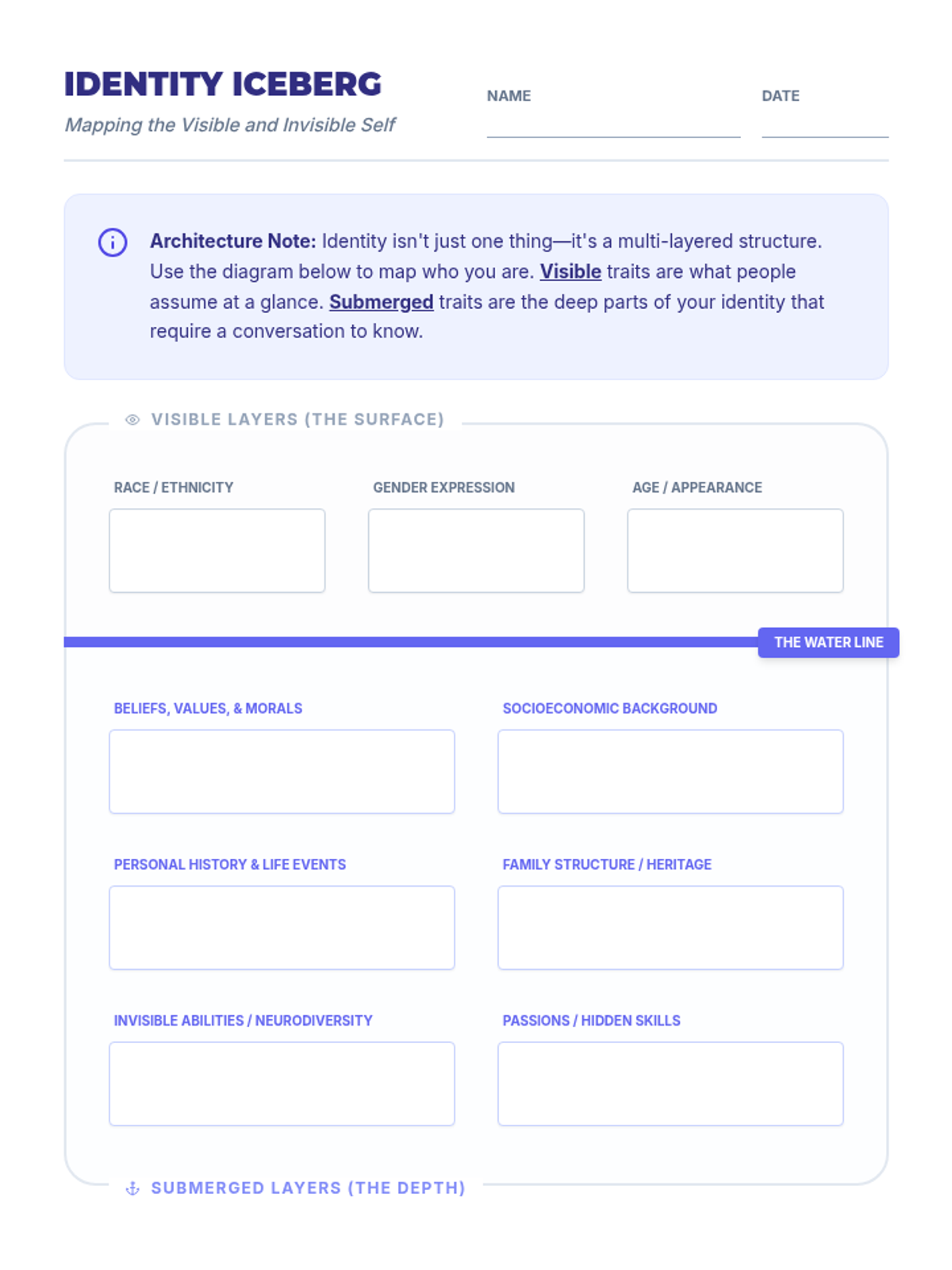
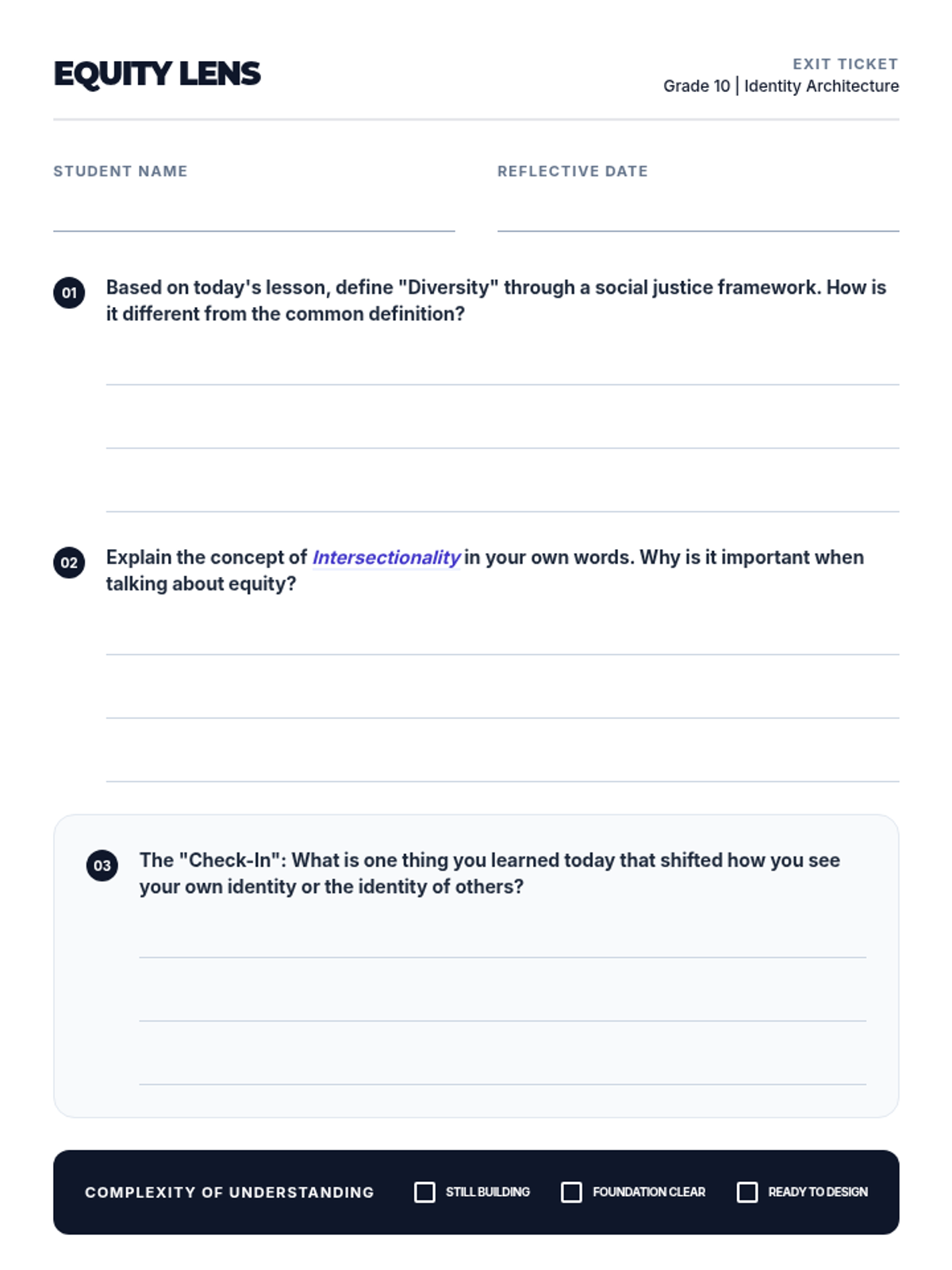
A social-justice centered exploration of diversity for 10th graders, moving beyond surface-level traits to understand identity, power, and intersectionality. Students will analyze how identity markers interact with societal systems to create different experiences of privilege and marginalization.
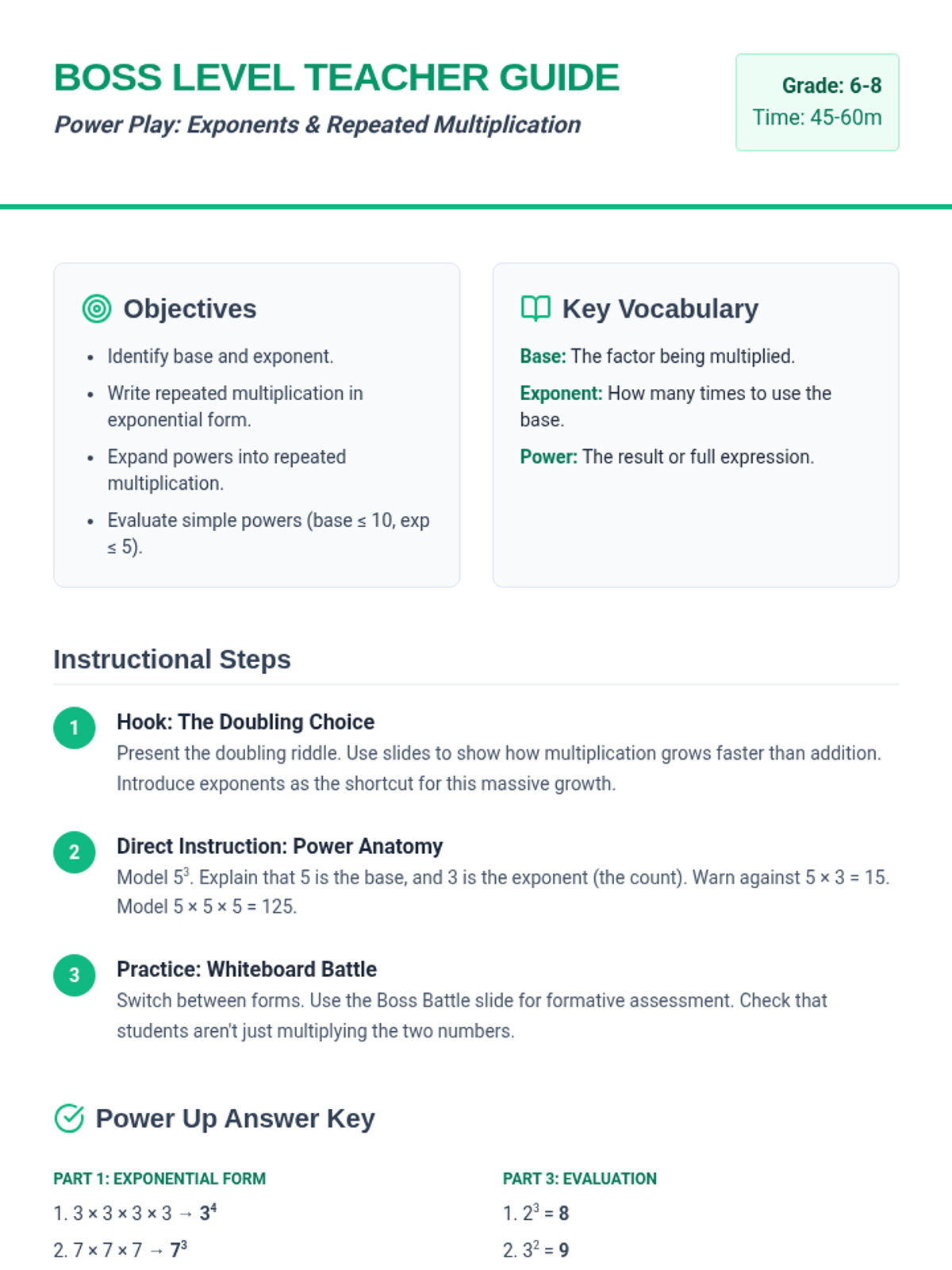
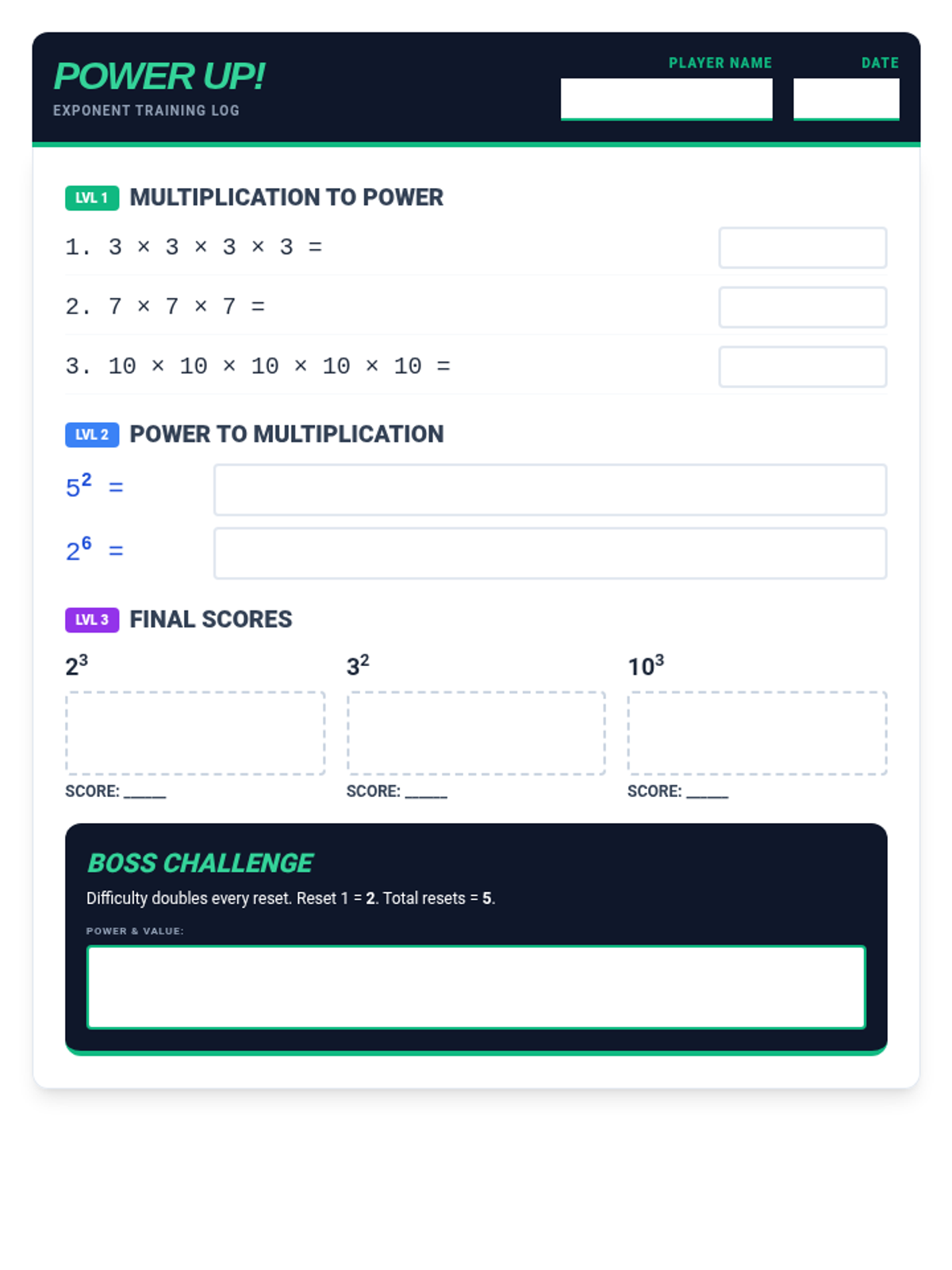
An introductory lesson on exponents focusing on the relationship between repeated multiplication and exponential notation through a retro arcade theme.
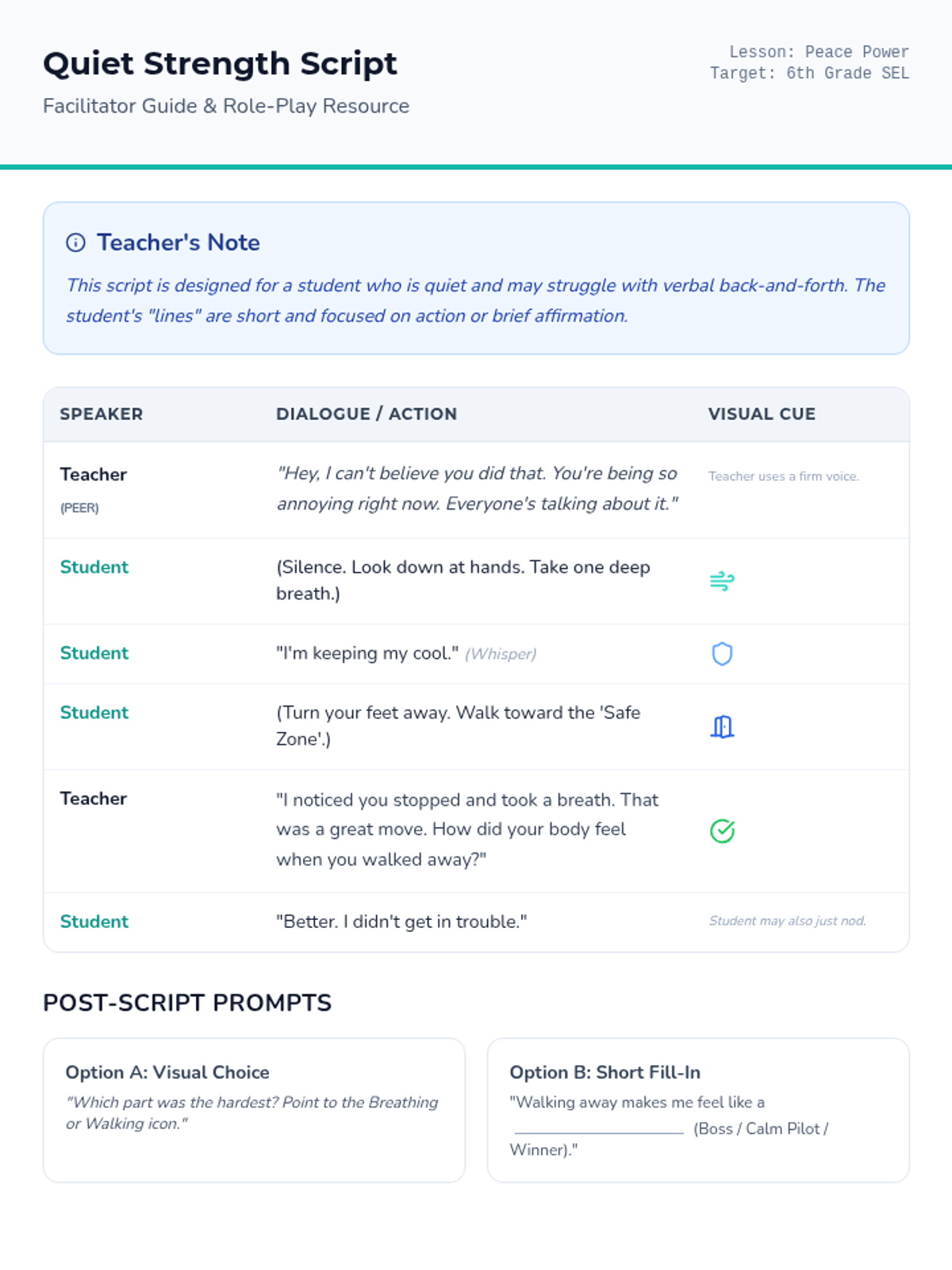
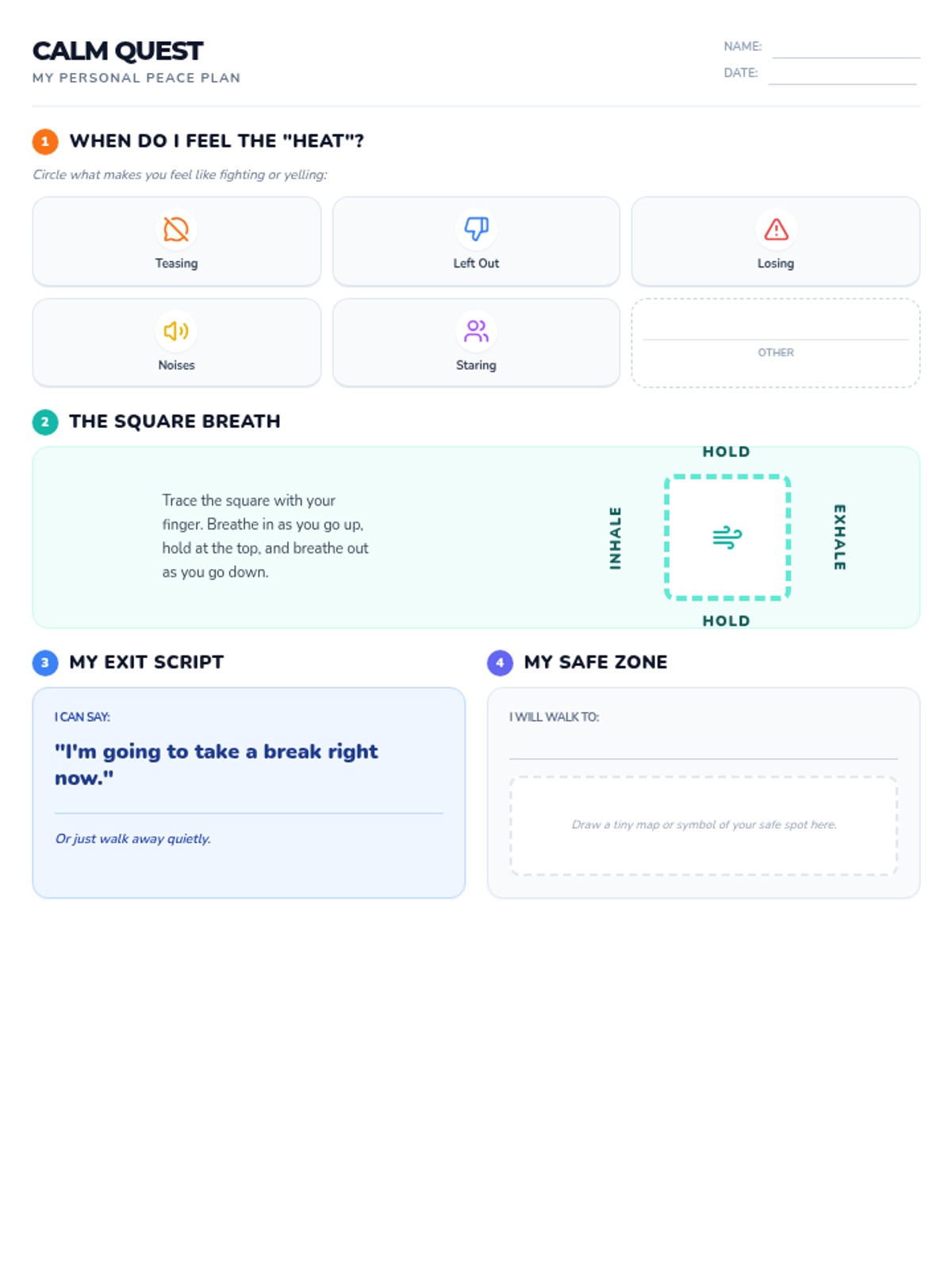
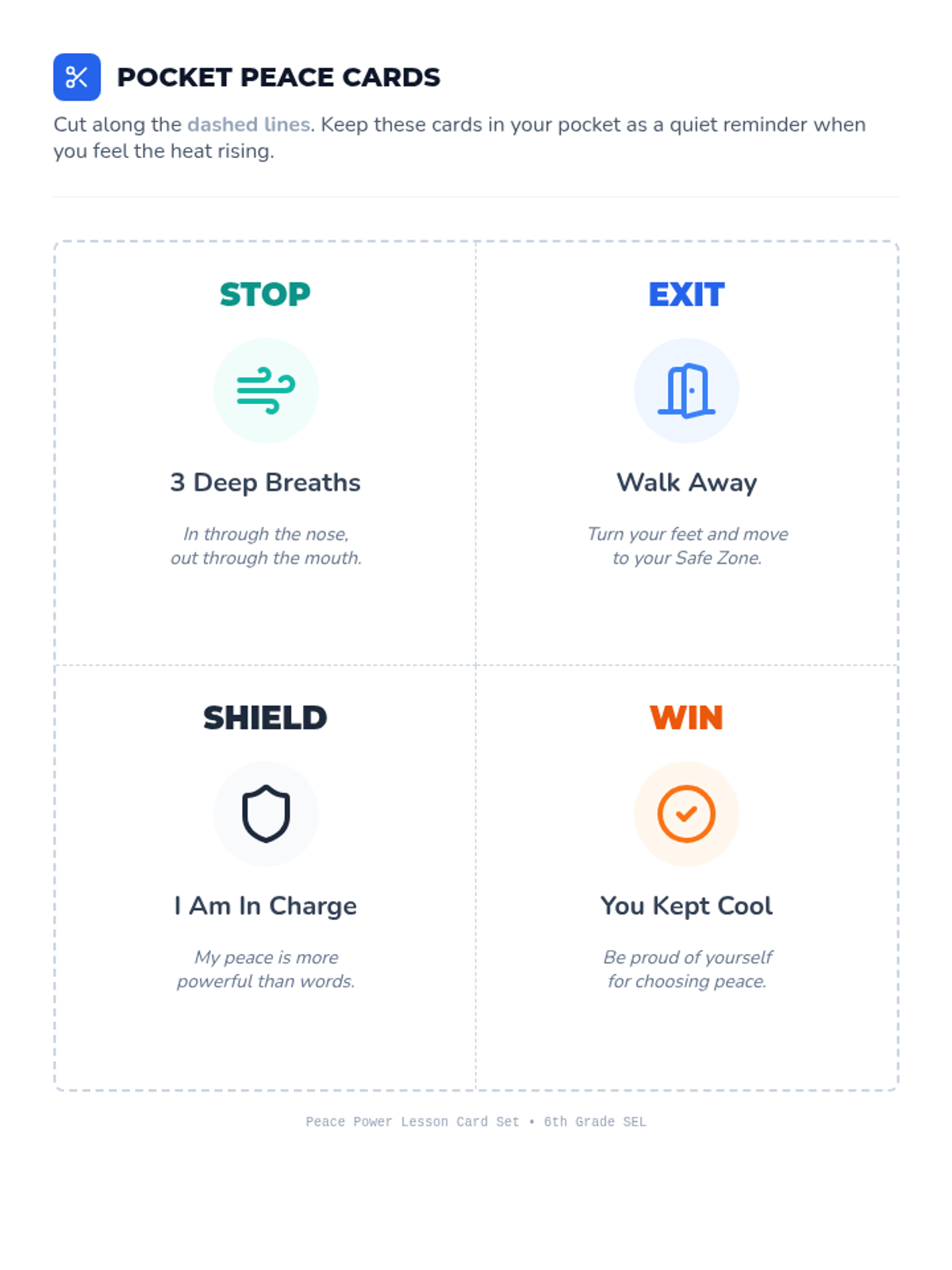
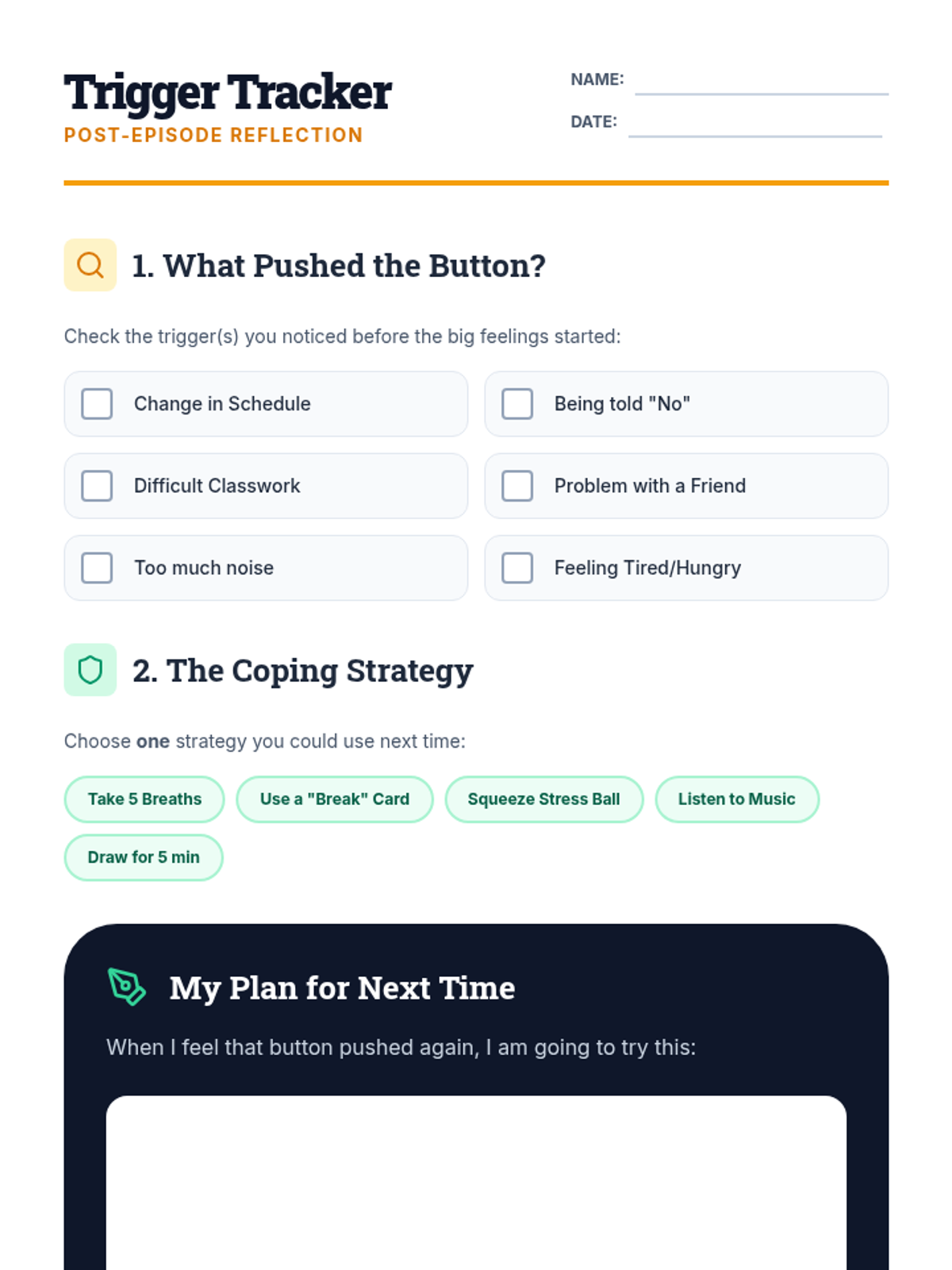
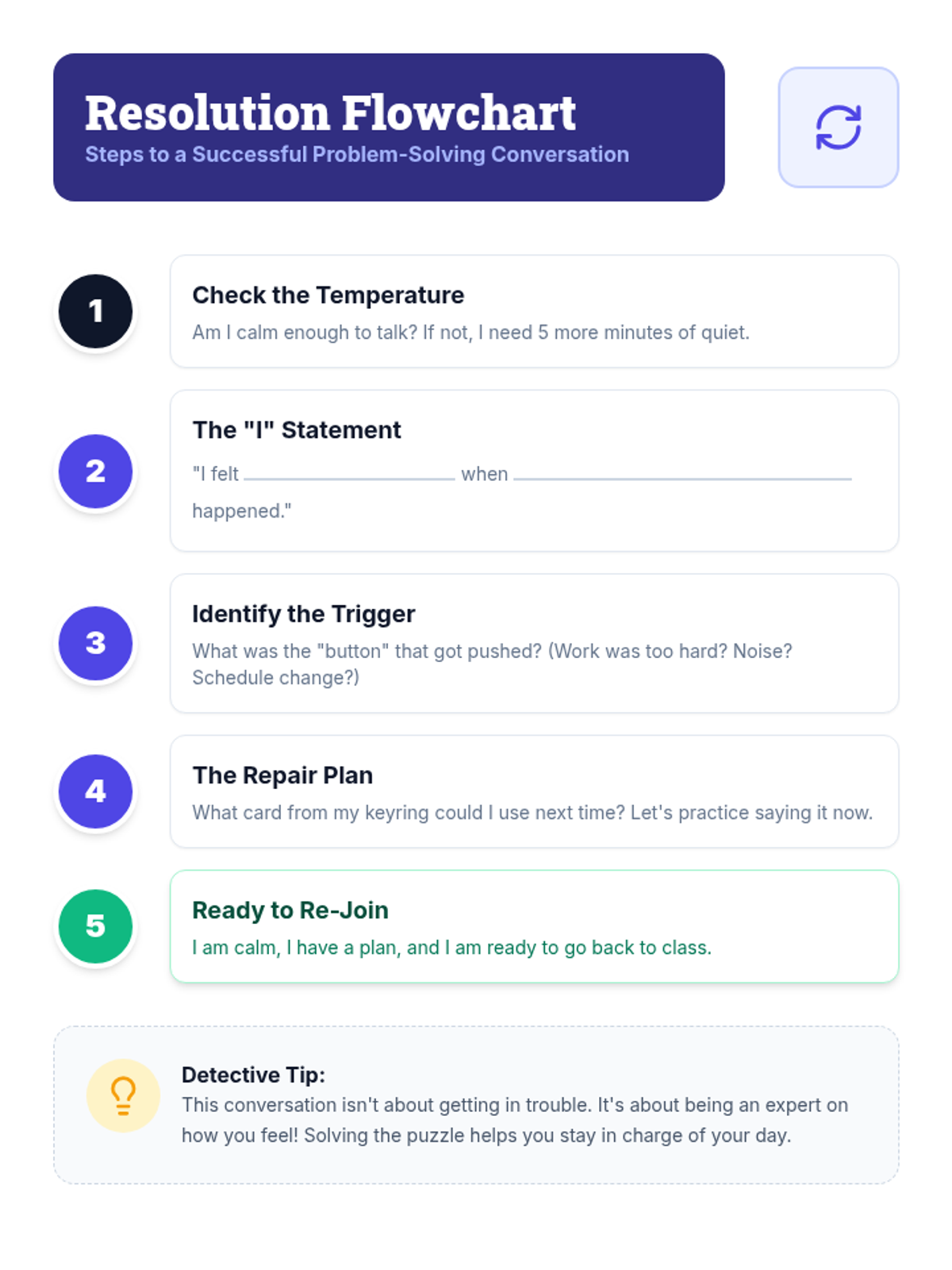
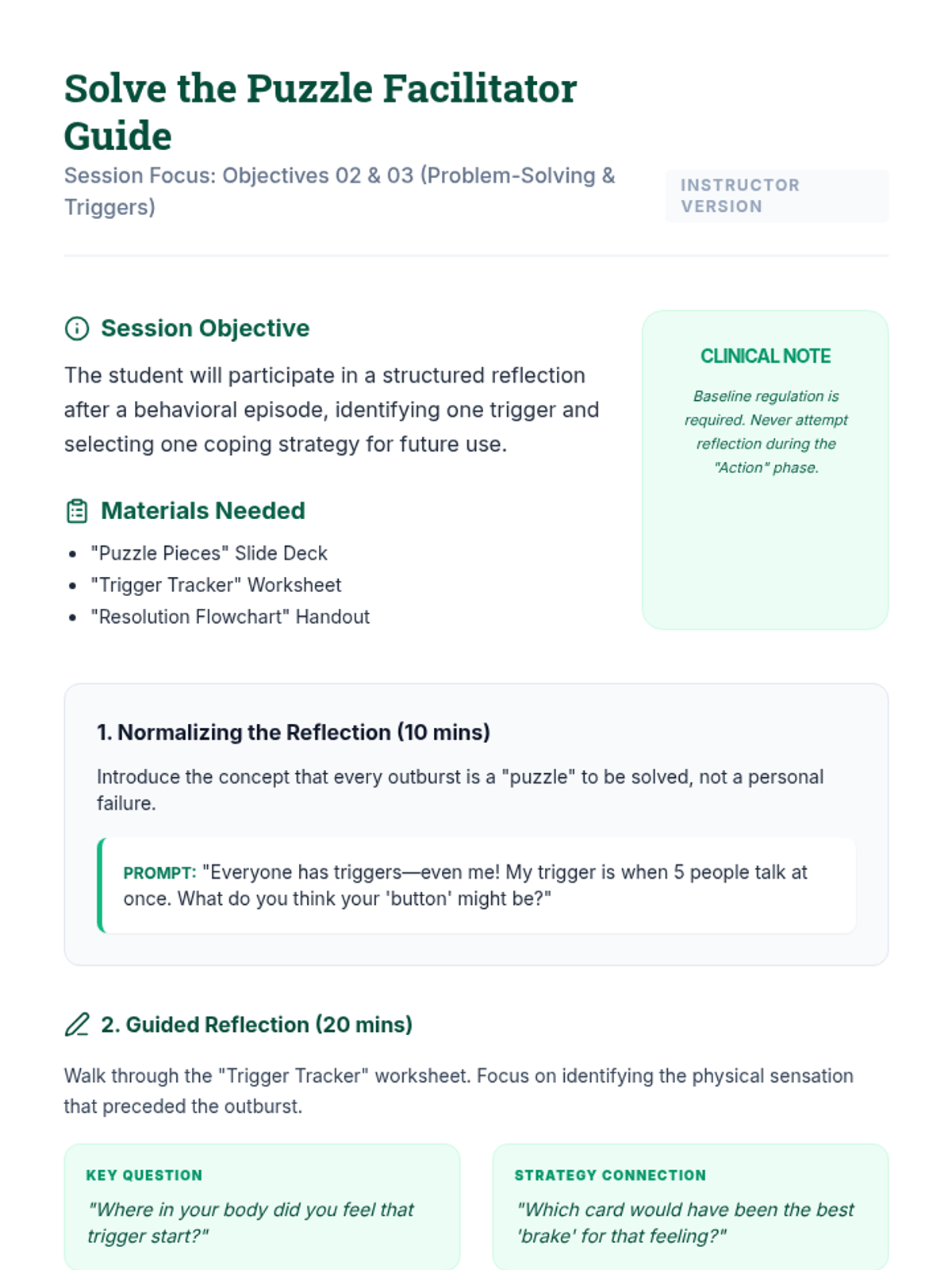
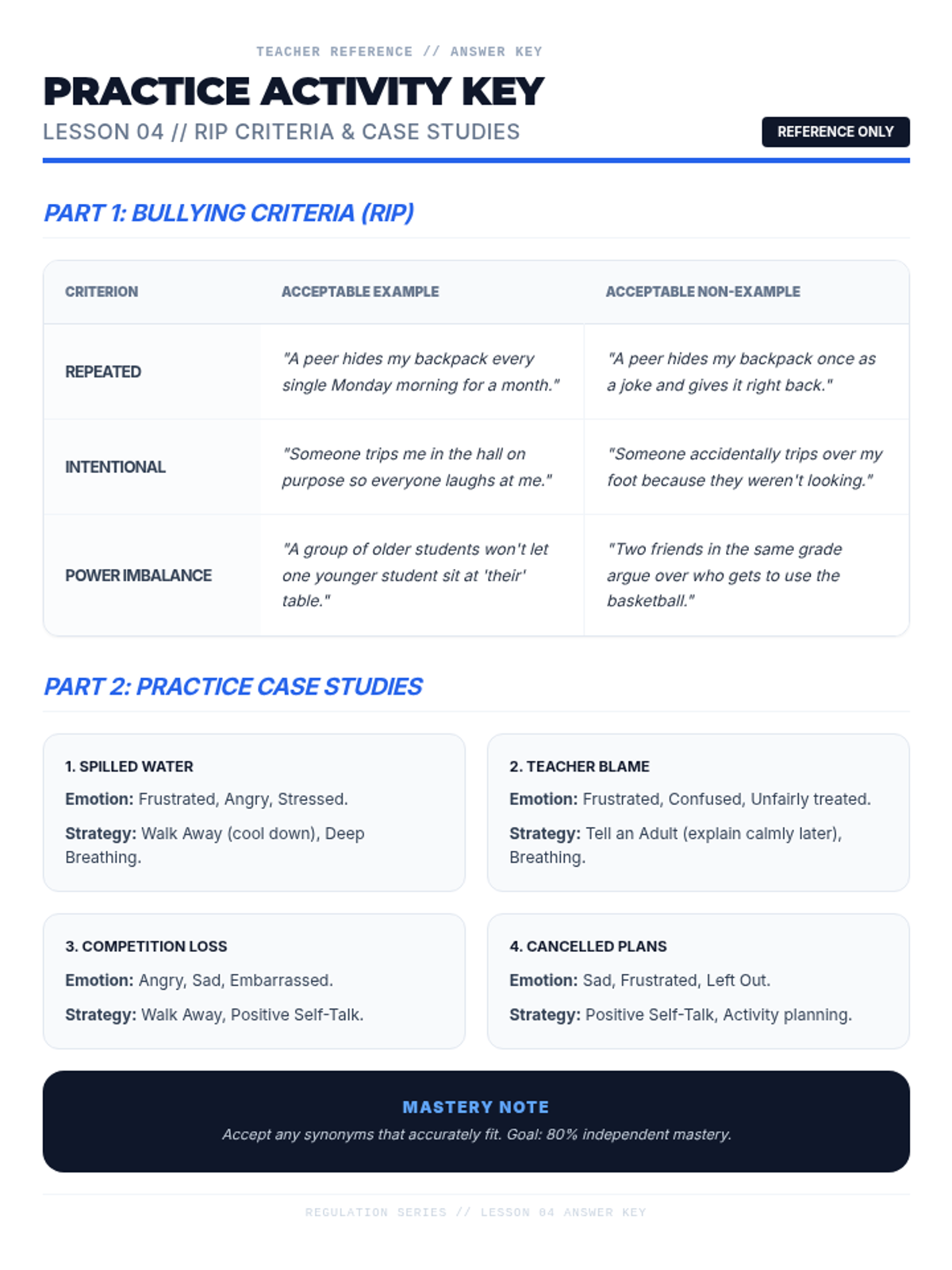
A lesson designed for a 6th-grade student struggling with peer conflict, focusing on walking away and deep breathing as primary coping strategies. Includes visual-heavy materials and a structured script to support a quiet student in practicing social interactions.
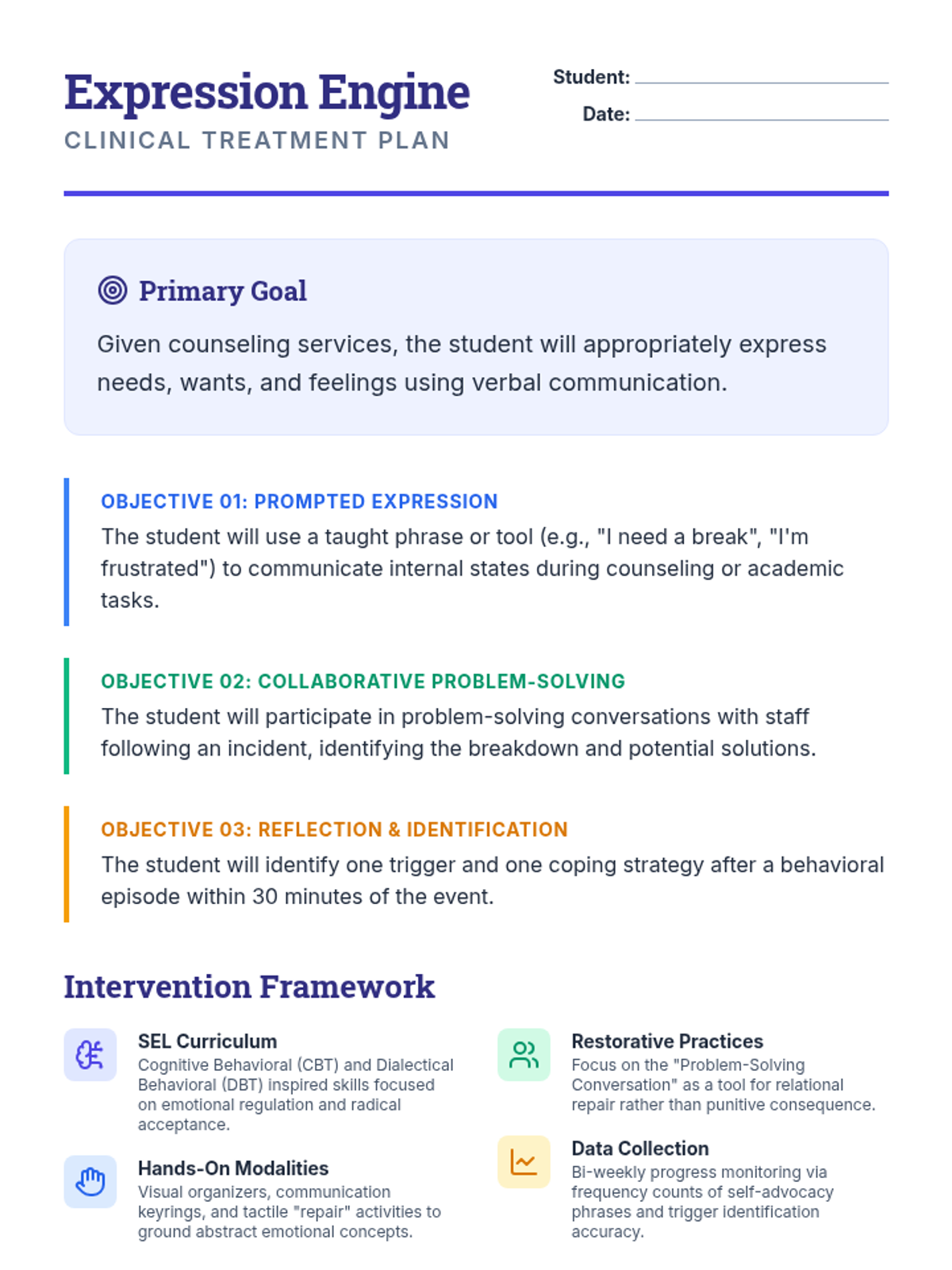
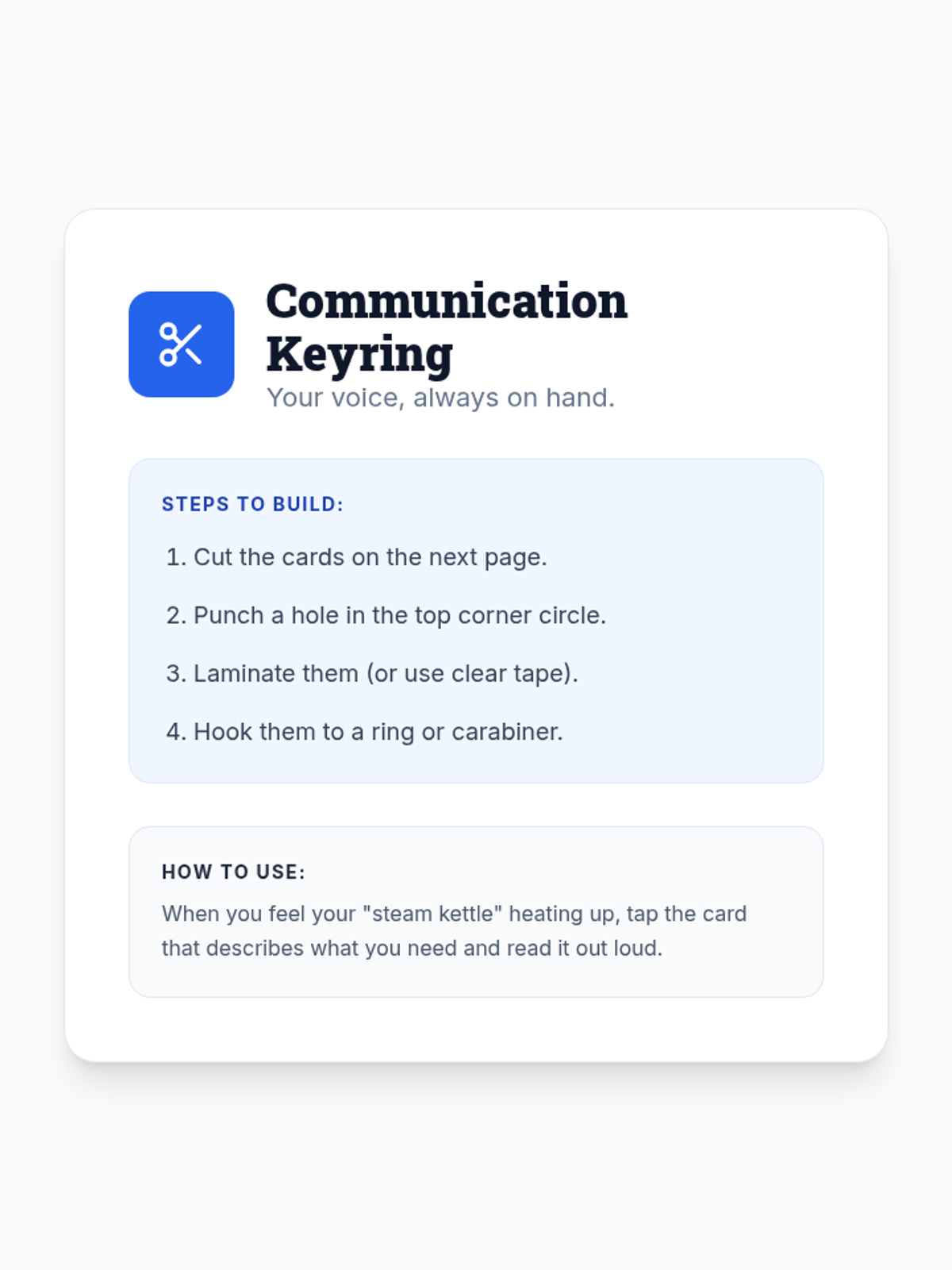
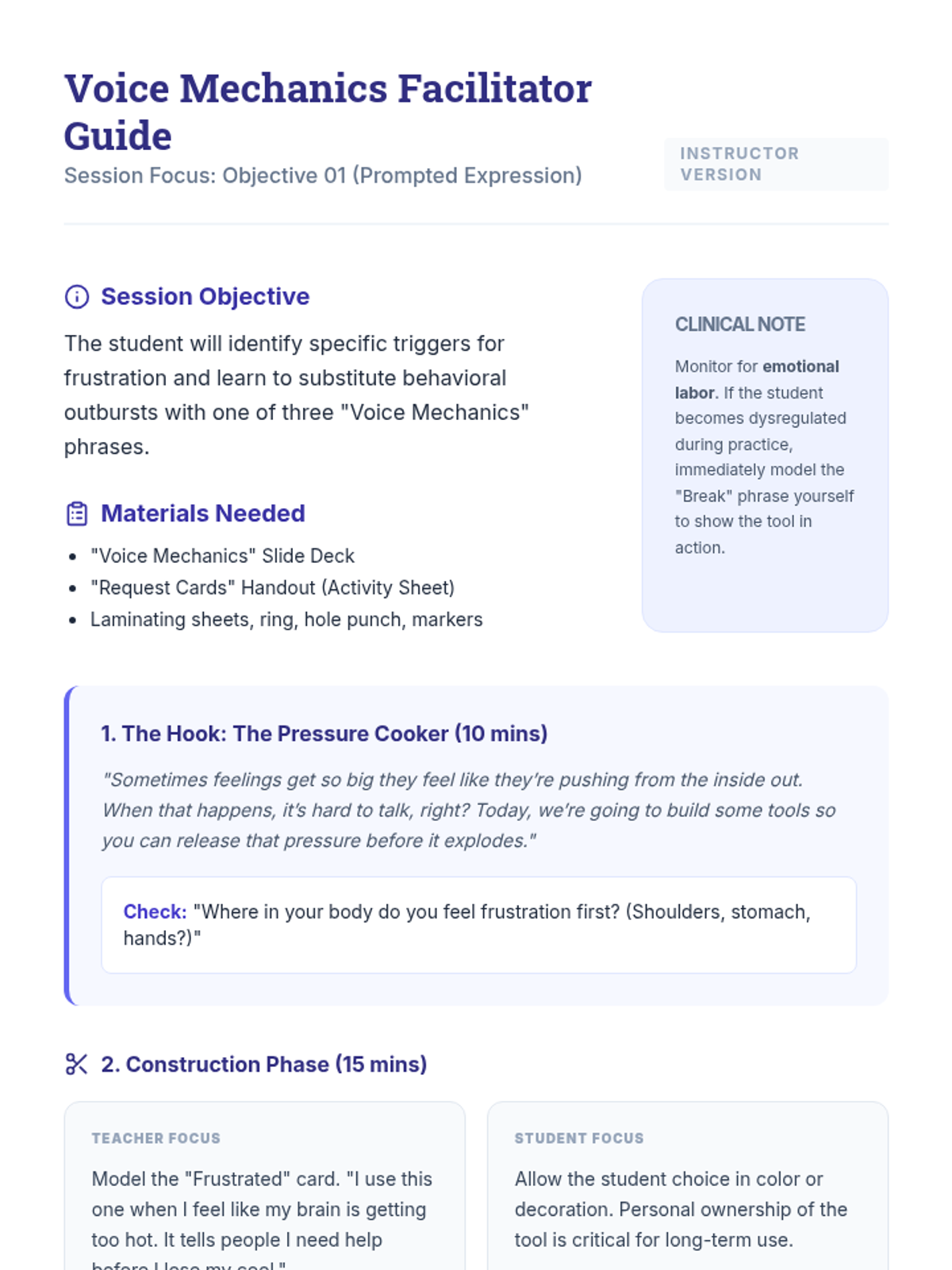
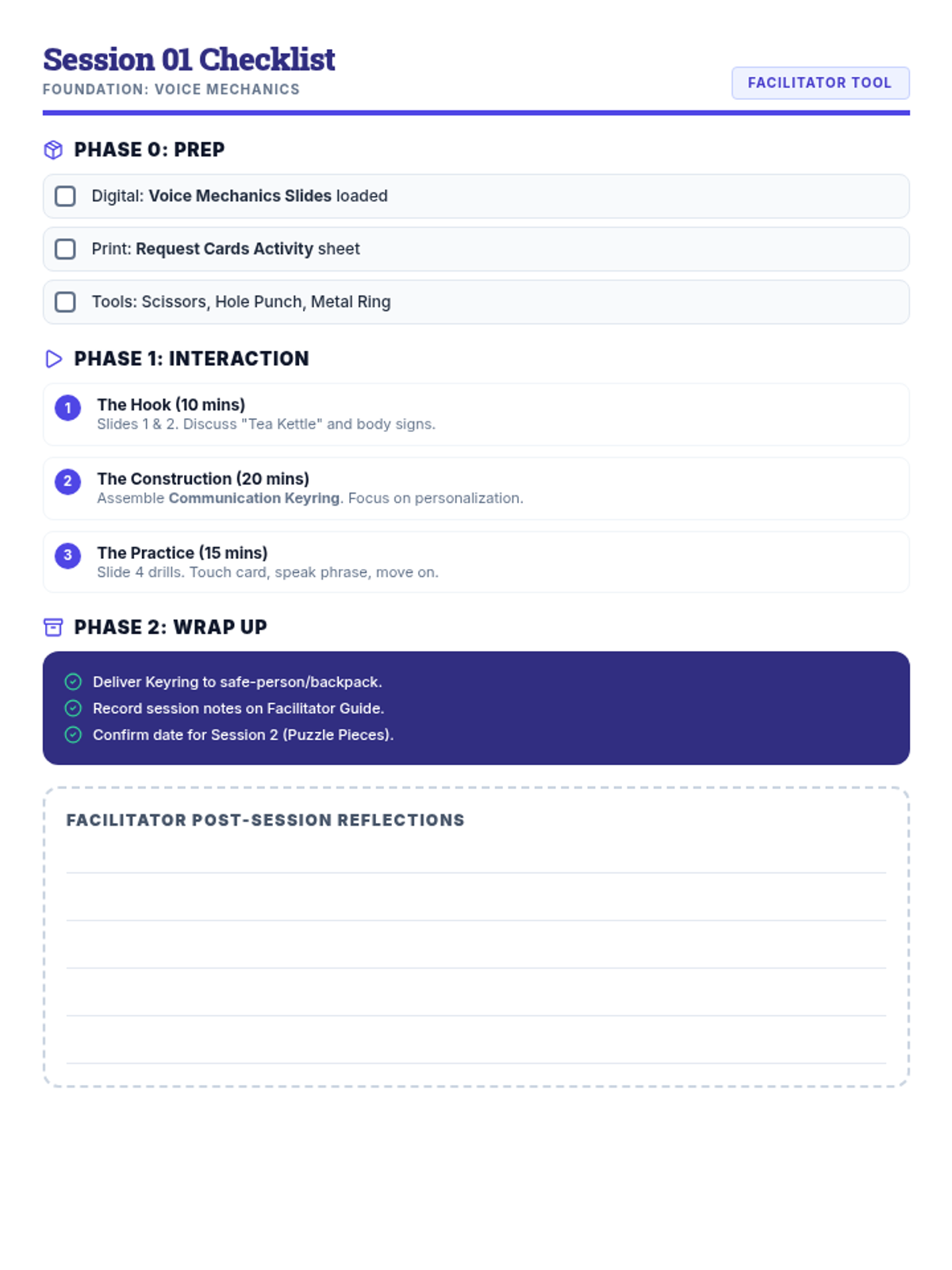
This lesson focuses on teaching the student specific phrases and tools to communicate needs and feelings in the moment, reducing reliance on non-verbal or behavioral outbursts.
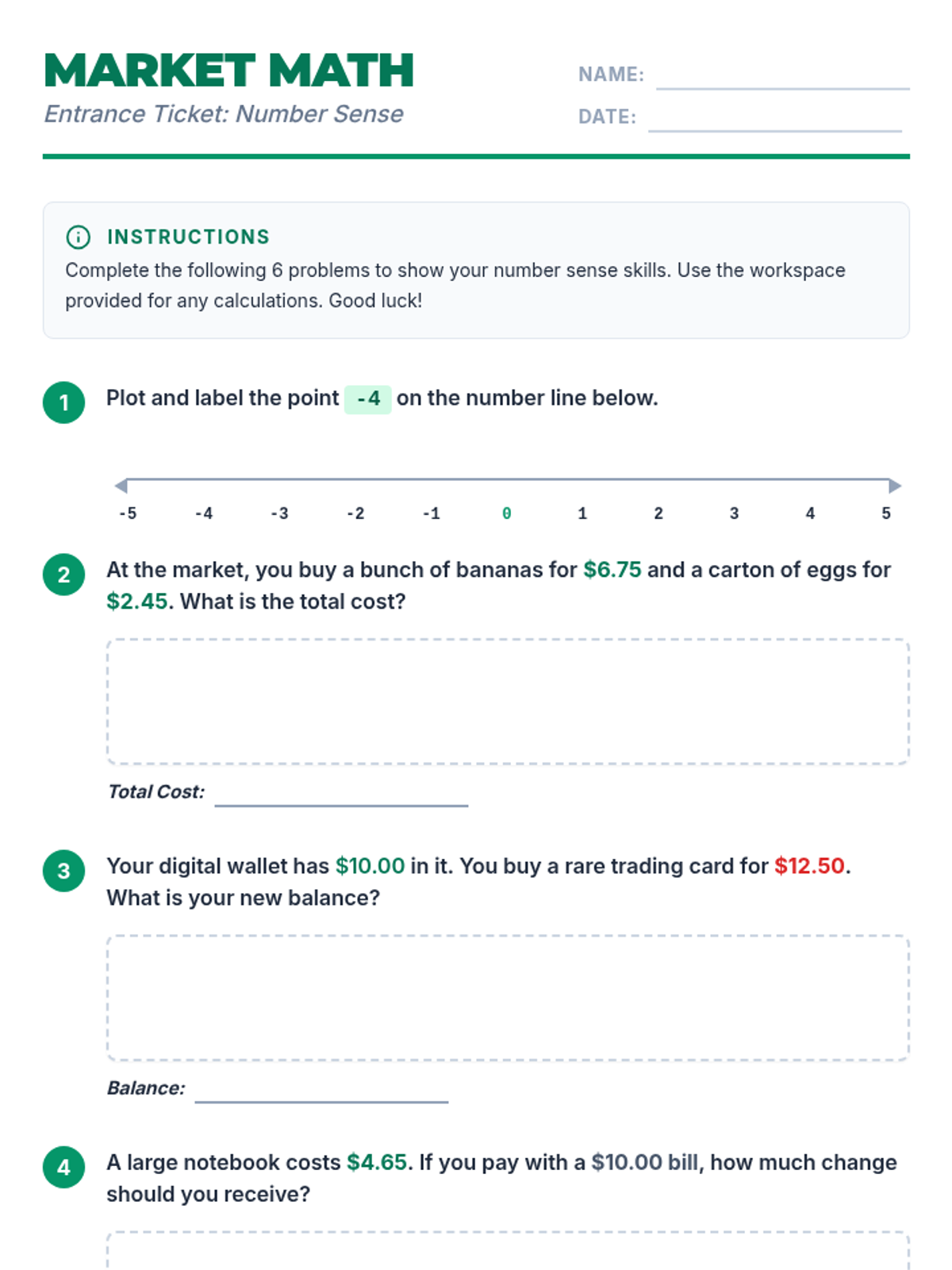
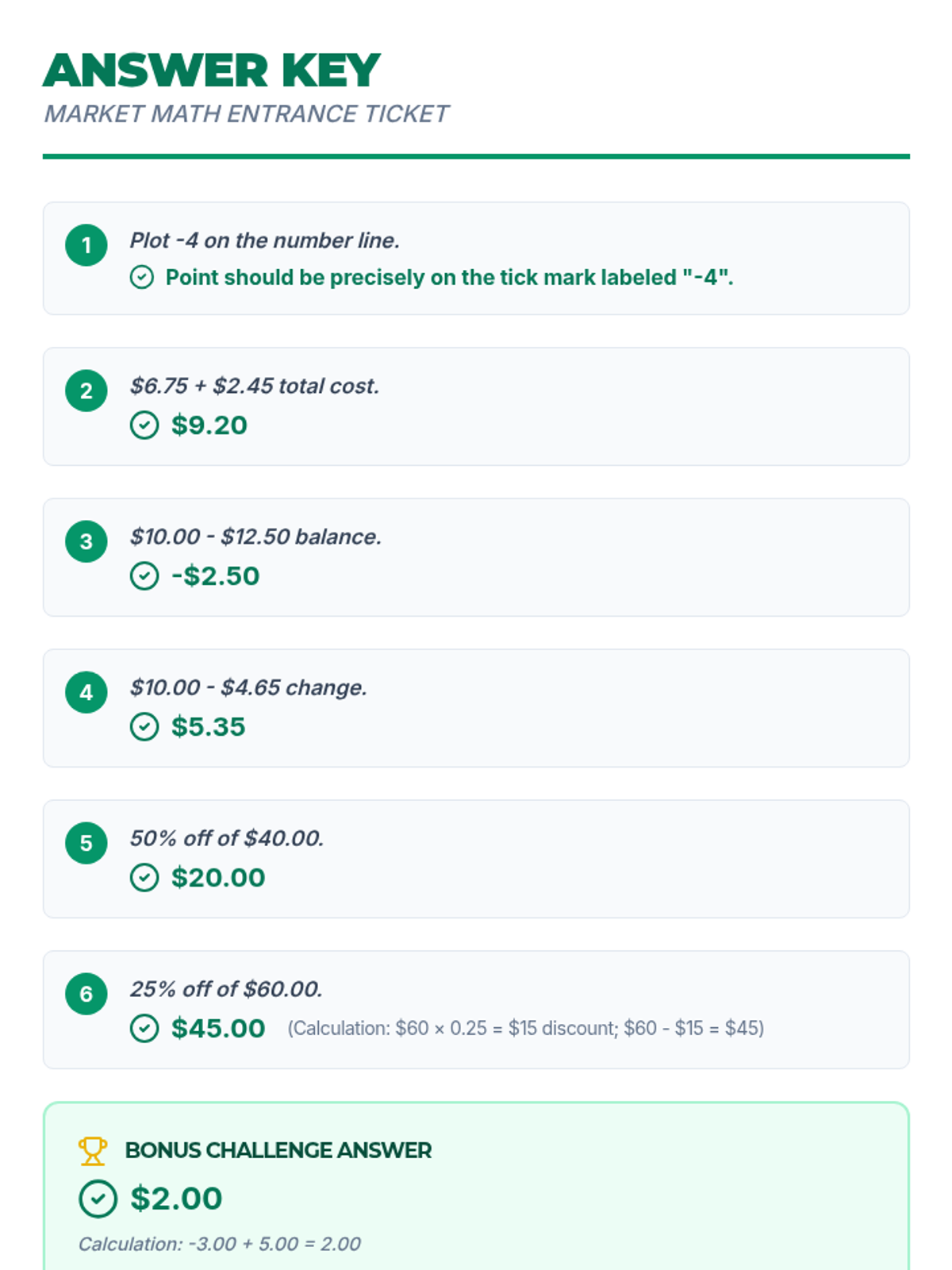
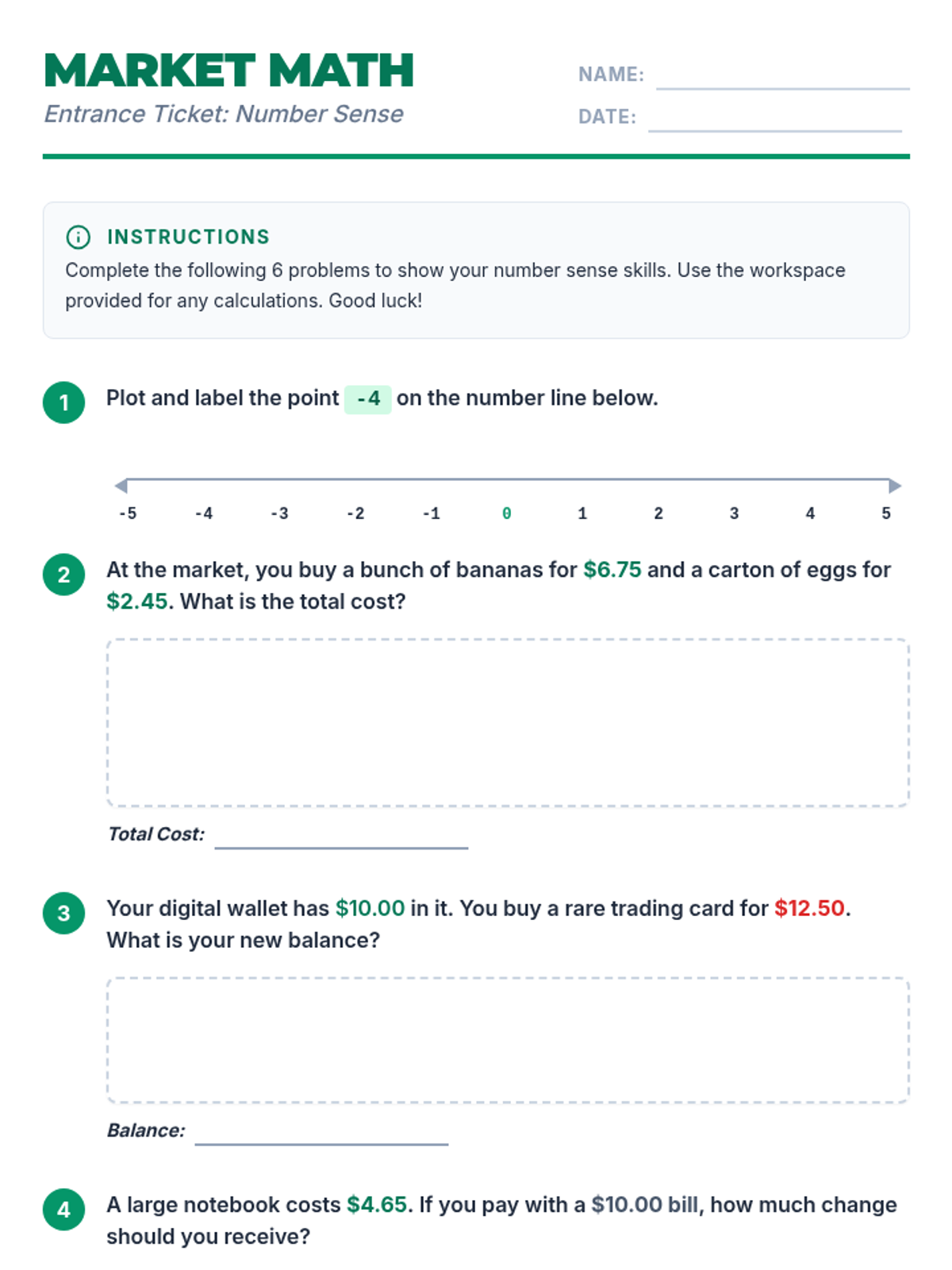
A quick formative assessment focusing on foundational number sense, including negative numbers, decimals, and percentages within real-world shopping contexts.
This final session focuses on the role of the 'Upstander' and the 'Ally'. Students apply their social decoding skills to bystander situations, practicing how to intervene or report while maintaining emotional regulation in high-pressure social moments.
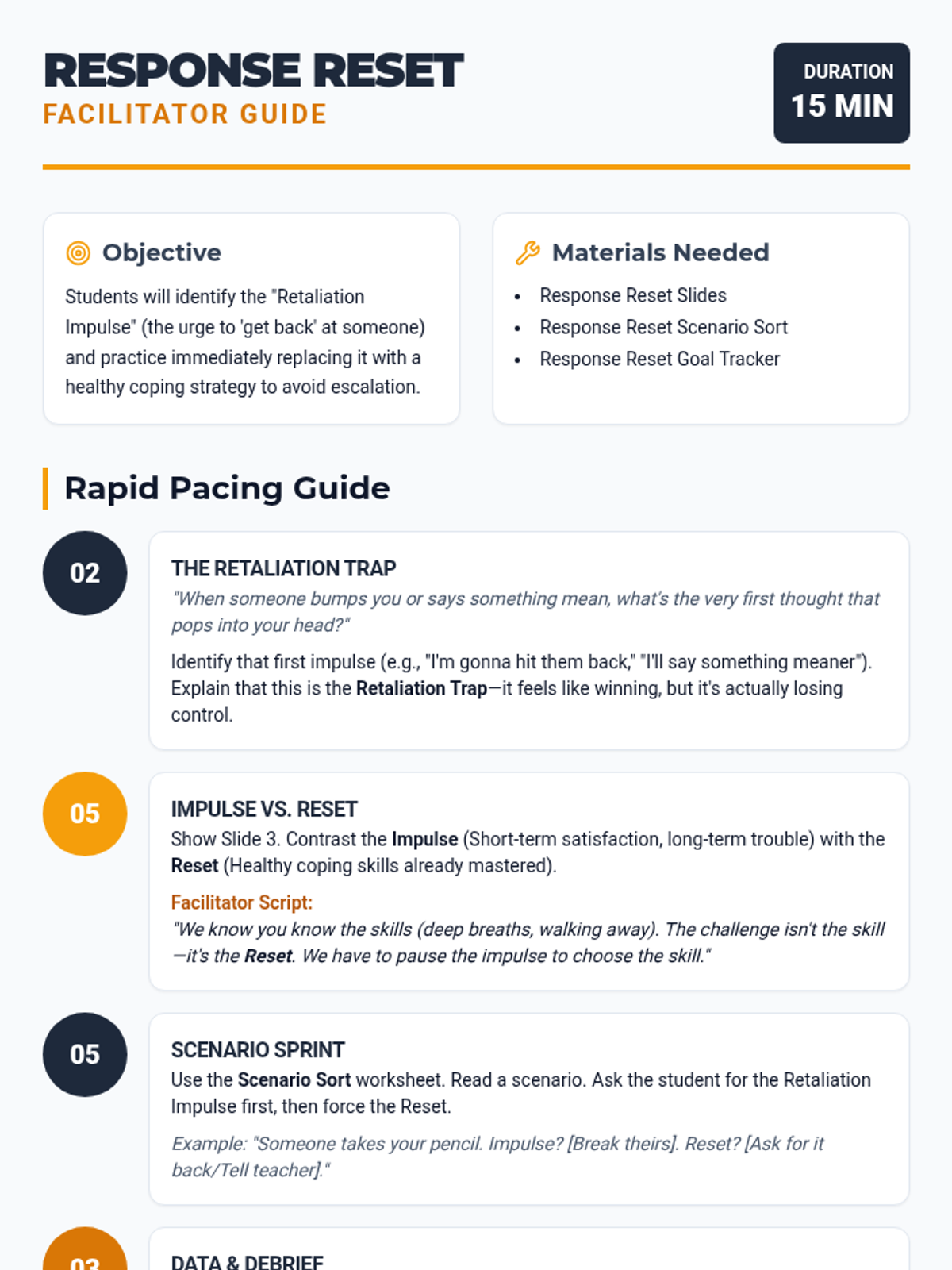
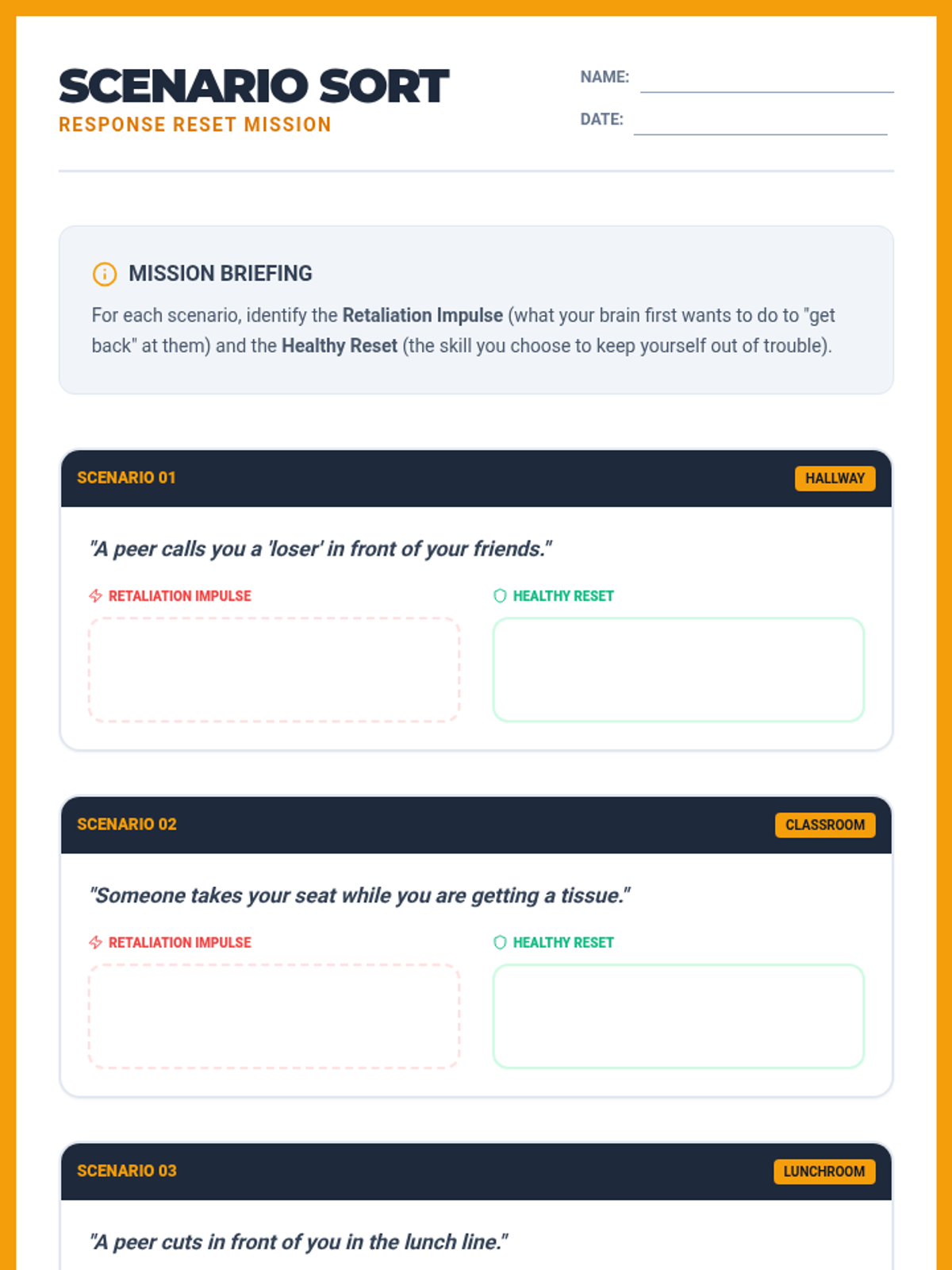
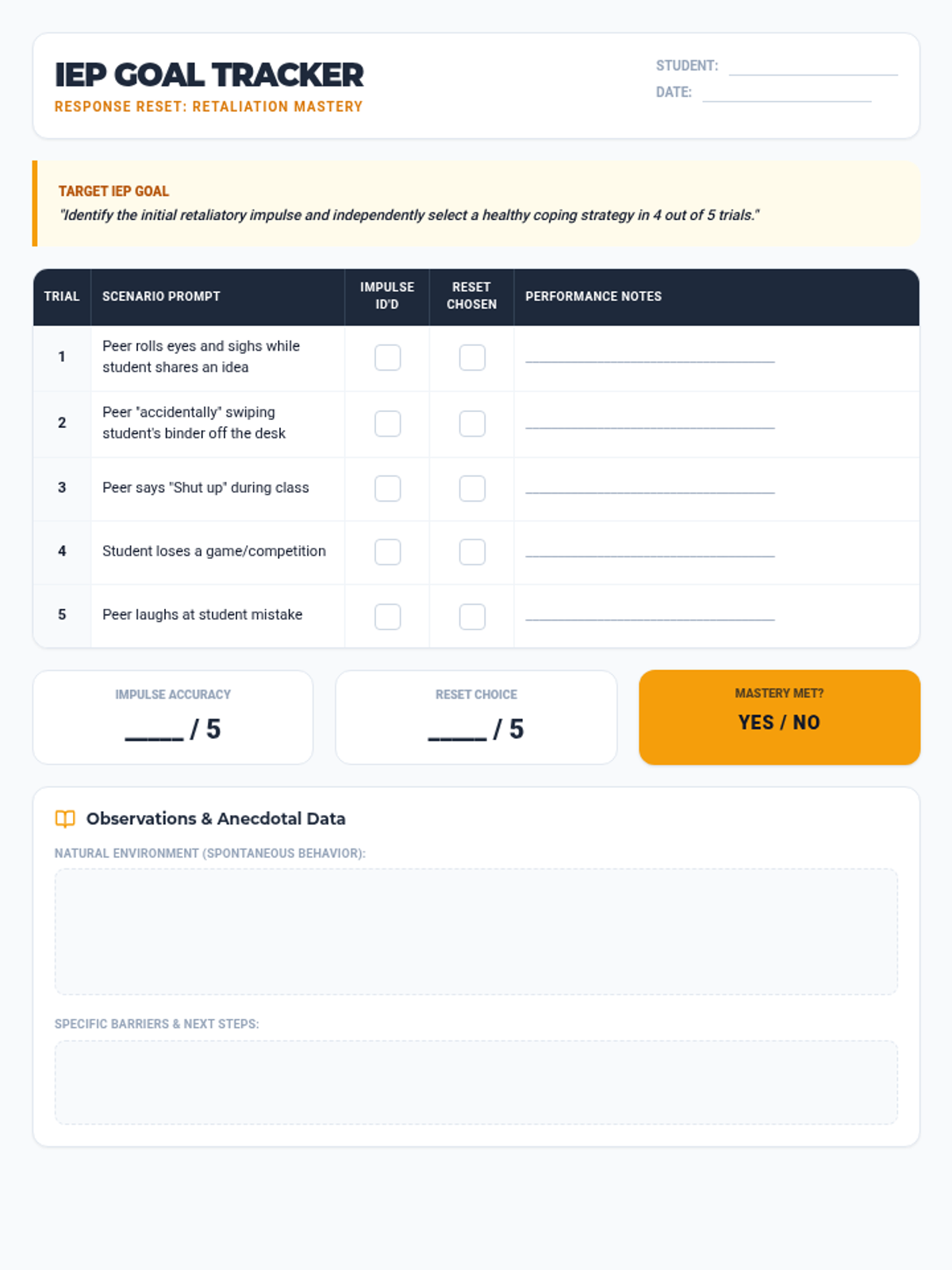
A targeted 15-minute intervention focusing on shifting from retaliatory impulses to healthy coping strategies during peer conflict, specifically designed for students who struggle with the urge to 'get back' at others.
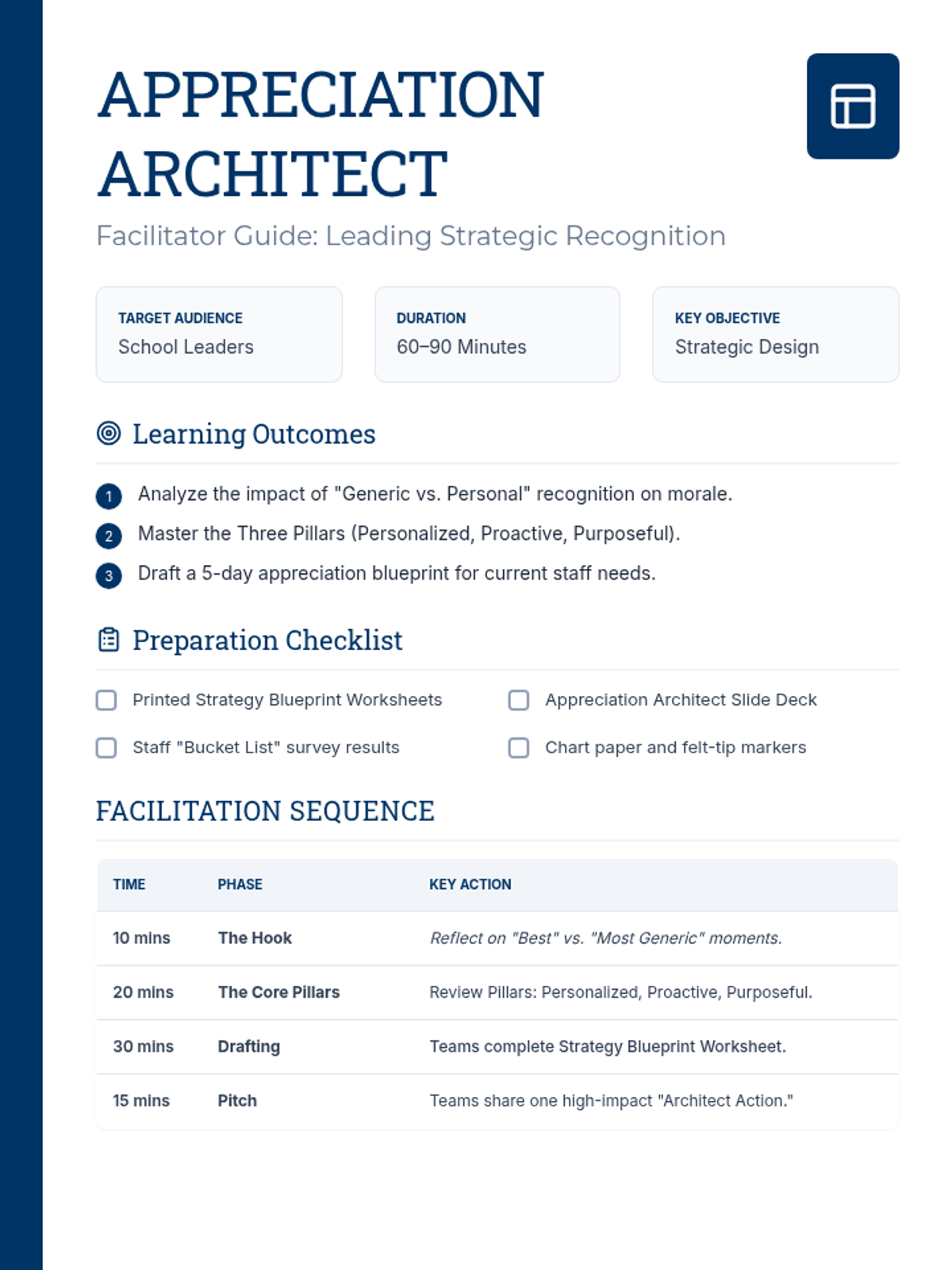
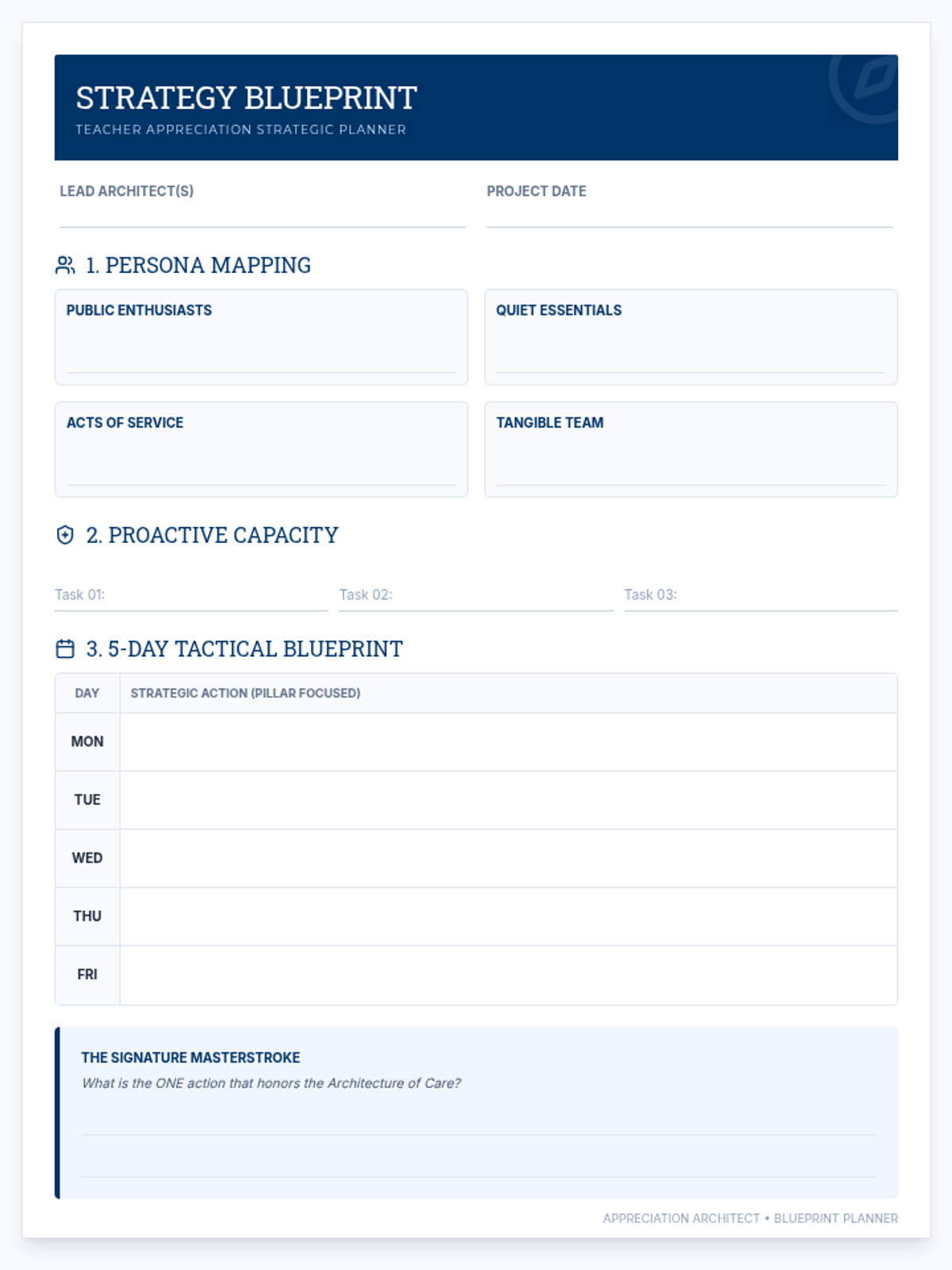
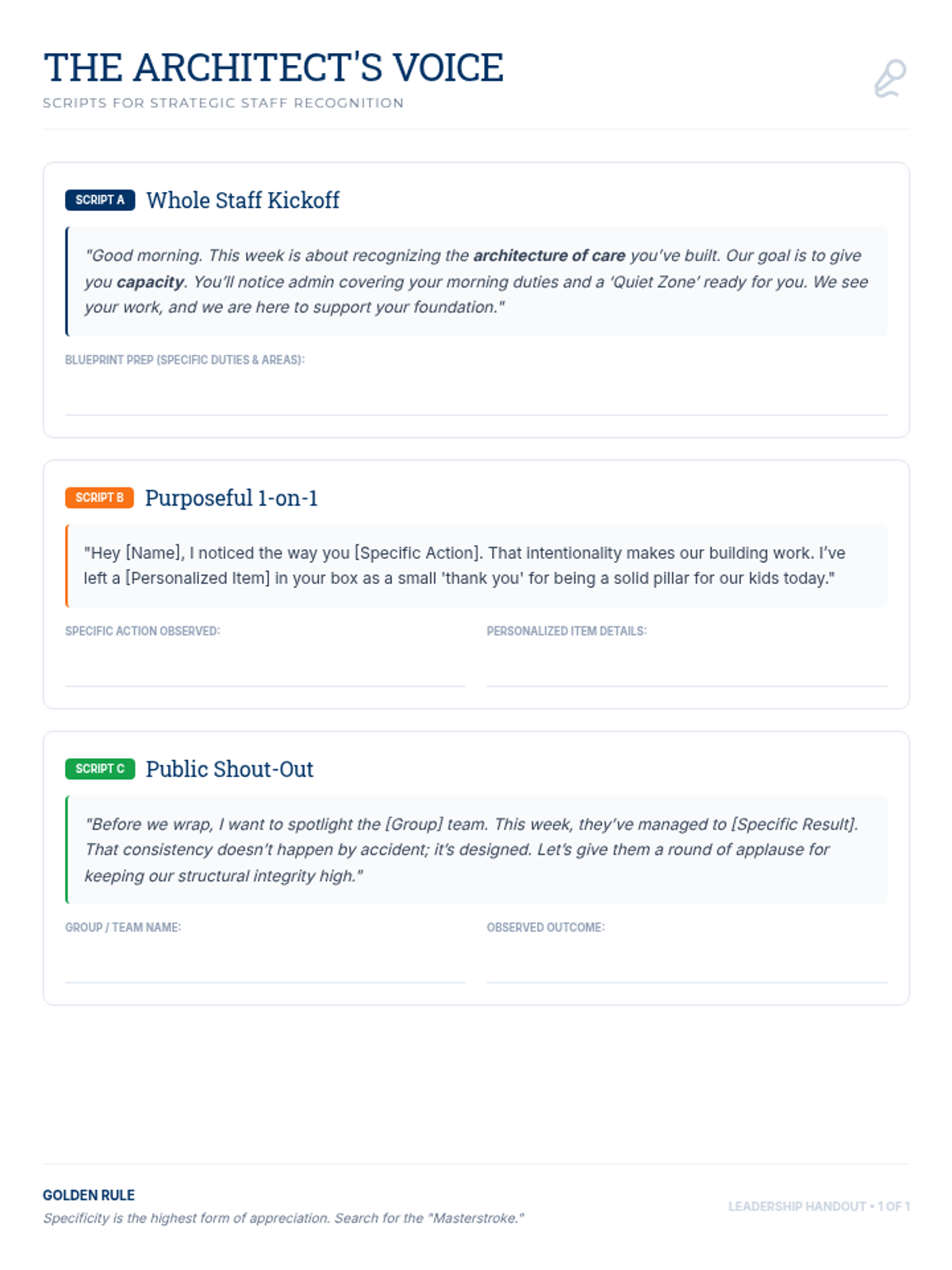
A strategic framework for school leaders to design a Teacher Appreciation Week that fosters genuine connection and boosts morale during high-stress testing periods. Participants will move beyond generic gifts to personalized, high-impact recognition strategies.
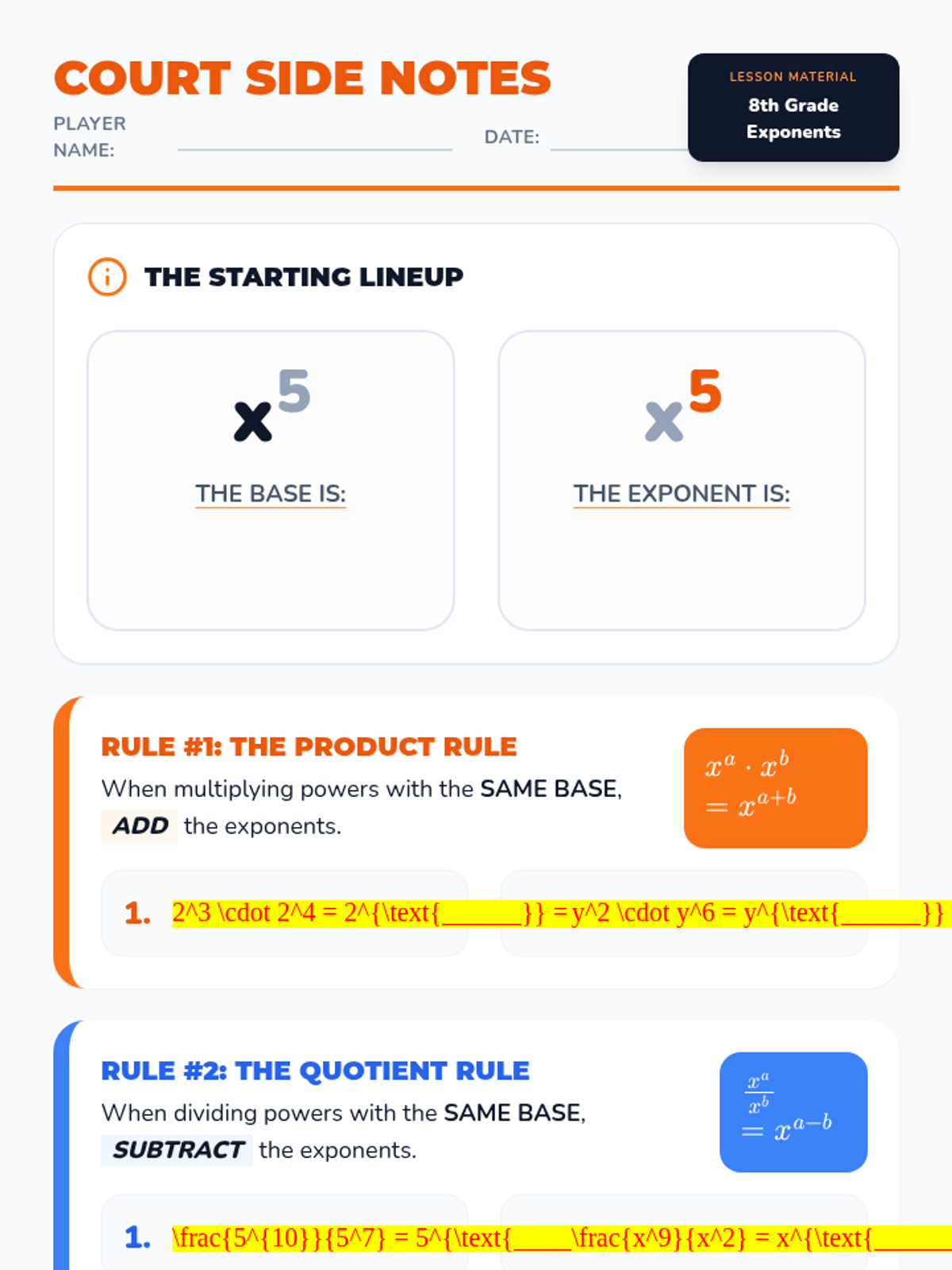
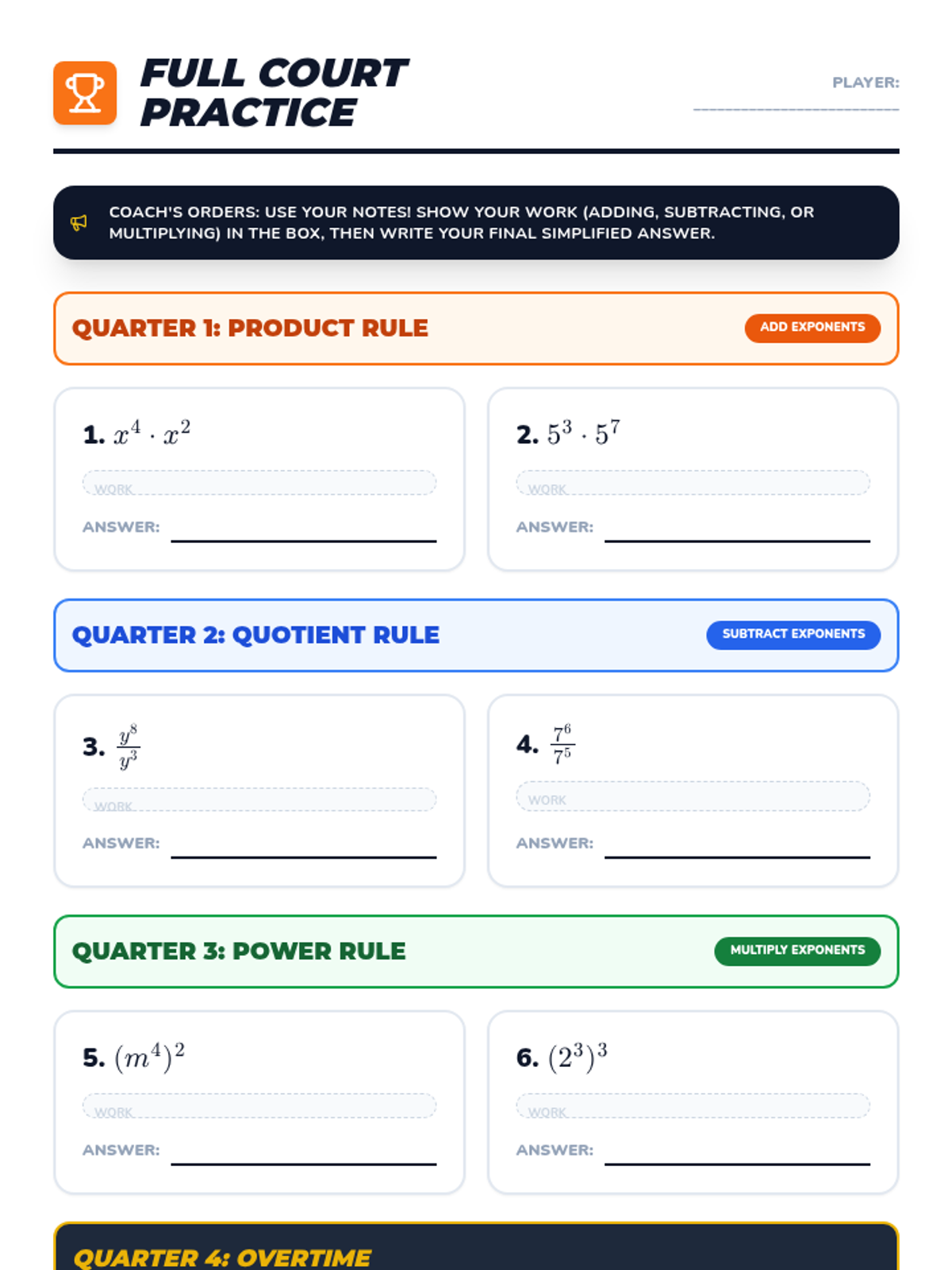
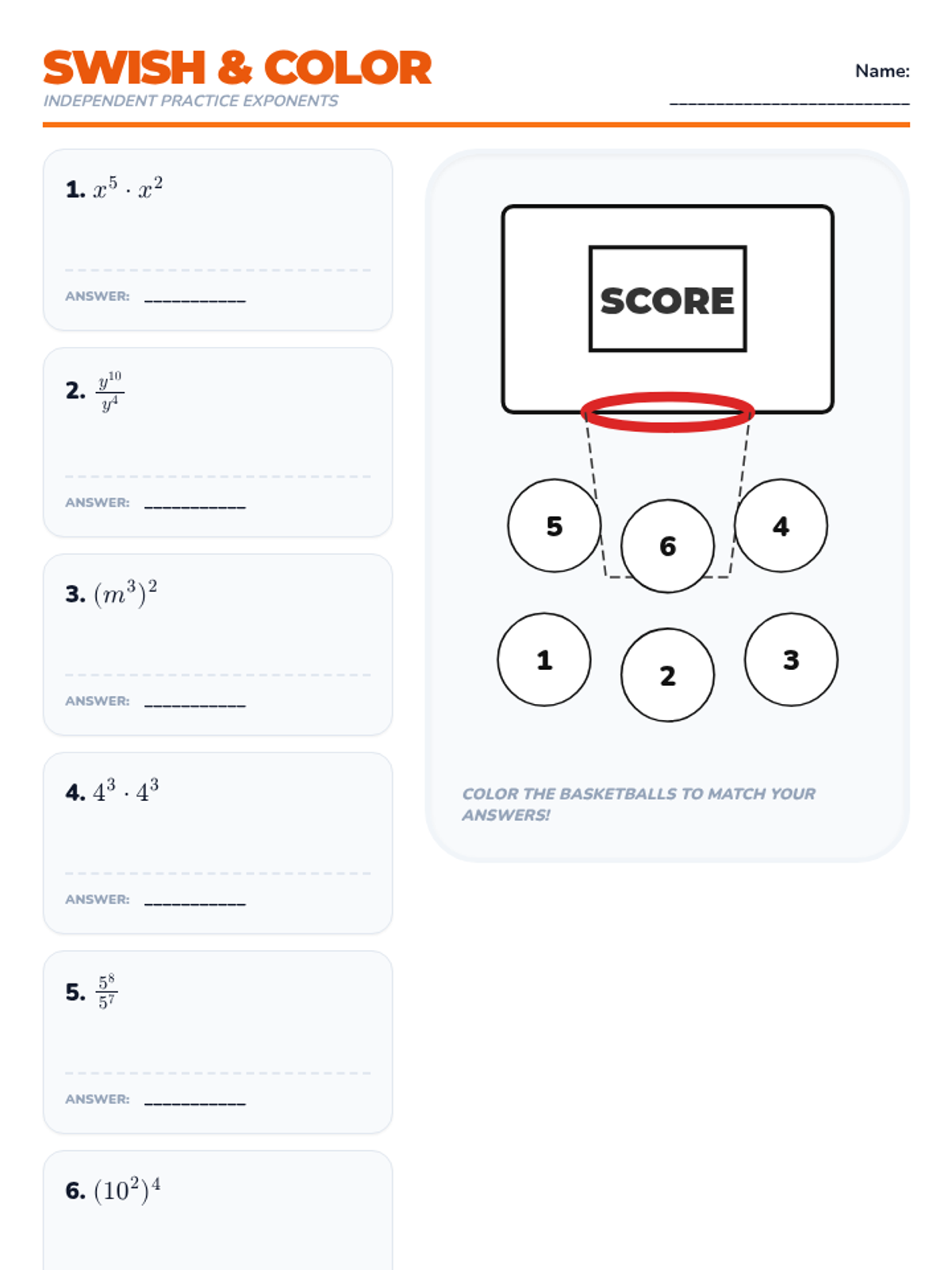
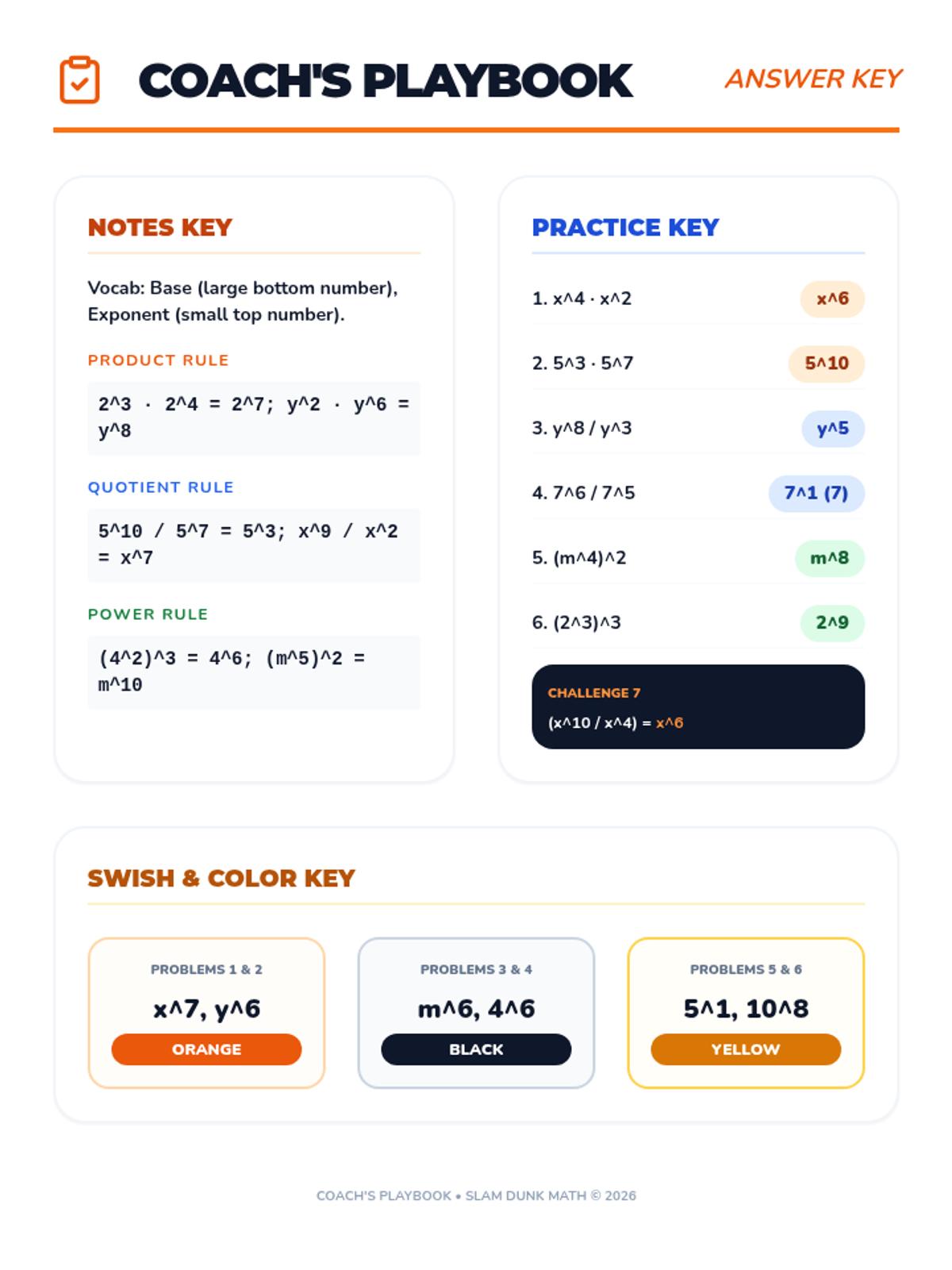
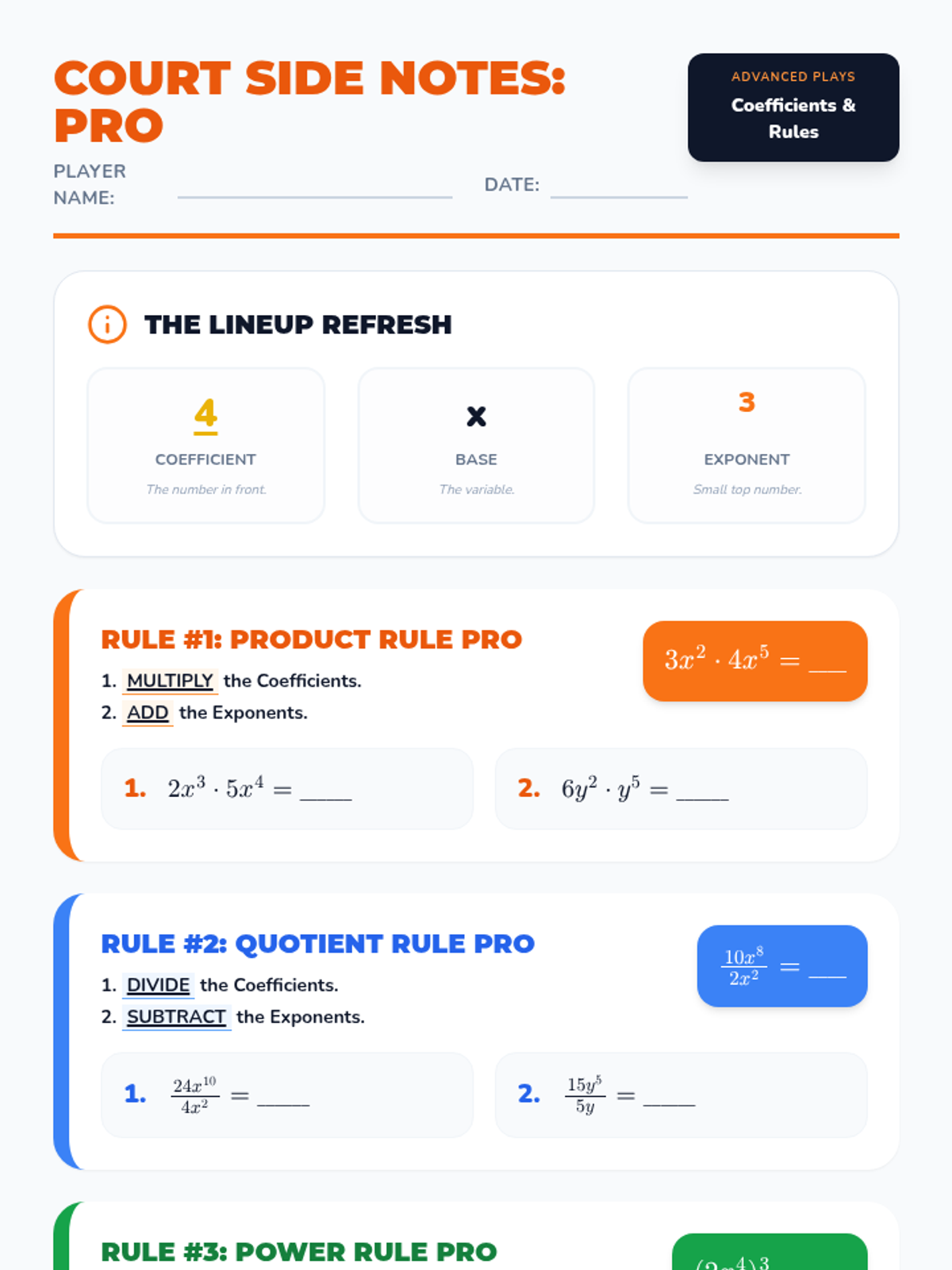
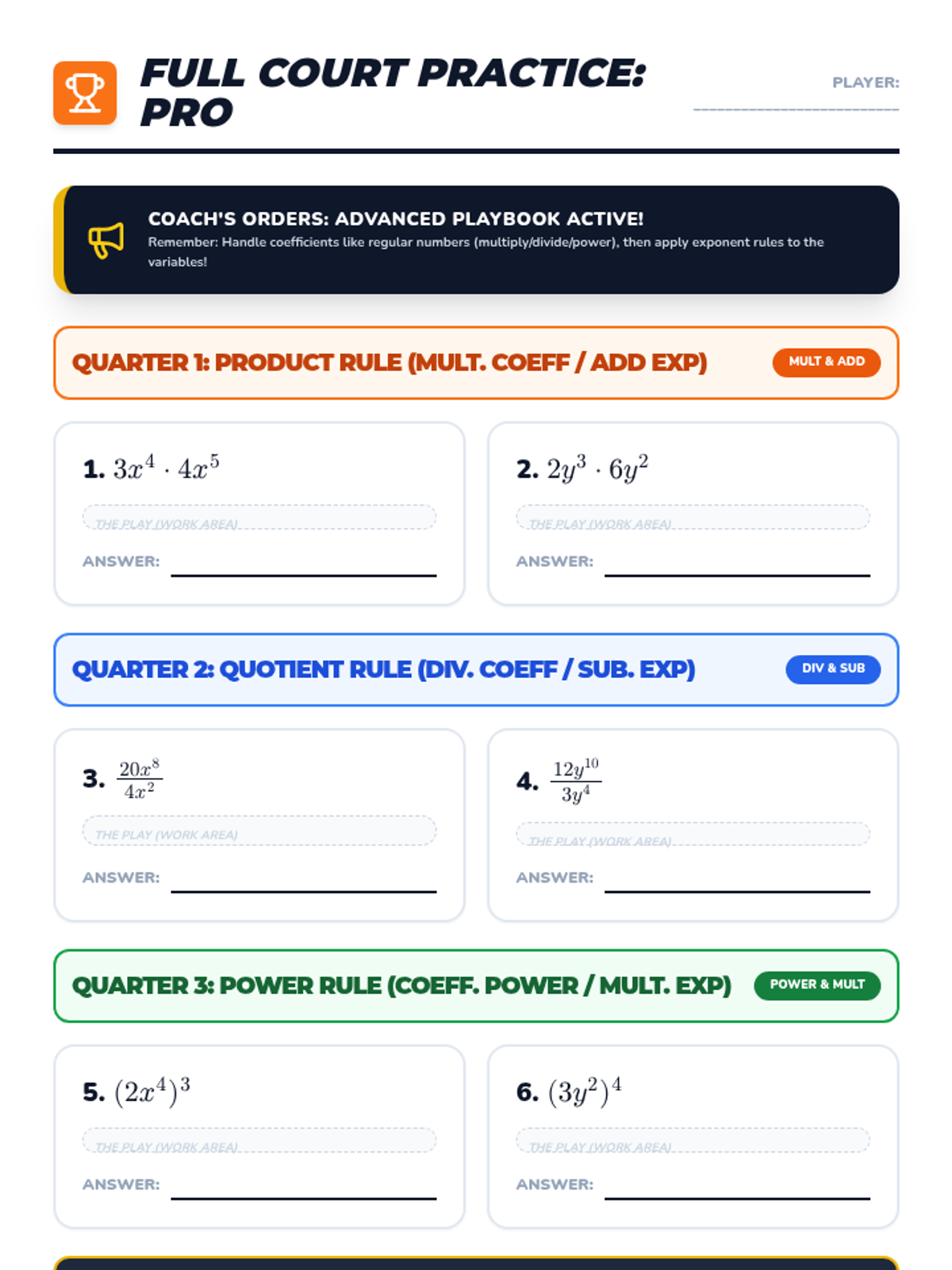
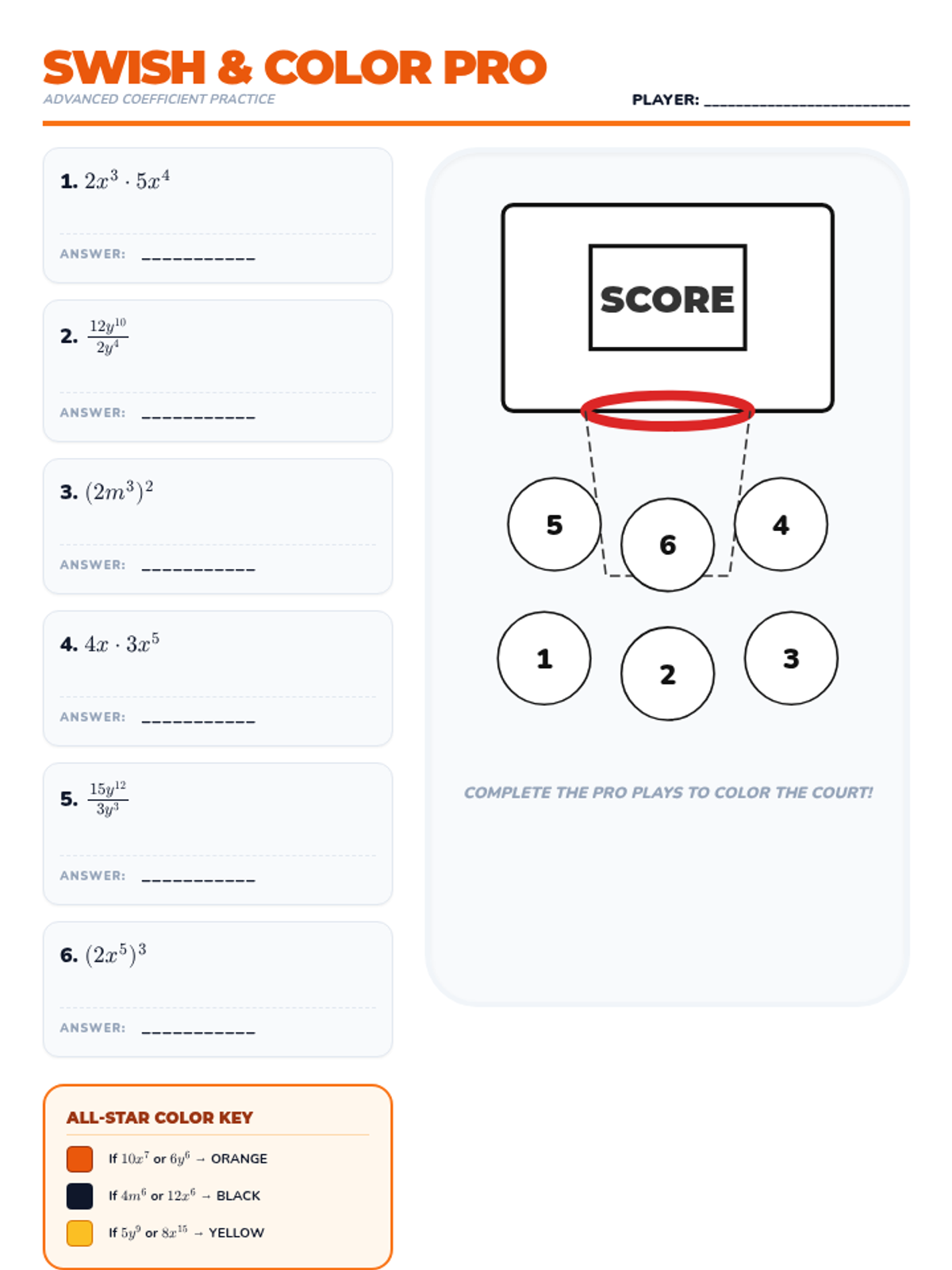
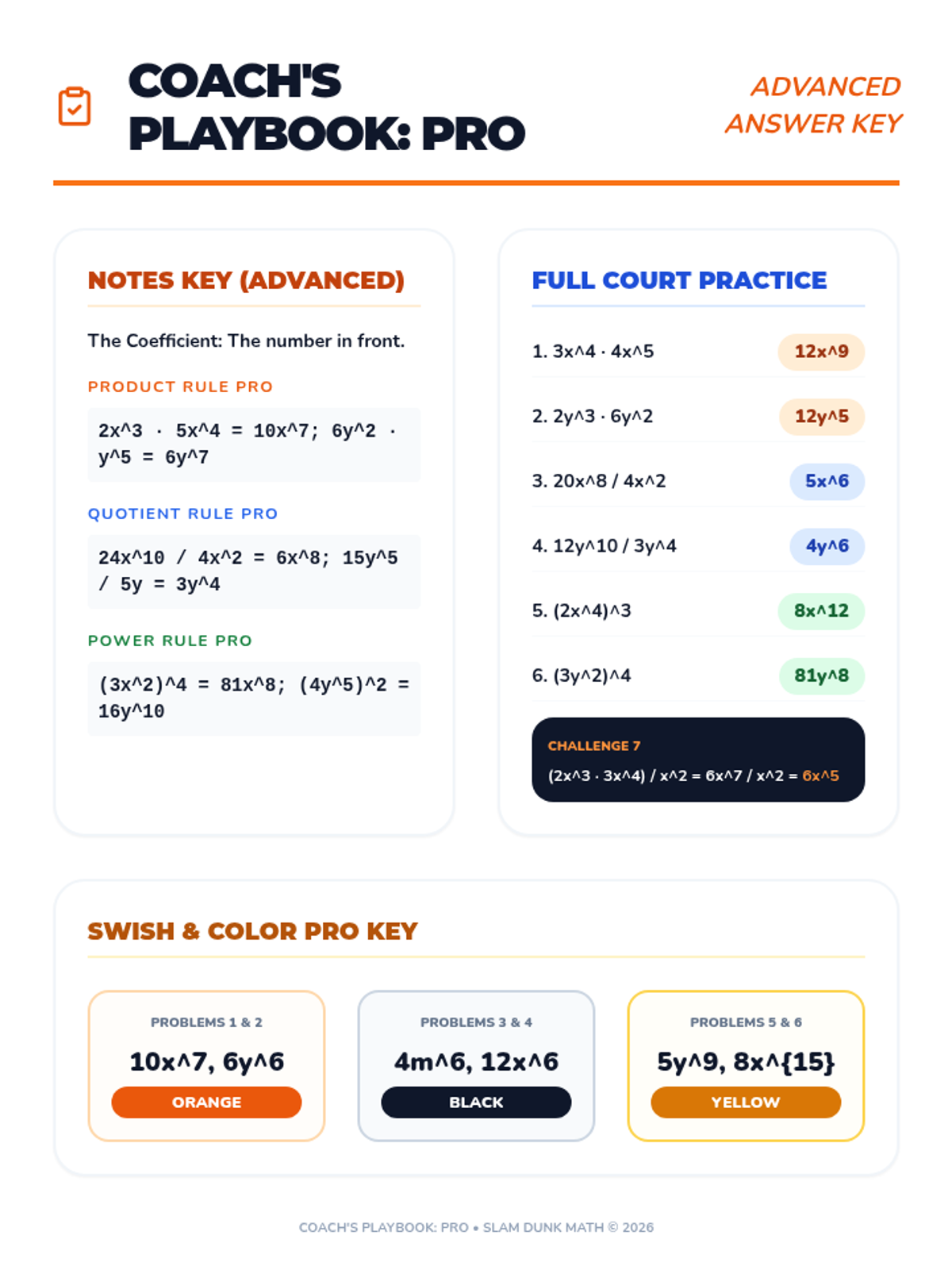
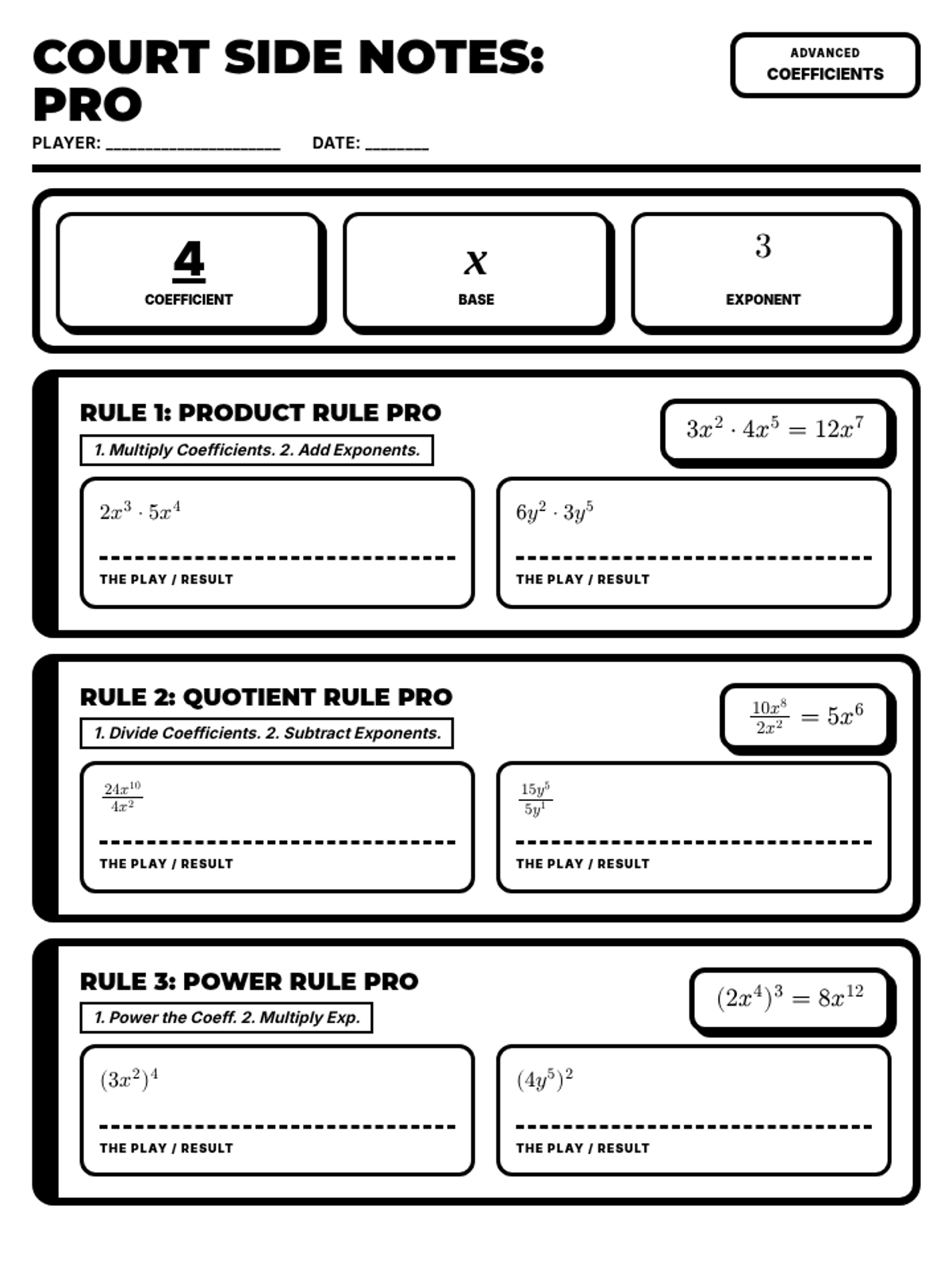
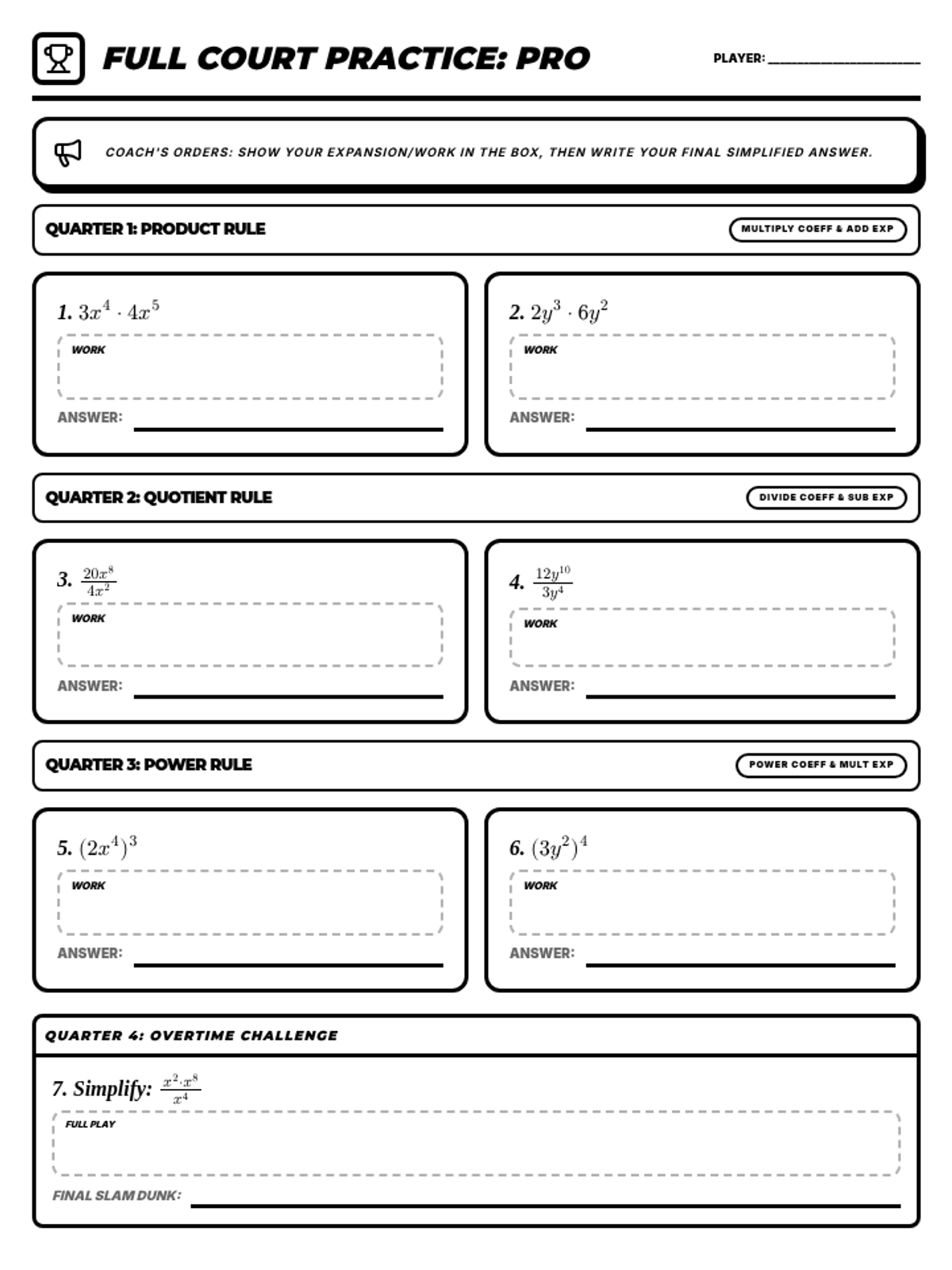
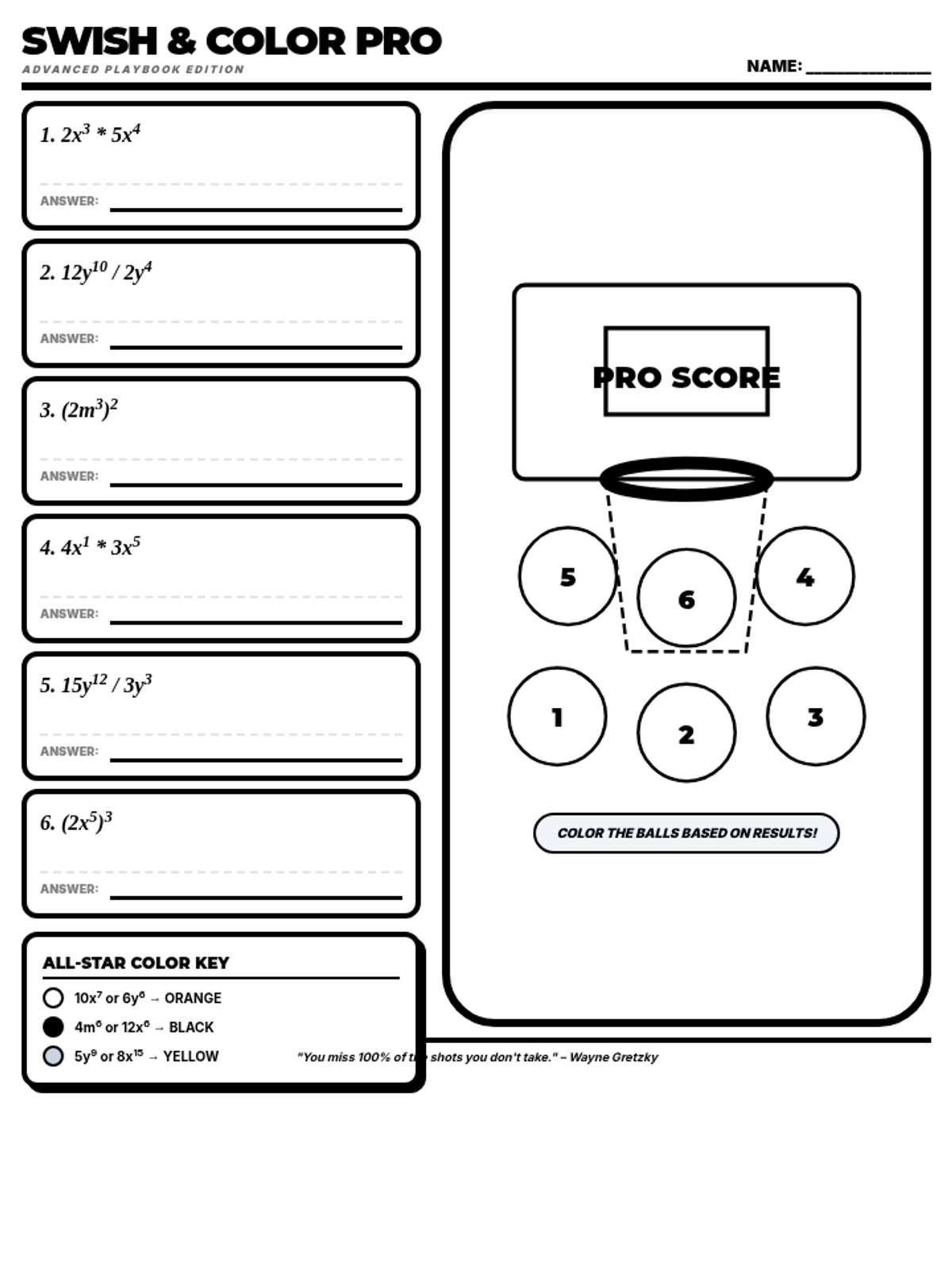
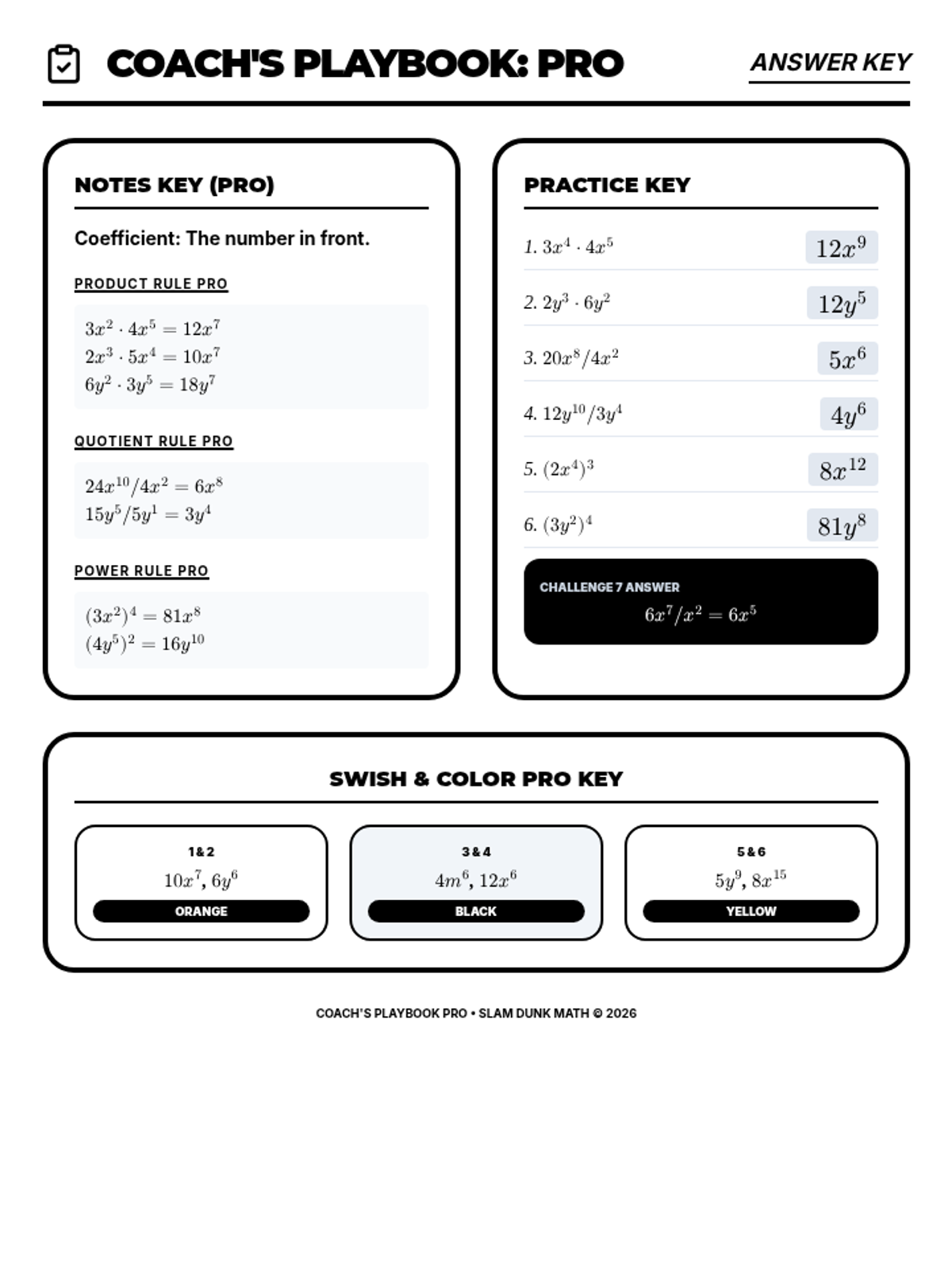
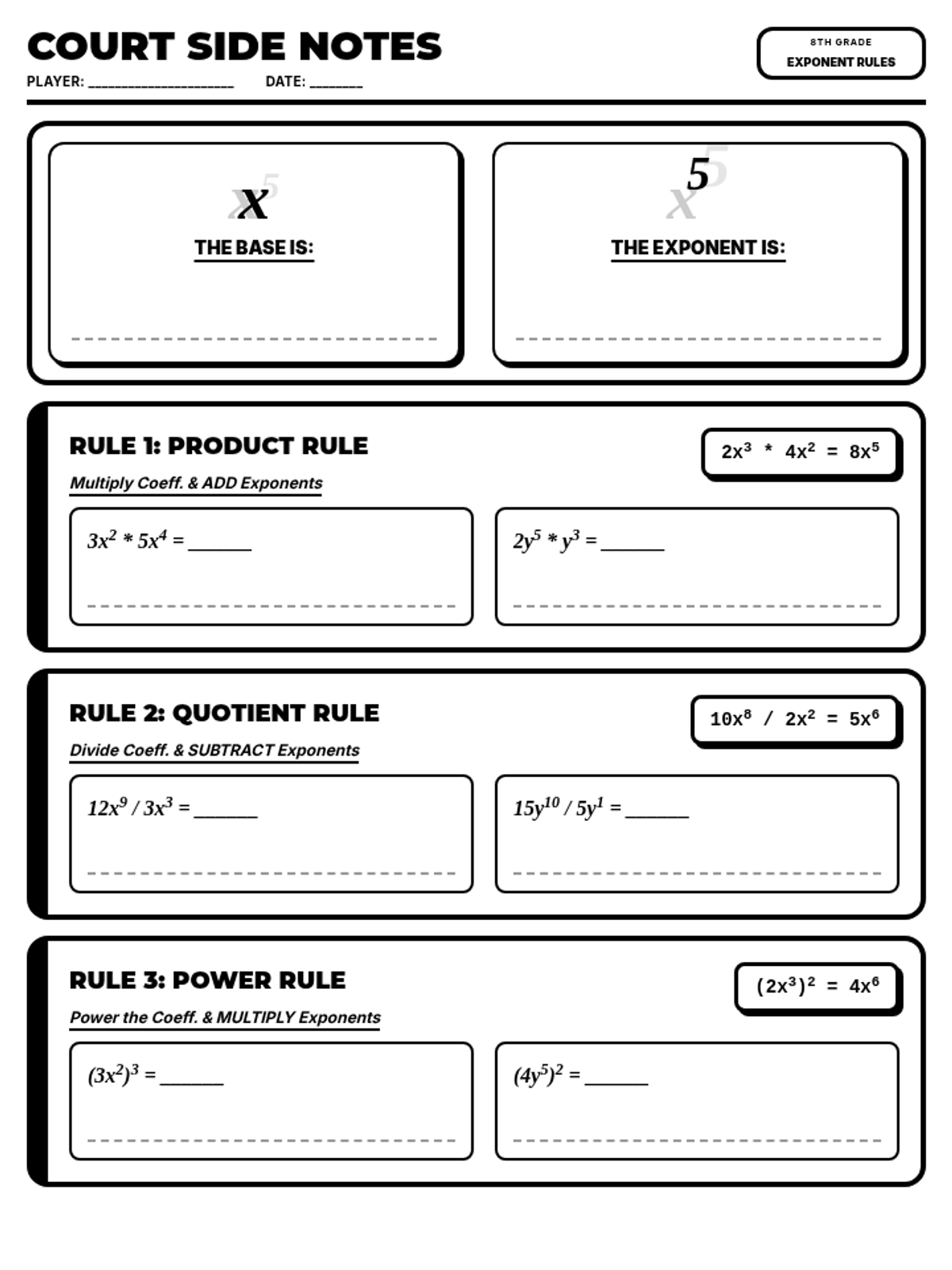
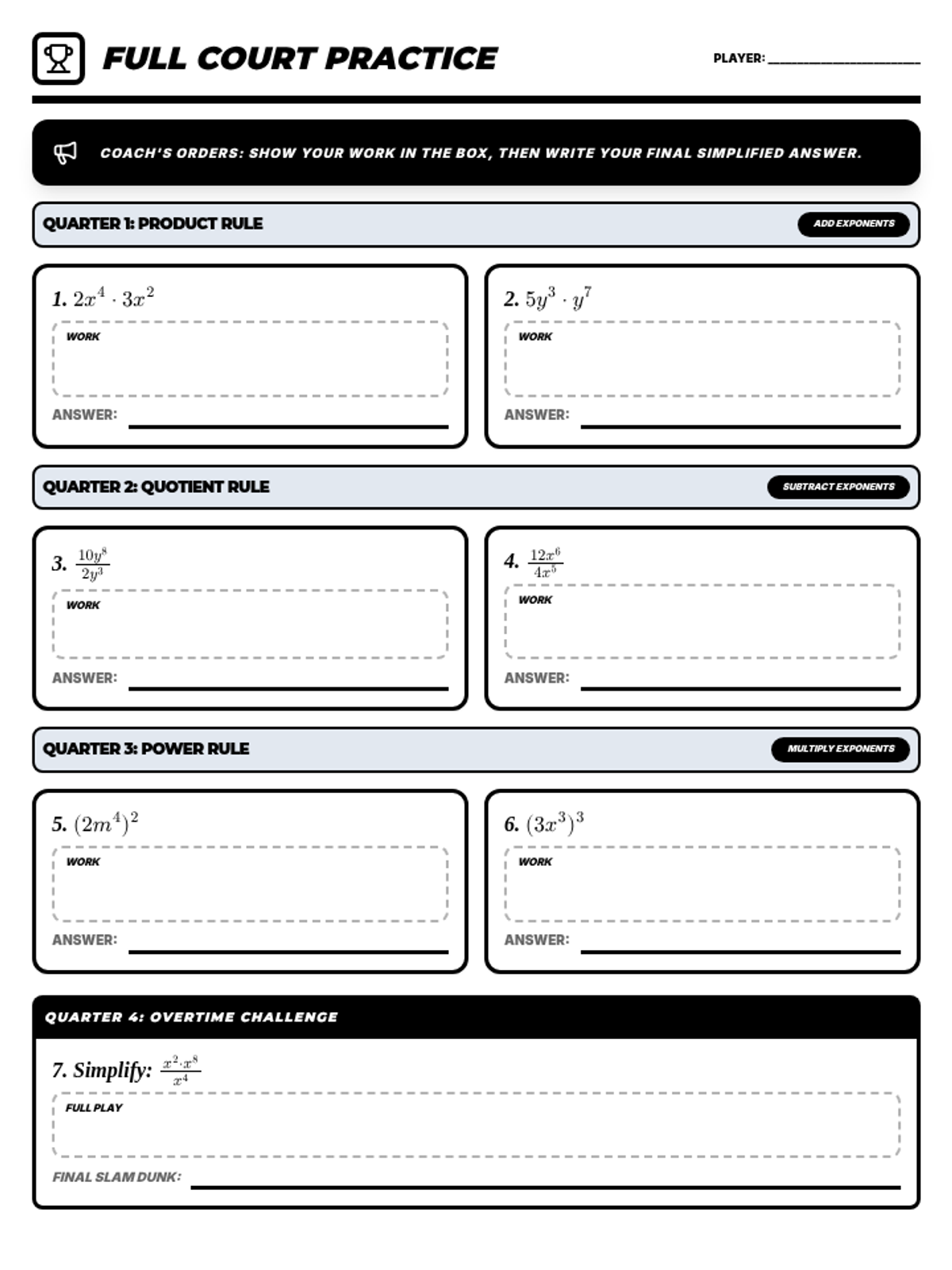
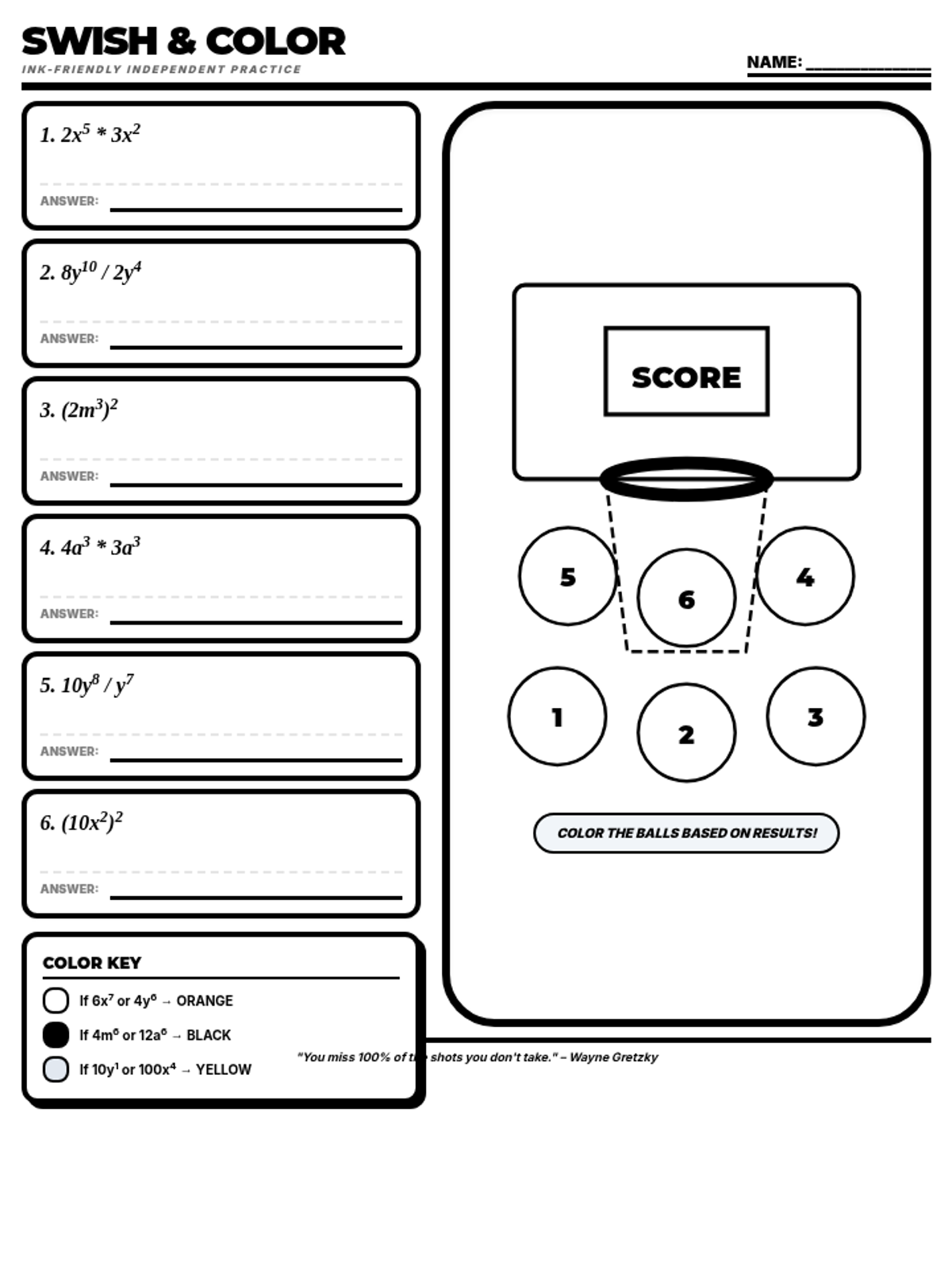
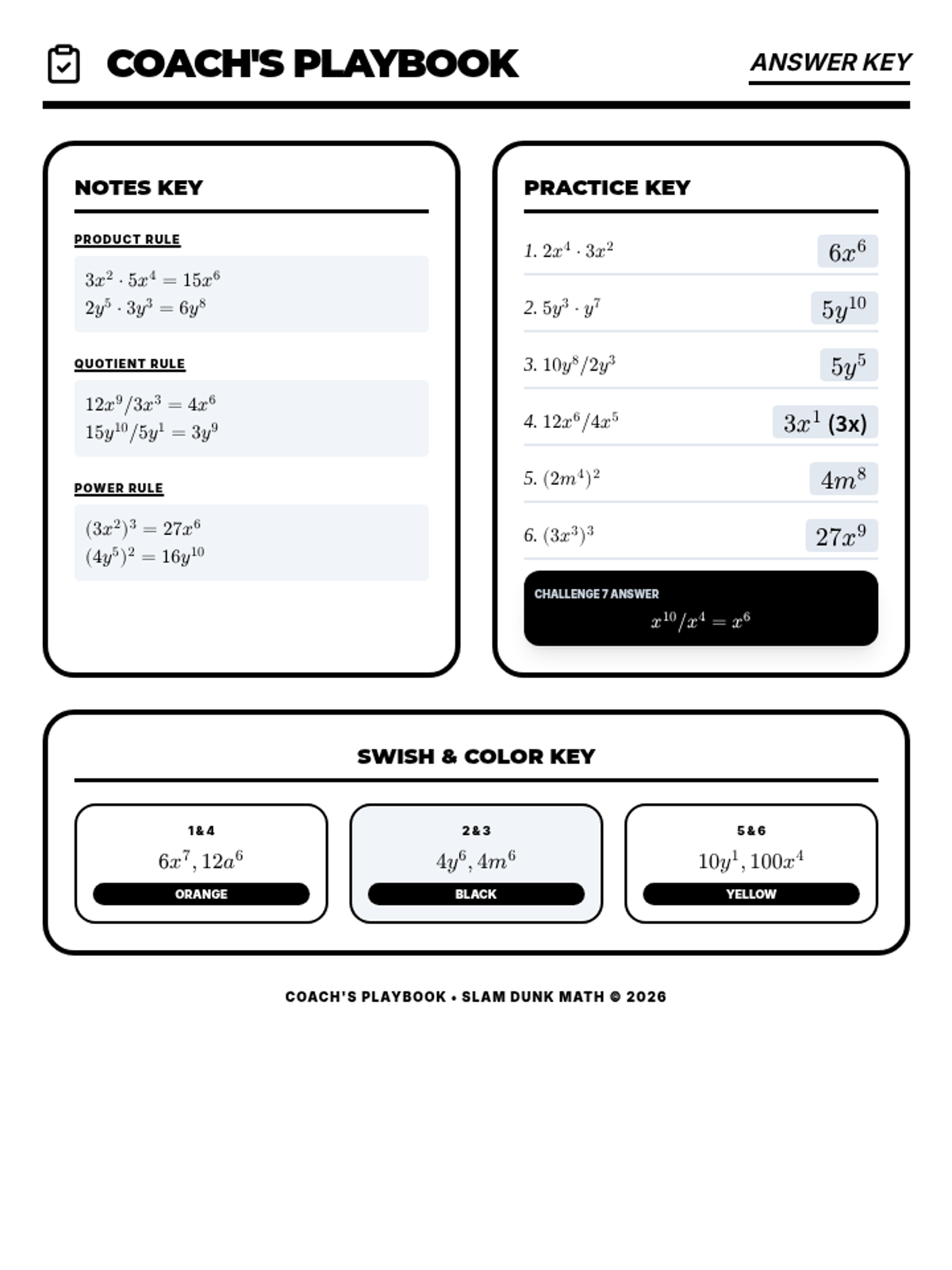
A basketball-themed lesson for 8th grade students covering the product, quotient, and power rules of exponents with both numbers and variables. The lesson includes instructional slides, guided notes, and differentiated practice.
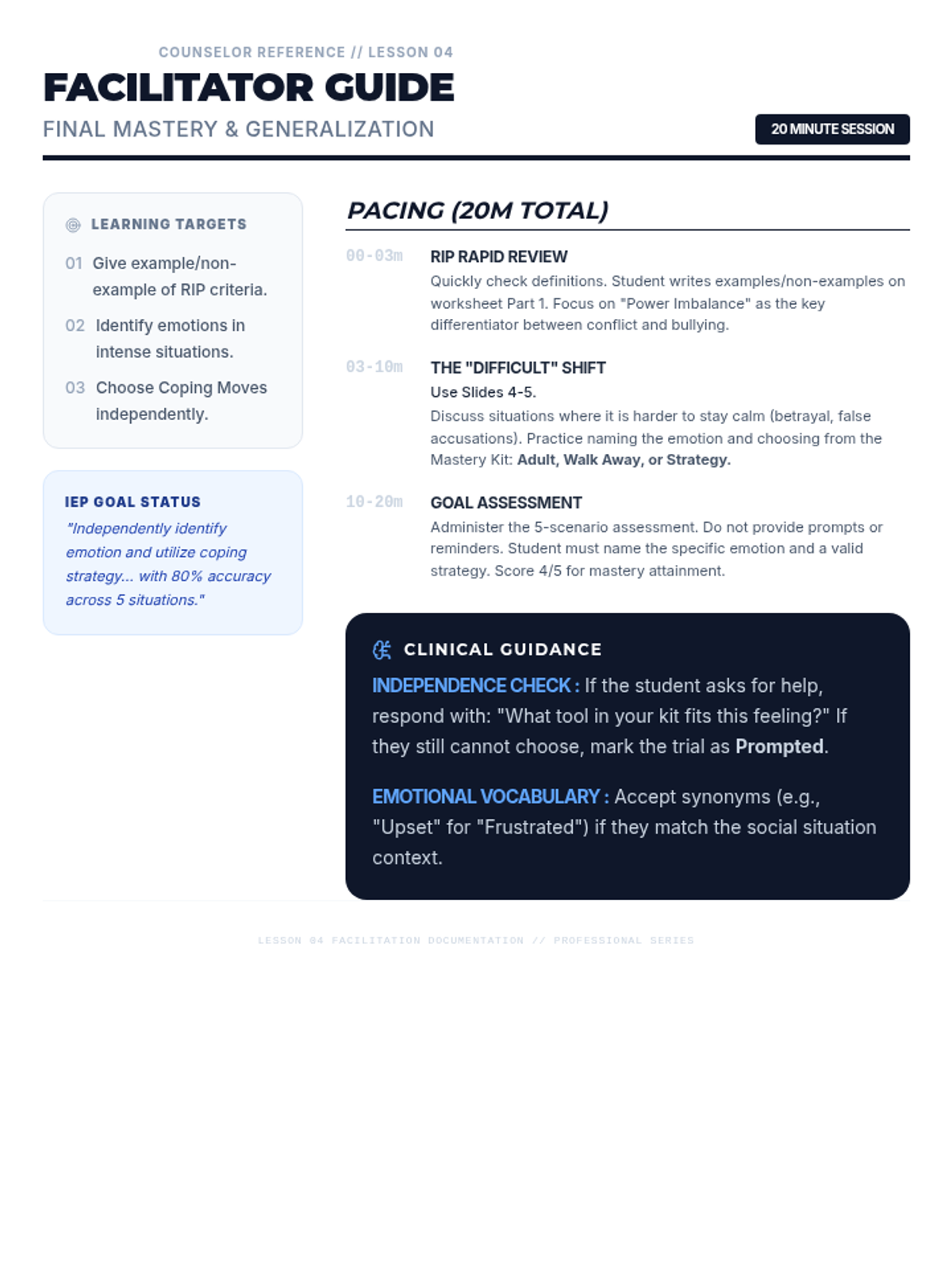
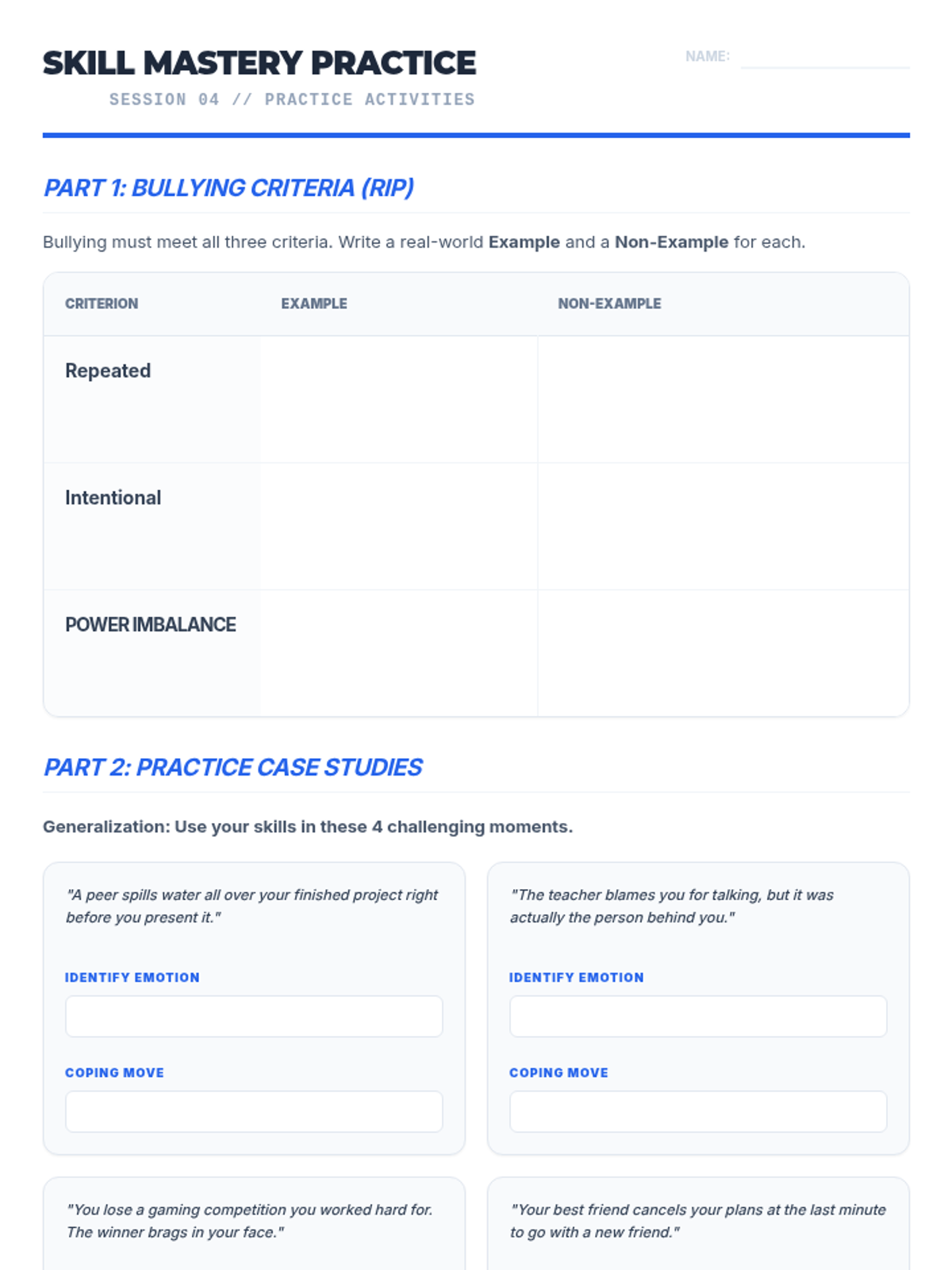
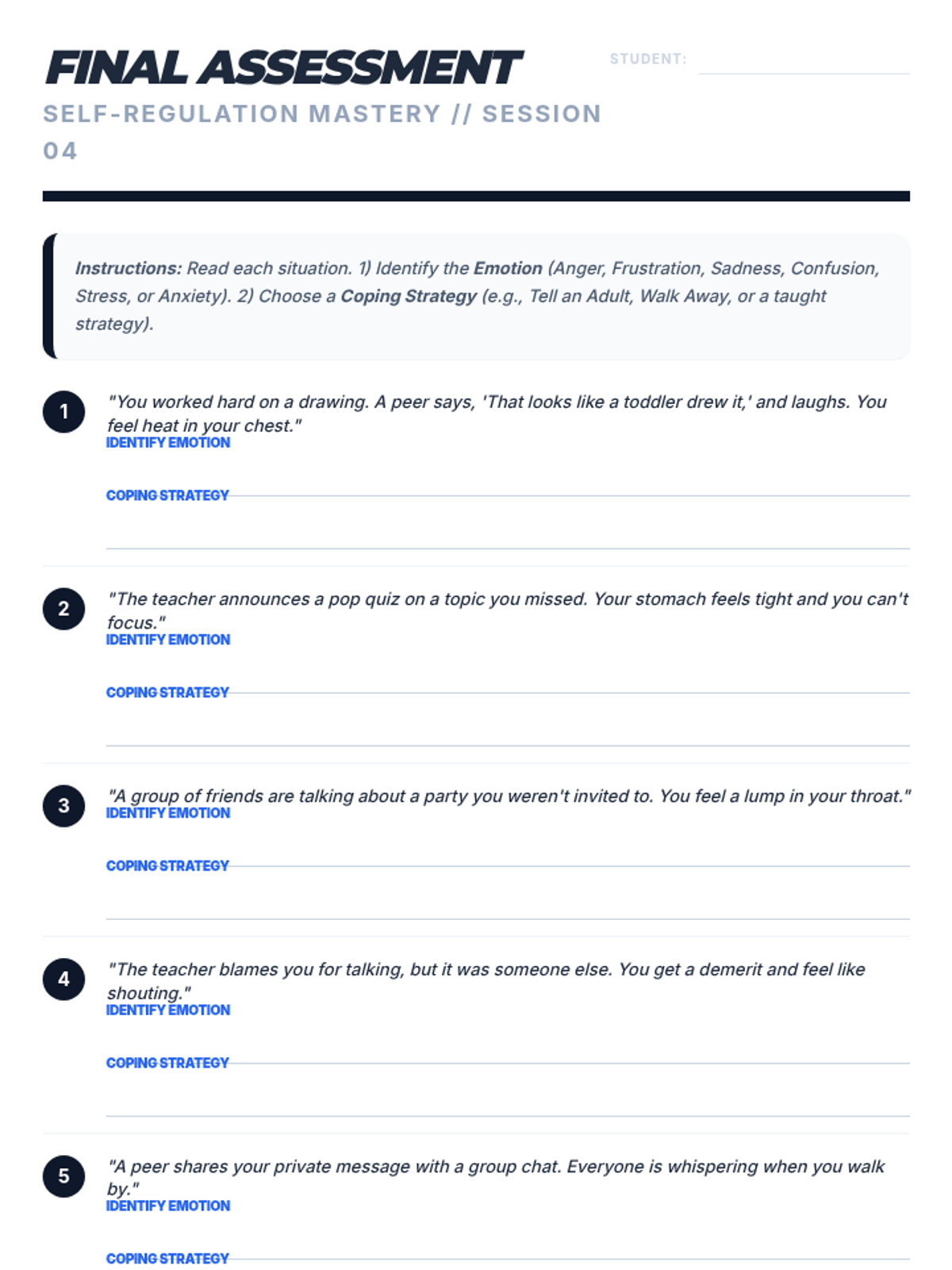
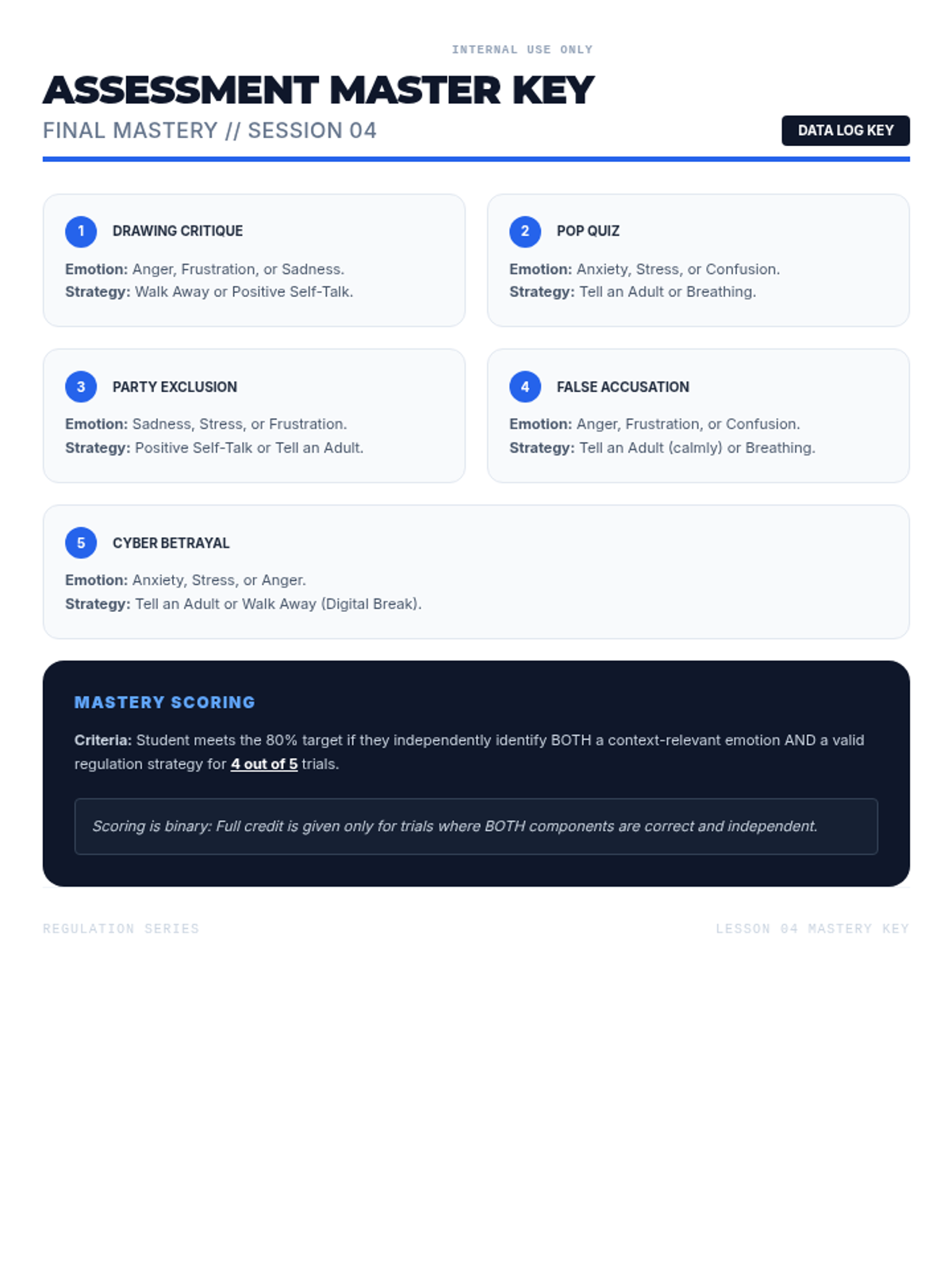
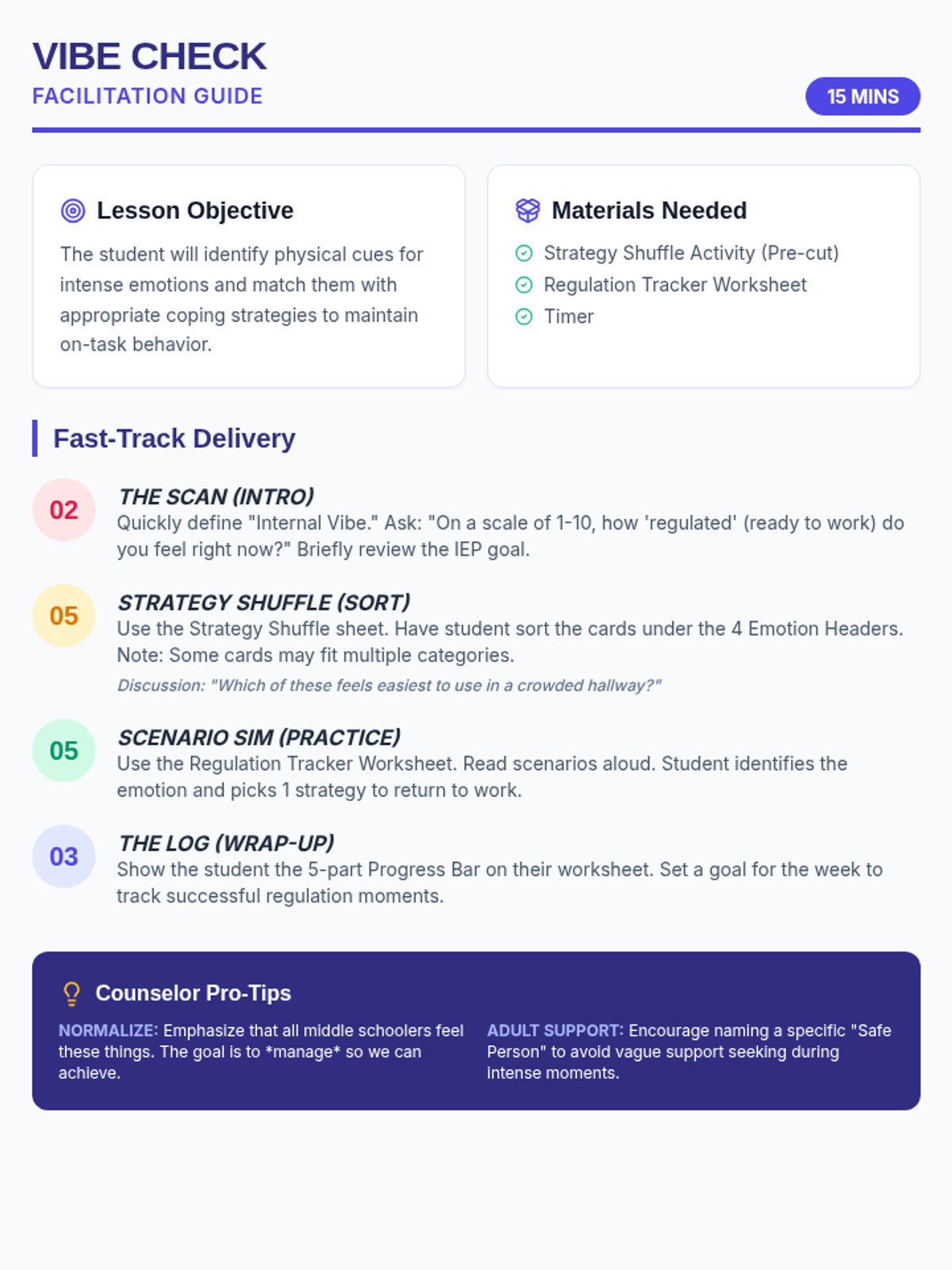
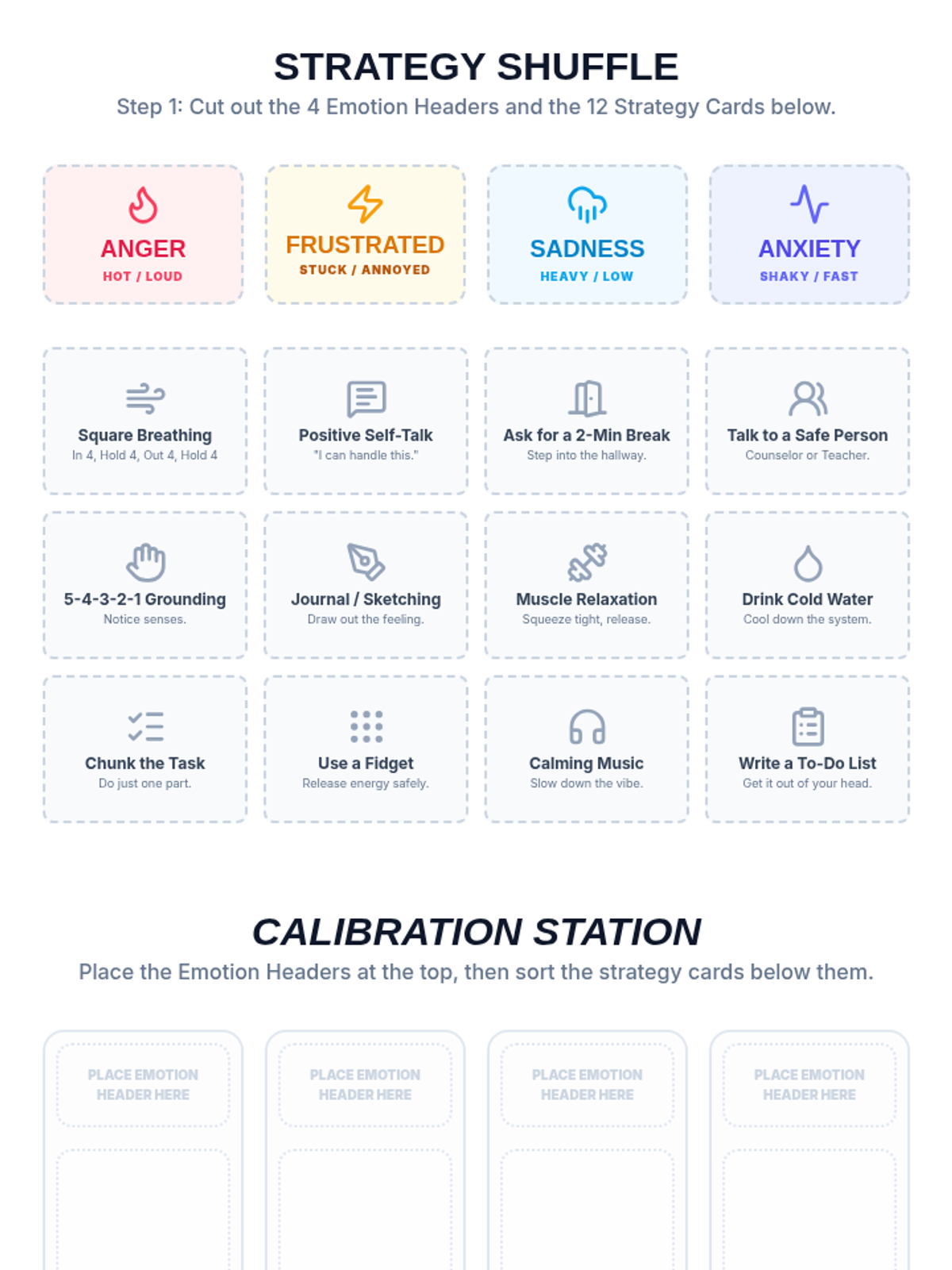
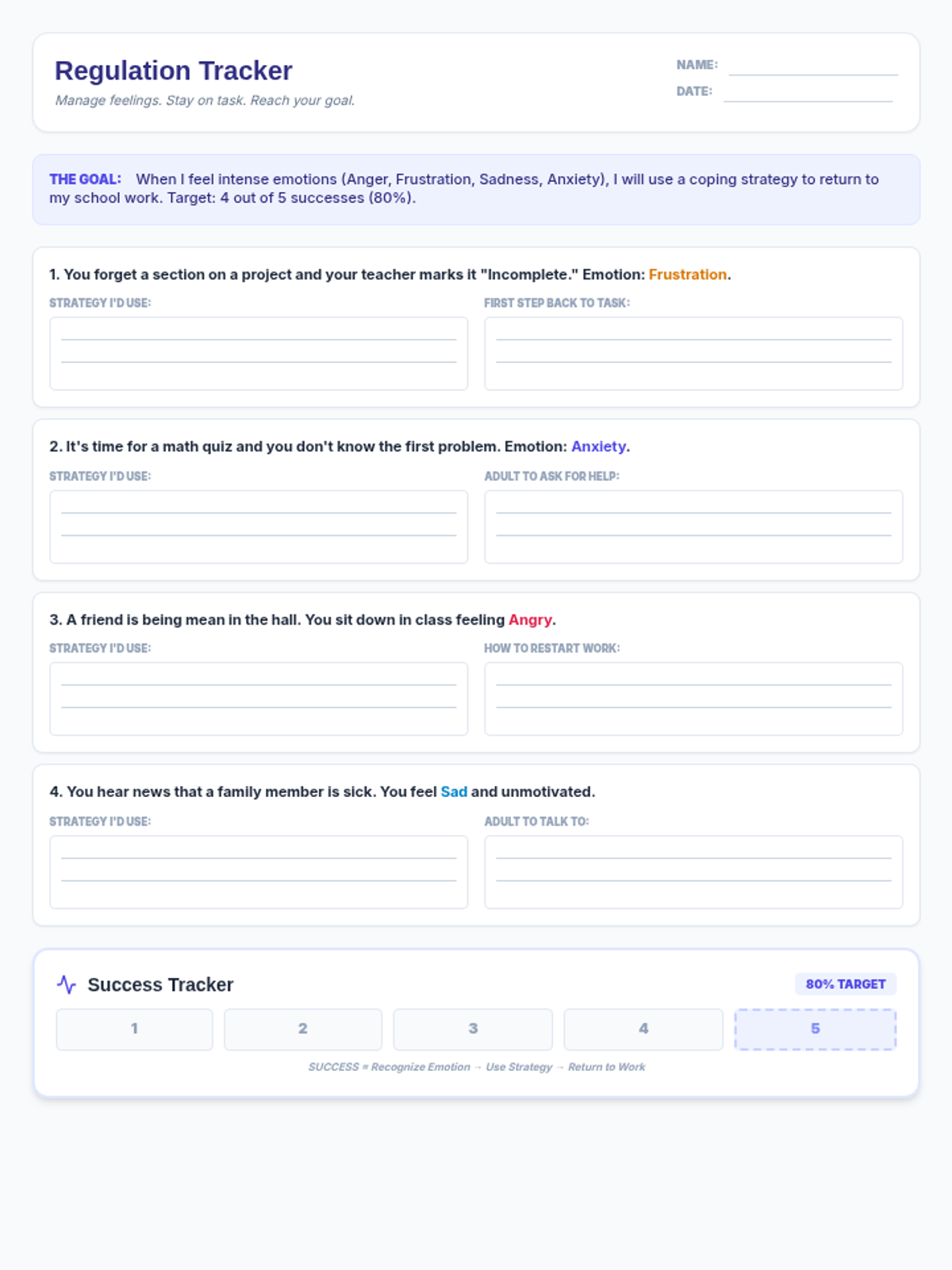
A 15-minute counseling lesson designed to help middle school students identify intense emotions and apply specific self-regulation strategies to return to on-task behavior.
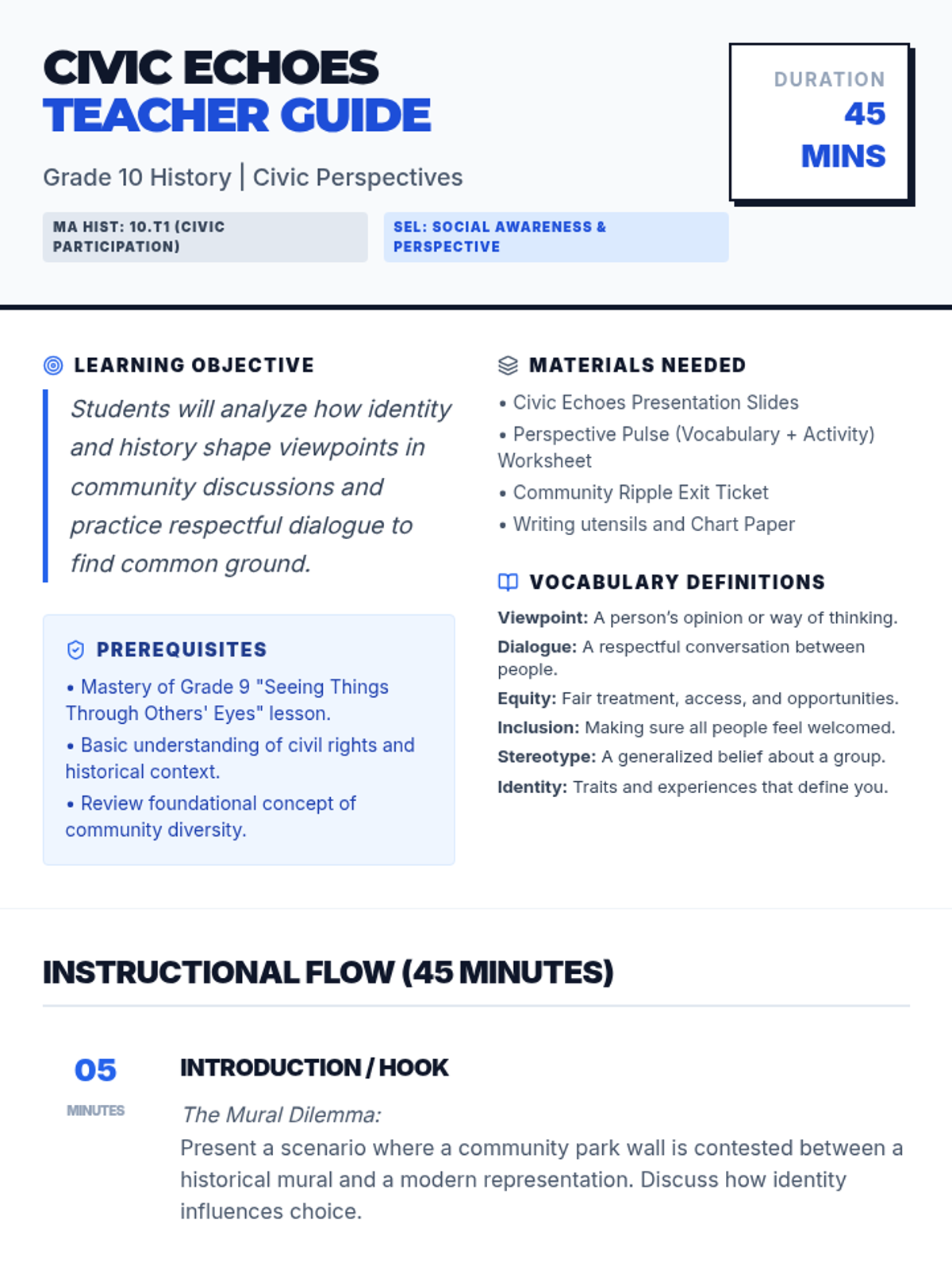
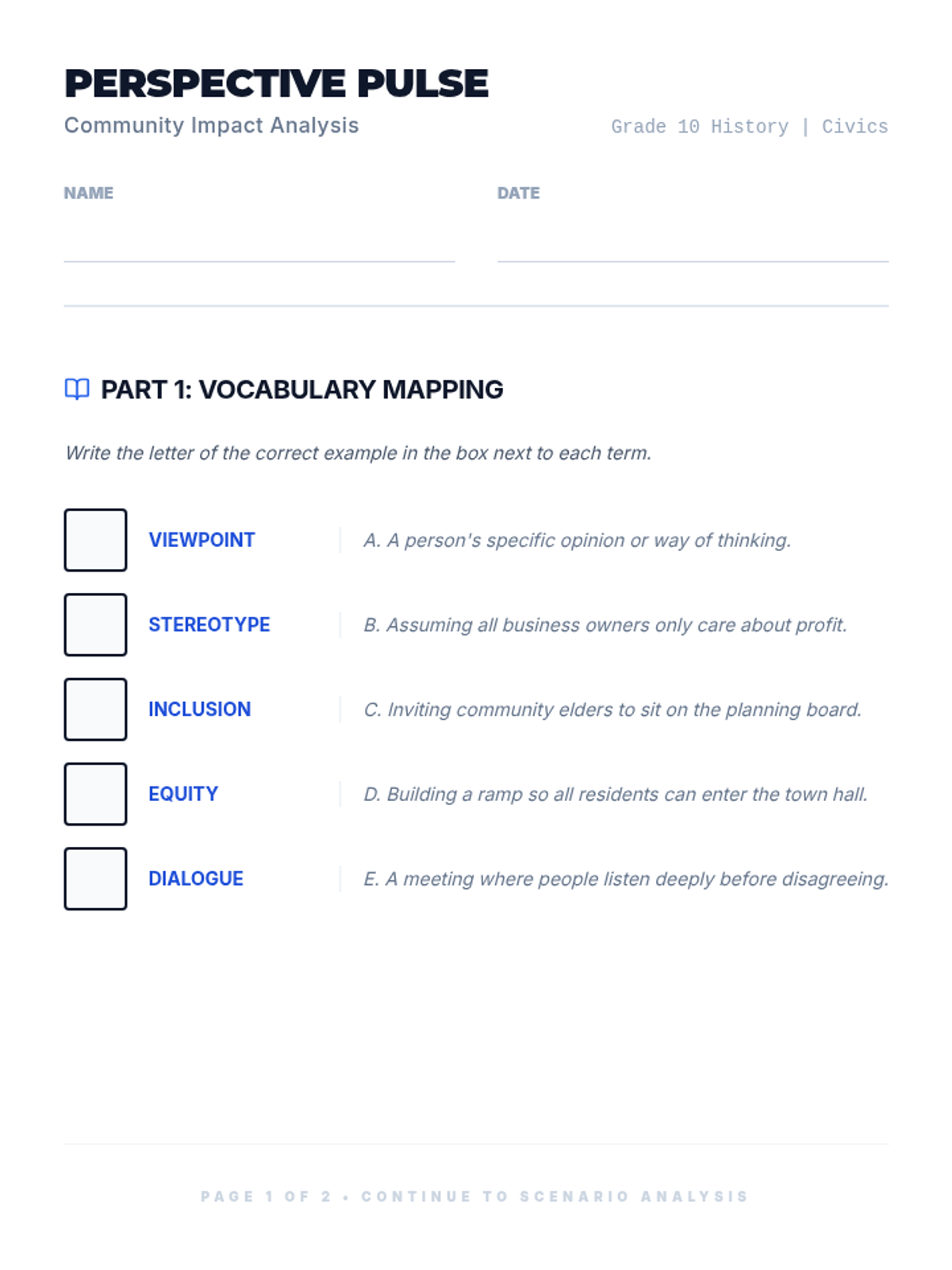
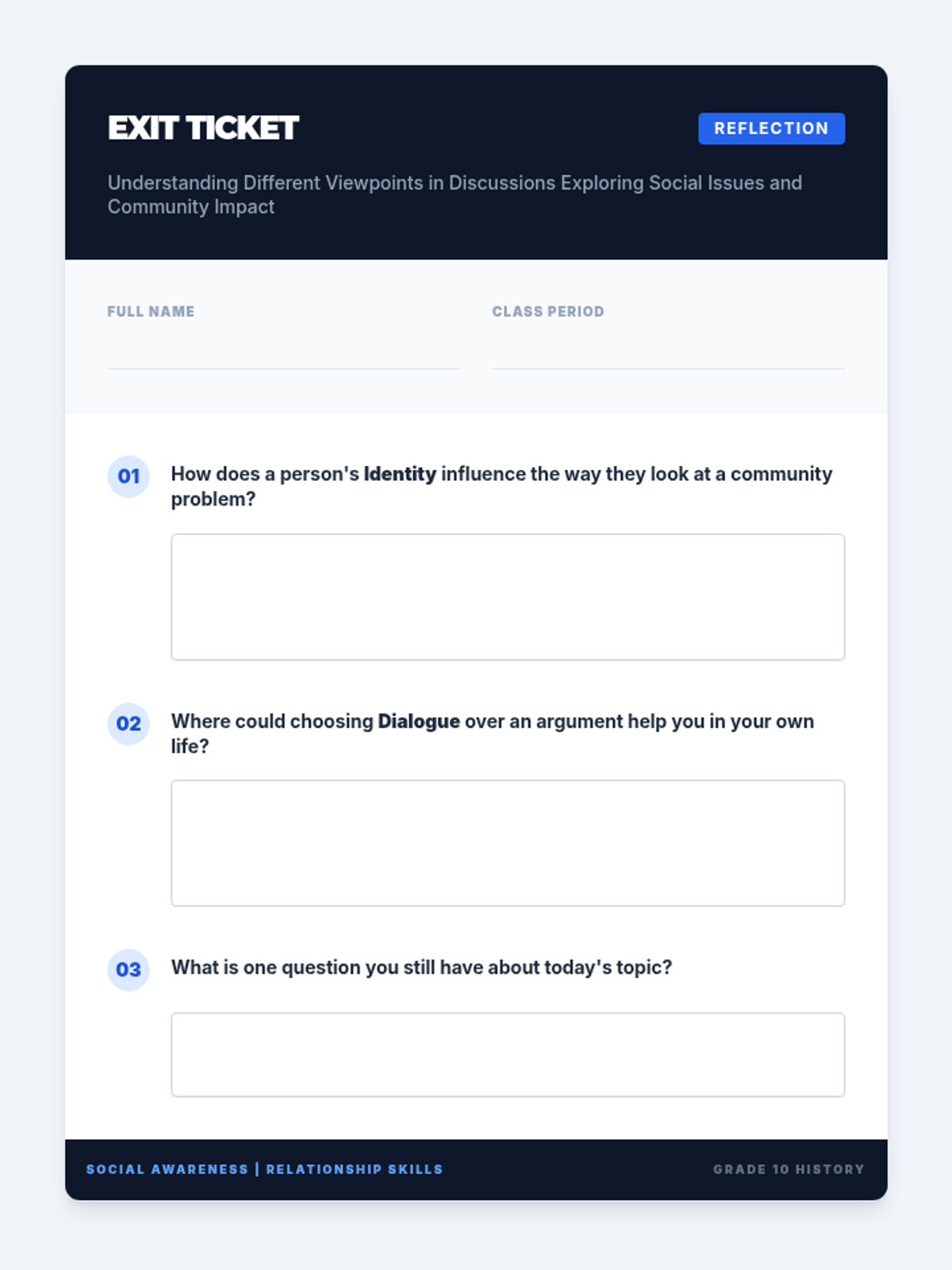
A Grade 10 History lesson focused on developing social awareness and relationship skills through the analysis of community viewpoints. Students explore how individual identities and historical contexts shape perspectives on social issues.
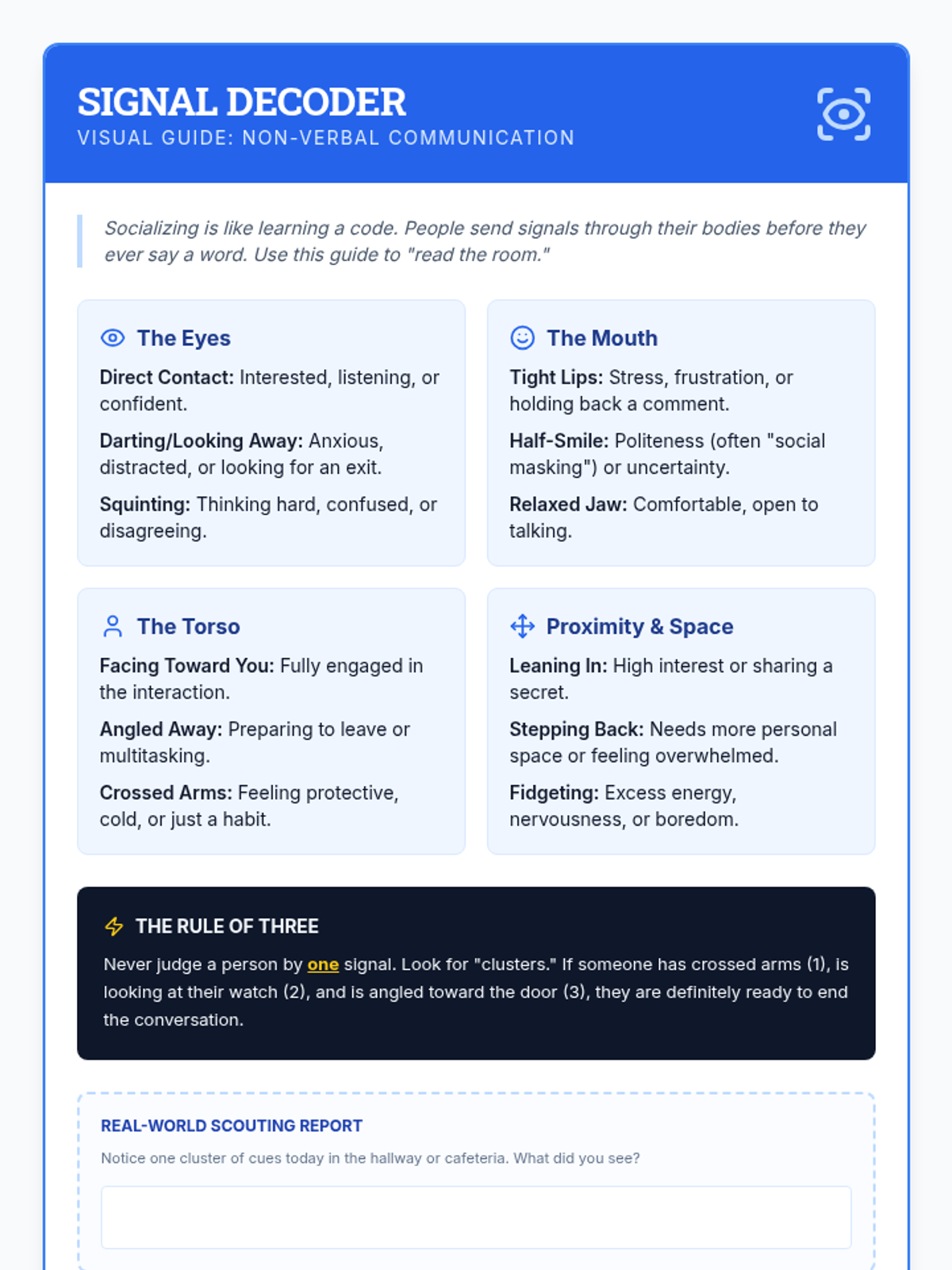
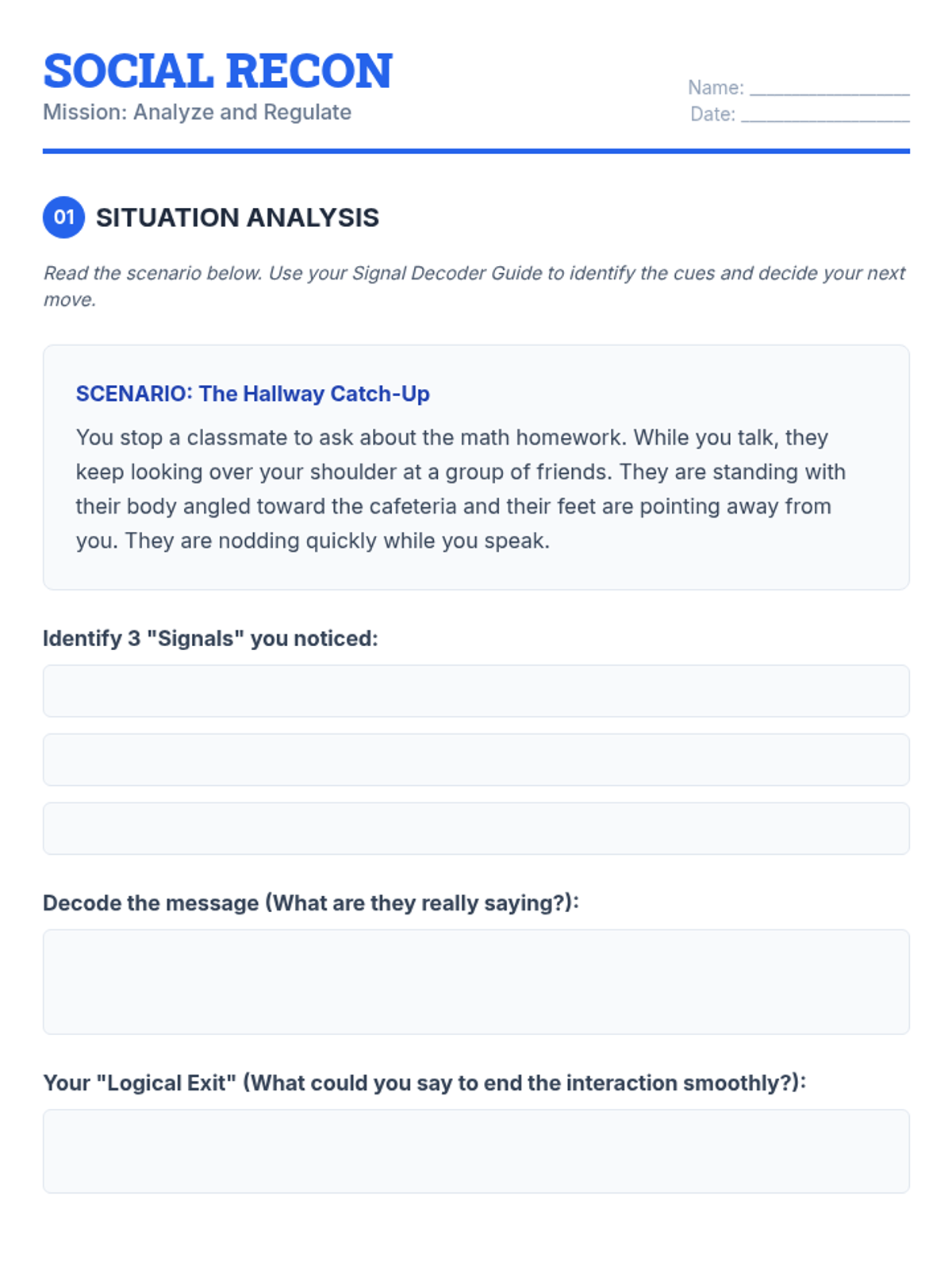
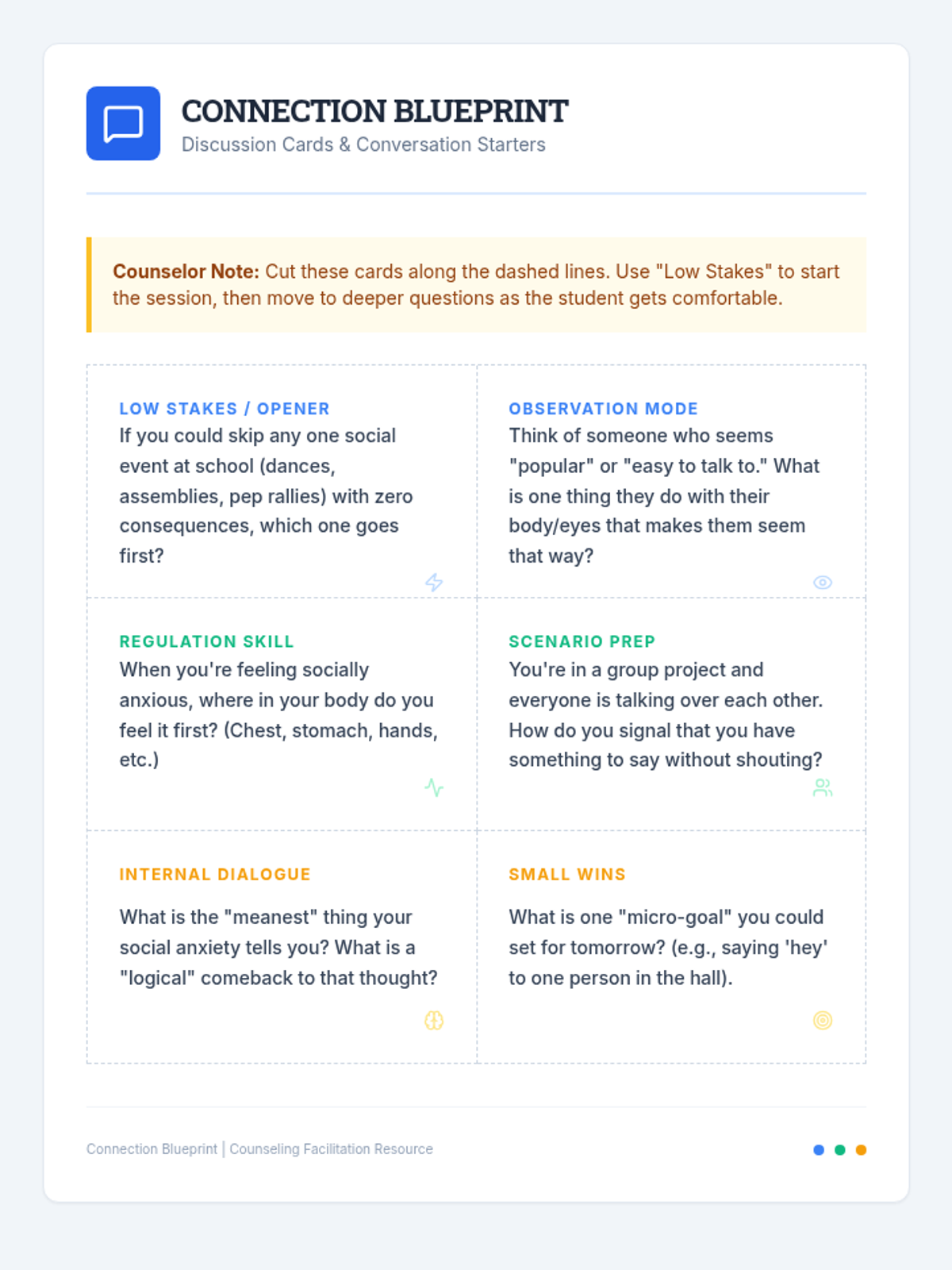
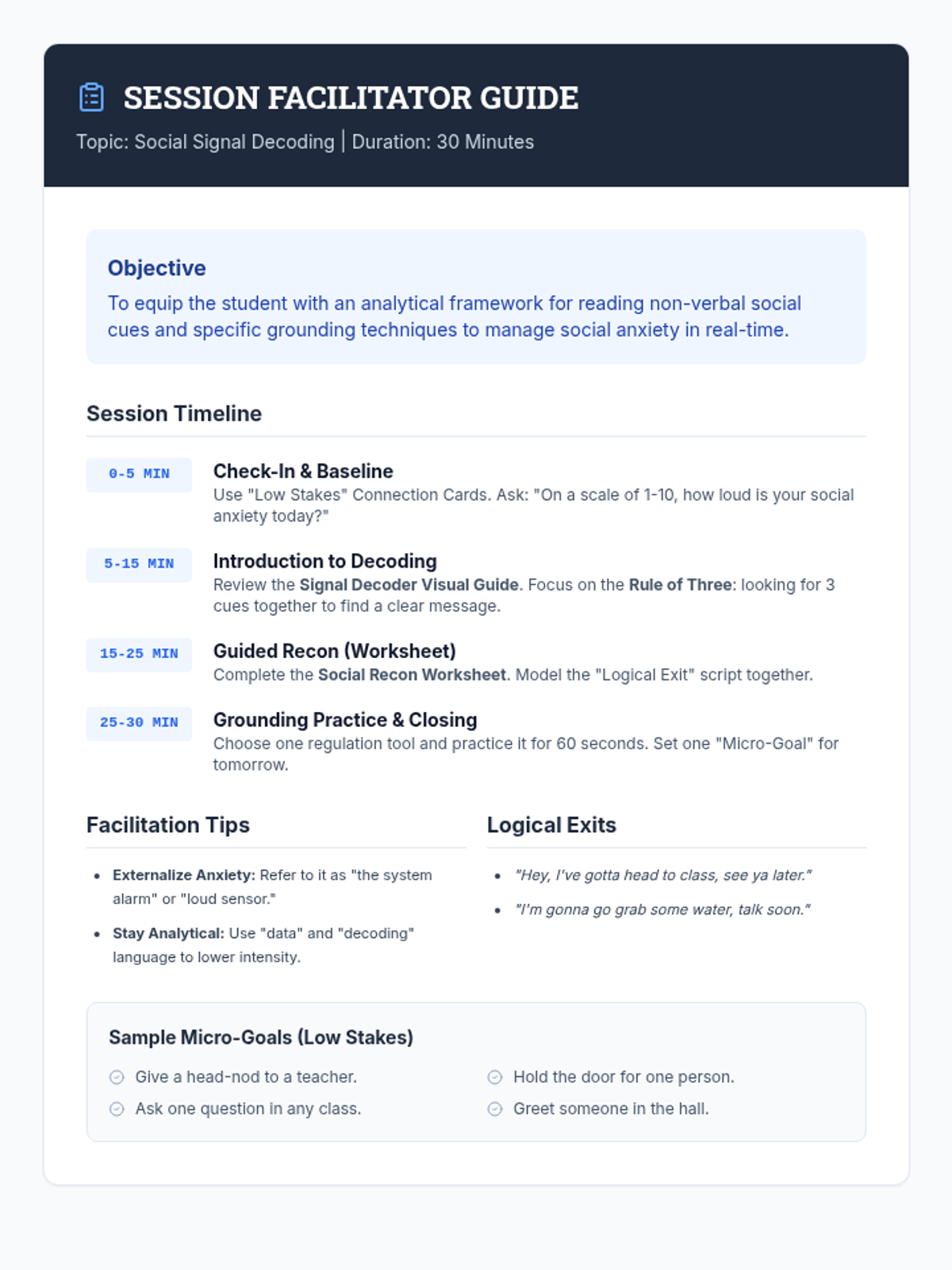
A 30-minute counseling session focused on decoding non-verbal cues and managing social anxiety for high school students. This lesson uses a "data-driven" approach to make social interactions feel more logical and manageable.
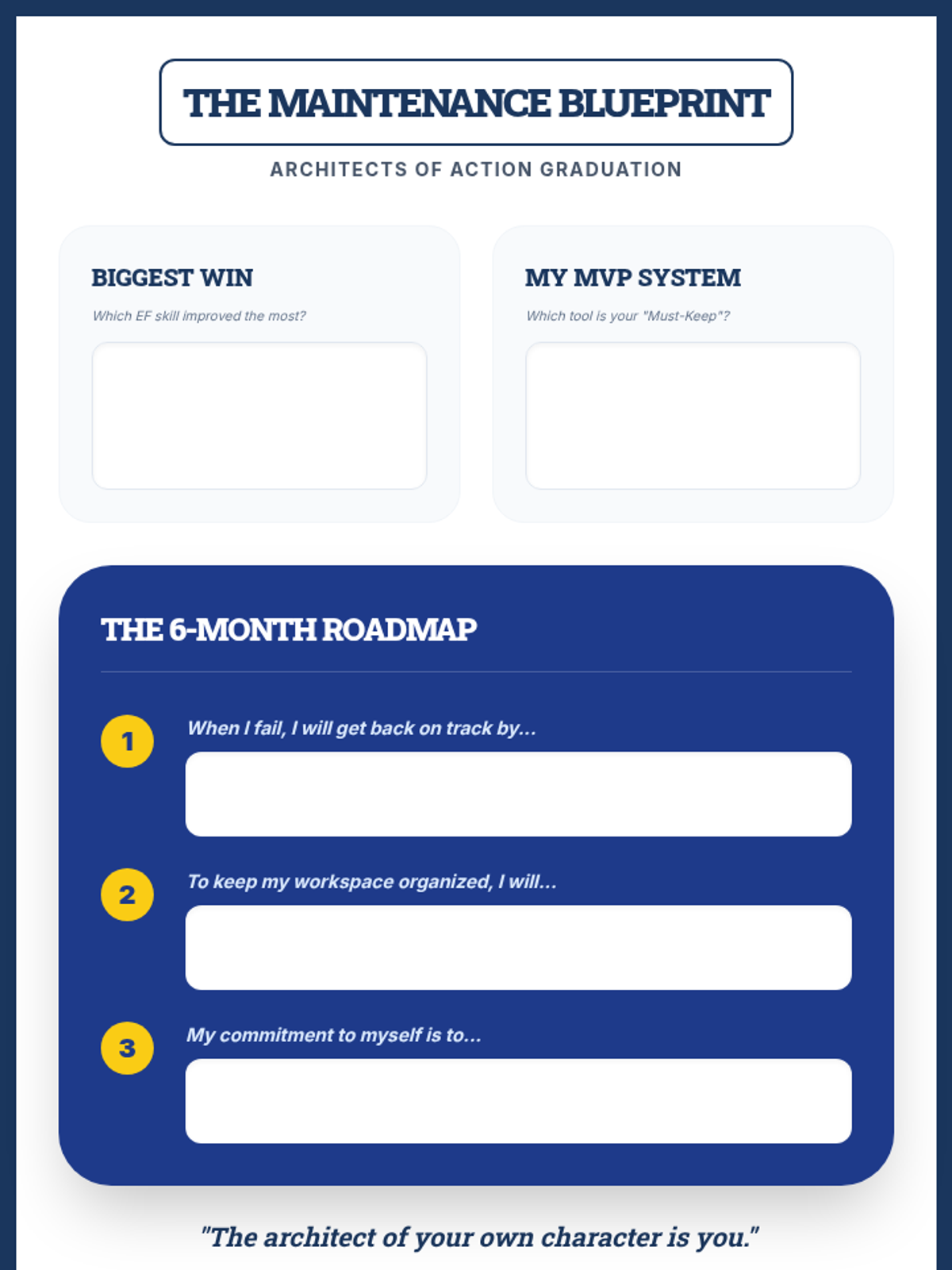
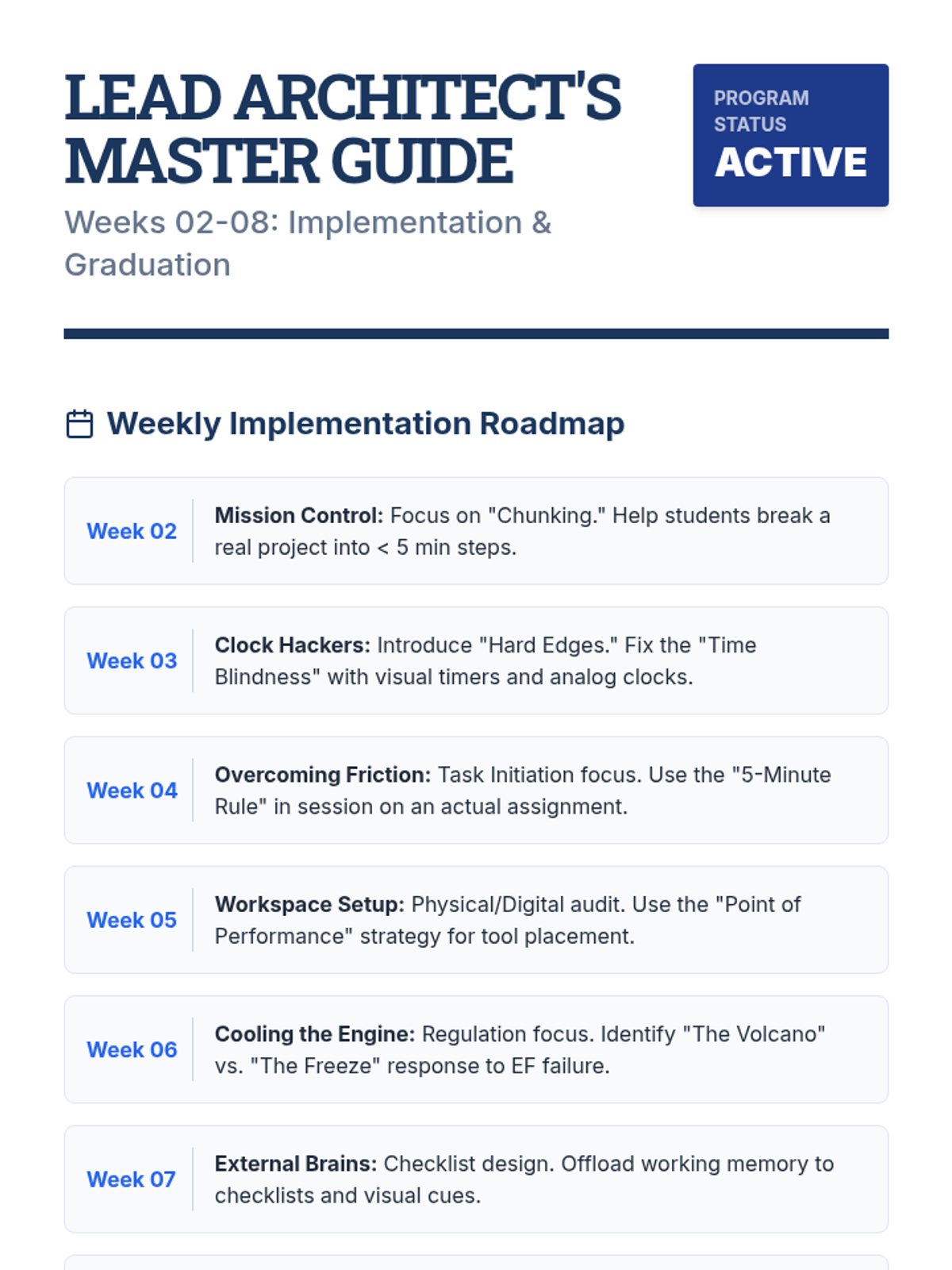
Reflecting on growth, creating a long-term maintenance plan, and celebrating group success.
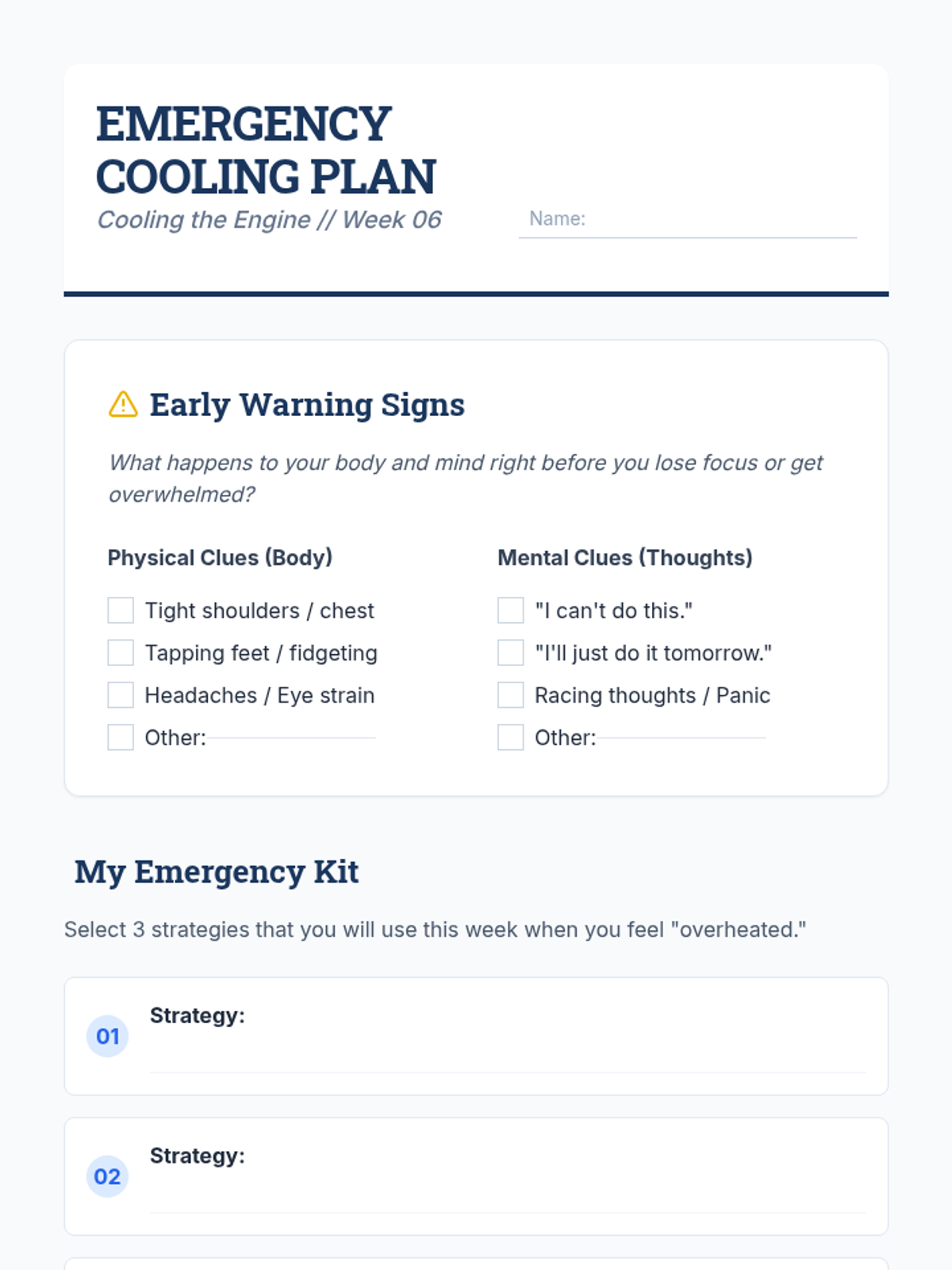
Recognizing how emotions affect EF and learning strategies for self-regulation and stress management.
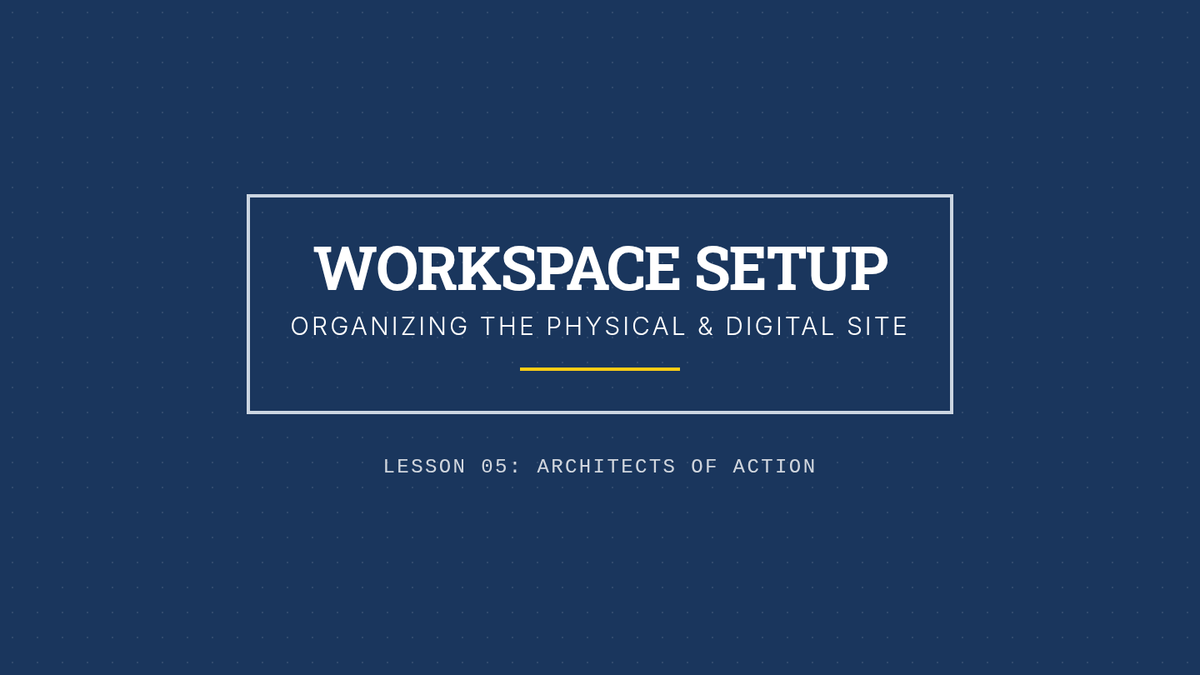
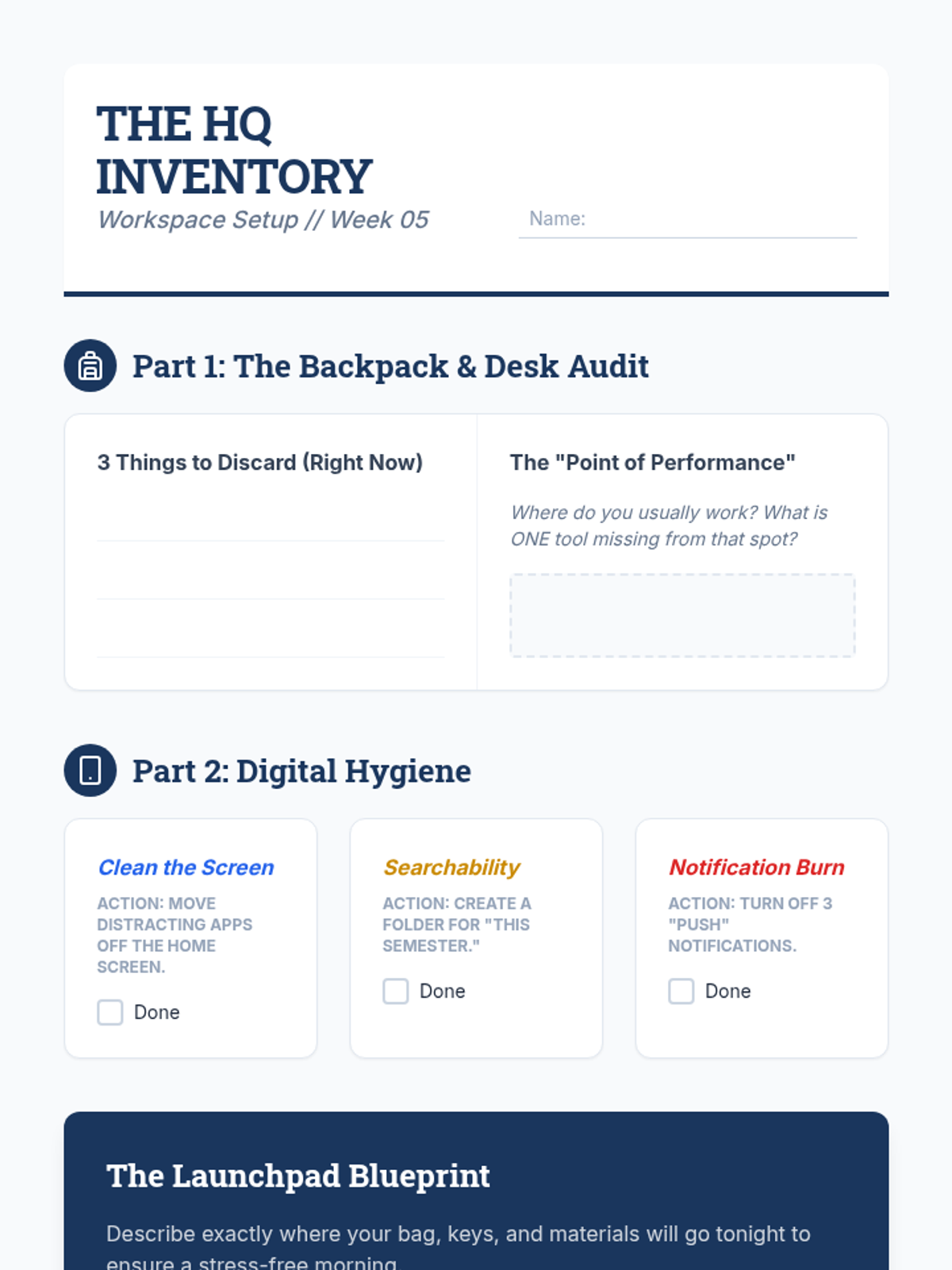
Designing physical and digital organization systems that actually work for the individual.
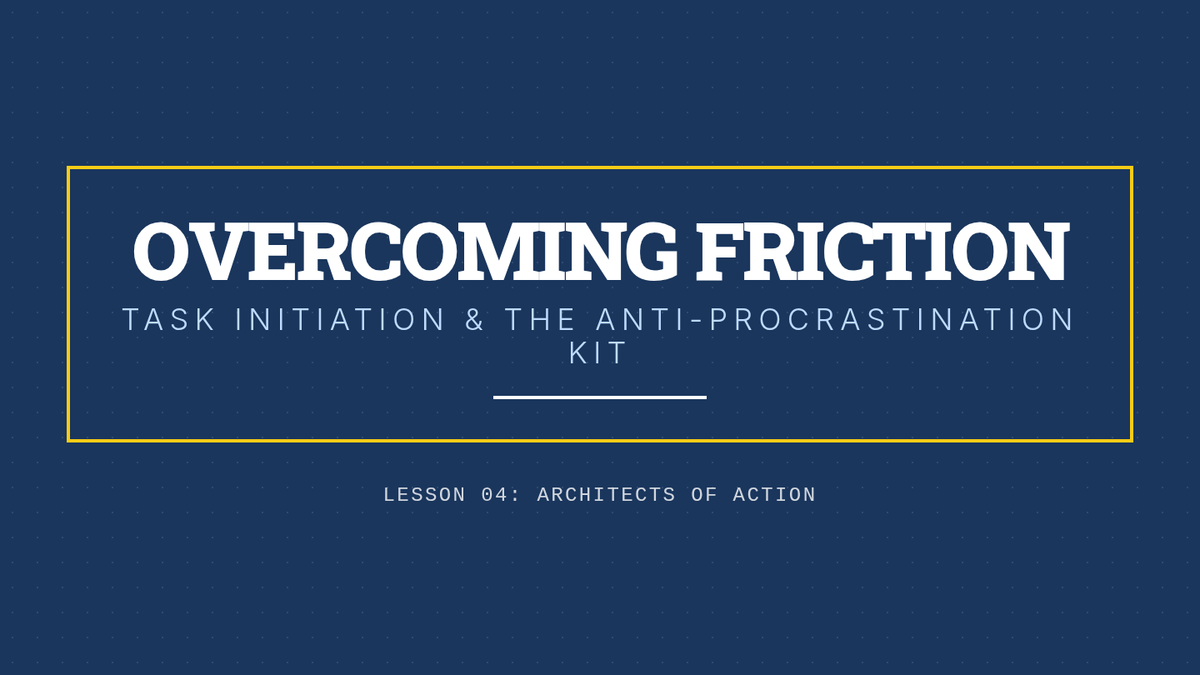
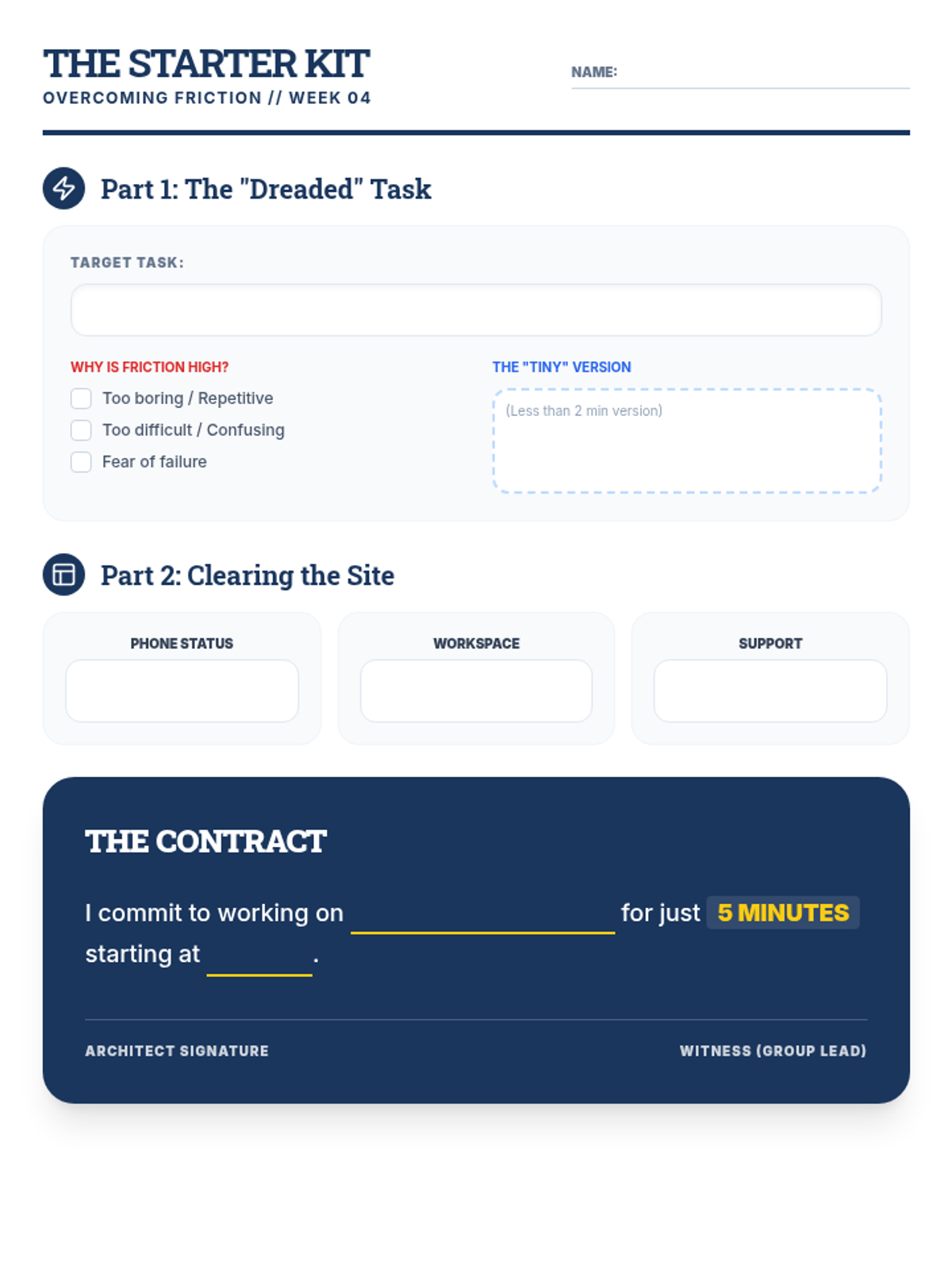
Strategies for task initiation, overcoming procrastination, and maintaining focus in a world of distractions.
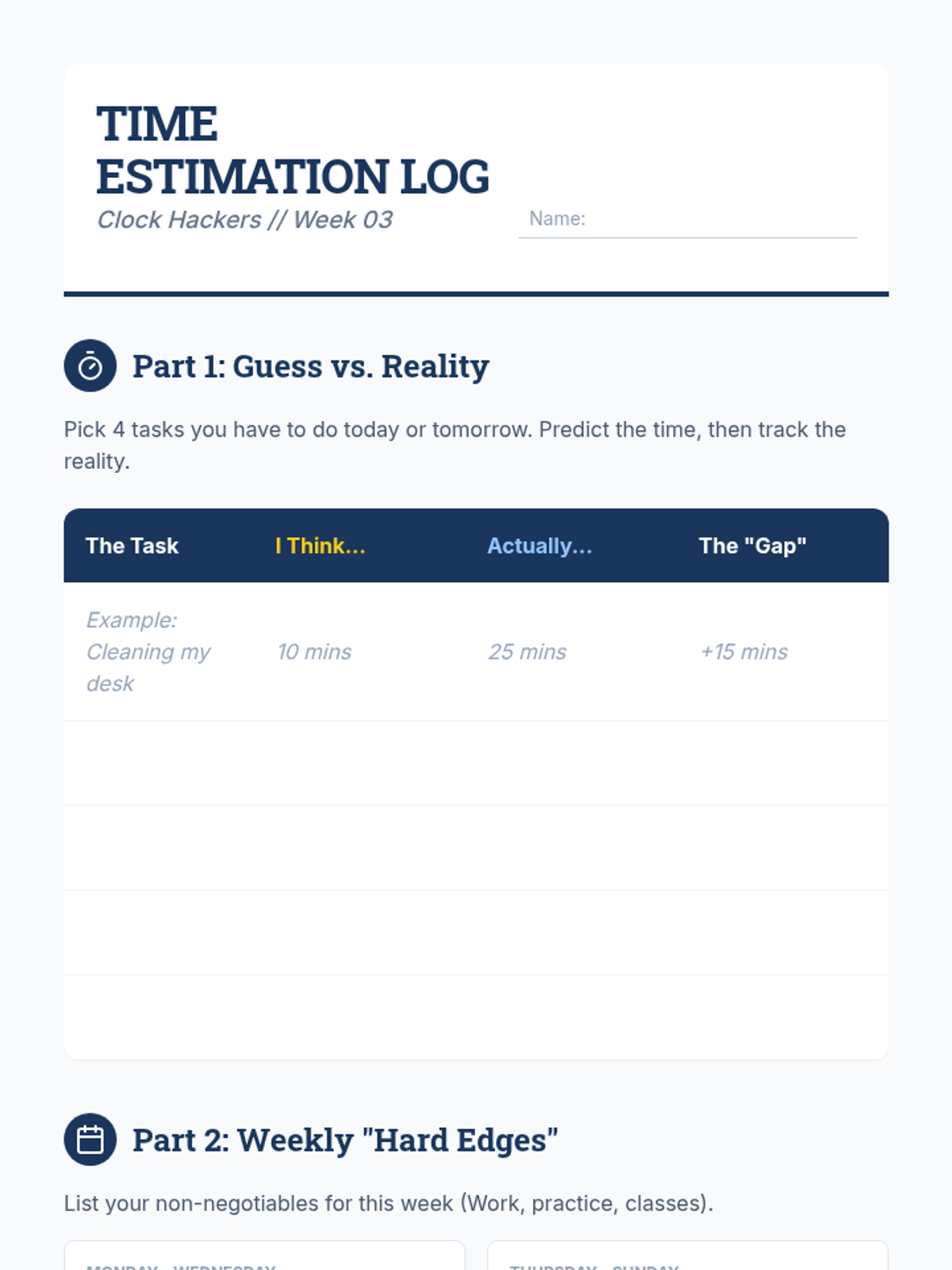
Understanding time blindness, using calendars effectively, and mastering the weekly review.
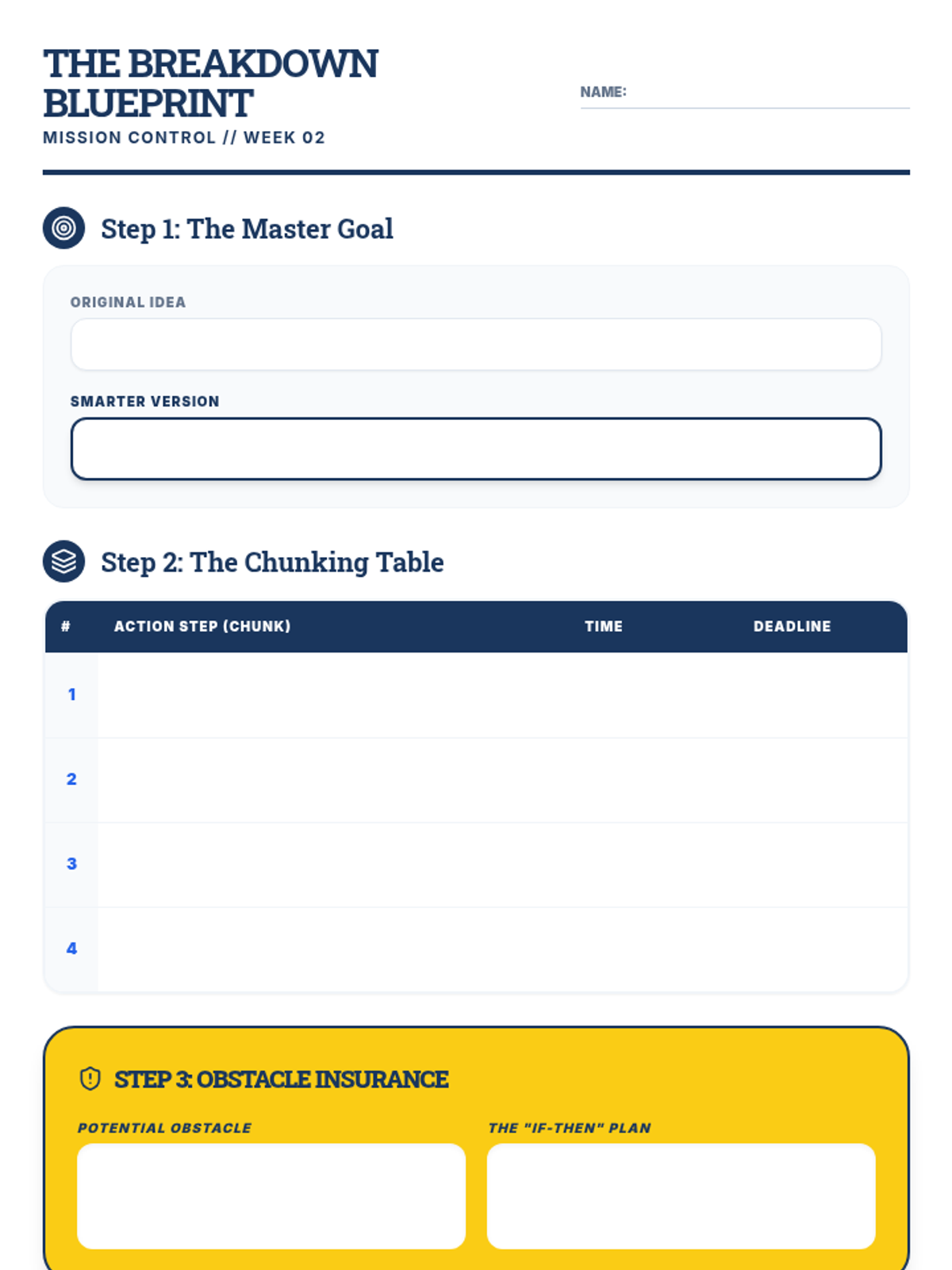
Setting SMARTER goals and learning to break down large projects into manageable chunks.
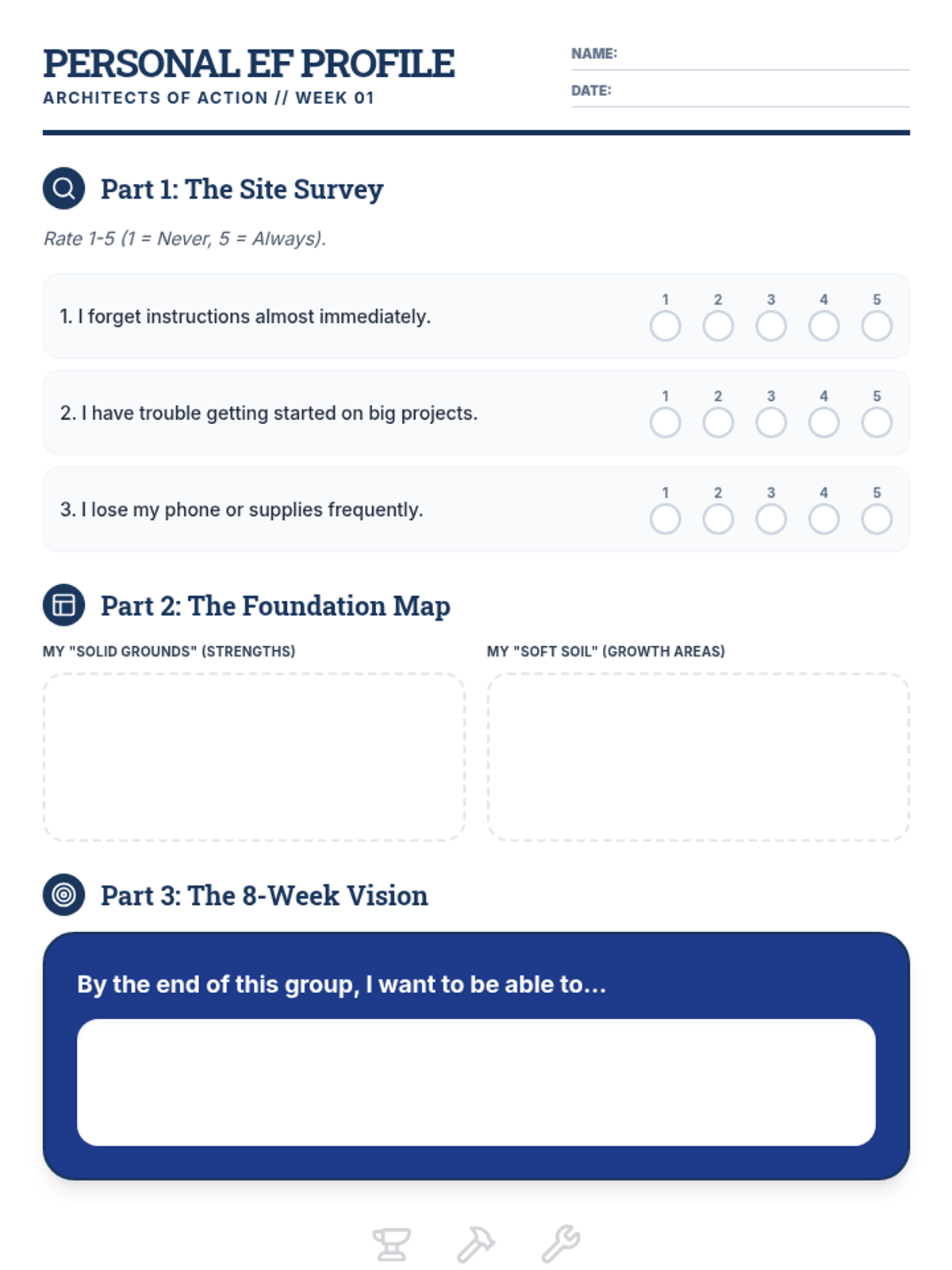
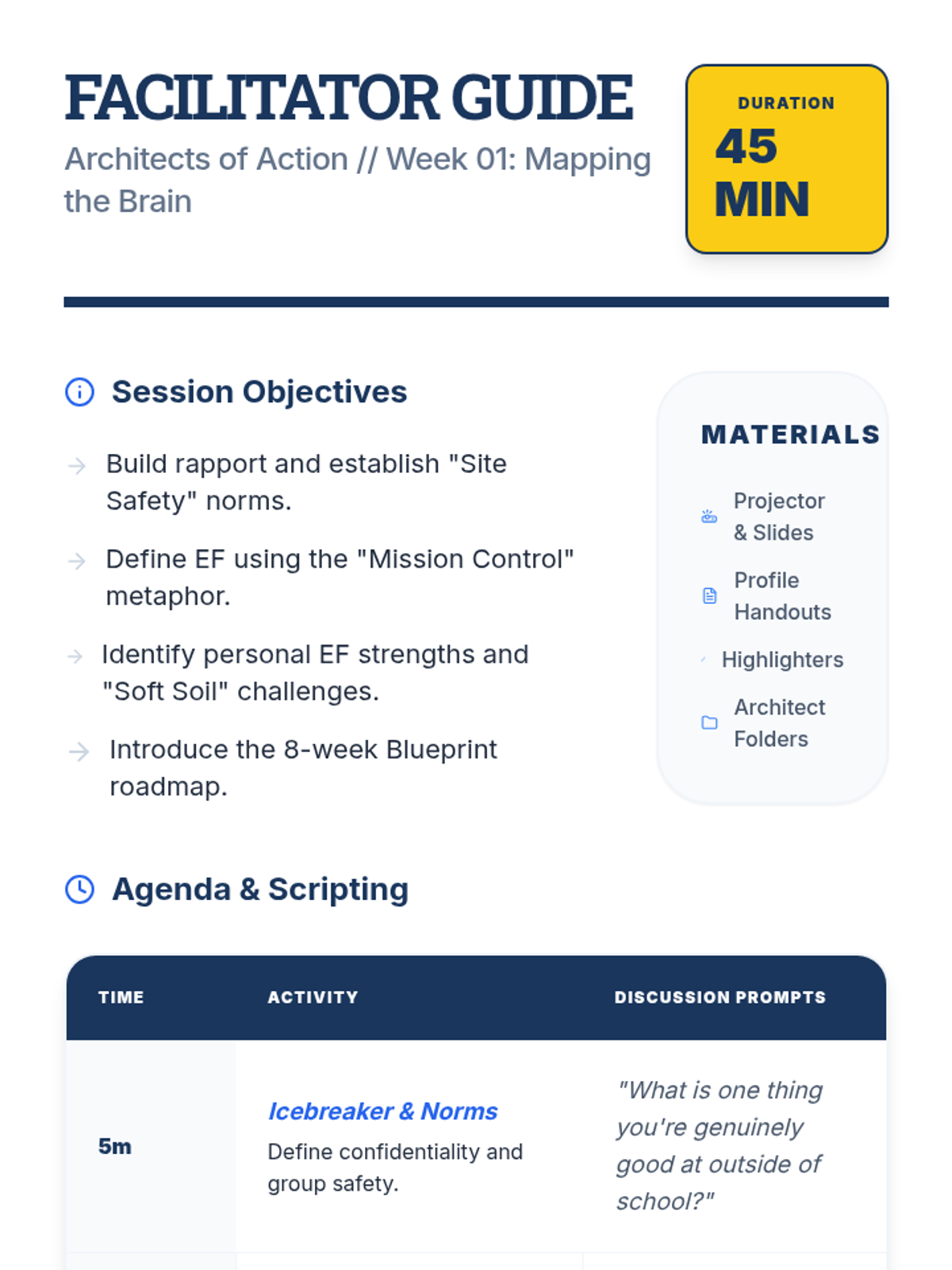
Introduction to executive functioning, self-awareness of strengths and challenges, and building group rapport.
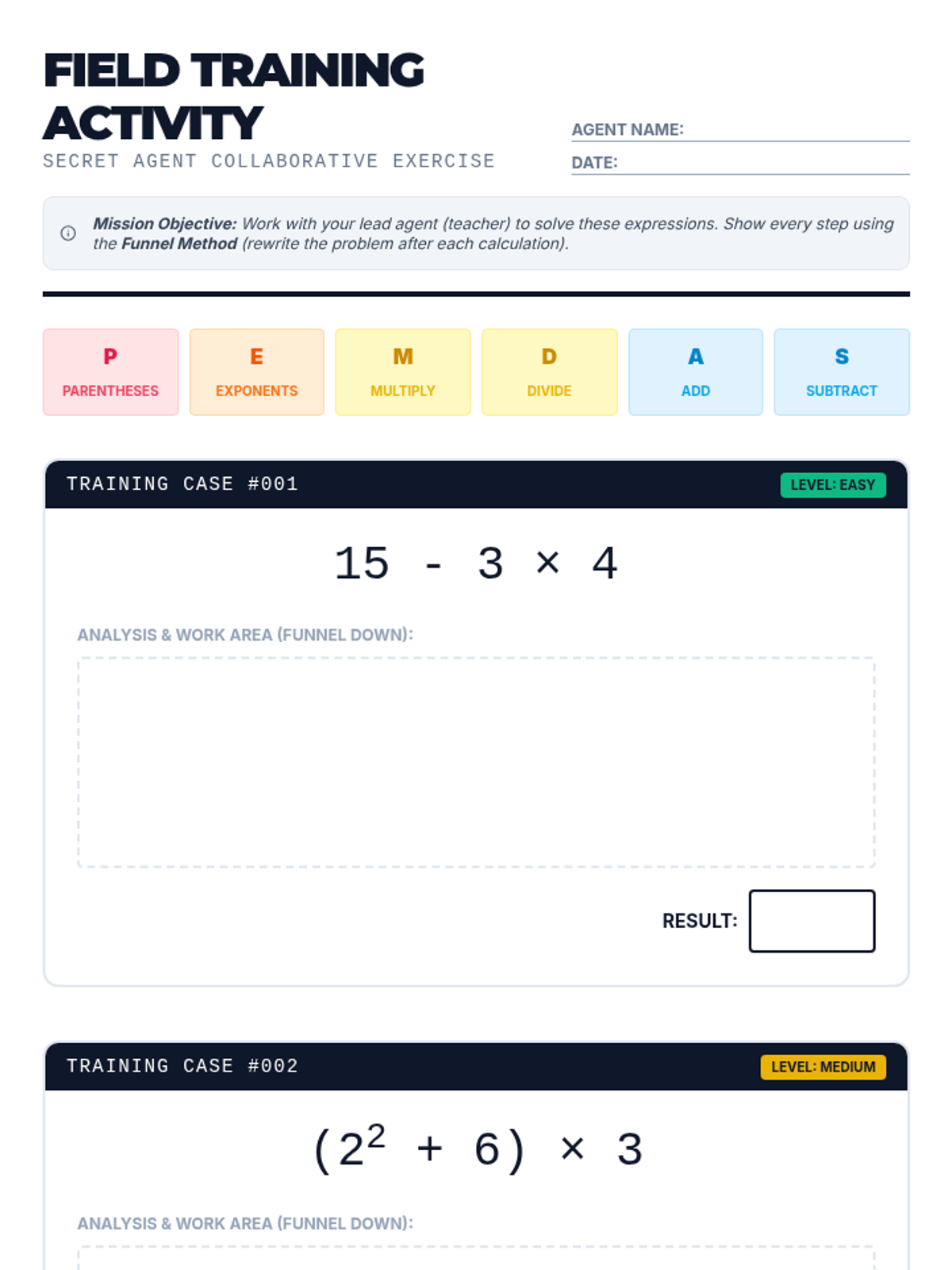
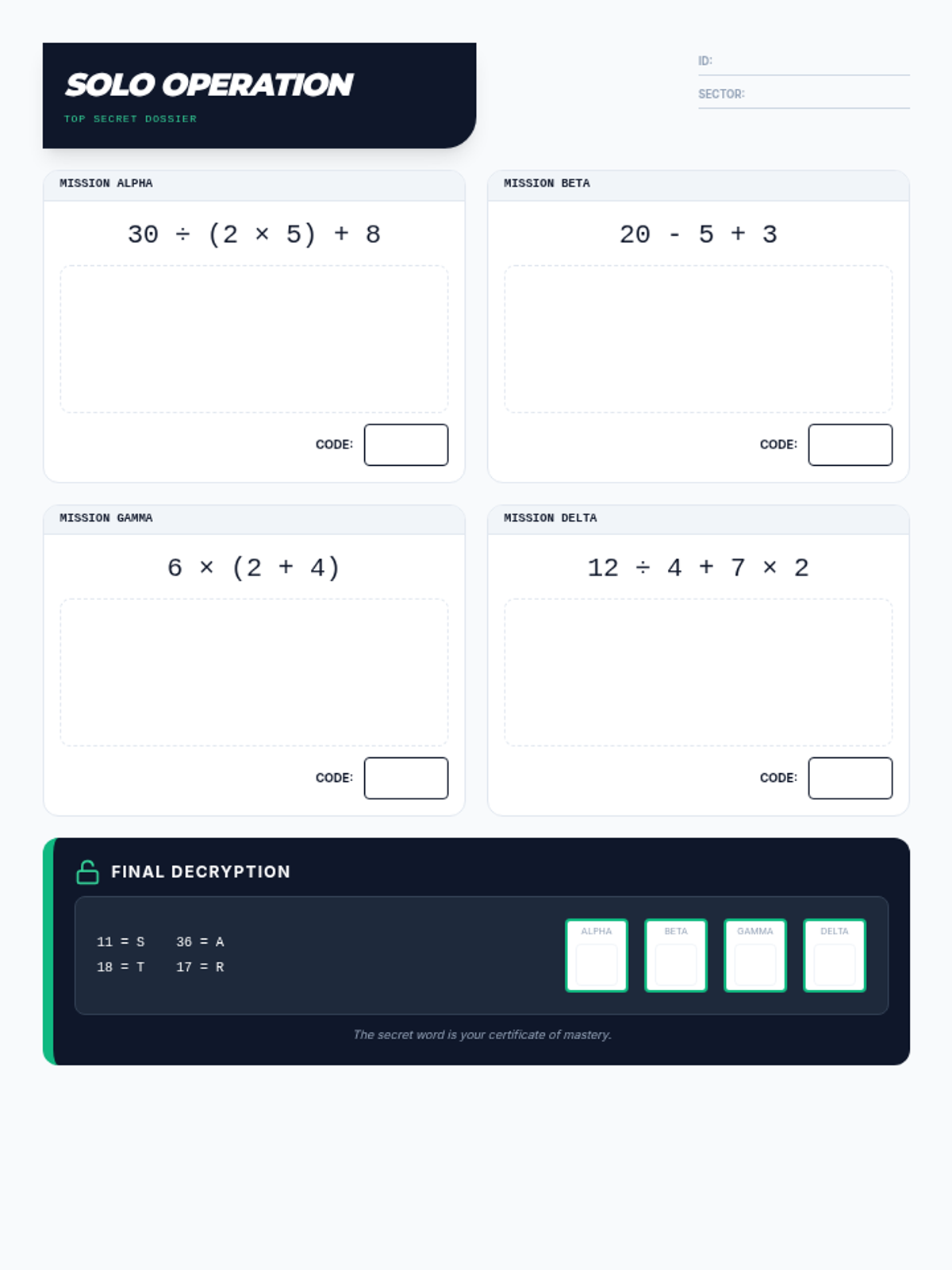
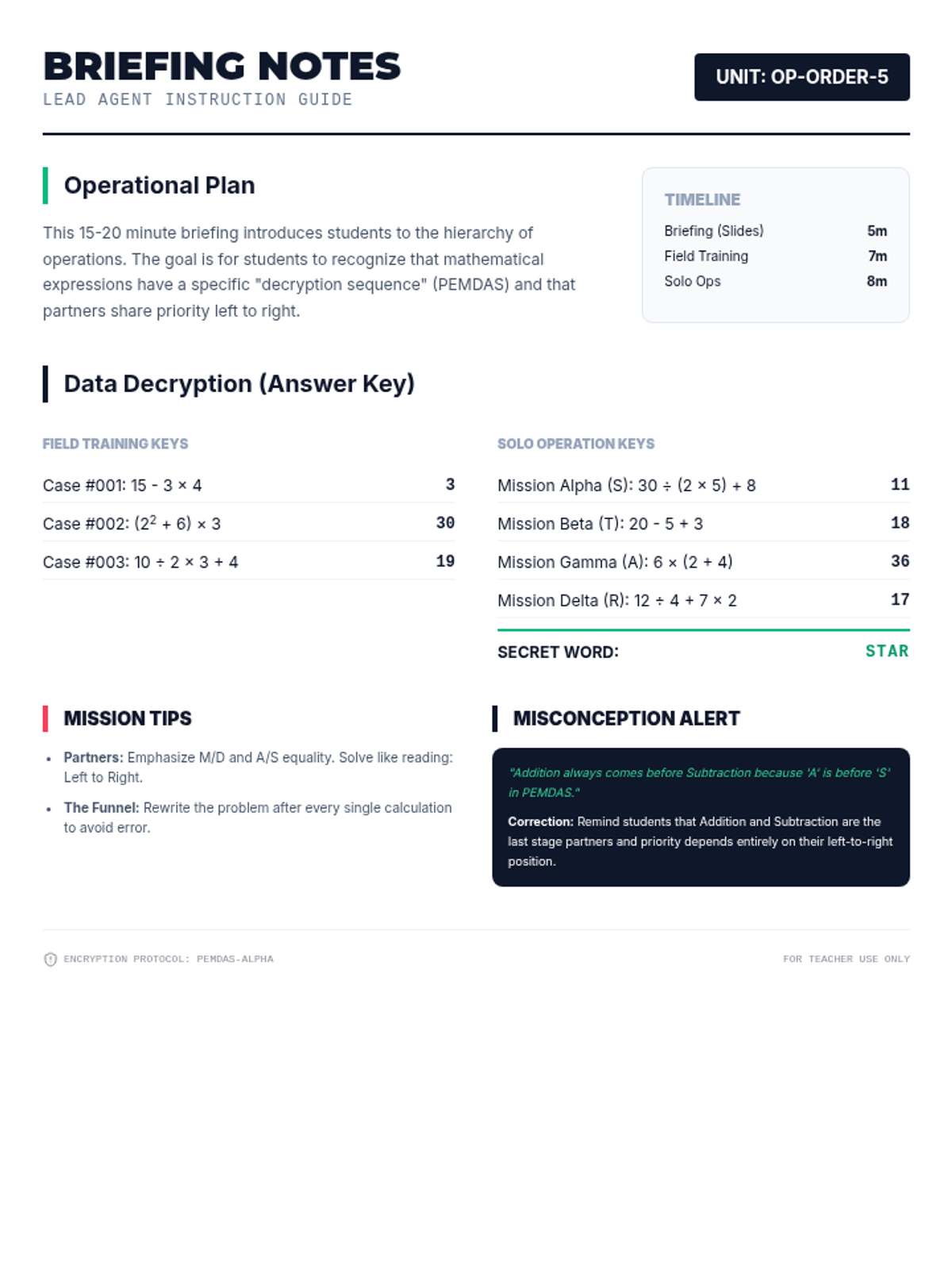
An introductory lesson on the Order of Operations (PEMDAS) using a secret agent theme to engage students in solving mathematical 'missions'. Students will learn the hierarchy of operations and apply them to evaluate numerical expressions.
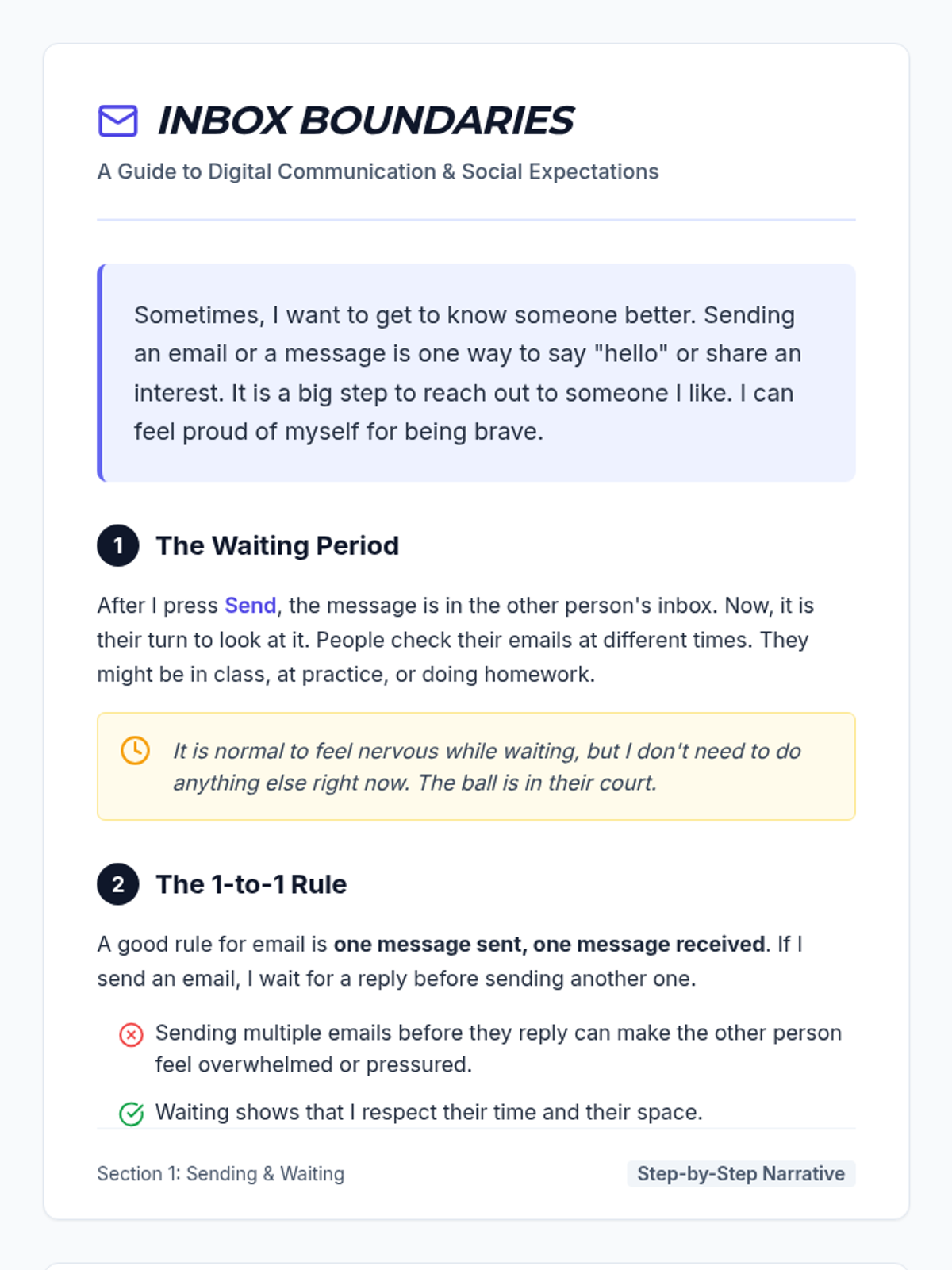
This lesson focuses on teaching appropriate digital communication boundaries, focusing on email frequency and managing the emotional outcomes of social reaching-out.
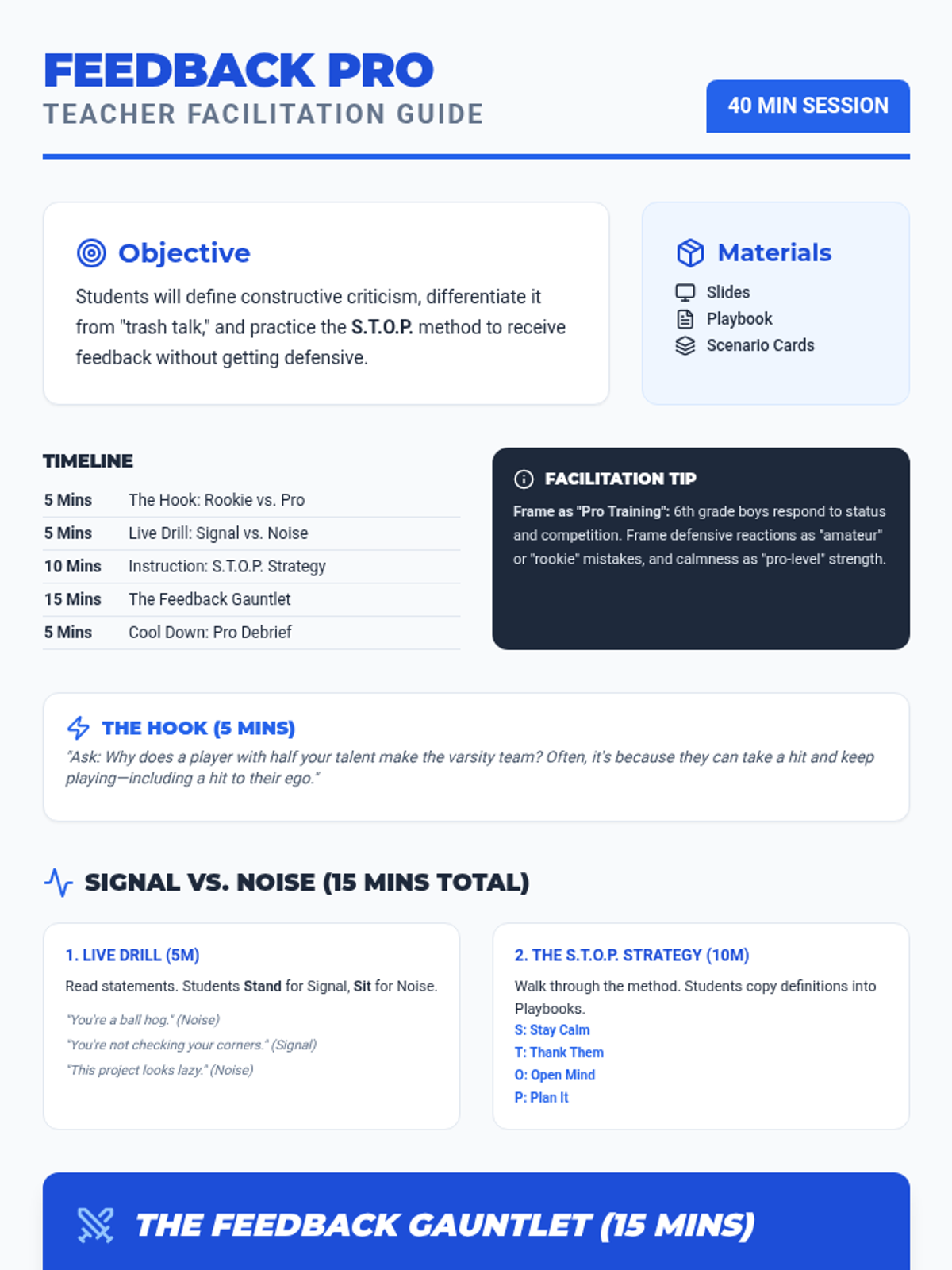
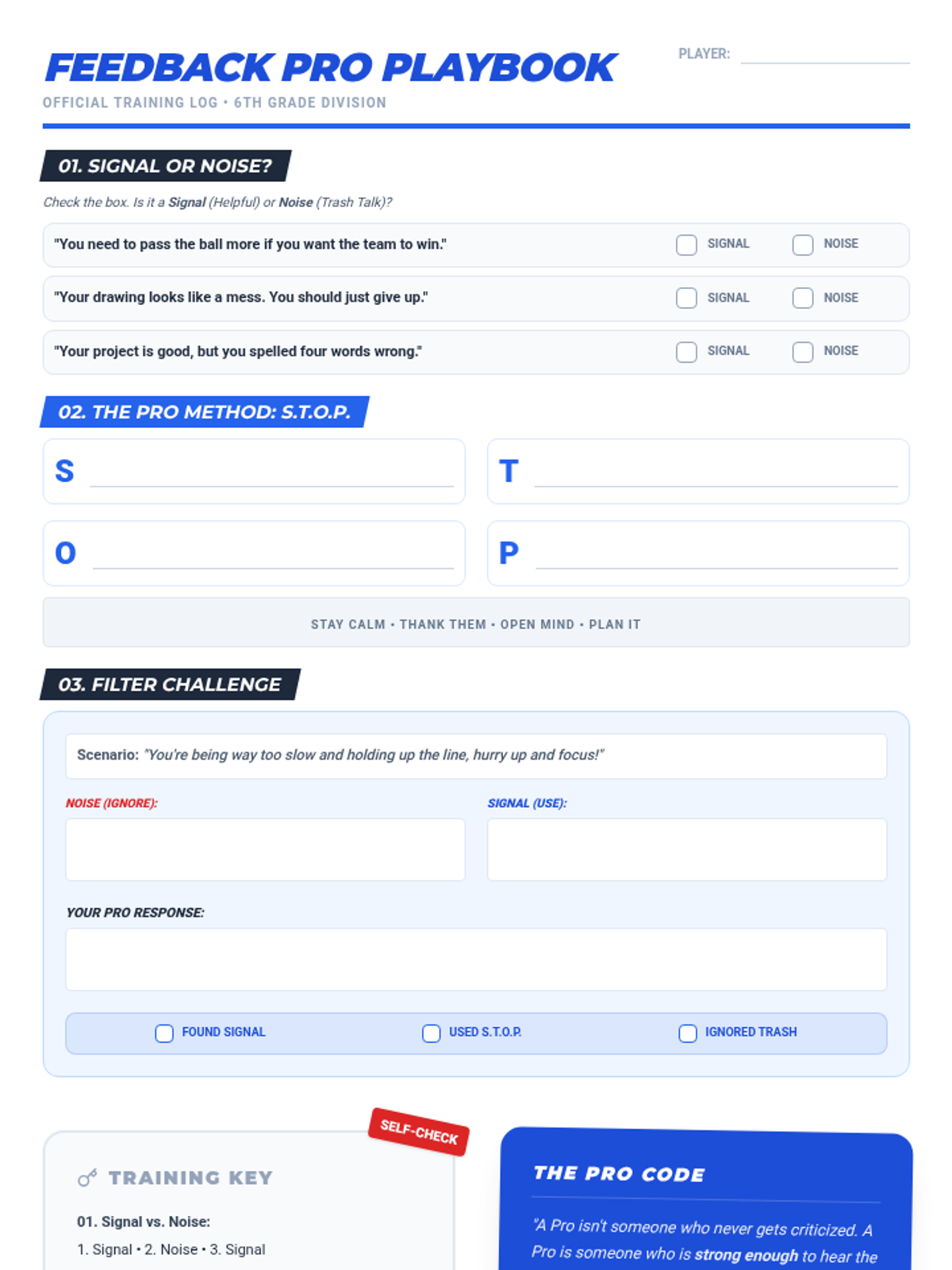
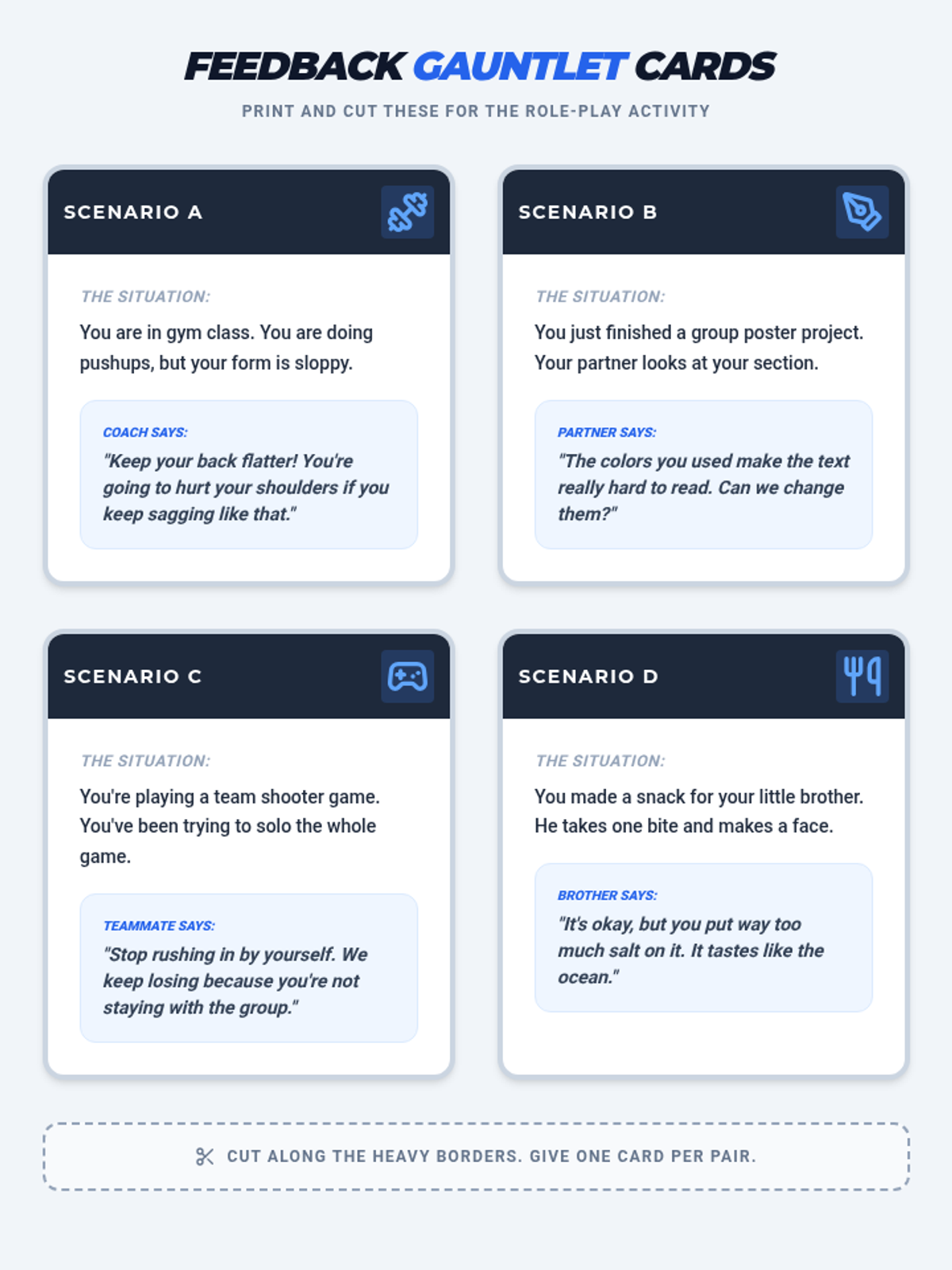
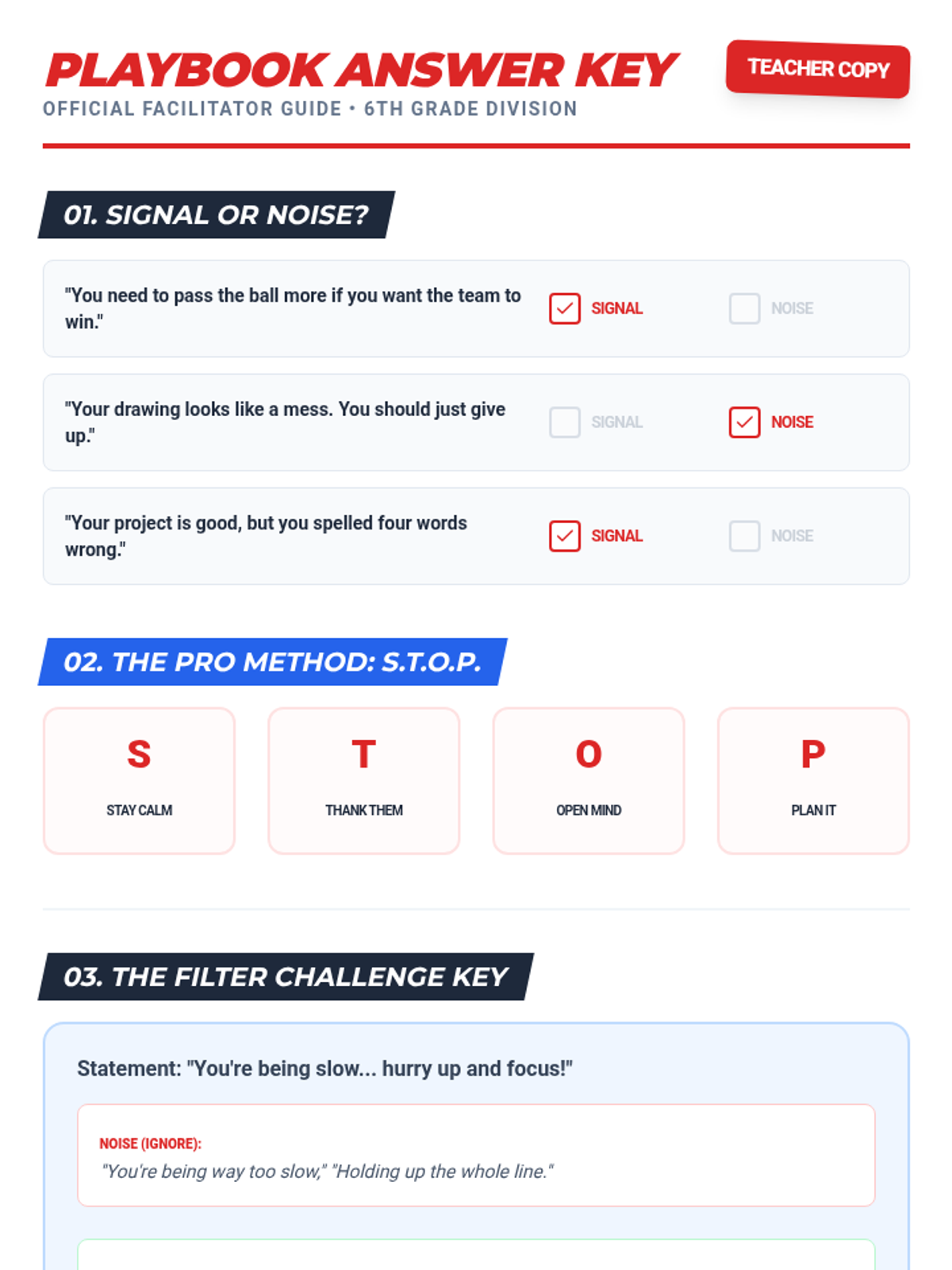
A 30-minute high-energy lesson for 6th-grade boys focused on reframing constructive criticism as a 'pro-level' tool for improvement. Students learn the S.T.O.P. method to handle feedback calmly and effectively through discussion and role-play.